


Abstract
Background
Fetal growth restriction (FGR) is a condition of poor growth of the fetus in utero. One of the causes of FGR is placental insufficiency. Severe early‐onset FGR at < 32 weeks of gestation occurs in an estimated 0.4% of pregnancies. This extreme phenotype is associated with a high risk of fetal death, neonatal mortality, and neonatal morbidity. Currently, there is no causal treatment, and management is focused on indicated preterm birth to prevent fetal death. Interest has risen in interventions that aim to improve placental function by administration of pharmacological agents affecting the nitric oxide pathway causing vasodilatation.
Objectives
The objective of this systematic review and aggregate data meta‐analysis is to assess the beneficial and harmful effects of interventions affecting the nitric oxide pathway compared with placebo, no therapy, or different drugs affecting this pathway against each other, in pregnant women with severe early‐onset FGR.
Search methods
We searched Cochrane Pregnancy and Childbirth’s Trials Register, ClinicalTrials.gov, the WHO International Clinical Trials Registry Platform (ICTRP) (16 July 2022), and reference lists of retrieved studies.
Selection criteria
We considered all randomised controlled comparisons of interventions affecting the nitric oxide pathway compared with placebo, no therapy, or another drug affecting this pathway in pregnant women with severe early‐onset FGR of placental origin, for inclusion in this review.
Data collection and analysis
We used standard Cochrane Pregnancy and Childbirth methods for data collection and analysis.
Main results
We included a total of eight studies (679 women) in this review, all of which contributed to the data and analysis. The identified studies report on five different comparisons: sildenafil compared with placebo or no therapy, tadalafil compared with placebo or no therapy, L‐arginine compared with placebo or no therapy, nitroglycerin compared with placebo or no therapy and sildenafil compared with nitroglycerin.
The risk of bias of included studies was judged as low or unclear. In two studies the intervention was not blinded. The certainty of evidence for our primary outcomes was judged as moderate for the intervention sildenafil and low for tadalafil and nitroglycerine (due to low number of participants and low number of events). For the intervention L‐arginine, our primary outcomes were not reported.
Sildenafil citrate compared to placebo or no therapy (5 studies, 516 women)
Five studies (Canada, Australia and New Zealand, the Netherlands, the UK and Brazil) involving 516 pregnant women with FGR were included. We assessed the certainty of the evidence as moderate.
Compared with placebo or no therapy, sildenafil probably has little or no effect on all‐cause mortality (risk ratio (RR) 1.01, 95% confidence interval (CI) 0.80 to 1.27, 5 studies, 516 women); may reduce fetal mortality (RR 0.82, 95% CI 0.60 to 1.12, 5 studies, 516 women), and increase neonatal mortality (RR 1.45, 95% CI 0.90 to 2.33, 5 studies, 397 women), although the results are uncertain for fetal and neonatal mortality as 95% confidence intervals are wide crossing the line of no effect.
Tadalafil compared with placebo or no therapy (1 study, 87 women)
One study (Japan) involving 87 pregnant women with FGR was included. We assessed the certainty of the evidence as low.
Compared with placebo or no therapy, tadalafil may have little or no effect on all‐cause mortality (risk ratio 0.20, 95% CI 0.02 to 1.60, one study, 87 women); fetal mortality (RR 0.11, 95% CI 0.01 to 1.96, one study, 87 women); and neonatal mortality (RR 0.89, 95% CI 0.06 to 13.70, one study, 83 women).
L‐Arginine compared with placebo or no therapy (1 study, 43 women)
One study (France) involving 43 pregnant women with FGR was included. This study did not assess our primary outcomes.
Nitroglycerin compared to placebo or no therapy (1 studies, 23 women)
One study (Brazil) involving 23 pregnant women with FGR was included. We assessed the certainty of the evidence as low. The effect on the primary outcomes is not estimable due to no events in women participating in both groups.
Sildenafil citrate compared to nitroglycerin (1 study, 23 women)
One study (Brazil) involving 23 pregnant women with FGR was included. We assessed the certainty of the evidence as low.
The effect on the primary outcomes is not estimable due to no events in women participating in both groups.
Authors' conclusions
Interventions affecting the nitric oxide pathway probably do not seem to influence all‐cause (fetal and neonatal) mortality in pregnant women carrying a baby with FGR, although more evidence is needed. The certainty of this evidence is moderate for sildenafil and low for tadalafil and nitroglycerin.
For sildenafil a fair amount of data are available from randomised clinical trials, but with low numbers of participants. Therefore, the certainty of evidence is moderate. For the other interventions investigated in this review there are insufficient data, meaning we do not know whether these interventions improve perinatal and maternal outcomes in pregnant women with FGR.
Keywords: Female; Humans; Infant, Newborn; Pregnancy; Fetal Death; Fetal Growth Retardation; Fetal Growth Retardation/drug therapy; Nitric Oxide; Nitric Oxide/therapeutic use; Nitroglycerin; Placenta; Premature Birth; Premature Birth/prevention & control; Sildenafil Citrate; Tadalafil
Plain language summary
Drugs to improve placental function in pregnant women carrying babies with poor growth
What is the issue?
In approximately 0.4% of pregnancies, the unborn baby suffers from poor growth because the placenta is unable to provide adequate nutrition. These babies are at high risk of dying in the womb due to the poor supply of nutrition and oxygen. Because of this, doctors often deliver these babies before full term, in order to feed them outside the womb. But such early births mean the babies are premature and of very low birthweight. Because of this, these babies are at risk of severe health problems in the first months of life and in the long term. The aim of this Cochrane Review was to find out if drugs that affect the nitric oxide pathway (e.g. sildenafil, tadalafil, L‐arginine, and nitroglycerin) might improve the outcomes for these babies. We only studied babies whose growth restriction was due to problems with the placenta. We collected and analysed all relevant studies to answer this question.
Why is this important?
Currently, there is no known effective treatment that will improve placental function, so early birth is the only option. There has been a lot of interest in drugs that may improve the blood flow from the mother to the placenta. The aim of this treatment is to improve how the placenta works so that the growth of the baby before birth is improved, which would allow doctors to delay birth, ultimately improving the chances of healthy survival.
What evidence did we find?
We searched for published studies on July 16th 2022 and eight studies address our research question. Four different relevant drugs have been investigated (sildenafil, tadalafil, L‐arginine, and nitroglycerin). None of the four drugs led to more babies surviving. However, for three out of four treatments (tadalafil, L‐arginine and nitroglycerin), the treatment was investigated in only small groups of pregnant women and so it is difficult to draw firm conclusions.
Sildenafil citrate compared to placebo or no therapy (5 studies, 516 women)
Five studies (Canada, Australia and New Zealand, the Netherlands, the UK, and Brazil) involving 516 pregnant women with fetal growth restriction.
Sildenafil compared with placebo or no therapy probably makes no difference to the incidence of all‐cause mortality, fetal mortality, and neonatal mortality.
Tadalafil compared with placebo or no therapy (1 study, 87 women)
One study (Japan) involving 87 pregnant women with fetal growth restriction.
Tadalafil probably makes no difference to the incidence of all‐cause mortality, fetal mortality, and neonatal mortality.
L‐Arginine compared with placebo or no therapy (1 study, 43 women)
One study (France) involving 43 pregnant women with fetal growth restriction. This study did not assess our primary outcomes.
Nitroglycerin compared with placebo or no therapy (1 study, 23 women)
One study (Brazil) involving 43 pregnant women with fetal growth restriction.
The effect on the primary outcomes is not estimable since no fetal or neonatal mortality occurred in the women participating in both intervention groups.
Sildenafil citrate compared with nitroglycerin (1 study, 23 women)
One study (Brazil) involving 23 pregnant women with fetal growth restriction.
The effect on the primary outcomes is not estimable since no fetal or neonatal mortality occurred in the women participating in both intervention groups.
What does this mean?
For drugs that have been investigated, sildenafil probably does not increase the chances of short‐term (healthy) survival of babies suffering from growth restriction during pregnancy. For tadalafil, L‐arginine, and nitroglycerin there are insufficient data to be able to form a judgement. For sildenafil we are moderately certain that this is the case, but for the other treatments more studies are needed to provide enough information to answer this question. Also, none of the studies reported on the long‐term effects of these drugs, which is really important information to know.
Summary of findings
Summary of findings 1. Sildenafil citrate compared to placebo or no therapy for fetal growth restriction.
| Sildenafil citrate compared to placebo or no therapy for fetal growth restriction | ||||||
| Patient or population: pregnant women with fetal growth restriction Setting: (tertiary care) centres in Canada, Australia, New Zealand, the Netherlands, the UK and Brazil. Intervention: sildenafil citrate Comparison: placebo or no therapy | ||||||
| Outcomes | Anticipated absolute effects* (95% CI) | Relative effect (95% CI) | № of participants (studies) | Certainty of the evidence (GRADE) | Comments | |
| Risk with placebo or no therapy | Risk with sildenafil citrate | |||||
| All‐cause mortality | Study population | RR 1.01 (0.80 to 1.27) | 516 participants (5 RCTs) | ⊕⊕⊕ moderate | Downgraded 1 level for imprecision due to low number of participants | |
| 345 per 1000 | 348 per 1000 (276 to 438) | |||||
| Fetal mortality | Study population | RR 0.82 (0.60 to 1.12) | 516 participants (5 RCTs) | ⊕⊕⊕ moderate | Downgraded 1 level for imprecision due to low number of participants | |
| 254 per 1000 | 208 per 1000 (152 to 284) | |||||
| Neonatal mortality | Study population | RR 1.45 (0.90 to 2.33) | 397 participants (5 RCTs) | ⊕⊕⊕ moderate | Downgraded 1 level for imprecision due to low number of participants | |
| 122 per 1000 | 177 per 1000 (110 to 284) | |||||
| *The risk in the intervention group (and its 95% confidence interval) is based on the assumed risk in the comparison group and the relative effect of the intervention (and its 95% CI). CI: Confidence interval; RR: Risk ratio. | ||||||
| GRADE Working Group grades of evidence High certainty: we are very confident that the true effect lies close to that of the estimate of the effect. Moderate certainty: we are moderately confident in the effect estimate: the true effect is likely to be close to the estimate of the effect, but there is a possibility that it is substantially different. Low certainty: our confidence in the effect estimate is limited: the true effect may be substantially different from the estimate of the effect. Very low certainty: we have very little confidence in the effect estimate: the true effect is likely to be substantially different from the estimate of effect. | ||||||
Summary of findings 2. Tadalafil compared with placebo or no therapy for fetal growth restriction.
| Tadalafil compared with placebo or no therapy for fetal growth restriction | ||||||
|
Patient or population: pregnant women with fetal growth restriction Settings: medical centres in Japan Intervention: tadalafil Comparison: placebo or no therapy | ||||||
| Outcomes | Illustrative comparative risks* (95% CI) | Relative effect (95% CI) | No of Participants (studies) | Certainty of the evidence (GRADE) | Comments | |
| Assumed risk | Corresponding risk | |||||
| Placebo or no therapy | Tadalafil | |||||
| All‐cause mortality | Study population | RR 0.20 (0.02 to 1.60) | 87 (1 study) | ⊕⊕⊝⊝ low | Downgraded 2 levels for imprecision due to low number of participants and events | |
| 116 per 1000 | 23 per 1000 (2 to 186) | |||||
| Fetal mortality | Study population | RR 0.11 (0.01 to 1.96) | 87 (1 study) | ⊕⊕⊝⊝ low | Downgraded 2 levels for imprecision due to low number of participants and events | |
| 93 per 1000 | 0 per 1000 (0 to 182) | |||||
| Neonatal mortality | Study population | RR 0.89 (0.06 to 13.7) | 83 (1 study) | ⊕⊕⊝⊝ low | Downgraded 2 levels for imprecision due to low number of participants and events | |
| 26 per 1000 | [23 per 1000 (2 to 356) | |||||
| *The basis for the assumed risk (e.g. the median control group risk across studies) is provided in footnotes. The corresponding risk (and its 95% confidence interval) is based on the assumed risk in the comparison group and the relative effect of the intervention (and its 95% CI). CI: Confidence interval; RR: Risk ratio. | ||||||
| GRADE Working Group grades of evidence High certainty: we are very confident that the true effect lies close to that of the estimate of the effect. Moderate certainty: we are moderately confident in the effect estimate: the true effect is likely to be close to the estimate of the effect, but there is a possibility that it is substantially different. Low certainty: our confidence in the effect estimate is limited: the true effect may be substantially different from the estimate of the effect. Very low certainty: we have very little confidence in the effect estimate: the true effect is likely to be substantially different from the estimate of effect. | ||||||
Summary of findings 3. Nitroglycerin compared to placebo or no therapy for fetal growth restriction.
| Nitroglycerin compared to placebo or no therapy for fetal growth restriction | ||||||
| Patient or population: pregnant women with fetal growth restriction Setting: (tertiary care) cenres Brazil Intervention: nitroglycerin Comparison: placebo or no therapy | ||||||
| Outcomes | Anticipated absolute effects* (95% CI) | Relative effect (95% CI) | № of participants (studies) | Certainty of the evidence (GRADE) | Comments | |
| Risk with placebo or no therapy | Risk with transdermal nitroglycerin | |||||
| All‐cause mortality | Study population | not estimable | 23 participants (1 RCT) | ⊕⊕⊝⊝ low | No events in both groups Downgraded 2 levels for imprecision due to low number of participants and events |
|
| 0 per 1000 | 0 per 1000 (0 to 0) | |||||
| Fetal mortality | Study population | not estimable | 23 participants (1 RCT) | ⊕⊕⊝⊝ low | No events in both groups Downgraded 2 levels for imprecision due to low number of participants and events . |
|
| 0 per 1000 | 0 per 1000 (0 to 0) | |||||
| Neonatal mortality | Study population | not estimable | 23 participants (1 RCT) | ⊕⊕⊝⊝ low | No events in both groups Downgraded 2 levels for imprecision due to low number of participants and events |
|
| 0 per 1000 | 0 per 1000 (0 to 0) | |||||
| *The risk in the intervention group (and its 95% confidence interval) is based on the assumed risk in the comparison group and the relative effect of the intervention (and its 95% CI). CI: Confidence interval; RR: Risk ratio. | ||||||
| GRADE Working Group grades of evidence High certainty: we are very confident that the true effect lies close to that of the estimate of the effect. Moderate certainty: we are moderately confident in the effect estimate: the true effect is likely to be close to the estimate of the effect, but there is a possibility that it is substantially different. Low certainty: our confidence in the effect estimate is limited: the true effect may be substantially different from the estimate of the effect. Very low certainty: we have very little confidence in the effect estimate: the true effect is likely to be substantially different from the estimate of effect. | ||||||
Summary of findings 4. Sildenafil citrate compared to nitroglycerin for fetal growth restriction.
| Sildenafil citrate compared to nitroglycerin for fetal growth restriction | ||||||
| Patient or population: pregnant women with fetal growth restriction Setting: centres in Brazil Intervention: sildenafil citrate Comparison: nitroglycerin | ||||||
| Outcomes | Anticipated absolute effects* (95% CI) | Relative effect (95% CI) | № of participants (studies) | Certainty of the evidence (GRADE) | Comments | |
| Risk with transdermal nitroglycerin | Risk with sildenafil citrate | |||||
| All‐cause mortality | Study population | not estimable | 23 participants (1 RCT) | ⊕⊕⊝⊝ low | No events in both groups Downgraded 2 levels for imprecision due to low number of participants and events |
|
| 0 per 1000 | 0 per 1000 (0 to 0) | |||||
| Fetal mortality | Study population | not estimable | 23 participants (1 RCT) | ⊕⊕⊝⊝ low | No events in both groups Downgraded 2 levels for imprecision due to low number of participants and events |
|
| 0 per 1000 | 0 per 1000 (0 to 0) | |||||
| Neonatal mortality | Study population | not estimable | 23 participants (1 RCT) | ⊕⊕⊝⊝ low | No events in both groups Downgraded 2 levels for imprecision due to low number of participants and events |
|
| 0 per 1000 | 0 per 1000 (0 to 0) | |||||
| *The risk in the intervention group (and its 95% confidence interval) is based on the assumed risk in the comparison group and the relative effect of the intervention (and its 95% CI). CI: Confidence interval; RR: Risk ratio. | ||||||
| GRADE Working Group grades of evidence High certainty: we are very confident that the true effect lies close to that of the estimate of the effect. Moderate certainty: we are moderately confident in the effect estimate: the true effect is likely to be close to the estimate of the effect, but there is a possibility that it is substantially different. Low certainty: our confidence in the effect estimate is limited: the true effect may be substantially different from the estimate of the effect. Very low certainty: we have very little confidence in the effect estimate: the true effect is likely to be substantially different from the estimate of effect. | ||||||
Background
Description of the condition
Fetal growth restriction (FGR) is a condition of poor fetal growth. A major underlying mechanism is placental insufficiency and the differential diagnosis includes a variety of causes, including congenital anomalies, congenital infection, maternal co‐morbidity, smoking, and drug exposure (Conde‐Agudelo 2013; Severi 2000).
FGR can occur at any stage in pregnancy. The current consensus definition defines early‐onset (before 32 weeks' gestation) and late‐onset (after 32 weeks' gestation). By consensus, Early‐onset FGR is defined as a fetal abdominal circumference or estimated fetal weight (EFW) below the 3rd centile or absent end‐diastolic flow in the umbilical artery, or abdominal circumference or EFW below the 10th centile combined with a pulsatility index of the uterine artery above the 95th centile and/or pulsatility index of the umbilical artery above the 95th centile (Gordijn 2016). The phenotype of early‐onset FGR is typically due to inadequate spiral artery remodelling during early placental development (Papageorghiou 2007); measurable manifestations of this include high‐resistance to blood flow in the placental circulation on both the maternal and fetal side. The common placental lesion at histology is maternal vascular malperfusion (MVM). Early‐onset FGR is associated with a high risk of fetal death, neonatal mortality, and neonatal morbidity (GRIT study group 2003; Lees 2013). An estimated 0.4% of pregnancies is complicated by this extreme phenotype.
Currently, there is no treatment for early‐onset FGR and the mainstay of management is indicated preterm birth to limit intrauterine fetal compromise and prevent death. Therefore, in general, placenta function is monitored by performing Doppler measurements of the umbilical artery, middle cerebral artery and ductus venosus. In case of worsening of the Doppler measurements, corticosteroids for fetal lung maturation are administered, and the fetal condition is monitored by frequent cardiotography (with or without computerised measurement of short‐term variation) in order to decide on the most optimal moment to deliver the fetus (Lees 2013). Nevertheless, delivery of such preterm and very low birthweight babies has, in itself, important adverse consequences. Thus, anticipated risks of intrauterine harm have to be balanced against the anticipated risks of preterm birth. Pharmacological interventions may improve placental function, resulting in improved fetal growth and prolongation of gestation.
Description of the intervention
Inadequate trophoblast invasion early in pregnancy leads to persistence of a high‐resistance and low‐flow utero‐placental circulation. Later in pregnancy this may lead to a postulated sequence of events including reduced placental perfusion, placental ischaemia, reperfusion injury, oxidative stress and an imbalance in angiogenic factors. It is possible that by influencing angiogenic factors, smooth muscle relaxation could be established, leading to vasodilatation and potentially to increased placental perfusion (Groom 2018). One of the key angiogenic factors is nitric oxide (NO). Higher levels of NO causes smooth muscle relaxation (Groom 2018).
Drugs affecting the NO pathway are the NO precursors l‐arginine and l‐citrulline and phosphodiesterase 5‐inhibitors (Bourdon 2016; Buhimschi 1998; Chen 2016; Oyston 2015; Paauw 2017; Refuerzo 2006; Sanchez‐Aparicio 2008; Satterfield 2010; Stanley 2012; Tran 2017; Wareing 2005). L‐arginine and L‐citrulline are amino acids found in the normal diet (Casanello 2002; Krause 2011). We have been liberal in including all interventions affecting the NO pathway, and in all reviews the amino acids are stated to be part of this pathway. They are obviously part of normal diets, but also given as tablets and in those circumstances used as medication. Moreover, in all these studies the authors specifically state they aim to influence this pathway with the intervention. Other drugs that have been identified are: sildenafil, avanafil, tadalafil, vardenafil and S‐nitroso glutathione. (GSNO).
The phosphodiesterase 5‐inhibitors are registered for treatment of pulmonary hypertension and erectile dysfunction. Sildenafil can be administered orally and parenterally; avanafil, tadalafil and vardenafil are available for oral administration. Common side effects are headache, gastro‐intestinal upset, flushing and, muscle aches and joint pains (Barnes 2019). L‐arginine can be administered orally and intravenously. Common side effects are nausea, gastro‐intestinal discomfort and diarrhoea (Wu 2009). L‐citrulline can be administered orally and parenterally. No specific side effects have been identified (Grimble 2007; Smith 2006). S‐nitroso glutathione can be administered intravenously, although trials using an aerosolised inhalant and more recently topical gel and poly vinyl alcohol film, have been used (Katarzyna 2013). Besides headache (Everett 2014), no other adverse effects have been identified (Johal 2014).
How the intervention might work
Placental dysfunction in early‐onset FGR is characterised by a high‐resistance, low‐flow placental circulation due to inadequate remodelling of the maternal spiral arteries during placental invasion early in pregnancy (Nardozza 2017; Papageorghiou 2004; Severi 2000). NO causes localised vasodilatation of the utero‐placental circulation. It has been hypothesised that in FGR, particularly severe early‐onset disease, increased levels of NO might improve placental blood flow sufficiently to allow improvements in fetal growth and healthy survival. Several animal and human studies support the hypothesis that NO causes utero‐placental vasodilatation; this could improve gaseous and nutrient exchange which might lead to improved fetal growth and well‐being in cases of placental dysfunction (Buhimschi 1998)
The number of women that have been treated with PDE 5‐inhibitors in pregnancy is unknown, but is likely to be small. Nevertheless, the PDE 5‐inhibitor sildenafil is increasingly used for maternal cardiac indications with no reports of adverse maternal or fetal effects (Latini 2008; Sun 2014). In a small randomised clinical trial in women with the maternal condition associated with uteroplacental insufficiency (early onset pre‐eclampsia) varying doses of sildenafil had no demonstrable effect on prolongation of pregnancy, but provided further reassurance on its safety profile in pregnancy and suggested improved fetal growth (Samangaya 2009). Improvements in fetal growth parameters were also seen in a small, non‐randomised study (von Dadelszen 2011). More recently, a randomised controlled trial performed in 100 pregnant women with early‐onset pre‐eclampsia comparing 50 mg sildenafil three times a day with placebo has shown a prolongation in pregnancy duration of approximately four days (Trapani 2016c). From the limited observations to date, there are no concerns of adverse maternal, fetal, neonatal or infant effects associated with sildenafil use in pregnancy (Dunn 2017).
Why it is important to do this review
On the basis of preliminary research (von Dadelszen 2011; Lin 2012; Dastjerdi 2012; Panda 2014; Chen 2016; Choudhary 2016; Trapani 2016d; El‐Sayed 2018) some clinicians might already have adopted treatment with l‐arginine or PDE 5‐inhibitors in women with early severe FGR. However, it is unknown if this confers health benefits and, significantly, potential harm has not yet been excluded. By reviewing the existing literature, we aim to synthesise all available evidence on the potential risks and benefits of this treatment.
Objectives
The objective of this systematic review and aggregate data meta‐analysis is to assess the beneficial and harmful effects of interventions affecting the nitric oxide (NO) pathway compared with placebo, no therapy, or different drugs affecting this pathway against each other, in pregnant women with severe early‐onset fetal growth restriction.
Methods
Criteria for considering studies for this review
Types of studies
Randomised clinical trials and cluster‐randomised clinical trials. We did not include quasi‐randomised clinical trials. We did not include studies published in abstract form only.
Types of participants
We included pregnant women with a singleton pregnancy complicated by fetal growth restriction (FGR) (as defined by trialists).
Types of interventions
All types of pharmacotherapeutic NO precursors and PDE 5 inhibitors, regardless of dose or mode of administration. Drugs that have been identified are: sildenafil, avanafil, tadalafil, vardenafil, l‐arginine, l‐citrulline and S‐nitroso glutathione. Studies comparing these interventions with placebo, no therapy or another drug affecting the NO pathway, were eligible for inclusion.
Types of outcome measures
Primary outcomes
All‐cause mortality, defined as either fetal or neonatal mortality
Fetal mortality, defined as death before or during birth
Neonatal mortality, defined as death after birth
Secondary outcomes
Maternal
Proportion of women experiencing a maternal hypertensive disorder, defined as either pregnancy‐induced hypertension, pre‐eclampsia or haemolysis elevated liver enzymes or low platelets (HELLP) syndrome
Gestational age at delivery (weeks and days), assessed at delivery
Neonatal
Birthweight or birthweight for gestational age
Major neonatal morbidity, defined as a composite of either: intraventricular haemorrhage (IVH) grade three or more; periventricular leukomalacia (PVL) grade two or more; moderate or severe bronchopulmonary dysplasia (BPD); necrotising enterocolitis (NEC) grade two or more; persistent pulmonary hypertension of the neonate; or retinopathy of prematurity (ROP) treated by surgery or laser therapy, assessed at discharge home
Proportion of surviving children at two years of age
Proportion of surviving children with neurodevelopmental impairment, defined as per trialists, assessed at two years of age
Maternal harmful effects or events, as defined by trialists
We used the trial results reported at maximal follow‐up for all outcomes.
For the outcomes neonatal mortality, major neonatal morbidity, proportion of surviving children at two years of age and proportion of surviving children with neurodevelopmental impairment, we decided to report the outcomes with alive children as denominator. The pregnancies with fetal death, cannot be assessed for these outcomes. Furthermore, the children that have died in the period after birth (neonatal death), cannot be assessed for long‐term follow‐up at two years of age. In order to present the results of neonatal and long‐term follow‐up as clearly as possible, we plan to report these outcomes for the number of children assessed; for neonatal death and neonatal morbidity the denominator is the number of children born alive; for proportion of surviving children at two years of age and proportion of surviving children with neurodevelopmental impairment, the denominator is the number of surviving children at two years of age.
We assessed all eligible studies in detail and excluded studies if no relevant outcome was reported or extractable from the manuscript, after contact with the authors.
Search methods for identification of studies
The following methods sections of this review are based on a standard template used by Cochrane Pregnancy and Childbirth.
Electronic searches
We searched Cochrane Pregnancy and Childbirth’s Trials Register by contacting their Information Specialist (16 July 2022).
The Register is a database containing over 34,000 reports of controlled trials in the field of pregnancy and childbirth. It represents over 30 years of searching. For full current search methods used to populate Pregnancy and Childbirth’s Trials Register including the detailed search strategies for CENTRAL, MEDLINE, Embase and CINAHL; the list of handsearched journals and conference proceedings, and the list of journals reviewed via the current awareness service, please follow this link.
Briefly, Cochrane Pregnancy and Childbirth’s Trials Register is maintained by their Information Specialist and contains trials identified from:
monthly searches of the Cochrane Central Register of Controlled Trials (CENTRAL);
weekly searches of MEDLINE (Ovid);
weekly searches of Embase (Ovid);
monthly searches of CINAHL (EBSCO);
handsearches of 30 journals and the proceedings of major conferences;
weekly current awareness alerts for a further 44 journals plus monthly BioMed Central email alerts.
Search results are screened by two people and the full text of all relevant trial reports identified through the searching activities described above is reviewed. Based on the intervention described, each trial report is assigned a number that corresponds to a specific Pregnancy and Childbirth review topic (or topics), and is then added to the Register. The Information Specialist searches the Register for each review using this topic number rather than keywords. This results in a more specific search set that has been fully accounted for in the relevant review sections (Included studies; Excluded studies or Studies awaiting classification).
In addition, we searched ClinicalTrials.gov and the WHO International Clinical Trials Registry Platform (ICTRP) for unpublished, planned and ongoing trial reports (20 July 2022) (See Appendix 1 for search methods).
Searching other resources
We searched the reference lists of retrieved studies.
We did not apply any language or date restrictions.
Data collection and analysis
Screening eligible studies for trustworthiness
All studies meeting our inclusion criteria were evaluated by at least two review authors against predefined criteria to select studies that, based on available information, are deemed to be sufficiently trustworthy to be included in the analysis. The Cochrane Pregnancy and Childbirth have developed a Trustworthines Screening Tool (CPC‐TST) which includes the following criteria.
Research governance
Are there any retraction notices or expressions of concern listed on the Retratction Watch Database relating to this study?
Was the study prospectively registered (for those studies published after 2010) If not, was there a plausible reason?
When requested, did the trial authors provide/share the protocol and/or ethics approval letter?
Did the trial authors engage in communication with the Cochrane Review authors within the agreed timelines?
Did the trial authors provide individual participant data (IPD) data upon request? If not, was there a plausible reason?
Baseline characteristics
Is the study free from characteristics of the study participants that appear too similar (e.g. distribution of the mean (SD) excessively narrow or excessively wide, as noted by Carlisle 2017)?
Feasibility
Is the study free from characteristics could be implausible? (e.g. large numbers of women with a rare condition (such as severe cholestasis in pregnancy) recruited within 12 months);
In cases with (close to) zero losses to follow‐up, is there a plausible explanation?
Results
Is the study free from results that could be implausible? (e.g. massive risk reduction for main outcomes with small sample size)?
Do the numbers randomised to each group suggest that adequate randomisation methods were used (e.g. is the study free from issues such as unexpectedly even numbers of women ‘randomised’ including a mismatch between the numbers and the methods, if the authors say ‘no blocking was used’ but still end up with equal numbers, or if the authors say they used ‘blocks of 4’ but the final numbers differ by 6)?
Studies assessed as being potentially ‘high risk’ were not included in the review. Where a study was classified as ‘high risk’ we attempted to contact the study authors to address any possible lack of information/concerns. In cases where we could not obtain contact details for the study authors, or where adequate information remained unavailable, the study remained in ‘awaiting classification’ and the reasons and communications with the author (or lack of) were described in detail.
Abstracts
We did not include studies published in abstract form only.
See Figure 1 for details of how we applied the trustworthiness screening criteria.
1.

Applying the Cochrane Pregnancy and Childbirth Trustworthiness Screening Tool
Selection of studies
Two review authors independently assessed all the potential studies for inclusion we identified as a result of the search strategy. We resolved any disagreement through discussion or, if required, we consulted a third person.
We created a study flow diagram to map out the number of records identified, included and excluded.
Data extraction and management
We designed a form to extract data. For eligible studies, at least two review authors extracted the data using the agreed form. We also extracted information relating to trial dates, sources of trial funding and trial authors' declarations of interest. We resolved discrepancies through discussion, or, if required, through consultation with a third person. We entered data into Review Manager 5 software (RevMan 5) and checked for accuracy (RevMan 2014). When information regarding any of the above was unclear, we attempted to contact authors of the original reports to provide further details.
Assessment of risk of bias in included studies
Two review authors independently assessed risk of bias for each study using the criteria outlined in the Cochrane Handbook for Systematic Reviews of Interventions (Higgins 2011). We resolved any disagreement by discussion or by involving a third assessor.
(1) Random sequence generation (checking for possible selection bias)
We described for each included study the method used to generate the allocation sequence in sufficient detail to allow an assessment of whether it should produce comparable groups.
We assessed the method as:
low risk of bias (any truly random process, e.g. random number table; computer random number generator);
high risk of bias (any non‐random process, e.g. odd or even date of birth; hospital or clinic record number);
unclear risk of bias.
(2) Allocation concealment (checking for possible selection bias)
We described for each included study the method used to conceal allocation to interventions prior to assignment and assessed whether intervention allocation could have been foreseen in advance of, or during recruitment, or changed after assignment.
We assessed the methods as:
low risk of bias (e.g. telephone or central randomisation; consecutively numbered sealed opaque envelopes);
high risk of bias (open random allocation; unsealed or non‐opaque envelopes, alternation; date of birth);
unclear risk of bias.
(3.1) Blinding of participants and personnel (checking for possible performance bias)
We described for each included study the methods used, if any, to blind study participants and personnel from knowledge of which intervention a participant received. We considered that studies were at low risk of bias if they were blinded, or if we judged that the lack of blinding would be unlikely to affect results. We assessed blinding separately for different outcomes or classes of outcomes.
We assessed the methods as:
low, high or unclear risk of bias for participants;
low, high or unclear risk of bias for personnel.
(3.2) Blinding of outcome assessment (checking for possible detection bias)
We described for each included study the methods used, if any, to blind outcome assessors from knowledge of which intervention a participant received. We assessed blinding separately for different outcomes or classes of outcomes.
We assessed methods used to blind outcome assessment as:
low, high or unclear risk of bias.
(4) Incomplete outcome data (checking for possible attrition bias due to the amount, nature and handling of incomplete outcome data)
We described for each included study, and for each outcome or class of outcomes, the completeness of data including attrition and exclusions from the analysis. We stated whether attrition and exclusions were reported and the numbers included in the analysis at each stage (compared with the total randomised participants), reasons for attrition or exclusion where reported, and whether missing data were balanced across groups or were related to outcomes. Where sufficient information was reported, or could be supplied by the trial authors, we re‐included missing data in the analyses which we undertook.
We assessed methods as:
low risk of bias (e.g. no missing outcome data; missing outcome data balanced across groups);
high risk of bias (e.g. numbers or reasons for missing data imbalanced across groups; ‘as treated’ analysis done with substantial departure of intervention received from that assigned at randomisation);
unclear risk of bias.
(5) Selective reporting (checking for reporting bias)
We described for each included study how we investigated the possibility of selective outcome reporting bias and what we found.
We assessed the methods as:
low risk of bias (where it was clear that all of the study’s pre‐specified outcomes and all expected outcomes of interest to the review have been reported);
high risk of bias (where not all the study’s pre‐specified outcomes have been reported; one or more reported primary outcomes were not pre‐specified; outcomes of interest are reported incompletely and so cannot be used; study fails to include results of a key outcome that would have been expected to have been reported);
unclear risk of bias.
(6) Other bias (checking for bias due to problems not covered by (1) to (5) above)
We described for each included study any important concerns we have about other possible sources of bias.
We assessed whether each study was free of other problems that could put it at risk of bias:
low risk of other bias;
high risk of other bias;
unclear whether there is risk of other bias.
(7) Overall risk of bias
We made explicit judgments about whether studies are at high risk of bias, according to the criteria given in the Handbook (Higgins 2011). With reference to (1) to (6) above, we assessed the likely magnitude and direction of the bias and whether we considered it is likely to impact on the findings. We explored the impact of the level of bias through undertaking sensitivity analyses ‐ seeSensitivity analysis.
We assessed the domains ‘blinding of outcome assessment’, ‘incomplete outcome data’, and ‘selective outcome reporting’ for each outcome result. Thus, we assessed the bias risk for each outcome assessed in addition to each trial. Our primary conclusions are based on the results of our primary outcome results with overall low risk of bias. Both our primary and secondary conclusions are presented in the summary of findings tables.
Measures of treatment effect
Dichotomous data
For dichotomous data, we presented results as summary risk ratio (RR) with 95% confidence intervals (CIs).
Continuous data
For continuous data, we used the mean difference (MD) if outcomes are measured in the same way between trials. We used the standardised mean difference (SMD) to combine trials that measured the same outcome, but used different methods.
Unit of analysis issues
Cluster‐randomised trials
We did not exclude cluster‐randomised trials in the analyses along with individually randomised trials. If included, we planned to adjust their sample sizes using the methods described in the Handbook [Section 16.3.4 or 16.3.6] using an estimate of the intracluster correlation co‐efficient (ICC) derived from the trial (if possible), from a similar trial or from a study of a similar population. If we used ICCs from other sources, we reported this and conduct sensitivity analyses to investigate the effect of variation in the ICC. If we identified both cluster‐randomised trials and individually‐randomised trials, we synthesised the relevant information, but results of these two different types of trial design were primarily presented separately. We considered it reasonable to combine the results from both if there was little heterogeneity between the study designs and the interaction between the effect of intervention and the choice of randomisation unit was considered to be unlikely.
We also acknowledged heterogeneity in the randomisation unit and performed a sensitivity analysis to investigate the effects of the randomisation unit.
Other unit of analysis issues
Where multiple trial arms were reported in a single trial, we only included the relevant arms. If two comparisons were combined in the same meta‐analysis, we had the control group to avoid double‐counting.
We did not include data from cross‐over trials.
Dealing with missing data
For included studies, we noted levels of attrition. We explored the impact of including studies with high levels of missing data in the overall assessment of treatment effect by using sensitivity analysis.
For all outcomes, we carried out analyses, as far as possible, on an intention‐to‐treat basis, i.e. we attempted to include all participants randomised to each group in the analyses, and all participants were analysed in the group to which they were allocated, regardless of whether or not they received the allocated intervention. The denominator for each outcome in each trial is the number randomised minus any participants whose outcomes are known to be missing.
To assess the potential impact of the missing data for dichotomous outcomes, we performed the two following sensitivity analyses on both the primary and secondary outcomes.
‘Best‐worst‐case’ scenario: we assumed that all participants lost to follow‐up in the experimental group have survived and had no serious adverse event and that all those participants lost to follow‐up in the control group have not survived or had a serious adverse event.
‘Worst‐best‐case’ scenario: we assumed that all participants lost to follow‐up in the experimental group have not survived or had a serious adverse event, and that all those participants lost to follow‐up in the control group have survived and had no serious adverse event.
We presented results of both scenarios in our review.
Assessment of heterogeneity
We primarily investigated forest plots to visually assess any sign of heterogeneity. We also assessed statistical heterogeneity in each meta‐analysis using the Tau², I² and Chi² statistics. We regarded heterogeneity as substantial if I² is greater than 30% and either Tau² is greater than zero, or there is a low P value (less than 0.10) in the Chi² test for heterogeneity.
Assessment of reporting biases
If there were 10 or more studies in the meta‐analysis we investigated reporting biases (such as publication bias) using funnel plots. We assessed funnel plot asymmetry visually. If asymmetry was suggested by a visual assessment, we performed exploratory analyses to investigate it.
Data synthesis
We carried out statistical analysis using the Review Manager software (RevMan 2014). We assessed our intervention effects with both fixed‐effect meta‐analyses and random‐effects meta‐analyses. We primarily reported the more conservative point estimate of the two (highest P value) and the less conservative result as a sensitivity analysis. Both fixed‐effect and random‐effects meta‐analyses were performed, in order to be able to account for statistical heterogeneity. If the fixed‐effect and the random‐effects meta‐analyses showed different results, then the most conservative result (the analysis with the highest P value) was chosen as the main result. We considered a P value of 0.05 or less as the threshold for statistical significance.
Subgroup analysis and investigation of heterogeneity
If we identified substantial heterogeneity, we investigated it using subgroup analyses and sensitivity analyses. We considered whether an overall summary would be meaningful, and if it was, used random‐effects analysis to produce it.
We planned to carry out the following subgroup analyses.
Estimated fetal weight at inclusion, categorised as < 300 g, 300 g to 599 g, and > 600 g.
Absent or reversed end diastolic flow in umbilical artery at inclusion compared to positive end diastolic flow in umbilical artery.
The following outcomes were used in subgroup analysis: a composite of fetal and neonatal mortality.
We assessed subgroup differences by interaction tests available within RevMan (RevMan 2014). We reported the results of subgroup analyses quoting the Chi2 statistic and P value, and the interaction test I² value.
Sensitivity analysis
We planned to perform a sensitivity analysis in which we exclude studies with a general judgement of high or unclear risk of bias.
During the data collection and analysis of the data, it appeared that most studies did not collect and/or report information on the composite outcome major neonatal morbidity, also not when contacting the authors of the studies. Most studies collected some components of the composite outcome. Since we considered neonatal morbidity an important outcome, we decided to perform a post‐hoc sensitivity analysis, evaluating all individual components of the composite outcome major neonatal morbidity.
During the trustworthiness assessment of the studies, it appeared that of some of the eligible studies no prospective trial registration could be identified, also not after contacting the authors. Since we found it important to include the data of these studies, but recognised the risk of reporting bias by not having a trial registration, we decided to perform a post‐hoc analysis, excluding studies without evidence of a prospective trial registration.
Summary of findings and assessment of the certainty of the evidence
We assessed the certainty of evidence using the GRADE approach, as outlined in the GRADE Handbook, for the following outcomes.
1. All‐cause mortality
2. Fetal mortality
3. Neonatal mortality
The GRADE approach uses five considerations (study limitations, consistency of effect, imprecision, indirectness and publication bias) to assess the quality of the body of evidence for each outcome. The evidence can be downgraded from 'high certainty' by one level for serious (or by two levels for very serious) limitations, depending on assessments for risk of bias, indirectness of evidence, serious inconsistency, imprecision of effect estimates or potential publication bias.
Results
Description of studies
Results of the search
We assessed 114 trial reports in full. We included eight studies (31 reports) and excluded 42 (47 reports). There are 20 studies (24 reports) awaiting further classification, 11 due to not meeting the criteria for trustworthiness and nine for other reasons as outlined below. There are 11 studies (12 reports) ongoing.
See: Figure 2 (Study flow diagram).
2.
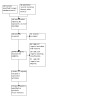
Study flow diagram.
Screening eligible studies for trustworthiness
From the 19 eligible studies identified from the search we judged that 11 studies did not meet our criteria for trustworthiness for the reasons listed below. In all cases we made repeated efforts to contact the authors and either identified no contact details at all or the authors did not respond to our queries ‐ see Studies awaiting classification.
Research governance
In four studies, we had concerns relating to the domain of research governance. In three studies no prospective trial registration was identified and no additional information was provided by the authors (Gupta 2017, Shen 2011, Yadav 2021). In another study, no details are provided on the randomisation, stating that participants were "randomly divided" into two groups; furthermore the inclusion period and the Timing of the journal receiving the manuscript, overlap (Singh 2018).
Baseline characteristics
In two studies we had concerns relating to the domain of baseline characteristics. In Rasheedy 2019 the baseline characteristics and ultrasound measurements at time of diagnosis seem very similar. In Shehata 2018 the standard deviations (SDs) seem small for a small patient group, for example in the baseline characteristics.
Feasibility
In three studies we had concerns relating to the domain of feasibility. In the study of Abdelshafy, NCT03177824 was conducted in the same hospital, involving the same patient group, in the same period and it is not described how participants were enroled. In one study they enroled a high number of participants in a short period of time in a single centre with no additional information on numbers of (eligible) patients treated in this centre (Eshraghi 2021). Again, in another study, a high number of patients was recruited in a short time in a single centre (Rasheedy 2019).
Results
In five studies we had concerns relating to the domain of results. In one study, an improvement of Doppler measurements is described, but from the tables it seems that a worsening is presented (El‐Sayed 2018b). In another study, the range of gestational age at inclusion is broad combined with a small range in estimated fetal weight, and furthermore, for the fetuses with a lower gestational age, the estimated fetal weight presented does not seem small (El‐Shalakany 2018). Some of the results in another study (low Apgar scores and large differences in gestational age at delivery) seem unlikely (Rasheedy 2019). In another study, there were concerns about the distribution or presentation of results (Shehata 2018), and furthermore, in this study the numbers in the tables show much overlap and the rate of neonatal intensive care unit (NICU) admission and neonatal mortality and morbidity seems very low for a group of premature neonates with very low birthweight) (Shehata 2018). In one study, the umbilical artery systolic/diastolic (S/D) ratio shows a small absolute difference, but with statistical significance and the rate of caesarean section seems very low in this patient group (Singh 2015).
Studies awaiting classification
In addition to the studies not meeting the criteria for trustworthiness, nine studies remain in awaiting classification for the following reasons.
In two studies the intervention was unclear and clarification has been sought from the authors (CTRI/2019/09/021382; CTRI/2022/03/041053).
In one study it was unclear whether the study was a randomised trial and the authors have been contacted (Zhang 2007).
In three studies it was unclear whether the study measured and reported outcomes of the review and authors have been contacted where possible (Dastjerdi 2012a; Naseef 2022; Serey 1980).
In three studies it was unclear whether the full study has been published and authors have been contacted where possible (Huras 2014; NCT01107782; PACTR201705002278236).
Included studies
Eight studies met our inclusion criteria and met the criteria of the trustworthiness assessment (679 randomised participants). One study (35 participants) did not have prospective trial registration and therefore was excluded in the sensitivity analysis (Trapani 2016a). The definition of fetal growth restriction (FGR) and the gestational age at inclusion varied between the studies. As pre‐specified, we did not exclude studies based on gestational age at inclusion or definition of FGR. Please see 'Characteristics of included studies' for full details.
Design
All eight studies were randomised controlled trials (RCTs). The study of Trapani (Trapani 2016a) randomised participants between three intervention arms; the other studies had two intervention arms.
Study dates
The study of Winer ran from 1999 to 2006 (Winer 2009); the study of Trapani from 2013 to 2014 (Trapani 2016a), the study of Sharp from 2014 to 2016 (Sharp 2018), the study of Pels from 2015 to 2018 (Pels 2020), and the study of Maki from 2016 to 2018 (Maki 2019a), the study of Groom from 2014 to 2017 (Groom 2019), the study of von Dadelszen from 2017 to 2018 (von Dadelszen 2022). Study dates were not stated for the study of Di Iorio (Di Iorio 2002).
Sample sizes
Study sample sizes varied from 20 to 216 participants, namely: 20 participants (Di Iorio 2002), 21 participants (von Dadelszen 2022), 35 participants (Trapani 2016a), 43 participants (Winer 2009), 87 participants (Maki 2019a), 122 participants (Groom 2019), 135 participants (Sharp 2018), and 216 participants (Pels 2020).
Setting
The eight studies took place in middle‐ and high‐income setting countries.
The study of Di Iorio does not state the setting, but we assumed this study took place in Italy (Di Iorio 2002). The other studies took place in Canada (von Dadelszen 2022), Australia and New Zealand (Groom 2019), Japan (Maki 2019a), the Netherlands (Pels 2020), the UK (Sharp 2018), Brazil (Trapani 2016a), and France (Winer 2009).
Participants
All studies included pregnant women with a singleton pregnancy with FGR. The used definition of FGR varied widely, as expressed in the 'Characteristics of included studies' table. Also, the gestational age at inclusion varied widely. Most studies included women with preterm pregnancies with FGR, starting from 20 to 27 weeks of gestation.
Interventions and comparisons
Four studies compared sildenafil with placebo (von Dadelszen 2022, Groom 2019; Pels 2020; Sharp 2018).
One study compared tadalafil with no therapy (Maki 2019a).
One study compared L‐Arginine with placebo (Winer 2009).
One study compared nitroglycerin with placebo (Di Iorio 2002).
One study randomised participants between three arms: sildenafil, transdermal nitroglycerin or oral placebo (Trapani 2016a).
Outcomes
‐ All‐cause mortality was reported by six studies (von Dadelszen 2022; Groom 2019; Maki 2019a; Pels 2020; Sharp 2018; Trapani 2016a).
‐ Fetal mortality was reported by six studies (von Dadelszen 2022; Groom 2019; Maki 2019a; Pels 2020; Sharp 2018; Trapani 2016a).
‐ Neonatal mortality was reported by six studies (von Dadelszen 2022; Groom 2019; Maki 2019a; Pels 2020; Sharp 2018; Trapani 2016a).
‐ The proportion of women experiencing a maternal hypertensive disorder was reported by five studies (von Dadelszen 2022; Groom 2019; Maki 2019a; Pels 2020; Sharp 2018).
‐ Gestational age at delivery was reported by six studies (von Dadelszen 2022; Di Iorio 2002; Groom 2019; Pels 2020; Sharp 2018; Winer 2009). The studies of von Dadelszen and Sharp reported the gestational age at delivery as a median. Both authors were contacted and provided the gestational age as mean.
‐ Birthweight was reported by six studies (von Dadelszen 2022; Di Iorio 2002; Groom 2019; Pels 2020; Sharp 2018; Winer 2009). The studies of von Dadelszen and Sharp reported the birthweight as median. Both authors were contacted and provided the birthweight as mean.
‐ Major neonatal morbidity was reported by six studies (von Dadelszen 2022; Groom 2019; Maki 2019a; Pels 2020; Sharp 2018; Trapani 2016a). Since we defined a composite outcome for major neonatal morbidity, we contacted the authors who described neonatal morbidity in their study and asked the authors whether they could calculate the composite outcome from their data. The authors provided data for this composite outcome. The authors of Groom 2019 were not able to provide data for the exact definition, based on the used definitions and grading in their study, and therefore the numbers reported are for a slightly different composite, namely: intraventricular haemorrhage (IVH) grade 3 or more, periventricular leukomalacia (PVL) grade 2 or more, bronchopulmonary dysplasia (BPD) defined as requirement for ambulatory oxygen therapy > 36 weeks corrected gestational age, : necrotising enterocolitis (NEC) confirmed surgically, persistent pulmonary hypertension (PPHN) or persistent pulmonary hypertension (ROP) treated by surgery or laser. The authors of Maki were also not able to provide data for the exact definition of major neonatal morbidity, since the grade of BPD was not collected. Therefore, the data reported in the current analysis for the outcome major neonatal morbidity, are defined as: IVH grade 3 or more, PVL grade 2 or more, all BPD, NEC grade 2 or more, PPHN or ROP treated by surgery or laser therapy.
‐ Proportion of surviving children at two years of age was rnot eported by any of the studies.
‐ Proportion of surviving children with neurodevelopmental impairment was not reported by any of the studies.
‐ Maternal harmful effects or events were reported by five studies (Groom 2019; Maki 2019a; Pels 2020; Sharp 2018; Trapani 2016a). The numbers reported in the analyses are defined as 'one or more harmful effect or event'.Groom 2019; Pels 2020; and Sharp 2018 defined harmful effect or event as side effect as reported by the participant. Trapani 2016a defined harmful effect or event as headache and/or facial flushing.
Sources of trial funding
Seven studies received funding from public, educational or charitable sources (; Di Iorio 2002; Groom 2019; Maki 2019a; Pels 2020; Sharp 2018; von Dadelszen 2022;Winer 2009).
One study reported no sources of funding (Trapani 2016a).
Trial authors' declarations of interest
In two studies the authors declared no competing interests (Maki 2019a; Winer 2009).
Four studies report one or more declaration of interest, which do not impose to influence the content or quality of the study (Groom 2019; Pels 2020; Sharp 2018; von Dadelszen 2022).
Two studies did not mention declarations of interest (Di Iorio 2002; Trapani 2016a).
Excluded studies
We excluded 42 studies based on full ‐ext screening. Reasons for exclusion included the following.
The study was not a randomised controlled trial, or it was unclear whether the study was ra andomised controlled trial(Xiao 2005).
The study did not include women with a singleton pregnancy complicated by fetal growth restriction (FGR) ( Bowkalow 2018; Camarena‐Pulido 2016; Decano 2000; DRKS00011374; El‐Hamedi 2001; Furuhashi 2021; Groten 2012; Groten 2019; Hladunewich 2006; IRCT20120215009014N419; jRCTs041180121; Khachaturyan 2011; Lees 1998; Lopez‐Molina 2008; Madhubala 2006; Monari 2021; NCT01355822; NCT02782559; NCT02801695; NCT03262961; NCT03669185; Neri 2010; Picciolo 2000; Razik 2016; Reyna‐Villasmil 2001; Rytewski 2005; Samangaya 2009a; Samangaya 2009b; Schlembach 2013; Schleussner 2014; Staff 2004; Teichert 2019; Trapani 2016b; Valdivia‐Silva 2009).
The study did not compare an intervention affecting the nitrous oxide (NO) pathway with placebo, no therapy or another intervention affecting NO pathway (IRCT20140317017034N9; Tan 2000).
The study did not include women with a singleton pregnancy complicated by FGR and did not compare an intervention affecting the NO pathway with placebo, no therapy or another intervention affecting the NO pathway(Babar 2018; Bujold 2016)
The study investigated a single dose of medication and compared ultrasound parameters before and after this single dose and no pregnancy outcomes were measured or reported (El‐Sayed 2018a).
The publications from this project were either not a randomised controlled trial or did not include participants with FGR (Valensise 2005).
The study was registered but never actually started (EUCTR2014‐003138‐18‐IE).
See the Characteristics of Excluded studies table for full details.
Risk of bias in included studies
The risk of bias is presented in Figure 3 and Figure 4.
3.

Risk of bias graph: review authors' judgements about each risk of bias item presented as percentages across all included studies.
4.

Risk of bias summary: review authors' judgements about each risk of bias item for each included study.
Allocation
The methods of randomisation used in the included trials are described in the Characteristics of included studies table.
In summary, six studies were judged as low risk of bias in random sequence generation, because they used techniques such as computer‐generated or random number‐generated randomisation sequences and provided details on the sequence generation (von Dadelszen 2022; Groom 2019; Maki 2019a; Pels 2020; Sharp 2018; Trapani 2016a). Two studies did not describe the method for random sequence generation and were therefore judged as unclear risk of bias (Di Iorio 2002Winer 2009).
Allocation concealment was well described and judged as low risk of bias for six studies (von Dadelszen 2022; Groom 2019; Maki 2019a; Pels 2020; Sharp 2018; Trapani 2016a). Two studies did not describe the method for allocation concealment and were therefore judged as unclear risk of bias (Di Iorio 2002; Winer 2009).
Blinding
Four studies were judged as low risk of bias due to sufficient blinding of study personnel, outcome assessors and participants (von Dadelszen 2022; Groom 2019; Sharp 2018; Winer 2009). One study did not provide sufficient information on blinding and was therefore judged as unclear risk of bias (Di Iorio 2002). The study of Pels was judged as unclear risk of bias, since due to early stopping of the trial, treatment allocation was known by the outcome assessors for a proportion of the patients (Pels 2020). Two studies were not blinded and were therefore judged as high risk of bias (Maki 2019a; Trapani 2016a).
Incomplete outcome data
Five studies were judged as low risk of bias due to incomplete data, due to low numbers of participants lost to follow‐up (von Dadelszen 2022; Groom 2019; Sharp 2018; Trapani 2016a; Winer 2009). One study did not describe whether or how many participants were lost to follow‐up and was therefore judged as unclear risk of bias (Di Iorio 2002). The study of Maki was also judged as unclear risk of bias since in both treatment groups four patients were excluded from the analysis, due to intrauterine death. These patients were evaluated in the safety analysis but not in the efficacy analysis (Maki 2019a). The study of Pels was judged as unclear risk of bias due to early stopping of the trial (Pels 2020).
Selective reporting
Five studies were judged as low risk of bias, since a prospective trial registration and/or pre‐published study protocol was identified (von Dadelszen 2022; Groom 2019; Maki 2019a; Pels 2020; Sharp 2018). No prospective trial registration was identified for two studies and these studies were therefore judged as unclear risk of bias (Di Iorio 2002; Trapani 2016a). The study of Winer was recorded in a trial registration after completion of the data collection and was therefore judged as unclear risk of bias (Winer 2009).
Other potential sources of bias
No other sources of bias were identified for five studies (Di Iorio 2002, Groom 2019; Sharp 2018; Trapani 2016a; Winer 2009). Three studies were judged as unclear risk of bias since the planned sample size was not reached due to early stopping of the study (von Dadelszen 2022; Maki 2019a; Pels 2020).
Effects of interventions
See: Table 1; Table 2; Table 3; Table 4
For all comparisons no clinically important heterogeneity was observed.
Sildenafil citrate compared with placebo or no therapy
Primary outcomes
All‐cause mortality
Five trials (516 participants) describe all‐cause mortality. There is probably little to no difference in the prevalence of all‐cause mortality between participants treated with sildenafil (92/264 (34.8%)) compared with participants treated with placebo or no therapy (87/252 (34.5%)) (risk ratio (RR) 1.01, 95% confidence interval (CI) 0.80 to 1.27), Analysis 1.1. Neither visual inspection of the forest plot nor tests for statistical heterogeneity (I2 = 0%; P = 0.50) indicated significant heterogeneity; moderate‐certainty evidence. In a sensitivity analysis we removed one study due to no evidence of prospective trial registration, leaving four trials (492 participants). This sensitivity analyses showed the same results as the primary analysis, since no fetal or neonatal deaths were reported by the study that has been removed in this analysis (Trapani 2016a), Analysis 6.1.
1.1. Analysis.
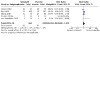
Comparison 1: Sildenafil versus placebo or no therapy, Outcome 1: All‐cause mortality
6.1. Analysis.
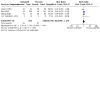
Comparison 6: Sensitivity analysis excluding studies without evidence of prospective trial registration: Sildenafil versus placebo or no therapy, Outcome 1: All‐cause mortality
Fetal mortality
Five trials (516 participants) describe fetal mortality. Fetal mortality appeared to be lower in participants treated with sildenafil (55/264 (20.8%)) compared with participants treated with placebo or no therapy (64/252 (25.4%)) (RR 0.82, 95% CI 0.60 to 1.12), Analysis 1.2. However, we cannot be certain about this effect because the 95% CI is compatible with a wide range of effects that encompass both appreciable benefit and harm. Neither visual inspection of the forest plot nor tests for statistical heterogeneity (I2 = 0%; P = 0.42) indicated significant heterogeneity; moderate‐certainty evidence. In sensitivity analysis we removed one study due to no evidence of prospective trial registration, leaving four trials (492 participants). No fetal deaths were reported by the study that has been removed in this analysis (Trapani 2016a), Analysis 6.2.
1.2. Analysis.
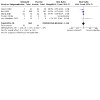
Comparison 1: Sildenafil versus placebo or no therapy, Outcome 2: Fetal mortality
6.2. Analysis.
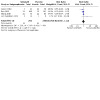
Comparison 6: Sensitivity analysis excluding studies without evidence of prospective trial registration: Sildenafil versus placebo or no therapy, Outcome 2: Fetal mortality
Neonatal mortality
Five trials (397 live born neonates) describe neonatal mortality. Neonatal mortality appeared to be higher in participants treated with sildenafil (37/209 (17.7%)) compared with participants treated with placebo or no therapy (23/188 (12.2%)) (RR 1.45, 95% CI0.90 to 2.33), Analysis 1.3. However, we cannot be certain about this effect because the 95% CI is compatible with a wide range of effects that encompass benefit and appreciable harm. Neither visual inspection of the forest plot nor tests for statistical heterogeneity (I2 = 0%; P = 0.87) indicated significant heterogeneity; moderate‐certainty evidence. In a sensitivity analysis we removed one study due to no evidence of prospective trial registration, leaving four trials (373 live born neonates). No neonatal deaths were reported by the study that has been removed in this analysis (Trapani 2016a), Analysis 6.3.
1.3. Analysis.
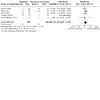
Comparison 1: Sildenafil versus placebo or no therapy, Outcome 3: Neonatal mortality
6.3. Analysis.
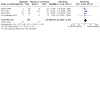
Comparison 6: Sensitivity analysis excluding studies without evidence of prospective trial registration: Sildenafil versus placebo or no therapy, Outcome 3: Neonatal mortality
Secondary outcomes
Proportion of women experiencing a maternal hypertensive disorder
Four trials (476 participants) report the outcome maternal hypertensive disorder. No difference was observed between participants treated with sildenafil (99/240 (41.3%)) compared with participants treated with placebo (102/236 (43.2%)) (RR 0.96, 95% CI 0.80 to 1.15)), Analysis 1.4. Neither visual inspection of the forest plot nor tests for statistical heterogeneity (I2 = 0%; P = 0.32) indicated significant heterogeneity. No studies were removed in the sensitivity analysis, Analysis 6.4.
1.4. Analysis.
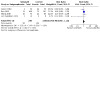
Comparison 1: Sildenafil versus placebo or no therapy, Outcome 4: Proportion of women experiencing a maternal hypertensive disorder
6.4. Analysis.

Comparison 6: Sensitivity analysis excluding studies without evidence of prospective trial registration: Sildenafil versus placebo or no therapy, Outcome 4: Proportion of women experiencing a maternal hypertensive disorder
Gestational age at delivery
Four studies (493 participants) report the outcome mean gestational age at delivery. There was no difference in gestational age at delivery between participants treated with sildenafil compared with participants treated with placebo (mean difference (MD) ‐0.21 weeks; participants treated with sildenafil delivered 0.21 weeks earlier (0.79 weeks earlier to 0.38 weeks later) than participants treated with placebo), Analysis 1.5. Neither visual inspection of the forest plot nor tests for statistical heterogeneity (I2 = 0%; P = 0.67) indicated significant heterogeneity. No studies were removed in the sensitivity analysis, Analysis 6.5.
1.5. Analysis.
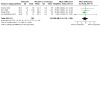
Comparison 1: Sildenafil versus placebo or no therapy, Outcome 5: Gestational age at delivery
6.5. Analysis.

Comparison 6: Sensitivity analysis excluding studies without evidence of prospective trial registration: Sildenafil versus placebo or no therapy, Outcome 5: Gestational age at delivery
Birthweight
Four studies (493 participants) report birthweight. There was no difference in birthweight between participants treated with sildenafil compared with participants treated with placebo (mean difference ‐21.61 g; participants treated with placebo delivered a fetus or neonate 20.18 g lighter (107.35 g lighter to 64.13 g heavier) than participants treated with placebo), Analysis 1.6 . Neither visual inspection of the forest plot nor tests for statistical heterogeneity (I2 = 0%; P = 0.92) indicated significant heterogeneity. No studies were removed in the sensitivity analysis, Analysis 6.6.
1.6. Analysis.

Comparison 1: Sildenafil versus placebo or no therapy, Outcome 6: Birthweight
6.6. Analysis.
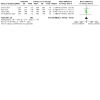
Comparison 6: Sensitivity analysis excluding studies without evidence of prospective trial registration: Sildenafil versus placebo or no therapy, Outcome 6: Birthweight
Major neonatal morbidity
Five studies (391 live born neonates) reported or were able to calculate the composite outcome for major neonatal morbidity. The authors of Groom 2019 were not able to provide data for the exact definition, based on the used definitions and grading in their study, and therefore the numbers reported are for a differently defined composite outcome, namely: IVH grade 3 or more, periventricular leukomalacia (PVL) grade 2 or more, bronchopulmonary dysplasia (BPD) defined as requirement for ambulatory oxygen therapy > 36 weeks corrected gestational age, necrotising enterocolitis (NEC) confirmed surgically, persistent pulmonary hypertension of the neonate (PPHN) or : retinopathy of prematurity (ROP) treated by surgery or laser (Groom 2019). The authors of Sharp 2018 also used a different definition, based on the used definitions and grading in their study: Iintraventricular haemorrhage (VH) grade 3 or more, moderate or severe BPD, NEC confirmed surgically, PPHN or ROP treated by surgery or laser (Sharp 2018).
When evaluating this composite outcome, no difference was observed between the participants treated with sildenafil (61/206 (29.6%)) compared with the participants treated with placebo (54/185 (29.2%)) (RR 1.02, 95% CI 0.75 to 1.37)), Analysis 1.7. Neither visual inspection of the forest plot nor tests for statistical heterogeneity (I2 = 0%; P = 0.96) indicated significant heterogeneity. When removing the study of Trapani 2016a in the sensitivity analysis due to no evidence of a prospective trial registration, the observation does not change: the four studies (367 live born neonates) report a RR of 1.03 (0.76 to 1.40) (Trapani 2016a),Analysis 6.7 . When performing a sensitivity analysis excluding the studies of Groom and Sharp for this outcome (due to different definition), the observation did not change, Analysis 12.1.
1.7. Analysis.
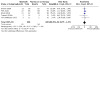
Comparison 1: Sildenafil versus placebo or no therapy, Outcome 7: Major neonatal morbidity
6.7. Analysis.
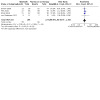
Comparison 6: Sensitivity analysis excluding studies without evidence of prospective trial registration: Sildenafil versus placebo or no therapy, Outcome 7: Major neonatal morbidity
12.1. Analysis.
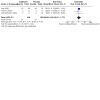
Comparison 12: Sensitivity analysis major neonatal morbidity, excluding studies with a slightly different definition: Sildenafil versus placebo or no therapy, Outcome 1: Major neonatal morbidity
Due to the different definitions of neonatal morbidity, the different components of this composite outcome have been analysed separately (Analysis 7.1; Analysis 7.2; Analysis 7.3; Analysis 7.4; Analysis 7.5; Analysis 7.6). When looking at the different morbidities in this composite outcome (Analysis 1.7), a difference was only observed for the outcome PPHN. PPHN was observed more often in participants treated with sildenafil (23/213 (10.8%)) compared with placebo (7/190 (3.7%)) (RR 2.69, 95% CI, 1.24 to 5.80)). However, this result is dominated by the data of Pels (Pels 2020). No difference was observed in the outcomes IVH grade 3 or more, PVL grade 2 or more, moderate or severe BPD, NEC grade 2 or more or ROP treated by surgery or laser therapy.
7.1. Analysis.
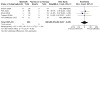
Comparison 7: Sensitivity analysis major neonatal morbidity: Sildenafil versus placebo or no therapy, Outcome 1: IVH grade 3 or more
7.2. Analysis.
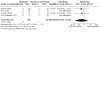
Comparison 7: Sensitivity analysis major neonatal morbidity: Sildenafil versus placebo or no therapy, Outcome 2: PVL grade 2 or more
7.3. Analysis.
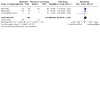
Comparison 7: Sensitivity analysis major neonatal morbidity: Sildenafil versus placebo or no therapy, Outcome 3: Moderate or severe BPD
7.4. Analysis.

Comparison 7: Sensitivity analysis major neonatal morbidity: Sildenafil versus placebo or no therapy, Outcome 4: NEC grade 2 or more
7.5. Analysis.
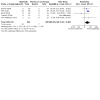
Comparison 7: Sensitivity analysis major neonatal morbidity: Sildenafil versus placebo or no therapy, Outcome 5: Persistent pulmonary hypertension of the neonate
7.6. Analysis.
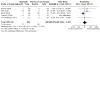
Comparison 7: Sensitivity analysis major neonatal morbidity: Sildenafil versus placebo or no therapy, Outcome 6: ROP treated by surgery or laser therapy
Proportion of surviving children at two years of age
No studies report the outcome proportion of surviving children at two years of age in participants treated with sildenafil compared with placebo or no therapy.
Proportion of surviving children with neurodevelopmental impairment
No studies report the outcome proportion of surviving children with neurodevelopmental impairment in participants treated with sildenafil compared with placebo or no therapy.
Maternal harmful effects or events
Four studies report maternal harmful effects or events (484 participants). The numbers reported in the analyses are defined as 'one or more harmful effect or event'. Groom, Pels and Sharp defined harmful effect or event as side effect as reported by the participant (Groom 2019; Pels 2020; Sharp 2018). Trapani defined harmful effect or event as headache and/or facial flushing (Trapani 2016a). Overall, a higher proportion of participants experienced one or more harmful effect or event when treated by sildenafil (62/248 (25.0%)) compared with participants treated with placebo or no therapy (36/236 (15.3%)) (RR 1.63, 95% CI 1.13 to 2.35)), Analysis 1.8. Neither visual inspection of the forest plot nor tests for statistical heterogeneity (I2 = 11%; P = 0.34) indicated significant heterogeneity. This association remained when removing the study of Trapani 2016a in the sensitivity analysis (due to the different definition) leaving three studies (460 participants) (RR 1.62 (1.12 to 2.34)), Analysis 6.8.
1.8. Analysis.
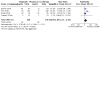
Comparison 1: Sildenafil versus placebo or no therapy, Outcome 8: Maternal harmful effects or events
6.8. Analysis.
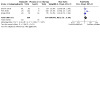
Comparison 6: Sensitivity analysis excluding studies without evidence of prospective trial registration: Sildenafil versus placebo or no therapy, Outcome 8: Maternal harmful effects or events
Tadalafil compared with placebo or no therapy
Primary outcomes
all‐cause mortality
Only the study of Maki 2019a compared tadalafil with no therapy (Maki 2019a). This study (87 participants) evaluated all‐cause mortality in participants treated with tadalafil compared with placebo no therapy. There may be little to no difference between participants treated with tadalafil (1/44 (2.3%)) compared with no therapy (5/43 (11.6%)) (RR 0.20, 95% CI 0.02 to 1.60)); low‐certainty evidence, Analysis 2.1.
2.1. Analysis.
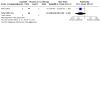
Comparison 2: Tadalafil versus placebo or no therapy, Outcome 1: All‐cause mortality
Fetal mortality
One study (87 participants) evaluated fetal mortality in participants treated with tadalafil compared with placebo no therapy (Maki 2019a). There may be little to no difference was observed between participants treated with tadalafil (0/44 (0.0%)) compared with no therapy (4/43 9.3%)) (RR 0.11, 95% CI 0.01 to 1.96)); low‐certainty evidence, Analysis 2.2.
2.2. Analysis.
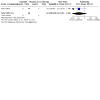
Comparison 2: Tadalafil versus placebo or no therapy, Outcome 2: Fetal mortality
Neonatal mortality
One study (83 live born neonates) evaluated neonatal mortality in participants treated with tadalafil compared with placebo no therapy (Maki 2019a). There may be little to no difference was observed between participants treated with tadalafil (1/44 (2.3%)) compared with no therapy (1/39 (2.6%)) (RR 0.89, 95% CI 0.06 to 13.70); low‐certainty evidence, Analysis 2.3.
2.3. Analysis.
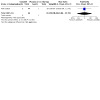
Comparison 2: Tadalafil versus placebo or no therapy, Outcome 3: Neonatal mortality
Secondary outcomes
Proportion of women experiencing a maternal hypertensive disorder
One study (79 participants) reports the proportion of participants treated with tadalafil compared with participants treated with no therapy experiencing a hypertensive disorder (Maki 2019a). No difference was observed between participants treated with tadalafil (2/40 (5.0%)) compared with no therapy (17/39 (43.6%)) (RR 0.11, 95% CI 0.03 to 0.46), Analysis 2.4.
2.4. Analysis.
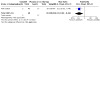
Comparison 2: Tadalafil versus placebo or no therapy, Outcome 4: Proportion of women experiencing a maternal hypertensive disorder
Gestational age at delivery
One study (87 participants) compares the gestational age at delivery between participants treated with tadalafil compared with participants treated with no therapy (Maki 2019a). There was no difference in gestational age at delivery between participants treated with tadalafil compared with participants that were not treated (1.80 weeks later, 0.16 weeks earlier to 3.76 weeks later), Analysis 2.5.
2.5. Analysis.

Comparison 2: Tadalafil versus placebo or no therapy, Outcome 5: Gestational age at delivery
Birthweight
One study (87 participants) compares the birthweight between participants treated with tadalafil and participants not treated (Maki 2019a). There was no difference in birthweight between participants treated with tadalafil compared with patients that were not treated (91 gram heavier, 202.93 g lighter to 384.93 g heavier), Analysis 2.6.
2.6. Analysis.

Comparison 2: Tadalafil versus placebo or no therapy, Outcome 6: Birthweight
Major neonatal morbidity
One study (87 participants) reports neonatal morbidity. The authors of this study (Maki 2019a) were not able to provide data for the exact definition of major neonatal morbidity, since the grade of BPD was not collected. Therefore, the data reported in the current analysis for the outcome major neonatal morbidity, are defined as: IVH grade 3 or more, PVL grade 2 or more, all BPD, NEC grade 2 or more, PPHN or ROP treated by surgery or laser therapy. No difference in this composite outcome was observed between participants treated with tadalafil (7/44 (15.9%)) compared with participants treated with placebo (8/43 (18.6%)) (RR 0.86, 95% CI 0.34 to 2.15), Analysis 2.7.
2.7. Analysis.

Comparison 2: Tadalafil versus placebo or no therapy, Outcome 7: Major neonatal morbidity
When comparing the individual components of the neonatal morbidity (Analysis 8.1; Analysis 8.2; Analysis 8.3; Analysis 8.4; Analysis 8.5), no difference was observed in the prevalence of IVH grade 3 or more, PVL grade 2 or more, NEC grade 2 or more, PPHN and ROP treated by surgery or laser therapy.
8.1. Analysis.
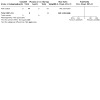
Comparison 8: Sensitivity analysis major neonatal morbidity: tadalafil versus placebo or no therapy, Outcome 1: IVH grade 3 or more
8.2. Analysis.

Comparison 8: Sensitivity analysis major neonatal morbidity: tadalafil versus placebo or no therapy, Outcome 2: PVL grade 2 or more
8.3. Analysis.

Comparison 8: Sensitivity analysis major neonatal morbidity: tadalafil versus placebo or no therapy, Outcome 3: Persistent pulmonary hypertension of the neonate
8.4. Analysis.
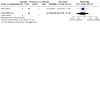
Comparison 8: Sensitivity analysis major neonatal morbidity: tadalafil versus placebo or no therapy, Outcome 4: ROP treated by surgery or laser therapy
8.5. Analysis.
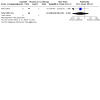
Comparison 8: Sensitivity analysis major neonatal morbidity: tadalafil versus placebo or no therapy, Outcome 5: NEC grade 2 or more
Proportion of surviving children at two years of age
No studies report the outcome proportion of surviving children at two years of age in participants treated with tadalafil compared with placebo or no therapy.
Proportion of surviving children with neurodevelopmental impairment
No studies report the outcome proportion of surviving children with neurodevelopmental impairment in participants treated with tadalafil compared with placebo or no therapy.
Maternal harmful effects or events
One study (87 participants) reports one or more maternal harmful effects or events amongst participants treated with tadalafil compared with no therapy. A higher rate of harmful effects or events was reported by participants treated with tadalafil (36/44 (81.8%)) compared with placebo (21/43 (48.8%)) (RR 1.68, 95% CI 1.20 to 2.34), Analysis 2.8.
2.8. Analysis.

Comparison 2: Tadalafil versus placebo or no therapy, Outcome 8: Maternal harmful effects or events
L‐Arginine compared with placebo or no therapy
Primary outcomes
All‐cause mortality
No studies report all‐cause mortality as an outcome in participants treated with L‐arginine compared with placebo or no therapy.
Fetal mortality
No studies report fetal mortality as an outcome in participants treated with L‐arginine compared with placebo or no therapy.
Neonatal mortality
No studies report neonatal mortality as outcome in participants treated with L‐arginine compared with placebo or no therapy.
Secondary outcomes
Proportion of women experiencing a maternal hypertensive disorder
No studies report maternal hypertensive disorders as outcome in participants treated with L‐arginine compared with placebo or no therapy.
Gestational age at delivery
One study (43 participants) reports the gestational age at delivery in participants treated with L‐arginine compared with participants treated with placebo (Winer 2009). No difference in gestational age at delivery was observed between participants treated with L‐arginine compared with participants treated with placebo (0.10 weeks earlier, 1.83 weeks earlier to 1.63 weeks later), Analysis 3.1.
3.1. Analysis.
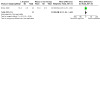
Comparison 3: L‐Arginine versus placebo or no therapy, Outcome 1: Gestational age at delivery
Birthweight
One study (43 participants) report the birthweight in participants treated with L‐arginine compared with participants treated with placebo (Winer 2009). No difference in birthweight of participants treated with L‐arginine compared with participants treated with placebo was observed (26.00 g lower, 303.71 g lower to 251.71 higher), Analysis 3.2.
3.2. Analysis.
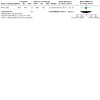
Comparison 3: L‐Arginine versus placebo or no therapy, Outcome 2: Birthweight
Major neonatal morbidity
No studies report neonatal morbidity as outcome in participants treated with L‐arginine compared with placebo or no therapy.
Proportion of surviving children at two years of age
No studies report the outcome proportion of surviving children at two years of age in participants treated with L‐arginine compared with placebo or no therapy.
Proportion of surviving children with neurodevelopmental impairment
No studies report the outcome proportion of surviving children with neurodevelopmental impairment in participants treated with L‐arginine compared with placebo or no therapy.
Maternal harmful effects or events
No studies report maternal harmful effects or events as outcome in participants treated with L‐arginine compared with placebo or no therapy.
Nitroglycerin compared with placebo or no therapy
Primary outcomes
All‐cause mortality
One study (23 participants) reports all‐cause mortality in participants treated with nitroglycerin compared with participants treated with placebo or no therapy (Trapani 2016a). The outcome fetal and neonatal mortality did not occur in this study; low‐certainty evidence, Analysis 4.1. In sensitivity analysis this study was excluded due to no evidence of prospective trial registration, leaving no studies reporting this outcome.
4.1. Analysis.
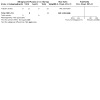
Comparison 4: Nitroglycerin versus placebo or no therapy, Outcome 1: All‐cause mortality
Fetal mortality
One study (23 participants) reports fetal and neonatal mortality in participants treated with nitroglycerin compared with participants treated with placebo or no therapy (Trapani 2016a). No fetal mortality occurred in this study; low‐certainty evidence, Analysis 4.2. In sensitivity analysis this study was excluded due to no evidence of prospective trial registration, leaving no studies reporting this outcome.
4.2. Analysis.

Comparison 4: Nitroglycerin versus placebo or no therapy, Outcome 2: Fetal mortality
Neonatal mortality
One study (23 participants) reports fetal and neonatal mortality in participants treated with nitroglycerin compared with participants treated with placebo or no therapy (Trapani 2016a). No neonatal mortality occurred in this study; low‐certainty evidence, Analysis 4.3. In sensitivity analysis this study was excluded due to no evidence of prospective trial registration, leaving no studies reporting this outcome.
4.3. Analysis.
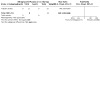
Comparison 4: Nitroglycerin versus placebo or no therapy, Outcome 3: Neonatal mortality
Secondary outcomes
Proportion of women experiencing a maternal hypertensive disorder
No studies report maternal hypertensive disorders in participants treated with nitroglycerin compared with placebo or no therapy.
Gestational age at delivery
One study (20 participants) compared the gestational age at delivery between participants treated with nitroglycerin compared with participants treated with placebo or no therapy (Di Iorio 2002). No difference was observed between participants in both groups: the gestational age at delivery was 1.30 weeks later in participants treated with nitroglycerin compared with placebo (1.16 weeks earlier to 3.76 weeks later), Analysis 4.4.
4.4. Analysis.
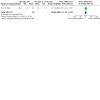
Comparison 4: Nitroglycerin versus placebo or no therapy, Outcome 4: Gestational age at delivery
Birthweight
One study (20 participants) compared the birthweight between participants treated with nitroglycerin compared with participants treated with placebo or no therapy (Di Iorio 2002). No difference was observed between participants in both groups: the birthweight was 217 g higher in participants treated with nitroglycerin compared with placebo (202.11 g lower to 636.11 g higher), Analysis 4.5.
4.5. Analysis.
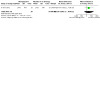
Comparison 4: Nitroglycerin versus placebo or no therapy, Outcome 5: Birthweight
Major neonatal morbidity
The authors of Trapani 2016a (23 participants) were able to report the composite outcome for major neonatal morbidity and did not show a difference in neonatal morbidity between participants treated with nitroglycerin (2/11 (18.2%)) compared with participants treated with placebo (3/12 (25.0%)) (RR 0.73, 0.15 to 3.57), Analysis 4.6 (Trapani 2016a). No difference in the individual components of this composite outcome were observed in sensitivity analysis (Analysis 9.1; Analysis 9.2; Analysis 9.3; Analysis 9.4; Analysis 9.5; Analysis 9.6).
4.6. Analysis.
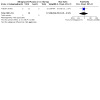
Comparison 4: Nitroglycerin versus placebo or no therapy, Outcome 6: Major neonatal morbidity
9.1. Analysis.

Comparison 9: Sensitivity analysis major neonatal morbidity: Nitroglycerin versus placebo or no therapy, Outcome 1: IVH grade 3 or more
9.2. Analysis.
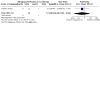
Comparison 9: Sensitivity analysis major neonatal morbidity: Nitroglycerin versus placebo or no therapy, Outcome 2: PVL grade 2 or more
9.3. Analysis.
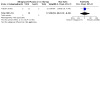
Comparison 9: Sensitivity analysis major neonatal morbidity: Nitroglycerin versus placebo or no therapy, Outcome 3: Moderate or severe BPD
9.4. Analysis.

Comparison 9: Sensitivity analysis major neonatal morbidity: Nitroglycerin versus placebo or no therapy, Outcome 4: NEC grade 2 or more
9.5. Analysis.
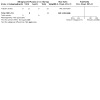
Comparison 9: Sensitivity analysis major neonatal morbidity: Nitroglycerin versus placebo or no therapy, Outcome 5: Persistent pulmonary hypertension of the neonate
9.6. Analysis.

Comparison 9: Sensitivity analysis major neonatal morbidity: Nitroglycerin versus placebo or no therapy, Outcome 6: ROP treated by surgery or laser therapy
Proportion of surviving children at two years of age
No studies report the outcome proportion of surviving children at two years of age in participants treated with nitroglycerin compared with placebo or no therapy.
Proportion of surviving children with neurodevelopmental impairment
No studies report the outcome proportion of surviving children with neurodevelopmental impairment in participants treated with nitroglycerin compared with placebo or no therapy.
Maternal harmful effects or events
One study (23 participants) did not show a difference in the number of participants with one or more maternal harmful effects or events (in this study defined as headache and/or facial flushing) between participants treated with nitroglycerin (6/11 (54.5%)) compared with participants treated with placebo (1/12 (8.3%)) (RR 6.55, 95% CI 0.93 to 46.12), Analysis 4.7 (Trapani 2016a).
4.7. Analysis.

Comparison 4: Nitroglycerin versus placebo or no therapy, Outcome 7: Maternal harmful effects or events
Sildenafil citrate compared with nitroglycerin
Primary outcomes
All‐cause mortality
One study (23 participants) reports all‐cause mortality among participants treated with sildenafil compared with participants treated with nitroglycerin (Trapani 2016a); low‐certainty evidence, Analysis 5.1 . In both treatment groups no fetal or neonatal deaths were observed.
5.1. Analysis.
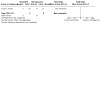
Comparison 5: Sildenafil versus nitroglycerin, Outcome 1: All‐cause mortality
Fetal mortality
One study (23 participants) reports fetal mortality among participants treated with sildenafil compared with participants treated with nitroglycerin (Trapani 2016a); low‐certainty evidence, Analysis 5.2. In both treatment groups no fetal deaths were observed.
5.2. Analysis.

Comparison 5: Sildenafil versus nitroglycerin, Outcome 2: Fetal mortality
Neonatal mortality
One study (23 participants) reports neonatal mortality among participants treated with sildenafil compared with participants treated with nitroglycerin (Trapani 2016a); low‐certainty evidence, Analysis 5.3. In both treatment groups no neonatal deaths were observed.
5.3. Analysis.
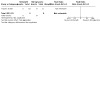
Comparison 5: Sildenafil versus nitroglycerin, Outcome 3: Neonatal mortality
Secondary outcomes
Proportion of women experiencing a maternal hypertensive disorder
No studies report maternal hypertensive disorders in participants treated with sildenafil compared with nitroglycerin.
Gestational age at delivery
No studies report the outcome gestational age at delivery in participants treated with sildenafil compared with nitroglycerin.
Birthweight
No studies report the outcome birthweight in participants treated with sildenafil compared with nitroglycerin.
Major neonatal morbidity
The authors of Trapani 2016 (23 participants) were able to report the composite outcome for major neonatal morbidity and did not show a difference in neonatal morbidity between participants treated with sildenafil (2/12 (16.7%)) compared with participants treated with nitroglycerin (2/11 (18.2%)) (RR 0.92, 95% CI 0.15 to 5.44), Analysis 5.5 (Trapani 2016a). No difference in the individual components of this composite outcome were observed in sensitivity analysis (Analysis 10.1; Analysis 10.2; Analysis 10.3; Analysis 10.4; Analysis 10.5; Analysis 10.6).
5.5. Analysis.
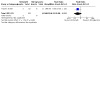
Comparison 5: Sildenafil versus nitroglycerin, Outcome 5: Maternal harmful effects or events
10.1. Analysis.
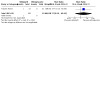
Comparison 10: Sensitivity analysis major neonatal morbidity: Sildenafil versus Nitroglycerin, Outcome 1: IVH grade 3
10.2. Analysis.

Comparison 10: Sensitivity analysis major neonatal morbidity: Sildenafil versus Nitroglycerin, Outcome 2: PVL grade 2 or more
10.3. Analysis.

Comparison 10: Sensitivity analysis major neonatal morbidity: Sildenafil versus Nitroglycerin, Outcome 3: Moderate or severe BPD
10.4. Analysis.
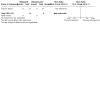
Comparison 10: Sensitivity analysis major neonatal morbidity: Sildenafil versus Nitroglycerin, Outcome 4: NEC grade 2 or more
10.5. Analysis.

Comparison 10: Sensitivity analysis major neonatal morbidity: Sildenafil versus Nitroglycerin, Outcome 5: Persistent pulmonary hypertension of the neonate
10.6. Analysis.
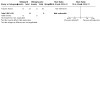
Comparison 10: Sensitivity analysis major neonatal morbidity: Sildenafil versus Nitroglycerin, Outcome 6: ROP treated by surgery or laser therapy
Proportion of surviving children at two years of age
No studies report the outcome proportion of surviving children at two years of age in participants treated with sildenafil compared with nitroglycerin.
Proportion of surviving children with neurodevelopmental impairment
No studies report the outcome proportion of surviving children with neurodevelopmental impairment in participants treated with sildenafil compared with nitroglycerin.
Maternal harmful effects or events
One study (23 participants) did not show a difference in the number of participants with one or more maternal harmful effects or events (in this study defined as headache and/or facial flushing) between participants treated with sildenafil (2/12 (16.7%)) compared with participants treated with nitroglycerin (6/11 (54.5%)) (RR 0.31, 95% CI 0.08 to 1.21), Analysis 5.5(Trapani 2016a).
Discussion
Summary of main results
This systematic review and meta‐analysis includes eight studies (679 participants) comparing an intervention affecting the nitric oxide pathway with placebo or no therapy; or to another intervention affecting the same pathway. Most studies compared sildenafil with placebo, but tadalafil, L‐arginine and nitroglycerin have also been evaluated. The overarching hypothesis that interventions affecting the nitric oxide pathway cause vasodilatation in the uterine vascular compartment and could therefore lead to an improvement in feto‐placental circulation, has raised increasing interest in this pathway in the last years. The goal of treatment with these agents is to increase gestational age or birthweight, important predictors for short‐ and long‐term mortality, morbidity and neurodevelopment.
We considered perinatal mortality as the most important outcome for pregnant women with FGR and therefore defined all‐cause (fetal and neonatal) mortality as the primary outcome for this review. Other important outcomes such as the short‐term neonatal morbidity (and its predictors gestational age at delivery and birthweight), maternal morbidity (hypertensive disorders of pregnancy) as well as long term neurodevelopment are included in this review. Unfortunately, none of the included studies report long‐term outcomes of the children. We are aware that for some of the included studies, long‐term follow‐up data are currently being collected, and we hope these data will be available in future updates of this review.
We found that current evidence does not suggest any short‐term beneficial effect of one of the reported interventions for pregnant women with early‐onset : fetal growth restriction (FGR). The data to support this statement are more conclusive for sildenafil (compared to placebo in 516 participants) than for the other interventions (tadalafil, L‐arginine and nitroglycerin), since these have been investigated in much smaller numbers of participants. Even though the 95% confidence intervals (CIs) were compatible with a wide range of effects crossing the line of no effect, the rate of fetal mortality is lower in the participants treated with sildenafil, compared with placebo or no therapy, while the rate of neonatal mortality is higher. In the all‐cause mortality, no difference is observed. This notable imbalance in fetal and neonatal death could be a treatment effect or chance. Based on the included studies, we lack information to estimate whether sildenafil causes an imbalance in these outcomes. Furthermore, for sildenafil and tadalafil a higher rate of maternal harmful effects or events was reported, compared with placebo or no therapy and for sildenafil a higher rate of persistent pulmonary hypertension of the neonate (PPHN) was observed compared with placebo, even though this outcome is highly influenced by the study of Pels (Pels 2020).
Overall completeness and applicability of evidence
We have attempted to identify all relevant data for this research question by thorough screening of the potentially eligible studies and, if necessary, asking authors for additional information regarding methodology or data. We are thankful to the authors that performed additional calculations in order to provide extra data for our analyses. We did not include eight studies due to concerns regarding trustworthiness and made several attempts to contact the authors of these studies in order to receive more information on the methodology of the studies. We hope to receive this information so that we might be able to include these studies in a future update of this review.
The gestational age at diagnosis, estimated fetal weight at diagnosis and definition of FGR were different among the included studies and this resulted in some heterogeneity among the studies, and could reduce the applicability of the evidence. Furthermore, in some of the comparisons, the number of included studies, participants and events are low, causing imprecise estimates of effect. On the other hand, only randomised controlled trials (RCTs) were included in our review in order to increase the external validity of the findings.
Since severe early‐onset FGR is so rare, we believe that the number of participants of 798 is an important source of evidence. However, most studies evaluated sildenafil as the intervention, meaning that the strength of evidence for other interventions is relatively low.
A priori, we aimed to perform subgroup analyses of subgroups of participants based on the estimated fetal weight (EFW) at inclusion and subgroups based on the end‐diastolic flow in the umbilical artery. No studies reported the outcomes of interest for these pre‐defined subgroups.
Quality of the evidence
Of the eight included RCTs, most studies were rated as low or unclear risk of bias. Four studies were not blinded, and most other studies scored 'unclear risk of bias' for one or more categories in the risk of bias assessment, based on missing details on the study procedures, no prospective study registration or early deblinding of the blinding. See risk of bias in included studies.
We graded the evidence for the primary outcomes perinatal mortality, fetal mortality and neonatal mortality:
For the comparison sildenafil versus placebo or no therapy, we downgraded the level of evidence by one level for imprecision due to low number of participants and rated the certainty of evidence as moderate. The results of the studies in this comparison are consistent.
For the comparison tadalafil versus placebo or no therapy, and for the comparison nitroglycerin versus placebo or no therapy, we downgraded the evidence by two levels for imprecision due to low number of participants and low number of events. The certainty of evidence for this comparison is rated as low.
For the comparison sildenafil versus nitroglycerin only one study was included, and no events occurred in this study in either group. Therefore, for this comparison the certainty of evidence was rated as low, after downgrading two levels for imprecision due to low number of participants and no events. Please see summary of findings tables.
For the comparison sildenafil versus placebo or no therapy, we are moderately confident that the true effect lies around the point estimate in the forest plot, based on these data. For the other interventions, we are less confident, since a lower number of studies and lower number of participants are included in these comparisons.
We considered trustworthiness of the eligible studies as an important item in the certainty of evidence. From t10 of the eligible studies we had questions regarding the patient recruitment, distribution or presentation of the results, randomisation process or a combination of these items. From these studies, we have tried in several ways to contact the authors with additional questions about the studies, with no response. Therefore, these studies are rated as 'awaiting classification' and we hope to hear from these authors, so we can potentially include these studies in a future update of the review.
We had some discussion regarding studies that were not prospectively registered in a trial registry. No prospective registration could cause reporting bias. However, we considered it important to include data of studies that did not raise significant concerns regarding trustworthiness. Therefore, after discussion we decided to include the studies that were not prospectively registered, if no other concerns regarding methodology or (presentation of) results were present and if the authors could provide additional information on the methods. Two studies were excluded due to no response of the authors. In a sensitivity analysis we present the analyses, excluding the study that was not prospectively registered, but additional information was provided by the authors. No change in overall conclusion or direction of effect is observed in these analyses, compared with the main analyses.
Potential biases in the review process
We attempted to include all relevant studies in the review by thoroughly reviewing all studies and in case of doubt, making several attempts to contact the authors. All authors of this review are involved in the STRIDER consortium (either in the organisation of the consortium or as author of one of the individual trials). For the Dutch STRIDER study (Pels 2020 Aris Papgeorghiou and Katie Groom have carried out the assessment and data extraction. For the other trials (New Zealand, Australia, the UK and Canada) (Groom 2019; Sharp 2018; von Dadelszen 2022), Anouk Pels and Wessel Ganzevoort carried out the assessment and data extraction.
Since we received additional data from some studies on the neonatal morbidity and adverse effects, we are confident that there is limited bias in the interpretation of these composite outcomes. Our primary outcomes are perinatal, fetal and neonatal mortality; outcomes with a clear definition and there are only a few missing data on these outcomes. Furthermore, by excluding the studies with concerns regarding trustworthiness, we aimed to include only the high quality studies and minimise the risk of bias in the analyses. Therefore, we are quite confident that there is minimal risk of bias in the review.
Agreements and disagreements with other studies or reviews
We identified two relevant systematic reviews exploring the effect of interventions affecting the nitric oxide pathway. A systematic review and meta‐analysis of Chen in 2016 investigates sildenafil citrate and L‐arginine for the treatment of FGR (Chen 2016). This review included a broader range of studies, including studies that we excluded based on concerns regarding methodology and trustworthiness. This meta‐analysis found an increase in gestational age at delivery and birthweight and a decrease in respiratory distress syndrome and intraventricular haemorrhage (IVH). For sildenafil, two studies were included in this analysis; both studies were not included in our review, since one study was not an RCT and the other study did not report our predefined outcomes.
Another systematic review and meta‐analysis investigates the effect of phosphodiesterase‐5 inhibitors (sildenafil and tadalafil) in pregnancy, prescribed for different indications (Turner 2022). The studies included in this review show some overlap with the studies included in our review. This meta‐analysis found no difference in perinatal death between the PDE5 treated group and placebo of no therapy. Also, an increased incidence in PPHN was observed in this systematic review and meta‐analysis.
Authors' conclusions
Implications for practice.
The results of this review and analyses suggest that the identified interventions affecting the nitric oxide pathway do not improve maternal and perinatal outcomes for pregnant women with : fetal growth restriction (FGR). For sildenafil considerable data are available to support this conclusion. For tadalafil, L‐arginine and nitroglycerin less evidence is available. Sildenafil and tadalafil are associated with a higher rate of harmful effects. The data from this review do not show evidence of effect and therefore do not support the use of the interventions reported here in clinical practice. For tadalafil, L‐arginine and nitroglycerin more research is necessary in order to make a fair estimation of the effect on maternal and perinatal health.
Implications for research.
For the intervention sildenafil, studies with a fair number of participants have been carried out in order to draw conclusions on the effect of the intervention. However, there are few data on tadalafil, L‐arginine and nitroglycerin and more studies are necessary before making conclusions on their effectiveness. Studies on other interventions affecting the nitric oxide pathway have not been identified. Because of the increase in adverse effects and PPHN observed in sildenafil and tadalafil, we advise not to administer these agents outside the context of clinical trials. Since no long‐term (neurodevelopmental) data are identified we advise authors of future studies to undertake long‐term follow‐up and hope that long‐term outcomes from existing studies will be published over the next few years.
Acknowledgements
As part of the pre‐publication editorial process, this protocol has been commented on by three peers (an editor and two referees who are external to the editorial team).
This project was supported by the National Institute for Health Research (NIHR), via Cochrane Infrastructure funding to Cochrane Pregnancy and Childbirth. The views and opinions expressed therein are those of the review authors and do not necessarily reflect those of the Evidence Synthesis Programme, the NIHR, National Health Service (NHS) or the Department of Health and Social Care.
We thank Nia Roberts for her contribution to the published protocol for this review.
Appendices
Appendix 1. Search methods for ICTRP and ClinicalTrials.gov
ClinicalTrials.gov
Advanced search
Interventional Studies | Fetal Growth Retardation | Phosphodiesterase Inhibitor
Interventional Studies | Fetal Growth Retardation | PDE‐5
Interventional Studies | Fetal Growth Retardation | Citrulline
Interventional Studies | Fetal Growth Retardation | Arginine
Interventional Studies | Fetal Growth Retardation | Nitric Oxide
ICTRP
phosphodiesterase* AND fetal
phosphodiesterase* AND pregnancy
nitric oxide AND pregnancy
nitric oxide AND fetal growth
citrulline AND pregnancy
arginine AND pregnancy
Data and analyses
Comparison 1. Sildenafil versus placebo or no therapy.
| Outcome or subgroup title | No. of studies | No. of participants | Statistical method | Effect size |
|---|---|---|---|---|
| 1.1 All‐cause mortality | 5 | 516 | Risk Ratio (M‐H, Fixed, 95% CI) | 1.01 [0.80, 1.27] |
| 1.2 Fetal mortality | 5 | 516 | Risk Ratio (M‐H, Fixed, 95% CI) | 0.82 [0.60, 1.12] |
| 1.3 Neonatal mortality | 5 | 397 | Risk Ratio (M‐H, Fixed, 95% CI) | 1.45 [0.90, 2.33] |
| 1.4 Proportion of women experiencing a maternal hypertensive disorder | 4 | 476 | Risk Ratio (M‐H, Fixed, 95% CI) | 0.96 [0.80, 1.15] |
| 1.5 Gestational age at delivery | 4 | 493 | Mean Difference (IV, Fixed, 95% CI) | ‐0.21 [‐0.79, 0.38] |
| 1.6 Birthweight | 4 | 493 | Mean Difference (IV, Fixed, 95% CI) | ‐21.61 [‐107.35, 64.13] |
| 1.7 Major neonatal morbidity | 5 | 391 | Risk Ratio (M‐H, Fixed, 95% CI) | 1.02 [0.75, 1.37] |
| 1.8 Maternal harmful effects or events | 4 | 484 | Risk Ratio (M‐H, Fixed, 95% CI) | 1.63 [1.13, 2.35] |
Comparison 2. Tadalafil versus placebo or no therapy.
| Outcome or subgroup title | No. of studies | No. of participants | Statistical method | Effect size |
|---|---|---|---|---|
| 2.1 All‐cause mortality | 1 | 87 | Risk Ratio (M‐H, Fixed, 95% CI) | 0.20 [0.02, 1.60] |
| 2.2 Fetal mortality | 1 | 87 | Risk Ratio (M‐H, Fixed, 95% CI) | 0.11 [0.01, 1.96] |
| 2.3 Neonatal mortality | 1 | 83 | Risk Ratio (M‐H, Fixed, 95% CI) | 0.89 [0.06, 13.70] |
| 2.4 Proportion of women experiencing a maternal hypertensive disorder | 1 | 79 | Risk Ratio (M‐H, Fixed, 95% CI) | 0.11 [0.03, 0.46] |
| 2.5 Gestational age at delivery | 1 | 87 | Mean Difference (IV, Fixed, 95% CI) | 1.80 [‐0.16, 3.76] |
| 2.6 Birthweight | 1 | 79 | Mean Difference (IV, Fixed, 95% CI) | 91.00 [‐202.93, 384.93] |
| 2.7 Major neonatal morbidity | 1 | 87 | Risk Ratio (M‐H, Fixed, 95% CI) | 0.86 [0.34, 2.15] |
| 2.8 Maternal harmful effects or events | 1 | 87 | Risk Ratio (M‐H, Fixed, 95% CI) | 1.68 [1.20, 2.34] |
Comparison 3. L‐Arginine versus placebo or no therapy.
| Outcome or subgroup title | No. of studies | No. of participants | Statistical method | Effect size |
|---|---|---|---|---|
| 3.1 Gestational age at delivery | 1 | 43 | Mean Difference (IV, Fixed, 95% CI) | ‐0.10 [‐1.83, 1.63] |
| 3.2 Birthweight | 1 | 43 | Mean Difference (IV, Fixed, 95% CI) | ‐26.00 [‐303.71, 251.71] |
Comparison 4. Nitroglycerin versus placebo or no therapy.
| Outcome or subgroup title | No. of studies | No. of participants | Statistical method | Effect size |
|---|---|---|---|---|
| 4.1 All‐cause mortality | 1 | 0 | Risk Ratio (M‐H, Fixed, 95% CI) | Not estimable |
| 4.2 Fetal mortality | 1 | 0 | Risk Ratio (M‐H, Fixed, 95% CI) | Not estimable |
| 4.3 Neonatal mortality | 1 | 0 | Risk Ratio (M‐H, Fixed, 95% CI) | Not estimable |
| 4.4 Gestational age at delivery | 1 | 20 | Mean Difference (IV, Fixed, 95% CI) | 1.30 [‐1.16, 3.76] |
| 4.5 Birthweight | 1 | 20 | Mean Difference (IV, Fixed, 95% CI) | 217.00 [‐202.11, 636.11] |
| 4.6 Major neonatal morbidity | 1 | 23 | Risk Ratio (M‐H, Fixed, 95% CI) | 0.73 [0.15, 3.57] |
| 4.7 Maternal harmful effects or events | 1 | 23 | Risk Ratio (M‐H, Fixed, 95% CI) | 6.55 [0.93, 46.12] |
Comparison 5. Sildenafil versus nitroglycerin.
| Outcome or subgroup title | No. of studies | No. of participants | Statistical method | Effect size |
|---|---|---|---|---|
| 5.1 All‐cause mortality | 1 | 0 | Risk Ratio (M‐H, Fixed, 95% CI) | Not estimable |
| 5.2 Fetal mortality | 1 | 0 | Risk Ratio (M‐H, Fixed, 95% CI) | Not estimable |
| 5.3 Neonatal mortality | 1 | 0 | Risk Ratio (M‐H, Fixed, 95% CI) | Not estimable |
| 5.4 Major neonatal morbidity | 1 | 23 | Risk Ratio (M‐H, Fixed, 95% CI) | 0.92 [0.15, 5.44] |
| 5.5 Maternal harmful effects or events | 1 | 23 | Risk Ratio (M‐H, Fixed, 95% CI) | 0.31 [0.08, 1.21] |
5.4. Analysis.
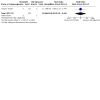
Comparison 5: Sildenafil versus nitroglycerin, Outcome 4: Major neonatal morbidity
Comparison 6. Sensitivity analysis excluding studies without evidence of prospective trial registration: Sildenafil versus placebo or no therapy.
| Outcome or subgroup title | No. of studies | No. of participants | Statistical method | Effect size |
|---|---|---|---|---|
| 6.1 All‐cause mortality | 4 | 492 | Risk Ratio (M‐H, Fixed, 95% CI) | 1.01 [0.80, 1.27] |
| 6.2 Fetal mortality | 4 | 492 | Risk Ratio (M‐H, Fixed, 95% CI) | 0.82 [0.60, 1.12] |
| 6.3 Neonatal mortality | 4 | 373 | Risk Ratio (M‐H, Fixed, 95% CI) | 1.45 [0.90, 2.33] |
| 6.4 Proportion of women experiencing a maternal hypertensive disorder | 4 | 476 | Risk Ratio (M‐H, Fixed, 95% CI) | 0.96 [0.80, 1.15] |
| 6.5 Gestational age at delivery | 4 | 493 | Mean Difference (IV, Fixed, 95% CI) | ‐0.20 [‐0.79, 0.38] |
| 6.6 Birthweight | 4 | 493 | Mean Difference (IV, Fixed, 95% CI) | ‐21.61 [‐107.35, 64.13] |
| 6.7 Major neonatal morbidity | 4 | 367 | Risk Ratio (M‐H, Fixed, 95% CI) | 1.03 [0.76, 1.40] |
| 6.8 Maternal harmful effects or events | 3 | 460 | Risk Ratio (M‐H, Fixed, 95% CI) | 1.62 [1.12, 2.34] |
Comparison 7. Sensitivity analysis major neonatal morbidity: Sildenafil versus placebo or no therapy.
| Outcome or subgroup title | No. of studies | No. of participants | Statistical method | Effect size |
|---|---|---|---|---|
| 7.1 IVH grade 3 or more | 5 | 383 | Risk Ratio (M‐H, Fixed, 95% CI) | 0.91 [0.27, 3.05] |
| 7.2 PVL grade 2 or more | 4 | 311 | Risk Ratio (M‐H, Fixed, 95% CI) | 0.31 [0.03, 2.82] |
| 7.3 Moderate or severe BPD | 3 | 276 | Risk Ratio (M‐H, Fixed, 95% CI) | 1.23 [0.78, 1.95] |
| 7.4 NEC grade 2 or more | 3 | 208 | Risk Ratio (M‐H, Fixed, 95% CI) | 0.83 [0.35, 1.97] |
| 7.5 Persistent pulmonary hypertension of the neonate | 5 | 403 | Risk Ratio (M‐H, Fixed, 95% CI) | 2.69 [1.24, 5.80] |
| 7.6 ROP treated by surgery or laser therapy | 5 | 400 | Risk Ratio (M‐H, Fixed, 95% CI) | 0.99 [0.53, 1.87] |
Comparison 8. Sensitivity analysis major neonatal morbidity: tadalafil versus placebo or no therapy.
| Outcome or subgroup title | No. of studies | No. of participants | Statistical method | Effect size |
|---|---|---|---|---|
| 8.1 IVH grade 3 or more | 1 | 0 | Risk Ratio (M‐H, Fixed, 95% CI) | Not estimable |
| 8.2 PVL grade 2 or more | 1 | 0 | Risk Ratio (M‐H, Fixed, 95% CI) | Not estimable |
| 8.3 Persistent pulmonary hypertension of the neonate | 1 | 87 | Risk Ratio (M‐H, Fixed, 95% CI) | 0.98 [0.14, 6.63] |
| 8.4 ROP treated by surgery or laser therapy | 1 | 87 | Risk Ratio (M‐H, Fixed, 95% CI) | 0.49 [0.05, 5.19] |
| 8.5 NEC grade 2 or more | 1 | 87 | Risk Ratio (M‐H, Fixed, 95% CI) | 0.20 [0.01, 3.96] |
Comparison 9. Sensitivity analysis major neonatal morbidity: Nitroglycerin versus placebo or no therapy.
| Outcome or subgroup title | No. of studies | No. of participants | Statistical method | Effect size |
|---|---|---|---|---|
| 9.1 IVH grade 3 or more | 1 | 23 | Risk Ratio (M‐H, Fixed, 95% CI) | 0.36 [0.02, 8.04] |
| 9.2 PVL grade 2 or more | 1 | 23 | Risk Ratio (M‐H, Fixed, 95% CI) | 0.36 [0.02, 8.04] |
| 9.3 Moderate or severe BPD | 1 | 23 | Risk Ratio (M‐H, Fixed, 95% CI) | 1.09 [0.18, 6.48] |
| 9.4 NEC grade 2 or more | 1 | 23 | Risk Ratio (M‐H, Fixed, 95% CI) | 0.36 [0.02, 8.04] |
| 9.5 Persistent pulmonary hypertension of the neonate | 1 | 0 | Risk Ratio (M‐H, Fixed, 95% CI) | Not estimable |
| 9.6 ROP treated by surgery or laser therapy | 1 | 0 | Risk Ratio (M‐H, Fixed, 95% CI) | Not estimable |
Comparison 10. Sensitivity analysis major neonatal morbidity: Sildenafil versus Nitroglycerin.
| Outcome or subgroup title | No. of studies | No. of participants | Statistical method | Effect size |
|---|---|---|---|---|
| 10.1 IVH grade 3 | 1 | 23 | Risk Ratio (M‐H, Fixed, 95% CI) | 2.77 [0.12, 61.65] |
| 10.2 PVL grade 2 or more | 1 | 0 | Risk Ratio (M‐H, Fixed, 95% CI) | Not estimable |
| 10.3 Moderate or severe BPD | 1 | 23 | Risk Ratio (M‐H, Fixed, 95% CI) | 0.92 [0.15, 5.44] |
| 10.4 NEC grade 2 or more | 1 | 0 | Risk Ratio (M‐H, Fixed, 95% CI) | Not estimable |
| 10.5 Persistent pulmonary hypertension of the neonate | 1 | 0 | Risk Ratio (M‐H, Fixed, 95% CI) | Not estimable |
| 10.6 ROP treated by surgery or laser therapy | 1 | 0 | Risk Ratio (M‐H, Fixed, 95% CI) | Not estimable |
Comparison 11. Sensitivity analysis studies with low risk of bias only: Sildenafil versus placebo or no therapy.
| Outcome or subgroup title | No. of studies | No. of participants | Statistical method | Effect size |
|---|---|---|---|---|
| 11.1 All‐cause mortality | 4 | 492 | Risk Ratio (M‐H, Fixed, 95% CI) | 1.01 [0.80, 1.27] |
| 11.2 Fetal mortality | 4 | 492 | Risk Ratio (M‐H, Fixed, 95% CI) | 0.82 [0.60, 1.12] |
| 11.3 Neonatal mortality | 4 | 373 | Risk Ratio (M‐H, Fixed, 95% CI) | 1.45 [0.90, 2.33] |
| 11.4 Proportion of women experiencing a maternal hypertensive disorder | 4 | 476 | Risk Ratio (M‐H, Fixed, 95% CI) | 0.96 [0.80, 1.15] |
| 11.5 Gestational age at delivery | 4 | 493 | Mean Difference (IV, Fixed, 95% CI) | ‐0.21 [‐0.79, 0.38] |
| 11.6 Birthweight | 4 | 493 | Mean Difference (IV, Fixed, 95% CI) | ‐21.61 [‐107.35, 64.13] |
| 11.7 Major neonatal morbidity | 4 | 367 | Risk Ratio (M‐H, Fixed, 95% CI) | 1.03 [0.76, 1.40] |
| 11.8 Maternal harmful effects or events | 3 | 460 | Risk Ratio (M‐H, Fixed, 95% CI) | 1.62 [1.12, 2.34] |
11.1. Analysis.
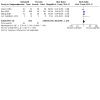
Comparison 11: Sensitivity analysis studies with low risk of bias only: Sildenafil versus placebo or no therapy, Outcome 1: All‐cause mortality
11.2. Analysis.
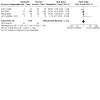
Comparison 11: Sensitivity analysis studies with low risk of bias only: Sildenafil versus placebo or no therapy, Outcome 2: Fetal mortality
11.3. Analysis.
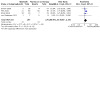
Comparison 11: Sensitivity analysis studies with low risk of bias only: Sildenafil versus placebo or no therapy, Outcome 3: Neonatal mortality
11.4. Analysis.

Comparison 11: Sensitivity analysis studies with low risk of bias only: Sildenafil versus placebo or no therapy, Outcome 4: Proportion of women experiencing a maternal hypertensive disorder
11.5. Analysis.
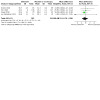
Comparison 11: Sensitivity analysis studies with low risk of bias only: Sildenafil versus placebo or no therapy, Outcome 5: Gestational age at delivery
11.6. Analysis.
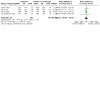
Comparison 11: Sensitivity analysis studies with low risk of bias only: Sildenafil versus placebo or no therapy, Outcome 6: Birthweight
11.7. Analysis.

Comparison 11: Sensitivity analysis studies with low risk of bias only: Sildenafil versus placebo or no therapy, Outcome 7: Major neonatal morbidity
11.8. Analysis.
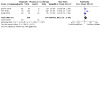
Comparison 11: Sensitivity analysis studies with low risk of bias only: Sildenafil versus placebo or no therapy, Outcome 8: Maternal harmful effects or events
Comparison 12. Sensitivity analysis major neonatal morbidity, excluding studies with a slightly different definition: Sildenafil versus placebo or no therapy.
| Outcome or subgroup title | No. of studies | No. of participants | Statistical method | Effect size |
|---|---|---|---|---|
| 12.1 Major neonatal morbidity | 3 | 208 | Risk Ratio (M‐H, Fixed, 95% CI) | 1.09 [0.67, 1.77] |
Characteristics of studies
Characteristics of included studies [ordered by study ID]
Di Iorio 2002.
| Study characteristics | ||
| Methods | Double‐blind randomised study | |
| Participants | 20 pregnancies complicated by IUGR with impaired uteroplacental blood flow between 27 and 35 weeks of gestation were included in the study. IUGR was defined by the presence of ultrasonographic signs (biparietal diameter below the 10th percentile and abdominal circumference below the 5th percentile) according to the normograms of Campbell and Thoms. |
|
| Interventions | ‐ Experimental intervention: transdermal glyceryl trinitrate (Nitroderm TTS5, Ciba‐Geigy, Basel, Switzerland) at the dose of 5 mg per 16 hours/daily until delivery. ‐ Comparison: placebo |
|
| Outcomes | ‐ Changes in Doppler findings ‐ Maternal plasma levels of nitric oxide (NO) metabolites (NOx) and adrenomedullin (AM) before and after treatment. ‐ Clinical and demographic characteristics: GA at delivery, birthweight, Apgar score, admission to NICU |
|
| Notes | ‐ No trial protocol or trial registration was identified. ‐ Trial dates: no information stated. ‐ Trial funding: Italian National Research Council (CNR) and the Ministry of University and Scientific Research (MIUR) ‐ Authors' declarations of interest: no information about declarations of interest has been reported. |
|
| Risk of bias | ||
| Bias | Authors' judgement | Support for judgement |
| Random sequence generation (selection bias) | Unclear risk | Sequence generation not described. |
| Allocation concealment (selection bias) | Unclear risk | Allocation concealment not described. |
| Blinding of participants and personnel (performance bias) All outcomes | Unclear risk | Methods state that the study is double‐blind, but no additional information on blinding was described. |
| Blinding of outcome assessment (detection bias) All outcomes | Unclear risk | Not described who outcome assessors are and who were blinded. |
| Incomplete outcome data (attrition bias) All outcomes | Unclear risk | Not described whether data were missing. |
| Selective reporting (reporting bias) | Unclear risk | No trial registration found. |
| Other bias | Low risk | No other sources of bias have been identified. |
Groom 2019.
| Study characteristics | ||
| Methods | Triple‐blind, placebo‐controlled, parallel, phase II–III trial randomised at the participant level (1:1 ratio) | |
| Participants | Women in 13 maternal–fetal medicine units across New Zealand and Australia: ‐ Inclusion criteria: 22 + 0 – 27 + 6 weeks of gestation if the fetal abdominal circumference was ≤ 3rd centile and at 28 + 0 – 29 + 6 weeks of gestation if the EFW was < 700 g. ‐ Exclusion criteria: women were ineligible if there was known fetal aneuploidy or other major fetal anomaly, syndrome or congenital infection deemed to be the likely cause of the growth restriction; if a plan for delivery had already been made; if there was maternal disease (pre‐eclampsia) where it was expected that delivery may be necessary within 48 hours; or if there was any contraindication to maternal sildenafil therapy. FGR was defined at 22+0–27+6 weeks of gestation as the fetal abdominal circumference was ≤3rd centile18 and at 28+0–29+6 weeks of gestation if the estimated fetal weight19 was (chart not described). |
|
| Interventions | ‐ Experimental intervention: oral 25 mg sildenafil citrate (SilvastaTM, Actavis Limited, Zejtun, Malta) 3 times daily from randomisation until 32 + 0 weeks of gestation, delivery or fetal death (whichever occurred first). ‐ Comparison: identical‐in appearance placebo preparation 3 times daily from randomisation until 32 + 0 weeks of gestation, delivery or fetal death (whichever occurred first). |
|
| Outcomes | The primary outcome was the proportion of pregnancies with any increase in fetal growth velocity after treatment commenced, determined by a comparison of pretreatment and post‐treatment fetal growth velocity. | |
| Notes | ‐ Pre‐published trial protocol was identified. ‐ Trial dates: between 7 February 2014 and 17 March 2017 ‐Trial funding: the trial was funded by the Health Research Council of New Zealand (13/242) with additional support from Cure Kids (3565), both grants were awarded through external peer reviewed processes. The funders had no role in trial design; data collection, analysis, or interpretation; or writing of the report. ‐ Authors' declarations of interest: P Baker is a minority shareholder in Metabolomics Diagnostics, a biotechnology company seeking to develop predictive tests for pregnancy complications. All other authors declare no competing interests. |
|
| Risk of bias | ||
| Bias | Authors' judgement | Support for judgement |
| Random sequence generation (selection bias) | Low risk | An independent perinatal trials unit prepared a computer‐generated randomisation sequence balanced in block sizes of 2 and 4 with stratification according to GA at recruitment (< 24 or ≥ 24 + 0 weeks) and the presence or absence of end‐diastolic velocity in the umbilical artery Doppler waveform. |
| Allocation concealment (selection bias) | Low risk | A central web‐based randomisation service assigned participants to receive sildenafil or an identical‐in‐appearance placebo. |
| Blinding of participants and personnel (performance bias) All outcomes | Low risk | Participants, care providers and investigators were blind to treatment allocation. |
| Blinding of outcome assessment (detection bias) All outcomes | Low risk | Participants, care providers and investigators were blind to treatment allocation. |
| Incomplete outcome data (attrition bias) All outcomes | Low risk | No patients were lost to follow up. Primary outcome data were missing for 2 patients in each group. |
| Selective reporting (reporting bias) | Low risk | Pre‐published study protocol. |
| Other bias | Low risk | No other sources of bias have been identified. |
Maki 2019a.
| Study characteristics | ||
| Methods | Randomised controlled trial. | |
| Participants | 21 medical centres in Japan registered cases in this trial. ‐ Inclustion criteria: pregnant women aged ≥ 20 years, EFBW less than 1.5 standard deviations of the mean EFBW for GA according to the Japanese standard curve, GA between 20 + 0 and 33 + 6 weeks, singleton pregnancy, and signed written informed consent. ‐ Exclusion criteria: antepartum fetal ultrasonography (including Doppler velocimetry) or fetal heart rate monitoring at enrolment indicating delivery; history of allergy to tadalafil; concurrent medications that could interact adversely with tadalafil; relative contraindication to tadalafil treatment secondary to renal and/or liver disease; relative contraindication to tadalafil secondary to uncontrolled arrhythmia, hypertension (BP) > 170/100 mmHg), or hypotension (BP < 80/40 mmHg); fetus with suspected chromosomal anomaly and/or multiple congenital anomalies; relative contraindication to tadalafil treatment secondary to retinitis pigmentosa, coagulation defect, active gastric and/or intestinal ulcer, or venous obstructive disease; and determination by the investigator that inclusion was inappropriate. FGR was defined as EFBW less than 1.5 standard deviations of the mean EFBW for GA according to the Japanese standard curve (not further defined which curve). |
|
| Interventions | ‐ Experimental intervention: once‐daily administration of 20 mg tadalafil in addition to conventional treatment until delivery. ‐ Comparison: conventional treatment. |
|
| Outcomes | ‐ Fetal, neonatal and infant deaths. ‐ Maternal and neonatal adverse events. ‐ Fetal growth velocity |
|
| Notes | ‐ Prospective trial registration identified. ‐ Trial dates: between September 2016 and March 2018 ‐ Trial funding: this work was supported by the Japan Agency for Medical Research and Development (AMED) as part of the Project for Baby and Infant in Research of Health and Development to Adolescent and Young Adults, by the Japan Society for the Promotion of Science KAKENHI (Grant Number 17K16846), and in part by the Takeda Science Foundation. ‐ Authors' declarations of interest: none. |
|
| Risk of bias | ||
| Bias | Authors' judgement | Support for judgement |
| Random sequence generation (selection bias) | Low risk | A clinical trial data management system was used for the randomisation. |
| Allocation concealment (selection bias) | Low risk | A clinical trial data management system was used for the randomisation. |
| Blinding of participants and personnel (performance bias) All outcomes | High risk | No blinding of treatment allocation. |
| Blinding of outcome assessment (detection bias) All outcomes | High risk | The investigators were blinded to the allocation algorithm, however, open‐label design. |
| Incomplete outcome data (attrition bias) All outcomes | Unclear risk | In both treatment groups 4 patients were excluded from the analysis, since intrauterine death occurred or the patients did not meet the inclusion criteria. These patients were evaluated in the safety analysis but not in the efficacy analysis. |
| Selective reporting (reporting bias) | Low risk | Study protocol was published, submission during the inclusion period, but revised after completion of the study. |
| Other bias | Unclear risk | Planned sample size was not reached. |
Pels 2020.
| Study characteristics | ||
| Methods | Placebo‐controlled randomised clinical trial. | |
| Participants | 10 tertiary referral centres and 1 general hospital in the Netherlands: ‐ Inclusion criteria: pregnant women were eligible if they were between 20 weeks 0 days and 27 weeks 6 days of gestation and if the fetal abdominal circumference was below the 3rd percentile or the EFW below the 5th percentile, combined with either unilateral or bilateral notching of the uterine artery, Pulsatility Index of the umbilical artery above the 95th percentile, pulsatility Index of the middle cerebral artery below the 5th percentile, or a maternal hypertensive disorder. Participants with gestation between 28 weeks 0 days and 29 weeks 6 days were eligible if the EFW was less than 700 g, combined with the aforementioned Doppler anomalies or a maternal hypertensive disorder, to select the patients with unfavourable prognosis. GA estimation was based on a first trimester ultrasound. ‐ Exclusion criteria: anticipated imminent termination of pregnancy for maternal or fetal indications, multifetal pregnancy, identified congenital anomalies (affecting outcomes), identified congenital infection, maternal age younger than 18 years, cocaine use, current use of sildenafil, current use of cytochrome P450 3A5 isozyme inhibitors, and recent myocardial infarction or stroke. FGR in inclusion criteria was defined as: between 20 weeks 0 days and 27 weeks 6 days of gestation as fetal AC below the 3rd percentile or the EFW below the 5th percentile, combined with either unilateral or bilateral notching of the uterine artery, PI of the umbilical artery above the 95th percentile, PI of the middle cerebral artery below the 5th percentile, or a maternal hypertensive disorder. Between 28 weeks 0 days and 29 weeks 6 days as EFW less than 700 g, combined with the aforementioned Doppler anomalies or a maternal hypertensive disorder. Chart not described. |
|
| Interventions | ‐ Experimental intervention: sildenafil 25 mg orally 3 times daily. ‐ Comparison: placebo orally 3 times daily. |
|
| Outcomes | Primary outcome: composite of perinatal mortality or major neonatal morbidity until hospital discharge. Major neonatal morbidity was defined as intraventricular haemorrhage grade 3 or more, periventricular leukomalacia grade 2 or more, moderate or severe bronchopulmonary dysplasia, necrotizing enterocolitis Bell stage 2 or more, or retinopathy of prematurity requiring laser therapy. |
|
| Notes | ‐ Trial register or trial protocol: pre‐published trial protocol identified. ‐ Trial dates: between January 20, 2015 and July 16, 2018. ‐ Trial funding: the trial was funded by the Netherlands Organization for Health Research and Development (project No. 836021023). ‐ Authors' declarations of interest: Dr Ganzevoort reported receiving grants from Netherlands Organization for Health Research and Development (ZonMW) during the conduct of the study. No other disclosures were reported. |
|
| Risk of bias | ||
| Bias | Authors' judgement | Support for judgement |
| Random sequence generation (selection bias) | Low risk | The web‐based randomisation had a 1:1 ratio, random block sizes of 2 to 6, and was stratified per participating centre. |
| Allocation concealment (selection bias) | Low risk | The web‐based randomisation had a 1:1 ratio, random block sizes of 2 to 6, and was stratified per participating centre. |
| Blinding of participants and personnel (performance bias) All outcomes | Low risk | Participants, clinicians, investigators, and outcome assessors were blinded for the treatment allocation. |
| Blinding of outcome assessment (detection bias) All outcomes | Unclear risk | Outcome assessors were blinded for the treatment allocation. Due to early stopping of the trial, treatment allocation was known by the outcome assessors for a proportion of the patients. |
| Incomplete outcome data (attrition bias) All outcomes | Unclear risk | 1 patient lost to follow up for all outcomes. Study was stopped early. |
| Selective reporting (reporting bias) | Low risk | Pre‐published study protocol and statistical analysis plan. |
| Other bias | Unclear risk | Planned sample size was not reached. |
Sharp 2018.
| Study characteristics | ||
| Methods | Placebo‐controlled randomised trial. | |
| Participants | 19 fetal medicine units within the UK: ‐ Inclusion criteria: all women had a singleton pregnancy between 22 weeks and 0 days’ gestation and 29 weeks and 6 days’ gestation with a diagnosis of FGR and had agreed to expectant management. For the purposes of the study, we defined FGR as a fetus with abdominal circumference or EFW below the 10th percentile using local charts and absent or reversed end diastolic flow in the umbilical artery on Doppler velocimetry ‐ Exclusion criteria: we excluded women from the study if they were younger than 16 years old, had a known contraindication or allergy to sildenafil, had known or suspected significant chromosomal or structural anomaly, reported current cocaine use, or had a condition which was likely to require delivery within 72 hours (such as severe pre‐eclampsia). FGR was defined as AC or EFW below the 10th percentile using local charts and absent or reversed enddiastolic flow in the umbilical artery on Doppler velocimetry |
|
| Interventions | ‐ Experimental intervention: sildenafil 25 mg 3 times daily until 32 weeks and 0 days’ gestation or delivery. ‐ Comparison: placebo 3 times daily until 32 weeks and 0 days’ gestation or delivery. |
|
| Outcomes | The primary outcome was the time from randomisation to delivery, measured in days. | |
| Notes | ‐ Trial register or trial protocol: pre‐published trial protocol identified. ‐ Trial dates: between Nov 21, 2014, and July 6, 2016. ‐ Trial funding: this report is independent research funded by the Medical Research Council (MRC) and managed by the National Institute for Health Research (NIHR) on behalf of the MRC–NIHR partnership. The views expressed in this publication are those of the authors and not necessarily those of the MRC, National Health Service, NIHR, or the Department of Health. ‐ Authors' declarations of interest: PNB and LCK report a minority shareholding in Metabolomic Diagnostics, outside of the submitted work, and have patents relating to screening tests (not therapy) for pre‐eclampsia issued. All other authors declare no competing interests. |
|
| Risk of bias | ||
| Bias | Authors' judgement | Support for judgement |
| Random sequence generation (selection bias) | Low risk | We used a web‐based application to allocate treatment (1:1) with randomisation stratified by site and gestation (< 26 weeks and days and ≥ 26 weeks and 0 days) |
| Allocation concealment (selection bias) | Low risk | A web‐based application to allocate treatment (1:1) with randomisation stratified by site and gestation (<26 weeks and 0 days and ≥ 26 weeks and 0 days) was used. |
| Blinding of participants and personnel (performance bias) All outcomes | Low risk | Medication was overencapsulated (Sharp Clinical Services, Crickhowell, UK) to ensure that patient, clinicians, and pharmacists were masked to the study drug. |
| Blinding of outcome assessment (detection bias) All outcomes | Low risk | Medication was overencapsulated (Sharp Clinical Services, Crickhowell, UK) to ensure that patient, clinicians, and pharmacists were masked to the study drug. |
| Incomplete outcome data (attrition bias) All outcomes | Low risk | No patients were lost to follow up. |
| Selective reporting (reporting bias) | Low risk | Pre‐published study protocol. |
| Other bias | Low risk | No other sources of bias have been identified. |
Trapani 2016a.
| Study characteristics | ||
| Methods | Prospective randomised trial with 3 intervention arms, placebo and sildenafil were double‐blinded. Blocked randomisation using sealed opaque envelopes was performed. |
|
| Participants | University Hospital of the Federal University of Santa Catarina, a non‐profit teaching hospital in Brazil: ‐ Inclusion criteria: singleton pregnancy with intrauterine growth restriction (defined as EFW below 10th centile); GA between 24 and 31 + 6 weeks; intact membranes; abnormal uterine artery and umbilical artery Doppler waveforms (defined as pulsatility index greater than the 95th percentile for GA); admission to the hospital's high‐risk unit for at least 24 hours. ‐ Exclusion criteria: twin pregnancies; anaemia; diabetes; previous hypertension or other chronic diseases; receiving magnesium sulphate; pregnancy complicated by fetal malformation, known aneuploidy, syndrome or congenital infection; known intolerance to transdermal nitroglycerin or sildenafil; serum creatinine > 1.0 mg/dL; fetal death; reversed flow of umbilical artery Doppler waveform; eclampsia; taking medications that interact with transdermal nitroglycerin or sildenafil. FGR was defined as EFW below 10th centile (according to Hadlock 1991). |
|
| Interventions | Single administration of: ‐ Experimental intervention: transdermal nitroglycerin 50 mg patch, applied to the abdominal skin, releasing nitroglycerin at a rate of 0.4 mg/h ‐ Experimental intervention: sildenafil citrate 50 mg orally ‐ Comparison: placebo orally |
|
| Outcomes | Main outcome: ‐ Change in uterine artery, umbilical artery or middle cerebral artery pulsatility index after administration, compared with the values obtained before administration Secondary outcomes: ‐ Effect of therapy on maternal BP ‐ Immediate side‐effects of sildenafil citrate or transdermal nitroglycerin |
|
| Notes | ‐ No trial protocol or trial registration was identified. ‐ Trial dates: between May 2013 and October 2014. ‐ Trial funding: no information about funding has been reported. ‐ Authors' declarations of interest: no information about declarations of interest has been reported. |
|
| Risk of bias | ||
| Bias | Authors' judgement | Support for judgement |
| Random sequence generation (selection bias) | Low risk | Consecutive patients who fulfilled all the inclusion criteria were invited to participate in the study. Patients were assigned to each treatment group based on blocked randomisation using sealed opaque envelopes. |
| Allocation concealment (selection bias) | Low risk | Patients were assigned to each treatment group based on blocked randomisation using sealed opaque envelopes. |
| Blinding of participants and personnel (performance bias) All outcomes | High risk | Sildenafil and placebo were blinded, GTN was not |
| Blinding of outcome assessment (detection bias) All outcomes | High risk | Sildenafil and placebo were blinded, GTN was not |
| Incomplete outcome data (attrition bias) All outcomes | Low risk | 1 woman was excluded because she had intense headaches following application of transdermal nitroglycerin and removed the patch before the Doppler examination was performed. |
| Selective reporting (reporting bias) | Unclear risk | No trial registration found |
| Other bias | Low risk | No other sources of bias have been identified. |
von Dadelszen 2022.
| Study characteristics | ||
| Methods | National multiside individual participant double‐blind, placebo‐controlled randomised controlled trial | |
| Participants | BC Women’s Hospital and Health Centre (BCWH’s, Vancouver), Ste Justine (Montréal), and Centre hospitalier universitaire de Québec (Québec): Pregnant women aged≥18 years with a singleton pregnancy at 18+0—27+6 weeks’ gestation, estimated fetal weight <700 g, and at least one of (i) etal AC < 10th percentile for GA (local criteria); (ii) reduced fetal growth velocity (AC growth < 50% of anticipated using institutional fetal biometry charts) and either abnormal uterine artery Doppler or prior early‐onset FGR with adverse perinatal outcome (defined as either a perinatal or infant death related to FGR or a life‐altering complication of either prematurity or FGR). |
|
| Interventions | Sildenafil 25 mg three times daily | |
| Outcomes | Placebo 25 mg three times daily | |
| Notes | ‐ Trial register or trial protocol: pre‐published trial protocol identified. ‐ Trial dates: between May 1, 2017 and June 28, 2018 ‐ Trial funding: Canadian Institutes of Health Research (Grant Number: MOP‐137077) ‐ Authors' declarations of interest: PvD has received support from Alere International |
|
| Risk of bias | ||
| Bias | Authors' judgement | Support for judgement |
| Random sequence generation (selection bias) | Low risk | Randomisation was centrally controlled using the web‐based platform integrated System for Trial Allocation and Randomisation (iSTAR; PRE‐EMPT [PREgnancy Evidence, Monitoring, Partnerships & Treatment] team, BC Children’s Hospital Research Institute (BCCHR). |
| Allocation concealment (selection bias) | Low risk | Randomisation was stratified by centre with random blocks of 2 or 4. |
| Blinding of participants and personnel (performance bias) All outcomes | Low risk | Double‐blind, overencapsulated. |
| Blinding of outcome assessment (detection bias) All outcomes | Low risk | Double‐blind, overencapsulated. |
| Incomplete outcome data (attrition bias) All outcomes | Low risk | No loss to follow‐up |
| Selective reporting (reporting bias) | Low risk | Prospective trial registration |
| Other bias | Unclear risk | Planned sample size was not reached. |
Winer 2009.
| Study characteristics | ||
| Methods | Placebo controlled randomised trial. | |
| Participants | Patients with a singleton pregnancy, who had been referred to a fetal medicine unit for IUGR. ‐ Inclusion criteria: fetal abdominal circumference less than or equal to the 3rd percentile for GA, and abnormal uterine Doppler. Uterine Doppler was considered pathologic if Pourcelot’s resistance index (S D/S) was equal to or higher than 0.7, and/or if an obvious notch was present. If the placenta was not median, the side of the pathologic Doppler had to be on the same side as the placenta. ‐ Exclusion criteria: acute fetal distress, non‐vascular and non‐severe IUGR (normal uterine Doppler scans and/or abdominal circumference > 3rd percentile), maternal immune disorder, IUGR from an infectious etiology, IUGR associated with fetal malformation, multifetal pregnancy, and pre‐eclampsia upon inclusion. IUGR was defined by clinical and ultrasonic examination confirmed by a second referent sonographist, according to reference values. The criteria for vascular IUGR were: fetal abdominal circumference less than or equal to the 3rd percentile for gestational age, and abnormal uterine Doppler (reference values according to Créquat 2000). |
|
| Interventions | ‐ Experimental intervention: 14 g (90 cc) of L‐Arginine. ‐ Comparison: placebo administered orally as a syrup with identical taste and appearance. |
|
| Outcomes | Parameters assessed included: birth weight (Z‐score and median),33–35 and the neonatal clinical characteristics: Apgar score at 5 min, acid base status, clinical risk index for babies (CRIB), and oxygen requirement. Maternal blood and urine samples. | |
| Notes | ‐ Trial register or trial protocol: the trial has been recorded in clinicaltrials.gov after completion of the data collection. ‐ Trial dates: September 1999 to June 2006. ‐ Trial funding: this study was supported by the Delegation a la Recherche Clinique (DRC) of the University Medical Center of Nantes (CHU de Nantes), and we thank Veyron France Laboratories for supplying ARG and placebo. ‐ Authors' declarations of interest: none. |
|
| Risk of bias | ||
| Bias | Authors' judgement | Support for judgement |
| Random sequence generation (selection bias) | Unclear risk | The authors do not describe how the randomisation was performed. |
| Allocation concealment (selection bias) | Unclear risk | The authors do not describe how the randomisation was performed. |
| Blinding of participants and personnel (performance bias) All outcomes | Low risk | Patients were double‐blind randomised to receive, either 14 g (90 cc) of ARG or a placebo administered orally as a syrup with identical taste and appearance. |
| Blinding of outcome assessment (detection bias) All outcomes | Low risk | Neither the patient nor the medical team were aware of the treatment received by the patient. |
| Incomplete outcome data (attrition bias) All outcomes | Low risk | No patients were lost to follow up and no missing data on neonatal outcomes, only on the blood samples |
| Selective reporting (reporting bias) | Unclear risk | The trial has been recorded in clinicaltrials.gov after completion of the data collection |
| Other bias | Low risk | No other sources of bias have been identified. |
BP: blood pressure EFW: estimated fetal weight FGR: fetal growth restriction GA: gestational age IUGR: intratuterine growth restriction IV: intravenous NICU: neonatal intensive care unit PIH: pregnancy‐induced hypertension
Characteristics of excluded studies [ordered by study ID]
| Study | Reason for exclusion |
|---|---|
| Babar 2018 | Study evaluated non‐smoking, normotensive women at risk of preeclampsia aged between 18 and 38 years, with a live fetus confirmed by fetal heart auscultation. Study evaluated high flavanol and theobromine chocolate (HFHT) as intervention. Study did not report on any of our review outcomes. |
| Bowkalow 2018 | Study evaluated pregnant women with an abnormal uterine Doppler as defined by bilateral notching or unilateral notching and increased impedance with a mean resistance index (RI) > 0.65 or with mean RI > 0.7 without notching at the time of enrolment. |
| Bujold 2016 | Study evaluated women with bilateral diastolic notches and either a UtA PI495th percentile on one side and/or bilateral UtA PI45 th percentile. Study evaluated high flavanol and high theobromine chocolate (HFHT) as intervention. Study did not report on any of our review outcomes. |
| Camarena‐Pulido 2016 | Study evaluated pregnant women who had high‐risk factors for developing preeclampsia. |
| Decano 2000 | Study evaluated women with preeclampsia. Study did not report on any of our review outcomes. |
| DRKS00011374 | Study evaluated pregnant women at risk of developing IUGR meeting the inclusion criteria: abnormal uterine artery Doppler ultrasound, defined by a mean PI greater than 1.6, singleton pregnancy, informed consent and 19+0 to 22+6 weeks of gestation. Study has primary outcome: Development of intrauterine growth retardation or perinatal death. Wrong publication type, wrong patient group, wrong outcomes |
| El‐Hamedi 2001 | Study evaluated pregnant women with abnormal uterine artery blood flow at their routine anomaly ultrasound scan at 18‐20 weeks. |
| El‐Sayed 2018a | This study investigated a single dose of medication and compared ultrasound parameters before and after this single dose. No pregnancy outcomes are reported. Study did not report on any of our review outcomes. |
| EUCTR2014‐003138‐18‐IE | Study was cancelled. |
| Furuhashi 2021 | Study evaluated pregnant women 20 years with gestational hypertension, preeclampsia, and superimposed preeclampsia applicated of Japanese guideline with a gestational age (GA) between 20 þ 0 and 33 þ 6 weeks. Singleton pregnancy, and signed written informed consent. |
| Groten 2012 | Study evaluated pregnancies presenting with abnormal placental perfusion (bilateral notch or mean RI > 0.7) between the 19th and 24th week of gestation. |
| Groten 2019 | Study evaluated women with impaired uterine artery Doppler ultrasound, defined by a mean Pulsatility Index (PI) greater than 1.6 (> 95th centile of German reference population, PIA Fetal Database, Version 4.00 and higher, Viewpoint, Germany), singleton pregnancy at 190 to 226 weeks of gestation who are over 18 years old and provide informed consent. |
| Hladunewich 2006 | Study evaluated women with an elevation of blood pressure to levels in excess of 140 systolic over 90 diastolic, and proteinuria determined by a urine dipstick value of 2 or greater, or quantitated at 0.5 g or more either per g creatinine or in a 24‐hour urine collection. Study did not report on any of our review outcomes. |
| IRCT20120215009014N419 | Participants are women with age 18 to 40 years; prime gravid; singleton pregnancy; gestational age between 16 to 20 weeks. |
| IRCT20140317017034N9 | Study evaluated pentoxifylline as intervention. |
| jRCTs041180121 | Study evaluated women 20 years of age or older with a history of severe hypertensive disorders of pregnancy that required delivery prior to 34 weeks' gestation. Gestational age between 12 + 0 and 16 + 6 weeks (The expected date of confinement is determined using the criteria of the guidelines for obstetrical practice in Japan 2014.) and a singleton pregnancy 5) For the test participation, it has consent is obtained in writing from the patient. |
| Khachaturyan 2011 | Study evaluated pregnant women with an abnormal placental perfusion (bilateral notch or mean RI >0.7) between the 19th to 24th week of gestation. Study did not report on any of our review outcomes. |
| Lees 1998 | Study evaluated patients in whom Doppler investigation of the uterine artery revealed bilateral early diastolic notches and high impedance to flow. Women with high‐resistance uterine artery flow underwent second‐stage screening at 24–26 weeks and were entered into the study if the waveforms revealed the presence of bilateral notches and the mean (from both sides) uterine artery resistance index (RI) was two standard deviations above the population mean, i.e. > 0.58. |
| Lopez‐Molina 2008 | Study evaluated women with preeclampsia. |
| Madhubala 2006 | Study evaluated women with oligohydramnios at around 26‐28 weeks. |
| Monari 2021 | Study evaluated singleton pregnancies with a diagnosis of CH defined as the evidence of documented preexisting mild hypertension or the detection of mildly high BP before the 20th week of gestation (systolic BP _140 mmHg and _160 mmHg or diastolic BP _90 mmHg and_110 mmHg on two occasions at least 4 hours apart) [21]; previous PE < 34 weeks, previous IUGR < 10° centile or previous SB related to placenta vascular disorders; gestational age lower than 14 weeks. |
| NCT01355822 | Study evaluated pregnant women with an abnormal uterine Doppler as defined by bilateral notching, unilateral notching and increased impedance with mean resistance index (RI) > 0.65 or with mean RI > 0.7 without notching at time of enrolment. |
| NCT02782559 | Study evaluated pregnant women with a diagnosis of preterm preeclampsia or superimposed preeclampsia. Study did not report on any of our review outcomes. |
| NCT02801695 | Study evaluated pregnant women with pre‐eclampsia (<36 weeks) without indication of forthcoming extraction. Study did not report on any of our review outcomes. |
| NCT03262961 | Study evaluated pregnant women with uncomplicated mild pre‐eclampsia; No clinical or investigatory findings suggestive severe pre‐eclamptic toxemia. |
| NCT03669185 | Study evaluated pregnant women with abnormal uterine artery Doppler at 19+0 to 22+6 weeks of gestation, defined by a mean pulsatility index (PI) Exceeding 1.6. |
| Neri 2010 | Study evaluated women with a singleton pregnancy; diagnosis of mild chronic hypertension defined as the evidence of documented preexisting mild hypertension or the detection of mildly high BP before the 20th week of gestation (systolic BP >140 mmHg and <160 mmHg or diastolic BP >90 mmHg and <110 mmHg on two occasions at least 4 hours apart); gestational age lower than 16 weeks. |
| Picciolo 2000 | Study evaluated women with chronic hypertension or with a previous history of pre‐eclampsia before the 34th week and/or IUGR. |
| Razik 2016 | Study evaluated primigravidae aged < 20 years with normal singleton pregnancy till 24 weeks gestation with a diastolic notch in one or both uterine arteries. |
| Reyna‐Villasmil 2001 | Study evaluated preeclamptic patients. Study did not report on any of our review outcomes. |
| Rytewski 2005 | Study evaluated women with preeclampsia. Study did not report on any of our review outcomes. |
| Samangaya 2009a | Study evaluated women with pre‐eclampisa before 34 weeks of gestation. Study did not report on any of our review outcomes. |
| Samangaya 2009b | Study evaluated women with preterm preeclampsia. Study did not report on any of our review‐ outcomes. |
| Schlembach 2013 | Study evaluated women presenting with abnormal placental perfusion (bilateral uterine artery notches or mean RI > 0.7) at 19–24 weeks of gestation. |
| Schleussner 2014 | Study evaluated pregnant women 19+0–23+6 weeks of gestation (w.o.g.) with abnormal uterine artery Doppler as defined by bilateral notching or unilateral notching and increased mean resistance index > 90th percentile according to a German reference population (PIA Fetal Database, Viewpoint, Germany); and informed consent. |
| Staff 2004 | Study evaluated women with pre‐eclampsia with a gestational age at study start ranging from 28+0 to 36+0 weeks. |
| Tan 2000 | Study evaluated 25% magnesium sulphate 20 mL in 5% glucose 500 mLIV in addition to 10% glucose 500 mL + danshen compound 14 mL + low molecular weight dextran 500 mL ivIV as intervention. |
| Teichert 2019 | Study evaluated pregnant women during the second and third trimester. Study did not report on any of our review outcomes. |
| Trapani 2016b | Study evaluated singleton pregnancies admitted to the high‐risk obstetric unit or a period of at least 24 hours (to confirm the diagnosis of preeclampsia and absence of exclusion criteria) and gestational age between 24 and 33 weeks calculated from the date of the last menstrual period and confirmed by first‐trimester ultrasonography. |
| Valdivia‐Silva 2009 | Study evaluated women with preeclampsia. Study did not report on any of our review outcomes. |
| Valensise 2005 | The publications from this project were either no randomised controlled trial or did not include participants with FGR. |
| Xiao 2005 | Unclear whether this study is a RCT. No response of the authors to e‐mail by Cochrane. |
BP: blood pressure; CH: chronic hypertension; FGR: fetal growth restriction ; GA: gestational age; HFHT: high flavanol and theobromine chocolate ; IUGR: Intrauterine growth restriction; IV: intravenous; intravenous; PI: Pulsatility Index; RCT: randomised controlled trial; RI: resistance index
Characteristics of studies awaiting classification [ordered by study ID]
CTRI/2019/09/021382.
| Methods | Randomised,parallel group trial |
| Participants | ‐ Inclusion criteria: both primi‐gravida and multi‐gravida of age group 18 to 35yreas, single live intrauterine gestation between 28 to 36 weeks fulfilling diagnostic criteria ‐ Exclusion criteria: who is contra‐ indicated for basti, fetal anomaly, chorioamnionitis, per vaginal leaking, severe anaemia (less than 7/8g%, acute oligohydramnios due to fever, loose stools), chronic infections like Tuberculosis, HIV, Hepatitis B, and TORCH syndrome ((T)oxoplasmosis, (O)ther Agents, (R)ubella, (C)ytomegalovirus, and (H)erpes simplex), high risk pregnancy with conditions like PIH and diabetes, multiple pregnancy. |
| Interventions | ‐ Experimental intervention: Vidaryadi Ghrita: used for ‐ Basti, anal route, 60 mL daily once, duration ‐ 21 days ‐ Comparison: L‐Arginine, oral, 3g, daily twice, duration ‐ for 21 days |
| Outcomes | Increase In fetal movement, increase In fundal height, Increase In fetal weight Including BPD, Fi, Ac, Hc, and Afi |
| Notes | ‐ Trial registration. ‐ Not clear how intervention works; author e‐mailed without response. |
CTRI/2022/03/041053.
| Methods | Randomised, parallel group, active controlled trial |
| Participants | ‐ Inclusion criteria: diagnosed patients of IUGR with the help of ultrasound with no weight gain in successive two weeks of pregnancy, fundal height of uterus is less than the period of amenorrhoea (minimum difference of 2 weeks), Females with 28‐ 34 weeks gestational period, diagnosed as (IUGR) will be included for the present study. Pregnant women with Upavistaka Garbha with or without vaginal discharges. Pregnant women with Upavistaka Garbha with or without vaginal bleeding( PushpaDarshan). ‐ Exclusion criteria: twin pregnancy, renal disorder, pregnancy beyond 34 weeks. |
| Interventions | ‐ Experimental intervention: Yastimadhuadi siddha ghrita matra basti ‐ Comparison: L‐arginine |
| Outcomes | Weight of the fetus |
| Notes | ‐ Trial registration. ‐ Not clear how intervention works; author e‐mailed without response. |
Dastjerdi 2012a.
| Methods | Double‐blind, placebo‐controlled study |
| Participants | ‐ Inclusion criteria: 24‐37 weeks gestation with intra uterine growth retardation. ‐ Exclusion criteria: pregnancies with fetal anomalies or chromosomal abnormalities, maternal cardiovascular morbidity, users of any vasodilator agents, diastolic blood pressure more than 110 mmHg and maternal obesity (body mass index > 34) |
| Interventions | ‐Experimental intervention: single dose of sildenafil citrate 50 mg orally ‐Comparison: placebo orally |
| Outcomes | Pulsed‐wave Doppler velocimetry measurements, drug complications, fetal movement changes |
| Notes | ‐ Prospective trial registration identified. ‐ Trial dates: between June 2008 and February 2010. ‐ Trial funding: Tehran University of Medical Sciences project number is 283/1387. ‐ Authors' declarations of interest: none declared. ‐ Unclear whether the study measured an outcome of our review. No contact details of the authors were identified. |
El‐Sayed 2018b.
| Methods | Randomised double‐blind, placebo‐controlled trial |
| Participants | ‐ Inclusion criteria: women with FGR based on placental insufficiency (associated with abnormal Doppler indices) if occurred as idiopathic or secondary to maternal medical disorders (PIH or chronic renal disease) provided that the pregnancy was singleton, at 24 weeks' gestation or more, irrespective of maternal age, parity, or previous history of FGR, and we did not exclude smokers. ‐ Exclusion criteria: FGR due to fetal causes as congenital abnormalities or fetal infection, multiple gestations, drug therapy affecting fetal growth, maternal diseases or medications contraindicate or interact with sildenafil. |
| Interventions | ‐ Experimental intervention: sildenafil citrate 50 mg orally (Pfizer Egypt S.A.E., Cairo, Egypt). ‐ Comparison: placebo. |
| Outcomes | The primary outcome measure was Doppler changes [pulsatility index (PI), resistance index (RI), or systolic/diastolic (S/D) ratio) that occurred in each of the vessel measured (uterine, umbilical, or MCA) following drug administration in each group and between both groups. Secondary outcome measures were duration of pregnancy prolongation, mode of delivery, GA at birth, drug side effects and neonatal outcomes including birth weight, Apgar scores, umbilical artery pH, and admission to neonatal intensive care unit, and drug side effects. |
| Notes | ‐ Prospective trial registration identified. ‐ Trial dates: March 2015 to April 2016. ‐ Trial funding: no information identified. ‐ Authors' declarations of interest: no information identified. ‐ Concerns regarding trustworthiness: an improvement of doppler measurements is described, but from the tables it seems that a worsening is presented. |
El‐Shalakany 2018.
| Methods | Prospective randomised clinical trial. |
| Participants | All pregnant women who attended outpatient clinic, presented in the emergency room, or those referred to the hospital from other place. ‐ Inclusion criteria: SGA fetus diagnosed by: confirmed GA (1st day LMP‐ U/S): AC below 10th percentile. Reduced umbilical artery Doppler blood flow velocimetry. Regular menstrual pattern before pregnancy. GA between 24‐36 weeks. Singleton pregnancy. Ability to attend follow‐up as planned. ‐ Exclusion criteria: normal or reversed umbilical artery Doppler blood flow velocimetry. Uncertain GA. Maternal cardiovascular morbidity. Known or suspected fetal anomalies. Where urgent delivery is indicated. Usage of any vasodilator medication. Smoking. Drug or alcohol abusers. Obstetrical complications (intrauterine infection, bleeding, premature rupture of membranes). Follow‐up of the patient was difficult. |
| Interventions | ‐ Experimental intervention: 25 mg sildenafil 3 times daily until delivery. ‐ Comparison: oral dose of placebo. |
| Outcomes | Primary outcome measure: length of pregnancy. Secondary outcome measures: neonatal birthweight. Neonatal ICU admission. |
| Notes | ‐ No prospective trial registration identified. ‐ Trial dates: September 2016 to December 2017. ‐ Trial funding: no information identified. ‐ Authors' declarations of interest: no information identified. ‐ Concerns regarding trustworthiness: the range of gestational age at inclusion is broad combined with a small range in estimated fetal weight. Furthermore, for the fetuses with a lower gestational age, the estimated fetal weight presented does not seem small. |
Eshraghi 2021.
| Methods | Double‐blind clinical trial. |
| Participants | Akbar Abadi hospital: ‐ Inclusion criteria: pregnancy with GA above 28 weeks. Occurrence of IUGR in fetal weight below 10% percentiles and AC less than 3%. Age over 19 years and under 45 years, and Ultrasound indicating fetal vascular Doppler disorder. ‐ Exclusion criteria: patients with unknown GA, having specific fetal anomalies, taking vasodilator drugs, multiple pregnancy, and smoking or alcohol use drugs pregnancy. |
| Interventions | ‐ Experimental intervention: 25 mg of oral sildenafil daily. ‐ Comparison: placebo. |
| Outcomes | Ultrasound factors, such as fetal weight, AC, PI, and RI of the umbilical and cerebral arteries, and S/D of the umbilical artery. |
| Notes | ‐ No prospective trial registration identified. ‐ Trial dates: 18 December 2019 to 22 April 2020. ‐ Trial funding: no information identified. ‐ Authors' declarations of interest: none. ‐ Concerns regarding trustworthiness: The study of enrolls a high number of participants in a short period of time in a single centre with no additional information on numbers of (eligible) patients treated in this centre. |
Gupta 2017.
| Methods | Prospective randomised controlled clinical trial |
| Participants | ‐ Inclustion criteria: women in a tertiary centre with singleton live pregnancy and GA between 28‐38 weeks admitted with FGR and/or PIH and having evidence of altered waveform velocimetry in uterine, umbilical and fetal middle cerebral artery. ‐ Exclusion criteria: women with multiple pregnancies, any congenital fetal anomaly, GA < 28 weeks, migraine, severe anaemia, raised intracranial tension and patients with other medical disorders. No definition of FGR is described. |
| Interventions | ‐ Experimental intervention: transdermal nitroglycerine patch (10 mg per 24 hours) was applied for 3 consecutive days along with antihypertensive treatment if required. ‐ Comparison: nitroglycerine (NTG) patch was not applied but anti‐hypertensive treatment if required was given. |
| Outcomes | Doppler parameters uterine artery, umbilical artery and middle cerebral artery. |
| Notes | ‐ No rial register or trial protocol identified. ‐ Trial dates: Between April 2012 to October 2013 ‐ Trial funding: none. ‐ Authors' declarations of interest: none. ‐ Concerns regarding trustworthiness: concerns relating to ‘research governance’ since the study was published after 2010 and was not registered prospectively, we have contacted the authors (20th September 2021) and have not yet received a response. |
Huras 2014.
| Methods | Not stated |
| Participants | Pregnant women with diagnosed IUGR |
| Interventions | ‐ Group A 35 patients were given PTXF (400 mg orally twice a day; for 7 successive days). ‐ Group B 15 patients were given PTXF and DHA (DHA: 500 mg orally twice a day). ‐ Group C 6 patient were given PTXF and ASA (75mg once a day orally) as an adjunct to standard supportive therapy. ‐ Group D 7 patients did not receive PTXF, DHA or ASA and represented the placebo group. |
| Outcomes | Main outcome measurements were PIUA in Doppler measurement, a change in EFBW (estimated fetal birth weight) after one week interval and a birth weight after delivery. |
| Notes | Abstract only. The authors were e‐mailed to ask whether the full text has been published. No response was received. |
Naseef 2022.
| Methods | Prospective randomised control trial |
| Participants | ‐ Inclusion criteria: patients with a singleton intrauterine pregnancy complicated by FGR (EFW < 10th percentile for GA) whose age ranges from 18‐35 years old, BMI 20‐30 Kg/m2 and with gestational age ranging from 28 to 34 weeks. ‐ Exclusion criteria: patients with pre‐pregnancy medical disorders as DM, hypertension, pregnancy‐induced medical disorders as gestational DM, pre‐eclampsia and eclampsia and known intolerance to isosorbide mononitrate or sildenafil. Patients taking nitroglycerine, sodium nitroprusside, alpha blockers and protease inhibitors. Patients with congenital fetal malformations (CFMF) or intra uterine fetal death (IUFD) and absent or reversed end‐diastolic umbilical artery doppler velocity |
| Interventions | ‐ Experimental intervention: isosorbide mononitrate 30 mg twice daily ‐ Comparison: sildenafil citrate 50 mg twice daily |
| Outcomes | ‐ Arterial blood pressure ‐ Umbilical artery RI ‐ Fetal biometric measures |
| Notes | Unclear whether the study measured an outcome of our review. The authors were e‐mailed to ask whether more outcomes were measured. No response was received. |
NCT01107782.
| Methods | Interventional (clinical trial) |
| Participants | ‐ Inclusion criteria: FGR pregnancies in 24‐37 weeks of GA ‐ Exclusion criteria: vasodilator agents usage, history of cardiovascular morbidity specially of right heart side, drug or alcohol abusers, systolic BP more than 210 mm Hg or diastolic BP more than 120 mm Hg |
| Interventions | ‐ Experimental intervention: sildenafil 50 mg TDS orally until birth ‐ Comparison: placebo 50mg three times a day. |
| Outcomes | ‐ Uteroplacental perfusion ‐ Fetal growth ‐ Umbilical artery blood gas assessment ‐ Effect on fetal well‐being |
| Notes | Trial registration. Unclear whether the full text has been published. The authors were e‐mailed to ask whether this study has been published. The e‐mail was returned automatically with an error. No alternative e‐mail address was identified. |
NCT02590536.
| Methods | Randomised controlled clinical trial |
| Participants | Ain Shams Maternity Hospital, Cairo, Egypt: ‐ Inclusion criteria: pregnant women with singleton pregnancy, between 24‐37 weeks, with small for gestational age (SGA) diagnosed by ultrasonography measurement when the estimated fetal weight falls below the 10th percentile for gestational age and abnormal umbilical artery Doppler velocimetry, and placental insufficiency. ‐ Exclusion criteria: pregnant women with undetermined gestational age, Intrauterine infection, high risk for aneuploidy (e.g. maternal age ≥ 40 years, detected congenital fetal anomalies in the current or previous pregnancies), maternal cardiovascular morbidity, users of any vasodilator agents or known allergy to sildenafil were excluded from present study. |
| Interventions | ‐ Experimental intervention: 25 mg of sildenafil citrate (Sildin® 25 mg, EIPICO pharma, Cairo, Egypt) orally every 8 hours starting at diagnosis until delivery. ‐ Comparison: visually‐identical placebo tablets with the same regimen. |
| Outcomes | The primary outcome measure was set as the pulsatility index (PI) of the umbilical artery (UA) before and after treatment. Gestational age and birthweight. Side effects. |
| Notes | ‐ Prospective trial registration was identified. ‐ Trial dates: between October 2015 and June 2017. ‐ Trial funding: none. ‐ Authors' declarations of interest: none. ‐ Concerns regarding trustworthiness: the standard deviation of the Doppler measurements seems relatively small for a small group of patients. Furthermore, it seems that another study (NCT03177824) was conducted in the same hospital, involving the same patient group, in the same period; it is not described how participants were enrolled in one or the other study. |
PACTR201705002278236.
| Methods | Randomised controlled trial |
| Participants | ‐ Inclusion criteria: pregnant women diagnosed as IUGR. Participants aged between 20‐40 years old. Consenting to participate. ‐ Exclusion criteria: severe preeclampsia with a diastolic blood pressure ¿ 110 mmHg on two occasions or systolic blood pressure ¿ 160 mmHg on two occasions and that, together with significant proteinuria (at least 1g/litre). Fetus with reversed UA end diastolic flow. Fetus diagnosed to have any congenital anomalies. Diabetes mellitus with pregnancy. Any contraindication for conservative management of IUGR as non‐reassuring non‐stress test (NST). Patients with contraindication for the drugs given as gastric or duodenal ulcer, bleeding tendency and severe hypotension. Smokers. |
| Interventions | ‐ Experimental intervention: Sildenafil citrate 25 mg/8hr in addition to low dose aspirin 81mg/day. ‐ Comparison: low dose aspirin 81mg/day in addition to placebo/ 8 hours. |
| Outcomes | Gain in fetal AC. Number of days between intervention and termination for fetal indication. Doppler changes in UA, UV and MCA and whether venous circulation or arterial circulation blood flow will be reversed first. Maternal blood pressure changes. |
| Notes | Trial registration. Unclear whether the full text of this study has been published. The authors were e‐mailed to ask whether the study has been published. No response was received. |
Rasheedy 2019.
| Methods | Parallel groups, randomised comparative clinical trial. |
| Participants | A large tertiary referral university hospital: ‐ Inclusion criteria: participant between 20 and 35 years with singleton pregnancy and documented placental mediated FGR (estimated fetal weight (EFW) and/or fetal abdominal circumference at or below 10th percentile) with either abnormal Doppler studies or reduced liquor volume between 28 weeks and 0 days’ gestation and 35 weeks and 0 days’ gestation confirmed by first trimester ultrasound ‐ Exclusion criteria: pregnancies with known or suspected chromosomal, structural anomaly, or congenital infection, moreover we excluded women who had a condition that requires imminent delivery, had any contraindication for LMWH or sildenafil, reported cocaine use, on low‐dose aspirin, or receiving anticoagulant. We excluded women with medical conditions as diabetes with vascular affection, moderate and severe renal impairment, antiphospholipid syndrome, and chronic hypertension, as well as women with systemic lupus erythematosus, cyanotic congenital heart disease, asthma, thyroid disease, inflammatory bowel disease, chronic pulmonary disease, severe chronic anaemia, sickle cell disease, and depression. |
| Interventions | ‐ Experimental intervention: Sildenafil citrate 25 mg every 8 hours (Silden® EIPICO co.) orally starting at the diagnosis of FGR till delivery. ‐ Comparison: single daily dose of LMWH (tinzaparin) (Innohep® LEO pharmaceutical products) subcutaneously starting at diagnosis of FGR till delivery according to body weight, 3500 units, 4500 units, 7000 units, 9000 units, and 75 u/kg/day for those weighted 170 kg, respectively. |
| Outcomes | Primary outcome was neonatal BW, while secondary outcomes were GA at delivery, the time from randomisation till delivery, the growth velocity, changes in PI of UA, Ut A and fetal MCA, CPR 1 week after treatment, and fetal and neonatal deaths, and neonatal outcomes (APGAR score at 1 and 5 min, respiratory distress syndrome (RDS), intraventricular haemorrhage (IVH), neonatal necrotizing enterocolitis, neonatal anaemia, blood transfusion, persistent pulmonary hypertension (PPH), and neonatal ICU admission). |
| Notes | ‐ Trial registration was identified, published during recruitment (July 2017). ‐ Trial dates: June 2017 and September 2018. ‐ Trial funding: no information identified. ‐ Authors' declarations of interest: none. ‐ Concerns regarding trustworthiness: a high number of patients was recruited in a short time in a single centre and the baseline characteristics and ultrasound measurements at time of diagnosis seem very similar. Furthermore, some of the results (low Apgar scores and a big difference in gestational age at delivery) seem unlikely. |
Serey 1980.
| Methods | Double‐blind study |
| Participants | Pregnant women suspected of placental insufficiency |
| Interventions | ‐Experimental intervention: Complamina retard ‐Comparison: placebo |
| Outcomes | Human placental lactogen |
| Notes | Report in German, abstract in English Unclear whether the study measured an outcome of our review. The authors were e‐mailed to ask whether more outcomes were measured. No response was received. |
Shehata 2018.
| Methods | Double‐blind randomised placebo controlled trial. |
| Participants | Gynecology and obstetrics department of Beni Suef University hospitals in Egypt: ‐ Inclusion criteria: singleton pregnancy at gestational age 24–34 weeks, expectant management, abdominal circumference (AC) < 5th percentile [22] with an estimated probability of intact survival of < 50%. ‐ Exclusion criteria: maternal cardiovascular disease (congenital, ischaemic and rheumatic heart diseases, diabetes), fetal anomalies, urgent delivery within 48–72 hours as in the cases of severe preeclampsia, use of vasodilator medication and obstetric complications (intrauterine infection, bleeding or premature rupture of membranes). |
| Interventions | ‐ Experimental intervention: oral sildenafil citrate 20 mg tablets (RESPATIOVR Pharma Right Group, Egypt) 3 times daily in addition to oral fish oil 150 mg syrup (OMEGA‐3 FISH OILVR Seven Seas, Egypt) twice daily and oral zinc capsules 25 mg (OCTO ZINCVR October Pharma, Egypt) once daily. ‐ Comparison: oral placebo similar to sildenafil in addition to fish oil and zinc supplementation. |
| Outcomes | Primary outcomes included improvement in uteroplacental perfusion which is represented by decreased pulsatility index of umbilical artery and increased middle cerebral artery pulsatility index and proportion of women (in each group) with increased fetal AC growth velocity post randomisation. |
| Notes | ‐ Trial registration was identified, published during recruitment (May 2017). ‐ Trial dates: during 2017. ‐ Trial funding: no information identified. ‐ Authors' declarations of interest: none. ‐ Concern regarding trustworthiness: The standard deviation seems small for a small patient group, for example in the baseline characteristics. Furthermore, in this study the numbers in the tables show much overlap and the rate of NICU admission and neonatal mortality and morbidity seems very low for a group of premature neonates with very low birthweight. |
Shen 2011.
| Methods | Randomised controlled trial. |
| Participants | First Affiliated Hospital of Xinxiang ‐ Inclusion criteria: pregnant women with FGR hospitalised in the First Affiliated Hospital of Xinxiang Medical College. FGR was defined as the height of uterus and abdominal circumference < 10th percentile during 3 consecutive weeks; fetal development index; ultrasound measured fetal head circumference/abdominal circumference 5the 10th percentile of the normal fetuses at the same GA; the second‐trimester fetal biparietal diameter growth 52.0 mm/week, or 54.0 mm/3 weeks; or 56.0 mm/4 weeks; or the third‐trimester biparietal diameter growth 51.7 mm/week. ‐ Exclusion criteria: not described FGR was defined as the height of uterus and abdominal circumference < 10th percentile during 3 consecutive weeks (charts not described). |
| Interventions | ‐ Experimental intervention: addition of L‐arginine (15 g in 500 mL 5% glucose, IV once daily) to: left‐lateral position; oxygen inhalation for 30 min, 2 times daily; IV administration of magnesium sulphate; oral salbutamol sulphate 2.4 mg, every 8 hours; nutrition supplement: oral multi‐vitamin B, 1 tablet, 3 times a day; IV fat emulsion 250 mL/day, and IV infusion of 5% glucose 500 mL. ‐ Comparison: left‐lateral position; oxygen inhalation for 30 min, 2 times daily; IV administration of magnesium sulphate; oral salbutamol sulphate 2.4 mg, every 8 hours; nutrition supplement: oral multi‐vitamin B, 1 tablet, 3 times a day; IV fat emulsion 250 mL/day, and IV infusion of 5% glucose 500 mL. |
| Outcomes | Expression of apoptosis regulatory genes Bcl‐2/Bax in the placental trophoblast of pregnant women with FGR, as well as the clinical effects of L‐arginine. |
| Notes | ‐ Trial register or trial protocol: No trial register or trial protocol was identified. ‐ Trial dates: January to December 2006. ‐ Trial funding: this study is funded by the Research Foundation (Project No. 200697) of Henan ‐ Provincial Health Authority. ‐ Authors' declarations of interest: no information on declarations of interest was found. ‐ Concerns regarding trustworthiness: concerns relating to ‘research governance’ since the study was published after 2010 and was not registered prospectively, we have contacted the authors (4th October 2021) and have not yet received a response. |
Singh 2015.
| Methods | Randomised placebo‐controlled trial. |
| Participants | Antenatal clinics and wards of a tertiary care hospital in New Delhi, India. ‐ Inclusion criteria: pregnant women in the age group of 20–30 years with clinically and sonographically diagnosed asymmetrical IUGR. IUGR was defined as an estimated fetal weight below 10th percentile for gestational age. ‐ Exclusion criteria: women with symmetrical IUGR, period of gestation less than 28 weeks, toxoplasmosis, rubella, cytomegalovirus, herpes, syphilis and others (TORCH infections), major medical illness like diabetes mellitus, chronic renal failure, heart disease, severe anaemia were excluded. Pregnant women with pre‐eclampsia, transverse lie, fetal malformation, smoking and history of allergy to food products were also excluded. |
| Interventions | ‐ Experimental intervention: oral L‐arginine 3 g once daily for 21 days. ‐ Comparison: placebo. |
| Outcomes | Neonatal outcome was recorded in terms of mode of delivery, birthweight, neonatal complications, appearance, pulse, grimace, activity and respiration (Apgar score), resuscitative measures and neonatal intensive care unit(NICU) admission in both groups of IUGR. Serum NO levels, umbilical artery S/D ratio. |
| Notes | ‐ No trial registration was identified. ‐ Trial dates: no information identified. ‐ Trial funding: no information identified. ‐ Authors' declarations of interest: no information identified. ‐ Concerns regarding trustworthiness: the umbilical artery S/D ratio shows a small absolute difference, but with statistical significance. Furthermore, the rate of cesarean sectio seems very low in this patient group. |
Singh 2018.
| Methods | Not clear whether this is a randomised trial (women were randomly divided into 2 groups) |
| Participants | The study was carried out in the Department of Obstetrics and Gynecology in collaboration with the Department of Radiodiagnosis in Sarojini Naidu Medical College, Agra, Uttar Pradesh, India. ‐ Inclusion criteria: women with singleton pregnancy with gestational age between 27 and 34 weeks, with FGR suspected clinically and confirmed by USG, and having fetal weight below 10 percentile for their gestational age. ‐ Exclusion criteria: congenital anomalies in fetus, women with heart disease, chronic hypertension before pregnancy, medical illness like thyroid disease, diabetes, tuberculosis, epilepsy and asthma, multiple pregnancies, users of any vasodilator agents, and severe oligohydramnios. |
| Interventions | ‐ Experimental intervention: sildenafil citrate 25 mg 3 times a day until delivery. ‐ Comparison: L‐arginine 3 gm twice a day until delivery. |
| Outcomes | Primary outcome was in terms of improvement in Doppler indices that were PI in UA and MCA, S/D ratio in UA, CPR = PI of MCA/PI of UA. Secondary outcome was in terms of mode of delivery, birth weight, APGAR score, admission to neonatal intensive care unit (NICU). |
| Notes | ‐ No trial registration was identified. ‐ Trial dates: from July 2014 to January 2017. ‐ Trial funding: none. ‐ Authors' declarations of interest: none. ‐ Concern regarding trustworthiness: no details are provided on the randomisation, stating that participants were 'randomly divided' into two groups; furthermore the inclusion period and the timing of the journal receiving the manuscript, overlap. |
Yadav 2021.
| Methods | Prospective randomised controlled study |
| Participants | ‐ Inclusion criteria: women aged 20–35 years with singleton pregnancy of 22–32 weeks gestation age having any of the following USG findings: Effective fetal weight below the 10th percentile for gestational age, Abdominal circumference less than the 10th percentile, AFI ≤7 cm. ‐ Exclusion criteria: Women with fetal or chromosomal abnormalities, Any cardiovascular morbidity, Users of any vasodilator agents, Women with diastolic blood pressure more than 110 mm Hg, Women with body mass index (BMI) greater than 34, Women with any chronic illness, Women with twin pregnancy, Women with leaking per vaginum, Women who are not willing to give consent for participation in the study. |
| Interventions | ‐ Experimental intervention: 25 mg sildenafil tablet three times a day after meals and increased fluid intake and adequate rest in left lateral position ‐ Comparison: Increased fluid intake and adequate rest in left lateral position |
| Outcomes | Primary outcome: an increase in AC, AC growth velocity, fetal weight gain, AFI, and gestational age at delivery in both groups. |
| Notes | ‐ No trial registration was identified. ‐ Trial dates: not stated. ‐ Trial funding: not stated. ‐ Authors' declarations of interest: none. ‐ Concern regarding trustworthiness: no details are provided on the randomisation, stating that participants were 'randomly divided' into two groups; furthermore the inclusion period and the timing of the journal receiving the manuscript, overlap. |
Zhang 2007.
| Methods | No information identified. |
| Participants | Sixth People's Hospital of Guangzhou, First Affiliated Hospital of Jinan University: ‐ Inclustion criteria: singleton pregnant women, whose fetus had cephalic presentation, with PIH and FGR (identified before 28 gestational weeks). ‐ Exclusion criteria: not described. |
| Interventions | ‐ Experimental intervention: L‐arginine 20 g injected with 5% glucose 500 mL, ivgtt. 1t/d in addition to routine therapy (left‐lateral position, oxygen inspiration (30 min/t, three times per day, 10 % GS 500 mL+ ATP40 mg+ COA100U+ Vit C 2 g, iv gtt, once per day, amino acid injection iv gtt, 1 once per day low molecular dextran 500 mL+ compound Salvia mitorrhiza 8 mL, iv gtt, 1 t/d, salbutamol, oral, 1t/8h). ‐ Comparison: 5% glucose 500 mL, iv gtt. 1t/d in addition to routine therapy (left‐lateral position, oxygen inspiration (30 min/t, 3t/d), 10 % GS 500 mL+ ATP40 mg+ COA100U+ Vit C 2 g, iv gtt, once per day, amino acid injection iv gtt, once per day, low molecular dextran 500 mL+ compound Salvia mitorrhiza 8 mL, iv gtt, once per day, salbutamol, oral, 1t/8h). ‐ Comparison: 40 normal pregnant women, who had regular examination at the same period with these 68 pregnant women, were selected as control group. |
| Outcomes | The systolic/diastolic value (S/D), pulse index (PI), resistant index (RI), the fast blood velocity rate (FBVR), and serum No contents in umbilical blood. Serum NO contents in maternal blood. Neonatal birthweight. |
| Notes | ‐ No trial registration was identified. ‐ Trial dates: January 2001 to December 2003. ‐ Trial funding: no information identified. ‐ Authors' declarations of interest: no information identified. ‐ Reason for awaiting classification: Not clear whether this study is a randomized conrolled trial. No additional information was provided by the authors. |
AC: abdominal circumference; BMI: body mass index; BPD: Biparietal diameter; ; EFW: estimated fetal weight; FGR: fetal growth restriction ; GA: gestational age; ICU: intenwive care unit; IUGR: ; Intrauterine growth restriction; IV: intravenous; IVH: intraventricular haemorrhage; MCA: middle cerebral artery; NICU: neonatal intensive care unit; PIH; pregnancy induced hypertension; PI: pulsatility index; RI: resistance index;S/D: systolic/diastolic ; SGA: small forgestational age; UA: umbilical artery
Characteristics of ongoing studies [ordered by study ID]
IRCT20160524028038N6.
| Study name | Evaluation of the effect of Sildenafil Citrate with melatonin on intrauterine growth restriction |
| Methods | Clinical trial with control group; with parallel groups; double blinded; randomised |
| Participants | Single‐pregnancy, pregnancy with IUGR pregnancy's age between 26 and 32 weeks Mother's age between 18 to 45 years No using alcohol and cigarettes Normal anomaly scan The absence of fetal with known or suspected anomalies No gestational or chronic diagnosed diabetes Not using other vasodilator drugs such as nitric oxide and calcium channel blockers |
| Interventions | ‐ Experimental intervention: Group 1: Sildenafil citrate tablets (Vizarcin) 25 mg orally every eight hours for four weeks Group 2: Melatonin tablets (Razak Pharmaceutical company Iran) three mg three times a day for four weeks Group 3: Sildenafil with melatonin ‐ Comparison: Group 4: Placebo |
| Outcomes | Weight percentile, abdominal circumference growth, fetal amniotic fluid index, pregnancy duration, neonate anthropometric measurements (height and weight), quality of life, sleep quality |
| Starting date | 2019‐10‐20 |
| Contact information | Fatemeh Bazarganipour: bazarganipour@hums.ac.ir |
| Notes |
IRCT20210730052014N1.
| Study name | Comparison of the effect of pomegranate juice with sildenafil on Doppler ultrasound findings in growth restricted fetus |
| Methods | Interventional, Randomised, single blinded, |
| Participants | No underlying diseases, gestational age 26 to 32 weeks, fetal developmental delay, singleton cases, willingness to participate in the study. |
| Interventions | ‐ Experimental intervention: sildenafil ‐ Comparison; pomegranate juice |
| Outcomes | Primary: Fetal growth restriction.. Secondary: Apgar score. Birth weight of the baby. |
| Starting date | 21/9/2021 |
| Contact information | Fatemeh Qaedi: qaediftm@gmail.com |
| Notes |
ISRCTN32082979.
| Study name | Treatment of restriction in fetal growth with L‐arginine |
| Methods | Randomised controlled trial |
| Participants | Pregnant women between 24 and 32 weeks of gestation, with a single fetus with IUGR |
| Interventions | ‐ Experimental intervention: 1 packet/day containing 7.84 gram of L‐arginine ‐ Comparison: 1 packet/day, identical in weight, size, colour and flavour to those of L‐Arginine but that will only contain excipient without pharmacological activity (96% corn starch) |
| Outcomes | Birth weight below the 10th percentile for gestational age and sex, according to local reference curves. |
| Starting date | 01/12/2019 |
| Contact information | Miss Catalina De Paco Matallana, katy.depaco@gmail.com |
| Notes |
Maki 2022.
| Study name | Tadalafil treatment for fetuses with early‐onset growth restriction: a protocol for a multicentre, randomised, placeboc‐ontrolled, double‐blind phase II trial (TADAFER IIb) |
| Methods | Multicentre, randomised, placebo‐controlled, double‐blind trial |
| Participants | Pregnant women aged ≥20 years, < 45 ears; estimated fetal weight of ‐1.5 SD or less of the mean EFW for gestational age according to the Japanese standard curve; GA between 20+0 and 31+6 weeks; expected date of confinement determined using the criteria of the guidelines for obstetrical practice in Japan (2017); singleton pregnant women and provision of signed written informed consent from the pregnant women. |
| Interventions | ‐ Experimental intervention arm A: one time per day 20mg tadalafil and one time per day placebo (morning: tadalafil, evening: placebo) along with the conventional management until delivery. ‐ Experimental intervention arm B: two times per day 20mg tadalafil (total 40mg) along with the conventional management until delivery. ‐ Comparison: two times per day placebo along with the conventional management until delivery. |
| Outcomes | The primary endpoint is the prolongation of GA, defined as days from the first day of the protocol‐defined treatment to birth |
| Starting date | Not stated |
| Contact information | Dr Shintaro Maki: s‐maki@med.mie‐u.ac.jp |
| Notes |
NCT0157521.
| Study name | L‐Arginine in Pre‐eclampsia |
| Methods | Double‐Blind, Randomised, Pilot study |
| Participants | Pre‐eclamptic women · Pregnancy ‐ induced hypertension (diastolic blood pressure [DBP] ≥ 90 mm Hg) and · Proteinuria ≥ 300 mg/24 hours or albuminuria ≥ 250 µg/min and/or · Early signs of intrauterine growth restriction (IUGR) more than 2 standard deviations below the mean for gestational age in patients with a previous ultrasound test before 20th week of gestation |
| Interventions | ‐ Experimental intervention: L‐Arginine ‐ Comparison: Not stated |
| Outcomes | NO production, pregnancy outcome |
| Starting date | September 2002 |
| Contact information | Not stated |
| Notes |
NCT02678221 .
| Study name | Sildenafil Citrate for the Management of Asymmetrical Intrauterine Growth Restriction |
| Methods | Randomized study |
| Participants | Pregnant Women ≥ 28 wk diagnosed as asymmetrical Intrauterine growth restriction |
| Interventions | ‐ Experimental intervention: sildenafil citrate 20mg /8hours plus low dose aspirin 150mg/day ‐ Comparison: placebo plus low dose aspirin 150mg/day |
| Outcomes | Primary: The fetal weight by grams Secondary Outcome Measures: Doppler indices changes in umbilical artery and middle cerebral artery, Maternal blood pressure changes, Number of babies admitted to Pediatric Care Unit. |
| Starting date | February 2016 |
| Contact information | Not stated. |
| Notes |
NCT03177824.
| Study name | Sildenafil citrate for treatment of growth‐restricted fetuses |
| Methods | Randomised study |
| Participants | Maternal age ranging from 20‐40 years. Gestational age 28‐37 weeks. Title suggests that participants have FGR. Even though this is not stated in the inclusion criteria |
| Interventions | ‐ Experimental intervention: Sildenafil citrate (25 mg) tab 3times daily till the time of delivery ‐ Comparison: Placebo oral tablet 3times daily |
| Outcomes | Primary: Date of delivery after Sildenafil citrate administration. Secondary: Expected fetal weight by serial ultrasound after Sildenafil citrate administration, Color Doppler changes on umbilical artery, Neonatal outcomes as regard birth weight, Neonatal outcomes as regard APGAR score |
| Starting date | 30 March, 2017 |
| Contact information | Shaimaa Mohamed Ezz el Din: dr.shaimaaezz666@gmail.com |
| Notes |
NCT03321292.
| Study name | L‐arginine in treatment ofiIntrauterine growth restriction |
| Methods | Randomiised study |
| Participants | All pregnant women diagnosed with IUGR from 28 weeks, Singleton pregnancy, No maternal systemic disease, No congenital fetal malformation, estimated fetal weight below 10th percentile. |
| Interventions | ‐ Experimental intervention: L‐arginine 1000 mg capsules every 8 hours, Acetylesalicylic acid 75 mg tablet once daily starting from diagnosis until birth. ‐ Comparison: acetylsalicylic acid 75 mg tablet orally once daily starting from diagnosis until birth. |
| Outcomes | Primary: Birth weight Secondary Outcome Measures:Apgar score, Amniotic fluid index, Umbilical artery Doppler |
| Starting date | October 15, 2017 |
| Contact information | Hayam FA Mohammad: fatihy_9999@yahoo.com |
| Notes |
NCT05029778.
| Study name | Arginine + Citrulline as a supplement for weight gain in fetus with a decrease in their growth curve |
| Methods | Clinical Trial open controlled parallel randomised simple |
| Participants | Patients with a pregnancy of more than 26 weeks of gestation; in which the fetus is between 10 and 25th percentile |
| Interventions | ‐ Experimental intervention: L‐arginine 3g + l‐Citruline 2 g oally, for 24 hours, until birth. ‐ Comparison: placebo 3g PO, for 24 hours, until birth. |
| Outcomes | Fetal weight gain, birth weight, height, Apgar, Capurro score, characteristics and placental weight, approximate bleeding |
| Starting date | October 20, 2021 |
| Contact information | Jorge Bravo Rubio, Dr: naranjo125@hotmail.com |
| Notes |
Umekawa 2018.
| Study name | TADAFER II: Tadalafil treatment for fetal growth restriction ‐ a study protocol for a multicenter randomised controlled phase II trial |
| Methods | Multicentre, randomised controlled phase II trial |
| Participants | Pregnant women ≥20 years; estimated fetal weight (EFW) should be less than 1.5 SD of the mean EFW for GA; GA should be between 20+0and 33+6 weeks; the expected date of confinement is determined using the criteria in the guidelines for obstetrical practice in Japan (2014); only singleton pregnant patients should be selected; and signed written informed consent should be obtained from the patients. |
| Interventions | ‐ Experimental intervention: 20mg tadalafil once‐daily in addition to conventional management of FGR ‐ Comparison: conventional management of FGR |
| Outcomes | Primary: fetal growth velocity from the first day of the protocol‐defined treatment to birth (g/ day). Secondary: completion rate of the treatment regimen. Estimated fetal weight. Fetal growth velocity. Fetal growth rate in the 2 weeks after the treatment. Fetal head circumference. Doppler imaging of umbilical arterial blood flow. Deepest amniotic fluid pocket. Prolongation of GA at birth (days). Birthweight. GA at birth. Apgar score. Umbilical artery pH and base excess values. Incidence rate of pre‐eclampsia. Paediatric developmental assessment. |
| Starting date | February 2021 |
| Contact information | Shintaro Maki: mabochikin519@yahoo.co.jp |
| Notes |
UMIN000023778.
| Study name | A multicenter phase II trial of the efficacy and safety of tadalafil in fetus with early‐onset growth restriction. |
| Methods | Randomised study |
| Participants | Age>=20, Estimated fetal weight (EFW) less than 1.5 standard deviations of the mean EFW for gestational age, Gestational age between 20 + 0 and 33 + 6 weeks, The expected date of confinement is determined using the criteria of the guidelines for obstetrical practice in Japan (2014), Singleton pregnancy, Written informed consent. |
| Interventions | ‐ Experimental intervention: Oral administration of Tadalafil (20 mg/day) added to the conventional management. Tadalafil treatment is continued until delivery. ‐ Comparison: Conventional treatment |
| Outcomes | Primary: Fetal growth velocity (g/day) from enrolment to birth. |
| Starting date | 1‐9‐2016 |
| Contact information | tadafer.study@gmail.com |
| Notes |
DBP: (diastolic blood pressure; EFW: estimated fetal weight; GA: gestational age; IUGR: Intrauterine growth restriction’
Differences between protocol and review
The protocol for this review was published in PROSPERO ‐ https://www.crd.york.ac.uk/prospero/display_record.php?RecordID=158093 and not in the Cochrane Library.
We have updated our methods to include the most recent version of the Cochrane Pregnancy and Childbirth Trustworthines Screening Tool (version 2.4 ‐ 20 July 2021)
Nia Roberts has left the review team.
Wessel Ganzevoort became second author based on high contribution to the preparation of the review.
The outcome 'composite of fetal and neonatal mortality' has been re‐named to 'all‐cause mortality'.
The outcome 'birthweight' has been added to the review, since this is considered an important outcome measuring the effect of the interventions.
Post‐hoc sensitivity analyses excluding studies without evidence of prospective trial registration and sensitivity analyses on the individual components of the composite outcome 'major neonatal morbidity' are added. During the data collection and analysis of the data, it appeared that most studies did not collect and/or report information on the composite outcome major neonatal morbidity, also not when contacting the authors of the studies. Most studies collected some components of the composite outcome. Since we considered neonatal morbidity an important outcome, we decided to perform a post‐hoc sensitivity analysis, evaluating all individual components of the composite outcome major neonatal morbidity. During the trustworthiness assessment of the studies, it appeared that of some of the eligible studies no prospective trial registration could be identified, also not after contacting the authors. Since we found it important to include the data of these studies, but recognised the risk of reporting bias by not having a trial registration, we decided to perform a post‐hoc analysis, excluding studies without evidence of a prospective trial registration.
We changed the methods to exclude any study that did not measure any outcomes of the review ‐ this was added at review stage after publication of the protocol.
Contributions of authors
Designing the review: Pels A; Kenny LC; Baker PN; von Dadelszen P; Gluud C; Kariya CT; Mol BWJ; Leemhuis AG; Ganzevoort W; Groom KM; Sharp A; Magee LA; Papageorghiou AT
Coordinating the review: Pels A; Ganzevoort W; Papageorghiou AT
Providing a methodological perspective: Pels A; Kenny LC; Baker PN; von Dadelszen P; Gluud C; Kariya CT; Mol BWJ; Leemhuis AG; Ganzevoort W; Groom KM; Sharp A; Magee LA; Papageorghiou AT
Providing a clinical perspective: Pels A; Kenny LC; Baker PN; von Dadelszen P; Mol BWJ; Leemhuis AG; Ganzevoort W; Groom KM; Sharp A; Magee LA; Papageorghiou AT
Writing the protocol: Pels A; Kenny LC; Baker PN; von Dadelszen P; Gluud C; Kariya CT; Mol BWJ; Leemhuis AG; Ganzevoort W; Groom KM; Sharp A; Magee LA; Papageorghiou AT
Full text screening: Pels A; Ganzevoort W; Papageorghiou AT
Data extraction and data analysis: Pels A; Ganzevoort W; Groom KM; Papageorghiou AT
Screening eligible studies for trustworthiness: Pels A; Ganzevoort W; Mol BWJ; Papageorghiou AT
Preparing full text of review: Pels A; Ganzevoort W; Papageorghiou AT
Providing methodological and clinical perspective on the full text of review: Pels A; Kenny LC; Baker PN; von Dadelszen P; Gluud C; Kariya CT; Mol BWJ; Leemhuis AG; Ganzevoort W; Groom KM; Sharp A; Magee LA; Papageorghiou AT
Sources of support
Internal sources
No sources of support provided
External sources
-
National Institute for Health Research (NIHR), Oxford Biomedical Research Centre (BRC), UK
Aris T. Papageorghiou is supported by the NIHR BRC
Declarations of interest
Anouk Pels and Wessel Ganzevoort performed the assessment and data extraction of the studiesSharp 2018, Groom 2019 and von Dadelszen 2022. Aris Papageorghiou and Katie Groom performed the assessment and data extraction of Pels 2020.
Anouk Pels: was involved in the Dutch STRIDER trial, a randomised controlled trial investigating sildenafil versus placebo in severe, early‐onset fetal growth restriction. The Dutch STRIDER trial was eligible for inclusion in the systematic review. She was not involved in any decisions relating to the study (inclusion/exclusion, risk of bias, data extraction, GRADE) and these tasks were carried out by other members of the review team who were not directly involved in the Dutch STRIDER trial.
Wessel Ganzevoort: has received government support for the conduct of investigator‐initiated clinical trials (Dutch STRIDER trial fund by ZonMW). He has also received free of charge supply of testing materials from Roche Diagnostics in clinical studies that focus on placental insufficiency. He reports not being involved in any decisions relating to the study (inclusion/exclusion, risk of bias, data extraction, GRADE) and these tasks were carried out by other members of the review team who were not directly involved in the Dutch STRIDER trial.
Louise C Kenny is Executive Pro‐Vice Chancellor of the Faculty of Health and Life Sciences at the University of Liverpool and Professor of Maternal and Fetal Health and as such has numerous grant applications under review at any given time. Anouk Pels: has been paid by Alere to give invited symposia on a proprietary screening test for preeclampsia. She is the editor of Ten Teachers and has received royalties from the publishers. She is also a limited shareholder in Metabolomic Diagnostics, an SME who have licensed technology that she has developed pertaining to the screening of preeclampsia. She is a co‐investigator for the UK STRIDER trial, funded by the National Institute for Health Research and Medical Research Council. She reports not being involved in any decisions relating to the study (inclusion/exclusion, risk of bias, data extraction, GRADE) and these tasks were carried out by other members of the review team who were not directly involved in the UK STRIDER trial.
Philip N Baker: received Health Research Council (NZ) funding to his previous institution (university of Auckland) for a randomised controlled trial of sildenafil therapy in severe, early onset intrauterine growth restriction. He is a minority shareholder in Metabolomic Diagnostics, which seeks to develop screening tests for major pregnancy complications, including fetal growth restriction. He also holds a patent (no monies received) for the diagnosis of pre‐eclampsia/fetal growth restriction (No. PCT/EP2010/070446). The patent application includes 14 metabolites as individual prognostic variables of pre‐eclampsia, and makes claims to combinations of key metabolites, which are likely to be employed in a prognostic product. He is a co‐investigator on the UK, NZ/Australia and Canadian STRIDER trials. He reports not being involved in any decisions relating to the study (inclusion/exclusion, risk of bias, data extraction, GRADE) and these tasks were carried out by other members of the review team who were not directly involved in the UK and NZ/Australia STRIDER trials.
Peter von Dadelszen: is a co‐investigator on the UK and Canadian STRIDER trials. He reports not being involved in any decisions relating to the studies (inclusion/exclusion, risk of bias, data extraction, GRADE) and these tasks were carried out by other members of the review team who were not directly involved in the UK and Canadian STRIDER trials.
Christian Gluud: is the Co‐ordinating Editor of the Cochrane Hepato‐Biliary Group and is a co‐investigator on the Dutch STRIDER trial. He reports not being involved in any decisions relating to the studies (inclusion/exclusion, risk of bias, data extraction, GRADE) and these tasks were carried out by other members of the review team who were not directly involved in the Dutch STRIDER trial.
Chirag T Kariya: CTK is is a co‐investigator for the Canadian STRIDER trial, funded by Canadian Institute of Health Research (CIHR) grant to the University of British Columbia that included support to travel to meetings for the study, conducting study related activities and salary support. They report not being involved in any decisions relating to the study (inclusion/exclusion, risk of bias, data extraction, GRADE) and these tasks were carried out by other members of the review team who were not directly involved in the Canadian STRIDER trial.
Aleid G Leemhuis: was involved in the Dutch STRIDER trial, a randomised controlled trial investigating sildenafil versus placebo in severe, early‐onset fetal growth restriction. The Dutch STRIDER trial was eligible for inclusion in the systematic review. She was not involved in any decisions relating to the study (inclusion/exclusion, risk of bias, data extraction, GRADE) and these tasks were carried out by other members of the review team who were not directly involved in the Dutch STRIDER trial. Aleid is a Pediatrician and senior investigator in the Deparrment of Neonatology Amsterdam UMC.
Katie M Groom: I am an employee of the University of Auckland. I have received travel/accommodation/meeting expenses in my role as board member for the Australian Clinical Trials Alliance (2016‐2018). I am the lead author of the STRIDER New Zealand/Australia trial.I was not involved in any decisions relating to the study (inclusion/exclusion, risk of bias, data extraction, GRADE) and these tasks were carried out by other members of the review team who were not directly involved in the New Zealand/Australia STRIDER trial.
Andrew N Sharp: Andrew Sharp is a co‐applicant on a NIHR EME funded randomised controlled trial of the effect of sildenafil on fetal growth in severe early‐onset IUGR (UK STRIDER). The results of this RCT are available for inclusion in this review. He reports not being involved in any decisions relating to the study (inclusion/exclusion, risk of bias, data extraction, GRADE) and these tasks were carried out by other members of the review team who were not directly involved in the UK STRIDER trial.
Laura Magee: Consultancy: Legal work for the Canadian Medical Protective Associate in reviewing cases of colleagues. Management of hypertension is the area that I am most frequently asked to comment on. Employment: King’s College London. Obstetric physician and Professor of Women's Health Grants/grants pending: NIHR grant as CI. Other grants as co‐investigator (UKRI, Wellcome). WILL Trial PRECISE, PRECISE‐DYAD. Co‐investigator for Canadian STRIDER trial funded by Canadian Institute of Health Research (CIHR). She reports not being involved in any decisions relating to the study (inclusion/exclusion, risk of bias, data extraction, GRADE) and these tasks were carried out by other members of the review team who were not directly involved in the Canadian STRIDER trial.
Janus C Jakobsen: is a contractor on the STRIDER consortium, but declares no other conflicts.
Ben Willem J Mol has received payment for consultancy from ObsEva Geneva (member of an advisory board since 2013), Guerbet (individual advice on Lipiodol), Merck (advisory activities) and IGenomix (member of advisory board since 2019). He has received payment for review preparation from the European Journal of Obstetrics and Gynaecology and has received travel/accommodation/meeting expenses for various non‐commercial scientific meetings (ASRM/ESHRE) as invited speaker. He has also received payment for expert testimony (Cicil cases in Australia). He is supported by a NHMRC Investigatorgrant (GNT1176437). He reports consultancy for ObsEva and Merck and travel support from Merck. He is an Editor for Cochrane Pregnancy and Childbirth, but was not involved in the editorial process for this review. He was involved in the organization of the STRIDER consortium, but was not involved as an author in the individual trials.
Aris T Papageorghiou: I am employed as a consultant in the NHS; and as an academic at the University. I also provide obstetric ultrasound in the private health sector. My research is mostly funded by public bodies, research councils, foundations and charities in the UK, Europe and USA (currently: HTA/NIHR; EPSRC/NIHR; RCUK/GCRF; NIHR/BRC; ERC; NIH; Bill & Melinda Gates Foundation). The NIHR funded the Maternal sildenafil for severe fetal growth restriction (STRIDER) trial, and this Cochrane review was conceived and planned during a STRIDER meeting, but not funded directly. I have previously participated in research where companies contributed to a grant (GE, Philips, Samsung, Premaitha Health). As an academic I often participate in research meetings at other hospitals or universities; these are unpaid but travel to attend meetings is usually provided. Some of these were sponsored by industry to the host institutions (Roche, Philips, Samsung, GE). I participate as a speaker in educational events that have, on occasion, received industrial sponsorship to cover travel, accomodation and honoraria. I receive royalties for medical text‐books I have published (Informa Healthcare, Oxford University Press). I am a co‐founder, shareholder, and senior scientific advisor for Intelligent Ultrasound, a company that aims to improve clinical ultrasound. For this I receive payments, managed through Oxford University Innovations, a subsidiary of the University of Oxford that manages technology transfer and academic consulting activities. Finally, I am a Editor‐in‐Chief for BJOG, for which I am paid a stipend; Visiting Professor at Beijing Capital University (not remunerated); a board member of the journal Ultrasound in Obstetrics and Gynecology (not remunerated); and Chair of the Expert Working Group, Obs & Gyn, Health & Social Care Information Centre (not remunerated). He reports not being involved in any decisions relating to the study (inclusion/exclusion, risk of bias, data extraction, GRADE) and these tasks were carried out by other members of the review team who were not directly involved in the UK STRIDER trial.
New
References
References to studies included in this review
Di Iorio 2002 {published data only}
- Di Iorio R, Marinoni E, Gazzolo D, Letizia C, Di Netta T, Cosmi EV. Maternal nitric oxide supplementation increases adrenomedullin concentrations in growth retarded fetuses. Gynecological Endocrinology 2002;16(3):187-92. [CENTRAL: CN-00409615] [EMBASE: 2002281231] [PMID: ] [PubMed] [Google Scholar]
Groom 2019 {published data only}
- ACTRN12612000584831. STRIDER (NZAus): a randomised placebo-controlled trial of a new therapy (sildenafil) to help growth in severely growth restricted fetuses at very early gestations [STRIDER (NZAus): A randomised placebo controlled trial of sildenafil therapy to improve fetal growth velocity in dismal prognosis early-onset intrauterine growth restriction (New Zealand and Australia)]. Http://www.who.int/trialsearch/Trial2.aspx?TrialID=ACTRN12612000584831 (first received 2012). [CENTRAL: CN-01829968]
- Groom KM, McCowan LM, Mackay LK, Lee AC, Gardener G, Unterscheider J, et al. STRIDER NZAus: a multicentre randomised controlled trial of sildenafil therapy in early-onset fetal growth restriction. BJOG: an international journal of obstetrics and gynaecology 2019;126(8):997-1006. [CENTRAL: CN-01943789] [EMBASE: 626815376] [PMID: ] [DOI] [PubMed] [Google Scholar]
- Harris S, McKinlay C, Groom K, Beker F, Kochar A, Gill A. Sildenafil for severe, early-onset intrauterine growth restriction and neonatal cardiovascular function: a substudy of the strider NZAus randomised placebo-controlled trial. Journal of Paediatrics and Child Health 2019;55(Suppl 1):23. [CENTRAL: CN-01938831] [EMBASE: 627192292] [DOI] [PMC free article] [PubMed] [Google Scholar]
- Harris SL, McKinlay C, Groom K, Beker F, Kochar A, Gill A. Neonatal cardiovascular function after antenatal sildenafil for severe, early-onset intrauterine growth restriction: a substudy of the STRIDER NZAus randomized placebo-controlled trial. Journal of Pediatrics 2019;1:100009. [CENTRAL: CN-02052526] [EMBASE: 2003862028] [DOI] [PMC free article] [PubMed] [Google Scholar]
Maki 2019a {published data only}
- Maki S, Tanaka H, Magawa S, Tsuji M, Furuhashi F, Nii M, et al. 374: tadalafil treatment for fetus with early onset growth restriction (tadafer) a multicenter phase ii trial. American Journal of Obstetrics and Gynecology 2019;220(1):S257-8. [CENTRAL: CN-01773898] [EMBASE: 2001405029] [Google Scholar]
- Maki S, Tanaka H, Tsuji M, Furuhashi F, Magawa S, Kaneda MK, et al. Safety evaluation of tadalafil treatment for fetuses with early-onset growth restriction (TADAFER): results from the phase II trial. Journal of Clinical Medicine 2019;8(6):856. [CENTRAL: CN-01977037] [EMBASE: 2002230227] [DOI] [PMC free article] [PubMed] [Google Scholar]
Pels 2020 {published data only}
- EUCTR2012-004112-63-NL. Sildenafil for early severe fetal growth restriction [The Dutch STRIDER (Sildenafil TheRapy In Dismal prognosis Early-onset intrauterine growth Restriction) Trial - Dutch STRIDER]. Http://www.who.int/trialsearch/Trial2.aspx?TrialID=EUCTR2012-004112-63-NL (first received 2014). [CENTRAL: CN-01842313]
- NCT02277132. The Dutch STRIDER (Sildenafil TheRapy In Dismal Prognosis Early-onset Fetal Growth Restriction). Https://clinicaltrials.gov/show/nct02277132 (first received 2014 Sep 29). [CENTRAL: CN-01589990]
- NTR4751. Does Sildenafil improve the neonatal prognosis in severe early onset growth restriction? [The Dutch STRIDER (Sildenafil TheRapy In Dismal prognosis Early-onset fetal growth Restriction) - The Dutch STRIDER]. Http://www.who.int/trialsearch/Trial2.aspx?TrialID=NTR4751 (first received 2014). [CENTRAL: CN-01874095]
- Pels A, Derks J, Elvan-Taspinar A, Van Drongelen J, De Boer M, Duvekot H, et al. LB 2: maternal sildenafil for severe early-onset fetal growth restriction: the Dutch multicentre placebo-controlled double-blind STRIDER-trial. American Journal of Obstetrics and Gynecology 2019;220(1 Suppl):S682-3. [CENTRAL: CN-01742344] [EMBASE: 2001405177] [Google Scholar]
- Pels A, Derks J, Elvan-Taspinar A, Drongelen J, Boer M, Duvekot H, et al. Maternal sildenafil vs placebo in pregnant women with severe early-onset fetal growth restriction: a randomized clinical trial. JAMA Network Open 2020;3(6):e205323. [CENTRAL: CN-02129709] [PMID: ] [DOI] [PMC free article] [PubMed] [Google Scholar]
- Pels A, Jakobsen JC, Ganzevoort W, Naaktgeboren CA, Onland W, Wassenaer-Leemhuis AG, et al. Detailed statistical analysis plan for the Dutch STRIDER (Sildenafil TheRapy in Dismal prognosis Early-onset fetal growth Restriction) randomised clinical trial on sildenafil versus placebo for pregnant women with severe early onset fetal growth restriction. Trials 2019;20(1):42. [CENTRAL: CN-01925645] [EMBASE: 625859161] [PMID: ] [DOI] [PMC free article] [PubMed] [Google Scholar]
- Pels A, Kenny LC, Alfirevic Z, Baker PN, Dadelszen P, Gluud C, et al. STRIDER (Sildenafil TheRapy in dismal prognosis early onset fetal growth restriction): an international consortium of randomised placebo-controlled trials. BMC Pregnancy and Childbirth 2017 12 28;17(1):440. [CENTRAL: CN-01627557] [PMID: ] [DOI] [PMC free article] [PubMed] [Google Scholar]
- Pels A, Knaven OC, Wijnberg-Williams BJ, Eijsermans MJ, Mulder-de Tollenaer SM, Aarnoudse-Moens CS, et al. Neurodevelopmental outcomes at five years after early-onset fetal growth restriction: analyses in a dutch subgroup participating in a european management trial. European Journal of Obstetrics, Gynecology, and Reproductive Biology 2019;234:63-70. [DOI] [PubMed] [Google Scholar]
- Pels A, Onland W, Berger RM, Heijst AF Lopriore E, Reiss IK, et al. Neonatal pulmonary hypertension after severe early-onset fetal growth restriction: post hoc reflections on the Dutch STRIDER study. European Journal of Pediatrics 2022;181(4):1709-18. [CENTRAL: CN-02390546] [EMBASE: 2014699069] [PMID: ] [DOI] [PMC free article] [PubMed] [Google Scholar]
Sharp 2018 {published data only}
- EUCTR2013-005398-32-GB. STRIDER - Sildenafil therapy for treatment of intrauterine growth restriction [A randomised controlled trial of sildenafil therapy in dismal prognosis early-onset intrauterine growth restriction - STRIDER version 2.0]. Http://www.who.int/trialsearch/Trial2.aspx?TrialID=EUCTR2013-005398-32-GB (first received 2015). [CENTRAL: CN-01910167]
- ISRCTN39133303. Sildenafil therapy in dismal prognosis early-onset intrauterine growth restriction [A randomised controlled trial of sildenafil therapy in dismal prognosis early-onset intrauterine growth restriction]. Http://www.who.int/trialsearch/Trial2.aspx?TrialID=ISRCTN39133303 (first received 2014). [CENTRAL: CN-01861980]
- Khalil A, Sharp A, Cornforth C, Jackson R, Mousa H, Stock S, et al. Effect of sildenafil on maternal hemodynamics in pregnancies complicated by severe early-onset fetal growth restriction: planned subgroup analysis from a multicenter randomized placebo-controlled double-blind trial. Ultrasound in Obstetrics & Gynecology 2019;55(2):198-209. [CENTRAL: CN-01987894] [EMBASE: 629130284] [PMID: ] [DOI] [PubMed] [Google Scholar]
- Khalil A, Sharp A, Cornforth C, Jackson R, Mousa H, Stock S, et al. Maternal cardiovascular changes secondary to sildenafil intake in pregnancies complicated by severe fetal growth restriction: STRIDER trial. BJOG: an international journal of obstetrics and gynaecology 2018;125(Suppl 2):25. [CENTRAL: CN-01607684] [EMBASE: 622019719] [Google Scholar]
- Sharp A, Cornforth C, Jackson R, Harrold J, Turner MA, Kenny LC, et al. Maternal sildenafil for severe fetal growth restriction (STRIDER): a multicentre, randomised, placebo-controlled, double-blind trial. Lancet Child and Adolescent Health 2018;2(2):93-102. [CENTRAL: CN-01982155] [EMBASE: 620544342] [PMID: ] [DOI] [PubMed] [Google Scholar]
- Sharp A, Jackson R, Cornforth C, Harrold J, Turner MA, Kenny L, et al. A prediction model for short-term neonatal outcomes in severe early-onset fetal growth restriction. European Journal of Obstetrics and Gynecology and Reproductive Biology 2019;241:109-18. [CENTRAL: CN-02011086] [EMBASE: 2002822985] [PMID: ] [DOI] [PubMed] [Google Scholar]
- Sharp A, Jackson R, Cornforth C, Harrold J, Turner MA, Kenny L, et al. Correction to Lancet Child Adolesc Health 2018; 2: 93-102 (The Lancet Child and Adolescent Health (2018) 2(2) (93-102) (S2352464217301736) (10.1016/S2352-4642(17)30173-6)). Lancet Child and Adolescent Health 2018;2(2):90. [CENTRAL: CN-01603127] [EMBASE: 620544348] [Google Scholar]
- Sharp A, Turner MA, Kenny L, Alfirevic Z, Cornforth C, Jackson R, et al. Mortality in the UK STRIDER trial of sildenafil therapy for the treatment of severe early-onset fetal growth restriction. Lancet Child and Adolescent Health 2019;3(3):e2-3. [CENTRAL: CN-01932628] [EMBASE: 2001568337] [PMID: ] [DOI] [PubMed] [Google Scholar]
- Sildenafil therapy in dismal prognosis early-onset intrauterine growth restriction. https://www.isrctn.com/ISRCTN39133303 (first received 31 July 2014). [PubMed]
Trapani 2016a {published data only}
- Trapani A Jr, Goncalves LF, Trapani TF, Franco MJ, Galluzzo RN, Pires MM. Comparison between transdermal nitroglycerin and sildenafil citrate in intrauterine growth restriction: effects on uterine, umbilical and fetal middle cerebral artery pulsatility indices. Ultrasound in Obstetrics & Gynecology 2016;48(1):61-5. [DOI] [PubMed] [Google Scholar]
von Dadelszen 2022 {published data only}
- NCT02442492. Sildenafil Therapy In Dismal Prognosis Early-Onset Intrauterine Growth Restriction (STRIDERCan). https://clinicaltrials.gov/ct2/show/ (first received 2015 May 5).
- Dadelszen P, Audibert F, Bujold E, Bone JN, Sandhu A, Li J, et al. Halting the Canadian STRIDER randomised controlled trial of sildenafil for severe, early-onset fetal growth restriction: ethical, methodological, and pragmatic considerations. BMC Research Notes 2022;15(1):244. [CENTRAL: CN-02420483] [PMID: ] [DOI] [PMC free article] [PubMed] [Google Scholar]
Winer 2009 {published data only}
- NCT00549575. L-arginine treatment for severe vascular fetal intrauterine growth restriction: a randomized double bind controlled trial (L arginine in IUGR) [L-Arginine Treatment for Severe Vascular Fetal Intrauterine Growth Restriction: a Randomized Double Bind Controlled Trial]. Https://clinicaltrials.gov/show/NCT00549575 (first received 2007 Oct 24). [CENTRAL: CN-02013934]
- Winer N, Branger B, Azria E, Roze JC, Descamps P, Philippe HJ, et al. Treatment of severe vascular fetal intrauterine growth restriction with L-arginine: a multicenter prospective double-blind randomized placebo-controlled study. Ultrasound in Obstetrics & Gynecology 2007;30:381. [CENTRAL: CN-00615736] [Google Scholar]
- Winer N, Branger B, Azria E, Tsatsaris V, Philippe HJ, Roze JC, et al. L-Arginine treatment for severe vascular fetal intrauterine growth restriction: a randomized double-blind controlled trial. Clinical Nutrition (Edinburgh, Scotland) 2009 Jun;28(3):243-8. [CENTRAL: CN-00706952] [EMBASE: 50473765] [PMID: ] [DOI] [PubMed] [Google Scholar]
References to studies excluded from this review
Babar 2018 {published data only}
- Babar A, Bujold E, Leblanc V, Lavoie-Lebel E, Paquette J, Bazinet L, et al. Changes in endothelial function, arterial stiffness and blood pressure in pregnant women after consumption of high-flavanol and high-theobromine chocolate: a double blind randomized clinical trial. Hypertension in Pregnancy 2018;37(2):68-80. [CENTRAL: CN-01642877] [EMBASE: 621712092] [PMID: ] [DOI] [PubMed] [Google Scholar]
Bowkalow 2018 {published data only}
- Bowkalow S, Schleussner E, Kahler C, Schneider U, Lehmann T, Groten T. Pentaerythrityltetranitrate (PETN) improves utero- and feto-placental Doppler parameters in pregnancies with impaired utero-placental perfusion in mid-gestation - a secondary analysis of the PETN-pilot trial. Journal of Perinatal Medicine 2018;46(9):1004-9. [CENTRAL: CN-01708467] [PMID: ] [DOI] [PubMed] [Google Scholar]
Bujold 2016 {published data only}
- Bujold E, Babar A, Lavoie E, Girard M, Leblanc V, Lemieux S, et al. High-flavanol chocolate to improve placental function and to decrease the risk of preeclampsia: a double blind randomized clinical trial. American Journal of Obstetrics and Gynecology 2016;214(1 Suppl):S23-24, Abstract no: 32. [Google Scholar]
Camarena‐Pulido 2016 {published data only}
- Pulido EE, Benavides LG, Baron JG, Gonzalez SP, Saray AJ, Padilla FE, et al. Efficacy of l-arginine for preventing preeclampsia in high-risk pregnancies: a double-blind, randomized, clinical trial. Hypertension in Pregnancy 2016;35(2):217-25. [CENTRAL: CN-01166503] [EMBASE: 20160242492] [PMID: ] [DOI] [PubMed] [Google Scholar]
Decano 2000 {published data only}
- Decano MB, Cabrera LT. The effects of transdermal nitroglycerin (nitrol patch) on the uterine and umbilical artery blood flow in preeclampsia: a randomized double blind placebo controlled study [abstract]. In: XVI FIGO World Congress of Obstetrics & Gynecology; 2000 Sept 3-8; Washington DC, USA (Book 1). 2000:26. [CENTRAL: CN-00355035]
DRKS00011374 {published data only}
- DRKS00011374. Pentaeritrithyl tetranitrate (PETN) for secondary prevention of intrauterine growth restriction [Pentaeritrithyl tetranitrate (PETN) for secondary prevention of intrauterine growth restriction - PETN Trial]. Http://www.who.int/trialsearch/Trial2.aspx?TrialID=DRKS00011374 (first received 2017). [CENTRAL: CN-01888570]
El‐Hamedi 2001 {published data only}
- El-Hamedi A, Shillito TJA, Simpson NAB, Walker JJ. A prospective randomised controlled trial of nitric oxide donors in at risk pregnancy [abstract]. Journal of Obstetrics and Gynaecology 2001;21 Suppl 1:S22. [CENTRAL: CN-00363807] [Google Scholar]
El‐Sayed 2018a {published data only}
- El-Sayed MA, Saleh SA, Maher MA, Khidre AM. Effect of sildenafil citrate on uteroplacental perfusion Doppler indices in growth-restricted fetuses. Menoufia Medical Journal 2018;31(1):31-7. [DOI] [PubMed] [Google Scholar]
EUCTR2014‐003138‐18‐IE {published data only}
- EUCTR2014-003138-18-IE. STRIDER Ireland [STRIDER Ireland: A randomised controlled trial of sildenafil therapy In dismal prognosis early-0nset intrauterine growth restriction]. Http://www.who.int/trialsearch/Trial2.aspx?TrialID=EUCTR2014-003138-18-IE (first received 2015). [CENTRAL: CN-01904581]
Furuhashi 2021 {published data only}
- Furuhashi F, Tanaka H, Maki S, Tsuji M, Magawa S, Kaneda MK, et al. Tadalafil treatment for preeclampsia (medication in preeclampsia; MIE): a multicenter phase II clinical trial. Journal of Maternal-fetal & Neonatal Medicine 2021;34(22):3709-15. [CENTRAL: CN-02006473] [EMBASE: 2003630970] [PMID: ] [DOI] [PubMed] [Google Scholar]
Groten 2012 {published data only}
- Groten T, Fitzgerald J, Lehmann T, Schneider U, Kahler C, Schleussner E. Reduction of preeclampsia related complications with with the NO-donor penterythriltetranitrat (petn) in risk pregnancies - A prospective randomized double-blind placebo pilot study. Pregnancy Hypertension 2012;2(3):181. [CENTRAL: CN-02093669] [DOI] [PubMed] [Google Scholar]
Groten 2019 {published data only}
- Groten T, Lehmann T, Schleussner E, Pecks U, Von Kaisenberg C, Condic M, et al. Does Pentaerytrithyltetranitrate reduce fetal growth restriction in pregnancies complicated by uterine mal-perfusion? Study protocol of the PETN-study: a randomized controlled multicenter-trial. BMC Pregnancy and Childbirth 2019;19(1):336. [CENTRAL: CN-01987100] [EMBASE: 629299641] [PMID: ] [DOI] [PMC free article] [PubMed] [Google Scholar]
- Groten T, Schleussner E. Pentaerithrityl tetranitrate (PETN) for secondary prevention of intrauterine growth restriction (PETN-Trial). Placenta 2019;83:e80. [CENTRAL: CN-01996848] [EMBASE: 2002510233] [Google Scholar]
Hladunewich 2006 {published data only}
- Hladunewich MA, Derby GC, Lafayette RA, Blouch KL, Druzin ML, Myers BD. Effect of L-arginine therapy on the glomerular injury of preeclampsia: a randomized controlled trial. Obstetrics and Gynecology 2006;107(4):886-95. [CENTRAL: CN-00556006] [EMBASE: 2006242132] [PMID: ] [DOI] [PubMed] [Google Scholar]
IRCT20120215009014N419 {published data only}
- IRCT20120215009014N419. Effect of L-arginine versus placebo on intrauterine growth of the fetus in primigravid women. https://trialsearch.who.int/Trial2.aspx?TrialID=IRCT20120215009014N419 (first received 2022). [CENTRAL: CN-02410603]
IRCT20140317017034N9 {published data only}
- IRCT20140317017034N9. Effect of pentoxifiyllin on fetal growth restriction [The effect of Pentoxifiylline administration on placenta circulation and pregnancy out come in Fetal Growth Restriction]. Http://www.who.int/trialsearch/Trial2.aspx?TrialID=IRCT20140317017034N9 (first received 2019). [CENTRAL: CN-02069014]
jRCTs041180121 {published data only}
- jRCTs041180121. Prevention for Recurrence Of The preEClampsia with TAdalafil [A study on Prevention of Hypertensive Disorders of Pregnancy who have a history of severe hypertensive disorders of pregnancy -Pre-test for multicenter trial- - PROTECTA]. Http://www.who.int/trialsearch/Trial2.aspx?TrialID=JPRN-jRCTs041180121 (first received 2019). [CENTRAL: CN-01972419]
Khachaturyan 2011 {published data only}
- Khachaturyan L, Groten T, Kahler C, Bulagay-Morschel M, Schneider U, Schleussner E. Reduction of intrauterine growth retardation (IUGR) in a high-risk group with the NO-donor penterythriltetranitrat (PETN) - A prospective randomized double-blind placebo trial. Geburtshilfe und Frauenheilkunde 2011;71(10):895. [CENTRAL: CN-01034461] [EMBASE: 70703843] [Google Scholar]
Lees 1998 {published data only}
- Lees C, Valensise H, Black R, Harrington K, Byiers S, Romanini C, et al. The efficacy and fetal-maternal cardiovascular effects of transdermal glyceryl trinitrate in the prophylaxis of pre-eclampsia and its complications: a randomized double-blind placebo-controlled trial. Ultrasound in Obstetrics & Gynecology 1998;12(5):334-8. [CENTRAL: CN-00157005] [PMID: ] [DOI] [PubMed] [Google Scholar]
Lopez‐Molina 2008 {published data only}
- Lopez-Molina K, Gonzalez-Altamirano JC, Valdivia-Silva JE. Early L-arginine therapy improves notably the fetal growth in preeclamptic women. A randomized controlled trial. In: 55th Annual Meeting of the Society of Gynecologic Investigation; 2008 March 26-29; San Diego, USA. 2008:Abstract no: 801. [CENTRAL: CN-00653551]
Madhubala 2006 {published data only}
- Madhubala M. Use of L. Arginine in oligohydramnios [abstract]. In: 49th All India Congress of Obstetrics and Gynaecology; 2006 January 6-9; Cochin, Kerala State, India. 2006:42. [CENTRAL: CN-00582409]
Monari 2021 {published data only}
- Monari F, Menichini D, Pignatti L, Basile L, Facchinetti F, Neri I. Effect of L-Arginine supplementation in pregnant women with chronic hypertension and previous placenta vascular disorders receiving aspirin prophylaxis: a randomized control trial. Minerva Obstetrics and Gynecology 2021;73:782-9. [CENTRAL: CN-02279076] [PMID: ] [DOI] [PubMed] [Google Scholar]
NCT01355822 {published data only}
- NCT01355822. Impact of the NO-donor Pentaerythrithyltetrantrate on perinatal outcome in high-risk pregnancies [Impact of the NO-donor Pentaerythrithyltetrantrate on Perinatal Outcome in High-risk Pregnancies: a Prospective Randomized Pilot Study]. Https://clinicaltrials.gov/show/NCT01355822 (first received 2011 May 16). [CENTRAL: CN-01486553]
NCT02782559 {published data only}
- NCT02782559. Efficacy of sildenafil in preterm preeclampsia. Https://clinicaltrials.gov/show/NCT02782559 (first received 11 February 2016). [CENTRAL: CN-01558533]
NCT02801695 {published data only}
- NCT02801695. Evaluation of the efficacy of citrulline supplementation on the delay of delivery for women hospitalized for pre-eclampsia (CITRUPE). Https://clinicaltrials.gov/show/nct02801695 (first received 2016 Jun 3). [CENTRAL: CN-01578215]
NCT03262961 {published data only}
- NCT03262961. Use of sildenafil citrate in management of mild pre-eclampsia [Use of Sildenafil Citrate in Management of Mild Pre-eclampsia: A Randomized Controlled Trial]. Https://clinicaltrials.gov/show/nct03262961 (first received 19 August 2017). [CENTRAL: CN-01586413]
NCT03669185 {published data only}
- NCT03669185. Pentaerithrityl Tetranitrate (PETN) for secondary prevention of intrauterine growth restriction [Pentaerithrityltetranitrat (PETN) Zur Sekundarprophylaxe Der Intrauterinen Wachstumsretardierung]. Https://clinicaltrials.gov/show/nct03669185 (first received 2018 Sep 13). [CENTRAL: CN-01663222]
Neri 2010 {published data only}
- Neri I, Monari F, Sgarbi L, Berardi A, Masellis G, Facchinetti F. L-arginine supplementation in women with chronic hypertension: impact on blood pressure and maternal and neonatal complications. Journal of Maternal-fetal & Neonatal Medicine 2010;23(12):1456-60. [CENTRAL: CN-00772723] [PMID: ] [DOI] [PubMed] [Google Scholar]
Picciolo 2000 {published data only}
- Picciolo C, Roncaglia N, Neri I, Pasta F, Arreghini A, Facchinetti F. Nitric oxide in the prevention of pre-eclampsia. Prenatal and Neonatal Medicine 2000;5(4):212-5. [CENTRAL: CN-00399568] [EMBASE: 30809202] [Google Scholar]
Razik 2016 {published data only}
- Razik MA, El-Berry S, Abosereah M, Edris Y, Sharafeldeen A. Prophylactic treatment for preeclampsia in high-risk teenage primigravidae with nitric oxide donors: a pilot study. Journal of Maternal-fetal & Neonatal Medicine 2016;29(16):2617-20. [CENTRAL: CN-01264685] [PMID: ] [DOI] [PubMed] [Google Scholar]
Reyna‐Villasmil 2001 {published data only}
- Reyna-Villasmil E, Prieto-Franchi M, Guerra-Velazquez M, Torres-Montilla M. Effect of transdermal nitroglycerin on umbilical artery blood flow in preeclampsia [abstract]. Journal of Perinatal Medicine 2001;29 Suppl 1(Pt 2):486. [CENTRAL: CN-00363873] [Google Scholar]
Rytewski 2005 {published data only}
- Rytlewski K, Olszanecki R, Korbut R, Zdebski Z. Effects of prolonged oral supplementation with L-arginine on blood pressure and nitric oxide synthesis in preeclampsia. European Journal of Clinical Investigation 2005;35(1):32-7. [CENTRAL: CN-00575546] [EMBASE: 40187952] [PMID: ] [DOI] [PubMed] [Google Scholar]
Samangaya 2009a {published data only}
- Samangaya RA, Wareing M, Skillern L, Baker PN. Phosphodiesterase inhibitor effect on small artery function in preeclampsia. Hypertension in Pregnancy 2011;30(2):144-52. [CENTRAL: CN-00783854] [DOI] [PubMed] [Google Scholar]
Samangaya 2009b {published data only}
- Samangaya RA, Mires G, Shennan A, Skillern L, Howe D, McLeod A, et al. A randomised, double-blinded, placebo-controlled trial of the phosphodiesterase type 5 inhibitor sildenafil in the treatment of preeclampsia. Hypertension in Pregnancy 2009;28:369-82. [CENTRAL: CN-00740358] [DOI] [PubMed] [Google Scholar]
Schlembach 2013 {published data only}
- Schlembach D, Groten T, Lehmann T, Schneider U, Schleussner E. Impact of the NO-donor pentaerythrithyltetranitrate on perinatal outcome in high-risk pregnancies: a prospective randomized double blinded pilot study. Pregnancy Hypertension 2013;3(2):62. [CENTRAL: CN-02093670] [DOI] [PubMed] [Google Scholar]
Schleussner 2014 {published data only}
- Schleussner E, Kaehler C, Bulgay-Moerschel M, Schneider U, Hoyer H, Groten T. Reduction of intrauterine growth retardation (IUGR) in a high-risk group with the no-donor penterythriltetranitrat (PETN) - a prospective randomized double-blind placebo trial. Placenta 2010;31(9):A.82. [CENTRAL: CN-00795536] [Google Scholar]
- Schleussner E, Lehmann T, Kahler C, Schneider U, Schlembach D, Groten T. Erratum: Impact of the nitric oxide-donor pentaerythrityl-tetranitrate on perinatal outcome in risk pregnancies: A prospective, randomized, double-blinded trial (Journal of Perinatal Medicine 42:4 (507-514) DOI: 10.1515/jpm-2013-0212). Journal of Perinatal Medicine 2015;43(5):641. [CENTRAL: CN-01129520] [EMBASE: 605946537] [PMID: ] [DOI] [PubMed] [Google Scholar]
- Schleussner E, Lehmann T, Kahler C, Schneider U, Schlembach D, Groten T. Impact of the nitric oxide-donor pentaerythrityl-tetranitrate on perinatal outcome in risk pregnancies: a prospective, randomized, double-blinded trial. Journal of Perinatal Medicine 2014;42(4):507-14. [CENTRAL: CN-00999631] [EMBASE: 2014468781] [PMID: ] [DOI] [PubMed] [Google Scholar]
Staff 2004 {published data only}
- Staff AC, Berge L, Haugen G, Lorentzen B, Mikkelsen B, Henriksen T. Dietary supplementation with L-arginine or placebo in women with pre-eclampsia. Acta Obstetricia et Gynecologica Scandinavica 2004;83(83):103-7. [CENTRAL: CN-00459625] [PMID: ] [PubMed] [Google Scholar]
Tan 2000 {published data only}
- Tan Y, Zhang W, Lu B. Treatment of intrauterine growth retardation with magnesium sulfate. Zhonghua Fu Chan Ke za Zhi 2000 Nov;35(11):664-6. [CENTRAL: CN-00408397] [PMID: ] [PubMed] [Google Scholar]
Teichert 2019 {published data only}
- Teichert V, Gutierrez-Samudio R, Pastuschek J, Markert U, Groten T. PETN induced HO-1 expression in endothelial cells as a target for secondary prevention of endothelial dysfunction. Placenta 2019;83:e80. [CENTRAL: CN-01999164] [EMBASE: 2002510299] [Google Scholar]
Trapani 2016b {published data only}
- RBR-8qj4p5. Evaluation of blood pressure, blood flow fetal and neonatal outcome with the use of a phosphodiesterase type 5 inhibitor in the treatment of women with preeclampsia [Hemodynamics and perinatal assessment of phosphodiesterase type 5 inhibitors in pregnant women with preeclampsia]. Http://www.who.int/trialsearch/Trial2.aspx?TrialID=RBR-8qj4p5 (first received 2016). [CENTRAL: CN-01841864]
- Trapani A, Goncalves LF, Trapani TF, Vieira S, Pires M, Pires MM. Perinatal and hemodynamic evaluation of sildenafil citrate for preeclampsia treatment: a randomized controlled trial. Obstetrics and Gynecology 2016;128(2):253-9. [CENTRAL: CN-01379691] [PMID: ] [DOI] [PubMed] [Google Scholar]
- Vigil-De Gracia P, Ludmir J. Perinatal and hemodynamic evaluation of sildenafil citrate for preeclampsia treatment: a randomized controlled trial. Obstetrics and Gynecology 2016;128(5):1181-2. [PMID: ] [DOI] [PubMed] [Google Scholar]
Valdivia‐Silva 2009 {published data only}
- Valdivia-Silva JE, Lopez-Molina K, Macedo R. Effect of early L-arginine therapy on intrauterine growth restriction in preeclampsia. A randomized controlled trial in Latin-American women. [Spanish] [Efecto de la terapia temprana con L-arginina en el crecimiento intrauterino restringido en la preclampsia. Estudio aleatorizado en mujeres latinoamericanas]. Progresos en Obstetricia y Ginecologia 2009;52(2):89-98. [CENTRAL: CN-00754747] [EMBASE: 354306780] [Google Scholar]
Valensise 2005 {published data only}
- Valensise H, Vasapollo B, Novelli GP, Altomare F, Arduini D. Nitric oxide donors and fluid therapy increase fetal growth in gestational hypertension [abstract]. Ultrasound in Obstetrics & Gynecology 2005;26(4):440. [CENTRAL: CN-00550253] [Google Scholar]
Xiao 2005 {published data only}
- Xiao XM, Li LP. L-arginine treatment for asymmetric fetal growth restriction. International Journal of Gynaecology and Obstetrics 2005;88(1):15-8. [CENTRAL: CN-00550215] [DOI] [PubMed] [Google Scholar]
References to studies awaiting assessment
CTRI/2019/09/021382 {published data only}
- CTRI/2019/09/021382. Treatment of intra uterine growth retardation using vidaryadi ghrita and L-Arginne. https://trialsearch.who.int/Trial2.aspx?TrialID=CTRI/2019/09/021382 (first received 2019). [CENTRAL: CN-02349424]
CTRI/2022/03/041053 {published data only}
- CTRI/2022/03/041053. Evaluate the effect of Madhumalinivasanta rasa along with Yastimadhuadi siddha ghrita matra basti in Upavistaka(intra-uterine growth restriction) compaire with L-arginine sachet. https://trialsearch.who.int/Trial2.aspx?TrialID=CTRI/2022/03/041053 (first received 2022). [CENTRAL: CN-02409098]
Dastjerdi 2012a {published data only}
- Dastjerdi MV, Hosseini S, Bayani L. Sildenafil citrate and uteroplacental perfusion in fetal growth restriction. Journal of Research in Medical Sciences 2012;17(7):632-6. [CENTRAL: CN-00902193] [EMBASE: 365723451] [PMC free article] [PubMed] [Google Scholar]
El‐Sayed 2018b {published data only}
- El-Sayed MA, Saleh SA, Maher MA, Khidre AM. Utero-placental perfusion Doppler indices in growth restricted fetuses: effect of sildenafil citrate. Journal of Maternal-fetal & Neonatal Medicine 2018;31(8):1045-50. [CENTRAL: CN-01628070] [PMID: ] [DOI] [PubMed] [Google Scholar]
- NCT02362399. Effect of Sildenafil citrate on uteri- placental perfusion, Doppler indices in growth restricted fetuses [Effect of Sildenafil Citrate on Uteri- Placental perfusion, Doppler indices in growth restricted fetuses]. Https://clinicaltrials.gov/show/NCT02362399 (first received 2015 Feb 5). [CENTRAL: CN-01552114]
El‐Shalakany 2018 {published data only}
- El-Shalakany A, Abd El Aleem MM, Zaifer M, Bawady A. Sildenafil citrate and uteroplacental perfusion in fetal growth restriction. Egyptian Journal of Hospital Medicine 2018;71(4):2989-95. [Google Scholar]
Eshraghi 2021 {published data only}
- Eshraghi N, Mohamadianamiri M, Ebrahimi M, Karimi F. The effect of sildenafil on intrauterine growth restriction (IUGR) of fetus with gestational age above 28 weeks and neonatal outcomes. International Journal of Pediatrics 2021;9(6):13643-51. [Google Scholar]
- TCTR20200526006. The effect of sildenafil on intrauterine growth restriction (IUGR) of fetus with gestational age above 28 weeks and neonatal outcomes [Effect of Sildenafil on Intrauterine Growth Restriction (IUGR) of Fetus]. Http://www.who.int/trialsearch/Trial2.aspx?TrialID=TCTR20200526006 (first received 2020). [CENTRAL: CN-02189826]
Gupta 2017 {published data only}
- Gupta S, Chauhan M, Sen J, Nanda S. Effect of transdermal nitroglycerine on doppler velocity waveforms of the uterine, umbilical and fetal middle cerebral arteries in patients with chronic placental insufficiency: a prospective RCT. Journal of Clinical and Diagnostic Research : JCDR 2017;11(7):QC13-7. [CENTRAL: CN-01403941] [EMBASE: 617499160] [DOI] [PMC free article] [PubMed] [Google Scholar]
Huras 2014 {published data only}
- Huras H, Kalinka J, Radon-Pokracka M, Kusmierska-Urban K, Kufelnicka-Babout M, Nowak M, et al. Effects of pentoxifylline and docosahexaenoic acid supplemental treatment in intrauterine growth restriction. Journal of Maternal-fetal & Neonatal Medicine 2014;27(Suppl 1):131. [CENTRAL: CN-01064457] [EMBASE: 71504804] [Google Scholar]
Naseef 2022 {published data only}
- Naseef P, El Fatah IA, Tharwat A, El Sayed M. Difference between oral isosorbide mononitrate & sildenafil citrate therapy in reducing umbilical artery doppler indices in pregnancies with fetal growth restriction; a prospective randomized control trial. Egyptian Journal of Hospital Medicine 2022;88(1):2958-63. [Google Scholar]
NCT01107782 {published data only}
- NCT01107782. Sildenafil and uteroplacental perfusion [Phase 2 Study of Fetal Growth Retardation Treatment by Sildenafil]. Https://clinicaltrials.gov/show/NCT01107782 (first received 2010 Jan 13). [CENTRAL: CN-01529139]
NCT02590536 {published data only}
- NCT02590536. A trial evaluating the role of sildenafil in the treatment of fetal growth restriction [A randomized controlled trial evaluating the role of sildenafil in the treatment of fetal growth restriction]. Https://clinicaltrials.gov/show/NCT02590536 (first received 2015 Oct 21). [CENTRAL: CN-01493354]
PACTR201705002278236 {published data only}
- PACTR201705002278236. Sildenafil citrate for the treatment of asymmetrical intrauterine growth restriction: a randomized controlled trial. Http://www.who.int/trialsearch/Trial2.aspx?TrialID=PACTR201705002278236 (first received 2017). [CENTRAL: CN-01895111]
Rasheedy 2019 {published data only}
- NCT03230162. Sildenafil versus low molecular weight heparin in fetal growth restriction treatment. https://clinicaltrials.gov/show/NCT03230162 (first received 2017 July 26). [CENTRAL: CN-02420461]
- Rasheedy R, El Bishry G, Tarek R. Maternal low molecular weight heparin versus sildenafil citrate for fetal growth restriction: a randomized, parallel groups, open-label clinical trial. Journal of Perinatology 2019;40(5):715-23. [CENTRAL: CN-02008477] [EMBASE: 2003558866] [PMID: ] [DOI] [PubMed] [Google Scholar]
Serey 1980 {published data only}
- Serey C, Saling E. Human placental lactogen (HPL) levels in the maternal serum following long-term intake of xantinol nicotinate (Complamin Retard) [Hpl-verhalten im mutterlichen serum nach langzeitiger gabe von xantinol-nicotinat (complamin retard)]. Zeitschrift fur Geburtshilfe und Perinatologie 1980;184:283-9. [CENTRAL: CN-00465639] [PubMed] [Google Scholar]
Shehata 2018 {published data only}
- NCT03153215. Sildenafil in severe intrauterine growth retardation [Evaluation of addition of Sildenafil Citrate for treatment of severe intrauterine growth restriction]. Https://clinicaltrials.gov/show/nct03153215 (first received 2017 May 5). [CENTRAL: CN-01575093]
- Shehata NA, Ali HA, Fahim AS, Katta MA, Hussein GK. Addition of sildenafil citrate for treatment of severe intrauterine growth restriction: a double blind randomized placebo controlled trial. Journal of Maternal-fetal & Neonatal Medicine 2018;33(10):1631-7. [CENTRAL: CN-01650710] [EMBASE: 624557684] [DOI] [PubMed] [Google Scholar]
Shen 2011 {published data only}
- Shen SF, Hua CH. Effect of L-arginine on the expression of Bcl-2 and Bax in the placenta of fetal growth restriction. Journal of Maternal-fetal & Neonatal Medicine 2011;24(6):822-6. [CENTRAL: CN-00793049] [PMID: ] [DOI] [PubMed] [Google Scholar]
Singh 2015 {published data only}
- Singh S, Sharma D, Singh A, Narula MK, Bhattacharjee J. Effect of l-arginine on nitric oxide levels in intrauterine growth restriction and its correlation with fetal outcome. Indian Journal of Clinical Biochemistry 2015;30(3):298-304. [CENTRAL: CN-01083683] [EMBASE: 604837239] [DOI] [PMC free article] [PubMed] [Google Scholar]
Singh 2018 {published data only}
- Singh R, Singh S, Yadav P, Singh H, Gupta S, Vardhan S. A comparative study to assess the efficacy of sildenafil citrate and l-arginine in the management of fetal growth restriction. Journal of SAFOG 2018;10(3):170-4. [CENTRAL: CN-01976232] [EMBASE: 2002347840] [Google Scholar]
Yadav 2021 {published data only}
- Yadav R, Yadav A, Kumari A. Role of sildenafil citrate therapy in early-onset fetal growth restriction. Journal of SAFOG 2021;13(6):392-5. [CENTRAL: CN-02387603] [EMBASE: 2015926791] [Google Scholar]
Zhang 2007 {published data only}
- Zhang N, Xiong AH, Xiao X, Li LP. Effect and mechanism of L-arginine therapy for fetal growth retardation due to pregnancy-induced hypertension. Nan Fang Yi Ke da Xue Xue Bao [Journal of Southern Medical University] 2007 Feb;27(2):198-200. [CENTRAL: CN-00627113] [PMID: ] [PubMed] [Google Scholar]
References to ongoing studies
IRCT20160524028038N6 {published data only}
- IRCT20160524028038N6. Sildenafil citrate with melatonin and intrauterine growth restriction [Evaluation of the effect of Sildenafil Citrate with melatonin on intrauterine growth restriction]. Http://www.who.int/trialsearch/Trial2.aspx?TrialID=IRCT20160524028038N6 (first received 2020). [CENTRAL: CN-02170379]
IRCT20210730052014N1 {published data only}
- IRCT20210730052014N1. Comparison of the effect of pomegranate juice with sildenafil in the treatment of intrauterine growth restriction. https://trialsearch.who.int/Trial2.aspx?TrialID=IRCT20210730052014N1 (first received 2021). [CENTRAL: CN-02351408]
ISRCTN32082979 {published data only}
- ISRCTN32082979. Treatment of restriction in fetal growth with L-arginine [Treatment of restriction in fetal growth with L-arginine: randomized clinical trial, double-blind, controlled with placebo]. Http://www.who.int/trialsearch/Trial2.aspx?TrialID=ISRCTN32082979 (first received 2018). [CENTRAL: CN-01951140]
Maki 2022 {published data only}
- Maki S, Tanaka H, Takakura S, Nii M, Tanaka K, Ogura T, et al. Tadalafil treatment for fetuses with early-onset growth restriction: a protocol for a multicentre, randomised, placebo-controlled, double-blind phase II trial (TADAFER IIb). BMJ Open 2022;12(6):e054925. [CENTRAL: CN-02413174] [PMID: ] [DOI] [PMC free article] [PubMed] [Google Scholar]
- jRCTs041190065. Tadalafil for fetus with early-onset growth restriction (TADAFER IIb) [The clinical trial of tadalafil treatment for fetus with early-onset growth restriction placebo-controlled ramdomized multicenter phase II trial- - TADAFER IIb]. Http://www.who.int/trialsearch/Trial2.aspx?TrialID=JPRN-jRCTs041190065 (first received 2019). [CENTRAL: CN-01970876]
NCT0157521 {published data only}
- NCT00157521. L-Arginine in Pre-eclampsia [A Double-Blind, Randomized, Pilot Study to Explore Whether Enhancing L-Arginine Bioavailability by Oral Supplementation Increases NO Production and Prevents Peroxynitrite Generation in the Pre-Eclamptic Placenta]. Https://clinicaltrials.gov/show/nct00157521 (first received 2005 Sep 8). [CENTRAL: CN-01585481]
NCT02678221 {published data only}
- NCT02678221. Sildenafil citrate for the management of asymmetrical intrauterine growth restriction. Https://clinicaltrials.gov/show/NCT02678221 (first received 2016 February 09). [CENTRAL: CN-01555684]
NCT03177824 {published data only}
- NCT03177824. Sildenafil citrate for treatment of growth-restricted fetuses [Sildenafil Citrate for Treatment of Growth-restricted Fetuses]. Https://clinicaltrials.gov/show/nct03177824 (first received 2017 Apr 26). [CENTRAL: CN-01594727]
NCT03321292 {published data only}
- NCT03321292. L-arginine in treatment of intrauterine growth restriction [Effect of L-Arginine on Intrauterine Growth Restriction Fetuses Measured by Birth Weight: Randomized Controlled Trial]. Https://clinicaltrials.gov/show/NCT03321292 (first received 2017 Sep 28). [CENTRAL: CN-01565163]
NCT05029778 {published data only}
- NCT05029778. Arginine + citrulline as a supplement for weight gain in fetus with a decrease in their growth curve [Efficacy L-arginine + L-citrulline as a Dietary Supplement vs Placebo for Weight Gain in Fetus With a Decrease in Their Growth Curve in the Third Trimester of Pregnancy]. Https://clinicaltrials.gov/show/NCT05029778 (first received 2021 September 01). [CENTRAL: CN-02307577]
Umekawa 2018 {published data only}
- Umekawa T, Maki S, Kubo M, Tanaka H, Nii M, Tanaka K, et al. TADAFER II: tadalafil treatment for fetal growth restriction - a study protocol for a multicenter randomised controlled phase II trial. BMJ Open 2018 Oct 30;8(10):e020948. [CENTRAL: CN-01668852] [EMBASE: 624726835] [PMID: ] [DOI] [PMC free article] [PubMed] [Google Scholar]
UMIN000023778 {published data only}
- UMIN000023778. A multicenter phase II trial of the efficacy and safety of tadalafil in fetus with early-onset growth restriction. Http://www.who.int/trialsearch/Trial2.aspx?TrialID=JPRN-UMIN000023778 (first received 2016). [CENTRAL: CN-01832739]
Additional references
Barnes 2019
- Barnes H, Brown Z, Burns A, Williams T. Phosphodiesterase 5 inhibitors for pulmonary hypertension. Cochrane Database of Systematic Reviews 2019, Issue 1. Art. No: CD012621. [DOI: 10.1002/14651858.CD012621.pub2] [DOI] [PMC free article] [PubMed] [Google Scholar]
Bourdon 2016
- Bourdon A, Parnet P, Nowak C, Tran NT, Winer N, Darmaun D. L-Citrulline supplementation enhances fetal growth and protein synthesis in rats with intrauterine growth restriction. Journal of Nutrition 2016;146(3):532-41. [DOI] [PubMed] [Google Scholar]
Buhimschi 1998
- Buhimschi IA, Saade GR, Chwalisz K, Garfield RE. The nitric oxide pathway in pre-eclampsia: pathophysiological implications. Human Reproduction Update 1998;4(1):25-42. [DOI] [PubMed] [Google Scholar]
Carlisle 2017
- Carlisle JB. Data fabrication and other reasons for non-random sampling in 5087 randomised, controlled trial in anaesthetic and general medical journals. Anaesthesia 2017;72:944-52. [DOI] [PubMed] [Google Scholar]
Casanello 2002
- Casanello P, Sobrevia L. Intrauterine growth retardation is associated with reduced activity and expression of the cationic amino acid transport systems y+/hCAT-1 and y+/hCAT-2B and lower activity of nitric oxide synthase in human umbilical vein endothelial cells. Circ ulation Research 2002 Jul 26;91(2):127-34. [DOI] [PubMed] [Google Scholar]
Chen 2016
- Chen J, Gong X, Chen P, Luo K, Zhang X. Effect of L-arginine and sildenafil citrate on intrauterine growth restriction fetuses: a meta-analysis. BMC Pregnancy and Childbirth 2016;16:225. [DOI] [PMC free article] [PubMed] [Google Scholar]
Choudhary 2016
- Choudhary R, Desai K, Parekh H, Ganla K. Sildenafil citrate for the management of fetal growth restriction and oligohydramnios. International Journal of Women's Health 2016;8:367-72. [DOI] [PMC free article] [PubMed] [Google Scholar]
Conde‐Agudelo 2013
- Conde-Agudelo A, Papageorghiou AT, Kennedy SH, Villar J. Novel biomarkers for predicting intrauterine growth restriction: a systematic review and meta-analysis. British Journal of Obstetrics and Gynaecology 2013;120(6):681-94. [DOI] [PubMed] [Google Scholar]
Dastjerdi 2012
- Dastjerdi MV, Hosseini S, Bayani L. Sildenafil citrate and uteroplacental perfusion in fetal growth restriction. Journal of Research in Medical Sciences 2012;17(7):632-6. [PMC free article] [PubMed] [Google Scholar]
Dunn 2017
- Dunn L, Greer R, Flenady V, Kumar S. Sildenafil in pregnancy: a systematic review of maternal tolerance and obstetric and perinatal outcomes. Fetal Diagnosis and Therapy 2017;41(2):81-8. [DOI] [PubMed] [Google Scholar]
El‐Sayed 2018
- El-Sayed MA, Saleh SA, Maher MA, Khidre AM. Utero-placental perfusion Doppler indices in growth restricted fetuses: effect of sildenafil citrate. Journal of Maternal-fetal & Neonatal Medicine 2018;31(8):1045-50. [DOI] [PubMed] [Google Scholar]
Everett 2014
- Everett TR, Wilkinson IB, Mahendru AA, McEniery CM, Garner SF, Goodall AH, et al. S-Nitrosoglutathione improves haemodynamics in early-onset pre-eclampsia. British Journal of Clinical Pharmacology 2014;78(3):660-9. [DOI] [PMC free article] [PubMed] [Google Scholar]
Gordijn 2016
- Gordijn SJ, Beune IM, Thilaganathan B, Papageorghiou A, Baschat AA, Baker PN, et al. Consensus definition of fetal growth restriction: a Delphi procedure. Ultrasound in Obstetrics & Gynecology 2016;48(3):333-9. [DOI] [PubMed] [Google Scholar]
Grimble 2007
- Grimble GK. Adverse gastrointestinal effects of arginine and related amino acids. Journal of Nutrition 2007;137(6 (Suppl 2)):1693S-1701S. [DOI] [PubMed] [Google Scholar]
GRIT study group 2003
- GRIT study group. A randomised trial of timed delivery for the compromised preterm fetus: short term outcomes and Bayesian interpretation. BJOG: an international journal of obstetrics and gynaecology 2003;110(1):27-32. [DOI] [PubMed] [Google Scholar]
Groom 2018
- Groom KM, David AL. The role of aspirin, heparin, and other interventions in the prevention and treatment of fetal growth restriction. American Journal of Obstetrics and Gynecology 2018;218(2S):S829-S840. [DOI] [PubMed] [Google Scholar]
Higgins 2011
- Higgins JP, Green S, editors. Cochrane Handbook for Systematic Reviews of Interventions Version 5.1.0 [updated March 2011]. The Cochrane Collaboration, 2011. Available from www.cochrane-handbook.org.
Johal 2014
- Johal T, Lees CC, Everett TR, Wilkinson IB. The nitric oxide pathway and possible therapeutic options in pre-eclampsia. British Journal of Clinical Pharmacology 2014;78(2):244-57. [DOI] [PMC free article] [PubMed] [Google Scholar]
Katarzyna 2013
- Broniowska KA, Diers AR, Hogg N. S-Nitrosoglutathione. Biochimica et Biophysica Acta (BBA) 2013;1830(5):3173-81. [DOI] [PMC free article] [PubMed] [Google Scholar]
Krause 2011
- Krause BJ, Hanson MA, Casanello P. Role of nitric oxide in placental vascular development and function. Placenta 2011 Nov;32(11):797-805. [DOI] [PMC free article] [PubMed] [Google Scholar]
Latini 2008
- Latini G, Rosati E, De Felice C, Del Vecchio A. Sildenafil administration to a patient with refractory persistent pulmonary hypertension of the newborn. Journal of Maternal-fetal & Neonatal Medicine 2008;21(9):671-3. [DOI] [PubMed] [Google Scholar]
Lees 2013
- Lees C, Marlow N, Arabin B, Bilardo CM, Brezinka C, Derks JB, et al. Perinatal morbidity and mortality in early-onset fetal growth restriction: cohort outcomes of the trial of randomized umbilical and fetal flow in Europe (TRUFFLE). Ultrasound in Obstetrics & Gynecology 2013;42(4):400-8. [DOI] [PubMed] [Google Scholar]
Lin 2012
- Lin TH, Su YN, Shih JC, Hsu HC, Lee CN. Resolution of high uterine artery pulsatility index and notching following sildenafil citrate treatment in a growth-restricted pregnancy. Ultrasound in Obstetrics & Gynecology 2012;40(5):609-10. [DOI] [PubMed] [Google Scholar]
Nardozza 2017
- Nardozza LM, Caetano AC, Zamarian AC, Mazzola JB, Silva CP, Marcal VM, et al. Fetal growth restriction: current knowledge. Archives of Gynecology and Obstetrics 2017;295(5):1061-77. [DOI] [PubMed] [Google Scholar]
Oyston 2015
- Oyston CJ, Stanley JL, Baker PN. Potential targets for the treatment of preeclampsia. Expert Opinion on Therapeutic Targets 2015;19(11):1517-30. [DOI] [PubMed] [Google Scholar]
Paauw 2017
- Paauw ND, Terstappen F, Ganzevoort W, Joles JA, Gremmels H, Lely AT. Sildenafil during pregnancy: a preclinical meta-analysis on fetal growth and maternal blood pressure. Hypertension 2017;70(5):998-1006. [DOI] [PubMed] [Google Scholar]
Panda 2014
- Panda S, Das A, Md Nowroz H. Sildenafil citrate in fetal growth restriction. Journal of Reproduction & Infertility 2014;15(3):168-9. [PMC free article] [PubMed] [Google Scholar]
Papageorghiou 2004
- Papageorghiou AT, Yu CK, Nicolaides KH. The role of uterine artery Doppler in predicting adverse pregnancy outcome. Best Practice & Research. Clinical Obstetrics & Gynaecology 2004;18(3):383-96. [DOI] [PubMed] [Google Scholar]
Papageorghiou 2007
- Papageorghiou AT, Leslie K. Uterine artery Doppler in the prediction of adverse pregnancy outcome. Current Opinion in Obstetrics and Gynecology 2007;19(2):103-9. [DOI] [PubMed] [Google Scholar]
Refuerzo 2006
- Refuerzo JS, Sokol RJ, Aranda JV, Hallak M, Hotra JW, Kruger M, et al. Sildenafil citrate and fetal outcome in pregnant rats. Fetal Diagnosis and Therapy 2006;21(3):259-63. [DOI] [PubMed] [Google Scholar]
RevMan 2014 [Computer program]
- Review Manager (RevMan). Version 5.3. Copenhagen: The Nordic Cochrane Centre, The Cochrane Collaboration, 2014.
Samangaya 2009
- Samangaya RA, Mires G, Shennan A, Skillern L, Howe D, McLeod A, et al. A randomised, double-blinded, placebo-controlled study of the phosphodiesterase type 5 inhibitor sildenafil for the treatment of preeclampsia. Hypertension in Pregnancy 2009;28(4):369-82. [DOI] [PubMed] [Google Scholar]
Sanchez‐Aparicio 2008
- Sanchez-Aparicio P, Mota-Rojas D, Nava-Ocampo AA, Trujillo-Ortega ME, Alfaro-Rodriguez A, Arch E, et al. Effects of sildenafil on the fetal growth of guinea pigs and their ability to survive induced intrapartum asphyxia. American Journal of Obstetrics and Gynecology 2008;198(1):127 e1-6. [DOI] [PubMed] [Google Scholar]
Satterfield 2010
- Satterfield MC, Bazer FW, Spencer TE, Wu G. Sildenafil citrate treatment enhances amino acid availability in the conceptus and fetal growth in an ovine model of intrauterine growth restriction. Journal of Nutrition 2010;140(2):251-8. [DOI] [PubMed] [Google Scholar]
Severi 2000
- Severi FM, Rizzo G, Bocchi C, D'Antona D, Verzuri MS, Arduini D. Intrauterine growth retardation and fetal cardiac function. Fetal Diagnosis and Therapy 2000;15(1):8-19. [DOI] [PubMed] [Google Scholar]
Smith 2006
- Smith HA, Canter JA, Christian KG, Drinkwater DC, Scholl FG, Christman BW, et al. Nitric oxide precursors and congenital heart surgery: a randomized controlled trial of oral citrulline. Journal of Thoracic and Cardiovascular Surgery 2006;132(1):58-65. [DOI] [PubMed] [Google Scholar]
Stanley 2012
- Stanley JL, Andersson IJ, Poudel R, Rueda-Clausen CF, Sibley CP, Davidge ST, et al. Sildenafil citrate rescues fetal growth in the catechol-O-methyl transferase knockout mouse model. Hypertension 2012;59(5):1021-8. [DOI] [PubMed] [Google Scholar]
Sun 2014
- Sun X, Wang K, Wang W, Li B. [Clinical study on sildenafil in treatment of pregnant women with pulmonary arterial hypertension]. Zhonghua Fu Chan Ke Za Zhi 2014;49(6):414-8. [PubMed] [Google Scholar]
Tran 2017
- Tran NT, Amarger V, Bourdon A, Misbert E, Grit I, Winer N, et al. Maternal citrulline supplementation enhances placental function and fetal growth in a rat model of IUGR: involvement of insulin-like growth factor 2 and angiogenic factors. Journal of Maternal-fetal & Neonatal Medicine 2017;30(16):1906-11. [DOI] [PubMed] [Google Scholar]
Trapani 2016c
- Trapani A Jr, Goncalves LF, Trapani TF, Vieira S, Pires M, Pires MM. Perinatal and hemodynamic evaluation of sildenafil citrate for preeclampsia treatment: a randomized controlled trial. Obstetrics and Gynecology 2016;128(2):253-9. [DOI] [PubMed] [Google Scholar]
Trapani 2016d
- Trapani A Jr, Goncalves LF, Trapani TF, Franco MJ, Galluzzo RN, Pires MM. Comparison between transdermal nitroglycerin and sildenafil citrate in intrauterine growth restriction: effects on uterine, umbilical and fetal middle cerebral artery pulsatility indices. Ultrasound in Obstetrics & Gynecology 2016;48(1):61-5. [DOI] [PubMed] [Google Scholar]
Turner 2022
- Turner JM, Russo F, Deprest J, Mol BW, Kumar S. Phosphodiesterase-5 inhibitors in pregnancy: Systematic review and meta-analysis of maternal and perinatal safety and clinical outcomes. British Journal of Obstetrics & Gynaecology 2022;Online ahead of print:Online ahead of print. [DOI] [PubMed] [Google Scholar]
von Dadelszen 2011
- Dadelszen P, Dwinnell S, Magee LA, Carleton BC, Gruslin A, Lee B, et al. Sildenafil citrate therapy for severe early-onset intrauterine growth restriction. BJOG: an international journal of obstetrics and gynaecology 2011;118(5):624-8. [DOI] [PubMed] [Google Scholar]
Wareing 2005
- Wareing M, Myers JE, O'Hara M, Baker PN. Sildenafil citrate (Viagra) enhances vasodilatation in fetal growth restriction. Journal of Clinical Endocrinology and Metabolism 2005;90(5):2550-5. [DOI] [PubMed] [Google Scholar]
Wu 2009
- Wu G. Amino acids: metabolism, functions, and nutrition. Amino Acids 2009;37(1):1-17. [DOI] [PubMed] [Google Scholar]
References to other published versions of this review
Pels 2020
- Pels A, Kenny L, Baker P, Dadelszen P, Gludd C, Kariya C, et al. Interventions affecting the nitric oxide pathway versus placebo or no therapy for fetal growth restriction in pregnancy. PROSPERO 2020 CRD42020158093 Available from: https://www.crd.york.ac.uk/prospero/display_record.php?ID=CRD42020158093. [DOI] [PMC free article] [PubMed]