


Abstract
Background
Otitis media with effusion (OME) is an accumulation of fluid in the middle ear cavity, common amongst young children. The fluid may cause hearing loss. Although most episodes of OME in children resolve spontaneously within a few months, when persistent it may lead to behavioural problems and a delay in expressive language skills. Management of OME includes watchful waiting, medical, surgical and other treatments, such as autoinflation. Oral or topical steroids are sometimes used to reduce inflammation in the middle ear.
Objectives
To assess the effects (benefits and harms) of topical and oral steroids for OME in children.
Search methods
We searched the Cochrane ENT Register, CENTRAL, Ovid MEDLINE, Ovid Embase, Web of Science, ClinicalTrials.gov, ICTRP and additional sources for published and unpublished studies on 20 January 2023.
Selection criteria
We included randomised controlled trials (RCTs) and quasi‐randomised trials in children aged 6 months to 12 years with unilateral or bilateral OME. We included studies that compared topical or oral steroids with either placebo or watchful waiting (no treatment).
Data collection and analysis
We used standard Cochrane methods. Our primary outcomes, determined by a multi‐stakeholder prioritisation exercise, were: 1) hearing, 2) OME‐specific quality of life and 3) systemic corticosteroid side effects. Secondary outcomes were: 1) presence/persistence of OME, 2) other adverse effects (including local nasal effects), 3) receptive language skills, 4) speech development, 5) cognitive development, 6) psychosocial outcomes, 7) listening skills, 8) generic health‐related quality of life, 9) parental stress, 10) vestibular function and 11) episodes of acute otitis media. We used GRADE to assess the certainty of evidence.
Although we included all measures of hearing assessment, the proportion of children who returned to normal hearing was our preferred method to assess hearing, due to challenges in interpreting the results of mean hearing thresholds.
Main results
We included 26 studies in this review (2770 children). Most studies of oral steroids used prednisolone for 7 to 14 days. Studies of topical (nasal) steroids used various preparations (beclomethasone, fluticasone and mometasone) for between two weeks and three months. All studies had at least some concerns regarding risk of bias. Here we report our primary outcomes and main secondary outcome, at the longest reported follow‐up.
Oral steroids compared to placebo
Oral steroids probably result in little or no difference in the proportion of children with normal hearing after 12 months (69.7% of children with steroids, compared to 61.1% of children receiving placebo, risk ratio (RR) 1.14, 95% confidence interval (CI) 0.97 to 1.33; 1 study, 332 participants; moderate‐certainty evidence). There is probably little or no difference in OME‐related quality of life (mean difference (MD) in OM8‐30 score 0.07, 95% CI ‐0.2 to 0.34; 1 study, 304 participants; moderate‐certainty evidence).
Oral steroids may reduce the number of children with persistent OME at 6 to 12 months, but the size of the effect was uncertain (absolute risk reduction ranging from 13.3% to 45%, number needed to treat (NNT) of between 3 and 8; low‐certainty evidence). The evidence was very uncertain regarding the risk of systemic corticosteroid side effects, and we were unable to conduct any meta‐analysis for this outcome.
Oral steroids compared to no treatment
Oral steroids may result in little or no difference in the persistence of OME after three to nine months (74.5% children receiving steroids versus 73% of those receiving placebo; RR 1.02, 95% CI 0.89 to 1.17; 2 studies, 258 participants; low‐certainty evidence). The evidence on adverse effects was very uncertain. We did not identify any evidence on hearing or disease‐related quality of life.
Topical (intranasal) steroids compared to placebo
We did not identify data on the proportion of children who returned to normal hearing. However, the mean change in hearing threshold after two months was ‐0.3 dB lower (95% CI ‐6.05 to 5.45; 1 study, 78 participants; very low‐certainty evidence). The evidence suggests that nasal steroids make little or no difference to disease‐specific quality of life after nine months (OM8‐30 score, MD 0.05 higher, 95% CI ‐0.36 to 0.46; 1 study, 82 participants; low‐certainty evidence).
The evidence is very uncertain regarding the effect of nasal steroids on persistence of OME at up to one year. Two studies reported this: one showed a potential benefit for nasal steroids, the other showed a benefit with placebo (2 studies, 206 participants). The evidence was also very uncertain regarding the risk of corticosteroid‐related side effects, as we were unable to provide a pooled effect estimate.
Topical (intranasal) steroids compared to no treatment
We did not identify data on the proportion of children who returned to normal hearing. However, the mean difference in final hearing threshold after four weeks was 1.95 dB lower (95% CI ‐3.85 to ‐0.05; 1 study, 168 participants; low‐certainty evidence). Nasal steroids may reduce the persistence of OME after eight weeks, but the evidence was very uncertain (58.5% of children receiving steroids, compared to 81.3% of children without treatment, RR 0.72, 95% CI 0.57 to 0.91; 2 studies, 134 participants). We did not identify any evidence on disease‐related quality of life or adverse effects.
Authors' conclusions
Overall, oral steroids may have little effect in the treatment of OME, with little improvement in the number of children with normal hearing and no effect on quality of life. There may be a reduction in the proportion of children with persistent disease after 12 months. However, this benefit may be small and must be weighed against the potential for adverse effects associated with oral steroid use.
The evidence for nasal steroids was all low‐ or very low‐certainty. It is therefore less clear if nasal steroids have any impact on hearing, quality of life or persistence of OME. Evidence on adverse effects was very limited.
OME is likely to resolve spontaneously for most children. The potential benefit of treatment may therefore be small and should be balanced with the risk of adverse effects. Future studies should aim to determine which children are most likely to benefit from treatment, rather than offering interventions to all children.
Keywords: Child; Child, Preschool; Humans; Administration, Intranasal; Adrenal Cortex Hormones; Adrenal Cortex Hormones/therapeutic use; Anti-Bacterial Agents; Anti-Bacterial Agents/therapeutic use; Otitis Media with Effusion; Otitis Media with Effusion/drug therapy; Steroids; Steroids/adverse effects
Plain language summary
Oral or nasal steroids for otitis media with effusion (OME or 'glue ear') in children
Key messages
Taking steroids in tablet or syrup form (by mouth) may have little or no impact on hearing and quality of life for children with glue ear. Steroids may reduce the number of children who have glue ear after 6 to 12 months, but we are uncertain how large this reduction might be.
Using a steroid nasal spray may also make little or no difference to hearing or quality of life, although the evidence is not as robust. It is also unclear whether nasal steroids affect the number of children with glue ear after longer‐term follow‐up.
Due to a lack of robust evidence, it is difficult to know how many people might suffer from harm from these treatments. However, when oral steroids are used for other conditions and for a prolonged period of time, they may cause side effects such as bone loss. This potential for harm should be considered when deciding whether or not to use these treatments.
What is OME?
Glue ear (or 'otitis media with effusion', OME) is a common condition affecting young children. Fluid collects in the middle ear, causing hearing impairment. As a result of their poor hearing, children may have behavioural difficulties and delays in their speech development.
How is OME treated?
Most of the time, OME does not need any treatment and the symptoms will get better with time. In children with persistent OME, different treatments have been explored, including medications or surgery.
What did we want to find out?
We wanted to find out whether steroids were better than placebo (sham or dummy treatment) or no treatment for children with OME.
We also wanted to see if there were any unwanted effects associated with taking steroids.
What did we do?
We searched for studies that compared steroids taken as a tablet or nasal spray with placebo or no treatment in children with OME. We compared and summarised the study results, and rated our confidence in the evidence, based on factors such as study methods and sizes.
What did we find?
We found 26 studies, including 2770 children.
Oral steroids compared to placebo
We found that oral steroids probably make little or no difference to the number of children who have normal hearing after one year of follow‐up. Normal hearing was seen in 69.7% of children who received steroids and 61.1% of children who received placebo. There is also likely to be very little or no difference between the two groups in quality of life (related to glue ear).
The evidence suggests that oral steroids might reduce the number of children who have glue ear after 6 to 12 months of follow‐up, but the results from the studies were very different ‐ so we do not know how big the reduction might be. The evidence on side effects of oral steroids was not robust. From the evidence in this review we were not able to determine what the chance of side effects would be.
Oral steroids compared to no treatment
We found fewer studies here, and there was no information on hearing or quality of life. After up to nine months, there may be little or no difference in the number of children who still have glue ear (74.5% of children who received steroids, compared to 73% of those who received no treatment). Again, the evidence on side effects was not robust.
Nasal steroids compared to placebo
We are unsure whether nasal steroids have any effect on hearing, as the evidence was not robust. Nasal steroids may make little or no difference to quality of life after nine months of follow‐up. We are uncertain whether nasal steroids affect the number of children with persistent glue ear at up to one year, as the evidence from two studies was conflicting. We are not sure whether there may be a risk of harm with this treatment, as the studies did not clearly report side effects.
Nasal steroids compared to no treatment
We only have information on hearing at up to four weeks of follow‐up, which may not be long enough to really assess this treatment. However, at this stage, there might be little or no difference in hearing between children who receive nasal steroids or no treatment. We are also unsure whether nasal steroids affect the number of children with persistent glue ear after eight weeks. We did not identify any information on quality of life or side effects of treatment from these studies.
What are the limitations of the evidence?
The studies used lots of different types of medication, for different lengths of time. We do not know if some of these may be more effective than others. We do not have good evidence on side effects of these treatments, but they may cause problems for some children.
How up‐to‐date is this evidence?
The evidence is up‐to‐date to January 2023.
Summary of findings
Summary of findings 1. Oral steroids compared to placebo for otitis media with effusion (OME) in children.
| Oral steroids compared to placebo for otitis media with effusion (OME) in children | ||||||
| Patient or population: children aged 6 months to 12 years with otitis media with effusion (OME) Setting: outpatient Intervention: oral steroids Comparison: placebo | ||||||
| Outcomes | Relative effect (95% CI) | Anticipated absolute effects* (95% CI) | Certainty of the evidence (GRADE) | What happens | ||
| With placebo | With oral steroid | Difference | ||||
| Hearing ‐ return to normal hearing Follow‐up: 12 months (medium‐term) № of participants: 332 (1 RCT) |
RR 1.14 (0.97 to 1.33) | 61.1% | 69.7% (59.3 to 81.3) | 8.6% more (1.8 fewer to 20.2 more) | ⊕⊕⊕⊝ Moderate1 | Oral steroids probably result in little or no difference to the return to normal hearing at 12 months, when compared to placebo. |
| Disease‐specific quality of life (total OM8‐30, lower score is more favourable) Follow‐up: 12 months (medium‐term) № of participants: 304 (1 RCT) |
— | The mean disease‐specific quality of life was ‐0.29 | — | MD 0.07 higher (0.2 lower to 0.34 higher) | ⊕⊕⊕⊝ Moderate2 | Oral steroids probably result in little or no difference in disease‐specific quality of life at 12 months, when compared to placebo. |
| Presence/persistence of OME Follow‐up: range 6 months to 12 months (medium‐term) № of participants: 352 (2 RCTs) |
Two studies indicated that persistence of OME may be reduced in those who received steroids, but the size of the effect was very different, ranging from a RR of 0.18 (persistence of OME in placebo group of 67%, compared to 12% of those receiving steroids) to a RR of 0.86 (persistence of OME in placebo group of 93.8% compared to 80.5% of those receiving steroids). | ⊕⊕⊝⊝ Low3 | Oral steroids may reduce the persistence of OME in the medium term, when compared with placebo. | |||
| Adverse event: systemic corticosteroid side effects Follow‐up ranged from 12 days to 12 months № of participants: 264 (3 RCTs) |
Without reporting directly on the incidence of systemic corticosteroid side effects, 3 studies provided information from which it may be reasonable to assume none occurred. One reported an asthma attack as the only serious adverse event and reported an adjusted OR of 0.59 (95% CI 0.28 to 1.27) for having no adverse effects (adjusted for site and age group at recruitment; data pooled across all follow‐up time points of 1, 2, 3, 4 and 5 weeks) (OSTRICH 2018). One study reported that none of the adverse events were classified as serious (Hemlin 1997), and one further study reported that no significant adverse effects were seen in any study participant (Niederman 1984). Further information is provided in Table 2. | ⊕⊝⊝⊝ Very low4,5 | The evidence is very uncertain about the risk of systemic corticosteroid side effects with the use of oral steroids. | |||
| *The risk in the intervention group (and its 95% confidence interval) is based on the assumed risk in the comparison group and the relative effect of the intervention (and its 95% CI). CI: confidence interval; OME: otitis media with effusion; OR: odds ratio; RCT: randomised controlled trial; RR: risk ratio | ||||||
| GRADE Working Group grades of evidence High certainty: we are very confident that the true effect lies close to that of the estimate of the effect. Moderate certainty: we are moderately confident in the effect estimate: the true effect is likely to be close to the estimate of the effect, but there is a possibility that it is substantially different. Low certainty: our confidence in the effect estimate is limited: the true effect may be substantially different from the estimate of the effect. Very low certainty: we have very little confidence in the effect estimate: the true effect is likely to be substantially different from the estimate of effect. | ||||||
1Downgraded one level for imprecision as the optimal information size (OIS) was not reached (< 300 events) and the confidence interval crossed one decision threshold (RR 1.25).
2Downgraded one level for imprecision as the OIS was not reached (< 400 participants).
3Downgraded two levels for imprecision as the OIS was not reached (< 400 participants) and an estimate of the effect size was not possible, due to a narrative synthesis.
4Downgraded by one level for detection bias.
5Downgraded by two levels for imprecision as this was a narrative synthesis with zero reported events.
1. Adverse event reporting: oral steroid.
| Adverse event report | Trial | Steroid type, dosage and duration | Comparator | Effect |
| "Serious" or "severe" adverse event | OSTRICH 2018 | Aged 2 to 5 years: a single daily dose of 4 tablets (20 mg of prednisolone) for 7 days Aged > 5 years: a single daily dose of 6 tablets (30 mg of prednisolone) for 7 days |
Placebo | "Only one serious adverse event was reported during the trial: one child in the placebo group had an asthma attack." |
| Hemlin 1997 | Single dose of a betamethasone tablet (6 mg) on the morning of day 10 (plus antibiotic for 10 days) | Antibiotic and placebo | "One child reported fever and sore throat that was classified as a severe adverse event, but considered to have an unlikely association with treatment given. None of the adverse events were classified as serious." | |
| "Possible side‐effects" | Mandel 2002 | Prednisone syrup 0.5 mg/kg given twice a day on days 1 through 10 (total daily dose 1 mg/kg, maximum 30 mg/day), then given once a day on days 11 through 14 (total daily dose 0.5 mg/kg, maximum 15 mg/day) plus antibiotic | Antibiotic and placebo | During weeks 1 and 2: oral steroid + antibiotic: 22/69; antibiotic + placebo: 17/66; RR 1.24 (95% CI 0.72 to 2.11) |
| "No significant adverse effects" | Niederman 1984 | Tapering dose of oral dexamethasone for 13 days, starting at a max dose of 6 mg: 0.15 mg/kg per day up to a maximum of 6 mg on days 1 and 2; 0.075 mg/kg per day (to a max of 3 mg/day) on days 3 and 4; 0.0375 mg/kg/day (to a max of 1.5 mg per day) on days 5, 6 and 7; 0.0375 mg/kg/day (to a max of 1.5 mg per day in children over 40 kg and 0.75 mg per day in children less than 40 kg) on days 9, 11 and 13 |
Placebo | "No significant adverse effects were seen in any study participant." |
| "No adverse effects" | Acharya 2020 | Oral prednisolone 1 mg per kg per day in 2 divided doses for a week followed by 0.5 mg per day for 1 week | No treatment | "No adverse effect was reported from group C (oral steroid)." |
| Hemlin 1997 | Single dose of 6 mg betamethasone | No treatment | "No side effects of oral or intranasal steroids were reported in our patients" | |
| OSTRICH 2018 | Aged 2 to 5 years: a single daily dose of 4 tablets (20 mg of prednisolone) for 7 days Aged > 5 years: a single daily dose of 6 tablets (30 mg of prednisolone) for 7 days |
Placebo | Adjusted ORa 0.59 (95% CI 0.28 to 1.27) | |
| Hyperactive | OSTRICH 2018 | Aged 2 to 5 years: a single daily dose of 4 tablets (20 mg of prednisolone) for 7 days Aged > 5 years: a single daily dose of 6 tablets (30 mg of prednisolone) for 7 days |
Placebo | Oral steroid: 3/179; placebo: 1/170. RR 2.85 (95% CI 0.30 to 27.12) |
| Mandel 2002 | Prednisone syrup 0.5 mg/kg given twice a day on days 1 through 10 (total daily dose 1 mg/kg, maximum 30 mg/day), then given once a day on days 11 through 14 (total daily dose 0.5 mg/kg, maximum 15 mg/day) plus antibiotic | Antibiotic and placebo | During weeks 1 and 2: oral steroid + antibiotic: 10/69; antibiotic + placebo: 6/66; RR 1.59 (95% CI 0.61 to 4.14) | |
| Change in behaviour | OSTRICH 2018 | Aged 2 to 5 years: a single daily dose of 4 tablets (20 mg of prednisolone) for 7 days Aged > 5 years: a single daily dose of 6 tablets (30 mg of prednisolone) for 7 days |
Placebo | Oral steroid: 2/179; placebo: 0/170; Peto OR 7.07 (95% CI 0.44 to 113.53) |
| Tired | OSTRICH 2018 | Aged 2 to 5 years: a single daily dose of 4 tablets (20 mg of prednisolone) for 7 days Aged > 5 years: a single daily dose of 6 tablets (30 mg of prednisolone) for 7 days |
Placebo | Oral steroid: 1/179; placebo: 1/170; RR 0.95 (95% CI 0.06 to 15.06) |
| Frustration | OSTRICH 2018 | Aged 2 to 5 years: a single daily dose of 4 tablets (20 mg of prednisolone) for 7 days Aged > 5 years: a single daily dose of 6 tablets (30 mg of prednisolone) for 7 days |
Placebo | Oral steroid: 0/179; placebo: 1/170; Peto OR 0.13 (95% CI 0.00 to 6.48) |
| Irritability | Mandel 2002 | Prednisone syrup 0.5 mg/kg given twice a day on days 1 through 10 (total daily dose 1 mg/kg, maximum 30 mg/day), then given once a day on days 11 through 14 (total daily dose 0.5 mg/kg, maximum 15 mg/day) plus antibiotic | Antibiotic and placebo | During weeks 1 and 2: oral steroid + antibiotic: 1/69; antibiotic + placebo: 2/66; RR 0.48 (95% CI 0.04 to 5.15) |
| Irritability and polyphagia | Schwartz 1980 | Prednisone 1 mg/kg/day for the first 2 days in a divided dose, 0.75 mg/kg/day for the next 2 days and 5 to 10 mg/day as a single morning dose for the remaining 3 days. If partial clearing another week of prednisone 5 to 10 mg in a single morning dose on alternate days. | Placebo | "Only one child treated with the prednisone/sulfa manifested symptoms of irritability and polyphagia; this was the only complication of therapy in the 40 children treated with corticosteroids." |
| Sleepwalking | OSTRICH 2018 | Aged 2 to 5 years: a single daily dose of 4 tablets (20 mg of prednisolone) for 7 days Aged > 5 years: a single daily dose of 6 tablets (30 mg of prednisolone) for 7 days |
Placebo | Oral steroid: 1/179; placebo: 0/170; Peto OR 7.03 (95% CI 0.14 to 354.59) |
| No symptoms of changes in behaviour and mood | OSTRICH 2018 | Aged 2 to 5 years: a single daily dose of 4 tablets (20 mg of prednisolone) for 7 days Aged >5 years: a single daily dose of 6 tablets (30 mg of prednisolone) for 7 days |
Placebo | Adjusted ORa 0.76 (95% CI 0.49 to 1.19) |
| Increased appetite | OSTRICH 2018 | Aged 2 to 5 years: a single daily dose of 4 tablets (20 mg of prednisolone) for 7 days Aged > 5 years: a single daily dose of 6 tablets (30 mg of prednisolone) for 7 days |
Placebo | RR 0.71 (95% CI 0.16 to 3.14) |
| Mandel 2002 | Prednisone syrup 0.5 mg/kg given twice a day on days 1 through 10 (total daily dose 1 mg/kg, maximum 30 mg/day), then given once a day on days 11 through 14 (total daily dose 0.5 mg/kg, maximum 15 mg/day) plus antibiotic | Antibiotic and placebo | During weeks 1 and 2: oral steroid + antibiotic: 8/69; antibiotic + placebo: 4/66; RR 1.91 (95% CI 0.60 to 6.05) | |
| Low appetite | OSTRICH 2018 | Aged 2 to 5 years: a single daily dose of 4 tablets (20 mg of prednisolone) for 7 days Aged > 5 years: a single daily dose of 6 tablets (30 mg of prednisolone) for 7 days |
Placebo | Peto OR 0.13 (95% CI 0.01 to 2.05) |
| Headache | OSTRICH 2018 | Aged 2 to 5 years: a single daily dose of 4 tablets (20 mg of prednisolone) for 7 days Aged > 5 years: a single daily dose of 6 tablets (30 mg of prednisolone) for 7 days |
Placebo | RR 1.27 (95% CI 0.29 to 5.57) |
| Vomiting | Berman 1990 | Prednisone 0.5 to 1.0 mg/kg/dose twice a day for 7 days (plus antibiotic) | Antibiotic | "No side effects were noted in patients treated with prednisone and/or TMP/SMZ (antibiotic) other than one patient with a self limited episode of vomiting. The relationship of the vomiting to the TMP/SMZ and prednisone was unclear." |
| Hemlin 1997 | Single dose of a betamethasone tablet (6 mg) on the morning of day 10 (plus antibiotic for 10 days) | Antibiotic and placebo | Oral steroid + antibiotic: 1/59; antibiotic + placebo: 3/61 RR 0.34 (95% CI 0.04 to 3.22) | |
| Mandel 2002 | Prednisone syrup 0.5 mg/kg given twice a day on days 1 through 10 (total daily dose 1 mg/kg, maximum 30 mg/day), then given once a day on days 11 through 14 (total daily dose 0.5 mg/kg, maximum 15 mg/day) plus antibiotic | Antibiotic and placebo | During weeks 1 and 2: oral steroid + antibiotic: 3/69; antibiotic + placebo: 2/66; RR 1.43 (95% CI 0.25 to 8.32) | |
| Nausea | OSTRICH 2018 | Aged 2 to 5 years: a single daily dose of 4 tablets (20 mg of prednisolone) for 7 days Aged > 5 years: a single daily dose of 6 tablets (30 mg of prednisolone) for 7 days |
Placebo | Oral steroid: 1/179; placebo: 0/170; Peto OR 7.03 (95% CI 0.14 to 354.59) |
| Stomach pain | Hemlin 1997 | Single dose of a betamethasone tablet (6 mg) on the morning of day 10 (plus antibiotic for 10 days) | Antibiotic and placebo | Oral steroid + antibiotic: 2/59; antibiotic + placebo: 2/61; RR 1.03 (95% CI 0.15 to 7.10) |
| Abdominal discomfort | Mandel 2002 | Prednisone syrup 0.5 mg/kg given twice a day on days 1 through 10 (total daily dose 1 mg/kg, maximum 30 mg/day), then given once a day on days 11 through 14 (total daily dose 0.5 mg/kg, maximum 15 mg/day) plus antibiotic | Antibiotic and placebo | During weeks 1 and 2: oral steroid + antibiotic: 1/69; antibiotic + placebo: 2/66; RR 0.48 (95% CI 0.04 to 5.15) |
| Diarrhoea | OSTRICH 2018 | Aged 2 to 5 years: a single daily dose of 4 tablets (20 mg of prednisolone) for 7 days Aged > 5 years: a single daily dose of 6 tablets (30 mg of prednisolone) for 7 days |
Placebo | Oral steroid: 2/179; placebo: 2/170; RR 0.95 (95% CI 0.14 to 6.67) |
| Hemlin 1997 | Single dose of a betamethasone tablet (6 mg) on the morning of day 10 (plus antibiotic for 10 days) | Antibiotic and placebo | Oral steroid + antibiotic: 4/59; antibiotic + placebo: 2/61; RR 2.07 (95% CI 0.39 to 10.87) | |
| Loose stools | Hemlin 1997 | Single dose of a betamethasone tablet (6 mg) on the morning of day 10 (plus antibiotic for 10 days) | Antibiotic and placebo | Oral steroid + antibiotic: 2/59; antibiotic + placebo: 2/61; RR 1.03 (95% CI 0.15 to 7.10) |
| Mandel 2002 | Prednisone syrup 0.5 mg/kg given twice a day on days 1 through 10 (total daily dose 1 mg/kg, maximum 30 mg/day), then given once a day on days 11 through 14 (total daily dose 0.5 mg/kg, maximum 15 mg/day) plus antibiotic | Antibiotic and placebo | During weeks 1 and 2: oral steroid + antibiotic: 4/69; antibiotic + placebo: 1/66; RR 3.83 (95% CI 0.44 to 33.35) | |
| Gastroenteritis | Hemlin 1997 | Single dose of a betamethasone tablet (6 mg) on the morning of day 10 (plus antibiotic for 10 days) | Antibiotic and placebo | Oral steroid + antibiotic: 0/59; antibiotic + placebo: 1/161; Peto OR 0.14 (95% CI 0.00 to 7.05) |
| Constipation | OSTRICH 2018 | Aged 2 to 5 years: a single daily dose of 4 tablets (20 mg of prednisolone) for 7 days Aged > 5 years: a single daily dose of 6 tablets (30 mg of prednisolone) for 7 days |
Placebo | Oral steroid: 1/179; placebo: 1/170; RR 0.95 (95% CI 0.06 to 15.06) |
| No symptoms of nausea, vomiting or indigestion | OSTRICH 2018 | Aged 2 to 5 years: a single daily dose of 4 tablets (20 mg of prednisolone) for 7 days Aged > 5 years: a single daily dose of 6 tablets (30 mg of prednisolone) for 7 days |
Placebo | Adjusted ORa 0.67 (95% CI 0.4 to 1.11) |
| Dermatitis | Hemlin 1997 | Single dose of a betamethasone tablet (6 mg) on the morning of day 10 (plus antibiotic for 10 days) | Antibiotic and placebo | Oral steroid + antibiotic: 1/59; antibiotic + placebo: 0/61; Peto OR 7.64 (95% CI 0.15 to 385.43) |
| Hives | Mandel 2002 | Prednisone syrup 0.5 mg/kg given twice a day on days 1 through 10 (total daily dose 1 mg/kg, maximum 30 mg/day), then given once a day on days 11 through 14 (total daily dose 0.5 mg/kg, maximum 15 mg/day) plus antibiotic | Antibiotic and placebo | During weeks 1 and 2: oral steroid + antibiotic: 0/69; antibiotic + placebo: 1/66; Peto OR 0.13 (95% CI 0.00 to 6.52) |
| Rash, pox or scarlet fever | OSTRICH 2018 | Aged 2 to 5 years: a single daily dose of 4 tablets (20 mg of prednisolone) for 7 days Aged > 5 years: a single daily dose of 6 tablets (30 mg of prednisolone) for 7 days |
Placebo | Peto OR 0.13 (95% CI 0.01 to 2.05) |
| Flushed cheeks | OSTRICH 2018 | Aged 2 to 5 years: a single daily dose of 4 tablets (20 mg of prednisolone) for 7 days Aged > 5 years: a single daily dose of 6 tablets (30 mg of prednisolone) for 7 days |
Placebo | Peto OR 7.03 (95% CI 0.14 to 354.59) |
| Other rash | Mandel 2002 | Prednisone syrup 0.5 mg/kg given twice a day on days 1 through 10 (total daily dose 1 mg/kg, maximum 30 mg/day), then given once a day on days 11 through 14 (total daily dose 0.5 mg/kg, maximum 15 mg/day) plus antibiotic | Antibiotic and placebo | During weeks 1 and 2: oral steroid + antibiotic: 4/69; antibiotic + placebo: 2/66; RR 1.91 (95% CI 0.36 to 10.10) |
| Phlegmy cough, cold, sneezing, temperature, nosebleed, conjunctivitis, itchy eyes, or generally unwell | OSTRICH 2018 | Aged 2 to 5 years: a single daily dose of 4 tablets (20 mg of prednisolone) for 7 days Aged > 5 years: a single daily dose of 6 tablets (30 mg of prednisolone) for 7 days |
Placebo | RR 3.32 (95% CI 0.70 to 15.78) |
| Parotitis | OSTRICH 2018 | Aged 2 to 5 years: a single daily dose of 4 tablets (20 mg of prednisolone) for 7 days Aged > 5 years: a single daily dose of 6 tablets (30 mg of prednisolone) for 7 days |
Placebo | Peto OR 0.13 (95% CI 0.00 to 6.48) |
| Ear pain on touch or earache | OSTRICH 2018 | Aged 2 to 5 years: a single daily dose of 4 tablets (20 mg of prednisolone) for 7 days Aged > 5 years: a single daily dose of 6 tablets (30 mg of prednisolone) for 7 days |
Placebo | RR 0.95 (95% CI 0.06 to 15.06) |
| Parent states child not hearing | OSTRICH 2018 | Aged 2 to 5 years: a single daily dose of 4 tablets (20 mg of prednisolone) for 7 days Aged > 5 years: a single daily dose of 6 tablets (30 mg of prednisolone) for 7 days |
Placebo | Oral steroid: 0/179; placebo: 1/170. Peto OR 0.13 (95% CI 0.00 to 6.48) |
| Finger infection | OSTRICH 2018 | Aged 2 to 5 years: a single daily dose of 4 tablets (20 mg of prednisolone) for 7 days Aged > 5 years: a single daily dose of 6 tablets (30 mg of prednisolone) for 7 days |
Placebo | Oral steroid: 0/179; placebo: 1/170. Peto OR 0.13 (95% CI 0.00 to 6.48) |
| Knee pain | OSTRICH 2018 | Aged 2 to 5 years: a single daily dose of 4 tablets (20 mg of prednisolone) for 7 days Aged > 5 years: a single daily dose of 6 tablets (30 mg of prednisolone) for 7 days |
Placebo | Oral steroid: 0/179; placebo: 1/170. Peto OR 0.13 (95% CI 0.00 to 6.48) |
aAdjusted for site and child’s age group at recruitment (2 to 5 years and 6 to 8 years), data pooled across all follow‐up time points (1, 2, 3, 4 and 5 weeks).
CI: confidence interval; OR: odds ratio; RR: risk ratio
Summary of findings 2. Oral steroids compared to no treatment for otitis media with effusion (OME) in children.
| Oral steroids compared to no treatment for otitis media with effusion (OME) in children | ||||||
| Patient or population: children aged 6 months to 12 years with otitis media with effusion (OME) Setting: outpatient Intervention: oral steroids Comparison: no treatment | ||||||
| Outcomes | Relative effect (95% CI) | Anticipated absolute effects* (95% CI) | Certainty of the evidence (GRADE) | What happens | ||
| Without oral steroids | With oral steroids | Difference | ||||
| Hearing | No data were identified for this outcome. | |||||
| Disease‐specific quality of life | No data were identified for this outcome. | |||||
| Presence/persistence of OME (3 to 9 months ‐ medium‐term) № of participants: 258 (2 RCTs) |
RR 1.02 (0.89 to 1.17) | 73.0% | 74.5% (65 to 85.4) | 1.5% more (8 fewer to 12.4 more) | ⊕⊕⊝⊝ Low1,2 | The evidence suggests that oral steroids may result in little or no difference in the persistence of OME in the medium term, when compared with no treatment. |
| Adverse event: systemic corticosteroid side effects Follow‐up: 1 month № of participants: 40 (1 RCT) |
One trial reported that none of 40 participants given oral prednisolone in a tapering course over 2 weeks reported adverse effects over 1 month of follow‐up (Acharya 2020). Further information is available in Table 2. | ⊕⊝⊝⊝ Very low 3 4 | The evidence is very uncertain about the effect of a 2‐week tapering course of prednisolone on the risk of systemic corticosteroid side effects at 1 month of follow‐up. | |||
| *The risk in the intervention group (and its 95% confidence interval) is based on the assumed risk in the comparison group and the relative effect of the intervention (and its 95% CI). CI: confidence interval; RCT: randomised controlled trial; RR: risk ratio | ||||||
| GRADE Working Group grades of evidence High certainty: we are very confident that the true effect lies close to that of the estimate of the effect. Moderate certainty: we are moderately confident in the effect estimate: the true effect is likely to be close to the estimate of the effect, but there is a possibility that it is substantially different. Low certainty: our confidence in the effect estimate is limited: the true effect may be substantially different from the estimate of the effect. Very low certainty: we have very little confidence in the effect estimate: the true effect is likely to be substantially different from the estimate of effect. | ||||||
1Downgraded by one level for a risk of performance bias.
2Downgraded by one level for imprecision, as the optimal information size (OIS) was not reached (< 300 events).
3Downgraded by two levels for a risk of performance and detection bias (arising from lack of blinding and brief follow‐up).
4Downgraded by two levels for very serious imprecision, due to a narratively reported outcome, with zero reported cases amongst a small sample size.
Summary of findings 3. Topical (intranasal) steroids compared to placebo for otitis media with effusion (OME) in children.
| Topical (intranasal) steroids compared to placebo for otitis media with effusion (OME) in children | ||||||
| Patient or population: children aged 6 months to 12 years with otitis media with effusion (OME) Setting: outpatient Intervention: topical (intranasal) steroids Comparison: placebo | ||||||
| Outcomes | Relative effect (95% CI) | Anticipated absolute effects* (95% CI) | Certainty of the evidence (GRADE) | What happens | ||
| Without topical steroids | With topical steroids | Difference | ||||
| Hearing ‐ hearing threshold; assumed ICC = 0.5 Follow‐up: 2 months (short‐term) № of participants: 78 (1 RCT) |
— | The mean change in hearing threshold (short‐term), ICC = 0.5, without nasal steroid was ‐7.6 dB | — | MD 0.3 dB lower (6.05 lower to 5.45 higher) | ⊕⊝⊝⊝ Very low1,2 | The evidence is very uncertain about the effect of nasal steroids on change in hearing threshold at 2 months, when compared with placebo. |
| Disease‐specific quality of life (total OM8‐30 score, lower score is more favourable) Follow‐up: 9 months (medium‐term) № of participants: 82 (1 RCT) |
— | The mean disease‐specific quality of life (medium‐term) without nasal steroid was 2.87 | — | MD 0.05 higher (0.36 lower to 0.46 higher) | ⊕⊕⊝⊝ Low2,3 | The evidence suggests that nasal steroids result in little to no difference in disease‐specific quality of life at 9 months, when compared to placebo. |
| Presence/persistence of OME Follow‐up: up to 1 year (medium‐term) № of participants: 206 (2 RCTs) |
Two studies reported this outcome, but the results were conflicting. One study showed some benefit to intranasal steroids, whilst the other showed a potential increase in the number of children with persistent OME. | ⊕⊝⊝⊝ Very low4,5 | The evidence is very uncertain about the effect of nasal steroids on persistence of OME at up to 12 months, when compared to placebo. | |||
| Adverse event: systemic corticosteroid side effects Follow‐up: range 9 months to 2 years № of participants: 157 (2 RCTs) |
Without reporting directly on the incidence of systemic corticosteroid side effects, 2 studies provided information from which it may be reasonable to assume none occurred. One study reported that there were no serious adverse events and that growth rate was unaffected over 2 years (Scadding 2014). A second study reported that there were no serious adverse events, suspected serious adverse reactions or related hospitalisations (Williamson 2009). | ⊕⊝⊝⊝ Very low3,6 | The evidence is very uncertain about the risk of systemic corticosteroid side effects with nasal steroids over 2 years. | |||
| *The risk in the intervention group (and its 95% confidence interval) is based on the assumed risk in the comparison group and the relative effect of the intervention (and its 95% CI). CI: confidence interval; ICC: intracluster correlation coefficient; MD: mean difference; RCT: randomised controlled trial | ||||||
| GRADE Working Group grades of evidence High certainty: we are very confident that the true effect lies close to that of the estimate of the effect. Moderate certainty: we are moderately confident in the effect estimate: the true effect is likely to be close to the estimate of the effect, but there is a possibility that it is substantially different. Low certainty: our confidence in the effect estimate is limited: the true effect may be substantially different from the estimate of the effect. Very low certainty: we have very little confidence in the effect estimate: the true effect is likely to be substantially different from the estimate of effect. | ||||||
1Downgraded by two levels for risk of bias, due to the potential for selection bias, detection bias and reporting bias.
2Downgraded by one level for imprecision, as the optimal information size (OIS) was not reached (< 400 participants).
3Downgraded by one level due to the risk of attrition bias.
4Downgraded by one level for risk of bias, due to concerns over reporting bias and attrition bias.
5Downgraded by two levels for imprecision, as this was a narrative synthesis (therefore no estimate of effect could be provided) and the OIS was not reached (< 300 events).
6Downgraded by two levels for very serious imprecision as this is a narrative synthesis, with zero events in either of two studies.
Summary of findings 4. Topical (intranasal) steroids compared to no treatment for otitis media with effusion (OME) in children.
| Topical (intranasal) steroids compared to no treatment for otitis media with effusion (OME) in children | ||||||
| Patient or population: children aged 6 months to 12 years with otitis media with effusion (OME) Setting: outpatient Intervention: topical (intranasal) steroids Comparison: no treatment | ||||||
| Outcomes | Relative effect (95% CI) | Anticipated absolute effects* (95% CI) | Certainty of the evidence (GRADE) | What happens | ||
| Without topical steroids | With topical steroids | Difference | ||||
| Hearing ‐ hearing threshold (air‐bone gap, very short‐term); assumed ICC = 0.5 Follow‐up: 4 weeks № of participants: 168 (1 RCT) |
— | The mean air‐bone gap without nasal steroid was 9.46 | — | MD 1.95 lower (3.85 lower to 0.05 lower) | ⊕⊕⊝⊝ Low1,2 | Topical (intranasal) steroids may make little or no difference to final hearing threshold at 4 weeks when compared to no treatment. |
| Disease‐specific quality of life | No data were available for this outcome. | |||||
| Presence/persistence of OME (short‐term); assumed ICC = 0.5 Follow‐up: range 6 weeks to 8 weeks № of participants: 134 (2 RCTs) |
RR 0.72 (0.57 to 0.91) | 81.3% | 58.5% (46.3 to 73.9) | 22.8% fewer (34.9 fewer to 7.3 fewer) | ⊕⊝⊝⊝ Very low3,4 | The evidence is very uncertain about the effect of topical (intranasal) steroids on presence/persistence of OME at 6 to 8 weeks, when compared to no treatment. |
| Adverse event: systemic corticosteroid side effects | No studies reported adverse events in sufficient detail to establish whether or not systemic corticosteroid side effects occurred. | |||||
| *The risk in the intervention group (and its 95% confidence interval) is based on the assumed risk in the comparison group and the relative effect of the intervention (and its 95% CI). CI: confidence interval; ICC: intracluster correlation coefficient; MD: mean difference; RCT: randomised controlled trial; RR: risk ratio | ||||||
| GRADE Working Group grades of evidence High certainty: we are very confident that the true effect lies close to that of the estimate of the effect. Moderate certainty: we are moderately confident in the effect estimate: the true effect is likely to be close to the estimate of the effect, but there is a possibility that it is substantially different. Low certainty: our confidence in the effect estimate is limited: the true effect may be substantially different from the estimate of the effect. Very low certainty: we have very little confidence in the effect estimate: the true effect is likely to be substantially different from the estimate of effect. | ||||||
1Downgraded by one level for risk of bias, due to concerns over performance and detection bias.
2Downgraded by one level for imprecision, as the optimal information size (OIS) was not reached (< 400 participants).
3Downgraded by two levels for risk of bias, due to concerns over performance, detection and selection bias.
4Downgraded by one level for imprecision, as the OIS was not reached (< 300 events) and the confidence interval crossed one decision threshold (RR 0.80).
Background
Description of the condition
Otitis media with effusion (OME) is a common condition in early childhood. The condition, also known as 'glue ear' or serous otitis media, is defined as "the presence of fluid in the middle ear without signs or symptoms of acute infection" (Rosenfeld 2016).
A key clinical feature of OME is hearing loss, due to decreased mobility of the tympanic membrane and consequent loss of sound conduction (Rosenfeld 2016). Other symptoms that may be attributable to OME include balance (vestibular) problems and ear discomfort (Rosenfeld 2016). When symptoms persist, they may lead to poor school performance and affect a child's daily activities, social interactions and emotions, possibly leading to a poorer quality of life for the child (Rosenfeld 2000).
It is thought that up to 80% of children have had OME by the age of four years, but a decline in its prevalence is observed for children beyond six years of age (Williamson 2011). Most episodes of OME in children resolve spontaneously within three months; however, approximately 35% of children will have more than one episode of OME and, furthermore, 5% to 10% of episodes will last for more than a year (Rosenfeld 2016). Children with OME following an episode of untreated acute otitis media (AOM) have a 59% rate of resolution by one month, rising to 74% by three months, while children with newly diagnosed OME of unknown duration demonstrate a resolution rate of 28% by three months and up to 42% by six months (Rosenfeld 2003). The condition is more prevalent in children with Down syndrome or cleft palate (Flynn 2009; Maris 2014). Atopy has been considered a potential risk factor for OME in children (Kreiner‐Møller 2012; Marseglia 2008; Zernotti 2017).
Diagnosis of OME is typically by clinical examination including (pneumatic) otoscopy and/or tympanometry in primary care. Following diagnosis, there will often be a period of active observation for at least three months. During the observation period, the care provider may offer a non‐surgical intervention such as hearing aids or autoinflation. The National Institute for Health and Care Excellence (NICE) and the American Academy of Otolaryngology–Head and Neck Surgery (AAO‐HNS) do not currently recommend the use of antibiotics, antihistamines, decongestants or corticosteroids for OME as there is insufficient evidence to suggest they are effective treatments (NICE 2008; Rosenfeld 2016). If OME has not resolved within the three‐month observation period, the child may be referred for further management/active intervention. This may include hearing aid provision or review by an ENT surgeon for consideration for myringotomy, ventilation tubes insertion and/or adenoidectomy. The choice of active intervention varies considerably. Earlier active intervention may be considered for children at increased risk of developmental difficulties (see Rosenfeld 2016 for a list of 'at‐risk' factors).
This Cochrane Review focusses on topical and oral steroids as treatment for OME in children. This review forms part of a suite of five reviews of OME treatment, which will address those interventions identified in a prioritisation exercise as being most important and in need of up‐to‐date Cochrane reviews, namely ventilation tubes, adenoidectomy with or without ventilation tubes, autoinflation, antibiotics, and topical and oral steroids (Cochrane ENT 2020).
Description of the intervention
Steroids have been used with the intention of reducing the inflammatory cascade that causes Eustachian tube dysfunction and middle ear effusion (Vanneste 2019). They have been administered systemically as an oral preparation and topically as a nasal spray. Both oral and topical (intranasal) steroids are included in this review, at any dose, frequency and duration of administration. Both routes of administration are of interest, although their efficacy and mode of action may differ. In terms of safety, there is a potential for children to experience adverse effects associated with systemically administered steroids, such as osteoporosis and growth retardation, with suggestions that intranasal steroids may not lead to these abnormalities (Mushtaq 2002).
How the intervention might work
Chronic inflammation in the middle ear produces inflammatory mediators, including arachidonic acid metabolites. Steroids may exert a beneficial effect on middle ear effusion by stabilising membrane phospholipid breakdown, thus preventing the formation of arachidonic acid and, in turn, inflammatory mediators (Rosenfeld 1991). In addition, steroids may have an effect on OME by shrinking peritubal lymphoid tissue, promoting secretion of Eustachian tube surfactant, and reducing the viscosity of middle ear fluid (Rosenfeld 1991). Whilst systemic steroids may have a direct effect on the middle ear, intranasal steroids are likely to exert their effect locally through reduction of nasal or adenoid tissue inflammation, which may in turn improve Eustachian tube function and promote resolution of OME.
Why it is important to do this review
A Cochrane Review assessing topical and oral steroids for hearing loss associated with OME was published in 2011 (Simpson 2011). This review included 12 studies (nine for oral steroids and three for topical intranasal steroids), none of which documented hearing loss associated with OME prior to randomisation. The authors concluded that "while oral steroids, especially when used in combination with an oral antibiotic, lead to a quicker resolution of OME in the short term, there is no evidence of a longer‐term benefit and no evidence that they relieve symptoms of hearing loss". The authors also found no evidence of short‐ or long‐term benefit from the use of topical intranasal steroids either alone or in combination with an antibiotic.
Since the Cochrane Review was published in 2011, the findings from a number of randomised controlled trials (RCTs) have been published, including those from the OSTRICH study (Francis 2018), a randomised study of the effects of a short course of oral steroids for hearing loss in 389 children with persistent OME, and from a second RCT that evaluated the effects of oral and intranasal steroids in 290 children with OME (Hussein 2017). A prioritisation exercise undertaken in 2020 identified a review of topical and oral steroids as a top priority (Cochrane ENT 2020). It is therefore timely to update the evidence.
This review has been produced as part of a suite of reviews, which also inform a NICE guideline on the management of OME in children (NICE 2023).
Objectives
To assess the effects (benefits and harms) of topical and oral steroids for otitis media with effusion (OME) in children.
Methods
Criteria for considering studies for this review
Types of studies
We included randomised controlled trials (RCTs) and quasi‐randomised trials (where trials were designed as RCTs, but the sequence generation for allocation of treatment used methods such as alternative allocation, birth dates and alphabetical order). We included studies that randomised by participant or by cluster. For cross‐over studies, we included data from the first phase of the study only (prior to cross‐over).
Types of participants
Children aged 6 months to 12 years with unilateral or bilateral OME. If a study included children aged younger than 6 months or older than 12 years, we included the study if the majority of children fit our inclusion criteria or if the trialists presented outcome data by age group. We included all children regardless of any comorbidity such as Down syndrome or cleft palate.
Clinical diagnosis of OME was confirmed by oto(micro)scopy or tympanometry, or both.
Types of interventions
Intervention
Topical (intranasal) and oral steroids.
Comparators
The comparators were placebo or no treatment. We were interested in the following comparisons:
oral steroids versus placebo;
oral steroids versus no oral treatment;
topical (intranasal) steroids versus placebo;
topical (intranasal) steroids versus no topical treatment.
If study participants also received other treatments ‐ for example antibiotics, mucolytics or decongestants ‐ we included these studies if both arms received identical treatments.
Types of outcome measures
We analysed the following outcomes in the review, but we did not use them as a basis for including or excluding studies. We assessed all outcomes at very short term (< 6 weeks), short term (≤ 3 months), medium term (> 3 months to ≤ 1 year) and long term (> 1 year).
Primary outcomes
-
Hearing, measured as:
proportion of children whose hearing has returned to normal, with normal hearing defined as 20 dB HL or less (assessed using age‐appropriate tests);
hearing threshold.
We anticipated that study data for these outcomes may be derived from a variety of assessment methods. To avoid loss of important evidence, we extracted all such data for analysis. However, we gave consideration to the appropriateness of pooling different types of data in meta‐analysis. Our selection of primary outcomes was based principally upon clinical importance, but also permits applicability across a variety of age‐appropriate assessment methods, and considers the types of outcome data that were most likely to be available. Accordingly, we regarded the proportion of participants whose hearing returned to normal as the most important measure of hearing impact. We considered medium‐ and long‐term outcome data as the most clinically important.
-
Disease‐specific quality of life measured using a validated instrument, for example:
OM8‐30 (Haggard 2003);
Otitis Media‐6 (Rosenfeld 1997).
Adverse events ‐ systemic corticosteroid side effects.
Secondary outcomes
Presence/persistence of OME.
Adverse events ‐ local nasal side effects.
-
Receptive language skills, measured using a validated scale, for example:
Peabody Picture Vocabulary Test ‐ Revised (Dunn 2007);
relevant domains of the Reynell Developmental Language Scales (Reynell 1985);
relevant domains of the Preschool Language Scale (PLS) (Zimmerman 1992);
relevant domains of the Sequenced Inventory of Communication (SCID) (Hedrick 1984).
-
Speech development, or expressive language skills, measured using a validated scale, for example:
Schlichting test (Schlichting 2010);
Lexi list (Schlichting 2007);
relevant domains of the Reynell Developmental Language Scales (Reynell 1985);
relevant domains of the PLS (Zimmerman 1992);
relevant domains of the SCID (Hedrick 1984).
-
Cognitive development, measured using a validated scale, for example:
Griffiths Mental Development Scales (Griffiths 1996);
McCarthy General Cognitive Index (McCarthy 1972);
Bayley Scales of Infant and Toddler Development (Bayley 2006).
-
Psychosocial outcomes, measured using a validated scale, for example:
the Social Skills Scale of the Social Skills Rating System (Gresham 1990);
Child Behaviour Checklist (Achenbach 2011);
Strengths and Difficulties Questionnaire (Goodman 1997);
Pediatric Symptom Checklist (Jellinek 1988).
Listening skills, for example listening to stories and instructions effectively. Given that there are few validated scales to assess listening skills in children with OME, we included any methods used by trialists.
-
Generic health‐related quality of life assessed using a validated instrument, for example:
EQ‐5D (Rabin 2001);
TNO AZL Children’s QoL (TACQOL) (Verrips 1998);
TNO AZL Pre‐school children QoL (TAPQOL) (Fekkes 2000);
TNO AZL Infant Quality of Life (TAIQOL) (TNO 1997);
Infant Toddler Quality of Life Questionnaire (ITQOL) (Landgraf 1994);
Child Health Questionnaire (CHQ) (Landgraf 1996).
-
Parental stress, measured using a validated scale, for example:
Parenting Stress Index (Abidin 1995).
-
Vestibular function:
balance;
co‐ordination.
Number of doctor‐diagnosed acute otitis media episodes within a specified time frame.
These outcomes were identified as the most important in two studies that aimed to develop a core outcome set for children with OME (Bruce 2015; Liu 2019). As this review forms part of a suite of reviews of interventions for OME, not all outcomes are relevant for all reviews.
Search methods for identification of studies
The Cochrane ENT Information Specialist conducted systematic searches for randomised controlled trials and controlled clinical trials. There were no language, publication year or publication status restrictions. We contacted original authors for clarification and further data if trial reports were unclear and we arranged translations of papers where necessary. The date of the search was 20 January 2023.
Electronic searches
Cochrane ENT Information Specialist searched:
the Cochrane ENT Register (searched via the Cochrane Register of Studies to 20 January 2023);
the Cochrane Central Register of Controlled Trials (CENTRAL 2023, Issue 1), searched via the Cochrane Register of Studies to 20 January 2023;
Ovid MEDLINE(R) Epub Ahead of Print, In‐Process & Other Non‐Indexed Citations, Ovid MEDLINE(R) Daily and Ovid MEDLINE(R) (1946 to 20 January 2023);
Ovid EMBASE (1974 to 23 January 2023);
Web of Science, Web of Science (1945 to 20 January 2023);
-
ClinicalTrials.gov, www.clinicaltrials.gov:
searched via the Cochrane Register of Studies to 20 January 2023;
searched via www.clinicaltrials.gov to 20 January 2023;
-
World Health Organization (WHO) International Clinical Trials Registry Platform (ICTRP), https://apps.who.int/trialsearch/:
searched via the Cochrane Register of Studies to 20 January 2023;
searched via https://apps.who.int/trialsearch/ to 20 January 2023.
The Information Specialist modelled subject strategies for databases on the search strategy designed for CENTRAL. The search strategies were designed to identify all relevant studies for a suite of reviews on various interventions for otitis media with effusion. Where appropriate, they were combined with subject strategy adaptations of the highly sensitive search strategy designed by Cochrane for identifying randomised controlled trials and controlled clinical trials (as described in the Technical Supplement to Chapter 4 of the Cochrane Handbook for Systematic Reviews of Interventions version 6.1) (Lefebvre 2020). Search strategies for major databases including CENTRAL are provided in Appendix 1.
Searching other resources
We scanned the reference lists of identified publications for additional trials and contacted trial authors where necessary. The Information Specialist also ran non‐systematic searches of Google Scholar to retrieve grey literature and other sources of potential trials.
We did not perform a separate search for adverse effects. We considered adverse effects described in included studies only.
Data collection and analysis
Selection of studies
The Cochrane ENT Information Specialist used Cochrane's Screen4Me workflow to help assess the search results. Screen4Me comprises three components:
Known assessments – a service that matches records in the search results to records that have already been screened in Cochrane Crowd and been labelled as 'a RCT' or as 'not a RCT'.
The machine learning classifier (RCT model) (Wallace 2017), available in the Cochrane Register of Studies (CRS‐Web), which assigns a probability of being a true RCT (from 0 to 100) to each citation. Citations that are assigned a probability score below the cut‐point at a recall of 99% we assumed to be non‐RCTs. For those that scored on or above the cut‐point we either manually dual screened these results or sent them to Cochrane Crowd for screening.
Cochrane Crowd is Cochrane's citizen science platform where the Crowd help to identify and describe health evidence. For more information about Screen4Me and the evaluations that have been done, please go to the Screen4Me website on the Cochrane Information Specialist's portal and see Marshall 2018, McDonald 2017, Noel‐Storr 2018 and Thomas 2017.
At least two review authors (KG, CM) independently screened titles and abstracts retrieved by the search to identify potentially relevant studies. Two review authors (KG, CM, SM) then independently evaluated the full text of each potentially relevant study to determine whether it met the inclusion/exclusion criteria for this review. Any differences were resolved by discussion and consensus, with the involvement of a third author (KW) where necessary.
Screening eligible studies for trustworthiness
Two review authors (RC, KG, BT‐G, CM, MR, KW) screened all studies meeting our inclusion criteria for trustworthiness using a screening tool developed by Cochrane Pregnancy and Childbirth. This tool includes specified criteria to identify studies that are considered sufficiently trustworthy to be included in the review (see Figure 1 and Appendix 2). For any studies that were assessed as being potentially 'high risk', we attempted to contact the study authors to obtain further information or address any concerns. In the protocol for this review, we stated that if we were unable to contact the authors, or there was persisting uncertainty about the study, then it would not be included in the review, and that we would perform a sensitivity analysis to assess the effect on our findings of including/excluding studies.
1.

The Cochrane Pregnancy and Childbirth Trustworthiness Screening Tool
However, we only identified six studies without any concerns regarding trustworthiness (Berman 1990; Cengel 2006; Macknin 1985; Mandel 2002; OSTRICH 2018; Williamson 2009). We did identify a further five studies where we were unable to fully assess the baseline characteristics of participants (Acharya 2020; Choung 2008; Hemlin 1997; Lambert 1986; Schwartz 1980) or the numbers randomised to each group (Niederman 1984; Podoshin 1990), but otherwise had no concerns over trustworthiness.
The remaining studies all had at least one concern with trustworthiness when using the tool. This included the following:
Limited baseline characteristics, so that we were unable to assess the groups for similarity (and an additional concern ‐ see below) (Ahmed 2022; Hussein 2017; Karlidag 2002; Khanam 2022; Puhakka 1985; Saffar 2001).
Concerns over baseline data (Barati 2011, where there was a numeric difference of two between groups for all characteristics).
No trial registration, for studies published since 2010 (Ahmed 2022; Barati 2011; Beigh 2013; Bhargava 2014; Hussein 2017; Khanam 2022; Scadding 2014) or retrospective registration (Rahmati 2017).
Full follow‐up, without adequate explanation (Bhargava 2014; Karlidag 2002; Puhakka 1985; Rahmati 2017; Saffar 2001; Stuart 1995).
Equal numbers allocated to each group without mention of blocked randomisation (Ahmed 2022; Barati 2011; Beigh 2013; Hussein 2017; Khanam 2022; Lildholdt 1982).
We were unsure whether this high level of studies with concerns reflected a genuine problem with the data from these studies, or whether the assessment tool was perhaps too sensitive. We note that this tool, and others used for the same purpose, has not yet been validated.
Consequently, we decided to include all studies in the main analyses of this review, but we did investigate the effect of excluding studies with concerns over trustworthiness on the overall results (see Sensitivity analysis).
Data extraction and management
Two review authors (RC, KG, BT‐G, CM, MR, KW) independently extracted outcome data from each study using a standardised data collection form. Where a study had more than one publication, we retrieved all publications to ensure complete extraction of data. Any discrepancies in the data extracted by the two authors were checked against the original reports, and differences were resolved through discussion and consensus, with recourse to a third author where necessary. If required, we contacted the study authors for clarification. We included key characteristics of the studies, such as the study design, setting, sample size, population and the methods for defining or collecting outcome data in the studies.
We extracted data on study findings according to treatment assignment, irrespective of whether study participants complied with treatment or received the treatment to which they were randomised.
In addition to extracting pre‐specified information about study characteristics and aspects of methodology relevant to risk of bias, we extracted the following summary statistics for each trial and outcome:
For continuous data: the mean values, standard deviation and number of patients for each treatment group at the different time points for outcome measurement. Where endpoint data were not available, we extracted the values for change‐from‐baseline data instead. If values for the individual treatment groups were not reported, where possible we extracted summary statistics (e.g. mean difference) from the studies.
For binary data: we extracted information on the number of participants experiencing an event, and the number of participants assessed at that time point. If values for the individual treatment groups were not reported, where possible we extracted summary statistics (e.g. risk ratio) from the studies.
For ordinal scale data: we did not identify data analysed using ordinal scales for this review.
We pre‐specified time points of interest for the outcomes in this review. Where studies reported data at multiple time points, we took the longest available follow‐up point within each of the specific time frames.
Assessment of risk of bias in included studies
Two authors (RC, KG, BT‐G, CM, MR, KW) undertook assessment of the risk of bias of the included studies independently, with the following taken into consideration, as guided by Higgins 2011:
sequence generation;
allocation concealment;
blinding;
incomplete outcome data;
selective outcome reporting; and
other sources of bias.
We used the Cochrane risk of bias tool in RevMan 5.3 (RevMan 2014), which involves describing each of these domains as reported in the study and then assigning a judgement about the adequacy of each entry: 'low', 'high' or 'unclear' risk of bias.
Measures of treatment effect
We summarised dichotomous data, such as presence of OME, as a risk ratio (RR) and 95% confidence interval (CI) and continuous data as a mean difference (MD) and 95% CI. For the outcomes presented in the summary of findings tables, we have provided both the relative and absolute measures of effect.
Unit of analysis issues
For this review we anticipated that the unit of analysis would be the child. However, some studies reported findings by ear and therefore we have used both the child and ear as the unit of analysis.
All studies randomised participants to antibiotics or no treatment/placebo at the level of the child, as this is an intervention that affects both ears. Some studies in this review included children with bilateral OME, either exclusively (Ahmed 2022; Bhargava 2014; Hussein 2017; Khanam 2022; OSTRICH 2018), or as a proportion of included participants (Cengel 2006; Choung 2008; Hemlin 1997; Karlidag 2002; Lildholdt 1982; Mandel 2002; Stuart 1995). This gave rise to a number of issues regarding the unit of analysis, as some studies reported outcomes (particularly the persistence of OME) for each ear.
We considered that outcomes for ears within the same individual were likely to be correlated, for example if a child had resolution of OME in one ear they may be more likely to experience resolution in the contralateral ear. There is no complete independence between ears of the same individual. Standard meta‐analysis techniques assume that all data are independent. Therefore, inclusion of the raw data (for the number of ears) is likely to overestimate the precision of any effect and result in an excessively narrow confidence interval.
To account for this correlation, we used suggested methods in Higgins 2011, which are more commonly employed in the analysis of cluster‐randomised trials. We treated individuals who contributed two ears to the analysis (all of those with bilateral disease) as a 'cluster' of two data points. We then attempted to account for the correlation in these clusters, by assuming a certain correlation between ears of the same individual. We could not identify a figure for this correlation in the published literature, so we used an estimated correlation of 0.50 in the main analysis, but conducted sensitivity analyses using correlations of 0 and 1, to test the limits of this assumption. We then reduced the effective size of the trials by the 'design effect', which accounts for correlation between ears and the average cluster size (which would be 2 for trials where all children had bilateral disease, and less than 2 if trials included a mixture of children with bilateral and unilateral disease).
If we had identified cluster‐randomised trials, we would have assumed that the data from participants was no longer independent and adjusted our analyses accordingly, using the design effect approach as detailed in the Cochrane Handbook for Systematic Reviews of Interventions (Higgins 2021). If we had identified cross‐over RCTs then we would have included data from the first phase of the trial only. However, this was not necessary for the review. We did identify one multi‐arm trial in this review (Acharya 2020). However, the interventions of interest were applicable to different comparisons in this review and thus pooling data from different arms was not required.
Dealing with missing data
We attempted to contact study authors by email where data on an outcome of interest to the review were not reported but the methods described in the paper suggest that the outcome was assessed. We did the same if not all data required for meta‐analysis were reported.
Assessment of heterogeneity
We assessed clinical heterogeneity by examining the included studies for potential differences in the types of participants recruited, interventions or controls used, and the outcomes measured. We assessed statistical heterogeneity by considering both the I² statistic, which calculates the percentage of variability that is due to heterogeneity rather than chance, with values over 50% suggesting substantial heterogeneity, and the P value from the Chi² test (Higgins 2021).
Assessment of reporting biases
We assessed reporting bias as within‐study outcome reporting bias and between‐study publication bias.
Outcome reporting bias (within‐study reporting bias)
We assessed within‐study reporting bias by comparing the outcomes reported in the published report against the study protocol or trial registry, when this could be obtained. If the protocol or trial registry entry was not available, we compared the outcomes reported to those listed in the methods section of the published report. If results were mentioned but not reported in a way that allowed analysis (e.g. the report only mentions whether the results were statistically significant or not), we sought further information from the study authors. If no further information could be found, we noted this as being a 'high' risk of bias. If there was insufficient information to judge the risk of bias we noted this as an 'unclear' risk of bias (Higgins 2011).
Publication bias (between‐study reporting bias)
We planned to produce a funnel plot to explore possible publication biases if we were able to pool 10 or more studies in a single analysis. However, we did not include sufficient studies in any meta‐analysis to warrant this.
Data synthesis
Where two or more studies reported the same outcome we performed a meta‐analysis using Review Manager 5 (RevMan 2014). We report pooled effect measures for dichotomous outcomes as a risk ratio (RR) using the Mantel‐Haenszel methods. For continuous outcomes measured we report a mean difference (MD). We used a random‐effects model.
Where it was not possible to pool the findings from studies in a meta‐analysis, we present the results of each study and provide a narrative synthesis of findings.
Subgroup analysis and investigation of heterogeneity
We planned the following subgroup analyses if sufficient data were available in trial reports:
children with mild hearing loss versus moderate or worse;
children with allergy versus those without (using the trialists own definition);
children aged up to four years versus children aged four years and over;
children with previous ventilation tubes versus those without ventilation tubes;
children with cleft palate versus children without;
children with Down syndrome versus children without.
However, we did not find any data suitable for conducting most of these subgroup analyses. No studies provided subgroup data for children with different features (for example, for those with mild hearing loss, compared to those with moderate or worse hearing loss). Many of the studies did not provide sufficient background information (for example, on hearing level) for us to conduct subgroup analysis at the level of the individual study. Where data were provided, studies often recruited a mixed population that encompassed all subgroups (for example, most studies recruited children aged 2 to 10 years, not specifically children aged ≤ 6 years or older than 6 years).
Sensitivity analysis
We planned to carry out the following sensitivity analyses to assess whether our findings were robust to decisions made regarding analyses and inclusion of studies:
impact of model chosen: we compared the results using a random‐effects versus a fixed‐effect model;
inclusion of studies at high risk of bias: we planned to compare the results including all studies versus excluding studies at overall high risk of bias, that is four or more of the seven domains of bias are rated as high risk (see Assessment of risk of bias in included studies);
inclusion of studies considered at high probability of trustworthiness, as assessed by the Trustworthiness Screening Tool (Figure 1).
Summary of findings and assessment of the certainty of the evidence
Two independent authors (CM, KG) used the GRADE approach to rate the overall certainty of evidence using GRADEpro GDT (https://gradepro.org/). The certainty of evidence reflects the extent to which we are confident that an estimate of effect is correct, and we applied this in the interpretation of results. There are four possible ratings: high, moderate, low and very low. A rating of high certainty of evidence implies that we are confident in our estimate of effect and that further research is very unlikely to change our confidence in the estimate of effect. A rating of very low certainty implies that any estimate of effect obtained is very uncertain.
The GRADE approach rates evidence from RCTs that do not have serious limitations as high certainty. However, several factors can lead to the downgrading of the evidence to moderate, low or very low. The degree of downgrading is determined by the seriousness of these factors:
study limitations (risk of bias);
inconsistency;
indirectness of evidence;
imprecision; and
publication bias.
When assessing imprecision, we used a minimally important difference of a risk ratio (or odds ratio) of 0.8 or 1.25 for dichotomous outcomes. For most continuous data we considered a minimally important difference to be half of the standard deviation for the control/comparator group. The exception to this was hearing thresholds, where a difference of 10 dB HL was used as the minimally important difference.
We include summary of findings tables, constructed according to the recommendations described in the Cochrane Handbook for Systematic Reviews of Interventions (Higgins 2021), for the following comparisons:
oral steroids versus placebo;
oral steroids versus no oral treatment;
topical (intranasal) steroids versus placebo;
topical (intranasal) steroids versus no topical treatment.
We included the following four outcomes in the summary of findings tables:
hearing;
disease‐specific quality of life;
presence/persistence of OME;
adverse events ‐ systemic corticosteroid side effects.
Results
Description of studies
Results of the search
The searches (September 2021 and January 2023) retrieved a total of 7441 records; this was reduced to 4157 after the removal of duplicates. The Cochrane ENT Information Specialist sent all 4157 records to the Screen4Me workflow. The Screen4Me workflow identified 84 records as having previously been assessed: 50 had been rejected as not RCTs and 34 had been assessed as possible RCTs. The remaining 4073 records were sent to the RCT classifier, which rejected an additional 1514 records as not RCTs (with 99% sensitivity) and 116 records as possible RCTs. The Cochrane Crowd assessed 2443 of the remaining references, rejecting 1313 as not RCTs and identifying 1130 as possible RCTs. Following this process, the Screen4Me workflow rejected 2877 records and identified 1280 possible RCTs for title and abstract screening (see Table 6).
2. RCTs identified through Cochrane Crowd and the RCT classifier.
| Possible RCTs | Rejected | |
| Known assessments | 34 | 50 |
| RCT classifier | 116 | 1514 |
| Cochrane Crowd | 1130 | 1313 |
| Total | 1280 | 2877 |
We excluded 76 additional duplicates. We screened the titles and abstracts of the remaining 1204 records. We discarded 886 records and retrieved 318 full‐text records. We subsequently discarded an additional 236 irrelevant records and removed an additional five duplicates.
We excluded 30 studies (linked to 34 records) with reasons recorded in the review (see Characteristics of excluded studies).
We included 26 studies (40 records) where results were available (Acharya 2020; Ahmed 2022; Barati 2011; Beigh 2013; Berman 1990; Bhargava 2014; Cengel 2006; Choung 2008; Hemlin 1997; Hussein 2017; Karlidag 2002; Khanam 2022; Lambert 1986; Lildholdt 1982; Macknin 1985; Mandel 2002; Niederman 1984; OSTRICH 2018; Podoshin 1990; Puhakka 1985; Rahmati 2017; Saffar 2001; Scadding 2014; Schwartz 1980; Stuart 1995; Williamson 2009).
We identified one ongoing study (NCT03491098). See Characteristics of ongoing studies for further details.
We identified two studies that are awaiting assessment because we did not have enough information to determine eligibility (Koay 1998; Tawfik 2002). See Characteristics of studies awaiting classification
A flow chart of study retrieval and selection is provided in Figure 2.
2.

PRISMA flow diagram
Included studies
Details of the studies included in this review are provided in Characteristics of included studies and summarised in Table 7.
3. Study characteristics.
| Study | Population | Setting | Intervention | Comparator | Concomitant treatment | Follow‐up | Notes |
| Acharya 2020 | Children aged 1 to 12 years with OME (n = 120) | Single‐centre university hospital in Nepal | Intranasal mometasone furoate 50 µg per nostril per day for 1 month or Oral prednisone (1 mg/kg/day) for 1 week, then 0.5 mg/kg/day for a further week |
No treatment | None reported | 1 month | One further study arm assessed antibiotics and antihistamine nasal decongestants (not relevant for this review) |
| Ahmed 2022 | Children aged 4 to 12 years with bilateral OME (n = 168) | Single‐centre university hospital in Egypt | Intranasal mometasone furoate spray, 50 µg/puff, 2 puffs per nostril once daily for 1 month | No treatment | Participants in both groups also received amoxicillin and clavulanic acid (90 g/kg/day) for 4 weeks | 1 month | — |
| Barati 2011 | Children aged 1 to 10 years with OME (n = 92) | Single‐centre university hospital in Iran | Intranasal beclomethasone, 1 puff per nostril (dose not given) for 4 weeks. Twice daily for children aged 1 to 5 years, 3 times daily for children aged 6 to 10 years. | No treatment | All participants also received amoxicillin 50 mg/kg/day for 1 week and decongestant (nasal saline spray and pseudoephedrine syrup) | 4 weeks | — |
| Beigh 2013 | Children aged 2 to 8 years with OME (n = 92) | Single‐centre university hospital in India | Intranasal mometasone (dose and frequency not stated) for 3 weeks, then a tapering dose for a further 3 weeks | No treatment | None reported | 9 weeks | — |
| Berman 1990 | Children with middle ear effusion for ≥ 6 weeks despite at least 2 courses of antibiotics (n = 68). Mean age 2.5 to 3 years (range 5 months to 12 years). | Single‐centre university hospital in USA | Oral prednisone 0.5 to 1.0 mg/kg/dose twice daily for 7 days | Placebo | Trimethoprim‐sulfamethoxazole 5 mg/kg/dose twice daily for 30 days | 2 weeks | Participants with unresolved OME by 2‐week follow‐up crossed over to the alternative regimen, and therefore some participants received both interventions. These data were not included in the review. |
| Bhargava 2014 | Children aged 2 to 12 years with at least 3 months of bilateral OME (n = 62) | Single‐centre university hospital in India | Intranasal mometasone furoate 50 µg/nostril twice daily for 8 weeks, then reduced to alternate day dosing for a further 16 weeks | Placebo (nasal saline spray), administered with the same frequency | None reported | 24 weeks | All participants had adenoid hypertrophy, and had failed to respond to "previous medical therapy" |
| Cengel 2006 | Children aged 3 to 15 years with at least 3 months of bilateral or unilateral OME (n = 63) | Single‐centre university hospital in Turkey | Intranasal mometasone furoate 100 µg daily, 1 spray in each nostril once a day for 6 weeks | No treatment | None reported | 6 weeks | — |
| Choung 2008 | Children aged 5 months to 12 years with unilateral or bilateral OME (n = 84) | Single‐centre university hospital in South Korea | Oral prednisolone 1 mg/kg/day for 2 weeks | No treatment | All participants received 2 weeks of amoxicillin‐clavulanic acid (2 groups also received antihistamine for 2 weeks) | 6 months | Data from the relevant arms have been pooled for analysis, to allow a comparison of those who received steroids to those who did not |
| Hemlin 1997 | Children aged 2 to 12 years with unilateral or bilateral OME of at least 3 months duration (n = 142) | Single‐centre hospital in Sweden | Single dose of 6 mg betamethasone | No treatment | All participants received cefixime 8 mg/kg/day for 10 days | 2 weeks | Longer follow‐up was reported, but only for a subset of participants |
| Hussein 2017 | Children aged 2 to 11 years with bilateral OME (n = 202) | Single‐centre hospital in Saudi Arabia | Seven days of oral prednisolone, 1 mg/kg/day | No treatment | None reported | 9 months | — |
| Karlidag 2002 | Children aged 2 to 12 years with unilateral or bilateral OME (n = 42) | Single‐centre hospital in Turkey | Budesonide intranasal spray, 200 µg/day for 8 weeks | No treatment | All participants received ampicillin/sulbactam 25 mg/kg/day for 8 weeks | 8 weeks | — |
| Khanam 2022 | Children aged 2 to 12 years with bilateral OME for at least 3 months (n = 40) | Single‐centre tertiary hospital in Bangladesh | Mometasone furoate 100 µg per nostril per day for 12 weeks | Saline spray, used with the same frequency | None reported | 12 weeks | One further study arm assessed montelukast (not relevant for this review) |
| Lambert 1986 | Children aged 2 to 15 years with OME (n = 60) | Single‐centre study from an ENT clinic in the USA | Prednisolone once daily for 14 days according to the following schedule: 1.5 mg/kg/day for 4 days; 0.75 mg/kg/day for 4 days; 5 mg or 10 mg (depending on the child’s weight) every other day for 6 days | Placebo syrup, administered in the same way | All participants received either 125 mg or 250 mg amoxicillin 3 times daily for 14 days | 3 to 6 weeks | Some participants received a second course of steroids (if resolution had started but was not complete by 10 days |
| Lildholdt 1982 | Children aged 4 to 14 years with uni‐ or bilateral OME (n = 70) | Single‐centre trial from a private ENT clinic in Denmark | Beclomethasone 100 µg per nostril twice daily for one month | Placebo spray | None reported | 2 months | — |
| Macknin 1985 | Children (mean age 3 to 4 years) with OME for at least 3 weeks (n = 49) | Single‐centre trial from a paediatric department of a hospital in the USA | Oral dexamethasone, tapering dose for 13 days (starting dose 0.15 mg/kg) | Placebo | None reported | 6 weeks | Some children in this trial had a middle ear effusion persisting after an episode of AOM |
| Mandel 2002 | Children aged 1 to 9 years with uni‐ or bilateral middle ear effusion (n = 144) | Single‐centre trial from a children's hospital in the USA | Prednisone syrup 0.5 mg/kg twice daily for 10 days, then once daily for a further 4 days | Placebo | Amoxicillin 40 mg/kg/day in 3 divided doses for 14 days | 4 weeks | — |
| Niederman 1984 | Children aged ≤ 2 years with OME for at least 8 weeks (n = 26) | Single‐centre trial from a hospital in the USA | Tapering dose of oral dexamethasone for 13 days, starting at a dose of 0.15 mg/kg | Placebo | None reported | 5 weeks | — |
| OSTRICH 2018 | Children aged 2 to 8 years with bilateral OME for at least 3 months (n = 380) | Multicentre trial conducted at 20 sites across the UK | 7‐day course of oral soluble prednisolone (20 mg per day for children aged 2 to 5, 30 mg per day for those aged > 5 years) | Placebo | None reported | 12 months | — |
| Podoshin 1990 | Children aged 3 to 8 years with OME for at least 2 months (n = 150) | Single‐centre trial conducted in Israel | 14 day tapering dose of oral prednisolone, with initial dose of 1 mg/kg/day | Placebo | Amoxicillin 50 mg/kg/day | 2 months | — |
| Puhakka 1985 | Children aged 7 months to 11 years with OME (n = 75) | Single‐centre trial conducted in Finland | Oral prednisolone 1 mg/kg/day, given as a tapering dose over 6 days | Placebo | Sulfadiazine (18.5 mg/kg/day) and trimethoprim (6 mg/kg/day) for 10 days | 8 weeks | Note that all participants received myringotomy at the start of the trial and at any follow‐up visit where an effusion was detected |
| Rahmati 2017 | Children aged 2 to 6 years with OME (n = 84) | Single‐centre trial conducted in Iran | Nasal mometasone, 1 puff per nostril daily for 1 month (dose not stated) | No treatment | None reported | 1 month | — |
| Saffar 2001 | Children aged 2 to 10 with OME (n = 49) | Single‐centre trial conducted in Iran | Oral prednisolone 1 mg/kg/day for 7 days, then tapered over next 5 days | Placebo | None reported | 6 months | — |
| Scadding 2014 | Children aged 4 to 8 years with OME for at least 3 months (n = 200) | Single‐centre trial conducted from a specialist OME clinic in the UK | Fluticasone propionate nasal spray 50 µg per nostril twice daily for 2 weeks | Placebo | Some children in the trial also received autoinflation as an additional, background treatment | 2 years | No efficacy data were useable from this study |
| Schwartz 1980 | Children aged 1 to 10 years with OME for at least 3 weeks (n = 41) | Two‐centre trial from private practices in the USA | Oral prednisolone, 1 mg/kg/day to start, with a tapering does over 1 week | Placebo | Sulfisoxazole 50 mg/kg/day for 1 week | 1 to 2 weeks | Some participants received additional prednisolone (5 to 10 mg on alternate days for 1 week). Unclear how many participants this applies to. |
| Stuart 1995 | Children (mean 4.5 years) with uni‐ or bilateral OME (n = 50) | Single‐centre study from Australia | Nasal beclomethasone twice daily for 5 to 8 weeks (dose not given) | Placebo | None reported | 9 to 12 weeks | Note that 2 studies are reported in the same publication |
| Williamson 2009 | Children aged 4 to 11 years with bilateral OME (n = 217) | Multicentre trial from the UK | Nasal mometasone furoate 50 µg per nostril once daily for 3 months | Placebo | None reported | 9 months | — |
Study design
Almost all the studies included in this review were parallel‐group RCTs. We identified two cross‐over RCTs (Berman 1990; Schwartz 1980), however we only utilised data from the first phase of these studies, prior to cross‐over (see Types of studies).
Most studies included two groups of interest (either nasal steroids compared to placebo or no treatment, or oral steroids compared to placebo or no treatment). One study included a comparison of both oral steroid and intranasal steroid with watchful waiting, therefore was included in two comparisons of interest (Acharya 2020). A number of other studies included additional groups that were not applicable to this review, such as antibiotics, montelukast and myringotomy (Hemlin 1997; Hussein 2017; Karlidag 2002; Khanam 2022; Podoshin 1990; Puhakka 1985; Rahmati 2017).
Location
Studies were conducted all across the world. We identified six studies conducted in the USA (Berman 1990; Lambert 1986; Macknin 1985; Mandel 2002; Niederman 1984; Schwartz 1980), and three each from the UK (OSTRICH 2018; Scadding 2014; Williamson 2009) and Iran (Barati 2011; Rahmati 2017; Saffar 2001). Two studies were from India (Beigh 2013; Bhargava 2014), and a further two from Turkey (Cengel 2006; Karlidag 2002). The remaining studies were conducted in Australia (Stuart 1995), Bangladesh (Khanam 2022), Denmark (Lildholdt 1982), Egypt (Ahmed 2022), Finland (Puhakka 1985), Israel (Podoshin 1990), Nepal (Acharya 2020), Saudi Arabia (Hussein 2017), South Korea (Choung 2008) and Sweden (Hemlin 1997).
Number of participants
The number of participants enrolled in each study varied considerably:
25 to 50 participants: Khanam 2022; Macknin 1985; Niederman 1984; Saffar 2001; Schwartz 1980; Stuart 1995.
51 to 100 participants: Barati 2011; Beigh 2013; Berman 1990; Bhargava 2014; Cengel 2006; Choung 2008; Lambert 1986; Lildholdt 1982; Puhakka 1985; Rahmati 2017.
101 to 150 participants: Acharya 2020; Hemlin 1997; Mandel 2002; Podoshin 1990.
151 to 250 participants: Ahmed 2022; Hussein 2017; Scadding 2014; Williamson 2009.
The largest study was the OSTRICH 2018 study, which recruited 380 participants.
Duration of follow‐up
Again, the duration of follow‐up and timing of outcome assessment was very varied. The shortest studies included between seven days and five weeks of follow‐up (Acharya 2020; Ahmed 2022; Barati 2011; Berman 1990; Hemlin 1997; Lambert 1986; Mandel 2002; Niederman 1984; Rahmati 2017; Schwartz 1980). A number of studies conducted follow‐up at between six weeks and three months (Beigh 2013; Cengel 2006; Karlidag 2002; Khanam 2022; Lildholdt 1982; Macknin 1985; Podoshin 1990; Puhakka 1985; Stuart 1995).
Only a small number of studies carried out follow‐up for longer than three months. This included six‐month follow‐up for Bhargava 2014, Choung 2008 and Saffar 2001, and nine‐month follow‐up for Hussein 2017 and Williamson 2009. The OSTRICH 2018 study assessed final follow‐up at 12 months. One study conducted follow‐up at two years, but no outcome data were reported on the outcomes of interest to this review (Scadding 2014).
Participants
All studies included a majority of participants with our target age range of between 6 months and 12 years old. A few studies included some children who were slightly older or younger than our target population:
Berman 1990 (from 5 months of age to 12 years, mean age around 3 years).
Cengel 2006 (from 3 to 15 years, mean age 6 to 7 years).
Lambert 1986 (from 2 to 15 years, mean age 5 to 6 years).
Lildholdt 1982 (from 4 to 14 years, mean age 6.5 years).
Niederman 1984 (from 2 to 14 years).
The duration of OME was not stated for the majority of studies, although some studies did require a specific duration of symptoms prior to enrolment ‐ predominantly either three months (Ahmed 2022; Bhargava 2014; Cengel 2006; Hemlin 1997; Khanam 2022; OSTRICH 2018; Scadding 2014) or six to eight weeks (Berman 1990; Lambert 1986; Niederman 1984; Podoshin 1990).
Most studies appeared to recruit children with either bilateral or unilateral disease. A few specifically enrolled children with bilateral disease (Ahmed 2022; Bhargava 2014; Hussein 2017; Khanam 2022; OSTRICH 2018; Williamson 2009).
Little information was provided regarding previous treatment, although four studies specifically recruited children who had no response to prior treatment, including at least two courses of antibiotics (Berman 1990; Cengel 2006; Saffar 2001) or other 'medical treatment' (not described further, Bhargava 2014).
Intervention and comparator
Oral steroids versus placebo
Eleven studies assessed this comparison (Berman 1990; Hemlin 1997; Lambert 1986; Macknin 1985; Mandel 2002; Niederman 1984; OSTRICH 2018; Podoshin 1990; Puhakka 1985; Saffar 2001; Schwartz 1980). The majority used treatment with oral prednisolone at a dose of between 0.5 mg/kg and 1.5 mg/kg per day, for between 6 and 14 days (Berman 1990; Lambert 1986; Mandel 2002; OSTRICH 2018; Podoshin 1990; Puhakka 1985; Saffar 2001; Schwartz 1980). Two studies used dexamethasone instead of prednisolone for 13 days of treatment (Macknin 1985; Niederman 1984). Many studies used a regime that included a tapering dose towards the end of the treatment period. One study used a single dose of 6 mg oral betamethasone (Hemlin 1997).
Six studies included background treatment of antibiotics for all participants in the study ‐ those receiving steroids and those receiving placebo (Berman 1990; Hemlin 1997; Mandel 2002; Podoshin 1990; Puhakka 1985; Schwartz 1980). The overall effect estimated in these studies is still relevant for a comparison of steroids versus placebo. However, it should be borne in mind that, if antibiotics were particularly effective at treating OME, any additional effect of steroids may not be easily detected.
Oral steroids versus no treatment
Three studies provided data for this comparison (Acharya 2020; Choung 2008; Hussein 2017). All used treatment with oral prednisolone, for between 7 and 14 days. One study used a tapering dose regime (Acharya 2020).
Again, one study in this comparison also provided all participants with a course of antibiotics, which may modify the effect estimates seen (Choung 2008).
Topical (intranasal) steroids versus placebo
Six studies assessed this comparison (Bhargava 2014; Khanam 2022; Lildholdt 1982; Scadding 2014; Stuart 1995; Williamson 2009). They used different preparations of intranasal steroids, including beclomethasone (Lildholdt 1982; Stuart 1995), fluticasone (Scadding 2014) and mometasone (Bhargava 2014; Khanam 2022; Williamson 2009). The duration of treatment also varied from a minimum of two weeks (Scadding 2014) up to three months (Williamson 2009). The participants in these studies did not receive additional, concomitant medication as part of the study protocol.
Topical (intranasal) steroid versus no treatment
Seven studies assessed this comparison, including one three‐armed trial, which also provided data for the comparison of oral steroids and no treatment (Acharya 2020). Most studies used mometasone (Acharya 2020; Ahmed 2022; Beigh 2013; Cengel 2006; Rahmati 2017); the remaining two studies assessed beclomethasone (Barati 2011; Karlidag 2002). The duration of treatment was one month for most studies (Acharya 2020; Ahmed 2022; Barati 2011; Rahmati 2017), six weeks for two studies (Beigh 2013; Cengel 2006), and eight weeks for the final study (Karlidag 2002).
Three studies also provided all participants with concomitant treatment of antibiotics for between one and eight weeks (Ahmed 2022; Barati 2011; Karlidag 2002).
Outcomes
Hearing
Hearing was measured rather inconsistently across the studies, which often precluded meta‐analysis. Very few studies reported our preferred outcome measure of the proportion of children with a return to normal hearing. This was only described by the OSTRICH 2018 study (the number of children with acceptable hearing) and Podoshin 1990, where it was reported as the proportion of children with complete closure of the air‐bone gap. A number of studies did report on final hearing thresholds using either pure tone audiometry (Khanam 2022; Lildholdt 1982; Mandel 2002; OSTRICH 2018), or the air‐bone gap (Ahmed 2022).
We were unable to include data from several studies, due to insufficient information on the variance of the estimates (Beigh 2013), no description of the number of participants in whom the outcome was measured (Berman 1990) or both (Bhargava 2014). One study only provided a narrative description of the results (Stuart 1995).
Disease‐specific health‐related quality of life
A single study measured this outcome. The OSTRICH 2018 study used the OM8‐30 questionnaire to assess quality of life (Timmerman 2008), as it relates to otitis media with effusion. Limited information regarding the scoring of this questionnaire is available. It appears that a type of standardised score is used, but the full range of potential scores and the minimally important difference is unclear. The authors indicate that lower (more negative) scores represent worse quality of life.
Serious adverse events: systemic steroid side effects
Adverse effects were poorly and inconsistently reported across the studies. Many did not report on adverse effects at all, meaning that we were unsure whether these had been assessed but not reported, or whether no adverse effects were identified. Furthermore, the reporting of adverse effects meant that it was difficult to determine whether side effects were considered to be related to steroid use, or not. We therefore took an inclusive approach, and have included all adverse effects reported in the studies. These are presented in Table 2 and Table 8. However, the variety of symptoms reported meant that no meta‐analysis was possible for this outcome.
4. Adverse event reporting: intranasal steroid.
| Adverse event report | Trial | Steroid type, dosage and duration | Comparator | Effect |
| "No serious adverse events" | Scadding 2014 | Fluticasone propionate aqueous nasal spray 50 µg per spray, 1 puff per nostril twice daily for 2 weeks (2 puffs per nostril twice daily for children over 35 kg), i.e. total daily dose 200 µg (or 400 µg) initially; then reduced to 1 puff per nostril (100 µg) once daily. “The children were asked to use this on a regular basis”. “Those who reported spray use on at least 3 days a week remained in the study” | Placebo | Over 2 years: "There were no serious adverse events in this study." |
| "No significant adverse effects" | Williamson 2009 | Mometasone furoate 50 µg in each nostril (total daily dose 100 µg) once daily for 3 months | Placebo | "No serious adverse events, suspected serious adverse reactions or related hospitalisations occurred during the study." |
| "Reported side‐effects" | Williamson 2009 | Mometasone furoate 50 µg in each nostril (total daily dose 100 µg) once daily for 3 months | Placebo | At 1 month: Nasal steroid: 45/96; placebo: 35/98; RR 1.31 (95% CI 0.93 to 1.84). At 3 months: nasal steroid: 29/86; placebo: 23/86; RR 1.26 (95% CI 0.80 to 1.99) |
| "No adverse effects" | Lildholdt 1982 | Beclomethasone dipropionate nasal spray administered twice in each nostril (100 µg per nostril) twice a day, for a total of 400 µg daily, for 1 month | Placebo | "Apart from that (the child’s response to the power of the nasal spray) complications in the use of the spray were not noticed, especially no signs of mycosis or atrophy of the nasal mucosa occurred." |
| "No effect on growth" | Scadding 2014 | Fluticasone propionate (FP) aqueous nasal spray 50 µg per spray, 1 puff per nostril twice daily for 2 weeks (2 puffs per nostril twice daily for children over 35 kg), i.e. total daily dose 200 µg (or 400 µg) initially; then reduced to o1ne puff per nostril (100 µg) once daily. “The children were asked to use this on a regular basis”. “Those who reported spray use on at least 3 days a week remained in the study” | Placebo | Over 2 years: "The plots of growth rate (not presented) indicated a uniform increase in height over the time period, independent of treatment. The mixed model fitted indicated no significant difference in growth rates between those children receiving FP and those given placebo on either method of analysis." |
| Nosebleed | Acharya 2020 | Mometasone furoate 50 µg in each nostril once a day for 1 month | No treatment | “One case (2.5%) from group B (nasal spray) reported blood tinged nasal discharge which was managed with nasal ointment and counselling regarding proper way of using nasal spray. |
| Bhargava 2014 | Initial treatment of 2 puffs of mometasone furoate nasal spray (50 µg/puff) in each nostril once a day (a total of 200 µg/day) for first 8 weeks, followed by 2 puffs in each nostril on alternate days for 16 weeks | Nasal saline | Nasal steroid: 2/30; nasal saline: 3/32; RR 0.71 (95% CI 0.13 to 3.97; Analysis 3.14) | |
| Scadding 2014 | Fluticasone propionate aqueous nasal spray 50 µg per spray, 1 puff per nostril twice daily for 2 weeks (2 puffs per nostril twice daily for children over 35 kg), i.e. total daily dose 200 µg (or 400 µg) initially; then reduced to 1 puff per nostril (100 µg) once daily. “The children were asked to use this on a regular basis”. “Those who reported spray use on at least 3 days a week remained in the study” | Placebo | "Minor adverse events were recorded, but none was of sufficient severity to cause cessation of the treatment or withdrawal from the trial. The commonest was minor epistaxis which occurred in fewer than 10% of subjects." | |
| Williamson 2009 | Mometasone furoate 50 µg in each nostril (total daily dose 100 µg) once daily for 3 months | Placebo | At 1 month: nasal steroid: 8/96; placebo: 7/98; RR 1.17 (95% CI 0.44 to 3.09) At 3 months: nasal steroid: 10/86; placebo: 6/86; RR 1.67 (95% CI 0.63 to 4.38) |
|
| Stinging in the nose | Williamson 2009 | Mometasone furoate 50 µg in each nostril (total daily dose 100 µg) once daily for 3 months | Placebo | At 1 month: nasal steroid: 9/96; placebo: 10/98; RR 0.92 (95% CI 0.39 to 2.16) At 3 months: nasal steroid: 9/86; placebo: 9/86; RR 1.00 (95% CI 0.42 to 2.40) |
| Dry throat | Williamson 2009 | Mometasone furoate 50 µg in each nostril (total daily dose 100 µg) once daily for 3 months | Placebo | At 1 month: nasal steroid: 13/96; placebo: 14/98; RR 0.95 (95% CI 0.47 to 1.91) At 3 months: nasal steroid: 10/86; placebo: 7/86; RR 1.43 (95% CI 0.57 to 3.58) |
| Cough | Williamson 2009 | Mometasone furoate 50 µg in each nostril (total daily dose 100 µg) once daily for 3 months | Placebo | At 1 month: nasal steroid: 23/96; placebo: 19/98; RR 1.24 (95% CI 0.72 to 2.12) At 3 months: nasal steroid: 19/86; placebo: 11/86; RR 1.73 (95% CI 0.88 to 3.41) |
| Intolerance of administration | Lildholdt 1982 | Beclomethasone dipropionate nasal spray administered twice in each nostril (100 µg per nostril) twice a day, for a total of 400 µg daily, for 1 month | Placebo | "This produced a rather powerful spray, and often a mist would appear through the open mouth; thus the spray reached the rhinopharynx, but many children were scared initially and did not enter the study. In a few cases the treatment was discontinued for that reason." |
CI: confidence interval; RR: risk ratio
Presence/persistence of OME
Assessment of the persistence of OME also varied across the studies, which may lead to some clinical heterogeneity in the effect sizes seen. We included data according to the authors' definition of 'persistent OME'. However, it should be noted that this was assessed as a type B tympanogram for some studies (including Acharya 2020; Berman 1990; Cengel 2006; Hussein 2017; Saffar 2001), and a "non‐type A" (i.e. type B or C) tympanogram for other studies (such as Ahmed 2022; Karlidag 2002; Khanam 2022; OSTRICH 2018). Some studies included only those children with type B or C2 tympanograms as 'persistent OME' (Barati 2011; Williamson 2009).
In addition, there was variation in how persistent OME was assessed for children with bilateral disease: the majority of participants for most studies. Some studies assessed each ear separately (see Unit of analysis issues), whilst others assessed persistence at the level of the child. For children in whom OME resolved in one ear (i.e. the disease changed from bilateral to unilateral), some studies classed these children as having persistent disease (Hussein 2017), and others classed them as having resolved disease (OSTRICH 2018; Williamson 2009). A full description of methods used to classify children with bilateral disease was not available from many studies.
Generic health‐related quality of life
Only two studies assessed this outcome. Bhargava 2014 used the Glasgow Children's Benefit Inventory (Kubba 2004). This is a 24‐item questionnaire that assesses the change in quality of life following an intervention. Scores range from ‐100 (maximum harm) to +100 (maximum benefit). The PedsQL™ (https://www.pedsql.org/) was used in the OSTRICH 2018 study. Scores for this instrument range from 0 to 100, with higher scores representing better quality of life. The minimally important difference has been proposed to be a change of 4.5 points (Varni 2003). The Health Utilities Index 3 (Feeny 2002; Horsman 2003) was also used in the OSTRICH 2018 study. This assesses health on a scale of 0 (dead) to 1 (perfect health). For their analysis, the study authors used a dichotomous scale, comparing the proportion of children with a score of perfect health between the two groups.
Number of doctor‐diagnosed episodes of acute otitis media
Few studies assessed this outcome. Lambert 1986 reported on the proportion of children in whom a specific number of episodes of otitis media was exceeded. Berman 1990, Mandel 2002 and Niederman 1984 considered the proportion of children who had an episode by two to four weeks of follow‐up.
Other secondary outcomes
None of the included studies assessed developmental outcomes, including receptive and expressive language skills, cognitive development, psychosocial outcomes or listening skills. In addition, no studies considered parental stress or vestibular function.
Excluded studies
We excluded 30 studies (linked to 34 references) from this review. See Characteristics of excluded studies for further details. The main reasons for exclusion are listed below:
We excluded 13 studies as they were not RCTs (Al‐Zaidi 2023; Crawford‐Faucher 2010; El‐Anwar 2015; Gibson 1996; Iino 1989; Paradise 1997; Parlea 2012; Persico 1978; Salmen 2021; Schwartz 1980a; Shubich 1996; Stenstrom 2005; Zocconi 1994).
Four studies were commentaries and did not report results of a trial (Damoiseaux 2010; Hughes 2019; Isaacs 2018; Mayor 2018).
Six studies included an irrelevant intervention, and did not assess the effect of topical or oral steroids, although some were included in other reviews in this suite (Ardehali 2008; Daly 1991; Endo 1997; Marchisio 1998; Rohail 2006; Velepic 2011).
-
Six studies enrolled participants who did not fit our inclusion criteria, including:
children with recurrent acute otitis media (Ferrara 2005; Tracy 1995);
children with an effusion immediately following an episode of acute otitis media (Giebink 1990);
studies in which not all participants had a diagnosis of OME (Gluth 2011; Shapiro 1982);
adult participants (Han 2009).
Finally, we excluded one study for an incorrect comparator, as co‐interventions were not identical between the two groups (Yeldandi 2001).
Risk of bias in included studies
All studies had at least some concerns regarding risk of bias. See Figure 3 for a summary of the risk of bias across all included studies, and Figure 4 for detailed assessments for each study.
3.

4.

Allocation
Only five studies provided sufficient description of the randomisation process and methods used to conceal group allocation. We rated these at low risk of selection bias (Macknin 1985; OSTRICH 2018; Scadding 2014; Stuart 1995; Williamson 2009). Whilst a number of other studies appeared to use adequate randomisation methods, there was not a clear description of allocation concealment and we rated this domain at unclear risk of bias (Acharya 2020; Barati 2011; Beigh 2013; Berman 1990; Bhargava 2014; Hussein 2017; Khanam 2022; Niederman 1984). Many studies provided no information regarding the randomisation process, so we rated this domain at unclear risk of bias.
Blinding
Ratings were mixed across the studies. We rated a large number of studies at high risk of performance and detection bias: as a placebo was not used, participants, study personnel and outcome assessors were aware of group allocation (Acharya 2020; Barati 2011; Beigh 2013; Bhargava 2014; Cengel 2006; Choung 2008; Karlidag 2002; Podoshin 1990; Puhakka 1985; Rahmati 2017).
However, some studies did ensure that participants and outcome assessors remained blind to treatment allocation throughout the trial and we rated these at low risk of bias (Lildholdt 1982; OSTRICH 2018; Scadding 2014; Stuart 1995; Williamson 2009).
Incomplete outcome data
We rated this domain at low risk of bias overall, as we judged 13 studies to have no concerns over attrition bias. However, we noted that attrition was, understandably, more of a problem in the studies with a longer duration of follow‐up, including Scadding 2014 and Williamson 2009.
Selective reporting
For most studies, we were unable to identify a published protocol. Therefore, we could not assess whether the authors had adhered to their planned analysis when reporting the results. Consequently, we rated many studies at unclear risk of bias for this domain. Three studies did report according to their pre‐specified analysis plan (Acharya 2020; OSTRICH 2018; Williamson 2009). We rated three studies at high risk of bias, due to lack of reporting of pre‐specified outcome measures (Rahmati 2017), or unclear and selective reporting of outcome measures, which precluded meta‐analysis (Bhargava 2014; Lildholdt 1982).
Other potential sources of bias
We rated many studies at high risk of bias for this domain due to the short follow‐up time, which would not allow an appropriate comparison of the two treatment strategies (steroids versus watchful waiting or placebo). We considered that a follow‐up time of at least three months was required, in order to give sufficient time for the potential for natural resolution of the disease. However, this duration of follow‐up was not completed for most of the studies in this review.
Effects of interventions
See: Table 1; Table 3; Table 4; Table 5
Oral steroids versus placebo
Eleven studies assessed this comparison (Berman 1990; Hemlin 1997; Lambert 1986; Macknin 1985; Mandel 2002; Niederman 1984; OSTRICH 2018; Podoshin 1990; Puhakka 1985; Saffar 2001; Schwartz 1980). However, our outcomes of interest were not reported by all studies, therefore very limited meta‐analysis was possible. See Table 1.
Hearing ‐ return to normal hearing
Up to six weeks
One study assessed the proportion of children in whom hearing was 'acceptable' in at least one ear after five weeks of follow‐up (OSTRICH 2018). The risk ratio (RR) for a return to normal hearing in those who received oral steroids was 1.22 (95% confidence interval (CI) 0.92 to 1.60; absolute effect 32.8% of participants in the placebo group, compared to 40% in the steroid group; number needed to treat (NNT) 14; 1 study, 363 participants; Analysis 1.1; low‐certainty evidence). A similar effect size was seen when adjusting for baseline differences (Analysis 1.2).
1.1. Analysis.

Comparison 1: Oral steroid versus placebo, Outcome 1: Normal hearing (very short‐term ‐ up to 6 weeks)
1.2. Analysis.

Comparison 1: Oral steroid versus placebo, Outcome 2: Normal hearing (very short‐term ‐ up to 6 weeks, adjusted OR)
One further study reported data at this time point, but we were unable to include the data in a meta‐analysis, as the denominator for each group was unclear, and there were discrepancies in the size of the groups reported in the article. Berman 1990 assessed the proportion of children whose hearing returned to normal using speech awareness thresholds or speech reception thresholds. A significant difference was reported for children assessed with speech awareness thresholds (86% of ears with normal hearing amongst those who received steroids, compared to 42% of ears with normal hearing amongst those who received placebo), but not for those children assessed with speech reception thresholds (92% of ears for those who received steroids, compared to 89% of ears for those who received placebo). It should be noted that 33% of ears had normal hearing at baseline, and that all participants in this study also received antibiotics.
OSTRICH 2018 provided some data suitable for subgroup analysis for this outcome. We assessed whether the use of oral steroids had different effects in children with allergies (atopy), but the effect estimates were similar for both groups (Analysis 1.22).
1.22. Analysis.

Comparison 1: Oral steroid versus placebo, Outcome 22: Subgroup analysis: normal hearing: allergy versus none (very short‐term ‐ up to 6 weeks)
Up to three months
One study assessed the proportion of children with complete resolution of the air‐bone gap after two months of follow‐up. The difference between the groups was trivial, although the confidence intervals were wide (RR 0.98, 95% CI 0.61 to 1.58; 1 study, 99 participants; Analysis 1.3; very low‐certainty evidence).
1.3. Analysis.

Comparison 1: Oral steroid versus placebo, Outcome 3: Normal hearing defined as complete improvement in air‐bone gap (short‐term ‐ up to 3 months)
Up to one year
Finally, OSTRICH 2018 also conducted follow‐up assessment at 12 months after completion of a seven‐day course of steroids. The risk ratio for return to normal hearing in those who had received steroids was 1.14 (95% CI 0.97 to 1.33; 1 study, 332 participants; Analysis 1.4; moderate‐certainty evidence). However, it should be noted that the proportion of children in the control group with normal hearing was also high (61.1% of children receiving placebo, compared to 69.4% of children receiving steroids).
1.4. Analysis.

Comparison 1: Oral steroid versus placebo, Outcome 4: Normal hearing (medium‐term ‐ up to 1 year)
Hearing ‐ hearing threshold
Up to six weeks
Final hearing threshold was also reported by OSTRICH 2018, but the difference between the two groups was trivial after short‐term follow‐up (mean difference (MD) 0.56 dB HL lower, 95% CI ‐2.55 to 1.43; 1 study, 364 participants; Analysis 1.5; low‐certainty evidence). A similar effect was seen after adjusting for confounders (Analysis 1.6).
1.5. Analysis.

Comparison 1: Oral steroid versus placebo, Outcome 5: Hearing threshold (very short‐term ‐ up to 6 weeks)
1.6. Analysis.

Comparison 1: Oral steroid versus placebo, Outcome 6: Hearing threshold (difference in adjusted mean, very short‐term ‐ up to 6 weeks)
Berman 1990 also reported this outcome, but we could not include the data in a meta‐analysis. The authors reported a significant difference in speech awareness thresholds at two weeks of follow‐up (mean difference ‐5.8 dB HL better for those receiving steroids), but no significant change in speech reception thresholds (mean difference +1 dB HL worse for those receiving steroids).
Disease‐specific quality of life
One study assessed OME‐specific quality of life, using the OM8‐30 questionnaire (OSTRICH 2018). This was completed by parents, on behalf of the child. As described above, limited details on the method for scoring this questionnaire were available, and we were unable to identify a minimally important difference. It appears that the scores are reported on a standardised scale, so we have used Cohen's effect sizes to help interpret this measure.
Up to six weeks
After five weeks of follow‐up, OM8‐30 scores were 0.16 higher (worse) in the oral steroid group (95% CI ‐0.07 to 0.39; 1 study, 359 participants; Analysis 1.7; low‐certainty evidence). It is unclear how clinically significant this difference is, as the authors do not report the full range for this score, nor suggest what difference in score would be regarded as clinically meaningful. If we assume that this is reported on a standardised scale, then an effect size of 0.16 would be considered a trivial difference between the two groups.
1.7. Analysis.

Comparison 1: Oral steroid versus placebo, Outcome 7: Disease‐specific quality of life (very short‐term ‐ up to 6 weeks)
Up to one year
The same study assessed disease‐specific quality of life at 12 months of follow‐up. The mean difference between the groups was 0.07 points higher (worse) for those receiving steroids, but the confidence intervals were wide (‐0.20 to 0.34; 1 study, 304 participants; Analysis 1.8; moderate‐certainty evidence).
1.8. Analysis.

Comparison 1: Oral steroid versus placebo, Outcome 8: Disease‐specific quality of life (medium‐term ‐ up to 1 year)
Adverse events
Adverse events were reported inconsistently across the studies. 'Systemic corticosteroid side effects' was one of our primary outcomes. However, it was often unclear if reported side effects were considered to be related to corticosteroid use or not. We thus took an inclusive approach to adverse event reporting and extracted data on all adverse effects reported by the studies. These are reported in Table 2.
Presence/persistence of OME
Eleven studies reported this outcome, at various follow‐up times. However, we noted that different definitions of 'persistent effusion' were used across the studies (see Included studies above).
Up to six weeks
Persistence of OME at up to six weeks may be slightly lower in those who receive steroids. However, the evidence was very uncertain and most children in both groups still had a persistent effusion at this time point (82.3% in the placebo group, compared to 71.8% in the steroid group, RR 0.72, 95% CI 0.51 to 1.02; 7 studies, 786 participants; I2 = 90%; Analysis 1.9; very low‐certainty evidence). As anticipated, there was substantial heterogeneity in this analysis, which resolved slightly when considering the different definitions of 'persistence' used across the studies. Sensitivity analyses to account for different ways of assessing persistence made little difference to the overall effect estimates (Analysis 1.10; Analysis 1.11).
1.9. Analysis.

Comparison 1: Oral steroid versus placebo, Outcome 9: Persistence of OME (very short‐term ‐ up to 6 weeks)
1.10. Analysis.

Comparison 1: Oral steroid versus placebo, Outcome 10: Sensitivity analysis: persistence of OME (very short‐term); persistence in all affected ears (Berman 1990)
1.11. Analysis.

Comparison 1: Oral steroid versus placebo, Outcome 11: Sensitivity analysis: persistence of OME (very short‐term); effusion in both ears (Niederman 1984)
The study Mandel 2002 provided a small amount of information regarding our subgroups of interest for this outcome. We were able to analyse whether the effect size varied for children with allergies (positive skin tests) versus those without and for children aged < 4 versus those aged ≥ 4 years (Analysis 1.23; Analysis 1.24). However, we did not find evidence of a difference between these subgroups.
1.23. Analysis.

Comparison 1: Oral steroid versus placebo, Outcome 23: Subgroup analysis: persistence of OME: allergy versus none (very short‐term ‐ up to 6 weeks)
1.24. Analysis.

Comparison 1: Oral steroid versus placebo, Outcome 24: Subgroup analysis: persistence of OME: age < 4 versus ≥ 4 (very short‐term ‐ up to 6 weeks)
Up to three months
Only three studies assessed persistence of OME at this time point. The proportion of children with persistent OME was also slightly lower for those receiving steroids, but the confidence intervals were very wide (proportion with persistent OME 68% versus 55%; RR 0.81, 95% CI 0.50 to 1.30; 3 studies, 211 participants; I2 = 80%; Analysis 1.12; very low‐certainty evidence). Again, sensitivity analyses to account for different correlations in the data between ears of the same individual, or different ways of assessing persistence, made little difference to the overall estimate (Analysis 1.13; Analysis 1.14; Analysis 1.15).
1.12. Analysis.

Comparison 1: Oral steroid versus placebo, Outcome 12: Persistence of OME (short‐term ‐ up to 3 months); ICC = 0.5
1.13. Analysis.

Comparison 1: Oral steroid versus placebo, Outcome 13: Sensitivity analysis: persistence of OME (short‐term); ICC = 1.0
1.14. Analysis.

Comparison 1: Oral steroid versus placebo, Outcome 14: Sensitivity analysis: persistence of OME (short‐term); ICC = zero
1.15. Analysis.

Comparison 1: Oral steroid versus placebo, Outcome 15: Sensitivity analysis: persistence of OME (short‐term); persistence in all affected ears (Macknin 1985)
Up to one year
Two studies reported the persistence of OME at up to 12 months. The difference in results from the two studies was considerable, and the evidence is therefore very uncertain. Pooling of the data resulted in a very substantial I2 value, and the confidence intervals for the fixed‐effect and random‐effects model were very different. We therefore took the decision not to pool these data.
One study showed a modest benefit from oral steroids, but the rate of persistent effusion was still high in both groups at 12 months of follow‐up (93.8% in the placebo group, 80.5% in the steroid group, RR 0.86, 95% CI 0.79 to 0.94; 1 study, 303 participants; Analysis 1.16).
1.16. Analysis.

Comparison 1: Oral steroid versus placebo, Outcome 16: Persistence of OME (medium‐term ‐ up to 1 year)
The second study showed a very marked benefit from oral steroids, with a RR of 0.18 (95% CI 0.06 to 0.54; absolute effects show persistence in 67% of children receiving placebo, compared to 12% of children receiving steroids; 1 study, 49 participants; Analysis 1.16). Children included in this trial had not responded to two courses of oral antibiotics, therefore may represent a subpopulation of all children with OME. However, it is also unclear how 'persistence' of OME was defined.
Generic quality of life
One study used two different questionnaires to assess generic quality of life.
Up to six weeks
The Pediatric Quality of Life Inventory (PedsQL) considers physical functioning, emotional functioning, social functioning and school functioning (www.pedsql.org/). The raw scores are transformed to a scale of 1 to 100, with higher scores representing better quality of life. The minimally important difference has been suggested to be a change of 4.5 points. A trivial difference was seen between the groups at this time point (MD ‐0.9, 95% CI ‐3.86 to 2.06; 1 study, 358 participants; Analysis 1.18; low‐certainty evidence).
1.18. Analysis.

Comparison 1: Oral steroid versus placebo, Outcome 18: Generic health‐related quality of life (PedsQL, very short‐term ‐ up to 6 weeks)
The Health Utilities Index 3 (HUI3) was also used (Feeny 2002). This assesses health on a scale of 0 (dead) to 1 (perfect health). For this analysis, the study authors used a dichotomous scale, comparing the proportion of children with a score of perfect health between the two groups. The risk ratio for a perfect score in those receiving steroids compared to placebo was 1.06 (95% CI 0.70 to 1.60; absolute effects 21.3% in the control group, compared to 22.6% in the steroid group; 1 study, 319 participants; Analysis 1.20; very low‐certainty evidence).
1.20. Analysis.

Comparison 1: Oral steroid versus placebo, Outcome 20: Generic health‐related quality of life (HU13, very short‐term ‐ up to 6 weeks)
Up to one year
Results were similar at up to one‐year follow‐up, with both questionnaires indicating a very small or trivial difference between the two groups (PedsQL MD ‐0.27, 95% CI ‐2.74 to 3.28; 1 study, 303 participants; Analysis 1.19; moderate‐certainty evidence, and HUI3 RR 1.10, 95% CI 0.79 to 1.53; 1 study, 292 participants; Analysis 1.21; moderate‐certainty evidence).
1.19. Analysis.

Comparison 1: Oral steroid versus placebo, Outcome 19: Generic health‐related quality of life (PedsQL, medium‐term ‐ up to 1 year)
1.21. Analysis.

Comparison 1: Oral steroid versus placebo, Outcome 21: Generic health‐related quality of life (HU13, medium‐term ‐ up to 1 year)
Number of doctor‐diagnosed episodes of acute otitis media
Up to six weeks
This outcome was only assessed at very short‐term follow‐up. The pooled result showed little difference in the proportion of children who developed acute otitis media between the two groups, although the confidence interval was very wide and the evidence was very uncertain (absolute effects 5.9% in the placebo group compared to 5.7% in the steroid group; RR 0.97, 95% CI 0.31 to 3.10; 3 studies, 207 participants; I2 = 54%; Analysis 1.17; very low‐certainty evidence).
1.17. Analysis.

Comparison 1: Oral steroid versus placebo, Outcome 17: Acute otitis media (very short‐term ‐ up to 6 weeks)
Other outcomes
No data were identified regarding receptive or expressive language skills, cognitive development, psychosocial outcomes, listening skills, parental stress or vestibular function.
Oral steroids versus no treatment
Three studies provided data for this comparison (Acharya 2020; Choung 2008; Hussein 2017). However, the only outcome assessed was the persistence of OME. See Table 3.
Presence/persistence of OME
Up to six weeks
A single study assessed the persistence of OME after four weeks of treatment. The risk ratio for persistence in those who had received oral steroids was 0.48 (95% CI 0.32 to 0.73; 82.5% of children receiving no treatment, compared to 39.6% of children receiving steroids; 1 study, 80 participants; Analysis 2.1; very low‐certainty evidence).
2.1. Analysis.

Comparison 2: Oral steroid versus no treatment, Outcome 1: Persistence of OME (very short‐term ‐ up to 6 weeks)
Up to three months
One further study assessed this outcome after three months of follow‐up and found a trivial difference between the two groups (persistence in 86% of children receiving no treatment, compared to 85% of those receiving steroids; RR 0.99, 95% CI 0.88 to 1.11; 1 study, 192 participants; Analysis 2.2; low‐certainty evidence).
2.2. Analysis.
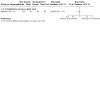
Comparison 2: Oral steroid versus no treatment, Outcome 2: Persistence of OME (short‐term ‐ up to 3 months)
Up to one year
Two studies conducted slightly longer‐term follow‐up, and assessed this outcome at between three and nine months. Overall, the risk ratio for persistence was 1.02 (95% CI 0.89 to 1.17; 73% of children receiving no treatment, compared to 74% of those receiving steroids; 2 studies, 258 participants; Analysis 2.3; low‐certainty evidence).
2.3. Analysis.

Comparison 2: Oral steroid versus no treatment, Outcome 3: Persistence of OME (medium‐term ‐ up to 1 year)
Adverse events
Both Acharya 2020 and Hussein 2017 stated that no adverse effects of oral steroids were reported in study participants. Choung 2008 did not report on adverse events.
Other outcomes
No data were identified regarding hearing, disease‐specific or generic quality of life, receptive or expressive language skills, cognitive development, psychosocial outcomes, listening skills, parental stress, vestibular function or the number of doctor‐diagnosed episodes of otitis media.
Topical (intranasal) steroids versus placebo
Six studies assessed this comparison (Bhargava 2014; Khanam 2022; Lildholdt 1982; Scadding 2014; Stuart 1995; Williamson 2009). However, not all studies reported on our outcomes of interest. See Table 4.
Hearing
No studies used our preferred primary outcome of the proportion of children with normal hearing. The only available data considered mean final hearing threshold.
Hearing threshold
Up to three months
One study reported on the change in hearing threshold after two months of follow‐up. Very little difference was seen between the two groups, with a mean difference of ‐0.3 dB HL for those who received steroids, but the evidence was very uncertain (95% CI ‐6.05 to 5.45; 1 study, 78 participants; Analysis 3.1; very low‐certainty evidence). Sensitivity analyses varying the correlation between ears of the same individual made little difference to the estimate (Analysis 3.2; Analysis 3.3).
3.1. Analysis.

Comparison 3: Nasal steroid versus placebo, Outcome 1: Change in hearing threshold (short‐term ‐ up to 3 months); ICC = 0.5
3.2. Analysis.
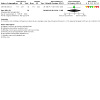
Comparison 3: Nasal steroid versus placebo, Outcome 2: Sensitivity analysis: change in hearing threshold (short‐term); ICC = 1.0
3.3. Analysis.

Comparison 3: Nasal steroid versus placebo, Outcome 3: Sensitivity analysis: change in hearing threshold (short‐term); ICC = zero
A second study assessed the final hearing threshold after three months of follow‐up and found a benefit to steroids but, again, the evidence was very uncertain (MD ‐14.95, 95% CI ‐17.32 to ‐12.58; 1 study, 40 participants; Analysis 3.4; very low‐certainty evidence).
3.4. Analysis.

Comparison 3: Nasal steroid versus placebo, Outcome 4: Final hearing threshold (short‐term ‐ up to 3 months)
The study Stuart 1995 provided no useable data for meta‐analysis. However, the authors stated that "there was a greater improvement in hearing levels in the treatment group compared to the controls. This difference was most marked at the end of the study [12 weeks]".
Up to one year
Bhargava 2014 assessed the pure tone average hearing threshold after 24 weeks of follow‐up. However, no variance was reported and the number of participants in each group was not stated. The authors' own analysis indicated that there was a significant difference between the two groups, with a mean hearing threshold of 5.2 dB HL in those receiving steroids and 11.6 dB HL for those receiving placebo (1 study, 62 participants; very low‐certainty evidence).
Disease‐specific quality of life
A single study assessed this outcome, using the sum of seven domains from the OM8‐30 questionnaire (behaviour, speech and language, school prospects, parental quality of life, global health, respiratory symptoms and ear problems). The full range of scores for this questionnaire was not available, nor was the minimally important difference. Lower scores are stated to represent better quality of life. We assume that results are presented with a form of standardised score and can be interpreted using Cohen's effect sizes.
Up to three months
The mean difference in score was ‐0.07 (95% CI ‐0.49 to 0.35; 1 study, 82 participants; low‐certainty evidence). We considered that this was likely to represent a trivial difference between the two groups.
Up to one year
The mean difference in score was 0.05 (95% CI ‐0.36 to 0.46; 1 study, 82 participants; low‐certainty evidence). Again, we thought this was likely to represent a trivial difference between the two groups.
Presence/persistence of OME
Up to six weeks
One study assessed this outcome after one month and found very little difference between the groups (82% children in the no treatment group with persistence, compared to 80% of children in the nasal steroids group; RR 0.98, 95% CI 0.80 to 1.20; 1 study, 89 participants; Analysis 3.7; very low‐certainty evidence). Accounting for different levels of correlation between ears of the same individual made little difference to the overall estimates (Analysis 3.8; Analysis 3.9).
3.7. Analysis.

Comparison 3: Nasal steroid versus placebo, Outcome 7: Persistence of OME (very short‐term ‐ up to 6 weeks); ICC = 0.5
3.8. Analysis.

Comparison 3: Nasal steroid versus placebo, Outcome 8: Sensitivity analysis: persistence of OME (very short‐term); ICC = 1.0
3.9. Analysis.

Comparison 3: Nasal steroid versus placebo, Outcome 9: Sensitivity analysis: persistence of OME (very short‐term); ICC = zero
Up to three months
Three studies reported at this time point. Overall, nasal steroids may reduce the chance of persistent OME after up to three months of follow‐up, but the evidence was very uncertain. Of children receiving placebo, 58% had persistent OME, compared to 46% of those receiving intranasal steroids (RR 0.80, 95% CI 0.51 to 1.26; 3 studies, 286 participants; Analysis 3.10; low‐certainty evidence).
3.10. Analysis.
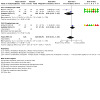
Comparison 3: Nasal steroid versus placebo, Outcome 10: Persistence of OME (short‐term ‐ up to 3 months)
Up to one year
Two studies assessed the persistence of OME after longer‐term follow‐up. However, the results were very different, therefore we took the decision not to pool the data.
Bhargava 2014 assessed the persistence of OME after six months of follow‐up. Persistence was reduced for those who had received nasal mometasone furoate for 24 weeks (50% of those receiving placebo, compared to 7% of those receiving steroids; RR 0.13, 95% CI 0.03 to 0.53; 1 study, 62 participants; Analysis 3.13). All participants in this study had adenoid hypertrophy and had failed to respond to previous treatments, which may account for some clinical heterogeneity between the two studies.
Williamson 2009 assessed persistence at nine months of follow‐up for children who had received three months of mometasone furoate. Of children in the placebo group, 35% had persistent effusion, compared to 44% of those who received steroids (RR 1.28, 95% CI 0.85 to 1.93; 1 study, 144 participants; Analysis 3.13).
3.13. Analysis.

Comparison 3: Nasal steroid versus placebo, Outcome 13: Persistence of OME (medium‐term ‐ up to 1 year)
Overall, we considered the evidence for this outcome to be very uncertain, as we were unable to pool the data, and the studies indicated opposing directions of effect.
Adverse effects
As described above, adverse effects were inconsistently reported across the different studies. It was not possible to discern whether authors considered certain reported symptoms to be related to the treatment. Therefore, we took an inclusive approach to data collection for adverse events and show all reported adverse effects in Table 8.
Other outcomes
No data were identified regarding receptive language skills, speech development, cognitive development, psychosocial outcomes, listening skills, generic quality of life, parental stress, vestibular function or doctor‐diagnosed episodes of otitis media.
Topical (intranasal) steroids versus no treatment
Seven studies assessed this comparison (Acharya 2020; Ahmed 2022; Barati 2011; Beigh 2013; Cengel 2006; Karlidag 2002; Rahmati 2017), including one three‐armed trial, which also provided data for the comparison of oral steroids and no treatment (Acharya 2020). See Table 5.
Hearing
No data were reported regarding the return to normal hearing.
Final hearing threshold
Up to six weeks
A single study reported on the final hearing threshold (as assessed with the air‐bone gap) after one month of follow‐up, and found a mean difference of ‐1.95 dB HL (95% CI ‐3.85 to ‐0.05; 1 study, 168 participants; Analysis 4.1; very low‐certainty evidence).
4.1. Analysis.

Comparison 4: Nasal steroid versus no treatment, Outcome 1: Final hearing threshold (very short‐term ‐ up to 6 weeks)
Beigh 2013 also provided a description of final hearing threshold, but with no measure of the variance in the two groups. This could not be included in a meta‐analysis. Nonetheless, the authors reported a significant difference (P < 0.05) between the two groups, with a mean air‐bone gap of 8 dB for the group receiving steroids, compared to 20 dB for those receiving no treatment.
Up to three months
Again, Beigh 2013 provided a description of final hearing threshold, but with no measure of the variance in the two groups. After nine weeks of follow‐up, there was no longer a significant difference between the two groups, with an air‐bone gap of 18 dB in those receiving steroids, compared to 24 dB in the no treatment group (P > 0.05; 1 study, 92 participants; very low‐certainty evidence).
Presence/persistence of OME
Up to six weeks
Overall, nasal steroids may reduce the proportion of children with persistent OME at up to one month of follow‐up, but the evidence was very uncertain. The pooled results from five studies showed a risk ratio of 0.62 (95% CI 0.44 to 0.86; 70% of children in the control group, compared to 44% of children in the nasal steroid group; 5 studies, 562 participants; I2 = 74%; Analysis 4.2; very low‐certainty evidence). Sensitivity analyses accounting for different correlations between ears of the same individual showed very similar results (Analysis 4.3; Analysis 4.4).
4.2. Analysis.
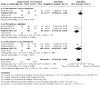
Comparison 4: Nasal steroid versus no treatment, Outcome 2: Persistence of OME (very short‐term ‐ up to 6 weeks); ICC = 0.5
4.3. Analysis.

Comparison 4: Nasal steroid versus no treatment, Outcome 3: Sensitivity analysis: persistence of OME (very short‐term); ICC = 1.0
4.4. Analysis.

Comparison 4: Nasal steroid versus no treatment, Outcome 4: Sensitivity analysis: persistence of OME (very short‐term); ICC = zero
Up to three months
Two studies looked at the persistence of OME at up to three months and also found a reduction for those who received steroids, but the evidence was very uncertain (RR 0.72, 95% CI 0.57 to 0.91; 81% of children in the control group, compared to 59% of children in the steroid group; 2 studies, 134 participants; I2 = 0%; Analysis 4.5; very low‐certainty evidence). Again, sensitivity analyses accounting for different correlations between ears showed minimal change (Analysis 4.6; Analysis 4.7).
4.5. Analysis.

Comparison 4: Nasal steroid versus no treatment, Outcome 5: Persistence of OME (short‐term ‐ up to 3 months); ICC = 0.5
4.6. Analysis.
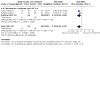
Comparison 4: Nasal steroid versus no treatment, Outcome 6: Sensitivity analysis: persistence of OME (short‐term); ICC = 1.0
4.7. Analysis.

Comparison 4: Nasal steroid versus no treatment, Outcome 7: Sensitivity analysis: persistence of OME (short‐term); ICC = zero
Adverse events
Data pertaining to potential adverse effects of treatment are described in Table 8.
Other outcomes
No data were identified regarding disease‐specific or generic quality of life, receptive language skills, speech development, cognitive development, psychosocial outcomes, listening skills, parental stress, vestibular function or doctor‐diagnosed episodes of otitis media.
The results of all sensitivity analyses are presented in Table 9.
5. Sensitivity analyses.
| Outcome | Main analysis result (RR and 95% CI) | Sensitivity analysis | Sensitivity analysis result (RR and 95% CI) |
| Oral steroid versus placebo | |||
| 1.9 Persistence of OME (very short‐term) | 0.72 (0.51 to 1.02) | Fixed‐effect model | 0.88 (0.82 to 0.94) |
| 1.9 Persistence of OME (very short‐term) | 0.72 (0.51 to 1.02) | Excluding studies with any concern over trustworthiness | 0.77 (0.48 to 1.24) |
| 1.12 Persistence of OME (short‐term) | 0.81 (0.50 to 1.30) | Fixed‐effect model | 0.82 (0.67 to 1.01) |
| Oral steroid versus no treatment | |||
| 2.3 Persistence of OME (medium‐term) | 1.02 (0.89 to 1.17) | Fixed‐effect model | 1.03 (0.90 to 1.19) |
| Nasal steroid versus placebo | |||
| 3.10 Persistence of OME (short‐term) | 0.80 (0.51 to 1.26) | Fixed‐effect model | 0.86 (0.69 to 1.06) |
| 3.10 Persistence of OME (short‐term) | 0.80 (0.51 to 1.26) | Excluding studies with any concern over trustworthiness | 0.88 (0.63 to 1.23) |
| Nasal steroid versus no treatment | |||
| 4.2 Persistence of OME (very short‐term) | 0.62 (0.44 to 0.86) | Fixed‐effect model | 0.58 (0.50 to 0.68) |
| 4.2 Persistence of OME (very short‐term) | 0.62 (0.44 to 0.86) | Excluding studies at high risk of bias | 0.70 (0.46 to 1.07) |
| 4.5 Persistence of OME (short‐term) | 0.72 (0.57 to 0.91) | Fixed effect model | 0.72 (0.57 to 0.91) |
| 4.5 Persistence of OME (short‐term) | 0.72 (0.57 to 0.91) | Excluding studies with any concern over trustworthiness | 0.67 (0.50 to 0.90) |
| 4.5 Persistence of OME (short‐term) | 0.72 (0.57 to 0.91) | Excluding studies at high risk of bias | 0.80 [0.55 to 1.16) |
CI: confidence interval; RR: risk ratio
Discussion
Summary of main results
Oral steroids versus placebo
Oral steroids probably make little difference to the proportion of children whose hearing returns to normal after one year of follow‐up. A similar effect is seen at earlier time points, although the evidence is less certain. The evidence also shows that there is likely to be little or no difference in disease‐specific quality of life and generic quality of life after one year of follow‐up. Overall, persistence of OME did appear to be lower in those children who received oral steroids at up to six weeks, up to three months and up to one year of follow‐up, but the evidence was less certain. It should also be noted that persistent disease was common in both groups at all follow‐up times and the size of any benefit may be small. The evidence regarding episodes of acute otitis media was uncertain, but there may be little difference between those who receive steroids and those who do not. The evidence on adverse effects (including systemic corticosteroid side effects) was very uncertain, but we did not identify major concerns over side effects.
Oral steroids versus no treatment
The evidence for this comparison was all low‐ or very low‐certainty. After six weeks of follow‐up, fewer children who received oral steroids had persistent OME, but the difference was trivial after 3 to 12 months of follow‐up. Very limited information was available on adverse effects of treatment, so we were unable to draw any conclusions about the risk of side effects. No other outcomes were assessed for this comparison.
Topical (intranasal) steroids versus placebo
No studies reported on our preferred measure of hearing, the return to normal hearing. The effect of nasal steroids on final hearing threshold was very uncertain. Nasal steroids may have little impact on disease‐specific quality of life at up to 12 months of follow‐up. The effect on persistence of OME was uncertain, with studies showing no difference at one month of follow‐up, some benefit after three months of follow‐up and conflicting results at 12 months of follow‐up (one study showing benefit, another showing potential harm). As above, the evidence on adverse effects (including systemic corticosteroid side effects and nasal irritation) was very uncertain, but we did not identify major concerns over side effects.
Topical (intranasal) steroids versus no treatment
Again, we did not identify any data on the return to normal hearing, and the evidence on final hearing threshold was very uncertain. Persistence of OME was lower for those children who received nasal steroids at up to six weeks and up to three months, but the evidence was also very uncertain. Very limited information was available on adverse effects of treatment, so we were unable to draw any conclusions about the risk of side effects. No other outcomes were assessed for this comparison.
Overall completeness and applicability of evidence
It should be noted that the studies included in this review used a variety of different doses, preparations and duration of oral and nasal steroids. We were unable to determine if the efficacy (or harms) of these different regimens varied. However, this may reflect standard clinical practice, where a range of different doses and durations of treatment may be used.
Although we included 26 studies in this review, very limited pooling of data was possible. We did not identify any evidence on developmental outcomes, including language skills, cognition and psychosocial outcomes. However, it is likely that these outcomes are of major importance to children with OME and their parents. The only outcome that was consistently reported by most studies was the presence of OME. However, there were sparse data on patient‐reported outcomes, such as quality of life.
Few studies reported on hearing and almost none reported our preferred outcome measure, the number of children who returned to normal hearing. We have concerns that assessment of hearing using the mean difference in final hearing threshold (or mean change in hearing threshold) may not be the most appropriate way to assess hearing. OME has a high spontaneous resolution rate. Consequently, we would anticipate that the change in hearing threshold for most children will be similar across the groups, as many children will improve with or without treatment. Therefore, even if a subset of children had substantial benefit from the intervention, the overall mean difference between the two groups would appear to be small. When assessed using the mean difference, the marked benefit seen in a subgroup of participants is ‘diluted’ by the children who get better regardless of treatment. Therefore, an apparently small mean difference between the two groups may actually be consistent with a substantial change in the number of children in whom hearing returns to normal.
As discussed below, a number of studies included in this review treated participants in the study with concomitant antibiotics. This may impact on the overall results, if antibiotics were considered to have a strong effect on OME, or if there may be synergistic effects between antibiotics and steroids.
Quality of the evidence
Most of the evidence included in this review was considered low‐ or very low‐certainty. This was predominantly due to the small size of the studies included, which led to wide confidence intervals and imprecision in the overall effect estimates. We also identified a number of concerns over the risk of bias with some of the studies included, which was reflected in the GRADE ratings.
Potential biases in the review process
We are aware that a number of studies included in this review administered a course of antibiotics to all participants in the study. Therefore, the comparisons of interest were (as pre‐specified in our review protocol) of steroids versus no treatment or placebo, but with a background treatment of antibiotics. There is the potential, therefore, that this additional treatment may introduce some bias in the effect estimates. Firstly, there is the possibility that the use of antibiotics may mask a potential benefit (or harm) from steroids. If antibiotics had a strong effect on symptoms of OME, then we would expect substantial change in both the intervention and control groups ‐ and any additional benefit (or harm) of steroids may not be seen. The companion review in this suite, which addresses the use of antibiotics for OME, did find some evidence for a reduction in persistence of OME with the use of antibiotics (Mulvaney 2022a). A second possibility is that there may be some synergistic (or antagonistic) effects between the two medications, such that the use of steroids with antibiotics is more (or less) effective than steroids used alone. Therefore, the inclusion of these studies may have an impact on the results of this review, although it was in keeping with our protocol.
Agreements and disagreements with other studies or reviews
The conclusions of the review are similar to those of the previous Cochrane Review on this topic, which identified a potential short‐term benefit of oral steroids for 'resolution of OME', but no evidence of benefit for hearing or long‐term effects (Simpson 2011).
Authors' conclusions
Implications for practice.
Oral steroids may slightly reduce the presence/persistence of otitis media with effusion (OME) in children in the medium term when compared to placebo, and they probably result in little to no effect on hearing and quality of life. Their impact in the longer term is less certain.
The evidence for topical (intranasal) steroids is also uncertain. Topical (intranasal) steroids may have little or no effect on hearing and disease‐related quality of life, and the effect on presence/persistence of OME is unclear.
The evidence on the risk of adverse effects with oral or topical steroids identified by this Cochrane Review is very uncertain and is likely to depend on the route of administration and duration of treatment. Although the data available in this review are limited, the use of oral steroids (especially prolonged or repeated courses) may cause potential adverse effects, such as osteoporosis or growth retardation. The potential for harm should thus always be considered when deciding on a treatment strategy.
Implications for research.
This review forms part of a suite of five reviews that consider interventions for OME (Galbraith 2022; MacKeith 2022a; MacKeith 2022b; Mulvaney 2022a; Mulvaney 2022b). Here we present implications for research in this field, which are shared across the suite of reviews:
As OME is a fluctuating condition with high rates of resolution and recurrence, and a highly variable impact on children, clinical trials (and, in particular, randomised controlled trials) may not be the research design of choice. Instead, evidence may be better obtained from surgical or clinical registries (for example, see Schmalbach 2021) or prospective cohort studies, with the use of 'big data'. These data sets may also be used to help identify subgroups of children who are at greater risk of persistent disease or long‐term consequences of OME. A clearer understanding of possible subgroups of children is needed to better target interventions to those who need them most, whilst avoiding over‐treatment for those in whom spontaneous resolution is anticipated.
Adverse effects of interventions are important, and should always be assessed. However, randomised controlled trials are also not the best method to consider these ‐ especially when events are rare. Observational studies with longer follow‐up and larger numbers of participants are needed to provide more robust evidence on the frequency of side effects. It is important to note that the protocol, inclusion criteria and search strategy used for this review would have excluded these types of studies. It is therefore possible that evidence of this type may exist. With this in mind, we would advocate a review of observational data, to assess whether evidence regarding longer‐term outcomes and adverse events is already available. This may be particularly important when assessing harms from serious but rare adverse events.
It is encouraging that a core outcome set has been developed in this field (Bruce 2015; Liu 2019). Guidance on how to measure the different outcomes would also be helpful for future research.
Comparison of mean hearing thresholds is widely used in research to assess the impact of different interventions on hearing. However, this outcome measure risks underestimating the potential impact of interventions on hearing. Small changes in mean hearing thresholds may be consistent with a substantial improvement in the number of children whose hearing returns to normal ‐ particularly in a condition with a high spontaneous resolution rate. We would encourage researchers to assess hearing with the proportion of children in whom hearing returns to normal, in preference to mean hearing thresholds.
History
Protocol first published: Issue 4, 2022
Acknowledgements
This project was supported by the National Institute for Health Research, via Cochrane Infrastructure funding to Cochrane ENT (closed in March 2023). The views and opinions expressed herein are those of the authors and do not necessarily reflect those of the Systematic Reviews Programme, NIHR, NHS or the Department of Health.
We are grateful to the 20 Cochrane Crowd screeners for screening 2443 records to identify 1130 possible RCTs, and reject 1313 references as not RCTs. We are particularly grateful to Bernardo Costa, Stefanie Rosumeck, Nikolaos Sideris, Susanna Wisniewski, Anna Resolver, Lai Ogunsola, Shammas Mohammed, Sarah Moore, Brian Duncan, Mohammad Aloulou, Ana‐Marija Ljubenković, Vighnesh D, Ahlam Jamal Alhemedi, Neetu Bhadra, Amin Sharifan, Abu Emmil Qawarizmi Bin Abu Sofian, Helen Ramsay, Dinah Amoah, Maike Scherhans and Natalya Clark for screening more than 200 records each.
Editorial and peer reviewer contributions
Cochrane ENT supported the authors in the development of this review prior to its closure in March 2023. Our grateful thanks to Jenny Bellorini, Managing Editor, and Samantha Cox, Information Specialist, from Cochrane ENT, without whom the development of these reviews would not have been possible.
The following people conducted the editorial process for this review:
Sign‐off Editor (final editorial decision): Richard Rosenfeld, Department of Otolaryngology ‐ Head and Neck Surgery, State University of New York Downstate Health Sciences University, USA
Managing Editor (selected peer reviewers, collated peer reviewer comments, provided editorial guidance to authors, edited the article): Joey Kwong, Cochrane Central Editorial Service
Editorial Assistant (conducted editorial policy checks, supported the editorial team): Lisa Wydrzynski, Cochrane Central Editorial Service
Copy Editor (copy editing and production): Jenny Bellorini, Cochrane Central Production Service
Peer reviewers (provided comments and recommended an editorial decision): Ryoukichi Ikeda, Department of Otolaryngology ‐ Head & Neck Surgery, Iwate Medical University, Japan (clinical/content review); Jessica Scaife, Surgical Intervention Trials Unit, Nuffield Department of Surgical Sciences, University of Oxford (consumer review); Nuala Livingstone, Cochrane Evidence Production and Methods Directorate (methods review), Jo Platt, Cochrane Evidence Production and Methods Directorate (search review). One additional peer reviewer provided clinical/content peer review, but chose not to be publicly acknowledged.
Appendices
Appendix 1. Search strategies
The search strategies were designed to identify all relevant studies for a suite of reviews on various interventions for otitis media with effusion.
| CENTRAL (CRS) | Cochrane ENT Register (CRS) | MEDLINE (Ovid) |
| 1 MESH DESCRIPTOR Otitis Media with Effusion EXPLODE ALL AND CENTRAL:TARGET 2 ("otitis media" adj6 effusion):AB,EH,KW,KY,MC,MH,TI,TO AND CENTRAL:TARGET 3 (OME):TI,TO AND CENTRAL:TARGET 4 (Secretory otitis media):AB,EH,KW,KY,MC,MH,TI,TO AND CENTRAL:TARGET 5 (Serous otitis media):AB,EH,KW,KY,MC,MH,TI,TO AND CENTRAL:TARGET 6 (Middle‐ear effusion):AB,EH,KW,KY,MC,MH,TI,TO AND CENTRAL:TARGET 7 (glue ear):AB,EH,KW,KY,MC,MH,TI,TO AND CENTRAL:TARGET 8 (middle‐ear perfusion):AB,EH,KW,KY,MC,MH,TI,TO AND CENTRAL:TARGET 9 MESH DESCRIPTOR Otitis Media AND CENTRAL:TARGET 10 (otitis media):TI,TO AND CENTRAL:TARGET 11 #9 OR #10 AND CENTRAL:TARGET 12 (((effusion or Recurrent or persistent or serous or secretory or perfusion) adj3 otitis)):AB,EH,KW,KY,MC,MH,TI,TO AND CENTRAL:TARGET 13 #11 AND #12 AND CENTRAL:TARGET 14 #1 OR #2 OR #3 OR #4 OR #5 OR #6 OR #7 OR #8 OR #13 AND CENTRAL:TARGET |
1 MESH DESCRIPTOR Otitis Media EXPLODE ALL AND INREGISTER 2 ("otitis media" OR OME OR "glue ear" OR middle‐ear effusion OR middle‐ear perfusion):AB,EH,KW,KY,MC,MH,TI,TO AND INREGISTER 3 #1 OR #2 4 (effusion or Recurrent or persistent or serous or secretory or perfusion):AB,EH,KW,KY,MC,MH,TI,TO AND INREGISTER 5 #3 AND #4 |
1 exp Otitis Media with Effusion/ 2 ("otitis media" adj6 effusion).ab,ti. 3 OME.ti. 4 Secretory otitis media.ab,ti. 5 Serous otitis media.ab,ti. 6 Middle‐ear effusion.ab,ti. 7 Glue ear.ab,ti. 8 middle‐ear perfusion.ab,ti. 9 Otitis Media/ 10 otitis media.ti. 11 9 or 10 12 ((effusion or Recurrent or persistent or serous or secretory or perfusion) adj3 otitis).ab,ti. 13 11 and 12 14 1 or 2 or 3 or 4 or 5 or 6 or 7 or 8 or 13 15 randomized controlled trial.pt. 16 controlled clinical trial.pt. 17 randomized.ab. 18 placebo.ab. 19 drug therapy.fs. 20 randomly.ab. 21 trial.ab. 22 groups.ab. 23 15 or 16 or 17 or 18 or 19 or 20 or 21 or 22 24 exp animals/ not humans.sh. 25 23 not 24 26 14 and 25 |
| Embase (Ovid) | Web of Science (Web of knowledge) | Trial registries (CRS) |
| 1 exp secretory otitis media/ 2 ("otitis media" adj6 effusion).ab,ti. 3 OME.ti. 4 Secretory otitis media.ab,ti. 5 Serous otitis media.ab,ti. 6 Middle‐ear effusion.ab,ti. 7 glue ear.ab,ti. 8 middle‐ear perfusion.ab,ti. 9 otitis media/ 10 otitis media.ti. 11 9 or 10 12 ((effusion or Recurrent or persistent or serous or secretory or perfusion) adj3 otitis).ab,ti. 13 11 and 12 14 1 or 2 or 4 or 5 or 6 or 7 or 8 or 13 15 (random* or factorial* or placebo* or assign* or allocat* or crossover*).tw. 16 (control* adj group*).tw. 17 (trial* and (control* or comparative)).tw. 18 ((blind* or mask*) and (single or double or triple or treble)).tw. 19 (treatment adj arm*).tw. 20 (control* adj group*).tw. 21 (phase adj (III or three)).tw. 22 (versus or vs).tw. 23 rct.tw. 24 crossover procedure/ 25 double blind procedure/ 26 single blind procedure/ 27 randomization/ 28 placebo/ 29 exp clinical trial/ 30 parallel design/ 31 Latin square design/ 32 15 or 16 or 17 or 18 or 19 or 20 or 21 or 22 or 23 or 24 or 25 or 26 or 27 or 28 or 29 or 30 or 31 33 exp ANIMAL/ or exp NONHUMAN/ or exp ANIMAL EXPERIMENT/ or exp ANIMAL MODEL/ 34 exp human/ 35 33 not 34 36 32 not 35 37 14 and 36 |
11 #10 AND #9 Indexes=SCI‐EXPANDED, CPCI‐S Timespan=All years 10 #8 OR #7 OR #6 OR #5 OR #4 OR #3 OR #2 OR #1 Indexes=SCI‐EXPANDED, CPCI‐S Timespan=All years 9 TS=(randomised OR randomized OR randomisation OR randomisation OR placebo* OR (random* AND (allocat* OR assign*) ) OR (blind* AND (single OR double OR treble OR triple) )) Indexes=SCI‐EXPANDED, CPCI‐S Timespan=All years 8 (TI=(otitis media) ) AND TS=((effusion or Recurrent or persistent or serous or secretory or perfusion) NEAR/3 otitis) Indexes=SCI‐EXPANDED, CPCI‐S Timespan=All years 7 TOPIC: ((middle‐ear perfusion) ) Indexes=SCI‐EXPANDED, CPCI‐S Timespan=All years 6 TOPIC: ((glue ear) ) Indexes=SCI‐EXPANDED, CPCI‐S Timespan=All years 5 TOPIC: ((Middle‐ear effusion) ) Indexes=SCI‐EXPANDED, CPCI‐S Timespan=All years 4 TOPIC: ((Serous otitis media) ) Indexes=SCI‐EXPANDED, CPCI‐S Timespan=All years 3 TOPIC: ((Secretory otitis media) ) Indexes=SCI‐EXPANDED, CPCI‐S Timespan=All years 2 TITLE: (OME) Indexes=SCI‐EXPANDED, CPCI‐S Timespan=All years 1 TOPIC: ("otitis media" NEAR/6 effusion) Indexes=SCI‐EXPANDED, CPCI‐S Timespan=All years |
1 ("otitis media" OR OME OR "glue ear" OR middle‐ear effusion OR middle‐ear perfusion):AB,EH,KW,KY,MC,MH,TI,TO AND CENTRAL:TARGET 2 (effusion or Recurrent or persistent or serous or secretory or perfusion):AB,EH,KW,KY,MC,MH,TI,TO AND CENTRAL:TARGET 3 #1 AND #2 4 http*:SO AND CENTRAL:TARGET 5 (NCT0* or ACTRN* or ChiCTR* or DRKS* or EUCTR* or eudract* or IRCT* or ISRCTN* or JapicCTI* or JPRN* or NTR0* or NTR1* or NTR2* or NTR3* or NTR4* or NTR5* or NTR6* or NTR7* or NTR8* or NTR9* or SRCTN* or UMIN0*):AU AND CENTRAL:TARGET 6 #4 OR #5 7 #3 AND #6 |
| ClinicalTrials.gov | ICTRP | |
| (EXPAND[Concept] "otitis media" OR EXPAND[Concept] "glue ear" OR middle‐ear ) AND (effusion OR Recurrent OR persistent OR serous OR secretory OR perfusion ) | Interventional Studies | (otitis media AND effusion) OR glue ear OR middle‐ear effusion OR middle‐ear perfusion |
Appendix 2. Tool for screening eligible studies for scientific integrity/trustworthiness
This screening tool has been developed by Cochrane Pregnancy and Childbirth. It includes a set of predefined criteria to select studies that, based on available information, are deemed to be sufficiently trustworthy to be included in the analysis.
| Criteria questions | Assessment | Comments and concerns | |
| High risk | Low risk | ||
| Research governance | |||
| Are there any retraction notices or expressions of concern listed on the Retraction Watch Database relating to this study? | Yes | No | |
| Was the study prospectively registered (for those studies published after 2010) If not, was there a plausible reason? | No | Yes | |
| When requested, did the trial authors provide/share the protocol and/or ethics approval letter? | No | Yes | |
| Did the trial authors engage in communication with the Cochrane Review authors within the agreed timelines? | No | Yes | |
| Did the trial authors provide IPD data upon request? If not, was there a plausible reason? | No | Yes | |
| Baseline characteristics | |||
| Is the study free from characteristics of the study participants that appear too similar? (e.g. distribution of the mean (SD) excessively narrow or excessively wide, as noted by Carlisle 2017) |
No | Yes | |
| Feasibility | |||
| Is the study free from characteristics that could be implausible? (e.g. large numbers of women with a rare condition (such as severe cholestasis in pregnancy) recruited within 12 months) | No | Yes | |
| In cases with (close to) zero losses to follow‐up, is there a plausible explanation? | No | Yes | |
| Results | |||
| Is the study free from results that could be implausible? (e.g. massive risk reduction for main outcomes with small sample size)? | No | Yes | |
| Do the numbers randomised to each group suggest that adequate randomisation methods were used (e.g. is the study free from issues such as unexpectedly even numbers of women ‘randomised’ including a mismatch between the numbers and the methods, if the authors say ‘no blocking was used’ but still end up with equal numbers, or if the authors say they used ‘blocks of 4’ but the final numbers differ by 6)? | No | Yes | |
| For abstracts only: | |||
| Have the study authors confirmed in writing that the data to be included in the review have come from the final analysis and will not change? | No | Yes | |
Data and analyses
Comparison 1. Oral steroid versus placebo.
| Outcome or subgroup title | No. of studies | No. of participants | Statistical method | Effect size |
|---|---|---|---|---|
| 1.1 Normal hearing (very short‐term ‐ up to 6 weeks) | 1 | Risk Ratio (M‐H, Random, 95% CI) | Subtotals only | |
| 1.2 Normal hearing (very short‐term ‐ up to 6 weeks, adjusted OR) | 1 | Odds Ratio (IV, Random, 95% CI) | Subtotals only | |
| 1.3 Normal hearing defined as complete improvement in air‐bone gap (short‐term ‐ up to 3 months) | 1 | Risk Ratio (M‐H, Random, 95% CI) | Subtotals only | |
| 1.4 Normal hearing (medium‐term ‐ up to 1 year) | 1 | 332 | Risk Ratio (M‐H, Random, 95% CI) | 1.14 [0.97, 1.33] |
| 1.5 Hearing threshold (very short‐term ‐ up to 6 weeks) | 1 | Mean Difference (IV, Random, 95% CI) | Subtotals only | |
| 1.6 Hearing threshold (difference in adjusted mean, very short‐term ‐ up to 6 weeks) | 1 | Mean Difference (IV, Random, 95% CI) | Totals not selected | |
| 1.7 Disease‐specific quality of life (very short‐term ‐ up to 6 weeks) | 1 | Mean Difference (IV, Random, 95% CI) | Totals not selected | |
| 1.8 Disease‐specific quality of life (medium‐term ‐ up to 1 year) | 1 | Mean Difference (IV, Random, 95% CI) | Totals not selected | |
| 1.9 Persistence of OME (very short‐term ‐ up to 6 weeks) | 7 | 786 | Risk Ratio (M‐H, Random, 95% CI) | 0.72 [0.51, 1.02] |
| 1.9.1 Persistence undefined | 1 | 41 | Risk Ratio (M‐H, Random, 95% CI) | 0.40 [0.23, 0.68] |
| 1.9.2 Persistence in one or both affected ears | 2 | 113 | Risk Ratio (M‐H, Random, 95% CI) | 0.69 [0.24, 2.00] |
| 1.9.3 Persistence defined as effusion in all affected ears | 2 | 480 | Risk Ratio (M‐H, Random, 95% CI) | 0.86 [0.52, 1.43] |
| 1.9.4 Persistence defined as effusion in either or both ears | 2 | 152 | Risk Ratio (M‐H, Random, 95% CI) | 0.78 [0.63, 0.97] |
| 1.10 Sensitivity analysis: persistence of OME (very short‐term); persistence in all affected ears (Berman 1990) | 7 | 786 | Risk Ratio (M‐H, Random, 95% CI) | 0.71 [0.50, 1.02] |
| 1.10.1 Persistence undefined | 1 | 41 | Risk Ratio (M‐H, Random, 95% CI) | 0.40 [0.23, 0.68] |
| 1.10.2 Persistence in one or both affected ears | 1 | 60 | Risk Ratio (M‐H, Random, 95% CI) | 1.12 [0.70, 1.82] |
| 1.10.3 Persistence defined as effusion in all affected ears | 3 | 533 | Risk Ratio (M‐H, Random, 95% CI) | 0.68 [0.36, 1.29] |
| 1.10.4 Persistence defined as effusion in either or both ears | 2 | 152 | Risk Ratio (M‐H, Random, 95% CI) | 0.78 [0.63, 0.97] |
| 1.11 Sensitivity analysis: persistence of OME (very short‐term); effusion in both ears (Niederman 1984) | 7 | 786 | Risk Ratio (M‐H, Random, 95% CI) | 0.72 [0.51, 1.02] |
| 1.11.1 Persistence undefined | 1 | 41 | Risk Ratio (M‐H, Random, 95% CI) | 0.40 [0.23, 0.68] |
| 1.11.2 Persistence in one or both affected ears | 2 | 113 | Risk Ratio (M‐H, Random, 95% CI) | 0.69 [0.24, 2.00] |
| 1.11.3 Persistence defined as effusion in all affected ears | 2 | 480 | Risk Ratio (M‐H, Random, 95% CI) | 0.86 [0.52, 1.43] |
| 1.11.4 Persistence defined as effusion in either or both ears | 1 | 132 | Risk Ratio (M‐H, Random, 95% CI) | 0.79 [0.62, 1.01] |
| 1.11.5 Persistence defined as effusion in both ears (whether affected at baseline or not) | 1 | 20 | Risk Ratio (M‐H, Random, 95% CI) | 0.70 [0.37, 1.33] |
| 1.12 Persistence of OME (short‐term ‐ up to 3 months); ICC = 0.5 | 3 | 211 | Risk Ratio (M‐H, Random, 95% CI) | 0.81 [0.50, 1.30] |
| 1.12.1 Persistence in any ear | 2 | 112 | Risk Ratio (M‐H, Random, 95% CI) | 0.70 [0.20, 2.43] |
| 1.12.2 Persistence defined as effusion in the worst ear | 1 | 99 | Risk Ratio (M‐H, Random, 95% CI) | 0.86 [0.65, 1.16] |
| 1.13 Sensitivity analysis: persistence of OME (short‐term); ICC = 1.0 | 3 | 199 | Risk Ratio (M‐H, Random, 95% CI) | 0.82 [0.52, 1.30] |
| 1.13.1 Persistence in any ear | 2 | 100 | Risk Ratio (M‐H, Random, 95% CI) | 0.69 [0.19, 2.54] |
| 1.13.2 Persistence defined as effusion in the worst ear | 1 | 99 | Risk Ratio (M‐H, Random, 95% CI) | 0.86 [0.65, 1.16] |
| 1.14 Sensitivity analysis: persistence of OME (short‐term); ICC = zero | 3 | 230 | Risk Ratio (M‐H, Random, 95% CI) | 0.78 [0.47, 1.30] |
| 1.14.1 Persistence in any ear | 2 | 131 | Risk Ratio (M‐H, Random, 95% CI) | 0.68 [0.19, 2.49] |
| 1.14.2 Persistence defined as effusion in the worst ear | 1 | 99 | Risk Ratio (M‐H, Random, 95% CI) | 0.86 [0.65, 1.16] |
| 1.15 Sensitivity analysis: persistence of OME (short‐term); persistence in all affected ears (Macknin 1985) | 3 | 211 | Risk Ratio (M‐H, Random, 95% CI) | 0.78 [0.47, 1.30] |
| 1.15.1 Persistence defined as effusion in any ear | 1 | 63 | Risk Ratio (M‐H, Random, 95% CI) | 0.40 [0.20, 0.80] |
| 1.15.2 Persistence defined as effusion in the worst ear | 1 | 99 | Risk Ratio (M‐H, Random, 95% CI) | 0.86 [0.65, 1.16] |
| 1.15.3 Persistence defined as effusion in all affectedears | 1 | 49 | Risk Ratio (M‐H, Random, 95% CI) | 1.05 [0.91, 1.22] |
| 1.16 Persistence of OME (medium‐term ‐ up to 1 year) | 2 | Risk Ratio (M‐H, Random, 95% CI) | Subtotals only | |
| 1.16.1 Persistence defined as effusion in both affected ears | 1 | 303 | Risk Ratio (M‐H, Random, 95% CI) | 0.86 [0.79, 0.94] |
| 1.16.2 Persistence undefined | 1 | 49 | Risk Ratio (M‐H, Random, 95% CI) | 0.18 [0.06, 0.54] |
| 1.17 Acute otitis media (very short‐term ‐ up to 6 weeks) | 3 | 207 | Peto Odds Ratio (Peto, Fixed, 95% CI) | 0.97 [0.31, 3.10] |
| 1.18 Generic health‐related quality of life (PedsQL, very short‐term ‐ up to 6 weeks) | 1 | Mean Difference (IV, Random, 95% CI) | Totals not selected | |
| 1.19 Generic health‐related quality of life (PedsQL, medium‐term ‐ up to 1 year) | 1 | Mean Difference (IV, Fixed, 95% CI) | Totals not selected | |
| 1.20 Generic health‐related quality of life (HU13, very short‐term ‐ up to 6 weeks) | 1 | 319 | Risk Ratio (M‐H, Random, 95% CI) | 1.06 [0.70, 1.60] |
| 1.21 Generic health‐related quality of life (HU13, medium‐term ‐ up to 1 year) | 1 | 292 | Risk Ratio (M‐H, Random, 95% CI) | 1.10 [0.79, 1.53] |
| 1.22 Subgroup analysis: normal hearing: allergy versus none (very short‐term ‐ up to 6 weeks) | 1 | 363 | Risk Ratio (M‐H, Random, 95% CI) | 1.22 [0.92, 1.61] |
| 1.22.1 Allergy | 1 | 120 | Risk Ratio (M‐H, Random, 95% CI) | 1.33 [0.81, 2.21] |
| 1.22.2 No allergy | 1 | 243 | Risk Ratio (M‐H, Random, 95% CI) | 1.17 [0.84, 1.63] |
| 1.23 Subgroup analysis: persistence of OME: allergy versus none (very short‐term ‐ up to 6 weeks) | 1 | 120 | Risk Ratio (M‐H, Random, 95% CI) | 0.82 [0.59, 1.14] |
| 1.23.1 Allergy | 1 | 51 | Risk Ratio (M‐H, Random, 95% CI) | 0.96 [0.70, 1.33] |
| 1.23.2 No allergy | 1 | 69 | Risk Ratio (M‐H, Random, 95% CI) | 0.69 [0.50, 0.96] |
| 1.24 Subgroup analysis: persistence of OME: age < 4 versus ≥ 4 (very short‐term ‐ up to 6 weeks) | 1 | 64 | Risk Ratio (M‐H, Random, 95% CI) | 0.82 [0.64, 1.06] |
| 1.24.1 Age < 4 | 1 | 21 | Risk Ratio (M‐H, Random, 95% CI) | 0.82 [0.44, 1.54] |
| 1.24.2 Age ≥ 4 | 1 | 43 | Risk Ratio (M‐H, Random, 95% CI) | 0.82 [0.62, 1.09] |
Comparison 2. Oral steroid versus no treatment.
| Outcome or subgroup title | No. of studies | No. of participants | Statistical method | Effect size |
|---|---|---|---|---|
| 2.1 Persistence of OME (very short‐term ‐ up to 6 weeks) | 1 | Risk Ratio (M‐H, Random, 95% CI) | Totals not selected | |
| 2.1.1 Persistence undefined | 1 | Risk Ratio (M‐H, Random, 95% CI) | Totals not selected | |
| 2.2 Persistence of OME (short‐term ‐ up to 3 months) | 1 | Risk Ratio (M‐H, Random, 95% CI) | Totals not selected | |
| 2.2.1 Persistence in one or both ears | 1 | Risk Ratio (M‐H, Random, 95% CI) | Totals not selected | |
| 2.3 Persistence of OME (medium‐term ‐ up to 1 year) | 2 | 258 | Risk Ratio (M‐H, Random, 95% CI) | 1.02 [0.89, 1.17] |
| 2.3.1 Persistence undefined | 1 | 66 | Risk Ratio (M‐H, Random, 95% CI) | 1.15 [0.76, 1.72] |
| 2.3.2 Persistence in one or both ears | 1 | 192 | Risk Ratio (M‐H, Random, 95% CI) | 1.01 [0.87, 1.16] |
Comparison 3. Nasal steroid versus placebo.
| Outcome or subgroup title | No. of studies | No. of participants | Statistical method | Effect size |
|---|---|---|---|---|
| 3.1 Change in hearing threshold (short‐term ‐ up to 3 months); ICC = 0.5 | 1 | 78 | Mean Difference (IV, Random, 95% CI) | ‐0.30 [‐6.05, 5.45] |
| 3.2 Sensitivity analysis: change in hearing threshold (short‐term); ICC = 1.0 | 1 | 61 | Mean Difference (IV, Random, 95% CI) | ‐0.30 [‐6.80, 6.20] |
| 3.3 Sensitivity analysis: change in hearing threshold (short‐term); ICC = zero | 1 | 107 | Mean Difference (IV, Random, 95% CI) | ‐0.30 [‐5.21, 4.61] |
| 3.4 Final hearing threshold (short‐term ‐ up to 3 months) | 1 | 40 | Mean Difference (IV, Random, 95% CI) | ‐14.95 [‐17.32, ‐12.58] |
| 3.5 Disease‐specific quality of life (short‐term ‐ up to 3 months) | 1 | Mean Difference (IV, Random, 95% CI) | Totals not selected | |
| 3.6 Disease‐specific quality of life (medium‐term ‐ up to 1 year) | 1 | Mean Difference (IV, Random, 95% CI) | Totals not selected | |
| 3.7 Persistence of OME (very short‐term ‐ up to 6 weeks); ICC = 0.5 | 1 | 89 | Risk Ratio (M‐H, Random, 95% CI) | 0.98 [0.80, 1.20] |
| 3.8 Sensitivity analysis: persistence of OME (very short‐term); ICC = 1.0 | 1 | 70 | Risk Ratio (M‐H, Random, 95% CI) | 1.00 [0.79, 1.26] |
| 3.9 Sensitivity analysis: persistence of OME (very short‐term); ICC = zero | 1 | 123 | Risk Ratio (M‐H, Random, 95% CI) | 0.98 [0.83, 1.17] |
| 3.10 Persistence of OME (short‐term ‐ up to 3 months) | 3 | 286 | Risk Ratio (M‐H, Random, 95% CI) | 0.80 [0.51, 1.26] |
| 3.10.1 Analysis per child | 2 | 212 | Risk Ratio (M‐H, Random, 95% CI) | 0.65 [0.33, 1.26] |
| 3.10.2 Analysis per ear | 1 | 74 | Risk Ratio (M‐H, Random, 95% CI) | 1.12 [0.83, 1.53] |
| 3.11 Sensitivity analysis: persistence of OME (short‐term); ICC = 1.0 | 3 | 270 | Risk Ratio (M‐H, Random, 95% CI) | 0.81 [0.50, 1.29] |
| 3.11.1 Analysis per child | 2 | 212 | Risk Ratio (M‐H, Random, 95% CI) | 0.65 [0.33, 1.26] |
| 3.11.2 Analysis per ear | 1 | 58 | Risk Ratio (M‐H, Random, 95% CI) | 1.16 [0.83, 1.62] |
| 3.12 Sensitivity analysis: persistence of OME (short‐term); ICC = zero | 3 | 314 | Risk Ratio (M‐H, Random, 95% CI) | 0.81 [0.51, 1.29] |
| 3.12.1 Analysis per child | 2 | 212 | Risk Ratio (M‐H, Random, 95% CI) | 0.65 [0.33, 1.26] |
| 3.12.2 Analysis per ear | 1 | 102 | Risk Ratio (M‐H, Random, 95% CI) | 1.15 [0.89, 1.49] |
| 3.13 Persistence of OME (medium‐term ‐ up to 1 year) | 2 | Risk Ratio (M‐H, Random, 95% CI) | Totals not selected | |
| 3.13.1 Persistence undefined | 1 | Risk Ratio (M‐H, Random, 95% CI) | Totals not selected | |
| 3.13.2 Persistence in both ears | 1 | Risk Ratio (M‐H, Random, 95% CI) | Totals not selected | |
| 3.14 Adverse event: nasal bleeding (medium‐term ‐ up to 1 year) | 1 | Risk Ratio (M‐H, Random, 95% CI) | Totals not selected | |
| 3.15 Generic health‐related quality of life (medium‐term ‐ up to 1 year) | 1 | Mean Difference (IV, Random, 95% CI) | Totals not selected |
3.5. Analysis.

Comparison 3: Nasal steroid versus placebo, Outcome 5: Disease‐specific quality of life (short‐term ‐ up to 3 months)
3.6. Analysis.
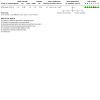
Comparison 3: Nasal steroid versus placebo, Outcome 6: Disease‐specific quality of life (medium‐term ‐ up to 1 year)
3.11. Analysis.

Comparison 3: Nasal steroid versus placebo, Outcome 11: Sensitivity analysis: persistence of OME (short‐term); ICC = 1.0
3.12. Analysis.

Comparison 3: Nasal steroid versus placebo, Outcome 12: Sensitivity analysis: persistence of OME (short‐term); ICC = zero
3.14. Analysis.
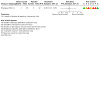
Comparison 3: Nasal steroid versus placebo, Outcome 14: Adverse event: nasal bleeding (medium‐term ‐ up to 1 year)
3.15. Analysis.

Comparison 3: Nasal steroid versus placebo, Outcome 15: Generic health‐related quality of life (medium‐term ‐ up to 1 year)
Comparison 4. Nasal steroid versus no treatment.
| Outcome or subgroup title | No. of studies | No. of participants | Statistical method | Effect size |
|---|---|---|---|---|
| 4.1 Final hearing threshold (very short‐term ‐ up to 6 weeks) | 1 | 168 | Mean Difference (IV, Random, 95% CI) | ‐1.95 [‐3.85, ‐0.05] |
| 4.2 Persistence of OME (very short‐term ‐ up to 6 weeks); ICC = 0.5 | 5 | 562 | Risk Ratio (M‐H, Random, 95% CI) | 0.62 [0.44, 0.86] |
| 4.2.1 Persistence in any or both ears | 1 | 122 | Risk Ratio (M‐H, Random, 95% CI) | 0.88 [0.61, 1.26] |
| 4.2.2 Persistence undefined | 2 | 164 | Risk Ratio (M‐H, Random, 95% CI) | 0.44 [0.29, 0.65] |
| 4.2.3 Persistence in any affected ear | 2 | 276 | Risk Ratio (M‐H, Random, 95% CI) | 0.64 [0.37, 1.12] |
| 4.3 Sensitivity analysis: persistence of OME (very short‐term); ICC = 1.0 | 5 | 465 | Risk Ratio (M‐H, Random, 95% CI) | 0.62 [0.44, 0.86] |
| 4.3.1 Persistence in any or both ears | 1 | 92 | Risk Ratio (M‐H, Random, 95% CI) | 0.88 [0.58, 1.33] |
| 4.3.2 Persistence undefined | 2 | 164 | Risk Ratio (M‐H, Random, 95% CI) | 0.44 [0.29, 0.65] |
| 4.3.3 Persistence in any affected ear | 2 | 209 | Risk Ratio (M‐H, Random, 95% CI) | 0.64 [0.37, 1.13] |
| 4.4 Sensitivity analysis: persistence of OME (very short‐term); ICC = zero | 5 | 757 | Risk Ratio (M‐H, Random, 95% CI) | 0.63 [0.45, 0.87] |
| 4.4.1 Persistence in any or both ears | 1 | 184 | Risk Ratio (M‐H, Random, 95% CI) | 0.88 [0.65, 1.18] |
| 4.4.2 Persistence undefined | 2 | 164 | Risk Ratio (M‐H, Random, 95% CI) | 0.44 [0.29, 0.65] |
| 4.4.3 Persistence in any affected ear | 2 | 409 | Risk Ratio (M‐H, Random, 95% CI) | 0.64 [0.37, 1.12] |
| 4.5 Persistence of OME (short‐term ‐ up to 3 months); ICC = 0.5 | 2 | 134 | Risk Ratio (M‐H, Random, 95% CI) | 0.72 [0.57, 0.91] |
| 4.5.1 Persistence in affected ears | 2 | 134 | Risk Ratio (M‐H, Random, 95% CI) | 0.72 [0.57, 0.91] |
| 4.6 Sensitivity analysis: persistence of OME (short‐term); ICC = 1.0 | 2 | 104 | Risk Ratio (M‐H, Random, 95% CI) | 0.70 [0.54, 0.91] |
| 4.6.1 Persistence in affected ears. ICC 1.0 | 2 | 104 | Risk Ratio (M‐H, Random, 95% CI) | 0.70 [0.54, 0.91] |
| 4.7 Sensitivity analysis: persistence of OME (short‐term); ICC = zero | 2 | 192 | Risk Ratio (M‐H, Random, 95% CI) | 0.72 [0.60, 0.87] |
| 4.7.1 Persistence in affected ears. ICC zero | 2 | 192 | Risk Ratio (M‐H, Random, 95% CI) | 0.72 [0.60, 0.87] |
Characteristics of studies
Characteristics of included studies [ordered by study ID]
Acharya 2020.
| Study characteristics | ||
| Methods | Four‐arm, parallel‐group, randomised controlled trial One arm of this trial considered a separate intervention (antibiotics, antihistamines and decongestants) ‐ data pertaining to this arm have not been extracted for the purposes of this review |
|
| Participants |
Setting: Single‐centre, conducted in an ENT department at a university hospital in Nepal between September 2018 and February 2020 Sample size:
Participant (baseline) characteristics:
Inclusion criteria: Aged 1 to 12 years diagnosed with otitis media with effusion. OME was diagnosed by consultant otolaryngologist based on history, clinical examination and tympanometry. Diagnosis of OME was made when tympanometry showed B type curve in children suspected to have OME from history (hearing loss, occasional mild earache or deteriorating school performance over last few months) and clinical examination (dull, lusterless, mild retracted tympanic membrane with visible blood vessels in pars tensa adjacent to annulus and absent mobility). Exclusion criteria:
|
|
| Interventions |
Intranasal steroids group (n = 40 randomised, n = 40 completed) Mometasone furoate 50 µg/puff for a month. They were instructed to use one puff (50 µg mometasone) per nostril per day Parents/guardians and the children were taught on how to use the spray Oral steroids group (n = 40 randomised, n = 40 completed) Oral prednisolone at the rate of 1 mg per kg per day in 2 divided doses for a week followed by 0.5 mg per day for next 1 week Watchful waiting group (n = 40 randomised, n = 40 randomised) Parent/guardian and participants of group D were counselled about the condition and its management options and were advised for observation for a month without active treatment |
|
| Outcomes |
Primary outcomes relevant to this review:
Secondary outcomes relevant to this review:
Other outcomes reported in the study:
|
|
| Funding sources | Not reported | |
| Declarations of interest | None reported | |
| Notes |
Research integrity checklist
|
|
| Risk of bias | ||
| Bias | Authors' judgement | Support for judgement |
| Random sequence generation (selection bias) | Low risk | Quote: "The children who fulfilled the selection criteria were randomly divided into four parallel groups by block randomization, with blocks of four by a resident not involved in the study. The blocks were generated randomly by an author, who was not directly involved in treatment of patient, according to computer generated random numbers" Comment: computer‐generated random numbers. |
| Allocation concealment (selection bias) | High risk | Comment: small block size (blocks of 4, therefore 1:1 ratio for allocation) and an unblinded trial, therefore recruitment to different groups would have been predictable. |
| Blinding of participants and personnel (performance bias) All outcomes | High risk | Comment: no placebo was used. Participants and study personnel would have been aware of treatment allocation. |
| Blinding of outcome assessment (detection bias) All outcomes | High risk | Comment: open‐label trial with no placebo. No description of blinding of outcome assessors, therefore we assume that outcome assessors were unblinded. |
| Incomplete outcome data (attrition bias) All outcomes | Low risk | Comment: full follow‐up is reported. |
| Selective reporting (reporting bias) | Low risk | Comment: results are reported in accordance with the trial registration. |
| Other bias | High risk | Comment: follow‐up is inadequate to allow appropriate comparison of steroids and no intervention. Outcomes reported at this stage may be more likely to favour the active intervention, as insufficient time has elapsed to allow for spontaneous resolution. |
Ahmed 2022.
| Study characteristics | ||
| Methods | Two‐arm, parallel‐group, randomised controlled trial with 4 weeks duration of treatment and follow‐up | |
| Participants |
Setting: Single‐centre, conducted in an ENT department at a university hospital in Egypt between October 2018 and September 2021 Sample size:
Participant (baseline) characteristics:
Inclusion criteria: Aged 4 to 12 years old with bilateral OME (including children with type B or type C curves on tympanogram) for at least 3 months Exclusion criteria:
|
|
| Interventions |
Intranasal steroid group (n = 84 randomised, n = 84 completed) Mometasone furoate aqueous nasal spray, 50 µg/puff, 2 puffs per nostril once daily for 1 month Control (n = 84 randomised, n = 84 completed) No intervention Background interventions provided to both groups: Participants in both groups also received amoxicillin and clavulanic acid (90 mg/kg/day) for 4 weeks |
|
| Outcomes |
Primary outcomes relevant to this review:
Secondary outcomes relevant to this review:
|
|
| Funding sources | No funding was declared | |
| Declarations of interest | The authors have no conflicts to declare | |
| Notes |
Research integrity checklist:
|
|
| Risk of bias | ||
| Bias | Authors' judgement | Support for judgement |
| Random sequence generation (selection bias) | Low risk | Quote: "The subjects were randomly divided into two equal groups. A computer‐generated table of random numbers was used for group assignment; if the last digit of the random number was from 0 to 4, assignment was to the 1st group (study group), and if the last digit was from 5 to 9, assignment was to the 2nd group (control group)." Comment: random number table should be an adequate method to randomise. |
| Allocation concealment (selection bias) | Unclear risk | See quote above. If the random number table was open and accessible, then treatment allocation would have been easily accessible. However, it is not clear if this was the case. |
| Blinding of participants and personnel (performance bias) All outcomes | High risk | No blinding was used in this study. |
| Blinding of outcome assessment (detection bias) All outcomes | High risk | There is no statement to indicate that outcome assessors were blinded. As study participants were not blinded to treatment allocation, we assume this was also the case for outcome assessors. |
| Incomplete outcome data (attrition bias) All outcomes | Low risk | Full follow‐up was reported. |
| Selective reporting (reporting bias) | Unclear risk | No protocol was available to assess for the potential of selective reporting bias. |
| Other bias | High risk | Follow‐up was insufficient to allow for natural resolution in the control group, therefore results may be biased towards the intervention. |
Barati 2011.
| Study characteristics | ||
| Methods | Two‐arm, parallel‐group, randomised controlled trial with 4 weeks of follow‐up | |
| Participants |
Setting: Single‐centre, conducted in a university ENT Department in Iran between March 2004 and March 2005 Sample size:
Participant (baseline) characteristics:
Inclusion criteria: Aged 1 to 10 years with unilateral or bilateral otitis media with effusion assessed using tympanometry and otoscopy. Otologic examinations included the presence of TM retraction and the degree from 0 to 3 for each ear; tympanometry was performed using an impedance audiometer AT235 device, and ears assessed as type A, B, C1 or C2. Children with type A tympanograms for the suspiciously involved ear at initial assessment were excluded from the study. Exclusion criteria:
*Authors report that “age more than 1 year or less than 10 years” (p511) was part of the exclusion criteria, but this is presumably an error as all participants are between the ages of 1 to 10 years |
|
| Interventions |
Antibiotics, decongestants and intranasal steroids group (n = 46 randomised, n = 46 completed) Amoxicillin suspension or capsule for 10 days: 50 mg/kg per day divided in 3 doses Decongestant for 4 weeks: normal saline drop, 0.25 cc (4 to 5 drops) per nostril twice a day in children 1 to 2 years old; pseudoephedrine syrup, 3 mg/kg per day divided in 3 to 4 doses (lower than standard recommended dosage) for other ages Nasal beclomethasone spray for 4 weeks: 1 puff per nostril twice a day for children 1 to 5 years old; 1 puff per nostril 3 times a day for children 6 to 10 years old Antibiotics and decongestants only group: (n = 46 randomised, n = 46 completed) Amoxicillin suspension or capsule for 10 days: 50 mg/kg per day divided in 3 doses Decongestant for 4 weeks: normal saline drop, 0.25 cc (4 to 5 drops) per nostril twice a day in children 1 to 2 years old; pseudoephedrine syrup, 3 mg/kg per day divided in 3 to 4 doses (lower than standard recommended dosage) for other ages |
|
| Outcomes |
Primary outcomes relevant to this review:
Secondary outcomes relevant to this review:
Other outcomes reported in the study: Number of participants who had an improvement in their hearing, according to the parents Most common tympanometry result after treatment in each ear |
|
| Funding sources | Not reported | |
| Declarations of interest | None reported | |
| Notes |
Research integrity checklist:
|
|
| Risk of bias | ||
| Bias | Authors' judgement | Support for judgement |
| Random sequence generation (selection bias) | Low risk | Quote: "The arrangement of cases in the case or control group was performed using random number table." Comment: an appropriate method was used for randomisation. |
| Allocation concealment (selection bias) | Unclear risk | Comment: no information was reported regarding whether allocation was adequately concealed. |
| Blinding of participants and personnel (performance bias) All outcomes | High risk | Comment: this was an unblinded study and participants ware aware of their allocated treatment. |
| Blinding of outcome assessment (detection bias) All outcomes | High risk | Comment: no information provided on blinding of outcome assessors. Lack of blinding of participants is likely to influence primary outcome "proportion of children with improved symptoms or hearing quality" as this outcome was assessed based on parent‐ and child‐reported improvement. Authors note that the research team filled all questionnaires at each appointment and controlled all otoscopies in the process, and information on blinding of personnel not reported. |
| Incomplete outcome data (attrition bias) All outcomes | Unclear risk | Comment: no missing outcome data, though this is due to exclusion of children from the study if they did not attend their follow‐up appointment. The authors do not report the number of children who were excluded for this reason, and it is not possible to discount the potential that missing outcome data for these participants may be related to their true outcome (although number of participants included in final analyses are the same in each group). |
| Selective reporting (reporting bias) | Unclear risk | Comment: no trial registration or protocol was identified, therefore unable to assess. |
| Other bias | High risk | Comment: very limited details on study design and conduct are available. Duration of follow‐up is likely to be insufficient to allow time for spontaneous resolution of OME. |
Beigh 2013.
| Study characteristics | ||
| Methods | Two‐arm, parallel‐group, randomised controlled trial with follow‐up at 3, 6 and 9 weeks | |
| Participants |
Setting: Single‐centre, conducted in a university hospital ENT Department in India between September 2011 and November 2012 Sample size:
Participant (baseline) characteristics:
Inclusion criteria: Aged 2 to 8 years. Otitis media with effusion diagnosed by otoscopy and tympanometry. Exclusion criteria:
|
|
| Interventions |
Intranasal steroids group (n = 46 randomised, n = 46 completed)
Comparator: no treatment (n = 46 randomised, n = 46 randomised) Children in this group were observed without treatment |
|
| Outcomes |
Primary outcomes relevant to this review:
Secondary outcomes relevant to this review:
Other outcomes reported in the study: Audiometry results were also reported at week 6 |
|
| Funding sources | Not reported | |
| Declarations of interest | None reported | |
| Notes |
Research integrity checklist:
|
|
| Risk of bias | ||
| Bias | Authors' judgement | Support for judgement |
| Random sequence generation (selection bias) | Low risk | Quote: "The randomization was allocated by random number table, use by the even and odd numbers in equal proportions. The even numbers in random number table represented the control group while the odd numbers represented the study group." Comment: an adequate method was used. |
| Allocation concealment (selection bias) | Unclear risk | Comment: no information was provided on any methods used to conceal allocation. |
| Blinding of participants and personnel (performance bias) All outcomes | High risk | Comment: this was an open study and participants were aware of their treatment allocation. |
| Blinding of outcome assessment (detection bias) All outcomes | High risk | Comment: this was an open study. There is no report that outcome assessors were blinded, therefore we assume that they were aware of the treatment allocation for individual participants. |
| Incomplete outcome data (attrition bias) All outcomes | Unclear risk | Comment: no missing outcome data, although this is due to exclusion of children from the study if they were lost to follow‐up. It is not possible to discount the potential that missing outcome data for these participants may be related to true outcome (though the numbers of participants included in final analyses are the same in each group). |
| Selective reporting (reporting bias) | Unclear risk | Comment: no protocol or trial registration was identified. |
| Other bias | High risk | Comment: the short duration of follow‐up may be insufficient to detect a difference between the groups. In addition, there is very little information reported in the article ‐ insufficient information to assess whether an important additional risk of bias exists. |
Berman 1990.
| Study characteristics | ||
| Methods | Two‐arm, parallel‐group, randomised controlled trial (cross‐over at 2 weeks in the event of treatment failure), with follow‐up at 2 and 4 weeks Data were only used before any cross‐over to the alternate group |
|
| Participants |
Setting: Single‐centre, conducted in a university hospital ENT Department in the USA between February 1988 and January 1990 Sample size:
Participant (baseline) characteristics:
Inclusion criteria:
Diagnosis of MEE required at least 2 of the following findings:
Authors also note that MEE was confirmed using tympanocentesis Exclusion criteria: Not reported |
|
| Interventions |
Antibiotics and oral steroids group (n = 35 randomised, n = 26 completed)
Antibiotics group (n = 33 randomised, n = 27 completed)
Treatment used before entry into the trial All participants had received at least 2 courses of antibiotics prior to entry into the study, one of which was effective against beta‐lactamase‐producing organisms Background interventions administered to all participants
|
|
| Outcomes |
Primary outcomes relevant to this review:
Secondary outcomes relevant to this review:
Other outcomes reported in the study:
|
|
| Funding sources | This study was supported by Grant RR‐69 from the General Clinical Research Center Program of the Division of Research, National Institutes of Health, Bethesda, MD | |
| Declarations of interest | None reported | |
| Notes |
Research integrity checklist:
|
|
| Risk of bias | ||
| Bias | Authors' judgement | Support for judgement |
| Random sequence generation (selection bias) | Low risk | Quote: “The 53 patients were randomly assigned from a random number table provided by a statistician.” Comment: adequate method. Participants were randomised using a random number table. |
| Allocation concealment (selection bias) | Unclear risk | Comment: no information was provided regarding any methods used to conceal allocation. |
| Blinding of participants and personnel (performance bias) All outcomes | Low risk | Quote: “The investigator treating the patient was blinded to the randomisation scheme” Comment: study was double‐blind, with participants in the group not receiving prednisone given a similar‐looking placebo pill. Participants and study personnel were therefore blinded to allocation. |
| Blinding of outcome assessment (detection bias) All outcomes | Unclear risk | Quote: "All follow‐up otoscopic examinations were done by Dr. Nerman". Comment: it is not reported whether the lead author was blind to the treatments received. Additionally, no information is given regarding who performed tympanometry or audiometry, or on the blinding of these assessors. It is unclear how adverse events data were collected. |
| Incomplete outcome data (attrition bias) All outcomes | High risk | 28% of participants were lost to follow‐up. |
| Selective reporting (reporting bias) | Unclear risk | No protocol or trial registration was found. |
| Other bias | High risk | Comment: the short duration of follow‐up may be insufficient to detect a difference between the groups. |
Bhargava 2014.
| Study characteristics | ||
| Methods | Two‐arm, parallel‐group, randomised controlled trial with 24 weeks follow‐up | |
| Participants |
Setting: Single‐centre, conducted in a university hospital ENT Department in India between October 2011 and March 2013 Sample size:
Participant (baseline) characteristics:
Inclusion criteria: Aged 2 to 12 years, with:
ENT examination including pneumatic otoscopy and tympanometry (modified Jerger’s type B or C2). Participants also underwent pure tone audiometry wherever possible and nasopharyngoscopy under local anaesthetic spray (lignocaine spray 15%)/sedation with midazolam if required using rigid 2.7 mm/4 mm diameter nasal telescope. Exclusion criteria:
|
|
| Interventions |
Intranasal steroids group (n = 30 randomised, n = 30 completed)
Intranasal saline group (n = 32 randomised, n = 32 completed)
|
|
| Outcomes |
Primary outcomes relevant to this review:
Secondary outcomes relevant to this review:
Other outcomes reported in the study:
|
|
| Funding sources | Not reported | |
| Declarations of interest | None reported | |
| Notes |
Research integrity checklist:
|
|
| Risk of bias | ||
| Bias | Authors' judgement | Support for judgement |
| Random sequence generation (selection bias) | Low risk | Quote: “The children included in this study were divided into 2 groups randomly by chit selection into group A (study) and the group B (control).” |
| Allocation concealment (selection bias) | Unclear risk | No information provided on method of concealment to allow an assessment of risk of bias. |
| Blinding of participants and personnel (performance bias) All outcomes | High risk | It appears that participants may have been blinded, through the use of saline spray in the control group. However, no information is given regarding how blinding was maintained, for example, whether identical packaging was used for the intervention and comparator. No information is provided regarding blinding of study personnel, and this is an RCT with only 2 authors, therefore it is reasonably likely that the study personnel were also involved in allocating participants to treatment. |
| Blinding of outcome assessment (detection bias) All outcomes | Unclear risk | No information is provided on whether outcome assessors were blind to treatment allocation. |
| Incomplete outcome data (attrition bias) All outcomes | High risk | Data are missing for hearing outcomes, specifically no SDs are reported and P values are missing from the main text. Only 48 participants underwent PTA testing and it is unclear to which groups they were allocated. |
| Selective reporting (reporting bias) | High risk | No protocol or trial registration was found, however results are reported incompletely: Table 1 is referred to for information on the outcome ‘change in quality of life’ but data are not provided. Instead, these results are provided in the main text and in a more difficult to read/interpret bar graph (figure 4, p 769). There are asterisks in table 1, which presumably refer to further information, but none is provided as there are no footnotes. Authors report that data were collected at follow‐up every 2 weeks for the first 8 weeks and then monthly for the next 16 weeks, but only data ‘post therapy’ are reported for the outcomes ‘mean hearing loss’ and ‘presence/ persistence of OME’ (p 768). The data collection time points are not reported for the rest of the outcomes extracted here. Authors report ‘Change in OME’ in table 1 as an additional outcome but do not explain what this outcome is, how it was assessed or discuss these results in the text. Authors note, “The observations were described in terms of mean, median, standard deviation, and 95% confidence interval for continuous data”, but only the former is reported in the results (p 768). |
| Other bias | Low risk | No concerns. |
Cengel 2006.
| Study characteristics | ||
| Methods | Two‐arm, parallel‐group, quasi‐randomised controlled trial with 6 weeks of follow‐up | |
| Participants |
Setting: Single‐centre, conducted in a university hospital in Turkey between October 2002 and June 2003 Sample size:
Participant (baseline) characteristics:
NB baseline characteristics for age and gender are for the full cohort, those with adenoid hypertrophy as well as those with OME
Inclusion criteria: Aged 3 to 15 years on the waiting list for adenoidectomy and/or ventilation tube placement. With documented persistent middle ear effusion by otoscopic examination for a minimum of 3 months at the time of entry in to the study; middle ear pressure less than ‐150 mm H2O and conductive hearing loss in audiometry supporting the diagnosis of OME, and treatment with appropriate antibiotics at least twice before. Diagnosis: the ears were examined separately by otoscopy for tympanic membrane appearance and mobility was assessed by pneumatic otoscopy. A middle ear pressure less than ‐150 mm H2O and Jerger type B flat tympanogram were considered to support the diagnosis of OME. Conductive‐type hearing loss was also thought to indicate the presence of effusion. Exclusion criteria:
|
|
| Interventions |
Intranasal steroids (n = 34 randomised, n = 34 completed) Intranasal mometasone furoate 100 µg/day, 1 spray in each nostril once a day for 6 weeks Comparator (n = 29 randomised, n = 29 completed) No treatment |
|
| Outcomes |
Primary outcomes relevant to this review:
Secondary outcomes relevant to this review:
Other outcomes reported in the study:
|
|
| Funding sources | Not reported | |
| Declarations of interest | None reported | |
| Notes |
Research integrity checklist:
|
|
| Risk of bias | ||
| Bias | Authors' judgement | Support for judgement |
| Random sequence generation (selection bias) | Unclear risk | Quote: "The randomization process involved enrolling every second patient in the waiting list into the treatment and control groups consecutively. However, this method sometimes failed as some of the families did not want their children to be in the groups that they had been placed in and the patients were therefore included in the other group. However, the bias that occurred due to this occasional failure of the randomization process was not thought to influence the validity of the study.” Comment: non‐random allocation. |
| Allocation concealment (selection bias) | High risk | Quote: "The randomization process involved enrolling every second patient in the waiting list into the treatment and control groups consecutively. However, this method sometimes failed as some of the families did not want their children to be in the groups that they had been placed in and the patients were therefore included in the other group" Comment: allocation was not concealed. |
| Blinding of participants and personnel (performance bias) All outcomes | High risk | Quote: "As the study was designed to have no connection with any of the manufacturers of the drugs or the pharmaceutical industry at all, it was not possible to obtain a placebo, and therefore the study could not be double blinded." Comment: no blinding. |
| Blinding of outcome assessment (detection bias) All outcomes | High risk | Quote: "All the examinations of the patients were carried out by the authors of the paper, therefore the examiners were not blinded." Comment: no blinding. |
| Incomplete outcome data (attrition bias) All outcomes | Low risk | Comment: there do not appear to be any missing outcome data. |
| Selective reporting (reporting bias) | Unclear risk | Comment: no protocol or trial registration was found. |
| Other bias | High risk | Comment: the short duration of follow‐up may be insufficient to detect a difference between the groups. |
Choung 2008.
| Study characteristics | ||
| Methods | Five‐arm, parallel‐group, randomised controlled trial with follow‐up every 2 weeks for 3 months (for bilateral OME) or 6 months (for unilateral OME) | |
| Participants |
Setting: Single‐centre, conducted in a university hospital in South Korea between June 2003 and March 2005 Sample size:
Participant (baseline) characteristics:
Inclusion criteria: Children with OME as diagnosed by pneumatic otoscopy, tympanometry and pure tone audiography:
Exclusion criteria:
|
|
| Interventions |
Antibiotics group (n = 16 completed)
Antibiotics and oral steroids group (n = 18 completed)
Antibiotics and antihistamine group (n = 15 completed)
Antibiotic, steroid and antihistamine group (n = 17 completed)
One additional study arm received mucolytics, but data have not been extracted as not relevant for this review |
|
| Outcomes |
Primary outcomes relevant to this review:
Secondary outcomes relevant to this review:
Other outcomes reported in the study: Number of children receiving VT insertion Overall resolution according to laterality of disease |
|
| Funding sources | Not reported | |
| Declarations of interest | None reported | |
| Notes |
Research integrity checklist:
|
|
| Risk of bias | ||
| Bias | Authors' judgement | Support for judgement |
| Random sequence generation (selection bias) | Unclear risk | Quote: “After obtaining consent from parents or guardians, we consecutively and randomly prescribed...” Comment: no information reported on sequence generation. |
| Allocation concealment (selection bias) | Unclear risk | No information on allocation concealment reported. |
| Blinding of participants and personnel (performance bias) All outcomes | High risk | No description of blinding and therefore participants were likely to be aware of their group allocation. |
| Blinding of outcome assessment (detection bias) All outcomes | High risk | The authors provide no description of blinding of outcome assessment, and therefore it is likely they were unblinded. |
| Incomplete outcome data (attrition bias) All outcomes | Unclear risk | The 16 participants lost to follow‐up were excluded from the study, and the reasons for their loss to follow‐up not reported. It is therefore unclear whether the reason for the missing outcome data is likely to be related to true outcome. |
| Selective reporting (reporting bias) | Unclear risk | No protocol or trial registration was found. |
| Other bias | High risk | It is unclear whether follow‐up was consistent for all participants in the trial. Outcome data for different participants may have been collected at different times, therefore this may not be an accurate portrayal of efficacy at 3 months. |
Hemlin 1997.
| Study characteristics | ||
| Methods | Three‐arm, parallel‐group, randomised controlled trial with 10 days of treatment and 12 to 21 days follow‐up | |
| Participants |
Setting: Single‐centre, conducted in a hospital ENT department in Sweden. No study dates reported. Sample size:
Participant (baseline) characteristics:
Inclusion criteria: Aged 2 to 12 years. Unilateral or bilateral secretory otitis media of at least 3 months duration, confirmed by otomicroscopy and tympanometry. Immobile and pale eardrum on otomicroscopy and a type B tympanogram in at least one of the ears Exclusion criteria:
|
|
| Interventions |
Antibiotics and oral steroids group (n = 59 completed)
Antibiotics and placebo group (n = 61 completed)
Placebo group (n = 20 completed)
|
|
| Outcomes |
Primary outcomes relevant to this review:
Secondary outcomes relevant to this review:
Other outcomes reported in the study: Some longer‐term outcomes reported, but only for those who were healed at early follow‐up |
|
| Funding sources | It is noted that ASTRA AB supplied the drugs and patient registration forms, and assisted in the data analysis | |
| Declarations of interest | None reported | |
| Notes |
Research integrity checklist:
|
|
| Risk of bias | ||
| Bias | Authors' judgement | Support for judgement |
| Random sequence generation (selection bias) | Unclear risk | Quote: "Treatment with cefixime or cefixime plus betamethasone or placebo was allocated at random with a ratio of 3:3:1". Comment: no information on generation of random sequence. |
| Allocation concealment (selection bias) | Unclear risk | No information on how group allocation was concealed. |
| Blinding of participants and personnel (performance bias) All outcomes | Low risk | Quote: "The drugs were dispensed double‐blind by a double‐dummy technique". Comment: this quote suggests trial personnel dispensing the treatments were blinded. As the study is placebo‐controlled it also suggests that participants were blinded to allocation. |
| Blinding of outcome assessment (detection bias) All outcomes | Unclear risk | No details regarding whether the outcome assessors were blinded to treatment allocation. Outcomes were not objectively measured. |
| Incomplete outcome data (attrition bias) All outcomes | Unclear risk | Reasons for loss to follow‐up at 6 weeks and 6 months are not reported, and there is a slight imbalance in the numbers of participants lost to follow‐up at each of these time points: 3/26 (12%) lost in the cefixime plus betamethasone group versus 1/12 (8%) in the cefixime plus placebo group at 6 weeks; 1/7 (14%) lost in the cefixime plus betamethasone group versus 0/8 (0%) in the cefixime plus placebo group at 6 months. There is potential that the reason for the missing outcome data is related to true outcome for presence/persistence of OME. |
| Selective reporting (reporting bias) | Unclear risk | No protocol was available. |
| Other bias | High risk | High risk of bias for short‐term follow‐up as there is insufficient time to detect a difference between the groups. |
Hussein 2017.
| Study characteristics | ||
| Methods | Three‐arm, parallel‐group randomised controlled trial with 1 week, and 3 and 9 months follow‐up | |
| Participants |
Setting: Single‐centre, Saudi Airlines Medical Centre, Saudi Arabia between June 2013 and November 2016 Sample size:
Participant (baseline) characteristics:
Inclusion criteria: Aged 2 to 11 years. Clinical evidence of bilateral middle ear effusion, bilateral type B tympanogram and hearing loss of more than 20 dB HL. Exclusion criteria: Down’s syndrome, cilial abnormalities such as Kartagener’s syndrome, cleft palate, growth retardation, immunodeficiency states, genetic causes of conductive hearing loss, diabetes mellitus, renal failure, hypertension or congestive heart failure, and nasal tumours or frequent epistaxis. Children in need of steroids for other medical diseases such as uncontrolled asthma, children who had received a live vaccine in the preceding 4 weeks, children already with ventilation tubes or scheduled or willing to have ventilation tubes in the next 6 months, and children with a history of acute otitis media in the 3 months prior to enrolment in the study. |
|
| Interventions |
Oral steroids group (n = 101 randomised) Seven days of oral soluble prednisolone, single daily doses of 1 mg/kg (not exceeding 20 mg for children aged 2 to 5 years or 30 mg for those aged 6 to 11 years) Watchful waiting group (n = 101 randomised) No intervention One further arm received a combination of oral and nasal steroids, but this was not a comparison of interest for this review, therefore data have not been extracted |
|
| Outcomes |
Primary outcomes relevant to this review:
Secondary outcomes relevant to this review:
Other outcomes reported in the study: Outcome data at 6 weeks and 6 months |
|
| Funding sources | Not reported | |
| Declarations of interest | None reported | |
| Notes |
Research integrity checklist:
|
|
| Risk of bias | ||
| Bias | Authors' judgement | Support for judgement |
| Random sequence generation (selection bias) | Low risk | Quote: “Patients were randomly assigned, using random numbers…” Comment: adequate method. |
| Allocation concealment (selection bias) | Unclear risk | No information provided. |
| Blinding of participants and personnel (performance bias) All outcomes | High risk | Participants were aware of treatment allocation. |
| Blinding of outcome assessment (detection bias) All outcomes | Low risk | Quote: “The audiology evaluation was carried out by the last author, who was blinded regarding the group allocation and treatment of patients”. Comment: the quote suggests that all outcomes were assessed blinded. |
| Incomplete outcome data (attrition bias) All outcomes | Low risk | Relatively few dropouts, insufficient numbers to substantially alter conclusions. |
| Selective reporting (reporting bias) | Unclear risk | No protocol available to compare. |
| Other bias | Low risk | No concerns. |
Karlidag 2002.
| Study characteristics | ||
| Methods | Three‐arm, unblinded, parallel‐group randomised controlled trial with 8 weeks of treatment and follow‐up | |
| Participants |
Setting: Single‐centre, conducted in Turkey between January to December 2001 Sample size:
An additional 20 patients were randomised to antibiotics alone. These were not included in this review. Participant (baseline) characteristics:
Inclusion criteria: Aged 2 to 12 years. Diagnosed with otitis media with effusion based on:
Exclusion criteria:
|
|
| Interventions |
Steroids and antibiotics group (n = 20 randomised, n = 20 completed) Ampicillin/sulbactam 25 mg/kg/day, administered in 2 divided doses, orally for 8 weeks. Plus budesonide intranasal spray, 200 µg/day administered in 2 divided doses for 8 weeks Antibiotic group (n = 20 randomised, n = 20 completed) Ampicillin/sulbactam 25 mg/kg/day, administered in 2 divided doses, orally for 8 weeks Watchful waiting group (n = 22 randomised, n = 22 completed) Active monitoring |
|
| Outcomes |
Primary outcomes relevant to this review:
Secondary outcomes relevant to this review:
|
|
| Funding sources | None reported | |
| Declarations of interest | Not reported | |
| Notes |
Research integrity checklist:
|
|
| Risk of bias | ||
| Bias | Authors' judgement | Support for judgement |
| Random sequence generation (selection bias) | Unclear risk | Participants were "randomly allocated" into 3 groups. No information on sequence generation. |
| Allocation concealment (selection bias) | Unclear risk | No details on concealment of allocation. |
| Blinding of participants and personnel (performance bias) All outcomes | High risk | Participants were aware of treatment allocation. |
| Blinding of outcome assessment (detection bias) All outcomes | High risk | Unblinded trial. |
| Incomplete outcome data (attrition bias) All outcomes | Low risk | Full follow‐up is reported. |
| Selective reporting (reporting bias) | Unclear risk | No protocol available to compare. |
| Other bias | High risk | High risk of bias for short‐term follow‐up as there is insufficient time to detect a difference between the groups. |
Khanam 2022.
| Study characteristics | ||
| Methods | Three‐arm, parallel‐group randomised controlled study with 12 weeks duration of treatment and follow‐up For the purposes of this review only 2 arms are of relevance. The remaining group received a combination of nasal steroid and oral montelukast. |
|
| Participants |
Setting: Single‐centre, conducted in the ENT and paediatric department of a tertiary hospital in Bangladesh Sample size:
Participant (baseline) characteristics:
Inclusion criteria: Children aged 2 to 12 years old diagnosed with bilateral OME for at least 3 months Exclusion criteria: Previous intranasal or systemic steroid use Previous surgery for these illnesses Sensorineural hearing loss Nasal polyp, sinusitis or active upper respiratory tract infection in the preceding 2 weeks History of immunodeficiency Hypersensitivity to mometasone furoate or other steroid Down syndrome or cranio‐facial abnormality |
|
| Interventions |
Steroid group (n = 20 randomised, n = 20 completed) 1 spray mometasone furoate (100 µg/day) into each nostril once daily for 12 weeks Control group (n = 20 randomised, n = 20 completed): Nosomist spray (normal saline) used as above |
|
| Outcomes | Hearing threshold Persistence of OME |
|
| Funding sources | None reported | |
| Declarations of interest | The authors declared no conflicts of interest | |
| Notes |
Research integrity checklist:
|
|
| Risk of bias | ||
| Bias | Authors' judgement | Support for judgement |
| Random sequence generation (selection bias) | Low risk | Quote: "Total 60 children who participated in this study were randomly divided into 3 equal groups by a random number table." |
| Allocation concealment (selection bias) | Unclear risk | No information is provided. |
| Blinding of participants and personnel (performance bias) All outcomes | Unclear risk | Study participants were apparently blinded to intervention. However, there is no information to describe whether study personnel were also blinded. |
| Blinding of outcome assessment (detection bias) All outcomes | Unclear risk | No information is provided to indicate whether outcome assessors were blinded. |
| Incomplete outcome data (attrition bias) All outcomes | Low risk | Six participants were excluded from the analysis, however it is unlikely that this would be sufficient to introduce bias to the results. |
| Selective reporting (reporting bias) | Unclear risk | No protocol was available for comparison. |
| Other bias | Low risk | No other issues were identified. |
Lambert 1986.
| Study characteristics | ||
| Methods | Two‐arm, double‐blind, parallel‐group randomised controlled trial, with follow‐up at 7 to 10 days following treatment completion then at 1 and 3 months for children whose effusion cleared at follow‐up | |
| Participants |
Setting: Single‐centre, conducted in an otolaryngology clinic in the USA between December 1982 and February 1985 Sample size:
Participant (baseline) characteristics: Baseline characteristics data are not reported either per treatment group or overall; they are reported according to whether the participants are in the ‘prednisone‐cleared’ (n = 18: n = 14 participants initially allocated to prednisone, n = 4 participants initially allocated to placebo then crossed over to prednisone), ‘placebo‐cleared’ (n = 18: n = 14 participants initially allocated to placebo, n = 4 participants initially allocated to prednisone then crossed over to placebo) or ‘failed’ (n = 24: n = 10 initially allocated to placebo then crossed over to prednisone, n = 14 initially allocated to prednisone then crossed over to placebo) groups
Inclusion criteria: Aged 2 years or older with suspected middle ear effusion confirmed by physical examination and a flat tympanogram (or by physical examination and > 10 dB conductive hearing loss), who had effusion for 2 months Otitis media with effusion was confirmed using the following criteria:
Tympanometry was done using a Teledyne Avionics TA‐2C electro‐acoustic impedance meter, and tympanograms assessed using Jerger or Pittsburgh classification (type B or types 12, 13 or 14, respectively, were assessed as OME) Exclusion criteria:
|
|
| Interventions |
Prednisone (oral steroid) group (n = 32 randomised)
Placebo group (n = 28 randomised)
Treatment used before entry into the trial
Background interventions administered to all participants
|
|
| Outcomes |
Primary outcomes relevant to this review:
Secondary outcomes relevant to this review:
|
|
| Funding sources | Not reported | |
| Declarations of interest | None reported | |
| Notes |
Research integrity checklist:
|
|
| Risk of bias | ||
| Bias | Authors' judgement | Support for judgement |
| Random sequence generation (selection bias) | Unclear risk | Quote: “Patients meeting the aforementioned criteria randomly received, in a double‐blind fashion, prednisone or placebo for 14 days as the initial treatment”. Comment: no information on random sequence generation. |
| Allocation concealment (selection bias) | Unclear risk | No information on how allocation was concealed. |
| Blinding of participants and personnel (performance bias) All outcomes | Unclear risk | The author describes this as a double‐blind trial. A placebo was used, but no information is provided on whether taste/appearance differed between the interventions. This is a single‐author RCT, and no information is provided on how results of randomisation were concealed from this author. |
| Blinding of outcome assessment (detection bias) All outcomes | Unclear risk | No information is provided on how blinding was maintained when this was a single‐author RCT. |
| Incomplete outcome data (attrition bias) All outcomes | Low risk | No missing outcome data. |
| Selective reporting (reporting bias) | Unclear risk | No protocol is available. |
| Other bias | High risk | High risk of bias for short‐term follow‐up as there is insufficient time to detect a difference between the groups. |
Lildholdt 1982.
| Study characteristics | ||
| Methods | Two‐arm, double‐blind, parallel‐group, randomised controlled trial, with follow‐up at one and 2 months | |
| Participants |
Setting: Single‐centre, conducted in a private ENT clinic in Denmark during the autumn, winter and spring of 1980 and 1981 Sample size:
Participant (baseline) characteristics:
Inclusion criteria: Aged 4 or more years. Primary cases of unilateral or bilateral middle ear effusion, or a new bout of unilateral or bilateral middle ear effusion in a child with previous disease. No sign of acute infection in the upper airway or the middle ear. Plus all of the following 3 criteria:
Exclusion criteria: Not reported |
|
| Interventions |
Intranasal steroids group (n = 35 randomised) Beclomethasone dipropionate nasal spray administered twice in each nostril (100 µg per nostril) twice a day, for a total of 400 µg daily, for 1 month. The dosage corresponded to that recommended for perennial and seasonal hay fever. Placebo group (n = 35 randomised) Placebo nasal spray; it is unclear if participants in this group were instructed to administer this in the same way to the active drug group Background interventions administered to all participants Antibiotics were prescribed to children if a fever was present, but otherwise no other treatment was given |
|
| Outcomes |
Primary outcomes relevant to this review:
Secondary outcomes relevant to this review:
|
|
| Funding sources | It is noted that the medications were provided through Essex Pharma, Denmark, a division of the Schering‐Plough Corporation, Kenilworth, NY, USA | |
| Declarations of interest | None reported | |
| Notes |
Research integrity checklist:
|
|
| Risk of bias | ||
| Bias | Authors' judgement | Support for judgement |
| Random sequence generation (selection bias) | Unclear risk | Quote: “The commercially available nasal spray was handed over from a large quantity that was consecutively numbered to contain at random either the active drug (A) or the vehicle = placebo (P)”. Comment: it is unclear whether the participants were given alternating sprays in a particular order, or generally how the allocation sequence was generated. |
| Allocation concealment (selection bias) | High risk | Quote: "The commercially available nasal spray was handed over from a large quantity that was consecutively numbered to contain at random either the active drug (A) or the vehicle = placebo (P). The code for the numbering was not broken until the study had been finished." Comment: adequate allocation concealment. |
| Blinding of participants and personnel (performance bias) All outcomes | Low risk | Quote: “The commercially available nasal spray was handed over from a large quantity that was consecutively numbered to contain at random either the active drug (A) or the vehicle = placebo (P). The code for the numbering was not broken until the study had been finished." Comment: adequate blinding of participants and personnel. |
| Blinding of outcome assessment (detection bias) All outcomes | Low risk | This is a double‐blind trial where participants were exclusively assessed by the trial authors, who did not break the numbering code until after the study was finished. |
| Incomplete outcome data (attrition bias) All outcomes | Unclear risk | The authors note that 8 participants did not return for the final follow‐up at 2 months and that “in a few cases” treatment was discontinued due to the child’s fear of the power of the nasal spray, however they do not report which groups these children were part of (Lildholdt 1982, Table II, p 134). It is therefore also unclear how many children were lost to follow‐up. Using the results for the outcome ‘presence/persistence of OME’, it can be deduced that there are data for 21 fewer ears at 2‐month follow‐up compared to 1‐month follow‐up, at least for tympanometry data (10 fewer ears in active treatment group, 11 fewer in placebo group), but it is unclear how many children this equates to, or how this affects the other outcomes. It seems as though missing outcome data are balanced in numbers across intervention groups, but this is not certain and the reasons for missing data across groups are unclear |
| Selective reporting (reporting bias) | High risk | For the outcome ‘hearing’, parents’ opinions of any changes in the hearing ability of their child were evaluated and the authors note there was “no difference between the two groups of treatment” in terms of parental estimate, however these results are not reported quantitatively. Otomicroscopy results are only partly reported narratively, with no quantitative data reported and no indication whether this contributed to interpretation of results. Adverse event data are only reported narratively, with no quantitative data reported. Audiometric results are only reported as an average of results at 1 and 2 months follow‐up, not separately for both time points. It is not reported which participants discontinued treatment due to their child’s response to the power of the nasal spray, which may have effected adverse event data. |
| Other bias | High risk | High risk of bias for short term follow‐up as there is insufficient time to detect a difference between the groups. The diagnostic criteria for MEE appears to be different at follow‐up to the criteria outlined at baseline. It appears that assessments at follow‐up were based solely on tympanometry at follow‐up, whereas otomicroscopy and audiometry were also used to define MEE at baseline. |
Macknin 1985.
| Study characteristics | ||
| Methods | Two‐arm, double‐blind, parallel‐group, randomised controlled trial with 6 weeks of follow‐up | |
| Participants |
Setting: Single‐centre, conducted in a paediatric department of a hospital in the USA between January 1981 and January 1982 Sample size:
Participant (baseline) characteristics:
Inclusion criteria: Middle ear effusions had persisted 3 weeks after the diagnosis of nonsuppurative otitis media or 6 weeks after the diagnosis of acute otitis media. Middle ear effusion was defined by Bluestone and Cantekin's algorithm combining pneumatic otoscopy and tympanometry. Exclusion criteria:
|
|
| Interventions |
Oral steroids group (n = 26 randomised, n = 26 completed) Oral dexamethasone, tapering dose for 13 days. The dosing schedule was 0.15 mg/kg to a maximum of 6 mg once a day for 2 days; 0.075 mg/kg to a maximum of 3 mg once a day for 2 days; 0.0375 mg/kg to a maximum of 1.5 mg once a day for 3 days; and 1.5 mg every other day for 3 doses for patients weighing more than 40 kg and 0.0375 mg/kg to a maximum of 0.75 mg for 3 doses for patients weighing less than 40 kg. Comparator (n = 23, n = 23 completed) Placebo Treatment used before entry into the trial If initially diagnosed with AOM, children were given amoxicillin 50 mg/kg/day divided 3 times a day to a maximum of 250 mg 3 times a day for a total of 10 days |
|
| Outcomes |
Primary outcomes relevant to this review:
Secondary outcomes relevant to this review:
|
|
| Funding sources | Not reported | |
| Declarations of interest | None reported | |
| Notes | Trial terminated after 49 patients as only 6% cure rate in steroid group Research integrity checklist
|
|
| Risk of bias | ||
| Bias | Authors' judgement | Support for judgement |
| Random sequence generation (selection bias) | Low risk | Quote: “Randomization was performed by the pharmacist with a table of random numbers designed to balance each stratified characteristic after every four subjects.” Comment: a table of random numbers was used to generate the sequence. |
| Allocation concealment (selection bias) | Low risk | Quote: “Randomization was performed by the pharmacist with a table of random numbers designed to balance each stratified characteristic after every four subjects.” Comment: third party allocation. |
| Blinding of participants and personnel (performance bias) All outcomes | Unclear risk | The study is described as “double‐blind” but it is not clear who is blinded. It is unclear what form the placebo took, so it is not possible to determine whether participants and personnel could identify their group allocation. |
| Blinding of outcome assessment (detection bias) All outcomes | Low risk | Quote: “Tympanometry was performed and interpreted by a “blinded” pediatric audiologist on a calibrated Madsen Z073 impedance bridge.” Comment: the study is also described as “double‐blind”. |
| Incomplete outcome data (attrition bias) All outcomes | Unclear risk | It is unclear how many children were recruited to the study; data are reported on 49 participants. A further 12 children, approximately, did not complete the study as planned. |
| Selective reporting (reporting bias) | Unclear risk | No protocol was found. |
| Other bias | High risk | High risk of bias for short‐term follow‐up as there is insufficient time to detect a difference between the groups. Study was terminated early due to very low cure rate in the first 49 recruited patients. A sample size calculation found that 81 children were needed per group (total of 162). |
Mandel 2002.
| Study characteristics | ||
| Methods | Four‐arm, parallel‐group, randomised controlled trial with 28 days of treatment and follow‐up | |
| Participants |
Setting: Single‐centre, conducted in a children's hospital in the USA between August 1994 and June 1999 Sample size:
Participant (baseline) characteristics:
Inclusion criteria: Aged 1 to 9 years with unilateral or bilateral middle ear effusion The determination of the presence or absence of effusion was based on a decision tree algorithm that combined admittance testing and pneumatic otoscopy by a validated otoscopist The following set of criteria using tympanometric width (TW) to categorise middle ear status was used: TW ≤ 150 no OME; TW ≥ 350 = OME; TW between 150 and 350 = diagnose by otoscopy. The finding of fluid levels or bubbles on otoscopic examination superseded the above rules and automatically led to the diagnosis of OME. Exclusion criteria:
|
|
| Interventions |
Oral steroids plus antibiotics group (n = 73 randomised) Prednisone syrup 0.5 mg/kg given twice a day on days 1 through 10 (total daily dose 1 mg/kg, maximum 30 mg/day), then given once a day on days 11 through 14 (total daily dose 0.5 mg/kg, maximum 15 mg/day) Amoxicillin 40 mg/kg/day in 3 divided doses for 14 days Placebo plus antibiotics group (n = 71 randomised) Placebo and amoxicillin as above |
|
| Outcomes |
Primary outcomes relevant to this review:
Secondary outcomes relevant to this review:
Other outcomes reported in the study: Detection of bacterial biofilm in the middle ear |
|
| Funding sources | This study was supported by grant DC01693 from the National Institute on Deafness and Other Communication Disorders, National Institutes of Health. Muro Pharmaceutical, Inc (Tewksbury, MA) provided the prednisolone and its placebo for this study. SmithKline Beecham Pharmaceuticals (Collegeville, PA) provided amoxicillin and its placebo for this trial as well as amoxicillin‐clavulanate for intercurrent infections. | |
| Declarations of interest | None reported | |
| Notes |
Research integrity checklist:
|
|
| Risk of bias | ||
| Bias | Authors' judgement | Support for judgement |
| Random sequence generation (selection bias) | Unclear risk | Quote: “The children were stratified for age (12–23 months, 2–5 years, 6–9 years), laterality of effusion (unilateral or bilateral), and duration of effusion (2–3 months, ≥4 months, unknown). The stratification scheme resulted in 18 subgroups. Within each subgroup, children were randomly assigned in a double‐blind manner, in blocks of 4, to 1 of 4 treatment arms”. Comment: no information regarding generation of the random sequence. |
| Allocation concealment (selection bias) | Unclear risk | No information regarding concealment of allocation. The use of non‐permuted blocks of 4, at a group allocation ratio of 1:1:1:1 could be predictable. |
| Blinding of participants and personnel (performance bias) All outcomes | Low risk | Participants are stated to be blinded to intervention and placebo is used. No information on blinding of study personnel, but lack of blinding of personnel is unlikely to have affected care. |
| Blinding of outcome assessment (detection bias) All outcomes | Unclear risk | No information is provided regarding when treatment assignment was revealed, and whether outcome assessors were blinded to intervention. |
| Incomplete outcome data (attrition bias) All outcomes | Low risk | Limited dropout, insufficient to cause bias in the results. |
| Selective reporting (reporting bias) | Unclear risk | No protocol available to compare. |
| Other bias | High risk | Short follow‐up may give insufficient time for effusion to resolve, therefore bias towards intervention. |
Niederman 1984.
| Study characteristics | ||
| Methods | Two‐arm, parallel‐group, randomised controlled trial with 13 days of treatment and total follow‐up of 5 weeks | |
| Participants |
Setting: Single‐centre, conducted in a hospital in the USA between December 1980 and May 1982 Sample size:
Participant (baseline) characteristics:
Inclusion criteria: Aged 2 years or older. Initially referred with acute otitis media or nonsuppurative (serous) otitis media. Tympanometric evidence of unilateral effusion persisting in the same ear for 8 weeks, or bilateral effusion persisting for 8 weeks during pre‐trial observation period. Diagnosis of middle ear effusion was based on the tympanogram using a “peak” or “no peak” classification. Exclusion criteria:
|
|
| Interventions |
Oral steroids group (n = 12 completed at 2 weeks; n = 11 at completed 4 weeks) Tapering dose of oral dexamethasone for 13 days, starting at a max dose of 6 mg:
Placebo group (n = 10 completed at 2 weeks; n = 9 completed at 4 weeks) Identical in appearance and tastes, and containing the same inactive ingredients. No further information. |
|
| Outcomes |
Primary outcomes relevant to this review:
Secondary outcomes relevant to this review:
Other outcomes reported in the study:
|
|
| Funding sources | Biomedical Research Support Grant from NIH Medication and placebo were both provided by the manufacturer, Merck Sharp and Dohme |
|
| Declarations of interest | None reported | |
| Notes |
Research integrity checklist:
|
|
| Risk of bias | ||
| Bias | Authors' judgement | Support for judgement |
| Random sequence generation (selection bias) | Low risk | Quote: “Children meeting these criteria were randomized (using a list of preselected random numbers) to receive either dexamethasone or placebo”. Comment: random number table was used for randomisation. |
| Allocation concealment (selection bias) | Unclear risk | No information regarding allocation concealment. |
| Blinding of participants and personnel (performance bias) All outcomes | Unclear risk | Quote: “All medications were dispensed by a hospital pharmacist in a double‐blind design”. Comment: participants were apparently blinded to the intervention but there are no specific details regarding whether study personnel were also blinded, therefore rated as unclear. There is a potential for study personnel to interact with participants at 2 weeks follow‐up. |
| Blinding of outcome assessment (detection bias) All outcomes | Unclear risk | There is no information regarding whether outcome assessors were blinded to the intervention. |
| Incomplete outcome data (attrition bias) All outcomes | High risk | Although loss to follow‐up was relatively low, the missing data do have the potential to make significant differences to the reported result in such a small study. |
| Selective reporting (reporting bias) | Unclear risk | No protocol was found so it is not possible to assess selective reporting. |
| Other bias | High risk | Short follow‐up may give insufficient time for effusion to resolve, therefore bias towards intervention. Participants with bilateral disease are included, but results are not specified for both ears of individual participants. It is not possible to assess whether there may be some effect on a single ear (which would be beneficial). There were more children with bilateral OME at baseline in the placebo group, which also had a higher rate of bilateral persistence, so there is a risk of detection bias arising because ‘caseness’ was poorly defined. |
OSTRICH 2018.
| Study characteristics | ||
| Methods | Two‐arm, double‐blind, parallel‐group, randomised controlled trial with one week of treatment and follow‐up at 5 weeks, and 6‐12 months | |
| Participants |
Setting: Multicentre study, conducted in ENT or paediatric audiology and audiovestibular medicine clinics, outpatient in the UK between March 2014 and April 2016 Sample size:
Participant (baseline) characteristics:
Inclusion criteria: Aged 2 to 8 years with the following:
Exclusion criteria:
|
|
| Interventions |
Oral steroids group: (n = 193 randomised)
Placebo group (n = 187 randomised)
|
|
| Outcomes |
Primary outcomes relevant to this review:
Secondary outcomes relevant to this review:
Other outcomes reported in the study: All of the study’s outcomes were also reported at 6 months follow‐up. The following outcomes were additionally reported (at all time points unless otherwise stated):
|
|
| Funding sources | Funding for this study was provided by the Health Technology Assessment programme of the National Institute for Health Research. Authors note the funder had no role in study design, data collection, data analysis, data interpretation, writing of the manuscript or the decision to submit the manuscript for publication. | |
| Declarations of interest | Christopher C Butler is a National Institute for Health Research (NIHR) senior investigator. Kerenza Hood and Amanda Roberts are members of the NIHR Health Technology Assessment General Board. Kerenza Hood is a member of the NIHR Clinical Trials Unit Standing Committee | |
| Notes |
Research integrity checklist:
|
|
| Risk of bias | ||
| Bias | Authors' judgement | Support for judgement |
| Random sequence generation (selection bias) | Low risk | Quote: “Randomisation was co‐ordinated centrally by the South East Wales Trials Unit, Centre for Trials Research. The randomisation schedule was prepared by the trial statistician (TS) and comprised random permuted blocks that were stratified by site and child’s age. The investigational medicinal product (IMP) manufacturer (Piramal Healthcare UK Limited, Grangemouth, UK) was provided with a list of random allocation numbers linking to either the oral steroid or the placebo.” “Randomisation was remote and online”. "Sequential pack numbers were randomly assigned (1:1) to the oral steroid or placebo groups by use of computer‐generated random permuted block sizes stratified by site and child’s age group (2–5 years vs 6–8 years)". |
| Allocation concealment (selection bias) | Low risk | Participants received the next sequentially numbered trial pack (which were all in identical packaging) allocated to the participant by the site pharmacy, and a designated member of the OSTRICH trial site team (when possible), or the participant’s parent, collected the pack from the pharmacy on behalf of the participant. Authors note there was no indication of breaches in allocation concealment. |
| Blinding of participants and personnel (performance bias) All outcomes | Low risk | Quote: “The placebo was matched for consistency, colour and solubility, as well as visually, in identical packaging to the active treatment. Participants, parents, all clinic staff and members of the OSTRICH trial team remained blinded to treatment allocation.” |
| Blinding of outcome assessment (detection bias) All outcomes | Low risk | Quote: "Participants, parents, all clinic staff and members of the OSTRICH trial team remained blinded to treatment allocation". Adverse events outcomes and quality of life outcomes were reported/assessed by parents, who were blinded to intervention by use of placebo. |
| Incomplete outcome data (attrition bias) All outcomes | Low risk | 3% of participants were lost to follow‐up at 5 months, 13% were lost to follow‐up at 12 months, and 19% did not attend all 3 follow‐up appointments. The missing outcome data tended to be balanced between groups except for slight differential loss to follow‐up for the 5‐week clinic appointment (n = 9 in oral steroid group; n = 3 in placebo group). |
| Selective reporting (reporting bias) | Low risk | The study protocol is available and all of the study’s pre‐specified (primary and secondary) outcomes that are of interest in the review have been reported. Authors are transparent about where their methods differed from those specified in the protocol and why these changes were made. |
| Other bias | High risk | High risk of bias for short‐term follow‐up as there is insufficient time to detect a difference between the groups. Low risk of bias for longer‐term follow‐up. |
Podoshin 1990.
| Study characteristics | ||
| Methods | Three‐arm, double‐blind, parallel‐group, randomised controlled trial with 2 weeks of treatment and 2 months follow‐up | |
| Participants |
Setting: Single‐centre, conducted in an ENT department in Israel between September 1987 and December 1988 Sample size:
Participant (baseline) characteristics:
Inclusion criteria: Aged greater than 4 years. OME of at least 2 months duration, who had received no previous treatment for OME. Diagnosis made by pneumo‐otoscopy using a Welch Allyn halogen illuminated otoscope plus presence of a flat tympanogram (type B) Exclusion criteria:
|
|
| Interventions |
Antibiotic plus placebo group (n = 49 completed) Amoxicillin 50 mg/kg/day plus placebo Antibiotics plus oral steroids group (n = 50 completed) As above plus 1 mg/kg prednisolone, reduced by 5 mg every 2 days, therefore tapering course for a total of 14 days. Tablets of prednisolone were pulverised and placed in unmarked gelatin capsules. Placebo group (n = 37 completed) Two placebos of lactose powder placed in capsules that were identical to those containing the pulverised prednisolone |
|
| Outcomes |
Primary outcomes relevant to this review:
Secondary outcomes relevant to this review:
|
|
| Funding sources | Not reported | |
| Declarations of interest | None reported | |
| Notes |
Research integrity checklist:
|
|
| Risk of bias | ||
| Bias | Authors' judgement | Support for judgement |
| Random sequence generation (selection bias) | Unclear risk | Quote: "They were treated randomly by our directions”. Comment: no further information about generation of a random sequence. |
| Allocation concealment (selection bias) | Unclear risk | No information on allocation concealment. |
| Blinding of participants and personnel (performance bias) All outcomes | High risk | Although 2 active medications were used, it appears that only one type of placebo may have been used: “[In the group receiving only placebo…] The placebo consisted of lactose powder placed in capsules that were identical to those containing the pulverized prednisone.” It is probable that "double‐blind" referred to blinding of participants and trial personnel administering the treatments, though this was not confirmed. The attrition rate was much higher (13%) in the placebo‐only group compared with either the antibiotic and placebo group (2%) or the prednisolone and placebo group (0%). This raises the possibility that participants may have been aware that they were not taking any active treatment. |
| Blinding of outcome assessment (detection bias) All outcomes | Unclear risk | No information on blinding of outcome assessors. |
| Incomplete outcome data (attrition bias) All outcomes | High risk | Substantial dropout in the placebo group, which may be sufficient to introduce bias in the results. |
| Selective reporting (reporting bias) | Unclear risk | No protocol available. |
| Other bias | High risk | Inadequate duration of follow‐up. |
Puhakka 1985.
| Study characteristics | ||
| Methods | Three‐arm, double‐blind, parallel‐group randomised controlled trial with 2 months follow‐up | |
| Participants |
Setting: Single‐centre, conducted in a hospital in Finland. Study dates not reported Sample size:
Participant (baseline) characteristics:
Inclusion criteria: Children with secretory middle ear effusion Exclusion criteria: Children with an AOM episode during the preceding 3 months |
|
| Interventions |
Prednisone and sulfatrimethoprim group (n = 29 (47 ears) randomised, n = 29 (47 ears) completed) Oral prednisolone: 1 mg/kg body weight/day divided into 3 doses and given as decreasing dose for 6 days Oral sulfatrimethoprim: 6 mg of trimethoprim and 18.5 mg of sulfadiazine/kg/day divided into 2 doses for 10 days Sulfatrimethoprim and placebo group (n = 22 (35 ears) randomised, n = 22 (35 ears) completed) As above plus placebo Placebo group (n = 24 (40 ears) randomised, n = 24 (40 ears) completed) Two placebos, no further details Treatment used before entry to the trial Myringotomy on all affected ears at first visit Background interventions administered to all participants At the follow‐up visits 2, 4 and 8 weeks after starting therapy, myringotomy was performed in all ears in which middle ear fluid was detected. Follow‐up exams by ENT specialist who performed initial exam. |
|
| Outcomes |
Primary outcomes relevant to this review:
Secondary outcomes relevant to this review:
Other outcomes reported in the study: Bacterial cultures of middle ear fluid |
|
| Funding sources | Not reported | |
| Declarations of interest | None reported | |
| Notes |
Research integrity checklist:
|
|
| Risk of bias | ||
| Bias | Authors' judgement | Support for judgement |
| Random sequence generation (selection bias) | Unclear risk | Quote: "Children were randomly allocate (sic) to three therapy groups" Comment: no information about the sequence generation process to permit judgement. |
| Allocation concealment (selection bias) | Unclear risk | No information about allocation concealment to permit judgement. |
| Blinding of participants and personnel (performance bias) All outcomes | Unclear risk | The trial is described as a double‐blind study, however it is not clear who is blind. It is possible to blind participants but may not be possible to blind those administering the therapy. |
| Blinding of outcome assessment (detection bias) All outcomes | High risk | Quote: “Follow‐up examinations were always carried out by the ENT specialist who had examined the child initially”. Comment: no description of outcome assessors being blinded to group allocation. |
| Incomplete outcome data (attrition bias) All outcomes | Low risk | Does not appear to be any data missing. |
| Selective reporting (reporting bias) | Unclear risk | No protocol is available. |
| Other bias | High risk | Randomisation occurred at the level of the child, but results are reported at the level of the individual ear. There is no description of correlation between ears, and it is not possible to determine whether an individual child had cure in both ears or only one ear. |
Rahmati 2017.
| Study characteristics | ||
| Methods | Three‐arm, parallel‐group, randomised controlled trial with 1 month follow‐up The third arm considered combination treatment with montelukast and mometasone, therefore was not relevant for this review |
|
| Participants |
Setting: Single‐centre, conducted in a university hospital in Iran in 2014 Sample size:
Participant (baseline) characteristics:
Inclusion criteria: Aged 2 to 6 years with a definite diagnosis of otitis media with effusion with symptoms and examination, including tympanometry Exclusion criteria:
|
|
| Interventions |
Intranasal steroids group (n = 40 randomised, n = 40 completed) Mometasone inhaled, 1 puff in each side of nose for 1 month No treatment group (n = 44 randomised, n = 44 completed) (Additional third arm received mometasone and montelukast, 59 participants) Treatment used before entry to the trial If initially diagnosed with AOM, children were given amoxicillin 50 mg/kg/day divided 3 times a day to a maximum of 250 mg 3 times a day for a total of 10 days |
|
| Outcomes |
Primary outcomes relevant to this review:
Secondary outcomes relevant to this review:
|
|
| Funding sources | Hormozgan University of Medical Sciences, Bandar Abbas, Iran | |
| Declarations of interest | None reported | |
| Notes |
Research integrity checklist:
|
|
| Risk of bias | ||
| Bias | Authors' judgement | Support for judgement |
| Random sequence generation (selection bias) | Unclear risk | Quote: "Participants were randomly assigned into three groups.” Comment: insufficient information about the sequence generation process to permit judgement. |
| Allocation concealment (selection bias) | Unclear risk | Insufficient information about the sequence generation process to permit judgement. |
| Blinding of participants and personnel (performance bias) All outcomes | High risk | Trial registration states “Masking: Double (Investigator, Outcomes Assessor)”. No placebo was used. |
| Blinding of outcome assessment (detection bias) All outcomes | High risk | There is no mention of blinding in the paper so unlikely that assessors were blinded. |
| Incomplete outcome data (attrition bias) All outcomes | Low risk | There does not appear to be any missing outcome data. |
| Selective reporting (reporting bias) | High risk | Trial registration states that a secondary outcome is “Frequency of drug side effects as reported by the children or their parents” but no data are reported. Trial registration was retrospective. |
| Other bias | High risk | There is a lack of information on methods used to assess (only) outcome, of resolution/persistence of OME. Unclear if this was based on tympanometry, otoscopy or other measures, and how children with different outcomes in each ear were categorised (e.g. one ear resolved, one ear persistent). |
Saffar 2001.
| Study characteristics | ||
| Methods | Two‐arm, parallel‐group, single‐centre, randomised, placebo‐controlled, double‐blind trial from Iran | |
| Participants |
Setting: not reported Sample size:
Participants (baseline) characteristics:
Inclusion criteria: children 2 to 10 years old with clinical diagnosis of otitis media with effusion (OME) with or without recent history of acute otitis media (AOM) or antibiotic use. No improvement after 2 pre‐trial courses of antibiotic administered by trialists. Exclusion criteria: previous history of chronic cardiopulmonary, immunosuppressive diseases and head and face anatomical defects. Improvement after either one or 2 courses of antibiotic administered before the trial by the trialists. Diagnostic criteria for OME: type B tympanogram and auditory test (> 20 dB HL) Treatment prior to randomisation: amoxicillin (80 to 90 mg/kg/day) for 2 weeks (those who have recently used amoxicillin, prescribed with co‐amoxiclav instead, with same dosage and duration). Those who had not shown improvement were re‐treated with co‐amoxiclav (in patients who were given amoxicillin before) or cotrimoxazole + erythromycin (in patients who were given co‐amoxiclav before) for 2 weeks. |
|
| Interventions |
Oral steroid: (n = 25 randomised, n = 25 completed) Prednisolone (1 mg/kg), twice a day, for 7 days and tapered within 5 days (12 days in total) Placebo: (n = 24 randomised, n = 24 completed) Placebo (produced at Sari school of pharmacy) with same dosage and duration of intervention group Treatment prior to randomisation: amoxicillin (80 to 90 mg/kg/day) for 2 weeks (those who have recently used amoxicillin, prescribed with co‐amoxiclav instead, with same dosage and duration). Those who have not shown improvement were re‐treated with co‐amoxiclav (in patients who were given amoxicillin before) or cotrimoxazole + erythromycin (in patients who were given co‐amoxiclav before) for 2 weeks. |
|
| Outcomes |
Primary outcomes relevant to this review:
Secondary outcomes relevant to this review:
|
|
| Funding sources | Not reported in translation | |
| Declarations of interest | Not reported in translation | |
| Notes | Data extraction based on translation Research integrity checklist:
|
|
| Risk of bias | ||
| Bias | Authors' judgement | Support for judgement |
| Random sequence generation (selection bias) | Unclear risk | Not reported in translation. |
| Allocation concealment (selection bias) | Unclear risk | Not reported in translation. |
| Blinding of participants and personnel (performance bias) All outcomes | Unclear risk | Described as "double‐blind". A placebo was used and it is therefore unlikely that participants were aware of treatment allocation. However, it is unclear whether trial personnel were also unaware of treatment allocation. |
| Blinding of outcome assessment (detection bias) All outcomes | Unclear risk | Described as "double‐blind" without further information. |
| Incomplete outcome data (attrition bias) All outcomes | Low risk | It appears there were no losses to follow‐up. |
| Selective reporting (reporting bias) | Unclear risk | No protocol available. |
| Other bias | Low risk | High risk of detection bias as follow‐up was too short to judge the extent of natural resolution in the placebo group. |
Scadding 2014.
| Study characteristics | ||
| Methods | Four‐arm, double‐blind, parallel‐group, randomised controlled trial with up to 2 years of treatment and follow‐up | |
| Participants |
Setting: Single‐centre, conducted in a specialist glue ear clinic in a hospital in the UK between 1994 and 2003 Sample size:
Participant (baseline) characteristics:
Inclusion criteria: Aged 4 to 8 years with at least 3 months of glue ear or more than 2 episodes in the past 6 months and a type B or C tympanogram Exclusion criteria:
|
|
| Interventions |
Nasal steroids group (n = 52 randomised; n = 32 completed) Fluticasone propionate aqueous nasal spray 50 µg per spray, 1 puff per nostril twice daily for 2 weeks (2 puffs per nostril twice daily for children over 35 kg), i.e. total daily dose 200 µg (or 400 µg) initially Then reduced to 1 puff per nostril (100 µg) once daily. “The children were asked to use this on a regular basis”. “Those who reported spray use on at least 3 days a week remained in the study” Autoinflation group (n = 52 randomised; n = 30 completed) Otovent autoinflation device. Used 3 times daily for the first box of balloons (i.e. 4 to 5 weeks) then stop if hearing not troublesome. Re‐establish use if glue ear re‐presented, especially after a cold. Autoinflation and nasal steroids group (n = 48 randomised; n = 31 completed) Otovent as above and nasal steroids as above Placebo group (n = 48 randomised; n = 30 completed) Matching placebo |
|
| Outcomes |
Primary outcomes relevant to this review:
Secondary outcomes relevant to this review:
Other outcomes reported in the study:
|
|
| Funding sources | Glaxo Smith Kline, Inphormed and Merck | |
| Declarations of interest | This study was conceived by Glenis Scadding and funded by Glaxo Smith Kline (including the salary of Abhijeet Parikh as a PhD student) together with Inphormed who provided Otovent devices free of charge. Merck Sharp and Dohme provided funding for further independent statistical analysis since this was advised by a referee when the paper was originally submitted. Glenis Scadding has received funding from GSK and MSD for other trials, serves on an advisory panel and has lectured for them at meetings. Helen Tate has worked as an independent statistical consultant for Merck, Sharp and Dohme. At the time of the study, DR was a full‐time employee of GlaxoSmithKline R&D. None of the other authors has any interests to declare. | |
| Notes |
Research integrity checklist
|
|
| Risk of bias | ||
| Bias | Authors' judgement | Support for judgement |
| Random sequence generation (selection bias) | Low risk | Quote: “Subjects were randomised to receive FP or matching placebo in a 1:1 ratio according to a computer‐generated randomisation schedule using a block size of 8.” “In addition those children entering the trial with an odd number were also given the Otovent device; this part of the study was open.” Comment: adequate method for both. |
| Allocation concealment (selection bias) | Low risk | Quote: “... computer‐generated randomisation schedule using a block size of 8. This was held in the pharmacy, and both subjects and observers were blind as to the nature of this treatment.” Comment: third party conducted randomisation and allocation. Even though personnel would know that an odd number is allocation to Otovent, it is unlikely that allocation could be interfered with. |
| Blinding of participants and personnel (performance bias) All outcomes | High risk | Quote: “... both subjects and observers were blind as to the nature of this treatment. In addition those children entering the trial with an odd number were also given the Otovent device; this part of the study was open." Comment: low risk for steroids. |
| Blinding of outcome assessment (detection bias) All outcomes | Low risk | Quote: "both subjects and observers were blind as to the nature of this treatment.” Comment: the above statement most likely refers to the steroid intervention. |
| Incomplete outcome data (attrition bias) All outcomes | High risk | 38% loss to follow‐up; this may substantially impact results. |
| Selective reporting (reporting bias) | Unclear risk | No protocol found, so it was not possible to assess selective reporting bias. |
| Other bias | Low risk | No other concerns. |
Schwartz 1980.
| Study characteristics | ||
| Methods | Two‐arm, double‐blind, parallel‐group, randomised controlled trial with 1 to 2 weeks treatment and follow‐up. Cross‐over trial, but only data from the first phase were used. | |
| Participants |
Setting: Multicentre centre, conducted in 2 private practices in the USA between September 1977 and January 1979 Sample size:
Participant (baseline) characteristics:
Inclusion criteria: Children with persistent otitis media with effusion for 3 weeks or more despite use of antimicrobial and/or decongestant therapy. Biphasic pneumo‐otoscopy was performed at each visit using a factory modified 3.5 v Welch‐Allyn halogen‐illuminated otoscope. In addition, tympanometric pattern and crossed acoustic reflex thresholds were obtained using a Teledyne acoustic impedance monitor. Exclusion criteria: Objective signs of fluid lines, menisci, air bubbles or yellow fluid thus avoiding inclusion of any child with an already resolving effusion |
|
| Interventions |
Oral steroids group (n = 24 randomised) Prednisone 1 mg/kg/day for the first 2 days in a divided dose, 0.75 mg/kg/day for the next 2 days and 5 to 10 mg/day as a single morning dose for the remaining 3 days. If partial clearing another week of prednisone 5 mg to 10 mg in a single morning dose on alternate days. Placebo group (n = 17 randomised) Lactose powder Treatment used before entry to the trial All participants had previously been treated with antimicrobial and/or decongestant therapy Background interventions administered to all participants All were treated with sulfisoxazole suspension of 50 mg/kg/day in a twice daily dosage schedule |
|
| Outcomes |
Primary outcomes relevant to this review:
Secondary outcomes relevant to this review:
Other outcomes reported in the study: Some data on correlation of outcome with other variables, but only reported for full follow‐up data (not first phase only), therefore does not compare the 2 randomised groups |
|
| Funding sources | Upjohn Company, Kalamazoo, Michigan provided Deltasone used in this investigation | |
| Declarations of interest | None reported | |
| Notes |
Research integrity checklist
|
|
| Risk of bias | ||
| Bias | Authors' judgement | Support for judgement |
| Random sequence generation (selection bias) | Unclear risk | Quote: “…the experimental design was that of a double‐blind crossover paradigm in which children were assigned randomly to receive wither prednisone or lactose placebo”. Comment: insufficient information provided. |
| Allocation concealment (selection bias) | Unclear risk | Quote: “Prednisone and lactose placed in unmarked gelatin capsules and placed in identically coded vials by a registered pharmacist”. Comment: it is unclear if the unmarked capsules and identical vials means that allocation was definitely concealed. |
| Blinding of participants and personnel (performance bias) All outcomes | Unclear risk | Quote: “Pulverized prednisone tablets (5mg) or lactose powder were packed in unmarked gelatin capsules and place in identically coded vials by a registered pharmacist”. Comment: participants are likely to have been blinded. It is unclear who administered the study drug to participants, and whether they were also blinded. Follow‐up was short, but management at 1‐week follow‐up was determined by the observing physician, therefore this could have been altered if the treatment allocation was known. Insufficient information to make a judgement. |
| Blinding of outcome assessment (detection bias) All outcomes | Unclear risk | Insufficient information to permit judgement. |
| Incomplete outcome data (attrition bias) All outcomes | Low risk | Outcome data reported for all children. |
| Selective reporting (reporting bias) | Unclear risk | No protocol available. |
| Other bias | High risk | Short duration of follow‐up, therefore there is a risk of detection bias in favour of resolution for active treatment. |
Stuart 1995.
| Study characteristics | ||
| Methods | Note that 2 studies are described in the same article Both were single‐centre, parallel‐group randomised controlled trials with follow‐up of 9 to 12 weeks |
|
| Participants |
Setting: Single‐centre, recruitment from preschool and kindergarten class in Australia Sample size:
Participant (baseline) characteristics:
Inclusion criteria: Abnormal tympanometry (type B or C) in one or both ears Exclusion criteria: Not reported |
|
| Interventions |
Intervention: Beclomethasone spray twice daily for 5 weeks (1989 study) or 8 weeks (1990 study) Comparator: Compared to placebo spray for the same duration |
|
| Outcomes |
Primary outcomes relevant to this review:
Secondary outcomes relevant to this review: None Other outcomes reported in the study: n/a |
|
| Funding sources | No details are given. Medication was provided by Glaxo. | |
| Declarations of interest | No information provided | |
| Notes |
Research integrity checklist:
|
|
| Risk of bias | ||
| Bias | Authors' judgement | Support for judgement |
| Random sequence generation (selection bias) | Low risk | Quote: "The consenting children were randomised into two groups using a block randomisation with four in each block”. “The randomisation code was determined by Glaxo Laboratories, who supplied the beclomethasone and placebo metered dose nasal aerosols in identical packaging, identified only by the numbers 1 to 30. The code was held by Glaxo until the end of the study, neither researchers nor subjects being aware of the aerosols’ contents." |
| Allocation concealment (selection bias) | Low risk | Quote: "The consenting children were randomised into two groups using a block randomisation with four in each block”. “The randomisation code was determined by Glaxo Laboratories, who supplied the beclomethasone and placebo metered dose nasal aerosols in identical packaging, identified only by the numbers 1 to 30. The code was held by Glaxo until the end of the study, neither researchers nor subjects being aware of the aerosols’ contents." |
| Blinding of participants and personnel (performance bias) All outcomes | Low risk | Quote: “The randomisation code was determined by Glaxo Laboratories, who supplied the beclomethasone and placebo metered dose nasal aerosols in identical packaging, identified only by the numbers 1 to 30. The code was held by Glaxo until the end of the study, neither researchers nor subjects being aware of the aerosols’ contents.” |
| Blinding of outcome assessment (detection bias) All outcomes | Low risk | Quote: “The randomisation code was determined by Glaxo Laboratories, who supplied the beclomethasone and placebo metered dose nasal aerosols in identical packaging, identified only by the numbers 1 to 30. The code was held by Glaxo until the end of the study, neither researchers nor subjects being aware of the aerosols’ contents.” |
| Incomplete outcome data (attrition bias) All outcomes | Low risk | There does not appear to be any missing outcome data. |
| Selective reporting (reporting bias) | Unclear risk | No protocol was found. No trial registration. |
| Other bias | Unclear risk | Insufficient information. We contacted the author, who forwarded some study details to us. |
Williamson 2009.
| Study characteristics | ||
| Methods | Two‐arm, double‐blind, parallel‐group, randomised controlled trial | |
| Participants |
Setting: Multicentre trial, conducted in 99 general practices in the UK between January 2004 and April 2007 Sample size:
Participant (baseline) characteristics:
Inclusion criteria: Aged 4 to 11 years. Attendance at the GP surgery with at least 1 prior episode of an ear‐related problem including:
and failed tympanometric screening in both ears
Exclusion criteria:
|
|
| Interventions |
Nasal steroids group (n = 105 randomised, n = 72 completed) Topical intranasal mometasone furoate 50 µg in each nostril (total daily dose 100 µg) once daily for 3 months Placebo nasal spray group (n = 112 randomised, n = 72 completed) Used as above |
|
| Outcomes |
Primary outcomes relevant to this review:
Secondary outcomes relevant to this review:
Other outcomes reported in the study:
|
|
| Funding sources | Health Technology Assessment NIHR HTA programme | |
| Declarations of interest | None reported | |
| Notes |
Research integrity checklist:
|
|
| Risk of bias | ||
| Bias | Authors' judgement | Support for judgement |
| Random sequence generation (selection bias) | Low risk | Quote: “The supplier, Schering‐Plough, used a computer generated random number sequence to randomise the intervention and placebo into blocks of four. Each block of four contained two active and two placebo codes in random sequence.” Comment: computer‐generated random sequence |
| Allocation concealment (selection bias) | Low risk | Quote: "To ensure blinding was total and complete the study separated all executors from the generator”. “Labelling and use of identical appearance containers, instructions and nasal sprays (also identical smell/taste) were all provided by Schering‐Plough according to these codes and were in numbered auditable sequence.” "RNs assigned children in blinded numbered sequence” Comment: sequential numbered codes were used, with identical appearing interventions. |
| Blinding of participants and personnel (performance bias) All outcomes | Low risk | Quote: “To ensure blinding was total and complete the study separated all executors from the generator”. “...children were similarly unaware of assignment.” “The randomisation code was not broken at any point (the integrity of the returned code break envelopes from practices was found satisfactory). The study remained completely blinded until the analysis phase.” Comment: participants and study personnel unaware of group assignment. |
| Blinding of outcome assessment (detection bias) All outcomes | Low risk | Quote: “To ensure blinding was total and complete the study separated all executors from the generator”. “The randomisation code was not broken at any point (the integrity of the returned code break envelopes from practices was found satisfactory). The study remained completely blinded until the analysis phase.” Comment: outcome assessors were blinded to allocation. |
| Incomplete outcome data (attrition bias) All outcomes | High risk | There is a high rate of attrition (31% and 36% in the steroid and placebo groups respectively over 9 months) in relation to the effect sizes reported. The reasons for losses to follow‐up were reported, and these could be related to the outcomes. |
| Selective reporting (reporting bias) | Low risk | A protocol is available (www.journalslibrary.nihr.ac.uk/hta/hta13370/#/app11). Trial record does state retrospectively registered. However, it is clear that a detailed trial plan occurred for the funder, and differences from this plan are documented in the report, e.g. changes to the protocol. |
| Other bias | Low risk | No concerns. |
AOM: acute otitis media; ENT: ear, nose and throat; GP: general practice; HUI3: Health Utilities Index 3; IQR: interquartile range; MEE: middle ear effusion; OME: otitis media with effusion; OSA: obstructive sleep apnoea; PedsQ: Pediatric Quality of Life Inventory; LPTA: pure tone average; n/a: not applicable; QOL: quality of life; SD: standard deviation; TM: tympanic membrane; URTI: upper respiratory tract infection; VRA: visual reinforcement audiometry; VT: ventilation tube
Characteristics of excluded studies [ordered by study ID]
| Study | Reason for exclusion |
|---|---|
| Al‐Zaidi 2023 | ALLOCATION: not an RCT |
| Ardehali 2008 | INTERVENTION: treatment with antibiotics and is relevant for another review in this suite (Mulvaney 2022a) |
| Crawford‐Faucher 2010 | ALLOCATION: not randomised |
| Daly 1991 | INTERVENTION: participants received dual therapy with antibiotics and steroids, without an appropriate comparator |
| Damoiseaux 2010 | STUDY DESIGN: commentary article, not an RCT |
| El‐Anwar 2015 | ALLOCATION: not randomised |
| Endo 1997 | INTERVENTION: treatment with antibiotics and is relevant for another review in this suite (Mulvaney 2022a) |
| Ferrara 2005 | PARTICIPANTS: had recurrent acute otitis media, not OME |
| Gibson 1996 | ALLOCATION: not randomised |
| Giebink 1990 | PARTICIPANTS: children with effusion after an episode of acute otitis media, not OME |
| Gluth 2011 | PARTICIPANTS: wrong patient population, does not specifically include children with OME |
| Han 2009 | PARTICIPANTS: includes adult patients |
| Hughes 2019 | STUDY DESIGN: commentary article, not an RCT |
| Iino 1989 | ALLOCATION: not randomised |
| Isaacs 2018 | STUDY DESIGN: commentary article, not an RCT |
| Marchisio 1998 | INTERVENTION: treatment with antibiotics and is relevant for another review in this suite (Mulvaney 2022a) |
| Mayor 2018 | STUDY DESIGN: commentary article, not an RCT |
| Paradise 1997 | ALLOCATION: not randomised |
| Parlea 2012 | ALLOCATION: not randomised |
| Persico 1978 | ALLOCATION: not randomised |
| Rohail 2006 | INTERVENTION: combination of medical interventions, including steroids, antibiotics, decongestants and antihistamines |
| Salmen 2021 | ALLOCATION: not an RCT |
| Schwartz 1980a | ALLOCATION: not randomised |
| Shapiro 1982 | PARTICIPANTS: wrong patient population ‐ not all participants had OME |
| Shubich 1996 | ALLOCATION: not randomised |
| Stenstrom 2005 | ALLOCATION: not randomised |
| Tracy 1995 | PARTICIPANTS: had recurrent acute otitis media |
| Velepic 2011 | INTERVENTION: treatment with ventilation tubes and is relevant for another review in this suite (MacKeith 2022b) |
| Yeldandi 2001 | COMPARISON: co‐interventions were not identical across the 2 study arms |
| Zocconi 1994 | ALLOCATION: not randomised |
OME: otitis media with effusion; RCT: randomised controlled trial
Characteristics of studies awaiting classification [ordered by study ID]
Koay 1998.
| Methods | — |
| Participants | — |
| Interventions | — |
| Outcomes | — |
| Notes | Unable to obtain full text |
Tawfik 2002.
| Methods | — |
| Participants | — |
| Interventions | — |
| Outcomes | — |
| Notes | Unable to obtain full text |
Characteristics of ongoing studies [ordered by study ID]
NCT03491098.
| Study name | The efficacy of nasal steroids in treatment of otitis media with effusion: a comparative study (efficacy) |
| Methods | Parallel‐group, randomised controlled trial from Egypt |
| Participants | Estimated enrolment 60 participants Children aged 4 to 12 years with OME (type B tympanogram and conductive hearing loss) for at least 2 months Children with previous ventilation tubes or those with cleft palate will be excluded |
| Interventions |
Nasal steroid: Mometasone furoate spray, 1 puff in each nostril per day for 8 weeks Oral steroid: Prednisolone 15 mg 3 times daily for 1 week, then tapered dose over a further 2 weeks Comparator: Hypertonic seawater solution spray, 1 puff in each nostril daily for 8 weeks |
| Outcomes |
|
| Starting date | May 2018 Estimated study completion date was March 2020 |
| Contact information | Muteea M Bakuwairi bakuwairi2017@gmail.com |
| Notes | — |
ENT: ear, nose and throat; OME: otitis media with effusion
Differences between protocol and review
In our protocol we planned to use the Trustworthiness Tool developed by Cochrane Pregnancy and Childbirth to determine which studies would be included in the main analyses (Mulvaney 2022b). As described in the text, we used this tool to assess the studies, but did not use it to determine whether a study should be included in the main analysis.
Contributions of authors
Caroline A Mulvaney: drafted the protocol. Screened the search results and selected studies, conducted data extraction, carried out statistical analyses and GRADE assessment. Drafted the text of the review.
Kevin Galbraith: drafted the protocol. Screened the search results and selected studies, conducted data extraction, carried out statistical analyses and GRADE assessment. Drafted the text of the review.
Katie Webster: screened the search results and selected studies. Drafted the text of the review.
Mridul Rana: screened the search results and conducted data extraction. Reviewed and edited the text of the review.
Rachel Connolly: screened the search results and conducted data extraction. Reviewed and edited the text of the review.
Ben Tudor Green: screened the search results and conducted data extraction. Reviewed and edited the text of the review.
Tal Marom: reviewed the protocol. Reviewed the analyses and reviewed and edited the text of the review.
Mat Daniel: reviewed the protocol. Reviewed the analyses and reviewed and edited the text of the review.
Roderick P Venekamp: co‐wrote and edited the protocol. Reviewed the analyses and reviewed and edited the text of the review.
Anne GM Schilder: co‐wrote and edited the protocol. Reviewed the analyses and reviewed and edited the text of the review.
Samuel MacKeith: drafted the protocol. Screened the search results and selected studies. Reviewed the analyses and reviewed and edited the text of the review.
Sources of support
Internal sources
No sources of support provided
External sources
-
National Institute for Health Research, UK
Infrastructure funding for Cochrane ENT
Declarations of interest
Caroline A Mulvaney: none known.
Kevin Galbraith: none known.
Katie Webster: none known.
Mridul Rana: no relevant interests; core surgical trainee, Oxford University Hospitals.
Rachel Connolly: National Institute for Health and Care Excellence (employment: systematic reviewer on the upcoming NICE guideline on otitis media with effusion in under 12s).
Ben Tudor‐Green: none known.
Tal Marom: no relevant interests; attending otolaryngologist.
Mat Daniel: Aventamed (stock; consultant); has published research papers relevant to the interventions in the work; ENT consultant; co‐author of the TARGET trial.
Roderick P Venekamp: no relevant interests; works as a GP; editorial board member of Cochrane ARI and Cochrane ENT, but had no role in the editorial process for this review.
Anne GM Schilder: Joint Co‐ordinating Editor of Cochrane ENT until April 2020, but had no role in the editorial process for this review; treats patients with OME in her NHS practice; her evidENT team at the UCL Ear Institute is supported by the National Institute of Health Research (NIHR) University College London Hospitals (UCLH) Biomedical Research Centre (BRC), with research projects being supported by the NIHR, Wellcome Trust, RNiD, ENT UK and industry; National Specialty Lead for the NIHR Clinical Research Network ENT and Surgical Specialty Lead for ENT for the Royal College of Surgeons of England's Clinical Research Initiative; in her role as director of the NIHR UCLH BRC Deafness and Hearing Problems Theme, she advises CRO, biotech and pharma companies in the hearing field on clinical trial design and delivery.
Samuel MacKeith: ENT private practice; sees patients with general ENT problems in NHS and private practice; Assistant Co‐ordinating Editor of Cochrane ENT (now closed), but was not involved in the editorial process for this review.
New
References
References to studies included in this review
Acharya 2020 {published data only}
- Acharya A, Pokharel B, Pandit SB, Bartaula S. Efficacy and cost-effectiveness analysis of steroid in treatment of otitis media with effusion (OME) in children: a randomized trial. Journal of Gandaki Medical College Nepal 2020;13(2):111-5. [CENTRAL: CN-02469808] [Google Scholar]
- NCT03590912. Efficacy and cost analysis of steroid spray in treatment of otitis media with effusion [Efficacy and cost analysis of steroid spray in treatment of otitis media with effusion (OME) compared to that of antibiotic, antihistaminic, and nasal decongestant]. Https://clinicaltrials.gov/show/nct03590912 (first received 18 July 2018). [CENTRAL: CN-01625711]
Ahmed 2022 {published data only}
- Ahmed MR, Eldeeb WE. Effectiveness of mometasone furoate nasal spray on tympanometric results and hearing loss in children with otitis media with effusion. Egyptian Journal of Otolaryngology 2022;38(1):32. [CENTRAL: CN-02518321] [Google Scholar]
Barati 2011 {published data only}
- Barati B, Omrani MR, Okhovat AR, Kelishadi R, Hashemi M, Hassanzadeh A, et al. Effect of nasal beclomethasone spray in the treatment of otitis media with effusion. Journal of Research in Medical Sciences 2011;16(4):509-15. [CENTRAL: CN-01777185] [EMBASE: 361828890] [PMID: ] [PMC free article] [PubMed] [Google Scholar]
Beigh 2013 {published data only}
- Beigh Z, Lattoo M, Yousuf A, Pampori R. Topical nasal steroids for hearing loss associated with otitis media with effusion in children. Indian Journal of Otology 2013;19(3):132-5. [CENTRAL: CN-00873772] [EMBASE: 2013602416] [Google Scholar]
Berman 1990 {published data only}
- Berman S, Grose K, Nuss R, Huber-Navin C, Roark R, Gabbard SA, et al. Management of chronic middle ear effusion with prednisone combined with trimethoprim-sulfamethoxazole. Pediatric Infectious Disease Journal 1990;9(8):533-8. [CENTRAL: CN-00071176] [PMID: ] [DOI] [PubMed] [Google Scholar]
Bhargava 2014 {published data only}
- Bhargava R, Chakravarti A. A double-blind randomized placebo-controlled trial of topical intranasal mometasone furoate nasal spray in children of adenoidal hypertrophy with otitis media with effusion. American Journal of Otolaryngology 2014;35(6):766-70. [CENTRAL: CN-01036886] [EMBASE: 2014790206] [PMID: ] [DOI] [PubMed] [Google Scholar]
Cengel 2006 {published data only}
- Akyol MU, Cengel S. The role of topical nasal steroid aerosol treatment in children with otitis media with effusion and/or adenoid hypertrophy. 12 months follow-up. In: Proceedings of the 9th International Conference on Pediatric Otorhinolaryngology (ESPO); 2006 Jun 18-21; Paris, France. 2006. [ABSTRACT NUMBER: 329] [CENTRAL: CN-00597474] [DOI] [PubMed]
- Cengel S, Akyol MU. The role of topical nasal steroids in the treatment of children with otitis media with effusion and/or adenoid hypertrophy. International Journal of Pediatric Otorhinolaryngology 2006 Apr;70(4):639-45. [CENTRAL: CN-00561141] [EMBASE: 2006094358] [PMID: ] [DOI] [PubMed] [Google Scholar]
Choung 2008 {published data only}
- Choung YH, Shin YR, Choi SJ, Park K, Park HY, Lee JB, et al. Management for the children with otitis media with effusion in the tertiary hospital. Clinical and Experimental Otorhinolaryngology 2008;1(4):201-5. [CENTRAL: CN-00671567] [DOI] [PMC free article] [PubMed] [Google Scholar]
Hemlin 1997 {published data only}
- Hemlin C, Carenfelt C, Papatziamos G. Single dose of betamethasone in combined medical treatment of secretory otitis media. Annals of Otology, Rhinology, and Laryngology 1997;106(5):359-63. [CENTRAL: CN-00139646] [PMID: ] [DOI] [PubMed] [Google Scholar]
- Papatziamos G, Hemlin C, Carenfelt C. A placebo-controlled study of cetixime and the combination of cefixime and betamethasone in children with secretory otitis media. In: Recent Advances in Otitis Media. Proceedings of the Second Extraordinary International Symposium on Recent Advances in Otitis Media, Japan, Mar 31-Apr 3, 1993. 1994.
Hussein 2017 {published data only}
- Hussein A, Fathy H, Amin SM, Elsisy N. Oral steroids alone or followed by intranasal steroids versus watchful waiting in the management of otitis media with effusion. Journal of Laryngology and Otology 2017;131(10):907-13. [CENTRAL: CN-01412927] [EMBASE: 618740433] [PMID: ] [DOI] [PubMed] [Google Scholar]
Karlidag 2002 {published data only}
- Karlidag T, Kaygusuz I, Gok U, Yalcin S, Keles E, Ozturk L. The efficacy of combining antibiotic treatment with topical intranasal steroid administration in the treatment of chronic otitis media with effusion [Efuzyonlu otitis media tedavisinde antibiyotik ile birlikte intranazal steroid kullaniminin etkinligi]. Kulak Burun Bogaz Ihtisas Dergisi: KBB [Journal of Ear, Nose, and Throat] 2002;9(4):257-62. [CENTRAL: CN-00411239] [PMID: ] [PubMed] [Google Scholar]
Khanam 2022 {published data only}
- Khanam A, Akhtar G, Rahman MA, Chowdhury N. Efficacy of mometasone furoate nasal spray with oral montelukast in the treatment of otitis media with effusion with or without adenoid hypertrophy and atopic diseases. Bangladesh Journal of Medical Science 2022;21(4):836-41. [CENTRAL: CN-02463601] [EMBASE: 2017966228] [Google Scholar]
Lambert 1986 {published data only}
- Lambert PR. Oral steroid therapy for chronic middle ear perfusion: a double-blind crossover study. Otolaryngology - Head and Neck Surgery 1986;95(2):193-9. [CENTRAL: CN-00048297] [PMID: ] [DOI] [PubMed] [Google Scholar]
- Lambert PR. Treatment of chronic middle-ear effusion with oral steroids - a double-blind crossover study. Otolaryngology - Head and Neck Surgery 1985;SI:50. [CENTRAL: CN-02469807] [DOI] [PubMed] [Google Scholar]
Lildholdt 1982 {published data only}
- Lildholdt T, Kortholm B. Beclomethasone nasal spray in the treatment of middle-ear effusion - a double-blind study. International Journal of Pediatric Otorhinolaryngology 1982;4(2):133-7. [CENTRAL: CN-00029127] [PMID: ] [DOI] [PubMed] [Google Scholar]
Macknin 1985 {published data only}
- Macknin ML, Jones PK, Maknin ML. Oral dexamethasone for treatment of persistent middle ear effusion. Pediatrics 1985;75(2):329-35. [CENTRAL: CN-00036813] [PMID: ] [PubMed] [Google Scholar]
Mandel 2002 {published data only}
- Mandel EM, Casselbrant ML, Rockette HE, Fireman P, Kurs-Lasky M, Bluestone CD. Systemic steroid for chronic otitis media with effusion in children. Pediatrics 2002;110(6):1071-80. [CENTRAL: CN-00411840] [PMID: ] [DOI] [PubMed] [Google Scholar]
Niederman 1984 {published data only}
- Niedermann LG, Walter-Bucholtz V, Jabalay T, Niederman LG, Jabalay T. A comparative trial of steroids versus placebos for treatment of chronic otitis media with effusion. In: Lim DJ, Bluestone CD, Klein JO, Nelson JD , editors(s). Recent Advances in Otitis Media with Effusion. Philadelphia: B.C. Decker Inc, 1984:273-5. [CENTRAL: CN-00449353]
OSTRICH 2018 {published data only}ISRCTN49798431
- Francis NA, Cannings-John R, Waldron CA, Thomas-Jones E, Winfield T, Shepherd V, et al. Oral steroids for resolution of otitis media with effusion in children (OSTRICH): a double-blinded, placebo-controlled randomised trial. Lancet 2018;392(10147):557-68. [CENTRAL: CN-01630080] [EMBASE: 2001028718] [PMID: ] [DOI] [PMC free article] [PubMed] [Google Scholar]
- Francis NA, Waldron CA, Cannings-John R, Thomas-Jones E, Winfield T, Shepherd V, et al. Oral steroids for hearing loss associated with otitis media with effusion in children aged 2-8 years: the OSTRICH RCT. Health Technology Assessment 2018;22(61):1-114. [CENTRAL: CN-01911294] [EMBASE: 625077854] [PMID: ] [DOI] [PMC free article] [PubMed] [Google Scholar]
- ISRCTN49798431. A randomised double blind placebo controlled clinical trial using oral steroids for the resolution of otitis media with effusion (OME) in children [Oral steroids for resolution of otitis media with effusion in children]. https://www.isrctn.com/ISRCTN49798431 (first received 7 December 2012). [CENTRAL: CN-00858707]
- Waldron C-A, Thomas-Jones E, Harris D, Shepherd V, Cannings-John R, Hood K, et al. Recruitment to oral steroids for the resolution of otitis media with effusion in children (OSTRICH) study: challenges of a randomised controlled trial in secondary care sites across Wales and England. Trials 2015;16(Suppl 2):P119. [CENTRAL: CN-01474441] [EMBASE: 614954045]
- Waldron CA, Thomas-Jones E, Cannings-John R, Hood K, Powell C, Roberts A, et al. Oral steroids for the resolution of otitis media with effusion (OME) in children (OSTRICH): study protocol for a randomised controlled trial. Trials 2016;17(1):115. [CENTRAL: CN-01259952] [EMBASE: 20160543347] [PMID: ] [DOI] [PMC free article] [PubMed] [Google Scholar]
Podoshin 1990 {published data only}
- Podoshin L, Fradis M, Ben-David Y, Faraggi D. The efficacy of oral steroids in the treatment of persistent otitis media with effusion. Archives of Otolaryngology - Head & Neck Surgery 1990;116(12):1404-6. [CENTRAL: CN-00071613] [PMID: ] [DOI] [PubMed] [Google Scholar]
Puhakka 1985 {published data only}
- Puhakka H, Haapaniemi J, Tuohimaa P, Ruuskanen O, Eskola J. Peroral prednisolone in the treatment of middle-ear effusion in children: a double-blind study. Auris, Nasus, Larynx 1985;12 Suppl 1:S268-71. [CENTRAL: CN-00043250] [EMBASE: 16731329] [PMID: ] [DOI] [PubMed] [Google Scholar]
Rahmati 2017 {published data only}
- NCT02541760. Monteleukast versus inhaled mometasone for treatment of otitis media with effusion in children. https://clinicaltrials.gov/show/NCT02541760 (first received April 2014). [CENTRAL: CN-01104444]
- Rahmati MB, Safdarian F, Shiroui B, Zare S, Sadeghi N. Montelukast versus inhaled mometasone for treatment of otitis media with effusion in children: a randomized controlled trial. Electronic Physician 2017;9(7):4890-4. [CENTRAL: CN-01412230] [PMID: ] [DOI] [PMC free article] [PubMed] [Google Scholar]
Saffar 2001 {published data only}
- Saffar M. The effect of prednisolone on middle ear fluid absorption. Journal of Mazandaran University of Medical Sciences 2001;11(33):14-9. [Google Scholar]
Scadding 2014 {published data only}
- Scadding G, Rajput K, Parikh A, Hilss S, Jansz JA, Darby YC, et al. Double blind, placebo-controlled study of flixonase with and without otovent in the treatment of otitis media with effusion. In: 8th International Congress of Paediatric Otorhinolaryngology (ESPO); 2002 Sep 11-14; Oxford, UK. 2002:92-3. [ABSTRACT NUMBER: 21.04] [CENTRAL: CN-00431597]
- Scadding GK, Darby YC, Jansz AJ, Richards D, Tate H, Hills S, et al. Double-blind, placebo controlled randomised trial of medical therapy in otitis media with effusion. Advances in Life Sciences and Health 2014;1:2. [CENTRAL: CN-01043521] [Google Scholar]
Schwartz 1980 {published data only}
- Schwartz RH, Puglese J, Schwartz DM. Use of a short course of prednisone for treating middle ear effusion. A double-blind crossover study. Annals of Otology, Rhinology & Laryngology. Supplement 1980;89(Suppl 68):296-300. [CENTRAL: CN-00024099] [PMID: ] [DOI] [PubMed] [Google Scholar]
- Schwartz RH, Puglese J. Use of a short course of prednisone for treating middle-ear effusions - double-blind crossover study. Journal of Allergy and Clinical Immunology 1979;3:201-1. [DOI] [PubMed] [Google Scholar]
Stuart 1995 {published data only}
- Stuart JE. A randomised controlled trial of nasal beclomethasone spray in ear disease in Aboriginal children. Aboriginal Torres Strait Island Health Information Bulletin 1995;21:77. [CENTRAL: CN-02284861] [Google Scholar]
Williamson 2009 {published data only}
- ISRCTN38988331. A double-blind randomised placebo-controlled trial of topical nasal steroids in 4-11 year old children with persistent bilateral Otitis Media with Effusion (OME) in primary care. https://www.isrctn.com/ISRCTN38988331 (first received 9 October 2003). [CENTRAL: CN-01013264]
- Petrou S, Dakin H, Abangma G, Benge S, Williamson I. Cost-utility analysis of topical intranasal steroids for otitis media with effusion based on evidence from the GNOME trial. Value in Health 2010;13(5):543-51. [CENTRAL: CN-00771882] [PMID: ] [DOI] [PubMed] [Google Scholar]
- Williamson I, Benge S, Barton S, Petrou S, Letley L, Fasey N, et al. A double-blind randomised placebo-controlled trial of topical intranasal corticosteroids in 4- to 11-year-old children with persistent bilateral otitis media with effusion in primary care. Health Technology Assessment (Winchester, England) 2009;13(37):1-144. [CENTRAL: CN-01705886] [EMBASE: 2009594755] [PMID: ] [DOI] [PubMed] [Google Scholar]
- Williamson I, Benge S, Barton S, Petrou S, Letley L, Fasey N, et al. Topical intranasal corticosteroids in 4-11 year old children with persistent bilateral otitis media with effusion in primary care: double blind randomised placebo controlled trial. BMJ (Clinical Research Ed.) 2009 Dec 16;339(7737):b4984. [CENTRAL: CN-00732682] [EMBASE: 358169071] [PMID: ] [DOI] [PMC free article] [PubMed] [Google Scholar]
References to studies excluded from this review
Al‐Zaidi 2023 {published data only}
- Al-Zaidi HMH. Is mometasone effective in treating otitis media with effusion? Journal of Medical and Health Studies 2023;4(1):47-55. [Google Scholar]
Ardehali 2008 {published data only}
- Ardehali MM, Seraj JM, Asiabar MK, Adibi H. The possible role of gastroesophageal reflux disease in children suffering from chronic otitis media with effusion. Acta Medica Iranica 2008;46(1):33-7. [CENTRAL: CN-00708224] [EMBASE: 351792703] [Google Scholar]
Crawford‐Faucher 2010 {published data only}
- Crawford-Faucher A. Intranasal corticosteroids do not cure otitis media with effusion. American Family Physician 2010;82(8):992-4. [CENTRAL: CN-01016672] [EMBASE: 361807993] [Google Scholar]
Daly 1991 {published data only}
- Daly K, Giebink GS, Batalden PB, Anderson RS, Le CT, Lindgren B, et al. Resolution of otitis media with effusion with the use of a stepped treatment regimen of trimethoprim-sulfamethoxazole and prednisone. Pediatric Infectious Disease Journal 1991;10(7):500-6. [CENTRAL: CN-00077629] [PMID: ] [DOI] [PubMed] [Google Scholar]
- Daly K, Giebink GS, Lindgren B, Anderson RS. Controlled clinical trial for prevention of chronic otitis media with effusion. In: Proceedings of the 4th International Symposium on Recent Advances in Otitis Media; 1987 Jun 1-4; Toronto (ON). 1987:247-50. [CENTRAL: CN-00452502]
Damoiseaux 2010 {published data only}
- Damoiseaux RA, Rovers MM. Topical intranasal corticosteroids for otitis media with effusion in primary care. BMJ (Clinical Research Ed.) 2010;340(7737):b5380. [EMBASE: 358169045] [PMID: ] [DOI] [PubMed] [Google Scholar]
El‐Anwar 2015 {published data only}
- El-Anwar MW, Nofal AA, Khazbak AO, Sayed AE, Hassan MR. The efficacy of nasal steroids in treatment of otitis media with effusion: a comparative study. International Archives of Otorhinolaryngology 2015;19(4):298-301. [CENTRAL: CN-01332850] [EMBASE: 614397848] [PMID: ] [DOI] [PMC free article] [PubMed] [Google Scholar]
Endo 1997 {published data only}
- Endo LH, Antunes AB, Vidolin C, Bilecki MM, Magalhaes KVB. Secretory media otitis: clinical treatment vs placebo [Otite media secretora: tratamento clinco versus placebo]. Revista Brasileira de Otorrinolaringologia 1997;63(2):116-9. [CENTRAL: CN-00187118] [EMBASE: 27225833] [Google Scholar]
Ferrara 2005 {published data only}
- Ferrara S, Sammartano D, Ferrara P. Long-term management of recurrent otitis media with effusion in children. In: XVIII IFOS World Congress; 2005 Jun 25-30; Rome (Italy). 2005. [CENTRAL: CN-00526409]
Gibson 1996 {published data only}
- Gibson PG, Stuart JE, Wlodarczyk J, Olson LG, Hensley MJ. Nasal inflammation and chronic ear disease in Australian Aboriginal children. Journal of Paediatrics and Child Health 1996;32(2):143-7. [CENTRAL: CN-00131589] [PMID: ] [DOI] [PubMed] [Google Scholar]
Giebink 1990 {published data only}
- Giebink GC, Batalden PB, Le CT, Russ JN, Knox JK, Anderson RS, et al. Randomized controlled trial comparing trimethoprim-sulfamethoxazole, prednisone, ibuprofen, and no treatment in chronic otitis media with effusion. Recent Advances Otitis Media: Proceedings of the Fourth International Symposium on Recent Advances in Otitis Media; 1988 Jun 1-4; Toronto (Canada) 1988:240-4. [CENTRAL: CN-00452593]
- Giebink GS, Batalden PB, Le CT, Lassman FM, Buran DJ, Seltz AE. A controlled trial comparing three treatments for chronic otitis media with effusion. Pediatric Infectious Disease Journal 1990;9(1):33-40. [CENTRAL: CN-00065358] [PMID: ] [DOI] [PubMed] [Google Scholar]
Gluth 2011 {published data only}
- Gluth MB, McDonald DR, Weaver AL, Bauch CD, Beatty CW, Orvidas LJ. Management of eustachian tube dysfunction with nasal steroid spray: a prospective, randomized, placebo-controlled trial. Archives of Otolaryngology--Head & Neck Surgery 2011;137(5):449-55. [CENTRAL: CN-00788460] [PMID: ] [DOI] [PubMed] [Google Scholar]
- NCT00279916. Short term relief of Eustachian tube dysfunction and serous otitis media using intranasal steroid sprays [Short term relief of Eustachian tube dysfunction and serous otitis media using intranasal steroid sprays: a randomized placebo-controlled study]. https://clinicaltrials.gov/show/NCT00279916 (first received 18 January 2006). [CENTRAL: CN-02035934]
Han 2009 {published data only}
- Han Z, Zhibin C, Dengyuan W, Xia X, Xiaonian Z, Guangqian X. The therapeutic effects of oral administration and intratympanic injection of glucocorticoid in the treatment of otitis media with effusion. Journal of Audiology and Speech Pathology 2009;6:019. [CENTRAL: CN-00858712] [Google Scholar]
Hughes 2019 {published data only}
- Hughes A, Khong T. Do oral steroids improve hearing outcomes in children with otitis media with effusion? Drug and Therapeutics Bulletin 2019;57(11):166-7. [CENTRAL: CN-02081693] [EMBASE: 629508876] [PMID: ] [DOI] [PubMed] [Google Scholar]
Iino 1989 {published data only}
- Iino Y, Ishitoya J, Ikeda M, Ito Y, Usami M, Kawashiro N, et al. Factors on delayed recovery of otitis media with effusion in children--clinical and bacteriological study. Nihon Jibiinkoka Gakkai Kaiho 1989;92(8):1183-91. [CENTRAL: CN-00063873] [PMID: ] [DOI] [PubMed] [Google Scholar]
Isaacs 2018 {published data only}
- Isaacs D. Oral steroids for persistent otitis media with effusion. Journal of Paediatrics and Child Health 2018;54(12):1399-400. [EMBASE: 625343699] [Google Scholar]
Marchisio 1998 {published data only}
- Marchisio P, Principi N, Passali D, Salpietro DC, Boschi G, Chetri G, et al. Epidemiology and treatment of otitis media with effusion in children in the first year of primary school. Acta Oto-laryngologica 1998;118(4):557-62. [CENTRAL: CN-00154484] [EMBASE: 1998254893] [PMID: ] [DOI] [PubMed] [Google Scholar]
Mayor 2018 {published data only}
- Mayor S. Oral steroids fail to prevent hearing loss in children with otitis media with effusion, shows trial. BMJ 2018;362:k3576. [CENTRAL: CN-01920979] [EMBASE: 623540485] [Google Scholar]
Paradise 1997 {published data only}
- Paradise J, Campbell T, Dollaghan C, Feldman H, Bernard B, Colborn K, et al. Receptive vocabulary, cognition, and parent-rated behavior at age 3 years in relation to otitis media in the first 3 years of life. In: Abstract Book of the Association of Health Service Research. Vol. 14. 1997:350-1. [CENTRAL: CN-00452820]
Parlea 2012 {published data only}
- Parlea E, Georgescu M, Calarasu R. Tympanometry as a predictor factor in the evolution of otitis media with effusion. Journal of Medicine and Life 2012;5(4):452-4. [CENTRAL: CN-00850240] [EMBASE: 369159817] [PMID: ] [PMC free article] [PubMed] [Google Scholar]
Persico 1978 {published data only}
- Persico M, Podoshin L, Fradis M, Fradis M. Otitis media with effusion: a steroid and antibiotic therapeutic trial before surgery. Annals of Otology, Rhinology, and Laryngology 1978;87:191-5. [DOI] [PubMed] [Google Scholar]
Rohail 2006 {published data only}
- Rohail A, Gill ZI, Butt MR. A comparison of medical treatment versus surgical treatment for the management of otitis media with effusion. Annals of King Edward Medical College 2006;12(1):64-7. [CENTRAL: CN-00597368]
Salmen 2021 {published data only}
- Salmen MM, Saleh EM, Abd EMM. The efficacy of nasal steroids in treatment of otitis media with effusion: a comparative study. Egyptian Journal of Neck Surgery and Otorhinolaryngology 2021;7(1):20-7. [Google Scholar]
Schwartz 1980a {published data only}
- Schwartz RH, Schwartz DM, Grundfast KM. Intranasal beclomethasone in the treatment of middle ear effusion: a pilot study. Annals of Allergy 1980;45(5):284-7. [PMID: ] [PubMed] [Google Scholar]
Shapiro 1982 {published data only}
- Shapiro GG, Bierman CW, Furukawa CT, Pierson WE, Berman R, Donaldson J, et al. Treatment of persistent Eustachian tube dysfunction in children with aerosolized nasal dexamethasone phosphate versus placebo. Annals of Allergy 1982;49(2):81-5. [CENTRAL: CN-00028488] [EMBASE: 1982193995] [PMID: ] [PubMed] [Google Scholar]
Shubich 1996 {published data only}
- Shubich I. Otitis media with effusion and allergy control in children: a prospective study. In: Sixth International Symposium on Otitis Media; 1996; Fort Lauderdale (FL). 1996:173-4. [CENTRAL: CN-00452904]
Stenstrom 2005 {published data only}
- Stenstrom R, Pless IB, Bernard P. Hearing thresholds and tympanic membrane sequelae in children managed medically or surgically for otitis media with effusion. Archives of Pediatrics & Adolescent Medicine 2005;159(12):1151-6. [CENTRAL: CN-00532329] [PMID: ] [DOI] [PubMed] [Google Scholar]
Tracy 1995 {published data only}
- Tracy JM, Demain JG, Hoffman K, Goetz DW. Intranasal beclomethasone as an adjunct to treatment of chronic middle ear effusion. Annals of Allergy, Asthma & Immunology 1995;74:59. [CENTRAL: CN-00285148] [DOI] [PubMed] [Google Scholar]
- Tracy JM, Demain JG, Hoffman KM, Goetz DW. Intranasal beclomethasone as an adjunct to treatment of chronic middle ear effusion. Annals of Allergy, Asthma & Immunology 1998;80(2):198-206. [CENTRAL: CN-00148310] [PMID: ] [DOI] [PubMed] [Google Scholar]
Velepic 2011 {published data only}
- Velepic M, Starcevic R, Bonifacic M, Ticac R, Kujundzic M, Udovic DS, et al. The clinical status of the eardrum: an inclusion criterion for the treatment of chronic secretory otitis media in children. International Journal of Pediatric Otorhinolaryngology 2011;75(5):686-90. [CENTRAL: CN-00784332] [EMBASE: 51315541] [PMID: ] [DOI] [PubMed] [Google Scholar]
Yeldandi 2001 {published data only}
- Yeldandi V, MacLeod C, Mulvaney AM. Open-label, randomised, comparative study of usual care with or without clarithromycin suspension in serous otitis media with inflammation. In: 22nd International Congress of Chemotherapy; 2001 Jun 30-Jul 3; Amsterdam (the Netherlands). 2001. [ABSTRACT NO.: P10.009] [CENTRAL: CN-00453008]
Zocconi 1994 {published data only}
- Zocconi E. Antibiotics and oral steroids in the treatment of otitis media with effusion. Pediatria Medica e Chirurgica 1994;16(3):273-5. [PubMed] [Google Scholar]
References to studies awaiting assessment
Koay 1998 {published data only}
- Koay B, Commins DJ, Bates S, Mitchell B, Moore A, Bates G, et al. In search of a medical treatment for otitis media with effusion (OME): a randomised double-blind controlled trial (RCT). In: 7th International Congress of Pediatric Otorhinolaryngology. Helsinki, Finland, 7-10 June 1998. 1998:64. [ABSTRACT NUMBER: 289] [CENTRAL: CN-00292550]
Tawfik 2002 {published data only}
- Tawfik S, Belal A, Sorour W. A comparative study of the different treatment modalities of otitis media with effusion in children. In: 8th International Congress of Paediatric Otorhinolaryngology (ESPO). Oxford, UK, 11-14 September 2002. 2002:151, Abstract No. P2.26. [CENTRAL: CN-00508402]
References to ongoing studies
NCT03491098 {published data only}
- NCT03491098. The efficacy of nasal steroids in treatment of otitis media with effusion: a comparative study. https://clinicaltrials.gov/show/nct03491098 (first received 24 March 2018). [CENTRAL: CN-01586095]
Additional references
Abidin 1995
- Abidin RR. Parenting Stress Index Professional Manual. 3rd edition. Odessa, FL: Psychological Assessment Resources, 1995. [Google Scholar]
Achenbach 2011
- Achenbach TM. Child Behavior Checklist. In: Kreutzer JS, DeLuca J, Caplan B, editors(s). Encyclopedia of Clinical Neuropsychology. New York, NY: Springer, 2011. [DOI: 10.1007/978-0-387-79948-3_1529] [DOI] [Google Scholar]
Bayley 2006
- Bayley N. Bayley Scales of Infant and Toddler Development. 3rd edition. San Antonio, TX: Harcourt Assessment, Inc, 2006. [Google Scholar]
Bruce 2015
- Bruce I, Harman N, Williamson P, Tierney S, Callery P, Mohiuddin S, et al. The management of Otitis Media with Effusion in children with cleft palate (mOMEnt): a feasibility study and economic evaluation. Health Technology Assessment 2015;19(68):1-374. [DOI: 10.3310/hta19680] [DOI] [PMC free article] [PubMed] [Google Scholar]
Cochrane ENT 2020
- Cochrane ENT. Otitis media with effusion: a project to prioritise Cochrane systematic reviews. https://ent.cochrane.org/otitis-media-effusion-ome-glue-ear 2020 (accessed 3 November 2021).
Dunn 2007
- Dunn LM, Dunn DM. Peabody Picture Vocabulary Test, Fourth Edition (PPVT™-4). Pearson Education, 2007. [Google Scholar]
Feeny 2002
- Feeny D, Furlong W, Torrance GW, Goldsmith CH, Zhu Z, DePauw S et al. Multiattribute and single-attribute utility functions for the health utilities index mark 3 system. Medical Care 2002;40(2):113-28. [DOI] [PubMed] [Google Scholar]
Fekkes 2000
- Fekkes M, Theunissen NC, Brugman E, Veen S, Verrips EGH, Koopman HM, et al. Development and psychometric evaluation of the TAPQOL: a health-related quality of life instrument for 1–5-year-old children. Quality of Life Research 2000;9:961-72. [DOI: 10.1023/a:1008981603178] [DOI] [PubMed] [Google Scholar]
Flynn 2009
- Flynn T, Möller C, Jönsson R, Lohmander A. The high prevalence of otitis media with effusion in children with cleft lip and palate as compared to children without clefts. International Journal of Pediatric Otorhinolaryngology 2009;73:1441-6. [DOI: 10.3310/hta18600] [DOI] [PubMed] [Google Scholar]
Francis 2018
- Francis NA, Cannings-John R, Waldron C-A, Thomas-Jones E, Winfield T, Shepherd V, et al. Oral steroids for resolution of otitis media with effusion in children (OSTRICH): a double-blinded, placebo-controlled randomised trial. Lancet 2018;392(10147):557-68. [DOI: ] [DOI] [PMC free article] [PubMed] [Google Scholar]
Galbraith 2022
- Galbraith K, Mulvaney CA, MacKeith S, Marom T, Daniel M, Venekamp RP, et al. Autoinflation for otitis media with effusion (OME) in children. Cochrane Database of Systematic Reviews 2022, Issue 4. Art. No: CD015253. [DOI: 10.1002/14651858.CD015253] [DOI] [PMC free article] [PubMed] [Google Scholar]
Goodman 1997
- Goodman R. The Strengths and Difficulties Questionnaire: a research note. Journal of Child Psychology and Psychiatry 1997;38:581-6. [DOI: 10.1111/j.1469-7610.1997.tb01545.x] [DOI] [PubMed] [Google Scholar]
Gresham 1990
- Gresham FM, Elliott SN. Social Skills Rating System. Circle Pines, MN: American Guidance Service, 1990. [Google Scholar]
Griffiths 1996
- Griffiths R. The Griffiths Mental Development Scales from Birth to Two Years, Manual, the 1996 revision. Henley: Association for Research in Infant and Child Development, Test Agency, 1996. [Google Scholar]
Haggard 2003
- Haggard MP, Smith SC, Nicholls EE. Quality of life and child behaviour. In: Rosenfeld RM, Bluestone CD, editors(s). Evidence-Based Otitis Media. 2nd edition. Hamilton, Ontario: BC Decker Inc, 2003:401-29. [https://researchonline.lshtm.ac.uk/id/eprint/15108] [Google Scholar]
Hedrick 1984
- Hedrick DL, Prather EM, Tobin AR. Sequenced Inventory of Communication Development. Seattle, WA: University of Washington Press, 1984. [Google Scholar]
Higgins 2011
- Higgins JPT, Green S (editors). Cochrane Handbook for Systematic Reviews of Interventions Version 5.1.0 [updated March 2011]. The Cochrane Collaboration, 2011. Available from training.cochrane.org/handbook/archive/v5.1/.
Higgins 2021
- Higgins JPT, Thomas J, Chandler J, Cumpston M, Li T, Page MJ, Welch VA (editors). Cochrane Handbook for Systematic Reviews of Interventions Version 6.2 (updated February 2021). Cochrane, 2021. Available from training.cochrane.org/handbook.
Horsman 2003
- Horsman J, Furlong W, Feeny D, Torrance G. The Health Utilities Index (HUI): concepts, measurement properties and applications. Health and Quality of Life Outcomes 2003;1:54. [DOI] [PMC free article] [PubMed] [Google Scholar]
Jellinek 1988
- Jellinek MS, Murphy JM, Robinson J, Feins A, Lamb S, Fenton T. Pediatric Symptom Checklist: screening school-age children for psychosocial dysfunction. Journal of Pediatrics 1988;112(2):201-9. [DOI: 10.1016/s0022-3476(88)80056-8] [DOI] [PubMed] [Google Scholar]
Kreiner‐Møller 2012
- Kreiner-Møller E, Chawes BLK, Caye-Thomasen P, Bønnelykke K, Bisgaard H. Allergic rhinitis is associated with otitis media with effusion: a birth cohort study. Clinical and Experimental Allergy 2012;42(11):1615-20. [DOI: 10.1111/j.1365-2222.2012.04038.x] [DOI] [PubMed] [Google Scholar]
Kubba 2004
- Kubba H, Swan IRC, Gatehouse S. The Glasgow Children's Benefit Inventory: a new instrument for assessing health-related benefit after an intervention. Annals of Otology, Rhinology and Laryngology 2004;113(12):980-6. [DOI] [PubMed] [Google Scholar]
Landgraf 1994
- Landgraf JM. The Infant/Toddler Child Health Questionnaire: conceptual framework, logic content, and preliminary psychometric results. Boston: Health Act, 1994. [Google Scholar]
Landgraf 1996
- Landgraf JL, Abetz L, Ware JE. The CHQ User’s Manual. Boston: The Health Institute, New England Medical Center, 1996. [Google Scholar]
Lefebvre 2020
- Lefebvre C, Glanville J, Briscoe S, Littlewood A, Marshall C, Metzendorf M-I, et al. Chapter 4: Searching for and selecting studies. In: Higgins JP, Thomas J, Chandler J, Cumpston M, Li T, Page MJ, Welch VA, editor(s). Cochrane Handbook for Systematic Reviews of Interventions Version 6.2 (updated February 2021). Cochrane, 2021. Available from training.cochrane.org/handbook.
Liu 2019
- Liu PZ, Ismail-Koch H, Stephenson K, Donne AJ, Fergie N, Derry J, et al. A core outcome set for research on the management of otitis media with effusion in otherwise-healthy children. International Journal of Pediatric Otorhinolaryngology 2020;134:110029. [DOI: 10.1016/j.ijporl.2020] [DOI] [PubMed] [Google Scholar]
MacKeith 2022a
- MacKeith S, Mulvaney CA, Galbraith K, Marom T, Daniel M, Venekamp RP, et al. Adenoidectomy for otitis media with effusion (OME) in children. Cochrane Database of Systematic Reviews 2022, Issue 4. Art. No: CD015252. [DOI: 10.1002/14651858.CD015252] [DOI] [PMC free article] [PubMed] [Google Scholar]
MacKeith 2022b
- MacKeith S, Mulvaney CA, Galbraith K, Marom T, Daniel M, Venekamp RP, et al. Ventilation tubes (grommets) for otitis media with effusion (OME) in children. Cochrane Database of Systematic Reviews 2022, Issue 3. Art. No: CD015215. [DOI: 10.1002/14651858.CD015215] [DOI] [PMC free article] [PubMed] [Google Scholar]
Maris 2014
- Maris M, Wojciechowski M, Van de Heyning P, Boudewyns A. A cross-sectional analysis of otitis media with effusion in children with Down syndrome. European Journal of Pediatrics 2014;173:1319-25. [DOI: 10.1007/s00431-014-2323-5] [DOI] [PubMed] [Google Scholar]
Marseglia 2008
- Marseglia GL, Pagella F, Caimmi D, Caimmi S, Castellazzi AM, Poddighe D, et al. Increased risk of otitis media with effusion in allergic children presenting with adenoiditis. Otolaryngology – Head and Neck Surgery 2008;138(5):572-5. [DOI: 10.1016/j.otohns.2008.01.020] [DOI] [PubMed] [Google Scholar]
Marshall 2018
- Marshall J, Noel-Storr AH, Kuiper J, Thomas J, Wallace BC. Machine learning for identifying randomized controlled trials: an evaluation and practitioner's guide. Research Synthesis Methods 2018;9(4):602-14. [DOI] [PMC free article] [PubMed] [Google Scholar]
McCarthy 1972
- McCarthy D. Manual for the McCarthy Scales of Children's Abilities. New York: Psychological Corp, 1972. [Google Scholar]
McDonald 2017
- Harnessing the efficiencies of machine learning and Cochrane Crowd to identify randomised trials for individual Cochrane reviews. In: Global Evidence Summit; 2017 Sep 13-17; Cape Town, South Africa. 2017.
Mulvaney 2022a
- Mulvaney CA, Galbraith K, MacKeith S, Marom T, Daniel M, Venekamp RP, et al. Antibiotics for otitis media with effusion (OME) in children. Cochrane Database of Systematic Reviews 2022, Issue 4. Art. No: CD015254. [DOI: 10.1002/14651858.CD015254] [DOI] [PMC free article] [PubMed] [Google Scholar]
Mushtaq 2002
- Mushtaq T, Ahmed SF. The impact of corticosteroids on growth and bone health. Archives of Disease in Childhood 2002;87:93-6. [DOI: 10.1136/adc.87.2.93] [DOI] [PMC free article] [PubMed] [Google Scholar]
NICE 2008
- National Institute for Health and Care Excellence. Otitis media with effusion in under 12s: surgery. Clinical guideline [CG60]. Published: 27 February 2008. https://www.nice.org.uk/guidance/cg60. [PubMed]
NICE 2023
- National Institute for Health and Care Excellence. Otitis media with effusion in under 12s. NICE guideline [NG233]. Published: 30 August 2023. https://www.nice.org.uk/guidance/ng233. [PubMed]
Noel‐Storr 2018
- Noel-Storr AH. Cochrane Crowd: new ways of working together to produce health evidence. In: Evidence Live; 2018 Jun 18-20; Oxford, UK. 2018.
Rabin 2001
- Rabin R, Charro F. EQ-5D: a measure of health status from the EuroQol Group. Annals of Medicine 2001;33(5):337-43. [DOI: 10.3109/07853890109002087] [DOI] [PubMed] [Google Scholar]
RevMan 2014 [Computer program]
- Review Manager (RevMan). Version 5.3. Copenhagen: The Nordic Cochrane Centre, The Cochrane Collaboration, 2014.
Reynell 1985
- Reynell JH. Reynell Development Language Scales Manual. 2nd edition. Windsor, UK: NFER-Nelson, 1985. [Google Scholar]
Rosenfeld 1991
- Rosenfeld RM, Mandel EM, Bluestone CD. Systemic steroids for otitis media with effusion in children. Archives of Otolaryngology--Head & Neck Surgery 1991;117(9):984-9. [DOI: 10.1001/archotol.1991.01870210056008] [DOI] [PubMed] [Google Scholar]
Rosenfeld 1997
- Rosenfeld RM, Goldsmith AJ, Tetlus L, Balzano A. Quality of life for children with otitis media. Archives of Otolaryngology--Head & Neck Surgery 1997;123:1049-54. [DOI: 10.1001/archotol.1997.01900100019002] [DOI] [PubMed] [Google Scholar]
Rosenfeld 2000
- Rosenfeld RM, Bhaya MH, Bower CM, Brookhouser PE, Casselbrant ML, Chan KH, et al. Impact of tympanostomy tubes on child quality of life. Archives of Otolaryngology--Head & Neck Surgery 2000;126:585-92. [DOI] [PubMed] [Google Scholar]
Rosenfeld 2003
- Rosenfeld RM, Kay D. Natural history of untreated otitis media. Laryngoscope 2003;113:1645-57. [DOI: 10.1097/00005537-200310000-00004] [DOI] [PubMed] [Google Scholar]
Rosenfeld 2016
- Rosenfeld RM, Shin JJ, Schwartz SR, Coggins R, Gagnon L, Hackell JM, et al. Clinical practice guideline: otitis media with effusion (update). Otolaryngology - Head & Neck Surgery 2016;154:S1-S41. [DOI: 10.1177/0194599815623467] [DOI] [PubMed] [Google Scholar]
Schlichting 2007
- Schlichting JEPT, Lutje Spelberg HC. Lexilijst Begrip: An instrument to investigate language comprehension in children aged 15-25 months in the context of early identification. Amsterdam: Pearson Assessment & Information BV, 2007. [Google Scholar]
Schlichting 2010
- Schlichting JE, Lutje Spelberg HC. Schlichting Test for Language Comprehension; Instruction Manual. Bohn Stafleu van Loghum, 2010. [Google Scholar]
Schmalbach 2021
- Schmalbach CE, Brereton J, Bowman C, Denneny JC. American Academy of Otolaryngology–Head and Neck Surgery/Foundation Reg-ent Registry: Purpose, properties, and priorities. Otolaryngology – Head and Neck Surgery 2021;164(5):964-71. [DOI] [PubMed] [Google Scholar]
Thomas 2017
- Thomas J, Noel-Storr AH, Marshall I, Wallace B, McDonald S, Mavergames C, et al, Living Systematic Review Network. Living systematic reviews 2: combining human and machine effort. Journal of Clinical Epidemiology 2017;91:31-7. [DOI] [PubMed] [Google Scholar]
Timmerman 2008
- Timmerman AA, Meesters CMG, Anteunis LJC, Chenault MN, Haggard MP. Psychometric evaluation of the OM8-30 questionnaire in Dutch children with otitis media. European Archives of Oto-Rhino-Laryngology 2008;265:1047-56. [DOI] [PubMed] [Google Scholar]
TNO 1997
- TNO - Prevention and Health/LUMC. TAIQOL - Questionnaire for parents of children aged 1 - 5 years. Leiden, The Netherlands: Leiden University Medical Center, 1997. [Google Scholar]
Vanneste 2019
- Vanneste P, Page C. Otitis media with effusion in children: pathophysiology, diagnosis, and treatment. A review. Journal of Otology 2019;14(2):33-9. [DOI: 10.1016/j.joto.2019.01.005] [DOI] [PMC free article] [PubMed] [Google Scholar]
Varni 2003
- Varni JW, Burwinkle TM, Seid M, Skarr D. The PedsQL 4.0 as a pediatric population health measure: feasibility, reliability, and validity. Ambulatory Pediatrics 2003;3(6):329-41. [DOI] [PubMed] [Google Scholar]
Verrips 1998
- Verrips GH, Vogels AG, Verloove-Vanhorick SP, Fekkes M, Koopman HM, Kamphuis RP, et al. Health-related quality of life measure for children - the TACQOL. Journal of Applied Therapeutics 1998;1(4):357-60. [Google Scholar]
Wallace 2017
- Wallace BC, Noel-Storr AH, Marshall IJ, Cohen AM, Smalheiser NR, Thomas J. Identifying reports of randomized controlled trials (RCTs) via a hybrid machine learning and crowdsourcing approach. Journal of the American Medical Informatics Association 2017;24(6):1165-8. [DOI: 10.1093/jamia/ocx053] [DOI] [PMC free article] [PubMed] [Google Scholar]
Williamson 2011
- Williamson I. Otitis media with effusion in children. BMJ Clinical Evidence 2011;2011:0502. [PMID: ] [PMC free article] [PubMed] [Google Scholar]
Zernotti 2017
- Zernotti ME, Pawankar R, Ansotegui I, Badellino H, Croce JS, Hossny E, et al. Otitis media with effusion and atopy: is there a causal relationship? World Allergy Organization Journal 2017;10(1):37. [DOI: 10.1186/s40413-017-0168-x] [DOI] [PMC free article] [PubMed] [Google Scholar]
Zimmerman 1992
- Zimmerman IL, Steiner VG, Pond RE. Preschool Language Scale-3. San Antonio, TX: The Psychological Corporation, 1992. [Google Scholar]
References to other published versions of this review
Mulvaney 2022b
- Mulvaney CA, Galbraith K, MacKeith S, Marom T, Daniel M, Venekamp RP, et al. Topical and oral steroids for otitis media with effusion (OME) in children. Cochrane Database of Systematic Reviews 2022, Issue 4. Art. No: CD015255. [DOI: 10.1002/14651858.CD015255] [DOI] [PMC free article] [PubMed] [Google Scholar]
Simpson 2011
- Simpson SA, Lewis R, Voort J, Butler CC. Oral or topical nasal steroids for hearing loss associated with otitis media with effusion in children. Cochrane Database of Systematic Reviews 2011, Issue 5. Art. No: CD001935. [DOI: 10.1002/14651858.CD001935.pub3] [DOI] [PMC free article] [PubMed] [Google Scholar]