



Abstract
Purpose
To relate the prostate volume category (PVC) assessed with digital rectal examination (DRE)—small, median, and large—and the prostate volumes (PVs) assessed with magnetic resonance imaging (MRI) and transrectal ultrasound (TRUS). To compare the clinically significant prostate cancer (csPCa) discrimination ability of two predictive models based on DRE-PVC and MRI-PV.
Materials and Methods
A prospective trial of 2,090 men with prostate-specific antigen >3 ng/mL and/or PCa suspicious DRE were prospectively recruited in 10 centers from Catalonia (Spain), between 2021 and 2022, in whom DRE-PVC was assessed. Pre-biopsy MRI, and 12-core TRUS-random biopsy was always performed after 2- to 6-core TRUS-fusion targeted biopsy of prostate imaging-report and data system >3 lesions. In 370 men (17.7%) the DRE-PVC was unconclusive. Among the 1,720 men finally analyzed the csPCa (grade group >2) detection was 42.4%.
Results
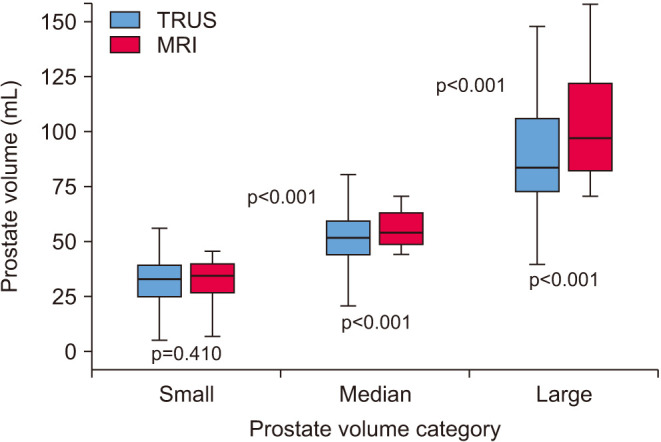
The median (interquartile range) of TRUS and MRI-PVs of small prostates were 33 mL (19–37 mL) and 35 mL (23–30 mL), p=0.410; in median prostates they were 51 mL (38–58 mL) and 55 mL (48–63 mL) respectively, p<0.001; in large prostates 80 mL (60–100 mL) and 95 mL (75–118 mL) respectively, p<0.001. The predictive models sharing the MRI-PV and DRE-PVC showed areas under the curves of 0.832 (95% confidence interval [CI], 0.813–0.851) and 0.828 (95% CI, 0.809–0.848) respectively, p=0.632, as well as similar net benefit and clinical utility.
Conclusions
PVC was unconclusive in 17% of DREs. MRI-PV overestimated the TRUS-PV in median and large prostates. The predictive models based on MRI-PV and DRE-PVC showed similar efficacy to predict csPCa. PVC assessed with DRE is helpful to predict the csPCa risk before MRI.
Keywords: Digital rectal examination, Magnetic resonance imaging, Predictive model, Prostate volume, Prostate volume category, Transrectal ultrasound
INTRODUCTION
The European Union currently proposes to support member states incorporating prostate cancer (PCa) screening based on serum prostate-specific antigen (PSA) and magnetic resonance imaging (MRI) [1]. This is based on the evidence that early detection of clinically significant PCa (csPCa) reduces the specific mortality of PCa [2]. After the introduction of multiparametric MRI (mpMRI) and MRI-targeted biopsies, the focus of PCa screening has changed from the overall PCa towards csPCa, also decreasing unnecessary prostate biopsies and the overdetection of insignificant tumors [3]. Currently, the prostate biopsy is recommended according to the prostate imaging-report and data system (PI-RADS). Prostate biopsy is usually avoided in men with negative mpMRI (PI-RADS <3) because its negative predictive value can reach up to 95% [4]. The consequence of the current strategy for the early detection of csPCa has been a significant increase in the demand of prostate mpMRI exams that is not acceptable for some health systems [5]. In addition, because uncertain scenarios after mpMRI remain, having high rates of unnecessary biopsies and overdetection of insignificant tumors [6], the European Association of Urology recommends risk-organized models to avoid unnecessary mpMRI exams and prostate biopsies by sequencing appropriate tools [7]. Risk calculators can individualize the likelihood of csPCa, improving the selection of candidates for mpMRI and prostate biopsy, been the prostate volume (PV) a weighed independent predictor of csPCa always incorporated in these tools [8]. Currently, the PV is accurately assessed with MRI, whereas transrectal ultrasound (TRUS) has been the standard method for assessing the PV just before prostate biopsy until the spread of MRI [9]. Because TRUS is not usually performed prior to the prostate biopsy with the sole aim of measuring the PV, Roobol et al [10] proposed, in 2012, the assessment of the prostate volume category (PVC) from DRE and then estimating the PV from the median value observed in each category (small, median, and large), to be used in the Rotterdam risk calculator. We recently have developed the Barcelona risk calculator-1 to predict the risk of csPCa before mpMRI, incorporating the DRE-PVC as a predictive variable beyond the age, type of biopsy (initial vs. repeated), PCa family history, serum PSA and DRE (normal vs. anormal), with the aim of reducing the demand of mpMRI exams [11].
Because the relationship between DRE-PVC and MRI-PV has never been reported, we aim to analyze this relationship and that with TRUS-PV, in a large series of men with suspected PCa in whom DRE-PVC was assessed. We also aim to compare the csPCa discrimination ability of csPCa of two predictive models developed from the DRE-PVC and the MRI-PV.
MATERIALS AND METHODS
This prospective trial included 2,090 men with suspected PCa, PSA >3.0 ng/mL and/or DRE suspicious of PCa, recruited from 10 centers from Catalonia (Spain) between 2021 and 2022, in whom DRE-PVC was assessed. Pre-biopsy mpMRI was always performed as well as 12-core TRUS systematic biopsy and 2 to 6-core TRUS-MRI fusion target biopsy of PI-RADS >3 lesions. A subset of 370 men (17.7%) was excluded due to an unconclusive DRE-PVC. The PVC was assessed through DRE by one senior urologist in each center during the pre-biopsy medical evaluation or just before the prostate biopsy. The PVC was classified as “small, median, and large”. The main reason for unconclusive DRE-PVC was the impossibility to explore the entire posterior gland surface mainly due to its high location. The PV reported with the MRI and TRUS exams was calculated from the ellipsoid formula [12]. The DRE-PVC and the MRI-PV were included in two predictive models to assess the individual likelihood of csPCa beyond the age (years), serum PSA (ng/mL), DRE (normal vs. abnormal), PCa family history (first degree vs. no), type of biopsy (repeated vs. initial), and PI-RADS score [13]. The csPCa was defined when the International Society of Urologic Pathology grade group was 2 or higher [14].
The research protocol was approved by the Institutional Clinical Research Ethics Committee (PR-AG-317/2017) in accordance with the Declaration of Helsinki. Informed consent was signed by all participants. Data from participant centers were submitted anonymized.
Quantitative variables were expressed in median and interquartile range (IQR, 25 to 75 percentile). Qualitative variables were expressed in percentages. The associations between quantitative variables were analyzed with the Mann–Whitney U test when independent variables and the Wilcoxon test when paired variables [15], and those between qualitative variables with the chi-square test [16]. Binary logistic regression analysis was performed to develop the predictive models and generate individual likelihoods of csPCa [17]. The discrimination ability for csPCa was analyzed with receiver operating characteristic (ROC) curves and the areas under the curve (AUC) were compared with the Delong test [18,19]. Decision curve analysis (DCAs) were developed to assess the net benefit [20], and clinical utility curve (CUC) to access the differential between saved biopsies and undetected csPCa in a continuous csPCa probability threshold [21]. The efficacy of 0.95 and 0.90 sensitivity cut-offs was evaluated comparing their corresponding specificities. Values of p<0.05 were considered significant. Statistical analyses were computed using R programming language v.4.0.3 (The R Foundation for Statistical Computing) and SPSS v.25 (IBM Corp.).
RESULTS
Among the 1,720 participants finally included the median age was 68 years, the median serum PSA was 7.4 ng/mL, and abnormal DRE was found in 28.1%. The rate of negative mpMRI (PI-RADS <3) was 10.6%, been in 24.2% of PI-RADS 3, 41.5% of PI-RADS 4, and 23.8% of PI-RADS 5. The median MRI-PV was 55 mL (IQR, 39–75) whereas that of TRUS-PV 50 mL (27–67) p<0.001. The PCa detection was 61.0% and that of csPCa 42.4% (Table 1).
Table 1. Characteristics of included men.
| Characteristic | Measurement | |
|---|---|---|
| Number of men | 1,720 | |
| Median age (y) | 68 (62–74) | |
| Median serum PSA (ng/mL) | 7.4 (5.4–11.9) | |
| Abnormal DRE | 484 (28.1) | |
| PCa family history | 109 (6.3) | |
| Repeat biopsy | 535 (31.1) | |
| Median PV (mL) | 55 (40–80) | |
| PI-RADS score | ||
| 1 | 167 (9.7) | |
| 2 | 15 (0.9) | |
| 3 | 416 (24.2) | |
| 4 | 713 (41.5) | |
| 5 | 409 (23.8) | |
| PCa detection | 1,049 (61.0) | |
| csPCa detection | 729 (42.4) | |
Values are presented as median (interquartile range) or number (%).
PSA: prostate-specific antigen, DRE: digital rectal examination, PCa: prostate cancer, PV: prostate volume, PI-RADS: prostate imaging-report and data system, csPCa: clinically significant PCa.
DRE-PVC corresponded to small prostates in 319 men (18.5%), median prostates in 896 (52.1%), and large prostates in 505 (29.4%). The boxplots of TRUS-PV and MRI-PV according to the DRE-PVCs (Fig. 1) showed in small prostates a median TRUS-PV of 33 mL (IQR, 19–37) whereas 35 mL (23–40) of MRI-PV p=0.410; in median prostates these volumes were 51 mL (38–58) and 55 mL (48–63) respectively, p<0.001; in large prostates they were 80 mL (80–100) and 95 mL (75–118) respectively, p<0.001.
Fig. 1. Boxplots showing the TRUS and MRI-prostate volumes corresponding to each DRE-prostate volume category. TRUS: transrectal ultrasound, MRI: magnetic resonance imaging, DRE: digital rectal examination.
The logistic regression analysis of predictors in developed models reflected a different weigh of MRI-PV and DRE-PVC, been both independent predictive variables of csPCa (Table 2). Individual probabilities of csPCa were generated from both models, and csPCa discrimination analysis of the models including the MRI-PV and the DRE-PVC (Fig. 2), exhibited AUCs of 0.832 (95% confidence interval [CI], 0.813–0.851) and 0.828 (95% CI, 0.809–0.848), respectively, p=0.632. The specificities reported with the 0.95 and 0.90 csPCa sensitivity cut-offs were 0.38 and 0.55 compared to 0.36 and 0.55, respectively, p=0.876 and p=1.000 (Table 3). DCAs showed same benefit of both models (Fig. 3), and CUCs showed similar clinical utility of both models in terms of saved biopsies and undetected csPCa (Fig. 4).
Table 2. Logistic regression of predictive variable of csPCa in the model including the PV assessed with MRI and the model including the PVC assessed with DRE.
| Predictive variable | Model with MRI-PV | Model with DRE-PVC | ||
|---|---|---|---|---|
| Odds ratio (95% CI) | p-value | Odds ratio (95% CI) | p-value | |
| Age (ref. previous year) | 1.06 (1.04–1.08) | <0.001 | 1.05 (1.04–1.07) | <0.001 |
| Serum PSA (ref. previous ng/mL) | 1.03 (1.02–1.07) | 0.032 | 1.01 (1.00–1.01) | 0.027 |
| DRE (ref. normal) | 1.62 (1.24–2.11) | <0.001 | 1.68 (1.29–2.18) | <0.001 |
| MRI-PV (ref. previous mL) | 0.98 (0.81–0.98) | <0.001 | - | - |
| DRE-PVC (ref. small) | - | - | 0.56 (0.47–0.66) | <0.001 |
| Type of biopsy (ref. initial) | 0.71 (0.55–0.92) | 0.009 | 1.63 (0.49–0.81) | <0.001 |
| PCa family history (ref, no.) | 1.07 (1.01–1.18) | 0.029 | 1.79 (1.05–1.12) | 0.036 |
| PI-RADS score (ref. 1) | 3.16 (2.69–3.71) | <0.001 | 3.24 (2.77–3.79) | <0.001 |
csPCa: clinically significant PCa, MRI: magnetic resonance imaging, DRE: digital rectal examination, CI: confidence interval, Ref: reference, PSA: prostate-specific antigen, PVC: prostate volume category, PCa: prostate cancer, PI-RADS: prostate imaging-report and data system.
Fig. 2. Clinically significant prostate cancer discrimination ability of the models sharing the MRI-prostate volume (PV) and the DRE-prostate volume category (PVC). MRI: magnetic resonance imaging, DRE: digital rectal examination, AUC: areas under the curve, CI: confidence interval.
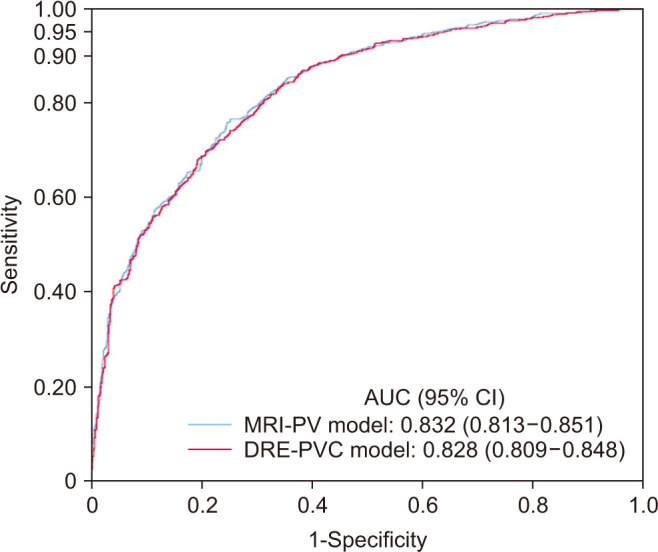
Table 3. Cut-offs with 0.95 and 0.90 sensitivity and their corresponding specificities of predictive models sharing MRI-PV and DRE-PVC.
| Predictive model | Cut-off | Sensitivity | p-value | |||
|---|---|---|---|---|---|---|
| 0.95 | p-value | Cut-off | 0.90 | |||
| With MRI-PV | 0.16 | 0.38 | 0.876 | 0.27 | 0.55 | >0.999 |
| With DRE-PVC | 0.16 | 0.36 | 0.27 | 0.55 | ||
MRI: magnetic resonance imaging, PV: prostate volume, DRE: digital rectal examination, PVC: prostate volume category.
Fig. 3. Decision curve analysis showing the similar net benefit obtained with the models sharing MRI-prostate volume (PV) and DRE-prostate volume category (PVC) over biopsying all men. MRI: magnetic resonance imaging, DRE: digital rectal examination.
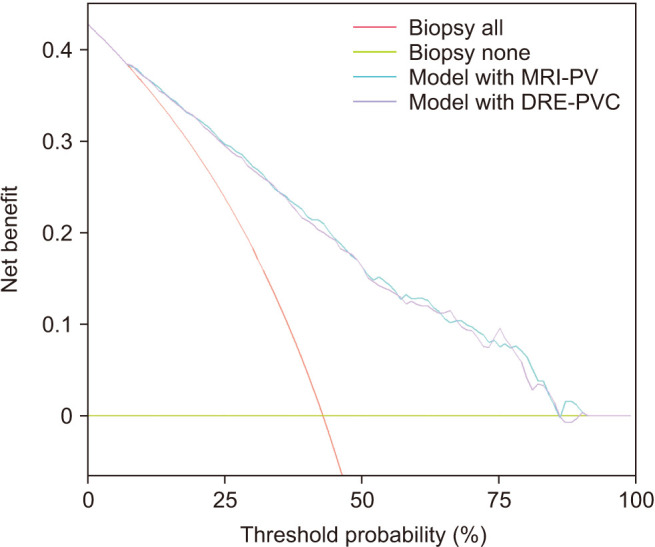
Fig. 4. Clinical utility curve showing the similar utility of the models sharing the MRI-prostate volume (A) and DRE-prostate volume category (B), in terms of saved prostate biopsies and undetected csPCa. MRI: magnetic resonance imaging, DRE: digital rectal examination, csPCa: clinically significant prostate cancer.

To know the benefit of sharing DRE-PVC in the model developed to save mpMRI exams, we present the ROC curves of the models to predict csPCa, sharing or not DRE-PVC (Fig. 5). The model sharing, age, PSA, DRE (normal vs. suspicious), type of prostate biopsy (initial vs. repeated) and DRE-PVC presented an AUC of 0.723 (95% CI, 0.699–0.747) and the model without DRE-PVC 0.695 (95% CI, 0.670–0.721), p=0.007. The nomogram of the model including DRE-PVC was also developed (Fig. 6).
Fig. 5. Clinically significant prostate cancer discrimination ability improvement of the model developed to save multiparametric MRI exams when DRE prostate volume category (PVC) is shared. MRI: magnetic resonance imaging, DRE: digital rectal examination, AUC: areas under the curve, CI: confidence interval.
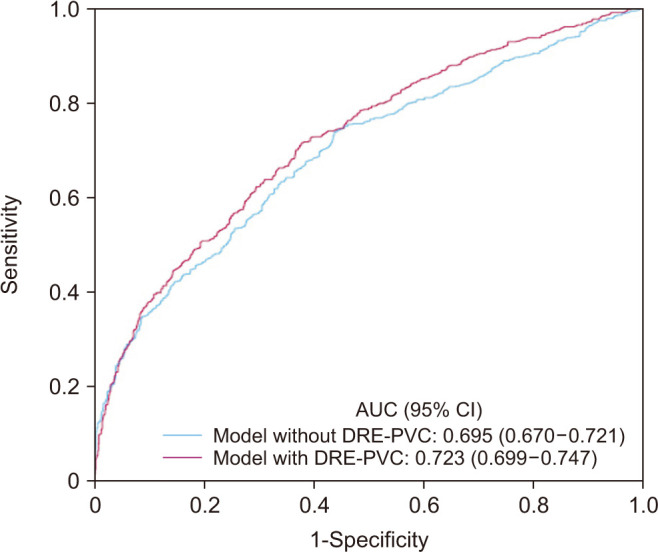
Fig. 6. Nomogram of the csPCa predictive model developed to save multiparametric MRI exams which shares DRE prostate volume category (PVC). csPCa: clinically significant prostate cancer, MRI: magnetic resonance imaging, DRE: digital rectal examination, PSA: prostate-specific antigen.

DISCUSSION
The present study reports the relationship between the PV assessed with MRI and the PVC assessed with DRE. In 2012, Roobol et al [10] reported the relationship between DRE-PVCs and TRUS-PV in a similar study carried out on 322 men with suspected PCa. We report that TRUS underestimates the PV compared with MRI, especially in median and large prostate glands, as other studies have suggested previously [12,22]. The median PV measured with TRUS in small prostates was 33 mL compared to that of 27 mL reported by Roobol et al [10]. However, in median prostates these volumes were 51 mL vs. 46 mL, and 80 mL and 70 mL in large prostates respectively, been significative these differences while not that observed in small prostates. These differences may be related with the lower PV of the screening population of the Rotterdam section of ERSPC trial than that observed in our study that included men older men. It has been reported that PV assessed with DRE has a low correlation with the true PV assessed in surgical specimens of radical prostatectomy, compared with the measurements from TRUS and MRI [23,24,25]. However, other studies suggest that DRE-PV is useful in prostates glands from 30 mL, especially to establish certain cut-offs with clinical interest [26,27,28]. What has not been reported, but is known by all urologists, is the impossibility of palpating the entire prostate gland surface due to its high location which occurred in 17% of the participants in our study.
Although the DRE-PVC estimates the PV with little precision than TRUS [10], we observed that it was an independent predictive variable of csPCa in the logistic regression analysis as the MRI-PV was. This fact is important because it is the foundation to share DRE-PVC in the predictive models developed to avoid unnecessary MRI exams. Currently, PV is not available before MRI and DRE is to the only way assess this independent predictor of csPCa [8,11,28]. In addition, we have shown how the predictive model for csPCa, when mpMRI is not available benefits from sharing DRE-PVC. Therefore, we vindicate the importance of DRE during the early detection of csPCa, not only to palpate abnormalities suggesting PCa in the posterior prostate gland surface but also to assess the PVC as an important predictor of csPCa [11,29].
What seems interesting is to know that pathophysiologic reasons for the association of PV and csPCa incidence are related with the histo-anatomical changes within the peripheral zone of prostate gland induced by the pressure of the hyperplasic transition zone, leading to significant epithelial cell atrophy and fibrosis due to direct pressure-related tissue injury and reduced blood flow tissue transformation. As 80% of PCa originates from the glandular epithelium within the peripheral zone this supports the hypothesis that these dynamic interactions between the growing transition zone and compressed peripheral zone explain the decreased incidence of PCa in large BPH prostates as inversely in small prostates [29,30,31].
The present study has the strengths of its prospective and multicenter design and the large size of the analyzed series. A limitation was the definition of csPCa in prostate biopsies which has low relationship with the true pathology assessed in radical prostatectomy surgical specimens. Although DRE-PVC was assessed by staff urologists, inter-observational variability has been described [32,33]. The inability to compare models that completely exclude information from MRI to MRI-based models is a limitation that we overcame by creating another model that minimizes inferiority compared to a model that includes the information available from the MRI.
CONCLUSIONS
The assessment of PVC from DRE is an important predictor of csPCa when the PV from TRUS or MRI is not available, which can be shared in predictive models to decrease MRI demand.
Acknowledgements
None.
Footnotes
Conflict of Interest: The authors have nothing to disclose.
Funding: The study is supported by the Instituto de Salut Carlos III (SP) and European Union (PI20/01666).
- Conceptualization: JM.
- Data curation: JMA, PS, NP, JMR, NP, XRP, MVMR, GGM, AC.
- Formal analysis: JM, BM.
- Funding acquisition: JM.
- Investigation: JM, JMA, PS, BM.
- Methodology: JM, BM.
- Project administration: JM.
- Resources: JM.
- Supervision: JM.
- Validation: JM.
- Visualization: JM.
- Writing – original draft: JM.
- Writing – review & editing: JM, JMA, PS.
Data Sharing Statement
The data analyzed for this study have been deposited in HARVARD Dataverse and are available at https://doi.org/10.7910/DVN/DAZPCX.
References
- 1.European Commission, Directorate-General for Research and Innovation, Group of Chief Scientific Advisors. Cancer screening in the European Union. Publications Office of the European Union; 2022. [Google Scholar]
- 2.Hugosson J, Roobol MJ, Månsson M, Tammela TLJ, Zappa M, Nelen V, et al. ERSPC investigators. A 16-yr follow-up of the European randomized study of screening for prostate cancer. Eur Urol. 2019;76:43–51. doi: 10.1016/j.eururo.2019.02.009. [DOI] [PMC free article] [PubMed] [Google Scholar]
- 3.Schoots IG, Padhani AR, Rouvière O, Barentsz JO, Richenberg J. Analysis of magnetic resonance imaging-directed biopsy strategies for changing the paradigm of prostate cancer diagnosis. Eur Urol Oncol. 2020;3:32–41. doi: 10.1016/j.euo.2019.10.001. [DOI] [PubMed] [Google Scholar]
- 4.Sathianathen NJ, Omer A, Harriss E, Davies L, Kasivisvanathan V, Punwani S, et al. Negative predictive value of multiparametric magnetic resonance imaging in the detection of clinically significant prostate cancer in the prostate imaging reporting and data system era: a systematic review and meta-analysis. Eur Urol. 2020;78:402–414. doi: 10.1016/j.eururo.2020.03.048. [DOI] [PubMed] [Google Scholar]
- 5.Van Poppel H, Albreht T, Basu P, Hogenhout R, Collen S, Roobol M. Serum PSA-based early detection of prostate cancer in Europe and globally: past, present and future. Nat Rev Urol. 2022;19:562–572. doi: 10.1038/s41585-022-00638-6. [DOI] [PubMed] [Google Scholar]
- 6.Schoots IG. MRI in early prostate cancer detection: how to manage indeterminate or equivocal PI-RADS 3 lesions? Transl Androl Urol. 2018;7:70–82. doi: 10.21037/tau.2017.12.31. [DOI] [PMC free article] [PubMed] [Google Scholar]
- 7.Van Poppel H, Hogenhout R, Albers P, van den Bergh RCN, Barentsz JO, Roobol MJ. A European model for an organised risk-stratified early detection programme for prostate cancer. Eur Urol Oncol. 2021;4:731–739. doi: 10.1016/j.euo.2021.06.006. [DOI] [PubMed] [Google Scholar]
- 8.Roobol MJ, Schröder FH, Hugosson J, Jones JS, Kattan MW, Klein EA, et al. Importance of prostate volume in the European Randomised Study of Screening for Prostate Cancer (ERSPC) risk calculators: results from the prostate biopsy collaborative group. World J Urol. 2012;30:149–155. doi: 10.1007/s00345-011-0804-y. [DOI] [PMC free article] [PubMed] [Google Scholar]
- 9.Christie DRH, Sharpley CF. How accurately can prostate gland imaging measure the prostate gland volume? Results of a systematic review. Prostate Cancer. 2019;2019:6932572. doi: 10.1155/2019/6932572. [DOI] [PMC free article] [PubMed] [Google Scholar]
- 10.Roobol MJ, van Vugt HA, Loeb S, Zhu X, Bul M, Bangma CH, et al. Prediction of prostate cancer risk: the role of prostate volume and digital rectal examination in the ERSPC risk calculators. Eur Urol. 2012;61:577–583. doi: 10.1016/j.eururo.2011.11.012. [DOI] [PubMed] [Google Scholar]
- 11.Morote J, Borque-Fernando Á, Triquell M, Campistol M, Celma A, Regis L, et al. A clinically significant prostate cancer predictive model using digital rectal examination prostate volume category to stratify initial prostate cancer suspicion and reduce magnetic resonance imaging demand. Cancers (Basel) 2022;14:5100. doi: 10.3390/cancers14205100. [DOI] [PMC free article] [PubMed] [Google Scholar]
- 12.Massanova M, Robertson S, Barone B, Dutto L, Caputo VF, Bhatt JR, et al. The comparison of imaging and clinical methods to estimate prostate volume: a single-centre retrospective study. Urol Int. 2021;105:804–810. doi: 10.1159/000516681. [DOI] [PubMed] [Google Scholar]
- 13.Morote J, Borque-Fernando A, Triquell M, Celma A, Regis L, Escobar M, et al. The Barcelona predictive model of clinically significant prostate cancer. Cancers (Basel) 2022;14:1589. doi: 10.3390/cancers14061589. [DOI] [PMC free article] [PubMed] [Google Scholar]
- 14.Epstein JI, Egevad L, Amin MB, Delahunt B, Srigley JR, Humphrey PA Grading Committee. The 2014 International Society of Urological Pathology (ISUP) consensus conference on Gleason grading of prostatic carcinoma: definition of grading patterns and proposal for a new grading system. Am J Surg Pathol. 2016;40:244–252. doi: 10.1097/PAS.0000000000000530. [DOI] [PubMed] [Google Scholar]
- 15.Whitney J. Testing for differences with the nonparametric Mann-Whitney U test. J Wound Ostomy Continence Nurs. 1997;24:12. doi: 10.1016/s1071-5754(97)90044-9. [DOI] [PubMed] [Google Scholar]
- 16.Riddell WJ. The chi-square test of significance applied to a series of intra-capsular cataract extractions. Br J Ophthalmol. 1941;25:49–57. doi: 10.1136/bjo.25.2.49. [DOI] [PMC free article] [PubMed] [Google Scholar]
- 17.Aldrich J. Fisher and regression. Stat Sci. 2005;20:401–417. [Google Scholar]
- 18.Creelman CD, Donaldson W. ROC curves for discrimination of linear extent. J Exp Psychol. 1968;77:514–516. doi: 10.1037/h0025930. [DOI] [PubMed] [Google Scholar]
- 19.DeLong ER, DeLong DM, Clarke-Pearson DL. Comparing the areas under two or more correlated receiver operating characteristic curves: a nonparametric approach. Biometrics. 1988;44:837–845. [PubMed] [Google Scholar]
- 20.Vickers AJ, Elkin EB. Decision curve analysis: a novel method for evaluating prediction models. Med Decis Making. 2006;26:565–574. doi: 10.1177/0272989X06295361. [DOI] [PMC free article] [PubMed] [Google Scholar]
- 21.Borque Á, Rubio-Briones J, Esteban LM, Sanz G, Domínguez-Escrig J, Ramírez-Backhaus M, et al. Implementing the use of nomograms by choosing threshold points in predictive models: 2012 updated Partin Tables vs a European predictive nomogram for organ-confined disease in prostate cancer. BJU Int. 2014;113:878–886. doi: 10.1111/bju.12532. [DOI] [PubMed] [Google Scholar]
- 22.Dianat SS, Rancier Ruiz RM, Bonekamp D, Carter HB, Macura KJ. Prostate volumetric assessment by magnetic resonance imaging and transrectal ultrasound: impact of variation in calculated prostate-specific antigen density on patient eligibility for active surveillance program. J Comput Assist Tomogr. 2013;37:589–595. doi: 10.1097/RCT.0b013e318296af5f. [DOI] [PubMed] [Google Scholar]
- 23.Loeb S, Han M, Roehl KA, Antenor JA, Catalona WJ. Accuracy of prostate weight estimation by digital rectal examination versus transrectal ultrasonography. J Urol. 2005;173:63–65. doi: 10.1097/01.ju.0000145883.01068.5f. [DOI] [PubMed] [Google Scholar]
- 24.Jeong CW, Park HK, Hong SK, Byun SS, Lee HJ, Lee SE. Comparison of prostate volume measured by transrectal ultrasonography and MRI with the actual prostate volume measured after radical prostatectomy. Urol Int. 2008;81:179–185. doi: 10.1159/000144057. [DOI] [PubMed] [Google Scholar]
- 25.Mazaheri Y, Goldman DA, Di Paolo PL, Akin O, Hricak H. Comparison of prostate volume measured by endorectal coil MRI to prostate specimen volume and mass after radical prostatectomy. Acad Radiol. 2015;22:556–562. doi: 10.1016/j.acra.2015.01.003. [DOI] [PubMed] [Google Scholar]
- 26.Roehrborn CG, Girman CJ, Rhodes T, Hanson KA, Collins GN, Sech SM, et al. Correlation between prostate size estimated by digital rectal examination and measured by transrectal ultrasound. Urology. 1997;49:548–557. doi: 10.1016/s0090-4295(97)00031-9. [DOI] [PubMed] [Google Scholar]
- 27.Roehrborn CG. Accurate determination of prostate size via digital rectal examination and transrectal ultrasound. Urology. 1998;51(4):19–22. doi: 10.1016/s0090-4295(98)00051-x. [DOI] [PubMed] [Google Scholar]
- 28.Remmers S, Kasivisvanathan V, Verbeek JFM, Moore CM, Roobol MJ ERSPC Rotterdam Study Group PRECISION Investigators Group. Reducing biopsies and magnetic resonance imaging scans during the diagnostic pathway of prostate cancer: applying the Rotterdam prostate cancer risk calculator to the PRECISION trial data. Eur Urol Open Sci. 2021;36:1–8. doi: 10.1016/j.euros.2021.11.002. [DOI] [PMC free article] [PubMed] [Google Scholar]
- 29.Holder K, Galvan B, Sakya J, Frost J, de Riese W. Anatomical changes of the peripheral zone depending on benign prostatic hyperplasia size and their potential clinical implications: a review for clinicians. Urol Pract. 2021;8:259–263. doi: 10.1097/UPJ.0000000000000201. [DOI] [PubMed] [Google Scholar]
- 30.Sellers J, Wagstaff RG, Helo N, de Riese WTW. Quantitative measurements of prostatic zones by MRI and their dependence on prostate size: possible clinical implications in prostate cancer. Ther Adv Urol. 2021;13:17562872211000852. doi: 10.1177/17562872211000852. [DOI] [PMC free article] [PubMed] [Google Scholar]
- 31.Guzman JA, Sharma P, Smith LA, Buie JD, de Riese WT. Histological changes of the peripheral zone in small and large prostates and possible clinical implications. Res Rep Urol. 2019;11:77–81. doi: 10.2147/RRU.S182781. [DOI] [PMC free article] [PubMed] [Google Scholar]
- 32.Roehrborn CG, Sech S, Montoya J, Rhodes T, Girman CJ. Interexaminer reliability and validity of a three-dimensional model to assess prostate volume by digital rectal examination. Urology. 2001;57:1087–1092. doi: 10.1016/s0090-4295(01)00965-7. [DOI] [PubMed] [Google Scholar]
- 33.Ko JS, Landis P, Carter HB, Partin AW. Effect of intra-observer variation in prostate volume measurement on prostate-specific antigen density calculations among prostate cancer active surveillance participants. BJU Int. 2011;108:1739–1742. doi: 10.1111/j.1464-410X.2011.10223.x. [DOI] [PubMed] [Google Scholar]
Associated Data
This section collects any data citations, data availability statements, or supplementary materials included in this article.
Data Availability Statement
The data analyzed for this study have been deposited in HARVARD Dataverse and are available at https://doi.org/10.7910/DVN/DAZPCX.