



Abstract
Sesame (Sesamum indicum) is abundant in a diverse range of lignans, including sesamin, and γ-tocopherol, constituting a cluster of bioactive phenolic compound used for food and medicinal purposes. Cardiovascular diseases remain a leading global health challenge, demanding vigilant prevention and innovative treatments. This study was carried out to evaluate the effect of plant mediated SeNPs on sesame metabolic profile and to screen and check the effect bioactive compounds against CVD via molecular drug docking technique. Three sesame germplasms TS-5, TH-6 and Till-18 were treated with varying concentrations (10, 20, 30, 40 and 50 ppm) of plant-mediated selenium nanoparticles (SeNPs). There were three groups of treatments group-1 got only seed pretreatments of SeNPs, Group-2 with only foliar applications of SeNPs and Group-3 with both seed pretreatments and foliar applications of SeNPs. It was found that plants treated with 40 ppm of SeNPS in group 3 exhibited the highest total phenolic and flavonoid content. Total phenolic content at T4 was highest for TS-5 (134%), TH-6 (132%), and Till-18 (112%). LCMS analysis revealed a total of 276 metabolites, with phenolics, flavonoids, and free fatty acids being most abundant. KEGG analysis indicated enrichment in free fatty acid and phenylalanine tryptophan pathways. ADMET analysis and virtual screening resulted in total of five metabolic compounds as a potential ligand against Hemoglobin beta subunit. Lowest binding energy was achieved by Delta-Tocopherol (−6.98) followed by Lactoflavin (−6.20) and Sesamin (−5.00). Lipinski rule of five revealed that all the compounds completely safe to be used as drug against CVD and specifically for HBB. It was concluded that bioactive compounds from sesame could be an alternative source of drug for CVD related problems and especially for HBB.
Keywords: Selenium nanoparticles, LCMS, Antioxidant, Untargeted, Sesame, HBB, CVD, Docking
1. Introduction
Achieving “zero hunger” is the second sustainable developmental goal of the united nations, aiming to end all sorts of malnutrition and providing sufficient food globally at the end of 2030.
But the current scenario is not supportive to it as the world population is increasing at 1.8% per year which accounts for the addition of almost 75 million people in a single year. Moreover, World food production and distributions systems are facing huge stress due to the population explosion, environmental contamination and biotic and abiotic stresses and the ever-increasing threats of climate change [1]. Crops, being the base of the food chain having an integral role but are facing uncredentialed environmental stresses both biotic and abiotic. Both types of stresses, not only adversely affects crop growth and yield, but also result in low nutrient food. about 10–16% annual. Biotic stress results in almost 10–16% annual crop, along with less yield [[2], [3], [4], [5]]. Other than cereal crops, Oil seed crops also have integral role in providing essential edible used for home and different oleochemical industries [[6], [7], [8], [9]].
Among many other scientific advancements, Nanotechnology is considered as the science of the 21st century which has the capacity to innovate the agriculture and fulfilling the food requirements of the world and improving the livelihood of the people [10]. Nanotechnology, dealing with atoms and molecules at nanoscale, have the tremendous efficacy to be applied in a diversity of field, specifically in an agriculture. Nanomaterials can now be used to improve the soil fertility, nutrient bioavailability, reducing pesticide needs, and improving the crop yield by coping with variety of biotic and abiotic stresses like Drought, Heat and salt stress [11]. Selenium being the important mineral not only for plants but also for the humans has got special attention to be used for improving plant production. Selenium in plants is involved in protecting photosynthetic pigments, accumulation of osmoprotectants, and helping to reduce the free radicals by activating antioxidant defense system [12]. Selenium (Se) when reaches to humans by food chain, it has multiple important and beneficial roles to play, for example Se is involved in regulation of immunity functions, synthesis and functions of thyroid hormones, protective effects against oxidative lipid damage of brain, preventing oxidative damage of DNA and hence reducing mutations and marinating the integrity of sperm membrane and reproductive ability [13].
According to Ref. [14] selenium nanoparticles improve growth performance and gene expression in Mellisa officinalis when applied by foliar method in 50 mg/L. Selenium nanoparticles resulted in increased activity of SOD, POD and CAT by decreasing the lipid peroxidation. Further, it was found that transcript levels of phenylalanine ammonia-lyase and rosmarinic acid (RA) synthase genes were upregulated, hence improving the salt tolerance of the plants. Similarly, when pomegranate plants were treated with selenium nanoparticles by Ref. [15], it was found that SeNPs exhibited a positive impact on photosynthetic pigments, nutritional quality, higher phenolic and antioxidant content along with higher concentration of osmolytes. It is also found that selenium nanoparticles have the higher efficacy and ability to improve the growth profile of plants as compared to selenite form. When both the selenium supplements (Selenite and SeNPs) were applied to tomato plants, selenium nanoparticle improved the shoot and root biomass and post-harvest longevity of pomegranate as compared to selenite form [16].
Sesame (Sesamun indicum L.) being the oldest oil seed crop, consumed due to its high oil content, for food products and also for various health benefits. Its origin and use dates back to Indus valley civilization in the Bronze age, to ancient Anatolia and then domestication and cultivation in Indian subcontinent [17]. Due to richness of unsaturated fatty acids, high oil content and less rancidity to oxidative damage, sesame is also called “Queen of oil seed crops”. Sesame is also subjected to various stresses, some of them also result in contamination with aflatoxins which make the seeds potential carcinogen. Ecofriendly approach is the need of the time, which can not only mitigate biotic stresses but can also promote growth along with national value of the plant [9,[18], [19], [20]]. Moreover, sesame is underutilized oil seed crop due to various crop establishment and growth issues which render this crop un popular to farmers.
Variety of seed bioactive compounds including Sesamin, Sesamol along with tocopherol have been attributed beneficial roles in reducing blood pressure and for other cardiovascular diseases [21]. Bioinformatics, and specifically drug docking is a new approach to the check the potential of different bioactive compounds to be used as potential drug targets. In order to screen the role of sesame bioactive compounds against CVD, Hemoglobin beta subunit protein (HBB) was used as target protein for sesame bioactive compounds [[22], [23], [24], [25]].
Almost all the previous studies are only focused on one point, either elucidating the effect of selenium nanoparticles on secondary metabolites of plants or elucidating the potential of bioactive compounds as drug targets. Having this research gap in mind, this study was carried out which integrates potential of sesame seed bioactive compounds with nanotechnology, this study was carried out to check the effect of different concentrations of plant-based selenium nanoparticles on growth performance and seed bioactive compounds of sesame (In-vitro Analysis) along with ability of sesame seed bioactive compounds to be used as potential drug targets against Cardiovascular diseases (In-silico analysis).
2. Materials and methods
2.1. Plant extract and synthesis of selenium nanoparticles
Allium sativum extract was made by adding 30 gm of dry powder of garlic in about 100 ml of distilled water. Solution was thoroughly mixed at homogenizer and then placed at hot plate for 30 min. The resulting plant extract was filtered thrice with Whatman filter paper, until the solution become clear from any plant matter residual. 10 mM solution of sodium selenite was prepared in1000 ml of distilled water, solution was mixed on magnetic stirrer for 10 min and about 60 ml of garlic extract was added to it slowly. After about 45 min the solution was placed in autoclave at 121oC for 20 min, resulted in a color change from yellow to brick red. This method is applied first time for synthesis of selenium nanoparticles. Selenium nanoparticle solution was centrifuged at 14000×g for 20 min, supernatant was discarded and the pellet was washed with methanol and collected in Eppendorf tubes. Selenium nanoparticles were stored at 4oC till further characterization and application.
2.2. Characterization of plant mediated selenium nanoparticles
Color change from yellow to brick red indicates the synthesis of selenium nanoparticles is completed, but it is necessary to confirm it from other parameters. Therefore, UV spectrometry was done at wavelength from 100 to 800 nm on UV–Vis spectrophotometer and the peaks were recorded. In order to check the surface morphology and size of selenium nanoparticles, scanning electron microscopy was carried out on TESCAN Scanning electron microscope (SEM 3200), with a as low as resolution at 5 nm. Micrographs were taken at different resolutions and magnifications. Furthermore, in order to check different functional groups, present on selenium nanoparticles Fourier transform infrared spectroscopy was performed on LactoScope™ 300 FT-IR analyzer. In order to check the elemental composition of the selenium nanoparticles Energy dispersive x-ray was carried out on INCA200/Oxford instruments, U.K [26,27].
2.3. Crop establishment and application of selenium nanoparticles
Seeds of three varieties TS-5, TH-6 and Till-18 were collected from NARC and Ayyub agriculture research institute Faisalabad, Pakistan. Seeds were surface sterilized with 0.5 % hypochlorite for 5 min. Pot experiment was carried out as, the plastic pots were used with 1.5 feet height and 10 inches width. Soil was collected from agriculture field and pots were filled approximately 12 inches in pots. Different concentration of selenium nanoparticles, 10 ppm, 20 ppm, 30 ppm, 40 ppm and 50 ppm were prepared by dissolving appropriate amount of SeNPs in double distilled water. Each solution was stirred for 10 min to dissolve nanoparticles. There were three different application method of nanoparticles, Seed pretreatment only (Group-1), foliar spray only (Group-
2) and seed pretreatment + foliar spray (Group-3). Seeds of first and third group were treated with appropriate concentration of selenium nanoparticles for 2 h and then air-dried seeds were sown in the pots. While the seeds of Group-2 were given treatments only by foliar method. While the foliar spray in Group-2 and Group-3 was given at three different stages at five leaf stage, at maturity and at fruit setting stage. Watering and appropriate fertilizers were added during the crop development. Leaf samples were collected from mature plants were sealed in sterile zipper bags and were stored at −20oC till further use. Watering was done after two days to ensure the availability of water to the plants (Table 1) [28].
Table-1.
Layout of the present study, there were three different application method, Seed pretreatment only, Foliar spray only and Seed pretreatment + Foliar spray. Foliar spray was done at three different stages of plant life cycle i,e at five leaf stage, Flowering stage and Fruit setting stage.
| Treatments | TS-5 |
TH-6 |
Till-18 |
||||||||
|---|---|---|---|---|---|---|---|---|---|---|---|
| R1 | R2 | R3 | R1 | R2 | R3 | R1 | R2 | R3 | |||
| To | Control | Seed Treatment | |||||||||
| T- | Se Salt | ||||||||||
| T1 | 10 ppm SeNPs | ||||||||||
| T2 | 20 ppm SeNPs | ||||||||||
| T3 | 30 ppm SeNPs | ||||||||||
| T4 | 40 ppm SeNPs | ||||||||||
| T5 | 50 ppm SeNPs | ||||||||||
| T- | Se Salt | Foliar | |||||||||
| T1 | 10 ppm SeNPs | ||||||||||
| T2 | 20 ppm SeNPs | ||||||||||
| T3 | 30 ppm SeNPs | ||||||||||
| T4 | 40 ppm SeNPs | ||||||||||
| T5 | 50 ppm SeNPs | ||||||||||
| T- | Se Salt | Seed + Foliar | |||||||||
| T1 | 10 ppm SeNPs | ||||||||||
| T2 | 20 ppm SeNPs | ||||||||||
| T3 | 30 ppm SeNPs | ||||||||||
| T4 | 40 ppm SeNPs | ||||||||||
| T5 | 50 ppm SeNPs | ||||||||||
2.4. Estimation of total flavonoid content
TFC was quantified utilizing the method suggested by Ref. [29], approximately 10 mg of quercetin was diluted in 80 percent ethanol. Dilution was accomplished by combining 15 ml of ethanol, IM CH3CO2K, 2.5 ml of water, and 0.2 ml Al2Cl3. By adjusting the wavelength of the ceil UV–visible spectrophotometer to 415 nm, the absorbance of the reaction mixture was measured after 60 min at room temperature.
2.5. Estimation of total phenolic content
The TPC was expressed by using the technique proposed by Ref. [30]. A folin-ciocalteu reagent was used for quantification. 0.2 g powdered plant material was squeezed and then 80% ethanol was added to 100 μl plant extract before incubating at 21 °C for 10 min. After mixing, 0.75 ml of sodium bicarbonate solution should be added and incubated for 90 min at room temperature.
2.6. DPPH activity
The antioxidant activity of SeNPs was evaluated by DPPH assay. The assay was carried out for the antioxidant activity of plant extract and biological products. A stock solution of DPPH was prepared by dissolving 4 mg of DPPH in 50 ml of methanol. Different concentrations of DPPH solution, methanol, and SeNPs was added to the test tube for a sample and blank reading. Then mix well and keep it for 30 min at room temperature. Ascorbic acid was used as control [31].
2.7. Sample preparation for LCMS analysis
Treatments which have showed best antioxidant activities were selected for LCMS analysis. T4 treatment (40 ppm SeNPs) with Seed pretreatment + foliar spray application method were selected for LCMS analysis based on the antioxidant abilities [32]. method was used for metabolite extraction with slight modification. Vacuum freez drying were done, followed by crushing and homogenization of powdered material in a mixer mill with zirconia bead at 30Hz for 2 min. About 0.1 g of seed powder was mixed with 1.2 ml pf 70% ethanol and vortexed for 30 s after each minute (total of 6 times). Samples were stored in a refrigerator for 24 h at 40oC to precipitate the peptides and proteins. Next day the samples were removed and centrifuged at 12000 rpm for 10 min, supernatant was collected and filtered with filter paper with pore size of 0.22 μm. The resulting sample was stored at -20oC till LCMS analysis.
2.8. Liquid chromatography mass spectrometry analysis of seed samples
Seed extract samples were analyzed for LCMS (MS-MS full scan) for untargeted metabolomics. Agilent UHPC system was used in which solvent A was pure distilled water with 0.1% formic acid while the solvent B was acetonitrile containing 0.1% of formic acid The gradient elution scheme is as follows: 0.00 min, 95% A, 5% B; in 9 min, a linear gradient of 5–95% B; in 10 min, 5% A, 95% B; in 11 min, the B phase is reduced to 5.0 %; in 14 min, 95% A, 5.0% B. The column temperature was kept at 40oC, the flow rate was set at 0.35 ml/min, and the injection volume was 4 L. Samples were analyzed in the range of 100–2700 m/z range for all the samples [33].
2.9. Identification of metabolites
All the peaks in LCMS were subjected to identification of metabolites by using retention time m/z values and mass spectra. As the M/z value indicates mass over charge ratio it was taken as the indicator for identifying potential metabolite in a selected m/z value peak. About ten potential candidates were selected and were subjected to match with already published literature having LCMS m/z values along with molecular weight and chemical formula. All the metabolites were again crosschecked with different other literatures. Peak area was also calculated by multiplying the response with retention time of the metabolites.
2.10. KEGG pathway and statistical analysis
All the identified compounds were subjected to KEGG compounds database, Pubchem and HMDB database for KEGG ID, Pubhem ID and HMDB IDs with molecular formula. Enrichment analysis was performed using Metaboanalyst version 5.0. Metabolite list was made in the excel sheet along with KEGG ids, uploaded on database compared with KEGG metabolite database to check the association of metabolite with different metabolic pathways. Pathway analysis was also performed by submitting the data with compound names and comparing with Arabidopsis thalian metabolic database. Match analysis was done to check the upregulated and associated metabolites for related metabolic pathways on KEGG pathway analysis database. Furthermore, class of each metabolite set as determined and grouped according each class. No of metabolites in each class and in each variety was also determined and subjected to PCA and CCA analysis on PAST software. Venn diagrams were also made on Venny 2.1 online tool to check the metabolite similarity and differences between each variety. Different statistical software's like Excel, PAST, MVSP and SPSS for standard deviation, PCA, graphical representation and calculation of means and standard errors.
2.11. Metabolite screening, ligand preparation and target selection
All the identified 276 compounds were subjected to virtual screening for potential drug targets by getting the Drug likeness, bioavailability and ADMET analysis. SDF 3D file of all these screened compounds were retrieved from Pubchem to be used as ligand in further drug docking. As sesame is mostly used for cardiovascular diseases the potential target was selected from the already published data. Hemoglobin beta subunit was selected and the 3D PDB file was retrieved from the RCSB PDB database with 1a0z as PDB ID [34].
2.12. Drug docking
The catalytic docking of all the screened bioactive compounds was done with Molecular operating environment (MOE-2015). PDB file of selected target was opened, protein was cleaned by removing all the water and other hetero molecules. Polar hydrogen bonds were added to the protein and was fixed as receptor. In order to find the active site of the target, site finder tool was used, and the largest active site was selected for docking of compounds. Docking of all the selected compounds was done with the targets and Binding energy as “S” score was obtained along with RMSD refined values. 2D and 3D interactions of the Ligand and receptor was analyzed and the results was retrieved in the form of PNG images (Fig. 1) [35].
Fig. 1.

Graphical synopsis representing the experimental layout and strategy followed in the studies.
3. Results
3.1. Synthesis and characterization of nanoparticles
The UV–visible spectrum analysis confirmed the synthesis of SeNPs, with the plant-mediated nanoparticles exhibiting a characterization peak within the 200–400 nm range. Specifically, the absorption peak for the characterization was observed at 283 nm, aligning with the findings from a previous study [36] where Phyto mediated SeNPs showed a UV absorption peak at 257 nm.
The FTIR analysis was applied to identify the functional groups responsible for the production and stability of SeNPs synthesized from garlic clove powder. The FTIR spectra of the green synthesized SeNPs covered a specific absorbance range from 400 (far IR spectrum) to 4000 (mid IR spectrum). Notably, SeNPs derived from garlic cloves exhibited 16 distinct absorption peaks at wavenumbers 609.5, 804.34, 931.65, 1026.16, 1112.98, 1261.49, 1384.94, 1419.66, 1458.23, 1541.18, 1560.46, 1618.33, 1637.62, 2364.81, 2924.18, and 3419.90. These peaks contribute to understanding the unique chemical properties and characteristics of the green-synthesized SeNPs. Every peak signifies the presence of specific functional groups acting as capping agents, responsible for stabilizing SeNPs. The trajectory of the peak observed at the wavenumber range of 3200–3420 cm−1 could be attributed to the hydroxyl (OH) and amino (N–H) groups. Notably, the strongest absorption peak observed at 3419.90 cm−1 confirms the presence of the amino group. The functional groups (C–H) cis and trans alkenes exhibited the weakest absorption peaks at 609.5 and 804.34, respectively. Additionally, the FTIR spectra of SeNPs revealed the presence of aromatic hydrocarbons (1026.16) and cyclic ethers (1112.98). The specific wavenumbers corresponding to methyl (−CH3) at 1384.94 and aromatic aryl groups at 1458.23 indicated their presence in the nanoparticles [13]. Furthermore, the wavenumber range between 1610 and 1700 cm−1 confirmed the existence of carbonyl groups (C–O) encompassing aldehydes, ketones, and esters. Moreover, the absorption peaks observed in the FTIR spectra of green-synthesized SeNPs were 2364.81, indicating the presence of the alkyne group, and 2924.18, suggesting the presence of alkenes. So, it can be concluded that Allium sativum has a diverse phytochemical profile which is responsible for synthesis and stabilization of selenium nanoparticles. Similar results are reported by 37 in which different phytochemicals have attributed the role for synthesizing metal nanoparticles.
The EDX spectrum showed characteristic peaks corresponding to selenium, with no significant peaks observed for any other elements, indicating the high purity of the nanoparticles. Quantitative analysis of the EDX data confirmed the elemental composition of the SeNPs, and the results demonstrated a high percentage of selenium content, validating the successful fabrication of selenium nanoparticles. Overall, the Energy Dispersive X-ray analysis provided valuable insights into the elemental composition of the selenium nanoparticles, confirming their purity and suitability for application to crop.
The SEM images revealed the formation of well-defined and uniformly distributed selenium nanoparticles. The nanoparticles exhibited various shapes, including spherical, hexagonal, and irregular structures, indicating the versatility of the synthesis method.
3.2. Total flavonoid content
Flavonoids are structurally varied secondary metabolites found in plants that serve a variety of activities. These range from controlling plant growth, pigmentation, and UV protection to a variety of defence and signalling activities between plants and microbes. Free radicals are deactivated through the actions of phenolic compounds and flavonoids, because these molecules have the potential to donate hydrogen atoms to free radicals. Considerable increase of 125% was recorded for TS-5 and Til-18 varieties of Sesamum indicum at T4 treatment using different concentration of selenium nanoparticles in seed priming method. Noticeable 15–20% decline in flavonoid content was observed in three different sesame varieties when treated with selenium salt. In foliar application of selenium nanoparticles significant reduction of 9% was found in TS-5 variety as shown in (Fig. 2). Remarkable increase of 185% has shown for TH-6 variety at T4 using seed priming with SeNPs in combination with foliar supply (Fig. 2).
Fig. 2.

Characterization of plant mediated selenium nanoparticles (A) Energy dispersive x-ray of selenium nanoparticles (B) UV visible spectrum of selenium nanoparticles with absorption peak at 283 (C) Fourier transform infrared spectroscopy (FTIR) showing functional groups present on selenium nanoparticles (D) Scanning electron microscopy of selenium nanoparticles.
3.3. Total phenolic content
Under stress, the plant began producing phenylalanine lyase enzyme, resulting in phenol build-up. Total phenolic content at T4 was found to be highest at 134% for (TS-5), 132% for (TH-6), and 112% for (Til-18) (Fig. 3). The increase found for Sesamum indicum types when treated with varied concentrations of SeNPs by seed soaking in conjunction with supply on the top surface of leaves. The total phenolic content of three distinct varieties of Sesamum indicum increased by 105–112% after foliar application of selenium nanoparticles (Fig. 3). Applying selenium salt in seed priming, foliar, and a combination of both reduced yields by 10%–35% in TS-5, TH-6, and Til-18 types (Fig. 4).
Fig. 3.

Stages of Sesame (Sesamum indicum) crop from A-F, from seedling stage to harvesting, threshing and seed collection for further analysis.
Fig. 4.

Effect of plant mediated selenium nanoparticles on Total phenolic content of sesameWhere
S = seed pre-treatment
F= Foliar treatment
F + S =Seed pre-treatment + Foliar spray.
3.4. DPPH activity
Antioxidants prevent the destruction of biologically significant macromolecules by interrupting the chain reaction that creates oxidative damage. A number of Sesamum indicum cultivars (TS-5, TH-6, and Til-18) were evaluated for their antioxidant potential by using green synthetic selenium nanoparticles and ascorbic acid as control and standard samples. A DPPH reagent is an electrophilic reagent used to extract hydrogen from Allium sativum SeNPs. The outcomes of DPPH experiments revealed that Allium sativum mediated selenium nanoparticles effectively inhibits free radicals. The selenium nanoparticles were given to three distinct Sesamum indicum varieties using three different methods: seed priming, foliar application, and seed priming coupled with foliar treatment. The radical scavenging potential was boosted in a dose-dependent manner by increasing the concentration of selenium nanoparticles. The highest levels of radical scavenging were achieved with T4 treatments employing seed priming and foliar application on SeNPs applied on Sesamum indicum varieties. For TS-5 variety with seed priming and foliar application of selenium nanoparticles, the peak was 83.05 percent at T4. After that, it was 80% for Til-18 and 70% for TH-6 (75.8%), respectively. In comparison with seed priming, nanoparticles applied to leaves had a higher ability to scavenge free radicals. In sesame varieties, seed priming combined with foliar treatment led to significant scavenging potential in T3 and T2. TS-5, TH-6, and TIL-18 varieties of Sesamum indicum were analyzed to determine the effectiveness of SeNPs as antioxidants (Fig. 7). The T1 treatment was marginally effective as an antioxidant in all three approaches. Considering the detrimental consequences of synthetic antioxidants, researchers had turned to the development of novel categories of natural antioxidants capable of reducing oxidative stress and thereby preventing disease. In the current study, DPPH scavenging activity experiments revealed that green nanoparticles had powerful antioxidant properties (Fig. 3) On the basis of these results seed samples from best performing treatments were selected for LCMS profiling to check the antioxidant metabolites in seed.
Fig. 7.

Pie chart showing number of metabolites from different metabolic classes, fatty acids phenolics constitute the major part (B) Venn diagram showing the number of metabolites varied among all three sesame varieties (C) Highest number of metabolites associated with linoleic acid metabolic, citrate cycle and galactose metabolism (D & E) Enrichment ratio of metabolites associated with different metabolic pathways in plants. Most of the metabolites associated with galactose metabolism, biosynthesis of fatty acids along with some very important pathways like in biotin and vitamin B6 metabolism (Metabolite set was compared with Arabidopsis thaliana metabolic profile in metaboanalyst) (F) Showing metabolite-metabolite relation to check the association of metabolite sets with each others.
3.5. Metabolic profile of sesame seeds
To identify different metabolites in sesame varieties effected by selenium nanoparticles, LCMS based metabolic profiling was done. Total of 276 (Fig. 5) metabolites were identified from all the three samples. Metabolites were classified according to the class and sub class of metabolites which revealed that there were 50 phenolic acids an all the samples constitute the highest number of class present in samples, followed by the class of free fatty acids making total of 41 metabolites in the samples. In the class of free fatty acids palmitic acid, stearic acids, linoleic acid and α-linoleic acids were present in highest amount along with other fatty acids. Moreover, it was also found that selenium nanoparticles affected the metabolic profile of each sesame variety differently (Fig. 4, Fig. 6).
Fig. 5.

Effect of plant mediated selenium nanoparticles on total flavonoid content in sesame treated with seed pre-treatment only, Foliar treatment only and Seed pre-treatment + Foliar spray
Where
S = seed pre-treatment
F= Foliar treatment
F + S =Seed pre-treatment + Foliar spray.
Fig. 6.

Effect of plant mediated selenium nanoparticles on DPPH activity of sesame treated with seed pre-treatment only, Foliar treatment only and Seed pre-treatment + Foliar spray
Where
S = seed pre-treatment
F= Foliar treatment
F + S =Seed pre-treatment + Foliar spray.
Like there were 50 phenolic acids present in the Till-18, 43 in TS-5 and 46 in TH-6, which suggest that varieties respond differently to selenium nanoparticles. Similar was the case with free fatty acids and their conjugates, there were 41 free fatty acids in Till-18, 31 in TH-6 and 34 in TS-5. As sesame is used for oil, it can be concluded that appropriate concentration of selenium nanoparticles has the ability to improve fatty acid profile. Sesame is the vital source of vitamin, SeNPs also affected the vitamin profile differently in all three verities. Highest number and concentration of vitamins was found in Till-18 which constituted 11 metabolites from vitamins class, 7 in TS-5 and 9 in TH-6. Lignan being very important constituent of sesame, was also affected by selenium nanoparticles as 21 lignans were found in Till-18, 17 in TS-5 and 15 in TH-6. Therefore, it can be concluded that, selenium nanoparticle behaves differently in different sesame verities, but the highest number of metabolites was present in Till-18 for all class of metabolites.
Principal component analysis (PCA) of samples aid in understanding the degree of variability between samples within the same group as well as the general metabolic variations between groups. The metabolite profiles of the TS-5, TH-6 and Till-18 sesame seeds were all distinct, according to the results of the overall PCA of all groups. PCA analysis revealed that alkaloids and sesquiterpenoid were grouped at distance from centre revealing the differences in alkaloid and sesquiterpenoids in the samples. Moreover, fatty acids, terpenes and phenolic acids were grouped at centre revealing there is no much difference in these group, but slight difference is found between verities (Fig. 7Tannins were the other group clustered at distance from the centre, explaining the differences between verities. It was also found that metabolites in the same sample was homogenous, there were differences in the metabolites as well. Till-18 displayed a high relative level of the majority of the identified metabolites and grouped apart from the other samples according to the PCA results. The fact that samples from the same group grouped apart showed that the metabolite profile varied according to varieties as well. Additionally, correlation analysis uncovered strong connections between all the three verities as well (see Fig. 8).
Fig. 8.

(A) Clustered heat map with UPGMA analysis of different metabolites identified from sesame treated with different concentration of selenium nanoparticles (B) PCA analysis showing the relation between the number of metabolites identified from each sample (TS-5, TH-6 and Till-18.
3.6. Pathway enrichment and network pathways
Pathway enrichment analyses was done to check the enrichment of metabolites in different pathways. It was found that most of the metabolites were found to be associated with biosynthesis of free fatty acids and galactose metabolism. Match status showed that 5 metabolites Hexadecenoic acid, Octadecanoic acid, Linoleate, (6Z,9Z,12Z)-Octadecatrienoic acid and (9Z,12Z,15Z)-Octadecatrienoic acid were associated with biosynthesis of unsaturated fatty acids. Moreover, Raffinose, sucrose, alpha-d-Galactosyl-(1->3)-1D-myo-inositol, myo-Inositol and alpha-d-Galactose were found to be associated with galactose metabolism (Fig. 7). From pathway enrichment analysis it can be concluded that the metabolites associated with different pathways are targeted by he selenium nanoparticles and activated which results in synthesis of different unsaturated fatty acids (Fig. 4). It can also be concluded that as different varieties have differences in metabolic profile, selenium may had played a role in a synthesis of particular fatty acid. It also suggest that although selenium have the ability to activate different enzymes and proteins, but it also depends upon the genotype i, e on variety(Fig. 9).
Fig. 9.

(A) Gene to Gene interaction of common targets of diseases and compounds (B) Top 10 Hub genes identification by degree method with Cytohubba (C)Venn diagram showing 308 common targets of metabolites and CVD (D) Top 10 hits of Biological process, Cellular component and Molecular function of common diseases targets (E) GO Enrichment analysis of common disease targets on Gprofiler database showing major enrichment gene ontology categories.
3.7. Key significantly differential metabolites
For identification of key metabolites hat have changed in three different verities at Seed pre-treatment + foliar treatment of selenium nanoparticles Venn diagram was constructed using the Venny 2.1 online tool. Venn diagram suggested that there were 5 overlapping significantly differential metabolites among the three pairwise comparisons. Similarly, it was also observed that 7 were present in significantly different amounts in Till-18, 5 in TH-6 and 6 in TS-5. Out of all the metabolic compound 20% were from the phenolic acids 16.4% from free fatty acids and 8.4% from class of lignans.
3.8. Virtual screening of metabolite and drug targets
Five compounds, Sesamin, Sesmolin, Lactoflavin, N7-Methylguanosine and Delta tocopherol were screened after virtual screening. Sesamin and Sesmolin were selected because these two compounds are the major bioactive compounds present in sesame, while rest of the three compounds followed all the screening criteria of drug likeness, bioavailability and toxicity assessment. Lactoflavin, N7-Methylguanosine and Delta tocopherol had the ideal four parameters of drug I,e Absorption, distribution, metabolism, and excretion. Boiled egg diagram of N7-Methylguanosine showed that it has the ability to passively permeate the blood-brain barrier and not to be effluated from central nervous system by p-glycoprotien. Similarly, characters were found in Sesamin which showed characters similar to N7-methylguanosine. Sesamol also showed characters to be used as drug with high lipophilicity and not violating any condition of the Lipinski rule. Lipinski rule of 5 tells us the appropriateness of the compound to be used as drug. All of the five compounds were following the Lipinski rule, in which four (Sesamin, Sesamol, N7-methylguanosone and Lactoflavin) followed all the criteria's while delta tocopherol has one violation of log p value which were exceeding the criteria (Fig. 10 & Table 4)
Fig. 10.

Showing (A) 3D structure of HBB protein retrieved from PDB database, Ligand interactions with active site of HBB protein (B) N7-Methylguanosone (C) Sesamol (D) Sesamin (E) Lactoflavin & (F) Delta-Tocopherol.
Table 4.
ADMET profiling of selected seed bioactive compounds of sesame.
| Compound | Predicted LD50 (mg/kg) | GI Absorption | Log p o/w | BBB | TPSA (A) |
|---|---|---|---|---|---|
| N7-Methylgunaosine | 10000 | Low | -_ | NO | 153.59 |
| Sesamol | 580 | High | 1.19 | YES | 38.69 |
| Seamin | 1500 | High | 2.79 | YES | 55.38 |
| Lactoflavin | 10000 | Low | −0.19 | NO | 161.56 |
| Delta Tocopherol | 5000 | Low | 7.60 | NO | 29.46 |
3.9. Molecular docking with MOE
Molecular docking of all the target compounds with Haemoglobin beta subunit protein (1a0z) was done with MOE software. Site finder tool was used to find the active site for ligand binding on receptor. It was found that the largest active site on HBB was 584 amino acid long with serine 35 and ending with Thr 134. Total of 33 active sites were found but the largest one was selected for further docking analysis. All the ligand compounds in Sdf format were uploaded to MOE and docking was done in optimal conditions with total of 02 poses of placement and 5 poses of refinement. Docking result revealed that out of five selected bioactive compounds from sesame Delta Tocopherol showed lowest energy values of −6.9810 for binding with the target followed by Lactoflavin with −6.2030. Further it was also found that characteristic bioactive compounds of sesame, sesamin and sesamol also showed a good potential target for HBB with binding energies of −5.8665 and −4.1546 respectively (Table 2and Fig. 10). The drug docking results found that all of the five compounds have a close affinity for binding with HBB with highest in Delta Tocopherol and Lactoflavin. In addition, N7-Methylguanosone have interacting readies and hydrogen bonding with (AspB99, CysA104, TrpB37, SerA102 and Thr39), while sesamol had a greater interaction and hydrogen bonding with (SerA81, AspA85, AspB126, and Leu A136). Similarly, the compound with highest binding energy score, Delta Tocopherol, has hydrogen binding with (Ala71, Ala79, Asn78, Leu80 and Phe128) residues (see Table 3).Where, LD50 = Lethal dose 50, GI=Gastrointestinal, BBB= Blood brain barrier, TPSA = Total polar surface area.
Table 2.
Docking results of compounds with their binding energy (S) and RMSD value.
| S.No | Compound name | Pubchem ID | Molecular weight | Energy Score (S) | RMSD-Refine Value | Molecular Structure |
|---|---|---|---|---|---|---|
| 1 | Sesamin | 72307 | 354.4 g/mol | −5.8665 | 2.3085 |  |
| 2 | N7-Methylguanosine | 6474236 | 297.27 g/mol | −5.0025 | 1.4199 |  |
| 3 | Sesamol | 68289 | 138.12 g/mol | −4.1546 | 0.8337 |  |
| 4 | Delta Tocopherol | 92094 | 402.7 g/mol | −6.9810 | 2.9928 | 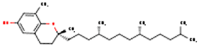 |
| 5 | Lactoflavin | 493570 | 376.4 g/mol | −6.2030 | 1.2643 | 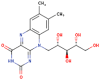 |
Table 3.
Lipinski's rule of five for drug-likeness analysis of the compound.
| Bioactive Compound | Molecular weight |
Lipophilicity (log p) |
Hydrogen Bond Donors |
Hydrogen bond acceptors |
No of rule violations of drug likeness |
|
|---|---|---|---|---|---|---|
| Less than 500 Da | Less than 5 | Less than 5 | Less than 10 | Less than 2 violations | Lipinski rule follows | |
| Sesamin | 354.35 | 3.46 | 0 | 6 | 0 | Yes |
| N7-Methylguanosine | 297.27 | 4.49 | 1 | 3 | 0 | Yes |
| Sesamol | 138.12 | 1.19 | 1 | 3 | 0 | Yes |
| Delta Tocopherol | 402.65 | 7.6 | 1 | 2 | 1 | Yes |
| Lactoflavin | 376.4 | −0.19 | 5 | 8 | 0 | Yes |
4. Discussion
Sesame is recognised as nutritional, therapeutic and economic oilseed crop, containing various bioactive compounds ranging from free fatty acids, lignans and vitamins out of which free fatty acids are being widely studied [[38], [39], [40]]. As almost all the medicinal and pharmacological activities of sesame is being reported from raw sesame. This is the first report of experimental work elucidating the potential of plant-based selenium nanoparticles to improve the metabolic profile of sesame, improving bioactive compounds and using them as potential drug targets.
Metabolomics analysis enables us to explore the variances in metabolites among different plant tissues and understand the connections between phenotypes and biological processes [41]. Almost no literature available on elucidating the impact of selenium nanoparticles on seed metabolic profile of the sesame. The present study was done with emphasis on three main points, in order to check the effect of plant mediated selenium nanoparticles on non-enzymatic potential, second to identify metabolites responsible for antioxidant activity and third to check the potential of selenium nanoparticles on different verities of sesame for changing metabolic profile. Indeed it was confirmed that selenium nanoparticle have the ability to ameliorate the antioxidant potential of sesame as T4 treatment (40 ppm SeNPs) with seed pre-treatment and foliar application method improved the antioxidant potential of sesame [42]. Similar results were obtained by Ref. [33]. By LCMS profiling total of 276 metabolites were identified with highest metabolite class of phenolic acid, followed by free fatty acids with 41, saccharides with 22 and lignans with 21. All these metabolites have higher antioxidant ability which is experimentally proved in various literature studies.
Plant secondary metabolites play vital role in plant metabolism and flavonoids is the 3rd major secondary metabolite in plants [[43], [44], [45], [46]]. There were three classes of flavonoids identified in the samples i, e flavanols, flavones and isoflavones. As DPPH, and ABTS activity was different in different sesame varieties and the highest antioxidant ability was observed in T4 of Group-3, LCMS profiling confirmed that number of flavonoids were highest in Till-18.
There are plenty of evidences that nanomaterials have the ability to modulate the transcriptomic, metabolomics and antioxidant profile of the plants. Selenium has the ability to improve both primary and secondary metabolites of plants like anthocyanin, ascorbates, carotenoids, phenolics and flavonoids, enabling the plant for enhanced photosynthesis and sugar content. In addition, these metabolites also function as a defense system of plant hence helping to complete their life cycle. Selenium application also alters the protein and amino acid metabolism, specifically of phenylalanine which serves as a precursor for variety of phenolic acids. As phenolics and flavonoids have the ability to absorbs free radical ions, thus selenium indirectly improve the non-enzymatic antioxidant defense system of plants by improving the metabolic profile [47,48].
Selenium has a crucial role in scavenging the reactive oxygen species (ROS), thereby controlling the damage caused by oxidative stress [49]. Selenium particularly does so by upregulating the activity of glutathione peroxidase (GSH-Px) which then destines to scavenge ROS and lipid peroxides, resulting in better stress response [50]. Therefore, selenium by protecting the plant from hazardous effect of ROS, results not only in better adaptation to stress but also strengthens plant for aging [51] In addition, selenium is also been reported to elevate antioxidant ability of senescing plants by maintaining the tocopherol content and raising superoxide dismutase activity (SOD) [52]. In the study carried out by 53, it was found that Silver nanoparticles (AgNPs) has upregulated the carbazole, raffinose, lactulose, citraconic acid, aspartic acid, dithioerythritol, d-erythronolactone, and N-methyl-l-glutamic acid content in cucumus sativus. Interestingly, it was also found that some of the compounds like carbazole, raffinose, lactulose, and citraconic acid were not even present in the control groups and were found only in AgNPs treated groups. Notably, some of the compounds like N-methyl-l-glutamic acid were increased up to 116-fold in plants treated with 40 mg of AgNPs, concluding that AgNPs has the ability to change the overall metabolome and can even result in a completely new metabolic profile of the plant.
Flavonoids participate in plant-environment interactions and engage in diverse self-defense mechanisms against pathogens, ultraviolet (UV) radiation, abiotic stresses, and more [54,55]. So, it can be concluded that these flavonoids are also affected by the selenium nanoparticles and the secondary metabolite content can be enhanced by using selenium nanoparticles. The findings indicate that the synthesis of secondary metabolites such as flavonoids, lignans, and others, as well as the biosynthesis and metabolism of amino acids, may occur in sesame in an abundant amount in sesame seeds. Sesame primarily contains methylated flavones, including apigenin, genistein, galangin, quercetin, luteolin, kaempferol, tricin, and their derivatives, as its main flavonoids, and variation occurs among species [56,57].
Phenolics being the most important secondary metabolites are being divided into two groups with flavonoids and non-flavonoids that abundantly found in sesame seeds [58]. Phenolic compounds were the first most abundant compounds identified in sesame seeds. Highest number of phenolic acids was 50 in Till-18 followed by TH-6 with 46 and TS-5 with 43. These variations in number of phenolic acids indicate that synthesis and accumulation of phenolic acid depends upon some critical enzymes and metabolic pathways that leads to the accumulation of phenolic acids. Chalcone synthase enzyme carry out the first important reaction of flavonoid biosynthesis [24,59], hence, selenium nanoparticles activate and upregulate these enzymes, hence resulting in a better accumulation o [60]f phenolic acids content. So, it can be inferred that synthesis of phenolic acids is differentially regulated and activated by selenium nanoparticles. As majority of the phenolic compounds in plants are derived from phenylalanine, by eliminating the ammonia and forming cinnamic acid, and this critical step is carried out by Phenylalanine ammonia lyase (PAL). Hence any improvements in PAL content has a positive impact on phenolic acids content. Possible mechanism of elevating phenolic acid content is that selenium nanoparticles trigger the expression of phenylalanine ammonia lyase (PAL) hence resulting in increased synthesis of phenolic acids [61]. Similarly, [62] concluded that foliar application of selenium nanoparticles improved the nutrient and metabolic profile of celery. About 29 metabolites were affected out of which 10 metabolites were upregulated and 19 metabolites were downregulated, concluding that SeNPs have the ability to re-program the metabolic profile of the celery. Similarly, some of the pathways, specifically, alpha-linolenic acid pathway was also activated, by improving the intermediates of alpha linolenic acid.
Atherosclerosis, hypertension, thrombosis, and diabetes are the primary risk factors for the development of cardiovascular diseases [63]. Lignan in sesame, Sesamin, sesamol and sesamolin due to their anti-inflammatory, antioxidant and controlling obesity related properties have been found very effective against CVD [[64], [65], [66]]. Hence any improvements in sesame seed bioactive compounds, especially in lignans will have the advantage of using plant source for curing CVD related problems. Hence, we applied nanotechnology to improve the metabolic profile of sesame and then to use these metabolites for CVD related problems with molecular docking analysis [67,68].
As most of the sesame seed bioactive compounds especially, lignans like sesamin, sesamol and sesamolin are associated with lipid peroxidation, along with improving the profile of antioxidant defense enzymes,
It can also be assessed that due to genotype and resulting phenotype of the particular variety selenium nanoparticles have variety specific response as well. Moreover, selenium nanoparticles may also be responsible for activating these above-mentioned enzymes, hence activating and resulting in better accumulation of phenolic acids.
The combined analysis of quantities antioxidant and LCMS metabolic analysis that these genes could exhibit distinct expression patterns in sesame seeds of different varieties and they are also differently affected by selenium nanoparticles, leading to significant diversity and variability in nutrients and bioactive compounds. Phenylalanine is the main precursor of various plant metabolites with multiple physiological functions and KEGG pathway revealed that this pathway is highly affected and activated by selenium nanoparticles [59,69]As sesame is important for its oil content and important bioactive compounds, it was also noted that biosynthesis of unsaturated fatty acids were significantly affected revealed by KEGG enrichment analysis. 5 matched compounds were founding which are the important intermediated in fatty acid biosynthesis. It suggests that selenium nanoparticles also have the ability to activate enzymes related to biosynthesis of unsaturated fatty acids leading to improved oil quality with unsaturated fatty acids. in previous studies conducted by the [70], it was concluded that Nano zinc has the ability to improve the fatty acid profile. Moreover, proteomic analysis revealed that zinc nanoparticles have the ability to ameliorate and activate different genes responsible for photosynthesis, signalling, stress, and fatty acids pathways were also triggered. Therefore, further proteomic and genomic studies can confirm the mechanism of improvement of fatty acid profile.
Accumulating animal and human studies have investigated the beneficial effects attributed to the ingestion of sesame seeds or purified sesamin, including improvements in antiaging, antioxidative activity, antihyper-tensive, and modulation of lipid metabolism [71]. Sesamin, a major lignan of the sesame is attributed antihypertensive efficacy, which is proved in several in vitro and in vivo studies. Like a study by Li and his colleagues suggested that daily intake of sesamin at the dose rate of 50 and 100 mg for the period of four weeks improves the s the right ventricular systolic pressure and mean pulmonary arterial pressure in monocrotaline induced hypertensive rats [72].
To explore the potential mechanism of action, a study conducted with the identical model of hypertensive rats has revealed that administering sesamin for 8 weeks leads to a reduction in systolic blood pressure. Furthermore, it improves acetylcholine-induced vasorelaxation and enhances nitric oxide (NO) bioactivity in the aorta. This effect is achieved by upregulating the expression of endothelial nitric oxide synthase (eNOS), reducing malondialdehyde (MDA) content, and decreasing nitrotyrosine and NADPH oxidase subunit p47pho [73].
The antihypertensive impacts of sesamin are additionally ascribed to the radical-scavenging capability of its metabolites, a quality demonstrated to induce vasorelaxation dependent on the endothelium. There exists a positive correlation between systolic blood pressure and the generation of aortic superoxide (O2). Consequently, the antihypertensive properties of sesamin may be attributed to its potential contribution to antioxidant activity [25]
Recent advancements in the fields of bioinformatics and computational biology have resulted in a diverse range of tools that enable in silico analysis and drug design. This has significantly reduced the time and financial resources traditionally required for drug development, by minimizing the reliance on trial-and-error approaches [74]. For centuries, plants have served as remedies for various ailments. In recent years, there has been a growing emphasis on the exploration and harnessing of plant-derived compounds with potential as effective antibiotics [75]. Therefore, all the 276 metabolites from sesame were virtually screened by using Bioavailability score, Drug likeness and toxicity assessment and the resulted five screened compounds were subjected to docking with HBB protein. Docking results revealed that all the compounds have a good affinity and binding energy with HBB protein which demonstrate the potential of sesame seed bioactive compounds for CVD. It was found that delta tocopherol has the highest binding affinity with energy of −6.98 which make it beter suited as a drug for CVD. Numerus studies indicate the tocopherols exhibits antioxidant properties and the ability to stabilize cell membranes, potentially disrupting the inflammatory damage induced by reactive oxygen free radicals [76]. Similarly sesamin, a lignan from sesame also showed a great affinity with HBB with binding energy of −5.86. Number of in-vitro and in -vivo reports suggest that sesamin has a potential role in reducing the risk factor of CVD. It has been demonstrated that an 8-week course of sesamin supplementation leads to a reduction in systolic blood pressure, enhances acetylcholine-induced vasorelaxation, and improves nitric oxide (NO) bioactivity in the aorta. This is achieved through the upregulation of endothelial nitric oxide synthase (eNOS) expression, a decrease in MDA levels, and a reduction in nitrotyrosine and NADPH oxidase subunit p47phox [73]. In this view it can be concluded that sesamin also has the great potential to be used as drug targets for CVD and especially against HBB. Docking results revealed that number of sesame seed bioactive compounds has the efficacy to be used as a potential drug targets for CVD, which can further be confirmed with in vivo studies as drug designing.
There are varaity of ways available for the synthesis of nanoparticles like physical and chemical methods, which use mostly the expensive precursors for the synthesis of nanoparticles. As far as the biological of green method of nanoparticles is concerned it is way much cheap as plants are readily available. Further, for the synthesis of nanoparticle we require only small amount of plant extract like for preparing a 1000 ml solution of nanoparticles we use about 60–80 ml of plant extract. Therefore, this accessibility of the plants makes them much more cheaper as compared to the other methods. Conventional chemical methods of synthesizing nanoparticles could include energy-intensive procedures like high-temperature reactions or the usage of specialized equipment. Plant-mediated synthesis techniques frequently function in milder environments, which lowers energy usage and related expenses. Plant-mediated synthesis is one of the green synthesis techniques that aims to have the least negative environmental impact possible. Industries can reduce expenses related to waste disposal, pollution control, and meeting strict environmental standards by implementing environmentally friendly procedures. When compared to nanoparticles made utilizing specific chemical processes, plant-mediated nanoparticles frequently show lower toxicity and greater biocompatibility. This feature may be helpful in fields like agriculture and health, where it can reduce expenses related to safety evaluations and legal compliance. So it can be concluded that plant mediated selenium nanoparticle are economically feasible, cheap, and environment friendly which can utilized for variety of purposes.
5. Conclusion
In conclusion, this research highlights the pressing need to find innovative solutions for increasing agricultural productivity in the face of a growing global population and the challenges posed by climate change. Oil seed crops, particularly Sesamum indicum, play a pivotal role in providing essential edible oils vital for human nutrition and various industrial applications. The study on the potential of selenium nanoparticles showcased their significant impact on the antioxidant and metabolic profile of sesame, with remarkable improvements observed in total phenolic and flavonoid content. The LCMS untargeted analysis further revealed a diverse array of metabolites, particularly phenolics, flavonoids, and free fatty acids, associated with essential biosynthetic pathways. Moreover, it was evident that different sesame varieties responded differently to selenium nanoparticles, with Till-18 demonstrating the highest levels of flavonoids, phenolics, and DPPH activity. Overall, this study emphasizes the promising role of plant-mediated selenium nanoparticles in enhancing the antioxidant and metabolic characteristics of sesame, presenting potential applications in both food and medicinal purposes. Further the docking scores, analysis of the interactions of the compounds suggest that most of the compounds have the ability to bind to multiple targets involved in cardiovascular disease. ADMET and toxicity prediction showed Sesamin, Delta tocopherol and Lactoflavin could be used as potential candidate against cardiovascular disease.
Data and software availability
Molecular operating environment (MOE) was downloaded from https://www.chemcomp.com/Products.htm free of charge for molecular docking. Metabolite set enrichment analysis was performed at online available tool https://www.metaboanalyst.ca/, while bar graphs were made with Graphpad Prism. Further, data will be provided on demand.
Data availability statement
Data is not deposited to any publicly available resource, however, it will be made available on request.
CRediT authorship contribution statement
Ilyas Ahmad: Writing – original draft, Methodology. Zia-ur-Rehman Mashwani: Supervision, Methodology, Conceptualization. Zohaib younas: Formal analysis, Data curation. Tayyaba Yousaf: Writing – review & editing, Validation, Software. Ajaz Ahmad: Formal analysis, Data curation. Carmen Vladulescu: Writing – review & editing, Funding acquisition.
Declaration of competing interest
Authors declares no competing academic and financial interest for the submitted research article entitled “Evaluation of antioxidant ability of nanoselenium treated sesame (Sesamum indicum) and molecular docking analysis of selected seed bioactive compounds as potential novel drug targets against cardiovascular disease related receptors-In vitro and in silico studies”
Acknowledgment
The authors would like to extend their sincere appreciation to the researchers supporting project number (RSP2024R350) King Saud university, Riyadh, Saudi Arabia.
Contributor Information
Ilyas Ahmad, Email: write2drilyas@gmail.com, ahmad316@umn.edu.
Zia-ur-Rehman Mashwani, Email: zia.botany@gmail.com.
References
- 1.Kah M., Tufenkji N., White J.C. Nano-enabled strategies to enhance crop nutrition and protection. Nat. Nanotechnol. 2019;14(6):532–540. doi: 10.1038/s41565-019-0439-5. [DOI] [PubMed] [Google Scholar]
- 2.Ramegowda V., Senthil-Kumar M. The interactive effects of simultaneous biotic and abiotic stresses on plants: mechanistic understanding from drought and pathogen combination. J. Plant Physiol. 2015;176:47–54. doi: 10.1016/j.jplph.2014.11.008. [DOI] [PubMed] [Google Scholar]
- 3.Pandey P., et al. Impact of combined abiotic and biotic stresses on plant growth and avenues for crop improvement by exploiting physio-morphological traits. Front. Plant Sci. 2017;8:537. doi: 10.3389/fpls.2017.00537. [DOI] [PMC free article] [PubMed] [Google Scholar]
- 4.Teshome D.T., Zharare G.E., Naidoo S. The threat of the combined effect of biotic and abiotic stress factors in forestry under a changing climate. Front. Plant Sci. 2020;11:1874. doi: 10.3389/fpls.2020.601009. [DOI] [PMC free article] [PubMed] [Google Scholar]
- 5.Raza A., et al. Impact of climate change on crops adaptation and strategies to tackle its outcome: a review. Plants. 2019;8(2):34. doi: 10.3390/plants8020034. [DOI] [PMC free article] [PubMed] [Google Scholar]
- 6.Jankowski K., Budzyński W. Energy potential oilseed crops. EJPAU. 2003;6(2) [Google Scholar]
- 7.Khan F., et al. Dietary glucosinolates derived isothiocyanates: chemical properties, metabolism and their potential in prevention of Alzheimer's disease. Front. Pharmacol. 2023;14 doi: 10.3389/fphar.2023.1214881. [DOI] [PMC free article] [PubMed] [Google Scholar]
- 8.Gothwal S.K., et al. Estimating the correlation between TYG and CIMT in non-diabetic adult patients. Obesity Medicine. 2022;35 [Google Scholar]
- 9.Safi S.Z., et al. Mechanisms of β-adrenergic receptors agonists in mediating pro and anti-apoptotic pathways in hyperglycemic Müller cells. Mol. Biol. Rep. 2022;49(10):9473–9480. doi: 10.1007/s11033-022-07816-0. [DOI] [PubMed] [Google Scholar]
- 10.Kuzma J., VerHage P. Project on Emerging Nanotechnologies. 2006. Nanotechnology in agriculture and food production: anticipated applications. [Google Scholar]
- 11.Chau C.-F., Wu S.-H., Yen G.-C. The development of regulations for food nanotechnology. Trends Food Sci. Technol. 2007;18(5):269–280. [Google Scholar]
- 12.Zakeri N., et al. Selenium supplementation and oxidative stress: a review. PharmaNutrition. 2021;17 [Google Scholar]
- 13.Kieliszek M., Bano I., Zare H. A comprehensive review on selenium and its effects on human health and distribution in Middle Eastern countries. Biol. Trace Elem. Res. 2022;200(3):971–987. doi: 10.1007/s12011-021-02716-z. [DOI] [PMC free article] [PubMed] [Google Scholar]
- 14.Ghasemian S., et al. Selenium nanoparticles stimulate growth, physiology, and gene expression to alleviate salt stress in Melissa officinalis. Biologia. 2021;76(10):2879–2888. [Google Scholar]
- 15.Zahedi S.M., et al. Mitigation of the effect of drought on growth and yield of pomegranates by foliar spraying of different sizes of selenium nanoparticles. J. Sci. Food Agric. 2021;101(12):5202–5213. doi: 10.1002/jsfa.11167. [DOI] [PubMed] [Google Scholar]
- 16.Neysanian M., et al. Comparative efficacy of selenate and selenium nanoparticles for improving growth, productivity, fruit quality, and postharvest longevity through modifying nutrition, metabolism, and gene expression in tomato; potential benefits and risk assessment. PLoS One. 2020;15(12) doi: 10.1371/journal.pone.0244207. [DOI] [PMC free article] [PubMed] [Google Scholar]
- 17.Howlader M., et al. Source-sink manipulation on yield contributing characters and yield of Sesame (Sesamum indicum L.) Progressive Agriculture. 2018;29(1):1–9. [Google Scholar]
- 18.Biswas S., et al. Til (Sesamum indicum L.)-An underexploited but promising Oilseed with multifarious applications: a Review. International Journal of Bioresource Science. 2018;5(2):127–139. [Google Scholar]
- 19.Subramaniyan V., et al. A review on epidermal growth factor receptor's role in breast and non-small cell lung cancer. Chem. Biol. Interact. 2022;351 doi: 10.1016/j.cbi.2021.109735. [DOI] [PubMed] [Google Scholar]
- 20.Zahoor I., et al. Emergence of microneedles as a potential therapeutics in diabetes mellitus. Environ. Sci. Pollut. Control Ser. 2021:1–21. doi: 10.1007/s11356-021-17346-0. [DOI] [PubMed] [Google Scholar]
- 21.Jeng K., Hou R. Sesamin and sesamolin: nature's therapeutic lignans. Curr. Enzym. Inhib. 2005;1(1):11–20. [Google Scholar]
- 22.Chen X., et al. Functional analysis, virtual screening, and molecular dynamics revealed potential novel drug targets and their inhibitors against cardiovascular disease in human. J. Biomol. Struct. Dyn. 2023:1–15. doi: 10.1080/07391102.2023.2239926. [DOI] [PubMed] [Google Scholar]
- 23.Kaur R., et al. Pertinence of nutriments for a stalwart body. Environ. Sci. Pollut. Control Ser. 2021;28(39):54531–54550. doi: 10.1007/s11356-021-16060-1. [DOI] [PMC free article] [PubMed] [Google Scholar]
- 24.Sathasivam K.V., et al. Chemical modification of banana trunk fibers for the production of green composites. Polymers. 2021;13(12):1943. doi: 10.3390/polym13121943. [DOI] [PMC free article] [PubMed] [Google Scholar]
- 25.Nakano D., et al. Effects of sesamin on aortic oxidative stress and endothelial dysfunction in deoxycorticosterone acetate-salt hypertensive rats. Biological and pharmaceutical bulletin. 2003;26(12):1701–1705. doi: 10.1248/bpb.26.1701. [DOI] [PubMed] [Google Scholar]
- 26.Prasad K.S., Selvaraj K. Biogenic synthesis of selenium nanoparticles and their effect on as (III)-induced toxicity on human lymphocytes. Biol. Trace Elem. Res. 2014;157:275–283. doi: 10.1007/s12011-014-9891-0. [DOI] [PubMed] [Google Scholar]
- 27.Javed B., Mashwani Z.-u.-R. Synergistic effects of physicochemical parameters on bio-fabrication of mint silver nanoparticles: structural evaluation and action against HCT116 colon cancer cells. International journal of nanomedicine. 2020:3621–3637. doi: 10.2147/IJN.S254402. [DOI] [PMC free article] [PubMed] [Google Scholar]
- 28.Ahmad I., et al. Phytomediated selenium nanoparticles improved physio-morphological, antioxidant, and oil bioactive compounds of sesame under induced biotic stress. ACS Omega. 2023;8(3):3354–3366. doi: 10.1021/acsomega.2c07084. [DOI] [PMC free article] [PubMed] [Google Scholar]
- 29.Chang C.-C., et al. Estimation of total flavonoid content in propolis by two complementary colorimetric methods. J. Food Drug Anal. 2002;10(3) [Google Scholar]
- 30.Velioglu Y., et al. Antioxidant activity and total phenolics in selected fruits, vegetables, and grain products. J. Agric. Food Chem. 1998;46(10):4113–4117. [Google Scholar]
- 31.Kedare S.B., Singh R. Genesis and development of DPPH method of antioxidant assay. J. Food Sci. Technol. 2011;48:412–422. doi: 10.1007/s13197-011-0251-1. [DOI] [PMC free article] [PubMed] [Google Scholar]
- 32.Chen W., et al. A novel integrated method for large-scale detection, identification, and quantification of widely targeted metabolites: application in the study of rice metabolomics. Mol. Plant. 2013;6(6):1769–1780. doi: 10.1093/mp/sst080. [DOI] [PubMed] [Google Scholar]
- 33.Bitwell C., Indra S.S., Luke C., Kakoma M.K. A review of modern and conventional extraction techniques and their applications for extracting phytochemicals from plants. Scientific African. 2023;19 [Google Scholar]
- 34.Yang H., et al. admetSAR 2.0: web-service for prediction and optimization of chemical ADMET properties. Bioinformatics. 2019;35(6):1067–1069. doi: 10.1093/bioinformatics/bty707. [DOI] [PubMed] [Google Scholar]
- 35.Clark A.M., Labute P. 2D depiction of protein− ligand complexes. J. Chem. Inf. Model. 2007;47(5):1933–1944. doi: 10.1021/ci7001473. [DOI] [PubMed] [Google Scholar]
- 36.Ikram M., et al. Phytogenic selenium nanoparticles elicited the physiological, biochemical, and antioxidant defense system amelioration of Huanglongbing-infected ‘Kinnow’Mandarin Plants. Nanomaterials. 2022;12(3):356. doi: 10.3390/nano12030356. [DOI] [PMC free article] [PubMed] [Google Scholar]
- 37.Coccia F., et al. One-pot synthesis of lignin-stabilised platinum and palladium nanoparticles and their catalytic behaviour in oxidation and reduction reactions. Green Chem. 2012;14(4):1073–1078. [Google Scholar]
- 38.Dar A.A., Arumugam N. Lignans of sesame: purification methods, biological activities and biosynthesis–a review. Bioorg. Chem. 2013;50:1–10. doi: 10.1016/j.bioorg.2013.06.009. [DOI] [PubMed] [Google Scholar]
- 39.Hata N., et al. Comparison of sesamin contents and CYP81Q1 gene expressions in aboveground vegetative organs between two Japanese sesame (Sesamum indicum L.) varieties differing in seed sesamin contents. Plant science. 2010;178(6):510–516. [Google Scholar]
- 40.Dossa K., et al. Near-infrared reflectance spectroscopy reveals wide variation in major components of sesame seeds from Africa and Asia. The Crop Journal. 2018;6(2):202–206. [Google Scholar]
- 41.Wang Y., et al. Therapeutic target database 2020: enriched resource for facilitating research and early development of targeted therapeutics. Nucleic acids research. 2020;48(D1):D1031–D1041. doi: 10.1093/nar/gkz981. [DOI] [PMC free article] [PubMed] [Google Scholar]
- 42.Wang D., et al. Identification of nutritional components in black sesame determined by widely targeted metabolomics and traditional Chinese medicines. Molecules. 2018;23(5):1180. doi: 10.3390/molecules23051180. [DOI] [PMC free article] [PubMed] [Google Scholar]
- 43.Rao V., Mans D., Rao L. BoD–Books on Demand; 2020. Phytochemicals in Human Health. [Google Scholar]
- 44.Shoeva O.Y., et al. Regulation of the flavonoid biosynthesis pathway genes in purple and black grains of Hordeum vulgare. PLoS One. 2016;11(10) doi: 10.1371/journal.pone.0163782. [DOI] [PMC free article] [PubMed] [Google Scholar]
- 45.Chinnasamy V., et al. Antiarthritic activity of Achyranthes Aspera on formaldehyde-induced arthritis in rats. Open access Macedonian journal of medical sciences. 2019;7(17):2709. doi: 10.3889/oamjms.2019.559. [DOI] [PMC free article] [PubMed] [Google Scholar]
- 46.Subramaniyan V., et al. Potential action of Rumex vesicarius (L.) against potassium dichromate and gentamicin induced nephrotoxicity in experimental rats. Pak. J. Pharm. Sci. 2018;2:509–516. [PubMed] [Google Scholar]
- 47.Golubkina N., Kekina H., Caruso G. Yield, quality and antioxidant properties of Indian mustard (Brassica juncea L.) in response to foliar biofortification with selenium and iodine. Plants. 2018;7(4):80. doi: 10.3390/plants7040080. [DOI] [PMC free article] [PubMed] [Google Scholar]
- 48.Jaiswal S.K., et al. Synergistic effect of selenium and UV‐B radiation in enhancing antioxidant level of wheatgrass grown from selenium rich wheat. J. Food Biochem. 2018;42(5) [Google Scholar]
- 49.Yang H., et al. The beneficial and hazardous effects of selenium on the health of the soil-plant-human system: an overview. J. Hazard Mater. 2022;422 doi: 10.1016/j.jhazmat.2021.126876. [DOI] [PubMed] [Google Scholar]
- 50.Andrade F.R., et al. Selenium protects rice plants from water deficit stress. Ecotoxicol. Environ. Saf. 2018;164:562–570. doi: 10.1016/j.ecoenv.2018.08.022. [DOI] [PubMed] [Google Scholar]
- 51.Rizwan M., et al. Effects of selenium on the uptake of toxic trace elements by crop plants: a review. Crit. Rev. Environ. Sci. Technol. 2021;51(21):2531–2566. [Google Scholar]
- 52.Xue T., Hartikainen H., Piironen V. Antioxidative and growth-promoting effect of selenium on senescing lettuce. Plant Soil. 2001;237:55–61. [Google Scholar]
- 53.Zhang H., et al. Metabolomics reveals the “invisible” responses of spinach plants exposed to CeO2 nanoparticles. Environ. Sci. Technol. 2019;53(10):6007–6017. doi: 10.1021/acs.est.9b00593. [DOI] [PubMed] [Google Scholar]
- 54.Santos E.L., et al. Flavonoids: classification, biosynthesis and chemical ecology. Flavonoids-From biosynthesis to human health. 2017;13:78–94. [Google Scholar]
- 55.Koirala N., et al. Methylation of flavonoids: chemical structures, bioactivities, progress and perspectives for biotechnological production. Enzym. Microb. Technol. 2016;86:103–116. doi: 10.1016/j.enzmictec.2016.02.003. [DOI] [PubMed] [Google Scholar]
- 56.Fuji Y., et al. Chemical characterization and biological activity in young sesame leaves (Sesamum indicum L.) and changes in iridoid and polyphenol content at different growth stages. PLoS One. 2018;13(3) doi: 10.1371/journal.pone.0194449. [DOI] [PMC free article] [PubMed] [Google Scholar]
- 57.Dat N.T., Dang N.H., Thanh L.N. New flavonoid and pentacyclic triterpene from Sesamum indicum leaves. Nat. Prod. Res. 2016;30(3):311–315. doi: 10.1080/14786419.2015.1057730. [DOI] [PubMed] [Google Scholar]
- 58.Durazzo A., et al. Polyphenols: a concise overview on the chemistry, occurrence, and human health. Phytother Res. 2019;33(9):2221–2243. doi: 10.1002/ptr.6419. [DOI] [PubMed] [Google Scholar]
- 59.Saito K., et al. The flavonoid biosynthetic pathway in Arabidopsis: structural and genetic diversity. Plant Physiol. Biochem. 2013;72:21–34. doi: 10.1016/j.plaphy.2013.02.001. [DOI] [PubMed] [Google Scholar]
- 60.Wahab N.W., et al. Human exfoliated deciduous teeth stem cells: features and therapeutic effects on neurogenerative and hepatobiliary-pancreatic diseases. Curr. Stem Cell Res. Ther. 2021;16(5):563–576. doi: 10.2174/1574888X15999200918105623. [DOI] [PubMed] [Google Scholar]
- 61.Rajaee Behbahani S., et al. Red elemental selenium nanoparticles mediated substantial variations in growth, tissue differentiation, metabolism, gene transcription, epigenetic cytosine DNA methylation, and callogenesis in bittermelon (Momordica charantia); an in vitro experiment. PLoS One. 2020;15(7) doi: 10.1371/journal.pone.0235556. [DOI] [PMC free article] [PubMed] [Google Scholar]
- 62.Li D., et al. Foliar application of selenium nanoparticles on celery stimulates several nutrient component levels by regulating the α-linolenic acid pathway. ACS Sustain. Chem. Eng. 2020;8(28):10502–10510. [Google Scholar]
- 63.Hadipour E., et al. Effects of sesame (Sesamum indicum L.) and bioactive compounds (sesamin and sesamolin) on inflammation and atherosclerosis: a review. Food Sci. Nutr. 2023 doi: 10.1002/fsn3.3407. [DOI] [PMC free article] [PubMed] [Google Scholar]
- 64.Kattoor A.J., et al. Oxidative stress in atherosclerosis. Curr. Atherosclerosis Rep. 2017;19:1–11. doi: 10.1007/s11883-017-0678-6. [DOI] [PubMed] [Google Scholar]
- 65.Ramli S., et al. Phytochemicals of withania somnifera as a future promising drug against SARS-CoV-2: pharmacological role, molecular mechanism, molecular docking evaluation, and efficient delivery. Microorganisms. 2023;11(4):1000. doi: 10.3390/microorganisms11041000. [DOI] [PMC free article] [PubMed] [Google Scholar]
- 66.Mujafarkani N., et al. Unveiling a novel terpolymer-metal complex: a detailed exploration of synthesis, characterization, and its potential as an antimicrobial and antioxidant agent. Heliyon. 2023;9(10) doi: 10.1016/j.heliyon.2023.e20459. [DOI] [PMC free article] [PubMed] [Google Scholar]
- 67.Rarokar N.R., et al. Preparation and formula optimization of cephalexin loaded transferosomal gel by QbD to enhance the transdermal delivery: in vitro, ex vivo and in vivo study. J. Drug Deliv. Sci. Technol. 2023;89 [Google Scholar]
- 68.Santhoshkumar T., et al. Biological synthesis of nickel nanoparticles using extracellular metabolites of Bacillus Sphaericus: characterization and vector-borne disease control applications. South Afr. J. Bot. 2023;162:481–494. [Google Scholar]
- 69.Qian Y., et al. Completion of the cytosolic post-chorismate phenylalanine biosynthetic pathway in plants. Nat. Commun. 2019;10(1):15. doi: 10.1038/s41467-018-07969-2. [DOI] [PMC free article] [PubMed] [Google Scholar]
- 70.Sawati L., et al. Molecular effects of biogenic zinc nanoparticles on the growth and development of Brassica napus L. revealed by proteomics and transcriptomics. Front. Plant Sci. 2022;13 doi: 10.3389/fpls.2022.798751. [DOI] [PMC free article] [PubMed] [Google Scholar]
- 71.Jayaraj P., et al. Sesamol: a powerful functional food ingredient from sesame oil for cardioprotection. Food Funct. 2020;11(2):1198–1210. doi: 10.1039/c9fo01873e. [DOI] [PubMed] [Google Scholar]
- 72.Li L., et al. Sesamin attenuates allergic airway inflammation through the suppression of nuclear factor-kappa B activation. Exp. Ther. Med. 2016;12(6):4175–4181. doi: 10.3892/etm.2016.3903. [DOI] [PMC free article] [PubMed] [Google Scholar]
- 73.Kong X., et al. Sesamin improves endothelial dysfunction in renovascular hypertensive rats fed with a high-fat, high-sucrose diet. Eur. J. Pharmacol. 2009;620(1–3):84–89. doi: 10.1016/j.ejphar.2009.08.023. [DOI] [PubMed] [Google Scholar]
- 74.Du X., Wang X., Geng M. Alzheimer's disease hypothesis and related therapies. Transl. Neurodegener. 2018;7(1):1–7. doi: 10.1186/s40035-018-0107-y. [DOI] [PMC free article] [PubMed] [Google Scholar]
- 75.Barua A., Kesavan K., Jayanthi S. Molecular docking studies of plant compounds to identify efficient inhibitors for ovarian cancer. Res. J. Pharm. Technol. 2018;11(9):3811–3815. [Google Scholar]
- 76.Suzuki A. Management of cancer treatment-induced oral mucositis. Inflammation and Oral Cancer. 2022:183–197. [Google Scholar]
Associated Data
This section collects any data citations, data availability statements, or supplementary materials included in this article.
Data Availability Statement
Molecular operating environment (MOE) was downloaded from https://www.chemcomp.com/Products.htm free of charge for molecular docking. Metabolite set enrichment analysis was performed at online available tool https://www.metaboanalyst.ca/, while bar graphs were made with Graphpad Prism. Further, data will be provided on demand.
Data is not deposited to any publicly available resource, however, it will be made available on request.