


Abstract
Background
Autologous platelet‐rich plasma (PRP) consists of plasma and a concentrate of platelets extracted from fresh whole blood of the person being treated. Research has suggested that intrauterine or intraovarian infusion/injection of PRP before embryo transfer may improve endometrial receptivity and response to ovarian stimulation in women undergoing assisted reproduction. We compared these interventions to standard treatment, placebo, or other interventions (mechanical or pharmacological).
Objectives
To assess the effectiveness and safety of intrauterine and intraovarian infusion/injection of platelet‐rich plasma in infertile women undergoing assisted reproductive technology cycles.
Search methods
We searched the Cochrane Gynaecology and Fertility Group's Specialised Register, CENTRAL, MEDLINE, Embase, and the Epistemonikos database in January 2023. We also searched the reference lists of relevant articles and contacted the trial authors and experts in the field for any additional trials.
Selection criteria
We included randomized controlled trials (RCTs) that evaluated the application of PRP in the uterine cavity, ovaries, or both versus no intervention, placebo, or any other intervention (either mechanical or pharmacological) in women undergoing in vitro fertilization (IVF) or intracytoplasmic sperm injection (ICSI) cycles.
Data collection and analysis
We followed standard methodological procedures recommended by Cochrane, including use of the updated risk of bias tool (RoB 2). The primary outcomes were live birth (or ongoing pregnancy) and miscarriage. The secondary outcomes were clinical pregnancy, complications of the procedure, multiple pregnancy, ectopic pregnancy, fetal growth restriction, preterm delivery, and fetal abnormality. We estimated the average effect of the interventions by fitting a Der Simonian‐Laird's random‐effects meta‐analysis model. We reported pooled odds ratios (ORs) with 95% confidence intervals (CIs). We restricted the primary analyses to trials at low risk of bias for the outcomes and performed sensitivity analyses that included all studies.
Main results
We included 12 parallel‐group RCTs that recruited a total of 1069 women. We identified three different comparison groups. Using GRADE, we assessed the certainty of evidence as very low for almost all outcomes.
Intrauterine injection/infusion of platelet‐rich plasma versus no intervention or placebo
Nine studies evaluated intrauterine PRP versus no intervention or placebo. Eight included women with at least two or three previous implantation failures. Only one was assessed at low risk of bias for each outcome. This study provided very low‐certainty evidence about the effect of intrauterine PRP injection versus no intervention on live birth (OR 1.10, 95% CI 0.38 to 3.14; 94 women) and miscarriage (OR 0.96, 95% CI 0.13 to 7.09; 94 women). If the likelihood of live birth following no intervention is assumed to be 17%, then the likelihood following intrauterine PRP would be 7% to 40%; and if the risk of miscarriage following no intervention is 4%, then the risk following intrauterine PRP would be 1% to 24%.
When we analyzed all studies (regardless of risk of bias), we found very low‐certainty evidence about the effect of intrauterine PRP compared with placebo or no intervention on live birth or ongoing pregnancy (OR 2.38, 95% CI 1.16 to 4.86; I² = 54%; 6 studies, 564 women) and miscarriage (OR 1.54, 95% CI 0.59 to 4.01; I² = 0%; 5 studies, 504 women).
The study at low risk of bias provided very low‐certainty evidence about the effect of intrauterine PRP compared with no intervention on clinical pregnancy (OR 1.55, 95% CI 0.64 to 3.76; 94 women) and ectopic pregnancy (OR 2.94, 95% CI 0.12 to 73.95; 94 women).
The synthesis of all studies provided very low‐certainty evidence about the effect of intrauterine PRP compared with placebo or no intervention on clinical pregnancy (OR 2.22, 95% CI 1.50 to 3.27; I² = 24%; 9 studies, 824 women), multiple pregnancy (OR 2.68, 95% CI 0.81 to 8.88; I² = 0%; 2 studies, 240 women), and ectopic pregnancy (OR 2.94, 95% CI 0.12 to 73.95; 1 study, 94 women; very low‐certainty evidence). Intrauterine infusion of PRP may increase the risk of preterm delivery compared with no intervention (OR 8.02, 95% CI 1.72 to 37.33; 1 study, 120 women; low‐certainty evidence).
No studies reported pain, infection, allergic reaction, fetal growth restriction, or fetal abnormality.
Intrauterine infusion of platelet‐rich plasma versus intrauterine infusion of granulocyte colony‐stimulating factor
Two RCTs evaluated intrauterine PRP versus intrauterine granulocyte colony‐stimulating factor (G‐CSF); both included women with thin endometrium, and neither was judged at low risk of bias for any outcome. We are uncertain about the effect of intrauterine PRP compared with intrauterine G‐CSF on live birth (OR 0.88, 95% CI 0.43 to 1.81; 1 study, 132 women; very low‐certainty evidence), miscarriage (OR 1.94, 95% CI 0.63 to 5.96; 1 study, 132 women; very low‐certainty evidence), and clinical pregnancy (OR 1.24, 95% CI 0.66 to 2.35; 2 studies, 172 women; very low‐certainty evidence). Neither study reported adverse outcomes other than miscarriage.
Intraovarian injection of platelet‐rich plasma versus no intervention
One RCT evaluated PRP injection into both ovaries versus no intervention; it was judged at high risk of bias for the two outcomes it reported. We are uncertain about the effect of intraovarian PRP injection compared with no intervention on ongoing pregnancy (OR 1.09, 95% CI 0.33 to 3.63; 73 women; very low‐certainty evidence) and clinical pregnancy (OR 0.90, 95% CI 0.31 to 2.60; 73 women; very low‐certainty evidence). The study examined no safety outcomes.
Authors' conclusions
We are uncertain about the effect of intrauterine or intraovarian administration of PRP on outcomes of assisted reproduction technology in infertile women. The pooled results should be interpreted with caution. Only one of the 12 included studies was judged at low risk of bias. Other limitations of the included trials were failure to report live birth, poor reporting of methods, lack of prospective protocol registration, low precision due to the small number of enrolled participants, indirectness due to the specific subpopulations and settings studied, and insufficient or absent safety data.
Keywords: Female; Humans; Pregnancy; Abortion, Spontaneous; Bias; Embryo Implantation; Embryo Transfer; Embryo Transfer/methods; Fertilization in Vitro; Fertilization in Vitro/methods; Infertility, Female; Infertility, Female/therapy; Live Birth; Live Birth/epidemiology; Ovary; Ovulation Induction; Ovulation Induction/methods; Platelet-Rich Plasma; Pregnancy Rate; Pregnancy, Multiple; Randomized Controlled Trials as Topic; Reproductive Techniques, Assisted; Sperm Injections, Intracytoplasmic; Sperm Injections, Intracytoplasmic/methods; Uterus
Plain language summary
Can injection of platelet‐rich plasma in the womb or ovaries of infertile women undergoing assisted reproduction help them to become pregnant?
Key messages
• We do not know if platelet‐rich plasma (PRP) injection in the womb is better than no treatment or dummy treatment in terms of live birth (or ongoing pregnancy), miscarriage, clinical pregnancy, multiple pregnancy, or ectopic pregnancy. PRP injection in the womb may increase the risk of preterm birth. We have insufficient information about other potential unwanted effects of PRP.
• We have insufficient information about the use of PRP injection in the ovaries.
• Since we are not confident in the results, we need more high‐quality research to investigate whether the use of PRP is beneficial and safe in women trying to become pregnant via assisted reproduction.
What is platelet‐rich plasma and how might it help women become pregnant?
Platelet‐rich plasma (PRP) is made up of plasma (the liquid portion of the blood) and a high concentration of platelets (the cells that cause blood clots). It is produced from the whole blood of the person being treated. PRP contains growth factors that stimulate human tissue repair, especially in tissues that heal slowly. Some experts believe PRP may help the ovaries react better to ovarian stimulation (hormone treatment given to increase the number of eggs released), and may help the endometrium (lining of the womb) react better to the implantation of embryos. In this way, PRP could help women undergoing assisted reproduction to become pregnant.
What did we want to find out?
We wanted to know if PRP was better than no treatment, placebo (dummy treatment), or other treatments for improving:
• the likelihood of live birth or ongoing pregnancy (fetal heartbeat after 12 weeks of pregnancy); and • the likelihood of clinical pregnancy (fetal heartbeat at seven weeks of pregnancy).
We also wanted to know if PRP affected the risk of:
• miscarriage; • pain, infection, or allergic reactions; • multiple pregnancy (twins, triplets, etc.); • ectopic pregnancy (when the embryo implants outside the womb); • fetal growth restriction; • preterm birth (before 37 weeks of pregnancy); and • fetal abnormality.
What did we do?
We searched for studies that compared PRP with no treatment, placebo, or other treatments in infertile women undergoing assisted reproduction. We compared and summarized the results of the studies and rated our confidence in the evidence, based on factors such as study methods and sizes. We were mainly interested in the results of well‐designed studies, so we analyzed them separately.
What did we find?
We found 12 studies involving 1069 women. Nine studies compared PRP injection in the womb with no treatment or placebo. Two studies compared PRP injection in the womb with granulocyte colony‐stimulating factor (G‐CSF) injection in the womb. One study compared PRP injection in the ovaries with no treatment.
Key results
Platelet‐rich plasma injection in the womb versus no treatment
There was only one well‐designed study in this comparison. It provided insufficient evidence to show if PRP is better than no treatment in terms of rates of live birth, miscarriage, clinical pregnancy, or ectopic pregnancy. The study suggests that if the likelihood of live birth following no treatment is 17.4%, then the likelihood following PRP injection would be 7% to 40%; and if the risk of miscarriage following no intervention is 4%, then the risk following PRP injection would be 1% to 24%.
Based on the analysis of all studies, we do not know if PRP injection in the womb is better than no treatment or placebo in terms of live birth (or ongoing pregnancy), miscarriage, clinical pregnancy, multiple pregnancy, or ectopic pregnancy. PRP injection in the womb may increase the risk of preterm birth.
No studies reported other unwanted effects of treatment.
Platelet‐rich plasma injection in the womb versus granulocyte colony‐stimulating factor injection in the womb
Neither study in this comparison was well designed. Based on the results of these studies, we do not know if PRP injection in the womb is better than G‐CSF injection in the womb in terms of live birth (or ongoing pregnancy), miscarriage, and clinical pregnancy. Neither study reported unwanted events other than miscarriage.
Platelet‐rich plasma injection in the ovaries versus no treatment
The study that evaluated this comparison was not well designed. We are uncertain about the effect of ovarian PRP on ongoing pregnancy and clinical pregnancy. The trial did not report live birth or any unwanted events.
What are the limitations of the evidence?
We are not confident in the evidence because:
• some studies focused on a specific population, and the question we wanted to answer was broader; • some studies were small; • most studies were not well designed; and • the results of different trials were sometimes inconsistent.
Readers should interpret our results with caution. More studies are needed to confirm the findings.
How up to date is this evidence?
The evidence is current to January 2023.
Summary of findings
Summary of findings 1. Intrauterine injection of autologous platelet‐rich plasma versus no intervention in women undergoing assisted reproduction (studies judged at low risk of bias).
| Intrauterine injection of autologous platelet‐rich plasma versus no intervention in women undergoing assisted reproduction (studies judged at low risk of bias) | ||||||
|
Patient or population: women undergoing assisted reproduction Setting: IVF centers Intervention: intrauterine injection of autologous PRP Comparison: no intervention | ||||||
| Outcomes | Anticipated absolute effects* (95% CI) | Relative effect (95% CI) | № of participants (studies) | Certainty of the evidence (GRADE) | Comments | |
| Risk with no intervention | Risk with intrauterine PRP | |||||
| Live birth (or ongoing pregnancy) | 174 per 1000 | 188 per 1000 (74 to 398) | OR 1.10 (0.38 to 3.14) | 94 (1 RCT) | ⊕⊝⊝⊝ Very lowa | The evidence is very uncertain about the effect of intrauterine PRP injection on live birth. |
| Miscarriage | 43 per 1000 | 42 per 1000 (6 to 244) | OR 0.96 (0.13 to 7.09) | 94 (1 RCT) | ⊕⊝⊝⊝ Very lowa | The evidence is very uncertain about the effect of intrauterine PRP injection on miscarriage. |
| Clinical pregnancy | 261 per 1000 | 354 per 1000 (184 to 570) | OR 1.55 (0.64 to 3.76) | 94 (1 RCT) | ⊕⊝⊝⊝ Very lowa | The evidence is very uncertain about the effect of intrauterine PRP injection on clinical pregnancy. |
| Adverse events: ectopic pregnancy | 0 per 1000 | 0 per 1000 (1 to 48) | OR 2.94 (0.12 to 73.95) | 94 (1 RCT) | ⊕⊝⊝⊝ Very lowa | The evidence is very uncertain about the effect of intrauterine PRP injection on ectopic pregnancy. |
| *The risk in the intervention group (and its 95% CI) is based on the assumed risk in the comparison group and the relative effect of the intervention (and its 95% CI). CI: confidence interval; IVF: in‐vitro fertilization; OR: odds ratio; PRP: platelet‐rich plasma; RCT: randomized controlled trial. | ||||||
| GRADE Working Group grades of evidence High certainty: we are very confident that the true effect lies close to that of the estimate of the effect. Moderate certainty: we are moderately confident in the effect estimate; the true effect is likely to be close to the estimate of the effect, but there is a possibility that it is substantially different. Low certainty: our confidence in the effect estimate is limited; the true effect may be substantially different from the estimate of the effect. Very low certainty: we have very little confidence in the effect estimate; the true effect is likely to be substantially different from the estimate of effect. | ||||||
a Downgraded one level for indirectness (the trial included only women with a history of at least three previous implantation failures; this is a specific subset of the population of interest) and two levels for imprecision (optimal information size not met, and CI consistent with both appreciable benefit and appreciable harm).
Summary of findings 2. Intrauterine infusion/injection of autologous platelet‐rich plasma compared to no intervention or placebo in women undergoing assisted reproduction (all studies).
| Intrauterine infusion/injection of autologous platelet‐rich plasma compared to no intervention or placebo in women undergoing assisted reproduction (all studies) | ||||||
|
Patient or population: women undergoing assisted reproduction Setting: IVF centers Intervention: intrauterine infusion/injection of autologous PRP Comparison: no intervention or placebo | ||||||
| Outcomes | Anticipated absolute effects* (95% CI) | Relative effect (95% CI) | № of participants (studies) | Certainty of the evidence (GRADE) | Comments | |
| Risk with no intervention or placebo | Risk with intrauterine PRP | |||||
| Live birth (or ongoing pregnancy) | 142 per 1000 | 283 per 1000 (161 to 446) | OR 2.38 (1.16 to 4.86) | 564 (6 RCTs) | ⊕⊝⊝⊝ Very lowa | The evidence is very uncertain about the effect of intrauterine PRP infusion or injection on live birth (or ongoing pregnancy). |
| Miscarriage | 32 per 1000 | 48 per 1000 (19 to 117) | OR 1.54 (0.59 to 4.01) | 504 (5 RCTs) | ⊕⊝⊝⊝ Very lowb | The evidence is very uncertain about the effect of intrauterine PRP infusion or injection on miscarriage. |
| Clinical pregnancy | 195 per 1000 | 349 per 1000 (266 to 441) | OR 2.22 (1.50 to 3.27) | 824 (9 RCTs) | ⊕⊝⊝⊝ Very lowc | The evidence is very uncertain about the effect of intrauterine PRP infusion or injection on clinical pregnancy. |
| Adverse events: multiple pregnancy | 33 per 1000 | 85 per 1000 (27 to 234) | OR 2.68 (0.81 to 8.88) | 240 (2 RCTs) | ⊕⊝⊝⊝ Very lowd | The evidence is very uncertain about the effect of intrauterine PRP infusion on multiple pregnancy. |
| Adverse events: ectopic pregnancy | 0 per 1000 | 0 per 1000 (0 to 0) | OR 2.94 (0.12 to 73.95) | 94 (1 RCT) | ⊕⊝⊝⊝ Very lowe | The evidence is very uncertain about the effect of intrauterine PRP infusion on ectopic pregnancy. |
| Adverse events: preterm delivery | 33 per 1000 | 217 per 1000 (56 to 563) | OR 8.02 (1.72 to 37.33) | 120 (1 RCT) | ⊕⊕⊝⊝ Lowf | Intrauterine PRP infusion may result in a large increase in preterm delivery. |
| *The risk in the intervention group (and its 95% CI) is based on the assumed risk in the comparison group and the relative effect of the intervention (and its 95% CI). CI: confidence interval; IVF: in‐vitro fertilization; OR: odds ratio; PRP: platelet‐rich plasma; RCT: randomized controlled trial. | ||||||
| GRADE Working Group grades of evidence High certainty: we are very confident that the true effect lies close to that of the estimate of the effect. Moderate certainty: we are moderately confident in the effect estimate; the true effect is likely to be close to the estimate of the effect, but there is a possibility that it is substantially different. Low certainty: our confidence in the effect estimate is limited; the true effect may be substantially different from the estimate of the effect. Very low certainty: we have very little confidence in the effect estimate; the true effect is likely to be substantially different from the estimate of effect. | ||||||
a Downgraded one level for high risk of bias in five of six trials (arising from the randomization process (one trial), due to missing outcome data (two trials), and in selection of the reported result (one trial)), one level for inconsistency due to substantial heterogeneity (I² > 50%), and one level for indirectness (the trials included almost only women with a history of two or three previous implantation failures; this is a specific subset of the overall population of interest). b Downgraded one level for indirectness (the trials included almost only women with a history of two or three previous implantation failures; this is a specific subset of the overall population of interest), one level for high risk of bias in four of the five trials (for missing outcome data (two trials), in measurement of the outcome (one trial), and in the selection of the reported result (one trial)), and two levels for imprecision (optimal information size not met, and CI consistent with both appreciable benefit and appreciable harm). c Downgraded one level for indirectness (the trials included almost only women with a history of two or three previous implantation failures; this is a specific subset of the overall population of interest), and two levels for high risk of bias in seven of the nine trials (for missing outcome data (five trials) and in selection of the reported result (three trials)). d Downgraded one level for indirectness (the trials included almost only women with a history of two or three previous implantation failures; this is a specific subset of the overall population of interest), two levels for imprecision (optimal information size not met, and CI consistent with both appreciable benefit and appreciable harm), and one level for risk of bias in both trials (high risk of bias due to missing outcome data (one trial) and some concerns related to randomization, deviations from the intended interventions, and selection of the reported result (one trial)). e Downgraded two levels for imprecision (optimal information size not met, and CI consistent with both appreciable benefit and appreciable harm) and one level for indirectness (the trial included only women with a history of three previous implantation failures; this is a specific subset of the overall population of interest). f Downgraded one level for indirectness (the trial included only women with a history of three previous implantation failures; this is a specific subset of the overall population of interest) and one level for risk of bias (some concerns related to the randomization process, deviations from the intended interventions, and selection of the reported result). Despite the wide CI, we did not downgrade for imprecision because the optimal information size was met and the CI excluded an OR of 1.
Summary of findings 3. Intrauterine infusion of autologous platelet‐rich plasma compared to intrauterine infusion of granulocyte colony‐stimulating factor in women undergoing assisted reproduction (all studies).
| Intrauterine infusion of autologous platelet‐rich plasma compared to intrauterine infusion of granulocyte colony‐stimulating factor in women undergoing assisted reproduction (all studies) | ||||||
|
Patient or population: women undergoing assisted reproduction Setting: IVF centers Intervention: intrauterine infusion of autologous PRP Comparison: intrauterine infusion of G‐CSF | ||||||
| Outcomes | Anticipated absolute effects* (95% CI) | Relative effect (95% CI) | № of participants (studies) | Certainty of the evidence (GRADE) | Comments | |
| Risk with intrauterine G‐CSF | Risk with intrauterine PRP | |||||
| Live birth (or ongoing pregnancy | 368 per 1000 | 339 per 1000 (201 to 514) | OR 0.88 (0.43 to 1.81) | 132 (1 RCT) | ⊕⊝⊝⊝ Very lowa | The evidence is very uncertain about the effect of intrauterine PRP infusion compared with intrauterine G‐CSF infusion on live birth. |
| Miscarriage | 79 per 1000 | 143 per 1000 (51 to 338) | OR 1.94 (0.63 to 5.96) | 132 (1 RCT) | ⊕⊝⊝⊝ Very lowb | The evidence is very uncertain about the effect of intrauterine PRP infusion compared with intrauterine G‐CSF infusion on miscarriage. |
| Clinical pregnancy | 385 per 1000 | 437 per 1000 (293 to 596) | OR 1.24 (0.66 to 2.35) | 172 (2 RCTs) | ⊕⊝⊝⊝ Very lowc | The evidence is very uncertain about the effect of intrauterine PRP infusion compared with intrauterine G‐CSF infusion on clinical pregnancy. |
| Adverse events | — | — | — | — | — | Neither study reported adverse events. |
| *The risk in the intervention group (and its 95% CI) is based on the assumed risk in the comparison group and the relative effect of the intervention (and its 95% CI). CI: confidence interval; G‐CSF: granulocyte colony‐stimulating factor; IVF: in‐vitro fertilization; OR: odds ratio; PRP: platelet‐rich plasma; RCT: randomized controlled trial. | ||||||
| GRADE Working Group grades of evidence High certainty: we are very confident that the true effect lies close to that of the estimate of the effect. Moderate certainty: we are moderately confident in the effect estimate: the true effect is likely to be close to the estimate of the effect, but there is a possibility that it is substantially different. Low certainty: our confidence in the effect estimate is limited: the true effect may be substantially different from the estimate of the effect. Very low certainty: we have very little confidence in the effect estimate: the true effect is likely to be substantially different from the estimate of effect. | ||||||
a Downgraded two levels for high risk of bias (arising from the randomization process and due to missing outcome data), one level for indirectness (the trial included only women with thin endometrium at triggering, which is a specific subset of the overall population of interest), and two levels for imprecision (optimal information size not met, and CI consistent with both appreciable benefit and appreciable harm). b Downgraded one level for indirectness (the trial included only women with thin endometrium at triggering, which is a specific subset of the overall population of interest), two levels for imprecision (optimal information size not met, and CI consistent with both appreciable benefit and appreciable harm), and two levels for high risk of bias (arising from the randomization process, due to missing outcome data, and in selection of the reported result). c Downgraded two levels for imprecision (optimal information size not met, and CI consistent with both appreciable benefit and appreciable harm), two levels for high risk of bias in both trials (due to missing outcome data and in selection of the reported result; one trial also had a high risk of bias arising from the randomization process), and one level for indirectness (both trials included only women with thin endometrium at triggering, which is a specific subset of the overall population of interest).
Summary of findings 4. Intraovarian injection of autologous platelet‐rich plasma compared to no intervention in women undergoing assisted reproduction (all studies).
| Intraovarian injection of autologous platelet‐rich plasma compared to no intervention in women undergoing assisted reproduction (all studies) | ||||||
|
Patient or population: women undergoing assisted reproduction Setting: IVF centers Intervention: intraovarian injection of autologous PRP Comparison: no intervention | ||||||
| Outcomes | Anticipated absolute effects* (95% CI) | Relative effect (95% CI) | № of participants (studies) | Certainty of the evidence (GRADE) | Comments | |
| Risk with no intervention | Risk with intraovarian PRP | |||||
| Ongoing pregnancy | 171 per 1000 | 184 per 1000 (64 to 429) | OR 1.09 (0.33 to 3.63) | 73 (1 RCT) | ⊕⊝⊝⊝ Very lowa | The evidence is very uncertain about the effect of intraovarian PRP injection compared with no intervention on ongoing pregnancy. |
| Miscarriage | — | — | — | — | — | Herlihy 2022 did not report miscarriage. |
| Clinical pregnancy | 257 per 1000 | 238 per 1000 (97 to 474) | OR 0.90 (0.31 to 2.60) | 73 (1 RCT) | ⊕⊝⊝⊝ Very lowa | The evidence is very uncertain about the effect of intraovarian PRP injection compared with no intervention on clinical pregnancy. |
| Adverse events | — | — | — | — | — | Herlihy 2022 did not report adverse events. |
| *The risk in the intervention group (and its 95% CI) is based on the assumed risk in the comparison group and the relative effect of the intervention (and its 95% CI). CI: confidence interval; IVF: in‐vitro fertilization; OR: odds ratio; PRP: platelet‐rich plasma; RCT: randomized controlled trial. | ||||||
| GRADE Working Group grades of evidence High certainty: we are very confident that the true effect lies close to that of the estimate of the effect. Moderate certainty: we are moderately confident in the effect estimate; the true effect is likely to be close to the estimate of the effect, but there is a possibility that it is substantially different. Low certainty: our confidence in the effect estimate is limited; the true effect may be substantially different from the estimate of the effect. Very low certainty: we have very little confidence in the effect estimate; the true effect is likely to be substantially different from the estimate of effect. | ||||||
a Downgraded two levels for high risk of bias due to missing outcome data and in selection of the reported result, one level for indirectness (the study included only poor ovarian responders aged under 38 years, which is a specific subset of the population investigated by this review), and two levels for imprecision (the optimal information size was not met, and the CI was consistent with both appreciable benefit and appreciable harm).
Background
Description of the condition
Infertility is a disease of the male or female reproductive system defined by the failure to achieve a pregnancy after 12 months or more of regular unprotected sexual intercourse (WHO 2023). It is a condition with psychological, economic, and medical implications that affects 10% to 15% of couples of reproductive age (Gnoth 2005). Assisted reproduction technology (ART) is defined as "all interventions that include the in vitro handling of both human oocytes and sperm or embryos for reproduction" (Zegers‐Hochschild 2017). Despite substantial improvements in these techniques, either in the laboratory or at the pharmacological level, live birth rates among women receiving ART remain relatively low at around 30% (Calhaz‐Jorge 2017; Motteram 2015). Researchers have explored many interventions to overcome this plateau in success rates, but no robust consensus concerning their effectiveness and safety has emerged (Carney 2012; Farquhar 2018; Lensen 2018; Siristatidis 2018). In this context, current research focuses on alternative or adjunct treatments, or both, in the form of medical or non‐medical co‐therapies to improve pregnancy outcomes.
The main determinants directly affecting the outcome of ART are the gametes, the embryo, and the endometrium.
Controlled ovarian hyperstimulation (COH) is used to increase the number of follicles and oocytes available for prompt and monitored fertilization with the final aim of producing embryos. Diminished ovarian reserve or poor ovarian response to exogenous gonadotropin stimulation are two main problems in infertility and ART. The prevalence of these conditions varies between 10% and 25%, depending on differences in definition (Patrizio 2015). Notably, much controversy still exists about how to manage poor responders referred to ART programs, and every new suggestion or intervention has proved ineffective to date (Pandian 2010; Siristatidis 2014a).
Embryo implantation in the endometrium is a complex process influenced by local and systemic immune factors and involving multiple mechanisms and signaling between the embryo and the proliferated endometrium (Gnainsky 2014; Siristatidis 2014b). During an ART cycle, endometrial thickness is one parameter closely associated with clinical pregnancy rates (Kasius 2014), with a thin endometrium (less than 7 mm) at the time of embryo transfer linked to lower pregnancy rates (Liu 2018). Similarly, endometrial receptivity remains the focus of evaluation and intervention in women with more than two in vitro fertilization (IVF) failures (Macklon 2017; Tan 2005; Valdes 2017). There is a modification of the regular course of endometrial behavior during COH for IVF, which leads to delayed endometrial development compared with natural cycles (Siristatidis 2014b). Treating thin endometrium and repeated IVF failures remains a modern challenge for clinicians. Numerous strategies and interventions have been suggested to improve endometrial receptivity and thus embryo implantation.
This Cochrane review investigated the use of autologous platelet‐rich plasma (PRP) in the female genital tract (especially the uterine cavity, ovaries, or both) before embryo transfer in ART.
Description of the intervention
To produce PRP, a blood sample taken from the infertile woman is centrifuged to separate the platelets from red and white blood cells. Platelets are then suspended in a small volume of plasma, resulting in a platelet‐rich fraction in which the platelet concentration is higher than that of whole blood (from two‐fold up to seven‐fold). Different technologies are available for PRP isolation, including small‐volume tube centrifugation methods (utilizing 10 mL to 70 mL of whole blood injected into a filter cartridge) and larger apheresis machines that require expensive specialized equipment and disposables and time commitment from the patient (Cohn 2015). After centrifugation of the whole blood, white blood cells and platelets are found in the buffy coat, which is extracted for PRP preparation (Lang 2018). The plasma and the buffy coat undergo a second centrifugation to further increase platelet concentration. Some authors have suggested 1 mL of PRP for each 10 mL of collected blood as a standard PRP volume to aim for. Calcium chloride, thrombin, or collagen are used for its activation (Marques 2015). Several conformity‐assessed medical devices are available for producing PRP (Alves 2018). The interaction between platelets and plasma proteins serves as a reservoir of growth factors. These factors are discharged into plasma from alpha granules of platelets when these are activated during wound healing and tissue regeneration (Sills 2019). Dohan and colleagues proposed a comprehensive classification for platelet concentrates based on their biological properties and the potential clinical uses of each concentrate (Dohan 2009). Finally, after its preparation, PRP can be infused into the uterine cavity or injected directly into the ovaries under transvaginal ultrasound guidance. One of the first trials of this technique administered intraovarian injection of PRP followed by IVF in a group of poor responders to concentrate the growth factors directly in the ovary (Pantos 2016).
PRP contains growth factors (large hydrophilic molecules with a molecular weight above 15 kDa) including the vascular endothelial growth factor (VEGF), epidermal growth factor (EGF), platelet‐derived growth factor (PDGF), transforming growth factor‐beta (TGF‐β), fibroblast growth factor (FGF), insulin‐like growth factor 1 (IGF‐1), and connective tissue growth factor (CTGF); and cytokines such as interleukin‐8 (Alves 2018; Farimani 2016; Herkiloglu 2022; Lee 2020; Pivazyan 2021). Consequently, PRP stimulates local tissue repair.
Owing to the special effects of the constitutive growth factors in accelerating significant tissue repair and regeneration (Anitua 2008; Lang 2018), PRP has been used in many scientific areas, including cosmetic surgery (Man 2001), treatment of chronic cutaneous wounds (Knighton 1988; Martinez‐Zapata 2016), bone healing (Griffin 2012; Lang 2018), treatment of musculoskeletal soft tissue injuries (Moraes 2014), reduction of perioperative allogeneic red blood cell transfusion (Carless 2011), treatment of diabetic ulcers (Hu 2019), cardiology and cardiovascular surgery (Bai 2019; Spartalis 2015), periodontics and implant dentistry (Mohan 2019), dermatology (Merchan 2019), ophthalmology (Anitua 2015), and treatment of peripheral neuropathies.
How the intervention might work
The general rationale for intrauterine or intraovarian PRP infusion/injection before embryo transfer lies in its capacity for stimulation, regeneration, or both. One study found that PRP injection compared to no PRP injection led to a better response to ovarian stimulation and an improved endometrial receptivity, exerting anti‐inflammatory and pro‐regenerative functions (Bos‐Mikich 2018). It follows that PRP could enhance implantation and pregnancy rates in women undergoing ART. The potential mechanism is based on the capacity for the overproduction of essential growth factors that provide a regenerative stimulus, thus promoting repair in tissues with low healing potential (Chang 2015).
Different studies have found favorable effects of intrauterine PRP on endometrial thickness and endometrial immune response in women with recurrent implantation failure (RIF), and thus on pregnancy outcomes of IVF cycles (Chang 2015; Molina 2018; Nazari 2016). The growth factors released can promote stimulation, proliferation, and regeneration of the endometrium. As a result, it may be more receptive to the blastocyst through a differentiated inflammatory reaction, such as an altered inflammatory phase of tissue repair (Intini 2009). Although the exact mechanisms by which platelets and growth factors influence this process remain unclear, certain mechanisms explain PRP's favorable effect. The growth factors released from the platelets to the injury site trigger tissue regeneration and improve neo‐angiogenesis (Dohan 2009; Knighton 1988; Redler 2011; Robinson 1993). Therefore, it is assumed that the autologous preparation (from the woman's blood) could help to 'empower' the cellular environment for promoting and accelerating the healing process (Dohan 2009). On the other hand, intra‐ and extraplatelet components contained in PRP can also contribute to the regeneration of tissues. Fibrinogen, for example, creates the fibrin network necessary for cellular implantation and later multiplication (Munirah 2007). The advantages of PRP as an intervention include low or no risk of infection, cross‐contamination, and transmission of microbial diseases or immune reactions. Mild side effects of PRP, such as pain, swelling, and bleeding, are reported in 2% to 5% people treated (Filardo 2010; Marques 2015).
The beneficial effects of intrauterine PRP are mirrored in intraovarian PRP. The stimulative, proliferative, and regenerative characteristics of the released growth factors in tissue injury sites also trigger tissue regeneration and improve neo‐angiogenesis in the ovaries. In this context, studies have described a process of 'ovarian rescue' or 're‐potentiation' (Sills 2019). This theory is based on the observed similarities between wound healing and ovarian tissue repair following capsule rupture at ovulation, further enhanced by observations of common pathways in molecular signaling events. A similar mechanism was reported in 2014, where the mechanical injury of the ovary could allow a cascade of events toward improving the ability of the ovary to produce more oocytes (Siristatidis 2014b). Thus, when these growth factors (i.e. VEGF, EGF, PDGF, TGF‐β, FGF, and IGFs) are injected directly into the ovarian tissue, they interact with receptor tyrosine kinases and lead to the activation of the pathways' intracellular regulators, thus stimulating cell differentiation (Sills 2019). They attach to cell membrane receptors mediating important chemical messages. For example, they enable inter‐ and intracellular signaling pathways to govern cell growth, proliferation, differentiation, and angiogenesis, and control the release of further growth factors. The presence and reaction of ovarian stem cells are still unknown (Sills 2019).
Anecdotal clinical data suggests that the cost of PRP treatment in ART is high, especially intraovarian PRP injection.
Why it is important to do this review
Studies published to date have provided conflicting results regarding the use of PRP in women with RIF or thin endometrium (Chang 2019; Eftekhar 2018; Hu 2022; Kim 2019; Jin 2022; Liu 2022; Mehrafza 2019; Nazari 2019a). One systematic review (including both randomized controlled trials (RCTs) and cohort studies) of the intrauterine injection of PRP in women undergoing ART concluded that the intervention increased the clinical pregnancy rates in women experiencing RIF (Maleki‐Hajiagha 2020). In addition, several published protocols and registered ongoing trials show a growing interest in intrauterine and intraovarian PRP administration. Finally, IVF units are increasingly offering the intervention to specific categories of infertile women, such as those with RIF or thin endometrium, despite a lack of robust evidence to justify its use. PRP in regenerative medicine has been linked with favorable effects for a low cost. However, the low quality of studies (insufficient description of the adopted procedures, large variability regarding platelet quality and concentration, small sample sizes, and lack of control groups) has impaired the wider use of PRP (Marques 2015, Polanski 2020).
In this Cochrane review, we aimed to summarize and appraise the available evidence and conduct relevant subgroup analyses of ovarian and endometrial rejuvenation with PRP in infertile women undergoing ART.
Objectives
To assess the effectiveness and safety of intrauterine and intraovarian infusion/injection of platelet‐rich plasma in infertile women undergoing assisted reproductive technology cycles.
Methods
Criteria for considering studies for this review
Types of studies
We included published and unpublished RCTs that assessed the effectiveness and safety of PRP infusion/injection into the uterine cavity, ovaries, or both, before embryo transfer in women undergoing IVF or intracytoplasmic sperm injection (ICSI) cycles. We excluded cluster‐RCTs and pseudo‐randomized trials. For cross‐over trials, we planned to include only data from the first phase (before cross‐over). We did not apply any limitations related to country of the trial or language of publication.
Types of participants
Women and couples undergoing IVF or ICSI cycles (both fresh and frozen) were eligible for inclusion. We excluded women receiving donated oocytes, as these may differ from autologous oocytes (depending on the donors' age, ovarian reserve, and other factors).
Types of interventions
-
Intrauterine infusion/injection of PRP versus:
no intervention or placebo
any other intervention (either mechanical or pharmacological)
-
Intraovarian infusion/injection of PRP versus:
no intervention or placebo
any other intervention (either mechanical or pharmacological)
-
Both intrauterine and intraovarian infusion/injection of PRP versus:
no intervention or placebo
any other intervention (either mechanical or pharmacological)
Where the control was another intervention, we intended to perform separate analyses depending on the intervention type (mechanical or pharmacological).
Types of outcome measures
All our predefined outcomes were dichotomous and were analyzed per women/couple randomized.
Primary outcomes
Effectiveness
Live birth, defined as the delivery of a live fetus after 20 completed weeks of gestation, or (in studies not reporting live birth) ongoing pregnancy, defined as a present fetal heartbeat on an ultrasound scan after 12 weeks of gestation
Safety
Miscarriage, defined as pregnancy loss before 20 completed weeks of gestation
Secondary outcomes
Effectiveness
Clinical pregnancy, defined as the presence of a fetal heartbeat on an ultrasound scan at seven weeks of gestation
Safety
-
Adverse events
-
Complications of the procedure
Pain
Infection
Allergic reaction
Multiple pregnancy
Ectopic pregnancy
Fetal growth restriction
Preterm delivery (before 37 weeks of gestation)
Fetal abnormality (chromosomal, congenital, or anatomical)
-
Search methods for identification of studies
We searched for published and unpublished RCTs in consultation with the Cochrane Gynaecology and Fertility Group Information Specialist. We carried out all searches without any language or date restrictions.
Electronic searches
We searched the following databases on 9 January 2023.
Cochrane Gynaecology and Fertility Group's Specialised Register (ProCite platform; searched 9 January 2023; Appendix 1)
Cochrane Central Register of Controlled Trials (CENTRAL), via the Cochrane Central Register of Studies Online (CRSO) web platform (searched 9 January 2023; Appendix 2)
MEDLINE (Ovid; from 1946 to 9 January 2023; Appendix 3)
Embase (Ovid; from 1980 to 9 January 2023; Appendix 4)
We combined the MEDLINE search with the sensitive search strategy for identifying RCTs that appears in Section 6.4.11 of the Cochrane Handbook of Systematic Reviews of Interventions (Lefebvre 2011).
Both the World Health Organization (WHO) International Clinical Trials Registry Platform (trialsearch.who.int/) and the US National Institutes of Health Ongoing Trials Register ClinicalTrials.gov (www.clinicaltrials.gov/) are now incorporated into CENTRAL.
Searching other resources
We also searched the Epistemonikos database and examined the reference lists of all studies (both included and excluded), relevant reviews, and conference proceedings (especially those of the European Society of Human Reproduction and Embryology and the American Society for Reproductive Medicine). We also contacted the authors of the included studies and consulted experienced clinicians for any ongoing or existing studies.
Data collection and analysis
We entered all data into RevMan (RevMan 2023). We conducted all statistical analyses per the Cochrane Handbook for Systematic Reviews of Interventions (Higgins 2020a).
Selection of studies
Two review authors (CS and MP) independently screened the titles and abstracts of the records identified by the literature search, eliminating those that were clearly irrelevant. We resolved any disagreements by discussion or by involving a third review author (DV). We retrieved the full‐text articles of all potentially eligible studies, and two review authors (MP and DV) independently evaluated them against our inclusion criteria. We resolved any disagreements by discussion or by involving a third review author (CS). We listed all studies excluded after full‐text assessment in the Characteristics of excluded studies table, and we outlined the study selection process in a PRISMA flow chart (Moher 2009).
Data extraction and management
Two review authors (MP and DV) independently extracted study characteristics and outcome data from the included studies using a predesigned data extraction form. We sought detailed information on participants, interventions, comparators, outcomes, study design, funding sources, and declarations of interest for the primary investigators. For studies with multiple publications, we used the main RCT report as the reference and supplemented it with additional data from the secondary publications.
We contacted the authors of the included studies via email to retrieve additional data or methodological details where necessary. If needed, we sent a reminder 20 days after the first communication. We resolved any disagreements through consensus involving the lead review author or the statistician/methodologist review author. One review author (MP) imported the data into RevMan (RevMan 2023), and a second review author (DV) validated the imported values against the data extraction form.
Assessment of risk of bias in included studies
We assessed the risk of bias in the included studies using the updated Cochrane risk of bias tool RoB 2 (Sterne 2019), as described in Chapter 7 and Chapter 8 of the Cochrane Handbook for Systematic Reviews of Interventions (Boutron 2020; Higgins 2020b). We implemented the RoB 2 Excel tool to manage and present the data efficiently (Sterne 2019). We stored all the risk of bias assessment data in a separate document, which is available as a supplemental file in an online repository.
We explored bias for intention‐to‐treat (ITT) effects of assignment for the following outcomes.
Live birth or ongoing pregnancy
Miscarriage
Clinical pregnancy
Multiple pregnancy
Ectopic pregnancy
Fetal growth restriction
Preterm delivery
Fetal abnormality
RoB 2 covers the following domains.
Bias arising from the randomization process.
Bias due to deviations from intended interventions.
Bias due to missing outcome data.
Bias in measurement of the outcome.
Bias in the selection of the reported result.
For each domain, we assigned one of three judgments to the outcome (high risk or bias, low risk of bias, or some concerns), following the RoB 2 signaling questions (Sterne 2019). We provided relevant justifications to support our judgment according to the recommendations in Chapter 8 of the Cochrane Handbook for Systematic Reviews of Interventions (Higgins 2020b). We included only the studies judged at low risk of bias in our primary analysis.
Considering the blinding of medical personnel and participants, we expected to encounter a considerable degree of bias due to the nature of the intervention. Thus, we proceeded with a meticulous evaluation of each study's methods based on the presented material. We requested further details, if necessary, to identify whether appropriate measures had been taken to avoid deviations from the intended intervention. Concerning bias in the selection of the reported result, where included studies failed to report the primary outcome of live birth but did report interim outcomes such as pregnancy, we assessed whether the interim values were similar to those reported in studies that also reported live birth.
We used the domain‐level judgments to establish an overall risk of bias judgment for each outcome in each study. Where at least one domain was at high risk or there were some concerns for several domains, the overall judgment was high risk, unless we could justify a different judgment.
Two review authors (DV and MP) independently assessed the included studies for risk of bias. We resolved disagreements through discussion with a third review author (CS). We presented the consensus judgments in the main review document (in plain text in the relevant section of the review, in two figures, and within forest plots of the results).
We stored full descriptions of all judgments in a spreadsheet for presentation in the online repository Figshare.
Measures of treatment effect
All predefined outcomes were dichotomous, and we used the numbers of participants who had the events in the control and intervention groups of each study to calculate odds ratios (ORs) with 95% confidence intervals (CIs).
Unit of analysis issues
We expected all studies to use the woman (or couple) as the unit of randomization.
When data were not reported per woman or couple (e.g. data were reported per cycle), we made every effort to extract the data from the text or retrieve them through correspondence with the study authors.
We counted multiple live births (twins, triplets, etc.) as single live birth events.
Dealing with missing data
We evaluated included studies to determine whether missing data were randomly distributed, and we made every effort to identify and assess non‐reporting biases following Chapter 13 of the Cochrane Handbook for Systematic Reviews of Interventions (Page 2023). If required, we explored asymmetry in reported events by undertaking analyses of the results of included studies using a funnel plot. Where data were missing, we contacted trial authors to retrieve as much information as possible. Where data were unobtainable, we imputed individual values for our primary effectiveness outcome only: where live birth or ongoing pregnancy was not reported for a participant, we assumed it had not occurred. For other outcomes, we analyzed the available data. If data loss was judged to be considerable, we investigated potential reasons for selective under‐reporting of results, and we performed sensitivity analyses to investigate their impact.
Assessment of heterogeneity
We assessed all clinical and methodological characteristics for consistency across all studies in all outcomes. To quantify statistical heterogeneity, we calculated the I² statistic, assuming heterogeneity was substantial where the I² value was greater than 50%. In the event of considerable heterogeneity (I² > 75%), we explored potential sources through subgroup analysis.
Assessment of reporting biases
We aimed to minimize the potential impact of publication bias and other reporting biases through a thorough search of published and unpublished data. Had we included at least 10 studies in any meta‐analysis, we would have used a funnel plot to explore publication bias and made every effort to identify reasons for any funnel plot asymmetry.
Data synthesis
In each comparison, we combined data from similar RCTs using a DerSimonian and Laird random‐effects model. We reported the pooled OR with a 95% CI. Where events were rare, and where all relevant criteria were fulfilled, we intended to use the Peto method for pooling the data. An increase in the odds of the outcome was displayed graphically in the meta‐analyses to the right of the center line and a decrease in the odds of the outcome to the left of the center line.
Subgroup analysis and investigation of heterogeneity
We expected that PRP modalities would differ in aspects other than the location of the injection. We aimed to assess the differences in the efficacy of PRP in different subgroups, as follows.
Age (37 years or younger versus older than 37 years)
Type of embryo transfer (fresh or frozen)
Women with repeated implantation failures
Poor responders
Women with thin endometrium
We assessed subgroup differences using the method described by Borenstein and colleagues (Borenstein 2008). We accounted for statistical heterogeneity when interpreting the results, especially if we noted any variation in the direction of effect.
Sensitivity analysis
To account for arbitrary decisions on study eligibility and data analysis, we conducted sensitivity analyses for the primary outcomes (live birth or ongoing pregnancy, miscarriage) and the most clinically significant secondary outcomes (clinical pregnancy, ectopic pregnancy, multiple pregnancy). Specifically, we investigated whether the findings were different if:
the summary effect measure was a risk ratio (RR) rather than OR;
studies were reported in full text or abstract only;
the type of denominator in miscarriage (per pregnancy or woman) had been considered; and
the primary outcome was restricted to live birth or included both live birth and ongoing pregnancy.
Summary of findings and assessment of the certainty of the evidence
We aimed to prepare a summary of findings table for each comparison using the browser‐based version of GRADEpro GDT (GRADEpro GDT), to present the overall certainty of the body of evidence for all our prespecified outcomes.
With the GRADE method, evidence from RCTs starts at high certainty but can be downgraded for limitations based on five considerations (overall risk of bias, consistency of effect, imprecision, indirectness, and publication bias) and upgraded based on three considerations (large effect, dose‐response, and opposing plausible confounding), resulting in one of four final grades: high, moderate, low, or very low (Guyatt 2011). We justified, documented, and incorporated judgments about evidence certainty into the reporting of results for each outcome. Two review authors (MP and DV) independently made grading decisions and resolved disagreements through discussion with another review author (CS).
We extracted study data, formatted our comparisons in data tables, and prepared the summary of findings tables before writing the results and conclusions of our review.
Results
Description of studies
Results of the search
The April 2022 and January 2023 searches of the electronic databases and registers yielded 348 records (30 from the Cochrane Gynaecology and Fertility Group's Specialised Register, 123 from CENTRAL, 41 from MEDLINE, and 154 from Embase). Following semi‐automatic deduplication, 249 unique records remained. We retrieved 100 full texts after eliminating the clearly ineligible records in the title and abstract screen. We identified two additional reports through the snowball procedure and by searching the Epistemonikos database (Ershadi 2022; Selvaraj 2019). From a total of 102 articles, we excluded 52 (54 reports, four of which corresponded to two studies) during full‐text review. We identified 18 registered ongoing studies (19 reports, two of which corresponded to the same study) and recorded their characteristics and recruitment status. We included 12 studies (16 reports, seven of which corresponded to four studies) in the review (Alhalabi 2019; Allahveisi 2020; Bakhsh 2022; Baybordi 2022; Ershadi 2022; Godha 2019; Herlihy 2022; Obidniak 2017; Safdarian 2022; Selvaraj 2019; Zamaniyan 2021; Zargar 2021). We listed seven studies (13 reports) as awaiting classification as we need further data to assess their eligibility (Eftekhar 2018; Nazari 2019b; Nazari 2019c; Nazari 2022a; Nazari 2022b; Neghab 2017; Pourkaveh 2022). All these studies are from two study groups. We aim to include them in future updates of this review if the trial authors provide all the requested information. Figure 1 presents the study selection process in a PRISMA diagram.
1.
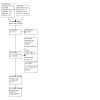
PRISMA flow diagram illustrating the study selection process.
We sent two emails (i.e. initial and reminder) to the authors of included studies to request further information on the methods related to allocation sequence generation and concealment, to address any identified discrepancies, and to acquire any unpublished data regarding the outcomes of interest. We also contacted the authors of the ongoing trials, if necessary, to obtain information on the recruitment status or the anticipated completion time and to acquire preliminary unpublished data (if any). Finally, we contacted the authors of the potentially eligible trials awaiting classification to request further information on their presented data. At the time of writing, we have received no responses.
See the study tables for further details (Characteristics of included studies; Characteristics of excluded studies; Characteristics of ongoing studies; Characteristics of studies awaiting classification).
Included studies
We included 12 parallel‐group RCTs involving 1069 women. The studies covered three different comparisons.
Participants
Intrauterine infusion/injection of platelet‐rich plasma versus no intervention or placebo
Nine studies evaluated intrauterine PRP infusion/injection versus no intervention or placebo in 824 women (Alhalabi 2019; Allahveisi 2020; Bakhsh 2022; Baybordi 2022; Ershadi 2022; Obidniak 2017; Safdarian 2022; Zamaniyan 2021; Zargar 2021). Two studies were published as conference abstracts only (Alhalabi 2019; Obidniak 2017). The studies were conducted between 2016 and 2020. Seven studies took place in Iran (Allahveisi 2020; Bakhsh 2022; Baybordi 2022; Ershadi 2022; Safdarian 2022; Zamaniyan 2021; Zargar 2021), one in Syria (Alhalabi 2019), and one in Russia (Obidniak 2017).
The inclusion criteria varied widely between the studies. Most studies included women under 40 years (Alhalabi 2019; Bakhsh 2022; Ershadi 2022; Safdarian 2022; Zamaniyan 2021) or under 41 years (Zargar 2021); two also defined a minimum cut‐off of 20 years (Safdarian 2022; Zamaniyan 2021). Baybordi 2022 included women aged between 18 and 45 years, Obidniak 2017 included women aged between 28 years and 39 years, and Allahveisi 2020 did not define any age limits.
Regarding body mass index (BMI), some studies included women with a BMI less than 30 kg/m2 (Bakhsh 2022; Zamaniyan 2021), or less than or equal to 30 kg/m2 (Safdarian 2022), but most set no specific BMI limits (Alhalabi 2019; Allahveisi 2020; Baybordi 2022; Ershadi 2022; Obidniak 2017; Zargar 2021).
Eight studies included only women with repeated implantation failure (Alhalabi 2019; Bakhsh 2022; Baybordi 2022; Ershadi 2022; Obidniak 2017; Safdarian 2022; Zamaniyan 2021; Zargar 2021), defined as previous failure of conception after at least two embryo transfers (Bakhsh 2022; Ershadi 2022; Zargar 2021), or three embryo transfers (Alhalabi 2019; Baybordi 2022; Safdarian 2022; Zamaniyan 2021), or with no definition (Obidniak 2017). Only Allahveisi 2020 included women with one failed implantation. Zargar 2021 included a subset of women with thin endometrium, defined as less than 7 mm even after the first of the two PRP injections.
Women mainly underwent frozen embryo transfers (Allahveisi 2020; Bakhsh 2022; Ershadi 2022; Obidniak 2017; Safdarian 2022; Zamaniyan 2021), with embryos being either at blastocyst stage (Safdarian 2022; Zamaniyan 2021), or cleavage stage (Allahveisi 2020; Ershadi 2022). Baybordi 2022 enrolled women undergoing blastocyst‐stage transfers, but the publication did not specify whether these were fresh or frozen‐thawed. Zargar 2021 enrolled women undergoing transfers of fresh or frozen cleavage‐stage embryos (25% of embryos in the PRP group and 10% of embryos in the comparator group were fresh). Alhalabi 2019 provided no information on the developmental stage at transfer or whether cycles were fresh or frozen.
Most studies did not include women with genetic, hematological, immunological, and endocrine disorders (Bakhsh 2022; Safdarian 2022; Zamaniyan 2021; Zargar 2021); chromosomal anomalies (Bakhsh 2022; Obidniak 2017; Safdarian 2022; Zamaniyan 2021; Zargar 2021), uterine abnormalities (Bakhsh 2022; Ershadi 2022; Safdarian 2022; Zargar 2021), diagnosed space‐occupying lesions or cancers (Bakhsh 2022; Baybordi 2022), and other underlying diseases such as uncontrolled hypertension or diabetes (Bakhsh 2022). Some studies further refined the exclusion criteria: Bakhsh 2022 excluded smokers; Zamaniyan 2021 excluded women with renal failure, antiphospholipid antibody syndrome, thrombophilia, hyperprolactinemia, and disorders of the thyroid; and Obidniak 2017 excluded women with chromosomal abnormalities in a previous pregnancy.
Further exclusion criteria were as follows.
Anemia (hemoglobin below 11 g/dL; Bakhsh 2022; Baybordi 2022; Zamaniyan 2021),
Thrombocytopenia (platelet count below 150000/mm3;Bakhsh 2022; Baybordi 2022; Zamaniyan 2021)
Follicle stimulating hormone (FSH) below 12 IU/L on day 2 or 3 of the menstrual cycle (Bakhsh 2022)
Insufficient endometrial thickness for embryo transfer (Ershadi 2022)
Cancelation of the previous transfer due to a thin endometrium (≤ 7 mm) following hormone replacement therapy (Safdarian 2022)
Use of anticoagulants (Bakhsh 2022; Baybordi 2022)
Use of non‐steroidal anti‐inflammatory drugs within seven or 10 days before PRP injection (Bakhsh 2022; Baybordi 2022)
Lack of proper embryo for transfer (Ershadi 2022)
Intrauterine infusion of platelet‐rich plasma versus intrauterine infusion of granulocyte colony‐stimulating factor
Two studies involving 172 women compared intrauterine PRP infusion with intrauterine granulocyte colony‐stimulating factor (G‐CSF) infusion (Godha 2019; Selvaraj 2019). Both trials were conducted in India; Godha 2019 in 2018, and Selvaraj 2019 between 2016 and 2019. Godha 2019 was published as a conference abstract.
Both studies included women with a thin endometrium undergoing frozen embryo transfer. The definition of thin endometrium was less than 7 mm in Godha 2019 and less than 8 mm in Selvaraj 2019. In Godha 2019, enrolled women did not proceed to embryo transfer unless they had a normal hysteroscopic examination and had reached the desired endometrial thickness of 7 mm after administration of PRP or G‐CSF. Excluded from the study were women with thrombocytopenia or a history of systemic diseases (Godha 2019). A further inclusion criterion of Selvaraj 2019 was a history of repeated implantation failure (which the study authors did not define further). Embryos in this study were transferred either at the blastocyst or the cleavage stage (Selvaraj 2019). Neither study specified age or BMI limits.
Intraovarian injection of platelet‐rich plasma versus no intervention
A single study evaluated intraovarian injection of PRP versus no intervention in 73 women (Herlihy 2022). It was a multicenter trial conducted in the USA and Türkiye. Eligible women were aged under 38 years, with a BMI less than or equal to 35 kg/m2 and poor ovarian response, and were undergoing a single frozen blastocyst transfer. Poor ovarian response was defined as a history of two consecutive cycles resulting in three or fewer metaphase‐II oocytes. Exclusion criteria were previous ovarian surgery, current endometrioma, a single‐gene disorder, or infertility due to severe male factors.
Interventions
Intrauterine infusion/injection of platelet‐rich plasma versus no intervention or placebo
Two studies compared the intrauterine infusion of PRP to a placebo (Allahveisi 2020; Bakhsh 2022). The placebo was intrauterine infusion of 0.5 mL of Ringer's serum in Allahveisi 2020, and the insertion of an intrauterine insemination (IUI) catheter followed by removal without injection or any other action in Bakhsh 2022. Neither study used mechanical stimulation of the endometrium, so the insertion was not considered an intentional endometrial scratch injury. The remaining seven studies evaluated intrauterine PRP infusion/injection versus standard treatment with no additional intervention (Alhalabi 2019; Baybordi 2022; Ershadi 2022; Obidniak 2017; Safdarian 2022; Zamaniyan 2021; Zargar 2021).
We noted differences in the PRP preparation process between the studies, mainly in terms of the amount of collected blood, the amount of anticoagulant solution, and the centrifugation process. Three studies reported none of these factors (Alhalabi 2019; Baybordi 2022; Obidniak 2017). All studies used autologous peripheral venous blood to prepare the PRP. Only Safdarian 2022 further specified that the blood was drawn from the cubital vein. In two studies, 8.5 mL of blood was collected through a syringe that had been prefilled with 1.5 mL of anticoagulant (Safdarian 2022; Zargar 2021). The rest of the studies used different volumes of venous blood/anticoagulant: 35 mL/5 mL (Allahveisi 2020), 8.5 mL/2.5 mL (Bakhsh 2022), 8 mL/2.5 mL (Ershadi 2022), and 17.5 mL/2.5 mL (Zamaniyan 2021). Five studies used acid citrate as the anticoagulant solution (Allahveisi 2020; Bakhsh 2022; Ershadi 2022; Safdarian 2022; Zamaniyan 2021); no other studies specified the anticoagulant.
All studies that described centrifugation implemented a double centrifugation process (Allahveisi 2020; Bakhsh 2022; Ershadi 2022; Safdarian 2022; Zamaniyan 2021; Zargar 2021). However, the studies differed in the rotational frequency and duration of each phase of centrifugation. Two centrifuged the collected sample at 1200 revolutions per minute (rpm) for 12 minutes and the separated plasma at 3300 rpm for seven minutes (Ershadi 2022; Zamaniyan 2021). Others centrifuged the blood then the plasma at 1700 G for 12 minutes then 3300 G for seven minutes (Allahveisi 2020), 1400 rpm for 10 minutes then 3500 rpm for six minutes (Bakhsh 2022), and 12000 G for 10 minutes then 12000 G for another 10 minutes (Zargar 2021). Safdarian 2022 produced a leukocyte‐rich PRP with 2000 lymphocytes/μL after centrifugation of the blood at 1600 rpm for 10 minutes and the resulting plasma at 3500 rpm for another six minutes at 18 °C. Two studies aimed to achieve a PRP with a platelet concentration four to five times higher than the peripheral blood (Bakhsh 2022; Safdarian 2022), whereas Zamaniyan 2021 aimed for a concentration four to seven times higher than the initial sample.
Four studies used an IUI catheter for the administration of PRP; the publications provided no more information on the characteristics of these catheters (Bakhsh 2022; Ershadi 2022; Safdarian 2022; Zamaniyan 2021). The remaining studies did not describe the means of injection/infusion (Alhalabi 2019; Allahveisi 2020; Baybordi 2022; Obidniak 2017; Zargar 2021). Safdarian 2022 reported that the catheter was inserted under ultrasound guidance.
Four studies administered a single infusion/injection of 0.5 mL of PRP 48 hours before the embryo transfer (Allahveisi 2020; Ershadi 2022; Safdarian 2022; Zamaniyan 2021). Obidniak 2017 administered a single 2 mL infusion of PRP. Bakhsh 2022 did not report the exact point at which the 0.5 mL of PRP was injected, while Alhalabi 2019 injected the PRP on the day of oocyte retrieval but did not provide data on the volume of the injected PRP.
Two studies did not always perform a single injection (Baybordi 2022; Zargar 2021). Baybordi 2022 performed one or two intrauterine injections of 0.5 mL to 1 mL of PRP on the 10th day of the hormone replacement cycle and 48 hours before the embryo transfer. The study reported no specific indications for the second injection. Zargar 2021 injected 1.5 mL of PRP and proceeded to an embryo transfer 48 hours later if an appropriate endometrial thickness of seven mm to 10 mm was reached; otherwise, another 1.5 mL of PRP was injected 48 hours after the first injection (Zargar 2021).
Only two studies specified the protocol for ovarian stimulation (Bakhsh 2022; Zamaniyan 2021). These used either only the "long 21" gonadotropin‐releasing hormone (GnRH) agonist protocol (Bakhsh 2022) or one of the "long 21" GnRH agonist and "short" GnRH antagonist protocols (Zamaniyan 2021).
Regarding the endometrial preparation, women allocated to either group were often administered 6 mg of oral estradiol valerate per day from the second or third day of the menstrual cycle (Allahveisi 2020; Bakhsh 2022; Ershadi 2022; Safdarian 2022; Zamaniyan 2021), until reaching an endometrial thickness of at least 7 mm (Zamaniyan 2021) or 8 mm (Bakhsh 2022; Ershadi 2022; Safdarian 2022). If the desired endometrial thickness was not achieved, certain studies increased the daily dose of estradiol valerate to 8 mg (Bakhsh 2022; Zamaniyan 2021), or to a maximum of 12 mg (Safdarian 2022). In Zargar 2021, the women received 0.2 mg to 0.4 mg of transdermal estradiol valerate per day. When the endometrium was sufficiently thick, the women received either 100 mg of intramuscular (IM) progesterone daily (Allahveisi 2020), 50 mg of IM progesterone daily for four days (Bakhsh 2022), 400 mg of vaginal progesterone twice daily (Ershadi 2022; Zamaniyan 2021), 100 mg of vaginal progesterone twice daily with a daily 50 mg of IM progesterone for five days (Safdarian 2022), or no progesterone at all (Zargar 2021). In most studies, estradiol and progesterone were continued for two weeks after the embryo transfer in case of a chemical pregnancy, and up to 12 weeks of gestation in case of a successful pregnancy (Bakhsh 2022; Ershadi 2022; Safdarian 2022; Zamaniyan 2021). Three studies did not provide information on ovarian stimulation or endometrial preparation protocols (Alhalabi 2019; Baybordi 2022; Obidniak 2017).
Intrauterine infusion of platelet‐rich plasma versus intrauterine infusion of granulocyte colony‐stimulating factor
Godha 2019 evaluated intrauterine infusion of PRP versus intrauterine infusion of G‐CSF on day 11 of the cycle. PRP/G‐CSF infusions were repeated 48 hours later if the endometrial thickness remained less than 7 mm. The publication did not describe PRP preparation. Regarding endometrial preparation, all women were started on daily estradiol valerate 6 mg on day 2 of the menstrual cycle with a gradual increase in the dose of up to 12 mg per day (Godha 2019).
Selvaraj 2019 evaluated double intrauterine infusion of 0.5 mL to 0.7 mL of leukocyte‐rich PRP via a 65 mm IUI catheter on days 16 and 18 versus double intrauterine infusion of 0.3 mL of filgrastim via an IUI catheter on days 16 and 18 of the cycle. The study authors stated that in the PRP group "the thickness of the endometrium was reassessed 48 hours after (the PRP injection). Any improvements were noted, and the second infusion was performed 48 hours later". However, this could not have occurred if the injections were performed on days 16 and 18 of the cycle. In the G‐CSF group, endometrial thickness was assessed before and after the embryo transfer. On day 10 of the hormone replacement cycle, 15 mL of peripheral venous blood was drawn with a prefilled syringe with 5 mL of acid citrate dextrose solution. The resulting sample was immediately centrifuged at 200 G for 5 minutes. The plasma layer and the buffy coat layer, which separated the red blood cells and plasma layers, were collected and re‐centrifuged at 200 G for 10 minutes. The final pellet of platelets was aspirated with 1 mL of the supernatant, leading to a leukocyte‐rich PRP. Both arms had received 2 mg of estradiol valerate from day 2 of the menstrual cycle. Micronized progesterone at a daily dose of 1200 mg was initiated on day 16 with a single trigger of human chorionic gonadotropin (hCG) 10000 IU (Selvaraj 2019).
Intraovarian injection of platelet‐rich plasma versus no intervention
Herlihy 2022 evaluated ultrasound‐guided injection of 4 mL of PRP in each ovary (total of 8 mL) between days 3 and 10 of the cycle versus no intervention other than standard endometrial preparation. Women in both arms received 200 mg of estrogen twice daily between days 1 and 25 and 200 mg of progesterone twice daily between days 16 and 25 of the cycle. The publication did not describe the PRP preparation.
Outcomes
Intrauterine infusion/injection of platelet‐rich plasma versus no intervention or placebo
Concerning the primary outcomes, six studies reported live birth (Allahveisi 2020; Baybordi 2022; Safdarian 2022; Zargar 2021) or ongoing pregnancy (Bakhsh 2022; Safdarian 2022; Zamaniyan 2021), and five reported miscarriage (Baybordi 2022; Ershadi 2022; Safdarian 2022; Zamaniyan 2021; Zargar 2021). Live birth was defined as a successful pregnancy reaching at least 24 weeks of gestation (Allahveisi 2020; Zargar 2021) or the delivery of one or more liveborn neonates (Safdarian 2022). Ongoing pregnancy was defined as pregnancy that reached at least 12 weeks of completed gestation (Safdarian 2022; Zamaniyan 2021). Baybordi 2022 did not define live birth in the publication, and Bakhsh 2022 and Baybordi 2022 did not define ongoing pregnancy. In Safdarian 2022, the number of live births of each group was higher than the number of ongoing and clinical pregnancies; therefore, we used the data on ongoing pregnancy instead of live birth. Safdarian 2022 defined miscarriage as the loss of pregnancy before 20 weeks of completed gestation, and the remaining studies that reported miscarriage did not specify any time threshold (Baybordi 2022; Ershadi 2022; Zamaniyan 2021; Zargar 2021). Many presented it as a "spontaneous abortion" (Baybordi 2022; Ershadi 2022; Zargar 2021).
Concerning the secondary outcomes, nine studies provided data on clinical pregnancy (Alhalabi 2019; Allahveisi 2020; Bakhsh 2022; Baybordi 2022; Ershadi 2022; Obidniak 2017; Safdarian 2022; Zamaniyan 2021; Zargar 2021), two on multiple pregnancies (Safdarian 2022; Zamaniyan 2021), one on ectopic pregnancy (Baybordi 2022), and one on preterm delivery (Safdarian 2022). Clinical pregnancy was defined as the visualization of a gestational sac with a fetal heartbeat in transvaginal ultrasound at four weeks after embryo transfer (Safdarian 2022), five weeks after embryo transfer (Bakhsh 2022; Ershadi 2022; Zamaniyan 2021), six weeks of gestation (Allahveisi 2020), or seven weeks of gestation (Baybordi 2022). Three studies did not define clinical pregnancy (Alhalabi 2019; Obidniak 2017; Zargar 2021). Zargar 2021 used the term "successful pregnancy". Safdarian 2022 defined preterm delivery as birth between 23 weeks and 36 weeks six days of gestation. No studies reported intrauterine growth restriction, pain, infection, allergic reaction, or fetal abnormality rates.
Intrauterine infusion of platelet‐rich plasma versus intrauterine infusion of granulocyte colony‐stimulating factor
Only Selvaraj 2019 reported live birth and miscarriage, without providing a definition. Both studies in this comparison group reported clinical pregnancy (Godha 2019; Selvaraj 2019). Selvaraj 2019 defined clinical pregnancy as ultrasound confirmation of the presence of a gestational sac with fetal heartbeat on day 38 of gestation. Godha 2019 did not define the clinical pregnancy outcome.
Intraovarian injection of platelet‐rich plasma versus no intervention
Herlihy 2022 analyzed the ongoing and clinical pregnancy rates of participants but provided no definitions for these outcomes.
Excluded studies
The Characteristics of excluded studies table presents the 52 studies with the reasons for their exclusion: 35 had an ineligible study design, 12 did not evaluate our outcomes of interest, four evaluated different interventions combined with PRP (i.e. intentional endometrial scratch injury or G‐CSF administration), and one had an ineligible population.
Risk of bias in included studies
Risk of bias judgments for each outcome are presented at the side of all forest plots and in Figure 2. Figure 3 illustrates the proportion of outcomes with each of the judgments for each RoB 2 domain. A spreadsheet stored in the online repository Figshare shows justifications for all our risk of bias judgments. Overall risk of bias was high for most outcomes, owing to unclear descriptions of the randomization process, inadequate management of missing outcome data, and selective reporting. There were some concerns in most of the studies related to deviation from the intended interventions. Only Baybordi 2022 was judged at low risk of bias in all domains.
2.

Risk of bias summary.
3.

Risk of bias graph.
Live birth (or ongoing pregnancy)
Of the eight studies that reported live birth or ongoing pregnancy (Alhalabi 2019; Bakhsh 2022; Baybordi 2022; Herlihy 2022; Safdarian 2022; Selvaraj 2019; Zamaniyan 2021; Zargar 2021), we judged only one at low risk (Baybordi 2022), and the remaining seven at high risk.
Miscarriage
Of the six studies that reported miscarriage (Baybordi 2022; Ershadi 2022; Safdarian 2022; Selvaraj 2019; Zamaniyan 2021; Zargar 2021), we judged only one at low risk (Baybordi 2022), and the remaining five at high risk.
Clinical pregnancy
All studies reported clinical pregnancy. We considered Baybordi 2022 at low risk of bias, there were some concerns for Bakhsh 2022, and the remaining 10 studies were judged at high risk (Alhalabi 2019; Allahveisi 2020; Ershadi 2022; Godha 2019; Herlihy 2022; Obidniak 2017; Safdarian 2022; Selvaraj 2019; Zamaniyan 2021; Zargar 2021).
Multiple pregnancy
We considered both studies that reported multiple pregnancy at high risk of bias (Safdarian 2022; Zamaniyan 2021).
Ectopic pregnancy
Only Baybordi 2022 reported ectopic pregnancy; we considered it at low risk of bias.
Preterm delivery
Only Safdarian 2022 reported preterm delivery; we considered it at high risk of bias.
Effects of interventions
See: Table 1; Table 2; Table 3; Table 4
Intrauterine infusion/injection of platelet‐rich plasma versus no intervention or placebo
Nine RCTs evaluated intrauterine infusion/injection of PRP versus no intervention or placebo (Alhalabi 2019; Allahveisi 2020; Bakhsh 2022; Baybordi 2022; Ershadi 2022; Obidniak 2017; Safdarian 2022; Zamaniyan 2021; Zargar 2021). Table 1 presents the results of the primary analyses, and Table 2 presents the results of the sensitivity analyses (all studies).
Primary outcomes
Live birth (or ongoing pregnancy)
Primary analysis (low risk of bias)
Only Baybordi 2022 was at low overall risk of bias for this outcome. We are uncertain about the effect of intrauterine injection of PRP on live birth compared with no intervention other than standard intrauterine preparation (OR 1.10, 95% CI 0.38 to 3.14; 1 study, 94 women; very low‐certainty evidence; Analysis 1.1, Figure 4).
1.1. Analysis.
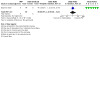
Comparison 1: Intrauterine infusion/injection of platelet‐rich plasma (PRP) versus no intervention or placebo, Outcome 1: Live birth (or ongoing pregnancy) – low risk of bias
4.
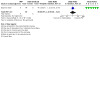
Comparison 1: Endometrial injection of platelet‐rich plasma (PRP) versus no intervention or placebo; Outcome 1: Live birth (or ongoing pregnancy) – low risk of bias.
Sensitivity analysis (all studies)
Based on the pooled evidence from all studies that reported live birth or ongoing pregnancy (Allahveisi 2020; Bakhsh 2022; Baybordi 2022; Safdarian 2022; Zamaniyan 2021; Zargar 2021), we are uncertain about the effect of intrauterine infusion/injection of PRP on live birth or ongoing pregnancy compared with no intervention, infusion of Ringer's serum, or insertion of an empty catheter without any further action (OR 2.38, 95% CI 1.16 to 4.86; I² = 54%; 6 studies, 564 women; very low‐certainty evidence; Analysis 1.2; Figure 5).
1.2. Analysis.
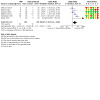
Comparison 1: Intrauterine infusion/injection of platelet‐rich plasma (PRP) versus no intervention or placebo, Outcome 2: Live birth (or ongoing pregnancy) – all studies
5.
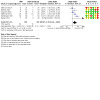
Comparison 1: Endometrial injection of platelet‐rich plasma (PRP) versus no intervention or placebo; Outcome 2: Live birth (or ongoing pregnancy) – all studies.
Other sensitivity analyses
The result was similar when we pooled evidence from all the studies using the RR as the measure of effect (RR 1.87, 95% CI 1.10 to 3.17; I² = 48%; 6 studies, 564 women; very low‐certainty evidence; Analysis 1.3). Our preplanned sensitivity analysis of live birth (without ongoing pregnancy) also provided uncertain evidence (OR 1.26, 95% CI 0.46 to 3.46; I² = 30%; 3 studies, 224 women; very low‐certainty evidence; Analysis 1.4).
1.3. Analysis.
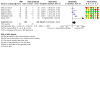
Comparison 1: Intrauterine infusion/injection of platelet‐rich plasma (PRP) versus no intervention or placebo, Outcome 3: Live birth (or ongoing pregnancy) – sensitivity analysis (risk ratio)
1.4. Analysis.
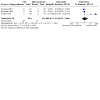
Comparison 1: Intrauterine infusion/injection of platelet‐rich plasma (PRP) versus no intervention or placebo, Outcome 4: Live birth (or ongoing pregnancy) – sensitivity analysis (live birth only)
Miscarriage
Primary analysis (low risk of bias)
Only Baybordi 2022 was at low overall risk of bias for this outcome. We are uncertain about the effect of intrauterine injection of PRP compared with no intervention on miscarriage (OR 0.96, 95% CI 0.13 to 7.09; 1 study, 94 women; very low‐certainty evidence; Analysis 1.5; Figure 6).
1.5. Analysis.
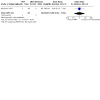
Comparison 1: Intrauterine infusion/injection of platelet‐rich plasma (PRP) versus no intervention or placebo, Outcome 5: Miscarriage – low risk of bias
6.
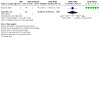
Comparison 1: Endometrial injection of platelet‐rich plasma (PRP) versus no intervention or placebo; Outcome 5: Miscarriage – low risk of bias.
Sensitivity analysis (all studies)
Based on the pooled evidence from all studies that reported miscarriage (Baybordi 2022; Ershadi 2022; Safdarian 2022; Zamaniyan 2021; Zargar 2021), we are uncertain about the effect of intrauterine infusion/injection of PRP on miscarriage compared with no injection or a sham intervention (OR 1.54, 95% CI 0.59 to 4.01; I² = 0%; 5 studies, 504 women; very low‐certainty evidence; Analysis 1.6; Figure 7).
1.6. Analysis.
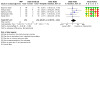
Comparison 1: Intrauterine infusion/injection of platelet‐rich plasma (PRP) versus no intervention or placebo, Outcome 6: Miscarriage – all studies
7.
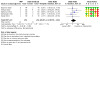
Comparison 1: Endometrial injection of platelet‐rich plasma (PRP) versus no intervention or placebo; Outcome 6: Miscarriage – all studies.
Other sensitivity analyses
The results were similar when we calculated the RR as the measure of effect (RR 1.51, 95% CI 0.60 to 3.79; I² = 0%; 5 studies, 504 women; very low‐certainty evidence; Analysis 1.7), or analyzed miscarriages per clinical pregnancy (OR 0.77, 95% CI 0.22 to 2.63; I² = 27%; 5 studies, 149 clinical pregnancies; very low‐certainty evidence; Analysis 1.8).
1.7. Analysis.
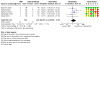
Comparison 1: Intrauterine infusion/injection of platelet‐rich plasma (PRP) versus no intervention or placebo, Outcome 7: Miscarriage – sensitivity analysis (risk ratio)
1.8. Analysis.
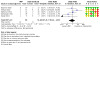
Comparison 1: Intrauterine infusion/injection of platelet‐rich plasma (PRP) versus no intervention or placebo, Outcome 8: Miscarriage – sensitivity analysis (per clinical pregnancy)
Secondary outcomes
Clinical pregnancy
Primary analysis (low risk of bias)
Only Baybordi 2022 was at low overall risk of bias for this outcome. We are uncertain about the effect of intrauterine injection of PRP on clinical pregnancy compared with no intervention (OR 1.55, 95% CI 0.64 to 3.76; 1 study, 94 women; very low‐certainty evidence; Analysis 1.9; Figure 8).
1.9. Analysis.
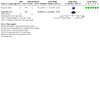
Comparison 1: Intrauterine infusion/injection of platelet‐rich plasma (PRP) versus no intervention or placebo, Outcome 9: Clinical pregnancy – low risk of bias
8.
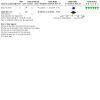
Comparison 1: Endometrial injection of platelet‐rich plasma (PRP) versus no intervention or placebo; Outcome 9: Clinical pregnancy – low risk of bias.
Sensitivity analysis (all studies)
Based on the pooled evidence from all studies that reported clinical pregnancy (Alhalabi 2019; Allahveisi 2020; Bakhsh 2022; Baybordi 2022; Ershadi 2022; Obidniak 2017; Safdarian 2022; Zamaniyan 2021; Zargar 2021), we are uncertain about the effect of intrauterine infusion/injection of PRP on clinical pregnancy compared with no intervention, infusion of Ringer's serum, or insertion of a catheter without further action (OR 2.22, 95% CI 1.50 to 3.27; I² = 24%; 9 studies, 824 women; very low‐certainty evidence; Analysis 1.10; Figure 9).
1.10. Analysis.
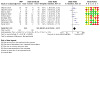
Comparison 1: Intrauterine infusion/injection of platelet‐rich plasma (PRP) versus no intervention or placebo, Outcome 10: Clinical pregnancy – all studies
9.
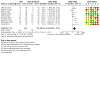
Comparison 1: Endometrial injection of platelet‐rich plasma (PRP) versus no intervention or placebo; Outcome 10: Clinical pregnancy – all studies.
Other sensitivity analyses
The results were similar when we calculated the RR as the measure of effect (RR 1.73, 95% CI 1.33 to 2.24; I² = 15%; 9 studies, 824 women; very low‐certainty evidence; Analysis 1.11), and when we pooled only the studies published as full‐text articles (OR 2.06, 95% CI 1.27 to 3.36; I² = 36%; 7 studies, 654 women; very low‐certainty evidence; Analysis 1.12).
1.11. Analysis.
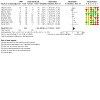
Comparison 1: Intrauterine infusion/injection of platelet‐rich plasma (PRP) versus no intervention or placebo, Outcome 11: Clinical pregnancy – sensitivity analysis (risk ratio)
1.12. Analysis.
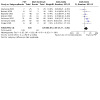
Comparison 1: Intrauterine infusion/injection of platelet‐rich plasma (PRP) versus no intervention or placebo, Outcome 12: Clinical pregnancy – sensitivity analysis (full text only)
Complications of the procedure
No studies reported complications of the procedure (pain, infection, allergic reaction).
Multiple pregnancies
Sensitivity analysis (all studies)
Based on the pooled evidence from both studies that reported multiple pregnancy (Safdarian 2022; Zamaniyan 2021), we are uncertain about the effect of intrauterine PRP infusion on multiple pregnancy compared with no intervention (OR 2.68, 95% CI 0.81 to 8.88; I² = 0%; 2 studies, 240 women; very low‐certainty evidence; Analysis 1.13).
1.13. Analysis.
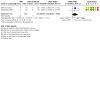
Comparison 1: Intrauterine infusion/injection of platelet‐rich plasma (PRP) versus no intervention or placebo, Outcome 13: Multiple pregnancy – all studies
Other sensitivity analyses
The result was similar when we calculated the RR as the measure of effect (RR 2.50, 95% CI 0.81 to 7.70; I² = 0%; 2 studies, 240 women; very low‐certainty evidence; Analysis 1.14).
1.14. Analysis.
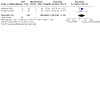
Comparison 1: Intrauterine infusion/injection of platelet‐rich plasma (PRP) versus no intervention or placebo, Outcome 14: Multiple pregnancy – sensitivity analysis (risk ratio)
Ectopic pregnancy
Primary analysis (low risk of bias/all studies)
Only Baybordi 2022 reported this outcome, and was at low risk of bias. We are uncertain about the effect of intrauterine injection of PRP on ectopic pregnancy compared with no intervention (OR 2.94, 95% CI 0.12 to 73.95; 1 study, 94 women; very low‐certainty evidence; Analysis 1.15).
1.15. Analysis.
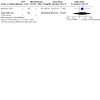
Comparison 1: Intrauterine infusion/injection of platelet‐rich plasma (PRP) versus no intervention or placebo, Outcome 15: Ectopic pregnancy – low risk of bias
Sensitivity analyses
The result was similar when we calculated the RR as the measure of effect (RR 2.88, 95% CI 0.12 to 68.88; 1 study, 94 participants; very low‐certainty evidence; Analysis 1.16).
1.16. Analysis.
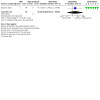
Comparison 1: Intrauterine infusion/injection of platelet‐rich plasma (PRP) versus no intervention or placebo, Outcome 16: Ectopic pregnancy – sensitivity analysis (risk ratio)
Fetal growth restriction
No studies reported fetal growth restriction.
Preterm delivery
Sensitivity analysis (all studies)
Only Safdarian 2022 reported preterm delivery; we judged it at high risk of bias for this outcome. Intrauterine infusion of PRP may increase the probability of preterm delivery considerably compared with no infusion (OR 8.02, 95% CI 1.72 to 37.33; 1 study, 120 women; low‐certainty evidence; Analysis 1.17).
1.17. Analysis.
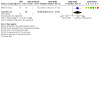
Comparison 1: Intrauterine infusion/injection of platelet‐rich plasma (PRP) versus no intervention or placebo, Outcome 17: Preterm delivery
Other sensitivity analyses
The result was similar when we calculated the RR as the measure of effect (RR 6.50, 95% CI 1.53 to 27.57; 1 study, 120 women; low‐certainty evidence; Analysis 1.18).
1.18. Analysis.
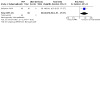
Comparison 1: Intrauterine infusion/injection of platelet‐rich plasma (PRP) versus no intervention or placebo, Outcome 18: Preterm delivery – sensitivity analysis (risk ratio)
Fetal abnormality
No studies reported fetal abnormalities.
Subgroup analyses
We were unable to perform any of our prespecified subgroup analyses. No studies stratified their participants by age (using the age of 37 years as the threshold), response, or endometrial thickness; and all studies but one included only women with repeated implantation failure.
Intrauterine infusion of platelet‐rich plasma versus intrauterine infusion of granulocyte colony‐stimulating factor
Two RCTs evaluated intrauterine infusion of PRP versus intrauterine infusion of G‐CSF (Godha 2019; Selvaraj 2019). We considered neither study at low risk of bias for any outcome. Table 3 presents the results of the analyses.
Primary outcomes
Live birth
Sensitivity analysis (all studies)
Only Selvaraj 2019 reported live birth. We are uncertain about the effect of intrauterine PRP infusion on live birth compared with the intrauterine G‐CSF infusion (OR 0.88, 95% CI 0.43 to 1.81; 1 study, 132 women; very low‐certainty evidence; Analysis 2.1, Figure 10).
2.1. Analysis.
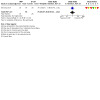
Comparison 2: Intrauterine infusion of platelet‐rich plasma (PRP) versus intrauterine infusion of granulocyte colony‐stimulating factor (G‐CSF), Outcome 1: Live birth
10.
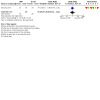
Comparison 2: Endometrial injection of platelet‐rich plasma (PRP) versus endometrial injection of granulocyte colony‐stimulating factor (G‐CSF); Outcome 1: Live birth.
Other sensitivity analyses
The result was similar when we calculated the RR as the measure of effect (RR 0.92, 95% CI 0.58 to 1.47; 1 study, 132 women; very low‐certainty evidence; Analysis 2.2).
2.2. Analysis.
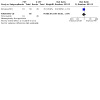
Comparison 2: Intrauterine infusion of platelet‐rich plasma (PRP) versus intrauterine infusion of granulocyte colony‐stimulating factor (G‐CSF), Outcome 2: Live birth – sensitivity analysis (risk ratio)
Miscarriage
Sensitivity analysis (all studies)
Only Selvaraj 2019 reported miscarriage. We are uncertain about the effect of intrauterine PRP infusion on miscarriage compared with intrauterine G‐CSF infusion (OR 1.94, 95% CI 0.63 to 5.96; 1 study, 132 women; very low‐certainty evidence; Analysis 2.3; Figure 11).
2.3. Analysis.
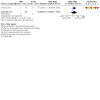
Comparison 2: Intrauterine infusion of platelet‐rich plasma (PRP) versus intrauterine infusion of granulocyte colony‐stimulating factor (G‐CSF), Outcome 3: Miscarriage
11.
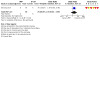
Comparison 2: Endometrial injection of platelet‐rich plasma (PRP) versus endometrial injection of granulocyte colony‐stimulating factor (G‐CSF); Outcome 3: Miscarriage.
Other sensitivity analyses
The results were similar when we calculated the RR as the measure of effect (RR 1.81, 95% CI 0.67 to 4.92; 1 study, 132 women; very low‐certainty evidence; Analysis 2.4), and when we analyzed miscarriages per clinical pregnancy (OR 1.96, 95% CI 0.59 to 6.58; 1 study, 61 clinical pregnancies; very low‐certainty evidence; Analysis 2.5).
2.4. Analysis.
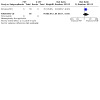
Comparison 2: Intrauterine infusion of platelet‐rich plasma (PRP) versus intrauterine infusion of granulocyte colony‐stimulating factor (G‐CSF), Outcome 4: Miscarriage – sensitivity analysis (risk ratio)
2.5. Analysis.
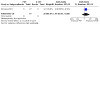
Comparison 2: Intrauterine infusion of platelet‐rich plasma (PRP) versus intrauterine infusion of granulocyte colony‐stimulating factor (G‐CSF), Outcome 5: Miscarriage – sensitivity analysis (per clinical pregnancy)
Secondary outcomes
Clinical pregnancy
Sensitivity analysis (all studies)
Both studies reported clinical pregnancy (Godha 2019; Selvaraj 2019). It is unclear whether intrauterine infusion of PRP in women with a thin endometrium affects the likelihood of clinical pregnancy compared with intrauterine infusion of G‐CSF (OR 1.24, 95% CI 0.66 to 2.35; 2 studies, 172 women; very low‐certainty evidence; Analysis 2.6; Figure 12).
2.6. Analysis.
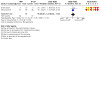
Comparison 2: Intrauterine infusion of platelet‐rich plasma (PRP) versus intrauterine infusion of granulocyte colony‐stimulating factor (G‐CSF), Outcome 6: Clinical pregnancy
12.
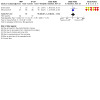
Comparison 2: Endometrial injection of platelet‐rich plasma (PRP) versus endometrial injection of granulocyte colony‐stimulating factor (G‐CSF); Outcome 6: Clinical pregnancy.
Other sensitivity analyses
The results were similar when we calculated the RR as the measure of effect (OR 1.11, 95% CI 0.78 to 1.59; 2 studies, 172 women; very low‐certainty evidence; Analysis 2.7), and when we excluded the conference abstract from the analysis (OR 1.15, 95% CI 0.58 to 2.30; 1 study, 132 women; very low‐certainty evidence; Analysis 2.8).
2.7. Analysis.
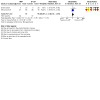
Comparison 2: Intrauterine infusion of platelet‐rich plasma (PRP) versus intrauterine infusion of granulocyte colony‐stimulating factor (G‐CSF), Outcome 7: Clinical pregnancy – sensitivity analysis (risk ratio)
2.8. Analysis.
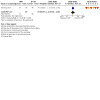
Comparison 2: Intrauterine infusion of platelet‐rich plasma (PRP) versus intrauterine infusion of granulocyte colony‐stimulating factor (G‐CSF), Outcome 8: Clinical pregnancy – sensitivity analysis (full text only)
Complications of the procedure
Neither study reported complications of the procedure (pain, infection, allergic reaction).
Multiple pregnancy
Neither study reported multiple pregnancy.
Ectopic pregnancy
Neither study reported ectopic pregnancy.
Fetal growth restriction
Neither study reported fetal growth restriction.
Preterm delivery
Neither study reported preterm delivery.
Fetal abnormality
Neither study reported fetal abnormalities.
Subgroup analyses
We could not conduct the predefined subgroup analyses because there were only two studies in this comparison group.
Intraovarian injection of platelet‐rich plasma versus no intervention
Only Herlihy 2022 evaluated intraovarian injection of PRP versus no intervention. The study was at high risk of bias for both reported outcomes. Table 4 presents the results of the analyses.
Primary outcomes
Ongoing pregnancy
Sensitivity analysis (all studies)
We are uncertain about the effect of intraovarian PRP injection on the probability of ongoing pregnancy compared with no intervention (OR 1.09, 95% CI 0.33 to 3.63; 1 study, 73 women; very low‐certainty evidence; Analysis 3.1; Figure 13).
3.1. Analysis.
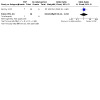
Comparison 3: Intraovarian injection of platelet‐rich plasma (PRP) versus no intervention, Outcome 1: Ongoing pregnancy
13.
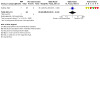
Comparison 3: Ovarian injection of platelet‐rich plasma (PRP) versus no intervention; Outcome 1: Ongoing pregnancy.
Other sensitivity analysis
The result was similar when estimated as RR (RR 1.07, 95% CI 0.40 to 2.89; 1 study, 73 women; very low‐certainty evidence; Analysis 3.2).
3.2. Analysis.
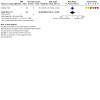
Comparison 3: Intraovarian injection of platelet‐rich plasma (PRP) versus no intervention, Outcome 2: Ongoing pregnancy – sensitivity analysis (risk ratio)
Miscarriage
Herlihy 2022 did not report miscarriage.
Secondary outcomes
Clinical pregnancy
Sensitivity analysis (all studies)
We are uncertain about the effect of intraovarian PRP injection on clinical pregnancy compared with no intervention (OR 0.90, 95% CI 0.31 to 2.60; 1 study, 73 women; very low‐certainty evidence; Analysis 3.3, Figure 14).
3.3. Analysis.
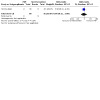
Comparison 3: Intraovarian injection of platelet‐rich plasma (PRP) versus no intervention, Outcome 3: Clinical pregnancy
14.
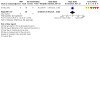
Comparison 3: Ovarian injection of platelet‐rich plasma (PRP) versus no intervention; Outcome 3: Clinical pregnancy.
Other sensitivity analyses
The result was similar when estimated as RR (RR 0.92, 95% CI 0.41 to 2.05; 1 study, 73 women; very low‐certainty evidence; Analysis 3.4).
3.4. Analysis.
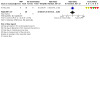
Comparison 3: Intraovarian injection of platelet‐rich plasma (PRP) versus no intervention, Outcome 4: Clinical pregnancy – sensitivity analysis (risk ratio)
Multiple pregnancy
Herlihy 2022 did not report multiple pregnancy.
Ectopic pregnancy
Herlihy 2022 did not report ectopic pregnancy.
Fetal growth restriction
Herlihy 2022 did not report fetal growth restriction.
Preterm delivery
Herlihy 2022 did not report preterm delivery.
Fetal abnormality
Herlihy 2022 did not report fetal abnormalities.
Subgroup analyses
As there was only one study in this comparison, subgroup analysis was unfeasible.
Discussion
Summary of main results
In this Cochrane review, we evaluated the effectiveness and safety of PRP administration in infertile women undergoing ART. We included 12 trials involving 1069 women and found three different comparison groups. Nine trials evaluated intrauterine infusion/injection of PRP versus no intervention or placebo, two evaluated intrauterine infusion of PRP versus intrauterine infusion of G‐CSF injection, and one evaluated intraovarian injection of PRP versus no intervention. Our primary analysis included only one trial, as all others were at high risk of bias or had some concerns for all outcomes. We also pooled the results of all studies and undertook other sensitivity analyses. However, subgroup analysis was not possible owing to lack of data.
Intrauterine infusion/injection of platelet‐rich plasma versus no intervention or placebo
Based on the primary analysis, we are uncertain about the effect of intrauterine injection of PRP compared with no intervention (except for standard endometrial preparation) on live birth, miscarriage, clinical pregnancy, and ectopic pregnancy.
Based on the pooled results of all studies in this comparison group, we are uncertain about the effect of intrauterine PRP infusion/injection compared with no intervention (except for standard endometrial preparation) or placebo on live birth (or ongoing pregnancy), miscarriage, clinical pregnancy, multiple pregnancy, or ectopic pregnancy. Intrauterine PRP infusion compared with no intervention may increase the risk of preterm delivery considerably.
Intrauterine infusion of platelet‐rich plasma versus intrauterine infusion of granulocyte colony‐stimulating factor
We are uncertain about the effect of intrauterine PRP infusion compared with intrauterine G‐CSF infusion on live birth, miscarriage, and clinical pregnancy of women with thin endometrium.
Intraovarian injection of platelet‐rich plasma versus no intervention
Based on evidence from a single study at high risk of bias, we are uncertain about the effect of PRP injection in both the ovaries of poor ovarian responders, compared with no intervention, on ongoing pregnancy and clinical pregnancy.
Overall completeness and applicability of evidence
The included trials were relevant to the review question and were analyzed in three different comparison groups. Nine studies evaluated the intrauterine infusion/injection of PRP versus no intervention or placebo, two evaluated intrauterine infusion of PRP versus intrauterine infusion of G‐CSF, and one study evaluated PRP injection in both the ovaries versus no intervention. We detected clinical heterogeneity among the studies (variability in populations and interventions).
In the comparison of intrauterine infusion/injection of PRP versus no intervention or placebo, only two studies used a placebo (infusion of Ringer's serum in Allahveisi 2020; insertion of catheter without infusion or any other action in Bakhsh 2022). In the remaining seven studies, the control group received no intervention other than standard treatment. Only two studies were conducted in countries other than Iran (Alhalabi 2019 in Syria; Obidniak 2017 in Russia). Although the studies included participants of various ages, most recruited women with at least two or three failed implantations undergoing frozen embryo transfers. Common exclusion criteria were undefined genetic, hematological, immunological, or endocrine disorders, and chromosomal or uterine abnormalities. The process for PRP preparation was not standardized. Although all studies used autologous peripheral venous blood, there were differences in the amount of blood drawn, the centrifugation methods, the amount of injected PRP, and the number of injections. The most common procedure was collecting 8 mL to 8.5 mL of venous blood, using acid citrate as the anticoagulant, and injecting 0.5 mL of PRP through an IUI catheter 48 hours before the embryo transfer. The studies also varied in terms of the protocols for endometrial preparation. Women in both study arms were usually started on 6 mg of oral estradiol valerate per day, with a potential for increasing the daily dose. When a sufficient endometrial thickness was reached, most women received different doses of vaginal or IM progesterone. To evaluate the effectiveness of the intervention, all studies reported clinical pregnancy and six reported live birth or ongoing pregnancy (only four reported live birth). Safety data were more limited: five studies reported miscarriage, two reported multiple pregnancy, one reported ectopic pregnancy, and one reported preterm delivery. No studies reported complications of the procedure (pain, infection, and allergic reaction), fetal growth restriction, or fetal abnormality.
The two studies that evaluated intrauterine infusion of PRP versus intrauterine infusion of G‐CSF included women with a thin endometrium undergoing frozen embryo transfer. In one study, the participants also had a history of repeated implantation failure (Selvaraj 2019). The studies differed in the implemented interventions. While Godha 2019 repeated the injection of PRP or G‐CSF only if the endometrial thickness was less than 7 mm, Selvaraj 2019 compared double injection of leukocyte‐rich PRP to double injection of filgrastim. We also noted differences in the protocols for endometrial preparation. The participants were initiated on different doses of oral estradiol valerate, and in one study, micronized progesterone was added to the regimen. These trials currently provide minimal data on the effectiveness and safety of PRP infusion compared with G‐CSF infusion. Although both reported clinical pregnancy rates, only one recorded live births and miscarriages. Neither study reported complications of the procedure (pain, infection, and allergic reaction), multiple pregnancy, ectopic pregnancy, fetal growth restriction, preterm delivery, or fetal abnormality.
The evidence on intraovarian injection of PRP versus no intervention comes from a single study and applies to poor ovarian responders aged under 38 years and undergoing a single frozen blastocyst transfer. Women in the intervention group received an injection of 4 mL of PRP in each ovary under ultrasound guidance. All participants received 200 mg of estrogen twice daily between day 1 and day 25, and 200 mg of progesterone twice daily between day 16 and day 25 of the cycle. The trial investigated ongoing pregnancy and clinical pregnancy without providing data on live birth, miscarriage, complications of the procedure (pain, infection, and allergic reaction), multiple pregnancy, ectopic pregnancy, fetal growth restriction, preterm delivery, or fetal abnormality.
There is no current recommendation for intrauterine or intraovarian infusion/injection of PRP in women undergoing ART cycles in daily clinical practice. Clinicians should administer PRP for research purposes only, as the safety and effectiveness of the intervention remain unclear. Our findings support this practice, as the available RCTs were at a high overall risk of bias, lacked prospective registration, included a subset of the population of interest (i.e. women with thin endometrium or a history of two or three failed implantations undergoing frozen embryo transfers), differed in preparation methods of the PRP, and focused on the effectiveness rather than the safety of the interventions. Notably, the literature lacks evidence from RCTs on the efficacy and safety of intraovarian administration of PRP. There is also scarce evidence on the effects of PRP compared with other pharmacological or mechanical interventions applied in the context of ART.
Quality of the evidence
We were unable to draw any robust conclusions on the effectiveness and safety of PRP administration in infertile women undergoing ART, because the certainty of the evidence was very low for almost all outcomes.
In our primary analysis of intrauterine PRP versus no intervention, based on the results of one study at low risk of bias (Baybordi 2022), we downgraded the certainty of the evidence for all outcomes by one level for indirectness because the trial included only women with at least three previous implantation failures. This is considered a specific subset of the overall population under investigation by this review. We also downgraded the certainty of the evidence for all outcomes by two levels for imprecision because the optimal information size was not met, and the CI was compatible with both appreciable benefit and appreciable harm. See footnotes of Table 1.
The sensitivity analyses (including all studies) produced very low‐certainty evidence on the effect of intrauterine PRP on live birth (or ongoing pregnancy), miscarriage, clinical pregnancy, multiple pregnancy, and ectopic pregnancy. Reasons for downgrading were risk of bias, inconsistency, indirectness, and imprecision. For preterm delivery (low certainty of evidence), we did not downgrade the certainty of the evidence for imprecision despite the wide CI, because the optimal information size was met and the CI excluded an OR of 1. See footnotes of Table 2
In the comparison between intrauterine infusion of PRP and intrauterine infusion of G‐CSF in women with a thin endometrium, we downgraded the certainty of the evidence on live birth (or ongoing pregnancy), miscarriage, and clinical pregnancy to very low. Reasons for downgrading were risk of bias, indirectness, and imprecision. See footnotes of Table 3.
Similarly, in the comparison between intraovarian injection of PRP and no intervention, we downgraded the certainty of the evidence on ongoing pregnancy and clinical pregnancy to very low because of risk of bias, indirectness, and imprecision. See footnotes of Table 4.
In all the sensitivity analyses calculating the RR as the measure of effect, the certainty of the evidence corresponded to the analysis of the same studies using ORs and was downgraded each time for the same reasons (see Table 1, Table 2, Table 3, and Table 4). In the sensitivity analyses restricted to live birth, the certainty of the evidence was very low (as in the corresponding analyses of all studies reporting live birth or ongoing pregnancy), and the reasons for downgrading were the same (see Table 2 and Table 3).
Potential biases in the review process
We performed a comprehensive literature search with the assistance of an Information Specialist. We also searched for conference abstracts in an attempt to minimize small‐study effects. We assessed the risk of bias for all outcomes of each included study using RoB 2. The primary analyses were based only on studies judged at low risk of bias for the outcome.
Eight studies (conducted by two study groups) that appear eligible for inclusion in this review are awaiting classification (Eftekhar 2018; Nazari 2019b; Nazari 2019c; Nazari 2022a; Nazari 2022b; Neghab 2017; Pourkaveh 2022). After comparing the populations and settings and further delving into the data presented in these studies, we decided to request clarifications from their authors before incorporating them into our analyses. We informed the trialists about our intention to label their studies as awaiting classification until the identified issues were elucidated. At the time of writing, we have received no response.
Reporting of live birth, ongoing pregnancy, and miscarriage was inconsistent. Live birth is considered the most reliable outcome for the effectiveness of an intervention in ART, and the lack of such reporting undermines the robustness of our results.
Agreements and disagreements with other studies or reviews
The pooled results of this review are similar to those of previous reviews when focusing on the sensitivity analysis of all studies, but different when considering the primary analysis of the single study at low risk of bias. The present review underlines the very low certainty of evidence and the limitations of the trials published to date.
Maleki‐Hajiagha 2020 is a systematic review of intrauterine injection of PRP in women undergoing ART. It included three RCTs (also included in our review) and four cohort studies. The risk of bias assessment differed from ours. The study population comprised 625 women (311 in the intervention group and 314 in the control group) with thin endometrium (two studies) or RIF (five studies) undergoing a frozen‐thawed embryo transfer cycle. Maleki‐Hajiagha 2020 concluded that intrauterine PRP administration "irrespectively of study design and study population, increases the clinical pregnancy rate in women experienced frozen‐thawed ET cycle" and that "further prospective, large, and high quality randomized controlled trials (RCTs) are needed to identify the subpopulation that would most benefit from PRP".
A later meta‐analysis drew similar conclusions (Deng 2023). It included 10 studies (six RCTs and four cohort studies; 1555 participants; 775 in the intervention group and 780 in the control group). The risk of bias assessment was similar to ours, and the pooled results showed that the intrauterine perfusion of autologous PRP compared with no PRP had a favorable effect on clinical pregnancy, chemical pregnancy, implantation, live birth, and abortion rates in women with RIF. However, it is extremely important to assess the certainty in the estimate of effect and to draw conclusions based on that certainty.
Finally, one narrative review including eight studies concluded that the intervention is promising, but that the limited number of available publications, the different protocols, the absence of specific inclusion criteria, and the associated bias preclude firm conclusions (Cavalcante 2020).
Authors' conclusions
Implications for practice.
We are uncertain about the effect of intrauterine infusion/injection of platelet‐rich plasma (PRP) compared with no intervention or placebo (infusion of Ringer's serum or insertion of an empty catheter without further action) on live birth or ongoing pregnancy, miscarriage, clinical pregnancy, multiple pregnancy, and ectopic pregnancy in infertile women with a history of implantation failure. PRP compared with no intervention may increase the probability of preterm delivery. No studies in this comparison group provided data on complications of the procedure (pain, infection, or allergic reaction), fetal growth restriction, or fetal abnormality.
We are uncertain about the effect of intrauterine infusion of PRP compared with intrauterine infusion of granulocyte colony‐stimulating factor (G‐CSF) on live birth, miscarriage, and clinical pregnancy in women with a thin endometrium. Finally, we are uncertain whether PRP injected into both ovaries of poor ovarian responders affects the likelihood of ongoing pregnancy and clinical pregnancy compared with no intervention. The trials in these two comparison groups lacked data on safety of the interventions.
Considering all the above, we were unable to draw any robust conclusions on the effectiveness or safety of PRP in infertile women undergoing assisted reproduction technology (ART).
Implications for research.
As PRP is used in many scientific areas, including gynecology and assisted reproduction, high‐quality studies should become the norm. Surprisingly, almost all eligible studies identified by our searches (12 included studies, nine studies awaiting classification, and 19 ongoing studies) were conducted in the mid‐2010s or later or are currently ongoing; this indicates the growing scientific interest in using the intervention to improve clinical outcomes in ART. Despite this interest, the available trials do not provide robust evidence on the effectiveness and safety of intrauterine or intraovarian administration of PRP in women undergoing ART.
Larger high‐quality randomized controlled trials (RCTs) are mandatory to address the current serious or very serious imprecision and high risk of bias characterizing the outcomes of almost all studies. Future trials should use and adequately describe proper methods for the allocation sequence generation and concealment, prospectively register their protocols, and use placebo interventions as the comparator to ensure no deviations from the intended interventions. To prevent selective reporting and biases in outcome measurement, trialists should predefine their outcomes and use accepted definitions.
To address indirectness and investigate the effectiveness and safety of PRP in a broader population of infertile women/couples undergoing ART, trials should not restrict participants to women with recurrent implantation failure or thin endometrium. It is important to follow similar protocols for preparing and administering PRP. This standardization may apply to the volume of drawn venous blood, the amount and type of anticoagulants, the rotational frequencies and time of each stage of centrifugation, the desired final PRP concentration and composition, the number of injections, the catheters for injection, the volume of the infused PRP, and the exact time point of administration within the cycle. The literature also lacks studies investigating the intraovarian or concurrent intraovarian and intrauterine administration of PRP or even trials comparing PRP with other pharmacological interventions such as G‐CSF or mechanical interventions such as endometrial scratch injury.
Most importantly, and for all comparisons, live birth (or at least ongoing pregnancy) should be the primary outcome. Reporting adverse events is also of vital importance, as any intervention in the endometrium or the ovaries during ovarian stimulation could negatively affect both tissues, leading to low ovarian response, miscarriage, preterm birth, or fetal abnormality. Future trials should also investigate other local or systemic side effects of the procedure, such as pain, infection, and allergic reactions, and measure the overall cost‐effectiveness of the method.
History
Protocol first published: Issue 2, 2021
Acknowledgements
The authors thank Helen Nagels (Managing Editor), Angela Beros (Assistant Managing Editor), Marian Showell (Information Specialist), and the editorial board of the Cochrane Gynaecology and Fertility Group for their invaluable assistance in the development of the protocol and the full review. They also thank Dr Sarah Lensen, Ms Katie Stocking, and Dr Mohan Kamath for providing peer review comments.
The authors thank Dr Eleni Sertedaki for her contribution to the protocol stage.
The authors of the full review thank Julia Turner, Cochrane Central Production Service, for copy editing the review.
Appendices
Appendix 1. Cochrane Gynaecology and Fertility specialised register search strategy
ProCite platform
Searched 9 January 2023
Keywords CONTAINS "IVF" or "ICSI" or "ET" or "intracytoplasmic sperm injection techniques" or "intracytoplasmic sperm injection" or "in‐vitro fertilisation " or "in vitro fertilization" or "Embryo Transfer" or "ovarian hyperstimulation" or "poor responders" or "poor responder" or "poor prognostic patients" or "recurrent implantation failure" or "recurrent miscarriage" or "frozen embryo transfer" or "frozen‐thawed embryo transfer" or "Thin endometrium" or "endometrial thickness" or "repeated implantation failure" or Title CONTAINS"IVF" or "ICSI" or "intracytoplasmic sperm injection techniques" or "intracytoplasmic sperm injection" or "in‐vitro fertilisation " or "in vitro fertilization" or "Embryo Transfer" or "poor responders" or "poor responder" or "poor prognostic patients" or "recurrent implantation failure" or "recurrent miscarriage" or "frozen embryo transfer" or "frozen‐thawed embryo transfer" or "Thin endometrium" or "endometrial thickness" or "repeated implantation failure"
AND
Keywords CONTAINS "plasma transfusion" or "platelet" or "autologous platelet‐rich plasma" or Title CONTAINS "plasma transfusion" or "platelet" or "autologous platelet‐rich plasma"
(33 records)
Appendix 2. CENTRAL via the Cochrane Register of Studies Online (CRSO) search strategy
Web platform
Searched 9 January 2023
#1 MESH DESCRIPTOR Reproductive Techniques, Assisted EXPLODE ALL TREES 3406 #2 MESH DESCRIPTOR Infertility EXPLODE ALL TREES 3591 #3 (infertil* or subfertil*):TI,AB,KY 10415 #4 (intracytoplasmic sperm injection*):TI,AB,KY 2281 #5 (vitro fertili?ation):TI,AB,KY 3887 #6 (ivf or icsi):TI,AB,KY 7537 #7 (Assisted reproducti*):TI,AB,KY 1669 #8 ((embryo or blastocyst*) adj2 transfer*):TI,AB,KY 4595 #9 (ovar* adj2 hyperstimulat*):TI,AB,KY 1823 #10 (ovari* adj2 stimulat*):TI,AB,KY 2641 #11 (poor adj2 responder*):TI,AB,KY 882 #12 (frozen adj2 (embryo* or blastocyct*)):TI,AB,KY 1004 #13 (recurrent implantation):TI,AB,KY 199 #14 (recurrent miscarriage*):TI,AB,KY 267 #15 (thin adj2 endometri*):TI,AB,KY 132 #16 (endometri* adj2 thick*):TI,AB,KY 1845 #17 (repeated implantation):TI,AB,KY 183 #18 (endometri* prepar*):TI,AB,KY 284 #19 (Endometri* adj2 (regeneration or repair* or receptiv*)):TI,AB,KY 416 #20 #1 OR #2 OR #3 OR #4 OR #5 OR #6 OR #7 OR #8 OR #9 OR #10 OR #11 OR #12 OR #13 OR #14 OR #15 OR #16 OR #17 OR #18 OR #19 18108 #21 MESH DESCRIPTOR Platelet‐Rich Plasma EXPLODE ALL TREES 697 #22 (platelet rich plasma*):TI,AB,KY 2386 #23 (thrombocyte* rich plasma*):TI,AB,KY 898 #24 (autologous platelet*):TI,AB,KY 631 #25 PRP:TI,AB,KY 2703 #26 aPRP:TI,AB,KY 18 #27 (blood plasma*):TI,AB,KY 933 #28 (plasma* therap*):TI,AB,KY 185 #29 (autologous preparation*):TI,AB,KY 9 #30 (platelet* adj2 therap*):TI,AB,KY 1943 #31 (Platelet Gel*):TI,AB,KY 82 #32 #21 OR #22 OR #23 OR #24 OR #25 OR #26 OR #27 OR #28 OR #29 OR #30 OR #31 6794 #33 #20 AND #32 126
Appendix 3. MEDLINE search strategy
Ovid platform
Searched from 1946 to 9 January 2023
1 exp Reproductive Techniques, Assisted/ (78726) 2 exp Infertility/ (72615) 3 (infertil* or subfertil*).tw. (75163) 4 intracytoplasmic sperm injection*.tw. (8526) 5 vitro fertili?ation.tw. (26730) 6 (ivf or icsi).tw. (31916) 7 Assisted reproducti*.tw. (18474) 8 ((embryo or blastocyst*) adj2 transfer*).tw. (16328) 9 (ovar* adj2 hyperstimulat*).tw. (5687) 10 (ovari* adj2 stimulat*).tw. (8296) 11 (poor adj2 responder*).tw. (2947) 12 (frozen adj2 (embryo* or blastocyct*)).tw. (3763) 13 recurrent implantation.tw. (658) 14 recurrent miscarriage*.tw. (2473) 15 (thin adj2 endometri*).tw. (375) 16 (endometri* adj2 thick*).tw. (3740) 17 repeated implantation.tw. (430) 18 endometri* prepar*.tw. (514) 19 (Endometri* adj2 (regeneration or repair* or receptiv*)).tw. (2702) 20 or/1‐19 (186414) 21 exp Platelet‐Rich Plasma/ (6368) 22 platelet rich plasma*.tw. (12334) 23 thrombocyte* rich plasma*.tw. (10) 24 autologous platelet*.tw. (1908) 25 PRP.tw. (17857) 26 aPRP.tw. (112) 27 blood plasma*.tw. (21136) 28 plasma* therap*.tw. (1251) 29 autologous preparation*.tw. (44) 30 (platelet* adj2 therap*).tw. (2591) 31 Platelet Gel*.tw. (338) 32 or/21‐31 (50205) 33 20 and 32 (391) 34 randomized controlled trial.pt. (583898) 35 controlled clinical trial.pt. (95151) 36 randomized.ab. (587697) 37 randomised.ab. (116257) 38 placebo.tw. (240823) 39 clinical trials as topic.sh. (200732) 40 randomly.ab. (398850) 41 trial.ti. (276602) 42 (crossover or cross‐over or cross over).tw. (96225) 43 or/34‐42 (1573209) 44 exp animals/ not humans.sh. (5079522) 45 43 not 44 (1448364) 46 33 and 45 (41)
Appendix 4. Embase search strategy
Ovid platform
Searched from 1980 to 9 January 2023
1 exp infertility therapy/ (130679) 2 exp infertility/ (135849) 3 (infertil* or subfertil*).tw. (107096) 4 intracytoplasmic sperm injection*.tw. (11811) 5 vitro fertili?ation.tw. (36361) 6 (ivf or icsi).tw. (58814) 7 Assisted reproducti*.tw. (28841) 8 ((embryo or blastocyst*) adj2 transfer*).tw. (28813) 9 exp ovary hyperstimulation/ (11129) 10 (ovar* adj2 hyperstimulat*).tw. (8628) 11 (ovari* adj2 stimulat*).tw. (13927) 12 (poor adj2 responder*).tw. (5162) 13 (frozen adj2 (embryo* or blastocyct*)).tw. (7769) 14 recurrent implantation.tw. (1340) 15 recurrent miscarriage*.tw. (4229) 16 (thin adj2 endometri*).tw. (719) 17 (endometri* adj2 thick*).tw. (6933) 18 repeated implantation.tw. (892) 19 endometri* prepar*.tw. (1136) 20 (Endometri* adj2 (regeneration or repair* or receptiv*)).tw. (4654) 21 or/1‐20 (283153) 22 exp thrombocyte rich plasma/ (17890) 23 thrombocyte* rich plasma*.tw. (11) 24 platelet rich plasma*.tw. (16159) 25 autologous platelet*.tw. (2438) 26 PRP.tw. (24872) 27 aPRP.tw. (136) 28 blood plasma*.tw. (23241) 29 plasma* therap*.tw. (1700) 30 autologous preparation*.tw. (66) 31 (platelet* adj2 therap*).tw. (5161) 32 Platelet Gel*.tw. (499) 33 or/22‐32 (67304) 34 21 and 33 (750) 35 Clinical Trial/ (1040981) 36 Randomized Controlled Trial/ (739656) 37 controlled clinical trial/ (467877) 38 multicenter study/ (346709) 39 Phase 3 clinical trial/ (64755) 40 Phase 4 clinical trial/ (5090) 41 exp randomization/ (95978) 42 Single Blind Procedure/ (48736) 43 Double Blind Procedure/ (199214) 44 Crossover Procedure/ (72440) 45 Placebo/ (376067) 46 Randomi?ed controlled trial$.tw. (303736) 47 Rct.tw. (50139) 48 (random$ adj2 allocat$).tw. (51861) 49 Single blind$.tw. (29852) 50 Double blind$.tw. (229683) 51 ((treble or triple) adj blind$).tw. (1708) 52 placebo$.tw. (347775) 53 prospective study/ (818849) 54 or/35‐53 (2779582) 55 case study/ (90585) 56 case report.tw. (500127) 57 abstract report/ or letter/ (1216669) 58 Editorial.pt. (737303) 59 Letter.pt. (1220346) 60 Note.pt. (921168) 61 or/55‐60 (3522962) 62 54 not 61 (2643106) 63 34 and 62 (175)
Data and analyses
Comparison 1. Intrauterine infusion/injection of platelet‐rich plasma (PRP) versus no intervention or placebo.
| Outcome or subgroup title | No. of studies | No. of participants | Statistical method | Effect size |
|---|---|---|---|---|
| 1.1 Live birth (or ongoing pregnancy) – low risk of bias | 1 | 94 | Odds Ratio (IV, Random, 95% CI) | 1.10 [0.38, 3.14] |
| 1.2 Live birth (or ongoing pregnancy) – all studies | 6 | 564 | Odds Ratio (IV, Random, 95% CI) | 2.38 [1.16, 4.86] |
| 1.3 Live birth (or ongoing pregnancy) – sensitivity analysis (risk ratio) | 6 | 564 | Risk Ratio (IV, Random, 95% CI) | 1.87 [1.10, 3.17] |
| 1.4 Live birth (or ongoing pregnancy) – sensitivity analysis (live birth only) | 3 | 224 | Odds Ratio (IV, Random, 95% CI) | 1.26 [0.46, 3.46] |
| 1.5 Miscarriage – low risk of bias | 1 | 94 | Odds Ratio (IV, Random, 95% CI) | 0.96 [0.13, 7.09] |
| 1.6 Miscarriage – all studies | 5 | 504 | Odds Ratio (IV, Random, 95% CI) | 1.54 [0.59, 4.01] |
| 1.7 Miscarriage – sensitivity analysis (risk ratio) | 5 | 504 | Risk Ratio (IV, Random, 95% CI) | 1.51 [0.60, 3.79] |
| 1.8 Miscarriage – sensitivity analysis (per clinical pregnancy) | 5 | 149 | Odds Ratio (IV, Random, 95% CI) | 0.77 [0.22, 2.63] |
| 1.9 Clinical pregnancy – low risk of bias | 1 | 94 | Odds Ratio (IV, Random, 95% CI) | 1.55 [0.64, 3.76] |
| 1.10 Clinical pregnancy – all studies | 9 | 824 | Odds Ratio (IV, Random, 95% CI) | 2.22 [1.50, 3.27] |
| 1.11 Clinical pregnancy – sensitivity analysis (risk ratio) | 9 | 824 | Risk Ratio (IV, Random, 95% CI) | 1.73 [1.33, 2.24] |
| 1.12 Clinical pregnancy – sensitivity analysis (full text only) | 7 | 654 | Odds Ratio (IV, Random, 95% CI) | 2.06 [1.27, 3.36] |
| 1.13 Multiple pregnancy – all studies | 2 | 240 | Odds Ratio (IV, Random, 95% CI) | 2.68 [0.81, 8.88] |
| 1.14 Multiple pregnancy – sensitivity analysis (risk ratio) | 2 | 240 | Risk Ratio (IV, Random, 95% CI) | 2.50 [0.81, 7.70] |
| 1.15 Ectopic pregnancy – low risk of bias | 1 | 94 | Odds Ratio (IV, Random, 95% CI) | 2.94 [0.12, 73.95] |
| 1.16 Ectopic pregnancy – sensitivity analysis (risk ratio) | 1 | 94 | Risk Ratio (IV, Random, 95% CI) | 2.88 [0.12, 68.88] |
| 1.17 Preterm delivery | 1 | 120 | Odds Ratio (IV, Random, 95% CI) | 8.02 [1.72, 37.33] |
| 1.18 Preterm delivery – sensitivity analysis (risk ratio) | 1 | 120 | Risk Ratio (IV, Random, 95% CI) | 6.50 [1.53, 27.57] |
Comparison 2. Intrauterine infusion of platelet‐rich plasma (PRP) versus intrauterine infusion of granulocyte colony‐stimulating factor (G‐CSF).
| Outcome or subgroup title | No. of studies | No. of participants | Statistical method | Effect size |
|---|---|---|---|---|
| 2.1 Live birth | 1 | 132 | Odds Ratio (IV, Random, 95% CI) | 0.88 [0.43, 1.81] |
| 2.2 Live birth – sensitivity analysis (risk ratio) | 1 | 132 | Risk Ratio (IV, Random, 95% CI) | 0.92 [0.58, 1.47] |
| 2.3 Miscarriage | 1 | 132 | Odds Ratio (IV, Random, 95% CI) | 1.94 [0.63, 5.96] |
| 2.4 Miscarriage – sensitivity analysis (risk ratio) | 1 | 132 | Risk Ratio (IV, Random, 95% CI) | 1.81 [0.67, 4.92] |
| 2.5 Miscarriage – sensitivity analysis (per clinical pregnancy) | 1 | 61 | Odds Ratio (IV, Random, 95% CI) | 1.96 [0.59, 6.58] |
| 2.6 Clinical pregnancy | 2 | 172 | Odds Ratio (IV, Random, 95% CI) | 1.24 [0.66, 2.35] |
| 2.7 Clinical pregnancy – sensitivity analysis (risk ratio) | 2 | 172 | Risk Ratio (IV, Random, 95% CI) | 1.11 [0.78, 1.59] |
| 2.8 Clinical pregnancy – sensitivity analysis (full text only) | 1 | 132 | Odds Ratio (IV, Random, 95% CI) | 1.15 [0.58, 2.30] |
Comparison 3. Intraovarian injection of platelet‐rich plasma (PRP) versus no intervention.
| Outcome or subgroup title | No. of studies | No. of participants | Statistical method | Effect size |
|---|---|---|---|---|
| 3.1 Ongoing pregnancy | 1 | 73 | Odds Ratio (IV, Fixed, 95% CI) | 1.09 [0.33, 3.63] |
| 3.2 Ongoing pregnancy – sensitivity analysis (risk ratio) | 1 | 73 | Risk Ratio (IV, Fixed, 95% CI) | 1.07 [0.40, 2.89] |
| 3.3 Clinical pregnancy | 1 | 73 | Odds Ratio (IV, Random, 95% CI) | 0.90 [0.31, 2.60] |
| 3.4 Clinical pregnancy – sensitivity analysis (risk ratio) | 1 | 73 | Risk Ratio (IV, Random, 95% CI) | 0.92 [0.41, 2.05] |
Characteristics of studies
Characteristics of included studies [ordered by study ID]
Alhalabi 2019.
| Study characteristics | |
| Methods |
Study design: RCT Method of randomization: no further description of the randomization method |
| Participants |
Number randomized: 80 (40 in experimental group, 40 in control group) Age: experimental group: mean 33 years (SD 0.9); control group: mean 33.8 months (SD 0.54) Inclusion criteria
|
| Interventions |
Experimental group: PRP intrauterine infusion on the day of oocyte retrieval. No further description of the PRP preparation process. Control group: no intervention (no further description of the control group) Co‐interventions: no further description of the controlled ovarian stimulation protocol or the endometrial preparation (if used) |
| Outcomes |
|
| Notes |
Trial registration: not described/not found Study period: 1 January 2017–1 January 2018 Setting and country: Damascus University, Syria Funding: Faculty of medicine of Damascus University research budget and Orient Hospital grant for research Conflicts of interest: none declared Contact with trial authors: yes, to request further information relating to study methods and data |
Allahveisi 2020.
| Study characteristics | |
| Methods |
Study design: RCT Method of randomization: simple (1:1) randomization; participants were assigned the numbers 1 to 50. Those with an odd number were assigned to the experimental group and those with an even number to the control group. |
| Participants |
Number randomized: 50 (25 in experimental group, 25 in control group) Age: experimental group: mean 33 years (SD 0.9); control group: mean 33.8 years (SD 0.54) Inclusion criteria
|
| Interventions |
Experimental group: slow PRP 0.5 mL intrauterine infusion 48 hours before embryo transfer. The PRP was prepared from 35 mL of autologous venous blood with 5 mL of citrate acid (anticoagulant solution) and immediately centrifuged at 1700 G for 12 minutes. The separated plasma was then re‐centrifuged at 3300 G for 7 minutes Control group: intrauterine injection of 0.5 mL of Ringer's serum 48 hours before embryo transfer Co‐interventions: 6 mg of estradiol valerate from the 2nd or 3rd day of the menstrual cycle and 100 mg of IM progesterone after embryo transfer |
| Outcomes |
|
| Notes |
Trial registration: not described/not found Study period: 2018–2019 Setting and country: Infertility Treatment Center of Besat Hospital in Sanandaj City, Iran Funding: none declared Conflicts of interest: none declared Contact with trial authors: yes, to request further information relating to study methods and data |
Bakhsh 2022.
| Study characteristics | |
| Methods |
Study design: "double‐blind" RCT Method of randomization: no further description of allocation method |
| Participants |
Number randomized: 100 (50 in experimental group, 50 in control group) Age: experimental group: mean 35 years (SD not reported); control group: mean 32.7 years (SD not reported) Inclusion criteria
Exclusion criteria
|
| Interventions |
Experimental group: PRP 0.5 mL intrauterine infusion using an IUI catheter. The PRP was prepared from 8.5 mL of peripheral venous blood with 2.5 mL of citric acid (anticoagulant solution) and immediately centrifuged at 1400 rpm for 10 minutes. The separated plasma was then re‐centrifuged at 3500 rpm for 6 minutes to produce PRP containing 4 or 5 times more platelets than the intravenous blood. Control group: IUI catheter insertion followed by removal without injection or any other action Co‐interventions: "long 21" GnRH agonist protocol; 6 mg/day of oral estradiol valerate from the 2nd or 3rd day of the menstrual cycle with an increase in dosage of up to 8 mg/day until endometrial thickness reached at least 8 mm, then 50 mg of IM progesterone for 4 days. Both were continued until 2 weeks after an embryo transfer in case of a chemical pregnancy and up to 12 weeks after a successful pregnancy. |
| Outcomes |
|
| Notes |
Trial registration: yes (presented as prospective; study period not available to confirm; registration number IRCT2017073034422N2) Study period: not reported Setting and country: Reproductive Biotechnology Research Center, Avicenna Research Institute, Iran Funding: not reported Conflicts of interest: none declared Contact with trial authors: yes, to request further information relating to study methods and data |
Baybordi 2022.
| Study characteristics | |
| Methods |
Study design: RCT described as triple‐blind (participant, physician, and outcome assessor) Method of randomization: sealed envelopes randomization method; participants selected 1 of 2 sealed envelopes containing either the letter A or B and delivered it to an observer who was unaware of their meaning |
| Participants |
Number randomized: 94 (48 in experimental group, 46 in control group) Age: experimental group: mean 37.33 years (SD 6.44); control group: mean 32.41 years (SD 5.65) Inclusion criteria
Exclusion criteria
|
| Interventions |
Experimental group: PRP 0.5–1 mL intrauterine infusion on the 10th day of the cycle once or twice and 48 hours before blastocyst‐stage embryo transfer. The PRP preparation protocol was not described further. Control group: no intervention Co‐interventions: the ovarian stimulation and endometrial preparation protocols were not described further. |
| Outcomes |
|
| Notes |
Trial registration: yes (first registration while recruiting (first 2 months); registration number IRCT2017061434525N1) Study period: May 2017–December 2019 Setting and country: Tabriz Jihad‐e Daneshgahi ART Center, Iran Funding: all expenses covered by the Jihad‐e Daneshgahi Organization Conflicts of interest: none declared Contact with trial authors: yes, to request further information relating to study methods and data |
Ershadi 2022.
| Study characteristics | |
| Methods |
Study design: RCT with blocked randomization (block size of 10 participants) Method of randomization: block randomization (10 participants per block); allocation to the experimental or control group was by participants selecting a card (there were 5 cards for each group in each block) |
| Participants |
Number randomized: 90 (45 in experimental group, 45 in control group) Age: experimental group: mean 31.3 years (SD 4.3); control group: mean 31.2 years (SD 4.8) Inclusion criteria
Exclusion criteria
|
| Interventions |
Experimental group: PRP 0.5 mL intrauterine infusion 48 hours before frozen cleavage‐stage embryo transfer using an IUI catheter. The PRP was prepared from 8 mL of autologous peripheral venous blood with 2.5 mL of citrate acid (anticoagulant solution) and immediately centrifuged at 1200 rpm for 12 minutes. The separated plasma was then re‐centrifuged at 3300 rpm for 7 minutes to produce PRP containing 4 or 5 times more platelets than the intravenous blood. Control group: no intervention Co‐interventions: estradiol valerate 6 mg/day, from 2nd or 3rd day of menstrual cycle until endometrial thickness ≥ 8 mm, then vaginal progesterone 400 mg twice daily. Both estradiol valerate and progesterone were continued for 2 weeks after the embryo transfer, and the progesterone suppository was continued for up to 12 weeks in case a pregnancy occurred. |
| Outcomes |
|
| Notes |
Trial registration: yes (retrospective; registration number IRCT20180425039418N9) Study period: 2019 Setting and country: Ali ibn Abi Taleb Hospital, Iran Funding: none declared Conflicts of interest: none declared Contact with trial authors: yes, to request further information relating to study methods and data |
Godha 2019.
| Study characteristics | |
| Methods |
Study design: RCT Method of randomization: randomization by a computer‐generated algorithm |
| Participants |
Number randomized: 40 (20 in experimental group, 20 in control group) Age: not reported Inclusion criteria
Exclusion criteria
|
| Interventions |
Experimental group: PRP intrauterine infusion on day 11 of the cycle (dose was repeated after 48 hours if the endometrial thickness was still < 7 mm). The PRP preparation was not described. Control group: intrauterine injection of G‐CSF on day 11 of the cycle (the dose was repeated after 48 hours if the endometrial thickness was still < 7 mm) Co‐interventions: 6 mg/day of oral estradiol valerate from day 2 of the cycle followed by a gradual increase of up to 12 mg/day |
| Outcomes |
|
| Notes |
Trial registration: not described/not found Study period: 1 January 2018–31 December 2018 Setting and country: Mata Chanan Devi Hospital, India Funding: not described Conflicts of interest: not described Contact with trial authors: yes, to request further information relating to study methods and data |
Herlihy 2022.
| Study characteristics | |
| Methods |
Study design: multicenter RCT Method of randomization: no data regarding allocation sequence generation or concealment. Participants were randomized on day 3 of their cycle |
| Participants |
Number randomized: 73 (38 in experimental group, 35 in control group) Age: experimental group: mean 34.4 years (SD 2.7); control group: mean 34.6 years (SD 2.0) Inclusion criteria
Exclusion criteria
|
| Interventions |
Experimental group: ultrasound‐guided intraovarian injection of 4 mL of PRP to each ovary (8 mL in both ovaries) within day 3 to day 10 of the cycle. The PRP preparation process was not described. Control group: no intervention Co‐interventions: single frozen blastocyst‐stage embryo transfer; estrogen (200 mg twice a day on days 1 to 25 of the cycle) and progesterone (200 mg twice a day on days 16 to 25 of the cycle). |
| Outcomes |
|
| Notes |
Trial registration: not described/not found Study period: not described Setting and country: IVI RMA New Jersey, Basking Ridge, NJ, USA; Acibadem Mehmet Ali Aydinlar University Departments of Obstetrics and Gynecology, Istanbul, Türkiye Funding: grant from the Foundation for Embryonic Competence Conflicts of interest: not described Contact with trial authors: yes, to request further information relating to study methods and data |
Obidniak 2017.
| Study characteristics | |
| Methods |
Study design: open‐label RCT Method of randomization: no further description of the randomization method |
| Participants |
Number randomized: 90 (45 in experimental group, 45 in control group) Age: experimental group: not reported; control group: not reported Inclusion criteria
|
| Interventions |
Experimental group: PRP 2.0 mL intrauterine infusion. The PRP was prepared using patented tubes; no further description of the centrifugation process. Control group: no intervention "other than the standard treatment" Co‐interventions: "standardized protocol for hormone replacement therapy" (not further described) |
| Outcomes |
|
| Notes |
Trial registration: not described/not found Study period: not described Setting and country: Saint‐Petersburg State University, Russia Funding: not described Conflicts of interest: not described Contact with trial authors: yes, to request further information relating to study methods and data |
Safdarian 2022.
| Study characteristics | |
| Methods |
Study design: RCT Method of randomization: balanced‐block randomization (not further described) |
| Participants |
Number randomized: 120 (60 in experimental group, 60 in control group) Age: experimental group: mean 33.4 (SD 4.9); control group: mean 34 years (SD 3.73) Inclusion criteria
Exclusion criteria
|
| Interventions |
Experimental group: PRP 0.5 mL intrauterine infusion using an IUI catheter under ultrasound guidance. The PRP was prepared from 8.5 mL of autologous peripheral venous blood from the cubital vein with 1.5 mL of citrate acid (anticoagulant solution) and immediately centrifuged at 1600 rpm for 10 minutes. The separated plasma was then re‐centrifuged at 3500 rpm for 6 minutes at room temperature (18 oC) to achieve a leukocyte‐rich PRP with a concentration of 4 to 5 times higher than the basal blood sample and 2000 lymphocytes/µL. Control group: no intervention Co‐interventions: 4‐6 mg/day oral estradiol valerate from day 2 of the menstrual cycle up to a maximal dose of 12 mg/day after observing a triple line endometrial pattern and a thickness of approximately 8 mm on ultrasound; then, 100 mg of vaginal progesterone twice a day plus IM 50 mg progesterone daily for 5 days and, in case of pregnancy, until 12 weeks after embryo transfer |
| Outcomes |
|
| Notes |
Trial registration: not described/not found Study period: October 2017–April 2020 Setting and country: Shariati Hospital & Omid Fertility Center, Iran Funding: financial support by the Tehran University of Medical Sciences Conflicts of interest: none declared Contact with trial authors: yes, to request further information relating to study methods and data |
Selvaraj 2019.
| Study characteristics | |
| Methods |
Study design: RCT Method of randomization: no information on allocation sequence generation or concealment |
| Participants |
Number randomized: 132 (56 in experimental group, 76 in control group) Age: experimental group: mean 33.18 years (SD 4.3); control group: mean 32.5 years (SD 5.02) Inclusion criteria
|
| Interventions |
Experimental group: leukocyte‐rich PRP 0.5–0.7 mL intrauterine infusion using a 65 mm IUI catheter on days 16 and 18 of the cycle; the study authors stated that "the thickness of the endometrium was reassessed 48 hours after (the PRP injection). Any improvements were noted, and the second infusion was performed 48 hours later". However, this could not have occurred if the PRP injections were performed on days 16 and 18 of the cycle. On the 10th day of the hormone replacement therapy cycle, 15 mL of venous blood was drawn from a syringe prefilled with 5 mL of anticoagulant citrate dextrose solution and centrifuged immediately at 200 g for 10 minutes. The plasma layer and the buffy coat layer separating the red blood cell layer and the supernatant were collected and re‐centrifuged at 500 g for another 10 minutes. The resulting pellet of platelets was gently aspirated with 1 mL of supernatant. Control group: G‐CSF 0.3 mL intrauterine infusion using an IUI catheter on days 16 and 18 of the cycle; patients were evaluated for endometrial thickness before and after embryo transfer Co‐interventions: 2 mg of estradiol valerate from day 2 or 3 of the menstrual cycle and micronized progesterone (1200 mg/day) from day 16 along with 10,000 IU of hCG |
| Outcomes |
|
| Notes |
Trial registration: not described/not found Study period: March 2016–September 2019 Setting and country: GG Hospital, Fertility and Women's Speciality Centre, India Funding: none declared Conflicts of interest: none declared Contact with trial authors: yes, to request further information relating to study methods and data |
Zamaniyan 2021.
| Study characteristics | |
| Methods |
Study design: RCT Method of randomization: randomization on the day of progesterone initiation by a nurse of the IVF ward "using the table of random numbers". According to the study authors, the nurse and the participants were aware of their allocation, but the doctor was blinded. Different assessors evaluated the data. |
| Participants |
Number randomized: 120 (60 in experimental group, 60 in control group) Age: experimental group: mean 33.88 years (SD 6.32); control group: mean 33.13 years (SD 5.0) Inclusion criteria
Exclusion criteria
|
| Interventions |
Experimental group: PRP 0.5 mL intrauterine infusion 48 hours before embryo transfer using an IUI catheter. The PRP was prepared from 17.5 mL of peripheral venous blood combined with 2.5 mL of anticoagulant acid citrate and immediately centrifuged at 1200 rpm for 12 minutes to separate the red blood cells. Then, the plasma was centrifuged at 3300 rpm for 7 minutes, leading to a PRP with 4 to 7 times higher concentration than the peripheral blood. Control group: no intervention Co‐interventions: either GnRH agonist or GnRH antagonist controlled ovarian hyperstimulation protocols; estradiol valerate at 6 mg/day from the 3rd day of the menstrual cycle and increased to 8 mg/day if endometrial thickness did not exceed 7 mm; 400 mg progesterone twice a day whenever the endometrial thickness exceeded 7 mm; both estradiol and progesterone were continued for 2 weeks after embryo transfer and up to 12 weeks of conception in case serum b‐HCG levels were confident |
| Outcomes |
|
| Notes |
Trial registration: yes (probably retrospective (registration date: 16 January 2018); registration number IRCT20160815029374N2) Study period: February 2016–January 2019 Setting and country: Imam Khomeini Hospital, Iran Funding: not described Conflicts of interest: none declared Contact with trial authors: yes, to request further information relating to study methods and data |
Zargar 2021.
| Study characteristics | |
| Methods |
Study design: RCT Method of randomization: block randomization, with a block size of 6 participants, was performed by an independent investigator but not the involved physician |
| Participants |
Number randomized: 80 (40 in experimental group, 40 in control group) Age: experimental group: mean 34.15 years (SD 5.14); control group: mean 32.82 years (SD 5.18) Inclusion criteria
Exclusion criteria
|
| Interventions |
Experimental group: PRP 1.5 mL intrauterine infusion 48 hours before embryo transfer in case of an appropriate endometrial thickness (7–10 mm), with re‐injection of 1.5 mL if the desired endometrial thickness of 7 mm was not achieved, 48 hours after the first injection. The PRP was prepared from 8.5 mL of venous blood drawn with a syringe prefilled with 1.5 mL of anticoagulant solution and centrifuged immediately at 12,000 g for 10 minutes. The supernatant plasma layer was then collected in another tube and re‐centrifuged at 12,000 g for another 10 minutes. The white sediment of platelet pellets, dissolved in the bottom 1.5 mL of plasma, was finally used. Control group: no intervention Co‐interventions: 0.2–0.4 mg/day of transdermal estradiol valerate |
| Outcomes |
|
| Notes |
Trial registration: yes (presented as prospective, study period not reported to verify; registration number IRCT20180102038182N1) Study period: not reported Setting and country: Ahvaz Jundishapur University of Medical Sciences, Center for Reproductive Medicine Mahzyar, Iran Funding: Ahvaz Jundishapur University of Medical Sciences Conflicts of interest: Dr Zargar, the first and corresponding author, received research grants from Ahvaz Jundishapur University of Medical Sciences, while the other authors reported no conflicts of interest relevant to the study. Contact with trial authors: yes, to request further information relating to study methods and data |
BMI: body mass index; FSH: follicle stimulating hormone; G‐CSF: granulocyte colony‐stimulating factor; GnRH: gonadotropin releasing hormone; hCG: human chorionic gonadotropin; ICSI: intracytoplasmic sperm injection; IM: intramuscular; IUI: intrauterine insemination; IVF: in‐vitro fertilization; MII: metaphase II; NSAIDs: nonsteroidal anti‐inflammatory drugs; PRP: platelet‐rich plasma; rpm: revolutions per minute; RCT: randomized controlled trial; SD: standard deviation.
Characteristics of excluded studies [ordered by study ID]
| Study | Reason for exclusion |
|---|---|
| Abduljabbar 2022 | Ineligible outcomes |
| Aflatoonian 2021 | Ineligible study design |
| Aghajanzadeh 2020 | Ineligible study design |
| Bach 2021 | Ineligible intervention (platelet‐rich plasma combined with endometrial scratch injury) and study design |
| Barad 2020 | Ineligible outcomes |
| Barad 2021a | Ineligible outcomes |
| Barad 2021b | Ineligible study design |
| Cakiroglu 2019a | Ineligible study design |
| Cakiroglu 2019b | Ineligible study design |
| Cakiroglu 2020a | Ineligible study design |
| Cakiroglu 2020b | Ineligible study design |
| Cakiroglu 2021a | Ineligible study design |
| Cakiroglu 2021b | Ineligible study design |
| Cakiroglu 2022a | Ineligible study design |
| Cakiroglu 2022b | Ineligible study design |
| Chang 2017 | Ineligible study design |
| Chang 2019 | Ineligible study design |
| ChiCTR2000033023 | Ineligible intervention (PRP combined with intentional endometrial injury) |
| CTRI/2022/05/042399 | Ineligible population (women undergoing IUI) |
| Dogra 2020 | Ineligible study design |
| Dogra 2022 | Ineligible study design |
| Dzhincharadze 2021 | Ineligible study design |
| Dzhincharadze 2022 | Ineligible study design |
| Efendieva 2020 | Ineligible study design |
| Feskov 2020 | Ineligible study design (non‐randomized) |
| Ghasemi 2020 | Ineligible study design |
| Ibrahim Rajeh 2020 | Ineligible outcomes |
| IRCT20151123025202N | Ineligible outcomes |
| IRCT201703079014N | Ineligible outcomes |
| IRCT2017073034422N | Ineligible outcomes |
| Jackman 2020 | Ineligible study design |
| JPRN‐UMIN000030493 | Ineligible study design |
| Katakdhond 2019 | Ineligible study design |
| Kim 2019 | Ineligible study design |
| Kim 2022 | Ineligible study design (single‐arm) |
| Liu 2021 | Ineligible intervention |
| Lopez 2019 | Ineligible study design |
| Majiyd 2020 | Ineligible study design |
| Molina 2018 | Ineligible study design |
| Nagireddy 2019 | Ineligible study design |
| NCT03734042 | Ineligible outcomes |
| NCT03937661 | Ineligible outcomes |
| NCT03945812 | Ineligible study design |
| NCT04240860 | Ineligible outcomes |
| NCT04354363 | Ineligible outcomes |
| NCT04411212 | Ineligible intervention (combination of PRP with G‐CSF) |
| NCT04922398 | Ineligible outcomes |
| Noushin 2021 | Ineligible study design |
| Parvanov 2020 | Ineligible study design |
| Patel 2022 | Ineligible study design (single‐arm) |
| Singh 2020 | Ineligible study design (non‐randomized) |
| Stojkovska 2019 | Ineligible study design |
Characteristics of studies awaiting classification [ordered by study ID]
Eftekhar 2018.
| Methods |
Study design: RCT Method of randomization: allocation was performed using the table of random numbers |
| Participants |
Number randomized: 83 (40 in experimental group, 43 in control group) Age: experimental group: mean 31.98 years (SD 2.26); control group: mean 32.4 years (SD 2.63) Inclusion criteria
Exclusion criteria
|
| Interventions |
Experimental group: PRP 0.5 to 1 mL intrauterine infusion on the 13th day of the cycle using an IUI catheter. The endometrial thickness was measured again after 48 hours in both groups; if it did not reach a thickness of 7 mm or above, the second dose of PRP was infused followed by re‐assessment after 48 hours. The PRP was prepared from autologous blood using a modified 2‐step centrifugation process. On the 13th day of the menstrual cycle, 8.5 mL of peripheral venous blood was drawn with a syringe that contained 1.5 mL of Acid Citrate A Anticoagulant solution (ACD‐A; Arya Mabna Tashkhis, Iran) and was centrifuged immediately at 1600 g for 10 minutes. The blood was divided into 3 layers: red blood cells at the bottom, cellular plasma in the supernatant, and a buffy coat layer between them. The plasma layer and the buffy coat were collected into another tube and centrifuged again at 3500 g for 5 minutes. Finally, 1.5 mL of PRP was obtained. The PRP had a 4 to 5 times higher concentration than the peripheral blood and contained 2000 lymphocytes. Control group: no intervention; instead of PRP, estradiol was continued for another 2 days after the 13th day. The endometrial thickness was measured again after 48 hours; if it did not reach a thickness of 7 mm or above, the estrogen was continued, followed by re‐assessment after 48 hours. Co‐interventions: basic transvaginal sonography on the 2nd day of the frozen cycle and an estradiol valerate tablet of 2 mg 3 times daily; on the 13th day of the cycle, the transvaginal sonography was repeated. The estradiol was increased to 10 mg in both groups. The endometrial thickness was measured again after 48 hours in both groups. If it did not reach a thickness of 7 mm or above, the second dose of PRP was infused in the PRP group and the estrogen was continued in controls; then they were all re‐assessed after 48 hours. When the endometrial thickness reached 7 mm or above, 400 mg of vaginal suppository progesterone twice a day was prescribed for 3 days. Both the estradiol and progesterone were continued after the transfer till the 12th week of gestation if pregnancy occurred. |
| Outcomes |
|
| Notes |
Trial registration: yes (probably retrospective, after completion of enrollment (10 January 2017)); registration number IRCT2016090328950N2 Study period: September 2016–January 2017 Setting and country: Yazd Research and Clinical Center for Infertility, Iran Funding: not described Conflicts of interest: none declared Contact with trial authors: yes, to request further information relating to study methods and data |
Nazari 2019b.
| Methods |
Study design: double‐blind randomized (with balanced randomization), sham‐controlled trial Method of randomization: computer‐generated simple random tables in a 1:1 ratio; outcome assessor and statistician blinded to randomization |
| Participants |
Number randomized: 97 (49 in experimental group, 48 in control group) Age: experimental group: mean 35.73 years (SD 3.49); control group: mean 34.95 years (SD 4.23) Inclusion criteria
Exclusion criteria
|
| Interventions |
Experimental group: PRP 0.5 mL intrauterine infusion 48 hours before embryo transfer. The PRP was prepared from 8.5 mL of peripheral venous blood with 1.5 mL of Acid Citrate A Anticoagulant solution (ACD‐A) centrifuged at 1200 rpm for 10 minutes to separate the red blood cells. The solution was centrifuged again at 3300 rpm for 5 minutes to obtain the PRP with platelets at about 4 to 5 times higher in concentration than circulating blood. Control group: no intervention other than standard treatment (not further defined) Co‐interventions: 6 mg/day of oral estradiol valerate on day 2/3 of the menstrual cycle with an increase to 8 mg/day on days 9 to 10 in case of inadequate endometrial growth (≤ 7 mm); when the desired thickness was achieved, 400 mg progesterone twice a day was started. Estradiol and progesterone were continued for 2 weeks after the embryo transfer and until 12 weeks of gestation. |
| Outcomes |
|
| Notes |
Trial registration: yes (while recruiting; registration number IRCT2016072229027N1) Study period: 2016–2017 Setting and country: IVF Centre of Gandhi Hospital, Iran Funding: Research Department of the School of Medicine, Shahid Behesti University of Medical Sciences (grant number 6776) Conflicts of interest: none declared Contact with trial authors: yes, to request further information relating to study methods and data |
Nazari 2019c.
| Methods |
Study design: double‐blind randomized (with balanced randomization) sham‐controlled trial Method of randomization: allocation through computer‐generated simple random tables in a 1:1 ratio |
| Participants |
Number randomized: 60 (30 in experimental group, 30 in control group) Age: experimental group: mean 33.93 years (SD 2.76); control group: mean 32.33 years (SD 4.79) Inclusion criteria
Exclusion criteria
|
| Interventions |
Experimental group: PRP 0.5 mL intrauterine infusion. The PRP was prepared from autologous peripheral blood following a 2‐step centrifugation process (no further description of the process). Control group: intrauterine insertion of a sham catheter Co‐interventions: estradiol valerate 6 mg/day started on day 2/3 of the menstrual cycle, with an increase to 8 mg/day on days 9 or 10 due to inadequate endometrial growth (≤ 7 mm). Following the intrauterine infusion of PRP or sham catheter on days 11 to 12 (and repeated after 48 hours if needed), suppository progesterone of 400 mg twice a day was started whenever endometrial thickness was higher than 7 mm. Estradiol and progesterone were continued for 2 weeks after the embryo transfer and until 12 weeks of gestation. |
| Outcomes |
|
| Notes |
Trial registration: yes (while recruiting participants (5 September 2016); registration number IRCT2016072229027N1) Study period: 2016–2017 Setting and country: Taleghani Educational Hospital, Iran Funding: Research Department of the School of Medicine, Shahid Behesti University of Medical Sciences (grant number 6776) Conflicts of interest: none declared Contact with trial authors: yes, to request further information relating to study methods and data |
Nazari 2022a.
| Methods |
Study design: RCT Method of randomization: randomization by computer‐generated simple random tables in a 1:1 ratio |
| Participants |
Number randomized: 50 (25 in experimental group, 25 in control group) Age: experimental group: mean 35.7 years (SD 5.1); control group: mean 34.75 years (SD 4.57) Inclusion criteria
Exclusion criteria
|
| Interventions |
Experimental group: PRP 0.5 mL intrauterine infusion 48 hours before the embryo transfer. The PRP was prepared from 8.5 mL of autologous peripheral venous blood and 1.5 mL of acid citrate as an anticoagulant solution and immediately centrifuged at 1200 rpm for 10 minutes to separate the red blood cells. The solution was centrifuged again at 3300 rpm for 5 minutes to obtain PRP‐containing platelets at approximately 4‐5 times higher concentration than the circulating blood. Control group: no intervention other than standard treatment Co‐interventions: "short" GnRH antagonist protocol; stimulation was initiated with exogenous gonadotropin (225‐450 IU daily) on the 3rd day of the menstrual cycle |
| Outcomes |
|
| Notes |
Trial registration: yes (4 December 2019; registration number IRCT20160722029027N9) Study period: December 2019–August 2020 Setting and country: Taleghani Educational Hospital, Iran Funding: Research Department of the School of Medicine, Shahid Beheshti University of Medical Sciences, Tehran, Iran (grant number 18041) Conflicts of interest: none declared Contact with trial authors: yes, to request further information relating to study methods and data |
Nazari 2022b.
| Methods |
Study design: RCT Method of randomization: computer‐generated simple random tables in a 1:1 ratio. Outcome assessors and statisticians were unaware of randomization. |
| Participants |
Number randomized: 418 (209 in experimental group, 209 in control group) Age: experimental group: mean 34.11 years (SD 3.75); control group: mean 33.61 years (SD 4.06) Inclusion criteria
Exclusion criteria
|
| Interventions |
Experimental group: PRP 0.5 mL intrauterine infusion 48 hours before embryo transfer using an IUI catheter. The PRP was prepared from 8.5 mL of autologous blood with 1.5 mL of anticoagulant initially centrifuged at 1200 rpm for 12 minutes to separate red blood cells. The harvested plasma was centrifuged at 3300 rpm for 5 minutes to acquire the final PRP. That contained a 4 to 5 times higher platelet concentration than the peripheral blood. The concentration of the isolated platelets was quantified using an automated hematology analyzer. Control group: no intervention other than standard treatment Co‐interventions: "short" GnRH antagonist controlled ovarian hyperstimulation protocol; oral estradiol valerate 6 mg/day from the 2nd (or 3rd) day of the menstrual cycle increased to 8 mg if the endometrial thickness did not reach at least 7 mm; 400 mg twice daily progesterone when the endometrial thickness was more than 7 mm |
| Outcomes |
|
| Notes |
Trial registration: yes (prospective, but the same protocol was used for previous studies of the group; registration number IRCT2016072229027N1 (same as Nazari 2019b and Nazari 2019c) Study period: 2018–2020 Setting and country: IVF Centre of Gandhi Hospital, Iran Funding: not described Conflicts of interest: none declared Contact with trial authors: yes, to request further information relating to study methods and data |
Neghab 2017.
| Methods |
Study design: RCT Method of randomization: allocation sequence generation or concealment methods are not described |
| Participants |
Number randomized: 66 (33 in experimental group, 33 in control group) Inclusion criteria
|
| Interventions |
Experimental group: PRP 1.0 mL intrauterine infusion 48 hours before embryo transfer. The PRP contained 5 to 6 times higher platelet concentrations than the peripheral blood sample (preparation process not further described). Control group: no intervention Co‐interventions: not further described |
| Outcomes |
|
| Notes |
Trial registration: not reported/not found Study period: not reported Setting and country: Iran Funding: not described Conflicts of interest: not described Contact with trial authors: yes, to request further information relating to study methods and data |
Pourkaveh 2022.
| Methods |
Study design: RCT Method of randomization: 1:1 randomization; no further information on allocation sequence generation or concealment |
| Participants |
Number randomized: 22 (11 in experimental group, 11 in control group) Age: experimental group: mean 35.18 years (SD 2.09); control group: mean 34.67 years (SD 2.0) Inclusion criteria
Exclusion criteria
|
| Interventions |
Experimental group: PRP 0.5 mL intrauterine infusion 48 hours before frozen blastocyst‐stage embryo transfer using an embryo transfer catheter. The endometrial secretions for measuring the leukemia inhibitory factor were aspirated twice (before the PRP infusion and embryo transfer). The PRP was prepared from 8.5 mL of autologous peripheral venous blood with 1.5 mL of acid citrate. Immediate centrifugation at 1200 rpm for 10 minutes was performed to separate the red blood cells. Then, centrifugation was performed at 3300 rpm for 5 minutes, leading to a PRP with platelets at 4 to 5 times higher concentration than the circulating blood. Control group: no intervention; the endometrial secretions for measuring the leukemia inhibitory factor were aspirated once, 48 hours before the embryo transfer Co‐interventions: estradiol valerate 6 mg/day, from the 2nd or 3rd day of the cycle, increased to 8 mg/day if the endometrial thickness did not reach 7 mm, then vaginal progesterone 400 mg twice daily. Both estradiol valerate and progesterone were continued for 2 weeks after the embryo transfer and until 12 weeks of gestation in case of pregnancy. |
| Outcomes |
|
| Notes |
Trial registration: yes (retrospective (13 June 2022, after submission to the journal); registration number IRCT20220430054704N1) Study period: March 2018–December 2018 Setting and country: Infertility Center of Taleghani Hospital, Iran Funding: not described Conflicts of interest: not described Contact with trial authors: yes, to request further information relating to study methods and data |
BMI: body mass index; FSH: follicle stimulating hormone; ICSI: intracytoplasmic sperm injection; IVF: in vitro fertilization; IUI: intrauterine insemination; NSAIDs: non‐steroidal anti‐inflammatory drugs; PRP: platelet‐rich plasma; RCT: randomized controlled trial; SD: standard deviation.
Characteristics of ongoing studies [ordered by study ID]
ACTRN12622000459729.
| Study name | I‐PRP‐FET Trial |
| Methods | Open‐label RCT |
| Participants |
Inclusion criteria
|
| Interventions | Intrauterine infusion of autologous PRP versus no intervention |
| Outcomes | Clinical pregnancy, defined as the presence of a gestational sac on transvaginal ultrasound (USS) at 7 weeks' gestation (5 weeks following embryo transfer) |
| Starting date | Not yet recruiting (last refreshed on 28 March 2022) |
| Contact information | Prof. Martin Healey, martin1963healey@gmail.com |
| Notes |
CTRI/2021/04/032927.
| Study name | SCOPE trial |
| Methods | Parallel‐group, investigator‐blinded RCT with computer‐generated randomization |
| Participants |
Inclusion criteria
|
| Interventions | Intrauterine instillation of autologous concentrated PRP in women undergoing embryo transfer versus no intervention |
| Outcomes |
|
| Starting date | Open to recruitment (last refreshed on 24 November 2021) |
| Contact information | Dr Noushin Abdul Majiyd, drnoshinashraf@gmail.com |
| Notes |
IRCT20120215009014N230.
| Study name | Effect of infertility treatment with and without addition of autologous platelet‐rich plasma in embryo transfer in patients candidate for intra cytoplasmic sperm injection: a randomized clinical trial |
| Methods | Open‐label RCT with block randomization |
| Participants |
Inclusion criteria
|
| Interventions | 1 intrauterine injection of PRP (20%) versus no intervention |
| Outcomes |
|
| Starting date | Recruitment pending |
| Contact information | Dr Farimani, dr_farimani@yahoo.com |
| Notes |
IRCT20160722029027N12.
| Study name | Comparison of the effect of intraovarian injection of Plasma Rich Growth Factor (PRGF) and Plasma Rich Platelate (PRP) on improving the response and pregnancy outcomes in women undergoing IVF with poor ovarian response. |
| Methods | Single‐blind RCT with randomization through random tables |
| Participants |
Inclusion criteria
|
| Interventions | Intraovarian injection of PRGF versus intraovarian injection of PRP |
| Outcomes | Clinical pregnancy |
| Starting date | 10 May 2022; status: recruiting |
| Contact information | Dr Razghandi, z.razghandi@gmail.com; Dr Nazari, leynaz@gmail.com |
| Notes |
IRCT201608319014N113.
| Study name | Effects of platelet‐rich plasma versus Hams F10 on the pregnancy outcome in infertile women with recurrent implantation failure: a single blind randomized clinical trial |
| Methods | Single‐blind RCT |
| Participants |
Inclusion criteria
|
| Interventions | Intrauterine injection of PRP versus intrauterine injection of Hams F10 |
| Outcomes | Clinical pregnancy |
| Starting date | 3 April 2016; status: recruitment completed |
| Contact information | Dr Farimani, dr_farimani@.yahoo.com |
| Notes |
IRCT2016102510210N6.
| Study name | Effect of intrauterine infusion of autologous platelet‐rich plasma (PRP) on endometrial thickness and pregnancy rate as secondary endpoint in FET cycles |
| Methods | Single‐blind RCT |
| Participants |
Inclusion criteria
|
| Interventions | Intrauterine infusion of PRP versus no intervention |
| Outcomes |
|
| Starting date | 22 September 2016; status: recruitment completed |
| Contact information | Dr Zarei, zareia@sums.ac.ir; Dr Shirbani, shirbanim@gmail.com |
| Notes |
IRCT2017061034422N1.
| Study name | The single blind clinical trial of effects of autologus platelet‐ rich plasma on pregnancy rate in ICSI cycles in repeated implantation failure patients |
| Methods | Single‐blind RCT |
| Participants |
Inclusion criteria
|
| Interventions | Intrauterine injection of PRP versus intrauterine insertion of embryo transfer catheter without any other action |
| Outcomes | Clinical pregnancy |
| Starting date | 23 October 2017; status: recruiting |
| Contact information | Dr Jouhari, s.jouhari@ari.ir; info@avic.ir |
| Notes |
IRCT20180528039878N3.
| Study name | Comparison of clinical pregnancy outcome between intrauterine injection of platelet rich plasma (PRP) and granulocyte colony stimulating factor (G‐CSF) in patients with more than two failed embryo transfer cycles ‐clinical trial |
| Methods | Open‐label RCT with block randomization |
| Participants |
Inclusion criteria
|
| Interventions | Intrauterine infusion of PRP versus intrauterine G‐CSF |
| Outcomes |
|
| Starting date | 23 July 2021; status: recruitment pending |
| Contact information | Dr Mehrafza, marzieh.mehrafza@gmail.com |
| Notes |
IRCT20180619040147N3.
| Study name | Evaluation and comparison of the safety and effectiveness of intra utrine injection of autologous menstrual blood‐derived stem cells (MenSCs) and PRP in unfertilized women with thin unfunctional endometrium |
| Methods | Open‐label RCT with block randomization |
| Participants |
Inclusion criteria
|
| Interventions | Intrauterine injection of PRP versus intrauterine infusion of autologous menstrual blood stem cells |
| Outcomes |
|
| Starting date | 21 May 2020; status: recruiting |
| Contact information | Dr Kazemnejad, kazemnejad_s@yahoo.com |
| Notes |
IRCT20190503043454N1.
| Study name | Efficacy of intrauterine infusion of platelet‐rich plasma on pregnancy outcome in patients with repeated implantation failure |
| Methods | Open‐label RCT with balanced block randomization |
| Participants |
Inclusion criteria
|
| Interventions | Intrauterine infusion of PRP versus no intervention |
| Outcomes | Clinical pregnancy |
| Starting date | 22 May 2019; status: recruitment completed |
| Contact information | Dr Lak, lakparvaneh@yahoo.com |
| Notes |
IRCT20211108052998N1.
| Study name | Comparison of the effectiveness of one time and two times PRP and non‐performing PRP in three groups of women with at least two or more pregnancy failures in high‐quality embryo transfer who are candidates for embryo freezing in the embryo transfer cycle |
| Methods | Double‐blind RCT with 3‐block randomization |
| Participants |
Inclusion criteria
|
| Interventions | 1‐time versus 2‐time versus no intrauterine infusion of PRP |
| Outcomes | Clinical pregnancy |
| Starting date | 25 March 2022; status: recruiting |
| Contact information | Dr Shahryari, Zeinabsh3576@gmail.com |
| Notes |
NCT02660294.
| Study name | Intrauterine autologous PRP infusion compared to HRT for enhancing endometrial thickness in patients undergoing ICSI |
| Methods | Single‐blind (outcomes assessor) RCT |
| Participants |
Inclusion criteria
|
| Interventions | Intrauterine infusion of PRP versus no intervention |
| Outcomes | Clinical pregnancy (identified at 4 weeks) |
| Starting date | March 2016; status: unknown |
| Contact information | Dr Medhat, rashamedhat30@gmail.com; Dr Kotb, ahmedmkotp@hotmail.com |
| Notes |
NCT03166345.
| Study name | Use of platelet rich plasma (PRP) for improving thin endometrium (PRPITM) |
| Methods | Single‐blind (outcomes assessor) RCT |
| Participants |
Inclusion criteria
|
| Interventions | Intrauterine infusion of PRP versus CSF versus no intervention |
| Outcomes | Clinical pregnancy |
| Starting date | 15 August 2017; status: recruitment completed |
| Contact information | Ayman S El‐Gohary, MD, Ganna Hospital (no further contact details provided) |
| Notes |
NCT03379649.
| Study name | Platelet rich plasma for patients with recurrent implantation failure |
| Methods | Single‐blind (care provider) randomised controlled pilot study |
| Participants |
Inclusion criteria
|
| Interventions | Intrauterine infusion of PRP versus intrauterine infusion of embryo culture medium (as placebo) |
| Outcomes | Live birth |
| Starting date | 16 January 2019; status: recruiting |
| Contact information | Dr Aghajanova, aghajano@stanford.edu |
| Notes |
NCT03996837.
| Study name | Platelet rich plasma and recurrent implantation failure |
| Methods | Open‐label RCT |
| Participants |
Inclusion Criteria
|
| Interventions | Intrauterine infusion of PRP versus insertion of catheter without injection or any further action |
| Outcomes | Ongoing pregnancy |
| Starting date | 20 May 2016; status: unknown (last status: recruiting, 20 April 2021) |
| Contact information | Parvaneh Afsharian, PhD +9821‐ 23562000 pafshar@royaninstitute.org |
| Notes |
NCT04434495.
| Study name | |
| Methods | Double‐blind RCT |
| Participants |
Inclusion criteria
|
| Interventions | Intrauterine injection of PRP and mock embryo transfer versus mock embryo transfer only |
| Outcomes |
|
| Starting date | 15 June 2020; recruitment status: unknown (last update: 17 June 2020, not yet recruiting) |
| Contact information | Hisham Gouda, MD, Sheemer75@gmail.com; Omneya Osman, MD, Omna03@gmail.com |
| Notes |
NCT04434547.
| Study name | A RCT on the effect of platelets rich plasma in ICSI patients with recurrent implantation failure (PRP) |
| Methods | Double‐blind RCT |
| Participants |
Inclusion criteria
|
| Interventions | Intrauterine infusion of PRP during mock embryo transfer on oocyte retrieval day versus mock embryo transfer without injection |
| Outcomes |
|
| Starting date | 15 June 2020; status: unknown (last update: 17 June 2020, not yet recruiting) |
| Contact information | Hisham Gouda, MD, Sheemeer75@gmail.com; Omneya Osman, MD, Omna03@gmail.com |
| Notes |
NCT05279560.
| Study name | Ovarian PRP (platelet rich plasma) injection for follicular activation (OPIF) |
| Methods | Single‐blind RCT |
| Participants |
Inclusion criteria
|
| Interventions | Intraovarian injection of autologous PRP versus intraovarian injection of normal saline |
| Outcomes |
|
| Starting date | March 17 2022; status: recruiting |
| Contact information | Georg Griesinger, MD, georg.griesinger@uni‐luebeck.de; Tanja Eggersmann, MD, TanjaKristina.Eggersmann@uksh.de |
| Notes |
AFC: antral follicle count; AMH: Anti‐Müllerian hormone; BMI: body mass index; CSF: colony‐stimulating factor; G‐CSF: granulocyte colony‐stimulating factor; hCG: human chorionic gonadotropin; ICSI: intracytoplasmic sperm injection; IVF: in vitro fertilization; IVF‐ET: in vitro fertilization and embryo transfer; PGT: preimplantation genetic testing; PRGF: plasma rich in growth factors; PRP: platelet‐rich plasma; RCT: randomized controlled trial.
Differences between protocol and review
According to the new methodological trend endorsed by Cochrane, we restricted the primary analysis to studies with a low risk of bias overall, although we had not planned to do this in the protocol (Vaidakis 2021).
Contributions of authors
CSS is the guarantor of the review.
DV, MP, and CSS contributed to the conception of the review, the design of the review, the co‐ordination of the review, the assessment of the risk of bias in the included studies, the analysis of data, the assessment of the certainty in the body of evidence, the interpretation of data, and the writing of the review.
DV and MP contributed to the search and selection of studies for inclusion in the review and to data collection.
Sources of support
Internal sources
-
None, Other
None
External sources
-
None, Other
None
Declarations of interest
MP has received grants from the World Health Organization (WHO Reg. Nos. 2021/1110248 & 2022/1270903‐0) outside the submitted work. DV and CSS have no conflicts of interest to disclose.
New
References
References to studies included in this review
Alhalabi 2019 {published data only}
- Alhalabi M, Alsamawi S, Deroubi H, Taha A, Doghouz R, Alkhatib A. Autologous intrauterine platelet-rich plasma instillation for recurrent implantation failure: a pilot study. Human Reproduction 2019;34:i334-5. [Google Scholar]
Allahveisi 2020 {published data only}
- Allahveisi A, Seyedoshohadaei F, Rezaei M, Bazrafshan N, Rahimi K. The effect of platelet-rich plasma on the achievement of pregnancy during frozen embryo transfer in women with a history of failed implantation. Heliyon 2020;6(3):e03577. [DOI] [PMC free article] [PubMed] [Google Scholar]
Bakhsh 2022 {published data only}
- Bakhsh AS, Maleki N, Sadeghi MR, SadeghiTabar A, Tavakoli M, Zafardoust S, et al. Effects of autologous platelet-rich plasma in women with repeated implantation failure undergoing assisted reproduction. JBRA Assisted Reproduction 2022;26(1):84-7. [DOI] [PMC free article] [PubMed] [Google Scholar]
Baybordi 2022 {published data only}
- Baybordi E, Mohseni J, Mosapour P. The effect of platelet-rich plasma on the improvement of pregnancy results in repeated implantation failure: A randomized controlled trial. International Journal of Reproductive BioMedicine 2022;20(9):753-60. [DOI] [PMC free article] [PubMed] [Google Scholar]
- IRCT2017061434525N. Effect of autologous platelet-rich plasma on improving pregnancy outcomes in repeated implantation failure: a randomized controlled trial. trialsearch.who.int/Trial2.aspx?TrialID=IRCT2017061434525N1 (first received 7 October 2017).
Ershadi 2022 {published data only}
- Ershadi S, Noori N, Dashipoor A, Ghasemi M, Shamsa N. Evaluation of the effect of intrauterine injection of platelet-rich plasma on the pregnancy rate of patients with a history of implantation failure in the in vitro fertilization cycle. Journal of Family Medicine and Primary Care 2022;11(5):2162-6. [DOI] [PMC free article] [PubMed] [Google Scholar]
Godha 2019 {published data only}
- Godha Z, Nayar KD, Gupta S, Singh S, Gupta M, Kant G, et al. Randomized controlled trial of intrauterine infusion of autologous platelet rich plasma (PRP) versus granulocyte colony stimulating factor (G-CSF) in thin endometrium in frozen embryo transfer. Human Reproduction 2019;34(Suppl 1):i277. [Google Scholar]
Herlihy 2022 {published data only}
- Herlihy N, Cakiroglu Y, Whitehead CV, Klimczak AM, Scott RT, Tiras B, Seli E. The effect of intra-ovarian injection of platelet rich plasma on in vitro fertilization outcomes in young women with poor ovarian response: results from the PROVA (PRP for ovarian activation) trial. Fertility and Sterility 2022;118(4):e320. [Google Scholar]
Obidniak 2017 {published data only}
- Obidniak D, Gzgzyan A, Feoktistov A, Niauri D. Randomized controlled trial evaluating efficacy of autologous platelet-rich plasma therapy for patients with recurrent implantation failure. Fertility and Sterility 2017;108(3):e370. [Google Scholar]
Safdarian 2022 {published data only}
- Safdarian L, Aleyasin A, Aghahoseini M, Lak P, Mosa SH, Sarvi F, et al. Efficacy of the intrauterine infusion of platelet-rich plasma on pregnancy outcomes in patients with repeated implantation failure: a randomized control trial. International Journal of Women's Health and Reproduction Sciences 2022;10(1):38-44. [Google Scholar]
Selvaraj 2019 {published data only}
- Selvaraj P, Selvaraj K, Chandrasekar H, Sairam L. Comparing the effectiveness of intrauterine infusion of platelet-rich plasma and granulocyte-colony-stimulating factor in frozen embryo transfer cycles. The Onco Fertility Journal 2019;2(2):62. [Google Scholar]
Zamaniyan 2021 {published data only}
- IRCT20160815029374N. Effect of PRP on pregnancy. trialsearch.who.int/Trial2.aspx?TrialID=IRCT20160815029374N2 (first received 16 January 2018).
- IRCT20160815029374N. PRP in infertility. trialsearch.who.int/Trial2.aspx?TrialID=IRCT20160815029374N5 (first received 11 May 2019).
- Zamaniyan M, Peyvandi S, Heidaryan Gorji H, Moradi S, Jamal J, Aghmashhadi FYP, et al. Effect of platelet-rich plasma on pregnancy outcomes in infertile women with recurrent implantation failure: a randomized controlled trial. Gynecological Endocrinology 2021;37(2):141-5. [DOI] [PubMed] [Google Scholar]
Zargar 2021 {published data only}
- IRCT20180102038182N. Platelet derived growth factor and IVF Failure. trialsearch.who.int/Trial2.aspx?TrialID=IRCT20180102038182N1 (first received 21 January 2018).
- Zargar M, Pazhouhanfar R, Najafian M, Choghakabodi PM. Effects of intrauterine autologous platelet-rich plasma infusions on outcomes in women with repetitive in vitro fertilization failures: A prospective randomized study. Clinical and Experimental Obstetrics and Gynecology 2021;48(1):180-5. [Google Scholar]
References to studies excluded from this review
Abduljabbar 2022 {published data only}
- Abduljabbar HS, Hashim H, Abduljabar HH, Elnaeim AA, Abduljabar NH. The effect of autologous platelet-rich plasma treatment on in vitro fertilization/intracytoplasmic sperm injection and its impact on the endometrium and clinical pregnancy rate. Cureus 2022;14(8):e27913. [DOI] [PMC free article] [PubMed] [Google Scholar]
Aflatoonian 2021 {published data only}
- Aflatoonian A, Lotfi M, Saeed L, Tabibnejad N. Effects of intraovarian injection of autologous platelet-rich plasma on ovarian rejuvenation in poor responders and women with primary ovarian insufficiency. Reproductive Sciences 2021;28(7):2050-9. [DOI] [PubMed] [Google Scholar]
Aghajanzadeh 2020 {published data only}
- Aghajanzadeh F, Esmaeilzadeh S, Basirat Z, Mahouti T, Heidari FN, Golsorkhtabaramiri M. Using autologous intrauterine platelet-rich plasma to improve the reproductive outcomes of women with recurrent implantation failure. Jornal Brasileiro de Reproducao Assistida 2020;24(1):30-3. [DOI] [PMC free article] [PubMed] [Google Scholar]
- IRCT20180417039338N. Effect of platelet-rich plasma (PRP)on fertility in women. trialsearch.who.int/Trial2.aspx?TrialID=IRCT20180417039338N2 (18 June 2018).
Bach 2021 {published data only}
- Bach HA, Vuong VVH, Bach TTC, Nguyen QH, Pham VP, Nguyen TN. Uterine infusion of autologous platelet rich plasma (PRP) before embryo transfer may improve the transfer outcomes in recurrent implantation failure and thin/scarred endometrium patients. Human Reproduction 2021;36:i330-1. [Google Scholar]
Barad 2020 {published data only}
- Barad DH, Albertini DF, Gleicher N. Endocrine effects of intraovarian injection of platelet-rich plasma (PRP) in women with premature ovarian aging. Fertility and Sterility 2020;114(3):e89. [Google Scholar]
Barad 2021a {published data only}
- Barad DH, Benor A, Molinari E, Patrizio P, Gleicher N. A pilot study of oocyte production and endocrine response after intraovarian treatment with platelet-rich plasma (PRP) in infertile women of very advanced age. Fertility and Sterility 2021;116(3):e242. [Google Scholar]
Barad 2021b {published data only}
- Barad D, Darmon SK, Benor A, Gleicher N. Ovarian function following intraovarian injection of autologous platelet rich plasma (APRP) in women with low functional ovarian reserve. Human Reproduction 2021;36:i410. [Google Scholar]
Cakiroglu 2019a {published data only}
- Cakiroglu Y, Saltik A, Yuceturk A, Karaosmanoglu O, Tayyar AT, Scott RT, et al. In women with poor ovarian response, intraovarian injection of autologous platelet rich plasma improves ovarian reserve and IVF outcome parameters. Fertility and Sterility 2019;112(3):e225. [Google Scholar]
Cakiroglu 2019b {published data only}
- Cakiroglu Y, Saltik A, Yuceturk A, Karaosmanoglu O, Tayyar AT, Scott RT, et al. Effects of intraovarian injection of autologous platelet rich plasma on ovarian reserve and IVF outcomes in women with premature ovarian insufficiency. Fertility and Sterility 2019;112(3):e72. [Google Scholar]
Cakiroglu 2020a {published data only}
- Cakiroglu Y, Saltik A, Yuceturk A, Karaosmanoglu O, Kopuk SY, Scott RT, et al. Ovarian reserve parameters and IVF outcomes in 510 women with poor ovarian response (POR) treated with intraovarian injection of autologous platelet rich plasma (PRP). Fertility and Sterility 2020;114(3):e458. [DOI] [PMC free article] [PubMed] [Google Scholar]
Cakiroglu 2020b {published data only}
- Cakiroglu Y, Saltik A, Yuceturk A, Karaosmanoglu O, Kopuk SY, Scott RT, et al. Follicular activation by intraovarian injection of autologous platelet rich plasma (PRP) in women with primary ovarian insufficiency (POI): impact on ovarian reserve and IVF outcome. Fertility and Sterility 2020;114(3):e158. [DOI] [PMC free article] [PubMed] [Google Scholar]
Cakiroglu 2021a {published data only}
- Cakiroglu Y, Tohma YA, Yuceturk A, Karaosmanoglu O, Kopuk SY, Utkan Korun ZE, et al. Effects of subendometrial autologous platelet rich plasma injection on endometrium and pregnancy rates in patients with unresponsive thin endometrium undergoing frozen-thawed embryo transfer. Fertility and Sterility 2021;116(3):e103. [DOI] [PMC free article] [PubMed] [Google Scholar]
Cakiroglu 2021b {published data only}
- Cakiroglu Y, Yuceturk A, Karaosmanoglu O, Kopuk SY, Utkan Korun ZE, Scott RT, et al. IVF outcomes in 510 women with poor ovarian response (POR) treated with intraovarian injection of autologous platelet rich plasma (PRP). Fertility and Sterility 2021;116(3):e28-9. [DOI] [PMC free article] [PubMed] [Google Scholar]
Cakiroglu 2022a {published data only}
- Cakiroglu Y, Yuceturk A, Karaosmanoglu O, Kopuk Sule Y, Korun ZEU, Herlihy N, et al. Ovarian reserve parameters and IVF outcomes in 510 women with poor ovarian response (POR) treated with intraovarian injection of autologous platelet rich plasma (PRP). Aging 2022;14(6):2513-23. [DOI] [PMC free article] [PubMed] [Google Scholar]
Cakiroglu 2022b {published data only}
- Cakiroglu Y, Tohma YA, Yuceturk A, Karaosmanoglu O, Kopuk SY, Utkan Korun ZE, et al. Subendometrial autologous platelet rich plasma injection in patients with unresponsive thin endometrium undergoing frozen-thawed embryo transfer. Fertility and Sterility 2022;118(4):e170. [DOI] [PMC free article] [PubMed] [Google Scholar]
Chang 2017 {published data only}
- Chang Y, Li J, Li X, Yang X, Liang X. Platelet-rich plasma administration has benefit for infertile women with thin endometrium in frozen blastocyst-stage embryos transfer program. Fertility and Sterility 2017;108(3):e77. [Google Scholar]
Chang 2019 {published data only}
- Chang Y, Li J, Wei LN, Pang J, Chen J, Liang X. Autologous platelet-rich plasma infusion improves clinical pregnancy rate in frozen embryo transfer cycles for women with thin endometrium. Medicine (United States) 2019;98(3):e14062. [DOI] [PMC free article] [PubMed] [Google Scholar]
ChiCTR2000033023 {unpublished data only}
- ChiCTR2000033023. The effect of platelet rich plasma (PRP) intrauterine infusion on the outcome of IVF-ET in patients with thin endometrium and repeated implantation failure: a prospective, randomized, single center parallel controlled trial. trialsearch.who.int/Trial2.aspx?TrialID=ChiCTR2000033023 (first received 18 May 2020).
CTRI/2022/05/042399 {unpublished data only}
- CTRI/2022/05/042399. Role of platelet rich plasma in infertile females with thin endometrium. trialsearch.who.int/Trial2.aspx?TrialID=CTRI/2022/05/042399 (first received 6 May 2022).
Dogra 2020 {published data only}
- Dogra Y, Singh N. Autologous platelet-rich plasma optimizes endometrial thickness in women with refractory thin endometrium of varied aetiology during fresh and frozen-thawed embryo transfer cycles. Human Reproduction 2020;35:i276. [DOI] [PMC free article] [PubMed] [Google Scholar]
Dogra 2022 {published data only}
- Dogra Y, Singh N, Vanamail P. Autologous platelet-rich plasma optimizes endometrial thickness and pregnancy outcomes in women with refractory thin endometrium of varied aetiology during fresh and frozen-thawed embryo transfer cycles. Jornal Brasileiro de Reproducao Assistida 2022;26(1):13-21. [DOI] [PMC free article] [PubMed] [Google Scholar]
Dzhincharadze 2021 {published data only}
- Dzhincharadze LG, Abubakirov AN, Mishieva NG, Bakuridze EM, Bystrykh OA. Effectiveness of intrauterine administration of autologous platelet-rich plasma to prepare 'thin' endometrium for the defrosted embryo transfer program. Akusherstvo i ginekologiya (Russian Federation) 2021;2:90-5. [Google Scholar]
Dzhincharadze 2022 {published data only}
- Dzhincharadze L, Abubakirov A, Martazanova B, Korolkova A, Mikhaylova N, Fedorova T, et al. Granulocyte colony-stimulating factor and platelet-rich plasma improve pregnancy outcomes in patients with thin endometrium and recurrent implantation failure (RIF) in frozen embryo transfer cycles (FET). Human Reproduction 2022;37:i359-60. [Google Scholar]
Efendieva 2020 {published data only}
- Efendieva ZN, Apolikhina IA, Kalinina EA, Fyodorova TA, Belousov DM, Fathudinov TK. Autologous platelet-rich plasma injection into the endometrium in patients with uterine factor infertility. Fertility and Sterility 2020;114(3):e166. [Google Scholar]
Feskov 2020 {published data only}
- Feskov O, Zhylkova Y, Feskova A, Blazhko O, Yegunkova O. Clinical applications of platelet-rich plasma in poor endometrium patients in IVF practice. Human Reproduction 2020;35:i302. [Google Scholar]
Ghasemi 2020 {published data only}
- Ghasemi M. Evaluation of the effect of intrauterine injection of platelet-rich plasma on the pregnancy rate of patients with a history of implantation failure in the in vitro fertilization cycle. International Journal of Gynecological Cancer 2020;30:A48. [DOI] [PMC free article] [PubMed] [Google Scholar]
Ibrahim Rajeh 2020 {published data only}
- Ibrahim Rageh KA, Barakat A, Mohamed A. PRP in recurrent implantation failure, hope or hype? A Prospective randomized controlled study. Human Reproduction 2020;35:i422. [Google Scholar]
IRCT20151123025202N {unpublished data only}
- IRCT20151123025202N. Assessment addition of autologous platelet-rich plasma in premature ovarian failure effect rejuvenalization [Effect of autologous platelet-rich plasma on ovarian rejuvenalization]. trialsearch.who.int/Trial2.aspx?TrialID=IRCT20151123025202N2 (first received 10 November 2019).
IRCT201703079014N {unpublished data only}
- IRCT201703079014N. Effects of platelet-rich plasma versus Hams F10 on the ovarian stimulation outcome in infertile women with poor ovarian response [Effects of platelet-rich plasma versus Hams F10 on the ovarian stimulation outcome in infertile women with poor ovarian response: a single blind randomized clinical trial]. trialsearch.who.int/Trial2.aspx?TrialID=IRCT201703079014N150 (first received 8 March 2017).
IRCT2017073034422N {unpublished data only}
- IRCT2017073034422N. Effects of autologous platelet- rich plasma on ICSI outcomes and pregnancy rate in frozen embryo transfer cycles in repeated implantation failure patients. trialsearch.who.int/Trial2.aspx?TrialID=IRCT2017073034422N2 (first received 16 October 2017).
Jackman 2020 {published data only}
- Jackman JM, Ali-Bynom S, Amberg A, Zhang J, Lipkin L, Olcha M, et al. Platelet rich plasma (PRP) can improve pregnancy outcome in patients with recurrent implantation failure (RIF and thin endometrial lining. Fertility and Sterility 2020;114(3):e333. [Google Scholar]
JPRN‐UMIN000030493 {unpublished data only}
- JPRN-UMIN000030493. Clinical study of infertility treatment using platelet rich plasma (PRP) to endometrium [Clinical study of infertility treatment using platelet rich plasma (PRP) to endometrium. - clinical study of infertility treatment using platelet rich plasma (PRP) to endometrium]. trialsearch.who.int/Trial2.aspx?TrialID=JPRN-UMIN000030493 (first received 25 December 2017).
Katakdhond 2019 {published data only}
- Katakdhond MS, Deshmukh SD, Khandeparkar SS, Naik NJ, Sanap M, Naik G, et al. Women with previous failed IVF benefit from intrauterine instillation of platelet rich plasma. Fertility and Sterility 2019;112(3):e185. [Google Scholar]
Kim 2019 {published data only}
- Kim JH, Kim E, Kwon H, Choi DH. Effect of autologous platelet-rich plasma treatment on refractory thin endometrium during the frozen embryo transfer cycle. Human Reproduction 2019;34:i314-5. [DOI] [PMC free article] [PubMed] [Google Scholar]
Kim 2022 {published data only}
- KCT0003375. A study about treatment of endometrium using autologous platelet rich plasma in patient suffering repeated implantation failure [A double-blind randomized control trial of autologous platelet-rich plasma in treatment of endometrium in repeated implantation failure patients]. trialsearch.who.int/Trial2.aspx?TrialID=KCT0003375 (first received 25 November 2018).
- Kim J, Yoon H, Ko J, Shin SY, Park C, Choi D, et al. Effects of autologous platelet-rich plasma in women with POI and POR. Fertility and Sterility 2022;118(4):e319. [Google Scholar]
Liu 2021 {published data only}
- Liu C, Fang J, Hao C, Xu Y. Platelet-rich plasma intrauterine perfusion combined with hysteroscopic endometrial mechanical stimulation: a new choice for treatment of thin endometrium. Fertility and Sterility 2021;116(3):e315. [Google Scholar]
Lopez 2019 {published data only}
- Lopez EG, Bernardo LG, Fernadez FG. Improvement of endometrial receptivity through the use of autologous platelet-derived microparticles. Fertility and Sterility 2019;112(3):e331-2. [Google Scholar]
Majiyd 2020 {published data only}
- Majiyd NA, Thunga C, Ashraf M, Singh S, Basheer R, Ashraf R, Jayaprakasan K. A comparative evaluation of novel sub-endometrial and intrauterine platelet rich plasma treatment for women with recurrent implantation failure (RIF). Fertility and Sterility 2020;114(3):e285. [DOI] [PubMed] [Google Scholar]
Molina 2018 {published data only}
- Molina AM, Sanchez J, Sanchez W, Vielma V. Platelet-rich plasma as an adjuvant in the endometrial preparation of patients with refractory endometrium. Jornal Brasileiro de Reproducao Assistida 2018;22(1):42-8. [DOI] [PMC free article] [PubMed] [Google Scholar]
Nagireddy 2019 {published data only}
- Nagireddy S, Reddy NS, Pandurangi MD, Vembu R, Manjula DG, Srinivasan SN, et al. Autologous PRP for the management of thin endometrium in frozen embryo transfer cycles: would it improve the outcome? Fertility and Sterility 2019;112(3):e418-9. [Google Scholar]
NCT03734042 {unpublished data only}
- NCT03734042. PRP intrauterine infusion in thawed embryo cycles [Intrauterine infusion of platelet-rich plasma infusion before thawed embryo transfer in repeated implantation failure: a randomized controlled study]. clinicaltrials.gov/study/NCT03734042 (first received 6 November 2018).
NCT03937661 {unpublished data only}
- NCT03937661. Ovarian platelet rich plasma treatment for poor responders [Investigating improvement of ovarian function following autologous PRP intra-ovarian infusion in poor responders]. clinicaltrials.gov/show/NCT03937661 (first received 23 April 2019).
NCT03945812 {unpublished data only}
- NCT03945812. Granulocyte colony stimulating factor versus platelet rich plasma and outcomes of frozen embryo transfer [The impact of using granulocyte colony stimulating factor (G-CSF) versus platelet rich plasma (PRP) on the outcomes of frozen embryo transfer; randomized controlled study]. clinicaltrials.gov/show/NCT03945812 (first received 8 May 2019).
NCT04240860 {unpublished data only}
- NCT04240860. Autologous intrauterine platelet-rich plasma instillation and endometrial scratching for thinned endometrium [Randomized clinical trial between autologous intrauterine platelet-rich plasma instillation and three snip hysteroscopic endometrial scratching for thinned endometrium]. clinicaltrials.gov/show/NCT04240860 (first received 13 September 2019).
NCT04354363 {unpublished data only}
- NCT04354363. PRP in intracytoplasmic sperm injection [Role of PRP in intracytoplasmic sperm injection in infertile women]. clinicaltrials.gov/show/NCT04354363 (first received 17 April 2020).
NCT04411212 {unpublished data only}
- NCT04411212. G-CSF and PRP in patients with recurrent implantation failure [Granulocyte colony-stimulating factor and platelet-rich plasma group in patients with recurrent implantation failure]. clinicaltrials.gov/show/NCT04411212 (first received 27 May 2020).
NCT04922398 {unpublished data only}
- NCT04922398. Ovarian injection of PRP (platelet-rich plasma) vs normal saline in premature ovarian insufficiency [Ovarian injection of PRP (platelet-rich plasma) vs normal saline in premature ovarian insufficiency: a randomized controlled trial]. clinicaltrials.gov/show/NCT04922398 (first received 19 May 2021).
Noushin 2021 {published data only}
- Noushin MA, Ashraf M, Thunga C, Singh S, Basheer R, Ashraf R, et al. A comparative evaluation of subendometrial and intrauterine platelet-rich plasma treatment for women with recurrent implantation failure. F&S Science 2021;2(3):295-302. [DOI] [PubMed] [Google Scholar]
Parvanov 2020 {published data only}
- Parvanov D, Ganeva R, Vidolova N, Nikolova K, Vasileva M, Stoykov I, et al. Ovarian autologous platelet-rich plasma (PRP) treatment improves oocyte and embryo quality in women with poor ovarian response. Fertility and Sterility 2020;114(3):e452-3. [Google Scholar]
Patel 2022 {published data only}
- Patel G, Singh N, Malhotra N, Mahey R, Saini M. Intra-ovarian platelet-rich plasma instillation improves IVF outcomes in women with diminished ovarian-reserve. BJOG: An International Journal of Obstetrics and Gynaecology 2022;129:186-7. [Google Scholar]
Singh 2020 {published data only}
- Singh S, Ashraf N, Basheer R, Ashraf M. Use of intraovarian platelet rich plasma does not increase the ovarian reserve markers, ovarian response or IVF outcome in Bologna poor responders. Human Reproduction 2020;35:i37-8. [Google Scholar]
Stojkovska 2019 {published data only}
- Stojkovska S, Dimitrov G, Stamenkovska N, Hadzi-Lega M, Petanovski Z. Live birth rates in poor responders' group after previous treatment with autologous platelet-rich plasma and low dose ovarian stimulation compared with poor responders used only low dose ovarian stimulation before in vitro fertilization. Open Access Macedonian Journal of Medical Sciences 2019;7(19):3184-8. [DOI] [PMC free article] [PubMed] [Google Scholar]
References to studies awaiting assessment
Eftekhar 2018 {published data only}
- Eftekhar M, Neghab N, Naghshineh E, Khani P. Corrigendum to "Can autologous platelet rich plasma expand endometrial thickness and improve pregnancy rate during frozen-thawed embryo transfer cycle? A randomized clinical trial" [Taiwan J Obstet Gynecol 57 (2018) 810-813]. Taiwanese Journal of Obstetrics and Gynecology 2021;60(5):973. [DOI: 10.1016/j.tjog.2021.08.003] [DOI] [PubMed] [Google Scholar]
- Eftekhar Maryam, Neghab Nosrat, Naghshineh Elham, Khani Parisa. Can autologous platelet rich plasma expand endometrial thickness and improve pregnancy rate during frozen-thawed embryo transfer cycle? A randomized clinical trial. Taiwanese Journal of Obstetrics & Gynecology 2018;57(6):810-3. [DOI] [PubMed] [Google Scholar]
- IRCT2016090328950N. Evaluation of intrauterine infusion of autologous platelet rich plasma (PRP) on in vitro fertilization (IVF) [Clinical trial of pregnancy outcome in women with thin endometrium after intrauterine infusion of autologous platelet rich plasma (PRP) in comparison with women with thin endometrium without intervention undergoing frozen thawed cycles]. trialsearch.who.int/Trial2.aspx?TrialID=IRCT2016090328950N2 (first received 10 January 2017).
- IRCT2016090728950N. Intrauterine infusion of autologous platelet rich plasma (PRP) on women with repeated frozen thawed cycles failure [Clinical trial of comparison of pregnancy outcome in women with history of repeated implantation failure after intrauterine infusion of autologous platelet rich plasma (PRP) and women without intervention undergoing frozen thawed cycles]. trialsearch.who.int/Trial2.aspx?TrialID=IRCT2016090728950N3 (first received 22 September 2016).
- Neghab N, Eftekhar M, Naghshineh E, Khani P. Pregnancy outcome in women with thin endometrium undergoing frozen-thawed cycles after intrauterine infusion of autologous platelet-rich plasma (PRP). International Journal of Reproductive BioMedicine 2017;15(4):56-7. [Google Scholar]
Nazari 2019b {published data only}
- IRCT20160722029027N. Effect of platelet rich plasma (PRP) improving pregnancy outcome [Effect of platelet rich plasma (PRP) on improving pregnancy outcome in recurrent pregnancy loss patients a randomized clinical trial pilot study]. trialsearch.who.int/Trial2.aspx?TrialID=IRCT20160722029027N9 (first received 4 December 2019).
- IRCT2016072229027N. Effects of platelet rich plasma on frozen embryo transfer process [Effects of autologous platelet rich plasma on endometrial growth and implantation in intracytoplasmic sperm injection cycles: clinical trial]. trialsearch.who.int/Trial2.aspx?TrialID=IRCT2016072229027N1 (first received 5 September 2016).
- Nazari L, Salehpour S, Hosseini MS, Hashemi Moghanjoughi P. The effects of autologous platelet-rich plasma in repeated implantation failure: a randomized controlled trial. Human fertility (Cambridge, England) 2020;23(3):209-13. [DOI] [PubMed] [Google Scholar]
Nazari 2019c {published data only}
- Nazari L, Salehpour S, Hoseini S, Zadehmodarres S, Azargashb E. Effects of autologous platelet-rich plasma on endometrial expansion in patients undergoing frozen-thawed embryo transfer: A double-blind RCT. International Journal of Reproductive Biomedicine 2019;17(6):443-8. [DOI] [PMC free article] [PubMed] [Google Scholar]
Nazari 2022a {published data only}
- Nazari L, Salehpour S, Hosseini S, Hashemi T, Borumandnia N, Azizi E. Effect of autologous platelet-rich plasma for treatment of recurrent pregnancy loss: a randomized controlled trial. Obstetrics & Gynecology Science 2022;65(3):266-72. [DOI] [PMC free article] [PubMed] [Google Scholar]
Nazari 2022b {published data only}
- IRCT20160722029027N. Effect of platelet rich plasma (PRP) improving pregnancy outcome [Effect of platelet rich plasma (PRP) on improving pregnancy outcome in recurrent pregnancy loss patients a randomized clinical trial pilot study]. trialsearch.who.int/Trial2.aspx?TrialID=IRCT20160722029027N9 (first received 4 December 2019).
- IRCT2016072229027N. Effects of platelet rich plasma on frozen embryo transfer process [Effects of autologous platelet rich plasma on endometrial growth and implantation in intracytoplasmic sperm injection cycles: clinical trial]. trialsearch.who.int/Trial2.aspx?TrialID=IRCT2016072229027N1 (first received 5 September 2016).
- Nazari L, Salehpour S, Hosseini S, Sheibani S, Hosseinirad H. The effects of autologous platelet-rich plasma on pregnancy outcomes in repeated implantation failure patients undergoing frozen embryo transfer: a randomized controlled trial. Reproductive Sciences (Thousand Oaks, Calif.) 2022;29(3):993-1000. [DOI] [PubMed] [Google Scholar]
Neghab 2017 {published data only}
- Neghab N, Eftekhar M, Naghshineh E, Khani P. Pregnancy outcomes in women with history of repeated implantation failure after intrauterine infusion of autologous platelet-rich plasma (PRP) in frozen-thawed cycles. International Journal of Reproductive BioMedicine 2017;15(4):22. [Google Scholar]
Pourkaveh 2022 {published data only}
- Pourkaveh B, Pakravesh J, Shabani M, Gachkar L, Nazarian H, Novin MG, et al. Intrauterine platelet rich plasma (PRP) infusion could change the leukemia inhibitory factor (LIF) pattern in the endometrial secretion of women with recurrent implantation failure: a randomized clinical trial. International Journal of Medical Toxicology and Forensic Medicine 2022;12(4):38493. [Google Scholar]
References to ongoing studies
ACTRN12622000459729 {unpublished data only}
- ACTRN12622000459729. I-PRP-FET Trial: intrauterine platelet-rich-plasma infusion prior to frozen embryo transfer in women undergoing in vitro fertilisation (IVF) [Effect of intrauterine platelet-rich-plasma infusion prior to frozen embryo transfer on the chemical and clinical pregnancy rate in women undergoing in vitro fertilisation (IVF): a randomised controlled trial]. trialsearch.who.int/Trial2.aspx?TrialID=ACTRN12622000459729 (first received 23 March 2022).
CTRI/2021/04/032927 {unpublished data only}
- CTRI/2021/04/032927. Scope of a specified blood component instillation into the womb for improving pregnancy rate [Scope of PRP for endometrial receptivity-randomized controlled trial - SCOPE trial]. trialsearch.who.int/Trial2.aspx?TrialID=CTRI/2021/04/032927 (first received 19 April 2021).
IRCT20120215009014N230 {unpublished data only}
- IRCT20120215009014N230. Effect of infertility treatment with and without addition of autologous platelet-rich plasma in embryo transfer in patients candidate for intra cytoplasmic sperm injection [Effect of infertility treatment with and without addition of autologous platelet-rich plasma in embryo transfer in patients candidate for intra cytoplasmic sperm injection: a randomized clinical trial]. trialsearch.who.int/Trial2.aspx?TrialID=IRCT20120215009014N230 (first received 24 August 2018).
IRCT20160722029027N12 {unpublished data only}
- IRCT20160722029027N12. Comparison of the effect of intraovarian injection of PRGF and PRP on improving the response and pregnancy outcomes [Comparison of the effect of intraovarian injection of Plasma Rich Growth Factor (PRGF) and Plasma Rich Platelate (PRP) on improving the response and pregnancy outcomes in women undergoing IVF with poor ovarian response]. trialsearch.who.int/Trial2.aspx?TrialID=IRCT20160722029027N12 (first received 14 May 2022).
IRCT201608319014N113 {unpublished data only}
- IRCT201608319014N113. Effects of platelet-rich plasma versus Hams F10 on the pregnancy outcome in infertile women with recurrent implantation failure [Effects of platelet-rich plasma versus Hams F10 on the pregnancy outcome in infertile women with recurrent implantation failure: a single blind randomized clinical trial]. trialsearch.who.int/Trial2.aspx?TrialID=IRCT201608319014N113 (first received 9 September 2016).
- IRCT2017033133179N1. Comparison of intrauterine injection effects of PRP (platelet-rich plasma) and Hams F10 on the pregnancy outcome in recurrent implantation failure of infertile women after transferring unfrozen embryo. trialsearch.who.int/Trial2.aspx?TrialID=IRCT2017033133179N1 (first received 4 August 2017).
IRCT2016102510210N6 {unpublished data only}
- IRCT2016102510210N. Effect of platelet-rich plasma(PRP)on fertility in women with thin endometrium [Effect of intrauterine infusion of autologous platelet-rich plasma(PRP)on endometrial thickness and pregnancy rate as secondary endpoint in FET cycles]. trialsearch.who.int/Trial2.aspx?TrialID=IRCT2016102510210N6 (first received 30 October 2016).
IRCT2017061034422N1 {unpublished data only}
- IRCT2017061034422N. Effects of autologous platelet- rich plasma on pregnancy rate in intra cytoplasmic sperm injection (ICSI) cycles in repeated implantation failure patients [The single blind clinical trial of effects of autologous platelet-rich plasma on pregnancy rate in ICSI cycles in repeated implantation failure patients]. trialsearch.who.int/Trial2.aspx?TrialID=IRCT2017061034422N1 (first received 5 November 2017).
IRCT20180528039878N3 {unpublished data only}
- IRCT20180528039878N. Comparison of intrauterine PRP versus G-CSF in RIF patients [Comparison of clinical pregnancy outcome between intrauterine injection of platelet rich plasma (PRP) and granulocyte colony stimulating factor (G-CSF) in patients with more than two failed embryo transfer cycles -clinical trial]. trialsearch.who.int/Trial2.aspx?TrialID=IRCT20180528039878N3 (first received 8 May 2021).
IRCT20180619040147N3 {unpublished data only}
- IRCT20180619040147N. Evaluation and comparison of the safety and effectiveness of Intra uterine injection of autologous menstrual blood-derived stem cells (MenSCs) and PRP in unfertilized women with thin unfunctional endometrium. trialsearch.who.int/Trial2.aspx?TrialID=IRCT20180619040147N3 (first received 19 May 2020).
IRCT20190503043454N1 {unpublished data only}
- IRCT20190503043454N. Efficacy of platelet-rich plasma on embryo implantation [Efficacy of intrauterine infusion of platelet-rich plasma on pregnancy outcome in patients with repeated implantation failure]. trialsearch.who.int/Trial2.aspx?TrialID=IRCT20190503043454N1 (first received 6 July 2019).
IRCT20211108052998N1 {unpublished data only}
- IRCT20211108052998N. The effect of platelet rich plasma on pregnancy in patients with repeated implantation failure [Comparison of the effectiveness of one time and two times PRP and non-performing PRP in three groups of women with at least two or more pregnancy failures in high-quality embryo transfer who are candidates for embryo freezing in the embryo transfer cycle]. trialsearch.who.int/Trial2.aspx?TrialID=IRCT20211108052998N1 (first received 9 March 2022).
NCT02660294 {unpublished data only}
- NCT02660294. Intrauterine autologous PRP infusion compared to HRT for enhancing endometrial thickness in patients undergoing ICSI [Intrauterine autologous platelet -enriched plasma infusion compared to hormonal replacement therapy for enhancing endometrial thickness in patients undergoing ICSI]. clinicaltrials.gov/show/NCT02660294 (first received 16 January 2016).
NCT03166345 {unpublished data only}
- NCT03166345. Use of platelet rich plasma (PRP) for improving thin endometrium [Use of platelet rich plasma (PRP) for improving thin endometrium for IVF women]. clinicaltrials.gov/show/NCT03166345 (first received 18 May 2017).
NCT03379649 {unpublished data only}
- NCT03379649. Platelet rich plasma for patients with recurrent implantation failure [Platelet rich plasma for patients with recurrent implantation failure: a prospective randomized pilot study]. clinicaltrials.gov/show/NCT03379649 (first received 15 December 2017).
NCT03996837 {unpublished data only}
- NCT03996837. Platelet rich plasma and recurrent implantation failure [Evaluation of the application platelet rich plasma in the treatment of patients with recurrent implantation failure in IVF-ICSI & freeze embryo transfer cycles in Royan Institute; a randomized controlled trial]. clinicaltrials.gov/show/NCT03996837 (first received 26 May 2019).
NCT04434495 {unpublished data only}
- NCT04434495. Outcome of platelet rich plasma in ICSI Patients, a randomized controlled trial [Outcome of platelet rich plasma injection in ICSI Patients, a randomized controlled trial]. clinicaltrials.gov/show/NCT04434495 (first received 12 June 2020).
NCT04434547 {unpublished data only}
- NCT04434547. An RCT on the effect of platelets rich plasma in ICSI patients with recurrent implantation failure [A randomized controlled trial on the effect of adding platelets rich plasma intrauterine on the day of ovum pickup in ICSI patients with recurrent implantation failure]. clinicaltrials.gov/show/NCT04434547 (first received 12 June 2020).
NCT05279560 {unpublished data only}
- NCT05279560. Ovarian PRP (platelet rich plasma) injection for follicular activation [The efficacy and safety of intra-ovarian PRP injection within a prospective, single-blinded, placebo-controlled, randomized, clinical superiority trial in subjects with low ovarian reserve/expected poor ovarian response]. clinicaltrials.gov/show/NCT05279560 (first received 16 January 2022).
Additional references
Alves 2018
- Alves R, Grimalt R. Review of platelet-rich plasma: history, biology, mechanism of action, and classification. Skin Appendage Disorders 2018;4(1):18-24. [DOI: 10.1159/000477353] [DOI] [PMC free article] [PubMed] [Google Scholar]
Anitua 2008
- Anitua E, Aguirre JJ, Algorta J, Ayerdi E, Cabezas AI, Orive G, et al. Effectiveness of autologous preparation rich in growth factors for the treatment of chronic cutaneous ulcers. Journal of Biomedical Materials Research 2008;84(2):415-21. [DOI: 10.1002/jbm.b.30886] [DOI] [PubMed] [Google Scholar]
Anitua 2015
- Anitua E, Muruzabal F, Tayebba A, Riestra A, Perez VL, Merayo-Lloves J, et al. Autologous serum and plasma rich in growth factors in ophthalmology: preclinical and clinical studies. Acta Ophthalmologica 2015;93(8):e605-14. [DOI: 10.1111/aos.12710] [DOI] [PubMed] [Google Scholar]
Bai 2019
- Bai SJ, Zeng B, Zhang L, Huang Z. Autologous platelet-rich plasmapheresis in cardiovascular surgery: a narrative review. Journal of Cardiothoracic and Vascular Anesthesia 2019;pii: S1053-0770(19):30768-72. [DOI: 10.1053/j.jvca.2019.07.129] [DOI] [PubMed] [Google Scholar]
Borenstein 2008
- Borenstein M, Hedges LV, Higgins JP, Rothstein HR. Introduction to Meta-Analysis. Chichester (UK): John Wiley & Sons, 2008. [DOI: 10.1002/9780470743386] [DOI] [Google Scholar]
Bos‐Mikich 2018
- Bos-Mikich A, Oliveira R, Frantz N. Platelet-rich plasma therapy and reproductive medicine. Journal of Assisted Reproduction and Genetics 2018;35(5):753-56. [DOI: 10.1007/s10815-018-1159-8] [DOI] [PMC free article] [PubMed] [Google Scholar]
Boutron 2020
- Boutron I, Page MJ, Higgins JP, Altman DG, Lundh A, Hróbjartsson A. Chapter 7: Considering bias and conflicts of interest among the included studies. In: Higgins JP, Thomas J, Chandler J, Cumpston M, Li T, Page MJ, et al, editor(s), Cochrane Handbook for Systematic Reviews of Interventions Version 6.1 (updated September 2020). Cochrane, 2020. Available from training.cochrane.org/handbook/archive/v6.1.
Calhaz‐Jorge 2017
- Calhaz-Jorge C, De Geyter C, Kupka MS, De Mouzon J, Erb K, Mocanu E, et al. Assisted reproductive technology in Europe, 2013: results generated from European registers by ESHRE. Human Reproduction 2017;32(10):1957-73. [DOI: 10.1093/humrep/dex264] [DOI] [PubMed] [Google Scholar]
Carless 2011
- Carless PA, Rubens FD, Anthony DM, O'Connell D, Henry DA. Platelet-rich-plasmapheresis for minimising perioperative allogeneic blood transfusion. Cochrane Database of Systematic Reviews 2011, Issue 3. Art. No: CD004172. [DOI: 10.1002/14651858.CD004172.pub2] [DOI] [PubMed] [Google Scholar]
Carney 2012
- Carney SK, Das S, Blake D, Farquhar C, Seif MM, Nelson L. Assisted hatching on assisted conception (in vitro fertilisation (IVF) and intracytoplasmic sperm injection (ICSI). Cochrane Database of Systematic Reviews 2012, Issue 12. Art. No: CD001894. [DOI: 10.1002/14651858.CD001894.pub5] [DOI] [PMC free article] [PubMed] [Google Scholar]
Cavalcante 2020
- Cavalcante MB, Cavalcante CTMB, Sarno M, Barini R. Intrauterine perfusion immunotherapies in recurrent implantation failures: systematic review. American Journal of Reprodauctive Immunology 2020;83(6):e13242. [DOI: 10.1111/aji.13242] [DOI] [PubMed] [Google Scholar]
Chang 2015
- Chang Y, Li J, Chen Y, Wei L, Yang X, Shi Y, et al. Autologous platelet-rich plasma promotes endometrial growth and improves pregnancy outcome during in vitro fertilization. International Journal of Clinical and Experimental Medicine 2015;8(1):1286-90. [PMID: ] [PMC free article] [PubMed] [Google Scholar]
Chang 2019
- Chang Y, Li J, Wei L, Pang J, Chen J, Liang X. Autologous platelet-rich plasma infusion improves clinical pregnancy rate in frozen embryo transfer cycles for women with thin endometrium. Medicine 2019;98:Article e14062. [DOI: 10.1097/MD.0000000000014062] [DOI] [PMC free article] [PubMed] [Google Scholar]
Cohn 2015
- Cohn CS, Lockhart E. Autologous platelet-rich plasma: evidence for clinical use. Current Opinion in Hematology 2015;22(6):527-32. [DOI: 10.1097/MOH.0000000000000183] [DOI] [PubMed] [Google Scholar]
Deng 2023
- Deng H, Wang S, Li Z, Xiao L, Ma L. Effect of intrauterine infusion of platelet-rich plasma for women with recurrent implantation failure: a systematic review and meta-analysis. Journal of Obstetrics and Gynaecology 2023;43(1):2144177. [DOI: 10.1080/01443615.2022.2144177] [DOI] [PubMed] [Google Scholar]
Dohan 2009
- Dohan Ehrenfest DM, Rasmusson L, Albrektsson T. Classification of platelet concentrates: from pure platelet-rich plasma (P-PRP) to leucocyte- and platelet-rich fibrin (L-PRF). Trends in Biotechnology 2009;27(3):158‐67. [DOI: 10.1016/j.tibtech.2008.11.009] [DOI] [PubMed] [Google Scholar]
Eftekhar 2018
- Eftekhar M, Neghab N, Naghshineh E, Khani P. Can autologous platelet rich plasma expand endometrial thickness and improve pregnancy rate during frozen-thawed embryo transfer cycle? A randomized clinical trial. Taiwanese Journal of Obstetrics & Gynecology 2018;57(6):810-3. [DOI: 10.1016/j.tjog.2018.10.007] [DOI] [PubMed] [Google Scholar]
Farimani 2016
- Farimani M, Bahmanzadeh M, Poorolajal J. A new approach using autologous platelet-rich plasma (PRP) to treat infertility and to improve population replacement rate. Journal of Research in Health Sciences 2016;16(3):172-3. [PMID: ] [PMC free article] [PubMed] [Google Scholar]
Farquhar 2018
- Farquhar C, Rishworth JR, Brown J, Nelen WL, Marjoribanks J. Assisted reproductive technology: an overview of Cochrane Reviews. Cochrane Database of Systematic Reviews 2018, Issue 8. Art. No: CD010537. [DOI: 10.1002/14651858.CD010537.pub5] [DOI] [PubMed] [Google Scholar]
Filardo 2010
- Filardo G, Kon E, Della Villa S, Vincentelli F, Fornasari PM, Marcacci M. Use of platelet-rich plasma for the treatment of refractory jumper's knee. International Orthopaedics 2010;34(6):909-15. [PMID: ] [DOI] [PMC free article] [PubMed] [Google Scholar]
Gnainsky 2014
- Gnainsky Y, Dekel N, Granot I. Implantation: mutual activity of sex steroid hormones and the immune system guarantee the maternal‐embryo interaction. Seminars in Reproductive Medicine 2014;32(5):337‐45. [DOI: 10.1055/s-0034-1376353] [DOI] [PubMed] [Google Scholar]
Gnoth 2005
- Gnoth C, Godehardt E, Frank-Herrmann P, Friol K, Tigges J, Freundl G. Definition and prevalence of subfertility and infertility. Human Reproduction 2005;20(5):1144-7. [DOI: 10.1093/humrep/deh870] [DOI] [PubMed] [Google Scholar]
GRADEpro GDT [Computer program]
- GRADEpro Guideline Development Tool. McMaster University and Evidence Prime, 2024. Available at gradepro.org.
Griffin 2012
- Griffin XL, Wallace D, Parsons N, Costa ML. Platelet rich therapies for long bone healing in adults. Cochrane Database of Systematic Reviews 2012, Issue 7. Art. No: CD009496. [DOI: 10.1002/14651858.CD009496.pub2] [DOI] [PMC free article] [PubMed] [Google Scholar]
Guyatt 2011
- Guyatt G, Oxman AD, Akl EA, Kunz R, Vist G, Brozek J, et al. GRADE guidelines: 1. Introduction-GRADE evidence profiles and summary of findings tables. Journal of Clinical Epidemiology 2011;64(4):383-94. [DOI: 10.1016/j.jclinepi.2010.04.026] [DOI] [PubMed] [Google Scholar]
Herkiloglu 2022
- Herkiloglu. The effects of platelet rich plasma (PRP) and growth hormone (GWH) treatments on telomerase activity and telomere length in patients with diminished ovarian reserve. In: Fertility and Sterility. Conference: 78th Scientific Congress of the American Society for Reproductive Medicine. Anaheim United States. 118 (4 Supplement) (pp e59). 2022.
Higgins 2020a
- Higgins JP, Thomas J, Chandler J, Cumpston M, Li T, Page MJ, Welch VA, editor(s). Cochrane Handbook for Systematic Reviews of Interventions Version 6.1 (updated September 2020). Cochrane, 2020. Available from training.cochrane.org/handbook/archive/v6.1.
Higgins 2020b
- Higgins JP, Savović J, Page MJ, Elbers RG, Sterne JA. Chapter 8: Assessing risk of bias in a randomized trial. In: Higgins JP, Thomas J, Chandler J, Cumpston M, Li T, Page MJ, et al, editor(s). Cochrane Handbook for Systematic Reviews of Interventions Version 6.10 (updated September 2020). Cochrane, 2020. Available from www.training.cochrane.org/handbook/archive/v6.1.
Hu 2019
- Hu Z, Qu S, Zhang J, Cao X, Wang P, Huang S, et al. Efficacy and Safety of Platelet-Rich Plasma for Patients with Diabetic Ulcers: A Systematic Review and Meta-analysis. Advances in Wound Care 2019;8(7):298-308. [DOI: 10.1089/wound.2018.0842] [DOI] [PMC free article] [PubMed] [Google Scholar]
Hu 2022
- Hu Shifu, Jin Zhishan, Tang Qianqian. Effects of intrauterine infusion of autologous platelet-rich plasma in women undergoing treatment with assisted reproductive technology: a meta-analysis of randomized controlled trials. Geburtshilfe und Frauenheilkunde 2022;137:103078. [DOI] [PMC free article] [PubMed] [Google Scholar]
Intini 2009
- Intini G. The use of platelet‐rich plasma in bone reconstruction therapy. Biomaterials 2009;30(28):4956‐66. [PMID: ] [DOI] [PubMed] [Google Scholar]
Jin 2022
- Jin Xin Hang, Li Yang, Li Dan. Intrauterine interventions for women with two or more implantation failures: a systematic review and network meta-analysis. Frontiers in Endocrinology 2022;13:959121. [DOI] [PMC free article] [PubMed] [Google Scholar]
Kasius 2014
- Kasius A, Smit JG, Torrance HL, Eijkemans MJ, Mol BW, Opmeer BC, et al. Endometrial thickness and pregnancy rates after IVF: a systematic review and meta‐analysis. Human Reproduction Update 2014;20(4):530-41. [DOI: 10.1093/humupd/dmu011] [DOI] [PubMed] [Google Scholar]
Kim 2019
- Kim H, Shin JE, Koo HS, Kwon H, Choi DH, Kim JH. Effect of autologous platelet-rich plasma treatment on refractory thin endometrium during the frozen embryo transfer cycle: a pilot study. Frontiers in Endocrinology 2019;10:61. [DOI: 10.3389/fendo.2019.00061] [DOI] [PMC free article] [PubMed] [Google Scholar]
Knighton 1988
- Knighton DR, Doucette M, Fiegel VD, Ciresi K, Butler E, Austin L. The use of platelet derived wound healing formula in human clinical trials. Progress in Clinical and Biological Research 1988;266:319‐29. [PMID: ] [PubMed] [Google Scholar]
Lang 2018
- Lang S, Loibl M, Herrmann M. Platelet-rich plasma in tissue engineering: hype and hope. European Surgical Research 2018;59(3-4):265-75. [DOI: 10.1159/000492415] [DOI] [PubMed] [Google Scholar]
Lee 2020
- Lee SY, Shin JE, Kwon H, Choi DH, Kim JH. Effect of autologous adipose-derived stromal vascular fraction transplantation on endometrial regeneration in patients of Asherman's syndrome: a pilot study. Reproductive Sciences 2020;27(2):561-8. [DOI: 10.1007/s43032-019-00055-y] [DOI] [PubMed] [Google Scholar]
Lefebvre 2011
- Lefebvre C, Manheimer E, Glanville J. Chapter 6: Searching for studies. In: Higgins JP, Green S, editor(s). Cochrane Handbook for Systematic Reviews of Interventions Version 5.1.0 (updated March 2011). The Cochrane Collaboration, 2011. Available from training.cochrane.org/handbook/archive/v5.1.
Lensen 2018
- Lensen SF, Wilkinson J, Leijdekkers JA, La Marca A, Mol BW, Marjoribanks J, et al. Individualised gonadotropin dose selection using markers of ovarian reserve for women undergoing in vitro fertilisation plus intracytoplasmic sperm injection (IVF/ICSI). Cochrane Database of Systematic Reviews 2018, Issue 2. Art. No: CD012693. [DOI: 10.1002/14651858.CD012693.pub2] [DOI] [PMC free article] [PubMed] [Google Scholar]
Liu 2018
- Liu KE, Hartman M, Hartman A, Luo ZC, Mahutte N. The impact of a thin endometrial lining on fresh and frozen–thaw IVF outcomes: an analysis of over 40 000 embryo transfers. Human Reproduction 2018;33(10):1883–8. [DOI: 10.1093/humrep/dey281] [DOI] [PMC free article] [PubMed] [Google Scholar]
Liu 2022
- Liu K, Cheng H, Guo Y, Liu Y, Li L, Zhang X. Autologous platelet‐rich plasma intrauterine perfusion to improve pregnancy outcomes after implantation failure: a systematic review and meta‐analysis. Journal of Obstetrics and Gynaecology Research 2022;48(12):3137-51. [DOI] [PubMed] [Google Scholar]
Macklon 2017
- Macklon N. Recurrent implantation failure is a pathology with a specific transcriptomic signature. Fertility and Sterility 2017;108(1):9-14. [DOI: 10.1016/j.fertnstert.2017.05.028] [DOI] [PubMed] [Google Scholar]
Maleki‐Hajiagha 2020
- Maleki-Hajiagha A, Razavi M, Rouholamin S, Rezaeinejad M, Maroufizadeh S, Sepidarkish M. Intrauterine infusion of autologous platelet-rich plasma in women undergoing assisted reproduction: A systematic review and meta-analysis. Journal of Reproductive Immunology 2020;137:103078. [DOI: 10.1016/j.jri.2019.103078] [DOI] [PubMed] [Google Scholar]
Man 2001
- Man D, Plosker H, Winland-Brown JE. The use of autologous platelet-rich plasma (platelet gel) and autologous platelet-poor plasma (fibrin glue) in cosmetic surgery. Plastic and Reconstructive Surgery 2001;107(1):229-37. [DOI: 10.1097/00006534-200101000-00037] [DOI] [PubMed] [Google Scholar]
Marques 2015
- Marques LF, Stessuk T, Camargo IC, Sabeh Junior N, dos Santos L, Ribeiro-Paes JT. Platelet-rich plasma (PRP): methodological aspects and clinical applications. Platelets 2015;26(2):101-13. [DOI: 10.3109/09537104.2014.881991] [DOI] [PubMed] [Google Scholar]
Martinez‐Zapata 2016
- Martinez-Zapata MJ, Martí-Carvajal AJ, Solà I, Expósito JA, Bolíbar I, Rodríguez L, et al. Autologous platelet-rich plasma for treating chronic wounds. Cochrane Database of Systematic Reviews 2016, Issue 5. Art. No: CD006899. [DOI: 10.1002/14651858.CD006899.pub3] [DOI] [PMC free article] [PubMed] [Google Scholar]
Mehrafza 2019
- Mehrafza M, Kabodmehri R, Nikpouri Z, Pourseify G, Raoufi A, Eftekhari A, et al. Comparing the impact of autologous platelet-rich plasma and granulocyte colony stimulating factor on pregnancy outcome in patients with repeated implantation failure. Journal of Reproduction & Infertility 2019;20:35-41. [PMID: ] [PMC free article] [PubMed] [Google Scholar]
Merchan 2019
- Merchán WH, Gómez LA, Chasoy ME, Alfonso-Rodríguez CA, Muñoz AL. Platelet-rich plasma, a powerful tool in dermatology. Journal of Tissue Engineering and Regenerative Medicine 2019;13(5):892-01. [DOI: 10.1002/term.2832] [DOI] [PubMed] [Google Scholar]
Mohan 2019
- Mohan SP, Jaishangar N, Devy S, Narayanan A, Cherian D, Madhavan SS. Platelet-rich plasma and platelet-rich fibrin in periodontal regeneration: a review. Journal of Pharmacy & Bioallied Sciences 2019;11(Suppl 2):S126-30. [DOI: 10.4103/JPBS.JPBS_41_19] [DOI] [PMC free article] [PubMed] [Google Scholar]
Moher 2009
- Moher D, Liberati A, Tetzlaff J, Altman DG, PRISMA Group. Preferred reporting items for systematic reviews and meta-analyses: the PRISMA statement. PLOS Medicine 2009;6(7):e1000097. [DOI: 10.1371/journal.pmed.1000097] [DOI] [PMC free article] [PubMed] [Google Scholar]
Molina 2018
- Molina A, Sánchez J, Sánchez W, Vielma V. Platelet-rich plasma as an adjuvant in the endometrial preparation of patients with refractory endometrium. JBRA Assisted Reproduction 2018;22(1):42-8. [DOI: 10.5935/1518-0557.20180009] [DOI] [PMC free article] [PubMed] [Google Scholar]
Moraes 2014
- Moraes VY, Lenza M, Tamaoki MJ, Faloppa F, Belloti JC. Platelet-rich therapies for musculoskeletal soft tissue injuries. Cochrane Database of Systematic Reviews 2014, Issue 4. Art. No: CD010071. [DOI: 10.1002/14651858.CD010071] [DOI] [PMC free article] [PubMed] [Google Scholar]
Motteram 2015
- Motteram C, Vollenhoven B, Hope N, Osianlis T, Rombauts LJ. Live birth rates after combined adjuvant therapy in IVF-ICSI cycles: a matched case-control study. Reproductive Biomedicine Online 2015;30(4):340-8. [DOI: 10.1016/j.rbmo.2014.12.004] [DOI] [PubMed] [Google Scholar]
Munirah 2007
- Munirah S, Samsudin OC, Chen HC, Sharifah Salmah SH, Aminuddin BS, Ruszymah BH. Articular cartilage restoration in load‐bearing osteochondral defects by implantation of autologous chondrocyte‐fibrin constructs. Journal of Bone and Joint Surgery 2007;89(8):1099-109. [DOI: 10.1302/0301-620X.89B8.18451] [DOI] [PubMed] [Google Scholar]
Nazari 2016
- Nazari L, Salehpour S, Hoseini S, Zadehmodarres S, Ajori L. Effects of autologous platelet-rich plasma on implantation and pregnancy in repeated implantation failure: a pilot study. International Journal of Reproductive BioMedicine 2016;14(10):625-8. [PMID: ] [PMC free article] [PubMed] [Google Scholar]
Nazari 2019a
- Nazari L, Salehpour S, Hosseini MS, Hashemi Moghanjoughi P. The effects of autologous platelet-rich plasma in repeated implantation failure: a randomized controlled trial. Human Fertility (Cambridge) 2019;4:1-5. [DOI: 10.1080/14647273.2019.1569268] [DOI] [PubMed] [Google Scholar]
Page 2023
- Page MJ, Higgins JP, Sterne JAC. Chapter 13: Assessing risk of bias due to missing results in a synthesis. In: Higgins JP, Thomas J, Chandler J, Cumpston M, Li T, Page MJ, Welch VA, editor(s). Cochrane Handbook for Systematic Reviews of Interventions Version 6.4 (updated August 2023). Cochrane, 2023. Available from training.cochrane.org/handbook.
Pandian 2010
- Pandian Z, McTavish AR, Aucott L, Hamilton MP, Bhattacharya S. Interventions for 'poor responders' to controlled ovarian hyper stimulation (COH) in in‐vitro fertilisation (IVF). Cochrane Database of Systematic Reviews 2010, Issue 1. Art. No: CD004379. [DOI: 10.1002/14651858.CD004379.pub3] [DOI] [PMC free article] [PubMed] [Google Scholar]
Pantos 2016
- Pantos K, Nitsos N, Kokkali G, Vaxevanoglu T, Markomichaki C, Pantou A, et al. Ovarian rejuvenation and folliculogenesis reactivation in peri-menopausal women after autologous platelet-rich plasma treatment. Human Reproduction 2016;31(Suppl 1):i301. [Google Scholar]
Patrizio 2015
- Patrizio P, Vaiarelli A, Levi Setti PE, Tobler KJ, Shoham G, Leong M, et al. How to define, diagnose and treat poor responders? Responses from a worldwide survey of IVF clinics. Reproductive BioMedicine Online 2015;30(6):581-92. [DOI: 10.1016/j.rbmo.2015.03.002] [DOI] [PubMed] [Google Scholar]
Pivazyan 2021
- Pivazyan L, Avetisyan J, Unanyan A, Ishchenko A. P–309 Effectiveness of intrauterine infusion of platelet-rich plasma (PRP) vs. granulocyte colony-stimulating factor (G-CSF) in women with thin endometrium undergoing assisted reproduction. Human Reproduction 2021;36(Suppl 1):deab130-308. [Google Scholar]
Polanski 2020
- Polanski L, Baumgarten M, Jayaprakasan K. Interventions for women with thin endometrium undergoing assisted reproductive treatment (ART) – a systematic review and meta-analysis. In: Conference proceedings. Vol. 35. Oxford Univ Press Great Clarendon St, Oxford OX26DP, England, 2020:I269.
Redler 2011
- Redler LH, Thompson SA, Hsu SH, Ahmad CS, Levine WN. Platelet‐rich plasma therapy: a systematic literature review and evidence for clinical use. Physician and Sports Medicine 2011;39(1):42-51. [PMID: ] [DOI] [PubMed] [Google Scholar]
RevMan 2023 [Computer program]
- Review Manager (RevMan). Version 5.1.0. The Cochrane Collaboration, 2023. Available at revman.cochrane.org.
Robinson 1993
- Robinson CJ. Growth factors: therapeutic advances in wound healing. Annals of Medicine 1993;25:535-8. [PMID: ] [PubMed] [Google Scholar]
Sills 2019
- Sills ES, Wood SH. Autologous activated platelet-rich plasma injection into adult human ovary tissue: molecular mechanism, analysis, and discussion of reproductive response. Bioscience Reports 2019;39(6):pii: BSR20190805. [DOI: 10.1042/BSR20190805] [DOI] [PMC free article] [PubMed] [Google Scholar]
Siristatidis 2014a
- Siristatidis C, Vogiatzi P, Bettocchi S, Basios G, Mastorakos G, Vrachnis N. Transvaginal ovarian trauma, poor responders and improvement of success rates in IVF: anecdotal data and a hypothesis. Medical Hypotheses 2014;83(2):227-31. [DOI: 10.1016/j.mehy.2014.04.022] [DOI] [PubMed] [Google Scholar]
Siristatidis 2014b
- Siristatidis C, Vrachnis N, Vogiatzi P, Chrelias C, Retamar AQ, Bettocchi S, et al. Potential pathophysiological mechanisms of the beneficial role of endometrial injury in in vitro fertilization outcome. Reproductive Sciences 2014;21(8):955-65. [DOI: 10.1177/1933719114525270] [DOI] [PubMed] [Google Scholar]
Siristatidis 2018
- Siristatidis CS, Sertedaki E, Vaidakis D, Varounis C, Trivella M. Metabolomics for improving pregnancy outcomes in women undergoing assisted reproductive technologies. Cochrane Database of Systematic Reviews 2018, Issue 3. Art. No: CD011872. [DOI: 10.1002/14651858.CD011872] [DOI] [PMC free article] [PubMed] [Google Scholar]
Spartalis 2015
- Spartalis E, Tomos P, Moris D, Athanasiou A, Markakis C, Spartalis MD, et al. Role of platelet-rich plasma in ischemic heart disease: an update on the latest evidence. World Journal of Cardiology 2015;7(10):665-70. [DOI: 10.4330/wjc.v7.i10.665] [DOI] [PMC free article] [PubMed] [Google Scholar]
Sterne 2019
- Sterne JA, Savović J, Page MJ, Elbers RG, Blencowe NS, Boutron I, et al. RoB 2: a revised tool for assessing risk of bias in randomised trials. BMJ 2019;366:4898. [DOI] [PubMed] [Google Scholar]
Tan 2005
- Tan BK, Vandekerckhove P, Kennedy R, Keay SD. Investigation and current management of recurrent IVF treatment failure in the UK. British Journal of Obstetrics and Gynaecology 2005;112(6):773-80. [DOI: 10.1111/j.1471-0528.2005.00523.x.] [DOI] [PubMed] [Google Scholar]
Valdes 2017
- Valdes CT, Schutt A, Simon C. Implantation failure of endometrial origin: it is not pathology, but our failure to synchronize the developing embryo with a receptive endometrium. Fertility and Sterility 2017;108(1):15-8. [PMID: ] [DOI] [PubMed] [Google Scholar]
WHO 2023
- World Health Organization. Infertility. www.who.int/news-room/fact-sheets/detail/infertility 2023 (accessed March 15, 2024).
Zegers‐Hochschild 2017
- Zegers-Hochschild F, Adamson GD, Dyer S, Racowsky C, Mouzon J, Sokol R, et al. The international glossary on infertility and fertility care. Human Reproduction 2017;32(9):1786-801. [DOI: 10.1016/j.fertnstert.2017.06.005] [DOI] [PMC free article] [PubMed] [Google Scholar]
References to other published versions of this review
Vaidakis 2021
- Vaidakis D, Sertedaki E, Karageorgiou V, Siristatidis CS. Autologous platelet‐rich plasma for assisted reproduction. Cochrane Database of Systematic Reviews 2021, Issue 2. Art. No: CD013875. [DOI: 10.1002/14651858.CD013875] [DOI] [PMC free article] [PubMed] [Google Scholar]