


Abstract
Background
With prevalence estimates between 50% and 90% of people with cancer, cancer‐related fatigue is one of the most common morbidities related to cancer and its treatment. Exercise is beneficial for the treatment of cancer‐related fatigue. However, the efficacy of different types of exercise (i.e. cardiovascular training and resistance training) have not yet been investigated systematically and compared directly in a meta‐analysis.
Objectives
To compare the benefits and harms of cardiovascular training versus resistance training for treatment or prevention of cancer‐related fatigue in people with cancer.
Search methods
We searched CENTRAL, MEDLINE, Embase, and five other databases in January 2023. We searched ClinicalTrials.gov and the International Clinical Trials Registry Platform for ongoing trials. We integrated results from update searches of previously published Cochrane reviews. In total, our searches included trials from inception to October 2023.
Selection criteria
We included randomised controlled trials investigating cardiovascular training compared with resistance training, with exercise as the main component. We included studies on adults with cancer (aged 18 years and older), with or without a diagnosis of cancer‐related fatigue, for any type of cancer and any type of cancer treatment, with the intervention starting before, during, or after treatment. We included trials evaluating at least one of our primary outcomes (cancer‐related fatigue or quality of life). We excluded combined cardiovascular and resistance interventions, yoga, and mindfulness‐based interventions.
Our primary outcomes were cancer‐related fatigue and quality of life. Our secondary outcomes were adverse events, anxiety, and depression.
Data collection and analysis
We used standard Cochrane methodology. For analyses, we pooled results within the same period of outcome assessment (i.e. short term (up to and including 12 weeks' follow‐up), medium term (more than 12 weeks' to less than six months' follow‐up), and long term (six months' follow‐up or longer)). We assessed risk of bias using the Cochrane RoB 1 tool, and certainty of the evidence using GRADE.
Main results
We included six studies with 447 participants with prostate, breast, or lung cancer who received radiotherapy or chemotherapy, had surgery, or a combination of these. All studies had a high risk of bias due to lack of blinding. Three studies had an additional high risk of bias domain; one study for attrition bias, and two studies for selection bias.
Interventions in the cardiovascular training groups included training on a cycle ergometer, treadmill, an elliptical trainer, or indoor bike. Interventions in the resistance training group included a varying number of exercises using bodyweight, weights, or resistance bands. Interventions varied in frequency, intensity, and duration. None of the included studies reported including participants with a confirmed cancer‐related fatigue diagnosis. The interventions in four studies started during cancer treatment and in two studies after cancer treatment.
Before treatment
No studies reported interventions starting before cancer treatment.
During treatment
The evidence was very uncertain about the effect of cardiovascular training compared with resistance training for short‐term cancer‐related fatigue (mean difference (MD) −0.29, 95% confidence interval (CI) −2.52 to 1.84; 4 studies, 311 participants; Functional Assessment of Chronic Illness Therapy – Fatigue (FACIT‐Fatigue) scale where higher values indicate better outcome; very low‐certainty evidence) and long‐term cancer‐related fatigue (MD 1.30, 95% CI −2.17 to 4.77; 1 study, 141 participants; FACIT‐Fatigue scale; very low‐certainty evidence).
The evidence was very uncertain about the effect of cardiovascular training compared with resistance training for short‐term quality of life (MD 1.47, 95% CI −1.47 to 4.42; 4 studies, 319 participants; Functional Assessment of Cancer Therapy – General scale where higher values indicate better outcome; very low‐certainty evidence) and for long‐term quality of life (MD 3.40, 95% CI −4.85 to 11.65; 1 study, 141 participants; Functional Assessment of Cancer Therapy – Anemia scale where higher values indicate better outcome; very low‐certainty evidence).
The evidence is very uncertain about the effect of cardiovascular training compared with resistance training on the occurrence of adverse events at any follow‐up (risk ratio (RR) 2.00, 95% CI 0.19 to 21.18; 2 studies, 128 participants; very low‐certainty evidence).
No studies reported medium‐term cancer‐related fatigue or quality of life.
After treatment
The evidence was very uncertain about the effect of cardiovascular training compared with resistance training for short‐term cancer‐related fatigue (MD 1.47, 95% CI −0.09 to 3.03; 1 study, 95 participants; Multidimensional Fatigue Inventory‐20 General Fatigue subscale where higher values indicate worse outcome; very low‐certainty evidence). Resistance training may improve short‐term quality of life compared to cardiovascular training, but the evidence is very uncertain (MD −10.96, 95% CI −17.77 to −4.15; 1 study, 95 participants; European Organisation for Research and Treatment of Cancer Quality of Life Questionnaire‐C30 Global Health subscale where higher values indicate better outcome; very low‐certainty evidence).
No studies reported outcomes at medium‐term or long‐term follow‐up.
Authors' conclusions
The evidence is very uncertain about the effects of cardiovascular training compared with resistance training on treatment of cancer‐related fatigue in people with cancer. Larger, well‐conducted studies including people with different cancer types receiving different treatments are needed to increase the certainty in the evidence and to better understand who may benefit most from cardiovascular or resistance training. Moreover, studies comparing the effects of cardiovascular and resistance training initiated before as well as after cancer treatment are needed to understand the prophylactic and rehabilitative effects of these exercise types on cancer‐related fatigue.
Keywords: Adult, Female, Humans, Male, Anxiety, Anxiety/therapy, Bias, Depression, Depression/etiology, Depression/therapy, Fatigue, Fatigue/etiology, Fatigue/therapy, Neoplasms, Neoplasms/complications, Quality of Life, Randomized Controlled Trials as Topic, Resistance Training, Resistance Training/methods
Plain language summary
Which exercise is better for reducing fatigue caused by cancer: cardiovascular or resistance training?
Key messages
– The evidence is very uncertain about the effects of cardiovascular and resistance training on fatigue caused by cancer, well‐being, and unwanted effects. There were only a few small studies.
– We need more research to decide if one type of exercise is better than another. This research should also include different types of cancer and cancer treatments.
What is fatigue caused by cancer?
Fatigue caused by cancer is a feeling of extreme tiredness that lasts for a long time. It is related to cancer or cancer treatment, or both. It affects both the body and feelings, and can make it difficult to do regular activities. Fatigue caused by cancer is a lot worse than regular tiredness, and it does not go away with more sleep or rest.
What did we want to find out?
We wanted to find out if there are differences between cardiovascular training and resistance training for the treatment and prevention of fatigue caused by cancer, well‐being (also known as quality of life), and unwanted effects. Cardiovascular training involves exercise such as walking, running, swimming, and cycling, whereas resistance training includes exercise using one's own bodyweight, weights, or elastic therapy bands.
What did we do?
We searched for studies that compared cardiovascular training and resistance training in people with any type of cancer. Training could have been started before, during, or after cancer treatment.
We summarised the results of the studies and rated our confidence in the evidence, based on factors such as study methods and sizes.
What did we find?
We found six studies that involved 447 people with breast cancer, prostate cancer (a small gland in the pelvis that is part of the male reproductive system), or lung cancer. These studies did not report if people already had fatigue caused by cancer before starting to exercise. People in these studies were treated with chemotherapy (medicines to kill the cancer), radiotherapy (radiation directed at the cancer to reduce or kill it), surgery (to remove the cancer), or a combination of these. The cardiovascular or resistance training started during or after cancer treatment. Most studies looked at short‐term results (up to and including 12 weeks of monitoring), only one study had long‐term results (six months or longer of monitoring). Studies were supported by research grants and took place in Canada, Belgium, the USA, and Germany.
The evidence is very uncertain about the effects of cardiovascular and resistance training on fatigue caused by cancer, well‐being, and unwanted effects in the short or long term.
What are the limitations of the evidence?
Our confidence in the evidence is very low. We found only a few studies including low numbers of people. We also found problems in the methods of the studies. For example, people in the studies knew which training they received. This could have influenced the results.
How up to date is this evidence?
The evidence is up to date to October 2023.
Summary of findings
Summary of findings 1. Cardiovascular training compared with resistance training for people with cancer without reported cancer‐related fatigue diagnosis during treatment.
| Cardiovascular training compared with resistance training for people with cancer without reported cancer‐related fatigue diagnosis during treatment | ||||||
|
Participants: people with cancer without reported CRF diagnosis Intervention: cardiovascular training Comparison: resistance training Setting: during treatment | ||||||
| Outcomes | Illustrative risks | Relative effect (95% CI) | Number of participants (studies) | Certainty of the evidence (GRADE) | Interpretation of findings | |
| Assumed risk | Corresponding risk | |||||
| Resistance training | Cardiovascular training | |||||
|
CRF (≤ 12 weeks' follow‐up) Assessed with FACIT‐Fatigue from: 0 to 52 (higher values indicate better outcome); MID 3.0a |
The mean CRF was 40.63 | MD 0.29 lower (2.52 lower to 1.84 higher)b | — | 311 (4) | ⊕⊖⊖⊖ Very lowc,d |
The evidence is very uncertain about the effect of cardiovascular training compared with resistance training on short‐term CRF. |
| CRF (> 12 weeks' to < 6 months' follow‐up) | See interpretation | See interpretation | — | See interpretation | See interpretation | None of the included studies reported medium‐term CRF. |
|
CRF (≥ 6 months' follow‐up) Assessed with FACIT‐Fatigue from: 0 to 52 (higher values indicate better outcome); MID 3.0a |
The mean CRF was 40.8 | MD 1.30 higher (2.17 lower to 4.77 higher) | — | 141 (1) | ⊕⊖⊖⊖ Very lowc,d |
The evidence is very uncertain about the effect of cardiovascular training compared with resistance training on long‐term CRF. |
|
QoL (≤ 12 weeks' follow‐up) Assessed with FACT‐G from: 0 to 108 (higher values indicate better outcome); MID 4a |
The mean QoL was 87.05 | MD 1.47 higher (1.47 lower to 4.42 higher)e | — | 319 (4) | ⊕⊖⊖⊖ Very lowc,d |
The evidence is very uncertain about the effect of cardiovascular training compared with resistance training on short‐term QoL. |
| QoL (> 12 weeks' to < 6 months' follow‐up) | See interpretation | See interpretation | — | See interpretation | See interpretation | None of the included studies reported medium‐term QoL. |
|
QoL (≥ 6 months' follow‐up) Assessed with FACT‐An from: 0 to 188 (higher values indicate better outcome); MID 7a |
The mean QoL was 152.9 | MD 3.40 higher (4.85 lower to 11.65 higher) | — | 141 (1) | ⊕⊖⊖⊖ Very lowc,d |
The evidence is very uncertain about the effect of cardiovascular training compared with resistance training on long‐term QoL. |
|
Adverse events (any follow‐up) Assessed as number of participants with any adverse event |
16 in 1000 participants | 31 in 1000 participants (3 to 331) | RR 2.00 (0.19 to 21.18) | 128 (2) | ⊕⊖⊖⊖ Very lowc,d |
The evidence is very uncertain about the effect of cardiovascular training compared with resistance training on the occurrence of adverse events. Based on 1 study as 1 study reported 0 events per group. |
|
GRADE Working Group grades of evidence High certainty: we are very confident that the true effect lies close to that of the estimate of the effect. Moderate certainty: we are moderately confident in the effect estimate: the true effect is likely to be close to the estimate of the effect, but there is a possibility that it is substantially different. Low certainty: our confidence in the effect estimate is limited: the true effect may be substantially different from the estimate of the effect. Very low certainty: we have very little confidence in the effect estimate: the true effect is likely to be substantially different from the estimate of effect. | ||||||
| CI: confidence interval; CRF: cancer‐related fatigue; FACIT‐Fatigue: Functional Assessment of Chronic Illness Therapy – Fatigue; FACT‐Am: Functional Assessment of Cancer Therapy – Anemia scale; FACT‐G: Functional Assessment of Cancer Therapy – General; MD: mean difference; MID: minimally important difference; QoL: quality of life; RR: risk ratio. | ||||||
a FACIT‐Fatigue: MID 3, FACT‐G: MID 4, FACT‐An: MID 7 (Cella 2002). b CRF (≤ 12 weeks' follow‐up) was reported on multiple scales and transformed onto FACIT‐Fatigue with a weighted standard deviation of 9.68, based on FACIT‐Fatigue standard deviations (postintervention), reported in three studies (270 participants) included in meta‐analysis; standardised mean difference 0.03 lower (0.26 lower to 0.19 higher). c Since blinding is not possible in exercise interventions, all included studies were at high risk performance and detection bias (downgraded one level for risk of bias). d The sample size was very small, and the confidence intervals included potential effects in favour of both cardiovascular and resistance training (downgraded two levels for serious imprecision). e QoL (≤ 12 weeks' follow‐up) was reported on multiple scales and transformed onto FACT‐G with a weighted standard deviation of 13.3, based on FACT‐G standard deviations (postintervention) reported in two studies (128 participants) included in meta‐analysis; standardised mean difference 0.11 higher (0.11 lower to 0.33 higher).
Summary of findings 2. Cardiovascular training compared with resistance training for people with cancer without reported cancer‐related fatigue diagnosis after treatment.
| Cardiovascular training compared with resistance training for people with cancer without reported cancer‐related fatigue diagnosis after treatment | ||||||
|
Participants: people with cancer without reported CRF diagnosis Intervention: cardiovascular training Comparison: resistance training Setting: after treatment | ||||||
| Outcomes | Illustrative risks | Relative effect (95% CI) | Number of participants (studies) | Certainty of the evidence (GRADE) | Interpretation of findings | |
| Assumed risk | Corresponding risk | |||||
| Resistance training | Cardiovascular training | |||||
|
CRF (≤ 12 weeks' follow‐up) Assessed with the MFI‐20 General Fatigue subscale from: 4 to 20 (higher values indicate worse outcome); MID 2.1a |
The mean CRF was 8.18 | MD 1.47 higher (0.09 lower to 3.03 higher) | — | 95 (1) | ⊕⊖⊖⊖ Very lowb,c |
The evidence is very uncertain about the effect of cardiovascular training compared with resistance training on short‐term CRF. |
| CRF (> 12 weeks' to < 6 months' follow‐up) | See interpretation | See interpretation | — | See interpretation | See interpretation | None of the included studies reported medium‐term CRF. |
|
CRF (≥ 6 months' follow‐up) |
See interpretation | See interpretation | — | See interpretation | See interpretation | None of the included studies reported long‐term CRF. |
|
QoL (≤ 12 weeks' follow‐up) Assessed with the EORTC QLQ‐C30 Global Health subscale from: 0 to 100 (higher values indicate better outcome); MID 10 |
The mean QoL was 80.10 | MD 10.96 lower (17.77 lower to 4.15 lower) | — | 95 (1) | ⊕⊖⊖⊖ Very lowb,d |
Resistance training may improve short‐term QoL compared to cardiovascular training, but the evidence is very uncertain. |
| QoL (> 12 weeks' to < 6 months' follow‐up) | See interpretation | See interpretation | — | See interpretation | See interpretation | None of the included studies reported medium‐term QoL. |
|
QoL (≥ 6 months' follow‐up) |
See interpretation | See interpretation | — | See interpretation | See interpretation | None of the included studies reported long‐term QoL. |
|
Adverse events (any follow‐up) Assessed as number of participants with any adverse event |
See interpretation | See interpretation | — | See interpretation | See interpretation | None of the included studies reported adverse events. |
|
GRADE Working Group grades of evidence High certainty: we are very confident that the true effect lies close to that of the estimate of the effect. Moderate certainty: we are moderately confident in the effect estimate: the true effect is likely to be close to the estimate of the effect, but there is a possibility that it is substantially different. Low certainty: our confidence in the effect estimate is limited: the true effect may be substantially different from the estimate of the effect. Very low certainty: we have very little confidence in the effect estimate: the true effect is likely to be substantially different from the estimate of effect. | ||||||
| CI: confidence interval; CRF: cancer‐related fatigue; EORTC QLQ‐C30: European Organization for the Research and Treatment of Cancer – Quality of Life Core Questionnaire; MD: mean difference; MFI‐20: 20‐item Multidimensional Fatigue Inventory; MID: minimally important difference; QoL: quality of life; RR: risk ratio. | ||||||
a MFI‐20 General Fatigue subscale MID 2.1 (Nordin 2016); EORTC QLQ‐C30 Global Health subscale: MID 10 (Musoro 2023). b All included studies were at high risk of performance and detection bias (downgraded one level for risk of bias). c The sample size was very small, and the confidence intervals included potential effects in favour of both cardiovascular and resistance training (downgraded two levels for serious imprecision). d The sample size was very small, and the wide confidence intervals included both no effect and a large effect (downgraded two levels for serious imprecision).
Background
Description of the condition
Cancer‐related fatigue (CRF) is defined as a "distressing, persistent, subjective sense of physical, emotional, and/or cognitive tiredness or exhaustion related to cancer and/or cancer treatment that is not proportional to recent activity and interferes with usual functioning" (Bower 2014). In contrast to other types of fatigue, CRF is more severe, persistent, and cannot be reduced by sleep or rest (Fabi 2020).
The proposed diagnosis of CRF is the presence of persisting or recurring diminished energy; increased need to rest that is disproportionate to changes in activity level; and related physical, emotional, and cognitive symptoms. This results in distress or impaired social, occupational, or other important areas of functioning, and cannot be explained by the presence of a psychiatric comorbidity or diseases requiring prophylactic medication (Fabi 2020).
With an overall prevalence between 50% and 90%, CRF is the most common morbidity of cancer and its treatment (Campos 2011). It is observed in people with a wide range of cancer diagnoses (Schmidt 2020). However, CRF remains undiagnosed and untreated in many people with cancer (Álvarez‐Bustos 2021; Ripamonti 2018).
CRF may be related to cancer, its treatment, or other factors. As summarised in Bower 2014, CRF may occur before active cancer treatment, and usually increases during treatment including radiotherapy (Roila 2019), chemotherapy, and hormonal or biological therapies, or both (Phillips 2013). In a substantial proportion of people with cancer, CRF persists even years after treatment (Wang 2014).
CRF is associated with decreased quality of life (QoL) (Abrahams 2018; Gupta 2007). Across cancer diagnoses, CRF is reported as the most prevalent and severe core symptom amongst people with cancer (Cleeland 2013), and it is perceived as most distressing, affecting peoples' daily lives even more than other cancer‐related symptoms, such as pain (Ruiz‐Casado 2021; Smith 2019). CRF interferes with an individual's ability to perform activities of daily living (Mustian 2008). It is correlated with depression and anxiety, as well as with distress, sleep disturbances, lower physical activity levels, pain, difficulties with coping with cancer, and catastrophising about symptoms (Abrahams 2018). CRF may even be a risk factor contributing to shorter survival (Groenvold 2007; Quinten 2011).
The exact aetiology of CRF is not well understood. However, it is likely to be multifactorial and to involve inter‐related cytokine, muscular, neurotransmitter, and neuroendocrine changes (O'Higgins 2018). According to Bower 2014, the most prominent mechanism linked with CRF is cytokine dysregulation with a focus on proinflammatory cytokines, which may be produced in response to the cancer itself or as a consequence of common cancer treatments such as radiotherapy or chemotherapy. Links between markers of inflammation and fatigue have been reported before, during, and after treatment. Several factors such as pain, emotional distress (e.g. depression, anxiety), anaemia, sleep disturbance, nutritional deficits, decreased functional status, and comorbidity may contribute to CRF (NCCN 2022). The factors causing CRF may differ amongst individuals, phases of disease, and types of treatment (Ma 2020).
In summary, CRF is a multifactorial symptom, which can be present at any stage of the cancer experience and results in a loss of QoL.
Description of the intervention
Besides routine screening for and provision of information on CRF, the European Society for Medical Oncology guideline for the management of CRF recommends physical exercise to improve CRF (Fabi 2020). Similarly, the exercise guideline for cancer survivors considers physical exercise an effective treatment to improve fatigue (Campbell 2019). Various national guidelines in the UK, Australia, and the USA also recommend physical activity and general exercise for the treatment of CRF (Buffart 2014; Campbell 2012; Hayes 2019; Rock 2022; Schmitz 2010). Guidelines by the World Health Organization recommend both cardiovascular training and resistance training across varying populations (Bull 2020).
The types of exercise recommended in these guidelines comprise aerobic or cardiovascular, resistance, combined (i.e. aerobic and resistance), flexibility, or mind‐body exercises (Buffart 2014; Campbell 2019; Fabi 2020). This review focusses on the comparison of cardiovascular and resistance training.
Cardiovascular training, which is sometimes referred to as endurance or aerobic training, describes an activity, or a combination of multiple activities, that implement continuous rhythmic use of large muscle groups. Its purpose is to enhance the capacity and efficiency of the aerobic energy‐producing systems. This makes it an effective method for improving cardiorespiratory endurance (Garber 2011; Schmitz 2010). Examples of cardiovascular training include walking, running, cycling, and swimming.
Resistance training is a form of exercise that involves repeated muscle contractions against a load. This load may be provided by bodyweight, elastic devices, or machine‐based weights. The aim of resistance training is improvement in muscle strength, endurance, or power (Signal 2014). It focusses on increasing muscle strength and functionality to increase the ability to withstand or put forth force (Garber 2011).
Beneficial effects of cardiovascular, resistance, combined exercises (i.e. cardiovascular and resistance training), and yoga on CRF as well as on QoL in people with cancer have been demonstrated by several Cochrane reviews (Cramp 2012; Knips 2019; Mishra 2012a; Mishra 2012b).
How the intervention might work
Although the exact mechanism of action of the beneficial effects of physical exercise on CRF, as well as on QoL, may not be fully understood, there are some explanatory approaches, as follows.
Exercise has an impact on cancer cells and tumour growth rate (Hojman 2018).
Stimulated by inflammatory cytokines, tryptophan is catalysed to kynurenine (Kim 2015). Kynurenine can cross the blood–brain barrier and is then degraded in the brain, which may contribute to the pathogenesis of neuropsychiatric symptoms of CRF and depression (Kim 2015; Schlittler 2016). During aerobic endurance training, this neurotransmitter is already metabolised in skeletal muscle and is converted from kynurenine to kynurenic acid (Schlittler 2016). Kynurenic acid cannot pass the blood–brain barrier, so it has a positive impact on depression, for example (Agudelo 2014).
Another explanation is offered by the bio‐behavioural model of Al‐Majid and Gray, which summarises both biological and psychological effects (Al‐Majid 2009). According to this model, anaemia is associated with CRF, and an increase in haemoglobin levels is associated with an improvement in fatigue (Gascón 2018; Sharour 2020). Proinflammatory cytokines are other biological factors that seem to be related to CRF (Yang 2019). The concentration of these inflammatory markers can be downregulated by physical exercise (Khosravi 2019). One randomised controlled trial (RCT) examined the effect of physical exercise during radiotherapy in men with prostate cancer on inflammatory markers in the blood, as well as the relationship of these parameters to CRF (Hojan 2016). There was a decrease in proinflammatory cytokine levels, as well as fatigue. Psycho‐behavioural factors in the model that promotes CRF and can be influenced by exercise include psychological distress and sleep disturbances (Al‐Majid 2009).
Countering the decrease in physical functioning can also help reduce CRF. Typically, people with CRF need higher levels of energy to carry out tasks of everyday living. They can feel fatigued more easily and therefore intensify the occurrence of CRF. With exercise, people with cancer might be able to overcome this by improving muscle functioning and aerobic capacity (Al‐Majid 2009; LaVoy 2016; McMillan 2011).
Furthermore, the improvement of psychological well‐being may serve as an explanation. Reaching physical activity goals might improve a person's confidence, decrease catastrophising behaviour, and potentially increase self‐efficacy. These factors have been shown to contribute to the decrease in CRF in some people with cancer (LaVoy 2016; McAuley 2010).
Why it is important to do this review
The research question of how to manage CRF has been prioritised by people with cancer, clinicians, and caregivers in a James Lind Priority Setting Partnership (Aldiss 2019). Various guidelines, which include information on the management of CRF, recommend both cardiovascular and resistance training (Buffart 2014; Campbell 2012; Campbell 2019; Fabi 2020; Hayes 2019; Rock 2022; Schmitz 2010). However, some of these guidelines also recognise individual factors such as comorbidities, time constraints, and availability of training facilities, that may prevent people with cancer from engaging in both cardiovascular training and resistance training at the same time (Buffart 2014; Hayes 2019). A systematic investigation could support evidence‐based decision‐making, particularly when patients and caregivers have to choose between one or the other exercise modality. Additionally, many guidelines do not take patient preferences and personal circumstances into account (Buffart 2014). A more personalised approach to these guidelines could be facilitated by a systematic comparison of cardiovascular and resistance training. Therefore, investigating the differences between cardiovascular training and resistance training for CRF has a high relevance for people with cancer, caregivers, and guideline groups.
Two Cochrane reviews have previously been conducted on the effects of different exercise interventions on QoL and QoL domains including fatigue (Mishra 2012a; Mishra 2012b). These reviews indicated that exercise may have beneficial effects at varying follow‐up periods on fatigue and QoL, for both people undergoing active cancer treatment and cancer survivors. The authors also concluded that more research is needed to investigate how to sustain the benefits of exercise over time and to further explore the beneficial attributes of exercise. These results were reinforced by other systematic reviews (Belloni 2021; Scott 2017). However, the review by Belloni and colleagues did not differentiate further between exercise intensities or modalities. The findings of the review by Scott and colleagues suggested greater improvement of CRF and QoL in moderate to vigorous exercise, rather than mild exercise. There were also beneficial effects of exercise observed in another Cochrane review on management of CRF (Cramp 2012).
The two modes of exercise, cardiovascular and resistance training, have been studied previously. A systematic review by Baguley and colleagues found evidence suggesting a possible benefit of resistance training compared with cardiovascular training in CRF and QoL in men with prostate cancer (Baguley 2017). Some systematic reviews indirectly compared the effects of cardiovascular, or aerobic, exercise and resistance training on CRF by comparing each type of exercise with usual care (Cramp 2012; Hilfiker 2018). Cramp and colleagues found no effects of resistance training but benefits of cardiovascular, or aerobic, exercise on CRF at the end of the intervention (Cramp 2012). The review by Hilfiker and colleagues ranked multiple modes of exercise by their efficacy and concluded that resistance training was slightly more beneficial than cardiovascular training. However, these results were not evident in a sensitivity analysis that excluded studies with fewer than 25 participants (Hilfiker 2018).
Two systematic reviews including studies investigating cardiovascular training interventions found benefits of aerobic exercise compared with usual care for the treatment of CRF (Tian 2016; Zou 2014). Some more‐recent systematic reviews found differences in QoL, favouring cardiovascular exercise compared with usual care (Codima 2021; Rendeiro 2021). Codima and colleagues found these differences for people with lung cancer (Codima 2021), whereas the review by Rendeiro and colleagues investigated exercise interventions for people with prostate cancer (Rendeiro 2021).
Some evidence suggests that resistance training can have beneficial effects for people with cancer. Multiple RCTs have investigated the effects of resistance training for people with breast and prostate cancer and found positive effects on both CRF and QoL (Hagstrom 2016; Segal 2003; Steindorf 2014).
In summary, beneficial effects compared with usual care of both cardiovascular and resistance training for the treatment of CRF in people with cancer have been demonstrated. Previous indirect comparisons suggest slightly higher benefits of resistance training, but these benefits were not evident in sensitivity analyses. Additionally, previous reviews compared aerobic exercise only, excluding other forms of cardiovascular training. Furthermore, some studies have investigated a direct comparison of cardiovascular and resistance training, suggesting a high level of interest in this field.
To our knowledge, direct comparisons of cardiovascular training and resistance training for the treatment and prevention of CRF in various types of cancer have not yet been carried out with a systematic approach. It is still uncertain whether there are differences in the efficacy of these types of exercises for the impact on CRF and QoL, and if there are differences in the occurrences of adverse events in these exercise modalities. Synthesising the available evidence could provide more insight. An up‐to‐date and comprehensive evidence synthesis on the trials of exercise for people with cancer is therefore highly relevant to consumers and clinicians.
Objectives
To compare the benefits and harms of cardiovascular training versus resistance training for treatment or prevention of cancer‐related fatigue in people with cancer.
Methods
Criteria for considering studies for this review
Types of studies
We included randomised controlled trials (RCTs). We included online clinical trial results and planned to include summaries of otherwise unpublished clinical trials. We excluded cross‐over RCTs, cluster‐RCTs, and quasi‐RCTs (e.g. by date of birth or day of the week). We also excluded non‐randomised studies (including clinical trials), case reports, and clinical observations. We excluded abstracts and conference posters due to insufficient information on randomisation procedures and exercise interventions. We excluded trials with a sample size smaller than 20 participants per group.
Types of participants
We included studies with a minimum proportion of 80% of people aged 18 years and older with a confirmed diagnosis of cancer. We included participants with a confirmed diagnosis of CRF (exercise as treatment), without a confirmed diagnosis of CRF (exercise as prevention), and without a reported status of CRF diagnosis. We included people irrespective of sex, ethnicity, tumour site, tumour type, tumour stage, and type of cancer treatment received. We included people who received an intervention beginning before, during, or after cancer treatment. We excluded people receiving hospice care and people described as 'terminally ill' by the investigators.
Types of interventions
We included trials comparing cardiovascular and resistance training interventions. We considered cardiovascular training as the intervention, and resistance training as the control. We included trials evaluating the effects of exercise before, during, and after active treatment.
We included interventions that comprised structured exercise for at least five sessions. We included combined interventions only when exercise was the main component of the intervention. Participants needed to be instructed using face‐to‐face methods. We excluded interventions that were limited to exercise prescriptions.
We excluded studies comparing a single exercise intervention to a combined exercise intervention (i.e. both cardiovascular and resistance training intervention). We excluded yoga and mindfulness‐based interventions.
We defined cardiovascular training as aerobic exercise, walking, cycling, swimming, or high‐intensity interval training. We defined resistance training as strength training or weightlifting.
Timing of exercise intervention in relation to cancer treatment
We evaluated the effects at different periods of treatment in relation to cancer treatment:
before treatment;
during treatment;
after treatment.
Types of outcome measures
We only considered studies evaluating the effects of exercise on CRF or QoL (i.e. studies that evaluated CRF or QoL as an outcome).
As many different outcomes besides CRF have been assessed in trials on exercise for people with cancer, consumers and consumer representatives have been involved in this project by participating in a discussion on the selection and prioritisation of outcomes to ensure that this systematic review produces results of highest consumer relevance. Based on this discussion, we focused on the outcomes presented below.
Primary outcomes
Cancer‐related fatigue (CRF), measured using validated instruments (e.g. Multidimensional Fatigue Inventory (MFI; Smets 1995), Functional Assessment of Chronic Illness Therapy – Fatigue (FACIT‐Fatigue; Yellen 1997), Brief Fatigue Inventory (BFI; Mendoza 1999)).
Quality of life (QoL), measured using validated tools (e.g. European Organisation for Research and Treatment of Cancer Quality of Life Questionnaire‐C30 (EORTC QLQ‐C30; Fayers 2002), Functional Assessment of Cancer Therapy – General (FACT‐G; Cella 1993)).
Secondary outcomes
Adverse events: any harm associated with the intervention (e.g. dizziness, injuries, or pain).
Anxiety, measured using validated tools (e.g. Hospital Anxiety and Depression Scale (HADS; Zigmond 1983)).
Depression, measured using validated tools (e.g. Beck Depression Inventory II (BDI‐II; Beck 1996)).
Timing of outcome assessment
In line with the previous versions of this review (Mishra 2012a; Mishra 2012b), we evaluated the effects at different periods of outcome assessment.
Short term (i.e. up to and including 12 weeks' follow‐up)
Medium term (i.e. more than 12 weeks' to less than six months' follow‐up)
Long term (i.e. six months' follow‐up or longer).
Search methods for identification of studies
This review is one of multiple Cochrane reviews conducted on exercise for fatigue in people with cancer (Ernst 2022). The methods and screening process was done for all reviews simultaneously. Studies were assigned to the relevant review during full‐text screening.
Electronic searches
Our search was based on a search strategy developed by Jo Platt (Information Specialist) for two previously published Cochrane reviews (Mishra 2012a; Mishra 2012b; for all search strategies, see Appendix 1; Appendix 2; Appendix 3; Appendix 4; Appendix 5; Appendix 6; Appendix 7; Appendix 8; Appendix 9; Appendix 10).
For this review, we built on and included searches run for the previously published Cochrane reviews in 2012, 2016, and 2019. The updated strategy searched the following databases and trial registries without language restrictions.
Cochrane Central Register of Controlled Trials (CENTRAL) via Cochrane Library, 2023, Issue 10
MEDLINE Ovid (2019 to 16 October 2023)
Embase Ovid (2019 to 16 October 2023)
CINAHL via EBSCO (2019 to 16 October 2023)
PsycINFO (2019 to 16 October 2023)
PEDro (2019 to 16 October 2023)
LILACS (Latin American and Caribbean Health Science Information database; 2019 to 16 October 2023)
SportDiscus (2019 to 16 October 2023)
One review author (IM), an experienced Information Specialist, performed the search.
The results of the updated search were integrated with the results of the searches and update searches run for the previously published reviews (Mishra 2012a; Mishra 2012b).
Searching other resources
We searched the US National Institutes of Health Ongoing Trials Register ClinicalTrials.gov (www.clinicaltrials.gov) and the World Health Organization International Clinical Trials Registry Platform (ICTRP; apps.who.int/trialsearch/) for ongoing trials.
Moreover, we checked reference lists of the included studies and relevant systematic reviews identified. We contacted study authors for additional information where necessary.
Data collection and analysis
Selection of studies
At least two review authors (from ME, CW, AO, NC, SM, AW) independently determined the eligibility of each study identified by the search. We eliminated studies that clearly did not satisfy our inclusion criteria and obtain full‐text copies of the remaining studies. At least two review authors (from ME, CW, AO, NC, SM, AW) independently evaluated these studies to determine their eligibility for inclusion in the review; in the event of disagreement, a third review author (NS) adjudicated. We did not anonymise the studies in any way before assessment. We included studies in the review irrespective of whether measured outcome data were reported in a 'useable' way. We created a flow chart of the search and screening process following the PRISMA 2020 template (Page 2023).
Data extraction and management
At least two review authors (from ME, CW, AO, NC, SM, AW) independently extracted data using a standard, piloted form and checked for agreement before entry into Review Manager (RevMan 2022). In the event of disagreement, a third review author adjudicated (NS). We collated multiple reports of the same study so that each study, rather than each report, was the unit of interest in the review. We collected characteristics of the included studies in sufficient detail to complete a Characteristics of included studies table.
We extracted the following information.
Characteristics of the study
Funding sources and study authors' declarations of interest
Trial methods: study design, method of sequence generation, method of allocation concealment, blinding (participant, researcher, outcome), exclusions after randomisation, selective outcome reporting, loss to follow‐up, and compliance
Characteristics of the study population
Country
Trial inclusion and exclusion criteria
Number randomised in each arm
Demographic characteristics (e.g. age, sex)
Type of cancer, including primary site, stage at diagnosis
Type of treatment regimen (i.e. radiotherapy, surgery, chemotherapy, or a combination)
Characteristics of the intervention
Type of exercise in each arm (cardiovascular training, resistance training)
Details of the intervention(s): frequency, duration, intensity, total number of sessions, duration of follow‐up, format (i.e. individual or group, professionally led or not, home‐ or facility‐based)
Co‐intervention (e.g. medication use)
Characteristics of the outcome
Tool for outcome measurement
Type of analysis (e.g. intention‐to‐treat)
Length of time between end of intervention and outcome measurement
Numerical data for outcomes of interest (e.g. means, standard deviations (SDs), standard errors, confidence intervals (CI))
Assessment of risk of bias in included studies
At least two review authors (from ME, AO, SM) independently assessed risk of bias for each study, using the Cochrane RoB 1 tool outlined in the Cochrane Handbook for Systematic Reviews of Interventions (Higgins 2011), with any disagreements resolved by discussion. We completed a risk of bias table for each included study in Review Manager (RevMan 2022).
We assessed the following biases for each included study.
-
Random sequence generation (checking for possible selection bias). We assessed the method used to generate the allocation sequence as:
low risk of bias (any truly random process, e.g. random number table; computer random number generator);
unclear risk of bias (insufficient detail about the method of randomisation to permit a judgement of low or high risk of bias);
high risk of bias (studies using a non‐random process, e.g. odd or even date of birth; hospital or clinic record number).
-
Allocation concealment (checking for possible selection bias). The method used to conceal allocation to interventions prior to assignment determines whether intervention allocation could have been foreseen in advance of, or during, recruitment, or changed after assignment. We assessed the methods as:
low risk of bias (e.g. telephone or central randomisation; consecutively numbered, sealed, opaque envelopes);
unclear risk of bias (insufficient detail about the method of randomisation to permit a judgement of low or high risk of bias);
high risk of bias (studies that do not conceal allocation, e.g. open list).
-
Blinding of participants and personnel (checking for possible performance bias). We assessed the methods used to blind study participants and personnel from the knowledge of which intervention a participant received. We assessed the methods as:
low risk of bias (study stated that it was blinded and described the method used to achieve blinding, such as identical tablets matched in appearance or smell, or a double‐dummy technique);
unclear risk of bias (study stated that it was blinded but did not provide an adequate description of how this was achieved);
high risk of bias (study stated that it was not blinded to the intervention received).
-
Blinding of outcome assessment (checking for possible detection bias). We assessed the methods used to blind study participants and outcome assessors from the knowledge of which intervention a participant received. We assessed the methods as:
low risk of bias (study had a clear statement that outcome assessors were unaware of treatment allocation, and ideally described how this was achieved);
unclear risk of bias (study stated that outcome assessors were blind to treatment allocation but lacked a clear statement on how this was achieved).
high risk of bias (study stated that outcome assessors were not blinded to treatment allocation).
-
Incomplete outcome data (checking for possible attrition bias due to the amount, nature, and handling of incomplete outcome data). We assessed the methods used to deal with incomplete data as:
low risk of bias (no missing outcome data; reasons for missing outcome data were unlikely to be related to true outcome (for survival data, censoring unlikely to be introducing bias); missing outcome data balanced in numbers across intervention groups, with similar reasons for missing data across groups; missing data had been imputed using 'baseline observation carried forward' analysis);
unclear risk of bias (insufficient reporting of attrition/exclusions to permit a judgement of low risk or high risk (e.g. number randomised not stated, no reasons for missing data provided, or the study did not address this outcome));
high risk of bias (reason for missing outcome data is likely to be related to true outcome, with either an imbalance in numbers or reasons for missing data across intervention groups; 'as‐treated' analysis done with substantial departure of the intervention received from that assigned at randomisation; potentially inappropriate application of simple imputation).
-
Selective reporting (checking for reporting bias). We assessed reporting biases due to selective outcome reporting. We judged studies as:
low risk of bias (study protocol was available, and all the study's prespecified (primary and secondary) outcomes that were of interest in the review were reported in the prespecified way);
unclear risk of bias (insufficient information available to permit a judgement of low risk or high risk);
high risk of bias (not all the study's prespecified primary outcomes were reported; one or more primary outcomes were reported using measurements, analysis methods, or subsets of the data (e.g. subscales) that were not prespecified; one or more reported primary outcomes were not prespecified (unless clear justification for their reporting was provided, such as an unexpected adverse effect); one or more outcomes of interest in the review were reported incompletely so that they could not be entered in a meta‐analysis; the study report failed to include results for a key outcome that would be expected to have been reported for such a study).
Measures of treatment effect
We used intention‐to‐treat data, if available, to calculate treatment effects. We calculated mean differences (MDs) including 95% confidence intervals (CIs) for continuous outcomes, when assessed using the same scale. Otherwise, we calculated standardised mean differences (SMDs) including 95% CIs. For easier interpretation, we transformed SMDs to MDs on the most frequently used scale of the respective outcome. For dichotomous outcomes, we extracted the number of participants and number of events per arm and calculated risk ratios (RRs) with 95% CIs.
Unit of analysis issues
The unit of randomisation was the individual.
As recommended in Chapter 23 of the Cochrane Handbook for Systematic Reviews of Interventions (Higgins 2023a), for studies with multiple treatment groups, we would have combined arms as long as they could be regarded as subtypes of the same intervention.
When arms could not be pooled this way, we would have compared each arm with the common comparator separately. For pairwise meta‐analysis, we would have split the 'shared' group into two or more groups with smaller sample sizes, and included two or more (reasonably independent) comparisons. For this purpose, for dichotomous outcomes, both the number of events and the total number of participants would have been divided up, and for continuous outcomes, the total number of participants would have been divided up with unchanged means and SDs.
Dealing with missing data
We took the following steps to deal with missing data, as suggested in Chapter 10 of the Cochrane Handbook for Systematic Reviews of Interventions (Deeks 2022). Whenever possible, we contacted the original investigators to request relevant missing data. If the number of participants evaluated for a given outcome was not reported, we used the number of participants randomised per treatment arm as the denominator. If only percentages but no absolute number of events were reported for binary outcomes, we calculated numerators using percentages. If estimates for mean and SDs were missing, we calculated these statistics from reported data whenever possible, using the approaches described in the Cochrane Handbook for Systematic Reviews of Interventions (Higgins 2023b). If SDs were missing, and we were unable to calculate them from reported data, we calculated values according to a validated imputation method (Furukawa 2006). If data were not reported numerically but were reported graphically, we estimated missing data from figures. We addressed the potential impact of missing data on the findings of the review in the Discussion.
Assessment of heterogeneity
In order to evaluate the presence of clinical heterogeneity, we generated summary statistics for the important clinical and methodological characteristics across all included studies. Within each pairwise comparison, we assessed the presence of clinical heterogeneity by visually inspecting the CIs for the results. Furthermore, we considered Chi2 statistics to identify heterogeneity. We also used the I2 statistic to quantify possible heterogeneity.
Assessment of reporting biases
We searched trial registries for additional studies that were not published, according to Chapter 13 of the Cochrane Handbook for Systematic Reviews of Interventions, in order to help reduce bias in the review process (Page 2023).
We would have examined the presence of small‐study effects in pairwise comparisons graphically by generating funnel plots.
Data synthesis
If the clinical and methodological characteristics of individual studies were sufficiently homogeneous, we pooled the data in meta‐analyses. We performed analyses according to the recommendations in Chapter 10 of the Cochrane Handbook for Systematic Reviews of Interventions (Deeks 2022). We conducted separate meta‐analyses for each comparison (i.e. each time of follow‐up and timing of intervention).
We used Review Manager for analyses (RevMan 2022). One review author entered the data into the software, and a second review author checked the data for accuracy.
We used the random‐effects model for all analyses, as we anticipated that true effects would be related, but would not be the same for included studies. For binary outcomes (i.e. adverse events), we based the estimation of the between‐study variance using the Mantel‐Haenszel method. We would have used the inverse variance method for continuous outcomes or outcomes where hazard ratios were available.
We pooled effects within the same:
period of treatment in relation to cancer treatment (before treatment; during treatment; after treatment);
period of assessment (up to 12 weeks' follow‐up (short term); more than 12 weeks' to less than six months' follow‐up (medium term); or six months' follow‐up or longer (long term));
status of CRF diagnosis (with a confirmed CRF diagnosis; without a confirmed CRF diagnosis; or status of CRF diagnosis not reported).
Subgroup analysis and investigation of heterogeneity
We conducted subgroup analysis of treatment effect based on:
type of cancer of the participants;
type of cancer treatment.
We additionally would have performed additional subgroup analyses (e.g. based on the intensity of the intervention or age of the participants). We would have explored heterogeneity in further subgroup analyses, if heterogeneity had been more than 80%.
Sensitivity analysis
We conducted sensitivity analyses to assess the effects of including trials with a high overall risk of bias.
Because there is no overall risk of bias judgement in the Cochrane RoB 1 tool, we judged overall risk of bias of a study considering the worst judgement in any of the risk of bias domains, excluding the domains for blinding (i.e. blinding of participants and personnel and blinding of outcome assessment) due to the nature of the interventions. Thus, we judged studies (overall) as:
low risk of bias (low risk of bias in all risk of bias domains excluding the domains for blinding);
unclear risk of bias (unclear risk of bias in at least one risk of bias domain excluding the domains for blinding);
high risk of bias (high risk of bias in at least one risk of bias domain excluding the domains for blinding).
We also conducted sensitivity analyses to assess the effects of including trials with strong evidence of skewed data (i.e. a ratio less than one), according to Chapter 10 of the Cochrane Handbook for Systematic Reviews of Interventions (Deeks 2022).
Summary of findings and assessment of the certainty of the evidence
Two review authors (from ME, AO, SM) independently rated the certainty of the body of evidence for the outcomes using GRADE, GRADEpro GDT (GRADEpro GDT), and the guidelines provided in Chapter 14 of the CochraneHandbook for Systematic Reviews of Interventions (Schünemann 2023).
The GRADE approach uses five considerations (study limitations (risk of bias), unexplained heterogeneity and inconsistency of effect, imprecision, indirectness, and publication bias) to assess the certainty of the body of evidence for each outcome. The GRADE system uses the following criteria for assigning grade of evidence.
High: we are very confident that the true effect lies close to that of the estimate of the effect.
Moderate: we are moderately confident in the effect estimate: the true effect is likely to be close to the estimate of effect, but there is a possibility that it is substantially different.
Low: our confidence in the effect estimate is limited: the true effect may be substantially different from the estimate of the effect.
Very low: we have very little confidence in the effect estimate: the true effect is likely to be substantially different from the estimate of effect.
The GRADE system considers study design as a marker of quality. RCTs are considered high‐certainty evidence, and can be downgraded for important limitations.
Factors that may decrease the certainty level of a body of evidence are as follows.
Serious or very serious study limitations (risk of bias)
Important or serious inconsistency of results
Some or major indirectness of evidence
Serious or very serious imprecision
Probability of publication bias
We created summary of findings tables to present the main findings for the following outcomes.
CRF (short term, medium term, and long term)
QoL (short term, medium term, and long term)
Adverse events
We created a summary of findings table for exercise starting during treatment and including all periods of assessment (Table 1), and a summary of findings table for exercise starting after treatment and including all periods of assessment (Table 2).
We would have created separate summary of findings tables for the following.
Different periods of treatment in relation to cancer treatment (before, during, or after treatment)
Different period of assessment (up to 12 weeks' follow‐up (short term); more than 12 weeks' to less than six months' follow‐up (medium term); or six months' follow‐up or longer (long term))
Different status of CRF diagnosis (with a confirmed CRF diagnosis, without a confirmed CRF diagnosis, status of CRF diagnosis not reported)
Results
Description of studies
Results of the search
This review was one of multiple Cochrane reviews conducted on exercise for fatigue in people with cancer (Ernst 2022). The search was done simultaneously for all reviews, studies were assigned to the relevant review during full‐text screening.
We identified 5801 records from the electronic searches, 143 records from the previous reviews (Mishra 2012a; Mishra 2012b), and 1238 records from the database of the update searches of those reviews. After removal of duplicates, there were 6582 records. From those records, 6544 were excluded from this review based on titles and abstracts. Thus, 29 studies (38 records) were assessed for eligibility. We excluded 18 studies (21 records) after retrieving the full‐texts. Reasons for exclusion of each study are described in Figure 1 and the Characteristics of excluded studies table.
1.
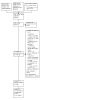
PRISMA flow diagram of screening process. CRF: cancer‐related fatigue; QoL: quality of life; RCT: randomised controlled trial.
Therefore, we included six studies (13 records), one trial is ongoing trial (one record), and three studies are awaiting classification (three records).
We report the overall numbers of references identified, screened, selected, excluded, and included in a PRISMA flow diagram (see Figure 1).
Included studies
For a detailed description of the studies, see the Characteristics of included studies table. Here we provide a brief overview of the included studies.
We included six studies in this review (Courneya 2007; Pelzer 2023; Piraux 2020; Schmidt 2015; Scott 2021; Segal 2009). We contacted the study authors and received additional information for two studies (Pelzer 2023; Piraux 2020). For one study, we received the study protocol for further information for randomisation (Pelzer 2023), and for one study we received further outcome information (Piraux 2020).
Four RCTs had three arms (Courneya 2007; Piraux 2020; Schmidt 2015; Segal 2009), including one usual care arm not considered in this review, but evaluated in other reviews of this series (Ernst 2022). One RCT had four arms, including a combined exercise arm and one usual care arm not considered in this review (Scott 2021). One RCT had four arms, including two cardiovascular training arms at different intensities and two resistance training arms at different intensities, which could be pooled into a cardiovascular training group and a resistance training group (Pelzer 2023).
The number of participants in the cardiovascular training group varied between 24 and 78, with a median of 31 participants. The number of participants in the resistance training group varied between 23 and 82, with a median of 34 participants.
National research funds and networks funded all studies. All studies reported the results in English.
Participants
Two studies included only women with breast cancer (Courneya 2007; Schmidt 2015). Two studies included only men with prostate cancer (Piraux 2020; Segal 2009). One study included men and women with lung cancer (Scott 2021). One study included participants with breast cancer or prostate cancer (Pelzer 2023). None of the studies reported including participants with a confirmed CRF diagnosis.
One study included participants with stage I to stage III cancer (Courneya 2007), three studies included participants with all cancer stages (Pelzer 2023; Scott 2021; Segal 2009). Two studies did not specify stages, but included either participants with moderate‐risk or high‐risk cancer (Schmidt 2015), or participants with no distant metastases or disease progression (or both) (Piraux 2020).
The type of cancer treatment varied between studies. Two studies included participants receiving chemotherapy (Courneya 2007; Schmidt 2015), two studies included participants receiving radiotherapy (Piraux 2020; Segal 2009). One study included participants who had received surgery and either radiotherapy or chemotherapy (Scott 2021). One study included participants receiving radiotherapy, chemotherapy, surgery, or a combination of those (Pelzer 2023).
The mean age in the cardiovascular training groups ranged between 40 and 67.4 years, with a median age across studies of 65 years. The mean age in the resistance training groups ranged between 49.5 and 67.9 years, with a median age across studies of 65 years.
Interventions
All studies compared cardiovascular training, which included aerobic exercise, endurance training, or high‐intensity interval training, with resistance training. In four studies, participants exercised during active cancer treatment (Courneya 2007; Piraux 2020; Schmidt 2015; Segal 2009). In two studies, participants exercised after active cancer treatment (Pelzer 2023; Scott 2021). Participants were included one to 10 years after cancer treatment in one study (Scott 2021). In one study, participants were included at six to 52 weeks after the end of primary cancer treatment (Pelzer 2023).
In none of the included studies did participants receive the intervention before cancer treatment.
Cardiovascular training interventions
In two studies, participants received cardiovascular exercise by training on a cycle ergometer, treadmill, or elliptical trainer (Courneya 2007; Segal 2009). In three studies, participants exercised on a cycle ergometer (Pelzer 2023; Piraux 2020; Scott 2021), and in one study, participants received endurance training on an indoor bike (Schmidt 2015).
Parameters used for the classification of the intensity of cardiovascular training varied between studies. Refer to the Characteristics of included studies for a detailed description of the intensity of each intervention.
The duration of cardiovascular exercise varied between 20 and 60 minutes including warm‐up and cool down. In two studies, the exercise duration started with 25 minutes in total, and increased up to 45 minutes, including five minutes of warm‐up and cool down each (Courneya 2007; Segal 2009). In one study, participants began with 36 minutes of exercise, including five minutes of warm‐up and cool down, and increased up to 50 minutes (Piraux 2020). In one study, participants exercised for 40 to 45 minutes, including 10 minutes of warm‐up and five minutes of cool down (Schmidt 2015). In one study, the session duration was between 20 and 60 minutes, depending on the intensity of the session (Scott 2021). In one study, the session duration in one cardiovascular training group was 30 minutes, and in the other cardiovascular training group was 38 minutes (Pelzer 2023).
In five studies, exercise was performed three times per week (Courneya 2007; Piraux 2020; Schmidt 2015; Scott 2021; Segal 2009). In one study, exercise was performed twice per week (Pelzer 2023).
Participants exercised individually in three studies (Courneya 2007; Piraux 2020; Segal 2009). Three studies did not report if the exercise was group‐based or individual (Pelzer 2023; Schmidt 2015; Scott 2021). The sessions were supervised by exercise specialists (Courneya 2007; Pelzer 2023; Schmidt 2015; Scott 2021; Segal 2009), or physiotherapists (Piraux 2020).
Resistance training interventions
In five studies, participants received resistance training by performing a varying number of exercises using their own bodyweight or resistance bands (Courneya 2007; Piraux 2020; Schmidt 2015; Scott 2021; Segal 2009). Exercises included leg extension, leg curl, leg press, calf raises, chest press, seated row, triceps extensions, biceps curls, modified curl ups, wall push‐ups, wall supported squats, forward lunges, abdominal crunches, bridging, spot marching, shoulder press, and latissimus pull down. In one study, participants exercised on stationary weight machines (Pelzer 2023).
Parameters used for the classification of the intensity of resistance training varied between studies. Refer to the Characteristics of included studies table for a detailed description of the intensity of each intervention.
Participants exercised in two or three sets with six to 18 repetitions in four studies (Courneya 2007; Piraux 2020; Scott 2021; Segal 2009), and in one set with 20 repetitions in one study (Schmidt 2015). In one study, the duration of exercise varied between two to five sets with four, 12, or 20 repetitions (Pelzer 2023).
In five studies, exercise was performed three times per week (Courneya 2007; Piraux 2020; Schmidt 2015; Scott 2021; Segal 2009). In one study, exercise was performed twice per week (Pelzer 2023).
Participants exercised individually in three studies (Courneya 2007; Piraux 2020; Segal 2009). Two studies did not report if the exercise was group‐based or individual (Scott 2021; Schmidt 2015). The sessions were supervised by exercise specialists (Courneya 2007; Pelzer 2023; Schmidt 2015; Scott 2021; Segal 2009), or physiotherapists (Piraux 2020).
Outcome measures
All studies reported CRF. Four studies measured CRF using the FACIT‐Fatigue questionnaire (Courneya 2007; Piraux 2020; Scott 2021; Segal 2009), two studies used the general fatigue subscale of the MFI‐20 questionnaire (Pelzer 2023; Schmidt 2015).
All studies reported QoL. Three studies measured QoL using the FACT‐G questionnaire (Piraux 2020; Scott 2021; Segal 2009), one study used the Functional Assessment of Cancer Therapy – Anemia scale (FACT‐An; Cella 1997) questionnaire (Courneya 2007), and two studies measured QoL using the EORTC QLQ‐C30 (Fayers 2002) questionnaire (Pelzer 2023; Schmidt 2015). One study additionally used the Functional Assessment of Cancer Therapy – Lung (FACT‐L; Cella 1995) questionnaire (Scott 2021).
Four studies reported information on adverse events (Courneya 2007; Piraux 2020; Scott 2021; Segal 2009).
One study reported anxiety, using the State‐Trait Anxiety Inventory (STAI; Kvaal 2005) (Courneya 2007).
Two studies reported depression, using the Center for Epidemiologic Studies Depression Scale (CES‐D, Hautzinger 1988) (Courneya 2007; Piraux 2020).
All studies reported outcomes at short‐term follow‐up (up to and including 12 weeks; i.e. immediately after completion of the intervention). One study reported outcomes at long‐term follow‐up (six months or longer after completion of the intervention) (Courneya 2007). None of the included studies reported any outcomes at medium‐term follow‐up (more than 12 weeks' to less than six months' follow‐up).
Excluded studies
We excluded 18 studies (21 records) from the review.
Four studies (four records) were not RCTs (Heim 2007; Hong 2020; Khan 2018; Poier 2019).
In one study (three records), exercise was not the main component of a multimodal intervention (Rogers 2009).
One study (one record) did not evaluate CRF or QoL (Segar 1998).
Five studies (six records) compared similar exercise interventions at different intensities (Andhare 2020; Demmelmaier 2021; Devin 2016; McNeely 2008; Pagola 2020).
In two studies (two records), participants exercised for fewer than five sessions (Cohen 2021; Viamonte 2023).
In three studies (three records), the sample size was below 20 participants per group. Additionally, these studies did not investigate cardiovascular versus resistance training interventions (EXIT Kirkham 2020; Paulo 2019; Santagnello 2020).
One study (one record) was available as an abstract only (Ajjou 2021).
One study (one record) used an unstructured cardiovascular training intervention (Pahl 2020).
Studies awaiting classification
We listed three supposedly completed studies for which we identified study protocols or registrations but could not retrieve any results as awaiting classification (NCT02999074; NCT04656457; Rufa'i 2016).
One study compared exercise on a static bicycle ergometer, light resistance training, and a usual care control group in women with breast cancer and was supposed to be completed by the time of our search, but no results have been posted yet (Rufa'i 2016).
The second study compared running on a treadmill with resistance exercises in women with breast cancer (NCT04656457). This study was supposed to be completed by April 2021, but no results have been posted yet.
The third study compared endurance training on a cycle ergometer with weight‐based resistance training (NCT04656457). This study was supposedly completed in March 2020, but no results had been posted at the date of our last search.
We contacted the primary authors for all studies awaiting classification for further information.
More details are provided in the Characteristics of studies awaiting classification table.
Ongoing studies
We identified one ongoing trial (NCT05297773). This trial compares cycling with weight‐machine strength exercises and relaxation for women with breast cancer, and is estimated to be completed by 30 April 2024 (NCT05297773).
More details are provided in the Characteristics of ongoing studies table.
Risk of bias in included studies
Refer to Figure 2 and Figure 3.
2.

Risk of bias summary: review authors' judgements about each risk of bias item for each included study.
3.

Risk of bias graph: review authors' judgements about each risk of bias item presented as percentages across all included studies.
Allocation
Five studies were at low risk of bias for random sequence generation, as they all used a computer‐generated sequence (Courneya 2007; Piraux 2020; Schmidt 2015; Scott 2021; Segal 2009). For one study, the risk of bias due to random sequence generation was high (Pelzer 2023). Information between study registration, study report, and study protocol provided by the study authors varied. There was no information on the randomisation procedure, other than it being a minimisation procedure.
Three studies were at low risk of bias for allocation concealment, because the allocation sequence was generated by a third party (Courneya 2007; Schmidt 2015; Segal 2009). One study was at low risk of bias for allocation concealment, as the sequence was concealed by sequentially numbered sealed envelopes and created by the trial biostatistician (Scott 2021). In one study, risk of bias due to allocation concealment was unclear, as there was no information reported about allocation concealment (Pelzer 2023). One study was at high risk of bias for allocation concealment, because the principal investigator allocated the participants (Piraux 2020).
Blinding
All studies were at high risk of bias for both blinding of participants and personnel, and blinding of outcome assessment. Blinding of participants and personnel was not possible due to the nature of the intervention. Outcomes were participant‐reported, and participants were not blinded, therefore blinding of outcome assessment was also not possible.
Incomplete outcome data
Risk of bias for incomplete outcome data was low for four studies as they used intention‐to‐treat analyses and the number of dropouts did not differ between groups (Courneya 2007; Piraux 2020; Scott 2021; Segal 2009).
In one study, risk of bias due to incomplete outcome data was unclear (Pelzer 2023). The study used an intention‐to‐treat analysis but data were only available for 95/139 (69%) participants. The study reported reasons for dropout, and dropouts due to medical reasons in the resistance training arms were much higher (12 participants) than in the cardiovascular training arms (three participants).
For one study, risk of attrition bias was high (Schmidt 2015). The study conducted per‐protocol analyses. Dropout rates were below 20%, but were unbalanced in the relevant study groups and reasons for dropout were not reported.
Selective reporting
Risk of bias for selective reporting was low in one study (Piraux 2020). For this study, a trial registration was available, and all outcomes were reported as prespecified.
Risk of reporting bias was unclear in three studies (Courneya 2007; Schmidt 2015; Segal 2009). For these studies, a protocol or registry entry was not available. Therefore, there was not enough data to judge this domain. Two studies had a protocol or trial registration but risk of bias for selective reporting was unclear because not all planned outcomes were reported (Pelzer 2023; Scott 2021).
Other potential sources of bias
There were no other potential sources of bias in five studies (Courneya 2007; Pelzer 2023; Piraux 2020; Schmidt 2015; Segal 2009). In one study, the relative dose intensity of exercise was lower in the resistance training group compared with the cardiovascular training group (Scott 2021). This was potentially linked to a higher occurrence of arthralgia in the resistance training group (65% compared to 13% in the cardiovascular training group). However, we did not consider this as a risk of bias, because dropout rates as well as attendance were comparable between groups, and delivery of individualised exercise intensity was consistent with the protocol.
Effects of interventions
Effects of interventions and judgement of the certainty of evidence are summarised in the summary of findings table for interventions starting during treatment for CRF, QoL, and adverse events at all timings of assessment (see Table 1).
Participants with a confirmed diagnosis of cancer‐related fatigue
None of the included studies reported if they included participants with a confirmed diagnosis of CRF.
Participants without a confirmed diagnosis of cancer‐related fatigue
None of the included studies reported if they included participants without a confirmed diagnosis of CRF.
Status of cancer‐related fatigue diagnosis not reported
Intervention starting before cancer treatment
None of the included studies investigated interventions starting before cancer treatment.
Intervention starting during cancer treatment
Cancer‐related fatigue
Short term
Four studies assessed CRF at up to and including 12 weeks with the intervention starting during treatment for 311 participants using different scales (Courneya 2007; Piraux 2020; Schmidt 2015; Segal 2009). Three studies assessed CRF using the FACIT‐Fatigue (higher values indicate better outcomes) (Courneya 2007; Piraux 2020), and one study used the MFI General Fatigue Scale (higher values indicate worse outcomes) (Schmidt 2015). The resulting SMD was transformed into an MD on the FACIT‐Fatigue (scale from 0 to 52, higher values indicate better outcomes, minimally important difference (MID) 3.0; Cella 2002).
The evidence is very uncertain about the effect of cardiovascular training compared with resistance training on short‐term CRF (SMD −0.03, 95% CI −0.26 to 0.19; MD on FACIT‐Fatigue −0.29, 95% CI −2.52 to 1.84; 4 studies, 311 participants; very low‐certainty evidence; Analysis 1.1). We downgraded the certainty of evidence due to high risk of bias in the included studies (downgraded one level). Additionally, the sample sizes were small, and the CIs included potential effects in favour of both cardiovascular training and resistance training (downgraded two levels).
1.1. Analysis.

Comparison 1: Cardiovascular training versus resistance training, no fatigue diagnosis at baseline, intervention during treatment, Outcome 1: Cancer‐related fatigue (CRF) ≤ 12 weeks
We conducted planned sensitivity analyses excluding studies with a high risk of bias domain other than any of the blinding domains. These sensitivity analyses showed no change in direction or magnitude of the effect. Additionally, sensitivity analyses excluding studies with strong evidence for skewed data were excluded. These sensitivity analyses showed no change in direction or magnitude of the effect.
Subgroup analyses did not show differences between people with breast cancer and people with prostate cancer or treatment with chemotherapy and treatment with radiotherapy. Note that the same data were used in both analyses (Analysis 2.1; Analysis 3.1).
2.1. Analysis.

Comparison 2: Cardiovascular training versus resistance training, no fatigue diagnosis at baseline, intervention during treatment, subgroup analysis by cancer type, Outcome 1: Cancer‐related fatigue (CRF) ≤ 12 weeks
3.1. Analysis.

Comparison 3: Cardiovascular training versus resistance training, no fatigue diagnosis at baseline, intervention during treatment, subgroup analysis by cancer treatment, Outcome 1: Cancer‐related fatigue (CRF) ≤ 12 weeks
Medium term
None of the included studies assessed CRF between more than 12 weeks and less than six months with the intervention starting during treatment.
Long term
One study assessed CRF at six months' follow‐up or longer with the intervention starting during treatment (Courneya 2007). The study used the FACIT‐Fatigue scale (scale from 0 to 52, higher values indicate better outcomes, MID 3.0; Cella 2002).
The evidence is very uncertain about the effect of cardiovascular compared with resistance training on long‐term CRF (MD 1.30, 95% CI −2.17 to 4.77; 1 study, 141 participants; very low‐certainty evidence; Analysis 1.2). We downgraded the certainty due to high risk of bias in the included studies (downgraded one level). Additionally, the sample sizes were small, and the CIs included potential effects in favour of both cardiovascular training and resistance training (downgraded two levels).
1.2. Analysis.

Comparison 1: Cardiovascular training versus resistance training, no fatigue diagnosis at baseline, intervention during treatment, Outcome 2: CRF ≥ 6 months
We did not conduct sensitivity or subgroup analyses, because only one study reported long‐term CRF.
Quality of life
Short term
Four studies assessed QoL at 12 weeks' follow‐up or less with the intervention starting during treatment (Courneya 2007; Piraux 2020; Schmidt 2015; Segal 2009). These studies assessed this outcome using different scales. The resulting SMD was transformed into an MD on the FACT‐G questionnaire (scale from 0 to 108, higher values indicate better outcomes, MID 4.0; Cella 2002).
The evidence is very uncertain about the effect of cardiovascular training compared with resistance training on short‐term QoL (SMD 0.11, 95% CI −0.11 to 0.33; MD on FACT‐G 1.47, 95% CI −1.47 to 4.42; 4 studies, 319 participants; very low‐certainty evidence; Analysis 1.3). We downgraded the certainty due to high risk of bias in the included studies (downgraded one level). Additionally, the sample sizes were small, and the CIs included potential effects in favour of both cardiovascular training and resistance training (downgraded two levels).
1.3. Analysis.

Comparison 1: Cardiovascular training versus resistance training, no fatigue diagnosis at baseline, intervention during treatment, Outcome 3: Quality of life (QoL) ≤ 12 weeks
We conducted planned sensitivity analyses excluding studies with a high risk of bias domain other than any of the blinding domains. These sensitivity analyses showed no change in direction or magnitude of the effect. Sensitivity analyses for excluding studies with strong evidence of skewed data were not conducted, as there was no strong evidence of skewed data.
Subgroup analyses showed no differences between people with breast cancer and people with prostate cancer or treatment with chemotherapy and treatment with radiotherapy. Note that the same data were used in both analyses (Analysis 2.2; Analysis 3.2).
2.2. Analysis.

Comparison 2: Cardiovascular training versus resistance training, no fatigue diagnosis at baseline, intervention during treatment, subgroup analysis by cancer type, Outcome 2: Quality of life (QoL) ≤ 12 weeks
3.2. Analysis.
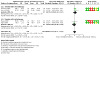
Comparison 3: Cardiovascular training versus resistance training, no fatigue diagnosis at baseline, intervention during treatment, subgroup analysis by cancer treatment, Outcome 2: Quality of life (QoL) ≤ 12 weeks
Medium term
None of the included studies assessed QoL between more than 12 weeks and less than six months with the intervention starting during treatment.
Long term
One study assessed QoL at six months' follow‐up or longer with the intervention starting during treatment (Courneya 2007). The study used the FACT‐An questionnaire (scale from 0 to 188, higher values indicate better outcomes, MID 7.0; Cella 2002).
The evidence is very uncertain about the effect of cardiovascular training compared with resistance training on long‐term QoL (MD 3.40, 95% CI −4.85 to 11.65; 1 study, 141 participants; very low‐certainty evidence; Analysis 1.4). We downgraded the certainty due to high risk of bias in the included studies (downgraded one level). Additionally, the sample sizes were small, and the CIs included potential effects in favour of both cardiovascular training and resistance training (downgraded two levels).
1.4. Analysis.

Comparison 1: Cardiovascular training versus resistance training, no fatigue diagnosis at baseline, intervention during treatment, Outcome 4: QoL ≥ 6 months
We did not conduct sensitivity or subgroup analyses, because only one study reported long‐term QoL.
Adverse events reported any time after initiation of the trial
Two studies reported adverse events at six months' follow‐up or longer with the intervention starting during treatment (Piraux 2020; Segal 2009).
The evidence is very uncertain about the effect of cardiovascular training compared with resistance training on the occurrence of adverse events (RR 2.00, 95% CI 0.19 to 21.18; 1/64 participants in the cardiovascular training group, 2/64 participants in the resistance training group; RR based on 1 study as 1 study reported 0 events per group; 2 studies 128 participants; very low‐certainty evidence; Analysis 1.9). We downgraded the certainty due to high risk of bias in the included studies (downgraded one level). Additionally, the sample sizes were small, and the CIs included potential effects in favour of both cardiovascular training and resistance training (downgraded two levels).
1.9. Analysis.

Comparison 1: Cardiovascular training versus resistance training, no fatigue diagnosis at baseline, intervention during treatment, Outcome 9: Adverse events ≥ 6 months
We did not conduct a sensitivity analysis for this outcome. The study with an additional high‐risk domain other than the domains for blinding reported no adverse events (Piraux 2020), thus the result of the analysis would not change. Conducting subgroup analyses was not possible.
One other study reported adverse events in a way that could not be included in meta‐analysis. This study reported adverse events for two participants, but did not report the group in which these events occurred (Courneya 2007).
Anxiety
Short term
One study assessed anxiety at 12 weeks' follow‐up or less (Courneya 2007). The study used the STAI (scale from 20 to 80, higher values indicate worse outcomes, MID greater than 10; Kim 2022).
The evidence is very uncertain about the effect of cardiovascular training compared with resistance training on short‐term anxiety (MD −1.40, 95% CI −5.31 to 2.51; 1 study, 150 participants; very low‐certainty evidence; Analysis 1.7). We downgraded the certainty due to high risk of bias in the included studies (downgraded one level). Additionally, the sample sizes were small, and the CIs included potential effects in favour of both cardiovascular training and resistance training (downgraded two levels).
1.7. Analysis.

Comparison 1: Cardiovascular training versus resistance training, no fatigue diagnosis at baseline, intervention during treatment, Outcome 7: Anxiety ≤ 12 weeks
We did not conduct sensitivity or subgroup analyses, because only one study reported short‐term anxiety.
Medium term
None of the included studies assessed anxiety between more than 12 weeks and less than six months.
Long term
One study assessed anxiety at six months' follow‐up or longer (Courneya 2007). The study used the STAI (scale from 20 to 80, higher values indicate worse outcomes, MID greater than 10; Kim 2022).
The evidence is very uncertain about the effect of cardiovascular training compared with resistance training on long‐term anxiety (MD −3.30, 95% CI −7.30 to 0.70; 1 study, 141 participants; very low‐certainty evidence; Analysis 1.8). We downgraded the certainty due to high risk of bias in the included studies (downgraded one level). Additionally, the sample sizes were small, and the CIs included potential effects in favour of both cardiovascular training and resistance training (downgraded two levels).
1.8. Analysis.

Comparison 1: Cardiovascular training versus resistance training, no fatigue diagnosis at baseline, intervention during treatment, Outcome 8: Anxiety ≥ 6 months
We did not conduct sensitivity or subgroup analyses, because only one study reported long‐term anxiety.
Depression
Short term
Two studies assessed depression at 12 weeks' follow‐up or less (Courneya 2007; Piraux 2020). The studies used the CES‐D (scale from 0 to 60, higher values indicate worse outcomes, MID 11; Haase 2022).
The evidence is very uncertain about the effects of cardiovascular training compared with resistance training on short‐term depression (MD −0.72, 95% CI −3.22 to 1.79; 2 studies, 198 participants; very low‐certainty evidence; Analysis 1.5). We downgraded the certainty due to high risk of bias in the included studies (downgraded one level). Additionally, the sample sizes were small, and the CIs included potential effects in favour of both cardiovascular training and resistance training (downgraded two levels).
1.5. Analysis.

Comparison 1: Cardiovascular training versus resistance training, no fatigue diagnosis at baseline, intervention during treatment, Outcome 5: Depression ≤ 12 weeks
We conducted planned sensitivity analyses excluding studies with a high risk of bias domain other than any of the blinding domains. These sensitivity analyses showed no change in direction or magnitude of the effect. Sensitivity analyses for excluding studies with strong evidence of skewed data were not conducted, as there was no strong evidence of skewed data.
Subgroup analysis did not show any differences between people with breast cancer and people with prostate cancer or treatment with chemotherapy and treatment with radiotherapy. The same data were used in both analyses (Analysis 2.3; Analysis 3.3).
2.3. Analysis.

Comparison 2: Cardiovascular training versus resistance training, no fatigue diagnosis at baseline, intervention during treatment, subgroup analysis by cancer type, Outcome 3: Depression ≤ 12 weeks
3.3. Analysis.

Comparison 3: Cardiovascular training versus resistance training, no fatigue diagnosis at baseline, intervention during treatment, subgroup analysis by cancer treatment, Outcome 3: Depression ≤ 12 weeks
Medium term
None of the included studies assessed depression between more than 12 weeks and less than six months.
Long term
One study assessed depression at six months' follow‐up or longer (Courneya 2007). The study used the CES‐D (scale from 0 to 60, higher values indicate worse outcomes, MID 11 (Haase 2022)).
The evidence is very uncertain about the effects of cardiovascular training compared with resistance training on long‐term depression (MD −2.4, 95% CI −5.38 to 0.58; 1 study, 141 participants; very low‐certainty evidence; Analysis 1.6). We downgraded the certainty due to high risk of bias in the included studies (downgraded one level). Additionally, the sample sizes were small, and the CIs included potential effects in favour of both cardiovascular training and resistance training (downgraded two levels).
1.6. Analysis.

Comparison 1: Cardiovascular training versus resistance training, no fatigue diagnosis at baseline, intervention during treatment, Outcome 6: Depression ≥ 6 months
We did not conduct sensitivity or subgroup analyses, because only one study reported long‐term depression.
Intervention starting after treatment
Cancer‐related fatigue
Short term
Two studies reported short‐term CRF with the intervention starting after treatment (Pelzer 2023; Scott 2021). One study included 47 participants, but did not report effect estimates separately for cardiovascular and resistance training and was, therefore, not included in meta‐analysis (Scott 2021). We contacted the authors for additional information.
One study assessed CRF at 12 weeks' follow‐up or less for 95 participants (Pelzer 2023). The study used the MFI General Fatigue scale (scale from 4 to 20, higher values indicate worse outcomes, MID 2.1; Nordin 2016).
The evidence is very uncertain about the effects of cardiovascular training compared with resistance training on this outcome (MD 1.47, 95% CI −0.09 to 3.03; very low‐certainty evidence; Analysis 4.1). We downgraded the certainty due to high risk of bias in the included studies (downgraded one level). Additionally, the sample sizes were small, and the CIs included potential effects in favour of both cardiovascular training and resistance training (downgraded two levels).
4.1. Analysis.

Comparison 4: Cardiovascular training versus resistance training, no fatigue diagnosis at baseline, intervention after treatment, Outcome 1: Cancer‐related fatigue (CRF) ≤ 12 weeks
We did not conduct sensitivity or subgroup analyses, because only one study reported short‐term CRF.
Medium term
None of the included studies assessed CRF between more than 12 weeks and less than six months with the intervention starting after treatment.
Long term
None of the included studies assessed CRF at six months' follow‐up or longer with the intervention starting after treatment.
Quality of life
Short term
Two studies reported short‐term QoL with the intervention starting after treatment (Pelzer 2023; Scott 2021). One study included 47 participants, but did not report effect estimates separately for cardiovascular and resistance training and was, therefore, not included in meta‐analysis (Scott 2021). We contacted the authors for additional information.
One study assessed QoL at 12 weeks' follow‐up or less (Pelzer 2023). The study used the EORTC QLQ‐C30 Global Health subscale (scale from 0 to 100, higher values indicate better outcomes, MID 10.0; Musoro 2023).
Resistance training may improve short‐term QoL compared to cardiovascular training, but the evidence is very uncertain (MD −10.96, 95% CI −17.77 to −4.15; 1 study, 95 participants; very low‐certainty evidence; Analysis 4.2). We downgraded the certainty due to high risk of bias in the included studies (downgraded one level). Additionally, the sample size was small, and the CIs included both no effect and a large effect (downgraded two levels).
4.2. Analysis.

Comparison 4: Cardiovascular training versus resistance training, no fatigue diagnosis at baseline, intervention after treatment, Outcome 2: Quality of life (QoL) ≤ 12 weeks
We did not conduct sensitivity or subgroup analyses, because only one study reported short‐term QoL.
Medium term
None of the included studies assessed QoL between more than 12 weeks and less than six months with the intervention starting after treatment.
Long term
None of the included studies assessed QoL at six months' follow‐up or longer with the intervention starting after treatment.
Adverse events reported any time after initiation of the trial
One study reported adverse events at 12 weeks' follow‐up or less with the intervention starting after treatment (Scott 2021). This study reported the number of participants with adverse events, separated by event. As it did not report the number of participants with any adverse events cumulatively, this study was not included in meta‐analysis.
Anxiety
Short term
None of the included studies assessed anxiety at 12 weeks' follow‐up or less with the intervention starting after treatment.
Medium term
None of the included studies assessed anxiety between more than 12 weeks' and less than six months' follow‐up with the intervention starting after treatment.
Long term
None of the included studies assessed anxiety at six months' follow‐up or longer with the intervention starting after treatment.
Depression
Short term
None of the included studies evaluated depression at 12 weeks' follow‐up or less with the intervention starting after treatment.
Medium term
None of the included studies assessed depression between more than 12 weeks' and less than six months' follow‐up with the intervention starting after treatment.
Long term
None of the included studies assessed depression at six months' follow‐up or longer with the intervention starting after treatment.
Discussion
The primary aim of this review was to compare the effects of cardiovascular training versus resistance training for treatment and prevention of CRF in people with cancer.
Specifically, our aim was to compare the effects of cardiovascular training versus resistance training on CRF at:
different periods of treatment in relation to cancer treatment (before, during, or after treatment);
different periods of assessment (up to and including 12 weeks' follow‐up (short term), more than 12 weeks' to less than six months' follow‐up (medium term), or six months' follow‐up or longer (long term)).
Moreover, we wanted to compare the effects of cardiovascular training versus resistance training on QoL, adverse events, anxiety, and depression.
Summary of main results
A comprehensive systematic literature search, including search results of previously published systematic reviews, identified six studies (13 reports) including 447 participants. All studies had a high risk of bias for domains related to blinding. For three studies, risk of bias was also high in other domains.
Status of cancer‐related fatigue diagnosis not reported
Intervention starting before treatment
None of the included trials investigated interventions starting before cancer treatment.
Intervention starting during treatment
Cancer‐related fatigue
Four studies reported short‐term CRF, none of the studies reported medium‐term CRF, and one study reported long‐term CRF. Overall, the evidence was very uncertain about the effect of cardiovascular training compared with resistance training on short‐term and long‐term CRF, with exercise interventions starting during active cancer treatment (very low certainty). Sensitivity analyses excluding studies high risk of bias in other domains than blinding or studies with evidence for skewed data and subgroup analyses for cancer type and treatment found no differences in effects.
Quality of life
Four trials reported short‐term QoL, none of the studies reported medium‐term QoL, one study reported long‐term QoL. Overall, the evidence was very uncertain about the effect of cardiovascular training compared with resistance training on short‐term and long‐term QoL, with exercise interventions starting during active cancer treatment (very low certainty). Sensitivity analyses excluding studies with high risk of bias in other domains than blinding and subgroup analyses for cancer type and treatment did not show any differences in effects.
Adverse events
None of the studies reported short‐term or medium‐term occurrence of adverse events, and two studies reported long‐term occurrence of adverse events (one of which reported no events in either group). Overall, the evidence was very uncertain about the effect of cardiovascular training compared with resistance training on long‐term occurrence of adverse events, with exercise interventions starting during active cancer treatment (very low certainty).
Anxiety
One study reported short‐term anxiety, no studies reported medium‐term anxiety, and one study reported long‐term anxiety. Overall, the evidence was very uncertain about the effect of cardiovascular training compared with resistance training on short‐term and long‐term anxiety, with exercise interventions starting during active cancer treatment (very low certainty).
Depression
Two studies reported short‐term depression, no studies reported medium‐term depression, and one study reported long‐term depression. Overall, the evidence was very uncertain about the effect of cardiovascular training compared with resistance training on short‐term and long‐term anxiety, with exercise interventions starting during active cancer treatment (very low certainty).
Intervention starting after treatment
Cancer‐related fatigue
Two studies reported short‐term CRF, and no studies reported medium‐term CRF or long‐term CRF. Only one study could be included in the meta‐analysis. Overall, the evidence was very uncertain about the effect of cardiovascular training compared with resistance training on short‐term CRF, with exercise interventions starting after active cancer treatment (very low certainty).
Quality of life
Two studies reported short‐term QoL, and no studies reported medium‐term QoL or long‐term QoL. Only one study could be included in the meta‐analysis. Overall, resistance training compared to cardiovascular training may improve short‐term QoL with the exercise interventions starting after active cancer treatment, but the evidence was very uncertain (very low certainty).
Adverse events
One of the included studies investigated adverse events with the intervention starting after cancer treatment. These results could not be included in the meta‐analysis; thus, we contacted the authors for further information.
Participants with or without a reported cancer‐related fatigue diagnosis
None of the included studies reported if they included participants with a diagnosis of CRF for any of the outcomes at any follow‐up.
Overall completeness and applicability of evidence
We included six RCTs and their interventions, participants, and outcomes were relevant to the review question. We are confident that the comprehensive literature search identified all relevant published and ongoing studies to include in this review.
However, due to the small number of studies identified, there are limitations to the overall completeness and applicability of the evidence, which might limit the external validity of the evidence found in this review.
First, the six studies included in this review were conducted in North America (i.e. Canada and the USA) and Europe (i.e. Belgium and Germany). There were no studies conducted in countries where treatment standards and environments likely differ vastly from European or North American standards. Second, the studies mainly included people with breast and prostate cancer and only people treated with chemotherapy, radiotherapy, or surgery. The studies did not include other types of cancer and cancer treatment. Additionally, cardiovascular training was mainly limited to cycling, treadmill walking, and training on an elliptical trainer. Only one study included high‐intensity interval training, which could limit the applicability of the results to other forms of cardiovascular training (e.g. swimming, running). Also, most included studies started the intervention during active cancer treatment. Furthermore, data on the occurrence of adverse events was very limited. Only four trials reported adverse events, one of which reported adverse events for both groups combined and could not be included in the analysis. As highlighted by Thomsen and colleagues, this prohibited an analysis of adverse events and drawing conclusions, for example on the risk of injury during cardiovascular training compared to resistance training (Thomsen 2024). Finally, none of the included studies assessed or reported any of the outcomes at medium‐term (i.e. more than 12 weeks and less than six months) follow‐up, and only one study reported long term (i.e. six months or longer) follow‐up data. Information on these follow‐ups is therefore very limited.
There were no included studies that investigated cardiovascular training versus resistance training before cancer treatment. Therefore, there is no information on a preventive intervention, and the results might not be applicable to this situation. Additionally, none of the studies specified if their participants had a confirmed diagnosis of CRF prior to study inclusion. Consequently, a more detailed investigation of exercise as treatment or as prevention for CRF could not be included in this review. In addition, none of the studies included exercise groups which exercised in some part without supervision. All exercise groups in all included studies were fully supervised. This may have led to a high level of adherence to the interventions among participants. However, this also means a subgroup analysis on the effects of supervised and (partially) home‐based exercise was not possible.
Further limitations of this review, due to the limited number of included studies, pertain to the subgroup analyses. First, potentially interesting subgroup analyses were not possible. Therefore, we could not investigate potential influences of, for example, age, intensity of intervention, or setting of intervention. As stated above, an investigation of a potential influence of a confirmed diagnosis of CRF was also not possible. Second, there was potential confounding in the subgroup analyses that were performed. The participants with breast cancer were the same participants who received chemotherapy. The participants with prostate cancer were the same participants who received radiotherapy.
Quality of the evidence
Risk of bias
All studies had a high risk of bias for blinding. Additionally, three out of the six included studies had a high risk of bias in additional domains. For the three other included studies, risk of bias was unclear in other, additional domains.
As specified at the protocol stage, all included studies were RCTs. All studies had a high risk of bias due to blinding of participants, personnel, or outcome assessment. This was anticipated, as blinding was not possible due to the nature of the intervention and all outcomes being participant‐reported. One study was additionally judged at high risk of bias due to incomplete outcome data. Another study was additionally judged at high risk of bias due to lack of allocation concealment. A third study was judged at high risk of bias due to contradictory information on randomisation.
Certainty of the evidence
The certainty of the evidence was very low for all outcomes. All studies had a high risk of bias (downgraded one level). Furthermore, there was some considerate imprecision in the results of this review (downgraded two levels). The overall number of participants included was very low, and CIs included a potential effect in either direction for all outcomes where analysis was possible. However, for those outcomes where meta‐analysis was possible, there was no heterogeneity in the results. Indirectness was also not an issue for any of the outcomes.
Potential biases in the review process
One of the strengths of this review is the methods used, which are in accordance with the recommendations provided in the Cochrane Handbook for Systematic Reviews of Interventions (Higgins 2023a) and the PRISMA statement (Page 2023). Furthermore, we used validated tools to assess the risk of bias of the included studies (Higgins 2023a), and the certainty of the evidence (Schünemann 2023). The literature search was very thorough and comprehensive. At least two review authors, who were experienced methodologists, conducted the screening of studies and extraction of data, and resolved uncertainties by intense discussions within the review team. Even though only a few sensitivity analyses were possible, they were not different to the primary meta‐analyses.
However, there are some potential methodological limitations. There was a change of the review question throughout the screening process. Previously, this review was supposed to investigate aerobic versus anaerobic training but, due to clinical considerations, this was changed. Instead of aerobic exercise, we investigated cardiovascular exercise. Instead of anaerobic exercise, we investigated resistance exercise. While this change is clinically sensible, and we did thoroughly check our searches for false exclusions, this change may still have led to accidental exclusion of studies during title and abstract screening that should have been included in this review.
Furthermore, due to the large volume of studies in the overall review process (including the other reviews), we did not seek out additional information on studies awaiting classification and excluded publications without published full‐texts. We excluded publications without full‐texts (i.e. abstracts only), because they did not provide enough information on randomisation and the interventions to judge inclusion. Additionally, we excluded studies that included fewer than 20 participants in each arm, because we found poor reporting with insufficient information to judge eligibility for inclusion in this review. This might have led to excluding potentially relevant studies and information.
We included only six studies in this review. As a result, assessing publication bias by creating funnel plots was not possible.
Agreements and disagreements with other studies or reviews
To our best knowledge, this is the first systematic review to directly compare cardiovascular training with resistance training for CRF in people with any type of cancer. Previous reviews were limited to the investigation of the use of exercise compared with usual care (Baguley 2017; Codima 2021; Rendeiro 2021; Tian 2016; Zou 2014).
Two reviews indirectly compared cardiovascular training with resistance training (Cramp 2012; Hilfiker 2018). Cramp and colleagues investigated the effects of various types of exercise on CRF, and evidence suggested positive effects of cardiovascular training, but did not suggest similar effects for resistance training (Cramp 2012). The results of this indirect comparison differed slightly from the results found in our analyses, as the direct comparisons in our analyses did not indicate differences between the modes of exercise. Hilfiker and colleagues found small effects for both cardiovascular training and resistance training during cancer treatment, while the indirect comparison did not show any difference between these two interventions, which is in accordance with the findings of this review (Hilfiker 2018).
In summary, considering the results of this review in addition to previous research on this topic, there little evidence of a difference in the efficacy of cardiovascular training and resistance training for CRF and QoL in people with cancer, and the existing evidence is very uncertain.
Authors' conclusions
Implications for practice.
The evidence is very uncertain about the effect of cardiovascular training compared with resistance training on cancer‐related fatigue, quality of life, adverse events, anxiety, or depression in people with cancer. We included six studies overall. Four studies evaluated interventions starting during active cancer treatment, and two studies evaluated interventions starting after active cancer treatment (although one study did not report effect estimates separately for cardiovascular and resistance training and was not included in analyses). The evidence is very uncertain and the results of this review do not provide a basis for deciding between cardiovascular training and resistance training to reduce cancer‐related fatigue, adverse events, anxiety, or depression, or to improve quality of life in people with cancer. Additionally, as the distinction between people with and without a diagnosis of cancer‐related fatigue could not be investigated due to insufficient data, this review also cannot provide support in deciding whether exercise should be used for the prevention or the treatment of cancer‐related fatigue. Thus, more research is necessary to draw definite conclusions for practice.
Implications for research.
Further evidence is needed to provide more information on potential differences in the efficacy of cardiovascular training and resistance training interventions for cancer‐related fatigue, quality of life, depression, anxiety, and adverse events. In particular, information on adverse events has been insufficient. Attention to the collection and reporting of adverse events throughout the study, as well as the equal collection and reporting of adverse events in the intervention and control groups, should be paid in future studies. This will allow more precise conclusions to be drawn, for example, on the risk of injury during cardiovascular training compared to resistance training.
Future trials would benefit from including different types of cancer, as the evidence currently only includes trials on breast, prostate, and lung cancer. Furthermore, it would be useful for trials to include more older people to provide evidence for this subgroup, as exercise might be more strenuous for older people and thus have an effect on cancer‐related fatigue. In this review, only two subgroup analyses were possible, which were both on the same subgroup of participants. Including a broader variety of types of cancer and cancer treatment could facilitate the further investigation of factors like these. Additionally, it might be interesting to compare effects between varying treatment types, that is, compare the effects for people treated with chemotherapy with the effects for people treated with radiotherapy. In addition, future studies could improve the reporting of the interventions. Precise reporting of interventions could allow for further subgroup analyses and a more precise understanding of which interventions could be effective. Additionally, adding another trial arm could allow for further comparison between each of the exercise modalities, and a combined exercise arm. This could allow future systematic reviews to investigate if there are benefits of combining both exercise modalities, or if a single modality has similar effects on cancer‐related fatigue. In this review, we only included trials that investigated at least either cancer‐related fatigue or quality of life, and none of the included studies reported mortality outcomes. Future trials, and updates of this review, could include data on mortality outcomes to investigate whether, in addition to cancer‐related fatigue and quality of life, survival is also impacted.
Different timings should also be investigated by future trials. In particular, interventions starting before active cancer treatment have not been investigated yet. Similarly, it would be useful for future trials to report if participants had a confirmed diagnosis of cancer‐related fatigue prior to study inclusion, as this was not the case in the included studies. As a result, we were unable to distinguish the preventive and treatment effects of cardiovascular and resistance training with respect to cancer‐related fatigue. Furthermore, more trials investigating medium‐term and long‐term effects of the interventions are necessary.
History
Protocol first published: Issue 3, 2022
Notes
This review is part of a series of reviews conducted based on a common protocol (Ernst 2022). Some passages, particular in the Background and Methods section, will be similar or equal across these reviews. Some passages in this review, in particular in the Methods section, are from the standard template of Cochrane Haematology.
Acknowledgements
We are grateful for everyone who contributed to the writing of the review protocol for their valuable help in prioritising outcomes, providing clinical and editorial advice, and peer review.
We thank Leslie Choi and Lindsay Robertson for editorial advice. We also thank Jo Morrison for clinical and editorial advice, and Jo Platt for designing the original, and for reviewing the final, search strategy.
Editorial and peer‐reviewer contributions
Cochrane Gynaecological, Neuro‐oncology and Orphan Cancer Group supported the authors in the development of this review.
The following people conducted the editorial process for this article.
Sign‐off Editor (final editorial decision): Rui Providencia, St Bartholomew's Hospital, London
Managing Editor (selected peer reviewers, provided editorial guidance to authors, edited the article): Anupa Shah, Central Editorial Service
Editorial Assistant (conducted editorial policy checks, collated peer‐reviewer comments and supported editorial team): Jacob Hester, Central Editorial Service
Copy Editor (copy editing and production): Anne Lawson, Cochrane Central Production Service
Peer‐reviewers (provided comments and recommended an editorial decision): Alejandro Lucia MD PhD, Universidad Europea de Madrid, Spain (clinical/content review); Eric Vachon, PhD, RN Indiana University, School of Nursing (clinical/content review); Debra Knauft (consumer review), Nuala Livingstone, Cochrane Evidence Production and Methods Directorate (methods review); Yuan Chi, Beijing Health Technology Co, Ltd; McMaster University (search review)
Appendices
Appendix 1. CENTRAL search strategy
#1 MeSH descriptor: [Neoplasms by Histologic Type] explode all trees
#2 MeSH descriptor: [Neoplasms by Site] explode all trees
#3 (anticancer* or antitumor* or antitumour* or anti‐cancer* or anti‐tumor* or anti‐tumour* or antineoplas* or anti‐neoplas* or anticarcinogen* or anti‐carcinogen*):TI,AB,KW
#4 (neoplas* or tumor* or tumour* or cancer* or malignan* or carcino* or karzino* or sarcom* or leukem* or leukaem* or leucem* or lymphom* or melano* or metastas* or mesothelio* or mesotelio* or gliom* or glioblastom* or osteo?sarcom* or blastom* or neuroblastom* or adenocarcinoma* or myeloma* or malignan* or onco*):TI,AB,KW
#5 #1 or #2 or #3 or #4
#6 MeSH descriptor: [Fatigue] explode all trees
#7 (fatigue* or exhaust* or weary or weariness or lassitude or letharg* or sleepy or sleepiness or drowsy or drowsiness or tired* or fatigab*):ti,ab,kw
#8 #6 or #7
#9 MeSH descriptor: [Exercise] explode all trees
#10 MeSH descriptor: [Exercise Therapy] explode all trees
#11 MeSH descriptor: [Physical Endurance] explode all trees
#12 MeSH descriptor: [Endurance Training] this term only
#13 MeSH descriptor: [Physical Exertion] this term only
#14 MeSH descriptor: [Physical Fitness] explode all trees
#15 MeSH descriptor: [Physical Education and Training] this term only
#16 MeSH descriptor: [Motor Activity] this term only
#17 MeSH descriptor: [Exercise Test] explode all trees
#18 MeSH descriptor: [Range of Motion, Articular] this term only
#19 MeSH descriptor: [Yoga] explode all trees
#20 MeSH descriptor: [Hydrotherapy] this term only
#21 exercise*:TI,AB,KW
#22 (calisthenic* or callisthenic* or gymnastic* or plyometric* or stretch‐shortening or physiotherap* or physio‐therap* or neurophysiotherap* or kinesiotherap* or kinesio‐therap* or stretching* or strength* or pilate* or sport*):TI,AB,KW
#23 (physical NEAR/1 (activit* or exertion* or effort* or fitness* or education* or endurance* or stamina* or condition* or function* modalit* or therap* or treatment* or workout* or work‐out* or performance* or train*)):TI,AB,KW
#24 (fitness NEAR/1 (training* or workout* or work‐out* or program*)):TI,AB,KW
#25 ((endurance* or resistance* or strength*) NEAR/1 (training* or program* or workout* or work‐out*)):TI,AB,KW
#26 ((mind* NEAR/2 body*) or yoga*):TI,AB,KW
#27 ((aquatic* or water based) NEAR/2 (therap* or program* or training*)):TI,AB,KW
#28 (hydrotherap* or hydro‐therap* or bad ragaz* or ai chi* or halliwick* or watsu*):TI,AB,KW
#29 ((aerobic* or anaerobic*) NEAR/2 training*):TI,AB,KW
#30 #9 or #10 or #11 or #12 or #13 or #14 or #15 or #16 or #17 or #18 or #19 or #20 or #21 or #22 or #23 or #24 or #25 or #26 or #27 or #28 or #29
#31 #5 and #8 and #30 with Cochrane Library publication date Between Jan 2019 and Nov 2021, in Trials
Appendix 2. MEDLINE search strategy
1 exp NEOPLASMS BY HISTOLOGIC TYPE/
2 exp NEOPLASMS BY SITE/
3 (anticancer* or antitumor* or antitumour* or anti‐cancer* or anti‐tumor* or anti‐tumour* or antineoplas* or anti‐neoplas* or anticarcinogen* or anti‐carcinogen*).tw,kf.
4 (neoplas* or tumo?r* or cancer* or malignan* or carcino* or karzino* or sarcom* or leuk#?m* or lymphom* or melano* or metastas* or mesothelio* or mesotelio* or gliom* or glioblastom* or osteo?sarcom* or blastom* or neuroblastom* or adenocarcinoma* or myeloma* or malignan* or onco*).tw,kf.
5 or/1‐4
6 exp Fatigue/
7 (fatigue* or exhaust* or weary or weariness or lassitude or letharg* or sleepy or sleepiness or drowsy or drowsiness or tired* or fatigab*).mp.
8 or/6‐7
9 5 and 8
10 exp exercise/
11 exp Exercise Therapy/
12 exp Physical Endurance/
13 Endurance Training/
14 Physical Exertion/
15 exp physical fitness/
16 "Physical Education and Training"/
17 *Motor Activity/
18 exp exercise test/
19 "Range of Motion, Articular"/
20 Yoga/
21 exp Sports/
22 Hydrotherapy/
23 exercise*.mp.
24 (calisthenic* or callisthenic* or gymnastic* or plyometric* or stretch‐shortening or physiotherap* or physio‐therap* or neurophysiotherap* or kinesiotherap* or kinesio‐therap* or stretching* or strength* or pilate* or sport*).tw,kf.
25 (physical adj1 (activit* or exertion* or effort* or fitness* or education* or endurance* or stamina* or condition* or function* modalit* or therap* or treatment* or workout* or work‐out* or performance* or train*)).tw,kf.
26 (fitness adj1 (training* or workout* or work‐out* or program*)).tw,kf.
27 ((endurance* or resistance* or strength*) adj1 (training* or program* or workout* or work‐out*)).tw,kf.
28 ((mind* adj2 body*) or yoga*).tw,kf.
29 ((aquatic* or water based) adj2 (therap* or program* or training*)).tw,kf.
30 (hydrotherap* or hydro‐therap* or bad ragaz* or ai chi* or halliwick* or watsu*).tw,kf.
31 ((aerobic* or anaerobic*) adj2 training*).tw,kf.
32 or/10‐31
33 9 and 32
Line 34 – 44: Cochrane Handbook 2019 RCT filter, sensitivity max version Lefebre 2019
34 randomized controlled trial.pt.
35 controlled clinical trial.pt.
36 randomi?ed.ab.
37 placebo.ab.
38 drug therapy.fs.
39 randomly.ab.
40 trial.ab.
41 groups.ab.
42 or/34‐41
43 exp animals/ not humans/
44 42 not 43
Line 45 – 47: “Phase 3” filter Cooper 2019
45 clinical trial, phase iii/
46 ("Phase 3" or "phase3" or "phase III" or P3 or "PIII").ti,ab,kw.
47 (45 or 46) not 43
48 44 or 47
49 33 and 48
Appendix 3. Embase search strategy
1 exp neoplasm/
2 exp neoplasms subdivided by anatomical site/
3 (neoplas* or tumo?r* or cancer* or malignan* or carcino* or karzino* or sarcom* or leuk#?m* or lymphom* or melano* or metastas* or mesothelio* or mesotelio* or gliom* or glioblastom* or osteo?sarcom* or blastom* or neuroblastom* or adenocarcinoma* or myeloma* or malignan* or onco*).tw,kw.
4 (anticancer* or antitumor* or antitumour* or anti‐cancer* or anti‐tumor* or anti‐tumour* or antineoplas* or anti‐neoplas* or anticarcinogen* or anti‐carcinogen*).tw,kw.
5 or/1‐4
6 exp fatigue/
7 (fatigue* or exhaust* or weary or weariness or lassitude or letharg* or sleepy or sleepiness or drowsy or drowsiness or tired* or fatigab*).mp.
8 or/6‐7
9 exp exercise/
10 exp physical activity/
11 exp kinesiotherapy/
12 endurance/
13 endurance training/
14 fitness/
15 exp physical education/
16 motor activity/
17 exp exercise test/
18 "joint characteristics and functions"/
19 exp yoga/
20 exp hydrotherapy/
21 physiotherapy/
22 exp sport/
23 muscle strength/
24 "range of motion"/
25 exercise*.mp.
26 (calisthenic* or callisthenic* or gymnastic* or plyometric* or stretch‐shortening or physiotherap* or physio‐therap* or neurophysiotherap* or kinesiotherap* or kinesio‐therap* or stretching* or strength* or pilate* or sport*).tw,kw.
27 (physical adj1 (activit* or exertion* or effort* or fitness* or education* or endurance* or stamina* or condition* or function* modalit* or therap* or treatment* or workout* or work‐out* or performance* or train*)).tw,kw.
28 (fitness adj1 (training* or workout* or work‐out* or program*)).tw,kw.
29 ((endurance* or resistance* or strength*) adj1 (training* or program* or workout* or work‐out*)).tw,kw.
30 ((mind* adj2 body*) or yoga*).tw,kw.
31 ((aquatic* or water based) adj2 (therap* or program* or training*)).tw,kw.
32 (hydrotherap* or hydro‐therap* or bad ragaz* or ai chi* or halliwick* or watsu*).tw,kw.
33 ((aerobic* or anaerobic*) adj2 training*).tw,kw.
34 or/9‐33
35 5 and 8 and 34
Line 36 – 70: RCT‐filter Glanville 2019
36 Randomized controlled trial/
37 Controlled clinical trial/
38 random*.ti,ab.
39 randomization/
40 intermethod comparison/
41 placebo.ti,ab.
42 (compare or compared or comparison).ti.
43 ((evaluated or evaluate or evaluating or assessed or assess) and (compare or compared or comparing or comparison)).ab.
44 (open adj label).ti,ab.
45 ((double or single or doubly or singly) adj (blind or blinded or blindly)).ti,ab.
46 double blind procedure/
47 parallel group*1.ti,ab.
48 (crossover or cross over).ti,ab.
49 ((assign$ or match or matched or allocation) adj5 (alternate or group$1 or intervention$1 or patient$1 or subject$1 or participant$1)).ti,ab.
50 (assigned or allocated).ti,ab.
51 (controlled adj7 (study or design or trial)).ti,ab.
52 (volunteer or volunteers).ti,ab.
53 human experiment/
54 trial.ti.
55 or/36‐54
56 (random$ adj sampl$ adj7 (cross section$ or questionnaire$1 or survey$ or database$1)).ti,ab. not (comparative study/ or controlled study/ or randomi?ed controlled.ti,ab. or randomly assigned.ti,ab.)
57 Cross‐sectional study/ not (randomized controlled trial/ or controlled clinical study/ or controlled study/ or randomi?ed controlled.ti,ab. or control group$1.ti,ab.)
58 (((case adj control$) and random$) not randomi?ed controlled).ti,ab.
59 (Systematic review not (trial or study)).ti.
60 (nonrandom$ not random$).ti,ab.
61 Random field$.ti,ab.
62 (random cluster adj3 sampl$).ti,ab.
63 (review.ab. and review.pt.) not trial.ti.
64 we searched.ab. and (review.ti. or review.pt.)
65 update review.ab.
66 (databases adj4 searched).ab.
67 (rat or rats or mouse or mice or swine or porcine or murine or sheep or lambs or pigs or piglets or rabbit or rabbits or cat or cats or dog or dogs or cattle or bovine or monkey or monkeys or trout or marmoset$1).ti. and animal experiment/
68 Animal experiment/ not (human experiment/ or human/)
69 or/56‐68
70 55 not 69
Line 71 – 75: “Phase 3” filter Cooper 2019
71 phase 3 clinical trial/
72 ("Phase 3" or "phase3" or "phase III" or P3 or "PIII").tw,kw.
73 or/71‐72
74 (animal experiment/ or Animal experiment/) not (human experiment/ or human/)
75 73 not 74
76 5 and 8 and 34 and (70 or 75)
78 limit 76 to medline
79 76 not 77
Appendix 4. CINAHL search strategy
# Query
S49 S5 AND S8 AND S30 AND S48
S48 S47 NOT S46
S47 S31 OR S32 OR S33 OR S34 OR S35 OR S36 OR S37 OR S38 OR S39 OR S40 OR S41
S46 S44 NOT S45
S45 MH human
S44 S42 OR S43
S43 TI animal model*
S42 MH animals+ OR MH animal studies
S41 AB cluster W3 RCT
S40 MH crossover design OR MH comparative studies
S39 AB control W5 group
S38 PT randomized controlled trial
S37 MH placebos
S36 MH sample size AND AB ( assigned OR allocated OR control )
S35 TI trial
S34 AB random*
S33 TI randomised OR randomized
S32 MH randomized controlled trials OR MH double‐blind studies OR MH single‐blind studies OR MH random assignment OR MH pretest‐posttest design OR MH cluster sample
S31 MH randomized controlled trials
Line S31 – S46: RCT‐filter Glanville 2019b
S30 S9 OR S10 OR S11 OR S12 OR S13 OR S14 OR S15 OR S16 OR S17 OR S18 OR S19 OR S20 OR S21 OR S22 OR S23 OR S24 OR S25 OR S26 OR S27 OR S28 OR S29
S29 TI ( ((aerobic* or anaerobic*) N2 training*) ) OR AB ( ((aerobic* or anaerobic*) N2 training*) )
S28 TI ( (hydrotherap* or hydro‐therap* or bad ragaz* or ai chi* or halliwick* or watsu*) ) OR AB ( (hydrotherap* or hydro‐therap* or bad ragaz* or ai chi* or halliwick* or watsu*) )
S27 TI ( ((aquatic* or water based) N2 (therap* or program* or training*)) ) OR AB ( ((aquatic* or water based) N2 (therap* or program* or training*)) )
S26 TI ( ((mind* N2 body*) or yoga*) ) OR AB ( ((mind* N2 body*) or yoga*) )
S25 TI ( ((endurance* or resistance* or strength*) N1 (training* or program* or workout* or work‐out*)) ) OR AB ( ((endurance* or resistance* or strength*) N1 (training* or program* or workout* or work‐out*)) )
S24 TI ( (fitness N1 (training* or workout* or work‐out* or program*)) ) OR AB ( (fitness N1 (training* or workout* or work‐out* or program*)) )
S23 TI ( (physical N1 (activit* or exertion* or effort* or fitness* or education* or endurance* or stamina* or condition* or function* modalit* or therap* or treatment* or workout* or work‐out* or performance* or train*)) ) OR AB ( (physical N1 (activit* or exertion* or effort* or fitness* or education* or endurance* or stamina* or condition* or function* modalit* or therap* or treatment* or workout* or work‐out* or performance* or train*)) )
S22 TI ( calisthenic* or callisthenic* or gymnastic* or plyometric* or stretch‐shortening or physiotherap* or physio‐therap* or neurophysiotherap* or kinesiotherap* or kinesio‐therap* or stretching* or strength* or pilate* or sport*) ) OR AB ( calisthenic* or callisthenic* or gymnastic* or plyometric* or stretch‐shortening or physiotherap* or physio‐therap* or neurophysiotherap* or kinesiotherap* or kinesio‐therap* or stretching* or strength* or pilate* or sport*) )
S21 TX exercise*
S20 (MH "Hydrotherapy+")
S19 (MH "Sports+")
S18 (MH "Yoga+")
S17 (MH "Range of Motion")
S16 (MH "Exercise Test+")
S15 (MH "Motor Activity")
S14 (MH "Physical Education and Training+")
S13 (MH "Physical Fitness+")
S12 (MH "Exertion")
S11 (MH "Physical Endurance+")
S10 (MH "Physical Therapy+")
S9 (MH "Exercise+")
S8 S6 OR S7
S7 TX (fatigue* or exhaust* or weary or weariness or lassitude or letharg* or sleepy or sleepiness or drowsy or drowsiness or tired* or fatigab*)
S6 (MH "Fatigue+")
S5 S1 OR S2 OR S3 OR S4
S4 TI ( (neoplas* or tumor* or tumour* or cancer* or malignan* or carcino* or karzino* or sarcom* or leukaem* or leukem* or lymphom* or melano* or metastas* or mesothelio* or mesotelio* or gliom* or glioblastom* or osteo?sarcom* or blastom* or neuroblastom* or adenocarcinoma* or myeloma* or malignan* or onco*) ) OR AB ( (neoplas* or tumor* or tumour* or cancer* or malignan* or carcino* or karzino* or sarcom* or leukaem* or leukem* or lymphom* or melano* or metastas* or mesothelio* or mesotelio* or gliom* or glioblastom* or osteo?sarcom* or blastom* or neuroblastom* or adenocarcinoma* or myeloma* or malignan* or onco*) )
S3 TI ( (anticancer* or antitumor* or antitumour* or anti‐cancer* or anti‐tumor* or anti‐tumour* or antineoplas* or anti‐neoplas* or anticarcinogen* or anti‐carcinogen*) ) OR AB ( (anticancer* or antitumor* or antitumour* or anti‐cancer* or anti‐tumor* or anti‐tumour* or antineoplas* or anti‐neoplas* or anticarcinogen* or anti‐carcinogen*) )
S2 (MH "Neoplasms by Site+")
S1 (MH "Neoplasms by Histologic Type+")
Appendix 5. Sportdiscuss search strategy
# Query
S34 S30 AND S33
S33 S31 OR S32
S32 TI ( ( random* OR placebo OR trial OR groups ) ) OR AB ( ( random* OR placebo OR trial OR groups ) )
S31 SU RANDOMIZED controlled trials
S30 S4 AND S7 AND S29
S29 S8 OR S9 OR S10 OR S11 OR S12 OR S13 OR S14 OR S15 OR S16 OR S17 OR S18 OR S19 OR S20 OR S21 OR S22 OR S23 OR S24 OR S25 OR S26 OR S27 OR S28
S28 TI ( ( ((aerobic* or anaerobic*) N2 training*) ) ) OR AB ( ( ((aerobic* or anaerobic*) N2 training*) ) )
S27 TI ( ( (hydrotherap* or hydro‐therap* or bad ragaz* or ai chi* or halliwick* or watsu*) ) ) OR AB ( ( (hydrotherap* or hydro‐therap* or bad ragaz* or ai chi* or halliwick* or watsu*) ) )
S26 TI ( ( ((aquatic* or water based) N2 (therap* or program* or training*)) ) ) OR AB ( ( ((aquatic* or water based) N2 (therap* or program* or training*)) ) )
S25 TI ( ( ((mind* N2 body*) or yoga*) ) ) OR AB ( ( ((mind* N2 body*) or yoga*) ) )
S24 TI ( ( ((endurance* or resistance* or strength*) N1 (training* or program* or workout* or work‐out*)) ) ) OR AB ( ( ((endurance* or resistance* or strength*) N1 (training* or program* or workout* or work‐out*)) ) )
S23 TI ( ( (fitness N1 (training* or workout* or work‐out* or program*)) ) ) OR AB ( ( (fitness N1 (training* or workout* or work‐out* or program*)) ) )
S22 TI ( (physical N1 (activit* or exertion* or effort* or fitness* or education* or endurance* or stamina* or condition* or function* modalit* or therap* or treatment* or workout* or work‐out* or performance* or train*)) ) OR AB ( (physical N1 (activit* or exertion* or effort* or fitness* or education* or endurance* or stamina* or condition* or function* modalit* or therap* or treatment* or workout* or work‐out* or performance* or train*)) )
S21 TI ( (calisthenic* or callisthenic* or gymnastic* or plyometric* or stretch‐shortening or physiotherap* or physio‐therap* or neurophysiotherap* or kinesiotherap* or kinesio‐therap* or stretching* or strength* or pilate* or sport*) ) OR AB ( (calisthenic* or callisthenic* or gymnastic* or plyometric* or stretch‐shortening or physiotherap* or physio‐therap* or neurophysiotherap* or kinesiotherap* or kinesio‐therap* or stretching* or strength* or pilate* or sport*) )
S20 DE "PHYSICAL therapy" OR DE "BALNEOLOGY" OR DE "COLD therapy" OR DE "ELECTROTHERAPEUTICS" OR DE "HYDROTHERAPY" OR DE "LIANGONG" OR DE "MANIPULATION therapy" OR DE "OCCUPATIONAL therapy" OR DE "PHOTOTHERAPY" OR DE "RECREATIONAL therapy" OR DE "SPORTS physical therapy" OR DE "THERMOTHERAPY" OR DE "VETERINARY physical therapy"
S19 DE "PHYSICAL activity"
S18 DE "HYDROTHERAPY" OR DE "SWIMMING therapy"
S17 DE "SPORTS" OR DE "AERODYNAMICS in sports" OR DE "AERONAUTICAL sports" OR DE "AGE & sports" OR DE "AMATEUR sports" OR DE "ANIMAL sports" OR DE "ANTISEMITISM in sports" OR DE "AQUATIC sports" OR DE "BALL games" OR DE "BALLISTICS in sports" OR DE "BASEBALL" OR DE "BIOMECHANICS in sports" OR DE "COLLEGE sports" OR DE "COMBAT sports" OR DE "COMMUNICATION in sports" OR DE "CONTACT sports" OR DE "CROSS‐training (Sports)" OR DE "DISC golf" OR DE "DISCRIMINATION in sports" OR DE "DOG sports" OR DE "DOPING in sports" OR DE "ENDURANCE sports" OR DE "EXTREME sports" OR DE "FANTASY sports" OR DE "FASCISM & sports" OR DE "FEMINISM & sports" OR DE "GAELIC games" OR DE "GAY Games" OR DE "GOODWILL Games" OR DE "GYMNASTICS" OR DE "HOCKEY" OR DE "HOMOPHOBIA in sports" OR DE "HYDRODYNAMICS in sports" OR DE "INDIVIDUAL sports" OR DE "KINEMATICS in sports" OR DE "KNIFE throwing" OR DE "LGBTQ+ people & sports" OR DE "LOG‐chopping (Sports)" OR DE "MASCULINITY in sports" OR DE "MASS media & sports" OR DE "MILITARY sports" OR DE "MINORITIES in sports" OR DE "MOTION pictures in sports" OR DE "MOTORSPORTS" OR DE "NATIONAL socialism & sports" OR DE "NATIONALISM & sports" OR DE "NONVERBAL communication in sports" OR DE "OLYMPIC Games" OR DE "PARKOUR" OR DE "PHYSICS in sports" OR DE "PRESIDENTS ‐‐ Sports" OR DE "PROFESSIONAL sports" OR DE "PROFESSIONALISM in sports" OR DE "RACISM in sports" OR DE "RACKET games" OR DE "RADAR in sports" OR DE "RECREATIONAL sports" OR DE "REGIONALISM & sports" OR DE "ROBOTICS in sports" OR DE "RODEOS" OR DE "ROLLER skating" OR DE "SCHOOL sports" OR DE "SENIOR Olympics" OR DE "SEXUAL harassment in sports" OR DE "SHOOTING (Sports)" OR DE "SHUTOUTS (Sports)" OR DE "SKATEBOARDING" OR DE "SOCIALISM & sports" OR DE "SOFTBALL" OR DE "SPORT for all" OR DE "SPORTS & state" OR DE "SPORTS & technology" OR DE "SPORTS & theater" OR DE "SPORTS & tourism" OR DE "SPORTS for children" OR DE "SPORTS for girls" OR DE "SPORTS for older people" OR DE "SPORTS for people with disabilities" OR DE "SPORTS for youth" OR DE "SPORTS forecasting" OR DE "SPORTS in antiquity" OR DE "SPORTS penalties" OR DE "SPORTS photography" OR DE "SPORTS rivalries" OR DE "SPORTS teams" OR DE "SPORTS tourism" OR DE "STEREOTYPES in sports" OR DE "TARGETS (Sports)" OR DE "TEAM sports" OR DE "TEAMWORK (Sports)" OR DE "TELEVISION & sports" OR DE "TRACEURS" OR DE "VIDEO tapes in sports" OR DE "VIOLENCE in sports" OR DE "WINTER sports" OR DE "WOMEN'S sports"
S16 DE "YOGA" OR DE "ASTANGA yoga" OR DE "CHAKRAS" OR DE "HATHA yoga" OR DE "KUNDALINI yoga" OR DE "MUSIC for yoga" OR DE "SIDDHA yoga (Service mark)" OR DE "YIN yoga" OR DE "YOGA for children" OR DE "YOGA for people with disabilities"
S15 DE "RANGE of motion of joints"
S14 DE "MOTOR ability" OR DE "EXERCISE tests" OR DE "STRESS echocardiography" OR DE "TREADMILL exercise tests"
S13 DE "PHYSICAL education" OR DE "COACHING (Athletics)" OR DE "COLLEGE sports" OR DE "DRILLS (Practice)" OR DE "FIELD days (Education)" OR DE "FUNCTIONAL training" OR DE "MOTOR learning" OR DE "MOVEMENT education" OR DE "MUSIC in physical education" OR DE "PHYSICAL Education Attitude Inventory" OR DE "PHYSICAL Education Teacher Assessment Instrument" OR DE "PHYSICAL education (Elementary)" OR DE "PHYSICAL education (Middle school)" OR DE "PHYSICAL education (Primary)" OR DE "PHYSICAL education (Secondary)" OR DE "PHYSICAL education for children" OR DE "PHYSICAL education for girls" OR DE "PHYSICAL education for older people" OR DE "PHYSICAL education for people with disabilities" OR DE "PHYSICAL education for women" OR DE "PLAYGROUND games" OR DE "PRACTICE (Sports)" OR DE "SCHOOL sports" OR DE "SPORTS clinics" OR DE "SPORTS sciences" OR DE "SWEDISH gymnastics" OR DE "SWIMMING for children ‐‐ Training" OR DE "TELEVISION in physical education"
S12 DE "PHYSICAL fitness" OR DE "ANAEROBIC exercises" OR DE "ASTROLOGY & physical fitness" OR DE "BODYBUILDING" OR DE "CARDIOPULMONARY fitness" OR DE "CARDIOVASCULAR fitness" OR DE "CIRCUIT training" OR DE "COMPOUND exercises" OR DE "EXERCISE tolerance" OR DE "ISOLATION exercises" OR DE "LIANGONG" OR DE "MUSCLE strength" OR DE "PERIODIZATION training" OR DE "PHYSICAL fitness for children" OR DE "PHYSICAL fitness for girls" OR DE "PHYSICAL fitness for men" OR DE "PHYSICAL fitness for older people" OR DE "PHYSICAL fitness for people with disabilities" OR DE "PHYSICAL fitness for women" OR DE "PHYSICAL fitness for youth" OR DE "SPORT for all"
S11 DE "ENDURANCE sports training"
S10 DE "EXERCISE therapy" OR DE "EXERCISE therapy for children" OR DE "EXERCISE therapy for older people" OR DE "MENSENDIECK system" OR DE "ORTHOPTICS" OR DE "SWEDISH gymnastics" OR DE "THERAPEUTIC use of breathing exercises"
S9 DE "EXERCISE" OR DE "ABDOMINAL exercises" OR DE "AEROBIC exercises" OR DE "ANAEROBIC exercises" OR DE "AQUATIC exercises" OR DE "ARM exercises" OR DE "BACK exercises" OR DE "BREATHING exercises" OR DE "BREEMA" OR DE "BUTTOCKS exercises" OR DE "CALISTHENICS" OR DE "CHAIR exercises" OR DE "CHEST exercises" OR DE "CIRCUIT training" OR DE "COMPOUND exercises" OR DE "COOLDOWN" OR DE "DO‐in" OR DE "EXERCISE adherence" OR DE "EXERCISE for children" OR DE "EXERCISE for girls" OR DE "EXERCISE for men" OR DE "EXERCISE for middle‐aged persons" OR DE "EXERCISE for older people" OR DE "EXERCISE for people with disabilities" OR DE "EXERCISE for women" OR DE "EXERCISE for youth" OR DE "EXERCISE therapy" OR DE "EXERCISE video games" OR DE "FACIAL exercises" OR DE "FALUN gong exercises" OR DE "FOOT exercises" OR DE "GYMNASTICS" OR DE "HAND exercises" OR DE "HATHA yoga" OR DE "HIP exercises" OR DE "ISOKINETIC exercise" OR DE "ISOLATION exercises" OR DE "ISOMETRIC exercise" OR DE "ISOTONIC exercise" OR DE "KNEE exercises" OR DE "LEG exercises" OR DE "LIANGONG" OR DE "METABOLIC equivalent" OR DE "MULAN quan" OR DE "MUSCLE strength" OR DE "PILATES method" OR DE "PLYOMETRICS" OR DE "QI gong" OR DE "REDUCING exercises" OR DE "RUNNING" OR DE "RUNNING ‐‐ Social aspects" OR DE "SCHOOL exercises & recreations" OR DE "SEXUAL exercises" OR DE "SHOULDER exercises" OR DE "STRENGTH training" OR DE "STRESS management exercises" OR DE "TAI chi" OR DE "TREADMILL exercise" OR DE "WHEELCHAIR workouts" OR DE "YOGA"
S8 TX exercise*
S7 S5 OR S6
S6 TI ( (fatigue* or exhaust* or weary or weariness or lassitude or letharg* or sleepy or sleepiness or drowsy or drowsiness or tired* or fatigab*) ) OR AB ( (fatigue* or exhaust* or weary or weariness or lassitude or letharg* or sleepy or sleepiness or drowsy or drowsiness or tired* or fatigab*) )
S5 (DE "FATIGUE" OR DE "CHRONIC fatigue syndrome") OR (DE "FATIGUE" OR DE "CHRONIC fatigue syndrome")
S4 S1 OR S2 OR S3
S3 TI ( (anticancer* or antitumor* or antitumour* or anti‐cancer* or anti‐tumor* or anti‐tumour* or antineoplastic* or anticarcinogenic* or anti‐neoplastic* or anti‐carcinogenic*) ) OR AB ( (anticancer* or antitumor* or antitumour* or anti‐cancer* or anti‐tumor* or anti‐tumour* or antineoplastic* or anticarcinogenic* or anti‐neoplastic* or anti‐carcinogenic*) )
S2 TI ( (neoplas* or tumo#r* or cancer* or malignan* or carcino* or karzino* or sarcom* or leuk#em* or lymphom* or melano* or metastas* or mesothelio* or mesotelio* or gliom* or glioblastom* or osteo#sarcom* or blastom* or neuroblastom* or adenocarcinoma* or myeloma* or malignan* or onco*) ) OR AB ( (neoplas* or tumo#r* or cancer* or malignan* or carcino* or karzino* or sarcom* or leuk#em* or lymphom* or melano* or metastas* or mesothelio* or mesotelio* or gliom* or glioblastom* or osteo#sarcom* or blastom* or neuroblastom* or adenocarcinoma* or myeloma* or malignan* or onco*) )
S1 DE "CANCER" OR DE "BONE cancer" OR DE "BREAST cancer" OR DE "CANCER in women" OR DE "CANCER in young adults" OR DE "LUNG cancer" OR DE "CANCER treatment" OR DE "CARCINOGENS"
Appendix 6. PsychINFO search strategy
1 exp neoplasms/
2 (anticancer* or antitumor* or antitumour* or anti‐cancer* or anti‐tumor* or anti‐tumour* or antineoplastic* or anticarcinogenic* or anti‐neoplastic* or anti‐carcinogenic*).tw.
3 (neoplas* or tumo#r* or cancer* or malignan* or carcino* or karzino* or sarcom* or leuk#em* or lymphom* or melano* or metastas* or mesothelio* or mesotelio* or gliom* or glioblastom* or osteo#sarcom* or blastom* or neuroblastom* or adenocarcinoma* or myeloma* or malignan* or onco*).tw.
4 or/1‐3
5 exp Chronic Fatigue Syndrome/ or exp Fatigue/
6 (fatigue* or exhaust* or weary or weariness or lassitude or letharg* or sleepy or sleepiness or drowsy or drowsiness or tired* or fatigab*).tw.
7 or/5‐6
8 exp Physical Activity/
9 exp exercise/
10 movement therapy/
11 exp physical endurance/
12 physical therapy/
13 physical fitness/
14 physical education/
15 "range of motion"/
16 yoga/
17 exp sports/
18 hydrotherapy/
19 (exercise* or calisthenic* or callisthenic* or gymnastic* or plyometric* or stretch‐shortening or physiotherap* or physio‐therap* or neurophysiotherap* or kinesiotherap* or kinesio‐therap* or stretching* or strength* or pilate* or "motor activity" or "range of motion, articular" or sport*).tw.
20 (fitness adj1 (training* or workout* or work‐out* or program*)).tw.
21 ((endurance* or resistance* or strength*) adj1 (training* or program* or workout* or work‐out*)).tw.
22 ((mind* adj2 body*) or yoga*).tw.
23 ((aquatic* or water based) adj2 (therap* or program* or training*)).tw.
24 (hydrotherap* or hydro‐therap* or bad ragaz* or ai chi* or halliwick* or watsu*).tw.
25 ((aerobic* or anaerobic*) adj2 training*).tw.
26 or/8‐25
27 4 and 7 and 26
28 (control: or random:).tw. or exp treatment/
29 clinical trials/ or "treatment outcome clinical trial".md. or ((randomi?ed adj7 trial*) or ((single or doubl* or tripl* or treb*) and (blind* or mask*)) or (controlled adj3 trial*) or (clinical adj2 trial*)).ti,ab,id.
30 27 and (28 or 29)
Appendix 7. Pedro search strategy
Simple search:
exercise AND cancer AND fatigue
Appendix 8. LILACS search strategy
neoplas$ or tumor$ or tumour$ or cancer$ or malignan$ or carcino$ or karzino$ or sarcom$ or leukem$ or leukaem$ or lymphom$ or melano$ or metastas$ or mesothelio$ or mesotelio$ or gliom$ or glioblastom$ or osteosarcom$ or blastom$ or neuroblastom$ or adenocarcinoma$ or myeloma$ or malignan$ or onco$ [Words] and exercise$ or sport$ or yoga$ or aerobic$ or fitness$ or physical activity or physiotherap$ or kinesiotherap$ or endurance$ or resistance$ or strength$ or hydrotherap$ or "bad ragaz" or "ai chi" or halliwick$ or watsu$ or calisthenic$ or callisthenic$ or gymnastic$ or plyometric$ or stretch‐shortening or stretching$ or pilate$ or sport$ [Words] and fatigue or exhaust$ or weary or weariness or lassitude or letharg or sleepy or sleepiness or drowsy or drowsiness or tired or fatigab$ [Words]
Appendix 9. ClinicalTrials.gov search strategy
expert search ( neoplasm OR tumor OR tumour OR cancer OR malignant OR carcinoma OR sarcoma OR leukemic OR leukaemia OR lymphoma OR melanoma OR metastas* OR mesothelial OR mesotelioma OR glioma OR glioblastoma OR osteosarcoma OR blastoma OR neuroblastoma OR adenocarcinoma OR myeloma OR malignancy OR oncological OR oncology ) AND ( exercise OR sport OR yoga OR aerobic OR fitness OR physical activity OR physiotherapy OR kinesiotherapy OR endurance OR resistance OR strength OR hydrotherapy OR "bad ragaz" OR "ai chi" OR halliwick OR watsu OR calisthenic OR callisthenic OR gymnastic OR plyometric OR stretch‐shortening OR stretching OR pilates) AND ( fatigue OR exhaustion OR exhaustive OR weary OR weariness OR lassitude OR lethargic OR lethargy OR sleepy OR sleepiness OR drowsy OR drowsiness OR tired OR fatigable ) | Interventional Studies
Appendix 10. ICTRP search strategy
( neoplas* OR tumor* OR tumour OR cancer* OR malignan* OR carcino* OR karzino* OR sarcom* OR leukem* OR leukaem* OR lymphom* OR melano* OR metastas* OR mesothelio* OR mesotelio* OR gliom* OR glioblastom* OR osteosarcom* OR blastom* OR neuroblastom* OR adenocarcinoma* OR myeloma* OR malignan* OR onco* ) AND ( exercise* OR sport* OR yoga* OR aerobic* OR fitness* OR physical activity OR physiotherap* OR kinesiotherap* OR endurance* OR resistance* OR strength* OR hydrotherap* OR "bad ragaz" OR "ai chi" OR halliwick* OR watsu* OR calisthenic* OR callisthenic* OR gymnastic* OR plyometric* OR stretch‐shortening OR stretching* OR pilate* OR sport* ) AND ( fatigue OR exhaust* OR weary OR weariness OR lassitude OR letharg OR sleepy OR sleepiness OR drowsy OR drowsiness OR tired OR fatigab* )
Data and analyses
Comparison 1. Cardiovascular training versus resistance training, no fatigue diagnosis at baseline, intervention during treatment.
| Outcome or subgroup title | No. of studies | No. of participants | Statistical method | Effect size |
|---|---|---|---|---|
| 1.1 Cancer‐related fatigue (CRF) ≤ 12 weeks | 4 | 311 | Std. Mean Difference (IV, Random, 95% CI) | ‐0.03 [‐0.26, 0.19] |
| 1.2 CRF ≥ 6 months | 1 | 141 | Mean Difference (IV, Random, 95% CI) | 1.30 [‐2.17, 4.77] |
| 1.3 Quality of life (QoL) ≤ 12 weeks | 4 | 319 | Mean Difference (IV, Random, 95% CI) | 1.43 [‐2.32, 5.17] |
| 1.4 QoL ≥ 6 months | 1 | 141 | Mean Difference (IV, Random, 95% CI) | 3.40 [‐4.85, 11.65] |
| 1.5 Depression ≤ 12 weeks | 2 | 198 | Mean Difference (IV, Random, 95% CI) | ‐0.72 [‐3.22, 1.79] |
| 1.6 Depression ≥ 6 months | 1 | 141 | Mean Difference (IV, Random, 95% CI) | ‐2.40 [‐5.38, 0.58] |
| 1.7 Anxiety ≤ 12 weeks | 1 | 150 | Mean Difference (IV, Random, 95% CI) | ‐1.40 [‐5.31, 2.51] |
| 1.8 Anxiety ≥ 6 months | 1 | 141 | Mean Difference (IV, Random, 95% CI) | ‐3.30 [‐7.30, 0.70] |
| 1.9 Adverse events ≥ 6 months | 2 | 128 | Risk Ratio (M‐H, Random, 95% CI) | 2.00 [0.19, 21.18] |
Comparison 2. Cardiovascular training versus resistance training, no fatigue diagnosis at baseline, intervention during treatment, subgroup analysis by cancer type.
| Outcome or subgroup title | No. of studies | No. of participants | Statistical method | Effect size |
|---|---|---|---|---|
| 2.1 Cancer‐related fatigue (CRF) ≤ 12 weeks | 4 | 311 | Std. Mean Difference (IV, Random, 95% CI) | ‐0.03 [‐0.26, 0.19] |
| 2.1.1 People with breast cancer | 2 | 191 | Std. Mean Difference (IV, Random, 95% CI) | ‐0.13 [‐0.61, 0.35] |
| 2.1.2 People with prostate cancer | 2 | 120 | Std. Mean Difference (IV, Random, 95% CI) | 0.00 [‐0.36, 0.36] |
| 2.2 Quality of life (QoL) ≤ 12 weeks | 4 | 319 | Std. Mean Difference (IV, Random, 95% CI) | 0.11 [‐0.11, 0.33] |
| 2.2.1 People with breast cancer | 2 | 191 | Std. Mean Difference (IV, Random, 95% CI) | 0.19 [‐0.10, 0.47] |
| 2.2.2 People with prostate cancer | 2 | 128 | Std. Mean Difference (IV, Random, 95% CI) | ‐0.01 [‐0.36, 0.33] |
| 2.3 Depression ≤ 12 weeks | 2 | 198 | Mean Difference (IV, Random, 95% CI) | ‐0.72 [‐3.22, 1.79] |
| 2.3.1 People with breast cancer | 1 | 150 | Mean Difference (IV, Random, 95% CI) | ‐0.90 [‐3.91, 2.11] |
| 2.3.2 People with prostate cancer | 1 | 48 | Mean Difference (IV, Random, 95% CI) | ‐0.30 [‐4.83, 4.23] |
Comparison 3. Cardiovascular training versus resistance training, no fatigue diagnosis at baseline, intervention during treatment, subgroup analysis by cancer treatment.
| Outcome or subgroup title | No. of studies | No. of participants | Statistical method | Effect size |
|---|---|---|---|---|
| 3.1 Cancer‐related fatigue (CRF) ≤ 12 weeks | 4 | 311 | Std. Mean Difference (IV, Random, 95% CI) | ‐0.03 [‐0.26, 0.19] |
| 3.1.1 Treated with chemotherapy | 2 | 191 | Std. Mean Difference (IV, Random, 95% CI) | ‐0.13 [‐0.61, 0.35] |
| 3.1.2 Treated with radiotherapy | 2 | 120 | Std. Mean Difference (IV, Random, 95% CI) | 0.00 [‐0.36, 0.36] |
| 3.2 Quality of life (QoL) ≤ 12 weeks | 4 | 319 | Std. Mean Difference (IV, Random, 95% CI) | 0.11 [‐0.11, 0.33] |
| 3.2.1 Treated with chemotherapy | 2 | 191 | Std. Mean Difference (IV, Random, 95% CI) | 0.19 [‐0.10, 0.47] |
| 3.2.2 Treated with radiotherapy | 2 | 128 | Std. Mean Difference (IV, Random, 95% CI) | ‐0.01 [‐0.36, 0.33] |
| 3.3 Depression ≤ 12 weeks | 2 | 198 | Mean Difference (IV, Random, 95% CI) | ‐0.72 [‐3.22, 1.79] |
| 3.3.1 Treated with chemotherapy | 1 | 150 | Mean Difference (IV, Random, 95% CI) | ‐0.90 [‐3.91, 2.11] |
| 3.3.2 Treated with radiotherapy | 1 | 48 | Mean Difference (IV, Random, 95% CI) | ‐0.30 [‐4.83, 4.23] |
Comparison 4. Cardiovascular training versus resistance training, no fatigue diagnosis at baseline, intervention after treatment.
| Outcome or subgroup title | No. of studies | No. of participants | Statistical method | Effect size |
|---|---|---|---|---|
| 4.1 Cancer‐related fatigue (CRF) ≤ 12 weeks | 1 | 95 | Mean Difference (IV, Random, 95% CI) | 1.47 [‐0.09, 3.03] |
| 4.2 Quality of life (QoL) ≤ 12 weeks | 1 | 95 | Mean Difference (IV, Random, 95% CI) | ‐10.96 [‐17.77, ‐4.15] |
Characteristics of studies
Characteristics of included studies [ordered by study ID]
Courneya 2007.
| Study characteristics | ||
| Methods |
Trial design: RCT Single/multicentre: multicentre |
|
| Participants |
Age (mean): 49.2 years Sex (male/female, % female): 0/242, 100% Type of cancer: breast cancer Stage of cancer: stage I–III Type of cancer treatment: chemotherapy Timing of intervention in relation to cancer treatment: during treatment Number of participants (randomised/analysed at short‐term/analysed at long‐term): 242/223/201 Inclusion criteria: English‐ or French‐speaking non‐pregnant women aged > 18 years with stage I–IIIA breast cancer who were beginning first‐line adjuvant chemotherapy. Exclusion criteria: incomplete axillary surgery, transabdominal rectus abdominus muscle reconstructive surgery, uncontrolled hypertension, cardiac illness, psychiatric illness, not approved by their oncologist. Country: Canada |
|
| Interventions |
Length of intervention: median 17 weeks Facility of intervention: NR Duration of follow‐up: 6 months Cardiovascular training intervention Mode of exercise: cycle ergometer, treadmill, elliptical trainer Number of participants (randomised/dropout): 78/7 Format (individual/group/partnered training): individual training Frequency: 3 times per week Minimum number of intended sessions: 51 Session duration: 45 minutes Number of supervised sessions: > 1 Supervised by: exercise trainers Proportion of virtual sessions: 0% Intensity: beginning at 60% of their maximal oxygen consumption, or VO2max, for weeks 1–6 and progressing to 70% during weeks 7–12, and 80% beyond week 12 Resistance training intervention Mode of exercise: resistance training (leg extension, leg curl, leg press, calf raises, chest press, seated row, triceps extension, bicep curls, modified curl‐ups) Number of participants (randomised/dropout): 82/9 Format (individual/group/partnered training): individual training Frequency: 3 times per week Minimum number of intended sessions: 51 Session duration (in minutes): NR Number of supervised sessions: > 1 Supervised by: exercise trainers Proportion of virtual sessions: 0% Intensity: 60–70% of their estimated 1RM Control group Intervention: usual care Number of participants (randomised/dropout): 82/7 |
|
| Outcomes | Outcomes (tools): CRF (FACT‐An fatigue subscale), QoL (FACT‐An), depression (CES‐D), anxiety (STAI), adverse events, aerobic fitness, peak oxygen consumption, muscular strength, lymphoedema | |
| Notes |
Sponsor/funding: Canadian Breast Cancer Research Alliance; the Canada Research Chairs Program; a Research Team Grant from the National Cancer Institute of Canada (NCIC) with funds from the Canadian Cancer Society (CCS) and the NCIC/CCS Sociobehavioral Cancer Research Network; a New Investigator Award from the Heart and Stroke Foundation of Canada; a New Investigator Award from the Canadian Institutes of Health Research and a Health Scholar Award from the Alberta Heritage Foundation for Medical Research; and by a Canada Graduate Scholarship from the Canadian Institutes of Health Research and an Incentive Award from the Alberta Heritage Foundation for Medical Research. Conflict of interests: author(s) indicated no potential conflicts of interest. Trial registration number: NR |
|
| Risk of bias | ||
| Bias | Authors' judgement | Support for judgement |
| Random sequence generation (selection bias) | Low risk | Participants were randomly assigned to each group in a 1:1:1 ratio using a computer‐generated program. |
| Allocation concealment (selection bias) | Low risk | Authors reported that the allocation sequence was generated in Edmonton and concealed from the project directors at each site who assigned participants to groups. |
| Blinding of participants and personnel (performance bias) All outcomes | High risk | Blinding of participants is not possible in exercise interventions. |
| Blinding of outcome assessment (detection bias) All outcomes | High risk | The outcomes are participant‐reported/subjective only, blinding of participants was not possible. |
| Incomplete outcome data (attrition bias) All outcomes | Low risk | The obtained data did not differ between groups, and reasons for dropouts were partially included. There were intention‐to‐treat analyses. |
| Selective reporting (reporting bias) | Unclear risk | A protocol or registry entry was not available; therefore, there was not enough data to judge. |
| Other bias | Low risk | There were no other concerns. |
Pelzer 2023.
| Study characteristics | ||
| Methods |
Trial design: RCT Single/multicentre: multicentre |
|
| Participants |
Age (mean, ATStandard/ATPolarised/RTStandard/RTUndulating): 59/60/55/61 years Sex (male/female, % female): NR Type of cancer (ATStandard/ATPolarised/RTStandard/RTUndulating): prostate cancer (46.4%/53.8%/38.5%/51.9%) and breast cancer (53.6%, 46.2%, 61.5%, 48.1%) Stage of cancer: I–IV Type of cancer treatment: surgery, radiotherapy, chemotherapy, or a combination of those Timing of intervention in relation to cancer treatment: after treatment Number of participants (randomised/analysed): 132/95 Inclusion criteria: diagnosed with non‐metastatic (M0) breast cancer or non‐metastatic or metastatic prostate cancer (M0 or M1, except for bone or brain metastases, with prostate‐specific antigen evidence of stable disease); 6–52 weeks after the end of primary therapy (i.e. surgery, radiotherapy, chemotherapy, or combinations); aged 18–75 years; physically inactive (no regular aerobic or resistance training since diagnosis or within the last 6 months) Exclusion criteria: diagnosis with additional other cancer and severe comorbidities that preclude participation in exercise Country: Germany |
|
| Interventions |
Length of intervention: 12 weeks Facility of intervention: "indoors under gym‐like condition" Duration of follow‐up: 12 weeks after end of intervention Cardiovascular training intervention Standard aerobic exercise training (ATStandard) Mode of exercise: cycle ergometer Number of participants (randomised/analysed): 31/24 Format (individual/group/partnered training): individual Frequency: twice per week Minimum number of intended sessions: > 1 Session duration: 30 minutes Number of supervised sessions: 24 Supervised by: specialised exercise‐therapists Proportion of virtual sessions: NR Intensity: vigorous‐intensity; 97% individual‐anaerobic threshold Polarised aerobic training (ATPolarised) Mode of exercise: cycle ergometer Number of participants (randomised/analysed): 33/23 Format (individual/group/partnered training): individual Frequency: twice per week Minimum number of intended sessions: > 1 Session duration: 1 session per week: 38 minutes; 1 session per week: "duration was chosen to be work rate‐matched with ATStandard" Number of supervised sessions: 24 Supervised by: specialised exercise‐therapists Proportion of virtual sessions: NR Intensity: 1 session: 10 minutes at 70% HRpeak; 4 times 4‐minute intervals at 85–95% HRpeak with 3 minutes at 70% HRpeak in between; 3 minutes at 70% HRpeak; 1 session: continuous moderate‐intensity training Resistance training intervention Standard resistance training (RTStandard) Mode of exercise: stationary weight machines Number of participants (randomised/analysed): 34/23 Format (individual/group/partnered training): individual Frequency: twice per week Minimum number of intended sessions: > 1 Session duration: 3 sets Number of supervised sessions: 24 Supervised by: specialised exercise‐therapists Proportion of virtual sessions: NR Intensity: 67% 1RM Undulating resistance training (RTUndulating) Mode of exercise: stationary weight machines Number of participants (randomised/analysed): 34/26 Format (individual/group/partnered training): individual Frequency: twice per week Minimum number of intended sessions: > 1 Session duration: 2–5 sets with 4, 12, or 20 repetitions Number of supervised sessions: 24 Supervised by: specialised exercise‐therapist Proportion of virtual sessions: NR Intensity: 4 repetitions at 90% 1RM, 12 repetitions at 67% 1RM, or 20 repetitions at 55% 1RM |
|
| Outcomes |
Primary outcomes
Secondary outcomes
|
|
| Notes |
Sponsor/funding: "This study was funded by the Dietmar Hopp Foundation." Conflict of interests: "The authors disclose any professional relationships with companies or manufacturers who will benefit from the results of the presents study and do not have any other conflicts of interest." Trial registration number: NCT02883699 |
|
| Risk of bias | ||
| Bias | Authors' judgement | Support for judgement |
| Random sequence generation (selection bias) | High risk | Participants were randomised using a minimisation procedure, which should be viewed with caution in some cases, according to Chapter 8 of the Cochrane Handbook for Systematic Reviews of Interventions (Higgins 2023c). Furthermore, there were inconsistencies in information about random sequence generation between study protocol provided by the authors, and published report and registration. |
| Allocation concealment (selection bias) | Unclear risk | There was no information on allocation concealment. |
| Blinding of participants and personnel (performance bias) All outcomes | High risk | Blinding of participants is not possible in exercise interventions. |
| Blinding of outcome assessment (detection bias) All outcomes | High risk | The outcomes are participant‐reported/subjective only, blinding of participants was not possible. |
| Incomplete outcome data (attrition bias) All outcomes | Unclear risk | Intention‐to‐treat analysis was conducted. Data were available for 68% of participants. Reasons for dropout were reported, more participants in the resistance training group dropped out for medical reasons (12 participants) compared to the cardiovascular training group (3 participants). |
| Selective reporting (reporting bias) | Unclear risk | Protocol was available. Data on depression and adverse events were not reported. |
| Other bias | Low risk | There were no other concerns. |
Piraux 2020.
| Study characteristics | ||
| Methods |
Trial design: RCT Single/multicentre: single centre |
|
| Participants |
Age (mean, cardiovascular/resistance/control): 67.4/67.9/71.9 Sex (male/female, % female): 72/0, 0% Type of cancer: prostate cancer Stage of cancer: no distant metastases or disease progression (or both) Type of cancer treatment: radiotherapy Timing of intervention in relation to cancer treatment: during treatment Number of participants (randomised/analysed): 78/72 Inclusion criteria: diagnosis of prostate cancer; aged > 18 years; ≥ 25 scheduled radiation sessions with or without androgen deprivation therapy; no distant metastases or disease progression; able to read, write, and speak French or English Exclusion criteria: uncontrolled cardiac or pulmonary diseases; uncontrolled insulin‐dependent diabetes mellitus; neuropsychiatric disorders or orthopaedic conditions or any contraindications to exercise; participation in a regular exercise programme Country: Belgium |
|
| Interventions |
Length of intervention: 5 or 8 weeks (depending on treatment duration) Facility of intervention: Cliniques Universitaires Saint‐Luc Duration of follow‐up: 0 (week 5 or 8) Cardiovascular training intervention Mode of exercise: high‐intensity interval training on cycle ergometer Number of participants (randomised/dropout): 27/2 Format (individual/group/partnered training): individual Frequency: 3 times per week Minimum number of intended sessions: 15 Session duration: 26–40 minutes Number of supervised sessions: > 1 Supervised by: physiotherapist Proportion of virtual sessions: 0% Intensity: 8 × 60‐second sessions at ≥ 85% HRmax interspersed by 60‐second interval rest at a slow intensity Resistance training intervention Mode of exercise: resistance training using bodyweight, resistance bands, or dumbbells Number of participants (randomised/dropout): 25/1 Format (individual/group/partnered training): individual Frequency: 3 times per week Minimum number of intended sessions: 15 Session duration: 30 minutes Number of supervised sessions: > 1 Supervised by: physiotherapist Proportion of virtual sessions: 0% Intensity: 8 exercises with 1–3 sets of 8–12 repetitions Control group Intervention: usual care Number of participants (randomised/dropout): 26/1 |
|
| Outcomes | Outcomes (tools): CRF (FACIT‐Fatigue); cancer‐related QoL (FACT‐G); depressive symptoms (CES‐D); adverse events; daytime sleepiness (Epworth Sleepiness Scale); severity of both nocturnal and daytime symptoms of insomnia (the Insomnia Severity Index); sleep quality and disturbances (Pittsburgh Sleep Quality Index); functional exercise capacity (Six‐Minute Walk Test); cognitive function (the Trail‐Making Test following Spreen and Strauss guidelines) | |
| Notes |
Sponsor/funding: Fonds National de la Recherche Scientifique (FRIA – FNRS), Institut de Recherche Expérimentale et Clinique (Université Catholique de Louvain, Brussels, Belgium) Conflict of interests: authors declared that they have no conflict of interest. Trial registration number: NCT03252821 |
|
| Risk of bias | ||
| Bias | Authors' judgement | Support for judgement |
| Random sequence generation (selection bias) | Low risk | Authors reported that "included subjects were randomly assigned in a 1:1:1 manner, using computer‐generated numbers." |
| Allocation concealment (selection bias) | High risk | Authors only reported that "The principal investigator (PI) allocated the subjects." It can be assumed that this PI was not blinded or objective. |
| Blinding of participants and personnel (performance bias) All outcomes | High risk | Blinding of participants is not possible in exercise interventions. |
| Blinding of outcome assessment (detection bias) All outcomes | High risk | The outcomes are participant‐reported/subjective only, blinding of participants was not possible. |
| Incomplete outcome data (attrition bias) All outcomes | Low risk | Final data were available for 72/78 (92%) randomised participants and intention‐to‐treat analyses were conducted. |
| Selective reporting (reporting bias) | Low risk | All outcomes were reported as specified in the trial registration. |
| Other bias | Low risk | There were no other concerns. |
Schmidt 2015.
| Study characteristics | ||
| Methods |
Trial design: RCT Single/multicentre: single centre |
|
| Participants |
Age (mean, cardiovascular/resistance/control): 56/53/54 years Sex (male/female, % female): 0/81, 100% Type of cancer: breast cancer Stage of cancer: moderate/high‐risk Type of cancer treatment: adjuvant chemotherapy Timing of intervention in relation to cancer treatment: during treatment Number of participants (randomised/analysed): 81/67 Inclusion criteria: primary moderate‐ or high‐risk breast cancer; initiating adjuvant chemotherapy without taxane and trastuzumab; aged 18–70 years; physician clearance to exercise Exclusion criteria: acute infectious disease; severe cardiac disease (New York Heart Association functional class III; myocardial infarction < 3 months); severe pulmonary or renal insufficiency (glomerular filtration rate < 30%); serious neurological disorders; < 10,000 platelets per mL; haemoglobin < 8 g/dL; planned radiotherapy during the study Country: Germany |
|
| Interventions |
Length of intervention: 12 weeks Facility of intervention: NR Duration of follow‐up: 0 (week 12) Cardiovascular training intervention Mode of exercise: endurance training on indoor bike Number of participants (randomised/dropout): 29/9 Format (individual/group/partnered training): NR Frequency: twice per week Minimum number of intended sessions: 24 Session duration: 60 minutes Number of supervised sessions: > 1 Supervised by: exercise therapists Proportion of virtual sessions: 0% Intensity: Borg level 11–14 Resistance training intervention Mode of exercise: resistance training (squat, chest press, leg curl, rowing, leg extension, upper arm curl, upper arm extensions, shoulder press, abdominal bench, latissimus pull down) Number of participants (randomised/dropout): 24/3 Format (individual/group/partnered training): NR Frequency: twice per week Minimum number of intended sessions: 24 Session duration (in minutes): 60 Number of supervised sessions: > 1 Supervised by: exercise therapists Proportion of virtual sessions: 0% Intensity: 20 repetitions, with a hypothetical 50% of the maximum weight Control group: Intervention: Mode of exercise: usual care Number of participants (randomised/dropout): 28/2 |
|
| Outcomes | Outcomes (tools): CRF (MFI General Fatigue subscale), QoL (EORTC QLQ C30), cognitive function, muscular strength, endurance | |
| Notes |
Sponsor/funding: Cancer Society Schleswig‐Holstein, Krumme Foundation, Foundation Living with Cancer Conflict of interests: authors declared they have no competing interests with regard to this study. Trial registration number: NR |
|
| Risk of bias | ||
| Bias | Authors' judgement | Support for judgement |
| Random sequence generation (selection bias) | Low risk | The authors reported that "patients were assigned randomly (1:1:1) to RT [resistance training], ET [endurance training] or SC [standard care] using a computer‐generated program." |
| Allocation concealment (selection bias) | Low risk | Authors reported that the "allocation sequence was executed by the clinical research unit and concealed from the project team." |
| Blinding of participants and personnel (performance bias) All outcomes | High risk | Blinding of participants is not possible in exercise interventions. |
| Blinding of outcome assessment (detection bias) All outcomes | High risk | The outcomes are participant‐reported/subjective only, blinding of participants was not possible. |
| Incomplete outcome data (attrition bias) All outcomes | High risk | There were per‐protocol analyses, and dropout rates were < 20% of the study population, but the dropout rates were unbalanced in the relevant groups. Reasons for dropouts were not reported separately for each group. |
| Selective reporting (reporting bias) | Unclear risk | A protocol or registry entry was not available; therefore, there was not enough data to judge. |
| Other bias | Low risk | There were no other concerns. |
Scott 2021.
| Study characteristics | ||
| Methods |
Trial design: RCT Single/multicentre: multicentre |
|
| Participants |
Age (mean): 65 (SD 9) years Sex (male/female, % female): 31/59, 66% Type of cancer: lung cancer Stage of cancer: I–IIIB Type of cancer treatment: surgery and adjuvant radiotherapy or chemotherapy Timing of intervention in relation to cancer treatment: after treatment Number of participants (randomised/analysed): 90/90 Inclusion criteria: aged ≥ 21 years; interval of ≥ 6 months following surgical resection; interval ≤ 36 months after resection; Karnofsky Performance Status ≥ 70% at study entry; estimated life expectancy ≥ 6 months; ability to read and understand English; primary attending oncologist approval; sedentary; willingness to be randomised; signed informed consent prior to initiation of study‐related procedures; resided within driving distance of Duke University Medical Center, as necessitated by the clinic‐based assessments and supervised exercise training interventions Exclusion criteria: presence of a concurrent, actively treated other malignancy or history of other malignancy treated within the past 3 years (other than non‐melanoma skin cancer); presence of metastatic disease; scheduled to receive any form of adjuvant cancer therapy; contraindications to maximal exercise testing as recommended by the American Thoracic Society and exercise testing guidelines for people with cancer Country: USA |
|
| Interventions |
Length of intervention: 16 weeks Facility of intervention: Duke University Medical Center, Memorial Sloan‐Kettering Cancer Center Duration of follow‐up: < 14 days after the final intervention session Cardiovascular training intervention Mode of exercise: cycle ergometer Number of participants (randomised/dropout): 24/1 Format (individual/group/partnered training): individual Frequency: 3 times per week Minimum number of intended sessions: > 1 Session duration: 20–60 minutes per session, depending on intensity Supervision: ACSM‐certified exercise physiologist Proportion of virtual sessions: 0% Intensity: 1 of 5 different intensities: 55%, 65%, 75%, 80%, or > 95% of VO2max Resistance training intervention Mode of exercise: stationary weight machines Number of participants (randomised/dropout): 23/3 Format (individual/group/partnered training): individual Frequency: 3 times per week Minimum number of intended sessions: > 1 Session duration: 30–60 minutes Supervision: ACSM‐certified exercise physiologist Proportion of virtual sessions: 0% Intensity: progressively increased to 3 sets of 6–18 repetitions
Combined cardiovascular and resistance training Mode of exercise: cycle ergometer and stationary weight machines Number of participants (randomised/dropout): 20/2 Format (individual/group/partnered training): individual Frequency: 3 times per week Minimum number of intended sessions: > 1 Session duration: 30–90 minutes Number of supervised sessions: 48 Supervised by: ACSM‐certified exercise physiologist Proportion of virtual sessions: 0% Intensity: weeks 0–4: 50–60% VO2peak, 60% 1RM, week 5–16: > 70% VO2peak, 60% 1RM Control group Intervention: progressive stretching Number of participants (randomised/dropout): 23/3 Frequency: 3 times per week Session duration: 20–45 minutes Supervision: "one‐on‐one instruction" |
|
| Outcomes | Outcomes (tools): CRF (FACIT‐Fatigue), QoL (FACT‐L, FACT‐G), safety, pain (Brief Pain Inventory), sleep quality (Pittsburgh Sleep Quality Index), tolerability, attendance, permanent discontinuation, treatment interruption, dose modification, early session termination, change in cardiorespiratory fitness | |
| Notes |
Sponsor/funding: "This study was supported by a research grant from the National Cancer Institute at the National Institutes of Health […] and grants from AKTIV Against Cancer and the Memorial Sloan‐Kettering Cancer Center Support Grant/Core Grant" Conflict of interests: the first author "has stock ownership in Pacylex, Inc. Other authors report no conflict of interest." Trial registration number: NCT01068210 |
|
| Risk of bias | ||
| Bias | Authors' judgement | Support for judgement |
| Random sequence generation (selection bias) | Low risk | Authors reported that "patients were randomly assigned in a 1:1:1:1 ratio" and that the random allocation sequence was generated using a computer program. |
| Allocation concealment (selection bias) | Low risk | Quote: "Group allocation was concealed until treatment intervention was assigned". Assignment was conducted by the responsible clinical research team at each centre. According to the protocol, sequentially numbered sealed envelopes created by the trial biostatistician were used for allocation concealment. |
| Blinding of participants and personnel (performance bias) All outcomes | High risk | Blinding of participants is not possible in exercise interventions. |
| Blinding of outcome assessment (detection bias) All outcomes | High risk | The outcomes are participant‐reported/subjective, blinding of participants was not possible. |
| Incomplete outcome data (attrition bias) All outcomes | Low risk | Data were available for 81/90 (90%) randomised participants and intention‐to‐treat analyses with imputation of missing data using the last observation carried forward were conducted; reasons for dropout were reported and seemed balanced between groups. |
| Selective reporting (reporting bias) | Unclear risk | Most planned outcomes were reported as specified in the study protocol. Data on depression was not reported. |
| Other bias | Low risk | The relative dose intensity of exercise was lower in the resistance training group compared with the cardiovascular training group. This was potentially linked to a higher occurrence of arthralgia in the resistance training group (65% compared to 13% in the cardiovascular training group). However, we did not consider this as a risk of bias, because dropout rates as well as attendance were comparable between groups, and delivery of individualised exercise intensity was consistent with the protocol. |
Segal 2009.
| Study characteristics | ||
| Methods |
Trial design: RCT Single/multicentre: single centre |
|
| Participants |
Age (mean): 66.3 years Sex (male/female, % female): 120/0, 0% Type of cancer: prostate cancer Stage of cancer: any Type of cancer treatment: radiation Timing of intervention in relation to cancer treatment: during treatment Number of participants (randomised/analysed): 121/121 Inclusion criteria: histologically documented prostate carcinoma; scheduled to receive radiotherapy with or without androgen deprivation therapy; treating oncologist approved Exclusion criteria: severe cardiac disease (New York Heart Association functional class III or IV); uncontrolled hypertension, pain, or psychiatric illness; living > 1 hour away from centre Country: Canada |
|
| Interventions |
Length of intervention: 24 weeks Facility of intervention: Ottawa Hospital Regional Cancer Centre, Ottawa, Canada Duration of follow‐up: 0 (week 24) Cardiovascular training intervention Mode of exercise: cycle ergometer, treadmill, elliptical trainer Number of participants (randomised/dropout): 40/3 Format (individual/group/partnered training): individual Frequency: 3 times per week Minimum number of intended sessions: 72 Session duration: 15 minutes, increasing over the course of the intervention to 45 minutes Number of supervised sessions: > 1 Supervised by: exercise specialists Proportion of virtual sessions: 0% Intensity: 50–60% of their predetermined peak oxygen consumption (VO2peak) for weeks 1–4 and progressing to 70–75% for weeks 5–24 Resistance training intervention Mode of exercise: resistance exercise (leg extensions, leg curl, seated chest fly, latissimus pull down, overhead press, triceps extensions, biceps curls, calf raises, low back extension, modified curl‐up) Number of participants (randomised/dropout): 40/7 Format (individual/group/partnered training): individual Frequency: 3 times per week Minimum number of intended sessions: 72 Session duration: 15 minutes, increasing over the course of the intervention to 45 minutes Number of supervised sessions: > 1 Supervised by: exercise specialists Proportion of virtual sessions: 0% Intensity: 8–12 repetitions of 10 different exercises at 60–70% estimated 1RM. Resistance increased by 5 lb when participants completed > 12 repetitions. Control group Intervention: usual care Number of participants (randomised/dropout): 41/1 |
|
| Outcomes | Outcomes (tools): CRF (FACT‐F), QoL (FACT‐G, FACT‐P), adverse events, aerobic fitness, strength, bodyweight, body fat percentage, serum lipids, prostate specific antigen, testosterone, haemoglobin | |
| Notes |
Sponsor/funding: Canadian Prostate Cancer Research Fund Conflict of interests: authors indicated no potential conflicts of interest Trial registration number: NR |
|
| Risk of bias | ||
| Bias | Authors' judgement | Support for judgement |
| Random sequence generation (selection bias) | Low risk | Authors reported a "central random assignment" by "using computer‐generated numbers." |
| Allocation concealment (selection bias) | Low risk | Participants were allocated by an independent specialist. There was "allocation concealment before assignment," which was not further specified. |
| Blinding of participants and personnel (performance bias) All outcomes | High risk | Blinding of participants is not possible in exercise interventions. |
| Blinding of outcome assessment (detection bias) All outcomes | High risk | The outcomes are participant‐reported/subjective only, blinding of participants was not possible. |
| Incomplete outcome data (attrition bias) All outcomes | Low risk | The authors reported the use of intention‐to‐treat analyses. The authors reported that "loss to follow‐up was similar between groups," but reasons for dropouts were not reported. |
| Selective reporting (reporting bias) | Unclear risk | A protocol or registry entry was not available; therefore, there was not enough data to judge. |
| Other bias | Low risk | There were no other concerns. |
1RM: one repetition maximum; ACSM: American College of Sports Medicine; CES‐D: Center for Epidemiologic Studies Depression Scale; CRF: cancer‐related fatigue; FACT‐An: Functional Assessment of Cancer Therapy – Anemia; FACIT‐Fatigue: Functional Assessment of Chronic Illness Therapy – Fatigue; FACT‐G: Functional Assessment of Cancer Therapy – General; FACT‐L: Functional Assessment of Cancer Therapy – Lung; FACT‐P: Functional Assessment of Cancer Therapy – Prostate; HRpeak: peak heart rate; MFI: Multidimensional Fatigue Inventory; NR: not reported; QoL: quality of life; RCT: randomised controlled trial; SD: standard deviation; STAI: State‐Trait Anxiety Inventory; VO2max: maximum oxygen consumption; VO2peak: peak oxygen consumption.
Characteristics of excluded studies [ordered by study ID]
| Study | Reason for exclusion |
|---|---|
| Ajjou 2021 | Report was an abstract only. |
| Andhare 2020 | Both intervention and control were the same type of exercise. |
| Cohen 2021 | There were < 5 sessions in total. |
| Demmelmaier 2021 | Both intervention and control were the same type of exercise. |
| Devin 2016 | Both intervention and control were the same type of exercise. |
| EXIT Kirkham 2020 | Sample size was < 20 participants per arm and compared immediate to delayed exercise, rather than cardiovascular training to resistance training. |
| Heim 2007 | Not a randomised controlled trial. |
| Hong 2020 | Not a randomised controlled trial. |
| Khan 2018 | Not a randomised controlled trial. |
| McNeely 2008 | Both intervention and control were the same type of exercise. |
| Pagola 2020 | Both intervention and control were the same type of exercise. |
| Pahl 2020 | The intervention of the control group was unstructured and included physical activity instead of cardiovascular exercise. |
| Paulo 2019 | Sample size was < 20 participants per arm and compared a combined training group to a control group rather than cardiovascular training to resistance training. |
| Poier 2019 | Not a randomised controlled trial. |
| Rogers 2009 | Intervention was too multimodal. |
| Santagnello 2020 | Sample size was < 20 participants per arm, and compared a resistance training group to a control group rather than cardiovascular training to resistance training. |
| Segar 1998 | Neither cancer‐related fatigue nor quality of life was evaluated. |
| Viamonte 2023 | Both intervention and control were the same type of exercise. |
Characteristics of studies awaiting classification [ordered by study ID]
NCT02999074.
| Methods |
Trial design: part 1: descriptive cross‐sectional study; part 2: interventional; randomised allocation Single/multicentre: single centre Estimated sample size: 132 |
| Participants |
Inclusion criteria: diagnosed with early‐stage breast cancer or prostate cancer; 6–52 weeks after the end of primary therapy; aged 18–75 years; no regular endurance or resistance training (≥ 1 session per week) since diagnosis or within the last 6 months; sufficient German language skills; willing/able to train at the provided exercise facilities twice per week and to take part in the scheduled testing; signed informed consent Exclusion criteria: diagnosed with additional other cancer; brain or bone metastases in people with prostate cancer; heart failure over New Year Heart Association class 3, unstable angina pectoris or severe arrhythmia; uncontrolled hypertension; reduced standing or walking ability; any other comorbidities that preclude participation in exercise testing or training. |
| Interventions |
Part 1 of the study: "20 breast and 20 prostate cancer patients perform singe endurance and resistance training sessions prescribed by means of different methods of intensity prescription" Part 2 of the study: Length of intervention (weeks): 12 Endurance training intervention Mode of exercise: cycle ergometer Frequency: twice per week Session duration: NR Supervision: NR Intensity: NR Resistance training intervention Mode of exercise: machine‐based hypertrophy training Frequency: twice per week Session duration: NR Supervision: NR Intensity: NR Polarised endurance training Mode of exercise: cycle ergometer Frequency: once per week continuous moderate training, once per week high‐intensity interval training Session duration: NR Supervision: NR Intensity: "continuous moderate training" and "HIIT" [high‐intensity interval training] Daily undulating periodisation resistance training Mode of exercise: machine‐based Frequency: once per week Session duration: NR Supervision: NR Intensity: NR |
| Outcomes | Primary outcome measures
Secondary outcome measures
|
| Notes |
Recruitment status: completed Actual completion date: 27 March 2020 Sponsor/collaborator: University Hospital Heidelberg, Friederike Rosenberger (University Hospital Heidelberg), Principal Investigator, Dietmar Hopp Stiftung |
NCT04656457.
| Methods |
Trial design: interventional; randomised allocation Single/multicentre: NR Estimated sample size: 60 |
| Participants |
Inclusion criteria: age 30–60 years; women after mastectomy only will participate in the study; all participants undergoing adjuvant chemotherapy and have cancer related fatigue and decreased immunity; all participants enrolled to the study will have their informed consent Exclusion criteria: aged > 60 years or < 30 years; another concurrent malignant disease; subjects with any condition for which resistance or aerobic exercises contraindicated, such as metastasis, severe osteoporosis, and cardiac diseases |
| Interventions |
Length of intervention: 12 weeks Cardiovascular training intervention Mode of exercise: running on treadmill Frequency: 5 times per week Session duration: 45 minutes Supervision: NR Intensity: begin at 50% HRmax, increase up to 70% HRmax in final week Resistance training intervention Mode of exercise: resistance exercises (shoulder flexion, abduction, horizontal abduction, elbow extension, elbow flexion, calf raise, leg extension, squatting) Frequency: 3 times per day, 5 times per week Session duration: weeks 1–4: 2 × 10 repetitions; weeks 5–12: 3 × 10 repetitions Supervision: NR Intensity: weeks 1–2: 50% 1RM; weeks 3–6: 60% 1RM; weeks 7–12: 70% 1RM |
| Outcomes |
Primary outcomes
|
| Notes |
Recruitment status: recruiting Estimated completion date: 1 April 2021 Sponsor/funding: Cairo University |
Rufa'i 2016.
| Methods |
Trial design: randomised controlled trial Single/multicentre: single centre Estimated sample size: 102 |
| Participants |
Type of cancer: breast cancer Inclusion criteria: women with breast cancer aged 18–69 years; breast cancer diagnosis confirmed by histology; localised breast cancer treated within past 3–12 months; good performance status (ECOG 1); absence of any disorder contraindicating exercise Exclusion criteria: metastasised or stage IV breast cancer (or both); pregnant or intending to become pregnant during intervention period; underlying medical conditions such as musculoskeletal conditions; plan or intention to have reconstructive surgery within intervention period; history of any physical conditions that make physical activity impossible |
| Interventions |
Length of intervention: 12 weeks Cardiovascular training intervention Mode of exercise: static bicycle ergometer Frequency: 3 times per week Session duration: 20 minutes Supervision: supervised Intensity: (quote) "sub‐maximal intensity that will be determined from the initial fitness assessment." Resistance training intervention Mode of exercise: light resistance dumbbell exercises (push‐up/pull‐down, pull‐up/push‐forward, squat, abdomen twist, chest expand, butterfly, pull up and push down, arm movements, abdomen stretch, arm swing, body swing, shoulder stretch) Frequency: 3 times per week Session duration: 45–60 minutes Supervision: supervised Intensity: NR Control group Mode of intervention: usual care |
| Outcomes |
Primary outcomes
Secondary outcomes
|
| Notes |
Sponsor/funding: Universiti Sains Malaysia RUT Grant initiative, Malaysian International Scholarship Award Conflict of interests: none declared Trial registration number: NR Country: Malaysia |
1RM: one repetition maximum; ACSM: American College of Sports Medicine; ECOG: Eastern Cooperative Oncology Group; HRmax: maximum heart rate; NR: not reported; RM: repetition maximum; VO2peak: peak oxygen consumption.
Characteristics of ongoing studies [ordered by study ID]
NCT05297773.
| Study name | Resistance vs. aerobic training on breast cancer patients undergoing neoadjuvant treatment (NEO‐Program) |
| Methods |
Trial design: interventional; randomised allocation Single/multicentre: single centre Estimated sample size: 132 |
| Participants |
Inclusion criteria: histologically confirmed hormone‐responsive/human epidermal growth factor receptor‐2 (HER2) negative breast cancer (stage 0 to III); scheduled for neoadjuvant treatment (cohort A – chemotherapy; cohort B – endocrine therapy); women aged ≥ 18 years; non‐pregnant; not involved in any structured exercise programme in past 6 months; medical approval to participate in study; willingness to attend exercise sessions Exclusion criteria: treated for any cancer in the past 5 years (except basal cancer); uncontrolled heart disease (heart failure, uncontrolled coronary heart disease, and uncontrolled hypertension, cardiac disease); diabetes mellitus; lung condition (chronic obstructive or restrictive pulmonary disease); psychological disorders (dementia, Alzheimer's disease, and Parkinson's disease); severe disability, or other medical condition that prevents from exercise training; alcohol or drugs abuse |
| Interventions |
Length of intervention: 16–24 weeks (depending on treatment duration) Cardiovascular training intervention Mode of exercise: cycling exercise Frequency: 3 times per week Session duration: NR Supervision: NR Intensity: 30–35% heart rate reserve for 1 month; increase up to 64% heart rate reserve Resistance training intervention Mode of exercise: weight‐machine strength exercises Frequency: 3 times per week Session duration: 1–2 sets of 8–12 repetitions Supervision: NR Intensity: 1 set at 40% 1RM for 1 month; increase up to 2 sets at 45% 1RM Control group Intervention: relaxation/stretching Frequency: once per week Session duration: 45 minutes Supervision: NR Intensity: not applicable |
| Outcomes |
Primary outcomes
Secondary outcomes
Other outcome measures
|
| Starting date | 16 December 2022 |
| Contact information | Maria‐João Cardoso, MD +351 210400200, maria.joao.cardoso@fundacaochampalimaud.pt Luís B Sardinha, PhD +351 214149116 ext 475291, lsardinha@fmh.ulisboa.pt |
| Notes |
Recruitment status: recruiting Estimated completion date: 30 April 2024 Sponsor/funding: Fundacao Champalimaud, University of Lisbon |
1RM: one repetition maximum; EORTC QLQ 30: European Organisation for Research and Treatment of Cancer – Quality of Life Questionnaire – Module C30; EORTC QLQ BR23: European Organisation for Research and Treatment of Cancer – Quality of Life Questionnaire – Module BR 23; NR: not reported; VO2max: maximum oxygen consumption.
Differences between protocol and review
Review title
Originally, the title of this review was "Aerobic versus anaerobic training for fatigue in people with cancer". However, we changed the comparison to cardiovascular training versus resistance training during the review process to make the comparison more clinically relevant. Therefore, we have amended the title accordingly.
Criteria for considering studies for this review
Due to the poor reporting in smaller exercise trials, we introduced a minimum sample size (20 participants randomised per group). We also limited the included studies to full‐text publications and excluded studies that were available as an abstract only. These criteria were introduced, because we did not find enough information in most abstracts to judge whether the trial included appropriate randomisation of participants, and due to the large quantity of small trials with poor reporting in this field.
We investigated cardiovascular training versus resistance training, instead of aerobic training versus anaerobic training. Due to this change, the distinction between these two modes of exercise was easier. This also made the comparison more clinically relevant.
Data synthesis and results
We added that we pooled results according to the presence of a CRF diagnosis: people with a confirmed CRF diagnosis, people without a confirmed CRF diagnosis, and status of CRF diagnosis not reported. We added this to reflect the investigation of exercise for treatment or prevention of CRF. We have added this differentiation throughout the review and results section.
Subgroup analysis and investigation of heterogeneity
We did not explore heterogeneity in subgroup analyses, because the heterogeneity was less than 80%.
We planned to perform the following subgroup analyses: intensity of the intervention based on the rate of perceived exertion or heart rate, or both, or based on the author's classification (i.e. mild, moderate, vigorous). We also considered conducting further subgroup analyses if data were available based on factors such as format of the intervention (e.g. individual or group, professionally led or not), age of the participants (e.g. younger than 65 years or 65 years and older). However, these subgroup analyses were not possible because data were not available. Therefore, we did not perform these subgroup analyses.
Sensitivity analysis
We conducted sensitivity analyses to assess the effects of including trials with strong evidence of skewed data.
Assessment of reporting biases
We did not examine the presence of small‐study effects in pairwise comparisons graphically by generating funnel plots, because we did not include enough studies to do so.
Summary of findings and assessment of the certainty of the evidence
We planned to create separate summary of findings tables for:
different periods of treatment in relation to cancer treatment (before, during, or after treatment);
different periods of assessment (up to and including 12 weeks' follow‐up (short term), more than 12 weeks' to less than six months' follow‐up (medium term), or six months or longer follow‐up (long term)).
The small number of studies only reported on two different periods of exercise in relation to cancer treatment: during and after treatment. Due to this, we did not create all the planned summary of findings tables. Instead, we created one summary of findings table for exercise starting during cancer treatment, and one summary of findings table for exercise starting after treatment. Both included the primary outcomes at all periods of assessment.
Contributions of authors
AO: methodological expertise, and conception and writing of the review
SM: methodological expertise, and conception and writing of the review
CW: methodological expertise, and conception and writing of the review
AW: methodological expertise and data extraction
NC: methodological expertise and data extraction
PB: clinical expertise
UH: consumer expertise
FB: clinical expertise
JW: clinical expertise
IM: development of search strategy and search for studies
RWS: search for studies, data extraction, risk of bias assessment, and conception of the review
SIM: search for studies, data extraction, risk of bias assessment, and conception of the review
ME: methodological expertise, and conception and writing of the review
NS: methodological expertise and conception and writing of the review
Sources of support
Internal sources
-
University Hospital of Cologne, Germany
Cochrane Cancer, Department I of Internal Medicine
External sources
-
Bundesministerium für Bildung und Forschung, Germany
This review is funded by the Federal Ministry of Education and Research of Germany (Bundesministerium für Bildung und Forschung (BMBF)), grant number: FKZ 01KG2017.
Declarations of interest
AO: none. They are a Cochrane Editor, but were not involved in the editorial process of this review.
SM: none. They are a Cochrane Editor, but were not involved in the editorial process of this review.
CW: none. They are a Cochrane Editor, but were not involved in the editorial process of this review.
AW: none.
NC: none. They are a Cochrane Editor, but were not involved in the editorial process of this review.
PB: reports consultancy fees and travel expenses from BeiGene, Bristol‐Myers Squibb, Celgene, MSD, Stemline and Takeda Oncology; paid to himself.
UH: none.
FB: none.
JW: none. They were involved in the BENEFIT study (currently in follow‐up; study awaiting classification in this review; NCT02999074) and the TOP study (included in this review, Pelzer 2023), but was not involved in the data extraction, risk of bias assessment, or analysis in this review.
IM: none. She is an Information Specialist of Cochrane Haematology and a Cochrane Editor, but was not involved in the editorial process of this review.
RWS: none. They are a Cochrane Editor, but were not involved in the editorial process of this review.
SIM: none.
ME: none. They are a Cochrane Editor, but were not involved in the editorial process of this review.
NS: none. She is Co‐ordinating Editor of Cochrane Haematology but was not involved in the editorial process of this review.
These authors should be considered joint last author
New
References
References to studies included in this review
Courneya 2007 {published data only}
- Adams SC, Segal RJ, McKenzie CD, Vallerand JR, Morielli AR, Mackey JR, et al. Impact of resistance and aerobic exercise on sarcopenia and dynapenia in breast cancer patients receiving adjuvant chemotherapy: a multicenter randomized controlled trial. Breast Cancer Research and Treatment 2016;158:497-507. [DOI: 10.1007/s10549-016-3900-2] [DOI] [PubMed] [Google Scholar]
- Courneya KS, Segal RJ, McKenzie DC, Huiru D, Gelmon K, Friedenreich CM, et al. Effects of exercise during adjuvant chemotherapy on breast cancer outcomes. Medicine and Science in Sports and Exercise 2014;46(9):1744-51. [DOI: 10.1249/MSS.0000000000000297] [DOI] [PubMed] [Google Scholar]
- Courneya KS, Friedenreich CM, Reid RD, Gelmon K, Mackey JR, Ladha AB, et al. Predictors of follow-up exercise behavior 6 months after a randomized trial of exercise training during breast cancer chemotherapy. Breast Cancer Research and Treatment 2009;114(1):179-87. [DOI: 10.1007/s10549-008-9987-3] [DOI] [PubMed] [Google Scholar]
- Courneya KS, McKenzie DC Reid RD, Mackey JR, Gelmon K, Friedenreich CM, et al. Barriers to supervised exercise training in a randomized controlled trial of breast cancer patients receiving chemotherapy. Annals of Behavioral Medicine 2008;35(1):116-22. [DOI: 10.1007/s12160-007-9009-4] [DOI] [PubMed] [Google Scholar]
- Courneya KS, McKenzie DC, Mackey JR, Gelmon K, Reid RD, Friedenreich CM, et al. Moderators of the effects of exercise training in breast cancer patients receiving chemotherapy: a randomized controlled trial. Cancer 2008;112(8):1845-53. [DOI: 10.1002/cncr.23379] [DOI] [PubMed] [Google Scholar]
- Courneya KS, Reid RD, Friedenreich CM, Gelmon K, Proulx C, Vallance JK, et al. Understanding breast cancer patients' preference for two types of exercise training during chemotherapy in an unblinded randomized controlled trial. International Journal of Behavioral Nutrition and Physical Activity 2008;5:52. [DOI: 10.1186/1479-5868-5-52] [DOI] [PMC free article] [PubMed] [Google Scholar]
- Courneya KS, Segal RJ, Gelmon K, Reid RD, Mackey JR, Friedenreich CM, et al. Predictors of supervised exercise adherence during breast cancer chemotherapy. Medicine and Science in Sports and Exercise 2008;40(6):1180-7. [DOI: 10.1249/MSS.0b013e318168da45] [DOI] [PubMed] [Google Scholar]
- Courneya KS, Segal RJ, Gelmon K, Reid RD, Mackey JR, Friedenreich CM, et al. Six-month follow-up of patient-rated outcomes in a randomized controlled trial of exercise training during breast cancer chemotherapy. Cancer Epidemiology, Biomarkers and Prevention 2007;16(12):2572-8. [DOI: 10.1158/1055-9965.Epi-07-0413] [DOI] [PubMed] [Google Scholar]
- Courneya KS, Segal RJ, Mackel JR, Gelmon K, Reid RD, Friedenreich CM, et al. Effects of aerobic and resistance exercise in breast cancer patients receiving adjuvant chemotherapy: a multicenter randomized controlled trial. Journal of Clinical Oncology 2007;25(28):4396-404. [DOI: 10.1200/jco.2006.08.2024] [DOI] [PubMed] [Google Scholar]
Pelzer 2023 {published data only}
- NCT02883699. Individually tailored training prescriptions in cancer patients: the TOP Study (TOP). clinicaltrials.gov/ct2/show/NCT02883699 (first posted 30 August 2016). [CLINICALTRIALS.GOV: NCT02883699]
- Pelzer F, Leisge K, Schlüter K, Schneider J, Wiskemann J, Rosenberger F. Effects of exercise mode and intensity on patient-reported outcome in cancer survivors: a four-arm intervention trial. Supportive Care in Cancer 2023;31:315. [DOI: 10.1007/s00520-023-07757-9] [DOI] [PMC free article] [PubMed] [Google Scholar]
Piraux 2020 {published data only}
- Piraux E, Caty G, Renard L, Vancraeynest D, Tombal B, Geets X, et al. Effects of high-intensity interval training compared with resistance training in prostate cancer patients undergoing radiotherapy: a randomized controlled trial. Prostate Cancer and Prostatic Diseases 2020;24:156-65. [DOI: 10.1038/s41391-020-0259-6] [DOI] [PubMed] [Google Scholar]
Schmidt 2015 {published data only}
- Schmidt T, Weisser B, Dürkop J, Jonat W, Van Mackelenbergh M, Röcken C, et al. Comparing endurance and resistance training with standard care during chemotherapy for patients with primary breast cancer. Anticancer Research 2015;35(10):5623-9. [PubMed] [Google Scholar]
Scott 2021 {published data only (unpublished sought but not used)}
- Jones LW, Eves ND, Kraus WE, Potti A, Crawford J, Blumenthal JA, et al. The lung cancer exercise training study: a randomized trial of aerobic training, resistance training, or both in postsurgical lung cancer patients: rationale and design. BioMed Central 2010;10:155. [DOI: 10.1186/1471-2407-10-155] [PMID: ] [DOI] [PMC free article] [PubMed] [Google Scholar]
- Scott JM, Thomas SM, Herndon JE, Douglas PS, Yu AF, Rusch V, et al. Effects and tolerability of exercise therapy modality on cardiorespiratory fitness in lung cancer: a randomized controlled trial. Journal of Cachexia, Sarcopenia and Muscle 2021;12(6):1456-65. [DOI: 10.1002/jcsm.12828] [DOI] [PMC free article] [PubMed] [Google Scholar]
Segal 2009 {published data only}
- Segal RJ, Reid RD, Courneya KS, Sigal RJ, Kenny GP, Prud'Homme DG, et al. Randomized controlled trial of resistance or aerobic exercise in men receiving radiation therapy for prostate cancer. Journal of Clinical Oncology 2009;27(3):344-51. [DOI: 10.1200/JCO.2007.15.4963] [DOI] [PubMed] [Google Scholar]
References to studies excluded from this review
Ajjou 2021 {published data only}
- Ajjou MN, Bastarache G, Walsh E, Routy B, Blais N, Tehfe M, et al. High intensity interval training safety and efficacy in patients with advanced NSCLC receiving systemic treatment: results of a prospective trial. Journal of Clinical Oncology 2021;39(15):12054. [PMID: 10.1200/JCO.2021.39.15_suppl.12054] [DOI] [Google Scholar]
Andhare 2020 {published data only}
- Andhare NM, Yeole UL, Varde F. Effect of physiotherapeutic exercises on fatigue and quality of life in cancer patients. Indian Journal of Public Health Research and Development 2020;11(6):538-42. [Google Scholar]
Cohen 2021 {published data only}
- Cohen J, Rogers WA, Petruzzello S, Trinh L, Mullen SP. Acute effects of aerobic exercise and relaxation training on fatigue in breast cancer survivors: a feasibility trial. Psycho-oncology 2021;30(2):252-9. [DOI: 10.1002/pon.5561] [DOI] [PubMed] [Google Scholar]
Demmelmaier 2021 {published data only}
- Demmelmaier I, Brooke HL, Henriksson A, Mazzoni AS, Bjørke AC, Igelström H. Does exercise intensity matter for fatigue during (neo-)adjuvant cancer treatment? The Phys-Can randomised clinical trial. Scandinavian Journal of Medicine & in Sports 2021;31(4):1144-59. [DOI: 10.1111/sms.13930] [DOI] [PubMed] [Google Scholar]
Devin 2016 {published data only}
- Devin JL, Sax AT, Hughes GI, Jenkins DG, Aitken JF, Chambers SK, et al. The influence of high-intensity compared with moderate-intensity exercise training on cardiorespiratory fitness and body composition in colorectal cancer survivors: a randomised controlled trial. Journal of Cancer Survivorship 2016;10(3):467-79. [DOI: 10.1007/s11764-015-0490-7] [DOI] [PubMed] [Google Scholar]
EXIT Kirkham 2020 {published data only}
- Kirkham AA, Bland KA, Zucker DS, Bovard J, Shenkier T, McKenzie DC, et al. "Chemotherapy-periodized" exercise to accommodate for cyclical variation in fatigue. Medicine and Science in Sports and Exercise 2020;52(2):278-86. [DOI: 10.1249/MSS.0000000000002151] [DOI] [PubMed] [Google Scholar]
Heim 2007 {published data only}
- Heim ME, Elsner v d Malsburg ML, Niklas A. Randomized controlled trial of a structured training program in breast cancer patients with tumor-related chronic fatigue. Onkologie 2007;30(8-9):429-34. [DOI: 10.1159/000104097] [DOI] [PubMed] [Google Scholar]
Hong 2020 {published data only}
- Hong Y, Wu C, Wu B. Effects of resistance exercise on symptoms, physical function, and quality of life in gastrointestinal cancer patients undergoing chemotherapy. Integrated Cancer Therapies 2020;19:1-9. [DOI: 10.1177/1534735420954912] [DOI] [PMC free article] [PubMed] [Google Scholar]
Khan 2018 {published data only}
- Khan S, Agrawal R, Shaikh S, Thakur N. Comparison of effect of aerobic training versus resistance training on cancer-related fatigue and quality of life in breast cancer survivors. Indian Journal of Public Health Research and Development 2018;11(7):893-9. [Google Scholar]
McNeely 2008 {published data only}
- McNeely ML, Parliament MB, Seikaly H, Jha N, Magee DJ, Haykowsky MJ, et al. Effect of exercise on upper extremity pain and dysfunction in head and neck cancer survivors: a randomized controlled trial. Cancer 2008;113(1):214-22. [DOI: 10.1002/cncr.23536] [DOI] [PubMed] [Google Scholar]
- McNeely ML. Exercise rehabilitation for breast and head and neck cancer survivors. Dissertation Abstracts International: Section B: The Sciences and Engineering 2008;68(10-B):6627. [Google Scholar]
Pagola 2020 {published data only}
- Pagola I, Morales JS, Alejo LB, Barcelo O, Montil M, Oliván J, et al. Concurrent exercise interventions in breast cancer survivors with cancer-related fatigue. International Journal of Sports Medicine 2020;41(11):790-7. [DOI: 10.1055/a-1147-1513] [DOI] [PubMed] [Google Scholar]
Pahl 2020 {published data only}
- Pahl A, Wehrle A, Kneis S, Gollhofer A, Bertz H. Whole body vibration training during allogeneic hematopoietic cell transplantation-the effects on patients' physical capacity. Annals of Hematology 2020;99(3):635-48. [DOI: 10.1007/s00277-020-03921-x] [DOI] [PMC free article] [PubMed] [Google Scholar]
Paulo 2019 {published data only}
- Paulo TR, Rossi FE, Viezel J, Tosello GT, Seidinger SC, Simões RR. The impact of an exercise program on quality of life in older breast cancer survivors undergoing aromatase inhibitor therapy: a randomized controlled trial. Health and Quality of Life Outcomes 2019;17(1):1-12. [DOI: 10.1186/s12955-019-1090-4] [DOI] [PMC free article] [PubMed] [Google Scholar]
Poier 2019 {published data only}
- Poier D, Büssing A, Recchia DR, Beerenbrock Y, Reif M, Nikolaou A, et al. Influence of a multimodal and multimodal-aerobic therapy concept on health-related quality of life in breast cancer survivors. Integrated Cancer Therapies 2019;18:1-10. [DOI: 10.1177/1534735418820447] [DOI] [PMC free article] [PubMed] [Google Scholar]
Rogers 2009 {published data only}
- Rogers LQ, Hopkins-Price P, Vicari S, Markwell S, Pamenter R, Courneya RS, et al. Physical activity and health outcomes three months after completing a physical activity behavior change intervention: persistent and delayed effects. Cancer Epidemiology, Biomarkers & Prevention 2009;18(5):1410-8. [DOI: 10.1158/1055-9965.EPI-08-1045] [DOI] [PubMed] [Google Scholar]
- Rogers LQ, Hopkins-Price P, Vicari S, Pamenter R, Courneya KS, Markwell S, et al. A randomized trial to increase physical activity in breast cancer survivors. Medicine and Science in Sports and Exercise 2009;41(4):935-46. [DOI: 10.1249/MSS.0b013e31818e0e1b] [DOI] [PubMed] [Google Scholar]
- Rogers LQ, Markwell S, Hopkins-Price P, Vicari S, Courneya KS, Hoelzer K, et al. Reduced barriers mediated physical activity maintenance among breast cancer survivors. Journal of Sport & Exercise Psychology 2011;33(2):235-54. [DOI: 10.1123/jsep.33.2.235] [DOI] [PMC free article] [PubMed] [Google Scholar]
Santagnello 2020 {published data only}
- Santagnello SB, Maria Martins F, Nascimento de Oliveira Junior G, Freitas Rodrigues de Sousa J, Simões Nomelini R, Candido Murta EF, et al. Improvements in muscle strength, power, and size and self-reported fatigue as mediators of the effect of resistance exercise on physical performance breast cancer survivor women: a randomized controlled trial. Supportive Care in Cancer 2020;28(12):6075-84. [DOI: 10.1007/s00520-020-05429-6] [DOI] [PubMed] [Google Scholar]
Segar 1998 {published data only}
- Segar ML, Katch VL, Roth RS, Garcia AW, Portner TI, Glickman SG, et al. The effect of aerobic exercise on self-esteem and depressive and anxiety symptoms among breast cancer survivors. Oncology Nursing Forum 1998;25(1):107-13. [PMID: ] [PubMed] [Google Scholar]
Viamonte 2023 {published data only}
- Viamonte SG, Joaquim AV, Alves A, Vilela E, Capela A, Ferreira C. Impact of a COmprehensive cardiac REhabilitation framework among high cardiovascular risk cancer survivors: protocol for the CORE trial. International Journal of Cardiology 2023;371:384-90. [DOI: 10.1016/j.ijcard.2022.09.075] [DOI] [PubMed] [Google Scholar]
References to studies awaiting assessment
NCT02999074 {published data only}
- NCT02999074. Exercise interventions for breast cancer patients undergoing neoadjuvant chemotherapy (BENEFIT). clinicaltrials.gov/ct2/show/NCT02999074 (first posted 21 December 2016). [CLINICALTRIALS.GOV: NCT02999074]
NCT04656457 {published data only}
- NCT04656457. Resistance versus aerobic exercises on breast cancer patients. clinicaltrials.gov/ct2/show/NCT04656457 (first posted 7 December 2020). [CLINICALTRIALS.GOV: NCT04656457]
Rufa'i 2016 {published data only}
- Rufa'i AA, Muda WA, Yen SH, Shatar AK, Murali BV, Tan SW. Design of a randomised intervention study: the effect of dumbbell exercise therapy on physical activity and quality of life among breast cancer survivors in Malaysia. BMJ 2016;1:e000015. [DOI: 10.1136/ bmjgh-2015-000015] [DOI] [PMC free article] [PubMed] [Google Scholar]
References to ongoing studies
NCT05297773 {published data only}
- NCT05297773. Resistance vs. aerobic training on breast cancer patients undergoing neoadjuvant treatment (NEO-Program). clinicaltrials.gov/ct2/show/NCT05297773 (first posted 28 March 2022). [CLINICALTRIALS.GOV: NCT05297773]
Additional references
Abrahams 2018
- Abrahams HJ, Gielissen MF, Verhagen CA, Knoop H. The relationship of fatigue in breast cancer survivors with quality of life and factors to address in psychological interventions: a systematic review. Clinical Psychology Review 2018;63:1-11. [DOI: 10.1016/j.cpr.2018.05.004] [DOI] [PubMed] [Google Scholar]
Agudelo 2014
- Agudelo LZ, Femenía T, Orhan F, Porsmyr-Palmertz M, Goiny M, Martinez-Redondo V, et al. Skeletal muscle PGC-1α1 modulates kynurenine metabolism and mediates resilience to stress-induced depression. Cell 2014;159(1):33-45. [DOI: 10.1016/j.cell.2014.07.051] [DOI] [PubMed] [Google Scholar]
Al‐Majid 2009
- Al-Majid S, Gray DP. A biobehavioral model for the study of exercise interventions in cancer-related fatigue. Biological Research for Nursing 2009;10(4):381-91. [DOI: ] [DOI] [PubMed] [Google Scholar]
Aldiss 2019
- Aldiss S, Fern LA, Phillips RS, Callaghan A, Dyker K, Gravestock H, et al. Research priorities for young people with cancer: a UK priority setting partnership with the James Lind Alliance. BMJ Open 2019;9(8):e028119. [DOI: 10.1136/bmjopen-2018-028119] [DOI] [PMC free article] [PubMed] [Google Scholar]
Baguley 2017
- Baguley BJ, Bolam KA, Wright OR, Skinner TL. The effect of nutrition therapy and exercise on cancer-related fatigue and quality of life in men with prostate cancer: a systematic review. Nutrients 2017;9(9):1003. [DOI: 10.3390/nu9091003] [DOI] [PMC free article] [PubMed] [Google Scholar]
Beck 1996
- Beck AT, Steer RA, Brown G. Beck Depression Inventory–II (Database record). American Psychological Association PsycTests. [DOI: 10.1037/t00742-000] [DOI]
Belloni 2021
- Belloni S, Arrigoni C, Caruso R. Effects from physical exercise on reduced cancer-related fatigue: a systematic review of systematic reviews and meta-analysis. Acta Oncologica 2021;60(12):1678-87. [DOI: 10.1080/0284186X.2021.1962543] [DOI] [PubMed] [Google Scholar]
Bower 2014
- Bower JE. Cancer-related fatigue – mechanisms, risk factors, and treatments. Nature Reviews. Clinical Oncology 2014;11(10):597-609. [DOI] [PMC free article] [PubMed] [Google Scholar]
Buffart 2014
- Buffart LM, Galvão DA, Brug J, Chinapaw MJ, Newton RU. Evidence-based physical activity guidelines for cancer survivors: current guidelines, knowledge gaps and future research directions. Cancer Treatment Reviews 2014;40(2):327-40. [DOI: 10.1016/j.ctrv.2013.06.007] [DOI] [PubMed] [Google Scholar]
Bull 2020
- Bull FC, Al-Ansari SS, Biddle S, Borodulin K, Bumann MP, Cardon G, et al. World Health Organization 2020 guidelines on physical activity and sedentary behaviour. British Journal of Sports Medicine 2020;54:1451-62. [DOI] [PMC free article] [PubMed] [Google Scholar]
Campbell 2012
- Campbell A, Stevinson C, Crank H. The BASES expert statement on exercise and cancer survivorship. Journal of Sports Sciences 2012;30(9):949-52. [DOI: 10.1080/02640414.2012.671953] [DOI] [PubMed] [Google Scholar]
Campbell 2019
- Campbell KL, Winters-Stone KM, Wiskemann J, May AM, Schwartz AL, Courneya KS, et al. Exercise guidelines for cancer survivors: consensus statement from international multidisciplinary roundtable. Medicine and Science in Sports and Exercise 2019;51(11):2375-90. [DOI: 10.1249/MSS.0000000000002116] [DOI] [PMC free article] [PubMed] [Google Scholar]
Campos 2011
- Campos MP, Hassan BJ, Riechelmann R, Del Giglio A. Cancer-related fatigue: a practical review. Annual Oncology 2011;22(6):1273-9. [DOI: 10.1093/annonc/mdq458] [DOI] [PubMed] [Google Scholar]
Cella 1993
- Cella DF, Tulsky DS, Gray G, Sarafian B, Linn E, Bonomi A, et al. The Functional Assessment of Cancer Therapy scale: development and validation of the general measure. Journal of Clinical Oncology 1993;11(3):570-9. [DOI] [PubMed] [Google Scholar]
Cella 1995
- Cella DF, Bonomi AE, Lloyd SR, Tulsky DS, Kaplan E, Bonomi P. Reliability and validity of the Functional Assessment of Cancer Therapy – Lung (FACT-L) quality of life instrument. Lung Cancer (Amsterdam, Netherlands) 1995;12(3):199-220. [DOI: 10.1016/0169-5002(95)00450-f] [DOI] [PubMed] [Google Scholar]
Cella 1997
- Cella D. The Functional Assessment of Cancer Therapy – Anemia (FACT-An) scale: a new tool for the assessment of outcomes in cancer anemia and fatigue. Seminars in Hematology 1997;34(3):13-9. [PMID: ] [PubMed] [Google Scholar]
Cella 2002
- Cella D, Eton DT, Lai JS, Peterman AH, Merkel DE. Combining anchor and distribution-based methods to derive minimal clinically important differences on the Functional Assessment of Cancer Therapy (FACT) Anemia and Fatigue scales. Journal of Pain and Symptom Management 2002;24(6):547-61. [DOI: 10.1016/s0885-3924(02)00529-8] [DOI] [PubMed] [Google Scholar]
Cleeland 2013
- Cleeland CS, Zhao F, Chang VT, Sloan JA, O'Mara AM, Gilman PB, et al. The symptom burden of cancer: evidence for a core set of cancer-related and treatment-related symptoms from the Eastern Cooperative Oncology Group Symptom Outcomes and Practice Patterns study. Cancer 2013;119(24):4333-40. [DOI] [PMC free article] [PubMed] [Google Scholar]
Codima 2021
- Codima A, Das Neves Silva W, Souza Borges AP, Castro G. Exercise prescription for symptoms and quality of life improvements in lung cancer patients: a systematic review. Supportive Care in Cancer 2021;29(1):445-57. [DOI: 10.1007/s00520-020-05499-6] [DOI] [PubMed] [Google Scholar]
Cramp 2012
- Cramp F, Byron DJ. Exercise for the management of cancer-related fatigue in adults. Cochrane Database of Systematic Reviews 2012, Issue 11. Art. No: CD006145. [DOI: 10.1002/14651858.CD006145.pub3] [DOI] [PMC free article] [PubMed] [Google Scholar]
Deeks 2022
- Deeks JJ, Higgins JP, Altman DG, editor(s). Chapter 10: analysing data and undertaking meta-analyses. In: Higgins JP, Thomas J, Chandler J, Cumpston M, Li T, Page MJ, Welch VA, editor(s). Cochrane Handbook for Systematic Reviews of Interventions Version 6.3 (updated February 2022). Cochrane, 2022. Available from training.cochrane.org/handbook/archive/v6.3.
Fabi 2020
- Fabi A, Bhargava R, Fatigoni S, Guglielmo M, Horneber M, Roila F, et al. Cancer-related fatigue: ESMO clinical practice guidelines for diagnosis and treatment. Annals of Oncology 2020;31(6):713-23. [DOI: 10.1016/j.annonc.2020.02.016] [DOI] [PubMed] [Google Scholar]
Fayers 2002
- Fayers P, Bottomley AE, EORTC Quality of Life Group. Quality of life research within the EORTC – the EORTC QLQ-C30. European Journal of Cancer 2002;1(38):125-33. [DOI: 10.1016/S0959-8049(01)00448-8] [DOI] [PubMed] [Google Scholar]
Furukawa 2006
- Furukawa TA, Barbui C, Cipriani A, Brambilla P, Watanabe N. Imputing missing standard deviations in meta-analyses can provide accurate results. Journal of Clinical Epidemiology 2006;59(1):7-10. [DOI: 10.1016/j.jclinepi.2005.06.006] [DOI] [PubMed] [Google Scholar]
Garber 2011
- Garber CE, Blissmer B, Deschenes MR, Franklin BA, Lamonte MJ, Lee I, et al. Quantity and quality of exercise for developing and maintaining cardiorespiratory, musculoskeletal, and neuromotor fitness in apparently healthy adults: Guidance for prescribing exercise. Medicine and Science in Sports and Exercise 2011;43(7):1334-59. [DOI: 10.1249/MSS.0b013e318213fefb] [DOI] [PubMed] [Google Scholar]
Gascón 2018
- Gascón P, Arranz R, Bargay J, Ramos F. Fatigue- and health-related quality-of-life in anemic patients with lymphoma or multiple myeloma. Supportive Care in Cancer 2017;26:1253-64. [DOI: 10.1007/s00520-017-3948-5] [DOI] [PubMed] [Google Scholar]
GRADEpro GDT [Computer program]
- GRADEpro GDT. Version accessed prior to 15 February 2022. Hamilton (ON): McMaster University (developed by Evidence Prime), 2022. https://www.gradepro.org.
Groenvold 2007
- Groenvold M, Petersen MA, Idler E, Bjorner JB, Fayers PM, Mouridsen HT. Psychological distress and fatigue predicted recurrence and survival in primary breast cancer patients. Breast Cancer Research and Treatment 2007;105(2):209-19. [DOI: 10.1007/s10549-006-9447-x] [DOI] [PubMed] [Google Scholar]
Gupta 2007
- Gupta D, Lis CG, Grutsch JF. The relationship between cancer-related fatigue and patient satisfaction with quality of life in cancer. Journal of Pain and Symptom Management 2007;34(1):40-7. [DOI: 10.1016/j.jpainsymman.2006.10.012] [DOI] [PubMed] [Google Scholar]
Haase 2022
- Haase I, Winkeler M, Imgart H. Ascertaining minimal clinically meaningful changes in symptoms of depression rated by the 15-item Centre for Epidemiologic Studies Depression Scale. Journal of Evaluation in Clinical Practice 2022;28(3):500-6. [DOI: 10.1111/jep.13629] [DOI] [PubMed] [Google Scholar]
Hagstrom 2016
- Hagstrom AD, Marshall PW, Lonsdale C, Cheema BS, Flatarone Singh MA, Green S. Resistance training improves fatigue and quality of life in previously sedentary breast cancer survivors: a randomised controlled trial. European Journal of Cancer Care 2016;25(5):784-94. [DOI: 10.1111/ecc.12422] [DOI] [PubMed] [Google Scholar]
Hautzinger 1988
- Hautzinger M. The CES-D scale: a depression-rating scale for research in the general population [Die CES-D Skala: ein Depressionsmessinstrument für Untersuchungen in der Allgemeinbevölkerung]. Diagnostica 1988;34(2):167-73. [Google Scholar]
Hayes 2019
- Hayes SC, Newton RU, Spence RR, Galvão DA. The Exercise and Sports Science Australia position statement: exercise medicine in cancer management. Journal of Science and Medicine in Sport 2019;22(11):1175-99. [DOI: 10.1016/j.jsams.2019.05.003] [DOI] [PubMed] [Google Scholar]
Higgins 2011
- Higgins JP, Altman DG, Gotzsche PC, Jüni P, Moher D, Oxman AD, et al. The Cochrane Collaboration's tool for assessing risk of bias in randomised trials. BMJ 2011;343:d5928. [DOI: 10.1136/bmj.d5928] [DOI] [PMC free article] [PubMed] [Google Scholar]
Higgins 2023a
- Higgins JP, Eldridge S, Li T, editor(s). Chapter 23: Including variants on randomized trials. In: Higgins JP, Thomas J, Chandler J, Cumpston M, Li T, Page MJ, Welch VA, editor(s). Cochrane Handbook for Systematic Reviews of Interventions Version 6.4 (updated August 2023). Available from training.cochrane.org/handbook.
Higgins 2023b
- Higgins JP, Thomas J, Chandler J, Cumpston M, Li T, Page MJ, Welch VA, editor(s). Cochrane Handbook for Systematic Reviews of Interventions Version 6.4 (updated August 2023). Cochrane, 2023. Available from training.cochrane.org/handbook.
Higgins 2023c
- Higgins JP, Savović J, Page MJ, Elbers RG, Sterne JA. Chapter 8: Assessing risk of bias in a randomized trial. In: Higgins JP, Thomas J, Chandler J, Cumpston M, Li T, Page MJ, Welch VA, editor(s). Cochrane Handbook for Systematic Reviews of Interventions Version 6.4 (updated August 2023). Cochrane, 2023. Available from www.training.cochrane.org/handbook.
Hilfiker 2018
- Hilfiker R, Meichtry A, Eicher M, Nilsson Balfe L, Knols RH, Verra ML, et al. Exercise and other non-pharmaceutical interventions for cancer-related fatigue in patients during or after cancer treatment: a systematic review incorporating an indirect-comparisons meta-analysis. British Journal of Sports Medicine 2018;52(10):651. [DOI: 10.1136/bjsports-2016-096422] [DOI] [PMC free article] [PubMed] [Google Scholar]
Hojan 2016
- Hojan K, Kwiatkowska-Borowczyk E, Leporowska E, Górecki M, Ozga-Majchrzak O, Milecki T, et al. Physical exercise for functional capacity, blood immune function, fatigue, and quality of life in high-risk prostate cancer patients during radiotherapy: a prospective, randomized clinical study. European Journal of Physical and Rehabilitation Medicine 2016;52(4):489-501. [PubMed] [Google Scholar]
Hojman 2018
- Hojman P, Gehl J, Christensen JF, Pedersen BK. Molecular mechanisms linking exercise to cancer prevention and treatment. Cell Metabolism 2018;27(1):10-21. [DOI: 10.1016/j.cmet.2017.09.015] [DOI] [PubMed] [Google Scholar]
Khosravi 2019
- Khosravi N, Stoner L, Farajivafa V, Hanson ED. Exercise training, circulating cytokine levels and immune function in cancer survivors: a meta-analysis. Brain, Behavior, and Immunity 2019;81:92-104. [DOI: 10.1016/j.bbi.2019.08.187] [DOI] [PubMed] [Google Scholar]
Kim 2015
- Kim S, Miller BJ, Stefanek ME, Miller AH. Inflammation-induced activation of the indoleamine 2, 3-dioxygenase pathway: relevance to cancer-related fatigue. Cancer 2015;121(13):2129-36. [DOI: 10.1002/cncr.29302] [DOI] [PubMed] [Google Scholar]
Kim 2022
- Kim A, Chung KC, Keir C, Patrick DL. Patient-reported outcomes associated with cancer screening: a systematic review. BMC Cancer 2022;22(1):223. [DOI: 10.1186/s12885-022-09261-5] [DOI] [PMC free article] [PubMed] [Google Scholar]
Knips 2019
- Knips L, Bergenthal N, Streckmann F, Monsef I, Elter T, Skoetz N. Aerobic physical exercise for adult patients with haematological malignancies. Cochrane Database of Systematic Reviews 2019, Issue 1. Art. No: CD009075. [DOI: 10.1002/14651858.CD009075.pub3] [DOI] [PMC free article] [PubMed] [Google Scholar]
Kvaal 2005
- Kvaal K, Ulstein I, Nordhus IH, Engedal K. The Spielberger State-Trait Anxiety Inventory (STAI): the state scale in detecting mental disorders in geriatric patients. Geriatric Psychiatry 2005;20(7):629-34. [DOI: 10.1002/gps.1330] [DOI] [PubMed] [Google Scholar]
LaVoy 2016
- LaVoy EC, Fagundes CP, Dantzer R. Exercise, inflammation, and fatigue in cancer survivors. Exercise Immunology Review 2016;22:82-93. [PMID: ] [PMC free article] [PubMed] [Google Scholar]
Ma 2020
- Ma Y, He B, Jiang M, Yang Y, Wang C, Huang C, et al. Prevalence and risk factors of cancer-related fatigue: a systematic review and meta-analysis. International Journal of Nursing Studies 2020;111:103707. [DOI: 10.1016/j.ijnurstu.2020.103707] [DOI] [PubMed] [Google Scholar]
McAuley 2010
- McAuley E, White SM, Rogers LQ, Motl RW, Courneya KS. Physical activity and fatigue in breast cancer and multiple sclerosis: psychosocial mechanisms. Psychosomatic Medicine 2010;72(1):88-96. [DOI: 10.1097/PSY.0b013e3181c68157] [DOI] [PMC free article] [PubMed] [Google Scholar]
McMillan 2011
- McMillan EM, Newhouse IJ. Exercise is an effective treatment modality for reducing cancer-related fatigue and improving physical capacity in cancer patients and survivors: a meta-analysis. Applied Physiology, Nutrition, and Metabolism 2011;36(6):892-903. [DOI: 10.1139/h11-082] [DOI] [PubMed] [Google Scholar]
Mendoza 1999
- Mendoza TR, Wang XS, Cleeland CS, Morrissey M, Johnson BA, Wendt JK, et al. The rapid assessment of fatigue severity in cancer patients: use of the Brief Fatigue Inventory. Cancer 1999;85(5):1186-96. [DOI: ] [DOI] [PubMed] [Google Scholar]
Mishra 2012a
- Mishra SI, Scherer RW, Snyder C, Geigle PM, Berlanstein DR, Topaloglu O. Exercise interventions on health-related quality of life for people with cancer during active treatment. Cochrane Database of Systematic Reviews 2012, Issue 8. Art. No: CD007566. [DOI: 10.1002/14651858.CD007566.pub2] [DOI] [PMC free article] [PubMed] [Google Scholar]
Mishra 2012b
- Mishra SI, Scherer RW, Geigle PM, Berlanstein DR, Topaloglu O, Gotay CC, et al. Exercise interventions on health-related quality of life for cancer survivors. Cochrane Database of Systematic Reviews 2012, Issue 8. Art. No: CD008465. [DOI: 10.1002/14651858.CD008465.pub2] [DOI] [PMC free article] [PubMed] [Google Scholar]
Musoro 2023
- Musoro JZ, Coens C, Sprangers MA, Brandberg Y, Groenvold M, Fletchner HH, et al. Minimally important differences for interpreting EORTC QLQ-C30 change scores over time: a synthesis across 21 clinical trials involving nine different cancer types. EJC 2023;188:171-82. [DOI: 10.1016/j.ejca.2023.04.027] [DOI] [PubMed] [Google Scholar]
Mustian 2008
- Mustian KM, Palesh O, Heckler CE, Roscoe JA, Morrow GR, Jacobs A, et al. Cancer-related fatigue interferes with activities of daily living among 753 patients receiving chemotherapy: a URCC CCOP study. Journal of Clinical Oncology 2008;26(15):9500. [DOI: 10.1200/jco.2008.26.15_suppl.9500] [DOI] [Google Scholar]
NCCN 2022
- National Comprehensive Cancer Network (NCCN). NCCN clinical practice guidelines in oncology: cancer-related fatigue. www.nccn.org/professionals/physician_gls/pdf/fatigue.pdf (accessed prior to 17 February 2022).
Nordin 2016
- Nordin A, Taft C, Lundgren-Nilsson A, Dencker A. Minimal important differences for fatigue patient reported outcome measures – a systematic review. BMC Medical Research Methodology 2016;16:62. [DOI: 10.1186/s12874-016-0167-6] [DOI] [PMC free article] [PubMed] [Google Scholar]
O'Higgins 2018
- O'Higgins CM, Brady B, O'Connor B, Walsh D, Reilly RB. The pathophysiology of cancer-related fatigue: current controversies. Supportive Care in Cancer 2018;26(10):3353-64. [DOI: 10.1007/s00520-018-4318-7] [DOI] [PubMed] [Google Scholar]
Page 2023
- Page MJ, Higgins JP, Sterne JA. Chapter 13: Assessing risk of bias due to missing results in a synthesis. In: Higgins JP, Thomas J, Chandler J, Cumpston M, Li T, Page MJ, Welch VA, editor(s). Cochrane Handbook for Systematic Reviews of Interventions Version 6.4 (updated August 2023). Cochrane, 2023. Available from training.cochrane.org/handbook.
Phillips 2013
- Phillips KM, Pinilla-Ibarz J, Sotomayor E, Lee MR, Jim HS, Small BJ, et al. Quality of life outcomes in patients with chronic myeloid leukemia treated with tyrosine kinase inhibitors: a controlled comparison. Supportive Care in Cancer 2013;21(4):1097-103. [DOI: 10.1007/s00520-012-1630-5] [DOI] [PubMed] [Google Scholar]
Quinten 2011
- Quinten C, Maringwa J, Gotay CC, Martinelli F, Coens C, Reeve BB, et al. Patient self-reports of symptoms and clinician ratings as predictors of overall cancer survival. Journal of the National Cancer Institute 2011;103(24):1851-8. [DOI: 10.1093/jnci/djr485] [DOI] [PMC free article] [PubMed] [Google Scholar]
Rendeiro 2021
- Rendeiro JA, Rodrigues CA, Barros Rocha L, Rocha RS, Da Silva ML, Da Costa Cunha K. Physical exercise and quality of life in patients with prostate cancer: systematic review and meta-analysis. Supportive Care in Cancer 2021;29(9):4911-9. [DOI: 10.1007/s00520-021-06095-y] [DOI] [PubMed] [Google Scholar]
RevMan 2022 [Computer program]
- Review Manager (RevMan). Version 4.1.0. The Cochrane Collaboration, 2022. Available at https://revman.cochrane.org.
Ripamonti 2018
- Ripamonti CI, Antonuzzo A, Bossi P, Cavalieri S, Roila F, Fatigoni S. Fatigue, a major still underestimated issue. Current Opinion in Oncology 2018;30(4):219-25. [DOI: 10.1097/CCO.0000000000000451] [DOI] [PubMed] [Google Scholar]
Rock 2022
- Rock CL, Thomson CA, Sullivan KR, Howe CL, Kushi LH, Caan JB, et al. American Cancer Society nutrition and physical activity guideline for cancer survivors. CA - A Cancer Journal for Clinicians 2022;72(3):230-62. [DOI: 10.3322/caac.21719] [DOI] [PubMed] [Google Scholar]
Roila 2019
- Roila F, Fumi G, Ruggeri B, Antonuzzo A, Ripamonti C, Fatigoni S, et al. Prevalence, characteristics, and treatment of fatigue in oncological cancer patients in Italy: a cross-sectional study of the Italian Network for Supportive Care in Cancer (NICSO). Supportive Care in Cancer 2019;27:1041-7. [DOI: 10.1007/s00520-018-4393-9] [DOI] [PubMed] [Google Scholar]
Ruiz‐Casado 2021
- Ruiz-Casado A, Álvarez-Bustos A, Pedro C, Méndez-Otoro M, Romero-Elías M. Cancer-related fatigue in breast cancer survivors: a review. Clinical Breast Cancer 2021;21(1):10-25. [DOI: 10.1016/j.clbc.2020.07.011] [DOI] [PubMed] [Google Scholar]
Schlittler 2016
- Schlittler M, Goiny M, Agudelo LZ, Venckunas T, Brazaitis M, Skurvydas A, et al. Endurance exercise increases skeletal muscle kynurenine aminotransferases and plasma kynurenic acid in humans. American Journal of Physiology - Cell Physiology 2016;310(10):836-40. [DOI: 10.1152/ajpcell.00053.2016] [DOI] [PubMed] [Google Scholar]
Schmidt 2020
- Schmidt ME, Hermann S, Arndt V, Steindorf K. Prevalence and severity of long-term physical, emotional, and cognitive fatigue across 15 different cancer entities. Cancer Medicine 2020;9(21):8053-61. [DOI: 10.1002/cam4.3413] [DOI] [PMC free article] [PubMed] [Google Scholar]
Schmitz 2010
- Schmitz KH, Courneya KS, Matthews C, Demark-Wahnefried W, Galvão DA, Pinto BM, et al. American College of Sports Medicine roundtable on exercise guidelines for cancer survivors. Medicine and Science in Sports and Exercise 2010;42(7):1409-26. [DOI: 10.1249/MSS.0b013e3181e0c112] [DOI] [PubMed] [Google Scholar]
Schünemann 2023
- Schünemann HJ, Higgins JP, Vist GE, Glasziou P, Akl EA, Skoetz N, et al. Chapter 14: Completing 'Summary of findings' tables and grading the certainty of the evidence. In: Higgins JP, Thomas J, Chandler J, Cumpston M, Li T, Page MJ, Welch VA, editor(s). Cochrane Handbook for Systematic Reviews of Interventions Version 6.4 (updated August 2023). Cochrane, 2023. Available from training.cochrane.org/handbook.
Scott 2017
- Scott K, Posmontier B. Exercise interventions to reduce cancer-related fatigue and improve health-related quality of life in cancer patients. Holistic Nursing Practice 2017;31(2):66-79. [DOI: 10.1097/hnp.0000000000000194] [DOI] [PubMed] [Google Scholar]
Segal 2003
- Segal RJ, Reid RD, Courneya KS, Malone SC, Parliament MB, Scott CG, et al. Resistance exercise in men receiving androgen deprivation therapy for prostate cancer. Journal of Clinical Oncology 2003;21(9):1653-9. [DOI: 10.1200/jco.2003.09.534] [DOI] [PubMed] [Google Scholar]
Sharour 2020
- Sharour LA. Cancer-related fatigue, laboratory markers as indicators for nutritional status among patients with colorectal cancer. Nutrition and Cancer 2020;72(6):903-8. [DOI: 10.1080/01635581.2019.1669674] [DOI] [PubMed] [Google Scholar]
Signal 2014
- Signal NE. Strength training after stroke: rationale, evidence and potential implementation barriers for physiotherapists. New Zealand Journal of Physiotherapy 2014;42(2):101-7. [Google Scholar]
Smets 1995
- Smets EM, Garssen B, Bonke BD, De Haes JC. The Multidimensional Fatigue Inventory (MFI) psychometric qualities of an instrument to assess fatigue. Journal of Psychosomatic Research 1995;39(3):315-25. [DOI: 10.1016/0022-3999(94)00125-O] [DOI] [PubMed] [Google Scholar]
Smith 2019
- Smith TG, Troeschel AN, Castro KM, Arora NK, Stein K, Lipscomb J, et al. Perceptions of patients with breast and colon cancer of the management of cancer-related pain, fatigue, and emotional distress in community oncology. Journal of Clinical Oncology 2019;37(19):1666-76. [DOI: 10.1200/JCO.18.01579] [DOI] [PMC free article] [PubMed] [Google Scholar]
Steindorf 2014
- Steindorf K, Schmidt ME, Klassen O, Ulrich CM, Oelmann J, Habermann N, et al. Randomized, controlled trial of resistance training in breast cancer patients receiving adjuvant radiotherapy: results on cancer-related fatigue and quality of life. Annals of Oncology 2014;25(11):2237-43. [DOI: 10.1093/annonc/mdu374] [DOI] [PubMed] [Google Scholar]
Thomsen 2024
- Thomsen SN, Lucia A, Spence RR, Benatti FB, Joyner MJ, Berg RM, et al. First, do no harm: a call to action to improve the evaluation of harms in clinical exercise research. British Journal of Sports Medicine 2024;58(12):636-8. [DOI: 10.1136/bjsports-2023-107579] [DOI] [PubMed] [Google Scholar]
Tian 2016
- Tian L, Lu HJ, Lin L, Hu Y. Effects of aerobic exercise on cancer-related fatigue: a meta-analysis of randomized controlled trials. Supportive Care in Cancer 2016;24(2):969-83. [DOI: 10.1007/s00520-015-2953-9] [DOI] [PubMed] [Google Scholar]
Wang 2014
- Wang XS, Zhao F, Fisch MJ, O'Mara AM, Cella D, Mendoza TR, et al. Prevalence and characteristics of moderate to severe fatigue: a multicenter study in cancer patients and survivors. Cancer 2014;120(3):425-32. [DOI: 10.1002/cncr.28434] [DOI] [PMC free article] [PubMed] [Google Scholar]
Yang 2019
- Yang S, Chu S, Gao Y, Ai Q, Liu Y, Li X, et al. A narrative review of cancer-related fatigue (CRF) and its possible pathogenesis. Cells 2019;8(7):738. [DOI: 10.3390/cells8070738] [DOI] [PMC free article] [PubMed] [Google Scholar]
Yellen 1997
- Yellen SB, Cella DF, Webster K, Blendowski C, Kaplan E. Measuring fatigue and other anemia-related symptoms with the Functional Assessment of Cancer Therapy (FACT) measurement system. Journal of Pain and Symptom Management 1997;13(2):63-74. [DOI: 10.1016/s0885-3924(96)00274-6] [PMID: ] [DOI] [PubMed] [Google Scholar]
Zigmond 1983
- Zigmond AS, Snaith RP. The Hospital Anxiety and Depression Scale. Acta Psychiatrica Scandinavica 1983;67(6):361-70. [DOI: 10.1111/j.1600-0447.1983.tb09716.x] [DOI] [PubMed] [Google Scholar]
Zou 2014
- Zou LY, Yang L, He HL, Sun M, Xu JJ. Effects of aerobic exercise on cancer-related fatigue in breast cancer patients receiving chemotherapy: a meta-analysis. Tumor Biology 2014;35(6):5659-67. [DOI: 10.1007/s13277-014-1749-8] [DOI] [PubMed] [Google Scholar]
Álvarez‐Bustos 2021
- Álvarez-Bustos A, Predro CG, Romero-Elías M, Ramos J, Osorio P, Cantos B, et al. Prevalence and correlates of cancer-related fatigue in breast cancer survivors. Supportive Care in Cancer 2021;29:6523-34. [DOI: 10.1007/s00520-021-06218-5] [DOI] [PubMed] [Google Scholar]
References to other published versions of this review
Ernst 2022
- Ernst M, Andreas M, Wagner C, Cryns N, Oeser A, Messer S, et al. Exercise for fatigue in people with cancer during and after active treatment. Cochrane Database of Systematic Reviews 2022, Issue 3. Art. No: CD015211. [DOI: 10.1002/14651858.CD015211] [DOI] [Google Scholar]