



Abstract
Fermented milk products play a vital role in the diets of Ethiopians. They are produced from either spontaneous fermentation or back‐slopping methods at the household level, in which lactic acid bacteria (LAB) and yeasts predominate. As a result, the processing steps are not standardized and overall safety is still of public health relevance. Therefore, quality and safety improvement, standardization of traditional manufacturing practices, and commercialization of products to a wider market are important. Hence, this systematic review aimed to provide a comprehensive overview of the microbiology of traditional Ethiopian fermented milk products, including ergo (spontaneously fermented whole milk), dhanaan (fermented camel milk), ititu (concentrated sour milk or spontaneously fermented milk curd), ayib (traditional cottage cheese), qibe (traditional butter), arrera (defatted buttermilk), and hazo (spiced fermented buttermilk). We followed the Preferred Reporting Items for Systematic Reviews and searched relevant databases and search engines, including the Web of Science, Google Scholar, Scopus, PubMed, ScienceDirect, and ResearchGate. Furthermore, the pertinent literature was checked individually and identified. Dairy fermentation provides shelf‐life extension and improves the organoleptic quality of products. Nonetheless, the aforementioned Ethiopian fermented foods may be contaminated with Escherichia coli 0157: H7, Listeria monocytogenes, Salmonella spp., or Staphylococcus aureus due to inadequate processing and handling practices. This systematic review also revealed that these traditional milk products lack consistent quality and safety due to poor hygienic preparation techniques, non‐controlled fermentation, and limited knowledge or awareness of small‐holder dairy farmers. Therefore, the use of suitable procedures including good hygienic practices and controlled fermentation is recommended.
Keywords: Ethiopia, lactic acid bacteria, microbiology, traditional fermented milk products, yeasts
Dairy fermentation provides shelf‐life extension and improves the organoleptic quality of products. Nonetheless, Ethiopian fermented foods may be contaminated with Escherichia coli 0157: H7, Listeria monocytogenes, Salmonella spp., or Staphylococcus aureus due to inadequate processing and handling practices. This systematic review also revealed that these traditional milk products lack consistent quality and safety due to poor hygienic preparation techniques, non‐controlled fermentation, and limited knowledge or awareness of small‐holder dairy farmers.
1. INTRODUCTION
Milk products are an integral part of the diet of small holder farmers in Africa, playing a vital role in the enhancement of food security and income generation in both rural and urban communities. In Ethiopia, a significant amount of milk is consumed in fermented form, because of its longer shelf life and associated health benefits.
Ethiopia has the largest livestock population in Africa (approximately 170 million) and is the tenth‐largest in the world (CSA (Central Statistical Authority), 2021). According to the Ethiopian Central Statistical Authority (CSA, 2021), the country has 65.35, 39.89, 50.50, 2.11, 8.98, 0.38, and 7.70 million heads of cattle, sheep, goats, horses, donkeys, mules, and camels, respectively. The dairy sector is one of the oldest livestock sub‐sectors and is characterized by rural smallholders with indigenous cattle (Duguma, 2022).
Although camels, goats, and to a lesser extent sheep are used for milk production, approximately 90% of the milk is obtained from cattle (Getahun et al., 2019; Gonfa et al., 2001). Despite a large livestock population, milk production remains low. Milk products constitute an important component of the human diet in Ethiopia. A large proportion of milk is consumed in products prepared using traditional manufacturing methods (Getahun et al., 2019).
Fermented milk products have distinct vernacular names in different parts and various ethnic groups in the country, including ergo (sour milk), dhanaan (fermented camel milk), ititu (milk curd), ayib (cottage cheese), neter kibe (spiced butter), kibe (traditional butter), aguat (whey), and arerra (sour defatted milk) (Andualemm & Geremew, 2014; Ashenafi, 2008; Getahun et al., 2019). They are spontaneously fermented without the addition of defined starter cultures. Proliferation of the initial microbiota initiates fermentation, with microbial succession being influenced by room temperature and biochemical changes in the fermenting milk (Andualemm & Geremew, 2014; Ashenafi, 2008; Berhe, 2017). Lactic acid bacteria (LAB) and yeasts predominate during fermentation process (Berhe, 2017). Although the products undergo similar processing steps, a lack of control of processing conditions may promote the proliferation of undesirable microorganisms, which may compromise the overall product's quality and safety. This indicates that milk products of inconsistent quality were produced.
Berhe, 2017 reviewed the traditional fermented dairy products of Ethiopia, focusing on indigenous processing practices, and found that their production is substandard. These authors also discussed alternative strategies to standardize manufacturing practices, for the improvement of milk product quality and safety. Similarly, Gonfa et al. (2001) reviewed the variety and socio‐economic and dietary importance of traditional fermented milk products in Ethiopia, aiming to document traditional technologies and information on microbiology, leading to the identification of various constraints on the development and commercialization of fermented milk products.
Frew and Abebe (2020) reviewed the microbial properties of milk products produced in different parts of Ethiopia. The main factors affecting microbial properties of milk products are discussed, and the respective microorganisms of some common milk products are presented. Additionally, Andualemm and Geremew (2014) studied beneficial microorganisms in Ethiopian fermented milk products. The authors reported that lactic acid bacteria are the dominant microorganisms in dairy products. The role of lactic acid bacteria in food preservation, and their antagonistic effects against foodborne pathogens, were investigated. Getahun et al. (2019) highlighted an overview of probiotics in relation to the Ethiopian dairy industry and reported lactic acid bacteria as potential probiotics that play an essential role in fermenting milk products, as well as preventing the growth of spoilage microorganisms.
Various studies have also reviewed other Ethiopian fermented foods such as enjera (Mengesha et al., 2022), kocho (Karssa et al., 2014), wakalim (Ketema et al., 2009), borde (Abegaz et al., 2002), tella (Tekle et al., 2019), cheka (Worku et al., 2018), keribo (Dibaba et al., 2018), and shamita (Kitessa et al., 2022), but there is little comprehensive review of the literature on the microbiology and safety of traditional dairy products. Lack of information undermines stakeholders' efforts to develop interventions along the product value chain. Therefore, this review aimed to provide a comprehensive insight into the microbiology of traditional Ethiopian fermented milk products. Additionally, the variety and commercial potential of traditional fermented milk products in Ethiopia, along with associated beneficial microorganisms, including lactic acid bacteria and yeasts, as well as pathogenic microorganisms, including E. coli O157:H7, Listeria monocytogenes, Salmonella, and Staphylococcus aureus, are discussed in this review paper. Finally, concluding remarks and future directions are proposed for the development of the dairy sector and scale‐up of production.
2. METHODOLOGY
This systematic review was conducted according to the Preferred Reporting Items for Systematic Reviews and Meta‐Analyses (PRISMA) protocols.
2.1. Database search
Data published on fermented milk products were gathered from various sources using relevant databases and websites, including Web of Science, Google Scholar, Scopus, PubMed, ScienceDirect, and ResearchGate, using key terms including fermentation, milk products, microbiology, probiotics, lactic acid bacteria, and yeasts. A database search was performed individually by one of the researchers (THK), and articles were identified and selected for pooling them together later. Various key search terms were combined using Boolean operators like “AND” and “OR” to obtain relevant articles. We used all possible combinations of the following keywords in our search strategy: “Fermented milk” AND “probiotic bacteria” AND “yeast”; “fermented milk” OR “ergo” AND “dhanaan” AND “ititu”; “fermented milk product” OR “ayib” AND “quibe” AND “arrera” AND “Hazo”; “fermented milk product” AND pathogenic microorganisms; “fermented milk product” AND “commercial potential.” We manually scanned the reference lists of pertinent papers to find further studies that might have been overlooked during the database search. All selected relevant articles were exported to Mendeley Desktop reference management software for appropriate citation and referencing. A thorough overview of the most recent findings was provided by integrating the data from various sources. Therefore, the information presented in this review provides an important scientific foundation for future studies on traditional fermented milk products.
2.2. Study selection
Following the initial stage of the screening process, which involved removing duplicates using Mendeley reference manager, titles and abstracts of the remaining articles were evaluated in order to identify relevant articles. In the second stage, the full texts of the papers were examined if the abstracts did not provide enough information to determine their eligibility. Finally, this systematic review included all pertinent articles meeting the inclusion criteria.
2.3. Articles inclusion criteria
The titles and abstracts of the articles were evaluated for their relevance to the review. After assessing the titles and abstracts, the inclusion criteria were used to determine which article should be included in the review. We considered articles that were published in peer‐reviewed journals, written in English language, full‐text available, and those describing the microbiology of Ethiopian fermented milk and other related products. Additionally, studies focusing on beneficial and pathogenic microorganisms in fermented dairy products have been included. After the initial screening process, 311 articles were selected and exported into Mendeley Desktop reference management software for appropriate citation and referencing of this systematic review.
2.4. Articles exclusion criteria
Articles that were irrelevant to the contents of this review, non‐peer‐reviewed, not written in English language, with no full text available, and those with insufficient information about the microbiology of Ethiopian fermented milk and other related products were excluded. Additionally, old literature was excluded, with a few exceptions. Following the Preferred Reporting Items for Systematic Reviews (PRISMA) (Figure 1), after searching, identifying, screening, and filtering processes, 102 relevant articles were selected and included in this systematic review.
FIGURE 1.

PRISMA flowchart of searching, screening, eligibility, and inclusion of articles for the systematic review.
3. FERMENTED MILK PRODUCTS IN ETHIOPIA
3.1. Ergo
Ergo is a spontaneously fermented milk product mainly prepared at the house level. In ergo production, raw milk is left at an ambient temperature of 16–18°C for 24–72 h (Frew & Abebe, 2020) for fermentation. In rural areas, raw milk is usually placed in well‐smoked clay pots (Ensira), especially among pastoralists, and fermentation is carried out spontaneously and/or by back‐slopping. LAB are the dominant microorganisms, followed by yeasts and molds. Yeasts are known to contribute to the flavor of the fermented milk, whereas some mold species serve as adjunct cultures for the production of fermented milk (Šipošová et al., 2021). Depending on the room temperature (25–35°C), the product has a shelf‐life of 15–20 days (Andualemm & Geremew, 2014). The fermented product can also be processed into traditional butter (qibe) or buttermilk (arrera). Buttermilk may further be processed into traditional cottage cheese (ayib) and whey (aguat) (Figures 2 and 3).
FIGURE 2.

Flowchart of processing steps of different traditional fermented Ethiopian milk products (Berhe, 2017).
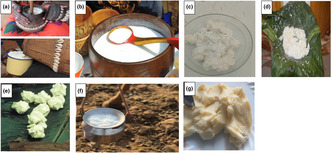
FIGURE 3.

Traditionally fermented milk products of Ethiopia. (a) Ergo (spontaneously fermented whole milk), (b) Dhanaan (fermented camel milk), (c) Ititu (concentrated sour milk), (d) Ayib (cottage cheese), (e) Qibe (traditional butter), (f) Arrera (defatted buttermilk), (g) Neter kibe (traditional ghee). Amenu et al. (2019), Hussien (2020), Kuyu and Bereka (2020).
3.2. Dhanaan
Dhanaan is common in the Somalia region and Ititu in the Afar/Oromia region (Berhe, 2017; Seifu et al., 2012). Dhanaan is the major fermented camel milk in rural and urban settlements in the Somali Regional State (Biratu & Seifu, 2016; Birhanu et al., 2021). According to Berhe (2017), the traditional production of dhanaan is based on the spontaneous fermentation of camel milk at ambient temperature (25–35°C) for approximately 12–24 h. Fresh camel milk was placed in a clean and smoked container with glowing splinters of Olea africana, wrapped in a piece of cloth, and maintained at room temperature. The fermentation process is initiated by back‐slopping (Berhe, 2017). Seifu (2007) reported that pastoralists in Somali Regional State produced dhanaan due to its perceived high nutritional value, better taste, and longer shelf life. It has been reported that dhanaan has a shelf life of five months (Tekle et al., 2019). The physicochemical and nutritional properties of dhanaan include pH (4.18), titratable acidity (1.8%), total protein (4.1%), fat (2.5%), total solids (11.1%), solids other than fat (8.6%), and ash content (1.0%) (Biratu & Seifu, 2016). Camel milk α‐lactalbumin has higher digestibility by pancreatic proteases and more antioxidant activity than bovine α‐lactalbumin (Salami et al., 2009). This suggests a potential benefit of camel α‐lactalbumin for use in infant food formulations. Camel milk is similar to human milk in the absence of β‐lactoglobulin, which may cause allergies (El‐Agamy et al., 2009).
3.3. Ititu
Ititu is concentrated fermented milk prepared and consumed by the Borana community in southern Ethiopia and kereyu area of the Oromia region in eastern Ethiopia (Andualemm & Geremew, 2014; Hussien, 2020; Seifu et al., 2012). Ititu, like ergo, is commonly spontaneously produced from raw camel milk (Berhe, 2017). However, it can also be prepared using cow, goat, or sheep milk (Seifu et al., 2012). In its preparation, fresh milk is collected in a fermenting vessel called Gorfa, which is mainly smoked with Olea africana and allowed to ferment at 27–30°C for 15–30 days (Figures 2 and 3). The periodic removal of whey from fermented milk and addition of fresh milk at interval of 3–4 days are the main steps in the production of Ititu (Berhe, 2017; Hussien, 2020). These steps are performed several times until the product is concentrated and ready for consumption (Hussien, 2020). Ititu has a high nutritional quality, medicinal properties, and shelf life of 2–3 months at room temperature (Gonfa et al., 2001; Mulaw and Tesfaye, 2017). Traditionally prepared Ititu shows average values of pH, titratable acidity, total protein, fat, total solids, and ash 3.59 ± 0.04, 2.86% ± 0.18%, 7.26% ± 0.41%, 9.85% ± 0.73%, 21.23% ± 1.48%, and 0.84% ± 0.11%, respectively (Hussien et al., 2021). Ititu has a higher free and total amino acid content than fresh milk (Hussien, 2020). Moreover, it is rich in non‐essential amino acids, such as glutamic acid, alanine, proline, and serine (Mulaw and Tesfaye, 2017).
3.4. Ayib
Ayib is a traditional Ethiopian cottage cheese made from defatted sour milk (arerra) after the fat is removed by churning. The milk to be fermented is collected in a clay pot and kept in a warm place (approximately 30°C) for 24–48 h to sour spontaneously (Ashenafi, 2002). The sour milk is churned by gradually shaking the contents of the pot until the fat separates. The fat is then removed and the defatted milk is heated in a clay pot to approximately 50°C, until a distinct curd mass is formed and floats over the whey, followed by cooling to coagulate and recover the curd from the whey (Mossie, 2019). Finally, the curd is separated from the whey using a fine mesh cloth or sieve and is kept in a clean bowl or pot (Ayenew et al., 2009; Kuyu & Bereka, 2020).
Ayib is an important source of nutrients and serves as a staple food in various parts of Ethiopia. It is comprised of water, protein, fat, ash, and soluble milk constituents of 79%, 14.7%, 1.8%, 0.9%, and 3.1%, respectively (Mulaw and Tesfaye, 2017). It is consumed fresh as a condiment, or with hot spices, salt, and herbs (Gonfa et al., 2001; Hailemikael Mossie, 2019). Spices, salt, and herbs, including Koserete (Ocimum hardiense), Tikure azmude (Nigella sativa), Korerima (Aframomum angustifolium), Tena Adam (Ruta chalepensis), and Abish (Trigonela fenum), are added to extend shelf life and improve sensory features (Abebe et al., 2014; Eshetu & Asresie, 2019).
3.5. Qibe
Qibe is a traditional Ethiopian butter that is produced by churning ergo (fermented whole milk). Milk intended for churning is accumulated over several days by the continuous addition of fresh milk to the already accumulated fermented milk. When a sufficient amount of milk is collected and fermented into ergo, it is filled into a traditional churner (clay pot). The churner is then agitated back and forth after covering the mouth of the churner tightly with materials such as the pseudo‐stem of enset (Ensete ventricosum) (Berhe, 2017). At the end of churning, small fat granules coalesce into larger grains and form lumps of fat grains at the base of the churn and are finally removed. The butter is then kneaded in cold water and washed to remove visible residual buttermilk (Kuyu & Bereka, 2020). Women are responsible for the entire process of churning and butter making.
In addition from human consumption, fresh butter is used by women as a traditional cosmetic product for skin and hair (Andualemm & Geremew, 2014). It is sold at much a higher price than other milk products, and is an important source of income for households. Fresh butter can be processed into nitir qibe (traditional ghee) by adding spices and herbs and then melted by heating prior to consumption.
3.6. Arrera
Arrera is a semi‐liquid product that remains after butter making. It contains casein and whey with a thin and smooth consistency (Abebe et al., 2014). It has a similar color, taste, and aroma to ergo. It may be consumed as it is (fresh) or further processed into ayib by heating. Fresh arrera is consumed as complementary food by children and the elderly in low‐income households in rural areas. If there is a surplus, it can be fed to calves, lactating cows, and dogs (Gonfa et al., 2001). Arrera is known to have fewer calories and a shorter shelf life 24–48 h than other traditional milk products. Arrera contains moisture 91.5%, protein 3.1%, fat 1.4%, carbohydrate 3.4%, and ash 0.6% (Zahara & Zinewi, 2015).
3.7. Hazo
Hazo is a traditionally fermented milk product prepared from defatted buttermilk (arrera), with the addition of pulses or cereal grain flour and spices, such as pepper and garlic. It is then fermented for 2–3 days at room temperature (Gebreselassie et al., 2012). It is most common in the northern part of Ethiopia, particularly in the Tigray Regional State. The final product is reddish and has thicker consistency than buttermilk. It served for guests, respected family members, and during socio‐cultural festivals called hazo (Berhe, 2017; Negash, 2018). It has a shelf life of 1–2 weeks with a possible extension of up to one month, through the addition of a newly fermented hazo every week (Gebreselassie et al., 2012). Hazo has various claimed health benefits, owing to the addition of herbs and spices.
4. BENEFICIAL MICROORGANISMS OF FERMENTED DAIRY PRODUCTS
A wide variety of microbes are involved in milk fermentation. LAB and yeasts are major fermenting microorganisms. Both LAB and yeast have symbiotic relationships during fermentation. LAB produce acid, which promotes yeast proliferation, whereas yeasts provide vitamins and other growth factors that are used by LAB. LAB can acidify milk and contribute to other organoleptic attributes during production of fermented milk products.
4.1. Lactic acid bacteria
LAB are the predominant microorganisms in fermented milk products. These bacteria are generally regarded as safe (GRAS) by the US Food and Drug Administration (FDA) and harbor Qualified Presumption of Safety (QPS) by the European Food Safety Authority (EFSA). They are widely used for food fermentation on a global scale (Getahun et al., 2019). These microbial groups comprise several genera, including Bifidobacterium, Streptococcus, Enterococcus, Lactococcus, Leuconostoc, Lactobacillus, and Pediococcus. Furthermore, Lactobacillus, Lactococcus, Leuconostoc, Pediococcus, and Streptococcus are widely known to be industrially important microorganisms for the production of milk products (Teshome, 2015).
4.1.1. Lactic acid bacteria in food preservation
LAB have been used for bio‐preservation of food, at the household level in many countries, particularly developing countries that lack high‐level facilities and infrastructure. Some LAB produce bacteriocins, which are considered valuable substitutes for chemical preservatives in food production systems, contributing to the safe and effective natural inhibition of pathogenic and spoilage bacteria (Leroy & De Vuyst, 2010; Sharma et al., 2021; Zapaśnik et al., 2022). In addition, during fermentation, LAB produce a wide range of metabolites with antimicrobial activity including lactic acid, acetic acid, hydrogen peroxide, and other low molecular weight substances (reuterin, diacetyl, reutericyclin, and fatty acids) and antifungal compounds (phenyl lactate, propionate, and hydroxyphenyl lactate) (Ibrahim et al., 2021). LAB fermentation also contributes to the sensory features (flavor, aroma, and texture) of fermented products and improves the digestibility and nutritional quality of foods (González‐González et al., 2022).
4.1.2. Functional lactic acid bacteria starter cultures
Starter cultures with a large number or concentration of microorganisms can comprise a single type or mixture of two or more microorganisms. They are added to food materials in order to take advantage of the compounds or products derived from their metabolism or enzymatic activity, and to bring about desired and predictable changes in the finished product. These changes may include enhanced preservation, improved nutritional quality, modified sensory qualities, and increased economic value (Durso & Hutkins, 2003).
Although many fermented foods can be manufactured without external starter cultures, the addition of concentrated microorganisms, in the form of starter culture, provides a basis for ensuring that these products are manufactured on a reliable schedule, with consistent qualities (Durso & Hutkins, 2003). The most promising microorganisms selected as starter culture are those that are isolated from the native autochthonous microbiota of traditional products, since they are well adapted to the environmental conditions of food and are capable of controlling spoilage and pathogenic microbiota.
Starter cultures with at least one inherent functional characteristic are considered functional. Functional starter cultures enhance food safety and/or provide organoleptic, technological (high production), nutritional, or health advantages (Table 1). LAB play key roles in fermentation processes and have a long history of application and safe production of fermented foods and beverages worldwide (Abiola et al., 2022).
TABLE 1.
LAB functional starter cultures and associated role in Ethiopian fermented foods.
| Type of fermented product | Functionality | LAB genus/species | References |
|---|---|---|---|
| Fermented cereals | |||
| Rice injera | Nutritional, shelf life, and sensory quality | Lactiplantibacillus plantarum and Limosilactobacillus fermentum | (Hassen et al., 2018) |
| Teff injera | Folate production | Lactiplantibacillus plantarum | (Tamene et al., 2022) |
| Teff (Eragrostis tef) | Fermentation, sensory quality, and safety | Lacticaseibacillus paracasei, Levilactobacillus brevis, Enterococcus durans, Enterococcus hirae, Enterococcus avium, and Enterococcus faecium | (Dibaba et al., 2018) |
| Shameta | Lactobacillus | (Kitessa et al., 2022) | |
| Fermented milk products | |||
| Ititu | Fermentation | Ligilactobacillus salivarius | (Seifu et al., 2012) |
| Dhanaan | Fermentation | Streptococcus, Weissella, and Lactococcus | (Tekle et al., 2019) |
| Ergo | Sensory quality, shelf life, and safety | Lacticaseibacillus paracasei, Lacticaseibacillus rhamnosus, Lactiplantibacillus plantarum, Latilactobacillus sakei, Latilactobacillus curvatus, and Lacticaseibacillus casei | (Asefa et al., 2022) |
| Buttermilk | Fermentation | Lactococcus lactis and Lactiplantibacillus plantarum | (Gebreselassie et al., 2016) |
| Fermented plant products | |||
| Enset (Ensete ventricosum) | Fermentation | Lactiplantibacillus plantarum and Leuconostoc mesenteroides | (Andeta et al., 2019) |
4.1.3. Probiotic potential of lactic acid bacteria
Probiotics are microorganisms that, when administered in adequate amounts, confer health benefits to consumers (Bieckale, 2006). Currently, it is used to refer to bacteria that confer beneficial effects on both humans and animals. Probiotics have several health benefits for humans, including balancing the gut microbiota and protection against pathogens. Probiotics have also been reported to stimulate the immune system, and lower blood cholesterol levels, vitamin synthesis, and anticarcinogenic properties (Markowiak & Ślizewska, 2017; Yerlikaya, 2019). Several fermented dairy products harbor probiotic microorganisms. The consumption of fermented foods, including milk products such as dhanaan, yogurt, and cheese, has immense potential to improve human health and well‐being, through stimulating the actions of the gut microbiota via the production of bioactive chemicals and neuropeptides (Mokoena et al., 2016).
Diverse probiotic bacteria have been explored in the food and dairy industries, with the goal of producing goods with excellent health benefits at a low cost (Ayivi & Ibrahim, 2022). Human LAB probiotics mainly belong to the genera Lactobacillus, Lactococcus, Bifidobacterium, Streptococcus, and Enterococcus (Markowiak & Ślizewska, 2017; Yasmin et al., 2020). The most widely used and commercially available representative species include Lactiplantibacillus plantarum, Lacticaseibacillus casei, Lactobacillus johnsonii, Lacticaseibacillus rhamnosus, Lactobacillus gasseri, Bifidobacterium bifidum, and Bifidobacterium infantis (Das et al., 2022; Mulaw et al., 2019; Soccol et al., 2010; Yerlikaya, 2019). Pediococcus acidilactici isolated from traditional Ethiopian cereal‐based fermented beverage, “Borde,” has been found to be the best probiotic strain for cholesterol reduction (Gebre et al., 2023). Moreover, some species of probiotic lactic acid bacteria, including Lactiplantibacillus plantarum, Lactiplantibacillus pentosus, and Pediococcus pentosaceus, have been isolated from Ethiopian commercial and spontaneously fermented cheeses (Gizachew et al., 2023). These authors also assessed the antibacterial and immunostimulatory activities of the isolates and confirmed their promising antimicrobial activity against foodborne pathogens and immunomodulatory properties. Probiotic LAB associated with traditional fermented foods can also be used as bio‐preservatives through the production of antimicrobial compounds such as bacteriocins, organic acids, and hydrogen peroxide (Hotessa & Robe, 2020). They also produce nutraceuticals, and thereby increasing the bioavailability of nutrients and providing additional benefits. In addition, probiotic LAB from Metata Ayib (traditional spiced cottage cheese) have been found to harbor high probiotic potential and have been suggested for use in further research and development as food and/or feed additives (Adugna & Andualem, 2023). Various LAB species from traditional Ethiopian fermented beef sausage “Wakalim” have also shown promising probiotic potential with health‐promoting effects (Ketema et al., 2009).
4.2. Yeasts
Yeasts play a significant role in improving the sensorial and nutritional aspects of fermented products through enzymatic cleavage, metabolite production, and bio‐functionalities (Annunziata et al., 2020; Tamang & Lama, 2022). Some yeast species have also demonstrated probiotic properties (Lara‐Hidalgo et al., 2017; Tamang & Lama, 2022). Yeasts co‐occur with LAB during the natural fermentation of various foods, demonstrating their co‐metabolic activities. Yeasts provide vitamins, amino acids, and other growth factors for LAB, and LAB create an acidic environment conducive to yeast proliferation (Behbahani, 2013; Ewuoso et al., 2020; Johansen et al., 2019).
4.2.1. Yeast functional cultures
Various yeast species play key roles in the functionality of various fermented foods (Table 2). The most common functional properties of yeasts include production of alcohol, metabolites, leavening, and amylolytic enzymatic activities (Tamang & Lama, 2022). Yeasts are notable for the production of flavor compounds by conversion of carbohydrates, particularly in the brewing industry (Johansen et al., 2019). Some yeast species, including Saccharomyces cerevisiae, Pichia kudriavzevii, Hanseniaspora guilliermondii, Pichia kluyveri, and Candida tropicalis, have been reported to exhibit phytase activity, thereby enhancing the nutrient's bioavailability (Greppi et al., 2015). Nutraceutical compounds that constitute purified food ingredients and offer health benefits are also produced by yeast (Rai et al., 2019). Various genera are only associated with specific fermented products for example, Saccharomyces is the most commonly found genus in alcoholic beverages, Kluyveromyces in fermented dairy products (Lore et al., 2005). Pichia in fermented vegetables; Metschnikowia, Wickerhamomyces and Candida in fermented fish products; Debaryomyces in fermented meat and cereal products; and Torulaspora in fermented legume products (Tamang & Lama, 2022).
TABLE 2.
Yeast functional starter cultures and associated role in Ethiopian fermented foods.
| Type of fermented product | Functionality | Yeast genus/species | References |
|---|---|---|---|
| Fermented cereals | |||
| Rice injera | Nutritional, shelf‐life, and sensory quality | Saccharomyces cerevisiae | (Hassen et al., 2018) |
| Teff injera | Folate production | Saccharomyces cerevisiae | (Tamene et al., 2022) |
| Fermented milk products | |||
| Ergo | Sensory quality and preservation | Saccharomyces cerevisiae | (Asefa et al., 2022) |
| Buttermilk | Fermentation | Saccharomyces cerevisiae and Kluyveromyces marxianus | (Gebreselassie et al., 2016) |
| Fermented plant products | |||
| Enset (Ensete ventricosum) | Fermentation | Saturnispora silva | (Birmeta et al., 2019) |
4.2.2. Yeasts as potential probiotics
Probiotic yeasts have been studied less than potential probiotic lactic acid bacteria. Yeasts are promising potential probiotics as they can survive at lower pH values (as low as 1.5) (Tamang & Lama, 2022), and are resistant to antibiotics with no risk associated with horizontal gene transfer events, in comparison with bacterial probiotics (Hsiung et al., 2021). Saccharomyces cerevisiae and Saccharomyces boulardii are the most common yeast probiotics and have been extensively studied and commercialized to date (de Souza et al., 2022; Hsiung et al., 2021; Lara‐Hidalgo et al., 2017; Tamang & Lama, 2022). It has been reported that when live cultures of Saccharomyces cerevisiae are formulated with animal feeds, the growth performance, health, and immune response of nursery pigs are improved (Lara‐Hidalgo et al., 2017). Moreover, several other yeast species, including Pichia fermentase, Pichia kudriavzevii, Torulaspora delbrueckii, Candida krusei, Debaryomyces hansenii, Yarrowia lipolytica, Kluyveromyces lactis, and Kluyveromyces marxianus, have been shown to have probiotic properties (Rai et al., 2019). Moreover, yeast species with probiotic features have been reported in different types of fermented food (Table 3).
TABLE 3.
Probiotic yeast species from different fermented foods and beverages.
| Fermented product | Probiotic yeast species | Probiotic attributes | References |
|---|---|---|---|
| Dairy products | |||
| Antioxidant activity | (Goktas et al., 2021; Hsiung et al., 2021) | ||
| Kefir | Kazachstania unispora | β‐Galactosidase activity | |
| Kazachstania turicensis | Low pH and bile salt tolerance | ||
| Kluyveromyces marxianus | Auto‐aggregation, hemolysis, and adhesion | ||
| Issatchenkia orientalis, Pichia kudriavzevii, Candida xylopsoci, and Saccharomyces cerevisiae | Low pH and bile salt tolerance, auto‐aggregation, adhesion, and suppression of pathogen | (Basavaiah et al., 2019; Diosma et al., 2014) | |
| Cheese |
Pichia fermentans Kluyveromyces marxianus |
Auto‐aggregation, antibacterial, antioxidant, and adhesion | (Banik et al., 2019; Merchán et al., 2020) |
| Kimchi | Candida metapsilosis | Auto‐aggregation, antibacterial, antioxidant, and adhesion | (Hsiung et al., 2021) |
| Cereals | |||
| Sourdough | Saccharomyces cerevisiae | Phytase activity | |
| Tubers | |||
| Cassava | C. ethanolica, G. geotrichum | Phytase activity | (Moslehi‐Jenabian et al., 2010) |
5. PATHOGENIC MICROORGANISMS IN FERMENTED MILK PRODUCTS
Although fermented milk products have several therapeutic benefits, but poor handling practices along the value chain can cause contamination with pathogenic microorganisms. Various foodborne illnesses have been implicated in fermented dairy product productions. Common pathogens reported in dairy products include Escherichia coli O157:H7, Listeria monocytogenes, Salmonella spp., and Staphylococcus aureus (Yilma et al., 2015).
Escherichia coli O157:H7 causes severe intestinal infections in humans (Yilma et al., 2015). It survives milk fermentation and has been detected in various traditional fermented milk products, including ergo, ayib, butter, and buttermilk (Ogwaro et al., 2023; Yilma et al., 2007). Several E. coli O157:H7 outbreaks have been associated with the consumption of milk products (Seifu et al., 2012). Cattle are a reservoir of E. coli O157:H7; however, proper processing practices, such as heat treatment and controlled fermentation, may completely destroy the pathogen. E. coli 0157: H7 survived at 50 to 60°C in heat‐defatted buttermilk during the production of ayib (cottage cheese) (Yilma et al., 2015). However, complete inhibition of E. coli O157:H7 can be achieved by cooking defatted buttermilk at 70°C (Tsegaye & Ashenafi, 2005; Yilma et al., 2015). Acid‐adapted E. coli O157:H7 may also survive the processing and storage of fermented milk products (Dlamini & Buys, 2009). Therefore, spontaneous fermentation without any thermal treatment, may, not guarantee the safety of the products and could be a public health concern. Regarding Ethiopian milk fermented products, after 24 h of ergo fermentation E. coli O157:H7 counts reached log 8.4 cfu/mL, but the mean counts decreased to log 6.47–6.58 cfu/mL when the milk was inoculated with LAB (Tsegaye & Ashenafi, 2005). The authors also reported that complete inactivation of E. coli O157:H7 was not achieved in the fermenting ergo and the count level was never below log 3 cfu/mL.
Listeria monocytogenes, a foodborne pathogen frequently detected in agricultural and food‐processing settings (Ulusoy & Chirkena, 2019), produces various virulence factors that can lead to both localized and systemic infections (Derra et al., 2013). This bacterium has become a significant concern in the dairy industry because of its capacity to endure a wide range of extreme conditions, including refrigeration temperatures and pH levels ranging from 4.3 to 10 (Yilma et al., 2007). Listeria monocytogenes is responsible for listeriosis in humans. Listeriosis outbreaks are frequently associated with dairy foods, including raw milk, ice cream, and soft cheese (CDC, 2004). Contamination, including post‐pasteurization contamination with L. monocytogenes, can be hazardous in food‐processing environments that do not implement good manufacturing practices, such as personal hygiene, equipment maintenance, training, and education. Foods refrigerated for longer than necessary can be a predisposing factor for the occurrence of Listeria monocytogenes (Ulusoy & Chirkena, 2019). Moreover, inadequate temperature and pasteurization are linked to Listeria occurrence. In Ethiopia, there are reports of the prevalence of L. monocytogenes in raw milk from different milk products raw milk (Derra et al., 2013), cottage cheese (Ashenafi, 1990), ice cream, yogurt, and pasteurized milk (Teshome et al., 2019). Derra et al. (2013) studied the occurrence of Listeria species in retail meat and milk products in Addis Ababa, Ethiopia, and revealed that 27.5% of the food samples tested were positive, and 4.1% of the isolates were identified as L. monocytogenes. In another study by Teshome et al. (2019), 30% of milk and milk products were positive for the presence of Listeria, 5% of which were L. monocytogenes.
Although Salmonella outbreaks are usually linked to poultry and beef products, dairy products such as raw milk and soft unpasteurized cheese, have also been implicated (Lobacz & Zulewska, 2021). Salmonellae have been reported in Ethiopia in various dairy products, including raw milk, butter, cheese, and yogurt (Ejo et al., 2016; Liyuwork et al., 2013; Mulaw and Tesfaye, 2017), Ergo and Ayib (Yilma et al., 2015). Salmonella typhimurium may survive for up to 72 h of fermentation and decline thereafter. Similarly, Salmonella typhimurium survived the cooking temperature of 50°C during Ayib making process (Yilma et al., 2015); complete destruction was achieved by cooking at 60 and 70°C. Salmonella typhimurium and Salmonella enteritidis have been observed in Ergo and butter because complete inhibition is not achieved within 24 h of fermentation (Yilma et al., 2007). Ergo is preferably consumed after 24 h of fermentation, owing to its desired flavor and taste. Moreover, reports have shown that the virulence of Salmonella typhimurium increases in acidic environments (pH 4.4–5.3) (Yilma et al., 2015). The most common source of Salmonella is the consumption of food that has been contaminated with animal feces or matter from the natural environment (Jajere, 2019). Liyuwork et al. (2013) studied the prevalence of and antimicrobial resistance profile of Salmonella isolates from milk products, including cheese, butter, and yogurt, and indicated that the overall prevalence was found to be 1.6%. In another study (Ejo et al., 2016), the overall prevalence of Salmonella was reported to be 5.5% for all food items tested including raw milk, raw meat, minced meat, burgers, and raw eggs.
Staphylococcus aureus is a common opportunistic pathogen in the dairy industry. It causes staphylococcal food poisoning owing to the production of enterotoxins (Deddefo et al., 2022). Staphylococcus aureus can survive in a wide range of environments, including dry, salty, and other stressful conditions (Tarekgne, 2016). Staphylococcus aureus has been isolated from different fermented milk products in Ethiopia, such as Ethiopian cottage cheese (Lemma et al., 2021), ergo (Zahara & Zinewi, 2015), ayib (Ashenafi, 2002), and ititu (Hussien et al., 2021). Deddefo et al. (2022) reported different pooled prevalence rates of S. aureus in various milk and milk products such as raw cow milk (30.7%), camel milk (19.3%), goat milk (13.6%), pasteurized milk (3.8%), Ethiopian cottage cheese (18.6%), and ergo (14.9%) in Ethiopia. Additionally, in traditionally prepared milk products, the overall prevalence rate of S. aureus was found to be 29.5% (Tarekgne, 2016). Similarly, Lemma et al. (2021) reported a prevalence rate of 24.6% for raw cow milk and 11.3% for traditionally prepared milk products including ergo and Ethiopian cottage cheese.
6. COMMERCIAL POTENTIAL OF TRADITIONAL FERMENTED MILK PRODUCTS OF ETHIOPIA
The dairy sector in Ethiopia contributes significantly (16.5%) to the national gross domestic product (GDP), employing 30% of the population (Duguma, 2022b). It is a source of income for smallholder farmers and is a readily available source of protein. However, dairy processing in the country remains underdeveloped owing to a number of challenges, including inadequate technical, institutional, policy, and socio‐economic constraints (Mihret et al., 2017).
Ethiopia's dairy sector is subsistence smallholder‐based and characterized by low production and productivity. It produces 4.69 billion liters of milk annually, of which 2.6% is processed in the milk processing industries (de Raad et al., 2021). Dairy products in Ethiopia are channeled to customers, through both formal and informal marketing systems. However, the informal marketing system is dominant, accounting 95% of the milk marketing in the country (Mebrate et al., 2020). In the formal market system, milk is collected at cooperative or private milk collection centers and delivered to processing plants, which distribute the products to consumers, caterers, supermarkets, and retailers (Abebe et al., 2014). This system encourages good hygienic practices for milk to avoid rejection upon delivery to collection centers. Therefore, producers supplying milk in this market system implement hygienic practices during production, storage, and transportation for acceptance. In an informal market system, producers directly sell milk products to consumers, unlicensed traders, or retailers by negotiating their prices (Yilma, 2012). The quality of milk products channeled through this system is poor, mainly because of limited knowledge of hygienic handling, inadequacy of dairy infrastructure, absence of milk quality tests, and other related facilities (de Raad et al., 2021).
Furthermore, fermented milk products such as ergo (naturally fermented Ethiopian milk), butter, ghee, and ayib (Ethiopian fresh cheese) are marketed through both formal and informal market channels. However, the majority of milk produced in rural areas is processed at the household level and marketed more through the informal market chain. Approximately, 44.6% of milk produced in Ethiopia is processed into butter and ayib (Ethiopian cottage cheese) (Bereda et al., 2020). The dairy market is mainly dominated by butter (36.6%) and ayib or Ethiopian cottage cheese (14.4%), particularly during the period of fasting where Ethiopian Orthodox Christians refrain from consuming milk; thus, the surplus amount is allowed to be processed into cheese and butter (Bereda et al., 2020). Smallholder‐marketed dairy products in Ethiopia do not have operational hygiene regulations. Some dairy products, such as ayib, are sold in the open market where they are exposed to further contamination and apparently affect the health of the consumer (Yilma, 2012). To develop a sustainable dairy production system, improving dairy supply through the scale‐up of traditional processing techniques is crucial, which in turn improves the marketing system of milk and milk products in Ethiopia. Large‐scale production could also help ensure its safety and nutrition while alleviating poverty and malnutrition.
7. CONCLUSION
Traditional fermented milk products in Ethiopia play a vital role in the daily diet of the population, and contribute to food, nutrition, and economic security. Their preparation is still at the household level and on a small scale, and the dairy industry is not well developed. Most Ethiopian fermented milk products are produced using traditional spontaneous and back‐slopping methods, relying on the fermentation of natural LAB and yeasts. Traditional fermented dairy foods lack consistent quality and safety because fermentation occurs under non‐controlled conditions. Therefore, to improve quality, safety, and production scale‐up, the use of a defined starter culture is necessary. Moreover, special attention on hygiene and handling of traditionally fermented products in Ethiopia is highly recommended if public health is to be guaranteed. It is essential to provide smallholder farmers with training and awareness of hygienic practices, such as washing and sanitizing hands before and after milking, cleaning and drying the udder with clean dry clothes, and proper washing of milk equipment. Additionally, efforts from both government and non‐governmental organizations are required to support good infrastructure with cooling facilities for milk collection and sale centers. Further studies involving meta‐analysis of fermented dairy products in Ethiopia and the region are recommended.
AUTHOR CONTRIBUTIONS
Karssa H. Tiruha: Conceptualization (equal); data curation (equal); formal analysis (equal); investigation (equal); methodology (equal); resources (equal); software (lead); supervision (equal); validation (equal); visualization (equal); writing – original draft (lead); writing – review and editing (equal). Jamal B. Kussaga: Conceptualization (equal); data curation (equal); formal analysis (supporting); investigation (equal); methodology (equal); resources (equal); software (supporting); supervision (lead); validation (equal); visualization (equal); writing – original draft (supporting); writing – review and editing (equal). Teresa Semedo‐Lemsaddek: Conceptualization (equal); data curation (equal); formal analysis (supporting); investigation (equal); methodology (equal); resources (equal); software (supporting); supervision (lead); validation (equal); visualization (equal); writing – original draft (supporting); writing – review and editing (equal). Jovin K. Mugula: Conceptualization (equal); data curation (equal); formal analysis (supporting); investigation (equal); methodology (equal); resources (equal); software (supporting); supervision (lead); validation (equal); visualization (equal); writing – original draft (supporting); writing – review and editing (equal).
FUNDING INFORMATION
This study was funded by the Partnership for Skills in Applied Sciences, Engineering, and Technology (PASET) through the Regional Scholarship and Innovation Fund (RSIF), FCT—Fundação para a Ciência e Tecnologia IP Portugal, through project PTDC/OCE‐ETA/1785/2020 [EMOTION], and Carnegie Corporation of New York (CCNY).
CONFLICT OF INTEREST STATEMENT
The authors declare no conflict of interest.
ACKNOWLEDGMENTS
The authors would like to acknowledge the SACIDS Africa Centre of Excellence for Infectious Diseases, SACIDS Foundation for One Health, Sokoine University of Agriculture, Morogoro, Tanzania, and the University of Lisbon, Portugal, for their support. This study was funded by the Partnership for Skills in Applied Sciences, Engineering, and Technology (PASET) through the Regional Scholarship and Innovation Fund (RSIF) awarded to THK to carry out doctoral studies at the SACIDS Africa Centre of Excellence for Infectious Diseases, SACIDS Foundation for One Health, Sokoine University of Agriculture, Morogoro, Tanzania, and University of Lisbon, Portugal. Financial support from FCT—Fundação para a Ciência e Tecnologia IP Portugal, through project PTDC/OCE‐ETA/1785/2020 [EMOTION], is also duly acknowledged. We also sincerely thank ICIPE, RCU, and the Carnegie Corporation of New York (CCNY) for their cooperative partnership in making the DOCTAS Grant funding possible.
Karssa, T. H. , Kussaga, J. B. , Semedo‐Lemsaddek, T. , & Mugula, J. K. (2024). Insights on the microbiology of Ethiopian fermented milk products: A review. Food Science & Nutrition, 12, 6990–7003. 10.1002/fsn3.4372
DATA AVAILABILITY STATEMENT
The datasets analyzed during the current study are available from the corresponding author upon reasonable request.
REFERENCES
- Abebe, B. , Mitiku, E. , & Zelalem, Y. (2014). Microbial properties of Ethiopian dairy products: A review. African Journal of Microbiology Research, 8(23), 2264–2271. 10.5897/ajmr2014.6733 [DOI] [Google Scholar]
- Abegaz, K. , Beyene, F. , Langsrud, T. , & Narvhus, J. A. (2002). Indigenous processing methods and raw materials of Borde: An Ethiopian traditional fermented beverage. Journal of Food Resource Science, 2(1), 13–20. [Google Scholar]
- Abiola, R. R. , Okoro, E. K. , & Sokunbi, O. (2022). Lactic acid bacteria and the food industry – a comprehensive review. International Journal of Health Sciences and Research, 12(5), 128–142. 10.52403/ijhsr.20220516 [DOI] [Google Scholar]
- Adugna, M. , & Andualem, B. (2023). Isolation, characterization and safety assessment of probiotic lactic acid bacteria from Metata Ayib (traditional spiced cottage cheese). Food and Humanity, 1, 85–91. 10.1016/j.foohum.2023.05.002 [DOI] [Google Scholar]
- Amenu, K. , Wieland, B. , Szonyi, B. , & Grace, D. (2019). Milk handling practices and consumption behavior among Borana pastoralists in Southern Ethiopia. Journal of Health, Population, and Nutrition, 38(1), 6. 10.1186/s41043-019-0163-7 [DOI] [PMC free article] [PubMed] [Google Scholar]
- Andeta, A. F. , Teffera, F. E. , Misganaw, F. W. , Borremans, A. , Vandeweyer, D. , De Smedt, A. , Bossaert, S. , Crauwels, S. , Lievens, B. , Vancampenhout, K. , & Van Campenhout, L. (2019). Development and validation of lactic acid starter cultures for Enset (Ensete Ventricosum) fermentation. LWT, 115(June), 108462. 10.1016/j.lwt.2019.108462 [DOI] [Google Scholar]
- Andualemm, B. , & Geremew, T. (2014). Fermented Ethiopian dairy products and their common useful microorganisms: A review. World Journal of Agricultural Sciences, 10(3), 121–133. 10.5829/idosi.wjas.2014.10.3.1143 [DOI] [Google Scholar]
- Annunziata, G. , Arnone, A. , Ciampaglia, R. , Tenore, G. C. , & Novellino, E. (2020). Fermentation of foods and beverages as a tool for increasing Availability of bioactive compounds. Focus on short‐chain fatty acids. Food, 9(8), 1–9. 10.3390/foods9080999 [DOI] [PMC free article] [PubMed] [Google Scholar]
- Asefa, Z. , Tesfaye, A. , & Desalegn, A. (2022). Formulation of mixed probiotic starter culture for the production and extending the shelf life of ergo (spontaneously fermented Milk). Journal of Natural Science Research, 13(6), 1–14. 10.7176/jnsr/13-6-02 [DOI] [Google Scholar]
- Ashenafi, M. (2008). Review article: A review on the microbiology of indigenous fermented foods and beverages of Ethiopia. Ethiopian Journal of Biological Sciences, 5(2), 189–245. 10.4314/ejbs.v5i2.39036 [DOI] [Google Scholar]
- Ashenafi, M. (1990). Microbiological quality of Ayib, a traditional Ethiopian cottage cheese. International Journal of Food Microbiology, 10(3–4), 263–268. 10.1016/0168-1605(90)90074-F [DOI] [PubMed] [Google Scholar]
- Ashenafi, M. (2002). The microbiology of Ethiopian foods and beverages: A review. SINET: Ethiopian Journal of Science, 25(1), 97–140. [Google Scholar]
- Ayenew, Y. A. , Wurzinger, M. , Tegegne, A. , & Zollitsch, W. (2009). Handling, processing and marketing of milk in the North Western Ethiopian highlands. Livestock Research for Rural Development, 21(7), 1–15. [Google Scholar]
- Ayivi, R. D. , & Ibrahim, S. A. (2022). Lactic acid bacteria: An essential probiotic and starter culture for the production of yoghurt. International Journal of Food Science and Technology, 57(11), 7008–7025. 10.1111/ijfs.16076 [DOI] [Google Scholar]
- Banik, A. , Mondal, J. , Rakshit, S. , Ghosh, K. , Sha, S. P. , Halder, S. K. , Ghosh, C. , & Mondal, K. C. (2019). Amelioration of cold‐induced gastric injury by a yeast probiotic isolated from traditional fermented foods. Journal of Functional Foods, 59(May), 164–173. 10.1016/j.jff.2019.05.039 [DOI] [Google Scholar]
- Basavaiah, R. , Nagesh, M. , Sripathy, M. H. , & Batra, H. V. (2019). In vitro screening and characterization of kefir yeast for probiotic attributes. International Journal of Nutritional Science and Food Technology, 5(1), 1–11. [Google Scholar]
- Behbahani, B. A. (2013). Identification of lactic acid bacteria isolated from Tarkhineh, a traditional Iranian fermented food, 1, 152–159. [Google Scholar]
- Bereda, A. , Yilma, Z. , Eshetu, M. , & Mohammad, Y. K. (2020). The Ethiopian dairy sector with focus on traditional butter: A review. African Journal of Food, Agriculture, Nutrition and Development, 20(1), 15267–15286. 10.18697/ajfand.89.17460 [DOI] [Google Scholar]
- Berhe, T. (2017). Traditional fermented dairy products of Ethiopia: A review. East African Journal of Sciences, 11, 73–80. [Google Scholar]
- Bieckale, M. (2006). Probiotics in food. In Chemical and functional properties of food components (Third ed., pp. 413–426). FAO food and Nutrition paper. 10.1201/9781420009613.ch16 [DOI] [Google Scholar]
- Biratu, K. , & Seifu, E. (2016). Chemical composition and microbiological quality of Dhanaan: Traditional fermented camel Milk produced in eastern Ethiopia. International Food Research Journal, 23(5), 2223–2228. [Google Scholar]
- Birhanu, B. , Anaf, O. , Adem, K. , & Beshir, H. (2021). Indigenous knowledge on camel Milk and camel Milk products hygienic handling, processing and utilization in Borana area, Southern Ethiopia. Journal of Food Science and Nutrition Therapy, 7(1), 25–32. 10.17352/jfsnt.000029 [DOI] [Google Scholar]
- Birmeta, G. , Bakeeva, A. , & Passoth, V. (2019). Yeasts and bacteria associated with Kocho, an Ethiopian fermented food produced from Enset (Ensete Ventricosum). Antonie van Leeuwenhoek International Journal of General and Molecular Microbiology, 112(4), 651–659. 10.1007/s10482-018-1192-8 [DOI] [PMC free article] [PubMed] [Google Scholar]
- CDC . (2004). Centers for disease control and prevention. Indian Journal of Pharmacology, 36(4), 268–269. [Google Scholar]
- CSA (Central Statistical Authority) . (2021). Federal Democratic Republic of Ethiopia central statistical agency agricultural sample survey 2021 volume II report on. Statistical Bulletin 589. Addis Ababa, Ethiopia. II(February).
- Das, T. K. , Pradhan, S. , Chakrabarti, S. , Mondal, K. C. , & Ghosh, K. (2022). Current status of probiotic and related health benefits. Applied Food Research, 2(2), 100185. 10.1016/J.AFRES.2022.100185 [DOI] [Google Scholar]
- de Raad, S. , Getaw, H. , Tadesse, S. , & Yohanne, A. (2021). Investment Opportunities in the Ethiopian Dairy Sector TRAIDE Ethiopia.
- de Souza, H. , Fernandes, M. F. , Carosia, C. P. , Vieira, M. , de Carvalho, C. , Fernandes de Oliveira, A. , & Kamimura, E. S. (2022). On probiotic yeasts in food development: Saccharomyces boulardii, a trend. Food Science And Technology Brazil, 42, 1–7. 10.1590/fst.92321 [DOI] [Google Scholar]
- Deddefo, A. , Mamo, G. , Leta, S. , & Amenu, K. (2022). Prevalence and molecular characteristics of Staphylococcus aureus in raw Milk and Milk products in Ethiopia: A systematic review and meta‐analysis. International Journal of Food Contamination, 9(1), 1–21. 10.1186/s40550-022-00094-5 [DOI] [Google Scholar]
- Derra, F. A. , Karlsmose, S. , Monga, D. P. , Mache, A. , Svendsen, C. A. , Félix, B. , Granier, S. A. , Geyid, A. , Taye, G. , & Hendriksen, R. S. (2013). Occurrence of listeria Spp. in retail meat and dairy products in the area of Addis Ababa, Ethiopia. Foodborne Pathogens and Disease, 10(6), 577–579. 10.1089/fpd.2012.1361 [DOI] [PubMed] [Google Scholar]
- Dibaba, K. , Tilahun, L. , Satheesh, N. , & Geremu, M. (2018). Acrylamide occurrence in Keribo: Ethiopian traditional fermented beverage. Food Control, 86, 77–82. 10.1016/j.foodcont.2017.11.016 [DOI] [Google Scholar]
- Diosma, G. , Romanin, D. E. , Rey‐Burusco, M. F. , Londero, A. , & Garrote, G. L. (2014). Yeasts from kefir grains: Isolation, identification, and probiotic characterization. World Journal of Microbiology and Biotechnology, 30(1), 43–53. 10.1007/s11274-013-1419-9 [DOI] [PubMed] [Google Scholar]
- Dlamini, B. C. , & Buys, E. M. (2009). Adaptation of Escherichia Coli O157:H7 to acid in traditional and commercial goat Milk Amasi. Food Microbiology, 26(1), 58–64. 10.1016/j.fm.2008.07.007 [DOI] [PubMed] [Google Scholar]
- Duguma, B. (2022a). Milk composition, traditional processing, marketing, and consumption among smallholder dairy farmers in selected towns of Jimma zone, Oromia regional state, Ethiopia. Food Science & Nutrition, 10(9), 2879–2895. 10.1002/fsn3.2884 [DOI] [PMC free article] [PubMed] [Google Scholar]
- Durso, L. , & Hutkins, R. (2003). Starter cultures. In Caballero B. (Ed.), Encyclopedia of Food Sciences and Nutrition (2nd ed., pp. 5583–5593). Academic Press. [DOI] [Google Scholar]
- Ejo, M. , Garedew, L. , Alebachew, Z. , & Worku, W. (2016). Prevalence and antimicrobial resistance of salmonella isolated from animal‐origin food items in Gondar, Ethiopia. BioMed Research International, 2016, 1–8. 10.1155/2016/4290506 [DOI] [PMC free article] [PubMed] [Google Scholar]
- El‐Agamy, E. I. , Nawar, M. , Shamsia, S. M. , Awad, S. , & Haenlein, G. F. W. (2009). Are camel Milk proteins convenient to the nutrition of cow Milk allergic children? Small Ruminant Research, 82(1), 1–6. 10.1016/j.smallrumres.2008.12.016 [DOI] [Google Scholar]
- Eshetu, M. , & Asresie, A. (2019). Chemical composition, mineral profile and sensory properties of traditional cheese varieties in selected areas of eastern Gojjam, Ethiopia. East African Journal of Sciences, 13(2), 185–194. [Google Scholar]
- Ewuoso, M. O. , Animashaun, O. H. , & Adejumo, A. A. (2020). Lactic acid bacteria and yeasts in spontaneously fermented sorghum sourdough. American Journal of Microbiological Research, 8(2), 63–72. 10.12691/ajmr-8-2-4 [DOI] [Google Scholar]
- Frew, M. , & Abebe, K. (2020). Microbial properties of Milk and traditional fermented Milk products in Ethiopia: A review. Agricultural Reviews, 41, 372–379. 10.18805/ag.r-167 [DOI] [Google Scholar]
- Gebre, T. S. , Emire, S. A. , Chelliah, R. , Aloo, S. O. , & Deog Hwan, O. (2023). Isolation, functional activity, and safety of probiotics from Ethiopian traditional cereal‐based fermented beverage, ‘Borde’. LWT, 184(June), 115076. 10.1016/j.lwt.2023.115076 [DOI] [Google Scholar]
- Gebreselassie, N. , Abay, F. , & Beyene, F. (2016). Biochemical and molecular identification and characterization of lactic acid bacteria and yeasts isolated from Ethiopian naturally fermented buttermilk. Journal of Food Science and Technology, 53(1), 184–196. 10.1007/s13197-015-2049-z [DOI] [PMC free article] [PubMed] [Google Scholar]
- Gebreselassie, N. , Abrahamsen, R. K. , Beyene, F. , & Narvhus, J. A. (2012). A survey on spontaneously fermented buttermilk in northern Ethiopia. African Journal of Food Science and Technology, 3(April), 78–89. [Google Scholar]
- Getahun, D. , Alemneh, T. , Akeberegn, D. , Getabalew, M. , & Zewdie, D. (2019). Probiotic bacteria in relation to Ethiopian dairy industry. Microbiology Research International, 7(September), 24–30. [Google Scholar]
- Gizachew, S. , Van Beeck, W. , Spacova, I. , Dekeukeleire, M. , Alemu, A. , Woldemedhin, W. M. , Mariam, S. H. , Lebeer, S. , & Engidawork, E. (2023). Antibacterial and immunostimulatory activity of potential probiotic lactic acid bacteria isolated from Ethiopian fermented dairy products. Fermentation, 9(3), 1–21. 10.3390/fermentation9030258 [DOI] [Google Scholar]
- Goktas, H. , Dikmen, H. , Demirbas, F. , Sagdic, O. , & Dertli, E. (2021). Characterisation of probiotic properties of yeast strains isolated from kefir samples. International Journal of Dairy Technology, 74(4), 715–722. 10.1111/1471-0307.12802 [DOI] [Google Scholar]
- Gonfa, A. , Foster, H. A. , & Holzapfel, W. H. (2001). Field survey and literature review on traditional fermented Milk products of Ethiopia. International Journal of Food Microbiology, 68(3), 173–186. 10.1016/S0168-1605(01)00492-5 [DOI] [PubMed] [Google Scholar]
- González‐González, F. , Delgado, S. , Ruiz, L. , Margolles, A. , & Ruas‐Madiedo, P. (2022). Functional bacterial cultures for dairy applications: Towards improving safety, quality, nutritional and health benefit aspects. Journal of Applied Microbiology, 133(1), 212–229. 10.1111/jam.15510 [DOI] [PMC free article] [PubMed] [Google Scholar]
- Greppi, A. , Krych, Ł. , Costantini, A. , Kalliopi Rantsiou, D. , Hounhouigan, J. , Arneborg, N. , Cocolin, L. , & Jespersen, L. (2015). Phytase‐producing capacity of yeasts isolated from traditional African fermented food products and PHYPk gene expression of Pichia Kudriavzevii strains. International Journal of Food Microbiology, 205, 81–89. 10.1016/j.ijfoodmicro.2015.04.011 [DOI] [PubMed] [Google Scholar]
- Hassen, Y. , Mukisa, I. M. , Kurabachew, H. , & Desalegn, B. B. (2018). Evaluation of yeast and lactic acid bacteria starter cultures for the production of Rice injera. Journal of Food Processing & Technology, 09(03), 1–6. 10.4172/2157-7110.1000721 [DOI] [Google Scholar]
- Hotessa, N. , & Robe, J. (2020). Ethiopian indigenous traditional fermented beverage: The role of the microorganisms toward nutritional and safety value of fermented beverage. International Journal of Microbiology, 2020, 1–11. 10.1155/2020/8891259 [DOI] [PMC free article] [PubMed] [Google Scholar]
- Hsiung, R. T. , Fang, W. T. , LePage, B. A. , Hsu, S. A. , Hsu, C. H. , & Chou, J. Y. (2021). In vitro properties of potential probiotic indigenous yeasts originating from fermented food and beverages in Taiwan. Probiotics and Antimicrobial Proteins, 13(1), 113–124. 10.1007/s12602-020-09661-8 [DOI] [PubMed] [Google Scholar]
- Hussien, B. (2020). Production practices of Ititu (traditionally fermented cow Milk) in selected district of Borena zone, Oromia regional state, Ethiopia. Science Research, 8(2), 52. 10.11648/j.sr.20200802.14 [DOI] [Google Scholar]
- Hussien, B. , Hailu, Y. , & Eshetu, M. (2021). Physicochemical properties and microbiological quality of Ititu (traditionally fermented cow Milk) in selected district of Borena zone, Oromia regional state, Ethiopia. Open Journal of Animal Sciences, 11(02), 125–138. 10.4236/ojas.2021.112010 [DOI] [Google Scholar]
- Ibrahim, S. A. , Ayivi, R. D. , Zimmerman, T. , Siddiqui, S. A. , Altemimi, A. B. , Fidan, H. , Esatbeyoglu, T. , & Bakhshayesh, R. V. (2021). Lactic acid bacteria as antimicrobial agents: Food safety and microbial food spoilage prevention. Food, 10(12), 1–13. 10.3390/foods10123131 [DOI] [PMC free article] [PubMed] [Google Scholar]
- Jajere, S. M. (2019). A review of Salmonella enterica with particular focus on the pathogenicity and virulence factors, host specificity and adaptation and antimicrobial resistance including multidrug resistance. Veterinary World, 12(4), 504–521. 10.14202/vetworld.2019.504-521 [DOI] [PMC free article] [PubMed] [Google Scholar]
- Johansen, Pernille Greve , Owusu‐Kwarteng James, Charles Parkouda, S. Padonou Wilfrid, and Jespersen Lene. 2019. “Occurrence and importance of yeasts in indigenous fermented food and beverages produced in sub‐Saharan Africa.” Frontiers in Microbiology 10, 1–22. 10.3389/fmicb.2019.01789. [DOI] [PMC free article] [PubMed] [Google Scholar]
- Karssa, T. H. , Ali, K. A. , & Gobena, E. N. (2014). The microbiology of Kocho: An Ethiopian traditionally fermented food from Enset (Ensete ventricosum). International Journal of Life Sciences, 8(1), 7–13. 10.3126/ijls.v8i1.8716 [DOI] [Google Scholar]
- Ketema, B. , Mehari, T. , & Ashenafi, M. (2009). In‐vitro probiotic potential of lactic acid bacteria isolated from ‘Wakalim’, a traditional Ethiopian fermented beef sausage. Ethiopian Journal of Health Sciences, 10(1), 21–27. [Google Scholar]
- Kitessa, D. A. , Bacha, K. , Tola, Y. B. , Murimi, M. , Gershe, S. , & Guta, M. (2022). Microbial quality and growth dynamics in Shameta: A traditional Ethiopian cereal‐based fermented porridge. Fermentation, 8(3), 1–23. 10.3390/fermentation8030124 [DOI] [Google Scholar]
- Kuyu, C. G. , & Bereka, T. Y. (2020). Review on contribution of indigenous food preparation and preservation techniques to attainment of food security in Ethiopian. Food Science & Nutrition, 8(1), 3–15. 10.1002/fsn3.1274 [DOI] [PMC free article] [PubMed] [Google Scholar]
- Lara‐Hidalgo, C. E. , Hernández‐, S.H. , Hernández‐Rodríguez, C. , & Dorantes‐Álvarez, L. (2017). Yeasts in fermented foods and their probiotic potential. Austin Journal of Nutrition & Metabolism, 4(4), 1045–1051. [Google Scholar]
- Lemma, F. , Alemayehu, H. , Stringer, A. , & Eguale, T. (2021). Prevalence and antimicrobial susceptibility profile of staphylococcus aureus in Milk and traditionally processed dairy products in Addis Ababa, Ethiopia. BioMed Research International, 2021, 1–7. 10.1155/2021/5576873 [DOI] [PMC free article] [PubMed] [Google Scholar]
- Leroy, F. , & De Vuyst, L. (2010). Bacteriocins of lactic acid bacteria to combat undesirable bacteria in dairy products. Australian Journal of Dairy Technology, 65(3), 143–149. [Google Scholar]
- Liyuwork, T. , Biruhalem, T. , Sefinew, A. , Haile, A. , Zufan, S. , & Haileleul, N. (2013). Prevalence and antimicrobial resistance profile of salmonella isolates from dairy products in Addis Ababa, Ethiopia. African Journal of Microbiology Research, 7(43), 5046–5050. 10.5897/ajmr2013.5635 [DOI] [Google Scholar]
- Lobacz, A. , & Zulewska, J. (2021). Fate of Salmonella spp. in the fresh soft raw Milk cheese during storage at different temperatures. Microorganisms, 9(5), 1–14. 10.3390/microorganisms9050938 [DOI] [PMC free article] [PubMed] [Google Scholar]
- Lore, T. A. , Mbugua, S. K. , & Wangoh, J. (2005). Enumeration and identification of microflora in Suusac, a Kenyan traditional fermented camel Milk product. LWT, 38(2), 125–130. 10.1016/j.lwt.2004.05.008 [DOI] [Google Scholar]
- Markowiak, P. , & Ślizewska, K. (2017). Effects of probiotics, prebiotics, and synbiotics on human health. Nutrients, 9(9), 1–30. 10.3390/nu9091021 [DOI] [PMC free article] [PubMed] [Google Scholar]
- Mebrate, G. , Tewodros, A. , & Derbie, Z. (2020). The Milk processing: Status, challenges and opportunities in Ethiopia. International Journal of Veterinary Science and Research, 6(1), 52–57. 10.17352/ijvsr.000054 [DOI] [Google Scholar]
- Mengesha, Y. , Tebeje, A. , & Tilahun, B. (2022). A review on factors influencing the fermentation process of Teff (Eragrostis teff) and other cereal‐based Ethiopian injera. International Journal of Food Science, 2022, 1–10. 10.1155/2022/4419955 [DOI] [PMC free article] [PubMed] [Google Scholar]
- Merchán, A. V. , Benito, M. J. , Galván, A. I. , & Seco de Herrera, S. R.‐M. (2020). Identification and selection of yeast with functional properties for future application in soft paste cheese. LWT, 124(February), 109173. 10.1016/j.lwt.20g20.109173 [DOI] [Google Scholar]
- Mihret, T. , Mitku, F. , & Guadu, T. (2017). Dairy farming and its economic importance in Ethiopia: A review. World Journal of Dairy & Food Sciences, 12(1), 42–51. 10.5829/idosi.wjdfs.2017.42.51 [DOI] [Google Scholar]
- Mokoena, M. P. , Mutanda, T. , & Olaniran, A. O. (2016). Perspectives on the probiotic potential of lactic acid bacteria from African traditional fermented foods and beverages. Food & Nutrition Research, 60(March), 29630. 10.3402/fnr.v60.29630 [DOI] [PMC free article] [PubMed] [Google Scholar]
- Moslehi‐Jenabian, S. , Pedersen, L. L. , & Jespersen, L. (2010). Beneficial effects of probiotic and food borne yeasts on human health. Nutrients, 2(4), 449–473. 10.3390/nu2040449 [DOI] [PMC free article] [PubMed] [Google Scholar]
- Mossie, H. (2019). Review on traditional handling, processing and Marketing of Milk and its Derivative in Ethiopia. Journal of Dairy & Veterinary Sciences, 13(5), 555874. 10.19080/JDVS.2019.13.555874 [DOI] [Google Scholar]
- Mulaw, G. , Tessema, T. S. , Muleta, D. , & Tesfaye, A. (2019). In vitro evaluation of probiotic properties of lactic acid bacteria isolated from some traditionally fermented Ethiopian food products. International Journal of Microbiology, 2019, 1–11. 10.1155/2019/7179514 [DOI] [PMC free article] [PubMed] [Google Scholar]
- Negash, A. (2018). Handling, processing and utilization practices of Milk products in Raya, the southern highlands of Tigray, Ethiopia. Scholarly Journal of Food and Nutrition, 1(1), 9–16. 10.32474/sjfn.2018.01.000104 [DOI] [Google Scholar]
- Ogwaro, B. A. , Gibson, H. , Hill, D. J. , & O'Gara, E. A. (2023). Microbiological quality of typical traditional fermented Milk from northern Uganda and Western Kenya. Dairy, 4(3), 445–461. 10.3390/dairy4030030 [DOI] [Google Scholar]
- Palla, M. , Blandino, M. , Grassi, A. , Giordano, D. , Sgherri, C. , Quartacci, M. F. , Reyneri, A. , Agnolucci, M. , & Giovannetti, M. (2020). Characterization and selection of functional yeast strains during sourdough fermentation of different cereal wholegrain flours. Scientific Reports, 10(1), 1–15. 10.1038/s41598-020-69,774-6 [DOI] [PMC free article] [PubMed] [Google Scholar]
- Rai, A. K. , Pandey, A. , & Sahoo, D. (2019). Biotechnological potential of yeasts in functional food industry. Trends in Food Science and Technology, 83, 129–137. 10.1016/j.tifs.2018.11.016 [DOI] [Google Scholar]
- Salami, M. , Yousefi, R. , Ehsani, M. R. , Razavi, S. H. , Chobert, J. M. , Haertlé, T. , Saboury, A. A. , Atri, M. S. , Niasari‐Naslaji, A. , Ahmad, F. , & Moosavi‐Movahedi, A. A. (2009). Enzymatic digestion and antioxidant activity of the native and molten globule states of camel α‐lactalbumin: Possible significance for use in infant formula. International Dairy Journal, 19(9), 518–523. 10.1016/j.idairyj.2009.02.007 [DOI] [Google Scholar]
- Seifu, E. (2007). Handling, preservation and utilization of camel Milk and camel Milk products in Shinile and Jijiga zones, eastern Ethiopia. Livestock Research for Rural Development, 19(6), 1–20. [Google Scholar]
- Seifu, E. , Abraham, A. , Kurtu, M. Y. , & Yilma, Z. (2012). Isolation and characterization of lactic acid bacteria from Ititu: Ethiopian traditional fermented camel Milk. Journal of Camelid Science, 5(January), 82–98. [Google Scholar]
- Sharma, A. , Lavania, M. , Singh, R. , & Lal, B. (2021). Identification and probiotic potential of lactic acid bacteria from camel Milk. Saudi Journal of Biological Sciences, 28(3), 1622–1632. 10.1016/j.sjbs.2020.11.062 [DOI] [PMC free article] [PubMed] [Google Scholar]
- Šipošová, P. , Koňuchová, M. , Valík, L'U. , Trebichavská, M. , & Medved'ová, A. (2021). Quantitative characterization of Geotrichum candidum growth in Milk. Applied Sciences, 11(10), 1–12. 10.3390/app11104619 [DOI] [Google Scholar]
- Soccol, C. R. , de Souza Vandenberghe, L. P. , Spier, M. R. , Medeiros, A. B. P. , Yamaguishi, C. T. , Lindner, J. D. D. , Pandey, A. , & Thomaz‐Soccol, V. (2010). The potential of probiotics: A review. Food Technology and Biotechnology, 48(4), 413–434. [Google Scholar]
- Tamang, J. P. , & Lama, S. (2022). Probiotic properties of yeasts in traditional fermented foods and beverages. Journal of Applied Microbiology, 132(5), 3533–3542. 10.1111/jam.15467 [DOI] [PubMed] [Google Scholar]
- Tamene, A. , Baye, K. , & Humblot, C. (2022). Folate content of a staple food increased by fermentation of a cereal using selected folate‐producing microorganisms. Heliyon, 8(5), e09526. 10.1016/j.heliyon.2022.e09526 [DOI] [PMC free article] [PubMed] [Google Scholar]
- Tarekgne, E. K. T. (2016). Staphylococcus aureus from Milk and Milk products in Ethiopia: Prevalence, enterotoxigenic potential. Antibiotic Resistance and Spa Types, 48, 1–20. [Google Scholar]
- Tekle, Berhe , Anuradha Jabasingh S., Fantaw Demeke, Tsegazeab Gebreslassie, S. Rao Ram Mohan, Baraki Haftom, and Gebregziabher Kibrom. 2019. “An insight into the Ethiopian traditional alcoholic beverage: Tella processing, fermentation kinetics, microbial profiling and nutrient analysis.” Lwt 107:9–15. 10.1016/j.lwt.2019.02.080. [DOI] [Google Scholar]
- Mulaw, G. , & Tesfaye, A. (2017). Technology and microbiology of traditionally fermented food and beverage products of Ethiopia: A review. African Journal of Microbiology Research Review, 11(21), 825–844. 10.5897/AJMR2017.8524 [DOI] [Google Scholar]
- Teshome, G. (2015). Review on lactic acid bacteria function in Milk fermentation and preservation. African Journal of Food Science, 9(4), 170–175. 10.5897/ajfs2015.1276 [DOI] [Google Scholar]
- Teshome, Y. , Giragn, F. , Gudeta, D. , Desa, G. , & Bekele, D. (2019). Isolation and prevalence of listeria species in Milk and Milk product samples collected from Bishoftu and Dukem towns, Oromia, Ethiopia. World Journal of Dairy & Food Sciences, 14(2), 196–201. 10.5829/idosi.wjdfs.2019.196.201 [DOI] [Google Scholar]
- Tsegaye, M. , & Ashenafi, M. (2005). Fate of Escherichia Coli O157:H7 during the processing and storage of ergo and Ayib, traditional Ethiopian dairy products. International Journal of Food Microbiology, 103(1), 11–21. 10.1016/j.ijfoodmicro.2004.12.006 [DOI] [PubMed] [Google Scholar]
- Ulusoy, B. H. , & Chirkena, K. (2019). Two perspectives of Listeria monocytogenes hazards in dairy products: The prevalence and the antibiotic resistance. Food Quality and Safety, 3(4), 233–241. 10.1093/fqsafe/fyz035 [DOI] [Google Scholar]
- Vuyst, D. , Luc, A. C. , & Van Kerrebroeck, S. (2021). Sourdough production: Fermentation strategies, microbial ecology, and use of non‐flour ingredients. Critical Reviews in Food Science and Nutrition, 63(15), 2447–2479. 10.1080/10408398.2021.1976100 [DOI] [PubMed] [Google Scholar]
- Worku, B. , Belay, H. F. G. , & Woldegiorgis, A. Z. (2018). Nutritional and alcoholic contents of Cheka: A traditional fermented beverage in southwestern Ethiopia. Food Science & Nutrition, 6(8), 2466–2472. 10.1002/fsn3.854 [DOI] [PMC free article] [PubMed] [Google Scholar]
- Yasmin, I. , Saeed, M. , Khan, W. A. , Khaliq, A. , Chughtai, M. F. J. , Iqbal, R. , Tehseen, S. , Naz, S. , Liaqat, A. , Mehmood, T. , Ahsan, S. , & Tanweer, S. (2020). In vitro probiotic potential and safety evaluation (hemolytic, cytotoxic activity) of Bifidobacterium strains isolated from raw camel Milk. Microorganisms, 8(3), 1–21. 10.3390/microorganisms8030354 [DOI] [PMC free article] [PubMed] [Google Scholar]
- Yerlikaya, O. (2019). Probiotic potential and biochemical and technological properties of Lactococcus lactis ssp. lactis strains isolated from raw Milk and kefir grains. Journal of Dairy Science, 102(1), 124–134. 10.3168/jds.2018-14,983 [DOI] [PubMed] [Google Scholar]
- Yilma, Z. , Loiseau, G. , & Faye, B. (2015). Growth and survival of Eschericia coli O157: H7 during the manufacturing of ergo and Ayib, Ethiopian traditional fermented Milk products. Journal of Food and Dairy Technology, s1, 31–36. [Google Scholar]
- Yilma, Z. (2012). Microbial properties of Ethiopian marketed Milk and Milk products and associated critical points of contamination: An epidemiological perspective. Epidemiology Insights. 15. 10.5772/31595 [DOI] [Google Scholar]
- Yilma, Z. , Faye, B. , & Loiseau, G. (2007). Occurrence and distribution of species of Enterobacteriaceae in selected Ethiopian traditional dairy products: A contribution to epidemiology. Food Control, 18(11), 1397–1404. 10.1016/j.foodcont.2006.10.002 [DOI] [Google Scholar]
- Zahara, L. , & Zinewi, H. (2015). The microbial properties of dairy products in Ethiopia: A review. International Journal of Dairy Science and Technology, 2(1), 88–94. [Google Scholar]
- Zapaśnik, A. , Sokołowska, B. , & Bryła, M. (2022). Role of lactic acid bacteria in food preservation and safety. Food, 11(9), 1–17. 10.3390/foods11091283 [DOI] [PMC free article] [PubMed] [Google Scholar]
Associated Data
This section collects any data citations, data availability statements, or supplementary materials included in this article.
Data Availability Statement
The datasets analyzed during the current study are available from the corresponding author upon reasonable request.