| Case study B | Case study C |
|---|---|
| In Study 2, the typical protocol for telehealth visits was to use an institutionally-affiliated Zoom™ platform embedded within the electronic health record (EHR). However, because of institutional privacy concerns regarding recording and saving encounters locally, clinicians in this study used standalone Zoom™ encounters, outside of the EHR. This disrupted the standard clinical workflow for study visits for clinicians and patients, leading to unforeseen barriers to recording and contributing to an overall recording rate of 69% (9/13 visits were recorded, with one consultation not recorded due to the program updating during the visit and one visit not being recorded due to the patient being unable to log on using a new visit link). Further issues arose related to saving visit recordings for two visits. After completing a visit using Zoom™ clinicians in our study would save the video, initiating a conversion process. However, if a new visit was started during this conversion process, this cancelled the conversion and resulted in the recording being lost. During a busy clinical day with back-to-back visits, taking the added time to convert recordings between visits presented a challenge. Over the course of the study, the study team updated our protocol to have study personnel on-site for the first consult, which increased success with visit recording (Clinician 1: 40% (2/5); Clinician 2: 80% (4/5); Clinician 3: 100%, (3/3)), however this required additional study resources |
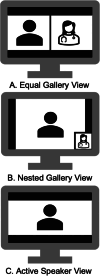
In Study 3, there were three available views depending on how the clinician arranged their videoconferencing platform when recording: A) equal gallery view (can see clinician and patient at the same time, with each participant the same size) (n = 3); B) nested gallery view (can see clinician and patient at the same time, with clinician screen nested as a small window within full-screen patient window) (n = 3); and C) active speaker view (can only see the person speaking) (n = 3). Equal gallery view allowed for analysis of all communication behaviors – verbal, nonverbal, and paraverbal. However, nested gallery view and active speaker view limited the observable communication behaviors for analysis. In nested gallery view, with a large patient and small clinician view, while all parties were visible, the small clinician view made it difficult to capture clinician facial expressions. In active speaker view, with the view switching back and forth according to who is speaking, this resulted in the loss of the non-speaking participant’s nonverbal reactions
|
Official websites use .gov
A
.gov website belongs to an official
government organization in the United States.
Secure .gov websites use HTTPS
A lock (
) or https:// means you've safely
connected to the .gov website. Share sensitive
information only on official, secure websites.