



Abstract
The effect of an increasing diabetes population has resulted in escalated costs and overburdened physicians. The increase in cost is not due to the disease per se, but because of its largely preventable complications. Patient-friendly technologies are proven to significantly reduce complications and thereby cost, but seldom practised. Telemedicine is increasingly being utilized in diabetology to improve access to health care, quality of care, and clinical/psychosocial outcomes in patients with diabetes (PWD). In PWD, patient–physician interactions are essential for improving health outcomes and preventing long-term complications. Smartphones are one of the basic modalities for telemedicine application. Mobile phone messaging applications, including text messaging and multimedia message service, could offer a convenient and cost-effective way to support desirable health behaviors. There are diabetes-related mobile apps mainly focusing on self-management of diabetes, lifestyle modification, and medication adherence motivation. With the widespread availability of high-speed Internet, remote monitoring has also become popular. Home monitoring of blood glucose and blood pressure, wearable devices, and continuous glucose monitoring also play a vital role in bringing down the long‑term vascular complications of diabetes and thereby reduce the overall cost and improve the quality of life of patients. There are hundreds of tech platforms for diabetes management, of which only a few with proven efficacy and safety are recommended by physicians.
Keywords: Diabetes, Telemedicine, Smartphone, Glycemic control, m-Health apps, Cost-effectiveness
Introduction
Diabetes mellitus and its costly complications have attained epidemic proportions across the globe and are currently considered one of the most challenging public health concerns (1). In India, we have around 80 million people affected with diabetes2. The disease is associated with several health-related complications and high morbidity and mortality rates and thus imposes substantial social and economic burdens worldwide3. The effect of an increasing diabetes population has resulted in increased costs and overburdened physicians4.
Existing diabetes treatment strategies have not completely been able to prevent disease-related complications. 50–85% of people with diabetes develop one or more complications despite following medication advice. The average glucose remains high in those people with diabetes, raising concerns of these complications affecting the working age population, since the age of onset of diabetes is now relatively early.
To help resolve this puzzle, digital technologies to improve diabetes self-management are being established. The review shed insights into the currently available digital technologies for diabetes care, such as mobile apps, smartphone-based retinal screening, significance virtual COVID IP, and significance of Electronic Medical Records (EMR.)
Electronic Medical Records (EMR): An electronic health record is the systematized collection of patient and population electronically stored health information in a digital format
which would aid health-care professionals and patients to become aware of the potential benefits and cost-effectiveness of these technologies5. But there is a standard perception among the common men that technologies increase the cost of diabetes care and this has been the experience in the past. For example, when mobile phones were launched, it was too expensive for the common man during the initial few years, and when more and more people started using mobile phones, the cost came down. The story was similar with other devices and technologies which are now being used in our daily lives. Even automobiles were once unaffordable to the common man. New therapies, monitoring, and technologies applied to health care represent a historic opportunity to improve the lives of people with diabetes. Connected care will supplement more expensive, less convenient face-to-face clinic visits by enabling new models of care that increase the velocity to control with more aggressive and frequent interventions that speed up the achievement of glycemic goals.
Telemedicine in Diabetes Care
WHO defines telemedicine as “The delivery of health-care services, where distance is a critical factor, by all health-care professionals using information and communications technologies for the exchange of valid information for diagnosis, treatment and prevention of disease and injuries, research and evaluation, and the continuing education of health-care workers, with the aim of advancing the health of individuals and communities”6. Telemedicine
Telemedicine: The delivery of health-care services, where distance is a critical factor, by all health-care professionals using information and communications technologies for the exchange of valid information for diagnosis, treatment and prevention of disease and injuries, research and evaluation, and the continuing education of health-care workers, with the aim of advancing the health of individuals and communities.
Telemedicine includes timely transmission and remote interpretation of patient data for follow-up and preventive interventions. The main purpose of this approach is to facilitate a productive interaction between the patient and the health-care provider to achieve improved treatment results and lower treatment costs. Reducing outpatient clinic visits and doctor office visits through the use of telemedicine allows patients to save time, money, and other resources.
Telehealth
“The delivery and facilitation of health and health-related services including medical care, provider and patient education, health information services, and self-care via telecommunications and digital communication technologies”7.
Components of Telemedicine
The five essential components of a sound telemedicine system include (Fig. 1) the following.
Figure 1:

Components of telemedicine.
The widespread utilization of telemedicine during COVID-19 pandemic not only legalized, but also proved its overall superiority and cost-effectiveness in many specialities8. For instance, a study conducted by Anjana et al., on the effects of a prolonged lockdown due to COVID-19 on the adoption of newer technologies and changes in glycemic control on patients with type 2 diabetes (T2D) in India had revealed that 82% of the study cohort who utilized the telemedicine facility (n = 117) were happy with their experience and 58.1% were willing to continue to use the facility in the future9. Even ‘after the pandemic’, telemedicine still prevails. Telemedicine has proven benefits in diabetes treatment by improving the short-term and long-term outcomes even though it is not a replacement for face-to-face consultations10. The technology of telemedicine is beneficial in non-emergency/routine care and in cases where services do not require direct patient–provider interactions. Mohan et al., in the Chunampet Rural Diabetes Prevention Project (CRDPP), had explored the possibility of comprehensive diabetes screening, prevention, and treatment using a combination of telemedicine and personalized care in 42 clusters of rural India. The study shows that among the 27,014 adult population living in 42 villages, 86.5% were screened for diabetes, of which 4.9% had diabetes and 14.6% had prediabetes. A total of 1001 diabetes subjects were screened for complications. Diabetic retinopathy was detected in 18.2%, neuropathy in 30.9%, microalbuminuria in 24.3%, peripheral vascular disease in 7.3%, and coronary artery disease in 10.8%. The mean hemoglobin A1c levels among the diabetes subjects in the whole community decreased from 9.3 ± 2.6% to 8.5 ± 2.4% within 1 year. The study outcomes emphasize the significance of adopting telemedicine for effective diabetes care in India11. The Chunampet model is found to be successful and can be applied in people residing in remote areas, where specialized diabetes care facilities may not be available12. Remote care reduces the use of resources in health centers and improves access to care, while minimizing the risk of direct transmission of the infectious agent from person to person. Telemedicine thus provides numerous possibilities for diabetes care such as to create awareness among urban and rural population about the risk factors and prevention of diabetes, to facilitate patient monitoring, remote diabetic retinopathy screening, and in diabetes prevention at the primary, secondary, and tertiary level13. Thus, telemedicine is an attractive, effectual, and affordable adoption of technology.
Treatment of diabetes fails in the majority of patients due to non-adherence to the advice on medications, diet, and exercise. Self-monitoring of vital parameters along with self-management techniques cannot be taught only during face-to-face visits to hospital.
The above-mentioned challenges can be overcome with frequent telemedicine consultations.
Successfully overcoming these barriers requires motivation, acceptance, encouragement of the use of health-care providers, political and structural adjustments, collaborations with companies working in diabetes technology, and most notably patient awareness of the need to adopt diabetes care in an outpatient setting.
Guidelines for Telemedicine
The professional judgment of a Registered Medical Practitioner (RMP) should be the guiding principle for all telemedicine consultations. An RMP is well positioned to decide whether a technology-based consultation is sufficient or an in-person visit is needed. Seven elements need to be considered before beginning any telemedicine consultation (Fig. 2. should be the guiding principle for all telemedicine consultations. An RMP is well positioned to decide whether a technology-based consultation is sufficient or an in-person visit is needed. Seven elements need to be considered before beginning any telemedicine consultation (Fig. 2).
Registered Medical Practitioner (RMP): Registered Medical Practitioner is a person who is registered under state medical register of state medical council after finishing the undergraduate medical course in a college recognized by state government and approved by medical council of India.
Figure 2:

Seven elements to be considered before any telemedicine consultation.
Telemedicine is increasingly being utilized in the field of diabetology to improve access to health care, quality of care, and clinical/psychosocial outcomes in people with diabetes. In patients with diabetes, patient–physician interactions are essential for improving health outcomes and preventing long-term complications. Frequent traveling to clinic appointments is inconvenient for patients with busy schedules and particularly burdensome for patients living in rural areas, those with low financial background, the elderly, and people with disabilities14. Virtual telemedicine appointments are becoming increasingly common to enable patients to interact with physicians and educators without the barriers of distance and commute time. In diabetes, telemedicine has been proven to have phenomenal benefits in preventing long-term complications by ensuring adherence to medications and lifestyle advice.
The use of telemedicine visits has been well studied in populations with limited access to specialized clinicians, registered dietitians, and diabetes educators. Telemedicine programs with visits that match usual care models for diabetes treatment have already demonstrated success in helping patients maintain or improve their health15. In a diabetes center in Kerala, telemedicine in diabetes care, termed Diabetes Tele Management System (DTMS®), is a simple and cost‑effective tool, practiced since 1997. DTMS® consists of a multidisciplinary team of physicians, nurses, dieticians, diabetes educators, pharmacists, and psychologists, who with the help of a customized software and user-friendly interface titrates the dosages of medications and provides advice on diet, lifestyle, etc. to all enrolled and willing patients irrespective of the distance from the hospital.
The successful treatment of diabetes requires normalization of fasting blood glucose, postprandial blood glucose, glycosylated hemoglobin (HbA1c), blood pressure, low-density lipoprotein (LDL) cholesterol, body weight, and waist circumference. To attain multiple goals of therapy in a single patient, continuing education, motivation, empowerment, and advice on healthy food habits, physical activity, and accurate use of monitoring and injection devices are required16.
Telediabetology
Current diabetes guidelines recommend diabetologist or general practitioner consultations at least every 3 months to evaluate HbA1c and, if applicable, adjust the diabetes therapy and optimize the treatment of cardiovascular risk factors17. It should be noted that regular patient visits and examinations in the outpatient setting are necessary not only to optimize diabetes control, but also to effectively treat associated comorbidities (diabetic foot syndrome, diabetic retinopathy, hypertension, CKD, CAD, etc.). A study conducted by Rajalakshmi et al., 18 on the sensitivity and specificity of “fundus on phone” (FOP) camera, a smartphone-based retinal imaging system, as a screening tool for diabetic retinopathy (DR) detection and DR severity in comparison with seven-standard field digital retinal photography shows that it is effective for screening and diagnosis of DR. Another study by the group on the effectiveness of tele-ophthalmology over face-to-face DR screening in 30 diabetic care centers shows that it is feasible and effective for STDR detection in India and hence urges for a wider adoption19. The role of artificial intelligence (AI)-based automated software for detection of diabetic retinopathy (DR) and sight-threatening DR (STDR) by fundus photography taken using a smartphone-based device was assessed by Rajalakshmi et al.20, showed that it has very high sensitivity and thus can be a primary tool for retinal screening in people with diabetes. However, it has been hypothesized that the majority of individuals with diabetes, which is a chronic and mostly incurable disease, do not necessarily need to regularly present themselves physically at outpatient clinics or doctors’ offices, especially when alternative services that can guide disease management are available.
Benefits and Challenges of Telemedicine in Diabetes
The benefits and challenges of telemedicine in the management of diabetes are discussed below (Table 1).
Table 1:
Benefits and challenges of telemedicine in diabetes.
| Benefits of telemedicine | Challenges of telemedicine |
|---|---|
| ● Cost-effective, safe and time saving | ● Communication errors, inefficiency to respond to questions, unavailability of the physician to attend the phone, etc., can cause discomfort to patients |
| ● Counseling for hypoglycemia prevention and management | ● Lacks a universally recommended telemedicine protocol or consensus guidelines to implement recommendations for telemedicine in diabetes |
| ● Special care for individuals having insulin in treatment regimen | ● One-to-one and group patient education programs should be included to gain the confidence of patients |
| ● Ensures long-term multidrug compliance for treatment of glycemia and other comorbidities | ● Lack of ownership and/or knowledge of use of digital platforms (smartphones, etc.) for video consultation or transmitting images/records by a significant proportion of patients |
| ● Exchange of data and necessary advice is possible via audio/video/text messages | ● Alternative funding resources and mode of payment are to be sought in case patients are not willing to pay extra for the teleconsultation |
| ● Reduces frequent hospital visits | ● Slightest error in communication during a telemedicine consultation can result in serious consequences |
| ● Counseling on blood glucose monitoring | ● Doctor has to take extra efforts for medical record maintenance, arriving at a clinical judgment for treatment decisions and management of complicated cases |
| ● Provides better adherence to exercise, diet, and lifestyle recommendations | |
| ● Reduces microvascular and macrovascular complications |
Use of Smartphones in Diabetes care
Smartphones are one of the modalities for telemedicine application. Smartphones can be used to communicate with patients via text messages, Facebook Messenger, WhatsApp messages, and video platforms for telemedicine consultations with the doctor, nurse, and patient care provider participating in a conference call and sharing the screen from electronic medical records.
Increasing patient contact, by including more frequent telephone calls, has been shown to improve patient motivation, therapy adherence, and metabolic control21. Due to the widespread availability and usage of (mobile) phones, such interventions to monitor treatment goals can be established easily and flexibly. For instance, calls can be planned as an add-on after an outpatient clinic appointment. Clinical recommendations, such as the frequency of self-monitoring of blood glucose values (SMBG), recommendations for insulin therapy, and physical activity or dietary advice, can be given to evaluate the effectiveness and adherence of these measures during later telephone visits. A therapy management plan diary that includes dates of telephone visits can be distributed during the onsite visit. Web-based psycho educational interventions have helped adults with both type 1 and type 2 diabetes to cope up with depression and emotional distress22. Frequent video consultations, used as a supplement to routine care in the pediatric setting, have been found to reduce disease burden and increase treatment satisfaction in patients with scant evidence of improved glycemic control23,24, and they have shown encouraging levels of acceptance among diabetes professionals25.
Video calls are essential for selected patients who need to see the face of the health-care professional to build up trust and confidence in those guiding their daily therapy26. Similarly, the health-care professional can better assess the mood and motivation of the patient during a video call. A further advantage of video calls is the chance to properly inspect glucose data documented in a conventional paper diary.
In clinical practice, virtual training sessions via telephone or video calls have been introduced, enabling remote training on specific diabetes-related aspects such as handling technical devices, dietary advice, or behavioral recommendations27.
Despite this, the evolution of mobile technology provides a large number of health-related smartphone applications (apps), aiming to increase the self-management skills of the patient in chronic diseases, facilitate the communication between the patient and health-care providers, increase the patient’s compliance with the treatment, and reducing the cost of treatment. There are numerous diabetes-related smartphone apps, most of which emphasize incentive for medication adherence, lifestyle modification, and diabetes self-management28.
m-Health Applications in Diabetes Self-Management
To continuously engage patients in their diabetes care, mobile devices have become convenient and effective instruments29. Numerous smartphone applications exist with the aim at improving patients’ glycemic control and control of other parameters through diabetes education, coaching, and blood glucose monitoring. The DM m-Health applications include Glucose Buddy, mySugr, Diabetes: M, Blood Glucose Tracker, and OneTouch Reveal30.
mySugr is a diabetes management app that helps to record the blood glucose data, along with meals, exercise, and medicines. It provides daily, weekly, and monthly reports that can be shared directly with the doctor. It also provides help calculating insulin doses, and the new coaching features turn it into a full-service learning and support program. It also provides an estimated A1C value. It helps in including the images of pretty much anything, be it a plate of food or a bag of snacks or a drink bottle and thereby helps to better visualize the records. It can be used in both T1D and T2D.
mySugr Coach helps to connect with a diabetes educator who can offer support, tips, and help through the app, via email or text message. This health-care professional can help analyze the diabetes data and offer insights based on the goals or specific questions. By simply tapping into mySugr on the smartphone, it is guaranteed to get a notification and personalized answer within one business day31. This helps to manage diabetes much better than when compared to meeting the doctor once every 3 or 4 months. Even in the absence of a doctor, there is a virtual live educator to help assist patients with diabetes 24 × 7. Patients feel comfortable and it is convenient to interact with a user-friendly popular app.
The mySugr Pump Control is designed to enable people with diabetes to control an insulin pump directly via a smartphone: import its data, view its status, and remotely deliver a standard bolus. mySugr Pump Control is able to get support from the mySugr Bolus Calculator, which calculates the needed amount of insulin for meal and correction boluses. It considers current blood glucose level, estimated carbohydrate amount, and previous insulin injections (active insulin) based on data from the mySugr Pump Control32.
Health data gained via mobile applications can usually also be converted to transferable data, which can be shared with health-care providers with the user’s consent (commonly via the acceptance of email-based invitation links).
Home Monitoring of Diabetes Patients
Home monitoring can be done by Glucose meters or continuous glucose meters for glucose. Co-monitoring in diabetes patients also includes monitoring blood pressure, body weight, waist circumference, and if possible other parameters related to diabetes care. This depends on the level of education and motivation of the person. It is preferable to use connected devices for home monitoring so that when measuring body weight, it will be automatically recorded via Bluetooth on the phone and cannot be altered, preventing errors and manipulations. For example; when a patient is using a digital glucose diary, corrections cannot be made, whereas if the patient is using a diabetes diary or paper, which is a conventional method, readings are often incomplete and potentially incorrect. It has been shown in many studies that there is a chance of manipulation by more than 30–50% of patients. Therefore, manipulations can be avoided while using technology-assisted devices in home monitoring33.
Virtual COVID Inpatient (VCIP) program
Virtual COVID Inpatient (VCIP) program: An innovative model designed to deliver in-patient level care at the patient’s own home virtually during the COVID-19 pandemic.
was an innovative model designed to deliver in-patient level care at the patient’s own home virtually during the COVID-19 pandemic. The main advantage of this program was treating patients in their homes eliminating the mental stress of hospitalisation and at minimal costs thus decreasing the burden on local hospitals and making beds available for much sicker patients. A hospitalization for 10–14 days is 20 times as expensive as VCIP management for the same period 34. Figure 3 shows the workflow of VCIP.
Figure 3:

VCIP flowchart.
Continuous Glucose Monitoring (CGM) Systems
Most people with diabetes can make use of continuous glucose monitoring
Continuous glucose monitoring: Continuous glucose monitoring automatically tracks glucose levels throughout the day and night.
CGM systems: These systems provide glucose values from the interstitial fluid. Through the real-time transfer of glucose values to a reader or smartphone or by deriving glucose data from scans (intermittently scanned glucose monitoring), the frequency of capillary glucose measurements can be substantially reduced. The use of these systems has also significantly improved glycemic control, treatment adherence, and quality of life. These systems provide glucose values from the interstitial fluid. Through the real-time transfer of glucose values to a reader or smartphone or by deriving glucose data from scans (intermittently scanned glucose monitoring), the frequency of capillary glucose measurements can be substantially reduced. The use of these systems has also significantly improved glycemic control, treatment adherence, and quality of life35,36. CGM sensors provide the current glucose concentration and its rate of change for improving the determination of exogenous insulin administration and the prediction of forthcoming adverse events, such as hypo-/hyperglycemia. Nowadays, smartphones (iPhone, Android phone) act as receivers either through a cloud or a Bluetooth interface. Software on a smartphone interprets the incoming sensor data, along with other data from a personal health record and detects various patterns.
The usual approach to assessing glycemic control is for the patient to regularly (generally every 3 months) meet their treating physician, who will then gauge glycemic control based on HbA1c results and paper-based diaries. However, with the increasing use of CGM systems, glycemic control can be evaluated remotely via CGM reports which include data on time spent in different target ranges, the glucose management indicator (GMI, a substitute for HbA1c), and the percentage of the sensor used in a given time without the need to perform a HbA1c test. CGM system recorders can also be used to document insulin injections, meal intake, or other events such as sports or illness. CGM reports can be quickly delivered to the treating physician (via email or directly via the platform with the user’s permission) and then discussed during a telephone call between health-care professionals and the person with diabetes.
FreeStyle Libre Flash Glucose Monitoring System (Abbott Diabetes care, Alameda, CA, USA) helps to automatically measure glucose day and night for up to 14 days. Studies with FreeStyle Libre have shown that empowering the patients results in control of fasting and postprandial glucose, HbA1c, and improvement in time in range (TIR) irrespective of type of diabetes or use of insulin37. MiniMed Medtronic Guardian sensor 4, though more expensive, is a real-time factory-calibrated CGM and the glucose is visible on the mobile phone without the need of any scanning. These devices can provide alerts before the onset of high glucose or low glucose. For those who can afford and are motivated, continuous use of CGM transforms diabetes care. A South Asian consensus panel has recommended CGM every 6 months even in controlled diabetes and more frequently if the TIR is not achieved.
Lifestyle Modification for patients with diabetes
In diabetes treatment, understanding the carbohydrate content of individual diets and how carbohydrates affect blood glucose level is one of the cornerstones. To appropriately adjust an insulin dose, the total amount of carbohydrates ingested by the patient must be calculated. Software applications that use graphic analysis technologies to quickly and directly analyze dietary content are under development. This software allows patients to quickly obtain relevant nutrition information, including carbohydrate content and calories, by taking smartphone photos and will thereby help in their nutritional choices. Nutritional intervention through automated artificial intelligence (AI) assistance delivers similar results as direct nutrition intervention support from a dietitian. Therefore, these methods can greatly reduce the load on the workforce of human experts along with enhancing the effectiveness of dietary guidance for diabetics.
Proper exercise plays an important role in blood sugar control and reduces the risk of cardiovascular events. AI involves automatically analyzing the exercise levels of patients wearing accelerometers and heart monitors and monitor changes in glucose levels while exercising38. Also there are various exercise apps for diabetes patients including exercise videos with personalized guidance39. Apple Watch series 8, in addition to heart rate, HRV, VO2 max, AFib detection, single-lead ECG, and insights into physical activity, provides detailed information on the type and quality of sleep and wrist temperature etc.40. Wearable sensors are also evolving as integral components in aiding doctors in managing lifestyle disorders.
Cost-Effectiveness of Digital Diabetes Care
In our current health-care system, chronic disease care leads to substantial health-care expenditures. Medical expenditures for people diagnosed with diabetes are approximately 2.3 times higher than that for people without diabetes. Over 50% of health-care expenditures for patients with T2D are due to the complications of diabetes41. Studies frequently report that telemedicine and m-health use in diabetes care result in the prevention of complications, decreased time spent by physicians on patient visits, decreased time spent by patients to commute and wait for their appointments, and reduced loss of productivity at work for adults with diabetes and their caretakers42. Cost-effectiveness would be especially important in developing economies, where digital health may be used in medically underserved populations to improve access to health care and to help patients engage in their diabetes self-management.
Challenges with Digital Diabetes Care
There are instances where patients consider telemedicine consultations as casual and as a ‘free service’, but each telemedicine consultation, even if it is a brief telephone call, will help in future reduction in cost and complications and are time and life-saving. Unless and until patients are willing to pay for every telemedicine consultation, hospitals are unlikely to adopt this model.
Recently, there has been proliferation of digital platforms promising diabetes reversal/diabetes remission at a prohibitively high cost for the clients. Physicians and the public should be cautious in recommending and using such platforms, since most of them provide a CGM sensor, dietitian, and advice for weight loss. Diabetes is a chronic progressive disease where treatment is customized based on multiple parameters and the so-called remission of diabetes may not be sustained in the vast majority43.
While procuring devices for home monitoring of glucose, blood pressure, etc., physician advice should be sought to ensure reliability and accuracy. The benefits and challenges of technology in diabetes care are mentioned below (Table 2).
Table 2:
Benefits and challenges of technology in diabetes care.
| Benefits | Challenges |
|---|---|
| ● Mobile health applications offer to provide coaching and behavioral advice for all PWD | ● Not all PWD have access to a diabetes care and education specialist (DCES) and dietitian services |
| ● Algorithms to analyze data and present therapeutic options to physicians can reduce the burden of managing complex diabetes care | ● Physicians’ time to educate PWD in addition to conducting tests is limited during appointments |
| ● Interconnected devices can communicate with each other and adjust insulin dosing on a continuous basis (e.g., advanced hybrid closed loops), reducing PWD time and effort required to input data into multiple devices for insulin dosing | ● Current technologies are often not interconnected, leading to the need for PWD to manage multiple devices |
| ● Metrics such as time in range can be assessed more frequently with further CGM proliferation. This can promote understanding of blood glucose fluctuations and their impact and identify approaches to reduce HbA1c | ● Even if tests are conducted regularly, a clear set of steps to achieve target HbA1c levels is lacking |
| ● Mobile health applications and digital care providers offer support and coaching programs to relieve PWD anxiety and stress | ● Frequent monitoring through CGMs may not be feasible for all |
| ● PWD remote visits with specialists using mobile health software can reduce costs |
PWD face a number of challenges self-managing their condition, such as: ● Difficulty navigating complex self-dosing equations ● Limited access to blood glucose data to monitor daily fluctuations ● Anxiety that they may be mis-dosing ● Fear of hypoglycemia |
PWD patients with diabetes.
Conclusion
Diabetes technologies are as important as, or more important than, medications in preventing long-term disabling complications. Telemedicine is particularly well suited for treating diabetes, as compared to other diseases, because diabetes requires interpretation and predetermined responses to many types of data that can be measured at home by the patient. As many aspects of our lives have become automated and addressed online, so will routine medical care of chronic diseases. Mobile phone messaging applications, including text messaging or short message service (SMS) and multimedia message service, could offer a convenient and cost-effective way to support desirable health behaviors for preventive health care by providing educational and motivational advice. This was clearly tested during the COVID-19 epidemic. These models involve multidisciplinary approaches that were not traditionally available for patients living in rural or remote areas. These methods are effective, convenient, secure, and financially sustainable. It has proven that the home monitoring of vital parameters and use of telemedicine can bring down the long‑term vascular complications of diabetes and thereby reduce the overall cost and improve the quality of life of patients.
Biographies
Jothydev Kesavadev
is a renowned Indian diabetologist, philanthropist, and researcher who has made significant contributions to diabetes research and treatment. He is currently the chairman of Jothydev's Diabetes Research Centers located in Trivandrum, Kochi, Attingal, and Haripad, Kerala, India. He is also the Editor-in-Chief of the International Journal of Diabetes and Technology (IJDT). Dr. Kesavadev is a Central Executive Committee member and Vice-President of the Kerala chapter of the Research Society for the Study of Diabetes in India (RSSDI). He has also served as the first author for Indian guidelines on vaccination, insulin pumps, and glucose monitoring, thereby establishing himself as a pioneer in diabetes treatment. Apart from his medical practice, Jothydev Kesavadev is also involved in charitable activities and literary pursuits as the Managing Trustee of the P.Kesavadev Trust. He is the organizer of 650 Diabscreen Kerala free diabetes awareness, detection, and treatment medical camps across Kerala, which is a project of P. Kesavadev Trust. Dr.Jothydev Kesavadev is also known for his commitment to diabetes education and awareness. He conducts monthly diabetes education programs via two YouTube channels—jothydev and kesavadev trust. He is also a pioneer in the cost-effective treatment of diabetes with the use of telemedicine and technology. Jothydev Kesavadev is an accomplished medical professional who has made significant contributions to the field of diabetes management. He has been the first invited speaker from Kerala at the American Diabetes Association (ADA), International Diabetes Federation (IDF) and Advanced Technologies & Treatments for Diabetes (ATTD, Europe). He has ten years of experience as a medical teacher, both for undergraduates and postgraduates, and is a much sought-after national faculty. Dr.Kesavadev has introduced the telemedicine concept of patient follow-up via Diabetes Tele Management System (DTMS®) and the multi-disciplinary professional team approach in Kerala. He is an internationally known expert in the field of insulin pumps, continuous glucose monitoring, and telemedicine. He is also the editor of ‘Diabetes Gems,’ a free internet-based scientific newsletter with more than 20,000 readers since 2008. 
Viswanathan Mohan
is the Chairman and Chief of Diabetology at Dr. Mohan’s Diabetes Specialities Centre at Chennai in South India which is an IDF Centre of Excellence in Diabetes Care. He is also Chairman of the Madras Diabetes Research Foundation which is Asia’s largest stand-alone diabetes research centre. His main research interests are Epidemiology of diabetes and its complications, Genomics of diabetes including Monogenic Diabetes type 1 diabetes, Fibro-calculous Pancreatic Diabetes, Precision Diabetes and Nutrition in Diabetes. Dr. Mohan has published over 1560 papers in peer reviewed journals which includes 1000 original articles. 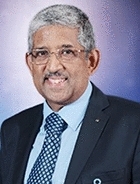
Declarations
Conflict of Interest
The authors declare no conflict of interest.
Footnotes
Publisher's Note
Springer Nature remains neutral with regard to jurisdictional claims in published maps and institutional affiliations.
References
- 1.Guariguata L, Whiting D, Weil C, Unwin N. The International Diabetes Federation diabetes atlas methodology for estimating global and national prevalence of diabetes in adults. Diabetes Res Clin Pract. 2011;94:322–332. doi: 10.1016/j.diabres.2011.10.040. [DOI] [PubMed] [Google Scholar]
- 2.American Diabetes Association Standards of medical care in diabetes-2012. Diabetes Care. 2012;35(Suppl 1):S11–S63. doi: 10.2337/dc12-s011. [DOI] [PMC free article] [PubMed] [Google Scholar]
- 3.International Diabetes Federation. IDF Diabetes Atlas, 10th edition. Brussels, Belgium: 2021. Available from: https://www.diabetesatlas.org. Accessed on 12 Sep 2022
- 4.Al-Badri M, Hamdy O. Diabetes clinic reinvented: will technology change the future of diabetes care? Ther Adv Endocrinol Metab. 2021;12:2042018821995368. doi: 10.1177/2042018821995368. [DOI] [PMC free article] [PubMed] [Google Scholar]
- 5.Kesavadev J, Krishnan G, Mohan V. Digital health and diabetes: experience from India. Ther Adv Endocrinol Metab. 2021;12:1–13. doi: 10.1177/20420188211054676. [DOI] [PMC free article] [PubMed] [Google Scholar]
- 6.Telemedicine WHO-World Health Organization https://www.who.int/goe/publications/geotelemedicine2010.pdf. Accessed on 10 Sep 2022
- 7.Telemedicine Practice Guidelines-MoFHW https://www.mohfw.gov.in/pdf/Telemedicine.pdf. Accessed on 12 Sep 2022
- 8.Monaghesh E, Hajizadeh A. The role of telehealth during COVID-19 outbreak: a systematic review based on current evidence. BMC Public Health. 2020;20(1):1–9. doi: 10.1186/s12889-020-09301-4. [DOI] [PMC free article] [PubMed] [Google Scholar]
- 9.Anjana RM, Pradeepa R, Deepa M, Jebarani S, Venkatesan U, Parvathi SJ, Balasubramanyam M, Radha V, Poongothai S, Sudha V, Shanthi Rani CS, Ranjani H, Amutha A, Manickam N, Unnikrishnan R, Mohan V. Acceptability and utilization of newer technologies and effects on glycemic control in type 2 diabetes: lessons learnt from lockdown. Diabetes Technol Ther. 2020;22:537–534. doi: 10.1089/dia.2020.0240. [DOI] [PubMed] [Google Scholar]
- 10.Doupis J, Festas G, Tsilivigos C, Efthymiou V, Kokkinos A. Smartphone-based technology in diabetes management. Diabetes Therapy. 2020;11(3):607–619. doi: 10.1007/s13300-020-00768-3. [DOI] [PMC free article] [PubMed] [Google Scholar]
- 11.Mohan V, Deepa M, Pradeepa R, Prathiba V, Datta M, Ravikumar S, Rakesh H, Sucharita Y, Webster P, Allender S, Kapur A, Anjana RM. Prevention of diabetes in rural india with a telemedicine intervention. J Diabetes Sci Technol. 2012;6:1355–1364. doi: 10.1177/193229681200600614. [DOI] [PMC free article] [PubMed] [Google Scholar]
- 12.Mohan V, Prathiba V, Pradeepa R. Tele-diabetology to screen for diabetes and associated complications in rural india: the chunampet rural diabetes prevention project model. J Diabetes Sci Technol. 2014;8:256–261. doi: 10.1177/1932296814525029. [DOI] [PMC free article] [PubMed] [Google Scholar]
- 13.Pradeepa R, Rajalakshmi R, Mohan V. Use of telemedicine technologies in diabetes prevention and control in resource-constrained settings: lessons learned from emerging economies. Diabetes Technol Ther. 2019;21:S29–S216. doi: 10.1089/dia.2019.0038. [DOI] [PubMed] [Google Scholar]
- 14.Association AD. 1. Improving care and promoting health in populations: standards of medical care in diabetes 2020. Diabetes Care. 2020;43(1):S7–S13. doi: 10.2337/dc20-S001. [DOI] [PMC free article] [PubMed] [Google Scholar]
- 15.Lee SH, Nishi H, Tatsuma T. Tunable plasmon resonance of molybdenum oxide nanoparticles synthesized in non-aqueous media. Chem Comm. 2017;53(94):12680–12683. doi: 10.1039/C7CC08090E. [DOI] [PubMed] [Google Scholar]
- 16.Kesavadev J, Saboo B, Shankar A, Krishnan G, Jothydev S. Telemedicine for diabetes care: an Indian perspective-feasibility and efficacy. Indian J Endocrinol Metab. 2015;19(6):764. doi: 10.4103/2230-8210.167560. [DOI] [PMC free article] [PubMed] [Google Scholar]
- 17.Standards of Medical Care in Diabetes—2020 Abridged for Primary Care Providers American Diabetes Association Clinical Diabetes 2020;38(1): 10–38 [DOI] [PMC free article] [PubMed]
- 18.Rajalakshmi R, Arulmalar S, Usha M, Prathiba V, Kareemuddin KS, Anjana RM, Mohan V. Validation of smartphone based retinal photography for diabetic retinopathy screening. PLoS One. 2015;10:e0138285. doi: 10.1371/journal.pone.0138285. [DOI] [PMC free article] [PubMed] [Google Scholar]
- 19.Rajalakshmi R, UmaSankari G, Prathiba V, Anjana RM, Unnikrishnan R, Venkatesan U, JebaRani S, ShanthiRani CS, Sivaprasad S, Mohan V. Tele-ophthalmology versus face-to-face retinal consultation for assessment of diabetic retinopathy in diabetes care centres in India: a multicentre cross-sectional study. Diabetes Technol Ther. 2022;24:1–8. doi: 10.1089/dia.2022.0025. [DOI] [PMC free article] [PubMed] [Google Scholar]
- 20.Rajalakshmi R, Subashini R, Anjana RM, Mohan V. Automated diabetic retinopathy detection in smartphone-based fundus photography using artificial intelligence. Eye. 2018;32:1138–1144. doi: 10.1038/s41433-018-0064-9. [DOI] [PMC free article] [PubMed] [Google Scholar]
- 21.Kesavadev J, Shankar A, Pillai PBS, Krishnan G, Jothydev S. Cost-effective use of telemedicine and self-monitoring of blood glucose via Diabetes Tele Management System (DTMS) to achieve target glycosylated hemoglobin values without serious symptomatic hypoglycemia in 1,000 subjects with type 2 diabetes mellitus—a retrospective study. Diabetes Technol Ther. 2012;14(9):772–776. doi: 10.1089/dia.2012.0088. [DOI] [PubMed] [Google Scholar]
- 22.Nobis S, Lehr D, Ebert DD, Baumeister H, Snoek F, Riper H, et al. Efficacy of a web-based intervention with mobile phone support in treating depressive symptoms in adults with type 1 and type 2 diabetes: a randomized controlled trial. Diabetes Care. 2015;38(5):776–783. doi: 10.2337/dc14-1728. [DOI] [PubMed] [Google Scholar]
- 23.Von Sengbusch S, Eisemann N, Mueller-Godeffroy E, Lange K, Doerdelmann J, Erdem A, et al. Outcomes of monthly video consultations as an add-on to regular care for children with type 1 diabetes: a 6-month quasi-randomized clinical trial followed by an extension phase. Pediatr Diabetes. 2020;21(8):1502–1515. doi: 10.1111/pedi.13133. [DOI] [PubMed] [Google Scholar]
- 24.Von Sengbusch S, Doerdelmann J, Lemke S, Lange K, Hiort O, Katalinic A, et al. Parental expectations before and after 12-month experience with video consultations combined with regular outpatient care for children with type 1 diabetes: a qualitative study. Diabetes Med. 2020;38(6):e14410. doi: 10.1111/dme.14410. [DOI] [PubMed] [Google Scholar]
- 25.Frielitz FS, Dordelmann J, Lemke S, Lange K, Hiort O, Katalinic A, et al. Assessing the benefits and challenges of video consultations for the treatment of children with type 1 diabetes: a qualitative study among diabetes professionals. Exp Clin Endol Diabetes. 2020;129(11):831–836. doi: 10.1055/a-1149-8814. [DOI] [PubMed] [Google Scholar]
- 26.Muralidharan S, Ranjani H, Anjana RM, Allender S, Mohan V. Mobile health technology in the prevention and management of type 2 diabetes. Indian J Endocrinol Metab. 2017;21(2):334. doi: 10.4103/ijem.IJEM_407_16. [DOI] [PMC free article] [PubMed] [Google Scholar]
- 27.Unnikrishnan R, Sharma N, Mohan V, Ranjani H. Technology in the management of diabetes mellitus. J Diabetol. 2018;9(1):3. doi: 10.4103/jod.jod_4_17. [DOI] [Google Scholar]
- 28.The Economist. Planet of the phones. The Economist. https://www.economist.com/leaders/2015/02/26/planet-of-the-phones
- 29.Tian S, Yang W, Le Grange JM, Wang P, Huang W, Ye Z. Smart healthcare: making medical care more intelligent. Glob Health J. 2019;3:62–65. doi: 10.1016/j.glohj.2019.07.001. [DOI] [Google Scholar]
- 30.mySugr App Review: Taming Your Diabetes Monster. https://www.healthline.com/diabetesmine/mysugr-app-review-taming-diabetes-monster. Cited on 6 Aug 2022
- 31.Roche launches mySugr Pump Control within the mySugr app to simplify insulin pump therapy via smartphone. https://www.rochediabetes.com/media/releases/roche-launches-mysugr-pump-control-within-mysugr-app-simplify-insulin-pump-therapy. Cited on 7 Aug 2022
- 32.Aberer F, Hochfellner DA, Mader JK. Application of telemedicine in diabetes care: the time is now. Diabetes Ther. 2021;12(3):629–639. doi: 10.1007/s13300-020-00996-7. [DOI] [PMC free article] [PubMed] [Google Scholar]
- 33.Rodbard D. Continuous glucose monitoring: a review of recent studies demonstrating improved glycemic outcomes. Diabetes Technol Ther. 2017;19(S3):S25–37. doi: 10.1089/dia.2017.0035. [DOI] [PMC free article] [PubMed] [Google Scholar]
- 34.Kesavadev J, Basanth A, Krishnan G, Vitale R, Parameswaran H, Shijin S, Sreelakshmi R, Raj S, Ashik A, Shankar A, Badarudeen S. A new interventional home care model for COVID management: Virtual Covid IP. Diabetes Metab Syndr. 2021;15(5):102228. doi: 10.1016/j.dsx.2021.102228. [DOI] [PMC free article] [PubMed] [Google Scholar]
- 35.Polonsky WH, Hessler D, Ruedy KJ, Beck RW, Group DS The impact of continuous glucose monitoring on markers of quality of life in adults with type 1 diabetes: further findings from the DIAMOND randomized clinical trial. Diabetes Care. 2017;40(6):736–741. doi: 10.2337/dc17-0133. [DOI] [PubMed] [Google Scholar]
- 36.Mohan V, Sunil J, Kesavadev J, Chawla M, Mutha A, Vijay V, Saboo B, Kovil R, Mithal A, Punatar D, Shin J. Use of retrospective continuous glucose monitoring for optimizing management of type 2 diabetes in India. J Assoc Physicians India. 2016;64(4):16–21. [PubMed] [Google Scholar]
- 37.Gonzales WV, Mobashsher A, Abbosh A. The progress of glucose monitoring—a review of invasive to minimally and non-invasive techniques, devices, and sensors. Sensors. 2019;19(4):800. doi: 10.3390/s19040800. [DOI] [PMC free article] [PubMed] [Google Scholar]
- 38.Jacobs PG, Resalat N, El Youssef J, Reddy R, Branigan D, Preiser N, et al. Incorporating an exercise detection, grading, and hormone dosing algorithm into the artificial pancreas using accelerometry and heart rate. J diabetes Sci Technol. 2015;9:1175–1184. doi: 10.1177/1932296815609371. [DOI] [PMC free article] [PubMed] [Google Scholar]
- 39.GlucoseZone: An Exercise App for People with Diabetes. https://diatribe.org/glucosezone-exercise-app-people-diabetes. Cited on 7 Aug 2022
- 40.Apple Watch and it’s health benefits: Dr.Jothydev Kesavadev. https://www.youtube.com/watch?v=mEXu744zvGQ. Cited on 12 Aug 2022
- 41.Heintzman ND. A digital ecosystem of diabetes data and technology: services, systems, and tools enabled by wearables, sensors, and apps. J Diabetes Sci Technol. 2016;10(1):35–41. doi: 10.1177/1932296815622453. [DOI] [PMC free article] [PubMed] [Google Scholar]
- 42.Kesavadev J, Shankar A, Krishnan G, David A, Sanal G, Jothydev K, Chandran GB, Basanth A, Sanal TS, Ajith J, Jothydev S (2021) Comparing telemedicine with conventional diabetes care in assessing long-term outcomes in 451 patients over 15 years. 853-P
- 43.Phillip M, Bergenstal RM, Close KL, Danne T, Garg SK, Heinemann L, Hirsch IB, Kovatchev BP, Laffel LM, Mohan V, Parkin CG. The digital/virtual diabetes clinic: the future is now recommendations from an international panel on diabetes digital technologies introduction. Diabetes Technol Ther. 2021;23(2):146–154. doi: 10.1089/dia.2020.0375. [DOI] [PMC free article] [PubMed] [Google Scholar]