



Abstract
Introduction
Drug-related problems (DRPs) are events or circumstances involving drug therapy that actually or potentially interferes with desired health outcomes.
Objectives
To assess community pharmacists’ knowledge and practice regarding DRP-reduction services, as well as the barriers and factors associated with decreased provision of these services.
Methods
This cross-sectional study utilized a validated questionnaire to assess pharmacists’ knowledge, practice, and barriers to the provision of DRP-reduction services in the community pharmacy setting. Binary regression model was used to assess the variables associated with the practice of DRP-reduction services.
Results
A total of 412 pharmacists participated in the study. The pharmacists demonstrated strong knowledge but inadequate practice of DRP-reduction services. The most reported DRPs were inappropriate combination of drugs, or drugs and herbal medications, or drugs and dietary supplements (52.4%), patients’ inability to understand instructions properly (46.1%), inappropriate drug according to guidelines (43.7%), and too high dose (40.3%). The most common barriers to these services were increased workload (60.5%), limited time (53.2%), and lack of good communication skills (49.8%). The presence of a counselling area in the pharmacy increased the practice of DRP-reduction services (OR: 3.532, 95%Cl: 2.010–5.590, P < 0.001), while increased weekly working hours (OR: 0.966, 95%Cl: 0.947–0.986), P < 0.01) and serving < 10 patients daily (OR = 0.208, 95%Cl: 0.072–0.601, P < 0.01) decreased it.
Conclusions
Community pharmacists’ practice of DRP-reduction services showed a scope for improvement. Future pharmaceutical care initiatives should increase the number of personnel working in the pharmacy and provide them with opportunities for continued education and training in order to improve the provision of DRP services and optimize patients’ outcomes.
Keywords: Drug-related problem, Community pharmacist, Pharmacy service, Knowledge, Practice, Barrier
1. Introduction
One of the most essential duties of community pharmacists is to provide pharmaceutical care services that optimize patients’ drug therapy and prevent drug-related problems (DRPs) (Eldooma et al., 2023). A DRP is defined as an event or circumstance involving drug therapy that actually or potentially interferes with desired health outcomes (Akour et al., 2021, Pharmaceutical Care Network Europe Foundation, 2006). Given that community pharmacists are frequently the initial point of contact for patients seeking guidance and treatment, they play a crucial role in the delivery of healthcare (Hedima et al., 2021). Offering DRP-reduction services is a crucial component of community pharmacist’s work. Community pharmacists' DRP-reduction services involve a range of activities including medication reviews, adherence assessment, designing care plan, patient counseling and monitoring, and collaborative working with other healthcare professionals (Janani et al., 2021). These services seek to recognize, avoid, and address DRPs that may result in adverse medication events, decreased adherence, and higher healthcare costs (Babelghaith et al., 2020, Al Hamid et al., 2014).
In the United Arab Emirates (UAE), there are approximately 1300 licensed community pharmacies, which operate seven days a week. These pharmacies, located in streets and shopping malls, are either small independent establishments or part of chain franchises. They are easily accessible and typically operate for an average of 13 h per day (Hasan et al., 2011). Despite their widespread presence, most community pharmacies in the UAE do not currently offer comprehensive professional services(Hasan et al., 2012). Services such as providing printed information to patients, regular patient counseling, monitoring medication adherence, maintaining patient records, and reporting medication errors and adverse drug reactions are not widely provided (Hasan et al., 2012). Recognizing the importance of enhancing pharmaceutical care services, the UAE has taken significant steps to address this issue. The health authority of Abu Dhabi has incorporated extended pharmacy services into its strategy to meet current healthcare needs. services (Hasan et al., 2012, Sadek et al., 2016). As part of this initiative, numerous programs have been established to train community pharmacists to effectively apply these services (Hasan et al., 2012, Sadek et al., 2016). These efforts aimed to improve the overall quality of care and ensure that patients receive comprehensive support from their community pharmacies. Several variables including the availability of patients' medical records in the pharmacy, patients contacting the pharmacy via email, a high level of satisfaction in working relationships with physicians, and the age of the pharmacists, can affect the provision of these services (Al-Taani and Ayoub, 2022). Previous research has identified a broad range of barriers to the provision of DRP-reduction services such as lack of laws and guidelines, unacceptance of the pharmacist role, lack of time and training, increased workload, and poor relationship between the community pharmacists with other healthcare providers (Al-Taani and Ayoub, 2022, Inamdar et al., 2018, Palaian et al., 2022, Usman and Ilyas, 2014, Victory Evans et al., 2021). Moreover, the perceptions and expectations of the public regarding the role of community pharmacists in UAE are influenced by various factors such as the healthcare authorities, level of knowledge demonstrated by the pharmacists, their attire, nationality, age, and the location of the pharmacy (Rayes et al., 2014).
It is essential to comprehend the aspects involved in the delivery of DRP-reduction services given their significance in improving patient outcomes and lowering healthcare expenditures (Milosavljevic et al., 2018). By identifying these variables, future pharmaceutical care programs can create plans to improve the provision of DRP-reduction services and strengthen the contribution of community pharmacists to patient safety and health. The current study is the first of its kind to assess the knowledge, practice, and barriers of community pharmacists in providing DRP-reduction services, as well as the variables connected to reduced practice of these services in the UAE.
2. Material and methods
2.1. Study design and participants
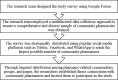
This cross-sectional study was conducted online using self-administered questionnaire among community pharmacists licensed to practice in UAE in the period from December 2022 through March 2023. The following flowchart demonstrates the enrollment process.
2.2. Study instruments
After review of the related literature (Al-Taani and Ayoub, 2022, Hughes et al., 2010), the current self-administered, online-based survey was developed. A group of experts including two academic professors of clinical pharmacy, a professor of public health and two clinical pharmacists evaluated the questionnaire for face and content validity. Ten community pharmacists participated in pilot test to evaluate the survey's clarity, relevance, and completion time. The final data analysis did not contain any of the data collected during the pilot test. The survey started with a small paragraph, which described the study objective and the confidentiality of the study findings. The questionnaire consisted of five sections including socio-demographic information, medical references used to seek drug-related information (10 items), DRPs in terms of types (27 items), and groups of drugs associated with DRPs in routine community pharmacy practice (19 items). The DRPs were categorized based on the guidelines from the Pharmaceutical Care Network Europe Association (PCNE) (PCNE Classification for Drug-Related Problems V9.1, 2020). The questionnaire also included pharmacists’ knowledge about DRPs (4 items), practice of DRP-reduction services (22 items) and the barriers for the provision such services in the community pharmacy setting (14 items). The knowledge score was computed by granting one point for each correct answer and zero for each incorrect answer with a minimum score of zero and maximum possible score of four.
2.3. Sample size calculation
To calculate the minimum required sample size, the Krejcie and Morgan formula (Krejcie and Morgan, 1970) was applied on a 95% significance level and a 5% margin of error. The minimum required sample was 385 participants.
2.4. Statistical analysis
All the statistical analyses were performed using SPSS version 28. Categorical variables were described as frequencies and percentages and continues variables as median and 95% Cl. A binary logistic regression was used to assess variables associated with the practice level. The regression models included age, gender, years of experience as a community pharmacist, average number of patients served per day, weekly working hours, presence of counselling area in the community pharmacy, knowledge score. Significance was determined at p-value < 0.05.
3. Results
The present study included 412 pharmacists with a median age of 28 years (28–29), and 53.9% (n = 222) male participants. The vast majority of the participants had a bachelor’s degree in pharmacy (88.3%; n = 364), served more than 50 patients daily (44.2%, n = 182), and had a counselling area in the community pharmacy (71.4%, n = 294). The median for the years of experience was 4 (4–5), and the median for the weekly working hours was 48 (48–50). (Table 1).
Table 1.
Sociodemographic characteristics of the study participants (n = 412).
| Characteristics | Median (95%C.I) or N (%) | |
|---|---|---|
| Age | 28 (28–29) | |
| Gender | Female | 190 (46.1%) |
| Male | 222 (53.9%) | |
| Education | Diploma | 10 (2.4%) |
| B Pharm (Bachelor’s in pharmacy) | 364 (88.3%) | |
| Pharm D (Doctor in pharmacy) | 16 (3.9%) | |
| Graduate (Master or PhD) | 22 (5.3%) | |
| Years of experience as a community pharmacist: | 4 (4–5) | |
| Average number of patients served per day: | < 10 | 40 (9.7%) |
| 10–29 | 82 (19.9%) | |
| 30–49 | 108 (26.2%) | |
| ≥ 50 | 182 (44.2%) | |
| Weekly working hours | 48 (48–50) | |
| Access to the internet: | No | 8 (1.9%) |
| Yes | 404 (98.1%) | |
| Presence of counselling area in the community pharmacy | No | 118 (28.6%) |
| Yes | 294 (71.4%) | |
As shown in Fig. 1, the most used sources of drug information were Access Pharmacy (26.7%, n = 110) and medical textbooks (24.3%, n = 100), while the least used reference was the natural medicines comprehensive database (1.9%, n = 8).
Fig. 1.

Medical references used to seek drug-related information among the study pharmacists.
As shown in Table 2, the most commonly reported DRPs were “inappropriate combination of drugs, or drugs and herbal medications, or drugs and dietary supplements” (52.4%, n = 216), patients’ inability to understand instructions properly (46.1%, n = 190), inappropriate drug according to guidelines (43.7%, n = 180), and too high dose (40.3%, n = 166). The least reported DRP was drug administration via the wrong route (17%, n = 70). The most commonly reported group of drugs that were associated with DRPs in routine community pharmacy practice included NSAIDs (59.7%) and gastrointestinal drugs (50%) (Fig. 2).
Table 2.
Commonly encountered DPRs in routine community pharmacy practice.
| Item | Frequency (%) |
|---|---|
| Inappropriate drug according to guidelines | 180 (43.7) |
| No indication for drug | 140 (34) |
| Inappropriate combination of drugs, or drugs and herbal medications, or drugs and dietary supplements | 216 (52.4) |
| Inappropriate duplication | 98 (23.8) |
| No or incomplete drug treatment | 94 (22.8) |
| Too many different drugs/active ingredients prescribed for indication | 162 (39.3) |
| Inappropriate drug form/formulation (for the patient) | 110 (26.7) |
| Drug dose too low | 126 (30.6) |
| Drug dose too high | 166 (40.3) |
| Dosage regimen not frequent enough | 110 (26.7) |
| Dosage regimen too frequent | 144 (35) |
| Dose timing instructions wrong, unclear or missing | 114 (27.7) |
| Duration of treatment too short | 90 (21.8) |
| Duration of treatment too long | 128 (31.1) |
| Prescribed drug not available | 126 (30.6) |
| Necessary information not provided or incorrect advice provided | 98 (23.8) |
| Inappropriate timing of administration or dosing intervals | 124 (30.1) |
| Drug administered via wrong route by a health professional | 70 (17) |
| Patient intentionally uses/takes less drug than prescribed or does not take the drug at all for whatever reason | 150 (36.4) |
| Patient uses/takes more drug than prescribed | 130 (31.6) |
| Patient abuses drug (unregulated overuse) | 140 (34) |
| Patient decides to use unnecessary drug | 140 (34) |
| Patient takes food that interacts | 156 (37.9) |
| Patient stores drug inappropriately | 128 (31.1) |
| Patient unintentionally administers/uses the drug in a wrong way | 130 (31.6) |
| Patient physically unable to use drug/form as directed | 142 (34.5) |
| Patient unable to understand instructions properly | 190 (46.1) |
Fig. 2.

Groups of drugs associated with DRPs in routine community pharmacy practice.
Table 3 shows the participants’ responses to the knowledge about drug-related problems. Although the vast majority of the participants were knowledgeable about the term of medication adherence (97.6%, n = 402), only 82% (n = 338) were updated with the most recent guidelines of chronic diseases management.
Table 3.
Knowledge about drug-related problems.
| No | Yes | |
|---|---|---|
| Are you aware (familiar) with drug-related problem (DRP) term? | 12 (2.9%) | 400 (97.1%) |
| Are you familiar with the term of medication adherence? | 10 (2.4%) | 402 (97.6%) |
| Are you familiar with the factors negatively affecting medication adherence? | 22 (5.3%) | 390 (94.7%) |
| Do you keep updated with the recent guidelines of chronic disease treatment? | 74 (18%) | 338 (82.0%) |
DRP: drug-related problem.
Participants’ responses to the practice items are presented in Table 4. The services provided to optimize drug therapy in the community pharmacy setting were divided into different sections, including assessment, care plan, monitoring, and documentation. Concerning assessment, the most commonly provided service was consulting the physician and other healthcare providers (HCPs) (48%, n = 198) and referring the patient to a physician and other HCPs (48.1%, n = 198), while the least provided assessment was making physical examination including observation, palpation, percussion and auscultation (25.3%, n = 104). Regarding the care plan part, the most commonly provided service was selecting the most appropriate treatment (49.1%, n = 202), while the least was providing medication adherence aids (37.4%, n = 154). On the other hand, checking for medication side effects represented the most common monitoring service (47.6%, n = 196), while determining the follow-up period was the least provided monitoring service (36.9%, n = 152). Furthermore, documentation of potential or actual DRPs was the most commonly provided documentation service (43.7%, n = 180). In contrast, documentation of baseline and follow-up parameters, and documentation of treatment plans were the least provided documentation services (38.8%, n = 160). Overall, the care plan was the most commonly provided service (mean = 3.39), followed by monitoring (mean = 3.24), documentation (3.11 respectively), and lastly the assessment service (mean = 3.01). As shown in Table 5, the most reported barriers to the provision of DRP-reduction services included increased workload (60.5%, n = 248), limited time (53.2%, n = 218), and lack of good communication skills (49.8%, 204).
Table 4.
The services provided to optimize drug therapy in the community pharmacy setting.
| Item | Never | Rarely | Often | Sometimes | Always |
|---|---|---|---|---|---|
| Practice (Assessment) | |||||
| Review patient medical history (record) | 84 (20.4%) | 98 (23.8%) | 90 (21.8%) | 108 (26.2%) | 32 (7.8%) |
| Interviewing the patient to collect information | 90 (21.8%) | 64 (15.5%) | 124 (30.1%) | 78 (18.9%) | 56 (13.6%) |
| Making physical examination(Observation, Palpation, Percussion, Auscultation) | 172 (41.7%) | 88 (21.4%) | 48 (11.7%) | 88 (21.4%) | 16 (3.9%) |
| Consulting the physician and other healthcare providers (HCPs) | 14 (3.4%) | 84 (20.4%) | 116 (28.2%) | 174 (42.2%) | 24 (5.8%) |
| Refer the patient to physician and other HCPs | 16 (3.9%) | 82 (19.9%) | 116 (28.2%) | 166 (40.3%) | 32 (7.7%) |
| Analyze the collected information | 18 (4.4%) | 86 (20.9%) | 164 (39.8%) | 90 (21.8%) | 54 (13.1%) |
| Prioritize DRPs | 16 (3.9%) | 38 (9.2%) | 172 (41.7%) | 118 (28.6%) | 68 (16.5%) |
| Practice (Care plan) | |||||
| Set goal for treatment | 28 (6.8%) | 60 (14.6%) | 166 (40.3%) | 106 (25.7%) | 52 (12.6%) |
| Determine the therapeutic options | 30 (7.3%) | 38 (9.2%) | 186 (45.1%) | 112 (27.2%) | 46 (11.2%) |
| Evaluate medication safety | 8 (1.9%) | 42 (10.2%) | 166 (40.3%) | 110 (26.7%) | 86 (20.9%) |
| Selecting the most appropriate treatment | 12 (2.9%) | 36 (8.7%) | 162 (39.3%) | 100 (24.3%) | 102 (24.8%) |
| Propose alternative treatment | 14 (3.4%) | 52 (12.6%) | 160 (38.8%) | 138 (33.5%) | 48 (11.7%) |
| Medication administration | 16 (3.9%) | 40 (9.7%) | 160 (38.8%) | 104 (25.2%) | 92 (22.3%) |
| Provide medication adherence aids | 8 (1.9%) | 98 (23.8%) | 152 (36.9%) | 102 (24.8%) | 52 (12.6%) |
| Practice (Monitoring) | |||||
| Determine the monitoring parameters | 26 (6.3%) | 92 (22.3%) | 130 (31.6%) | 120 (29.1%) | 44 (10.7%) |
| Specify goal for each parameter | 32 (7.8%) | 90 (21.8%) | 132 (32%) | 110 (26.7%) | 48 (11.7%) |
| Determine the follow-up period | 46 (11.2%) | 76 (18.4%) | 138 (33.5%) | 106 (25.7%) | 46 (11.2%) |
| Check for medication side effects | 14 (3.4%) | 50 (12.1%) | 152 (36.9%) | 114 (27.7%) | 82 (19.9%) |
| Check for medication adherence | 20 (4.9%) | 54 (13.1%) | 158 (38.3%) | 108 (26.2%) | 72 (17.5%) |
| Practice (Documentation) | |||||
| Documentation of Baseline and follow-up parameters | 32 (7.8%) | 104 (25.2%) | 116 (28.2%) | 126 (30.6%) | 34 (8.2%) |
| Documentation of Treatment plan | 36 (8.7%) | 100 (24.3%) | 116 (28.2%) | 116 (28.1%) | 44 (10.7%) |
| Documentation of potential or actual DRPs | 42 (10.2%) | 74 (18%) | 116 (28.2%) | 130 (31.6%) | 50 (12.1%) |
DRP: drug-related problem; HCP: healthcare providers.
Table 5.
Barrier for the provision of DRP-reduction services by the community pharmacists.
| Barriers | Frequency (%) |
|---|---|
| Limited time | 218 (53.2%) |
| Possibility of increased workload | 248 (60.5%) |
| Lack of training | 160 (39%) |
| Lack of information (awareness) | 148 (36.1%) |
| Lack of confidence | 88 (21.5%) |
| Lack of incentives | 126 (30.7%) |
| Lack of tools to perform the service | 134 (32.7%) |
| Lack of access patient’s medical record | 156 (38%) |
| Layout of the pharmacy is inappropriate | 82 (20%) |
| Lack of good relationship with the physician | 106 (25.9%) |
| Lack of good communication skills | 204 (49.8%) |
| Pharmacist role is not accepted by patients | 158 (38.5%) |
| No guidelines for the role of the pharmacist | 130 (31.7%) |
| No laws defining these professional roles | 100 (24.4%) |
Results of the binary regression analysis (Table 6) indicated that the presence of a counselling area in the community pharmacy tripled the odds of being in the high practice group (OR: 3.532, 95%Cl: 2.010–5.590, P < 0.001). On the other hand, increased weekly working hours (OR: 0.966, 95%Cl: 0.947–0.986), P < 0.01) and serving < 10 patients daily (OR = 0.208, 95%Cl: 0.072–0.601, P < 0.01) decreased the odds of being in the high practice group.
Table 6.
Factors associated with the provision of drug related problems service in the community pharmacy setting.
| p-value | OR | 95% C.I for OR |
|||
|---|---|---|---|---|---|
| Lower | Upper | ||||
| Age | 0.053 | 0.953 | 0.907 | 1.001 | |
| Gender | Male | 0.683 | 1.092 | 0.715 | 1.670 |
| Female (REF) | 0 | . | . | . | |
| Years of experience as a community pharmacist | 0.175 | 1.030 | 0.987 | 1.075 | |
| Average number of patients served per day | < 10 | 0.004* | 0.208 | 0.072 | 0.601 |
| 10–29 | 0.891 | 1.043 | 0.570 | 1.907 | |
| 30–49 | 0.815 | 1.062 | 0.640 | 1.763 | |
| > 50 (REF) | 0 | . | . | ||
| Weekly working hours | < 0.001* | 0.966 | 0.947 | 0.986 | |
| Is there a counselling area in this community pharmacy? | Yes | < 0.001* | 3.532 | 2.010 | 5.590 |
| No (REF) | 0 | . | . | . | |
| Knowledge score | 0.812 | 1.044 | 0.733 | 1.486 | |
* Significant at P < 0.01.
REF: reference.
4. Discussion
The current study showed that the most commonly utilized resources of drug information were Access Pharmacy (26.7%) and medical textbooks (24.3%). A study conducted in Nigeria reported that more than 90% of the participating doctors used drug reference books and scientific papers/journals/internet to obtain drug information (Oshikoya et al., 2011). Almost all of the pharmacists took place in an Ethiopian study received drug information from textbooks (Asmelashe Gelayee et al., 2017). In Jordan, around 23.7% of the pharmacists surveyed were using pharmacy reference books/handbooks to obtain drug-related information, while only 2.8% used Access Pharmacy to obtain such information (Qadus et al., 2022), suggesting the importance of increasing pharmacists’ awareness of utilizing different resources to obtain comprehensive information about various types of medications.
The most common reported DRPs in the present study were inappropriate combination of drugs, or drugs and herbal medications, or drugs and dietary supplements (52.4%), patients’ inability to understand instructions properly (46.1%), inappropriate drug according to guidelines (43.7%), and too high dose (40.3%), which were much higher than those reported in an earlier prospective study (Sheleme et al., 2021). A study conducted in Northern Sweden found that inappropriate drug use and drug-drug interaction were the most common DRPs detected among patients admitted to a clinical pharmacist service-naïve hospital (Peterson and Gustafsson, 2017). Another study found that dosing problems and drug interactions were among the most commonly encountered DRPs (Zaman Huri and Fun Wee, 2013). A systematic review found that the most common type of DRPs was treatment safety, wherein drug selection and dose selection emerged as the primary causes contributing to these DRPs (Ni et al., 2021). Drug-drug interactions and inappropriate medication use, including issues related to adherence, were also identified as frequent DRPs in a German study (Sell and Schaefer, 2020). According to the present study findings, NSAIDs (59.7%) and the gastrointestinal drugs (50%) were the most frequently involved drugs in DRPs detection in routine community pharmacy practice. Similarly, a Swedish study reported that analgesics and NSAIDs were among the group of medications that caused DRPs the most frequently (Peterson and Gustafsson, 2017). Another study found that the medication groups most commonly associated with DRPs were cardiovascular, endocrine, and gastrointestinal drugs (Al-Taani et al., 2018).
The community pharmacists in the current study demonstrated strong knowledge about DRPs. However, there is room for improvement in terms of their awareness of the most recent guidelines on the management of chronic conditions. A study conducted in Pakistan emphasized the importance of keeping pharmacists’ clinical knowledge up to date in order to increase their capability of making interventions that would reduce the incidence of DRPs (Jamal et al., 2015). Therefore, academic institutions as well as training and education organizations must fill in pharmacists’ knowledge gaps and provide continuing education and training programs in order to stay current with cutting-edge advancements in healthcare and acquire pharmacists with the skills necessary to serve patients with the best possible care.
In the current investigation, community pharmacists' provision of services to optimize medication therapy was insufficient. In terms of the assessment scale, only 25.3% of our study participants performed physical examinations that included observation, palpation, percussion, and auscultation. This conclusion could be explained by pharmacists' lack of knowledge or specialized training in doing physical examinations, which are typically performed by physicians. The current study discovered insufficient practice of care plan services among community pharmacists, with merely 37.4% claiming to provide medication adherence aids. In comparison, a Jamaican study reported that 71.5% of the pharmacists monitored medication adherence in chronically ill patients (Victory Evans et al., 2021). A retrospective review revealed that drug-therapy problems related to adverse effects and adherence had the greatest potential for clinical significance and likelihood of harm (Westberg et al., 2017). According to a systematic review and meta-analysis, poor medication adherence significantly influenced the occurrence of DRPs (Adem et al., 2021). This emphasizes the significance of offering supportive services to improve medication adherence in patients having trouble adhering to their therapeutic plan in order to optimize their health outcomes. With regards to monitoring and documentation services, determining the follow-up period was the least provided monitoring service (36.9%), whereas documentation of baseline and follow-up parameter, as well as treatment plans were the least provided documentation services (38.8%). This is concerning since patient monitoring and care plan documentation are crucial for ensuring optimal treatment regimens, and for enabling pharmacists to monitor medication adherence and identify side effects (Ensing et al., 2015, Mistiaen and Poot, 2006, Schnipper et al., 2006), calling for more efforts to be exerted to increase pharmacists’ awareness on the importance of providing these services.
The most common barriers to the provision of DRP-reduction services in the present study were increased workload (60.5%), limited time (53.2%), and lack of good communication skills (49.8%). More than half of the pharmacists surveyed in a previous Jordanian study believed that limited time and high workload were barriers to the provision of DRP-reduction services (Al-Taani and Ayoub, 2022). Similarly, lack of time and work force was also identified as the most significant barrier preventing the practice of pharmaceutical care in another study (Victory Evans et al., 2021). Time constraints was perceived as the highest barrier to the effective management of drug misuse in a US study (Hagemeier et al., 2014). Other studies conducted in Nigeria (Usman and Ilyas, 2014), India (Inamdar et al., 2018), and Saudi Arabia (Siddique et al., 2022) reported that the majority of the participating pharmacists recognized poor relationship of community pharmacists with other healthcare providers as a barrier to providing pharmaceutical care services. It is important to offer extra resources and assistance, such as more work personnel and training in time management and communication skills, in order to get beyond these obstacles. The provision of DRP-reduction services would also be improved by fostering collaboration between community pharmacists and other healthcare professionals.
Several factors were found to significantly affect pharmacists’ practice of DRP-reduction services in the current study. The presence of a counselling area in the community pharmacy significantly increased the practice of DRP-reduction services. A counseling space can offer a confidential place where patients can openly discuss their health concerns and medication use with the pharmacist. This will help the pharmacist identify DRPs more efficiently, which will eventually improve patient outcomes (Siddique et al., 2022). On the other hand, increased workload was significantly associated with lower provision of DRP-related services. An earlier study showed that DRPs were exacerbated by the pharmacist's intense workload and imprecise job descriptions and responsibilities (AlRuthia et al., 2019). This emphasizes the necessity of taking into account a number of strategies for lessening community pharmacists' burden, including hiring pharmacy technicians, utilizing advanced technology that aid in workload reduction, and increasing the number of working pharmacists in the pharmacy. With a lighter workload, pharmacists can dedicate more time to offering DRP-reduction services. Furthermore, serving<10 patients per day was significantly associated with reduced pharmacists’ practice of DRP-reduction services in the present study. This link might be explained by considering that pharmacists with smaller patient populations may find it more challenging to recognize and address DRPs. A broader patient base might expose pharmacists to a wider range of drugs and medical problems, which might increase their knowledge and experience with DRPs, which shed the light on the importance of providing continuing education courses, conferences, and training programs focused on DRP reduction to community pharmacists in order to help them identify and address DRPs.
The current study has some limitations. Firstly, the cross-sectional study design employed cannot establish a cause-effect relationship. Secondly, the use of a self-report method in the survey may potentially subject the responses to social-desirability bias, thereby possibly affecting the accuracy of the study's findings.
5. Conclusions
Even though the community pharmacists had a solid understanding of DRP-reduction services, the practice of these services was subpar and faced numerous obstacles. Therefore, the provision of DRP-reduction services should be encouraged through implementing various pharmaceutical care strategies that center around enhancing communication and collaboration between pharmacists and other healthcare professionals, and creating counseling areas where patients can receive thorough education and counseling about their medications that can foster a better adherence and minimize the occurrences of DRPs. To alleviate the workload on community pharmacists, it is deemed necessary to increase the number of employees working in the pharmacy. Furthermore, providing pharmacists with access to ongoing education and training programs, specifically targeting areas such as pharmacotherapy, medication safety, drug interactions, and patient-centered care, will be crucial to ensuring their expertise remains up-to-date and improving the provision of DRP-reduction services.
Declaration of Competing Interest
The authors declare that they have no known competing financial interests or personal relationships that could have appeared to influence the work reported in this paper.
Acknowledgements
The authors wish to thank Mr. Mohammad Tharf who helped with data collection.
Footnotes
Peer review under responsibility of King Saud University.
Contributor Information
Anan S. Jarab, Email: anan.jarab@aau.ac.ae.
Walid Al-Qerem, Email: waleed.qirim@zuj.edu.jo.
Karem H. Alzoubi, Email: kelzubi@sharjah.ac.ae, kelzoubi@sharjah.ac.ae.
Mohammad Tharf, Email: 201920559@aau.ac.ae.
Shrouq Abu Heshmeh, Email: srabuheshmeh19@ph.just.edu.jo.
Ahmad Al-Azayzih, Email: aaazayzih@just.edu.jo.
Tareq L. Mukattash, Email: tlmukattash@just.edu.jo.
Amal Akour, Email: aakour@uaeu.ac.ae.
Yazid N Al Hamarneh, Email: yazid.alhamarneh@ualberta.ca.
References
- Adem F., Abdela J., Edessa D., Hagos B., Nigussie A., Mohammed M.A. Drug-related problems and associated factors in Ethiopia: a systematic review and meta-analysis. J. Pharm. Policy Pract. 2021;14:36. doi: 10.1186/S40545-021-00312-Z/FIGURES/13. [DOI] [PMC free article] [PubMed] [Google Scholar]
- Akour A, Elayeh E, Tubeileh R, Hammad A, Ya’Acoub R, Al-Tammemi AB. Role of community pharmacists in medication management during COVID-19 lockdown. Pathog Glob Health 2021;115:168–77. https://doi.org/10.1080/20477724.2021.1884806. [DOI] [PMC free article] [PubMed]
- Al Hamid A., Ghaleb M., Aljadhey H., Aslanpour Z. A systematic review of hospitalization resulting from medicine-related problems in adult patients. Br. J. Clin. Pharmacol. 2014;78:202–217. doi: 10.1111/bcp.12293. [DOI] [PMC free article] [PubMed] [Google Scholar]
- AlRuthia Y., Alkofide H., Alosaimi F.D., Sales I., Alnasser A., Aldahash A., et al. Drug-drug interactions and pharmacists’ interventions among psychiatric patients in outpatient clinics of a teaching hospital in Saudi Arabia. Saudi Pharm. J. SPJ Off. Publ. Saudi Pharm. Soc. 2019;27:798–802. doi: 10.1016/J.JSPS.2019.05.001. [DOI] [PMC free article] [PubMed] [Google Scholar]
- Al-Taani G.M., Al-Azzam S.I., Alzoubi K.H., Aldeyab M.A. Which drugs cause treatment-related problems? Analysis of 10,672 problems within the outpatient setting. Ther. Clin. Risk Manag. 2018;14:2281. doi: 10.2147/TCRM.S180747. [DOI] [PMC free article] [PubMed] [Google Scholar]
- Al-Taani G.M., Ayoub N.M. Community pharmacists’ routine provision of drug-related problem-reduction services. PLoS One. 2022;17:e0267379. doi: 10.1371/journal.pone.0267379. [DOI] [PMC free article] [PubMed] [Google Scholar]
- Asmelashe Gelayee D., Binega Mekonnen G., Birarra M.K. The needs and resources of drug information at community pharmacies in Gondar Town, Northwest Ethiopia. Biomed. Res. Int. 2017;2017:8310636. doi: 10.1155/2017/8310636. [DOI] [PMC free article] [PubMed] [Google Scholar]
- Babelghaith S.D., Wajid S., Alrabiah Z., Othiq M.A.M., Alghadeer S., Alhossan A., et al. Drug-related problems and pharmacist intervention at a general hospital in the Jazan Region, Saudi Arabia. Risk Manag. Healthc. Policy. 2020;13:373–378. doi: 10.2147/RMHP.S247686. [DOI] [PMC free article] [PubMed] [Google Scholar]
- Eldooma I., Maatoug M., Yousif M. Outcomes of pharmacist-led pharmaceutical care interventions within community pharmacies: Narrative review. Integr. Pharm. Res. Pract. 2023;12:113–126. doi: 10.2147/iprp.s408340. [DOI] [PMC free article] [PubMed] [Google Scholar]
- Ensing H.T., Koster E.S., Stuijt C.C.M., van Dooren A.A., Bouvy M.L. Bridging the gap between hospital and primary care: the pharmacist home visit. Int. J. Clin. Pharm. 2015;37:430–434. doi: 10.1007/S11096-015-0093-4. [DOI] [PubMed] [Google Scholar]
- Hagemeier N.E., Murawski M.M., Lopez N.C., Alamian A., Pack R.P. Theoretical exploration of Tennessee community pharmacists’ perceptions regarding opioid pain reliever abuse communication. Res. Social Admin. Pharm. 2014;10:562–575. doi: 10.1016/J.SAPHARM.2013.07.004. [DOI] [PubMed] [Google Scholar]
- Hasan S., Sulieman H., Chapman C., Stewart K., Kong D.C.M. Community pharmacy in the United Arab Emirates: characteristics and workforce issues. Int. J. Pharm. Pract. 2011;19:392–399. doi: 10.1111/J.2042-7174.2011.00134.X. [DOI] [PubMed] [Google Scholar]
- Hasan S., Sulieman H., Chapman C.B., Stewart K., Kong D.C.M. Community pharmacy services in the United Arab Emirates. Int. J. Pharm. Pract. 2012;20:218–225. doi: 10.1111/J.2042-7174.2011.00182.X. [DOI] [PubMed] [Google Scholar]
- Hedima E.W., Adeyemi M.S., Ikunaiye N.Y. Community pharmacists: On the frontline of health service against COVID-19 in LMICs. Res. Soc. Adm. Pharm. 2021;17:1964–1966. doi: 10.1016/j.sapharm.2020.04.017. [DOI] [PMC free article] [PubMed] [Google Scholar]
- Hughes C.M., Hawwa A.F., Scullin C., Anderson C., Bernsten C.B., Björnsdóttir I., et al. Provision of pharmaceutical care by community pharmacists: A comparison across Europe. Pharm. World Sci. 2010;32:472–487. doi: 10.1007/S11096-010-9393-X/METRICS. [DOI] [PubMed] [Google Scholar]
- Inamdar S.Z., Apsy P.A., Rosy J.R., Kulkarni R.V.K., Gazala K.G., Kavaya H.K., et al. Assessment of knowledge, attitude and practice of community pharmacist towards the provision of pharmaceutical care: A community based study. Indian J. Pharm. Pract. 2018;11:158–163. doi: 10.5530/ijopp.11.3.34. [DOI] [Google Scholar]
- Jamal I., Amin F., Jamal A., Saeed A. Pharmacist ’ s interventions in reducing the incidences of drug related problems in any practice setting. Int. Curr. Pharm. J. 2015;4:347–352. [Google Scholar]
- Janani T.S.J., Risla R., Shanika L.G.T., Samaranayake N.R. The extent of community pharmacists’ involvement in detecting and resolving Drug Related Problems (DRPs) in prescriptions – A real time study from Sri Lanka. Explor. Res. Clin. Soc. Pharm. 2021;3 doi: 10.1016/j.rcsop.2021.100061. [DOI] [PMC free article] [PubMed] [Google Scholar]
- Krejcie R.V., Morgan D. Determining sample size for research activities. Educ. Psychol. Meas. 1970;30:607–610. doi: 10.1177/001316447003000308. [DOI] [Google Scholar]
- Milosavljevic A., Aspden T., Harrison J. Community pharmacist-led interventions and their impact on patients’ medication adherence and other health outcomes: a systematic review. Int. J. Pharm. Pract. 2018;26:387–397. doi: 10.1111/IJPP.12462. [DOI] [PubMed] [Google Scholar]
- Mistiaen P., Poot E. Telephone follow-up, initiated by a hospital-based health professional, for postdischarge problems in patients discharged from hospital to home. Cochrane Database Syst. Rev. 2006;2006:CD004510. doi: 10.1002/14651858.CD004510.PUB3. [DOI] [PMC free article] [PubMed] [Google Scholar]
- Ni X.-F., Yang C.-S., Bai Y.-M., Hu Z.-X., Zhang L.-L. Drug-related problems of patients in primary health care institutions: A systematic review. Front. Pharmacol. 2021;12 doi: 10.3389/fphar.2021.698907. [DOI] [PMC free article] [PubMed] [Google Scholar]
- Oshikoya K.A., Oreagba I., Adeyemi O. Sources of drug information and their influence on the prescribing behaviour of doctors in a teaching hospital in Ibadan, Nigeria. Pan Afr. Med. J. 2011:9. doi: 10.4314/PAMJ.V9I1.71188. [DOI] [PMC free article] [PubMed] [Google Scholar]
- Palaian S., Alomar M., Hassan N., Boura F. Opportunities for extended community pharmacy services in United Arab Emirates: perception, practice, perceived barriers and willingness among community pharmacists. J. Pharm. Policy Pract. 2022;15:24. doi: 10.1186/s40545-022-00418-y. [DOI] [PMC free article] [PubMed] [Google Scholar]
- PCNE Classification for Drug-Related Problems V9.1. 2020. https://www.pcne.org/upload/files/417_PCNE_classification_V9-1_final.pdf (accessed July 26, 2023).
- Peterson C., Gustafsson M. Characterisation of drug-related problems and associated factors at a clinical pharmacist service-naïve hospital in Northern Sweden. Drugs - Real. World Outcomes. 2017;4:107. doi: 10.1007/S40801-017-0108-7. [DOI] [PMC free article] [PubMed] [Google Scholar]
- Pharmaceutical Care Network Europe Foundation. PCNE Classification for Drug related problems V5.01 2006. https://www.pcne.org/upload/files/16_PCNE_classification_V5.01.pdf (accessed May 2, 2023).
- Qadus S., Naser A.Y., Al-Rousan R., Daghash A. Utilization of drug information resources among community pharmacists in Jordan: A cross-sectional study. Saudi Pharm. J. 2022;30:1–7. doi: 10.1016/J.JSPS.2021.12.001. [DOI] [PMC free article] [PubMed] [Google Scholar]
- Rayes I.K., Hassali M.A., Abduelkarem A.R. A qualitative study exploring public perceptions on the role ofcommunity pharmacists in Dubai. Pharm. Pract. (Granada) 2014;12:363. doi: 10.4321/S1886-36552014000100005. [DOI] [PMC free article] [PubMed] [Google Scholar]
- Sadek M.M., Elnour A.A., Al Kalbani N.M.S., Bhagavathula A.S., Baraka M.A., Aziz A.M.A., et al. Community pharmacy and the extended community pharmacist practice roles: The UAE experiences. Saudi Pharm. J. 2016;24:563–570. doi: 10.1016/J.JSPS.2015.03.023. [DOI] [PMC free article] [PubMed] [Google Scholar]
- Schnipper J.L., Kirwin J.L., Cotugno M.C., Wahlstrom S.A., Brown B.A., Tarvin E., et al. Role of pharmacist counseling in preventing adverse drug events after hospitalization. Arch. Intern. Med. 2006;166:565–571. doi: 10.1001/ARCHINTE.166.5.565. [DOI] [PubMed] [Google Scholar]
- Sell R., Schaefer M. Prevalence and risk factors of drug-related problems identified in pharmacy-based medication reviews. Int. J. Clin. Pharm. 2020;42:588–597. doi: 10.1007/s11096-020-00976-8. [DOI] [PMC free article] [PubMed] [Google Scholar]
- Sheleme T., Sahilu T., Feyissa D. Identification and resolution of drug-related problems among diabetic patients attending a referral hospital: a prospective observational study. J. Pharm. Policy Pract. 2021;14:50. doi: 10.1186/S40545-021-00332-9/TABLES/4. [DOI] [PMC free article] [PubMed] [Google Scholar]
- Siddique A., Ahmed E., Al Zoghabi M., Alsaif E., Alhawshani F. Exploring community pharmacist’s knowledge, attitude, and practice toward the provision of pharmaceutical care. A prospective cross-sectional study from Saudi Arabia. J. Pharm. Bioallied Sci. 2022;14:13–18. doi: 10.4103/JPBS.JPBS_16_21. [DOI] [PMC free article] [PubMed] [Google Scholar]
- Usman M.H., Ilyas O.S. Assessment of knowledge, attitude and practice of community pharmacists towards pharmaceutical care in Kaduna State, Nigeria. Int. J. Pharm. Teach. Pract. 2014;5:972–976. [Google Scholar]
- Victory Evans R.M., Bromfield L.E., Thomas Brown P.G.L. An investigation of knowledge, attitude, and practice of community pharmacists toward pharmaceutical care in private community pharmacies in Jamaica. Trop. J. Pharm. Res. 2021;20:2587–2595. doi: 10.4314/tjpr.v20i12.19. [DOI] [Google Scholar]
- Westberg S.M., Derr S.K., Weinhandl E.D., Adam T.J., Brummel A.R., Lahti J., et al. Drug therapy problems identified by pharmacists through comprehensive medication management following hospital discharge. J. Pharm. Technol. 2017;33:96–107. doi: 10.1177/8755122517698975. [DOI] [Google Scholar]
- Zaman Huri H., Fun W.H. Drug related problems in type 2 diabetes patients with hypertension: a cross-sectional retrospective study. BMC Endocr. Disord. 2013;13:2. doi: 10.1186/1472-6823-13-2. [DOI] [PMC free article] [PubMed] [Google Scholar]