



Abstract
Designing and manufacturing safe and effective vaccines is a crucial challenge for human health worldwide. Research on adjuvant-based subunit vaccines is increasingly being explored to meet clinical needs. Nevertheless, the adaptive immune responses of subunit vaccines are still unfavorable, which may partially be attributed to the immune cascade obstacles and unsatisfactory vaccine design. An extended understanding of the crosstalk between vaccine delivery strategies and immunological mechanisms could provide scientific insight to optimize antigen delivery and improve vaccination efficacy. In this review, we summarized the advanced subunit vaccine delivery technologies from the perspective of vaccine cascade obstacles after administration. The engineered subunit vaccines with lymph node and specific cell targeting ability, antigen cross-presentation, T cell activation properties, and tailorable antigen release patterns may achieve effective immune protection with high precision, efficiency, and stability. We hope this review can provide rational design principles and inspire the exploitation of future subunit vaccines.
Key words: Subunit vaccine, Vaccine design, Lymph node targeting, Dendritic cell subset targeting, B cell modulation, Antigen cross-presentation, T cell activation, Antigen release kinetics
Graphical abstract
This review summarized the key immune cascade obstacles and advanced subunit vaccine delivery strategies, which guide rational subunit vaccine design.

1. Introduction
The coronavirus disease 2019 (COVID-19) outbreak continues to spread internationally, seriously threatening global public health. Vaccination is a powerful weapon for rapid epidemic prevention and control1, which contributes to reducing infections and deaths and relieving the social burden2. In addition, with the widespread use of polyvalent cervical cancer vaccines for cancer prevention, cancer vaccines are arousing increasing attention3. Therefore, developing safe and effective vaccines is a pivotal mission for human health worldwide. The main principle of vaccination is to simulate the pathogen infection so that the body's immune system establishes a defense system. Through immune training, the body obtains antigen-specific humoral and cellular immunity to fight against pathogens and generates immune memory to inhibit pathogen reinfection effectively.
The origin of vaccination can date back to the late 18th century. Edward Jenner4 used cowpox-infected material for immunization against smallpox. The advances in attenuated bacteria and the inactivation of microorganisms enabled the development of attenuated vaccines5. Until the second half of the 20th century, most vaccines were prepared by attenuated or inactivated pathogens to mimic the natural pathogen infection6. However, live attenuated vaccines carry the risk of return of virulence of the strains and are inherently unstable7. Inactivated vaccines induce weaker immunity and usually need multiple injections. The development of new technologies, such as protein conjugation to capsular polysaccharides and recombinant DNA, transform vaccines from empirically derived era to subunit era8.
Modern subunit vaccines reasonably design highly recombinant and purified protein or peptide antigens to induce protective immunity. They usually hold the advantages of improved purity, safety, stability, manufacturing scalability, and suitability for people with compromised immunity9. Subunit vaccines can avoid the safety concerns associated with inactivated or live-attenuated vaccines and promote immunity against rapidly mutant pathogens. The various types of vaccines and their features are summarized in Table 1. Subunit vaccines are among the safest and most widely used, effective against multiple infectious diseases, such as hepatitis B, tetanus, diphtheria, shingles, and cervical cancer10. At the same time, the number of subunit vaccines is also the highest among clinical and preclinical COVID-19 vaccine candidates. The COVID-19 protein subunit vaccine NVX-COV2373 elicited CD4+ T cell memory response and neutralizing antibody titers comparably to the mRNA vaccines11. In addition, the subunit cancer vaccine, with well-defined target determinant epitopes of antigens, can also be a promising candidate to elicit antigen-specific immune responses for immunotherapy. The tumor neoantigen-based subunit vaccines are in clinical trials (ChiCTR2000029301 and ChiCTR1800016628). In Clinical Trials. gov database, 103 neoantigen-based subunit vaccine-related clinical trials and a 9-valent human papillomavirus subunit vaccine (NCT05266898) are available. However, subunit antigens showed weaker immunogenicity and often required adjuvants to enhance immunity12. Few excipients and adjuvants were approved for subunit vaccine products, limiting their development. Meanwhile, the translation of research advances into successful vaccine products remains hampered by lacking knowledge of the human immunity networks and critical principles of vaccine design. Therefore, we need to have a deeper understanding of the in vivo behavior and intracellular transport of subunit vaccines to guide rational vaccine design.
Table 1.
The various types of vaccines.
| Vaccine platform | Vaccine component | Vaccine feature |
|---|---|---|
Inactivated vaccine 
|
Viruses or bacteria are cultured in vitro and inactivated. | The immunogenicity is lower than the live attenuated vaccine. The maintenance time of immunity is short, and multiple vaccinations are needed. |
Live attenuated vaccine 
|
Viruses or bacteria are obtained by reverse genetics or adaption. | The attenuated pathogen has weakly pathogenic but retains immunogenicity by mimicking live pathogen infection. It has poor stability and low safety, which may lead to virulence recovery. |
Subunit vaccine 
|
Antigen-specific proteins or peptides are expressed by cell-expressing systems. | Subunit vaccine holds the advantages of improved purity, safety, stability, manufacturing scalability, and suitability for people with compromised immunity. |
DNA vaccine 
|
Antigens are encoded by a recombinant plasmid. | Plasmid DNA is cheap, stable, and relatively safe. DNA must be delivered to the nucleus, so there is a risk of delivery barriers and insertional mutagenesis. |
mRNA vaccine 
|
mRNA encodes protein antigens and is encapsulated by vectors. | mRNA does not need to enter the nucleus and integrate the genome. It has an intrinsic immune activation effect, but there are problems with preservation stability and safety. |
Viral vector vaccine 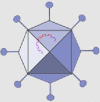
|
Engineered viruses (such as adenovirus) with attenuated replication carrying genes encoding pathogen antigens. | Viral vector has an intrinsic immune activation effect. Most people have pre-existing immunity to adenovirus. Its immune effect and safety need to be further improved. |
VLP vaccine 
|
Structural proteins are co-expressed to form non-infectious particles as the vaccine immunogen. | VLPa vaccine resembles real virions but lacks the virus genome. It has the advantages of safety, stability, structure order, suitable size, and surface modification. |
VLP, virus-like particle.
When vaccinated by subcutaneous or intramuscular routes, the subunit vaccine should first be delivered to immune-specialized organs, namely secondary lymphoid tissues (the lymph nodes). The vaccines were taken up, processed, and presented by antigen-presenting cells (APCs), including dendritic cells (DCs), macrophages, and B cells. APCs were then activated to stimulate T cells to evoke antigen-specific immunity against pathogen invasion. Based on the principles that govern immunity, we proposed that subunit vaccines need to go through the seven critical cascade steps to achieve spatial and temporal delivery (Fig. 1). The cascade means each stage derives from or acts upon the product of the preceding. The accumulation of vaccines in lymph nodes (step 1) can promote their interaction with immune cells to achieve specific cell targeting (steps 2 and 3). Similarly, after being recognized by the target cells, vaccines need to be efficiently internalized (step 4) to be processed and cross-presented (step 5). The antigen-major histocompatibility complex (MHC) obtained from antigen presentation (step 5), as an indispensable first signal, can be recognized by T cell receptors (TCRs) to activate T cells (step 6). At the same time, regulating antigen release kinetics to control temporal delivery may involve the above six spatial delivery cascade steps.
Figure 1.

Schematic illustration of the immune cascade process of subunit vaccines.
During this immune process, the critical challenge is that the vaccine must be delivered to the right places in the proper form. Each step in this immune cascade deserves a comprehensive study to develop effective vaccine systems for amplifying vaccine potency. Current researches often focus on one step in the cascade, ignoring the connection and progression of multiple steps in the entire immune process. The overall efficacy to induce potent subunit vaccine immunity is a multiplying product of efficiencies of each step. Therefore, improving multiple cascade steps and even the whole process is a potential challenge for subunit vaccine design. With the development of nanotechnology, various nanomaterials are beneficial for subunit antigen and adjuvant loading and co-delivery. Meanwhile, appropriate vaccine delivery technologies can change the fate of vaccines in vivo and intracellular trafficking13. Understanding and addressing the above immune cascade obstacles and delivery dilemmas of subunit vaccines can refine rational design principles. According to the vaccine design principles, the tailored vaccine formulations may realize effective immune protection with high precision, efficiency, and stability.
In this review, we analyzed the advanced subunit vaccine delivery technologies from the point of vaccine cascade steps after subcutaneous or intramuscular administration, including lymph node targeting, DC subset targeting, B cell modulation, antigen uptake, antigen cross-presentation, regulating APCs to stimulate T cells and antigen release kinetics. The above steps could be improved by optimizing the features of delivery carriers, antigen and adjuvant binding manners, and release properties. We have summarized advanced vaccine design strategies for each vital step. The promises and challenges of the versatile delivery strategies were also discussed. We hope to provide a spark of thought in the field of subunit vaccine design and offer new ideas for exploring the next generation of vaccines.
2. Vaccine delivery strategy
2.1. Lymph node targeting
Vaccines are typically administered peripherally, whereas the adaptive immune responses occur in lymph nodes, which are the vital residence for immune cells, including APCs, CD4+ T cells, and CD8+ T cells14. Transporting antigens from peripheral tissues to lymph nodes through the lymphatic system is a prerequisite for the vaccine. Compared with peripheral tissues, lymph nodes contain abundant immune cells, especially CD8α+ DCs and CD169+ macrophages. They both can cross-present antigens15,16, whereas Langerhans cells and dermal DCs in peripheral tissues cannot17. Therefore, targeting lymph nodes makes vaccines interact more quickly and directly with immune cells to amplify immune activation.
Intralymph node vaccination is a straightforward method to deliver antigens and adjuvants into the lymph node for manipulating immunity in situ. This administration can reduce the dose of antigen and adjuvant, improving immune protection18,19. In one study, microparticles loaded with antigen and toll-like receptor (TLR) 3 ligand poly (inosinic:cytidylic acid) were fabricated to inject into the lymph node for sustained release, leading to increased accumulation of antigens and adjuvants in lymph node resident APCs for immune activation20. Intranodal injection typically requires a dye to visualize the lymph nodes, such as Evans blue or indocyanine green21. However, intranodal injection also causes lymph node structure damage, and the injection volume is limited.
The diffusion-based lymph node targeting means subcutaneous injection followed by lymphatic drainage to lymph nodes, which needs to design the vaccine preparation rationally22. The particles smaller than 10 nm tend to enter vascular capillaries, while particles larger than 100 nm cannot enter the lymphatic system via water channels in the interstitium. Thus, the particles with a size of 10–100 nm can effectively enter the lymphatic system to achieve lymph node targeted delivery22. Jiang et al.23 prepared aluminum hydroxide nanoparticles of about 50 nm, which can effectively drain to lymph nodes for uptake by DCs and macrophages. This nano-sized aluminum hydroxide particles boost a more robust CD8+ T cell response against tumors than the traditional aluminum hydroxide gel. In addition, the interstitium is mainly composed of negatively charged mucosaccharides24. Therefore, carriers with positive charge tend to become trapped in the interstitium and cannot enter lymphatic capillaries. Carrier surface modification by hydrophilic materials like polyethylene glycol (PEG) leads to more efficient movement through water channels to the lymph node25. Sites with higher interstitial pressure and faster interstitial flow were more favorable for lymph node targeting14. The driving force of vaccine movement along the lymphatic system is the pressure difference between the peripheral interstitium and the draining lymph node. The pressure inside the lymph node is low, so creating a higher interstitial pressure at the injection site can accelerate the flow rate to realize vaccine drainage to lymph nodes14. These points can be considered in designing lymph node-targeted vaccines.
Some active targeting strategies have been recently used to realize lymph node targeting. Endogenous albumins drain from the interstitium and then return to the systemic circulation through lymphatic vessels26. Subunit antigens or adjuvants were conjugated to endogenous albumins preferentially drained to lymph nodes27,28. Albumin binding moieties (ABMs) are lipids and lipophilic materials such as fatty acids, diacylglycerols, phospholipids, cholesterol, and α-tocopherol27, holding different albumin-binding affinity and lymph node accumulation performance. The ideal ABMs should keep a balance between albumin-binding affinity and dissociation. Liu et al.28 compared the adsorption capacity of cholesterol, 1,2-distearoyl-sn-glycero-3-phosphoethanolamine (DSPE), stearyl, and other lipid materials for albumin hitchhiking, confirming that DSPE showed the best albumin hitchhiking and increased lymph node accumulation. In a recent study, a click chemistry reaction-based active-targeting delivery technology to promote the vaccine targeting to the lymph nodes was proposed29. Firstly, the precursor DSPE-PEG-azide is subcutaneously injected. The DSPE moiety has a high affinity to endogenous albumins and recycles them back to veins by lymphatic circulation. Therefore, the DSPE-PEG-azide migrates to lymph nodes by the albumin hitchhiking and then translocates from albumins to the lymphatic endothelial cells exposing their azide group. Next, the dibenzocyclooctyne (DBCO)-conjugated liposomes (loaded with antigens and adjuvants) are subcutaneously injected at the same site. DBCO specifically binds to DSPE-PEG-azide via a click chemistry reaction, leading to vaccine accumulation in the lymph node. In addition, high endothelial venules (HEVs) as highly specialized blood vessels found mainly in the lymph nodes30, which can serve as a lymph node delivery target. Peripheral node addressins (PNAds) are sulfated and fucosylated glycoproteins specifically expressed on HEVs and can be recognized by the MECA79 and MHA112 monoclonal antibodies31,32. Therefore, engineering these antibody-modified particles provides an idea to produce marked accumulation in draining lymph nodes32.
For larger particles, take the example of aluminum adjuvants. They recruit immune cells to the administration site to capture antigens, followed by cell maturation and migration to the lymph nodes through a DC-dependent homing pathway. This cell infiltration in the injection site can be called “reverse targeting”12. In drug delivery systems, targeted delivery means driving specific cells away from the peripheral injection sites to other specific sites. Although the number of peripheral immature DCs does not compare with that of other phagocytic cells33, recent studies have shown that such delivery mode can also induce powerful and durable immunity and antitumor effects due to modulating local immunization microenvironments34,35. These particles up-regulated chemokine secretion, such as monocyte chemoattractant protein, eotaxin, and macrophage inflammatory protein, driving continuous APC recruitment. DC migration to lymph nodes is mediated via CC-chemokine receptor 7 (CCR7), which responds to a chemotactic gradient of CCR7 ligands, CCL19 or CCL21, in the lymphatic vessel36. A novel lymph node targeting micelle was constructed to increase CCR7 expression and facilitate DC migration to lymph nodes. The ovalbumin (OVA) and plasmid DNA encoding CCR7 were co-deliver to the cytoplasm of DCs, which finally showed enhanced cellular immunity and tumor inhibition in animal models37. The lymphatic vessels own a discontinuous basement membrane and lack tight junctions, which provide channels for larger particle transit. Interestingly, Song et al.38 designed a nanovaccine targeting lymph nodes based on the above two approaches. The properly designed nanovaccines were about 330 nm with self-adaptive deformability, which can adjust the size to pass through the endothelial gaps to the lymph node (intercellular pathway). Additionally, some relatively large particles can remain at the injection site for APC internalization and migration to the lymph node (intracellular pathway). This two-pronged approach yielded the high-efficient lymph node delivery and immune responses. The relationships between deformability and size are needed for further exploration to enhance lymph node drainage.
The vaccine delivery strategies towards lymph nodes are summarized in Fig. 2. We use fluorescent molecules to visualize the arrival of vaccine antigens to the lymph node. However, the intensity of fluorescence-labeled antigens is often unknown, making it impossible to quantify the amount of antigen reaching lymph nodes effectively. New technologies or commercial fluorescence-labeled antigens may remedy this deficiency. Additionally, most work only assesses vaccine accumulation in adjacent lymph nodes, ignoring that in distal lymph nodes and other organs. Further studies should also focus on the distribution kinetics of distal lymph nodes and other organs. The researchers can also find more targets for active lymph node targeting, which can be combined with passive lymphatic drainage to achieve synergistic and superior immune effects.
Figure 2.

Vaccine delivery strategies for lymph node targeting. Intranodal injection ensures antigens and adjuvants to directly inject into the lymph node for manipulating immunity in situ. Diffusion-based lymph node targeting and large particles-based cell recruitment were often used to realize lymph node delivery. Active targeting strategies based on endogenous albumins and high endothelial venule-targeted antibody modification also provide new ideas to produce marked accumulation in lymph nodes.
2.2. Targeting of DC subsets
The APCs are the crucial cells bridging the innate with the adaptive immunity39. DC is the only APC that activates naïve T cells, the main targets for vaccine design40. Because various DC subsets have different immune functions, future vaccine designs need to activate specific DC subsets to achieve desired immune responses. Ligand modification of vaccine is the typical DC targeting strategy to facilitate interaction with DC subsets of interest41.
Human blood DC subsets and skin DC subsets express different TLRs and induce different adaptive immune responses40. Conventional DCs (cDCs) comprise two subsets of cDC1s and cDC2s according to the ontogeny and function42. The delivery of antigens to cDC1s or cDC2s causes antigenic peptide presentation to MHC class II molecules. cDC1s secrete interleukin (IL)-12, and cDC2s secrete IL-10 and IL-33 to initiate the polarization reaction of helper T (Th) cells from Th0 to Th1 or Th2 direction, respectively43. Targeting Xcr1, C-type lectins Clec9a and DEC-205 surface receptors can promote antigen delivery to cDC1s. Targeting DCs-inhibitory factor 2 and TLR5 surface receptors can enhance antigen delivery to cDC2s, and targeting CD11c delivers antigens to two DC subsets43. The choice of target receptor also affects the polarization of IgG antibodies (Fig. 3)43.
Figure 3.

Targeting dendritic cell (DC) subsets and their effects on the humoral response polarization. (A) Xcr1, Clec9a, and DEC-205 are the main receptors for cDC1 targeting, while DCs-inhibitory factor 2 and toll-like receptor (TLR) 5 can be used for cDC2 targeting. Targeting CD11c can deliver antigens to the cDC1s and cDC2s. (B) The antigen delivery to cDC1s or cDC2s causes antigenic peptide presentation to major histocompatibility complex (MHC) class II. The cDC1s secrete IL-12 to drive Th1 polarization, while cDC2s secrete cytokines such as IL-10 and IL-33 to evoke Th2 polarization. (C) Th cells secrete interferon-γ to promote the secretion of IgG2a antibody or IL-4 to facilitate the secretion of IgG1 antibody in the germinal center. Th cells can also induce the affinity maturation of antigen-specific B cells and promote the formation of plasma cells by IL-21 secretion, thus producing high-affinity antibodies. Reprinted with the permission from Ref. 43. Copyright © 2019 Frontiers Media S.A.
CD8α+ DCs and plasmacytoid DCs (pDCs) are essential DCs located in lymphoid organs for vaccine design. CD8α+ DCs are critical for the cross-presentation of exogenous antigens44. Mesoporous silica nanoparticles of various pore sizes were reported to be captured by CD8α+ DCs in the lymph node to realize effective cross-presentation of antigens45. The pDCs are the main cells to secrete type I interferon (IFN)46, which induce naïve T cell differentiation to Th1 cells and trigger antigen cross-presentation for facilitating a cytotoxic T lymphocyte (CTL) response47,48. In addition, the skin also contains many immune cells, especially various DC subsets. Resident skin Langerhans cells, acting as epidermal DCs, can regulate various T cell responses that induce Th2 and Th17 cell proliferation49. Dermal DCs can present autoantigens to maintain peripheral tolerance. However, when they confront pathogens, dermal DCs upregulate costimulatory molecules, thereby activating antigen-specific T-cell responses. Two important subsets of dermal DCs in mice are CD103+ and CD11b+ DCs41. CD103+ DCs express Langerin, Clec9A, TLR3, and Xcr141, which enhance antigen cross-presentation, driving the differentiation of Th1 and Th17 cells. CD11b+ DCs express DEC-205 but do not express Langerin50, which is the most abundant DC subset in the dermis and is mainly involved in MHC class II-restricted antigen presentation to lead regulatory T cell and Th cell responses.
In addition, particle physical features, like size or shape, may also be designed for targeting distinct DC subsets41. Although the implications of size on DC internalization and activation have been explored extensively, the effects of these parameters on DC subsets have not been definitively determined. Studies have found that cationic particles can trigger TLR4 signaling priming51. The cationic particles can induce the generation of reactive oxygen species (ROS), which are crucial signals in TLR4-dependent inflammatory response. Thus, DCs with high expression of TLR4 is more easily stimulated by cationic carriers. Other studies have revealed that bone marrow-derived DCs are more likely to internalize nano-discs than nanorods in vitro52. The nano-discs, compared with nanorods, provide larger surface-contact areas with cell membranes and require less strain energy for cell membrane bending around particles. We should further explore whether the feature variations impacting DC subset targeting observed have in vivo relevance. More research is still needed to develop strategies for targeting specific DC subsets and elucidate the mechanisms of different immune responses induced by specific DC subsets.
2.3. B cell modulation
B cells-based humoral immunity plays an indispensable role in the immune system. Vaccines for protection from microorganisms always need to provoke high-affinity and long-lasting antibody responses, which involve B cells in the germinal center of lymph nodes53. B cells also contribute to adaptive immune responses by functioning as professional APCs54, which is often overlooked. B cells recognize antigens through B cell receptors (BCRs) with high affinity55, enabling B cells to capture and process antigens in settings of low antigen abundance compared with other APCs. Moreover, B cells exert a multifunctional immune effect, such as presenting antigens, secreting antibodies and cytokines, and even directly inducing tumor cell lysis56. Upon activation by antigens, B cells can differentiate into plasma cells to provoke antigen-specific antibody secretion. The tumor-specific antibodies have been proposed as biomarkers for disease diagnosis, which are related to the positive prognosis of various tumors57. B cells can also secrete various cytokines to participate in anti-tumor immunity, such as tumor necrosis factor-α, IL-2, IL-17, IFN-γ, etc.58. In addition, B cells express granzyme B and the first apoptosis signal (Fas) ligand to lyse tumor cells directly59.
Recently, B cells have shed light on the formation and functionalities of tertiary lymphoid structures (TLSs), which are ectopic lymphoid tissues developing in tumor tissues and chronic inflammatory lesions60. TLSs are directly infiltrated into the inflammatory pathological environment to act as tumor-draining lymph nodes, which can more conveniently and quickly initiate anti-tumor immunity. B cells were investigated to maintain the TLS function relevant to positive prognosis and responses to immunotherapy61. TLSs are similar to the secondary lymphoid tissues of the body, with abundant B cells, T cells, and DCs. TLSs contain germinal center-like structures where B cells undergo activation, proliferation, antibody class switch, and somatic mutation. Subsequently, these activated B cells were differentiated into plasma cells producing tumor-associated antigen-specific IgG or IgA antibodies in situ62. Macrophages and natural killer cells can bind antibodies to perform antibody-dependent cell-mediated cytotoxicity against tumor cells. Therefore, B cells are important cells for tumor vaccines targeting TLSs. Increasing the formation of TLSs in tumors, promoting B cell differentiation, and anti-tumor antibody secretion are essential procedures to improve anti-tumor B cell immune responses. However, the role of B cells in nano/biomaterial-assisted tumor immunotherapy has not received enough attention so far. In view of the potential of B-cell immunotherapy, boosting anti-tumor B-cell immunity will complement and synergize with T-cell immunity, reshaping the future tumor vaccine design.
Next, we discuss the effects of the physicochemical properties of vaccines on B cell modulation for humoral immunity. Soluble proteins or small particles can directly drain to the B cell follicles in the lymph node63. Larger nanoparticles need subcapsular sinus macrophages or follicular dendritic cells (FDCs) in the B cell follicles to capture and transfer antigens for B cell activation64,65. Zhang et al.66 investigated the impact of particle sizes on antigen retention by FDCs and presentation for B cells. Particles smaller than 15 nm are easily removed, while particles larger than 50 nm can be retained by FDCs for B-cell activation and induce stronger humoral immunity. Although the size range of the vaccine is an essential design criterion, it is not generalizable and is determined by multiple properties of the vaccines and other factors53. Tokatlian et al.67 prepared glycoengineered multivalent protein nanoparticles. It demonstrated that glycosylation is pivotal to enhancing accumulation in B cell follicles to produce humoral immunity. The nanoparticles were shuttled to the FDC region and then located in germinal centers by a mannose-binding lectin-mediated innate recognition. In addition, appropriate spacing and high-density epitopes to simulate the arrangement of spike proteins on viruses can also generate a B cell response53. Displaying repetitive antigen structures on the surface can enhance the crosslinking of BCRs for effective B cell activation68. The strategy of stimulating B cells by polyvalent antigen display was initially implemented by virus-like particles (VLPs). VLP-based vaccine for recombinant hepatitis B surface antigen was approved by the US Food and Drug Administration (FDA)69. VLPs can present spike proteins and other viral surface components and thus exhibit linear or conformational repeating epitopes. The B cell recognition subsequently induces B cell stimulation and MHC-II upregulation, promoting the production of high-titer and specific antibodies70,71. Recently, several studies demonstrated that self-assembling ferritin nanoparticles are perfect carriers for surface subunit antigen display72,73. Interestingly, a ferritin nanoparticle subunit vaccine displaying severe acute respiratory syndrome coronavirus two spikes produced neutralizing antibodies after only one immunization74. The ferritin nanoparticles were reported to be captured by lymphatic sinus-associated SIGNR1+ macrophages to activate B cells75. Moyer et al.76 also engineered subunit antigens with repeating phosphoserine residues to bind strongly to the aluminum adjuvant. The antigen-decorated alum particles showed multivalent and oriented antigen display, upregulated antigen presentation, and amplified B cell activation.
Furthermore, viruses and many vaccine delivery systems contain pathogen-associated molecular patterns (PAMPs), like TLR ligands, that can amplify antibody responses. TLRs, such as TLR4, TLR7, or TLR9, are also expressed on B cells, mediating the adjuvant activation effect of relevant TLRs77, 78, 79. Zilker et al.80 found that surface-modified protein antigens of 100 nm calcium phosphate nanoparticles form a VLPs-like structure to target and activate antigen-specific B cells. Further modification with TLR ligands can regulate the IgG subtype antibody production and IgA antibody secretion. CD40 is a crucial B cell maturation molecule, which can be stimulated for vaccine design81. Lu et al.82 investigated that extracellular vesicles (EVs) purified from activated CD4+ T cells in vitro markedly evoke B cell activation, amplification, and antibody production. CD4+ T cell EVs can directly bind to B cells to promote uptake in vitro. The CD40 ligand expressed within CD4+ T cell EVs may be essential in EVs-induced B cell immunity. Therefore, B cell activation can be obtained by particle size optimization, glycosylation, multivalent antigen display on the nanoparticle surface, PAMP presentation, and CD40 ligation (Fig. 4). The B-cell-specific moloney murine leukemia virus insertion site-1 (BMI-1) is a polycomb group protein regulating cell proliferation and germinal center development83. The research investigated that the immune modifier BMI-1 in germinal center B cells was upregulated in chronic viral infection, suggesting it can be a target for improving humoral responses against virus84. This study can provide new ideas and methods for the B-cell modulation vaccine design to improve a B-cell response.
Figure 4.

B cells exert multifunctional immune effects: antigen presentation, antibody secretion, cytokine secretion, tumor cell lysis, and tertiary lymphoid structure (TLS) formation. B cell activation can be achieved by particle size optimization, glycosylation, multivalent antigen display, pathogen-associated molecular patterns (PAMP) presentation, and CD40 ligation.
2.4. Antigen uptake by APCs
The vaccine antigen needs to be efficiently internalized by APCs to initiate the subsequent immune cascades. Uptake by APCs depends on parameters of the delivery vectors, such as size, surface charge, shape, roughness, hydrophobicity, hydrophilicity, and interactions between receptors and ligands. Particle size is pivotal for effective antigen internalization by APCs. Antigens are encapsulated into nano/micro-particles that can form pathogen-sized particles or protein aggregates. APCs can more efficiently ingest them than soluble antigens63. Cell membranes are negatively charged phospholipid bimolecular structures, so positively charged nanoparticles or particles modified with positive cell-penetrating peptides (CPPs) tend to interact with cell membranes and induce higher internalization85,86. Given the similarity compatibility principle of lipid composition, vaccines composed of lipid structures or nanoparticles camouflaged with lipid structures, such as liposomes, EVs, or bacterial membrane vesicles, exhibited improved antigen uptake and presentation87,88. EVs contain the same compositions as the parent cells, such as proteins, lipids, and nucleic acids. They exert similar functions and play an important role in intercellular communication and immune function regulation89. Liu et al.90 fused DCs and cancer cell membranes as a tumor vaccine, allowing the nanovaccine to possess functions like APCs for efficient homologous uptake and T-cell activation.
In general, the nanocarriers are often spherical particles. It has been shown that longer particles can more effectively attach to the cell membrane to elicit endocytosis91, and rod-shaped particles exhibit higher specific uptake than spherical particles due to the enhanced binding to the cell membrane92. Chen et al.93 developed various pollen-mimetic metal–organic frameworks (MOFs) with different aspect ratios of the nanospikes. They found that the MOFs with a higher aspect ratio attached to the cell membrane easily, resulting in more efficient phagocytosis in macrophages and more robust immune responses. Xue et al.94 fabricated rough-surface silica nanoparticles via hydrofluoric acid etching during the preparation process, which induced 4.2-fold internalization than smooth-surface silica nanoparticles on APCs. The rough surface properties of nanoparticles are more conducive to cellular uptake may attribute to the larger surface area.
In addition, specific ligand modifications can bind to receptors on the surface of APCs, thereby improving particle internalization. Pattern recognition receptors (PRRs) expressed on DCs are popular choices for DC targeting95. Modifying nanovaccines via DEC-205, DC-SIGN(CD209), scavenger receptors, Clec9, CD40, CD11c, and other receptors increases rapid internalization and presentation by DCs96, 97, 98, 99, 100. These methods can enhance the uptake process generally by receptor-mediated endocytosis or phagocytosis. However, DCs can also capture antigens via a macropinocytosis pathway for enhanced antigen presentation. Macropinocytosis is an actin-dependent process by forming large endocytic vesicles (up to 5 μm in diameter) to mediate internalization, which is more efficient than other endocytic pathways101. Zhou et al.102 focus on the macropinocytosis pathway-mediated DC uptake. They prepared a biomimetic nanovaccine containing a phospholipid membrane camouflaged poly(lactide-co-glycolide) (PLGA) core with apolipoprotein E3 incorporation. The DC uptake of apolipoprotein E3 incorporated vaccines was 2.37-fold higher than that of nanoparticles without modification. This remarkable internalization via a macropinocytosis pathway facilitated antigen presentation and immune activation.
Recently, a strategy that simulates the interaction between natural pathogens and immune cells also provides a platform for improved antigen uptake. Pathogens generally bind to the cell membrane and squeeze through intercellular gaps to penetrate tissue due to their softness and flexibility, invading the host system103. Therefore, the elasticity of nanoparticles can be tuned to modulate cellular uptake. Zou and Xia et al.104,105 have designed particle-stabilized Pickering emulsions with fluidity and pliability, which can mimic pathogens’ configurational and deformation flexibility. These novel emulsions have large deformability and increase the cell contact area, thus being efficiently internalized by APCs.
2.5. Antigen cross-presentation
Upon uptaken by APCs, antigens are processed into peptides, which combine with MHC molecules and transport to the surface of APCs for recognition by TCRs. MHC-II molecules participate in the processing and presentation of exogenous antigens to activate CD4+ T cells. In contrast, MHC-I molecules participate in the processing and presentation of endogenous antigens to activate CD8+ T cells106. Subunit antigens are exogenous antigens and are easily presented by MHC-II molecules. Efficient cross-presentation could achieve exogenous subunit antigens presented by MHC-I molecules to generate CD8+ T cell responses, fighting against cancer and chronic viral infections107. The antigen cross-presentation of DCs can be divided into two main pathways: cytosol pathway and vacuolar pathway108. In the cytosol pathway, antigens are delivered to the cytoplasm and degraded into an antigenic peptide by the proteasome. The antigenic peptide is transported to the endoplasmic reticulum (ER) and combined with MHC-I molecules for recognition by T cells. As for the vacuolar pathway, antigen processing and assembly with MHC-I molecules proceed in phagosomes.
Soluble protein antigens are generally not effectively cross-presented, while MHC-I class presentation can be obtained by versatile nano/microparticle encapsulation. During the maturation of the endosome, the proton pump on the membrane will transfer a large number of protons from the cytoplasm to the endosome, making the endosome environment acidic. Liu et al.109 presented a pH-responsive vaccine with a rapid intracellular antigen release manner in APCs. After capture by APCs, pH-responsive facilitates the disintegration of nanoparticles, and the encapsulated antigens could escape from the endosome for cross-presentation, promoting robust cellular immunity. Some cationic materials, such as polyethyleneimine (PEI), possess a proton sponge effect110 and can protonate to allow chloride ions and water to enter the endosome, eventually bursting the endosome and releasing the contents into the cytoplasm. Similarly, other cationic polymers, such as CPPs, 1,2-dioleoyl-3-trimethylammonium-propane, and poly(l-histidine)-PEG can also realize endosome escape to elicit cross-presentation111, 112, 113. However, cationic polymer-based nanovaccines may hold the lymphatic interstitial drainage barriers and cell toxicity issues107. Rational vaccine design should keep a balance between antigen cross-presentation and safety issues.
Among APCs, DCs outperform other APCs exhibiting effective antigen cross-presentation, which attributes to their insufficient endosomal protease activity and relatively alkaline environment114,115. Chloroquine and NH4Cl can promote the cross-presentation of DCs by alkalization of the endosome, which inhibits the endosomal protease activity to delay antigen degradation113,116. In addition, physical stress from generated CO2, photochemical internalization (PCI), and morphological transformation to mechanically puncture endosome also promote the endosome escape and antigen cross-presentation117 (Fig. 5). Wang et al.118 prepared a vaccine delivery vector based on CaCO3. When CaCO3 enters the acidic endosome, it can be broken down to release CO2 to dilate the endosome and significantly increase antigen cross-presentation. Nanoparticles loaded with photosensitizers could respond to the light of specific wavelengths, producing ROS to generate endosomal rupture, called PCI strategy119. Ji et al.120 exhibited AlPcS2a as a photosensitizer to elicit light-induced rupture of the endosome to potentiate the MHC-I presentation to CD8+ T cells. This antigen-loaded vaccine with 1.5 J/cm2 irradiation obtained a 5-fold increase of cross-presentation than free antigens. Gong et al.121 designed a proton-driven nanotransformer-based nanovaccine. The spherical particles with a size of about 100 nm at pH 7.4. The acid-cleavable groups were cleaved in an acidic endosome (pH 5.6), and spherical particles re-assembled into nanosheets (several micrometers in diameter). The nanosheets mechanically disrupted the endosomal membrane to realize cytoplasmic antigen delivery, inducing a robust CD8+ T cells-based anti-tumor immunity. Many existing strategies to promote antigen cross-presentation are to cause lysosomal dysfunction. However, it has been reported that the physiological autophagy process may improve antigen cross-presentation23. Autophagy contributes to the formation of a compartment where antigens are retained, prolonging antigen storage instead of rapid degradation by lysosomes. Importantly, reasonable control of lysosomal dysfunction should be considered to ensure the normal physiological function of cells.
Figure 5.

The illustration of antigen presentation process in DCs. MHC-II presents exogenous antigens to activate CD4+ T cells, while endogenous antigens combine with MHC-I to activate CD8+ T cells. In addition, exogenous antigens can escape from the endosome to be presented by MHC-I, which is called cross-presentation. The antigen cross-presentation of DCs is divided into the cytosol and vacuolar pathways. The antigen cross-presentation can be achieved by alkalization of the endosome, endoplasmic reticulum-targeted delivery, proton sponge effect, physical stress from generated CO2, photochemical internalization, or morphological transformation to mechanically puncture endosome.
In DCs, ER is involved in synthesizing MHC molecules, processing antigenic peptides, and assembling peptide-MHC complexes113. Cationic polypeptide pardaxin has hydrophobic and pore-forming properties, which can insert into phospholipid bilayers and rapidly localized to the ER122,123. Shi et al.124 showed an ER-targeted delivery strategy by pardaxin modification to facilitate the cross-presentation of DCs, remarkably evoking cellular immunity in cancer immunotherapy. The underlying mechanisms to promote ER accumulation are caveolin-mediated endocytosis and undergoing ER-associated degradation machinery coupling instead of entering lysosomal degradation. The Golgi apparatus has also been suggested as a promising intracellular target for vaccine researches125. There are few studies on ER and Golgi apparatus targeting strategies to improve antigen cross-presentation.
2.6. Regulating APCs to activate T cells
Regulating APCs to activate T cells is the most vital step for adaptive immunity. Adjuvants are indispensable components for subunit vaccines to generate or improve immune activation. Co-delivery of antigens and adjuvants to the same APC has also been proposed as a key to immune activation126. The addition of adjuvants may influence antigen uptake and presentation processes. At the same time, immunomodulatory molecular adjuvants serve as PAMPs to regulate the activation of APCs, further inducing the secretion of antibodies and cytokines and assisting in different types of T cell responses127. A kind of adjuvant often induces an insufficient immune effect, but the combination of multiple adjuvants can exert their respective advantages to synergize or amplify the immunity. A bi-adjuvant vaccine co-delivered neoantigen with TLR7/8 agonist and TLR9 agonist was prepared for efficient cancer immunotherapy128. The dual adjuvants performed synergistic immune improvement by stimulating MyD88 and cascade signaling pathways. It should be noted that the antigens and adjuvants with different hydrophilic and hydrophobic characteristics may require precise regulation of carriers to ensure effective co-delivery. The amphiphilic emulsions, micelles, and lipid structures are common carriers for co-encapsulating different hydrophilic and hydrophobic antigens and adjuvants.
To elicit an antigen-specific immunity, the first and second signals for T cell priming provided by mature professional APCs are indispensable. However, the failure of APC maturation and the temporal and spatial limitations between APCs and T cells hinders the stimulation of T cells129. The artificial APCs (aAPCs) that mimic the functions of natural APCs to activate T cells directly are created. The engineered aAPCs should be decorated with peptide-MHC complexes and costimulatory molecules to provide the first and second signals for T cell activation129. The size, shape, ligand modification, and mobility of aAPCs can also be optimized to stimulate T cells130. Xiao et al.131 prepared imiquimod-loaded PLGA nanoparticles coated with DC membrane and modified with anti-CD3 antibodies. DCs were pretreated with antigens, IFN-γ, and lipopolysaccharide to naturally express CD28 costimulatory molecules and peptide-MHC complexes. The nanosized aAPCs exhibited superior accumulation in the lymph node and activated T cells to potentiate cancer immunotherapy. Sun et al.132 fabricated natural aAPCs for lymphocyte-based homologous targeting. The peripheral blood-derived lymphocytes were modified with peptide-MHC and CD28 antibodies by lipid-DNA-mediated live cell surface engineering. The constructed aAPCs migrated to the lymph node and spleen to activate antigen-specific cellular responses. The OT-I mice adoptive transfer experiment verified that aAPC induced 8-fold CD8+ T cell expansion than a free peptide-MHC + CD28 antibody. Overall, the aAPCs based on nanoparticles or living cells offer a new platform to potentiate T cell activation. Nevertheless, the low expression and modification efficiencies of immune signal molecules on aAPCs still cannot fully simulate the normal physiological functions of APCs in vivo. In particular, aAPCs based on nanoparticles can also be captured by other phagocytes, which may compromise the efficiency of priming T cells.
In the fight against pathogens, the immune system has gradually evolved with recognition and immunity against pathogens to defend against pathogen invasion and re-infection. The surface structures of pathogens are made of highly repetitive structures called PAMPs133. Therefore, the pathogen-mimicking vaccines were explored to facilitate robust immune protection. The optimized pathogen-mimicking carrier is required to possess pathogen characteristics: being foreign substances to the body, maintaining nano/microparticles, loading abundant antigens, and most importantly, carrying PAMPs to interact with PRRs on immune cells to provide danger signals and activate the immune system134. Pathogen-mimicking vaccine delivery vectors are mainly biogenic self-assembly systems and synthetic particles135. The biological systems mainly include VLPs, bacterial outer membrane vesicles (OMVs), double-layer membrane vesicles (DMVs), and skeletal carriers of bacteria and fungi. VLPs are self-assembled nanoparticles formed by viral capsid proteins, which can mimic the conformation of the original virion structure and display high-density antigens on the surface. Zhao et al.136 fabricated hepatitis B core VLPs displaying flagellin to obtain enhanced immunogenicity and systemic safety of flagellin. OMVs are 30–200 nm monolayer lipid vesicles secreted by gram-negative bacteria, carrying bacterial lipopolysaccharides, glycerophospholipids, and some proteins, which have intrinsic immune stimulation function137. Escherichia coli-derived OMVs camouflaged gold nanoparticles retain complex components of bacteria and mimic the mode they present natural antigens to the immune system, which is a new way to design antibacterial vaccines138. In addition, Pseudomonas aeruginosa was mechanically broken into DMVs formed by self-assembly, which contained relevant antigens and immune stimulation components with adjuvant effect139. Guo et al.140 used silica nanoparticles encapsulated with P. aeruginosa lysate and coated with bacterial DMVs to obtain a pathogen-mimicking vaccine, successfully protecting mice from different strains of pathogen infection. Ni et al.141 reported a bionic vaccine carrier by hydrothermal treatment of Lactobacillus, removing the internal contents and forming holes. It maintained the form of the pathogen and retained N-acetylglucosamine, an identified ligand of mannose receptor, on the surface. This hollow and porous architecture effectively co-encapsulates antigens and adjuvants. Their bacterial morphology and PAMP presentation contribute to potent immune activation. Zheng et al.142 directly fabricated a synthetic bacterium-mimicking vector using components derived from the bacterial cell wall, flagellum and nucleoid, which trigger TLR4, TLR5, TLR9, and nucleotide-binding and oligomerization domain (NOD)-like receptors 2 signaling pathways.
Mannan and β-glucan are common fungal polysaccharides, which can be recognized by C-type lectin receptors on macrophages and DCs143. Saccharomyces cerevisiae baker's yeasts were treated with acid and base to obtain hollow and porous yeast cell wall skeleton, called β-glucan particles (GPs), which serve as ideal pathogen-mimicking vectors to generate APC activation144. GPs loaded with tumor lysate and TLR9 agonist CpG to fabricate a pathogen-mimicking vaccine145. The engineered vaccine significantly improved costimulatory molecule expression and cytokine secretion than treated with free antigen. The activation was mediated by β-glucan recognizing dectin-1 receptor, complement receptor 3, and the NOD-, LRR- and pyrin domain-containing protein 3 inflammasome, which induced superior anti-tumor immunity than commercial aluminum adjuvant. Xu et al.146 reported mannan-decorated polylactic acid-PEI assembled nanoparticles displaying antigen and CpG. The pathogen-like vaccines enhanced delivery to the CD8+ DCs in the lymph nodes to elicit remarkable tumor immunotherapy potency.
For pathogen-mimicking subunit vaccine design, mucosal administration may be more appropriate. Because the pathogens often invade the body through the mucosal routes, such as the oral cavity, nasal cavity, and vagina147. Training the immune system in advance by simulating the pathogen morphology or invasion mode is more in line with the natural infection process. Unfortunately, there are ciliary movement clearance, mucus, and epithelial barriers in the mucosal immune system, which often hinder mucosal vaccine-induced immunity148,149. Mucosal subunit vaccines based on pathogen-mimicking design strategies are relatively more complicated, with multiple obstacles to be considered.
2.7. Regulating antigen release kinetics
It often takes weeks for the acute infection to evoke immune responses, during which antigen signals continuously stimulate the immune system. Antigenic kinetics is essential for inducing effector T cells with a potentially protective effect and memory T cells150. Exposure to too few antigens, such as in the case of human papillomavirus infection, often does not obtain an effective T-cell protective response. Exposure to many antigens, such as mice infected with high doses of lymphocytic choriomeningitis virus, results in T-cell exhaustion or even loss of immune function63,151. Generally, rapid initial replication followed by virus reduction to a meager amount is often thought crucial to amplify and maintain protective antiviral immunity152. Therefore, subunit antigen release kinetics of vaccines should be considered to realize protective immunity.
The rate of antigen release may affect the final immune response, but a definitive relationship has not been reached. Johansen et al.153 have exhibited that the antigenic stimulation increasing exponentially can amplify the T cell response to peptide vaccine than an initial single dose or multiple injections with equal dose, contributing to the antibody response by stimulating the germinal center formation and antibody production by B cells154. They also studied the control of antigen release time on antibody production. The result showed that the antibody elicited by the release of 14 days is more substantial than that generated by 7 days154. The germinal centers can be active for weeks or months. We suppose the sustained kinetic patterns can be temporally matched with germinal centers to enhance the capture and retention of antigens for stimulating antibody responses. Recent studies showed that regulating slow and continuous antigen exposure significantly boosts immune responses. Kapadia et al.155 designed a vaccine containing peptide antigens and adjuvants conjugated by disulfide or thioether groups to investigate the impact of antigen release kinetics on the immune responses. The cleavable disulfide linkage is designed to release drugs in the intracellular environment, while the thioether linkage is more stable at physiological pH and temperature. The thioether linkage allowed continuous antigen release and higher antitumor efficacy. Xie et al.156 used self-healing microcapsules to load the leukaemia-associated antigens and immune checkpoint inhibitors. The sustained release of cargo led to the recruitment of immune cells and antigen-specific T-cell expansion. Both studies demonstrated that continuous antigen release conduces to antigen presentation and immune responses. Some researchers hold the view that such sustained-release vaccines from peripheral depots may lead to the retention of activated antigen-specific CD8+ T cells at the administration site rather than migrating to the tumor tissue157. Rational vaccine design should consider this to optimize the immune outcome by regulating the antigen release rate or by adding chemokines and cytokines to drive the immune effector cell migration.
Different antigen package strategies or diverse delivery vectors can be selected during vaccine design to tune the antigen release rate. Liu et al.158 used cationic lipids camouflaged PLGA nanoparticles as vectors to compare the immune responses induced by three antigen-package modes of model antigen OVA. The antigen-adsorbed (out), antigen encapsulated (in), and antigen-adsorbed/encapsulated (both) particles were prepared. Among them, the “out” nanoparticles had the fastest antigen release rate and the weakest antigen reservoir effect. The “in” nanoparticles had the slowest antigen release rate and the most apparent reservoir effect. The “both” nanoparticles were in the middle but showed the best antibody response, cytokine secretion, and memory T cell response. The “both” nanoparticles can provide optimal initial antigen exposure, followed by a sustained release at the administration site. Demento et al.159 identified the effects of antigen release behaviors of different delivery vectors on their immune outcomes. Liposomes released antigens at a relatively faster rate than the PLGA nanoparticles. Liposomes secreted antibodies rapidly in the early stage, while PLGA nanoparticles elicited more memory T cell expansion and IFN-γ production. In addition, the release behavior of adjuvants co-loaded with antigens is also critical for activating APCs and triggering immunity. Shih et al.160 have focused on the timing of adjuvant release manner to guide the design of cancer vaccines. The adjuvant CpG-ODN encapsulated in vaccine scaffolds usually has an early burst release. Therefore, a vaccine platform with an ultrasound response was developed. Ultrasound stimulation triggered sustained CpG-ODN release, producing a robust antigen-specific CTL response.
Induction of protective immunity usually requires multiple immunizations, which cause injection pain and poor compliance. Thus, single injection vaccines with sufficient vaccination efficacy will be an excellent choice to increase vaccine coverage and fight infectious diseases globally14. The sustained degradation properties of polymers and the antigen activity are significant challenges in single-injection vaccine design. Choosing specific materials approved by FDA can promote clinical translation. Guarecuco et al.161 developed a single-injection vaccination by controlled-release PLGA microparticles, which released antigens in three distinct bursts and slowly degraded until 14 weeks. Additionally, the pulsatile-release vaccines could release antigens at scheduled time points to simulate the multiple bolus injections, demonstrating a promising application prospect over multiple injections. Sarmadi et al.162 showed novel injectable microparticles with a hollow core–shell structure that displayed pulsatile release behaviors by a sudden increase in porosity of the polymeric matrix, resulting in the formation of a porous path connecting the core to the environment. Yang et al.163 fabricated a photocleavable prodrug delivery system for near-infrared light-triggered drug release. Controlling the irradiation intensity and time interval can realize the quantitative pulsed drug release. Recently, microneedles are excellent carriers that precisely control antigen release rate, which can load particles with different release behaviors. Bian et al.164 developed bilayer microneedles with a dual-release behavior for continuous antigen release in the outer part and fast release of aluminum adjuvant in the inner part. Using the bilayer microneedles with differential release manners maximized the effect of aluminum adjuvants while reducing their dosage. However, the low drug loading capacity of microneedles and practical quantitative transdermal delivery of drugs are still urgent problems to be solved.
3. Discussion
The subunit vaccines reasonably design highly recombinant and purified protein or peptide antigens, which often need to be loaded by carriers or co-delivered with adjuvants to improve immune efficacy. The unique properties and requirements for subunit vaccine design generally include lymph node targeting, DC subset targeting, B cell modulation, antigen uptake, antigen cross-presentation, regulating APCs to stimulate T cells, and antigen release kinetics. Various types of vaccines often require different delivery strategies. The attenuated or inactivated pathogen vaccines generally do not require additional delivery vehicles. Moreover, attenuated vaccines do not need adjuvants because of their strong immunogenicity. Their design strategies do not involve lymph node targeting and antigen release kinetic regulation. Nucleic acid vaccines such as mRNA vaccines often focus on mRNA design and synthesis, cellular uptake, lysosomal escape, translation efficiency, and protection from nucleic acid degradation165. The mRNA can activate intracellular TLRs, so it has an intrinsic immune activation effect. The release kinetics and presentation of the translated antigen cannot be regulated by the mRNA vaccine delivery vectors.
The vaccine design strategies to address the specific issues in subunit vaccine delivery are shown in Fig. 6. We can design different versatile delivery carriers for improving the subunit vaccine efficiency based on the above ideas. A combination of multiple strategies should obtain an additive or synergistic immunity boost. Some delivery strategies may improve the optimization of multiple immune cascade steps simultaneously. The PAMP modification facilitates vaccine targeting to APCs and promotes antigen uptake and APC activation. However, some vaccine design strategies may require the opposite characteristics of the vaccine vector. For example, small and negatively charged particles with more PEGylation modification can benefit lymph node targeting. Conversely, large and positively charged particles with less PEGylation modification are more efficiently phagocytosed by DCs22,166. Therefore, it is necessary to combine the actual situation to optimize the characteristics of vaccine delivery vectors for maximum immune efficiency.
Figure 6.

Key immune cascade steps in immune process and strategies for vaccine design.
In addition to the above points, we need to consider the types of target diseases for which an immune response is required to provide adequate immune protection. The antibody is an excellent weapon to resist bacteria and other pathogenic microorganism infections, and it also has a specific neutralization effect on some viruses free from the cell. Preventive vaccines generally require a long-acting IgG antibody response, while therapeutic vaccines to treat chronic infections or cancers rely on inducing powerful CD4+ and CD8+ T cell responses167,168. Therefore, different strategies are often considered to achieve the target immune response for preventive and therapeutic vaccine design. On the other hand, it is common for animal models and human settings to have different immune outcomes. The differences in features and functions for anatomical structures, disease models, and PRR expressions between humans and mice may have vital impacts. Finally, safety is also a critical indicator to be considered. Because available vaccines are often used in healthy children or adolescents, improving vaccine safety and avoiding side effects is indispensable169. Even though subunit vaccine delivery carriers are expanding in terms of their functions and compositions, there is still a long way for them to translate into clinical applications. Many other essential issues need to be addressed, including the ability for scale-up production, the cost of commodities, cold-chain maintenance, the in vivo stability of antigens, and vector suitability for multiple antigens170. With the continuous development of artificial intelligence in cancer immunotherapy, this advanced technology gradually infiltrates into medical science to improve healthcare safety and quality171. We suppose that these existing problems may be answered using artificial intelligence technology to perform in vitro virtual screening and in vivo verification. Interestingly, machine learning has been used to predict vaccine system formulations and assist in choosing proper excipients, while the molecular dynamic simulation could study the interaction between drugs and additional components172.
In the design of a subunit vaccine, the appropriate antigen is a primary factor. Model antigen OVA is generally used in subunit vaccine studies to verify the effectiveness of delivery vectors and adjuvants. However, many discrepancies in physicochemical properties, immunogenicity, and adjuvants combined with model antigens or disease antigens, may lead to different immune cascade processes in vivo. Designing, engineering, and identifying suitable and highly immunogenic subunit antigens remain pivotal challenges. Although recombinant protein and peptide antigens have high purity and specificity, they cannot provide sufficient epitopes to produce comprehensive immune responses173. The antigens of most diseases are highly homologous proteins in vivo, and the components are heterogeneous and with high mutation rates. Therefore, new strategies have emerged, such as the structural vaccinology-based antigen design174, the discovery of personal neoantigens by sequencing technologies and computational analysis175, cell lysates as polyvalent antigens176, combining MHC-I and MHC-II epitopes into single long peptide antigen177.
In addition to vaccine delivery vectors and antigens, the selection of adjuvants is also critical for orchestrating subunit vaccine-induced immunity. The subunit antigens with low immunogenicity mainly produce humoral immune responses. The addition of an adjuvant can reduce the dose of antigens, enable a more rapid immune activation, optimize the quality and persistence of antibody responses, and promote the induction of CD4+ and CD8+ T cell immune responses127. Therefore, the appropriate adjuvant selection is crucial for subunit vaccine-induced immune responses. Vaccine adjuvants can be selected based on the needs of the target immune responses and the temporal and spatial location of their action in the target cell. At the same time, some vaccine delivery vectors have an adjuvant effect, such as liposomes, emulsions, calcium phosphate nanoparticles, silica particles, etc. Recently, some self-assembly and carrier-free vaccines have been getting more attention. Qin et al.178 prepared alum-adjuvanted protein antigen nanoparticles camouflaged with tumor or bacterial cell membrane by a vortex-sonification method, which activated the immune cascade and exhibited remarkable immunity in tumor and bacterial infection models. Another research focused on self-assembled nanovaccines fabricated by the acryloyl group modified antigen, mannose monomer with dendritic cell targeting ability, and crosslinker179. Zhao et al.180 also reported a self-assembling nanovaccine via electrostatic interactions by mixing antigens and azole derivatives end-capped PEI polymers. These strategies reduced the use of additional materials and realized the co-delivery of antigens and adjuvants to the same APC. In addition to antigen and adjuvant integrated minimalist vaccines, the package of antigens and adjuvants is usually achieved through electrostatic interaction, chemical bonds, hydrophobic interactions, hydrogen bonds, van der Waals force, metal ion chelation, or a combination of various approaches. For example, MOF can achieve antigen and adjuvant encapsulation through coordination between metal ions and organic ligands as well as host–guest interactions181. The electrostatic interaction is usually unstable and may result in a low encapsulation efficiency or dissociation of antigens and adjuvants before their uptake by APCs. Meanwhile, it is necessary to note that antigens and adjuvants should be fully released to exert their effects. The chemical bonds, such as redox chemical bonds and pH-sensitive linkage, can respond to specific physiological conditions to achieve the release of antigens and adjuvants at specific sites.
Acknowledgments
This study was supported by the Key Research and Development Program of Science and Technology Department of Sichuan Province (No. 2019YFS0514) and Young Talents Project of Sichuan Academy of Medical Sciences and Sichuan Provincial People's Hospital (No. 2022QN08).
Author contributions
Yingying Hou wrote the manuscript and drew the figures. Min Chen, Yuan Bian and Xi Zheng polished the language. Rongsheng Tong and Xun Sun supervised the work. All of the authors have read and approved the final version of the manuscript.
Conflicts of interest
The authors declare no conflicts of interest.
Footnotes
Peer review under the responsibility of Chinese Pharmaceutical Association and Institute of Materia Medica, Chinese Academy of Medical Sciences.
Contributor Information
Rongsheng Tong, Email: tongrs@126.com.
Xun Sun, Email: sunxun@scu.edu.cn.
References
- 1.He C., Qin M., Sun X. Highly pathogenic coronaviruses: thrusting vaccine development in the spotlight. Acta Pharm Sin B. 2020;10:1175–1191. doi: 10.1016/j.apsb.2020.05.009. [DOI] [PMC free article] [PubMed] [Google Scholar]
- 2.Reddy K.P., Fitzmaurice K.P., Scott J.A., Harling G., Lessells R.J., Panella C., et al. Clinical outcomes and cost-effectiveness of COVID-19 vaccination in South Africa. Nat Commun. 2021;12:6238. doi: 10.1038/s41467-021-26557-5. [DOI] [PMC free article] [PubMed] [Google Scholar]
- 3.Chen F., Wang Y., Gao J., Saeed M., Li T., Wang W., et al. Nanobiomaterial-based vaccination immunotherapy of cancer. Biomaterials. 2021;270 doi: 10.1016/j.biomaterials.2021.120709. [DOI] [PubMed] [Google Scholar]
- 4.Feng C., Li Y., Ferdows B.E., Patel D.N., Ouyang J., Tang Z., et al. Emerging vaccine nanotechnology: from defense against infection to sniping cancer. Acta Pharm Sin B. 2022;12:2206–2223. doi: 10.1016/j.apsb.2021.12.021. [DOI] [PMC free article] [PubMed] [Google Scholar]
- 5.Plotkin S.A., Plotkin S.L. The development of vaccines: how the past led to the future. Nat Rev Microbiol. 2011;9:889–893. doi: 10.1038/nrmicro2668. [DOI] [PubMed] [Google Scholar]
- 6.Peek L.J., Middaugh C.R., Berkland C. Nanotechnology in vaccine delivery. Adv Drug Deliv Rev. 2008;60:915–928. doi: 10.1016/j.addr.2007.05.017. [DOI] [PMC free article] [PubMed] [Google Scholar]
- 7.Zhang Y., Li M., Du G., Chen X., Sun X. Advancedoral vaccine delivery strategies for improving the immunity. Adv Drug Deliv Rev. 2021;177 doi: 10.1016/j.addr.2021.113928. [DOI] [PubMed] [Google Scholar]
- 8.Koff W.C., Burton D.R., Johnson P.R., Walker B.D., King C.R., Nabel G.J., et al. Accelerating next-generation vaccine development for global disease prevention. Science. 2013;340 doi: 10.1126/science.1232910. [DOI] [PMC free article] [PubMed] [Google Scholar]
- 9.Van Herck S., Feng B., Tang L. Delivery of STING agonists for adjuvanting subunit vaccines. Adv Drug Deliv Rev. 2021;179 doi: 10.1016/j.addr.2021.114020. [DOI] [PubMed] [Google Scholar]
- 10.Pollard A.J., Bijker E.M. A guide to vaccinology: from basic principles to new developments. Nat Rev Immunol. 2021;21:83–100. doi: 10.1038/s41577-020-00479-7. [DOI] [PMC free article] [PubMed] [Google Scholar]
- 11.Zhang Z., Mateus J., Coelho C.H., Dan J.M., Moderbacher C.R., Gálvez R.I., et al. Humoral and cellular immune memory to four COVID-19 vaccines. Cell. 2022;185:2434–2451. doi: 10.1016/j.cell.2022.05.022. [DOI] [PMC free article] [PubMed] [Google Scholar]
- 12.Brito L.A., O'Hagan D.T. Designing and building the next generation of improved vaccine adjuvants. J Control Release. 2014;190:563–579. doi: 10.1016/j.jconrel.2014.06.027. [DOI] [PubMed] [Google Scholar]
- 13.Wang Y., Wang J., Zhu D., Wang Y., Qing G., Zhang Y., et al. Effect of physicochemical properties on in vivo fate of nanoparticle-based cancer immunotherapies. Acta Pharm Sin B. 2021;11:886–902. doi: 10.1016/j.apsb.2021.03.007. [DOI] [PMC free article] [PubMed] [Google Scholar]
- 14.Ding Y., Li Z., Jaklenec A., Hu Q. Vaccine delivery systems toward lymph nodes. Adv Drug Deliv Rev. 2021;179 doi: 10.1016/j.addr.2021.113914. [DOI] [PMC free article] [PubMed] [Google Scholar]
- 15.Dudziak D., Kamphorst A.O., Heidkamp G.F., Buchholz V.R., Trumpfheller C., Yamazaki S., et al. Differential antigen processing by dendritic cell subsets. in vivo. Science. 2007;315:107–111. doi: 10.1126/science.1136080. [DOI] [PubMed] [Google Scholar]
- 16.Asano K., Nabeyama A., Miyake Y., Qiu C.H., Kurita A., Tomura M., et al. CD169-positive macrophages dominate antitumor immunity by crosspresenting dead cell-associated antigens. Immunity. 2011;34:85–95. doi: 10.1016/j.immuni.2010.12.011. [DOI] [PubMed] [Google Scholar]
- 17.Allan R.S., Smith C.M., Belz G.T., Lint A.L. van, Wakim L.M., Heath W.R., et al. Epidermal viral immunity induced by CD8α+ dendritic cells but not by langerhans cells. Science. 2003;301:1925–1928. doi: 10.1126/science.1087576. [DOI] [PubMed] [Google Scholar]
- 18.von Beust B.R., Johansen P., Smith K.A., Bot A., Storni T., Kündig T.M. Improving the therapeutic index of CpG oligodeoxynucleotides by intralymphatic administration. Eur J Immunol. 2005;35:1869–1876. doi: 10.1002/eji.200526124. [DOI] [PubMed] [Google Scholar]
- 19.Johansen P., Häffner A.C., Koch F., Zepter K., Erdmann I., Maloy K., et al. Direct intralymphatic injection of peptide vaccines enhances immunogenicity. Eur J Immunol. 2005;35:568–574. doi: 10.1002/eji.200425599. [DOI] [PubMed] [Google Scholar]
- 20.Jewell C.M., López S.C.B., Irvine D.J. In situ engineering of the lymph node microenvironment via intranodal injection of adjuvant-releasing polymer particles. Proc Natl Acad Sci U S A. 2011;108:15745–15750. doi: 10.1073/pnas.1105200108. [DOI] [PMC free article] [PubMed] [Google Scholar]
- 21.Noh Y.-W., Kim S.-Y., Kim J.-E., Kim S., Ryu J., Kim I., et al. Multifaceted immunomodulatory nanoliposomes: reshaping tumors into vaccines for enhanced cancer immunotherapy. Adv Funct Mater. 2017;27 [Google Scholar]
- 22.Jiang H., Wang Q., Sun X. Lymph node targeting strategies to improve vaccination efficacy. J Control Release. 2017;267:47–56. doi: 10.1016/j.jconrel.2017.08.009. [DOI] [PubMed] [Google Scholar]
- 23.Jiang H., Wang Q., Li L., Zeng Q., Li H., Gong T., et al. Turning the old adjuvant from gel to nanoparticles to amplify CD8+ T cell responses. Adv Sci. 2018;5 doi: 10.1002/advs.201700426. [DOI] [PMC free article] [PubMed] [Google Scholar]
- 24.Wiig H., Swartz M.A. Interstitial fluid and lymph formation and transport: physiological regulation and roles in inflammation and cancer. Physiol Rev. 2012;92:1005–1060. doi: 10.1152/physrev.00037.2011. [DOI] [PubMed] [Google Scholar]
- 25.Rao D.A., Forrest M.L., Alani A.W.G., Kwon G.S., Robinson J.R. Biodegradable PLGA based nanoparticles for sustained regional lymphatic drug delivery. J Pharm Sci. 2010;99:2018–2031. doi: 10.1002/jps.21970. [DOI] [PMC free article] [PubMed] [Google Scholar]
- 26.Trevaskis N.L., Kaminskas L.M., Porter C.J.H. From sewer to saviour-targeting the lymphatic system to promote drug exposure and activity. Nat Rev Drug Discov. 2015;14:781–803. doi: 10.1038/nrd4608. [DOI] [PubMed] [Google Scholar]
- 27.Abdallah M., Müllertz O.O., Styles I.K., Mörsdorf A., Quinn J.F., Whittaker M.R., et al. Lymphatic targeting by albumin-hitchhiking: applications and optimisation. J Control Release. 2020;327:117–128. doi: 10.1016/j.jconrel.2020.07.046. [DOI] [PubMed] [Google Scholar]
- 28.Liu H., Moynihan K.D., Zheng Y., Szeto G.L., Li A.V., Huang B., et al. Structure-based programming of lymph-node targeting in molecular vaccines. Nature. 2014;507:519–522. doi: 10.1038/nature12978. [DOI] [PMC free article] [PubMed] [Google Scholar]
- 29.Qin H., Zhao R., Qin Y., Zhu J., Chen L., Di C., et al. Development of a cancer vaccine using in vivo click-chemistry-mediated active lymph node accumulation for improved immunotherapy. Adv Mater. 2021;33 doi: 10.1002/adma.202006007. [DOI] [PubMed] [Google Scholar]
- 30.Blanchard L., Girard J.-P. High endothelial venules (HEVs) in immunity, inflammation and cancer. Angiogenesis. 2021;24:719–753. doi: 10.1007/s10456-021-09792-8. [DOI] [PMC free article] [PubMed] [Google Scholar]
- 31.Jiang L., Jung S., Zhao J., Kasinath V., Ichimura T., Joseph J., et al. Simultaneous targeting of primary tumor, draining lymph node, and distant metastases through high endothelial venule-targeted delivery. Nano Today. 2021;36 doi: 10.1016/j.nantod.2020.101045. [DOI] [PMC free article] [PubMed] [Google Scholar]
- 32.Azzi J., Yin Q., Uehara M., Ohori S., Tang L., Cai K., et al. Targeted delivery of immunomodulators to lymph nodes. Cell Rep. 2016;15:1202–1213. doi: 10.1016/j.celrep.2016.04.007. [DOI] [PMC free article] [PubMed] [Google Scholar]
- 33.Reddy S.T., Swartz M.A., Hubbell J.A. Targeting dendritic cells with biomaterials: developing the next generation of vaccines. Trends Immunol. 2006;27:573–579. doi: 10.1016/j.it.2006.10.005. [DOI] [PubMed] [Google Scholar]
- 34.Xi X., Ye T., Wang S., Na X., Wang J., Qing S., et al. Self-healing microcapsules synergetically modulate immunization microenvironments for potent cancer vaccination. Sci Adv. 2020;6 doi: 10.1126/sciadv.aay7735. [DOI] [PMC free article] [PubMed] [Google Scholar]
- 35.Kim J., Li W.A., Choi Y., Lewin S.A., Verbeke C.S., Dranoff G., et al. Injectable, spontaneously assembling, inorganic scaffolds modulate immune cells in vivo and increase vaccine efficacy. Nat Biotechnol. 2015;33:64–72. doi: 10.1038/nbt.3071. [DOI] [PMC free article] [PubMed] [Google Scholar]
- 36.Randolph G.J., Angeli V., Swartz M.A. Dendritic-cell trafficking to lymph nodes through lymphatic vessels. Nat Rev Immunol. 2005;5:617–628. doi: 10.1038/nri1670. [DOI] [PubMed] [Google Scholar]
- 37.Yang X., Lian K., Meng T., Liu X., Miao J., Tan Y., et al. Immune adjuvant targeting micelles allow efficient dendritic cell migration to lymph nodes for enhanced cellular immunity. ACS Appl Mater Interfaces. 2018;10:33532–33544. doi: 10.1021/acsami.8b10081. [DOI] [PubMed] [Google Scholar]
- 38.Song T., Xia Y., Du Y., Chen M.W., Qing H., Ma G. Engineering the deformability of albumin-stabilized emulsions for lymph-node vaccine delivery. Adv Mater. 2021;33 doi: 10.1002/adma.202100106. [DOI] [PubMed] [Google Scholar]
- 39.Yang Y., Guo X., Hu B., He P., Jiang X., Wang Z., et al. Generated SecPen_NY-ESO-1_ubiquitin-pulsed dendritic cell cancer vaccine elicits stronger and specific T cell immune responses. Acta Pharm Sin B. 2021;11:476–487. doi: 10.1016/j.apsb.2020.08.004. [DOI] [PMC free article] [PubMed] [Google Scholar]
- 40.Ueno H., Klechevsky E., Schmitt N., Ni L., Flamar A.L., Zurawski S., et al. Targeting human dendritic cell subsets for improved vaccines. Semin Immunol. 2011;23:21–27. doi: 10.1016/j.smim.2011.01.004. [DOI] [PMC free article] [PubMed] [Google Scholar]
- 41.Leleux J., Atalis A., Roy K. Engineering immunity: modulating dendritic cell subsets and lymph node response to direct immune-polarization and vaccine efficacy. J Control Release. 2015;219:610–621. doi: 10.1016/j.jconrel.2015.09.063. [DOI] [PMC free article] [PubMed] [Google Scholar]
- 42.Eisenbarth S.C. Dendritic cell subsets in T cell programming: location dictates function. Nat Rev Immunol. 2019;19:89–103. doi: 10.1038/s41577-018-0088-1. [DOI] [PMC free article] [PubMed] [Google Scholar]
- 43.Tesfaye D.Y., Gudjonsson A., Bogen B., Fossum E. Targeting conventional dendritic cells to fine-tune antibody responses. Front Immunol. 2019;10:1529. doi: 10.3389/fimmu.2019.01529. [DOI] [PMC free article] [PubMed] [Google Scholar]
- 44.Jongbloed S.L., Kassianos A.J., McDonald K.J., Clark G.J., Ju X., Angel C.E., et al. Human CD141+ (BDCA-3)+ dendritic cells (DCs) represent a unique myeloid DC subset that cross-presents necrotic cell antigens. J Exp Med. 2010;207:1247–1260. doi: 10.1084/jem.20092140. [DOI] [PMC free article] [PubMed] [Google Scholar]
- 45.Hong X., Zhong X., Du G., Hou Y., Zhang Y., Zhang Z., et al. The pore size of mesoporous silica nanoparticles regulates their antigen delivery efficiency. Sci Adv. 2020;6:eaaz4462. doi: 10.1126/sciadv.aaz4462. [DOI] [PMC free article] [PubMed] [Google Scholar]
- 46.Krieg A.M. Therapeutic potential of Toll-like receptor 9 activation. Nat Rev Drug Discov. 2006;5:471–484. doi: 10.1038/nrd2059. [DOI] [PubMed] [Google Scholar]
- 47.Kawai T., Akira S. Innate immune recognition of viral infection. Nat Immunol. 2006;7:131–137. doi: 10.1038/ni1303. [DOI] [PubMed] [Google Scholar]
- 48.Villadangos J.A., Schnorrer P. Intrinsic and cooperative antigen-presenting functions of dendritic-cell subsets in vivo. Nat Rev Immunol. 2007;7:543–555. doi: 10.1038/nri2103. [DOI] [PubMed] [Google Scholar]
- 49.Klechevsky E., Morita R., Liu M., Cao Y., Coquery S., Thompson-Snipes L., et al. Functional specializations of human epidermal langerhans cells and CD14+ dermal dendritic cells. Immunity. 2008;29:497–510. doi: 10.1016/j.immuni.2008.07.013. [DOI] [PMC free article] [PubMed] [Google Scholar]
- 50.Merad M., Sathe P., Helft J., Miller J., Mortha A. The dendritic cell lineage: ontogeny and function of dendritic cells and their subsets in the steady state and the inflamed setting. Annu Rev Immunol. 2013;31:563–604. doi: 10.1146/annurev-immunol-020711-074950. [DOI] [PMC free article] [PubMed] [Google Scholar]
- 51.Kedmi R., Ben-Arie N., Peer D. The systemic toxicity of positively charged lipid nanoparticles and the role of Toll-like receptor 4 in immune activation. Biomaterials. 2010;31:6867–6875. doi: 10.1016/j.biomaterials.2010.05.027. [DOI] [PubMed] [Google Scholar]
- 52.Agarwal R., Singh V., Jurney P., Shi L., Sreenivasan S.V., Roy K. Mammalian cells preferentially internalize hydrogel nanodiscs over nanorods and use shape-specific uptake mechanisms. Proc Natl Acad Sci U S A. 2013;110:17247–17252. doi: 10.1073/pnas.1305000110. [DOI] [PMC free article] [PubMed] [Google Scholar]
- 53.Singh A. Eliciting B cell immunity against infectious diseases using nanovaccines. Nat Nanotechnol. 2021;16:16–24. doi: 10.1038/s41565-020-00790-3. [DOI] [PMC free article] [PubMed] [Google Scholar]
- 54.Ghosh D., Jiang W., Mukhopadhyay D., Mellins E.D. New insights into B cells as antigen presenting cells. Curr Opin Immunol. 2021;70:129–137. doi: 10.1016/j.coi.2021.06.003. [DOI] [PubMed] [Google Scholar]
- 55.Wang J., Yang J., Kopeček J. Nanomedicines in B cell-targeting therapies. Acta Biomater. 2022;137:1–19. doi: 10.1016/j.actbio.2021.10.024. [DOI] [PMC free article] [PubMed] [Google Scholar]
- 56.Shi Y. PLAN B for immunotherapy: promoting and leveraging anti-tumor B cell immunity. J Control Release. 2021;339:156–163. doi: 10.1016/j.jconrel.2021.09.028. [DOI] [PubMed] [Google Scholar]
- 57.DeFalco J., Harbell M., Manning-Bog A., Baia G., Scholz A., Millare B., et al. Non-progressing cancer patients have persistent B cell responses expressing shared antibody paratopes that target public tumor antigens. Clin Immunol. 2018;187:37–45. doi: 10.1016/j.clim.2017.10.002. [DOI] [PubMed] [Google Scholar]
- 58.Vazquez M.I., Catalan-Dibene J., Zlotnik A. B cells responses and cytokine production are regulated by their immune microenvironment. Cytokine. 2015;74:318–326. doi: 10.1016/j.cyto.2015.02.007. [DOI] [PMC free article] [PubMed] [Google Scholar]
- 59.Tao H., Lu L., Xia Y., Dai F., Wang Y., Bao Y., et al. Antitumor effector B cells directly kill tumor cells via the Fas/FasL pathway and are regulated by IL-10. Eur J Immunol. 2015;45:999–1009. doi: 10.1002/eji.201444625. [DOI] [PMC free article] [PubMed] [Google Scholar]
- 60.Sautès-Fridman C., Petitprez F., Calderaro J., Fridman W.H. Tertiary lymphoid structures in the era of cancer immunotherapy. Nat Rev Cancer. 2019;19:307–325. doi: 10.1038/s41568-019-0144-6. [DOI] [PubMed] [Google Scholar]
- 61.Helmink B.A., Reddy S.M., Gao J., Zhang S., Basar R., Thakur R., et al. B cells and tertiary lymphoid structures promote immunotherapy response. Nature. 2020;577:549–555. doi: 10.1038/s41586-019-1922-8. [DOI] [PMC free article] [PubMed] [Google Scholar]
- 62.Fridman W.H., Meylan M., Petitprez F., Sun C.M., Italiano A., Sautes-Fridman C. B cells and tertiary lymphoid structures as determinants of tumour immune contexture and clinical outcome. Nat Rev Clin Oncol. 2022;19:441–457. doi: 10.1038/s41571-022-00619-z. [DOI] [PubMed] [Google Scholar]
- 63.Bachmann M.F., Jennings G.T. Vaccine delivery: a matter of size, geometry, kinetics and molecular patterns. Nat Rev Immunol. 2010;10:787–796. doi: 10.1038/nri2868. [DOI] [PubMed] [Google Scholar]
- 64.Gonzalez S.F., Lukacs-Kornek V., Kuligowski M.P., Pitcher L.A., Degn S.E., Kim Y.A., et al. Capture of influenza by medullary dendritic cells via SIGN-R1 is essential for humoral immunity in draining lymph nodes. Nat Immunol. 2010;11:427–434. doi: 10.1038/ni.1856. [DOI] [PMC free article] [PubMed] [Google Scholar]
- 65.Heath W.R., Kato Y., Steiner T.M., Caminschi I. Antigen presentation by dendritic cells for B cell activation. Curr Opin Immunol. 2019;58:44–52. doi: 10.1016/j.coi.2019.04.003. [DOI] [PubMed] [Google Scholar]
- 66.Zhang Y.N., Lazarovits J., Poon W., Ouyang B., Nguyen L.N.M., Kingston B.R., et al. Nanoparticle size influences antigen retention and presentation in lymph node follicles for humoral immunity. Nano Lett. 2019;19:7226–7235. doi: 10.1021/acs.nanolett.9b02834. [DOI] [PubMed] [Google Scholar]
- 67.Tokatlian T., Read B.J., Jones C.A., Kulp D.W., Menis S., Chang J.Y.H., et al. Innate immune recognition of glycans targets HIV nanoparticle immunogens to germinal centers. Science. 2019;363:649–654. doi: 10.1126/science.aat9120. [DOI] [PMC free article] [PubMed] [Google Scholar]
- 68.Hinton H.J., Jegerlehner A., Bachmann M.F. Pattern recognition by B cells: the role of antigen repetitiveness versus Toll-like receptors. Curr Top Microbiol Immunol. 2008;319:1–15. doi: 10.1007/978-3-540-73900-5_1. [DOI] [PubMed] [Google Scholar]
- 69.Joe C.C.D., Chatterjee S., Lovrecz G., Adams T.E., Thaysen-Andersen M., Walsh R., et al. Glycoengineered hepatitis B virus-like particles with enhanced immunogenicity. Vaccine. 2020;38:3892–3901. doi: 10.1016/j.vaccine.2020.03.007. [DOI] [PubMed] [Google Scholar]
- 70.Yan D., Wei Y.Q., Guo H.C., Sun S.Q. The application of virus-like particles as vaccines and biological vehicles. Appl Microbiol Biotechnol. 2015;99:10415–10432. doi: 10.1007/s00253-015-7000-8. [DOI] [PMC free article] [PubMed] [Google Scholar]
- 71.Wang J.W., Roden R.B.S. Virus-like particles for the prevention of human papillomavirus-associated malignancies. Expert Rev Vaccines. 2013;12:129–141. doi: 10.1586/erv.12.151. [DOI] [PMC free article] [PubMed] [Google Scholar]
- 72.Kanekiyo M., Wei C.J., Yassine H.M., Mctamney P.M., Boyington J.C., Whittle J.R.R., et al. Self-assembling influenza nanoparticle vaccines elicit broadly neutralizing H1N1 antibodies. Nature. 2013;499:102–106. doi: 10.1038/nature12202. [DOI] [PMC free article] [PubMed] [Google Scholar]
- 73.Morris C.D., Azadnia P., De Val N., Vora N., Honda A., Giang E., et al. Differential antibody responses to conserved HIV-1 neutralizing epitopes in the context of multivalent scaffolds and native-like gp140 trimers. mBio. 2017;8 doi: 10.1128/mBio.00036-17. e00036-00017. [DOI] [PMC free article] [PubMed] [Google Scholar]
- 74.Powell A.E., Zhang K., Sanyal M., Tang S., Weidenbacher P.A., Li S., et al. A single immunization with spike-functionalized ferritin vaccines elicits neutralizing antibody responses against SARS-CoV-2 in mice. ACS Cent Sci. 2021;7:183–199. doi: 10.1021/acscentsci.0c01405. [DOI] [PMC free article] [PubMed] [Google Scholar]
- 75.Wang W., Zhou X., Bian Y., Wang S., Chai Q., Guo Z., et al. Dual-targeting nanoparticle vaccine elicits a therapeutic antibody response against chronic hepatitis B. Nat Nanotechnol. 2020;15:406–416. doi: 10.1038/s41565-020-0648-y. [DOI] [PMC free article] [PubMed] [Google Scholar]
- 76.Moyer T.J., Kato Y., Abraham W., Chang J.Y.H., Kulp D.W., Watson N., et al. Engineered immunogen binding to alum adjuvant enhances humoral immunity. Nat Med. 2020;26:430–440. doi: 10.1038/s41591-020-0753-3. [DOI] [PMC free article] [PubMed] [Google Scholar]
- 77.Pasare C., Medzhitov R. Control of B-cell responses by Toll-like receptors. Nature. 2005;438:364–368. doi: 10.1038/nature04267. [DOI] [PubMed] [Google Scholar]
- 78.Eckl-Dorna J., Batista F.D. BCR-mediated uptake of antigen linked to TLR9 ligand stimulates B-cell proliferation and antigen-specific plasma cell formation. Blood. 2009;113:3969–3977. doi: 10.1182/blood-2008-10-185421. [DOI] [PubMed] [Google Scholar]
- 79.Li J., Burgess D.J. Nanomedicine-based drug delivery towards tumor biological and immunological microenvironment. Acta Pharm Sin B. 2020;10:2110–2124. doi: 10.1016/j.apsb.2020.05.008. [DOI] [PMC free article] [PubMed] [Google Scholar]
- 80.Zilker C., Kozlova D., Sokolova V., Yan H., Epple M., Überla K., et al. Nanoparticle-based B-cell targeting vaccines: tailoring of humoral immune responses by functionalization with different TLR-ligands. Nanomed-Nanotechnol. 2017;13:173–182. doi: 10.1016/j.nano.2016.08.028. [DOI] [PubMed] [Google Scholar]
- 81.Gu L., Ruff L.E., Qin Z., Corr M., Hedrick S.M., Sailor M.J. Multivalent porous silicon nanoparticles enhance the immune activation potency of agonistic CD40 antibody. Adv Mater. 2012;24:3981–3987. doi: 10.1002/adma.201200776. [DOI] [PMC free article] [PubMed] [Google Scholar]
- 82.Lu J., Wu J., Xie F., Tian J., Tang X., Guo H., et al. CD4+ T Cell-released extracellular vesicles potentiate the efficacy of the HBsAg vaccine by enhancing B cell responses. Adv Sci. 2019;6 doi: 10.1002/advs.201802219. [DOI] [PMC free article] [PubMed] [Google Scholar]
- 83.Raaphorst F.M., van Kemenade F.J., Fieret E., Hamer K.M., Satijn D.P., Otte A.P., et al. Cutting edge: polycomb gene expression patterns reflect distinct B cell differentiation stages in human germinal centers. J Immunol. 2000;164:1–4. doi: 10.4049/jimmunol.164.1.1. [DOI] [PubMed] [Google Scholar]
- 84.Pietro A.D., Polmear J., Cooper L., Damelang T., Hussain T., Hailes L., et al. Targeting BMI-1 in B cells restores effective humoral immune responses and controls chronic viral infection. Nat Immunol. 2022;23:86–98. doi: 10.1038/s41590-021-01077-y. [DOI] [PubMed] [Google Scholar]
- 85.Sun M., Zhu Z., Wang H., Han C., Liu D., Tian L., et al. Surface density of polyarginine influence the size, zeta potential, cellular uptake and tissue distribution of the nanostructured lipid carrier. Drug Deliv. 2017;24:519–526. doi: 10.1080/10717544.2016.1269849. [DOI] [PMC free article] [PubMed] [Google Scholar]
- 86.Hadianamrei R., Zhao X. Current state of the art in peptide-based gene delivery. J Control Release. 2022;343:600–619. doi: 10.1016/j.jconrel.2022.02.010. [DOI] [PubMed] [Google Scholar]
- 87.Robbins P.D., Morelli A.E. Regulation of immune responses by extracellular vesicles. Nat Rev Immunol. 2014;14:195–208. doi: 10.1038/nri3622. [DOI] [PMC free article] [PubMed] [Google Scholar]
- 88.Liao Z., Liu H., Ma L., Lei J., Tong B., Li G., et al. Engineering extracellular vesicles restore the impaired cellular uptake and attenuate intervertebral disc degeneration. ACS Nano. 2021;15:14709–14724. doi: 10.1021/acsnano.1c04514. [DOI] [PubMed] [Google Scholar]
- 89.Mehanny M., Lehr C.M., Fuhrmann G. Extracellular vesicles as antigen carriers for novel vaccination avenues. Adv Drug Deliv Rev. 2021;173:164–180. doi: 10.1016/j.addr.2021.03.016. [DOI] [PubMed] [Google Scholar]
- 90.Liu W.L., Zou M.Z., Liu T., Zeng J.Y., Li X., Yu W.Y., et al. Cytomembrane nanovaccines show therapeutic effects by mimicking tumor cells and antigen presenting cells. Nat Commun. 2019;10:3199. doi: 10.1038/s41467-019-11157-1. [DOI] [PMC free article] [PubMed] [Google Scholar]
- 91.Sharma G., Valenta D.T., Altman Y., Harvey S., Xie H., Mitragotri S., et al. Polymer particle shape independently influences binding and internalization by macrophages. J Control Release. 2010;147:408–412. doi: 10.1016/j.jconrel.2010.07.116. [DOI] [PMC free article] [PubMed] [Google Scholar]
- 92.Barua S., Yoo J.W., Kolhar P., Wakankar A., Gokarn Y.R., Mitragotri S. Particle shape enhances specificity of antibody-displaying nanoparticles. Proc Natl Acad Sci U S A. 2013;110:3270–3275. doi: 10.1073/pnas.1216893110. [DOI] [PMC free article] [PubMed] [Google Scholar]
- 93.Chen P.M., Pan W.Y., Luo P.K., Phung H.N., Liu Y.M., Chiang M.C., et al. Pollen-mimetic metal–organic frameworks with tunable spike-like nanostructures that promote cell interactions to improve antigen-specific humoral immunity. ACS Nano. 2021;15:7596–7607. doi: 10.1021/acsnano.1c01129. [DOI] [PubMed] [Google Scholar]
- 94.Xue J., Zhu Y., Bai S., He C., Du G., Zhang Y., et al. Nanoparticles with rough surface improve the therapeutic effect of photothermal immunotherapy against melanoma. Acta Pharm Sin B. 2021;12:2934–2949. doi: 10.1016/j.apsb.2021.11.020. [DOI] [PMC free article] [PubMed] [Google Scholar]
- 95.Figdor C.G., Kooyk Y.V., Adema G.J. C-type lectin receptors on dendritic cells and Langerhans cells. Nat Rev Immunol. 2002;2:77–84. doi: 10.1038/nri723. [DOI] [PubMed] [Google Scholar]
- 96.Zhu D., Hu C., Fan F., Qin Y., Huang C., Zhang Z., et al. Co-delivery of antigen and dual agonists by programmed mannose-targeted cationic lipid-hybrid polymersomes for enhanced vaccination. Biomaterials. 2019;206:25–40. doi: 10.1016/j.biomaterials.2019.03.012. [DOI] [PubMed] [Google Scholar]
- 97.Caminschi I., Proietto A.I., Ahmet F., Kitsoulis S., Teh J.S., Lo J.C.Y., et al. The dendritic cell subtype-restricted C-type lectin Clec9A is a target for vaccine enhancement. Blood. 2008;112:3264–3273. doi: 10.1182/blood-2008-05-155176. [DOI] [PMC free article] [PubMed] [Google Scholar]
- 98.Rosalia R.A., Cruz L.J., van Duikeren S., Tromp A.T., Silva A.L., Jiskoot W., et al. CD40-targeted dendritic cell delivery of PLGA-nanoparticle vaccines induce potent anti-tumor responses. Biomaterials. 2015;40:88–97. doi: 10.1016/j.biomaterials.2014.10.053. [DOI] [PubMed] [Google Scholar]
- 99.Cruz L.J., Rosalia R.A., Kleinovink J.W., Rueda F., Löwik C.W., Ossendorp F. Targeting nanoparticles to CD40, DEC-205 or CD11c molecules on dendritic cells for efficient CD8+ T cell response: a comparative study. J Control Release. 2014;192:209–218. doi: 10.1016/j.jconrel.2014.07.040. [DOI] [PubMed] [Google Scholar]
- 100.Alam M.M., Jarvis C.M., Hincapie R., Mckay C.S., Schimer J., Sanhueza C.A., et al. Glycan-modified virus-like particles evoke T helper type 1-like immune responses. ACS Nano. 2021;15:309–321. doi: 10.1021/acsnano.0c03023. [DOI] [PMC free article] [PubMed] [Google Scholar]
- 101.Norbury C.C. Drinking a lot is good for dendritic cells. Immunology. 2006;117:443–451. doi: 10.1111/j.1365-2567.2006.02335.x. [DOI] [PMC free article] [PubMed] [Google Scholar]
- 102.Zhou S., Huang Y., Chen Y., Liu S., Xu M., Jiang T., et al. Engineering ApoE3-incorporated biomimetic nanoparticle for efficient vaccine delivery to dendritic cells via macropinocytosis to enhance cancer immunotherapy. Biomaterials. 2020;235 doi: 10.1016/j.biomaterials.2020.119795. [DOI] [PubMed] [Google Scholar]
- 103.Hui Y., Yi X., Wibowo D., Yang G., Middelberg A.P.J., Gao H., et al. Nanoparticle elasticity regulates phagocytosis and cancer cell uptake. Sci Adv. 2020;6:eaaz4316. doi: 10.1126/sciadv.aaz4316. [DOI] [PMC free article] [PubMed] [Google Scholar]
- 104.Zou Y., Wu N., Miao C., Yue H., Wu J., Ma G. A novel multiple emulsion enhanced immunity via its biomimetic delivery approach. J Mater Chem B. 2020;8:7365–7374. doi: 10.1039/d0tb01318h. [DOI] [PubMed] [Google Scholar]
- 105.Xia Y., Wu J., Wei W., Du Y., Wan T., Ma X., et al. Exploiting the pliability and lateral mobility of Pickering emulsion for enhanced vaccination. Nat Mater. 2018;17:187–194. doi: 10.1038/nmat5057. [DOI] [PubMed] [Google Scholar]
- 106.Viana I.M.O., Roussel S., Defrêne J., Lima E.M., Barabé F., Bertrand N. Innate and adaptive immune responses toward nanomedicines. Acta Pharm Sin B. 2021;11:852–870. doi: 10.1016/j.apsb.2021.02.022. [DOI] [PMC free article] [PubMed] [Google Scholar]
- 107.Du G., Sun X. Engineering nanoparticulate vaccines for enhancing antigen cross-presentation. Curr Opin Biotechnol. 2020;66:113–122. doi: 10.1016/j.copbio.2020.06.015. [DOI] [PubMed] [Google Scholar]
- 108.Cruz F.M., Colbert J.D., Merino E., Kriegsman B.A., Rock K.L. The biology and underlying mechanisms of cross-presentation of exogenous antigens on MHC-I molecules. Annu Rev Immunol. 2017;35:149–176. doi: 10.1146/annurev-immunol-041015-055254. [DOI] [PMC free article] [PubMed] [Google Scholar]
- 109.Liu Q., Chen X., Jia J., Zhang W., Yang T., Wang L., et al. pH-responsive poly(d,l-lactic-co-glycolic acid) nanoparticles with rapid antigen release behavior promote immune response. ACS Nano. 2015;9:4925–4938. doi: 10.1021/nn5066793. [DOI] [PubMed] [Google Scholar]
- 110.Chen J., Li Z., Huang H., Yang Y., Ding Q., Mai J., et al. Improved antigen cross-presentation by polyethyleneimine-based nanoparticles. Int J Nanomed. 2011;6:77–84. doi: 10.2147/IJN.S15457. [DOI] [PMC free article] [PubMed] [Google Scholar]
- 111.Jiang D., Mu W., Pang X., Liu Y., Zhang N., Song Y., et al. Cascade cytosol delivery of dual-sensitive micelle-tailored vaccine for enhancing cancer immunotherapy. ACS Appl Mater Interfaces. 2018;10:37797–37811. doi: 10.1021/acsami.8b09946. [DOI] [PubMed] [Google Scholar]
- 112.Zhang L., Wu S., Qin Y., Fan F., Zhang Z., Huang C., et al. Targeted codelivery of an antigen and dual agonists by hybrid nanoparticles for enhanced cancer immunotherapy. Nano Lett. 2019;19:4237–4249. doi: 10.1021/acs.nanolett.9b00030. [DOI] [PubMed] [Google Scholar]
- 113.Lu Y., Shi Y., You J. Strategy and clinical application of up-regulating cross presentation by DCs in anti-tumor therapy. J Control Release. 2022;341:184–205. doi: 10.1016/j.jconrel.2021.11.011. [DOI] [PubMed] [Google Scholar]
- 114.Gao J., Ochyl L.J., Yang E., Moon J.J. Cationic liposomes promote antigen cross-presentation in dendritic cells by alkalizing the lysosomal pH and limiting the degradation of antigens. Int J Nanomed. 2017;12:1251–1264. doi: 10.2147/IJN.S125866. [DOI] [PMC free article] [PubMed] [Google Scholar]
- 115.Delamarre L., Pack M., Chang H., Mellman I., Trombetta E.S. Differential lysosomal proteolysis in antigen presenting cells CeRs determines antigen fate. Science. 2005;307:1630–1634. doi: 10.1126/science.1108003. [DOI] [PubMed] [Google Scholar]
- 116.Belizaire R., Unanue E.R. Targeting proteins to distinct subcellular compartments reveals unique requirements for MHC class I and II presentation. Proc Natl Acad Sci U S A. 2009;106:17463–17468. doi: 10.1073/pnas.0908583106. [DOI] [PMC free article] [PubMed] [Google Scholar]
- 117.Liu G., Zhu M., Zhao X., Nie G. Nanotechnology-empowered vaccine delivery for enhancing CD8+ T cells-mediated cellular immunity. Adv Drug Deliv Rev. 2021;176 doi: 10.1016/j.addr.2021.113889. [DOI] [PubMed] [Google Scholar]
- 118.Wang S., Ni D., Yue H., Luo N., Xi X., Wang Y., et al. Exploration of antigen induced CaCO3 nanoparticles for therapeutic vaccine. Small. 2018;14 doi: 10.1002/smll.201704272. [DOI] [PubMed] [Google Scholar]
- 119.Martinez de Pinillos Bayona A., Moore C.M., Loizidou M., MacRobert A.J., Woodhams J.H. Enhancing the efficacy of cytotoxic agents for cancer therapy using photochemical internalisation. Int J Cancer. 2016;138:1049–1057. doi: 10.1002/ijc.29510. [DOI] [PMC free article] [PubMed] [Google Scholar]
- 120.Ji Y., Zhao J., Chu C.C. Enhanced MHC-I antigen presentation from the delivery of ovalbumin by light-facilitated biodegradable poly(ester amide)s nanoparticles. J Mater Chem B. 2018;6:1930–1942. doi: 10.1039/c7tb03233a. [DOI] [PubMed] [Google Scholar]
- 121.Gong N., Zang Y., Teng X., Wang Y., Huo S., Qing G., et al. Proton-driven transformable nanovaccine for cancer immunotherapy. Nat Nanotechnol. 2020;15:1053–1064. doi: 10.1038/s41565-020-00782-3. [DOI] [PMC free article] [PubMed] [Google Scholar]
- 122.Yuan X., Qin B., Yin H., Shi Y., Jiang M., Luo L., et al. Virus-like nonvirus cationic liposome for efficient gene delivery via endoplasmic reticulum pathway. ACS Cent Sci. 2020;6:174–188. doi: 10.1021/acscentsci.9b01052. [DOI] [PMC free article] [PubMed] [Google Scholar]
- 123.Ting C.H., Huang H.N., Huang T.C., Wu C.J., Chen J.Y. The mechanisms by which pardaxin, a natural cationic antimicrobial peptide, targets the endoplasmic reticulum and induces c-FOS. Biomaterials. 2014;35:3627–3640. doi: 10.1016/j.biomaterials.2014.01.032. [DOI] [PubMed] [Google Scholar]
- 124.Shi Y., Zhu C., Liu Y., Lu Y., Li X., Qin B., et al. A vaccination with boosted cross presentation by ER-targeted antigen delivery for anti-tumor immunotherapy. Adv Healthc Mater. 2021;10 doi: 10.1002/adhm.202001934. [DOI] [PubMed] [Google Scholar]
- 125.Lee J., Kim D., Byun J., Wu Y., Park J., Oh Y.K. In vivo fate and intracellular trafficking of vaccine delivery systems. Adv Drug Deliv Rev. 2022;186 doi: 10.1016/j.addr.2022.114325. [DOI] [PMC free article] [PubMed] [Google Scholar]
- 126.Krishnamachari Y., Salem A.K. Innovative strategies for co-delivering antigens and CpG oligonucleotides. Adv Drug Deliv Rev. 2009;61:205–217. doi: 10.1016/j.addr.2008.12.013. [DOI] [PMC free article] [PubMed] [Google Scholar]
- 127.Reed S.G., Orr M.T., Fox C.B. Key roles of adjuvants in modern vaccines. Nat Med. 2013;19:1597–1608. doi: 10.1038/nm.3409. [DOI] [PubMed] [Google Scholar]
- 128.Ni Q., Zhang F., Liu Y., Wang Z., Yu G., Liang B., et al. A bi-adjuvant nanovaccine that potentiates immunogenicity of neoantigen for combination immunotherapy of colorectal cancer. Sci Adv. 2020;6 doi: 10.1126/sciadv.aaw6071. [DOI] [PMC free article] [PubMed] [Google Scholar]
- 129.Chen F., Geng Z., Wang L., Zhou Y., Liu J. Biomimetic nanoparticles enabled by cascade cell membrane coating for direct cross-priming of T cells. Small. 2022;18 doi: 10.1002/smll.202104402. [DOI] [PubMed] [Google Scholar]
- 130.Liu J., Liew S.S., Wang J., Pu K. Bioinspired and biomimetic delivery platforms for cancer vaccines. Adv Mater. 2022;34 doi: 10.1002/adma.202103790. [DOI] [PubMed] [Google Scholar]
- 131.Xiao P., Wang J., Zhao Z., Liu X., Sun X., Wang D., et al. Engineering nanoscale artificial antigen-presenting cells by metabolic dendritic cell labeling to potentiate cancer immunotherapy. Nano Lett. 2021;21:2094–2103. doi: 10.1021/acs.nanolett.0c04783. [DOI] [PubMed] [Google Scholar]
- 132.Sun L., Shen F., Xiong Z., Yang H., Dong Z., Xiang J., et al. DNA engineered lymphocyte-based homologous targeting artificial antigen-presenting cells for personalized cancer immunotherapy. J Am Chem Soc. 2022;144:7634–7645. doi: 10.1021/jacs.1c09316. [DOI] [PubMed] [Google Scholar]
- 133.Bachmann M.F., Zinkernagel R.M. Neutralizing antiviral B cell responses. Annu Rev Immunol. 1997;15:235–270. doi: 10.1146/annurev.immunol.15.1.235. [DOI] [PubMed] [Google Scholar]
- 134.Kumar S., Kesharwani S.S., Kuppast B., Bakkari M.A., Tummala H. Pathogen-mimicking vaccine delivery system designed with a bioactive polymer (inulin acetate) for robust humoral and cellular immune responses. J Control Release. 2017;261:263–274. doi: 10.1016/j.jconrel.2017.06.026. [DOI] [PMC free article] [PubMed] [Google Scholar]
- 135.Rosenthal J.A., Chen L., Baker J.L., Putnam D., DeLisa M.P. Pathogen-like particles: biomimetic vaccine carriers engineered at the nanoscale. Curr Opin Biotechnol. 2014;28:51–58. doi: 10.1016/j.copbio.2013.11.005. [DOI] [PubMed] [Google Scholar]
- 136.Zhao Y., Li Z., Zhu X., Cao Y., Chen X. Improving immunogenicity and safety of flagellin as vaccine carrier by high-density display on virus-like particle surface. Biomaterials. 2020;249 doi: 10.1016/j.biomaterials.2020.120030. [DOI] [PMC free article] [PubMed] [Google Scholar]
- 137.Sartorio M.G., Pardue E.J., Feldman M.F., Haurat M.F. Bacterial outer membrane vesicles: from discovery to applications. Annu Rev Microbiol. 2021;75:609–630. doi: 10.1146/annurev-micro-052821-031444. [DOI] [PMC free article] [PubMed] [Google Scholar]
- 138.Gao W., Fang R.H., Thamphiwatana S., Luk B.T., Li J., Angsantikul P., et al. Modulating antibacterial immunity via bacterial membrane-coated nanoparticles. Nano Lett. 2015;15:1403–1409. doi: 10.1021/nl504798g. [DOI] [PMC free article] [PubMed] [Google Scholar]
- 139.Wang S., Gao J., Li M., Wang L., Wang Z. A facile approach for development of a vaccine made of bacterial double-layered membrane vesicles (DMVs) Biomaterials. 2018;187:28–38. doi: 10.1016/j.biomaterials.2018.09.042. [DOI] [PMC free article] [PubMed] [Google Scholar]
- 140.Guo Z., Zhu Y., Du G., Qin M., He C., He P., et al. Rapid development of a subunit nano-vaccine against drug-resistant Pseudomonas aeruginosa with effective cross-protection. Nano Today. 2022;43 [Google Scholar]
- 141.Ni D., Qing S., Ding H., Yue H., Yu D., Wang S., et al. Biomimetically engineered demi-bacteria potentiate vaccination against cancer. Adv Sci. 2017;4 doi: 10.1002/advs.201700083. [DOI] [PMC free article] [PubMed] [Google Scholar]
- 142.Zheng B., Xu J., Chen G., Zhang S., Xiao Z., Lu W. Bacterium-mimicking vector with enhanced adjuvanticity for cancer immunotherapy and minimized toxicity. Adv Funct Mater. 2019;29 [Google Scholar]
- 143.Goyal S., Castrillón-Betancur J.C., Klaile E., Slevogt H. The interaction of human pathogenic fungi with C-type lectin receptors. Front Immunol. 2018;9:1261. doi: 10.3389/fimmu.2018.01261. [DOI] [PMC free article] [PubMed] [Google Scholar]
- 144.Liu H., Jia Z., Yang C., Song M., Jing Z., Zhao Y., et al. Aluminum hydroxide colloid vaccine encapsulated in yeast shells with enhanced humoral and cellular immune responses. Biomaterials. 2018;167:32–43. doi: 10.1016/j.biomaterials.2018.03.014. [DOI] [PubMed] [Google Scholar]
- 145.Hou Y., Liu R., Hong X., Zhang Y., Bai S., Luo X., et al. Engineering a sustained release vaccine with a pathogen-mimicking manner for robust and durable immune responses. J Control Release. 2021;333:162–175. doi: 10.1016/j.jconrel.2021.03.037. [DOI] [PubMed] [Google Scholar]
- 146.Xu Y., Ma S., Zhao J., Chen H., Si X., Huang Z., et al. Mannan-decorated pathogen-like polymeric nanoparticles as nanovaccine carriers for eliciting superior anticancer immunity. Biomaterials. 2022;284 doi: 10.1016/j.biomaterials.2022.121489. [DOI] [PubMed] [Google Scholar]
- 147.Woodrow K.A., Bennett K.M., Lo D.D. Mucosal vaccine design and delivery. Annu Rev Biomed Eng. 2012;14:17–46. doi: 10.1146/annurev-bioeng-071811-150054. [DOI] [PubMed] [Google Scholar]
- 148.Zhang Y., Li H., Wang Q., Hao X., Li H., Sun H., et al. Rationally designed self-assembling nanoparticles to overcome mucus and epithelium transport barriers for oral vaccines against. Helicobacter pylori. Adv Funct Mater. 2018;28 [Google Scholar]
- 149.Li Y., Li M., Gong T., Zhang Z., Sun X. Antigen-loaded polymeric hybrid micelles elicit strong mucosal and systemic immune responses after intranasal administration. J Contr Release. 2017;262:151–158. doi: 10.1016/j.jconrel.2017.07.034. [DOI] [PubMed] [Google Scholar]
- 150.Zinkernagel R.M. On natural and artificial vaccination. Annu Rev Immunol. 2003;21:515–546. doi: 10.1146/annurev.immunol.21.120601.141045. [DOI] [PubMed] [Google Scholar]
- 151.Klenerman P., Hill A. T cells and viral persistence: lessons from diverse infections. Nat Immunol. 2005;6:873–879. doi: 10.1038/ni1241. [DOI] [PubMed] [Google Scholar]
- 152.Masopust D., Ahmed R. Reflections on CD8+ T-cell activation and memory. Immunol Res. 2004;29:151–160. doi: 10.1385/IR:29:1-3:151. [DOI] [PubMed] [Google Scholar]
- 153.Johansen P., Storni T., Rettig L., Qiu Z., Der-Sarkissian A., Smith K.A., et al. Antigen kinetics determines immune reactivity. Proc Natl Acad Sci U S A. 2008;105:5189–5194. doi: 10.1073/pnas.0706296105. [DOI] [PMC free article] [PubMed] [Google Scholar]
- 154.Tam H.H., Melo M.B., Kang M., Pelet J.M., Ruda V.M., Foley M.H., et al. Sustained antigen availability during germinal center initiation enhances antibody responses to vaccination. Proc Natl Acad Sci U S A. 2016;113:E6639–E6648. doi: 10.1073/pnas.1606050113. [DOI] [PMC free article] [PubMed] [Google Scholar]
- 155.Kapadia C.H., Tian S., Perry J.L., Sailer D., Luft J.C., DeSimone J.M. Extending antigen release from particulate vaccines results in enhanced antitumor immune response. J Control Release. 2018;269:393–404. doi: 10.1016/j.jconrel.2017.11.020. [DOI] [PubMed] [Google Scholar]
- 156.Xie X., Hu Y., Ye T., Chen Y., Zhou L., Li F., et al. Therapeutic vaccination against leukaemia via the sustained release of co-encapsulated anti-PD-1 and a leukaemia-associated antigen. Nat Biomed Eng. 2021;5:414–428. doi: 10.1038/s41551-020-00624-6. [DOI] [PubMed] [Google Scholar]
- 157.Hailemichael Y., Dai Z., Jaffarzad N., Ye Y., Medina M.A., Huang X.F., et al. Persistent antigen at vaccination sites induces tumor-specific CD8+ T cell sequestration, dysfunction and deletion. Nat Med. 2013;19:465–472. doi: 10.1038/nm.3105. [DOI] [PMC free article] [PubMed] [Google Scholar]
- 158.Liu L., Ma P., Wang H., Zhang C., Sun H., Wang C., et al. Immune responses to vaccines delivered by encapsulation into and/or adsorption onto cationic lipid-PLGA hybrid nanoparticles. J Control Release. 2016;225:230–239. doi: 10.1016/j.jconrel.2016.01.050. [DOI] [PubMed] [Google Scholar]
- 159.Demento S.L., Cui W., Criscione J.M., Stern E., Tulipan J., Kaech S.M., et al. Role of sustained antigen release from nanoparticle vaccines in shaping the T cell memory phenotype. Biomaterials. 2012;33:4957–4964. doi: 10.1016/j.biomaterials.2012.03.041. [DOI] [PMC free article] [PubMed] [Google Scholar]
- 160.Shih T.Y., Najibi A.J., Bartlett A.L., Li A.W., Mooney D.J. Ultrasound-triggered release reveals optimal timing of CpG-ODN delivery from a cryogel cancer vaccine. Biomaterials. 2021;279 doi: 10.1016/j.biomaterials.2021.121240. [DOI] [PubMed] [Google Scholar]
- 161.Guarecuco R., Lu J., McHugh K.J., Norman J.J., Thapa L.S., Lydon E., et al. Immunogenicity of pulsatile-release PLGA microspheres for single-injection vaccination. Vaccine. 2018;36:3161–3168. doi: 10.1016/j.vaccine.2017.05.094. [DOI] [PMC free article] [PubMed] [Google Scholar]
- 162.Sarmadi M., Ta C., VanLonkhuyzen A.M., De Fiesta D.C., Kanelli M., Sadeghi I., et al. Experimental and computational understanding of pulsatile release mechanism from biodegradable core-shell microparticles. Sci Adv. 2022;8 doi: 10.1126/sciadv.abn5315. [DOI] [PMC free article] [PubMed] [Google Scholar]
- 163.Yang Y., Long K., Wang Y., Li L., Shi J., Liu J., et al. NIR light-triggered quantitative pulsed drug release. Adv Healthc Mater. 2022;11 doi: 10.1002/adhm.202102362. [DOI] [PubMed] [Google Scholar]
- 164.Bian Q., Xu Y.H., Ma X.L., Hu J.Y., Gu Y.T., Wang R.X., et al. Differential dual-release bilayer microneedles loaded with aluminum adjuvants as a safe and effective vaccine platform. Adv Funct Mater. 2022;32 [Google Scholar]
- 165.Qin S., Tang X., Chen Y., Chen K., Fan N., Xiao W., et al. mRNA-based therapeutics: powerful and versatile tools to combat diseases. Signal Transduct Targeted Ther. 2022;7:166. doi: 10.1038/s41392-022-01007-w. [DOI] [PMC free article] [PubMed] [Google Scholar]
- 166.Zeng Q., Jiang H., Wang T., Zhang Z., Gong T., Sun X. Cationic micelle delivery of Trp2 peptide for efficient lymphatic draining and enhanced cytotoxic T-lymphocyte responses. J Control Release. 2015;200:1–12. doi: 10.1016/j.jconrel.2014.12.024. [DOI] [PubMed] [Google Scholar]
- 167.Correia B.E., Bates J.T., Loomis R.J., Baneyx G., Carrico C., Jardine J.G., et al. Proof of principle for epitope-focused vaccine design. Nature. 2014;507:201–206. doi: 10.1038/nature12966. [DOI] [PMC free article] [PubMed] [Google Scholar]
- 168.Xie Q., Ding J., Chen Y. Role of CD8+ T lymphocyte cells: interplay with stromal cells in tumor microenvironment. Acta Pharm Sin B. 2021;11:1365–1378. doi: 10.1016/j.apsb.2021.03.027. [DOI] [PMC free article] [PubMed] [Google Scholar]
- 169.O’Hagan D.T., De Gregorio E. The path to a successful vaccine adjuvant–’The long and winding road’. Drug Discov Today. 2009;14:541–551. doi: 10.1016/j.drudis.2009.02.009. [DOI] [PubMed] [Google Scholar]
- 170.Narasimhan B., Goodman J.T., Ramirez J.E.V. Rational design of targeted next-generation carriers for drug and vaccine delivery. Annu Rev Biomed Eng. 2016;18:25–49. doi: 10.1146/annurev-bioeng-082615-030519. [DOI] [PubMed] [Google Scholar]
- 171.Xu Z., Wang X., Zeng S., Ren X., Yan Y., Gong Z. Applying artificial intelligence for cancer immunotherapy. Acta Pharm Sin B. 2021;11:3393–3405. doi: 10.1016/j.apsb.2021.02.007. [DOI] [PMC free article] [PubMed] [Google Scholar]
- 172.Wang W., Feng S., Ye Z., Gao H., Lin J., Ouyang D. Prediction of lipid nanoparticles for mRNA vaccines by the machine learning algorithm. Acta Pharm Sin B. 2022;12:2950–2962. doi: 10.1016/j.apsb.2021.11.021. [DOI] [PMC free article] [PubMed] [Google Scholar]
- 173.Tardón M.C., Allard M., Dutoit V., Dietrich P.Y., Walker P.R. Peptides as cancer vaccines. Curr Opin Pharmacol. 2019;47:20–26. doi: 10.1016/j.coph.2019.01.007. [DOI] [PubMed] [Google Scholar]
- 174.Vishweshwaraiah Y.L., Dokholyan N.V. Toward rational vaccine engineering. Adv Drug Deliv Rev. 2022;183 doi: 10.1016/j.addr.2022.114142. [DOI] [PMC free article] [PubMed] [Google Scholar]
- 175.Li L., Goedegebuure S.P., Gillanders W.E. Preclinical and clinical development of neoantigen vaccines. Ann Oncol. 2017;28:xii11–xii17. doi: 10.1093/annonc/mdx681. [DOI] [PMC free article] [PubMed] [Google Scholar]
- 176.Joshi V.B., Geary S.M., Gross B.P., Wongrakpanich A., Norian L.A., Salem A.K. Tumor lysate-loaded biodegradable microparticles as cancer vaccines. Expert Rev Vaccines. 2014;13:9–15. doi: 10.1586/14760584.2014.851606. [DOI] [PMC free article] [PubMed] [Google Scholar]
- 177.Bai S., Jiang H., Song Y., Zhu Y., Qin M., He C., et al. Aluminum nanoparticles deliver a dual-epitope peptide for enhanced anti-tumor immunotherapy. J Control Release. 2022;344:134–146. doi: 10.1016/j.jconrel.2022.02.027. [DOI] [PubMed] [Google Scholar]
- 178.Qin M., Du G., Qiao N., Guo Z., Jiang M., He C., et al. Whole-cell-mimicking carrier-free nanovaccines amplify immune responses against cancer and bacterial infection. Adv Funct Mater. 2021;32 [Google Scholar]
- 179.Zhang Y., Jiang M., Du G., Zhong X., He C., Qin M., et al. An antigen self-assembled and dendritic cell-targeted nanovaccine for enhanced immunity against cancer. Acta Pharm Sin B. 2022 doi: 10.1016/j.apsb.2022.03.017. Available from:. [DOI] [PMC free article] [PubMed] [Google Scholar]
- 180.Zhao J., Xu Y., Ma S., Wang Y., Huang Z., Qu H., et al. A minimalist binary vaccine carrier for personalized postoperative cancer vaccine therapy. Adv Mater. 2022;34 doi: 10.1002/adma.202109254. [DOI] [PubMed] [Google Scholar]
- 181.Sun Y., Zheng L., Yang Y., Qian X., Fu T., Li X., et al. Metal-organic framework nanocarriers for drug delivery in biomedical applications. Nano-Micro Lett. 2020;12:103. doi: 10.1007/s40820-020-00423-3. [DOI] [PMC free article] [PubMed] [Google Scholar]