



Graphical abstract
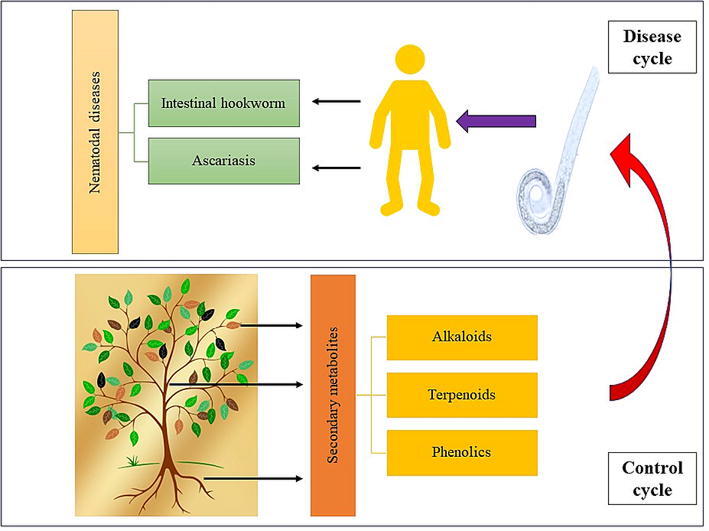
Keywords: Antiparasitic agents, Ascariasis, Intestinal hookworm, Medicinal plants, Natural compounds, Nematodes, Drug-resistance, Neglected tropical diseases
Abstract
Ascariasis and intestinal parasitic nematodes are the leading cause of mass mortality infecting many people across the globe. In light of the various deleterious side effects of modern chemical-based allopathic drugs, our preferences have currently shifted towards the use of traditional plant-based drugs or botanicals for treating diseases. The defensive propensities in the botanicals against parasites have probably evolved during their co-habitation with parasites, humans and plants in nature and hence their combative interference in one another’s defensive mechanisms has occurred naturally ultimately being very effective in treating diseases. This article broadly outlines the utility of plant-based compounds or botanicals prepared from various medicinal herbs that have the potential to be developed as effective therapies against the important parasites causing ascariasis and intestinal hookworm infections leading to ascariasis & infections and thereby human mortality, wherein allopathic treatments are less effective and causes enormous side-effects.
1. Introduction
Pathogenic nematodes are always a major problem throughout the globe and remain mainly in poor and vulnerable countries such as developing and tropical countries (Mukherjee et al., 2016, Sripa et al., 2022). Hookworm infections and ascariasis account for more than 700 and 1200 million people worldwide primarily in tropical and subtropical regions causing gastrointestinal infections and problems (nausea, epigastric discomfort, flatulence, early satiety, diarrhoea, vomiting, bloating etc.) leading to an economic loss of over US$100 billion annually (Bartsch et al., 2016, Chapman et al., 2021; CDC, 2023a, CDC, 2023b; de Lima Corvino and Horrall, 2023). The utilization of plants as botanical drugs is a well-known theme in traditional methods of treatments, such as Ayurveda and Unani systems that are commonly practised in the Indian, Chinese, and North African civilizations since time immemorial. (Bhat and Surolia, 2001, Phillipson, 2001, Hamilton, 2004, Jain, 2007, Upadhyay et al., 2007, Ayyanar et al., 2008, Hassan, 2015, Li and Weng, 2017, Jamshidi-Kia et al., 2018, Parveen et al., 2020, Jindal and Seth, 2022). People have used plants for therapy even without deciphering their active components and understanding their thorough therapeutic potential. But it was only around the nineteenth century that plants were explored for undertaking investigations on the presence of useful active compounds in them that could make such plants immensely beneficial for their pharmacological and biological implications (Awotedu et al., 2020, Phillipson, 2001). Both modern and traditional medicines utilize medicinal plants, and botanical drugs in the preparation and production of synthetic and natural drugs (Awotedu et al., 2020). Traditional medicines were found to be promising in controlling helminths and were effective for ages (Mali and Mehta, 2008). Medicinal plants have been the subject of several reviews that highlight them as controlling agents of parasitic diseases, for instance, Aschale et al. (2022) and Yirga et al. (2022) discussed medicinal plants of Ethiopia against gastrointestinal parasites while Cock et al. (2018) reviewed South African medicinal plants against some important parasitic diseases, and similarly, Mali and Mehta, 2008, Sunita et al., 2017 and Akram et al. (2021) delineated medicinal plants as potent therapy against helminths. In modern times also, parts of medicinal plants such as leaves, roots, bark, flowers and berries are used to prepare herbal products for curing various diseases (Awotedu et al., 2020). In this context, some popular examples of drug extraction from plants and their application on humans for therapeutic purposes are worth mentioning. For instance, quinine was isolated by Caventou and Pelletier for treating malaria from the bark of Cinchona species [Rubiaceae], codeine and morphine from the latex of Papaver somniferum L. [Papavareceae] as analgesic and narcotic, respectively, whereas leaves of Digitalis purpurea L. [Plantaginaceae] were subjected to extraction of digoxin (Phillipson, 2001). Malaria, a deadly disease, for instance, can be treated by administering salicin (Salix sp.), cardiac disorders that can be remedied by consuming Digitalis sp. extracts, respiratory disorders potentially cured by the extract of Ephedra sp. and so on. The biologically active chemicals from plants, such as phytochemicals that are secondary metabolites have got immense utility in promoting the health of both plants (provides resistance against diseases and pathogens) and humans (Saxena et al., 2013). Furthermore, even undesired plants like weeds can also be used to protect crops from pathogen attacks (Pathak et al., 2018), and can act against helminths (Lewu and Afolayan, 2009).
The diversity of pathogenic microorganisms also poses a threat to living organisms, quite a few of them are yet to be identified (Ramlal et al., 2024, unpublished) and the host and pathogen relationship remains to be established for them that is supposed to be resulting due to a definite intimate affair amongst them. For breaking such an intimacy, some natural resources, such as phytochemicals are required to be employed that have significant roles in breaking their intimacy and thus controlling the spread of diseases. Some host-microbe interactions are associated with each other for mutual benefits (Mishra et al., 2018, Ellouze et al., 2018, Kumar et al., 2021) in a way that they allow their pathogens to act as insecticide for them by controlling invasions from other pathogens (Ellouze et al., 2020, Pandit et al., 2022) and thus can serve as biopesticides, in general. Hence biopesticides are naturally occurring compounds in plants that help to control pests of crop plants that affect animals and humans (Kumar et al., 2021, Shambhawi et al., 2022). Currently, our knowledge of their potent roles in nematodal disease control needs to be elaborately understood in light of modern research. According to the World Health Organisation (WHO), around 80% of the world’s population (approx. 4 billion) use herbal products to cure diseases and also 11% of the drugs are either prepared or are derivatives of medicinal plants (Awotedu et al., 2020). Alkaloids, terpenoids, saponins, volatile oils, flavonoids, steroids and glycosides, all constitute secondary metabolites and are proven to be highly useful in the treatment of various diseases. For instance, alkaloids show analgesic, antispasmodic, antimalarial, and diuretic properties, while terpenoids show antiviral, antibacterial, antihelminthic and anti-inflammatory attributes (Awotedu et al., 2020). Helminths cause deadly diseases in humans including ascariasis, hookworm infections (ancylostomiasis and necatoriasis), trichuriasis, lymphatic filariasis and schistosomiasis (Hotez et al., 2008, Aschale et al., 2022, Habibou et al., 2022, Quinzo et al., 2022). Diseases caused due to the parasites like roundworms & flatworms are quite common worldwide, however, most of the deadly diseases occur in the subtropical and tropical regions of the world (Wakelin, 1996).
The current article underscores the importance of the most common occurring deadliest diseases caused by some important parasites causing ascariasis and intestinal hookworm infections. It discusses the prevalence, transmission mode, chemistry, merits and demerits of plant-based compounds. Furthermore, it sheds light on the antihelminthic drugs produced by the medicinal plants against these worms.
2. Helminths: Hosts, pathogenesis, and prevalence
2.1. Hosts and types of worms
Helminths consist of parasitic worms that are responsible for causing fatal and life-threatening diseases in humans (Castro, 1996, Mali and Mehta, 2008, Manke et al., 2015; Arrais et al., 2022). They can infect a wide range of animals and also humans and cause huge losses to all. They are known for showing no symptoms having chronic health diseases in humans and livestock alike (Mascarini-Serra, 2011, Idris et al., 2019). Based on the morphology, host organisms and their egg features, they have been classified into many different groups, namely Trematodes (flukes), Cestodes (tapeworms), and Nematoda (roundworms). The nematodal members have varied morphological features, such as flukes are leaf-like flatworms with suckers, while tapeworms are segmented, elongated and roundworms with a cylindrical body (Castro, 1996). Generally, eggs, larval and adult stages of flukes, those of both roundworms and tapeworms are responsible for the pathogenicity in humans (Castro, 1996). According to the WHO 2020, Necator americanus and Ancylostoma duodenale (hookworms), Ascaris lumbricoides (roundworm) and Trichuris trichiura (T. trichiura, whipworm) are major infection-causing helminths in humans (WHO, 2020). The roundworm resides in the small intestines, adult hookworms in the upper part of the small intestines, while the adult whipworm lives in the cecum of the large intestines (Mascarini-Serra, 2011). The infections due to these worms in humans are diagnosed preliminarily through symptoms, such as diarrhoea, stomach pain, fatigue, inflammation, enlargement of the spleen and liver, anaemia, vomiting and constipation (Idris et al., 2019). Some of the common larval types that are found in the intestines of humans are described by Castro (1996).
2.2. Prevalence
These parasitic worms are found widely in patients occurring across the globe. Their existences occur in infected humans living in the tropics and subtropical regions and primarily affect individuals from China, East Asia, America, and sub-Saharan African regions (WHO, 2020). Areas with improper sanitation and poor hygienic conditions of human habitation are more prone to worm-based infections and diseases (Idris et al., 2019). Over 1.5 billion (24%) population is infected with soil-transmitted helminths worldwide (WHO, 2020). The most common infections caused by the helminths (helminthiases) or soil-transmitted helminths (STHs) are ascariasis, hookworm, trichuriasis, and intestinal helminths (Hotez et al., 2008). According to the guidelines given by WHO, there is a formula to calculate parasite prevalence and it is mathematically interpreted (Kumar et al., 2014):
Further, the severity of the infection is calculated by Katz et al. (1972) method of Kato-Katz using a faecal thick smear.
2.3. Transmission mode
The parasitic worms may choose different modes for the transmission of infection from an infected individual to a healthy person which include 1) direct transfer, 2) skin penetration, 3) modified direct method, 4) bite from an infected insect vector and 5) contaminated food (foodborne). In the direct method, the organism (parasite) directly interacts with its host. The eggs of the worm which are released through the faecal material come into contact with a healthy individual and after entering into a healthy individual, a new cycle of infection onsets (Idris et al., 2019). This is generally seen in Enterobius vermicularis (human pinworm), which causes enterobiasis or oxyuriasis (CDC, 2020; Idris et al., 2019). In the modified direct method, the eggs of the parasitic worms are released into the environment during open defecation and they undergo developmental changes (metamorphosis) and become larvae, which are then ingested by the suitable host through various means, such as by consuming contaminated food or directly through the exposure from soil and enter into the circulatory and digestive systems of the host’s body. From the lungs, they reach the intestines and become adults. This process causes trichuriasis and ascariasis by T. trichiura and Ascaris lumbricoides respectively (Idris et al., 2019). The eggs are released in faeces or through urine from the host into the soil or freshwater. Depending on the nature of the parasite, they develop either into infective larvae while living free or as an intermediary host. They then penetrate through the skin of a susceptible host and get into the bloodstream via circulation. For example, the larvae Strongyloides stercoralis and Ancylostoma duodenale upon reaching the lungs are re-swallowed by the host and become an adult in their intestine. Foodborne helminths have their eggs or larvae transmitted when uncooked or contaminated food materials, such as vegetables, meat, crustaceans and unhygienic water that are contaminated with Ascaria, Dracunculia, and many other parasitic pathogens are consumed by humans (Idris et al., 2019). The helminthic worms are soil-transmitted infectious agents, therefore, often referred to as soil-transmitted helminths (STHs). Also, occasionally they are transmitted through other methods. For instance, the eggs released from infected individuals through faeces are transmitted to healthy individuals either through contaminated vegetables or drinking water and any other inadvertent activity by any individual or children due to poor sanitation and knowledge about them (WHO, 2020). The mentioned parasites also spread through their vectors that bite infected individuals and suck their blood or carry their tissues and bite healthy individuals, thus getting transferred into such individuals (Wakelin, 1996). A summary of diseases caused by some important nematodes and their mode and medium of transmission is given in Table 1.
Table 1.
Diseases their causative agents, mode of transmission, medium and infective stages.
| S. No | Causative agent | Mode of transmission | Medium of transmission | Infective stage | Common diseases | Distribution | References |
|---|---|---|---|---|---|---|---|
| 1 | Enterobius vermicularis | Direct | Feces | Eggs | Enterobiasis/Oxyuriasis | Worldwide | Idris et al., 2019; CDC, 2020 |
| 2. | Ascaris lumbricoides | Modified direct | Feces/food/soil | Adults | Ascariasis | Worldwide | Idris et al., 2019 |
| 3. | Trichuris trichiura | Modified direct | Feces/food/soil | Adults | Trichuriasis | Worldwide | Idris et al., 2019 |
| 4. | Ancylostoma duodenale | Skin penetration | Faeces/urine | Larvae | Intestinal hookworm | Subtropics, tropics worldwide | Idris et al., 2019 |
| 5. | Strongyloides stercoralis | Skin penetration | Faeces/urine | Larvae | Strongyloides | Subtropics, tropics worldwide | Idris et al., 2019 |
| 6 | Echinococcus granulosa | The oncospheres are released in the human intestine & migrate using blood in the liver and lungs | Through a faecal matter of the definitive host | Larval stage of taeniid | Cystic echinococcosis | Worldwide | Ali et al., 2020, CDC – Echinococcosis, 2021 |
| 7 | Onchocerca volvulus | Bites from infected vector | female blackflies (genus Simulium) | Larvae | Ochocerciasis (river blindness) | Mostly tropical Africa and America | Idris et al., 2019 |
| 8 | Wuchereria bancrofti, Brugia malayi | Bites from infected vector | infected Aedes, Culex, Anopheles, or Mansonia mosquitoes. | Larvae | Lymphatic filariasis (LF) | Mostly Tropical Africa, Asia, America | Idris et al., 2019 |
| 9 | Loa loa | Bites from infected vector | Deer fly (Chrysops) | Larvae | Loiasis | Central Africa | Idris et al., 2019 |
| 10 | Schistosoma haematobium, S. mansoni, S. japonicum (blood flukes) | Skin penetration | Faeces/urine, Water snails as intermediate host | Larvae | Schistosomiasis (bilharzia, snail fever) | Tropical and subtropical Africa, S America and E Asia | Giannelli et al., 2016, Idris et al., 2019 |
| 11 | Dracunculus medinensis | Foodborne Helminth | Faeces/food/water, Copepods as intermediate host | Larvae, egg, cyst | Dracunculiasis | Africa, Asia | Torgerson et al., 2014, Idris et al., 2019 |
3. Hosts – parasites: Interactions and treatments
The fundamental processes including embryonic development, organogenesis, and reproduction of helminths have provided an insight into the signalling pathways involved in these processes, such as Notch, Wnt, Hedgehog, and transforming growth factor-beta (TGF β) that are used by the pathogens for their multiplication and growth. For example, the endogenous hormones like fibroblast growth factor-like (FGF-like) and epidermal growth-factor-like (EGF-like) components that include also Ras/Raf-MAPK, TGF β -SMAD cascades and the receptors of FGF and EGF are recognized by the pathogens, such as schistosomes and filarial worms since they share strong sequence similarity with the mammalian orthologs (Brindley et al., 2009). Several parasitic pathogens namely roundworm, whipworm and hookworm have developed many ways to enter the host via skin and stomach and finally reach into the small intestines and lay eggs that are released outside through faeces and infect other healthy hosts to continue their life cycles. Studies using rodent parasites Trichinella spiralis, Trichuris muris, Nippostrongylus brasiliensis and Heligmosomoides polygyrus showed that the presence of intestine epidermal cells (IECs) is critical for the initiation of type-2 immune responses in the host. Upon infection, the IECs produce and release some damage-mediated compounds which include cytokines, interleukins (IL)-25, ATP, and thymic stromal lymphopoietin that in combination with diverse sources of IL-33 stimulate the tissue-resident type 2 innate lymphoid cells (ILC2s) to produce other interleukins (IL-4, IL-5 and IL-13). The type 2 cytokines rapidly recruit eosinophils and alternatively activated macrophages (AAMacs) with tissue-reparative properties to the infection site and surround the intestinal barrier by producing mucus and anti-microbial peptides thereby, enhancing the shedding of dead enterocytes (Jackson et al., 2006, King and Li, 2018). The production of pro-inflammatory cytokines such as TNFα and IL-1β (good biological alarms) is positively correlated with the faecal egg counts, yielding a positive clue to the clinicians for diagnosis. Thus, early responses to helminth infection may simultaneously involve components of type 1 and type 2 immune responses that not only limit microbial invasion during a helminth-induced barrier breach but also promote tissue repair and regeneration along with limiting tissue damage (King and Li, 2018). The helminthic parasites regulate immunity through suppression diversion and alter the immune system of the host and create a favourable anti-inflammatory environment for their survival. Parasites produce many compounds, such as cytokine homologs, protease inhibitors, glycoconjugates and small lipid products which could notoriously interfere with the immune system and elicit allergic responses in the hosts. Studies showed that parasites like Acanthocheilonema viteae, Nippostrongylus brasiliensis and Ascaris suum can directly interfere with allergic responses with the development of allergen-specific responses. Some studies have suggested that metabolic products of helminths can interfere with both the development of allergic responses and host-effector mechanisms (Brindley et al., 2009). King and Li (2018) have shown how different molecules interact during intestinal helminth attacks inside a host that involves a series of networks of reactions (King and Li, 2018).
According to the essential medicines list of the WHO, five drugs exist at present for the Strongyloides stercolaris which include albendazole and mebendazole (benzimidazoles), levamisole, ivermectin, and pyrantel pamoate (Keiser and Utzinger, 2010). The primary roles of the drugs have been tabulated in Table 2. The standard drugs which are recommended by the WHO are mebendazole (MBZ) and albendazole (ALB) with a dosage of 500 mg and 400 mg, respectively administered periodically to control the growth of the STHs (Kumar et al., 2014, Patil et al., 2019). The ideal qualities of these drugs include that they should have a broad spectrum of action, be effective in single-dose treatment, be non-toxic, have less or no side effects and be inexpensive as well (Mali and Mehta, 2008). Though there are so far no cases of development of resistance against these drugs, however, due to the increasing number of cases, there is a need to develop more drugs using plant-based products as they are more efficient in combating the mentioned diseases.
Table 2.
Commonly used drugs and their roles against STHs.
| S No | Drug | Roles | Targets | References |
|---|---|---|---|---|
| 1 | Mebendazole (MBZ) | Interfere with microtubules | STH | Keiser and Utzinger, 2010 |
| 2 | Albendazole (ALB) | Interfere with microtubules | STH | Keiser and Utzinger, 2010 |
| 3 | Levamisole | Agonist of nicotinic acetylcholine receptor causes muscle contractions and spastic paralysis | Lymphatic filariasis, onchocerciasis, loiasis and strongyloidiasis and against roundworm, intermediate whipworm and less hookworm | Keiser and Utzinger, 2010, Liu et al., 2020 |
| 4 | Pyrantel pamoate | Agonist of nicotinic acetylcholine receptor (nAChRs) | STH | Keiser and Utzinger, 2010 |
| 5 | Thiabendazole | Interfere with microtubules | Ascaris lumbricoides, Strongyloides stercoralis (threadworm), Necator americanus, and Ancylostoma duodenale (hookworm), Trichuris trichiura (whipworm), Enterobius vermicularis (pinworm) | Rang et al., 2016 |
| 6 | Ivermectin | Interfere with the GABA-mediated neurotransmission at the glutamate-gated chloride channels (GluCl) | Lymphatic filariasis, onchocerciasis, Schistosomiasis, Strongyloides stercoralis, Ascaris lumbricoides, Trichuris trichiura, Enterobius vermicularis | Rang et al., 2016 |
| 7 | Praziquantel | Causes intracellular calcium to leak from the parasites’ cell membranes, producing contracture and paralysis | Schistosomiasis, cestodes, cysticercosis | Rang et al., 2016 |
| 8 | Piperazine (PZ) | Antagonist against GABA receptors | Ascaris and Enterobius infections | Rang et al., 2016 |
| 9 | Diethylcarbamazine (DEC) | Targets the cyclooxygenase pathway and COX-1 | Lymphatic filariasis, loiasis | Rang et al., 2016 |
| 10 | Morantel | L-subtype of nAChRs | A. suum | Liu et al., 2020 |
| 11 | Macrocyclic lactones (abamectin, avermectin, ivermectin) | Antagonist against GABA receptors, nAChRs and GluCl and nematodal pharyngeal and body wall paralysis | Nematodes | Liu et al., 2020 |
| 12 | Tribendimidine (amidantel) | Antagonist against nAChRs | Strongyloides and Ascaris (not Trichuris) | Liu et al., 2020 |
4. Host types, pathogenesis, and prevalence
4.1. Intestinal hookworm
Intestinal hookworms cause a deadly disease that is manifested by the infection through intestinal Necator americanus and A. duodenale; and a secondary worm A. ceylanicum. It has been observed that A. ceylanicum is a newly emerging parasite that is reported to cause the disease in humans ( CDC, 2023b). The life cycle involves laying of eggs in the faecal material followed by hatching and growth under favourable conditions into rhabditiform larvae (second stage) and subsequently, developing into filariform larvae (infective third stage), which then enter into humans through the skin and exit the human body through faecal matter while continuing their growth cycle ( CDC, 2023b). Based on the distribution pattern of these parasites, it is felt that these parasites show a wide range of distribution as their larvae grow profusely in warn and moist climatic conditions, such as A. duodenale and N. americanus can be found from Asia to America, while A. ceylanicum is considered endemic to the Pacific Islands and Southeast Asia albeit also reported from Japan, Australia, Madagascar and UAE ( CDC, 2023b). This disease causes a reduction in the birth weight of neonates, increases morbidity and mortality and often prenatal maturity and enhances the intensity of the disease with maturing age (Hotez et al., 2008). The global prevalence of this disease is 740–1300 million and affects mostly developing regions of Asia, Latin America and Africa and their rural localities (Hotez et al., 2008, Idris et al., 2019). Around 65,000 deaths of humans are caused every year because of anaemia (Kumar et al., 2014) which is caused due to parasitic infections. A survey conducted by the groups of Khanum et al (2010) and Kumar et al (2014) on the season’s effects on the parasitic prevalence found that the highest prevalence of intestinal hookworm in India was recorded in the autumn (80.5%) and the lowest in spring (43.9%) with an overall prevalence of the disease as 49.38% (Idris et al., 2019, Kumar et al., 2014).
The common drugs which can be used in different combinations to treat helminthic diseases include levamisole, piperazine, macrocyclic lactones, aminoacetonitrile derivatives, and benzimidazoles, all chemically synthesized drugs (refer to Table 2 for more details). Moreover, the parasites have seemingly become resistant to these drugs. As a reason, alternatives, such as secondary metabolites produced by medicinal plants endowed with antimicrobial and antiparasitic activities can be a better means of therapy in these cases. Flavonoids, terpenoids, alkaloids, and phenolic compounds are being used to develop antihelminthic drugs that have got potential to act by favourably intervening in the defence systems of humans (Idris et al., 2019).
4.2. Ascariasis
Ascaris inhabit the intestine of humans as a parasite. The most common and primary roundworm is the Ascaris lumbricoides, while another species A. suum which generally infects pigs can also infect humans (CDC, 2020). The female lays around 2,00,000 eggs in one cycle and releases them through the faeces of an infected person. The eggs are ingested by humans through contaminated foodstuffs. Upon entering the human gut, they invade the mucosa of the intestines and through the circulatory system, they reach the lungs. The life cycle details of the parasite have already been discussed in the aforementioned sections. The global prevalence of this disease is around 1221 – 1472 million and it causes around 10,500 deaths every year with an overall percentage of prevalence of 46.88% (Idris et al., 2019, Kumar et al., 2014). It is considered one of the major gastrointestinal parasitic infections causing problems worldwide (Knopp et al., 2012, Aschale et al., 2022). At present, there is no plant-based drug available to control this parasite in humans except albendazole (ALB) (400 mg), a chemical and synthetic drug that is a potential curative drug, administered orally to patients suffering from ascariasis. (Kumar et al., 2014).
5. Current status and implications in disease management
Currently, there are no vaccines for intestinal parasitic nematodal and helminthic diseases (Liu et al., 2020, Perera and Ndao, 2021). Despite the severity and global importance, the treatments are dependent on chemotherapies and natural sources of medications (Liu et al., 2020). Some of the preventive measures are controlling vectors, hygiene, sanitation and education. However, parasite resistance, ability to modulate and regulate the host’s immunity, low effectiveness of drugs and lack of sanitation, and poor healthcare facilities remain the leading causes of increased infections. Moreover, the available drugs are expensive and inaccessible to many (Liu et al., 2020, Zawawi and Else, 2020, Perera and Ndao, 2021) and the onset of the pandemic COVID-19 further lagged behind the progress in the development of vaccines and medications for nematodes and helminths (Wong et al., 2023).
The main drugs which are currently used for the treatment of N. americanus and A. duodenale infections include mebendazole and albendazole (benzimidazole). They kill by inhibiting the formation of microtubules through binding to tubulin thereby disrupting the cytoskeleton of the parasites. Similarly, the nicotinic agonists help in depolarization and paralysis of the parasite muscles (refer to Table 2 for more details). Breaking resistance and side effects associated with the usage of these drugs such as nausea, headache, dizziness, abdominal pain, and diarrhoea, and also sometimes act as toxic to children below 1 year of age and pregnant women (Loukas et al., 2016, Mukherjee et al., 2016, Liu et al., 2020). Therefore, to overcome these challenges, alternative approaches should be explored such as plant-based compounds which can potentially replace and give better efficiency in controlling infections and diseases. Many studies showed that plant-based compounds have shown significant activity against nematodes and helminths. For instance, Ranasinghe et al. (2023) reported that 91 plants (34 compounds) showed in vitro inhibiting activity against parasites (Ranasinghe et al., 2023). Similarly, Liu et al. (2020) have reviewed botanicals against nematodes. Mentha cordifolia Opiz. ex Fresen. (synonym of M. villosa Huds.) [Lamiaceae] (mint) sitosterol (Villaseñor et al., 2002) and bark extract of Cinnamomum verum J. Persl [Lauraceae] (cinnamon) (Williams et al., 2015) are effective against A. suum including several other nematodes as mentioned by Liu et al. (2020).
6. Botanicals against ascariasis and intestinal hookworm: Mode of action, and significance
Plants have been used in various formulations, traditional medications and preparation of drugs since ancient times. Various studies showed the utilization and use of phytocompounds against these parasites. Nearly, 70,000 plants are being used in medicine (Newman and Cragg, 2016, Romero-Benavides et al., 2017), however, the number is still increasing and needs exploration and attention in this area for the identification of novel compounds for disease control. These parasites and nematodes are not only problematic for humans but also a serious threat to cattle and other domestic animals (Hamid et al., 2023).
Plants possess secondary metabolites such as flavonoids, alkaloids, and phenolics including others which contain antioxidant, antihelminthic, antiviral and other properties (Mukherjee et al., 2016). Depending upon of route of administration and usage they perform and show different modes of action. For instance, direct effect – phenolics and terpenoids of Cichorium intybus L. [Asteraceae] possess antihelminthic properties (Hoskin et al., 1999) or immunological effect - tannins improve the immunity of hosts (Min et al., 2003, Athanasiadou and Kyriazakis, 2004). Generally, the enzymes involved in the formation of walls are targeted for drug delivery and control in parasites which lead to paralysis and muscular failure (Mukherjee et al., 2016; also reviewed other roles of medicinal plants and their extracts in treating different parasites).
Several groups such as Farnsworth et al., 1985, Murthy et al., 2011, Romero-Benavides et al., 2017, Liu et al., 2020, Jayawardene et al., 2021, Manjusa and Pradeep, 2022 have reviewed the medicinal properties of plants and their compounds used against the helminths and hookworms. Similarly, Ramlal et al. (2023) have shown the use of soybean secondary metabolites against the angiotensin-converting enzyme (ACE) (Ramlal et al., 2023) also on malaria (Ramlal et al., (unpublished)). Sogan et al., 2018, Sogan et al., 2023a showed the application of leaf & seed extracts of Ricinus communis L. (castor) [Euphorbiaceae] against Aedes aegypti (dengue) & Anopheles culicifacies (malaria) and orange peel oil against A. stephensi respectively causing serious diseases. Several other non-plants have also been shown to possess medicinal properties against deadly parasites such as Digenea simplex (Wulfen) C Agardh [Rhodomelaceae] (Farnsworth et al., 1985) and Sogan et al. (2023b) reported the use of fungus in controlling malarial vector. A summary of helminthic diseases and plant-based extracts used for their treatment has been described in Table 3.
Table 3.
Major helminthic diseases, their causative agents, drugs available and alternate plant-based active extracts and compounds used against the diseases.
| S No | Disease | Causative agents | Symptoms | Treatment – Drugs | Treatment – Plant-based compounds | References |
|---|---|---|---|---|---|---|
| 1 | Intestinal hookworm | Necator americanus, Ancylostoma duodenale and sometimes A. ceylanicum | Nausea, abdominal pain | Albendazole, Mebendazole | 1. F. procumbens, root tuber 2. S. glabra, rhizome 3. T. wallichiana, aerial roots |
CDC, 2023b; Idris et al., 2019, Lyndem et al., 2005, Manke et al., 2015 |
| 2 | Ascariasis | Ascaris lumbricoides (human roundworm) and A. suum (pig roundworm) | No symptoms – but show abdominal pain, blockage of intestines and impaired growths in children | Albendazole, Mebendazole | 1. C. papaya, Seeds extract 2. Ananas comosus (L.) Merr. [Bromeliaceae], Seeds extract (pineapple) 3. M.villosa Huds. 4. C. verum J. Presl 5. F. procumbens, whole root tuber extract 6. Calotropis procera (Aiton) Dryand [Apocynaceae], aqueous extract 7. Chenopodium ambrosioides L. (synonym of Dysphania ambrosioides (L.) Mosyakin and Clemants [Amaranthaxeae] Leave and seed (oil) |
Yadav et al., 1992, Booth et al., 1993, Mali and Mehta, 2008, Hagel and Giusti, 2010, Williams et al., 2015; CDC. 2020; Liu et al., 2020 |
| 3 | Cystic echinococcosis | Echinococcus granulosa | Pain or discomfort in the upper abdominal region or chest, nausea, vomiting, or coughing | Albendazole, Mebendazole | 1. Essential oils - T. ammi (Carom/ajwain), fruits and Origanum vulgare L. Origanum vulgare (sweet marjoram), leaves 2. Ethanol extracts - Salvia officinalis L. [Lamiaceae], leaves (sage) and Thymus vulgaris L. [Lamiaceae], leaves (thyme) |
CDC – Echinococcosis, 2021, Siles-Lucas et al., 2018 |
| 4 | Schistosomiasis | Schistosoma haematobium, S. mansoni, S. japonicum | Initially no symptoms, but later develop a rash or itchy skin, fever, chills, cough, and muscle aches. | Praziquantel | 1. Cucurbita pepo L. [Cucurbitaceae], seeds (Pumpkin) 2. Gymnanthemum amygdalinum (Delile) Sch. Bip. (synonym - Vernonia amygdalina Delile) [Asteraceae], Leaf (unresolved name; bitter leaf) 3. Pulicaria undulata subsp. undulata (synonym - Pulicaria crispa Sch. Bip.), [Asteraceae] leaves (ethanolic extract) |
Ali, 2011, CDC – Echinococcosis, 2021 |
| 5 | Lymphatic filariasis (LF) | Wuchereria bancrofti, Brugia malayi | Asymptomatic - but damages the lymph system, causes lymphedema | Diethylcarbamazine (DEC), ivermectin | 1. Tinospora crispa (L.) Hook. f. & Thomsom [Menispermaceae], dried stem (giloy/petawali) 2. Bauhinia racemose Lam. [Fabaceae], leaves and Aegle marmelos (L.) Correa [Rutaceae], leaves 3. Many other plants as reviewed by Maurya et al. (2015) |
CDC – Echinococcosis, 2021, Maurya et al., 2015 |
| 6 | Dracunculiasis | Dracunculus medinensis | Slight fever, itchy rash, nausea, vomiting, diarrhoea, dizziness, blisters on lower body parts | No drug treatment, but Albendazole, Mebendazole might be used | 1. Allium sativum L. [Amaryllidaceae], bulb, leaves 2. Jatropha curcas L. [Euphorbiaceae], Leave, roots, stem, seeds |
Adekunle et al., 2007, CDC – Echinococcosis, 2021 |
6.1. Intestinal hookworm
Plants with antimicrobial properties can be utilized as remedial measures in controlling parasitic diseases discussed above. A study on the medicinal properties of plants from Northeast India showed their immense potential and promise in parasitic disease therapy. These plants include the aerial roots of Trichosanthes wallichiana [Cucurbitaceae], rhizome pulp of Stephania glabra [Menispermaceae] and root tuber peel of Flemingia procumbens [Fabaceae] that are used in traditional medicines currently against gastrointestinal worms (Lyndem et al., 2005). It has been shown that the metabolites or phytoconstituents present in the root peels of F. vestita inhibit the normal functioning of trematode and cestode worms by blocking the activity of enzymes especially the nitric oxide synthase that competes with the metabolic enzymes of the parasitic organisms and exterminate them by interfering into their growth processes (Lyndem et al., 2005). Lyndem et al. (2005) have shown that the parasite A. ceylanicum showed a longer growth time of around 56.5 ± 0.05 h when grown in phosphate buffer saline as control while showing symptom appearance in a dose-dependent manner when treated in vitro with 100 mg/ml of root extract of T. wallichiana and rhizome pulp of S. glabra. In the same study, Lyndem et al. (2005) showed that mebendazole could also control the growth of the parasite, however, plant extract mixed with chemical drugs has better effects in killing the parasites.
6.2. Ascariasis
Based on our traditional knowledge through ayurvedic and unani medicinal compositions as well as literature-based screenings, some plants and their parts have been found to have significant medicinal properties. For instance, the plant parts of Bixa orellana [Bixaceae], palasonin (lactone from seed) of Butea monosperma [Fabaceae (Rao et al., 1977, Mali and Mehta, 2008), Caesalpinia crista [Fabaceae], Carica papaya [Caricaceae], Trachyspermum amm, Sprague [Apiaceae], Senna alata [Fabaceae], Lantana camara [Verbenaceae], parasiticum [Meliaceae], Leucaena lucocephala [Fabaceae], Mangifera indica [Anacardiaceae], Moringa oleifera [Moringaceae] and Combretum indicum [Combretaceae] (Goswami et al., 2013) and Embelia ribes [Primulaceae] (Raviraja Shetty, 2021), Artemisia maritima [Asteraceae] (Athanasiadou et al., 2007), are used against Ascaris infections (Waller et al., 2001). Leaves of Bersama abyssinica [Melianthaceae], Diplolophium africanum [Apiaceae] and fruits of Myrsine Africana [Primulaceae] are reported to be effective against Ascaris (Seyoum and Zerihun, 2014). Williams et al. (2016) have used different medicinal plants for in vitro examinations against A. suum. Furthermore, the extracts using roots of Clausena anisate [Rutaceae], roots and root bark of Zanthoxylum zanthoxyloide [Rutaceae] and fruit peel of Punica granatum [Lythraceae] have been found to have potent inhibitory activity against A. suum (Williams et al., 2016).
7. Drug resistance and nematodes
Multi-drug or antihelminthic resistance (MDR or AR) is a major problem that is prevalent and an emerging cause of the reduction of mortality of parasites (Kebede et al., 2021). It is the capability of a parasite in a particular population to withstand or overcome the effects of a specific drug and simultaneously inherit it to the subsequent generation. This decreases the efficacy and efficiency of helminths to any antihelmintic drug that was previously found to be effective because of repeated use of the same drug (Sangster, 1999; Mukherjee et al., 2016). There are cases where the nematodes and parasites have developed resistance to various classes of synthetic drugs (Behnke et al., 2008; Mukherjee et al., 2016). Therefore, these considerations in the development of resistance in parasites are as important as bacteria and fungi against antibiotics. This has necessitated the exploring and unravelling of newer natural compounds from plants.
8. Conclusions and recommendations
Plant-based extracts are effective potent agents for treating various human ailments. They have been used as a source of natural medicine in both traditional formulations and modern medicines. From ancient times, the traditional system uses plants to cure diseases due to their therapeutic properties including antihelminthic, antimicrobial and anti-inflammatory attributes. India and other countries are reservoirs of numerous medicinal plants that have been served and used in the treatment of various kinds of ailments. This wealth may be explored to harness and identify their active principles which could be used to develop newer drugs against these deadly pathogens.
It has been seen that these diseases are prevalent mostly in tropical and subtropical regions and are dominant among the poor and children. Due to the adaptation and development of resistance mechanisms for their survival, these parasites can withstand the effects of drugs. Although these drugs can control the parasites to some extent, however, not have tremendous side effects on humans and also induce resistance in worms against them. Therefore, there is a need for an extensive study, exploration and identification of newer plant-derived bioactive compounds or a combined mixture of them that would help in the treatment of these diseases. Also, understanding the molecular and genetic mechanisms of parasites is quite important in cases of resistance development for disease prevention and targeting chemotherapies. Our current effort is to recommend both the private and public sectors for their intervention, investment and more resource mobilization towards focal research on the use of plant extracts rich in phyto chemicals for their employment in research trials being conducted for developing phyto drugs for curing of diseases caused by these worms.
Funding
The publication charges are paid from the funds of Bangalore Bioinnovation Centre, Karnataka Innovation and Technology Society (KITS), Department of Electronics, IT, BT and S&T, Government of Karnataka, India.
CRediT authorship contribution statement
Ayyagari Ramlal: Writing – original draft, Resources, Data curation, Writing – review & editing. Aparna Nautiyal: Conceptualization, Resources, Data curation, Supervision, Writing – review & editing. Jitendra Kumar: Funding acquisition. Vachaspati Mishra: Supervision. Nisha Sogan: Writing – review & editing. Abdel Nasser B Singab: Writing – review & editing.
Declaration of Competing Interest
The authors declare that they have no known competing financial interests or personal relationships that could have appeared to influence the work reported in this paper.
Acknowledgement
AR would like to thank Megha Khari, Department of Botany, University of Delhi, Delhi, India for her assistance in the preparation of the tables. The authors are thankful to the Indian Agricultural Research Institute, Pusa, New Delhi, for providing the library facility.
Footnotes
Peer review under responsibility of King Saud University.
Contributor Information
Ayyagari Ramlal, Email: ayyagari.rvenkat@student.usm.my.
Aparna Nautiyal, Email: anautiyal@db.du.ac.in.
Jitendra Kumar, Email: director@bioinnovationcentre.com.
Vachaspati Mishra, Email: vachaspatimishra.botany@dsc.du.ac.in.
Nisha Sogan, Email: nsogan@db.du.ac.in.
Abdel Nasser B. Singab, Email: dean@pharma.asu.edu.eg.
References
- Adekunle M.F., Oluwalana S.A., Aklilu N., Mengisteab H. Exploratory survey of forest plants in traditional treatment of guinea worm. Afr. Res. Rev. 2007;1:108–124. [Google Scholar]
- Akram M., Mohiuddin E., Adetunji C.O., Oladosun T.O., Ozolua P., Olisaka F.N., et al. In: Neglected Tropical Diseases and Phytochemicals in Drug Discovery. Egbuna C., Akram M., Ifemeje J.C., editors. John Wiley & Sons Inc.; 2021. Prospects of phytochemicals for the treatment of helminthiasis; pp. 199–223. [Google Scholar]
- Ali S.A. Natural products as therapeutic agents for schistosomiasis. Res. J. Med. Plants. 2011;5:1–20. [Google Scholar]
- Ali R., Khan S., Khan M., Adnan M., Ali I., Khan T.A., et al. A systematic review of medicinal plants used against Echinococcus granulosus. PLoS One. 2020;15(10):e0240456. doi: 10.1371/journal.pone.0240456. [DOI] [PMC free article] [PubMed] [Google Scholar]
- Aschale, Y., Reta, H., Minwuyelet, A., Ayehu, A., and Wubetu, M. (2022). Medicinal Plants Utilized for the Treatment of Gastrointestinal Parasitosis in Ethiopia. J Parasitol. Res. 2022. [DOI] [PMC free article] [PubMed]
- Athanasiadou S., Kyriazakis I. Plant secondary metabolites: antiparasitic effects and their role in ruminant production systems. Proc. Nutr. Soc. 2004;63(4):631–639. doi: 10.1079/pns2004396. [DOI] [PubMed] [Google Scholar]
- Arrais M., Maricoto T., Nwaru B.I., Cooper P.J., Gama J.M., Brito M., Taborda-Barata L. Helminth infections and allergic diseases: Systematic review and meta-analysis of the global literature. Journal of Allergy and Clinical Immunology. 2022;149(6):2139–2152. doi: 10.1016/j.jaci.2021.12.777. [DOI] [PubMed] [Google Scholar]
- Athanasiadou S., Githiori J., Kyriazakis I. Medicinal plants for helminth parasite control: facts and fiction. Animal. 2007;1(9):1392–1400. doi: 10.1017/S1751731107000730. [DOI] [PubMed] [Google Scholar]
- Awotedu O.L., Ogunbamowo P.O., Chukwudebe E.P., Ariwoola O.S. Medicinal based plants: a call to nature. World News Nat. Sci. 2020;31:92–109. [Google Scholar]
- Ayyanar M., Sankarasivaraman K., Ignacimuthu S. Traditional herbal medicines used for the treatment of diabetes among two major tribal groups in South Tamil Nadu, India. Ethnobotanical leaflets. 2008;2008(1):32. [Google Scholar]
- Bartsch S.M., Hotez P.J., Asti L., Zapf K.M., Bottazzi M.E., Diemert D.J., Lee B.Y. The global economic and health burden of human hookworm infection. PLoS Neg. Trop. Dis. 2016;10(9):e0004922. doi: 10.1371/journal.pntd.0004922. [DOI] [PMC free article] [PubMed] [Google Scholar]
- Behnke J.M., Buttle D.J., Stepek G., Lowe A., Duce I.R. Developing novel anthelmintics from plant cysteine proteinases. Parasit. Vectors. 2008;1:1–18. doi: 10.1186/1756-3305-1-29. [DOI] [PMC free article] [PubMed] [Google Scholar]
- Bhat G.P., Surolia N. In vitro antimalarial activity of extracts of three plants used in the traditional medicine of India. Am. J. Trop. Med. Hyg. 2001;65(4):304–308. doi: 10.4269/ajtmh.2001.65.304. [DOI] [PubMed] [Google Scholar]
- Booth S., Johns T., Lopez-Palacios C.Y. Factors influencing self-diagnosis and treatment of perceived helminthic infection in a rural Guatemalan community. Social Sci. Med. 1993;37(4):531–539. doi: 10.1016/0277-9536(93)90288-f. [DOI] [PubMed] [Google Scholar]
- Brindley P.J., Mitreva M., Ghedin E., Lustigman S. Helminth genomics: The implications for human health. PLoS Negl. Trop. Dis. 2009;3(10):e538. doi: 10.1371/journal.pntd.0000538. [DOI] [PMC free article] [PubMed] [Google Scholar]
- Castro, G.A. (1996). Helminths: Structure, Classification, Growth, and Development. In: Baron S, editor. Medical Microbiology. 4th edition. Galveston (TX): University of Texas Medical Branch at Galveston; Chapter 86. https://www.ncbi.nlm.nih.gov/books/NBK8282/. [PubMed]
- CDC - Ascariasis. (2023a). Retrieved from https://www.cdc.gov/parasites/ascariasis/index.html (accessed on August 20, 2023).
- CDC - DPDx - Intestinal Hookworm. (2023b). Retrieved from https://www.cdc.gov/dpdx/hookworm/index.html (accessed on August 20, 2023).
- CDC – Echinococcosis (2021). Retrieved from https://www.cdc.gov/parasites/echinococcosis/ (accessed on January 25, 2021).
- Chapman P.R., Giacomin P., Loukas A., McCarthy J.S. Experimental human hookworm infection: a narrative historical review. PLoS Neg. Trop. Dis. 2021;15(12):e0009908. doi: 10.1371/journal.pntd.0009908. [DOI] [PMC free article] [PubMed] [Google Scholar]
- Cock I.E., Selesho M.I., Van Vuuren S.F. A review of the traditional use of southern African medicinal plants for the treatment of selected parasite infections affecting humans. J. Ethnopharmacol. 2018;220:250–264. doi: 10.1016/j.jep.2018.04.001. [DOI] [PubMed] [Google Scholar]
- CDC – Enterobiasis. (2020). Retrieved from https://www.cdc.gov/parasites/pinworm/gen_info/faqs.html (accessed on September 18, 2020).
- de Lima Corvino DF, Horrall S. Ascariasis. (2023). In: StatPearls [Internet]. Treasure Island (FL): StatPearls Publishing; 2023. Available from: https://www.ncbi.nlm.nih.gov/books/NBK430796/ [Updated 2023 Jul 17].
- Ellouze W., Hamel C., Singh A.K., Mishra V., DePauw R.M., Knox R.E. Abundance of the arbuscular mycorrhizal fungal taxa associated with the roots and rhizosphere soil of different durum wheat cultivars in the Canadian prairies. Canad. J. Microbiol. 2018;64(8):527–536. doi: 10.1139/cjm-2017-0637. [DOI] [PubMed] [Google Scholar]
- Ellouze W., Mishra V., Howard R.J., Ling K.S., Zhang W. Preliminary study on the control of cucumber green mottle mosaic virus in commercial greenhouses using agricultural disinfectants and resistant cucumber varieties. Agronomy. 2020;10(12):1879. [Google Scholar]
- Farnsworth N.R., Akerele O., Bingel A.S., Soejarto D.D., Guo Z. Medicinal plants in therapy. Bull. World Health Organ. 1985;63(6):965. [PMC free article] [PubMed] [Google Scholar]
- Giannelli A., Cantacessi C., Colella V., Dantas-Torres F., Otranto D. Gastropod-borne helminths: a look at the snail-parasite interplay. Trends Parasitol. 2016;32(3):255–264. doi: 10.1016/j.pt.2015.12.002. [DOI] [PubMed] [Google Scholar]
- Goswami S., Nishad S., Rai M., Madhesiya S., Malviya A., Pandey P., et al. Plant seeds used for anthelmintic activity: A review. Ind. J. Res. Pharm. Biotechnol. 2013;1(4):533–536. [Google Scholar]
- Habibou H.H., Abdoulahi M.I.I., Moctar C., Zakari C.O., Rahila H.G., Khalid I. Phytochemistry and pharmacology activities of Detarium microcarpum (Fabaceae) used in the treatment of parasitic diseases in Niger: A review. J. Pharmacog. Phytochem. 2022;11(2):60–67. [Google Scholar]
- Hagel I., Giusti T. Ascaris lumbricoides: An overview of therapeutic targets. Infect. Disord. Drug Targets. 2010;10:349–367. doi: 10.2174/187152610793180876. [DOI] [PubMed] [Google Scholar]
- Hamid L., Alsayari A., Tak H., Mir S.A., Almoyad M.A.A., Wahab S., Bader G.N. An insight into the global problem of gastrointestinal helminth infections amongst livestock: does nanotechnology provide an alternative? Agriculture. 2023;13(7):1359. [Google Scholar]
- Hamilton A.C. Medicinal plants, conservation and livelihoods. Biodivers. Conserv. 2004;13(8):1477–1517. [Google Scholar]
- Hassan H.M.A. A short history of the use of plants as medicines from ancient times. Chimia. 2015;69(10):622. doi: 10.2533/chimia.2015.622. [DOI] [PubMed] [Google Scholar]
- Hoskin S.O., Barry T.N., Wilson P.R., Charleston W.A.G., Hodgson J. Effects of reducing anthelmintic input upon growth and faecal egg and larval counts in young farmed deer grazing chicory (Cichorium intybus) and perennial ryegrass (Lolium perenne)/white clover (Trifolium repens) pasture. J. Agric. Sci. 1999;132(3):335–345. [Google Scholar]
- Hotez P.J., Brindley P.J., Bethony J.M., King C.H., Pearce E.J., Jacobson J. Helminth infections: the great neglected tropical diseases. J. Clin. Invest. 2008;118(4):1311–1321. doi: 10.1172/JCI34261. [DOI] [PMC free article] [PubMed] [Google Scholar]
- Idris O.A., Wintola O.A., Afolayan A.J. Helminthiases; prevalence, transmission, host-parasite interactions, resistance to common synthetic drugs and treatment. Heliyon. 2019;5(1):e01161. doi: 10.1016/j.heliyon.2019.e01161. [DOI] [PMC free article] [PubMed] [Google Scholar]
- Jackson J.A., Turner J.D., Kamal M., Wright V., Bickle Q., Else K.J., et al. Gastrointestinal nematode infection is associated with variation in innate immune responsiveness. Microbes Infect. 2006;8(2):487–492. doi: 10.1016/j.micinf.2005.07.025. [DOI] [PubMed] [Google Scholar]
- Jain S.K. Ethnobotany and research on medicinal plants in India. John Wiley & Sons Ltd.; Chichester, UK: 2007. pp. 153–168. [PubMed] [Google Scholar]
- Jamshidi-Kia F., Lorigooini Z., Amini-Khoei H. Medicinal plants: Past history and future perspective. J. Herb. Med. Pharmacol. 2018;7(1) [Google Scholar]
- Jayawardene K.D., Palombo E.A., Boag P.R. Natural products are a promising source for anthelmintic drug discovery. Biomolecules. 2021;11(10):1457. doi: 10.3390/biom11101457. [DOI] [PMC free article] [PubMed] [Google Scholar]
- Jindal A., Seth C.S. Medicinal plants: The rising strategy for synthesis of modern medicine. Int. J. Plant Environ. 2022;8(01):76–80. [Google Scholar]
- Katz N., Chaves A., Pellegrino J. A simple device for quantitative stool thick-smear technique in Schistosomiasis mansoni. Rev. Inst. Med. Trop. Sao Paulo. 1972;14(6):397–400. [PubMed] [Google Scholar]
- Kebede T., Gadisa E., Tufa A. Antimicrobial activities evaluation and phytochemical screening of some selected medicinal plants: A possible alternative in the treatment of multidrug-resistant microbes. PLoS One. 2021;16(3):e0249253. doi: 10.1371/journal.pone.0249253. [DOI] [PMC free article] [PubMed] [Google Scholar]
- Keiser J., Utzinger J. The drugs we have and the drugs we need against major helminth infections. Adv. Parasitol. 2010;73:197–230. doi: 10.1016/S0065-308X(10)73008-6. [DOI] [PubMed] [Google Scholar]
- Khanum H., Rahman M.M., Uddin M.H., Alam S., Rahman F., Farhana R. Intestinal parasitic infestation among the outdoor patients of Dhaka University Medical Centre, Bangladesh. Univ. J. Zool. Rajshahi Univ. 2010;28:45–49. [Google Scholar]
- King I.L., Li Y. Host–parasite interactions promote disease tolerance to intestinal helminth infection. Front. Immunol. 2018;9:2128. doi: 10.3389/fimmu.2018.02128. [DOI] [PMC free article] [PubMed] [Google Scholar]
- Knopp S., Steinmann P., Keiser J., Utzinger J. Nematode infections: soil-transmitted helminths and Trichinella. Infect. Dis. Clin. 2012;26(2):341–358. doi: 10.1016/j.idc.2012.02.006. [DOI] [PubMed] [Google Scholar]
- Kumar H., Jain K., Jain R. A study of prevalence of intestinal worm infestation and efficacy of anthelminthic drugs. Med. J. Armed Forces India. 2014;70(2):144–148. doi: 10.1016/j.mjafi.2013.12.009. [DOI] [PMC free article] [PubMed] [Google Scholar]
- Kumar J., Ramlal A., Mallick D., Mishra V. An overview of some biopesticides and their importance in plant protection for commercial acceptance. Plants. 2021;10(6):1185. doi: 10.3390/plants10061185. [DOI] [PMC free article] [PubMed] [Google Scholar]
- Lewu F.B., Afolayan A.J. Ethnomedicine in South Africa: The role of weedy species. Afr. J. Biotechnol. 2009;8(6) [Google Scholar]
- Li F.S., Weng J.K. Demystifying traditional herbal medicine with modern approach. Nat. Plants. 2017;3(8):1–7. doi: 10.1038/nplants.2017.109. [DOI] [PubMed] [Google Scholar]
- Liu M., Panda S.K., Luyten W. Plant-based natural products for the discovery and development of novel anthelmintics against nematodes. Biomolecules. 2020;10:426. doi: 10.3390/biom10030426. [DOI] [PMC free article] [PubMed] [Google Scholar]
- Loukas A., Hotez P.J., Diemert D., Yazdanbakhsh M., McCarthy J.S., Correa-Oliveira R., Bethony J.M. Hookworm infection. Nat. Rev. Dis. Primers. 2016;2(1):1–18. doi: 10.1038/nrdp.2016.88. [DOI] [PubMed] [Google Scholar]
- Lyndem L.M., Tandon V., Das B. Anthelmintic efficacy of medicinal plants from Northeast India against hookworms: an In vitro study on Ancylostoma Ceylanicum. Harmacologyonline. 2005;3:697–707. [Google Scholar]
- Mali R.G., Mehta A.A. A review on anthelmintic plants. Nat. Prod. Radiance. 2008;7(5):466–475. [Google Scholar]
- Manjusa A., Pradeep K. Herbal anthelmintic agents: a narrative review. J. Trad. Chin. Med. 2022;42(4):641. doi: 10.19852/j.cnki.jtcm.2022.04.007. [DOI] [PMC free article] [PubMed] [Google Scholar]
- Manke M.B., Dhawale S.C., Jamkhande P.G. Helminthiasis and medicinal plants: a review. Asian Pac. J. Trop. Dis. 2015;5(3):175–180. [Google Scholar]
- Mascarini-Serra L. Prevention of soil-transmitted helminth infection. J. Global Infect. Dis. 2011;3(2):175. doi: 10.4103/0974-777X.81696. [DOI] [PMC free article] [PubMed] [Google Scholar]
- Maurya S.K., Singh A.K., Seth A. Potential medicinal plants for lymphatic filariasis: a review. Review article. J. Crit. Rev. 2015;2:1–6. [Google Scholar]
- Min B.R., Barry T.N., Attwood G.T., McNabb W.C. The effect of condensed tannins on the nutrition and health of ruminants fed fresh temperate forages: a review. Animal Feed Sci. Technol. 2003;106(1–4):3–19. [Google Scholar]
- Mishra V., Ellouze W., Howard R.J. Utility of arbuscular mycorrhizal fungi for improved production and disease mitigation in organic and hydroponic greenhouse crops. J. Hortic. 2018;5(03) [Google Scholar]
- Mukherjee, N., Mukherjee, S., Saini, P., Roy, P., & P Sinha Babu, S. (2016). Phenolics and terpenoids; the promising new search for anthelmintics: a critical review. Mini Rev. Med. Chem. 16(17):1415-1441. [DOI] [PubMed]
- Murthy P.K., Joseph S.K., Murthy P.S.R. Plant products in the treatment and control of filariasis and other helminth infections and assay systems for antifilarial/anthelmintic activity. Planta Med. 2011;77(06):647–661. doi: 10.1055/s-0030-1250452. [DOI] [PubMed] [Google Scholar]
- Newman D.J., Cragg G.M. Natural products as sources of new drugs from 1981 to 2014. J. Nat. Prod. 2016;79(3):629–661. doi: 10.1021/acs.jnatprod.5b01055. [DOI] [PubMed] [Google Scholar]
- Pandit M.A., Kumar J., Gulati S., Bhandari N., Mehta P., Katyal R., Kaur J. Major biological control strategies for plant pathogens. Pathogens. 2022;11(2):273. doi: 10.3390/pathogens11020273. [DOI] [PMC free article] [PubMed] [Google Scholar]
- Parveen B., Parveen A., Parveen R., Ahmad S., Ahmad M., Iqbal M. Challenges and opportunities for traditional herbal medicine today with special reference to its status in India. Ann. Phytomed. 2020;9(2):97–112. [Google Scholar]
- Pathak N., Prajneshu M., Kumar L., Ramlal A. Bioefficacy of weed based extracts in the control of Rhizoctonia root rot disease of Buckwheat. DU J. Undergraduate Res. Innov. 2018;4(1):50–56. [Google Scholar]
- Patil K.D., Bagade S.B., Sharma S.R., Hatware K.V. Potential of herbal constituents as new natural leads against helminthiasis: A neglected tropical disease. Asian Pac. J. Trop. Med. 2019;12(7):291. [Google Scholar]
- Perera D.J., Ndao M. Promising technologies in the field of helminth vaccines. Front. Immunol. 2021;12 doi: 10.3389/fimmu.2021.711650. [DOI] [PMC free article] [PubMed] [Google Scholar]
- Phillipson J.D. Phytochemistry and medicinal plants. Phytochem. 2001;56(3):237–243. doi: 10.1016/s0031-9422(00)00456-8. [DOI] [PubMed] [Google Scholar]
- Quinzo M.J., Perteguer M.J., Brindley P.J., Loukas A., Sotillo J. Transgenesis in parasitic helminths: a brief history and prospects for the future. Parasit. Vectors. 2022;15(1):1–16. doi: 10.1186/s13071-022-05211-z. [DOI] [PMC free article] [PubMed] [Google Scholar]
- Ramlal A., Bhat I., Nautiyal A., Baweja P., Mehta S., Kumar V., Rajendran A. In silico analysis of angiotensin-converting enzyme inhibitory compounds obtained from soybean [Glycine max (L.) Merr.] Front. Physiol. 2023;14:1172684. doi: 10.3389/fphys.2023.1172684. [DOI] [PMC free article] [PubMed] [Google Scholar]
- Ramlal, A., Khari, M., Pooja, Fawzy, T.M., Liu, X., Du, M., Deo, S.S., Sogan, N., Nautiyal, A. and Singab, A. N. B. (Unpublished). In silico analysis of bioactive phytochemicals against deadly parasitic diseases. (Under review).
- Ramlal, A. Alok, V., Chaurasia, D., & Jindal, A. (2024). Pathogenic microorganisms: Diversity and their metabolic profiling. In: Mehta, S & Reddy, B. (eds) Microbial genome technology and metabolomics: A 21st century stature. Springer (accepted, under production).
- Ranasinghe, S., Aspinall, S., Beynon, A., Ash, A., & Lymbery, A. (2023). Traditional medicinal plants in the treatment of gastrointestinal parasites in humans: A systematic review and meta‐analysis of clinical and experimental evidence. Phytother. Res. [DOI] [PubMed]
- Rang H.P., Ritter J.M., Flower R.J., Henderson G. 8th ed. Elsevier; Brazil: 2016. Rang & Dale's Pharmacology E-Book: with Student consult Online Access. [Google Scholar]
- Rao K.S., Raviprakash V., Chandra S., Sabir M. Anthelmintic activity of Butea frondosa against Ascaris lumbricoids. Ind. J. Physiol. Pharmacol. 1977;21:250–253. [Google Scholar]
- Raviraja Shetty G. Economic importance and medicinal strength of vidanga (Embelia ribes): an endangered medicinal plant of western ghats of India. Int. J. Agric. Sci. 2021;12(1):29–33. [Google Scholar]
- Romero-Benavides J.C., Ruano A.L., Silva-Rivas R., Castillo-Veintimilla P., Vivanco-Jaramillo S., Bailon-Moscoso N. Medicinal plants used as anthelmintics: Ethnomedical, pharmacological, and phytochemical studies. Eur. J. Med. Chem. 2017;129:209–217. doi: 10.1016/j.ejmech.2017.02.005. [DOI] [PubMed] [Google Scholar]
- Sangster N.C. Pharmacology of anthelmintic resistance in cyathostomes: will it occur with the avermectin/milbemycins? Vet. Parasitol. 1999;85(2–3):189–204. doi: 10.1016/s0304-4017(99)00099-0. [DOI] [PubMed] [Google Scholar]
- Saxena M., Saxena J., Nema R., Singh D., Gupta A. Phytochemistry of medicinal plants. J. Pharmacogn. Phytochem. 2013;1(6) [Google Scholar]
- Seyoum G., Zerihun G. An ethnobotanical study of medicinal plants in Debre Libanos Wereda, Central Ethiopia. Afr. J. Plant. Sci. 2014;8(7):366–379. [Google Scholar]
- Shambhawi, Srivastava, S., Mishra, A., Mishra, R., & Mohanty, A. (2022). Biopesticidal potential of cyclotides: an insight. Phytochem. Rev. 1-21.
- Siles-Lucas M., Casulli A., Cirillim R., Carmena D. Progress in the pharmacological treatment of human cystic and alveolar echinococcosis: compounds and therapeutics targets. PLoS Negl. Trop. Dis. 2018;12(4):e000422. doi: 10.1371/journal.pntd.0006422. [DOI] [PMC free article] [PubMed] [Google Scholar]
- Sogan N., Kapoor N., Singh H., Kala S., Nayak A., Nagpal B.N. Larvicidal activity of Ricinus communis extract against mosquitoes. J. Vec. Born. Dis. 2018;55(4):282–290. doi: 10.4103/0972-9062.256563. [DOI] [PubMed] [Google Scholar]
- Sogan N., Kala S., Kapoor N., Singh H., Verma P., Nautiyal A., Nagpal B.N. Utilization and re-use of orange peel derived oil by formulating nanoemulsion for efficient vector control application. Waste Biomass Valor. 2023:1–13. [Google Scholar]
- Sogan N., Kala S., Kapoor N., Nagpal B.N., Ramlal A., Nautiyal A. Novel development of Lecanicillium lecanii-based granules as a platform against malarial vector Anopheles culicifacies. World J. Microbiol. Biotechnol. 2023;39(6):142. doi: 10.1007/s11274-023-03570-y. [DOI] [PubMed] [Google Scholar]
- Sripa B., Leonardo L., Hong S.J., Ito A., Brattig N.W. Status and perspective of asian neglected tropical diseases. Acta Trop. 2022;225 doi: 10.1016/j.actatropica.2021.106212. [DOI] [PubMed] [Google Scholar]
- Sunita K., Kumar P., Khan M.A., Husain S.A., Singh D.K. Anthelminthic/larvicidal activity of some common medicinal plants. Euro. J. Biol. Res. 2017;7(4):324–336. [Google Scholar]
- Torgerson P.R., de Silva N.R., Fèvre E.M., Kasuga F., Rokni M.B., Zhou X.N., Sripa B., Gargouri N., Willingham A.L., Stein C. The global burden of foodborne parasitic diseases: an update. Trend. Parasitol. 2014;30(1):20–26. doi: 10.1016/j.pt.2013.11.002. [DOI] [PubMed] [Google Scholar]
- Upadhyay B., Roy S., Kumar A. Traditional uses of medicinal plants among the rural communities of Churu district in the Thar Desert, India. J. Ethnopharm. 2007;113(3):387–399. doi: 10.1016/j.jep.2007.06.010. [DOI] [PubMed] [Google Scholar]
- Villaseñor I.M., Angelada J., Canlas A.P., Echegoyen D. Bioactivity studies on β-sitosterol and its glucoside. Phytothe. Res. 2002;16(5):417–421. doi: 10.1002/ptr.910. [DOI] [PubMed] [Google Scholar]
- Wakelin D. (1996). Helminths: Pathogenesis and Defenses. In: Baron S, editor. Medical Microbiology. 4th edition. Galveston (TX): University of Texas Medical Branch at Galveston, Chapter 87. Available from: https://www.ncbi.nlm.nih.gov/books/NBK8191/. [PubMed]
- Waller P.J., Bernes G., Thamsborg S.M., Sukura A., Richter S.H., Ingebrigtsen K., Höglund J. Plants as de-worming agents of livestock in the Nordic countries: historical perspective, popular beliefs and prospects for the future. Acta Vet. Scand. 2001;42(1):1–14. doi: 10.1186/1751-0147-42-31. [DOI] [PMC free article] [PubMed] [Google Scholar]
- WHO, 2020. Soil-transmitted Helminth Infections. WHO. World Health Organization. Retrieved from https://www.who.int/news-room/fact-sheets/detail/soil-transmitted-helminth-infections.
- Williams A.R., Ramsay A., Hansen T.V., Ropiak H.M., Mejer H., Nejsum P., Thamsborg S.M. Anthelmintic activity of trans-cinnamaldehyde and A-and B-type proanthocyanidins derived from cinnamon (Cinnamomum verum) Sci. Rep. 2015;5(1):14791. doi: 10.1038/srep14791. [DOI] [PMC free article] [PubMed] [Google Scholar]
- Williams A.R., Soelberg J., Jäger A.K. Anthelmintic properties of traditional African and Caribbean medicinal plants: identification of extracts with potent activity against Ascaris suum in vitro. Parasite. 2016;23 doi: 10.1051/parasite/2016024. [DOI] [PMC free article] [PubMed] [Google Scholar]
- Wong M.T.J., Anuar N.S., Noordin R., Tye G.J. Soil-transmitted helminthic vaccines: Where are we now? Acta Trop. 2023;239 doi: 10.1016/j.actatropica.2022.106796. [DOI] [PubMed] [Google Scholar]
- Yadav A.K., Tandon V., Rao H.S.P. In vitro anthelmintic activity of fresh tuber extract of Flemingia vestita against Ascaris suum. Fitoterapia. 1992;63:395–398. [Google Scholar]
- Yirga S.T., Mersa A., Sisiay B., Ashebir R., Akliku B. Ethnomedicinal uses of Ethiopian Traditional Medicinal Plants used to manage some of Human Helminthic and Parasitic Disease: A review. J. Tradit. Med. Clin. Natur. 2022;11:306. [Google Scholar]
- Zawawi A., Else K.J. Soil-transmitted helminth vaccines: are we getting closer? Front. Immunol. 2020;11 doi: 10.3389/fimmu.2020.576748. [DOI] [PMC free article] [PubMed] [Google Scholar]