


Abstract
Background
Choosing an optimal reconstruction method is pivotal for patients with gastric cancer undergoing distal gastrectomy. The uncut Roux‐en‐Y reconstruction, a variant of the conventional Roux‐en‐Y approach (or variant of the Billroth II reconstruction), employs uncut devices to occlude the afferent loop of the jejunum. This modification is designed to mitigate postgastrectomy syndrome and enhance long‐term functional outcomes. However, the comparative benefits and potential harms of this approach compared to other reconstruction techniques remain a topic of debate.
Objectives
To assess the benefits and harms of uncut Roux‐en‐Y reconstruction after distal gastrectomy in patients with gastric cancer.
Search methods
We searched CENTRAL, PubMed, Embase, WanFang Data, China National Knowledge Infrastructure, and clinical trial registries for published and unpublished trials up to November 2023. We also manually reviewed references from relevant systematic reviews identified by our search. We did not impose any language restrictions.
Selection criteria
We included randomised controlled trials (RCTs) and quasi‐RCTs comparing uncut Roux‐en‐Y reconstruction versus other reconstructions after distal gastrectomy for gastric cancer. The comparison groups encompassed other reconstructions such as Billroth I, Billroth II (with or without Braun anastomosis), and Roux‐en‐Y reconstruction.
Data collection and analysis
We used standard Cochrane methodological procedures. The critical outcomes included health‐related quality of life at least six months after surgery, major postoperative complications within 30 days after surgery according to the Clavien‐Dindo Classification (grades III to V), anastomotic leakage within 30 days, changes in body weight (kg) at least six months after surgery, and incidence of bile reflux, remnant gastritis, and oesophagitis at least six months after surgery. We used the GRADE approach to evaluate the certainty of the evidence.
Main results
We identified eight trials, including 1167 participants, which contributed data to our meta‐analyses. These trials were exclusively conducted in East Asian countries, predominantly in China. The studies varied in the types of uncut devices used, ranging from 2‐ to 6‐row linear staplers to suture lines. The follow‐up periods for long‐term outcomes spanned from 3 months to 42 months, with most studies focusing on a 6‐ to 12‐month range. We rated the certainty of evidence from low to very low.
Uncut Roux‐en‐Y reconstruction versus Billroth II reconstruction
In the realm of surgical complications, very low‐certainty evidence suggests that uncut Roux‐en‐Y reconstruction compared with Billroth II reconstruction may make little to no difference to major postoperative complications (risk ratio (RR) 0.98, 95% confidence interval (CI) 0.24 to 4.05; I² = 0%; risk difference (RD) 0.00, 95% CI ‐0.04 to 0.04; I² = 0%; 2 studies, 282 participants; very low‐certainty evidence) and incidence of anastomotic leakage (RR 0.64, 95% CI 0.29 to 1.44; I² not applicable; RD ‐0.00, 95% CI ‐0.03 to 0.02; I² = 32%; 3 studies, 615 participants; very low‐certainty evidence). We are very uncertain about these results.
Focusing on long‐term outcomes, low‐ to very low‐certainty evidence suggests that uncut Roux‐en‐Y reconstruction compared with Billroth II reconstruction may make little to no difference to changes in body weight (mean difference (MD) 0.04 kg, 95% CI ‐0.84 to 0.92 kg; I² = 0%; 2 studies, 233 participants; low‐certainty evidence), may reduce the incidence of bile reflux into the remnant stomach (RR 0.67, 95% CI 0.55 to 0.83; RD ‐0.29, 95% CI ‐0.43 to ‐0.16; number needed to treat for an additional beneficial outcome (NNTB) 4, 95% CI 3 to 7; 1 study, 141 participants; low‐certainty evidence), and may have little or no effect on the incidence of remnant gastritis (RR 0.27, 95% CI 0.01 to 5.06; I2 = 78%; RD ‐0.15, 95% CI ‐0.23 to ‐0.07; I2 = 0%; NNTB 7, 95% CI 5 to 15; 2 studies, 265 participants; very low‐certainty evidence).
No studies reported on quality of life or the incidence of oesophagitis.
Uncut Roux‐en‐Y reconstruction versus Roux‐en‐Y reconstruction
In the realm of surgical complications, very low‐certainty evidence suggests that uncut Roux‐en‐Y reconstruction compared with Roux‐en‐Y reconstruction may make little to no difference to major postoperative complications (RR 4.74, 95% CI 0.23 to 97.08; I² not applicable; RD 0.01, 95% CI ‐0.02 to 0.04; I² = 0%; 2 studies, 256 participants; very low‐certainty evidence) and incidence of anastomotic leakage (RR 0.34, 95% CI 0.05 to 2.08; I² = 0%; RD ‐0.02, 95% CI ‐0.06 to 0.02; I² = 0%; 2 studies, 213 participants; very low‐certainty evidence). We are very uncertain about these results.
Focusing on long‐term outcomes, very low‐certainty evidence suggests that uncut Roux‐en‐Y reconstruction compared with Roux‐en‐Y reconstruction may increase the incidence of bile reflux into the remnant stomach (RR 10.74, 95% CI 3.52 to 32.76; RD 0.57, 95% CI 0.43 to 0.71; NNT for an additional harmful outcome (NNTH) 2, 95% CI 2 to 3; 1 study, 108 participants; very low‐certainty evidence) and may make little to no difference to the incidence of remnant gastritis (RR 1.18, 95% CI 0.69 to 2.01; I² = 60%; RD 0.03, 95% CI ‐0.03 to 0.08; I² = 0%; 3 studies, 361 participants; very low‐certainty evidence) and incidence of oesophagitis (RR 0.82, 95% CI 0.53 to 1.26; I² = 0%; RD ‐0.02, 95% CI ‐0.07 to 0.03; I² = 0%; 3 studies, 361 participants; very low‐certainty evidence). We are very uncertain about these results.
Data were insufficient to assess the impact on quality of life and changes in body weight.
Authors' conclusions
Given the predominance of low‐ to very low‐certainty evidence, this Cochrane review faces challenges in providing definitive clinical guidance. We found the majority of critical outcomes may be comparable between the uncut Roux‐en‐Y reconstruction and other methods, but we are very uncertain about most of these results. Nevertheless, it indicates that uncut Roux‐en‐Y reconstruction may reduce the incidence of bile reflux compared to Billroth‐II reconstruction, albeit with low certainty. In contrast, compared to Roux‐en‐Y reconstruction, uncut Roux‐en‐Y may increase bile reflux incidence, based on very low‐certainty evidence.
To strengthen the evidence base, further rigorous and long‐term trials are needed. Additionally, these studies should explore variations in surgical procedures, particularly regarding uncut devices and methods to prevent recanalisation. Future research may potentially alter the conclusions of this review.
Keywords: Humans; Anastomosis, Roux-en-Y; Anastomosis, Roux-en-Y/adverse effects; Anastomosis, Roux-en-Y/methods; Bias; Gastrectomy; Gastrectomy/adverse effects; Gastrectomy/methods; Gastroenterostomy; Gastroenterostomy/methods; Jejunum; Jejunum/surgery; Postgastrectomy Syndromes; Postgastrectomy Syndromes/prevention & control; Postoperative Complications; Quality of Life; Randomized Controlled Trials as Topic; Stomach Neoplasms; Stomach Neoplasms/surgery
Plain language summary
What are the benefits and risks of the uncut Roux‐en‐Y operation after removing the lower portion of the stomach in the treatment of gastric cancer?
Key messages
‐ Comparing uncut Roux‐en‐Y reconstruction with Billroth II reconstruction, the two treatments may be similar in terms of major postoperative complications, incidence of anastomotic leakage, and changes in body weight, but we are very uncertain about the majority of these results. The uncut Roux‐en‐Y reconstruction may reduce the occurrence of bile reflux, but may make little to no difference to the occurrence of remnant gastritis.
‐ Comparing uncut Roux‐en‐Y reconstruction with Roux‐en‐Y reconstruction, uncut Roux‐en‐Y reconstruction may have little or no effect on major postoperative complications and incidence of anastomotic leakage. It may increase the occurrence of bile reflux, but may make little to no difference to the occurrence of remnant gastritis and oesophagitis. We are very uncertain about the above results.
What is gastric cancer, and how can it be treated?
Gastric cancer, also known as stomach cancer, ranks among the most common types of cancer worldwide. When this cancer is found in the lower part of the stomach, a common treatment is to remove that part of the stomach. This surgery is known as a distal gastrectomy. After removing part of the stomach, surgeons need to perform another surgery to connect the remaining part of the stomach to the small intestine, ensuring the digestive system still works.
This reconnecting surgery is crucial for the patient's recovery and long‐term health. One specific method, called the uncut Roux‐en‐Y technique, is designed to reduce complications after surgery. However, there is ongoing debate among medical professionals about whether this method offers more benefits and is safer compared to other surgical techniques.
What did we want to find out?
We wanted to know if the uncut Roux‐en‐Y reconstruction after a distal gastrectomy for stomach cancer was better than other reconstruction methods in improving:
‐ Health‐related quality of life, measured at least six months after surgery
‐ Major postoperative complications within 30 days after surgery
‐ Incidence of anastomotic leakage (a situation where the place where the surgeon joined or reconnected different parts of your digestive system, called an anastomosis, starts to leak) within 30 days after surgery
‐ Changes in body weight from the initial weight, measured at least six months after surgery
‐ The occurrence of bile reflux, inflammation in the remaining part of the stomach, or oesophagus inflammation, measured at least six months after surgery
What did we do?
We looked for studies that compared the uncut Roux‐en‐Y reconstruction with other types of reconstruction (Billroth I, Billroth II, and regular Roux‐en‐Y) after a distal gastrectomy for stomach cancer. We compared and summarised the results of the studies and rated our confidence in the evidence, based on factors such as study methods and sizes.
What did we find?
We found 10 studies involving 1365 people, conducted in China and South Korea. Of these, eight studies, which included 1167 participants, contributed data to our analyses.
In our comparison of uncut Roux‐en‐Y and Billroth II reconstructions, uncut Roux‐en‐Y reconstruction may make little to no difference to major postoperative complications, incidence of anastomotic leakage, and the occurrence of remnant gastritis, but we are very uncertain about these results. It may make little to no difference to changes in body weight, but may reduce the occurrence of bile reflux.
In our comparison of uncut Roux‐en‐Y with Roux‐en‐Y reconstruction, uncut Roux‐en‐Y reconstruction may have little or no effect on major postoperative complications and incidence of anastomotic leakage. It may increase the occurrence of bile reflux, but may make little to no difference to the occurrence of remnant gastritis and oesophagitis. We are very uncertain about the above results.
What are the limitations of the evidence?
We have little confidence in the evidence because the studies were small and results varied widely. Moreover, very few studies reported our main outcomes. It is likely that future research could change our understanding of this topic. More comprehensive studies are needed to provide clearer, more reliable answers.
How up‐to‐date is this evidence?
This evidence is up‐to‐date to November 2023.
Summary of findings
Summary of findings 1. Summary of findings table ‐ Uncut Roux‐en‐Y reconstruction compared to Billroth II reconstruction after distal gastrectomy for gastric cancer.
| Uncut Roux‐en‐Y reconstruction compared to Billroth II reconstruction after distal gastrectomy for gastric cancer | ||||||
| Patient or population: people undergoing distal gastrectomy for gastric cancer Setting: hospital Intervention: uncut Roux‐en‐Y reconstruction Comparison: Billroth II reconstruction | ||||||
| Outcomes | Anticipated absolute effects* (95% CI) | Relative effect (95% CI) | № of participants (studies) | Certainty of the evidence (GRADE) | Comments | |
| Risk with Billroth II reconstruction | Risk with uncut Roux‐en‐Y reconstruction | |||||
| Health‐related quality of life ‐ not reported | ‐ | ‐ | ‐ | ‐ | ‐ | |
| Major postoperative complications assessed with: Clavien‐Dindo Grade III and higher follow‐up: 30 days | 28 per 1000 | 28 per 1000 (7 to 115) | RR 0.98 (0.24 to 4.05) | 282 (2 RCTs) | ⊕⊝⊝⊝ Very lowa,b | Uncut devices: 6‐row uncut linear stapler; 4‐row uncut linear stapler. |
| Incidence of anastomotic leakage follow‐up: 30 days | 46 per 1000 | 29 per 1000 (13 to 66) | RR 0.64 (0.29 to 1.44) | 615 (3 RCTs) | ⊕⊝⊝⊝ Very lowa,b | Uncut devices: 6‐row uncut linear stapler; 4‐row uncut linear stapler; unclear type of linear stapler. |
| Changes in body weight from baseline follow‐up: range 6 months to 12 months | The mean changes in body weight from baseline was 5.61 kg | MD 0.04 kg higher (0.84 lower to 0.92 higher) | ‐ | 233 (2 RCTs) | ⊕⊕⊝⊝ Lowa,c | Uncut devices: 4‐row uncut linear stapler; 2‐row uncut linear stapler. |
| Incidence of bile reflux assessed with: endoscopy follow‐up: 12 months | 903 per 1000 | 605 per 1000 (497 to 749) | RR 0.67 (0.55 to 0.83) | 141 (1 RCT) | ⊕⊕⊝⊝ Lowa,c | Uncut devices: 4‐row uncut linear stapler. |
| Incidence of remnant gastritis assessed with: endoscopy follow‐up: range 6 months to 12 months | 455 per 1000 | 123 per 1000 (5 to 1000) | RR 0.27 (0.01 to 5.06) | 265 (2 RCTs) | ⊕⊝⊝⊝ Very lowa,b | Uncut devices: 6‐row uncut linear stapler; 4‐row uncut linear stapler. |
| Incidence of oesophagitis ‐ not reported | ‐ | ‐ | ‐ | ‐ | ‐ | |
| *The risk in the intervention group (and its 95% confidence interval) is based on the assumed risk in the comparison group and the relative effect of the intervention (and its 95% CI). CI: confidence interval; MD: mean difference; RR: risk ratio | ||||||
| GRADE Working Group grades of evidence High certainty: we are very confident that the true effect lies close to that of the estimate of the effect. Moderate certainty: we are moderately confident in the effect estimate: the true effect is likely to be close to the estimate of the effect, but there is a possibility that it is substantially different. Low certainty: our confidence in the effect estimate is limited: the true effect may be substantially different from the estimate of the effect. Very low certainty: we have very little confidence in the effect estimate: the true effect is likely to be substantially different from the estimate of effect. | ||||||
| See interactive version of this table: https://gdt.gradepro.org/presentations/#/isof/isof_question_revman_web_446747089150777251. | ||||||
a Indirectness downgraded by one level due to the inclusion a limited range of uncut devices, despite the existence of several other such devices. b Imprecision downgraded by two levels due to a small sample size, low event numbers, and wide confidence intervals that included the possibility of both potential benefit and potential harm. c Imprecision downgraded by one level due to a small sample size and/or low event numbers.
Summary of findings 2. Summary of findings table ‐ Uncut Roux‐en‐Y reconstruction compared to Roux‐en‐Y reconstruction after distal gastrectomy for gastric cancer.
| Uncut Roux‐en‐Y reconstruction compared to Roux‐en‐Y reconstruction after distal gastrectomy for gastric cancer | ||||||
| Patient or population: people undergoing distal gastrectomy for gastric cancer Setting: hospital Intervention: uncut Roux‐en‐Y reconstruction Comparison: Roux‐en‐Y reconstruction | ||||||
| Outcomes | Anticipated absolute effects* (95% CI) | Relative effect (95% CI) | № of participants (studies) | Certainty of the evidence (GRADE) | Comments | |
| Risk with Roux‐en‐Y reconstruction | Risk with uncut Roux‐en‐Y reconstruction | |||||
| Health‐related quality of life ‐ not reported | ‐ | ‐ | ‐ | ‐ | ‐ | |
| Major postoperative complications follow‐up: 30 days | 0 per 1000 | 0 per 1000 (0 to 0) | RR 4.74 (0.23 to 97.08) | 256 (2 RCTs) | ⊕⊝⊝⊝ Very lowa,b,c | Uncut devices: 6‐row uncut linear stapler; 2‐row uncut linear stapler. |
| Incidence of anastomotic leakage follow‐up: 30 days | 37 per 1000 | 13 per 1000 (2 to 78) | RR 0.34 (0.05 to 2.08) | 213 (2 RCTs) | ⊕⊝⊝⊝ Very lowb,c | Uncut devices: polypropylene suture; unclear uncut device. |
| Changes in body weight from baseline ‐ not reported | ‐ | ‐ | ‐ | ‐ | ‐ | |
| Incidence of bile reflux assessed with: endoscopy follow‐up: 12 months | 59 per 1000 | 632 per 1000 (207 to 1000) | RR 10.74 (3.52 to 32.76) | 108 (1 RCT) | ⊕⊝⊝⊝ Very lowa,b,d | Uncut devices: 6‐row uncut linear stapler. |
| Incidence of remnant gastritis assessed with: endoscopy follow‐up: range 6 months to 42 months | 368 per 1000 | 434 per 1000 (254 to 739) | RR 1.18 (0.69 to 2.01) | 361 (3 RCTs) | ⊕⊝⊝⊝ Very lowb,c | Uncut devices: 6‐row uncut linear stapler; 2‐row uncut linear stapler; polypropylene suture. Although there was a study with high risk of bias, our sensitivity analysis revealed that the inclusion of these high‐risk studies did not significantly impact the overall pooled results. |
| Incidence of oesophagitis assessed with: endoscopy follow‐up: range 6 months to 42 months | 178 per 1000 | 146 per 1000 (94 to 224) | RR 0.82 (0.53 to 1.26) | 361 (3 RCTs) | ⊕⊝⊝⊝ Very lowb,c | Uncut devices: 6‐row uncut linear stapler; 2‐row uncut linear stapler; polypropylene suture. Although there was a study with high risk of bias, our sensitivity analysis revealed that the inclusion of these high‐risk studies did not significantly impact the overall pooled results. |
| *The risk in the intervention group (and its 95% confidence interval) is based on the assumed risk in the comparison group and the relative effect of the intervention (and its 95% CI). CI: confidence interval; RR: risk ratio | ||||||
| GRADE Working Group grades of evidence High certainty: we are very confident that the true effect lies close to that of the estimate of the effect. Moderate certainty: we are moderately confident in the effect estimate: the true effect is likely to be close to the estimate of the effect, but there is a possibility that it is substantially different. Low certainty: our confidence in the effect estimate is limited: the true effect may be substantially different from the estimate of the effect. Very low certainty: we have very little confidence in the effect estimate: the true effect is likely to be substantially different from the estimate of effect. | ||||||
| See interactive version of this table: https://gdt.gradepro.org/presentations/#/isof/isof_question_revman_web_446747451989008380. | ||||||
a Risk of bias downgraded by one level as there is high risk of bias for this outcome across studies. b Indirectness downgraded by one level due to the inclusion a limited range of uncut devices, despite the existence of several other such devices. c Imprecision downgraded by two levels due to a small sample size, low event numbers, and wide confidence intervals that included the possibility of both potential benefit and potential harm. d Imprecision downgraded by one level due to a small sample size and/or low event numbers.
Background
Description of the condition
Gastric cancer is a major contributor to cancer‐related deaths, ranking fourth globally. In 2020, it caused 768,793 deaths and was responsible for 1,089,103 new cases worldwide (Sung 2021). Complete surgical resection is the basic treatment for localised stomach cancer. For most tumours affecting the distal stomach, radical distal gastrectomy is the recommended operation (CACA 2022; CSLES 2023; JGCA 2023; Wang 2021a). Reconstruction after distal gastrectomy is an important part of surgery for gastric cancer as well as a curative resection (Huang 2016a).
Over the past decades, there has been much progress in gastric cancer screening. In addition, the treatment strategy for gastric cancer has shifted from an exclusive surgical approach to a multidisciplinary strategy including perioperative chemotherapy, pre‐ or postoperative chemoradiotherapy and postoperative chemotherapy (Cai 2018a; Cai 2018c). The prognosis of patients with gastric cancer has been greatly improved due to early detection and advances in treatment (Wang 2021a). Thus, postgastrectomy syndromes and long‐term functional outcomes of pouch reconstruction have been the focus for patients undergoing distal gastrectomy, as well as curability (JGCA 2023; McCall 2016).
Description of the intervention
Surgeons seek an optimal reconstruction method after distal gastrectomy that reduces the occurrence of complications and maintains a better quality of postoperative life and long‐term functional outcomes. Billroth I gastroduodenostomy, Billroth II gastrojejunostomy, Roux‐en‐Y gastrojejunostomy, and jejunal interposition are the most frequently employed reconstruction methods in distal gastrectomy (CACA 2022; CSLES 2023; JGCA 2023; Wang 2021a). The Billroth I procedure (Figure 1) consists of a gastroduodenostomy in which an anastomosis is created between the remaining stomach and the duodenum (McNally 2010). The Billroth II reconstruction (Figure 1) consists of a gastrojejunostomy in which an anastomosis is created between the gastric remnant and a loop of jejunum, with closure of the proximal duodenal remnant (McNally 2010). The Roux‐en‐Y procedure (Figure 1) includes the creation of a jejunojejunostomy (forming a Y‐shaped figure of the small bowel) downstream from the anastomosis of the free jejunal end to the remaining stomach (gastrojejunostomy) (McNally 2010). Each reconstruction method has advantages and disadvantages. Billroth I reconstruction has advantages of procedure simplicity and preservation of physiological food passage, but the procedure can only be performed on specific patients as it is likely to cause excessive tension at the anastomotic site and reflux diseases (Wang 2021a). Billroth II reconstruction solves the problem of anastomotic tension. However, it causes dumping symptoms in addition to reflux diseases (So 2018; Wang 2021b). In contrast, Roux‐en‐Y reconstruction might partly resolve the reflux diseases that always occur after Billroth I and Billroth II reconstruction (Cai 2018b; Lombardo 2022). A recent Cochrane review demonstrated that Billroth II reconstruction probably increases the risk of bile reflux into the remnant stomach, but may reduce overall complications after surgery compared to Roux‐en‐Y reconstruction (Nishizaki 2021). Nevertheless, patients with Roux‐en‐Y reconstruction usually suffer from Roux stasis syndrome (Nishizaki 2021). Furthermore, this procedure is more complex than the other two reconstruction methods, and the difficulty of postoperative duodenal endoscopic examination makes surgeons reluctant to perform Roux‐en‐Y reconstruction (Wang 2021a).
1.

Reconstruction methods after distal gastrectomy for gastric cancer. (Figure created by the authors of this review).
With the aim of reducing the incidence of these postoperative complications, the uncut Roux‐en‐Y reconstruction was developed in 1988 (Van Stiegmann 1988). Uyama 2005 first described the laparoscopic‐assisted uncut Roux‐en‐Y reconstruction in 2005. Uncut Roux‐en‐Y reconstruction (Figure 1) is a modification of the Roux‐en‐Y approach or Billroth II reconstruction with Braun anastomosis, where the afferent jejunal lumen is closed with uncut closure devices. Currently, the common method of jejunal occlusion is stapling with an uncut linear stapler (Chung 2022; Huang 2016a; Park 2014; Zhu 2020). In addition, the placement of tightly tied seromuscular stitches circularly around the jejunal wall (Jangjoo 2010; Noh 2000; Yan 2022) and jejunal ligature with thick silk (Huang 2016b; Sah 2020; Ye 2022) or V‐Loc (Xue 2015) suture have been reported. Uncut Roux‐en‐Y reconstruction might reduce operative time and postoperative complications compared to the conventional Roux‐en‐Y reconstruction (Park 2014; Sun 2018). However, recanalisation of uncut Roux‐en‐Y reconstruction remains a concern (Wu 2021; Zhu 2020). Recanalisation means that the occluded afferent loop reopens spontaneously and returns to the same anatomy and function as Billroth II reconstruction with Braun anastomosis (Chung 2022). Previous studies have reported that the incidence of recanalisation ranges from 0% to 35.7% (Chung 2022; Wu 2021). Some studies have indicated that uncut devices, such as 2‐row (Yan 2022) and 3‐row linear staplers (Park 2018), might be associated with a higher rate of recanalisation compared with the 6‐row linear stapler. However, other research indicates that the number of rows in these staplers may not significantly impact the likelihood of recanalisation (Wu 2021).
Thus, it remains controversial whether uncut Roux‐en‐Y reconstruction is superior to the other reconstruction methods in terms of benefits and safety.
How the intervention might work
In uncut Roux‐en‐Y reconstruction, the afferent jejunal limb is blocked by an uncut device, preventing the bile and pancreatic juice from entering the residual stomach (Ahn 2014). Moreover, the normal peristalsis of the duodenum can still pass through the jejunal limbs because the uncut Roux‐en‐Y reconstruction preserves the neuromuscular continuity, maintains nerve impulses generated from the normal pacemaker of the duodenum to distal jejunum, and prevents ectopic pacemaker activity (Huang 2016a; Miedema 1992; Morrison 1990; Tu 1995).
Why it is important to do this review
The uncut Roux‐en‐Y reconstruction method for gastrointestinal reconstruction after distal gastrectomy is a promising but controversial approach. As this is a relatively new field, gathering experience from current clinical trials could provide more information for clinical practice and future research. Currently, there is no published Cochrane review examining the effects of uncut Roux‐en‐Y reconstruction on patients with gastric cancer who have undergone distal gastrectomy. This Cochrane review was necessary to address this gap (Salandra 2022), and the results may assist surgeons in making better‐informed decisions.
Objectives
To assess the benefits and harms of uncut Roux‐en‐Y reconstruction after distal gastrectomy for patients with gastric cancer.
Methods
Criteria for considering studies for this review
Types of studies
As planned in the review protocol (Cai 2022), we included all individually or cluster‐randomised controlled trials (RCTs) with no restrictions regarding blinding status, language, publication date, publication status, and publication type. We included RCTs reported as full text, as abstract only, and as unpublished data. We also included quasi‐randomised trials (trials with allocation according to variables such as medical record number or date or birth). We excluded cross‐over trials because the nature of our research question does not allow for cross‐over designs.
Types of participants
We included participants with histologically confirmed gastric carcinoma who had been treated with robotic, laparoscopic, laparoscopy‐assisted, or open distal gastrectomy.
There were no restrictions regarding age, gender, histologic type of carcinoma (gastric adenocarcinoma is the most common histologic type of gastric carcinoma (Amin 2017)), race, or social status.
In trials with mixed populations, that is, trials where some participants met the inclusion criteria and others did not, we attempted to include only the eligible participants, if this information was reported separately or could be obtained from trial authors. Otherwise, we included studies with a mixed population if the majority (> 80%) of the participants met the eligibility criteria.
Types of interventions
Intervention
Uncut Roux‐en‐Y reconstruction consists of a gastrojejunostomy with Braun anastomosis and closure of the proximal duodenal remnant. In addition, the afferent jejunal lumen is occluded using uncut closure devices. There was no restriction concerning jejunal occlusion methods.
Comparator
We were interested in the following three comparisons.
Billroth I reconstruction consists of a gastroduodenostomy in which an anastomosis is created between the remaining stomach and the duodenum.
Billroth II reconstruction consists of a gastrojejunostomy in which an anastomosis is created between the gastric remnant and a loop of jejunum, with closure of the proximal duodenal remnant. We included both Billroth II reconstruction with or without Braun anastomosis where a side‐to‐side jejunojejunostomy is established between the afferent and efferent jejunal limbs.
Roux‐en‐Y reconstruction consists of the creation of a jejunojejunostomy downstream from the anastomosis of the free jejunal end to the remaining stomach.
Types of outcome measures
We analysed the following outcomes in the review, but we did not use them as a basis for including or excluding studies according to the recommendations in Chapter 3.2.4 of the Cochrane Handbook for Systematic Reviews of Interventions (Higgins 2019).
Primary outcomes
Health‐related quality of life after surgery, assessed by any generic and disease‐specific questionnaires, on domains such as global health status, physical and mental well‐beinga.
Major postoperative complications within 30 days after surgery, defined as Clavien‐Dindo Grade III or higher complications according to the Expert Consensus on the Diagnostic Registration Criteria for Postoperative Complications of Gastrointestinal Cancer Surgery in China (2018 edition) (Clavien 2004; Li 2018).
Secondary outcomes
Incidence of anastomotic leakage within 30 days after surgery (assessed by laboratory test in combination with clinical features, radiological diagnostic methods, endoscopy, diagnostic laparoscopy, or as reported by the original studies).
Minor postoperative complications within 30 days after surgery (grade I to II according to Clavien‐Dindo Classification (Clavien 2004)).
Length of hospital stay (in days).
Changes in body weight (kg) from baselinea.
Incidence of bile refluxa,b.
Incidence of remnant gastritisa,b.
Incidence of oesophagitisa,b.
Dumping symptoms (assessed by symptom‐based questionnaires, oral glucose challenge testing, and other diagnostic investigations (Scarpellini 2020), or as reported by the original studies) (measured at least six months after surgery)a.
Proportion of recanalisation in the uncut Roux‐en‐Y group as reported by the original studiesa,c.
aWhere the outcome was measured at multiple time points within a period, we selected the outcome measured at the longest follow‐up (measured at least six months after surgery). bAccording to endoscopic examination (assessed by RGB (residue, gastritis, bile) classification (Kubo 2002), Los Angeles Classification (Lundell 1999), or according to the criteria of the original studies). cWhere possible, we planned to perform a meta‐analysis of proportion for this outcome regardless of any comparisons.
Search methods for identification of studies
Electronic searches
Two review authors (MM, ZC) conducted a comprehensive literature search on 8 November 2023 to identify all published and unpublished RCTs with no language restrictions. The search extended across the following electronic databases:
Cochrane Central Register of Controlled Trials (CENTRAL 2023, Issue 9) via Ovid (September 2023);
China National Knowledge Infrastructure (CNKI) (1915 to 8 November 2023);
Embase via Ovid (1974 to 6 November 2023);
PubMed (1946 to 8 November 2023);
Wanfang Data Knowledge Service Platform (1980 to 8 November 2023).
Additionally, we also explored the following trial registries:
US National Institutes of Health Ongoing Trials Register ClinicalTrials.gov (searched 8 November 2023);
World Health Organization International Clinical Trials Registry Platform (WHO ICTRP; searched 8 November 2023).
Detailed search strategies for both electronic databases and clinical trial registries are available in Appendix 1.
The Wanfang Data Knowledge Service Platform search was confined to journal articles (dating from 1998), dissertations (1980), and conference proceedings (1983). We combined the subject‐specific strategy with the sensitivity‐ and precision‐maximising version of the Cochrane highly sensitive search strategy for identifying randomised trials (2008 revision) (Higgins 2019). We combined the Ovid Embase search with the RCT filter terms developed by the UK Cochrane Centre (Glanville 2019).
Searching other resources
We handsearched the Chinese Clinical Trial Registry and references from included studies and relevant systematic reviews retrieved by the search to identify further reports of trials. We combined the PubMed Systematic Reviews Filter defined by the US National Library of Medicine to retrieve relevant systematic reviews in PubMed. We also handsearched the proceedings of major conferences (ASCO Meeting Library, ESMO meeting resources) that were two years prior to the date of the electronic search for relevant trials.
Data collection and analysis
Selection of studies
We used the reference management software EndNote X9 to merge search results and remove duplicate records (EndNote 2013). Two review authors (MM, ZC) independently screened titles and abstracts for all the potentially relevant studies we identified as a result of the search. Then, two review authors independently screened the full text, identified studies for inclusion, and recorded reasons for exclusion of the ineligible studies. We resolved any disagreement through discussion among all review authors. We contacted study authors in cases of ambiguity or missing data. We identified and excluded duplicates and collated multiple reports of the same study so that each study, rather than each report, was the unit of interest in the review. We recorded the selection process in sufficient detail to complete a PRISMA flow diagram (Page 2021), and Characteristics of excluded studies table. Abstracts and full texts in all languages were considered for inclusion. For screening of non‐English language papers, we planned, in the first instance, to use Google Translate or Baidu Translate to assist eligibility assessment. If needed, we planned to seek translators in our university networks or through Cochrane Engage to assist with assessing the eligibility of studies and, if eligible, assist with data extraction by native speakers (Cai 2024).
Data extraction and management
Two review authors (MM, ZC) independently extracted data using pre‐designed forms. We extracted the following study characteristics.
Methods: study design, number of study centres and location, study setting, withdrawals, and date of study.
Participants: number (N), mean age, age range, gender, clinical stage, pathological stage, tumour size, diagnostic criteria (e.g. for anastomotic leakage, bile reflux, dumping symptoms, health‐related quality of life, and recanalisation), inclusion criteria, and exclusion criteria.
Interventions: intervention, comparison.
Outcomes: primary and secondary outcomes specified and collected, time points reported.
Notes: funding for the trial, notable conflicts of interest of trial authors.
The review authors tested and optimised the data extraction form before extraction after a preliminary test. If the data for a trial were incomplete, the review authors contacted the primary trial author for further information and clarification. The review authors aimed to detect and resolve any discrepancies through discussion and cross‐checking.
We planned to use Engauge Digitizer to extract data from graphs or figures (Mark 2019), in duplicate.
Assessment of risk of bias in included studies
Two review authors (MM, ZC) independently assessed the risk of bias for each study in accordance with Chapter 8 of the Cochrane Handbook for Systematic Reviews of Interventions (Higgins 2019). We used the Cochrane risk of bias tool 2 (RoB 2) to assess the risk of bias for each outcome (Sterne 2019). In the context of this review, we are interested in quantifying the effect of assignment to the interventions at baseline, regardless of whether the interventions were received as intended (i.e. intention‐to‐treat (ITT) effect). We assessed the risk of bias for all the outcomes. We assessed the risk of bias according to the following domains in accordance with Chapter 8 of the Cochrane Handbook for Systematic Reviews of Interventions (Higgins 2019).
Bias arising from the randomisation process.
Bias due to deviations from intended interventions.
Bias due to missing outcome data.
Bias in measurement of the outcome.
Bias in selection of the reported result.
We judged each domain to be at ‘low risk of bias’, ‘some concerns’, or ‘high risk of bias’. Where the risk of bias was unclear due to lack of information or uncertainty about the potential for bias, we contacted the trial investigators to seek clarification. We used the data available in the published report if we did not receive a response within four weeks.
We made judgements about the overall risk of bias of trials measuring a particular result according to the guidance for the RoB 2 tool (Sterne 2019). We presented an overall risk of bias judgement for each study by evaluating the risk of bias across all five domains. We considered the risk of bias for each trial as follows.
Low risk of bias – if all domains for this outcome are deemed to be at low risk of bias.
Some concerns – there are some concerns about at least one domain for this result, but none of the domains are judged to be at high risk of bias.
High risk of bias – at least one domain is judged to be at high risk of bias, or there are some concerns about multiple domains in a way that substantially lowers confidence in the result.
We used the RoB 2 Excel tool to implement RoB 2 (Sterne 2019). We stored RoB 2 data to be made available as supplemental files. We used the latest version of Review Manager Web (RevMan Web) (online) (RevMan Web 2024) to input the risk of bias results and visualise RoB 2 data:
Risk of bias traffic lights alongside the forest plots in the analyses.
Risk of bias tables showcasing the RoB 2 domain judgements and support for judgements.
For cluster‐randomised trials, we planned to consider an additional domain that specifically applies to the design of the cluster‐randomised trial, RoB 2 domain 1b, 'Bias arising from the timing of identification and recruitment of individual participants within clusters in relation to timing of randomisation'. We planned to follow the suggested algorithm for reaching risk of bias judgements for bias arising from the timing of identification and recruitment of participants in a cluster‐randomised trial (Eldridge 2021).
Measures of treatment effect
We meta‐analysed the extracted data using standard Cochrane methods (Higgins 2019). We processed the extracted data using Cochrane RevMan (RevMan Web 2024). We calculated treatment effect estimates for all trials as a risk ratio (RR) and risk difference (RD) for dichotomous outcomes, both with 95% confidence intervals (CIs). When the 95% CI of the pooled effect estimate did not cross the line of no effect, we also calculated the number needed to treat for an additional beneficial outcome (NNTB) or the number needed to treat for an additional harmful outcome (NNTH). We rounded NNTs up to the nearest whole number (Higgins 2019). For continuous outcomes measured on the same scale, we calculated mean differences (MDs) with 95% CIs (Higgins 2019).
Unit of analysis issues
We planned to include cluster‐RCTs along with individual‐RCTs. If cluster‐RCTs were incorporated into the analysis, we would have used the intracluster correlation coefficient (ICC) to estimate the relative variability within and between clusters, as per the recommendation described in Chapter 23.1.4 of the Cochrane Handbook for Systematic Reviews of Interventions (Higgins 2019).
Studies with more than two groups
If we included multiple‐arm studies, we would include a pairwise comparison between the uncut Roux‐en‐Y and Billroth II reconstruction (or Roux‐en‐Y reconstruction) in the meta‐analysis, and we would exclude the other arms. If a study had more than two eligible intervention arms or control arms, we would describe all relevant study conditions in the qualitative data synthesis and combine groups to create a single pairwise comparison according to the recommendation described in Chapter 23.3.4 of the Cochrane Handbook for Systematic Reviews of Interventions (Higgins 2019).
Dealing with missing data
We contacted investigators or study sponsors to verify key study characteristics and obtain missing numerical outcome data where possible (e.g. when a study was identified as abstract only or when data were not available for all participants). When we were unable to obtain the missing data, and we thought they would introduce serious bias, we planned to explore the impact of including such studies on the overall assessment of results by a sensitivity analysis.We planned to describe any assumptions and imputations to handle missing data and explore the effect of imputation by sensitivity analyses.
For continuous outcomes, we planned to calculate the MD or SMD based on the number of people analysed at that time point. If the number of people analysed was not presented for each time point, we would use the number of randomised people in each group at baseline.
Where possible, missing SDs would be computed from other statistics such as standard errors, CIs or P values, according to the methods recommended in Chapter 6 of the Cochrane Handbook for Systematic Reviews of Interventions (Higgins 2019). When data were reported only in graphs, we planned to extract the data of interest (such as mean, SD or SE) using software such as Engauge Digitizer.
Assessment of heterogeneity
We assessed clinical and methodological diversity in terms of participants, interventions, outcomes, and study characteristics for the included studies, to determine whether a meta‐analysis was appropriate. This was done by observing the data in the data extraction tables. We assessed statistical heterogeneity by visual inspection of the forest plot to assess for obvious differences in results between the studies, and by using the I² and Chi² statistical tests.
As recommended in the Cochrane Handbook for Systematic Reviews of Interventions (Higgins 2019), the interpretation of an I2 value of 0% to 40% may not be important; 30% to 60% may represent 'moderate' heterogeneity; 50% to 90% may represent 'substantial' heterogeneity; and 75% to 100% may represent 'considerable' heterogeneity. As noted in the Cochrane Handbook for Systematic Reviews of Interventions (Higgins 2019), we kept in mind that the importance of I2 depends on: (i) the magnitude and direction of effects and (ii) the strength of evidence for heterogeneity.
We interpreted the Chi² test values as follows: a P value of 0.10 or less indicates evidence of statistical heterogeneity.
If we identified substantial heterogeneity, we planned to report it and investigate possible causes by following the recommendations in Chapter 10 of the Cochrane Handbook for Systematic Reviews of Interventions (Higgins 2019).
Assessment of reporting biases
We planned to create funnel plots to assess reporting bias if more than 10 studies contributed to an outcome in our meta‐analysis and to examine this for asymmetry according to Chapter 13.3.5 of the Cochrane Handbook for Systematic Reviews of Interventions (Higgins 2019). We planned to use Egger's test to determine the statistical significance of reporting bias (Egger 1997).
Data synthesis
We combined data from trials that were sufficiently similar and of sufficient quality to provide pooled effect estimates. We summarised data using a random‐effects model (Wood 2008). We interpreted random‐effects meta‐analyses with due consideration of the whole distribution of effects. We expressed treatment effects for dichotomous outcomes as typical RRs, typical RDs, and NNTB or NNTH where there was a difference, all with 95% CIs. We used MDs for continuous outcomes.
If we were unable to pool data statistically using meta‐analysis, we planned to conduct a narrative synthesis of the results adhering to the Synthesis Without Meta‐analysis (SWiM) guidelines (Campbell 2020).
Subgroup analysis and investigation of heterogeneity
Planned subgroup analyses include the following identified subcategories for outcomes (with adequate studies (> 2)) described in the summary of findings tables:
Different types of uncut devices, such as 6‐row linear staplers, 4‐row linear staplers, and suture lines (default subgroup, with no numerical limits).
Follow‐up period < 12 months versus follow‐up period ≥ 12 months, specifically for long‐term outcomes such as primary outcome 1, and secondary outcomes 4 and 5.
Open surgery versus minimally invasive surgery including robotic, laparoscopic, and laparoscopy‐assisted distal gastrectomy.
Early clinical stage gastric cancer (stage I) versus others.
Enhanced recovery after surgery strategies versus traditional perioperative care.
Braun anastomosis versus no Braun anastomosis (added post‐protocol for comparison 1).
If the study included laparoscopic and laparoscopy‐assisted participants between 0% and 30%, 31% and 70%, 71% and 100%, and an unknown proportion, we planned to classify them as 'open‐surgery study', 'mixed‐surgery study', 'laparoscopic‐surgery study', and 'unknown approach study', respectively. If the study included stage I participants between 0% and 30%, 31% and 70%, 71% and 100%, and an unknown proportion, we planned to classify them as 'advanced stage study', 'mixed study', 'early‐stage study', and 'unknown‐stage study', respectively.
We considered the P value from the test for subgroup differences to determine whether these factors significantly modified the treatment effect.
Sensitivity analysis
We performed sensitivity analyses to determine whether the conclusions were robust to decisions made during the review process when there was a sufficient number (> 2) of studies for the outcomes described in the summary of findings tables:
Repeat the analysis excluding studies at an overall high risk of bias for the outcome of interest.
Summary of findings and assessment of the certainty of the evidence
We created summary of findings (SoF) tables, according to the guidelines in Chapter 14 of the Cochrane Handbook for Systematic Reviews of Interventions (Higgins 2019), and informative statements to communicate the findings of systematic reviews of interventions (Santesso 2020). For each comparison, we prepared a separate SoF table. In the SoF table, we included an overall assessment of the certainty of the evidence for the following outcomes.
Health‐related quality of life measured at least six months after surgery.
Major postoperative complications within 30 days after surgery.
Incidence of anastomotic leakage within 30 days after surgery.
Changes in body weight (kg) from baseline measured at least six months after surgery.
Incidence of bile reflux measured at least six months after surgery.
Incidence of remnant gastritis measured at least six months after surgery.
Incidence of oesophagitis measured at least six months after surgery.
Two review authors (MM, ZC) independently assessed the certainty of the evidence.Disagreements between review authors were resolved by discussion. We used the five GRADE considerations (risk of bias, consistency of effect, imprecision, indirectness, and publication bias) to assess the certainty of a body of evidence as it relates to the studies which contribute data to the meta‐analyses for the pre‐specified outcomes, and reported the certainty of evidence as high, moderate, low, or very low. We used the methods described in the Cochrane Handbook for Systematic Reviews of Interventions (Higgins 2019). We used the latest version of GRADEpro Guideline Development Tool (GDT) software to prepare the SoF tables (GRADEpro GDT 2021). We justified all decisions to down‐ or upgrade the quality of the evidence by using footnotes, and made comments to aid readers' understanding of the review where necessary.
Results
Description of studies
Studies that we included and excluded from this review, and ongoing studies, are described in tables (see Characteristics of included studies; Characteristics of excluded studies; Characteristics of ongoing studies).
Results of the search
We initially obtained a total of 3284 records from electronic searching and other resources. After removal of duplicates, two review authors screened 2823 records independently. They sought a total of 122 full texts for detailed assessment after title and abstract screening. We excluded 91 full‐text articles and identified 10 eligible studies (with 19 references) (Chen 2018; Lin 2019; Luo 2020; Noh 2000; Wang 2021; Xie 2023; Xu 2023; Yang 2017; Zhou 2023; Zuo 2019), five ongoing RCTs (ChiCTR1900024826; ChiCTR‐INR‐15007612; ChiCTR‐INR‐17010980; NCT02763878; NCT03349398), and six studies are awaiting classification (Cai 2023; ChiCTR2000037056; NCT03624725; Shen 2019; Xu 2010; Zou 2021). See Figure 2 for the process of record screening and study selection.
2.

Flow diagram of study selection
We reached out to the authors of five studies for additional details (Luo 2020; Ren 2020; Xu 2010; Xu 2023; Yang 2017), and received the following clarifications:
From Xu 2023, although the initial publication did not specify the criteria for postoperative complication classification and did not clearly describe the distance between the jejunal occlusion site and gastrojejunostomy, subsequent communication with the author confirmed the use of the Clavien‐Dindo Classification in their study and that the distance was 2 to 5 cm.
The team behind Yang 2017 informed us that their study reported no instances of anastomotic leakage as reported. Surgical complications were assessed by laboratory test in combination with clinical features and radiological diagnostic methods. They performed Billroth II reconstruction without Braun anastomosis.
Included studies
We included 10 eligible RCTs involving 1365 participants (Chen 2018; Lin 2019; Luo 2020; Noh 2000; Wang 2021; Xie 2023; Xu 2023; Yang 2017; Zhou 2023; Zuo 2019). Two studies could not be included in our meta‐analyses as they did not report outcomes pertinent to this review (Chen 2018; Zuo 2019). Therefore, eight studies, encompassing 1167 participants, were ultimately included in our meta‐analyses, with four studies for Comparison 1, which compared uncut Roux‐en‐Y reconstruction versus Billroth II reconstruction (Lin 2019; Wang 2021; Yang 2017; Zhou 2023), and four studies for Comparison 2, which compared uncut Roux‐en‐Y reconstruction versus Roux‐en‐Y reconstruction (Luo 2020; Noh 2000; Xie 2023; Xu 2023).
Six trials received financial support from non‐commercial funders (Chen 2018; Luo 2020; Wang 2021; Xie 2023; Xu 2023; Zhou 2023), and the rest of the studies did not provide information on funding sources.
Study design and setting
The majority of the included studies were prospective parallel RCTs, with the exception of one quasi‐randomised trial (Chen 2018). Regarding randomisation methods: two studies did not specify their methods (Lin 2019; Noh 2000); two utilised software‐generated tables (Wang 2021; Yang 2017); one employed an interactive web‐based response system with a central, dynamic, and stratified randomisation procedure (Xu 2023); four used random number tables (Luo 2020; Xie 2023; Zhou 2023; Zuo 2019); and Chen 2018 utilised participant recruitment order for randomisation.
Among these studies, two were unpublished theses (Chen 2018; Lin 2019), while the others were published in journals. Language‐wise, five studies were in English (Noh 2000; Wang 2021; Yang 2017; Xie 2023; Xu 2023), and the remainder in Chinese.
Geographically, nine studies were conducted in China (Chen 2018; Lin 2019; Luo 2020; Wang 2021; Xie 2023; Xu 2023; Yang 2017; Zhou 2023; Zuo 2019), and one in South Korea (Noh 2000). In terms of study settings, eight were single‐centre studies (Chen 2018; Lin 2019; Luo 2020; Noh 2000; Xu 2023; Yang 2017; Zhou 2023; Zuo 2019), and two were multicentre studies (Wang 2021; Xie 2023).
Participants
The included studies collectively enrolled 1365 participants diagnosed with gastric cancer who underwent distal gastrectomy. Regarding the staging of cancer, four studies reported on the postoperative pathological tumour stage (Chen 2018; Lin 2019; Wang 2021; Yang 2017), and another four focused on the preoperative clinical stage (Xie 2023; Xu 2023; Zhou 2023; Zuo 2019). Luo 2020 and Noh 2000 did not specify the staging criteria used. Concerning the staging criteria, Wang 2021 applied the AJCC Cancer Staging Manual criteria for stomach cancer, four studies referred to its 7th edition (Chen 2018; Luo 2020; Xu 2023; Zhou 2023), while the others did not specify which edition they used.
In terms of cancer stages among participants, nine studies reported a total of 501 stage I patients, with Wang 2021 not enrolling stage I patients due to its inclusion/exclusion criteria. Apart from Xu 2023, which exclusively covered stage I patients, the remaining nine studies included 498 stage II and 354 stage III patients. Notably, Zuo 2019 excluded stage III patients from its study. None of the studies enrolled patients with stage IV gastric cancer.
Interventions and comparisons
Zuo 2019 compares three surgical reconstruction methods: uncut Roux‐en‐Y, Billroth‐I, and Billroth‐II, distinguishing it as the sole study in this review to do so. The rest of the studies compared either uncut Roux‐en‐Y and Billroth‐II (Chen 2018; Lin 2019; Wang 2021; Yang 2017; Zhou 2023) or Roux‐en‐Y reconstructions (Luo 2020; Noh 2000; Xie 2023; Xu 2023).
Within the studies examining Billroth‐II reconstructions, there is variation in the techniques employed. Two studies discuss traditional Billroth‐II methods (Lin 2019; Zhou 2023). Yang 2017 introduces a variation with the Delta‐shaped Billroth‐II reconstruction. Two studies explore Billroth‐II reconstruction with Braun anastomosis (Chen 2018; Wang 2021).
Surgical approaches
Both open surgery (laparotomy) and minimally invasive techniques (laparoscopic and robotic surgery) are employed in gastric cancer treatment. This review encompasses studies utilising either open or laparoscopic methods, noting an absence of robotic approaches. Among these, two studies did not clarify the use of minimally invasive surgery (Noh 2000; Zuo 2019). The remaining studies describe the use of laparoscopy in both intervention and control groups. Specifically, Chen 2018 and Wang 2021 reported exclusively on total laparoscopy, whereas Yang 2017 and Xie 2023 focused on laparoscopy‐assisted techniques. Additionally, Xu 2023 inferred the use of laparoscopy‐assisted surgery from surgical videos provided in the original article's appendices. However, three studies did not specify whether they used laparoscopy‐assisted or total laparoscopic methods (Lin 2019; Luo 2020; Zhou 2023).
In the context of uncut Roux‐en‐Y reconstructions, Luo 2020 did not disclose the specific uncut device employed. Seven studies elaborated on the use of linear staplers for uncut device application, with Lin 2019 and Xu 2023 utilising 2‐row linear staplers, Yang 2017 employing a 4‐row variant, and Wang 2021 and Xie 2023 opting for 6‐row staplers. However, Chen 2018 and Zhou 2023 did not specify the type of staple cartridge used. The remaining two studies, Noh 2000 and Zuo 2019, indicated the use of suture lines for uncut devices, specifically citing 3‐0 polypropylene and unspecified suture lines, respectively.
Outcome measures
Health‐related quality of life (measured at least six months after surgery)
Only one study reported health‐related quality of life measured by the European Organisation for Research and Treatment of Cancer (EORTC) QLQ‐STO22 questionnaire on the 3rd, 6th, 9th, and 12th month after surgery (Xu 2023).
Major postoperative complications (grade III to V according to Clavien‐Dindo Classification) (within 30 days after surgery)
Four studies were identified that reported on major postoperative complications (Wang 2021; Xie 2023; Xu 2023; Yang 2017). Of these, three studies explicitly classified complications according to the Clavien‐Dindo Classification (Wang 2021; Xie 2023; Xu 2023; Yang 2017). Notably, Wang 2021 detailed the occurrence of complications specifically within the 30‐day postoperative period. The timing of complications in the other studies was not explicitly mentioned. Based on clinical experience and corroborative literature, it is inferred that the majority of these complications likely manifested within 30 days following surgery.
Incidence of anastomotic leakage (within 30 days after surgery)
Five studies reported on the incidence of anastomotic leakage (Luo 2020; Noh 2000; Wang 2021; Yang 2017; Zhou 2023). Of these, Wang 2021 specifically documented anastomotic leakage incidents within 30 days post‐surgery, and Zhou 2023 measured it at the third week after surgery. However, the remaining three studies did not mention the specific time frame for the occurrence of anastomotic leakage (Luo 2020; Noh 2000; Yang 2017). It is inferred, based on clinical experience and existing literature, that most complications likely occurred within 30 days post‐surgery. Notably, Noh 2000 did not include patients experiencing anastomotic leakage in their final study analysis.
Minor postoperative complications (grade I to II according to Clavien‐Dindo Classification) (within 30 days after surgery)
Four studies were identified that reported on minor postoperative complications (Wang 2021; Xie 2023; Xu 2023; Yang 2017). Of these, three studies explicitly classified complications according to the Clavien‐Dindo Classification (Wang 2021; Xie 2023; Xu 2023; Yang 2017). Notably, Wang 2021 detailed the occurrence of complications specifically within the 30‐day postoperative period. The timing of complications in the other studies was not explicitly mentioned. Based on clinical experience and corroborative literature, it is inferred that the majority of these complications likely manifested within 30 days following surgery.
Length of hospital stay
Five studies investigated the length of hospital stay, though they varied in their definitions of this term (Luo 2020; Wang 2021; Xie 2023; Xu 2023; Zhou 2023). Two of these studies specifically focused on the duration of postoperative hospital stay (Wang 2021; Xu 2023), while the remaining three assessed the overall hospital stay (Luo 2020; Xie 2023; Zhou 2023).
Changes in body weight (measured at least six months after surgery)
Two studies reported body weight change (Lin 2019; Yang 2017). One study reported the outcome at six months after surgery (Lin 2019) and the other at 12 months after surgery (Yang 2017).
Incidence of bile reflux, remnant gastritis, or oesophagitis (measured at least six months after surgery)
Eight studies performed endoscopic investigation after gastric surgery (Chen 2018; Lin 2019; Noh 2000; Wang 2021; Xie 2023; Xu 2023; Yang 2017; Zhou 2023). One study performed endoscopy at the third and sixth month after surgery (Wang 2021), one study at least at the sixth month (Noh 2000), and three studies at one year (Xie 2023; Xu 2023; Yang 2017). (Three studies were excluded in the meta‐analysis: one study performed endoscopy at the third week after surgery (Zhou 2023), two studies at the third month (Chen 2018; Lin 2019)).
Bile reflux was assessed endoscopically by RGB (residue, gastritis, bile) classification (Kubo 2002) in Yang 2017. The remaining studies did not report diagnostic criteria or classification criteria (Lin 2019; Xie 2023; Zhou 2023).
Remnant gastritis was assessed endoscopically by RGB classification (Kubo 2002) in one study (Yang 2017) and Kleba classification (Kleba 1998) in another study (Chen 2018). Three studies specified the classification criteria without name (Wang 2021; Xie 2023; Zhou 2023). The remaining studies did not report diagnostic criteria or classification criteria (Lin 2019; Noh 2000; Xu 2023).
Oesophagitis was assessed endoscopically by Los Angeles Classification System in one study (Xie 2023). The remaining studies did not report diagnostic criteria or classification criteria (Noh 2000; Xu 2023).
Incidence of dumping syndrome (measured at least six months after surgery)
No studies reported the incidence of dumping syndrome measured at least six months after surgery. (Only one study reported the incidence of dumping syndrome at the third week after surgery (Zhou 2023)).
Proportion of recanalisation in the uncut Roux‐en‐Y group (measured at least six months after surgery)
Six studies reported recanalisation in the uncut Roux‐en‐Y group (Lin 2019; Noh 2000; Wang 2021; Xie 2023; Xu 2023; Yang 2017) (Table 3). Recanalisation was confirmed in three studies by upper gastrointestinal series (Lin 2019; Xie 2023; Yang 2017) and in three studies by endoscopy or upper gastrointestinal series (Noh 2000; Wang 2021; Xu 2023).
1. Incidence of recanalisation after uncut Roux‐en‐Y reconstruction after distal gastrectomy.
| Study | Uncut device | 3‐month follow‐up | 6‐month follow‐up | 12‐month follow‐up |
| Lin 2019 | 2‐row linear stapler | 0 (0/40) | 0 (0/40) | ‐ |
| Noh 2000 | 000 polypropylene (Seromuscular stitches) |
0 (0/54) | 0 (0/54) | ‐ |
| Wang 2021 | 6‐row linear stapler | 0 (0/62) | 0 (0/62) | ‐ |
| Xie 2023 | 3*2‐row linear stapler | 24.6 (14/57) | 50.9 (29/57) | 73.7 (42/57) |
| Xu 2023 | 2‐row linear stapler | ‐ | ‐ | 35.5 (27/76) |
| Yang 2017 | 4‐row linear stapler | 0 (0/77) | ‐ | 13.0 (9/69) |
Three studies reported recanalisation at six months after surgery (Lin 2019;Wang 2021; Xie 2023), one at least at six months (Noh 2000), one at nine months (Xie 2023), and three at 12 months (Xie 2023; Xu 2023; Yang 2017). (Data from three studies that reported recanalisation at three months after surgery were not included in this review (Lin 2019;Yang 2017; Xie 2023)).
Excluded studies
We excluded a total of 91 records on full‐text screening as they did not meet the inclusion criteria.
The primary reasons for exclusion were:
34 records had a non‐RCT study design;
three records included the wrong population;
53 records did not use uncut Roux‐en‐Y reconstruction;
one record was withdrawn from ClinicalTrials.gov (NCT00622804).
For a more comprehensive understanding, we have detailed three studies (Cai 2020; Ren 2020; Wei 2018) in the Characteristics of excluded studies section. We have highlighted these studies, which are included in some published meta‐analyses (Jiao 2022; Li 2022a; Sun 2018), due to their perceived relevance and potential eligibility by readers of this review. They were excluded because the descriptions of the uncut method in the original articles were inaccurate; the surgical procedures described did not align with the criteria for uncut Roux‐en‐Y reconstruction.
Studies awaiting classification
We have categorised six studies as awaiting classification (Cai 2023; ChiCTR2000037056; NCT03624725; Shen 2019; Xu 2010; Zou 2021). See Studies awaiting classification.
Cai 2023 reported in his study (it is noteworthy that this trial was conducted with only one author) that 66 participants were recruited over a period of 18 months. However, this rapid recruitment rate appears inconsistent with the hospital's size and the local population density. Additionally, certain findings from this study, such as the estimated blood loss (253.77 mL versus 262.82 mL) and the time to first flatus (4.61 days versus 4.12 days), directly contradict previous clinical experience and existing reports in the literature. We made efforts to contact the author to clarify their exclusion criteria, but we were unsuccessful in obtaining any contact details.
The ethical approval document for ChiCTR2000037056 has not yet been uploaded to the Chinese Clinical Trial Registry (ChiCTR).
NCT03624725 has not yet had its results published, although it is listed as completed in the trial registry.
Shen 2019 reported that "more than one measurable tumor" was an inclusion criterion. It is important to note that the resection range of multiple primary gastric cancers depends on the location and number of primary lesions, which should be taken into consideration when designing the inclusion criteria. Unfortunately, we were unable to obtain further details from the study authors regarding their inclusion criteria.
Xu 2010 presents conflicting findings in different sections of the text regarding the outcomes observed six months to one year postoperatively. In one section, a gastroscopic examination is described as showing no bile reflux or signs of inflammation in the residual stomach. Conversely, another section reports a gastroscopic examination revealing mild bile reflux and signs of inflammation in the same context. This inconsistency is notable, as the statement asserting "no bile reflux or signs of inflammation in the residual stomach within six months to one year postoperatively" directly contradicts prior clinical experience and reports in the literature.
Zou 2021 reported that "patients with cancer" were excluded from the study. However, this exclusion criterion is problematic as the study should specifically include patients with gastric cancer. We made efforts to contact the authors to clarify their exclusion criteria, but we were unsuccessful in obtaining any contact details.
The studies Cai 2023, Shen 2019, Xu 2010, and Zou 2021 are further called into question by their failure to follow the CONSORT checklist, the absence of trial registration, and inadequate reporting of study design elements, including sample size determination and allocation concealment. Additionally, the clarity of the studies' randomisation processes is ambiguous.
Ongoing studies
Our search identified five ongoing studies (ChiCTR1900024826; ChiCTR‐INR‐15007612; ChiCTR‐INR‐17010980; NCT02763878; NCT03349398); see Characteristics of ongoing studies.
Risk of bias in included studies
The risk of bias assessments for each outcome, including all domain judgements and support for judgements, are presented in the risk of bias section of this review (Table 23; Table 24; Table 25; Table 26; Table 27; Table 28; Table 29; Table 30; Table 31; Table 32; Table 33; Table 34; Table 35; Table 36) and in traffic lights on the forest plots. To assess the detailed responses to each signalling question within each domain across different outcomes, please use the following link: https://osf.io/download/vbf34/.
Risk of bias for analysis 1.1 Major postoperative complications.
| Study | Bias | |||||||||||
| Randomisation process | Deviations from intended interventions | Missing outcome data | Measurement of the outcome | Selection of the reported results | Overall | |||||||
| Authors' judgement | Support for judgement | Authors' judgement | Support for judgement | Authors' judgement | Support for judgement | Authors' judgement | Support for judgement | Authors' judgement | Support for judgement | Authors' judgement | Support for judgement | |
| Subgroup 1.1.1 6‐row uncut linear stapler | ||||||||||||
| Wang 2021 | Low risk of bias | Patients were randomized (1:1) to the study and control group by a computer‐generated table. The study protocol claimed patients were not aware the of allocation sequence before enrollment and intervention because the randomized generated process was performed before gastrointestinal anastomosis during the operation. There was no baseline imbalance that would suggest a problem with randomization. | Low risk of bias | Both participants and those delivering the intervention were aware of the intervention received. There were no deviations from the intervention and the analysis was appropriate. | Low risk of bias | The trial did not report the existence of missing outcome data and all participants were included in the analysis. | Some concerns | There was no information on the method of measuring the outcome and on whether the measurement of outcome differed between intervention groups. The study protocol claimed data collection and analysis were blinded. | Low risk of bias | There was a trial register entry (ChiCTR‐INR‐17010594) and a pre‐published protocol, with a statistical plan. The trial presented detailed descriptive information. | Some concerns | Overall judged some concerns due to the undetailed measurement of outcome. |
| Subgroup 1.1.2 4‐row uncut linear stapler | ||||||||||||
| Yang 2017 | Low risk of bias | Patients were randomized (1:1) to the study and control group by a computer‐generated randomization table. The trial claimed patients were not aware the of allocation sequence before enrollment and intervention because the randomized generated process was performed after laparoscopic exploration. Although the age baseline was unbalanced, the observed imbalances might be compatible with chance. | Low risk of bias | Patients were masked, but those delivering the intervention were aware of the intervention received. There were no deviations from the intervention and the analysis was appropriate. | Low risk of bias | Data for this outcome were available for all participants randomized. | Low risk of bias | We contacted the authors of the study and, based on their insights, we now believe that the method used to measure the outcome was appropriate. Additionally, it was confirmed that this measurement method was consistently applied across all intervention groups. | Some concerns | While an entry for the trial is available on ClinicalTrials.gov (www.clinicaltrials.gov/ct2/show/NCT02694081), this specific outcome is not mentioned under the "Outcome Measures" section. The results were unlikely to have been selected from multiple eligible outcome measurements or multiple eligible analyses of the data. | Some concerns | Based on judgements of previous domains. |
Risk of bias for analysis 1.2 Incidence of anastomotic leakage.
| Study | Bias | |||||||||||
| Randomisation process | Deviations from intended interventions | Missing outcome data | Measurement of the outcome | Selection of the reported results | Overall | |||||||
| Authors' judgement | Support for judgement | Authors' judgement | Support for judgement | Authors' judgement | Support for judgement | Authors' judgement | Support for judgement | Authors' judgement | Support for judgement | Authors' judgement | Support for judgement | |
| Subgroup 1.2.1 6‐row uncut linear stapler | ||||||||||||
| Wang 2021 | Low risk of bias | Patients were randomized (1:1) to the study and control group by a computer‐generated table. The study protocol claimed patients were not aware the of allocation sequence before enrollment and intervention because the randomized generated process was performed before gastrointestinal anastomosis during the operation. There was no baseline imbalance that would suggest a problem with randomization. | Low risk of bias | Both participants and those delivering the intervention were aware of the intervention received. There were no deviations from the intervention and the analysis was appropriate. | Low risk of bias | The trial did not report the existence of missing outcome data and all participants were included in the analysis. | Some concerns | There was no information on the method of measuring the outcome and on whether the measurement of outcome differed between intervention groups. The study protocol claimed data collection and analysis were blinded. | Some concerns | There was a trial register entry (ChiCTR‐INR‐17010594) and a pre‐published protocol, with a statistical plan. There was no information on whether multiple eligible outcome measurements or multiple eligible analyses. | Some concerns | Overall judged some concerns due to the undetailed measurement of outcome potential selection of the reported result. |
| Subgroup 1.2.2 4‐row uncut linear stapler | ||||||||||||
| Yang 2017 | Low risk of bias | Patients were randomized (1:1) to the study and control group by a computer‐generated randomization table. The trial claimed patients were not aware the of allocation sequence before enrollment and intervention because the randomized generated process was performed after laparoscopic exploration. Although the age baseline was unbalanced, the observed imbalances might be compatible with chance. | Low risk of bias | Patients were masked, but those delivering the intervention were aware of the intervention received. There were no deviations from the intervention and the analysis was appropriate. | Low risk of bias | Data for this outcome were available for all participants randomized. | Low risk of bias | We contacted the authors of the study and, based on their insights, we now believe that the method used to measure the outcome was appropriate. Additionally, it was confirmed that this measurement method was consistently applied across all intervention groups. | Some concerns | While an entry for the trial is available on ClinicalTrials.gov (www.clinicaltrials.gov/ct2/show/NCT02694081), this specific outcome is not mentioned under the "Outcome Measures" section. The results were unlikely to have been selected from multiple eligible outcome measurements or multiple eligible analyses of the data. | Some concerns | Based on judgements of previous domains. |
| Subgroup 1.2.3 Unclear type of linear stapler | ||||||||||||
| Zhou 2023 | Some concerns | The allocation sequence in this study was randomized using the 'blocking random' method. However, there was no concealment of this allocation sequence. No apparent imbalances were observed. |
Low risk of bias | Both the participants and their carers, as well as the individuals administering the interventions, were aware of the participants' assigned interventions during the trial. An appropriate analytical method may be employed to estimate the effect of assignment to the intervention. |
Low risk of bias | Data for this outcome were available for all participants randomized. | Some concerns | No information was provided on the measurement of this outcome. The outcome assessors were unaware of which intervention the study participants had received. |
Some concerns | While an entry for the trial is available on chictr (ChiCTR‐IOR‐17013072), this specific outcome is not mentioned under the "Outcome Measures" section. The results were unlikely to have been selected from multiple eligible outcome measurements or multiple eligible analyses of the data. | Some concerns | Based on judgements of previous domains. |
Risk of bias for analysis 1.3 Minor postoperative complications.
| Study | Bias | |||||||||||
| Randomisation process | Deviations from intended interventions | Missing outcome data | Measurement of the outcome | Selection of the reported results | Overall | |||||||
| Authors' judgement | Support for judgement | Authors' judgement | Support for judgement | Authors' judgement | Support for judgement | Authors' judgement | Support for judgement | Authors' judgement | Support for judgement | Authors' judgement | Support for judgement | |
| Wang 2021 | Low risk of bias | Patients were randomized (1:1) to the study and control group by a computer‐generated table. The study protocol claimed patients were not aware the of allocation sequence before enrollment and intervention because the randomized generated process was performed before gastrointestinal anastomosis during the operation. There was no baseline imbalance that would suggest a problem with randomization. | Low risk of bias | Both participants and those delivering the intervention were aware of the intervention received. There were no deviations from the intervention and the analysis was appropriate. | Low risk of bias | The trial did not report the existence of missing outcome data and all participants were included in the analysis. | Some concerns | There was no information on the method of measuring the outcome and on whether the measurement of outcome differed between intervention groups. The study protocol claimed data collection and analysis were blinded. | Low risk of bias | There was a trial register entry (ChiCTR‐INR‐17010594) and a pre‐published protocol, with a statistical plan. The trial presented detailed descriptive information. | Some concerns | Overall judged some concerns due to the undetailed measurement of outcome. |
| Yang 2017 | Low risk of bias | Patients were randomized (1:1) to the study and control group by a computer‐generated randomization table. The trial claimed patients were not aware the of allocation sequence before enrollment and intervention because the randomized generated process was performed after laparoscopic exploration. Although the age baseline was unbalanced, the observed imbalances might be compatible with chance. | Low risk of bias | Patients were masked, but those delivering the intervention were aware of the intervention received. There were no deviations from the intervention and the analysis was appropriate. | Low risk of bias | Data for this outcome were available for all participants randomized. | Low risk of bias | We contacted the authors of the study and, based on their insights, we now believe that the method used to measure the outcome was appropriate. Additionally, it was confirmed that this measurement method was consistently applied across all intervention groups. | Some concerns | While an entry for the trial is available on ClinicalTrials.gov (www.clinicaltrials.gov/ct2/show/NCT02694081), this specific outcome is not mentioned under the "Outcome Measures" section. The results were unlikely to have been selected from multiple eligible outcome measurements or multiple eligible analyses of the data. | Some concerns | Based on judgements of previous domains. |
Risk of bias for analysis 1.4 Length of hospital stay.
| Study | Bias | |||||||||||
| Randomisation process | Deviations from intended interventions | Missing outcome data | Measurement of the outcome | Selection of the reported results | Overall | |||||||
| Authors' judgement | Support for judgement | Authors' judgement | Support for judgement | Authors' judgement | Support for judgement | Authors' judgement | Support for judgement | Authors' judgement | Support for judgement | Authors' judgement | Support for judgement | |
| Wang 2021 | Low risk of bias | Patients were randomized (1:1) to the study and control group by a computer‐generated table. The study protocol claimed patients were not aware the of allocation sequence before enrollment and intervention because the randomized generated process was performed before gastrointestinal anastomosis during the operation. There was no baseline imbalance that would suggest a problem with randomization. | Low risk of bias | Both participants and those delivering the intervention were aware of the intervention received. There were no deviations from the intervention and the analysis was appropriate. | Low risk of bias | The trial did not report the existence of missing outcome data and all participants were included in the analysis. | Low risk of bias | The method of measuring the outcome was definite and appropriate. The study protocol claimed data collection and analysis were blinded. | Low risk of bias | There was a trial register entry (ChiCTR‐INR‐17010594) and a pre‐published protocol, with a statistical plan. There might be no multiple eligible outcome measurements or multiple eligible analyses. | Low risk of bias | Regarding this outcome, the study is judged to be at low risk of bias for all domains for this result. |
| Zhou 2023 | Some concerns | The allocation sequence in this study was randomized using the 'blocking random' method. However, there was no concealment of this allocation sequence. No apparent imbalances were observed. |
Low risk of bias | Both the participants and their carers, as well as the individuals administering the interventions, were aware of the participants' assigned interventions during the trial. An appropriate analytical method may be employed to estimate the effect of assignment to the intervention. |
Low risk of bias | Data for this outcome were available for all participants randomized. | Low risk of bias | The method of measuring the outcome was definite and appropriate. The outcome assessors were unaware of which intervention the study participants had received. |
Some concerns | While an entry for the trial is available on chictr (ChiCTR‐IOR‐17013072), this specific outcome is not mentioned under the "Outcome Measures" section. The results were unlikely to have been selected from multiple eligible outcome measurements or multiple eligible analyses of the data. | Some concerns | Based on judgements of previous domains. |
Risk of bias for analysis 1.5 Changes in body weight (kg) from baseline.
| Study | Bias | |||||||||||
| Randomisation process | Deviations from intended interventions | Missing outcome data | Measurement of the outcome | Selection of the reported results | Overall | |||||||
| Authors' judgement | Support for judgement | Authors' judgement | Support for judgement | Authors' judgement | Support for judgement | Authors' judgement | Support for judgement | Authors' judgement | Support for judgement | Authors' judgement | Support for judgement | |
| Subgroup 1.5.1 4‐row uncut linear stapler | ||||||||||||
| Yang 2017 | Low risk of bias | Patients were randomized (1:1) to the study and control group by a computer‐generated randomization table. The trial claimed patients were not aware the of allocation sequence before enrollment and intervention because the randomized generated process was performed after laparoscopic exploration. Although the age baseline was unbalanced, the observed imbalances might be compatible with chance. | Low risk of bias | Patients were masked, but those delivering the intervention were aware of the intervention received. There were no deviations from the intervention and the analysis was appropriate. | Some concerns | 10.7% of people dropped out. Similar numbers from both groups. The reasons for dropping out for some participants were clear, but some reasons were unclear. There was no analysis to assess the effect of missing data | Low risk of bias | The method of measuring the outcome was definite and appropriate. The investigators (assessing outcomes and analyzing data) were masked. | Some concerns | There was a trial register entry (NCT02694081). This outcome was not included in the statistical plan according to its registration entry, and no other published statistical plan was found. There might be no multiple eligible outcome measurements or multiple eligible analyses according to the detailed description of outcome measurements. | Some concerns | Overall judged some concerns due to missing outcome data and potential selection of the reported result. |
| Subgroup 1.5.2 2‐row uncut linear stapler | ||||||||||||
| Lin 2019 | Some concerns | There was no information on randomization or allocation concealment except for "randomised clinical trial". There was no baseline imbalance that would suggest a problem with randomization. | Low risk of bias | Those delivering the intervention might be aware of the intervention operated while the trial did not mention whether participants were informed. There were no deviations from the intervention and the analysis was appropriate. | Low risk of bias | The trial did not report the existence of missing outcome data and all participants were included in the analysis. | Low risk of bias | The method of measuring the outcome was definite and appropriate. There was no information on whether the outcome assessors were blinded. | Some concerns | No pre‐registered method (registry or protocol) available or pre‐specified intentions were available. There might be no multiple eligible outcome measurements or multiple eligible analyses according to the detailed description of outcome measurements. | Some concerns | Overall judged some concerns due to the randomization process and potential selection of reported results. |
Risk of bias for analysis 1.6 Incidence of bile reflux.
| Study | Bias | |||||||||||
| Randomisation process | Deviations from intended interventions | Missing outcome data | Measurement of the outcome | Selection of the reported results | Overall | |||||||
| Authors' judgement | Support for judgement | Authors' judgement | Support for judgement | Authors' judgement | Support for judgement | Authors' judgement | Support for judgement | Authors' judgement | Support for judgement | Authors' judgement | Support for judgement | |
| Yang 2017 | Low risk of bias | Patients were randomized (1:1) to the study and control group by a computer‐generated randomization table. The trial claimed patients were not aware the of allocation sequence before enrollment and intervention because the randomized generated process was performed after laparoscopic exploration. Although the age baseline was unbalanced, the observed imbalances might be compatible with chance. | Low risk of bias | Patients were masked, but those delivering the intervention were aware of the intervention received. There were no deviations from the intervention and the analysis was appropriate. | Some concerns | 10.7% of people dropped out. Similar numbers from both groups. The reasons for dropping out for some participants were clear, but some reasons were unclear. There was no analysis to assess the effect of missing data | Low risk of bias | The method of measuring the outcome was definite and appropriate. The investigators (assessing outcomes and analyzing data) were masked. | Some concerns | There was a trial register entry (NCT02694081). This outcome was not included in the statistical plan according to its registration entry, and no other published statistical plan was found. There might be no multiple eligible outcome measurements or multiple eligible analyses according to the detailed description of outcome measurements. | Some concerns | Overall judged some concerns due to missing outcome data and potential selection of the reported result. |
Risk of bias for analysis 1.7 Incidence of remnant gastritis.
| Study | Bias | |||||||||||
| Randomisation process | Deviations from intended interventions | Missing outcome data | Measurement of the outcome | Selection of the reported results | Overall | |||||||
| Authors' judgement | Support for judgement | Authors' judgement | Support for judgement | Authors' judgement | Support for judgement | Authors' judgement | Support for judgement | Authors' judgement | Support for judgement | Authors' judgement | Support for judgement | |
| Subgroup 1.7.1 6‐row uncut linear stapler | ||||||||||||
| Wang 2021 | Low risk of bias | Patients were randomized (1:1) to the study and control group by a computer‐generated table. The study protocol claimed patients were not aware the of allocation sequence before enrollment and intervention because the randomized generated process was performed before gastrointestinal anastomosis during the operation. There was no baseline imbalance that would suggest a problem with randomization. | Low risk of bias | Both participants and those delivering the intervention were aware of the intervention received. There were no deviations from the intervention and the analysis was appropriate. | Low risk of bias | The trial did not report the existence of missing outcome data and all participants were included in the analysis. | Low risk of bias | The method of measuring the outcome was definite and appropriate. The study protocol claimed data collection and analysis were blinded. | Low risk of bias | There was a trial register entry (ChiCTR‐INR‐17010594) and a pre‐published protocol, with a statistical plan. There might be no multiple eligible outcome measurements or multiple eligible analyses according to the detailed description of outcome measurements. | Low risk of bias | Regarding this outcome, the study is judged to be at low risk of bias for all domains for this result. |
| Subgroup 1.7.2 4‐row uncut linear stapler | ||||||||||||
| Yang 2017 | Low risk of bias | Patients were randomized (1:1) to the study and control group by a computer‐generated randomization table. The trial claimed patients were not aware the of allocation sequence before enrollment and intervention because the randomized generated process was performed after laparoscopic exploration. Although the age baseline was unbalanced, the observed imbalances might be compatible with chance. | Low risk of bias | Patients were masked, but those delivering the intervention were aware of the intervention received. There were no deviations from the intervention and the analysis was appropriate. | Low risk of bias | 10.7% of people dropped out. Similar numbers from both groups. The reasons for dropping out for some participants were clear, but some reasons were unclear. There was no analysis to assess the effect of missing data | Low risk of bias | The method of measuring the outcome was definite and appropriate. The investigators (assessing outcomes and analyzing data) were masked. | Low risk of bias | There was a trial register entry (NCT02694081). This outcome was included in the statistical plan according to its registration entry. There might be no multiple eligible outcome measurements or multiple eligible analyses according to the detailed description of outcome measurements. | Some concerns | Overall judged some concerns due to missing outcome data. |
Risk of bias for analysis 2.1 Major postoperative complications.
| Study | Bias | |||||||||||
| Randomisation process | Deviations from intended interventions | Missing outcome data | Measurement of the outcome | Selection of the reported results | Overall | |||||||
| Authors' judgement | Support for judgement | Authors' judgement | Support for judgement | Authors' judgement | Support for judgement | Authors' judgement | Support for judgement | Authors' judgement | Support for judgement | Authors' judgement | Support for judgement | |
| Subgroup 2.1.1 6‐row uncut linear stapler | ||||||||||||
| Xie 2023 | Some concerns | The allocation sequence in this study was randomized using the 'random number table' method. However, there was no concealment of this allocation sequence. No apparent imbalances were observed. |
Some concerns | Both the participants and their carers, as well as the individuals administering the interventions, were aware of the participants' assigned interventions during the trial. There were no deviations from the intended intervention. The analysis was conducted excluding participants who had missing outcome data. |
High risk of bias | The data for this outcome were incomplete. No analysis methods were employed to correct for potential biases. There is no documented reason for the missing outcome data. It is probable that the proportions of missing outcome data differ (2/59 vs.7/58) between the intervention groups. It is likely that the missingness of the outcome data is dependent on its actual value. |
Low risk of bias | There was no information provided on the method used to measure this outcome. The outcome assessors were unaware of which intervention the study participants had received. |
Low risk of bias | An entry for the trial is available on chictr (ChiCTR1800015228). The results were unlikely to have been selected from multiple eligible outcome measurements or multiple eligible analyses of the data. | High risk of bias | Based on judgements of previous domains. |
| Subgroup 2.1.2 2‐row uncut linear stapler | ||||||||||||
| Xu 2023 | Low risk of bias | The use of a web‐based response system with a dynamic and stratified randomization procedure indicates that patients were randomly assigned to either the uncut Roux‐en‐Y (R‐Y) or classic R‐Y group.
The allocation sequence seems to have been concealed until the participants were enrolled and assigned to interventions. The randomization was conducted after the completion of lymph node dissection and just before the preparation for anastomosis, which suggests that neither the patients nor the surgeons knew the group assignment until that point. No apparent imbalances were observed. |
Low risk of bias | Both the participants and their carers, as well as the individuals administering the interventions, may be aware of the participants' assigned interventions during the trial. An appropriate analytical method may be employed to estimate the effect of assignment to the intervention. |
Low risk of bias | Data for this outcome were available for nearly all participants randomized. | Some concerns | There was no information provided on the method used to measure this outcome. | Some concerns | Although the trial is registered on ClinicalTrials.gov (NCT02644148), the details of this specific outcome are not comprehensively described in the 'Outcome Measures' section. The results were unlikely to have been selected from multiple eligible outcome measurements or multiple eligible analyses of the data. | Some concerns | Based on judgements of previous domains. |
Risk of bias for analysis 2.2 Incidence of anastomotic leakage.
| Study | Bias | |||||||||||
| Randomisation process | Deviations from intended interventions | Missing outcome data | Measurement of the outcome | Selection of the reported results | Overall | |||||||
| Authors' judgement | Support for judgement | Authors' judgement | Support for judgement | Authors' judgement | Support for judgement | Authors' judgement | Support for judgement | Authors' judgement | Support for judgement | Authors' judgement | Support for judgement | |
| Subgroup 2.2.1 Polypropylene suture | ||||||||||||
| Noh 2000 | Some concerns | There was no information for randomization and allocation concealment, and detailed baseline data was not mentioned. | Low risk of bias | Both the participants and their carers, as well as the individuals administering the interventions, may be aware of the participants' assigned interventions during the trial. An appropriate analytical method may be employed by reviewe authors. This method involved calculating numbers based on data from the original study: Among them, 59 patients (36 men and 23 women) had the conventional Roux‐en‐Y reconstruction, and 58 patients (40 men and 18 women) had the new type of uncut Roux‐en‐Y reconstruction. Six patients had postoperative complications (1 anastomotic leak, 3 postoperative mechanical partial intestinal obstructions, and 2 anastomotic strictures) in the conventional Roux‐en‐Y operations. Two patients had postoperative mechanical partial intestinal obstructions in the uncut Rouxen‐ Y operations. There were 2 recurrent cases in the Rouxen‐ Y and uncut Roux operations, respectively. All complicated and recurrent cancer cases were excluded.") to estimate the effect of assignment to the intervention. |
Low risk of bias | Data for this outcome were available for nearly all participants randomized. | Some concerns | There was no information provided on the method used to measure this outcome. | Some concerns | No trial registration or study protocol. The results were unlikely to have been selected from multiple eligible outcome measurements or multiple eligible analyses of the data. | Some concerns | Based on judgements of previous domains. |
| Subgroup 2.2.2 Unclear uncut device | ||||||||||||
| Luo 2020 | Some concerns | Patients were randomized (1:1) to the study and control group by a randomization table. There was no information about allocation concealment. There was no baseline imbalance that would suggest a problem with randomization. | Low risk of bias | Those delivering the intervention might be aware of the intervention operated while the trial did not mention whether participants were informed. There were no deviations from the intervention and the analysis was appropriate. | Low risk of bias | The trial did not report the existence of missing outcome data and all participants were included in the analysis. | Some concerns | There was no information on the method of measuring the outcome and on whether the measurement of outcome differed between intervention groups. The blinding method was also not mentioned. | Some concerns | No pre‐registered method (registry or protocol) available or pre‐specified intentions were available. There was no information on whether multiple eligible outcome measurements or multiple eligible analyses. |
Some concerns | Overall judged some concerns due to the randomization process, measurement of the outcome, and potential selection of the reported result. |
Risk of bias for analysis 2.3 Minor postoperative complications.
| Study | Bias | |||||||||||
| Randomisation process | Deviations from intended interventions | Missing outcome data | Measurement of the outcome | Selection of the reported results | Overall | |||||||
| Authors' judgement | Support for judgement | Authors' judgement | Support for judgement | Authors' judgement | Support for judgement | Authors' judgement | Support for judgement | Authors' judgement | Support for judgement | Authors' judgement | Support for judgement | |
| Xie 2023 | Some concerns | The allocation sequence in this study was randomized using the 'random number table' method. However, there was no concealment of this allocation sequence. No apparent imbalances were observed. |
Some concerns | Both the participants and their carers, as well as the individuals administering the interventions, were aware of the participants' assigned interventions during the trial. There were no deviations from the intended intervention. The analysis was conducted excluding participants who had missing outcome data. |
High risk of bias | The data for this outcome were incomplete. No analysis methods were employed to correct for potential biases. There is no documented reason for the missing outcome data. It is probable that the proportions of missing outcome data differ (2/59 vs.7/58) between the intervention groups. It is likely that the missingness of the outcome data is dependent on its actual value. |
Low risk of bias | There was no information provided on the method used to measure this outcome. The outcome assessors were unaware of which intervention the study participants had received. |
Low risk of bias | An entry for the trial is available on chictr (ChiCTR1800015228). The results were unlikely to have been selected from multiple eligible outcome measurements or multiple eligible analyses of the data. | High risk of bias | Based on judgements of previous domains. |
| Xu 2023 | Low risk of bias | The use of a web‐based response system with a dynamic and stratified randomization procedure indicates that patients were randomly assigned to either the uncut Roux‐en‐Y (R‐Y) or classic R‐Y group.
The allocation sequence seems to have been concealed until the participants were enrolled and assigned to interventions. The randomization was conducted after the completion of lymph node dissection and just before the preparation for anastomosis, which suggests that neither the patients nor the surgeons knew the group assignment until that point. No apparent imbalances were observed. |
Low risk of bias | Both the participants and their carers, as well as the individuals administering the interventions, may be aware of the participants' assigned interventions during the trial. An appropriate analytical method may be employed to estimate the effect of assignment to the intervention. |
Low risk of bias | Data for this outcome were available for nearly all participants randomized. | Some concerns | There was no information provided on the method used to measure this outcome. | Some concerns | Although the trial is registered on ClinicalTrials.gov (NCT02644148), the details of this specific outcome are not comprehensively described in the 'Outcome Measures' section. The results were unlikely to have been selected from multiple eligible outcome measurements or multiple eligible analyses of the data. | Some concerns | Based on judgements of previous domains. |
Risk of bias for analysis 2.4 Length of hospital stay.
| Study | Bias | |||||||||||
| Randomisation process | Deviations from intended interventions | Missing outcome data | Measurement of the outcome | Selection of the reported results | Overall | |||||||
| Authors' judgement | Support for judgement | Authors' judgement | Support for judgement | Authors' judgement | Support for judgement | Authors' judgement | Support for judgement | Authors' judgement | Support for judgement | Authors' judgement | Support for judgement | |
| Luo 2020 | Some concerns | Patients were randomized (1:1) to the study and control group by a randomization table. There was no information about allocation concealment. There was no baseline imbalance that would suggest a problem with randomization. | Low risk of bias | Those delivering the intervention might be aware of the intervention operated while the trial did not mention whether participants were informed. There were no deviations from the intervention and the analysis was appropriate. | Low risk of bias | The trial did not report the existence of missing outcome data and all participants were included in the analysis. | Low risk of bias | The method of measuring the outcome was definite and appropriate. The blinding method was not mentioned. | Some concerns | No pre‐registered method (registry or protocol) available or pre‐specified intentions were available. There might be no multiple eligible outcome measurements or multiple eligible analyses. |
Some concerns | Overall judged some concerns due to the randomization process and potential selection of the reported result. |
| Xie 2023 | Some concerns | The allocation sequence in this study was randomized using the 'random number table' method. However, there was no concealment of this allocation sequence. No apparent imbalances were observed. |
Some concerns | Both the participants and their carers, as well as the individuals administering the interventions, were aware of the participants' assigned interventions during the trial. There were no deviations from the intended intervention. The analysis was conducted excluding participants who had missing outcome data. |
High risk of bias | The data for this outcome were incomplete. No analysis methods were employed to correct for potential biases. There is no documented reason for the missing outcome data. It is probable that the proportions of missing outcome data differ (2/59 vs.7/58) between the intervention groups. It is likely that the missingness of the outcome data is dependent on its actual value. |
Low risk of bias | The method of measuring the outcome was definite and appropriate. The outcome assessors were unaware of which intervention the study participants had received. |
Some concerns | While an entry for the trial is available on chictr (ChiCTR1800015228), this specific outcome is not mentioned under the "Outcome Measures" section. The results were unlikely to have been selected from multiple eligible outcome measurements or multiple eligible analyses of the data. | High risk of bias | Based on judgements of previous domains. |
| Xu 2023 | Low risk of bias | The use of a web‐based response system with a dynamic and stratified randomization procedure indicates that patients were randomly assigned to either the uncut Roux‐en‐Y (R‐Y) or classic R‐Y group.
The allocation sequence seems to have been concealed until the participants were enrolled and assigned to interventions. The randomization was conducted after the completion of lymph node dissection and just before the preparation for anastomosis, which suggests that neither the patients nor the surgeons knew the group assignment until that point. No apparent imbalances were observed. |
Low risk of bias | Both the participants and their carers, as well as the individuals administering the interventions, may be aware of the participants' assigned interventions during the trial. An appropriate analytical method may be employed to estimate the effect of assignment to the intervention. |
Low risk of bias | Data for this outcome were available for nearly all participants randomized. | Low risk of bias | The method of measuring the outcome was definite and appropriate. Measurement of the outcome was the same between intervention groups. Objective measures were included in the meta‐analysis. |
Some concerns | Although the trial is registered on ClinicalTrials.gov (NCT02644148), this specific outcome is not mentioned under the "Outcome Measures" section. The results were unlikely to have been selected from multiple eligible outcome measurements or multiple eligible analyses of the data. | Some concerns | Based on judgements of previous domains. |
Risk of bias for analysis 2.5 Incidence of bile reflux.
| Study | Bias | |||||||||||
| Randomisation process | Deviations from intended interventions | Missing outcome data | Measurement of the outcome | Selection of the reported results | Overall | |||||||
| Authors' judgement | Support for judgement | Authors' judgement | Support for judgement | Authors' judgement | Support for judgement | Authors' judgement | Support for judgement | Authors' judgement | Support for judgement | Authors' judgement | Support for judgement | |
| Xie 2023 | Some concerns | The allocation sequence in this study was randomized using the 'random number table' method. However, there was no concealment of this allocation sequence. No apparent imbalances were observed. |
Some concerns | Both the participants and their carers, as well as the individuals administering the interventions, were aware of the participants' assigned interventions during the trial. There were no deviations from the intended intervention. The analysis was conducted excluding participants who had missing outcome data. |
High risk of bias | The data for this outcome were incomplete. No analysis methods were employed to correct for potential biases. There is no documented reason for the missing outcome data. It is probable that the proportions of missing outcome data differ (2/59 vs.7/58) between the intervention groups. It is likely that the missingness of the outcome data is dependent on its actual value. |
Low risk of bias | The method employed for measuring the outcome was deemed appropriate and was consistently applied across both groups. The outcome assessors were unaware of which intervention the study participants had received. |
Low risk of bias | An entry for the trial is available on chictr (ChiCTR1800015228). The results were unlikely to have been selected from multiple eligible outcome measurements or multiple eligible analyses of the data. | High risk of bias | Based on judgements of previous domains. |
Risk of bias for analysis 2.6 Incidence of remnant gastritis.
| Study | Bias | |||||||||||
| Randomisation process | Deviations from intended interventions | Missing outcome data | Measurement of the outcome | Selection of the reported results | Overall | |||||||
| Authors' judgement | Support for judgement | Authors' judgement | Support for judgement | Authors' judgement | Support for judgement | Authors' judgement | Support for judgement | Authors' judgement | Support for judgement | Authors' judgement | Support for judgement | |
| Subgroup 2.6.1 6‐row uncut linear stapler | ||||||||||||
| Xie 2023 | Some concerns | The allocation sequence in this study was randomized using the 'random number table' method. However, there was no concealment of this allocation sequence. No apparent imbalances were observed. |
Some concerns | Both the participants and their carers, as well as the individuals administering the interventions, were aware of the participants' assigned interventions during the trial. There were no deviations from the intended intervention. The analysis was conducted excluding participants who had missing outcome data. |
High risk of bias | The data for this outcome were incomplete. No analysis methods were employed to correct for potential biases. There is no documented reason for the missing outcome data. It is probable that the proportions of missing outcome data differ (2/59 vs.7/58) between the intervention groups. It is likely that the missingness of the outcome data is dependent on its actual value. |
Low risk of bias | The method employed for measuring the outcome was deemed appropriate and was consistently applied across both groups. The outcome assessors were unaware of which intervention the study participants had received. |
Low risk of bias | An entry for the trial is available on chictr (ChiCTR1800015228). The results were unlikely to have been selected from multiple eligible outcome measurements or multiple eligible analyses of the data. | High risk of bias | Based on judgements of previous domains. |
| Subgroup 2.6.2 2‐row uncut linear stapler | ||||||||||||
| Xu 2023 | Low risk of bias | The use of a web‐based response system with a dynamic and stratified randomization procedure indicates that patients were randomly assigned to either the uncut Roux‐en‐Y (R‐Y) or classic R‐Y group.
The allocation sequence seems to have been concealed until the participants were enrolled and assigned to interventions. The randomization was conducted after the completion of lymph node dissection and just before the preparation for anastomosis, which suggests that neither the patients nor the surgeons knew the group assignment until that point. No apparent imbalances were observed. |
Low risk of bias | Both the participants and their carers, as well as the individuals administering the interventions, may be aware of the participants' assigned interventions during the trial. An appropriate analytical method may be employed to estimate the effect of assignment to the intervention. |
Low risk of bias | Data for this outcome were available for nearly all participants randomized. | Some concerns | "Endoscopic examinations were conducted at POM 6 and 12 according to the NCCN guidelines." There was no detailed information provided on the method used to measure this outcome. | Some concerns | Although the trial is registered on ClinicalTrials.gov (NCT02644148), this specific outcome is not mentioned under the "Outcome Measures" section. The results were unlikely to have been selected from multiple eligible outcome measurements or multiple eligible analyses of the data. | Some concerns | Based on judgements of previous domains. |
| Subgroup 2.6.3 Polypropylene suture | ||||||||||||
| Noh 2000 | Some concerns | There was no information for randomization and allocation concealment, and detailed baseline data was not mentioned. | Some concerns | Those delivering the intervention might be aware of the intervention operated while the trial did not mention whether participants were informed. There were no deviations from the intervention. The analysis used to estimate the effect of assignment to intervention may not be appropriate (excluding eligible trial participants post‐randomization). |
Low risk of bias | 10.3% of people who suffered surgical complications or tumor recurrence were excluded from the final analysis. Similar numbers from both groups. The missing data might be because of the study aim or design instead of the true value. | Low risk of bias | The method of measuring the outcome was definite and appropriate. The observer was blinded to the type of operation. | Some concerns | No pre‐registered method (registry or protocol) available or pre‐specified intentions were available. Although the trial report lacked specific time points for this outcome, the follow‐up period varied, with a minimum duration of 6 months, which is of interest for the current Cochrane Review. |
Some concerns | Based on judgements of previous domains. |
Risk of bias for analysis 2.9 Incidence of oesophagitis.
| Study | Bias | |||||||||||
| Randomisation process | Deviations from intended interventions | Missing outcome data | Measurement of the outcome | Selection of the reported results | Overall | |||||||
| Authors' judgement | Support for judgement | Authors' judgement | Support for judgement | Authors' judgement | Support for judgement | Authors' judgement | Support for judgement | Authors' judgement | Support for judgement | Authors' judgement | Support for judgement | |
| Subgroup 2.9.1 6‐row uncut linear stapler | ||||||||||||
| Xie 2023 | Some concerns | The allocation sequence in this study was randomized using the 'random number table' method. However, there was no concealment of this allocation sequence. No apparent imbalances were observed. |
Some concerns | Both the participants and their carers, as well as the individuals administering the interventions, were aware of the participants' assigned interventions during the trial. There were no deviations from the intended intervention. The analysis was conducted excluding participants who had missing outcome data. |
High risk of bias | The data for this outcome were incomplete. No analysis methods were employed to correct for potential biases. There is no documented reason for the missing outcome data. It is probable that the proportions of missing outcome data differ (2/59 vs.7/58) between the intervention groups. It is likely that the missingness of the outcome data is dependent on its actual value. |
Low risk of bias | The method employed for measuring the outcome was deemed appropriate and was consistently applied across both groups. The outcome assessors were unaware of which intervention the study participants had received. |
Low risk of bias | An entry for the trial is available on chictr (ChiCTR1800015228). The results were unlikely to have been selected from multiple eligible outcome measurements or multiple eligible analyses of the data. | High risk of bias | Based on judgements of previous domains. |
| Subgroup 2.9.2 2‐row uncut linear stapler | ||||||||||||
| Xu 2023 | Low risk of bias | The use of a web‐based response system with a dynamic and stratified randomization procedure indicates that patients were randomly assigned to either the uncut Roux‐en‐Y (R‐Y) or classic R‐Y group.
The allocation sequence seems to have been concealed until the participants were enrolled and assigned to interventions. The randomization was conducted after the completion of lymph node dissection and just before the preparation for anastomosis, which suggests that neither the patients nor the surgeons knew the group assignment until that point. No apparent imbalances were observed. |
Low risk of bias | Both the participants and their carers, as well as the individuals administering the interventions, may be aware of the participants' assigned interventions during the trial. An appropriate analytical method may be employed to estimate the effect of assignment to the intervention. |
Low risk of bias | Data for this outcome were available for nearly all participants randomized. | Some concerns | "Endoscopic examinations were conducted at POM 6 and 12 according to the NCCN guidelines." There was no detailed information provided on the method used to measure this outcome. | Some concerns | Although the trial is registered on ClinicalTrials.gov (NCT02644148), this specific outcome is not mentioned under the "Outcome Measures" section. The results were unlikely to have been selected from multiple eligible outcome measurements or multiple eligible analyses of the data. | Some concerns | Based on judgements of previous domains. |
| Subgroup 2.9.3 Polypropylene suture | ||||||||||||
| Noh 2000 | Some concerns | There was no information for randomization and allocation concealment, and detailed baseline data was not mentioned. | Some concerns | Those delivering the intervention might be aware of the intervention operated while the trial did not mention whether participants were informed. There were no deviations from the intervention. The analysis used to estimate the effect of assignment to intervention may not be appropriate (excluding eligible trial participants post‐randomization). |
Low risk of bias | 10.3% of people who suffered surgical complications or tumor recurrence were excluded from the final analysis. Similar numbers from both groups. The missing data might be because of the study aim or design instead of the true value. | Low risk of bias | The method of measuring the outcome was definite and appropriate. The observer was blinded to the type of operation. | Some concerns | No pre‐registered method (registry or protocol) available or pre‐specified intentions were available. Although the trial report lacked specific time points for this outcome, the follow‐up period varied, with a minimum duration of 6 months, which is of interest for the current Cochrane Review. |
Some concerns | Based on judgements of previous domains. |
The risk of bias across all studies was similar and predominantly rated as "some concerns". This was mainly due to bias in the randomisation process, bias in missing outcome data, and bias in the measurement of the outcome. We judged all the outcomes reported in Xie 2023 as having a high risk of bias for missing outcome data. We judged two outcomes reported in Noh 2000 as having a high risk of bias in the selection of the reported result.
Effects of interventions
Comparison 1. Uncut Roux‐en‐Y reconstruction versus Billroth II reconstruction
Six studies compared uncut Roux‐en‐Y reconstruction versus Billroth II reconstruction (Chen 2018; Lin 2019; Wang 2021; Yang 2017; Zhou 2023; Zuo 2019). Two studies could not be included in our meta‐analyses, as they did not report outcomes pertinent to this Cochrane review (Chen 2018; Zuo 2019). Four studies thus contributed data to our meta‐analyses (Lin 2019; Wang 2021; Yang 2017; Zhou 2023). See Table 1.
Primary outcomes
Health‐related quality of life (measured at least six months after surgery)
None of the studies reported data for this outcome.
Major postoperative complications within 30 days after surgery
Two studies contributed data to the meta‐analysis (Wang 2021; Yang 2017). The meta‐analysis showed little to no difference in major postoperative complications rates within 30 days of operation between the two groups (RR 0.98, 95% CI 0.24 to 4.05; I² = 0%; RD 0.00, 95% CI ‐0.04 to 0.04; I² = 0%; 2 studies, 282 participants; very low‐certainty evidence; Analysis 1.1), but we are very uncertain about this result.
1.1. Analysis.

Comparison 1: Uncut Roux‐en‐Y reconstruction versus Billroth II reconstruction, Outcome 1: Major postoperative complications
Secondary outcomes
Incidence of anastomotic leakage (within 30 days after surgery)
Three studies contributed to the meta‐analysis (Wang 2021; Yang 2017; Zhou 2023). The meta‐analysis showed little to no difference in anastomosis leakage rates within 30 days of operation between the two groups (RR 0.64, 95% CI 0.29 to 1.44; I² not applicable; RD ‐0.00, 95% CI ‐0.03 to 0.02; I² = 32%; 3 studies, 615 participants; very low‐certainty evidence; Analysis 1.2), but we are very uncertain about this result.
1.2. Analysis.

Comparison 1: Uncut Roux‐en‐Y reconstruction versus Billroth II reconstruction, Outcome 2: Incidence of anastomotic leakage
Minor postoperative complications (within 30 days after surgery)
Two studies contributed to the meta‐analysis (Wang 2021; Yang 2017). The meta‐analysis showed little to no difference in minor postoperative complications within 30 days of operation between the two groups (RR 0.64, 95% CI 0.21 to 1.96; I² = 0%; RD ‐0.02, 95% CI ‐0.07 to 0.02; I² = 0%; 2 studies, 282 participants; Analysis 1.3).
1.3. Analysis.

Comparison 1: Uncut Roux‐en‐Y reconstruction versus Billroth II reconstruction, Outcome 3: Minor postoperative complications
Length of hospital stay
Two studies contributed to the meta‐analysis (Wang 2021; Zhou 2023). The meta‐analysis showed little to no difference in length of hospital stay between the two groups (MD ‐0.17 days, 95% CI ‐0.65 to 0.31 days; I² = 0%; 2 studies, 460 participants; Analysis 1.4).
1.4. Analysis.

Comparison 1: Uncut Roux‐en‐Y reconstruction versus Billroth II reconstruction, Outcome 4: Length of hospital stay
Changes in body weight (kg) from baseline (measured at least six months after surgery)
Two studies with 6‐ to 12‐month follow‐up contributed to the meta‐analysis (Lin 2019; Yang 2017). The meta‐analysis showed little to no difference in weight change from baseline between the two groups (MD 0.04 kg, 95% CI ‐0.84 to 0.92 kg; I² = 0%; 2 studies, 233 participants; low‐certainty evidence; Analysis 1.5).
1.5. Analysis.

Comparison 1: Uncut Roux‐en‐Y reconstruction versus Billroth II reconstruction, Outcome 5: Changes in body weight (kg) from baseline
Incidence of bile reflux (measured at least six months after surgery)
Yang 2017 suggested that uncut Roux‐en‐Y reconstruction may reduce the risk of bile reflux, which was measured at 12 months after surgery (RR 0.67, 95% CI 0.55 to 0.83; RD ‐0.29, 95% CI ‐0.43 to ‐0.16; NNTB 4, 95% CI 3 to 7; 1 study, 141 participants; low‐certainty evidence; Analysis 1.6).
1.6. Analysis.

Comparison 1: Uncut Roux‐en‐Y reconstruction versus Billroth II reconstruction, Outcome 6: Incidence of bile reflux
Incidence of remnant gastritis (measured at least six months after surgery)
Two studies with 6‐ to 12‐month follow‐up contributed to the meta‐analysis (Wang 2021; Yang 2017). We found that uncut Roux‐en‐Y reconstruction may slightly decrease the incidence of remnant gastritis, but the confidence interval includes the possibility of no effect (RR 0.27, 95% CI 0.01 to 5.06; I2 = 78%; RD ‐0.15, 95% CI ‐0.23 to ‐0.07; I2 = 0%; NNTB 7, 95% CI 5 to 15; 2 studies, 265 participants; very low‐certainty evidence; Analysis 1.7). We are very uncertain about this result.
1.7. Analysis.

Comparison 1: Uncut Roux‐en‐Y reconstruction versus Billroth II reconstruction, Outcome 7: Incidence of remnant gastritis
Incidence of oesophagitis (measured at least six months after surgery)
None of the studies reported this outcome.
Dumping symptoms (measured at least six months after surgery)
None of the studies reported this outcome measured at least six months after surgery.
Proportion of recanalisation in the uncut Roux‐en‐Y reconstruction
This outcome is relevant to studies across both comparisons. Due to its unique relevance to the treatment group in both contexts, detailed results are consolidated and reported in the section under Comparison 2.
Comparison 2: Uncut Roux‐en‐Y reconstruction versus Roux‐en‐Y reconstruction
Four studies compared uncut Roux‐en‐Y reconstruction versus Roux‐en‐Y reconstruction and contributed data to our meta‐analyses (Luo 2020; Noh 2000; Xie 2023; Xu 2023). See Table 2.
Primary outcomes
Health‐related quality of life (measured at least six months after surgery)
Xu 2023 evaluated the quality of life in patients using QLQ‐STO22 questionnaires. These assessments were conducted for two patient groups at several postoperative intervals: the 3rd, 6th, 9th, and 12th months following surgery. Detailed data, particularly those measurements taken six months or later post‐surgery, are presented in Table 4.
2. Detailed data for quality of life between uncut Roux‐en‐Y reconstruction and Roux‐en‐Y reconstruction groups as assessed by QLQ‐STO22 questionnaires.
| Uncut Roux‐en‐Y reconstruction (n = 76) | Roux‐en‐Y reconstruction (n = 72) | P value | |
| Dysphagia scale | |||
| 6th | 1.13 ± 0.20 | 1.11 ± 0.18 | 0.747 |
| 9th | 1.09 ± 0.19 | 1.12 ± 0.21 | 0.341 |
| 12th | 1.05 ± 0.15 | 1.06 ± 0.15 | 0.491 |
| Pain scale | |||
| 6th | 1.19 ± 0.26 | 1.20 ± 0.24 | 0.757 |
| 9th | 1.18 ± 0.28 | 1.12 ± 0.20 | 0.154 |
| 12th | 1.19 ± 0.29 | 1.12 ± 0.20 | 0.089 |
| Reflux symptoms scale | |||
| 6th | 1.21 ± 0.26 | 1.18 ± 0.22 | 0.404 |
| 9th | 1.23 ± 0.27 | 1.14 ± 0.20 | 0.029* |
| 12th | 1.11 ± 0.17 | 1.13 ± 0.24 | 0.575 |
| Eating restriction scale | |||
| 6th | 1.15 ± 0.23 | 1.10 ± 0.17 | 0.181 |
| 9th | 1.23 ± 0.39 | 1.08 ± 0.16 | 0.004** |
| 12th | 1.15 ± 0.24 | 1.08 ± 0.15 | 0.045* |
| Anxiety scale | |||
| 6th | 1.26 ± 0.32 | 1.27 ± 0.33 | 0.955 |
| 9th | 1.38 ± 0.54 | 1.25 ± 0.44 | 0.152 |
| 12th | 1.33 ± 0.42 | 1.18 ± 0.36 | 0.022* |
| Hair loss | |||
| 6th | 1.06 ± 0.18 | 1.13 ± 0.33 | 0.166 |
| 9th | 1.17 ± 0.42 | 1.10 ± 0.26 | 0.204 |
| 12th | 1.04 ± 0.32 | 1.04 ± 0.23 | 0.879 |
*P < 0.05 **P < 0.01 ***P < 0.001
The findings revealed notable differences in quality of life outcomes, specifically in terms of reflux symptoms, eating restrictions, and anxiety. Patients in the uncut Roux‐en‐Y group exhibited a higher likelihood of experiencing these quality of life issues. Notably, these differences became increasingly apparent from the 9th month after surgery, suggesting a time‐dependent trend in the emergence of quality of life challenges in this group.
Major postoperative complications (within 30 days after surgery)
Two studies contributed to the meta‐analysis (Xie 2023; Xu 2023). The meta‐analysis showed little to no difference in major postoperative complication rates within 30 days of operation between the two groups (RR 4.74, 95% CI 0.23 to 97.08; I² not applicable; RD 0.01, 95% CI ‐0.02 to 0.04; I² = 0%; 2 studies, 256 participants; very low‐certainty evidence; Analysis 2.1), but we are very uncertain about this result.
2.1. Analysis.

Comparison 2: Uncut Roux‐en‐Y reconstruction versus Roux‐en‐Y reconstruction, Outcome 1: Major postoperative complications
Secondary outcomes
Incidence of anastomotic leakage (within 30 days after surgery)
Two studies contributed to the meta‐analysis (Luo 2020; Noh 2000). The meta‐analysis showed little to no difference in anastomosis leakage between the two groups (RR 0.34, 95% CI 0.05 to 2.08; I² = 0%; RD ‐0.02, 95% CI ‐0.06 to 0.02; I² = 0%; 2 studies, 213 participants; very low‐certainty evidence; Analysis 2.2), but we are very uncertain about this result.
2.2. Analysis.

Comparison 2: Uncut Roux‐en‐Y reconstruction versus Roux‐en‐Y reconstruction, Outcome 2: Incidence of anastomotic leakage
Minor postoperative complications (within 30 days after surgery)
Two studies contributed to the meta‐analysis (Xie 2023; Xu 2023). The meta‐analysis showed little to no difference in major postoperative complications rates within 30 days of operation between the two groups (RR 2.06, 95% CI 0.89 to 4.76; I² = 17%; RD 0.09, 95% CI ‐0.10 to 0.27; I² = 81%; 2 studies, 256 participants; Analysis 2.3).
2.3. Analysis.

Comparison 2: Uncut Roux‐en‐Y reconstruction versus Roux‐en‐Y reconstruction, Outcome 3: Minor postoperative complications
Length of hospital stay
Three studies contributed to the meta‐analysis (Luo 2020; Xie 2023; Xu 2023). The meta‐analysis showed little to no difference in length of hospital stay between the two groups (MD ‐0.20 days, 95% CI ‐0.81 to 0.42 days; I² = 25%; 3 studies, 352 participants; Analysis 2.4).
2.4. Analysis.

Comparison 2: Uncut Roux‐en‐Y reconstruction versus Roux‐en‐Y reconstruction, Outcome 4: Length of hospital stay
Changes in body weight (kg) from baseline (measured at least six months after surgery)
None of the studies reported this outcome.
Incidence of bile reflux (measured at least six months after surgery)
Xie 2023 reported that uncut Roux‐en‐Y reconstruction may result in a higher incidence of bile reflux compared to Roux‐en‐Y reconstruction, which was measured at 12 months after surgery (RR 10.74, 95% CI 3.52 to 32.76; RD 0.57, 95% CI 0.43 to 0.71; NNTH 2, 95% CI 2 to 3; 1 study, 108 participants; very low‐certainty evidence; Analysis 2.5), but we are very uncertain about this result.
2.5. Analysis.

Comparison 2: Uncut Roux‐en‐Y reconstruction versus Roux‐en‐Y reconstruction, Outcome 5: Incidence of bile reflux
Incidence of remnant gastritis (measured at least six months after surgery)
Three studies with 6‐ to 42‐month follow‐up contributed to the meta‐analysis (Noh 2000; Xie 2023; Xu 2023). The meta‐analysis showed little to no difference in the incidence of remnant gastritis between the two groups (RR 1.18, 95% CI 0.69 to 2.01; I² = 60%; RD 0.03, 95% CI ‐0.03 to 0.08; I² = 0%; 3 studies, 361 participants; very low‐certainty evidence; Analysis 2.6), but we are very uncertain about this result.
2.6. Analysis.

Comparison 2: Uncut Roux‐en‐Y reconstruction versus Roux‐en‐Y reconstruction, Outcome 6: Incidence of remnant gastritis
The follow‐up in Noh 2000 was conducted over 6 to 42 months. Specifically, for patients undergoing Roux‐en‐Y and uncut Roux‐en‐Y operations, the follow‐up periods were as follows: 6 to 12 months (Roux‐en‐Y: 9 patients, uncut Roux‐en‐Y: 8 patients), 13 to 18 months (8 and 11 patients, respectively), 19 to 24 months (7 and 9 patients), 25 to 31 months (12 and 10 patients), 32 to 38 months (9 patients each), and 39 to 42 months (6 and 7 patients). Based on this distribution, we estimated the mean follow‐up duration for both groups to be approximately 24 months. The other two studies in our analysis reported outcomes at 12 months post‐surgery. Consequently, the planned subgroup analysis based on follow‐up duration (less than 12 months versus 12 months or more) was not conducted.
Subgroup analysis: open surgery versus minimally invasive surgery
There was no evidence of a subgroup difference between surgery types (test for subgroup differences: Chi² = 0.36, df = 1 (P = 0.55), I² = 0%; Analysis 2.7).
2.7. Analysis.

Comparison 2: Uncut Roux‐en‐Y reconstruction versus Roux‐en‐Y reconstruction, Outcome 7: Incidence of remnant gastritis (subgroup analysis according to open or minimally invasive surgery)
Sensitivity analysis: overall high risk of bias
The results of the sensitivity analysis indicated that the pooled result was not substantially affected by the inclusion of studies with overall high risk of bias (Analysis 2.8).
2.8. Analysis.

Comparison 2: Uncut Roux‐en‐Y reconstruction versus Roux‐en‐Y reconstruction, Outcome 8: Incidence of remnant gastritis (Sensitivity analysis according to risk of bias)
Incidence of oesophagitis (measured at least six months after surgery)
Three studies with 6‐ to 42‐month follow‐up contributed to the meta‐analysis (Noh 2000; Xie 2023; Xu 2023). The meta‐analysis showed little to no difference in the incidence of remnant gastritis between the two groups (RR 0.82, 95% CI 0.53 to 1.26; I² = 0%; RD ‐0.02, 95% CI ‐0.07 to 0.03; I² = 0%; 3 studies, 361 participants; very low‐certainty evidence; Analysis 2.9), but we are very uncertain about this result.
2.9. Analysis.
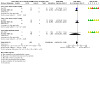
Comparison 2: Uncut Roux‐en‐Y reconstruction versus Roux‐en‐Y reconstruction, Outcome 9: Incidence of oesophagitis
The follow‐up in Noh 2000 was conducted over 6 to 42 months. Specifically, for patients undergoing Roux‐en‐Y and uncut Roux‐en‐Y operations, the follow‐up periods were as follows: 6 to 12 months (Roux‐en‐Y: 9 patients, uncut Roux‐en‐Y: 8 patients), 13 to 18 months (8 and 11 patients, respectively), 19 to 24 months (7 and 9 patients), 25 to 31 months (12 and 10 patients), 32 to 38 months (9 patients each), and 39 to 42 months (6 and 7 patients). Based on this distribution, we estimated the mean follow‐up duration for both groups to be approximately 24 months. The other two studies in our analysis reported outcomes at 12 months post‐surgery. Consequently, the planned subgroup analysis based on follow‐up duration (less than 12 months versus 12 months or more) was not conducted.
Subgroup analysis: open surgery versus minimally invasive surgery
There was no evidence of a subgroup difference between surgery types (test for subgroup differences: Chi² = 0.35, df = 1 (P = 0.55), I² = 0%; Analysis 2.10).
2.10. Analysis.

Comparison 2: Uncut Roux‐en‐Y reconstruction versus Roux‐en‐Y reconstruction, Outcome 10: Incidence of oesophagitis (subgroup analysis according to open or minimally invasive surgery)
Sensitivity analysis: overall high risk of bias
The results of the sensitivity analysis indicated that the pooled result was not substantially affected by the inclusion of studies with overall high risk of bias (Analysis 2.11).
2.11. Analysis.

Comparison 2: Uncut Roux‐en‐Y reconstruction versus Roux‐en‐Y reconstruction, Outcome 11: Incidence of oesophagitis (sensitivity analysis according to risk of bias)
Dumping symptoms (measured at least six months after surgery)
None of the studies reported this outcome measured at least six months after surgery.
Proportion of recanalisation in the uncut Roux‐en‐Y reconstruction
This outcome relates to studies in both comparisons. We narratively described the results without meta‐analysis in six studies (Lin 2019; Noh 2000; Wang 2021; Xie 2023; Xu 2023; Yang 2017), because of three zero‐event trials, and varying uncut devices and follow‐up durations (Table 3). The observed rate of recanalisation across these studies ranged from 13% to 73.7% at the 12‐month follow‐up.
Discussion
Summary of main results
This Cochrane review systematically assessed the impact of uncut Roux‐en‐Y reconstruction following distal gastrectomy for gastric cancer, adhering to a previously published protocol (Cai 2022). We found 10 eligible studies with a total of 1365 participants. Of these, eight studies with 1167 participants could be included in meta‐analyses. Geographically, these studies were exclusively conducted in East Asian countries, with a predominant representation from China. The uncut devices employed across these studies varied, utilising devices ranging from 2‐ to 6‐row linear staplers to suture lines. The follow‐up periods for assessing long‐term outcomes spanned 3 months to 42 months, with most studies focusing on a 6‐ to 12‐month range. Most outcomes presented some concerns regarding the risk of bias, and we rated the certainty of evidence from low to very low.
Comparison 1. Uncut Roux‐en‐Y reconstruction versus Billroth II reconstruction
In the realm of surgical complications, the very low‐certainty evidence suggests that uncut Roux‐en‐Y reconstruction compared with Billroth II reconstruction may make little to no difference to major postoperative complications and the incidence of anastomotic leakage. Thus, we are very uncertain about the results.
Focusing on long‐term outcomes, the low‐ to very low‐certainty evidence suggests that compared with Billroth II reconstruction, uncut Roux‐en‐Y reconstruction may make little to no difference to change in body weight, may reduce the incidence of bile reflux into the remnant stomach, and may have little or no effect on the incidence of remnant gastritis.
As for other outcomes, the meta‐analyses suggested that uncut Roux‐en‐Y reconstruction compared with Billroth II reconstruction may make little to no difference to minor postoperative complications and length of hospital stay.
However, data insufficiency precluded analysis of quality of life and dumping symptoms. Additionally, our intended subgroup analyses could not proceed due to limited data. In examining treatment effect variations between Billroth II reconstruction with or without Braun anastomosis (as indicated in two studies addressing most outcomes), we observed no substantial differences.
Comparison 2: Uncut Roux‐en‐Y reconstruction versus Roux‐en‐Y reconstruction
In the realm of surgical complications, the very low‐certainty evidence suggests that uncut Roux‐en‐Y reconstruction compared with Roux‐en‐Y reconstruction may make little to no difference to major postoperative complications and the incidence of anastomotic leakage. Thus, we are very uncertain about the results.
Focusing on long‐term outcomes, the very low‐certainty evidence suggests that uncut Roux‐en‐Y reconstruction compared with Roux‐en‐Y reconstruction may increase the incidence of bile reflux into the remnant stomach and may make little to no difference to the incidence of remnant gastritis and oesophagitis. We are very uncertain about the results.
As for the other outcomes, the meta‐analysis suggested that uncut Roux‐en‐Y reconstruction compared with Roux‐en‐Y reconstruction may make little to no difference to minor postoperative complications and length of hospital stay.
Notably, data were insufficient for assessing the impacts on quality of life, changes in body weight, and dumping symptoms. The majority of our planned subgroup analyses were not feasible due to data limitations. However, in subgroup analyses comparing open surgery and minimally invasive surgery concerning remnant gastritis and oesophagitis incidence, we found no evidence of statistically significant subgroup differences.
Overall completeness and applicability of evidence
The evidence on the effects of uncut Roux‐en‐Y reconstruction following distal gastrectomy for gastric cancer is lacking in both breadth and applicability. Caution should be exercised when interpreting the findings.
Participants
All 10 studies included in this Cochrane review were conducted in East Asian countries, predominantly in China. This concentration is likely influenced by the substantial number of gastric cancer cases in China, estimated as 509,421 new cases in 2022 (Xia 2022), along with the recommendation for the uncut procedure in some clinical guidelines in China (CACA 2022; CSLES 2023). While this focus contributes significantly to the volume of research emerging from this region, it also introduces a notable geographic homogeneity. This concentration of studies within a specific region, particularly China, raises important questions regarding the broader applicability of the results. The healthcare systems and surgical practices in China might exhibit unique characteristics that are not representative of other global contexts. Such differences could introduce a selection bias, potentially affecting the study outcomes and their interpretations. Consequently, the applicability of these results to populations outside of East Asia, especially in regions with different healthcare infrastructures and epidemiological profiles of gastric cancer, might be limited.
Interventions
This Cochrane review covers studies from 2000 to 2023, during which time surgical equipment and techniques have evolved, with recent studies tending towards minimally invasive surgery. Additionally, the included studies demonstrate variability in the methods of Billroth II reconstruction, specifically regarding the use of Braun anastomosis. Braun anastomosis, often considered subsequent to Billroth II reconstruction in distal gastrectomy, is believed to confer benefits, particularly in reducing bile reflux risk (CSLES 2023). However, it is important to note that there is no RCT directly comparing the outcomes of Billroth II reconstruction with and without Braun anastomosis. A recent observational study indicated that the prevalence of remnant gastritis was comparable between the two reconstruction methods (Li 2022b). Due to the limited number of studies available, a subgroup analysis could not be conducted. Whether Braun anastomosis offers tangible benefits remains a topic of debate and an area ripe for further investigation.
Moreover, in uncut Roux‐en‐Y gastrojejunostomy procedures, surgeons face the dual challenge of selecting the most effective uncut devices, such as uncut linear staplers or sutures, and determining the optimal uncut method, which encompasses the strategic aspects of the surgery. The studies reviewed exhibit variability in the uncut devices employed. These range from the use of linear staplers, which themselves vary in the number of rows, to sutures. Equally important is the consensus on the uncut method. This includes determining distances of the remnant stomach‐jejunum anastomosis, Braun anastomosis, and jejunal occlusion site from the ligament of Treitz, and the lengths of the proximal and distal limbs (Huang 2016a; Huang 2016b). In the studies included in this Cochrane review, the distance between the uncut site (input pouch) and the gastrojejunostomy showed a variation ranging from 2 to 5 cm. These findings emphasise the intricate relationship between the choice of uncut device and the uncut method. Variations in both can significantly impact the effects of this procedure, highlighting the need for comprehensive research to refine and standardise these critical elements, thereby potentially enhancing surgical outcomes.
Recent studies have discovered that food was depositing between the gastrojejunostomy and the occlusion site due to the excessive distance between the two. Investigators have proposed that the jejunal limb should be occluded 2 to 3 cm closer to the gastrojejunostomy to prevent this issue (Huang 2016a; Huang 2016b; Zhu 2020). However, Zhu 2020 noted that over a 12‐month follow‐up period, the distance between the occlusion and gastrointestinal anastomosis unexpectedly increased from 3 cm to 4 to 5 cm. This observation led to the proposal that food accumulation in the blocked segment of the jejunum generates pressure at the closure site, thereby inducing an adaptive elongation of the intestinal remnant. This elongation is posited to be a response to the mechanical stress imposed by accumulated food. Whenever there is a discernible distance between the occlusion and the gastrointestinal anastomosis, this continuous, food‐induced pressure may progressively lead to further adaptive elongation of the intestine. Over time, this mechanism could potentially escalate the rate of recanalisation, as the elongating intestine seeks to relieve the sustained pressure (Zhu 2020).
Outcomes
Currently, the available evidence is insufficient to conclusively determine the impact of uncut Roux‐en‐Y reconstruction on gastric cancer outcomes. This is primarily due to the limited number of studies that report on these outcomes, coupled with a low incidence of events in some outcomes. For example, quality of life, an area identified as vitally important to patients (Alkhaffaf 2018; Alkhaffaf 2020; Alkhaffaf 2021), is reported in only one trial. Another limitation in these studies is the lack of comprehensive long‐term monitoring of participants post‐surgery.
Furthermore, the assessment of bile reflux, remnant gastritis, or oesophagitis has been predominantly conducted through endoscopic investigation. It is important to note that endoscopic findings may not fully capture the patient's symptomatic experience or overall quality of life (Kinoshita 2020). To address this gap, a combination of different methods may be useful. Integrating endoscopy with reflux monitoring techniques, such as pH or impedance‐pH testing, along with the evaluation of self‐administered questionnaires, appears to be a more comprehensive approach for diagnosing bile reflux (Iwakiri 2022; Marshall 1999; Xiao 2021). This multimodal method may provide a richer insight into the patient's condition in a research setting. Moreover, our review revealed that the included studies employed diverse classification criteria for bile reflux, remnant gastritis, and oesophagitis, with some criteria being author‐designed. The variation in classification criteria not only reflects the complexity of these gastrointestinal conditions but also underscores the necessity for a more unified framework (the standardisation of classification criteria) to enhance the comparability and reproducibility of research findings.
In terms of recanalisation, our Cochrane review indicates that the risk of recanalisation may increase over time. However, the relationship between the number of rows in the stapling lines and recanalisation rates is not definitively established. While some observational studies suggest that 6‐row stapling lines might reduce recanalisation rates compared to 3‐row or 4‐row lines (Cai 2022b), other research, including animal experiments with pigs (Wu 2021) and an RCT included in this review (Xie 2023), propose that the number of rows in the staple lines may not be significantly related to recanalisation rates.
Quality of the evidence
We used the GRADE approach to formally assess the evidence certainty for critical outcomes. The evidence certainty, as determined by GRADE, varied from low to very low. This variation largely stemmed from risks of bias and imprecision, highlighted by wide confidence intervals and low event rates.
There were issues with unclear bias due to selective reporting. Older studies often lacked trial registration or protocols, adversely affecting most GRADE judgements. Among the 10 studies included, only four had prospective registrations (Wang 2021; Xie 2023; Xu 2023; Zhou 2023). Moreover, none of the trials conformed to the CONSORT guidelines (Schulz 2010). Many studies failed to provide sufficient details for an accurate bias risk assessment. Missing descriptions of allocation concealment and blinding of outcome assessments were common. Additionally, three trials inadequately addressed incomplete outcome data issues, primarily due to follow‐up losses or analysis exclusions (Noh 2000; Xie 2023; Yang 2017).
Potential biases in the review process
In an effort to minimise bias, we rigorously adhered to the standard Cochrane methodology throughout our review process. We conducted a comprehensive search of electronic databases and trial registries, supplemented by manual reviews of the Chinese Clinical Trial Registry and references from relevant systematic reviews identified by our search. As such, we are confident in our comprehensive overview of the currently available evidence.
However, it is important to acknowledge that our review grouped surgical techniques under the single umbrella term of Billroth II reconstruction (with and without Braun anastomosis), Roux‐en‐Y reconstruction, and uncut Roux‐en‐Y reconstruction. This classification inevitably included a range of surgical approaches, specifically variations in the uncut method/device utilised, as well as the selection between minimally invasive and open procedures. Although this heterogeneity poses a challenge when pooling data for meta‐analyses, it is an unavoidable measure required to ensure meaningful comparisons.
In our Cochrane review, we incorporated two unpublished academic dissertations (Chen 2018; Lin 2019). While there is no evidence to suggest that the methodological quality of grey literature is inferior to that of published articles (Hopewell 2007), we remain concerned about the potential for bias in articles lacking peer review, particularly in the case of Lin 2019, which was involved in our meta‐analysis. Additionally, it is crucial to note that the unpublished studies that we located may not be representative of all unpublished studies (Higgins 2019).
We premised our analysis on the assumption of a normal distribution for the available continuous data. However, the prospect of a non‐normal distribution cannot be entirely dismissed, given the lack of compelling evidence supporting a normal distribution in the trial reports. Without individual patient data, we could not definitively ascertain whether these outcomes adhered to a normal distribution. Worth noting is that the RevMan meta‐analyses of continuous data are predicated on the assumption that the data conforms to a normal distribution to a reasonable degree.
Another limitation we encountered was the relatively small number of studies and total participants included. Consequently, we were unable to conduct all prespecified analyses as outlined in the published protocol for this Cochrane review (Cai 2022). To accommodate this, we adjusted the analyses to complete the current Cochrane review (see Differences between protocol and review).
Agreements and disagreements with other studies or reviews
We discovered seven systematic reviews and meta‐analyses that have been published over the years, investigating the impact of uncut Roux‐en‐Y reconstruction following distal gastrectomy on gastric cancer (Jiao 2022; Li 2022a; Lombardo 2022; Luo 2019; Ma 2019; Min 2022; Sun 2018).
Jiao 2022 included both observational studies and RCTs, comparing uncut Roux‐en‐Y reconstruction with Billroth‐II reconstruction with Braun anastomosis following laparoscopic distal gastrectomy in the treatment of patients with gastric cancer, which differs from the methodology used in this Cochrane review. The authors performed subgroup analysis for observational studies and RCTs for nearly all outcomes, which revealed differences between observational studies and RCTs in specific outcomes such as time to first solid diet. They found that uncut Roux‐en‐Y reconstruction resulted in a significantly lower incidence of remnant gastritis compared to Billroth‐II reconstruction with Braun anastomosis, without any significant difference in postoperative hospital stay or anastomotic leakage. Notably, while the authors included three RCTs in their review (Chen 2018; Ren 2020; Wang 2021), the present study only included two of them (Chen 2018; Wang 2021) and excluded the others due to vague or incorrect descriptions of the uncut reconstruction method in the original text (Ren 2020).
Li 2022a included both observational studies and RCTs, comparing uncut Roux‐en‐Y reconstruction with four other reconstruction methods (Billroth‐I, Billroth‐II, Billroth‐II with Braun anastomosis, and Roux‐en‐Y reconstruction) following distal gastrectomy in the treatment of patients with gastric cancer. However, the authors did not analyse observational studies and RCTs separately, which differs from the methodology employed in this Cochrane review. They found that uncut Roux‐en‐Y reconstruction was superior in reducing remnant gastritis compared to other four reconstruction methods, better than Billroth‐II with Braun and Billroth‐II anastomoses for preventing bile reflux, and had shorter postoperative hospital stays than Billroth‐II with Braun anastomosis, Billroth‐II, and Roux‐en‐Y reconstruction. Moreover, the authors reported that uncut Roux‐en‐Y reconstruction had a lower incidence of anastomotic leakage than Roux‐en‐Y reconstruction, though there were no differences between uncut Roux‐en‐Y reconstruction and three other reconstruction methods. Notably, while the authors included six RCTs in their review (Ren 2020; Shen 2019; Wang 2021; Wei 2018; Xu 2010; Yang 2017), our Cochrane review only included two of them (Wang 2021; Yang 2017). We excluded the rest for the following reasons: (1) vague or incorrect descriptions of the uncut reconstruction method in the original text (Ren 2020; Wei 2018), (2) inclusion of only multifocal tumours (Shen 2019), and (3) contradictory data in the context (Xu 2010).
Lombardo 2022 performed a network meta‐analysis and only included RCTs comparing uncut Roux‐en‐Y, Billroth‐I, Billroth‐II, Billroth‐II with Braun anastomosis, or Roux‐en‐Y reconstruction after distal gastrectomy in the treatment of patients with gastric cancer. This study included 10 RCTs in total, of which only two studies involved uncut Roux‐en‐Y reconstruction. The authors reported no differences between uncut Roux‐en‐Y reconstruction and Roux‐en‐Y reconstruction in terms of overall morbidity, anastomotic leak, remnant gastritis at 12 months, and bile reflux at 12 months. Additionally, no significant differences were found in hospital stay between these reconstruction methods. The authors included two RCTs that were also included in this Cochrane review (Wang 2021; Yang 2017).
Luo 2019 included both observational studies and RCTs comparing uncut Roux‐en‐Y reconstruction to Billroth‐II reconstruction following distal gastrectomy in the treatment of patients with gastric cancer. However, the authors did not analyse observational studies and RCTs separately, which differs from the methodology used in this Cochrane review. Additionally, the authors did not perform a quality assessment for the RCTs included in their review. They reported that uncut Roux‐en‐Y reconstruction had the advantage of shorter postoperative hospital stay and a lower incidence of bile reflux, remnant gastritis, and gastric retention compared to Billroth‐II reconstruction, without any significant difference in anastomotic leakage. The authors included two RCTs that were also included in the present meta‐analysis (Chen 2018; Yang 2017).
Ma 2019 is a network meta‐analysis and included both observational studies and one RCT (Yang 2017), comparing uncut Roux‐en‐Y, Billroth‐I, Billroth‐II, or Roux‐en‐Y reconstruction after laparoscopic distal gastrectomy in the treatment of patients with gastric cancer. However, the authors did not perform a quality assessment of the included RCT. They found that uncut Roux‐en‐Y reconstruction was superior to the other three reconstruction methods in preventing food residue, superior to Billroth‐II reconstruction in preventing remnant gastritis, and better than Billroth‐I and Billroth‐II reconstruction in preventing bile reflux. The only RCT included was also included in our meta‐analysis (Yang 2017).
Min 2022 only searched PubMed and focused on the comparison of Roux‐en‐Y reconstruction to Billroth‐I, Billroth‐II, or Billroth‐II reconstruction with Braun anastomosis. Only one RCT concerning uncut Roux‐en‐Y reconstruction was included in a descriptive analysis in the original review and was also included in this Cochrane review (Yang 2017).
Sun 2018 compared uncut Roux‐en‐Y reconstruction to Roux‐en‐Y reconstruction after distal gastrectomy in the treatment of patients with gastric cancer, including both observational studies and RCTs. The authors performed subgroup analysis (observational studies and RCTs) for certain outcomes, but did not separately assess the majority of outcomes, which diverged from our methodology. They found that uncut Roux‐en‐Y reconstruction had a significantly lower incidence of remnant gastritis/oesophagitis and delayed gastric emptying compared to Roux‐en‐Y reconstruction, but no superiority or inferiority for postoperative hospital stay or anastomotic leakage. Notably, the authors included two RCTs in their review (Noh 2000; Xu 2010), and we only included one (Noh 2000); we excluded the other RCT for contradictory data in the context (Xu 2010).
Authors' conclusions
Implications for practice.
The findings of this Cochrane review are based on low‐ to very low‐certainty evidence, which has resulted in insufficient information to draw strong conclusions or inform clinical practice adequately. Further well‐designed studies may change the conclusions of this Cochrane review.
Uncut Roux‐en‐Y reconstruction versus Billroth II reconstruction
Uncut Roux‐en‐Y reconstruction may make little to no difference to major postoperative complications and the incidence of anastomotic leakage (very low‐certainty evidence), indicating that surgical complication rates may be comparable. However, we are very uncertain about these results.
Uncut Roux‐en‐Y reconstruction may make little to no difference to change in body weight from baseline (low‐certainty evidence). Uncut Roux‐en‐Y reconstruction may reduce bile reflux (low‐certainty evidence), but may make little to no difference to remnant gastritis (very low‐certainty evidence). The endoscopic results might not accurately reflect a patient's symptoms or quality of life.
Uncut Roux‐en‐Y reconstruction versus Roux‐en‐Y reconstruction
Uncut Roux‐en‐Y reconstruction may have little to no effect on major postoperative complications and the incidence of anastomotic leakage (very low‐certainty evidence), thus indicating that surgical complication rates may be comparable. However, we are very uncertain about these results.
Uncut Roux‐en‐Y reconstruction may increase the risk of bile reflux, but may make little to no difference to remnant gastritis and oesophagitis (very low‐certainty evidence). The endoscopic results might not accurately reflect a patient's symptoms or quality of life. We are very uncertain about these results.
Implications for research.
To fully assess the effects of uncut Roux‐en‐Y reconstruction after distal gastrectomy for gastric cancer, more randomised trials are needed. Conducting additional well‐designed, independent, and adequately powered trials with long‐term follow‐up would be beneficial in further strengthening the evidence base. Future research and reviews should focus on long‐term outcomes such as health‐related quality of life, recanalisation, body weight change, and the incidence of bile reflux, remnant gastritis, or oesophagitis. Additionally, it is crucial for future trials to investigate the effects of different operative elements in surgical procedures (e.g. distance between gastrojejunostomy and jejunal occlusion, device for jejunal occlusion) to prevent recanalisation.
This review has also identified a notable deficiency in the standardisation of outcome measurements and reporting across clinical trials, highlighting the need for a more unified framework.
History
Protocol first published: Issue 6, 2022
Risk of bias
Acknowledgements
Cochrane Colorectal supported the authors in the development of this review.
Editorial and peer reviewer contributions
The following people conducted the editorial process for this article:
Sign‐off Editor (final editorial decision): Jacob Rosenberg, University of Copenhagen, Herlev Hospital, Centre for Perioperative Optimization
Managing Editor (selected peer reviewers, provided editorial guidance to authors, edited the article): Sam Hinsley, Cochrane Central Editorial Service
Editorial Assistant (conducted editorial policy checks, collated peer reviewer comments and supported the editorial team): Leticia Rodrigues, Cochrane Central Editorial Service
Copy Editor (copy editing and production): Jenny Bellorini, Cochrane Central Production Service
Peer reviewers (provided comments and recommended an editorial decision): Nuala Livingstone, Cochrane Evidence Production and Methods Directorate (methods), Yuan Chi, Beijing Yealth Technology Co. Ltd; McMaster University (search), Kenichi Iwasaki, Department of Gastrointestinal and Pediatric Surgery, Tokyo Medical University, Tokyo, Japan (clinical), and Daniel Reim, MD, Professor of Surgery, TUM School of Medicine, Department of Surgery (clinical)
Appendices
Appendix 1. Search strategy
CENTRAL Ovid
1. exp Stomach Neoplasms/ 2. ((gastric or gastro* or stomach) adj3 (cancer* or carcinoma* or malignan* or tumor* or tumour* or neoplas* or adenocarcinoma*)).tw,kw. 3. 1 or 2 4. exp Gastric Bypass/ 5. exp gastroenterostomy/ 6. exp anastomosis, roux‐en‐y/ 7. (Roux‐en‐Y or Roux‐Y).tw,kw. 8. Billroth*.tw,kw. 9. (gastrojejunostom* or gastro‐jejunostom* or ((gastrojejunal or gastro‐jejunal or jejunogastric or jejunum‐gastric or jejuno‐gastric) adj2 (anastom* or fixation* or reconstruct*))).tw,kw. 10. (gastroenterostom* or gastro‐enterostom* or gastroduodenostom* or gastro‐duodenostom* or ((gastroduoden* or gastro‐duoden*) adj2 (anastom* or fixation* or reconstruct*))).tw,kw. 11. 4 or 5 or 6 or 7 or 8 or 9 or 10 12. 3 and 11
Embase Ovid
1. randomized controlled trial/ 2. controlled clinical trial/ 3. random$.ti,ab. 4. randomization/ 5. intermethod comparison/ 6. placebo.ti,ab. 7. (compare or compared or comparison).ti. 8. ((evaluated or evaluate or evaluating or assessed or assess) and (compare or compared or comparing or comparison)).ab. 9. (open adj label).ti,ab. 10. ((double or single or doubly or singly) adj (blind or blinded or blindly)).ti,ab. 11. double blind procedure/ 12. parallel group$1.ti,ab. 13. (crossover or cross over).ti,ab. 14. ((assign$ or match or matched or allocation) adj5 (alternate or group$1 or intervention$1 or patient$1 or subject$1 or participant$1)).ti,ab. 15. (assigned or allocated).ti,ab. 16. (controlled adj7 (study or design or trial)).ti,ab. 17. (volunteer or volunteers).ti,ab. 18. human experiment/ 19. trial.ti. 20. 1 or 2 or 3 or 4 or 5 or 6 or 7 or 8 or 9 or 10 or 11 or 12 or 13 or 14 or 15 or 16 or 17 or 18 or 19 21. (random$ adj sampl$ adj7 ("cross section$" or questionnaire$1 or survey$ or database$1)).ti,ab. not (comparative study/ or controlled study/ or randomi?ed controlled.ti,ab. or randomly assigned.ti,ab.) 22. Cross‐sectional study/ not (randomized controlled trial/ or controlled clinical study/ or controlled study/ or randomi?ed controlled.ti,ab. or control group$1.ti,ab.) 23. (((case adj control$) and random$) not randomi?ed controlled).ti,ab. 24. (Systematic review not (trial or study)).ti. 25. (nonrandom$ not random$).ti,ab. 26. (random cluster adj3 sampl$).ti,ab. 27. "Random field$".ti,ab. 28. (review.ab. and review.pt.) not trial.ti. 29. "we searched".ab. and (review.ti. or review.pt.) 30. "update review".ab. 31. (databases adj4 searched).ab. 32. (rat or rats or mouse or mice or swine or porcine or murine or sheep or lambs or pigs or piglets or rabbit or rabbits or cat or cats or dog or dogs or cattle or bovine or monkey or monkeys or trout or marmoset$1).ti. and animal experiment/ 33. Animal experiment/ not (human experiment/ or human/) 34. or/21‐33 35. 20 not 34 36. exp stomach tumor/ 37. ((gastric or gastro* or stomach) adj3 (cancer* or carcinoma* or malignan* or tumor* or tumour* or neoplas* or adenocarcinoma*)).tw,kw. 38. 36 or 37 39. exp gastrectomy Billroth II/ or exp gastrectomy Billroth I/ 40. Billroth*.tw,kw. 41. (Roux‐en‐Y or Roux‐Y).tw,kw. 42. exp gastroenterostomy/ or exp gastrojejunostomy/ or exp gastroduodenostomy/ 43. exp gastric bypass surgery/ 44. (gastrojejunostom* or gastro‐jejunostom* or ((gastrojejunal or gastro‐jejunal or jejunogastric or jejunum‐gastric or jejuno‐gastric) adj2 (anastom* or fixation* or reconstruct*))).tw,kw. 45. (gastroenterostom* or gastro‐enterostom* or gastroduodenostom* or gastro‐duodenostom* or ((gastroduoden* or gastro‐duoden*) adj2 (anastom* or fixation* or reconstruct*))).tw,kw. 46. 39 or 40 or 41 or 42 or 43 or 44 or 45 47. 38 and 46 48. 35 and 47
PubMed
#1 "stomach neoplasms"[MeSH Terms] OR (("gastric*"[tiab] OR "gastro*"[tiab] OR "gut"[tiab] OR "stomach*"[tiab]) AND ("adenocarcinoma*"[tiab] OR "cancer*"[tiab] OR "carcinoma*"[tiab] OR "neoplasm*"[tiab] OR tumor*[tiab] OR tumour*[tiab]))
#2 "gastroenterostomy"[MeSH Terms] OR "gastroenterostom*"[tiab] OR "gastro enterostom*"[tiab]
#3 "gastroduodenostom*"[tiab] OR "gastro duodenostom*"[tiab] OR "gastrojejunostom*"[tiab] OR "gastro jejunostom*"[tiab] OR "billroth*"[tiab]
#4 "anastomosis, roux en y"[MeSH Terms] OR "roux en y"[tiab] OR "Roux‐Y"[tiab] OR "gastric bypass*"[tiab]
#5 (gastrojejunal[Tiab] OR gastro‐jejunal[Tiab] OR jejunogastric[Tiab] OR jejunum‐gastric[Tiab] OR jejuno‐gastric[Tiab] OR gastroduoden*[Tiab] OR gastro‐duoden*[Tiab]) AND (anastom*[Tiab] OR fixation*[Tiab] OR reconstruct*[Tiab])
#6 "gastroenterostomy/methods"[MeSH Major Topic]
#7 #2 OR #3 OR #4 OR #5
#8 #1 AND #7
#9 #8 OR #6
#10 (randomized controlled trial[pt] OR controlled clinical trial[pt] OR randomized[tiab] OR placebo[tiab] OR clinical trials as topic[mesh:noexp] OR randomly[tiab] OR trial[ti] NOT (animals[mh] NOT humans [mh]))
#11 (((systematic review[ti] OR systematic literature review[ti] OR systematic scoping review[ti] OR systematic narrative review[ti] OR systematic qualitative review[ti] OR systematic evidence review[ti] OR systematic quantitative review[ti] OR systematic meta‐review[ti] OR systematic critical review[ti] OR systematic mixed studies review[ti] OR systematic mapping review[ti] OR systematic cochrane review[ti] OR systematic search and review[ti] OR systematic integrative review[ti]) NOT comment[pt] NOT (protocol[ti] OR protocols[ti])) NOT MEDLINE [subset]) OR (Cochrane Database Syst Rev[ta] AND review[pt]) OR systematic review[pt]
#12 #10 OR #11
#13 #9 AND #12
Wanfang Data Knowledge Service Platform*
主题:("吻合" OR "重建" OR "billroth" OR "Roux‐en‐Y") and 主题:("胃癌") and 主题:("随机")
CNKI*
(主题:吻合(精确))OR(主题:重建(精确))OR(主题:billroth(精确))OR(主题:Roux‐en‐Y(精确))AND(主题:胃癌(精确))AND(主题:随机(精确))
US National Institutes of Health Ongoing Trials Register (ClinicalTrials.gov)
Distal Gastrectomy
World Health Organization International Clinical Trials Registry Platform
Distal Gastrectomy
*English Explanation for Chinese:
"吻合" (Anastomosis)
"重建" (Reconstruction)
"胃癌" (Gastric Cancer)
"随机" (Random)
Data and analyses
Comparison 1. Uncut Roux‐en‐Y reconstruction versus Billroth II reconstruction.
| Outcome or subgroup title | No. of studies | No. of participants | Statistical method | Effect size |
|---|---|---|---|---|
| 1.1 Major postoperative complications | 2 | 282 | Risk Ratio (M‐H, Random, 95% CI) | 0.98 [0.24, 4.05] |
| 1.1.1 6‐row uncut linear stapler | 1 | 124 | Risk Ratio (M‐H, Random, 95% CI) | 2.00 [0.19, 21.49] |
| 1.1.2 4‐row uncut linear stapler | 1 | 158 | Risk Ratio (M‐H, Random, 95% CI) | 0.67 [0.11, 3.88] |
| 1.2 Incidence of anastomotic leakage | 3 | 615 | Risk Ratio (M‐H, Random, 95% CI) | 0.64 [0.29, 1.44] |
| 1.2.1 6‐row uncut linear stapler | 1 | 124 | Risk Ratio (M‐H, Random, 95% CI) | Not estimable |
| 1.2.2 4‐row uncut linear stapler | 1 | 155 | Risk Ratio (M‐H, Random, 95% CI) | Not estimable |
| 1.2.3 Unclear type of linear stapler | 1 | 336 | Risk Ratio (M‐H, Random, 95% CI) | 0.64 [0.29, 1.44] |
| 1.3 Minor postoperative complications | 2 | 282 | Risk Ratio (M‐H, Random, 95% CI) | 0.64 [0.21, 1.96] |
| 1.4 Length of hospital stay | 2 | 460 | Mean Difference (IV, Random, 95% CI) | ‐0.17 [‐0.65, 0.31] |
| 1.5 Changes in body weight (kg) from baseline | 2 | 233 | Mean Difference (IV, Random, 95% CI) | 0.04 [‐0.84, 0.92] |
| 1.5.1 4‐row uncut linear stapler | 1 | 153 | Mean Difference (IV, Random, 95% CI) | 0.14 [‐1.03, 1.31] |
| 1.5.2 2‐row uncut linear stapler | 1 | 80 | Mean Difference (IV, Random, 95% CI) | ‐0.09 [‐1.43, 1.25] |
| 1.6 Incidence of bile reflux | 1 | 141 | Risk Ratio (M‐H, Random, 95% CI) | 0.67 [0.55, 0.83] |
| 1.7 Incidence of remnant gastritis | 2 | 265 | Risk Ratio (M‐H, Random, 95% CI) | 0.27 [0.01, 5.06] |
| 1.7.1 6‐row uncut linear stapler | 1 | 124 | Risk Ratio (M‐H, Random, 95% CI) | 0.05 [0.00, 0.89] |
| 1.7.2 4‐row uncut linear stapler | 1 | 141 | Risk Ratio (M‐H, Random, 95% CI) | 0.76 [0.59, 0.99] |
Comparison 2. Uncut Roux‐en‐Y reconstruction versus Roux‐en‐Y reconstruction.
| Outcome or subgroup title | No. of studies | No. of participants | Statistical method | Effect size |
|---|---|---|---|---|
| 2.1 Major postoperative complications | 2 | 256 | Risk Ratio (M‐H, Random, 95% CI) | 4.74 [0.23, 97.08] |
| 2.1.1 6‐row uncut linear stapler | 1 | 108 | Risk Ratio (M‐H, Random, 95% CI) | Not estimable |
| 2.1.2 2‐row uncut linear stapler | 1 | 148 | Risk Ratio (M‐H, Random, 95% CI) | 4.74 [0.23, 97.08] |
| 2.2 Incidence of anastomotic leakage | 2 | 213 | Risk Ratio (M‐H, Random, 95% CI) | 0.34 [0.05, 2.08] |
| 2.2.1 Polypropylene suture | 1 | 117 | Risk Ratio (M‐H, Random, 95% CI) | 0.34 [0.01, 8.15] |
| 2.2.2 Unclear uncut device | 1 | 96 | Risk Ratio (M‐H, Random, 95% CI) | 0.33 [0.04, 3.09] |
| 2.3 Minor postoperative complications | 2 | 256 | Risk Ratio (M‐H, Random, 95% CI) | 2.06 [0.89, 4.76] |
| 2.4 Length of hospital stay | 3 | 352 | Mean Difference (IV, Random, 95% CI) | ‐0.20 [‐0.81, 0.42] |
| 2.5 Incidence of bile reflux | 1 | 108 | Risk Ratio (M‐H, Random, 95% CI) | 10.74 [3.52, 32.76] |
| 2.6 Incidence of remnant gastritis | 3 | 361 | Risk Ratio (M‐H, Random, 95% CI) | 1.18 [0.69, 2.01] |
| 2.6.1 6‐row uncut linear stapler | 1 | 108 | Risk Ratio (M‐H, Random, 95% CI) | 1.01 [0.92, 1.10] |
| 2.6.2 2‐row uncut linear stapler | 1 | 148 | Risk Ratio (M‐H, Random, 95% CI) | 1.35 [0.74, 2.47] |
| 2.6.3 Polypropylene suture | 1 | 105 | Risk Ratio (M‐H, Random, 95% CI) | 1.89 [0.36, 9.87] |
| 2.7 Incidence of remnant gastritis (subgroup analysis according to open or minimally invasive surgery) | 3 | 361 | Risk Ratio (M‐H, Random, 95% CI) | 1.18 [0.69, 2.01] |
| 2.7.1 Open surgery | 1 | 105 | Risk Ratio (M‐H, Random, 95% CI) | 1.89 [0.36, 9.87] |
| 2.7.2 Minimally invasive surgery | 2 | 256 | Risk Ratio (M‐H, Random, 95% CI) | 1.11 [0.68, 1.83] |
| 2.8 Incidence of remnant gastritis (Sensitivity analysis according to risk of bias) | 2 | 253 | Risk Ratio (M‐H, Random, 95% CI) | 1.41 [0.80, 2.48] |
| 2.9 Incidence of oesophagitis | 3 | 361 | Risk Ratio (M‐H, Random, 95% CI) | 0.82 [0.53, 1.26] |
| 2.9.1 6‐row uncut linear stapler | 1 | 108 | Risk Ratio (M‐H, Random, 95% CI) | 0.77 [0.46, 1.27] |
| 2.9.2 2‐row uncut linear stapler | 1 | 148 | Risk Ratio (M‐H, Random, 95% CI) | 1.05 [0.45, 2.44] |
| 2.9.3 Polypropylene suture | 1 | 105 | Risk Ratio (M‐H, Random, 95% CI) | 0.32 [0.01, 7.56] |
| 2.10 Incidence of oesophagitis (subgroup analysis according to open or minimally invasive surgery) | 3 | 361 | Risk Ratio (M‐H, Random, 95% CI) | 0.82 [0.53, 1.26] |
| 2.10.1 Open surgery | 1 | 105 | Risk Ratio (M‐H, Random, 95% CI) | 0.32 [0.01, 7.56] |
| 2.10.2 Minimally invasive surgery | 2 | 256 | Risk Ratio (M‐H, Random, 95% CI) | 0.83 [0.54, 1.28] |
| 2.11 Incidence of oesophagitis (sensitivity analysis according to risk of bias) | 2 | 253 | Risk Ratio (M‐H, Random, 95% CI) | 0.97 [0.43, 2.19] |
Characteristics of studies
Characteristics of included studies [ordered by study ID]
Chen 2018.
| Study characteristics | |
| Methods |
Study design: quasi‐randomised trial Enrolment start and end dates: May 2016 to September 2017 Length of follow‐up: 3 months Randomisation sequence generation: the order in which people were recruited Setting: hospital Location: China Data source: Lanzhou University Second Hospital, Lanzhou, Gansu province, China Blinding: not mentioned Sample size calculation: not mentioned |
| Participants |
Number of participants: 60 Intervention (uncut Roux‐en‐Y reconstruction) group: 30 Control (Billroth II reconstruction with Braun anastomosis) group: 30 Inclusion criteria:
Exclusion criteria:
Mean age (years): Uncut Roux‐en‐Y reconstruction group: 55.00 ± 5.40 Billroth II reconstruction with Braun anastomosis group: 53.50 ± 7.56 Sex (male, female): Uncut Roux‐en‐Y reconstruction group: 17, 13 Billroth II reconstruction with Braun anastomosis group: 16, 14 Pathological stage: Uncut Roux‐en‐Y reconstruction group: stage I, 3; stage II, 10; stage III, 17 Billroth II reconstruction with Braun anastomosis group: stage I, 4; stage II, 12; stage III, 14 Pathological stage criteria: 7th Edition of the AJCC Cancer Staging Manual: Stomach Mean tumour size (cm) (measured postoperatively): Uncut Roux‐en‐Y reconstruction group: 3.27 ± 1.58 Billroth II reconstruction with Braun anastomosis group: 3.84 ± 2.20 |
| Interventions |
Intervention: uncut Roux‐en‐Y reconstruction
Control: Billroth II reconstruction with Braun anastomosis Whether minimally invasive surgery or not: yes, total laparoscopy for both intervention and control group |
| Outcomes |
Outcomes of interest in the review:
Outcomes reported in the original article:
|
| Notes |
Language of publication: Chinese Funding source: healthcare scientific research project of Gansu province (GSWSKY2017‐36) Declaration of interests: not mentioned Trial registration number: not mentioned |
Lin 2019.
| Study characteristics | |
| Methods |
Study design: parallel‐group, randomised trial Enrolment start and end dates: January 2018 to September 2018 Length of follow‐up: 6 months Randomisation sequence generation: not mentioned Setting: hospital Location: China Data source: Affiliated Hospital of Guangdong Medical University, Zhanjiang, Guangdong province, China Blinding: not mentioned Sample size calculation: not mentioned |
| Participants |
Number of participants: 80 Intervention group (uncut Roux‐en‐Y reconstruction): 40 Control group (Billroth II reconstruction): 40 Inclusion criteria:
Exclusion criteria:
Mean age (years): Uncut Roux‐en‐Y reconstruction group: 58.80 ± 11.68 Billroth II reconstruction group: 60.40 ± 10.70 Age range (years): Uncut Roux‐en‐Y reconstruction group: 30 to 77 Billroth II reconstruction group: 40 to 79 Sex (male, female): Uncut Roux‐en‐Y reconstruction group: 27, 13 Billroth II reconstruction group: 30, 10 Pathological stage: Uncut Roux‐en‐Y reconstruction group: stage I, 8; stage II, 10; stage III, 22 Billroth II reconstruction: stage I, 6; stage II, 16; stage III, 18 Pathological stage criteria: not mentioned Mean tumour size (cm) (measured postoperatively): Uncut Roux‐en‐Y reconstruction group: not mentioned Billroth II reconstruction group: not mentioned |
| Interventions |
Intervention: uncut Roux‐en‐Y reconstruction
Control: Billroth II reconstruction Whether minimally invasive surgery or not: yes, laparoscopy for both intervention and control group |
| Outcomes |
Outcomes of interest in the review:
Outcomes reported in the original article:
|
| Notes |
Language of publication: Chinese Funding source: not mentioned Declaration of interests: not mentioned Trial registration number: not mentioned |
Luo 2020.
| Study characteristics | |
| Methods |
Study design: parallel‐group, randomised trial Enrolment start and end dates: March 2016 to March 2019 Length of follow‐up: not mentioned Randomisation sequence generation: random number table Setting: hospital Location: China Data source: Luoding People’s Hospital Guangdong Province, Luoding, Guangdong Province, China Blinding: not mentioned Sample size calculation: not mentioned |
| Participants |
Number of participants: 96 Intervention group (uncut Roux‐en‐Y reconstruction): 48 Control group (Roux‐en‐Y reconstruction): 48 Inclusion criteria:
Exclusion criteria:
Mean age (years): Uncut Roux‐en‐Y reconstruction group: 59.2 ± 8.4 Roux‐en‐Y reconstruction group: 60.4 ± 7.1 Age range (years): Uncut Roux‐en‐Y reconstruction group: 44 to 77 Roux‐en‐Y reconstruction group: 42 to 79 Sex (male, female): Uncut Roux‐en‐Y reconstruction group: 28, 20 Roux‐en‐Y reconstruction group: 23, 25 Clinical stage: Uncut Roux‐en‐Y reconstruction group: stage I, 15; stage II, 27; stage III, 6 Roux‐en‐Y reconstruction group: stage I, 12; stage II, 31; stage III, 5 Clinical stage criteria: 7th Edition of the AJCC Cancer Staging Manual: Stomach Mean tumour size (cm): Uncut Roux‐en‐Y reconstruction group: 4.71 ± 1.20 Roux‐en‐Y reconstruction group: 4.80 ± 1.16 |
| Interventions |
Intervention: uncut Roux‐en‐Y reconstruction
Control: Roux‐en‐Y reconstruction Whether minimally invasive surgery or not: yes, laparoscopy for both intervention and control group |
| Outcomes |
Outcomes of interest in the review:
Outcomes reported in the original article:
|
| Notes |
Language of publication: Chinese Funding source: Yunfu science and technology project (WS201624) Declaration of interests: not mentioned Trial registration number: not mentioned Contact note: we reached out to the authors, however we received no response |
Noh 2000.
| Study characteristics | |
| Methods |
Study design: parallel‐group, randomised trial Enrolment start and end dates: August 1996 to December 1999 Length of follow‐up: 6 to 42 months Randomisation sequence generation: not mentioned Setting: hospital Location: South Korea Data source: Chungnam National University Hospital, Daejon, Korea Blinding: the observer was blinded to the type of operation Sample size calculation: not mentioned |
| Participants |
Number of participants: a total of 117 participants. However, the final analysis included only 105 participants due to postoperative complications and recurrence. Intervention group (uncut Roux‐en‐Y reconstruction): initially 58 participants, with 54 included in the final analysis Control group (Roux‐en‐Y reconstruction group): initially 59 participants, with 51 included in the final analysis Note: In total, 12 participants were randomly assigned but excluded in the final data analysis for the following reasons:
Inclusion criteria: patients who were diagnosed preoperatively with adenocarcinoma of the stomach Exclusion criteria:
Mean age (years): Uncut Roux‐en‐Y reconstruction group: 59 Roux‐en‐Y reconstruction group: 53 Age range (years): Uncut Roux‐en‐Y reconstruction group: 32 to 82 Roux‐en‐Y reconstruction group: 22 to 84 Sex (male, female): Uncut Roux‐en‐Y reconstruction group: 38, 16 Roux‐en‐Y reconstruction group: 31, 20 Clinical stage: Uncut Roux‐en‐Y reconstruction group: stage IA, 12; stage IB, 7; stage II, 22; stage IIIA, 11; stage IIIB, 2 Roux‐en‐Y reconstruction group: stage IA, 25; stage IB, 7; stage II, 8; stage IIIA, 8; stage IIIB, 3 Clinical stage criteria: not mentioned Mean tumour size (cm): Uncut Roux‐en‐Y reconstruction group: not mentioned Roux‐en‐Y reconstruction group: not mentioned |
| Interventions |
Intervention: uncut Roux‐en‐Y reconstruction
Control: Roux‐en‐Y reconstruction Whether minimally invasive surgery or not: not mentioned |
| Outcomes |
Outcomes of interest in the review:
Outcomes reported in the original article:
|
| Notes |
Language of publication: English Funding source: not mentioned Declaration of interests: not mentioned Trial registration number: not mentioned |
Wang 2021.
| Study characteristics | |
| Methods |
Study design: parallel‐group, randomised trial Enrolment start and end dates: January 2017 to May 2018 Length of follow‐up: 6 months Randomisation sequence generation: randomisation assigned by computer‐generated table and performed in the operation room by independent nurses who were not involved in the study before gastrointestinal anastomosis Setting: hospital Location: China Data source: Xijing Hospital, The Fourth Military Medical University, Xi’an, China Henan Cancer Hospital, Zhengzhou, Henan, China Zhengzhou University, Zhengzhou, Henan, China Lanzhou University Second Hospital, Lanzhou, Gansu, China Blinding: only data collection and analysis were blinded Sample size calculation: The authors made the hypothesis of 45% in the control group (Billroth II plus Braun anastomosis procedure – 45%). The parameters were designed for a non‐inferiority test with a non‐inferiority margin of 20% (α = 0.05, b = 0.20, and a power of 80%). Considering both clinical and statistical factors, no fewer than 172 participants (86 participants in each group) would be needed. Allowing for a 20% dropout, a total of 210 participants (105 participants in each group) would be recruited. |
| Participants |
Number of participants: 124 Intervention group (uncut Roux‐en‐Y reconstruction group): 62 Control group (Billroth II reconstruction group): 62 Inclusion criteria:
Exclusion criteria:
Mean age (years): Uncut Roux‐en‐Y reconstruction group: 54.84 ± 8.31 Billroth II reconstruction with Braun anastomosis group: 54.69 ± 10.07 Sex (male, female): Uncut Roux‐en‐Y reconstruction group: 44, 18 Billroth II reconstruction with Braun anastomosis group: 44, 18 Pathological Stage: Uncut Roux‐en‐Y reconstruction group: stage II, 36; stage III, 26 Billroth II reconstruction with Braun anastomosis group: stage II, 37; stage III, 25 Pathological stage criteria: the AJCC Cancer Staging Manual: Stomach (edition not mentioned) Mean tumour size (cm): Uncut Roux‐en‐Y reconstruction group: 3.48 ± 1.22 Billroth II reconstruction with Braun anastomosis group: 3.36 ± 1.14 |
| Interventions |
Intervention: uncut Roux‐en‐Y reconstruction
Control: Billroth II reconstruction with Braun anastomosis Whether minimally invasive surgery or not: yes, total laparoscopy for both intervention and control group |
| Outcomes |
Outcomes of interest in the review:
Outcomes reported in the original article:
|
| Notes |
Language of publication: English Funding source: This work was supported by a grant from the National Natural Science Foundation of China (Key Program 81502401 and 31670828) and Wu Jie‐Ping Medical Foundation (320.6750.17508). Declaration of interests: The authors declared no conflict of interest. Trial registration number: ChiCTR‐INR‐17010594 |
Xie 2023.
| Study characteristics | |
| Methods |
Study design: parallel‐group, randomised trial Enrolment start and end dates: June 2018 to December 2021 Length of follow‐up: 12 months Randomisation sequence generation: random number table Setting: hospital Location: China Data source: Shanghai Tongji Hospital and Ningbo Hwa Mei Hospital Blinding: single‐blind study. Clinical information collection, especially postoperative follow‐up, is completed by researchers who are not involved in the operation. The patients know the way of their own operation. Sample size calculation: There have been no exact incidences of RSS after Roux‐en‐Y or uncut Roux‐en‐Y evaluated based on a large cohort. A minimum sample size of 44 patients per randomisation arm was estimated to yield a statistical power of at least 0.8 with an alpha of 0.05 and a medium effect size (d = 0.3). Considering a loss to follow‐up of up to 10%, at least 50 patients should be included in each group. |
| Participants |
Number of participants: A total of 117 participants were initially randomised into two groups. However, the final analysis included only 108 participants for specific reasons. Intervention group (uncut Roux‐en‐Y reconstruction group): initially 59 participants, with 57 included in the final analysis Control group (Roux‐en‐Y reconstruction group): initially 58 participants, with 51 included in the final analysis Note: In total, 9 participants were randomly assigned but excluded in the final data analysis for the following reasons:
Inclusion criteria:
Exclusion criteria:
Mean age (years): Uncut Roux‐en‐Y reconstruction group: 66.16 ± 7.94 Roux‐en‐Y reconstruction group: 66.34 ± 9.05 Sex (male, female): Uncut Roux‐en‐Y reconstruction group: 43, 14 Roux‐en‐Y reconstruction group: 32,19 Clinical stage: Uncut Roux‐en‐Y reconstruction group: stage I, 20; stage II, 5; stage III, 32 Roux‐en‐Y reconstruction group: stage I, 16; stage II, 9; stage III, 26 Clinical stage criteria: not mentioned Mean tumour size (cm): Uncut Roux‐en‐Y reconstruction group: not mentioned Roux‐en‐Y reconstruction group: not mentioned |
| Interventions |
Intervention: uncut Roux‐en‐Y reconstruction
Control: Roux‐en‐Y reconstruction Whether minimally invasive surgery or not: yes, laparoscopy‐assisted distal gastrectomy for both the uncut Roux‐en‐Y reconstruction group and the Roux‐en‐Y reconstruction group |
| Outcomes |
Outcomes of interest in the review:
Outcomes reported in the original article:
|
| Notes |
Language of publication: English Funding source: This study was funded by a grant from the Scientific Research Program of Shanghai Science and Technology Commission (Grant No. 201840357, 202040036, SKW2038, SKW1921), and the Clinical Research and Cultivation Project of Shanghai Tongji Hospital (Grant No. ITJ (ZD) 1804). Declaration of interests: not mentioned Trial registration number: ChiCTR‐1800015228 |
Xu 2023.
| Study characteristics | |
| Methods |
Study design: parallel‐group, randomised trial Enrolment start and end dates: April 2016 to October 2019 Length of follow‐up: 12 months Randomisation sequence generation: To exclude the influence of different surgeons on the results, an interactive web‐based response system deploying a central, dynamic, and stratified randomisation procedure was used to assign eligible patients. The stratification factors of the randomisation process were surgeons at the centre. The randomisation was conducted at the time of preparation for anastomosis after the completion of lymph node dissection. The enrolled patients were divided into two groups, an uncut R‐Y and a classic R‐Y group, without prior knowledge. Setting: hospital Location: China Data source: First Affiliated Hospital of Nanjing Medical University Blinding: not mentioned Sample size calculation: The authors calculated that the means of QOL scores measured by QLQ‐STO22 in uncut Roux‐en‐Y anastomosis and classic Roux‐en‐Y anastomosis were 23 and 26 with group standard deviations of 5.5 and 7.5, respectively (data from their previous retrospective study). They calculated a sample size of 76 per group was necessary (α = 0.05 and a power of 80%). Allowing for a 10% dropout, a total of 170 participants (85 participants in each group) will be recruited. |
| Participants |
Number of participants: A total of 170 participants were initially randomised into two groups, each comprising 85 individuals. However, the final analysis included only 148 participants for specific reasons. Intervention group (uncut Roux‐en‐Y reconstruction group): initially 85 participants, with 76 included in the final analysis Control group (Roux‐en‐Y reconstruction group): initially 85 participants, with 72 included in the final analysis Note: In total, 22 participants were randomly assigned but excluded in the final data analysis for the following reasons:
Inclusion:
Exclusion:
Mean age (years): Uncut Roux‐en‐Y reconstruction group: 57.86 ± 9.99 Roux‐en‐Y reconstruction group: 56.17 ± 11.2 Sex (male, female): Uncut Roux‐en‐Y reconstruction group: 43, 33 Roux‐en‐Y reconstruction group: 39, 33 Clinical stage: Uncut Roux‐en‐Y reconstruction group: T1N0M0, 53; T1N1M0, 8; T2N0M0, 15 Roux‐en‐Y reconstruction group: T1N0M0, 57; T1N1M0, 6; T2N0M0, 9 Pathological stage: pT stage: Uncut Roux‐en‐Y reconstruction group: T1, 73; T2, 2; T3, 1 Roux‐en‐Y reconstruction group: T1, 67; T2, 2; T3, 3 pN stage: Uncut Roux‐en‐Y reconstruction group: N0, 70; N1, 2; N2, 2; N3, 2 Roux‐en‐Y reconstruction group: N0, 65; N1, 3; N2, 3; N3, 1 p stage: Uncut Roux‐en‐Y reconstruction group: IA, 61; IB, 9; IIA, 3; IIB, 3; IIIB, 0 Roux‐en‐Y reconstruction group: IA, 56; IB, 9; IIA, 3; IIB, 3; IIIB, 1 Stage criteria: 7th Edition of the AJCC Cancer Staging Manual: Stomach Pathological differentiation: Uncut Roux‐en‐Y reconstruction group: well done, 29; poor, 47 Roux‐en‐Y reconstruction group: well done, 32; poor, 40 Mean tumour size (cm): Uncut Roux‐en‐Y reconstruction group: not mentioned Roux‐en‐Y reconstruction group: not mentioned |
| Interventions |
Intervention: uncut Roux‐en‐Y reconstruction
Control: Roux‐en‐Y reconstruction Whether minimally invasive surgery or not: yes, laparoscopic‐assisted distal gastrectomy for both uncut Roux‐en‐Y reconstruction group and Roux‐en‐Y reconstruction Note: The laparoscopic‐assisted method was estimated by the surgical videos in appendices from the original article. |
| Outcomes |
Outcomes of interest in the review:
Outcomes reported in the original article:
|
| Notes |
Language of publication: English Funding source: This work was partially supported by the Primary Research & Development Plan of Jiangsu Province (BE2016786); the National Natural Science Foundation of China (81871946, 82072708); Special Foundation for National Science and Technology Basic Research Program of China (2019 FY101104); the Program for Development of Innovative Research Team in the First Affiliated Hospital of NJMU; the Priority Academic Program Development of Jiangsu Higher Education Institutions (PAPD, JX10231801); Jiangsu Key Medical Discipline (General Surgery) (ZDXKA2016005); and Jiangsu Key Lab of Cancer Biomarkers, Prevention and Treatment, Collaborative Innovation Center for Cancer Personalized Medicine, Nanjing Medical University. Declaration of interests: not mentioned Trial registration number: ClinicalTrials.gov identifier: NCT02644148 Contact note: From Xu 2023, although the initial publication did not specify the criteria for postoperative complication classification and did not clearly describe the distance between the jejunal occlusion site and gastrojejunostomy, subsequent communication with the author confirmed the use of the Clavien‐Dindo Classification in their study and that the distance was 5 cm. |
Yang 2017.
| Study characteristics | |
| Methods |
Study design: parallel‐group, randomised trial Enrolment start and end dates: February 2015 to February 2016 Length of follow‐up: 12 months Randomisation sequence generation: randomisation table, which was produced using SPSS v18.0 for Windows software by the Division of Clinical Research at the First Hospital of Jilin University. Randomisation was done after laparoscopic exploration. Setting: hospital Location: China Data source: The First Hospital of Jilin University, Changchun, Jilin province, China Blinding: patients as well as investigators (assessing outcomes and analysing data) were masked Sample size calculation: not mentioned |
| Participants |
Number of participants: 158 Intervention group (uncut Roux‐en‐Y reconstruction): 79 Control group (Delta‐shaped Billroth II reconstruction): 79 Inclusion criteria:
Exclusion criteria:
Mean age (years): Uncut Roux‐en‐Y reconstruction group: 58.0 ± 11.4 Delta‐shaped Billroth II reconstruction group: 61.8 ± 11.4
Sex (male, female): Uncut Roux‐en‐Y reconstruction group: 60, 19 Delta‐shaped Billroth II reconstruction group: 54, 25 Pathological stage: Uncut Roux‐en‐Y reconstruction group: stage I B, 3; stage II A, 31; stage III B, 28; stage III A, 17 Delta‐shaped Billroth II reconstruction group: stage I B, 2; stage II A, 27; stage III B, 29; stage III A, 21 Pathological stage criteria: not mentioned Mean tumour size (cm): Uncut Roux‐en‐Y reconstruction group: not mentioned Delta‐shaped Billroth II reconstruction group: not mentioned |
| Interventions |
Intervention: uncut Roux‐en‐Y reconstruction
Control: delta‐shapedBillroth II reconstruction Whether minimally invasive surgery or not: yes, laparoscopy‐assisted distal gastrectomy for both the uncut Roux‐en‐Y reconstruction group and the Billroth II reconstruction group |
| Outcomes |
Outcomes of interest in the review:
Outcomes reported in the original article:
|
| Notes |
Language of publication: English Funding source: not mentioned Declaration of interests: All authors declare no conflict of interest. Trial registration number: NCT02694081 (retrospectively registered) Contact note: The team behind Yang 2017 informed us that their study reported no instances of anastomotic leakage. Surgical complications were assessed by laboratory test in combination with clinical features tests and radiological diagnostic methods. They performed Billroth II reconstruction without Braun anastomosis. |
Zhou 2023.
| Study characteristics | |
| Methods |
Study design: parallel‐group, randomised trial Enrolment start and end dates: January 2018 to June 2020 Length of follow‐up: 6 months Randomisation sequence generation: Tumour stage served as the stratification factor and every block covered 4 patients by adjacent admission time and identical tumour stages. Stratified block randomisation was assigned by a random number table. Setting: hospital Location: China Data source: Affiliated Hospital of Guangdong Medical University Blinding: not mentioned Sample size calculation: The authors made the hypothesis of an incidence of reflux gastritis of no less than 3.5% in the uncut Roux‐en‐Y reconstruction group and 16.0% for the Billroth II reconstruction group. The parameters were designed for a superiority test with a superiority margin of 3.0% (α = 0.025 for single and a power of 80%). Considering both clinical and statistical factors, no fewer than 147 participants in each group would be needed. Allowing for a 10% dropout, a total of 326 participants (163 participants in each group) would be recruited. |
| Participants |
Number of participants: 336 Intervention group (uncut Roux‐en‐Y reconstruction group): 168 Control group (Billroth II reconstruction group): 168 Inclusion criteria:
Exclusion criteria:
Mean age (years): Uncut Roux‐en‐Y reconstruction group: 57.5 ± 10.3 Billroth II reconstruction group: 58.2 ± 10.8 Sex (male, female): Uncut Roux‐en‐Y reconstruction group: 116, 52 Billroth II reconstruction group: 120, 48 Clinical stage: Uncut Roux‐en‐Y reconstruction group: stage I, 62; stage II, 83; stage III, 23 Billroth II reconstruction group: stage I, 68; stage II, 79; stage III, 21 Clinical stage criteria: 7th Edition of the AJCC Cancer Staging Manual: Stomach Mean tumour size (cm): Uncut Roux‐en‐Y reconstruction group: not mentioned Billroth II reconstruction group: not mentioned |
| Interventions |
Intervention: uncut Roux‐en‐Y reconstruction
Control: Billroth II reconstruction Whether minimally invasive surgery or not: yes, laparoscopic distal gastrectomy for both the uncut Roux‐en‐Y reconstruction group and the Billroth II reconstruction group |
| Outcomes |
Outcomes of interest in the review:
Outcomes reported in the original article:
|
| Notes |
Language of publication: Chinese Funding source: clinical research project funded by the Affiliated Hospital of Guangdong Medical University (YJ2017‐059‐032017A010111) Declaration of interests: not mentioned Trial registration number: ChiCTR‐IOR‐17013072 |
Zuo 2019.
| Study characteristics | |
| Methods |
Study design: parallel‐group, randomised trial Enrolment start and end dates: 2014 to 2018 Randomisation sequence generation: random number table Setting: hospital Location: China Data source: Shenyang 245 Hospital, Shenyang, Liaoning Province, China Blinding: not mentioned Sample size calculation: not mentioned |
| Participants |
Number of participants: 138 Intervention group (uncut Roux‐en‐Y reconstruction): 46; control group A (Billroth I reconstruction): 46 Control group B (Billroth II reconstruction): 46 Inclusion criteria:
Exclusion criteria:
Mean age (years): Uncut Roux‐en‐Y reconstruction group: 66.87 ± 5.06 Billroth I reconstruction group: 66.32 ± 5.11 Billroth II reconstruction group: 67.03 ± 5.24 Sex (male, female): Uncut Roux‐en‐Y reconstruction group: 32, 14 Billroth I reconstruction group: 33, 13 Billroth II reconstruction group: 30, 16 Clinical stage: Uncut Roux‐en‐Y reconstruction group: stage I, 28; stage II, 18 Billroth I reconstruction group: stage I, 29; stage II, 17 Billroth II reconstruction group: stage I, 26; stage II, 20 Clinical stage criteria: not mentioned Mean tumour size (cm): Uncut Roux‐en‐Y reconstruction group: not mentioned Billroth II reconstruction group: not mentioned |
| Interventions |
Intervention: uncut Roux‐en‐Y reconstruction
Control A: Billroth I reconstruction Control B: Billroth II reconstruction Whether minimally invasive surgery or not: not mentioned |
| Outcomes |
Outcomes of interest in the review:
Outcomes reported in the original article:
|
| Notes |
Language of publication: Chinese Funding source: not mentioned Declaration of interests: not mentioned Trial registration number: not mentioned |
AFP: alpha‐fetoprotein AJCC: American Joint Committee on Cancer ALB: albumin ALT: alanine aminotransferase ASA: American Society of Anesthesiologists AST: aspartate aminotransferase BMI: body mass index BUN: blood urea nitrogen CEA: carcinoembryonic antigen CLU: clusterin CRE: creatinine CT: computed tomography DBIL: direct bilirubin ECOG: Eastern Cooperative Oncology Group EORTC: European Organisation for Research and Treatment of Cancer Hb: haemoglobin IBIL: indirect bilirubin Lym: lymphocyte NCCN: National Comprehensive Cancer Network Neu: neutrophil PLT: platelet QOL: quality of life RBC: red blood cell RGB: residue, gastritis, bile RSS: Roux‐en‐Y stasis syndrome RY: Roux‐en‐Y TBIL: total bilirubin TP: total protein UA: uric acid WBC: white blood cell
Characteristics of excluded studies [ordered by study ID]
| Study | Reason for exclusion |
|---|---|
| Cai 2020 | Wrong intervention: The authors claimed that the uncut Roux‐en‐Y reconstruction was performed. However, we found the surgical procedures described in the methods section should be Roux‐en‐Y reconstruction. |
| Ren 2020 | Wrong intervention: The authors claimed that the uncut Roux‐en‐Y reconstruction was performed. However, we found the surgical procedures described in the methods section were not uncut Roux‐en‐Y reconstruction. |
| Wei 2018 | Wrong intervention: The authors claimed that the uncut Roux‐en‐Y reconstruction was performed. However, we found the surgical procedures described in the methods section should be Roux‐en‐Y reconstruction. |
Characteristics of studies awaiting classification [ordered by study ID]
Cai 2023.
| Methods |
Study design: parallel‐group, randomised trial Enrolment start and end dates: June 2020 to November 2021 Length of follow‐up: 12 months Randomisation sequence generation: not mentioned Setting: hospital Location: China Data source: Anlu Puai Hospital, Anlu, Hubei Province, China Blinding: not mentioned Sample size calculation: not mentioned |
| Participants |
Number of participants: 66 Intervention group (uncut Roux‐en‐Y reconstruction): 33 Control group (Billroth II reconstruction): 33 Inclusion criteria:
Exclusion criteria:
Mean age (years): Uncut Roux‐en‐Y reconstruction group: 61.79 ± 5.27 Billroth II reconstruction group: 61.77 ± 5.33 Sex (male, female): Uncut Roux‐en‐Y reconstruction group: 21, 12 Billroth II reconstruction group: 20, 13 Clinical stage: Uncut Roux‐en‐Y reconstruction group: early cancer: 12; advanced cancer: 21 Billroth II reconstruction group: early cancer: 13; advanced cancer: 20 Clinical stage criteria: not mentioned Mean tumour size (cm): Uncut Roux‐en‐Y reconstruction group: not mentioned Billroth II reconstruction group: not mentioned |
| Interventions |
Intervention: uncut Roux‐en‐Y reconstruction
Control: Billroth II reconstruction Whether minimally invasive surgery or not: not mentioned |
| Outcomes |
Outcomes of interest in the review:
Outcomes reported in the original article:
|
| Notes |
Language of publication: Chinese Funding source: not mentioned Declaration of interests: not mentioned Trial registration number: not mentioned |
ChiCTR2000037056.
| Methods | Study design: parallel‐group, randomised trial |
| Participants |
Inclusion criteria:
Exclusion criteria:
Planned sample size: 75 participants in each group (uncut Roux‐en‐Y group, Roux‐en‐Y group, and Billroth II + Braun group) |
| Interventions |
Intervention: Uncut Roux‐en‐Y gastrojejunostomy Comparator 1: Roux‐en‐Y gastrojejunostomy Comparator 2: Billroth II gastrojejunostomy + Brown anastomosis Whether minimally invasive surgery or not: yes, total laparoscopy for both intervention and control group |
| Outcomes |
Outcomes of interest in the review:
Outcomes would be reported in the trial:
|
| Notes |
Starting date 1 October 2020 Location: Xinhua Hospital Affiliated to Shanghai Jiaotong University School of Medicine, Shanghai, China Contact: Ping Dong, Tel: +86 13918005687 Email: dongping_1050@163.com Fengnan Li, Tel: +86 18317002021 Email: 534595007@qq.com Recruitment status: unknown Estimated study completion date: unknown |
NCT03624725.
| Methods | Study design: parallel‐group, randomised trial |
| Participants |
Inclusion:
Exclusion:
Planned sample size: 592 participants |
| Interventions |
Intervention: Modified BII+Braun Note: The definition of the "modified BII+Braun" was consistent with the uncut Roux‐en‐Y reconstruction method. ("The jejunum of the input segment is properly ligated with double line 7 at 3‐5cm from the anastomotic site, and the jejunum of the output segment is extended to 30cm"). Comparator: Traditional BII+Braun Whether minimally invasive surgery or not: not mentioned |
| Outcomes |
Outcomes of interest in the review:
Outcomes would be reported in the trial:
|
| Notes |
Recruitment status: completed Estimated study completion date: 1 October 2022 |
Shen 2019.
| Methods |
Study design: parallel‐group, randomised trial Randomisation sequence generation: random number table Setting: hospital Location: China Data source: The Second Affiliated Hospital of Guangzhou Medical University, Guangzhou, Guangdong province, China Blinding: not mentioned Sample size calculation: not mentioned |
| Participants |
Number of participants: 84 Intervention group (uncut Roux‐en‐Y reconstruction): 42 Control group (Roux‐en‐Y reconstruction): 42 Inclusion criteria:
Exclusion criteria:
Mean age (years): Uncut Roux‐en‐Y reconstruction group: 57.98 ± 4.77 Roux‐en‐Y reconstruction group: 57.11 ± 4.29 Age range (years): Uncut Roux‐en‐Y reconstruction group: 40 to 67 Roux‐en‐Y reconstruction group: 39 to 65 Sex (male, female): Uncut Roux‐en‐Y reconstruction group: 25, 17 Roux‐en‐Y reconstruction group: 22, 20 Clinical stage: Uncut Roux‐en‐Y reconstruction group: stage I, 19; stage II, 23 Roux‐en‐Y reconstruction group: stage I, 24; stage II, 18 Clinical stage criteria: not mentioned Mean tumour size (cm): Uncut Roux‐en‐Y reconstruction group: not mentioned Roux‐en‐Y reconstruction group: not mentioned |
| Interventions |
Intervention: uncut Roux‐en‐Y reconstruction
Control: Roux‐en‐Y reconstruction Whether minimally invasive surgery or not: yes, total laparoscopy for both intervention and control group |
| Outcomes |
Outcomes of interest in the review:
Outcomes reported in the original article:
|
| Notes |
Language of publication: Chinese Funding source: Guangdong provincial medical science and technology research fund project (A2016438) Declaration of interests: not mentioned Trial registration number: not mentioned |
Xu 2010.
| Methods |
Study design: parallel‐group, randomised trial Enrolment start and end dates: January 2002 to January 200 Length of follow‐up: not mentioned Randomisation sequence generation: random number table Setting: hospital Location: China Data source: Zhejiang Provincial People's Hospital, Hangzhou, Zhejiang Province, China Blinding: not mentioned Sample size calculation: not mentioned |
| Participants |
Number of participants: 298 Intervention group (uncut Roux‐en‐Y reconstruction): 193 Control group (Roux‐en‐Y reconstruction): 105 Inclusion criteria:
Exclusion criteria: not mentioned Mean age (years): Uncut Roux‐en‐Y reconstruction group: 61.5 ± 7.5 Roux‐en‐Y reconstruction group: 63.2 ± 6.3 Age range (years): Uncut Roux‐en‐Y reconstruction group: 25 to 83 Roux‐en‐Y reconstruction group: 34 to 81 Sex (male, female): Uncut Roux‐en‐Y reconstruction group: 102, 91 Roux‐en‐Y reconstruction group: 73, 32 Clinical stage: Uncut Roux‐en‐Y reconstruction group: stage I, 23; stage II, 63; stage III, 107 Roux‐en‐Y reconstruction group: stage I, 12; stage II, 34; stage III, 59 Clinical stage criteria: not mentioned Mean tumour size (cm): Uncut Roux‐en‐Y reconstruction group: not mentioned Roux‐en‐Y reconstruction group: not mentioned |
| Interventions |
Intervention: uncut Roux‐en‐Y reconstruction
Control: Roux‐en‐Y reconstruction Whether minimally invasive surgery or not: not mentioned |
| Outcomes |
Outcomes of interest in the review:
Outcomes reported in the original article:
aThe authors did not report detailed outcome data. |
| Notes |
Language of publication: Chinese Funding source: provincial and ministerial joint projects (WKJ2007‐2‐002) Declaration of interests: not mentioned Trial registration number: not mentioned Contact note: We reached out to the authors. However, we received no response. |
Zou 2021.
| Methods |
Study design: parallel‐group, randomised trial Randomisation sequence generation: random number table Setting: hospital Location: China Data source: Jiangxi Cancer Hospital, Nanchang, Jiangxi Province, China Blinding: not mentioned Sample size calculation: not mentioned |
| Participants |
Number of participants: 80 Intervention group (uncut Roux‐en‐Y reconstruction): 40 Control group (Roux‐en‐Y reconstruction): 40 Inclusion criteria:
Exclusion criteria:
Mean age (years): Uncut Roux‐en‐Y reconstruction group: 52.63 ± 4.02 Roux‐en‐Y reconstruction group: 52.53 ± 4.09 Age range (years): Uncut Roux‐en‐Y reconstruction group: 23 to 77 Roux‐en‐Y reconstruction group: 24 to 78 Sex (male, female): Uncut Roux‐en‐Y reconstruction group: 22, 18 Roux‐en‐Y reconstruction group: 21, 19 Clinical stage: Uncut Roux‐en‐Y reconstruction group: stage I, 18; stage II, 14; stage III, 8 Roux‐en‐Y reconstruction group: stage I, 17; stage II, 13; stage III, 10 Clinical stage criteria: not mentioned Mean tumour size (cm): Uncut Roux‐en‐Y reconstruction group: not mentioned Roux‐en‐Y reconstruction group: not mentioned |
| Interventions |
Intervention: uncut Roux‐en‐Y reconstruction
Control: Roux‐en‐Y reconstruction Whether minimally invasive surgery or not: yes, total laparoscopy for both intervention and control group |
| Outcomes |
Outcomes of interest in the review:
Outcomes reported in the original article:
|
| Notes |
Language of publication: Chinese Funding source: not mentioned Declaration of interests: not mentioned Trial registration number: not mentioned |
AJCC: American Joint Committee on Cancer ASA: American Society of Anesthesiologists CT: computed tomography EMR: endoscopic mucosal resection ESD: endoscopic submucosal dissection FEV: forced expiratory volume GSRS: Gastrointestinal Symptom Rating Scale MDT: multidisciplinary team PET‐CT: positron emission tomography‐computed tomography WBC: white blood cell
Characteristics of ongoing studies [ordered by study ID]
ChiCTR‐INR‐15007612.
| Study name | Uncut Roux‐en‐Y versus Roux‐en‐Y anastomosis after distal gastrectomy for gastric cancer: a clinical randomized controlled trial |
| Methods | Study design: parallel‐group, randomised trial |
| Participants |
Inclusion criteria:
Exclusion criteria:
Planned sample size: 150 participants |
| Interventions |
Intervention: Uncut Roux‐en‐Y reconstruction Comparator: Roux‐en‐Y reconstruction Whether minimally invasive surgery or not: not mentioned |
| Outcomes |
Outcomes of interest in the review:
Outcomes would be reported in the trial:
|
| Starting date | February 2016 |
| Contact information |
Location: Department of Gastrointestinal Surgery, Subei People's Hospital of Jiangsu Province, Yangzhou, Jiangsu, China Contact: Daorong Wang, Tel: +86 13905252590 Email: daorong666@sina.com |
| Notes |
Recruitment status: unknown Estimated study completion date: January 2018 |
ChiCTR‐INR‐17010980.
| Study name | Uncut Roux‐en‐Y versus Billroth II anastomosis after distal gastrectomy for gastric cancer: a clinical randomized controlled trial |
| Methods | Study design: parallel‐group, randomised trial |
| Participants |
Inclusion:
Exclusion:
Planned sample size: 50 participants in each group (uncut Roux‐en‐Y reconstruction group, Billroth II reconstruction group) |
| Interventions |
Intervention: Uncut Roux‐en‐Y anastomosis after radical resection of distal gastric cancer Comparator: Billroth II anastomosis after radical resection of distal gastric cancer Whether minimally invasive surgery or not: not mentioned |
| Outcomes |
Outcomes of interest in the review:
Outcomes would be reported in the trial:
|
| Starting date | 1 April 2017 |
| Contact information |
Location: Subei People's Hospital of Jiangsu Province, Yangzhou, Jiangsu, China Contact: Daorong Wang, Tel: +86 13905252590 Email: 1020763081@qq.com Youquan Shi, Tel: +86 18051063256 Email: 1020763081@qq.com |
| Notes |
Recruitment status: unknown Estimated study completion date: 1 April 2019 |
ChiCTR1900024826.
| Study name | Effect of different digestive tract reconstruction methods on postoperative digestive function in patients undergoing radical distal gastrectomy: a randomized, controlled, multicenter clinical study |
| Methods | Study design: parallel‐group, randomised trial |
| Participants |
Inclusion criteria:
Exclusion criteria:
Planned sample size: 252 participants in each group (Billroth II gastrojejunostomy group, Billroth II gastrojejunostomy + Brown anastomosis group, Roux‐en‐Y gastrojejunostomy group, and uncut Roux‐en‐Y gastrojejunostomy group) |
| Interventions |
Intervention: Uncut Roux‐en‐Y gastrojejunostomy Comparator 1: Billroth II gastrojejunostomy Comparator 2: Billroth II gastrojejunostomy + Brown anastomosis Comparator 3: Roux‐en‐Y gastrojejunostomy Whether minimally invasive surgery or not: not mentioned |
| Outcomes |
Outcomes of interest in the review:
Outcomes would be reported in the trial:
|
| Starting date | 1 August 2019 |
| Contact information |
Location: Shanghai Changhai Hospital, Shanghai, China Contact: Tianhang Luo, Tel: +86 13816977973 Email: luotianhang78@126.com Xiaoyi Yin, Tel: +86 13816977973 Email: jamesyin1991@hotmail.com |
| Notes |
Recruitment status: unknown Estimated study completion date: 1 February 2021 |
NCT02763878.
| Study name | Uncut Roux‐en‐Y anastomosis reduce postoperative complication and improve nutritional status after distal gastrectomy |
| Methods | Study design: parallel‐group, randomised trial |
| Participants |
Inclusion:
Exclusion:
Planned sample size: 832 participants |
| Interventions |
Intervention: Uncut Roux‐en‐Y anastomosis Comparator: Billroth II anastomosis Whether minimally invasive surgery or not: not mentioned |
| Outcomes |
Outcomes of interest in the review:
Outcomes would be reported in the trial:
|
| Starting date | September 2016 |
| Contact information |
Location: The Sixth Affiliated Hospital of Sun Yat‐sen University, Guangzhou, Guangdong, China Contact: Jun‐Sheng Peng, Tel: +862038254020 Email: chensh47@mail.sysu.edu.cn Shi Chen, Tel: +862038254092 Email: cscp@163.com |
| Notes |
Recruitment status: unknown Estimated study completion date: December 2020 |
NCT03349398.
| Study name | Uncut Roux‐en‐Y vs Roux‐en‐Y |
| Methods | Study design: parallel‐group, randomised trial |
| Participants |
Inclusion:
Exclusion:
Planned sample size: 84 participants |
| Interventions |
Intervention: Uncut Roux‐en‐Y anastomosis Comparator: Roux‐en‐Y reconstruction Whether minimally invasive surgery or not: yes, laparoscopy‐assisted operation for both groups |
| Outcomes |
Outcomes of interest in the review:
Outcomes would be reported in the trial:
|
| Starting date | 10 November 2017 |
| Contact information |
Location: The First Hospital of Jilin University, Changchun, Jilin, China Contact: Quan Wang, Tel: +86 18844097668 Email: 18844097668@163.com Dong Yang, Tel: not provided Email: 714488468@qq.com |
| Notes |
Recruitment status: unknown Estimated study completion date: 2 June 2020 |
CT: computed tomography ECOG: Eastern Cooperative Oncology Group EORTC: European Organisation for Research and Treatment of Cancer RGB: residue, gastritis, bile
Differences between protocol and review
We made some changes to the secondary outcomes specified in the protocol (Cai 2022). The original outcome, defined as the "Incidence and severity of bile reflux according to endoscopic examination, including reflux gastritis or reflux oesophagitis" has been delineated into three separate outcomes: "Incidence of bile reflux", "Incidence of remnant gastritis", and "Incidence of oesophagitis." This change reflects the distinct definitions of these three outcomes.
We have revised the outcome "Loss of body weight (kg) from baseline" to "Changes in body weight (kg) from baseline", to more accurately reflect the nature of the data measured.
We supplemented our search strategies by including CNKI, Wanfang Data Knowledge Service Platform, ClinicalTrials.gov, and WHO ICTRP. Additionally, we meticulously reviewed and revised the RCT filter section for the Embase Ovid search strategy.
While the initial protocol set out to assess the risk of bias for outcomes detailed in the summary of findings tables, we have expanded this in our final review to thoroughly evaluate the risk of bias for all identified outcomes.
Contrary to the protocol, the review includes calculations of the number needed to treat (NNT).
Due to data limitations, we could not perform all the prespecified subgroup analyses and sensitivity analyses as originally planned.
In the subgroup analyses focusing on uncut devices, we have revised the section to include "Different types of uncut devices such as 6‐row linear staplers, 4‐row linear staplers, and suture lines (default subgroup, with no numerical limits)". This amendment, which expands beyond the two subgroups (6‐row uncut stapler versus other uncut techniques) originally prespecified in the published protocol, was made to account for the variations among these devices.
We have introduced "Braun anastomosis versus no Braun anastomosis" as a subgroup analysis to explore potential differences.
In adherence to the Cochrane guidance stipulating a maximum of seven critical outcomes per summary of findings table, and considering that none of the included studies reported "Dumping symptoms", we have accordingly removed this entry from the tables.
Contributions of authors
BZ and ZC co‐ordinated this Cochrane review.
All review authors contributed to the production of the protocol.
ZC and MM identified studies for inclusion and checked the methodological quality of studies.
ZC and MM extracted data and assessed the risk of bias of the studies.
ZC performed the analyses.
BZ contacted trial authors.
ZC and MM performed the GRADE assessment.
BZ, QM, and GJ provided general advice on the review.
BZ supervised the conduct of the review.
ZC, MM, ZJ, BL, and CL wrote the final review, which was approved by the other authors.
Sources of support
Internal sources
-
West China Hospital, Sichuan University, China
This project is funded by the 1.3.5 project for disciplines of excellence, West China Hospital, Sichuan University (2023HXFH005).
External sources
-
None, China
None
Declarations of interest
ZC has no interest to declare.
CL has no interest to declare.
MM has no interest to declare.
QM has no interest to declare.
ZJ has no interest to declare.
BL has no interest to declare.
BZ has no interest to declare.
GJ is the original researcher of the RCT entitled 'Total laparoscopic uncut Roux‐en‐Y for radical distal gastrectomy'. This trial has been registered in the Chinese Clinical Trial Registry: ChiCTR‐INR‐17010594. Since GJ is the original researcher of a study that was included in the review, he did not participate in the application of the overall study inclusion and exclusion criteria, and did not make study eligibility decisions about, extract data from, carry out the risk of bias assessment for, or perform GRADE assessments on that study.
These authors contributed equally to this work
New
References
References to studies included in this review
Chen 2018 {unpublished data only}
- Chen L. The contrast on effect of nondetached Roux-en-Y and Billroth II plus Braun on prevention of bile reflux postoperative gastric cancer [腹腔镜非离断Roux-en-Y对比毕Ⅱ加Braun术式在胃癌术后预防胆汁返流的效果]. https://d.wanfangdata.com.cn/thesis/ChJUaGVzaXNOZXdTMjAyMzAxMTASCUQwMTQ1MTA2ORoId2dyNm0xNG0%253D 2018. [DOI: 10.7666/d.D01451069] [DOI]
Lin 2019 {unpublished data only}
- Lin Y. Long-term complications and quality of life of uncut Roux-en-Y anastomosis and Billroth II anastomosis in laparoscopic D2 radical resection of distal gastric cancer: a randomized controlled trial [Uncut Roux-en-Y吻合与Billroth Ⅱ吻合对远端胃癌腹腔镜D2根治术远期并发症,生活质量影响随机对照研究]. https://d.wanfangdata.com.cn/thesis/ChJUaGVzaXNOZXdTMjAyMzAxMTASCUQwMTg4Nzc0MxoIYjQ2aTg5czU%3D 2019.
Luo 2020 {published data only}
- Luo H, Wang W, Xie Y, Tan B, Xing Z, Lu T. Effect and safety of uncut Roux-en-Y reconstruction in laparoscopic distal gastric cancer surgery [Uncut Roux-en-Y重建在腹腔镜远端胃癌手术中的效果及安全性]. Chinese Journal of Current Advances in General Surgery [Chinese Medical Journal] 2020;23(10):814-7. [DOI: 10.3969/j.issn.1009-9905.2020.10.014] [DOI] [Google Scholar]
Noh 2000 {published data only}
- Noh SM. Improvement of the Roux limb function using a new type of "uncut Roux" limb. American Journal of Surgery 2000;180(1):37-40. [DOI: 10.1016/s0002-9610(00)00421-9] [DOI] [PubMed] [Google Scholar]
Wang 2021 {published data only}
- ChiCTR-INR-17010594. Laparoscopic uncut Roux-en-Y (URY) compared with laparoscopic Billroth II plus Braun reconstruction of digestive tract in prevention of bile reflux after radical resection of distal gastric cancer: a randomized, single blind, multicenter clinical trial [腹腔镜非离断Roux-en-Y(Uncut Roux-en-Y, URY)对比毕Ⅱ加Braun预防远端进展期胃癌根治术后胆汁返流效果的随机、单盲、多中心临床试验]. https://www.chictr.org.cn/showproj.html?proj=17879 (first received 9 February 2017).
- Wang J, Wang Q, Dong J, Yang K, Ji S, Fan Y, et al. Total laparoscopic uncut Roux-en-Y for radical distal gastrectomy: an interim analysis of a randomized, controlled, clinical trial. Annals of Surgical Oncology 2021;28(1):90-6. [DOI: 10.1245/s10434-020-08710-4] [DOI] [PubMed] [Google Scholar]
- Wang Q, Ni Q, Yang K, Ji S, Fan Y, Wang C, et al. Laparoscopic uncut Roux-en-Y for radical distal gastrectomy: the study protocol for a multirandomized controlled trial. Cancer Management and Research 2019;11:1697-704. [DOI: 10.2147/CMAR.S170355] [DOI] [PMC free article] [PubMed] [Google Scholar]
Xie 2023 {published data only}
- ChiCTR1800015228. The clinical application and optimization of uncut Roux-en-Y anastomosis in laparoscopic distal radical gastrectomy [腹腔镜远端胃癌根治术Uncut Roux-en-Y吻合的优化与临床应用]. https://www.chictr.org.cn/showproj.html?proj=25862 (first received 16 March 2018).
- Xie H, Wu F, Huang C, Chen Q, Ni Z, Wang S, et al. Tranditional Roux-en-Y vs uncut Roux-en-Y in laparoscopic distal gastrectomy: a randomized controlled study. Journal of Gastrointestinal Surgery 2023;27(6):1098–105. [DOI: 10.1007/s11605-023-05644-6] [DOI] [PMC free article] [PubMed] [Google Scholar]
Xu 2023 {published data only}
- ChiCTR-IOR-15006466. The effect of uncut Roux-en-Y gastrojejunostomy on quality of life after laparoscopic distal gastrectomy for early gastric cancer patients [胃肠uncut Roux-en-Y吻合术提高早期胃癌腹腔镜下远端胃切除术后患者生活质量的临床随机对照研究]. https://www.chictr.org.cn/showproj.html?proj=11076 (first received 30 May 2015).
- Uncut Roux-en-Y gastrojejunostomy for early gastric cancer patients. https://clinicaltrials.gov/ct2/show/NCT02644148 (first received 31 December 2015).
- Xu H, Xu JK, Li YF, Wang JL, Zhang CD, Yang L, et al. A trial about short-term outcomes of uncut Roux-en-Y reconstruction for early gastric cancer. Clinical Nutrition 2019;38(Suppl 1):S172. [DOI: 10.1016/S0261-5614(19)32935-8] [DOI] [Google Scholar]
- Xu H, Yang L, Zhang DC, Li Z, Li QY, Wang LJ, et al. To cut or not to cut? A prospective randomized controlled trial on short-term outcomes of the uncut Roux-en-Y reconstruction for gastric cancer. Surgical Endoscopy 2023;37(8):6172-84. [DOI: 10.1007/s00464-023-10067-0] [DOI] [PMC free article] [PubMed] [Google Scholar]
- Xu H, Zhang DC, Yang L, Xu ZK. Short-term outcomes of uncut Roux-en-Y reconstruction for early gastric cancer [早期胃癌uncut Roux-en-Y重建术后短期营养观察]. In: The 2019 Chinese Congress on Oncology. 2019:1783.
Yang 2017 {published data only}
- The advantages and disadvantages between uncut Roux-en-Y reconstruction and Billroth II reconstruction after laparoscopy-assisted distal gastrectomy for gastric. clinicaltrials.gov/ct2/show/NCT02694081 (first received 29 February 2016).
- Yang D, He L, Tong WH, Jia ZF, Su TR, Wang Q. Randomized controlled trial of uncut Roux-en-Y vs Billroth II reconstruction after distal gastrectomy for gastric cancer: which technique is better for avoiding biliary reflux and gastritis? World Journal of Gastroenterology 2017;23(34):6350-6. [DOI: 10.3748/wjg.v23.i34.6350] [DOI] [PMC free article] [PubMed] [Google Scholar]
Zhou 2023 {published data only}
- ChiCTR-IOR-17013072. The effect of uncut Roux-en-Y alimentary reconstruction and Billroth II alimentary reconstruction on the long-term complications and quality of life after laparoscopic D2 radical gastrectomy for distal gastric cancer: a single center, open, superiority of randomized controlled clinical trial [Uncut Roux-en-Y吻合与Billroth II 吻合对远端胃癌患者腹腔镜D2根治术后远期并发症,生活质量影响的单中心、开放性、优效性随机对照研究]. https://www.chictr.org.cn/showproj.html?proj=21565 (first received 21 October 2017).
- Zhou C, Ou W, Sun L, Chen R, Wu J, Xu F, et al. Effects of uncut roux-en-Y vs. of Billroth Ⅱ anastomosis on complications and quality of life of patients with distal gastric cancer after laparoscopic D2 radical surgery: a randomized controlled study [未离断Roux-en-Y对比毕Ⅱ吻合对远端胃癌患者腹腔镜D2根治术后并发症和生活质量的影响]. Chinese Journal of Experimental Surgery 2023;40(03):532-6. [DOI: 10.3760/cma.j.cn421213-20220810-01245] [DOI] [Google Scholar]
Zuo 2019 {published data only}
- Zuo H. Effect of non-disconnected Roux-en-Y anastomosis on intestinal flora and functional recovery in elderly patients with distal gastric cancer after operation [非离断式Roux-en-Y吻合对老年远端胃癌术后康复的影响]. Chinese Journal of Geriatric Care [Chinese Medical Journal] 2019;17(4):70-2. [DOI: 10.3969/j.issn.1672-2671.2019.04.022] [DOI] [Google Scholar]
References to studies excluded from this review
Cai 2020 {published data only}
- Cai W. Efficacy and safety of uncut Roux-en-Y anastomoses used in patients undergoing gastrointestinal reconstruction after total laparoscopic distal gastrectomy [非离断鲁氏Y形吻合术用于全腹腔镜远端胃癌根治术后消化道重建术患者中的效果及安全性]. Chinese Journal of Medical Device 2020;33(23):73-4. [DOI: 10.3969/j.issn.1002-2376.2020.23.038] [DOI] [Google Scholar]
Ren 2020 {published data only}
- Ren N, Liu X, Wei L, Cui J. Comparison of Billroth Ⅱ combining Braun anastomosis and Roux-en-Y anastomosis in laparoscopic distal gastric cancer surgery [全腹腔镜远端胃癌根治术中2种吻合方式临床疗效的对比]. Chinese Journal of Current Advances in General Surgery 2020;23(3):197-9, 206. [DOI: 10.3969/j.issn.1009-9905.2020.03.008] [DOI] [Google Scholar]
Wei 2018 {published data only}
- Wei Y, Tang Z, Liu X. Impact of totally laparoscopic uncut Roux-en-Y anastomosis for radical resection of distal gastric cancer on short-term outcomes [远端胃癌根治术采用全腹腔镜非离断式Roux-en-Y吻合对近期疗效的影响分析]. China Medical Device Information 2018;24(22):58-9. [DOI: 10.3969/j.issn.1006-6586.2018.22.030] [DOI] [Google Scholar]
References to studies awaiting assessment
Cai 2023 {published data only}
- Cai H. Evaluation of the effect of Roux-en-Y anastomosis in gastric cancer digestive tract reconstruction surgery [在胃癌消化道重建手术中应用非离断式Roux-en-Y吻合术的效果评价]. Contemporary Medicine Forum[当代医药论丛] 2023;21(7):44-6. [NUMBER IN JOURNAL: 2095-7629-(2023)07-0044-03] [Google Scholar]
ChiCTR2000037056 {unpublished data only}
- Comparison of the efficacy and prognosis of different digestive tract reconstruction methods in laparoscopic radical gastrectomy for distal gastric cancer [不同消化道重建方式在腹腔镜下远端胃癌根治术中的疗效和预后比较]. https://www.chictr.org.cn/showproj.html?proj=60189 (first received 26 August 2019). [CENTRAL: CN-02436988]
NCT03624725 {unpublished data only}
- A clinical study of the effects of modified BII+Braun on quality of life after for distal gastric cancer. https://clinicaltrials.gov/ct2/show/NCT03624725 (first received 10 August 2018).
Shen 2019 {published data only}
- Shen H, Hong CY, Deng YW, Liang JZ. Application of uncut Roux-en-Y anastomosis in gastrointestinal reconstruction of total laparoscopic distal gastric cancer radical resection [Uncut Roux-en-Y吻合在全腹腔镜远端胃癌根治术消化道重建中的应用]. Chinese Journal of Gerontology 2019;39(5):1096-9. [DOI: 10.3969/j.issn.1005-9202.2019.05.024] [DOI] [Google Scholar]
Xu 2010 {published data only}
- Xu J, Ye Z, Wang Y, Shao Q, Sun Y, Zhao Z. Application of uncut Roux-en-Y anastomosis in radical distal gastrectomy for gastric carcinoma [非离断式Roux-en-Y吻合术在胃窦癌根治性远端胃大部分切除术中的应用]. Zhejiang Medical Journal [Chinese Medical Journal] 2010;32(9):1325-6, 1332. [DOI: 10.3969/j.issn.1006-2785.2010.09.013] [DOI] [Google Scholar]
Zou 2021 {published data only}
- Zou J, Yan K, Wu Kun, Rao H, Lin C. Intracavitary uncut Roux-en-Y anastomosis in gastrointestinal tract re-construction of patients undergoing totally laparoscopic distal gastrectomy [腔内非离断式Roux-en-Y吻合术在全腹腔镜远端胃癌根治术消化道重建中的应用]. China Modern Doctor 2021;59(36):64-7. [Google Scholar]
References to ongoing studies
ChiCTR1900024826 {unpublished data only}
- Effect of different digestive tract reconstruction methods on postoperative digestive function in patients undergoing radical distal gastrectomy: a randomized, controlled, multicenter clinical study [远端胃癌根治术中不同消化道重建方式对患者术后消化功能影响的随机、对照、多中心临床研究]. https://www.chictr.org.cn/showproj.html?proj=41615 (first received 7 July 2019).
ChiCTR‐INR‐15007612 {unpublished data only}
- Uncut Roux-en-Y versus Roux-en-Y anastomosis after distal gastrectomy for gastric cancer: a clinical randomized controlled trial [远端胃癌根治切除术后Uncut Roux-en-Y吻合与Roux-en-Y吻合随机对照试验研究]. https://www.chictr.org.cn/showproj.aspx?proj=12141 (first received 20 December 2015).
ChiCTR‐INR‐17010980 {unpublished data only}
- Uncut Roux-en-Y versus Billroth II anastomosis after distal gastrectomy for gastric cancer: a clinical randomized controlled trial [远端胃癌根治切除术后Uncut Roux-en-Y吻合与Billroth II吻合随机对照试验研究]. https://www.chictr.org.cn/showproj.html?proj=18676 (first received 25 March 2017).
NCT02763878 {unpublished data only}
- Chen S, Chen DW, Chen XJ, Lin YJ, Xiang J, Peng JS. Postoperative complications and nutritional status between uncut Roux-en-Y anastomosis and Billroth II anastomosis after D2 distal gastrectomy: a study protocol for a multicenter randomized controlled trial. Trials 2019;20(1):428. [DOI: 10.1186/s13063-019-3531-0] [PMID: ] [DOI] [PMC free article] [PubMed] [Google Scholar]
- Uncut Roux-en-Y anastomosis reduce postoperative complication and improve nutritional status after distal gastrectomy. https://clinicaltrials.gov/ct2/show/NCT02763878 (first received 5 May 2016).
NCT03349398 {unpublished data only}
- Uncut Roux-en-Y vs Roux-en-Y. https://clinicaltrials.gov/ct2/show/NCT03349398 (first received 21 November 2017).
Additional references
Ahn 2014
- Ahn SH, Son SY, Lee CM, Jung DH, Park do J, Kim HH. Intracorporeal uncut Roux-en-Y gastrojejunostomy reconstruction in pure single-incision laparoscopic distal gastrectomy for early gastric cancer: unaided stapling closure. Journal of the American College of Surgeons 2014;218(1):e17-e21. [DOI: 10.1016/j.jamcollsurg.2013.09.009] [DOI] [PubMed] [Google Scholar]
Alkhaffaf 2018
- Alkhaffaf B, Blazeby JM, Williamson PR, Bruce IA, Glenny AM. Reporting of outcomes in gastric cancer surgery trials: a systematic review. BMJ Open 2018;8(10):e021796. [DOI: 10.1136/bmjopen-2018-021796] [DOI] [PMC free article] [PubMed] [Google Scholar]
Alkhaffaf 2020
- Alkhaffaf B, Blazeby JM, Bruce IA, Morris RL. Patient priorities in relation to surgery for gastric cancer: qualitative interviews with gastric cancer surgery patients to inform the development of a core outcome set. BMJ Open 2020;10(2):e034782. [DOI: 10.1136/bmjopen-2019-034782] [DOI] [PMC free article] [PubMed] [Google Scholar]
Alkhaffaf 2021
- Alkhaffaf B, Metryka A, Blazeby JM, Glenny AM, Adeyeye A, Costa PM, et al. Core outcome set for surgical trials in gastric cancer (GASTROS study): international patient and healthcare professional consensus. British Journal of Surgery 2021;108(10):1216–24. [DOI: 10.1093/bjs/znab192] [DOI] [PMC free article] [PubMed] [Google Scholar]
Amin 2017
- Amin MB, Edge SB, Greene FL, Byrd DR, Brookland RK, Washington MK, et al. AJCC Cancer Staging Manual. 8th edition. New York: Springer International Publishing, 2017. [Google Scholar]
CACA 2022
- Gastric Cancer Professional Committee, Chinese Anti-Cancer Association (CACA), Gastrointestinal Surgery Group, Branch of Surgery, Chinese Medical Association, Committee of Upper Gastrointestinal Surgeons, Branch of Surgery, Chinese Medical Doctor Association, Digestive Tumor Committee, Chinese Research Hospital Association. Chinese expert consensus on prevention and treatment of complications related to digestive tract reconstruction after laparoscopic radical gastrectomy for gastric cancer (2022 edition) [腹腔镜胃癌根治术消化道重建相关并发症防治中国专家共识(2022版)]. Chinese Journal of Gastrointestinal Surgery 2022;25(8):659-68. [DOI: 10.3760/cma.j.cn441530-20220712-00302] [DOI] [Google Scholar]
Cai 2018a
- Cai Z, Yin Y, Yin Y, Shen C, Wang J, Yin X, et al. Comparative effectiveness of adjuvant treatments for resected gastric cancer: a network meta-analysis. Gastric Cancer 2018;21(6):1031-40. [DOI: 10.1007/s10120-018-0831-0] [DOI] [PubMed] [Google Scholar]
Cai 2018b
- Cai Z, Zhou Y, Wang C, Yin Y, Yin Y, Shen C, et al. Optimal reconstruction methods after distal gastrectomy for gastric cancer: a systematic review and network meta-analysis. Medicine 2018;97(20):e10823. [DOI: 10.1097/MD.0000000000010823] [DOI] [PMC free article] [PubMed] [Google Scholar]
Cai 2018c
- Cai Z, Yin Y, Shen C, Wang J, Yin X, Chen Z, et al. Comparative effectiveness of preoperative, postoperative and perioperative treatments for resectable gastric cancer: a network meta-analysis of the literature from the past 20 years. Surgical Oncology 2018;27(3):563-74. [DOI: 10.1016/j.suronc.2018.07.011] [DOI] [PubMed] [Google Scholar]
Cai 2022b
- Cai Z, Mu M, Zhao Z, Zhang B. A commentary on "Uncut Roux-en-Y might reduce the rate of reflux gastritis after radical distal gastrectomy: an evidence mapping from a systematic review" (Int J Surg 2022;97:106184). International Journal of Surgery 2022;104:106773. [DOI: 10.1016/j.ijsu.2022.106773] [DOI] [PubMed] [Google Scholar]
Cai 2024
- Cai Z, Zhao Z, Ma Q, Shen C, Jiang Z, Liu C, et al. Midline and off-midline wound closure methods after surgical treatment for pilonidal sinus. Cochrane Database of Systematic Reviews 2024, Issue 1. Art. No: CD015213. [DOI: 10.1002/14651858.CD015213.pub2] [DOI] [PMC free article] [PubMed] [Google Scholar]
Campbell 2020
- Campbell M, McKenzie JE, Sowden A, Katikireddi SV, Brennan SE, Ellis S, et al. Synthesis without meta-analysis (SWiM) in systematic reviews: reporting guideline. BMJ 2020;368:16890. [DOI: 10.1136/bmj.l6890] [DOI] [PMC free article] [PubMed] [Google Scholar]
Chung 2022
- Chung JH, Im DW, Choi CW, Kim SJ, Hwang SH, Lee SH. A 3-year follow-up study of uncut Roux-en-Y reconstruction: clinical results and outcomes. Surgical Endoscopy 2022;36(10):7588-96. [DOI: 10.1007/s00464-022-09198-7] [DOI] [PubMed] [Google Scholar]
Clavien 2004
- Dindo D, Demartines N, Clavien PA. Classification of surgical complications: a new proposal with evaluation in a cohort of 6336 patients and results of a survey. Annals of Surgery 2004;240(2):205-13. [DOI: 10.1097/01.sla.0000133083.54934.ae] [DOI] [PMC free article] [PubMed] [Google Scholar]
CSLES 2023
- Chinese Society of Laparoscopic and Endoscopic Surgery. Guideline for laparoscopic gastrectomy for gastric cancer (2023 edition) [腹腔镜胃癌手术操作指南 (2023版)]. Chinese Journal of Digestive Surgery 2023;22(4):425-36. [DOI: 10.3760/cma.j.cn115610-20230317-00113] [DOI] [Google Scholar]
Egger 1997
- Egger M, Davey SG, Schneider M, Minder C. Bias in meta-analysis detected by a simple, graphical test. BMJ 1997;315:629-34. [DOI: 10.1136/bmj.315.7109.629] [DOI] [PMC free article] [PubMed] [Google Scholar]
Eldridge 2021
- Eldridge S, Campbell M, Campbell M, Drahota-Towns A, Giraudeau B, Reeves B, et al. Revised Cochrane risk of bias tool for randomized trials (RoB 2). Additional considerations for cluster-randomized trials (RoB 2 CRT); March 2021. Available at sites.google.com/site/riskofbiastool/welcome/rob-2-0-tool/rob-2-for-cluster-randomized-trials.
EndNote 2013 [Computer program]
- EndNote. Version X9. PA, USA: Clarivate Analytics, 2013. Available at download.endnote.com/downloads/X9/ENX9Inst.exe.
Glanville 2019
- Glanville J, Foxlee R, Wisniewski S, Noel-Storr A, Edwards M, Dooley G. Translating the Cochrane EMBASE RCT filter from the Ovid interface to Embase.com: a case study. Health Information and Libraries Journal 2019;36(3):264-77. [DOI: 10.1111/hir.12269] [DOI] [PubMed] [Google Scholar]
GRADEpro GDT 2021 [Computer program]
- GRADEpro GDT. Version accessed prior to 20 June 2022. Hamilton (ON): McMaster University (developed by Evidence Prime), 2021. Available at gradepro.org.
Higgins 2019
- Higgins JPT, Thomas J, Chandler J, Cumpston M, Li T, Page MJ, et al, editor(s). Cochrane Handbook for Systematic Reviews of Interventions. 2nd edition. Chichester (UK): John Wiley & Sons, 2019. [DOI: 10.1002/9781119536604] [DOI] [Google Scholar]
Hopewell 2007
- Hopewell S, McDonald S, Clarke MJ, Egger M. Grey literature in meta‐analyses of randomized trials of health care interventions. Cochrane Database of Systematic Reviews 2007, Issue 2. Art. No: MR000010. [DOI: 10.1002/14651858.MR000010.pub3] [DOI] [PMC free article] [PubMed] [Google Scholar]
Huang 2016a
- Huang Y, Wang S, Shi Y, Tang D, Wang W, Chong Y, et al. Uncut Roux-en-Y reconstruction after distal gastrectomy for gastric cancer. Expert Review of Gastroenterology & Hepatology 2016;10(12):1341-7. [DOI: 10.1080/17474124.2016.1248404] [DOI] [PubMed] [Google Scholar]
Huang 2016b
- Huang Y, Wang S, Tang D, Jiang X, Wang J, Wang D. Application of uncut Roux-en-Y anastomosis in laparoscopic distal radical gastrectomy of gastric cancer [非离断式Roux-en-Y吻合在腹腔镜远端胃癌根治性切除术中的应用]. Chinese Journal of Digestive Surgery 2016;15(3):247-52. [DOI: 10.3760/cma.j.issn.1673-9752.2016.03.008] [DOI] [Google Scholar]
Iwakiri 2022
- Iwakiri K, Fujiwara Y, Manabe N, Ihara E, Kuribayashi S, Akiyama J, et al. Evidence-based clinical practice guidelines for gastroesophageal reflux disease 2021. Journal of Gastroenterology 2022;57(4):267-85. [DOI: 10.1007/s00535-022-01861-z] [DOI] [PMC free article] [PubMed] [Google Scholar]
Jangjoo 2010
- Jangjoo A, Mehrabi Bahar M, Aliakbarian M. Uncut Roux-en-Y esophagojejunostomy: a new reconstruction technique after total gastrectomy. Indian Journal of Surgery 2010;72(3):236-9. [DOI: 10.1007/s12262-010-0059-7] [DOI] [PMC free article] [PubMed] [Google Scholar]
JGCA 2023
- Japanese Gastric Cancer Association. Japanese Gastric Cancer Treatment Guidelines 2021 (6th edition). Gastric Cancer 2023;26(1):1-25. [DOI: 10.1007/s10120-022-01331-8] [DOI] [PMC free article] [PubMed] [Google Scholar]
Jiao 2022
- Jiao YJ, Lu TT, Liu DM, Xiang X, Wang LL, Ma SX, et al. Comparison between laparoscopic uncut Roux-en-Y and Billroth II with Braun anastomosis after distal gastrectomy: a meta-analysis. World journal of gastrointestinal surgery 2022;14(6):594-610. [DOI: 10.4240/wjgs.v14.i6.594] [DOI] [PMC free article] [PubMed] [Google Scholar]
Kinoshita 2020
- Kinoshita T, Honda M, Matsuki A, Enomoto N, Aizawa M, Nunobe S, et al. Billroth-I vs Roux-en-Y after distal gastrectomy: a comparison of long-term nutritional status and survival rates from a large-scale multicenter cohort study. Annals of Gastroenterological Surgery 2020;4(2):142-50. [DOI: 10.1002/ags3.12309] [DOI] [PMC free article] [PubMed] [Google Scholar]
Kleba 1998
- Kleba T. Gastroscopic criteria and most frequent pain in bile reflux gastritis [Kryteria gastroskopowe oraz najczestsze dolegliwości w zółciowym zapaleniu błony śluzowej zoładka]. Polski Merkuriusz Lekarski 1998;4(22):190-2. [PMID: ] [PubMed] [Google Scholar]
Kubo 2002
- Kubo M, Sasako M, Gotoda T, Ono H, Fujishiro M, Saito D, et al. Endoscopic evaluation of the remnant stomach after gastrectomy: proposal for a new classification. Gastric Cancer 2002;5(2):83-9. [DOI: 10.1007/s101200200014] [DOI] [PubMed] [Google Scholar]
Li 2018
- Li Z, Wu Q, Ji J. Expert Consensus on the Diagnostic Registration Criteria for Postoperative complications of Gastrointestinal Cancer surgery in China (2018 edition) [中国胃肠肿瘤外科术后并发症诊断登记规范专家共识(2018版)]. Chinese Journal of Practical Surgery 2018;38(6):589-95. [DOI: 10.19538/j.cjps.issn1005-2208.2018.06.01] [DOI] [Google Scholar]
Li 2022a
- Li Y, Wang Q, Yang KL, Wang J, Jiang KW, Ye YJ. Uncut Roux-en-Y might reduce the rate of reflux gastritis after radical distal gastrectomy: an evidence mapping from a systematic review. International Journal of Surgery 2022;97:106184. [DOI: 10.1016/j.ijsu.2021.106184] [DOI] [PubMed] [Google Scholar]
Li 2022b
- Li XG, Song QY, Wu D, Li S, Zhang BL, Zhang LY, et al. Does the addition of Braun anastomosis to Billroth II reconstruction on laparoscopic-assisted distal gastrectomy benefit patients? World Journal of Gastrointestinal Oncology 2022;14(6):1141-7. [DOI] [PMC free article] [PubMed] [Google Scholar]
Lombardo 2022
- Lombardo F, Aiolfi A, Cavalli M, Mini E, Lastraioli C, Panizzo V, et al. Techniques for reconstruction after distal gastrectomy for cancer: updated network meta-analysis of randomized controlled trials. Langenbeck's Archives of Surgery 2022;407(1):75-86. [DOI: 10.1007/s00423-021-02411-6] [DOI] [PubMed] [Google Scholar]
Lundell 1999
- Lundell LR, Dent J, Bennett JR, Blum AL, Armstrong D, Galmiche JP, et al. Endoscopic assessment of oesophagitis: clinical and functional correlates and further validation of the Los Angeles classification. Gut 1999;45(2):172. [DOI: 10.1136/gut.45.2.172] [DOI] [PMC free article] [PubMed] [Google Scholar]
Luo 2019
- Luo J. Meta-analysis of comparison between uncut Roux-en-Y and Roux-en-Y reconstruction after distal gastrectomy for gastric cancer [远端胃癌根治术后Uncut Roux-en-Y型和Billroth Ⅱ型消化道重建方式对比的荟萃分析]. https://kns.cnki.net/kcms2/article/abstract?v=ohXIcpZjJKxwYyyIPbtbJRsdkftVPFyHu-mggIeCdwfzPsEX3ETlwTdplkyC4kC5tPLE6IQS7pkaz-9fxV-cdwKDBC8Wx9kfL2LapzlbACY7I1jZE-YT-2CBhds1Nu7I6xlgSz3CBK-5JiMDTClNdw==uniplatform=NZKPTlanguage=CHS 2019.
Ma 2019
- Ma Y, Li F, Zhou X, Wang B, Lu S, Wang W, et al. Four reconstruction methods after laparoscopic distal gastrectomy: a systematic review and network meta-analysis. Medicine (Baltimore) 2019;98(51):e18381. [DOI: 10.1097/md.0000000000018381] [DOI] [PMC free article] [PubMed] [Google Scholar]
Mark 2019 [Computer program]
- Engauge Digitizer Software. Mark M, Baurzhan M, Tobias W, Bas S, Alexander W, Sower K, et al, Version 12.1. Mark Mitchell, 2019. Available at markummitchell.github.io/engauge-digitizer.
Marshall 1999
- Marshall RE, Anggiansah A, Owen WA, Owen WJ. Investigation of oesophageal reflux symptoms after gastric surgery with combined pH and bilirubin monitoring. British Journal of Surgery 1999;86(2):271-5. [DOI: 10.1046/j.1365-2168.1999.00951.x] [DOI] [PubMed] [Google Scholar]
McCall 2016
- McCall MD, Graham PJ, Bathe OF. Quality of life: a critical outcome for all surgical treatments of gastric cancer. World Journal of Gastroenterology 2016;22(3):1101. [DOI: 10.3748/wjg.v22.i3.1101] [DOI] [PMC free article] [PubMed] [Google Scholar]
McNally 2010
- McNally PR. GI/Liver Secrets Plus. 4th edition. Elsevier Health Sciences, 2010. [DOI: 10.1016/B978-0-323-06397-5.X0001-9] [DOI] [Google Scholar]
Miedema 1992
- Miedema BW, Kelly KA. The Roux stasis syndrome: treatment by pacing and prevention by use of an 'uncut' Roux limb. Archives of Surgery 1992;127(3):295-300. [DOI: 10.1001/archsurg.1992.01420030057011] [DOI] [PubMed] [Google Scholar]
Min 2022
- Min JS, Kim RB, Seo KW, Jeong SH. Comparison of the clinical outcomes of reconstruction methods after distal gastrectomy: a systematic review and meta-analysis based on randomized controlled trials. Journal of Gastric Cancer 2022;22(2):83-93. [DOI: 10.5230/jgc.2022.22.e9] [DOI] [PMC free article] [PubMed] [Google Scholar]
Morrison 1990
- Morrison P, Miedema BW, Kohler L, Kelly KA. Electrical dysrhythmias in the Roux jejunal limb: cause and treatment. American Journal of Surgery 1990;160(3):252-6. [DOI: 10.1016/S0002-9610(06)80017-6] [DOI] [PubMed] [Google Scholar]
Nishizaki 2021
- Nishizaki D, Ganeko R, Hoshino N, Hida K, Obama K, Furukawa TA, et al. Roux-en-Y versus Billroth-I reconstruction after distal gastrectomy for gastric cancer. Cochrane Database of Systematic Reviews 2021, Issue 9. Art. No: CD012998. [DOI: 10.1002/14651858.CD012998.pub2] [DOI] [PMC free article] [PubMed] [Google Scholar]
Noh 2000
- Noh SM. Improvement of the Roux limb function using a new type of "uncut Roux" limb. American Journal of Surgery 2000;180(1):37-40. [DOI: 10.1016/s0002-9610(00)00421-9] [DOI] [PubMed] [Google Scholar]
Page 2021
- Page MJ, Moher D, Bossuyt PM, Boutron I, Hoffmann TC, Mulrow CD, et al. PRISMA 2020 explanation and elaboration: updated guidance and exemplars for reporting systematic reviews. BMJ 2021;372:n160. [DOI: 10.1136/bmj.n160] [DOI] [PMC free article] [PubMed] [Google Scholar]
Park 2014
- Park JY, Kim YJ. Uncut Roux-en-Y reconstruction after laparoscopic distal gastrectomy can be a favorable method in terms of gastritis, bile reflux, and gastric residue. Journal of Gastric Cancer 2014;14(4):229-37. [DOI: 10.5230/jgc.2014.14.4.229] [DOI] [PMC free article] [PubMed] [Google Scholar]
Park 2018
- Park YS, Shin DJ, Son SY, Kim KH, Park DJ, Ahn SH, et al. Roux stasis syndrome and gastric food stasis after laparoscopic distal gastrectomy with uncut Roux-en-Y reconstruction in gastric cancer patients: a propensity score matching analysis. World Journal of Surgery 2018;42(12):4022-32. [DOI: 10.1007/s00268-018-4715-6] [DOI] [PubMed] [Google Scholar]
RevMan Web 2024 [Computer program]
- Review Manager Web (RevMan Web). Version 7.4.0. The Cochrane Collaboration, 2024. Available at revman.cochrane.org.
Sah 2020
- Sah BK, Li J, Yan C, Li C, Yan M, Zhu ZG. Anastomosis for distal gastrectomy in Chinese patients: uncut Roux-Y or Roux-Y?. BMC Surgery 2020;20(1):7. [DOI: 10.1186/s12893-019-0672-8] [DOI] [PMC free article] [PubMed] [Google Scholar]
Salandra 2022
- Salandra R, Criscuolo P, Salter A. The power of weak signals: how systematic reviews direct researchers away from potentially biased primary studies. Cochrane Database of Systematic Reviews 2022;(11):ED000160. [DOI: 10.1002/14651858.ED000160] [DOI] [PMC free article] [PubMed]
Santesso 2020
- Santesso N, Glenton C, Dahm P, Garner P, Akl EA, Alper B, et al. GRADE guidelines 26: informative statements to communicate the findings of systematic reviews of interventions. Journal of Clinical Epidemiology 2020;119:126-35. [DOI: 10.1016/j.jclinepi.2019.10.014] [DOI] [PubMed] [Google Scholar]
Scarpellini 2020
- Scarpellini E, Arts J, Karamanolis G, Laurenius A, Siquini W, Suzuki H, et al. International consensus on the diagnosis and management of dumping syndrome. Nature Reviews. Endocrinology 2020;16(8):448-66. [DOI: 10.1038/s41574-020-0357-5] [DOI] [PMC free article] [PubMed] [Google Scholar]
Schulz 2010
- Schulz KF, Altman DG, Moher D, CONSORT Group. CONSORT 2010 statement: updated guidelines for reporting parallel group randomised trials. BMJ 2010;340:c332. [DOI: 10.1136/bmj.c332] [DOI] [PMC free article] [PubMed] [Google Scholar]
So 2018
- So JB, Rao J, Wong AS, Chan YH, Pang NQ, Tay AYL, et al. Roux-en-Y or Billroth II reconstruction after radical distal gastrectomy for gastric cancer. Annals of Surgery 2018;267(2):236-42. [DOI: 10.1097/SLA.0000000000002229] [DOI] [PubMed] [Google Scholar]
Sterne 2019
- Sterne JAC, Savović J, Page MJ, Elbers RG, Blencowe NS, Boutron I, et al. RoB 2: a revised tool for assessing risk of bias in randomised trials. BMJ 2019;366:l4898. [DOI: 10.1136/bmj.l4898] [DOI] [PubMed] [Google Scholar]
Sun 2018
- Sun MM, Fan YY, Dang SC. Comparison between uncut Roux-en-Y and Roux-en-Y reconstruction after distal gastrectomy for gastric cancer: a meta-analysis. World Journal of Gastroenterology 2018;24(24):2628-39. [DOI: 10.3748/wjg.v24.i24.2628] [DOI] [PMC free article] [PubMed] [Google Scholar]
Sung 2021
- Sung H, Ferlay J, Siegel RL, Laversanne M, Soerjomataram I, Jemal A, et al. Global Cancer Statistics 2020: GLOBOCAN estimates of incidence and mortality worldwide for 36 cancers in 185 countries. CA: a Cancer Journal for Clinicians 2021;71(3):209-49. [DOI: 10.3322/caac.21660] [DOI] [PubMed] [Google Scholar]
Tu 1995
- Tu BN, Kelly KA. Elimination of the Roux stasis syndrome using a new type of “uncut Roux” limb. American Journal of Surgery 1995;170(4):381-6. [DOI: 10.1016/S0002-9610(99)80308-0] [DOI] [PubMed] [Google Scholar]
Uyama 2005
- Uyama I, Sakurai Y, Komori Y, Nakamura Y, Syoji M, Tonomura S, et al. Laparoscopy-assisted uncut Roux-en-Y operation after distal gastrectomy for gastric cancer. Gastric Cancer 2005;8(4):253-7. [DOI: 10.1007/s10120-005-0344-5] [DOI] [PubMed] [Google Scholar]
Van Stiegmann 1988
- Van Stiegmann G, Goff JS. An alternative to Roux-en-Y for treatment of bile reflux gastritis. Surgery, Gynecology & Obstetrics 1988;166(1):69-70. [PMID: ] [PubMed] [Google Scholar]
Wang 2021a
- Wang FH, Zhang XT, Li YF, Tang L, Qu XJ, Ying JE, et al. The Chinese Society of Clinical Oncology (CSCO): Clinical guidelines for the diagnosis and treatment of gastric cancer, 2021. Cancer Communications 2021;41(8):747-95. [DOI: 10.1002/cac2.12193] [DOI] [PMC free article] [PubMed] [Google Scholar]
Wang 2021b
- Wang J, Wang Q, Dong J, Yang K, Ji S, Fan Y, et al. Total laparoscopic uncut Roux-en-Y for radical distal gastrectomy: an interim analysis of a randomized, controlled, clinical trial. Annals of Surgical Oncology 2021;28(1):90-6. [DOI: 10.1245/s10434-020-08710-4] [DOI] [PubMed] [Google Scholar]
Wood 2008
- Wood L, Egger M, Gluud LL, Schulz KF, Jüni P, Altman DG, et al. Empirical evidence of bias in treatment effect estimates in controlled trials with different interventions and outcomes: meta‐epidemiological study. BMJ 2008;336(7644):601‐5. [DOI: 10.1136/bmj.39465.451748.AD] [DOI] [PMC free article] [PubMed] [Google Scholar]
Wu 2021
- Wu F, Ni Z, Diao H, Huang C, Wang S, Ge B, et al. Recanalization in uncut Roux-en-Y reconstruction: an animal experiment and a clinical study. Frontiers in Surgery 2021;8:644864. [DOI: 10.3389/fsurg.2021.644864] [DOI] [PMC free article] [PubMed] [Google Scholar]
Xia 2022
- Xia C, Dong X, Li H, Cao M, Sun D, He S, et al. Cancer statistics in China and United States, 2022: profiles, trends, and determinants. Chinese Medical Journal 2022;135(5):584-90. [DOI: 10.1097/CM9.0000000000002108] [DOI] [PMC free article] [PubMed] [Google Scholar]
Xiao 2021
- Xiao YL, Zhou LY, Hou XH, Li YQ, Zou DW, Chen MH, et al. Chinese expert consensus on gastroesophageal reflux disease in 2020. Journal of Digestive Diseases 2021;22(7):376-89. [DOI: 10.1111/1751-2980.13028] [DOI] [PubMed] [Google Scholar]
Xue 2015
- Xue K, Li ZY, Shan F, Wang YK, Ji JF. V-Loc based uncut Roux-en-Y reconstruction in totally laparoscopic distal gastrectomy: a report of 7 patients [全腹腔镜远端胃癌根治术中基于V-Loc缝线改良非离断式Roux-en-Y重建7例报告]. Chinese Journal of Practical Surgery 2015;35(10):1095-8. [DOI: 10.7504/CJPS.ISSN1005-2208.2015.10.18] [DOI] [Google Scholar]
Yan 2022
- Yan Y, Wang D, Liu Y, Lu L, Wang X, Zhao Z, et al. Optimal reconstruction after laparoscopic distal gastrectomy: a single-center retrospective study. Cancer Control 2022;29:10732748221087059. [DOI: 10.1177/10732748221087059] [DOI] [PMC free article] [PubMed] [Google Scholar]
Ye 2022
- Ye XS, Lin X, Liu JJ, Shi Y, Qian F, Yu PW, et al. Comparison of clinical efficacy and quality of life between uncut Roux-en-Y and Billroth II with Braun anastomosis in laparoscopic distal gastrectomy for gastric cancer [腹腔镜远端胃癌根治术非离断Roux-en-Y吻合与毕Ⅱ+Braun吻合的临床疗效及生活质量的比较]. Zhonghua Wei Chang Wai Ke za Zhi [Chinese Journal of Gastrointestinal Surgery] 2022;25(2):166-72. [DOI: 10.3760/cma.j.cn441530-20210702-00257] [DOI] [PubMed] [Google Scholar]
Zhu 2020
- Zhu GX, Qu JJ, Zhou SJ. Prevention of closure point recanalization after uncut Roux-en-Y anastomosis for radical resection of distal gastric cancer [远端胃癌根治性切除非离断Roux-en-Y吻合术后闭合点再通的预防]. Zhonghua Wei Chang Wai Ke za Zhi [Chinese Journal of Gastrointestinal Surgery] 2020;23(7):717-9. [DOI: 10.3760/cma.j.cn.441530-20190716-00277] [DOI] [PubMed] [Google Scholar]
References to other published versions of this review
Cai 2022
- Cai Z, Liu C, Ji G, Chen J, Mu M, Jiang Z, et al. Uncut Roux-en-Y reconstruction after distal gastrectomy for gastric cancer. Cochrane Database of Systematic Reviews 2022, Issue 6. Art. No: CD015014. [DOI: 10.1002/14651858.CD015014] [DOI] [PMC free article] [PubMed] [Google Scholar]