



Abstract
Microplastic pollution, an emerging pollution issue, has become a significant environmental concern globally due to its ubiquitous, persistent, complex, toxic, and ever-increasing nature. As a multifaceted and diverse suite of small plastic particles with different physicochemical properties and associated matters such as absorbed chemicals and microbes, future research on microplastics will need to comprehensively consider their multidimensional attributes. Here, we introduce a novel, conceptual framework of the “microplastome”, defined as the entirety of various plastic particles (<5 mm), and their associated matters such as chemicals and microbes, found within a sample and its overall environmental and toxicological impacts. As a novel concept, this paper aims to emphasize and call for a collective quantification and characterization of microplastics and for a more holistic understanding regarding the differences, connections, and effects of microplastics in different biotic and abiotic ecosystem compartments. Deriving from this lens, we present our insights and prospective trajectories for characterization, risk assessment, and source apportionment of microplastics. We hope this new paradigm can guide and propel microplastic research toward a more holistic era and contribute to an informed strategy for combating this globally important environmental pollution issue.
Keywords: microplastic pollution, microplastome, multidimensional signature, collective characterization, risk assessment, source apportionment
Short abstract
By introducing the microplastome, we call for holistically studying the differences, connections, and overall effects of microplastics and associated matters in different biotic and abiotic compartments and proposed an innovative paradigm to help reveal the real-world ecology and impacts of microplastics.
Introduction
The pollution of microplastics (plastic particles < 5 mm), as a critical planetary boundary threat,1,2 is currently a global environmental issue of high concern.3,4 Microplastics are found in almost all abiotic (including aquatic, terrestrial, and atmospheric) and biotic (including plants, animals, and humans) ecosystem compartments on Earth.3−10 Given the increasing trajectory in annual production and disposal of plastic products11 and the limited recycling and reuse, as well as the poor degradability of the materials, this pollution issue represents a grand environmental challenge that is difficult to reverse.4,12 Microplastics can affect environmental quality and biological health through their own physicochemical properties and their interactions with chemicals and microorganisms in the ambient medium.12−18 In particular, these particles carrying adsorbed matters such as chemicals and microorganisms travel across biotic and abiotic compartments, resulting in combined contamination effects.19−21 Moreover, the toxicity-debt effect (potential long-term consequences of plastic degradation and pollution release) of microplastics leads to a potential future toxicity peak.13 Beyond the nature of ubiquity and ecotoxicity, the microplastic pollution issue is known for its highly complexity.14,22 Polluted microplastics are highly variable in physicochemical properties including size, shape, polymer type, additive, aging time, and associated matter.6,20,22,23 Variances in these aspects of microplastics have been demonstrated to have distinct fates and yield distinct different ecological consequences and impacts.10,23−28 Given that real-world microplastic contamination is a mixed suite of diverse particles and their associated contaminants,22 a more holistic approach is required for effective microplastic research to support public policy.
The detection technology for microplastics is currently advancing at a rapid pace. The successful application and refinement of advanced detection techniques, such as mass spectrometry (MS), micro-Fourier-transform infrared (μ-FTIR) spectroscopy, micro-Raman (μ-Raman) spectroscopy, laser direct infrared (LD-IR) spectroscopy, and Nile Red (NR) fluorescent staining, as well as their combinations, in microplastic research have significantly enhanced the efficiency of identifying and quantifying microplastics in complex biological and environmental samples.29−31 Furthermore, with the evolution of artificial intelligence (AI), the automatic identification and classification of microplastics based on machine learning are also becoming increasingly sophisticated.32−34 The swift progress in microplastic detection and analysis technology facilitates the acquisition of extensive microplastic data. In this context, it becomes particularly vital to approach microplastic research with a holistic perspective to unveil the distribution, fate, and transport patterns of microplastics, as well as their impacts on the environment and organisms.
In earlier work, by establishing an analogy between microplastics and microbial communities, we introduced the concept of the “microplastic community” and profiled environmental microplastics across diverse ecosystem types.6 Drawing on the multidimensional data handling principles frequently utilized in community ecology research, we retained the multidimensional nature of microplastic pollution and investigated the variability and connections of microplastics in different ecosystem types.6 Our concept and methodology have been widely recognized and adopted in subsequent environmental microplastic studies.35−41
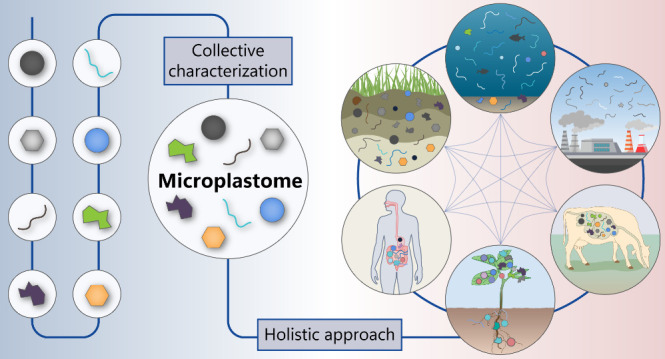
While employing the term “microplastic community”, we recognized a potential source of confusion for certain researchers who might misconstrue it as a reference to the microbial community associated with microplastics, which is better captured by the term “plastisphere microbial community”.19,42,43 This concern prompted us to seek a more appropriate term for denoting the entirety of microplastics within a specific location at a given time. The suffix “-ome” conventionally signifies “all constituents considered collectively”, indicating a comprehensive and systematic approach to studying and categorizing various components, processes, or entities within a specific context. This suffix has gained broad acceptance across diverse research domains, extending beyond its original application in the characterization of pools of biological molecules such as the genome, transcriptome, and proteome. Examples encompass the metallome (including subdivisions like environmetallome and agrometallome)44−46 and exposome.47 Expanding upon this groundwork, we hereby propose the new term “microplastome”, with a broader meaning than the previous “microplastic community”, defined as “the entirety of various plastic particles (<5 mm), and their associated matters such as chemicals and microbes, found within a sample, and its overall environmental and toxicological impacts”. With this new concept, we aim to underscore the significance of collectively characterizing and quantifying microplastics and their impacts in both environmental and biological samples (Figure 1). Derived from this novel lens, we outline some new thinking below concerning microplastic research using a comprehensive perspective to help identify and assess real-world impacts of microplastics.
Figure 1.

Pervasive, complex, and interlinked microplastomes in various biotic and abiotic ecosystem compartments. Pollution sources and environmental properties of the ambient medium jointly shape the compositional signature of the microplastome, and conversely, the compositional signature of the microplastome can also mirror environmental conditions and pollution sources. The diversity of microplastics characterizes the contamination complexity, which in turn reflects the difficulty in effective management. Whether a correlation exists between the diversity and the impact of microplastics is unclear. Equal concentrations of microplastics do not represent equal risks, and the collective risk of the entire set of microplastics is not equal to the sum of the risks of individuals. Consequently, a holistic standpoint should be taken for uncovering the real-world ecological and health impacts posed by microplastics.
Enhancing Microplastic Pollution Characterization Using a Holistic View
The description and comparison of microplastic pollution across time and space necessitate a comprehensive perspective regarding their multidimensional attributes, such as size, color, shape, polymer, additives, aging time, and associated matters. Overlooking the variations and interconnections within the multidimensional compositional signatures of microplastomes would disregard valuable information. For example, a similar composition of two microplastomes indicates a homogeneous property of their embedded environmental media, as well as a similarity in the pollution source profiles. Likewise, variation in the composition of microplastomes can signal dissimilarities in environmental matrices or disparities in pollution sources and their different impacts on ecosystems and their inhabitants. Moreover, a significant correlation between compositional variations could indicate the potential transfer or exchange of microplastics between the two locations or fluxes across ecosystems. Studying compositional patterns and dynamics of the microplastome by maintaining its multidimensional features would help elucidate the sources, fate, and transport mechanisms of microplastics, thus being of great importance to support effective risk management.
Multidimensional data analysis tools can be employed to explore the dynamics and connections of microplastomes under various scenarios, including different sites, ecosystem compartments, or time scales. For instance, principal component analysis (PCA)/principal coordinate analysis (PCoA) can effectively visualize the compositional (dis)similarities of microplastomes in different samples and different groups. When analyzing microplastic type compositional data alongside external environmental factors such as ambient physicochemical properties and anthropogenic factors, tools like redundancy analysis (RDA) and the Mantel test can be instrumental in identifying potential factors driving microplastome variability. Pinpointing key drivers behind high-risk microplastic compositions allows for informed actions to mitigate these risks (The methods for determining the risk level of microplastomes with varying compositional features are discussed in the following section.).
What needs to be emphasized is the immense application potential of machine learning in microplastic research. On one hand, based on the physical and chemical compositional features of microplastomes in known samples under different scenarios, we can develop machine learning models, such as random forest, support vector machine, and deep learning, to determine the most representative changes in the microplastic type composition resulting from known variables.48 This aids in clarifying pollution characteristics and distribution mechanisms of microplastics in different scenarios. On the other hand, these models, once trained with compositional features of microplastomes from known scenarios, could potentially be used to deduce the sources of unknown samples based on their microplastic type composition. Moreover, training these models with known microplastic type compositions and concentrations under specific environmental conditions enables the prediction of the microplastic pollution status by inputting environmental parameters. The potential applications of machine learning in risk assessment and source apportionment are detailed in subsequent sections.
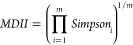
The diversity of microplastics reflects the inherent complexity of microplastic pollution within abiotic and biotic matrices and also highlights the grand challenges in microplastic monitoring and management (Figure 1).6 A higher diversity of microplastic types may indicate a broader array of pollution sources6 and highlights the difficulties of effective management of both point and nonpoint sources. Furthermore, in cases where the contamination suite comprises a greater variety of microplastic types, addressing microplastic pollution necessitates considering an array of strategies for their removal. Therefore, their diversity also implies the intricacies involved in postrelease environmental management. In addition, it is still unclear whether variations in the diversity of microplastic types can result in different impacts and whether the relationship between the type diversity and impact of microplastics is scenario and context specific. If so, then there is a greater need for quantitatively characterizing the microplastic diversity in relevant research to indicate the potential severity of ecological consequences, and future research needs to look at the links between microplastic diversity and ecological consequences in different scenarios. In our previous study, we established a microplastic diversity integrated index (MDII) considering multidimensions together (eq 1), which can give a relatively comprehensive and quantitative characterization of the complexity of environmental microplastics6
 |
1 |
where m is the number of feature dimensions of a microplastome, and Simpsoni is the Simpson diversity of microplastics in the dimensioni. Dimensions of a microplastome include size, color, shape, polymer, chemical composition, additives, aging time, etc. Similar to the Simpson index, the value of MDII also ranges from 0 to 1, with a higher value representing a higher diversity.
Furthermore, analysis of the composition and diversity of the microplastome relies on the relative abundance of different types of microplastics irrespective of their absolute quantities. This effectively addresses the obstacle—poor reproducibility and comparability of quantitative analyses for microplastics across laboratories and different environments—caused by inconsistent study protocols.23,49 Within individual investigations, it is important to undertake a comprehensive characterization profile of microplastic conditions in environmental or biological samples from abundance/concentration, type diversity, and patterns, dynamics, and driving factors of compositional signatures.
Using a Holistic Perspective to Support a Rational Risk Assessment
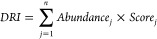
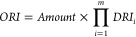
Understanding potential ecological and public health effects of microplastic pollution is a prerequisite for a comprehensive assessment of their risk. Furthermore, evaluating risk of microplastics is essential to identify hot spots and hot moments that need to be prioritized for effective management.24,50 Given that changes in features, such as size, color, shape, polymer, and associated matters, of microplastics can lead to different ecological impacts,22,27,28,51−53 pollution with comparable concentrations of microplastics may result in very different ecological consequences due to compositional differences (Figure 1). In light of this cocktail effect, the evaluation of microplastic risk necessitates acknowledging its mixture nature and unparalleled complexity14 and cannot rely solely on concentration data.27 If we can assign a risk score to each type of microplastics, and based on relative abundance of each type of microplastics as well as the absolute abundance, mass, or volume of the entire set of microplastics, we may obtain a relatively comprehensive evaluation, considering the multidimensional features of plastic particles and their varying degrees of ecotoxicological impact (eqs 2 and 3, proposed by this study)
 |
2 |
where DRI (dimensional risk index) is the risk index of microplastics in a given dimension (such as size, shape, or polymer), n is the number of types of microplastics in this dimension, Abundancej is the relative abundance of the typej of microplastics, and Scorej is the risk score of the microplastic typej
 |
3 |
where ORI is the overall risk index of a microplastome, Amount is the absolute abundance, mass, or volume of total microplastics per unit mass or volume of sample, m is the number of feature dimensions of a microplastome, and DRIi is the risk value of a microplastome in the dimensioni. Dimensions of a microplastome include size, color, shape, polymer composition, additive, aging time, etc.
Of the three quantitative parameters (absolute abundance, mass, and volume), absolute abundance quantified by number of individuals should be the most labor-efficient one as well as the one with the lowest detection limit for particle size, which can be more accurately and rapidly determined with the development of high-throughput microplastic identification technology.32−34 Volume, which incorporates the three-dimensional (3D) properties of microplastics, is perhaps the most comprehensive metric.54 The overall volume of a microplastome can be estimated using the newly established Barchiesi model.54 Currently, accurately ranking or scoring the risk of various features of microplastics is still challenging. Bucci and Rochman recently ranked the risk of different types in each microplastic dimension (including size, shape, polymer, and environmental chemistry of the medium) based on the literature and their understandings.25 This work offers pragmatic information for risk ranking of microplastic features based on the currently available body of knowledge. Future research endeavors are needed to establish a comprehensive and refined ranking or scoring system for diverse features of microplastics. This could be achieved through ecotoxicological experiments that concentrate on one given dimension while holding the other dimensions constant, ultimately analyzing the collective and independent impact of each dimension on (eco)toxicity. Notably, the risk ranking or scoring of microplastic features needs to take into account both direct and indirect effects including their interactions with other chemical contaminants55,56 and microorganisms19,43,57,58 in their immediate environment. The long-term consequences of plastic degradation and pollution release also need to be considered in the risk scoring.13,59
Although we introduce a potential risk assessment model for microplastics while concomitantly considering their multidimensional features and mixed composition, ultimately, it is still a simplification of what microplastics are like in the real world. The overall effects of the entire microplastome, whether physical, chemical, or biological, cannot be equated to the sum of the individual effects. Antagonistic or synergistic effects may occur when different types of microplastics are aggregated. For example, the physical effects of clusters formed by entangled fibrous microplastics can cover other shapes of microplastics contained therein, and chemical reactions may happen among the additives released from the degradation of different types of microplastics.60 Therefore, to fully elucidate the actual risk posed by microplastics, studying and modeling from a holistic perspective are essential in the future.
To achieve this, an assessment of the complete microplastome would be employed for relevant ecotoxicological experiments instead of limiting studies to single polymers, shapes, or sizes. The full microplastome can be obtained either by extracting microplastic mixtures from actual samples or by configuring representative types of microplastics based on the known concentration and compositional features of microplastics in the target environment (The methods for obtaining microplastic pollution characteristics are discussed in the previous section.). Utilizing these prepared microplastomes for microcosmic experiments facilitates the capture of their real-world ecotoxicological effects. Encouragingly, recent research has started to leverage this idea, striving to reconstruct the ecological impacts of complex microplastics in actual environmental settings.61,62 By adjusting the composition (adjusting the relative proportions of different types of microplastics) with a constant concentration and adjusting the concentration with a constant composition, a concentration-composition-effect model can be developed with machine learning. This model enables us to identify which compositional signatures pose a higher risk and to pinpoint the key microplastic types that dominate the overall ecotoxicological effects. By integrating external environmental factors, such as the physicochemical properties of the media and anthropogenic influences, we can discern the external drivers of microplastic risk. This understanding aids in identifying environments that are particularly susceptible to high-risk microplastics and formulating potential mitigation strategies.
The risk thresholds of microplastic pollution for the biological community level would be determined by establishing species sensitivity distribution (SSD) models based on complex, species-level, ecotoxicological experiments, which would be sublimated if trophic cascades can be incorporated as the ecosystem-level effects of microplastics are regulated by complex trophic cascades in ecosystems.63 The effects of microplastics on ecological processes are usually overlooked in risk assessments from the viewpoint of ecotoxicology. As an emerging global change factor, microplastics can alter the physicochemical properties of environmental media, intervene with the biogeochemical cycling of elements, and affect crop growth and food security and safety in terrestrial and aquatic ecosystems.14,28,64−70 Therefore, ecological consequences need to also be considered more fully to obtain a comprehensive assessment of microplastic risk. For example, the impact of microplastics on (micro)biodiversity, ecosystem organic carbon sequestration, water quality, greenhouse gas emissions, and crop yields may be incorporated as ecotoxicological end points. Furthermore, the overall impacts caused by microplastics vary depending on the scenario (e.g., ecosystem type71). On one hand, microplastics in various scenarios may exert distinct physical, chemical, and biological effects due to their interactions with ambient substances of different properties. On the other hand, even with identical microplastic pollution conditions, the overall impact can vary significantly across different populations, communities, and ecosystems. Therefore, future investigations of microplastic risks under different scenarios are needed so that policymakers and regulators can develop scenario-specific actions. Finally, by harnessing publicly accessible extensive data and machine learning, we would establish robust tools that could inform the level of risk in specific scenarios by entering microplastic concentration and composition data.
New Insights into Source Apportionment of Microplastics
Unraveling pollution sources and transport pathways of microplastics is pivotal for developing precise strategies and countermeasures to support pollution abatement and effective management. However, the complex nature of microplastic pollution leads to difficulties in source apportionment and attribution, and thus far, validated source analysis frameworks are lacking. Source apportionment of microplastics also requires an aggregate perspective rather than just extrapolating separately the potential origins of individual particles or a given type of particles. For example, in the context of large ecosystem compartments, what proportion of microplastics in marine environments stems from river transport versus airborne deposition? To what extent do microplastics in rivers derive from nearby land, wastewater treatment plants, industries, and atmospheric deposition? On a smaller scale, what portions of microplastics in agricultural soils result from sewage irrigation, sludge reuse, and neighboring contaminated soils? Moreover, how do contributions from sources such as food, drinks, air, and frequently touched surfaces such as cell phones and door handles compare in terms of the microplastic presence within the human body?
Once we ascertain the contributions of potential contamination sources of microplastics at the target location, we can discern zones that warrant prioritized management or a special focus. To achieve this, a (micro)plastic emission inventory that catalogues the compositional information on microplastics from key microplastic pollution sources needs to be established to facilitate source apportionment of target samples. Then, by comparing observed compositional signatures of microplastics in these samples with those from known sources, we can retroactively trace their potential pollution origins. Multivariate receptor models, such as principal component analysis-multiple linear regression (PCA-MLR), UNMIX, and positive matrix factorization (PMF), which are commonly used for source apportionment of other contaminants such as particulate matter,72 heavy metals,73 and antibiotics,74 may be effective tools for the source analysis of microplastics. Furthermore, well-established tools such as SourceTracker75 and fast expectation-maximization for microbial source tracking (FEAST),76 which are commonly used in source apportionment for microorganisms, may also be applicable for the source analysis of microplastics. Notably, in addition to the physical and chemical attributes of microplastic particles themselves, their associated matters, such as absorbed chemicals and microbes, would also be an important part of indicators for these source apportionment models.20,77 Importantly, assessing model performance based on predefined data sets is essential to illustrate the applicability and reliability of these models. Generally, with multidimensional data thinking, developing source analysis tools tailored specifically for microplastic pollution is still needed to achieve more precise source apportionment. When we have enough microplastic composition-source profile data from individual studies, machine-learning-based modeling could enable us to profile the source contribution of given samples by inputting their microplastic compositional data.
Implications and Outlook
Recognizing the complexity and diversity of microplastics as a class of contaminants,22 we introduce the concept of the microplastome to advocate for a more holistic approach in microplastic research. In this context, the term “microplastome” encompasses all plastic particles smaller than 5 mm including nanoscale microplastics. However, some researchers prefer to treat nanoplastics separately from larger microplastics due to their unique characteristics, such as distinct transport patterns, interactions with light and natural colloids, and bioavailability.78 In research specifically focusing on nanoplastics, the concept of a “nanoplastome” could be similarly useful, highlighting the importance of a comprehensive approach to understanding the differences, linkages, and overall impact of nanoparticles across various biotic and abiotic compartments. What this paper emphasizes, as a fundamental idea, is capturing the distribution pattern, fate, and real-world impacts of these tiny plastic particles by considering them as a collective entity and leveraging their complexity.
Building upon this perspective, we engaged in a dialogue regarding our innovative ideas for forthcoming microplastic research, encompassing facets of characterization, risk assessment, and source apportionment (Figure 2). Understanding the pollution characteristics of microplastics is a prerequisite for developing effective management strategies. Therefore, first, we suggest fully embracing the multidimensional compositional signatures of complex microplastics. Analyzing the dynamic patterns of these signatures under various scenarios will enhance our understanding of microplastic distribution, fate, and the mechanisms driving these processes. Following this, a robust microplastic risk assessment framework is necessary to evaluate risks, identifying critical hot spots and moments that require priority in control or special attention. For practical application, we suggest using microplastic mixtures extracted from actual samples or those configured based on the compositional signature information on the target environment to restore their real-world states for ecotoxicological experiments. By establishing concentration-composition-effect models and the SSD model, we can establish the risk thresholds and assess the risk level of microplastic pollution in the studied context. If a high-risk level is diagnosed, then source apportionment becomes necessary to identify and manage the primary pollution sources. Current research on microplastic source analysis tools is still in its early stages. We suggest a scheme for source apportionment based on the compositional features of complex microplastics combined with receptor models. Sources identified as major contributors to the high risk of microplastics can be prioritized for control measures. Overall, by fully recognizing the complexity of microplastic contamination and considering complex microplastics as a collective entity, we propose a new paradigm for progressing from understanding to controlling pollution.
Figure 2.

New paradigm for microplastic research with a holistic perspective.
With the rapid development of high-throughput and automated identification, quantification, and classification technologies for microplastics, large-scale microplastic data can be more readily available to researchers.32−34 In this context, this work would serve as a guide for investigating the distribution, transport, effect, and risk of microplastics from massive and multidimensional microplastic data. We anticipate that this new paradigm will serve as a catalyst for the generation of novel insights and concepts within the scientific community and among policymakers. We believe that the development of this paradigm will go a long way toward unraveling the ecological impacts of microplastics, thereby aiding in the management and resolution of this pressing global environmental concern.
Acknowledgments
This work was supported by the Strategic Priority Research Program of the Chinese Academy of Sciences (XDB40020102), the National Natural Science Foundation of China (32071523 and 42007229), the State Key Laboratory of Marine Pollution Seed Collaborative Research Fund (SKLMP/SCRF/0030), the Hong Kong Branch of the Southern Marine Science and Engineering Guangdong Laboratory (Guangzhou) Open Collaborative Research Fund (SMSEGL20SC02), and the National Key Research and Development Program of China (2022YFC3105304). L. Jin and C. Li acknowledge the support of the Presidential Young Scholar Scheme (P0040336) and the Distinguished Postdoctoral Fellowship (P0044024), respectively, at The Hong Kong Polytechnic University. E.G.X. acknowledges the support of the Department of Biology, University of Southern Denmark, and Danmarks Frie Forskningsfond (0165-00056B). We thank Prof. Nathalie Tufenkji of McGill University and Prof. Kevin V. Thomas of The University of Queensland for their valuable comments on this work.
Biographies

Jian Liu, Professor of Environment Research Institute, Director of Institute of Environmental Ecology, Shandong University. Prof. Liu is an active researcher in the research fields of wetland ecology, plant invasion ecology, and global change ecology. His research focuses on the responses and relevant mechanisms of ecosystems to environmental changes such as pollutions, plant invasions, and land use changes. He also focuses on unraveling the carbon sequestration mechanisms in wetland ecosystems. Currently, Prof. Liu serves as an Editorial Board Member for PLOS ONE and Water.

Ling Jin, Assistant Professor jointly appointed in the Department of Civil and Environmental Engineering & Department of Health Technology and Informatics, The Hong Kong Polytechnic University. Dr. Jin has been working actively in the interdisciplinary research fields between chemistry, toxicology, and microbiology as part of the global solutions to planetary health issues. His ongoing research includes air pollution and human health, environmental transmission of antimicrobial resistance and pathogens in urban communities, and chemical-induced immunosuppression in endangered marine megafauna. Currently, Dr. Jin serves as an Editorial Board Member of ACS Environmental Au.
Author Contributions
C. Li, L. Jin, and J. Liu conceptualized this work. C. Li led the manuscript writing and editing under the guidance of L. Jin and J. Liu. C. Li and X. Li designed the schematic diagrams. All other authors contributed significant intellectual input to the development of this perspective and are listed in alphabetical order by last name. All authors carefully revised the manuscript and approved the submission.
The authors declare no competing financial interest.
References
- Arp H. P. H.; Kühnel D.; Rummel C.; MacLeod M.; Potthoff A.; Reichelt S.; Rojo-Nieto E.; Schmitt-Jansen M.; Sonnenberg J.; Toorman E.; Jahnke A. Weathering plastics as a planetary boundary threat: Exposure, fate, and hazards. Environ. Sci. Technol. 2021, 55 (11), 7246–7255. 10.1021/acs.est.1c01512. [DOI] [PubMed] [Google Scholar]
- Persson L.; Carney Almroth B. M.; Collins C. D.; Cornell S.; de Wit C. A.; Diamond M. L.; Fantke P.; Hassellöv M.; MacLeod M.; Ryberg M. W.; So̷gaard Jo̷rgensen P.; Villarrubia-Gómez P.; Wang Z.; Hauschild M. Z. Outside the safe operating space of the planetary boundary for novel entities. Environ. Sci. Technol. 2022, 56 (3), 1510–1521. 10.1021/acs.est.1c04158. [DOI] [PMC free article] [PubMed] [Google Scholar]
- Rochman C. M.; Hoellein T. The global odyssey of plastic pollution. Science 2020, 368 (6496), 1184–1185. 10.1126/science.abc4428. [DOI] [PubMed] [Google Scholar]
- MacLeod M.; Arp H. P. H.; Tekman M. B.; Jahnke A. The global threat from plastic pollution. Science 2021, 373 (6550), 61–65. 10.1126/science.abg5433. [DOI] [PubMed] [Google Scholar]
- Bank M. S.; Hansson S. V. The plastic cycle: A novel and holistic paradigm for the Anthropocene. Environ. Sci. Technol. 2019, 53 (13), 7177–7179. 10.1021/acs.est.9b02942. [DOI] [PubMed] [Google Scholar]
- Li C.; Gan Y.; Zhang C.; He H.; Fang J.; Wang L.; Wang Y.; Liu J. “Microplastic communities” in different environments: Differences, links, and role of diversity index in source analysis. Water Res. 2021, 188, 116574. 10.1016/j.watres.2020.116574. [DOI] [PubMed] [Google Scholar]
- Vethaak A. D.; Legler J. Microplastics and human health. Science 2021, 371 (6530), 672–674. 10.1126/science.abe5041. [DOI] [PubMed] [Google Scholar]
- Li L.; Luo Y.; Li R.; Zhou Q.; Peijnenburg W. J. G. M.; Yin N.; Yang J.; Tu C.; Zhang Y. Effective uptake of submicrometre plastics by crop plants via a crack-entry mode. Nat. Sustain. 2020, 3 (11), 929–937. 10.1038/s41893-020-0567-9. [DOI] [Google Scholar]
- Yang Y.; Xie E.; Du Z.; Peng Z.; Han Z.; Li L.; Zhao R.; Qin Y.; Xue M.; Li F.; Hua K.; Yang X. Detection of various microplastics in patients undergoing cardiac surgery. Environ. Sci. Technol. 2023, 57 (30), 10911–10918. 10.1021/acs.est.2c07179. [DOI] [PubMed] [Google Scholar]
- Xiao S.; Cui Y.; Brahney J.; Mahowald N. M.; Li Q. Long-distance atmospheric transport of microplastic fibres influenced by their shapes. Nat. Geosci. 2023, 16, 863. 10.1038/s41561-023-01264-6. [DOI] [Google Scholar]
- Geyer R.; Jambeck J. R.; Law K. L. Production, use, and fate of all plastics ever made. Sci. Adv. 2017, 3 (7), e1700782. 10.1126/sciadv.1700782. [DOI] [PMC free article] [PubMed] [Google Scholar]
- Alava J. J.; Jahnke A.; Bergmann M.; Aguirre-Martínez G. V.; Bendell L.; Calle P.; Domínguez G. A.; Faustman E. M.; Falman J.; Kazmiruk T. N.; Klasios N.; Maldonado M. T.; McMullen K.; Moreno-Báez M.; Öberg G.; Ota Y.; Price D.; Shim W. J.; Tirapé A.; Vandenberg J. M.; Zoveidadianpour Z.; Weis J. A call to include plastics in the global environment in the class of Persistent, Bioaccumulative, and Toxic (PBT) pollutants. Environ. Sci. Technol. 2023, 57 (22), 8185–8188. 10.1021/acs.est.3c02476. [DOI] [PubMed] [Google Scholar]
- Rillig M. C.; Kim S. W.; Kim T.-Y.; Waldman W. R. The global plastic toxicity debt. Environ. Sci. Technol. 2021, 55 (5), 2717–2719. 10.1021/acs.est.0c07781. [DOI] [PMC free article] [PubMed] [Google Scholar]
- Bank M. S.; Mitrano D. M.; Rillig M. C.; Lin C. S. K.; Ok Y. S. Embrace complexity to understand microplastic pollution. Nat. Rev. Earth Environ. 2022, 3, 736–737. 10.1038/s43017-022-00365-x. [DOI] [PMC free article] [PubMed] [Google Scholar]
- Al Harraq A.; Brahana P. J.; Arcemont O.; Zhang D.; Valsaraj K. T.; Bharti B. Effects of weathering on microplastic dispersibility and pollutant uptake capacity. ACS Environ. Au 2022, 2 (6), 549–555. 10.1021/acsenvironau.2c00036. [DOI] [PMC free article] [PubMed] [Google Scholar]
- Hofmann T.; Ghoshal S.; Tufenkji N.; Adamowski J. F.; Bayen S.; Chen Q.; Demokritou P.; Flury M.; Hüffer T.; Ivleva N. P.; Ji R.; Leask R. L.; Maric M.; Mitrano D. M.; Sander M.; Pahl S.; Rillig M. C.; Walker T. R.; White J. C.; Wilkinson K. J. Plastics can be used more sustainably in agriculture. Commun. Earth Environ. 2023, 4 (1), 332. 10.1038/s43247-023-00982-4. [DOI] [Google Scholar]
- Pikuda O.; Roubeau Dumont E.; Chen Q.; Macairan J.-R.; Robinson S. A.; Berk D.; Tufenkji N. Toxicity of microplastics and nanoplastics to Daphnia magna: Current status, knowledge gaps and future directions. TrAC Trends Anal. Chem. 2023, 167, 117208. 10.1016/j.trac.2023.117208. [DOI] [Google Scholar]
- Wang F.; Wong C. S.; Chen D.; Lu X.; Wang F.; Zeng E. Y. Interaction of toxic chemicals with microplastics: A critical review. Water Res. 2018, 139, 208–219. 10.1016/j.watres.2018.04.003. [DOI] [PubMed] [Google Scholar]
- Li C.; Gillings M. R.; Zhang C.; Chen Q.; Zhu D.; Wang J.; Zhao K.; Xu Q.; Leung P. H.; Li X.; Liu J.; Jin L. Ecology and risks of the global plastisphere as a newly expanding microbial habitat. The Innovation 2024, 5 (1), 100543. 10.1016/j.xinn.2023.100543. [DOI] [PMC free article] [PubMed] [Google Scholar]
- Chen X.; Yu X.; Zhang L.; Zhao W.; Sui Q. Organic pollutants adsorbed on microplastics: Potential indicators for source appointment of microplastics. J. Hazard. Mater. 2024, 465, 133225. 10.1016/j.jhazmat.2023.133225. [DOI] [PubMed] [Google Scholar]
- Bank M. S.; Ok Y. S.; Swarzenski P. W. Microplastic’s role in antibiotic resistance. Science 2020, 369 (6509), 1315–1315. 10.1126/science.abd9937. [DOI] [PubMed] [Google Scholar]
- Rochman C. M.; Brookson C.; Bikker J.; Djuric N.; Earn A.; Bucci K.; Athey S.; Huntington A.; McIlwraith H.; Munno K.; De Frond H.; Kolomijeca A.; Erdle L.; Grbic J.; Bayoumi M.; Borrelle S. B.; Wu T.; Santoro S.; Werbowski L. M.; Zhu X.; Giles R. K.; Hamilton B. M.; Thaysen C.; Kaura A.; Klasios N.; Ead L.; Kim J.; Sherlock C.; Ho A.; Hung C. Rethinking microplastics as a diverse contaminant suite. Environ. Toxicol. Chem. 2019, 38 (4), 703–711. 10.1002/etc.4371. [DOI] [PubMed] [Google Scholar]
- Wang Y.; Xiang L.; Amelung W.; Elsner M.; Gan J.; Kueppers S.; Christian L.; Jiang X.; Adu-Gyamfi J.; Heng L.; Ok Y. S.; Ivleva N. P.; Luo Y.; Barceló D.; Schäffer A.; Wang F. Micro- and nanoplastics in soil ecosystems: Analytical methods, fate, and effects. TrAC Trends Anal. Chem. 2023, 169, 117309. 10.1016/j.trac.2023.117309. [DOI] [Google Scholar]
- Koelmans A. A.; Redondo-Hasselerharm P. E.; Nor N. H. M.; de Ruijter V. N.; Mintenig S. M.; Kooi M. Risk assessment of microplastic particles. Nat. Rev. Mater. 2022, 7 (2), 138–152. 10.1038/s41578-021-00411-y. [DOI] [Google Scholar]
- Bucci K.; Rochman C. M. Microplastics: a multidimensional contaminant requires a multidimensional framework for assessing risk. Micropl. Nanopl. 2022, 2 (1), 7. 10.1186/s43591-022-00028-0. [DOI] [Google Scholar]
- Liu M.; Feng J.; Shen Y.; Zhu B. Microplastics effects on soil biota are dependent on their properties: A meta-analysis. Soil Biol. Biochem. 2023, 178, 108940. 10.1016/j.soilbio.2023.108940. [DOI] [Google Scholar]
- Wang P.-Y.; Zhao Z.-Y.; Xiong X.-B.; Wang N.; Zhou R.; Zhang Z.-M.; Ding F.; Hao M.; Wang S.; Ma Y.; Uzamurera A. G.; Xiao K.-W.; Khan A.; Tao X.-P.; Wang W.-Y.; Tao H.-Y.; Xiong Y.-C. Microplastics affect soil bacterial community assembly more by their shapes rather than the concentrations. Water Res. 2023, 245, 120581. 10.1016/j.watres.2023.120581. [DOI] [PubMed] [Google Scholar]
- Gao H.; Liu Q.; Yan C.; Mancl K.; Gong D.; He J.; Mei X. Macro-and/or microplastics as an emerging threat effect crop growth and soil health. Resour. Conserv. Recycl. 2022, 186, 106549. 10.1016/j.resconrec.2022.106549. [DOI] [Google Scholar]
- Whiting Q. T.; O’Connor K. F.; Potter P. M.; Al-Abed S. R. A high-throughput, automated technique for microplastics detection, quantification, and characterization in surface waters using laser direct infrared spectroscopy. Anal. Bioanal. Chem. 2022, 414 (29), 8353–8364. 10.1007/s00216-022-04371-2. [DOI] [PMC free article] [PubMed] [Google Scholar]
- Brandt J.; Bittrich L.; Fischer F.; Kanaki E.; Tagg A.; Lenz R.; Labrenz M.; Brandes E.; Fischer D.; Eichhorn K.-J. High-throughput analyses of microplastic samples using fourier transform infrared and raman spectrometry. Appl. Spectrosc. 2020, 74 (9), 1185–1197. 10.1177/0003702820932926. [DOI] [PubMed] [Google Scholar]
- Ivleva N. P. Chemical analysis of microplastics and nanoplastics: Challenges, advanced methods, and perspectives. Chem. Rev. 2021, 121 (19), 11886–11936. 10.1021/acs.chemrev.1c00178. [DOI] [PubMed] [Google Scholar]
- Hufnagl B.; Stibi M.; Martirosyan H.; Wilczek U.; Möller J. N.; Löder M. G. J.; Laforsch C.; Lohninger H. Computer-assisted analysis of microplastics in environmental samples based on μFTIR imaging in combination with machine learning. Environ. Sci. Technol. Lett. 2022, 9 (1), 90–95. 10.1021/acs.estlett.1c00851. [DOI] [PMC free article] [PubMed] [Google Scholar]
- Lorenzo-Navarro J.; Castrillón-Santana M.; Sánchez-Nielsen E.; Zarco B.; Herrera A.; Martínez I.; Gómez M. Deep learning approach for automatic microplastics counting and classification. Sci. Total Environ. 2021, 765, 142728. 10.1016/j.scitotenv.2020.142728. [DOI] [PubMed] [Google Scholar]
- Giardino M.; Balestra V.; Janner D.; Bellopede R. Automated method for routine microplastic detection and quantification. Sci. Total Environ. 2023, 859, 160036. 10.1016/j.scitotenv.2022.160036. [DOI] [PubMed] [Google Scholar]
- Yuan W.; Christie-Oleza J. A.; Xu E. G.; Li J.; Zhang H.; Wang W.; Lin L.; Zhang W.; Yang Y. Environmental fate of microplastics in the world’s third-largest river: Basin-wide investigation and microplastic community analysis. Water Res. 2022, 210, 118002. 10.1016/j.watres.2021.118002. [DOI] [PubMed] [Google Scholar]
- Wang B.; Chen X.; Xiong X.; Wu W.; He Q.; Hu H.; Wu C. Spatial analysis of the influence on “microplastic communities” in the water at a medium scale. Sci. Total Environ. 2023, 885, 163788. 10.1016/j.scitotenv.2023.163788. [DOI] [PubMed] [Google Scholar]
- Guo Z.; Boeing W. J.; Xu Y.; Borgomeo E.; Mason S. A.; Zhu Y.-G. Global meta-analysis of microplastic contamination in reservoirs with a novel framework. Water Res. 2021, 207, 117828. 10.1016/j.watres.2021.117828. [DOI] [PubMed] [Google Scholar]
- Chen Y.; Niu J.; Xu D.; Zhang M.; Sun K.; Gao B. Wet deposition of globally transportable microplastics (<25 μm) hovering over the megacity of Beijing. Environ. Sci. Technol. 2023, 57 (30), 11152–11162. 10.1021/acs.est.3c03474. [DOI] [PubMed] [Google Scholar]
- Zhang Z.-A.; Qin X.; Zhang Y. Using data-driven methods and aging information to quantitatively identify microplastic environmental sources and establish a comprehensive discrimination index. Environ. Sci. Technol. 2023, 57 (30), 11279–11288. 10.1021/acs.est.3c03048. [DOI] [PubMed] [Google Scholar]
- Naidu B. C.; Xavier K. A. M.; Shukla S. P.; Jaiswar A. K.; Nayak B. B. Comparative study on the microplastics abundance, characteristics, and possible sources in yellow clams of different demographic regions of the northwest coast of India. J. Hazard. Mater. Lett. 2022, 3, 100051. 10.1016/j.hazl.2022.100051. [DOI] [Google Scholar]
- Cabanilles P.; Acle S.; Arias A.; Masiá P.; Ardura A.; Garcia-Vazquez E. Microplastics risk into a three-link food chain inside European hake. Diversity 2022, 14 (5), 308. 10.3390/d14050308. [DOI] [Google Scholar]
- Rillig M. C.; Kim S. W.; Zhu Y.-G. The soil plastisphere. Nat. Rev. Microbiol. 2024, 22, 64. 10.1038/s41579-023-00967-2. [DOI] [PMC free article] [PubMed] [Google Scholar]
- Amaral-Zettler L. A.; Zettler E. R.; Mincer T. J. Ecology of the plastisphere. Nat. Rev. Microbiol. 2020, 18 (3), 139–151. 10.1038/s41579-019-0308-0. [DOI] [PubMed] [Google Scholar]
- Haraguchi H. Metallomics as integrated biometal science. J. Anal. At. Spectrom. 2004, 19 (1), 5–14. 10.1039/b308213j. [DOI] [Google Scholar]
- Chen B.; Hu L.; He B.; Luan T.; Jiang G. Environmetallomics: Systematically investigating metals in environmentally relevant media. TrAC Trends Anal. Chem. 2020, 126, 115875. 10.1016/j.trac.2020.115875. [DOI] [Google Scholar]
- Li X.; Liu T.; Chang C.; Lei Y.; Mao X. Analytical Methodologies for Agrometallomics: A Critical Review. J. Agric. Food Chem. 2021, 69 (22), 6100–6118. 10.1021/acs.jafc.1c00275. [DOI] [PubMed] [Google Scholar]
- Vrijheid M. The exposome: a new paradigm to study the impact of environment on health. Thorax 2014, 69 (9), 876. 10.1136/thoraxjnl-2013-204949. [DOI] [PubMed] [Google Scholar]
- Lei L.; Pang R.; Han Z.; Wu D.; Xie B.; Su Y. Current applications and future impact of machine learning in emerging contaminants: A review. Crit. Rev. Environ. Sci. Technol. 2023, 53 (20), 1817–1835. 10.1080/10643389.2023.2190313. [DOI] [Google Scholar]
- Hartmann N. B.; Hüffer T.; Thompson R. C.; Hassellöv M.; Verschoor A.; Daugaard A. E.; Rist S.; Karlsson T.; Brennholt N.; Cole M.; Herrling M. P.; Hess M. C.; Ivleva N. P.; Lusher A. L.; Wagner M. Are we speaking the same language? Recommendations for a definition and categorization framework for plastic debris. Environ. Sci. Technol. 2019, 53 (3), 1039–1047. 10.1021/acs.est.8b05297. [DOI] [PubMed] [Google Scholar]
- Koelmans A. A.; Gebreyohanes Belay B. M.; Mintenig S. M.; Mohamed Nor N. H.; Redondo-Hasselerharm P. E.; de Ruijter V. N. Towards a rational and efficient risk assessment for microplastics. TrAC Trends Anal. Chem. 2023, 165, 117142. 10.1016/j.trac.2023.117142. [DOI] [Google Scholar]
- Lehmann A.; Leifheit E. F.; Gerdawischke M.; Rillig M. C. Microplastics have shape- and polymer-dependent effects on soil aggregation and organic matter loss – an experimental and meta-analytical approach. Micropl. Nanopl. 2021, 1 (1), 7. 10.1186/s43591-021-00007-x. [DOI] [Google Scholar]
- Schwarzer M.; Brehm J.; Vollmer M.; Jasinski J.; Xu C.; Zainuddin S.; Fröhlich T.; Schott M.; Greiner A.; Scheibel T.; Laforsch C. Shape, size, and polymer dependent effects of microplastics on Daphnia magna. J. Hazard. Mater. 2022, 426, 128136. 10.1016/j.jhazmat.2021.128136. [DOI] [PubMed] [Google Scholar]
- Rillig M. C.; Lehmann A. Microplastic in terrestrial ecosystems. Science 2020, 368 (6498), 1430–1431. 10.1126/science.abb5979. [DOI] [PMC free article] [PubMed] [Google Scholar]
- Barchiesi M.; Kooi M.; Koelmans A. A. Adding depth to microplastics. Environ. Sci. Technol. 2023, 57 (37), 14015–14023. 10.1021/acs.est.3c03620. [DOI] [PMC free article] [PubMed] [Google Scholar]
- Sø̷rensen L.; Rogers E.; Altin D.; Salaberria I.; Booth A. M. Sorption of PAHs to microplastic and their bioavailability and toxicity to marine copepods under co-exposure conditions. Environ. Pollut. 2020, 258, 113844. 10.1016/j.envpol.2019.113844. [DOI] [PubMed] [Google Scholar]
- Velzeboer I.; Kwadijk C. J. A. F.; Koelmans A. A. Strong sorption of PCBs to nanoplastics, microplastics, carbon nanotubes, and fullerenes. Environ. Sci. Technol. 2014, 48 (9), 4869–4876. 10.1021/es405721v. [DOI] [PubMed] [Google Scholar]
- Luo G.; Liang B.; Cui H.; Kang Y.; Zhou X.; Tao Y.; Lu L.; Fan L.; Guo J.; Wang A.; Gao S.-H. Determining the contribution of micro/nanoplastics to antimicrobial resistance: Challenges and perspectives. Environ. Sci. Technol. 2023, 57 (33), 12137–12152. 10.1021/acs.est.3c01128. [DOI] [PubMed] [Google Scholar]
- Bowley J.; Baker-Austin C.; Porter A.; Hartnell R.; Lewis C. Oceanic hitchhikers – Assessing pathogen risks from marine microplastic. Trends Microbiol. 2021, 29 (2), 107–116. 10.1016/j.tim.2020.06.011. [DOI] [PubMed] [Google Scholar]
- Hale R. C.; Seeley M. E.; La Guardia M. J.; Mai L.; Zeng E. Y. A global perspective on microplastics. J. Geophys. Res.: Oceans 2020, 125 (1), e2018JC014719. 10.1029/2018JC014719. [DOI] [Google Scholar]
- Zhang K.; Hamidian A. H.; Tubić A.; Zhang Y.; Fang J. K. H.; Wu C.; Lam P. K. S. Understanding plastic degradation and microplastic formation in the environment: A review. Environ. Pollut. 2021, 274, 116554. 10.1016/j.envpol.2021.116554. [DOI] [PubMed] [Google Scholar]
- de Ruijter V. N.; Hof M.; Kotorou P.; van Leeuwen J.; van den Heuvel-Greve M. J.; Roessink I.; Koelmans A. A. Microplastic effect tests should use a standard heterogeneous mixture: Multifarious impacts among 16 benthic invertebrate species detected under ecologically relevant test conditions. Environ. Sci. Technol. 2023, 57 (48), 19430–19441. 10.1021/acs.est.3c06829. [DOI] [PMC free article] [PubMed] [Google Scholar]
- Abdolahpur Monikh F.; Baun A.; Hartmann N. B.; Kortet R.; Akkanen J.; Lee J.-S.; Shi H.; Lahive E.; Uurasjärvi E.; Tufenkji N.; Altmann K.; Wiesner Y.; Grossart H.-P.; Peijnenburg W.; Kukkonen J. V. K. Exposure protocol for ecotoxicity testing of microplastics and nanoplastics. Nat. Protoc. 2023, 18 (11), 3534–3564. 10.1038/s41596-023-00886-9. [DOI] [PubMed] [Google Scholar]
- Zhu D.; Bi Q.-F.; Xiang Q.; Chen Q.-L.; Christie P.; Ke X.; Wu L.-H.; Zhu Y.-G. Trophic predator-prey relationships promote transport of microplastics compared with the single Hypoaspis aculeifer and Folsomia candida. Environ. Pollut. 2018, 235, 150–154. 10.1016/j.envpol.2017.12.058. [DOI] [PubMed] [Google Scholar]
- Rillig M. C.; Leifheit E.; Lehmann J. Microplastic effects on carbon cycling processes in soils. PLOS Biol. 2021, 19 (3), e3001130. 10.1371/journal.pbio.3001130. [DOI] [PMC free article] [PubMed] [Google Scholar]
- Seeley M. E.; Song B.; Passie R.; Hale R. C. Microplastics affect sedimentary microbial communities and nitrogen cycling. Nat. Commun. 2020, 11 (1), 2372. 10.1038/s41467-020-16235-3. [DOI] [PMC free article] [PubMed] [Google Scholar]
- Su X.; Yang L.; Yang K.; Tang Y.; Wen T.; Wang Y.; Rillig M. C.; Rohe L.; Pan J.; Li H.; Zhu Y.-g. Estuarine plastisphere as an overlooked source of N2O production. Nat. Commun. 2022, 13 (1), 3884. 10.1038/s41467-022-31584-x. [DOI] [PMC free article] [PubMed] [Google Scholar]
- Kumar A.; Mishra S.; Pandey R.; Yu Z. G.; Kumar M.; Khoo K. S.; Thakur T. K.; Show P. L. Microplastics in terrestrial ecosystems: Un-ignorable impacts on soil characterises, nutrient storage and its cycling. TrAC Trends Anal. Chem. 2023, 158, 116869. 10.1016/j.trac.2022.116869. [DOI] [Google Scholar]
- Wang Y.; Bai J.; Liu Z.; Zhang L.; Zhang G.; Chen G.; Xia J.; Cui B.; Rillig M. C. Consequences of microplastics on global ecosystem structure and function. Rev. Environ. Contam. Toxicol. 2023, 261 (1), 22. 10.1007/s44169-023-00047-9. [DOI] [Google Scholar]
- Zhang J.; Ren S.; Xu W.; Liang C.; Li J.; Zhang H.; Li Y.; Liu X.; Jones D. L.; Chadwick D. R.; Zhang F.; Wang K. Effects of plastic residues and microplastics on soil ecosystems: A global meta-analysis. J. Hazard. Mater. 2022, 435, 129065. 10.1016/j.jhazmat.2022.129065. [DOI] [PubMed] [Google Scholar]
- Liu X.; Wang S.; Mu L.; Xie Y.; Hu X. Microplastics reshape the fate of aqueous carbon by inducing dynamic changes in biodiversity and chemodiversity. Environ. Sci. Technol. 2023, 57 (28), 10415–10425. 10.1021/acs.est.3c02976. [DOI] [PubMed] [Google Scholar]
- Li C.; Wang L.; Ji S.; Chang M.; Wang L.; Gan Y.; Liu J. The ecology of the plastisphere: Microbial composition, function, assembly, and network in the freshwater and seawater ecosystems. Water Res. 2021, 202, 117428. 10.1016/j.watres.2021.117428. [DOI] [PubMed] [Google Scholar]
- Liao K.; Wang Q.; Wang S.; Yu J. Z. Bayesian inference approach to quantify primary and secondary organic carbon in fine particulate matter using major species measurements. Environ. Sci. Technol. 2023, 57 (13), 5169–5179. 10.1021/acs.est.2c09412. [DOI] [PubMed] [Google Scholar]
- Dong B.; Zhang R.; Gan Y.; Cai L.; Freidenreich A.; Wang K.; Guo T.; Wang H. Multiple methods for the identification of heavy metal sources in cropland soils from a resource-based region. Sci. Total Environ. 2019, 651, 3127–3138. 10.1016/j.scitotenv.2018.10.130. [DOI] [PubMed] [Google Scholar]
- Wu Q.; Xiao S.-K.; Pan C.-G.; Yin C.; Wang Y.-H.; Yu K.-F. Occurrence, source apportionment and risk assessment of antibiotics in water and sediment from the subtropical Beibu Gulf, South China. Sci. Total Environ. 2022, 806, 150439. 10.1016/j.scitotenv.2021.150439. [DOI] [PubMed] [Google Scholar]
- Knights D.; Kuczynski J.; Charlson E. S.; Zaneveld J.; Mozer M. C.; Collman R. G.; Bushman F. D.; Knight R.; Kelley S. T. Bayesian community-wide culture-independent microbial source tracking. Nat. Methods 2011, 8 (9), 761–763. 10.1038/nmeth.1650. [DOI] [PMC free article] [PubMed] [Google Scholar]
- Shenhav L.; Thompson M.; Joseph T. A.; Briscoe L.; Furman O.; Bogumil D.; Mizrahi I.; Pe’er I.; Halperin E. FEAST: fast expectation-maximization for microbial source tracking. Nat. Methods 2019, 16 (7), 627–632. 10.1038/s41592-019-0431-x. [DOI] [PMC free article] [PubMed] [Google Scholar]
- Wu N. Tracing microplastic footprints through the plastisphere. Nat. Rev. Earth Environ. 2022, 3 (8), 498–498. 10.1038/s43017-022-00321-9. [DOI] [Google Scholar]
- Gigault J.; El Hadri H.; Nguyen B.; Grassl B.; Rowenczyk L.; Tufenkji N.; Feng S.; Wiesner M. Nanoplastics are neither microplastics nor engineered nanoparticles. Nat. Nanotechnol. 2021, 16 (5), 501–507. 10.1038/s41565-021-00886-4. [DOI] [PubMed] [Google Scholar]