


Abstract
Background
People with heart failure experience substantial disease burden that includes low exercise tolerance, poor health‐related quality of life (HRQoL), increased risk of mortality and hospital admission, and high healthcare costs. The previous 2018 Cochrane review reported that exercise‐based cardiac rehabilitation (ExCR) compared to no exercise control shows improvement in HRQoL and hospital admission amongst people with heart failure, as well as possible reduction in mortality over the longer term, and that these reductions appear to be consistent across patient and programme characteristics. Limitations noted by the authors of this previous Cochrane review include the following: (1) most trials were undertaken in patients with heart failure with reduced (< 45%) ejection fraction (HFrEF), and women, older people, and those with heart failure with preserved (≥ 45%) ejection fraction (HFpEF) were under‐represented; and (2) most trials were undertaken in a hospital or centre‐based setting.
Objectives
To assess the effects of ExCR on mortality, hospital admission, and health‐related quality of life of adults with heart failure.
Search methods
We searched CENTRAL, MEDLINE, Embase, CINAHL, PsycINFO and Web of Science without language restriction on 13 December 2021. We also checked the bibliographies of included studies, identified relevant systematic reviews, and two clinical trials registers.
Selection criteria
We included randomised controlled trials (RCTs) that compared ExCR interventions (either exercise only or exercise as part of a comprehensive cardiac rehabilitation) with a follow‐up of six months or longer versus a no‐exercise control (e.g. usual medical care). The study population comprised adults (≥ 18 years) with heart failure ‐ either HFrEF or HFpEF.
Data collection and analysis
We used standard Cochrane methods. Our primary outcomes were all‐cause mortality, mortality due to heart failure, all‐cause hospital admissions, heart failure‐related hospital admissions, and HRQoL. Secondary outcomes were costs and cost‐effectiveness. We used GRADE to assess the certainty of the evidence.
Main results
We included 60 trials (8728 participants) with a median of six months' follow‐up. For this latest update, we identified 16 new trials (2945 new participants), in addition to the previously identified 44 trials (5783 existing participants). Although the existing evidence base predominantly includes patients with HFrEF, with New York Heart Association (NYHA) classes II and III receiving centre‐based ExCR programmes, a growing body of trials includes patients with HFpEF with ExCR undertaken in a home‐based setting. All included trials employed a usual care comparator with a formal no‐exercise intervention as well as a wide range of active comparators, such as education, psychological intervention, or medical management. The overall risk of bias in the included trials was low or unclear, and we mostly downgraded the certainty of evidence of outcomes upon GRADE assessment.
There was no evidence of a difference in the short term (up to 12 months' follow‐up) in the pooled risk of all‐cause mortality when comparing ExCR versus usual care (risk ratio (RR) 0.93, 95% confidence interval (CI) 0.71 to 1.21; absolute effects 5.0% versus 5.8%; 34 trials, 36 comparisons, 3941 participants; low‐certainty evidence). Only a few trials reported information on whether participants died due to heart failure. Participation in ExCR versus usual care likely reduced the risk of all‐cause hospital admissions (RR 0.69, 95% CI 0.56 to 0.86; absolute effects 15.9% versus 23.8%; 23 trials, 24 comparisons, 2283 participants; moderate‐certainty evidence) and heart failure‐related hospital admissions (RR 0.82, 95% CI 0.49 to 1.35; absolute effects 5.6% versus 6.4%; 10 trials; 10 comparisons, 911 participants; moderate‐certainty evidence) in the short term. Participation in ExCR likely improved short‐term HRQoL as measured by the Minnesota Living with Heart Failure (MLWHF) questionnaire (lower scores indicate better HRQoL and a difference of 5 points or more indicates clinical importance; mean difference (MD) −7.39 points, 95% CI −10.30 to −4.77; 21 trials, 22 comparisons, 2699 participants; moderate‐certainty evidence). When pooling HRQoL data measured by any questionnaire/scale, we found that ExCR may improve HRQoL in the short term, but the evidence is very uncertain (33 trials, 37 comparisons, 4769 participants; standardised mean difference (SMD) −0.52, 95% CI −0.70 to −0.34; very‐low certainty evidence).
ExCR effects appeared to be consistent across different models of ExCR delivery: centre‐ versus home‐based, exercise dose, exercise only versus comprehensive programmes, and aerobic training alone versus aerobic plus resistance programmes.
Authors' conclusions
This updated Cochrane review provides additional randomised evidence (16 trials) to support the conclusions of the previous 2018 version of the review. Compared to no exercise control, whilst there was no evidence of a difference in all‐cause mortality in people with heart failure, ExCR participation likely reduces the risk of all‐cause hospital admissions and heart failure‐related hospital admissions, and may result in important improvements in HRQoL. Importantly, this updated review provides additional evidence supporting the use of alternative modes of ExCR delivery, including home‐based and digitally‐supported programmes. Future ExCR trials need to focus on the recruitment of traditionally less represented heart failure patient groups including older patients, women, and those with HFpEF.
Plain language summary
What are the benefits and risks of exercise‐based cardiac rehabilitation for heart failure?
Key messages
‐ Compared to no exercise, there was no evidence of a difference in deaths from any cause in patients with heart failure. Participating in exercise‐based cardiac rehabilitation likely reduces the risk of hospital admissions from any cause and heart failure‐related hospital admissions, and likely results in important improvements in health‐related quality of life assessed by the 'Minnesota Living with Heart Failure' questionnaire.
‐ Importantly, this updated review provides additional evidence supporting the use of alternative modes of exercise‐based cardiac rehabilitation delivery, including home‐based and digitally‐supported programmes.
‐ Future studies should recruit people not usually represented in studies, such as older patients and women with heart failure, and people with preserved ejection fraction heart failure.
What is heart failure?
Heart failure is when your heart can't pump blood around your body as well as it should. People with heart failure experience fatigue and shortness of breath. This makes doing everyday activities difficult and can affect people's quality of life. People with heart failure are at increased risk of hospital admission and death.
What is cardiac rehabilitation?
Cardiac rehabilitation aims to help people recover from heart problems, including heart failure. Cardiac rehabilitation programmes can involve exercise training and may also provide education on lifestyle and risk factor management, plus counselling and psychological support.
What did we want to find out?
We wanted to find out if exercise‐based rehabilitation was better than no exercise to improve:
‐ deaths
‐ hospital admission
‐ health‐related quality of life
What did we do?
We searched for studies that assessed the effects of exercise‐based cardiac rehabilitation in people with heart failure. We compared and summarised the results of relevant studies and rated our confidence in the evidence based on factors such as study methods and sizes.
What did we find?
We found 60 studies that involved 8728 people with heart failure. The studies were conducted in countries around the world. About 40% of the people came from 2 large studies. All studies lasted for around 6 months or longer.
Participation in exercise‐based cardiac rehabilitation:
• likely reduces the risk of hospital admissions from any cause and due to heart failure up to 12 months from the start of the study; • probably makes little to no difference in the risk of death from any cause; • likely improves health‐related quality of life as measured by the Minnesota Living with Heart Failure questionnaire.
The effects of exercise‐based cardiac rehabilitation appear to be consistent:
• whether they are delivered in a hospital or medical centre, or are home‐based; • regardless of the amount of exercise or whether the programme also includes other components such as education or counselling; • regardless of the type of training (just aerobic or aerobic plus resistance training).
What are the limitations of the evidence?
Our confidence in the evidence is limited because not all the studies used robust methods. Further studies are needed to assess the impact of alternative models of exercise‐based rehabilitation relative to traditional centre‐based programmes, especially home‐based and digitally supported programmes. Future studies need to consider the generalisability of trial populations (women, older people, and people with heart failure with preserved ejection fraction remain under‐represented in trial populations), the application of interventions to enhance long‐term maintenance of exercise training and outcome, and costs.
How up to date is this evidence?
This review updates our previous 2018 review. The evidence is up to date to December 2021.
Summary of findings
Summary of findings 1. Exercise‐based cardiac rehabilitation compared to usual care for adults with heart failure (short‐term).
| Exercise‐based cardiac rehabilitation compared to usual care for heart failure (short‐term; up to 12 months of follow‐up) | ||||||
| Patient or population: adults with heart failure Setting: centre‐based, home‐based, and hybrid settings Intervention: exercise‐based cardiac rehabilitation Comparator: usual care (formal no‐exercise intervention with other active interventions e.g. education, psychological intervention, medical management) | ||||||
| Outcomes | Anticipated absolute effects* (95% CI) | Relative effect (95% CI) | No. of participants (studies) | Certainty of the evidence (GRADE) | Comments | |
| Risk with usual care | Risk with exercise interventions | |||||
|
All‐cause mortality Range: 6‐12 months |
58 per 1000 | 50 per 1000 | RR 0.93 (0.71 to 1.21) | 3941 (34 RCTs, 36 comparisons) | ⊕⊕⊝⊝ Lowa,b | ExCR may result in little to no difference in all‐cause mortality in the short term (up to 12 months). One study had no events in either the exercise arm or the control arm. Sensitivity analysis from studies at low risk of bias show no difference in statistical conclusion (RR 1.26, 95% CI 0.86 to 1.85; I² = 79%; 1443 participants, 8 RCTs). We downgraded evidence due to risk of bias and imprecision. |
|
All‐cause hospital admissions Range: 6‐12 months |
238 per 1000 | 159 per 1000 | RR 0.69 (0.56 to 0.86) | 2283 (23 RCTs, 24 comparisons) | ⊕⊕⊕⊝ Moderatec | ExCR likely reduces all‐cause hospital admissions in the short term (up to 12 months). Sensitivity analysis shows that studies at low risk of bias had a similar effect estimate to the overall effect estimate (RR 0.78, 95% CI 0.58 to 1.04; I² =24%; 874 participants, 6 RCTs). We downgraded evidence due to risk of bias. |
|
HF‐related hospital admissions Range: 6‐12 months |
64 per 1000 | 56 per 1000 | RR 0.82 (0.49 to 1.35) | 911 participants (10 RCTs, 10 comparisons) | ⊕⊕⊕⊝ Moderated | ExCR probably reduces HF‐related hospital admissions. Sensitivity analysis from studies at low risk of bias had a similar effect estimate to the overall effect estimate (RR 0.72, 95% CI 0.25 to 2.02; I² = 14%; 742 participants, 4 RCTs). We downgraded evidence due to suspected publication bias. |
|
HRQoL (MLWHF only) Range: 6‐12 months Lower MLWHF scores indicate better HRQoL and difference of 5 points or more indicates clinical importance. |
Mean score in the control group ranged from −3.3 to 61.0 | MD 7.39 lower (10.30 lower to 4.47 lower) | ‐ | 2699 (21 RCTs, 22 comparisons) | ⊕⊕⊕⊝ Moderatee |
ExCR likely improves HRQoL in the short term (up to 12 months) as measured by the MLWHF questionnaire. The effect size incorporates a clinically meaningful improvement in overall MLWHF score (i.e. ≥ 5 points). Sensitivity analysis from studies at low risk of bias demonstrates a reduced benefit (MD 3.32 lower, 95% CI 8.20 lower to 1.57 higher; I² = 82%; 947 participants, 7 RCTs). We downgraded evidence due to inconsistency. |
|
HRQoL (all measurement scales) Range: 6‐12 months Lower SMD scores indicate higher levels of HRQoL in ExCR than control group |
Mean score in the control group ranged from −81 to 71.4 | SMD 0.52 lower (0.70 lower to 0.34 lower) | ‐ | 4769 (33 RCTs, 37 comparisons) | ⊕⊝⊝⊝ Very lowa,f,g | ExCR may improve HRQoL (based on all measurement scales) in the short term (up to 12 months) but the evidence is very uncertain. Sensitivity analysis from studies at low risk of bias suggest ExCR improves HRQoL in the short term (SMD 0.28 lower, 95% CI 0.51 lower to 0.04 lower; I² = 85%; 2495 participants, 9 RCTs). This suggests a small clinical improvement. We downgraded evidence due to risk of bias, inconsistency, and publication bias. |
| *The risk in the intervention group (and its 95% confidence interval) is based on the assumed risk in the comparison group and the relative effect of the intervention (and its 95% CI). CI: confidence interval; ExCR: exercise‐based cardiac rehabilitation; HF: heart failure; HRQoL: health‐related quality of life; MD: mean difference; MLWHF: Minnesota Living With Heart Failure questionnaire; RCT: randomised controlled trial; RR: risk ratio; SMD: standardised mean difference. | ||||||
| GRADE Working Group grades of evidence. High certainty: we are very confident that the true effect lies close to that of the estimate of the effect. Moderate certainty: we are moderately confident in the effect estimate: the true effect is likely to be close to the estimate of the effect, but there is a possibility that it is substantially different. Low certainty: our confidence in the effect estimate is limited: the true effect may be substantially different from the estimate of the effect. Very low certainty: we have very little confidence in the effect estimate: the true effect is likely to be substantially different from the estimate of effect. | ||||||
aPlausible bias likely to seriously alter the results, concerns with random sequence generation and allocation concealment; downgraded by one level due to risk of bias. bNumber of events fewer than 300 (n = 212; Ryan 2016); downgraded by one level due to imprecision cPlausible bias likely to seriously alter the results, concerns with random sequence generation, allocation concealment, and blinding; downgraded by one level due to risk of bias. dEgger’s test P = 0.015; downgraded by one level due to suspected publication bias. eI2 = 82% and Chi2 P < 0.00001; downgraded by one level due to inconsistency. fI2 = 85% and Chi2 P < 0.00001; downgraded by two levels due to inconsistency. gEgger’s test P = 0.002; downgraded by one level due to publication bias.
Background
Description of the condition
An estimated 64.3 million people are living with heart failure worldwide (Conrad 2018). In high‐income countries, the prevalence of known heart failure is generally estimated at 1% to 2% of the general adult population (GBD 2017). Survival after heart failure diagnosis has improved, but prognosis remains poor; 30% to 40% of patients die within one year of diagnosis (Conrad 2018; GBD 2017). Patients living with heart failure experience marked reductions in their exercise capacity, which has detrimental effects on their activities of daily living and health‐related quality of life (HRQoL) (Braunwald 2015; Calvert 2007). The economic burden of heart failure on healthcare systems is considerable. Unplanned hospital admissions are a key driver of the cost of heart failure (Conrad 2018). Due to population growth, ageing, and the increasing prevalence of comorbidities, the absolute number of hospital admissions for heart failure is expected to increase considerably in the future, perhaps by as much as 50% in the next 25 years (Savarese 2017).
Heart failure has three main subcategories:
heart failure with impaired left ventricular contraction, which results in a reduced ejection fraction, typically less than 40%, known as heart failure with reduced ejection fraction (HFrEF; ACCF/AHA 2013);
heart failure with preserved ejection fraction (HFpEF), with an ejection fraction above 50% (Dunley 2017; Lam 2011);
heart failure with mildly reduced ejection fraction (HFmrEF), with an ejection fraction between 40% and 50% (AHA/ACC/HFSA 2022).
Whilst epidemiological data show that approximately half of all people with heart failure have HFpEF (Dunley 2017), only more recent trials of drug and medical device therapies have recruited this patient subgroup. Although drug therapy and device therapy have helped to improve outcomes in HFrEF, the prognosis in HFpEF largely remains unchanged (Gajjela 2021). More recently, the sodium‐glucose cotransport‐2 inhibitors (SGLT2i) have emerged as promising therapies that alter the natural course of HFpEF, or that lower mortality (Anker 2021; Holland 2011; Komajda 2017).
Description of the intervention
The British Association for Cardiovascular Prevention and Rehabilitation (BACPR) defines cardiac rehabilitation as: "the coordinated sum of activities required to influence favourably the underlying cause of cardiovascular disease, as well as to provide the best possible physical, mental and social conditions, so that the patients may, by their own efforts, preserve or resume optimal functioning in their community and, through improved health behaviour, slow or reverse progression of disease" (BACPR 2017). This definition emphasises that whilst the central component of cardiac rehabilitation is exercise training (Piepoli 1998; Piepoli 2015), cardiac rehabilitation programmes should be comprehensive and should provide education on lifestyle and risk factor management plus counselling and psychological support (Corra 2005; Cowie 2019).
Based on current evidence on clinical outcomes and costs, national and international guidelines on the management of heart failure, including those of the American College of Cardiology/American Heart Association, the European Society of Cardiology, and the National Institute for Health and Care Excellence (NICE) in the UK, recommend exercise‐based cardiac rehabilitation (ExCR) as an effective and safe intervention (AHA/ACC/HFSA 2022; ESC 2021; NICE 2018). However, surveys in the USA and Europe have shown that the current uptake of ExCR for heart failure remains suboptimal, with only 5% to 20% of heart failure patients receiving rehabilitation (Bjarnason‐Wehrens 2010; Pandey 2021). To improve access to and uptake of ExCR for heart failure, there have been calls for alternative models to centre‐based ExCR, including home‐based and technology‐based provisions (Dalal 2021).
How the intervention might work
Exercise‐based cardiac rehabilitation (ExCR) is understood to benefit patients with heart failure through a variety of mechanisms. First, for people whose heart failure is due to ischaemic heart disease, exercise training improves myocardial perfusion by alleviating endothelial dysfunction, thereby dilating coronary vessels, and by stimulating new vessel formation by way of intermittent ischaemia (ExTraMatch 2004). Indeed, Belardinelli and colleagues have demonstrated that aerobic training improves myocardial contractility and diastolic filling (Belardinelli 1998). In addition, a meta‐analysis by Haykowsky and associates shows the benefits of exercise training for cardiac remodelling, as measured by ejection fraction, end‐diastolic volume, and end‐systolic volume (Haykowsky 2007). Regardless of the cause, heart failure is characterised by important neurohormonal and musculoskeletal abnormalities. Exercise training may reduce adrenergic tone and increase vagal tone, as suggested by an assessment of variability in heart rate. Skeletal muscle dysfunction and wasting may also respond to exercise training (ExTraMatch 2004). Regular physical activity in people with heart failure has been shown to stimulate vasodilation in the skeletal muscle vasculature (Hambrecht 1998).
Why it is important to do this review
This is the fourth update of a Cochrane review first published in 2004. The first review version in 2004 concluded that exercise training improved short‐term (up to one‐year follow‐up) exercise capacity compared with no exercise control (Rees 2004). However, only one of the 29 included randomised controlled trials (RCTs) was formally powered for hospitalisation and mortality. Few trials at that time assessed HRQoL. Accepting the evidence for improvement in short‐term exercise capacity, the first updated version, published in 2010, focused on trials providing follow‐up of six months or longer that reported clinical events (mortality, hospitalisation) or HRQoL (Davies 2010). The 2010 review of 19 RCTs (3647 participants) showed no difference between exercise and control in either short‐term or long‐term all‐cause mortality, a reduction in heart failure‐related hospitalisations (risk ratio (RR) 0.72, 95% confidence interval (CI) 0.52 to 0.99), and improvement in patient‐reported HRQoL (standardised mean difference (SMD) 20.63, 95% CI 20.37 to 20.80) with exercise therapy. Most of the trials included in the 2010 review included men with New York Heart Association (NYHA) class II to III disease. None of these trials included people with HFpEF, and programmes were delivered only in a centre‐based setting.
The second update, published in 2014, included 33 RCTs (4740 participants) and presented findings consistent with the 2010 update and concluded that ExCR reduced the risk of hospital admission due to heart failure and led to improvements in HRQoL compared with no exercise (Taylor 2014). The third update published in 2019 included 44 RCTs (5783 participants) presented findings consistent with the 2014 review (Long 2019).
Participation in ExCR is consistently a class I recommendation by national and international guidelines for the management of adults with heart failure (AHA/ACC/HFSA 2022; ESC 2021). However, global access and uptake of ExCR remains poor, a situation that has worsened with the COVID‐19 pandemic. The availability of evidence‐based alternative modes of ExCR delivery is urgently needed to improve future access. To continue to promote international access and uptake of cardiac rehabilitation for heart failure, the current evidence base must be updated to reflect recent trials that are increasingly testing alternative models to centre‐based cardiac rehabilitation, such as home‐ and technology‐based programmes or hybrid programmes that combine centre and home‐based elements (Dalal 2021).
Objectives
To assess the effects of ExCR on mortality, hospital admission, and HRQoL of adults with heart failure.
Methods
Criteria for considering studies for this review
Types of studies
We included RCTs of any design that provided follow‐up for at least six months post randomisation. We chose this follow‐up as it is likely to reflect changes in event outcomes as well as the focus of policymakers. We excluded quasi‐randomised trials (e.g. trials that allocated patients according to the day of the week).
Types of participants
We included adults aged 18 years or older with heart failure. We excluded trials that focused on participants who had received ExCR as previous participant exposure to the intervention may confound the interpretation of trials. However, if the trial population consisted primarily of new ExCR patients who predominantly had heart failure, we included the trial. To be included, the trial population with heart failure must account for more than 50% of the total number of participants.
Types of interventions
We included exercise‐based interventions given alone or as a component of comprehensive cardiac rehabilitation (defined as programmes with components such as health education and psychological interventions, in addition to exercise interventions). The control group must not have received exercise training but may have received active intervention (i.e. education, psychological intervention) or usual medical care alone.
Types of outcome measures
Outcomes did not form the basis for trial exclusion. When reported, we extracted outcome results at two time points: up to and including 12 months' follow‐up ('short‐term'), and longer than 12 months' follow‐up ('long‐term'). The longest follow‐up was included in each time point analysis to assess treatment effects.
Primary outcomes
All‐cause mortality
Heart failure mortality
Number of participants who experienced an all‐cause hospital admission
Number of participants who experienced a heart failure‐related hospital admission
HRQoL assessed by a validated outcome measure (e.g. 36‐item Short Form (SF‐36), Minnesota Living with Heart Failure (MLWHF) questionnaire)
These event outcomes reflect both potential efficacy and potential adverse effects.
Secondary outcomes
Costs and cost‐effectiveness
Search methods for identification of studies
Electronic searches
For this fourth update, we reran searches in the following databases on 13 December 2021 (search strategies presented in Appendix 1).
Cochrane Central register of Controlled Trials (CENTRAL; 2021, Issue 12) in the Cochrane Library
Epub Ahead of Print, In‐Process & Other Non‐Indexed Citations, MEDLINE Daily, and MEDLINE (Ovid, 1946 to 10 December 2021).
Embase (Ovid, 1980 to 2021 week 49).
Cumulative Index to Nursing and Allied Health Literature (CINAHL) (EBSCO, 1937 to 13 December 2021).
PsycINFO (Ovid, 1806 to December week 5 2021).
Web of Science ‐ SCI‐EXPANDED, SSCI, A&HCI, CPCI‐S, CPCI‐SSH (Thomson Reuters, 1900 to 13 December 2021)
We used an RCT filter for MEDLINE, and we applied to our Embase search terms recommended in the Cochrane Handbook for Systematic Reviews of Interventions (Lefebvre 2022). We applied adaptations of this filter to CINAHL, and PsycINFO. We imposed no restrictions on language of publication.
We also conducted a search of two trials registers on 13 December 2021:
World Health Organization International (WHO) International Clinical Trials Registry Platform (ICTRP) (trialsearch.who.int/).
ClinicalTrials.gov (www.clinicaltrials.gov/).
For the original review (Rees 2004), and the first update (Davies 2010), we searched CENTRAL in the Cochrane Library (2001, Issue 1; 2007, Issue 1), MEDLINE, Embase and CINAHL (1984 to January 2008). The search strategy developed in 2008 for the second review update included broader terms (Taylor 2014), as this search was part of a wider review project that sought to identify evidence for cardiac rehabilitation that included an update of this review and a review on exercise‐based rehabilitation for coronary heart disease (Heran 2011), as well as a review on home‐based versus centre‐based cardiac rehabilitation (Taylor 2010). For the third update (Long 2019), we updated the search from the previous version, and we searched CENTRAL in the Cochrane Library (2013, Issue 1), MEDLINE (Ovid, 30 January 2013 week 4) and MEDLINE In‐Process (Ovid, 5 February 2013), Embase (Ovid, January 2013 week 5), CINAHL (EBSCOhost, 5 February 2013) and PsycINFO (Ovid, 30 January 2013 week 5). We made a small addition to this January 2013 search strategy to reflect more recent use of the terms 'HFpEF' and 'HFrEF'.
Searching other resources
We handsearched the reference lists of all eligible trials and conducted forward citation searching of all primary trials and reviews (systematic or narrative reviews) for additional references not identified by electronic searches. We contacted experts in the field for unpublished and ongoing trials, and we contacted trial authors for additional information when necessary. We also examined any relevant retraction statements and errata for included trials.
Data collection and analysis
Selection of studies
Two review authors (CM, IM) independently screened references identified by the search strategy by reviewing titles and abstracts and discarded clearly irrelevant trials. To be selected, abstracts had to clearly identify the trial design, an appropriate population, and relevant components of the intervention, as described above. We obtained the full‐text reports of all potentially relevant trials, and two review authors independently assessed them for eligibility based on the defined inclusion criteria. We resolved disagreements by discussion with a third review author (RST). We recorded the selection process in sufficient detail to produce a PRISMA flow diagram (Moher 2009; Figure 1).
1.

Data extraction and management
We extracted relevant data regarding inclusion criteria (trial design; participants; interventions including type of exercise, frequency, duration, intensity, and modality; comparisons; and outcomes) and risk of bias (randomisation, blinding, attrition, and control). Two review authors (CM, IM) independently extracted data using a standardised data extraction form that had been piloted on at least one of the trials included in the review. We resolved disagreements by discussion with a third review author (RST). We contacted trial authors when necessary to seek clarification on issues of reporting or to obtain further outcome details. We have detailed excluded trials and reasons for their exclusion in the Characteristics of excluded studies.
We extracted the following trial characteristics.
Methods: trial design, total duration of trial, number of trial centres and locations, trial setting, withdrawals, and trial dates
Participants: number, mean age, age range, gender, severity of condition, diagnostic criteria, inclusion criteria, and exclusion criteria
Interventions: intervention, comparison, and co‐interventions
Outcomes: primary and secondary outcomes and time points reported
Notes: trial funding and notable conflicts of interest of trial authors, when reported
One review author transferred data into Review Manager Web (RevMan Web), and another review author double‐checked that data were entered correctly by checking trial characteristics for accuracy against the trial report.
Assessment of risk of bias in included studies
We used the RoB 1 tool to assess the risk of bias in included studies against the following domains (Higgins 2011):
random sequence generation;
allocation concealment;
blinding of outcome assessment (it is not possible to blind participants or personnel in rehabilitation trials);
incomplete outcome data;
selective reporting.
As per our previous review version (Long 2019), we assessed three additional risk of bias domains:
whether trial groups were balanced at baseline (small trials although randomised may be subject to chance imbalances);
whether intervention and control groups received comparable care (apart from the exercise component of the intervention, as this may confound between‐group comparisons); and
analysis by intention to treat (as stated in each trial).
Two of these criteria (groups balanced at baseline and groups receiving comparable treatment), agreed upon in advance by the review authors, have not been validated but have been used to assess risk of bias in several of our previous Cochrane reviews on ExCR (Long 2019; Taylor 2010; Taylor 2014). Our judgements on these additional criteria are as follows.
Groups balanced at baseline
Low risk of bias: characteristics of participants in the intervention and control groups at baseline are reported to be comparable or can be judged to be comparable (e.g. baseline data reported in Table 1) in terms of likely main prognostic factors.
Unclear risk of bias: whether characteristics of participants in the intervention and control groups are balanced at baseline is not reported, and reported information is inadequate for assessment (e.g. no Table 1).
High risk of bias: evidence shows substantive imbalance in the baseline characteristics of intervention and control groups with regard to likely major prognostic factors.
Groups received comparable treatment (except exercise)
Low risk of bias: all co‐interventions were delivered equally across intervention and control groups.
Unclear risk of bias: information was insufficient to assess whether co‐interventions were delivered equally across groups.
High risk of bias: co‐interventions were not delivered equally across intervention and control groups.
Intention‐to‐treat analysis
Low risk of bias: the trial reports that trial authors conducted intention‐to‐treat analyses, and it includes all the principles of such an analysis (e.g. keeping participants in the intervention groups to which they were randomised, regardless of the intervention they actually received; measuring outcome data on all or most participants (i.e. > 80% of those randomised); imputing all missing data in the analysis via appropriate methods (e.g. multiple imputation)).
Uncertain risk of bias: it is unclear whether trial authors performed an intention‐to‐treat analysis.
High risk of bias: the trial does not include an intention‐to‐treat analysis, or trial authors reported substantive loss of outcome data (e.g. > 20%) and performed analyses according to imputation methods known to create bias, such as last observation carried forward.
Two review authors (CM, IM) assessed the risk of bias in eligible trials, and a third review author (RST) verified the decision. We conducted a sensitivity analysis and stratified results by risk of bias at the trial level (presence of low risk of bias for random sequence generation and allocation concealment). We graded each potential source of bias as high, low, or unclear, and we provided a quote from the trial report together with a justification for our judgement in the risk of bias table. We summarised the risk‐of‐bias judgements across different trials for each of the domains listed. When information on risk of bias was related to unpublished data or correspondence with a trial author, we noted this in the risk of bias table.
When considering treatment effects, we took into account the risk of bias in trials that contributed to those outcomes.
Measures of treatment effect
We processed data in accordance with the Cochrane Handbook for Systematic Reviews of Interventions (Higgins 2022). We expressed dichotomous outcomes as risk ratios (RRs) and 95% confidence intervals (CIs) for each trial. For continuous variables, we compared net changes (i.e. exercise group minus control group to obtain differences) and calculated the mean difference (MD) or the standardised mean difference (SMD) and 95% CI for each trial. We calculated SMDs when all trials assessed the same outcome but measured it in a variety of ways (e.g. different HRQoL measures). For each trial, we sought the mean change (and standard deviation (SD)) in outcomes between baseline and follow‐up for both exercise and control groups, and, when not available, we instead used the absolute mean (and SD) outcome at follow‐up for both groups. When trials reported more than one HRQoL outcome subscale or more than one HRQoL measure, we prioritised inclusion of data in the meta‐analysis in the following manner: (1) the overall or total HRQoL score; and (2) if not available, the first HRQoL subscale reported. We tabulated all reported HRQoL outcomes for all measures and all subscales at all follow‐up times included for each. When necessary, we reversed the scores of HRQoL measures so that a negative between‐group difference consistently reflected improvement in HRQoL in favour of exercise‐based cardiac rehabilitation (ExCR). We considered treatment effects for HRQoL in terms of clinically meaningful differences (e.g. we considered a 5‐point difference on the MLWHF questionnaire as clinically meaningful; Rector 1992).
Unit of analysis issues
For trials with more than one relevant intervention arm included in the same analysis, we divided the number randomised in the control group by the number of intervention arms to obtain the denominator for data analysis. In accordance with the Cochrane Handbook for Systematic Reviews of Intervention (Higgins 2022). If we had included data from cross‐over trials, we would have included both periods of any cross‐over trials identified, assuming that (1) there had been a washout period considered long enough to reduce carry‐over, (2) no irreversible events such as mortality had occurred, and (3) appropriate statistical approaches had been used. If we had included cluster trials, we would have considered whether the reported data analysis had appropriately taken account of the aggregate nature of the data.
Dealing with missing data
We contacted trial authors or trial sponsors to verify key trial characteristics and to obtain missing numerical outcome data when possible (e.g. when we identified a trial as abstract only). When this was not possible, and when missing data were not thought to introduce serious bias, we explored the impact of including such trials on the overall assessment of results by performing a sensitivity analysis. We did not numerically analyse the effect of missing outcome data.
Assessment of heterogeneity
We explored heterogeneity among included trials qualitatively by comparing their characteristics, and quantitatively, using the Chi² test for heterogeneity (Deeks 2022), and the I² statistic (Higgins 2003).
Assessment of reporting biases
We used funnel plots and Egger tests to assess potential small‐trial effects and publication bias for outcomes with an adequate number (≥ 10) of trials (Egger 1997; Page 2022).
Data synthesis
We processed data in accordance with the Cochrane Handbook for Systematic Reviews of Interventions (Deeks 2022), and we undertook meta‐analyses when these were meaningful (i.e. when treatments, participants, and the underlying clinical question were similar enough for pooling to make sense). We pooled data from each trial using a random‐effects model, which provided a more conservative statistical comparison of the difference between intervention and control, because a confidence interval around a random‐effects estimate is wider than a confidence interval around a fixed‐effect estimate. We completed data synthesis and analysis using Review Manager Web online software (RevMan Web).
Subgroup analysis and investigation of heterogeneity
We explored potential heterogeneity in ExCR via two approaches: (1) within‐trial subgroup analyses (supported by subgroup × intervention/control interaction terms), and (2) between‐trial analyses via meta‐regression. We used meta‐regression to examine the association between effects of exercise on all‐cause mortality, all‐cause hospitalisation, and HRQoL (MLWHF or other measures) up to 12 months, as these three outcomes were reported by the greatest number of trials. The meta‐regression included the following specific trial co‐variates.
Type of rehabilitation (exercise only versus comprehensive)
Setting (hospital only, home only, hybrid)
Type of exercise (aerobic training alone or aerobic plus resistance training)
Dose of aerobic exercise (calculated as overall number of weeks of training × mean number of sessions per week × mean duration of sessions in minutes)
Overall risk of bias ('low', i.e. absence of bias in allocation concealment and sequence generation)
Single centre versus multicentre
Publication date
Latest follow‐up duration
Continent (North America versus Europe versus other)
Sample size
We added year of publication as an additional trial‐level factor (pre‐ versus post‐2000) to assess the potential effect of a change in the standard of usual care over time, that is, to reflect when beta blockers, angiotensin‐receptor blockers, and angiotensin‐converting enzyme inhibitors became established therapies for heart failure (Shekelle 2003). Given the relatively small ratio of trials to co‐variates, we limited meta‐regression to univariate analysis (Deeks 2022). Due to the risks of multiple testing, we used a conservative cut‐off of P ≤ 0.01 for interpretation of meta‐regression results.
Sensitivity analysis
We compared the results of meta‐analysis including all trials versus meta‐analysis including only those trials judged to have overall low risk of bias (low risk of allocation concealment and sequence generation).
Summary of findings and assessment of the certainty of the evidence
Two review authors (CM, LL) independently employed GRADE to interpret trial results (Ryan 2016; Schünemann 2022). We used the five GRADE considerations (trial limitations, consistency of effect, imprecision, indirectness, and publication bias) to assess the certainty of a body of evidence as it related to trials that contributed data to the meta‐analyses and narrative summaries for prespecified outcomes. We resolved any discrepancies in judgement through discussion or by consulting a third author (RST). One review author (CM/LL) used RevMan Web to create a summary of findings table that included the following prespecified outcomes: all‐cause mortality; all‐cause hospital admissions; heart failure hospital admissions; and HRQoL.
Results
Description of studies
We have presented the details of trials included in this review in the Characteristics of included studies, and reasons for exclusion in the Characteristics of excluded studies. We have detailed the status of ongoing trials in the Characteristics of ongoing studies.
Results of the search
The electronic search for this update yielded a total of 4586 titles and abstracts. We identified one additional trial through backward‐and‐forward searching of the reference lists of eligible publications (Andryukhin 2010).
After deduplication, we found that 2795 trials were eligible for screening. Following screening, we formally evaluated 95 reports for inclusion or exclusion by retrieving the full‐text publications. We excluded a total of 62 full‐text reports (see Characteristics of excluded studies). In this update, we newly included a total of 16 RCTs (29 reports), bringing the total of included studies to 60 (105 reports). See Characteristics of included studies. We also identified four ongoing studies (Characteristics of ongoing studies). We have summarised the trial selection process in the PRISMA flow diagram (Moher 2009; Figure 1).
Included studies
The previous versions of this Cochrane review contributed a total of 44 trials (8 in Rees 2004, 11 in Davies 2010, 14 in Taylor 2014, and 11 in Long 2019) to this latest update. As part of the 2010 review, several trials included in the 2004 review were excluded, as their follow‐up was less than six months, or trial authors reported only exercise capacity outcomes. For this update, we identified 16 new trials investigating 155 comparisons in patients with heart failure (Andryukhin 2010; Gary 2019; Hagglund 2018; Hasanpour‐Dehkordi 2020; Hieda 2021; Jaarsma 2020; Kitzman 2021; Liu 2018; Lugo 2018; Mueller 2021; Peng 2018; Ricca‐Mallada 2017; Ryu 2018; Santa‐Clara 2019; TELEREH‐HF 2020; Wang 2021). Hasanpour‐Dehkordi 2020 and Mueller 2021 both provided two comparisons.
The 60 included trials (105 publications) randomised 8728 participants predominantly with HFrEF and NYHA classes II and III heart failure. Nine trials included an (undefined) proportion of people with HFpEF (Andryukhin 2010; Antonicelli 2016; Davidson 2010; Gary 2010; Jaarsma 2020; Lang 2018; Nilsson 2008; Reeves 2017; Wall 2010). This update included two new trials that included people with HFpEF. Most trials were small, single‐centre trials. Two large trials contributed ~40% (3181 participants) of all included participants (HF ACTION 2009; TELEREH‐HF 2020).
The mean age of participants across the included trials ranged from 51 to 81 years. The included trials recruited predominantly men (median 78%); however, the newly included trials included women more frequently. Only 10 trials reported on ethnicity. Nine trials reported follow‐up in excess of 12 months (Andryukhin 2010; Austin 2005; Belardinelli 1999; Belardinelli 2012; Cowie 2014; HF ACTION 2009; Jónsdóttir 2006; Mueller 2007; TELEREH‐HF 2020). Six trials included more than one exercise intervention arm, and each contributed two separate comparative arms for the purpose of the meta‐analysis (Cowie 2014; Gary 2010; Hasanpour‐Dehkordi 2020; Kaltsatou 2014; Klocek 2005; Mueller 2021).
All trials evaluated an aerobic intervention, and 21 trials (22 comparisons) also included resistance training (Andryukhin 2010; Austin 2005; Chen 2018; DANREHAB 2008; Davidson 2010; Dracup 2007; Hagglund 2018; Hieda 2021; Jolly 2009; Jónsdóttir 2006; Kaltsatou 2014; Kitzman 2021; Koukouvou 2004; McKelvie 2002; Norman 2012; Peng 2018; Pozehl 2008; Reeves 2017; TELEREH‐HF 2020; Witham 2005; Witham 2012).
Included trials most commonly delivered exercise training in an exclusively centre‐based setting or in a centre‐based setting in combination with some home exercise sessions. Sixteen trials (18 comparisons) were conducted in a home‐based setting (Andryukhin 2010; Cowie 2014; Dalal 2018; Dracup 2007; Du 2018; Gary 2010; Gary 2019; Jaarsma 2020; Jolly 2009; Kaltsatou 2014; Lang 2018; Passino 2006; Peng 2018; Ryu 2018; TELEREH‐HF 2020; Wall 2010).
The dose of exercise training ranged widely across trials, with session duration of 8 to 120 minutes, one to seven sessions per week, intensity of 40% to 80% maximal heart rate to 50% to 85% maximal oxygen uptake (VO₂ max) to Borg rating 11 to 18, over a period of eight to 120 weeks. In addition to exercise training, 18 trials included other ('comprehensive rehabilitation') elements that consisted of educational and psychological interventions (Andryukhin 2010; Bocalini 2008; Chen 2018; Dalal 2018; DANREHAB 2008; Davidson 2010; Gary 2010; Gary 2019; Jolly 2009; Jónsdóttir 2006; Lang 2018; Liu 2018; Lugo 2018; Mueller 2007; Myers 2000; Nilsson 2008; Pozehl 2008; Witham 2012).
All included trials employed a usual‐care control group with a formal no‐exercise training intervention together with a wide range of active interventions, such as education, psychological intervention, and medical care.
All but 21 trials reported their funding sources (Belardinelli 1999; Bocalini 2008; Chen 2018; Davidson 2010; Giallauria 2008; Giannuzzi 2003; Gielen 2003; Gottlieb 1999; Hagglund 2018; Hambrecht 1995; Jónsdóttir 2006; Klocek 2005; Koukouvou 2004; Liu 2018; McKelvie 2002; Mehani 2013; Nilsson 2008; Passino 2006; Peng 2018; Ryu 2018; Wang 2021). Two trials were funded by the pharmaceutical industry (HF ACTION 2009; Keteyian 1996).
We have provided details of the trials included in this review in Characteristics of included studies.
Excluded studies
We excluded a substantive number of titles and abstracts. Common reasons for exclusion were active comparator, non‐RCT design, and follow‐up duration of less than six months. We presented reasons for excluding 62 full‐text articles (reporting 61 studies) in Characteristics of excluded studies.
Ongoing studies
Four trials were still ongoing when we completed this update (Bobenko 2019; Koifman 2014; Vetrovsky 2017; Zuazagoitia 2010). See Characteristics of ongoing studies.
Risk of bias in included studies
The overall risk of bias in included trials was generally low or unclear. The level of reporting improved in more recent trials (Figure 2; Figure 3). Trial authors reported particularly poorly the details of random sequence generation and allocation concealment of random allocation sequence and blinding.
2.

Risk of bias graph: review authors' judgements about each risk‐of‐bias domain presented as percentages across all included studies.
3.

Risk of bias summary: review authors' judgements about each risk‐of‐bias domain for each included study.
Allocation
We judged Austin 2005, Dalal 2018, DANREHAB 2008, Du 2018, HF ACTION 2009, Jolly 2009, Kitzman 2021, Lang 2018, McKelvie 2002, Peng 2018, TELEREH‐HF 2020, and Witham 2012 to be at low risk of bias for allocation concealment and sequence generation.
Random sequence generation
All trials randomly allocated participants to trial conditions. We deemed that 32 trials had unclear risk of bias and 26 trials had low risk of bias in the method used to generate randomisation sequence. We judged two trials to have a high risk of bias (Liu 2018; Mehani 2013).
Allocation concealment
We deemed that 47 trials had unclear risk of bias and 13 trials had low risk of bias in the methods used to conceal participant allocation. We did not judge any trials to have a high risk of bias for allocation concealment.
Blinding
Given the nature of an exercise intervention, it is not possible to blind participants, carers or personnel. We deemed that 34 trials had unclear risk of bias and 23 trials had low risk of bias in the methods used to attempt to blind participants/carers. We judged three trials to be at high risk of bias for blinding of outcome assessment (Austin 2005; Jolly 2009; Norman 2012).
Incomplete outcome data
When reported, losses to follow‐up and rates of dropout were relatively high, ranging from 5% to 40% across trials. We judged 48 trials to be at low risk of bias, which we defined as less than a 20% dropout rate for each arm of the trial. We judged 12 trials to be at high risk of bias (Andryukhin 2010; Bocalini 2008; Cowie 2014; Du 2018; Gary 2019; Hagglund 2018; Hieda 2021; Jaarsma 2020; Liu 2018; Lugo 2018; Santa‐Clara 2019; Willenheimer 2001). Eight of these 12 trials are new to this review in this update.
Andryukhin 2010 provided data at follow‐up for only 35 of 50 (70%) participants for HRQoL outcomes. Bocalini 2008 provided data at follow‐up for only 42 of 53 (79%) participants. Cowie 2019 provided follow‐up data for only 46 of 60 participants (77%). Du 2018 had a high dropout rate in the intervention group (24%) compared to the control group (14%), and provided no explanation for differences between the two groups. Gary 2019 provided data at follow‐up for only 14/24 (58%) participants in the ExCR‐only group. Hagglund 2018 reported outcome data for only 12 of 20 (60%) participants randomised at six months' follow‐up. Hieda 2021 provided data for only 31 out of the 56 (55%) randomised participants at final follow‐up. Jaarsma 2020 reported 234 of 305 (77%) of intervention, and 230 of 300 (76%) of control provided outcomes for primary analysis at 12 months. Liu 2018 reported 53 of 70 (76%) of participants randomised to no exercise control, and 63 of 71 (89%) participants randomised to exercise intervention for primary analysis at 12 months. Lugo 2018 provided data as follows: exercise 15 of 23 (65%); control 16 of 26 (62%) reported complete outcome data at six months. Santa‐Clara 2019 provided data at follow up for 20 of 34 (59%) of exercise intervention group, and 17 of 29 (58%) of control group. Willenheimer 2001 reported outcome data for only 43 of 54 participants (80%) randomised at 10 months' follow‐up. We undertook no imputation or sensitivity analysis to assess effects of loss to follow‐up in that trial, and its authors stated that participants available at 10 months' follow‐up are representative.
Selective reporting
We judged the risk of selective reporting to be unclear in eight trials (Antonicelli 2016; Dehkordi 2015; Giallauria 2008; Kaltsatou 2014; McKelvie 2002; Mehani 2013; Passino 2006; Peng 2018). We judged six trials to be at high risk of bias for selective reporting (Cowie 2014; Hagglund 2018; Hieda 2021; Jaarsma 2020; Kitzman 2021; Lugo 2018). The 46 other included trials were at low risk of bias.
Other potential sources of bias
Groups balanced at baseline
Of the 60 included studies, we assessed 53 to be at low risk of bias in terms of baseline imbalance. Seven trials provided objective evidence of imbalance in baseline characteristics. Five were deemed to be at high risk of bias (Dalal 2018; Gary 2019; Hagglund 2018; Lang 2018; Liu 2018). Two were deemed to be at an unclear risk of bias (Cowie 2014; Jolly 2009).
Groups received comparable care
Because some trials did not report co‐intervention details for both exercise and control groups, they may be prone to performance bias. Two were deemed to be at high risk of bias (Gary 2019; Hieda 2021). Thirteen were deemed to be at an unclear risk of bias (Belardinelli 1999; Giannuzzi 2003; Gielen 2003; Hambrecht 1995; Hambrecht 2000; Keteyian 1996; Klecha 2007; Klocek 2005; Koukouvou 2004; McKelvie 2002; Mueller 2007; Pozehl 2008; Ryu 2018). We assessed the remaining 45 studies to be at low risk of bias.
Intention‐to‐treat analysis
Most trials performed an intention‐to‐treat analysis, comparing exercise and control group outcomes according to the initial random allocation. Four trials did not perform an intention‐to‐treat analysis, and as such we judged them to be at high risk of bias (Andryukhin 2010; Bocalini 2008; Hieda 2021; Lugo 2018).
Effects of interventions
See: Table 1
All‐cause mortality
Short‐term (up to 12 months) follow‐up
A total of 34 trials (36 comparisons; 3941 participants) reported all‐cause mortality at up to 12 months' follow‐up. Six trials reported no deaths in either the ExCR or the control arm (Dehkordi 2015; Gielen 2003; Kaltsatou 2014; Klecha 2007; Lang 2018; Reeves 2017).
There was no evidence of a difference between the ExCR and control interventions with regards to their impact on all‐cause mortality, with 100 deaths out of 2013 participants (5.0%) in the ExCR group versus 112 deaths out of 1928 participants (5.8%) in the control group (RR 0.93, 95% CI 0.71 to 1.21; heterogeneity: P = 0.95, I² = 0%; Analysis 1.1). The test for overall effect was P = 0.58. We assessed the evidence to be of low certainty using GRADE because of concerns about risk of bias (random sequence generation and allocation concealment) and concerns about imprecision (small number of events at < 300). See Table 1.
1.1. Analysis.

Comparison 1: Exercise‐based rehabilitation versus usual care, Outcome 1: All‐cause mortality up to 12 months' follow‐up
Long‐term (more than 12 months) follow‐up
Andryukhin 2010, Austin 2005, Belardinelli 1999, HF ACTION 2009, Jónsdóttir 2006, Mueller 2007 and TELEREH‐HF 2020 reported mortality at 18, 60, 26, 30, 28, 74, and 26 months, respectively. Although not reported in their original publication, we obtained mortality data at 10 years from Belardinelli 2012 by contacting the trial authors.
There was evidence of a reduction in all‐cause mortality when pooled across the longest follow‐up point of the eight trials, with 300 deaths out of 1887 participants (15.9%) in the ExCR group versus 334 deaths out of 1893 participants (17.6%) in the control group (RR 0.87, 95% CI 0.72 to 1.04; heterogeneity: P = 0.31, I² = 16%; Analysis 1.2). The test for overall effect was P = 0.12. HF ACTION 2009 dominated this effect estimate. We assessed the evidence to be of high certainty.
1.2. Analysis.

Comparison 1: Exercise‐based rehabilitation versus usual care, Outcome 2: All‐cause mortality more than 12 months' follow‐up
Heart failure mortality
Few trials reported information on whether participants died due to heart failure. In this latest update, only one trial reported heart failure‐specific mortality with one death due to heart failure in the high‐intensity interval training arm and no heart failure‐specific deaths in either the moderate continuous training or control arms (Mueller 2021).
All‐cause hospital admissions
Short‐term (up to 12 months) follow‐up
ExCR likely reduced all‐cause hospital admissions at up to 12 months' follow‐up, with 182 admissions out of 1148 participants (15.9%) in the ExCR group versus 270 admissions out of 1135 participants (23.8%) in the control group (RR 0.69, 95% CI 0.56 to 0.86; heterogeneity: P = 0.14, I² = 24%; 23 trials, 24 comparisons, 2283 participants; Analysis 1.3). The test for overall effect was P = 0.0010. Ryu 2018 provided two relevant comparisons. Using GRADE, we assessed the evidence to be of moderate certainty because of concerns about risk of bias (random sequence generation, allocation concealment, and blinding). See Table 1.
1.3. Analysis.

Comparison 1: Exercise‐based rehabilitation versus usual care, Outcome 3: Hospital admissions (all‐cause) up to 12 months' follow‐up
Long‐term (more than 12 months) follow‐up
ExCR likely resulted in a reduction in all‐cause hospital admissions in the long term, with 1004 admissions out of 1757 participants (57.1%) in the ExCR group versus 1079 admissions out of 1752 participants (61.4%) in the control group (RR 0.84, 95% CI 0.70 to 1.01; heterogeneity: P = 0.01, I² = 61%; 7 trials, 8 comparisons, 3509 participants; Analysis 1.4). The test for overall effect was P = 0.06. We judged the evidence to be of moderate certainty because of concerns about inconsistency.
1.4. Analysis.

Comparison 1: Exercise‐based rehabilitation versus usual care, Outcome 4: Hospital admissions (all‐cause) more than 12 months' follow‐up
Heart failure‐related hospital admissions
Short‐term (up to 12 months) follow‐up
There was some evidence that ExCR likely reduced the risk of heart failure‐specific hospital admissions in the short term, with 26 admissions out of 457 participants (5.6%) in the ExCR group versus 36 admissions out of 554 participants (6.4%) in the control group (RR 0.82, 95% CI 0.49 to 1.35; heterogeneity: P = 0.41, I² = 4%; 10 trials, 10 comparisons, 911 participants; Analysis 1.5). The test for overall effect was P = 0.43. Using GRADE, we assessed the evidence to be of moderate certainty because of concerns about risk of bias (random sequence generation, allocation concealment, and blinding). See Table 1.
1.5. Analysis.

Comparison 1: Exercise‐based rehabilitation versus usual care, Outcome 5: Hospital admissions (heart failure only) up to 12 months' follow‐up
Long‐term (more than 12 months) follow‐up
There was some evidence that ExCR reduced the risk of heart failure‐specific hospital admissions in the long term, with 131 admissions out of 558 participants (23.5%) in the ExCR group versus 140 admissions out of 540 participants (25.9%) in the control group (RR 0.74, 95% CI 0.50 to 1.08; heterogeneity: P = 0.15, I² = 38%; 5 trials, 6 comparisons, 1098 participants; Analysis 1.6). The test for overall effect was P = 0.12.
1.6. Analysis.

Comparison 1: Exercise‐based rehabilitation versus usual care, Outcome 6: Hospital admissions (heart failure only) more than 12 months' follow‐up
Health‐related quality of life
Of the 60 included trials, 39 trials reported a validated HRQoL measure (Table 2). Most trials reported disease‐specific quality of life using the MLWHF questionnaire; although the large HF ACTION 2009 trial used the Kansas City Cardiomyopathy Questionnaire. Trial authors also assessed generic HRQoL using the EuroQoL Group Quality of Life Questionnaire based on 5 dimensions (EQ‐5D), the SF‐36, the Psychological General Wellbeing index (PGWB), the Patient's Global Assessment of Quality of Life (PGAQoL), and Spritzer's Quality of Life Index (QLI). Gottlieb 1999 reported HRQoL values at follow‐up for the ExCR group but not for the control group. Of the 106 comparisons, 40 (38%) reported statistical superiority in one or more HRQoL domains following ExCR compared with control. Sixty‐three comparisons (59%) reported no difference. Three comparisons (3%) reported a lower HRQoL domain score with ExCR than with control.
1. Health‐related quality of life (HRQoL).
| Study | Follow‐up | Measure |
Outcome values (or change from baseline) at follow‐up Control vs ExCR (Mean (SD)); between‐group P value |
Between‐group difference |
| Andryukhin 2010 | 6 months | MLWHF Total MLWHF Emotional MLWHF Physical |
61 (11.1) vs 44.5 (8.9); P < 0.001a 6 (3) vs 13 (3.7); P < 0.001a 26 (5.2) vs 18 (4.4); P < 0.001a |
ExCR > control ExCR > control ExCR > control |
| Antonicelli 2016 | 6 months | MLWHF Total | 44.5 (12.3) vs 28.6 (12.3); P < 0.001 | ExCR > control |
| Austin 2005 | 6 months | MLWHF Physical MLWHF Emotional MLWHF Total EQ‐5D |
20.4 (12.2) vs 12.6 (9.7); P < 0.0001a 8.0 (7.1) vs 4.4 (10.4); P < 0.01a 36.9 (24.0) vs 22.9 (17.8); P < 0.001a 0.58 (0.19) vs 0.70 (0.16); P < 0.0001a |
ExCR > control ExCR > control ExCR > control ExCR > control |
| 5 years | MLWHF Physical MLWHF Emotional MLWHF Total EQ‐5D |
19.3 (23.5) vs 18.3 (11.2); P = 0.66a 7.6 (7.1) vs 7.4 (6.5); P = 0.88a 37.1 (24.9) vs 35.5 (21.7); P = 0.72a 0.58 (0.22) vs 0.64 (0.19); P = 0.12a |
ExCR = control ExCR = control ExCR = control ExCR = control |
|
| Belardinelli 1999 | 2 months | MLWHF Total | 52 (29) vs 40 (19); P < 0.001 | ExCR > control |
| 15 months | 52 (20) vs 39 (20); P < 0.001 | ExCR > control | ||
| 29 months | 54 (22) vs 44 (21); P < 0.001 | ExCR > control | ||
| Belardinelli 2012 | 10 years | MWLHF Total | 58 (14) vs 43 (12); P < 0.001 | ExCR > control |
| Bocalini 2008 | 6 months | WHOQoL Physical Psychological Social Environmental |
2 (1) vs 23 (4); P < 0.0001a 1 (1) vs 20 (2); P < 0.0001a 3 (2) vs 16 (1); P < 0.0001a 2 (1) vs 15 (2); P < 0.0001a |
ExCR > control ExCR > control ExCR > control ExCR > control |
| Chen 2018 | 6 months | Physical (SPPB) MLWHF Total |
8.9 (2.3) vs 10.0 (2.1); P = 0.059 34.3 (14.4) vs 19.4 (12.2); P < 0.001 |
ExCR = control ExCR > control |
| Dalal 2018 | 12 months | MLWHF Total Physical Emotional Heart QoL Global Heart QoL Physical Heart QoL Emotional EQ‐5D‐3L |
27.5 (23.2) vs 24.1 (20.9); P = 0.025 14.5 (11.8) vs 12.2 (10.8); P = 0.016 5.5 (6.4) vs 5.1 (5.8); P = 0.273 1.9 (0.9) vs 1.9 (0.9); P = 0.823 1.7 (0.9) vs 1.8 (0.9); P = 0.869 2.3 (0.8) vs 2.3 (0.8); P = 0.683 0.739 (0.263) vs 0.752 (0.240); P = 0.487 |
ExCR > control ExCR > control ExCR = control ExCR = control ExCR = control ExCR = control ExCR = control |
| DANREHAB 2008 | 12 months | SF‐36 PCS SF‐36MCS |
37.4 (11.4) vs 42.7 (9.1)a; P = 0.14 50.5 (10.0) vs 49.7 (8.8)a; P = 0.81 |
ExCR = control ExCR = control |
| Davidson 2010 | 12 months | MLWHF Total | 56.4 (18.3) vs 52.9 (15.7); P = 0.33 | ExCR = control |
| Dracup 2007 | 6 months | MLWHF Physical MLWHF Emotional MLWHF Total |
19.4 (11.5) vs 16.1 (10.0); P = 0.04a 10.5 (7.4) vs 7.8 (6.6); P = 0.01a 43.2 (26.5) vs 35.7 (23.7); P = 0.05 |
ExCR > control ExCR > control ExCR > control |
| Du 2018 | 6 months | MLWHF Total SF‐36 |
41 (22.4) vs 36.9 (21.59); P = 0.535 54.5 (25.31) vs 53.9 (22.78); P = 0.697 |
ExCR = control ExCR = control |
| Gary 2010Comp | 6 months | MLWHF Total | 34.3 (23.6) vs 24.2 (16.3); P = 0.18a | ExCR = control |
| Gary 2010Exer | 6 months | MLWHF Total | 28.9 (29.9) vs 25.6 (19.7); P = 0.71a | ExCR = control |
| Dehkordi 2015 | 6 months | MacNew | 58.43 (8.67) vs 63.34 (12.69); P < 0.05 | ExCR > control |
|
Hasanpour‐Dehkordi 2020 CHF II |
6 months | SF‐36 Physical functioning SF‐36 Role‐physical SF‐36 Bodily SF‐36 General SF‐36 Energy SF‐36 Social functioning SF‐36 Role‐emotional SF‐36 Mental SF‐36 Fatigue SF‐36 Total |
52.65 (5.72) vs 56.76 (4.89); P = 0.205a 49.32 (4.65) vs 55.66 (5.12); P = 0.051a 67.35 (6.12) vs 63.44 (5.47); P = 0.273a 57.34 (3.76) vs 66.36 (7.89); P = 0.039a 51.35 (3.66) vs 63.71 (7.67); P = 0.009a 66.34 (6.45) vs 74.39 (4.54); P = 0.037a 52.34 (3.44) vs 58.43 (8.45); P = 0.153a 55.55 (5.58) vs 67.33 (5.66); P < 0.005a 6.45 (1.4) vs 2.1 (1.21); P < 0.000a 50.45 (5.34) vs 57.96 (5.65); P0.042a | ExCR = control ExCR = control ExCR = control ExCR > control ExCR > control ExCR > control ExCR = control ExCR > control ExCR < control ExCR > control |
|
Hasanpour‐Dehkordi 2020 CHF III |
6 months | SF‐36 Physical functioning SF‐36 Role‐physical SF‐36 Bodily SF‐36 General SF‐36 Energy SF‐36 Social functioning SF‐36 Role‐emotional SF‐36 Mental SF‐36 Fatigue SF‐36 Total |
43.43 (4.66) vs 52.34 (3.43); P < 0.000a 47.34 (4.98) vs 52.32 (7.45); P = 0.018a 67.34 (4.29) vs 58.87 (6.99); P < 0.000a 52.47 (7.34) vs 61.44 (4.35); P < 0.000a 45.89 (4.66) vs 56.34 (8.84); P < 0.000a 60.56 (7.34) vs 68.11 (6.76); P = 0.002a 49.44 (4.51) vs 54.98 (7.61); P = 0.009a 55.89 (5.66) vs 66.78 (7.56); P < 0.000a 7.87 (2.12) vs 2.7 (1.3); P < 0.000a 48.68 (6.41) vs 54.65 (6.0); P = 0.004a | ExCR > control ExCR > control ExCR < control ExCR > control ExCR > control ExCR > control ExCR > control ExCR > control ExCR < control ExCR > control |
| Gottlieb 1999 | 6 months | MLWHF Total MOS PF MOS RL MOS GH |
NR (NR) vs 22 (20); NR NR (NR) vs 68 (28); NR NR (NR) vs 50 (42); NR NR (NR) vs 361 (224); NR |
NR NR NR NR |
| HF ACTION 2009 | 12 months | KCCQb | 71.4 (21.3) vs 72.8 (20.4) | ExCR > controlc |
| Jaarsma 2020 | 6 months | MLWHF Total MLWHF Physical MLWHF Emotional |
28.9567 (20.75924) vs 29.5789 (21.84543); P = 0.755a 29.9605 (21.42959) vs 31.1773(23.46338); P = 0.567a 12.0087 (9.28767) vs 12.4211(9.63053); P = 0.641a | ExCR = control ExCR = control ExCR = control |
| 12 months | MLWHF Total MLWHF Physical MLWHF Emotional |
13.3333(9.76704) vs 13.9773 (10.38415); P = 0.500a 5.961 (5.72965) vs 6.1754 (6.45724); P = 0.707a 6.4693 (6.23716) vs 6.5864 (6.50513); P = 0.846a | ExCR = control ExCR = control ExCR = control |
|
| Jolly 2009 | 6 months | MLWHF Total EQ‐5D |
34.5 (24.0) vs 36.3 (24.1); P = 0.30 0.62 (0.32) vs 0.66 (0.24); P = 0.004 |
ExCR = control ExCR > control |
| 12 months | MLWHF Total EQ‐5D |
34.9 (24.8) vs 37.6 (21.0); P = 0.80 0.69 (0.28) vs 0.68 (0.21); P = 0.07 |
ExCR = control ExCR = control |
|
| Jónsdóttir 2006 | 6 months | Icelandic quality of life questionnaire | 4.10 (14.04) vs 47.55 (8.7); P = 0.34 | ExCR = control |
| Kaltsatou 2014(Dance) | 8 months | SF‐36 (physical)b SF‐36 (mental)b SF‐36 (total)b |
−0.6 (0.9) vs 3.3 (1.6); P < 0.05 −0.2 (0.5) vs 3.1 (1.3); P < 0.05 −0.8 (1.2) vs 6.5 (2.4); P < 0.05 |
ExCR > control ExCR > control ExCR > control |
| Kaltsatou 2014(ExCR) | 8 months | SF‐36 (physical)b SF‐36 (mental)b SF‐36 (Total)b |
−0.6 (0.9) vs 2.9 (1.5); P < 0.05 −0.2 (0.5) vs 2.7 (2.2); P < 0.05 −0.8 (1.2) vs 5.7 (3.0); P < 0.05 |
ExCR > control ExCR > control ExCR > control |
|
Klocek 2005 (Const or Prog) |
6.5 months | PGWB total | 99.0 vs 109.0 (training grp A) vs 71.7 (training grp B); P < 0.01 | ExCR > control |
| Koukouvou 2004 | 6 months | MLWHF total Spritzer QLI total |
34.1 (13.0) vs 45.1 (9.9); P = 0.05a 7.1 (1.1) vs 9.1 (1.1); P < 0.0001a |
ExCR > control ExCR > control |
| Lang 2018 | 6 months | MLWHF total Heart‐QoL EQ‐5D‐5L |
29.2 (25.8) vs 38.7 (30.1); P > 0.05 2.0 (1.0) vs 1.9 (1.0); P > 0.05 0.65 (0.31) vs 0.55 (0.29); P > 0.05 |
ExCR = control ExCR = control ExCR = control |
| Lugo 2018 | 6 months | SF‐36 Body pain SF‐36 Change of health SF‐36 Emotional wellbeing SF‐36 Physical wellbeing SF‐36 Physical function SF‐36 Social function SF‐36 Mental health SF‐36 Vitality SF‐36 General health |
8.05 (−3.77 to 19.87) −7.98 (−18.8 to 2.92) 3.56 (−11.22 to 18.34) 8.68 (−8.31 to 25.66) 4.65 (−4.54 to 13.84) 1.89 (−6.46 to 10.26) −4.62 (−14.94 to 5.69) −3.02 (−13.94 to 7.89) 4.41 (−7.48 to 16.3) |
ExCR = control ExCR = control ExCR = control ExCR = control ExCR = control ExCR = control ExCR = control ExCR = control ExCR = control |
| McKelvie 2002 | 12 months | MLWHF totalb | −3.3 (13.9) vs −3.4 (18.1); P = 0.98 | ExCR = control |
| Mueller 2021HIIT | 12 months | KCCQ Total KCCQ Physical limitation KCCQ Symptom stability KCCQ Symptom frequency KCCQ Symptom burden KCCQ Total symptom KCCQ Self‐efficacy KCCQ QOL KCCQ Social limitation KCCQ Overall summary KCCQ Clinical summary |
1.0 (−7.2 to 9.2) −2 (−9 to 5) 10 (2 to 19) 0 (−7 to 7) 1 (−7 to 8) 0 (−6 to 7) 8 (−2 to 19) 4 (−3 to 12) 0 (−9 to 9) 0 (−5 to 6) −1 (−7 to 5) |
ExCR = control ExCR = control ExCR > control ExCR = control ExCR = control ExCR = control ExCR = control ExCR = control ExCR = control ExCR = control ExCR = control |
| Mueller 2021MCT | 12 months | KCCQ Total KCCQ Physical limitation KCCQ Symptom stability KCCQ Symptom frequency KCCQ Symptom burden KCCQ Total symptom KCCQ Self‐efficacy KCCQ QOL KCCQ Social limitation KCCQ Overall summary KCCQ Clinical summary |
1.0 (−7.2 to 9.2) 2 (−5 to 9) 10 (0 to 20) 1 (−6 to 9) 7 (0 to 20) 4 (−2 to 11) 8 (−2 to 17) 11 (2 to 19) 2 (−8 to 11) 4 (−2 to 11) 3 (−3 to 9) |
ExCR = control ExCR = control ExCR = control ExCR = control ExCR = control ExCR = control ExCR = control ExCR > control ExCR = control ExCR = control ExCR = control |
| Nilsson 2008 | 12 months | MLWHF Total | 28 (20) vs 22 (12); P = 0.003 | ExCR > control |
| Norman 2012 | 6 months | KCCQ | 77.9 (11.6) vs 81.0 (18.2); P = 0.78 | ExCR = control |
| Passino 2006 | 9.75 months | MLWHF Total | 53 (32) vs 32 (26.5); P < 0.0001a | ExCR > control |
| Peng 2018 | 6 months | MLWHF Total | 42.32 (8.83) vs 49.63 (12.39); P <0.01 | ExCR > control |
| Santa‐Clara 2019 | 6 months | HeartQoL | 1.9 (0.45) vs 1.8 (0.82); P = 0.879 | ExCR = control |
| Wang 2021 | 6 months | MLWHF | 25.36 (18.2) vs 34.25 (16.25); P = 0.012 | ExCR = control |
| Willenheimer 2001 | 10 months | PGAQoL | 0 (1) vs 0.7 (0.9); P = 0.023 | ExCR > control |
| Witham 2005 | 6 months | GCHFQ | 69 (13) vs 65 (10); P = 0.48 | ExCR = control |
| Witham 2012d | 6 months | MLWHF Total | 15.4 (14.8) vs 11.3 (12.1); P > 0.05 | ExCR = control |
| Yeh 2011 | 12 months | MLWHF Total | 18 (6) vs 13 (4); P < 0.0001 | ExCR > control |
|
ExCR = control: no statistically significant difference (P > 0.05) in HRQoL between exercise and control groups at follow‐up. ExCR > control: statistically significant (P ≤ 0.05) higher HRQoL in exercise group compared to control group at follow‐up. ExCR < control: statistically significant (P ≤ 0.05) lower HRQoL in exercise group versus control group at follow‐up. EQ‐5D: EuroQoL Group Quality of Life Questionnaire based on 5 dimensions; EQ‐5D‐3L: EuroQoL Group Quality of Life Questionnaire based on 3‐level scale; ExCR: exercise for cardiac rehabilitation; GCHFQ: Guyatt Chronic Heart Failure Questionnaire; GH: general health; KCCQ: Kansas City Cardiomyopathy Questionnaire; MacNew: MacNew Heart Disease Health‐Related Quality of Life questionnaire; MCS: Mental Component Score; MLWHF: Minnesota Living With Heart Failure questionnaire; MOS: Medical Survey Outcome; NR: not reported; PCS: Physical Component Score; PF: Physical functioning; PGAQoL: Patient's Global Assessment of Quality of Life; PGWB: Psychological General Well‐Being index; QLI: quality of life index; QoL: quality of life; RL: role limitation; SF‐36: Short Form‐36; SPPB: Short Physical Performance Battery; WHOQoL: World Health Organization Quality of Life questionnaire | ||||
aP values: calculated by the review authors. bChange in outcome from baseline. cWe have calculated the between P value for this trial based on individual participant data. dData obtained from study authors.
Short‐term (up to 12 months) follow‐up, MLWHF only
Lower MLWHF questionnaire scores indicate better patient HRQoL. We found evidence of high levels of statistical heterogeneity in the ExCR‐control difference in MLWHF scores at follow‐up across trials. Pooled data showed ExCR likely led to a clinically important improvement in HRQoL (MD −7.39, 95% CI −10.30 to −4.47; heterogeneity: P < 0.00001, I² = 82%; 21 trials, 22 comparisons, 2699 participants; Analysis 1.7). The test for overall effect was P < 0.00001. We assessed the evidence to be of moderate certainty because of inconsistency, with considerable heterogeneity. See Table 1.
1.7. Analysis.

Comparison 1: Exercise‐based rehabilitation versus usual care, Outcome 7: Health‐related quality of life (MLWHF) up to 12 months' follow‐up
Short‐term (up to 12 months) follow‐up, all HRQoL measurement scales
Pooling across all trials, regardless of the HRQoL scale used, showed uncertain evidence of a small effect size of improvement with ExCR (SMD −0.52, 95% CI −0.70 to −0.34; heterogeneity: P < 0.00001, I² = 86%; 33 trials, 37 comparisons, 4769 participants; Analysis 1.8). The test for overall effect was P < 0.00001. As advised in the Cochrane Handbook for Systematic Reviews of Interventions (Higgins 2011), we excluded McKelvie 2002 from this SMD analysis as it reported the difference in HRQoL between baseline and follow‐up, while all other included trials were based on final HRQoL outcome scores. We assessed this evidence to be of very low certainty because of concerns about risk of bias (random sequence generation and allocation concealment), inconsistency with considerable heterogeneity, and suspected publication bias. See Table 1.
1.8. Analysis.
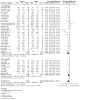
Comparison 1: Exercise‐based rehabilitation versus usual care, Outcome 8: Health‐related quality of life (all scales) up to 12 months' follow‐up
Long‐term (more than 12 months) follow‐up, MLWHF only
There was evidence of improvement in MLWHF with ExCR compared with control (MD −9.49, 95% CI −17.48 to −1.50; heterogeneity: P = 0.03, I² = 73%; 3 trials, 3 comparisons, 329 participants; Analysis 1.9). The test for overall effect was P = 0.02. The evidence was of very low certainty because of concerns about risk of bias (random sequence generation, allocation concealment), inconsistency with considerable heterogeneity, and imprecision due to small numbers of participants (< 400). No long‐term data assessed by other HRQoL scales were available.
1.9. Analysis.

Comparison 1: Exercise‐based rehabilitation versus usual care, Outcome 9: Health‐related quality of life (MLWHF) more than 12 months' follow‐up
Costs and cost‐effectiveness
Seven included trials reported economic data, with three undertaking a full cost‐effectiveness analysis (Dalal 2018; Georgiou 2001; HF ACTION 2009), and four reporting costs (Cowie 2014; Dalal 2018; Lang 2018; Witham 2012; Table 3). Based on data reported in Belardinelli 1999, Georgiou 2001 estimated an additional mean healthcare cost in the ExCR group compared with the control group of USD 3227 per person. Researchers calculated this cost by subtracting the averted hospitalisation cost (USD 1336 per person) from the cost of exercise training and wages lost due to exercise training ‐(estimated at USD 4563 per person). Based on exponential survival modelling to 15.5 years, the estimated increment in life expectancy with exercise was 1.82 years per person compared with control, and the incremental cost‐effectiveness ratio was USD 1773 per life‐year saved. The HF ACTION 2009 group estimated a mean gain in quality‐adjusted life‐years (QALYs) of 0.03 at an additional mean cost of USD 1161 per person at 2.5 years' follow‐up (HF ACTION 2009). Although they did not report an incremental cost‐effectiveness ratio, trial authors stated that there was an 89.9% probability that ExCR was more cost‐effective than usual care at a maximum willingness‐to‐pay threshold of USD 50,000. The REACH‐HF group estimated a mean gain in QALYs of 0.23, at an additional cost of GBP 1721 per QALY saved with ExCR (Dalal 2018). They estimated that there was a 78% probability that the REACH‐HF ExCR intervention was more cost‐effective than usual care, at the willingness‐to‐pay threshold of GBP 20,000 per QALY. Witham 2012 reported that mean costs in the exercise group were lower (by GBP 477.85 per person) than in the control group at six months' follow‐up. This cost difference was primarily the result of a reduction in the days of hospital admission in the exercise group compared with the control group. No clear between‐group differences in costs or outcomes were observed across these three trials. Cowie 2014 reported that ExCR programmes incurred similar costs, whether delivered in the patient's home (GBP 196.53 per patient) or in a supervised hospital setting (GBP 221.58 per patient).
2. Costs and cost‐effectiveness.
| Study | Georgiou 2001 | HF ACTION 2009 | Witham 2012 | Cowie 2014(centre and home) | Dalal 2018 | Lang 2018 | Dalal 2021 |
| Year of costs Country Currency |
1998 USA USD |
2008 USA USD |
2010 UK GBP |
2013/2014 UK GBP |
2016 UK GBP |
2016 UK GBP |
2015 UK GBP |
| Intervention cost | |||||||
| Mean costs/patient | 4563 | 6483 (SD 4884) | 474.75 | Not reported | 418.39 | 362.61 | 418 |
| Costs considered | Staffing, space rental, equipment, patients’ lost wages | Staffing, patient time, travel, parking | Staffing, equipment, staff and patient travel | Staffing, equipment, consumables* (*home training only) |
Primary and secondary care, social care, drugs, NHS and intervention costs | Staffing, equipment, staff travel | ? |
| Cost‐effectiveness | |||||||
| Follow‐up period | 15.5 years | Mean 2.5 years | 6 months | 5 years | NR | NR | 38 months |
| Total mean healthcare cost/patient (exercise) |
5282* | 57,338 (SD 81,343)+ | 1888.24 (SD 3111) | 221.58 (hospital) and 196.53 (home) | NR | NR | 15,452 |
| Total mean healthcare costs per patient (control) |
2055* | 56,177 (SD 92,749)+ | 1943.93 (SD 4551) | Not calculated | NR | NR | 15,051 |
| Incremental healthcare costs | 3227* | 1161 (95% CI −6205 to 8404) | −447.85 (95% CI −1696.00 to 931.00) | NR | NR | NR | 400 |
| Additional healthcare costs considered |
Hospitalisations | Medication, procedures, outpatient visits, emergency visits, hospitalisations, tests | Inpatient and outpatient admissions, primary care contacts, medication | NR | NR | NR | NR |
| Mean healthcare benefit (exercise) | 10.24 life‐years | 2.02 QALYs (SD 1.00) | NR | NR | 0.74 QALYs (SD 0.22) | NR | 4.24 QUALYs |
| Mean healthcare benefit (control) | 7.96 life‐years | 1.99 QALYs (SD 1.01) | NR | NR | 0.76 QALYs (SD 0.21) | NR | 4.47 QUALYs |
| Incremental mean healthcare benefit | 1.82 life‐years | 0.03 (95% CI −0.06 to 0.11) | NR | NR | NR | NR | 0.23 QUALYs |
| Incremental cost‐effectiveness ratio | 1773 per life‐year saved | NR | NR | NR | NR | NR | GBP 1721 per QALY |
CI: confidence interval; GBP: GB Pounds; NR: not reported; QALY: quality‐adjusted life year; SD: standard deviation; USD: US Dollars
Meta‐regression
We examined predictors of all‐cause mortality, all‐cause hospital admissions, heart failure‐related hospital admissions, HRQoL by MLWHF only, and HRQoL by all scales (follow‐up of 12 months or less) using univariate meta‐regression. There was evidence of association (at P < 0.05) between outcomes and trial‐level covariates in terms of risk of bias, publication date, and location of trial (continent; Table 4).
3. Univariate meta‐regression.
|
All‐cause mortality P value |
All‐cause hospitalisations P value |
HF‐related hospitalisation P value |
HRQoL (MLWHF only) P value |
HRQoL (all scales) P value |
|
| Type of rehabilitation (exercise only vs comprehensive) | 0.832 | 0.253 | 0.630 | 0.437 | 0.880 |
| Type of exercise (aerobic training alone vs aerobic plus resistance training) | 0.309 | 0.407 | 0.052 | 0.621 | 0.199 |
| Exercise dose (number of weeks × number of sessions/week × average duration of session in hours) | 0.102 | 0.218 | 0.496 | 0.702 | 0.551 |
| Exercise setting (hospital only, home only, both hospital and home) | 0.427 | 0.321 | 0.284 | 0.848 | 0.750 |
| Single vs multi‐centre | 0.372 | 0.966 | 0.213 | 0.046 | 0.750 |
| Publication date | 0.453 | 0.364 | 0.043 | 0.846 | 0.756 |
| Continent (North America vs. Europe vs. Other) | 0.050 | 0.822 | 0.783 | 0.158 | 0.665 |
| Risk of bias | 0.050 | 0.240 | 0.070 | 0.030 | 0.080 |
| Follow up (months) | 0.698 | 0.097 | 0.770 | 0.128 | 0.747 |
| Sample size | 0.712 | 0.939 | 0.297 | 0.297 | 0.220 |
HRQoL: health‐related quality of life; MLWHF: Minnesota Living With Heart Failure questionnaire
Within‐trial subgroup analyses
Several trial authors reported that they had undertaken subgroup analyses. However, most of these analyses were not based on a formal subgroup interaction test with the intervention effect but instead on a cross‐sectional association between particular participant characteristics and outcomes, for example, association between participant age at baseline and mortality, regardless of exercise or control group allocation (Austin 2005; Belardinelli 1999; Belardinelli 2012; Davidson 2010; Klocek 2005). Two trials reported subgroup analyses although the statistical methods that they used were unclear (Pozehl 2008; Yeh 2011).
Four trials carried out prespecified subgroup analyses (Dalal 2018; HF ACTION 2009; Jaarsma 2020; TELEREH‐HF 2020; Table 5). The HF ACTION 2009 authors reported no evidence of differences in intervention effects as assessed for either the primary outcome (all‐cause mortality or hospital admissions) or HRQoL (Kansas City Cardiomyopathy Questionnaire overall score) across several participant‐defined subgroups. The HF ACTION 2009 group also undertook a large post hoc observational analysis of people assigned to exercise training (Keteyian 2012). This analysis shows that the volume of exercise undertaken by participants was associated with the risk for clinical events, and moderate levels (3 to 7 metabolic equivalent (MET) hours per week) of exercise were needed to derive clinical benefit. Dalal 2018 found no evidence of subgroup treatment interaction. TELEREH‐HF 2020 only found evidence of an interaction with regards to site. Jaarsma 2020 found no evidence of an interaction in a multitude of subgroups, except the subgroup of those premorbid with stroke, which worsened treatment effect.
4. Trial‐level subgroup analysis.
| Study (report/year) | Outcome(s) | Subgroup(s) | Results (P value) | Data analysis methods | Predefined? |
|
HF ACTION 2009 (O’Connor 2009) |
Composite primary endpoint of all‐cause mortality or hospitalisation, median follow‐up 30 months | Age (≤ 70 years vs > 70 years), gender (male vs female), race (white vs non‐white), HF aetiology (ischaemic vs non‐ischaemic), baseline LVEF (≤ 25% vs > 25%), baseline NHYA (II vs III/IV), previous re‐vascularisation, history of MI, on ACE or beta blocker at baseline | "There was no significant interaction of exercise training with any of the factors defining these subgroups" (P > 0.05) | Interaction test on hazard ratio | Yes |
|
HF ACTION 2009 (Flynn 2009) |
KCCQ) overall score up to 36 months | Age, LVEF (≤ 25% or > 25%), previous revascularisation (coronary artery bypass graft surgery or percutaneous coronary intervention, or no previous revascularisation), history of MI, and KCCQ overall summary score at baseline (0‐50, 50‐75, or 75‐100) | No significant subgroup interactions (P > 0.05) | Interaction test | Yes |
|
HF ACTION 2009 (Keteyian 2012) |
All‐cause mortality or hospitalisation and cardiovascular mortality or HF hospitalisation, median follow‐up 28.2 months |
Exercise volume defined as MET‐h/week (i.e. product of exercise intensity (where 1 MET is 3.5 mL VO₂/kg/min) and hours of exercise/week) | Exercise volume was linear logarithmic predictor (P = 0.03) for all‐cause mortality or hospitalisation. For cardiovascular mortality or HF hospitalisation, exercise volume was a significant (P < 0.001) linear and logarithmic predictor Moderate exercise volumes of 3‐5 MET‐hours and 5‐7 MET‐hours/week were associated with reductions in subsequent risk that exceeded 30% |
Regression‐based methods (based only on exercise group data) | Post hoc |
|
HF ACTION 2009 (Pina 2013) |
KCCQ | Haemoglobin | …interaction…by Hgb by exercise training were not significant for the overall summary scale (P = 0.65 for the jump of baseline to 3 months, P = 0.56 for the slope of 3 months to the end of the study). Results for KCCQ subscales were similar to results for the overall summary scale; none of the 3‐way interaction terms were statistically significant. | Interaction test | Post hoc |
|
HF ACTION 2009 (Mentz 2013) |
Mortality/hospitalisation, mortality, and CV mortality/HF hospitalisation | COPD | No evidence to suggest an interaction between exercise training and COPD status for any of the clinical endpoints (all P < 0.15) | Interaction test | Post hoc |
|
HF ACTION 2009 (Mentz 2013) |
Mortality/hospitalisation, mortality, and CV mortality/HF hospitalisation/exercise capacity/HRQoL | Race (white/black/other) | No interaction between race and assignment to exercise training on clinical outcomes. However, there was evidence for an interaction between black race and exercise training for change in 6‐MWD. No other exercise or health status variable demonstrated a statistically significant interaction with race and exercise training. | Interaction test | Post hoc |
|
HF ACTION 2009 (Zeitler 2015) |
All‐cause death or hospitalisation |
Ventricular pacing status | Interaction tests for reduction in all‐cause death and device type (P < 0.33) and reduction in CV death or CV hospitalisation (P < 0.19) did not meet statistical significance | Interaction test | Post hoc |
|
HF ACTION 2009 (Banks 2016) |
6‐MWD and peak VO₂ | DM | No evidence of an interaction between DM and exercise training on any clinical outcomes | Interaction test | Post hoc |
|
HF ACTION 2009 (Parikh 2016) |
KCCQ and exercise capacity | AP | Evidence of an interaction between baseline AP and exercise training and change in peak VO₂ (interaction P < 0.019) but not with change in HRQoL or change in 6MWD (interaction P > 0.1). Exercise training (vs usual care) was associated with greater peak VO₂ improvement in patients with AP (treatment effect + 1.25 mL/kg/min, 95% CI 0.64 to 1.85) than in patients without AP (treatment effect = 0.45 mL/kg/min, 95% CI 0.18 to 0.72) | Interaction test | Post hoc |
|
HF ACTION 2009 (Luo 2017) |
Mortality/hospitalisation, mortality, and CV mortality/HF hospitalisation/exercise capacity/HRQoL | AF | No significant interactions between baseline AF status and randomisation group for change in QoL and functional capacity from baseline to 3 months. No evidence of a differential effect of exercise training based on events and AF status (all interactions P > 0.10) | Interaction test | Post hoc |
|
HF ACTION 2009 (Verma 2017) |
Mortality/hospitalisation, mortality, and CV mortality/HF hospitalisation/exercise capacity/HRQoL | Having a partner, SES (education beyond high school, income USD25,000, and employed) | No interaction between any of the partner status or SES variables and exercise training for outcomes (all P > 0.5) | Interaction test | Post hoc |
| Dalal 2018 | MLWHF, follow‐up 12 months | Baseline NTproBNP level, presence of caregiver, recruitment site, duration of HF | "We found no evidence of a significant subgroup treatment interaction on the primary outcome at 12 months by NT‐pro‐BNP level, presence of caregiver, recruitment site, or duration of HF" | Interaction test | Yes |
|
TELEREH‐HF 2020 (Piotrowicz 2019) |
All‐cause mortality at 26 months, all‐cause hospitalisation at 26 months | Age, gender, NYHA class, Peak VO2, | “There were no statistically significant differences on the percentage of days alive and out of the hospital, all‐cause mortality, or all‐cause hospitalizations in prespecified subgroups (age, sex, peak VO2, patients in NYHA classes I‐II vs those in NYHA class III, and patients with vs without cieds [cardiac implantable electrical devices] with the exception of the effect of site. Interaction P values for the effect of a site were nonsignificant for all‐cause mortality and significant for all‐cause hospitalisation” | Interaction test | Yes |
| Jaarsma 2020 | 6MWD | Age, gender, NHYA class, HFrEF/HFpEF, depression. anxiety, NT‐proBNP, grandchildren, comorbid stroke, comorbid diabetes, comorbid impairment | "There was no statistically significant interaction of the intervention with age, gender, NYHA classification, HFrEF/HFpEF, depression, anxiety, NT‐proBNP, having grandchildren, comorbid diabetes and cognitive impairment. Only comorbid history of stroke showed a significant interaction with the treatment effect over time with the likelihood ratio test, showing that patients without a history of stroke improved more as a result of exergaming than patients who had a history of stroke." | Interaction test | Yes (predefined in protocol but other variables included retrospectively) |
| 6MWD: 6‐minute walking distance; ACE: angiotensin‐converting enzyme; AF: atrial fibrillation; AP: angina pectoris; CI: confidence interval; COPD: chronic obstructive pulmonary disease; CV: cardiovascular; DM: diabetes mellitus; HF: heart failure; HFpEF: heart failure with preserved ejection fraction; HFrEF: heart failure with reduced ejection fraction; HRQoL: health‐related quality of life; KCCQ: Kansas City Cardiomyopathy Questionnaire; LVEF: left ventricular ejection fraction; MET: metabolic equivalent; MI: myocardial infarction; MLWHF: Minnesota Living With Heart Failure questionnaire; NTproBNP: N‐terminal prohormone of brain natriuretic peptide; NYHA: New York Heart Association; QoL: quality of life; SES: socioeconomic status; VO₂: oxygen uptake | |||||
Sensitivity analyses
We undertook the following sensitivity analyses by restricting to data from studies at low risk of bias. For all‐cause mortality at short‐term follow‐up, we found no evidence of a difference (RR 1.26, 95% CI 0.86 to 1.85; I² = 79%; 8 trials, 1443 participants). For all‐cause hospitalisation at short‐term follow‐up, we observed a similar effect estimate to the overall effect estimate of the main analysis (RR 0.78, 95% CI 0.58 to 1.04; I² = 24%; 6 trials, 874 participants). This was also true for heart failure‐related hospitalisation at short‐term follow‐up, where a similar effect estimate to that of the overall analysis was noted (RR 0.72, 95% CI 0.25 to 2.02; I² = 14%; 4 trials, 742 participants). For HRQoL measured by MLWHF at short‐term follow‐up, sensitivity analysis of studies at low risk of bias showed a reduced benefit (MD −3.32, 95% CI −8.20 to 1.57; I² = 82%; 7 trials, 947 participants); however, for HRQoL by all scales at short‐term follow‐up, pooled data from studies at low risk of bias suggest ExCR improved HRQoL in the short term (SMD −0.28, 95% CI −0.51 to −0.04; I² = 85%; 9 trials, 2495 participants). This suggests a small clinical improvement.
Small‐trial bias
We observed no funnel plot asymmetry for all‐cause mortality, all‐cause hospital admissions, and HRQoL by MLWHF only (Egger test P > 0.05) at any time point. We found evidence of asymmetry for heart failure‐related hospital admission (Egger test P = 0.015) and HRQoL by all scales (Egger test P = 0.002).
Discussion
Summary of main results
This review update shows that compared with no‐exercise control there was no evidence that participation in ExCR resulted in a difference in the risk of all‐cause mortality in the short term (up to 12 months' follow up; Table 1). Benefits of ExCR included evidence of a likely reduction in both all‐cause and heart failure‐related hospitalisation risk in both the short and long term, and a likely clinically meaningful improvement in HRQoL. A small number of trial‐based economic evaluations support the acceptable cost‐effectiveness of ExCR compared to control. Trials of home‐ and hybrid‐ (i.e. both home‐ and centre‐) based ExCR delivery were associated with similar improvements in outcome compared to traditional, centre‐based programmes.
Overall completeness and applicability of evidence
Consistent with the previous version of this Cochrane review, we found included trials with a greater proportion of women, older patients, and patients with HFpEF, and therefore more reflective of the wider heart failure population in clinical practice. The increasing evidence for home and hybrid mode of ExCR delivery is particularly important given the need to improve rehabilitation access and uptake for heart failure patients (Laoutaris 2022). However, only two trials identified patients with acute decompensated heart failure (Kitzman 2021; Reeves 2017).
Quality of the evidence
Whilst the majority of included trials poorly reported their methodology in full, especially random sequence generation and allocation concealment, more recently published trials are better reported (Figure 2).
Overall, the evidence ranged in certainty from high to very low (Table 1). All‐cause mortality outcomes were the strongest certainty; we deemed long‐term findings to be high certainty and downgraded short‐term findings to low certainty due to risk of bias concerns and imprecision. We downgraded short‐term and long‐term all‐cause hospitalisation outcomes for risk of bias concerns and inconsistency, respectively. We downgraded heart failure‐related hospitalisation to moderate certainty due to suspected publication bias. We downgraded short‐term overall MLWHF due to risk of bias and inconsistency but uprated it as the effect size included the minimal clinically important difference; a change of approximately 5 points in overall MLWHF score has been associated with a clinically meaningful patient‐perceived change in their health status (Gonzalez‐Saenz 2019). The other HRQoL outcomes (long‐term overall MLWHF and all HRQoL measures), we downgraded to very low certainty due to concerns about risk of bias, inconsistency, and high imprecision due to small numbers of participants (long‐term overall MLWHF).
Potential biases in the review process
We believe this is the most comprehensive systematic review to date of RCT evidence on the impact of ExCR on people with heart failure. However, our review has some limitations. The overall risk of bias in included trials was generally low or unclear, although evidence shows improvement in the level of reporting in trials published in more recent years. However, details of random sequence generation, allocation concealment, and blinding were particularly poorly reported and therefore were subject to bias. Also, funnel plot asymmetry for heart failure‐related hospitalisation and HRQoL (all scales) is indicative of small‐trial bias and possible publication bias. Clinical heterogeneity was high, as there was wide variation among both intervention and control regimes. As this review employed a broad definition of ExCR, included trials covered a range of rehabilitation programmes that varied in terms of their inclusion of educational and psychological interventions, and exercise training dose. To reflect this clinical heterogeneity, we employed a random‐effects meta‐analysis model. The control regime also varied greatly between trials. For example, some control regimes included medication review, heart failure‐related educational programmes, or attention control, such as a flexibility programme, while others included only basic care. This variation in clinical heterogeneity of interventions and controls likely contributed to the considerable level of statistical heterogeneity observed for some outcomes.
This updated review (or its previous versions) does not separately report adverse events. However, it is important to note that all‐cause mortality and HRQoL are both included outcomes that ‘net’ the potential benefits and harms of ExCR. Furthermore, all‐cause hospitalisations, a key contributor to serious adverse events, are also reported. However, we do acknowledge that this review does not report more minor adverse events such as falls or chest pain.
The prescribed dose of exercise training ranged widely across trials (e.g. session duration: 8 to 120 minutes, 1 to 7 sessions per week). While trials reported a prescribed dose of exercise (and in some cases, delivery of other interventions), few, if any, reported the actual level of participation by participants. So, we were not able to assess the impact of ExCR intervention adherence, either in terms of actual engagement in exercise or other intervention components.
Whilst there was considerable statistical heterogeneity in HRQoL outcome across trials, in meta‐regression analyses, the only consistent trial‐level predictive factor was risk of bias ‐ there being larger ExCR effects in trials of overall high compared to low risk of bias (Table 4).
Readers should note that the evidence base presented is from December 2021 and with the COVID‐19 social restrictions being lifted in 2022 across many countries, evidence not yet captured by the current search may impact the review conclusions. We intend to update the evidence base as soon as possible.
Agreements and disagreements with other studies or reviews
The individual patient data (IPD) meta‐analysis, Exercise Training Meta‐Analysis of Trials for Chronic Heart Failure (ExTraMATCH) was originally published in 2004 (ExTraMatch 2004); recently the ExTraMATCH II Collaboration updated this IPD meta‐analysis based on RCTs included in the 2014 Cochrane Review (ExTraMATCH II; Taylor 2014). The ExTraMATCH II events analysis included data obtained from 18 trials including 3912 participants with HFrEF. The ExTraMATCH Collaboration authors reported that, compared to control data, they found no statistically significant differences in pooled time‐to‐event estimates in favour of ExCR, although confidence intervals were wide (all‐cause mortality: hazard ratio (HR) 0.83, 95% CI 0.67 to 1.04; heart failure‐specific mortality: HR 0.84, 95% CI 0.49 to 1.46; all‐cause hospitalisation: HR 0.90, 95% CI 0.76 to 1.06; and heart failure‐specific hospitalisation: HR 0.98, 95% CI 0.72 to 1.35). Lack of statistically significant impact of ExCR on all‐cause mortality is consistent with the findings of this updated Cochrane review. However, the finding of no reduction in all‐cause or heart‐failure hospitalisations with ExCR contrasts with the information provided in this update, and in the 2014 version of this Cochrane review. A possible explanation for this difference is that the ExTraMATCH II authors were not able to obtain participant data from all trial authors, and that not all included trials collected hospitalisation data as a time‐to‐event outcome. The ExTraMATCH II authors also noted a limitation of their analysis, which showed lack of consistency in how our included trials with IPD defined and collected clinical event outcome data. As noted in recent commentaries on clinical events, in heart failure trials, with the exception of all‐cause mortality, the collection and reporting of other outcomes including cause‐specific mortality and hospitalisation can be prone to confounding and bias (Zannad 2013). In accord with this Cochrane review update, ExTraMATCH II found no strong evidence of differential effects of ExCR across patient characteristics (i.e. age, sex, ethnicity, NYHA functional class, ischaemic aetiology, ejection fraction, exercise capacity) on mortality or hospitalisation outcomes.
Our findings are consistent with those of other systematic reviews and meta‐analyses of RCTs for cardiac rehabilitation for heart failure published since the 2014 version of this review. Zhang 2018 collated trial‐level data from 2533 patients with heart failure enroled in 28 published RCTs. Based on the MLWHF questionnaire, trial authors reported a similar magnitude of pooled improvement in HRQoL (mean −6.8, 95% CI −3.9 to −9.7; P < 0.0001). Similarly, based on eight RCTs including 317 participants with HFpEF, Chan 2016 reported a pooled improvement in MLWHF score of −6.8 (95% CI −9.7 to −3.8; P < 0.0001). In accord with our updated Cochrane review, Vromen 2018 found in a meta‐regression analysis that ExCR programme characteristics of frequency, intensity, and session duration were not predictive of ExCR outcomes, although programmes with higher overall energy expenditure were associated with greater improvement in exercise capacity. Like the present review, the Cardiac Rehabilitation Outcome Study in Heart Failure (CROS‐HF), included RCTs of ExCR but focused on the subgroup of trials with a more precise definition of HFrEF (left ventricular ejection fraction < 40%) and published after 1999 (therefore receiving contemporary drug and secondary prevention of heart failure) with a follow‐up of six‐months or more (Bjarnason‐Wehrens 2020). Whilst CROS‐HF reported no clear improvement in either mortality or hospitalisation, it confirms the improvement in exercise capacity and HRQoL with participation in ExCR.
Authors' conclusions
Implications for practice.
Results of this update review show that although there was no evidence of a difference in the risk of all‐cause mortality between exercise for cardiac rehabilitation (ExCR) and control, participation in ExCR likely reduces the risk of all‐cause and heart failure‐specific hospitalisation and health‐related quality of life in the short‐term (up to 12‐months' follow up) as measured by the Minnesota Living With Heart Failure questionnaire amongst people with heart failure. These effects of ExCR appear to be consistent across ExCR programme characteristics (including centre‐based, home‐based and digitally supported ExCR settings) and support the recommendations provided in current international clinical guidelines that the offer of ExCR should be made taking account of patient's preference for ExCR setting (ACCF/AHA 2013; ESC 2021; NICE 2018).
Implications for research.
Despite clinical guidelines recommending ExCR for the management of heart failure, internationally the provision and uptake of rehabilitation in heart failure remains poor (Bjarnason‐Wehrens 2010; Golwala 2015). Further randomised controlled trials are needed to assess the clinical effectiveness and economic value (costs and cost‐effectiveness) of alternative models of ExCR relative to traditional centre‐based programmes, especially home‐based and digitally supported programmes. Future trials need to consider the generalisability of trial populations (women, older people, and people with heart failure with preserved ejection fraction remain under‐represented in trial populations); the application of interventions to enhance long‐term maintenance of exercise training and outcomes (Karmali 2014); and costs and cost‐effectiveness of ExCR programmes.
What's new
| Date | Event | Description |
|---|---|---|
| 7 March 2024 | New search has been performed | Searches were updated on 13 December 2021. |
| 7 March 2024 | New citation required but conclusions have not changed | 16 new studies (27 publications) were included in this update. Review conclusions remain broadly unchanged. |
History
Protocol first published: Issue 4, 2001 Review first published: Issue 3, 2004
| Date | Event | Description |
|---|---|---|
| 1 June 2018 | New citation required but conclusions have not changed | Eleven new studies (29 publications) were included in the update. The study population included adults with evidence of HF ‐ either HFrEF or HFpEF. We based our search strategy on the January 2013 search strategy, which was made to reflect more recent use of the terms 'HFpEF' and 'HFrEF'. The search for this current review update was updated from the 2013 search (January 2013 to 29 January 2018), with date limits applied to our latest search to identify only those records that have been newly added to the databases since the last search. Review conclusions remain unchanged |
| 31 May 2018 | New search has been performed | We updated this review with trials identified by the update search, which we ran on 29 January 2018 |
| 1 November 2013 | New citation required but conclusions have not changed | For this review update, we identified 14 additional trials. Whilst conclusions of the review have not changed, this update provides a broader body of evidence of the benefits of exercise‐based interventions, which includes patients with HFpEF and delivery in a home‐based setting |
| 14 February 2013 | New search has been performed | Searches were updated |
| 18 May 2004 | New citation required and conclusions have changed | Substantive amendments were made |
Acknowledgements
We thank the Cochrane Heart Group for running our updated search strategy, and Claudia Armengol and Soumeen Jin (both University of Glasgow, College of Medical, Veterinary, and Life Sciences) for their assistance with translation of two of the new trials included in this latest update.
Editorial and peer‐reviewer contributions
Cochrane Heart supported the authors in the development of this review update. The following people conducted the editorial process for this review update:
Sign‐off Editor (final editorial decision): Michael Brown, Michigan State University, College of Human Medicine;
Managing Editor (selected peer reviewers, collated peer‐reviewer comments, provided editorial guidance to authors, edited the article): Joey Kwong, Cochrane Central Editorial Service;
Editorial Assistant (conducted editorial policy checks, selected peer reviewers, collated peer‐reviewer comments, supported editorial team): Sara Hales‐Brittain, Cochrane Central Editorial Service;
Copy Editor (copy editing and production): Denise Mitchell, Cochrane Central Production Service
Peer‐reviewers (provided comments and recommended an editorial decision): Christian Lewinter, Karolinska Institute (clinical/content review); Malcolm Brewster, Ferry Road Health Centre, East Sussex, UK (consumer review); Aditi Bauskar, Independent Consultant, USA (consumer review); Nuala Livingstone, Cochrane Evidence Production and Methods Directorate (methods review); Ina Monsef, Cochrane Haematology, Department of Internal Medicine, Center for Integrated Oncology, Aachen Bonn Cologne Duesseldorf, Faculty of Medicine; University Hospital Cologne, University of Cologne, Cologne, Germany (search review). One additional peer reviewer provided content/clinical review but chose not to be publicly acknowledged.
Appendices
Appendix 1. Search strategy
Cochrane Central Register of Controlled Trials (CENTRAL; 2021, Issue 12)
([mh "Heart Failure"] or ((Heart and Failure) OR HFNEF or HFPEF or HFREF or "HF NEF" or "HF PEF" or "HF REF" OR Left Ventricular Failure OR LVF):ti,ab) AND ([mh ^"Rehabilitation Centers"] OR [mh "Exercise Therapy"] OR [mh ^Sports] OR [mh "Physical Exertion"] OR [mh Exercise] OR [mh Rehabilitation] OR [mh ^"Patient Education as Topic"] OR [mh "Self Care"] OR [mh "Ambulatory Care"] OR [mh Psychotherapy] OR [mh "Mind‐Body Therapies"] OR [mh Counseling] OR [mh "Cognitive Therapy"] OR [mh "Behavior Therapy"] OR [mh "Stress, Psychological"] OR [mh Meditation] OR [mh ^Anxiety] OR [mh Psychopathology] OR [mh "Autogenic Training"] OR [mh "Health Education"] OR (rehabilitat*):ti,ab or (physical* near (fit* or train* or therap* or activit*)):ti,ab or ((train*) near (strength* or aerobic or exercise*)):ti,ab or ((exercise* or fitness) near/3 (treatment or intervent* or program*)):ti,ab or (patient* near/3 educat*):ti,ab or (psychotherap* or relax* or meditat* or CBT or hypnotherap* or psycho‐educat* or psychoeducat* or psychopathol* or autogenic* or distress* or psychosocial* or psycho‐social or heart manual):ti,ab or ((lifestyle or life‐style) near/3 (intervent* or program* or treatment*)):ti,ab or (psycholog* near intervent*):ti,ab or ((Mind or Body) and (Relaxation Techniques)):ti,ab or (counseling or counselling):ti,ab or ((behavio*r*) near/4 (modif* or therap* or rehab* or change)):ti,ab or (stress near manage*):ti,ab or (cognitive* near therap*):ti,ab or ((manage*) near (anxiety or depres*)):ti,ab or (goal near/3 (setting)):ti,ab or (motivat* near (interv*)):ti,ab or (self near (manage* or care or motivat*)):ti,ab or (nutrition or diet or health near (education)):ti,ab)
Publication Year from 2018 to 2021, in Trials
MEDLINE (Ovid, 1946 to 10 December 2021)
1 exp Heart Failure/ or ((heart adj5 failure) or HFNEF or HFPEF or HFREF or "HF NEF" or "HF PEF" or "HF REF" or Left Ventricular Failure or LVF).ti,ab.
2 *Rehabilitation Centers/ or exp Exercise Therapy/ or exp Sports/ or *Rehabilitation/ or exp Exercise/ or Patient Education as Topic/ or *Self Care/ or *Ambulatory Care/ or exp Psychotherapy/ or exp Relaxation Therapy/ or exp Mind‐Body Therapies/ or exp Counseling/ or exp Cognitive Therapy/ or exp Behavior Therapy/ or *Stress, Psychological/ or *Meditation/ or exp Anxiety/ or Psychopathology/ or exp Health Education/ or Autogenic Training/ or Physical Exertion/ or exertion.ti,ab. or rehabilitat$5.ti,ab. or (physical$4 adj5 (fit or fitness or train$5 or therap$5 or activit$5)).ti,ab. or (train$5 adj5 (strength$3 or aerobic or exercise$4)).ti,ab. or ((exercise$4 or fitness) adj5 (treatment or intervent$4 or programs$2 or therapy)).ti,ab. or (patient$2 adj5 educat$4).ti,ab. or ((lifestyle or life‐style) adj5 (intervent$5 or program$2 or treatment$2)).ti,ab. or (self adj5 (manage$5 or care or motivate$5)).ti,ab. or psychotherap$2.ti,ab. or (psycholog$5 adj5 intervent$5).ti,ab. or relax$6.ti,ab. or (counselling or counseling).ti,ab. or ((behavior$4 or behaviour$4) adj5 (modify or modificat$4 or therap$2 or change)).ti,ab. or (stress adj5 management).ti,ab. or (cognitive adj5 therap$2).ti,ab. or meditat$4.ti,ab. or (manage$5 adj5 (anxiety or depress$5)).ti,ab. or CBT.ti,ab. or hypnotherap$5.ti,ab. or (goal adj5 setting).ti,ab. or (goal$2 adj5 setting).ti,ab. or (psycho‐educat$5 or psychoeducat$5).ti,ab. or (motivat$5 adj5 (intervention or interv$3)).ti,ab. or psychopathol$4.ti,ab. or psychosocial$4.ti,ab. or distress$4.ti,ab. or (health adj5 education).ti,ab. or (heart adj5 manual).ti,ab. or autogenic$5.ti,ab.
3 randomized controlled trial/ or controlled clinical trial/ or Random Allocation/ or Double‐Blind Method/ or single‐blind method/ or exp Research Design/ or exp clinical trial/ or (randomized controlled trial or controlled clinical trial or Clinical Trial).pt. or (random$ or placebo$).ti,ab. or ((singl$3 or doubl$3 or tripl$3 or trebl$3) adj5 (blind$3 or mask$3)).ti,ab. or (clinic$3 adj trial$2).ti,ab.
4 1 and 2 and 3
5 (Animals not Humans).sh.
6 4 not 5
7 limit 6 to ed=20180129‐20211231
8 limit 6 to dt=20180129‐20211231
9 7 or 8
Embase (Ovid, 1980 to 2021 week 49)
1 exp congestive heart failure/ or ((heart adj5 failure) or HFNEF or HFPEF or HFREF or "HF NEF" or "HF PEF" or "HF REF" or Left Ventricular Failure or LVF).ti,ab.
2 *Psychotherapy/ or relaxation training/ or *counselling/ or stress management/ or *Mediation/ or exp psychosocial care/ or exp psychosocial rehabilitation/ or exp health education/ or autogenic training/ or *Rehabilitation/ or rehabilitation center/ or exp Sport/ or exp Kinesiotherapy/ or exp Physiotherapy/ or patient education/ or exp self care/ or exp ambulatory care/ or psychosocial care/ or psychosocial rehabilitation/ or exp health education/ or autogenic training/ or psychosocial care/ or psychosocial rehabilitation/ or exp health education/ or psychotherapy$2.ti,ab. or (psycholog$5 adj5 intervent$5).ti,ab. or relax$6.ti,ab. or (counselling or counseling).ti,ab. or ((behavior$4 or behaviour$4) adj5 (modify or modificat$4 or therap$2 or change)).ti,ab. or (stress adj5 management).ti,ab. or meditat$5.ti,ab. or (manage$5 adj5 (anxiety or depress$5)).ti,ab. or CBT.ti,ab. or hypnotherap$2.ti,ab. or (goal$2 adj5 setting).ti,ab. or (psycho‐educat$5 or psychoeducat$5).ti,ab. or (motivat$5 adj5 intervent$6).ti,ab. or psychosocial.ti,ab. or (health adj5 education).ti,ab. or (heart adj5 manual).ti,ab. or autogenic.ti,ab. or rehabil$.ti,ab. or exp Exercise/ or (physical$4 adj5 (fit or fitness or train$5 or therap$5 or activit$5)).ti,ab. or (train$5 adj5 (strength$3 or aerobic or exercise$4)).ti,ab. or ((exercise$4 or fitness) adj5 (treatment or intervent$4 or programs$2 or therapy)).ti,ab. or (aerobic$4 adj5 exercise$4).ti,ab. or (kinesiotherapy or physiotherapy).ti,ab. or (patient$2 adj5 educat$4).ti,ab. or ((((lifestyle or life) adj1 style) or life‐style) adj5 (intervent$5 or program$2 or treatment$2)).ti,ab. or (self adj5 (manage$5 or care or motivate$5)).ti,ab. or (psycho‐educat$5 or psychoeducat$5).ti,ab. or (motivat$5 adj5 intervent$6).ti,ab. or psychosocial.ti,ab. or (health adj5 education).ti,ab. or (heart adj5 manual).ti,ab. or autogenic$5.ti,ab. or (psycho‐educat$5 or psychoeducat$5).ti,ab. or (motivat$5 adj5 intervent$6).ti,ab. or psychosocial.ti,ab. or (health adj5 education).ti,ab. or (heart adj5 manual).ti,ab.
3 randomized controlled trial/ or (random$ or placebo$).ti,ab. or ((singl$4 or doubl$4 or tripl$4 or trebl$4) adj5 (blind$4 or mask$4)).ti,ab. or (controlled adj1 clinical adj1 trial).ti,ab.
4 1 and 2 and 3
5 (animal$ not human$).sh,hw.
6 4 not 5
7 limit 6 to em=201806‐202129
8 limit 7 to (conference abstracts or embase)
CINAHL (EBSCO, 1937 to 13 December 2021)
S1 (MH "Heart Failure+") OR TI heart N5 failure OR AB heart N5 failure OR TI ( HFNEF or HFPEF or HFREF or "HF NEF" or "HF PEF" or "HF REF" or Left Ventricular Failure OR LVF ) OR AB ( HFNEF or HFPEF or HFREF or "HF NEF" or "HF PEF" or "HF REF" or Left Ventricular Failure OR LVF )
S2 ( (MM "Rehabilitation") OR (MM "Sports") OR (MM "Physical Activity") OR (MH "Muscle Strengthening+") OR (MH "Aerobic Exercises+") OR (MH "Physical Fitness+") OR (MH "Patient Education+") OR (MH "Therapeutic Exercise+") OR (MH "Self Care+") OR (MM "Ambulatory Care") OR (MH "Psychotherapy+") OR (MH "Relaxation Techniques+") OR (MH "Counseling+") OR (MM "Stress Management") OR (MM "Meditation") OR (MH "Anxiety+") OR (MH "Health Education+") ) OR TI ( rehabilitat* OR (physical* N5 fit) or (physical N5 fitness) or (physical N5 train*) or (physical N5 therap*) or (physical N5 activit*) OR (train N5 strength) or (train N5 aerobic) or (train N5 exercis*) OR (exercise N5 treatment) or (fitness N5 treatment) or (exercise N5 intervent*) or (fitness N5 intervent*) or (exercise N5 program*) or (fitness N5 program) or (exercise N5 therapy) or (fitness N5 therapy) OR (patient* N5 educat*) OR (lifestyle N5 intervent*) or (life‐style N5 intervent*) or (lifestyle N5 program*) or (life‐style N5 program*) or (lifestyle N5 treatment) or (life‐style N5 treatment) OR (self N5 manage*) or (self N5 care) or (self N5 motivat*) OR aerobic OR (resistance W1 train*) OR (muscle W1 strength*) OR (resistance W1 train*) OR (muscle W1 strength*) OR psychotherap* OR (psycholog* N5 intervent*) OR relax* OR counselling or counseling OR (behavio?r* N5 modify) or (behavio?r* N5 modificat*) or (behavio?r* N5 therap*) or (behavio?r* N5 change) OR (stress N5 manag*) OR (cognitive N5 therap*) OR (manage* N5 anxiety) or (manage* N5 depress*) OR (goal* N5 setting) OR (motivat* N5 interv*) or (motivate* N5 intervent*) OR (health N5 educat*) OR (heart W1 manual) OR meditat* OR CBT OR hypnotherap* OR psychosocial* OR autogenic* OR psycho‐educat* or psychoeducat* ) OR AB ( rehabilitat* OR (physical* N5 fit) or (physical N5 fitness) or (physical N5 train*) or (physical N5 therap*) or (physical N5 activit*) OR (train N5 strength) or (train N5 aerobic) or (train N5 exercis*) OR (exercise N5 treatment) or (fitness N5 treatment) or (exercise N5 intervent*) or (fitness N5 intervent*) or (exercise N5 program*) or (fitness N5 program) or (exercise N5 therapy) or (fitness N5 therapy) OR (patient* N5 educat*) OR (lifestyle N5 intervent*) or (life‐style N5 intervent*) or (lifestyle N5 program*) or (life‐style N5 program*) or (lifestyle N5 treatment) or (life‐style N5 treatment) OR (self N5 manage*) or (self N5 care) or (self N5 motivat*) OR aerobic OR (resistance W1 train*) OR (muscle W1 strength*) OR (resistance W1 train*) OR (muscle W1 strength*) OR psychotherap* OR (psycholog* N5 intervent*) OR relax* OR counselling or counseling OR (behavio?r* N5 modify) or (behavio?r* N5 modificat*) or (behavio?r* N5 therap*) or (behavio?r* N5 change) OR (stress N5 manag*) OR (cognitive N5 therap*) OR (manage* N5 anxiety) or (manage* N5 depress*) OR (goal* N5 setting) OR (motivat* N5 interv*) or (motivate* N5 intervent*) OR (health N5 educat*) OR (heart W1 manual) OR meditat* OR CBT OR hypnotherap* OR psychosocial* OR autogenic* OR psycho‐educat* or psychoeducat* )
S3 PT CLINICAL TRIAL OR (MH "Clinical Trials+") OR TI ( random* or placebo* OR (singl* or double* or triple* or treble* and (blind* or mask*)) OR (controlled w1 clinical w1 trials) ) OR AB ( random* or placebo* OR (singl* or double* or triple* or treble* and (blind* or mask*)) OR (controlled w1 clinical w1 trials) )
S4 S1 AND S2 AND S3
Limiters ‐ Exclude MEDLINE records
S5 EM 201801‐
S6 S4 AND S5
PsycINFO (Ovid, 1806 to December week 5 2021)
1 ((heart adj5 failure) or HFNEF or HFPEF or HFREF or "HF NEF" or "HF PEF" or "HF REF" or Left Ventricular Failure or LVF).ti,ab.
2 exp Physical Activity/ or exp Sports/ or *Physical Education/ or exp Health Behavior/ or *Physical Fitness/ or exp Client Education/ or exp Health Promotion/ or exp Outpatient Treatment/ or exp Psychotherapy/ or exp Treatment/ or exp Counseling/ or exp Coping Behavior/ or *Meditation/ or *Autogenic Training/ or exp Health Education/ or (physical adj1 education).ti,ab. or exertion$6.ti,ab. or rehabilitat$6.ti,ab. or (physical adj5 (fit$5 or train$5 or therap$5 or activit$4)).ti,ab. or (train$4 adj5 (strength$4 or aerobic or exercise$2)).ti,ab. or ((exercise$3 or fitness) adj5 (treatment or intervent$4 or program$4 or therap$2)).ti,ab. or patient with education.ti,ab. or ((lifestyle or life‐style) adj5 (intervent$5 or program$2 or treatment$2)).ti,ab. or psychotherapy$2.ti,ab. or (psycholog$4 adj5 intervent$5).ti,ab. or relax$6.ti,ab. or (counselling or counseling).ti,ab. or ((behavior or behaviour) adj5 (modif$5 or therap$5 or rehabilit5 or change)).ti,ab. or (stress adj5 management).ti,ab. or meditat$5.ti,ab. or (manage$5 adj5 (anxiety or depress$5)).ti,ab. or ((cbt or cognitive$2) adj5 therap$3).ti,ab. or hypnotherap$3.ti,ab. or (psycho‐educat$6 or psychoeducat$6).ti,ab. or (motivat$5 adj5 intervent$5).ti,ab. or (self adj5 manag$6).ti,ab. or autogenic$3.ti,ab. or (goal adj5 setting).ti,ab. or (health adj5 education).ti,ab. or (heart adj1 manual).ti,ab.
3 (random$5 or placebo$5 or ((single$4 or double$4 or triple$4) and (blind$4 or mask or sham$4 or dummy)) or RCT).ti,ab.
4 1 and 2 and 3
5 limit 4 to up=20180129‐20211231
Web of Science (Thomson Reuters, 1900 to 13 December 2021)
(heart SAME failure) OR HFNEF or HFPEF or HFREF or "HF NEF" or "HF PEF" or "HF REF" OR Left Ventricular Failure OR LVF (Topic) and rehab* or educat* (Topic) and random* or placebo* or ((singl* or doubl* or tripl* or trebl*) SAME (blind* or mask*)) or "clinic* trial*" (Topic)
Publication dates 2018‐01‐01 – 2021‐12‐13
Editions = A&HCI, CPCI‐SSH, CPCI‐S, SCI‐EXPANDED, SSCI
Data and analyses
Comparison 1. Exercise‐based rehabilitation versus usual care.
| Outcome or subgroup title | No. of studies | No. of participants | Statistical method | Effect size |
|---|---|---|---|---|
| 1.1 All‐cause mortality up to 12 months' follow‐up | 34 | 3941 | Risk Ratio (M‐H, Random, 95% CI) | 0.93 [0.71, 1.21] |
| 1.1.1 High ROB | 26 | 2498 | Risk Ratio (M‐H, Random, 95% CI) | 0.70 [0.49, 1.01] |
| 1.1.2 Low ROB | 8 | 1443 | Risk Ratio (M‐H, Random, 95% CI) | 1.26 [0.86, 1.85] |
| 1.2 All‐cause mortality more than 12 months' follow‐up | 8 | 3780 | Risk Ratio (M‐H, Random, 95% CI) | 0.87 [0.72, 1.04] |
| 1.2.1 High ROB | 5 | 400 | Risk Ratio (M‐H, Random, 95% CI) | 0.57 [0.38, 0.87] |
| 1.2.2 Low ROB | 3 | 3380 | Risk Ratio (M‐H, Random, 95% CI) | 0.95 [0.82, 1.11] |
| 1.3 Hospital admissions (all‐cause) up to 12 months' follow‐up | 23 | 2283 | Risk Ratio (M‐H, Random, 95% CI) | 0.69 [0.56, 0.86] |
| 1.3.1 High ROB | 17 | 1409 | Risk Ratio (M‐H, Random, 95% CI) | 0.64 [0.47, 0.87] |
| 1.3.2 Low ROB | 6 | 874 | Risk Ratio (M‐H, Random, 95% CI) | 0.79 [0.59, 1.07] |
| 1.4 Hospital admissions (all‐cause) more than 12 months' follow‐up | 7 | 3509 | Risk Ratio (M‐H, Random, 95% CI) | 0.84 [0.70, 1.01] |
| 1.4.1 High ROB | 5 | 361 | Risk Ratio (M‐H, Random, 95% CI) | 0.63 [0.39, 1.03] |
| 1.4.2 Low ROB | 2 | 3148 | Risk Ratio (M‐H, Random, 95% CI) | 0.96 [0.91, 1.01] |
| 1.5 Hospital admissions (heart failure only) up to 12 months' follow‐up | 10 | 911 | Risk Ratio (M‐H, Random, 95% CI) | 0.82 [0.49, 1.35] |
| 1.5.1 High ROB | 6 | 369 | Risk Ratio (M‐H, Random, 95% CI) | 0.80 [0.41, 1.56] |
| 1.5.2 Low ROB | 4 | 542 | Risk Ratio (M‐H, Random, 95% CI) | 0.72 [0.25, 2.02] |
| 1.6 Hospital admissions (heart failure only) more than 12 months' follow‐up | 5 | 1098 | Risk Ratio (M‐H, Random, 95% CI) | 0.74 [0.50, 1.08] |
| 1.6.1 High ROB | 4 | 280 | Risk Ratio (M‐H, Random, 95% CI) | 0.61 [0.40, 0.94] |
| 1.6.2 Low ROB | 1 | 818 | Risk Ratio (M‐H, Random, 95% CI) | 1.01 [0.80, 1.28] |
| 1.7 Health‐related quality of life (MLWHF) up to 12 months' follow‐up | 21 | 2699 | Mean Difference (IV, Random, 95% CI) | ‐7.39 [‐10.30, ‐4.47] |
| 1.7.1 High ROB | 14 | 1752 | Mean Difference (IV, Random, 95% CI) | ‐9.59 [‐13.11, ‐6.08] |
| 1.7.2 Low ROB | 7 | 947 | Mean Difference (IV, Random, 95% CI) | ‐3.32 [‐8.20, 1.57] |
| 1.8 Health‐related quality of life (all scales) up to 12 months' follow‐up | 33 | 4769 | Std. Mean Difference (IV, Random, 95% CI) | ‐0.52 [‐0.70, ‐0.34] |
| 1.8.1 High ROB | 24 | 2274 | Std. Mean Difference (IV, Random, 95% CI) | ‐0.61 [‐0.84, ‐0.38] |
| 1.8.2 Low ROB | 9 | 2495 | Std. Mean Difference (IV, Random, 95% CI) | ‐0.28 [‐0.51, ‐0.04] |
| 1.9 Health‐related quality of life (MLWHF) more than 12 months' follow‐up | 3 | 329 | Mean Difference (IV, Random, 95% CI) | ‐9.49 [‐17.48, ‐1.50] |
| 1.9.1 High ROB | 2 | 217 | Mean Difference (IV, Random, 95% CI) | ‐13.90 [‐17.98, ‐9.82] |
| 1.9.2 Low ROB | 1 | 112 | Mean Difference (IV, Random, 95% CI) | ‐1.60 [‐10.26, 7.06] |
Characteristics of studies
Characteristics of included studies [ordered by study ID]
Andryukhin 2010.
| Study characteristics | ||
| Methods | Parallel‐group RCT | |
| Participants |
N Randomised: 100 (exercise 50, control 50) Diagnosis (% of participants)
Case mix: as above Age: 67 (range 59‐71): excercise 66.5, control 68 Male: 31% White: not reported Inclusion/exclusion criteria Inclusion: ≥ 50 years with an established diagnosis of HFPEF in a stable condition….based on symptoms (dyspnoea at rest or during exercise, fatigue, tiredness, ankle swelling) or signs (tachycardia, tachypnea, raised jugular venous pressure, oedema) of congestive HF plus the results of an echocardiographic examination by a cardiologist: presence of a normal LV systolic function (LVEF 50%), and evidence of abnormal LV relaxation, diastolic distensibility or diastolic stiffness. Exclusion: a history of an acute coronary syndrome within the last 6 months, a haemodynamically significant valvular stenosis, the presence of physical conditions that limited participation in a rehabilitation programme, insulin‐dependent DM or confirmed COPD i.e. an FEV1/FVC < 70, a negative reversibility test, and a history of chronic cough, sputum production and dyspnoea |
|
| Interventions |
Exercise
Control: prescription of medication as well as non‐pharmacological measures. The basic medications are ACEIs, ARBs, β‐blockers, aldosterone antagonists, diuretics and digoxin if needed. Non‐pharmacological measures included recommendations concerning diet, alcohol intake, weight reduction, smoking cessation, activity and exercise training, given by the GP during consultation. |
|
| Outcomes |
|
|
| Country and setting | Russia, single centre | |
| Follow‐up | BL (prerandomisation), and 6‐months and 18‐months post‐randomisation | |
| Notes | *Outcomes relevant to review AND converted from median and IQR to mean and SD Authors reported no external funding |
|
| Risk of bias | ||
| Bias | Authors' judgement | Support for judgement |
| Random sequence generation (selection bias) | Low risk | “Selected patients were stratified by sex and randomized with the ‘randomization by envelopes’ method into two equal groups: a control group (usual care group) and an intervention group (usual care + nursing intervention group). An external collaborator that did not know the patients performed this procedure” |
| Allocation concealment (selection bias) | Unclear risk | "randomization by envelopes" method |
| Blinding (performance bias and detection bias) All outcomes | Low risk | “The subjects were tested… by nurses and physicians, who did not know whether the patient belonged to the intervention or the control group (single blinded).” |
| Incomplete outcome data (attrition bias) | High risk | Intervention 40/50 (80%), control 35/50 (70%) provided outcomes for analysis at 6 months |
| Selective reporting (reporting bias) | Low risk | All outcomes discussed in the methods are reported. |
| Groups balanced at baseline? | Low risk | "No significant differences were observed between the control and intervention groups in age, sex, NYHA class or number of prescribed medications. In addition, there were no significant differences regarding the outcome parameters between both groups, only the LVMI was significantly higher in the intervention group” |
| Groups received comparable care? | Low risk | It appears that the intervention group also recieved standard care in addition to intervention. |
| Intention‐to‐treat analysis? | High risk | It appears a per‐protocol analysis was performed (i.e. analysed patients who received intervention) |
Antonicelli 2016.
| Study characteristics | ||
| Methods | Parallel‐group RCT | |
| Participants |
N randomised: 343 (exercise 170, control 173) Diagnosis (% of participants)
Case mix: not reported Age (mean ± SD), years: total 76.9 ± 5.67, exercise 76.21 ± 5.21, control 77.6 ± 6.02 Male: total 56.9%, exercise 60.6%, control 53.2% White: not reported Inclusion/exclusion criteria Inclusion: inpatients or outpatients > 70 years of age, CHF from any cause with HFrEF or HFPEF, NYHA functional class ≥ II, MMSE score > 24 Exclusion: survival prognosis < 6 months, severe uncontrolled diabetes, acute heart decompensation in previous 2 months, severe COPD, severe liver failure with survival prognosis < 12 months; severe CKD with glomerular filtration rate < 15 mL/min/1.73 m², severe disabling systemic disease, severe cognitive impairment, inability to perform exercise training |
|
| Interventions |
Exercise
Control group/comparison
|
|
| Outcomes |
|
|
| Country and setting | Italy, single centre | |
| Follow‐up | 3 months and 6 months | |
| Notes | Exercise group received HF education Source of funding: strategic project grant of the Italian Ministry of Health, 2007: "Modelli riabilitativi multi‐disciplinari: i nuovi farmaci per il paziente anziano con scompenso cardiaco cronico?". Part of the 2007 I.N.R.C.A. Strategic Program, RFPS‐2007‐6‐654027: "Assessment of biological parameter changes induced by the rehabilitation program in elderly patients with congestive heart failure". "This work was also supported by grants from TERPAGE project POR Marche FESR 2007‐2013 Italy to RA and FO; and Universita Politecnica delle Marche, Italy, to FO" |
|
| Risk of bias | ||
| Bias | Authors' judgement | Support for judgement |
| Random sequence generation (selection bias) | Unclear risk | No description of the randomisation process provided |
| Allocation concealment (selection bias) | Unclear risk | Not reported |
| Blinding (performance bias and detection bias) All outcomes | Unclear risk | Not reported |
| Incomplete outcome data (attrition bias) | Low risk | All withdrawals and dropouts were described Exercise: 20/170 (11.8%) lost to follow‐up Control: 10/173 (5.8%) lost to follow‐up |
| Selective reporting (reporting bias) | Unclear risk | No protocol identified |
| Groups balanced at baseline? | Low risk | "There were no differences between the two groups at baseline" |
| Groups received comparable care? | Low risk | All participants continued with usual medication and received education/advice before discharge from the hospital |
| Intention‐to‐treat analysis? | Low risk | Although the term ITT was not stated, it appears from the CONSORT diagram that ITT analysis was undertaken |
Austin 2005.
| Study characteristics | ||
| Methods | Parallel‐group RCT | |
| Participants |
N randomised: 200 (exercise 100, control 100) Diagnosis (% of participants)
Case mix: 100%, as above Age, years: exercise 71.9 (SD 6.3), control 71.8 (SD 6.8) Male: 43% White: not reported Inclusion/exclusion criteria Inclusion: age > 60 years, NYHA Class II or III, LVSD < 40% as confirmed by echocardiography Exclusion: diastolic dysfunction, significant co‐morbidity preventing entry into the study because of terminal disease or inability to exercise (e.g. severe musculoskeletal disorder, unstable IHD, advanced valvular disease), resident outside the catchment area or in a long‐term care establishment |
|
| Interventions |
Exercise
Control group/comparison Standard care group (including monitoring of clinical status, explanation of HF and its treatment, self‐monitoring, dietary advice, and contact details of clinical nurse specialist) |
|
| Outcomes |
|
|
| Country and setting | UK, single centre | |
| Follow‐up | 6 months and 5 years (after randomisation) | |
| Notes | Source of funding: Nevill Hall Coronary and Research Thrombosis Fund, North Gwent Cardiac After Care Charity, Gwent Healthcare Trust, University of Glamorgan | |
| Risk of bias | ||
| Bias | Authors' judgement | Support for judgement |
| Random sequence generation (selection bias) | Low risk | "A computer was used to generate a list of random numbers" |
| Allocation concealment (selection bias) | Low risk | "The numbers, placed in plain sealed envelopes by a university colleague prior to patient recruitment, were allocated to the participants by a hospital colleague unconnected with the study. The allocation schedule was not broken until the trial was completed" |
| Blinding (performance bias and detection bias) All outcomes | High risk | Not for HRQoL; data on deaths, admissions from hospital records department |
| Incomplete outcome data (attrition bias) | Low risk | CONSORT diagram was presented, showing participant flow. No imputation or sensitivity analysis was done to assess the impact of loss to follow‐up. |
| Selective reporting (reporting bias) | Low risk | All outcomes described in the methods were reported in the results. |
| Groups balanced at baseline? | Low risk | "There are no significant differences in the baseline parameters of the standard care and experimental groups" |
| Groups received comparable care? | Low risk | Both groups received usual medical care; the only difference between groups was the exercise intervention provided |
| Intention‐to‐treat analysis? | Low risk | Although the term ITT was not stated, it appears from the CONSORT diagram that ITT analysis was undertaken |
Belardinelli 1999.
| Study characteristics | ||
| Methods | Parallel‐group RCT | |
| Participants |
N randomised: 99 (exercise 50, control 49) Diagnosis (% of participants)
Case mix: see above Age, years: exercise 56 (SD 7), control 53 (SD 9) Male: 89% White: not reported Inclusion/exclusion criteria Inclusion: HF, LVEF < 40%, sinus rhythm, diagnosis of CHF based on clinical symptoms and signs with or without radiological evidence of pulmonary congestion Exclusion: unstable angina, recent acute MI, decompensated congestive HF, haemodynamically significant valvular heart disease, significant chronic pulmonary illness, uncontrolled hypertension, renal insufficiency (serum creatinine > 2.5 mg/dL), orthopaedic or neurological limitations |
|
| Interventions |
Exercise
Other: all sessions were supervised by a cardiologist Control group/comparison: standard medical care |
|
| Outcomes |
|
|
| Country and setting | Italy, single centre | |
| Follow‐up | 14 months and 26 months (after randomisation) | |
| Notes | Source of funding: none reported | |
| Risk of bias | ||
| Bias | Authors' judgement | Support for judgement |
| Random sequence generation (selection bias) | Unclear risk | Not reported |
| Allocation concealment (selection bias) | Unclear risk | Not reported |
| Blinding (performance bias and detection bias) All outcomes | Unclear risk | Not reported |
| Incomplete outcome data (attrition bias) | Low risk | Losses to follow‐up were reported. |
| Selective reporting (reporting bias) | Low risk | All outcomes described in the methods were reported in the results. |
| Groups balanced at baseline? | Low risk | "The baseline characteristics of the study population are shown in Table 1. The 2 groups were well balanced with respect to most characteristics, including peak VO2, NYHA functional class, and LVEF. There were no differences in type and doses of medications, blood chemistry, and previous cardiac events" |
| Groups received comparable care? | Unclear risk | Not reported |
| Intention‐to‐treat analysis? | Unclear risk | Not reported |
Belardinelli 2012.
| Study characteristics | ||
| Methods | Parallel‐group RCT | |
| Participants |
N randomised: 123 (exercise 63, control 60) Diagnosis (% of participants)
Case mix: see above Age, years: 59 (SD 14) Male: 78% White: not reported Inclusion/exclusion criteria Inclusion: clinical stability for 3 months before enrolment, LVEF < 40%, ability to exercise Exclusion: haemodynamically significant valvular heart disease, uncontrolled DM and hypertension, orthopaedic or neurological problems, renal insufficiency (creatinine > 2.5 mg/dL) |
|
| Interventions |
Exercise
Other: trained participants were encouraged to exercise without supervision at home at least a third time, performing aerobic activities at the same HR as the other 2 supervised sessions Exercise sessions held at the hospital were supervised by cardiologists. Study authors emphasise that the supervised element was maintained over 10 years of follow‐up Control group/comparison: standard medical care. Participants were instructed to continue with their usual home daily physical activities, avoiding exercise training in a supervised environment. They were free to perform aerobic activities such as walking, cycling (home or outside), and swimming, avoiding a duration longer than 30 min. Study authors advised control group participants to walk and perform usual physical activities |
|
| Outcomes |
|
|
| Country and setting | Italy, single centre | |
| Follow‐up | 10 years (every 12 months) (after randomisation) | |
| Notes | Every 6 months participants exercised at the hospital, then returned to a coronary club, where they exercised the rest of the year Source of funding: no external funding |
|
| Risk of bias | ||
| Bias | Authors' judgement | Support for judgement |
| Random sequence generation (selection bias) | Unclear risk | Not reported |
| Allocation concealment (selection bias) | Unclear risk | Not reported |
| Blinding (performance bias and detection bias) All outcomes | Unclear risk | Not reported |
| Incomplete outcome data (attrition bias) | Low risk | Losses to follow‐up were reported. Dropout rate was 3% on average in the exercise group. 2/63 did not complete the protocol ‐ 1 because of a car accident and the other for personal reasons. 3/60 in the control group decided to withdraw from the study for reasons unrelated to their clinical status. |
| Selective reporting (reporting bias) | Low risk | All outcomes described in the methods were reported in the results. |
| Groups balanced at baseline? | Low risk | "The baseline characteristics of the study population are shown in Table 1. The 2 groups were well balanced with respect to most characteristics, including peak VO2, New York Heart Association functional class, left ventricular ejection fraction. There were no difference in type and doses of medication, blood chemistry, and previous cardiac events" |
| Groups received comparable care? | Low risk | Both groups appeared to receive the same interventions apart from the CR intervention. |
| Intention‐to‐treat analysis? | Low risk | "All analyses were performed with an intention‐to‐treat principle" |
Bocalini 2008.
| Study characteristics | ||
| Methods | Parallel‐group RCT | |
| Participants |
N randomised: 53 (exercise 28, control 25) Diagnosis (% of participants)
Case mix: 100%, as above Age, years: exercise 61 (SD 12), control 60 (SD 11) Male: 88% White: not reported Inclusion/exclusion criteria Inclusion: EF < 45%, symptoms of NYHA functional Class II or III, optimised pharmacological therapy established at least 4 weeks before inclusion in the study, compensated HF state at least 2 months before Exclusion: age < 50 years, NYHA functional Class IV, clinical instability in the preceding 2 months, non‐optimised therapy, uncontrolled arrhythmias, MI within the last 2 months, surgery‐associated cardiomyopathy, pulmonary disease or other co‐morbid conditions that limit physical exercise, accentuated severe cardiac symptoms (hypotension, complex ventricular arrhythmia, progressive worsening of dyspnoea, and significant ischaemia at low rates) during ergometric tests, regular participation in some exercise programme within the last 6 months, frequency in the training protocol < 80% |
|
| Interventions |
Exercise: Total duration: 6 months
Control group/comparison: usual medical therapy ‐ individual dietary guidance and pharmacological therapy |
|
| Outcomes |
|
|
| Country and setting | Brazil, single centre | |
| Follow‐up | 6 months (after randomisation) | |
| Notes | Initially randomised 53 participants; excluded data from participants who withdrew, were lost to follow‐up, etc.; hence analysed 42 participants Although setting was not reported, the exercise programme was described as "supervised" Source of funding: none reported |
|
| Risk of bias | ||
| Bias | Authors' judgement | Support for judgement |
| Random sequence generation (selection bias) | Unclear risk | Not reported |
| Allocation concealment (selection bias) | Unclear risk | Not reported |
| Blinding (performance bias and detection bias) All outcomes | Unclear risk | Not reported |
| Incomplete outcome data (attrition bias) | High risk | Only 42/53 (79%) provided data at follow‐up |
| Selective reporting (reporting bias) | Low risk | All outcomes described in the methods were reported in the results |
| Groups balanced at baseline? | Low risk | Table 1 of the publication shows that groups were well balanced |
| Groups received comparable care? | Low risk | "All patients continued with pharmacological therapy and individual dietary guidance" |
| Intention‐to‐treat analysis? | High risk | "During the follow‐up, medicine doses were not modified except for those that presented impairment of symptoms and, consequently, these patients were excluded from the analysis" |
Chen 2018.
| Study characteristics | ||
| Methods | Parallel‐group RCT | |
| Participants |
N randomised: 62 (exercise 31, control 31) Diagnosis (% of participants)
Case mix: 100%, as above Age, years: exercise 61 (SD 14), control 62 (SD 15) Male: 59.7% White: not reported Inclusion/exclusion criteria Inclusion: heart failure diagnosis, NYHA class II to IV, > 18 years old Exclusion: cognitive impairment, unable to be contacted by telephone or home visit, included in other study, COPD, life expectancy < 1 year, other diagnosis‐limiting activity |
|
| Interventions |
Exercise
Control group/Comparison: standard care (telephone call at 2 weeks, 2 clinic reviews at 90 and 180 days), mortality, hospitalisation |
|
| Outcomes |
|
|
| Country and setting | China, single centre | |
| Follow‐up | 6 months | |
| Notes | Source of funding: none reported | |
| Risk of bias | ||
| Bias | Authors' judgement | Support for judgement |
| Random sequence generation (selection bias) | Unclear risk | "A computer generated randomization list was created by a statistician for patient randomization" |
| Allocation concealment (selection bias) | Unclear risk | Not reported |
| Blinding (performance bias and detection bias) All outcomes | Unclear risk | Data collectors (nurses) were blinded to randomisation; whether they were blinded to outcomes is not clear. |
| Incomplete outcome data (attrition bias) | Low risk | Only 2 deaths were reported; no other losses to follow‐up were described. |
| Selective reporting (reporting bias) | Low risk | All outcomes were reported (no protocol publication is available). |
| Groups balanced at baseline? | Low risk | "Baseline demographic and clinical characteristics were not significantly different between the SC group and MDMP group (Table 1)" |
| Groups received comparable care? | Low risk | "Medications recommended by the 2013 American College of Cardiology Foundation/American Heart Association Guideline for the Management of Heart Failure.50 were prescribed for all the patients in this study at optimal dosage if there was no contradiction" |
| Intention‐to‐treat analysis? | Low risk | Although the term ITT was not stated, it appears that groups were analysed according to initial random allocation. |
Cowie 2014.
| Study characteristics | ||
| Methods | Parallel‐group RCT, 2 arms | |
| Participants |
N randomised: 46; 15 hospital, 15 home, 16 control Diagnosis (% of participants)
Case mix: 100%, as above Age, years: exercise (home 63.3, hospital 69.2), control 60.4 Male: 91.3%(total), exercise (home 86.7%, hospital 86.7%), control 100% White: not reported Inclusion/exclusion criteria Inclusion: LVSD on echocardiography, clinically stable for at least 1 month, receiving optimised medication Exclusion: significant ischaemic symptoms at low workloads, uncontrolled diabetes, acute systemic illness/fever, recent embolism, active pericarditis or myocarditis, moderate to severe aortic stenosis, regurgitant valvular heart disease requiring surgery, MI within past 3 weeks, new‐onset AF, signs and symptoms of decompensation, other co‐morbidities (life‐threatening, uncontrolled, infectious, or exacerbated by exercise) |
|
| Interventions |
Exercise
Control group/comparison usual care, which included specialist HF nursing input |
|
| Outcomes |
|
|
| Country and setting | UK | |
| Follow‐up | 5.2 years | |
| Notes | Source of funding: NHS Ayrshire and Aaran's Coronary Heart Disease Managed Clinical Network | |
| Risk of bias | ||
| Bias | Authors' judgement | Support for judgement |
| Random sequence generation (selection bias) | Unclear risk | No details of randomisation sequence generation process were provided. |
| Allocation concealment (selection bias) | Low risk | Concealed envelopes were used. |
| Blinding (performance bias and detection bias) All outcomes | Unclear risk | The researcher collating and analysing data was blind to participants' randomisation groups when measuring long‐term activity levels, but blinding was unclear for outcomes. |
| Incomplete outcome data (attrition bias) | High risk | 46/60 (77%) provided follow‐up data. |
| Selective reporting (reporting bias) | High risk | Number of hospitalisations was not reported (obtained from study lead investigator). |
| Groups balanced at baseline? | Unclear risk | Hospital group participants were almost 10 years older than control participants and so were at high risk of bias, whereas the home group and the control group were similar and so were at low risk of bias. |
| Groups received comparable care? | Low risk | Usual care was standard in all 3 groups. |
| Intention‐to‐treat analysis? | Low risk | Although the term ITT was not stated, it appears that groups were analysed according to initial random allocation. |
Dalal 2018.
| Study characteristics | ||
| Methods | Parallel‐group RCT | |
| Participants |
N randomised: 216; 107 exercise, 109 control Diagnosis (% of participants)
Case mix: 100%, as above Age: exercise mean 69.7 (SD 10.9), control mean 69.9 (SD 11.0) Male: 78% (total); exercise 76, control 81% White: 100% Inclusion/exclusion criteria Inclusion: men and women aged ≥ 18 years with a confirmed diagnosis of HFrEF on echocardiography or angiography (LVEF < 45% within the preceding 5 years), no deterioration of HF symptoms in prior 2 weeks resulting in hospitalisation or alteration of HF medication Exclusion:cardiac rehabilitation (CR) within the past 12 months; received an intracardiac defibrillator (ICD); cardiac re‐synchronisation therapy (CRT) or combined CRT/ICD device in prior 6 months; contraindications to exercise testing or exercise training; in a long‐term care establishment or unwilling or unable to travel to research assessments, or to accommodate home visits; unable to understand study information or unable to complete outcome questionnaires |
|
| Interventions |
Exercise
Participants received the REACH‐HF Manual (including a choice of 2 exercise programmes); a participant ‘Progress Tracker’ booklet to record symptoms, physical activity, and other actions related to self‐care; support for caregivers and facilitation by cardiac nurses or physiotherapists, including assessing individual participant and caregiver needs and concerns and tailoring the intervention content to address these; this element was supported by a 3‐day training course for facilitators on how to deliver the intervention using a patient‐centred style of communication Control group/comparison: usual care ("...intervention and control group patients received usual medical management for HF according to current guidelines") |
|
| Outcomes |
Primary outcome: MLWHF questionnaire Secondary outcomes: death; hospitalisation; HeartQoL; EQ‐5D‐3L; costs |
|
| Country and setting | UK, multicentre (4 sites) | |
| Follow‐up | 4, 6, and 12 months | |
| Notes | Funding source: NIHR under its Programme Grants for Applied Research Programme (Grant Reference Number RP‐PG‐1210‐12004) | |
| Risk of bias | ||
| Bias | Authors' judgement | Support for judgement |
| Random sequence generation (selection bias) | Low risk | "Participants were randomly allocated in a 1:1 ratio, stratified by investigator site and baseline plasma N‐terminal proB‐type natriuretic peptide (NT‐pro‐BNP) levels (≤2000 vs >2000 pg/mL), using minimisation to facilitate balance between the groups. Randomisation numbers were computer generated and assigned in strict sequence at the point of randomisation" |
| Allocation concealment (selection bias) | Low risk | "To maintain concealment, the Peninsula Clinical Trials Unit used a password protected, web based randomisation system to allocate participants after completion of consent and entry of baseline assessment data" |
| Blinding (performance bias and detection bias) All outcomes | Low risk | Outcome assessors and statistician were blinded |
| Incomplete outcome data (attrition bias) | Low risk | All participants were accounted for in a CONSORT flow diagram. |
| Selective reporting (reporting bias) | Low risk | All prespecified outcomes were reported as in the published protocol. |
| Groups balanced at baseline? | High risk | "Patient level characteristics at baseline were well balanced between the groups, apart from more frequent cardiac comorbidity (history of myocardial infarction and atrial fibrillation) and, consequently, a higher Charlson comorbidity score in the control group (table 1). Mean baseline MLHFQ scores for the REACH‐HF group were higher (poorer) than for the control group, but secondary baseline outcomes were similar for the two groups" |
| Groups received comparable care? | Low risk | Both groups received usual care. |
| Intention‐to‐treat analysis? | Low risk | "Primary analyses were based on ITT complete case analyses" |
DANREHAB 2008.
| Study characteristics | ||
| Methods | Parallel‐group RCT | |
| Participants |
N randomised: 91 (exercise 45, control 46) Age, years: exercise median 66 (range 33‐91), control median 65 (range 29‐94) Male: 90% White: not reported Inclusion/exclusion criteria Inclusion: symptoms of CHF and objective findings or effect of medication Exclusion: mental disorders and social problems (such as dementia, alcoholism, or drug addiction); transferred to other department or hospital at discharge; severe illness, including NYHA Class IV; living at nursing home; did not speak Danish; refused consent |
|
| Interventions |
Exercise
Other: physical exercise was conducted as a mixture of endurance and strengthening training using various upper and lower body modalities easily implemented as activities that participants could perform at home. CR included participant education, exercise training, dietary counselling, smoking cessation, psychosocial support, risk factor management, and clinical assessment. All components reflected theoretical and practical approaches followed by individual follow‐up and feedback. The lifestyle intervention strategy was based on the stages of change model and the self‐efficacy theory. The lifestyle intervention was designed as a group intervention, but individual counselling was also provided Control group/comparison Usual care participants were offered follow‐up treatment prescribed by the discharging physician as outpatient control or by the GP. Pharmaceutical treatment followed routine clinical practice based on current national guidelines. The discharging nurse or physician determined whether participants were referred to smoking cessation and dietary counselling parallel to outpatient treatment. |
|
| Outcomes |
Primary outcomes: composite outcome measure included overall mortality, MI, or acute first‐time re‐admission due to heart disease other than MI Secondary outcomes: collected data based on an adapted standardised interview questionnaire and a postal questionnaire (e.g. SF‐36, HADS); clinical examination; blood tests |
|
| Country and setting | Demark, single centre | |
| Follow‐up | 12 months | |
| Notes | HF subset of 770 participants were randomised; this study included other participants without HF (coronary heart disease and individuals ar high risk but no diagnosed disease). Only data on HF patients used in this review. Randomisation was stratified by indication. Funding source: Copenhagen Hospital Corporation Research Council, Danish Heart Foundation, Danish Pharmacy Foundation of 1991, Danish Research Council, Danish Centre for Evaluation and Health Technology Assessment, Danish Ministry of the Interior and Health, Development Fund of Copenhagen County, Villadsen Family Foundation, Eva and Henry Fraenkel's Memorial Foundation, Builder LP Christensen's Foundation, Danish Animal Protection Foundation, Bristol‐Myers Squibb, Merck Sharp and Dohme, and AstraZeneca |
|
| Risk of bias | ||
| Bias | Authors' judgement | Support for judgement |
| Random sequence generation (selection bias) | Low risk | "Patients who gave informed consent were randomized using a centralized randomization procedure administered by the Copenhagen Trial Unit. The randomization was stratified according to risk group (CHF, IHD, or HR) based on a random‐permuted multiblock within‐stratum method" |
| Allocation concealment (selection bias) | Low risk | As above |
| Blinding (performance bias and detection bias) All outcomes | Low risk | "Because of the nature of CR, the interventions were open to the investigators and the patients. Investigator independent outcome data from registries were chosen to ensure blinded assessment and outcome analysis" |
| Incomplete outcome data (attrition bias) | Low risk | 81% overall follow‐up at 12 months |
| Selective reporting (reporting bias) | Low risk | All outcomes listed in the methods were reported in the results. |
| Groups balanced at baseline? | Low risk | "Patients were well matched at entry" |
| Groups received comparable care? | Low risk | Both groups received control care. |
| Intention‐to‐treat analysis? | Low risk | ITT analysis was stated. |
Davidson 2010.
| Study characteristics | ||
| Methods | Parallel‐group RCT | |
| Participants |
N randomised: 105 (exercise 53, control 52) Diagnosis (% of participants)
Case mix: as above Age, years: exercise 71.6 (SD not reported), control 73.9 (SD not reported) Male: 67% White: not reported Inclusion/exclusion criteria Inclusion: patients of any age with diagnosis of HF of any aetiology and NYHA Class I‐IV. All participants were cleared by their physician to participate in the exercise group. Exclusion: participants with unstable angina pectoris were ineligible to participate. |
|
| Interventions |
Exercise
Other: also attended a nurse‐co‐ordinated CR clinic with emphasis on self‐management. A group‐based educational session was conducted for study participants and their families. The exercise group attended the nurse‐co‐ordinated CR clinic, where comprehensive assessment was performed by the physiotherapist, the CR co‐ordinator, and the occupational therapist. Control group/comparison: information session, then usual medical care |
|
| Outcomes |
|
|
| Country and setting | Australia, single centre | |
| Follow‐up | 12 months (after randomisation) | |
| Notes | The trial had to be stopped prematurely at 12 months following introduction of chronic and complex care for people with CHF by the New South Wales Health Department. "In view of trends in favour of the intervention group and emerging evidence from other studies, it was considered unethical and untenable to continue randomization in view of the policy mandate. When the trial was stopped there were 53 participants in the intervention group and 52 participants in the usual care group" Source of funding: none reported |
|
| Risk of bias | ||
| Bias | Authors' judgement | Support for judgement |
| Random sequence generation (selection bias) | Low risk | "Participants were randomized to either the intervention or control group by means of a computer‐generated program" |
| Allocation concealment (selection bias) | Unclear risk | Not reported |
| Blinding (performance bias and detection bias) All outcomes | Low risk | "The randomization technique was blinded to the investigators until the close of the study" |
| Incomplete outcome data (attrition bias) | Low risk | "No participants were lost to follow‐up" |
| Selective reporting (reporting bias) | Low risk | All outcomes were described and all methods were reported. |
| Groups balanced at baseline? | Low risk | "…there were few differences between intervention and usual care groups, indicating success of randomization. The most important difference on clinical variable was that a significantly greater proportion of people in the intervention group were taking spironolactone at baseline" |
| Groups received comparable care? | Low risk | Both groups appeared to receive the same interventions apart from the CR intervention. |
| Intention‐to‐treat analysis? | Low risk | Although this was not reported as an ITT analysis, groups did appear to be analysed according to original randomised allocation. |
Dehkordi 2015.
| Study characteristics | ||
| Methods | Parallel‐group RCT | |
| Participants |
N randomised: 61 (exercise 30, control 31) Diagnosis (% of participants)
Case mix: as above Age (mean ± SD), years: exercise 60 ± 4.25, control 58 ± 4.22 Male: 67.2% (exercise 60%, control 74%) White: not reported Inclusion/exclusion criteria Inclusion: patients admitted to hospital with diagnosis of HF, with LVEF ≤ 40%, and in sinus rhythm Exclusion: difficulty with movement; no heart transplant 3 months after exercise programme; no advanced HF; not available throughout the study; coronary bypass surgery during the study; other neurological, orthopaedic, peripheral vascular, or pulmonary disease, making it impossible to complete exercise; unwilling to co‐operate |
|
| Interventions |
Exercise
Control group/comparison: usual care (medication and lifestyle advice) |
|
| Outcomes | HRQoL (MacNew Questionnaire) | |
| Country and setting | Iran, hospital | |
| Follow‐up | 6 months | |
| Notes | Exercise group supervised by nurse or cardiologist; control group supervised by physician Source of funding: Research and Technology Deputy of Shahrekord University of Medical Sciences |
|
| Risk of bias | ||
| Bias | Authors' judgement | Support for judgement |
| Random sequence generation (selection bias) | Low risk | The randomisation code was developed with a computer random‐number generator |
| Allocation concealment (selection bias) | Unclear risk | Method of allocation was not described |
| Blinding (performance bias and detection bias) All outcomes | Low risk | HRQoL assessment was self‐administered. |
| Incomplete outcome data (attrition bias) | Low risk | No loss to follow‐up was reported in either arm. |
| Selective reporting (reporting bias) | Unclear risk | No protocol was identified. |
| Groups balanced at baseline? | Low risk | No differences were noted between groups. |
| Groups received comparable care? | Low risk | Medications were unchanged in both groups. |
| Intention‐to‐treat analysis? | Low risk | Although the term ITT was not stated, it appears from the CONSORT diagram that ITT analysis was undertaken. |
Dracup 2007.
| Study characteristics | ||
| Methods | Parallel‐group RCT | |
| Participants |
N randomised: 173 (exercise 86, control 87) Diagnosis (% of participants)
Case mix: 100%, as above Age, years: 54 (SD 12.5) Male: 71.7% White: 60.1 Inclusion/exclusion criteria Inclusion: English‐speaking, age 18‐80 years, NYHA II‐IV, and LVSD with LVEF < 40% as documented by echocardiogram or radionuclide ventriculography within 6 months, and sinus rhythm Exclusion: MI or recurrent angina within 3 months, orthopaedic impediments to exercise, severe obstructive pulmonary disease with FEV < 1 L in 1 second as measured by spirometry, stenotic valvular disease as measured by echocardiogram, history of uncontrolled ventricular tachyarrhythmias (documented by electrophysiology study or 24‐h Holter monitor), or absence of an implantable cardioverter‐defibrillator despite a history of sudden cardiac death |
|
| Interventions |
Exercise
Other: "After six weeks resistive training component involved both upper and lower extremity strengthening. Resistance training was prescribed at 80% of one repetition maximum, which is the maximal weight lifted one time, for 2 sets of 10 repetitions using seated biceps curls to strengthen the arms & seated lateral raises to strengthen shoulders. A second set of 10 repetitions at 80% of one repetition maximum was also prescribed…" Control group/comparison: maintained usual level of daily activities; no exercise component |
|
| Outcomes |
|
|
| Country and setting | USA, single centre | |
| Follow‐up | 6 months and 12 months (after randomisation) | |
| Notes | Home‐based exercise programme Subgroup analysis reported:Evangelista 2010 Source of funding: American Heart Association Western Division (NCR 133‐09) |
|
| Risk of bias | ||
| Bias | Authors' judgement | Support for judgement |
| Random sequence generation (selection bias) | Unclear risk | Not reported |
| Allocation concealment (selection bias) | Unclear risk | Not reported |
| Blinding (performance bias and detection bias) All outcomes | Unclear risk | Blinding reported for physical activity (accelerometer) outcome but not reported for other outcomes |
| Incomplete outcome data (attrition bias) | Low risk | "Two patients (one from the experimental and one from the control group) were lost to follow‐up within the first three months of enrollment. One was incarcerated and the second left the geographic area with no forwarding information. The remaining 173 patients compose the final study" |
| Selective reporting (reporting bias) | Low risk | All outcomes described in the methods were reported in the results. |
| Groups balanced at baseline? | Low risk | There were no significant differences in any of baseline characteristics between the 2 groups, except for angiotensin‐converting enzyme (ACE) inhibitor; adherers were more likely to use ACE inhibitors than nonadherers (84% vs 60%; P = 0.039) |
| Groups received comparable care? | Low risk | "Research nurses made home visits weekly for the first two weeks and then monthly to assess protocol adherence, correct use of the pedometer, and tolerance to the exercise program. The home visits also served as a form of attention control in the care‐ as‐usual group. All clinical questions were referred to the patient's cardiologist" |
| Intention‐to‐treat analysis? | Low risk | Although not reported as ITT analysis, groups did appear to be analysed according to original randomised allocation. |
Du 2018.
| Study characteristics | ||
| Methods | Parallel‐group RCT | |
| Participants |
N randomised: 132 (exercise 67, control 65) Diagnosis (% of participants)
Case mix: 100%, as above Age, years: total 60 (SD 15); exercise 62 (SD 15), comparator 58 (SD 15) Male: total 104 (78.8%); exercise 56 (83.6%), control 48 (73.8%) White: not reported Inclusion/exclusion criteria Inclusion: symptomatic heart failure, NYHA II‐III Exclusion: unstable angina pectoris, unexplained syncope in previous 3 months, resting heart rate > 120 bpm, participating in any structured exercise programme, inability to give informed consent, significant cognitive impairment |
|
| Interventions |
Exercise
Other: usual care Control group/comparison: usual care consisting of bedside education, cardiology appointments |
|
| Outcomes | HRQoL (SF‐36 and MLWHF questionnaire) | |
| Country and setting | Australia, multicentre | |
| Follow‐up | 3 months and 6 months | |
| Notes | Australian New Zealand Clinical Trial Registry 12609000437268. Participants in this study were younger than the average age of the HF population Source of funding: Australian Department of Health and Ageing, as part of the Sharing Health Care Initiative |
|
| Risk of bias | ||
| Bias | Authors' judgement | Support for judgement |
| Random sequence generation (selection bias) | Low risk | "Participants were randomized at a 1:1 ratio through a central phone randomization centre using computer generated random numbers" |
| Allocation concealment (selection bias) | Low risk | "Participants were randomized at a 1:1 ratio through a central phone randomization centre using computer generated random numbers" |
| Blinding (performance bias and detection bias) All outcomes | Low risk | A blinded assessor conducted outcome assessments at follow‐up (3 months and 6 months). |
| Incomplete outcome data (attrition bias) | High risk | 16/67 were lost to follow‐up in the exercise group. 9/65 were lost to follow‐up in the control group. All reasons for losses to follow‐up were reported but no explanation was given for differences between groups. |
| Selective reporting (reporting bias) | Low risk | No differences were noted between the protocol and the study. |
| Groups balanced at baseline? | Low risk | Tables 1 and 2 |
| Groups received comparable care? | Low risk | Both groups received usual care. |
| Intention‐to‐treat analysis? | Low risk | "Data were analysed according to the intention‐to‐treat principle" |
Gary 2010.
| Study characteristics | ||
| Methods | Parallel‐group RCT, 2 arms | |
| Participants |
N randomised: total 65; intervention 1 (comprehensive): 28 (CBT 10; CBT and exercise 18); intervention 2 (ex alone): 37 (exercise alone 20; control 17) Diagnosis (% of participants)
Case mix: 100%, as above Age, years: 65.8 (SD 13.5) Male: 41.9% White: not reported Inclusion/exclusion criteria Inclusion: documented medical diagnosis of HF; LVEF ≥ 15% documented within the last year by echocardiogram, cardiac catheterisation, ventriculography, or radionuclide ventriculography; receiving therapy for HF according to guidelines published by the American College of Cardiology/American Heart Association recommendations (ACEIs, diuretics, beta blockers, ARBs, hydralazine and nitrate combination, etc.); HAM‐D score ≥ 11; positive results on the Mini for minor or major depression; DSM‐IV diagnosis for depression for 14 days, or for 7 days if history of major depressive disorder in the last 6 months. Participants also had to be English speaking; living independently (non‐institutionalised) within 100 miles of Atlanta, Georgia; able to respond to questions appropriately; able to hear adequately to respond to verbal questions; not involved in any structured exercise programme or walking 3 times/week for a minimum of 20 min; not participating in any psychotherapy; and not hospitalised within the last 60 days Exclusion: suicide ideation according to psychiatric assessment or Mini evaluation; major psychiatric co‐morbidity such as schizophrenia, personality disorder, or dementia; planned surgery; not given a diagnosis of HF in the past 3 months; renal insufficiency (serum creatinine > 2.5 mg/dL); uncontrolled hypertension; acute bereavement or loss of significant other within the last month or currently involved in family crisis such as divorce; any disorder interfering with independent ambulation; and terminal illness such as cancer |
|
| Interventions |
Exercise
Other: exercise + CBT group also received 12 weeks of weekly 1‐h sessions of CBT. No other co‐interventions were mentioned. Control group/comparison: usual care "Participants assigned to the UC [usual care] group received no information or counselling from their health care provider other than that normally provided" |
|
| Outcomes |
|
|
| Country and setting | USA, single centre | |
| Follow‐up | 24 weeks (after randomisation) | |
| Notes | Exercise group participants had 12 weekly face‐to‐face home visits by a research nurse to monitor walking progress and to tailor the exercise prescription. "At the first home visit for EX, the research nurse (1) educated the patient on the rationale for EX in HF; (2) instructed on self‐monitoring of symptoms [dyspnoea, heart rate (HR), fatigue] during walking; (3) provided the patient with a Polar monitor and instruction on how to use it; (4) provided patient with EX logs and instructions; (5) instructed on use of the 6‐ to 20‐point Borg's rate of perceived exertion (RPE) scale; (6) provided patient with blood pressure cuff and weight scale, if not available; and (7) observed participant response to walking out side home" Source of funding: Southeast Affiliate of the American Heart Association Beginning Grant‐in‐Aid, Atlanta Clinical and Translational Science Institute at Emory University School of Medicine |
|
| Risk of bias | ||
| Bias | Authors' judgement | Support for judgement |
| Random sequence generation (selection bias) | Unclear risk | Not reported |
| Allocation concealment (selection bias) | Unclear risk | Not reported |
| Blinding (performance bias and detection bias) All outcomes | Low risk | "Data collectors were blinded to group assignment" |
| Incomplete outcome data (attrition bias) | Low risk | QUORUM diagram and details of losses to follow‐up were reported. In exercise group, 1 patient died and 3 withdrew at 24 weeks. In usual care group, 2 participants and 1 participant withdrew at 12 and 24 weeks, respectively. In combined CBT/exercise group, 2 withdrew at 12 weeks. 1 was lost to follow‐up and 1 withdrew at 24 weeks. In CBT group, 1 withdrew at 12 weeks and 24 weeks. 1 died and 1 was lost to follow‐up at 24 weeks |
| Selective reporting (reporting bias) | Low risk | Outcomes were described in the Methods and were reported in the Results. |
| Groups balanced at baseline? | Low risk | "There were no BL differences between groups on any demographic or outcome variables" |
| Groups received comparable care? | Low risk | Groups appeared to receive the same care other than exercise and CBT interventions. |
| Intention‐to‐treat analysis? | Low risk | Although not stated, CONSORT diagram suggests that groups were analysed according to initial randomised allocation. |
Gary 2019.
| Study characteristics | ||
| Methods | Parallel‐group RCT | |
| Participants |
N randomised: 69 (2 intervention arms: exercise only [EX only] 24, and combined exercise and cognitive training program [EX/CT] 18, and control: usual care attention control [UCAC] 17) Diagnosis (% of participants)
Case mix: as above Age: 61 (SD 10) years Male: 46% White: 39% Inclusion/exclusion criteria Inclusion: ambulatory, between 40–75 years of age, have a LVEF ≥ 10% documented within the last year by echocardiogram, cardiac catheterisation ventriculography, or radionuclide ventriculography, stable NYHA class II‐III HF, receiving medication therapy for HF according to the American College of Cardiology/ American Heart Association recommendation guidelines 14 for at least 3 months prior to study enrolment, English speaking and live independently, score ≤ 26 on the Montreal Cognitive Assessment (MOCA)15 and have access to a computerised device Exclusion: unstable angina or hypertension, end‐stage organ failure, and any identified or diagnosed neurological or psychological disorder that would interfere with physical or cognitive functioning |
|
| Interventions |
Exercise only
Exercise and cognitive training: as above, plus “The Brain Fitness” cognitive training program. Brain Fitness computerised program designed to be completed over 8 weeks in 40 x 1‐h sessions Control: attentional control usual care – received education, flexibility and stretching over same timetime equivalence. |
|
| Outcomes | Depressive symptoms, programme adherence, exercise capacity, neurocognition* | |
| Country and setting | USA, single centre | |
| Follow‐up | 6‐months | |
| Notes | N/A “Pilot trial” *None of the outcomes reported were relevant to this review Source of funding: US National Institutes of Health National Institute of Nursing Research |
|
| Risk of bias | ||
| Bias | Authors' judgement | Support for judgement |
| Random sequence generation (selection bias) | Low risk | “Once baseline measurements were completed, participants were randomized using a table of random numbers prepared by a statistician” |
| Allocation concealment (selection bias) | Unclear risk | Not reported |
| Blinding (performance bias and detection bias) All outcomes | Low risk | “Data collection was conducted by trained research assistants (RAs) blinded to group assignment” |
| Incomplete outcome data (attrition bias) | High risk | From the 69 patients randomised, only 39 completed the study (57%). |
| Selective reporting (reporting bias) | Low risk | All discussed outcomes in methods were reported. |
| Groups balanced at baseline? | High risk | “There were a greater number of comorbidities in the EX [exercise] group and was controlled as a covariate” |
| Groups received comparable care? | High risk | Intervention groups were not reported to have received the “education, flexibility and stretching protocols” which the control group received. |
| Intention‐to‐treat analysis? | Low risk | “An intent to treat approach was used for data analysis” |
Giallauria 2008.
| Study characteristics | ||
| Methods | Parallel‐group RCT | |
| Participants |
N randomised: 61 (exercise 30, control 31) Diagnosis (% of participants)
Case mix: 100%, as above Age (mean ± SD), years: exercise 55.9 ± 3.1, control 55.1 ± 3.7 Male: total 72.1%, exercise 73.3%, control 71% White: not reported Inclusion/exclusion criteria Inclusion: consecutive patients immediately post STEMI Exclusion: residual myocardial ischaemia, severe ventricular arrhythmias, atrioventricular block, valvular disease requiring surgery, pericarditis, severe renal dysfunction (i.e. creatinine > 2.5 mg/dL) |
|
| Interventions |
Exercise
Other: usual care co‐interventions Control group/comparison: usual care (generic instructions re exercise and diet plus a visit at 6 months) |
|
| Outcomes | Hospital admissions | |
| Country and setting | UK, single centre | |
| Follow‐up | 6 months | |
| Notes | Source of funding: study authors state there was no conflict of interest related to sponsorship. | |
| Risk of bias | ||
| Bias | Authors' judgement | Support for judgement |
| Random sequence generation (selection bias) | Unclear risk | Not reported |
| Allocation concealment (selection bias) | Unclear risk | Not reported |
| Blinding (performance bias and detection bias) All outcomes | Unclear risk | Unclear whether clinician prescribing hospitalisation following dyspnoea was blinded |
| Incomplete outcome data (attrition bias) | Low risk | All participants were accounted for. |
| Selective reporting (reporting bias) | Unclear risk | No protocol available |
| Groups balanced at baseline? | Low risk | No differences between groups were noted (Table 1). |
| Groups received comparable care? | Low risk | Medications were uptitrated to maximal in both groups. |
| Intention‐to‐treat analysis? | Unclear risk | Not stated whether intention‐to‐treat analysis was performed, but looks as if groups were analysed to original random allocation |
Giannuzzi 2003.
| Study characteristics | ||
| Methods | Parallel‐group RCT | |
| Participants |
N randomised: 90; 45 each group Diagnosis (% of participants)
Case mix: 100% Age, years: exercise 60 (SD 7), control 61 (SD 7) Male: not reported White: not reported Inclusion/exclusion criteria Inclusion: HF secondary to idiopathic DCM, ischaemic heart disease, or valvular disease; echocardiographic EF < 35%; clinical stability for at least 3 months under optimised therapy; NYHA functional Class II‐III; peak oxygen uptake (VO₂) < 20 mL/kg/min; echocardiographic images of adequate quality for quantitative analysis Exclusion: any systemic disease limiting exercise; hypertrophic cardiomyopathy; valvular disease requiring surgery; angina pectoris; sustained ventricular arrhythmias; severe hypertension; excess variability (> 10%) at baseline cardiopulmonary exercise test; inability to participate in a prospective study for any logistical reason |
|
| Interventions |
Exercise
Other: not reported Control group/comparison: educational support but no formal exercise protocol was provided |
|
| Outcomes |
|
|
| Country and setting | Italy, multicentre (15 CR units) | |
| Follow‐up | 6 months (after randomisation) | |
| Notes | Source of funding: not reported | |
| Risk of bias | ||
| Bias | Authors' judgement | Support for judgement |
| Random sequence generation (selection bias) | Unclear risk | Not reported |
| Allocation concealment (selection bias) | Unclear risk | Not reported |
| Blinding (performance bias and detection bias) All outcomes | Unclear risk | Not reported |
| Incomplete outcome data (attrition bias) | Low risk | 45/45 (100%) in exercise training group, 44/45 (98%) available at 6 months' follow‐up. |
| Selective reporting (reporting bias) | Low risk | All outcomes described in the methods were reported in the results. |
| Groups balanced at baseline? | Low risk | "No significant differences were observed between the 2 groups with respect to demographic and clinical data, including age, weight, cause of heart failure, or New York Heart Association functional class. Furthermore, there was no difference between the 2 groups in the medications received during the 6‐month period of the study" |
| Groups received comparable care? | Unclear risk | Not clearly stated whether co‐treatments (i.e. cardiovascular medication) in the 2 groups were the same |
| Intention‐to‐treat analysis? | Low risk | Although not stated, it is clear from the CONSORT diagram that 2 groups were analysed according to ITT. |
Gielen 2003.
| Study characteristics | ||
| Methods | Parallel‐group RCT | |
| Participants |
N randomised: 20 (exercise 10, control 10) Diagnosis (% of participants)
Case mix: 100%, as above Age, years: exercise 55 (SD 6), control 53 (SD 9) Male: 100% White: not reported Inclusion/exclusion criteria Inclusion: age < 70 years with CHF (NYHA II‐III) as a result of DCM or IHD as assessed by cardiac catheterisation. All had clinical, radiological, and echocardiographic signs of CHF and an LVEF of 40% as assessed by ventriculography and clinically stable condition for > 3 months before enrolment Exclusion: significant valvular heart disease, uncontrolled hypertension, peripheral vascular disease, pulmonary disease, musculoskeletal abnormalities precluding exercise training |
|
| Interventions |
Exercise
Other: expected to participate in 1 group training session (walking, calisthenics, and non‐competitive ball games) of 60 minutes each week. Participants were asked to exercise for 20 min/d at home Control group/comparison: continued sedentary lifestyle and remained on individually tailored cardiac medication supervised by private physicians |
|
| Outcomes | Mortality | |
| Country and setting | Switzerland, single centre | |
| Follow‐up | 26 weeks (after randomisation) | |
| Notes | Source of funding: none reported | |
| Risk of bias | ||
| Bias | Authors' judgement | Support for judgement |
| Random sequence generation (selection bias) | Unclear risk | Not reported |
| Allocation concealment (selection bias) | Unclear risk | Not reported |
| Blinding (performance bias and detection bias) All outcomes | Unclear risk | Not reported |
| Incomplete outcome data (attrition bias) | Low risk | No loss to follow‐up |
| Selective reporting (reporting bias) | Low risk | All outcomes described in the methods were reported in the results |
| Groups balanced at baseline? | Low risk | "Patients in the training group and in the control group showed a significantly reduced left ventricular ejection fraction (training group: 26.1 ±3.1%, control group: 24.7± 2.4%; NS [not significant]) and exercise capacity as determined by peak oxygen uptake (training group: 20.3 ± 1.0 ml/kg min, control group: 17.9 ± 1.6 ml/kg min; P NS)" |
| Groups received comparable care? | Unclear risk | Details of co‐interventions not reported |
| Intention‐to‐treat analysis? | Low risk | Although ITT analysis not reported, groups do appear to be analysed according to original randomised allocation |
Gottlieb 1999.
| Study characteristics | ||
| Methods | Parallel‐group RCT | |
| Participants |
N randomised: 33 Diagnosis (% of participants)
Case mix: 100%, as above Age, years: exercise 67 (SD 7), control 64 (SD 10) Male: exercise 15/16 (94%), control 11/14 (79%), total 87% White: not reported Inclusion/exclusion criteria Inclusion: NYHA Class II‐III for at least 3 months and on stable medications for the past 1 month. All participants were on maximal medical therapy with ACEIs, diuretic, and digoxin. All participants had EF < 40% by nuclear ventriculography. No participants had obstructive valvular disease, MI within 3 months, or limitation of exercise secondary to angina or new arrhythmias Exclusion: not reported |
|
| Interventions |
Exercise
Other: care provided by a specialist HF physician Control group/comparison: usual medical care Other: care provided by specialist HF physicians |
|
| Outcomes |
|
|
| Country and setting | USA, single centre | |
| Follow‐up | 6 months (after randomisation) | |
| Notes | MLWHF, MOS, SF‐36 results not reported for the control group Source of funding: not reported |
|
| Risk of bias | ||
| Bias | Authors' judgement | Support for judgement |
| Random sequence generation (selection bias) | Unclear risk | Not reported |
| Allocation concealment (selection bias) | Unclear risk | Not reported |
| Blinding (performance bias and detection bias) All outcomes | Unclear risk | Not reported |
| Incomplete outcome data (attrition bias) | Low risk | Yes, QUORUM flow diagram reported Unclear how loss to follow‐up, dropout, and cross‐over were dealt with |
| Selective reporting (reporting bias) | Low risk | All outcomes described in the methods were reported in the results. |
| Groups balanced at baseline? | Low risk | "There were no differences at baseline between patients randomised to the control group and those randomised to the exercise program" |
| Groups received comparable care? | Low risk | "Medical follow‐up of both the control and intervention patient groups was provided by specialized heart failure physicians" |
| Intention‐to‐treat analysis? | Unclear risk | Not reported |
Hagglund 2018.
| Study characteristics | ||
| Methods | Parallel‐group RCT | |
| Participants |
N randomised: 45 (exercise 25, control 20) Diagnosis (% of participants)
Case mix: as above Age: 75 years:exercise 75.6 (range: 71‐85), control 75.5 (range: 71‐83) Male: 78% White: not reported Inclusion/exclusion criteria Inclusion: verified CHF; stable medication, perceived fatigue, age ≥ 70 Exclusion: unstable angina pectoris, MI within last 3 months, cognitive impairment, no perceived fatigue |
|
| Interventions |
Exercise
|
|
| Outcomes |
|
|
| Country and setting | Sweden, multicentre (3 sites) | |
| Follow‐up | Baseline, and end of training (16 weeks from baseline), and 6 months post‐training (10 months from baseline) | |
| Notes | *Outcome relevant to this review Source of funding: not reported |
|
| Risk of bias | ||
| Bias | Authors' judgement | Support for judgement |
| Random sequence generation (selection bias) | Unclear risk | “the participants were randomly assigned to either a control or training group” |
| Allocation concealment (selection bias) | Unclear risk | Not reported |
| Blinding (performance bias and detection bias) All outcomes | Unclear risk | Not reported |
| Incomplete outcome data (attrition bias) | High risk | Exercise 21/25 (84%), control 12/20 (60%) provided outcomes for primary analysis at 12‐months |
| Selective reporting (reporting bias) | High risk | Not all outcomes discussed in methods were reported i.e. MLWHF |
| Groups balanced at baseline? | High risk | “At baseline, participants in the control group rated a higher degree of mental fatigue compared with the training group (mean 11.3 vs. 10.3, p = .034) and had higher BMI than participants in the training group (mean 28 vs. 26, p = .055)” |
| Groups received comparable care? | Low risk | “the control group continued their normal living habits” |
| Intention‐to‐treat analysis? | Unclear risk | Not reported |
Hambrecht 1995.
| Study characteristics | ||
| Methods | Parallel‐group RCT | |
| Participants |
N randomised: 22 (exercise 12, control 10) Diagnosis (% of participants)
Case mix: 100%, as above Age, years: exercise 50 (SD 12), control 52 (SD 8) Male: 100% White: not reported Inclusion/exclusion criteria Inclusion: EF < 40% as assessed by radionucleotide scintigraphy and reduced fractional shortening < 30% as assessed by echocardiography; willingness to participate in the study for the next 6 months; permanent residence within 25 km of the training facility; physical work capacity at baseline > 25 watts without signs of myocardial ischaemia (i.e. angina or ST segment depression); clinically stable > 3 months Exclusion: exercise‐induced myocardial ischaemia or ventricular tachyarrhythmias (> Lown Class IVa), valvular heart disease, uncontrolled hypertension, PVD, COPD, orthopaedic or other conditions precluding regular participation in exercise sessions |
|
| Interventions |
Exercise
Other: none Control group/comparison: after discharge, medical therapy was continued and participants were supervised by private physician |
|
| Outcomes | Morbidity and mortality | |
| Country and setting | Germany, single centre | |
| Follow‐up | 6 months (after randomisation) | |
| Notes | Source of funding: not reported | |
| Risk of bias | ||
| Bias | Authors' judgement | Support for judgement |
| Random sequence generation (selection bias) | Unclear risk | Not reported |
| Allocation concealment (selection bias) | Unclear risk | Not reported |
| Blinding (performance bias and detection bias) All outcomes | Unclear risk | Not reported |
| Incomplete outcome data (attrition bias) | Low risk | Dropouts and clinical events were fully reported for both groups. No imputation was undertaken. |
| Selective reporting (reporting bias) | Low risk | All outcomes described in the methods were reported in the results. |
| Groups balanced at baseline? | Low risk | "There were no significant differences in baseline variables between the training and control groups" |
| Groups received comparable care? | Unclear risk | The exercise group had a 3‐week hospital stay; the control group stayed only 3 days. Control group followed up with private physician. No comment was included on follow‐up of the intervention group. |
| Intention‐to‐treat analysis? | Unclear risk | Not reported |
Hambrecht 1998.
| Study characteristics | ||
| Methods | Parallel‐group RCT | |
| Participants |
N randomised: 20 (exercise 10, control 10) Diagnosis (% of participants)
Case mix: as above Age, years: exercise 54 (SD 9), control 56 (8) Male: 100% White: not reported Inclusion/exclusion criteria Inclusion:age < 70 years, with CHF as a result of DCM or IHD; LVEF < 40% Exclusion: DM, hypertension, overt atherosclerotic PVD, hypercholesterolaemia, ventricular tachycardia, COPD, primary valvular disease |
|
| Interventions |
Exercise
Other: not reported Control group/comparison: stayed on previous medication, continued sedentary lifestyle, and supervised by private physicians |
|
| Outcomes | Mortality | |
| Country and setting | Germany, single centre | |
| Follow‐up | 6 months (after randomisation) | |
| Notes | Source of funding: Grant Ha 2155/3‐2 from the Deutsche Forschungsgemeinschaft (DFG), Bonn, Germany | |
| Risk of bias | ||
| Bias | Authors' judgement | Support for judgement |
| Random sequence generation (selection bias) | Unclear risk | Not reported |
| Allocation concealment (selection bias) | Unclear risk | Not reported |
| Blinding (performance bias and detection bias) All outcomes | Unclear risk | Not reported |
| Incomplete outcome data (attrition bias) | Low risk | Detailed description of losses to follow‐up and dropouts was provided. |
| Selective reporting (reporting bias) | Low risk | All outcomes described in the methods were reported in the results. |
| Groups balanced at baseline? | Low risk | "At baseline, patients in the control group did not differ significantly from those in the training group with respect to age, aetiology of heart failure, NYHA functional class, duration of heart failure, LVEF (left ventricular ejection fraction) or LVEDD (left ventricular end diastolic diameter)" |
| Groups received comparable care? | Low risk | "Patients were on angiotensin‐converting enzyme inhibitors (100% in both groups), diuretics (training group 82%, control 70%), and digoxin (training 73%, control 70%, P5NS). Drug treatment did not change between 4 weeks before enrolment and study termination" |
| Intention‐to‐treat analysis? | Low risk | It appears that groups were analysed according to original randomised allocation. |
Hambrecht 2000.
| Study characteristics | ||
| Methods | Parallel‐group RCT | |
| Participants |
N randomised: 73 (exercise 36, control 37) Diagnosis (% of participants)
Case mix: 100%, as above Age, years: exercise 54 (SD 9), control 54 (SD 8) Male: 100% White: not reported Inclusion/exclusion criteria Inclusion: documented HF by signs, symptoms, and angiographic evidence of reduced LVEF (< 40%) as a result of DCM or IHD; physical work capacity at baseline > 25 watts; clinical stability ≥ 3 months before study start Exclusion: significant valvular heart disease, uncontrolled hypertension, DM, hypercholesterolaemia, PVD, pulmonary disease, musculoskeletal abnormalities precluding exercise training |
|
| Interventions |
Exercise
Other: plus group sessions 1 h twice weekly, walking, ball games, and calisthenics Control group/comparison: continued individually tailored cardiac medications, supervised by physicians |
|
| Outcomes | Mortality | |
| Country and setting | Germany, single centre | |
| Follow‐up | 6 months (after randomisation) | |
| Notes | Source of funding: Grant Ha 2155/3‐2, from the Deutsche Forschungsgemeinschaft (DFG), Bonn, Germany | |
| Risk of bias | ||
| Bias | Authors' judgement | Support for judgement |
| Random sequence generation (selection bias) | Low risk | "Patients were randomly assigned to either a training group or an inactive group using a list of random numbers" |
| Allocation concealment (selection bias) | Unclear risk | Not reported |
| Blinding (performance bias and detection bias) All outcomes | Unclear risk | Not reported |
| Incomplete outcome data (attrition bias) | Low risk | QUORUM diagram and details of losses to follow‐up were reported. |
| Selective reporting (reporting bias) | Low risk | All outcomes described in the methods were reported in the results |
| Groups balanced at baseline? | Low risk | "No significant differences were observed between the two groups with regard to demographic or clinical data, including age, weight, LVEF, LVEDD (left ventricular end diastolic diameter), NYHA or maximum oxygen uptake" |
| Groups received comparable care? | Unclear risk | Co‐interventions in the control group were not reported. |
| Intention‐to‐treat analysis? | Low risk | Not reported |
Hasanpour‐Dehkordi 2020.
| Study characteristics | ||
| Methods | Parallel‐group RCT | |
| Participants |
N randomised: 52 (exercise 26, control 26) Diagnosis (% of participants)
Case mix: as above Age: 60 ± 5 years Male: 60% White: not reported Inclusion/exclusion criteria Inclusion:patients suffering from chronic heart disease, age 60 ± 5 years, volunteering to participate in the study, as well as the diagnosis of congestive HF by a cardiologist, clinical symptoms, echocardiography, LVEF ≤ 40%, the ability to do the exercise in question after pharmacotherapy, the physician’s approval, lack of other chronic diseases (rheumatoid arthritis, fractures, etc.), as well as lack of traveling and heart transplantation until 3 months after the exercise programme Exclusion: coronary artery bypass surgery during the study, withdrawing from the study at any stage of this study, and percutaneous transluminal coronary angioplasty/coronary artery bypass grafting surgery in the previous year. |
|
| Interventions |
Exercise
Control: educational support Both intervention and control groups received usual medication |
|
| Outcomes | QoL SF‐36: Physical functioning, Role‐physical, Bodily, General, Energy, Social functioning, Role‐emotional, Mental, Fatigue, Total QoL | |
| Country and setting | Iran, single site | |
| Follow‐up | Baseline (prerandomisation) and 6 months post‐randomisation | |
| Notes | Source of funding: Deputy of Research and Technology of Shahrekord University of Medical Sciences | |
| Risk of bias | ||
| Bias | Authors' judgement | Support for judgement |
| Random sequence generation (selection bias) | Low risk | “based on random allocation rule, the participants were randomly divided into case (Class II and III) and control (Class II and III) groups.” |
| Allocation concealment (selection bias) | Unclear risk | Not reported |
| Blinding (performance bias and detection bias) All outcomes | Unclear risk | Not reported |
| Incomplete outcome data (attrition bias) | Low risk | Exercise 26/26 (100%), control 26/26 (100%) provided outcomes at 24 weeks |
| Selective reporting (reporting bias) | Low risk | Whilst some outcomes appear to be named differently in results table 2 to the outcomes described in the methods, all outcomes are reported fully. |
| Groups balanced at baseline? | Low risk | “At baseline, no significant difference was observed in blood pressure, pulse, physical functioning, role‑physical, role‑emotional, social functional, mental status, general health, fatigue level, and body pain between the two groups” |
| Groups received comparable care? | Low risk | “patients in both the groups received their medications as prescribed by the cardiologist.” |
| Intention‐to‐treat analysis? | Low risk | Although not formally stated, the groups appear to be analysed by initial random allocation. |
HF ACTION 2009.
| Study characteristics | ||
| Methods | Parallel‐group RCT | |
| Participants |
N randomised: 2331 (exercise 1159, control 1172) Diagnosis (% of participants)
Case mix: 100%, as above Age, years: exercise 59 (SD not reported), control 59 (SD not reported) Male: 72% White: 62% Inclusion/exclusion criteria Inclusion:LVEF < 35%; NYHA Class II to IV HF for previous 3 months despite a 6‐week period of treatment; optimal HF therapy at stable doses for 6 weeks before enrolment or documented rationale for variation, including intolerance, contraindication, participant preference, and personal physician's judgement; sufficient stability, by investigator judgement, to begin an exercise programme Exclusion: (selected) age < 18 years; co‐morbid disease or behavioural or other limitations that interfere with performing exercise training or preventing the completion of 1 year of exercise training; major cardiovascular event or cardiovascular procedure, including implantable cardioverter‐defibrillator use and cardiac re‐synchronisation, within previous 6 weeks |
|
| Interventions |
Exercise
Other: none reported Control group/comparison: usual care: all participants, regardless of group allocation, received self‐management educational materials consistent with guidelines of American College of Cardiology and American Heart Association |
|
| Outcomes |
|
|
| Country and setting | USA, multicentre | |
| Follow‐up | Median 30.1 months (after randomisation) | |
| Notes | Study authors were contacted for further details of outcome findings, but no information was provided Source of funding: study authors were funded by various bodies, including NIH and various pharmaceutical companies, particularly GE Medical and Roche |
|
| Risk of bias | ||
| Bias | Authors' judgement | Support for judgement |
| Random sequence generation (selection bias) | Low risk | "The trial uses a permuted block randomization scheme stratified by center and by the etiology of the patient's heart failure (ischemic vs nonischemic)" |
| Allocation concealment (selection bias) | Low risk | "Patients are randomized at the enrolling centers using an interactive voice response" |
| Blinding (performance bias and detection bias) All outcomes | Low risk | Event outcomes were blinded. |
| Incomplete outcome data (attrition bias) | Low risk | QUORUM diagram and details of losses to follow‐up were reported. |
| Selective reporting (reporting bias) | Low risk | All outcomes described in the methods were reported in the results. |
| Groups balanced at baseline? | Low risk | Table 1 of the publication shows that the 2 groups were well balanced. |
| Groups received comparable care? | Low risk | "All patients, regardless of group allocation, received self‐management educational materials...consistent with guidelines of American College of Cardiology and American Heart Association" |
| Intention‐to‐treat analysis? | Low risk | "Statistical comparisons of the treatment arms with respect to clinical outcomes were performed according to the intention‐to‐treat principle" |
Hieda 2021.
| Study characteristics | ||
| Methods | Parallel‐group RCT | |
| Participants |
N randomised: 56 (exercise 38, control 18) Diagnosis (% of participants)
Case mix: as above Age: exercise 53 (5), control 53 (7) Male: 57% White: 52% Inclusion/exclusion criteria Inclusion: EF > 50% and documented LVH by MRI (125 g/m2) or echocardiography (left ventricular septum > 11 mm) Exclusion: (as extracted from the Dallas Heart Study*): dilated LV at baseline, defined by LV end‐diastolic volume indexed to body surface area (LVEDV/BSA) > 97.5th percentile of a normal subpopulation 30 (82.8 mL/m2 for men and 80.3 mL/m2 for women, those who developed cardiovascular disease (CVD) (defined as MI, coronary bypass surgery, percutaneous intervention, stroke, or HF) |
|
| Interventions |
Exercise
Control
|
|
| Outcomes | Outcomes not explicitly stated. Measurements include:
|
|
| Country and setting | USA, centre(s) not reported | |
| Follow‐up | Baseline (prerandomisation) and 12 months post‐randomisation | |
| Notes | *Cohort recruited from Dallas Heart Study 2017 Source of funding: American Heart Association Strategically Focused Research Network; NIH |
|
| Risk of bias | ||
| Bias | Authors' judgement | Support for judgement |
| Random sequence generation (selection bias) | Low risk | “Subjects were stratified by sex and allocated to either exercise or yoga interventions using a stratified block randomization at a 2:1 exercise‐to‐control ratio (allowing for greater attrition for the exercise group). The randomization schema was programmed using SAS Proc Plan and performed by the study biostatistician” |
| Allocation concealment (selection bias) | Unclear risk | Not reported |
| Blinding (performance bias and detection bias) All outcomes | Unclear risk | Not reported |
| Incomplete outcome data (attrition bias) | High risk | Exercise 20/38 (53%), control 11/18 (61%) of those randomised completed the trial and provided outcome data for analysis at 12 months |
| Selective reporting (reporting bias) | High risk | Outcomes not explicitly stated |
| Groups balanced at baseline? | Low risk | “The 2 groups were comparable in age, sex, race, blood pressure, and maximal oxygen uptake.” |
| Groups received comparable care? | High risk | The control group were prescribed a 12‐month yoga programme. The intervention group were not prescribed yoga as part of their intervention. |
| Intention‐to‐treat analysis? | High risk | “The primary analysis included all participants who completed the 1‐year follow‐up.” |
Jaarsma 2020.
| Study characteristics | ||
| Methods | Parallel group RCT | |
| Participants |
N randomised: 605 (exercise 305, control 300) Diagnosis (% of participants)
Case mix: as above Age: 67 (12):Intervention 66 (12) Control 67 (11) Male: 71% White: not reported Inclusion/exclusion criteria Inclusion:> 18 years diagnosed with HF (NYHA class I–IV])by a cardiologist according to European Society of Cardiology Guidelines (HFrEF or HFpEF), spoke the language of the including country Exclusion: unable to use the computer game due to visual impairment (not able to see a TV at 3 m), hearing impairment (not able to telephone), cognitive impairment (assessed by an HF team), motor impairment (not able to swing arm > 10 times), or unable to complete questionnaires, having a life expectancy < 6 months |
|
| Interventions |
Exercise:
Control: protocol‐based physical activity advice and motivational telephone follow‐up from a HF team member |
|
| Outcomes | Primary: submaximal aerobic capacity (6MWT) Secondary: muscle function, exercise motivation, exercise self‐efficacy, self‐reported physical activity, heart failure symptoms (visual analogue scale), HRQoL (MLwHFQ), well‐being (cantril Ladder), mortality and readmission (registration), anxiety/depression (HADS), insomnia (MISS), self‐care (EHFScBS), costs |
|
| Country and setting | Sweden, Italy, Israel, the Netherlands, Germany, and the USA; multi‐centre (10 sites) | |
| Follow‐up | Baseline (prerandomisation) and 3 months and 6 months and 12 months post‐randomisation | |
| Notes | Funding from the Swedish National Science Council. Study authors undertook a number of subgroup analyses. They provided us with HRQoL outcome data not yet published as of 15 March 2022. |
|
| Risk of bias | ||
| Bias | Authors' judgement | Support for judgement |
| Random sequence generation (selection bias) | Low risk | “Randomization was in a 1:1 ratio, stratified by study centre…..randomization was done in blocks comprising an equal number of patients (8 or 12) per group.“ “A clinical trial centre (Forum Östergötland) provided a list of computer‐generated randomized block allocations for each study centre.” |
| Allocation concealment (selection bias) | Unclear risk | Not reported |
| Blinding (performance bias and detection bias) All outcomes | Low risk | “Blinding to treatment allocation for patients was impossible, but outcome assessors of the 6MWT and personnel who entered and checked data were blinded to group assignment.” |
| Incomplete outcome data (attrition bias) | High risk | Exercise 234/305 (77%), control 230/300 (76%) provided outcomes for primary analysis at 12 months |
| Selective reporting (reporting bias) | High risk | Not all outcomes published in protocol are reported in the main paper. |
| Groups balanced at baseline? | Low risk | “Groups were well balanced regarding baseline characteristics” |
| Groups received comparable care? | Low risk | “All patients received regular treatment as well as information about cardiac rehabilitation and physical activity according to standard practice at their referring centre (usual care).” “To balance for extra attention in the intervention group, controls received motivational telephone follow‐up at 2, 4, 8, and 12 weeks following a standard script discussing their physical activity” |
| Intention‐to‐treat analysis? | Low risk | “an intention‐to‐treat analysis was performed” |
Jolly 2009.
| Study characteristics | ||
| Methods | Parallel‐group RCT | |
| Participants |
N randomised: 169 (exercise 84, control 85) Diagnosis (% of participants)
Age, years: exercise 65.9 (SD 12.5), control 70 (SD 12.5) Male: 75% White: 85.1% Inclusion/exclusion criteria Inclusion:LVEF ≤ 40% on echocardiogram and severity of at least NYHA group II in the previous 24 months; had to have been clinically stable for 4 weeks and in receipt of optimal medical treatment and in care of a specialist HF nurse team from 2 acute hospital trusts and 1 primary care trust, not considered high‐risk for a home‐based exercise programme Exclusion:NYHA Class IV; MI or re‐vascularisation within past 4 months; hypotension; unstable angina; ventricular or symptomatic arrhythmias; obstructive abortive valvular disease; COPD; hypertrophic obstructive cardiomyopathy; severe musculoskeletal problems preventing exercise; case note‐reported dementia or current severe psychiatric disorder |
|
| Interventions |
Exercise Total duration: 6‐month programme progressive with aim that participants would achieve the following.
Other: specialist HF nurse care Control group/comparison: specialist HF nurse care |
|
| Outcomes | HRQoL (MLWHF questionnaire); composite of death, hospital admissions, generic quality of life (EQ‐5D) | |
| Country and setting | West Midlands, UK, community | |
| Follow‐up | 6‐month and 12‐month follow‐up (after randomisation) | |
| Notes | Source of funding: Department of Health's Policy Research Programme, as part of a joint DH/British Heart Foundation Heart Failure research initiative | |
| Risk of bias | ||
| Bias | Authors' judgement | Support for judgement |
| Random sequence generation (selection bias) | Low risk | "An independent clinical trials unit using a computerized programme undertook randomization after each patient had consented and undergone the baseline tests and questionnaire" |
| Allocation concealment (selection bias) | Low risk | "An independent clinical trials unit using a computerized programme undertook randomization after each patient had consented and undergone the baseline tests and questionnaire" |
| Blinding (performance bias and detection bias) All outcomes | High risk | "…, the nurse undertaking the assessment was blinded to the treatment allocation of the patient, but owing to staffing issues, this occurred in only 62% of participants followed up at 6 months" |
| Incomplete outcome data (attrition bias) | Low risk | Dropouts and clinical events were fully reported. Outcomes available for 161 (95%) participants at 6 months and for 157 (92%) participants at 12 months. Non‐imputed data were reported, and sensitivity analysis was undertaken to examine the impact of missing data. |
| Selective reporting (reporting bias) | Low risk | All primary outcomes and most secondary outcomes described in the methods were reported. Stated in the methods that blood pressure and incremental shuttle walking test were not collected at 12 months |
| Groups balanced at baseline? | Unclear risk | "Baseline characteristics were broadly comparable, the exception being that the exercise group was somewhat younger and had higher HADS depression scores and a lower systolic blood pressure" |
| Groups received comparable care? | Low risk | "Both groups received specialist heart failure nurse input in primary and secondary care through clinic and home visits that included the provision of information about heart failure, advice about self‐management and monitoring of their condition, and titration of beta‐blocker therapy" |
| Intention‐to‐treat analysis? | Low risk | "...between‐ and within‐group analyses for primary and secondary outcomes at 6 and 12 months were performed according to intention to treat" |
Jónsdóttir 2006.
| Study characteristics | ||
| Methods | Parallel‐group RCT | |
| Participants |
N randomised: 43 (exercise 21, control 22) Diagnosis (% of participants)
Case mix: as above Age, years: exercise 68 (SD 7), control 69 (SD 5) Male: 79% White: not reported Inclusion/exclusion criteria Inclusion: CHF diagnosis; on CHF medication; clinical symptoms of CHF; clinically stable > 3 months before study entrance; fulfilling 1 of the following criteria: previous MI, hospitalised because of CHF, lung oedema, and cardiac enlargement on X‐ray Exclusion: COPD, orthopaedic disabilities, psychiatric disabilities, cancer, senility, age > 80 years |
|
| Interventions |
Exercise
Other: training group given 3 educational lectures about nutrition, physical activity, and relaxation, in addition to the exercise programme Control group/comparison: usual medical care (continued previous level of physical activity, which varied from performing little physical activity to taking a daily walk outdoors) |
|
| Outcomes |
|
|
| Country and setting | Iceland, single centre | |
| Follow‐up | 12 months and 28 months (after randomisation) | |
| Notes | Source of funding: none reported | |
| Risk of bias | ||
| Bias | Authors' judgement | Support for judgement |
| Random sequence generation (selection bias) | Unclear risk | Not reported |
| Allocation concealment (selection bias) | Unclear risk | Not reported |
| Blinding (performance bias and detection bias) All outcomes | Unclear risk | Not reported |
| Incomplete outcome data (attrition bias) | Low risk | No losses to follow‐up |
| Selective reporting (reporting bias) | Low risk | All outcomes described in the methods were reported in the results |
| Groups balanced at baseline? | Low risk | Table 2 of the publication suggests that the 2 groups were well balanced |
| Groups received comparable care? | Low risk | Yes, both groups appeared to receive the same interventions apart from the CR intervention |
| Intention‐to‐treat analysis? | Low risk | Although not reported as an ITT analysis, groups did appear to be analysed according to the original randomised allocation |
Kaltsatou 2014.
| Study characteristics | ||
| Methods | Parallel‐group RCT, 2 arms | |
| Participants |
N randomised: 57 (dance 19, formal exercise 19, control 19) Diagnosis (% of participants)
Case mix: as above Age, years: dance 67.2 (SD 4.2), formal exercise 67.1 (SD 7.2), control 67.2 (SD 5) Male: 100% White: not reported Inclusion/exclusion criteria Inclusion:NYHA II/III, HF with at least 3 months' clinical stability, no participation in any form of regular exercise Exclusion: unstable angina, MI within last 5 months, uncontrolled hypertension, COPD, insulin‐dependent DM, severe neurological or orthopaedic problems that would hinder the patient's participation in the exercise programme |
|
| Interventions |
Exercise
Other: not reported Control group/comparison: usual care (no formal intervention was provided, and participants were asked to continue with usual sedentary lifestyle). |
|
| Outcomes | HRQoL (Greek version of SF‐36) | |
| Country and setting | Greece, single centre | |
| Follow‐up | 8 months | |
| Notes | Formal exercise was structured by a group of experienced exercise trainers specialising in cardiac rehabilitation. Dance intervention was designed by a dance teacher with experience in rehabilitation Source of funding: no specific grant from any funding agency in public, commercial, or not‐for‐profit sectors |
|
| Risk of bias | ||
| Bias | Authors' judgement | Support for judgement |
| Random sequence generation (selection bias) | Low risk | "simple random allocation (drawing lots)" |
| Allocation concealment (selection bias) | Unclear risk | Not reported |
| Blinding (performance bias and detection bias) All outcomes | Low risk | "All tests were conducted and interpreted by the same researcher blinded to the identity of the subjects" |
| Incomplete outcome data (attrition bias) | Low risk | Loss to follow‐up comparable and low in all groups, with reasons reported.
|
| Selective reporting (reporting bias) | Unclear risk | No protocol available |
| Groups balanced at baseline? | Low risk | No differences between groups |
| Groups received comparable care? | Low risk | "The participants had to be in a clinically stable condition for at least three months before entering the study and remained in a stable medication regimen and diet during the study" |
| Intention‐to‐treat analysis? | Low risk | Although the term ITT was not stated, it appears from the CONSORT diagram that ITT analysis was undertaken. |
Keteyian 1996.
| Study characteristics | ||
| Methods | Parallel‐group RCT | |
| Participants |
N randomised: 40 (exercise 21, control 19) Diagnosis (% of participants)
Case mix: 100%, as above Age, years: 56 (SD 11) Male: 100% White: 62.5% (remainder black) Inclusion/exclusion criteria Inclusion:NYHA Class II or III, resting EF < 35% measured by echocardiography or gated equilibrium radionuclide angiography, no change in medical therapy ≥ 30 days before randomisation Exclusion: AF, acute MI 3 months, angina pectoris at rest or induced by exercise, current enrolment in another clinical trial, current participation in a regular exercise programme (at least twice weekly) |
|
| Interventions |
Exercise
Setting: outpatient clinic Other: none reported Control group/comparison: usual medical care. Participants were instructed to maintain their normal daily activity habits and not to begin an exercise regimen |
|
| Outcomes |
|
|
| Country and setting | USA, single centre | |
| Follow‐up | 6 months (after randomisation) | |
| Notes | Study authors were contacted for further details of outcome findings but provided no information. Each participant's physician was asked to not change the drug regimen during the study, if possible Source of funding: Astra Merck |
|
| Risk of bias | ||
| Bias | Authors' judgement | Support for judgement |
| Random sequence generation (selection bias) | Unclear risk | "Patients were randomly assigned to the exercise group or the control group" |
| Allocation concealment (selection bias) | Unclear risk | "Each patient's assignment was sealed in an envelope until completion of the second exercise test" |
| Blinding (performance bias and detection bias) All outcomes | Unclear risk | Not reported |
| Incomplete outcome data (attrition bias) | Low risk | "Fifteen patients in the exercise group completed the study. Two patients dropped out because of noncardiac medical conditions (progressive, limiting arthritis in one patient and newly diagnosed cancer in the other) that developed within 1 month of the start of the exercise program. One patient developed atrial fibrillation between week 12 and week 24; 3 other patients stopped exercising for personal reasons before week 12 and refused follow‐up testing. Fourteen of the 19 patients in the control group completed the study. Two dropped out for personal reasons and refused follow‐up testing, one developed atrial fibrillation between week 12 and week 24, one was hospitalized at week 22 for an acute myocardial infarction, and one died suddenly" |
| Selective reporting (reporting bias) | Low risk | All outcomes described in the methods were reported in the results. |
| Groups balanced at baseline? | Low risk | "Among patients who completed the study, no differences in demographic characteristics were seen between the two study groups after randomization" |
| Groups received comparable care? | Unclear risk | Co‐interventions in the control group were not reported. |
| Intention‐to‐treat analysis? | Low risk | "Of the 40 patients entered into the study, only those who also completed the exercise tests at weeks 12 and 24 were considered in the data analysis" |
Kitzman 2021.
| Study characteristics | ||
| Methods | Parallel‐group RCT | |
| Participants |
N eandomised: 348 (exercise 175, control 174) Diagnosis (% of participants)
Case mix: as above Age: 72.7 +‐ 8.1 Male: 48% White: 51% Inclusion/exclusion criteria Inclusion
Exclusion
|
|
| Interventions |
Exercise
Control: usual care |
|
| Outcomes |
Primary
Secondary
|
|
| Country and setting | USA, multicentre (5 sites) | |
| Follow‐up | Baseline (prerandomisation) and 9 weeks and 14‐26 months postrandomisation | |
| Notes | Source of funding: NIH, the Kermit Glenn Phillips II Chair in Cardiovascular Medicine, the Oristano Family Fund at Wake Forest School of Medicine | |
| Risk of bias | ||
| Bias | Authors' judgement | Support for judgement |
| Random sequence generation (selection bias) | Low risk | “After eligible patients provided written informed consent and completed baseline testing, they were randomly assigned with equal probability to the rehabilitation intervention (intervention group) or to usual care (control group) by a centralized, Web‐based system, with the use of block randomization. Randomization was stratified according to ejection fraction (<45% and >45%) and clinical site” |
| Allocation concealment (selection bias) | Low risk | “Outcome measures of physical and cognitive function were assessed by personnel who were unaware of the trial‐group assignments.” |
| Blinding (performance bias and detection bias) All outcomes | Unclear risk | Not reported |
| Incomplete outcome data (attrition bias) | Low risk | Exercise 174/175 (99%), control 173/174 (99%) provided outcomes for secondary outcomes at 6‐month follow‐up. Exercise 149/175 (85%), control 155/174 (89%) provided outcomes for primary outcomes at 3‐month follow‐up. |
| Selective reporting (reporting bias) | High risk | Outcome data for ‘another cardiovascular rehospitalisation’ (ie cardiovascular non‐HF related) were not reported. |
| Groups balanced at baseline? | Low risk | Groups appear balanced at baseline, except for diabetes incidence: “The incidence of diabetes mellitus was higher in the intervention group than in the control group (58% vs. 47%)” |
| Groups received comparable care? | Low risk | “Patients who had been randomly assigned to the control group received a telephone call every 2 weeks and had in‐person clinic visits at 1 month and 3 months after discharge from the index hospitalization.17 Information regarding the occurrence of symptoms or clinical events and the receipt of rehabilitation therapy unrelated to the trial was collected. Patients received no specific recommendations with respect to exercise, but they were encouraged to adhere to prescribed usual‐care therapy and follow‐up appointments.” |
| Intention‐to‐treat analysis? | Low risk | Although not explicitly stated, it appears an intention‐to‐treat analysis was applied according to the CONSORT diagram. |
Klecha 2007.
| Study characteristics | ||
| Methods | Parallel‐group RCT | |
| Participants |
N randomised: 50 (exercise 25, control 25) Diagnosis (% of participants)
Case mix: 100%, as above Age, years: exercise 59.6 (SD 10.2), control 61.2 (SD 9.5) Male: exercise 80%, control 72% White: not reported Inclusion/exclusion criteria Inclusion: ischaemic HF in NYHA Classes II and III > 6 months, clinically stable > 6 weeks, LVEF < 35% Exclusion: uncontrolled arterial hypertension; history of major ventricular arrhythmias, acute coronary syndrome, percutaneous coronary intervention, or brain event 3 months before the study; AF or other arrhythmia making it impossible to perform MRI; previous coronary artery bypass grafting; implantable cardioverter‐defibrillator; permanent pacemaker or presence of metal parts in the body; signs of osteoarticular dysfunction excluding participation in physical training; DM; COPD; anaemia |
|
| Interventions |
Exercise
Setting: centre‐based Other: none reported Control group/comparison: standard medical care only |
|
| Outcomes | Mortality | |
| Country and setting | Poland, single centre | |
| Follow‐up | 26 weeks (after randomisation) | |
| Notes | Source of funding: KBN (The Polish State Committee for Scientific Research), grant no. 3 PO5D 047 23 | |
| Risk of bias | ||
| Bias | Authors' judgement | Support for judgement |
| Random sequence generation (selection bias) | Unclear risk | Not reported |
| Allocation concealment (selection bias) | Unclear risk | Not reported |
| Blinding (performance bias and detection bias) All outcomes | Unclear risk | Not reported |
| Incomplete outcome data (attrition bias) | Low risk | No participants were lost to follow‐up. |
| Selective reporting (reporting bias) | Low risk | All outcomes described in the methods were reported in the results. |
| Groups balanced at baseline? | Low risk | "At baseline the groups did not differ significantly in clinical characteristics. The only exception was smoking, the training group consisted of significantly more ex‐smokers" |
| Groups received comparable care? | Unclear risk | Not reported |
| Intention‐to‐treat analysis? | Low risk | Not implicit, but numbers used suggest that groups were analysed according to randomised allocation |
Klocek 2005.
| Study characteristics | ||
| Methods | Parallel‐group RCT | |
| Participants |
N randomised: 42 (exercise group A 14, exercise group B 14, control group 14) Diagnosis (% of participants) Exercise group A
Exercise group B
Case mix: 100%, as above Age, years: exercise group A 54 (SD 7), control 55 (SD 9), exercise group B 57 (SD 8), control 55 (SD 9) Male: 100% White: not reported Inclusion/exclusion criteria Inclusion:stable CHF, LVEF < 40% on echocardiography ≤ 1 month before inclusion, age < 65 years Exclusion: moderate or severe pulmonary disease; orthostatic blood pressure fall (> 20 mmHg); MI, unstable angina, heart surgery, or coronary angioplasty within 3 months before inclusion as well as inability to perform bicycle training |
|
| Interventions |
Exercise
Other: none reported Control group/comparison: controls were asked to not change their degree of physical activity during the study |
|
| Outcomes | HRQoL (Psychological General Wellbeing Index) | |
| Country and setting | Poland, single centre | |
| Follow‐up | 26 weeks (after randomisation) | |
| Notes | Source of funding: not reported | |
| Risk of bias | ||
| Bias | Authors' judgement | Support for judgement |
| Random sequence generation (selection bias) | Unclear risk | Not reported |
| Allocation concealment (selection bias) | Unclear risk | Not reported |
| Blinding (performance bias and detection bias) All outcomes | Unclear risk | "Results of baseline QoL examinations were not known to the patients and their physicians or to the persons performing the randomisation" |
| Incomplete outcome data (attrition bias) | Unclear risk | No information was presented on loss to follow‐up nor dropouts. |
| Selective reporting (reporting bias) | Low risk | All outcomes described in the methods were reported in the results. |
| Groups balanced at baseline? | Low risk | "At baseline there were no significant differences in between groups in left ventricular ejection fraction and other basic parameters of left ventricular function" "At the start of the study, mean PGWB [Psychological General Wellbeing Index] total index was similar in groups A and B. Controls had lower total index than patients in group B" |
| Groups received comparable care? | Unclear risk | Details of co‐interventions were not reported, although the degree of follow‐up was stated to be equivalent. |
| Intention‐to‐treat analysis? | Low risk | It appears that groups were analysed according to initial random allocation. |
Koukouvou 2004.
| Study characteristics | ||
| Methods | Parallel‐group RCT | |
| Participants |
N randomised: 26 (exercise 16, control 10) Diagnosis (% of participants)
Case mix: 100%, as above Age, years: exercise 52 (SD 9), control 53 (SD 11) Male: 100% White: not reported Inclusion/exclusion criteria Inclusion: aetiology of CHF either ischaemic heart disease or DCM; diagnosis of CHF mainly based on clinical signs (NYHA Class II and III), radiological findings, and echocardiographically determined EF < 40% and shortening fraction < 30% Exclusion: recent MI or unstable angina; aortic stenosis; DM; uncontrolled hypertension; musculoskeletal limitations or other contraindications for participating in an exercise training programme; documented exercise‐induced severe ischaemia or serious arrhythmias, or both |
|
| Interventions |
Exercise
Other: none reported Control group/comparison: not reported |
|
| Outcomes | HRQoL (MLWHF questionnaire and Spritzer Quality of Life Index) | |
| Country and setting | Greece, single centre | |
| Follow‐up | 6 months (after randomisation) | |
| Notes | Source of funding: not reported | |
| Risk of bias | ||
| Bias | Authors' judgement | Support for judgement |
| Random sequence generation (selection bias) | Unclear risk | Not reported |
| Allocation concealment (selection bias) | Unclear risk | Not reported |
| Blinding (performance bias and detection bias) All outcomes | Low risk | "The psychological tests were assessed from all patients in the first week of admission, before randomization to study groups and the end of the study by the same physician, who was not familiar with the patients" |
| Incomplete outcome data (attrition bias) | Unclear risk | Losses to follow‐up, dropouts not reported |
| Selective reporting (reporting bias) | Low risk | All outcomes outlined in the methods were reported. |
| Groups balanced at baseline? | Low risk | "The two groups of patients participating in the study were similar as regards their clinical data" |
| Groups received comparable care? | Unclear risk | Not reported |
| Intention‐to‐treat analysis? | Low risk | Not stated explicitly, but analysis appears to be done according to initial group allocation. |
Lang 2018.
| Study characteristics | ||
| Methods | Parallel‐group RCT | |
| Participants |
N randomised: 50 (exercise 25, control 25) Diagnosis (% of participants)
Case mix: 100%, as above Age, years: exercise 71.8 (SD 9.9), control 76.0 (SD 6.6) Male: exercise 36%, control 56% White: not reported Inclusion/exclusion criteria Inclusion: LVEF ≥ 45% within 6 months of randomisation Exclusion:cardiac rehab within 6 months, contraindication to exercise |
|
| Interventions |
Exercise
The REACH‐HF Manual; a participant ‘Progress Tracker’ booklet to record symptoms, physical activity, and other actions related to self‐care; support for caregivers; and facilitation by cardiac nurses or physiotherapists, including assessment of individual patient and caregiver needs and concerns and tailoring of the intervention content to address these were provided; this element was supported by a 3‐day training course for facilitators on how to deliver the intervention using a patient‐centred style of communication. Control group/comparison: usual care ("...intervention and control group patients received usual medical management for HF according to current guidelines") |
|
| Outcomes |
Primary outcome: MLWHF questionnaire Secondary outcomes: mortality, hospitalisation, Heart‐QoL, EQ‐5D‐3L, costs |
|
| Country and setting | UK, single centre | |
| Follow‐up | 4 months and 6 months | |
| Notes | Funding source: NIHR under its Grants for Applied Research Programme (Grant Reference No. RP‐PG‐1210‐12004) | |
| Risk of bias | ||
| Bias | Authors' judgement | Support for judgement |
| Random sequence generation (selection bias) | Low risk | "Participants will be randomly allocated in a 1:1 ratio to either intervention or control group arms without stratification or minimisation. Randomisation numbers will be computer generated and assigned in strict sequence. At the point of randomisation, participants will be assigned the next randomisation number in the sequence. To maintain concealment and minimise selection bias, randomisation will be performed after the baseline visit by a member of Peninsula Clinical Trials Unit (CTU), independent from investigator teams, using a secure, web‐based randomisation system" |
| Allocation concealment (selection bias) | Low risk | As above |
| Blinding (performance bias and detection bias) All outcomes | Low risk | "We assessed the fidelity of blinding by asking outcome assessors at each follow‐up visit to guess patient group allocation. Unblinding of groups did not take place until after data analysis and the blinded results had been presented to the Trial Management Group and interpretation of results was agreed" |
| Incomplete outcome data (attrition bias) | Low risk | All participants were accounted for in a CONSORT flow diagram. |
| Selective reporting (reporting bias) | Low risk | All prespecified outcomes were reported as in the published protocol. |
| Groups balanced at baseline? | High risk | "There was evidence of imbalance between intervention and control group patients in terms of their baseline demographic characteristics (see Table 1). Compared with the control group, the intervention group included a higher proportion of females, and lower proportions of patients with an ischaemic diagnosis, with atrial flutter/atrial fibrillation, and with chronic renal failure; also, the intervention group had a younger mean age" |
| Groups received comparable care? | Low risk | Both groups received usual care. |
| Intention‐to‐treat analysis? | Low risk | "All analyses are based on the intention to treat principle (patients are analysed according to their original random allocation) using observed data only" |
Liu 2018.
| Study characteristics | ||
| Methods | Parallel‐group RCT | |
| Participants |
N randomised: 212 (Multidisciplinary disease management programme with exercise 71, Multidisciplinary disease management programme without exercise 70, control 71) Diagnosis (% of participants)
Case mix: as above Age: control 61.7 ± 13.8; Multidisciplinary disease management programme without exercise 65.1 ± 12.6; Multidisciplinary disease management programme with exercise 62.7 ± 11.1 Male: Control 67.6%; MDP‐EX 66.2; MDP+EX 62.2 White: not reported Inclusion/exclusion criteria Inclusion
Exclusion:
|
|
| Interventions |
Exercise
Control: MDP‐EX: multidisciplinary disease management programme including an educational booklet and disease coaching without an exercise intervention |
|
| Outcomes |
Primary: HF‐related rehospitalisation* Secondary: disease knowledge, 6MWD |
|
| Country and setting | Taiwan, single centre | |
| Follow‐up | Baseline (prerandomisation) and 12 months postrandomisation | |
| Notes | *Although outcome was reported, it was not in a suitable format for meta‐analysis Secondary study based off original trial population in Mao 2015 (see secondary ref under Liu 2018) Source of funding: not reported |
|
| Risk of bias | ||
| Bias | Authors' judgement | Support for judgement |
| Random sequence generation (selection bias) | High risk | “Of the patients who participated in the MDP (n = 141), data for 71 patients without contraindications who were willing to receive outpatient exercise training were included in the MDP with exercise training group; data for the other 70 patients who did not undergo exercise training due to unwillingness (n = 39) or contraindications to exercise training (n = 31), including cardiac arrhythmia (n = 8), incomplete revascularization (n = 10), unstable angina (n = 5), valvular heart diseases (n = 6), or intraventricular thrombus (n = 2) were included in the MDP without exercise training group” |
| Allocation concealment (selection bias) | Unclear risk | Not reported |
| Blinding (performance bias and detection bias) All outcomes | Unclear risk | Not reported |
| Incomplete outcome data (attrition bias) | High risk | MDP‐EX 53/70 (76%) MDP+EX 63/71 (89%) provided outcomes for primary analysis at 12‐months |
| Selective reporting (reporting bias) | Low risk | All outcomes described in protocol publication are reported in main trial publications. |
| Groups balanced at baseline? | High risk | “No significant differences were observed among the three groups in the demographic variables, laboratory variables, and comorbidities, but a difference was observed in the use of guideline‐based medications, including angiotensin‐converting enzyme inhibitors/angiotensin II receptor blockers” |
| Groups received comparable care? | Low risk | “The patients in the MDP with outpatient exercise training group received the same programme as the MDP without exercise training group but with the addition of outpatient‐based exercise training.” |
| Intention‐to‐treat analysis? | Low risk | Figure 1 (flow diagram of the study) shows an apparent ITT analysis used at follow‐up. |
Lugo 2018.
| Study characteristics | ||
| Methods | Parallel‐group RCT | |
| Participants |
N randomised: 49 (exercise 23, control 26) Diagnosis (% of participants)
Case mix: as above Age: exercise 54.4 (13.6); control 56.5 (11.0) Male: 53.1% White: not reported Inclusion/exclusion criteria Inclusion: aged > 18 years with diagnosed HF diagnosed for over 6 months Exclusion:NHYA I; previous CR; uncontrolled DM; poorly controlled arterial hypertension; ischaemic heart disease in the past month; previous pulmonary embolism; COPD; pulmonary restrictive disease; aortic valve stenosis; new episode of AF; musculoskeletal disease that limits exercise capacity |
|
| Interventions |
Exercise
Control: usual care with education programme |
|
| Outcomes |
Primary
Secondary
|
|
| Country and setting | Colombia, single‐centre | |
| Follow‐up | Baseline and post‐test (8 weeks) and 4 months post‐test (6 months) | |
| Notes | Data extraction completed with support of Spanish translator (Claudia Armengol, BSc Neuroscience student) *outcomes relevant to this review ^identified from CONSORT flow diagram HRQOL (SF‐36) was reported in a form not suitable for meta‐analysis. Source of funding: Investigation Development Committee of The University of Antioquia (CODI) |
|
| Risk of bias | ||
| Bias | Authors' judgement | Support for judgement |
| Random sequence generation (selection bias) | Unclear risk | “Patients allocated randomly.” |
| Allocation concealment (selection bias) | Unclear risk | Not reported |
| Blinding (performance bias and detection bias) All outcomes | Low risk | Evaluators blinded to participant’s trial group |
| Incomplete outcome data (attrition bias) | High risk | Exercise 15/23 (65%); control 16/26 (62%) reported complete outcome data at 6 months |
| Selective reporting (reporting bias) | High risk | NYHA class not reported after intervention, as described in methods |
| Groups balanced at baseline? | Low risk | There were no significant differences between the 2 groups, in demographics, clinical measures, or echocardiographic measures. |
| Groups received comparable care? | Low risk | Both control and exercise groups received an education programme discussing risk factors, lipid control, hypertension control, smoking cessation advice, weight control, and diabetes control. |
| Intention‐to‐treat analysis? | High risk | An analysis by treatment was performed. |
McKelvie 2002.
| Study characteristics | ||
| Methods | Parallel‐group RCT | |
| Participants |
N randomised: 181 (exercise 90, control 91) Diagnosis (% of participants)
Case mix: 100%, as above Age, years: exercise 64.8 ± 1.1 (SD 10.5), control 66.1 (SD 9.4) Male: control 80, exercise 82 White: not reported Inclusion/exclusion criteria Inclusion: documented clinical signs and symptoms of HF; LVEF < 40%; NYHA functional class I‐III; 6MWT < 500 m Exclusion:inability to attend regular exercise training sessions; exercise testing limited by angina or leg claudication; abnormal blood pressure response to exercise testing (systolic blood pressure during exercise > 250 mmHg or diastolic blood pressure response > 15 mmHg, systolic blood pressure response decrease > 20 mmHg after normal increase or decrease below the resting level); cerebrovascular or musculoskeletal disease preventing exercise testing or training; respiratory limitation (FEV in 1 second, or vital capacity < 60% of predicted, or both); poorly controlled cardiac arrhythmias; any non‐cardiac condition affecting regular exercise training or decreasing survival |
|
| Interventions |
Exercise
After 3 months of supervised training, participants in the exercise group were provided an exercise cycle and a set of free weights with instructions to continue training at home 3 times/week for the remainder of the study Setting: supervised for 3 months at rehabilitation centre and unsupervised for 9 months at home Other: none reported Control group/comparison: usual medical care. Control participants were not provided a formal exercise prescription but were encouraged to continue their usual level of physical activity and were not discouraged from regular physical activity. |
|
| Outcomes |
|
|
| Country and setting | Canada, multicentre | |
| Follow‐up | 12 months (after randomisation) | |
| Notes | Source of funding: not reported | |
| Risk of bias | ||
| Bias | Authors' judgement | Support for judgement |
| Random sequence generation (selection bias) | Low risk | "The predetermined allocation sequence was based on a stream of computer‐generated pseudorandom numbers from a uniform distribution stratified by center and with a blocking factor of 4" |
| Allocation concealment (selection bias) | Low risk | "Eligible patients were registered in a log and treatment group determined by opening the next sequential study allocation envelope" |
| Blinding (performance bias and detection bias) All outcomes | Low risk | "Outcome measures were performed in a blinded fashion. Individuals responsible for supervising and recording the results of the outcome measurements were unaware of the patients group assignment" |
| Incomplete outcome data (attrition bias) | Low risk | "In the control group, 83 patients completed 3 months of follow‐up (reasons for incompletion: death 3; other problems 4; worsening heart failure 1) and 75 patients completed 12months of follow‐up (reasons for incompletion: death 8; withdrawal 2; other problems 3; worsening heart failure 2; refused testing 1). For the exercise group, 80 patients completed 3 months of follow‐up (reasons for incompletion: death 1; withdrawal 5; other problems 1; worsening failure 2; refused testing 1) and 64 patients completed 12 months of follow‐up (reasons for incompletion: death 9; withdrawal 6; other problems 7; worsening heart failure 3; refused testing 1)" No imputation nor sensitivity analysis was undertaken to assess the impact of loss to follow‐up |
| Selective reporting (reporting bias) | Unclear risk | All outcomes described in the methods were reported in the results. |
| Groups balanced at baseline? | Low risk | "There were no differences between the control and exercise training groups with respect to age, resting ejection fraction, New York Heart Association class, cause of heart failure, or duration of heart failure" |
| Groups received comparable care? | Unclear risk | "All patients were reviewed monthly throughout the study" |
| Intention‐to‐treat analysis? | Low risk | Although ITT analysis was not reported, groups appear to have been analysed according to the original randomised allocation. |
Mehani 2013.
| Study characteristics | ||
| Methods | Parallel‐group RCT | |
| Participants |
N randomised: 40 (exercise 20, control 20) Diagnosis (% of participants)
Case mix: 100%, as above Age, years: exercise 56.4 (SD 5.829), control 54.6 (SD 9.264) Male: 100% White: not reported Inclusion/exclusion criteria Inclusion: > 8 months' history of DCM with 3 months' clinical stability on optimal medical therapy Exclusion: significant coronary disease by history or angiography to exclude ischaemic causes; evidence for secondary causes of cardiomyopathy as long‐standing or uncontrolled hypertension; primary valvular disease; AF; severe functional MR; clinical evidence of pulmonary disease (COPD, moderate to severe pulmonary hypertension) |
|
| Interventions |
Exercise
Setting: hospital (supervised) Other: none reported Control group/comparison: usual care (2 weekly physician visits with medication adjustments) |
|
| Outcomes | Hospital admissions, mortality | |
| Country and setting | Iran, single centre | |
| Follow‐up | 7 months | |
| Notes | Source of funding: not reported | |
| Risk of bias | ||
| Bias | Authors' judgement | Support for judgement |
| Random sequence generation (selection bias) | High risk | "the patients were randomly assigned into two groups (training and control groups) by arrangement into numerical numbers from 1 to 40, then odd numbers were allocated as a training group and the even numbers were allocated as a control group" |
| Allocation concealment (selection bias) | Unclear risk | Not reported |
| Blinding (performance bias and detection bias) All outcomes | Unclear risk | HRQoL assessment was self‐administered. Blinding was not reported for other outcomes. |
| Incomplete outcome data (attrition bias) | Low risk | Loss to follow‐up similar across groups, with reasons given Exercise: 5/20 were lost to follow‐up Control: 5/20 were lost to follow‐up |
| Selective reporting (reporting bias) | Unclear risk | No protocol was available. |
| Groups balanced at baseline? | Low risk | "At baseline, there were no statistical significant differences between both groups as regards to age, body mass index, NYHA classification, left ventricular internal dimensions at diastole and systole" |
| Groups received comparable care? | Low risk | With the exception of the exercise‐based intervention, all participants underwent the same visits, except for exercise, and received the same disease information. |
| Intention‐to‐treat analysis? | Low risk | Although the term ITT was not stated, it appears from the CONSORT diagram that an ITT analysis was undertaken. |
Mueller 2007.
| Study characteristics | ||
| Methods | Parallel‐group RCT | |
| Participants |
N randomised: 50 (exercise 25, control 25) Diagnosis (% of participants)
Case mix: 100%, as above Age, years: 55 (SD 10) Male: 100% White: not reported Inclusion/exclusion criteria Inclusion: CHF documented by clinical, angiographic, or echocardiographic criteria; resting EF < 40% Exclusion: not reported |
|
| Interventions |
Exercise
Other: resided at the rehabilitation centre for 1 month; programme also included education and low‐fat meals prepared daily by the centre's cook Control group/comparison: usual medical care |
|
| Outcomes | Morbidity, mortality | |
| Country and setting | Switzerland, single centre | |
| Follow‐up | 6.2 years (after randomisation) | |
| Notes | Source of funding: RAHN‐Medizinfonds, Zurich; Schweizerische Herzstiftung, Switzerland | |
| Risk of bias | ||
| Bias | Authors' judgement | Support for judgement |
| Random sequence generation (selection bias) | Unclear risk | Not reported |
| Allocation concealment (selection bias) | Unclear risk | Not reported |
| Blinding (performance bias and detection bias) All outcomes | Unclear risk | Not reported |
| Incomplete outcome data (attrition bias) | Low risk | "Data from one patient in the control group was not available at the two‐month evaluation due to refusal to complete testing." "Among subjects in the exercise group, 9 died, and one refused repeat testing. Among patients in the control group, 12 died and two refused repeat testing. Therefore, 14 and 13 patients performed six‐year evaluations in the exercise and control groups, respectively" QUORUM diagram reported and detailed text provided; no imputation undertaken |
| Selective reporting (reporting bias) | Low risk | Outcomes described in the methods were reported in the results. |
| Groups balanced at baseline? | Low risk | "No differences were observed between the exercise and control groups initially in clinical or demographic data, including age, height, weight, pulmonary function or medication status" |
| Groups received comparable care? | Unclear risk | "Patients in the exercise group resided at the rehabilitation centre for one month. Control subjects received usual clinical care, including verbal encouragement to remain physically active" |
| Intention‐to‐treat analysis? | Low risk | ITT was not stated explicitly; however, groups appear to have been analysed according to the original allocation. |
Mueller 2021.
| Study characteristics | ||
| Methods | Parallel‐group RCT | |
| Participants |
N randomised: 180 (HIIT 60, moderate‐intensity continuous training 60, control 60) Diagnosis (% of participants)
Case mix: as above Age: mean (SD): exercise 69.7 (10.9), control 69.6 (11.0) Male: 33% White: not reported Inclusion/exclusion criteria Inclusion: sedentary patient, on‐site measures of E/e’ medial ≥ 15 or E/e’ medial ≥ 8 and NT‐proBNP ≥ 220 pg/mL or E/e’ medial ≥ 8 and BNP ≥ 80 pg/mL; Exclusion: not reported |
|
| Interventions |
HIIT
In case of a decline in attendance to < 70% of scheduled exercise sessions or a decline in exercise intensity during sessions, patients were encouraged by telephone contact to increase adherence to meet study targets. Moderate‐intensity continuous training
Control: 1‐time advice on physical activity according to guidelines. |
|
| Outcomes |
Primary
Secondary
|
|
| Country and setting | Berlin, Leipzig, Munich (Germany), Antwerp (Belgium), Trondheim (Norway); multi‐centre (5 sites) | |
| Follow‐up | Baseline (prerandomisation) and 4 and 12 months post‐randomisation | |
| Notes | Source of funding: European Commission; Deutsche Forschungsgemeinschaft; Flemish Research Funds | |
| Risk of bias | ||
| Bias | Authors' judgement | Support for judgement |
| Random sequence generation (selection bias) | Low risk | “A web‐based system was used to assign patients in a 1:1:1 ratio to high‐intensity interval training, moderate continuous training, or guideline control. Randomization was stratified by study site using block sizes of 12 (first block) and 6 (following blocks)” |
| Allocation concealment (selection bias) | Low risk | “The staff members conducting the evaluations were not blinded to treatment groups” "...the staff conducting the evaluations was not blinded to the treatment group assignment, which could have had an effect on the maximal exhaustion during cardiopulmonary exercise testing. However, the respiratory exchange ratio at peak exercise did not significantly differ between groups and time points" "Cardiopulmonary exercise testing was performed according to current recommendations and analyzed in a blinded manner at the study core laboratory in Munich" "All echocardiograhic analyses were performed centrally by the Academic Echocardiography Core Lab at Charité Berlin, blinded to treatment group assignment." |
| Blinding (performance bias and detection bias) All outcomes | Low risk | “All echocardiographic analyses were performed centrally by the Academic Echocardiography Core Lab at Charité Berlin, blinded to treatment group assignment.” |
| Incomplete outcome data (attrition bias) | Low risk | HIIT 48/60 (80%), moderate continuous training 53/60 (88%), control 55/60 (88%) provided outcomes for analysis at 12‐months |
| Selective reporting (reporting bias) | Low risk | All outcomes described in protocol publication are reported in main trial publications. |
| Groups balanced at baseline? | Low risk | Baseline characteristics appeared balanced in table 1, however there was no formal analysis to show this, and the trial authors did not explicitly state this either. |
| Groups received comparable care? | Low risk | “Patients assigned to guideline control received 1‐time advice on physical activity according to guidelines” |
| Intention‐to‐treat analysis? | Low risk | “All patients were analysed according to their randomization group” |
Myers 2000.
| Study characteristics | ||
| Methods | Parallel‐group RCT | |
| Participants |
N randomised: 25 (exercise 12, control 13) Diagnosis (% of participants)
Case mix: 100%, as above Age, years: exercise 56 (SD 5), control 55 (SD 7) Male: 100% White: not reported Inclusion/exclusion criteria Inclusion:MI, diagnosis of HF and stable symptoms, LVEF < 40% Exclusion: pulmonary disease |
|
| Interventions |
Exercise
Other: exercise groups received educational sessions and low‐fat meals prepared 3 times daily Control group/comparison: usual clinical follow‐up |
|
| Outcomes |
|
|
| Country and setting | Switzerland, single centre | |
| Follow‐up | 2 months and 12 months (after randomisation) | |
| Notes | "After the initial 2‐months exercise training or control period, both groups were encouraged to remain physically active over the subsequent 10 months, although no formal program was implemented" Source of funding: supported in part by a grant from Schweizerische Herzstiftung, Switzerland |
|
| Risk of bias | ||
| Bias | Authors' judgement | Support for judgement |
| Random sequence generation (selection bias) | Unclear risk | Not reported |
| Allocation concealment (selection bias) | Unclear risk | Not reported |
| Blinding (performance bias and detection bias) All outcomes | Unclear risk | Not reported |
| Incomplete outcome data (attrition bias) | Low risk | Losses to follow‐up were reported. |
| Selective reporting (reporting bias) | Low risk | All outcomes described in the methods were reported in the results. |
| Groups balanced at baseline? | Low risk | "No differences were observed between the 2 groups initially in clinical or demographic data, including age, height, weight, resting blood pressure, pulmonary function, ejection fraction, or maximal oxygen uptake" |
| Groups received comparable care? | Low risk | Yes, both groups appeared to receive the same interventions, apart from the CR intervention. |
| Intention‐to‐treat analysis? | Low risk | Although not explicit, participants appeared to be analysed according to the initial random allocation. |
Nilsson 2008.
| Study characteristics | ||
| Methods | Parallel‐group RCT | |
| Participants |
N randomised: 80 (exercise 40, control 40) Diagnosis (% of participants)
Case mix: 100%, as above Age, years: 70.1 (SD 7.9) Male: 79% White: not reported Inclusion/exclusion criteria Inclusion: stable CHF and LVEF < 40% or ≥ 40% with clinical symptoms of diastolic HF Exclusion: acute MI within 4 weeks; unstable angina pectoris; serious rhythm disturbance; symptomatic PVD; severe COPD, with FVC < 50% of expected measured by spirometry; 6MWD > 550 m; workload on the cycle ergometer test > 110 watts; significant co‐morbidities that would prevent entry into the study due to terminal disease or inability to exercise (e.g. severe musculoskeletal disorder, advanced valvular disease); in long‐term care establishment |
|
| Interventions |
Exercise
Other: 15‐30 min of counselling with CHF nurse for participants in the exercise group (4 hours in total) Control group/comparison: control group was not provided with exercise prescriptions and was encouraged to continue usual levels of physical activity |
|
| Outcomes |
|
|
| Country and setting | Norway, single centre | |
| Follow‐up | 12 months (after randomisation) | |
| Notes | All training sessions were supervised by a physiotherapist ‐ a specialist in CR Source of funding: not reported |
|
| Risk of bias | ||
| Bias | Authors' judgement | Support for judgement |
| Random sequence generation (selection bias) | Unclear risk | "computer‐generated table of random numbers" |
| Allocation concealment (selection bias) | Unclear risk | Not reported |
| Blinding (performance bias and detection bias) All outcomes | Low risk | "Three physicians and 3 nurses who were blinded to the clinical data and group assignments of the patients carried out all the follow‐up tests. Patients were told not to reveal to which groups they belonged" |
| Incomplete outcome data (attrition bias) | Low risk | 35/40 (88%) in the exercise training group and 37/40 (93%) in the control group were available at 12 months. |
| Selective reporting (reporting bias) | Low risk | All outcomes described in the methods were reported in the results. |
| Groups balanced at baseline? | Low risk | Table 1 of the publication suggests no differences between the 2 groups. |
| Groups received comparable care? | Low risk | Yes |
| Intention‐to‐treat analysis? | Low risk | "Intention‐to‐treat analyses were performed" |
Norman 2012.
| Study characteristics | ||
| Methods | Parallel‐group RCT | |
| Participants |
N randomised: 42 (exercise 22, control 20) Diagnosis (% of participants)
Age, years: exercise 57 (SD 12), control 63 (SD 15) Male: 57.5% White: not reported Inclusion/exclusion criteria Inclusion: age ≥ 21 years with HF; oriented to person, place, and time; able to speak and read English; resting LVEF ≤ 40% and stable on optimal medical therapy for at least 30 days Exclusion: clinical evidence of decompensated HF; unstable angina pectoris; MI; coronary artery bypass surgery; biventricular pacemaker < 3 months ago; orthopaedic or neuromuscular limitations preventing participation in aerobic or resistance exercise training; participation in an aerobic exercise programme during the past 12 months |
|
| Interventions |
Exercise
Other: group meetings that addressed the same educational topics as were addressed in the control group but also information on problem‐solving barriers to exercise, relapse management, and symptoms experienced during exercise Control group/comparison: "Attention control". Instructions to continue with normal level of activity; no instructions given to withhold or stop activity |
|
| Outcomes |
|
|
| Country and setting | USA, single centre | |
| Follow‐up | 24 weeks (after randomisation) | |
| Notes | Study conducted in 2 sequential 12‐week phases
See secondary ref under Norman 2012 for other trial report: Pozehl 2010 Source of funding: R‐15 AREA Grant from the National Institute of Health (# NR0092 15‐01) |
|
| Risk of bias | ||
| Bias | Authors' judgement | Support for judgement |
| Random sequence generation (selection bias) | Unclear risk | Not reported |
| Allocation concealment (selection bias) | Unclear risk | Not reported |
| Blinding (performance bias and detection bias) All outcomes | High risk | "Research assistants who were blinded to group assignment assisted in some of the data collection. However, because of budget constraints, the investigators who were not blinded to group assignment were also involved in data collection" |
| Incomplete outcome data (attrition bias) | Low risk | Due to mortality and dropout, KCCQ scores were available for 37 participants (88%) at 24 weeks. |
| Selective reporting (reporting bias) | Low risk | All outcomes described in the methods were reported in the results. |
| Groups balanced at baseline? | Low risk | "…no significant difference noted between groups" |
| Groups received comparable care? | Low risk | Both groups received group sessions (attention control), so the only difference between groups was the exercise‐based intervention. |
| Intention‐to‐treat analysis? | Low risk | Not stated, but groups were analysed according to randomised allocation. |
Passino 2006.
| Study characteristics | ||
| Methods | Parallel‐group RCT | |
| Participants |
N randomised: 85 (training 44, control 41) Diagnosis (% of participants)*
Case mix: 100%, as above Age, years: exercise 60 (SD 13), control 61 (SD 13) Male: 87% White: not reported Inclusion/exclusion criteria Inclusion:impaired left ventricular systolic function (EF < 45%) and exercise capacity (peak VO₂ < 25 mL/min/kg) Exclusion: NYHA Class IV; MI or unstable angina < 6 months before the examination; exercise‐limiting disease; severe pulmonary or renal disease *Baseline data available for only 85 participants |
|
| Interventions |
Exercise
Other: not reported Control group/comparison: not reported |
|
| Outcomes |
|
|
| Country and setting | Italy, not reported | |
| Follow‐up | 9 months (after randomisation) | |
| Notes | Source of funding: not reported | |
| Risk of bias | ||
| Bias | Authors' judgement | Support for judgement |
| Random sequence generation (selection bias) | Unclear risk | Not reported |
| Allocation concealment (selection bias) | Unclear risk | Not reported |
| Blinding (performance bias and detection bias) All outcomes | Unclear risk | Exercise test assessor was blinded. |
| Incomplete outcome data (attrition bias) | Low risk | Outcomes described in the methods were reported in the results. |
| Selective reporting (reporting bias) | Unclear risk | Not reported |
| Groups balanced at baseline? | Low risk | "The two groups did not differ as to age, gender, NYHA functional class, EF, pharmacologic treatment, or HF etiology (Table 1)" |
| Groups received comparable care? | Low risk | "Patients in [control] group underwent follow‐up visits at the third and ninth month to exclude changes in their usual lifestyle and physical activity" |
| Intention‐to‐treat analysis? | Low risk | Although ITT was not stated, groups appear to have been analysed according to the original randomisation. |
Peng 2018.
| Study characteristics | ||
| Methods | Parallel‐group RCT | |
| Participants |
N randomised: 98 (exercise 49, control 49) Diagnosis (% of participants)
Case mix: as above Age: < 60 years 30.6%; > 60 years 69.4% Male: 59.2% White: not reported Inclusion/exclusion criteria Inclusion: a primary diagnosis of CHF for at least 3 months; NYHA classification I‐III; > 18 years of age; a clinically stable condition with a regular medication regimen for at least 4 weeks before enrolment in the study; the ability to use Wechat or QQ software via a smart phone; discharged to home; and the ability to understand and speak Chinese Exclusion: MI within the last month, unstable angina, uncontrolled hypertension, severe respiratory diseases, decompensated non‐cardiac disease, malignancy, physical disability, mental disease, or other contraindications that affected participation in this study, surgical treatment within the last month; and previous participation in exercise CR programmes |
|
| Interventions |
Exercise
Control: usual care that included simple discharge education and regular follow‐up visits at the clinic. Participants in the control group in the usual care setting were not given any type of instruction regarding exercise. |
|
| Outcomes |
Primary: QoL (MLWHF) Secondary:
|
|
| Country and setting | Chengdu, China, single‐centre | |
| Follow‐up | Baseline and post‐test (8 weeks) and 4 months post‐test (6 months) | |
| Notes | ||
| Risk of bias | ||
| Bias | Authors' judgement | Support for judgement |
| Random sequence generation (selection bias) | Low risk | “Simple randomization was used in this study. The 98 eligible patients were randomly assigned to either the experimental group (n=49) or the control group (n=49) prior to discharge by the researchers using a computer‐generated random sequence.” |
| Allocation concealment (selection bias) | Low risk | “Allocation concealment was assured by enclosing the assignments in sequentially numbered, opaque envelopes.” |
| Blinding (performance bias and detection bias) All outcomes | Unclear risk | Not reported |
| Incomplete outcome data (attrition bias) | Low risk | “A total of 15 participants (7 in the experimental group and 8 in the control group) did not complete the 4‐month follow‐up. The attrition rates of the experimental and control groups at 4 months post‐test were 14.3% and 16.3%, respectively” |
| Selective reporting (reporting bias) | Unclear risk | Not reported |
| Groups balanced at baseline? | Low risk | “There were no significant differences between the experimental and control groups with respect to patients’ demographic and clinical variables” |
| Groups received comparable care? | Low risk | “The patients in the control group received usual care that included simple discharge education and regular follow‐up visits at the clinic. The patients in the control group in the usual care setting were not given any type of instruction regarding exercise, while the patients in the experimental group received usual care plus telehealth exercise training" |
| Intention‐to‐treat analysis? | Unclear risk | Not reported |
Pozehl 2008.
| Study characteristics | ||
| Methods | Parallel‐group RCT | |
| Participants |
N randomised: 21 (exercise 15, control 6) Diagnosis (% of participants)
Case mix: 100%, as above Age, years: exercise 66.3 (SD 9.6), control 66 (SD 12.6) Male: 90% White: 100% Inclusion/exclusion criteria Inclusion: ability to speak and read English; stable NYHA Class II to IV; no change in medical therapy for 30 days; resting LVEF < 40% as measured by echocardiography or gated equilibrium radionuclide angiography; medical diagnosis of HF ischaemic or non‐ischaemic; standard pharmacological therapy for HF (diuretics, angiotensin‐converting enzyme inhibitors, and beta blockers) Exclusion:participation in a formal exercise programme < 30 days before this study; clinical evidence of decompensated HF; any of the following medical conditions: AF, acute MI < 3 months, unstable angina pectoris, end‐stage renal disease, or orthopaedic impediments to exercise |
|
| Interventions |
Exercise
Other: strategies from social learning theory (goal‐setting, feedback, problem‐solving guidance) utilised to facilitate, improve adherence to the training programme Control group/comparison: usual medical care |
|
| Outcomes | Mortality | |
| Country and setting | USA, single centre | |
| Follow‐up | 6 months (after randomisation) | |
| Notes | Source of funding: American Heart Association #9806406S and University of Nebraska Medical Center #OC‐10‐98 | |
| Risk of bias | ||
| Bias | Authors' judgement | Support for judgement |
| Random sequence generation (selection bias) | Unclear risk | Not reported |
| Allocation concealment (selection bias) | Unclear risk | Not reported |
| Blinding (performance bias and detection bias) All outcomes | Unclear risk | Not reported |
| Incomplete outcome data (attrition bias) | Low risk | "One subject in the control group died of myocardial infarction and one subject in the exercise training group was diagnosed with cancer and unable to continue the exercise training" No imputation undertaken |
| Selective reporting (reporting bias) | Low risk | Outcomes described in the methods were reported in the results. |
| Groups balanced at baseline? | Low risk | "Subjects did not differ in fatigue or dyspnea by type of HF (ischemic vs. nonischemic) or years since diagnosis of HF (length of time since diagnosis)" |
| Groups received comparable care? | Unclear risk | Not reported |
| Intention‐to‐treat analysis? | Low risk | Although not stated, groups appear to have been analysed according to the initial randomised allocation. |
Reeves 2017.
| Study characteristics | ||
| Methods | Parallel‐group RCT | |
| Participants |
N randomised: 27 (exercise 15, control 12) Diagnosis (% of participants)
Case mix: 100%, as above Age, years: exercise 72.7 (SD 10.8), control 71.8 (SD 9.1) Male: exercise 47%, control 33% White: 47% in exercise group, 42% in control group Inclusion/exclusion criteria Inclusion:ADHF diagnosed by acute worsening of HF symptoms; at least 1 sign of HF and change in medical treatment consistent with HF; aged ≥ 60 years; independence with basic activities of daily living before hospitalisation; achievement of clinical stability allowing study participation; ability to ambulate at least 4 m; planned return home post discharge Exclusion:acute coronary syndrome, severe aortic stenosis, end‐stage HF requiring advanced therapies or home intravenous inotropic therapy, functional status limited by condition other than HF at the time of enrollment, advanced CKD defined as estimated glomerular filtration rate 20 mL/min/1.73 m², terminal illness other than HF, active participation in supervised exercise training before hospitalisation, inability or unwillingness to adhere with the study protocol |
|
| Interventions |
Exercise
Other: components of exercise include static and dynamic balance training (e.g. standing with narrow base of support, standing and reaching); mobility training (e.g. dynamic start and stop, changing direction while walking); functional strength training focused on lower extremities (e.g. chair rise; step‐ups); endurance training (sustained walking preferred) Control group/comparison: usual care (regular physician visits with medication adjustments) plus regular contact with study personnel |
|
| Outcomes | All‐cause hospital admissions | |
| Country and setting | USA, multicentre | |
| Follow‐up | 6 months | |
| Notes | Exercise was individually tailored and was delivered by trained interventionists in hospital over 12 weeks along with a home exercise prescription (unsupervised low‐intensity walking at usual pace for up to 30 min and simple functional strengthening exercises) Source of funding: NIH Grants R01AG045551 and R01AG18915; The Claude D. Pepper Older Americans Independence Centre of Wake Forest School of Medicine Winston‐Salem, NC, NIH Grant P30AG021332; the Kermit Glenn Phillips II Endowed Chair in Cardiology; Dean's Faculty Achievement, Jefferson Glenn Philips II Endowed Chair in Cardiology; Dean's Faculty Achievement Award, Jefferson College of Health Professions, Philadelphia, PA; and Oristano Family Research Fund |
|
| Risk of bias | ||
| Bias | Authors' judgement | Support for judgement |
| Random sequence generation (selection bias) | Low risk | "Participants were randomized using a computer‐generated list SAS software" |
| Allocation concealment (selection bias) | Unclear risk | Not reported |
| Blinding (performance bias and detection bias) All outcomes | Low risk | "Follow‐up assessments were collected by trained, blinded assessors according to standardized protocols" |
| Incomplete outcome data (attrition bias) | Unclear risk | Three dropouts from total (N = 24) but no further details or reasons given |
| Selective reporting (reporting bias) | Unclear risk | Not reported |
| Groups balanced at baseline? | Low risk | "Baseline characteristics were balanced between the study arms" |
| Groups received comparable care? | Low risk | Control group received "attention" consisting of at least monthly contact with study personnel via scheduled phone calls and follow‐up assessments. |
| Intention‐to‐treat analysis? | Low risk | "Intention‐to‐treat analysis performed for all‐cause hospital admissions, with comparisons made using analysis of covariance with heart failure category (ejection fraction <45% or ≥45%)" |
Ricca‐Mallada 2017.
| Study characteristics | ||
| Methods | Parallel‐group RCT | |
| Participants |
N randomised: 40 (exercise 20, control 20) Diagnosis (% of participants)
Case mix: as above Age: exercise 62.6 (10.8); control 62.2 (10.2) Male: 79% White: not reported Inclusion/exclusion criteria Inclusion: aged 18–80 years, sinus rhythm, NYHA Class I‐III, and LVEF 40% as documented by echocardiogram Exclusion: a history of stroke; extended anterior myocardial scar; revascularisation procedures or recurrent angina within the previous 3 months; orthopaedic impairment; alcohol or drug abuse; implant of pacemaker or cardioverter‐defibrillator (AICD); frequent ventricular dysrhythmias, atrial flutter or fibrillation; insulin‐dependent DM; severe COPD; severe renal dysfunction; comorbid non‐cardiac disease limiting short‐term survival; previous enrolment in an exercise programme and an increased propensity for noncompliance |
|
| Interventions |
Exercise
Control: usual care with no changes to previous physical activity |
|
| Outcomes |
|
|
| Country and setting | Uruguay, single centre | |
| Follow‐up | Baseline (prerandomisation) and 24 weeks post‐randomisation | |
| Notes | Contacted study authors to seek numerical details of HRQoL (SF‐36) not reported in manuscript | |
| Risk of bias | ||
| Bias | Authors' judgement | Support for judgement |
| Random sequence generation (selection bias) | Unclear risk | Not reported |
| Allocation concealment (selection bias) | Unclear risk | Not reported |
| Blinding (performance bias and detection bias) All outcomes | Low risk | “A single experienced operator performed the measurements in a blinded manner” |
| Incomplete outcome data (attrition bias) | Low risk | Exercise 16/20 (80%), control 18/20 (90%), provided outcomes for mortality analysis at follow up. |
| Selective reporting (reporting bias) | Low risk | All outcomes listed in methods relevant to this review were reported. |
| Groups balanced at baseline? | Low risk | “Both groups were comparable in terms of baseline demographics, clinical characteristics and comorbidities” |
| Groups received comparable care? | Low risk | “All patients received an optimal pharmacologic treatment including diuretics, angiotensin converting enzyme inhibitors or angiotensin receptor blockers, and beta‐adrenergic blocking agents, and all had been stable on medications for at least 2 months before recruitment” |
| Intention‐to‐treat analysis? | Low risk | Although not explicitly stated, it appears an ITT analysis was performed. “There was no patient crossover between groups.” |
Ryu 2018.
| Study characteristics | ||
| Methods | Parallel‐group RCT | |
| Participants |
N randomised: 47 (2 intervention arms: moderate‐intensity home‐based CR [MIHE] 20, high‐intensity home‐based CR 8 [HIME] and control: no home‐based exercise 19 [NHE]) Diagnosis (% of participants)
Case mix: as above Age: mean (SD):61.3 (9.8) years Male: 70% White: all Korean Inclusion/exclusion criteria Inclusion:CHF Exclusion: patients with negative and ECG response to cardiopulmonary exercise |
|
| Interventions |
Exercise
Control: no exercise |
|
| Outcomes |
|
|
| Country and setting | Korea, single site | |
| Follow‐up | 1 year | |
| Notes | Data extraction completed with support of Korean translator (Soumeen Jin, MRes biomedical science student) | |
| Risk of bias | ||
| Bias | Authors' judgement | Support for judgement |
| Random sequence generation (selection bias) | Unclear risk | No details reported |
| Allocation concealment (selection bias) | Unclear risk | No details reported |
| Blinding (performance bias and detection bias) All outcomes | Unclear risk | No details reported |
| Incomplete outcome data (attrition bias) | Low risk | No dropout reported at 1 year (Table 2) |
| Selective reporting (reporting bias) | Low risk | All outcomes reported in methods also reported in results |
| Groups balanced at baseline? | Low risk | Table 1 shows no statistically significant differences between groups. |
| Groups received comparable care? | Unclear risk | Not reported if all 3 groups received usual care |
| Intention‐to‐treat analysis? | Low risk | Although term ITT not explicitly used, it appears groups were compared according to initial randomisation |
Santa‐Clara 2019.
| Study characteristics | ||
| Methods | Parallel‐group RCT | |
| Participants |
N randomised: 63 (HIIT 34, control 29) Diagnosis (% of participants)
Case mix: as above Age: HIIT 68, (SD 8.9), control 67 (SD 8.2) Male: 76% White: not reported Inclusion/exclusion criteria Inclusion: not reported (patients with HF, 2‐4 weeks after a CRT implant) Exclusion: incapacitating orthopaedic, neurologic, or other limitations to exercise, declining to participate in the study, inability to sign the informed consent, previous treatment with an intravenous inotropic agent within the 30 days prior to implantation, unstable angina pectoris |
|
| Interventions |
HIIT
Control: usual care |
|
| Outcomes |
|
|
| Country and setting | Portugal, single centre | |
| Follow‐up | Baseline (prerandomisation) and 6 months post‐randomisation | |
| Notes | Funding from Portuguese Foundation for Science and Technology *Relevant outcomes to this review (also report mortality in the CONSORT) |
|
| Risk of bias | ||
| Bias | Authors' judgement | Support for judgement |
| Random sequence generation (selection bias) | Low risk | “The randomization code was developed with a computer random‐number generator to select random permuted blocks” |
| Allocation concealment (selection bias) | Unclear risk | Not reported |
| Blinding (performance bias and detection bias) All outcomes | Unclear risk | Not reported |
| Incomplete outcome data (attrition bias) | High risk | HIIT 20/34 (59%), control 17/29 (58%) provided data for analysis |
| Selective reporting (reporting bias) | Low risk | All outcomes discussed in the methods were reported in the results. |
| Groups balanced at baseline? | Low risk | “No significant differences were found between the HIIT and CON groups in functional capacity scale or health‐related quality of life at baseline.” “No significant differences were found between the HIIT and CON groups in any exercise performance parameter at baseline” “No significant differences were found between HIIT and CON groups in any echocardiographic parameter at baseline.” |
| Groups received comparable care? | Low risk | “The CON [control] group was given no specific advice on exercise training and underwent no supervised training.” |
| Intention‐to‐treat analysis? | Low risk | Whilst both a per‐protocol analysis and an ITT analysis were performed, the ITT data are not fully displayed. “Since this study was designed as an efficacy study, we focused initially on a per‐protocol analyses, which included the patients in CRT that successfully completed the exercise protocol with attendance rates superior to 80%. Next, we performed an intention‐to‐treat analysis using all participants that were randomized.” |
TELEREH‐HF 2020.
| Study characteristics | ||
| Methods | Parallel‐group RCT | |
| Participants |
N randomised: 850 (exercise 425, control 425) Diagnosis (% of participants)
Case mix: as above Age: exercise 62.6 (10.8); control 62.2 (10.2) Male: 88.6% White: not reported Inclusion/exclusion criteria Inclusion
Exclusion
|
|
| Interventions |
Exercise
Control: usual care |
|
| Outcomes | Secondary outcomes assessed at 12‐24 months:
|
|
| Country and setting | Poland, multicentre (5 sites) | |
| Follow‐up | Baseline (prerandomisation) and 9‐week and 14‐26 months postrandomisation | |
| Notes | Funding from National Centre for Research and Development, Warsaw, Poland 5 relevant publications ‐ see reference for TELEREH‐HF 2020 |
|
| Risk of bias | ||
| Bias | Authors' judgement | Support for judgement |
| Random sequence generation (selection bias) | Low risk | “Eligible patients were randomized in a 1:1 ratio (block size of 2, stratified by site)” |
| Allocation concealment (selection bias) | Low risk | “via a secure web based randomization system (Research Electronic Data Capture [REDCap] housed in the coordinating center). All sites used the same allocation process to ensure uniform randomization. Data were collected in REDCap.” |
| Blinding (performance bias and detection bias) All outcomes | Low risk | “a clinical end point committee, blinded to treatment allocation, was appointed to adjudicate deaths and hospitalizations.” |
| Incomplete outcome data (attrition bias) | Low risk | Exercise 425/425 (100%), control 425/425 (100%) provided outcomes for mortality analysis at long‐term follow up. Exercise 409/425 (96%), control 409/425 (96%) provided outcomes for hospitalisation analysis at long‐term follow up. “Because no patients withdrew informed consent, we were able to obtain complete data for all‐cause mortality. Thirty‐two participants (3.8%) were lost to follow‐up and were censored at the date of last contact. We were able to ascertain mortality status in all patients at study end and hospitalization status in 818 patients (96.2%; 409 in the HCTR arm and 409 in the UC arm)” |
| Selective reporting (reporting bias) | Low risk | All outcomes described in protocol publication are reported in main trial publications. |
| Groups balanced at baseline? | Low risk | “Study arms were not significantly different in terms of demographic data, baseline clinical parameters, and treatment” |
| Groups received comparable care? | Low risk | “All patients, regardless of the treatment group, received recommendations for suitable lifestyle changes and self‐management according to guidelines" |
| Intention‐to‐treat analysis? | Low risk | “Results were consistent on the modified intent‐to‐treat population, which excluded patients who did not complete the 9‐week intervention period” |
Wall 2010.
| Study characteristics | ||
| Methods | Parallel‐group RCT | |
| Participants |
N randomised: 19 (exercise 9, control 10) Diagnosis (% of participants)
Case mix: as above Age, years: exercise 69 (SD 4.44), control 70 (SD 4.05) Male: 58% White: 100% Inclusion/exclusion criteria Inclusion:diagnosis of NYHA Class I‐III congestive HF; EF ≤ 60%; systolic dysfunction; physician approval; ability to complete a minimum of 3 min of a modified Bruce protocol stress test Exclusion: failure to meet any of the inclusion criteria; inability to speak English; noticeable cognitive impairment |
|
| Interventions |
Exercise
Lifestyler treadmill provided for 1 year of in‐home use; 3 supervised exercise sessions at hospital with CR specialist. Weekly in‐home exercise visits with CR specialist, month 1. Monthly in‐home exercise visits with CR specialist, months 2‐12. Also received comprehensive disease management programme Setting: 3 hospital‐based; the remainder at home Other: not reported Control group/comparison: comprehensive disease management by dedicated case manager (participant education on nutrition, medications, and disease management; an oximetry assessment; constant monitoring of symptomatic changes and disease status) |
|
| Outcomes |
|
|
| Country and setting | USA, single centre | |
| Follow‐up | 12 months (after randomisation) | |
| Notes | Source of funding: ATPM/CDC/ATSDR Cooperative Agreement No. U50/CCU300860 | |
| Risk of bias | ||
| Bias | Authors' judgement | Support for judgement |
| Random sequence generation (selection bias) | Unclear risk | Not reported |
| Allocation concealment (selection bias) | Unclear risk | Not reported |
| Blinding (performance bias and detection bias) All outcomes | Unclear risk | Not reported |
| Incomplete outcome data (attrition bias) | Low risk | QUORUM flow diagram report suggests that 19 participants were included in the analysis. 15 participants (79%) completed final follow‐up measures at month 12. |
| Selective reporting (reporting bias) | Low risk | All outcomes described in the methods were reported. |
| Groups balanced at baseline? | Low risk | Table 3 of the publication suggests there is no difference between the 2 groups (except dyspnoea score). |
| Groups received comparable care? | Low risk | Both groups received comprehensive disease management. |
| Intention‐to‐treat analysis? | Low risk | Although not stated, it is clear from the CONSORT diagram that 2 groups were analysed according to ITT. |
Wang 2021.
| Study characteristics | ||
| Methods | Parallel‐group RCT | |
| Participants |
N randomised: 98 (cardiopulmonary exercise testing 49, control 49) Diagnosis (% of participants)
Case mix: as above Age: CPET 62.4 (4.6), control 63.0 (4.2) Male: 59% White: not reported Inclusion/exclusion criteria Inclusion
Exclusion
|
|
| Interventions |
Cardiac rehabilitation training
Control: conventional anti‐CHF treatment |
|
| Outcomes |
Primary
Secondary
|
|
| Country and setting | China, single centre | |
| Follow‐up | Baseline (prerandomisation) and 6 months post‐randomisation | |
| Notes | ||
| Risk of bias | ||
| Bias | Authors' judgement | Support for judgement |
| Random sequence generation (selection bias) | Unclear risk | “The patients were randomly divided into a control group and a CPET group, with 49 cases in each group.” |
| Allocation concealment (selection bias) | Unclear risk | Not reported |
| Blinding (performance bias and detection bias) All outcomes | Unclear risk | Not reported |
| Incomplete outcome data (attrition bias) | Low risk | CPET 49/49 (100%), control 49/49 (100%) provided data for analysis |
| Selective reporting (reporting bias) | Low risk | All outcomes discussed in the methods were reported in the results. |
| Groups balanced at baseline? | Low risk | “There were no significant differences in terms of gender, average age, average course of the disease, BIM, NYHA grade, smoking history, hypertension, diabetes, coronary heart disease, disease type, education, or monthly income between the two groups (all P>0.05)” |
| Groups received comparable care? | Low risk | “In addition to [usual care], the patients in the CPET group underwent CPET sports rehabilitation training” |
| Intention‐to‐treat analysis? | Unclear risk | Not reported |
Willenheimer 2001.
| Study characteristics | ||
| Methods | Parallel‐group RCT | |
| Participants |
N randomised: 54 (exercise 27, control 27) Diagnosis (% of participants)
Case mix: 100%, as above Age, years: exercise 64 (SD 5), control 64 (SD 9) Male: exercise 73%, control 70% White: not reported Inclusion/exclusion criteria Inclusion: 8 points on Boston heart failure criteria; LVEF 0.45 at the most recent radionuclide or ECG examination (not older than 1 year at inclusion); age 75 years Exclusion: change in clinical status or medication (or both) within 4 weeks before inclusion; MI, heart surgery, or coronary angioplasty within 3 months before inclusion; inability to perform a bicycle test; exercise‐terminating angina pectoris, ST depressions (> 2 mm in > 1 lead), blood pressure fall (> 0.10 mm Hg), or arrhythmia (e.g. ventricular tachycardia/fibrillation, ventricular extrasystoles, supraventricular tachycardia > 170 bpm) at the most recent maximal exercise test (including the baseline test); pulmonary disease judged to be the main exercise‐limiting factor or peak expiratory flow rate < 50% of age‐ and sex‐adjusted reference values, or both; NYHA Class IV; clinically significant aortic stenosis |
|
| Interventions |
Exercise
Other: none Control group/comparison: control participants were asked to not change their degree of physical activity during the active study period. Neither training participants nor controls were instructed regarding physical activity during the 6‐month extended follow‐up |
|
| Outcomes |
|
|
| Country and setting | Sweden, single centre | |
| Follow‐up | 10 months (after randomisation) | |
| Notes | Source of funding: Swedish Society for Patients With Heart and Lung Diseases | |
| Risk of bias | ||
| Bias | Authors' judgement | Support for judgement |
| Random sequence generation (selection bias) | Unclear risk | Not reported |
| Allocation concealment (selection bias) | Unclear risk | Not reported |
| Blinding (performance bias and detection bias) All outcomes | Low risk | Outcome assessors blinded; participants, clinical carers not blinded |
| Incomplete outcome data (attrition bias) | High risk | Outcomes were available for only 43/54 (80%) participants randomised at 10 months' follow‐up. No imputation or sensitivity analysis was undertaken to assess effects of loss to follow‐up. Study authors stated that participants available at 10 months' follow‐up are representative. |
| Selective reporting (reporting bias) | Low risk | All outcomes described in the methods were reported in the results. |
| Groups balanced at baseline? | Low risk | "There was no difference between training (n = 22) and control (n = 27) patients as regards baseline variables" |
| Groups received comparable care? | Low risk | "No change in medication allowed during study" |
| Intention‐to‐treat analysis? | Low risk | Although ITT is not implicit, it appears that groups were analysed according to the original randomised allocation. |
Witham 2005.
| Study characteristics | ||
| Methods | Parallel‐group RCT | |
| Participants |
N randomised: 82 (exercise 41, control 41) Diagnosis (% of participants)
Case mix: as above Age, years: exercise 80 (SD 6), control 81 (SD 4) Male: 55% White: not reported Inclusion/exclusion criteria Inclusion: age ≥ 70 years with clinical diagnosis of CHF according to ESC guidelines; NYHA Class II or III symptoms and evidence of LVSD on ECG, contrast ventriculography, or radionuclide ventriculography; evidence of LVSD Exclusion: uncontrolled AF, significant aortic stenosis, sustained ventricular tachycardia, recent MI, inability to walk without human assistance, abbreviated mental score < 6 of 10, currently undergoing physiotherapy or rehabilitation |
|
| Interventions |
Exercise
After 3 months of supervised training, participants in the exercise group were asked to continue to perform exercises at home 2 or 3 times/week with the aid of video or audio cassette with demonstrations, instructions, and music. No face‐to‐face contact was had with the physiotherapist during this period Other: not reported Control group/comparison: usual medical care |
|
| Outcomes |
|
|
| Country and setting | UK, single centre | |
| Follow‐up | 6 months (after randomisation) | |
| Notes | Source of funding: Grant 2006/918 from The Health Foundation (formerly PPP Health Foundation), London, UK | |
| Risk of bias | ||
| Bias | Authors' judgement | Support for judgement |
| Random sequence generation (selection bias) | Low risk | "A researcher not otherwise connected with the operation of the study prepared cards contained in numbered, sealed envelopes from computer‐generated random number tables" |
| Allocation concealment (selection bias) | Unclear risk | Not reported |
| Blinding (performance bias and detection bias) All outcomes | Low risk | "An experienced research nurse who was blinded to treatment allocation performed all assessments" |
| Incomplete outcome data (attrition bias) | Low risk | 75/82 (91%) and 68/82 (83%) were available at 3 months' and 6 months' follow‐up, respectively. |
| Selective reporting (reporting bias) | Low risk | All outcomes described in the methods were reported in the results. |
| Groups balanced at baseline? | Low risk | Table 1 of the publication shows that groups were well balanced. |
| Groups received comparable care? | Low risk | Yes, both groups appear to have received usual medical care; the only difference between groups was the exercise intervention. |
| Intention‐to‐treat analysis? | Low risk | It appears from the QUORUM diagram that groups were analysed according to the initial random allocation. |
Witham 2012.
| Study characteristics | ||
| Methods | Parallel‐group RCT | |
| Participants |
N randomised: 107 (exercise 53, control 54) Diagnosis (% of participants)
Case mix: as above Age, years: exercise 80.4 (SD 5.8), control 79.5 (SD 4.9) Male: exercise 35%; control 37% White: 100% Inclusion/exclusion criteria Inclusion: age ≥ 70 years with confirmed diagnosis of HF due to LVSD (NYHA Class II and III) and history of symptoms and signs of congestive HF Exclusion: wheelchair bound, unwilling or unable to give informed consent, aortic stenosis with peak gradient > 30 mmHg, sustained ventricular tachycardia or ventricular fibrillation outside the context of an acute MI, currently (within the past month) with unstable angina or AF with ventricular rate > 100/min |
|
| Interventions |
Exercise
Other: cognitive and behavioural techniques were incorporated into first 8‐week hospital‐based rehabilitation; resistance training with elasticised bands Control group/comparison: usual medical care (given a booklet with general advice on diet, exercise, and lifestyle); not discouraged from exercising if already in the habit of doing so |
|
| Outcomes |
|
|
| Country and setting | UK, single centre | |
| Follow‐up | 24 weeks (after randomisation) | |
| Notes | *8 weeks in hospital delivered by experienced physiotherapist, 16‐week home‐based (telephoned every 2 weeks for 8 weeks by physiotherapists, then monthly for the final 8 weeks) Source of funding: Chief Scientist Office (Scottish Government), Grant number CZH/4/426 |
|
| Risk of bias | ||
| Bias | Authors' judgement | Support for judgement |
| Random sequence generation (selection bias) | Low risk | "Using off‐site telephone randomization service, randomization was performed without stratification and with block sizes between 8 and 16, depending on the size of each planned exercise class" |
| Allocation concealment (selection bias) | Low risk | "…the project coordinator passed the participants' details to the research physiotherapist who obtained group allocation, ensuring that the project coordinator remained blind to group assignments" |
| Blinding (performance bias and detection bias) All outcomes | Unclear risk | Not reported |
| Incomplete outcome data (attrition bias) | Low risk | 89/104 (86%) and 87/104 (83%) were available for follow‐up at 8 and 24 weeks, respectively. |
| Selective reporting (reporting bias) | Low risk | All outcomes described in the methods were reported in the results. |
| Groups balanced at baseline? | Low risk | Table 1 of the publication suggests no differences between the 2 groups. |
| Groups received comparable care? | Low risk | It appeared that both groups received the same care, except for the exercise intervention. |
| Intention‐to‐treat analysis? | Low risk | Analyses were by ITT. |
Yeh 2011.
| Study characteristics | ||
| Methods | Parallel‐group RCT | |
| Participants |
N randomised: 100 (Tai Chi (exercise) 50, education (control) 50) Diagnosis (% of participants)
Case mix: 100%, as above Age, years: exercise 68.1 (SD 11.9), control 66.6 (SD 12.1) Male: 64% White: 86% Inclusion/exclusion criteria: Inclusion:EF ≤ 40% in past 2 years, stable medical regimen, NYHA Class I‐III HF Exclusion: unstable angina, MI, or major surgery in past 3 months; history of cardiac arrest in past 6 months; history of cardiac re‐synchronisation therapy in the past 3 months; unstable serious ventricular arrhythmias; unstable structural valve disease; current participation in conventional CR programme; diagnosis of peripartum cardiomyopathy within preceding 6 months; inability to perform a bicycle stress test; lower extremity amputation or other inability to ambulance owing to condition other than HF; severe cognitive dysfunction (MMSE score ≤ 24); inability to speak English; regular practice of Tai Chi |
|
| Interventions |
Exercise
Other: none reported Control group/comparison: educational group ('attention control'): nurse practitioner‐led educational session (same duration and frequency as Tai Chi group classes) Participants were asked to not start Tai Chi classes during the study |
|
| Outcomes |
|
|
| Country and setting | USA, multisite | |
| Follow‐up | 12 weeks and 6 months (after randomisation) | |
| Notes | Single‐blind Source of funding: ROI AT002454 Award from the National Center for Complementary and Alternative Medicine; in part by RR 01032 from the Beth Isreal Deaconess Medical Center General Clinical Research Center from the National Institutes of Health (NIH) |
|
| Risk of bias | ||
| Bias | Authors' judgement | Support for judgement |
| Random sequence generation (selection bias) | Low risk | "The trial uses a permuted block randomization with variable block size to generate treatment assignment" |
| Allocation concealment (selection bias) | Unclear risk | "Patients who chose to were randomly assigned to receive a 12‐week tai chi exercise program or a heart health education program (attention control)" |
| Blinding (performance bias and detection bias) All outcomes | Low risk | "We masked all the study staff performing all tests to each participant's group allocation" |
| Incomplete outcome data (attrition bias) | Low risk | Figure 1 of the publication shows 91%‐96% complete data across HRQoL and exercise outcomes. |
| Selective reporting (reporting bias) | Low risk | All outcomes described in the methods were reported in the results. |
| Groups balanced at baseline? | Low risk | "The 2 groups were generally similar in demographics, clinical classification of heart disease severity, and rates of comorbidities" |
| Groups received comparable care? | Low risk | Yes, both groups received comprehensive disease management. |
| Intention‐to‐treat analysis? | Low risk | All participants were included in the analysis regardless of their attendance. |
6MWT: 6‐minute walk test; ACE: angiotensin‐converting enzyme; ADHF: acute decompensated heart failure; AF: atrial fibrillation; ARB: angiotensin II receptor blockers; BL: baseline; BMI: body mass index; bpm: beats/min; CBT: cognitive‐behavioural therapy; CHF: chronic heart failure; CKD: chronic kidney disease; CONSORT: CONsolidated Standards of Reporting Trials; COPD: chronic obstructive pulmonary disease; CPET: cardiopulmonary exercise test; CR: cardiac rehabilitation; CRP: C‐reactive protein; CRT: cardiac re‐synchronisation therapy; CV: cardiovascular; DCM: dilated cardiomyopathy; DM: diabetes mellitus; DSM‐IV:Diagnostic and Statistical Manual of Mental Disorders, 4th Edition; E/A ratio: ratio of early (E) to late (A) mitral valve flow velocity; ECG: electrocardiogram; EF: ejection fraction; EQ‐5D: EuroQoL Group Quality of Life Questionnaire based on 5 dimensions; EQ‐5D‐3L: EuroQoL Group Quality of Life Questionnaire based on a 3‐level scale; EHFScBS: European Heart Failure Self‐care Behaviour Scale; ESC: European Society of Cardiology; FEV1: forced expiratory volume in the first second; FVC: forced vital capacity; GP: general practitioner; HADS: Hospital Anxiety and Depression Scale; HAM‐D: Hamilton Depression Rating Scale; HF: heart failure; HFrEF: heart failure with reduced ejection fraction; HFmrEF: heart failure with mildly reduced ejection fraction; HFPEF: heart failure with preserved ejection fraction; HIIT: high‐intensity interval training; HR: heart rate; HRQoL: health‐related quality of life; ICD: implantable cardioverter‐defibrillator; IHD: ischaemic heart disease; ITT: intention‐to‐treat; KCCQ: Kansas City Cardiomyopathy Questionnaire; LASI: left atrial size index; LDL: low‐density lipoprotein; LV: left ventricular; LVEDD: left ventricular end‐diastolic diameter; LVEDVI: left ventricular end‐diastolic volume index; LVEF: left ventricular ejection fraction; LVMI: left ventricular mass index; LVSD: left ventricular systolic dysfunction; max: maximum; MDM(P): multidisciplinary disease management (programme); MET: metabolic equivalent; MFI: Multidimensional Fatigue Inventory‐20; MI: myocardial infarction; MISS: Minimal Insomnia Symptom Scale; MOS: Medical Outcomes Survey; Mini: Mini International Neuropsychiatric Interview; MLWHF: Minnesota Living With Heart Failure questionnaire; MMSE: Mini Mental State Examination; MR: mitral regurgitation; MRI: magnetic resonance imaging; NIH: National Institutes of Health; NIHR: National Institute for Health Research; NT‐proBNP: N‐terminal prohormone of brain natriuretic peptide; NYHA: New York Heart Association; PVD: peripheral vascular disease; QoL: quality of life; QUORUM: Quality of Reporting of Meta‐analyses; RCT: randomised controlled trial; RPE: rate of perceived exertion; SC: subcutaneous; SD: standard deviation; SE: standard error; SF‐36: Short Form‐36; SPPB: Short Physical Performance Battery; STEMI: ST‐elevation myocardial infarction; VO₂: oxygen consumption; WC: waist circumference
Characteristics of excluded studies [ordered by study ID]
| Study | Reason for exclusion |
|---|---|
| Abdelbasset 2019 | Insufficient follow‐up |
| Abolahrari‐Shirazi 2018 | Insufficient follow‐up |
| Alonso 2021 | Ineligible comparator |
| Arjunan 2020 | Insufficient follow‐up |
| Ayad 2021 | Insufficient follow‐up |
| Bahrami 2019 | Insufficient follow‐up |
| Bangen 2020 | Insufficient follow‐up |
| Bortzova 2018 | No response from study author |
| Brubaker 2020 | Insufficient follow‐up |
| Chaveles 2021 | Ineligible comparator |
| Chen 2017 | Insufficient follow‐up |
| Chinh 2019 | Insufficient follow‐up |
| Davis 2018 | Ineligible comparator |
| Deka 2019 | Ineligible comparator |
| Delgado 2020 | Insufficient follow‐up |
| Deng 2020 | Ineligible intervention |
| Galenko 2018a | No response from study author |
| Galenko 2018b | No response from study author |
| Gary 2020 | Ineligible patient population |
| Gasser 2021 | Ineligible comparator |
| Gevaert 2021 | Ineligible comparator |
| Guimaraes 2018 | Insufficient follow‐up |
| Guimaraes 2021 | Insufficient follow‐up |
| Guo 2018 | Study author not contactable |
| Halle 2018 | Insufficient follow‐up |
| Hearon 2020 | Ineligible comparator |
| Hieda 2019 | Ineligible patient population |
| Hooglugt 2018 | Study author not contactable |
| Hu 2021 | Insufficient follow‐up |
| Hua 2019 | Ineligible intervention |
| Jin 2016 | Insufficient follow‐up |
| Jones 2019 | Insufficient follow‐up |
| Karaman 2020 | Insufficient follow‐up |
| Kim 2016 | Insufficient follow‐up |
| Lan 2020 | Insufficient follow‐up |
| Li 2020 | Ineligible comparator |
| Limpens 2021 | Ineligible comparator |
| Mendes 2020 | Ineligible patient population |
| Mudge 2011 | Insufficient follow‐up |
| Mudge 2018 | Ineligible comparator |
| Murad 2019 | Ineligible patient population |
| Nakaya 2021 | Ineligible comparator |
| Ngengo 2020 | Insufficient follow‐up |
| Norman 2020 | Ineligible comparator |
| Omidi 2020 | Insufficient follow‐up |
| Orwelius 2020 | Insufficient follow‐up |
| Papathanasiou 2017 | Ineligible comparator |
| Papathanasiou 2020 | Insufficient follow‐up |
| Pourhabib 2018 | Insufficient follow‐up |
| Pourhabib 2019 | Insufficient follow‐up |
| Pozehl 2018 | Ineligible comparator |
| Sayegh 2019 | Insufficient follow‐up |
| Scuffham 2019 | Ineligible comparator |
| Sengupta 2021 | Insufficient follow‐up |
| Sinikova 2019 | Ineligible comparaor |
| Smyrnova 2018 | Ineligible intervention |
| Song 2019 | Insufficient follow‐up |
| Spee 2020 | Ineligible comparator |
| Turri‐Silva 2021 | Insufficient follow‐up |
| Yu 2020 | Insufficient follow‐up |
| Zhang 2021 | Insufficient follow‐up |
Characteristics of ongoing studies [ordered by study ID]
Bobenko 2019.
| Study name | Exercise training in patients with a left ventricular assist device (Ex‐VAD): rationale and design of a multicentre, prospective, assessor‐blinded, randomized, controlled trial |
| Methods | The objective of the study is to test whether 12 weeks of structured supervised exercise training on top of usual care improves functional capacity in patients with end‐stage HF with continuous flow e (LVAD). |
| Participants | 64 |
| Interventions |
Intervention: exercise training intervention. Structured aerobic endurance/resistance training on top of usual care for 12 weeks (3 x/week) Control: usual care |
| Outcomes |
Primary outcomes
Secondary outcomes
Other outcome measures
|
| Starting date | 2017 |
| Contact information | Frank Edelmann, Charité Universitätsmedizin Berlin, Medizinische Klinik m. S. Kardiologie, Augustenburger Platz 1, 13353 Berlin, Germany |
| Notes | Clinical Trials.gov Identifier: NCT03369938. Status: completed. |
Koifman 2014.
| Study name | Rehabilitation program in heart failure with preserved ejection fraction |
| Methods | RCT |
| Participants | 1100 participants |
| Interventions | Participants will participate in a 6‐month CR programme, consisting of structured, 60‐minute, bi‐weekly exercise training sessions, according to a predefined protocol. Institutional activity will be complemented by 120 min of weekly home exercise prescribed by a CR specialist. Following discharge, participants in the comparator arm will return to the outpatient clinics at 2‐4 weeks and at 3 and 6 months for consultation. These scheduled consultations will comprise history taking, recording of any new events, physical examination, and recommendations as clinically indicated. Target values for blood pressure and glucose control will be in accordance with current guidelines, and special emphasis will be given to management of fluid retention. |
| Outcomes |
Primary outcomes:
Secondary clinical outcomes: will be collected during 3‐ and 6‐month follow‐up visits and will include the following:
|
| Starting date | October 2013 |
| Contact information | Edward Koifman, MD, Leviev Heart Center, Chaim Sheba Hospital, Tel Hashomer, Israel 52621 |
| Notes | Clinical Trials.gov Identifier: NCT01914315. Unknown status. Authors contacted 2022 (no response). |
Vetrovsky 2017.
| Study name | Effect of pedometer‐based walking intervention on functional capacity and neurohumoral modulation in patients with chronic heart failure with preserved ejection fraction: a multicenter randomized controlled trial |
| Methods | RCT |
| Participants | 200 physically inactive patients with CHF with preserved EF or mid‐range EF |
| Interventions | The 6‐month intervention will consist of an individualised pedometer‐based walking programme with weekly step goals, monthly face‐to‐face sessions with the physician, and monthly telephone calls with the research nurse. The intervention will be based on effective behavioural principles (goal‐setting, self‐monitoring, personalised feedback). |
| Outcomes |
Primary outcome: change in 6MWT at 6 months Secondary outcomes:
|
| Starting date | April 2017 |
| Contact information | Jan Belohlavek, 2nd Department of Medicine‐Department of Cardiovascular Medicine, 1st Faculty of Medicine, Charles University in Prague and General University Hospital in Prague, U Nemocnice 2, 128 00, Prague 2, Czech Republic |
| Notes | ClinicalTrials.gov identifiers: NCT03041610 (HFrEF), NCT03041376 (HFpEF). Study author contacted July 2022. Reply July 2022; study ongoing and recruitment expected to be finished end of 2022. |
Zuazagoitia 2010.
| Study name | |
| Methods | RCT |
| Participants | HF with LVEF < 45% |
| Interventions | supervised exercise + optimised treatment according to ESC guidelines |
| Outcomes | Primary outcome Change in HRQoL (SF‐36 and MLWF) |
| Starting date | Not known |
| Contact information | Ana Zuazagoitia, Primary Care Research Unit of Bizkaia, Basque Health Service‐Osakidetza, CAIBER, Bilbao, Spain |
| Notes | Clinical Trials.gov Identifier: NCT01033591. Unknown status. Author contacted July 2022 (no response) |
6MWT/D: 6‐minute walk test/distance; ADHF: acute decompensated heart failure; AE: adverse event; CPET: cardiopulmonary exercise test; CR: cardiac rehabilitation; EQ‐5D: EuroQoL Group Quality of Life Questionnaire based on 5 dimensions; EF: ejection fraction; EQ‐5D‐5L: EuroQoL Group Quality of Life Questionnaire based on 5‐level scale; ET: exercise training; HADS: Hospital Depression and Anxiety Scale; HbA1C: glycosylated haemoglobin; HF: heart failure; HFpEF: heart failure with preserved ejection fraction; HRQoL: health‐related quality of life; ISWT: Incremental Shuttle Walk Test; LVAD: left ventricular assist device; MAGGIC: Meta‐Analysis Global Group in Chronic (Heart Failure); MLWHF: Minnesota Living With Heart Failure questionnaire; NHS: National Health Service (Uk); NT‐proBNP: N‐terminal prohormone of brain natriuretic peptide; NYHA: New York Heart Association; RCT: randomised controlled trial; SAE: serious adverse event; SCHFI: Self‐care of Heart Failure Index; VO2: oxygen consumption; WHO: World Health Organization.
Differences between protocol and review
We have updated this review compared to the protocol in terms of specification of outcomes. We have changed 'must report outcome' to 'must have intended to assess outcomes of interest'; also, sudden death is no longer an outcome of interest.
Since the update in 2014, we have broadened the inclusion criteria from chronic systolic heart failure to general heart failure.
In 2019, following editorial discussion, the review title was updated to include the term 'adults'. Health‐related quality of life, as assessed by a validated measurement tool, was amended from a secondary to a primary outcome measure.
Contributions of authors
Cal Molloy (CM) and Ify Mordi (IM) undertook study selection, data extraction, assessment of risk of bias, and data analysis, including meta‐analysis. Rod Taylor (RST) checked the data extraction and risk of bias assessment. CM and Linda Long (LL) undertook GRADE assessment and with RST as arbiter, they updated the summary of findings table.
Rod Taylor (RST) led the update of the review, contributed to drafting of the review update text and responding to peer reviewers, and undertook meta‐regression analysis. CM and RST wrote the first draft of the review update and responded to peer reviewers.
All authors reviewed the updated review text and approved the final submitted version.
Sources of support
Internal sources
-
No internal sources of support, Other
None
External sources
-
No external sources of support, Other
None
Declarations of interest
Rod Taylor*: no relevant interests; former Editor for the Cochrane Heart Group (closed March 2023), with no role in the editorial decision‐making of this review update.
Cal Molloy: none known
Linda Long: none known
Ify Mordi: no relevant interests; site PI for REACH‐HFpEF trial at Ninewells Hospital (led by Rod Taylor), funded by NIHR
Charlene Bridges: no relevant interests; former Information Specialist for the Cochrane Heart Group (closed March 2023), with no role in the editorial decision‐making of this review update.
Viral Segar: no relevant interests; Cardiology fellow, Guy's and St Thomas' Hospital, London, UK
Edward Davies: none known
Andrew Coats: no relevant interests; published opinions/review articles about exercise
Karen Rees: no relevant interests; former Editor for the Cochrane Heart Group (closed March 2023), with no role in the editorial decision‐making of this review update
Sally Singh: no relevant interests; health professional at the University of Leicester; co‐applicant (not a recruiting site) University Hospitals of Leicester NHS Trust for a study that is eligible for inclusion in the work, funded by NIHR
Hasnain Dalal*: no relevant interests; published BMJ Clinical Reviews in 2015 and 2021 on Cardiac Rehabilitation; chief investigator for the Cornwall Heart Attack Rehabilitation Management Study (CHARMS); Dalal HM, Evans PH, Campbell JL, Taylor RS, Watt A, Read KL, et al. Home‐based versus hospital‐based rehabilitation after myocardial infarction: a randomized trial with preference arms ‐ Cornwall Heart Attack Rehabilitation Management Study (CHARMS). International Journal of Cardiology 2007;119(2):202‐11. Taylor RS, Watt A, Dalal HM, Evans PH, Campbell JL, Read KL, et al. Home‐based cardiac rehabilitation versus hospital‐based rehabilitation: a cost‐effectiveness analysis. International Journal of Cardiology 2007;119(2):196‐201; funded by National Institute for Health Research (NIHR) Programme Grants for Applied Research (RP‐PG‐1210‐12004).
*RT and HD are co‐lead investigators on an ongoing National Institute for Health Research (NIHR) Programme Grants for Applied Research‐funded study ‐ Rehabilitation Enablement in Chronic Heart Failure (REACH‐HF) ‐ to develop and evaluate the costs and outcomes of a home‐based self‐help heart failure exercise rehabilitation manual (RP‐PG‐1210‐12004). Several review authors are also authors of included studies – Dalal 2018; Jolly 2009; Lang 2018. They did not extract data from their own studies. Instead, another author extracted these data and checked the interpretation against the study report.
New search for studies and content updated (no change to conclusions)
References
References to studies included in this review
Andryukhin 2010 {published data only}
- Andryukhin A, Frolova E, Vaes B, Degryse J. The impact of a nurse-led care programme on events and physical and psychosocial parameters in patients with heart failure with preserved ejection fraction: a randomized clinical trial in primary care in Russia. European Journal of General Practice 2010;16:205-14. [DOI: 10.3109/13814788.2010.527938] [DOI] [PubMed] [Google Scholar]
Antonicelli 2016 {published data only}
- Antonicelli R, Spazzafumo L, Scalvini S, Olivieri F, Matassini MV, Parati G, et al. Exercise: a "new drug" for elderly patients with chronic heart failure. Aging 2016;8(5):860-72. [DOI] [PMC free article] [PubMed] [Google Scholar]
Austin 2005 {published data only}
- Austin J, Williams R, Ross L, Moseley L, Hutchison S. Randomised controlled trial of cardiac rehabilitation in elderly patients with heart failure. European Journal of Heart Failure 2005;7(3):411-7. [DOI] [PubMed] [Google Scholar]
- Austin J, Williams WR, Hutchison S. Multidisciplinary management of elderly patients with chronic heart failure: five year outcome measures in death and survivor groups. European Journal of Cardiovascular Nursing 2009;8(1):34-9. [PMID: ] [DOI] [PubMed] [Google Scholar]
- Austin J, Williams WR, Ross L, Hutchison S. Five-year follow-up findings from a randomized controlled trial of cardiac rehabilitation for heart failure. European Journal of Cardiovascular Prevention and Rehabilitation 2008;15(2):162-7. [DOI] [PubMed] [Google Scholar]
Belardinelli 1999 {published data only}
- Belardinelli R, Georgiou D, Cianci G, Purcaro A. Randomized, controlled trial of long-term moderate exercise training in chronic heart failure: effects on functional capacity, quality of life, and clinical outcome. Circulation 1999;99(9):1173-82. [DOI] [PubMed] [Google Scholar]
- Georgiou D, Chen Y, Appadoo S, Belardinelli R, Greene R, Parides MK, et al. Cost-effectiveness analysis of long-term moderate exercise training in chronic heart failure. American Journal of Cardiology 2001;87:984-8. [DOI] [PubMed] [Google Scholar]
Belardinelli 2012 {published data only}
- Belardinelli R, Georgiou D, Cianci G, Purcaro A. 10-year exercise training in chronic heart failure: a randomized controlled trial. Journal of the American College of Cardiology 2012;60:1521-8. [DOI] [PubMed] [Google Scholar]
Bocalini 2008 {published data only}
- Bocalini DS, dos Santos L, Serra AJ. Physical exercise improves the functional capacity and quality of life in patients with heart failure. Clinics 2008;63:437-42. [DOI] [PMC free article] [PubMed] [Google Scholar]
Chen 2018 {published data only}
- Chen Y, Funk M, Wen J, Tang X, He G, Liu H. Effectiveness of a multidisciplinary disease management program on outcomes in patients with heart failure in China: a randomized controlled single center study. Heart & Lung 2018;47(1):24-31. [DOI] [PubMed] [Google Scholar]
- Chen YY, Liu H, Funk M, Wen J, Tang XH, He GX. Effectiveness of disease management program on clinical outcomes in patients with heart failure in China. Journal of the American Geriatrics Society 2016;64:S369. [Google Scholar]
Cowie 2014 {published data only}
- Cowie A, Moseley O. Home- versus hospital-based exercise training in heart failure: an economic analysis. British Journal of Cardiology 2014;21(2):1-6. [Google Scholar]
- Cowie A, Thow MK, Granat MH, Mitchell SL. A comparison of home- and hospital-based exercise training in heart failure: immediate and long-term effects upon physical activity level. European Journal of Cardiovascular Prevention and Rehabilitation 2011;18:158-66. [DOI] [PubMed] [Google Scholar]
- Cowie A, Thow MK, Granat MH, Mitchell SL. Effects of home- versus hospital-based exercise training in chronic heart failure. International Journal of Cardiology 2012;158(2):295-98. [DOI] [PubMed] [Google Scholar]
Dalal 2018 {published and unpublished data}
- CORRIGENDUM. The effects and costs of home-based rehabilitation for heart failure with reduced ejection fraction: the REACH-HF multicentre randomized controlled trial. European Journal of Preventive Cardiology 2020;27(18):NP17. [DOI: 10.1177/2047487320974256] [DOI] [PMC free article] [PubMed] [Google Scholar]
- Dalal H, Taylor RS, Jolly K, Davis R, Doherty P, Miles J, et al. Facilitated self-care and rehabilitation for people with heart failure with reduced ejection fraction: the REACH-HF(Rehabilitation EnAblement in CHronic Heart Failure) multicentre randomised controlled trial. Manuscript submitted for publication (obtained from authors).
- Dalal HM, Taylor RS, Jolly K, Davis RC, Doherty P, Miles J, et al. The effects and costs of home-based rehabilitation for heart failure with reduced ejection fraction: the REACH-HF multicentre randomized controlled trial. European Journal of Preventive Cardiology 2019;26(3):262-72. [PMID: ] [DOI] [PMC free article] [PubMed] [Google Scholar]
- Dalal HM, Taylor RS, Wingham J, Greaves CJ, Jolly K, Lang CC, et al. A facilitated home-based cardiac rehabilitation intervention for people with heart failure and their caregivers: a research programme including the REACH-HF RCT. Programme Grants for Applied Research 2021;9(1):1-205. [DOI: ] [PubMed] [Google Scholar]
- Frost J, Wingham J, Britten N, Greaves C, Abraham C, Warren FC, et al. Home-based rehabilitation for heart failure with reduced ejection fraction: mixed methods process evaluation of the REACH-HF multicentre randomised controlled trial. BMJ Open 2020;2(9):e026039. [PMID: ] [DOI] [PMC free article] [PubMed] [Google Scholar]
- Taylor RS, Hayward C, Eyre V, Austin J, Davies R, Doherty P, et al. The clinical effectiveness and cost-effectiveness of the Rehabilitation Enablement in Chronic Heart Failure (REACH-HF) facilitated self-care rehabilitation intervention in heart failure patients and caregivers: rationale and protocol for a multicentre randomised controlled trial. BMJ Open 2015;5(12):e009994. [DOI] [PMC free article] [PubMed] [Google Scholar]
- Taylor RS, Sadler S, Dalal HM, Warren FC, Jolly K, Davis RC, et al. The cost effectiveness of REACH-HF and home-based cardiac rehabilitation compared with the usual medical care for heart failure with reduced ejection fraction: a decision model-based analysis. European Journal of Preventive Cardiology 2019;26(12):1252-61. [PMID: ] [DOI] [PMC free article] [PubMed] [Google Scholar]
DANREHAB 2008 {published data only}
- Zwisler AD, Schou L, Soja AM, Brønnum-Hansen H, Gluud C, Iversen L, et al. A randomized clinical trial of hospital-based, comprehensive cardiac rehabilitation versus usual care for patients with congestive heart failure, ischemic heart disease, or high risk of ischemic heart disease (the DANREHAB trial) - design, intervention, and population. American Heart Journal 2005;899:e16. [DOI] [PubMed] [Google Scholar]
- Zwisler AD, Soja AM, Rasmussen S, Frederiksen M, Abedini S, Appel J, et al. Hospital-based comprehensive cardiac rehabilitation versus usual care among patients with congestive heart failure, ischemic heart disease, or high risk of ischemic heart disease: 12-month results of a randomized clinical trial. American Heart Journal 2008;155:1106-13. [DOI] [PubMed] [Google Scholar]
Davidson 2010 {published data only}
- Davidson PM, Cockburn J, Newton PJ, Webster JK, Betihavas V, Howes L, et al. Can a heart failure-specific cardiac rehabilitation program decrease hospitalizations and improve outcomes in high-risk patients? European Journal of Cardiovascular Prevention & Rehabilitation 2010;17:393-402. [DOI] [PubMed] [Google Scholar]
Dehkordi 2015 {published data only}
- Dehkordi AH, Far AK. Effect of exercise training on the quality of life and echocardiography parameter of systolic function in patients with chronic heart failure: a randomized trial. Asian Journal of Sports Medicine 2015;6(1):e22643. [DOI] [PMC free article] [PubMed] [Google Scholar]
Dracup 2007 {published data only}
- Dracup K, Evangelista LS, Hamilton MA, Erickson V, Hage A, Moriguchi J, et al. Effects of a home-based exercise program on clinical outcomes in heart failure. American Heart Journal 2007;154(5):877-83. [DOI] [PubMed] [Google Scholar]
- Evangelista LS, Doering LV, Lennie T, Moser DK, Hamilton MA, Fonarow GC, et al. Usefulness of a home-based exercise program for overweight and obese patients with advanced heart failure. American Journal of Cardiology 2006;97(6):886-90. [PMID: ] [DOI] [PubMed] [Google Scholar]
- Evangelista LS, Hamilton MA, Fonarow GC, Dracup K. Is exercise adherence associated with clinical outcomes in patients with advanced heart failure? Physician & Sports Medicine 2010;38:28-36. [DOI] [PMC free article] [PubMed] [Google Scholar]
Du 2018 {published data only}
- Du H, Newton PJ, Budhathoki C, Everett B, Salamonson Y, Macdonald PS, et al. The Home-Heart-Walk study: the effect of a self-administered walk test on perceived physical functioning and self-care behaviour in people with stable chronic heart failure: a randomized controlled trial. European Journal of Cardiovascular Nursing 2018;17:235-45. [DOI] [PubMed] [Google Scholar]
Gary 2010 {published data only}
- Gary RA, Dunbar SB, Higgins MK, Musselman DL, Smith AL. Combined exercise and cognitive behavioral therapy improves outcomes in patients with heart failure. Journal of Psychosomatic Research 2010;69(2):119-31. [PMID: ] [DOI] [PMC free article] [PubMed] [Google Scholar]
Gary 2019 {published data only}
- Gary RA, Paul S, Corwin E, Butts B, Miller AH, Hepburn K, et al. Exercise and cognitive training as a strategy to improve neurocognitive outcomes in heart failure: a pilot study. American Journal of Geriatric Psychiatry 2019;27(8):809-19. [PMID: ] [DOI] [PMC free article] [PubMed] [Google Scholar]
Giallauria 2008 {published data only}
- Giallauria F, Cirillo P, Lucci R, Pacileo M, De Lorenzo A, D'Agostino M, et al. Left ventricular remodelling in patients with moderate systolic dysfunction after myocardial infarction: favourable effects of exercise training and predictive role of N-terminal pro-brain natriuretic peptide. European Journal of Cardiovascular Prevention and Rehabilitation 2008;15(1):113-18. [DOI] [PubMed] [Google Scholar]
- Giallauria F, De Lorenzo A, Pilerci F, Manakos A, Lucci R, Psaroudaki M, et al. Reduction of N terminal-pro-brain (B-type) natriuretic peptide levels with exercise-based cardiac rehabilitation in patients with left ventricular dysfunction after myocardial infarction. European Society of Cardiology 2006;13(4):625-31. [DOI] [PubMed] [Google Scholar]
Giannuzzi 2003 {published data only}
- Giannuzzi P, Temporelli PL, Corra U, Tavazzi L. Antiremodeling effect of long-term exercise training in patients with stable chronic heart failure: results of the Exercise in Left Ventricular Dysfunction and Chronic Heart Failure (ELVD-CHF) trial. Circulation 2003;108(5):554-9. [DOI] [PubMed] [Google Scholar]
Gielen 2003 {published data only}
- Gielen S, Adams V, Mobius-Winkler S, Linke A, Erbs S, Yu J, et al. Anti-inflammatory effects of exercise training in the skeletal muscle of patients with chronic heart failure. Journal of the American College of Cardiology 2003;42(5):861-8. [DOI] [PubMed] [Google Scholar]
Gottlieb 1999 {published data only}
- Gottlieb SS, Fisher ML, Freudenberger R, Robinson S, Zietowski G, Alves L, et al. Effects of exercise training on peak performance and quality of life in congestive heart failure patients. Journal of Cardiac Failure 1999;5(3):188-94. [DOI] [PubMed] [Google Scholar]
Hagglund 2018 {published data only}
- Hägglund L, Boman K, Brännström M. A mixed methods study of Tai Chi exercise for patients with chronic heart failure aged 70 years and older. Nursing Open 2018;5(2):176-85. [PMID: ] [DOI] [PMC free article] [PubMed] [Google Scholar]
Hambrecht 1995 {published data only}
- Hambrecht R, Niebauer J, Fiehn E, Kalberer B, Offner B, Hauer K, et al. Physical training in patients with stable chronic heart failure: effects on cardiorespiratory fitness and ultrastructural abnormalities of leg muscles. Journal of the American College of Cardiology 1995;25(6):1239-49. [DOI] [PubMed] [Google Scholar]
Hambrecht 1998 {published data only}
- Hambrecht R, Fiehn E, Weigl C, Gielen S, Hamann C, Kaiser R, et al. Regular physical exercise corrects endothelial dysfunction and improves exercise capacity in patients with chronic heart failure. Circulation 1998;98(24):2709-15. [DOI] [PubMed] [Google Scholar]
Hambrecht 2000 {published data only}
- Hambrecht R, Gielen S, Linke A, Fiehn E, Yu J, Walther C, et al. Effects of exercise training on left ventricular function and peripheral resistance in patients with chronic heart failure: a randomized trial. JAMA 2000;283(23):3095-101. [DOI] [PubMed] [Google Scholar]
Hasanpour‐Dehkordi 2020 {published data only}
- Hassanpour Dehkordi A, Khaledi Far A. Effect of exercise training on dimensions of quality of life and fatigue in people with congestive heart failure class II and III: a randomized controlled trial. Indian Journal of Medical Specialities 29/01/2020;11(1):15-20. [DOI: 10.4103/INJMS.INJMS_43_19] [DOI] [Google Scholar]
HF ACTION 2009 {published data only}
- Banks AZ, Stebbins A, Mikus CR, Schulte PJ, Fleg JL, Cooper LS, et al. Response to exercise training and outcomes in patients with heart failure and diabetes mellitus: insights from the HF-ACTION trial. Journal of Cardiac Failure 2016;22(7):485-91. [DOI] [PMC free article] [PubMed] [Google Scholar]
- Flynn KE, Piña IL, Whellan DJ, Lin L, Blumenthal JA, Ellis SJ, et al. Effects of exercise training on health status in patients with chronic heart failure: HF-ACTION randomized controlled trial. JAMA 2009;153:1451-9. [DOI] [PMC free article] [PubMed] [Google Scholar]
- Jones LW, Douglas PS, Khouri MG, Mackey JR, Wojdyla D, Kraus WE, et al. Safety and efficacy of aerobic training in patients with cancer who have heart failure: an analysis of the HF-ACTION randomized trial. Journal of Clinical Oncology 2014;32(23):2496-502. [DOI] [PMC free article] [PubMed] [Google Scholar]
- Keteyian SJ, Leifer ES, Houston-Miller N, Kraus WE, Brawner CA, O'Connor CM, et al. Relation between volume of exercise and clinical outcomes in patients with heart failure. Journal of the American College of Cardiology 2012;60:1899-905. [DOI] [PMC free article] [PubMed] [Google Scholar]
- Luo N, Merrill P, Whellan DJ, Pina IL, Fiuzat M, Kraus WE, et al. Exercise training in patients with chronic heart failure and atrial fibrillation: results from the HF-action trial. Journal of Cardiac Failure 2016;22:S71. [Google Scholar]
- Luo NM, Parikh KS, Whellan DJ, Pina IL, Fiuzat M, Kraus WE, et al. Exercise training in patients with chronic heart failure and atrial fibrillation. Journal of the American College of Cardiology 2017;69(13):1683-91. [DOI] [PMC free article] [PubMed] [Google Scholar]
- Mentz RJ, Schulte PJ, Fleg JL, Fiuzat M, Kraus WE, Pina IL, et al. Clinical characteristics, response to exercise training, and outcomes in patients with heart failure and chronic obstructive pulmonary disease: findings from Heart Failure and A Controlled Trial Investigating Outcomes of Exercise TraiNing (HF-ACTION). American Heart Journal 2013;165(2):193-9. [DOI] [PMC free article] [PubMed] [Google Scholar]
- Mentz RJ, Schulte PJ, Fleg JL, Pina IL, Keteyian SJ, Moe G, et al. Race, exercise training, and outcomes in chronic heart failure: findings from Heart Failure - A Controlled Trial Investigating Outcomes in Exercise TraiNing (HF-ACTION). American Heart Journal 2013;166(3):488-95. [DOI] [PMC free article] [PubMed] [Google Scholar]
- O'Connor CM, Whellan DJ, Lee KL, Keteyian SJ, Cooper LS, Ellis SJ, et al. Efficacy and safety of exercise training in patients with chronic heart failure: HF-ACTION randomized controlled trial. JAMA 2009;301:1439-50. [DOI] [PMC free article] [PubMed] [Google Scholar]
- Parikh KS, Schulte PJ, Kraus WE, Fleg JL, Keteyian SJ, Pina IL, et al. Relation of angina pectoris to outcomes, quality of life, and response to exercise training in patients with chronic heart failure (from HF-ACTION). American Journal of Cardiology 2016;118:1211-6. [DOI] [PMC free article] [PubMed] [Google Scholar]
- Piccini JP, Hellkamp AS, Whellan DJ, Ellis SJ, Keteyian SJ, Kraus WE, et al. Exercise training and implantable cardioverter-defibrillator shocks in patients with heart failure: results from HF-ACTION (Heart Failure and A Controlled Trial Investigating Outcomes of Exercise TraiNing). JACC Heart Failure 2013;1(2):142-8. [DOI] [PMC free article] [PubMed] [Google Scholar]
- Pina IL, Bittner V, Clare RM, Swank A, Kao A, Safford R, et al. Effects of exercise training on outcomes in women with heart failure: analysis of HF-ACTION (Heart Failure - A Controlled Trial Investigating Outcomes of Exercise TraiNing) by sex. JACC Heart Failure 2014;2(2):180-6. [DOI] [PubMed] [Google Scholar]
- Pina IL, Weinfurt KP, Isitt JJ, Whellan DJ, Schulman KA, Flynn KE, Investigators HF-ACTION. Hemoglobin, exercise training, and health status in patients with chronic heart failure (from the HF-ACTION randomized controlled trial). American Journal of Cardiology 2013;112:971-6. [DOI] [PubMed] [Google Scholar]
- Reed SD, Li Y, Dunlap ME, Kraus WE, Samsa GP, Schulman KA, et al. In-hospital resource use and medical costs in the last year of life by mode of death (from the HF-ACTION randomized controlled trial). American Journal of Cardiology 2012;110:1150-5. [DOI] [PMC free article] [PubMed] [Google Scholar]
- Reed SD, Whellan DJ, Li Y, Friedman JY, Ellis SJ, Pina IL, et al. Economic evaluation of the HF-ACTION (heart failure: a controlled trial investigating outcomes of exercise training) randomized controlled trial: an exercise training study of patients with chronic heart failure. Circulation: Cardiovascular Quality and Outcomes 2010;3:374-81. [DOI] [PMC free article] [PubMed] [Google Scholar]
- Verma AK, Phillip J, Bittner V, Keteyian SJ, Fleg JL, Piña IL, et al. Socioeconomic and partner status in chronic heart failure: relationship to exercise capacity, quality of life, and clinical outcomes. American Heart Journal 2017;183:54-61. [DOI] [PubMed] [Google Scholar]
- Whellan DJ, O'Connor CM, Lee KL, Keteyian SJ, Cooper LS, Ellis SJ, et al. Heart failure and a controlled trial investigating outcomes of exercise training (HF-ACTION): design and rationale. American Heart Journal 2007;153:201-11. [DOI] [PubMed] [Google Scholar]
- Zeitler EP, Hellkamp AS, Whellan DJ, Jackson KP, Ellis SJ, Kraus WE, et al. Exercise training and pacing status in patients with heart failure: results from HF-ACTION. Journal of Cardiac Failure 2015;21(1):60-7. [DOI] [PMC free article] [PubMed] [Google Scholar]
Hieda 2021 {published data only}
- Hieda M, Sarma S, Hearon CM Jr, MacNamara JP, Dias KA, Samels M, et al. One-year committed exercise training reverses abnormal left ventricular myocardial stiffness in patients with stage B heart failure with preserved ejection fraction. Circulation 2021;144:934-46. [PMID: ] [DOI] [PMC free article] [PubMed] [Google Scholar]
Jaarsma 2020 {published and unpublished data}
- Jaarsma T, Klompstra L, Ben Gal T, Ben Avraham B, Boyne J, Bäck M, et al. Effects of exergaming on exercise capacity in patients with heart failure: results of an international multicentre randomized controlled trial. European Journal of Heart Failure 2020;23:114-24. [DOI: 10.1002/ejhf.1754] [PMID: ] [DOI] [PMC free article] [PubMed] [Google Scholar]
Jolly 2009 {published data only}
- Jolly K, Taylor RS, Lip GY, Davies M, Davis R, Mant J, et al. A randomized trial of the addition of home-based exercise to specialist heart failure nurse care: the Birmingham Rehabilitation Uptake Maximisation study for patients with Congestive Heart Failure (BRUM-CHF) study. European Journal of Heart Failure 2009;11:205-13. [DOI] [PMC free article] [PubMed] [Google Scholar]
- Jolly K, Taylor RS, Lip GY, Greenfield SM, Davies MK, Davis RC, et al. Home based exercise rehabilitation in addition to specialist heart failure nurse care: design, rationale and recruitment to the Birmingham Rehabilitation Uptake Maximisation study for patients with congestive heart failure (BRUM-CHF): a randomised controlled trial. BMC Cardiovascular Disorders 2007;7:7-9. [DOI] [PMC free article] [PubMed] [Google Scholar]
Jónsdóttir 2006 {published data only}
- Jónsdóttir S, Andersen KK, Sigurðsson AF, Sigurðsson SB. The effect of physical training in chronic heart failure. European Journal of Heart Failure 2006;8(1):97-101. [DOI] [PubMed] [Google Scholar]
Kaltsatou 2014 {published data only}
- Kalsatou AC, Kouidi EI, Anifanti MA, Douka SI, Deligiannis AP. Functional and psychosocial effects of either a traditional dancing or a formal exercising training program in patients with chronic heart failure: a comparative randomized controlled study. Clinical Rehabilitation 2014;28(2):128-38. [DOI] [PubMed] [Google Scholar]
Keteyian 1996 {published data only}
- Keteyian SJ, Levine AB, Brawner CA, Kataoka T, Rogers FJ, Schairer JR, et al. Exercise training in patients with heart failure. A randomized, controlled trial. Annals of Internal Medicine 1996;124(12):1051-7. [DOI] [PubMed] [Google Scholar]
Kitzman 2021 {published data only}
- Kitzman DW, Whellan DJ, Duncan P, Pastva AM, Mentz RJ, Reeves GR, et al. Physical rehabilitation for older patients hospitalized for heart failure. New England Journal of Medicine 2021;385(3):203-16. [PMID: ] [DOI] [PMC free article] [PubMed] [Google Scholar]
- Mentz RJ, Whellan DJ, Reeves GR, Pastva AM, Duncan P, Upadhya B, et al. Rehabilitation intervention in older patients with acute heart failure with preserved versus reduced ejection fraction. JACC: Heart Failure 2021;9(10):747-57. [PMID: ] [DOI] [PMC free article] [PubMed] [Google Scholar]
Klecha 2007 {published data only}
- Klecha A, Kawecka-Jaszcz K, Bacior B, Kubinyi A, Pasowicz M, Klimeczek P, et al. Physical training in patients with chronic heart failure of ischemic origin: effect on exercise capacity and left ventricular remodeling. European Journal of Cardiovascular Prevention and Rehabilitation 2007;14(1):85-91. [DOI] [PubMed] [Google Scholar]
Klocek 2005 {published data only}
- Klocek M, Kubinyi A, Bacior B, Kawecka-Jaszcz K. Effect of physical training on quality of life and oxygen consumption in patients with congestive heart failure. International Journal of Cardiology 2005;103(1):323-9. [DOI] [PubMed] [Google Scholar]
Koukouvou 2004 {published data only}
- Koukouvou G, Kouidi E, Iacovides A, Konstantinidou E, Kaprinis G, Deligiannis A. Quality of life, psychological and physiological changes following exercise training in patients with chronic heart failure. Journal of Rehabilitation Medicine 2004;36:36-41. [DOI] [PubMed] [Google Scholar]
Lang 2018 {published data only}57596739
- Eyre V, Lang CC, Smith K, Jolly K, Davis R, Hayward C, et al. Rehabilitation Enablement in Chronic Heart Failure - a facilitated self-care rehabilitation intervention in patients with heart failure with preserved ejection fraction (REACH-HFpEF) and their caregivers: rationale and protocol for a single-centre pilot randomised controlled trial. BMJ Open 2016;6:e012853. [DOI] [PMC free article] [PubMed] [Google Scholar]
- Lang CC, Smith K, Wingham J, Eyre V, Greaves C, Warren FC, et al. A randomised controlled trial of a facilitated home-based rehabilitation intervention in patients with heart failure with preserved ejection fraction and their caregivers: REACH-HFpEF pilot study. BMJ Open 2018;8(4):e019649. [DOI] [PMC free article] [PubMed] [Google Scholar]
Liu 2018 {published data only}
- Liu MH, Wang CH, Tung TH, Kuo LT, Chiou AF. Effects of a multidisciplinary disease management programme with or without exercise training for heart failure patients: secondary analysis of a randomized controlled trial. International Journal of Nursing Studies 2018;87:94-102. [PMID: ] [DOI] [PubMed] [Google Scholar]
- Mao CT, Liu M-H, Hsu K-H, Fu T-C, Wang J-S, Huang Y-Y, et al. Effect of multidisciplinary disease management for hospitalized heart failure under a national health insurance programme. Journal of Cardiovascular Medicine 2015;16(9):616-24. [DOI] [PubMed] [Google Scholar]
Lugo 2018 {published data only}
- Lugo HL, Navas CM, Plata JA, Ortiz SD, Caraballo D, Henao AC, et al. A randomised clinical trial to evaluate the effect of a supervised rehabilitation program with exercise on oxygen consumption, function, and quality of life of patients with chronic heart failure [Ensayo clínico aleatorizado para evaluar el efecto de un programa de rehabilitación cardiaca supervisado con ejercicio en el consumo de oxígeno, la función y calidad de vida de pacientes con falla cardiaca crónica]. Revista Colombiana de Cardiología 2017;25(2):106-15. [DOI: ] [Google Scholar]
McKelvie 2002 {published data only}
- McKelvie RS, Teo KK, Roberts R, McCartney N, Humen D, Montague T, et al. Effects of exercise training in patients with heart failure: the Exercise Rehabilitation Trial (EXERT). American Heart Journal 2002;144(1):23-30. [DOI] [PubMed] [Google Scholar]
Mehani 2013 {published data only}
- Mehani SH. Correlation between changes in diastolic dysfunction and health-related quality of life after cardiac rehabilitation program in dilated cardiomyopathy. Journal of Advanced Research 2013;4:189-200. [DOI] [PMC free article] [PubMed] [Google Scholar]
Mueller 2007 {published data only}
- Mueller L, Myers J, Kottman W, Oswald U, Boesch C, Arbrol N, et al. Exercise capacity, physical activity patterns and outcomes six years after cardiac rehabilitation in patients with heart failure. Clinical Rehabilitation 2007;21(10):923-31. [DOI] [PubMed] [Google Scholar]
Mueller 2021 {published data only}
- Mueller S, Winzer EB, Duvinage A, Gevaert AB, Edelmann F, Haller B, et al. Effect of high-intensity interval training, moderate continuous training, or guideline-based physical activity advice on peak oxygen consumption in patients with heart failure with preserved ejection fraction: a randomized clinical trial. JAMA 2021;325(6):542-51. [PMID: ] [DOI] [PMC free article] [PubMed] [Google Scholar]
Myers 2000 {published data only}
- Myers J, Goebbels U, Dzeikan G, Froelicher V, Bremerich J, Mueller P, et al. Exercise training and myocardial remodeling in patients with reduced ventricular function: one-year follow-up with magnetic resonance imaging. American Heart Journal 2000;139(2 Pt 1):252-61. [PMID: ] [DOI] [PubMed] [Google Scholar]
Nilsson 2008 {published data only}
- Nilsson BB, Westheim A, Risberg MA. Long-term effects of a group-based high-intensity aerobic interval-training program in patients with chronic heart failure. American Journal of Cardiology 2008;102:1220-4. [DOI] [PubMed] [Google Scholar]
Norman 2012 {published data only}
- Norman JF, Pozehl BJ, Duncan KA, Hertzog MA, Krueger SK. Effects of exercise training versus attention on plasma B-type natriuretic peptide, 6-minute walk test and quality of life in individuals with heart failure. Cardiopulmonary Physical Therapy Journal 2012;23:19-25. [PMC free article] [PubMed] [Google Scholar]
- Pozehl B, Duncan K, Hertzog M, Norman JF. Heart failure exercise and training camp: effects of a multicomponent exercise training intervention in patients with heart failure. Heart & Lung 2010;39:S1-13. [DOI] [PMC free article] [PubMed] [Google Scholar]
Passino 2006 {published data only}
- Passino C, Severino S, Poletti R, Piepoli MF, Mammini C, Clerico A, et al. Aerobic training decreases B-type natriuretic peptide expression and adrenergic activation in patients with heart failure. Journal of the American College of Cardiology 2006;47:1835-9. [DOI] [PubMed] [Google Scholar]
Peng 2018 {published data only}
- Peng X, Su Y, Hu Z, Sun X, Li X, Dolansky MA. Home-based telehealth exercise training program in Chinese patients with heart failure. A randomized controlled trial. Medicine (Baltimore) 2018;97(35):e12069. [PMID: ] [DOI] [PMC free article] [PubMed] [Google Scholar]
Pozehl 2008 {published data only}
- Pozehl B, Duncan K, Hertzog M. The effects of exercise training on fatigue and dyspnea in heart failure. European Journal of Cardiovascular Nursing 2008;7(2):127-32. [DOI] [PubMed] [Google Scholar]
Reeves 2017 {published data only}
- Reeves GR, Whellan DJ, O'Conner CM, Duncan P, Eggebeen JD, Morgan TM, et al. A novel rehabilitation intervention for older patients with acute decompensated heart failure: the REHAB-HF pilot study. JACC: Heart Failure 2014;5(5):361. [DOI] [PMC free article] [PubMed] [Google Scholar]
Ricca‐Mallada 2017 {published data only}
- Ricca-Mallada R, Migliaro ER, Silvera G, Chiappella L, Frattini R, Ferrando-Castagnetto F. Functional outcome in chronic heart failure after exercise training: possible predictive value of heart rate variability. Annals of Physical and Rehabilitation Medicine 2017;60(2):87-94. [DOI: 10.1016/j.rehab.2016.12.003] [PMID: ] [DOI] [PubMed] [Google Scholar]
Ryu 2018 {published data only}
- Ryu HY, Kim KS, Jeon IC. Influence of home based exercise intensity on the aerobic capacity and 1 year re-hospitalization rate in patients with chronic heart failure. Journal of Korean Physical Therapy 2018;30(5):181-6. [DOI: ] [Google Scholar]
Santa‐Clara 2019 {published data only}
- Santa-Clara H, Abreu A, Melo X, Santos V, Cunha P, Oliveira M, et al. High‑intensity interval training in cardiac resynchronization therapy: a randomized control trial. European Journal of Applied Physiology 2019;119:1757-67. [DOI: ] [DOI] [PubMed] [Google Scholar]
TELEREH‐HF 2020 {published data only}
- Główczyńska R, Piotrowicz E, Szalewska D, Piotrowicz R, Kowalik I, Pencina MJ, et al. Efects of hybrid comprehensive telerehabilitation on cardiopulmonary capacity in heart failure patients depending on diabetes mellitus: subanalysis of the TELEREH-HF randomized clinical trial. Cardiovasular Diabetology 2021;20:106. [PMID: ] [DOI] [PMC free article] [PubMed] [Google Scholar]
- Niewada M, Tabor B, Piotrowicz E, Piotrowicz R, Opolski G, Banach M, et al. Cost-effectiveness of telerehabilitation in patients with heart failure in Poland: an analysis based on the results of Telerehabilitation in the Heart Failure Patients (TELEREH-HF) randomized clinical trial. Kardiologia Polska 2021;79(5):510-6. [PMID: ] [DOI] [PubMed] [Google Scholar]
- Orzechowski P, Piotrowicz R, Zareba W, Pencina MJ, Kowalik I, Komar E, et al. Antiarrhythmic effect of 9-week hybrid comprehensive telerehabilitation and its influence on cardiovascular mortality in long-term follow-up - subanalysis of the TELEREHabilitation in Heart Failure Patients randomized clinical trial. Archives of Medical Science 2021;18(2):293-306. [PMID: ] [DOI] [PMC free article] [PubMed] [Google Scholar]
- Piotrowicz E, Pencina MJ, Opolski G, Zareba W, Banach M, Kowalik I, et al. Antiarrhythmic effect of 9-week hybrid comprehensive telerehabilitation and its influence on cardiovascular mortality in long-term follow-up – subanalysis of the TELEREHabilitation in Heart Failure Patients randomized clinical trial. Archives of Medical Science 2021;18(2):293-306. [PMID: ] [DOI] [PMC free article] [PubMed] [Google Scholar]
- Piotrowicz E, Pencina MJ, Opolski G, Zareba W, Banach M, Kowalik I, et al. Effects of a 9-week hybrid comprehensive telerehabilitation program on long-term outcomes in patients with heart failure the Telerehabilitation in Heart Failure Patients (TELEREH-HF) randomized clinical trial. JAMA Cardiology 2019;5(3):300-8. [PMID: ] [DOI] [PMC free article] [PubMed] [Google Scholar]
- Piotrowicz E, Piotrowicz R, Opolski G, Pencina M, Banach M, et al. Hybrid comprehensive telerehabilitation in heart failure patients (TELEREH-HF): a randomized, multicenter, prospective, open-label, parallel group controlled trial—study design and description of the intervention. American Heart Journal 2019;217(22):148-58. [PMID: ] [DOI] [PubMed] [Google Scholar]
- Pluta S, Piotrowicz E, Piotrowicz R, Lewicka E, Zaręba W, Kozieł M, et al. Remote monitoring of cardiac implantable electronic devices in patients undergoing hybrid comprehensive telerehabilitation in comparison to the usual care. subanalysis from Telerehabilitation in Heart Failure Patients (TELEREH-HF) randomised clinical trial. Journal of Clinical Medicine 2020;9(11):3729. [PMID: ] [DOI] [PMC free article] [PubMed] [Google Scholar]
- Szalewska D, Główczyńska R, Piotrowicz R, Kowalik I, Pencina MJ, Opolski G, et al. An aetiology-based subanalysis of the Telerehabilitation in Heart Failure Patients (TELEREH-HF) trial. ESC Heart Failure Journal 2021;8(2):1263-73. [PMID: ] [DOI] [PMC free article] [PubMed] [Google Scholar]
Wall 2010 {published data only}
- Wall HK, Ballard J, Troped P, Njike VY, Katz DL. Impact of home-based, supervised exercise on congestive heart failure. International Journal of Cardiology 2010;145:267-70. [DOI] [PubMed] [Google Scholar]
Wang 2021 {published data only}PMC8290646
- Wang Y, Cao J, Kong X, Wang S, Meng L, Wang Y. The effects of CPET-guided cardiac rehabilitation on the cardiopulmonary function, the exercise endurance, and the NT-proBNP and hscTnT levels in CHF patients. American Journal of Translational Research 2021;13(6):7104-14. [PMID: ] [PMC free article] [PubMed] [Google Scholar]
Willenheimer 2001 {published data only}
- Willenheimer R, Rydberg E, Cline C, Broms K, Hillberger B, Oberg L, et al. Effects on quality of life, symptoms and daily activity 6 months after termination of an exercise training programme in heart failure patients. International Journal of Cardiology 2001;77(1):25-31. [DOI] [PubMed] [Google Scholar]
Witham 2005 {published data only}
- Witham MD, Gray JM, Argo IS, Johnston DW, Struthers AD, McMurdo ME. Effect of a seated exercise program to improve physical function and health status in frail patients > or = 70 years of age with heart failure. American Journal of Cardiology 2005;95(9):1120-4. [PMID: ] [DOI] [PubMed] [Google Scholar]
Witham 2012 {published data only}
- Witham MD, Fulton RL, Greig CA, Johnston DW, Lang CC, Van der Pol M, et al. Efficacy and cost of an exercise program for functionally impaired older patients with heart failure: a randomized controlled trial. Circulation: Heart Failure 2012;5:209-16. [DOI] [PubMed] [Google Scholar]
Yeh 2011 {published data only}
- Yeh GY, McCarthy EP, Wayne PM, Stevenson LW, Wood MJ, Davis RB, et al. Tai Chi exercise in patients with chronic heart failure: a randomized clinical trial. Archives of Internal Medicine 2011;171:750-7. [DOI] [PMC free article] [PubMed] [Google Scholar]
References to studies excluded from this review
Abdelbasset 2019 {published data only}
- Abdelbasset WK, Alqahtani BA. A randomized controlled trial on the impact of moderate-intensity continuous aerobic exercise on the depression status of middle-aged patients with congestive heart failure. Medicine 2019;98(17):e15344. [DOI: 10.1097/MD.0000000000015344] [DOI] [PMC free article] [PubMed] [Google Scholar]
Abolahrari‐Shirazi 2018 {published data only}
- Sara A, Javad K, Zahra, Zahra R. Efficacy of combined endurance-resistance training versus endurance training in patients with heart failure after percutaneous coronary intervention: a randomized controlled trial. Journal of Isfahan University of Medical Sciences 2018;23:12. [DOI: ] [DOI] [PMC free article] [PubMed] [Google Scholar]
Alonso 2021 {published data only}
- Windy W, Alonso KA, Kupzyk JF, Norman SW, Lundgren AF. The HEART The HEART Camp Exercise Intervention improves exercise adherence, physical function, and patient-reported outcomes in adults with preserved ejection fraction heart failure. Journal of Cardiac Failure 2021;28(3):431-42. [DOI: ] [DOI] [PMC free article] [PubMed] [Google Scholar]
Arjunan 2020 {published data only}
- Arjunan P, Trichur RV. The impact of nurse-led cardiac rehabilitation on quality of life and biophysiological parameters in patients with heart failure: a randomized clinical trial. Journal of Nursing Research 2020;29(1):e130. [PMID: ] [DOI] [PMC free article] [PubMed] [Google Scholar]
Ayad 2021 {published data only}
- Ayad S, Hassanein M, El Dabe F, El Amrawy A. Impact of cardiac rehabilitation on patients with heart failure with preserved ejection fraction. JACC 2021;77(18):574. [Google Scholar]
Bahrami 2019 {published data only}
- Bahrami H, Homaei H, Maleki M, Naderi N. Study design: The effects of photobiomodulation therapy combined with exercise training on functional capacity and quality of life in patients with heart failure (double-blind randomized). Research in Cardiovascular Medicine Journal of the American College of Cardiology;8(4):114-7. [DOI: 10.4103/rcm.rcm_27_19] [DOI] [Google Scholar]
Bangen 2020 {published data only}
- Redwine LS, Pung MA, Wilson K, Bangen KJ, Delano-Wood L, Hurwitz B. An exploratory randomized sub-study of light-to-moderate intensity exercise on cognitive function, depression symptoms and inflammation in older adults with heart failure. Journal of Psychosomatic Research 2020;128:109883. [PMID: ] [DOI] [PMC free article] [PubMed] [Google Scholar]
Bortzova 2018 {published data only}
- Bortsova M, Sitnikova M, Demchenko E, Lelyavina T, Babich O, Galenko V, et al. Efficiency and safety of physical rehabilitation in patients with chronic heart failure III-IV class NYHA candidates for heart transplantation. European Journal of Heart Failure 2018;20:86. [DOI: 10.1002/ejhf.1197] [DOI] [Google Scholar]
Brubaker 2020 {published data only}
- Brubaker PH, Avis T, Rejeski WJ, Mihalko SE, Tucker WJ, Kitzman DW. Exercise training effects on the relationship of physical function and health-related quality of life among older heart failure patients with preserved ejection fraction. Journal of Cardiopulmonary Rehabilitation and Prevention 2020;40(6):427-33. [PMID: ] [DOI] [PMC free article] [PubMed] [Google Scholar]
Chaveles 2021 {published data only}
- Chaveles I, Papazachou O, Shamari MA, Delis D, Ntalianis A, Panagopoulou N, et al. Effects of exercise training on diastolic and systolic dysfunction in patients with chronic heart failure. World Journal of Cardiology 2021;13(9):514-25. [PMID: ] [DOI] [PMC free article] [PubMed] [Google Scholar]
Chen 2017 {published data only}
- Chen DM, Yu WC, Hung HF, Tsai JC, Wu HY, Chiou AF. The effects of Baduanjin exercise on fatigue and quality of life in patients with heart failure: a randomized controlled trial. European Journal of Cardiovascular Nursing 2018;17(5):456-66. [PMID: ] [DOI] [PubMed] [Google Scholar]
Chinh 2019 {published data only}
- Redwine LS, Wilson K, Pung MA, Chinh K, Rutledge T, Mills PJ, Smith B. A randomized study examining the effects of mild-to-moderate group exercises on cardiovascular, physical, and psychological well-being in patients with heart failure. Journal of Cardiopulmonary Rehabilitation and Prevention 2019;39(6):403-8. [PMID: ] [DOI] [PMC free article] [PubMed] [Google Scholar]
Davis 2018 {published data only}
- Luberto CM, Coey CA, Davis RB, Wayne PM, Crute S, Yeh GY. Exploring correlates of improved depressionsymptoms and quality of life following tai chi exercisefor patients with heart failure. ESC Heart Failure 2020;7(6):4206-12. [DOI: 10.1002/ehf2.13046] [DOI] [PMC free article] [PubMed] [Google Scholar]
Deka 2019 {published data only}
- Deka P, Pozehl B, Williams MA, Norman JF, Khazanchi D, Pathak D. MOVE-HF: an internet-based pilot study to improve adherence to exercise in patients with heart failure. European Journal of Cardiovascular Nursing 2019;18(2):122-31. [PMID: ] [DOI] [PubMed] [Google Scholar]
Delgado 2020 {published data only}
- Delgado BM, Lopes I, Gomes B, Novo A. Early rehabilitation in cardiology – heart failure: The ERIC-HF protocol, a novel intervention to decompensated heart failure patients rehabilitation. European Journal of Cardiovascular Nursing 2020;19(7):592–9. [DOI: ] [DOI] [PubMed] [Google Scholar]
Deng 2020 {published data only}
- Deng H. One-dimensional nanomaterials on prognosis and sports rehabilitation of elderly patients with chronic heart failure. Ferroelectrics 2021;580(1):298-301. [DOI: ] [Google Scholar]
Galenko 2018a {published data only}
- Galenko VL, Lelyavina TA, Sitnikova MY. P2178 Non-response predictors to physical rehabilitation in heart failure patients. European Journal of Heart Failure 2018;20 Suppl 1:582. [Google Scholar]
Galenko 2018b {published data only}
- Galenko VL, Lelyavina TA, Sitnikova MY. P2180 Physical rehabilitation efficiency in heart failure patients. European Journal of Heart Failure 2018;20 Suppl 1:583. [DOI: 10.1002/ejhf.1197] [DOI] [Google Scholar]
Gary 2020 {published data only}
- Gary R, Dunbar SB, Higgins M, Butts B, Corwin E, Hepburn K, et al. An intervention to improve physical function and caregiver perceptions in family caregivers of persons with heart failure. Journal of Applied Gerontology 2020;39(2):181-91. [PMID: ] [DOI] [PMC free article] [PubMed] [Google Scholar]
Gasser 2021 {published data only}
- Gasser B, Boesing M, Schoch R, Brighenti-Zogg S, Kröpfl J, Thesenvitz E, et al. High-intensity interval training for heart failure patients with preserved ejection fraction (HIT-HF)-rational and design of a prospective, randomized, controlled trial. Frontiers in Physiology 2021;12:734111. [PMID: ] [DOI] [PMC free article] [PubMed] [Google Scholar]
Gevaert 2021 {published data only}
- Gevaert AB, Witvrouwen I, Van Craenenbroeck AH, Van Laere SJ, Boen JR, Van de Heyning CM, et al. miR-181c level predicts response to exercise training in patients with heart failure and preserved ejection fraction: an analysis of the OptimEx-Clin trial. European Journal of Preventive Cardiology 2021;28(15):1722-33. [PMID: ] [DOI] [PubMed] [Google Scholar]
Guimaraes 2018 {published data only}
- Guimaraes GV, Alves LS, Sara MG, Chizzola PR, Castro RE, Bocchi EA. P6236 Permanent atrial fibrillation in heart failure: impact of exercise training on biomarkers. A randomized controlled trial. European Heart Journal 2018;39 Suppl 1:2018. [Google Scholar]
Guimaraes 2021 {published data only}
- Guimarães GV, Ribeiro F, Castro RE, Roque JM, Machado ADT, Antunes-Correa LM, et al. Effects of the exercise training on skeletal muscle oxygen consumption in heart failure patients with reduced ejection fraction. International Journal of Cardiology 2021;343:73-9. [PMID: ] [DOI] [PubMed] [Google Scholar]
Guo 2018 {published data only}
- Guo D. Improvement of cardiac function and quality of life in elderly patients with chronic heart failure by exercise rehabilitation. Journal of the American Geriatrics Society 2018;66:S511. [DOI: 10.1111/jgs.15550] [DOI] [Google Scholar]
Halle 2018 {published data only}
- Halle M, Prescott E, Linke A, Ellingsen Ø. Exercise training of different intensities in heart failure with ischemic and non-ischemic etiology -results from the smartex trial. Circulation 2018;138 Suppl 1:A12099. [Google Scholar]
Hearon 2020 {published data only}
- Hearon CM Jr, Dias KA, Samels M, Morris M, Palmer D, Livingston SA, et al. Effects of 1-year of high intensity interval training and omega-3 fatty acid supplementation in stage A HFpEF: A randomized controlled trial. Circulation 2020;142 Suppl 3:A14518. [Google Scholar]
Hieda 2019 {published data only}
- Hieda M, Hearon CM Jr, Dias KA, Rakushumimarika H, Yogamaya M, MacNamara JP, et al. Effect of stage B HFpEF on diastolic peak filling rates in obese individuals, and the impact of 1 year of exercise training. Circulation 2019;140 Suppl 1:A10958. [DOI: 10.1161/circ.140.suppl_1.10958] [DOI] [Google Scholar]
Hooglugt 2018 {published data only}
- Hooglugt JQ, Van Dissel AC, De Haan FH, Blok IM, Jorstad HR, Mulder BJ, et al. Efficacy and compliance of long-term, individualised exercise training in adults with congenital heart disease and heart failure symptoms: a randomized controlled trial. European Heart Journal 2018;39:245. [DOI: 10.1093/eurheartj/ehy565.P1240] [DOI] [Google Scholar]
Hu 2021 {published data only}
- Hu T, Xiong H, Zhou H, Song Y, Zhang Z, Wan J, et al. Effect of acupoint meridian therapeutic exercise on cardiac function in patients with chronic heart failure. Acupuncture & Electro-Therapeutics Research 2021;46(3):177-89. [DOI: ] [Google Scholar]
Hua 2019 {published data only}
- Yin H, Tan C, Li X, Wang J, Wu Z. Effects of continuous weight intervention on cardiac function and quality of life in chronic congestive heart failure. Chinese Nursing Research 2019;33(6):911-6. [DOI: 10.12102/j.issn.1009-6493.2019.06.001] [DOI] [Google Scholar]
Jin 2016 {published data only}
- Jin H, Lee H. The effects of reinforced walking exercise on dyspnea-fatigue symptoms, daily activities, walking ability, and health related quality of life in heart failure patients. Korean Journal of Adult Nursing 2016;28(3):266-78. [DOI: ] [Google Scholar]
Jones 2019 {published data only}
- Jones AV, Evans RA, Esliger DW, Sherar LB, Singh SJ. Protocol for a feasibility trial to inform the development of a breathlessness rehabilitation programme for chronic obstructive pulmonary disease and chronic heart failure (the COHERE trial). BMJ Open 2019;16(9):e029387. [PMID: ] [DOI] [PMC free article] [PubMed] [Google Scholar]
Karaman 2020 {published data only}
- Karaman E, Fadiloglu C, Yildirim Y, Zoghi M, Sahin YG, Aykar FS. The effects of an exercise empowerment programme for older patients with heart failure: a randomized controlled trial. International Journal of Caring Sciences 2020;13(3):1835. [Google Scholar]
Kim 2016 {published data only}
- Kim C, Choi HE, Lim YJ. The effect of cardiac rehabilitation exercise training on cardiopulmonary function in ischemic cardiomyopathy with reduced left ventricular ejection fraction. Annals of Rehabilitation Medicine 2016;40(4):647-56. [PMID: ] [DOI] [PMC free article] [PubMed] [Google Scholar]
Lan 2020 {published data only}
- Lan NS, Lam K, Naylor LH, Green DJ, Minaee NS, Dias P, Maiorana AJ. The impact of distinct exercise training modalities on echocardiographic measurements in patients with heart failure with reduced ejection fraction. Journal of the American Society of Echocardiography 2020 ;33(2):148-56. [PMID: ] [DOI] [PubMed] [Google Scholar]
Li 2020 {published data only}
- Li J, Yang P, Fu D, Ye X, Zhang L, Chen G, et al. Effects of home-based cardiac exercise rehabilitation with remote electrocardiogram monitoring in patients with chronic heart failure: a study protocol for a randomised controlled trial. BMJ Open 2019;9:e023923. [PMID: ] [DOI] [PMC free article] [PubMed] [Google Scholar]
Limpens 2021 {published data only}
- Limpens MA, Gürgöze MT, Lenzen MJ, Roest S, Voortman T, Kavousi M, et al. Heart failure and promotion of physical activity before and after cardiac rehabilitation (HF-aPProACH): a study protocol. ESC Heart Failure 2021;8(5):3621-7. [PMID: ] [DOI] [PMC free article] [PubMed] [Google Scholar]
Mendes 2020 {published data only}
- Mendes Fde S, Sousa AS, Souza FC, Pinto VL, Silva PS, Saraiva RM, et al. Effect of physical exercise training in patients with Chagas heart disease: study protocol for a randomized controlled trial (PEACH study). Trials 2016;17:433. [PMID: ] [DOI] [PMC free article] [PubMed] [Google Scholar]
Mudge 2011 {published data only}
- Mudge AM, Denaro CP, Scott AC, Atherton JJ, Meyers DE, Marwick TH, et al. Addition of supervised exercise training to a post-hospital disease management program for patients recently hospitalized with acute heart failure: the EJECTION-HF randomized phase 4 trial. JACC: Heart Failure 2018;6(2):143-52. [DOI] [PubMed] [Google Scholar]
- Mudge AM, Denaro CP, Scott AC, Atherton JJ, Meyers DE, Marwick TH, et al. Exercise training in recently hospitalized heart failure patients enrolled in a disease management programme: design of the EJECTION-HF randomized controlled trial. European Journal of Heart Failure 2011;13:1370-5. [DOI] [PubMed] [Google Scholar]
Mudge 2018 {published data only}
- Mudge AM, Denaro CP, Scott AC, Meyers D, Adsett JA, Mullins RW, et al. Addition of supervised exercise training to a post-hospital disease management program for patients recently hospitalized with acute heart failure: The EJECTION-HF Randomized Phase 4 Trial. JACC Heart Failure 2018;6(2):143-52. [PMID: ] [DOI] [PubMed] [Google Scholar]
Murad 2019 {published data only}
- Murad S, Siddiqi FA, Tariq MI, Butt MW. Effects of cardiovascular conditioning exercises on quality of life in patients with dilated ardiomyopathy in Pakistan. Journal of Ayub Medical College Abbottabad 2019;31:S651-5. [PMID: ] [PubMed] [Google Scholar]
Nakaya 2021 {published data only}
- Nakaya Y, Akamatsu M, Ogimoto A, Kitaoka H. Early cardiac rehabilitation for acute decompensated heart failure safely improves physical function (PEARL study): a randomized controlled trial. European Journal of Physics 2021;57(6):985-93. [PMID: ] [DOI] [PubMed] [Google Scholar]
Ngengo 2020 {published data only}
- Ngeno GT, Barasa FA, Kwobah E, Kamano J, Vedanthan R, Knettel B, et al. Outcomes of a randomized controlled trial of integrated cardiac rehabilitation among heart failure patients in Kenya. Circulation 2020;142:A16597. [DOI: ] [Google Scholar]
Norman 2020 {published data only}
- Norman JF, Kupzyk KA, Artinian NT, Keteyian SJ, Alonso WS, Bills SE, et al. The influence of the HEART Camp intervention on physical function, health-related quality of life, depression, anxiety and fatigue in patients with heart failure. European Journal of Cardiovascular Nursing 2020;19(1):64-73. [PMID: ] [DOI] [PMC free article] [PubMed] [Google Scholar]
Omidi 2020 {published data only}
- Omidi S, Delavar SH, Amiripour A, Heydarpoor B. Effects of eight weeks of aerobic exercises on the cardiac function and inflammatory markers of male patients with heart failure after coronary artery bypass grafting. Journal of Kermanshah University of Medical Sciences 2020;24(1):e98429. [DOI: 10.5812/jkums.98429] [DOI] [Google Scholar]
Orwelius 2020 {published data only}
- Orwelius L, Jaarsma T, Klompstra L, Thylen I, Stromberg A. Evaluate efficacy of tele-yoga on multiple outcomes after a period of critical illness. Intensive Care Medicine Experimental 2020;8 Suppl 2. [DOI: 10.1186/s40635-020-00354-8] [DOI] [Google Scholar]
Papathanasiou 2017 {published data only}
- Papathanasiou J, Boyadjiev N, Dimitrova D, Kasnakova P, Tsakris Z, Tsekoura D, et al. The effect of group-based cardiac rehabilitation models on the quality of life and exercise capacity of patients with chronic heart failure. Hellenic Journal of Cardiology 2017;58(6):432-5. [PMID: ] [DOI] [PubMed] [Google Scholar]
Papathanasiou 2020 {published data only}
- Papathanasiou JV. Are the group-based interventions improving the functional exercise capacity and quality of life of frail subjects with chronic heart failure? Journal of Frailty, Sarcopenia and Falls 2020;5(4):102-8. [PMID: ] [DOI] [PMC free article] [PubMed] [Google Scholar]
Pourhabib 2018 {published data only}
- Pourhabib A, Fotokian Z, Nasiri M, Abrotan S. Effects of a group-based aerobic and resistance exercise program on physiological-psychological adaptation in elderly with heart failure. Journal of Clinical Gerontology & Geriatrics 2018;9(1):59-66. [Google Scholar]
Pourhabib 2019 {published data only}
- Pourhabib A, Fotokian Z. Effects of aerobic and resistance exercise program on physical adaptation in the elderly men patients with heart failure. Journal of Shahid Sadoughi University of Medical Sciences 2019;27(7):0. [DOI: ] [Google Scholar]
Pozehl 2018 {published data only}
- Pozehl BJ, McGuire R, Duncan K, Kupzyk K, Norman J, Artinian NT, et al. Effects of the HEART Camp Trial on adherence to exercise in patients with heart failure. Journal of Cardiac Failure 2018;24(10):654-60. [PMID: ] [DOI] [PMC free article] [PubMed] [Google Scholar]
Sayegh 2019 {published data only}
- Sayegh AL, Dos Santos MR, Rondon E, Oliveira P, Souza FR, Salemi VM, et al. Exercise rehabilitation improves cardiac volumes and functional capacity in patients with endomyocardial fibrosis: a randomized controlled trial. Journal of Cardiopulmonary Rehabilitation and Prevention 2019;39(6):373-80. [PMID: ] [DOI] [PubMed] [Google Scholar]
Scuffham 2019 {published data only}
- Maru S, Mudge AM, Suna JM, Scuffham PA. One-year cost-effectiveness of supervised center-based exercise training in addition to a post-discharge disease management program for patients recently hospitalized with acute heart failure: The EJECTION-HF study. Heart & Lung 2019;48(5):414-20. [PMID: ] [DOI] [PubMed] [Google Scholar]
Sengupta 2021 {published data only}
- Sengupta SP, Masram S, Sawarkar S, Okwose NC, Macgowan GA, Jakovljevic DG. Haemodynamic effects of a personalized, home-based physical activity intervention for heart failure with preserved ejection fraction. European Journal of Heart Failure 2021;23 Suppl 2:25-6. [DOI: 10.1002/ejhf.2297] [DOI] [Google Scholar]
Sinikova 2019 {published data only}
- Леляϑина T, Sinikova M, Galenko V. Predictors of reverse myocardial remodeling in heart failure patients undergoing aerobic exercise, designed with individualized method based on lactate threshold definition. Chest 2019;155(6, Supplement):A340. [Google Scholar]
Smyrnova 2018 {published data only}
- Smyrnova G, Babkina T, Taradin G, Vatutin M. Influence of pulmonary rehabilitation on clinical characteristics in patients with chronic heart failure and chronic obstructive pulmonary disease. International Journal of Cardiovascular Sciences 2018;31(5):499-504. [DOI: 10.5935/2359-4802.20180051] [DOI] [Google Scholar]
Song 2019 {published data only}
- Tsai E, Mouhayar E, Lenihan D, Song J, Durand JB, Fadol A, et al. Feasibility and outcomes of an exercise intervention for chemotherapy-induced heart failure. Journal of Cardiopulmonary Rehabilitation and Prevention 2019;39(3):199-203. [PMID: ] [DOI] [PMC free article] [PubMed] [Google Scholar]
Spee 2020 {published data only}
- Spee RF, Niemeijer VM, Schoots T, Tuinenburg A, Houthuizen P, Wijn PF, et al. High intensity interval training after cardiac resynchronization therapy: an explorative randomized controlled trial. International Journal of Cardiology 2020;299:169-74. [PMID: ] [DOI] [PubMed] [Google Scholar]
Turri‐Silva 2021 {published data only}
- Turri-Silva N, Vale-Lira A, Verboven K, Quaglioti Durigan JL, Hansen D, Cipriano G Jr. High-intensity interval training versus progressive high-intensity circuit resistance training on endothelial function and cardiorespiratory fitness in heart failure: a preliminary randomized controlled trial. PLoS One 2021;16(10):e0257607. [PMID: ] [DOI] [PMC free article] [PubMed] [Google Scholar]
Yu 2020 {published data only}
- Yu J, Wang M, Fang J, Lin Z. The effects of cardiac exercise rehabilitation training on the cardiopulmonary function and quality of life in patients with chronic stable heart failure. International Journal of Clinical and Experimental Medicine 2020;13(8):5983-90. [Google Scholar]
Zhang 2021 {published data only}
- Zhang ZY, Sun XG, Xi JN, Feng J, Sun XJ, Liu YL. The impacts of outpatient vs inpatient holistic management based on exercise training on cardiac rehabilitation efficacy among patients with chronic heart failure. Zhongguo Ying Yong Sheng Li Xue Za Zhi 2021;37(1):89-95. [PMID: ] [DOI] [PubMed] [Google Scholar]
References to ongoing studies
Bobenko 2019 {published data only}
- Bobenko A, Schoenrath F, Knierim JH, Friede T, Verheyen N, Mehra MR, et al. Exercise training in patients with a left ventricular assist device (Ex-VAD): rationale and design of a multicentre, prospective, assessor-blinded, randomized, controlled trial. European Journal of Heart Failure 2019;21(9):1152-59. [PMID: ] [DOI] [PubMed] [Google Scholar]
Koifman 2014 {published data only}
- Koifman E, Grossman E, Elis A, Dicker D, Koifman B, Mosseri M, et al. Multidisciplinary rehabilitation program in recently hospitalized patients with heart failure and preserved ejection fraction: rationale and design of a randomized controlled trial. American Heart Journal 2014;168(6):830-7. [DOI] [PubMed] [Google Scholar]
Vetrovsky 2017 {published data only}
- Vetrovsky T, Siranec M, Parenica J, Griva M, Stastny J, Precek J, et al. Effect of a 6-month pedometer-based walking intervention on functional capacity in patients with chronic heart failure with reduced (HFrEF) and with preserved (HFpEF) ejection fraction: study protocol for two multicenter randomized controlled trials. Journal of Translational Medicine 2017;15:153. [DOI] [PMC free article] [PubMed] [Google Scholar]
Zuazagoitia 2010 {published data only}
- Zuazagoitia A, Grandes G, Torcal J, Lekuona I, Echevarria P, Gómez MA, et al. Rationale and design of a randomised controlled trial evaluating the effectiveness of an exercise program to improve the quality of life of patients with HF in primary care: the EFICAR study protocol. BMC Public Health 2010;10:33. [DOI] [PMC free article] [PubMed] [Google Scholar]
Additional references
ACCF/AHA 2013
- Yancy CW, Jessup M, Bozkurt B, Butler J, Casey DE Jr, Drazner MH, et al. 2013 ACCF/AHA guideline for the management of heart failure: a report of the American College of Cardiology Foundation/American Heart Association Task Force on Practice Guidelines. Journal of the American College of Cardiology 2013;15:e147-239. [DOI] [PubMed] [Google Scholar]
AHA/ACC/HFSA 2022
- Heidenreich PA, Bozkurt B, Aguilar D, Allen LA, Byun JJ, Colvin MM, et al. 2022 AHA/ACC/HFSA Guideline for the Management of Heart Failure: A report of the American College of Cardiology/American Heart Association Joint Committee on Clinical Practice Guidelines. Circulation 2022;145(18):e895–e1032. [DOI: ] [DOI] [PubMed] [Google Scholar]
Anker 2021
- Anker SD, Butler J, Filippatos G, Ferreira JP, Bocchi E, Böhm M, et al. EMPEROR-Preserved Trial Investigators. Empagliflozin in heart failure with a preserved ejection fraction. New England Journal of Medicine 2021;14:1451-61. [Google Scholar]
BACPR 2017
- British Association for Cardiovascular Prevention and Rehabilitation (BACPR). The BACPR standards and core components for cardiovascular disease prevention and rehabilitation, 3rd edition, 2017. http://www.bacpr.com/resources/6A7_BACR_Standards_and_Core_Components_2017.pdf (accessed 2 May 2018).
Belardinelli 1998
- Belardinelli R, Georgiou D, Ginzton L, Cianci G, Purcaro A. Effects of moderate exercise training on thallium uptake and contractile response to low-dose dobutamine of dysfunctional myocardium in patients with ischemic cardiomyopathy. Circulation 1998;97:553-61. [DOI] [PubMed] [Google Scholar]
Bjarnason‐Wehrens 2010
- Bjarnason-Wehrens B, McGee H, Zwisler AD. Cardiac rehabilitation in Europe: results from the European Cardiac Rehabilitation Inventory Survey. European Journal of Cardiovascular Prevention and Rehabilitation 2010;17:410-8. [DOI] [PubMed] [Google Scholar]
Bjarnason‐Wehrens 2020
- Bjarnason-Wehrens B, Nebel R, Jensen K, Hackbusch M, Grilli M, Gielen S, et al. German Society of Cardiovascular Prevention and Rehabilitation (DGPR). Exercise-based cardiac rehabilitation in patients with reduced left ventricular ejection fraction: The Cardiac Rehabilitation Outcome Study in Heart Failure (CROS-HF): a systematic review and meta-analysis. European Journal of Preventive Cardiology 2020;27:929-52. [DOI] [PMC free article] [PubMed] [Google Scholar]
Braunwald 2015
- Braunwald E. The war against heart failure: the Lancet lecture. Lancet 2015;385:812-24. [DOI] [PubMed] [Google Scholar]
Calvert 2007
- Calvert MJ, Freemantle N, Cleland JG. The impact of chronic heart failure on health-related quality of life data acquired in the baseline phase of the CARE-HF study. European Journal of Heart Failure 2007;7:243-51. [DOI] [PubMed] [Google Scholar]
Chan 2016
- Chan E, Giallauria F, Vigorito C, Smart NA. Exercise training in heart failure patients with preserved ejection fraction: a systematic review and meta-analysis. Monaldi Archives for Chest Disease 2016;86:759. [DOI] [PubMed] [Google Scholar]
Conrad 2018
- Conrad N, Judge A, Tran J, Mohseni H, Hedgecott D, Crespillo AP, et al. Temporal trends and patterns in heart failure incidence: a population-based study of 4 million individuals. Lancet 2018;391:572-80. [DOI] [PMC free article] [PubMed] [Google Scholar]
Corra 2005
- Corra U, Giannuzzia P, Adamopoulos S, Bjornstad Bjarnason-Wehernsd HB, Cohen-Solale A, Dugmore D, et al. Executive summary of the position paper of the Working Group on Cardiac Rehabilitation and Exercise Physiology of the European Society of Cardiology (ESC): core components of cardiac rehabilitation in chronic heart failure. European Journal of Cardiovascular Prevention and Rehabilitation 2005;12:32-105. [DOI] [PubMed] [Google Scholar]
Cowie 2019
- Cowie A, Buckley J, Doherty P, Furze G, Hayward J, Hinton S, et al. Standards and core components for cardiovascular disease prevention and rehabilitation. Heart 2019;105(7):510-5. [DOI] [PMC free article] [PubMed] [Google Scholar]
Dalal 2021
- Dalal HM, Doherty P, McDonagh ST, Paul K, Taylor RS. Virtual and in-person cardiac rehabilitation. BMJ 2021;373:n1270. [DOI] [PMC free article] [PubMed] [Google Scholar]
Dallas Heart Study 2017
- Garg S, Lemos JA, Matulevicius SA, Ayers C, Pandey A, Neeland IJ, et al. Association of concentric left ventricular hypertrophy with subsequent change in left ventricular end-diastolic volume: the Dallas Heart Study. Circulation. Heart Failure 2017;10:e003959. [DOI: 10.1161/CIRCHEARTFAILURE.117.003959] [DOI] [PubMed] [Google Scholar]
Deeks 2022
- Deeks JJ, Higgins JP, Altman DG editor(s). Chapter 10: Analysing data and undertaking meta-analyses. In: Higgins JP, Thomas J, Chandler J, Cumpston M, Li T, Page MJ, Welch VA editor(s). Cochrane Handbook for Systematic Reviews of Interventions Version 6.3 (updated February 2022). Cochrane, 2022. https://training.cochrane.org/handbook/archive/v6.3/chapter-10.
Dunley 2017
- Dunley SM, Roger VL, Redfield MM. Epidemiology of heart failure with preserved ejection fraction. Nature Reviews Cardiology 2017;14:591-602. [DOI] [PubMed] [Google Scholar]
Egger 1997
- Egger M, Davey Smith G, Schneiger M, Minder C. Bias in meta-analysis detected by a simple, graphical test. BMJ 1997;315(7109):629-34. [DOI] [PMC free article] [PubMed] [Google Scholar]
ESC 2021
- McDonagh TA, Metra M, Adamo M, Gardner RS, Baumbach A, Böhm M, et al. ESC Scientific Document Group. 2021 ESC Guidelines for the diagnosis and treatment of acute and chronic heart failure. European Heart Journal 2021;43:3599-726. [Google Scholar]
Evangelista 2010
- Evangelista LS, Hamilton MA, Fonarow GC, Dracup K. Is exercise adherence associated with clinical outcomes in patients with advanced heart failure? Physician and Sportsmedicine 2010;38:28-36. [DOI] [PMC free article] [PubMed] [Google Scholar]
ExTraMatch 2004
- Piepoli MF, Davos C, Francis DP, Coats AJ. Exercise training meta-analysis of trials in patients with chronic heart failure (ExTraMATCH). BMJ 2004;328:189. [DOI] [PMC free article] [PubMed] [Google Scholar]
ExTraMATCH II
- Taylor RS, Walker S, Smart NA, Piepoli MF, Warren FC, Ciani O, et al. Impact of exercise-based cardiac rehabilitation in patients with heart failure (ExTraMATCHII) on mortality and hospitalisation: an individual patient data meta-analysis of randomised trials. European Journal of Heart Failure 2018;1311:[Epub ahead of print]. [DOI] [PMC free article] [PubMed] [Google Scholar]
Gajjela 2021
- Gajjela H, Kela I, Kakarala C L, Hassan M, Belavadi R, Gudigopuram SV, et al. Milestones in heart failure: how far we have come and how far we have left to go. Cureus 2021;13(12):e20359. [DOI: 10.7759/cureus.20359] [DOI] [PMC free article] [PubMed] [Google Scholar]
GBD 2017
- GBD 2017. Disease and Injury Incidence and Prevalence Collaborators. Global, regional, and national incidence, prevalence, and years lived with disability for 354 diseases and injuries for 195 countries and territories, 1990-2017: a systematic analysis for the Global Burden of Disease Study 2017. Lancet 2018;392:1789–858. [DOI] [PMC free article] [PubMed] [Google Scholar]
Georgiou 2001
- Georgiou D, Chen Y, Appadoo S, Belardinelli R, Greene R, Parides MK, et al. Cost-effectiveness analysis of long-term moderate exercise training in chronic heart failure. American Journal of Cardiology 2001;87:984-8. [DOI] [PubMed] [Google Scholar]
Golwala 2015
- Golwala H, Pandey A, Ju C, Butler J, Yancy C, Bhatt DL, et al. Temporal trends and factors associated with cardiac rehabilitation referral among patients hospitalized with heart failure: findings from Get With the Guidelines - Heart Failure Registry. Journal of the American College of Cardiology 2015;66:917-26. [DOI] [PubMed] [Google Scholar]
Gonzalez‐Saenz 2019
- Gonzalez-Saenz de Tejada M, Bilbao A, Ansola L, Quirós R, García-Perez L, Navarro G, Escobar A. Responsiveness and minimal clinically important difference of the Minnesota living with heart failure questionnaire. Health and Quality of Life Outcomes 2019;17:36. [DOI] [PMC free article] [PubMed] [Google Scholar]
Haykowsky 2007
- Haykowsky MJ, Liang Y, Pechter D, Jones LW, McAlister FA, Clark AM. A meta-analysis of the effect of exercise training on left ventricular remodeling in heart failure patients: the benefit depends on the type of training performed. Journal of the American College of Cardiology 2007;49(24):2329-36. [PMID: ] [DOI] [PubMed] [Google Scholar]
Heran 2011
- Heran BS, Chen JM, Ebrahim S, Moxham T, Oldridge N, Rees K, et al. Exercise‐based cardiac rehabilitation for coronary heart disease. Cochrane Database of Systematic Reviews 2011, Issue 7. Art. No: CD001800. [DOI: 10.1002/14651858.CD001800.pub2] [DOI] [PMC free article] [PubMed] [Google Scholar]
Higgins 2003
- Higgins JP, Thompson SG, Deeks JJ, Altman DG. Measuring inconsistency in meta-analyses. BMJ 2003;327:557-60. [DOI] [PMC free article] [PubMed] [Google Scholar]
Higgins 2011
- Higgins JP, Altman DG, Sterne JA (editors). Chapter 8: Assessing risk of bias in included studies. In: Higgins JP, Green S (editors). Cochrane Handbook for Systematic Reviews of Interventions Version 5.1.0 (updated March 2011). The Cochrane Collaboration, 2011. https://training.cochrane.org/handbook/archive/v5.1/.
Higgins 2022
- Higgins JP, Li T, Deeks JJ editor(s). Chapter 6: Choosing effect measures and computing estimates of effect. In: Higgins JP, Thomas J, Chandler J, Cumpston M, Li T, Page MJ, Welch VA editor(s). Cochrane Handbook for Systematic Reviews of Interventions Version 6.3 (updated February 2022). Cochrane, 2022. https://training.cochrane.org/handbook/archive/v6.3/chapter-06.
Holland 2011
- Holland DJ, Kumbhani DJ, Ahmed SH, Marwick TH. Effects of treatment on exercise tolerance, cardiac function, and mortality in heart failure with preserved ejection fraction. A meta-analysis. Journal of the American College of Cardiology 2011;19:1676-86. [DOI] [PubMed] [Google Scholar]
Karmali 2014
- Karmali KN, Davies P, Taylor F, Beswick A, Martin N, Ebrahim S. Promoting patient uptake and adherence in cardiac rehabilitation. Cochrane Database of Systematic Reviews 2014, Issue 6. Art. No: CD007131. [DOI: 10.1002/14651858.CD007131.pub3] [DOI] [PubMed] [Google Scholar]
Keteyian 2012
- Keteyian SJ, Leifer ES, Houston-Miller N, Kraus WE, Brawner CA, O'Connor CM, et al. Relation between volume of exercise and clinical outcomes in patients with heart failure. Journal of the American College of Cardiology 2012;60:1899-905. [DOI] [PMC free article] [PubMed] [Google Scholar]
Komajda 2017
- Komajda M, Isnard R, Cohen-Solal A, Metra M, Pieske B, Ponikowski P, et al. Effect of ivabradine in patients with heart failure with preserved ejection fraction: the EDIFY randomized placebo-controlled trial. European Journal of Heart Failure 2017;19:1495-503. [DOI] [PubMed] [Google Scholar]
Lam 2011
- Lam CS, Donal E, Kraigher-Krainer E, Vasan RS. Epidemiology and clinical course of heart failure with preserved ejection fraction. European Journal of Heart Failure 2011;13:18-28. [DOI] [PMC free article] [PubMed] [Google Scholar]
Laoutaris 2022
- Laoutaris ID, Dritsas A, Adamopoulos S. Cardiovascular rehabilitation in the COVID-19 era: 'a phoenix arising from the ashes? European Journal of Preventive Cardiology 2022;29:1372-4. [DOI] [PMC free article] [PubMed] [Google Scholar]
Lefebvre 2022
- Lefebvre C, Glanville J, Briscoe S, Featherstone R, Littlewood A, Marshall C, et al. Chapter 4: Searching for and selecting studies. In: Higgins JP, Thomas J, Chandler J, Cumpston M, Li T, Page MJ, Welch VA editor(s). Cochrane Handbook for Systematic Reviews of Interventions Version 6.3 (updated February 2022). Cochrane, 2022. Available from https://training.cochrane.org/handbook/archive/v6.3/chapter-04.
Moher 2009
- Moher D, Liberati A, Tetzlaff J, Altman DG, PRISMA Group. Preferred reporting items for systematic reviews and meta-analyses: the PRISMA statement. Journal of Clinical Epidemiology 2009;62(10):1006-12. [DOI] [PubMed] [Google Scholar]
NICE 2018
- National Institute for Health and Care Excellence (NICE). Chronic heart failure: management of chronic heart failure in adults in primary and secondary care. Clinical guideline. https://www.nice.org.uk/guidance/ng106 2018;NG106, September 2018.
Page 2022
- Page MJ, Higgins JP, Sterne JA. Chapter 13: Assessing risk of bias due to missing results in a synthesis. In: Higgins JP, Thomas J, Chandler J, Cumpston M, Li T, Page MJ, Welch VA editor(s). Cochrane Handbook for Systematic Reviews of Interventions Version 6.3 (updated February 2022). Cochrane, 2022. Available from https://revman.cochrane.org/#/470100112713474614/references/445456182945447351.
Pandey 2021
- Pandey A, Keshvani N, Zhong L, Mentz RJ, Pina IL, DeVore AD, et al. Temporal trends and factors associated with cardiac rehabilitation participation among medicare beneficiaries with heart failure. JACC Heart Failure 2021;9:471-81. [DOI] [PubMed] [Google Scholar]
Piepoli 1998
- Piepoli M, Maugeri FS, Campana M, Ferrari R, Giordano A, Scalvini S, et al. Experience from controlled trials of physical training in chronic heart failure. Protocol and patient factors in effectiveness in the improvement in exercise tolerance. European Heart Journal 1998;19:466-75. [DOI] [PubMed] [Google Scholar]
Piepoli 2015
- Piepoli MF, Binno S, Corrà U, Seferovic P, Conraads V, Jaarsma T, et al. ExtraHF survey: the first European survey on implementation of exercise training in heart failure patients. European Journal of Heart Failure 2015;17(6):631-6. [DOI] [PubMed] [Google Scholar]
Rector 1992
- Rector TS, Cohn JN. Assessment of patient outcome with the Minnesota Living with Heart Failure questionnaire: reliability and validity during a randomized, double-blind, placebo-controlled trial of pimobendan. Pimobendan Multicenter Research Group. American Heart Journal 1992;124:1017-25. [DOI] [PubMed] [Google Scholar]
RevMan Web [Computer program]
- Review Manager Web (RevMan Web). Version 4.15.0. The Cochrane Collaboration, 2022. Available at revman.cochrane.org.
Ryan 2016
- Ryan R, Hill S. How to GRADE the quality of the evidence, version 3. Cochrane Consumers and Communication Group, 2016 (available at http://cccrg.cochrane.org/author-resources).
Savarese 2017
- Savarese G, Lund LH. Global public health burden of heart failure. Cardiac Failure Review 2017;3:7-11. [DOI] [PMC free article] [PubMed] [Google Scholar]
Schünemann 2022
- Schünemann HJ, Higgins JP, Vist GE, Glasziou P, Akl EA, Skoetz N, et al. Chapter 14: Completing ‘Summary of findings’ tables and grading the certainty of the evidence. In: Higgins JP, Thomas J, Chandler J, Cumpston M, Li T, Page MJ, Welch VA editor(s). Cochrane Handbook for Systematic Reviews of Interventions Version 6.3 (updated February 2022). Cochrane, 2022. Available from https://training.cochrane.org/handbook/archive/v6.3/chapter-14.
Shekelle 2003
- Shekelle P, Morton S, Atkinson S, Suttorp M, Tu W, Heidenreich P, et al. Pharmacologic management of heart failure and left ventricular systolic dysfunction: effect in female, black, and diabetic patients, and cost-effectiveness. Evidence Report/Technology Assessment (Summary) 2003;82:1-6. [PMC free article] [PubMed] [Google Scholar]
Taylor 2010
- Taylor RS, Dalal H, Jolly K, Moxham T, Zawada A. Home-based versus centre-based cardiac rehabilitation. Cochrane Database of Systematic Reviews 2010, Issue 1. Art. No: CD007130. [DOI: 10.1002/14651858.CD007130.pub2] [DOI] [PMC free article] [PubMed] [Google Scholar]
Vromen 2018
- Vromen T, Kraal JJ, Kuiper J, Spee RF, Peek N, Kemps HM. The influence of training characteristics on the effect of aerobic exercise training in patients with chronic heart failure: a meta-regression analysis. International Journal of Cardiology 2016;208:120-7. [DOI] [PubMed] [Google Scholar]
Zannad 2013
- Zannad F, Garcia AA, Anker SD, Armstrong PW, Calvo G, Cleland JG, et al. Clinical outcome endpoints in heart failure trials: a European Society of Cardiology Heart Failure Association consensus document. European Journal of Heart Failure 2013;15:1082-94. [DOI] [PubMed] [Google Scholar]
Zhang 2018
- Zhang Y, Xu L, Yao Y, Guo X, Sun Y, Zhang J, et al. Effect of short-term exercise intervention on cardiovascular functions and quality of life of chronic heart failure patients: a meta-analysis. Journal of Exercise Science & Fitness 2016;14:67-75. [DOI] [PMC free article] [PubMed] [Google Scholar]
References to other published versions of this review
Davies 2010
- Davies EJ, Moxham T, Rees K, Singh S, Coats AJ, Ebrahim S, et al. Exercise based rehabilitation for heart failure. Cochrane Database of Systematic Reviews 2010, Issue 4. Art. No: CD003331. [DOI: 10.1002/14651858.CD003331.pub3] [DOI] [PubMed] [Google Scholar]
Long 2019
- Long L, Mordi IR, Bridges C, Sagar V, Davies EJ, Coats AJ, et al. Exercise‐based cardiac rehabilitation for adults with heart failure. Cochrane Database of Systematic Reviews 2019, Issue 1. Art. No: CD003331. [DOI: 10.1002/14651858.CD003331.pub5] [DOI] [PMC free article] [PubMed] [Google Scholar]
Rees 2001
- Rees K, Taylor RR, Ebrahim SB. Exercise based rehabilitation for heart failure. Cochrane Database of Systematic Reviews 2001, Issue 4. Art. No: CD003331. [DOI: 10.1002/14651858.CD003331] [DOI] [PMC free article] [PubMed] [Google Scholar]
Rees 2004
- Rees K, Taylor RS, Singh S, Coats AJ, Ebrahim S. Exercise based rehabilitation for heart failure. Cochrane Database of Systematic Reviews 2004, Issue 3. Art. No: CD003331. [DOI: 10.1002/14651858.CD003331.pub2] [DOI] [PMC free article] [PubMed] [Google Scholar]
Taylor 2014
- Taylor RS, Sagar VA, Davies EJ, Briscoe S, Coats AJ, Dalal H, et al. Exercise-based rehabilitation for heart failure. Cochrane Database of Systematic Reviews 2014;4:CD003331. [DOI] [PMC free article] [PubMed] [Google Scholar]