


Abstract
Background
This is an update of a Cochrane review first published in 2017.
Acute appendicitis (inflammation of the appendix) can be simple or complicated. Appendiceal phlegmon and appendiceal abscess are examples of complicated appendicitis. Appendiceal phlegmon is a diffuse inflammation in the bottom right of the appendix, while appendiceal abscess is a discrete inflamed mass in the abdomen that contains pus.
Appendiceal phlegmon and abscess account for 2% to 10% of acute appendicitis. People with appendiceal phlegmon or abscess usually need an appendicectomy to relieve their symptoms (e.g. abdominal pain, loss of appetite, nausea, and vomiting) and avoid complications (e.g. peritonitis (infection of abdominal lining)). Surgery for people with appendiceal phlegmon or abscess may be early (immediately after hospital admission or within a few days of admission), or delayed (several weeks later in a subsequent hospital admission). The optimal timing of appendicectomy for appendiceal phlegmon or abscess is debated.
Objectives
To assess the effects of early appendicectomy compared to delayed appendicectomy on overall morbidity and mortality in people with appendiceal phlegmon or abscess.
Search methods
We searched CENTRAL, MEDLINE, Embase, two other databases, and five trials registers on 11 June 2023, together with reference checking to identify additional studies.
Selection criteria
We included all individual and cluster‐randomised controlled trials (RCTs), irrespective of language, publication status, or age of participants, comparing early versus delayed appendicectomy in people with appendiceal phlegmon or abscess.
Data collection and analysis
We used standard methodological procedures expected by Cochrane.
Main results
We included eight RCTs that randomised 828 participants to early or delayed appendicectomy for appendiceal phlegmon (7 trials) or appendiceal abscess (1 trial). The studies were conducted in the USA, India, Nepal, and Pakistan. All RCTs were at high risk of bias because of lack of blinding and lack of published protocols. They were also unclear about methods of randomisation and length of follow‐up.
1. Early versus delayed open or laparoscopic appendicectomy for appendiceal phlegmon
We included seven trials involving 788 paediatric and adult participants with appendiceal phlegmon: 394 of the participants were randomised to the early appendicectomy group (open or laparoscopic appendicectomy as soon as the appendiceal mass resolved within the same admission), and 394 were randomised to the delayed appendicectomy group (initial conservative treatment followed by delayed open or laparoscopic appendicectomy several weeks later).
There was no mortality in either group. The evidence is very uncertain about the effect of early appendicectomy on overall morbidity (risk ratio (RR) 0.74, 95% confidence interval (CI) 0.19 to 2.86; 3 trials, 146 participants; very low‐certainty evidence), the proportion of participants who developed wound infections (RR 0.99, 95% CI 0.48 to 2.02; 7 trials, 788 participants), and the proportion of participants who developed faecal fistulas (RR 1.75, 95% CI 0.36 to 8.49; 5 trials, 388 participants). Early appendicectomy may reduce the abdominal abscess rate (RR 0.26, 95% CI 0.08 to 0.80; 4 trials, 626 participants; very low‐certainty evidence), reduce the total length of hospital stay by about two days (mean difference (MD) −2.02 days, 95% CI −3.13 to −0.91; 5 trials, 680 participants), and increase the time away from normal activities by about five days (MD 5.00 days; 95% CI 1.52 to 8.48; 1 trial, 40 participants), but the evidence is very uncertain.
2. Early versus delayed laparoscopic appendicectomy for appendiceal abscess
We included one trial involving 40 paediatric participants with appendiceal abscess: 20 were randomised to the early appendicectomy group (emergent laparoscopic appendicectomy), and 20 were randomised to the delayed appendicectomy group (initial conservative treatment followed by delayed laparoscopic appendicectomy 10 weeks later). There was no mortality in either group. The trial did not report on overall morbidity, various complications, or time away from normal activities. The evidence is very uncertain about the effect of early appendicectomy on the total length of hospital stay (MD −0.20 days, 95% CI −3.54 to 3.14; very low‐certainty evidence).
Authors' conclusions
For the comparison of early versus delayed open or laparoscopic appendicectomy for paediatric and adult participants with appendiceal phlegmon, very low‐certainty evidence suggests that early appendicectomy may reduce the abdominal abscess rate. The evidence is very uncertain whether early appendicectomy prevents overall morbidity or other complications. Early appendicectomy may reduce the total length of hospital stay and increase the time away from normal activities, but the evidence is very uncertain.
For the comparison of early versus delayed laparoscopic appendicectomy for paediatric participants with appendiceal abscess, data are sparse, and we cannot rule out significant benefits or harms of early versus delayed appendicectomy.
Further trials on this topic are urgently needed and should specify a set of criteria for use of antibiotics, percutaneous drainage of the appendiceal abscess prior to surgery, and resolution of the appendiceal phlegmon or abscess. Future trials should include outcomes such as time away from normal activities and length of hospital stay.
Keywords: Adult, Child, Humans, Abscess, Abscess/surgery, Appendectomy, Appendectomy/adverse effects, Appendectomy/methods, Appendicitis, Appendicitis/complications, Appendicitis/surgery, Bias, Cellulitis, Cellulitis/surgery, Randomized Controlled Trials as Topic, Time Factors, Time-to-Treatment
Plain language summary
Early or delayed surgical removal of the appendix: which works better to treat an appendiceal mass (lump on the appendix)?
Key messages
‐ Early open or keyhole (where surgery is performed through a very small cut) removal of the appendix (a tube at the connection of the small and the large intestines) may reduce the rate of abdominal abscess (a collection of pus in the abdomen) in people with appendiceal phlegmon (a diffuse inflammation in the bottom right of the appendix), but we are very uncertain about the results.
‐ We do not know if early open or keyhole removal of the appendix has an important effect on the overall complication rate or on other complications in people with appendiceal phlegmon. Early open or keyhole removal of the appendix may reduce the total length of hospital stay and may increase the time away from normal activities, but we are very uncertain about the results.
‐ We do not know if early keyhole removal of the appendix has an important effect on outcomes in children with appendiceal abscess.
What is an appendiceal mass?
The appendix is a tube located at the connection between the small and large intestines. 'Appendicitis' is when the appendix becomes swollen and painful (inflamed). In some cases, appendicitis can cause a lump called an appendiceal mass to form on the appendix. This could be a 'phlegmon', which is a diffuse inflammation in the bottom right of the appendix, or an 'abscess', which is a collection of pus in the stomach.
How is appendiceal mass treated?
People with appendiceal masses usually need surgical removal of the appendix to relieve their symptoms (abdominal pain, loss of appetite, nausea, and vomiting) and avoid complications (such as peritonitis). The timing of the surgery is controversial. Immediate surgery is difficult because it is challenging to suture (stitch up) the inflamed appendix stump. However, some experts think that removing the appendix weeks later (delayed surgery) is unnecessary, as people are unlikely to experience recurrence after successful non‐surgical treatment. However, it is sometimes difficult to find the cause of the lump on the appendix, and waiting to remove the appendix could delay the diagnosis of any underlying disease.
What did we want to find out?
We wanted to find out if early removal of the appendix (immediately after hospital admission or within a few days) was better than delayed removal of the appendix (several weeks later in a subsequent hospital admission), in terms of:
‐ overall complication rate, including wound infection, abdominal abscess, faecal fistula (an abnormal opening between the intestine and the abdomen);
‐ death rate;
‐ total length of hospital stay;
‐ time away from normal activities.
What did we do?
We searched for studies that looked at early removal of the appendix compared with delayed removal of the appendix in people with appendiceal phlegmon or abscess. We compared and summarised the results of the studies and rated our confidence in the evidence, based on factors such as study methods and sizes.
What did we find?
We identified eight studies, involving 828 participants, that compared early versus delayed appendicectomy for either appendiceal phlegmon (7 studies) or appendiceal abscess (1 study).
People with phlegmon
We found seven studies with 788 children and adults with appendiceal phlegmon. Of these, 394 had early open or keyhole and 394 had delayed open or keyhole removal of the appendix.
We do not know if early removal of the appendix has an effect on overall complications (including wound infection and faecal fistula).
Compared with delayed removal of the appendix, early removal of the appendix may reduce abdominal abscesses (43 fewer abdominal abscesses per 1000 participants), and reduce the total length of hospital stay by about two days, but we are very uncertain about these results.
There were no deaths in the studies.
Early removal of the appendix may increase the time away from normal activities by about five days, but we are very uncertain about this result.
People with abscess
We found one study with 40 children. Twenty children had early keyhole removal of the appendix and 20 children had delayed keyhole removal of the appendix.
The study did not report overall complications (including wound infection, abdominal abscess, and faecal fistula), or time away from normal activities.
There were no deaths in the study.
We do not know if early removal of the appendix has an effect on the total length of hospital stay.
What are the limitations of the evidence?
We are not confident in the evidence because it is possible that people in the studies were aware of what treatment they were getting, and because not all of the studies provided information about everything we were interested in. In addition, some studies did not clearly report how they were conducted, and there are not enough studies available for us to be certain about the results.
How up to date is this evidence?
This review updates our previous review. The evidence is current to June 2023.
Summary of findings
Summary of findings 1. Early versus delayed open or laparoscopic appendicectomy for appendiceal phlegmon.
| Early versus delayed open or laparoscopicappendicectomy for appendiceal phlegmon | ||||||
| Patient or population: paediatric and adult participants with appendiceal phlegmon Setting: secondary and tertiary care Intervention: early open or laparoscopic appendicectomy Comparison: delayed open or laparoscopic appendicectomy | ||||||
| Outcomes | Anticipated absolute effects* (95% CI) | Relative effect (95% CI) | Number of participants (trials) | Certainty of the evidence (GRADE) | Comments | |
| Risk with delayed appendicectomy | Risk with early appendicectomy | |||||
|
Overall morbidity Median follow‐up: 33.5 monthsk |
342 per 1000 | 253 per 1000 (65 to 979) | RR 0.74 (0.19 to 2.86) | 146 (3) | ⊕⊝⊝⊝ Verylowa,b,c | — |
|
Wound infection Median follow‐up: 33.5 monthsk |
94 per 1000 | 93 per 1000 (45 to 190) | RR 0.99 (0.48 to 2.02) | 788 (7) | ⊕⊝⊝⊝ Verylowa,d,e | — |
|
Abdominal abscess Median follow‐up: 33.5 monthsk |
58 per 1000 | 15 per 1000 (5 to 46) | RR 0.26 (0.08 to 0.80) | 626 (4) | ⊕⊝⊝⊝ Verylowa,f | — |
|
Faecal fistula Median follow‐up: 33.5 monthsk |
5 per 1000 | 9 per 1000 (2 to 44) | RR 1.75 (0.36 to 8.49) | 388 (5) | ⊕⊝⊝⊝ Verylowa,g | — |
|
Mortality Median follow‐up: 33.5 monthsk |
See comment | See comment | Not estimable | 788 (7) | ⊕⊝⊝⊝ VeryLowa,h | There was no mortality in either group. |
|
Total length of hospital stay (days) Follow‐up: 33.5 weeksk |
The mean total length of hospital stay in the delayed appendicectomy group was 5.41 to 14.7 days | The mean total length of hospital stay in the early appendicectomy group was 2.02 fewer (3.13 to 0.91 fewer) | MD −2.02 (−3.13 to −0.91) | 680 (5) | ⊕⊝⊝⊝ Very Lowa,i | Two additional trials did not report mean or SD values that were suitable for pooling (Khan 2021b; Kumar 2018). Both trials (108 participants) reported that early appendicectomy was associated with a shorter hospital stay than delayed appendicectomy. |
|
Time away from normal activities (days) Median follow‐up: 33.5 monthsk |
The mean time away from normal activities in the delayed appendicectomy group was 20 days | The mean time away from normal activities in the early appendicectomy group was 5 days more (1.52 to 8.48 more) | MD 5.00 (1.52 to 8.48) | 40 (1 study) | ⊕⊝⊝⊝ Very lowa,j | — |
| *The basis for the assumed risk is the mean baseline risk from the studies in the meta‐analysis. The corresponding risk (and its 95% confidence interval) is based on the assumed risk in the comparison group and the relative effect of the intervention (and its 95% CI). CI: confidence interval; RR: risk ratio; MD: mean difference; SD: standard deviation | ||||||
| GRADE Working Group grades of evidence High certainty: we are very confident that the true effect lies close to that of the estimate of the effect. Moderate certainty: we are moderately confident in the effect estimate: the true effect is likely to be close to the estimate of the effect, but there is a possibility that it is substantially different. Low certainty: our confidence in the effect estimate is limited: the true effect may be substantially different from the estimate of the effect. Very low certainty: we have very little confidence in the effect estimate: the true effect is likely to be substantially different from the estimate of effect. | ||||||
aDowngraded 2 levels for very serious risk of bias: all trials with unclear risk of bias for random sequence generation, allocation concealment, blinding of outcome assessment, and selective reporting; all trials at high risk of bias for blinding of participants and personnel bDowngraded 2 levels for very serious imprecision: small sample size and a confidence interval that included both potential benefit and potential harm from the intervention cDowngraded 1 level for serious inconsistency: unexplained statistical heterogeneity (I2 = 72%) dDowngraded 1 level for serious imprecision: a confidence interval that included both potential benefit and potential harm from the intervention eDowngraded 1 level for serious inconsistency: unexplained statistical heterogeneity (I2 = 47%) fDowngraded 1 level for serious imprecision: few events and a wide confidence interval gDowngraded 2 levels for very serious imprecision: small sample size, few events, and a confidence interval that included both potential benefit and potential harm from the intervention hDowngraded 1 level for serious imprecision: no events iDowngraded 2 levels for very serious inconsistency: unexplained statistical heterogeneity (I2 = 89%) jDowngraded 2 levels due to very serious imprecision (very small sample size) kThe length of follow‐up is based on one trial because the other trials did not report it.
Summary of findings 2. Early versus delayed laparoscopic appendicectomy for appendiceal abscess.
| Early versus delayed laparoscopic appendicectomy for appendiceal abscess | ||||||
|
Patient or population: paediatric participants with appendiceal abscess Setting: secondary and tertiary care Intervention: early laparoscopic appendicectomy Comparison: delayed laparoscopic appendicectomy | ||||||
| Outcomes | Anticipated absolute effects* (95% CI) | Relative effect (95% CI) | Number of participants (trials) | Certainity of the evidence (GRADE) | Comments | |
| Risk with delayed appendicectomy | Risk with early appendicectomy | |||||
| Overall morbidity | Not reported | |||||
| Wound infection | Not reported | |||||
| Abdominal abscess | Not reported | |||||
| Faecal fistula | Not reported | |||||
|
Mortality Follow‐up: 12 weeks |
See comment | See comment | Not estimable | 40 (1) | ⊕⊝⊝⊝ Very lowa,b | There were no deaths in either group. |
|
Total length of hospital stay (days) Follow‐up: 12 weeks |
The mean total length of hospital stay in the delayed appendicectomy group was 6.7 days | The mean total length of hospital stay in the early appendicectomy group was 0.2 days fewer (3.54 fewer to 3.14 more) | MD −0.20 (−3.54 to 3.14) | 40 (1) | ⊕⊝⊝⊝ Very lowa,b | — |
| Time away from normal activities (days) | Not reported | |||||
| *The basis for the assumed risk is the mean baseline risk from the studies in the meta‐analysis. The corresponding risk (and its 95% confidence interval) is based on the assumed risk in the comparison group and the relative effect of the intervention (and its 95% CI). CI: confidence interval; MD: mean difference | ||||||
| GRADE Working Group grades of evidence High certainty: we are very confident that the true effect lies close to that of the estimate of the effect. Moderate certainty: we are moderately confident in the effect estimate: the true effect is likely to be close to the estimate of the effect, but there is a possibility that it is substantially different. Low certainty: our confidence in the effect estimate is limited: the true effect may be substantially different from the estimate of the effect. Very low certainty: we have very little confidence in the effect estimate: the true effect is likely to be substantially different from the estimate of effect. | ||||||
aDowngraded 2 levels for very serious risk of bias: unclear risk of bias for random sequence generation, allocation concealment, and blinding of outcome assessment; high risk of bias for blinding of participants and personnel bDowngraded 2 levels due to very serious imprecision: very small sample size
Background
This is an update of a Cochrane review first published in 2017 (Cheng 2017).
Description of the condition
Appendicitis refers to inflammation of the appendix. Acute appendicitis is the most common cause of acute abdominal pain (Cervellin 2016). The overall incidence of acute appendicitis is approximately 100 to 230 cases per 100,000 people per year globally (Coward 2016; Ferris 2017; Wickramasinghe 2021;Yang 2022). The overall lifetime risk for acute appendicitis is approximately 7% to 8% in the USA and 16% in South Korea (Addiss 1990; Lee 2010). It affects all age groups, with the highest incidence in the second decade of life (Addiss 1990; Wickramasinghe 2021).
Acute appendicitis can be broadly divided into two subgroups: simple and complicated. The most common type of acute appendicitis is simple appendicitis, for example, early or uncomplicated appendicitis (Hoffmann 2021; Talan 2021). In some cases, the appendix may become gangrenous, potentially leading to perforation and localised or generalised peritonitis (inflammation of the peritoneum), resulting in complicated appendicitis, for example, gangrenous appendicitis, appendiceal phlegmon, appendiceal abscess, and perforated appendicitis (Atema 2015; Hoffmann 2021).
Appendiceal phlegmon and appendiceal abscess present as a mass, resulting from both inflammation and walled‐off perforation of the appendix (Hayes 2021; Panahi 2020). A walled‐off appendiceal perforation differs from a simple inflammatory mass – consisting of the inflamed appendix, its adjacent viscera, and the greater omentum (an appendiceal phlegmon) – in that it contains pus (an appendiceal abscess) (Hayes 2021; Panahi 2020). The proportion of appendiceal masses (phlegmon or abscess) in acute appendicitis ranges from 2% to 10% in different cohort studies and meta‐analyses (Akingboye 2021; Andersson 2007; Hayes 2021; Panahi 2020), with a higher risk in children and elderly individuals (Bocanegra 2021; Livingston 2007).
The prognosis for patients with an appendiceal phlegmon or abscess is good (Akingboye 2021; Santacroce 2023). The overall mortality rate of appendiceal phlegmon or abscess is less than 1% (Blomqvist 2001; Cueto 2006). However, appendiceal phlegmon or abscess is associated with higher morbidity than simple appendicitis (Andert 2017; Cueto 2006). Common postoperative complications include wound infections, intra‐abdominal abscesses, incisional hernias, and bowel obstructions (Blakely 2011; Calis 2018; Khan 2021a; Khan 2021b; Pathan 2018; Ravi 2018).
Description of the intervention
Appendicectomy, or surgical removal of the appendix, is performed primarily as an emergency procedure to treat acute appendicitis (Sippola 2020; Talan 2021). People with simple appendicitis usually need either antibiotic treatment or an appendicectomy to relieve their symptoms and avoid complications (Sippola 2020; Talan 2021). Appendicectomy is one of the most common emergency surgical procedures worldwide, with approximately eight million performed each year (Ferris 2017; Wickramasinghe 2021). There are two types of appendicectomy: open appendicectomy (removal of the appendix by laparotomy) and laparoscopic appendicectomy (removal of the appendix by keyhole surgery) (Quah 2019; Talha 2020). Various methods can be used to close the appendix stump during appendicectomy, such as ligature, clips, or stapler (Mannu 2017).
Surgery for people with complicated appendicitis may be early or delayed (Abdulraheem 2021; Israr 2021). While there is no universally accepted definition of early appendicectomy (Khan 2016; Khan 2021a; Khan 2021b; Kumar 2004; Kumar 2018; Pathan 2018; Ravi 2018; St Peter 2010), for people with appendiceal phlegmon or abscess, we considered any appendicectomy performed immediately or within a few days of admission as 'early' appendicectomy. 'Delayed' appendicectomy (also known as interval appendicectomy) is defined as initial conservative (non‐surgical) treatment followed by appendicectomy several weeks later in a subsequent hospital admission. The place of delayed appendicectomy for patients with appendiceal phlegmon or abscess is controversial: some authors have suggested that delayed appendicectomy is not necessary unless the person presents with recurrent symptoms (Hall 2017; Tanaka 2016), while others do not agree (Fouad 2020; Hayes 2021; Peltrini 2021). Patients in the delayed appendicectomy group usually need antibiotics to relieve their symptoms and sometimes require percutaneous drainage of appendiceal abscesses (St Peter 2010). Overall, surgical morbidity rates in the early appendicectomy group ranging from 2% to 30% have been reported in different cohort studies (Abdulraheem 2021; Blakely 2011; Calis 2018; St Peter 2010; Israr 2021).
How the intervention might work
Usual management of appendiceal phlegmon or abscess involves initial conservative treatment with antibiotics followed by delayed appendicectomy (Abdulraheem 2021; Israr 2021; Ravichandran 2021). In theory, initial conservative treatment localises the inflammatory process and decreases the risk of surgical complications when compared with early appendicectomy during the acute inflammatory phase (Abdulraheem 2021; Israr 2021; Ravichandran 2021). Delayed appendicectomy can prevent the recurrence of appendicitis, which may occur if no appendicectomy is performed (Fouad 2020; Hayes 2021; Peltrini 2021). However, delayed appendicectomy involves waiting several weeks, during which time, the appendicitis may worsen, and the patient may develop complications or recurrence following the temporary success of conservative treatment (Kumar 2004; St Peter 2010). Overall, the success rate of conservative treatment is approximately 90% (Kumar 2004; St Peter 2010), but when conservative treatment fails, patients may experience substantial morbidity (Kumar 2004; St Peter 2010). Moreover, the true diagnosis could be uncertain in some cases, and postponing surgery could delay a diagnosis of underlying cancer or Crohn's disease (Fouad 2020; Hayes 2021; Peltrini 2021).
With the growing experience of surgeons and the continuous development of surgical instruments, authors have increasingly reported the safety and feasibility of early appendicectomy in cases of appendiceal phlegmon or abscess (Blakely 2011; Israr 2021; Ravichandran 2021; St Peter 2010). Early appendicectomy can address appendiceal phlegmon or abscess in a single admission without the risk of recurrent appendicitis (Israr 2021; Ravichandran 2021), and it may reduce the patient’s time away from normal activities (Blakely 2011; Pathan 2018). However, there are concerns about the high morbidity associated with early appendicectomy (e.g. challenges in wound closure, suture of the inflamed appendix stump) (Israr 2021; Ravichandran 2021), with the potential for unnecessary ileocaecal (ileum and caecum) resection or right‐sided hemicolectomy (surgical removal of the right side of the colon) due to a technical problem or suspicion of malignancy (Abdulraheem 2021; Kumar 2004; Simillis 2010).
Why it is important to do this review
Given the pros and cons of both early and delayed appendicectomy, the timing of appendicectomy for appendiceal phlegmon or abscess remains controversial (Panahi 2020). The choice of surgical procedure for removal of phlegmon or abscess appendicitis (e.g. open versus laparoscopic) is of interest but is outside the scope of this review; it is the topic of another Cochrane review (Jaschinski 2018). This is an update of a Cochrane review first published in 2017 (Cheng 2017). In the last version of this review, we found that it was unclear whether early appendicectomy prevented complications compared to delayed appendicectomy for people with appendiceal phlegmon or abscess. We could not rule out significant benefits or harms of early versus delayed appendicectomy because the available data were sparse. Further studies evaluating early and delayed appendicectomy for appendiceal phlegmon or abscess have been published since the 2017 review, and these studies have now been assessed for inclusion and presented in this update.
Objectives
To assess the effects of early appendicectomy compared to delayed appendicectomy on overall morbidity and mortality in people with appendiceal phlegmon or abscess.
Methods
Criteria for considering studies for this review
Types of studies
We included individual and cluster‐randomised controlled trials (RCTs) comparing early versus delayed appendicectomy in people with appendiceal phlegmon or abscess. We excluded quasi‐randomised trials (in which allocation is based on a pseudo‐random sequence, e.g. odd or even hospital number, date of birth, alternation), and non‐randomised studies because of the high risk of bias in such studies (Reeves 2023).
Types of participants
We included participants (both children and adults, irrespective of sex or ethnicity) who underwent appendicectomy (elective and emergent) for appendiceal phlegmon or abscess. Preoperative diagnosis of appendiceal phlegmon or abscess was established using medical history, physical examination, and imaging results (e.g. ultrasonography, computer tomography). Use of antibiotics and percutaneous drainage of appendiceal abscess were allowed for participants in both groups.
Types of interventions
We included trials comparing early appendicectomy with delayed appendicectomy (irrespective of whether the surgical procedure was open or laparoscopic). We defined early appendicectomy as appendicectomy performed immediately or within a few days of hospital admission. Delayed appendicectomy was performed several weeks after initial diagnosis in a later admission.
Types of outcome measures
We included trials irrespective of whether outcomes listed below were reported or not. We analysed appendiceal phlegmon and appendiceal abscess separately.
Primary outcomes
-
Overall morbidity (overall complication rate defined by trial authors and graded by the Clavien‐Dindo complications classification system) (Clavien 2009)
Wound infection (14 days postoperative)
Abdominal abscess (14 days postoperative)
Bowel obstruction (14 days postoperative)
Incisional hernia (30 days postoperative)
Faecal fistula (14 days postoperative)
Unplanned bowel resection (ileocaecal resection/right‐sided hemicolectomy, 14 days postoperative)
Mortality (death rate after operation, 90 days postoperative)
Secondary outcomes
-
Length of hospital stay
Duration of first hospitalisation
Total length of hospital stay
Time away from normal activities
Quality of life (90 days postoperative, any validated score)
Pain (days with pain)
Search methods for identification of studies
The lead review author (YC) designed and updated the search strategies with the help of a Cochrane information specialist before searching. We conducted the searches irrespective of language, year, or publication status.
Electronic searches
One review author (SZ) conducted the searches. We searched the following electronic databases with no language or date of publication restrictions.
Cochrane Central Register of Controlled Trials (CENTRAL; 2023, Issue 6) in the Cochrane Library (searched 11 June 2023)
MEDLINE Ovid (1950 to 11 June 2023)
Embase Ovid (1974 to 11 June 2023)
Science Citation Index Expanded in the Web of Science (1900 to 11 June 2023)
Chinese Biomedical Literature Database (CBM) (1978 to 11 June 2023)
The search strategies can be found in Appendix 1. In MEDLINE, we combined the subject‐specific strategy with the sensitivity‐maximising version of the Cochrane highly sensitive search strategy for identifying randomised trials (2008 revision) (Lefebvre 2023). We combined the Embase search with the Ovid Embase filter developed by the UK Cochrane Centre (Lefebvre 2023).
Searching other resources
We searched the following databases on 11 June 2023 to identify ongoing trials.
World Health Organization (WHO) International Clinical Trials Registry Platform search portal (apps.who.int/trialsearch)
ClinicalTrials.gov (www.clinicaltrials.gov)
Current Controlled Trials (www.isrctn.com/)
Chinese Clinical Trial Register (www.chictr.org)
EU Clinical Trials Register (www.clinicaltrialsregister.eu)
The search strategies for these databases can be found in Appendix 1. We searched the meeting abstracts via the Society of American Gastrointestinal and Endoscopic Surgeons (SAGES) (www.sages.org), the Society for Surgery of the Alimentary Tract (SSAT) (www.ssat.com), and Conference Proceedings Citation Index to explore further relevant clinical trials. We communicated with trial authors where necessary to obtain more information for the review. We also searched the reference lists of our included trials and any relevant systematic reviews that we identified.
Data collection and analysis
We conducted the systematic review according to the guidance provided in the Cochrane Handbook for Systematic Reviews of Interventions (Higgins 2023).
Selection of studies
After completing the searches, we merged the search results using Endnote X7 reference management software and removed duplicate records. Two review authors (SZ, YC) independently scanned the title and abstract of every record identified by the search. We retrieved the full text for further assessment if we were unable to determine if the study met the inclusion criteria from the abstract. We detected duplicate publications by identifying common authors, centres, details of the interventions, numbers of participants, and baseline data (Higgins 2023). We identified and collated multiple reports of the same trial, so that each trial, rather than each report, was the unit of interest in the review. We excluded papers not meeting the inclusion criteria and listed the reasons for the exclusion in the Characteristics of excluded studies table. We included all eligible trials irrespective of whether they reported measured outcome data. The two review authors resolved any disagreements by discussion with a third review author (BT).
Data extraction and management
To extract trial characteristics and outcome data, we used a standard data collection form that we had piloted on at least one trial in the review. Two review authors (NC, JG) independently extracted the following study characteristics from the included trials.
Methods: trial design, duration, number of centres, location, setting, withdrawals, date
Participants: total number of participants, mean age, age range, sex, severity of condition, diagnostic criteria, inclusion criteria, exclusion criteria
Interventions: early appendicectomy, delayed appendicectomy, use of antibiotics, percutaneous drainage of appendiceal mass
Outcomes: primary and secondary outcomes specified and collected, time points reported
Notes: funding for trial, notable conflicts of interest of trial authors
Two review authors (NC, JG) independently extracted outcome data from the included trials. We resolved disagreements by consensus or by involving a third person (BT). One review author (SZ) copied the data from the data collection form into Review Manager Web (RevMan Web) (RevMan 2023). We double‐checked that the data were entered correctly by comparing the trial reports with the presentation of the data in the systematic review. A second review author (BT) spot‐checked trial characteristics for accuracy against the trial report.
Assessment of risk of bias in included studies
Two review authors (SZ, YC) independently assessed the risk of bias in the included trials, using Cochrane's RoB 1 tool for randomised trials (Chapter 8, Higgins 2017). We assessed the risk of bias for the following domains: random sequence generation; allocation concealment; blinding of participants and personnel; blinding of outcome assessment; incomplete outcome data; selective reporting; and differences in baseline characteristics (Appendix 2). Following evaluation of these domains as low, high or unclear risk, we assigned an overall 'low risk of bias' judgement to included trials with a low risk of bias in all of the assessed domains, and an overall 'high risk of bias' judgement for trials with an unclear or high risk of bias for any domain. We resolved any difference in opinion by discussion. In cases of unsettled disagreements, a third review author (BT) adjudicated. We presented the results of the risk of bias assessment across and within studies graphically, in two figures that we generated using RevMan Web (RevMan 2023).
Assessment of bias in conducting the systematic review
We conducted the review according to the published protocol (Cheng 2015), and reported any deviations from it in the Differences between protocol and review section.
Measures of treatment effect
We performed meta‐analysis using RevMan Web (RevMan 2023). For dichotomous outcomes, we calculated the risk ratio (RR) with 95% confidence interval (CI) (Deeks 2023). In case of rare events (e.g. mortality), we planned to calculate the Peto odds ratio (OR) (Deeks 2023). For continuous outcomes, we calculated the mean difference (MD) with 95% CI (Deeks 2023). For continuous outcomes using different measurement scales in different trials, we planned to calculate the standardised mean difference (SMD) with 95% CI (Deeks 2023).
Where multiple trial arms were reported in a single trial, we included only the relevant arms. If two comparisons (e.g. drug A versus placebo and drug B versus placebo) were entered into the same meta‐analysis, we halved the control group to avoid double counting.
Unit of analysis issues
The unit of analysis was the individual participant. We did not find any cluster‐randomised trials for this review. In the case of a cluster‐randomised trial, we had intended to analyse the data adjusted for clustering using the generic inverse‐variance method in RevMan Web (Higgins 2023; RevMan 2023).
Dealing with missing data
We contacted the original investigators to request key unpublished information that was missing from reports of included studies. However, there was no reply. Thus, we performed the analyses based on the intention‐to‐treat (ITT) principle, if possible. Otherwise, we used only the available data in the analyses.
Assessment of heterogeneity
We described the statistical heterogeneity in the data using the Chi2 test (Higgins 2023). We considered a P value less than 0.10 to indicate statistically significant heterogeneity (Higgins 2023). We also used the I2 statistic to measure the quantity of statistical heterogeneity as follows:
0% to 40%: might not be important;
30% to 60%: may represent moderate heterogeneity;
50% to 90%: may represent substantial heterogeneity;
75% to 100%: considerable heterogeneity.
In cases of substantial or considerable statistical heterogeneity, we performed the meta‐analysis but interpreted the result cautiously and investigated potential sources of the heterogeneity. In cases of significant clinical heterogeneity, we did not perform meta‐analysis.
Assessment of reporting biases
We planned to use funnel plots to assess reporting biases, using visual asymmetry to determine the presence of reporting biases (Sterne 2011). We also planned to perform linear regression to determine funnel plot asymmetry (Egger 1997). We did not create funnel plots to assess reporting biases, as the number of trials included was fewer than 10 (Sterne 2011).
Data synthesis
We undertook meta‐analysis only if we judged participants, interventions, comparisons, and outcomes to be sufficiently similar (low clinical heterogeneity). We performed meta‐analysis using RevMan Web (RevMan 2023), using the random‐effects model.
Subgroup analysis and investigation of heterogeneity
We would have performed the following subgroup analyses if we had found enough trials.
Laparoscopic versus open appendicectomy
Adults versus children
One type of appendix stump closure versus another
Sensitivity analysis
We performed sensitivity analysis by consecutively excluding every study from each meta‐analysis to explore the impact of individual studies on the overall effect.
We would have performed the following sensitivity analyses had they been applicable.
Excluding trials with a high or unclear risk of bias
Changing between worst/best‐case scenario analysis and best/worst‐case scenario analysis for the binary outcomes in the case of missing data
Summary of findings and assessment of the certainty of the evidence
We evaluated the certainty of evidence for the following outcomes using the GRADE approach: overall morbidity, wound infection, abdominal abscess, faecal fistula, mortality, total length of hospital stay, and time away from normal activities (Schünemann 2023). We presented the certainty of evidence in the summary of findings tables for the following comparisons: early versus delayed open or laparoscopic appendicectomy for appendiceal phlegmon and early versus delayed laparoscopic appendicectomy for appendiceal abscess. We downgraded the certainty of evidence by one level (serious concern) or two levels (very serious concern) for the following reasons: risk of bias, inconsistency (unexplained heterogeneity, inconsistency of results), indirectness (indirect population, intervention, control, outcomes), imprecision (wide confidence intervals), and publication bias. Two review authors (SZ, BT) independently justified all decisions to downgrade or upgrade the certainty of the trials. We justified, documented, and incorporated our judgements about the certainty of the evidence (high, moderate, low or very low) into the reporting of the results for each outcome.
Results
Description of studies
See Characteristics of included studies; Characteristics of excluded studies; Characteristics of ongoing studies.
Results of the search
We identified a total of 16,062 records through electronic searches: 1555 in the Cochrane Library, 4581 in MEDLINE Ovid, 4805 in Embase Ovid, 3747 in Science Citation Index Expanded in the Web of Science and 1374 in the Chinese Biomedical Literature Database (CBM). We did not identify any records by scanning the reference lists of the identified trials. We identified one ongoing study by searching five trial registers in the updated search (ChiCTR1900021559). Of the 16,063 records, we excluded 1085 duplicates. Of the remaining 14,978 records, we excluded 14,959 clearly irrelevant records through reading titles and abstracts. We retrieved the remaining 19 records for further assessment. We excluded 10 studies (11 records) for the reasons listed in the Characteristics of excluded studies table. There was one ongoing trial (ChiCTR1900021559). Six new trials (seven records)fulfilled the inclusion criteria for this update (Khan 2016; Khan 2021a; Khan 2021b; Kumar 2018; Pathan 2018; Ravi 2018). Two trials (three records) were brought forward from the last version of the review, so we included eight trials reported in 10 articles in total. One excluded study from the previous version of the review was brought forward into this version. The study flow diagram is shown in Figure 1.
1.

Study flow diagram
Included studies
We included eight trials, all of which provided data for the analyses (Khan 2016; Khan 2021a; Khan 2021b; Kumar 2004; Kumar 2018; Pathan 2018; Ravi 2018; St Peter 2010). Details are shown in the Characteristics of included studies table. We contacted the main authors of the included trials to request missing information. However, we received no responses.
Settings
Four trials were conducted in India (Kumar 2004; Kumar 2018; Pathan 2018; Ravi 2018), two in Pakistan (Khan 2016; Khan 2021a), one in Nepal (Khan 2021b), and one in the USA (St Peter 2010). Seven trials were conducted in single centres (Khan 2021a; Khan 2021b; Kumar 2004; Kumar 2018; Pathan 2018; Ravi 2018; St Peter 2010), and one was conducted in two centres (Khan 2016).
Interventions
Seven trials compared early appendicectomy with delayed appendicectomy for paediatric and adult participants with appendiceal phlegmon. Three trials performed open appendicectomy (Khan 2021b; Kumar 2004; Kumar 2018); one trial included both open and laparoscopic appendicectomy (Khan 2021a); and the other three trials did not mention the type of appendicectomy (Khan 2016; Pathan 2018; Ravi 2018).
One trial compared early laparoscopic appendicectomy with delayed laparoscopic appendicectomy for paediatric participants with appendiceal abscess (St Peter 2010).
Participants
Overall, the eight trials included 828 participants. Participant age ranged from 1 to 84 years. Most of the participants were male adults. The mean proportion of female participants ranged from 5% to 47.5%. There was no difference in the characteristics of the participants in the intervention and control groups in any of the trials. Overall, 782 (94.4%) participants had appendiceal phlegmon, and 46 (5.6%) had appendiceal abscess. A total of 10 participants crossed from the delayed appendicectomy group to the early appendicectomy group in three trials (Khan 2021b; Ravi 2018; St Peter 2010).
Outcomes
Primary outcome measures included overall morbidity (three trials: Kumar 2004; Kumar 2018; Ravi 2018), wound infection (seven trials: Khan 2016; Khan 2021a; Khan 2021b; Kumar 2004; Kumar 2018; Pathan 2018; Ravi 2018), abdominal abscess (four trials: Khan 2016; Khan 2021a; Kumar 2018; Pathan 2018), bowel obstruction (two trials: Kumar 2018; Ravi 2018), faecal fistula (five trials: Khan 2021a; Khan 2021b; Kumar 2004; Kumar 2018; Ravi 2018), unplanned bowel resection (two trials: Kumar 2018; St Peter 2010), and mortality (eight trials: Khan 2016; Khan 2021a; Khan 2021b; Kumar 2004; Kumar 2018; Pathan 2018; Ravi 2018; St Peter 2010). Secondary outcome measures included total length of hospital stay (eight trials: Khan 2016; Khan 2021a; Khan 2021b; Kumar 2004; Kumar 2018; Pathan 2018; Ravi 2018; St Peter 2010), time away from normal activities (one trial: Kumar 2004), and quality of life (one trial: St Peter 2010). Other outcome measures used in the trials that were not pertinent to our review included total operative time (four trials: Khan 2021a; Kumar 2004; Kumar 2018; St Peter 2010), operative difficulty (three trials: Kumar 2004; Kumar 2018; Ravi 2018), total hospital costs (one trial: St Peter 2010), functional recovery (two trials: Pathan 2018; Ravi 2018), and number of hospital visits (two trials: Kumar 2004; St Peter 2010).
Two trials reported the length of follow‐up and time points for measurements (Kumar 2004; St Peter 2010). The other six trials did not report the time points for measurements (Khan 2016; Khan 2021a; Khan 2021b; Kumar 2018; Pathan 2018; Ravi 2018).
Funding sources
One trial had no funding sources (Kumar 2018). The other seven trials gave no information about funding sources (Khan 2016; Khan 2021a; Khan 2021b; Kumar 2004; Pathan 2018; Ravi 2018; St Peter 2010).
Conflicts of interest
One trial declared no conflicts of interest (Kumar 2018). The other seven trials did not report whether there were conflicts of interest (Khan 2016; Khan 2021a; Khan 2021b; Kumar 2004; Pathan 2018; Ravi 2018; St Peter 2010).
Excluded studies
We excluded one trial because it focused on perforated appendicitis without appendiceal abscess (Blakely 2011). We excluded one trial because it compared interval appendicectomy versus no interval appendicectomy for appendiceal phlegmon or appendiceal abscess (Hall 2017). We excluded another trial because it compared early appendicectomy versus conservative management without interval appendicectomy for appendiceal phlegmon or appendiceal abscess (Abdulraheem 2021).
None of the other excluded studies were RCTs (Demetrashvili 2019; Dhaded 2016; Elsaady 2019; Goh 2005; Israr 2021; Patel 2015; Ravichandran 2021; Shinde 2020).
Risk of bias in included studies
The risk of bias in the included trials is shown in Figure 2 and Figure 3. None of the trials were at low risk of bias across all domains. We contacted trial authors where information was missing, but we received no responses.
2.
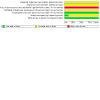
Risk of bias graph: review authors' judgements about each risk of bias item presented as percentages across all included studies
3.

Risk of bias summary: review authors' judgements about each risk of bias item for each included study.
Allocation
None of the trials provided information regarding the methods used for random sequence generation or allocation concealment. We therefore judged all trials to be at unclear risk of selection bias (Khan 2016; Khan 2021a; Khan 2021b; Kumar 2004; Kumar 2018; Pathan 2018; Ravi 2018; St Peter 2010).
Blinding
All trials were at high risk of performance bias because it is impossible to blind the participants or healthcare providers to which intervention participants are receiving.
None of the trials provided information regarding the blinding of outcome assessment. We therefore judged all trials to be at unclear risk of detection bias (Khan 2016; Khan 2021a; Khan 2021b; Kumar 2004; Kumar 2018; Pathan 2018; Ravi 2018; St Peter 2010).
Incomplete outcome data
We judged all trials to be at low risk of bias of attrition bias because there were no postrandomisation dropouts (Khan 2016; Khan 2021a; Khan 2021b; Kumar 2004; Kumar 2018; Pathan 2018; Ravi 2018; St Peter 2010). Although a total of 10 participants crossed from the delayed appendicectomy group to the early appendicectomy group in three trials, the study authors analysed the data on an intention‐to‐treat basis (Khan 2021b; Ravi 2018; St Peter 2010). Data were available for all participants for the outcomes at relevant time points.
Selective reporting
The trial protocol was available for one trial; in that trial, all prespecified outcomes were reported (St Peter 2010). Thus, we considered that trial to be at low risk of reporting bias. The trial protocols were not available for the other seven trials (Khan 2016; Khan 2021a; Khan 2021b; Kumar 2004; Kumar 2018; Pathan 2018; Ravi 2018), and some outcomes of interest in this review (e.g. quality of life and pain) were not reported; therefore we judged these trials to be at unclear risk of reporting bias.
Other potential sources of bias
We did not observe any imbalance in participant characteristics at baseline; therefore, we considered all trials to be at low risk for this domain (Khan 2016; Khan 2021a; Khan 2021b; Kumar 2004; Kumar 2018; Pathan 2018; Ravi 2018; St Peter 2010).
Effects of interventions
Early versus delayed open or laparoscopic appendicectomy for appendiceal phlegmon
Seven trials (N = 788) compared early open or laparoscopic appendicectomy with delayed open or laparoscopic appendicectomy in paediatric and adult participants with appendiceal phlegmon (Khan 2016; Khan 2021a; Khan 2021b; Kumar 2004; Kumar 2018; Pathan 2018; Ravi 2018). The trials randomised 394 participants to the early appendicectomy groups and 394 participants to the delayed appendicectomy groups. A total of six participants crossed from the delayed appendicectomy group to the early appendicectomy group in two trials (Khan 2021b; Ravi 2018). We summarise the results in Table 1.
Primary outcomes
Overall morbidity
Three trials (73 participants in the early appendicectomy group, 73 participants in the delayed appendicectomy group) reported overall morbidity (Kumar 2004; Kumar 2018; Ravi 2018). Overall, 42 participants suffered surgical complications: 17 in the early appendicectomy group and 25 in the delayed appendicectomy group. The evidence is very uncertain about the effect of early appendicectomy compared with delayed appendicectomy on overall morbidity (RR 0.74, 95% CI 0.19 to 2.86; I2 = 72%; 3 trials, 146 participants; very low‐certainty evidence; Analysis 1.1). Approximately 89 fewer per 1000 participants developed surgical complications after early appendicectomy (277 fewer to 637 more) than after delayed appendicectomy.
1.1. Analysis.

Comparison 1: Early versus delayed open or laparoscopic appendicectomy for appendiceal phlegmon, Outcome 1: Overall morbidity
Wound infection
Seven trials (394 participants in the early appendicectomy group, 394 participants in the delayed appendicectomy group) reported the wound infection rate (Khan 2016; Khan 2021a; Khan 2021b; Kumar 2004; Kumar 2018; Pathan 2018; Ravi 2018). Overall, 73 participants suffered wound infections: 36 in the early appendicectomy group and 37 in the delayed appendicectomy group. The evidence is very uncertain about the effect of early appendicectomy compared with delayed appendicectomy on the wound infection rate (RR 0.99, 95% CI 0.48 to 2.02; I2 = 47%; 7 trials, 788 participants; very low‐certainty evidence; Analysis 1.2). Approximately one fewer per 1000 participants developed wound infection after early appendicectomy (49 fewer to 96 more) than after delayed appendicectomy.
1.2. Analysis.

Comparison 1: Early versus delayed open or laparoscopic appendicectomy for appendiceal phlegmon, Outcome 2: Wound infection
Abdominal abscess
Four trials (313 participants in the early appendicectomy group, 313 participants in the delayed appendicectomy group) reported the abdominal abscess rate (Khan 2016; Khan 2021a; Khan 2021b; Pathan 2018). Overall, 21 participants suffered abdominal abscesses: 3 in the early appendicectomy group and 18 in the delayed appendicectomy group. Early appendicectomy may reduce the abdominal abscess rate compared with delayed appendicectomy, but the evidence is very uncertain (RR 0.26, 95% CI 0.08 to 0.80; I2 = 0%; 4 trials, 626 participants; very low‐certainty evidence; Analysis 1.3). Approximately 43 fewer per 1000 participants developed abdominal abscesses after early appendicectomy (12 fewer to 53 fewer) than after delayed appendicectomy.
1.3. Analysis.

Comparison 1: Early versus delayed open or laparoscopic appendicectomy for appendiceal phlegmon, Outcome 3: Abdominal abscess
Bowel obstruction
Two trials (53 participants in the early appendicectomy group, 53 participants in the delayed appendicectomy group) reported the bowel obstruction rate (Kumar 2018; Ravi 2018). Overall, six participants suffered bowel obstructions: zero in the early appendicectomy group and six in the delayed appendicectomy group. The evidence is very uncertain about the effect of early appendicectomy compared with delayed appendicectomy on the bowel obstruction rate (RR 0.16, 95% CI 0.02 to 1.34; I2 = 0%; 2 trials, 106 participants; very low‐certainty evidence; Analysis 1.4). Approximately 95 fewer per 1000 participants developed bowel obstructions after early appendicectomy (111 fewer to 39 more) than after delayed appendicectomy.
1.4. Analysis.

Comparison 1: Early versus delayed open or laparoscopic appendicectomy for appendiceal phlegmon, Outcome 4: Bowel obstruction
Incisional hernia
None of the studies reported this outcome.
Faecal fistula
Five trials (194 participants in the early appendicectomy group, 194 participants in the delayed appendicectomy group) reported the faecal fistula rate (Khan 2021a; Khan 2021b; Kumar 2004; Kumar 2018; Ravi 2018). Overall, four participants suffered faecal fistulas: three in the early appendicectomy group and one in the delayed appendicectomy group. The evidence is very uncertain about the effect of early appendicectomy compared with delayed appendicectomy on the faecal fistula rate (RR 1.75, 95% CI 0.36 to 8.49; I2 = 0%; 5 trials, 388 participants; very low‐certainty evidence; Analysis 1.5). Approximately 4 more per 1000 participants developed faecal fistulas after early appendicectomy (3 fewer to 39 more) than after delayed appendicectomy.
1.5. Analysis.

Comparison 1: Early versus delayed open or laparoscopic appendicectomy for appendiceal phlegmon, Outcome 5: Faecal fistula
Unplanned bowel resection
One trial (23 participants in the early appendicectomy group, 23 participants in the delayed appendicectomy group) reported the unplanned bowel resection rate. Overall, six participants suffered unplanned bowel resections: three in the early appendicectomy group and three in the delayed appendicectomy group. The evidence is very uncertain about the effect of early appendicectomy compared with delayed appendicectomy on the unplanned bowel resection rate (RR 1.00, 95% CI 0.22 to 4.45; 1 trial, 46 participants; very low‐certainty evidence; Analysis 1.6). Approximately 130 fewer per 1000 participants suffered unplanned bowel resections after early appendicectomy (29 fewer to 580 more) than after delayed appendicectomy.
1.6. Analysis.

Comparison 1: Early versus delayed open or laparoscopic appendicectomy for appendiceal phlegmon, Outcome 6: Unplanned bowel resection
Mortality
Seven trials (394 participants in the early appendicectomy group, 394 participants in the delayed appendicectomy group) reported mortality (Khan 2016; Khan 2021a; Khan 2021b; Kumar 2004; Kumar 2018; Pathan 2018; Ravi 2018). There were no deaths in either group in any trial.
Secondary outcomes
Length of hospital stay (total hospital stay)
Five trials (340 participants in the early appendicectomy group, 340 participants in the delayed appendicectomy group) reported the total length of hospital stay (Khan 2016; Khan 2021a; Kumar 2004; Pathan 2018; Ravi 2018). The mean total length of hospital stay was 2.44 to 21.4 days in the early appendicectomy group and 5.41 to 14.7 days in the delayed appendicectomy group. For the participants in the delayed appendicectomy group, the total length of hospital stay was the sum of the lengths of the stays during the first and second admissions. Early appendicectomy may reduce the total length of hospital stay by about two days (1 to 3 days) compared with delayed appendicectomy, but the evidence is very uncertain (MD −2.02 days, 95% CI −3.13 to −0.91; I2 = 89%; 5 trials, 680 participants; very low‐certainty evidence; Analysis 1.7). Two studies did not report mean values or standard deviations and were not suitable for pooling (Khan 2021b; Kumar 2018). Both of those studies (108 participants) reported that the early appendicectomy group was associated with a shorter total length of hospital stay than the delayed appendicectomy group (Analysis 1.8).
1.7. Analysis.

Comparison 1: Early versus delayed open or laparoscopic appendicectomy for appendiceal phlegmon, Outcome 7: Total length of hospital stay (days)
1.8. Analysis.
Comparison 1: Early versus delayed open or laparoscopic appendicectomy for appendiceal phlegmon, Outcome 8: Total length of hospital stay (days)
| Total length of hospital stay (days) | ||||
| Study | Number in study | Comparison | Results | Comment |
| Khan 2021b | 62 (31 versus 31) | Early appendicectomy versus delayed appendicectomy | Early appendicectomy versus delayed appendicectomy: mean (days): 4.8 versus 7.1, P = 0.045 | Trial authors reported that early appendicectomy was associated with a shorter hospital stay than delayed appendicectomy. |
| Kumar 2018 | 46 (23 versus 23) | Early appendicectomy versus delayed appendicectomy | Early appendicectomy versus delayed appendicectomy: less than 7 days (1 versus 0); 8 to 14 days (16 versus 5); 15 to 21 days (5 versus 11); 21 to 28 days (1 versus 4); more than 28 days (0 versus 3) | Trial authors reported that the early appendicectomy was associated with a shorter hospital stay than delayed appendicectomy. |
Time away from normal activities
One trial (20 participants in the early appendicectomy group, 20 participants in the delayed appendicectomy group) reported time away from normal activities (Kumar 2004). The mean time away from normal activities was 25.0 days in the early appendicectomy group and 20.0 days in the delayed appendicectomy group. Early appendicectomy may increase the time away from normal activities by about five days (1.5 to 8.5 days) compared with delayed appendicectomy, but the evidence is very uncertain (MD 5.00 days, 95% CI 1.52 to 8.48; 1 trial, 40 participants; very low‐certainty evidence; Analysis 1.9).
1.9. Analysis.

Comparison 1: Early versus delayed open or laparoscopic appendicectomy for appendiceal phlegmon, Outcome 9: Time away from normal activities (days)
Quality of life
None of the studies reported this outcome.
Pain
None of the studies reported this outcome.
Early versus delayed laparoscopic appendicectomy for appendiceal abscess
One trial (N = 40) compared early laparoscopic appendicectomy with delayed laparoscopic appendicectomy in paediatric participants with appendiceal abscess (St Peter 2010). Twenty participants were randomised to the early appendicectomy group (emergent laparoscopic appendicectomy), and 20 participants were randomised to the delayed appendicectomy group (initial conservative treatment followed by interval appendicectomy 10 weeks later). Four participants crossed from the delayed appendicectomy group to the early appendicectomy group. Eleven participants in the delayed appendicectomy group underwent percutaneous drainage of the appendiceal abscess. There was no clinical or statistical heterogeneity, as the analysis included only one trial. We summarise the results in Table 2.
Primary outcomes
Overall morbidity
St Peter 2010 did not report this outcome.
Wound infection
St Peter 2010 did not report this outcome.
Abdominal abscess
St Peter 2010 did not report this outcome.
Bowel obstruction
St Peter 2010 did not report this outcome.
Incisional hernia
St Peter 2010 did not report this outcome.
Faecal fistula
St Peter 2010 did not report this outcome.
Unplanned bowel resection
One participant suffered unplanned bowel resection in the early appendicectomy group and none in the delayed appendicectomy group. The evidence is very uncertain about the effect of early appendicectomy compared with delayed appendicectomy on the unplanned bowel resection rate (RR 3.00, 95% CI 0.13 to 69.52; 1 trial, 40 participants; very low‐certainty evidence; Analysis 2.1).
2.1. Analysis.
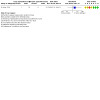
Comparison 2: Early versus delayed laparoscopic appendicectomy for appendiceal abscess, Outcome 1: Unplanned bowel resection
Mortality
There were no deaths at 12 weeks in either group.
Secondary outcomes
Length of hospital stay (total hospital stay)
The mean length of hospital stay was 6.7 days in the early appendicectomy group and 6.5 days in the delayed appendicectomy group. For the participants in the delayed appendicectomy group, the total length of hospital stay was the sum of the lengths of the stays during the first and second admissions. The evidence is very uncertain about the effect of early appendicectomy on the total length of hospital stay (3.5 days shorter to 3.1 days longer) compared with delayed appendicectomy (MD −0.20 days, 95% CI −3.54 to 3.14; 1 trial, 40 participants; very low‐certainty evidence; Analysis 2.2).
2.2. Analysis.
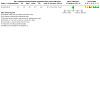
Comparison 2: Early versus delayed laparoscopic appendicectomy for appendiceal abscess, Outcome 2: Total length of hospital stay (days)
Time away from normal activities
St Peter 2010 did not report this outcome.
Quality of life
St Peter 2010 used the Pediatric Quality of Life Scale‐Version 4.0 to assess quality of life, a scale of 0 to 100 with higher values indicating better quality of life. The mean quality of life score at 12 weeks after appendicectomy was 96.77 points in the early appendicectomy group and 84.37 points in the delayed appendicectomy group. Early appendicectomy may increase the quality of life score about 12 points (10 to 15 points) at 12 weeks compared with delayed appendicectomy, but the evidence is very uncertain (MD 12.40 points, 95% CI 9.78 to 15.02; 1 trial, 40 participants; very low‐certainty evidence; Analysis 2.3).
2.3. Analysis.

Comparison 2: Early versus delayed laparoscopic appendicectomy for appendiceal abscess, Outcome 3: Quality of life (score on a scale from 0 to 100)
Pain
St Peter 2010 did not report this outcome.
Subgroup analysis
We were unable to perform the planned subgroup analyses of different types of appendicectomy (laparoscopic versus open), different types of participants (adults versus children), and different types of appendix stump closure, as there were not enough trials.
Sensitivity analysis
We performed the following planned sensitivity analyses.
Consecutively excluding every trial from the meta‐analysis to explore the impact of individual trials on the overall effect.
Three outcomes (overall morbidity, abdominal abscess, and total length of hospital stay) changed when we consecutively excluded every trial from the meta‐analysis in the comparison of early versus delayed open or laparoscopic appendicectomy for appendiceal phlegmon (Table 3). These three outcomes were considered to have high variability and were not robust.
1. Sensitivity analyses for comparison 1: early versus delayed open or laparoscopic appendicectomy for appendiceal phlegmon.
| Outcome | Main analysis (95% CI); I2 | Sensitivity analysis excludingKumar 2004 | Sensitivity analysis excludingKhan 2016 | Sensitivity analysis excludingKumar 2018 | Sensitivity analysis excludingPathan 2018 | Sensitivity analysis excludingRavi 2018 | Sensitivity analysis excludingKhan 2021a | Sensitivity analysis excludingKhan 2021b |
| Overall morbidity | RR 0.74 (0.19 to 2.86); I2 = 72% | RR 0.45 (0.21 to 1.00); I2 = 40% | ‐ | RR 1.58 (0.03 to 90.11); I2 = 87% | ‐ | RR 2.25 (0.08 to 62.71); I2 = 81% | ‐ | ‐ |
| Wound infection | RR 0.99 (0.48 to 2.02); I² = 47% | RR 0.85 (0.44 to 1.66); I² = 40% | RR 0.90 (0.38 to 2.13); I² = 46% | RR 1.09 (0.46 to 2.56); I² = 55% | RR 1.23 (0.56 to 2.72); I² = 36% | RR 0.96 (0.43 to 2.16); I² = 54% | RR 1.20 (0.54 to 2.65); I² = 47% | RR 0.86 (0.44 to 1.67); I² = 41% |
| Abdominal abscess | RR 0.26 (0.08 to 0.80); I² = 0% | ‐ | RR 0.13 (0.03 to 0.58); I² = 0% | RR 0.28 (0.07 to 1.07); I² = 12% | RR 0.42 (0.11 to 1.64); I² = 0% | ‐ | RR 0.24 (0.06 to 0.92); I² = 17% | ‐ |
| Bowel obstruction | RR 0.16 (0.02 to 1.34); I² = 0% | ‐ | ‐ | RR 0.33 (0.01 to 7.87) | ‐ | RR 0.09 (0.01 to 1.55) | ‐ | ‐ |
| Faecal fistula | RR 1.75 (0.36 to 8.49); I² = 0% | RR 1.45 (0.23 to 9.07); I² = 0% | ‐ | RR 1.75 (0.36 to 8.49); I² = 0% | ‐ | RR 1.46 (0.23 to 9.06); I² = 0% | RR 3.00 (0.49 to 18.55); I² = 0% | RR 1.46 (0.23 to 9.06); I² = 0% |
| Total length of hospital stay | MD −2.02 (−3.13 to −0.91); I² = 89% | MD −2.67 (−3.39 to −1.95); I² = 77% | MD −1.11 (−3.14 to 0.93); I² = 91% | ‐ | MD −2.45 (−3.57 to −1.34); I² = 87% | MD −1.58 (−2.95 to −0.20); I² = 92% | MD −1.18 (−3.03 to 0.67); I² = 91% | ‐ |
CI: confidence interval; RR: risk ratio; MD: mean difference
We also performed a post hoc sensitivity analysis by consecutively excluding every trial from the meta‐analysis to explore the impact of individual trials on the statistical heterogeneity. We found that the unexplained statistical heterogeneity of three outcomes (overall morbidity, wound infection, and total length of hospital stay) decreased significantly when we excluded Kumar 2004 from our first comparison (early versus delayed open or laparoscopic appendicectomy for appendiceal phlegmon) (Table 3). We had planned to conduct sensitivity analyses based on risk of bias and data imputation; these were unnecessary as all trials were at high risk of bias but had no missing data.
Discussion
Summary of main results
This review includes eight randomised controlled trials (RCTs) involving 828 paediatric and adult participants who underwent open or laparoscopic appendicectomy for appendiceal phlegmon (7 trials) or abscess (1 trial). All trials provided data for one of our primary outcomes, mortality. There was no mortality in any trial. For the comparison of early versus delayed open or laparoscopic appendicectomy for appendiceal phlegmon, the evidence is very uncertain about the effect of early appendicectomy on overall morbidity (including wound infection, bowel obstruction, faecal fistula, and unplanned bowel resection). Early appendicectomy may reduce the abdominal abscess rate (43 fewer per 1000 participants), but the evidence is very uncertain. Early appendicectomy may reduce the total length of hospital stay by about two days and may increase the time away from normal activities by about five days, but the evidence is very uncertain. For the comparison of early versus delayed laparoscopic appendicectomy for appendiceal abscess, the trial did not report on overall morbidity. The evidence is very uncertain about the effect of early laparoscopic appendicectomy on unplanned bowel resection and total length of hospital stay. Early laparoscopic appendicectomy appears to be better than delayed laparoscopic appendicectomy in terms of health‐related quality of life for paediatric participants with appendiceal abscess, but the evidence is very uncertain.
Overall completeness and applicability of evidence
The optimal treatment strategy for participants with appendiceal phlegmon or abscess is unclear (Akingboye 2021; Simillis 2010; Veeralakshmanan 2020). There are three common treatment methods: early appendicectomy, conservative (non‐surgical) treatment followed by interval appendicectomy (delayed appendicectomy), and conservative treatment without interval appendicectomy (Akingboye 2021; Simillis 2010; Veeralakshmanan 2020). The need for an appendicectomy after successful conservative treatment of complicated appendicitis remains controversial (Fouad 2020; Hall 2017; Hayes 2021; Peltrini 2021). Because of the risk of recurrent appendicitis and missed findings of malignancy, interval appendicectomy is a common treatment for appendiceal phlegmon or abscess (Hayes 2021; Peltrini 2021). This review focused solely on early versus delayed appendicectomy for the treatment of appendiceal phlegmon or abscess in both paediatric and adult participants.
For the comparison of early versus delayed appendicectomy for appendiceal phlegmon, we identified seven trials involving 788 paediatric and adult participants who underwent open or laparoscopic appendicectomy. Most of the participants were male adults who underwent open appendicectomy. Thus, the results of this comparison are applicable to participants who are about to undergo emergent or elective appendicectomy for appendiceal phlegmon, especially for male adults undergoing open appendicectomy.
For the comparison of early versus delayed appendicectomy for appendiceal abscess, we identified only one trial involving 40 paediatric participants who underwent laparoscopic appendicectomy. Most of the participants with appendiceal abscesses underwent percutaneous drainage of the abscess before the delayed laparoscopic appendicectomy. Thus, the results of this comparison are applicable to paediatric participants who are about to undergo emergent or elective laparoscopic appendicectomy for appendiceal abscess. In addition, participants who are about to undergo delayed appendicectomy require percutaneous drainage of appendiceal abscesses (when possible). We cannot rule out significant benefits or harms of early versus delayed laparoscopic appendicectomy for paediatric participants because the available data are sparse. Furthermore, the benefits and harms of early versus delayed open appendicectomy for adult participants remain unknown.
We are not able to draw any strong conclusions from our findings. First, this review included eight trials with only 828 participants, and therefore may not have had the statistical power to detect clinically meaningful differences between early appendicectomy and delayed appendicectomy for appendiceal phlegmon or abscess, even if such differences were present. Second, where differences were detected, confidence in these results is very low, as the small number of participants means that the results could be spurious, and the impact of a bias can be exacerbated in underpowered analyses. Third, a single trial formed the basis of the analysis for some of the outcomes. Some of the outcomes were rare, or the follow‐up time was not long enough for the events to occur, and there were no data or no events reported. Furthermore, the trials were conducted in Asia and North America, and this might make it problematic to extrapolate the findings to countries in Africa, Europe, and South America.
Quality of the evidence
For early versus delayed open or laparoscopic appendicectomy for appendiceal phlegmon, we found very low‐certainty evidence for overall morbidity (including wound infection, abdominal abscess, bowel obstruction, faecal fistula, and unplanned bowel resection), mortality, total length of hospital stay, and time away from normal activities. We downgraded the certainty of evidence for all outcomes by two levels for very serious risk of bias relating to random sequence generation, allocation concealment, blinding of participants and personnel, blinding of outcome assessment, and selective reporting in all studies. The certainty of evidence for wound infection was downgraded one level for serious imprecision (a confidence interval that included both potential benefit and potential harm from the intervention). The certainty of evidence for abdominal abscess was downgraded one level for serious imprecision (few events and a wide confidence interval). We downgraded the certainty of evidence for overall morbidity, bowel obstruction, faecal fistula, unplanned bowel resection, mortality, and time away from normal activities by two levels for very serious imprecision (small sample size, few events, or a confidence interval that included both potential benefit and potential harm from the intervention). We downgraded the certainty of evidence for overall morbidity and wound infection by one level for serious inconsistency (unexplained statistical heterogeneity). We downgraded the certainty of evidence for the total length of hospital stay by two levels for very serious inconsistency (considerable statistical heterogeneity). There was no indirectness of evidence, as the included studies assessed the appropriate population, intervention, comparisons, and outcomes. Too few studies were included in this comparison to assess publication bias (Table 1).
For early versus delayed laparoscopic appendicectomy for appendiceal abscess, we found very low‐certainty evidence for unplanned bowel resection, mortality, total length of hospital stay, and quality of life. We downgraded the certainty of evidence for all outcomes by one level for serious risk of bias relating to random sequence generation, allocation concealment, blinding of participants and personnel, and blinding of outcome assessment. The certainty of evidence for all outcomes was downgraded by two levels for very serious imprecision (very small sample size). There was no indirectness of evidence, as the included studies assessed the appropriate population, intervention, comparisons, and outcomes. Too few studies were included in this comparison to assess publication bias (Table 2).
Potential biases in the review process
There were several potential biases in the review process. First, we performed a comprehensive search of English and Chinese databases to identify RCTs. However, there is a possibility that some studies that were published in other languages without English abstracts may have been missed. Second, participant selection processes and blinding were unclear for all trials. We contacted the study investigators to request further information about characteristics and numerical outcome data but did not receive any replies. Thus, there was incomplete correspondence with trial investigators. Third, we analysed only data from published trials, and the lack of data from unpublished trials may have contributed to bias. Fourth, due to the small number of included trials and small number of included participants, we were unable to perform prespecified subgroup analyses or create funnel plots to assess potential publication bias as described in the published protocol of this review (Cheng 2015).
Agreements and disagreements with other studies or reviews
The systematic review by Akingboye and colleagues, Akingboye 2021, included two RCTs (Kumar 2004; St Peter 2010) and four non‐randomised studies comparing early versus delayed appendicectomy for the management of appendiceal phlegmon and abscess. Akingboye 2021 concluded that early appendicectomy increased operative time and overall morbidity. The current Cochrane review included the two RCTs identified by Akingboye and colleagues, as well as six additional RCTs identified by a comprehensive search (Khan 2016; Khan 2021a; Khan 2021b; Kumar 2018; Pathan 2018; Ravi 2018). Our findings, that the evidence is very uncertain about the effect of early appendicectomy on the overall morbidity and that early appendicectomy may reduce the abdominal abscess rate, do not agree with the findings of Akingboye 2021.
Another systematic review, Veeralakshmanan 2020, included one RCT and four non‐randomised studies comparing early versus delayed appendicectomy for perforated appendicitis without appendiceal abscess in children. That RCT was not included in this review because it focused on perforated appendicitis without appendiceal abscess (Blakely 2011). Veeralakshmanan 2020 found that early appendicectomy provides better clinical outcomes in terms of lower overall morbidity and shorter total length of hospital stay for perforated appendicitis without appendiceal abscess in children. We studied a different group of participants than Veeralakshmanan 2020. We found that early laparoscopic appendicectomy may improve health‐related quality of life for children with appendiceal abscess.
Authors' conclusions
Implications for practice.
For the comparison of early versus delayed open or laparoscopic appendicectomy for paediatric and adult participants with appendiceal phlegmon, very low‐certainty evidence suggests that early appendicectomy may reduce the abdominal abscess rate. The evidence is very uncertain whether early appendicectomy prevents overall morbidity or other complications. Early appendicectomy may reduce the total length of hospital stay, and it may increase the time away from normal activities, but the evidence is very uncertain. For the comparison of laparoscopic appendicectomy for paediatric participants with appendiceal abscess, data are sparse, and we cannot rule out significant benefits or harms of early versus delayed appendicectomy.
Implications for research.
Although one randomised controlled trial (RCT) is ongoing and its results should add to the evidence regarding complicated appendicitis (ChiCTR1900021559), there is an urgent need for more RCTs to assess the effects of early appendicectomy compared with delayed appendicectomy on overall morbidity and mortality in people with appendiceal phlegmon or abscess. Investigators should employ adequate methods of randomisation, allocation concealment, and blinding of outcome assessors, to reduce the risk of bias. Future trials should specify a set of criteria for the use of antibiotics, percutaneous drainage of the appendiceal abscess, and resolution of the appendiceal mass. Researchers should define all of the patient‐important outcomes (e.g. time away from normal activities) more accurately and report them in accordance with validated criteria.
What's new
| Date | Event | Description |
|---|---|---|
| 2 May 2024 | New citation required and conclusions have changed | Review updated with six new trials with 748 participants included in analyses. Author byline changed. Contact author changed to Dr Bing Tu. Conclusions about abdominal abscess rate and total length of hospital stay changed in favour of early appendicectomy in our comparison of early versus delayed open or laparoscopic appendicectomy for appendiceal phlegmon. |
| 2 May 2024 | New search has been performed | Searches rerun. Six new trials identified. |
History
Protocol first published: Issue 4, 2015 Review first published: Issue 6, 2017
| Date | Event | Description |
|---|---|---|
| 2 June 2017 | Amended | Contact author changed to Dr Yao Cheng |
Acknowledgements
Cochrane Colorectal supported the authors in the development of this review. The following people conducted the editorial process for this article: • Sign‐off Editor (final editorial decision): Kristoffer Andresen, Department of Surgery, University of Copenhagen, Denmark; • Managing Editor (selected peer reviewers, provided editorial guidance to authors, edited the article): Samuel Hinsley, Central Editorial Service; • Editorial Assistant (conducted editorial policy checks, collated peer‐reviewer comments and supported editorial team): Sara Hales‐Brittain, Central Editorial Service; • Copy Editor (copy editing and production): Laura Macdonald, Cochrane Central Production Service; • Peer‐reviewers (provided comments and recommended an editorial decision): Dr. Muhammad Awais (MBBS, FCPS, FRCR), Assistant Professor, Department of Radiology, Aga Khan University, Pakistan (clinical/content review), Noritoshi Mizuta, M.D., Department of surgery, Akashi Medical Center, Akashi, Hyogo, Japan (clinical/content review), Anette Jensen (consumer review), Jennifer Hilgart, Cochrane (methods review), Jo Platt, Central Editorial Information Specialist (search review). One additional peer reviewer provided clinical/content peer review but chose not to be publicly acknowledged.
Appendices
Appendix 1. Search strategies
CENTRAL search strategy
#1 MeSH descriptor: [Appendectomy] explode all trees #2 MeSH descriptor: [Appendicitis] explode all trees #3 appendectom* or appendic*:ti,ab,kw #4 (#1 or #2 or #3) #5 MeSH descriptor: [Gangrene] explode all trees #6 MeSH descriptor: [Intestinal Perforation] explode all trees #7 MeSH descriptor: [Rupture, Spontaneous] explode all trees #8 MeSH descriptor: [Abdominal Abscess] explode all trees #9 MeSH descriptor: [Peritonitis] explode all trees #10 (complicat* or gangren* or perforat* or ruptur* or phlegmon* or abscess* or periton*):ti,ab,kw #11 (#5 or #6 or #7 or #8 or #9 or #10) #12 (#4 and #11)
MEDLINE search strategy
1. exp Appendectomy/ 2. exp Appendicitis/ 3. (appendectom* or appendic*).mp. 4. 1 or 2 or 3 5. exp Gangrene/ 6. exp Intestinal Perforation/ 7. exp Rupture, Spontaneous/ 8. exp Abdominal Abscess/ 9. exp Peritonitis/ 10. (complicat* or gangren* or perforat* or ruptur* or phlegmon* or abscess* or periton*).mp. 11. 5 or 6 or 7 or 8 or 9 or 10 12. 4 and 11 13. randomized controlled trial.pt. 14. controlled clinical trial.pt. 15. random*.ab. 16. placebo.ab. 17. drug therapy.fs. 18. trial.ab. 19. groups.ab. 20. 13 or 14 or 15 or 16 or 17 or 18 or 19 21. exp animals/ not humans.sh. 22. 20 not 21 23. 12 and 22
Embase search strategy
1. exp appendectomy/ 2. exp acute appendicitis/ 3. exp appendicitis/ 4. (appendectom* or appendic*).mp. 5. 1 or 2 or 3 or 4 6. exp gangrene/ 7. exp intestinal perforation/ or expphlegmon/ 8. exp rupture/ or exp abdominal organ rupture/ 9. exp abscess/ or exp abdominal abscess/ 10. exp peritonitis/ or exp bacterial peritonitis/ 11. (complicat* or gangren* or perforat* or ruptur* or phlegmon* or abscess* or periton*).mp. 12. 6 or 7 or 8 or 9 or 10 or 11 13. 5 and 12 14. Randomized controlled trial/ 15. Controlled clinical study/ 16. Random$.ti,ab. 17. randomization/ 18. intermethod comparison/ 19. placebo.ti,ab. 20. (compare or compared or comparison).ti. 21. ((evaluated or evaluate or evaluating or assessed or assess) and (compare or compared or comparing or comparison)).ab. 22. (open adj label).ti,ab. 23. ((double or single or doubly or singly) adj (blind or blinded or blindly)).ti,ab. 24. double blind procedure/ 25. parallel group$1.ti,ab. 26. (crossover or cross over).ti,ab. 27. ((assign$ or match or matched or allocation) adj5 (alternate or group$1 orintervention$1 or patient$1 or subject$1 or participant$1)).ti,ab. 28. (assigned or allocated).ti,ab. 29. (controlled adj7 (study or design or trial)).ti,ab. 30. (volunteer or volunteers).ti,ab. 31. trial.ti. 32. or/14‐31 33. (exp animal/ or animal.hw. or nonhuman/) not (exp human/ or human cell/ or (human or humans).ti.) 34. 32 not 33 35. 13 and 34
Science Citation Index Expanded search strategy
#1 Topic=(appendectom* OR appendic*) #2 Topic=(complicat* or gangren* or perforat* or ruptur* or phlegmon* or abscess* or periton*) #3 Topic=(random* OR control* OR RCT* OR placebo OR trial* OR group*) #4 (#3 AND #2 AND #1)
Chinese Biomedical Literature Database search strategy
主题词:随机对照试验/全部树/全部副主题词
主题词:临床对照试验/全部树/全部副主题词
主题词:临床试验/全部树/全部副主题词
主题词:病例对照研究/全部树/全部副主题词
主题词:随机分配/全部树/全部副主题词
主题词:对比研究/全部树/全部副主题词
主题词:前瞻性研究/全部树/全部副主题词
主题词:安慰剂/全部树/全部副主题词
全部字段:随机
全部字段:单盲
全部字段:双盲
全部字段:盲法
(#1 OR #2 OR #3 OR #4 OR #5 OR #6 OR #7 OR #8 OR #9 OR #10 OR #11 OR #12)
主题词:阑尾切除术/全部树/全部副主题词
主题词:阑尾炎/全部树/全部副主题词
全部字段:阑尾
(#14 OR #15 OR #16)
主题词:坏疽/全部树/全部副主题词
主题词:肠穿孔/全部树/全部副主题词
主题词:自发性穿孔/全部树/全部副主题词
主题词:脓肿/全部树/全部副主题词
主题词:腹膜炎全部树/全部副主题词
全部字段:复杂
全部字段:坏疽
全部字段:穿孔
全部字段:蜂窝组织炎
全部字段:脓肿
全部字段:腹膜炎
(#18 OR #19 OR #20 OR #21 OR #22 OR #23 OR #24 OR #25 OR #26 OR #27 OR #28)
(#13 AND #17 AND #29)
World Health Organization International Clinical Trials Registry Platform search portal
appendectom* OR appendic*
ClinicalTrials.gov
appendectomy OR appendicitis
Current Controlled Trials
appendectomy OR appendicitis
European (EU) Clinical Trials Register
appendectomy OR appendicitis
Chinese Clinical Trial Registry
阑尾炎 OR 阑尾切除术
Appendix 2. Criteria for judging risk of bias within each domain
Sequence generation
Low risk of bias: the method used was either adequate (e.g. computer‐generated random numbers, table of random numbers) or unlikely to introduce confounding.
Unclear risk of bias: there was insufficient information to assess whether the method used was likely to introduce confounding.
High risk of bias: the method used was improper and likely to introduce confounding (e.g. quasi‐randomised studies). We excluded such studies.
Allocation concealment
Low risk of bias: the method used was unlikely to induce bias on the final observed effect (e.g. central allocation).
Unclear risk of bias: there was insufficient information to assess whether the method used was likely to induce bias on the estimate of effect.
High risk of bias: the method used was likely to induce bias on the final observed effect (e.g. open random allocation schedule).
Blinding of participants and personnel
Low risk of bias: blinding was performed adequately, or the outcome measurement was not likely to be influenced by lack of blinding.
Unclear risk of bias: there was insufficient information to assess whether the type of blinding used was likely to induce bias on the estimate of effect.
High risk of bias: no blinding or incomplete blinding, and the outcome or outcome measurement was likely to be influenced by lack of blinding.
Blinding of outcome assessors
Low risk of bias: blinding was performed adequately, or the outcome measurement was not likely to be influenced by lack of blinding.
Unclear risk of bias: there was insufficient information to assess whether the type of blinding used was likely to induce bias on the estimate of effect.
High risk of bias: no blinding or incomplete blinding, and the outcome or the outcome measurement was likely to be influenced by lack of blinding.
Incomplete outcome data
Low risk of bias: the underlying reasons for missing data were unlikely to make treatment effects depart from plausible values, or proper methods were employed to handle missing data.
Unclear risk of bias: there was insufficient information to assess whether the missing data mechanism in combination with the method used to handle missing data was likely to induce bias on the estimate of effect.
High risk of bias: the crude estimate of effect was clearly biased due to the underlying reasons for missing data, and the methods used to handle missing data were unsatisfactory (e.g. complete case estimate).
Selective outcome reporting
Low risk of bias: the trial protocol was available and all of the trial's prespecified outcomes that were of interest to this review were reported; if the trial protocol was not available, all the primary outcomes in this review were reported.
Unclear risk of bias: there was insufficient information to assess whether the magnitude and direction of the observed effect was related to selective outcome reporting.
High risk of bias: not all of the trial's prespecified primary outcomes were reported.
Differences in baseline characteristics
Low risk of bias: there was no baseline imbalance in important characteristics.
Unclear risk of bias: the baseline characteristics were not reported.
High risk of bias: there was a baseline imbalance due to chance or due to imbalanced exclusion after randomisation.
Data and analyses
Comparison 1. Early versus delayed open or laparoscopic appendicectomy for appendiceal phlegmon.
| Outcome or subgroup title | No. of studies | No. of participants | Statistical method | Effect size |
|---|---|---|---|---|
| 1.1 Overall morbidity | 3 | 146 | Risk Ratio (M‐H, Random, 95% CI) | 0.74 [0.19, 2.86] |
| 1.2 Wound infection | 7 | 788 | Risk Ratio (M‐H, Random, 95% CI) | 0.99 [0.48, 2.02] |
| 1.3 Abdominal abscess | 4 | 626 | Risk Ratio (M‐H, Random, 95% CI) | 0.26 [0.08, 0.80] |
| 1.4 Bowel obstruction | 2 | 106 | Risk Ratio (M‐H, Random, 95% CI) | 0.16 [0.02, 1.34] |
| 1.5 Faecal fistula | 5 | 388 | Risk Ratio (M‐H, Random, 95% CI) | 1.75 [0.36, 8.49] |
| 1.6 Unplanned bowel resection | 1 | Risk Ratio (M‐H, Random, 95% CI) | Subtotals only | |
| 1.7 Total length of hospital stay (days) | 5 | 680 | Mean Difference (IV, Random, 95% CI) | ‐2.02 [‐3.13, ‐0.91] |
| 1.8 Total length of hospital stay (days) | 0 | Other data | No numeric data | |
| 1.9 Time away from normal activities (days) | 1 | Mean Difference (IV, Random, 95% CI) | Subtotals only |
Comparison 2. Early versus delayed laparoscopic appendicectomy for appendiceal abscess.
| Outcome or subgroup title | No. of studies | No. of participants | Statistical method | Effect size |
|---|---|---|---|---|
| 2.1 Unplanned bowel resection | 1 | Risk Ratio (M‐H, Fixed, 95% CI) | Subtotals only | |
| 2.2 Total length of hospital stay (days) | 1 | Mean Difference (IV, Random, 95% CI) | Subtotals only | |
| 2.3 Quality of life (score on a scale from 0 to 100) | 1 | Mean Difference (IV, Random, 95% CI) | Subtotals only |
Characteristics of studies
Characteristics of included studies [ordered by study ID]
Khan 2016.
| Study characteristics | ||
| Methods | Study design: parallel‐group RCT Number of centres: 2 Country: Pakistan Study dates: from 2013 to 2016 | |
| Participants | Inclusion criteria
Exclusion criteria
Number randomised: 300 Postrandomisation dropout: 0 Intention‐to‐treat‐analysis: yes Description of sample size calculation: no Mean age: 26.0 years (range 15 to 65) Numbers of children and adults: not mentioned Sex: female 119 (39.7%) Appendiceal phlegmon: 300 (100%) Appendiceal abscess: 0 Method of diagnosis: not mentioned Type of appendicectomy: not mentioned Appendix stump closure method: not mentioned |
|
| Interventions | Participants with appendiceal mass (N = 300) were randomly assigned to 2 groups. Group 1: early appendicectomy (N = 150) ‐ emergent (immediate) laparoscopic or open appendicectomy Use of antibiotics: not mentioned Percutaneous drainage of appendiceal mass: not mentioned Group 2: delayed appendicectomy (N = 150) ‐ initial conservative treatment followed by interval laparoscopic or open appendicectomy 4 to 6 weeks later Use of antibiotics: not mentioned Percutaneous drainage of appendiceal mass: not mentioned |
|
| Outcomes | Primary outcomes
Secondary outcomes
Other outcomes
Time point for measurements: not mentioned Length of follow‐up: not mentioned |
|
| Notes | Funding source: no information provided
Conflicts of interest: no information provided We contacted the contact author to request missing information but received no answer. Published data only (unpublished not sought) |
|
| Risk of bias | ||
| Bias | Authors' judgement | Support for judgement |
| Random sequence generation (selection bias) | Unclear risk | Comment: no information provided |
| Allocation concealment (selection bias) | Unclear risk | Comment: no information provided |
| Blinding of participants and personnel (performance bias) All outcomes | High risk | Comment: it is not possible to blind the participants and healthcare providers unless sham surgery is provided, which may be unethical. |
| Blinding of outcome assessment (detection bias) All outcomes | Unclear risk | Comment: no information provided |
| Incomplete outcome data (attrition bias) All outcomes | Low risk | Comment: there were no postrandomisation dropouts. |
| Selective reporting (reporting bias) | Unclear risk | Comment: the trial protocol was not available. Some outcomes of interest in the review were not reported, so the trial was considered to be unclear risk of bias for selective reporting. |
| Differences in baseline characteristics | Low risk | Comment: there was no baseline imbalance in important characteristics. |
Khan 2021a.
| Study characteristics | ||
| Methods | Study design: parallel‐group RCT Number of centres: 1 Country: Pakistan Study dates: from 2019 to 2020 | |
| Participants | Inclusion criteria
Exclusion criteria
Number randomised: 180 Postrandomisation dropout: 0 Intention‐to‐treat‐analysis: yes Description of sample size calculation: no Mean age: 24.4 years (range not mentioned) Numbers of children and adults: not mentioned Sex: not mentioned Appendiceal phlegmon: 180 (100%) Appendiceal abscess: 0 Method of diagnosis: not mentioned Type of appendicectomy: laparoscopic 126 (70%), open 54 (30%) Appendix stump closure method: not mentioned |
|
| Interventions | Participants with appendiceal mass (N = 180) were randomly assigned to 2 groups. Group 1: early appendicectomy (N = 90) ‐ emergent (immediate) laparoscopic or open appendicectomy Use of antibiotics: not mentioned Percutaneous drainage of appendiceal mass: not mentioned Group 2: delayed appendicectomy (N = 90) ‐ initial conservative treatment followed by interval laparoscopic or open appendicectomy Use of antibiotics: not mentioned Percutaneous drainage of appendiceal mass: not mentioned |
|
| Outcomes | Primary outcomes
Secondary outcomes
Other outcomes
Time point for measurements: not mentioned Length of follow‐up: not mentioned |
|
| Notes | Funding source: no information provided
Conflicts of interest: no information provided We contacted the contact author to request missing information but received no answer. Published data only (unpublished not sought) |
|
| Risk of bias | ||
| Bias | Authors' judgement | Support for judgement |
| Random sequence generation (selection bias) | Unclear risk | Comment: no information provided |
| Allocation concealment (selection bias) | Unclear risk | Comment: no information provided |
| Blinding of participants and personnel (performance bias) All outcomes | High risk | Comment: it is not possible to blind the participants and healthcare providers unless sham surgery is provided, which may be unethical. |
| Blinding of outcome assessment (detection bias) All outcomes | Unclear risk | Comment: no information provided |
| Incomplete outcome data (attrition bias) All outcomes | Low risk | Comment: there were no postrandomisation dropouts. |
| Selective reporting (reporting bias) | Unclear risk | Comment: the trial protocol was not available. Some outcomes of interest in the review were not reported, so the trial was considered to be unclear risk of bias for selective reporting. |
| Differences in baseline characteristics | Low risk | Comment: there was no baseline imbalance in important characteristics. |
Khan 2021b.
| Study characteristics | ||
| Methods | Study design: parallel‐group RCT Number of centres: 1 Country: Nepal Study dates: from 2018 to 2021 | |
| Participants | Inclusion criteria
Exclusion criteria
Number randomised: 62 Postrandomisation dropout: 0 Intention‐to‐treat‐analysis: yes Description of sample size calculation: no Mean age: not mentioned (range 7 to 14 years) Numbers of children and adults: children 62 (100%), adults 0 Sex: female 20 (32.3%) Appendiceal phlegmon: 62 (100%) Appendiceal abscess: 0 Method of diagnosis: medical history, physical examination, laboratory test, and abdominal ultrasonography Type of appendicectomy: laparoscopic 0, open 62 (100%) Appendix stump closure method: not mentioned |
|
| Interventions | Participants with appendiceal mass (N = 62) were randomly assigned to 2 groups. Two participants crossed from group 2 to group 1 (intention‐to‐treat analysis used). Group 1: early open appendicectomy (N = 31) ‐ emergent (immediate) open appendicectomy within 1 day of admission Use of antibiotics: broad‐spectrum antibiotics Percutaneous drainage of appendiceal mass: not mentioned Group 2: delayed open appendicectomy (N = 31) ‐ initial conservative treatment followed by interval open appendicectomy 6 weeks later Use of antibiotics: not mentioned Percutaneous drainage of appendiceal mass: not mentioned |
|
| Outcomes | Primary outcomes
Secondary outcomes
Time point for measurements: not mentioned Length of follow‐up: not mentioned |
|
| Notes | Funding source: no information provided
Conflicts of interest: no information provided We contacted the contact author to request missing information but received no answer. Published data only (unpublished not sought) |
|
| Risk of bias | ||
| Bias | Authors' judgement | Support for judgement |
| Random sequence generation (selection bias) | Unclear risk | Comment: no information provided |
| Allocation concealment (selection bias) | Unclear risk | Comment: no information provided |
| Blinding of participants and personnel (performance bias) All outcomes | High risk | Comment: it is not possible to blind the participants and healthcare providers unless sham surgery is provided, which may be unethical. |
| Blinding of outcome assessment (detection bias) All outcomes | Unclear risk | Comment: no information provided |
| Incomplete outcome data (attrition bias) All outcomes | Low risk | Comment: there were no postrandomisation dropouts. |
| Selective reporting (reporting bias) | Unclear risk | Comment: the trial protocol was not available. Some outcomes of interest in the review were not reported, so the trial was considered to be unclear risk of bias for selective reporting. |
| Differences in baseline characteristics | Low risk | Comment: there was no baseline imbalance in important characteristics. |
Kumar 2004.
| Study characteristics | ||
| Methods | Study design: 3‐arm parallel‐group RCT (2 arms used) Number of centres: 1 Country: India Study dates: from 1998 to 2001 | |
| Participants | Inclusion criteria
Exclusion criteria
Number randomised: 60 Postrandomisation dropout: 0 Intention‐to‐treat‐analysis: yes Description of sample size calculation: no Mean age: 27.6 years (range not mentioned) Numbers of children and adults: not mentioned Sex: female 3 (5%) Appendiceal phlegmon: 60 (100%) Appendiceal abscess: 0 Method of diagnosis: medical history, physical examination, laboratory test, plain abdominal X‐ray, and abdominal ultrasonography Type of appendicectomy: laparoscopic 0, open 60 (100%) Appendix stump closure method: not mentioned |
|
| Interventions | Participants with appendiceal mass (N = 60) were randomly assigned to 3 groups. Group 1: early open appendicectomy (N = 20) ‐ open appendicectomy as soon as appendiceal mass resolved within the same admission Use of antibiotics: ampicillin, gentmicin, and metronidazole Percutaneous drainage of appendiceal mass: not mentioned Group 2: delayed open appendicectomy (N = 20) ‐ initial conservative treatment followed by interval open appendicectomy 6 weeks later Use of antibiotics: ampicillin, gentmicin, and metronidazole Percutaneous drainage of appendiceal mass: not mentioned Group 3: conservative treatment without appendicectomy (N = 20). Group excluded from review Use of antibiotics: ampicillin, gentmicin, and metronidazole Percutaneous drainage of appendiceal mass: not mentioned |
|
| Outcomes | Primary outcomes
Secondary outcomes
Other outcomes
Time point for measurements: median 33.5 weeks Length of follow‐up: median 33.5 weeks (24 to 52 weeks) |
|
| Notes | Funding source: no information provided
Conflicts of interest: no information provided We contacted the contact author to request missing information but received no answer. Published data only (unpublished not sought) |
|
| Risk of bias | ||
| Bias | Authors' judgement | Support for judgement |
| Random sequence generation (selection bias) | Unclear risk | Comment: no information provided |
| Allocation concealment (selection bias) | Unclear risk | Comment: no information provided |
| Blinding of participants and personnel (performance bias) All outcomes | High risk | Comment: it is not possible to blind the participants and healthcare providers unless sham surgery is provided, which may be unethical. |
| Blinding of outcome assessment (detection bias) All outcomes | Unclear risk | Comment: no information provided |
| Incomplete outcome data (attrition bias) All outcomes | Low risk | Comment: there were no postrandomisation dropouts. |
| Selective reporting (reporting bias) | Unclear risk | Comment: the trial protocol was not available. Some outcomes of interest in the review were not reported, so the trial was considered to be unclear risk of bias for selective reporting. |
| Differences in baseline characteristics | Low risk | Comment: there was no baseline imbalance in important characteristics. |
Kumar 2018.
| Study characteristics | ||
| Methods | Study design: parallel‐group RCT Number of centres: 1 Country: India Study dates: not mentioned | |
| Participants | Inclusion criteria
Exclusion criteria
Number randomised: 46 Postrandomisation dropout: 0 Intention‐to‐treat‐analysis: yes Description of sample size calculation: no Mean age: not mentioned (range not mentioned) Numbers of children and adults: children 10 (21.7%), adults 36 (78.3%) Sex: female 15 (32.6%) Appendiceal phlegmon: 43 (93.5%) Appendiceal abscess: 3 (6.5%) Method of diagnosis: medical history, physical examination, and abdominal ultrasonography Type of appendicectomy: laparoscopic 0, open 46 (100%) Appendix stump closure method: not mentioned |
|
| Interventions | Participants with appendiceal mass (N = 46) were randomly assigned to 2 groups. Group 1: early open appendicectomy (N = 20) ‐ open appendicectomy within 1 to 2 days of admission Use of antibiotics: not mentioned Percutaneous drainage of appendiceal mass: not mentioned Group 2: delayed open appendicectomy (N = 20) ‐ initial conservative treatment followed by interval open appendicectomy 6 to 8 weeks later Use of antibiotics: not mentioned Percutaneous drainage of appendiceal mass: not mentioned |
|
| Outcomes | Primary outcomes
Secondary outcomes
Other outcomes
Time point for measurements: not mentioned Length of follow‐up: not mentioned |
|
| Notes | Funding source: no funding sources
Conflicts of interest: none declared We contacted the contact author to request missing information but received no answer. Published data only (unpublished not sought) |
|
| Risk of bias | ||
| Bias | Authors' judgement | Support for judgement |
| Random sequence generation (selection bias) | Unclear risk | Comment: no information provided |
| Allocation concealment (selection bias) | Unclear risk | Comment: no information provided |
| Blinding of participants and personnel (performance bias) All outcomes | High risk | Comment: it is not possible to blind the participants and healthcare providers unless sham surgery is provided, which may be unethical. |
| Blinding of outcome assessment (detection bias) All outcomes | Unclear risk | Comment: no information provided |
| Incomplete outcome data (attrition bias) All outcomes | Low risk | Comment: there were no postrandomisation dropouts. |
| Selective reporting (reporting bias) | Unclear risk | Comment: the trial protocol was not available. Some outcomes of interest in the review were not reported, so the trial was considered to be unclear risk of bias for selective reporting. |
| Differences in baseline characteristics | Low risk | Comment: there was no baseline imbalance in important characteristics. |
Pathan 2018.
| Study characteristics | ||
| Methods | Study design: parallel‐group RCT Number of centres: 1 Country: India Study dates: from 2016 to 2017 | |
| Participants | Inclusion criteria
Exclusion criteria
Number randomised: 100 Postrandomisation dropout: 0 Intention‐to‐treat‐analysis: yes Description of sample size calculation: no Mean age: not mentioned (range not mentioned) Numbers of children and adults: children 24 (24%), adults 76 (76%) Sex: female 21 (21%) Appendiceal phlegmon: 100 (100%) Appendiceal abscess: 0 Method of diagnosis: medical history, physical examination, laboratory test, and abdominal ultrasonography Type of appendicectomy: not mentioned Appendix stump closure method: not mentioned |
|
| Interventions | Participants with appendiceal mass (N = 46) were randomly assigned to 2 groups. Group 1: early appendicectomy (N = 20) ‐ emergent (immediate) appendicectomy Use of antibiotics: not mentioned Percutaneous drainage of appendiceal mass: not mentioned Group 2: delayed appendicectomy (N = 20) ‐ initial conservative treatment followed by interval appendicectomy 4 to 6 weeks later Use of antibiotics: not mentioned Percutaneous drainage of appendiceal mass: not mentioned |
|
| Outcomes | Primary outcomes
Secondary outcomes
Other outcomes
Time point for measurements: not mentioned Length of follow‐up: not mentioned |
|
| Notes | Funding source: no information provided
Conflicts of interest: no information provided We contacted the contact author to request missing information but received no answer. |
|
| Risk of bias | ||
| Bias | Authors' judgement | Support for judgement |
| Random sequence generation (selection bias) | Unclear risk | Comment: no information provided |
| Allocation concealment (selection bias) | Unclear risk | Comment: no information provided |
| Blinding of participants and personnel (performance bias) All outcomes | High risk | Comment: it is not possible to blind the participants and healthcare providers unless sham surgery is provided, which may be unethical. |
| Blinding of outcome assessment (detection bias) All outcomes | Unclear risk | Comment: no information provided |
| Incomplete outcome data (attrition bias) All outcomes | Low risk | Comment: there were no postrandomisation dropouts. |
| Selective reporting (reporting bias) | Unclear risk | Comment: the trial protocol was not available. Some outcomes of interest in the review were not reported, so the trial was considered to be unclear risk of bias for selective reporting. |
| Differences in baseline characteristics | Low risk | Comment: there was no baseline imbalance in important characteristics. |
Ravi 2018.
| Study characteristics | ||
| Methods | Study design: parallel‐group RCT Number of centres: 1 Country: India Study dates: from 2016 to 2017 | |
| Participants | Inclusion criteria
Exclusion criteria
Number randomised: 60 Postrandomisation dropout: 0 Intention‐to‐treat‐analysis: yes Description of sample size calculation: no Mean age: 27.6 years (range not mentioned) Numbers of children and adults: children 12 (20%), adults 48 (80%) Sex: female 18 (30%) Appendiceal phlegmon: 57 (95%) Appendiceal abscess: 3 (5%) Method of diagnosis: medical history, physical examination, laboratory test, and abdominal ultrasonography Type of appendicectomy: not mentioned Appendix stump closure method: not mentioned |
|
| Interventions | Participants with appendiceal mass (N = 60) were randomly assigned to 2 groups. Four participants crossed from group 2 to group 1 (intention‐to‐treat analysis used). Group 1: early appendicectomy (N = 30) ‐ emergent (immediate) appendicectomy within 1 day of admission Use of antibiotics: not mentioned Percutaneous drainage of appendiceal mass: not mentioned Group 2: delayed appendicectomy (N = 30) ‐ initial conservative treatment followed by interval appendicectomy 6 to 8 weeks later Use of antibiotics: not mentioned Percutaneous drainage of appendiceal mass: not mentioned |
|
| Outcomes | Primary outcomes
Secondary outcomes
Other outcomes
Time point for measurements: not mentioned Length of follow‐up: not mentioned |
|
| Notes | Funding source: no information provided
Conflicts of interest: no information provided We contacted the contact author to request missing information but received no answer. Published data only (unpublished not sought) |
|
| Risk of bias | ||
| Bias | Authors' judgement | Support for judgement |
| Random sequence generation (selection bias) | Unclear risk | Comment: no information provided |
| Allocation concealment (selection bias) | Unclear risk | Comment: no information provided |
| Blinding of participants and personnel (performance bias) All outcomes | High risk | Comment: it is not possible to blind the participants and healthcare providers unless sham surgery is provided, which may be unethical. |
| Blinding of outcome assessment (detection bias) All outcomes | Unclear risk | Comment: no information provided |
| Incomplete outcome data (attrition bias) All outcomes | Low risk | Comment: there were no postrandomisation dropouts. |
| Selective reporting (reporting bias) | Unclear risk | Comment: the trial protocol was not available. Some outcomes of interest in the review were not reported, so we considered the trial to be unclear risk of bias for selective reporting. |
| Differences in baseline characteristics | Low risk | Comment: there was no baseline imbalance in important characteristics. |
St Peter 2010.
| Study characteristics | ||
| Methods | Study design: parallel‐group RCT Number of centres: 1 Country: USA Study dates: from 2006 to 2009 | |
| Participants | Inclusion criteria
Exclusion criteria
Number randomised: 40 Postrandomisation dropout: 0 (0%) Intention‐to‐treat‐analysis: yes Description of sample size calculation: yes Mean age: 9.5 years (range not mentioned) Numbers of children and adults: children 40 (100%), adults 0 Sex: female 19 (47.5%) Appendiceal phlegmon: 0 Appendiceal abscess: 40 (100%) Method of diagnosis: CT imaging Type of appendicectomy: laparoscopic 40 (100%), open 0 Appendix stump closure method: not mentioned |
|
| Interventions | Participants with appendiceal abscess (N = 40) were randomly assigned to 2 groups. Four participants crossed from group 2 to group 1 (intention‐to‐treat analysis used). Group 1: early laparoscopic appendicectomy (N = 20) ‐ emergent (immediate) laparoscopic appendicectomy Use of antibiotics: ceftriaxone and metronidazole Percutaneous drainage of appendiceal mass: not mentioned Group 2: delayed laparoscopic appendicectomy (N = 20) ‐ initial conservative treatment and percutaneous drainage of the abscess (when possible), followed by interval laparoscopic appendicectomy approximately 10 weeks later. Use of antibiotics: ceftriaxone and metronidazole Percutaneous drainage of appendiceal mass: 11 (55%) |
|
| Outcomes | Primary outcomes
Secondary outcomes
Other outcomes
Time point for measurements: approximately 12 weeks Length of follow‐up: median 12 weeks |
|
| Notes | Funding source: no information provided
Conflicts of interest: no information provided We contacted the contact author to request missing information but received no answer. Published data only (unpublished not sought) |
|
| Risk of bias | ||
| Bias | Authors' judgement | Support for judgement |
| Random sequence generation (selection bias) | Unclear risk | Comment: no information provided |
| Allocation concealment (selection bias) | Unclear risk | Quote: "the randomisation sequence was accessed to identify the next allotment" Comment: no information provided about the method of allocation concealment |
| Blinding of participants and personnel (performance bias) All outcomes | High risk | Comment: it is not possible to blind the participants and healthcare providers unless sham surgery is provided, which may be unethical. |
| Blinding of outcome assessment (detection bias) All outcomes | Unclear risk | Comment: no information provided |
| Incomplete outcome data (attrition bias) All outcomes | Low risk | Comment: there were no postrandomisation dropouts. |
| Selective reporting (reporting bias) | Low risk | Comment: the study protocol is available. All of the study's prespecified outcomes were reported. |
| Differences in baseline characteristics | Low risk | Comment: no baseline imbalance in important characteristics |
CT: computed tomography; N: number of participants; RCT: randomised controlled trial
Characteristics of excluded studies [ordered by study ID]
| Study | Reason for exclusion |
|---|---|
| Abdulraheem 2021 | Randomised controlled trial comparing early appendicectomy versus conservative management without interval appendicectomy for appendiceal phlegmon or appendiceal abscess |
| Blakely 2011 | Randomised controlled trial about perforated appendicitis without appendiceal abscess |
| Demetrashvili 2019 | A non‐randomised study |
| Dhaded 2016 | A non‐randomised study |
| Elsaady 2019 | A non‐randomised study |
| Goh 2005 | A non‐randomised study |
| Hall 2017 | Randomised controlled trial comparing interval appendicectomy versus no interval appendicectomy for appendiceal phlegmon or appendiceal abscess |
| Israr 2021 | A non‐randomised study |
| Patel 2015 | A non‐randomised study |
| Ravichandran 2021 | A non‐randomised study |
| Shinde 2020 | A non‐randomised study |
Characteristics of ongoing studies [ordered by study ID]
ChiCTR1900021559.
| Study name | A randomised controlled prospective study for comparing delayed surgery with emergency surgery for complicated appendicitis |
| Methods | Study design: parallel RCT, unblinded, computer randomisation Number of centres: 1 Country: China Planned study dates: June 2019 to June 2024 |
| Participants | Inclusion criteria
Exclusion criteria
Number being randomised: 200 |
| Interventions | Early versus delayed appendicectomy Group 1: early appendicectomy Group 2: delayed appendicectomy |
| Outcomes | Primary outcomes
Secondary outcome
|
| Starting date | June 2019 |
| Contact information | Principal investigator: Chunbao Guo, Children’s Hospital of Chongqing Medical University, Chongqing, China, 400014 Email: guochunbao@foxmail.com |
| Notes |
RCT: randomised controlled trial
Differences between protocol and review
2017 review
We made clarifications to the types of participants according to the reviewer's suggestion (e.g. use of antibiotics and percutaneous drainage of appendiceal abscess were allowed for participants in both groups), and added a diagnosis definition.
The participant cohort among studies was heterogenous (appendiceal phlegmon versus appendiceal abscess), which were so dissimilar that the peer reviewer suggested they should not be combined in the same meta‐analysis. Thus, we analysed participants with appendiceal phlegmon and appendiceal abscess in separate comparisons instead of using subgroup analysis for all outcome measures to answer specific questions about particular patient groups.
Hospital costs are neither comparable nor reliable among included studies due to inflation and inter‐country economic differences. Thus, we did not include hospital costs as an outcome in the review stage.
We applied the GRADE approach for evaluating the quality of evidence for each outcome, which we had not stated in the protocol.
2024 update
We updated the search strategies with the help of an information specialist and searched the reference lists of included studies and any relevant systematic reviews identified.
We added definitions for outcome measures.
We added 'unplanned bowel resection' as a morbidity outcome measure.
We employed a random‐effects model to obtain an overall weighted average of treatment effect, regardless of the number of studies.
We revised the interpretation of the I2 statistic when we measured the statistical heterogeneity.
We conducted the systematic review according to the latest guidance in the Cochrane Handbook for Systematic Reviews of Interventions (Higgins 2023).
We performed a posthoc sensitivity analysis by consecutively excluding every study from the meta‐analysis to explore the impact of individual studies on the statistical heterogeneity according to the peer reviewer's suggestion.
We applied the GRADE approach for evaluating the certainty of evidence for seven outcomes and presented these in the summary of findings tables: overall morbidity, wound infection, abdominal abscess, faecal fistula, mortality, total length of hospital stay, and time away from normal activities. This was not specified in the protocol and was different from the 2017 version where our SoF tables included overall morbidity, wound infection, faecal fistula, mortality, total length of hospital stay, time away from normal activities, quality of life, and pain.
We did not use some methods due to the small number of studies or lack of data (specifically, Peto OR for mortality, funnel plots for publication bias, subgroup analyses).
Contributions of authors
All authors in this updated review fulfilled all four of the following authorship criteria.
Substantial contributions to the conception or design of the work, or the acquisition of data for the work, or analysis of data for the work, or interpretation of data for the work
Drafting the work or revising it critically for important intellectual content
Final approval of the version to be published
Agreement to be accountable for all aspects of the work in ensuring that questions related to the accuracy or integrity of any part of the work are appropriately investigated and resolved
Conceiving the review: Bing Tu (BT) Designing the review: Yao Cheng (YC) Co‐ordinating the review: Shiyi Zhou (SZ) Designing search strategies: YC Conducting the searches: SZ Selecting studies: SZ, YC Extracting data: Nansheng Cheng (NC), Jianping Gong (JG) Assessing the risk of bias in the studies: SZ, YC Judging the certainty of the evidence: SZ, BT Writing the updated review: SZ, YC Providing general advice on the review: NC, JG, BT Securing funding for the review: YC Performing previous work that was the foundation of the current study: YC
Sources of support
Internal sources
-
Chongqing Medical University, China
Review authors are employed in the Departments of Pharmacy and Hepatobiliary Surgery.
External sources
-
National Natural Science Foundation of China, China
Yao Cheng is the recipient of grants from the National Natural Science Foundation of China (grant number 81701950, 82172135).
-
Natural Science Foundation of Chongqing, China
Yao Cheng is the recipient of grants from the Natural Science Foundation of Chongqing (grant number CSTB2022NSCQ‐MSX0058).
-
Medical Research Projects of Chongqing, China
Yao Cheng is the recipient of grants from the Medical Research Projects of Chongqing (grant number 2018MSXM132).
-
Kuanren Talents Program, China
Yao Cheng is the recipient of grants from the Kuanren Talents Program of the second affiliated hospital of Chongqing Medical University (grant number KY2019Y002).
Declarations of interest
Shiyi Zhou: none known Yao Cheng: none known Nansheng Cheng: none known Jianping Gong: none known Bing Tu: none known
New search for studies and content updated (conclusions changed)
References
References to studies included in this review
Khan 2016 {published data only}
- Khan MA, Ali S, Parhar AB, Ahmad W. Management of appendicular mass as an early exploration versus interval appendicetomy. Pakistan Journal of Medical & Health Sciences 2016;10(3):697-9. [Google Scholar]
- Khan SA, Ali M, Seerat MI. Efficacy of early exploration in appendicular mass. Pakistan Journal of Medical & Health Sciences 2016;10(3):781-3. [Google Scholar]
Khan 2021a {published data only}
- Khan AH, Mahmood K, Nawaz A, Farrukh R, Arshad M, Nazir A. Compare the outcomes of early exploration versus conventional approach in patients with appendicular mass. Pakistan Journal of Medical & Health Sciences 2021;15(2):327-8. [Google Scholar]
Khan 2021b {published data only}
- Khan FA, Paudel N, Maharjan P. Comparative study between conservative management and appendectomy in appendicular lump in children. Journal of Nepalgunj Medical College 2021;19(2):23-6. [Google Scholar]
Kumar 2004 {published data only}
- Kumar S, Jain S. Treatment of appendiceal mass: prospective, randomized clinical trial. Indian Journal of Gastroenterology 2004;23(5):165-7. [PubMed] [Google Scholar]
Kumar 2018 {published data only}
- Kumar R, Madeshiya S, Pandey VK, Shankhdhar A. Comparative analysis of early exploration versus conservative approach for management of appendiceal mass. International Surgery Journal 2018;5(12):3868-72. [Google Scholar]
Pathan 2018 {published data only}
- Pathan MF, Nizammani MI, Atieh AE, Memon MS, Shaikh S, Usaid. Comparative study of immediate surgical intervention versus conservative treatment in appendicular lump. Indo American Journal of Pharmaceutical Sciences 2018;5(1):606-10. [Google Scholar]
Ravi 2018 {published data only}
- Ravi K, Venkateswarlu MC, Ram Kishan N, Siddartha K. Early versus interval appendicectomy in appendicular mass. IOSR Journal of Dental and Medical Sciences 2018;17(3):60-4. [Google Scholar]
St Peter 2010 {published data only}
- Schurman JV, Cushing CC, Garey CL, Laituri CA, St Peter SD. Quality of life assessment between laparoscopic appendectomy at presentation and interval appendectomy for perforated appendicitis with abscess: analysis of a prospective randomized trial. Journal of Pediatric Surgery 2011;46(6):1121-5. [DOI] [PubMed] [Google Scholar]
- St Peter SD, Aguayo P, Fraser JD, Keckler SJ, Sharp SW, Leys CM, et al. Initial laparoscopic appendectomy versus initial nonoperative management and interval appendectomy for perforated appendicitis with abscess: a prospective, randomized trial. Journal of Pediatric Surgery 2010;45(1):236-40. [DOI] [PubMed] [Google Scholar]
References to studies excluded from this review
Abdulraheem 2021 {published data only}
- Abdulraheem OA, Amer IA. Laparoscopic versus conservative treatment of appendicular mass: outcome and benefit comparisons. Egyptian Journal of Surgery 2021;40(3):806-14. [Google Scholar]
Blakely 2011 {published data only}
- Blakely ML, Williams R, Dassinger MS, Eubanks JW 3rd, Fischer P, Huang EY, et al. Early vs interval appendectomy for children with perforated appendicitis. Archives of Surgery 2011;146(6):660-5. [DOI] [PubMed] [Google Scholar]
- Myers AL, Williams RF, Giles K, Waters TM, Eubanks JW 3rd, Hixson SD, et al. Hospital cost analysis of a prospective, randomized trial of early vs interval appendectomy for perforated appendicitis in children. Journal of the American College of Surgeons 2012;214(4):427-34. [DOI] [PubMed] [Google Scholar]
Demetrashvili 2019 {published data only}
- Demetrashvili Z, Kenchadze G, Pipia I, Khutsishvili K, Loladze D, Ekaladze E, et al. Comparison of treatment methods of appendiceal mass and abscess: A prospective cohort study. Annals of Medicine and Surgery 2019;48(2019):48-52. [DOI] [PMC free article] [PubMed] [Google Scholar]
Dhaded 2016 {published data only}
- Dhaded RB, Chandrahasa D, Maitra J, Karbhari SS. A comparative study of early versus interval appendicectomy in cases of appendiceal mass. SAS Journal of Surgery 2016;2(1):1-8. [Google Scholar]
Elsaady 2019 {published data only}
- Elsaady A. Management of appendicular mass; comparative study between different modalities. Austin Journal of Gastroenterology 2019;6(1):1097. [Google Scholar]
Goh 2005 {published data only}
- Goh BK, Chui CH, Yap TL, Low Y, Lama TK, Alkouder G, et al. Is early laparoscopic appendectomy feasible in children with acute appendicitis presenting with an appendiceal mass? A prospective study. Journal of Pediatric Surgery 2005;40(7):1134-7. [DOI] [PubMed] [Google Scholar]
Hall 2017 {published data only}
- Hall NJ, Eaton S, Stanton MP, Pierro A, Burge DM. Active observation versus interval appendicectomy after successful non-operative treatment of an appendix mass in children (CHINA study): an open-label, randomised controlled trial. Lancet Gastroenterology & Hepatology 2017;2(4):253-60. [DOI] [PubMed] [Google Scholar]
Israr 2021 {published data only}
- Israr S, Akhtar J, Taqvi SMRH, Zamir N. Early surgical management of appendicular mass in pediatric patients. Journal of the College of Physicians and Surgeons Pakistan 2021;31(3):302-6. [DOI] [PubMed] [Google Scholar]
Patel 2015 {published data only}
- Patel BJ, Patel KH. A comparative study of appendicular lump management. International Surgery Journal 2015;2(2):235-8. [Google Scholar]
Ravichandran 2021 {published data only}
- Ravichandran K, Jayaraman R, Nithya K. A prospective study on appendicular mass. International Surgery Journal 2021;8(4):1114-7. [Google Scholar]
Shinde 2020 {published data only}
- Shinde N, Devani R, Baseer MA, Desai K. Study of management of appendicular abscess in children. African Journal of Paediatric Surgery 2020;17(3 & 4):64-7. [DOI] [PMC free article] [PubMed] [Google Scholar]
References to ongoing studies
ChiCTR1900021559 {published data only}
- ChiCTR1900021559. A randomized controlled prospective study for comparing delayed surgery with emergency surgery for complicated appendicitis [比较延迟手术与急诊手术治疗复杂性阑尾炎的前瞻性研究]. chictr.org.cn/historyversionpuben.aspx?regno=ChiCTR1900021559 (first received 27 February 2019).
Additional references
Addiss 1990
- Addiss DG, Shaffer N, Fowler BS, Tauxe RV. The epidemiology of appendicitis and appendectomy in the United States. American Journal of Epidemiology 1990;132(5):910-25. [DOI] [PubMed] [Google Scholar]
Akingboye 2021
- Akingboye AA, Mahmood F, Zaman S, Wright J, Mannan F, Mohamedahmed AYY. Early versus delayed (interval) appendicectomy for the management of appendicular abscess and phlegmon: a systematic review and meta-analysis. Langenbecks Archives of Surgery 2021;406(5):1341-51. [DOI] [PubMed] [Google Scholar]
Andersson 2007
- Andersson RE, Petzold MG. Nonsurgical treatment of appendiceal abscess or phlegmon: a systematic review and meta-analysis. Annals of Surgery 2007;246(5):741-8. [DOI] [PubMed] [Google Scholar]
Andert 2017
- Andert A, Alizai HP, Klink CD, Neitzke N, Fitzner C, Heidenhain C, et al. Risk factors for morbidity after appendectomy. Langenbeck's Archives of Surgery 2017;402(6):987-93. [DOI] [PubMed] [Google Scholar]
Atema 2015
- Atema JJ, Rossem CC, Leeuwenburgh MM, Stoker J, Boermeester MA. Scoring system to distinguish uncomplicated from complicated acute appendicitis. British Journal of Surgery 2015;102(8):979-90. [DOI] [PubMed] [Google Scholar]
Blomqvist 2001
- Blomqvist PG, Andersson RE, Granath F, Lambe MP, Ekbom AR. Mortality after appendectomy in Sweden, 1987-1996. Annal of Surgery 2001;233(4):455-60. [DOI] [PMC free article] [PubMed] [Google Scholar]
Bocanegra 2021
- Antoniou SA, Mavridis D, Kontouli KM, Drakopoulos V, Gorter-Stam M, Eriksson S, et al. EAES rapid guideline: appendicitis in the elderly. Surgical Endoscopy 2021;35(7):3233-43. [DOI] [PubMed] [Google Scholar]
Calis 2018
- Calis H. Morbidity and mortality in appendicitis in the elderly. Journal of the College of Physicians and Surgeons Pakistan 2018;28(11):875-8. [DOI] [PubMed] [Google Scholar]
Cervellin 2016
- Cervellin G, Mora R, Ticinesi A, Meschi T, Comelli I, Catena F, et al. Epidemiology and outcomes of acute abdominal pain in a large urban Emergency Department: retrospective analysis of 5,340 cases. Annals of Translational Medicine 2016;4(19):362. [DOI] [PMC free article] [PubMed] [Google Scholar]
Clavien 2009
- Clavien PA, Barkun J, Oliveira ML, Vauthey JN, Dindo D, Schulick RD, et al. The Clavien-Dindo classification of surgical complications: five-year experience. Annals of Surgery 2009;250(2):187-96. [DOI] [PubMed] [Google Scholar]
Coward 2016
- Coward S, Kareemi H, Clement F, Zimmer S, Dixon E, Ball CG, et al. Incidence of appendicitis over time: a comparative analysis of an administrative healthcare database and a pathology-proven appendicitis registry. PLoS One 2016;11(11):e0165161. [DOI] [PMC free article] [PubMed] [Google Scholar]
Cueto 2006
- Cueto J, D’Allemagne B, Vázquez-Frias JA, Gomez S, Delgado F, Trullenque L, et al. Morbidity of laparoscopic surgery for complicated appendicitis: an international study. Surgical Endoscopy 2006;20(5):717-20. [DOI] [PubMed] [Google Scholar]
Deeks 2023
- Deeks JJ, Higgins JPT, Altman DG (editors). Chapter 10: Analysing data and undertaking meta-analyses. In: Higgins JPT, Thomas J, Chandler J, Cumpston M, Li T, Page MJ, Welch VA (editors). Cochrane Handbook for Systematic Reviews of Interventions version 6.4 (updated August 2023). Cochrane, 2023. Available from training.cochrane.org/handbook.
Egger 1997
- Egger M, Davey Smith G, Schneider M, Minder C. Bias in meta-analysis detected by a simple, graphical test. BMJ 1997;315(7109):629-34. [DOI] [PMC free article] [PubMed] [Google Scholar]
Endnote X7 [Computer program]
- Endnote X7. Thomson Reuters, 2014.
Ferris 2017
- Ferris M, Quan S, Kaplan BS, Molodecky N, Ball CG, Chernoff GW, et al. The global incidence of appendicitis: a systematic review of population-based studies. Annals of Surgery 2017;266(2):237-41. [DOI] [PubMed] [Google Scholar]
Fouad 2020
- Fouad D, Kauffman JD, Chandler NM. Pathology findings following interval appendectomy: should it stay or go? Journal of Pediatric Surgery 2020;55(4):737-41. [DOI] [PubMed] [Google Scholar]
Hayes 2021
- Hayes D, Reiter S, Hagen E, Lucas G, Chu I, Muñiz T, et al. Is interval appendectomy really needed? A closer look at neoplasm rates in adult patients undergoing interval appendectomy after complicated appendicitis. Surgical Endoscopy 2021;35(7):3855-60. [DOI] [PubMed] [Google Scholar]
Higgins 2017
- Higgins JP , Altman DG, Sterne JA (editors). Chapter 8: Assessing risk of bias in included studies. In: Higgins JPT, Churchill R, Chandler J, Cumpston MS (editors), Cochrane Handbook for Systematic Reviews of Interventions version 5.2.0 (updated June 2017), Cochrane, 2017. Available from www.training.cochrane.org/handbook.
Higgins 2023
- Higgins JPT, Thomas J, Chandler J, Cumpston M, Li T, Page MJ, Welch VA (editors). Cochrane Handbook for Systematic Reviews of Interventions version 6.4 (updated August 2023). Cochrane, 2023. Available from www.training.cochrane.org/handbook.
Hoffmann 2021
- Hoffmann JC, Trimborn CP, Hoffmann M, Schröder R, Förster S, Dirks K, et al. Classification of acute appendicitis (CAA): treatment directed new classification based on imaging (ultrasound, computed tomography) and pathology. International Journal of Colorectal Disease 2021;36(11):2347-60. [DOI] [PubMed] [Google Scholar]
Jaschinski 2018
- Jaschinski T, Mosch CG, Eikermann M, Neugebauer EAM, Sauerland S. Laparoscopic versus open surgery for suspected appendicitis. Cochrane Database of Systematic Reviews 2018, Issue 11. Art. No: CD001546. [DOI: 10.1002/14651858.CD001546.pub4] [DOI] [PMC free article] [PubMed] [Google Scholar]
Lee 2010
- Lee JH, Park YS, Choi JS. The epidemiology of appendicitis and appendectomy in South Korea: national registry data. Journal of Epidemiology 2010;20(2):97-105. [DOI] [PMC free article] [PubMed] [Google Scholar]
Lefebvre 2023
- Lefebvre C, Glanville J, Briscoe S, Littlewood A, Marshall C, Metzendorf M-I, et al. Chapter 4: Searching for and selecting studies. In: Higgins JPT, Thomas J, Chandler J, Cumpston M, Li T, Page MJ, Welch VA (editors). Cochrane Handbook for Systematic Reviews of Interventions version 6.4 (updated October 2023). Cochrane, 2023. Available from www.training.cochrane.org/handbook.
Livingston 2007
- Livingston EH, Woodward WA, Sarosi GA, Haley RW. Disconnect between incidence of non-perforated and perforated appendicitis: implications for pathophysiology and management. Annals of Surgery 2007;245(6):886-92. [DOI] [PMC free article] [PubMed] [Google Scholar]
Mannu 2017
- Mannu GS, Sudul MK, Bettencourt‐Silva JH, Cumber E, Li F, Clark AB, et al. Closure methods of the appendix stump for complications during laparoscopic appendectomy. Cochrane Database of Systematic Reviews 2017, Issue 11. Art. No: CD006437. [DOI: 10.1002/14651858.CD006437.pub3] [DOI] [PMC free article] [PubMed] [Google Scholar]
Panahi 2020
- Panahi P, Ibrahim R, Veeralakshmanan P, Ackah J, Coleman M. Appendiceal phlegmon in adults: do we know how to manage it yet? Annals of Medicine and Surgery 2020;59(8):274-7. [DOI] [PMC free article] [PubMed] [Google Scholar]
Peltrini 2021
- Peltrini R, Podda M, Di Saverio S, Bracale U, Corcione F. Interval appendicectomy for complicated appendicitis: do not let your guard down! British Journal of Surgery 2021;108(9):e288-9. [DOI] [PubMed] [Google Scholar]
Quah 2019
- Quah GS, Eslick GD, Cox MR. Laparoscopic appendicectomy is superior to open surgery for complicated appendicitis. Surgical Endoscopy 2019;33(7):2072-82. [DOI] [PubMed] [Google Scholar]
Reeves 2023
- Reeves BC, Deeks JJ, Higgins JPT, Shea B, Tugwell P, Wells GA. Chapter 24: Including non-randomized studies on intervention effects. In: Higgins JPT, Thomas J, Chandler J, Cumpston M, Li T, Page MJ, Welch VA (editors). Cochrane Handbook for Systematic Reviews of Interventions version 6.4 (updated August 2023). Cochrane, 2023. Available from www.training.cochrane.org/handbook.
RevMan 2023
- Review Manager Web (RevMan Web). Version 6.6.0. The Cochrane Collaboration, 2023. Available at revman.cochrane.org.
Santacroce 2023
- Santacroce L, Geibel J, Ochoa JB, Hines OJ, Talavera F. Appendectomy. 2023. emedicine.medscape.com/article/195778-overview (accessed 11 June 2023).
Schünemann 2023
- Schünemann HJ, Higgins JPT, Vist GE, Glasziou P, Akl EA, Skoetz N, et al. Chapter 14: Completing ‘Summary of findings’ tables and grading the certainty of the evidence. In: Higgins JPT, Thomas J, Chandler J, Cumpston M, Li T, Page MJ, Welch VA (editors). Cochrane Handbook for Systematic Reviews of Interventions version 6.4 (updated August 2023). Cochrane, 2023. Available from www.training.cochrane.org/handbook.
Simillis 2010
- Simillis C, Symeonides P, Shorthouse AJ, Tekkis PP. A meta-analysis comparing conservative treatment versus acute appendectomy for complicated appendicitis (abscess or phlegmon). Surgery 2010;147(6):818-29. [DOI] [PubMed] [Google Scholar]
Sippola 2020
- Sippola S, Haijanen J, Viinikainen L, Grönroos J, Paajanen H, Rautio T, et al. Quality of life and patient satisfaction at 7-year follow-up of antibiotic therapy vs appendectomy for uncomplicated acute appendicitis: a secondary analysis of a randomized clinical trial. JAMA Surgery 2020;155(4):283-89. [DOI] [PMC free article] [PubMed] [Google Scholar]
Sterne 2011
- Sterne JAC, Egger M, Moher D (editors). Chapter 10: Addressing reporting biases. In: Higgins JPT, Green S (editors). Cochrane Handbook for Systematic Reviews of Interventions Version 5.1.0 (updated March 2011). The Cochrane Collaboration, 2011. Available from www.cochrane-handbook.org.
Talan 2021
- Talan DA, Di Saverio S. Treatment of acute uncomplicated appendicitis. New England Journal of Medicine 2021;385(12):1116-23. [DOI] [PubMed] [Google Scholar]
Talha 2020
- Talha A, El-Haddad H, Ghazal AE, Shehata G. Laparoscopic versus open appendectomy for perforated appendicitis in adults: randomized clinical trial. Surgery Endoscopy 2020;34(2):907-14. [DOI] [PubMed] [Google Scholar]
Tanaka 2016
- Tanaka Y, Uchida H, Kawashima H, Fujiogi M, Suzuki K, Takazawa S, et al. More than one-third of successfully nonoperatively treated patients with complicated appendicitis experienced recurrent appendicitis: Is interval appendectomy necessary? Journal of Pediatric Surgery 2016;51(12):1957-61. [DOI] [PubMed] [Google Scholar]
Veeralakshmanan 2020
- Veeralakshmanan P, Ackah J, Panahi P, Ibrahim R, Coleman M. Early versus interval appendicectomy for localised perforated appendicitis in children: a best evidence review. Annals of Medicine and Surgery 2020;59:161-4. [DOI] [PMC free article] [PubMed] [Google Scholar]
Wickramasinghe 2021
- Wickramasinghe DP, Xavier C, Samarasekera DN. The worldwide epidemiology of acute appendicitis: an analysis of the global health data exchange dataset. World Journal of Surgery 2021;45(7):1999-2008. [DOI] [PubMed] [Google Scholar]
Yang 2022
- Yang X, Cheng Y, Cheng N, Gong J, Bai L, Zhao L, et al. Gases for establishing pneumoperitoneum during laparoscopic abdominal surgery. Cochrane Database of Systematic Reviews 2022, Issue 3. Art. No: CD009569. [DOI: 10.1002/14651858.CD009569.pub4] [DOI] [PMC free article] [PubMed] [Google Scholar]
References to other published versions of this review
Cheng 2015
- Cheng Y, Xiong X, Lu J, Wu S, Zhou R, Lin Y, et al. Early versus delayed appendicectomy for appendiceal phlegmon or abscess. Cochrane Database of Systematic Reviews 2015, Issue 4. Art. No: CD011670. [DOI: 10.1002/14651858.CD011670] [DOI] [PMC free article] [PubMed] [Google Scholar]
Cheng 2017
- Cheng Y, Xiong X, Lu J, Wu S, Zhou R, Cheng N. Early versus delayed appendicectomy for appendiceal phlegmon or abscess. Cochrane Database of Systematic Reviews 2017, Issue 6. Art. No: CD011670. [DOI: 10.1002/14651858.CD011670.pub2] [DOI] [PMC free article] [PubMed] [Google Scholar]