


Abstract
Background
Preterm infants (born before 37 weeks' gestation) are often unable to co‐ordinate sucking, swallowing, and breathing for oral feeding because of their immaturity. In such cases, initial nutrition is provided by orogastric or nasogastric tube feeding. Feeding intolerance is common and can delay attainment of full enteral and sucking feeds, prolonging the need for nutritional support and the hospital stay. Smell and taste play an important role in the activation of physiological pre‐absorptive processes that contribute to food digestion and absorption. However, during tube feeding, milk bypasses the nasal and oral cavities, limiting exposure to the smell and taste of milk. Provision of the smell and taste of milk with tube feeds offers a non‐invasive and low‐cost intervention that, if effective in accelerating the transition to enteral feeds and subsequently to sucking feeds, would bring considerable advantages to infants, their families, and healthcare systems.
Objectives
To assess whether exposure to the smell or taste (or both) of breastmilk or formula administered with tube feeds can accelerate the transition to full sucking feeds without adverse effects in preterm infants.
Search methods
We conducted searches in CENTRAL, MEDLINE, Embase, CINAHL, and Epistemonikos to 26 April 2023. We also searched clinical trial databases and conference proceedings.
Selection criteria
We included randomised and quasi‐randomised studies that evaluated exposure versus no exposure to the smell or taste of milk (or both) immediately before or at the time of tube feeds.
Data collection and analysis
Two review authors independently selected studies, assessed risk of bias, and extracted data according to Cochrane Neonatal methodology. We performed meta‐analyses using risk ratios (RRs) for dichotomous data and mean differences (MDs) for continuous data, with their respective 95% confidence intervals (CIs). We used GRADE to assess the certainty of evidence.
Main results
We included eight studies (1277 preterm infants). Seven studies (1244 infants) contributed data for meta‐analysis.
The evidence suggests that exposure to the smell and taste of milk with tube feeds has little to no effect on time taken to reach full sucking feeds (MD −1.07 days, 95% CI −2.63 to 0.50; 3 studies, 662 infants; very low‐certainty evidence). Two studies reported no adverse effects related to the intervention. The intervention may have little to no effect on duration of parenteral nutrition (MD 0.23 days, 95% CI −0.24 to 0.71; 3 studies, 977 infants; low‐certainty evidence), time to reach full enteral feeds (MD −0.16 days, 95% CI −0.45 to 0.12; 1 study, 736 infants; very low‐certainty evidence) or risk of necrotising enterocolitis (RR 0.93, 95% CI 0.47 to 1.84; 2 studies, 435 infants; low‐certainty evidence), although the evidence for time to reach full enteral feeds is very uncertain. Exposure to the smell and taste of milk with tube feeds probably has little to no effect on risk of late infection (RR 1.14, 95% CI 0.74 to 1.75; 2 studies, 436 infants; moderate‐certainty evidence). There were no data available to assess feeding intolerance.
The included studies had small sample sizes and methodological limitations, including unclear or lack of randomisation (four studies), lack of blinding of participants and personnel (five studies), unclear or lack of blinding of the outcome assessor (all eight studies), and different inclusion criteria and methods of administering the interventions.
Authors' conclusions
The results of our meta‐analyses suggest that exposure to the smell and taste of milk with tube feeds may have little to no effect on time to reach full sucking feeds and time to reach full enteral feeds. We found no clear difference between exposure and no exposure to the smell or taste of milk on safety outcomes (adverse effects, necrotising enterocolitis, and late infection).
Results from one ongoing study and two studies awaiting classification may alter the conclusions of this review. Future research should examine the effect of exposing preterm infants to the smell and taste of milk with tube feeds on health outcomes during hospitalisation, such as attainment of feeding skills, safety, feed tolerance, infection, and growth. Future studies should be powered to detect the effect of the intervention in infants of different gestational ages and on each sex separately. It is also important to determine the optimal method, frequency, and duration of exposure.
Keywords: Humans; Infant, Newborn; Enteral Nutrition; Enteral Nutrition/methods; Infant Formula; Infant, Premature; Milk, Human; Randomized Controlled Trials as Topic; Smell; Smell/physiology; Taste; Taste/physiology; Time Factors
Plain language summary
Does exposure to the smell and taste of milk accelerate feeding in tube‐fed preterm infants?
Key messages
• Exposure to the smell and taste of milk with tube feeds may have little to no effect on the time it takes preterm infants to reach full sucking feeds. • We found no evidence of any unwanted effects of exposure to the smell and taste of milk with tube feeds in newborn infants.
What is tube feeding?
Infants born preterm (before 37 weeks of pregnancy) often need to be fed via a thin tube inserted through the mouth (orogastric tube) or nose (nasogastric tube) into the stomach until they are able to suck all of their feeds.
Why is the smell and taste of milk important for tube‐fed babies?
Initially, only small volumes of milk are given, and this is gradually increased depending on how well the babies tolerate the milk. Smell and taste have a significant role in helping with digestion and absorption of food, and since infants being fed by a tube may not experience the smell or taste of milk, they might be taking longer to tolerate larger volumes of milk.
What did we want to find out?
We wanted to find out if exposing infants to the smell and taste of milk before or while they were being fed through a tube could help them tolerate greater volumes of milk more quickly and improve their overall growth and development. We also wanted to know if this method had any unwanted effects.
What did we do?
We searched for studies that investigated exposing preterm infants to the smell or taste (or both) of milk with tube feeds, compared to no such exposure. We compared and summarised the results of the studies and rated the certainty of the evidence, based on factors such as study methods and number of infants included.
What did we find?
We identified eight completed studies involving 1277 preterm infants admitted to a neonatal intensive care unit.
Exposure to the smell and taste of milk with tube feeds may have little to no effect on the time to reach full sucking feeds, but the results are very uncertain. Two studies reported that no infants had any unwanted effects related to exposure to the smell and taste of milk with tube feeds. Exposure to the smell and taste of milk may have little to no effect on duration of intravenous nutrition (feeding through a vein), time to reach full enteral feeds (feeds though a tube into the stomach), or on the risk of necrotising enterocolitis (a serious intestinal disease), although the results for time to full enteral feeds are very uncertain. Exposure to the smell and taste of milk probably has little or no effect on the risk of developing an infection more than two days after birth.
What are the limitations of the evidence?
We have little confidence in the evidence because:
• we identified few studies; • most studies were small and provided different types of exposure to smell and taste; • in many studies, clinicians and parents were aware of which treatment the infant was receiving; and • the studies did not investigate all the outcomes we were interested in.
How up‐to‐date is this evidence?
This review is current to April 2023.
Summary of findings
Summary of findings 1. Exposure versus no exposure to the smell and taste of milk with tube feeds in preterm infants.
| Exposure versus no exposure to the smell and taste of milk with tube feeds in preterm infants | ||||||
| Patient or population: preterm infants Setting: neonatal intensive care unit Intervention: exposure to smell and taste of milk with tube feeds Comparison: no exposure to smell and taste of milk with tube feeds | ||||||
| Outcomes | Anticipated absolute effects* (95% CI) | Relative effect (95% CI) | № of participants (studies) | Certainty of the evidence (GRADE) | Comments | |
| Risk with no exposure | Risk with exposure | |||||
| Time to reach full sucking feeds (time to removal of the feeding tube) | The mean time to reach full sucking feeds ranged from 12.3 days to 76.6 days | MD 1.07 days fewer (2.63 fewer to 0.5 more) | — | 662 (3 RCTs) | ⊕⊝⊝⊝ Very lowa,b,c | — |
| Adverse effects related to intervention | See comment | See comment | Not estimable | (2 RCTs) | See comment | No studies provided useable data on adverse effects. 1 study noted "no apparent adverse effects", and another stated that "No adverse events or side effects, no concerns with regard to acceptability to parents and no logistical implications for the delivery of smell and taste were observed in this study". |
| Duration of parenteral nutrition (time to removal of IV nutrition line) | The mean duration of parenteral nutrition ranged from 3.8 days to 18.7 days. | MD 0.23 days fewer (0.24 fewer to 0.71 more) | — | 977 (3 RCTs) | ⊕⊕⊝⊝ Lowc,d | — |
| Time to reach full enteral feeds (150 mL/kg/day or as defined by the trialists) | The mean time to reach full enteral feeds ranged from 5.7 days to 21.65 days. | MD 0.16 days fewer (0.45 fewer to 0.12 more) | — | 736 (4 RCTs) | ⊕⊝⊝⊝ Very lowa,c,e,f | — |
| Feeding intolerance during hospitalisation (resulting in discontinuation of or reduction in enteral feeding) | See comment | See comment | Not estimable | (0 RCTs) | See comment | No studies provided data on feeding intolerance. |
| Necrotising enterocolitis during hospitalisation (Bell's stage ≥ 2) | 71 per 1000 | 66 per 1000 (33 to 131) | RR 0.93 (0.47 to 1.84) | 435 (2 RCTs) | ⊕⊕⊝⊝ Lowg | — |
| Late infection during hospitalisation (bacterial or fungal infection confirmed by presence of blood or CSF infection, with initiation of symptoms > 48 hours after birth) | 151 per 1000 | 173 per 1000 (112 to 265) | RR 1.14 (0.74 to 1.75) | 436 (2 RCTs) | ⊕⊕⊕⊝ Moderatec | — |
| *The risk in the intervention group (and its 95% CI) is based on the assumed risk in the comparison group and the relative effect of the intervention (and its 95% CI). CI: confidence interval; CSF: cerebrospinal fluid; IV: intravenous; MD: mean difference; RCT: randomised controlled trial; RR: risk ratio. | ||||||
| GRADE Working Group grades of evidence High certainty: we are very confident that the true effect lies close to that of the estimate of the effect. Moderate certainty: we are moderately confident in the effect estimate; the true effect is likely to be close to the estimate of the effect, but there is a possibility that it is substantially different. Low certainty: our confidence in the effect estimate is limited; the true effect may be substantially different from the estimate of the effect. Very low certainty: we have very little confidence in the effect estimate; the true effect is likely to be substantially different from the estimate of effect. | ||||||
a Downgraded two levels for high risk of bias that may have influenced the outcome. b Downgraded one level for inconsistency (unexplained heterogeneity). c Downgraded one level for imprecision (small sample size). d Downgraded one level for risk of bias due to lack of blinding, though this is unlikely to have influenced the outcome. e Downgraded two levels for inconsistency (considerable unexplained heterogeneity). f Downgraded one level for indirectness as the studies for this outcome are not representative of all the included studies. g Downgraded two levels for imprecision (small sample size and few events).
Background
Description of the condition
Due to immaturity of the nervous and digestive system, preterm infants (those born before 37 weeks' gestation) are often unable to co‐ordinate the sucking, swallowing, and breathing reflexes necessary to feed. Initial nutrition is usually provided intravenously and via a tube which goes through the nose (nasogastric) or mouth (orogastric) into the stomach (enteral nutrition), and with a gradual transition to sucking feeds as co‐ordination improves (Toce 1987).
Usually, enteral feeds start at small volumes and are increased slowly until the neonate can tolerate full enteral feeds. Feeding intolerance is defined as the inability to digest enteral feeds in association with increased gastric residuals (fluid remaining in the stomach after tube feeds), abdominal distension, vomiting, or a combination of these (Moore 2011). It often leads to a delay in achieving full enteral feeds and prolonged intravenous nutrition (Fanaro 2013), which is associated with increased risk of infection (Nangia 2018), cholestasis (impaired bile flow; Gargasz 2012), impaired development of the gut mucosa, necrotising enterocolitis (severe intestinal inflammation; Fanaro 2013), and morbidity and mortality (The SIFT Investigators Group 2013).
Smell and taste play a significant role in nutrition. These sensory cues trigger a sequence of pre‐absorptive physiological responses, collectively referred to as cephalic phase responses (Smeets 2010). The cephalic phase response plays an important role in the activation of physiological processes at multiple sites to optimise digestion, including increased salivation, increased peristaltic movements, and increased secretion of digestive enzymes and digestive‐related hormones, all of which are active in the newborn (Lipchock 2011; Mattes 1997; Zolotukhin 2013).
The pathways underlying the cephalic phase response to smell and taste stimulation are diverse and affect different parts of the digestive system (Muelbert 2021). The process of digestion commences with an increase in salivation, leading to activation of salivary enzymes such as α‐amylase and lingual lipase, salivary insulin secretion, and the moistening of the digestive bolus to assist swallowing. Further down the gastrointestinal tract, the cephalic phase response induces the release of gastric secretions containing gastrin, gastric acid, trypsin, and gut peptides. It also induces the release of hormones such as ghrelin, glucagon‐like peptide‐1, leptin, and somatostatin, and increases gut motility. Smell and taste stimulation promote gastric emptying by increasing contraction of segments of the gastrointestinal tract. Lastly, the release of pancreatic secretions rich in digestive enzymes such as lipase, amylase, and cholecystokinin assists further digestion of nutrients in the gut. The pancreas also releases insulin and glucagon into the bloodstream in response to sensory stimulation.
All of these responses contribute to food digestion and absorption (Mattes 1997; Zolotukhin 2013). However, little is known about the effects of smell and taste stimulation in preterm infants, despite the presence of functional taste receptors in the fetus from 18 weeks' gestation, and flavour perception from approximately 24 weeks' gestation (Lipchock 2011).
Fetal swallowing of amniotic fluid starts by the end of the first trimester and reaches up to 750 mL/day by 34 weeks' gestation (Dasgupta 2016). Thus, fetal smell and taste receptors are exposed to the components of amniotic fluid for many weeks before birth and at equivalent gestations to those of infants born preterm (Bloomfield 2017), suggesting that the first sensory experiences happen in utero.
Studies have demonstrated distinct olfactory reflexes in neonates after 32 weeks of gestation, with infants presenting different responses to the smell of substances such as amniotic fluid, colostrum, or peppermint oil, varying from sucking response alone to a combination of sucking and arousal‐withdrawal reflex (Bingham 2003; Marlier 1998; Sarnat 1978). These findings suggest that the olfactory system is fully functional in preterm infants after 32 weeks of gestational age.
Tube feeds bypass the oral and nasal cavities, so tube‐fed infants have limited exposure to the smell and taste of their feeds. Therefore, there is little stimulation of the cephalic phase response of digestion.
Some neonatal nurseries expose preterm infants to the smell and taste of milk with tube feeds based on the biological plausibility of a possible benefit, despite a lack of evidence to support this practice. More importantly, there is no published evidence on potential adverse effects, which could include aspiration, gagging or choking, bradycardia, desaturations, or an increase in oxygen requirement.
Description of the intervention
The intervention consists of placing a cotton bud or gauze soaked with a few drops of milk with which the infant is being fed close to the infant's nostrils to provide the smell of milk, and placing a few drops of milk on the infant's lips and tongue to provide the taste of milk. The exposure should start before the introduction of milk though the tube to stimulate the cephalic phase response of digestion.
How the intervention might work
Preterm infants being fed via orogastric or nasogastric tube have limited exposure to the smell and taste stimulation that triggers the cephalic phase of digestion. This lack of exposure may contribute to feeding intolerance and prolong the need for nutritional support.
Exposure to the smell and taste of milk before tube feeding may stimulate the infants' cephalic phase response and assist digestion by increasing salivation and triggering peristaltic movements of the gut, secretion of digestive enzymes, and release of digestion‐related hormones such as ghrelin, leptin, gastrin, and insulin (Power 2008).
Why it is important to do this review
Prolonged intravenous nutrition increases the risk of late‐onset sepsis and the duration of hospital stay. Moreover, delayed enteral feeding can result in degeneration of the gastrointestinal mucosa and increase the risk of necrotising enterocolitis once enteral feedings start, significantly impacting infant survival and hospital costs (Johnson 2014). Thus, any interventions that accelerate the transition to enteral feeding, and then to sucking feeds, would be of considerable benefit to infants, their families, and healthcare systems.
It is increasingly common for staff in neonatal nurseries to include exposure to the smell or taste (or both) of milk in the process of tube feeding preterm infants. This is largely based on the belief that it must be beneficial, which could lead to performance bias when assessing the effects of the intervention. Furthermore, this additional intervention requires staff time (and therefore cost), and may have adverse effects such as choking or aspiration. Reliable evidence is required on the benefits and possible risks of this intervention.
Since the first version of this Cochrane review was published (Muelbert 2019), several new studies have explored the effects of exposure to the smell and taste of milk in preterm infants. This update includes the latest findings and will help provide reliable evidence to inform optimal care for preterm infants.
Objectives
To assess whether exposure to the smell or taste (or both) of breastmilk or formula administered with tube feeds can accelerate the transition to full sucking feeds without adverse effects in preterm infants.
Methods
Criteria for considering studies for this review
Types of studies
We included published and unpublished randomised controlled trials (RCTs) or quasi‐RCTs where the unit of randomisation was the infant, or cluster‐RCTs where the unit of randomisation was the neonatal unit or hospital. Studies published as abstracts were eligible if they provided relevant data. We excluded cross‐over and non‐randomised trials such as before‐and‐after studies.
Types of participants
We included preterm infants (born before 37 weeks' gestation) who received enteral feeds and had not yet achieved full sucking feeds.
Types of interventions
We included studies that evaluated exposure to the smell or taste (or both) of breastmilk or formula immediately before or at the time of tube feeds, compared to no exposure to the smell or taste of milk.
For smell stimulation, eligible interventions involved providing the smell of milk by placing a gauze or cotton bud with a few drops of the milk the infant was being fed in the cot/incubator close to the infant's nose. We also considered other methods (e.g. olfactometer adapted to a pacifier).
For taste stimulation, eligible interventions involved placing a few drops of milk on the infant's lips or tongue using a syringe, or other forms of oral administration of a small amount of milk (e.g. using a pacifier or swab dipped in milk).
Types of outcome measures
Primary outcomes
Time to reach full sucking feeds (time to removal of the feeding tube), measured in days
Adverse effects related to the intervention (e.g. aspiration, gagging/choking, bradycardia, desaturations, increase in oxygen requirement) during the intervention period
Secondary outcomes
Duration of parenteral nutrition (time to removal of the intravenous nutrition line), measured in days
Time to reach full enteral feeds (150 mL/kg/day, or as defined by the trialists), measured in days
Feeding intolerance during hospitalisation (resulting in discontinuation or reduction in enteral feeding)
Necrotising enterocolitis during hospitalisation (Bell's stage ≥ 2; Walsh 1986)
Late infection during hospitalisation (bacterial or fungal infection confirmed by presence of blood or cerebrospinal fluid infection, with initiation of symptoms beyond 48 hours after birth; ANZNN 2016)
Growth from birth to discharge (weight, height/length, head circumference, and z‐scores; gain in these parameters from birth to 36 weeks' postmenstrual age (PMA) or to term‐equivalent age; body composition)
Exclusive breastfeeding at time of discharge (WHO 2008)
Time to first discharge home, measured in days
Search methods for identification of studies
We applied no language, publication year, publication type, or publication status restrictions to the searches, and we used both UK and US English spellings in the search strategies (Appendix 1).
Electronic searches
We searched the following databases in April 2023 without date, language or publication type limits.
Cochrane Central Register of Controlled Trials (CENTRAL), via Wiley
Ovid MEDLINE (1946 to 26 April 2023)
Embase Ovid (1974 to 26 April 2023)
CINAHL EBSCO (1982 to 26 April 2023)
Epistemonikos (www.epistemonikos.org; searched 26 April 2023)
We also searched the following clinical trials registries for ongoing or recently completed trials.
US National Institutes of Health Ongoing Trials Register ClinicalTrials.gov (clinicaltrials.gov)
World Health Organization (WHO) International Clinical Trials Registry Platform (trialsearch.who.int)
ISRCTN registry (www.isrctn.com)
EU Clinical Trials Register (www.clinicaltrialsregister.eu)
Australian New Zealand Clinical Trials Registry (www.anzctr.org.au)
Searching other resources
We identified conference abstracts though CENTRAL. We searched the reference lists of studies selected for inclusion in this review, and of any related systematic reviews, for potentially eligible studies not identified by the database searches.
We searched for retraction or erratum notices for studies published in full‐text on PubMed (www.ncbi.nlm.nih.gov/pubmed).
Data collection and analysis
We used the criteria and standard methods of Cochrane and Cochrane Neonatal.
Selection of studies
References identified by searches were imported into Covidence and duplicates removed (Covidence 2023). Two review authors (LDP and AB) independently screened titles/abstracts and full‐text articles for compliance with our eligibility criteria. Where appropriate, we contacted study authors to request missing results or seek additional information. We resolved any disagreement by discussion or by involving a third review author (LL).
We recorded the study selection process in sufficient detail to create a PRISMA flow diagram (Moher 2009).
Data extraction and management
Two review authors (LDP and AB) extracted data from included studies using a data extraction form integrated with a modified version of the Cochrane Effective Practice and Organisation of Care Group data collection checklist (Cochrane EPOC 2017). Data of interest included the following.
Administrative details: study author(s), published or unpublished, year of publication, year in which study was conducted, presence of vested interests
Study characteristics: registration, design type, setting, number of study centres and location, informed consent, ethics approval, details of any 'run‐in' period (if applicable)
Participants: number randomised, number lost to follow‐up/withdrawn, number analysed, mean gestational age, gestational age range, sex, severity of condition, diagnostic criteria, inclusion and exclusion criteria
Interventions: method, initiation, dose, and duration of administration/exposure
Outcomes as mentioned in Types of outcome measures
We resolved disagreements by discussion or by involving a third review author (LL). Data from the included studies were entered into RevMan (RevMan Web 2023). When review authors were authors of an included study, they were excluded from any decision‐making regarding inclusion of the study in this review, and they were not involved in data extraction or quality assessment relating to that study. We requested additional information for every study (see Appendix 2 for details).
Assessment of risk of bias in included studies
Two review authors (LDP and AB) independently assessed the methodological quality of all included studies to determine the potential risk of bias (low, high, or unclear) using the Cochrane risk of bias tool RoB 1, which covers the following domains (Higgins 2017).
Random sequence generation (selection bias)
Allocation concealment (selection bias)
Blinding of participants and personnel (performance bias)
Blinding of outcome assessment (detection bias)
Incomplete outcome data (attrition bias)
Selective reporting (reporting bias)
Any other bias
We resolved any disagreements by discussion or by involving a third review author (LL). Appendix 3 provides a more detailed description of the risk of bias assessment process. We entered the risk of bias judgement into RevMan (RevMan Web 2023).
Measures of treatment effect
We performed the statistical analyses using RevMan Web 2023.
For dichotomous data, we presented results using risk ratios (RRs) and risk differences (RDs) with 95% confidence intervals (CIs). Where the 95% CI did not cross the line of no effect, we planned to calculate the number needed to treat for an additional beneficial outcome (NNTB) or number needed to treat for an additional harmful outcome (NNTH).
For continuous data, we used the mean difference (MD) when outcomes were measured in the same way between trials. We used the standardised mean difference (SMD) to combine data from trials that measured the same outcome but used different methods.
Unit of analysis issues
The unit of analysis was the infant in individually randomised trials. We planned to pool data from cluster‐randomised and individually randomised trials in the same analyses if there was little heterogeneity between the study designs, and the interaction between the effect of the intervention and the choice of randomisation unit was considered unlikely. However, we identified no cluster‐randomised trials.
Had we identified cluster‐randomised trials, the participating neonatal unit or section of a neonatal unit or hospital would have been the unit of analysis. We would have analysed the clusters using an estimate of the intracluster correlation coefficient (ICC) derived from the study (if possible), or from a study with a similar population, as described in Section 16.3.6 of the Cochrane Handbook for Systematic Reviews of Interventions (Higgins 2017). If we had used ICCs from a study with a similar population, we would have reported this and conducted a sensitivity analysis to investigate the effect of variation in the ICC.
Dealing with missing data
We contacted study authors to request information on missing or unclear data for outcomes of interest (see Appendix 2 for details on requested information). Where possible, we analysed all participants in the treatment group to which they were randomised regardless of the actual treatment received (intention‐to‐treat). If we had concerns regarding the impact of including studies with high levels of missing data in the overall assessment of treatment effect, we would have explored this through sensitivity analysis; however, no included studies had high levels of missing data.
Assessment of heterogeneity
We considered whether clinical and methodological characteristics of the included studies were sufficiently similar for meta‐analysis to provide a clinically meaningful summary. To assess statistical heterogeneity, we visually inspected the degree of overlap between CIs in the forest plots, and we calculated the Chi2 and I2 statistics. To interpret I2 values, we used the following rough guide.
Less than 25%: no heterogeneity
25% to 49%: low heterogeneity
50% to 74%: moderate heterogeneity
More than 75%: high heterogeneity.
We considered an I2 value greater than 50% and a low P value (less than 0.10) in the Chi2 test to indicate substantial heterogeneity (Deeks 2022). Where substantial heterogeneity was detected for GRADE outcomes, we explored possible explanatory factors through sensitivity or subgroup analyses (or both).
Assessment of reporting biases
We assessed reporting bias by comparing the stated primary and secondary outcomes and reported outcomes. Where study protocols were available, we compared these to the full publications to determine the likelihood of reporting bias. We provided details of eligible studies that reported none of our primary or secondary outcomes in the Characteristics of included studies table. Where we identified high or unclear risk of reporting bias, we planned to conduct sensitivity analysis to determine the impact of including these studies.
Had we included at least 10 studies in a single meta‐analysis, we would have created funnel plots to investigate publication bias (Egger 1997). If visual assessment of the funnel plot suggested publication bias (significant asymmetry), we planned to incorporate this into our GRADE assessment (see Summary of findings and assessment of the certainty of the evidence).
Data synthesis
We conducted meta‐analyses using RevMan (RevMan Web 2023). We used a fixed‐effect model to combine data. Where moderate or high heterogeneity existed, we examined the potential causes through sensitivity or subgroup analysis (or both).
Subgroup analysis and investigation of heterogeneity
We planned to perform the following subgroup analyses using a fixed‐effect model.
Type of administration of smell exposure (cotton swab or similar soaked with milk placed close to infants' nostril versus placed by the infant's side)
Type of administration of taste exposure (cotton swab or similar soaked with milk placed on infant's lips and tongue versus syringe administration of milk directly onto the infant's lips and tongue versus use of pacifier to deliver taste of milk)
Type of exposure (smell and taste versus taste only versus smell only)
Gestational age (less than 28 weeks versus 28 to less than 32 weeks versus 32 to less than 37 weeks)
Type of diet (exclusively human milk versus formula versus human milk plus formula)
Intrauterine growth restriction or small for gestational age (less than 10th centile or as defined by the trialists) versus appropriate growth at birth
Sensitivity analysis
We planned to conduct sensitivity analyses by examining only those studies considered to have a low risk of selection and performance bias; however, no included studies were judged at low risk of bias for both domains. We did use sensitivity analysis to explore reasons for substantial levels of heterogeneity for GRADE outcomes (see Assessment of heterogeneity).
Summary of findings and assessment of the certainty of the evidence
We used the GRADE approach, as outlined in the GRADE Handbook, to assess the certainty of evidence for the following outcomes (Schünemann 2013).
Time to reach full sucking feeds (time to removal of the feeding tube), measured in days
Adverse effects related to the intervention (e.g. aspiration, gagging/choking, bradycardia, desaturations, increase in oxygen requirement) during the intervention period
Duration of parenteral nutrition (time to removal of the intravenous nutrition line), measured in days
Time to reach full enteral feeds (150 mL/kg/day, or as defined by the trialists), measured in days
Feeding intolerance during hospitalisation (resulting in discontinuation or reduction in enteral feeding)
Necrotising enterocolitis during hospitalisation (Bell's stage ≥ 2; Walsh 1986)
Late infection during hospitalisation (bacterial or fungal infection confirmed by presence of blood or cerebrospinal fluid infection with initiation of symptoms beyond 48 hours after birth; ANZNN 2016)
Two review authors (LDP and AB) used GRADEpro GDT to independently assess the certainty of evidence. We considered evidence from randomised trials as high certainty to begin with, but downgraded one level for serious (or two levels for very serious) limitations based on design (risk of bias), consistency across studies, directness of the evidence, precision of estimates, and presence of publication bias. We also used GRADEpro GDT to create a summary of findings table.
We interpreted the GRADE ratings as follows.
High certainty: we are very confident that the true effect lies close to that of the estimate of the effect.
Moderate certainty: we are moderately confident in the effect estimate; the true effect is likely to be close to the estimate of the effect, but there is a possibility that it is substantially different.
Low certainty: our confidence in the effect estimate is limited; the true effect may be substantially different from the estimate of the effect.
Very low certainty: we have very little confidence in the effect estimate; the true effect is likely to be substantially different from the estimate of effect.
Results
Description of studies
Results of the search
The searches identified 1070 references (607 from databases; 463 from trials registries). After removal of 628 duplicates, 442 references were available for screening. We excluded 418 records based on title/abstract, and examined 24 full‐text articles or trial registry records. We included eight studies (16 reports), of which five were new (Alemdar 2020; Beker 2021; Bloomfield 2023; Iranmanesh 2014; Khodagholi 2018). We excluded four studies (five reports), identified one ongoing study, and listed two studies as awaiting classification. Details are provided in Figure 1.
1.

PRISMA flow diagram.
Included studies
We included eight studies involving a total of 1277 preterm infants (Alemdar 2020; Beker 2017; Beker 2021; Bloomfield 2023; Davidson 2019; Iranmanesh 2014; Khodagholi 2018; Yildiz 2011). Seven studies (1244 infants) contributed data for meta‐analysis. See the Characteristics of included studies table for full details.
All included studies were published in English between 2011 and 2023. Half were single‐centre studies (Alemdar 2020; Beker 2017; Davidson 2019; Yildiz 2011), and half were multicentre studies (Beker 2021; Bloomfield 2023; Iranmanesh 2014; Khodagholi 2018). Beker 2017 was a randomised controlled pilot trial with 51 preterm infants, and Yildiz 2011 was a quasi‐randomised study that sequentially allocated 80 preterm infants to treatment and control groups (the first 40 infants comprised the control group and the next 40 infants comprised the intervention group). The remaining six studies were RCTs. Bloomfield 2023 was only published as a conference abstract, but the trial authors provided additional information upon request. Davidson 2019 did not report the magnitude of the estimated effect, and we received no reply following further enquiry; hence, we were unable to include this study in any meta‐analyses.
Two studies each took place in Türkiye (Alemdar 2020; Yildiz 2011), Iran (Iranmanesh 2014; Khodagholi 2018), and Australia (Beker 2017; Beker 2021); one was conducted in New Zealand and Australia (Bloomfield 2023), and one in the USA (Davidson 2019).
No trials were terminated early.
Participants
All studies included preterm infants admitted to a neonatal intensive care unit (NICU) at a tertiary hospital. Gestational age for inclusion in trials varied: 30 to 34 weeks in Alemdar 2020, less than 29 weeks in Beker 2017 and Beker 2021, 32 to 35 weeks in Bloomfield 2023, 28 to 33 weeks in Davidson 2019 and Iranmanesh 2014, 28 to 32 weeks in Khodagholi 2018, and more than 28 to less than 34 weeks in Yildiz 2011. The infants received either their mother's breastmilk, donor breastmilk, or infant formula.
Intervention
In all eight studies, infants were exposed to the smell of milk during tube feeds. Only three studies also provided a taste of milk (Beker 2017; Beker 2021; Bloomfield 2023). In all studies, exposing infants to the smell of milk involved placing a gauze, sponge, cotton swab, or pad with drops of milk close to the infant's nostrils. In Beker 2017, NICU staff exposed infants to the taste of milk by offering them a cotton bud soaked in milk for sucking. In Beker 2021, staff placed a cotton bud soaked in milk on the tongue of infants under 32 weeks' PMA, or placed 0.2 mL of milk directly on the tongue of older infants using a syringe. In Bloomfield 2023, staff used a syringe to place 0.2 mL of milk directly on the tip of the infant's tongue. In three studies, the intervention accompanied all tube feeds (Beker 2017; Beker 2021; Bloomfield 2023). The remaining studies provided smell stimulation at specified intervals: once a day for three hours (Alemdar 2020), once a day for 15 minutes on at least four days each week (Davidson 2019), four times a day (Iranmanesh 2014), during three successive feeds a day over a period of 10 days (Khodagholi 2018), and during three tube feeds each day (Yildiz 2011). Six studies provided no information regarding the duration (in minutes) of the intervention (Beker 2017; Beker 2021; Bloomfield 2023; Iranmanesh 2014; Khodagholi 2018; Yildiz 2011).
Comparators
In Beker 2017 and Beker 2021, the control group comprised infants who were not given any milk in the mouth until 32 weeks' gestation. The control intervention was a sham smell stimulation in two studies: Khodagholi 2018 used a dry cotton pad, and Davidson 2019 used a pad soaked in water. In all other studies, the control group received routine orogastric or nasogastric tube feeds without olfactory stimulation.
Outcomes
All included studies reported at least one of our prespecified outcomes. Beker 2017, Bloomfield 2023, and Yildiz 2011 reported the time to reach full sucking feeds, whereas Beker 2021 reported the PMA at the time of reaching full sucking feeds. Davidson 2019 reported both these outcomes but without standard deviations (SDs), so we could not meta‐analyse the data. Beker 2017 and Beker 2021 reported that no adverse effects related to smell and taste stimulation occurred, and the other trials did not mention adverse effects related to the intervention.
Three studies reported duration of parenteral nutrition (Beker 2017; Beker 2021; Bloomfield 2023), and four studies reported time to reach full enteral feeds (Alemdar 2020; Beker 2021; Bloomfield 2023; Iranmanesh 2014). Only Beker 2017 and Beker 2021 reported necrotising enterocolitis and late infection. Five studies reported time to discharge home (Beker 2017; Bloomfield 2023; Iranmanesh 2014; Khodagholi 2018; Yildiz 2011), and four studies reported PMA at time to discharge home (Beker 2017; Beker 2021; Bloomfield 2023; Khodagholi 2018).
Four studies reported growth from birth to discharge in different ways (Beker 2017; Beker 2021; Khodagholi 2018; Yildiz 2011). We were unable to meta‐analyse the data, but we estimated mean growth velocity by applying an exponential model (Patel 2005).
No studies reported feeding intolerance or exclusive breastfeeding at the time of discharge.
Excluded studies
We excluded 4 studies, published in five reports (Bingham 2007; Karbandi 2015; Louyeh 2020; Neshat 2016). See the Characteristics of excluded studies table for details.
Studies awaiting classification
Two studies are awaiting classification, as we received no response from the study authors upon enquiry (DRKS00013093; NCT04843293). See the Characteristics of studies awaiting classification table for details.
Ongoing studies
We identified one ongoing study that has yet to complete recruitment (CTRI/2020/02/023412). See the Characteristics of ongoing studies table for details.
Risk of bias in included studies
Figure 2 presents the overall risk of bias for each RoB 1 domain, and Figure 3 presents the judgements about each domain for each included study. We provided justifications for all risk of bias judgements in the Characteristics of included studies table.
2.

Review authors' judgements about each risk of bias item presented as percentages across all included studies.
3.

Review authors' judgements about each risk of bias item for each included study.
Of the eight included studies, three had a high risk of bias for two domains but low risk of bias for all other domains, two studies had unclear or high risk of bias in three domains, and three studies had unclear or high risk of bias in four or more domains.
Allocation
We judged three studies at low risk of bias for random sequence generation and allocation concealment (Beker 2017; Beker 2021; Bloomfield 2023). Three studies did not clearly describe the method of allocating participants, so we judged them at unclear risk of selection bias in both domains (Alemdar 2020; Davidson 2019; Iranmanesh 2014; Khodagholi 2018). Alemdar 2020 used a computer program to carry out random sequence generation (low risk of bias) but did not describe the method of allocation concealment (unclear risk of bias). In Yildiz 2011, participants were sequentially allocated to treatment and control groups (the first 40 to control and the next 40 to intervention), and recruitment took place for over a year, so the groups could have differed in ways unrelated to the intervention (e.g. due to other changes in practice). We therefore classified Yildiz 2011 at high risk of selection bias.
Blinding
Risk of performance bias was low in three studies as caregivers and clinicians were blinded to study group allocation (Davidson 2019; Khodagholi 2018; Yildiz 2011), but high in all other studies because the trial authors considered blinding of caregivers and clinicians was not feasible (Alemdar 2020; Beker 2017; Beker 2021; Bloomfield 2023; Iranmanesh 2014). Khodagholi 2018 and Yildiz 2011 provided insufficient information to determine if outcome assessors were blinded to study group allocation (unclear risk of detection bias). All other studies did not blind the outcome assessor (high risk of detection bias).
Incomplete outcome data
We considered two studies at unclear risk of attrition bias because they provided insufficient information regarding the excluded participants (Iranmanesh 2014; Yildiz 2011). Iranmanesh 2014 stated that some infants were excluded due to respiratory problems and feeding intolerance and were replaced in the study, but it is unclear when this occurred. Yildiz 2011 stated that infants were excluded when unexpected conditions emerged, but provided no data for excluded participants. We judged all other studies at low risk of attrition bias as all losses to follow‐up were described at all relevant time points, and all other participants contributed data for each outcome.
Selective reporting
We considered Davidson 2019 at unclear risk of reporting bias as no protocol was available for comparison and the full‐text publication did not address this issue. Iranmanesh 2014 did not report all outcomes prespecified in the clinical trial registry (high risk of reporting bias). The remaining studies reported all prespecified outcomes (listed in protocols or clinical trial registries) so were at low risk of reporting bias.
Other potential sources of bias
There were no significant differences in baseline characteristics between treatment arms in any study, so we judged all at low risk of other bias.
Effects of interventions
See: Table 1
See Table 1.
Exposure versus no exposure to smell and taste of milk with tube feeds
Time to reach full sucking feeds
Three studies contributed data for meta‐analysis on time to reach full sucking feeds (Beker 2017; Bloomfield 2023; Yildiz 2011). The evidence suggests that exposure to the smell and taste of milk with tube feeds may have little to no effect on the time to reach full sucking feeds (MD −1.07 days, 95% CI −2.63 to 0.50; I2 = 38%; 3 studies, 662 infants; very low‐certainty evidence; Analysis 1.1).
1.1. Analysis.

Comparison 1: Exposure to smell and taste stimulation of milk with tube feeds versus no exposure, Outcome 1: Time to reach full sucking feeds (days)
Beker 2021 reported that PMA when full sucking feeds were achieved was similar in infants who were randomised to exposure to the smell and taste of milk versus controls (MD 0.10 weeks, 95% CI −0.51 to 0.71; 1 study, 395 infants).
Subgroup analysis
The test for subgroup differences based on type of exposure (smell only (MD −2.90 days, 95% CI −5.56 to −0.24; 1 study, 80 infants) versus taste and smell (MD −0.09 days, 95% CI −2.03 to 1.85; 2 studies, 582 infants)) showed a non‐significant subgroup effect (P = 0.09, I² = 64.4%; Analysis 1.2).
1.2. Analysis.

Comparison 1: Exposure to smell and taste stimulation of milk with tube feeds versus no exposure, Outcome 2: Time to reach full sucking feeds (days) – by type of exposure
Adverse effects related to the intervention
There were no quantitative data available on potential adverse effects related to exposure to the smell and taste of milk with tube feeds. However, Beker 2017 and Beker 2021 reported that no infants had observable adverse effects or side effects related to the intervention.
Duration of parenteral nutrition
Three studies reported duration of parenteral nutrition (Beker 2017; Beker 2021; Bloomfield 2023). Exposure to the smell and taste of milk with tube feeds may have little to no effect on the duration of parenteral nutrition (MD 0.23 days, 95% CI −0.24 to 0.71; I2 = 0%; 3 studies, 977 infants; low‐certainty evidence; Analysis 1.3).
1.3. Analysis.

Comparison 1: Exposure to smell and taste stimulation of milk with tube feeds versus no exposure, Outcome 3: Duration of parenteral nutrition (days)
Time to reach full enteral feeds
Four studies contributed data on time to reach full enteral feeds (Alemdar 2020; Beker 2017; Bloomfield 2023; Iranmanesh 2014). The evidence suggests that exposure to the smell and taste of milk with tube feeds may have little to no effect on the time required to reach full enteral feeds (MD −0.16 days, 95% CI −0.45 to 0.12; I² = 97%; 4 studies, 736 infants; very low‐certainty evidence; Analysis 1.4). In Davidson 2019, infants from the intervention group (n = 17) took 36 days on average to reach full enteral feeds, while control infants (n = 16) took 34 days on average (P = 0.69). Both the intervention and control infants reached full enteral feeds at 36 weeks' PMA (P = 0.36). Since Davidson 2019 provided no SDs, we could not meta‐analyse the data.
1.4. Analysis.

Comparison 1: Exposure to smell and taste stimulation of milk with tube feeds versus no exposure, Outcome 4: Time to reach full enteral feeds (days)
Subgroup analysis
The test for subgroup differences based on type of exposure (smell only (MD −6.28 days, 95% CI −7.69 to −4.87; 2 studies; 154 infants) versus taste and smell (MD 0.09 days, 95% CI −0.20 to 0.38; 2 studies; 582 infants)) showed a significant subgroup effect (P < 0.001, I² = 97%; Analysis 1.5).
1.5. Analysis.

Comparison 1: Exposure to smell and taste stimulation of milk with tube feeds versus no exposure, Outcome 5: Time to reach full enteral feeds (days) – by type of exposure
Sensitivity analysis
Heterogeneity was not explained by differing definitions of full enteral feeds. Iranmanesh 2014, which we judged at high or unclear risk of bias in six of seven domains (Figure 3), accounted for most of the heterogeneity for this outcome (Analysis 1.4).
Feeding intolerance
No studies reported feeding intolerance.
Necrotising enterocolitis during hospitalisation
Two studies reported necrotising enterocolitis (Beker 2017; Beker 2021). Exposure to the smell and taste of milk with tube feeds may have little to no effect on the risk of necrotising enterocolitis (RR 0.93, 95% CI 0.47 to 1.84; I² = 0%; 2 studies, 435 infants; low‐certainty evidence; Analysis 1.6).
1.6. Analysis.

Comparison 1: Exposure to smell and taste stimulation of milk with tube feeds versus no exposure, Outcome 6: Necrotising enterocolitis during hospitalisation
Late infection during hospitalisation
Two studies reported late infection (Beker 2017; Beker 2021). Exposure to the smell and taste of milk with tube feeds probably has little to no effect on the risk of late infection (RR 1.14, 95% CI 0.74 to 1.75; I² = 0%; 2 studies, 436 infants; moderate‐certainty evidence; Analysis 1.7).
1.7. Analysis.
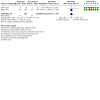
Comparison 1: Exposure to smell and taste stimulation of milk with tube feeds versus no exposure, Outcome 7: Late infection during hospitalisation
Growth from birth to discharge
Four studies assessed growth from birth to discharge in different ways, and we were unable to meta‐analyse the data (Beker 2017; Beker 2021; Khodagholi 2018; Yildiz 2011). However, we estimated mean growth rates using exponential model estimates (Patel 2005), and found that infants exposed to the smell and taste of milk with tube feeds showed faster mean growth rates compared to the control group in Beker 2017 (14.2 g/kg/day versus 12.8 g/kg/day) and Yildiz 2011 (14.0 g/kg/day versus 7.9 g/kg/day) but slower mean growth rates in Khodagholi 2018 (6.8 g/kg/day versus 7.6 g/kg/day) and Beker 2021 (13.6 g/kg/day versus 14.0 g/kg/day).
Exclusive breastfeeding at time of discharge
No studies reported exclusive breastfeeding at time of discharge.
Time to first discharge home
Five studies reported the duration of hospitalisation in days (Beker 2017; Bloomfield 2023; Iranmanesh 2014; Khodagholi 2018; Yildiz 2011). The meta‐analysis indicated that exposure to the smell and taste of milk with tube feeds reduces the time to first discharge home (MD −4.40 days, 95% CI −5.65 to −3.15; I2 = 95%; 5 studies, 786 infants; Analysis 1.8).
1.8. Analysis.

Comparison 1: Exposure to smell and taste stimulation of milk with tube feeds versus no exposure, Outcome 8: Time to first discharge home (days)
Four studies reported PMA at discharge home (Beker 2017; Beker 2021; Bloomfield 2023; Khodagholi 2018). The meta‐analysis indicated little to no difference in PMA at discharge home between infants exposed to the smell and taste of milk with tube feeds versus infants without this exposure (MD 0.06 weeks, 95% CI −0.14 to 0.26; I2 = 0%; 4 studies, 1008 infants; Analysis 1.9).
1.9. Analysis.

Comparison 1: Exposure to smell and taste stimulation of milk with tube feeds versus no exposure, Outcome 9: Time to first discharge home (postmenstrual age in weeks)
In Davidson 2019, infants in the intervention group (n = 17) spent more time in hospital than infants in the control group (n = 16) on average (52 days versus 43 days, P = 0.16). The average PMA at discharge was 38 weeks in the intervention group versus 37 weeks in the control group (P = 0.2). We were unable to meta‐analyse these data because Davidson 2019 provided no SDs.
Subgroup analysis
For time to first discharge home, the test for subgroup differences based on type of exposure (smell only (MD −7.93 days, 95% CI −9.57 to −6.28; 3 studies; 204 infants) versus smell and taste (MD 0.41 days, 95% CI −1.52 to 2.34; 2 studies; 582 infants)) showed a significant subgroup effect (P < 0.001, I² = 94%; Analysis 1.10).
1.10. Analysis.

Comparison 1: Exposure to smell and taste stimulation of milk with tube feeds versus no exposure, Outcome 10: Time to first discharge home (days) – by type of exposure
For PMA at discharge home, the test for subgroup differences based on type of exposure (smell only (MD −0.31 weeks, 95% CI −1.22, 0.60; 1 study; 32 infants) versus smell and taste (MD 0.08 weeks, 95% CI −0.13 to 0.29; 3 studies; 976 infants)) showed a nonsignificant subgroup effect (P = 0.83, I² = 0%; Analysis 1.11).
1.11. Analysis.

Comparison 1: Exposure to smell and taste stimulation of milk with tube feeds versus no exposure, Outcome 11: Time to first discharge home (postmenstrual age in weeks) – by type of exposure
Discussion
Summary of main results
We included eight studies (1277 preterm infants) in our review and found very low‐ to moderate‐certainty evidence on the effect on exposure to the smell and taste of milk with tube feeds in preterm infants.
Exposure to the smell and taste of milk during tube feeds may have little to no effect on time to reach full sucking feeds, but the evidence is very uncertain. Two studies reported no adverse effects related to the intervention. The intervention may have little to no effect on duration of parenteral nutrition, time to reach full enteral feeds, or risk of necrotising enterocolitis, although the evidence for time to reach full enteral feeds is very uncertain. The intervention probably has little to no effect on risk of late infection. There were no data available to assess feeding intolerance.
Overall completeness and applicability of evidence
Although the included studies enroled a total of 1277 infants, each study contributed data for only some of our outcomes of interest, so the sample sizes available for each outcome were small. In addition, the seven studies that contributed data to meta‐analyses differed in terms of population characteristics, type of exposure, method of providing the intervention, comparison group, and method of allocation to the intervention groups. The duration of the stimulations varied from 15 minutes to three hours and from once a day to every tube feeding. Therefore, readers should exercise caution when interpreting our findings. Adequately powered, high‐quality studies are needed to further explore how each of these factors influences the effect of the intervention.
Only two studies reported adverse effects, and neither prespecified this outcome in their protocol. Therefore, adverse effects may be under‐reported.
There was considerable statistical heterogeneity among the studies that reported time to reach full enteral feeds and time to discharge home. However, this heterogeneity was largely explained by a single study, which we judged at high or unclear risk of bias in most domains.
The preterm infants were recruited in tertiary hospitals in five countries (high‐, middle‐, and low‐income) across the world. The studies provided insufficient information about settings for us to judge the applicability of their results to hospital settings worldwide.
Quality of the evidence
We downgraded the certainty of the evidence for all outcomes, mainly due to small sample sizes (imprecision), unexplained heterogeneity (inconsistency), and high risk of selection bias, performance bias, and detection bias.
All studies were at high or unclear risk of performance bias (blinding of participants and personnel), detection bias (blinding of outcome assessors), or both. Some comparators were routine care whereas others were a sham intervention with a dry or water‐soaked cotton pad for smell stimulation. Providing stimulation in this way could have interfered with blinding of the clinicians and parents of the infants, which we judged could have influenced the outcomes, as some parents, clinicians, and nurses might favour the provision of smell and taste stimulation over no stimulation and may be tempted to provide this regardless of group assignment.
Some trials excluded infants who became unwell after the intervention had started, which may have led to biased results.
Potential biases in the review process
We minimised bias by conducting a systematic search of the literature and having two review authors independently extract data. Review authors involved in studies included in this review (MM, FHB, and JEH) did not take part in any stages of data extraction or analyses. We were unable to include all studies in the meta‐analyses of some outcomes, such as for time to full sucking and oral feeds, because of differences in how studies reported these outcomes. We were unable to undertake many of our planned subgroup analyses by gestational age because the studies used different grouping criteria than those prespecified in our review protocol (Muelbert 2018). These factors might have influenced the findings of this review and could be addressed in future by the use of standardised reporting of outcomes in neonatal trials. Nevertheless, there were no significant deviations from the review protocol except for the inclusion of a new database and the use of Cochrane Neonatal population and RCT filters.
Agreements and disagreements with other studies or reviews
The previous version of this review included three trials (161 infants) and found that exposure to the smell and taste of milk with tube feeds may reduce the duration of hospitalisation by three days, although this finding was based on very low‐certainty evidence from two trials (Muelbert 2019). In this update, the mean difference in duration of hospitalisation was 4.4 days, but additional evidence from four studies suggests that the intervention may have little to no effect on PMA at discharge. We are unaware of any other systematic reviews on this topic or of other trials not included in this review.
Authors' conclusions
Implications for practice.
There is a lack of high‐quality evidence on the effectiveness and safety of exposing preterm infants to the smell and taste of milk with tube feeds. Therefore, we cannot support the routine use of this intervention to improve health outcomes. Until additional trials have provided more evidence, clinicians should only consider this intervention in the context of further research. Results from one ongoing study and two studies awaiting classification may alter the findings of future updates of this review.
Implications for research.
Given the biological plausibility of exposure to the smell and taste of milk with tube feedings to improve feed tolerance, and the potential beneficial effect on progression to full enteral feeds and then full sucking feeds, we consider there is a need for further randomised trials on this topic. Future studies should evaluate outcomes during hospitalisation, such as time to reach full enteral feeds, time to reach full sucking feeds, episodes of feeding intolerance (e.g. vomiting or gastric residual leading to cessation or reduction in enteral feed), risk of infection, growth (e.g. z scores and z‐score change in growth parameters from birth to discharge, as suggested by Cormack 2016, or the exponential model estimates by Patel 2005), and safety of the intervention (e.g. episodes of desaturation, aspiration, or choking/gagging at time of exposure to the smell and taste of milk).
Future research should explore the effects of other factors such as the health status of preterm infants prior to exposure, the duration of the intervention, the use of sham interventions as comparators instead of routine care, different clinical settings, the perception of the intervention by parents and healthcare professionals, and costs and use of resources. Investigators should aim to incorporate blinding of outcome assessors to reduce the risk of detection bias. It is also important to conduct studies with larger sample sizes and to explore the effects of the intervention in infants of different gestational ages.
Feedback
Too early to smell the effect, 27 July 2019
Summary
Dear Editor, With great interest we have noticed and read the review entitled “Exposure to the smell and taste of milk to accelerate feeding in preterm infants” (Muelbert, Lin et al. 2019). The authors describe the physiological connection between nutrition and olfactory information. Not only are olfactory information part of digestion by initiating its cephalic phase (Bingham, Abassi et al. 2003, Zoon, de Graaf et al. 2016) but of great importance for locating a food source for newborns, e.g. newborns orient and crawl towards the mothers’ breast (Varendi, Porter et al. 1994, Varendi and Porter 2001). The physiological connection between nutrition and olfactory information is disrupted in premature infants and also older children, who are gavage fed (nasogastric or orogastric tube). The idea of improving oral nutrition in these children by mimicking the physiological connection of olfactory information and food consumption by repetitive olfactory stimulation, seems promising. Several studies have addressed this issue.
Although, we absolutely agree with the authors of this review, that this topic is of great interest and the effect of olfactory stimulation on oral food intake should be further evaluated, the review was performed at a very early stage. Only two studies were included (Yildiz, Arikan et al. 2011, Beker, Opie et al. 2017) in the meta‐analysis of the review of which one is a pilot study. We therefore have concerns about the scientific and clinical impact of this review. A Cochrane Review should orient the unfamiliar reader with the best evidence about a given field.
Our two main concerns regarding this methodologically well‐conducted review are the following:
Olfactory stimulation as medical treatment modality has become important and efficient in many diseases and works at all ages. Aware that this review only focuses on premature neonates, we have the impression that this general background needs to be stated to set the value of neonatal olfactory stimulation into a context. We have the feeling that not mentioning the following issues is active withholding of important information to neonatologists. First, limiting the olfactory stimulus to milk odor (mothers and formula milk): By limiting the intervention to olfactory stimulation with milk odor, at least three studies are not included in the review, which can add important information.
Cao Van et al. used anise and cinnamon for repeated olfactory stimulation before gavage feeding in preterm infants in a prospective randomized controlled study (Cao Van, Guinand et al. 2017). Children of the study group could be discharged from the hospital on average 3.4 days earlier than children of the control group. This comparison missed statistical significance. By only including newborns with a birth weight >2000g into the analysis, the results became statistically significant, with newborns receiving olfactory stimulations being discharged from the hospital earlier than newborns of the control group.
Schriever et al. used rose odor, vanilla odor and a control stimulus (placebo) in a prospective randomized controlled study to evaluate the effect of olfactory stimulation on oral nutrition in preterm infants (Schriever, Gellrich et al. 2018). The study showed, that children in the vanilla‐intervention group reached complete oral nutrition on average one week earlier and could be discharged from the hospital on average 9 days before children of the control group. These results could only be observed for the vanilla‐intervention but not the rose‐intervention group and in cases where olfactory stimulation was performed at least before 2/3 of the feedings.
In addition, Munakata et al. studied the effect of olfactory stimulation bevor gavage feeding in older children using black‐pepper oil (age 19‐97 months). Although these children did not reach full oral nutrition, the daily amount of oral food intake increased (Munakata, Kobayashi et al. 2008). On first sight, it might seem plausible to limit the olfactory stimulation to the biological odor of milk. We know from previous research, that olfactory information can be processed in utero and that a fetus gets acquainted with the odors in the amniotic fluid, e.g. food odors consumed by the mother (Schaal, Marlier et al. 2000, Mennella, Jagnow et al. 2001).
The above‐mentioned studies showed, that other common odors have a positive effect on oral food intake and that the effect must not be limited to the odor of mother milk. Second, performing a meta‐analysis on two studies: Based on the inclusion criteria of the review, only two studies were included in the meta‐analysis. The authors come to the conclusion, “…that exposure to the smell and taste of milk with tube feedings has no clear effect on time taken to reach full sucking feeds, but it may decrease length of hospitalization. However, these results are uncertain due to the very low quality of the evidence.”
The authors might have come to a different or more valid conclusion if the review were performed at a later time point, including more studies. Several issues arise by combining the studies by Beker et al. and Yildiz et al. in a meta‐analysis. I) The two studies were performed with different primary outcomes: Yildiz: time to full oral nutrition, Beker: time to full enteral nutrition. II) The type of intervention differed between the studies. Whereas Beker et al. used olfactory and gustatory stimulation, Yildiz et al only used the smell of milk. III) There was only a marginal overlap in age of participants between these two studies. Beker et al. included children <29 weeks of gestation whereas Yildiz et al. selected children >28 weeks of gestation for their study. Especially the last issue deserves further attention. Although it has been shown, that processing of olfactory information takes place in utero, little is known about the gestational age, at which the olfactory sense is functioning ex utero. Marlier et al. demonstrated a well functioning sense of smell in pre‐term infants >28 weeks of gestation (Marlier, Schaal et al. 2001). Sarnat was only able to record a response after olfactory stimulation in 20% of premature infants <29 weeks of gestation (Sarnat 1978). Based on these studies, the gestational age of newborns has to be considered when evaluating the effect of chemosensory stimulation on feeding in preterm infants. Although, we appreciate the work on this topic, we have the opinion, that this review does not fully grasp the potential of the intervention and its clinical importance by performing a review at this point in time and by excluding crucial information when limiting the olfactory stimulation to milk odor.
The review therefore can be misleading for clinicians and misguide future research on this issue.
Beker, F., G. Opie, E. Noble, Y. Jiang and F. H. Bloomfield (2017). "Smell and Taste to Improve Nutrition in Very Preterm Infants: A Randomized Controlled Pilot Trial." Neonatology 111(3): 260‐266.
Bingham, P. M., S. Abassi and E. Sivieri (2003). "A pilot study of milk odor effect on nonnutritive sucking by premature newborns." Arch Pediatr Adolesc Med 157(1): 72‐75.
Cao Van, H., N. Guinand, E. Damis, A. L. Mansbach, A. Poncet, T. Hummel and B. N. Landis (2017). "Olfactory stimulation may promote oral feeding in immature newborn: a randomized controlled trial." Eur Arch Otorhinolaryngol.
Marlier, L., B. Schaal, C. Gaugler and J. Messer (2001). "Olfaction in premature human newborns: detection and discrimination abilities two months before gestational term." Chemical Signals Vertebr. 9: 205‐209.
Mennella, J. A., C. P. Jagnow and G. K. Beauchamp (2001). "Prenatal and postnatal flavor learning by human infants." Pediatrics 107(6): E88.
Muelbert, M., L. Lin, F. H. Bloomfield and J. E. Harding (2019). "Exposure to the smell and taste of milk to accelerate feeding in preterm infants." Cochrane Database Syst Rev 7: CD013038.
Munakata, M., K. Kobayashi, J. Niisato‐Nezu, S. Tanaka, Y. Kakisaka, T. Ebihara, S. Ebihara, K. Haginoya, S. Tsuchiya and A. Onuma (2008). "Olfactory stimulation using black pepper oil facilitates oral feeding in pediatric patients receiving long‐term enteral nutrition." Tohoku J Exp Med 214(4): 327‐332.
Sarnat, H. B. (1978). "Olfactory reflexes in the newborn infant." J Pediatr 92(4): 624‐626. Schaal, B., L. Marlier and R. Soussignan (2000). "Human foetuses learn odours from their pregnant mother's diet." Chem Senses 25(6): 729‐737.
Schriever, V. A., J. Gellrich, N. Rochor, I. Croy, H. Cao‐Van, M. Rudiger and T. Hummel (2018). "Sniffin' Away the Feeding Tube: The Influence of Olfactory Stimulation on Oral Food Intake in Newborns and Premature Infants." Chem Senses 43(7): 469‐474.
Varendi, H. and R. H. Porter (2001). "Breast odour as the only maternal stimulus elicits crawling towards the odour source." Acta Paediatr 90(4): 372‐375. Varendi, H., R. H. Porter and J. Winberg (1994). "Does the newborn baby find the nipple by smell?" Lancet 344(8928): 989‐990.
Yildiz, A., D. Arikan, S. Gozum, A. Tastekin and I. Budancamanak (2011). "The effect of the odor of breast milk on the time needed for transition from gavage to total oral feeding in preterm infants." J Nurs Scholarsh 43(3): 265‐273.
Zoon, H. F., C. de Graaf and S. Boesveldt (2016). "Food Odours Direct Specific Appetite." Foods 5(1).
Reply
We thank the correspondents for their interest in our review, and offer the following responses:
This review, which follows the previously published protocol, focused on the impact of exposure to smell and/or taste of milk with tube feeding to accelerate feeding in preterm infants. It is true that the fetus develops taste in utero but the relevant feed – and therefore smell – for a newborn is mother’s milk. Different substances can have different effects on the olfactory pathway and incorporating results of small trials that provided smell of substances other than milk (Cao Van et al, Schriever et al), and to older children (Mumkata et al), are less relevant clinically and may introduce further heterogeneity. However, these additional trials will be referred to in the background section of future updates of the review.
Reviews can always be deferred pending new data. This review was deemed timely as provision of smell and taste of milk to preterm infants prior to tube feeds is being introduced into practice but has not been appraised in a systematic manner. The limitations of the trials included in the meta‐analysis are acknowledged and, of particular note relevant to the timing of the review, we found that neither of the included trials reported potential adverse effects, highlighting the importance of this in future trials. This demonstrates the relevance of undertaking this review now, when further trials are being undertaken/planned.
We agree that gestational age may be an important factor to consider in assessing the effect of exposure to smell and taste. This was one of the planned subgroup analyses that we were unable to do because of insufficient data. It is included as an important consideration for future trials in the section on Implications for research.
Contributors
Feedback:
Valentin A. Schriever1, Basile N. Landis2, Janine Gellrich1, Thomas Hummel3
1 Abteilung Neuropädiatrie, Medizinische Fakultät Carl Gustav Carus, Technische Universität, Dresden, Germany
2 Rhinology‐Olfactology Unit, Department of Otorhinolaryngology Head and Neck Surgery, University Hospital of Geneva, Switzerland
3 Smell and Taste Clinic, Department of Otorhinolaryngology, Medizinische Fakultät Carl Gustav Carus, Technische Universität, Dresden, Germany
Response:
Jane E Harding1
1Liggins Institute, University of Auckland, Auckland, New Zealand
What's new
| Date | Event | Description |
|---|---|---|
| 9 May 2024 | New citation required but conclusions have not changed | Change in authorship: Lilia Delgado Páramo and Anja Bronnert were added as authors. Changes to methods: In this update, no data were available for feeding intolerance, but we included the outcome in the summary of findings' table instead of replacing it with time to first discharge home (as done in the previous review). This is in accordance with methods described in the Cochrane Handbook of Systematic Reviews of Interventions (Schünemann 2022). |
| 9 May 2024 | New search has been performed | Search updated on April 2023; 5 new studies included (Alemdar 2020; Beker 2021; Bloomfield 2023; Iranmanesh 2014; Khodagholi 2018), 8 excluded, 2 awaiting classification, 1 ongoing. |
History
Protocol first published: Issue 5, 2018 Review first published: Issue 7, 2019
| Date | Event | Description |
|---|---|---|
| 13 August 2019 | Amended | Feedback on the review has been received and reviewed. The feedback along with the author's response is included in this amendment. A decision has been made to include additional references in the background section upon future review updates. |
Acknowledgements
We thank the following members of Cochrane Neonatal for editorial support: Roger Soll and William McGuire (Co‐ordinating Editors); Michelle Fiander and Jane Cracknell (Managing Editors).
We are grateful to the following peer reviewers for their time and comments: Dr Lauren Young, Consultant Neonatologist (Birmingham Women's and Children's NHS Foundation Trust, Birmingham, UK) and Jacqueline J Ho, Professor of Paediatrics (RCSI & UCD Malaysia Campus, Penang, Malaysia).
We acknowledge the support of the Liggins Institute, The University of Auckland, New Zealand.
The Methods section of this review is based on a standard template by Cochrane Neonatal.
Dr Tanith Alexander provided unpublished trial data for Bloomfield 2023.
The first version of this review was also published in full as part of Dr Mariana Muelbert's Doctoral thesis (Muelbert 2021).
We thank Julia Turner from Cochrane Central Production Service for copy editing.
Appendices
Appendix 1. Search strategies
MEDLINE:
Host: Ovid
Data parameters: 1946 to present
Date of search: 26 April 2023
| Line | Search | Results |
| 1 | exp taste/ or Taste Perception/ or smell/ or olfactory perception/ or odorants/ | 58382 |
| 2 | (taste* or tasting).ti,ab,kw,kf. | 41132 |
| 3 | gustat*.ti,ab,kw,kf. | 7399 |
| 4 | (smell* or smelt).ti,ab,kw,kf. | 14296 |
| 5 | olfact*.ti,ab,kw,kf. | 58654 |
| 6 | odo?r*.ti,ab,kw,kf. | 39321 |
| 7 | 1 or 2 or 3 or 4 or 5 or 6 | 141965 |
| 8 | exp human milk/ or infant formula/ or colostrum/ | 32245 |
| 9 | (milk* or breastmilk*).ti,ab,kw,kf. | 152552 |
| 10 | formula*.ti,ab,kw,kf. | 398399 |
| 11 | (colostrum or colostral).ti,ab,kw,kf. | 9117 |
| 12 | 8 or 9 or 10 or 11 | 547843 |
| 13 | exp infant, newborn/ or Intensive Care, Neonatal/ or Intensive Care Units, Neonatal/ or Gestational Age/ | 719935 |
| 14 | (babe or babes or baby* or babies or gestational age? or infant? or infantile or infancy or low birth weight or low birthweight or neonat* or neo‐nat* or newborn* or new born? or newly born or premature or pre‐mature or pre‐matures or prematures or prematurity or pre‐maturity or preterm or preterms or pre term? or preemie or preemies or premies or premie or VLBW or VLBWI or VLBW‐I or VLBWs or LBW or LBWI or LBWs or ELBW or ELBWI or ELBWs or NICU or NICUs).ti,ab,kw,kf. | 1036143 |
| 15 | or/13‐14 | 1347076 |
| 16 | randomized controlled trial.pt. | 591543 |
| 17 | controlled clinical trial.pt. | 95283 |
| 18 | randomized.ti,ab. | 652986 |
| 19 | placebo.ti,ab. | 244126 |
| 20 | drug therapy.fs. | 2584521 |
| 21 | randomly.ti,ab. | 407785 |
| 22 | trial.ti,ab. | 748234 |
| 23 | groups.ti,ab. | 2535524 |
| 24 | or/16‐23 | 5707218 |
| 25 | (quasirandom* or quasi‐random* or random*).ti,ab,kw,kf. | 1414655 |
| 26 | (control* adj2 (group? or trial? or study)).ti,ab,kw,kf. | 1078425 |
| 27 | or/25‐26 | 2005428 |
| 28 | exp animals/ not humans/ | 5115959 |
| 29 | or/24,27 not 28 | 5459445 |
| 30 | 15 and 29 | 254059 |
| 31 | 7 and 12 and 30 | 175 |
Embase:
Host: Ovid
Data parameters: 1974 to present
Date of search: 26 April 2023
| Line | Search | Results |
| 1 | exp taste/ | 24304 |
| 2 | (taste$ or tasting).ti,ab.kw.kf. | 51402 |
| 3 | gustat$.ti,ab.kw.kf. | 8600 |
| 4 | exp odor/ | 31485 |
| 5 | exp smelling/ | 12516 |
| 6 | (smell$ or smelt).ti,ab.kw.kf. | 19630 |
| 7 | olfact$.ti,ab.kw.kf. | 68199 |
| 8 | odo?r$.ti,ab.kw.kf. | 47423 |
| 9 | 1 or 2 or 3 or 4 or 5 or 6 or 7 or 8 | 163356 |
| 10 | exp breast milk/ | 32690 |
| 11 | (milk$ or breastmilk$).ti,ab.kw.kf. | 163619 |
| 12 | exp artificial milk/ | 16168 |
| 13 | formula$.ti,ab.kw.kf. | 553094 |
| 14 | exp colostrum/ | 8018 |
| 15 | (colostrum or colostral).ti,ab.kw.kf. | 8621 |
| 16 | 10 or 11 or 12 or 13 or 14 or 15 | 713445 |
| 17 | newborn/ or prematurity/ or newborn intensive care/ or newborn care/ or gestational age/ | 745833 |
| 18 | (babe or babes or baby* or babies or gestational age? or infant? or infantile or infancy or low birth weight or low birthweight or neonat* or neo‐nat* or newborn* or new born? or newly born or premature or pre‐mature or pre‐matures or prematures or prematurity or pre‐maturity or preterm or preterms or pre term? or preemie or preemies or premies or premie or VLBW or VLBWI or VLBW‐I or VLBWs or LBW or LBWI or LBWs or ELBW or ELBWI or ELBWs or NICU or NICUs).ti,ab,kw,kf. | 1194334 |
| 19 | or/17‐18 | 1441060 |
| 20 | Randomized controlled trial/ or Controlled clinical study/ | 968246 |
| 21 | random$.ti,ab,kw. | 1944606 |
| 22 | Randomization/ | 98602 |
| 23 | placebo.ti,ab,kw. | 358595 |
| 24 | ((double or single or doubly or singly) adj (blind or blinded or blindly)).ti,ab,kw. | 265592 |
| 25 | double blind procedure/ | 206348 |
| 26 | (controlled adj7 (study or design or trial)).ti,ab,kw. | 443773 |
| 27 | parallel group$1.ti,ab. | 31964 |
| 28 | (crossover or cross over).ti,ab. | 121122 |
| 29 | ((assign$ or match or matched or allocation) adj5 (alternate or group$1 or intervention$1 or patient$1 or subject$1 or participant$1)).ti,ab. | 408677 |
| 30 | (open adj label).ti,ab. | 108129 |
| 31 | (quasirandom* or quasi‐random* or random*).ti,ab,kw,kf. | 1945801 |
| 32 | (control* adj2 group?).ti,ab,kw,kf. | 882922 |
| 33 | or/20‐32 | 3280570 |
| 34 | (exp animals/ or exp invertebrate/ or animal experiment/ or animal model/ or animal tissue/ or animal cell/ or nonhuman/) and (human/ or normal human/ or human cell/) | 24894357 |
| 35 | exp animals/ or exp invertebrate/ or animal experiment/ or animal model/ or animal tissue/ or animal cell/ or nonhuman/ | 31672388 |
| 36 | 35 not 34 | 6778031 |
| 37 | 33 not 36 | 2826778 |
| 38 | 19 and 37 | 126087 |
| 39 | 9 and 16 and 38 | 147 |
CINAHL Complete:
Host: Ebsco
Data parameters: 1982 to present
Date of search: 26 April 2023
| Line | Search | Results |
| S1 | (MH "Taste") | 3949 |
| S2 | TI ( taste* OR tasting ) OR AB ( taste* OR tasting ) | 8245 |
| S3 | TI gustat* OR AB gustat* | 640 |
| S4 | (MH "Smell") | 1995 |
| S5 | (MH "Odors") | 1577 |
| S6 | TI ( smell* OR smelt OR olfact* OR odor* ) OR AB ( smell* OR smelt OR olfact* OR odor* ) | 7776 |
| S7 | S1 OR S2 OR S3 OR S4 OR S5 OR S6 | 17810 |
| S8 | (MH "Milk, Human+") | 7661 |
| S9 | (MH "Infant Formula") | 4596 |
| S10 | (MH "Colostrum") | 708 |
| S11 | TI ( milk* OR breastmilk* OR formula* OR colostrum OR colostral ) OR AB ( milk* OR breastmilk* OR formula* OR colostrum OR colostral ) | 79818 |
| S12 | S8 OR S9 OR S10 OR S11 | 82922 |
| S13 | (infan* OR newborn OR neonat* OR premature OR low birth weight OR VLBW OR LBW) AND (randomised controlled trial OR controlled clinical trial OR randomised OR placebo OR clinical trials as topic OR randomly OR trial OR PT clinical trial) | 48850 |
| S14 | S7 AND S12 AND S13 | 62 |
Cochrane Register of Controlled Trials (CENTRAL):
Host: Wiley
Data parameters: 1974 to present
Date of search: 26 April 2023
| Line | Search | Results |
| 1 | MeSH descriptor: [Taste] explode all trees | 1136 |
| 2 | MeSH descriptor: [Taste Perception] explode all trees | 97 |
| 3 | MeSH descriptor: [Smell] explode all trees | 401 |
| 4 | MeSH descriptor: [Olfactory Perception] explode all trees | 58 |
| 5 | MeSH descriptor: [Odorants] explode all trees | 342 |
| 6 | (taste* or tasting):ti,ab | 6762 |
| 7 | gustat*:ti,ab | 276 |
| 8 | (smell* or smelt):ti,ab | 2443 |
| 9 | olfact*:.ti,ab | 1463 |
| 10 | odor*:ti,ab | 1979 |
| 11 | #1 OR #2 OR #3 OR #4 OR #5 OR #6 OR #7 OR #8 OR #9 OR #10 | 10323 |
| 12 | MeSH descriptor: [Milk, Human] explode all trees | 1277 |
| 13 | MeSH descriptor: [Infant Formula] explode all trees | 765 |
| 14 | MeSH descriptor: [Colostrum] explode all trees | 211 |
| 15 | (milk* or breastmilk*):ti,ab | 13410 |
| 16 | formula*:ti,ab | 51048 |
| 17 | (colostrum or colostral):ti,ab | 533 |
| 18 | #12 OR #13 OR #14 OR #15 OR #16 OR #17 | 61781 |
| 19 | MeSH descriptor: [Infant, Newborn] explode all trees | 20344 |
| 20 | MeSH descriptor: [Intensive Care, Neonatal] this term only | 375 |
| 21 | MeSH descriptor: [Intensive Care Units, Neonatal] this term only | 1019 |
| 22 | MeSH descriptor: [Gestational Age] this term only | 3943 |
| 23 | ("babe" or "babes" or baby* or "babies" or "gestational age" or "gestational ages" or infant? or "infantile" or infancy or "low birth weight" OR "low birth weights" or "low birthweight" or "low birthweights" or neonat* or "neo‐nat*" or newborn* or "new born?" or "newly born" or "premature" or "pre‐mature" or "pre‐matures" or prematures or prematurity or "pre‐maturity" or "preterm" or "preterms" or "pre term?" or "preemie" or "preemies" or "premies" or "premie" or "VLBW" or "VLBWI" or "VLBW‐I" or "VLBWs" or "LBW" or "LBWI" or "LBWs" or "ELBW" or "ELBWI" or "ELBWs" or "NICU" or "NICUs"):ti,ab,kw | 102079 |
| 24 | #19 OR #20 OR #21 OR #22 OR #23 | 102079 |
| 25 | #11 AND #18 AND #24 | 199 |
Epistemonikos:
Host: www.epistemonikos.org
Data parameters: 1900 to present
Date of search: 26 April 2023
Total results: 24
(title:(taste* OR tasting OR gustat* OR taste perception OR smell* OR smelt OR olfact* OR odor* OR odour* OR odorants OR olfactory perception) OR abstract:(taste* OR tasting OR gustat* OR taste perception OR smell* OR smelt OR olfact* OR odor* OR odour* OR odorants OR olfactory perception)) AND (title:(milk* OR breastmilk* OR formula* OR colostrum* OR colostral*) OR abstract:(milk* OR breastmilk* OR formula* OR colostrum* OR colostral*)) AND (title:(babe* OR baby OR babies OR gestational age OR infan* OR newborn OR neonat* OR prematur* OR low birth weight OR VLBW* OR LBW* OR ELBW* OR preterm* OR pre‐term* OR NICU*) OR abstract:(babe* OR baby OR babies OR gestational age OR infan* OR newborn OR neonat* OR prematur* OR low birth weight OR VLBW* OR LBW* OR ELBW* OR preterm* OR pre‐term* OR NICU*)) AND (title:(randomized controlled trial* OR controlled clinical trial* OR randomized OR placebo OR clinical trial* OR randomly OR trial* OR group*) OR abstract:(randomized controlled trial* OR controlled clinical trial* OR randomized OR placebo OR clinical trial* OR randomly OR trial* OR group*)) OR (title:(quasirandom* OR quasi‐random* OR random*) OR abstract:(quasirandom* OR quasi‐random* OR random*))
Appendix 2. Additional information requested from authors
| Study ID | Requested information | Response |
| Alemdar 2020 | Mean and SD for "time to reach full enteral feeds (PMA)" | No response |
| Beker 2021 | Mean and SD for "time to reach full sucking feeds (days)", "time to reach full enteral feeds (days)", and "duration of hospital stay (days)" | No response |
| Bloomfield 2023 | Mean and SD for all outcomes of interest and information including, but not limited to, administrative details, study characteristics, randomisation, blinding, and dropouts | At the time of writing this review, only a conference abstract was available for this study. The study authors provided us with all the requested information. |
| Davidson 2019 | Mean and SD for "time to reach full enteral feeds (days)" and "duration of hospital stay (days)" and SD for the same outcomes in PMA. | No response |
| Iranmanesh 2014 | Mean and SD for "time to reach full enteral feeds (PMA)" and "duration of hospital stay (PMA)" | No response |
| Khodagholi 2018 | Mean and SD for "time to reach full enteral feeds (days)" | No response |
| Yildiz 2011 | Mean and SD for "time to reach full enteral feeds (PMA)" and "duration of hospital stay (PMA)" | No response |
| SD: standard deviation; PMA: postmenstrual age. | ||
Appendix 3. Risk of bias tool
We used the standard methods of Cochrane and Cochrane Neonatal to assess the methodological quality of the studies. For each study, we sought information regarding the method of randomisation, blinding, and reporting of all outcomes of all the infants enroled in the study. We assessed each criterion as having a low, high, or unclear risk of bias. Two review authors (LDP and AB) separately assessed each study. Disagreements were resolved by discussion. We added this information to the Characteristics of included studies table. We evaluated the following issues and entered the findings into the risk of bias table.
1. Sequence generation (checking for possible selection bias). Was the allocation sequence adequately generated?
For each included study, we categorised the method used to generate the allocation sequence as:
low risk (any truly random process, e.g. random number table, computer random‐number generator);
high risk (any non‐random process, e.g. odd or even date of birth, hospital or clinic record number); or
unclear risk.
2. Allocation concealment (checking for possible selection bias). Was allocation adequately concealed?
For each included study, we categorised the method used to conceal the allocation sequence as:
low risk (e.g. telephone or central randomisation, consecutively numbered sealed opaque envelopes);
high risk (open random allocation, unsealed or non‐opaque envelopes, alternation, date of birth); or
unclear risk.
3. Blinding of participants and personnel (checking for possible performance bias). Was knowledge of the allocated intervention adequately prevented during the study?
For each included study, we categorised the methods used to blind study participants and personnel from knowledge of which intervention a participant received. Blinding was assessed separately for different outcomes or class of outcomes. We categorised the methods as:
low risk, high risk, or unclear risk for participants; and
low risk, high risk, or unclear risk for personnel.
4. Blinding of outcome assessment (checking for possible detection bias). Was knowledge of the allocated intervention adequately prevented at the time of outcome assessment?
For each included study, we categorised the methods used to blind outcome assessment. Blinding was assessed separately for different outcomes or class of outcomes. We categorised the methods as:
low risk for outcome assessors;
high risk for outcome assessors; or
unclear risk for outcome assessors.
5. Incomplete outcome data (checking for possible attrition bias through withdrawals, dropouts, protocol deviations). Were incomplete outcome data adequately addressed?
For each included study and outcome, we described the completeness of data, including attrition and exclusions from the analysis. We noted whether attrition and exclusions were reported, the numbers included in the analysis at each stage (compared with the total randomised participants), reasons for attrition or exclusion where reported, and whether missing data were balanced across groups or were related to outcomes. Where sufficient information was reported or supplied by the trial authors, we re‐included missing data in the analyses. We categorised the methods as:
low risk (< 20% missing data);
high risk (≥ 20% missing data); or
unclear risk.
6. Selective reporting bias. Are reports of the study free of suggestion of selective outcome reporting?
For each included study, we described how we investigated the possibility of selective outcome reporting and what we found. For studies in which protocols were published in advance, we compared prespecified outcomes versus outcomes eventually reported in the published results. If the study protocol was not published in advance, we contacted the study authors to gain access to the protocol. We categorised the methods as:
low risk (where it was clear that all the study's prespecified outcomes and all expected outcomes of interest to the review had been reported);
high risk (where not all the study's prespecified outcomes had been reported, where one or more reported primary outcomes were not prespecified outcomes of interest and were reported incompletely and so could not be used, or where the study did not include results of a key outcome that would have been expected to have been reported); or
unclear risk.
7. Other sources of bias. Was the study apparently free of other problems that could put it at a high risk of bias?
For each included study, we described any important concerns we had about other possible sources of bias (for example, whether there was a potential source of bias related to the specific study design or whether the trial was stopped early due to some data‐dependent process). We judged each study at:
low risk;
high risk; or
unclear risk.
If needed, we explored the impact of the level of bias by undertaking sensitivity analyses.
Data and analyses
Comparison 1. Exposure to smell and taste stimulation of milk with tube feeds versus no exposure.
| Outcome or subgroup title | No. of studies | No. of participants | Statistical method | Effect size |
|---|---|---|---|---|
| 1.1 Time to reach full sucking feeds (days) | 3 | 662 | Mean Difference (IV, Fixed, 95% CI) | ‐1.07 [‐2.63, 0.50] |
| 1.2 Time to reach full sucking feeds (days) – by type of exposure | 3 | 662 | Mean Difference (IV, Fixed, 95% CI) | ‐1.07 [‐2.63, 0.50] |
| 1.2.1 After receiving smell and taste of milk | 2 | 582 | Mean Difference (IV, Fixed, 95% CI) | ‐0.09 [‐2.03, 1.85] |
| 1.2.2 After receiving only smell of milk | 1 | 80 | Mean Difference (IV, Fixed, 95% CI) | ‐2.90 [‐5.56, ‐0.24] |
| 1.3 Duration of parenteral nutrition (days) | 3 | 977 | Mean Difference (IV, Fixed, 95% CI) | 0.23 [‐0.24, 0.71] |
| 1.4 Time to reach full enteral feeds (days) | 4 | 736 | Mean Difference (IV, Fixed, 95% CI) | ‐0.16 [‐0.45, 0.12] |
| 1.5 Time to reach full enteral feeds (days) – by type of exposure | 4 | 736 | Mean Difference (IV, Fixed, 95% CI) | ‐0.16 [‐0.45, 0.12] |
| 1.5.1 After receiving smell and taste of milk | 2 | 582 | Mean Difference (IV, Fixed, 95% CI) | 0.09 [‐0.20, 0.38] |
| 1.5.2 After receiving only smell of milk | 2 | 154 | Mean Difference (IV, Fixed, 95% CI) | ‐6.28 [‐7.69, ‐4.87] |
| 1.6 Necrotising enterocolitis during hospitalisation | 2 | 435 | Risk Ratio (M‐H, Fixed, 95% CI) | 0.93 [0.47, 1.84] |
| 1.7 Late infection during hospitalisation | 2 | 436 | Risk Ratio (M‐H, Fixed, 95% CI) | 1.14 [0.74, 1.75] |
| 1.8 Time to first discharge home (days) | 5 | 786 | Mean Difference (IV, Fixed, 95% CI) | ‐4.40 [‐5.65, ‐3.15] |
| 1.9 Time to first discharge home (postmenstrual age in weeks) | 4 | 1008 | Mean Difference (IV, Fixed, 95% CI) | 0.06 [‐0.14, 0.26] |
| 1.10 Time to first discharge home (days) – by type of exposure | 5 | 786 | Mean Difference (IV, Fixed, 95% CI) | ‐4.40 [‐5.65, ‐3.15] |
| 1.10.1 After receiving smell and taste of milk | 2 | 582 | Mean Difference (IV, Fixed, 95% CI) | 0.41 [‐1.52, 2.34] |
| 1.10.2 After receiving only smell of milk | 3 | 204 | Mean Difference (IV, Fixed, 95% CI) | ‐7.93 [‐9.57, ‐6.28] |
| 1.11 Time to first discharge home (postmenstrual age in weeks) – by type of exposure | 4 | 1008 | Mean Difference (IV, Fixed, 95% CI) | 0.06 [‐0.14, 0.26] |
| 1.11.1 After receiving smell and taste of milk | 3 | 976 | Mean Difference (IV, Fixed, 95% CI) | 0.08 [‐0.13, 0.29] |
| 1.11.2 After receiving only smell of milk | 1 | 32 | Mean Difference (IV, Fixed, 95% CI) | ‐0.31 [‐1.22, 0.60] |
Characteristics of studies
Characteristics of included studies [ordered by study ID]
Alemdar 2020.
| Study characteristics | ||
| Methods |
Type of study: single‐centre, unblinded RCT Location: NICU in Türkiye Dates of study: not stated |
|
| Participants |
Sample size: 123 preterm infants (intervention group: 30; control group: 32; other groups: 61) Inclusion criteria
Exclusion criteria
|
|
| Interventions |
Intervention group: smell of mother's breastmilk administered on a sterile sponge positioned 5 cm from the infant's nose once a day for 3 hours. Control group: routine care without the smell of breastmilk |
|
| Outcomes |
Primary outcomes
Secondary outcomes
|
|
| Notes |
Funding: authors stated that project was (quote:) "financed by The Scientific Research Projects (BAP) of Management Unit of Giresun University (SAĞBAP‐A‐200515‐23)". Conflicts of interest: none declared Ethical approval: received from the Ethics Committee (2014/859), along with legal permission from the institution. Other: this study had 3 treatment arms of treatment in total and 1 control. Other interventions investigated the impact of incubator cover and playing a recording of the mother's voice. |
|
| Risk of bias | ||
| Bias | Authors' judgement | Support for judgement |
| Random sequence generation (selection bias) | Low risk | Report indicates randomisation was carried out using a computer program. |
| Allocation concealment (selection bias) | Unclear risk | Method of concealment not described. |
| Blinding of participants and personnel (performance bias) All outcomes | High risk | Participants and personnel were not blinded. |
| Blinding of outcome assessment (detection bias) All outcomes | High risk | Outcome assessor was not blinded. |
| Incomplete outcome data (attrition bias) All outcomes | Low risk | Exclusion and loss of participants described at each data collection point, and analysis was carried out on an ITT basis, so attrition is unlikely to have influenced the outcome. |
| Selective reporting (reporting bias) | Low risk | All outcomes were reported as they had been prespecified. |
| Other bias | Low risk | No significant baseline imbalances or differential diagnosis between groups. |
Beker 2017.
| Study characteristics | ||
| Methods |
Type of study: single‐centre, unblinded, randomised, controlled pilot trial Location: NICU in Melbourne, Australia. Dates of study: March 2014–April 2015. |
|
| Participants |
Sample size: 51 preterm infants (intervention group: 28; control group: 23) Inclusion criteria
Exclusion criteria
|
|
| Interventions |
Intervention group: smell of milk with which the infant was fed (own mother's milk or pasteurised donor breastmilk) provided by a drop of milk on a gauze swab placed as close as possible to the infant's nostrils before each tube feeding. Taste of milk with which the infant was fed (own mother's milk or pasteurised donor breastmilk) provided with a cotton bud soaked in milk and offered for sucking. Control group: routine care without smell or taste of milk; infants were not allowed oral administration of milk until 32 weeks' gestation |
|
| Outcomes |
Primary outcomes
Secondary outcomes
|
|
| Notes |
Funding: pilot trial funded by Research Foundation for Women and Babies and Research grant from the Mercy Hospital for Women, Melbourne, Australia Conflicts of interest: none declared Ethical approval: authors state that (quote:) "all procedures were approved by the local Human Research Ethics Committee". Other: no other notes |
|
| Risk of bias | ||
| Bias | Authors' judgement | Support for judgement |
| Random sequence generation (selection bias) | Low risk | Sequence generation was determined using a computer‐generated random‐number table. |
| Allocation concealment (selection bias) | Low risk | Treatment allocation was determined using sequentially numbered, opaque, sealed envelopes. |
| Blinding of participants and personnel (performance bias) All outcomes | High risk | Participants and personnel were not blinded. |
| Blinding of outcome assessment (detection bias) All outcomes | High risk | Outcome assessors were not blinded but are unlikely to have influenced the outcomes. |
| Incomplete outcome data (attrition bias) All outcomes | Low risk | One participant was randomised to the control group and later excluded because they did not meet the inclusion criteria for the trial. However, analysis was performed on ITT basis, so exclusion is unlikely to have influenced the outcome. |
| Selective reporting (reporting bias) | Low risk | All outcomes were reported as they had been prespecified. |
| Other bias | Low risk | No significant differences for baseline characteristics between groups and no losses to follow‐up. |
Beker 2021.
| Study characteristics | ||
| Methods |
Type of study: multicentre, unblinded RCT Location: 2 hospitals in Australia: Mater Mothers' Hospital in Brisbane and the Royal Women's Hospital in Melbourne Dates of study: 9 May 2017–1 February 2020 |
|
| Participants |
Sample size: 395 preterm infants (intervention group: 196; control group: 199) Inclusion criteria
Exclusion criteria
|
|
| Interventions |
Intervention group: smell of milk with which the infant was fed (mother's milk, donor milk, or formula) provided by a drop of milk on a gauze swab placed as close as possible to the infant's nose without touching the infant. Taste of milk with which the infant was fed (mother's milk, donor milk, or formula) provided with a cotton bud soaked in milk and placed on the infant's tongue if they were < 32 weeks' PMA. From 32 weeks' PMA, 0.2 mL of milk was given to the infant directly on the tongue. If the infant was asleep, the milk was held on the infant's lips; if the infant showed any interest, the milk (cotton bud or syringe) was placed in the infant's mouth. Control group: routine care without the smell or taste of milk |
|
| Outcomes |
Primary outcomes
Secondary outcomes
|
|
| Notes |
Funding: authors stated that the project was (quote:) "financially supported by the Mater Research Institute/Mater Foundation, with a Betty McGrath fellowship (Dr Beker) providing salary support for Dr Beker and Ms Macey as well as an Early Career Research grant for Dr Beker. The Royal Australasian College of Physicians and Paediatricians–Queensland Branch provided funding for statistical and other project support. Dr Davis received a grant from the Australian National Health and Medical Research Council providing some salary and project support". Conflicts of interest: Mater Misericordiae Ltd (sponsor of the trial) employed Dr Beker as a specialist to provide clinical care in the NICU outside the submitted work. Dr Davis reported receiving grants from Australian National Health and Medical Research Council Funding from the Australian government outside the submitted work. No other disclosures were reported. Ethical approval: the trial was approved by the human research ethics committees of both institutions (Mater Mothers' Hospital in Brisbane, and the Royal Women's Hospital in Melbourne). Other: no other notes |
|
| Risk of bias | ||
| Bias | Authors' judgement | Support for judgement |
| Random sequence generation (selection bias) | Low risk | Sequence generation was determined using a computer‐generated random‐number table. |
| Allocation concealment (selection bias) | Low risk | Treatment allocation was determined using sequentially numbered, opaque, sealed envelopes. |
| Blinding of participants and personnel (performance bias) All outcomes | High risk | Participants and personnel were not blinded. |
| Blinding of outcome assessment (detection bias) All outcomes | High risk | Outcome assessors were not blinded, but this is unlikely to have influenced the outcomes. |
| Incomplete outcome data (attrition bias) All outcomes | Low risk | Exclusion and loss of participants described at each data collection point, and analysis was carried out on an ITT basis, so attrition is unlikely to have influenced the outcome. |
| Selective reporting (reporting bias) | Low risk | All outcomes were reported as they had been prespecified. |
| Other bias | Low risk | No significant baseline imbalances or differential diagnosis between groups. |
Bloomfield 2023.
| Study characteristics | ||
| Methods |
Type of study: multicentre, factorial RCT Location: 2 NICUs at Auckland District Health Board, New Zealand: Counties Manukau Health, Waitemata District Health Board (added as per Amendment 01) and MidCentral District Health Board Dates of study: not stated |
|
| Participants |
Sample size: 532 preterm infants (intervention group: 260; control group: 272) Inclusion criteria
Exclusion criteria
|
|
| Interventions |
Intervention group: smell of milk with which the infant was fed, provided with a piece of gauze or cotton swab and placed near the infant's nose prior to and during the enteral feed. Taste of milk with which the infant was fed, provided with a syringe containing 0.2 mL of milk directly on the tip of the infant's tongue prior to the enteral feed. Control group: routine care without the smell or taste of milk |
|
| Outcomes |
Primary outcomes
Secondary outcomes
|
|
| Notes |
Funding: Health Research Council of New Zealand Programme grant application to Professor Frank Bloomfield (ID number: 16‐605 ‐ awarded June 2016 ‐ term: 01/10/16‐30/09/22) and Counties Manukau Health Te Rangahau Puawai grant to Tanith Alexander (awarded November 2016 ‐ Term: 09/01/16 – 09/01/23) Conflicts of interest: none declared Ethical approval: the Northern A Health and Disability Ethics Committee was given ethical approval for this study on 22 July 2016 (approval number 16/NTA/90). Locality approval was granted from each centre. Other: the study was unpublished at the time of submission of this review. Information on this study included in the review is based on data provided by the study authors prior to publication. |
|
| Risk of bias | ||
| Bias | Authors' judgement | Support for judgement |
| Random sequence generation (selection bias) | Low risk | Secure, web‐based randomisation interface. Randomisation sequence generated by the trial statistician. |
| Allocation concealment (selection bias) | Low risk | Allocation concealed by an independent database controller until the time of randomisation. |
| Blinding of participants and personnel (performance bias) All outcomes | High risk | Participants and personnel were not blinded. |
| Blinding of outcome assessment (detection bias) All outcomes | High risk | Outcome assessors were not blinded but are unlikely to have influenced the outcomes. |
| Incomplete outcome data (attrition bias) All outcomes | Low risk | Exclusion and loss of participants described at each data collection point, and analysis was carried out on an ITT basis, so attrition is unlikely to have influenced the outcome. |
| Selective reporting (reporting bias) | Low risk | All outcomes were reported as they had been prespecified. |
| Other bias | Low risk | No significant baseline imbalances or differential diagnosis between groups. |
Davidson 2019.
| Study characteristics | ||
| Methods |
Type of study: single‐centre, partially blinded, randomised, placebo‐controlled (pilot) trial Location: Boston, MA Dates of study: not stated |
|
| Participants |
Sample size: 33 preterm infants (intervention group: 17; control group:16) Inclusion criteria
Exclusion criteria
|
|
| Interventions |
Intervention group: olfactory stimulation with mother's breastmilk on a cotton‐tipped applicator held 1–2 cm from the infant's nose during gavage or oral feeding, once a day, 4–6 days a week (or until transfer to a Level II NICU), for 15 minutes or the duration of the feed (whatever was shorter) Control group: sham intervention following the same procedure as treatment group with water instead of milk |
|
| Outcomes |
Primary outcomes
Secondary outcomes: none listed |
|
| Notes |
Funding: not stated Conflicts of interest: not stated Ethical approval: not stated Other: no other notes |
|
| Risk of bias | ||
| Bias | Authors' judgement | Support for judgement |
| Random sequence generation (selection bias) | Unclear risk | Sequence generation was not described. |
| Allocation concealment (selection bias) | Unclear risk | Allocation concealment was not stated. |
| Blinding of participants and personnel (performance bias) All outcomes | Low risk | Participants and personnel were blinded. |
| Blinding of outcome assessment (detection bias) All outcomes | High risk | The study co‐ordinator was unblinded to randomisation, although this is unlikely to have influenced the outcomes. |
| Incomplete outcome data (attrition bias) All outcomes | Low risk | Exclusion and loss of participants described at each data collection point, and analysis was carried out on an ITT basis, so attrition is unlikely to have influenced the outcome. |
| Selective reporting (reporting bias) | Unclear risk | No protocol or clinical trial registry was available to compare with study's final report. |
| Other bias | Low risk | No significant baseline imbalances or differential diagnosis between groups. |
Iranmanesh 2014.
| Study characteristics | ||
| Methods |
Type of study: multicentre, unblinded RCT Location: 2 hospitals in Tehran, Iran Dates of study: 6 April 2013–6 September 2013 |
|
| Participants |
Sample size: 92 preterm infants (intervention group: 46, control group: 46) Inclusion criteria
Exclusion criteria
|
|
| Interventions |
Intervention group: smell of mother's breastmilk administered on a cotton swab placed near the infant's nasal septum (1.5–2 cm) during tube feeding 4 times a day Control group: routine care without smell or taste of milk |
|
| Outcomes |
Primary outcomes
Secondary outcomes: none listed |
|
| Notes |
Funding: not stated Conflicts of interest: none declared Ethical approval: study authors state that they (quote:) "received the official permission of all relevant organisations". Other: no other notes |
|
| Risk of bias | ||
| Bias | Authors' judgement | Support for judgement |
| Random sequence generation (selection bias) | Unclear risk | Sequence generation was not described. |
| Allocation concealment (selection bias) | Unclear risk | Allocation concealment was not stated. |
| Blinding of participants and personnel (performance bias) All outcomes | High risk | Trial registry indicates the study was not blinded. |
| Blinding of outcome assessment (detection bias) All outcomes | High risk | Trial registry indicates the study was not blinded. |
| Incomplete outcome data (attrition bias) All outcomes | Unclear risk | 6 infants in intervention group and 7 infants in control group were excluded due to respiratory problems and feeding intolerance, after which they were replaced in the study. |
| Selective reporting (reporting bias) | High risk | The article reported only some of the prespecified primary outcomes (listed in the clinical trial registry). |
| Other bias | Low risk | No significant baseline imbalances or differential diagnosis between groups. |
Khodagholi 2018.
| Study characteristics | ||
| Methods |
Type of study: multicentre, partially blinded, randomised, placebo‐controlled trial Location: 2 hospitals in Tehran, Iran Dates of study: 2016 |
|
| Participants |
Sample size: 32 preterm infants (intervention group: 16, control group: 16) Inclusion criteria
Exclusion criteria
|
|
| Interventions |
Intervention group: smell of mother's breastmilk administered on cotton pads held 2–3 cm from the infant's nose with simultaneous non‐nutritive sucking stimulation during gavage feeding on 3 successive feeding occasions each day, over 10 consecutive days Control group: sham intervention following the same procedure of non‐nutritive sucking stimulation, with dry cotton pads instead of milk‐soaked cotton pads |
|
| Outcomes |
Primary outcomes
Secondary outcomes
|
|
| Notes |
Funding: not stated Conflicts of interest: none declared Ethical approval: study approved by the Ethics Committee of the University of Social Welfare and Rehabilitation Sciences Other: no other notes |
|
| Risk of bias | ||
| Bias | Authors' judgement | Support for judgement |
| Random sequence generation (selection bias) | Unclear risk | Sequence generation not described. |
| Allocation concealment (selection bias) | Unclear risk | Allocation concealment not stated. |
| Blinding of participants and personnel (performance bias) All outcomes | Low risk | Participants and personnel were blinded. |
| Blinding of outcome assessment (detection bias) All outcomes | Unclear risk | Not stated in the study. |
| Incomplete outcome data (attrition bias) All outcomes | Low risk | Exclusion and loss of participants described at each data collection point, and analysis was carried out on an ITT basis, so attrition is unlikely to have influenced the outcome. |
| Selective reporting (reporting bias) | Low risk | All outcomes were reported as they had been prespecified. |
| Other bias | Low risk | No significant baseline imbalances or differential diagnosis between groups. |
Yildiz 2011.
| Study characteristics | ||
| Methods |
Type of study: single‐centre, unblinded, quasi‐RCT Location: NICU in Erzurum, Türkiye Dates of study: September 2007–December 2008. |
|
| Participants |
Sample size: 80 preterm infants (intervention group: 40; control group: 40) Inclusion criteria
Exclusion criteria
|
|
| Interventions |
Intervention group: olfactory stimulation consisting of placement of a sterile pad soaked in breastmilk approximately 2 cm from the infant's nose, in the incubator, during 3 tube feedings a day until the infant transitioned to oral feeds Control group: routine tube feeding without delivery of olfactory stimulation |
|
| Outcomes |
Primary outcomes
Secondary outcomes: not stated in method section but data on weight gain and duration of hospital stay were available. |
|
| Notes |
Funding: experimental study funded by Ataturk University Scientific Research Project Funds Conflicts of interest: none declared Ethical approval: not stated Other: infants were sequentially allocated to treatment and control groups: the first 40 participants were allocated to the control group and the next 40 participants were allocated to the treatment group. Baseline imbalances were borderline significant. |
|
| Risk of bias | ||
| Bias | Authors' judgement | Support for judgement |
| Random sequence generation (selection bias) | High risk | Participants were sequentially allocated into treatment and control groups based on date of admission (first 40 to control, next 40 to treatment). |
| Allocation concealment (selection bias) | High risk | No allocation concealment was used. |
| Blinding of participants and personnel (performance bias) All outcomes | Low risk | Authors state that (quote:) "Although study subjects and the neonatologist were blinded to the study groups, the investigator was not blinded". The exact method of achieving blinding was not reported. |
| Blinding of outcome assessment (detection bias) All outcomes | Unclear risk | Investigators were not blinded but are unlikely to have influenced the outcome. |
| Incomplete outcome data (attrition bias) All outcomes | Unclear risk | Authors state that when unexpected conditions emerged during the study (clinical conditions, or those induced by the mother, infant, or research conditions), those infants were excluded from the study. However, no data on excluded participants were reported (5 in the control and 6 in the intervention group). |
| Selective reporting (reporting bias) | Low risk | All outcomes were reported as they had been prespecified. |
| Other bias | Low risk | No significant differences in baseline characteristics between groups. |
ITT: intention‐to‐treat; IV: intravenous; NICU: neonatal intensive care unit; PMA: postmenstrual age; RCT: randomised controlled trial.
Characteristics of excluded studies [ordered by study ID]
| Study | Reason for exclusion |
|---|---|
| Bingham 2007 | Ineligible outcomes (primary outcome is non‐nutritive sucking response to olfactory stimulation; no relevant outcomes for this review were measured). |
| Karbandi 2015 | Ineligible outcomes (primary outcome is oxygen saturation; no relevant outcomes for this review were measured). |
| Louyeh 2020 | Ineligible outcomes (primary outcome is nutritional adequacy, referring to mL of milk per minute consumed during feeding; no relevant outcomes for this review were measured). |
| Neshat 2016 | Ineligible outcomes (primary outcomes were heart rate and blood oxygen saturation; no relevant outcomes for this review were measured). |
Characteristics of studies awaiting classification [ordered by study ID]
DRKS00013093.
| Methods |
Type of study: randomised placebo‐controlled trial Location: hospital in Dresden, Germany |
| Participants |
Sample size: not stated Inclusion criteria
Exclusion criteria
|
| Interventions |
Experimental 1: before each gavage feeding, the participant is presented with the smell of mother's milk or formula for approximately 10 seconds by means of soaked cotton pads. The pads are kept under the nose of the participants at a distance of approximately 2 cm. The duration of the experiment depends on the medical treatment and is performed either until complete oral feeding or discharge from the hospital. Experimental 2: smell of vanilla with "Sniffin' Stick". Comparator: sham procedure with odourless "Sniffin' Stick". |
| Outcomes |
Primary outcomes
Secondary outcomes
|
| Notes | Trial registration indicates study was completed on 24 July 2022. We contacted the lead investigator (Dr Valentin A. Schriever; valentin.schriever@uniklinikum‐dresden.de) to enquire about results, but have received no response. |
NCT04843293.
| Methods |
Type of study: parallel‐group RCT Location: Selcuk University, Istanbul, Türkiye |
| Participants |
Sample size: 56 preterm infants Inclusion criteria
Exclusion criteria
|
| Interventions |
Experimental: smell of breastmilk during 3 consecutive feedings and for 3 days. Smell stimulation will be started 1 minute before gavage feeding and continue until the feeding ends. Sterile gauze soaked in 15 drops of breastmilk will be placed as close to the newborn's nose as possible and not in contact with the newborn's skin. After the feeding of the newborn is completed, the application of the smell of breastmilk will be terminated and the gauze will be removed from the incubator. A new sterile gauze will be used for each feeding, and these processes will be repeated with each smell stimulation for 3 days. Comparator: routine gavage feeding without olfactory stimulation |
| Outcomes |
Primary outcomes
Secondary outcomes
|
| Notes | Estimated completion date was 30 September 2021. We contacted the lead investigator (Sibel Kucukoglu; s_nadaroglu@hotmail.com) to enquire about results, but have received no response. |
CPAP: continuous positive airway pressure; PMA: postmenstrual age; RCT: randomised controlled trial.
Characteristics of ongoing studies [ordered by study ID]
CTRI/2020/02/023412.
| Study name | Effect of gustatory and olfactory stimulation on feed tolerance in preterm infants less than 32 weeks and less than 1250g birth weight: a randomized controlled trial |
| Methods |
Type of study: RCT Location: Hospital in New Delhi, India |
| Participants |
Sample size: 140 preterm infants Inclusion criteria
Exclusion criteria
|
| Interventions |
Experimental: exposure to the taste and smell of human milk (mother's own milk or donor milk) immediately before each feed. For smell, 0.5 mL of milk will be put on a sterile gauze swab and placed as close as possible to the infant's nostrils for 2 minutes. For taste, a sterile disposable 1‐mL syringe will be loaded with 0.2 mL of human milk. The tip will be directed posteriorly towards the oropharynx and a volume of 0.1 mL will be slowly administered over each side of buccal cavity. Comparator: tube feeds as per standard practice without being exposed to taste/smell stimuli |
| Outcomes |
Primary outcomes
Secondary outcomes
|
| Starting date | 20 February 2020 |
| Contact information | Dr Neelam KLer, Consultant Neonatologist – drneelamkler@gmail.com |
| Notes |
RCT: randomised controlled trial.
Differences between protocol and review
We made the following changes to the published protocol (Muelbert 2018), and the previous version of the review (Muelbert 2019).
Modifications were introduced to the protocol per the instructions outlined in the Cochrane Neonatal Protocol Template.
Search strategies and methods were modified according to recommendations from Cochrane Neonatal. These include: using RCT and Neonatal population filters as specified on their website; adding the database Epistemonikos to search for systematic reviews and the EU Clinical Trials Register to search for studies; and reporting search strategies in greater detail.
No data were available for feeding intolerance. We included this outcome in the summary of findings table nonetheless, and noted "not reported", as instructed in Chapter 14 of the Cochrane Handbook for Systematic Reviews of Interventions (Schünemann 2022).
The outcomes of time to full sucking feeds (primary outcome) and time to first discharge home (secondary outcome) were specified as time in days, but more studies reported these outcomes as postmenstrual age. We reported these additional data in the results section.
Contributions of authors
2023 update
LDP conducted the literature searches, assessed study eligibility, performed data extraction and risk of bias assessment for each included study, analysed data, interpreted results, and wrote all drafts of the review. AB assessed study eligibility; performed data extraction and risk of bias assessment for each included study; prepared the tables of included, excluded and ongoing studies; and provided comments on all drafts of the review. MM provided guidance on trial eligibility, assisted with the interpretation of analyses, and commented on all drafts of the review. LL provided guidance on trial eligibility, assisted with risk of bias assessment of included studies and with the interpretation of analyses, and provided comments on all drafts of the review. JH provided guidance on trial eligibility, commented on drafts of the review, and provided significant editorial assistance. FB provided comments on the final draft of the review. All authors read and approved the final version of the review.
Sources of support
Internal sources
-
Liggins Institute, University of Auckland, Auckland, New Zealand
Infrastructure and support for the preparation of the review
-
Liggins Institute, University of Auckland, Auckland, New Zealand
Margaret Rose Till Doctoral Scholarship for Anja Bronnert
-
University of Auckland, Auckland, New Zealand
Doctoral Scholarship for Lilia Delgado Páramo, salary support for Frank Bloomfield
-
Liggins Institute, University of Auckland, Auckland, New Zealand
Salary support for Jane Harding
External sources
-
Health Research Council of New Zealand, New Zealand
This review is supported in part by a programme grant from the Health Research Council of New Zealand (16/605)
-
National Institute for Health Research, UK
Editorial support for Cochrane Neonatal has been funded with funds from a UK National Institute of Health Research (NIHR) Cochrane Programme Grant (16/114/03). The views expressed in this publication are those of the authors and not necessarily those of the National Health Service, the NIHR or the UK Department of Health.
-
Aotearoa Foundation grant number 9909494, New Zealand
Fellowship support for Luling Lin
-
Vermont Oxford Network, USA
Cochrane Neonatal Reviews are produced with support from Vermont Oxford Network, a collaboration of health professionals dedicated to providing evidence‐based care of the highest quality for newborn infants and their families.
-
The Kelliher Charitable Trust, New Zealand
Postdoctoral Fellowship for Mariana Muelbert
Declarations of interest
LDP: none known. AB: none known. MM: was a member of the study team for one included study (Bloomfield 2023), but she did not select this study or perform data extraction, risk of bias assessment, or GRADE assessment for this study as part of the review. Her institution receives a grant from the Kelliher Charitable Trust to fund her postdoctoral fellowship. LL: none known. JH: authored one included study (Bloomfield 2023), but she did not select this study or perform data extraction, risk of bias assessment, or GRADE assessment for this study as part of the review. She is the co‐investigator for a grant from the Health Research Council of New Zealand (16/605) for Bloomfield 2023. Her salary is funded in part by this grant. She has given multiple lectures and published some review articles which relate to the material included in this review, none directly reporting the contents of the review. FB: authored two included studies (Bloomfield 2023; Beker 2017), but he did not select these studies or perform data extraction, risk of bias assessment, or GRADE assessment for either study as part of the review. He is the principal investigator for the Diamond trial (Bloomfield 2023). He received a programme grant from the Health Research Council of New Zealand and Ka Awatea Trust, Counties Manukau Health into nutrition of preterm babies, including funding the DIAMOND trial (Bloomfield 2023), a factorial RCT of nutritional interventions in moderate‐late preterm babies, including exposure to smell and taste prior to tube feeds. The trial sponsor was the University of Auckland, Auckland, New Zealand. He has published opinions in medical journals relevant to the interventions in the work.
New search for studies and content updated (no change to conclusions)
References
References to studies included in this review
Alemdar 2020 {published data only}
- Alemdar DK, İnal S. The effect of individualized developmental care practices in preterm infants. Complementary Medicine Research 2020;27:97-104. [DOI: 10.1159/000504357] [PMID: ] [DOI] [PubMed] [Google Scholar]
Beker 2017 {published data only}
- ACTRN12614000661673. Taste and smell to improve milk tolerance in preterm infants [Exposing preterm infants to the taste and smell of their milk, or not exposing them to the taste and smell of their milk to investigate the effect on milk tolerance]. anzctr.org.au/Trial/Registration/TrialReview.aspx?id=366080&isReview=true (first received 24 June 2014). [CENTRAL: CN-02440207]
- Beker F, Opie G, Noble E, Jiang Y, Bloomfield FH. Smell and taste to improve nutrition in very preterm infants: a randomized controlled pilot trial. Neonatology 2017;111(3):260-6. [DOI: 10.1159/000450883] [PMID: ] [DOI] [PubMed] [Google Scholar]
Beker 2021 {published data only}
- ACTRN12617000583347. Effect of smell and taste to improve nutrition in very preterm babies.. anzctr.org.au/Trial/Registration/TrialReview.aspx?id=372308&isReview=true (first received 19 April 2017). [CENTRAL: CN-01884678]
- Beker F, Liley HG, Hughes IP, Jacobs SE, Macey J, Twitchell E, et al. Effects on growth of smell and taste of milk during tube feeding of preterm infants: a randomized clinical trial. JAMA Pediatrics 2021;175(11):1115-23. [DOI: 10.1001/jamapediatrics.2021.2336] [PMID: ] [DOI] [PMC free article] [PubMed] [Google Scholar]
- Beker F, Macey J, Liley H, Hughes I, Davis PG, Twitchell E, et al. The effect of smell and taste of milk during tube feeding of preterm infants (the Taste trial): a protocol for a randomised controlled trial. BMJ Open 2019;9(7):e027805. [DOI: 10.1136/bmjopen-2018-027805] [DOI] [PMC free article] [PubMed] [Google Scholar]
Bloomfield 2023 {published and unpublished data}
- ACTRN12616001199404. DIAMOND - DIfferent Approaches to MOderate & late preterm Nutrition: Determinants of feed tolerance, body composition and development. anzctr.org.au/Trial/Registration/TrialReview.aspx?id=371006 (first received 31 August 2016). [CENTRAL: CN-01913449]
- Bloomfield F, Harding J, Jiang Y, Meyer M, Wall C, Alsweiler J, et al. The DIAMOND Trial - different approaches to moderate & late preterm nutrition - determinants of feed tolerance, body composition and development. ESPGHAN 55th Annual Meeting Abstracts. 2023 May 17 -20. Vienna, Austria. Journal of Pediatric Gastroenterology and Nutrition 2023;76(S1 Suppl 1):980. [DOI: 10.1097/MPG.0000000000003823] [DOI] [Google Scholar]
- Bloomfield FH, Harding JE, Meyer MP, Alsweiler JM, Jiang Y, Wall CR, et al, DIAMOND Study Group. The DIAMOND trial – DIfferent Approaches to MOderate & late preterm Nutrition: Determinants of feed tolerance, body composition and development: protocol of a randomised trial. BMC Pediatrics 2018;18:220. [DOI: 10.1186/s12887-018-1195-7] [PMID: ] [DOI] [PMC free article] [PubMed] [Google Scholar]
Davidson 2019 {published data only}
- Davidson J, Hwang JS, Kosow M, Maron JL. Optimal timing and sex specific responses to olfactory stimulation with mother's own milk to decrease the time to full oral feeds in premature infants. In: Pediatric Academic Societies (PAS) Annual Meeting; 2015 Apr 25 - 28; San Diego, USA. 2015.
- Davidson J, Ruthazer R, Maron JL. Optimal timing to utilize olfactory stimulation with maternal breast milk to improve oral feeding skills in the premature newborn. Breastfeeding Medicine 2019;14(4):230-5. [DOI: 10.1089/bfm.2018.0180] [PMID: ] [DOI] [PMC free article] [PubMed] [Google Scholar]
Iranmanesh 2014 {published data only}
- IRCT2014031916538N1. The effect of breast milk odor on transitonal time from gavage to oral feeding in premature infants hospitalized in Nicu of Valiasr and comprehensie women hospital in 1392 in Tehran [The effect of mother' milk odor in gavage weaning time in premature infants]. irct.behdasht.gov.ir/trial/15457 (first received 19 March 2014). [CENTRAL: CN-01839508]
- Iranmanesh S, Shamsi A, Aboli B, Movahedi Z. The effect of breast milk odor on transition time from gavage to oral feeding and hospital stay in premature infants. ICAN: Infant, Child, & Adolescent Nutrition 2015;7(1):5-11. [DOI: 10.1177/1941406414563390] [DOI] [Google Scholar]
Khodagholi 2018 {published data only}
- IRCT2016082829574N1. Assessment of the effect of integrated mother's milk odor and Nonnutritive Sucking on the time of achievement independent oral feeding in preterm neonates [The effect of mother milk odor and nonnutritive sucking on independent feeding]. irct.behdasht.gov.ir/trial/23732 (first received 3 March 2017). [CENTRAL: CN-01881054]
- Khodagholi Z, Zarifian T, Soleimani F, Khoshnood Shariati M, Bakhshi E. The effect of non-nutritive sucking and maternal milk odor on the independent oral feeding in preterm infants. Iranian Journal of Child Neurology 2018;12(4):55-64. [PMID: ] [PMC free article] [PubMed] [Google Scholar]
Yildiz 2011 {published data only}
- Yildiz A, Arikan D, Gozum S, Tastekin A, Budancamanak I. The effect of the odor of breast milk on the time needed for transition from gavage to total oral feeding in preterm infants. Journal of Nursing Scholarship 2011;43(3):265-73. [DOI: 10.1111/j.1547-5069.2011.01410.x] [PMID: ] [DOI] [PubMed] [Google Scholar]
References to studies excluded from this review
Bingham 2007 {published data only}
- Bingham PM, Churchill D, Ashikaga T. Breast milk odor via olfactometer for tube-fed, premature infants. Behavior Research Methods 2007;39(3):630-4. [DOI: 10.3758/bf03193035] [PMID: ] [DOI] [PubMed] [Google Scholar]
Karbandi 2015 {published data only}
- IRCT2014070818397N1. Effect of breast milk odor on physiologic parameter and weight in premature neonate [Clinlcal trial, effect of breast milk odor and formula milk odor and distilled water on physiologic parameter and weight changes in premature infants]. irct.behdasht.gov.ir/trial/16703 (first received 3 September 2014). [CENTRAL: CN-01812263]
- Karbandi S, Dehghanian N, Pourarian S, Salari M. The effect of breast milk odor on concentration percentage of oxygen saturation and respiratory rate in premature infants [تأثير بوي شير مادر بر درصد غلظت اشباع اكسيژن و تعداد تنفس نوزاد نارس]. Evidence Based Care 2015;5(1):25-34. [DOI: 10.22038/ebcj.2015.4060] [DOI] [Google Scholar]
Louyeh 2020 {published data only}
- Louyeh ZS, Naderifar M, Faghihi H, Lessen K, Brenda S, Mahmoodi N. Comparing the effect of breast milk odor and incubator cover on nutritional adequacy of premature infants: a quasi-experimental study. Medical-Surgical Nursing Journal 2020;9(2):1-6. [DOI: 10.5812/msnj.99993] [DOI] [Google Scholar]
Neshat 2016 {published data only}
- Neshat H, Jebreili M, Seyyedrasouli A, Ghojazade M, Hosseini MB, Hamishehkar H. Effects of breast milk and vanilla odors on premature neonate's heart rate and blood oxygen saturation during and after venipuncture. Pediatrics and Neonatology 2016;57(3):225-31. [DOI: 10.1016/j.pedneo.2015.09.004] [PMID: ] [DOI] [PubMed] [Google Scholar]
References to studies awaiting assessment
DRKS00013093 {published data only}
- DRKS00013093. Comparison of the influence of olfactory stimulation with vanilla, breast milk or formula odor on the nasogastric tube weaning of preterm and term born infants. trialsearch.who.int/Trial2.aspx?TrialID=DRKS00013093 (first received 17 Nov 2017). [CENTRAL: CN-01889882]
NCT04843293 {published data only}
- NCT04843293. The effect of breast milk smell on nutrition in preterms [The effect of breast milk smell on early feeding cues, transition period to oral nutrition and abdominal perfusion in preterm newborns]. clinicaltrials.gov/ct2/show/study/NCT04843293 (first received 13 April 2021). [CENTRAL: CN-02253759]
References to ongoing studies
CTRI/2020/02/023412 {published data only}
- CTRI/2020/02/023412. Effect of taste and smell on feed tolerance in premature infant [Effect of gustatory and olfactory stimulation on feed tolerance in preterm infants less than 32 weeks and less than 1250g birth weight: a randomized controlled trial]. trialsearch.who.int/Trial2.aspx?TrialID=CTRI/2020/02/023412 (first received 18 Feb 2020). [CENTRAL: CN-02167044]
Additional references
ANZNN 2016
- Australian and New Zealand Neonatal Network. ANZNN 2017 Data Dictionary. anznn.net/Portals/0/DataDictionaries/ANZNN_2017_Data_Dictionary.pdf (accessed May 2018).
Bayley 2006
- Bayley N. Bayley scales of infant and toddler development. Journal of Psychoeducational Assessment: Harcourt Assessment 2006;25(2):180-98. [DOI: 10.1177/0734282906297199] [DOI] [Google Scholar]
Bingham 2003
- Bingham PM, Abassi S, Sivieri E. A pilot study of milk odor effect on nonnutritive sucking by premature newborns. Archives of Pediatric & Adolescent Medicine 2003;157(1):72-5. [DOI: 10.1001/archpedi.157.1.72] [PMID: ] [DOI] [PubMed] [Google Scholar]
Bloomfield 2017
- Bloomfield FH, Alexander T, Muelbert M, Beker F. Smell and taste in the preterm infant. Early Human Development 2017;114:31-4. [DOI: 10.1016/j.earlhumdev.2017.09.012] [PMID: ] [DOI] [PubMed] [Google Scholar]
Cochrane EPOC 2017
- Cochrane Effective Practice and Organisation of Care (EPOC). Data Extraction and Management. EPOC Resources for Review Authors, 2017. epoc.cochrane.org/sites/epoc.cochrane.org/files/public/uploads/Resources-for-authors2017/screening_data_extraction_and_management.pdf.
Cormack 2016
- Cormack BE, Embleton ND, Goudoever JB, Hay Jr WW, Bloomfield FH. Comparing apples with apples: it is time for standardized reporting of neonatal nutrition and growth studies. International Pediatric Research Foundation 2016;79(6):810-20. [DOI: 10.1038/pr.2016.26] [PMID: ] [DOI] [PubMed] [Google Scholar]
Covidence 2023 [Computer program]
- Covidence. Melbourne, Australia: Veritas Health Innovation, accessed 26 April 2023. Available at covidence.org.
Dasgupta 2016
- Dasgupta S, Arya S, Choudhary S, Jain SK. Amniotic fluid: Source of trophic factors for the developing intestine. World Journal of Gastrointestinal Pathophysiology 2016;7(1):38-47. [DOI: 10.4291/wjgp.v7.i1.38] [PMID: ] [DOI] [PMC free article] [PubMed] [Google Scholar]
Deeks 2022
- Deeks JJ, Higgins JP, Altman DG. Chapter 10: Analysing data and undertaking meta-analyses. In: Higgins JP, Thomas J, Chandler J, Cumpston M, Li T, Page MJ, et al, editor(s). Cochrane Handbook for Systematic Reviews of Interventions Version 6.3 (updated August 2022). Cochrane, 2022. Available from training.cochrane.org/handbook/archive/v6.3.
Egger 1997
- Egger M, Smith GD, Schneider M, Minder C. Bias in meta-analysis detected by a simple, graphical test. BMJ 1997;315(7109):629-34. [DOI: 10.1136/bmj.315.7109.629] [PMID: ] [DOI] [PMC free article] [PubMed] [Google Scholar]
Fanaro 2013
- Fanaro S. Feeding intolerance in the preterm infant. Early Human Development 2013;89(Suppl 2):S13-20. [DOI: 10.1016/j.earlhumdev.2013.07.013] [PMID: ] [DOI] [PubMed] [Google Scholar]
Fenton 2013
- Fenton TR, Kim JH. A systematic review and meta-analysis to revise the Fenton growth chart for preterm infants. BMC Pediatrics 2013;13:59. [DOI: 10.1186/1471-2431-13-59] [PMID: ] [DOI] [PMC free article] [PubMed] [Google Scholar]
Gargasz 2012
- Gargasz A. Neonatal and pediatric parenteral nutrition. AACN Advanced Critical Care 2012;23(4):451-64. [DOI: 10.1097/NCI.0b013e31826e8f8b] [PMID: ] [DOI] [PubMed] [Google Scholar]
GRADEpro GDT [Computer program]
- GRADEpro GDT. Version accessed 19 January 2018. Hamilton (ON): McMaster University (developed by Evidence Prime), 2015. Available at gradepro.org.
Higgins 2017
- Higgins JP, Savović J, Page MJ, Elbers RG, Sterne JA. Chapter 8: Assessing risk of bias in a randomized trial. In: Higgins JP, Churchill R, Chandler J, Cumpston MS, editor(s). Cochrane Handbook for Systematic Reviews of Interventions Version 5.2.0 (updated June 2017). Cochrane, 2017. Available from training.cochrane.org/handbook/archive/v5.2.
Johnson 2014
- Johnson J, Patel AL, Bigger HR, Engstrom JL, Meier PP. Economic benefits and costs of human milk feedings: a strategy to reduce the risk of prematurity-related morbidities in very-low-birth-weight infants. Advances in Nutrition 2014;5(2):207-12. [DOI: 10.3945/an.113.004788] [PMID: ] [DOI] [PMC free article] [PubMed] [Google Scholar]
Lipchock 2011
- Lipchock SV, Reed DR, Mennella JA. The gustatory and olfactory systems during infancy: implications for development of feeding behaviors in the high-risk neonate. Clinics in Perinatology 2011;38(4):627-41. [DOI: 10.1016/j.clp.2011.08.008] [PMID: ] [DOI] [PMC free article] [PubMed] [Google Scholar]
Marlier 1998
- Marlier L, Schaal B, Soussignan R. Neonatal responsiveness to the odor of amniotic and lacteal fluids: a test of perinatal chemosensory continuity. Child Development 1998;69(3):611-23. [DOI: 10.1111/j.1467-8624.1998.tb06232.x] [PMID: ] [DOI] [PubMed] [Google Scholar]
Mattes 1997
Moher 2009
- Moher D, Liberati A, Tetzlaff J, Altman DG, PRISMA Group. Preferred reporting items for systematic reviews and meta-analyses: the PRISMA statement. Journal of Clinical Epidemiology 2009;62(10):1006-12. [DOI: 10.1016/j.jcms.2010.11.001] [PMID: ] [DOI] [PubMed] [Google Scholar]
Moore 2011
- Moore TA, Wilson ME. Feeding intolerance. Advances in Neonatal Care 2011;11(3):149-54. [DOI: 10.1097/ANC.0b013e31821ba28e] [PMID: ] [DOI] [PubMed] [Google Scholar]
Muelbert 2021
- Muelbert M. Nutrition and Sensory Perception in the Newborn [Doctoral thesis]. Auckland (NZ): The University of Auckland Research Repository, 2021. [URL: researchspace.auckland.ac.nz/bitstream/handle/2292/57043/Muelbert-2021-thesis.pdf?isAllowed=y&sequence=3] [Google Scholar]
Nangia 2018
- Nangia S, Bishnoi A, Goel A, Manda P, Tiwari S, Saili A. Early total enteral feeding in stable very low birth weight infants: a before and after study. Journal of Tropical Medicine 2018;64(1):24-30. [DOI: 10.1093/TROPEJ/FMX023] [DOI] [PubMed] [Google Scholar]
Patel 2005
- Patel AL, Engstrom JL, Meier PP, Kimura RE. Accuracy of methods for calculating postnatal growth velocity for extremely low birth weight infants. Pediatrics 2005;116(6):1466-73. [DOI: 10.1542/peds.2004-1699] [PMID: ] [DOI] [PubMed] [Google Scholar]
Power 2008
- Power ML, Schulkin J. Anticipatory physiological regulation in feeding biology: cephalic phase responses. Appetite 2008;50(2-3):194-206. [DOI: 10.1016/j.appet.2007.10.006] [PMID: ] [DOI] [PMC free article] [PubMed] [Google Scholar]
RevMan Web 2023 [Computer program]
- Review Manager Web (RevMan Web). Version 5.8.0. The Cochrane Collaboration, 2023. Available at revman.cochrane.org.
Sarnat 1978
- Sarnat HB. Olfactory reflexes in the newborn infant. Journal of Pediatrics 1978;92(4):624-6. [DOI: 10.1016/S0022-3476(78)80307-2] [PMID: ] [DOI] [PubMed] [Google Scholar]
Schünemann 2013
- Schünemann H, Brożek J, Guyatt G, Oxman A, editor(s). Handbook for grading the quality of evidence and the strength of recommendations using the GRADE approach (updated October 2013). GRADE Working Group, 2013. gdt.guidelinedevelopment.org/app/handbook/handbook.html (accessed 18 May 2018).
Schünemann 2022
- Schünemann HJ, Higgins JP, Vist GE, Glasziou P, Akl EA, Skoetz N, et al. Chapter 14: Completing 'Summary of findings' tables and grading the certainty of the evidence. In: Higgins JP, Thomas J, Chandler J, Cumpston M, Li T, Page MJ, et al, editor(s). Cochrane Handbook for Systematic Reviews of Interventions Version 6.3 (updated February 2022). Cochrane, 2022. Available from www.training.cochrane.org/handbook/archive/v6.3.
Smeets 2010
- Smeets PA, Erkner A, De Graaf C. Cephalic phase responses and appetite. Nutrition Reviews 2010;68(11):643-55. [DOI: 10.1111/j.1753-4887.2010.00334.x] [PMID: ] [DOI] [PubMed] [Google Scholar]
The SIFT Investigators Group 2013
- SIFT Investigators Group. Early enteral feeding strategies for very preterm infants: current evidence from Cochrane reviews. Archives of Disease in Childhood. Fetal and Neonatal Edition 2013;98(6):F470-2. [DOI: 10.1136/archdischild-2012-303260] [PMID: ] [DOI] [PubMed] [Google Scholar]
Toce 1987
- Toce SS, Keenan WJ, Homan SM. Enteral feeding in very-low-birth-weight infants. A comparison of two nasogastric methods. American Journal of Diseases of Children 1987;141(4):439-44. [DOI: 10.1001/archpedi.1987.04460040097025] [PMID: ] [DOI] [PubMed] [Google Scholar]
Walsh 1986
- Walsh MC, Kliegman RM. Necrotizing enterocolitis: treatment based on staging criteria. Pediatric Clinics of North America 1986;33(1):179-201. [DOI: 10.1016/S0031-3955(16)34975-6] [PMID: ] [DOI] [PMC free article] [PubMed] [Google Scholar]
WHO 2008
- World Health Organization. Indicators for assessing infant and young child feeding practices - part I: definition. Available at www.who.int/publications/i/item/9789240018389 (assessed 18 May 2018):1-19.
Zolotukhin 2013
- Zolotukhin S. Metabolic hormones in saliva: origins and functions. Oral Diseases 2013;19(3):219-29. [DOI: 10.1111/odi.12015] [PMID: ] [DOI] [PMC free article] [PubMed] [Google Scholar]
References to other published versions of this review
Muelbert 2018
- Muelbert M, Harding JE, Bloomfield FH. Exposure to the smell and taste of milk to accelerate feeding in preterm infants. Cochrane Database of Systematic Reviews 2018, Issue 5. Art. No: CD013038. [DOI: 10.1002/14651858.CD013038] [DOI] [PMC free article] [PubMed] [Google Scholar]
Muelbert 2019
- Muelbert M, Lin L, Bloomfield FH, Harding JE. Exposure to the smell and taste of milk to accelerate feeding in preterm infants. Cochrane Database of Systematic Reviews 2019, Issue 7. Art. No: CD013038. [DOI: 10.1002/14651858.CD013038.pub2] [DOI] [PMC free article] [PubMed] [Google Scholar]