


Abstract
Background
Peripherally inserted central catheters (PICCs) facilitate diagnostic and therapeutic interventions in health care. PICCs can fail due to infective and non‐infective complications, which PICC materials and design may contribute to, leading to negative sequelae for patients and healthcare systems.
Objectives
To assess the effectiveness of PICC material and design in reducing catheter failure and complications.
Search methods
The University of Queensland and Cochrane Vascular Information Specialist searched the Cochrane Vascular Specialised Register, CENTRAL, MEDLINE, Embase, and CINAHL databases and the WHO ICTRP and ClinicalTrials.gov trials registers to 16 May 2023. We aimed to identify other potentially eligible trials or ancillary publications by searching the reference lists of retrieved included trials, as well as relevant systematic reviews, meta‐analyses, and health technology assessment reports. We contacted experts in the field to ascertain additional relevant information.
Selection criteria
We included randomised controlled trials (RCTs) evaluating PICC design and materials.
Data collection and analysis
We used standard Cochrane methods. Our primary outcomes were venous thromboembolism (VTE), PICC‐associated bloodstream infection (BSI), occlusion, and all‐cause mortality. Secondary outcomes were catheter failure, PICC‐related BSI, catheter breakage, PICC dwell time, and safety endpoints. We assessed the certainty of evidence using GRADE.
Main results
We included 12 RCTs involving approximately 2913 participants (one multi‐arm study). All studies except one had a high risk of bias in one or more risk of bias domain.
Integrated valve technology compared to no valve technology for peripherally inserted central catheter design
Integrated valve technology may make little or no difference to VTE risk when compared with PICCs with no valve (risk ratio (RR) 0.71, 95% confidence interval (CI) 0.19 to 2.63; I² = 0%; 3 studies; 437 participants; low certainty evidence). We are uncertain whether integrated valve technology reduces PICC‐associated BSI risk, as the certainty of the evidence is very low (RR 0.20, 95% CI 0.01 to 4.00; I² = not applicable; 2 studies (no events in 1 study); 257 participants). Integrated valve technology may make little or no difference to occlusion risk when compared with PICCs with no valve (RR 0.86, 95% CI 0.53 to 1.38; I² = 0%; 5 studies; 900 participants; low certainty evidence). We are uncertain whether use of integrated valve technology reduces all‐cause mortality risk, as the certainty of evidence is very low (RR 0.85, 95% CI 0.44 to 1.64; I² = 0%; 2 studies; 473 participants).
Integrated valve technology may make little or no difference to catheter failure risk when compared with PICCs with no valve (RR 0.80, 95% CI 0.62 to 1.03; I² = 0%; 4 studies; 720 participants; low certainty evidence). We are uncertain whether integrated‐valve technology reduces PICC‐related BSI risk (RR 0.51, 95% CI 0.19 to 1.32; I² = not applicable; 2 studies (no events in 1 study); 542 participants) or catheter breakage, as the certainty of evidence is very low (RR 1.05, 95% CI 0.22 to 5.06; I² = 20%; 4 studies; 799 participants).
Anti‐thrombogenic surface modification compared to no anti‐thrombogenic surface modification for peripherally inserted central catheter design
We are uncertain whether use of anti‐thrombogenic surface modified catheters reduces risk of VTE (RR 0.67, 95% CI 0.13 to 3.54; I² = 15%; 2 studies; 257 participants) or PICC‐associated BSI, as the certainty of evidence is very low (RR 0.20, 95% CI 0.01 to 4.00; I² = not applicable; 2 studies (no events in 1 study); 257 participants). We are uncertain whether use of anti‐thrombogenic surface modified catheters reduces occlusion (RR 0.69, 95% CI 0.04 to 11.22; I² = 70%; 2 studies; 257 participants) or all‐cause mortality risk, as the certainty of evidence is very low (RR 0.49, 95% CI 0.05 to 5.26; I² = not applicable; 1 study; 111 participants).
Use of anti‐thrombogenic surface modified catheters may make little or no difference to risk of catheter failure (RR 0.76, 95% CI 0.37 to 1.54; I² = 46%; 2 studies; 257 participants; low certainty evidence). No PICC‐related BSIs were reported in one study (111 participants). As such, we are uncertain whether use of anti‐thrombogenic surface modified catheters reduces PICC‐related BSI risk (RR not estimable; I² = not applicable; very low certainty evidence). We are uncertain whether use of anti‐thrombogenic surface modified catheters reduces the risk of catheter breakage, as the certainty of evidence is very low (RR 0.15, 95% CI 0.01 to 2.79; I² = not applicable; 2 studies (no events in 1 study); 257 participants).
Antimicrobial impregnation compared to non‐antimicrobial impregnation for peripherally inserted central catheter design
We are uncertain whether use of antimicrobial‐impregnated catheters reduces VTE risk (RR 0.54, 95% CI 0.05 to 5.88; I² = not applicable; 1 study; 167 participants) or PICC‐associated BSI risk, as the certainty of evidence is very low (RR 2.17, 95% CI 0.20 to 23.53; I² = not applicable; 1 study; 167 participants). Antimicrobial‐impregnated catheters probably make little or no difference to occlusion risk (RR 1.00, 95% CI 0.57 to 1.74; I² = 0%; 2 studies; 1025 participants; moderate certainty evidence) or all‐cause mortality (RR 1.12, 95% CI 0.71 to 1.75; I² = 0%; 2 studies; 1082 participants; moderate certainty evidence).
Antimicrobial‐impregnated catheters may make little or no difference to risk of catheter failure (RR 1.04, 95% CI 0.82 to 1.30; I² = not applicable; 1 study; 221 participants; low certainty evidence). Antimicrobial‐impregnated catheters probably make little or no difference to PICC‐related BSI risk (RR 1.05, 95% CI 0.71 to 1.55; I² = not applicable; 2 studies (no events in 1 study); 1082 participants; moderate certainty evidence). Antimicrobial‐impregnated catheters may make little or no difference to risk of catheter breakage (RR 0.86, 95% CI 0.19 to 3.83; I² = not applicable; 1 study; 804 participants; low certainty evidence).
Authors' conclusions
There is limited high‐quality RCT evidence available to inform clinician decision‐making for PICC materials and design. Limitations of the current evidence include small sample sizes, infrequent events, and risk of bias. There may be little to no difference in the risk of VTE, PICC‐associated BSI, occlusion, or mortality across PICC materials and designs. Further rigorous RCTs are needed to reduce uncertainty.
Keywords: Humans; Bacteremia; Bacteremia/etiology; Bacteremia/prevention & control; Bias; Catheter Obstruction; Catheter-Related Infections; Catheter-Related Infections/prevention & control; Catheterization, Central Venous; Catheterization, Central Venous/adverse effects; Catheterization, Central Venous/instrumentation; Catheterization, Peripheral; Catheterization, Peripheral/adverse effects; Catheterization, Peripheral/instrumentation; Cause of Death; Central Venous Catheters; Central Venous Catheters/adverse effects; Equipment Design; Equipment Failure; Randomized Controlled Trials as Topic; Venous Thromboembolism; Venous Thromboembolism/etiology; Venous Thromboembolism/prevention & control
Plain language summary
What are the benefits and risks of catheter material and design innovations (thin plastic tubes that deliver blood and medicine to the veins) to reduce complications and infections that lead to premature catheter failure?
Key messages
Peripherally inserted central catheters (PICCs) are associated with serious complications, a high failure rate, and negative aftereffects for patients and healthcare systems.
There is a lack of strong evidence to evaluate the benefits and risks of PICC design and material (e.g. silicone versus polyurethane) to prevent catheter complications, infection, and failure.
Future research in this area should focus on the effectiveness of surface‐modified catheter material (anti‐clot barrier), antimicrobial coating (anti‐infection barrier), and new developments in catheter designs (e.g. polyurethane catheters with pressure valves) to reduce catheter failure, as well as looking at any unwanted effects of these treatments.
What is a peripherally inserted central catheter, and what is it used for?
A PICC is a tube that is inserted in a peripheral vein with the catheter tip advanced to a central vein in adults and children requiring medical treatment such as fluid, blood products, or medication. These invasive medical devices are typically inserted in patients requiring therapy that is harmful to smaller, peripheral veins and/or for those needing therapy for more than seven days.
PICCs are commonly complicated by infection, catheter blockage, and breakage. These complications lead to device failure, removal, and interruption of medical treatment.
PICC failures necessitating PICC reinsertions are associated with increased complications and increased procedural complexity due to vascular anatomical changes. In children, subsequent PICC placement is associated with an increased risk of deep vein thrombosis.
What did we want to find out?
We wanted to know if different PICC material (what the PICC is made from) or design (e.g. valve or no valve) reduces the occurrence of PICC complications and device failure.
What did we do?
We searched medical databases up to 16 May 2023 for randomised controlled trials (a type of study where participants are randomly assigned to one of two or more treatment groups) that compared different PICC material and designs in patients of any age.
What did we find?
We found 12 trials (including approximately 2913 participants) of different catheter material and designs used to prevent catheter complications and infections. Overall, there was not enough information to determine what catheter material or design should be used to prevent catheter complications such as blood clots and catheter infections.
There may be a slightly reduced risk of the catheter breaking or failing when an open‐ended tip is used. Use of a proximal valve may also slightly reduce the risk of the catheter breaking or failing. More research is needed with larger groups of people to confirm whether different PICC materials and designs are effective at preventing complications and infections. Patients should talk to their doctor about the different catheter materials and designs available, and which one is best for them based on their individual needs and risks.
What are the limitations of this evidence?
We are not confident in the evidence because most trials were small (fewer than 300 people) with few complication events. There is a need for trials with many hundreds or even thousands of people included to find out if these catheter materials or designs help prevent complications and infection. Further, methods used to randomly assign participants to treatment groups and blinding of outcome assessors to the treatment received were not well documented and should be improved in future trials.
How up‐to‐date is the evidence?
The evidence is current to 16 May 2023.
Summary of findings
Summary of findings 1. No valve versus integrated valve technology for peripherally inserted central catheter design.
| No valve versus integrated valve technology for peripherally inserted central catheter design | |||||
|
Patient or population: patient of any age Setting: hospital Intervention: integrated valve technology Comparison: no valve | |||||
| Outcomes | Anticipated absolute effects (95% CI)* | Relative effect (95% CI) | No. of participants (studies) | Certainty of evidence (GRADE) | |
| Risk with no valve | Risk with integrated valve technology | ||||
| Venous thromboembolism (follow‐up: insertion to 2 months) |
27 per 1000 | 19 per 1000 (5 to 70) | RR 0.71 (0.19 to 2.63) | 437 (3 RCTs) | ⨁⨁◯◯ Low a |
| PICC‐associated BSI (follow‐up: 2 days to 2 months) | 16 per 1000 | 3 per 1000 (0 to 62) | RR 0.20 (0.01 to 4.00) | 257 (2 RCTs) | ⨁◯◯◯ Very low b |
| Occlusion (follow‐up: insertion to 2 months) | 59 per 1000 | 51 per 1000 (31 to 82) | RR 0.86 (0.53 to 1.38) | 900 (5 RCTs) | ⨁⨁◯◯ Low c |
| All‐cause mortality (follow‐up: insertion to 2 months) | 76 per 1000 | 65 per 1000 (33 to 125) | RR 0.85 (0.44 to 1.64) | 473 (2 RCTs) | ⨁◯◯◯ Very low d |
| Catheter failure (follow‐up: insertion to 2 months) | 275 per 1000 | 220 per 1000 (171 to 284) | RR 0.80 (0.62 to 1.03) | 720 (4 RCTs) | ⨁⨁◯◯ Low c |
| PICC‐related BSI (follow‐up: insertion to 2 months) | 50 per 1000 | 25 per 1000 (9 to 66) | RR 0.51 (0.19 to 1.32) | 542 (2 RCTs) | ⨁◯◯◯ Very low e |
| Catheter breakage (follow‐up: insertion to 2 months) | 14 per 1000 | 14 per 1000 (3 to 68) | RR 1.05 (0.22 to 5.06) | 799 (4 RCTs) | ⨁◯◯◯ Very low f |
| *The risk in the intervention group (and its 95% confidence interval) is based on the assumed risk in the comparison group and the relative effect of the intervention (and its 95% CI). BSI: bloodstream infection; CI: confidence interval; PICC: peripherally inserted central catheter; RCT: randomised controlled trial; RR: risk ratio | |||||
|
GRADE Working Group grades of evidence High certainty: we are very confident that the true effect lies close to that of the estimate of the effect. Moderate certainty: we are moderately confident in the effect estimate: the true effect is likely to be close to the estimate of the effect, but there is a possibility that it is substantially different. Low certainty: our confidence in the effect estimate is limited: the true effect may be substantially different from the estimate of the effect. Very low certainty: we have very little confidence in the effect estimate: the true effect is likely to be substantially different from the estimate of effect. | |||||
aWe downgraded a total of two levels due to concerns related to risk of bias (uncertain allocation concealment and sequence generation, one study) and imprecision (few events). bWe downgraded three levels due to concerns related to imprecision (few events, small sample size, and wide CIs). cWe downgraded a total of two levels due to concerns related to risk of bias (uncertain allocation concealment and sequence generation, one study) and imprecision (small study sizes (early study termination)). dWe downgraded a total of two levels due to concerns related to risk of bias (uncertain allocation concealment and sequence generation, one study) and imprecision (few events and small study sizes (early study termination)). eWe downgraded three levels due to concerns related to risk of bias (uncertain allocation concealment, sequence generation, and blinding of outcome assessor) and imprecision (few events and small sample sizes (early study termination)). fWe downgraded a total of three levels due to concerns related to risk of bias (uncertain allocation concealment and sequence generation, one study) and imprecision (few events, small study sample sizes, and wide CIs).
Summary of findings 2. Catheters without anti‐thrombogenic surface modification versus anti‐thrombogenic surface‐modified catheters for peripherally inserted central catheter design.
| Catheters without anti‐thrombogenic surface modification versus anti‐thrombogenic surface‐modified catheters for peripherally inserted central catheter design | |||||
|
Patient or population: patient of any age Setting: hospital Intervention: anti‐thrombogenic surface modification Comparison: no anti‐thrombogenic surface modification | |||||
| Outcomes | Anticipated absolute effects (95% CI)* | Relative effect (95% CI) | No. of participants (studies) | Certainty of evidence (GRADE) | |
| Risk with no modification | Risk with anti‐thrombogenic surface modification | ||||
| Venous thromboembolism (follow‐up: insertion to 2 months) |
39 per 1000 | 26 per 1000 (5 to 137) | RR 0.67 (0.13 to 3.54) | 257 (2 RCTs) | ⨁◯◯◯ Very low a |
| PICC‐associated BSI (follow‐up: 2 days to 2 months) | 16 per 1000 | 3 per 1000 (0 to 62) | RR 0.20 (0.01 to 4.00) | 257 (2 RCTs) | ⨁◯◯◯ Very low a |
| Occlusion (follow‐up: insertion to 2 months) | 54 per 1000 | 37 per 1000 (2 to 609) | RR 0.69 (0.04 to 11.22) | 257 (2 RCTs) | ⨁◯◯◯ Very low a |
| All‐cause mortality (follow‐up: insertion to 2 months) | 36 per 1000 | 18 per 1000 (2 to 191) | RR 0.49 (0.05 to 5.26) | 111 (1 RCT) | ⨁◯◯◯ Very low a |
| Catheter failure (follow‐up: insertion to 2 months) | 217 per 1000 | 165 per 1000 (80 to 334) | RR 0.76 (0.37 to 1.54) | 257 (2 RCTs) | ⨁⨁◯◯ Low b |
| PICC‐related BSI (follow‐up: insertion to 2 months) | No events were reported in either study group. | ‐ | 111 (1 RCT) | ⨁◯◯◯ Very low c | |
| Catheter breakage (follow‐up: insertion to 2 months) | 23 per 1000 | 3 per 1000 (0 to 65) | RR 0.15 (0.01 to 2.79) | 257 (2 RCTs) | ⨁◯◯◯ Very low a |
| *The risk in the intervention group (and its 95% confidence interval) is based on the assumed risk in the comparison group and the relative effect of the intervention (and its 95% CI). BSI: bloodstream infection; CI: confidence interval; PICC: peripherally inserted central catheter; RCT: randomised controlled trial; RR: risk ratio | |||||
|
GRADE Working Group grades of evidence High certainty: we are very confident that the true effect lies close to that of the estimate of the effect. Moderate certainty: we are moderately confident in the effect estimate: the true effect is likely to be close to the estimate of the effect, but there is a possibility that it is substantially different. Low certainty: our confidence in the effect estimate is limited: the true effect may be substantially different from the estimate of the effect. Very low certainty: we have very little confidence in the effect estimate: the true effect is likely to be substantially different from the estimate of effect. | |||||
aWe downgraded a total of three levels due to concerns related to imprecision (few events, small sample size, and wide CIs). bWe downgraded a total of two levels due to concerns related to imprecision (few events and small sample size). cWe downgraded a total of three levels due to concerns related to imprecision (no events, small sample size, and wide CIs).
Summary of findings 3. No antimicrobial‐impregnated catheters versus antimicrobial‐impregnated catheters for peripherally inserted central catheter design.
| No antimicrobial‐impregnated catheters versus antimicrobial‐impregnated catheters for peripherally inserted central catheter design | ||||||
|
Patient or population: patient of any age Setting: hospital Intervention: antimicrobial impregnation Comparison: no antimicrobial impregnation | ||||||
| Outcomes | Anticipated absolute effects (95% CI)* | Relative effect (95% CI) | No. of participants (studies) | Certainty of evidence (GRADE) | Comments | |
| Risk with no modification | Risk with anti‐thrombogenic surface modification | |||||
| Venous thromboembolism (follow‐up: insertion to 2 months) |
23 per 1000 | 12 per 1000 (1 to 135) | RR 0.54 (0.05 to 5.88) | 167 (1 RCT) | ⨁◯◯◯ Very low a | |
| PICC‐associated BSI (follow‐up: 2 days to 2 months) | 11 per 1000 | 25 per 1000 (0 to 0) |
RR 2.17 (0.20 to 23.53) |
167 (1 RCT) |
⨁◯◯◯ Very low a | 1 additional study investigated this outcome, but incomplete reporting precluded pooling of data. |
| Occlusion (follow‐up: insertion to 2 months) | 46 per 1000 | 46 per 1000 (26 to 80) | RR 1.00 (0.57 to 1.74) | 1025 (2 RCTs) | ⨁⨁⨁◯ Moderate b | |
| All‐cause mortality (follow‐up: insertion to 2 months) | 60 per 1000 | 68 per 1000 (43 to 106) | RR 1.12 (0.71 to 1.75) | 1082 (2 RCTs) | ⨁⨁⨁◯ Moderate b | |
| Catheter failure (follow‐up: insertion to 2 months) | 560 per 1000 | 583 per 1000 (459 to 728) | RR 1.04 (0.82 to 1.30) | 221 (1 RCT) | ⨁⨁◯◯ Low c | |
| PICC‐related BSI (follow‐up: 2 days to 2 months) | 80 per 1000 | 84 per 1000 (57 to 125) | RR 1.05 (0.71 to 1.55) | 1082 (2 RCTs) | ⨁⨁⨁◯ Moderate b | |
| Catheter breakage (follow‐up: insertion to 2 months) | 9 per 1000 | 8 per 1000 (2 to 36) | RR 0.86 (0.19 to 3.83) | 804 (1 RCT) | ⨁⨁◯◯ Low d | |
| *The risk in the intervention group (and its 95% confidence interval) is based on the assumed risk in the comparison group and the relative effect of the intervention (and its 95% CI). BSI: bloodstream infection; CI: confidence interval; PICC: peripherally inserted central catheter; RCT: randomised controlled trial; RR: risk ratio | ||||||
|
GRADE Working Group grades of evidence High certainty: we are very confident that the true effect lies close to that of the estimate of the effect. Moderate certainty: we are moderately confident in the effect estimate: the true effect is likely to be close to the estimate of the effect, but there is a possibility that it is substantially different. Low certainty: our confidence in the effect estimate is limited: the true effect may be substantially different from the estimate of the effect. Very low certainty: we have very little confidence in the effect estimate: the true effect is likely to be substantially different from the estimate of effect. | ||||||
aWe downgraded a total of three levels due to concerns related to imprecision (few events, small sample size (early study termination), and wide CIs). bWe downgraded one level due to concerns related to risk of bias (uncertain sequence generation). cWe downgraded one level due to concerns related to risk of bias (uncertain sequence generation) and one level due to concerns related to imprecision (small sample size). dWe downgraded a total of two levels due to concerns related to imprecision (few events and wide CIs).
Background
Peripherally inserted central catheters (PICCs) are routinely inserted in adults and children who require intermediate intravascular therapy such as total parenteral nutrition (Russell 2014; Ullman 2017). PICCs are long (50 cm to 60 cm), flexible catheters usually constructed of polyurethane or silicone material. Typically inserted in the basilic, brachial, or cephalic veins of the upper arm, the tip of the PICC terminates in a central vessel providing natural haemodilution of irritant infusates, such as chemotherapy. PICC use has increased in recent decades due to perceived advantages in comparison to central venous catheters (CVCs), such as cost (bedside placement by non‐medical staff) and reduced complication profile during insertion (Bertoglio 2016; Chopra 2013a; Johansson 2013). PICCs support therapeutic interventions for as long as the treatment is required. A recent US study of hospitalised patients across 52 centres reported a median PICC dwell of 8 to 56 days (Chopra 2022). PICCs are associated with greater patient‐reported satisfaction in adults requiring central venous access (Periard 2008). They have also been demonstrated to be a cost‐effective intervention, with the average cost of a PICC insertion estimated at USD 690 per patient (Periard 2008), compared to approximately USD 1500 for other central venous access devices (Di Carlo 2012). However, despite these perceived benefits, PICC complications are common, with 30% of PICCs failing prior to the completion of therapy (Shen 2009; Ullman 2015).
Description of the condition
PICC failure can occur due to infectious (catheter‐associated blood stream infection (CABSI)), mechanical (occlusion, dislodgement, or breakage), or vascular (deep venous thrombosis (DVT)) complications (Abedin 2008; Yamamoto 2002; Yap 2006). A systematic review in paediatric patients found PICCs had the second‐highest failure rate of all central venous access devices after haemodialysis catheters (incidence rate 12.4; 95% confidence interval (CI) 10.0 to 14.9) (Ullman 2015). In adults, a meta‐analysis of more than 29,000 patients demonstrated that PICCs were associated with a higher risk of DVT than CVCs (odds ratio 2.55, 95% CI 1.54 to 4.23, P < 0.001), with a weighted frequency of PICC‐related DVT of 6.7% (95% CI 4.7 to 8.6) (Chopra 2013b). PICC‐related DVTs were more prevalent in vulnerable diagnostic groups such as intensive care patients or those with an oncology diagnosis (Chopra 2013b). PICC‐related thrombus is associated with increased morbidity and mortality (Chopra 2012). In paediatrics, a systematic review of 74 cohort studies found that PICCs had the highest incidence of catheter occlusion or blockage per 1000 catheter days (Ullman 2015). PICC‐related DVTs affect around 7% of children, with recent pilot trial data demonstrating that DVTs were the primary reason for PICC failure (Kleidon 2018). However, the true incidence of PICC‐related DVTs is likely to be higher due to the presence of unscreened and asymptomatic DVTs.
Infection is another serious complication associated with central venous access and PICC placement. PICC‐related CABSI affects more than 5% of hospitalised adults (Chopra 2013c), and 8% of hospitalised children (Ullman 2015), with Staphylococcus aureus and S epidermidis the most commonly isolated pathogens (Ullman 2015). A cohort study of hospitalised adults (966 PICCs; 26,887 catheter days) found that CABSI was associated with the use of multi‐lumen PICCs and longer length of hospitalisation (Chopra 2014). CABSI particularly impacts vulnerable patients such as neonates or oncology patients (Chopra 2013c; Shalabi 2015), and is associated with an almost three‐fold increase in hospital mortality (Ziegler 2015). PICC failure due to CABSI is estimated to cost the US healthcare system between USD 11,000 and USD 69,000 per episode (Warren 2006; Wilson 2014).
Description of the intervention
It is purported that innovation in PICC material and design might reduce the incidence of PICC complications and associated failure. The interventions under consideration are new PICC material (power injectable polyurethane, and anti‐thrombogenic or antimicrobial surface modifications) and design (integrated valve technology). Desirable properties of PICC material and design include:
soft, flexible, and robust catheter material for patient comfort and ease of insertion, reducing procedural risk such as vessel trauma;
mechanical stability of the outer lumen to withstand rapid injection pressures, while maximising the internal lumen to enable reliable infusion and aspiration;
low adherence of blood components, biofilm formation, and microbial colonisation; and
cost‐efficiency.
How the intervention might work
The primary goal of central venous access with a PICC is to facilitate the reliable delivery of infusates over a prolonged period, for both in‐ and outpatient settings. Choice of PICC material and design can contribute to preventing or reducing device failure and subsequent reinsertion procedures. Early PICCs were predominately manufactured using silicone‐based materials, which were considered soft and 'stretchable' for increased patient comfort and ease of insertion (Gallieni 2008). Due to the softer, less stable nature of silicone, more plastic was required in the outer lumen to provide the requisite stability. The unavoidable trade‐off to this was a narrower, internal lumen with lower injectable pressures (50 pounds per square inch (psi)). The consequence of this was an increased risk of fracture and dislodgement (Poli 2016). Subsequent PICCs were composed of a stronger polyurethane material which tolerated higher pressures (> 100 psi) with only a small decrease in catheter flexibility. However, these first‐generation polyurethane PICCs were associated with an increased risk of phlebitis and vessel trauma due to the rigidity of the material (Seckold 2015). Newer polyurethane PICCs are composed of material blends, which soften with body temperature and facilitate injection pressures of up to 300 psi (power injectable), while maintaining catheter workability and resilience (May 2015).
Surface‐modified PICCs are becoming increasingly available in clinical practice. Current approaches for introducing anti‐thrombogenic properties into PICCs include the use of hydrophilic, hydrophobic, or biological surfaces, and the addition of drugs (Ullman 2018). Hydrophilic surfaces ‐ or grafted surface polymers ‐ decrease protein reabsorption through a water‐soluble surface layer; conversely, hydrophobic polymers rapidly absorb proteins and have the ability to 'repel' water mass. Biological grafting entails coating the surface of the PICC with a protein that may reduce the development of thrombosis such as albumin (Freitas 2003). In vitro studies have demonstrated anti‐thrombogenic PICC surface modifications that inhibit platelet activation, and adherence of blood components to the catheter wall, with the potential to lower the risk of catheter‐associated venous thrombosis (Kleidon 2018). Finally, catheter coating or impregnation using drugs such as chlorhexidine may inhibit bacterial cell growth and division within the PICC. This is particularly important in CABSI prevention strategies, where detached microbial cells from the biofilm can re‐infect the blood, leading to organism resistance to antibiotics. Antimicrobial PICCs are impregnated with an antibiotic (e.g. minocycline plus rifampicin) or antiseptic (chlorhexidine‐silver sulfadiazine). Antimicrobial impregnation in CVCs has been demonstrated to reduce the risk of CABSI significantly by preventing intraluminal colonisation (Lai 2016). It is proposed that PICCs with modified materials provide protective properties, while not adversely impacting catheter mechanical properties (Mermel 2001; Raad 2009).
In addition to PICC material modification, innovation in PICC design, such as valved technology, has been initiated to reduce the occurrence of PICC‐related complications such as occlusion. Valved PICCs incorporate a valve either at the distal tip in a closed‐end catheter, or proximally, at the catheter hub. The valve opens with infusion or aspiration pressure (Hoffer 2001), and closes during pressure fluctuations, creating a closed system and reducing the potential for blood reflux into the catheter (Pittiruti 2014). It is suggested that valve technology might provide clinical improvement through reducing the risk of thrombus formation, occlusion, and subsequently device fracture (Hoffer 2001; Kleidon 2018). With the number and variability in technologically modified PICCs, clinicians need to know the clinical and cost‐effectiveness of these catheter modifications, and which innovations reduce PICC‐associated complications and failure.
Why it is important to do this review
PICCs can be associated with serious complications, a high failure rate, and negative sequelae for patients and healthcare systems. PICC failures necessitating PICC reinsertions are associated with increased complications and increased procedural complexity due to vascular anatomical changes (Yang 2012). In children, subsequent PICC placement is associated with an increased risk of DVT. In a prospective cohort study, Gnannt 2018 describes an almost six‐fold increase in the risk of developing a symptomatic DVT compared to first PICC placement (95% CI 2.25 to 16.04). With such significant patient safety outcomes, choosing the most appropriate PICC for the patient and healthcare system is important. Knowledge of the benefits and harms of various PICC materials and designs will likely contribute to these important catheter selection decisions, and subsequent reduction in healthcare‐related costs and PICC complications.
Objectives
To assess the effectiveness of PICC material and design in reducing catheter failure and complications.
Methods
Criteria for considering studies for this review
Types of studies
We included randomised controlled trials (RCTs) that evaluated PICC design and materials. In order to minimise potential bias, we did not include cluster‐ or cross‐over RCTs or quasi‐experimental studies (Higgins 2021).
Types of participants
We included participants of any age, in any setting (inpatient or outpatient), who required a PICC.
Types of interventions
We included trials comparing one type of catheter material or catheter design to standard PICC (without design or material modification), or with any other modification. Modification of PICC material and design could include, but was not limited to, the following.
Material:
power‐injectable polyurethane;
polyurethane;
surface‐modified polyurethane;
chemical‐bonded PICCs;
medication‐impregnated PICCs;
antiseptic‐coated PICCs.
Design:
valve technology, including distal or proximal valves.
We planned to investigate the following main comparisons:
anti‐thrombogenic surface‐modified catheters versus catheters without surface modification;
antimicrobial‐impregnated catheters versus non‐impregnated catheters;
catheters with integrated‐valve technology versus catheters without valve technology; and
power‐injectable polyurethane catheters versus silicone catheters.
Types of outcome measures
Follow‐up time for all outcomes was until PICC removal, except for CRBSI, which could be identified at 48 hours post‐PICC removal (Mermel 2009).
Primary outcomes
-
Venous thromboembolism, defined as either:
development of symptomatic thrombosed vessel (partial or complete) at the PICC site, diagnosed via ultrasound (Frey 2006; Yamamoto 2002); or
symptomatic DVT as described by the trial investigator.
-
PICC‐associated bloodstream infection (CABSI; Mermel 2009), as defined by one of the following criteria:
-
primary bacteraemia or fungaemia with at least one positive blood culture from a peripheral vein with no other identifiable source for the bloodstream infection (BSI) other than the PICC, plus one of:
a positive semiquantitative (> 15 colony‐forming units (cfu)); or
a quantitative (> 10³ cfu) device culture, with the same organism (species and antibiogram) isolated from the PICC and blood;
two blood cultures (one from the PICC hub and one from a peripheral vein), both of which meet the PICC‐related BSI criteria for quantitative blood cultures (three‐fold greater colony count of growth for the same organism as from the peripheral blood), or differential time to positivity (DTP; growth of the same microbe from hub drawn blood at least two hours before growth from the peripheral blood);
two quantitative blood cultures of samples obtained through two catheter lumens in which the colony count for the blood sample drawn through one lumen is at least three‐fold greater than the colony count for the blood sample from the second lumen; or
laboratory‐confirmed BSI (LCBSI) that is not secondary to an infection at another body site (excluding mucosal barrier injury LCBSI), with PICC in place for more than two calendar days on the day of the BSI (i.e. the day of PICC placement is Day 1) and the PICC in place on the date of the event or the day before, when all elements of LCBSI were first present together (Horan 2008).
-
Occlusion: complete blockage of the PICC lumen(s) including fibrin sheath and medication precipitate. This includes aspiration and infusion occlusion and occlusions that resolve with a fibrinolytic such as tissue plasminogen activator (Goossens 2016), and intraluminal thrombosis as described by the trial investigator.
All‐cause mortality.
Secondary outcomes
Catheter failure: cessation of catheter function prior to the completion of necessary therapy.
Incidence of PICC‐related BSI: laboratory confirmed with matched organism from blood culture and catheter tip culture.
Catheter breakage: visible split in PICC material diagnosed by leakage or radiographic evidence of infiltration or extravasation from a portion of the PICC into tissue.
PICC dwell time: hours from insertion until removal.
Other safety endpoints: adverse effects including any local or systemic allergic reactions to chemical or drugs used to coat, bond, or impregnate PICCs.
Search methods for identification of studies
Electronic searches
The University of Queensland and Cochrane Vascular Information Specialist conducted systematic searches of the following databases for RCTs without language, publication year, or publication status restrictions. The latest searches were run on 16 May 2023.
Cochrane Vascular Specialised Register via the Cochrane Register of Studies (CRS‐Web) (16 May 2023)
Cochrane Central Register of Controlled Trials (CENTRAL; 2023, Issue 5) via the Cochrane Register of Studies Online (CRSO)
MEDLINE (Ovid MEDLINE Epub Ahead of Print, In‐Process & Other Non‐Indexed Citations, Ovid MEDLINE Daily and Ovid MEDLINE) (1946 to 16 May 2023)
Embase Ovid (1980 to 2023 week 20)
CINAHL EBSCO (Cumulative Index to Nursing and Allied Health Literature) (1937 to 16 May 2023)
We developed search strategies for other databases from the search strategy designed for MEDLINE. Where appropriate, these were combined with adaptations of the Cochrane Highly Sensitive Search Strategy for identifying RCTs and controlled clinical trials (Lefebvre 2023). Search strategies for the major databases are provided in Appendix 1.
We also searched the following trials registries.
World Health Organization International Clinical Trials Registry Platform (trialsearch.who.int/); up to 16 May 2023
ClinicalTrials.gov (clinicaltrials.gov/); up to 16 May 2023
Searching other resources
We aimed to identify other potentially eligible trials or ancillary publications by searching the reference lists of retrieved included trials, as well as relevant systematic reviews, meta‐analyses, and health technology assessment reports. We contacted experts in the field to ascertain additional information relevant to the review.
Data collection and analysis
We carried out data collection and analysis according to methods stated in the published protocol (Schults 2019), which were based on the Cochrane Handbook for Systematic Reviews of Interventions (Higgins 2021).
Selection of studies
Two review authors (JAS, KC) independently screened the titles and abstracts of retrieved studies for relevance. We retrieved the full‐text versions of all potentially eligible studies. The same two review authors independently screened the full‐text papers for eligibility, using the predefined inclusion and exclusion criteria to select eligible studies. Any discrepancies between review authors were resolved through discussion and consensus with a third review author (AJU). To facilitate transparency in reporting, a PRISMA flowchart is provided (Liberati 2009).
Data extraction and management
We extracted data from eligible studies using a data extraction sheet. The following data were extracted: study characteristics, information relating to the risk of bias, primary and secondary outcome measures, and outcome data. One review author (KC) entered data into RevMan (RevMan 2024), and two review authors (JAS, EY) independently cross‐checked the data for accuracy and agreement. Any discrepancies were resolved through discussion and consensus with an additional review author (AJU). For studies with more than one report, we extracted the maximum data, but did not duplicate data in analyses.
Assessment of risk of bias in included studies
Two review authors (JAS, KC) independently assessed risk of bias in the included studies using Cochrane's RoB 1 tool (Higgins 2011). Risk of bias assessment is based on the following domains:
adequacy of sequence generation;
adequacy of allocation concealment;
blinding;
incomplete outcome data;
selective reporting; and
other sources of bias.
We assigned a judgement of low, high, or unclear risk of bias for each domain. Any discrepancies were resolved through discussion and consensus. A risk of bias table is provided for each eligible study.
Measures of treatment effect
The primary analysis involved pair‐wise comparison of treatment effect between PICC material and design types, using the predefined outcomes. For dichotomous outcomes, we calculated effect measures using risk ratios (RR) and 95% confidence intervals (CI). For continuous outcomes, we calculated effect measures using mean difference (MD) and 95% CI. For outcomes presented as rate‐per‐time period, we planned to perform inverse variance analysis using rate ratios (RaR) and standard errors (SE). We planned to perform analysis using the standardised mean difference (SMD) if studies used different measurement scales.
Unit of analysis issues
The unit of analysis was based on the predefined included study design (RCT) and was expected to be per participant. We planned to include studies that defined the unit of analysis as PICC and perform a sensitivity analysis. For multi‐arm studies (with more than two intervention groups), we planned to (i) to omit groups that are not relevant to the comparison being made or ii) combine multiple groups that were eligible as the experimental or comparator intervention to create a single pair‐wise comparison.
Dealing with missing data
We contacted investigators or study sponsors to obtain numerical outcome data where possible.
Assessment of heterogeneity
We considered methodological, statistical, and clinical heterogeneity of the included studies. We investigated statistical heterogeneity using a combination of methods, including visually inspecting the forest plot and the associated Chi² statistic (using an alpha level 0.10 to determine statistical significance). To assess the impact of heterogeneity among trials (variation in effect estimates not due to chance) (Higgins 2021), we interpreted the I² statistic using the Higgins‐Thompson method (where low heterogeneity, moderate heterogeneity, and high heterogeneity can loosely be equated to 25%, 50%, and 75%, respectively) (Higgins 2003). Due to anticipated clinical heterogeneity, we used random‐effects models (Higgins 2003). We explored clinical variation across trials using descriptive statistics to summarise participant characteristics, sample size, intervention, and outcome measures.
Assessment of reporting biases
We assessed reporting bias using funnel plots if 10 or more trials met the review inclusion criteria. We planned to report each outcome separately. We contacted study authors if further clarification of outcomes reported in methods versus outcomes reported in results was required.
Data synthesis
Methods of synthesising study data depended on trial quality, outcomes, design, and heterogeneity. Initially, we used qualitative synthesis to summarise study results. We then entered data into RevMan (RevMan 2024). We undertook a meta‐analysis where more than one study applied the same intervention and measured the same outcome. Due to expected clinical heterogeneity, we used a random‐effects model for all analyses. Where pooled analyses were not possible, we reported the results of the individual studies narratively. We performed analyses using intention‐to‐treat data where possible.
Subgroup analysis and investigation of heterogeneity
We planned to undertake the following subgroup analyses for the primary outcomes in the case of sufficient data:
paediatric participants (less than 18 years) versus adult participants (18 years or over);
participants diagnosed with oncology or haematology pathology versus other participants;
participants in the intensive care unit versus participants in other settings;
inpatient versus outpatient settings; and
participants receiving lipid and parenteral nutrition (PN) versus participants not receiving lipid and PN.
In addition to the main pair‐wise analysis, we planned to investigate the following comparisons if data were available:
PICCs with a proximal valve versus PICCs with a distal valve;
PICCs with one type of anti‐thrombotic coating versus all other anti‐thrombotic coated PICCs;
Chlorhexidine gluconate (CHG)‐impregnated PICCs versus all other antimicrobial‐impregnated PICCs;
minocycline‐impregnated PICCs versus all other antimicrobial‐impregnated PICCs;
rifampicin‐impregnated PICCs versus all other antimicrobial‐impregnated PICCs;
PICCs with two or more modifications (e.g. anti‐thrombogenic material with valve technology, antimicrobial‐impregnated with valve technology, impregnation, valve technology) versus PICCs without modification.
Data were insufficient to facilitate preplanned subgroup analyses with the exception of age (paediatric versus adult). Further, data were insufficient to undertake comparisons of 'clustered' interventions due to the variety of PICC technology and the aim of each design or modification innovation.
Sensitivity analysis
We planned to conduct the following prespecified sensitivity analyses in the case of sufficient data:
excluding studies that defined PICC as the unit of analysis; and
excluding studies with a high risk of bias; we planned to only include studies assessed as having a low risk of bias in all key domains, namely adequate sequence generation, adequate allocation concealment, and blinding of outcome assessor for estimates of treatment effect. However, high or unclear risk of bias for sequence generation, allocation concealment, and outcome assessor blinding was evident across studies, therefore this preplanned analysis was not undertaken for any comparison.
In addition to these preplanned analyses, we conducted a post hoc sensitivity analysis for the primary outcomes excluding studies that were terminated early. Four studies were terminated early due to safety (blood sample haemolysis (Johnston 2012), Groshong catheter recall (Miyagaki 2012), PICC rupture (Pittiruti 2014), catheter fracture (Hoffer 2001); see Characteristics of included studies); one for failure to recruit (Storey 2016); and one for multiple reasons (Ong 2010).
Summary of findings and assessment of the certainty of the evidence
We have presented the main results of the review in summary of findings tables (GRADEpro GDT), which provide key information concerning the quality, clinical importance, and context of the evidence, the magnitude of the effects of the interventions examined, and the sum of available data for the main outcomes (GRADE Working Group; Schünemann 2023). These tables also include an overall grading of the evidence relating to main review outcomes using the GRADE approach, which defines the certainty of a body of evidence regarding the extent to which one can be confident that an estimate of effect or association is close to the true quantity of specific interest. We assessed the certainty of the body of evidence for each outcome based on the five GRADE considerations (study limitations, consistency of effect, imprecision, indirectness, and publication bias) as high, moderate, low, or very low (GRADE Handbook 2013; Higgins 2023).
We planned to present the following summary of findings tables for the outcomes that are most clinically relevant to healthcare professionals and consumers.
Anti‐thrombogenic surface‐modified catheters versus catheters without surface modification
Antimicrobial‐impregnated catheters versus non‐impregnated catheters
Catheters with integrated‐valve technology versus catheters without valve technology
We also planned to present a summary of findings table for power‐injectable polyurethane catheters versus silicone catheters; however, this was precluded by insufficient studies.
We planned to include the following outcomes in the summary of findings tables.
Venous thromboembolism
PICC‐associated bloodstream infection
Occlusion
All‐cause mortality
Catheter failure
PICC‐related BSI
Catheter breakage
Two review authors (JAS and KC) independently evaluated the certainty of the evidence according to the GRADE approach (GRADE Handbook 2013), with any differences in evaluation resolved by consulting a third review author (AJU). For the risk of bias domain, we downgraded the certainty of the evidence if a study was evaluated as being at high risk of bias (except for blinding of participants and personnel). For the imprecision domain, we downgraded the certainty of the evidence when there were few events or no events, and if the CI crossed the line of no effect or was wide. For continuous outcomes and as per GRADE guidance, we considered downgrading for imprecision with sample sizes less than 400.
Results
Description of studies
The characteristics of included studies are outlined in Table 4 (see also Characteristics of included studies). See Excluded studies for details of excluded studies. The flow of studies included in the review is outlined in Figure 1 (see also Characteristics of studies awaiting classification; Characteristics of ongoing studies).
1. Study characteristics.
| Study with publication year | Patient population | Unit of randomisation | Control | Intervention | Primary outcomes | Secondary outcomes |
| Gavin 2020 | Single centre ‐ adults | Per participant | Arrow International ‐ power‐injectable with external clamp ‐ polyurethane | Navilyst Medical BioFlo PICC ‐ Endexo power‐ injectable with PASV proximal valve technology ‐ polyurethane |
|
|
| Gilbert 2019a | Multicentre ‐ neonates | Per participant | Vygon Premicath PICC ‐ standard ‐ polyurethane | Vygon Premistar PICC ‐ miconazole‐ and rifampicin‐impregnated PICC ‐ polyurethane |
|
|
| Hoffer 1999b | Single centre ‐ adults | Per PICC | Cook ‐ clamped non‐valved | Catheter Innovations Clampless valved polyurethane PICC (proximal PASV) |
|
|
| Hoffer 2001a | Single centre ‐ adults | Per PICC | Bard Groshong PICC ‐ distal‐valved ‐ silicone | Catheter Innovations ‐ proximal valve with PASV technology ‐ silicone |
|
|
| Itkin 2014 | Single centre ‐ adults | Per participant | Teleflex ‐ non‐tapered | Bard ‐ reverse tapered |
|
|
| Johnston 2012 | Single centre ‐ adults ‐ ICU | Per participant | Cook Turbo‐Flo PICC ‐ non‐valved, open‐ended ‐ polyurethane ‐ non‐tapered | 1. Bard Groshong PICC ‐ distal valve, distal slide splits ‐ non‐tapered ‐ silicone 2. Navilyst Medical Vaxcel PICC ‐ proximal valve with PASV technology ‐ polyurethane ‐ open‐ended tip ‐ reverse tapered |
|
|
| Kleidon 2018 | Single centre ‐ paediatrics ‐ medical/surgical wards | Per participant | Cook Turbo‐Ject PICC ‐ power‐injectable, external clamp ‐ polyurethane |
Navilyst Medical BioFlo PICC ‐ Endexo and PASV proximal valve technology ‐ polyurethane |
|
|
| Miyagaki 2012 | Single centre ‐ adults ‐ oncology | Per participant | PI Catheter, Covidien ‐ open‐end tip ‐ polyurethane | Bard Groshong ‐ distal valve side slits ‐ silicone |
|
|
| Ong 2010a | Single centre ‐ adults ‐ all wards/outpatients | Per PICC | Bard Groshong PICC ‐ distal valve ‐ silicone | Navilyst Medical Vaxcel PICC ‐ proximal valve with PASV valve technology ‐ polyurethane |
|
|
| Pittiruti 2014 | Single centre ‐ adults ‐ oncology outpatients | Per participant | Medcomp ProPICC ‐ open‐ended, power‐injectable with no valve ‐ polyurethane | 1. Bard PowerPICC Solo 2 ‐ open‐ended, reverse‐tapered, power‐injectable, proximal valves ‐ polyurethane 2. Navilyst Medical Xcela PICC open‐ended, power‐injectable, proximal valve with PASV valve technology ‐ polyurethane |
|
|
| Sheretz 1997 | Single centre ‐ adults ‐ medical/surgical wards | Per participant | Vialon ‐ standard ‐ polyurethane | Vialon ‐ chlorhexidine‐coated ‐ polyurethane | N/A |
|
| Storey 2016 | Single centre ‐ adults ‐ ICU, oncology, cardiothoracic wards | Per participant | Power‐injected PICC | Chlorhexidine‐impregnated, power‐injected PICC |
|
|
Abbreviations: BSI: bloodstream infection; ICU: intensive care unit; N/A: not applicable; PICC: peripherally inserted central catheter
aStudy authors contacted, unpublished data provided and included in the review. b Study authors contacted, no response received.
1.

Study flow diagram.
Results of the search
We identified 5622 records from the electronic searches and 1 additional record through other sources. Following removal of duplicates (n = 85), 5537 abstracts remained. We excluded 5493 references based on title and abstract review. We retrieved the full‐text reports of 44 articles, of which 25 were excluded with reasons provided (Moher 2009). Reasons for exclusion were study design (not an RCT) (n = 16) and did not examine PICC material or design (n = 9). A further two studies are awaiting classification and five studies are ongoing. We included 12 articles in the final review.
Included studies
For further details, see Characteristics of included studies.
We included 12 studies involving approximately 2913 participants. We attempted to contact study authors to obtain unpublished data, but received no reply (Hoffer 1999; Hoffer 2001; Ong 2010).
Design
The included studies were RCTs. One study was multicentre (Gilbert 2019), and two studies were multi‐arm (Johnston 2012; Pittiruti 2014). Gavin 2020 and Kleidon 2018 were identified as pilot trials. In nine studies participants were the unit of randomisation (Gavin 2020; Gilbert 2019; Itkin 2014; Johnston 2012; Kleidon 2018; Miyagaki 2012; Pittiruti 2014; Sheretz 1997; Storey 2016), while in three trials randomisation took place at the level of the PICC (multiple PICCs per participant were randomised) (Hoffer 1999; Hoffer 2001; Ong 2010).
Country
The included studies were conducted in the United Kingdom (n = 2; Gilbert 2019; Johnston 2012), the United States (n = 5; Hoffer 1999; Hoffer 2001; Itkin 2014; Sheretz 1997; Storey 2016), Australia (n = 2; Gavin 2020; Kleidon 2018), Japan (Miyagaki 2012), Singapore (Ong 2010), and Italy (Pittiruti 2014).
Sample size
Study sample size ranged from 26 participants in Miyagaki 2012 to 861 participants in Gilbert 2019. Per‐participant data were not available for all trials, therefore a mean sample size calculation was not possible.
Participants and setting
Most studies examined adult cohorts, with the exception of one trial that included neonates (Gilbert 2019) and one that included children (Kleidon 2018). Studies were conducted in a variety of settings. Miyagaki 2012 and Pittiruti 2014 investigated patients in the oncology unit; Johnston 2012 examined an intensive care unit (ICU) cohort. Gavin 2020 sampled adult medical/surgical wards, while Kleidon 2018 included paediatric patients from general medical and surgical wards. Storey 2016 included patients from oncology, ICU, and cardiothoracic wards, and Gilbert 2019 examined neonatal patients. Most PICCs were inserted in the department of medical imaging, with patients returning to a variety of home wards (Hoffer 1999; Hoffer 2001; Itkin 2014; Ong 2010; Sheretz 1997).
Characteristics of interventions
Comparisons
The included studies examined the following material and design interventions.
No valve versus integrated valve technology (Gavin 2020; Hoffer 1999; Johnston 2012; Kleidon 2018; Pittiruti 2014)
Distal valve technology versus proximal valve technology (Hoffer 2001; Johnston 2012; Ong 2010)
Distal valve technology versus proximal valve technology with PASV (Johnston 2012; Ong 2010)
Proximal valve technology versus proximal valve technology with PASV (Pittiruti 2014)
Non‐tapered catheter versus tapered catheter (Itkin 2014; Pittiruti 2014)
Silicone catheter versus polyurethane catheter (Johnston 2012; Miyagaki 2012; Ong 2010)
Closed versus open‐end tip (Hoffer 2001; Johnston 2012; Miyagaki 2012; Ong 2010)
Catheters without surface modification versus anti‐thrombogenic surface‐modified catheters (Gavin 2020; Kleidon 2018)
Non‐antimicrobial‐impregnated catheters versus antimicrobial‐impregnated catheters (Gilbert 2019; Sheretz 1997; Storey 2016)
Primary outcome measures
Venous thromboembolism as defined in the methods was investigated by seven studies (Gavin 2020; Gilbert 2019; Itkin 2014; Kleidon 2018; Miyagaki 2012; Pittiruti 2014; Storey 2016). PICC‐associated bloodstream infection was investigated by three investigators according to the definition stated in Centers for Disease Control and Prevention (CDC) guidelines (Gavin 2020; Kleidon 2018; Storey 2016).
Occlusion was evaluated in 11 studies (Gavin 2020; Gilbert 2019; Hoffer 1999; Hoffer 2001; Itkin 2014; Johnston 2012; Kleidon 2018; Miyagaki 2012; Ong 2010; Pittiruti 2014; Sheretz 1997). All‐cause mortality was investigated in three studies as a prespecified outcome (Gavin 2020; Gilbert 2019; Itkin 2014). A further three trials reported all‐cause mortality within their results (Hoffer 1999; Hoffer 2001; Sheretz 1997).
Secondary outcome measures
Catheter failure was investigated in eight studies (Gavin 2020; Hoffer 1999; Hoffer 2001; Johnston 2012; Kleidon 2018; Miyagaki 2012; Ong 2010; Sheretz 1997). Outcome definitions were not provided in six studies (Hoffer 1999; Hoffer 2001; Johnston 2012; Miyagaki 2012; Ong 2010; Sheretz 1997). Incidence of PICC‐related BSI was reported in five studies (Hoffer 1999; Hoffer 2001; Ong 2010; Pittiruti 2014; Sheretz 1997)
Catheter breakage was investigated in six studies as a primary or secondary outcome according to the definition in the protocol (Gavin 2020; Gilbert 2019; Hoffer 1999; Hoffer 2001; Kleidon 2018; Pittiruti 2014). Miyagaki 2012 and Ong 2010 also reported incidence of catheter breakage without record of the definition used.
PICC dwell time was reported in 10 studies (Gavin 2020; Gilbert 2019; Hoffer 1999; Hoffer 2001; Johnston 2012; Kleidon 2018; Miyagaki 2012; Ong 2010; Sheretz 1997; Storey 2016).
Skin reaction (other safety endpoints) was investigated by Gavin 2020.
Excluded studies
For further details, see Characteristics of excluded studies.
We excluded a total of 25 studies on full‐text review. Many of these studies were excluded because they failed to meet one or more of the inclusion criteria in this review. In summary, 15 studies were not an RCT, and 9 studies did not examine PICC material or design.
Studies awaiting classification and ongoing studies
We identified two studies awaiting classification and five ongoing studies.
Risk of bias in included studies
Risk of bias summaries are provided in Figure 2 and Figure 3. All included studies had unclear or high risk of bias for one or more domains. Given the nature of the intervention, participants and caregivers were generally not blinded, therefore almost all studies were rated at high or unclear risk of bias for this domain, except for one study that was a double‐blind trial (Sheretz 1997).
2.

Risk of bias graph: review authors' judgements about each risk of bias item presented as percentages across all included studies.
3.

Risk of bias summary: review authors' judgements about each risk of bias item for each included study.
Allocation
Generation of random allocation sequence
Six of the trial investigators reported that random allocation was achieved via a computer‐based sequence generator (Gavin 2020; Gilbert 2019; Hoffer 2001; Itkin 2014; Kleidon 2018; Miyagaki 2012). Ong 2010 and Storey 2016 both utilised the assistance of a statistician or third party to achieve the random allocation sequence. In the remaining studies (Hoffer 1999; Johnston 2012; Pittiruti 2014; Sheretz 1997), it was unclear how the sequence was generated.
Allocation concealment
Three studies used sealed envelopes for allocation concealment (Ong 2010; Sheretz 1997; Storey 2016). Five trials used a central telephone or computer‐based service (Gavin 2020; Gilbert 2019; Itkin 2014; Kleidon 2018; Miyagaki 2012). The remaining four studies did not address allocation concealment and were assessed as at unclear risk of bias (Hoffer 1999; Hoffer 2001; Johnston 2012; Pittiruti 2014).
Blinding
Participant and treatment providers
Only one trial was able to achieve participant and caregiver blinding; this was achieved due to the local treatment of the catheter with the study material, making both control and coated catheters identical in appearance (Sheretz 1997). Eight studies reported inadequate blinding of participants and treatment providers mainly due to the nature of the intervention and were therefore judged as at high risk of bias (Gavin 2020; Gilbert 2019; Hoffer 1999; Hoffer 2001; Itkin 2014; Kleidon 2018; Ong 2010; Storey 2016). Three studies provided no statement regarding blinding and were thus judged to be at high risk of bias (Johnston 2012; Miyagaki 2012; Pittiruti 2014).
Outcome assessors
Five studies described adequate blinding outcome assessors and were therefore judged to be at low risk of bias for this domain (Gavin 2020; Gilbert 2019; Itkin 2014; Kleidon 2018; Sheretz 1997). The remaining studies did not comment on the blinding of outcome assessors and were judged as at unclear risk of bias (Hoffer 1999; Hoffer 2001; Johnston 2012; Miyagaki 2012; Ong 2010; Pittiruti 2014; Storey 2016).
Incomplete outcome data
Six studies were terminated early due to slow recruitment (Storey 2016), recall of product (Miyagaki 2012), haemolysis of blood samples (Johnston 2012), and fractures in the lines (Hoffer 2001; Pittiruti 2014); the remaining study did not provide an explanation for not reaching sample size calculation (Ong 2010). We assessed all six studies as at high risk of bias as results were not sufficiently powered.
Three studies provided data for all participants enrolled in the study and were thus judged to be at low risk of bias (Gavin 2020; Gilbert 2019; Kleidon 2018). Three studies provided explanations for participant attrition following randomisation (Hoffer 1999; Itkin 2014; Sheretz 1997); one study reported a 17% loss to follow‐up as PICC sites were not scanned on removal (Itkin 2014). We therefore judged these studies to be at low risk of attrition bias, with similar numbers of participants lost in all arms of the study and valid reasons for attrition provided.
Selective reporting
We judged all included studies to be at low or unclear risk reporting bias. Study protocols were available for three trials, and reporting followed pre‐planned analyses (Gavin 2020; Gilbert 2019; Kleidon 2018).
Other potential sources of bias
Four studies reported receiving funding from industry sponsors (Gavin 2020; Itkin 2014; Kleidon 2018; Miyagaki 2012). In three studies, the extent of industry involvement was clearly stated, and the study was deemed to be at low risk of bias. We assessed one study to be at high risk of bias for this domain due to industry funding involvement in study design and data collection (Itkin 2014). Gilbert 2019 reported funding from research grants with no influence on the outcome of the project and was thus assessed as at low risk of bias.
We judged six studies to be at unclear risk of other bias (Hoffer 1999; Hoffer 2001; Johnston 2012; Ong 2010; Sheretz 1997; Storey 2016). We assessed one study as at high risk of other bias, as no sample size calculation was provided (Pittiruti 2014).
Effects of interventions
See: Table 1; Table 2; Table 3
See: Table 1; Table 2; Table 3.
Comparison 1: No valve versus integrated valve technology
Five studies compared integrated valve technology with no valve technology (Gavin 2020; Hoffer 1999; Johnston 2012; Kleidon 2018; Pittiruti 2014). See Table 1 Integrated valve technology compared to no valve technology for PICC design.
Primary outcomes
Venous thromboembolism (VTE)
Three studies reported VTE (Gavin 2020; Kleidon 2018; Pittiruti 2014). Meta‐analysis demonstrated that integrated valve technology may make little or no difference to VTE risk when compared with PICCs with no valve (risk ratio (RR) 0.71, 95% confidence interval (CI) 0.19 to 2.63; I² = 0%; 3 studies; 437 participants; low certainty evidence; Analysis 1.1). We downgraded the certainty of evidence to low due to risk of bias (uncertain allocation concealment and sequence generation, one study) and imprecision (few events). In a post hoc sensitivity analysis, there was no change in the interpretation of results when excluding one study considered to have potential unit of analysis issues (Pittiruti 2014) (RR 0.67, 95% CI 0.13 to 3.54; Analysis 1.3).
1.1. Analysis.

Comparison 1: No valve versus integrated valve technology, Outcome 1: Venous thromboembolism
1.3. Analysis.

Comparison 1: No valve versus integrated valve technology, Outcome 3: Venous thromboembolism (sensitivity analysis)
PICC‐associated bloodstream infection (BSI)
Two trials reported PICC‐associated BSI (Gavin 2020; Kleidon 2018). Kleidon 2018 reported no events. We are uncertain whether integrated valve technology reduces PICC‐associated BSI risk as the certainty of the evidence is very low (RR 0.20, 95% CI 0.01 to 4.00; 257 participants; Analysis 1.4), downgraded due to imprecision (few events, small sample size, and wide CIs).
1.4. Analysis.

Comparison 1: No valve versus integrated valve technology, Outcome 4: PICC‐associated BSI
Occlusion
Five trials reported occlusion (Gavin 2020; Hoffer 1999; Johnston 2012; Kleidon 2018; Pittiruti 2014). Integrated valve technology may make little or no difference to occlusion risk when compared with PICCs with no valve (RR 0.86, 95% CI 0.53 to 1.38; I² = 0%; 5 studies; 900 participants; low certainty evidence; Analysis 1.5). We downgraded the certainty of evidence to low due to imprecision (small sample size (early study termination)) and risk of bias (uncertain allocation concealment and sequence generation).
1.5. Analysis.

Comparison 1: No valve versus integrated valve technology, Outcome 5: Occlusion
There remained no evidence of a difference after applying sensitivity analysis and removing one study that performed randomisation at the PICC level (Hoffer 1999) (RR 0.87, 95% CI 0.51 to 1.49; Analysis 1.7). In a post hoc sensitivity analysis, there was no change in the interpretation of results when we excluded a single study that was terminated early (RR 0.71, 95% CI 0.18 to 2.91; Analysis 1.7).
1.7. Analysis.

Comparison 1: No valve versus integrated valve technology, Outcome 7: Occlusion (sensitivity analyses)
All‐cause mortality
Two trials reported all‐cause mortality (Gavin 2020; Hoffer 1999). Thirty‐three deaths were reported. We are uncertain whether use of integrated valve technology reduces all‐cause mortality risk as the certainty of evidence is very low (RR 0.85, 95% CI 0.44 to 1.64; I² = 0%; 2 studies; 473 participants; Analysis 1.8). We downgraded the certainty of evidence to very low due to imprecision (few events and small sample size (early study termination)) and risk of bias (uncertain allocation concealment and sequence generation).
1.8. Analysis.

Comparison 1: No valve versus integrated valve technology, Outcome 8: All‐cause mortality
There remained no evidence of a difference after applying sensitivity analysis and removing one study that performed randomisation at the PICC level and was terminated early (Hoffer 1999) (RR 0.49, 95% CI 0.05 to 5.26).
Secondary outcomes
Catheter failure
Four trials examined catheter failure (Gavin 2020; Hoffer 1999; Johnston 2012; Kleidon 2018). Integrated valve technology may make little or no difference to catheter failure risk when compared with PICCs with no valve (RR 0.80, 95% CI 0.62 to 1.03; I² = 0%; 4 studies; 720 participants; low certainty evidence; Analysis 1.9). We downgraded the certainty of evidence to low due to imprecision (small sample size (early study termination)) and risk of bias due to uncertain allocation concealment and sequence generation.
1.9. Analysis.

Comparison 1: No valve versus integrated valve technology, Outcome 9: Catheter failure
There remained no evidence of a difference after applying sensitivity analysis and removing one study that performed randomisation at the PICC level and was terminated early (Hoffer 1999) (RR 0.76, 95% CI 0.46 to 1.27; 3 studies; Analysis 1.10).
1.10. Analysis.

Comparison 1: No valve versus integrated valve technology, Outcome 10: Catheter failure (sensitivity analyses)
PICC‐related BSI
Two trials reported this outcome (Hoffer 1999; Pittiruti 2014). Pittiruti 2014 reported no events, precluding sensitivity analysis. We are uncertain whether integrated valve technology reduces PICC‐related BSI risk as the certainty of the evidence is very low (RR 0.51, 95% CI 0.19 to 1.32; 542 participants; Analysis 1.11), downgraded due to risk of bias (uncertain allocation concealment, sequence generation, and blinding of outcome assessor) and imprecision (few events and small sample size (early study termination)).
1.11. Analysis.

Comparison 1: No valve versus integrated valve technology, Outcome 11: Incidence of PICC‐related BSI
Catheter breakage
Four studies examined catheter breakage (Gavin 2020; Hoffer 1999; Kleidon 2018; Pittiruti 2014). Gavin 2020 reported no cases. We are uncertain whether integrated valve technology reduces the risk of catheter breakage as the certainty of evidence is very low (RR 1.05, 95% CI 0.22 to 5.06; I² = 20%; 4 studies; 799 participants; Analysis 1.12), downgraded for imprecision (few events, small sample sizes, wide CIs) and risk of bias (uncertain allocation concealment and sequence generation).
1.12. Analysis.

Comparison 1: No valve versus integrated valve technology, Outcome 12: Catheter breakage
There remained no evidence of a difference after applying a sensitivity analysis and removing one study that performed randomisation at the PICC level (Hoffer 1999) (RR 0.71, 95% CI 0.03 to 15.65; I² = 55%; 3 studies; 437 participants; Analysis 1.13). In a post hoc sensitivity analysis, there was no change in the interpretation of results when we excluded studies that were terminated early (RR 0.64, 95% CI 0.07 to 5.84; Analysis 1.13).
1.13. Analysis.

Comparison 1: No valve versus integrated valve technology, Outcome 13: Catheter breakage (sensitivity analyses)
PICC dwell time
Four studies reported catheter dwell, two as mean days (Hoffer 1999; Johnston 2012), and two as median days (Gavin 2020; Kleidon 2018), thereby precluding the pooling of data. Kleidon 2018 reported PICC dwell of 12.9 days (interquartile range (IQR) 9.0 to 14.1) for non‐valved PICCs and 13.8 days (10.0 to 17.3) for catheters with integrated valve technology. Gavin 2020 reported PICC dwell of 8 days (IQR 5 to 15) and 12 days (IQR 5 to 21) for non‐valved and valved PICCs, respectively.
We included data from two studies in the meta‐analysis (Hoffer 1999; Johnston 2012). We are uncertain whether integrated valve technology improves PICC dwell time when compared with PICCs with no valve as the certainty of evidence is very low (mean difference (MD) −0.90, 95% −4.39 to 2.59; I² = 0%; 2 studies; 463 participants; Analysis 1.14), downgraded due to risk of bias (uncertain allocation concealment and sequence generation) and imprecision (small sample size and wide CIs). There remained no evidence of a difference after applying a sensitivity analysis and removing one study that performed randomisation at the PICC level (Hoffer 1999) (MD −0.48, 95% CI −4.58 to 3.62; 1 study; 111 participants).
1.14. Analysis.

Comparison 1: No valve versus integrated valve technology, Outcome 14: PICC dwell time
Other safety endpoints ‐ skin reaction
One trial (111 participants) examined local skin reaction and reported one case (Gavin 2020). We are uncertain whether integrated valve technology reduces the risk of skin reaction as the certainty of the evidence is very low (RR 2.95, 95% CI 0.12 to 70.82; Analysis 1.15), downgraded due to imprecision (few events, small sample size, and wide CIs).
1.15. Analysis.

Comparison 1: No valve versus integrated valve technology, Outcome 15: Skin reaction
Subgroup analysis: age (paediatric versus adult)
One study included paediatric patients only (Kleidon 2018). We used these data in meta‐analyses.
VTE
One study included only children (Kleidon 2018). This study showed no clear impact of the intervention on VTE risk in children (RR 0.41, 95% CI 0.08 to 2.05; 146 participants). Two studies included only adult patients (Gavin 2020; Pittiruti 2014). Meta‐analysis showed no clear impact of intervention on VTE risk (RR 2.09, 95% CI 0.22 to 19.81; I²= 0%; 2 studies; 291 participants; Analysis 1.2).
1.2. Analysis.

Comparison 1: No valve versus integrated valve technology, Outcome 2: Venous thromboembolism (subgroup analysis ‐ age)
PICC‐associated BSI
Kleidon 2018 reported no events, thereby precluding subgroup analyses.
Occlusion
One study included only children (Kleidon 2018). This study showed no clear impact of the intervention on occlusion risk in children (RR 0.21, 95% CI 0.02 to 1.72; 146 participants). Four studies included only adult patients (Gavin 2020; Hoffer 1999; Johnston 2012; Pittiruti 2014). Meta‐analysis showed no clear impact of intervention on occlusion risk (RR 0.92, 95% CI 0.57 to 1.50; 754 participants; Analysis 1.6).
1.6. Analysis.

Comparison 1: No valve versus integrated valve technology, Outcome 6: Occlusion (subgroup analyses ‐ age)
All‐cause mortality
No data were reported for this intervention.
Comparison 2: Distal valve technology versus proximal valve technology
Three studies compared distal valve technology versus proximal valve technology (Hoffer 2001; Johnston 2012; Ong 2010). No study reported VTE or other safety endpoints (skin reaction).
Primary outcomes
VTE
No data were reported for this intervention.
PICC‐associated BSI
One study examined this outcome and reported seven PICC‐associated BSIs (Ong 2010). We are uncertain whether proximal valve technology reduces PICC‐associated BSI risk as the certainty of evidence is very low (RR 0.39, 95% CI 0.08 to 1.99; 392 participants; Analysis 2.1), downgraded due to risk of bias (uncertain outcome assessor blinding) and imprecision (few events and small sample size (early study termination)).
2.1. Analysis.

Comparison 2: Distal valve technology versus proximal valve technology, Outcome 1: PICC‐associated BSI
Occlusion
Three trials reported PICC occlusion (Hoffer 2001; Johnston 2012; Ong 2010). A total of 67 PICCs (12%) developed occlusions over the study period. We are uncertain whether proximal valve technology reduces occlusion risk as the certainty of evidence is very low (RR 0.79, 95% CI 0.51 to 1.22; I² = 0%; 3 studies; 560 participants; Analysis 2.2), downgraded due to risk of bias (uncertain allocation concealment and sequence generation) and imprecision (small study sample size (all studies were terminated early)). There remained no evidence of a difference after applying a sensitivity analysis and removing two studies that performed randomisation at the PICC level (Hoffer 2001; Ong 2010) (RR 0.71, 95% CI 0.35 to 1.44; 67 participants).
2.2. Analysis.

Comparison 2: Distal valve technology versus proximal valve technology, Outcome 2: Occlusion
All‐cause mortality
One trial investigated this outcome and reported seven events (Hoffer 2001). We are uncertain whether proximal valve technology reduces the risk of all‐cause mortality when compared with distal valve technology use as the certainty of evidence is very low (RR 1.23, 95% CI 0.29 to 5.22; 100 participants; Analysis 2.3), downgraded due to risk of bias (uncertain allocation concealment) and imprecision (small sample size (early study termination) and few events).
2.3. Analysis.

Comparison 2: Distal valve technology versus proximal valve technology, Outcome 3: All‐cause mortality
Secondary outcomes
Catheter failure
Two trials reported catheter failure (Hoffer 2001; Ong 2010). The pooled findings showed that when compared with distal valve technology, use of proximal valve technology may slightly reduce the risk of catheter failure (RR 0.54, 95% CI 0.42 to 0.70; I²= 0%; 492 participants; Analysis 2.4). We downgraded the certainty of evidence to low due to risk of bias (unclear allocation concealment) and imprecision (early study termination).
2.4. Analysis.

Comparison 2: Distal valve technology versus proximal valve technology, Outcome 4: Catheter failure
PICC‐related BSI
One trial reported this outcome (Hoffer 2001). We are uncertain whether proximal valve technology reduces the risk of PICC‐related BSI as the certainty of evidence is very low (RR 0.31, 95% CI 0.01 to 7.39; 100 participants; Analysis 2.5), downgraded due to risk of bias (uncertain allocation concealment) and imprecision (small sample size and few events).
2.5. Analysis.

Comparison 2: Distal valve technology versus proximal valve technology, Outcome 5: PICC‐related BSI
Catheter breakage
Two trials reported this outcome (Hoffer 2001; Ong 2010). The pooled findings showed that when compared with distal valve technology, use of proximal valve technology may slightly reduce the risk of catheter breakage (RR 0.21, 95% CI 0.05 to 0.84; I²= 0%; 492 participants; Analysis 2.6). We downgraded the certainty of evidence to low due to risk of bias (unclear allocation concealment) and imprecision (early study termination).
2.6. Analysis.

Comparison 2: Distal valve technology versus proximal valve technology, Outcome 6: Catheter breakage
PICC dwell time
Three studies reported catheter dwell, one as mean days (Johnston 2012), and two as median days (Hoffer 2001; Ong 2010), thereby precluding the pooling of data. Hoffer 2001 (100 participants) reported PICC dwell of 37.5 days (IQR 1 to 306) in PICCs with distal valve technology and 35.1 days (IQR 1 to 211) in PICCs with proximal valve technology. Ong 2010 reported a median dwell of 23.3 days (IQR 1 to 168) in PICCs with a distal valve and 27.8 days (IQR 2 to 245) in PICCs with a proximal valve.
We included data from one study in the meta‐analysis. We are uncertain whether proximal valve technology improves PICC dwell when compared with distal valve technology as the certainty of evidence is very low (MD −4.00, 95% CI −8.20 to 0.20; 1 study; 67 participants; Analysis 2.7), downgraded due to risk of bias (uncertain allocation concealment and sequence generation), imprecision (small sample size (early study termination)), and inconsistency (wide CIs).
2.7. Analysis.

Comparison 2: Distal valve technology versus proximal valve technology, Outcome 7: PICC dwell time
Other safety endpoints ‐ skin reaction
No data were reported for this intervention.
Subgroup analysis: age (paediatric versus adult)
No data were reported for this intervention.
Comparison 3: Distal valve technology versus proximal valve technology with PASV
Two studies compared distal valve technology versus proximal valve technology with PASV (Johnston 2012; Ong 2010). No study reported VTE, all‐cause mortality, PICC‐related BSI, or other safety endpoints (skin reaction).
Primary outcomes
VTE
No data were reported for this intervention.
PICC‐associated BSI
One trial examined this outcome (Ong 2010). We are uncertain whether proximal valve technology with PASV reduces PICC‐associated BSI riskas the certainty of the evidence is very low (RR 0.39, 95% CI 0.08 to 2.00; 392 participants; Analysis 3.1), downgraded for imprecision (few events and small sample size (early study termination)) and risk of bias (uncertain outcome assessor blinding).
3.1. Analysis.

Comparison 3: Distal valve technology versus proximal valve technology with PASV, Outcome 1: PICC‐associated BSI
Occlusion
Two trials reported this outcome (Johnston 2012; Ong 2010). We are uncertain whether proximal valve technology with PASV reduces occlusion riskas the certainty of the evidence is very low (RR 0.77, 95% CI 0.49 to 1.20; I² = 0%; 459 participants; Analysis 3.2), downgraded for imprecision (few events and small sample size (early study termination)) and risk of bias (unclear risk of bias for sequence generation and allocation concealment).
3.2. Analysis.

Comparison 3: Distal valve technology versus proximal valve technology with PASV, Outcome 2: Occlusion
All‐cause mortality
No data were reported for this intervention.
Secondary outcomes
Catheter failure
One trial reported this outcome (Ong 2010). We are uncertain whether use of proximal valve technology with PASV reduces the risk of catheter failure as the certainty of the evidence is very low (RR 0.56, 95% CI 0.42 to 0.73; 392 participants; Analysis 3.3), downgraded for imprecision (few events and small sample size (early study termination)).
3.3. Analysis.

Comparison 3: Distal valve technology versus proximal valve technology with PASV, Outcome 3: Catheter failure
PICC‐related BSI
No data were reported for this intervention.
Catheter breakage
One trial reported this outcome (Ong 2010; 392 PICCs). We are uncertain whether proximal valve technology with PASV reduces the risk of catheter breakage as the certainty of the evidence is very low (RR 0.28, 95% CI 0.06 to 1.33; 392 participants; Analysis 3.4), downgraded for imprecision (few events and small sample size (early study termination)).
3.4. Analysis.

Comparison 3: Distal valve technology versus proximal valve technology with PASV, Outcome 4: Catheter breakage
PICC dwell time
Two trials reported PICC dwell time, one as mean days (Johnston 2012), and one as median days (Ong 2010), thereby precluding the pooling of data. Ong 2010 reported a median dwell of 23.3 days (IQR 1 to 168) in PICCs with a distal valve and 27.8 days (IQR 2 to 245) in PICCs with proximal valve technology with PASV.
We included data from one study in the meta‐analysis (Johnston 2012). We are uncertain whether proximal valve technology with PASV improves PICC dwell time as the certainty of evidence is very low (MD −4.00, 95% CI −8.20 to 0.20; 1 study; 67 participants; Analysis 3.5), downgraded for imprecision (few events and small sample size (early study termination)) and risk of bias (unclear risk of bias for sequence generation and allocation concealment).
3.5. Analysis.

Comparison 3: Distal valve technology versus proximal valve technology with PASV, Outcome 5: PICC dwell time
Other safety endpoints ‐ skin reaction
No data were reported for this intervention.
Subgroup analysis: age (paediatric versus adult)
No data were reported for this intervention.
Comparison 4: Proximal valve technology versus proximal valve technology with PASV
One study compared proximal valve technology versus proximal valve technology with PASV (Pittiruti 2014). No study reported PICC‐associated BSI, all‐cause mortality, PICC dwell time, or other safety endpoints (skin reaction) related to proximal valve versus proximal valve technology with PASV.
Primary outcomes
VTE
One trial examined this outcome and reported one event (Pittiruti 2014). We are uncertain whether proximal valve technology with PASV reduces VTE riskas the certainty of evidence is very low (RR 3.05, 95% CI 0.13 to 73.40; 121 participants; Analysis 4.1), downgraded due to risk of bias (unclear allocation concealment), imprecision (small sample size (early study termination) and few events), and inconsistency (wide CIs).
4.1. Analysis.

Comparison 4: Proximal valve technology versus proximal valve technology with PASV, Outcome 1: Venous thromboembolism
PICC‐associated BSI
No data were reported for this intervention.
Occlusion
One trial investigated this outcome and reported five cases (Pittiruti 2014). We are uncertain whether proximal valve technology with PASV reduces occlusion riskas the certainty of the evidence is very low (RR 0.25, 95% CI 0.03 to 2.21; 121 participants; Analysis 4.2), downgraded due to risk of bias (unclear allocation concealment), imprecision (small sample size (early study termination) and few events), and inconsistency (wide CIs).
4.2. Analysis.

Comparison 4: Proximal valve technology versus proximal valve technology with PASV, Outcome 2: Occlusion
All‐cause mortality
No data were reported for this intervention.
Secondary outcomes
Catheter failure
No data were reported for this intervention.
PICC‐related BSI
Pittiruti 2014 (121 participants) investigated this outcome but reported no events. We are uncertain whether proximal valve technology with PASV reduces the risk of PICC‐related BSI as the certainty of evidence is very low, downgraded due to risk of bias (unclear allocation concealment) and imprecision (small sample size (early study termination) and few events).
Catheter breakage
One trial investigated this outcome and reported three events (Pittiruti 2014). We are uncertain whether proximal valve technology with PASV reduces the risk of catheter breakage as the certainty of the evidence is very low (RR 0.15, 95% CI 0.01 to 2.75; 121 participants; Analysis 4.3), downgraded due to risk of bias (unclear allocation concealment), imprecision (small sample size (early study termination) and few events), and inconsistency (wide CIs).
4.3. Analysis.

Comparison 4: Proximal valve technology versus proximal valve technology with PASV, Outcome 3: Catheter breakage
PICC dwell time
No data were reported for this intervention.
Other safety endpoints ‐ skin reaction
No data were reported for this intervention.
Subgroup analysis: age (paediatric versus adult)
No data were reported for this intervention.
Comparison 5: Non‐tapered catheter versus tapered catheter
Three studies compared tapered catheters with non‐tapered catheters (Itkin 2014; Johnston 2012; Pittiruti 2014). No study reported PICC‐associated BSI or other safety endpoints (skin reaction).
Primary outcomes
VTE
Two studies examined this outcome and reported 14 cases of VTE (Itkin 2014; Pittiruti 2014). We are uncertain whether use of tapered catheters reduces VTE risk as the certainty of the evidence is very low (RR 0.82, 95% CI 0.30 to 2.26; I² = 0%; 511 participants; Analysis 5.1), downgraded for imprecision (few events and early study termination), risk of bias (unclear allocation concealment), and inconsistency (wide CIs).
5.1. Analysis.

Comparison 5: Non‐tapered catheter versus tapered catheter, Outcome 1: Venous thromboembolism
In a post hoc sensitivity analysis, there was no change in the interpretation of results when we excluded one study that was terminated early (Pittiruti 2014) (RR 0.84, 95% CI 0.29 to 2.45; 331 participants).
PICC‐associated BSI
No data were reported for this intervention.
Occlusion
Three trials reported this outcome (Itkin 2014; Johnston 2012; Pittiruti 2014). We are uncertain whether use of tapered catheters reduces occlusion risk as the certainty of the evidence is very low (RR 1.08, 95% CI 0.64 to 1.83; I² = 38%; 613 participants; Analysis 5.2), downgraded due to risk of bias (unclear allocation concealment and sequence generation) and imprecision (small sample size (early study termination)).
5.2. Analysis.

Comparison 5: Non‐tapered catheter versus tapered catheter, Outcome 2: Occlusion
In a post hoc sensitivity analysis, there was no change in the interpretation of results when we excluded two studies that were terminated early (Johnston 2012; Pittiruti 2014) (RR 1.21, 95% CI 0.75 to 1.96; 332 participants).
All‐cause mortality
One trial examined this outcome and reported 14 deaths over the study period (Itkin 2014). Use of tapered catheters may make little or no difference to all‐cause mortality risk (RR 1.30, 95% CI 0.46 to 3.67; 332 participants; Analysis 5.3; low certainty evidence). We downgraded the certainty of evidence for imprecision (few events and small sample size) and inconsistency (wide CIs).
5.3. Analysis.

Comparison 5: Non‐tapered catheter versus tapered catheter, Outcome 3: All‐cause mortality
Secondary outcomes
Catheter failure
No data were reported for this intervention.
PICC‐related BSI
Pittiruti 2014 (180 participants) compared tapered with non‐tapered catheters for this outcome but reported no cases. We downgraded the certainty of evidence to very low due to risk of bias (unclear allocation concealment and sequence generation) and imprecision (small sample size and few events (early study termination)).
Catheter breakage
One trial compared tapered with non‐tapered catheters for catheter breakage (Pittiruti 2014). We are uncertain whether use of tapered catheters reduces the risk of catheter breakage as the certainty of the evidence is very low (RR 13.55, 95% CI 0.71 to 258.15; 180 participants; Analysis 5.4), downgraded due to risk of bias (unclear allocation concealment and sequence generation), imprecision (small sample size and few events (early study termination)), and inconsistency (wide CIs).
5.4. Analysis.

Comparison 5: Non‐tapered catheter versus tapered catheter, Outcome 4: Catheter breakage
PICC dwell time
One study reported this outcome (Johnston 2012). We are uncertain whether use of tapered catheters improves PICC dwell as the certainty of the evidence is very low (MD −0.48, 95% CI −4.58 to 3.62; 101 participants; Analysis 5.5), downgraded due to risk of bias (uncertain allocation concealment and sequence generation), imprecision (small sample size (early study termination)), and inconsistency (wide CIs).
5.5. Analysis.

Comparison 5: Non‐tapered catheter versus tapered catheter, Outcome 5: PICC dwell time
Other safety endpoints ‐ skin reaction
No data were reported for this intervention.
Subgroup analysis: age (paediatric versus adult)
No data were reported for this intervention.
Comparison 6: Silicone catheter versus polyurethane catheter
Three studies compared silicone catheter material with polyurethane catheter material (Johnston 2012; Miyagaki 2012; Ong 2010). No study reported all‐cause mortality, PICC‐related BSI, or other safety endpoints (skin reaction).
Primary outcomes
VTE
Miyagaki 2012 examined this outcome but reported no cases in 25 participants. We are uncertain whether use of polyurethane catheters reduces VTE risk as the certainty of evidence is very low, downgraded due to risk of bias (unclear allocation concealment and sequence generation) and imprecision (small sample size ‐ early study termination).
PICC‐associated BSI
One study reported this outcome (Ong 2010). We are uncertain whether use of polyurethane catheters reduces the risk of PICC‐associated BSI as the certainty of the evidence is very low (RR 0.39, 95% CI 0.08 to 2.00; 392 participants; Analysis 6.1), downgraded due to risk of bias (uncertain outcome assessor blinding) and imprecision (small sample size (early study termination) and few events).
6.1. Analysis.

Comparison 6: Silicone versus polyurethane catheter, Outcome 1: PICC‐associated BSI
Occlusion
Three trials reported this outcome (Johnston 2012; Miyagaki 2012; Ong 2010). We are uncertain whether use of polyurethane catheters reduces occlusion risk as the certainty of the evidence is very low (RR 0.86, 95% CI 0.58 to 1.27; I² = 0%; 518 participants; Analysis 6.2), downgraded due to risk of bias (unclear allocation concealment and sequence generation) and imprecision (small sample size (early study termination)).
6.2. Analysis.

Comparison 6: Silicone versus polyurethane catheter, Outcome 2: Occlusion
There remained no evidence of a difference after applying a sensitivity analysis and removing one study that performed randomisation at the PICC level (Ong 2010) (RR 0.92, 95% CI 0.50 to 1.67; I² = 2%; 126 participants; Analysis 6.3). In a post hoc sensitivity analysis, there was no change in effect when we excluded two studies that were terminated early (Johnston 2012; Miyagaki 2012) (RR 0.81, 95% CI 0.46 to 1.44).
6.3. Analysis.

Comparison 6: Silicone versus polyurethane catheter, Outcome 3: Occlusion ‐ sensitivity analysis
All‐cause mortality
No data were reported for this intervention.
Secondary outcomes
Catheter failure
Three trials reported this outcome (Johnston 2012; Miyagaki 2012; Ong 2010). We are uncertain whether use of polyurethane catheters reduces the risk of catheter failure as the certainty of evidence is very low (RR 0.56, 95% CI 0.42 to 0.73; I² = 0%; 518 participants; Analysis 6.4), downgraded due to risk of bias (unclear allocation concealment and sequence generation) and imprecision (all studies were terminated early). The possible slight benefit was lost after applying sensitivity analysis by removing one study that performed randomisation at the PICC level (Ong 2010) (RR 0.44, 95% CI 0.08 to 2.50; I² = 0%; 2 studies; 126 participants; Analysis 6.5).
6.4. Analysis.

Comparison 6: Silicone versus polyurethane catheter, Outcome 4: Catheter failure
6.5. Analysis.

Comparison 6: Silicone versus polyurethane catheter, Outcome 5: Catheter failure ‐ sensitivity analysis
PICC‐related BSI
No data were reported for this intervention.
Catheter breakage
Two trials examined this outcome (Miyagaki 2012; Ong 2010). Miyagaki 2012 reported no events, thereby precluding sensitivity analysis. Use of polyurethane catheters may make little or no difference to catheter breakage risk (RR 0.28, 95% CI 0.06 to 1.33; 417 participants; low certainty evidence; Analysis 6.6). We downgraded the certainty of evidence for imprecision (few events and small sample size).
6.6. Analysis.

Comparison 6: Silicone versus polyurethane catheter, Outcome 6: Catheter breakage
PICC dwell time
Three trials reported PICC dwell time, two as median dwell time, and one as mean dwell, precluding the pooling of data (Johnston 2012; Miyagaki 2012; Ong 2010). Ong 2010 reported a median dwell of 23.3 days (IQR 1 to 168) in silicone PICCs and 27.8 days (IQR 2 to 245) in polyurethane PICCs. Miyagaki 2012 reported a median dwell of 16 days (IQR 9 to 39) in silicone PICCs and 16 days (IQR 5 to 52) in polyurethane PICCs.
We are uncertain whether use of polyurethane catheters improves PICC dwell as the certainty of the evidence is very low (MD −2.74, 95% CI −6.74 to 1.26; 1 study; 101 participants; Analysis 6.7) (Johnston 2012), downgraded due to risk of bias (uncertain allocation concealment and sequence generation), imprecision (small sample size (all studies were terminated early)), and inconsistency (wide CIs).
6.7. Analysis.

Comparison 6: Silicone versus polyurethane catheter, Outcome 7: PICC dwell time
Other safety endpoints ‐ skin reaction
No data were reported for this intervention.
Subgroup analysis: age (paediatric versus adult)
No data were reported for this intervention.
Comparison 7: Closed‐ versus open‐end tip
Four studies compared PICCs with closed‐end PICCs (distal side split) with PICCs with an open‐end tip (Hoffer 2001; Johnston 2012; Miyagaki 2012; Ong 2010). No study reported other safety endpoints (skin reaction).
Primary outcomes
VTE
Miyagaki 2012 examined this outcome but reported no cases in 25 participants. We are uncertain whether use of the open‐ended PICCs reduces VTE risk as the certainty of evidence is very low, downgraded due to risk of bias (unclear allocation concealment and sequence generation) and imprecision (small sample size ‐ early study termination).
PICC‐associated BSI
One trial reported this outcome (Ong 2010; 392 PICCs). We are uncertain whether use of PICCs with open‐ended tips reduces the risk of PICC‐associated BSI as the certainty of evidence is very low (RR 0.28, 95% CI 0.06 to 1.33; 392 participants; Analysis 7.1), downgraded due to risk of bias (uncertain outcome assessor blinding), imprecision (few events and small sample size (early study termination)), and inconsistency (wide CIs).
7.1. Analysis.

Comparison 7: Closed‐ versus open‐end tip, Outcome 1: PICC‐associated BSI
Occlusion
Four trials compared PICCs with closed‐end tip PICCs with an open‐end tip for occlusion (Hoffer 2001; Johnston 2012; Miyagaki 2012; Ong 2010).
We are uncertain whether use of PICCs with open‐ended tips reduces occlusion risk as the certainty of evidence is very low (RR 0.88, 95% CI 0.59 to 1.29; I² = 0%; 618 participants; Analysis 7.2), downgraded due to risk of bias (unclear allocation concealment and sequence generation) and imprecision (all studies were terminated early). There remained no evidence of a difference after applying a sensitivity analysis and removing two studies that performed randomisation at the PICC level (Hoffer 2001; Ong 2010) (RR 0.92, 95% CI 0.50 to 1.67; I² = 2%; 126 participants; Analysis 7.3).
7.2. Analysis.

Comparison 7: Closed‐ versus open‐end tip, Outcome 2: Occlusion
7.3. Analysis.

Comparison 7: Closed‐ versus open‐end tip, Outcome 3: Occlusion ‐ sensitivity analysis
All‐cause mortality
One trial investigated this outcome (Hoffer 2001; 100 PICCs). We are uncertain whether use of PICCs with open‐ended tips reduces all‐cause mortality risk as the certainty of evidence is very low (RR 1.23, 95% CI 0.29 to 5.22; 100 participants; Analysis 7.4), downgraded due to imprecision (small sample size (early study termination) and few events) and inconsistency (wide CIs).
7.4. Analysis.

Comparison 7: Closed‐ versus open‐end tip, Outcome 4: All‐cause mortality
Secondary outcomes
Catheter failure
Three trials examined this outcome (Hoffer 2001; Miyagaki 2012; Ong 2010). Open‐ended PICCs may slightly reduce risk of catheter failure (RR 0.54, 95% CI 0.42 to 0.70; I² = 0%; 517 participants; low certainty evidence; Analysis 7.5). We downgraded the certainty of evidence due to risk of bias (unclear allocation concealment) and imprecision (all studies were terminated early). This possible slight benefit was lost after applying sensitivity analysis by removing two studies that performed randomisation at the PICC level (Hoffer 2001; Ong 2010) (RR 0.39, 95% CI 0.04 to 3.79; 1 study; 25 participants).
7.5. Analysis.

Comparison 7: Closed‐ versus open‐end tip, Outcome 5: Catheter failure
PICC‐related BSI
No data were reported for this intervention.
Catheter breakage
Three trials examined this outcome (Hoffer 2001; Miyagaki 2012; Ong 2010). Miyagaki 2012 (25 participants) reported no events, thereby precluding sensitivity analysis. Pooled findings showed that use of open‐ended PICCs may slightly reduce risk of catheter breakage (RR 0.21, 95% CI 0.05 to 0.84; I² = 0%; 517 participants; low certainty evidence; Analysis 7.6). We downgraded the certainty of evidence for risk of bias (unclear allocation concealment) and imprecision (all studies were terminated early).
7.6. Analysis.

Comparison 7: Closed‐ versus open‐end tip, Outcome 6: Catheter breakage
PICC dwell time
Four trials reported this outcome. Three trials reported dwell time in median days (Hoffer 2001; Miyagaki 2012; Ong 2010), and one as mean days (Johnston 2012), precluding the pooling of data. Ong 2010 reported a median dwell of 23.3 days (IQR 1 to 168) and 27.8 days (IQR 2 to 245) in distal side slit and open‐ended PICCs, respectively. Miyagaki 2012 reported a median dwell of 16 days (IQR 9 to 39) and 16 days (IQR 5 to 52) in distal side slit and open‐ended PICCs, respectively. Hoffer 2001 reported a median dwell of 35.1 days (IQR 1 to 211) and 37.5 days (IQR 1 to 306) in distal side slit and open‐ended PICCs, respectively.
We included data from one study in the meta‐analysis. We are uncertain whether use of PICCs with open‐ended tips improves PICC dwell as the certainty of evidence is very low (MD −2.74, 95% CI −6.74 to 1.26; 1 study; 101 participants; Analysis 7.7) (Johnston 2012), downgraded due to risk of bias (uncertain allocation concealment and sequence generation), imprecision (small sample size (early study termination)), and inconsistency (wide CIs).
7.7. Analysis.

Comparison 7: Closed‐ versus open‐end tip, Outcome 7: PICC dwell time
Other safety endpoints ‐ skin reaction
No data were reported for this intervention.
Subgroup analysis: age (paediatric versus adult)
No data were reported for this intervention.
Comparison 8: Catheters without anti‐thrombogenic surface modification versus anti‐thrombogenic surface‐modified catheters
Two studies compared anti‐thrombogenic surface‐modified catheters with catheters without surface modification (Gavin 2020; Kleidon 2018). See Table 2 Anti‐thrombogenic surface modification compared to no anti‐thrombogenic surface modification for PICC design.
Primary outcomes
VTE
Two trials examined this outcome (Gavin 2020; Kleidon 2018). We are uncertain whether use of anti‐thrombogenic surface‐modified catheters reduces VTE risk as the certainty of evidence is very low (RR 0.67, 95% CI 0.13 to 3.54; I² = 15%; 257 participants; Analysis 8.1), downgraded due to imprecision (few events, small sample size, and wide CIs).
8.1. Analysis.

Comparison 8: Anti‐thrombogenic surface modification versus non‐anti‐thrombogenic surface modification, Outcome 1: Venous thromboembolism
PICC‐associated BSI
Two trials reported this outcome (Gavin 2020; Kleidon 2018). We are uncertain whether use of anti‐thrombogenic surface‐modified catheters reduces PICC‐associated BSI risk as the certainty of evidence is very low (RR 0.20, 95% CI 0.01 to 4.00; 257 participants; Analysis 8.3), downgraded due to imprecision (few events, small sample size, and wide CIs).
8.3. Analysis.

Comparison 8: Anti‐thrombogenic surface modification versus non‐anti‐thrombogenic surface modification, Outcome 3: PICC‐associated BSI
Occlusion
Two trials reported this outcome (Gavin 2020; Kleidon 2018). We are uncertain whether use of anti‐thrombogenic surface‐modified catheters reduces occlusion risk as the certainty of evidence is very low (RR 0.69, 95% CI 0.04 to 11.22; I² = 70%; 257 participants; Analysis 8.4), downgraded due to imprecision (few events, small sample size, and wide CIs).
8.4. Analysis.

Comparison 8: Anti‐thrombogenic surface modification versus non‐anti‐thrombogenic surface modification, Outcome 4: Occlusion
All‐cause mortality
One trial reported this outcome (Gavin 2020). We are uncertain whether use of anti‐thrombogenic surface‐modified catheters reduces all‐cause mortality risk as the certainty of evidence is very low (RR 0.49, 95% CI 0.05 to 5.26; 111 participants), downgraded due to imprecision (few events, small sample size, and wide CIs).
Secondary outcomes
Catheter failure
Two trials reported this outcome (Gavin 2020; Kleidon 2018). Use of anti‐thrombogenic surface‐modified catheters may make little or no difference to risk of catheter failure (RR 0.76, 95% CI 0.37 to 1.54; I² = 46%; 257 participants; low certainty evidence; Analysis 8.6). We downgraded the certainty of evidence for imprecision (few events and small sample size). Subgroup analysis showed no clear difference in paediatric patients (RR 0.51, 95% CI 0.23 to 1.13; 1 study; 146 participants) and adult patients (RR 1.06, 95% CI 0.53 to 2.12; 1 study; 111 participants; Analysis 8.7).
8.6. Analysis.

Comparison 8: Anti‐thrombogenic surface modification versus non‐anti‐thrombogenic surface modification, Outcome 6: Catheter failure
8.7. Analysis.

Comparison 8: Anti‐thrombogenic surface modification versus non‐anti‐thrombogenic surface modification, Outcome 7: Catheter failure (subgroup analysis ‐ age)
PICC‐related BSI
One trial examined this outcome (Gavin 2020; 111 participants) and reported no events. We are uncertain whether use of anti‐thrombogenic surface‐modified catheters reduces PICC‐related BSI risk as the certainty of evidence is very low, downgraded for imprecision (no events, small sample size, and wide CIs).
Catheter breakage
Two trials examined this outcome (Gavin 2020; Kleidon 2018), Gavin 2020 reported no events, thereby precluding subgroup analysis. We are uncertain whether use of anti‐thrombogenic surface‐modified catheters reduces risk of catheter breakage as the certainty of evidence is very low (RR 0.15, 95% CI 0.01 to 2.79; 257 participants; Analysis 8.8), downgraded for imprecision (few events, small sample size, and wide CIs).
8.8. Analysis.

Comparison 8: Anti‐thrombogenic surface modification versus non‐anti‐thrombogenic surface modification, Outcome 8: Catheter breakage
PICC dwell time
Two trials (Gavin 2020; Kleidon 2018; 257 participants) compared anti‐thrombogenic surface‐modified catheters with catheters without surface modification and reported dwell time in median catheter days. Kleidon 2018 reported PICC dwell of 12.9 days (IQR 9.0 to 14.1) and 13.8 days (IQR 10.0 to 17.3) for non‐modified and surface‐modified catheters, respectively. Gavin 2020 reported PICC dwell of 8 days (IQR 5 to 15) and 12 days (IQR 5 to 21) for non‐modified and surface‐modified catheters, respectively. We are uncertain whether use of anti‐thrombogenic surface‐modified catheters improves PICC dwell time as the certainty of evidence is very low, downgraded for imprecision (few events, small sample size, and wide CIs).
Other safety endpoints ‐ skin reaction
One trial (111 participants) reported skin reaction (local allergic reaction) (Gavin 2020). We are uncertain whether use of anti‐thrombogenic surface‐modified catheters reduces risk of skin reaction as the certainty of evidence is very low (RR 2.95, 95% CI 0.12 to 70.82; 111 participants; Analysis 8.9), downgraded for imprecision (few events, small sample size, and wide CIs).
8.9. Analysis.

Comparison 8: Anti‐thrombogenic surface modification versus non‐anti‐thrombogenic surface modification, Outcome 9: Skin reaction
Subgroup analysis: age (paediatric versus adult)
One study included paediatric patients only (Kleidon 2018). We used these data in meta‐analyses.
VTE
One study included only children (Kleidon 2018). This study showed no clear impact of the intervention on VTE risk in children (RR 0.41, 95% CI 0.08 to 2.05; 146 participants). One study included only adult patients (Gavin 2020). Meta‐analysis of these data showed no clear impact of intervention on VTE risk (RR 2.95, 95% CI 0.12 to 70.82; 1 study; 111 participants; Analysis 8.2).
8.2. Analysis.

Comparison 8: Anti‐thrombogenic surface modification versus non‐anti‐thrombogenic surface modification, Outcome 2: Venous thromboembolism (subgroup analysis ‐ age)
PICC‐associated BSI
Kleidon 2018 reported no events, thereby precluding subgroup analyses.
Occlusion
One study included only children (Kleidon 2018). This study showed no clear impact of the intervention on occlusion risk in children (RR 0.21, 95% CI 0.02 to 1.72; 146 participants). One study included only adult patients (Gavin 2020). Meta‐analysis of these data showed no clear impact of intervention on occlusion risk (RR 2.95, 95% CI 0.32 to 27.47; 1 study; 111 participants; Analysis 8.5).
8.5. Analysis.

Comparison 8: Anti‐thrombogenic surface modification versus non‐anti‐thrombogenic surface modification, Outcome 5: Occlusion (subgroup analysis ‐ age)
All‐cause mortality
No study reported all‐cause mortality in paediatric patients.
Comparison 9: No antimicrobial‐impregnated catheters versus antimicrobial‐impregnated catheters
Three studies compared antimicrobial‐impregnated catheters with no antimicrobial‐impregnated catheters (Gilbert 2019; Sheretz 1997; Storey 2016). No study reported other safety endpoints (skin reaction). See Table 3 Antimicrobial impregnation compared to no antimicrobial impregnation for PICC design.
Primary outcomes
VTE
One trial reported this outcome (Storey 2016). We are uncertain whether use of antimicrobial‐impregnated catheters reduces VTE risk as the certainty of evidence is very low (RR 0.54, 95% CI 0.05 to 5.88; 167 participants; Analysis 9.1), downgraded due to imprecision (few events, small sample size (early study termination), and wide CIs).
9.1. Analysis.

Comparison 9: Non‐antimicrobial‐impregnated catheters versus antimicrobial‐impregnated catheters, Outcome 1: Venous thromboembolism
PICC‐associated BSI
Two trials reported this outcome (Gilbert 2019; Storey 2016); however, incomplete information precluded the pooling of data.
Storey 2016 (167 participants) reported three events. We are uncertain whether use of antimicrobial‐impregnated catheters reduces PICC‐associated BSI risk as the certainty of evidence is very low (RR 2.17, 95% CI 0.20 to 23.53; 167 participants; Analysis 9.2), downgraded for imprecision (few events, small sample size (early study termination), and wide CIs).
9.2. Analysis.

Comparison 9: Non‐antimicrobial‐impregnated catheters versus antimicrobial‐impregnated catheters, Outcome 2: PICC‐associated BSI
Gilbert 2019 (861 participants) examined catheter‐related BSI per 1000 PICC days. The study reported no clear difference in PICC‐associated BSI incidence between groups (RR 0.78, 95% CI 0.27 to 2.25).
Occlusion
Two trials reported this outcome (Gilbert 2019; Sheretz 1997). Antimicrobial‐impregnated catheters probably make little or no difference to occlusion risk (RR 1.00, 95% CI 0.57 to 1.74; I² = 0%; 1025 participants; moderate certainty evidence; Analysis 9.3). We downgraded the certainty of evidence to moderate due to risk of bias (uncertain sequence generation).
9.3. Analysis.

Comparison 9: Non‐antimicrobial‐impregnated catheters versus antimicrobial‐impregnated catheters, Outcome 3: Occlusion
All‐cause mortality
Two trials reported this outcome (Gilbert 2019; Sheretz 1997). Antimicrobial‐impregnated catheters probably make little or no difference to risk of all‐cause mortality (RR 1.12, 95% CI 0.71 to 1.75; I² = 0%; 1082 participants; moderate certainty evidence; Analysis 9.4). We downgraded the certainty of evidence to moderate due to risk of bias (uncertain sequence generation).
9.4. Analysis.

Comparison 9: Non‐antimicrobial‐impregnated catheters versus antimicrobial‐impregnated catheters, Outcome 4: All‐cause mortality
Secondary outcomes
Catheter failure
One trial reported this outcome (Sheretz 1997). Antimicrobial‐impregnated catheters may make little or no difference to risk of catheter failure (RR 1.04, 95% CI 0.82 to 1.30; 221 participants; low certainty evidence; Analysis 9.5). We downgraded the certainty of evidence to low due to risk of bias (uncertain sequence generation) and imprecision (small sample size).
9.5. Analysis.

Comparison 9: Non‐antimicrobial‐impregnated catheters versus antimicrobial‐impregnated catheters, Outcome 5: Catheter failure
PICC‐related BSI
Two trials examined rate of PICC‐related BSI during their study period (Gilbert 2019; Sheretz 1997). Sheretz 1997 reported no events. Antimicrobial‐impregnated catheters probably make little or no difference to PICC‐related BSI risk (RR 1.05, 95% CI 0.71 to 1.55; 1082 participants; moderate certainty evidence; Analysis 9.6). We downgraded the certainty of evidence to moderate due to risk of bias (uncertain sequence generation).
9.6. Analysis.

Comparison 9: Non‐antimicrobial‐impregnated catheters versus antimicrobial‐impregnated catheters, Outcome 6: PICC‐related BSI
Catheter breakage
One study evaluated this outcome and reported seven events (Gilbert 2019). Antimicrobial‐impregnated catheters may make little or no difference to risk of catheter breakage (RR 0.86, 95% CI 0.19 to 3.83; 804 participants; low certainty evidence; Analysis 9.7). We downgraded the certainty of evidence to low for imprecision (few events and wide CIs).
9.7. Analysis.

Comparison 9: Non‐antimicrobial‐impregnated catheters versus antimicrobial‐impregnated catheters, Outcome 7: Catheter breakage
PICC dwell time
Three studies reported (1192 participants) catheter dwell, two as mean days (Sheretz 1997; Storey 2016), and one as median days (Gilbert 2019; 804 participants), precluding the pooling of data. Gilbert 2019 reported a median dwell time of 8.20 days (IQR 4.77 to 12.13) for antimicrobial‐impregnated catheters and 7.86 days (IQR 5 to 12.53) for non‐antimicrobial‐impregnated catheters.
We included data from two studies in the meta‐analysis (Sheretz 1997; Storey 2016). Antimicrobial‐impregnated catheters may make little or no difference to PICC dwell time (MD 0.13, 95% CI −2.17 to 2.44; I² = 0%; 388 participants; low certainty evidence; Analysis 9.8). We downgraded the certainty of evidence for risk of bias (uncertain sequence generation) and imprecision (small sample size).
9.8. Analysis.
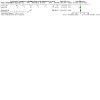
Comparison 9: Non‐antimicrobial‐impregnated catheters versus antimicrobial‐impregnated catheters, Outcome 8: PICC dwell time
Other safety endpoints ‐ skin reaction
No data were reported for this intervention.
Subgroup analysis: age (paediatric versus adult)
No data were reported for this intervention.
Discussion
The primary goal of this review was to compare the effects of different PICC material and designs on catheter complications. PICCs are frequently complicated by mechanical and infectious complications. These complications increase medical costs, prolong hospital stay, and contribute to treatment delays (Al‐Asadi 2019; Ullman 2022b). We included 12 RCTs of catheter design or material interventions for hospitalised patients in this review. The evidence suggests that uncertainty remains around the benefits versus harms of PICC material and design options. The findings of this review demonstrate that there is limited evidence to support the use of specific PICC material or design innovations in practice.
Summary of main results
We included 12 studies with approximately 2913 participants in the review: five studies compared no valve versus integrated valve technology; three studies compared distal valve technology versus proximal valve technology; two studies compared distal valve technology versus proximal valve technology with PASV; one study compared proximal valve technology versus proximal valve technology with PASV; three studies compared tapered catheter versus non‐tapered catheter; three studies compared silicone catheter versus polyurethane catheter; four studies compared closed‐ (distal side splits) versus open‐end tip catheters; two studies compared catheters without surface modification versus anti‐thrombogenic surface‐modified catheters; and three studies compared non‐antimicrobial‐impregnated catheters versus antimicrobial‐impregnated catheters.
There were substantial variations in intervention and control groups and outcome measures in the trials, which limited our ability to combine findings. The included trials were mainly undertaken in middle‐ or high‐income countries. Overall, we judged the certainty of the evidence as very low, with the exception of evidence from some comparisons that was assessed as low or moderate certainty.
Primary outcomes
There may be little difference in the incidence of VTE in PICCs with integrated valve technology (data from 437 participants) when compared with no valve. We are uncertain whether use of anti‐thrombogenic surface‐modified catheters (257 participants) or antimicrobial‐impregnated catheters (data from 167 participants) reduces VTE risk in hospitalised patients. We are uncertain whether integrated valve technology (data from 257 participants), anti‐thrombogenic surface modification (data from 257 participants), or antimicrobial impregnation (data from 167 participants) reduces PICC‐associated BSI risk when compared with catheters without these innovations. Integrated valve technology may make little or no difference to occlusion risk (data from 900 participants) when compared to catheters with no valve technology. We are uncertain whether use of anti‐thrombogenic surface‐modified catheters reduces occlusion risk (data from 257 participants), while antimicrobial‐impregnated catheters probably make little or no difference to occlusion risk (data from 1025 participants) when compared to catheters without modification or impregnation. We are uncertain whether use of integrated valve technology (data from 473 participants) or anti‐thrombogenic surface‐modified catheters (data from 111 participants) reduces all‐cause mortality risk. Use of antimicrobial‐impregnated catheters probably makes little or no difference to all‐cause mortality (data from 1082 participants).
Secondary outcomes
Use of integrated valve technology (data from 720 participants), anti‐thrombogenic surface‐modified catheters (data from 257 participants), or antimicrobial‐impregnated catheters (data from 221 participants) may make little or no difference to risk of catheter failure. We are uncertain whether use of integrated valve technology (data from 542 participants) or anti‐thrombogenic surface‐modified catheters (data from 111 participants) reduces PICC‐related BSI risk. Use of antimicrobial‐impregnated catheters probably makes little or no difference to PICC‐related BSI risk (data from 1082 participants). We are uncertain whether use of integrated valve technology (data from 799 participants) or anti‐thrombogenic surface‐modified catheters reduces catheter breakage risk (data from 257 participants). Antimicrobial‐impregnated catheters may make little or no difference to risk of catheter breakage (data from 804 participants).
Contextual factors such as the setting and focus on the intervention may play a role in defining the applicability of the evidence. The methodological quality of the included studies was variable, and we performed sensitivity analysis to assess the effects of study design and quality on our primary outcomes. When studies were excluded due to i) early termination or ii) randomising PICCs, no change in intervention effect was seen across review outcomes. Only one study included children (Kleidon 2018). Not all studies provided sufficient data for inclusion in the meta‐analysis. Subgroup analysis was useful for investigating participant age. However, data were limited for most outcomes across the review, thus limiting conclusions from these subgroup analyses.
In this healthcare era, technology is being rapidly designed. New catheter innovations are emerging into the market often before the health service and researcher have the capacity to evaluate the benefit or harm of the product (Ullman 2022a). As a result, studies are often of poor quality or include small sample sizes, making the drawing of definitive conclusions challenging. In this review we found low certainty evidence that catheter failure may be reduced through the use of open‐ended tips or proximal valve technology. Further, catheter breakage may be reduced through the use of proximal valve technology PICCs; however, the certainty of evidence was assessed as low. Important outcomes that require high event rates are poorly studied and impacted by inconsistent outcome definitions, which could be minimised by using international recommendations for reporting catheter care quality (Schults 2021).
The results of our review are limited due to the small number of RCTs meeting our inclusion criteria and differences in treatments tested and the control arms. The certainty of the evidence presented is in general low, and we cannot draw any strong conclusions on the benefits and harms of PICC material or design innovations for hospitalised patients.
Overall completeness and applicability of evidence
The included trials involved small numbers of participants, with variation in intervention and control groups and outcome measures, which limited our ability to combine trial findings. Given the generally small sample size of the included trials, caution is advised in interpreting the evidence presented in this review. Further studies with larger sample sizes are needed to permit definitive conclusions. Future trials need to consider the role of catheter materials in ensuring the longevity of the catheter while reducing harmful adverse events such as BSI or VTE. Moreover, specific studies comparing antimicrobial and antithrombogenic PICC material in high‐risk patient populations (e.g. patients with chronic disease) are urgently needed to clarify how reduced risk of catheter failure can be achieved to optimise the course of intravenous therapy and patient health outcomes. These data are needed to inform policy and consumer (and caregiver) decision‐making in the context of device selection and appropriate catheter use for individual patient circumstance. Finally, the number of catheter lumens and the impact on complication occurrence may be explored in future review updates.
Our review has limitations. Firstly, we did not identify reports of rare adverse events in the included studies. This may inform catheter selection in clinical practice, and therefore such decisions should be guided by the treating medical team. Secondly, attempts to obtain unpublished data via contact with study authors were largely unsuccessful and may introduce publication bias.
Quality of the evidence
Overall, we judged the certainty of the evidence as very low, with the exception of evidence from some comparisons that was assessed as low or moderate certainty (see Table 1; Table 2; Table 3). The major reasons for downgrading the certainty of the evidence were related to risk of bias and imprecision. Methodological limitations included unclear randomisation methods and allocation concealment, as well as lack of outcome assessor blinding and, as anticipated, a lack of participant blinding. Based on the available data, four studies did not adequately report random sequence generation (Hoffer 1999; Johnston 2012; Pittiruti 2014; Sheretz 1997), or allocation concealment (Hoffer 1999; Hoffer 2001; Johnston 2012; Pittiruti 2014), putting them at risk of selection bias. We assessed no studies as at overall low risk of bias. We also downgraded the certainty of the evidence for imprecision of effect estimates due to the small numbers of studies with limited participants contributing to some outcomes (these studies had a total number of participants less than 400), and for inconsistency of the results (due to wide CIs across analyses). Statistical heterogeneity impacted subgroup analyses and our ability to answer subgroup review questions. There is a need for high‐quality studies with larger sample sizes to assess the effects of PICC material and design for hospitalised patients in clinical settings including outpatient clinics. The available evidence is not of sufficient certainty to draw robust conclusions for the outcomes evaluated in this review regarding the use of PICC material and design to prevent PICC complications and failure.
Potential biases in the review process
An extensive literature search was performed by Cochrane Vascular, and later repeated by the University of Queensland librarians. Two review authors independently determined study eligibility, and two review authors independently extracted data and performed quality assessment in order to reduce bias and subjectivity. There were no significant disagreements during the review process. We included only randomised clinical trials in our review. We are confident that all potential sources of data included in this review were carefully cross‐checked and vetted.
Agreements and disagreements with other studies or reviews
To date, limited published RCTs have directly evaluated the effectiveness of different PICC materials and designs and compared these catheter innovations with conventional PICC design and materials to prevent complication and PICC failure. Despite this, consumers report this as an important quality and safety issue (Schults 2022; Ullman 2023).
Previous meta‐analyses have shown similar ineffectiveness, or no evidence of effectiveness, when including all central venous catheter types, not just PICCs (Slaughter 2020), with meta‐analysis demonstrating that neither catheter material nor design alone or in combination had a significant impact on thrombosis risk. Results from recent observational studies in the USA also suggest that antimicrobial and antithrombogenic PICCs use is not associated with a reduction in major catheter complications (Ullman 2022a). However, when considering BSI, a 2015 systematic review found that antimicrobial PICCs were in fact associated with a significant reduction in central‐line‐associated BSI (Kramer 2015). This finding was supported by a pre‐/post‐implementation study from Northwest Indiana (DeVries 2021), which found that implementation of an antimicrobial PICC quality improvement project reduced baseline BSI rate of 1.83/1000 PICC days to 0.162/1000 PICC days (91.15% reduction, P < 0.001).
Authors' conclusions
Implications for practice.
Twelve studies involving 2913 participants compared peripherally inserted central catheter (PICC) material and design interventions in hospitalised patients. We found there may be little or no difference between groups for our primary and secondary outcomes. There is some low certainty evidence that use of proximal compared to distal valved PICCs may reduce catheter failure and breakage, and that use of open‐ versus closed‐ended PICCs may reduce catheter failure and breakage. Clinical application of PICC material and designs should be determined in each case after considering the advantages and disadvantages of each product and indication for vascular access device. The certainty of evidence varied from moderate to very low across studies, with almost all evidence subject to some limitations.
Implications for research.
An important finding of this review is in regard to the quality of included trials. It is important that future trials present more detailed descriptions of the randomisation process and provide information about blinded outcome assessors and sample size calculations. Given that small sample size and few events was an important limitation across studies included in the review, larger sample sizes are needed in future clinical trials. In addition, standardised outcome measurement (e.g. adverse events and pain) and time points should be used to enable data pooling alongside complete reporting of outcomes with appropriate measures of variance. There remains a need for studies exploring comparisons of products now being widely consumed in practice, such as antithrombogenic and antimicrobial PICCs. Such studies must have high‐quality methods and large sample sizes.
History
Protocol first published: Issue 7, 2019
Notes
Parts of the methods section of this protocol are based on a standard template established by Cochrane Vascular.
Acknowledgements
The authors would like to thank Cochrane Vascular for their initial assistance in preparing this review protocol. We would also like to acknowledge Jason Schoutrop for his contribution in conceptualising the review question, and health librarians Natalie Barker and Greta Vos for conducting search updates.
Editorial and peer‐reviewer contributions
Cochrane Central Editorial Service supported the authors in the development of this review. The following people conducted the editorial process for this article:
Sign‐off Editor (final editorial decision): Dru Riddle, Center for Translational Research, School of Nurse Anesthesia, Texas Christian University;
Managing Editor (selected peer reviewers, provided editorial guidance to authors, edited the article): Anne‐Marie Stephani and Jessica Thomas, Cochrane Central Editorial Service;
Editorial Assistant (conducted editorial policy checks, collated peer‐reviewer comments, and supported the editorial team): Sara Hales‐Brittain, Cochrane Central Editorial Service;
Copy Editor (copy editing and production): Lisa Winer, Cochrane Central Production Service;
Peer reviewers (provided comments and recommended an editorial decision): Knut Taxbro, MD, PhD (clinical/content review); Dr Kareem Hussein Consultant Anaesthesiologist, Our Lady of Lourdes Hospital, Drogheda, Ireland (clinical/content review); Munzer Naima (consumer review); Nuala Livingstone, Cochrane Evidence Production and Methods Directorate (methods review); Jo Platt, Central Editorial Information Specialist (search review).
Appendices
Appendix 1. Sources searched and search strategies
| Source | Search strategy | Hits retrieved |
| 1. VASCULAR REGISTER IN CRSW (Date of most recent search: 26 October 2021)* |
#1 catheter* AND INREGISTER AND 01/01/2019_TO_26/01/2021:CRSCREATED #2 Peripheral* AND INREGISTER AND 01/01/2019_TO_26/01/2021:CRSCREATED #3 #1 AND #2 |
July 2019: 124 Jan 2021: 169 Oct 2021: 22 |
| 2. CENTRAL via CRSO (Date of most recent search: 26 October 2021) |
#1 MESH DESCRIPTOR Catheterization, Central Venous EXPLODE ALL TREES 762 #2 MESH DESCRIPTOR Catheterization, Peripheral EXPLODE ALL TREES 867 #3 MESH DESCRIPTOR Central Venous Catheters EXPLODE ALL TREES 103 #4 PICC*:TI,AB,KY 441 #5 (Peripherally inserted central venous catheter*):TI,AB,KY 132 #6 (PIC line):TI,AB,KY 2 #7 (percutaneous indwelling central catheter*):TI,AB,KY 0 #8 (Peripherally inserted central catheter*):TI,AB,KY 214 #9 #1 OR #2 OR #3 OR #4 OR #5 OR #6 OR #7 OR #8 2020 #10 MESH DESCRIPTOR Equipment Design EXPLODE ALL TREES 8042 #11 MESH DESCRIPTOR POLYURETHANES EXPLODE ALL TREES 420 #12 MESH DESCRIPTOR SILICONES EXPLODE ALL TREES 974 #13 antimicrobial‐impregnated:TI,AB,KY 27 #14 (Antiseptic coated):TI,AB,KY 17 #15 bonding:TI,AB,KY 2823 #16 (catheter wall):TI,AB,KY 0 #17 (Chemical bonded):TI,AB,KY 0 #18 Clamp:TI,AB,KY 4351 #19 coating:TI,AB,KY 1542 #20 design*:TI,AB,KY 231970 #21 flexibil*:TI,AB,KY 3869 #22 impregnat*:TI,AB,KY 1032 #23 (injectable pressure):TI,AB,KY 0 #24 (injection pressure*):TI,AB,KY 42 #25 material*:TI,AB,KY 69981 #26 mechanical:TI,AB,KY 18544 #27 nonstick:TI,AB,KY 2 #28 non‐stick:TI,AB,KY 6 #29 non‐valved:TI,AB,KY 16 #30 polymer:TI,AB,KY 1901 #31 polyurethane:TI,AB,KY 505 #32 (Power injectable):TI,AB,KY 9 #33 rigid*:TI,AB,KY 4377 #34 silicone:TI,AB,KY 2317 #35 stretch*:TI,AB,KY 5243 #36 (surface modif*):TI,AB,KY 132 #37 valve:TI,AB,KY 7285 #38 valved:TI,AB,KY 155 #39 (compare adj2 complications):TI,AB,KY 269 #40 #10 OR #11 OR #12 OR #13 OR #14 OR #15 OR #16 OR #17 OR #18 OR #19 OR #20 OR #21 OR #22 OR #23 OR #24 OR #25 OR #26 OR #27 OR #28 OR #29 OR #30 OR #31 OR #32 OR #33 OR #34 OR #35 OR #36 OR #37 OR #38 OR #39 322408 #41 #9 AND #40 854 |
July 2019: 854 Jan 2021: 141 Oct 2021: 35 May 2023: 78 |
| 3. Clinicaltrials.gov (Date of most recent search: 16 May 2023) |
[INTERVENTION]Peripherally inserted central catheter OR Peripheral Catheterization OR Peripherally inserted central venous catheter OR Central Venous Catheter OR PICC | [OTHER TERMS] Equipment Design OR POLYURETHANE OR SILICONES OR antimicrobial impregnated OR Antiseptic coated OR polymer OR rigid OR stretch OR valve OR design OR bonding OR coating OR Clamp OR flexible OR material OR non stick OR mechanical | July 2019: 139 Jan 2021: 32 Oct 2021: 15 May 2023: 32 |
| 4. ICTRP Search Portal (Date of most recent search: 16 May 2023) |
[INTERVENTION]Peripherally inserted central catheter OR Peripheral Catheterization OR Peripherally inserted central venous catheter OR Central Venous Catheter OR PICC | [OTHER TERMS] Equipment Design OR POLYURETHANE OR SILICONES OR antimicrobial impregnated OR Antiseptic coated OR polymer OR rigid OR stretch OR valve OR design OR bonding OR coating OR Clamp OR flexible OR material OR non stick OR mechanical | July 2019: 11 Jan 2021: Oct 2021: 3 16 May 2023: 4 |
| 5. Medline (Ovid MEDLINE® Epub Ahead of Print, In‐Process & Other Non‐Indexed Citations, Ovid MEDLINE® Daily and Ovid MEDLINE®) 1946 to present (Date of most recent search: 16 May 2023) |
1 exp Catheterization, Central Venous/ 2 exp Catheterization, Peripheral/ 3 exp Central Venous Catheters/ 4 PICC*.ti,ab. 5 "Peripherally inserted central venous catheter*".ti,ab. 6 "PIC line".ti,ab. 7 "percutaneous indwelling central catheter*".ti,ab. 8 "Peripherally inserted central catheter*".ti,ab. 9 or/1‐8 10 exp Equipment Design/ 11 exp POLYURETHANES/ 12 exp SILICONES/ 13 "antimicrobial‐impregnated ".ti,ab. 14 "Antiseptic coated".ti,ab. 15 bonding.ti,ab. 16 "catheter wall".ti,ab. 17 "Chemical bonded".ti,ab. 18 Clamp.ti,ab. 19 coating.ti,ab. 20 design*.ti,ab. 21 flexibil*.ti,ab. 22 impregnat*.ti,ab. 23 "injectable pressure*".ti,ab. 24 "injection pressure*".ti,ab. 25 material*.ti,ab. 26 mechanical.ti,ab. 27 micropattern.ti,ab. 28 nonstick.ti,ab. 29 non‐stick.ti,ab. 30 non‐valved.ti,ab. 31 polymer.ti,ab. 32 polyurethane.ti,ab. 33 "Power injectable".ti,ab. 34 rigid*.ti,ab. 35 silicone.ti,ab. 36 stretch*.ti,ab. 37 "surface modif*".ti,ab. 38 valve.ti,ab. 39 valved.ti,ab. 40 (compare adj2 complications).ti,ab. 41 or/10‐40 42 9 and 41 43 randomized controlled trial.pt. 44 controlled clinical trial.pt. 45 randomized.ab. 46 placebo.ab. 47 drug therapy.fs. 48 randomly.ab. 49 trial.ab. 50 groups.ab. 51 or/43‐50 52 exp animals/ not humans.sh. 53 51 not 52 54 42 and 53 |
July 2019: 1910 Jan 2021: 280 Oct 2021: 105 May 2023: 88 |
| 6. EMBASE via OVID (Date of most recent search: 16 May 2023) |
1 exp central venous catheterization/ 2 exp central venous catheter/ 3 PICC*.ti,ab. 4 "Peripherally inserted central venous catheter*".ti,ab. 5 "PIC line".ti,ab. 6 "percutaneous indwelling central catheter*".ti,ab. 7 "Peripherally inserted central catheter*".ti,ab. 8 or/1‐7 9 exp equipment design/ 10 exp polyurethan/ 11 exp silicone derivative/ 12 "antimicrobial‐impregnated ".ti,ab. 13 "Antiseptic coated".ti,ab. 14 bonding.ti,ab. 15 "catheter wall".ti,ab. 16 "Chemical bonded".ti,ab. 17 Clamp.ti,ab. 18 coating.ti,ab. 19 design*.ti,ab. 20 flexibil*.ti,ab. 21 impregnat*.ti,ab. 22 "injectable pressure*".ti,ab. 23 "injection pressure*".ti,ab. 24 material*.ti,ab. 25 mechanical.ti,ab. 26 micropattern.ti,ab. 27 nonstick.ti,ab. 28 non‐stick.ti,ab. 29 non‐valved.ti,ab. 30 polymer.ti,ab. 31 polyurethane.ti,ab. 32 "Power injectable".ti,ab. 33 rigid*.ti,ab. 34 silicone.ti,ab. 35 stretch*.ti,ab. 36 "surface modif*".ti,ab. 37 valve.ti,ab. 38 valved.ti,ab. 39 (compare adj2 complications).ti,ab. 40 or/9‐39 41 8 and 40 42 randomized controlled trial/ 43 controlled clinical trial/ 44 random$.ti,ab. 45 randomization/ 46 intermethod comparison/ 47 placebo.ti,ab. 48 (compare or compared or comparison).ti. 49 ((evaluated or evaluate or evaluating or assessed or assess) and (compare or compared or comparing or comparison)).ab. 50 (open adj label).ti,ab. 51 ((double or single or doubly or singly) adj (blind or blinded or blindly)).ti,ab. 52 double blind procedure/ 53 parallel group$1.ti,ab. 54 (crossover or cross over).ti,ab. 55 ((assign$ or match or matched or allocation) adj5 (alternate or group$1 or intervention$1 or patient$1 or subject$1 or participant$1)).ti,ab. 56 (assigned or allocated).ti,ab. 57 (controlled adj7 (study or design or trial)).ti,ab. 58 (volunteer or volunteers).ti,ab. 59 trial.ti. 60 or/42‐59 61 41 and 60 |
July 2019: 2114 Jan 2021: 474 Oct 2021: 228 May 2023: 465 |
| 7. CINAHL via EBSCO (Date of most recent search: 16 May 2023) |
S58 S42 AND S57 S57 S43 OR S44 OR S45 OR S46 OR S47 OR S48 OR S49 OR S50 OR S51 OR S52 OR S53 OR S54 OR S55 OR S56 S56 MH "Random Assignment" S55 MH "Triple‐Blind Studies" S54 MH "Double‐Blind Studies" S53 MH "Single‐Blind Studies" S52 MH "Crossover Design" S51 MH "Factorial Design" S50 MH "Placebos" S49 MH "Clinical Trials" S48 TX "multi‐centre study" OR "multi‐center study" OR "multicentre study" OR "multicenter study" OR "multi‐site study" S47 TX crossover OR "cross‐over" S46 AB placebo* S45 TX random* S44 TX trial* S43 TX "latin square" S42 S9 AND S41 S41 S10 OR S11 OR S12 OR S13 OR S14 OR S15 OR S16 OR S17 OR S18 OR S19 OR S20 OR S21 OR S22 OR S23 OR S24 OR S25 OR S26 OR S27 OR S28 OR S29 OR S30 OR S31 OR S32 OR S33 OR S34 OR S35 OR S36 OR S37 OR S38 OR S39 OR S40 S40 TX compare N2 complications S39 TX valved S38 TX valve S37 TX surface modif* S36 TX stretch* S35 TX silicone S34 TX rigid* S33 TX Power injectable S32 TX polyurethane S31 TX polymer S30 TX non‐valved S29 TX non‐stick S28 TX nonstick S27 TX micropattern S26 TX mechanical S25 TX material* S24 TX injection pressure* S23 TX injectable pressure* S22 TX impregnat* S21 TX flexibil* S20 TX design* S19 TX coating S18 TX Clamp S17 TX Chemical bonded S16 TX catheter wall S15 TX bonding S14 TX Antiseptic coated S13 TX antimicrobial‐impregnated S12 (MH "Silicones+") S11 (MH "Polyurethanes") S10 (MH "Equipment Design+") S9 S1 OR S2 OR S3 OR S4 OR S5 OR S6 OR S7 OR S8 S8 TX Peripherally inserted central catheter* S7 TX percutaneous indwelling central catheter* S6 TX PIC line S5 TX Peripherally inserted central venous catheter* S4 TX PICC* S3 (MH "Central Venous Catheters+") S2 (MH "Catheterization, Peripheral+") S1 (MH "Catheterization, Central Venous+") |
July 2019: 834 Jan 2021: 149 Oct 2021: 47 May 2023: 788 |
| TOTAL before de‐duplication | July 2019: 5986 Jan 2021: 1245 Oct 2021: 455 May 2023: 1451 |
|
| TOTAL after de‐duplication | July 2019: 4215 Jan 2021: 1039 Oct 2021: 391 May 2023: 1366 |
|
| *Due to the Cochrane Vascular Group no longer being active (https://www.cochrane.org/about‐us/our‐global‐community/review‐groups) searches could not be updated/rerun by the Cochrane Vascular Information Specialist and the Specialised Register is no longer maintained | ||
Data and analyses
Comparison 1. No valve versus integrated valve technology.
| Outcome or subgroup title | No. of studies | No. of participants | Statistical method | Effect size |
|---|---|---|---|---|
| 1.1 Venous thromboembolism | 3 | 437 | Risk Ratio (IV, Random, 95% CI) | 0.71 [0.19, 2.63] |
| 1.2 Venous thromboembolism (subgroup analysis ‐ age) | 3 | Risk Ratio (IV, Random, 95% CI) | Subtotals only | |
| 1.2.1 Paediatric patients | 1 | 146 | Risk Ratio (IV, Random, 95% CI) | 0.41 [0.08, 2.05] |
| 1.2.2 Adult patients | 2 | 291 | Risk Ratio (IV, Random, 95% CI) | 2.09 [0.22, 19.81] |
| 1.3 Venous thromboembolism (sensitivity analysis) | 2 | 257 | Risk Ratio (IV, Random, 95% CI) | 0.67 [0.13, 3.54] |
| 1.4 PICC‐associated BSI | 2 | 257 | Risk Ratio (IV, Random, 95% CI) | 0.20 [0.01, 4.00] |
| 1.5 Occlusion | 5 | 900 | Risk Ratio (IV, Random, 95% CI) | 0.86 [0.53, 1.38] |
| 1.6 Occlusion (subgroup analyses ‐ age) | 5 | Risk Ratio (IV, Random, 95% CI) | Subtotals only | |
| 1.6.1 Paediatric patients | 1 | 146 | Risk Ratio (IV, Random, 95% CI) | 0.21 [0.02, 1.72] |
| 1.6.2 Adult patients | 4 | 754 | Risk Ratio (IV, Random, 95% CI) | 0.92 [0.57, 1.50] |
| 1.7 Occlusion (sensitivity analyses) | 5 | Risk Ratio (IV, Random, 95% CI) | Subtotals only | |
| 1.7.1 Patient unit of randomisation | 4 | 538 | Risk Ratio (IV, Random, 95% CI) | 0.87 [0.51, 1.49] |
| 1.7.2 Not terminated early | 3 | 619 | Risk Ratio (IV, Random, 95% CI) | 0.71 [0.18, 2.91] |
| 1.8 All‐cause mortality | 2 | 473 | Risk Ratio (IV, Random, 95% CI) | 0.85 [0.44, 1.64] |
| 1.9 Catheter failure | 4 | 720 | Risk Ratio (IV, Random, 95% CI) | 0.80 [0.62, 1.03] |
| 1.10 Catheter failure (sensitivity analyses) | 3 | 716 | Risk Ratio (IV, Random, 95% CI) | 0.76 [0.53, 1.09] |
| 1.10.1 Patient unit of randomisation | 3 | 358 | Risk Ratio (IV, Random, 95% CI) | 0.76 [0.46, 1.27] |
| 1.10.2 Not terminated early | 3 | 358 | Risk Ratio (IV, Random, 95% CI) | 0.76 [0.46, 1.27] |
| 1.11 Incidence of PICC‐related BSI | 2 | 542 | Risk Ratio (IV, Random, 95% CI) | 0.51 [0.19, 1.32] |
| 1.12 Catheter breakage | 4 | 799 | Risk Ratio (IV, Random, 95% CI) | 1.05 [0.22, 5.06] |
| 1.13 Catheter breakage (sensitivity analyses) | 4 | Risk Ratio (IV, Random, 95% CI) | Subtotals only | |
| 1.13.1 Patient unit of randomisation | 3 | 437 | Risk Ratio (IV, Random, 95% CI) | 0.71 [0.03, 15.65] |
| 1.13.2 Not terminated early | 3 | 619 | Risk Ratio (IV, Random, 95% CI) | 0.64 [0.07, 5.84] |
| 1.14 PICC dwell time | 2 | 463 | Mean Difference (IV, Fixed, 95% CI) | ‐0.90 [‐4.39, 2.59] |
| 1.15 Skin reaction | 1 | 111 | Risk Ratio (IV, Random, 95% CI) | 2.95 [0.12, 70.82] |
Comparison 2. Distal valve technology versus proximal valve technology.
| Outcome or subgroup title | No. of studies | No. of participants | Statistical method | Effect size |
|---|---|---|---|---|
| 2.1 PICC‐associated BSI | 1 | 393 | Risk Ratio (IV, Random, 95% CI) | 0.39 [0.08, 1.99] |
| 2.2 Occlusion | 3 | 560 | Risk Ratio (IV, Random, 95% CI) | 0.79 [0.51, 1.22] |
| 2.3 All‐cause mortality | 1 | 100 | Risk Ratio (IV, Random, 95% CI) | 1.23 [0.29, 5.22] |
| 2.4 Catheter failure | 2 | 492 | Risk Ratio (IV, Random, 95% CI) | 0.54 [0.42, 0.70] |
| 2.5 PICC‐related BSI | 1 | 100 | Risk Ratio (IV, Random, 95% CI) | 0.31 [0.01, 7.39] |
| 2.6 Catheter breakage | 2 | 492 | Risk Ratio (IV, Random, 95% CI) | 0.21 [0.05, 0.84] |
| 2.7 PICC dwell time | 1 | 67 | Mean Difference (IV, Fixed, 95% CI) | ‐4.00 [‐8.20, 0.20] |
Comparison 3. Distal valve technology versus proximal valve technology with PASV.
| Outcome or subgroup title | No. of studies | No. of participants | Statistical method | Effect size |
|---|---|---|---|---|
| 3.1 PICC‐associated BSI | 1 | 392 | Risk Ratio (IV, Random, 95% CI) | 0.39 [0.08, 2.00] |
| 3.2 Occlusion | 2 | 459 | Risk Ratio (IV, Random, 95% CI) | 0.77 [0.49, 1.20] |
| 3.3 Catheter failure | 1 | 392 | Risk Ratio (IV, Random, 95% CI) | 0.56 [0.42, 0.73] |
| 3.4 Catheter breakage | 1 | 392 | Risk Ratio (IV, Random, 95% CI) | 0.28 [0.06, 1.33] |
| 3.5 PICC dwell time | 1 | 67 | Mean Difference (IV, Fixed, 95% CI) | ‐4.00 [‐8.20, 0.20] |
Comparison 4. Proximal valve technology versus proximal valve technology with PASV.
| Outcome or subgroup title | No. of studies | No. of participants | Statistical method | Effect size |
|---|---|---|---|---|
| 4.1 Venous thromboembolism | 1 | 121 | Risk Ratio (IV, Random, 95% CI) | 3.05 [0.13, 73.40] |
| 4.2 Occlusion | 1 | 121 | Risk Ratio (IV, Random, 95% CI) | 0.25 [0.03, 2.21] |
| 4.3 Catheter breakage | 1 | 121 | Risk Ratio (IV, Random, 95% CI) | 0.15 [0.01, 2.75] |
Comparison 5. Non‐tapered catheter versus tapered catheter.
| Outcome or subgroup title | No. of studies | No. of participants | Statistical method | Effect size |
|---|---|---|---|---|
| 5.1 Venous thromboembolism | 2 | 511 | Risk Ratio (IV, Random, 95% CI) | 0.82 [0.30, 2.26] |
| 5.2 Occlusion | 3 | 613 | Risk Ratio (IV, Random, 95% CI) | 1.08 [0.64, 1.83] |
| 5.3 All‐cause mortality | 1 | 332 | Risk Ratio (IV, Random, 95% CI) | 1.30 [0.46, 3.67] |
| 5.4 Catheter breakage | 1 | 180 | Risk Ratio (IV, Random, 95% CI) | 13.55 [0.71, 258.15] |
| 5.5 PICC dwell time | 1 | 101 | Mean Difference (IV, Fixed, 95% CI) | ‐0.48 [‐4.58, 3.62] |
Comparison 6. Silicone versus polyurethane catheter.
| Outcome or subgroup title | No. of studies | No. of participants | Statistical method | Effect size |
|---|---|---|---|---|
| 6.1 PICC‐associated BSI | 1 | 392 | Risk Ratio (IV, Random, 95% CI) | 0.39 [0.08, 2.00] |
| 6.2 Occlusion | 3 | 518 | Risk Ratio (IV, Random, 95% CI) | 0.86 [0.58, 1.27] |
| 6.3 Occlusion ‐ sensitivity analysis | 2 | 126 | Risk Ratio (IV, Random, 95% CI) | 0.92 [0.50, 1.67] |
| 6.4 Catheter failure | 3 | 518 | Risk Ratio (IV, Random, 95% CI) | 0.56 [0.42, 0.73] |
| 6.5 Catheter failure ‐ sensitivity analysis | 2 | 126 | Risk Ratio (IV, Random, 95% CI) | 0.44 [0.08, 2.50] |
| 6.6 Catheter breakage | 2 | 417 | Risk Ratio (IV, Random, 95% CI) | 0.28 [0.06, 1.33] |
| 6.7 PICC dwell time | 1 | 101 | Mean Difference (IV, Fixed, 95% CI) | ‐2.74 [‐6.74, 1.26] |
Comparison 7. Closed‐ versus open‐end tip.
| Outcome or subgroup title | No. of studies | No. of participants | Statistical method | Effect size |
|---|---|---|---|---|
| 7.1 PICC‐associated BSI | 1 | 392 | Risk Ratio (IV, Random, 95% CI) | 0.28 [0.06, 1.33] |
| 7.2 Occlusion | 4 | 618 | Risk Ratio (IV, Random, 95% CI) | 0.88 [0.59, 1.29] |
| 7.3 Occlusion ‐ sensitivity analysis | 2 | 126 | Risk Ratio (IV, Random, 95% CI) | 0.92 [0.50, 1.67] |
| 7.4 All‐cause mortality | 1 | 100 | Risk Ratio (IV, Random, 95% CI) | 1.23 [0.29, 5.22] |
| 7.5 Catheter failure | 3 | 517 | Risk Ratio (IV, Random, 95% CI) | 0.54 [0.42, 0.70] |
| 7.6 Catheter breakage | 3 | 517 | Risk Ratio (IV, Random, 95% CI) | 0.21 [0.05, 0.84] |
| 7.7 PICC dwell time | 1 | 101 | Mean Difference (IV, Fixed, 95% CI) | ‐2.74 [‐6.74, 1.26] |
Comparison 8. Anti‐thrombogenic surface modification versus non‐anti‐thrombogenic surface modification.
| Outcome or subgroup title | No. of studies | No. of participants | Statistical method | Effect size |
|---|---|---|---|---|
| 8.1 Venous thromboembolism | 2 | 257 | Risk Ratio (IV, Random, 95% CI) | 0.67 [0.13, 3.54] |
| 8.2 Venous thromboembolism (subgroup analysis ‐ age) | 2 | Risk Ratio (IV, Random, 95% CI) | Subtotals only | |
| 8.2.1 Paediatric patients | 1 | 146 | Risk Ratio (IV, Random, 95% CI) | 0.41 [0.08, 2.05] |
| 8.2.2 Adult patients | 1 | 111 | Risk Ratio (IV, Random, 95% CI) | 2.95 [0.12, 70.82] |
| 8.3 PICC‐associated BSI | 2 | 257 | Risk Ratio (IV, Random, 95% CI) | 0.20 [0.01, 4.00] |
| 8.4 Occlusion | 2 | 257 | Risk Ratio (IV, Random, 95% CI) | 0.69 [0.04, 11.22] |
| 8.5 Occlusion (subgroup analysis ‐ age) | 2 | Risk Ratio (IV, Random, 95% CI) | Subtotals only | |
| 8.5.1 Paediatric patients | 1 | 146 | Risk Ratio (IV, Random, 95% CI) | 0.21 [0.02, 1.72] |
| 8.5.2 Adult patients | 1 | 111 | Risk Ratio (IV, Random, 95% CI) | 2.95 [0.32, 27.47] |
| 8.6 Catheter failure | 2 | 257 | Risk Ratio (IV, Random, 95% CI) | 0.76 [0.37, 1.54] |
| 8.7 Catheter failure (subgroup analysis ‐ age) | 2 | Risk Ratio (IV, Random, 95% CI) | Subtotals only | |
| 8.7.1 Paediatric patients | 1 | 146 | Risk Ratio (IV, Random, 95% CI) | 0.51 [0.23, 1.13] |
| 8.7.2 Adult patients | 1 | 111 | Risk Ratio (IV, Random, 95% CI) | 1.06 [0.53, 2.12] |
| 8.8 Catheter breakage | 2 | 257 | Risk Ratio (IV, Random, 95% CI) | 0.15 [0.01, 2.79] |
| 8.9 Skin reaction | 1 | 111 | Risk Ratio (IV, Random, 95% CI) | 2.95 [0.12, 70.82] |
Comparison 9. Non‐antimicrobial‐impregnated catheters versus antimicrobial‐impregnated catheters.
| Outcome or subgroup title | No. of studies | No. of participants | Statistical method | Effect size |
|---|---|---|---|---|
| 9.1 Venous thromboembolism | 1 | 167 | Risk Ratio (IV, Random, 95% CI) | 0.54 [0.05, 5.88] |
| 9.2 PICC‐associated BSI | 1 | 167 | Risk Ratio (IV, Random, 95% CI) | 2.18 [0.20, 23.53] |
| 9.3 Occlusion | 2 | 1025 | Risk Ratio (IV, Random, 95% CI) | 1.00 [0.57, 1.74] |
| 9.4 All‐cause mortality | 2 | 1082 | Risk Ratio (IV, Random, 95% CI) | 1.12 [0.71, 1.75] |
| 9.5 Catheter failure | 1 | 221 | Risk Ratio (IV, Random, 95% CI) | 1.04 [0.82, 1.30] |
| 9.6 PICC‐related BSI | 2 | 1082 | Risk Ratio (IV, Random, 95% CI) | 1.05 [0.71, 1.55] |
| 9.7 Catheter breakage | 1 | 804 | Risk Ratio (IV, Random, 95% CI) | 0.86 [0.19, 3.83] |
| 9.8 PICC dwell time | 2 | 388 | Mean Difference (IV, Fixed, 95% CI) | 0.13 [‐2.17, 2.44] |
Characteristics of studies
Characteristics of included studies [ordered by study ID]
Gavin 2020.
| Study characteristics | ||
| Methods |
Study design: Single‐centre RCT Method of randomisation: Computer‐generated Concealment of allocation: Web‐based service |
|
| Participants |
Country: Australia Number: 111 participants in multiple wards or HITH (hospital in the home). Group 1: 55 PICCs. Group 2: 56 PICCs. Age: Group 1: 62 years (±16) Group 2: 59 years (±15) Sex (M/F): 54/57 Inclusion criteria: PICC inserted in department of medical imaging, length of stay > 24 h, ≥ 18 years, provided informed consent, transferred to HITH service within 24 hours of PICC insertion Exclusion criteria: Current bloodstream infection, allergy to the study product, PICC was to be inserted through diseased, burned, or scarred skin, PICC was inserted in other department/hospital, they could not provide consent without an interpreter, previous enrolment in study, had an existing central venous device including pulmonary artery catheters |
|
| Interventions |
Group 1: Arrow International ‐ power‐injectable with external clamp ‐ polyurethane ‐ 4/5 Fr ‐ single/double lumens Group 2: Navilyst Medical BioFlo PICC ‐ Endexo power‐injectable with PASV proximal valve technology ‐ polyurethane ‐ 4/5 Fr ‐ single/double lumens |
|
| Outcomes |
Primary: Feasibility was assessed as a "composite analysis of elements" including: eligibility, recruitment, retention and attrition, protocol adherence, missing data, patient and healthcare professional satisfaction. PICC failure was defined as "the following complications associated with PICC removal": i. CLABSI defined as "A laboratory confirmed BSI that is not secondary to an infection at another body site (excludes Mucosal Barrier Injury LCBSI), with PICC in place for > 2 calendar days on the day of the BSI (day of PICC placement being with PICC in place for > 2 calendar days on the day of the BSI (day of PICC placement being Day 1) and the PICC was in place on the date of the event or the day before, when all elements of LCBSI, were first present together (see CDC NHSN for full criteria) confirmed by a blinded infectious disease specialist using de‐identified clinical and microbiological data". ii. Local infection defined as "purulent phlebitis confirmed with a positive skin swab (> 15 colony forming units [cfu]) or PICC tip culture, but with negative or no blood culture, confirmed by blinded infectious disease specialist". iii. Device occlusion defined as "≥ 1 lumen cannot be flushed, aspirated, or resolved post thrombolytic dwell". iv. Venous thrombosis defined as "
v. PICC fracture or dislodgement defined as "visible split in PICC material with leakage or radiographic evidence of extravasation or infiltration into tissue, causing removal". Secondary: Phlebitis defined as "any sign of chemical, mechanical, or infective phlebitis, determined by patient complaint of pain and nurse examining PICC site". Safety endpoints defined as "local or systemic allergic reactions". PICC dwell defined as "time in days". |
|
| Notes | "Published protocol by Kleidon and colleagues defines PICC failure in further detail" Trial registration: The study was prospectively registered on the Australia and New Zealand Clinical Trials Registry: ACTRN12616001578493. The trial protocol was published a priori (Kleidon et al., Vasc Access 3:15–21, 2017). Funding source: "AngioDynamics (the BioFlo® PICC manufacturer) provided partial funds to undertake this research with an unrestricted donation to Griffith University (but not to the study authors). Queensland Health provided in kind support to fund the remainder of the trial. The funders had no role in the study design, collection, analysis, or interpretation of the data, writing of the report, or decision to submit the article for publication." |
|
| Risk of bias | ||
| Bias | Authors' judgement | Support for judgement |
| Random sequence generation (selection bias) | Low risk | Evidence: “Patients who agreed to participate were randomised via computer‐generated randomisation” p. 789 |
| Allocation concealment (selection bias) | Low risk | Evidence: “Patients…were randomised [sic] immediately before PICC insertion via a web‐based service to ensure allocation concealment” p. 789 |
| Blinding (performance bias and detection bias) All outcomes | Unclear risk | Comment: not reported |
| Blinding of participants and personnel (performance bias) All outcomes | High risk | Evidence: "It was not possible to blind the PICC inserters, patients, or healthcare professionals caring for the patients enrolled in the study" p. 795 |
| Blinding of outcome assessment (detection bias) All outcomes | Low risk | Evidence: “The infection control physician…radiologist…and data analyst were blinded to the study allocation” p. 789 |
| Incomplete outcome data (attrition bias) All outcomes | Low risk | Evidence: “No patients withdrew from the study and there were no missing data” p. 787 |
| Selective reporting (reporting bias) | Low risk | Comment: Stated outcomes were reported according to protocol |
| Other bias | Low risk |
Evidence: “AngioDynamics (the BioFlo® PICC manufacturer) provided partial funds to undertake this research with an unrestricted donation to Griffith University (but not to the study authors). Queensland Health provided in kind support to fund the remainder of the trial. The funders had no role in the study design, collection, analysis, or interpretation of the data, writing of the report, or decision to submit the article for publication” p. 796 "We followed our patients for up to of 4 weeks rather than until PICC removal. This might explain why only four incidences of occlusion resulting in PICC failure occurred" p. 795 "Another limitation was that only patients showing clinical symptoms of thrombus were referred for an ultrasound for confirmation. This may explain the low rate of PICC‐associated thrombus in this cohort. Future studies should consider routine ultrasounds as approximately two‐thirds of PICC‐associated thrombi are asymptomatic" p. 795 |
Gilbert 2019.
| Study characteristics | ||
| Methods |
Study design: Multicentre RCT Method of randomisation: Computer‐generated Concealment of allocation: Centrally controlled by external body |
|
| Participants |
Country: England, UK Number: 861 participants in 18 neonatal units. Group 1: 431 PICCs. Group 2: 430 PICCs. Age: Group 1: 3.90 days (IQR 1.90 to 6.12) Group 2: 4.12 days (IQR 2.04 to 5.93) Sex (M/F): 439/422 Inclusion criteria: All babies requiring a narrow‐gauge (French gauge 1) PICC Exclusion criteria: Previous enrolment in study, allergy to the study product |
|
| Interventions |
Group 1: Vygon Premicath PICC; standard ‐ polyurethane ‐ 1 Fr ‐ single lumen Group 2: Vygon Premistar PICC; miconazole‐ and rifampicin‐impregnated PICC ‐ polyurethane ‐ 1 Fr ‐ single lumen |
|
| Outcomes |
Primary:Time to first bloodstream infection defined as a "positive blood culture (including fungal BSI) taken between 24 hours after randomisation until 48 hours after removal". Secondary: Secondary outcomes related to infection: "the type of organism isolated from bloodstream infection..., the rate of bloodstream infection... per 1000 days with PICC, occurrence of one or more bloodstream infections, rate of catheter‐related bloodstream infection... per 1000 days with PICC, rifampicin resistance in any isolate from blood or CSF culture, rifampicin resistance in any isolate from PICC tips, and rifampicin resistance in any isolate from blood or CSF culture or from the PICC tip..." Outcomes measured to detect potential biases in sampling or treatment on the basis of knowledge of PICC allocation were as follows: rate of blood or CSF culture sampling per 1000 days with PICC, duration of antimicrobial exposure from randomisation up to 48 h after line removal, and time to PICC removal. Clinical secondary outcomes included: chronic lung disease (defined as requiring respiratory support or supplemental oxygen at 36 weeks’ postmenstrual age), necrotising enterocolitis, treatment for retinopathy of prematurity, abnormalities on cranial ultrasound, time from random allocation to full milk feeds, total duration of parenteral nutrition from random allocation until discharge from neonatal care, and death before discharge to go home from neonatal care. Death within 6 months of randomisation and time to death were recorded from linked death registration data. Adverse events, both expected and unexpected, for all babies who had a PICC successfully inserted until 48 h after PICC removal. |
|
| Notes |
Trial registration: This trial is registered with ISRCTN, number 81931394. Funding source: UK National Institute for Health Research Health Technology Assessment programme funded the study. "The funder appointed independent members to the Trial Steering Committee and Data Monitoring Committee, approved all protocol amendments, and monitored study progress against agreed milestones. The funder had no involvement in data interpretation or writing of the report." |
|
| Risk of bias | ||
| Bias | Authors' judgement | Support for judgement |
| Random sequence generation (selection bias) | Low risk | Evidence: “Participants were randomly assigned (1:1)… by use of a secure web‐based randomisation programme by the principal investigator or a delegated other individual at the site” p. 383 |
| Allocation concealment (selection bias) | Low risk | Evidence: “The randomisation programme was centrally controlled by the Clinical Trials Research Centre (University of Liverpool, Liverpool, UK) to ensure allocation concealment” p.383 |
| Blinding (performance bias and detection bias) All outcomes | Unclear risk | Comment: not reported |
| Blinding of participants and personnel (performance bias) All outcomes | High risk |
Evidence: “Masking of clinicians to PICC allocation was impractical because rifampicin caused brown staining of the antimicrobial‐impregnated PICC” p. 383 Comment: The trial co‐ordinators found "a slightly increased rate of blood culture sampling in the antimicrobial‐impregnated PICC group" p. 388 |
| Blinding of outcome assessment (detection bias) All outcomes | Low risk | Evidence: “participant inclusion in analyses and occurrence of outcome events were determined by following an analysis plan that was specified before individuals saw unblinded data” p.383 |
| Incomplete outcome data (attrition bias) All outcomes | Low risk | Evidence: “achieved almost complete follow‐up and assessment of the primary outcome” p. 388 |
| Selective reporting (reporting bias) | Low risk | Comment: Clinical trial registration (ISRCTN81931394). All outcomes reported as described in publication. |
| Other bias | Low risk |
Evidence: “The trial was funded by the UK National Institute for Health Research Technology Assessment programme" p. 390. "Intention to treat analysis" p. 387. |
Hoffer 2001.
| Study characteristics | ||
| Methods |
Study design: Single‐centre RCT Method of randomisation: Computer‐generated Concealment of allocation: Not stated |
|
| Participants |
Country: USA Number: 98 participants received 100 PICCs. Group 1: 48 PICCs. Group 2: 52 PICCs Age: 46 years Sex (M/F): 66/34 Inclusion criteria: ≥ 18 years, requires a single‐lumen upper extremity PICC Exclusion criteria: Nil additional reported. |
|
| Interventions |
Group 1: Bard Groshong PICC ‐ distal‐valved ‐ silicone ‐ 4 Fr ‐ single lumen Group 2: Catheter Innovations ‐ proximal valve with PASV technology ‐ silicone ‐ 4 Fr ‐ single lumen |
|
| Outcomes |
Primary:Catheter‐related infection was defined as "fever or elevated white blood cell count (or both) and positive blood culture from the PICC, positive PICC tip culture, or positive peripheral blood culture with no other source and clinical improvement after catheter removal". Entry site infection defined by "purulence at the site". Phlebitis was diagnosed by "local pain and a palpable cord along the vein or by positive sonographic evaluation in conjunction with erythema and oedema of the extremity". Occlusion defined as "the inability to use the catheter for the assigned therapy, administration of antibiotics in most cases. Inability to aspirate blood did not warrant thrombolysis unless the purpose of the catheter was access for blood draws". Catheter fractures "included cracks in the external shaft or hub of the catheter that resulted in leakage of infused materials. Fractures were repaired with the manufacturer’s recommended repair kits when available". |
|
| Notes |
Trial registration: Not stated Funding source: Not stated |
|
| Risk of bias | ||
| Bias | Authors' judgement | Support for judgement |
| Random sequence generation (selection bias) | Low risk | Evidence: “patients were randomized from a computer‐generated list” p. 1174 |
| Allocation concealment (selection bias) | Unclear risk | Comment: Computer generated list |
| Blinding (performance bias and detection bias) All outcomes | Unclear risk | Comment: not reported |
| Blinding of participants and personnel (performance bias) All outcomes | High risk | Evidence: “A deficiency of this study was the inability to blind the participants to the type of catheter used. This was not feasible as a result of the different physical appearance of the catheters” p. 1177 |
| Blinding of outcome assessment (detection bias) All outcomes | Unclear risk | Comment: not reported |
| Incomplete outcome data (attrition bias) All outcomes | High risk | Comment: Study wasterminated early due to catheter fractures. |
| Selective reporting (reporting bias) | Unclear risk | Comment: Published protocol not available |
| Other bias | Unclear risk | Evidence: "The high fracture incidence was an unexpected finding and led to the early termination of the study" p. 1175 |
Hoffer 1999.
| Study characteristics | ||
| Methods |
Study design: Single‐centre RCT Method of randomisation: Not reported Concealment of allocation: Not reported |
|
| Participants |
Country: USA Number: 333 participants received 365 PICCs. Group 1: 182 PICCs. Group 2: 180 PICCs Age: 46 (±16) Sex (M/F): 233/129 Inclusion criteria: ≥ 18 years, requiring a single‐lumen PICC placed in an upper extremity (placed by the hospital interventional radiology service) Exclusion criteria: Nil additional reported. |
|
| Interventions |
Group 1: Cook ‐ clamped non‐valved ‐ 5 Fr ‐ single lumen Group 2: Catheter Innovations Clampless valved PU PICC (proximal PASV) ‐ 5 Fr ‐ single lumen |
|
| Outcomes |
Primary:Catheter‐related infection was defined as "fever or elevated white blood cell count (or both) and positive blood culture from the PICC, positive PICC tip culture, or positive peripheral blood culture with no other source and clinical improvement after catheter removal". Entry site infection defined by "purulence at the site". Phlebitis was diagnosed by "local pain and a palpable cord along the vein or by positive sonographic evaluation in conjunction with erythema and oedema of the extremity". Occlusion defined as "the inability to use the catheter for the assigned therapy, administration of antibiotics in most cases. Inability to aspirate blood did not warrant thrombolysis unless the purpose of the catheter was access for blood draws". Catheter fractures "included cracks in the external shaft or hub of the catheter that resulted in leakage of infused materials. Fractures were repaired with the manufacturer’s recommended repair kits when available". |
|
| Notes |
Trial registration: Not stated Funding source: Not disclosed |
|
| Risk of bias | ||
| Bias | Authors' judgement | Support for judgement |
| Random sequence generation (selection bias) | Unclear risk | Comment: not reported |
| Allocation concealment (selection bias) | Unclear risk | Comment: not reported |
| Blinding (performance bias and detection bias) All outcomes | Unclear risk | Comment: not reported |
| Blinding of participants and personnel (performance bias) All outcomes | High risk | Evidence: “A deficiency of this study was the inability to blind the participants to the type of catheter used. This was not feasible as a result of the different physical appearance of the catheters and different flushes administered” p. 1397 |
| Blinding of outcome assessment (detection bias) All outcomes | Unclear risk | Comment: not reported |
| Incomplete outcome data (attrition bias) All outcomes | Low risk | Evidence: “Five patients were lost to follow up: two after 90 days (considered discontinued at the last date of follow up), and one each at 1, 3, and 15 days after placement (these were excluded from the study)” p.1395 |
| Selective reporting (reporting bias) | Unclear risk | Comment: Published protocol not available |
| Other bias | Unclear risk | Comment: not reported |
Itkin 2014.
| Study characteristics | ||
| Methods |
Study design: Single‐centre RCT Method of randomisation: Computer‐generated Concealment of allocation: Randomised code associated with the participant's randomised allocation was placed in participant's chart. |
|
| Participants |
Country: USA Number: 339 participants in multiple wards. Group 1: 139 PICCs, Group 2: 135 PICCs Age: Group 1: 53.9 years (±15.1) Group 2: 53.9 years (±14.3) Sex (M/F): 153/120 Inclusion criteria: Requiring PICC > 2 weeks, ≥ 18 years Exclusion criteria: Coagulopathy or thrombocytopenia, renal insufficiency, skin‐related problems around insertion site, history of mastectomy or axillary dissection at insertion site, current upper extremity or central venous thrombosis, known hypercoagulable state, prior enrolment in the study, therapy required within < 1 hour |
|
| Interventions |
Group 1: Teleflex ‐ non‐tapered ‐ 5 Fr ‐ double lumen Group 2: Bard ‐ reverse‐tapered ‐ 5 Fr ‐ double lumen |
|
| Outcomes |
Primary:Symptomatic thrombosis defined as "the presence of clinical symptoms (pain, arm swelling) and confirmation of venous thrombosis by US". Asymptomatic thrombosis defined as "the presence of clot in the accessed vein (as seen by US) without clinical signs or symptoms". Partial thrombosis defined as "the presence of clot in the vessel lumen with part of the lumen remaining patent and the presence of Doppler detectable flow". Complete thrombosis defined as "complete obliteration of the vessel lumen by clot". Ease of insertion: not reported Bleeding rate: not reported Complications: not reported |
|
| Notes |
Trial registration: Not stated Funding source: The research was funded by Teleflex Medical. One of the authors was a paid consultant for Teleflex Medical at the time of the study. Teleflex Medical clinical trials team participated in study design and some aspects of data collection. What role the funder had in data interpretation or writing of the report is not disclosed. |
|
| Risk of bias | ||
| Bias | Authors' judgement | Support for judgement |
| Random sequence generation (selection bias) | Low risk | Evidence: “Randomization within each of the above‐listed strata was computer generated in balanced blocks of four such that exactly two were randomly assigned to receive a non tapered PICC and two were randomly assigned to receive a tapered PICC in a random order that varied from block to block” p. 91e1 |
| Allocation concealment (selection bias) | Low risk | Evidence: “When anticoagulation therapy status and bacteremia status were determined, the next available randomized allocation was obtained from the randomization list for those strata. A randomization code associated with that randomized allocation was recorded into the patient’s record” p. 91e1 |
| Blinding (performance bias and detection bias) All outcomes | Unclear risk | Comment: not reported |
| Blinding of participants and personnel (performance bias) All outcomes | High risk | Comment: neither participants nor clinical personnel were blinded to allocation |
| Blinding of outcome assessment (detection bias) All outcomes | Low risk |
Evidence: "Two board‐certified radiologists interpreted the US scans independently. Both readers were blinded to the type of PICC. In case of any discrepancy, the final interpretation was achieved by consensus" p. 88 Comment: Analysis of outcomes: ease of insertion, bleeding rate and complications were unblinded |
| Incomplete outcome data (attrition bias) All outcomes | Low risk |
Evidence: “not all of the patients had US performed; this relates to hospital discharge and the difficulty in getting patients back for US scanning. The large number of patients enrolled mitigates this limitation” p.90 Comment: Each arm of the study had an attrition rate of 29 participants resulting in a 17% loss to follow up. |
| Selective reporting (reporting bias) | Unclear risk | Comment: Clinical trials registration (NCT00728819), there is no definition for outcomes ease of insertion, complications and bleeding rate. Additional outcomes reported in publication not present in protocol. |
| Other bias | High risk |
Comment: The paper reports the "research was funded by Teleflex Medical. S.O.T. is a paid consultant for Teleflex Medical" p.85 the manufacturer of one of the study products. Evidence: "Teleflex Medical clinical trials team participated in study design and some aspects of data collection. The statistical analysis was performed independently by Biomedical Statistical Consulting." p. 85 |
Johnston 2012.
| Study characteristics | ||
| Methods |
Study design: Single‐centre RCT Method of randomisation: Not reported Concealment of allocation: Not reported |
|
| Participants |
Country: UK Number: 102 participants in an ICU ward. Group 1: 34 PICCs, Group 2: 33 PICCs, Group 3: 34 PICCs Age: Group 1: 53.7 years (±18.7), Group 2: 58.5 years (±16.1), Group 3: 60.7 years (±14.9) Sex (M/F): 54/47 Inclusion criteria: ICU patients requiring PICC Exclusion criteria: Failed to consent, < 18 years, contraindication to PICC insertion |
|
| Interventions |
Group 1: Cook Turbo‐Flo PICC ‐ non‐valved ‐ polyurethane ‐ 5 Fr ‐ double lumen Group 2: Navilyst Medical Vaxcel PICC ‐ proximal valve with PASV technology ‐ polyurethane ‐ 5 Fr ‐ double lumen Group 3: Bard Groshong PICC ‐ distal valve ‐ silicone ‐ 5 Fr ‐ double lumen |
|
| Outcomes | Primary:Occlusions were "recorded and dealt with according to the following protocol. Both withdrawal occlusions and total occlusions were dealt with in the same way, and we did not distinguish between the two or document which sort had occurred". | |
| Notes |
Trial registration: Not stated Funding source: The authors received no financial support for the study. |
|
| Risk of bias | ||
| Bias | Authors' judgement | Support for judgement |
| Random sequence generation (selection bias) | Unclear risk | Comment: not reported |
| Allocation concealment (selection bias) | Unclear risk | Comment: not reported |
| Blinding (performance bias and detection bias) All outcomes | Unclear risk | Comment: not reported |
| Blinding of participants and personnel (performance bias) All outcomes | High risk | Comment: not reported |
| Blinding of outcome assessment (detection bias) All outcomes | Unclear risk | Comment: not reported |
| Incomplete outcome data (attrition bias) All outcomes | High risk |
Evidence: “The study was discontinued early after 102 patients were recruited because of four episodes of haemolysis in blood samples taken from the Navilyst PASV PICC” p.422 Comment: The study did not reach sample size calculation therefore the results are not sufficiently powered and should be interpreted with caution. |
| Selective reporting (reporting bias) | Unclear risk | Comment: Published protocol not available |
| Other bias | Unclear risk | Comment: Table 1 indicates that the groups were not balanced at baseline in regard to gender p. 423 |
Kleidon 2018.
| Study characteristics | ||
| Methods |
Study design: Single‐centre RCT Method of randomisation: Computer‐generated Concealment of allocation: Web‐based via third party to ensure allocation concealment until study entry |
|
| Participants |
Country: Australia Number: 150 participants in medical/surgical wards. Group 1: 75 PICCs; Group 2: 75 PICCs Age: Group 1: 7.5 years (±4.9); Group 2: 7.1 years (±5.1) Sex (M/F): 86/64 Inclusion criteria: PICC insertion, age < 18 years, predicted hospital stay > 24 hours, single‐lumen PICC, and written informed consent by an English‐speaking, legal parent or guardian. Exclusion criteria: Patients were excluded if they had a current (< 48 hours) BSI, vessel size < 2 mm, could not speak English without an interpreter, required a multilumen PICC, or were previously enrolled in the study. |
|
| Interventions |
Group 1: Cook Turbo‐Ject PICC ‐ power‐injectable, external clamp ‐ polyurethane ‐ 3/4 Fr ‐ single lumen Group 2: Navilyst MedicalBioFlo PICC ‐ Endexo and PASV proximal valve technology ‐ polyurethane ‐ 3/4 Fr ‐ single lumen |
|
| Outcomes |
Primary:Feasibility was assessed as a "composite analysis of elements" including: eligibility, recruitment, retention and attrition, protocol adherence, missing data, patient and healthcare professional satisfaction. PICC failure was defined as "the following complications associated with PICC removal": i. CLABSI defined as "A laboratory confirmed BSI that is not secondary to an infection at another body site (excludes Mucosal Barrier Injury LCBSI), with PICC in place for > 2 calendar days on the day of the BSI (day of PICC placement being with PICC in place for > 2 calendar days on the day of the BSI (day of PICC placement being Day 1) and the PICC was in place on the date of the event or the day before, when all elements of LCBSI, were first present together (see CDC NHSN for full criteria) confirmed by a blinded infectious disease specialist using de‐identified clinical and microbiological data". ii. Local infection defined as "purulent phlebitis confirmed with a positive skin swab (> 15 colony forming units [cfu]) or PICC tip culture, but with negative or no blood culture, confirmed by blinded infectious disease specialist". iii. Device occlusion defined as "≥ 1 lumen cannot be flushed, aspirated, or resolved post thrombolytic dwell". iv. Venous thrombosis defined as "
v. PICC fracture or dislodgement defined as "visible split in PICC material with leakage or radiographic evidence of extravasation or infiltration into tissue, causing removal". Secondary:Adverse events: not defined Pain: not defined Redness at the insertion site: not defined PICC dwell defined as "time in days". |
|
| Notes |
Trial registration: The study was prospectively registered with the Australian Clinical Trials Registry (ACTRN12615001290583), and the research protocol was published. Funding source: "AngioDynamics (the BioFlo® PICC manufacturer) provided partial funds to undertake this research via an unrestricted donation to Griffith University (but not the study authors). Queensland Health provided in‐kind support to fund the remainder of the trial. The funders had no role in the study design, collection, analysis, or interpretation of the data, writing of the report, or decision to submit the article for publication." |
|
| Risk of bias | ||
| Bias | Authors' judgement | Support for judgement |
| Random sequence generation (selection bias) | Low risk | Evidence: “Patients were randomly assigned in a 1:1 ratio with computer‐generated and randomly varied block sizes of 2 and 4.” p. 518 |
| Allocation concealment (selection bias) | Low risk | Evidence: “Randomization was computer generated, and web based via Griffith University… to ensure allocation concealment until study entry” p.518 |
| Blinding (performance bias and detection bias) All outcomes | Unclear risk | Comment: not reported |
| Blinding of participants and personnel (performance bias) All outcomes | High risk |
Evidence: “The study could not be blinded because study products had to be visible to the clinical and research staff” p. 524 Comment: classified as high risk because the investigator was involved in all stages of the study |
| Blinding of outcome assessment (detection bias) All outcomes | Low risk | Evidence: “A blinded radiologist and infectious disease specialist reviewed and diagnosed thrombosis of deep veins and catheter‐associated BSI outcomes, respectively” p. 519 |
| Incomplete outcome data (attrition bias) All outcomes | Low risk | Evidence: “No participants were lost to follow‐up, and no primary outcome data were missing” p.519 |
| Selective reporting (reporting bias) | Low risk | Comment: Clinical trial registration (ACTRN12615001290583) and published protocol. All outcomes reported as described in publication. |
| Other bias | Low risk | Comment: the paper reports "unrestricted, investigator‐initiated research or educational grants to support the research from product manufacturers 3M, Adhezion Inc, AngioDynamics, Bard Medical, Baxter, B. Braun Medical Inc, Becton Dickinson, CareFusion, Centurion Medical Products, Cook Medical, Entrotech, FloMedical, ICU Medical Inc, Medical Australia Limited, Medtronic, Smiths Medical, and Teleflex. Griffith University has received consultancy payments on behalf of C.R.M., A.J.U., and T.K. from manufacturers 3M, AngioDynamics, Bard Medical, B. Braun Medical Inc, Becton Dickinson, CareFusion, Mayo Healthcare Inc, ResQDevices, and Smiths Medical. AngioDynamics (the BioFlo® PICC manufacturer) provided partial funds to undertake this research via an unrestricted donation to Griffith University (but not the study authors). Queensland Health provided in‐kind support to fund the remainder of the trial. The funders had no role in the study design, collection, analysis, or interpretation of the data, writing of the report, or decision to submit the article for publication." p. 524 |
Miyagaki 2012.
| Study characteristics | ||
| Methods |
Study design: Single‐centre RCT Method of randomisation: Computer‐generated Concealment of allocation: Computer‐generated and concealed |
|
| Participants |
Country: Japan Number: 26 participants with oncological diagnosis. Group 1: 11 PICCs; Group 2: 14 PICCs Age: Group 1: 67 years (IQR 50 to 80); Group 2: 64 years (IQR 56 to 80) Sex (M/F): 24/1 Inclusion criteria: PICC is needed clinically for chemotherapy or intravenous nutrition, between 20 and 80 years. Exclusion criteria: Taking warfarin or an antiplatelet medicine within 2 weeks of an insertion day; past history of pulmonary embolism, deep vein thrombosis, and endocarditis; patients judged to be inappropriate as a participant |
|
| Interventions |
Group 1: Bard Groshong ‐ distal valve side slits ‐ silicone ‐ 4 Fr ‐ single lumen Group 2: PI Catheter, Covidien ‐ open‐end tip ‐ polyurethane ‐ 4 Fr ‐ single lumen |
|
| Outcomes |
Primary: The primary endpoint was the completion rate of PICC indication. Secondary:Suspected BSI "The catheter was removed prematurely when any catheter related blood stream infection (CR‐BSI) was suspected according to Centers for Disease Control and Prevention guidelines." Haemorrhage at the insertion site defined as any haemorrhage at the insertion site, i.e. bleeding within 24 h after insertion or after removal of PICC catheter, was also registered with a 3‐grade scale: fair, little, and none. Phlebitis‐related complications: not clearly defined; citation provided, but primary source did not define phlebitis‐related complications. Vein thrombosis: not defined Catheter malfunction defined as "partial/complete occlusion with drip disturbance". Fracture: not defined |
|
| Notes |
Trial registration: The study was registered in the UMIN Clinical Trial Registry (UMIN000005451). Funding source: The study was funded by Nippon Sherwood Medical Industries Ltd. (Tokyo, Japan). The authors did not disclose whether the funders had any role in the study design, collection, analysis, or interpretation of the data, writing of the report, or decision to submit the article for publication. |
|
| Risk of bias | ||
| Bias | Authors' judgement | Support for judgement |
| Random sequence generation (selection bias) | Low risk | Evidence: “A coordinating centre in our institution was responsible for creating the treatment allocation code using a computer‐generated randomization table” p. 49 |
| Allocation concealment (selection bias) | Low risk | Evidence: ‘Treatment allocation was arranged prior to catheter placement” p. 49 |
| Blinding (performance bias and detection bias) All outcomes | Unclear risk | Comment: not reported |
| Blinding of participants and personnel (performance bias) All outcomes | High risk | Comment: not reported |
| Blinding of outcome assessment (detection bias) All outcomes | Unclear risk | Comment: not reported |
| Incomplete outcome data (attrition bias) All outcomes | High risk |
Evidence: “As Groshong arm became unable to be continued because of a recall due to insufficient product registration document, we were obliged to terminate this study at the time that 26 patients were enrolled in total” p.49 Comment: The study did not reach sample size calculation therefore the results are not sufficiently powered and should be interpreted with caution. |
| Selective reporting (reporting bias) | Low risk | Comment: Clinical trial registration (UMIN000005451). All outcomes reported as described in trial registry |
| Other bias | Low risk | Comment: This study was supported financially by Nippon Sherwood Medical Industries Ltd. (Tokyo, Japan). |
Ong 2010.
| Study characteristics | ||
| Methods |
Study design: Single‐centre RCT Method of randomisation: Randomised by statistician Concealment of allocation: Sequentially numbered, sealed envelopes |
|
| Participants |
Country: Singapore Number: 392 PICCs inserted in 326 participants Age: Mean age 50.4 years Sex (M/F): 247/145 Inclusion criteria: Written informed consent Exclusion criteria: Not reported |
|
| Interventions |
Group 1: Bard Groshong PICC ‐ distal valve ‐ silicone ‐ 4 Fr Group 2: Navilyst Medical Vaxcel PICC ‐ proximal valve with PASV valve technology ‐ polyurethane ‐ 4 Fr |
|
| Outcomes |
Primary:Phlebitis "diagnosed if erythema or induration, warmth, pain, or tenderness existed around the catheter exit site". Exit‐site infection "diagnosed when erythema, induration, or tenderness was noted around the catheter exit site, associated with other signs and symptoms of infection, such as fever or pus emerging from the exit site, with or without concomitant bloodstream infection". Definite CRBSI defined as "isolation of the same organism (identical species and antibiogram) from the catheter segment and the peripheral blood culture in a patient with clinical symptoms of bloodstream infection and no other apparent source of infection". Probable CRBSI defined as "positive culture either from catheter segment or peripheral blood in a patient with clinical symptoms of bloodstream infection and no other apparent source of infection, defervescence within 48 hours of catheter removal, and initiation of appropriate antibiotic therapy". Occluded "when resistance, which significantly compromised the use of the catheter for infusion of its assigned therapy, was encountered. Inability to draw blood through the catheter by itself was not considered as occlusion". |
|
| Notes |
Comment: "393 patients received a total of 459 PICC insertions" page 1192 Trial registration: Not stated Funding source: Nil reported. |
|
| Risk of bias | ||
| Bias | Authors' judgement | Support for judgement |
| Random sequence generation (selection bias) | Low risk | Evidence: “The 500 PICC insertions that were to be performed (250 for each of the two catheter groups) were randomized with the help of a statistician” p. 1192 |
| Allocation concealment (selection bias) | Low risk | Evidence: “Five hundred sealed envelopes labeled with consecutive numbers were prepared, each containing a name of the PICC to be used per the randomized list. An envelope was opened by an intervention nurse in consecutive order just before each procedure, and the corresponding PICC was inserted for that particular patient” p. 1192 |
| Blinding (performance bias and detection bias) All outcomes | Unclear risk | Comment: not reported |
| Blinding of participants and personnel (performance bias) All outcomes | High risk | Evidence: “The radiologists who performed the PICC insertions could not be blinded to the type of PICC used because of the different appearances of the PICCs” p. 1195 |
| Blinding of outcome assessment (detection bias) All outcomes | Unclear risk | Comment: not reported |
| Incomplete outcome data (attrition bias) All outcomes | High risk |
Evidence: “Sixty‐seven patients, each receiving one PICC, were excluded from the study because of (i) death from underlying morbidity while the catheters were in situ (n = 38), (ii) no follow‐up data due to transfer to other institutions (n = 21), and (iii) self‐request of removal of catheters and discharge against medical advice (n = 8)” p. 1192 Comment: The study did not reach set recruitment numbers set at 500. The final study cohort comprised of 326 participants. |
| Selective reporting (reporting bias) | Unclear risk | Comment: Pubilshed protocol not available, unclear whether the trial was prosectively registered. |
| Other bias | Unclear risk | Comment: Intention to treat and research funding support not specified. |
Pittiruti 2014.
| Study characteristics | ||
| Methods |
Study design: Single‐centre RCT Method of randomisation: Not reported Concealment of allocation: Not reported |
|
| Participants |
Country: Italy Number: 180 participants in an oncology unit. Group 1: 61 PICCs. Group 2: 60 PICCs. Group 3: 59 PICCs Age: Group 1: 64 years (±12.1). Group 2: 61 years (±10.1). Group 3: 62 years (±14.5) Sex (M/F): 64/116 Inclusion criteria: Patients requiring single‐lumen 4‐French PICC Exclusion criteria: Patients with local contraindications to PICC insertion or who refused to participate in the study were excluded. |
|
| Interventions |
Group 1: Bard PowerPICC Solo 2‐ open‐ended, reverse‐tapered, power‐injectable, proximal valves ‐ polyurethane ‐ 4 Fr ‐ single lumen Group 2: Navilyst MedicalXcela PICC ‐ open‐ended, power‐injectable, proximal valve with PASV valve technology ‐ polyurethane ‐ 4 Fr ‐ single lumen Group 3: MedcompProPICC ‐ open‐ended, power‐injectable with no valve ‐ polyurethane ‐ 4 Fr ‐ single lumen |
|
| Outcomes |
Primary:Occlusion defined as "complete occlusion (no infusion, no withdrawal); partial occlusion (difficult infusion or withdrawal); PWO—partial withdrawal occlusion (infusion ok but no withdrawal); occlusions solved by flushing; occlusions solved by pharmacological action (urokinase); PICCs removed because of irreversible occlusion". Secondary:Catheter‐related bloodstream infection as defined by the current international guidelines* Asymptomatic and symptomatic venous thrombosis detected by ultrasound Mechanical complications defined as "dislocation, ‘minor’, <4 cm, or ‘major’, >4 cm; catheter rupture". |
|
| Notes | *O’Grady NP, Alexander M, Burns LA, et al.; Healthcare Infection Control Practices Advisory Committee. Guidelines for the prevention of intravascular catheter‐related infections. Am J Infect Control. 2011;39(4)(Suppl 1):S1‐34. Trial registration: Not stated Funding source: The authors have no financial disclosures. |
|
| Risk of bias | ||
| Bias | Authors' judgement | Support for judgement |
| Random sequence generation (selection bias) | Unclear risk | Comment: not reported |
| Allocation concealment (selection bias) | Unclear risk | Comment: not reported |
| Blinding (performance bias and detection bias) All outcomes | Unclear risk | Comment: not reported |
| Blinding of participants and personnel (performance bias) All outcomes | High risk | Comment: not reported |
| Blinding of outcome assessment (detection bias) All outcomes | Unclear risk | Comment: not reported |
| Incomplete outcome data (attrition bias) All outcomes | High risk |
Evidence: "The study was interrupted at 180 patients (approximately 60 for each group) because of three episodes of rupture of Power Solo PICCs." p. 521 Comment: The study did not reach sample size calculation therefore the results are not sufficiently powered and should be interpreted with caution. |
| Selective reporting (reporting bias) | Low risk | Comment: not reported |
| Other bias | High risk | Comment: No sample size calculation |
Sheretz 1997.
| Study characteristics | ||
| Methods |
Study design: Single‐centre RCT Method of randomisation: Not reported Concealment of allocation: Each package was marked with a randomly assigned study number. |
|
| Participants |
Country: USA Number: 226 participants. Group 1: 116 PICCs; Group 2: 105 PICCs Age: Not reported Sex (M/F): 91/130 Inclusion criteria: > 18 years, expected duration of catheterisation > 24 hours Exclusion criteria: Forearm dermatitis, inability to keep the forearm dry, were on an anti‐inflammatory drug, had an allergy to a skin disinfectant, pregnant |
|
| Interventions |
Group 1: Vialon‐ standard ‐ polyurethane ‐ 16/20 gauge Group 2: Vialon ‐ chlorhexidine coated ‐ polyurethane ‐ 16/20 gauge |
|
| Outcomes |
Primary:Phlebitis was defined as "erythema, swelling, tenderness, induration, a palpable cord (2.5cm), and purulence; phlebitis was diagnosed if two or more conditions were present described by Maki and Ringer". Secondary:Catheter‐related bacteraemia defined as "catheter colonisation plus a blood culture growing the same organism". Local catheter infection defined as "catheter colonisation plus fever not attributable to another cause or catheter site purulence plus a negative blood culture". |
|
| Notes |
Trial registration: Not stated Funding source: Nil disclosed. |
|
| Risk of bias | ||
| Bias | Authors' judgement | Support for judgement |
| Random sequence generation (selection bias) | Unclear risk | Comment: not reported |
| Allocation concealment (selection bias) | Low risk | Evidence: “Each package was marked with a randomly assigned study number that was assigned at the time of insertion” p. 231 |
| Blinding (performance bias and detection bias) All outcomes | Unclear risk | Comment: not reported |
| Blinding of participants and personnel (performance bias) All outcomes | Low risk | Evidence: “All patients and study personnel were blinded as to whether or not the catheter was coated with chlorhexidine” p. 231 |
| Blinding of outcome assessment (detection bias) All outcomes | Low risk | Evidence: “All patients and study personnel were blinded as to whether or not the catheter was coated with chlorhexidine” p. 231 |
| Incomplete outcome data (attrition bias) All outcomes | Low risk | Evidence: “Catheter cultures were not done on 47 patients; 28 catheters (60%) were removed by nurses or other non‐study personnel, 17 (36%) either were pulled out by the patients or came out accidentally, and 2 (4%) came out for unknown reasons” p. 233 |
| Selective reporting (reporting bias) | Unclear risk | Comment: not reported |
| Other bias | Unclear risk | Comment: not reported |
Storey 2016.
| Study characteristics | ||
| Methods |
Study design: Single‐centre RCT Method of randomisation: Conducted by a third party Concealment of allocation: Sealed envelopes |
|
| Participants |
Country: USA Number: 167 participants from cardiovascular thoracic, medical intensive care unit, and oncology. Group 1: 87 PICCs; Group 2: 80 PICCs Age: Group 1: 64 years (21); Group 2: 62 years (22) Inclusion criteria: Requires PICC, ≥ 18 years, no allergy to CHG, length of stay ≥ 48 hours, required insertion of a single‐ or double‐lumen PICC line Exclusion criteria: Pregnant, difficult PICC insertion requiring placement in vascular lab |
|
| Interventions |
Group 1: Power‐injected PICC ‐ 5 Fr/other ‐ single/double lumen Group 2: Chlorhexidine‐impregnated, power‐injected PICC ‐ 5 Fr/other ‐ single/double lumen |
|
| Outcomes |
Primary:CLABSI was defined as "laboratory‐confirmed CLABSIs not secondary to an infection at another body site, were reviewed and verified by one certified infection prevention specialists based on the criteria established in the Centre for Disease Control (CDC) guidelines (CDC, 2015)". VTE "identified through clinical assessment of symptoms and diagnostic tests as ordered per standard practice for suspected occurrence". Post‐insertion bleeding was defined as "either moderate or severe dependent on the type of dressing required to control the bleeding". |
|
| Notes |
Trial registration: Not stated Funding source: Not disclosed |
|
| Risk of bias | ||
| Bias | Authors' judgement | Support for judgement |
| Random sequence generation (selection bias) | Low risk | Evidence: “To reduce bias, randomization was conducted by a third party who randomly mixed and selected envelopes containing study assignment group for each unit” p. 5 |
| Allocation concealment (selection bias) | Low risk | Evidence: “Sixty envelopes per unit were divided evenly (30 in each group) and randomly assigned to either group A (CHG PICC) or B (non‐CHG). The randomized envelope(s) were selected and placed in the enrolment folder” p.5 |
| Blinding (performance bias and detection bias) All outcomes | Unclear risk | Comment: not reported |
| Blinding of participants and personnel (performance bias) All outcomes | High risk | Evidence: “Blinding of the study was not possible as the catheters differ in appearance and may have introduced bias into the study” p. 12 |
| Blinding of outcome assessment (detection bias) All outcomes | Unclear risk | Comment: not reported |
| Incomplete outcome data (attrition bias) All outcomes | High risk |
Comment: attrition data reported in consort diagram (Appendix Figure 1) No further patients lost to follow up or discontinued intervention. The consort diagram is incorrect, they have included withdrawn patients and inability to place CHQ PICC before randomisation – these would have occurred after randomisation. Comment: Sample size calculation was set for 180 patients but the study was discontinued early due to slow recruitment from the cardiovascular thoracic unit resulting in only 167 patients enrolled in the study. Therefore, the results are not sufficiently powered and should be interpreted with caution. |
| Selective reporting (reporting bias) | Unclear risk | Comment: Pubilshed protocol not available, unclear whether the trial was prosectively registered. |
| Other bias | Unclear risk | Comment: Unequal baseline characteristics |
BSI: bloodstream infection CDC: Centers for Disease Control and Prevention CHG: chlorhexidine gluconate CLABSI: central line bloodstream infection CSF: cerebrospinal fluid ICU: intensive care unit IQR: interquartile range PICC: peripherally inserted central catheter RCT: randomised controlled trial US: ultrasound
Characteristics of excluded studies [ordered by study ID]
| Study | Reason for exclusion |
|---|---|
| Alport 2012 | Not an RCT |
| Bach 1998 | Not an RCT |
| Bennegard 1982 | Not an RCT |
| Chu 2007 | Not an RCT, and study did not compare PICC material or design |
| Chu 2010 | Not an RCT |
| Di Giacomo 2009 | Not an RCT |
| Garland 2008 | Did not compare PICC material or design |
| Kagan 2019 | Not an RCT |
| Kang 2016 | Not an RCT, and study did not compare PICC material or design |
| Khaldi 2009 | Did not compare PICC material or design |
| Leowenthal 2014 | Not an RCT |
| Lozano 2012 | Study was not an RCT; did not compare PICC material or design; and did not report any of the primary or secondary outcomes of interest for this review. |
| Mermel 2007 | Wrong study design |
| NCT00621712 | Clinical trial: did not examine participants requiring a PICC |
| Parker 1995 | Not an RCT, and study did not compare PICC material or design |
| Poli 2016 | Did not examine participants requiring a PICC |
| Ridyard 2017 | Did not examine participants requiring a PICC |
| Rupp 2005 | Did not examine participants requiring a PICC |
| Toh 2013 | Not an RCT |
| Treotola 2010 | Not an RCT, and study did not compare PICC material or design |
| van Vliet 2001 | Did not examine participants requiring a PICC |
| Wheeler 1992 | Did not examine participants requiring a PICC |
| Wu 2019 | Did not examine participants requiring a PICC |
| Yang 2012 | Study was not an RCT; did not compare PICC material or design; and did not report any of the primary or secondary outcomes of interest for this review. |
| Zampieri 2012 | Study was not an RCT; did not compare PICC material or design; and did not report any of the primary or secondary outcomes of interest for this review. |
PICC: peripherally inserted central catheter RCT: randomised controlled trial
Characteristics of studies awaiting classification [ordered by study ID]
Cassim 2019.
| Methods | Randomised controlled trial |
| Participants | 127 |
| Interventions | Chlorag+ard PICC versus Bard PICC |
| Outcomes | Central line bloodstream infection, catheter‐related upper extremity deep vein thrombosis |
| Notes | Conference abstract, additional unpublished data sought |
Yoon 2016.
| Methods | Randomised controlled trial |
| Participants | Uncertain |
| Interventions | Endexo PICC technology |
| Outcomes | Unclear |
| Notes | Conference abstract (SIR 2016 Annual Scientific Meeting Program). Insufficent detail, principal invesigator did not respond to email contact |
PICC: peripherally inserted central catheter
Characteristics of ongoing studies [ordered by study ID]
ACTRN12616001354471.
| Study name | Comparing the effectiveness of PowerPICC with BioFlo on peripherally‐inserted central catheter (PICC)‐related occlusion and infection rates in the oncology/haematology setting: a randomised controlled trial |
| Methods | RCT |
| Participants |
Country: Australia Target sample size: 240 Age: > 18 years Inclusion criteria: adults, patients referred to Queensland X‐Ray Mater Private Hospital Brisbane who require a PICC line, able to provide written consent or have access to a ‘person responsible’ and can provide the consent on behalf of the patient, English speaking or have access to an interpreter Exclusion criteria: patients younger than 18 years, patients who are from a non‐English speaking background and do not have access to an interpreter, patients who are unable to consent and do not have access to a ‘person responsible’ |
| Interventions | Group 1: BioFlo PICC (AngioDynamics) Group 2: unknown |
| Outcomes |
Primary outcomes: CRBSI: defined as a laboratory‐confirmed bloodstream infection where the PICC line was in situ for 2 days or more and must be in place when the infection occurred Occlusion: will be judged based on the nurses’ documentation of the incidence of blockage (e.g. resistance, sluggish flow) in which interventions were employed to resolve it Thrombosis: will be determined based on the results of the “PICC‐o‐gram” or ultrasound to monitor for occlusion from time of PICC line insertion until time of central line removal Secondary outcome: Adverse events: e.g. catheter rupture, sensitivity or allergy, severe pain |
| Starting date | 29 September 2016 |
| Contact information | carajoyce.cabilan@mater.org.au |
| Notes |
ACTRN12619000022167.
| Study name | Comparing peripherally inserted central catheter (PICC) materials to prevent infections and blood clots: a randomized controlled trial |
| Methods | RCT |
| Participants |
Country: Australia Target sample size: 1150 Age: < 5 years old Inclusion: require PICC for fluid or medication, able to supply informed consent, vascular size able to support 4‐French PICC or larger Exclusion: previous enrolment in the study, current BSI, thrombosis in the vein where PICC is to be placed, non‐English speaking |
| Interventions | Group 1: BioFlo PICC with PASV (by AngioDynamics) ‐ 4/5 Fr Group 2: Arrowg+ard Blue Advance PICC (by Teleflex) ‐ 4/5 Fr |
| Outcomes |
Primary outcome: PICC failure: composite primary outcome of thrombotic (venous thrombosis, breakage, occlusion) and infective complications (PICC‐associated bloodstream infection, local infection) (all defined below) severe enough to cause cessation of PICC function prior to therapy completion. Each of these complications will be assessed via a review of medical records (including pathology results) and patient assessment. Secondary outcomes: PICC‐associated BSI: a laboratory‐confirmed BSI (LCBSI) that is not secondary to an infection at another body site (excludes mucosal barrier injury LCBSI), with PICC in place for > 2 calendar days on the day of the BSI (day of PICC placement being Day 1) and the PICC in place on the date of the event or the day before, when all elements of LCBI, were first present together (see CDC Device‐associated Module BSI for full criteria) confirmed by a blinded infectious disease specialist, using de‐identified data Local infection: purulent phlebitis confirmed with a positive (> 15 cfu) swab, but with negative or no blood culture, confirmed by a blinded infectious disease specialist Occlusion: complete: at least 1 lumen cannot be flushed or aspirated, or resolved post‐thrombolytic dwell; partial: decreased ability of at least 1 lumen to either infuse blood or fluid and/or withdraw blood or fluid from at least 1 lumen despite the use of thrombolytic Breakage: visible split in PICC material with leakage or radiographic evidence of extravasation/infiltration into tissue, in a PICC formerly flushed to clear occlusion Venous thrombosis: ultrasound/venographic/image confirmed thromboses occurring within the same vessel as the PICC location within 1 week of PICC removal, in a symptomatic patient (pain, swelling), confirmed by blinded radiologist All‐cause PICC complication during treatment: (as above, but may/may not require PICC removal). A composite of thrombotic and infective PICC‐associated complications (thrombotic complication, infective complication, individual complications, and adverse events). Collected via patient assessment and medical record (including pathology result) review Thrombotic complication: composite of venous thrombosis, occlusion and breakage at any stage of PICC dwell. Collected via patient assessment and medical record (including pathology result) review Infective complication: composite of PICC‐associated BSI and local infection at any stage during the PICC dwell. Collected via patient assessment and medical record (including pathology result) review Adverse events: any local or systemic allergic reaction (e.g. pruritus), pain, mortality. Collected via patient assessment and medical record (including pathology result) review PICC dwell time: hours from insertion until removal. Collected via patient assessment and medical record (including pathology result) review Staff satisfaction: using 0‐to‐10 numeric rating scales. Collected at PICC insertion and removal through discussion Healthcare costs: estimate of direct product costs, healthcare resource utilisation (including additional equipment, staff time) and failure‐associated resource usage. These data will be collected using a combination of individual patient assessment, Medicare data, and study‐specific questionnaires. These data will be collected using a combination of individual patient assessment, Medicare data, and study‐specific questionnaires. [At PICC failure, completion of treatment, or 8 weeks after PICC insertion (which ever is soonest).] |
| Starting date | 9 January 2019 |
| Contact information | a.ullman@griffith.edu.au |
| Notes |
ChiCTR2000030971.
| Study name | A comparative study of the incidence of occlusion in two different types of PICC catheters in outpatients |
| Methods | Trial |
| Participants |
|
| Interventions | Experimental group: inserting a front‐end, high‐pressure resistant PowerPICC catheter Control group: inserting a 3‐directional valve PICC catheter |
| Outcomes |
|
| Starting date | 20 March 2020 |
| Contact information | Sun Wenyan; +86 13910108189; email: s13910108189@126.com Beijing Union Medical College Hospital |
| Notes | trialsearch.who.int/Trial2.aspx?TrialID=ChiCTR2000030971 |
NCT05278507.
| Study name | Comparing Arrow PICC catheters w/ Arrowga+rd Blue Advanced protection performance and safety to unprotected PICC's |
| Methods | Prospective, randomised, multicentre study |
| Participants | 444 participants will be enrolled in the study and randomised to receive 1 of the 2 PICC devices. |
| Interventions | The Arrow PICC with Arrowga+rd Blue Advanced protection (Teleflex Medical Incorporated, Morrisville, NC, USA; hereafter referred to as "AGBA") is an FDA‐cleared pressure injectable device that offers both antimicrobial and anti‐thrombogenic protection for at least 30 days. The application of Arrowga+rd Blue Advanced protection uses a proprietary process whereby chlorhexidine is chemically bonded to the intra‐ luminal catheter surfaces from tip to hub, and extra‐luminal catheter body. The device is cleared for marketing in the United States by the Food and Drug Administration, and has obtained the CE mark for marketing in the European Union. The French size and length selected for use will be documented. |
| Outcomes |
|
| Starting date | 16 January 2020 |
| Contact information | Linda Wu; 15010697631; email: lindi.wu@teleflex.com Jovan Xu; 86106411; email: Jovan.Xu@teleflex.com |
| Notes |
RBR‐48342g.
| Study name | Peripheral insertion central catheter with Bioflo technology versus Power Picc: incidence and predictors of thrombosis |
| Methods | RCT |
| Participants | |
| Interventions | Device E07.132 Intervention group: insertion of PICC with endexo polymer in 517 hospitalised adult patients with a medical order of PICC Control group: insertion of PICC without endexo polymer in 517 hospitalised adult patients with a medical order of PICC Steps to be followed for both groups: Step 1: Request for assessment for insertion of PICC by the titular physician in the patient's electronic health record. Step 2: The nurse at the target unit of the patient will contact the infusion therapy team (ITT) by telephone. The ITT nurse assigned to the procedure should: Step 3: Randomise the patient. Step 4: Evaluate the venous network in the upper limbs with the Site Rite BARD Ultrasound, following the institutional instrument: initial assessment for PICC catheter insertion; evaluation of the criteria related to the risks of deep venous thrombosis according to the instruments of venous thromboembolism and clinical algorithm. Step 5: Request signature of the informed consent form by the patient or guardian, and free and informed consent form for invasive procedures and surgeries. Step 6: Insert the catheter, according to the institutional instrument PICC insertion and request an antero‐posterior chest X‐ray in the bed, with a report signed by a radiologist. Step 7: Evaluate the patient daily, according to the institutional instrument daily assessment of patients with PICC. |
| Outcomes | Primary outcome: a statistically significant decrease in the incidence of deep vein thrombosis diagnosed through Doppler ultrasound in the presence of 1 of the signs and symptoms: pain, hyperaemia, and oedema |
| Starting date | 18 April 2019 |
| Contact information | eduarda.santos@einstein.br |
| Notes |
BSI: bloodstream infection CDC: Centers for Disease Control and Prevention cfu: colony‐forming units CHG: chlorhexidine gluconate CRBSI: catheter‐related bloodstream infection PICC: peripherally inserted central catheter RCT: randomised controlled trial
Differences between protocol and review
We performed post hoc sensitivity analyses excluding studies that were terminated early.
Contributions of authors
JAS: conceived the review question, developed the protocol, and co‐ordinated protocol development. Completed the first draft, made an intellectual contribution, and approved the final version prior to submission. Guarantor of the review.
TK: conceived the review question, edited the protocol, made an intellectual contribution, and approved the final version prior to submission.
KC: supported data review and extraction, made an intellectual contribution, and approved the final version prior to submission.
EY: supported data analysis, made an intellectual contribution, and approved the final version prior to submission.
AU: conceived the review question, edited the protocol, made an intellectual contribution, and approved the final version prior to submission.
Sources of support
Internal sources
-
The University of Queensland, School of Nursing and Midwifery, Other
Health librarian and information specialist support
External sources
-
Chief Scientist Office, Scottish Government Health Directorates, The Scottish Government, UK
The Cochrane Vascular editorial base is supported by the Chief Scientist Office.
Declarations of interest
JAS: none known.
TK: The University of Queensland has received investigator‐initiated research grants unrelated to the current study from BD‐Bard and 3M. Over five years ago, AngioDynamics provided funding to TK's former employer (Griffith University) for part of a randomised controlled trial that was eligible for inclusion in this Cochrane review. This grant was investigator‐initiated, and AngioDynamics did not play any part in study development, data collection, analysis, or decision to publish. TK did not review this study. The review of this study was undertaken by other authors of the review. All potential conflicts of interest have been declared in the statements above. TK declares that she does not have any additional conflicts of interest. TK declares that all payments have been made to her institution, and she has not received any personal gain from these bodies and none of the declared funding will bias the review.
KC: none known.
EY: none known.
AU: The University of Queensland has received investigator‐initiated research grants unrelated to the current study from BD‐Bard and 3M. Over five years ago, AngioDynamics provided funding to AU's former employer (Griffith University) for part of a randomised controlled trial that was eligible for inclusion in this Cochrane review. This grant was investigator‐initiated, and AngioDynamics did not play any part in study development, data collection, analysis, or decision to publish. AU did not review this study. The review of this study was undertaken by other authors of the review. All potential conflicts of interest have been declared in the statements above. AU declares that she does not have any additional conflicts of interest. AU declares that all payments have been made to her institution, and she has not received any personal gain from these bodies and none of the declared funding will bias the review.
New
References
References to studies included in this review
Gavin 2020 {published data only}
- Gavin NC, Kleidon TM, Larsen E, O’Brien C, Ullman A, Northfield S, et al. A comparison of hydrophobic polyurethane and polyurethane peripherally inserted central catheter: results from a feasibility randomized controlled trial. Trials 2020;21:1-11. [DOI] [PMC free article] [PubMed] [Google Scholar]
Gilbert 2019 {published data only (unpublished sought but not used)}
- Gilbert R, Brown M, Rainford N, Donohue C, Fraser C, Sinha A, et al. Antimicrobial-impregnated central venous catheters for prevention of neonatal bloodstream infection (PREVAIL): an open-label, parallel-group, pragmatic, randomised controlled trial. Lancet Child and Adolescent Health 2019;3(6):381-90. [DOI] [PubMed] [Google Scholar]
Hoffer 1999 {published data only (unpublished sought but not used)}
- Hoffer EK, Borsa J, Santulli P, Bloch R, Fontaine AB. Prospective randomized comparison of valved versus nonvalved peripherally inserted central vein catheters. AJR. American Journal of Roentgenology 1999;173(5):1393-8. [DOI] [PubMed] [Google Scholar]
Hoffer 2001 {published data only (unpublished sought but not used)}
- Hoffer EK, Bloch RD, Borsa JJ, Santulli P, Fontaine AB, Francoeur N. Peripherally inserted central catheters with distal versus proximal valves: prospective randomized trial. Journal of Vascular and Interventional Radiology 2001;12(10):1173-7. [DOI] [PubMed] [Google Scholar]
Itkin 2014 {published data only}
- Itkin M, Mondshein JI, Stavropoulos SW, Shlansky-Goldberg RD, Soulen MC, Trerotola SO. Peripherally inserted central catheter thrombosis-reverse tapered versus nontapered catheters: a randomized controlled study. Journal of Vascular and Interventional Radiology 2014;25(1):85-91. [DOI] [PubMed] [Google Scholar]
Johnston 2012 {published data only}
- Johnston AJ, Streater CT, Noorani R, Crofts JL, Del Mundo AB, Parker RA. The effect of peripherally inserted central catheter (PICC) valve technology on catheter occlusion rates-the 'ELeCTRiC' study. Journal of Vascular Access 2012;13(4):421-5. [DOI] [PubMed] [Google Scholar]
Kleidon 2018 {published data only}
- Kleidon T, Ullman AJ, Zhang L, Mihala G, Chaseling B, Schoutrop J, et al. How does your PICCOMPARE? A pilot randomized controlled trial comparing various PICC materials in pediatrics. Journal of Hospital Medicine 2019;13(8):517-25. [DOI] [PubMed] [Google Scholar]
Miyagaki 2012 {published data only}
- Miyagaki H, Nakajima K, Hara J, Yamasaki M, Kurokawa Y, Miyata H, et al. Performance comparison of peripherally inserted central venous catheters in gastrointestinal surgery: a randomized controlled trial. Clinical Nutrition 2012;31(1):48-52. [DOI] [PubMed] [Google Scholar]
Ong 2010 {published data only (unpublished sought but not used)}
- Ong CK, Venkatesh SK, Lau GB, Wang SC. Prospective randomized comparative evaluation of proximal valve polyurethane and distal valve silicone peripherally inserted central catheters. Journal of Vascular and Interventional Radiology 2010;21(8):1191-6. [DOI] [PubMed] [Google Scholar]
Pittiruti 2014 {published data only}
- Pittiruti M, Emoli A, Porta P, Marche B, DeAngelis R, Scoppettuolo G. A prospective, randomized comparison of three different types of valved and non-valved peripherally inserted central catheters. Journal of Vascular Access 2014;15(6):519-23. [DOI] [PubMed] [Google Scholar]
Sheretz 1997 {published data only}
- Sherertz RJ, Stephens JL, Marosok RD, Carruth WA, Rich HA, Hampton KD, et al. The risk of peripheral vein phlebitis associated with chlorhexidine-coated catheters: a randomized, double-blind trial. Infection Control and Hospital Epidemiology 1997;18(4):230-6. [DOI] [PubMed] [Google Scholar]
Storey 2016 {published data only}
- Storey S, Brown J, Foley A, Newkirk E, Powers J, Barger J, et al. A comparative evaluation of antimicrobial coated versus nonantimicrobial coated peripherally inserted central catheters on associated outcomes: a randomized controlled trial. American Journal of Infection Control 2016;44(6):636-41. [DOI] [PubMed] [Google Scholar]
References to studies excluded from this review
Alport 2012 {published data only (unpublished sought but not used)}
- Alport B, Burbridge B, Lim H. Bard PowerPICC Solo2 vs Cook Turbo-Ject: a tale of two PICCs. Canadian Association of Radiologists Journal 2012;63(4):323-8. [DOI] [PubMed] [Google Scholar]
Bach 1998 {published data only}
- Bach A. A randomized trial of an antibiotic- and antiseptic-coated central venous catheter in the prevention of catheter-related infections. Archives of Surgery 1998;133(9):1022. [DOI] [PubMed] [Google Scholar]
Bennegard 1982 {published data only}
- Bennegard K, Curelaru I, Gustavsson B, Linder LE, Zachrisson BF. Material thrombogenicity in central venous catheterization. I. A comparison between uncoated and heparin-coated, long antebrachial, polyethylene catheters. Acta Anaesthesiologica Scandinavica 1982;26(2):112-20. [DOI] [PubMed] [Google Scholar]
Chu 2007 {published data only}
- Chu FS, Cheng VC, Law MW, Tso WK. Efficacy and complications in peripherally inserted central catheter insertion: a study using 4-Fr non-valved catheters and a single infusate. Australasian Radiology 2007;51(5):453-7. [DOI] [PubMed] [Google Scholar]
Chu 2010 {published data only}
- Tsai MH, Chu SM, Lien R, Huang HR, Wang JW, Chiang CC, et al. Complications associated with two different types of percutaneously inserted central venous catheter in very low birth weight infants. Infection Control and Hospital Epidemiology 2011;32(3):258-66. [DOI] [PubMed] [Google Scholar]
Di Giacomo 2009 {published data only}
- Di Giacomo M. RETRACTED: Comparison of three peripherally-inserted central catheters: pilot study. British Journal of Nursing 2009;18(1):8-16. [DOI] [PubMed] [Google Scholar]
Garland 2008 {published data only}
- Garland JS, Alex CP, Sevallius JM, Murphy DM, Good MJ, Volberding AM, et al. Cohort study of the pathogenesis and molecular epidemiology of catheter-related bloodstream infection in neonates with peripherally inserted central venous catheters. Infection Control and Hospital Epidemiology 2008;29(3):243-9. [DOI] [PubMed] [Google Scholar]
Kagan 2019 {published data only}
- Kagan E, Salgado CD, Banks AL, Marculescu CE, Cantey JR. Peripherally inserted central catheter-associated bloodstream infection: risk factors and the role of antibiotic-impregnated catheters for prevention. American Journal of Infection Control 2019;47(2):191-5. [DOI] [PubMed] [Google Scholar]
Kang 2016 {published data only}
- Kang F, Wheeler K, Ryu R, Johnson D. Size matters, reducing peripherally inserted central venous access associated thrombosis. Journal of Vascular and Interventional Radiology 2016;3(27):S197. [Google Scholar]
Khaldi 2009 {published data only}
- Khalidi N, Kovacevich DS, Papke-O'Donnell LF, Btaiche I. Impact of the positive pressure valve on vascular access device occlusions and bloodstream infections. Journal of the Association for Vascular Access 2009;14(2):84-91. [Google Scholar]
Leowenthal 2014 {published data only}
- Loewenthal M, Dobson P, Collins N, Harbort Y, Kuzmich D, Popering G, et al. Valved versus non-valved PICCs in hospital in the home (HITH) - a multi-site national study. Journal of Vascular Access 2014;15(3):202. [Google Scholar]
Lozano 2012 {published data only}
- Lozano LA, Marn C, Goodman LR. Power injectable peripherally inserted central venous catheter lines frequently flip after power injection of contrast. Journal of Computer Assisted Tomography 2012;36(4):427-30. [DOI] [PubMed] [Google Scholar]
Mermel 2007 {published data only}
- Mermel LA. Prevention of central venous catheter-related infections: what works other than impregnated or coated catheters? Journal of Hospital Infection 2007;65:30-3. [DOI] [PubMed] [Google Scholar]
NCT00621712 {unpublished data only}
- NCT00621712. Clinical assessment of a new catheter surface coating with antimicrobial properties. clinicaltrials.gov/show/NCT00621712.
Parker 1995 {published data only}
- Parker JW, Gaines RW Jr. Long-term intravenous therapy with use of peripherally inserted silicone-elastomer catheters in orthopaedic patients. Journal of Bone and Joint Surgery 1995;77(4):572-7. [DOI] [PubMed] [Google Scholar]
Poli 2016 {published data only}
- Poli P, Scocca A, Di Puccio F, Gallone G, Angelini L, Calabrò EM. A comparative study on the mechanical behavior of polyurethane PICCs. Journal of Vascular Access 2016;17(2):175-81. [DOI] [PubMed] [Google Scholar]
Ridyard 2017 {published data only}
- Ridyard CH, Plumpton CO, Gilbert RE, Hughes DA. Cost-effectiveness of pediatric central venous catheters in the UK: a secondary publication from the CATCH clinical trial. Frontiers in Pharmacology 2017;8:644. [DOI] [PMC free article] [PubMed] [Google Scholar]
Rupp 2005 {published data only}
- Rupp ME, Lisco SJ, Lipsett PA, Perl TM, Keating K, Civetta JM, et al. Effect of a second-generation venous catheter impregnated with chlorhexidine and silver sulfadiazine on central catheter-related infections: a randomized, controlled trial. Annals of Internal Medicine 2005;143(8):570-80. [DOI] [PubMed] [Google Scholar]
Toh 2013 {published data only}
- Toh LM, Mavili E, Moineddin R, Amaral J, John PR, Temple MJ, et al. Are cuffed peripherally inserted central catheters superior to uncuffed peripherally inserted central catheters? A retrospective review in a tertiary pediatric center. Journal of Vascular and Interventional Radiology 2013;24(9):1316-22. [DOI] [PubMed] [Google Scholar]
Treotola 2010 {published data only}
- Trerotola SO, Stavropoulos SW, Mondschein JI, Patel AA, Fishman N, Fuchs B, et al. Triple-lumen peripherally inserted central catheter in patients in the critical care unit: prospective evaluation. Radiology 2010;256(1):312-20. [DOI] [PubMed] [Google Scholar]
van Vliet 2001 {published data only}
- Vliet JV, Leusink JA, Jongh BD, Boer AD. A comparison between two types of central venous catheters in the prevention of catheter-related infections: the importance of performing all the relevant cultures. Clinical Intensive Care 2001;12(3):135-40. [Google Scholar]
Wheeler 1992 {published data only}
- Wheeler RA, Malone PS. Prospective trial of silicone and polyurethane long-term central lines in children: a requiem for silicone. Pediatric Surgery International 1992;7:468-70. [Google Scholar]
Wu 2019 {published data only}
- Wu Y, Fraser C, Gilbert R, Mok Q. Effect of impregnated central venous catheters on thrombosis in paediatric intensive care: post-hoc analyses of the CATCH trial. PLoS ONE 2019;14(3):e0214607. [DOI] [PMC free article] [PubMed] [Google Scholar]
Yang 2012 {published data only}
- Yang RY, Moineddin R, Filipescu D, Parra D, Amaral J, John P, et al. Increased complexity and complications associated with multiple peripherally inserted central catheter insertions in children: the tip of the iceberg. Journal of Vascular and Interventional Radiology 2012;23(3):351-7. [DOI] [PubMed] [Google Scholar]
Zampieri 2012 {published data only}
- Zampieri FG. Power-injectable peripherally inserted central catheters: a step-down access or a real alternative to standard central venous lines? Critical Care 2012;16(2):1-2. [DOI] [PMC free article] [PubMed] [Google Scholar]
References to studies awaiting assessment
Cassim 2019 {published data only (unpublished sought but not used)}
- Cassim CR, Boucher LM, Paquet F, Valenti DA. To demonstrate whether the claim that using the CHLORAG+ARD© impregnated PICC decreases incidence of CLABSI and CR-UEDVT verses polyurethane power injectable (BARD) PICC in oncology patients, to justify its increased price. In: Cardiovascular and Interventional Radiological Society of Europe. Barcelona, Spain, 2019:1.
Yoon 2016 {published and unpublished data}
- Yoon H, Drabkin M, Loya M, Patel C, Saif A, Shah S. Prospective randomized evaluation of complications with Endexo PICC Technology (PRECEPT). Journal of Vascular and Interventional Radiology 2016;3:S283. [Google Scholar]
References to ongoing studies
ACTRN12616001354471 {published data only}
- ACTRN12616001354471. Comparing the effectiveness of PowerPICC with BioFlo on peripherally-inserted central catheter (PICC)-related occlusion and infection rates in the oncology/haematology setting: a randomised controlled trial. trialsearch.who.int/Trial2.aspx?TrialID=ACTRN12616001354471 (first received 29 September 2016).
ACTRN12619000022167 {unpublished data only}
- ACTRN12619000022167. Randomised controlled trial in adults and children of anti-thrombogenic PICCs, and antiseptic PICCs, in comparison to polyurethane PICCs (standard care), to prevent PICC failure and complications. anzctr.org.au/ACTRN12619000022167.aspx.
ChiCTR2000030971 {published data only}
- ChiCTR2000030971. A comparative study of the incidence of occlusion in two different types of PICC catheters in outpatients. who.int/Trial2.aspx?TrialID=ChiCTR2000030971.
NCT05278507 {published data only}
- NCT05278507. Comparing Arrow PICC Catheters w/ Arrowga+rd Blue Advanced Protection Performance and Safety to unprotected PICC's. clinicaltrials.gov/study/NCT05278507 (first received 21 February 2022).
RBR‐48342g {unpublished data only}
- RBR-48342g. Comparison of catheters placed in the vein regarding the formation of blood clots. trialsearch.who.int/Trial2.aspx?TrialID=RBR-48342g (first received 18 April 2019).
Additional references
Abedin 2008
- Abedin S, Kapoor G. Peripherally inserted central venous catheters are a good option for prolonged venous access in children with cancer. Pediatric Blood & Cancer 2008;51(2):251-5. [DOI] [PubMed] [Google Scholar]
Al‐Asadi 2019
- Al-Asadi O, Almusarhed M, Eldeeb H. Predictive risk factors of venous thromboembolism (VTE) associated with peripherally inserted central catheters (PICC) in ambulant solid cancer patients: retrospective single centre cohort study. Thrombosis Journal 2019;17:1-7. [DOI: 10.1186/a12959-019-0191-y] [DOI] [PMC free article] [PubMed] [Google Scholar]
Bertoglio 2016
- Bertoglio S, Faccini B, Lalli L, Cafiero F, Bruzzi P. Peripherally inserted central catheters (PICCs) in cancer patients under chemotherapy: a prospective study on the incidence of complications and overall failures. Journal of Surgical Oncology 2016;113(6):708-14. [DOI] [PubMed] [Google Scholar]
Chopra 2012
- Chopra V, Anand S, Krein SL, Chenoweth C, Saint S. Bloodstream infection, venous thrombosis, and peripherally inserted central catheters: reappraising the evidence. American Journal of Medicine 2012;125(8):733-41. [DOI] [PubMed] [Google Scholar]
Chopra 2013a
- Chopra V, Kuhn L, Coffey Jr CE, Salameh M, Barron J, Krein S, et al. Hospitalist experiences, practice, opinions, and knowledge regarding peripherally inserted central catheters: a Michigan survey. Journal of Hospital Medicine 2013;8(6):309-14. [DOI] [PubMed] [Google Scholar]
Chopra 2013b
- Chopra V, Anand S, Hickner A, Buist M, Rogers MA, Saint S, et al. Risk of venous thromboembolism associated with peripherally inserted central catheters: a systematic review and meta-analysis. Lancet 2013;382(9889):311-25. [DOI] [PubMed] [Google Scholar]
Chopra 2013c
- Chopra V, O'Horo JC, Rogers MA, Maki DG, Safdar N. The risk of bloodstream infection associated with peripherally inserted central catheters compared with central venous catheters in adults: a systematic review and meta-analysis. Infection Control and Hospital Epidemiology 2013;34(9):908-18. [DOI] [PubMed] [Google Scholar]
Chopra 2014
- Chopra V, Ratz D, Kuhn L, Lopus T, Chenoweth C, Krein S. PICC-associated bloodstream infections: prevalence, patterns, and predictors. American Journal of Medicine 2014;127(4):319-28. [DOI] [PubMed] [Google Scholar]
Chopra 2022
- Chopra V, O'Malley M, Horowitz J, Zhang Q, McLaughlin E, Saint S, et al. Improving peripherally inserted central catheter appropriateness and reducing device-related complications: a quasiexperimental study in 52 Michigan hospitals. BMJ Safety and Quality 2022;31(1):23-30. [DOI: 10.1136/bmjqs-2021-013015] [DOI] [PMC free article] [PubMed] [Google Scholar]
DeVries 2021
- DeVries M, Sleweon T. Bridging the gap: introduction of an antimicrobial peripherally inserted central catheter (PICC) in response to high PICC central line-associated bloodstream infection incidence. British Journal of Nusing 2021;30(19 Suppl 1):16-22. [DOI: 10.12968/bjon.2021.30.19.S16] [DOI] [PubMed] [Google Scholar]
Di Carlo 2012
- Di Carlo I, Biffi R. Total Implantable Venous Access Devices. New York (NY): Springer, 2012. [Google Scholar]
Freitas 2003
- Freitas RA. Nanomedicine, Volume IIA: Biocompatibility. 1st edition. Georgetown (TX): Milton: CRC Press, 2003. [Google Scholar]
Frey 2006
- Frey AM, Schears GJ. Why are we stuck on tape and suture?: a review of catheter securement devices. Journal of Infusion Nursing 2006;29(1):34-8. [DOI] [PubMed] [Google Scholar]
Gallieni 2008
- Gallieni M, Pittiruti M, Biffi R. Vascular access in oncology patients. CA: A Cancer Journal for Clinicians 2008;58(6):323-46. [DOI] [PubMed] [Google Scholar]
Gnannt 2018
- Gnannt R, Waespe N, Temple M, Amirabadi A, Liu K, Brandao LR, et al. Increased risk of symptomatic upper-extremity venous thrombosis with multiple peripherally inserted central catheter insertions in pediatric patients. Pediatric Radiology 2018;48:1013-20. [DOI] [PubMed] [Google Scholar]
Goossens 2016
- Goossens GA, Waele YD, Jerome M, Fieuws S, Janssens C, Stas M, et al. Diagnostic accuracy of the Catheter Injection and Aspiration (CINAS) classification for assessing the function of totally implantable venous access devices. Supportive Cancer in Care 2016;24:755-61. [DOI] [PubMed] [Google Scholar]
GRADE Handbook 2013
- Schünemann H, Brożek J, Guyatt G, Oxman A, editor(s). Handbook for grading the quality of evidence and the strength of recommendations using the GRADE approach (updated October 2013). GRADE Working Group, 2013. Available from gdt.guidelinedevelopment.org/app/handbook/handbook.html.
GRADE Working Group
- GRADE Working Group. Grading quality of evidence and strength of recommendations. BMJ 2004;328(7454):1490-4. [DOI] [PMC free article] [PubMed] [Google Scholar]
GRADEpro GDT [Computer program]
- GRADEpro GDT. Version accessed 21 November 2018. Hamilton (ON): McMaster University (developed by Evidence Prime). Available at gradepro.org.
Higgins 2003
- Higgins JP, Thompson SG, Deeks JJ, Altman DG. Measuring inconsistency in meta-analyses. BMJ 2003;327(7414):557-60. [DOI] [PMC free article] [PubMed] [Google Scholar]
Higgins 2011
- Higgins JP, Green S, editor(s). Cochrane Handbook for Systematic Reviews of Interventions Version 5.1.0 (updated March 2011). The Cochrane Collaboration, 2011. Available from training.cochrane.org/handbook/archive/v5.1/.
Higgins 2021
- Higgins JP, Thomas J, Churchill R, Chandler J, Cumpston M, Li T, Page MJ, et al (editors). Cochrane Database of Systematic Reviews of Interventions 6.2 (updated February 2021). Cochrane, 2021. Available from training.cochrane.org/handbook/archive/v6.2.
Higgins 2023
- Higgins JPT, Thomas J, Chandler J, Cumpston M, Li T, Page MJ, Welch VA, editor(s). Cochrane Handbook for Systematic Reviews of Interventions Version 6.4 (updated August 2023). Cochrane, 2023. Available from www.training.cochrane.org/handbook.
Hoffer 2001
- Hoffer EK, Bloch RD, Borsa JJ, Santulli P, Fontaine AB, Francoeur N. Peripherally inserted central catheters with distal versus proximal valves: prospective randomized trial. Journal of Vascular and Interventional Radiology 2001;12(10):1173-7. [DOI] [PubMed] [Google Scholar]
Horan 2008
- Horan TC, Andrus M, Dudeck MA. CDC/NHSN surveillance definition of health care-associated infection and criteria for specific types of infections in the acute care setting. American Journal of Infection Control 2008;36(5):309-32. [DOI] [PubMed] [Google Scholar]
Johansson 2013
- Johansson E, Hammarskjold F, Lundberg D, Arnlind MH. Advantages and disadvantages of peripherally inserted central venous catheters (PICC) compared to other central venous lines: a systematic review of the literature. Acta Oncologica 2013;52(5):886-92. [DOI] [PubMed] [Google Scholar]
Kleidon 2018
- Kleidon T, Ullman AJ, Zhang L, Mihala G, Chaseling B, Schoutrop J, et al. How does your PICCOMPARE? A pilot randomized controlled trial comparing various PICC materials in pediatrics. Journal of Hospital Medicine 2018;13(8):517-25. [DOI] [PubMed] [Google Scholar]
Kramer 2015
- Kramer R, Conte M, Mann J, Saint S, Chopra V. Do antimicrobial peripherally inserted central catheters reduce the risk of central line-associated bloodstream infection? A systematic review and meta-analysis. Open Forum Infectious Diseases 2015;2 Suppl 1:283. [Google Scholar]
Lai 2016
- Lai NM, Chaiyakunapruk N, Lai NA, O'Riordan E, Pau WS, Saint S. Catheter impregnation, coating or bonding for reducing central venous catheter-related infections in adults. Cochrane Database of Systematic Reviews 2016, Issue 3. Art. No: CD007878. [DOI: 10.1002/14651858.CD007878.pub3] [DOI] [PMC free article] [PubMed] [Google Scholar]
Lefebvre 2023
- Lefebvre C, Glanville J, Briscoe S, Featherstone R, Littlewood A, Metzendorf M, et al. Chapter 4: Searching for and selecting studies. In: Higgins JPT, Thomas J, Chandler J, Cumpston M, Li T, Page MJ, Welch VA (editors). Cochrane Handbook for Systematic Reviews of Interventions version 6.4 (updated October 2023). Cochrane, 2023. Available from www.training.cochrane.org/handbook.
Liberati 2009
- Liberati A, Altman DG, Tetzlaff J, Mulrow C, Gøtzsche PC, Ioannidis JP, et al. The PRISMA statement for reporting systematic reviews and meta-analyses of studies that evaluate healthcare interventions: explanation and elaboration. Annals of Internal Medicine 2009;151(4):W-65. [DOI] [PubMed] [Google Scholar]
May 2015
- May RM, Magin CM, Mann EE, Drinker MC, Fraser JC, Siedlecki CA, et al. An engineered micropattern to reduce bacterial colonization, platelet adhesion and fibrin sheath formation for improved biocompatibility of central venous catheters. Clinical and Translational Medicine 2015;4:1-8. [DOI] [PMC free article] [PubMed] [Google Scholar]
Mermel 2001
- Mermel LA, Farr BM, Sherertz RJ, Raad II, O'Grady N, Harris JS, et al. Guidelines for the management of intravascular catheter-related infections. Journal of Intravenous Nursing 2001;24(3):180-205. [PubMed] [Google Scholar]
Mermel 2009
- Mermel LA, Allon M, Bouza E, Craven DE, Flynn P, O'Grady NP, et al. Clinical practice guidelines for the diagnosis and management of intravascular catheter-related infection: 2009 update by the Infectious Diseases Society of America. Clinical Infectious Diseases 2009;49(1):1-45. [DOI: 10.1086/599376] [DOI] [PMC free article] [PubMed] [Google Scholar]
Moher 2009
- Moher D, Liberati A, Tetzlaff J, Altman DG, The PRISMA Group. Preferred reporting items for systematic reviews and meta-analyses: the PRISMA statement. PLoS Medicine 2009;6(7):e1000097. [DOI: 10.1371/journal.pmed1000097] [DOI] [PMC free article] [PubMed] [Google Scholar]
Periard 2008
- Periard D, Monney P, Waeber G, Zurkinden C, Mazzolai L, Hayoz D, et al. Randomized controlled trial of peripherally inserted central catheters vs. peripheral catheters for middle duration in-hospital intravenous therapy. Journal of Thrombosis and Haemostasis 2008;6(8):1281-8. [DOI] [PubMed] [Google Scholar]
Pittiruti 2014
- Pittiruti M, Emoli A, Porta P, Marche B, DeAngelis R, Scoppettuolo G. A prospective, randomized comparison of three different types of valved and non-valved peripherally inserted central catheters. Journal of Vascular Access 2014;15(6):519-23. [DOI] [PubMed] [Google Scholar]
Poli 2016
- Poli P, Scocca A, Di Puccio F, Gallone G, Angelini L, Calabro EM. A comparative study on the mechanical behavior of polyurethane PICCs. Journal of Vascular Access 2016;17(2):175-81. [DOI] [PubMed] [Google Scholar]
Raad 2009
- Raad I, Kassar R, Ghannam D, Chaftari AM, Hachem R, Jiang Y. Management of the catheter in documented catheter-related coagulase-negative staphylococcal bacteraemia: remove or retain? Clinical Infectious Diseases 2009;49(8):1187-94. [DOI] [PubMed] [Google Scholar]
RevMan 2024 [Computer program]
- Review Manager (RevMan). Version 7.2.0. The Cochrane Collaboration, 2024. Available at https://revman.cochrane.org.
Russell 2014
- Russell E, Chan R, Marsh N, New K. A point prevalence study of cancer nursing practices for managing intravascular devices in an Australian tertiary cancer center. European Journal of Oncology Nursing 2014;18(3):231-5. [DOI] [PubMed] [Google Scholar]
Schults 2021
- Schults J, Kleidon T, Chopra V, Cooke M, Paterson R, Ullman AJ, et al. International recommendations for a vascular access minimum dataset: a Delphi consensus-building study. BMJ Quality and Safety 2021;30(9):722-730. [DOI] [PMC free article] [PubMed] [Google Scholar]
Schults 2022
- Schults J, Paterson R, Kleidon T, Cooke M, Ullman A, McNeil K, et al. Understanding consumer preference for vascular access safety and quality measurement: an international survey. Australian Health Review 2022;46:12-20. [DOI: 10.1071/AH21053] [DOI] [PubMed] [Google Scholar]
Schünemann 2023
- Schünemann HJ, Vist GE, Higgins JP, Santesso N, Deeks JJ, Glasziou P, Akl EA, Guyatt GH. Chapter 15: Interpreting results and drawing conclusions. In: Higgins JP, Thomas J, Chandler J, Cumpston M, Li T, Page MJ, Welch VA, editor(s). Cochrane Handbook for Systematic Reviews of Interventions version 6.4 (updated August 2023). Cochrane, 2023. Available from www.training.cochrane.org/handbook.
Seckold 2015
- Seckold T, Walker S, Dwyer T. A comparison of silicone and polyurethane PICC lines and postinsertion complication rates: a systematic review. Journal of Vascular Access 2015;16(3):167-77. [DOI] [PubMed] [Google Scholar]
Shalabi 2015
- Shalabi M, Adel M, Yoon E, Aziz K, Lee S, Shah PS, Canadian Neonatal Network. Risk of infection using peripherally inserted central and umbilical catheters in preterm neonates. Pediatrics 2015;136(6):1073-9. [DOI] [PubMed] [Google Scholar]
Shen 2009
- Shen G, Gao Y, Wang Y, Mao B, Wang X. Survey of the long-term use of peripherally inserted central venous catheters in children with cancer: experience in a developing country. Journal of Pediatric Hematology/Oncology 2009;31(7):489-92. [DOI] [PubMed] [Google Scholar]
Slaughter 2020
- Slaughter E, Kynoch K, Brodribb M, Keogh SJ. Evaluating the impact of central venous catheter materials and design on thrombosis: a systematic review and meta-analysis. Worldviews on Evidence-Based Nursing 2020;17(5):376-84. [DOI] [PubMed] [Google Scholar]
Ullman 2015
- Ullman AJ, Marsh N, Mihala G, Cooke M, Rickard CM. Complications of central venous access devices: a systematic review. Pediatrics 2015;136(5):e1331-44. [DOI] [PubMed] [Google Scholar]
Ullman 2017
- Ullman AJ, Cooke M, Kleidon T, Rickard CM. Road map for improvement: point prevalence audit and survey of central venous access devices in paediatric acute care. Journal of Paediatrics and Child Health 2017;53(2):123-30. [DOI] [PubMed] [Google Scholar]
Ullman 2018
- Ullman AJ, Bulmer AC, Dargaville TR, Rickard CM, Chopra V. Antithrombogenic peripherally inserted central catheters: overview of efficacy and safety. Expert Review of Medical Devices 2019;16(1):25-33. [DOI] [PubMed] [Google Scholar]
Ullman 2022a
- Ullman AJ, Paterson RS, Schults JA, Kleidon TM, August D, O'Malley M, et al. Do antimicrobial and antithrombogenic peripherally inserted central catheter (PICC) materials prevent catheter complications? an analysis of 42,562 hospitalized medical patients. Infection Control and Hospital Epidemiology 2022;43(4):427-34. [DOI] [PubMed] [Google Scholar]
Ullman 2022b
- Ullman AJ, Gibson V, Takashima MD, Kleidon TM, Schults JA, Masnoon S, et al. Pediatric central venous access devices: practice, performance, and costs. Pediatric Research 2022;92(5):1381-90. [DOI: 10.1038/s41390-022-01977-1] [DOI] [PMC free article] [PubMed] [Google Scholar]
Ullman 2023
- Ullman A, Kleidon T, Gibson M, Schults J, Cattanach P, Paterson R, et al. Experiences of children with central venous access devices: a mixed-methods study. Pediatric Research 2023;93:160-167. [DOI: 10.1038/s41390-022-02054-3] [DOI] [PMC free article] [PubMed] [Google Scholar]
Warren 2006
- Warren DK, Quadir WW, Hollenbeak CS, Elward AM, Cox MJ, Fraser VJ. Attributable cost of catheter-associated bloodstream infections among intensive care patients in a non-teaching hospital. Critical Care Medicine 2006;34(8):2084-9. [DOI] [PubMed] [Google Scholar]
Wilson 2014
- Wilson MZ, Rafferty C, Deeter D, Comito MA, Hollenbeak CS. Attributable costs of central line-associated bloodstream infections in a pediatric hematology/oncology population. American Journal of Infection Control 2014;42(11):1157-60. [DOI] [PubMed] [Google Scholar]
Yamamoto 2002
- Yamamoto AJ, Solomon JA, Soulen MC, Tang J, Parkinson K, Lin R, et al. Sutureless securement device reduces complications of peripherally inserted central venous catheters. Journal of Vascular and Interventional Radiology 2002;13(1):77-81. [DOI] [PubMed] [Google Scholar]
Yang 2012
- Yang RY, Moineddin R, Filipescu D, Parra D, Amaral J, John P, et al. Increased complexity and complications associated with multiple peripherally inserted central catheter insertions in children: the tip of the iceberg. Journal of Vascular and Interventional Radiology 2012;23(3):351-7. [DOI] [PubMed] [Google Scholar]
Yap 2006
- Yap YS, Karapetis C, Lerose S, Iyer S, Koczwara B. Reducing the risk of peripherally inserted central catheter line complications in the oncology setting. European Journal of Cancer Care 2006;15(4):342-7. [DOI] [PubMed] [Google Scholar]
Ziegler 2015
- Ziegler MJ, Pellegrini DC, Safdar N. Attributable mortality of central line associated bloodstream infection: systematic review and meta-analysis. Infection 2015;43:29-36. [DOI] [PubMed] [Google Scholar]
References to other published versions of this review
Schults 2019
- Schults JA, Kleidon T, Petsky HL, Stone R, Schoutrop J, Ullman AJ. Peripherally inserted central catheter design and material for reducing catheter failure and complications. Cochrane Database of Systematic Reviews 2019, Issue 7. Art. No: CD013366. [DOI: 10.1002/14651858.CD013366] [DOI] [PMC free article] [PubMed] [Google Scholar]