


Abstract
Background
This is the second update of the original Cochrane review published in 2013 (issue 6), which was updated in 2016 (issue 11). Pruritus occurs in patients with disparate underlying diseases and is caused by different pathologic mechanisms. In palliative care patients, pruritus is not the most prevalent but is a burdening symptom. It can cause considerable discomfort and negatively affect patients' quality of life.
Objectives
To assess the effects of different pharmacological treatments compared with active control or placebo for preventing or treating pruritus in adult palliative care patients.
Search methods
For this update, we searched CENTRAL (the Cochrane Library), MEDLINE (OVID) and Embase (OVID) up to 6 July 2022. In addition, we searched trial registries and checked the reference lists of all relevant studies, key textbooks, reviews and websites, and we contacted investigators and specialists in pruritus and palliative care regarding unpublished data.
Selection criteria
We included randomised controlled trials (RCTs) assessing the effects of different pharmacological treatments, compared with a placebo, no treatment, or an alternative treatment, for preventing or treating pruritus in palliative care patients.
Data collection and analysis
Two review authors independently assessed the identified titles and abstracts, performed data extraction and assessed the risk of bias and methodological quality. We summarised the results descriptively and quantitatively (meta‐analyses) according to the different pharmacological interventions and the diseases associated with pruritus. We assessed the evidence using GRADE and created 13 summary of findings tables.
Main results
In total, we included 91 studies and 4652 participants in the review. We added 42 studies with 2839 participants for this update. Altogether, we included 51 different treatments for pruritus in four different patient groups.
The overall risk of bias profile was heterogeneous and ranged from high to low risk. The main reason for giving a high risk of bias rating was a small sample size (fewer than 50 participants per treatment arm). Seventy‐nine of 91 studies (87%) had fewer than 50 participants per treatment arm. Eight (9%) studies had low risk of bias in the specified key domains; the remaining studies had an unclear risk of bias (70 studies, 77%) or a high risk of bias (13 studies, 14%).
Using GRADE criteria, we judged that the certainty of evidence for the primary outcome (i.e. pruritus) was high for kappa‐opioid agonists compared to placebo and moderate for GABA‐analogues compared to placebo. Certainty of evidence was low for naltrexone, fish‐oil/omega‐3 fatty acids, topical capsaicin, ondansetron and zinc sulphate compared to placebo and gabapentin compared to pregabalin, and very low for cromolyn sodium, paroxetine, montelukast, flumecinol, and rifampicin compared to placebo. We downgraded the certainty of the evidence mainly due to serious study limitations regarding risk of bias, imprecision, and inconsistency.
For participants suffering from uraemic pruritus (UP; also known as chronic kidney disease (CKD)‐associated pruritus (CKD‐aP)), treatment with GABA‐analogues compared to placebo likely resulted in a large reduction of pruritus (visual analogue scale (VAS) 0 to 10 cm): mean difference (MD) −5.10, 95% confidence interval (CI) −5.56 to −4.55; five RCTs, N = 297, certainty of evidence: moderate. Treatment with kappa‐opioid receptor agonists (difelikefalin, nalbuphine, nalfurafine) compared to placebo reduced pruritus slightly (VAS 0 to 10 cm, MD −0.96, 95% CI −1.22 to −0.71; six RCTs, N = 1292, certainty of evidence: high); thus, this treatment was less effective than GABA‐analogues. Treatment with montelukast compared to placebo may result in a reduction of pruritus, but the evidence is very uncertain (two studies, 87 participants): SMD −1.40, 95% CI −1.87 to ‐0.92; certainty of evidence: very low. Treatment with fish‐oil/omega‐3 fatty acids compared to placebo may result in a large reduction of pruritus (four studies, 160 observations): SMD −1.60, 95% CI −1.97 to ‐1.22; certainty of evidence: low. Treatment with cromolyn sodium compared to placebo may result in a reduction of pruritus, but the evidence is very uncertain (VAS 0 to 10 cm, MD ‐3.27, 95% CI −5.91 to −0.63; two RCTs, N = 100, certainty of evidence: very low). Treatment with topical capsaicin compared with placebo may result in a large reduction of pruritus (two studies; 112 participants): SMD −1.06, 95% CI −1.55 to ‐0.57; certainty of evidence: low. Ondansetron, zinc sulphate and several other treatments may not reduce pruritus in participants suffering from UP.
In participants with cholestatic pruritus (CP), treatment with rifampicin compared to placebo may reduce pruritus, but the evidence is very uncertain (VAS: 0 to 100, MD −42.00, 95% CI −87.31 to 3.31; two RCTs, N = 42, certainty of evidence: very low). Treatment with flumecinol compared to placebo may reduce pruritus, but the evidence is very uncertain (RR > 1 favours treatment group; RR 2.32, 95% CI 0.54 to 10.1; two RCTs, N = 69, certainty of evidence: very low). Treatment with the opioid antagonist naltrexone compared to placebo may reduce pruritus (VAS: 0 to 10 cm, MD −2.42, 95% CI −3.90 to −0.94; two RCTs, N = 52, certainty of evidence: low). However, effects in participants with UP were inconclusive (percentage of difference −12.30%, 95% CI −25.82% to 1.22%, one RCT, N = 32).
In palliative care participants with pruritus of a different nature, the treatment with the drug paroxetine (one study), a selective serotonin reuptake inhibitor, compared to placebo may reduce pruritus slightly by 0.78 (numerical analogue scale from 0 to 10 points; 95% CI −1.19 to −0.37; one RCT, N = 48, certainty of evidence: low).
Most adverse events were mild or moderate. Two interventions showed multiple major adverse events (naltrexone and nalfurafine).
Authors' conclusions
Different interventions (GABA‐analogues, kappa‐opioid receptor agonists, cromolyn sodium, montelukast, fish‐oil/omega‐3 fatty acids and topical capsaicin compared to placebo) were effective for uraemic pruritus. GABA‐analogues had the largest effect on pruritus. Rifampin, naltrexone and flumecinol tended to be effective for cholestatic pruritus. However, therapies for patients with malignancies are still lacking. Due to the small sample sizes in most meta‐analyses and the heterogeneous methodological quality of the included trials, the results should be interpreted cautiously in terms of generalisability.
Keywords: Animals; Humans; Capsaicin; Cromolyn Sodium; gamma-Aminobutyric Acid; Naltrexone; Ondansetron; Palliative Care; Paroxetine; Receptors, Opioid; Rifampin; Zinc Sulfate
Plain language summary
What are the benefits and risks of pharmacological interventions for itch in adult palliative care patients?
cPruritus or itch is one of the most puzzling symptoms in advanced incurable diseases and can cause considerable discomfort in patients. Pruritus is multifactorial in origin and can be a symptom of diverse pathophysiologies. Particularly over the last decade, clinical observation and controlled trials have done much to aid the understanding and treatment of pruritus, especially in liver disease, uraemia and other kinds of chronic pruritus. Therefore, this review aimed to systematically collect and evaluate the evidence for adequate treatment of pruritus in the field of palliative care.
Key messages
‐ for pruritus (itch) associated with kidney disease we found a reduction of pruritus for the following pharmacological interventions compared to placebo: GABA‐analogues (gabapentin, pregabalin) likely result in a large reduction of pruritus, kappa‐opioid agonists (difelikefalin, nalbuphine, nalfurafine) reduce pruritus slightly, cromolyn sodium, fish‐oil/omega‐3 fatty acids, and topical capsaicin may result in a large reduction of pruritus, and montelukast may result in a large reduction of pruritus, but the evidence is very uncertain.
‐ for pruritus (itch) associated with liver disease we found that rifampicin and flumecinol compared to placebo may reduce pruritus, but the evidence is very uncertain.
‐ research in palliative care is challenging and often limited to a restricted period of time at the end of life. More high‐quality studies on preventing and treating pruritus (itch) are needed.
What is pruritus?
Pruritus is the medical term for itching. This symptom can be a big problem in palliative care because it reduces quality of life. Pruritus may occur in association with different illnesses as chronic kidney disease, liver disease or cancer.
How is pruritus treated?
Depending on the cause, pruritus can be treated by pharmacological, non‐pharmacological and topical interventions.
What did we want to find out?
We wanted to find out if pharmacological interventions were better than placebo or another active control intervention to improve pruritus. We also wanted to find out if pharmacological interventions were associated with any unwanted effects.
What did we do? We searched for high‐quality clinical trials of drugs for preventing or treating pruritus in palliative care. We compared and summarised the results of the studies and rated our confidence in the evidence, based on factors such as study methods and sizes.
What did we find?
We found 91 studies testing 51 different drugs/applications in 4652 people with pruritus. The biggest study was in 373 people and the smallest study was in eight people. The studies took place in different countries in Europe, North America and Asia. Most studies lasted for around four to eight weeks. Pharmaceutical companies funded 17 (19%) of the 91 studies.
An ideal antipruritic therapy is currently lacking. However, there were enough studies to point out effects for particular causes of itch. GABA‐analogues (gabapentin, pregabalin), kappa‐opioid agonists (difelikefalin, nalbuphine, nalfurafine), montelukast, fish‐oil/omega‐3 fatty acids, cromolyn sodium, and topical capsaicin (all compared to placebo) improved itch associated with chronic kidney disease, and rifampicin (compared to placebo or active control) and flumecinol (compared to placebo) improved itch associated with liver problems. Overall, most of the drugs caused few and mild side effects. Naltrexone showed by far the most side effects.
What are the limitations of the evidence?
There were several limitations of the evidence. Most importantly, it is possible that people in the studies were aware of what treatment they were getting. Furthermore, the studies were done in different types of people and assessed different ways of delivering an intervention.
How up‐to‐date is this evidence?
This review updates our previous review. The evidence is up‐to‐date to July 2022.
Summary of findings
Summary of findings 1. Summary of findings table ‐ GABA‐analogues versus placebo for patients with chronic kidney disease (CKD)‐associated pruritus.
| GABA‐analogues versus placebo for patients with chronic kidney disease (CKD)‐associated pruritus | ||||||
| Patient or population: health problem or population Setting: outpatients with short‐term hospitalisation during dialyses Intervention: GABA‐analogues Comparison: placebo | ||||||
| Outcomes | Anticipated absolute effects* (95% CI) | Relative effect (95% CI) | № of participants (studies) | Certainty of the evidence (GRADE) | Comments | |
| Risk with placebo | Risk with GABA‐analogues | |||||
| Pruritus assessed with: VAS [cm] Scale from: 0 to 10 | The mean pruritus ranged from 0.8 to 2.0 cm lower than pre‐treatment scores | MD 5.1 lower (5.65 lower to 4.55 lower) | ‐ | 297 (5 RCTs) | ⊕⊕⊕⊝ Moderatea | Compare analysis 1.1.; risk of placebo: range of pre/post‐difference; lower scores on VAS indicate less severe pruritus. |
| Quality of life ‐ not measured | ‐ | ‐ | ‐ | ‐ | ‐ | |
| Patient satisfaction ‐ not measured | ‐ | ‐ | ‐ | ‐ | ‐ | |
| Depression ‐ not reported | ‐ | ‐ | ‐ | ‐ | ‐ | |
| Risk for at least one adverse event per patient | 29 per 100 | 75 per 100 (22 to 100) | RR 2.63 (0.76 to 9.05) | 15 (1 RCT) | ⊕⊕⊝⊝ Lowb | Gunal 2004, Naini 2007, Naghibi 2007, Nofal 2016 gave no numbers of patients with adverse events and Yue 2015 did not report adverse events for the placebo group; results from Bergasa (2006).1 |
| *The risk in the intervention group (and its 95% confidence interval) is based on the assumed risk in the comparison group and the relative effect of the intervention (and its 95% CI). CI: confidence interval; MD: mean difference; RR: risk ratio | ||||||
| GRADE Working Group grades of evidence High certainty: we are very confident that the true effect lies close to that of the estimate of the effect. Moderate certainty: we are moderately confident in the effect estimate: the true effect is likely to be close to the estimate of the effect, but there is a possibility that it is substantially different. Low certainty: our confidence in the effect estimate is limited: the true effect may be substantially different from the estimate of the effect. Very low certainty: we have very little confidence in the effect estimate: the true effect is likely to be substantially different from the estimate of effect. | ||||||
| See interactive version of this table: https://gdt.gradepro.org/presentations/#/isof/isof_question_revman_web_426842918272297787. | ||||||
a Certainty of evidence was downgraded by one level due to serious imprecision caused by fewer than 400 participants. b Certainty of evidence was downgraded by two levels due to very serious imprecision: Very wide 95% CI that crosses 1; fewer than 400 participants. 1 Bergasa NV, McGee M,Ginsburg IH,Engler D. Gabapentin in patients with the pruritus of cholestasis: a double‐blind, randomized, placebo‐controlled trial. Hepatology; 2006.
Summary of findings 2. Summary of findings table ‐ Gabapentin versus pregabalin for patients with chronic kidney disease (CKD)‐associated pruritus.
| Gabapentin versus pregabalin for patients with chronic kidney disease (CKD)‐associated pruritus | ||||||
| Patient or population: patients with chronic kidney disease (CKD) pruritus Setting: outpatients with short‐term hospitalisation during dialyses Intervention: gabapentin Comparison: pregabalin | ||||||
| Outcomes | Anticipated absolute effects* (95% CI) | Relative effect (95% CI) | № of participants (studies) | Certainty of the evidence (GRADE) | Comments | |
| Risk with pregabalin | Risk with gabapentin | |||||
| Pruritus assessed with: VAS [cm] Scale from: 0 to 10 | The mean pruritus ranged from 4.4 to 5.3 cm | MD 0.23 cm lower (1.29 lower to 0.83 higher) | ‐ | 100 (2 RCTs) | ⊕⊕⊝⊝ Lowa,b | Compare analysis 2.1; risk with pregabalin: post‐treatment scores; lower scores on VAS indicate less severe pruritus. |
| Quality of life ‐ not reported | ‐ | ‐ | ‐ | ‐ | ‐ | |
| Patient satisfaction ‐ not reported | ‐ | ‐ | ‐ | ‐ | ‐ | |
| Depression ‐ not reported | ‐ | ‐ | ‐ | ‐ | ‐ | |
| Risk for at least one adverse event per patient | 28 per 100 | 100 per 100 (6 to 100) | RR 4.70 (0.21 to 104.14) | 122 (2 RCTs) | ⊕⊝⊝⊝ Very lowa,c,d | Compare analysis 2.2. |
| *The risk in the intervention group (and its 95% confidence interval) is based on the assumed risk in the comparison group and the relative effect of the intervention (and its 95% CI). CI: confidence interval; MD: mean difference; RR: risk ratio | ||||||
| GRADE Working Group grades of evidence High certainty: we are very confident that the true effect lies close to that of the estimate of the effect. Moderate certainty: we are moderately confident in the effect estimate: the true effect is likely to be close to the estimate of the effect, but there is a possibility that it is substantially different. Low certainty: our confidence in the effect estimate is limited: the true effect may be substantially different from the estimate of the effect. Very low certainty: we have very little confidence in the effect estimate: the true effect is likely to be substantially different from the estimate of effect. | ||||||
| See interactive version of this table: https://gdt.gradepro.org/presentations/#/isof/isof_question_revman_web_426843454979632057. | ||||||
a Certainty of the evidence was downgraded by one level due to serious risk of bias in both studies (lack of blinding, small study size). b Certainty of evidence was downgraded by one level due to serious imprecision caused by fewer than 400 participants. c Certainty of the evidence was downgraded by two levels due to very serious inconsistency: Meta‐analysis shows I square of 80% (substantial/considerable heterogeneity) and mean differences vary seriously. d Certainty of the evidence was downgraded by two levels due to very serious imprecision: The 95% CI has a very wide range and crosses 1; fewer than 300 participants.
Summary of findings 3. Summary of findings table ‐ Kappa‐opioid agonists versus placebo for patients with chronic kidney disease (CKD)‐associated pruritus.
| Kappa‐opioid agonists versus placebo for patients with chronic kidney disease (CKD)‐associated pruritus | ||||||
| Patient or population: patients with chronic kidney disease (CKD) pruritus Setting: outpatients with short‐term hospitalisation during dialyses Intervention: kappa‐opioid agonists Comparison: placebo | ||||||
| Outcomes | Anticipated absolute effects* (95% CI) | Relative effect (95% CI) | № of participants (studies) | Certainty of the evidence (GRADE) | Comments | |
| Risk with placebo | Risk with kappa‐opioid agonists | |||||
| Pruritus assessed with: VAS [cm] Scale from: 0 to 10 | The mean pruritus ranged from 1.27 to 2.8 cm lower than pre‐treatment scores | MD 0.96 lower (1.22 lower to 0.71 lower) | ‐ | 1292 (6 RCTs) | ⊕⊕⊕⊕ High | Compare analysis 3.1.; risk of placebo: range of pre/post‐difference; Wikström 2005: data from study 1 and period 1 of study 2; lower scores on VAS indicate less severe pruritus. |
| Quality of life ‐ not measured | ‐ | ‐ | ‐ | ‐ | ‐ | |
| Patient satisfaction ‐ not measured | ‐ | ‐ | ‐ | ‐ | ‐ | |
| Depression ‐ not measured | ‐ | ‐ | ‐ | ‐ | ‐ | |
| Risk for at least one adverse drug reaction (ADR) per patient | 345 per 1000 | 597 per 1000 (414 to 856) | RR 1.73 (1.20 to 2.48) | 1344 (5 RCTs) | ⊕⊕⊝⊝ Lowa,b | Compare analysis 3.3. ADR was chosen to enable pooled analysis. |
| *The risk in the intervention group (and its 95% confidence interval) is based on the assumed risk in the comparison group and the relative effect of the intervention (and its 95% CI). CI: confidence interval; MD: mean difference; RR: risk ratio | ||||||
| GRADE Working Group grades of evidence High certainty: we are very confident that the true effect lies close to that of the estimate of the effect. Moderate certainty: we are moderately confident in the effect estimate: the true effect is likely to be close to the estimate of the effect, but there is a possibility that it is substantially different. Low certainty: our confidence in the effect estimate is limited: the true effect may be substantially different from the estimate of the effect. Very low certainty: we have very little confidence in the effect estimate: the true effect is likely to be substantially different from the estimate of effect. | ||||||
| See interactive version of this table: https://gdt.gradepro.org/presentations/#/isof/isof_question_revman_web_426855302427772535. | ||||||
a Certainty of the evidence was downgraded by one level due to serious inconsistency: I square (72%) indicates substantial heterogeneity. b Certainty of the evidence was downgraded by one level due to serious imprecision: Wide 95% CI.
Summary of findings 4. Summary of findings table ‐ Ondansetron versus placebo for patients with chronic kidney disease (CKD) and cholestatic (CP)‐associated pruritus.
| Ondansetron versus placebo for patients with chronic kidney disease (CKD) and cholestatic (CP)‐associated pruritus | ||||||
| Patient or population: patients with chronic kidney disease (CKD) pruritus Setting: outpatients with short‐term hospitalisation during dialyses Intervention: ondansetron Comparison: placebo | ||||||
| Outcomes | Anticipated absolute effects* (95% CI) | Relative effect (95% CI) | № of participants (studies) | Certainty of the evidence (GRADE) | Comments | |
| Risk with placebo | Risk with ondansetron | |||||
| Pruritus assessed with: VAS [cm] Scale from: 0 to 10 follow‐up: range 2 weeks to 12 weeks | The mean pruritus ranged from 4.0 to 5.7 cm | MD 0.06 cm lower (0.71 lower to 0.58 higher) | ‐ | 202 (4 RCTs) | ⊕⊕⊝⊝ Lowa,b | Compare analysis 4.2; risk of placebo: range of post‐treatment scores; lower scores on VAS indicate less severe pruritus. |
| Quality of life ‐ not measured | ‐ | ‐ | ‐ | ‐ | ‐ | |
| Patient satisfaction ‐ not measured | ‐ | ‐ | ‐ | ‐ | ‐ | |
| Depression ‐ not measured | ‐ | ‐ | ‐ | ‐ | ‐ | |
| Risk for at least one adverse event per patient follow‐up: range 2 weeks to 12 weeks | 6 per 100 | 15 per 100 (2 to 100) | RR 2.54 (0.38 to 16.78) | 174 (3 RCTs) | ⊕⊝⊝⊝ Very lowc,d | Compare analysis 4.5. |
| *The risk in the intervention group (and its 95% confidence interval) is based on the assumed risk in the comparison group and the relative effect of the intervention (and its 95% CI). CI: confidence interval; MD: mean difference; RR: risk ratio | ||||||
| GRADE Working Group grades of evidence High certainty: we are very confident that the true effect lies close to that of the estimate of the effect. Moderate certainty: we are moderately confident in the effect estimate: the true effect is likely to be close to the estimate of the effect, but there is a possibility that it is substantially different. Low certainty: our confidence in the effect estimate is limited: the true effect may be substantially different from the estimate of the effect. Very low certainty: we have very little confidence in the effect estimate: the true effect is likely to be substantially different from the estimate of effect. | ||||||
| See interactive version of this table: https://gdt.gradepro.org/presentations/#/isof/isof_question_revman_web_426855888282912419. | ||||||
a Certainty of the evidence was downgraded by one level due to serious inconsistency: Meta‐analysis shows I square of 62% (substantial heterogeneity). b Certainty of evidence was downgraded by one level due to serious imprecision caused by fewer than 400 participants. c Certainty of the evidence was downgraded by two levels due to very serious imprecision: The 95% CI has a very wide range and crosses 1; fewer than 400 participants. d Certainty of the evidence was downgraded by one level due to serious risk of bias: possible adverse events of placebo group not given (Murphy 2003).
Summary of findings 5. Summary of findings table ‐ Montelukast versus placebo for patients with chronic kidney disease (CKD)‐associated pruritus.
| Montelukast versus placebo for patients with chronic kidney disease (CKD)‐associated pruritus | ||||||
| Patient or population: patients with chronic kidney disease (CKD) pruritus Setting: outpatients with short‐term hospitalisation during dialyses Intervention: montelukast Comparison: placebo | ||||||
| Outcomes | Anticipated absolute effects* (95% CI) | Relative effect (95% CI) | № of participants (studies) | Certainty of the evidence (GRADE) | Comments | |
| Risk with placebo | Risk with montelukast | |||||
| Pruritus assessed with: % reduction Duo Score/VAS | ‐ | SMD 1.4 SD lower (1.87 lower to 0.92 lower) | ‐ | 87 (2 RCTs) | ⊕⊝⊝⊝ Very lowa,b,c | Compare analysis 5.1; risk of placebo: the mean pruritus difference (pre/post) was ‐0.53 (VAS 0‐10 cm, Mahmudpour 2017) and ‐7.1 (% reduction Duo Score: scale ranged from 0 to 45, Nasrollahi 2007); as suggested by Cohen an SMD of 0.2 is small, 0.5 is moderate and 0.8 is large. |
| Quality of life ‐ not measured | ‐ | ‐ | ‐ | ‐ | ‐ | |
| Patient satisfaction ‐ not measured | ‐ | ‐ | ‐ | ‐ | ‐ | |
| depression ‐ not measured | ‐ | ‐ | ‐ | ‐ | ‐ | |
| Risk for at least one adverse event per participant ‐ not measured | ‐ | ‐ | ‐ | ‐ | ‐ | |
| *The risk in the intervention group (and its 95% confidence interval) is based on the assumed risk in the comparison group and the relative effect of the intervention (and its 95% CI). CI: confidence interval; SMD: standardised mean difference | ||||||
| GRADE Working Group grades of evidence High certainty: we are very confident that the true effect lies close to that of the estimate of the effect. Moderate certainty: we are moderately confident in the effect estimate: the true effect is likely to be close to the estimate of the effect, but there is a possibility that it is substantially different. Low certainty: our confidence in the effect estimate is limited: the true effect may be substantially different from the estimate of the effect. Very low certainty: we have very little confidence in the effect estimate: the true effect is likely to be substantially different from the estimate of effect. | ||||||
| See interactive version of this table: https://gdt.gradepro.org/presentations/#/isof/isof_question_revman_web_426910471013294726. | ||||||
a Certainty of the evidence was downgraded by one level due to serious risk of bias: blinding and small study size. b Certainty of the evidence was downgraded by one level due to serious inconsistency: homogeneity was difficult to assess (due to well validated but different itch scoring methods). c Certainty of evidence was downgraded by one level due to serious imprecision caused by fewer than 400 participants.
Summary of findings 6. Summary of findings table ‐ Fish‐oil/omega‐3 fatty acids versus placebo for patients with chronic kidney disease (CKD)‐associated pruritus.
| Fish‐oil/omega‐3 fatty acids versus placebo for patients with chronic kidney disease (CKD)‐associated pruritus | ||||||
| Patient or population: chronic kidney disease (CKD) pruritus Setting: outpatients with short‐term hospitalisation during dialyses Intervention: fish‐oil/omega‐3 fatty acids Comparison: placebo | ||||||
| Outcomes | Anticipated absolute effects* (95% CI) | Relative effect (95% CI) | № of participants (studies) | Certainty of the evidence (GRADE) | Comments | |
| Risk with placebo | Risk with fish‐oil/omega‐3 fatty acids | |||||
| Prurits assessed with: VAS/Duo Scale | ‐ | SMD 1.6 SD lower (1.97 lower to 1.22 lower) | ‐ | 212 (4 RCTs) | ⊕⊕⊝⊝ Lowa,b | Compare analysis 6.1; risk of placebo: the mean pruritus difference (pre/post) was 0.06 (VAS 0‐10 cm, Forouhari 2022), ‐0.43 (VAS 0‐10 cm, Lahiji 2018), ‐2.6 (Duo Score: scale ranged from 0 to 45, Ghanei 2012) and ‐0.63 (5‐D itch scale questionnaire: scale range from 1 to 5, Shayanpour 2019; as suggested by Cohen an SMD of 0.2 is small, 0.5 is moderate and 0.8 is large. |
| Quality of life ‐ not measured | ‐ | ‐ | ‐ | ‐ | ‐ | |
| Patient satisfaction ‐ not measured | ‐ | ‐ | ‐ | ‐ | ‐ | |
| Depression ‐ not measured | ‐ | ‐ | ‐ | ‐ | ‐ | |
| Adverse events ‐ not measured | ‐ | ‐ | ‐ | ‐ | ‐ | |
| *The risk in the intervention group (and its 95% confidence interval) is based on the assumed risk in the comparison group and the relative effect of the intervention (and its 95% CI). CI: confidence interval; SMD: standardised mean difference | ||||||
| GRADE Working Group grades of evidence High certainty: we are very confident that the true effect lies close to that of the estimate of the effect. Moderate certainty: we are moderately confident in the effect estimate: the true effect is likely to be close to the estimate of the effect, but there is a possibility that it is substantially different. Low certainty: our confidence in the effect estimate is limited: the true effect may be substantially different from the estimate of the effect. Very low certainty: we have very little confidence in the effect estimate: the true effect is likely to be substantially different from the estimate of effect. | ||||||
| See interactive version of this table: https://gdt.gradepro.org/presentations/#/isof/isof_question_revman_web_427082502502358835. | ||||||
a Certainty of the evidence was downgraded by one level due to serious risk of bias with high risk of bias caused by lacking random sequence generation in one study (Ghanei 2012) and concerns about differences in baseline‐values in another study (Lahiji 2018). b Certainty of evidence was downgraded by one level due to serious imprecision caused by fewer than 400 participants.
Summary of findings 7. Summary of findings table ‐ Zinc sulphate versus placebo for patients with chronic kidney disease (CKD)‐associated pruritus.
| Zinc sulphate versus placebo for patients with chronic kidney disease (CKD)‐associated pruritus | ||||||
| Patient or population: patients with chronic kidney disease (CKD) pruritus Setting: inpatients Intervention: zinc sulphate Comparison: placebo | ||||||
| Outcomes | Anticipated absolute effects* (95% CI) | Relative effect (95% CI) | № of participants (studies) | Certainty of the evidence (GRADE) | Comments | |
| Risk with placebo | Risk with zinc sulphate | |||||
| Pruritus assessed with: VAS and Duo Scale follow‐up: range 4 weeks to 12 weeks | ‐ | SMD 0.13 SD lower (0.58 lower to 0.32 higher) | ‐ | 76 (2 RCTs) | ⊕⊕⊝⊝ Lowa | Compare analysis 7.1; risk of placebo: the mean pruritus post‐treatment was 10.7 (Duo score 0‐45, Mapar 2015) and 4.25 (VAS 0‐10, Najafabadi 2012); as suggested by Cohen an SMD of 0.2 is small, 0.5 is moderate and 0.8 is large. |
| Quality of life ‐ not measured | ‐ | ‐ | ‐ | ‐ | ‐ | |
| Patient satisfaction ‐ not measured | ‐ | ‐ | ‐ | ‐ | ‐ | |
| Depression ‐ not measured | ‐ | ‐ | ‐ | ‐ | ‐ | |
| Risk for at least one adverse event per participant follow‐up: range 4 weeks to 12 weeks | 0 per 1000 | 0 per 1000 (0 to 0) | Not estimable | 160 (2 RCTs) | ‐ | none observed for zinc sulfate; not stated for placebo |
| *The risk in the intervention group (and its 95% confidence interval) is based on the assumed risk in the comparison group and the relative effect of the intervention (and its 95% CI). CI: confidence interval; RR: risk ratio; SMD: standardised mean difference | ||||||
| GRADE Working Group grades of evidence High certainty: we are very confident that the true effect lies close to that of the estimate of the effect. Moderate certainty: we are moderately confident in the effect estimate: the true effect is likely to be close to the estimate of the effect, but there is a possibility that it is substantially different. Low certainty: our confidence in the effect estimate is limited: the true effect may be substantially different from the estimate of the effect. Very low certainty: we have very little confidence in the effect estimate: the true effect is likely to be substantially different from the estimate of effect. | ||||||
| See interactive version of this table: https://gdt.gradepro.org/presentations/#/isof/isof_question_revman_web_426858151320161710. | ||||||
a Certainty of the evidence was downgraded by two levels due to very serious imprecision: Wide 95% CI that overlaps the line of no effect; fewer than 400 participants.
Summary of findings 8. Summary of findings table ‐ Cromolyn sodium versus placebo for patients with chronic kidney disease (CKD)‐associated pruritus.
| Cromolyn sodium versus placebo for patients with chronic kidney disease (CKD)‐associated pruritus | ||||||
| Patient or population: patients with chronic kidney disease (CKD) pruritus Setting: inpatients Intervention: cromolyn sodium Comparison: placebo | ||||||
| Outcomes | Anticipated absolute effects* (95% CI) | Relative effect (95% CI) | № of participants (studies) | Certainty of the evidence (GRADE) | Comments | |
| Risk with placebo | Risk with cromolyn sodium | |||||
| Pruritus assessed with: VAS (values from Feily (2012) multiplied by factor 2 since presented on VAS 0‐5 scale) Scale from: 0 to 10 | The mean pruritus ranged from 2.6 to 5.6 cm | MD 3.27 cm lower (5.91 lower to 0.63 lower) | ‐ | 100 (2 RCTs) | ⊕⊝⊝⊝ Very lowa,b | Compare analysis 8.1.; risk of placebo: range of post‐treatment scores 5.6 (VAS 0‐10 cm; Vessal 2010:") and 1.3 (VAS 0‐5 cm; Feily 2012). |
| Quality of life ‐ not measured | ‐ | ‐ | ‐ | ‐ | ‐ | |
| Patient satisfaction ‐ not measured | ‐ | ‐ | ‐ | ‐ | ‐ | |
| Depression ‐ not measured | ‐ | ‐ | ‐ | ‐ | ‐ | |
| Risk for at least one adverse event per patient | 10 per 100 | 13 per 100 (0 to 100) | RR 1.28 (0.02 to 106.52) | 122 (2 RCTs) | ⊕⊝⊝⊝ Very lowc,d | Oral administration (Vessal 2010); topical use (Feily 2012). |
| *The risk in the intervention group (and its 95% confidence interval) is based on the assumed risk in the comparison group and the relative effect of the intervention (and its 95% CI). CI: confidence interval; MD: mean difference; RR: risk ratio | ||||||
| GRADE Working Group grades of evidence High certainty: we are very confident that the true effect lies close to that of the estimate of the effect. Moderate certainty: we are moderately confident in the effect estimate: the true effect is likely to be close to the estimate of the effect, but there is a possibility that it is substantially different. Low certainty: our confidence in the effect estimate is limited: the true effect may be substantially different from the estimate of the effect. Very low certainty: we have very little confidence in the effect estimate: the true effect is likely to be substantially different from the estimate of effect. | ||||||
| See interactive version of this table: https://gdt.gradepro.org/presentations/#/isof/isof_question_revman_web_426858292673187285. | ||||||
a Certainty of the evidence was downgraded by one level due to serious inconsistency: Meta‐analysis shows an I square of 81% (substantial/considerable) heterogeneity). The 95% CIs do not overlap each other mean differences. b Certainty of the evidence was downgraded by two levels due to very serious imprecision: The 95% CI has a very wide range; fewer than 400 participants. c Certainty of the evidence was downgraded by two levels due to very serious inconsistency: Meta‐analysis shows I square of 84% (substantial/considerable heterogeneity) and mean differences are contrary. d Certainty of the evidence was downgraded by one level due to serious imprecision: The 95% CI has a very wide range and crosses 1; fewer than 400 participants.
Summary of findings 9. Summary of findings table ‐ Topical capsaicin versus placebo for patients with chronic kidney disease (CKD)‐associated pruritus.
| Topical capsaicin versus placebo for patients with chronic kidney disease (CKD)‐associated pruritus | ||||||
| Patient or population: patients with chronic kidney disease (CKD) pruritus Setting: outpatients with short‐term hospitalisation during dialyses Intervention: topical capsaicin Comparison: placebo | ||||||
| Outcomes | Anticipated absolute effects* (95% CI) | Relative effect (95% CI) | № of participants (studies) | Certainty of the evidence (GRADE) | Comments | |
| Risk with placebo | Risk with topical capsaicin | |||||
| Pruritus assessed with: different scales | ‐ | SMD 1.06 SD lower (1.55 lower to 0.57 lower) | ‐ | 112 (2 RCTs) | ⊕⊕⊝⊝ Lowa | Compare analysis 9.1.; risk with placebo: −0.88 (4‐point scale (1‐4), Cho 1997) and −4.70 (Duo scale (0‐30), Makhlough 2010) ; both favour topical capsaicin; as suggested by Cohen an SMD of 0.2 is small, 0.5 is moderate and 0.8 is large. |
| Quality of life ‐ not measured | ‐ | ‐ | ‐ | ‐ | ‐ | |
| Patient satisfaction ‐ not measured | ‐ | ‐ | ‐ | ‐ | ‐ | |
| Depression ‐ not measured | ‐ | ‐ | ‐ | ‐ | ‐ | |
| Risk for at least one adverse event per patient | 9 per 100 | 32 per 100 (10 to 100) | RR 3.69 (1.17 to 11.67) | 116 (3 RCTs) | ⊕⊕⊝⊝ Lowb | Compare analysis 9.4. Breneman 1992a, Makhlough 2010, Tarng 1996: Mainly skin burning which is, however, a physiological mechanism of capsaicin. Makhlough 2010: only patients with moderate and severe skin burning included in RR calculation. |
| *The risk in the intervention group (and its 95% confidence interval) is based on the assumed risk in the comparison group and the relative effect of the intervention (and its 95% CI). CI: confidence interval; MD: mean difference; RR: risk ratio; SMD: standardised mean difference | ||||||
| GRADE Working Group grades of evidence High certainty: we are very confident that the true effect lies close to that of the estimate of the effect. Moderate certainty: we are moderately confident in the effect estimate: the true effect is likely to be close to the estimate of the effect, but there is a possibility that it is substantially different. Low certainty: our confidence in the effect estimate is limited: the true effect may be substantially different from the estimate of the effect. Very low certainty: we have very little confidence in the effect estimate: the true effect is likely to be substantially different from the estimate of effect. | ||||||
| See interactive version of this table: https://gdt.gradepro.org/presentations/#/isof/isof_question_revman_web_426856837531502877. | ||||||
a Certainty of the evidence was downgraded by two levels due to very serious imprecision: The 95% CI has a wide range and includes large and moderate effects; fewer than 400 participants. b Certainty of the evidence was downgraded by two levels due to very serious imprecision: The 95% CI has a very wide range but does not cross 1; fewer than 400 participants.
Summary of findings 10. Summary of findings table ‐ Naltrexone versus placebo for patients with cholestatic pruritus (CP).
| Naltrexone versus placebo for patients with cholestatic pruritus (CP) | ||||||
| Patient or population: patients with cholestatic pruritus (CP) Setting: inpatient Intervention: Naltrexone Comparison: Placebo | ||||||
| Outcomes | Anticipated absolute effects* (95% CI) | Relative effect (95% CI) | № of participants (studies) | Certainty of the evidence (GRADE) | Comments | |
| Risk with Placebo | Risk with Naltrexone | |||||
| Pruritus Scale from: 0 to 10 | The mean pruritus ranged from 5.18‐5.34 cm | MD 2.49 cm lower (3.9 lower to 0.94 lower) | ‐ | 52 (2 RCTs) | ⊕⊕⊝⊝ Lowa,b | Compare analysis 10.1; lower scores on VAS indicate less severe pruritus. |
| Quality of life ‐ not measured | ‐ | ‐ | ‐ | ‐ | ‐ | |
| Patient satisfaction ‐ not measured | ‐ | ‐ | ‐ | ‐ | ‐ | |
| Depression ‐ not measured | ‐ | ‐ | ‐ | ‐ | ‐ | |
| Risk for at least one adverse event per patient | 30 per 100 | 80 per 100 (40 to 100) | RR 2.67 (1.32 to 5.39) | 40 (1 RCT) | ⊕⊕⊝⊝ Lowc | Compare analysis 10.7. |
| *The risk in the intervention group (and its 95% confidence interval) is based on the assumed risk in the comparison group and the relative effect of the intervention (and its 95% CI). CI: confidence interval; MD: mean difference; RR: risk ratio | ||||||
| GRADE Working Group grades of evidence High certainty: we are very confident that the true effect lies close to that of the estimate of the effect. Moderate certainty: we are moderately confident in the effect estimate: the true effect is likely to be close to the estimate of the effect, but there is a possibility that it is substantially different. Low certainty: our confidence in the effect estimate is limited: the true effect may be substantially different from the estimate of the effect. Very low certainty: we have very little confidence in the effect estimate: the true effect is likely to be substantially different from the estimate of effect. | ||||||
| See interactive version of this table: https://gdt.gradepro.org/presentations/#/isof/isof_question_revman_web_426855648437405319. | ||||||
a Certainty of the evidence was downgraded by one level due to serious inconsistency: Meta‐analysis shows I square of 55% (substantial heterogeneity) and mean differences vary seriously. Though, 95% CIs overlap and do not cross 0. b Certainty of evidence was downgraded by one level due to serious imprecision caused by fewer than 400 participants. c Certainty of the evidence was downgraded by two levels due to very serious imprecision: Wide 95% CI; fewer than 400 participants.
Summary of findings 11. Summary of findings table ‐ Rifampin/rifampicin versus placebo for patients with cholestatic pruritus (CP).
| Rifampin/rifampicin versus placebo for patients with cholestatic pruritus (CP) | ||||||
| Patient or population: patients with cholestatic pruritus (CP) Setting: inpatients Intervention: Rifampin/rifampicin Comparison: Placebo | ||||||
| Outcomes | Anticipated absolute effects* (95% CI) | Relative effect (95% CI) | № of participants (studies) | Certainty of the evidence (GRADE) | Comments | |
| Risk with Placebo | Risk with Rifampin/rifampicin | |||||
| Pruritus assessed with: VAS [mm] Scale from: 0 to 100 | The mean pruritus ranged from 54‐68 mm | MD 42 mm lower (87 lower to 3 higher) | ‐ | 42 (2 RCTs) | ⊕⊝⊝⊝ Very lowa,b | Compare analysis 11.1.; risk of placebo: range of post‐treatment scores; only 14 participants could be used for analysis because of carryover effects in the cross‐over design of Podesta 1991a; lower scores on VAS indicate less severe pruritus. |
| Quality of life ‐ not measured | ‐ | ‐ | ‐ | ‐ | ‐ | |
| Patient satisfaction ‐ not measured | ‐ | ‐ | ‐ | ‐ | ‐ | |
| Depression ‐ not measured | ‐ | ‐ | ‐ | ‐ | ‐ | |
| Risk for at least one adverse event per patient | 17 per 100 | 5 per 100 (0 to 42) | RR 0.29 (0.03 to 2.51) | 39 (1 RCT) | ⊕⊝⊝⊝ Very lowc,d | Results from Bachs (1989): rifampin versus phenobarbitone |
| *The risk in the intervention group (and its 95% confidence interval) is based on the assumed risk in the comparison group and the relative effect of the intervention (and its 95% CI). CI: confidence interval; MD: mean difference; RR: risk ratio | ||||||
| GRADE Working Group grades of evidence High certainty: we are very confident that the true effect lies close to that of the estimate of the effect. Moderate certainty: we are moderately confident in the effect estimate: the true effect is likely to be close to the estimate of the effect, but there is a possibility that it is substantially different. Low certainty: our confidence in the effect estimate is limited: the true effect may be substantially different from the estimate of the effect. Very low certainty: we have very little confidence in the effect estimate: the true effect is likely to be substantially different from the estimate of effect. | ||||||
| See interactive version of this table: https://gdt.gradepro.org/presentations/#/isof/isof_question_revman_web_426857299413240995. | ||||||
a Certainty of the evidence was downgraded by two levels due to very serious inconsistency: Meta‐analysis shows I square of 95% (considerable heterogeneity) and mean differences vary seriously. b Certainty of the evidence was downgraded by two levels due to very serious imprecision: The 95% CI has a very wide range; fewer than 400 participants. c Certainty of the evidence was downgraded by one level due to serious risk of bias: Random sequence generation and allocation concealment unclear; no blinding. d Certainty of the evidence was downgraded by two levels due to very serious imprecision: The 95% CI has a very wide range and crosses 1; fewer than 400 participants.
Summary of findings 12. Summary of findings table ‐ Flumecinol versus placebo for patients with cholestatic pruritus (CP).
| Flumecinol versus placebo for patients with cholestatic pruritus (CP) | ||||||
| Patient or population: patients with cholestatic pruritus (CP) Setting: outpatient Intervention: Flumecinol Comparison: Placebo | ||||||
| Outcomes | Anticipated absolute effects* (95% CI) | Relative effect (95% CI) | № of participants (studies) | Certainty of the evidence (GRADE) | Comments | |
| Risk with Placebo | Risk with Flumecinol | |||||
| Pruritus: significant improvement assessed with: yes/no | 31 per 100 | 73 per 100 (17 to 100) | RR 2.32 (0.54 to 10.10) | 69 (2 RCTs) | ⊕⊝⊝⊝ Very lowa,b | Compare analysis 12.1.; RR > 1 indicates more improvement in patients treated with flumecinol. |
| Pruritus assessed with: VAS (mm) Scale from: 0 to 100 | median 8 lower (2.1 higher to 20.8 lower) | ‐ | 50 (1 RCT) | ⊕⊕⊝⊝ Lowc | Lower scores on VAS indicate less severe pruritus; results from Turner 1994a; Turner 1994b (n = 19): placebo: median: 47 mm, median difference: 19.8 mm, 95% CI 3.3 to 40.7 mm. | |
| Quality of life assessed with: VAS (mm) Scale from: 0 to 100 | median 5 lower (0.4 lower to 13 lower) | ‐ | 50 (1 RCT) | ⊕⊕⊝⊝ Lowd | VAS: 0 = able to cope with normal activities, to 100 = completely incapacitated;Results from Turner 1994a; Turner 1994b (n = 19): placebo: median: 44 mm, median difference: 3.5 mm, 95% CI −5.9 to 24.9 mm | |
| Patient satisfaction ‐ not measured | ‐ | ‐ | ‐ | ‐ | ‐ | |
| Depression ‐ not measured | ‐ | ‐ | ‐ | ‐ | ‐ | |
| Risk for at least one adverse event per patient ‐ not measured | ‐ | ‐ | ‐ | ‐ | ‐ | No adverse events attributable to the trial medication" (Turner 1994a; Turner 1994b); no other adverse events stated or documented. |
| *The risk in the intervention group (and its 95% confidence interval) is based on the assumed risk in the comparison group and the relative effect of the intervention (and its 95% CI). CI: confidence interval; MD: mean difference; RR: risk ratio | ||||||
| GRADE Working Group grades of evidence High certainty: we are very confident that the true effect lies close to that of the estimate of the effect. Moderate certainty: we are moderately confident in the effect estimate: the true effect is likely to be close to the estimate of the effect, but there is a possibility that it is substantially different. Low certainty: our confidence in the effect estimate is limited: the true effect may be substantially different from the estimate of the effect. Very low certainty: we have very little confidence in the effect estimate: the true effect is likely to be substantially different from the estimate of effect. | ||||||
| See interactive version of this table: https://gdt.gradepro.org/presentations/#/isof/isof_question_revman_web_426857509914873186. | ||||||
a Certainty of the evidence was downgraded by one level due to serious inconsistency: The meta‐analysis shows an I square of 59% (moderate/substantial heterogeneity). b Certainty of the evidence was downgraded by two levels due to very serious imprecision: The 95% CI has a wide range and covers a large as well as a very small effect; fewer than 300 participants. c Certainty of the evidence was downgraded by two levels due to very serious imprecision: The 95% CI has a wide range and crosses zero; fewer than 400 participants. d Certainty of the evidence was downgraded by two levels due to very serious imprecision: The 95% CI has a wide range and covers a large as well as a very small effect; fewer than 400 participants.
Background
This is the second update of the original Cochrane review published in 2013 (Xander 2013), which was updated 2016 (Siemens 2016), on “pharmacological interventions for pruritus in adult palliative care patients”. Pruritus, derived from the Latin word prurire, which means 'to itch', is defined as “an unpleasant sensation associated with the desire to scratch”. This definition of pruritus was introduced in 1660 by the German physician Samuel Hafenreffer (Haffenreffer 1660; Misery 2010; Proske 2010). In modern medicine, the term pruritus is generally used to refer to a pathological condition in which the sensations of itch are intense and often generalised and trigger repeated scratching in an attempt to relieve the discomfort. Pruritus is not a disease, but rather a common and still poorly understood symptom of both localised and systemic disorders that may accompany many conditions (Bernhard 2005; Summey 2009; Zylicz 2004). Pruritus is a prevalent symptom in many skin conditions. However, much less is known about pruritus that is not associated with primary skin disease. This latter problem is of major relevance to many medical specialities, and notably to palliative care. Pruritus or itch is not the most prevalent but a burdening symptom in advanced incurable diseases, and it can cause considerable discomfort in patients receiving treatment for cancer or other non‐malignant terminal illnesses. In addition to social embarrassment, the vicious cycle of itch‐scratch‐itch damages skin integrity, decreases resistance to infections, and impairs quality of life similarly to pain.
Prevalence of pruritus
Pruritus and malignant diseases
Pruritus may be associated with virtually any malignancy (Chiang 2011). Some neoplasms, particularly haematologic malignancies, are frequently related to pruritus. Amongst patients with polycythaemia vera, 48% to 70% have aquagenic pruritus. About 30% of people with Hodgkin's disease also suffer from pruritus (Krajnik 2001b). The incidence and significance of pruritus in other lymphomas and leukaemia are unknown, but investigators have reported its presence in approximately 3% of patients with non‐Hodgkin's lymphoma (Lober 1988). Solid tumours can be associated with paraneoplastic pruritus, which in fact might be a presenting symptom that precedes the diagnosis by months or years. The pathophysiology is not well understood, but it appears to involve an immunologic reaction to tumour‐specific antigens (Seccareccia 2011). Pruritus is also frequent in cutaneous lymphomas (Ahern 2012). Additionally, it is a common symptom in malignancies of the biliary tract. Retrospective studies have revealed that malignant diseases are present in 2% to 11% of chronic itch cases (Weisshaar 2009).
Pruritus and non‐malignant internal diseases
Many internal diseases other than cancer may be associated with pruritus. Pruritus has been reported to herald the onset of thyroid disease, renal insufficiency, liver disease, iron deficiency, diabetes mellitus, paraproteinaemia, Sjögren's syndrome, and other conditions. In internal diseases, itch has been best studied in chronic kidney disease associated pruritus (CKD‐aP), also called uraemic pruritus (UP), and cholestatic pruritus (CP) (Metz 2010; Wang 2010; Weisshaar 2009). About one third of uraemic patients treated without dialysis exhibit UP, and on maintenance haemodialysis, the incidence of uraemic itching is even higher. Although the prevalence of UP could be decreased over the past decades, possibly due to improved dialysis modalities, moderate to severe pruritus is experienced by up to 42% of haemodialysis patients (Bencini 1985; Pisoni 2006). In one of the largest trials conducted in patients suffering from UP, moderate to severe pruritus was associated with a markedly increased likelihood of fatigue, poor sleep quality, and depression (Pisoni 2006). 61% of the patients with UP reported having difficulties falling asleep and 44% were awakened frequently or occasionally by pruritus (Zucker 2003). Therefore, pruritus has been declared a research priority by patients (Manns 2014).
CP affects 100% of patients with biliary cirrhosis and is the initial symptom in almost half of the patients with this disease (Bergasa 2008). Furthermore, the prevalence of pruritus in patients with end‐stage HIV is over 20% (Smith 1997b; Uthayakumar 1997).
Pruritus in palliative care in general
In advanced diseases, as seen in palliative care units, the prevalence of severe pruritus is not too high, but pruritus is a distressing symptom for palliative care patients and may be difficult to manage. A specific problem in palliative medicine involves systemic pruritus in terminal illnesses because pruritus is often a result of changing organ functions in this phase of illness (Twycross 2001; Twycross 2004). In this case, the itch is multifactorial, associated with both liver and kidney function deterioration and increased anxiety (Yosipovitch 2003). Additionally, in the field of palliative care, pruritus is a well‐known adverse effect of opioid administration. Even though the incidence is low (approximately 1% after systemic administration), pruritus as an adverse effect must be kept in mind (Krajnik 2001a).
Challenges in study design
Pruritus measurement is problematic because of its subjective nature and poor localisation. In addition, itch has multidimensional aspects (for example severity, duration, frequency, spatial distribution, and quality). Although several authors have suggested that VAS is subjective and represents an inadequate and unreliable method of assessing pruritus (Jones 1999), more sophisticated and objective methods pose several practical difficulties since the main goal of pruritus treatment is to improve patients' well‐being and quality of life. It is only possible to measure these aspects subjectively, as pruritus is primarily based on the subjective perception of the patient. Therefore, in the assessment of itching, we rely on the subjective evaluation of the symptom by the patient themselves and must assume that the participants are able to accurately describe their experiences.
Description of the condition
In the field of palliative care, pruritus is a symptom occurring in patients with disparate underlying diseases and is caused by different pathologic mechanisms. The pathogenesis of pruritus is complex and not fully elucidated, but it is known that central and peripheral nerves and specific brain regions are involved (Langner 2009). For a long time, itch was regarded as a variant of pain; however, the neural transmission associated with pruritus follows distinct neuronal pathways and causes unique sensations (Ikoma 2006; Schmelz 1997). The pathogenesis of itch is diverse and involves a complex network of cutaneous and neuronal cells. Mediators of pruritus presumably act on nerve fibres or lead to a cascade of mediator release, resulting in nerve stimulation and the sensation of pruritus. The group of potential chemical mediators is large and is steadily increasing. It contains amines (e.g. histamine, serotonin), proteases (e.g. tryptases), neuropeptides (e.g. substance P (SP), calcitonin gene‐related peptide (CGRP), bradykinin), opioids (e.g. morphine, beta‐, met‐, leu‐enkephalin), eicosanoids, growth factors and cytokines (Weisshaar 2003). The identification of different itch‐specific mediators and receptors, such as interleukin‐31, gastrin‐releasing peptide receptor or histamine H₄ receptor, is increasing, and the characterisation of itch‐specific neurons is taking shape. The physiological basis of pruritus includes multiple mechanisms that are quite variable. Pruritus is initiated by the stimulation of unmyelinated C‐fibres in the dermal‐epidermal junction (Krajnik 2001a; Steinhoff 2006). Mediators of pruritus include histamine through H₁receptors and serotonin through 5‐HT2 and 5‐HT3 receptors (Jones 1999; Krajnik 2001a; Yamaguchi 1999). The actual sensation may depend on special temporal patterns of neural excitation and location of receptors (Seiz 1999). The perception of pruritus leads to a motor response to scratch, which stimulates myelinated A‐delta sensory fibres and temporarily blocks the sensation.
Description of the intervention
Due to the complex physiology of pruritus, many of the underlying mechanisms are still poorly understood (Krajnik 2001b). Modulations by serotonergic and enkephalinergic systems take place on all levels of the 'pruritus tract'. Additionally, opioid receptors seem to be of particular importance, which is not surprising considering the involvement of almost identical mediators for pain and itch (Moore 2019). This implies that various completely different pathologic mechanisms may form the basis of pruritus, making it difficult to find an effective medication for managing the symptom. Until now, no universally valid therapeutic concept has been developed. For the treatment of pruritus, researchers have tested the efficacy of several substance classes. Amongst these, our review includes trials on antiphlogistic substances, psychotropic drugs, antagonistic drugs, anaesthetics, adsorbent substances and topical treatments.
How the intervention might work
For this update, we identified 87 trials studying 50 drugs from different classes. Below we have listed drug classes and individual pharmacological interventions included in this review.
GABA‐analogues are used to prevent or reduce the severity and frequency of seizures (Duley 2010; Ratilal 2013; Wiffen 2014). Gabapentin and pregabalin, which are H₁acid analogues, were originally developed as antiepileptics and may hinder the transmission of nociceptive sensations to the brain, thereby also suppressing pruritus.
Serotonergic drugs: Pruritus sensations may arise from the superficial layers of the skin, which contain clustered nerve endings at 'itch points' close to the dermoepidermal junction, as well as the mucous membranes and conjunctiva (Krajnik 2001a; Yosipovitch 2003). These receptors may be acted upon directly by physical or chemical stimuli, or indirectly via histamine release. Itch impulses are transmitted through the C‐fibres of polymodal nociceptors to the dorsal root ganglia, where a synapse occurs with secondary neurons. Efferents traverse to the contralateral spinothalamic tract and pass to the posterolateral spinothalamic tract, the posterolateral ventral thalamic nucleus, and then to the somatosensory cortex of the postcentral gyrus (Mela 2003). One important neurotransmitter in these pathways is 5‐hydroxytryptamine (5‐HT; serotonin) (O'Donohue 2005). Ondansetron is one of a group of drugs that act as antagonists at 5‐HT3 serotonin subtype receptors. Properties of drugs within this group differ with respect to the selectivity of receptor binding, potency, duration of action and dose‐response relationships.
Leukotriene antagonists prevent the inflammatory response produced by leukotrienes (Watts 2012).
Omega‐3 fatty acids/ fish oil tends to support the immune system and reduces inflammation, free radicals and leukotriene B‐4. Hence, omega‐3 fatty acids may be effective in UP (Ghanei 2012).
Zinc sulphate: Pruritus patients with UP may benefit from zinc sulphate, as it is an antagonist of calcium (releases histamine) and prevents degranulation of mast cells (Mapar 2015; Najafabadi 2012).
Topical capsaicin is the prototype of topical antipruritic agents that target the transient receptor potential (TRP) gene family of ion channels, which respond to physical activation (heat, cold), protons (pH changes) or biological mediators (for example prostanoids) and counteract itch via activating pain neurons (Derry 2012; Derry 2017; Steinhoff 2011). Capsaicin (trans‐8‐methyl‐N‐vanillyl‐6‐nonenamide) is an alkaloid naturally found in many botanical species of the nightshade plant family (Solanaceae).
Opioid receptor antagonists and (partial) agonists were originally developed for the treatment of heroin addiction and for symptom reversal of postanaesthetic depression, narcotic overdose, and opioid intoxication (Gowing 2010; Rösner 2010). Clinical and experimental observations have demonstrated that endogenous or exogenous opioids can evoke or intensify pruritus (Metze 1999a; Metze 1999b). This phenomenon can be explained by the activation of spinal opioid receptors, mainly μ‐opioid receptors on pain‐transmitting neurons, which often induce analgesia in combination with pruritus. Thus, reversing this effect through μ‐opioid antagonists inhibits pruritus (Ständer 2008).
Rifampicin, or rifampin in the USA, is an antibiotic that induces detoxicating hepatic enzymes and competitively inhibits the reuptake of bile acids by hepatocytic transporters (Trauner 2005). Some hypothesise that rifampicin might influence pruritus by changing the bacterial growth in the intestines, which can influence the reabsorption of pruritogens.
Flumecinol: There are reports that flumecinol (3‐trifluoromethyl‐alpha‐ethylbenzhydrol), a benzhydryl derivative, induces microsomal drug metabolising enzymes (Turner 1990). Flumecinol also lowers serum bilirubin in Gilbert's syndrome, possibly by inducing bilirubin undine diphosphate (UDP)‐glucuronyl transferase. Therefore, it may induce a range of enzymes, similar to phenobarbitone and rifampicin.
Histaminergic drugs: Of the mediators that trigger pruritus, histamine is the best known and most thoroughly researched. Preformed histamine is present in large amounts in mast cell granules. For this reason, after cell activation, it can be immediately released into the surrounding area, where it may induce pruritus via H₁ receptors on nerve fibres. Antihistamines act via prevention of the histamine fixation on the surface of the histamine receptors (Gaudy‐Marqueste 2010; Ständer 2008). Some antihistamines mentioned in this review are hydroxyzine and ketotifen.
Serotonin reuptake inhibitors and antidepressants (SSRIs) like sertraline and paroxetine play an increasingly important role in the management of pruritus (Balaskas 1998; Larijani 1996; Raap 2012; Schworer 1995; Tandon 2007; Tennyson 2001; Wilde 1996; Ye 2001; Zylicz 1998). Experts believe that they raise the extracellular level of the neurotransmitter serotonin by inhibiting its reuptake into the presynaptic cell and increasing the level of serotonin in the synaptic cleft that is available to bind to the postsynaptic receptor. They have varying degrees of selectivity for the other monoamine transporters, with pure SSRIs having only weak affinity for the noradrenaline and dopamine transporters.
Immunosuppressants (e.g. tacrolimus, pimecrolimus) are used for the prevention of transplant rejection. They suppress the differentiation of Th1 lymphocytes and the ensuing IL‐2 production (Suthanthiran 1994; Webster 2005).
Thalidomide is a drug that modifies or regulates the immune system and has anti‐inflammatory properties. It is used as an immunomodulator to treat graft versus host reactions. It suppresses tumour necrosis factor alpha (TNF‐α) production and leads to a predominant differentiation of Th2 lymphocytes with suppression of interleukin‐2 (IL‐2) producing Th1 cells (McHugh 1995; Mettang 2010). The antipruritic action of this drug may be secondary to inhibition of TNF‐α. Another possibility is that thalidomide can act as both a peripheral and a central nerve depressant (Moretti 2010).
Erythropoietin is a hormone produced naturally by the kidneys that stimulates the production of red blood cells in the bone marrow. Studies have hypothesised that erythropoietin may have an antipruritic effect related to a lowering effect of the hormone on plasma histamine concentrations (Bohlius 2009).
Ergocalciferol: Patients under haemodialysis often experience pruritus and may have an impaired metabolism of vitamin D. It is supposed that the administration of ergocalciferol (vitamin D2) may have an antipruritic effect (Shirazian 2013).
Nicotinamide (which is the amid of nicotinic acid, i.e. vitamin B3/niacin) may have an antipruritic effect, mediated by its anti‐inflammatory and histamine‐release blocking characteristics (Omidian 2013).
Activated charcoal is an agent that can bind many poisons in the stomach and therefore prevent them from being absorbed. Charcoal has also been shown to be effective in UP (Giovanetti 1995; Yatzidis 1972).
Bile acid sequestrant cholestyramine is an intestinally active anion exchange resin. It interrupts the enterohepatic circulation of bile acids and has been used for many years to relieve pruritus in cholestatic disorders (Datta 1966; Sharp 1967). Another bile acid sequestrant also used for the treatment of pruritus is colesevelam.
Cromolyn sodium is a drug that blocks mast cell degranulation in response to antigens, leading to decreased release of histamine, leukotrienes and other inflammatory mast cell products. It is hypothesised that mediators released from mast cells are most likely to be responsible for UP. Another hypothesis is that cromolyn sodium may decrease the severity of pruritus via reducing serum tryptase levels. Both oral and topical administration is possible.
Local anaesthetics (lidocaine and pramoxine hydrochloride) are a local anaesthetic. They stabilise the neuronal membrane by an uncertain mechanism (Elmariah 2011; Hedayati 2005).
Maralixibat chloride (formerly LUM001 or lopixibat) is a potent, apical, sodium‐dependent, bile acid transporter competitive inhibitor with minimal systemic absorption which may reduce CP (Mayo 2019).
Nicergoline is an ergoline related to ergot alkaloids, being a dopamine‐receptor agonist and a partial α‐adrenergic blocker. The mechanism by which it may affect pruritus is unclear (Winblad 2008).
Sodium thiosulfate is one of the cornerstones of calciphylaxis therapy and may reduce pruritus by acting as an antioxidant and inducing endothelial nitric oxide synthesis, which improves blood flow and tissue oxygenation (Kuypers 2009).
Other treatments: Photodynamic therapy, transcutaneous electrical nerve stimulation (TENS), and other non‐pharmaceutical therapies for pruritus are assessed in a separate systematic review (Hercz 2020).
Summary of interventions
In conclusion, pruritus is a frequent and distressing symptom. The medical literature is full of recommendations for its management, but it contains only a few clinical trials and evidence‐based data. There are some reviews about pruritus in general (Winkelmann 1964; Winkelmann 1982; Yosipovitch 2013), dermatologic causes of pruritus (Fransway 1988), pruritus in systemic diseases (Kantor 1983; Summey 2005), and pruritus related to specific causes like cholestasis or uraemia (Khandelwal 1994; Szepietowski 2004). There is also some literature on the management of pruritus in palliative care patients (Krajnik 2001b). There have also been two systematic reviews that assessed the effectiveness of different medical interventions on pruritus in the field of palliative care (Siemens 2014; Xander 2013).
Why it is important to do this review
Pruritus or itch is one of the most puzzling symptoms in advanced incurable diseases and can cause considerable discomfort in patients. As already explained, pruritus is multifactorial in origin and can be a symptom of diverse pathophysiologies. Particularly over the last decade, clinical observation and controlled trials have done much to aid the understanding and treatment of pruritus, especially in liver disease, uraemia and other kinds of chronic pruritus. Therefore, this review aimed to systematically collect and evaluate the evidence for adequate treatment of pruritus in the field of palliative care, to put this symptom into perspective, and to make new therapeutic strategies accessible for clinicians and patients (Wee 2008).
Objectives
To assess the effects of different pharmacological treatments compared with active control or placebo for preventing or treating pruritus in adult palliative care patients.
Methods
Criteria for considering studies for this review
Types of studies
We considered full reports concerning pruritus in patients with advanced diseases with a focus on pharmacological treatment. The primary outcome of the studies had to be subjective measures of pruritus. We only included randomised controlled trials (RCTs) in adults which are the best design to minimise bias when evaluating the efficacy of an intervention. We defined 'randomised' as studies described as such by the authors anywhere in the manuscripts. Both published and unpublished studies were eligible for inclusion.
Contrary to our initial considerations in the protocol, we did not include controlled clinical trials (CCTs) (Differences between protocol and review).
Types of participants
Previous reviews have cited problems defining the population for systematic reviews in palliative care. Therefore, we drew upon the definition that other Cochrane reviews have used, “adult patients in any setting, receiving palliative care or suffering an incurable progressive medical condition“ (Storrar 2014; Murray‐Brown 2015). Studies eligible for this review included participants:
suffering from pruritus combined with an incurable advanced malignant or non‐malignant disease such as advanced cancer, HIV/AIDS, renal failure, liver failure or others;
aged 18 years or older; and
of both sexes.
Since many of the studies we considered also included participants who were not necessarily in advanced stages of their disease and were not palliative care patients, we decided to define comprehensible criteria for the patients included in this systematic review. Concretely, we included all patients who were described as palliative care patients or as patients in advanced stages of malignant or non‐malignant diseases.
If no detailed information on the stages of the underlying disease was available, we considered the following patients to have palliative care needs.
UP (also known as chronic kidney disease (CKD)‐associated pruritus, renal pruritus or end‐stage renal disease (ESRD) pruritus) in need of haemodialysis.
CP or hepatogenic pruritus: all patients suffering from primary biliary cholestasis or primary sclerosing cholestasis and all patients who were described as being in an advanced stage of the disease. If patients with different kinds of CP were included in the studies, only studies that included more than 75% of patients with primary biliary cholestasis, primary sclerosing cholangitis or advanced‐stage disease were eligible for the systematic review.
HIV‐associated pruritus: all patients with pruritus associated with HIV.
Pruritus associated with malignancies: all patients in advanced stages of cancer (with metastases or described as in an advanced stage of the disease).
We excluded studies in people with pruritus related to acute or chronic cholestasis, acute or chronic dermatological diseases, or acute medical or surgical interventions. Furthermore, we did not include participants with primarily dermatological diseases or infections.
Types of interventions
We included studies using any pharmacological medication compared to placebo or another active control intervention to treat pruritus, regardless of dosage, route of administration or duration of follow‐up. Interventions with both internal and external application of the treatment were eligible for inclusion in the review. We did not focus on pharmacological interventions targeting the treatment of underlying diseases but rather on pharmacological interventions for treating pruritus as an accompanying symptom of advanced diseases.
We excluded complementary and alternative medical interventions (CAMs) and non‐pharmaceutical treatments such as photodynamic therapy or TENS, but a separate review evaluates these interventions (Hercz 2020). The definition of complementary medicine adopted by the Cochrane Collaboration is as follows: "CAM is a broad domain of healing resources that encompasses all health systems, modalities, and practices and their accompanying theories and beliefs, other than those intrinsic to the politically dominant health system of a particular society or culture in a given historical period. CAM includes all such practices and ideas self‐defined by their users as preventing or treating illness or promoting health and well‐being. Boundaries within CAM and between the CAM domain and that of the dominant system are not always sharp or fixed (Zollman 1999)".
Types of outcome measures
Given the heterogeneity of included trials, in Effects of interventions, we organised the reporting of primary and secondary outcomes according to types of participants and pharmacological interventions.
Primary outcomes
Primary outcomes were subjective measurements of pruritus.
Scores on validated and reliable scales, such as unidimensional scales (e.g. visual analogue scales (VAS), numeric rating scales (NRS), categorical scales).
Patient‐reported pruritus according to non‐validated pruritus scores (e.g. 1‐3 or 1‐4), which were substituted by estimations by nursing or medical staff if self‐assessment was not possible.
Studies commonly employ categorical research scales that consist of discrete divisions of the frequency or intensity of pruritus (e.g. none, mild, moderate, severe). Moreover, the Duo scale is used by some researchers (Duo 1987; Mettang 2002), which is a sum score covering areas like pruritus severity, distribution, frequency and sleep disturbance. The instrument is used in different ways resulting in ranges from 0‐36 to 0‐48.
Continuous scales like the VAS or NRS consist of a line with a specific length (e.g. 100 mm or 10 cm) with descriptive anchors at the extremes, for example, 'no pruritus' and 'pruritus as bad as it can be imagined'. Since the VAS is validated (Reich 2012), simple, accurate, and supposedly the most sensitive approach to measuring pruritus intensity, it is probably the most commonly used scale in pruritus research (Wallengren 2010; Weisshaar 2003).
Another approach to measure pruritus is scratching behaviour measurement. In contrast to patient‐reported measures of pruritus, it is possible to objectively quantify scratching activity by report of scratching behaviour, for example, with hand‐activated counters to record scratching (Melin 1986). This method is not suitable for recording nocturnal scratching, but other methods are, for example, nocturnal bed movement measured by a vibration transducer on one of the legs of the bed, and limb or forearm activity measured by movement‐sensitive meters. Researchers can also observe nocturnal scratching by infrared videotaping or by direct observation during the night.
One instrument for recording daily and nocturnal scratching is the “pruritometer”, which processes the signals of a piezoelectric vibration sensor fixed on the middle finger of the patient's dominant hand and sent to a counter worn by the patient like a wristwatch (Wallengren 2010).
Scores and measurement of scratching may also be determined through questionnaires asking for more information regarding the pruritus, for example, the 'Worcester Itch Index' or the 'Eppendorf Itch Questionnaire' (Weisshaar 2003).
In this systematic review, investigators evaluated treatment effect by estimations of nursing or medical staff if self‐assessment was not possible.
Since no gold standard concerning treatment or improvement of pruritus exists, we considered a reduction of pruritus symptoms by 30% as moderate and a reduction by 50% as substantial, assuming that there were no other specifications given in the studies. This is consistent with the IMMPACT recommendations introduced by Turk 2008.
The different measurement tools of the included studies are listed in additional tables (Table 13; Table 14; Table 15; Table 16).
1. Measurement of pruritus (1).
| Study | Pruritus scale | Determination of score | Description of scale | Description of partial resolution | |
| Amirkhanlou 2016 | Clinical response | Number and percentage post treatment | 1 | Complete response (no itching or minimal itching after treatment) | See description of scale |
| 2 | Partial response (mild or moderate severity of itching after treatment) | ||||
| 3 | No response (severe pruritus after treatment) | ||||
| Aquino 2020 | 0‐10 cm VAS | Mean change in pruritus scores from baseline to week 2 | 0 | No pruritus | Not available |
| 10 | Worst possible itch | ||||
| Ashmore 2000 | 0‐10 cm VAS | Median daily pruritus score and interquartile range for each period | 0 | No pruritus | Score reduction of 40% to 50% was chosen as desired improvement. |
| 10 | Maximum pruritus | ||||
| Ataei 2019 | 0‐10 VAS | Mean pruritus score at baseline and after 4 weeks | 0 | No pruritus | No significant difference in pruritus control between both drugs; but sertraline was safer than rifampin regarding hepatobiliary enzyme levels |
| 10 | Maximum pruritus | ||||
| Aubia 1980 | Scored questionnaire made for this study | Custom itch: intensity, duration, localisation | 0 | not reported (n.r.) | n.r. |
| 8 | n.r. | ||||
| Bachs 1989 | 0‐3 score | Mean and standard deviation for pruritus 7 days before, and daily during treatment | 0 | No itching | Not available |
| 1 | Mild intermittent pruritus which did not affect the patient's routine or disturb sleep pattern | ||||
| 2 | Moderate pruritus present most of the time but tolerable and not interfering with sleep pattern | ||||
| 3 | Continuous pruritus disturbing sleep pattern | ||||
| Begum 2004 | Duo score | n.r. | n.r. | n.r. | “The percent decrease in total pruritus score was greater for the FO group compared with the SO group.” |
| Bergasa 2006 | 0‐10 cm VAS | Mean difference of VAS: “Mean differences in measurements were determined by subtracting each on‐treatment value from each pretreatment value for each subject and calculating the mean of all the differences.” | — | Not stated | Not available |
| Bhaduri 2006 | VAS | n.r. | n.r. | n.r. | Cumulated decrease in VAS |
| Borgeat 1993 | 0‐10 verbal rating score | Evaluation 10 minutes after administration and then every 10 minutes during the first hour | 0 | No pruritus | Decrease of at least 4 points |
| 10 | Most severe pruritus imaginable | ||||
| Breneman 1992a | 4‐point scale | Follow‐up evaluations at weeks 1, 2, 3, 4 and 6 | 1 | No itching | Not available |
| 2 | Mild itching, occasionally noticeable | ||||
| 3 | Moderate itching, not interfering with daily life and/or sleep | ||||
| 4 | Severe itching, disturbing daily life and/or sleep | ||||
| Cho 1997 | 4‐point scale | Mean values and standard error of the mean | 1 | None | Not available |
| 2 | Mild | ||||
| 3 | Moderate | ||||
| 4 | Severe | ||||
| Chourdakis 2019 | 5‐D Itch scale | Quantification of duration, degree, direction, disability and direction of itch at screening and after one month |
5 | No pruritus | “Bilastine prescription effectively decreased uraemic pruritus symptoms [...]” |
| 25 | Most severe pruritus | ||||
| De Marchi 1992 | Scoring system proposed by Duo and modified by Mettang (Duo 1987; Mettang 1990) | Daily mean values and standard error | Scoring of severity: | Not available | |
| 1 | Pruritus without the need to scratch | ||||
| 2 | Pruritus with the need to scratch but without excoriations | ||||
| 3 | Pruritus that was unrelieved by scratching | ||||
| 4 | Pruritus accompanied by excoriations | ||||
| 5 | Total restlessness | ||||
| Scoring of distribution: | |||||
| 1 | Pruritus at a single location | ||||
| 2 | Scattered pruritus | ||||
| 3 | Generalised pruritus | ||||
| Scoring of frequency: each four short episodes (< 10 min) or one long episode (> 10 min) received 1 point, max. 5 points | |||||
| Scoring sleep disturbance: each episode of awaking due to pruritus received 2 points, max. 14 points | |||||
| The highest possible score for a 24‐hour period: 40 (with 35% of the points attributed to the night‐time period); total range: 0‐26 | |||||
| Duncan 1984 | 0‐3 score | Mean cumulative pruritus score (over 10 days) | 0 | No pruritus | Not available |
| 1 | Mild | ||||
| 2 | Moderate | ||||
| 3 | Severe | ||||
| Duque 2005 | 0‐10 cm VAS | Mean pruritus score; VAS was measured every visit for the intensity of itch in the last 24 hours | 0 | No itch | Not available |
| 10 | Very strong itch | ||||
| Feily 2012 | 0‐5 VAS | Mean weekly score | 0 | No pruritus | Not available |
| 5 | The worst pruritus | ||||
| Fishbane 2020a | Worst Itching Intensity NRS |
Weekly mean score of daily 24‐hr WI‐NRS (over 7 days) More than 4 points on the scale = moderate‐to‐severe pruritus |
0 | n.r. | Decrease of at least 3 points in the WI‐NRS score in the difelikefalin group Significant reduction in itch intensity and improved itch‐related QoL |
| 10 | Worst itch intensity | ||||
| 5‐D‐Itch scale & Skindex‐10 |
Itch‐related QoL measures At baseline and at week 12 |
n.r. | n.r. | ||
| Fishbane 2020b | Worst Itching Intensity NRS (0‐10) |
Weekly mean score of daily 24‐hr WI‐NRS (change from the week before randomisation (baseline) at week 8) | < 4 | Mild | “[...] Difelikefalin effectively reduced itching intensity and improved sleep and itch‐related QoL.” |
| ≥ 4 ‐ 7 |
Moderate | ||||
| ≤ 7 | Severe | ||||
| Skindex‐10 | Change from baseline at week 8 Itch‐related QoL |
n.r. | n.r. | ||
| Other | Change from baseline at week 8 Safety, sleep quality, and additional measures including the 5‐D Itch scale |
n.r. | n.r. | ||
| Forouhari 2022 | 0‐100 mm VAS | Change from baseline to week 4 | 0 | No pruritus | not available |
| 10 | Maximum intensity of pruritus | ||||
| Fouroutan 2017 | 0‐10 VAS | Measured the itch severity at baseline and after 1 week, 2 weeks, and 4 weeks of the treatment |
0 | No itch | “Pregabalin was more effective than doxepin in reducing the severity of UP and improving the QoL [...]” |
| 0.1‐3.9 | Mild | ||||
| 4‐6.9 | Moderate | ||||
| 7‐8.9 | Severe | ||||
| 9‐10 | Very severe itch | ||||
| 5‐D Itch scale | Evaluated duration, degree, direction, and distribution of itch and the impact of itch on the sleep and daily activities | 5 | No pruritus | ||
| 25 | Most severe pruritus | ||||
| DLQI | Assessed the impact of the disease (pruritus) on the quality of life questionnaire with a total score |
0 | "No effect at all on the quality of life of patient" | ||
| 30 | "Extremely large effect on the quality of life of patient" | ||||
| Ghanei 2012 | Detailed pruritus score introduced by Duo (Duo 1987) | Mean scores, 95% confidence interval | Scoring of severity: | Not available | |
| 1 | Itching sensation without necessity of scratching | ||||
| 2 | Itching that necessitates scratching, but without excoriations | ||||
| 3 | Itching that necessitates frequent scratching | ||||
| 4 | Itching that necessitates scratching accompanied by excoriation | ||||
| 5 | Pruritus causing total restlessness | ||||
| Scoring of distribution: | |||||
| 1 | Pruritus in 2 areas of the body or less | ||||
| 2 | Pruritus in more than 2 areas of the body | ||||
| 3 | Generalised pruritus | ||||
| Scoring sleep disturbance: | |||||
| Every waking up due to pruritus received 2 points (max. 10 points) and every scratching due to pruritus received 1 point (max. 5 points); total range: 0‐45 | |||||
| Ghent 1988 | 0‐100 VAS | Summed 7‐day pruritus score on mean VAS | 0 | None | Preference of rifampicin |
| 100 | Severe | ||||
| Gholyaf 2020 | 0‐10 VAS | Mean change in VAS score Responder rate (= percentage of patients with VAS score < 4 at the end of each treatment period) |
0 | Absence of pruritus | Mirtazapine can be an effective therapy for UP Further studies necessary |
| 10 | Greatest severity of pruritus | ||||
DLQI: dermatology life quality index FO: fish oil n.r. not reported NRS: numeric rating scale QoL: quality of life SO: safflower oil VAS: visual analogue scale WI: worst itch
2. Measurement of pruritus (2).
| Study | Pruritus scale | Determination of Score | Description of scale | Description of partial resolution | |
| Ghorbani 2012 | 0‐10 VAS | Average pruritus scores at baseline and at week 8 of treatment Measurement of VAS at each visit (9 x/8 weeks) |
0 | No pruritus | The average score of pruritus gradually decreased (significant) but no significant difference between treatment and placebo |
| 10 | Worst pruritus | ||||
| Ghorbani Birgani 2011 | 0‐10 VAS | Average pruritus scores at baseline and at week 8 of treatment Measurement of VAS at each visit (9 x/8 weeks) |
0 | No pruritus | Cromolyn sodium gel 4% is an effective drug compared to pimecrolimus cream 1% in reduction of pruritus |
| 10 | Worst pruritus | ||||
| Gobo‐Oliveira 2018 | 0‐10 VAS | Evaluation at baseline and at day 15 after treatment | 0 | No itch | 37% reduction in median VAS 50% reduction in DLQI score |
| 10 | Worst itch | ||||
| DLQI | n.r. | ||||
| Gunal 2004 | 0‐10 cm VAS | Mean and standard deviation; measurement once a day for each period | 0 | No itch | Not available |
| 10 | Worst possible imaginable itch | ||||
| Kebar 2020 | VAS | Measured pruritus intensity before and after the first and second period | Improvement and control of pruritus; no significant difference between both drugs | ||
| Pruritus Scale checklist | Measured the severity and frequency of pruritus at baseline and after the intervention (at 6 weeks), and before and after the washout period |
||||
| Kuiper 2010 | 0‐10 cm VAS | Morning and evening VAS; proportion of responders | 0 | No pruritus | 40% reduction in pruritus visual analogue scale |
| 10 | Severe pruritus | ||||
| Kumada 2017 | VAS | Both measured the severity of pruritus twice daily, during the pretreatment period, in weeks 1‐4, 8, and 12 of the study treatment, and in week 2 of the post‐observation period |
n.r. | “[...] VAS and pruritus scores are significantly correlated with each other and are useful for assessing itch.” | |
| Pruritus Scale (5‐point scale) |
0 | Little or no itch | |||
| 4 | Intolerable itch | ||||
| Kumagai 2010 | 0‐100 mm VAS | Mean VAS values of previous 12 hours (morning and evening) were calculated for the last 7 days of the pre‐observation period, the first and latter 7 days of the treatment period and the 8‐day post‐observation period; 95% confidence interval | 0 | No itch | “[A]ssuming an expected difference of 10.0 mm [with a common standard deviation (SD) of 25 mm]” |
| 100 | Strongest possible itch | ||||
| Lahiji 2018 | 1‐10 VAS | Assessment of pruritus intensity at baseline, 2‐ and 4‐weeks post‐intervention in each study period | 1 | No pruritus | Omega‐3 supplementation is an effective treatment; further studies needed |
| 10 | Unbearable pruritus | ||||
| Legroux‐Crespel 2004 | 0‐10 cm VAS | Mean VAS scores; pruritus was evaluated on days 0, 7 and 14. | 0 | Not pruritus or sleep disorders | A marked improvement of pruritus was assessed by a decrease in the VAS score > 3. |
| 10 | Maximum intense of these disorders | ||||
| Mahmudpour 2017 | VAS | Combined score of severity and distribution of pruritus and sleep disturbance Final score (scores were added up) at the start and the end of the study |
n.r. | Mean reduction of VAS and DPS scores was greater in montelukast group Significant decrease in the DPS in the montelukast group Montelukast significantly more effective than placebo |
|
| Detailed Pruritus Score (DPS) by Duo | Severity of pruritus: | ||||
| 1 | Mild need for scratching | ||||
| 2 | Need for scratching without excoriation | ||||
| 4 | Need for scratching with excoriation | ||||
| 5 | Frustrating pruritus | ||||
| Distribution of pruritus: | |||||
| 1 | Less tan 2 sites | ||||
| 2 | More than 2 sites | ||||
| 3 | Generalised | ||||
| Sleep disturbance as a result of pruritus: | |||||
| Every waking up due to pruritus received 1 point up to 10 points for each time per night, and every scratching during night with excoriation received 1 point up to 5 points for each time per night | |||||
| Makhlough 2010 | Detailed pruritus score introduced by Duo (Duo 1987) | Mean scores ± standard deviation; at the beginning of the study and at the end of weeks 1, 2, 3, and 4 of each study period | Scoring of severity: | Not available | |
| 1 | Itching sensation without necessity of scratching | ||||
| 2 | Itching that necessitates scratching, but without excoriations | ||||
| 4 | Itching that necessitates scratching accompanied by excoriation | ||||
| 5 | Pruritus causing total restlessness | ||||
| Scoring of distribution: | |||||
| 1 | Pruritus in 2 areas of the body or less | ||||
| 2 | Pruritus in more than 2 areas of the body | ||||
| 3 | Generalised pruritus | ||||
| Scoring sleep disturbance | |||||
| Every waking up due to pruritus received 2 points (max. 10 points) and every scratching due to pruritus received 1 point (max. 5 points); total range: 0‐30 | |||||
| Mapar 2015 | Modified Duo Score (0‐45) | Mean scores ± standard deviation; baseline, week 1, 2, 3, and 4 | 0‐45 | Higher scores indicating more severe symptoms; (calculation of the final score is based on severity, distribution and sleep disturbance of pruritus) | Discontinuation of pruritus: zinc sulphate: 4 (20%); placebo: 1 (5%) |
| Marin 2013 | VAS | Assessed the severity of pruritus | n.r. | n.r. | Reduction of pruritus of 50% |
| 5‐D Itch Scale | Assessed other features of pruritus | n.r. | n.r. | Reduction of 2 points on the scale | |
| Gabapentin better than loratadine | |||||
| Mathur 2017 | 0‐10 NRS | Measured change from baseline to treatment weeks 7 and 8 in itching intensity: worst daytime itching & worst night‐time itching |
0 | No itching | Nalbuphine 120 mg durably and significantly reduced the itching intensity. |
| 10 | Worst possible itching | ||||
| Mayo 2007 | 0‐10 cm VAS | Daily VAS scores were averaged | 0 | No pruritus | Clinically significant improvement defined as a 20% reduction in pruritus from baseline |
| 10 | Worst pruritus imaginable | ||||
| Mayo 2019 | Adult Itch Reported Outcome (ItchRO) | Average weekly sum score (0, no itching; 70, maximum itching) from baseline to week 13/early termination Measurement 2 x/d (morning & evening) |
0 | No itching | Mean ItchRO weekly sum scores decreased from baseline to week 13 in both groups (maralixibat and placebo) Difference between groups was not significant. |
| 10 | Very severe itching | ||||
| Mirnezami 2013 | 10‐cm VAS | Change in VAS scores after treatment | n.r. | n.r. | n.r. |
| Mohamed 2012 | DLQI | Measured QoL regarding pruritus at baseline, 2 weeks, 1 month, 2 months, 4 months and 6 months | The DLQI consists of 10 questions and is scored from 0 to 30. A person is considered to have severe pruritus if she/he has a DLQI from 11 to 30. |
Sodium thiosulfate had significantly improved the QoL. Further studies needed |
|
| Mortazavi 2017 | Pruritus Score | Recorded at the beginning and end of each treatment period | n.r. | n.r. | Significant reduction of pruritus score in omega‐3 fatty acid supplement group Mean reduction by 1.72 |
| Murphy 2003 | 0‐10 cm VAS | Composite mean VAS score (morning and evening); mean score of the last 5 days of each week was calculated and referred to as the composite mean VAS score | 0 | No itch | Effect size of d = 0.8 |
| 10 | Maximum itch | ||||
| Naghibi 2007 | VAS | Mean difference of pruritus score before and after treatment | n.r. | n.r. | n.r. |
DLQI: dermatology life quality index DPS: detailed pruritus score ItchRO: itch reported outcome n.r.: not reported NRS: numeric rating scale QoL: quality of life VAS: visual analogue scale
3. Measurement of pruritus (3).
| Study | Pruritus scale | Determination of Score | Description of scale | Description of partial resolution | |
| Naini 2007 | 0‐10 cm VAS | Mean pruritus score ± standard deviation; mean score of the last 5 days of each week was calculated and referred to as the composite mean VAS score. | 0 | No itch | Not available |
| 10 | Worst possible itch | ||||
| Najafabadi 2012 | 0‐10 VAS | Mean pruritus score ± standard deviation; every two weeks | 0 | No itching | Not available |
| 10 | Worst pruritis | ||||
| Najmeh 2019 | VAS | Weekly assessment of efficacy of treatment and QoL | n.r. | n.r. | Significant decrease of pruritus severity during the time in both groups; no significant difference between both groups QoL significantly improved in pregabalin group compared to ketotifen group. |
| Itchy QoL | n.r. | n.r. | |||
| Nakhaee 2015 | 0‐10 cm VAS | Mean pruritus score ± standard deviation at baseline and after 2 weeks | 0 | No pruritus | Not available |
| 10 | Worst pruritus imaginable | ||||
| Nasrollahi 2007 | Detailed pruritus score introduced by Duo (Duo 1987) | Not stated | "Assessment of pruritus was done using Detailed Pruritus Score introduced by Duo. The scores for sleep disturbances and intensity, area of pruritus were added and the final score at the beginning and at the end of the study were calculated (maximum score: 45)". | Not available | |
| Nofal 2016 | 10‐cm VAS | Measurement of pruritus severity at baseline, before every HD session (3 x/week) till the end of the study (1 month), and 1 week after stoppage of treatment | 0 | No itch | Highly statistical difference in favour of gabapentin group |
| 10 | Worst possible itch | ||||
| 5‐D pruritus scale | 5 | No pruritus | |||
| 25 | Most severe pruritus | ||||
| Noshad 2011 | VAS | Determining the pruritus severity at baseline and after treatment | n.r. | n.r. | Significant decrease of pruritus severity & significant improvement in QoL in gabapentin group Gabapentin was more effective than antihistamine. Optimal dose of this drug: 100 mg/d |
| HRQoL | Determining QoL | n.r. | n.r. | ||
| O'Donohue 2005 | 0‐10 cm VAS; additional measurement of scratching activity by piezoelectric vibration transducer |
Mean pruritus score standard error of the mean; on day 0 and day 1: every 15 min during the first hour, and hourly thereafter during waking hours. On days 2–5, recordings were made at 3‐h intervals from 09:00 to 24:00 hours. | 0 | No pruritus | > 50% reduction in the severity of pruritus |
| 10 | Worst imaginable pruritus | ||||
| Omidian 2013 | 0‐5 VAS | Weekly mean score ± standard deviation | 0 | No itching | Not available |
| 5 | Worst pruritus | ||||
| Özaykan 2001 | Scoring system proposed by Duo and modified by Mettang (Duo 1987; Mettang 1990) | Weekly mean scores | 0‐48 | Period: 0‐3 | Not available |
| Pauli‐Magnus 2000 | 0‐10 cm VAS | Mean weekly pruritus score in percent of initial pruritus score; 95% confidence interval | 0 | No pruritus | Not available |
| 10 | Unbearable pruritus | ||||
| Detailed pruritus score proposed by Duo (Duo 1987) | Mean detailed score and 95% confidence interval | Scoring of severity: | |||
| 1 | Itching sensation without necessity of scratching | ||||
| 2 | Itching that necessitates scratching, but without excoriations | ||||
| 3 | Itching that necessitates frequent scratching | ||||
| 4 | Itching that necessitates scratching accompanied by excoriation | ||||
| 5 | Pruritus causing total restlessness | ||||
| Scoring of distribution: | |||||
| 1 | Pruritus in 2 areas of the body or less | ||||
| 2 | Pruritus in more than 2 areas of the body | ||||
| 3 | Generalised pruritus | ||||
| Scoring sleep disturbance: | |||||
| Every waking up due to pruritus received 2 points (max. 10 points) and every scratching due to pruritus received 1 point (max. 5 points); range: 0‐45 | |||||
| Pederson 1980 | Questionnaire as suggested by Lowrie 1975 | Pruritus scores in each individual were presented at week 0, 8 and 16; little information | 1 | I never itch | Not available |
| 2 | I rarely itch but never complain | ||||
| 3 | I itch occasionally with mild annoyance | ||||
| 4 | I often itch; it may be severe but I can be active or rest easily. | ||||
| 5 | I often itch; it may be severe and interferes with rest but not activity. | ||||
| 6 | I always itch; it is severe and interferes both with rest and activity. | ||||
| Statements were arranged in nine paired response alternatives, allowing the ranking of the itching as a severity continuum on a scale of one (no itching) to 10 (severe constant itching) | |||||
| Peer 1996 | 0‐10 cm VAS | Mean daily scores (recorded every 6 hours); medians and interquartile ranges were reported. | 0 | No pruritus | Not available |
| 10 | Maximum intensity of pruritus | ||||
|
Podesta 1991a |
0‐100 cm VAS | Mean pruritus score; pruritus was evaluated 15 days before and daily (between 8 and 12 AM, 12‐8 PM, and 8‐8 AM) during treatment. | 100 | Pruritus that interfered with sleep, altered daily activities, or resulted in self‐inflicted skin‐breakdown | Full response to treatment was defined as the complete lack of pruritus and a partial response as a 50% reduction in the pruritus score. |
| Pour‐Reza‐Gholi 2007 | Not stated | Not stated | Response to treatment was recorded as: complete improvement (no more itching), relative improvement (reduction of the symptom), no effect (symptom remained unchanged or worsened). | Not available | |
| Ravindran 2020 | VAS | Analysing the intensity of itching before and after drug therapy Assessment of the efficacy and safety of the drugs after 6 weeks |
n.r. | n.r. | Both gabapentin and pregabalin produced a significant difference in itching intensity No significant difference between the effectiveness of both drugs in reducing itch |
| 5‐D Ich scale | n.r. | n.r. | |||
| Rivory 1984 | VAS | Not available | n.r. | n.r. | Not available |
| Rossi 2019 | 10‐cm/100‐mm VAS | Measurement of symptom severity Percent change in VAS & sleep disturbance outcome measures from baseline to day 14 After each DS during the 2 weeks of therapy and 1 week after therapy withdrawal |
0 | Absence of symptom/No itch | Significant itch reduction in the gabapentin 100 mg group No significance in the 300 mg group (presumably for the small number of patients) No significant decrease of nocturnal scratching episodes Significant decrease of waking up episodes due to itching in the 100 mg group |
| 10 | Most intense expression/worst imaginable itch | ||||
| Sleep disturbance questionnaire | 2 up to 10 points | Any episode of waking up due to itch | |||
| 1 up to 5 points | Each scratching episode with or without excoriation during the night | ||||
| Shayanpour 2019 | 5‐D Itch scale | n.r. | n.r. | Not available | |
| Shirazian 2013 | Pruritus Severity Questionnaire | Biweekly mean scores ± standard deviation | Maximum pruritus score on the survey: 21 points | Not available | |
| 5 | Active itching (yes = 5) | ||||
| 4 | Itching affecting sleep or other activities in the past few days (yes = 4) | ||||
| In the past few days, how would you describe your itching? | |||||
| 0 | None | ||||
| 1 | Mild itching | ||||
| 3 | Moderate itching | ||||
| 4 | Severe itching | ||||
| In the past few days, what part of your body has felt itchy? | |||||
| 1 | Localised itching | ||||
| 2 | Itching in most of the body | ||||
| 3 | Itching in all the body | ||||
| 5 | Use of medications for itching (yes = 5) | ||||
| Silva 1994 | 0‐3 score | Depicted as a percent of maximum score possible ± standard error; pruritus intensity was scored three times daily | 0 | Absent | Reduction of at least 50% |
| 1 | Pruritus at rest or during usual tasks but not interfering with its accomplishment | ||||
| 2 | Pruritus perturbing but not interrupting performance of regular tasks | ||||
| 3 | Pruritus causing interruption of tasks or sleep | ||||
| Silverberg 1977 | 0‐3 score | Mean of all daily scores; score for the 3 weeks before treatment was the mean of 21 days' values and the score during treatment was the mean of 28 days' values. | 0 | None | Not available |
| 1 | Slight | ||||
| 2 | Moderate | ||||
| 3 | Great | ||||
DS: dialysis session HD: hemodialysis HRQoL: health related quality of life QoL: quality of life n.r. not reported VAS: visual analogue scale
4. Measurement of pruritus (4).
| Study | Pruritus scale | Determination of Score | Description of scale | Description of partial resolution | |
| Sja'bani 1997 | VAS of pruritus | At baseline and 5 weeks after treatment | n.r. | 2000 units of erythropoietin 2 x/week increased the QoL and functional status but decreased severity of pruritus. | |
| QoL (DLQI?) | |||||
| Karnofsky Index | |||||
| Smith 1997a | 1‐4 score | Not stated | 1 | Periodic at night only | Not available |
| 2 | Periodic during the day and night | ||||
| 3 | Periodic during the day, but interferes with sleep at night | ||||
| 4 | Interferes with daily activities as well as sleep at night | ||||
| 0‐4 score | Categorical evaluation; median improvement; 25th and 75th percentile | Overall changes in pruritus after 4‐6 weeks of therapy were graded as follows: | Not available | ||
| 0 | Increased pruritus | ||||
| 1 | No decrease | ||||
| 2 | Slight but definite decrease in pruritus | ||||
| 3 | Moderate decrease in pruritus | ||||
| 4 | Complete resolution of pruritus | ||||
| Somkearti 2021 | VAS | At baseline and every 4 weeks (12 weeks treatment, 4 weeks follow‐up) | n.r. | 3 points and more from baseline (VAS) implies significant treatment | |
| Pruritus in Dialysis Patients (UP‐Dial) | At baseline and every 4 weeks (12 weeks treatment, 4 weeks follow‐up) | n.r. | |||
| Solak 2012 | Short form McGill Pain Questionnaire (SF‐MPQ) | Evaluation of pain and pruritus at baseline and after each treatment phase | 15 descriptors (11 sensory; 4 affective) which are rated on an intensity scale: | Gabapentin and pregabalin improved both neuropathic pain and pruritus significantly. | |
| 0 | None | ||||
| 1 | Mild | ||||
| 2 | Moderate | ||||
| 3 | Severe | ||||
| 10‐cm VAS | 0 | No itch | |||
| 10 | Worst possible itch | ||||
| Spencer 2015 | 100‐mm VAS | Change in worst itch intensity from baseline to days 12‐15 |
0 | No itch | Significant difference in itch intensity between placebo an CR845 groups CR845: 50% mean reduction in itch intensity & improvement of QoL |
| 100 | Worst itch | ||||
| Skindex‐10 | Measurement of pruritus‐related QoL | n.r. | n.r. | ||
| Subach 2001 | VAS 10‐cm | At 30, 60, and 120 min after administration | n.r. | n.r. | Itch relief defined as 50% reduction in baseline |
| Suwanpidokkul 2007 | VAS | n.r. | n.r. | n.r. | Reduction of man VAS: 39.0 (gabapentin) and 20.7 (loratadine) |
| Tapia 1977 | n.r. | Itch relief or no relief at baseline vs. after treatment itch status | n.r. | n.r. | Not available |
| Tarng 1996 | 4‐point scale | Weekly mean values ± standard deviation | 1 | No itching | Not available |
| 2 | Mild itching, occasionally noticeable | ||||
| 3 | Moderate itching, not interfering with daily life and/or sleep | ||||
| 4 | Severe itching, disturbing daily life and/or sleep | ||||
| Terg 2002 | 0‐10 cm VAS | Mean values ± standard deviation of each period; assessment 1 week before starting treatment and during the 5 weeks of the study; daytime pruritus was assessed before retiring to sleep while night‐time pruritus was assessed at wake‐up. | 0 | Absence of pruritus | Complete response was defined as disappearance of pruritus and partial response as 50% reduction in the pruritus score. |
| 10 | Pruritus that interfered with sleep, altered daily activities or resulted in self‐inflicted skin breakdown | ||||
| Tol 2010 | VAS | At baseline and end of treatment periods | n.r. | n.r. | Not available |
| Post‐sleep Inventory | |||||
| Mental scale | |||||
| Depression scale | |||||
|
Turner 1994a Turner 1994b |
0‐100 mm VAS | Mean VAS scores for the last 7 days (daily assessment reflecting the preceding 24 hours); 95% confidence interval | 0 | No itch | Subjective itch improvement (yes or no) |
| 100 | Severe | ||||
| Van Leusen 1978 | n.r. | Daily pruritus score calculated before and during treatment Comparison of means of the scores 21 days before and 28 days during treatment |
Pruritus graded: | Pruritus decreased considerably within 4 days in 4 of 5 patients taking cholestyramine. | |
| 0 | None | ||||
| 1 | Slight | ||||
| 2 | Moderate | ||||
| 3 | Great | ||||
| Vessal 2010 | 0‐10 cm VAS | Weekly mean scores ± standard deviation for 12 weeks | 0 | Absence of pruritus | Not available |
| 10 | Greatest severity of symptoms | ||||
| Villamil 2005 | 0‐100 mm VAS | Daily mean VAS scores for the 7 days (measurement at baseline and every 12 hours before going to bed and after awakening); 95% confidence interval | 0 | Absence of pruritus | Difference of 30% |
| 100 | Unbearable intensity | ||||
|
Wikström 2005a Wikström 2005b |
0‐100 mm VAS | Mean worst itching VAS from run‐in to the end of week 4 (study 1) and week 2 (study 2) during the previous 12 hours; assessment every 12 hours during the run‐in period and throughout the studies; 95% confidence interval and standard deviation |
0 | No itching | Patient responders as defined by a reduction from run‐in of at least 50% in “worst itching” VAS |
| 100 | Worst itching ever | ||||
| Wolfhagen 1997 | 0‐100 mm VAS | Mean daytime/night‐time scores each day; ± standard error of the mean and 95% confidence interval | 0 | No itching | Not available |
| 100 | Unbearable itching | ||||
| Young 2009 | 0‐10 cm VAS | [1 − (mean VAS at the end of the study)/(mean VAS at baseline) * 100] | Itch intensity after a mosquito bite | Not available | |
| Individual itch on its best intensity | |||||
| Individual itch on its worst intensity | |||||
| Yue 2015 | 0‐10 cm VAS | Biweekly mean scores ± standard deviation (12 weeks) | 0 | No pruritus | Not available |
| 10 | Worst pruritus imaginable | ||||
| Modified Duo's VAG: 0 to 40 | Mean scores ± standard deviation at baseline and week 12 | 0 | Higher scores indicating more severe symptoms; (based on criteria such as scratching, severity, frequency, distribution of pruritus, number of sleeping hours, and frequency of waking‐up during the night for scratching) | ||
| 40 | |||||
| Zylicz 2003 | 0‐10 numerical analogue scale | Mean value of 7 days ± standard error and 95% confidence interval | 0 | No symptoms | Proportion of clinical responses defined as a pruritus reduction of at least 50% in the last 3 days of each period as compared to the last 3 days of the run‐in period |
| 10 | Worst possible symptoms | ||||
DLQI: dermatology life quality index n.r. not reported QoL: quality of life SF‐MPQ: short form McGill pain questionaire UP: uraemic pruritus VAS: visual analogue scale
Secondary outcomes
Quality of life
Patient satisfaction
Depression
Adverse events
For measuring quality of life, we considered the following scales or methods:
Short Form 36 (8 dimensions that can be transformed on a 0‐100 scale, higher values = better status) and Liver Disease Symptom Index 2.0 (18 items, 0‐4, higher score = worse status) (Kuiper 2010).
VAS (0 to 100 mm), 0 = able to cope with normal activities, 100 = completely incapacitated (Turner 1994a; Turner 1994b).
Skindex‐10 Scale (Mathur 2010): Quality of life measure for patients with skin diseases; assesses three domains: disease (three items), mood/emotional distress (three items), and social functioning (four items); 0 = never bothered, 6 = always bothered per item; cumulative score 0 to 60 (Fishbane 2020a; Fishbane 2020b).
Dermatology life quality index (DLQI, Finlay 1994): Ten questions with topics: symptoms, embarrassment, shopping and home care, clothes, social and leisure, sport, work or study, close relationships, sex, treatment. Each question is scored from 0 to 3; 0 = meaning no impact of skin disease on quality of life, 30 = meaning maximum impact on quality of life (Fouroutan 2017; Gobo‐Oliveira 2018).
Primary biliary cirrhosis (PBC)‐40 (Jacoby 2005): six domains (fatigue, emotional, social, and cognitive function, general symptoms, and itch) with 40 questions; 1 = the least impact, 5 = the greatest impact (Mayo 2019).
ItchyQoL (Desai 2008) for patients with chronic pruritus: 22 items (symptoms, functions, emotions and self‐perception), 1 = appearance “never”, 5 = appearance “always” (Najmeh 2019).
Other investigators assessed patient satisfaction using a seven‐point scale, where 0 meant indifferent, a value of −3 meant extremely poor, and a value +3 meant excellent (Zylicz 2003).
We considered depression using:
Hospital Anxiety and Depression scale (HADS, Zigmond 1983), anxiety subscale (0‐21), depression subscale (0‐21) in Mathur 2017;
Hamilton's depression rating scale (Hamilton 1960): includes items intrinsic to medical conditions (i.e. fatigue, sleep) and concern about health in Bergasa 2006;
Structured Clinical Interview Questionnaire (SCID) for the Diagnostic and Statistical Manual of Mental Disorders, 4th edition (DSM‐IV), Axis I Disorders (a measure for the diagnosis of depression and anxiety syndromes) in Bergasa 2006; and
30‐item Inventory of Depressive Symptomatology‐Self‐Report (IDS‐SR30, Rush 1996) in Mayo 2007.
For measuring adverse events, we considered the number of events.
Search methods for identification of studies
There were no language restrictions for either the searching strategies or study inclusion.
Electronic searches
For this second update, as for the first, we searched the following databases using following search strategies (see Appendix 1; Appendix 2; Appendix 3) after consultation with the Cochrane Pain, Palliative Care and Supportive Care Cochrane Review Group.
Cochrane Central Register of Controlled Trials (CENTRAL) (searched from 9 June 2016 to 6 July 2022);
MEDLINE Ovid (9 June 2016 to 6 July 2022);
Embase Ovid (7 June 2016 to 6 July 2022).
We used the Cochrane highly sensitive search strategy (CHSSS) for identifying RCTs in MEDLINE, a sensitivity maximising version as referenced in Chapter 4: Searching for and selecting studies, 4.S1 Supplementary material, technical supplement detailed in Box 3.c of the Cochrane Handbook for Systematic Reviews of Interventions Version 6.2 (Higgins 2021). We used a similar study design filter for other databases, as appropriate.
We did not perform a separate search for adverse effects of the target intervention/s. We considered adverse effects described in the Included Studies only.
We decided not to search the other databases, (BIOSIS, CINAHL and PsycINFO), used for the original review as they did not yield any useful records.
In the original review, we searched the following databases (see Appendix 4, Appendix 5, Appendix 6, Appendix 7, Appendix 8 and Appendix 9).
Cochrane Pain, Palliative and Supportive Care Trials Register (searched August 2012).
The Cochrane Library via Wiley, including the Cochrane Database of Systematic Reviews (CDSR), the Cochrane Central Register of Controlled Trials (CENTRAL) and the Database of Abstracts of Reviews of Effects (DARE) (searched August 2012);
MEDLINE Ovid (including MEDLINE In‐process and other non‐indexed citations) (1950 to August 2012);
Embase Ovid, including Embase Alert (1980 to August 2012);
BIOSIS previews Ovid and Web of Knowledge (1969 to August 2012);
CINAHL EBSCO (Cumulative Index to Nursing and Allied Health Literature; 1982 to August 2012);
PsycINFO EBSCO (1806 to August 2012).
In addition, we performed Internet searches using Scirus (www.scirus.com) and Google Scholar (scholar.google.de) in the original review.
Searching other resources
Another Cochrane Review (Hercz 2020) included 19 of the 42 newly identified studies: Aubia 1980; Begum 2004; Bhaduri 2006; Ghorbani 2012; Ghorbani Birgani 2011; Marin 2013; Mirnezami 2013; Mohamed 2012; Mortazavi 2017; Naghibi 2007; Noshad 2011; Rivory 1984; Sja'bani 1997; Spencer 2015; Subach 2001; Suwanpidokkul 2007; Tapia 1977; Tol 2010; Van Leusen 1978. Authors agreed to share their data (risk of bias assessment, effects of interventions, and analyses) to be incorporated in this review.
Furthermore, we searched the following trial registers for ongoing studies.
Current Controlled Trials (www.controlled-trials.com; searched 8 July 2022).
WHO International Clinical Trials Registry Platform (ICTRP) (apps.who.int/trialsearch; searched 8 July 2022).
US National Institutes of Health Ongoing Trials Register ClinicalTrials.gov (www.clinicaltrials.gov; searched 8 July 2022).
Data collection and analysis
Selection of studies
For this update, two review authors (CB, LJ) screened all titles and abstracts of studies identified by the search strategies for relevance. We resolved disagreement by consensus and after discussion with a third review author (GB). If it was not possible to accept or reject a study with certainty, we obtained the full text of the study for further evaluation. Two review authors (CB, LJ) independently assessed the full text of all potentially relevant studies in accordance with the above inclusion criteria. We resolved any differences in opinion at this stage by consensus and discussion with a third review author (GB). We kept a record of all excluded studies and the reasons for exclusion. The most relevant excluded studies are mentioned in the Excluded studies section.
Data extraction and management
Two review authors (CB, LJ) independently extracted data from the selected studies using a standardised coding form. We discussed differences in data extraction and sought the input of a third review author (GB) as necessary. The data extraction form, specifically designed for the review, included the following.
-
Study ID and publication details
Study aim
Study design (parallel‐group, cross‐over)
Type of control group
Number of participants in each group
-
Quality of the study
Randomisation procedure
Concealment of treatment allocation
Details of blinding
Per‐protocol analysis or intention‐to‐treat analysis
Number of withdrawals described
Management of missing data
Follow‐up data
Details of analysis
-
Patient characteristics
Demographics (sex, age)
Diagnosis
Status or course of disease
Type and stage of treatment
Type of pruritus
-
Pharmacological interventions
Duration of therapy
Pharmacological regimen of drug treatment with the drug of interest (dose, frequency of application)
Description of placebo
Description of alternative treatment
Description of additional non‐pharmacological techniques if additionally used during similar regimens
-
Outcome measures
Primary outcome, including the measurement of pruritus (mean, standard deviation (SD)) and the change in level of pruritus
Secondary outcomes, including the measurement of quality of life, patient satisfaction, depression and adverse events of treatments
-
Additional information
Patient narrative comments, etc.
Conflicts of interest of study authors
Funding information
If further data were needed for the analysis, we contacted authors of the studies to obtain unpublished data, if possible.
Assessment of risk of bias in included studies
We performed the Risk of bias assessment for RCTs as recommended by the Cochrane Handbook for Systematic Reviews of Interventions (Higgins 2011). Two review authors (CB, LJ) independently assessed the quality of included studies using the Cochrane Risk of bias 1 tool.
-
Random sequence generation
Low risk: every participant had an equal chance to be selected for either treatment, and the investigator was unable to predict which treatment the participant would be assigned to.
Unclear risk: no information given.
High risk: for example, randomisation by date of birth or date of admission.
-
Allocation concealment
Low risk: methods to conceal allocation included central randomisation, serially numbered, opaque, sealed envelopes, or other descriptions with convincing concealment.
Unclear risk: authors did not adequately report the method of concealment.
High risk: investigators enrolling participants could possibly foresee assignments because of the use of high‐risk methods to conceal allocation, such as an open random allocation schedule (e.g. a list of random numbers), assignment envelopes without appropriate safeguards (e.g. if envelopes were unsealed, non‐opaque, or not sequentially numbered), alternation or rotation, date of birth.
-
Blinding of participants and personnel
Low risk: blinding of participants and providers stated and unlikely that the blinding could have been broken.
Unclear risk: blinding not adequate, but the outcome measurement is unlikely to have been influenced by lack of blinding.
High risk: no blinding or incomplete blinding, and the outcome or outcome measurement is likely to have been influenced by lack of blinding.
-
Blinding of outcome assessors
Low risk: blinding of providers and outcome assessor stated and unlikely that the blinding could have been broken.
Unclear risk: blinding of outcome assessment not adequate, but the outcome measurement is unlikely to have been influenced by lack of blinding.
High risk: no blinding or incomplete blinding of outcome assessment, and the outcome or outcome measurement is likely to have been influenced by lack of blinding.
-
Incomplete outcome data
Low risk: no missing outcome data, or reasons for missing outcome data are unlikely to be related to true outcome.
Unclear risk: insufficient information to permit judgement.
High risk: reasons for missing outcome data likely to be related to true outcome, with either imbalance in numbers or reasons for missing data across intervention groups, or 'as‐treated' analysis, where the intervention received differs substantially from that assigned at randomisation.
-
Selective outcome reporting
Low risk: reports of the study free of selective outcome reporting.
Unclear risk: insufficient information to permit judgement.
High risk: reports of the study suggest selective outcome reporting.
-
Size of study
Low risk: 200 participants or more per treatment arm.
Unclear risk: 50 to 199 participants per treatment arm.
High risk: fewer than 50 participants per treatment arm.
-
Other sources of bias
Low risk of bias: the trial appears to be free of other components that could put it at risk of bias.
Unclear risk of bias: the trial may or may not be free of other components that could put it at risk of bias.
High risk of bias: there are other factors in the trial that could put it at risk of bias, e.g. for‐profit involvement, authors have conducted trials on the same topic, etc.
The review authors were blinded to each other's assessments. We resolved any disagreements by discussion. We did not automatically exclude any study as a result of a rating of 'unclear' or 'high' risk or based on a low‐quality score. We considered trials assessed as being at low risk of bias in all the specified key domains to be trials with overall low risk of bias. We considered studies at unclear risk of bias in one or more of the specified key domains to be trials with unclear risk of bias. Finally, we considered studies assessed at high risk of bias in one or more of the specified key domains to be trials with high risk of bias. Key domains for the subjective outcome pruritus were: random sequence generation, allocation concealment, blinding of participants and personnel, and blinding of outcome assessment.
Measures of treatment effect
We presented most outcomes in this review as continuous variables. We presented continuous outcomes, including the mean change in pruritus score between treatment and placebo, either as mean difference (MD) or standardised mean difference (SMD; 0.2 = small effect, 0.5 = moderate effect, 0.8 = large effect, Cohen 1988) with 95% confidence intervals (CI), depending on whether trials reported results on the same or different scales.
If data were not reported in a RCT in a format that could be entered directly into a meta‐analysis, we converted them to the required format using the information in Chapter 6 of the Cochrane Handbook for Systematic Reviews of Interventions (Higgins 2021). We anticipated that some individual studies would have used final scores and others would use change scores and even analysis of covariance in their statistical analyses of the results. In this case, we combined these different types of analysis as MDs if trials reported results on the same scale. We used the random‐effects model in all meta‐analyses.
Unit of analysis issues
We evaluated the data of the RCTs. Identified studies had to evaluate and report the effect of a pharmacological treatment versus placebo, no treatment, or an alternative pharmacological treatment on pruritus in individuals. Our results did not contain studies with multiple observations or cluster‐RCTs. However, there were cross‐over studies, and we considered specific challenges, such as possible carry‐over effects.
Cross‐over trials may be combined with parallel‐group trials in principle (Higgins 2021, chapter 23). We included properly reported cross‐over trials (i.e. analysed with paired t‐test and without a carry‐over or period effect) in meta‐analyses using the generic inverse variance (GIV) method (Higgins 2021). When authors reported or analysed results inappropriately that did not allow calculation of the standard error (SE) of the mean difference in a paired analysis, we tried to approximate the SE by estimating the correlation amongst participants. In case there were insufficient data to calculate the correlation coefficient, we assumed a correlation of zero, which results in a conservative scenario, i.e. SE is slightly overestimated (Gunal 2004; Murphy 2003). Each comparison included a subgroup analysis by study design when both cross‐over and parallel‐group trials were included in a meta‐analysis.
In addition, the meta‐analyses and Summary of findings tables show the number of patients for parallel‐group trials and the number of cases for cross‐over trials, since there are two post‐treatment values for each patient in a cross‐over trial. However, the number of participants included in this review and also shown in the tables refers to participants and not to cases of the cross‐over RCTs.
Dealing with missing data
We did not impute missing outcome data. We analysed them on an endpoint basis, including only participants for whom final data were available. We did not assume that participants who dropped out after randomisation had a negative outcome.
Assessment of heterogeneity
We investigated heterogeneity using visual inspection of the forest plots as well as the I2 statistic (Higgins 2002).
Assessment of reporting biases
There were insufficient studies in each of the meta‐analyses to assess reporting bias. We had planned funnel plots corresponding to meta‐analyses of the primary outcome to assess the potential for small study effects, such as publication bias, but there were insufficient studies to undertake this.
Data synthesis
We used Review Manager 5 (RevMan) for writing the protocol, R statistical software for data entry, statistical analysis, and creation of graphs for the original review and first update (R Foundation 2021; RevMan 2014; Schwarzer 2015). RevMan‐Web was used for this update (RevManWeb).
We decided not to pool the results in cases of substantial clinical heterogeneity (I2 > 75%). We calculated the 95% CI for each effect size estimate.
We included studies with parallel‐group and cross‐over designs in the review, handling data from cross‐over trials according to the recommendations in section 23 of the Cochrane Handbook for Systematic Reviews of Interventions (Higgins 2021). If all necessary data were provided in the publications of cross‐over trials and if no carry‐over effect or periodic effect was apparent, we included the results of a paired analysis in the meta‐analyses. If the required data were available, we included only data from the first period of the cross‐over trial (if available) and thus treated this trial as a parallel‐group trial.
Subgroup analysis and investigation of heterogeneity
We planned the following subgroup analyses a priori and performed them when possible.
UP versus CP.
Parallel‐group versus cross‐over study design.
We conducted subgroup analyses as recommended in the Cochrane Handbook for Systematic Reviews of Interventions section 16 (Higgins 2021).
Sensitivity analysis
We planned sensitivity analyses to assess whether the quality of the chosen trials influenced the results of the meta‐analysis but, due to the small numbers of studies for a single comparison, we did not conduct sensitivity analyses based on quality criteria.
We performed sensitivity analyses using the fixed‐effect model.
Summary of findings and assessment of the certainty of the evidence
Two review authors (CB and LJ) independently rated the certainty of the body of evidence for the outcomes. We used the GRADE system to rank the certainty of the evidence (GRADEproGDT 2015), and the guidelines provided in the Cochrane Handbook for Systematic Reviews of Interventions (Chapter 14, Higgins 2021), GRADEpro Handbook (Schünemann 2013), and in accordance with recommendations of the GRADE working group (Guyatt 2013a; Guyatt 2013b).
The GRADE approach uses five considerations (study limitations (risk of bias), unexplained heterogeneity and inconsistency of effect, imprecision, indirectness, and publication bias) to assess the certainty of the body of evidence for each outcome. The GRADE system uses the following criteria for assigning grades of evidence:
High certainty: we are very confident that the true effect lies close to that of the estimate of the effect.
Moderate certainty: we are moderately confident in the effect estimate; the true effect is likely to be close to the estimate of effect, but there is a possibility that it is substantially different.
Low certainty: our confidence in the effect estimate is limited; the true effect may be substantially different from the estimate of the effect.
Very low certainty: we have very little confidence in the effect estimate; the true effect is likely to be substantially different from the estimate of effect.
The GRADE system considers study design as a marker of quality. Randomised controlled trials are considered to be high certainty of evidence and can be downgraded for important limitations.
Factors that may decrease the certainty level of a body of evidence are as follows.
Serious or very serious study limitations (risk of bias)
Important or serious inconsistency of results
Some or major indirectness of evidence
Serious or very serious imprecision
Probability of publication bias
We planned to include 13 Summary of findings tables to present the main findings for the most important pharmacological treatments compared with active control or placebo in a transparent and simple tabular format. In particular, we included key information concerning the certainty of evidence, the magnitude of effect of the interventions examined, and the sum of available data on the primary and secondary outcomes. We included the number of participants who experienced at least one adverse event as a binary outcome in our meta‐analyses and Summary of findings tables.
We made the following treatment comparisons which were summarised in summary of findings (SoF) tables (less relevant comparisons were not summarised in tables). Data from SoF tables 1‐12 originate from meta‐analyses 1‐12. SoF table 13 is shown in Figure 1.
1.

Summary of Findings Table 13
GABA‐analogues versus placebo.
Gabapentin versus pregabalin.
Kappa opioid agonists versus placebo.
Ondansetron versus placebo.
Montelukast versus placebo
Zinc sulphate versus placebo.
Cromolyn sodium versus placebo.
Topical capsaicin versus placebo.
Fish‐oil/omega‐3 fatty acids versus placebo.
Naltrexone versus placebo.
Rifampicin versus placebo or standard medication.
Flumecinol versus placebo.
Paroxetine versus placebo (Figure 1).
Results
Description of studies
Please see the Characteristics of included studies table for full information on the included studies.
Results of the search
In total, we identified 91 studies with 4652 participants. See Figure 2 for a flowchart of the study selection process.
2.

Study flow diagram
We included 42 new studies with 2839 additional participants: Aquino 2020 (N = 30); Ataei 2019 (N = 36); Aubia 1980 (N = 13); Begum 2004 (N = 22); Bhaduri 2006 (N = 78); Chourdakis 2019 (N = 20); Fishbane 2020a (N = 378); Fishbane 2020b (N = 174); Forouhari 2022 (N = 40); Fouroutan 2017 (N = 90); Gholyaf 2020 (N = 77); Ghorbani 2012 (N = 60); Ghorbani Birgani 2011 (N = 60); Gobo‐Oliveira 2018 (N = 60); Kebar 2020 (N = 32); Kumada 2017 (N = 317); Lahiji 2018 (N = 40); Mahmudpour 2017 (N = 80); Marin 2013 (N = 36); Mathur 2017 (N = 373); Mayo 2019 (N = 66); Mirnezami 2013 (N = 70); Mohamed 2012 (N = 45); Mortazavi 2017 (N = 20); Naghibi 2007 (N = 20); Najmeh 2019 (N = 30); Nofal 2016 (N = 54); Noshad 2011 (N = 40); Pakfetrat 2018 (N = 50); Ravindran 2020 (N = 50); Rivory 1984 (N = 13); Rossi 2019 (N = 21); Shayanpour 2019 (N = 64); Sja'bani 1997 (N = 29); Solak 2012 (N = 50); Somkearti 2021 (N = 55); Spencer 2015 (N = 65); Subach 2001 (N = 23); Suwanpidokkul 2007 (N = 19); Tapia 1977 (N = 20); Tol 2010 (N = 14); Van Leusen 1978 (N = 5).
We updated the study flow diagram (Figure 2) according to Stovold 2014. The 91 identified studies contained different assessment scales (Table 13) and a total of 51 different drugs/applications for the treatment of pruritus associated with different underlying diseases (Table 17). The drugs assessed were antiphlogistic substances, psychotropic drugs, antagonistic drugs, anaesthetics, adsorbent substances and topical treatments.
5. Study intervention and numbers attached to intervention (1).
| Substance and participants | Dose | No. of participants randomised | Authors | |
| Activated oral charcoal: 20 participants | ||||
| UP | Activated oral charcoal vs. placebo |
6 g/d | 20 | Pederson 1980 |
| Capsaicin: 82 participants | ||||
| UP | Capsaicin vs. vehicle |
0.03% ointment 4 x/d | 34 | Makhlough 2010 |
| UP | Capsaicin vs. vehicle |
0.025% cream 4 x/d | 19 | Tarng 1996 |
| UP | Capsaicin vs. placebo/vehicle |
0.025% cream 4 x/d | 22 | Cho 1997 |
| UP | Capsaicin vs. vehicle |
0.025% cream 4 x/d | 7 | Breneman 1992a |
| Cholestyramine: 23 participants | ||||
| UP | Cholestyramine vs. placebo |
5 g 2 x/d | 10 | Silverberg 1977 |
| CP | Cholestyramine vs. terfenadine vs. chlorpheniramine vs. placebo |
4 g/d 60‐180 mg/d 4 mg–12 mg/d |
8 for 2 weeks each | Duncan 1984 |
| UP | Cholestyramine vs. placebo |
5 mg 2 x/d |
5 | Van Leusen 1978 |
| Cimetidine: 13 participants | ||||
| UP | Cimetidine vs. placebo |
600 mg/d | 13 | Aubia 1980 |
| Colesevelam: 38 participants | ||||
| CP | Colesevelam vs. placebo |
1875 mg 2 x/d | 38 | Kuiper 2010 |
| Cromolyn Sodium: 122 participants | ||||
| UP | Topical cromolyn sodium (CS) vs. vehicle |
Topical CS 4% 2 x/d | 60 | Feily 2012 |
| UP | Oral CS vs. placebo |
135 mg 3 x/d | 62 | Vessal 2010 |
| Desloratadine: 20 participants | ||||
| UP | Desloratadine vs. bilastine |
5 mg/d, for 1 month 20 mg/d, for 1 month |
20 | Chourdakis 2019 |
| Difelikefalin: 617 participants | ||||
| UP | Difelikefalin vs. placebo |
0.5 μg/kg IV | 378 | Fishbane 2020a |
| UP | Difelikefalin vs. difelikefalin vs. difelikefalin vs. placebo |
0.5 μg/kg IV 1 μg/kg IV 1.5 μg/kg IV |
174 | Fishbane 2020b |
| UP | Difelikefalin (CR845) vs. placebo |
1 μg/kg IV every dialysis session IV every dialysis session |
65 | Spencer 2015 |
| Doxepin: 24 participants | ||||
| UP | Doxepin vs. placebo |
10 mg 2 x/d | 24 | Pour‐Reza‐Gholi 2007 |
| Ergocalciferol: 50 participants | ||||
| UP | Ergocalciferol vs. placebo |
50,000 IU capsule, 1 pill/week | 50 | Shirazian 2013 |
| Erythroprotein: 20 participants | ||||
| UP | Erythropoietin vs. placebo |
36 units/kg body weight 3 x/week IV | 20 | De Marchi 1992 |
| Fish oil/omega‐3 fatty acids (oral): 208 participants | ||||
| UP | Fish oil vs. safflower oil |
6 g ethyl ester/d 6 g ethyl ester/d |
22 | Begum 2004 |
| UP | Omega‐3 fatty acids vs. placebo |
1 gram omega‐3 capsule (180 mg EPA & 120 mg DHA) 3 x/d for 1 month | 40 | Forouhari 2022 |
| UP | Omega‐3 fatty acids vs. placebo |
1 g omega‐3 capsule 3 x/d | 22 | Ghanei 2012 |
| UP | Omega‐3 fatty acids vs. placebo |
1 g omega‐3 3 x/d, for 1 month |
40 | Lahiji 2018 |
| UP | Fish oil vs. placebo |
1 g 3 x/d 3 x/d |
20 | Mortazavi 2017 |
| UP | Omega‐3 fatty acids vs. placebo |
2 g omega‐3 capsule daily before lunch | 64 | Shayanpour 2019 |
| Flumecinol: 69 participants | ||||
| CP | Flumecinol low‐dose vs. placebo |
600 mg 1 x/week | 50 | Turner 1994a |
| CP | Flumecinol high‐dose vs. placebo |
300 mg/d | 19 | Turner 1994b |
| Gabapentin (oral): 473 participants | ||||
| UP | Gabapentin vs. placebo |
300 mg 3 x/week | 25 | Gunal 2004 |
| UP | Gabapentin vs. placebo |
400 mg 2 x/week | 34 | Naini 2007 |
| CP | Gabapentin vs. placebo |
300 mg‐2400 mg/d | 16 | Bergasa 2006 |
| UP | Gabapentin vs. ketotifen |
100 mg/d 1 mg 2 x/d |
52 | Amirkhanlou 2016 |
| UP | Gabapentin vs. dexchlorpheniramine |
300 mg 3 x/week 6 mg 2 x/d |
60 | Gobo‐Oliveira 2018 |
| UP | Gabapentin vs. hydroxyzine |
100 mg/d 25 mg/d |
32 | Kebar 2020 |
| UP | Gabapentin vs. loratadine |
300 mg/d 10 mg/d |
36 | Marin 2013 |
| UP | Gabapentin vs. hydroxyzine |
100 to 200 mg/d 10 mg/d |
40 | Noshad 2011 |
| UP | Gabapentin vs. pregabalin |
300 mg 3 x/week (after each haemodialysis session) 75 mg/d |
50 | Solak 2012 |
| UP | Gabapentin vs. placebo |
300 mg every HD session |
14 | Tol 2010 |
| UP | Gabapentin vs. placebo |
Gabapentin 100 mg (up to max. 300 mg) | 54 | Nofal 2016 |
| UP | Gabapentin vs. gabapentin vs. placebo |
100 mg after dialysis (3 x/week) 300 mg after dialysis (3 x/week) |
21 | Rossi 2019 |
| UP | Gabapentin vs. placebo |
Dose and frequency n.r. |
20 | Naghibi 2007 |
| UP | Gabapentin first; washout; loratadine second vs. loratadine first; washout; gabapentin second |
100 mg/d over 4 weeks; washout 2 weeks; 10 mg/d over 4 weeks 10 mg/d over 4 weeks; washout 2 weeks; 100 mg/d over 4 weeks |
19 | Suwanpidokkul 2007 |
| Gabapentin (topical): 30 participants | ||||
| UP | Topical gabapentin vs. vehicle/placebo |
Topical 6% gabapentin permetaion cream daily application | 30 | Aquino 2020 |
| Hydroxyzine/pentoxifylline/indomethacin/triamcinolone: 65 participants per intervention | ||||
| HIV‐1 disease patients | Hydroxyzine‐HCl with or without doxepin‐HCl at night vs. pentoxifylline vs. indomethacin vs. triamcinolone |
25 mg 3 x/d or 25 mg at bedtime 400 mg 3 x/d 25 mg 3 x/d 0.025% lotion 120 mL/week |
40 | Smith 1997a |
| UP | Hydroxyzine vs. avena sativa vs. vinegar |
Hydroxyzine tablet, 10 mg tablets every night Avena sativa lotion 2 x/d Vinegar solution (30 mL synthetic white vinegar 5% in 500 mL of water) 2 x/d |
25 | Nakhaee 2015 |
| Lidocaine: 38 participants | ||||
| CP | Lidocaine vs. placebo |
100 mg/d IV | 18 | Villamil 2005 |
| UP | Lidocaine vs. placebo |
200 mg infused over 15 min during HD & additional 3 x if no effect Infused over 15 min during HD & additional 3 x if no effect |
20 | Tapia 1977 |
| Maralixibat: 66 participants | ||||
| CP | Maralixibat vs. maralixibat vs. placebo |
10 mg/d 20 mg/d |
66 | Mayo 2019 |
| Mirtazapine: 77 participants | ||||
| UP | Mirtazapine vs. gabapentin |
15 mg/d 100 mg/d |
77 | Gholyaf 2020 |
| Montelukast: 96 participants | ||||
| UP | Montelukast vs. placebo |
10 mg/d | 16 | Nasrollahi 2007 |
| UP | Montelukast vs. placebo |
10 mg | 80 | Mahmudpour 2017 |
| Nalbuphine: 373 participants | ||||
| UP | Nalbuphine vs. nalbuphine vs. placebo |
120 mg (BID) 2 x/d 60 mg (BID) 2 x/d |
373 | Mathur 2017 |
| Nalfurafine: 846 participants | ||||
| UP | Nalfurafine | 5 µg 3 x/week IV | 51 | Wikström 2005a |
| UP | Nalfurafine | 5 µg 3 x/week IV | 34 | Wikström 2005b |
| UP | Nalfurafine hydrochloride vs. nalfurafine hydrochloride vs. placebo |
5 µg/d 2.5 µg/d |
337 | Kumagai 2010 |
| UP | Nalfurafine vs. nalfurafine vs. placebo |
5 µg IV post dialysis 2.5 µg IV post dialysis |
78 | Bhaduri 2006 |
| CP | Nalfurafine hydrochloride vs. nalfurafine hydrochloride vs. placebo |
5 µg/d (oral) 2.5 µg/d (oral) |
317 | Kumada 2017 |
| Naltrexone: 126 participants | ||||
| UP | Naltrexone vs. placebo |
50 mg/d | 15 | Peer 1996 |
| UP | Naltrexone vs. placebo |
50 mg/d | 23 | Pauli‐Magnus 2000 |
| UP | Naltrexone vs. loratadine |
50 mg/d 10 mg/d |
52 | Legroux‐Crespel 2004 |
| CP | Naltrexone vs. placebo |
50 mg/d | 16 | Wolfhagen 1997 |
| CP | Naltrexone vs. placebo |
25 mg 2 x/d | 20 | Terg 2002 |
| Nicergoline: 13 participants | ||||
| UP | Nicergoline (oral) vs. nicergoline (IV) vs. placebo |
30 mg/d (oral) 5 mg (as continuous IV infusion) oral & IV |
13 | Rivory 1984 |
| Nicotinamide: 50 participants | ||||
| UP | Nicotinamide vs. placebo |
500 mg 2 x/d | 50 | Omidian 2013 |
| Ondansetron: 175 participants | ||||
| UP | Ondansetron vs. placebo |
8 mg 3 x/d | 24 | Murphy 2003 |
| UP | Ondansetron vs. placebo |
8 mg 3 x/d | 19 | Ashmore 2000 |
| CP | Ondansetron vs. placebo |
8 mg 2 x/d, 5 days | 19 | O'Donohue 2005 |
| UP | Ondansetron vs. cyproheptadine |
4 mg 2 x/d, 30 days 2 mg/5 mL 2 x/d, 30 days |
20 | Özaykan 2001 |
| UP | Ondansetron vs. loratadine |
8 mg 3 x/d 10 mg 2 x/d |
70 | Mirnezami 2013 |
| UP | Ondansetron vs. diphenhydramine vs. placebo |
8 mg 3 x/d 25 mg 3 x/d |
23 | Subach 2001 |
BID: twice daily CP: cholestatic pruritus CR845: difelikefalin CS: romolyn sodium DHA: docosahexaenoic acid EPA: eicosapentaenoic acid HCI: hydrochloride HD: hemodialysis HIV: human immunodefeciency virus IU: international units IV: intravenous n.r.: not reported UP: uraemic pruritus vs.: versus
The participants suffered from UP (3894 participants), CP caused by hepatobiliary diseases (692 participants), pruritus associated with malignancies (26 participants) (Zylicz 2003), and pruritus as a symptom associated with HIV (40 participants) (Smith 1997a).
Amongst the included studies, 37 were cross‐over studies, while the remaining 54 studies had a parallel‐group design. Two studies were already pooled in a meta‐analysis (Wikström 2005a; Wikström 2005b). The studies took place in different countries in Europe, North America and Asia. Twenty‐six (29%) studies were multicentre trials.
A few studies assessed quality of life (Fishbane 2020a; Fishbane 2020b; Fouroutan 2017; Gobo‐Oliveira 2018; Kuiper 2010; Mathur 2017; Mayo 2019; Najmeh 2019; Sja'bani 1997; Somkearti 2021; Turner 1994a; Turner 1994b; Yue 2015), patient satisfaction (Zylicz 2003), and depression (Bergasa 2006; Mathur 2017; Mayo 2007), and most of them reported adverse events. Study interventions and numbers attached to the interventions (participants, dosing) are listed in additional tables (Table 17; Table 18).
6. Study interventions and numbers attached to intervention (2).
| Substance and participants | Dose | No. of participants randomised | Authors | |
| Paroxetine: 26 participants | ||||
| Palliative care patients |
Paroxetine vs. placebo |
20 mg/d | 26 | Zylicz 2003 |
| Pimecrolimus: 120 participants | ||||
| UP | Pimecrolimus 1% vs. placebo |
2 x/d |
60 | Ghorbani 2012 |
| UP | Cromolyn cream 4% vs. pimecrolimus cream 2% |
2 x/d 2 x/d |
60 | Ghorbani Birgani 2011 |
| Pramoxine‐HCl: 28 participants | ||||
| UP | Pramoxine‐HCl lotion vs. cetaphil moisturising lotion |
1% lotion 2 x/d | 28 | Young 2009 |
| Pregabalin: 358 participants | ||||
| UP | Pregabalin vs. doxepin |
50 mg every second day 10 mg/d |
90 | Fouroutan 2017 |
| UP | Pregabalin vs. gabapentin |
25 mg 100 mg |
50 | Ravindran 2020 |
| UP | Pregabalin vs. ketotifen |
50 mg 3 x/day 2 x/d |
30 | Najmeh 2019 |
| UP | Ondansetron vs. pregabalin vs. placebo |
8 mg/d 75 mg 2 x/week |
188 | Yue 2015 |
| Propofol:12 participants | ||||
| CP | Propofol vs. placebo |
15 mg (1.5 mL)/d IV | 12 | Borgeat 1993 |
| Recombinant Human Erythropoietin (rHuEPO): 29 participants | ||||
| UP | rHuEPO (SC) vs. placebo |
SC: 2000 IU 2 x/week |
29 | Sja'bani 1997 |
| Rifampicin: 45 participants | ||||
| CP | Rifampicin vs. placebo |
300 mg 2 x/d | 14 | Podesta 1991a |
| CP | Rifampicin vs. placebo |
150 mg 2‐3 x/d | 9 | Ghent 1988 |
| CP | Rifampicin vs. phenobarbitone |
10 mg/kg 3 mg/kg |
22 | Bachs 1989 |
| Sertraline: 98 participants | ||||
| CP | Sertraline vs. placebo |
25–100 mg/d | 12 | Mayo 2007 |
| CP | Sertraline vs. rifampin |
100 mg/d 300 mg/d |
36 | Ataei 2019 |
| UP | Sertraline vs. placebo |
50 mg 2 x/d | 50 | Pakfetrat 2018 |
| Sodium thiosulfate: 45 participants | ||||
| UP | Sodium thiosulfate vs. placebo |
12.5 mg IV 1 x/dialysis IV 1 x/dialysis |
45 | Mohamed 2012 |
| Tacrolimus: 22 participants | ||||
| UP | Tacrolimus vs. vehicle |
0.1% ointment 2 x/d | 22 | Duque 2005 |
| Thalidomide: 29 participants | ||||
| UP | Thalidomide vs. placebo |
100 mg/d | 29 | Silva 1994 |
| Zinc sulphate: 136 participants | ||||
| UP | Zinc sulphate vs. placebo |
220 mg 2 x/d | 40 | Najafabadi 2012 |
| UP | Zinc sulphate vs. placebo |
220 mg/d | 40 | Mapar 2015 |
| UP | Zinc sulphate vs. placebo |
220 mg 2 x/d | 56 | Somkearti 2021 |
CP: cholestatic pruritus HCI: hydrochloride IV: intravenous rHuEPO: recombinant human erythropoetin SC: subcutanous UP: uraemic pruritus vs.: versus
Search results for the previous versions of the review
The original review (Xander 2013) identified 40 RCTs. Two review authors (Edith Motschall (EM), SB) searched the databases in June 2010, and one review author (CX) updated the search in November 2011 and January 2012. Overall, the literature search yielded a total of 771 citations. Furthermore, we identified one additional study by handsearching the reference lists of the original studies, textbooks and websites. Personal contact with several investigators did not yield any additional studies or unpublished data. We excluded 144 duplicates. Review authors evaluated the titles and abstracts of 628 studies, selecting relevant studies if they met the inclusion criteria. At this stage, we excluded 546 studies. We obtained a full copy of 82 studies that were potentially eligible for more detailed evaluation. After assessing the reports and in some cases contacting the study authors, we found 38 papers (reporting on 40 studies) that met the eligibility criteria.
The first update of the review identified 50 RCTs (Siemens 2016). One review author (WS) searched the databases in June 2016. Overall, the literature search yielded a total of 528 citations. Furthermore, we identified three additional studies by handsearching the reference lists of the original studies and websites. We excluded 11 duplicates. Review authors (WS, CX) evaluated the titles and abstracts of 520 studies, selecting relevant studies if they met the inclusion criteria. At this stage, we excluded 510 studies. We obtained a full copy of 10 studies that were potentially eligible for more detailed evaluation. After assessing the reports (WS, CX), we found all 10 studies met the eligibility criteria.
Included studies
In this update, we report the study results first organised by type of pruritus and then by type of intervention (see Effects of interventions). Most included studies researched the effect of different interventions on pruritus in participants suffering from advanced diseases and which was associated with UP (71 studies) or CP/hepatogenic pruritus (18 studies). Two studies explored pharmacological interventions in participants with HIV infection and in participants treated in palliative care wards, respectively (Smith 1997a; Zylicz 2003). The trials explored a total of 51 different interventions/applications. For the drugs researched and the total numbers of participants assigned to the drugs, see Table 17 and Table 18. For an overview of the secondary outcomes, see Table 19, and adverse events according to the different studies, see Table 20 and Table 21.
7. Secondary outcomes.
| Quality of life | Method/scale | Results |
| Fishbane 2020a | Skindex‐10 Scale (quality of life measure for patients with skin disease): assesses three domains (disease (three items), mood/emotional distress (three items), and social functioning (four items); 0 = never bothered 6 = always bothered per item; cumulative score 0 to 60 |
Least‐squares mean change from baseline at week 12 in
Skindex‐10 scale total score:
|
| Fishbane 2020b | Skindex‐10 Scale (quality of life measure for patients with skin disease) | Least‐squares mean change from baseline at wk 12 in
Skindex‐10 scale total score:
|
| Fouroutan 2017 | Dermatology life quality index (DLQI): 10 questions with topics: symptoms, embarrassment, shopping and home care, clothes, social and leisure, sport, work or study, close relationships, sex, treatment. Each question is scored from 0 to 3. 0 = meaning no impact of skin disease on quality of life 30 = meaning maximum impact on quality of life |
Scores on the rating scales at baseline and after one week, two weeks, and four weeks of the treatment:
|
| Gobo‐Oliveira 2018 | Dermatology life quality index (DLQI) | Pre‐randomisation after 15 days treatment with cold cream:
Post‐randomisation after treatment for 15 days:
|
| Kuiper 2010 | Quality‐of‐life scores: Short Form 36 and Liver Disease Symptom Index 2.0 |
No statistically significant changes were found. Both treatment groups were comparable before and after treatment: Short Form 36 questionnaire in the colesevelam group before and after treatment physical functioning (P = 0.67), role physical functioning (P = 0.50), bodily pain (P = 1.00), general health (P = 0.48), vitality (P = 0.90), social functioning (P = 0.37), emotional functioning (P = 0.17) and mental health (P = 0.26) |
| Mathur 2017 | Skindex‐10 Scale (quality of life measure for patients with skin disease) | Changes from baseline to the evaluation period:
|
| Mayo 2019 | Primary biliary cirrhosis (PBC)‐40: six domains (fatigue, emotional, social, and cognitive function, general symptoms, and itch) with 40 questions 1 = the least impact 5 = the greatest impact |
Insignificant changes in the different domains between maralixibat and placebo:
|
| Najmeh 2019 | ItchyQoL for patients with chronic pruritus: 22 items (symptoms, functions, emotions and self‐perception) 1 = appearance “never” 5 = “always” |
Quality of life in improved significantly in the pregabalin group compared to the ketotifen group (P < 0.05):
|
| Sja'bani 1997 | Not specified | “Quality of life” post‐treatment scores:
|
| Somkearti 2021 | QoL | No difference in both groups in improving QoL |
| Spencer 2015 | Skindex‐10 | “...significant improvement [...] (P = 0.031)”. No scores reported |
| Turner 1994a | VAS: 0 = able to cope with normal activities 100 = completely incapacitated |
Median improvement in quality of life assessment between flumecinol and placebo was 5.0 mm (95% CI 0.4 to 13.0, P = 0.02), in favour of flumecinol At entry: active = 26, placebo = 11 At completion: active = 21, placebo = 7 Median fall: active = 3.5, placebo = 0.1 |
| Turner 1994b | VAS: 0 = able to cope with normal activities 100 = completely incapacitated |
Quality of life was not significantly improved by the higher dose of flumecinol with the difference in median improvement between the 2 groups being 3.5 mm (95% CI 5.9 to 24.9 mm): At entry: active = 32, placebo = 42 At completion: active = 19, placebo = 44 Median fall: active = 4.4, placebo = 3.0 |
| Yue 2015 | Health‐related quality of life: Mental Component Summary scale (MCS) from the 12‐item short‐form (SF‐12; version 2); SF‐12 was scored from 0 to 100, with higher scores indicating better HRQoL | Results: Post‐treatment scores:
Mean change from baseline versus placebo (95% CI): statistically significant for pregabalin and not statistically significant for ondansetron or placebo
|
| Patient Satisfaction | Method/scale | Results |
| Zylicz 2003 | 7‐point scale, where “0” means indifferent, a negative value of “−3” extremely poor, and a positive value “+3” excellent | On average, patients treated with paroxetine had higher satisfaction scores (mean = 0.41 (SE 0.36)) as compared to patients who received placebo (mean = 0.66 (SE 0.36)). Treatment effect: Placebo: mean ± SE = −0.66 ± 0.36 Paroxetine: mean ± SE = 0.41 ± 0.36 Mean difference (95% CI): −1.08 (−0.19 to 1.96); P = 0.027 Period effect: Placebo: mean ± SE = −0.09 ± 0.36 Paroxetine: mean ± SE = −0.16 ± 0.36 Mean difference (95% CI): 0.08 (−0.81 to 0.96); P = 0.967 |
| Depression | Method/scale | Results |
| Bergasa 2006 | Hamilton depression rating scale: includes items intrinsic to medical conditions (i.e. fatigue, sleep) and concern about health Structured Clinical Interview Questionnaire (SCID) for DSM IV, Axis I Disorders: interview measure for the diagnosis of depression and anxiety syndromes. |
Only measured at baseline: Data on the full psychiatric evaluation were available for 13 participants. Hamilton's scale: 8 participants with mild depression, 3 moderate depression, 2 none to minimal depression When items relating to medical conditions were omitted: 7 participants mild depression, no moderate depression, and 6 none to minimal depression SCID: 1 major depressive disorder with atypical features. The remainder of the participants were diagnosed with a mood disorder because of a general medical condition: 8 with depressive features and 4 with major depression‐like episodes. The results of the psychiatric evaluations suggested that liver disease and pruritus might have contributed to the depressive symptomatology of the participants. |
| Mathur 2017 | Hospital Anxiety and Depression scale (HADS) Anxiety subscale (0 to 21), Depression subscale (0 to 21) |
Changes from baseline to the evaluation period, Anxiety subscale:
Depression subscale:
|
| Mayo 2007 | 30‐item Inventory of Depressive Symptomatology‐Self‐report (IDS‐SR30) | All 4 participants with moderate or severe depression improved with sertraline. One of these subjects also improved with placebo. Subjects with mild depressive symptoms did not reliably improve their IDS‐SR30 score with sertraline. 2 of 9 participants improved on open‐label sertraline, but no subject in the cross‐over study with mild depressive symptoms improved. |
CI: confidence interval DLQI: dermatology life quality index DSM‐IV: Diagnostic and Statistical Manual of Mental Disorders, 4th edition EPO: erythropoetin HADS: hospital anxiety and depression scale HRQoL: health‐related quality of life IDS‐SR30: 30‐item Inventory of Depressive Symptomatology‐Self‐report IQR: interquartile range MCS: mental component summary scale PBC: primary billary cirrhosis QoL: quality of life SCID: structured clinical interview questionnaire SD: standard deviation SE: standard error SEM: standard error of the mean SF‐12: 12‐item short‐form VAS: visual analogue scale
8. Adverse events according to different studies (1).
| Study | Design | Pruritus/disease | Intervention | Dose | Participants (dropouts included) | Adverse events |
| Activated oral charcoal | ||||||
| Pederson 1980 | Randomised, placebo‐controlled cross‐over study | UP | Activated oral charcoal | 6 g/d | 20 | None reported |
| Cimetidine | ||||||
| Aubia 1980 | Randomised, placebo‐controlled study | UP | Cimetidine | 600 mg/d | 13 | None reported |
| Cholestyramine | ||||||
| Duncan 1984 | Randomised, controlled, comparative cross‐over study |
CP | Cholestyramine | 4 g/d | 8 | Diarrhoea and vomiting (n = 4) |
| Terfenadine | 60‐180 mg/d | Emotional lability (n = 1) | ||||
| Chlorpheniramine | 4 mg‐12 mg/d | Drowsiness (n = 2), headache (n = 1) |
||||
| Placebo | lactose, 200 mg 1‐3/d |
Nausea and cutaneous burning (n = 1) | ||||
| Silverberg 1977 | Randomised, placebo‐controlled study | UP | Cholestyramine | 10 g/d | 10 |
Cholestyramine: constipation (n = 1), nausea 10‐15 min after every dose (n = 1) Placebo: none given |
| Van Leusen 1978 | Randomised, placebo‐controlled cross‐over study | UP | Cholestyramine | Cholestyramine (oral) 5 mg 2 x/d | 5 | None reported |
| Colesevelam | ||||||
| Kuiper 2010 | Randomised, placebo‐controlled study | CP | Colesevelam | 3750 mg/d | 35 |
Colesevelam: minor: 1 (no more than mild stool changes) Placebo: minor: 4 (no more than mild stool changes) |
| Cromolyn sodium | ||||||
| Feily 2012 | Randomised, vehicle‐controlled study | UP | Topical cromolyn sodium 4% | topical CS 4% 2 x/d | 60 |
Topical cromolyn sodium: Burning sensation (n = 6); gradually subsided during treatment Placebo: none |
| Vessal 2010 | Randomised, vehicle‐controlled study | UP | Oral cromolyn sodium | 405 mg/d | 62 |
Oral cromolyn sodium: Minor: flatulence (n = 1) Placebo: Minor: nausea (n = 2), diarrhoea (n = 1), nausea and diarrhoea (n = 3) |
| Desloratadine | ||||||
| Chourdakis 2019 | Randomised, controlled comparative study | UP | Desloratadine | Desloratadine: 5 mg/d | 20 | No major adverse events reported |
| Bilastine | 20 mg/d | |||||
| Difelikefalin | ||||||
| Fishbane 2020a | Randomised, placebo‐controlled study | UP | Difelikefalin | 0.5 µg/kg IV, 3 x/week | 378 |
Difelikefalin:mild‐to‐moderate: diarrhoea (n = 18), dizziness (n = 13), vomiting (n = 10), nasopharyngitis (n = 6) serious: hyperkalemia(n = 4), pneumonia (n = 3), sepsis (n = 3), hypotension (n = 3), chronic obstructive pulmonary disease (n = 3), death due to sepsis (n = 2) Placebo: diarrhoea (n = 7), dizziness (n = 2), vomiting (n = 6), nasopharyngitis (n = 10) serious: hyperkalemia(n = 4), pneumonia (n = 5), sepsis (n = 4), hypotension (n = 2), chronic obstructive pulmonary disease (n = 1), death due to septic shock (n = 2) |
| Fishbane 2020b | Randomised, placebo‐controlled, dose‐ranging study | UP | Difelikefalin | Difelikefalin 0.5 μg/kg |
175 | μg/kg: diarrhoea (n = 7), dizziness (n = 6), nausea (n = 5) somnolence (n = 2), fall (n = 3), abdominal pain (n = 4), hyperglycaemia (n = 3), paraesthesia (n = 1), fatigue (n = 1), hyperkalemia (n = 3), pruritus (n = 3), pulmonary oedema (n = 1), death (n = 1) |
| Difelikefalin 1 μg/kg | Diarrhoea (n = 4), dizziness (n = 4), nausea (n = 2) somnolence (n = 2), fall (n = 2), abdominal pain (n = 1), hyperglycaemia (n = 1), mental status changes (n = 1), paraesthesia (n = 2), fatigue (n = 1), headache (n = 5), hyperkalemia (n = 1), pruritus (n = 1), hypertension (n = 1), anaemia (n = 1) | |||||
| Difelikefalin 1.5 μg/kg | Diarrhoea (n = 5), dizziness (n = 2), nausea (n = 3) somnolence (n = 5), fall (n = 2), abdominal pain (n = 1), hyperglycaemia (n = 2), mental status changes (n = 5), paraesthesia (n = 3), fatigue (n = 3), hyperkalemia (n = 1), pruritus (n = 1), hypertension (n = 3), pulmonary oedema (n = 3), death (n = 2) |
|||||
| Placebo | Dizziness (n = 2), somnolence (n = 1), headache (n = 1), anaemia (n = 3), death (n = 1) | |||||
| Spencer 2015 | Randomised, placebo‐ controlled study | UP | Difelikefalin (CR845) | 1 µg/kg every dialysis session | 65 | None reported |
| Doxepin | ||||||
| Pour‐Reza‐Gholi 2007 | Randomised, placebo‐controlled cross‐over study | UP | Doxepin | 20 mg/d | 24 |
Minor: drowsiness (n = 11); Major (leading to withdrawal): drowsiness (n = 1) |
| Ergocalciferol (Vitamin D2) | ||||||
| Shirazian 2013 | Randomised, placebo‐controlled study | UP | Ergocalciferol | 50,000 IU capsule, 1 x/week | 50 | None observed |
| Erythropoietin | ||||||
|
De Marchi 1992 |
Randomised, placebo‐controlled cross‐over study | UP | Erythropoietin | 36 units/kg body weight 3 x/wk IV | 20 | None given |
| Fish oil/omega‐3 fatty acids | ||||||
| Begum 2004 | Randomised comparative study | UP | Fish oil | 6 g/d | 22 | None reported |
| Safflower oil | 6 g/d | |||||
| Forouhari 2022 | Randomised, placebo‐controlled cross‐over study | UP | Omega‐3 fatty acids | 1 g, 3 x/d | 40 | None reported |
| Mortazavi 2017 | Randomised, placebo‐controlled cross‐over study | UP | Fish oil | 1 g, 3 x/d | 20 | None reported |
| Shayanpour 2019 | Randomised, placebo‐controlled cross‐over study | UP | Omega‐3 fatty acids | 2g, 1x/d before lunch | 64 | None reported |
| Flumecinol | ||||||
| Turner 1994a | Randomised, placebo‐controlled study | CP | Flumecinol low‐dose | 600 mg 1 x/wk | 50 | None observed |
| Turner 1994b | Randomised, placebo‐controlled study | CP | Flumecinol high‐dose | 300 mg/d | 19 | None observed |
| Gabapentin (oral) | ||||||
| Amirkhanlou 2016 | Randomised, controlled, comparative study | UP | Gabapentin | 100 mg/d |
52 | Drowsiness: n = 4 (7.7%), dizziness: n = 1 (1.9%) |
| Ketotifen | 1 mg 2 x/d | Drowsiness: n = 4 (7.7%), dizziness: n = 1 (1.9%); same between groups | ||||
| Bergasa 2006 | Randomised, placebo‐controlled study | CP | Gabapentin | 300‐2400 mg/d | 16 |
Gabapentin: Minor: fatigue (n = 1), dizziness (n = 1), worsening symptoms of carpal tunnel syndrome (n = 1), dizziness on increasing dose and fluctuating rise in serum creatinine (n = 1); Major: vomiting (n = 1) Placebo: Minor: fatigue and leukopenia (n = 1), symptoms of carpal tunnel syndrome (n = 1) |
| Gobo‐Oliveira 2018 | Randomised controlled comparative study | UP | Gabapentin |
300 mg 3 x/wk | 60 | Total patients with adverse events n = 11; drowsiness with interference in daily activities most common (17%), others not reported |
| Dexchlorpheniramine | 6 mg 2 x/d | Total patients with adverse events n = 8; no further information given | ||||
| Gunal 2004 | Randomised, placebo‐controlled cross‐over study | UP | Gabapentin | 300 mg 3 x/wk | 25 |
Gabapentin: Minor to moderate: somnolence, fatigue, dizziness (usually occurring after first dose) Placebo: none given |
| Kebar 2020 | Randomised, controlled, comparative cross‐over study | UP | Gabapentin | 100 mg/d | 32 | None reported |
| Hydroxyzine | 25 mg/d | |||||
| Marin 2013 | Randomised controlled, comparative study | UP | Gabapentin | 300 mg/d | 36 | Somnolence (n = 8) |
| Loratadine | 10 mg/d | None reported | ||||
| Naghibi 2007 | Randomised, placebo‐controlled, cross‐over study | UP | Gabapentin | Dose and frequency not reported | 20 |
Gabapentin: somnolence (number of participants not reported) Placebo: none reported |
| Naini 2007 | Randomised, placebo‐controlled study | UP | Gabapentin | 400 mg 2 x/wk | 34 |
Gabapentin: Minor: somnolence, dizziness, nausea (subsided) Major: attacks of dizziness in 1 participant (subsided gradually) Placebo: none given |
| Nofal 2016 | Randomised, placebo‐controlled trial | UP | Gabapentin | 100 mg 3 x/wk | 54 | Dizziness (n = 5), somnolence (n = 3), fatigue (n = 1) |
| Noshad 2011 | Randomised controlled, comparative trial | UP | Gabapentin | 100‐200 mg/d | 40 | Complications (7/20) |
| Hydroxyzine | 10 mg/d | Complications (10/20) | ||||
| Ravindran 2020 | Randomised, placebo‐controlled trial | UP | Gabapentin | 100 mg |
50 | Sedation (no further information given) |
| Pregabalin | 25 mg | No information given | ||||
| Rossi 2019 | Randomised, placebo‐controlled, dose‐ranging study | UP | Gabapentin | 100 mg 3 x/wk | 21 | None reported |
| 300 mg 3 x/wk | Excessive sedation (n = 2), no further adverse events reported | |||||
| Solak 2012 | Randomised, comparative cross‐over study | UP | Gabapentin | 300 mg 3 x/wk | 50 | Dizziness (n = 6), somnolence (n = 5), dry mouth (n = 3), balance disorder (n = 2), myoclonus (n = 1), diarrhoea (n = 3), nausea (n = 2), constipation (n = 2), tremor (n = 3) |
| Pregabalin | 75 mg/d | Dizziness (n = 7), somnolence (n = 5), dry mouth (n = 1), balance disorder (n = 1), myoclonus (n = 1), insomnia (n = 1), euphoria (n = 1) | ||||
| Suwanpidokkul 2007 | Randomised, controlled, comparative cross‐over study | UP | Gabapentin | 100 mg/d | 19 | 9/18 participants; no further information given |
| Loratadine | 10 mg/d | 4/16 participants; no further information given |
||||
| Tol 2010 | Randomised, placebo‐controlled cross‐over study | UP | Gabapentin | 300 mg/HD session | 14 | None reported |
| Gabapentin (topical) | ||||||
| Aquino 2020 | Randomised, placebo‐controlled trial | UP | 6% gabapentin | 1 x/d | 30 | Acute adverse events, not significant |
| Hydroxyzine hydrochloride | ||||||
| Nakhaee 2015 | Randomised, controlled, comparative three‐armed study | UP | Avena sativa | 2 x/d (lotion) | 25 | None observed |
| Vinegar solution | 2 x/d | |||||
| Hydroxyzine | 10 mg tablets 1 x/d | |||||
| Smith 1997a | Randomised controlled, comparative study | Pruritus in patients with HIV‐1 disease | Hydroxyzine‐HCl with/without doxepin‐HCl | 25 mg 3 x/d or 25 mg q.h.s. |
40 |
Major: tiredness, drowsiness, sleepiness (n = 2) Minor: tiredness, drowsiness, sleepiness (n = 6); dry mouth or eyes (n = 5), headache (n = 1) |
| Pentoxifylline | 400 mg 3 x/d | Minor: headache (n = 2) | ||||
| Indomethacin | 25 mg 3 x/d | Minor: abdominal pain (n = 2), headache (n = 1), indigestion (n = 4); major: abdominal pain (n = 1) | ||||
| Triamcinolone | 0.025% lotion | Minor: nausea (n = 1) | ||||
| Lidocaine | ||||||
| Tapia 1977 | Randomised placebo‐controlled study | UP | Lidocaine | single dose of 200 mg IV | 20 | None reported |
| Villamil 2005 | Randomised placebo‐controlled study |
CP | Lidocaine | 100 mg/d IV | 18 |
Lidocaine: Minor: mild tinnitus associated with lingual paraesthesia during infusion (n = 2) (symptoms subsided 2‐5 min post infusion) Placebo: none given |
| Maralixibat | ||||||
| Mayo 2019 | Randomised, placebo‐controlled, dose‐ranging study | CP | Maralixibat | 10 mg/d |
66 | Diarrhoea (n = 14), abdominal pain (n = 4), abdominal pain upper (n = 4), nausea (n = 5), abdominal distension (n = 3), chills (n = 2), back pain (n = 2), muscle spasms (n = 2), headache (n = 3), cough (n = 4) |
| 20 mg/d | Diarrhoea (n = 11), abdominal pain (n = 5), abdominal pain upper (n = 6), nausea (n = 4), pain in extremity (n = 3), headache (n = 2), cough (n = 1), pruritus (n = 1) | |||||
| Placebo | matching | Diarrhoea (n = 6), abdominal pain (n = 1), abdominal pain upper (n = 2), nausea (n = 4), abdominal distension (n = 3), headache (n = 8), pruritus (n = 3) | ||||
| Mirtazapine | ||||||
| Gholyaf 2020 | Randomised, controlled, comparative cross‐over study | UP | Mirtazapine |
Mirtazapine: 15 mg/d | 77 | Drowsiness (n = 20), dizziness (n = 4), dry mouth (n = 13), constipation (n = 8), nausea (n = 3), dyspepsia (n = 3) |
| Gabapentin | 100 mg/d | Drowsiness (n = 10), dizziness (n = 11), dry mouth (n = 5), constipation (n = 3), nausea (n = 9), dyspepsia (n = 5) | ||||
| Montelukast | ||||||
| Mahmudpour 2017 | Randomised, placebo‐controlled study | UP | Montelukast | 10 mg/d | 80 | None reported |
| Nasrollahi 2007 | Randomised, placebo‐controlled cross‐over study | UP | Montelukast | 10 mg/d | 16 |
Major (leading to withdrawal): 1 man faced anaemia that was diagnosed as myelodysplastic syndrome during placebo period after receiving montelukast for 20 days; 1 diabetic woman with ischaemic heart disease died during placebo period of myocardial infarction. |
CP: cholestatic pruritus CR845: difelikefalin CS: cromolyn sodium HCl: hydrochloride HD: hemodialysis HIV: human immunodefeciency virus IU: international units IV: intravenous q.h.s.: every night at bedtime SAE: serious adverse event TSH: thyroid stimulating hormone UP: uraemic pruritus
9. Adverse events according to different studies (2).
| Study | Design | Pruritus/disease | Intervention | Dose | Participants (dropouts included) | Adverse events |
| Nalbuphine | ||||||
| Mathur 2017 | Randomised, placebo‐controlled, dose‐ranging study | UP | Nalbuphine | 120 mg | 373 | nausea (10%), vomiting (5%), somnolence (1.7%) |
| 60 mg | nausea (9.5%), vomiting (9.5%), somnolence (4%) | |||||
| Placebo | nausea (9.5%), vomiting (2.4%), death (n = 1) | |||||
| Nalfurafine | ||||||
| Bhaduri 2006 | Randomised, placebo‐controlled, dose‐ranging trial | UP | Nalfurafine | IV: 2.5, 5 µg with dialysis | 78 | None reported |
| Kumada 2017 | Randomised, placebo‐controlled, dose‐ranging study | CP | Nalfurafine | 2.5 μg /d |
317 | insomnia (n = 6), somnolence (n = 6), dizziness (n = 2), constipation (n = 4), pollakiuria (n = 6), blood prolactin increased (n = 14), blood antidiuretic hormone increased (n = 8), blood thyroid stimulating hormone increased (n = 7), total bile acids increased (n = 8) |
| 5 μg/d | insomnia (n = 5), somnolence (n = 8), dizziness (n = 6), constipation (n = 8), pollakiuria (n = 8), blood prolactin increased (n = 8), blood antidiuretic hormone increased (n = 8), blood thyroid stimulating hormone increased (n = 4), total bile acids increased (n = 2) | |||||
| Placebo | insomnia (n = 3), somnolence (n = 1), dizziness (n = 4), constipation (n = 2), pollakiuria (n = 1), blood prolactin increased (n = 9), blood antidiuretic hormone increased (n = 9), blood thyroid stimulating hormone increased (n = 7), total bile acids increased (n = 2) | |||||
| Kumagai 2010 | Randomised, placebo‐controlled study | UP | Nalfurafine | 2.5 µg/d | 337 | nasopharyngitis (12.3%), insomnia (14.9%), somnolence (3.5%), constipation (7.9%) Adverse drug reactions: incidence 35.1%: insomnia (n = 16), anorexia (n = 1), headache (n = 1), pruritus (n = 1), decreased blood TSH (n = 2), mood altered (n = 1), elevated mood (n = 1), feeling abnormal (n = 1), increases in prolactin (n = 3), decrease in free testosterone (n = 1) |
| 5 µg/d | nasopharyngitis (8.0%), insomnia (7.1%), somnolence (4.5%), diarrhoea (4.5%) Adverse drug reactions: incidence 25.0%, insomnia (n = 8), sudden hearing loss (n = 1), hypertension (n = 1), vomiting (n = 1), nausea (n = 1), increased eosinophiles (n = 1), increases in prolactin (n = 3), decrease in free testosterone (n = 1) |
|||||
| Placebo | nasopharyngitis (17.1%), headache (3.6%), vomiting (3.6%) Adverse drug reactions: incidence 16.2%, headache (n = 1), increases in prolactin (n = 1), decrease in free testosterone (n = 1) |
|||||
| Wikström 2005a | Meta‐analysis of 2 randomised, double‐blind, placebo‐controlled studies | UP | Nalfurafine | 5 µg 3 x/wk IV | 79 |
Nalfurafine: 17 of 26 participants: headache (n = 3), nausea (n = 3), insomnia (n = 2), vertigo (n = 2), vomiting (n = 2), severe headache (n = 1), severe insomnia (n = 1); Leading to withdrawal: moderate nausea and vomiting (n = 1) Placebo: 13 of 25 participants had adverse drug reactions: no description Serious adverse event (SAE): n = 2 (8%) participants in the nalfurafine 5 µg group and n = 6 (24%) participants in the placebo group reported at least one SAE, but none were considered to be drug‐related |
| Wikström 2005b | Meta‐analysis of 2 RCTs | UP | Nalfurafine | 5 µg 3 x/wk IV | 65 (not clearly stated) |
Nalfurafine: 2 of 16 participants: vertigo (n = 1), elevations of aspartate aminotransferase and alanine transaminase (n = 1) Placebo: 2 of 18 participants had adverse drug reactions: no description Serious adverse event (SAE): 3 participants in the nalfurafine 5 µg group and 3 participants in the placebo group reported a SAE, but none were considered to be drug‐related |
| Naltrexone | ||||||
| Legroux‐Crespel 2004 | Randomised, controlled, comparative trial | UP | Naltrexone |
50 mg/d |
52 | 30 events in 15 participants: Major: vertigo (n = 4), nausea (n = 9), malaise (n = 1), cramps (n = 2), sleeping disturbances (n = 1), anorexia (n = 1) Minor: vomiting (n = 2), abdominal distention (n = 1), sleep disturbances (n = 4), vertigo (n = 1), headaches (n = 2), somnolence (n = 1), paraesthesia (n = 1) Withdrawals: 12 participants (n = 4 due to vertigo, n = 3 due to nausea, n = 1 due to malaise, n = 2 for cramps, n = 1 due to sleeping disturbances and n = 1 due to anorexia |
| Loratadine | 50 mg/d | 3 events in 2 participants: Major: vomiting (n = 1), malaise (n = 1) Minor: vomiting (n = 1) Withdrawals: 3 participants (n = 1 due to vomiting, n = 1 due to malaise, n = 1 without relation with loratadine |
||||
| Pauli‐Magnus 2000 | Randomised, placebo‐controlled cross‐over study |
UP | Naltrexone | 50 mg/d | 23 |
Naltrexone: Major: gastrointestinal side effects (leading to withdrawal: n = 3) Minor: gastrointestinal side effects (n = 6) Placebo: Major: gastrointestinal side effects (leading to withdrawal; n = 1) |
| Peer 1996 | Randomised, placebo‐controlled cross‐over study | UP | Naltrexone vs. placebo |
50 mg/d | 15 |
Naltrexone: Minor: minor heart burn (n = 2), upper abdominal discomfort (n = 3) Placebo: adverse events not given |
| Terg 2002 | Randomised, placebo‐controlled cross‐over study | CP | Naltrexone | 50 mg/d | 20 |
Naltrexone: dizziness (n = 10), nausea (n = 8), vomiting (n = 6), headache (n = 5), abdominal cramps (n = 5), asthenia (n = 3), drowsiness (n = 3), irritability (n = 3), dry mouth (n = 3), insomnia (n = 2), tremor (n = 1), tachycardia (n = 1), anorexia (n = 1), flushing (n = 1), arterial hypertension (n = 1) Placebo: nausea (n = 1), vomiting (n = 2), headache (n = 3), abdominal cramps (n = 1), drowsiness (n = 2), irritability (n = 2) |
| Wolfhagen 1997 | Randomised, placebo‐controlled study | CP | Naltrexone | 50 mg/d | 16 |
Naltrexone: nausea (n = 4), dizziness (n = 3), flushing (n = 2), drowsiness (n = 2), headache (n = 1), nightmares (n = 1), tremor (n = 1), abdominal cramps (n = 5), dry mouth (n = 2), peripheral oedema (n = 1), night‐sweating (n = 1) Placebo: abdominal cramps (n = 1), dry mouth (n = 1), irritability (n = 1), epistaxis (n = 1), swelling of the hands (n = 1) |
| Nicergoline | ||||||
| Rivory 1984 | Randomised, placebo‐controlled, dose‐ranging cross‐over study | UP | Nicergoline | Nicergoline (oral): 30 mg/d |
13 | No information given |
| Nicergoline 5 mg as a continuous IV infusion | ||||||
| Nicotinamide (vitamin B3) | ||||||
| Omidian 2013 | Randomised, placebo‐controlled study | UP | Nicotinamide | 500 mg 2 x/d | 50 | None observed |
| Omega‐3 with active ingredients: Eicosapentaenoic Acid (EPA), Docosahexaenoic Acid (DHA) | ||||||
| Ghanei 2012 | Randomised, placebo‐controlled cross‐over study | UP | Omega‐3 | 1 g omega‐3 capsule contained 180 mg of eicosapentaenoic acid (EPA) and 120 mg of docosahexaenoic acid (DHA), 1 x/8h | 22 | None observed |
| Lahiji 2018 | Randomised, placebo‐controlled cross‐over study | UP | Omega‐3 | 3 omega‐3 capsules; each 1 g capsule of omega‐3 contained 180 mg EPA and 120 mg DHA | 40 | None reported |
| Ondansetron | ||||||
| Ashmore 2000 | Randomised, placebo‐controlled cross‐over study | UP | Ondansetron | 8 mg 3 x/d | 16 | Not given |
| Mirnezami 2013 | Randomised, controlled, comparative trial | UP | Ondansetron | 8 mg 3 x/d | 70 | None reported |
| Loratadine | 10 mg, 2 x/d | |||||
| Murphy 2003 | Randomised, placebo‐controlled, cross‐over study | UP | Ondansetron | 8 mg 3 x/d | 24 |
Ondansetron: Major (leading to withdrawal): constipation (n = 1) Placebo: none given |
| O'Donohue 2005 | Randomised, placebo‐controlled study | CP | Ondansetron | 8 mg 2 x/d | 19 |
Ondansetron: Minor: moderate increases from baseline in serum alkaline phosphatase and bilirubin levels (n = 1), constipation (n = 4) Placebo: Minor: nausea (n = 3), headache (n = 2) |
| Özaykan 2001 | Randomised, controlled, comparative trial | UP | Ondansetron | 8 mg/d |
20 | nausea (n = 3) but disappeared at the end of therapy |
| Cyproheptadine | 8 mg/d | None observed | ||||
| Subach 2001 | Randomised, comparative, placebo‐controlled three‐way cross‐over study | UP | Ondansetron | 3 doses of 8 mg | 23 | None reported |
| Diphenhydramine | 3 doses of 25 mg | |||||
| Placebo | 3 doses of matching placebo | |||||
| Yue 2015 | Randomised, placebo‐controlled 3‐armed comparative trial | UP | Pregabalin | 75 mg 2 x/wk | 188 | Major (leading to withdrawal): somnolence: n = 3; dizziness: n = 1; loss of balance: n = 1 |
| Ondansetron | 8 mg/d | Major (leading to withdrawal): nausea and vomiting: n = 2 | ||||
| Paroxetine | ||||||
| Zylicz 2003 | Randomised, placebo‐controlled cross‐over study |
Pruritus in palliative care patients (var.) | Paroxetine |
20 mg/d | 26 |
Paroxetine: Major: severe nausea and vomiting (leading to withdrawal: n = 2) Minor: sleepiness |
| Pimecrolimus | ||||||
| Ghorbani 2012 | Randomised, placebo‐controlled trial | UP | Pimecrolimus ointment (topical): 1% | 2 x/d | 60 |
Pimecrolimus: burning sensation which disappeared by the end of 8 weeks Placebo: none given |
| Ghorbani Birgani 2011 | Randomised, controlled, comparative trial | UP | Pimecrolimus: 2% | 2 x/d | 60 | None reported |
| Cromolyn: 4% | ||||||
| Pramoxine‐Hydrochloride | ||||||
| Young 2009 | Randomised, vehicle‐controlled study | UP | Pramoxine‐HCl | 1% lotion 2 x/d | 28 | None observed |
| Pregabalin | ||||||
| Fouroutan 2017 | Randomised, controlled, comparative study | UP | Pregabalin | 50 mg every second day |
90 | somnolence (n = 6), oedema (n = 3), drowsiness (n = 3), imbalance during walking (n = 1) and numbness (n = 1) |
| Doxepin | 10 mg/d | somnolence (n = 5), nervousness (n = 1) | ||||
| Najmeh 2019 | Randomised, controlled, comparative study | UP | Pregabalin | 50 mg/d | 30 | None reported |
| Ketotifen | 2 x/d amount not reported | |||||
| Propofol | ||||||
| Borgeat 1993 | Randomised, placebo‐controlled cross‐over study | CP | Propofol | 15 mg/d IV | 10 |
Propofol: Minor: presence of pain on injection (n = 3), dizziness of 10‐20 seconds' duration (n = 2) Placebo: none observed |
| Rifampicin | ||||||
| Bachs 1989 | Randomised, placebo‐controlled cross‐over study | CP | Rifampicin | 10 mg/kg/d | 22 | Haemolytic anaemia and renal failure (n = 1) |
| Phenobarbitone | 3 mg/kg/d | Skin rash after a few days of treatment (n = 3), sedative effect | ||||
| Ghent 1988 | Randomised, placebo‐controlled cross‐over study | CP | Rifampicin | 300 mg/d‐450 mg/d | 9 | None reported |
| Podesta 1991a | Randomised double‐blind placebo‐controlled cross‐over study | CP | Rifampicin | 600 mg/d | 14 | None reported |
| Sertraline | ||||||
| Ataei 2019 | Randomised, controlled comparative trial | CP | Sertraline | 100 mg/d | 36 | mild nausea (n = 3) |
| Rifampin | 300 mg/d | mild nausea (n = 1); change of urine colour; adverse effects on hepatobiliary enzyme levels | ||||
| Mayo 2007 | Randomised, placebo‐controlled cross‐over study |
CP | Sertraline | 25‐100 mg/d | 12 |
Sertraline: Minor (during dose‐escalation trial): increase in bowel frequency (n = 2), visual hallucinations (n = 2), increase in fatigue (n = 2), insomnia (n = 3), nausea (n = 1); Major: (during dose‐escalation trial): dizziness (n = 1), beneficial effect of increased mood stability Placebo: Minor: increase in fatigue (n = 1), insomnia (n = 6), nausea (n = 1), taking no drug (baseline, washout): increase in fatigue (n = 1), insomnia (n = 14), nausea (n = 1) |
| Pakfetrat 2018 | Randomised, placebo‐controlled trial | UP | Sertraline | 50 mg 2 x/d | 50 | None reported |
| Sodium thiosulfate | ||||||
| Mohamed 2012 | Randomised, placebo‐controlled trial | UP | Sodium thiosulfate | 12.5 mg/dialysis session | 45 | None reported |
| Tacrolimus | ||||||
| Duque 2005 | Randomised, vehicle‐controlled study | UP | Tacrolimus | 0.1% ointment 2 x/d | 22 |
Tacrolimus: At baseline: warm sensations (n = 8) In week 4: warm sensations (n = 6), significant burning sensation (n = 1) Vehicle: At baseline: warm sensations (n = 2) In week 4: warm sensations (n = 3) |
| Thalidomide | ||||||
| Silva 1994 | Randomised, placebo‐controlled cross‐over study | UP | Thalidomide | 100 mg/d | 29 | None observed |
| Topical capsaicin | ||||||
| Breneman 1992a | Randomised, vehicle‐controlled study | UP | Capsaicin | 0.025% cream 4 x/d | 7 |
Capsaicin: Minor: mild burning sensation in both arms (n = 1) Major: mild burning sensation in the capsaicin‐treated arm (n = 1) Placebo: none observed |
| Cho 1997 | Randomised vehicle‐controlled cross‐over study | UP | Capsaicin | 0.025% cream 4 x/d | 22 |
Capsaicin: Minor: skin burning or stinging sensations (or both) (n = 11), cutaneous erythema (n = 5); adverse events were mild and tolerable Vehicle:None reported |
| Makhlough 2010 | Randomised vehicle‐controlled cross‐over study | UP | Capsaicin | 0.03% ointment 4 x/d | 34 |
Capsaicin: Minor: skin burning mild (n = 23), moderate (n = 10), severe (n = 1) Placebo: none observed |
| Tarng 1996 | Randomised, vehicle‐controlled cross‐over study | UP | Capsaicin | 0.025% cream 4 x/d | 19 |
Capsaicin: 75% (12 of 16) adverse events occurred during treatment Placebo: 25% (4 of 16) adverse events occurred on placebo Adverse events: 93.7% were related to local burning and/or stinging sensations and 6.3% to cutaneous erythema; adverse events were mild, transient and tolerable by the participants. |
| Zinc sulphate | ||||||
| Mapar 2015 | Randomised, triple, placebo‐controlled study | UP | Zinc sulphate | 220 mg daily | 40 | None observed |
| Najafabadi 2012 | Randomised, placebo‐controlled study | UP | Zinc sulphate | 220 mg 2 x/d | 40 | None observed |
| Somkearti 2021 | Randomised, placebo‐controlled study | UP | Zinc sulphate | 220 mg 2 x/d | 56 | No difference between groups |
CP: cholestatic pruritus DHA: docosahexaenoic acid EPA: eicosapentaenoic acid HCl: hydrochloride IV: intravenous SAE: serious adverse event TSH: thyroid stimulating hormone UP: uraemic pruritus vs.: versus
See the Characteristics of included studies table for detailed information on each trial.
Participants with advanced diseases suffering from UP or CP
GABA‐analogues (gabapentin, pregabalin)
Oral and topical GABA‐analogues versus placebo
Eight placebo‐controlled RCTs examined the effect of gabapentin (Aquino 2020; Gunal 2004; Naghibi 2007; Naini 2007; Nofal 2016; Rossi 2019; Tol 2010) and pregabalin (Yue 2015) in participants suffering from UP.
Aquino 2020: in a double‐blind, vehicle (placebo)‐controlled trial, 30 participants on haemodialysis were randomly assigned to receive either topical 6% gabapentin for two weeks or vehicle (placebo). Topical gabapentin (6 g gabapentin in 100 g permeation cream) or placebo was administered once per day.
Gunal 2004: in a double‐blind, placebo‐controlled, cross‐over study, 25 participants on haemodialysis were randomly assigned to receive gabapentin for four weeks followed by placebo for four weeks, or vice versa. Oral gabapentin (300 mg) or placebo was administered three times weekly at the end of the haemodialysis sessions.
Naghibi 2007: in a double‐blind, placebo‐controlled cross‐over study 20 participants on maintenance haemodialysis were enrolled and assigned to receive four weeks of treatment with either oral gabapentin (dose and frequency not reported) or placebo.
Naini 2007: in a double‐blind, placebo‐controlled trial, 34 participants on maintenance haemodialysis were enrolled and assigned to receive four weeks of treatment with either oral gabapentin (400 mg) or placebo administered twice‐weekly after haemodialysis sessions.
Nofal 2016: in a single‐blind, placebo‐controlled trial, 54 participants on maintenance haemodialysis were enrolled and assigned to receive four weeks of treatment with either oral gabapentin (starting with 100 mg; in cases with no improvement, the dose was gradually titrated up to a maximum of 300 mg after each HD session) or placebo administered after haemodialysis sessions.
Rossi 2019: in a double‐blind, placebo‐controlled trial with three arms, 25 participants on maintenance haemodialysis were enrolled and assigned to receive two weeks of treatment with either oral gabapentin (100 mg or 300 mg each HD session) or placebo administered three times/week after haemodialysis sessions.
Tol 2010: in a placebo controlled cross‐over trial, 14 UP participants were assigned to either take oral gabapentin 300 mg/HD session or placebo. The authors did not report placebo results.
Yue 2015: in a double‐blind, placebo‐controlled trial with three arms, 188 participants on maintenance haemodialysis were enrolled and assigned to receive two weeks of treatment with either 75 mg oral pregabalin twice‐weekly, 8 mg oral ondansetron per day, or placebo.
GABA‐analogues versus active control
Twelve RCTs examined the effect of gabapentin compared to an active control in participants with UP (Amirkhanlou 2016; Begum 2004; Fouroutan 2017; Gholyaf 2020; Gobo‐Oliveira 2018; Kebar 2020; Marin 2013; Najmeh 2019; Noshad 2011; Ravindran 2020; Solak 2012; Suwanpidokkul 2007). Begum 2004 is described elsewhere (Fish‐oil/omega‐3 fatty acids).
Amirkhanlou 2016: in a double‐blind comparative trial, 52 participants received either oral 100 mg gabapentin daily or 1 mg ketotifen twice daily for two weeks.
Fouroutan 2017: in a comparative trial with unclear blinding, 90 participants received either 100 mg oral pregabalin every second day or 10 mg doxepin daily for four weeks.
Gholyaf 2020: in a double‐blind controlled cross‐over trial, 77 participants were treated with either 15 mg oral mirtazapine or 100 mg oral gabapentin for two weeks.
Gobo‐Oliveira 2018: in a double‐blind trial, 60 participants received either 300 mg oral gabapentin per day or 25 mg hydroxyzine per day for two weeks.
Kebar 2020: in a double‐blind cross‐over trial, 32 participants received either 100 mg oral gabapentin or 25 mg hydroxyzine for six weeks (six weeks sequence 1, two weeks washout, six weeks sequence 2).
Marin 2013: in an open‐label comparative trial, 36 participants received either 300 mg oral gabapentin per day or 10 mg loratadine per day for nine weeks.
Najmeh 2019: in a double‐blind trial, 30 participants received either 50 mg oral pregabalin per day or ketotifen (amount not reported) per day for four weeks.
Noshad 2011: in a double‐blind trial, 40 participants received either 100‐200 mg oral gabapentin per day or 10 mg hydroxyzine per day for four weeks.
Ravindran 2020: in a single‐blind trial, 50 participants received either 100 mg gabapentin per day or 25 mg pregabalin (route not reported, probably per os) per day for six weeks.
Solak 2012: in a double‐blind cross‐over trial, 50 participants received either 300 mg oral gabapentin after HD (thrice weekly) or 75 mg oral pregabalin per day for six weeks (six weeks sequence 1, two weeks washout, six weeks sequence 2).
Suwanpidokkul 2007: in a double‐blind cross‐over trial, 19 participants received either 100 mg oral gabapentin per day or 10 mg loratadine per day for four weeks (four weeks sequence 1, two weeks washout, four weeks sequence 2).
One study researched gabapentin in participants with CP. Bergasa 2006: in a double‐blind, randomised, placebo‐controlled trial, 16 CP participants (women) with chronic liver disease and chronic pruritus were randomised to gabapentin or placebo, starting with a divided dose of 300 mg oral gabapentin per day and increasing to a maximum of 2400 mg per day until relief of pruritus.
κ‐opioid agonists (difelikefalin, nalbuphine, nalfurafine) versus placebo
Eight placebo‐controlled RCTs (Bhaduri 2006; Fishbane 2020a; Fishbane 2020b; Kumagai 2010; Mathur 2017; Spencer 2015; Wikström 2005a; Wikström 2005b) examined the effect of opioid kappa agonists (difelikefalin, nalbuphine, nalfurafine) in 1550 participants with UP and one study (Kumada 2017) investigated the effects of nalfurafine on participants suffering from CP.
Bhaduri 2006: in a placebo‐controlled trial with unclear blinding and three arms, 78 participants were enrolled and assigned to receive five weeks of treatment with either intravenous nalfurafine (2.5 or 5 μg) or placebo. No decrease in itch on VAS was reported.
Fishbane 2020a: in a double‐blind, placebo‐controlled trial, 378 participants were enrolled and assigned to receive 12 weeks of treatment with either intravenous difelikefalin (CR845) every dialysis session (thrice a week) or placebo.
Fishbane 2020b: in a double‐blind, placebo‐controlled trial with four arms, 174 participants were enrolled and assigned to receive eight weeks of treatment with either an intravenous bolus of difelikefalin (0.5, 1.0, or 1.5 μg/kg) at the end of each haemodialysis session or placebo.
Kumada 2017: in a double‐blind, placebo‐controlled trial with three arms, 317 adult participants were enrolled and assigned to receive 12 weeks of treatment with either oral nalfurafine (2.5 or 5 μg) once daily after the evening meal or placebo.
Kumagai 2010: in a phase III, double‐blind placebo‐controlled study, 337 participants were enrolled to receive 5 μg (N = 114) or 2.5 μg (N = 112) of nalfurafine or a placebo (N = 111) orally for two weeks.
Mathur 2017: in a double‐blind, placebo‐controlled trial with three arms, 373 participants were enrolled and assigned to receive eight weeks of treatment with either oral nalbuphine (60 or 120 mg) twice daily or placebo.
Wikström 2005a and Wikström 2005b: two multicentre, double‐blind, placebo‐controlled studies enrolled 144 participants to postdialysis intravenous treatment with either nalfurafine or placebo for two to four weeks. The first study (study 1) used a parallel‐group design with treatment lasting for four weeks. Seventy‐nine participants were randomly assigned in this study, and 74 completed the four weeks of treatment. After the run‐in period, participants were randomly assigned to receive nalfurafine 5 g (N = 26) or placebo (N = 25) three times weekly by intravenous infusion, immediately after completion of each haemodialysis session during the four weeks. A follow‐up visit was performed two weeks after administration of the final dose of study medication. The second study (study 2) used a cross‐over design in which participants were randomly chosen to receive an intravenous infusion of either nalfurafine 5 g or placebo three times weekly for two weeks. At the completion of the first treatment period, participants underwent a three‐week washout period followed by another one‐week run‐in period. Participants were then crossed over to the other study medication for an additional two weeks of therapy. Thirty‐four participants were randomly assigned to this study, and 31 completed the four weeks of treatment.
Spencer 2015: in a double‐blind, placebo‐controlled trial, 65 participants were enrolled and assigned to receive 15 days of treatment with either 1 µg/kg intravenous difelikefalin (CR845) every dialysis session or placebo.
Serotonin 5‐HT3 antagonist ondansetron versus active control or placebo
Six RCTs researched the effect of the emetic agent ondansetron comparing to placebo or active control in 341 participants suffering from UP (Ashmore 2000; Mirnezami 2013; Murphy 2003; Özaykan 2001; Subach 2001; Yue 2015). One RCT examined the effect of ondansetron in 19 participants suffering from CP (O'Donohue 2005).
Ashmore 2000: in a double‐blind, placebo‐controlled cross‐over study, 16 participants were assigned to treatment with 8 mg oral ondansetron or placebo three times daily for two weeks, washout 1 (day 1‐7), ondansetron/placebo (day 8‐21), washout 2 (day 22‐28), cross‐over (day 29‐42).
Mirnezami 2013: in a double‐blind comparative study, 70 participants were treated with either oral ondansetron (8 mg) thrice per day or oral loratadine (10 mg) twice per day for two weeks.
Murphy 2003: in a double‐blind, placebo‐controlled trial, 24 UP participants on haemodialysis were enrolled and blindly allocated on a random basis to the ondansetron–placebo sequence (14 participants) or to the placebo–ondansetron sequence (10 participants). During the treatment, participants received either 8 mg of ondansetron three times a day or a placebo tablet three times a day for two weeks. The washout period between the cross‐over treatment periods was seven days.
O'Donohue 2005: in a double‐blind, placebo‐controlled study, a total of 19 UP participants with resistant pruritus were randomised to receive either ondansetron 8 mg or placebo as a single intravenous bolus, followed by oral ondansetron 8 mg or placebo twice daily for two days.
Özaykan 2001: an open‐label, comparative trial investigated the antipruritic effects of ondansetron and cyproheptadine in 20 UP participants. Ten participants were given 8 mg/d ondansetron, and the other 10 participants were given 8 mg/d cyproheptadine orally, for 30 days. The study was published in Turkish.
Subach 2001: in a double‐blind, placebo‐controlled cross‐over study, 23 UP participants treated with either ondansetron (8 mg), diphenhydramine 25 mg, or matching placebo during 9 separate occasions of HD. VAS was measured at 30, 60, and 120 min after administration.
Yue 2015: see Description of studies, GABA‐analogues.
Leukotriene receptor antagonist montelukast versus placebo
Mahmudpour 2017: in a placebo‐controlled RCT, 80 UP participants received either 10 mg oral montelukast or placebo for 30 days.
Nasrollahi 2007: in a single‐blind, placebo‐controlled cross‐over multicentre trial with refractory UP, 16 participants were divided into two groups to first receive montelukast 10 mg daily for 20 days and then placebo, or vice versa. The washout period was 14 days.
Fish‐oil/omega‐3 fatty acids versus active control or placebo
Begum 2004: in a comparative trial with unclear blinding, 22 participants with UP received either oral fish oil (6 g ethyl ester) once per day every second day or oral safflower oil (6 g ethyl ester) daily for 14 weeks.
Forouhari 2022: in a double‐blind, placebo‐controlled cross‐over trial, 40 participants with UP were randomised and treated with omega‐3 fatty acids (capsules containing 180 mg EPA and 120 mg DHA) or placebo. The 1 g capsules of the study drug and placebo had to be taken every eight hours for four weeks (four weeks sequence 1, six weeks washout, four weeks sequence 2).
Ghanei 2012: in a double‐blind, placebo‐controlled cross‐over trial, 22 participants with UP were randomised and treated with omega‐3 fatty acids or placebo. The 1 g capsules of the study drug and placebo had to be taken every eight hours for 20 days (20 days sequence 1, two weeks washout, 20 days sequence 2).
Lahiji 2018: in a double‐blind, placebo‐controlled cross‐over trial, 40 participants with UP received either 3 omega‐3 capsules (each 1‐g capsule of omega‐3 contained 180 mg EPA and 120 mg DHA) once per day for four weeks or placebo (four weeks sequence 1, six weeks washout, four weeks sequence 2).
Mortazavi 2017: in a double‐blind cross‐over trial, 20 participants with UP received either oral fish oil (1 g) thrice per day for four weeks or placebo (four weeks sequence 1, washout, four weeks sequence 2).
Shayanpour 2019: in a double‐blind, placebo‐controlled trial, 64 participants with UP received either a single‐dose of 2 g omega‐3 daily before lunch for three weeks or placebo.
Zinc sulphate versus placebo
Mapar 2015: in a double‐blind, placebo‐controlled study, 40 participants with UP were treated with either 220 mg oral zinc sulphate daily or the placebo for four weeks.
Najafabadi 2012: in a double‐blind, placebo‐controlled study, 40 participants with UP were treated with either 220 mg oral zinc sulphate twice daily or placebo for eight weeks.
Somkearti 2021: in a double‐blind, placebo‐controlled study, 55 participants with UP were treated with either 220 mg oral zinc sulphate twice daily or placebo for 12 weeks.
Oral and topical mast cell stabiliser cromolyn sodium versus placebo
Feily 2012: in a double‐blind, vehicle‐controlled trial, 60 participants with UP received topical cromolyn sodium (4%) twice a day or a vehicle for four weeks.
Vessal 2010: in a double‐blind, placebo‐controlled study, 62 participants with UP received 135 mg oral cromolyn sodium thrice daily or placebo for eight weeks.
Topical capsaicin versus placebo
Breneman 1992a: in a double‐blind, vehicle‐controlled trial conducted to evaluate the efficacy and safety of capsaicin 0.025% cream in the treatment of localised areas of pruritus in participants with UP, seven participants were treated with either capsaicin 0.025% cream or the vehicle for six weeks. Each participant was provided with two sets of tubes: one contained capsaicin 0.025% cream and the other contained the vehicle. Participants were assigned on a random basis to either arm in a double‐blinded fashion. The tubes were identical except for the designations of right and left. Participants were instructed to apply the cream four times daily and to apply medication from one set of tubes only, and specifically to one arm of the body, and medication from the other set of tubes likewise to the other arm for six weeks.
Cho 1997: a double‐blind, vehicle‐controlled, cross‐over single‐centre study of capsaicin 0.025% cream with two four‐week treatment periods and a 14‐day washout period was conducted with 22 participants with UP to evaluate the role of parathyroid hormone (PTH) and substance P in UP and to elucidate the underlying mechanisms. For this purpose, in the first phase of the study the correlation between the intensity of itching and serum levels of intact PTH was tested. For the second phase, participants were further stratified into two subgroups with low intact PTH (≤ 35 pg/mL) and high intact PTH (> 35 pg/mL). Subsequently, the double‐blind cross‐over trial with topical capsaicin was conducted in the two subgroups. Participants applied capsaicin or vehicle creams four times daily to a pre‐selected area of skin throughout each treatment period.
Makhlough 2010: a double‐blind, vehicle‐controlled cross‐over clinical trial was performed on 34 participants with UP to research the effect of topical capsaicin versus vehicle in a single‐centre clinical setting. The participants were divided into two groups: one group received capsaicin 0.03% and the other vehicle for four weeks. Treatment was stopped for two weeks during the washout period and was then continued following a cross‐over.
Tarng 1996: to assess the efficacy and safety of capsaicin 0.025% cream in the treatment of UP and to further explore the underlying pathomechanism in a double‐blind, vehicle‐controlled, cross‐over, single‐centre study, 19 haemodialysis participants with UP were treated with capsaicin 0.025% cream or vehicle during two four‐week treatment periods, with a two‐week washout phase between treatments and a follow‐up of eight weeks without treatment. Treatment was applied to a selected area four times daily.
Opioid antagonist naltrexone versus active control or placebo
Three studies researched the antipruritic effect of the opioid antagonist naltrexone in participants suffering from UP or CP (Legroux‐Crespel 2004; Pauli‐Magnus 2000; Peer 1996); two studies evaluated naltrexone in patients with CP (Terg 2002; Wolfhagen 1997).
Legroux‐Crespel 2004: in a comparative trial with unclear blinding researching naltrexone versus loratadine, 52 participants with UP received 50 mg oral naltrexone daily or 10 mg oral loratadine daily for two weeks, after a washout of 48 hours.
Pauli‐Magnus 2000: in a double‐blind, placebo‐controlled cross‐over trial, 23 participants with UP received either a four‐week naltrexone sequence (50 mg/d) or matched placebo (four weeks sequence 1, one week washout, four weeks sequence 2).
Peer 1996: in a double‐blind, placebo‐controlled cross‐over trial, 15 participants received either 50 mg oral naltrexone daily or placebo (one week sequence 1, one week washout, one week sequence 2).
Terg 2002: in a double‐blind, placebo‐controlled cross‐over study, 20 participants with CP were included and randomised to receive oral 50 mg/d of naltrexone or placebo for two weeks (two weeks sequence 1, one week washout, two weeks sequence 2).
Wolfhagen 1997: in a double‐blind, placebo‐controlled study, 16 participants with CP were randomised to receive 50 mg/d of oral naltrexone or placebo daily for four weeks.
Antihistamines (bilastine, cimetidine, desloratadine, hydroxyzine) versus active control or placebo
Aubia 1980: in a double‐blind, placebo‐controlled trial, 13 UP participants received either 600 mg oral cimetidine per day or placebo for four weeks.
Chourdakis 2019: in an open‐label, comparative trial, 20 UP participants received either 5 mg oral desloratadine per day or 20 mg oral bilastine per day for one month.
Nakhaee 2015: in a non‐blinded, cross‐over trial, 25 UP participants treated for two weeks with avena sativa (twice daily), vinegar solution (twice daily) or 10 mg oral hydroxyzine per day (every night). Although we did not consider avena sativa and vinegar solution as pharmacological interventions, we included the study because the treatments were compared to hydroxyzine.
Antidepressants (sertraline, mirtazapine, doxepin, paroxetine) versus active control or placebo
Ataei 2019: in a single‐blind, comparative trial, 36 participants with CP received either 100 mg oral sertraline per day or 300 mg rifampin per day for four weeks.
Gholyaf 2020: in a double‐blind, cross‐over trial, 77 participants with UP received either 15 mg oral mirtazapine daily or 100 mg oral gabapentin for eight weeks (two weeks washout, two weeks sequence 1, two weeks washout, two weeks sequence 2).
Mayo 2007: 21 participants with CP underwent an open‐label, dose escalation to determine the dose with optimal efficacy and tolerability. After a washout period, 12 of the participants entered a randomised, double‐blind, placebo‐controlled cross‐over trial. Participants were treated for six weeks, then had a washout period of four weeks, and crossed over to the other therapy for six weeks.
Pakfetrat 2018: in a placebo controlled, cross‐over trial, 77 participants with UP received either 50 mg oral sertraline twice daily or placebo (two weeks washout, two weeks sequence 1, two weeks washout, two weeks sequence 2).
Pour‐Reza‐Gholi 2007: a double‐blind trial with a cross‐over design assigned 24 participants with UP to two groups, who received either 10 mg oral doxepin twice daily or placebo for one week. After a one‐week washout period, the two groups switched treatments.
Bile acid sequestrants (cholestyramine, colesevelam) versus active control or placebo
Four RCTs (Duncan 1984; Kuiper 2010; Silverberg 1977; Van Leusen 1978) investigated the effect of cholestyramine in participants with CP or UP.
Duncan 1984: a single‐blind, cross‐over comparative trial compared the antipruritic activity of oral cholestyramine (4 g twice daily), oral chlorpheniramine (4 mg up to three times daily), and placebo (lactose 200 mg up to three times daily) versus oral terfenadine (60 mg up to three times daily) in eight participants with CP over a treatment period of two weeks for each drug.
Silverberg 1977: in a double‐blind, placebo‐controlled trial, ten participants with UP received either 5 g oral cholestyramine twice daily or placebo over four weeks.
Kuiper 2010: in double‐blind, placebo‐controlled trial, 38 participants with CP, both treatment‐naive and previously treated, received 1875 mg of colesevelam or an identical placebo twice daily for three weeks.
Van Leusen 1978: in a double‐blind, placebo‐controlled, cross‐over trial, five participants with UP received either oral cholestyramine (5 mg) twice per day or placebo for four weeks (four weeks sequence 1, washout, four weeks sequence 2).
Immunosuppressants versus active control or placebo
Thalidomide
Silva 1994: in a double‐blind, placebo‐controlled cross‐over trial, 29 participants with UP were treated with 100 mg/d of oral thalidomide or placebo for seven days. After a washout period of one week, drugs were crossed over for another treatment period of one week.
Tacrolimus
Duque 2005: in a double‐blind, vehicle‐controlled trial, in 22 participants with UP investigators assessed the efficacy of tacrolimus ointment 0.1% for a treatment period of four weeks. Participants used one to eight 30 g tubes, with an average of four per participant. Medication was applied only on pruritic areas three times weekly by one of the investigators and by the participants at home twice a day for four weeks.
Pimecrolimus
Ghorbani 2012: in a double‐blind, placebo‐controlled trial, 60 UP participants received either topical pimecrolimus ointment 1% (amount not stated) or placebo twice per day for eight weeks.
Ghorbani Birgani 2011: in a blinded (unclear if double or single‐blind) comparative trial, 60 UP participants received either topical cromolyn cream 4% (amount not stated) or pimecrolimus cream 2% (amount not stated) twice per day for eight weeks.
Erythropoietin versus placebo
De Marchi 1992: in a double‐blind, placebo‐controlled cross‐over study, 20 participants with UP were enrolled to investigate the effects of recombinant human erythropoietin on pruritus and plasma histamine levels; participants with uraemia (10 with severe pruritus and 10 without) were randomised to receive either erythropoietin intravenously (36 U/kg of body weight three times weekly) or placebo for five weeks and then crossed over.
Sja'bani 1997: in a double‐blind, placebo‐controlled cross‐over study, 29 participants with UP were enrolled receiving either erythropoietin intravenously (2000 IU twice per week) or placebo.
Vitamin D2 ergocalciferol versus placebo
Shirazian 2013: in this double‐blind RCT, 50 participants with UP were randomised to the ergocalciferol group (vitamin D2; 50,000 IU, one pill per week) or the placebo group for 12 weeks.
Vitamin B3 Nicotinamide versus placebo
Omidian 2013: in a double‐blind, placebo‐controlled trial, 50 participants with UP were randomised to the nicotinamide group or placebo group. The duration of the treatment was four weeks and nicotinamide was administered orally (500 mg twice daily).
Activated oral charcoal versus placebo
Pederson 1980: in a double‐blind, placebo‐controlled, cross‐over trial, 11 participants with UP were treated with oral charcoal 6 g daily or placebo and then vice versa in two consecutive eight‐week treatment periods. Authors did not mention a washout period between the treatments (eight weeks sequence 1, unspecified washout, eight weeks sequence 2).
Local anaesthetic lidocaine versus placebo
Villamil 2005: in a double‐blind, placebo‐controlled trial, 18 participants with CP were randomised (2:1) to receive 100 mg intravenous lidocaine (5 mL saline) over five minutes or placebo (5 mL saline). Investigators performed electrocardiographic monitoring during infusion and recorded vital signs every 15 minutes for the first hour after infusion.
Tapia 1977: in a double‐blind, placebo‐controlled trial, 20 participants with UP received 200 mg intravenous lidocaine (during HD and additional three times if no effect) over 15 minutes or placebo.
Pramoxine hydrochloride versus active control
Young 2009: a double‐blind, placebo‐controlled comparative trial assessed the efficacy of a commercially available anti‐itch lotion containing pramoxine hydrochloride versus control lotion in the treatment of UP in 28 participants for a one‐week treatment period.
Nicergoline versus placebo
Rivory 1984: in a double‐blind cross‐over trial with three treatment groups, 13 participants received either 30 mg oral nicergoline, 5 mg intravenous nicergoline (continues IV) or placebo for 12 weeks.
Sodium thiosulfate versus placebo
Mohamed 2012: in a placebo‐controlled trial with unclear blinding, 45 participants with UP received either intravenous sodium thiosulfate (12.5 mg) once per HD session or placebo for six months.
Semi‐antibiotic rifampicin versus active control or placebo
Three included studies with 55 participants investigated the treatment of CP with semi‐antibiotic rifampicin (Bachs 1989; Ghent 1988; Podesta 1991a).
Bachs 1989: in a comparative cross‐over trial with probably no blinding, 22 participants received either oral rifampicin (10 mg/kg) or oral phenobarbitone (3 mg/kg) for two weeks (two weeks sequence 1, 30 days washout, two weeks sequence 2).
Ghent 1988: a double‐blind, placebo‐controlled, cross‐over trial nine participants received either 300 mg to 450 mg/d oral rifampicin or placebo (two weeks sequence 1, two weeks washout, two weeks sequence 2).
Podesta 1991a: in a double‐blind, placebo‐controlled cross‐over study, researchers studied 14 participants with CP for three weeks after a 15‐day washout period. During the first and third week, participants received 600 mg of rifampicin or placebo. No treatment was administered during the second week (washout period and cross‐over). Subsequently, an open study evaluated the persistence of antipruritic effect and safety of rifampicin over an eight‐month period.
Flumecinol versus placebo
Turner 1994a: the initial trial was a double‐blind, placebo‐controlled study investigating the effect of low‐dose oral flumecinol (600 mg once weekly) in 50 participants with CP for three weeks. After a seven‐day baseline period, participants were randomised to flumecinol 600 mg or the identical placebo once weekly for three weeks. Participants took the medication on days 0, 7, and 14.
Turner 1994b: at least one month after completing the initial low dose trial, another double‐blind, placebo‐controlled study investigated the effect of high dose flumecinol in 19 participants with CP, two of whom had not participated in the low dose trial. The participants completed a seven‐day baseline VAS assessment of pruritus and quality of life and then were randomised to take either the treatment with 300 mg of flumecinol or identical placebo daily for 21 days.
Anaesthetic propofol versus placebo
Borgeat 1993: in a double‐blind, placebo‐controlled, cross‐over trial, 10 participants with CP received two doses of intravenous propofol (1.5 mL) and two doses of placebo (1.5 mL of intralipid) during a four‐day study period (two days sequence 1, unspecified washout, two days sequence 2).
Maralixibat versus placebo
Mayo 2019: in a double‐blind, placebo‐controlled trial with three arms, 66 participants with UP were randomised to receive either oral maralixibat (10 or 20 mg) once per day or placebo for 13 weeks.
Palliative care patients with pruritus of different origin
Selective serotonin reuptake inhibitor (SSRI) paroxetine versus placebo
Zylicz 2003: a double‐blind, placebo‐controlled cross‐over trial of the SSRI paroxetine versus placebo took place in two hospices. The 26 total participants, who had solid tumours (17/26), haematological malignancies (4/26), and various non‐malignant or idiopathic conditions (5/26), were heterogeneous and representative of people receiving palliative care. After a run‐in period, participants were randomly assigned to treatment with 20 mg paroxetine or placebo. Due to the advanced nature of their disease, the trial had to be short, and the cross‐over took place after seven days.
Participants with HIV‐associated pruritus
Hydroxyzine hydrochloride, pentoxifylline, triamcinolone, and indomethacin versus active control
Smith 1997a: a comparative trial with unclear blinding and four arms investigated the antipruritic effect of hydroxyzine hydrochloride with or without doxepin hydrochloride, pentoxifylline, triamcinolone, and indomethacin in patients with advancing HIV disease. Altogether, 40 participants (10 participants in each treatment group) took part in the study. Duration of the treatment was four to six weeks.
Funding sources
Pharmaceutical companies sponsored 17 of the 91 studies (19%): Ashmore 2000; Duque 2005; Fishbane 2020a; Fishbane 2020b; Ghanei 2012; Gobo‐Oliveira 2018; Kuiper 2010; Kumada 2017; Mathur 2017; Mayo 2019; O'Donohue 2005; Peer 1996; Smith 1997a; Spencer 2015; Suwanpidokkul 2007; Wolfhagen 1997; Young 2009 In Breneman 1992a, industry provided only capsaicin and vehicle creams. Another 19 studies (21%) were funded by the related university hospital (Ataei 2019; Fouroutan 2017; Ghent 1988; Gholyaf 2020; Kebar 2020; Pakfetrat 2018; Shayanpour 2019), the Robert Bosch Foundation (Pauli‐Magnus 2000) or other independent (e.g. government) sources (Bergasa 2006; Ghent 1988; Marin 2013; Mayo 2007; Murphy 2003; Pauli‐Magnus 2000; Shirazian 2013; Solak 2012; Tapia 1977; Terg 2002; Vessal 2010). In three studies (3%), the authors declared that they did not receive any funding. However, most studies (n = 51; 56%) provided no information on financial resources.
Ongoing studies
The last update (Siemens 2016) included 16 ongoing studies. One study has since been completed, and we include the results in this update (Mathur 2017). We removed eight studies from status “ongoing” because no changes of the registry data had been documented for >10 years and two studies because they were using complementary treatments. One study was terminated.
We found 69 ongoing studies (search 6th July 2022) for this update using the following search terms: (itch OR pruritus) AND (palliative OR progressive OR advanced OR terminal OR dialysis OR hemodialysis OR “end stage”) AND (randomised OR randomized OR random) NOT animal | Adult. After the screening, we identified and included 14 additional ongoing studies resulting in a total of 18 studies classified as ongoing (see Ongoing studies).
Excluded studies
In the original review (Xander 2013), we excluded 44 of 82 records in the full‐text screening because they did not meet the inclusion criteria: 32 were not RCTs; 7 did not meet the inclusion criteria concerning palliative care patients; one study intervention targeted the treatment of underlying disease; and one did not focus on a pharmacological intervention. Two records could not be included because only the abstract was available and the data were reported inadequately. For both of these records, we did not receive a response from the authors despite multiple requests. Details regarding reasons for exclusions are provided in the Characteristics of excluded studies table.
In the last update (Siemens 2016), we did not exclude any records after the initial screening.
In this update, we excluded 15 of 53 records in the full‐text screening because they did not meet the inclusion criteria: five used complementary therapies, in five pruritus was not the primary endpoint, four were not RCTs and one record was the abstract of an already included study.
Risk of bias in included studies
We present the risk of bias of the included studies graphically (Figure 3; Figure 4) and report details justifying our decisions in the Characteristics of included studies table. The main reason for giving a high risk of bias rating was a small sample size. Seventy‐nine of 91 studies (87%) had fewer than 50 participants per treatment arm. Eight (9%) studies had low risk of bias in the specified key domains (Aquino 2020; Cho 1997; Gobo‐Oliveira 2018; Kuiper 2010; Mathur 2017; O'Donohue 2005; Shirazian 2013; Vessal 2010). One study (Tapia 1977) had low risk of bias in the specified key domains, but had high risk of bias in three other domains, therefore overall judgement was high risk of bias. The remaining studies would have an unclear risk of bias (70 studies, 77%) or a high risk of bias (13 studies, 14%).
3.

Risk of bias graph: review authors' judgements about each risk of bias item presented as percentages across all included studies
4.

Risk of bias summary: review authors' judgements about each risk of bias item for each included study
Allocation
Random sequence generation (selection bias)
We included 30 studies (33%) that used appropriate methods of randomisation (e.g. drawing lots, flipping coins, computer‐generated table of random numbers) (low risk of bias) and 60 trials (66%) that reported using randomisation but failed to state the method of randomisation (unclear risk of bias). We rated the risk of bias of the random sequence generation in one study (1%) as high because investigators used an alternation method (Ghanei 2012).
Allocation concealment (selection bias)
Twenty‐two trials (24%) described allocation concealment (low risk), whereas the remainder of the trials did not mention the method of allocation concealment (unclear risk; 69 studies, 76%) or did not conceal allocation (high risk; two studies; Chourdakis 2019; Marin 2013).
Blinding
Seventy studies (77%) were at low risk of performance bias concerning blinding of participants and personnel, but 15 studies (16%) were at high risk of bias. The remaining six studies (7%) were at unclear risk.
The risk for detection bias was high in 12 studies (13%), unclear in 52 studies (57%) and low in 27 studies (30%). Six of the included studies (7%) were single‐blind (Ataei 2019; Duncan 1984; Marin 2013; Nasrollahi 2007; Nofal 2016; Ravindran 2020), five studies (5%) were open trials (Bachs 1989; Chourdakis 2019; Nakhaee 2015; Özaykan 2001; Solak 2012), and in another two studies (2%) the use of blinding was unclear (Legroux‐Crespel 2004; Smith 1997a). To our knowledge, the included studies did not carry out any analyses of the efficacy of blinding.
Incomplete outcome data
With regard to incomplete outcome data, bias of the included studies was quite heterogeneous. The dropout rate was low in most trials. We judged 57 studies (63%) to be at low risk of bias and 30 studies (33%) to be at an unclear risk of bias for this domain. We judged four studies (4%) with high dropout rates to be at high risk of bias (Borgeat 1993; Chourdakis 2019; Rossi 2019; Tapia 1977). This high dropout rate may be due to the advanced stage of disease of the participants included in the studies. Most trials reported reasons for dropout. Detailed information on dropouts and reasons for dropout are included in the Characteristics of included studies and in Table 17; Table 18.
Selective reporting
Risk of bias concerning selective reporting was unclear in 38 of 91 studies (42%), and we judged the risk of bias to be low in 41 studies (45%). Since we did not have access to all protocols of the included studies, there was not enough information to assess selective reporting bias in detail. Nevertheless, 12 studies (13%) showed a high risk of selective reporting bias. Please see the Characteristics of included studies table for more details.
Size of study (biases confounded by small size)
The risk of bias concerning the sample size was high in 79 of 91 studies (87%). We rated 12 studies (13%) that had between 50 and 199 participants per treatment arm as being at unclear risk of bias.
Other potential sources of bias
Other potential sources of bias may have related to missing washout periods leading to carryover effects in cross‐over studies (Cho 1997; Solak 2012; Tarng 1996), inadequate study designs (Smith 1997a; Tarng 1996), differences in baseline values (Lahiji 2018; Ravindran 2020; Rossi 2019), and conflicting data (Feily 2012; Omidian 2013). We rated the bias of 11 studies (12%) as high, of 35 studies (38%) as unclear and of 45 studies (49%) as low.
Effects of interventions
See: Table 1; Table 2; Table 3; Table 4; Table 5; Table 6; Table 7; Table 8; Table 9; Table 10; Table 11; Table 12
We researched pruritus as the primary outcome. An overall meta‐analysis was not possible because of the diversity of the different kinds of aetiologies of pruritus (uraemic and cholestatic) and interventions included in this review. Therefore, we considered several analysed treatment comparisons (see 'Summary of findings' tables and Data and analyses). Some meta‐analyses cover the outcomes 'pruritus' and 'risk for at least one adverse event'. We performed subgroup and sensitivity analyses as stated in the paragraphs Subgroup analysis and investigation of heterogeneity and Sensitivity analysis.
If we were unable to summarise data in meta‐analyses, we reported results descriptively according to the different pharmacological interventions and the underlying kind of pruritus. The description of results focused on pruritus scores. We present additional outcomes of the studies in the Characteristics of included studies table and Table 19 for secondary outcomes.
Primary outcome: subjective measures of pruritus
Participants with advanced diseases suffering from UP
GABA‐analogues (gabapentin, pregabalin)
GABA analogues versus placebo
GABA analogues (gabapentin and pregabalin) compared to placebo reduced UP (Table 1; Analysis 1.1; 5 studies: Gunal 2004; Naghibi 2007; Naini 2007; Nofal 2016; Yue 2015; 297 participants): VAS 0‐10 (cm) MD −5.10, 95% CI −5.65 to −4.55; certainty of evidence: moderate. The certainty of evidence was downgraded because of serious imprecision. The pooled estimate remained robust in the sensitivity analysis (Analysis 1.3) under the fixed‐effects model (−5.05, 95% CI −5.52 to −4.58). We could not include Tol 2010 in the analyses because placebo results were not reported. The administered doses ranged from 400 mg gabapentin twice‐weekly to 300 mg thrice weekly. One RCT (Rossi 2019) with three arms and 25 participants treated with either oral gabapentin (100 mg or 300 mg) or placebo. We did not include this study in the meta‐analysis because results were not normally distributed. The authors reported medians (of change values) showing a reduction of itch on the VAS 0‐100 (mm) in the 100 mg gabapentin group (P = 0.0078) based on the Wilcoxon matched‐pairs signed‐rank test. It should be noted that the 300 mg gabapentin arm stopped enrolment prematurely because of adverse events; this led to smaller number of participants in this group. A difference was observed in median percent VAS reduction (day 14 vs. baseline) between the 100 mg and placebo (‐37.19%; P = 0.0379), the 300 mg (‐70.5%; P = 0.00121) and placebo, and the 300 mg and 100 mg arms (‐33.31%; P = 0.00121).
1.1. Analysis.

Comparison 1: GABA‐analogues versus placebo, Outcome 1: A) Pruritus on VAS scale (0‐10 cm) in UP participants
1.3. Analysis.

Comparison 1: GABA‐analogues versus placebo, Outcome 3: A) Sensitivity analysis: fixed‐effects model; pruritus on VAS scale (0‐10 cm); UP participants
One study (Bergasa 2006) researched gabapentin in 16 participants with CP. We could not include data from the study because we could not calculate MD or SMD. The study did not find any therapeutic advantage over the placebo. On the contrary, these data in 15 participants suggested a placebo effect. The data given in the study did not allow us to calculate an estimate of the effect.
Topical gabapentin versus placebo
Aquino 2020 investigated the effect of topical 6% gabapentin in a double‐blind, vehicle (placebo)‐controlled trial in 30 participants. Topical gabapentin (6g gabapentin in 100g permeation cream) or placebo was administered once per day for two weeks and reduced pruritus more (10 cm VAS) in the gabapentin group (MD ‐4.6 (SD 2.0)) than in the placebo group (MD ‐2.6 (SD 1.9)); P = 0.01.
GABA analogues versus active control
Seven studies (Amirkhanlou 2016; Gobo‐Oliveira 2018; Kebar 2020; Marin 2013; Najmeh 2019; Noshad 2011; Suwanpidokkul 2007, 269 participants) comparing gabapentin to different antihistamines (ketotifen, dexchlorpheniramine, hydroxyzine, loratadine) could not be included in a meta‐analysis because of heterogeneity of the antihistamines. Amirkhanlou 2016 assessed the clinical response (complete, partial and no response) of gabapentin versus ketotifen in 52 participants after a two‐week intervention period. Both drugs tended to be effective (complete response > 50%), and investigators observed only slight differences between the groups (gabapentin: no response: three (11.5%), partial response: nine (34.6%); ketotifen: no response: six (23.1%), partial response: seven (26.9%)). Gobo‐Oliveira 2018 assessed the decrease in pruritus score (VAS 0‐10 cm) in 58 participants (two dropouts) after a three‐week intervention period with gabapentin or dexchlorpheniramine. Overall, the VAS 0‐10 (cm) median decreased by 80% in both groups, from 5 (IQR 2 to 7) to 1 (IQR 0 to 2); from 5 (IQR 4 to 8) to 2 (IQR 0 to 3) in the gabapentin group and from 5 (IQR 3 to 7) to 1 (IQR 0 to 2) in the dexchlorpheniramine group with no difference between groups (P > 0.7). Kebar 2020 assessed the decrease in pruritus score (VAS 0‐10cm) in 32 participants in a cross‐over design after six‐week intervention periods with gabapentin or hydroxyzine. Again, the VAS median decreased in both groups from 7.1 (SD 1.46) at baseline to 2.17 (SD 1.82) at six weeks in the gabapentin group (P < 0.01) and from 6.83 (SD 2.11) to 2.86 (SD 1.67) in the hydroxyzine group (P = 0.001). In period 2, pruritus severity decreased from 5.1 (SD 1.61) at baseline to 1.56 (SD 1.87) in the hydroxyzine group (P = 0.001). Differences of reduction of VAS scores in between the two groups were not statistically significant. Marin 2013 assessed the decrease in pruritus score (VAS 0‐10cm) in 60 participants after a 12‐week intervention period with gabapentin or loratadine. A reduction of pruritus of 50% was considered effective: effectiveness was reported in 20 patients in the gabapentin group versus 10 patients in loratadine group (P = 0.025). Najmeh 2019 assessed the decrease in pruritus score (VAS 0‐10cm) in 30 participants after a 12‐week intervention period with pregabalin or ketotifen. Severity of pruritus decreased in both groups, but the difference was not statistically different in between the groups (the abstract did not report specific scores). Noshad 2011 assessed the decrease in pruritus score (10cm VAS) in 40 participants after a four‐week intervention period with gabapentin or hydroxyzine. Pruritus remained present in two patients (10%) in the gabapentin group and in 16 patients (80%) in the hydroxyzine (P < 0.001); the abstract did not report specific scores. Suwanpidokkul 2007 assessed the decrease in pruritus score (VAS 0‐10cm) in a cross‐over design in 14 participants after a four‐week intervention period with gabapentin or loratadine. Differences in mean change in treatment groups were ‐3.9 (SD 1.8) in the gabapentin group and ‐2.07 (SD 3.4) in the loratadine group.
One study Fouroutan 2017 in a RCT in 90 participants (18 dropouts) suffering from UP compared either 50 mg oral pregabalin every second day with 10 mg doxepin daily for four weeks. In the cases of insufficient response defined as less than two units decrease in score of visual analog scale (VAS 0‐10 cm) after one week of the therapy the dose of pregabalin and doxepin was increased up to 50 mg per day and 10 mg two times per day, respectively. The mean VAS decreased in both groups from 7.5 (SD 1.4) at baseline to 2.1 (SD 2.6) at four weeks in the pregabalin group (P < 0.001) and from 7.1 (SD 1.3) to 4.2 (SD 2.6) in the doxepine group (P < 0.001). The change was higher in the pregabalin group (P = 0.001).
Two studies (Ravindran 2020; Solak 2012, 50 participants) comparing gabapentin to pregabalin were included in a meta‐analysis (Table 2; Analysis 2.1), which did not show an effect favouring one of the two substances: MD −0.23 cm, 95% CI −1.29 to 0.83; certainty of evidence: low. The certainty of evidence was downgraded due to serious risk of bias and serious imprecision. The pooled estimate remained robust in the sensitivity analysis under the fixed‐effects model. The administered doses ranged from gabapentin 100 mg daily‐300 mg thrice per week or pregabalin 25‐75 mg daily.
2.1. Analysis.

Comparison 2: Gabapentin versus pregabalin, Outcome 1: A) Pruritus on VAS scale (0‐10 cm) in UP participants; parallel group and cross‐over design
κ‐opioid agonists (difelikefalin, nalbuphine, nalfurafine) versus placebo
Kappa‐opioid agonists compared to placebo reduced UP (Table 3; Analysis 3.1; six studies: Fishbane 2020a; Fishbane 2020b; Kumagai 2010; Mathur 2017; Spencer 2015; Wikström 2005b; 1292 participants): VAS 0‐10 (cm) MD −0.96 cm, 95% CI −1.22 to −0.71; certainty of evidence: high. The pooled estimate remained robust in the sensitivity analysis (Analysis 3.2) under the fixed‐effects model. Mathur 2017, a three‐armed study, compared daily oral nalbuphine 60 mg, nalbuphine 120 mg and placebo. Since dosing of nalbuphine had different effects (60 mg: MD −0.30 cm, 95% CI −1.12 to 0.52; 120 mg: MD −0.70 cm, 95% CI −1.51 to 0.11) we included the two groups separately in the meta‐analysis. The meta‐analysis combined data from a study with parallel‐group design and a cross‐over design (Wikström 2005a; Wikström 2005b). We considered it appropriate to use only the data from the first two weeks of treatment in both studies because of concerns about carryover effects of the drug and regression to the mean. We divided the results of Kumagai 2010 and Wikström by 10 in order to show meta‐analysis on a 10 point scale (better comparability with other analyses). We pooled the 5 μg and the 2.5 μg groups for the meta‐analysis because they showed similar results. The administered doses ranged from 0.5 to 1.5 μg/kg intravenous difelikefalin thrice a week, from 60 to 120 mg oral nalbuphine twice daily, and from 5 µg intravenous nalfurafine to 2.5‐5 µg oral nalfurafine daily.
3.1. Analysis.

Comparison 3: Kappa‐opioid agonist versus placebo, Outcome 1: A) Pruritus on VAS scale (0‐10 cm) in UP participants; parallel‐group design; Wikström b: Wikström a (week 2) + period 1 Wikström b
3.2. Analysis.

Comparison 3: Kappa‐opioid agonist versus placebo, Outcome 2: A) Sensitivity analysis: fixed‐effects model; pruritus on VAS scale (0‐10 cm); UP participants
Bhaduri 2006 reported no decrease in itch on the VAS.
One RCT (Kumada 2017) investigated the effects of oral nalfurafine (2.5 or 5 μg) given once daily versus placebo in 318 participants suffering from CP. Changes on the VAS 0‐100 (mm) at week four (using last observation carried forward as imputation method) were greater in the nalfurafine group at 28.56 and 27.46 in the 2.5 μg and 5 μg groups, respectively, compared to 19.25 in the placebo group (P = 0.0022 and 0.0056, respectively).
Serotonin 5‐HT3 antagonist ondansetron versus active control or placebo
Serotonin 5‐HT3 antagonist ondansetron compared to placebo did not reduce UP/CP (Analysis 4.1; four studies: Ashmore 2000; Murphy 2003; O'Donohue 2005; Yue 2015; 202 participants): VAS 0‐10 (cm) MD −0.06 cm, 95% CI −0.71 to 0.58; certainty of evidence: low. The certainty of evidence was downgraded because of serious inconsistency and serious imprecision. O'Donohue 2005 involved 19 participants with CP, while four other studies in 241 participants researched participants with UP (Ashmore 2000; Murphy 2003; Özaykan 2001; Yue 2015; Table 4, Analysis 4.2 for subgroup analysis by nature of pruritus). The pooled estimate remained robust in the sensitivity analysis (Analysis 4.3) under the fixed‐effects model. We did not include Özaykan 2001 because it used a different measurement (Duo scale) to assess the intensity of pruritus. Pruritus was measured by the 0 to 48 unit pruritus scale introduced by Duo 1987. We found no difference amongst the groups in itching scores at the end of the first and second weeks of the therapy. At the end of the third and fourth weeks, participants receiving ondansetron had statistically significant lower itching scores (week three: 4 units versus 12.6 units; week four: 3.2 units versus 11 units). Interestingly, participants on ondansetron had a lower pruritus score (MD 7.80 units, 95% CI −14.27 to −1.33) than participants treated with cyproheptadine. Furthermore, it was not possible to include Ashmore 2000 in the pooled analysis because it used IQRs but did not supply information on the SEM. In the placebo‐controlled cross‐over study in 19 participants (three dropouts), the median daily pruritus score measured via a VAS 0‐10 (cm) did not change (P = 0.9) during active or placebo treatment (pre‐ondansetron 5.3; IQR 3.4 to 6.3; during ondansetron 3.9; IQR 2.7 to 5.0; P = 0.02; pre‐placebo 3.7; IQR 3.0 to 4.6; during placebo 3.6 cm; IQR 2.4 to 4.8; P = 0.03). The administered doses ranged from 8 mg per day to 8 mg three times per day.
4.1. Analysis.

Comparison 4: Ondansetron versus placebo or standard medication, Outcome 1: A) Pruritus on VAS scale (0‐10 cm) in UP and CP participants
4.2. Analysis.

Comparison 4: Ondansetron versus placebo or standard medication, Outcome 2: A) Subgroup analysis by nature of pruritus and study design; pruritus on VAS scale (0‐10 cm)
4.3. Analysis.

Comparison 4: Ondansetron versus placebo or standard medication, Outcome 3: A) Sensitivity analysis: fixed‐effects model; pruritus on VAS scale (0‐10 cm) in UP and CP participants
Subach 2001 enrolled 23 participants suffering from UP in a cross‐over RCT treating with either 8 mg oral ondansetron, 25 mg oral diphenhydramine, or placebo. Mirnezami 2013 enrolled 70 participants with UP and treated with either 8 mg oral ondansetron or 10 mg oral loratadine. Neither study found any difference in measured itch.
Leukotriene receptor antagonist montelukast versus placebo
Montelukast compared to placebo did reduce UP (Table 5; Analysis 5.1; two studies: Mahmudpour 2017; Nasrollahi 2007; 87 participants): SMD −1.40, 95% CI −1.87 to ‐0.92; certainty of evidence: very low. The certainty of evidence was downgraded because of serious risk of bias, serious inconsistency, and serious imprecision. The pooled estimate remained robust in the sensitivity analysis (Analysis 5.2) Nasrollahi 2007 researched the effect of montelukast in a multicentre, randomised, single‐blind, placebo‐controlled cross‐over study in 16 participants with UP. Results at the end of the treatment with montelukast showed a reduction of pruritus by 35% (95% CI 9.5 to 62.5) compared to a reduction of 7% (95% CI 0.5 to 15.9) with placebo (P = 0.002). The mean change in pruritus score was 16.1 units (95% CI 9.5 to 22.5) with montelukast and 7.1 units (95% CI 0.5 to 13.7) with placebo, using the 0 to 45 Detailed Pruritus Score (Duo 1987). Mahmudpour 2017 enrolled 80 participants suffering from UP in a placebo‐controlled RCT. The participants received either 10 mg oral montelukast daily or placebo for 30 days. The mean reduction on the VAS 0‐10 (cm) was greater in the montelukast group (‐3.7 (SD 2.2)) compared to the placebo group (‐0.53 (SD 2.17), P < 0.001).
5.1. Analysis.

Comparison 5: Montelukast versus placebo, Outcome 1: A) Pruritus on different scales; SMD in UP participants; parallel‐group design
5.2. Analysis.

Comparison 5: Montelukast versus placebo, Outcome 2: A) Sensitivity analysis: fixed‐effects model; Pruritus on different scales; SMD in UP participants; parallel‐group design
Fish‐oil/Omega‐3 fatty acids versus active control or placebo
Fish oil/omega‐3 fatty acids compared to placebo did reduce UP (Table 6; Analysis 6.1; four studies: Forouhari 2022; Ghanei 2012; Lahiji 2018; Shayanpour 2019; 160 observations): SMD −1.60, 95% CI −1.97 to ‐1.22; certainty of evidence: low. The certainty of evidence was downgraded because of serious risk of bias and serious imprecision. The pooled estimate remained robust in the sensitivity analysis (Analysis 6.2). We included three cross‐over RCTs (Forouhari 2022; Ghanei 2012; Lahiji 2018) and one parallel‐group RCT (Shayanpour 2019) in the meta‐analysis. Because of carry‐over effects we only used period 1 from Forouhari 2022: 40 participants were treated with either omega‐3 fatty acids (each capsule contained 180 mg of EPA and 120 mg of DHA) every eight hours for four weeks or placebo. The omega‐3 group showed reduced pruritus on the VAS 0‐10 (cm) (MD ‐3.41 (SD 2.62)) while the placebo group remained without change (MD 0.06 (SD 2.54)). In Ghanei 2012 (22 participants) investigators assessed pruritus on the Duo pruritus scale (0 to 45, higher scores indicate a more severe pruritus). The duration of the treatment was 20 days, and participants had to take a 1 g capsule (verum or placebo) every eight hours. After 20 days, the pruritus in the omega‐3 group decreased from a score of 20.3 units (95% CI 16.7 to 23.8) to 6.4 units (95% CI 2.9 to 9.8), a 65% decrease. The placebo group reported a mean score of 14.4 units (95% CI 10.5 to 18.2), from a baseline level of 17.0 units (95% CI 12.4 to 21.6), a 15% decrease. Lahiji 2018 enrolled 40 participants receiving either 3 omega‐3 capsules (each 1‐g capsule of omega‐3 contained 180 mg EPA and 120 mg DHA) once per day for four weeks or placebo. VAS scores were more reduced in the omega‐3 group in both periods respectively (MD ‐3.02 (SD 1.8) and ‐4.09 (SD 1.09)) than in the placebo group (MD ‐0.48 (SD 1.44) and ‐0.43 (SD 1.77)); P < 0.01. Shayanpour 2019 enrolled 64 participants receiving either a single‐dose of 2g omega‐3 daily before lunch or placebo for three weeks. Using the standard 5‐D itch scale questionnaire the domain "degree" of pruritus was reduced more in the omega‐3 group than in the placebo group (MD between treatment groups ‐1.31 95% CI ‐1.72 to ‐0.9).
6.1. Analysis.

Comparison 6: Fish‐oil/Omega‐3 fatty acids versus placebo, Outcome 1: A) Pruritus on different scales; SMD in UP participants; parallel‐group design and cross‐over design
6.2. Analysis.
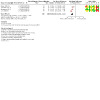
Comparison 6: Fish‐oil/Omega‐3 fatty acids versus placebo, Outcome 2: A) Sensitivity analysis: fixed‐effects model; pruritus on different scales; SMD in UP participants; parallel‐group design and cross‐over design
We did not include Mortazavi 2017 into the meta‐analysis because neither CIs nor SDs were reported and authors did not respond to our query. In a double‐blind cross‐over RCT Mortazavi 2017 enrolled 20 participants suffering from UP. Participants received either oral fish oil (1 g) thrice per day for four weeks or placebo and reported a small but statistically significant benefit versus placebo: the mean pruritus score on the VAS 0‐10 (cm) was reduced by 1.72 in patients who took fish oil, compared to a decrease of 0.45 in the placebo group (P = 0.03). Furthermore, we did not include the comparative trial (Begum 2004) into the meta‐analysis, because it was not placebo‐controlled. It enrolled 22 participants suffering from UP in a RCT comparing intake of oral fish oil (6 g ethyl ester) once per day with oral safflower oil (6 g ethyl ester, both polyunsaturated fatty acids) daily for 14 weeks and found no reduced itch.
Zinc sulphate versus placebo
Zinc sulphate compared to placebo did not reduce UP (Table 7; Analysis 7.1; two studies: Mapar 2015; Najafabadi 2012; 76 participants): SMD −0.13, 95% CI −0.58 to 0.32; certainty of evidence: low. The certainty of evidence was downgraded because of very serious imprecision. The pooled estimate remained robust in the sensitivity analysis (Analysis 7.2) under the fixed‐effects model. We did not include Somkearti 2021 in the meta‐analysis because post‐intervention values and change scores should not in principle be combined using standard meta‐analysis approaches when the effect measure is an SMD (Higgins 2021). Although the mean difference of the VAS score from the baseline was more in the zinc group (1.41: 95% CI, 0.095 to 2.732; P = 0.036) at week four of the trial, there was no difference in degree of changed VAS score at week 12 (1.131 (95% CI −0.423 to 2.684; P = 0.150) (Somkearti 2021). The administered doses ranged from 220 mg per day to 220 mg twice per day.
7.1. Analysis.

Comparison 7: Zinc sulphate versus placebo, Outcome 1: A) Pruritus on different scales; SMD in UP participants; parallel‐group design
7.2. Analysis.

Comparison 7: Zinc sulphate versus placebo, Outcome 2: A) Sensitivity analysis: fixed‐effects model; Pruritus on different scales; SMD in UP participants; parallel‐group design
Oral and topical mast cell stabiliser cromolyn sodium versus placebo
Cromolyn sodium compared to placebo could reduce UP (Table 8; Analysis 8.1; two studies: Feily 2012; Vessal 2010; 100 participants): MD −3.27, 95% CI −5.91 to ‐0.63; certainty of evidence: very low. We downgraded the certainty of evidence because of serious inconsistency and very serious imprecision. However, the subgroup analysis emphasises that the effect could depend on the route of administration (oral versus topical) (Analysis 8.2). The oral administration (MD −4.70, 95% CI −6.57 to −2.83; one RCT, N = 40) seemed to be more effective than the topical (MD −2.00, 95% CI −3.37 to −0.63; one RCT, N = 60). The 95% CI decreased (MD −2.94, 95% CI −4.04 to −1.83) under the fixed‐effects model (Analysis 8.3). We multiplied the values from Feily 2012 (VAS (0 to 5)) by a factor of 2 in order to enable a pooled analysis with Vessal 2010.
8.1. Analysis.

Comparison 8: Cromolyn sodium versus placebo, Outcome 1: A) Pruritus on VAS scale (0‐10 cm; values from Feily (2012) multiplied by factor 2); UP participants; parallel‐group design
8.2. Analysis.

Comparison 8: Cromolyn sodium versus placebo, Outcome 2: A) Subgroup analysis by route of administration; values from Feily (2012) multiplied by factor 2); UP participants; parallel‐group design
8.3. Analysis.

Comparison 8: Cromolyn sodium versus placebo, Outcome 3: A) Sensitivity analysis: fixed‐effects model; values from Feily (2012) multiplied by factor 2; UP participants; parallel‐group design
Topical capsaicin versus placebo
Topical capsaicin compared to placebo may reduce UP (Table 9; Analysis 9.1; Analysis 9.2; two studies: Cho 1997; Makhlough 2010; 112 participants): SMD −1.06, 95% CI −1.55 to ‐0.57; certainty of evidence: low. We downgraded the certainty of evidence because of very serious imprecision. The result remained stable in the sensitivity analysis under the fixed‐effects model (Analysis 9.3). Investigators of Cho 1997 presented the findings for the individual participants graphically, which indicated a carry‐over effect of the capsaicin treatment that could impede the interpretability from the second treatment phase. Groups were divided and analysed in the meta‐analysis according to the intact parathyroid hormone (iPTH) ≤ 35 pg/mL and > 35 pg/mL. Both groups showed an improvement in pruritus on the 4‐point scale (1 = none, 4 = severe): pooled effect: MD −0.88 points, 95% CI −1.31 to −0.44. The iPTH ≤ 35 pg/mL group had a greater (and statistically significant) effect (MD −1.50 points, 95% CI −2.21 to −0.79; one RCT, N = 20) than the iPTH > 35 pg/mL group (MD −0.50 points, 95% CI −1.05 to 0.05). Topical capsaicin versus vehicle applied four times daily.
9.1. Analysis.

Comparison 9: Topical capsaicin versus vehicle, Outcome 1: A) Pruritus on different scales; SMD in UP participants; cross‐over design (Cho: 1. iPTH =< 35 pg/mL and 2. iPTH > 35 pg/mL)
9.2. Analysis.

Comparison 9: Topical capsaicin versus vehicle, Outcome 2: A) Subgroup analysis by pruritus scales; SMD; UP participants; cross‐over design (Cho: 1. iPTH =< 35 pg/mL and 2. iPTH > 35 pg/mL)
9.3. Analysis.

Comparison 9: Topical capsaicin versus vehicle, Outcome 3: A) Sensitivity analysis: fixed‐effects model; pruritus on different scales; UP participants; cross‐over design (Cho: 1. iPTH =< 35 pg/mL and 2. iPTH > 35 pg/mL)
Two other studies did not provide sufficient data or appropriate statistical analyses for their findings to be evaluated in a meta‐analysis for efficacy (Breneman 1992a; Tarng 1996). Breneman 1992a compared topical capsaicin and vehicle applied four times daily to either the right or left arm over six weeks. The sample was very small (N = 7), and only five participants were evaluable. Authors presented findings descriptively for these five participants (two capsaicin‐treated participants reported complete resolution of itching), and no statistical analysis was available, but the report stated that there was an improvement in the participants treated with capsaicin. Tarng 1996 carried out a similar cross‐over study with two four‐week treatment periods of capsaicin versus vehicle. The study involved 19 participants and also reported a statistically significant effect of capsaicin. Despite a 14‐day washout period between the treatments, we must assume a carry‐over effect according to the graphical data presented. Data did not allow intergroup statistical comparisons to be made for the first phase of the cross‐over.
Opioid antagonist naltrexone versus active control or placebo
Three studies included 90 participants with UP (Legroux‐Crespel 2004; Pauli‐Magnus 2000; Peer 1996). We could not perform meta‐analysis, because in one study the results concerning pruritus were not interval‐scaled (Peer 1996) and another study had poor methodological quality and lack of data (Legroux‐Crespel 2004) (see Assessment of risk of bias in included studies).
Results of the RCTs regarding the effects of naltrexone in UP were contradictory (Pauli‐Magnus 2000; Peer 1996). Peer 1996 involved 15 participants and showed that administration of the oral mu‐receptor antagonist naltrexone was associated with a decrease in pruritus perception. At the end of the naltrexone treatment, the median pruritus scores on the VAS 0‐10 (cm) were 2.1 (IQR 1.5 to 2.15) for the naltrexone‐placebo sequence and 1.0 (0.4 to 1.15) for the placebo‐naltrexone sequence. The respective baseline values were 9.9 (IQR 9.85 to 9.95) and 9.9 (IQR 9.3 to 10.0). The results of this study suggested short‐term efficacy with few side effects for the amelioration of UP with naltrexone (Mettang 2010; Peer 1996). Pauli‐Magnus 2000 (involving 23 participants) showed no statistically significant difference between the naltrexone and the placebo treatment periods. During the naltrexone period, pruritus decreased by 29.2% (95% CI 18.7 to 39.6) on the VAS and by 17.6% (95% CI 4.2 to 31.1) on the detailed score (pruritus score proposed by Duo 1987). The percent difference between the naltrexone and the placebo treatment periods was not statistically significant (−12.30%, 95% CI −25.82 to 1.22; P = 0.07; one RCT, N = 32). The third study, researching the effect of naltrexone in participants suffering from UP, was a comparative study comparing naltrexone versus loratadine. In this study, seven of the 52 participants showed a dramatic improvement when using naltrexone (> 3 cm, marked improvement), whereas the mean VAS score was identical to the alternative medication, the H₁ receptor antagonist loratadine (Legroux‐Crespel 2004). The results of the studies are conflicting. Both Pauli‐Magnus 2000 and Peer 1996 were randomised, placebo‐controlled, double‐blind cross‐over trials, so we cannot explain the difference between these two studies by differences in participant compliance, naltrexone dose or study design.
Antihistamines (bilastine, cimetidine, desloratadine, hydroxyzine) versus active control or placebo
Antihistamines were compared with four other interventions in participants suffering from UP: ondansetron (Özaykan 2001), topically applied dilute vinegar (Nakhaee 2015), GABA agonists (gabapentin; see above section on GABA analogues), and Mu opioid antagonists (naltrexone, see above section on Mu opioid antagonists).
Aubia 1980 compared cimetidine, another 'classical antihistamine' and placebo in a RCT in 13 participants. The study found no difference between the three groups. No measures of variability (e.g. standard error) were reported.
Chourdakis 2019 compared desloratadine and bilastine in a comparative RCT with 20 participants (10 of them either refused to receive or discontinued treatment before the end of follow‐up). On the 5 to 25 5‐D itch score, the desloratadine group did not have reduced scores: 13.4 (SD 4.8) versus 11.8 (SD 5.6) while scores were reduced in the bilastine group 14 (SD 2.6) versus 9.2 (SD 2.9), P = 0.016.
Vinegar solution and avena sativa were compared with hydroxyzine in a non‐blinded cross‐over trial (Nakhaee 2015). All three treatments reduced pruritus statistically significant by more than 1.1 on the VAS 0‐10 (cm). However, the post‐treatment scores differed only slightly (vinegar: 3.73 (SD 2.41), avena sativa: 4.10 (SD 2.34), hydroxyzine: 3.5 (SD 2.52)).
Antidepressants (sertraline, mirtazapine, doxepin, paroxetine) versus active control or placebo
In a cross‐over RCT by Pour‐Reza‐Gholi 2007, performed on 24 participants with UP, investigators described complete improvement in 58.3% of participants treated with doxepin. This was higher than improvements with placebo (P < 0.001). Overall, doxepin was effective (complete improvement or relative improvement according to the participant) in 21 (87.5%) of the participants (P < 0.001). Since no raw data were available, further statistical analysis was not possible (Pour‐Reza‐Gholi 2007).
In a cross‐over RCT by Gholyaf 2020, performed on 77 participants with UP compared to baseline, both mirtazapine (− 5.31 (SD 1.60)) and gabapentin (− 3.96 (SD 1.22)) treatment resulted in improvement in VAS 0‐10 (cm) scores, but decreasing in pruritus severity was greater in the mirtazapine‐treatment period compared with the gabapentin‐treatment period (P < 0.001).
Pakfetrat 2018 enrolled 50 participants (four dropouts) suffering from UP in a placebo‐controlled RCT. Before treatment, the mean was 6.7 cm (SD 2.3) on the VAS 0‐10 (cm) in the sertraline group and 6.7 (SD 2.2) in the placebo group. Participants taking sertraline and placebo improved significantly in both groups. No mean post‐treatment VAS‐scores for all participants were reported, only VAS scores of eight participants with VAS scores of 10 (5 sertraline group, 3 placebo group). After eight weeks of treatment, three of them reported no itching, one of them mentioned VAS score was 2 and one reported a score of 3 (mean: 1.0 (SD 1.41)). In the control group, two participants reported VAS of 3 and 2 (mean: 2.67 (SD 0.58)).
Bile acid sequestrants (cholestyramine, colesevelam) versus active control or placebo
Two RCTs researched the effect of cholestyramine in participants with UP: Silverberg 1977 was a parallel‐group trial including 10 participants with UP and Van Leusen 1978 was a cross‐over trial with five participants without a washout period. Very small samples limited the informative value of these results, and we therefore decided against performing meta‐analyses.
Immunosuppressants versus active control or placebo
Thalidomide
There was evaluable data from 18 of 29 participants in a double‐blind, randomised cross‐over trial on thalidomide against UP. Silva 1994 found a similar proportion of participants in phase 1 and 2 responding to thalidomide (responders in phase 1: 55% and responders in phase 2: 57%). The reduction on the three‐item pruritus score was 78% (SE 6%) in phase 1 and 81% (SE 10%) in phase 2 and this differed from placebo (54%, SE 1, P < 0.05). The authors found a positive effect of thalidomide in 67% of the study population, with a mean reduction of pruritus scoring of approximately 80% (Silva 1994).
Topical Tacrolimus
A randomised, double‐blind, vehicle‐controlled study assessed the efficacy of tacrolimus ointment 0.1% for the treatment of pruritus in participants undergoing haemodialysis. The study found a similar effect for both tacrolimus ointment and vehicle in regard to the reduction of itch (range for both groups: tacrolimus: 72% to 77%, vehicle: 79% to 81%) (Duque 2005).
Topical Pimecrolimus
Two RCTs compared in 60 participants (each suffering from UP) topical pimecrolimus to either placebo (Ghorbani 2012) or cromolyn cream (Ghorbani Birgani 2011) for eight weeks. It was unclear if pimecrolimus cream can reduce pruritus compared to vehicle on the VAS 0‐10 (cm): MD 1.2, 95% CI ‐0.36 to 2.76 (Ghorbani 2012). Ghorbani Birgani 2011 reported both interventions reduced pruritus on a VAS with a statistically non‐significant difference between the two.
Erythropoietin versus placebo
A 10‐week, randomised, controlled cross‐over trial in 10 participants with UP and 10 participants without pruritus treated both groups with erythropoietin and placebo, respectively. Eight of the 10 participants suffering from pruritus showed reductions in their mean pruritus score (Duo 1987; Mettang 2002; Duo scale, range: 0 to 40), which decreased from 25 units (SE 3) to 11 units (SE 6) in group one and from 27 units (SE 4) to 9 units (SE 4) in group two during treatment with erythropoietin (De Marchi 1992). The authors concluded a positive effect of erythropoietin. However, the small sample size prohibits the generalisation of the results.
Sja'bani 1997 reported that the erythropoietin group experienced a greater mean reduction in itch than the placebo group. However, baseline itch scores are not fully reported as allowing for inclusion in a quantitative review.
Vitamin D2 ergocalciferol versus placebo
Fifty participants with UP were randomised to ergocalciferol (vitamin D2; 50,000 IU, one pill per week) or placebo for 12 weeks in one double‐blind RCT (Shirazian 2013). The groups did not differ at baseline regarding the pruritus score (assessed with the 0 to 21 point Pruritus Severity Questionnaire). None of the biweekly measured pruritus values showed a statistically significant difference between groups. The authors concluded that ergocalciferol was not effective for participants with UP.
Vitamin B3 Nicotinamide versus placebo
Omidian 2013 investigated 50 participants with UP in a double‐blind RCT. Participants received oral nicotinamide (500 mg twice a day) for four weeks, and pruritus was measured on a VAS (0 to 5: 0 = no pruritus and 5 = the worst pruritus). The pruritus decreased to a score of 1.52 (SD 1.61) in the nicotinamide group and to 1.29 (SD 1.08) in the placebo group. However, the group differences were not statistically significant (P = 0.167).
Activated oral charcoal versus placebo
Pederson 1980 contained two consecutive eight‐week treatment periods involving 11 participants with UP. This randomised, placebo‐controlled, cross‐over study showed a statistically significant difference favouring charcoal over placebo during the first study period (P = 0.01) and a tendency during the second study period (P = 0.05). Missing data did not enable further statistical analysis. The small sample size affects the generalisation of the results.
Local anaesthetic lidocaine versus placebo
A RCT from Tapia 1977 investigated in 20 participants suffering from UP the effects of 600 mg intravenous lidocaine during HD or placebo. Only acute (15 to 30 minutes) relief of pruritus was included in the analysis. It is unclear whether lidocaine relieved itch (within 30 minutes) compared to placebo: MD ‐0.63 cm, 95% CI ‐1.46 to 0.19. Longer‐term assessment was not reported.
Pramoxine hydrochloride versus active control
In a randomised, double‐blind, controlled, comparative trial, Young 2009 found a 61% decrease in the average reported VAS in UP participants treated with pramoxine hydrochloride as compared to participants treated with placebo. Since authors presented results graphically with no raw data, statistical analysis was not possible.
Nicergoline versus placebo
Rivory 1984 enrolled 13 participants with UP in a three‐armed RCT receiving 30 mg oral nicergoline, 5 mg intravenous nicergoline (continuous IV) or placebo for 12 weeks and reported a small improvement in itch with nicergoline compared to placebo.
Sodium thiosulfate versus placebo
Mohamed 2012 enrolled 45 UP participants receiving intravenous sodium thiosulfate (12.5 mg) once per HD session or placebo for six months. Overall, there was no reported statistically significant difference comparing sodium thiosulfate and placebo.
Summary of treatments for UP
As we could not meta‐analyse the data across the comparisons due to heterogeneity of data, we have summarised and ranked MDs and SMDs of effect estimates, as follows:
Treatments compared to placebo
MDs of meta‐analyses:
GABA‐analogues (gabapentin, pregabalin) versus placebo: VAS 0‐10 (cm) MD −5.10, 95% CI −5.65 to −4.55; certainty of evidence: moderate (Analysis 1.1; Table 1).
Oral and topical mast cell stabiliser (cromolyn sodium): VAS 0‐10 (cm) MD −3.27, 95% CI −5.91 to ‐0.63; certainty of evidence: very low (Analysis 8.1; Table 8).
κ‐opioid agonists (difelikefalin, nalbuphine, nalfurafine) versus placebo: VAS 0‐10 (cm) MD −0.96, 95% CI −1.22 to −0.71; certainty of evidence: high (Analysis 2.1; Table 3).
Serotonin 5‐HT3 antagonist (ondansetron) versus placebo: VAS 0‐10 (cm) MD −0.06, 95% CI −0.71 to 0.58; certainty of evidence: low (Analysis 4.1; Table 4; also including patients with CP).
SMDs of meta‐analyses:
Fish‐oil/omega‐3 fatty acids: SMD −1.60, 95% CI −1.97 to ‐1.22; certainty of evidence: low (Analysis 6.1; Table 6).
Leukotriene receptor antagonist (montelukast): SMD −1.40, 95% CI −1.87 to ‐0.92; certainty of evidence: very low (Analysis 5.1; Table 5).
Topical capsaicin: SMD −1.06, 95% CI −1.55 to ‐0.57; certainty of evidence: low (Analysis 9.1; Table 9).
Zinc sulphate: SMD −0.13, 95% CI −0.58 to 0.32; certainty of evidence: low (Analysis 7.1; Table 7).
Topical gabapentin (Aquino 2020) reduced pruritus more (10‐cm VAS) in the gabapentin group (MD ‐4.6 (SD 2.0)) than in the placebo group (MD ‐2.6 (SD 1.9)), but more studies are needed to reproduce these results.
Other treatments compared to placebo with contradictory results, methodological concerns or insufficient benefit included naltrexone, antihistamines, bile acid sequestrants, immunosuppressants, erythropoietin, vitamins D2/B3, activated oral charcoal, local anaesthetic lidocaine, pramoxine hydrochloride, nicergoline, and sodium thiosulfate.
Treatments compared to other treatments
One study compared mirtazapine and pregabalin finding better improvement of pruritus in participants treated with mirtazapine (Gholyaf 2020).
Studies comparing GABA‐analogues with antihistamines showed contradicting results. While some studies reported no difference (Amirkhanlou 2016; Gobo‐Oliveira 2018; Kebar 2020; Najmeh 2019), other studies reported more reduction of pruritus for GABA‐analogues than for antihistamines (Marin 2013; Noshad 2011; Suwanpidokkul 2007).
Participants with advanced diseases suffering from CP
Opioid antagonist naltrexone versus placebo
Two trials involving 36 participants examined the antipruritic effect of naltrexone in participants suffering from CP (Terg 2002; Wolfhagen 1997). We conducted separate meta‐analyses, measuring absolute change in pruritus severity and relative change in Terg 2002 and Wolfhagen 1997.
Naltrexone compared to placebo may reduce CP (Table 10; Analysis 10.1; two studies: Terg 2002; Wolfhagen 1997, 52 participants): MD of −2.42 cm (95% CI −3.90 to −0.94), certainty of evidence: low. We downgraded the certainty of evidence because of serious inconsistency and serious imprecision. The result remained stable in the sensitivity analysis under the fixed‐effects model (Analysis 10.3).
10.1. Analysis.

Comparison 10: Naltrexone versus placebo, Outcome 1: A) Pruritus on VAS scale (0‐10 cm) in CP participants
10.3. Analysis.

Comparison 10: Naltrexone versus placebo, Outcome 3: A) Sensitivity analysis: fixed‐effects model; pruritus on VAS scale (0‐10 cm) in CP participants
Subgroup analysis by study design (Analysis 10.2) resulted in an MD of −3.32 cm (95% CI −5.01 to −1.63; N = 16) for Wolfhagen 1997, which had a parallel‐group design, and an MD of −1.79 cm (95% CI −2.91 to −0.67; N = 36) for Terg 2002, a cross‐over study. The difference between the two subgroups was not statistically significant (P = 0.14).
10.2. Analysis.

Comparison 10: Naltrexone versus placebo, Outcome 2: A) Subgroup analysis by study design: pruritus on VAS scale (0‐10 cm) in CP participants
The subgroup analysis by nature of pruritus was only possible for group differences in percent change of the two studies (Pauli‐Magnus 2000; N = 16; Wolfhagen 1997; N = 16). However, the sample sizes were small, the studies had different study designs, and CP patients were compared with UP patients, which may have contributed to the different effects (Pauli‐Magnus 2000: −12.30%, 95% CI −25.82 to 1.22; Wolfhagen 1997: −62%, 95% CI −89.42 to −34.58, pooled: ‐35.66%, 95% CI ‐84.28 to 12.96) (Analysis 10.4; Analysis 10.5). The result remained stable in the sensitivity analysis under the fixed‐effects model (Analysis 10.6): ‐22.02%, 95% CI‐34.15 to ‐9.90.
10.4. Analysis.

Comparison 10: Naltrexone versus placebo, Outcome 4: B) % difference for pruritus on VAS scale (0‐10 cm) in UP and CP participants
10.5. Analysis.

Comparison 10: Naltrexone versus placebo, Outcome 5: B) Subgroup analysis by nature of pruritus and study design; % difference for pruritus on VAS scale (0‐10 cm)
10.6. Analysis.

Comparison 10: Naltrexone versus placebo, Outcome 6: B) Sensitivity analysis: fixed‐effects model; % difference for pruritus on VAS scale (0‐10) in UP and CP participants
Semi‐antibiotic rifampicin/rifampin versus active control or placebo
Three studies including 45 participants researched the treatment of CP with the semi‐antibiotic rifampicin, comparing it to placebo in Ghent 1988 and Podesta 1991a or to phenobarbitone as a standard treatment in Bachs 1989.
The pooled estimate of the two studies researching rifampicin comparing it to placebo indicated that it may improve pruritus in participants suffering from CP (Table 11; Analysis 11.1; two studies: Ghent 1988; Podesta 1991a, 21 participants): MD of −42.00 mm (95% CI −87.31 to 3.31), certainty of evidence: very low. We downgraded the certainty of evidence because of very serious inconsistency and very serious imprecision. The result became statistically significant in the sensitivity analysis under the fixed‐effects model (Analysis 11.2, MD −24.64 mm, 95% CI −31.08 to ‐18.21). Improvement of pruritus remained stable when including Bachs 1989 in the analysis (Analysis 11.3): SMD −1.84, 95% CI −2.82 to −0.87; three studies, 71 participants. The results were consistent, but the 95% CI decreased considerably when using the fixed‐effects model for sensitivity analysis (SMD −1.73, 95% CI −2.45 to −1.02) (Analysis 11.4). We could only estimate the effect on the VAS 0 to 100 (mm) for the studies from Ghent 1988 and Podesta 1991a.
11.1. Analysis.

Comparison 11: Rifampicin versus placebo or standard medication, Outcome 1: A) Pruritus on VAS scale (0‐100 mm) in CP participants; cross‐over design
11.2. Analysis.

Comparison 11: Rifampicin versus placebo or standard medication, Outcome 2: A) Sensitivity analysis: fixed‐effects model; pruritus on VAS scale (0‐100 mm) in CP participants; cross‐over design
11.3. Analysis.

Comparison 11: Rifampicin versus placebo or standard medication, Outcome 3: B) Subgroup analysis by control; SMD: pruritus on different scales; CP participants; cross‐over design
11.4. Analysis.

Comparison 11: Rifampicin versus placebo or standard medication, Outcome 4: B) Sensitivity analysis: fixed‐effects model; subgroup analysis by control; SMD: pruritus on different scales; CP patients; cross‐over design
Flumecinol versus placebo
Two studies including 69 participants researched the treatment of CP with flumecinol comparing it to placebo in Turner 1994b and Turner 1994a.
The pooled RR 2.20 (95% CI 0.42 to 11.60); two RCTs, N = 69, certainty of evidence: very low; (Table 12; Analysis 12.1) shows that flumecinol tends to be effective compared with placebo, but with no statistically significant effect (P = 0.26). We downgraded the certainty of evidence because of serious inconsistency and very serious imprecision. However, when using the fixed‐effects model for sensitivity analysis, the 95% CI decreased considerably (RR 1.89, 95% CI 1.05 to 3.39) (Analysis 12.2). In addition, participants were asked if their itch had improved. Our subgroup analysis (Analysis 12.3) revealed that the high‐dose administration of flumecinol (300 mg/d; N = 19, Turner 1994b) could be more effective than the low‐dose administration (600 mg/week; N = 50) (Turner 1994a).
12.1. Analysis.

Comparison 12: Flumecinol versus placebo, Outcome 1: A) Pruritus: significant improvement (yes/no); CP participants; parallel‐group design
12.2. Analysis.
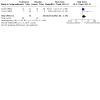
Comparison 12: Flumecinol versus placebo, Outcome 2: A) Sensitivity analysis: fixed‐effects model; pruritus: significant improvement (yes/no); CP participants; parallel‐group design
12.3. Analysis.

Comparison 12: Flumecinol versus placebo, Outcome 3: A) Subgroup analysis by dosage; pruritus: significant improvement (yes/no); CP participants; parallel‐group design
Bile acid sequestrants (cholestyramine, colesevelam) versus active control or placebo
Duncan 1984 used a cross‐over design and researched eight participants with CP, comparing the effect of cholestyramine, terfenadine, chlorpheniramine and placebo. The study reported some positive effect for cholestyramine and for terfenadine, as well.
The randomised, double‐blind, trial by Kuiper 2010 aimed to assess the efficacy of colesevelam versus placebo in participants with CP. Data showed no difference in pruritus score between participants treated with colesevelam and participants receiving placebo (P = 1.00 for the VAS day score and P = 0.74 for the VAS evening score; predefined primary endpoint = proportion of participants with at least a 40% reduction in pruritus VAS scores).
Antidepressants (sertraline) versus active control or placebo
Mayo 2007 enrolled 12 participants suffering from CP in a randomised, double‐blind, placebo‐controlled trial. Participants taking sertraline improved by a mean of 1.86 cm on the VAS 0‐10 (cm), whereas participants taking placebo worsened by 0.38. This resulted in a difference of 2.24 in favour of the intervention group (P = 0.009).
Ataei 2019 enrolled 36 participants suffering from CP received in a randomised, double‐blind, comparative trial. Participants taking sertraline improved by a mean of 2.84 cm (before treatment 6.17 (SD 1.415), post treatment 3.33 (SD 1.68)) and participants taking rifampicin improved by a mean of 2.62 (before treatment 6.06 (SD 1.552), post treatment 3.344 (SD 2.75)) on the VAS 0‐10 (cm) with no statistically significant difference between the groups (P = 0.74).
Anaesthetic propofol versus placebo
In a randomised, double‐blind, placebo‐controlled cross‐over trial including 10 participants with CP (Borgeat 1993), investigators described treatment with propofol as successful (defined by authors as a decrease of pruritus of at least 4 points on a verbal rating scale from 0 to 10) in 17 of 20 (85%) doses of propofol, compared to 2 of 20 (10%) doses in the placebo group (P < 0.01). Data did not allow further statistical analysis.
Local anaesthetic lidocaine versus placebo
A randomised, double‐blind, placebo‐controlled study investigated the efficacy of lidocaine on treatment‐resistant pruritus in 18 participants suffering from CP (Villamil 2005). Lidocaine administration resulted in a statistically significant reduction of pruritus severity only at day two (VAS 0‐100 (mm) MD 39.1 (95% CI 15.7 to 62.5) versus 70.8 (95% CI 62.7 to 78.9)) and day three (48.7 (95% CI 25.4 to 72) versus 72.0 (95% CI 60.3 to 83.7)) when compared with placebo administration (P < 0.05). The treatment group, but not the placebo group, improved from baseline (MD of treatment group about 26; P < 0.05).
Maralixibat versus placebo
Mayo 2019 enrolled 66 participants with in a three‐armed RCT receiving oral maralixibat (10 or 20 mg) once per day or placebo for 13 weeks. The primary outcome was change in Adult Itch Reported Outcome (ItchRO™) average weekly sum score (0, no itching; 70, maximum itching) from baseline to week 13/ET (early termination). Mean ItchRO™ weekly sum scores decreased from baseline to week 13/ET with maralixibat (–26.5; 95% CI, –31.8 to–21.2) and placebo (–23.4; 95% CI, –30.3 to –16.4). The difference between groups was not statistically significant (P = 0.48).
Summary of treatments for CP
As we could not meta‐analyse the data across the comparisons due to heterogeneity of data, we have summarised and ranked MDs effect estimates, as follows:
Opioid antagonist (naltrexone): VAS 0‐10 (cm) MD −2.42, 95% CI −3.90 to −0.94, certainty of evidence: low.
Flumecinol: RR 2.20, 95% CI 0.42 to 11.60; two RCTs, N = 69, certainty of evidence: very low.
Semi‐antibiotic rifampicin/rifampin: VAS 0‐100 (mm) MD −42.00, 95% CI −87.31 to 3.31, certainty of evidence: very low.
Antidepressant (sertraline): VAS 0‐10 (cm) MD −2.24, (no confidence interval reported), one RCT.
Other treatments compared to placebo with contradictory results, methodological concerns or insufficient benefit included bile acid sequestrants, anaesthetic propofol, and maralixibat.
Palliative care participants with pruritus of different origin
Selective serotonin reuptake inhibitor (SSRI) paroxetine versus placebo
One study researched the effect of the selective serotonin reuptake inhibitor paroxetine (SSRI) on pruritus in palliative care patients (Zylicz 2003). In this randomised, controlled, cross‐over study, paroxetine showed an antipruritic effect in palliative care participants with opioid‐induced, paraneoplastic or haematologic pruritus. Twenty‐four of the 26 participants (two dropouts) treated with paroxetine (5.2, SE 0.32) had lower pruritus intensity scores on the 10‐point numerical analogue scale (NAS) over the seven treatment periods when compared to participants receiving placebo (6.0, SE 0.32). The MD between paroxetine and placebo after one week of treatment was −0.78 points (95% CI −1.19 to −0.37; one RCT, N = 48, certainty of evidence: low) (Summary of findings table 13, Figure 1) and −1.35 points (95% CI −2.11 to −0.59) on day three. We downgraded the certainty of evidence because of very serious imprecision. Nine of 24 of participants (37.5%) had a pruritus reduction of at least 50%. Investigators typically observed the onset of antipruritic action after two or three days, irrespective of the order of treatment. This was the only study that specifically researched patients treated in palliative care units or palliative care settings.
Participants with HIV‐associated pruritus
Hydroxyzine hydrochloride, pentoxifylline, triamcinolone, and indomethacin versus active control
A randomised parallel‐group study in 40 participants examined the four different therapies: hydroxyzine hydrochloride, pentoxifylline, triamcinolone and indomethacin in HIV participants suffering from pruritus (Smith 1997a). Results showed that participants placed on indomethacin obtained a median relief of 2.5 points on a 5‐point verbal rating scale. However, it is uncertain whether drug treatment with hydroxyzine hydrochloride, pentoxifylline, triamcinolone or indomethacin reduces pruritus because the certainty of evidence was very low due to a small sample size and lack of blinding.
Secondary outcomes
Only a few of the included studies examined the secondary outcomes quality of life, patient satisfaction and depression (Table 19).
Quality of life
Fourteen studies measured quality of life as a secondary outcome (Fishbane 2020a; Fishbane 2020b; Fouroutan 2017; Gobo‐Oliveira 2018; Kuiper 2010; Mathur 2017; Mayo 2019; Najmeh 2019; Sja'bani 1997; Somkearti 2021; Spencer 2015; Turner 1994a; Turner 1994b; Yue 2015).
GABA‐analogues
Fouroutan 2017 evaluated quality of life (Dermatology life quality index) in participants suffering from UP receiving pregabalin or doxepin: baseline scores were 3.8 (SD 1.8) for the pregabalin group and 3.6 (SD 1.4) for the doxepin group, respectively; P = 0.551. After four weeks of treatment, scores were improved in both groups (pregabalin: 1.2 (SD 1.5), doxepin: 2.2 (SD 1.4); P = 0.007). Najmeh 2019 reported quality of life improved in participants treated with pregabalin compared to the ketotifen (P < 0.05): pregabalin: 7.42 (SEM 1.21) to 3 (SEM 1.19); ketotifen: 5.85 (SEM 1.20) to 3.71 (SEM 1.19). In the study (Gobo‐Oliveira 2018) comparing gabapentin versus dexchlorpheniramine in participants with UP, both groups showed improved quality of life measures (Dermatology life quality index) with reduction by 50% from 2 (IQR 1‐3) to 1 (IQR 0‐1) in the gabapentin group and reduction from 2 (IQR 1‐4) to 0 (IQR 0‐1) in the dexchlorpheniramine group.
κ‐opioid agonists
Different studies investigated quality of life in participants treated with kappa‐opioid agonists. Participants receiving difelikefalin or placebo for the treatment of UP had improved quality of life, measured via the Skindex‐10 Scale (lower score = better): ‐17.1 (SEM 1.3) versus ‐12.0 (SEM 1.2); P < 0.001 (Fishbane 2020a). Similar results were reported by Fishbane 2020b, where all difelikefalin participants had reduced scores of ‐16.4 (SEM 1.3) versus ‐8.2 (SEM 2.0) in the placebo group; P < 0.001. Also, improved scores on the Scindex‐10 scale were reported by Spencer 2015 (P = 0.031) with no specified values in the abstract‐publication. Participants with UP treated with nalbuphine or placebo had no statistically significant differences on the overall Skindex‐10 scale between the groups (Mathur 2017). Only in the disease domain of the scale bothersomeness of itching (0–18), a difference between the nalbuphine 120 mg group and placebo could be found: –7.1 (SD 4.8) versus ‐5.4 (SD 5.0); P < 0.05.
Other treatments
In participants receiving maralixibat for treatment of CP (Mayo 2019), quality of life measured on the Primary biliary cirrhosis (PBC)‐40 scale was not different when compared with the placebo group.
In participants receiving colesevelam for treatment of CP, Kuiper 2010 found no changes with respect to the domains of physical functioning (P = 0.67), role physical functioning (P = 0.50), bodily pain (P = 1.00), general health (P = 0.48), vitality (P = 0.90), social functioning (P = 0.37), emotional functioning (P = 0.17) or mental health (P = 0.26). Results were based on the Short‐Form 36 Health Survey in the colesevelam group before and after treatment. The authors reported only P values.
For participants receiving low‐dose flumecinol for CP (Turner 1994a), the difference in median improvement in quality of life for flumecinol versus placebo, measured via the VAS 0‐100 (mm) (lower score = better), was 5.0 (95% CI 0.4 to 13.0, P = 0.02; one RCT, N = 50, certainty of evidence: moderate), in favour of flumecinol. The higher dose of flumecinol did not improve quality of life. The difference in median improvement between the two groups was 3.5 mm (95% CI −5.9 to 24.9) (Turner 1994b).
Yue 2015 assessed health‐related quality of life with the Mental Component Summary scale (MCS) from the Short‐Form 12 Health Survey (SF‐12; version 2, 0 to 100, higher scores = better quality of life). At week 12, the health‐related quality of life in UP participants was 47.3 (SD 11.6), 42.8 (SD 13.1) and 42.5 (SD 8.7) for pregabalin, ondansetron and placebo, respectively. The baseline values were similar between groups and the mean change from baseline versus placebo was larger in pregabalin (4.1, 95% CI 2.9 to 5.3) than in ondansetron (1.2, 95% CI ‐0.1 to 2.5).
Sja'bani 1997 did not specify the scale which was used for quality of life measurements.
Somkearti 2021 stated that there was no difference in QoL between the zinc sulphate and placebo group.
Patient satisfaction
Only one of the 91 included studies assessed patient satisfaction with the treatment regimen (Zylicz 2003). Using a non‐validated 7‐point scale, where 0 meant indifferent, −3 meant extremely poor, and 3 meant excellent, participants treated with paroxetine had, on average, higher satisfaction scores (mean 0.41, SE = 0.36) when compared to participants who received placebo (mean −0.66, SE = 0.36), regardless of the order in which they were received. The MD was −1.08 points (95% CI 0.18 to 1.98; one RCT, N = 48, certainty of evidence: low) in favour of paroxetine. We downgraded the certainty of evidence because of very serious imprecision (Summary of Findings Table 13 (Figure 1)).
Depression
Three studies examined depression as a secondary outcome (Bergasa 2006; Mathur 2017; Mayo 2007), measuring it with the Hamilton Depression Rating Scale, the Structured Clinical Interview Questionnaire (SCID) (Bergasa 2006), the Hospital Anxiety and Depression scale (HADS) (Mathur 2017), and the 30‐item Inventory of Depressive Symptomatology‐Self‐Report (IDS‐SR30) (Mayo 2007).
Using the 17‐item Hamilton Rating Scale, Bergasa 2006 only evaluated the psychiatric state of the study participants at baseline and found eight participants scoring in the range of mild depression, three in the range of moderate depression, and two in the range of none to minimal depression. Data on the full psychiatric evaluation were available for 13 of the 16 participants.
Mayo 2007 comparing the effects of sertraline with placebo found that all four participants with moderate or severe depression improved with sertraline (12 participants included). Participants with mild depression symptoms, however, did not reliably improve their IDS‐SR30 score with sertraline. One of these participants also improved with placebo. Both the VAS and IDS‐SR30 improved with increasing doses of sertraline, but the change in IDS‐SR30 did not completely explain the change in VAS.
Mathur 2017, comparing the effects of nalbuphine with placebo, used the Hospital Anxiety and Depression scale (HADS) and found no differences between the groups.
Due to the absence of satisfactory data, the feasibility of pooling the secondary outcomes data was limited. For detailed results, please see the 'Secondary outcomes' table (Table 19).
Adverse events
Twenty‐six (29%) included studies collected no data on adverse events (Ashmore 2000; Aubia 1980; Begum 2004; Bhaduri 2006; Chourdakis 2019; De Marchi 1992; Forouhari 2022; Ghent 1988; Ghorbani Birgani 2011; Kebar 2020; Lahiji 2018; Mahmudpour 2017; Mirnezami 2013; Mohamed 2012; Mortazavi 2017; Najmeh 2019; Pakfetrat 2018; Pederson 1980; Podesta 1991a; Rivory 1984; Shayanpour 2019; Spencer 2015; Subach 2001; Tapia 1977; Tol 2010; Van Leusen 1978). Eleven studies (12%) did not observe any adverse events (Ghanei 2012; Mapar 2015; Najafabadi 2012; Nakhaee 2015; Özaykan 2001; Omidian 2013; Shirazian 2013; Silva 1994; Turner 1994a; Turner 1994b; Young 2009).
Twelve (13%) studies described adverse events in the intervention group leading to withdrawal (Kumagai 2010; Legroux‐Crespel 2004; Murphy 2003; Nasrollahi 2007; Pauli‐Magnus 2000; Pour‐Reza‐Gholi 2007; Rossi 2019; Terg 2002; Wikström 2005a; Wikström 2005b; Yue 2015; Zylicz 2003). In contrast, only six studies found adverse events in the placebo groups or the standard medication group (Amirkhanlou 2016; Kumagai 2010; Legroux‐Crespel 2004; Pauli‐Magnus 2000; Wikström 2005a; Yue 2015).
Most adverse events were mild or moderate. Two interventions also showed multiple major adverse events (naltrexone and nalfurafine). We have summarised the different adverse events and the number of withdrawals for each study and intervention in two tables (see Table 20; Table 21: 'Adverse events according to the different studies'). In the following, we will focus on adverse events for the drugs that we included in the Summary of findings tables. We chose 'risk for at least one adverse event per participant' as a pragmatic outcome for our meta‐analyses.
GABA‐analogues
Gabapentin (oral) versus placebo
Bergasa 2006 was the only study that was appropriate for the analysis of adverse events. The RR for experiencing at least one adverse event was 2.63 (95% CI 0.76 to 9.05; one RCT, N = 15, certainty of evidence: low; Table 1) in favour of the placebo group (P = 0.13). We downgraded the certainty of evidence because of very serious imprecision. Common adverse events were somnolence, fatigue, dizziness and nausea (Gunal 2004; Naghibi 2007; Naini 2007; Nofal 2016).
Gabapentin (topical) versus vehicle
One study (Aquino 2020) reported no significant difference between treatment with topical gabapentin or vehicle, but did not report specifically the number of adverse events.
Gabapentin versus pregabalin
Two studies reported adverse events (Ravindran 2020; Solak 2012). The RR for experiencing at least one adverse event was 4.70 (95% CI 0.21 to 104.14; two RCTs, N = 122, certainty of evidence: very low; Table 2; Analysis 2.2) in favour of the pregabalin group (P = 0.13). We downgraded the certainty of evidence because of serious risk of bias, very serious inconsistency, and very serious imprecision. The pooled estimate became statistically significant in the sensitivity analysis (Analysis 2.3) under the fixed‐effects model. Common adverse events were somnolence, fatigue, dizziness and nausea.
2.2. Analysis.

Comparison 2: Gabapentin versus pregabalin, Outcome 2: B) Risk for at least one adverse drug reaction (ADR) per participant in UP participants; parallel‐group and cross‐over design
2.3. Analysis.

Comparison 2: Gabapentin versus pregabalin, Outcome 3: B) Sensitivity analyses; risk for at least one adverse drug reaction (ADR) per participant in UP participants; parallel‐group and cross‐over design
κ‐opioid agonists versus placebo
The RR for experiencing at least one adverse event per participant was 1.73 (95% CI 1.20 to 2.48; five RCTs, N = 1344, certainty of evidence: low; Table 3; Analysis 3.3) to the disadvantage of kappa‐opioid agonists compared with placebo. We downgraded the certainty of evidence because of serious inconsistency and serious imprecision. The results slightly changed when using the fixed‐effects model (RR 1.47, 95% CI 1.28 to 1.68; Analysis 3.4). Common adverse events were nasopharyngitis, insomnia, headaches, somnolence, and constipation for nalfurafine (Kumada 2017; Kumagai 2010; Wikström 2005a; Wikström 2005b), diarrhoea, dizziness, and vomiting for difelikefalin (Fishbane 2020a; Fishbane 2020b), and nausea, vomiting and somnolence for nalbuphine (Mathur 2017).
3.3. Analysis.

Comparison 3: Kappa‐opioid agonist versus placebo, Outcome 3: B) Risk for at least one adverse drug reaction (ADR) per participant in UP participants; parallel‐group and cross‐over design
3.4. Analysis.

Comparison 3: Kappa‐opioid agonist versus placebo, Outcome 4: B) Sensitivity analysis: fixed‐effects model; risk for at least one adverse event per participant; UP participants; parallel‐group and cross‐over design
Serotonin 5‐HT3 antagonist ondansetron versus placebo
We included three studies for the analysis of adverse events (Murphy 2003; O'Donohue 2005; Yue 2015). The meta‐analysis showed no difference between the groups (RR 2.54, 95% CI 0.38 to 16.78; three RCTs, N = 174) (Analysis 4.4; Analysis 4.5), and there was a noticeable increase of the 95% CI when using the fixed‐effects model for the sensitivity analysis (RR 2.07, 95% CI 0.87 to 4.93) (Analysis 4.6). Very few adverse events were reported for UP patients resulting in a RR of 7.50 and a wide 95% CI (0.97 to 58.07, two RCTs, N = 155, certainty of evidence: very low) (Analysis 4.5; Table 4). We downgraded the certainty of evidence because of very serious imprecision and serious risk of bias.
4.4. Analysis.

Comparison 4: Ondansetron versus placebo or standard medication, Outcome 4: B) Risk for at least one adverse event per participant in UP and CP participants
4.5. Analysis.

Comparison 4: Ondansetron versus placebo or standard medication, Outcome 5: B) Subgroup analysis by nature of pruritus and study design; risk for at least one adverse event per participant
4.6. Analysis.

Comparison 4: Ondansetron versus placebo or standard medication, Outcome 6: B) Sensitivity analysis: fixed‐effects model; risk for at least one adverse event per participant in UP and CP participants
Leukotriene receptor antagonist montelukast versus placebo
Only major adverse events were reported (Nasrollahi 2007) or adverse events were not reported at all (Mahmudpour 2017).
Zinc sulphate versus placebo
Studies reported no adverse events or similar adverse events for zinc sulphate or placebo during a four‐week or an eight‐week intervention period (Mapar 2015; Najafabadi 2012; Somkearti 2021).
Oral and topical mast cell stabiliser cromolyn sodium versus placebo
Adverse events were rare in both groups, but they showed a conflicting pattern (I2 = 84%) that indicated a statistically non‐significant (P = 0.08) higher risk of adverse events (burning sensation) for the topical treatment (Feily 2012) compared with vehicle (RR 13.00, 95% 0.76 to 220.96; one RCT, N = 60). Interestingly, the risk for at least one adverse event per participant was lower (but not statistically significant, P = 0.08) for the oral administration (Vessal 2010) compared with placebo (RR 0.16, 95% CI 0.02 to 1.22; one RCT, N = 62) (Table 8; Analysis 8.4; Analysis 8.5: two RCTs, N = 122, certainty of evidence: very low). We downgraded the certainty of evidence because of very serious inconsistency and serious imprecision. The fixed‐effects model had a considerably decreased 95% CI (Analysis 8.6).
8.4. Analysis.

Comparison 8: Cromolyn sodium versus placebo, Outcome 4: B) Risk for at least one adverse event per participant; UP participants; parallel‐group design
8.5. Analysis.

Comparison 8: Cromolyn sodium versus placebo, Outcome 5: B) Subgroup analysis by route of administration; risk for at least one adverse event per participant; UP participants; parallel‐group design
8.6. Analysis.

Comparison 8: Cromolyn sodium versus placebo, Outcome 6: B) Sensitivity analysis: fixed‐effects model; risk for at least one adverse event per participant; UP participants; parallel‐group design
Topical capsaicin versus placebo
The pooled RR for experiencing at least one adverse event was 3.69 (95% CI 1.17 to 11.67, 95% CI 2.05 to 10.51; three RCTs, N = 116, certainty of evidence: low) in favour of the vehicle group (Table 9; Analysis 9.4). However, participants mostly reported mild skin burning, which is part of the intended mechanism. We downgraded the certainty of evidence because of very serious imprecision. The results changed slightly when using the fixed‐effects model (RR 4.64; 95% CI 2.05 to 10.51) (Analysis 9.5).
9.4. Analysis.
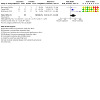
Comparison 9: Topical capsaicin versus vehicle, Outcome 4: B) Risk for at least one adverse event per participant; UP participants, cross‐over design
9.5. Analysis.

Comparison 9: Topical capsaicin versus vehicle, Outcome 5: B) Sensitivity analysis: fixed‐effects model; risk for at least one adverse event per participant; UP participants; cross‐over design
Opioid antagonist naltrexone versus placebo
The overall effect of RR 3.85 (95% CI 1.52 to 9.76; three RCTs, N = 116, certainty of evidence: low) emphasises the increased risk for at least one adverse event for participants under naltrexone compared to placebo (Table 10; Analysis 10.7; Analysis 10.8). We downgraded the certainty of evidence because of very serious imprecision. The fixed‐effects model had a considerably decreased 95% CI (Analysis 10.9).
10.7. Analysis.

Comparison 10: Naltrexone versus placebo, Outcome 7: C) Risk for at least one adverse event per participant in UP and CP participants; cross‐over design
10.8. Analysis.

Comparison 10: Naltrexone versus placebo, Outcome 8: C) Subgroup analysis by nature of pruritus; risk for at least one adverse event per participant; cross‐over design
10.9. Analysis.
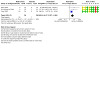
Comparison 10: Naltrexone versus placebo, Outcome 9: C) Sensitivity analysis: fixed‐effects model; risk for at least one adverse event per participant; UP and CP patients; cross‐over design
Naltrexone in UP patients
The number of participants with at least one adverse event was higher in the naltrexone group in participants with UP compared with placebo (RR 9.62; two RCTs, N = 76). However, this result was very imprecise as the 95% CI was very wide (1.90 to 48.65) (Pauli‐Magnus 2000; Peer 1996; Analysis 10.8).
Naltrexone in CP patients
We could only integrate the adverse events' outcome of Terg 2002 in our meta‐analysis, showing an RR of 2.67 (95% CI 1.32 to 5.39; N = 40) in favour of the placebo group (Analysis 10.8).
Semi‐antibiotic rifampicin versus active control
We could only use Bachs 1989 to analyse the RR for experiencing at least one adverse event. The result was not statistically significant (RR 0.29, 95% CI 0.03 to 2.51; one RCT, N = 39, certainty of evidence: very low) (Table 11). We downgraded the certainty of evidence because of very serious risk of bias and very serious imprecision. Overall, investigators observed very few adverse events for rifampicin compared to placebo (Table 21).
Flumecinol versus placebo
No adverse events were attributable to the trial medication according to the authors (Turner 1994a; Turner 1994b), who reported no adverse events when flumecinol was compared to placebo (Table 12).
Selective serotonin reuptake inhibitor (SSRI) paroxetine versus placebo
On a 0 to 10 numerical analogue scale (NAS), participants treated with paroxetine compared with placebo suffered slightly more from nausea (0.46 points, 95% CI 0.05 to 0.87) and sleepiness (0.70 points, 95% CI 0.18 to 1.22) but not from vomiting (Summary of finding table 13 (Figure 1): −0.18 points, 95% CI −0.44 to 0.08, N = 52, certainty of evidence: low). We downgraded the certainty of evidence for nausea, vomiting and sleepiness because of very serious imprecision. Two participants discontinued treatment because of severe adverse events (nausea and vomiting), presumably because there was no opportunity to titrate the dose to the effect of the medication in this trial.
Discussion
Summary of main results
We identified 91 studies assessing the effects of 51 different interventions for pruritus of multiple origin in 4652 participants with advanced disease. Forty‐two studies with 2839 participants were new to this update.
The kind of pruritus most frequently researched was UP (N = 3894 participants, 84%), followed by CP (N = 692, 15%). For now, only one RCT has researched pruritus as a symptom in inpatients of two palliative care centres (Zylicz 2003). All other studies focused on different kinds of pruritus based on the underlying disease of the participants. Furthermore, one included study focused on HIV‐related pruritus (Smith 1997a). The main results of this review were reported according to the structure resulting from these findings.
Participants with UP
GABA analogues (gabapentin and pregabalin) compared to placebo showed the clinically most substantial improvement of pruritus (Table 1, Analysis 1.1); certainty of evidence: moderate. Authors reported some adverse events like dizziness or somnolence for gabapentin, but the certainty of evidence was low, and the results were not statistically significant (Table 20; Table 21; Table 1). In head‐to‐head comparison of gabapentin and pregabalin (Table 2; Analysis 2.1), studies did not show an effect favouring one of the two substances; certainty of evidence: low. One study (Aquino 2020) showed a beneficial effect of topical gabapentin. Seven studies (Amirkhanlou 2016; Gobo‐Oliveira 2018; Kebar 2020; Marin 2013; Najmeh 2019; Noshad 2011; Suwanpidokkul 2007) compared gabapentin with different antihistamines showing superiority of gabapentin in most cases.
Kappa‐opioid agonists (difelikefalin, nalbuphine, nalfurafine) compared to placebo reduce pruritus, but the effect is small (Table 3, Analysis 3.1; Analysis 3.2); certainty of evidence: high. The risk for at least one adverse event (most frequently insomnia) was also slightly higher (certainty of evidence: low) (Table 3).
Montelukast compared to placebo did substantially reduce UP (Table 5; Analysis 5.1), but the certainty of evidence was rated very low because the homogeneity was difficult to assess due to well validated but different itch scoring methods. More studies are needed to evaluate montelukast as treatment option for UP.
Fish‐oil/omega‐3 fatty acids compared to placebo can reduce UP (Table 6, Analysis 6.1); certainty of evidence: low. There were no relevant adverse events reported. Ghanei 2012 evaluated the efficacy of omega‐3 fatty acids. Though there were statistically significant group differences, the wide confidence intervals due to the small sample size and the low methodological quality of the trial confer some uncertainty of the findings. However, cross‐over studies confirm a positive effect of fish‐oil/omega‐3 fatty acids on pruritus (Forouhari 2022; Lahiji 2018; Mortazavi 2017; Shayanpour 2019). Mortazavi 2017 was an abstract only publication which did not report essential information for inclusion in the meta‐analysis.
Cromolyn sodium (orally administered) that Vessal 2010 tested may be more effective than the topical use featured in Feily 2012 (certainty evidence: very low, Analysis 8.2; Table 8); the topical use is associated with more adverse events (skin burning). These rather small studies did not report adverse events, except skin burning in patients receiving topical cromolyn sodium (Feily 2012).
Topical capsaicin compared to vehicle (placebo) did reduce UP (Table 9, Analysis 8.1; Analysis 8.2); certainty of evidence: low. A common minor adverse event of topical capsaicin was a transient burning sensation and local erythema with initial application, and the risk for at least one adverse event per participant was considerably increased (Table 9; Table 21); certainty of evidence: low. Three of the studies demonstrated methodological flaws such as inappropriate designs leading to carry‐over effects, inadequate depiction of data and failure to provide appropriate statistical analyses (Breneman 1992a; Cho 1997; Tarng 1996).
Additional studies investigated systemic interventions like erythropoietin (De Marchi 1992), thalidomide (Silva 1994), activated oral charcoal (Pederson 1980), and doxepin (Pour‐Reza‐Gholi 2007), all versus placebo. All of these interventions could have a positive effect on UP. However, the sample sizes were small (16 to 29 participants) and,in four of the six studies, methodological quality was limited (De Marchi 1992; Nasrollahi 2007; Pederson 1980; Silva 1994).
Seven studies investigated the effect of topical agents on UP. Whereas tacrolimus ointment was not more effective than the vehicle (placebo) in relieving UP (Duque 2005), pramoxine lotion tended to reduce pruritus to a greater degree than the control lotion (Young 2009). There was conflicting data on treatment with pimecrolimus crème (Ghorbani 2012; Ghorbani Birgani 2011) when compared to active control or placebo. Adverse events for tacrolimus were minor, and there were none for pramoxine hydrochloride. However, both studies were at high risk of bias. Thus, evidence for the use of these topical applications is limited. Another study examined avena sativa and vinegar solution as topical agents (Nakhaee 2015). Both treatments and placebo reduced pruritus. The evidence of the study is very uncertain because of the small sample size (N = 25) and the impossibility of blinding. Also, nicotinamide, ergocalciferol (Omidian 2013; Shirazian 2013), and zinc sulphate (Table 7) tended to be ineffective for pruritus treatment when compared to placebo.
Participants with CP
In contrast, the findings in CP participants indicate that gabapentin appears to worsen pruritus (Bergasa 2006). On the other hand, the authors also observed a strong placebo effect, prompting them to discuss whether gabapentin possibly interferes with the placebo effect (possibly an association of the placebo intervention with dopamine release).
Three studies explored the effect of rifampicin (Bachs 1989; Ghent 1988; Podesta 1991a). The quantitative results indicate that rifampicin could be effective for treating CP when compared with a placebo or phenobarbitone. However, the heterogeneity was very high (I2 = 95%) when using the random‐effects model, leading to an extremely wide 95% CI that reversed statistical significance and impeded the interpretability of results (though the mean effect was large) (Analysis 11.1). The certainty of evidence was judged as very low for pruritus and for the adverse event outcome (Table 11).
Mayo 2007 described the SSRI sertraline as effective and well‐tolerated in participants with CP when compared with a placebo. However, the sample size of 12 participants was very small, and the blinding of outcome assessment was somewhat precarious. Ataei 2019 enrolled 36 participants comparing sertraline with rifampicin. Both interventions reduced pruritus with no statistically significant difference between the groups. More studies are needed to evaluate sertraline as a treatment option for CP.
Two studies researched flumecinol with two different dosages compared to placebo in CP participants (Turner 1994a; Turner 1994b). The results of both studies only reached statistical significance in our analysis when we combined them. However, the certainty of evidence remains very low for this comparison (Table 12). The results suggested that there could be a dose‐response‐relationship, but the small sample sizes impeded generalisation and led to a wide 95% CI. Authors reported no adverse events for flumecinol.
Two studies investigated the effect of anaesthetics: Borgeat 1993 assessed propofol compared to placebo in 12 participants, and Villamil 2005 studied lidocaine compared to placebo in 18 participants. Both trials reported an amelioration of pruritus for participants treated with propofol and lidocaine, but we cannot draw conclusions since the sample sizes were small and the studies were not free of bias. Adverse events reported were minor. However, the applicability of lidocaine as an alternative therapy for CP is limited because of the necessity of hospital or inpatient treatment of the patients concerned.
Participants with advanced diseases and UP or CP
Three naltrexone studies focused on UP (Legroux‐Crespel 2004; Peer 1996; Pauli‐Magnus 2000) comparing to active control or placebo, and two evaluated naltrexone for CP (Terg 2002; Wolfhagen 1997) comparing to placebo. We analysed the percent change of pruritus in CP and UP participants in a subgroup analysis, finding a larger effect in CP participants. However, the results of the studies pertaining to UP are conflicting. For at least Pauli‐Magnus 2000 and Peer 1996, we cannot explain differences by variations in participant compliance, naltrexone dose, study design or methodological quality. Moreover, readers should interpret the results of Legroux‐Crespel 2004 cautiously because of missing data, high dropout rates and high risk of bias. Concerning CP, meta‐analysis favoured naltrexone over placebo (Analysis 10.1). Still, the study population included was quite small (16 and 20 participants in Wolfhagen 1997 and Terg 2002, respectively), and participants on naltrexone had the highest incidence of adverse events (low‐certainty evidence) (Table 10).
Duncan 1984 and Silverberg 1977 studied the bile acid sequestrant cholestyramine for CP and UP, respectively. The results tended to favour the cholestyramine group for UP and CP when compared to placebo. However, both studies suffered from very small sample sizes (8 and 10 participants), and they were of low methodological quality. Thus, the validity of the results is very limited.
Ondansetron was applied for either UP or CP. Four studies were included in meta‐analysis (Analysis 4.1) showing no advantage of ondansetron over placebo, either for use in CP (O'Donohue 2005) or for UP (Ashmore 2000; Murphy 2003). One study researching ondansetron for treatment of UP found a benefit for participants treated with ondansetron compared to participants treated with the standard medication cyproheptadine (Özaykan 2001). In another RCT, the differences were marginal between ondansetron and placebo and indicated a minimal effect in favour of ondansetron (Yue 2015). Interestingly, in all studies comparing ondansetron with placebo, the placebo group showed an improvement in pruritus, which was even statistically significant in one study (Murphy 2003). Overall, ondansetron may be not effective for treatment of UP or CP. Adverse events hardly seem to differ between groups (certainty of evidence: very low) (Table 4).
Palliative care patients with pruritus of different origin
Most 'palliative care' participants, as defined in the Methods, were treated on normal wards, perhaps because many hospitals still do not have a palliative care ward or patients did not have palliative care needs in the early phase of their disease. There were only 26 participants including two dropouts who received treatment on palliative care wards (Zylicz 2003). The study indicates that paroxetine compared to placebo may be effective but also may increase nausea and sleepiness (certainty of evidence: low for all outcomes; Summary of findings table 13 (Figure 1)). Still, the number of participants included in this study was quite small, the treatment period was brief, and there was no follow‐up.
Participants with HIV‐associated pruritus
Smith 1997a compared four different interventions to a placebo for pruritus in 40 participants with HIV. Since authors provided no information about blinding and additional data were missing, we assessed the risk of bias to be high, and we cannot make conclusive recommendations based on the study results.
Overall completeness and applicability of evidence
This review included 91 RCTs. Only one study researched pruritus in palliative care patients who received palliative care. According to the presumed definition of palliative care patients as 'adult patients in any setting, receiving palliative care or suffering an incurable progressive medical condition', we also included studies researching pruritus in participants with advanced and incurable diseases in different settings. Thus, included studies explored a total of 51 different interventions for treatment of four different groups of patients suffering from pruritus of different origins (Table 17; Table 18). Due to the diversity of the interventions and the small number of studies per intervention, we could not compare the effectiveness of all interventions. As the overall quality of studies varied, missing data in several studies did not allow for including data from all studies in a single meta‐analysis. We had to describe the results of several studies as a narrative summary. Due to the diversity and different character of pruritus and the patient groups being researched, the applicability of evidence is restricted to the particular patient group targeted by the intervention.
Quality of the evidence
The summary of findings tables, structured according to the GRADE system (Schünemann 2013), show that the certainty of evidence for the primary outcome (i.e. pruritus) was high for kappa‐opioid agonist versus placebo and moderate for GABA‐analogues. This means we are highly or moderately confident in the effect estimate: high: further research is very unlikely to change our confidence in the estimate of effect; moderate: the true effect is likely to be close to the estimate of the effect, but there is a possibility that it is substantially different. Certainty of evidence was low for naltrexone, fish‐oil/omega‐3 fatty acids, topical capsaicin, ondansetron and zinc sulphate compared to placebo and gabapentin compared to pregabalin, and very low for cromolyn sodium, paroxetine, montelukast, flumecinol, and rifampicin compared to placebo. This means that our confidence in the effect estimate is limited, and the true effect may be substantially different from the estimate of the effect. Risk of bias, inconsistency, and imprecision were the main factors for downgrading the certainty of evidence for the primary outcome (Table 1; Table 2; Table 3; Table 4; Table 5; Table 6; Table 7; Table 8; Table 9; Table 10; Table 11; Table 12; Summary of findings table 13 (Figure 1)).
Concerning the risk of experiencing at least one adverse event per participant, the certainty of evidence was low for naltrexone, topical capsaicin, GABA‐analogues, kappa‐opioid agonists and very low for ondansetron, rifampicin and cromolyn sodium. For paroxetine, we rated the certainty of evidence as low for nausea, vomiting and sleepiness. We mostly downgraded the certainty of evidence because of serious/very serious imprecision.
Potential biases in the review process
Previous reviews have reported difficulties in defining the population of palliative care patients. Therefore, we used the definition 'adult patients in any setting, receiving palliative care or suffering an incurable progressive medical condition', which has previously been used in other Cochrane reviews (Murray‐Brown 2015; Storrar 2014). However, it is still difficult to identify the patients or patient groups that are appropriate for inclusion in a systematic review on palliative care topics, as there is still a lack of original studies, particularly RCTs, in palliative care. In a survey of 25 Cochrane reviews in palliative care (Wee 2008), the authors concluded that “Cochrane reviews in palliative care [...] fail to provide good evidence for clinical practice because the primary studies are few, small, clinically heterogeneous, and of poor quality and external validity”. Nevertheless, data on palliative care patients may be hidden in studies not described as palliative care topics. Therefore, it is possible that we failed to identify some published or unpublished trials including palliative care patients for this review.
We decided to downgrade our certainty of evidence judgements using the GRADE‐system on high, but not unclear risk of bias. This may have resulted in a level of overestimation of the certainty of evidence.
In this update, we performed a comprehensive literature search, specified inclusion and exclusion criteria and conducted meta‐analysis where possible. We updated MEDLINE, Embase and CENTRAL (June 2016 to July 2022), checked reference lists of all relevant trials and searched registers of ongoing trials. We included 19 studies from another Cochrane review (Hercz 2020), which might have biased the review process because other authors were involved in data extraction from the studies and assessment of risk of bias. Since Hercz 2020 did not include patient satisfaction and depression as secondary endpoints, we checked all included studies, but could not find additional data on these endpoints.
In order to avoid duplicate publication bias, it was crucial to identify all redundant and multiple publications, which can lead to overestimation of intervention effects. We found one study whose data overlapped substantially with an included study and therefore excluded it (Borgeat 1994).
In the original review and in the first update, we imposed no language restriction. As a result, we identified a Turkish language study that we had translated before data extraction (Özaykan 2001). We accept possible lack of clarity due to translation.
The title of this review suggests that a variety of patients with different underlying diseases were included. However, the vast majority of participants suffered from UP (N = 3894, 84%) pruritus, and only 26 participants were treated in palliative care settings.
Choosing the adverse event outcome 'risk for at least one adverse event per participant' for meta‐analysis was a pragmatic decision in order to give a quantitative overview. In many cases, the number of adverse events exceeded the number of participants, making the results of statistical analyses incoherent. On the one hand, one participant may experience several adverse events simultaneously. On the other hand, especially in the cross‐over studies, the data do not allow us to identify which participant in which group of the study experienced the adverse event. Therefore, it was not possible to allocate the adverse events described in the studies to an individual or to adequately calculate the number of adverse events in relation to the factual number of participants included. Table 20 and Table 21 describe all different types of adverse events more precisely.
The results of the risk of bias assessment emphasise the challenge and difficulty of conducting large high‐quality RCTs with 200 or more participants with advanced disease per treatment arm. Though other Cochrane Reviews have used this cut‐off, which seems reasonable, it may be somewhat arbitrary. Moreover, the sample size is also indirectly addressed by the 'imprecision' item of GRADE. It is difficult to decide on the extent of bias at the outcome level. On the one hand, participants and personnel in 70 (77%) studies were adequately blinded. However, the outcome assessment was only blinded in 26 studies (29%). The latter in particular could have contributed to bias when assessing the intensity of pruritus or adverse events. The quality of evidence at the outcome level can be found in the Summary of findings tables for the all comparisons.
Agreements and disagreements with other studies or reviews
The Cochrane review “Interventions for itch in people with advanced chronic kidney disease” (Hercz 2020), unlike our review, includes non‐pharmacological/complementary interventions and only participants with UP. Their key conclusions in regard to UP are congruent with the conclusions in this review: substantial benefit of GABA‐analogues when compared to placebo and benefit of kappa‐opioid agonists when compared to placebo in participants suffering from UP. In addition, we could include some new studies e.g. on difelikefalin (kappa‐opoid agonist). While there is some overlap of Hercz 2020 and this review in regard to pharmacological interventions for UP, it did not cover participants suffering from other origins of pruritus e.g. CP and malignant disease.
Another Cochrane review on “Interventions for chronic pruritus of unknown origin” (Andrade 2020) included one study on the neurokinin 1 receptor (NK1R) antagonist serlopitant suggesting that serlopitant may reduce pruritus intensity when compared with placebo (quality of evidence: low). Participants of this study were healthy individuals, therefore, there is no overlap with this review. Future studies should investigate the effect of serlopitant in palliative care patients.
Furthermore, we found reviews and systematic reviews on the following interventions for pruritus, and we compared the results to the results of this review.
GABA‐analogues (Eusebio‐Alpapara 2020): In agreement with our conclusion, GABA‐analogues are effective for reduction of UP. The authors did not include Naini 2007 in their meta‐analysis, which did not affect the conclusion.
Kappa‐opioid agonists (Inui 2015): In contrast to our review, this review included only studies on nalfurafine while our review also included other kappa‐opioid agonists (difelikefalin, nalbuphine). In addition, the authors included a long‐term study that showed the efficacy of nalfurafine hydrochloride over one year without resulting in abuse liability of nalfurafine (Ueno 2013). Our analysis suggests that the effect of kappa‐opioid agonists should not be overestimated (Analysis 3.1).
Rifampicin (Khurana 2006; Tandon 2007): In accordance with the results of our review, meta‐analyses of prospective RCTs revealed that rifampicin might be effective and has tolerable adverse events as short‐term treatment for pruritus (Khurana 2006; Tandon 2007).
Systemic μ‐opioid receptor antagonists (Phan 2010): reviewed the use of systemic μ‐opioid receptor antagonists in the treatment of various forms of chronic pruritus; the included RCTs in participants with advanced diseases were similar to the RCTs included in this review.
Topical capsaicin (Gooding 2010): explored the effect of topical capsaicin. Since it was conducted in 2010, the review did not include the Makhlough 2010 study on topical capsaicin; however, the overall results were comparable with our findings.
Using fish oil/omega‐3 fatty acids for UP was reviewed by Panahi 2016. The review included two studies which did not have pruritus as the primary endpoint; therefore, they were excluded by us. This review included two studies which were published after 2016. The author's conclusion that fish‐oil/omega‐3 fatty acids may improve UP is in agreement with our conclusion.
We found reviews and systematic reviews on the following different origins of pruritus.
UP: Simonsen 2017 conducted a systematic literature search on interventions against UP and found several studies which were also included in this review. Conclusions on the effectiveness of GABA‐analgues mirror the conclusions of this review. Simonsen and colleagues did not conduct meta‐analysis due to heterogeneity of the studies. However, we decided that meta‐analyses were feasible under careful consideration of study design and study limitations.
CP: Düll 2019 summarised recent epidemiological data suggesting that cholestatic pruritus is a common and relevant symptom. The narrative review referred to guideline of the European Association for the Study of the Liver on the management of cholestatic liver disease (EASL 2009) which recommends cholestyramine, rifampicin, naltrexone and sertraline for patients with CP which is in agreement with the results of this review, although the quality of the evidence differs between the interventions from very low to low (Table 10; Table 11; Table 12).
Authors' conclusions
Implications for practice.
Several interventions for different origins of pruritus show different effectiveness in reducing pruritus.
For adult palliative care patients with pruritus
For the treatment of uraemic pruritus (UP) GABA‐analogues (gabapentin and pregabalin) had the most substantial effect (quality of evidence: moderate). The effects of other treatments were moderate or minor with differing quality of evidence: kappa‐opioid agonists (difelikefalin, nalbuphine, nalfurafine), montelukast, fish‐oil/omega‐3 fatty acids, cromolyn sodium (oral rather than topical) and topical capsaicin.
For the treatment of cholestatic pruritus (CP), rifampicin and flumecinol could be effective, but the certainty of evidence was very low. The opioid antagonist naltrexone offered a therapeutic alternative for participants suffering from UP or CP. However, this drug is sometimes inappropriate in a palliative care population that suffers from pain because of the risk of loss of analgesia at higher doses of naltrexone (Higginson 1997; Potter 2003; Walsh 2000). Ondansetron tended to have only a very small or no effect for treatment of UP or CP, and the results for cholestyramine, thalidomide, lidocaine and sertraline were very limited due to the small sample sizes.
Paroxetine showed promise in palliative care patients, although evidence was only available from one study. Overall, most of the drugs were associated with few and mild adverse events. Naltrexone showed the most adverse events.
For patients suffering from pruritus associated with HIV infection, we could not draw any distinct conclusions, as the evidence was of very low certainty. Indomethacin was described as the most effective drug, but the results cannot be generalised.
For clinicians
The varying pathogenesis of pruritus in different disorders means that a universally accepted therapy is difficult to establish. Therapy for pruritus is challenging and requires an individualistic approach. Therefore, identifying the underlying cause of pruritus is still of prime importance in order to develop tailored treatment plans. Especially in palliative care, patients with pruritus may have more than one origin for pruritus. The fact that itch affects the skin, immune system, and the peripheral and central nervous system means that complex and combinatory pathways are likely to be more effective than a single‐line approach.
For policy‐makers
Two factors could be taken into account for policymaking. First, many drugs presented here were used off‐label. The off‐label use of drugs is a typical and well‐known phenomenon in palliative care. Second, treatments for pruritus are not necessarily bound to the pharmaceutical law (e.g. fish‐oil/omega‐3 fatty acid). This influences time and costs of RCTs.
For funders
Funders could consider supporting high‐quality RCTs with 50 or more participants per treatment arm. Most of the investigated drugs showed a positive tendency in reducing pruritus, but these results need to be confirmed in further RCTs (e.g. gabapentin, cromolyn sodium; see also below).
Implications for research.
For GABA analogues, the effect is large and certainty of evidence is moderate in UP patients. The true effect is likely to be close to the estimate of the effect, but there is a possibility that it is substantially different. However, these results are only valid for UP patients. The conflicting results for CP participants should be clarified in a future RCT with an adequate sample size (at least 50 participants per treatment arm) (Anand 2013). Furthermore, GABA‐analogues could be promising substances for trials investigating other origins of pruritus (e.g. unspecific pruritus in palliative care). For kappa‐opioid agonists (difelikefalin, nalbuphine, nalfurafine), the certainty of evidence is high and further RCTs are unlikely to change the results of slightly decreasing pruritus.
In the future, larger studies would help delineate the efficacy of the available and proposed antipruritics. Studies in the field of palliative care are especially lacking, and the certainty of evidence for interventions targeting palliative care patients is low. Therefore, well‐designed, preferably placebo‐controlled and randomised treatment trials are needed to further verify the effectiveness of many antipruritic agents currently in use. Ideally, these RCTs should at least include 50 participants per treatment arm (depends also on sample size calculation).
Measurement (endpoints)
Most authors used a simple 10 cm or 100 mm VAS to assess pruritus. The VAS should be the minimum standard for assessing pruritus (e.g. in addition to the Duo scale, satisfaction and quality of life). One advantage of the VAS is that the results can be easily pooled and interpreted in meta‐analyses.
What's new
| Date | Event | Description |
|---|---|---|
| 22 March 2023 | New citation required but conclusions have not changed | i. Summary of the differences between the update and the current published version.
ii. Date and year of the last search: 6 July 2022. iii. Forty‐two new included studies iv. Participants involved in this review update (N = 4652):
v. New meta‐analyses as a result of our new findings and general revision:
vi. Conclusion
|
| 22 March 2023 | New search has been performed | This review has been updated. We included results of a new search and updated the 'Risk of bias table, the 'Summary of findings' tables and the meta‐analyses. |
History
Protocol first published: Issue 1, 2010 Review first published: Issue 6, 2013
| Date | Event | Description |
|---|---|---|
| 9 June 2016 | New citation required but conclusions have not changed | i. Summary of the differences between the update and the current published version.
ii. Date and year of the last search: 9 June 2016. iii. Ten new included studies after reading the full text: Amirkhanlou 2016; Feily 2012; Ghanei 2012; Mapar 2015; Najafabadi 2012; Nakhaee 2015; Omidian 2013; Pakfetrat 2014; Shirazian 2013; Yue 2015. iv. Participants involved in this review update (N = 1916):
v. New meta‐analyses as a result of our new findings and general revision:
vi. Conclusion
|
| 9 June 2016 | New search has been performed | This review has been updated. We included results of a new search and updated the 'Risk of bias table, the 'Summary of findings' tables and the meta‐analyses. |
Notes
Because this review does not comply with Cochrane’s Conflict of Interest Policy (compare 'declaration of interest'), the review will be updated in 2024 with an author team complying with the policy.
Acknowledgements
The authors wish to thank the participants who entered the trials and the investigators who conducted them.
We thank Gerd Antes and Waldemar Siemens for contributing as authors to the original review and 2016 update.
We thank Mayang Mayang, graduate assistant at the Department of Palliative Medicine, University Medical Center Freiburg, for her help with data extraction and proofreading (update 2016). We thank Lena Strobel graduate assistant at the Department of Palliative Medicine, University Medical Center Freiburg, for her help with data extraction and proofreading (update 2021).
We thank Edith Motschall (librarian at the Center for Medical Biometry and Medical Informatics, Medical Center — University of Freiburg, Freiburg, Germany) for her support concerning the search strategies in the original review.
Editorial and peer‐reviewer contributions
The Cochrane Pain, Palliative and Supportive Care Review Group (PaPaS) supported the authors in the development of this review.
The following people conducted the editorial process for this article:
Sign‐off Editor (final editorial decision): Dr Neil O'Connell, PaPaS Co‐ordinating Editor, and Reader at Brunel University London
Managing Editor (selected peer reviewers, collated peer‐reviewer comments, provided editorial guidance to authors, edited the article): Anna Erskine (Oxford University Hospitals (OUH) NHS Foundation Trust, Oxford, UK)
Assistant Managing Editor (conducted editorial checks and supported editorial team): Kerry Harding (Oxford University Hospitals (OUH) NHS Foundation Trust, Oxford, UK)
Information Specialist (searching support): Joanne Abbott (Oxford University Hospitals (OUH) NHS Foundation Trust, Oxford, UK)
Contact Editor (editorial and methods guidance): Sarah Yardley
Copy‐editing (initial copy‐edit and final proofread): Anne Lethaby, Copy edit Group
OR
Copy‐editing (initial copy‐edit): Anne Lethaby, Copy edit Group
Copy‐editing (final proofread): [NAME], Copy edit Group
Peer‐reviewers (provided comments and recommended an editorial decision): Brian Duncan (consumer review), Ollie Minton, University Hospitals Sussex (clinical review), Stephanie Owens, Cochrane (clinical review), Adrian Tookman, Palliative Medicine Physician (clinical review).
The original review was funded by the German Ministry for Education and Research (BMBF), Germany Grant No. 01KG0819. The review was conducted independently of funding from any interested party. The update in 2016 and this update were not funded.
Cochrane Review Group funding acknowledgement: this project was funded by the National Institute for Health Research (NIHR) via Cochrane Infrastructure funding to the Cochrane Pain, Palliative and Supportive Care Review Group (PaPaS). The views expressed are those of the author(s) and not necessarily those of the NIHR or the Department of Health and Social Care.
Appendices
Appendix 1. MEDLINE search strategy via Ovid
1. exp Pruritus/
2. (prurit* or itch* or scratch*).ti.
3. ((prurit* or itch* or scratch*) adj10 (prevent* or stop* or alleviat* or relief* or reliev*)).mp.
4. 1 or 2 or 3
5. ((advance* or late or last or end or final) adj4 (stage* or phase*)).mp.
6. (palliat* or terminal* or endstage or end‐stage or hospice* or (end adj3 life) or (care adj3 dying)).mp.
7. ((advance* or progressi* or terminal*) adj6 (ill* or disease* or condition*)).mp.
8. (terminal* adj6 (care or therap* or treat*)).mp.
9. (hospice or (nursing adj3 home*)).mp.
10. exp Palliative Care/ or Palliative Medicine/ or Terminal Care/ or Terminally Ill/ or Hospice Care/ or "Hospice and Palliative Care Nursing"/ or exp Home Care Services/ or exp Hospitals, Special/ or Attitude to Death/ or exp Medicare/ or Patient Care/ or Nursing Homes/ or Homes for the Aged/
11. 5 or 6 or 7 or 8 or 9 or 10
12. 4 and 11
13. randomized controlled trial.pt.
14. controlled clinical trial.pt.
15. randomized.ab.
16. placebo.ab.
17. drug therapy.fs.
18. randomly.ab.
19. trial.ab.
20. groups.ab.
21. 13 or 14 or 15 or 16 or 17 or 18 or 19 or 20
22. exp animals/ not humans.sh.
23. 21 not 22
24. 12 and 23
‐v
Appendix 2. Embase search strategy via Ovid
1. exp Pruritus/
2. pruri$.tw.
3. itch$.tw.
4. scratch.tw.
5. ((pruri$ or itch$ or scratch$) adj5 prevent$).tw.
6. or/1‐5
7. exp Antipruritic Agent/
8. antipruritic$.tw.
9. (Antipruritic Agent or Pruritus or anti‐pruritic$).mp.
10. anti‐pruritic$.tw.
11. exp Drug Therapy/
12. drug therapy combination$.mp.
13. exp Drug Combination/
14. prevention control.mp.
15. (pharmacol$ adj3 (therap$ or treat$ or intervent$)).mp.
16. (pharmaceutic$ adj3 (therap$ or treat$ or intervent$)).mp.
17. (drug$ adj3 prevent$).mp.
18. pharmaceutic aid$.mp.
19. exp "Pharmaceutical Vehicles and Additives"/
20. or/7‐19
21. (endstage or end‐stage).mp.
22. progressive.mp.
23. (terminal$ adj3 ill$).mp.
24. palliative care.mp.
25. exp Palliative Therapy/
26. (palliativ$ adj3 car$).mp.
27. (palliative adj3 therap$).mp.
28. (palliative adj3 treat$).mp.
29. (terminal adj3 care).mp.
30. (terminal adj3 disease).mp.
31. (terminal adj3 treat$).mp.
32. (end adj3 life adj3 care).mp.
33. exp Home Care/
34. hospice care.mp.
35. exp Psychological Aspect/
36. exp Terminal Disease/
37. exp Terminal Care/
38. exp Terminally ill Patient/
39. exp Medicare/
40. exp Hospice/
41. exp Hospice Care/
42. exp Hospice Patient/
43. exp Patient Care/
44. (hospice adj3 care).mp.
45. hospice$.mp.
46. exp hospice nursing/
47. exp hospital patient/
48. exp nursing home/
49. exp nursing home patient/
50. exp home for the aged/
51. ("nursing adj2 home$" or "home for the aged" or "old age home$").mp.
52. or/21‐51
53. 6 and 20 and 52
54. random$.tw.
55. factorial$.tw.
56. crossover$.tw.
57. cross over$.tw.
58. cross‐over$.tw.
59. placebo$.tw.
60. (doubl$ adj blind$).tw.
61. (singl$ adj blind$).tw.
62. assign$.tw.
63. allocat$.tw.
64. volunteer$.tw.
65. Crossover Procedure/
66. double‐blind procedure.tw.
67. Randomized Controlled Trial/
68. Single Blind Procedure/
69. or/54‐68
70. (animal/ or nonhuman/) not human/
71. 69 not 70
72. 53 and 71
Appendix 3. Cochrane Central Register of Controlled Trials (CENTRAL) search strategy via The Cochrane Library
#1 [mh pruritus]
#2 (pruri*):ti,ab,kw
#3 (itch*):ti,ab,kw
#4 (scratch*):ti,ab,kw
#5 (antipruritic*):ti,ab,kw
#6 {or #1‐#5}
#7 (drug therap*):ti,ab,kw
#8 (pharmacologic* therap*):ti,ab,kw
#9 (pharmacologic* treat*):ti,ab,kw
#10 (pharmaceutic* therap*):ti,ab,kw
#11 (pharmaceutic* treat*):ti,ab,kw
#12 {or #7‐#11}
#13 (advanced disease*):ti,ab,kw
#14 (palliative care):ti,ab,kw
#15 (hospice care):ti,ab,kw
#16 (terminal care):ti,ab,kw
#17 (terminal* ill*):ti,ab,kw
#18 {or #13‐#17}
#19 (#6 and #12)
#20 (#18 and #19)
Appendix 4. MEDLINE search strategy via Ovid, August 2012
mp=title, original title, abstract, name of substance word, subject heading word; ti=title; pt=publication type; ab=abstract; fs=floating subheading; sh=MeSH subject heading
1. exp Pruritus/
2. (prurit* or itch* or scratch*).ti.
3. ((prurit* or itch* or scratch*) adj10 (prevent* or stop* or alleviat* or relief* or reliev*)).mp.
4. 1 or 2 or 3
5. ((advance* or late or last or end or final) adj4 (stage* or phase*)).mp.
6. (palliat* or terminal* or endstage or end‐stage or "end stage" or hospice* or (end adj3 life) or (care adj3 dying)).mp.
7. ((advance* or progressi* or terminal*) adj6 (ill* or disease* or condition*)).mp.
8. (terminal* adj6 (care or therap* or treat*)).mp.
9. exp Palliative Care/ or Terminal Care/ or Terminally Ill/ or Hospice Care/ or exp Home Care Services/ or exp Hospitals, Special/ or Attitude to Death/
10. 5 or 6 or 7 or 8 or 9
11. 4 and 10
For identification of randomised controlled trials (humans or human and animals) the subject search above will be combined with the following search strategy
Cochrane Highly Sensitive Search Strategy for identifying randomised trials in MEDLINE: sensitivity‐maximizing version (2008 revision); Ovid format
1. randomized controlled trial.pt.
2. controlled clinical trial.pt.
3. randomized.ab.
4. placebo.ab.
5. drug therapy.fs.
6. randomly.ab.
7. trial.ab.
8. groups.ab.
9. 1 or 2 or 3 or 4 or 5 or 6 or 7 or 8
10. exp animals/ not humans.sh.
11. 9 not 10
Appendix 5. Biosis search strategy via Ovid, August 2012
1. (prurit* or itch* or scratch*).m_titl.
2. ((prurit* or itch* or scratch*) adj10 (prevent* or stop* or alleviat* or relief* or reliev*)).mp.
3. 1 or 2
4. ((advance* or late or last or end or final) adj4 (stage* or phase*)).mp.
5. (palliat* or terminal* or endstage or end‐stage or "end stage" or hospice or (end adj3 life) or (care adj3 dying)).mp.
6. ((advance* or progressi* or terminal*) adj6 (ill* or disease* or condition)).mp.
7. (terminal* adj6 (care or therap* or treat*)).mp.
8. 4 or 5 or 6 or 7
9. 3 and 8
10. (animals not (humans and animals)).sh.
11. 9 not 10
Appendix 6. CINAHL search strategy via EBSCOhost, August 2012
1. MH pruritus
2. MJ prurit* or MJ itch* or MJ scratch*
3. prurit* N10 prevent* or prurit* N10 stop* or prurit* N10 alleviat* or prurit* N10 relief* or prurit* N10 reliev*
4. itch* N10 prevent* or itch* N10 stop* or itch* N10 alleviat* or itch* N10 relief* or itch* N10 reliev*
5. scratch* N10 prevent* or scratch* N10 stop* or scratch* N10 alleviat* or scratch* N10 relief* or scratch* N10 reliev*
6. S1 or S2 or S3 or S4 or S5
7. advance* N4 stage* or advance* N4 phase* or late N4 stage* or late N4 phase* or last N4 stage* or last N4 phase* or end N4 stage* or end N4 phase* or final N4 stage* or final N4 phase*
8. palliat* or terminal* or endstage or end‐ stage or "end stage" or hospice* or end N3 life or care N3 dying
9. advance* N6 ill* or advance* N6 disease* or advance* N6 condition* or progressi* N6 ill* or progressi* N6 disease* or progressi* N6 condition* or terminal* N6 ill* or terminal* N6 disease* or terminal* N6 condition*
10. terminal* N6 care* or terminal* N6 therap* or terminal* N6 treat*
11. MH Palliative Care or MH Terminal Care or MH Terminally Ill or MH Hospice Care or MH Home Care Services or MH Hospitals, Special or MH Attitude to Death
12. S7 or S8 or S9 or S10 or S11
13. S6 and S12
14. animals not (humans and animals)
15. S13 not S14
Appendix 7. Embase search strategy via Ovid August 2012
1. exp Pruritus/
2. pruri$.tw.
3. itch$.tw.
4. scratch.tw.
5. ((pruri$ or itch$ or scratch$) adj5 prevent$).mp.
6. or/1‐5
7. exp Antipruritic Agent/
8. antipruritic$.tw.
9. (Antipruritic Agent or Pruritus or anti‐pruritic$).mp. [mp=title, abstract, subject headings, heading word, drug trade name, original title, device manufacturer, drug manufacturer, device trade name, keyword]
10. anti‐pruritic$.tw.
11. exp Drug Therapy/
12. drug therapy combination$.mp.
13. exp Drug Combination/
14. prevention control.mp.
15. (pharmacol$ adj3 (therap$ or treat$ or intervent$)).mp.
16. (pharmaceutic$ adj3 (therap$ or treat$ or intervent$)).mp.
17. (drug$ adj3 prevent$).mp.
18. pharmaceutic aid$.mp.
19. exp "Pharmaceutical Vehicles and Additives"/
20. or/7‐19
21. (endstage or end‐stage).mp.
22. progressive.mp.
23. (terminal$ adj3 ill$).mp.
24. palliative care.mp.
25. exp Palliative Therapy/
26. (palliativ$ adj3 car$).mp.
27. (palliative adj3 therap$).mp.
28. (palliative adj3 treat$).mp.
29. (terminal adj3 care).mp.
30. (terminal adj3 disease).mp.
31. (terminal adj3 treat$).mp.
32. (end adj3 life adj3 care).mp.
33. exp Home Care/
34. hospice care.mp.
35. exp Psychological Aspect/
36. exp Terminal Disease/
37. exp Terminal Care/
38. exp Terminally ill Patient/
39. exp Medicare/
40. exp Hospice/
41. exp Hospice Care/
42. exp Hospice Patient/
43. exp Patient Care/
44. (hospice adj3 care).mp.
45. hospice$.mp.
46. exp hospice nursing/
47. exp hospital patient/
48. exp nursing home/
49. exp nursing home patient/
50. exp home for the aged/
51. ("nursing adj2 home$" or "home for the aged" or "old age home$").mp.
52. or/21‐51
53. 6 and 20 and 52
Appendix 8. PsycINFO search strategy via EBSCOhost, August 2012
S1 DE "Pruritus"
S2 MJ prurit* or MJ itch* or MJ scratch*
S3 prurit* N10 prevent* or prurit* N10 stop* or prurit* N10 alleviat* or prurit* N10 relief* or prurit* N10 reliev*
S4 itch* N10 prevent* or itch* N10 stop* or itch* N10 alleviat* or itch* N10 relief* or itch* N10 reliev*
S5 scratch* N10 prevent* or scratch* N10 stop* or scratch* N10 alleviat* or scratch* N10 relief* or scratch* N10 reliev*
S6 S1 or S2 or S3 or S4 or S5
S7 advance* N4 stage* or advance* N4 phase* or late N4 stage* or late N4 phase* or last N4 stage* or last N4 phase* or end N4 stage* or end N4 phase* or final N4 stage* or final N4 phase*
S8 palliat* or terminal* or endstage or end‐ stage or "end stage" or hospice* or end N3 life or care N3 dying
S9 advance* N6 ill* or advance* N6 disease* or advance* N6 condition* or progressi* N6 ill* or progressi* N6 disease* or progressi* N6 condition* or terminal* N6 ill* or terminal* N6 disease* or terminal* N6 condition*
S10 terminal* N6 care* or terminal* N6 therap* or terminal* N6 treat*
S11 MH Palliative Care or MH Terminal Care or MH Terminally Ill or MH Hospice Care or MH Home Care Services or MH Hospitals, Special or MH Attitude to Death
S12 Palliative or Palliative care or Palliative treatment or Terminal care or Terminally ill or Hospice or Hospice care or Home care service or Attitude to death
S13 S7 or S8 or S9 or S10 or S11 or S12
S14 S6 and S13
Appendix 9. Search strategy for The Cochrane Library via Wiley, August 2012
#1 MeSH descriptor Pruritus explode all trees #2 (pruri*):ti,ab,kw #3 (itch*):ti,ab,kw #4 (scratch*):ti,ab,kw #5 (antipruritic*):ti,ab,kw #6 (antipruritic* NEXT therap*):ti,ab,kw #7 (#1 OR #2 OR #3 OR #4 OR#5 OR #6) #8 (drug therap*):ti,ab,kw #9 (pharmacologic* therap*):ti,ab,kw #10 (pharmacologic* treat*):ti,ab,kw #11 (pharmaceutic* therap*):ti,ab,kw #12 (pharmaceutic* treat*):ti,ab,kw #13 (#9 OR #10 OR #11OR #12) #14 (advanced disease*):ti,ab,kw #15 (advanced NEXT disease*):ti,ab,kw #16 (palliative care):ti,ab,kw #17 (palliative NEXT care):ti,ab,kw #18 (hospice care):ti,ab,kw #19 (hospice NEXT care):ti,ab,kw #20 (terminal care):ti,ab,kw #21 (terminal NEXT care):ti,ab,kw #22 (terminal* ill*):ti,ab,kw #23 (#14 OR #22) #24 (#7 AND #13) '#25 (#'23 AND #24)
Data and analyses
Comparison 1. GABA‐analogues versus placebo.
| Outcome or subgroup title | No. of studies | No. of participants | Statistical method | Effect size |
|---|---|---|---|---|
| 1.1 A) Pruritus on VAS scale (0‐10 cm) in UP participants | 5 | 297 | Mean Difference (IV, Random, 95% CI) | ‐5.10 [‐5.65, ‐4.55] |
| 1.2 A) Subgroup analysis by study design; pruritus on VAS scale (0‐10 cm) in UP participants | 5 | 297 | Mean Difference (IV, Random, 95% CI) | ‐5.10 [‐5.65, ‐4.55] |
| 1.2.1 Cross‐over design | 2 | 90 | Mean Difference (IV, Random, 95% CI) | ‐5.32 [‐6.47, ‐4.17] |
| 1.2.2 Parallel group‐design | 3 | 207 | Mean Difference (IV, Random, 95% CI) | ‐5.08 [‐5.82, ‐4.33] |
| 1.3 A) Sensitivity analysis: fixed‐effects model; pruritus on VAS scale (0‐10 cm); UP participants | 5 | 297 | Mean Difference (IV, Fixed, 95% CI) | ‐5.05 [‐5.52, ‐4.58] |
1.2. Analysis.

Comparison 1: GABA‐analogues versus placebo, Outcome 2: A) Subgroup analysis by study design; pruritus on VAS scale (0‐10 cm) in UP participants
Comparison 2. Gabapentin versus pregabalin.
| Outcome or subgroup title | No. of studies | No. of participants | Statistical method | Effect size |
|---|---|---|---|---|
| 2.1 A) Pruritus on VAS scale (0‐10 cm) in UP participants; parallel group and cross‐over design | 2 | 100 | Mean Difference (IV, Random, 95% CI) | ‐0.23 [‐1.29, 0.83] |
| 2.2 B) Risk for at least one adverse drug reaction (ADR) per participant in UP participants; parallel‐group and cross‐over design | 2 | 122 | Risk Ratio (M‐H, Random, 95% CI) | 4.70 [0.21, 104.14] |
| 2.3 B) Sensitivity analyses; risk for at least one adverse drug reaction (ADR) per participant in UP participants; parallel‐group and cross‐over design | 2 | 122 | Risk Ratio (M‐H, Fixed, 95% CI) | 2.20 [1.43, 3.38] |
Comparison 3. Kappa‐opioid agonist versus placebo.
| Outcome or subgroup title | No. of studies | No. of participants | Statistical method | Effect size |
|---|---|---|---|---|
| 3.1 A) Pruritus on VAS scale (0‐10 cm) in UP participants; parallel‐group design; Wikström b: Wikström a (week 2) + period 1 Wikström b | 6 | 1292 | Mean Difference (IV, Random, 95% CI) | ‐0.96 [‐1.22, ‐0.71] |
| 3.2 A) Sensitivity analysis: fixed‐effects model; pruritus on VAS scale (0‐10 cm); UP participants | 6 | 1292 | Mean Difference (IV, Fixed, 95% CI) | ‐0.96 [‐1.22, ‐0.71] |
| 3.3 B) Risk for at least one adverse drug reaction (ADR) per participant in UP participants; parallel‐group and cross‐over design | 6 | 1344 | Risk Ratio (M‐H, Random, 95% CI) | 1.73 [1.20, 2.48] |
| 3.4 B) Sensitivity analysis: fixed‐effects model; risk for at least one adverse event per participant; UP participants; parallel‐group and cross‐over design | 6 | 1344 | Risk Ratio (M‐H, Fixed, 95% CI) | 1.47 [1.28, 1.68] |
Comparison 4. Ondansetron versus placebo or standard medication.
| Outcome or subgroup title | No. of studies | No. of participants | Statistical method | Effect size |
|---|---|---|---|---|
| 4.1 A) Pruritus on VAS scale (0‐10 cm) in UP and CP participants | 4 | 202 | Mean Difference (IV, Random, 95% CI) | ‐0.06 [‐0.71, 0.58] |
| 4.2 A) Subgroup analysis by nature of pruritus and study design; pruritus on VAS scale (0‐10 cm) | 4 | 202 | Mean Difference (IV, Random, 95% CI) | ‐0.06 [‐0.71, 0.58] |
| 4.2.1 UP patients; cross‐over design | 3 | 183 | Mean Difference (IV, Random, 95% CI) | 0.05 [‐0.95, 1.06] |
| 4.2.2 CP patients; parallel‐group | 1 | 19 | Mean Difference (IV, Random, 95% CI) | 0.16 [‐2.34, 2.66] |
| 4.3 A) Sensitivity analysis: fixed‐effects model; pruritus on VAS scale (0‐10 cm) in UP and CP participants | 4 | 202 | Mean Difference (IV, Fixed, 95% CI) | ‐0.28 [‐0.46, ‐0.09] |
| 4.4 B) Risk for at least one adverse event per participant in UP and CP participants | 3 | 174 | Risk Ratio (M‐H, Random, 95% CI) | 2.54 [0.38, 16.78] |
| 4.5 B) Subgroup analysis by nature of pruritus and study design; risk for at least one adverse event per participant | 3 | 174 | Risk Ratio (M‐H, Random, 95% CI) | 2.54 [0.38, 16.78] |
| 4.5.1 UP; cross‐over design | 2 | 155 | Risk Ratio (M‐H, Random, 95% CI) | 7.50 [0.97, 58.07] |
| 4.5.2 CP; parallel‐group design | 1 | 19 | Risk Ratio (M‐H, Random, 95% CI) | 0.89 [0.34, 2.32] |
| 4.6 B) Sensitivity analysis: fixed‐effects model; risk for at least one adverse event per participant in UP and CP participants | 3 | 174 | Risk Ratio (M‐H, Fixed, 95% CI) | 2.07 [0.87, 4.93] |
Comparison 5. Montelukast versus placebo.
| Outcome or subgroup title | No. of studies | No. of participants | Statistical method | Effect size |
|---|---|---|---|---|
| 5.1 A) Pruritus on different scales; SMD in UP participants; parallel‐group design | 2 | 87 | Std. Mean Difference (IV, Random, 95% CI) | ‐1.40 [‐1.87, ‐0.92] |
| 5.2 A) Sensitivity analysis: fixed‐effects model; Pruritus on different scales; SMD in UP participants; parallel‐group design | 2 | 87 | Std. Mean Difference (IV, Fixed, 95% CI) | ‐1.40 [‐1.87, ‐0.92] |
Comparison 6. Fish‐oil/Omega‐3 fatty acids versus placebo.
| Outcome or subgroup title | No. of studies | No. of participants | Statistical method | Effect size |
|---|---|---|---|---|
| 6.1 A) Pruritus on different scales; SMD in UP participants; parallel‐group design and cross‐over design | 4 | 212 | Std. Mean Difference (IV, Random, 95% CI) | ‐1.60 [‐1.97, ‐1.22] |
| 6.2 A) Sensitivity analysis: fixed‐effects model; pruritus on different scales; SMD in UP participants; parallel‐group design and cross‐over design | 4 | 212 | Std. Mean Difference (IV, Fixed, 95% CI) | ‐1.62 [‐1.94, ‐1.31] |
Comparison 7. Zinc sulphate versus placebo.
| Outcome or subgroup title | No. of studies | No. of participants | Statistical method | Effect size |
|---|---|---|---|---|
| 7.1 A) Pruritus on different scales; SMD in UP participants; parallel‐group design | 2 | 76 | Std. Mean Difference (IV, Random, 95% CI) | ‐0.13 [‐0.58, 0.32] |
| 7.2 A) Sensitivity analysis: fixed‐effects model; Pruritus on different scales; SMD in UP participants; parallel‐group design | 2 | 76 | Std. Mean Difference (IV, Fixed, 95% CI) | ‐0.13 [‐0.58, 0.32] |
Comparison 8. Cromolyn sodium versus placebo.
| Outcome or subgroup title | No. of studies | No. of participants | Statistical method | Effect size |
|---|---|---|---|---|
| 8.1 A) Pruritus on VAS scale (0‐10 cm; values from Feily (2012) multiplied by factor 2); UP participants; parallel‐group design | 2 | 100 | Mean Difference (IV, Random, 95% CI) | ‐3.27 [‐5.91, ‐0.63] |
| 8.2 A) Subgroup analysis by route of administration; values from Feily (2012) multiplied by factor 2); UP participants; parallel‐group design | 2 | 100 | Mean Difference (IV, Random, 95% CI) | ‐3.27 [‐5.91, ‐0.63] |
| 8.2.1 Oral CS versus placebo | 1 | 40 | Mean Difference (IV, Random, 95% CI) | ‐4.70 [‐6.57, ‐2.83] |
| 8.2.2 Topical CS versus placebo | 1 | 60 | Mean Difference (IV, Random, 95% CI) | ‐2.00 [‐3.37, ‐0.63] |
| 8.3 A) Sensitivity analysis: fixed‐effects model; values from Feily (2012) multiplied by factor 2; UP participants; parallel‐group design | 2 | 100 | Mean Difference (IV, Fixed, 95% CI) | ‐2.94 [‐4.04, ‐1.83] |
| 8.4 B) Risk for at least one adverse event per participant; UP participants; parallel‐group design | 2 | 122 | Risk Ratio (M‐H, Random, 95% CI) | 1.28 [0.02, 106.52] |
| 8.5 B) Subgroup analysis by route of administration; risk for at least one adverse event per participant; UP participants; parallel‐group design | 2 | 122 | Risk Ratio (M‐H, Random, 95% CI) | 1.28 [0.02, 106.52] |
| 8.5.1 Oral CS versus placebo | 1 | 62 | Risk Ratio (M‐H, Random, 95% CI) | 0.16 [0.02, 1.22] |
| 8.5.2 Topical CS versus placebo | 1 | 60 | Risk Ratio (M‐H, Random, 95% CI) | 13.00 [0.76, 220.96] |
| 8.6 B) Sensitivity analysis: fixed‐effects model; risk for at least one adverse event per participant; UP participants; parallel‐group design | 2 | 122 | Risk Ratio (M‐H, Fixed, 95% CI) | 1.12 [0.40, 3.08] |
Comparison 9. Topical capsaicin versus vehicle.
| Outcome or subgroup title | No. of studies | No. of participants | Statistical method | Effect size |
|---|---|---|---|---|
| 9.1 A) Pruritus on different scales; SMD in UP participants; cross‐over design (Cho: 1. iPTH =< 35 pg/mL and 2. iPTH > 35 pg/mL) | 2 | 112 | Std. Mean Difference (IV, Random, 95% CI) | ‐1.06 [‐1.55, ‐0.57] |
| 9.2 A) Subgroup analysis by pruritus scales; SMD; UP participants; cross‐over design (Cho: 1. iPTH =< 35 pg/mL and 2. iPTH > 35 pg/mL) | 2 | 112 | Std. Mean Difference (IV, Random, 95% CI) | ‐1.06 [‐1.55, ‐0.57] |
| 9.2.1 Topical capsaicin versus placebo on 4‐point scale (1‐4) | 1 | 44 | Std. Mean Difference (IV, Random, 95% CI) | ‐1.22 [‐2.32, ‐0.11] |
| 9.2.2 Topical capsaicin versus placebo on Duo scale (0‐30) | 1 | 68 | Std. Mean Difference (IV, Random, 95% CI) | ‐1.00 [‐1.43, ‐0.58] |
| 9.3 A) Sensitivity analysis: fixed‐effects model; pruritus on different scales; UP participants; cross‐over design (Cho: 1. iPTH =< 35 pg/mL and 2. iPTH > 35 pg/mL) | 2 | 112 | Std. Mean Difference (IV, Fixed, 95% CI) | ‐1.02 [‐1.35, ‐0.68] |
| 9.4 B) Risk for at least one adverse event per participant; UP participants, cross‐over design | 3 | 116 | Risk Ratio (M‐H, Random, 95% CI) | 3.69 [1.17, 11.67] |
| 9.5 B) Sensitivity analysis: fixed‐effects model; risk for at least one adverse event per participant; UP participants; cross‐over design | 3 | 116 | Risk Ratio (M‐H, Fixed, 95% CI) | 4.64 [2.05, 10.51] |
Comparison 10. Naltrexone versus placebo.
| Outcome or subgroup title | No. of studies | No. of participants | Statistical method | Effect size |
|---|---|---|---|---|
| 10.1 A) Pruritus on VAS scale (0‐10 cm) in CP participants | 2 | 52 | Mean Difference (IV, Random, 95% CI) | ‐2.42 [‐3.90, ‐0.94] |
| 10.2 A) Subgroup analysis by study design: pruritus on VAS scale (0‐10 cm) in CP participants | 2 | 52 | Mean Difference (IV, Random, 95% CI) | ‐2.42 [‐3.90, ‐0.94] |
| 10.2.1 Parallel group‐design | 1 | 16 | Mean Difference (IV, Random, 95% CI) | ‐3.32 [‐5.01, ‐1.63] |
| 10.2.2 Cross‐over design | 1 | 36 | Mean Difference (IV, Random, 95% CI) | ‐1.79 [‐2.91, ‐0.67] |
| 10.3 A) Sensitivity analysis: fixed‐effects model; pruritus on VAS scale (0‐10 cm) in CP participants | 2 | 52 | Mean Difference (IV, Fixed, 95% CI) | ‐2.26 [‐3.19, ‐1.33] |
| 10.4 B) % difference for pruritus on VAS scale (0‐10 cm) in UP and CP participants | 2 | 48 | Mean Difference [%] (IV, Fixed, 95% CI) | ‐22.02 [‐34.15, ‐9.90] |
| 10.5 B) Subgroup analysis by nature of pruritus and study design; % difference for pruritus on VAS scale (0‐10 cm) | 2 | 48 | Mean Difference [%] (IV, Random, 95% CI) | ‐35.66 [‐84.28, 12.96] |
| 10.5.1 CP and parallel‐group design | 1 | 16 | Mean Difference [%] (IV, Random, 95% CI) | ‐62.00 [‐89.42, ‐34.58] |
| 10.5.2 UP and cross‐over design | 1 | 32 | Mean Difference [%] (IV, Random, 95% CI) | ‐12.30 [‐25.82, 1.22] |
| 10.6 B) Sensitivity analysis: fixed‐effects model; % difference for pruritus on VAS scale (0‐10) in UP and CP participants | 2 | 48 | Mean Difference [%] (IV, Fixed, 95% CI) | ‐22.02 [‐34.15, ‐9.90] |
| 10.7 C) Risk for at least one adverse event per participant in UP and CP participants; cross‐over design | 3 | 116 | Risk Ratio (M‐H, Random, 95% CI) | 3.85 [1.52, 9.76] |
| 10.8 C) Subgroup analysis by nature of pruritus; risk for at least one adverse event per participant; cross‐over design | 3 | 116 | Risk Ratio (M‐H, Random, 95% CI) | 3.85 [1.52, 9.76] |
| 10.8.1 UP | 2 | 76 | Risk Ratio (M‐H, Random, 95% CI) | 9.62 [1.90, 48.65] |
| 10.8.2 CP | 1 | 40 | Risk Ratio (M‐H, Random, 95% CI) | 2.67 [1.32, 5.39] |
| 10.9 C) Sensitivity analysis: fixed‐effects model; risk for at least one adverse event per participant; UP and CP patients; cross‐over design | 3 | 116 | Risk Ratio (M‐H, Fixed, 95% CI) | 4.07 [2.07, 8.00] |
Comparison 11. Rifampicin versus placebo or standard medication.
| Outcome or subgroup title | No. of studies | No. of participants | Statistical method | Effect size |
|---|---|---|---|---|
| 11.1 A) Pruritus on VAS scale (0‐100 mm) in CP participants; cross‐over design | 2 | 42 | Mean Difference (IV, Random, 95% CI) | ‐42.00 [‐87.31, 3.31] |
| 11.2 A) Sensitivity analysis: fixed‐effects model; pruritus on VAS scale (0‐100 mm) in CP participants; cross‐over design | 2 | 42 | Mean Difference (IV, Fixed, 95% CI) | ‐24.64 [‐31.08, ‐18.21] |
| 11.3 B) Subgroup analysis by control; SMD: pruritus on different scales; CP participants; cross‐over design | 3 | 81 | Std. Mean Difference (IV, Random, 95% CI) | ‐1.84 [‐2.82, ‐0.87] |
| 11.3.1 Rifampin/rifampicin versus phenobarbitone on 4‐point scale (0‐3) | 1 | 39 | Std. Mean Difference (IV, Random, 95% CI) | ‐1.43 [‐2.39, ‐0.47] |
| 11.3.2 Rifampin/rifampicin versus placebo on VAS scale (0‐100) (Podesta: only first period)) | 2 | 42 | Std. Mean Difference (IV, Random, 95% CI) | ‐2.25 [‐3.99, ‐0.52] |
| 11.4 B) Sensitivity analysis: fixed‐effects model; subgroup analysis by control; SMD: pruritus on different scales; CP patients; cross‐over design | 3 | 81 | Std. Mean Difference (IV, Random, 95% CI) | ‐1.84 [‐2.82, ‐0.87] |
| 11.4.1 Rifampin/rifampicin versus phenobarbitone on 4‐point scale (0‐3) | 1 | 39 | Std. Mean Difference (IV, Random, 95% CI) | ‐1.43 [‐2.39, ‐0.47] |
| 11.4.2 Rifampin/rifampicin versus placebo on VAS scale (0‐100) (Podesta: only first period)) | 2 | 42 | Std. Mean Difference (IV, Random, 95% CI) | ‐2.25 [‐3.99, ‐0.52] |
Comparison 12. Flumecinol versus placebo.
| Outcome or subgroup title | No. of studies | No. of participants | Statistical method | Effect size |
|---|---|---|---|---|
| 12.1 A) Pruritus: significant improvement (yes/no); CP participants; parallel‐group design | 2 | 69 | Risk Ratio (M‐H, Random, 95% CI) | 2.32 [0.54, 10.10] |
| 12.2 A) Sensitivity analysis: fixed‐effects model; pruritus: significant improvement (yes/no); CP participants; parallel‐group design | 2 | 69 | Risk Ratio (M‐H, Fixed, 95% CI) | 1.89 [1.05, 3.39] |
| 12.3 A) Subgroup analysis by dosage; pruritus: significant improvement (yes/no); CP participants; parallel‐group design | 2 | 69 | Risk Ratio (M‐H, Random, 95% CI) | 2.32 [0.54, 10.10] |
| 12.3.1 Oral flumecinol 600 mg weekly for three weeks | 1 | 50 | Risk Ratio (M‐H, Random, 95% CI) | 1.41 [0.77, 2.59] |
| 12.3.2 Oral flumecinol 300 mg daily for three weeks | 1 | 19 | Risk Ratio (M‐H, Random, 95% CI) | 6.30 [0.95, 41.78] |
Characteristics of studies
Characteristics of included studies [author‐defined order]
Borgeat 1993.
| Study characteristics | ||
| Methods | RCT Placebo‐controlled Cross‐over design |
|
| Participants | Pruritus: CP Description: participants with cholestasis Number of participants randomised: 12 Number of participants evaluable: 10 Withdrawals/dropouts: 2 Reason for exclusion: history of skin disease associated with pruritus Age (years): 21‐79 Sex (male/female): 4/6 Underlying disease(s): pancreatic neoplasia (n = 3), cholangitis (n = 2), PBC (n = 2), hepatic metastasis (n = 2), bile duct neoplasia (n = 1) Participant pool: no information Setting: no information Haemodialysis: NA Baseline pruritus assessment: no information Duration/severity of pruritus: no information Baseline parameters: no information |
|
| Interventions |
Additional medication: no information Route of administration: intravenously Duration of treatment: 2 days (2 days propofol/placebo ‐ 2 days cross‐over) Follow‐up: no information |
|
| Outcomes | Pruritus assessment: verbal rating score (0 to 10 cm) Adverse events |
|
| Notes | Presentation of study results is inappropriate. Study period is very short, and the sample size is very small (N = 10). No declared source of funding COI: no author COI statements provided |
|
| Risk of bias | ||
| Bias | Authors' judgement | Support for judgement |
| Random sequence generation (selection bias) | Unclear risk | QUOTE: "Medication was blinded and randomised by our pharmacy, which delivered a set of four coded vials per patient of either propofol or Intralipid". |
| Allocation concealment (selection bias) | Unclear risk | QUOTE: "[Pharmacy] delivered a set of four coded vials per patient". |
| Blinding of participants and personnel (performance bias) All outcomes | Low risk | QUOTE: "Medication was blinded and randomised by our pharmacy". Double‐blind; unclear who was blinded |
| Blinding of outcome assessment (detection bias) All outcomes | Unclear risk | No information provided |
| Incomplete outcome data (attrition bias) All outcomes | High risk | No information on dropouts; no information on response to placebo |
| Selective reporting (reporting bias) | Unclear risk | Inclusion and exclusion criteria inadequately described; no data for hallucinations, mood changes, haemodynamic values |
| Size of study (possible biases confounded by small size) | High risk | Number of participants randomised: 12 |
| Other bias | Unclear risk | Poor additional information; small number of participants; very short study period; only two doses of propofol/placebo for each participant; assessment of compliance not stated |
Van Leusen 1978.
| Study characteristics | ||
| Methods | Study design: cross‐over RCT Time frame: not reported Duration of study/follow‐up: 4 weeks (unknown washout period) |
|
| Participants | Setting: single‐centre (inpatients) Country: Netherlands Inclusion criteria: ESRD on HD Number: 5 Mean age ± SD (years): not reported Sex: not reported Relevant comorbidities: not reported Exclusion criteria: not reported |
|
| Interventions | Treatment group
Control group
|
|
| Outcomes | Pruritus: 4‐point itch severity scale before and after both interventions for each individual patient recorded | |
| Notes | No funding source declared COI: no author COI statements provided Correspondence: Municipal Hospital, Arnhem Netherlands |
|
| Risk of bias | ||
| Bias | Authors' judgement | Support for judgement |
| Random sequence generation (selection bias) | Unclear risk | QUOTE: "randomly assigned" |
| Allocation concealment (selection bias) | Unclear risk | Insufficient information to permit judgement |
| Blinding of participants and personnel (performance bias) All outcomes | Low risk | QUOTE: "double‐blind" |
| Blinding of outcome assessment (detection bias) All outcomes | Unclear risk | No information |
| Incomplete outcome data (attrition bias) All outcomes | Low risk | No dropouts |
| Selective reporting (reporting bias) | Low risk | Results clearly reported |
| Size of study (possible biases confounded by small size) | High risk | Number of participants randomised: 10 |
| Other bias | Unclear risk | Washout period unclear; no evidence of publication or funding bias |
Aquino 2020.
| Study characteristics | ||
| Methods | RCT Placebo‐controlled Parallel‐group design |
|
| Participants | Pruritus: uremic Number of participants randomised: 30
Withdrawals/dropouts: 2
Age (mean ± SD):
Sex (male/female):
Underlying desease(s): ESRD Setting: HD Unit Haemodialysis: not specified |
|
| Interventions | Intervention 1: topical 6% gabapentin permeation cream Intervention 2 (placebo): plain permeation cream Route of administration: topical Duration of treatment: 2 weeks/daily Follow‐up: none |
|
| Outcomes | Pruritus assessment:
Additional outcomes:
|
|
| Notes | Funding: authors declared no source of funding. COI: authors declared no conflict of interest. |
|
| Risk of bias | ||
| Bias | Authors' judgement | Support for judgement |
| Random sequence generation (selection bias) | Low risk | QUOTE: "Patients were allocated to either the exp group or the control group via block randomization." |
| Allocation concealment (selection bias) | Low risk | QUOTE: "Each topical formulation was packed in a white jar (labelled A or B) ...identical, odorless white cream. The label designation was kept from the assessors and the subjects until the end of study." |
| Blinding of participants and personnel (performance bias) All outcomes | Low risk | QUOTE: "The authors conducted a randomized, double‐blind vehicle‐controlled study." |
| Blinding of outcome assessment (detection bias) All outcomes | Low risk | QUOTE: "Each topical formulation was packed in a white jar (labelled A or B) ...identical, odorless white cream. The label designation was kept from the assessors and the subjects until the end of study." |
| Incomplete outcome data (attrition bias) All outcomes | Low risk | QUOTE: "2 patients were lost to follow‐up, one from each group. All 30 were included in ITT. Missing data were handled using the last‐observer‐carried‐forward (LOCF) method." |
| Selective reporting (reporting bias) | Unclear risk | No protocol cited |
| Size of study (possible biases confounded by small size) | High risk | < 50 participants |
| Other bias | Low risk | The study appeared to be free of other sources of bias. |
Ashmore 2000.
| Study characteristics | ||
| Methods | RCT Placebo‐controlled Cross‐over design |
|
| Participants | Pruritus: UP Description: participants on haemodialysis with ESRD and pruritus Number of participants randomised: 19 Number of participants evaluable: 16 Withdrawals/dropouts: 3 Reason for dropout: non‐compliance Age (years): range 28‐77 (mean 60) for the participants completing the study Sex (male/female): 11/8; participants completing the study: 10/6 Underlying disease(s): chronic renal failure of unknown cause (n = 3), hypertensive nephrosclerosis (n = 3), immunoglobulin A nephropathy (n = 2), nephrotic syndrome (n = 2), connective tissue disease (n = 1), diabetic nephropathy (n = 1), Henoch‐Schönlein purpura (n = 1), obstructive uropathy (n = 1), systemic lupus erythaematosus (n = 1), adult polycystic kidney disease (n = 1) Participant pool: single‐centre Setting: inpatient Haemodialysis: median of 20 months (1 to 53 months) Duration/severity of pruritus: no information Baseline parameters: Symptom score (measured by antihistamine escape medication):
Pruritus score (measured by VAS 10 cm):
|
|
| Interventions |
Additional medication: antihistamines as escape medication chlorpheniramine (n = 9), terfenadine (n = 4), hydroxyzine (n = 3), iron supplements (n = 16), erythropoietin (n = 15), crotamiton cream (n = 9), H2‐receptor antagonist (n = 5) Route of administration: oral Duration of treatment: 2 weeks: washout 1 (day 1‐7) ‐ ondansetron/placebo (8‐21) ‐ washout 2 (22‐28) ‐ cross‐over (29‐42) Follow‐up: no information |
|
| Outcomes | Symptom relief (measured by antihistamine escape medication) Pruritus relief (measured by VAS 10‐cm) Additional outcomes: serum calcium, phosphate, magnesium, urea, creatinine levels, bilirubin, alanine transaminase, alkaline phosphatase, haemoglobin, ferritin, parathyroid hormone |
|
| Notes | Funding: supported in part by a grant from Glaxo Group Research and in part by the Yorkshire Kidney Research Fund COI: no author COI statements provided |
|
| Risk of bias | ||
| Bias | Authors' judgement | Support for judgement |
| Random sequence generation (selection bias) | Unclear risk | QUOTE: "We randomly assigned 16 haemodialysis patients. . ." Participants were randomised to receive active drug or placebo. . ." Method not stated |
| Allocation concealment (selection bias) | Unclear risk | No information provided |
| Blinding of participants and personnel (performance bias) All outcomes | Low risk | QUOTE: "Participants were randomised. . . in a double‐blind cross‐over study." |
| Blinding of outcome assessment (detection bias) All outcomes | Unclear risk | No information provided |
| Incomplete outcome data (attrition bias) All outcomes | Low risk | No missing outcome data, (3 participants withdrawn due to protocol violation), then PP analysis; no intention‐to‐treat analysis |
| Selective reporting (reporting bias) | Low risk | Study free of selective outcome reporting |
| Size of study (possible biases confounded by small size) | High risk | Number of participants randomised: 19 |
| Other bias | Unclear risk | Partly sponsored by Glaxo Smith Kline |
Bachs 1989.
| Study characteristics | ||
| Methods | RCT Comparative trial Cross‐over design |
|
| Participants | Pruritus: CP Description: participants with clinical, biochemical, immunological, and histological features of primary biliary cirrhosis (PBC) and pruritus Number of participants randomised: 22 Number of participants evaluable: 17
Withdrawals/dropouts:
Reason for dropouts:
Age (mean ± SD): 49.7 years ± 8.4 Sex (male/female): 0/22 Underlying disease(s): PBC Participant pool: no information Setting: outpatient Haemodialysis: NA Baseline pruritus assessment: yes Duration/severity of pruritus: no information Baseline parameters: Pruritus score (measured by a 4‐point scale; 0 = no itching, 3 = continuous pruritus):
|
|
| Interventions |
Additional medication: stopped 1 month prior the study Route of administration: oral Duration of treatment: 2 weeks (2 weeks rifampicin/phenobarbitone ‐ 30 days washout ‐ 2 weeks cross‐over) Follow‐up: no information |
|
| Outcomes | Pruritus assessment: 4‐point scale Adverse events Additional outcomes: fasting serum concentrations of bile acids, alkaline phosphatase, and gamma‐glutamyl‐transpeptidase decreased with rifampicin but not with phenobarbitone |
|
| Notes | Funding: grant support from Cancer Research Campaign, Medical Research Council, and United Birmingham Hospitals Endowment COI: no author COI statements provided |
|
| Risk of bias | ||
| Bias | Authors' judgement | Support for judgement |
| Random sequence generation (selection bias) | Unclear risk | QUOTE: "The order of treatment was randomised." |
| Allocation concealment (selection bias) | Unclear risk | No information provided |
| Blinding of participants and personnel (performance bias) All outcomes | High risk | No information provided, probably no blinding |
| Blinding of outcome assessment (detection bias) All outcomes | High risk | No information provided, probably no blinding |
| Incomplete outcome data (attrition bias) All outcomes | Low risk | No missing outcome data; unclear if intention‐to‐treat analysis was used |
| Selective reporting (reporting bias) | Low risk | Study free of selective outcome reporting although no results on cholesterol given |
| Size of study (possible biases confounded by small size) | High risk | Number of participants randomised: 22 |
| Other bias | Low risk | No indication |
Bergasa 2006.
| Study characteristics | ||
| Methods | RCT Placebo‐controlled Parallel‐group design |
|
| Participants | Pruritus: CP Description: participants with cholestasis Number of participants randomised: 16 Number of participants evaluable: 13
Number of participants enrolled: 15 (1 withdrawal prior to randomisation)
Withdrawals/dropouts: 3
Reason for dropout:
Age (years): median: 49 (range 44 to 63) Sex (male/female): 0/16 Underlying disease(s): PBC (n = 9), chronic liver disease secondary to infection with hepatitis C (n = 6), PSC (n = 1) Participant pool: single‐centre Setting: inpatient Haemodialysis: NA Duration/severity of pruritus:1‐12 years, except one participant for whom it was 4 months; antipruritic drugs had not provided satisfactory relief Baseline parameters: no information |
|
| Interventions |
Additional medication: Antipruritic drugs were discontinued 5 days before collecting baseline data. Participants who took antihistamines to sleep were kept on those doses. Route of administration: oral Duration of treatment: 4 weeks Follow‐up: no information |
|
| Outcomes | Pruritus assessment:
Adverse events Additional outcomes:
|
|
| Notes | Gabapentin was discontinued in 5 participants during the study and 2 more after completing the study; 2 participants took gabapentin after completing treatment with placebo; 1 dropped because of side effects. Funding: supported by 1RO3DK 55618‐01A1 and GCRC grant RR00645 COI: authors declared no conflict of interest. |
|
| Risk of bias | ||
| Bias | Authors' judgement | Support for judgement |
| Random sequence generation (selection bias) | Low risk | QUOTE:"[R]andomised to receive the placebo or the active drug according to a randomisation code generated and kept at the research pharmacy." |
| Allocation concealment (selection bias) | Low risk | QUOTE: "[A]ccording to a randomisation code generated and kept at the research pharmacy." |
| Blinding of participants and personnel (performance bias) All outcomes | Low risk | QUOTE: "The study was a double‐blind. . ." |
| Blinding of outcome assessment (detection bias) All outcomes | Unclear risk | No information provided |
| Incomplete outcome data (attrition bias) All outcomes | Low risk | Gabapentin was discontinued in 5 participants; unclear if used intention‐to‐treat analysis |
| Selective reporting (reporting bias) | Low risk | Study free of selective outcome reporting |
| Size of study (possible biases confounded by small size) | High risk | Number of participants randomised: 16 |
| Other bias | Unclear risk | Washout period only 5 days; co‐medication with antihistamines |
Breneman 1992a.
| Study characteristics | ||
| Methods | RCT Placebo‐controlled Probably parallel‐group design |
|
| Participants | Pruritus: UP Description: participants with ESRD on haemodialysis Number of participants randomised: 7 Number of participants evaluable: 5 (4 completed the entire 6‐week trial; 1 additional withdrawal after 5 weeks of treatment) Withdrawals/dropouts: 2 + 1 Reason for dropout: worsening medical status (1 + 1), insufficient improvement (1) Age (years): 20‐78 Sex (male/female): 3/4 Underlying disease(s): no information Participant pool: no information Setting: inpatient Haemodialysis: at least 1 month Baseline pruritus assessment: yes Duration/severity of pruritus: no information on duration; moderate‐to‐severe Baseline parameters: Pruritus score (measured by 4‐point score; 1 = no itching, 4 = severe itching interfering with daily activities and/or sleep):
|
|
| Interventions |
Additional medication: no information Route of administration: topical (cream) Duration of treatment: 6 weeks Follow‐up: no information |
|
| Outcomes | Pruritus assessment: 4‐point score Adverse events |
|
| Notes | Study design was inappropriate. Participants were instructed to apply one cream solely on one arm and the other cream only on the other arm; the risk that participants may have mixed up the creams was very high. Sample size was very small. No declared source of funding COI: no author COI statements provided |
|
| Risk of bias | ||
| Bias | Authors' judgement | Support for judgement |
| Random sequence generation (selection bias) | Unclear risk | QUOTE: "Therapies were assigned on a random basis". Method of randomisation not stated |
| Allocation concealment (selection bias) | Unclear risk | Not information provided |
| Blinding of participants and personnel (performance bias) All outcomes | Low risk | QUOTE: ". . . in a double‐blinded fashion." |
| Blinding of outcome assessment (detection bias) All outcomes | Unclear risk | No information provided |
| Incomplete outcome data (attrition bias) All outcomes | Unclear risk | 2/7 participants not evaluated (1: insufficient improvement), 4/7 participants completed full trial, no intention‐to‐treat analysis |
| Selective reporting (reporting bias) | High risk | Unclear study design; missing participant characteristics |
| Size of study (possible biases confounded by small size) | High risk | Number of participants randomised: 7 |
| Other bias | High risk | Very small number of participants included; only 4 of 7 participants completed the trial. Participants were instructed to apply one cream solely on one arm and the cream from the other tube specifically on the other arm; the risk that participants may have mixed up the creams was very high. Assessment of compliance not stated |
Cho 1997.
| Study characteristics | ||
| Methods | RCT Placebo‐controlled Cross‐over design |
|
| Participants | Pruritus: UP Description: participants with ESRD on haemodialysis Number of participants randomised: 22 Two subgroups: low‐intact PTH (parathyroid hormone) < 35 pg/mL (n = 10) and high‐intact PTH > 35 pg/mL (n = 12)
Number of participants evaluable: 22 Withdrawals/dropouts: 0 Reason for dropout: NA Age (mean ± SD): 62 years ± 4 Sex (male/female): 14/8 Underlying disease(s):chronic glomerulonephritis (n = 8), chronic intestinal nephritis (n = 6), ESRD (n = 3), chronic pyelonephritis (n = 2), nephrosclerosis (n = 2), lupus nephritis (n = 1) Participant pool: no information Setting: inpatient Haemodialysis: average duration of 63 ± 14 months; 3 x 4−4.5 h/week Baseline pruritus assessment: yes Duration/severity: no information Baseline parameters: Pruritus score (measured by 4‐point score; 1 if no itching, 2, 3, or 4 if mild, moderate, or severe, respectively):
|
|
| Interventions |
Additional medication: ongoing medications were continued without alterations in dosage; topical agents were discontinued at least 2 weeks prior to the study. Route of administration: topical (cream) Duration of treatment: 4 weeks (4 weeks capsaicin/vehicle ‐ 2 weeks washout ‐ 4 weeks cross‐over) Follow‐up: no information |
|
| Outcomes | Pruritus assessment: 4‐point score Adverse events Additional outcomes:
|
|
| Notes | No raw data given. Carry‐over effect because there was no washout period between verum and vehicle phases. No between‐group comparisons were reported separately for the two phases of the cross‐over study. No declared source of funding COI: no author COI statements provided |
|
| Risk of bias | ||
| Bias | Authors' judgement | Support for judgement |
| Random sequence generation (selection bias) | Low risk | QUOTE: "Treatment order was arranged from the computer‐generated random numbers. . ." |
| Allocation concealment (selection bias) | Low risk | QUOTE: "Treatment order was arranged from the computer‐generated random numbers by one of the co‐authors who did not participate in the observation." |
| Blinding of participants and personnel (performance bias) All outcomes | Low risk | Treatments with either capsaicin 0.025% cream or vehicle base creams [QUOTE:] "were unknown by the observers and patients". |
| Blinding of outcome assessment (detection bias) All outcomes | Low risk | QUOTE: "Treatments with either capsaicin 0.025% cream or placebo base cream were unknown by the observers and patients." |
| Incomplete outcome data (attrition bias) All outcomes | Low risk | No missing outcome data, all 22 participants evaluated; unclear if used intention‐to‐treat analysis |
| Selective reporting (reporting bias) | Unclear risk | No raw data or between‐group comparisons reported for the two phases of the cross‐over‐study |
| Size of study (possible biases confounded by small size) | High risk | Number of participants randomised: 22 |
| Other bias | Unclear risk | Indication for carry‐over effect; self‐assessment of pruritus by participants |
De Marchi 1992.
| Study characteristics | ||
| Methods | RCT Placebo‐controlled Cross‐over design |
|
| Participants | Pruritus: UP Description: participants with ESRD on haemodialysis Number of participants randomised: 20
Number of participants evaluable: 9 (from 10 patients because group 3 and 4 had no pruritus) Withdrawals/dropouts: 1 participant before cross‐over Reason for dropout: participant did not respond to erythropoietin Age (mean ± SD) :
Sex (male/female):
Underlying disease(s): no information Participant pool: no information Setting: inpatient Haemodialysis: 3 times weekly Baseline pruritus assessment: yes Duration/severity of pruritus:
Baseline parameters: Biochemical parameters (measured by blood samples): Group 1 (pruritus, erythropoietin ‐ placebo):
Group 2 (pruritus, placebo ‐ erythropoietin):
Group 3 (no pruritus, erythropoietin ‐ placebo):
Group 4 (no pruritus, placebo ‐ erythropoietin):
Pruritus score(measured by scoring system proposed by Duo, modified by Mettang, maximum score for a 24‐h period: 40 (14 of 40 attributed to the night‐time period)): Group 1 (pruritus, erythropoietin ‐ placebo):
Group 2 (pruritus, placebo ‐ erythropoietin):
|
|
| Interventions |
Additional medication: no information Route of administration: intravenous Duration of treatment: 5 weeks (2 weeks baseline ‐ 5 weeks erythropoietin/placebo ‐ 5 weeks cross‐over) Follow‐up: baseline, weekly blood samples before and at the end of each 5‐week study |
|
| Outcomes | Pruritus assessment:
Additional outcomes: plasma histamine levels |
|
| Notes | Route of administration not clearly stated No declared source of funding COI: no author COI statements provided |
|
| Risk of bias | ||
| Bias | Authors' judgement | Support for judgement |
| Random sequence generation (selection bias) | Unclear risk | "The patients were randomly assigned". |
| Allocation concealment (selection bias) | Low risk | Code broken only after completion |
| Blinding of participants and personnel (performance bias) All outcomes | Low risk | Double‐blind including outcome assessor: QUOTE: "a single investigator who was unaware of the treatment assignments evaluated all patients". Participants and personnel were blinded. |
| Blinding of outcome assessment (detection bias) All outcomes | Low risk | Outcome assessor was blinded. |
| Incomplete outcome data (attrition bias) All outcomes | Unclear risk | One withdrawal; unclear if used intention‐to‐treat analysis |
| Selective reporting (reporting bias) | Low risk | Study free of selective outcome reporting |
| Size of study (possible biases confounded by small size) | High risk | Number of participants randomised: 20 |
| Other bias | Low risk | No conflicts of interest declared |
Duncan 1984.
| Study characteristics | ||
| Methods | RCT Comparative trial Cross‐over design |
|
| Participants | Pruritus: CP Description: participants with cholestasis Number of participants randomised: 8 Number of participants evaluable: 8 Withdrawals/dropouts: 1 dropout in placebo group Reason for dropouts: nausea and cutaneous burning Age: no information Sex (male/female): no information Underlying disease(s): primary biliary cirrhosis (7), sclerosing cholangitis (1) Participant pool: single‐centre Setting: outpatient Haemodialysis: NA Baseline pruritus assessment: no information Duration/severity of pruritus: no information Baseline parameters: no information |
|
| Interventions |
Additional medication: all antipruritic drugs were stopped at least 1 week prior to the study. Route of administration: oral Duration of treatment: 2 weeks each (cross‐over) Follow‐up: no information |
|
| Outcomes | Pruritus assessment: 4‐point score Adverse events Additional outcomes: psychometric testing |
|
| Notes | Presentation of the results was inappropriate. Some participants stopped taking one of the trial medications, but there were no data on whether they were excluded from the analysis. No declared source of funding COI: no author COI statements provided |
|
| Risk of bias | ||
| Bias | Authors' judgement | Support for judgement |
| Random sequence generation (selection bias) | Unclear risk | QUOTE: "The order of administration of the drugs was randomised, different for each patient, and concealed from the assessor". |
| Allocation concealment (selection bias) | Unclear risk | QUOTE: "Treatment was supplied in unlabelled bottles by the hospital pharmacy." |
| Blinding of participants and personnel (performance bias) All outcomes | High risk | Single‐blind; unclear who was blinded |
| Blinding of outcome assessment (detection bias) All outcomes | Low risk | QUOTE: "The order of administration of the drugs was randomised, different for each patient, and concealed from the assessor". |
| Incomplete outcome data (attrition bias) All outcomes | Unclear risk | Not clear if all participants analysed; unclear if used intention‐to‐treat analysis; missing participant data like sex and age |
| Selective reporting (reporting bias) | High risk | No protocol published |
| Size of study (possible biases confounded by small size) | High risk | Number of participants randomised: 8 |
| Other bias | Unclear risk | No washout period in between the treatments; no conflicts of interest declared |
Duque 2005.
| Study characteristics | ||
| Methods | RCT Vehicle‐controlled Cross‐over design |
|
| Participants | Pruritus: UP Description: participants with ESRD on haemodialysis Number of participants randomised: 22
Number of participants evaluable: 20 Withdrawals/dropouts: vehicle (n = 2) Reason for dropout: 1 received a kidney transplant; 1 dropped out after two weeks because of lack of improvement Age (mean ± SD): 59 years ± 13.2 Sex (male/female): no information Underlying disease(s): no information Participant pool: multicentre (2 dialysis centres) Setting: outpatient Haemodialysis: at least 3 months Baseline pruritus assessment: yes Duration/severity of pruritus: no information on duration; frequent and severe itch that was resistant to conventional therapies; initial VAS between 3 and 10 Baseline parameters: Pruritus score (measured by VAS 10‐cm):
|
|
| Interventions |
Additional medication: stopped 2‐4 weeks prior to the study Route of administration: topical Duration of treatment: 4 weeks (4 weeks tacrolimus/placebo ‐ 4 weeks cross‐over) Follow‐up: baseline‐ 4 weeks: 3 x /week ‐ 2 weeks after treatment completion |
|
| Outcomes | Pruritus assessment: VAS 10‐cm Skin conditions: measured by 3‐point Lickert scale (0 = no skin signs, 3 = severe excoriations, scaliness, lichenification) |
|
| Notes | Supported by: Fujisawa Health Care Inc, Deerfield, Ill COI: Dr Fleischer is on the Speaker’s Bureau of Fujisawa, and Drs Yosipovitch and Fleischer have other research projects that are funded by Fujisawa |
|
| Risk of bias | ||
| Bias | Authors' judgement | Support for judgement |
| Random sequence generation (selection bias) | Unclear risk | Study was randomised; method not stated |
| Allocation concealment (selection bias) | Unclear risk | No information provided |
| Blinding of participants and personnel (performance bias) All outcomes | Low risk | QUOTE: "Double‐blind" |
| Blinding of outcome assessment (detection bias) All outcomes | Unclear risk | No information provided |
| Incomplete outcome data (attrition bias) All outcomes | Unclear risk | 2 dropouts in the placebo group; unclear if used intention‐to‐treat analysis |
| Selective reporting (reporting bias) | Unclear risk | Prespecified outcomes not mentioned |
| Size of study (possible biases confounded by small size) | High risk | Number of participants randomised: 22 |
| Other bias | Low risk | Conflicts of interest mentioned but negative study |
Forouhari 2022.
| Study characteristics | ||
| Methods | RCT Placebo‐controlled Cross‐over design |
|
| Participants | Pruritus: uremic Description: UP participants treated with haemodialysis Number of participants randomised: 40
Withdrawals/dropouts: Placebo: 4; Omega‐3: 3 Age (mean ± SD): omega‐3: 59.00 ± 13.56, placebo: 51.25 ± 15.85 Male sex (%) : omega‐3: 70.6, placebo: 68.8 Underlying disease(s): ESRD Setting: HD unit, outpatient Haemodialysis: not specified |
|
| Interventions |
Route of administration: oral Duration of treatment: 4 weeks (4 weeks omega‐3/placebo ‐ 6 weeks washout ‐ 4 weeks cross‐over) Follow‐up: none |
|
| Outcomes | Pruritus assessment: VAS Additional outcomes: none |
|
| Notes | No delcared source of funding COI: authors declared no conflict of interest. |
|
| Risk of bias | ||
| Bias | Authors' judgement | Support for judgement |
| Random sequence generation (selection bias) | Unclear risk | Randomisation sequence not mentioned |
| Allocation concealment (selection bias) | Unclear risk | Allocation concealement not mentioned |
| Blinding of participants and personnel (performance bias) All outcomes | Low risk | QUOTE: "Both patients and investigators were blinded to the research." |
| Blinding of outcome assessment (detection bias) All outcomes | Unclear risk | The study did not address this outcome. |
| Incomplete outcome data (attrition bias) All outcomes | Unclear risk | Reasons for dropping out were not given specifically for each group. |
| Selective reporting (reporting bias) | Unclear risk | QUOTE from protocol: "Registration timing: retrospective" |
| Size of study (possible biases confounded by small size) | High risk | < 50 participants |
| Other bias | High risk | Carry‐over effect |
Ghent 1988.
| Study characteristics | ||
| Methods | RCT Placebo‐controlled Cross‐over design |
|
| Participants | Pruritus: CP Description: participants with PBC Number of participants randomised: 9
Number of participants evaluable: 9 Withdrawals/dropouts: 0 Reason for dropout: NA Age (years): 45‐64 Sex (male/female): 1/8 Underlying disease(s): primary biliary cirrhosis Participant pool: single‐centre Setting: outpatient Haemodialysis: NA Baseline pruritus assessment: 1 week baseline record of the pruritus VAS was obtained for 5 subjects prior to the study Duration/severity of pruritus: persistent pruritus Baseline parameters: no information |
|
| Interventions |
Additional medication: cholestyramine (n = 5) Route of administration: oral Duration of treatment: 2 weeks (2 weeks washout ‐ 2 weeks cross‐over) Follow‐up: no information |
|
| Outcomes | Pruritus assessment: VAS (0‐100 mm) Adverse events: none observed Additional outcomes: urine analysis, blood count, serum bilirubin, creatinine, alanine transaminases, aspartate transaminases, alkaline phosphatases, fasting total serum bile acids |
|
| Notes | Presentation of study results was inappropriate. Funding: supported by the University Hospital Pool Research Fund COI: no author COI statements provided |
|
| Risk of bias | ||
| Bias | Authors' judgement | Support for judgement |
| Random sequence generation (selection bias) | Unclear risk | QUOTE: "The order of treatment was random. . .". Method of randomisation not stated |
| Allocation concealment (selection bias) | Low risk | QUOTE: "The coding of the medication order was done by an independent research pharmacist." |
| Blinding of participants and personnel (performance bias) All outcomes | Low risk | QUOTE: ". . . in a double‐blind manner." |
| Blinding of outcome assessment (detection bias) All outcomes | Unclear risk | No information provided |
| Incomplete outcome data (attrition bias) All outcomes | Unclear risk | All completed and analysed; unclear if used intention‐to‐treat analysis |
| Selective reporting (reporting bias) | Low risk | Study free of selective outcome reporting |
| Size of study (possible biases confounded by small size) | High risk | Number of participants randomised: 9 |
| Other bias | Unclear risk | Small number of participants |
Gunal 2004.
| Study characteristics | ||
| Methods | RCT Placebo‐controlled Cross‐over design |
|
| Participants | Pruritus: UP Description: participants with ESRD on haemodialysis Number of participants randomised: 25 Number of participants evaluable: 25 Withdrawals/dropouts: 0 Reason for dropout: NA Age (mean ± SD): 55 ± 11, range 32‐77 years, Sex (male/female): 14/11 Underlying disease(s): ESRD, diabetes (n = 8) Participant pool: single‐centre Setting: inpatient Haemodialysis: duration of 42 ± 33 months Baseline pruritus assessment: yes Duration/severity of pruritus: duration > 8 weeks; not relieved by antihistamines, nicergoline, moisturisers Baseline parameters: Pruritus score (measured by VAS 10‐cm): 8.4 (SD 0.94) |
|
| Interventions |
Additional medication: any medication with presumed antipruritic effects was discontinued 1 week before the study. Route of administration: oral Duration of treatment: 4 weeks (4 weeks gabapentin/placebo ‐ 1 week washout ‐ 4 weeks cross‐over) Follow‐up: daily record of pruritus severity (VAS) |
|
| Outcomes | Pruritus assessment: VAS 10‐cm Adverse events Additional outcomes: hematocrit, serum calcium, phosphate, albumin, parathyroid hormone levels |
|
| Notes | No funding source declared COI: authors declared no conflict of interest. |
|
| Risk of bias | ||
| Bias | Authors' judgement | Support for judgement |
| Random sequence generation (selection bias) | Unclear risk | Study was randomised; method not stated |
| Allocation concealment (selection bias) | Unclear risk | No information provided |
| Blinding of participants and personnel (performance bias) All outcomes | Low risk | QUOTE: "Double‐blind" |
| Blinding of outcome assessment (detection bias) All outcomes | Unclear risk | No information provided |
| Incomplete outcome data (attrition bias) All outcomes | Low risk | No missing outcome data, all completed and analysed; unclear if intention‐to‐treat analysis was used |
| Selective reporting (reporting bias) | Unclear risk | No exclusion criteria mentioned; only means of participant groups given; poor raw data given Pruritus was scored only once a day and the scores were only subjective indications of the severity of itching; number and details of adverse events were not given. |
| Size of study (possible biases confounded by small size) | High risk | Number of participants randomised: 25 |
| Other bias | Low risk | No conflict of interests declared |
Kuiper 2010.
| Study characteristics | ||
| Methods | RCT Placebo‐controlled Parallel‐group design |
|
| Participants | Pruritus: CP Description: participants with cholestasis Number of participants randomised: 38 Number of participants evaluable: 35
Withdrawals/dropouts: 3 Reasons for dropout: 1 participant withdrew after randomisation but before treatment; 1 participant stopped the intake of naltrexone during the trial; 1 participant was unable to fill out the questionnaires Age (mean ± SD):
Sex (male/female):
Underlying disease(s):
Participant pool: multicentre Setting: outpatient Haemodialysis: NA Baseline pruritus assessment: yes Duration/severity of pruritus: symptoms present for a median period of 24 months; pruritus most severe in the evening and/or at night; scratch lesions present in 55% of cases Baseline parameters: no information |
|
| Interventions |
Additional medication: treatment with ursodeoxycholic acid was continued and participants were allowed to continue rifampicin and naltrexone at a stable dose; other antipruritic drugs were stopped 3 days prior to the study. Route of administration: oral Duration of treatment: 21 days Follow‐up: no information |
|
| Outcomes | Pruritus assessment: VAS 10‐cm Adverse events Quality of life |
|
| Notes | Funding: support by Genzyme BV (Naarden, the Netherlands). Genzyme was not involved in the statistical analysis or writing of this article. COI: Henk R. Van Buuren and Edith M. M. Kuiper received research grant support from Genzyme BV (Naarden, the Netherlands). Genzyme was not involved in the statistical analysis or writing of this article. |
|
| Risk of bias | ||
| Bias | Authors' judgement | Support for judgement |
| Random sequence generation (selection bias) | Low risk | QUOTE: "Participants were assigned to one of the two arms according to a standard randomization schedule (1:1) in blocks of four and were stratified by trial center." |
| Allocation concealment (selection bias) | Low risk | QUOTE: "Randomization was centralized with opaque serial‐numbered envelopes prepared by the trial statistician." |
| Blinding of participants and personnel (performance bias) All outcomes | Low risk | QUOTE: "Both participants and investigators were blinded." |
| Blinding of outcome assessment (detection bias) All outcomes | Low risk | QUOTE: "Both participants and investigators were blinded." |
| Incomplete outcome data (attrition bias) All outcomes | Low risk | QUOTE: "We included and randomized 38 patients, 35 of whom were analyzed because one patient withdrew from participation after randomization and before the start of treatment, one patient stopped the intake of naltrexone during the trial period, and one patient was unable to fill out the questionnaires." Per‐protocol analysis with 35 participants Modified intention‐to‐treat analysis with 36 participants (38 were included and randomised) |
| Selective reporting (reporting bias) | Low risk | Study free of selective outcome reporting |
| Size of study (possible biases confounded by small size) | High risk | Number of participants randomised: 38 |
| Other bias | Low risk | Broad information about participant characteristics; presentation of data partially unclear; assessment of compliance not stated |
Kumagai 2010.
| Study characteristics | ||
| Methods | RCT Placebo‐controlled Parallel‐group design |
|
| Participants | Pruritus: UP Description: participants with ESRD on haemodialysis Number of participants randomised: 337
Number of participants evaluable: 329
Withdrawals/dropouts:
Reason for dropout:
Number lost to follow‐up:
Age (mean ± SD):
Sex (male/female):
Underlying disease(s): ESRD Participant pool: multicentre (73 centres) Setting: inpatient Haemodialysis: 3 x /week Baseline pruritus assessment: yes Duration/severity of pruritus: no information on duration; pruritus resistant to currently available treatments (mean morning or evening VAS > 50 mm, daytime or night‐time VAS > 20 mm on more than 5 days during the 7‐day pre‐observation period) Baseline parameters: Pruritus score (mean VAS value 100‐mm in the pre‐observation period): (mean ± SD)
|
|
| Interventions |
Additional medication: opioids and phototherapy were prohibited; hypnotics, antidepressants, antipsychotics, antiepileptics and anxiolytics that were likely to affect itch were administered at a consistent dosage and via normal method of administration, as were the antipruritic drugs administered for basic therapy. Route of administration: oral Duration of treatment: 2 weeks (2 weeks pre‐observation ‐ 2 weeks nalfurafine 5µg/2.5µg/placebo ‐ 8 days post observation) Follow‐up: 8 days |
|
| Outcomes | Pruritus assessment: VAS 100‐mm Adverse events |
|
| Notes | No funding source declared COI: Conflict of interest statement: Hiroo Kumagai, Hidetomo Nakamoto, Taro Muramatsu and Hiromichi Suzuki occasionally worked as medical consultants in the development of anti‐itch agents at Toray Industries, Inc. Toshiya Ebata and Kenji Takamori occasionally worked as medical consultants in the field of dermatology at Toray Industries, Inc. |
|
| Risk of bias | ||
| Bias | Authors' judgement | Support for judgement |
| Random sequence generation (selection bias) | Low risk | QUOTE: ". . . were randomized 1:1:1 to receive 5 µg, 2.5 µg nalfurafine or a placebo using a variable size permuted block design stratified by center." |
| Allocation concealment (selection bias) | Low risk | QUOTE: "a variable size permuted block design stratified by center" |
| Blinding of participants and personnel (performance bias) All outcomes | Low risk | QUOTE: "Double‐blind" |
| Blinding of outcome assessment (detection bias) All outcomes | Unclear risk | No information provided |
| Incomplete outcome data (attrition bias) All outcomes | Low risk | No missing outcome data; intention‐to‐treat‐analysis |
| Selective reporting (reporting bias) | Low risk | Study free of selective outcome reporting |
| Size of study (possible biases confounded by small size) | Unclear risk | Number of participants randomised: 337 (50 to 199 participants per treatment arm) |
| Other bias | Low risk | Broad information about participant characteristics; power calculation |
Makhlough 2010.
| Study characteristics | ||
| Methods | RCT Vehicle‐controlled Cross‐over design |
|
| Participants | Pruritus: UP Description: participants with ESRD on haemodialysis Number of participants randomised: 34
Number of participants evaluable: no information Withdrawals/dropouts: no information Reason for dropout: NA Age (mean ± SD): 57 years ± 18.6 Sex (male/female): 14/20 Underlying disease(s): hypertension (n = 14), diabetes mellitus (n = 12), glomerulonephritis (n = 1), urological problems (n = 1), unknown (n = 1) Participant pool: single‐centre Setting: inpatient Haemodialysis: mean duration of 25 months (SD 15) Baseline pruritus assessment: yes Duration/severity of pruritus: no information on duration; pruritus non‐responsive to common treatment options Baseline parameters: Pruritus score (measured by score by Duo): (mean ± SD)
|
|
| Interventions |
Additional medication: no information Route of administration: topical Duration of treatment: 4 weeks (2 weeks washout ‐ 4 weeks cross‐over) Follow‐up: no information |
|
| Outcomes | Pruritus assessment: score by Duo (0‐30) Adverse events Additional outcomes: parathyroid hormone, serum alkaline phosphatase level |
|
| Notes | No funding source declared COI: authors declared no conflict of interest |
|
| Risk of bias | ||
| Bias | Authors' judgement | Support for judgement |
| Random sequence generation (selection bias) | Low risk | QUOTE: "The patients were equally divided and randomly assigned by lottery into two groups" |
| Allocation concealment (selection bias) | Unclear risk | No information provided |
| Blinding of participants and personnel (performance bias) All outcomes | Low risk | QUOTE: "Double‐blind" |
| Blinding of outcome assessment (detection bias) All outcomes | Unclear risk | No information provided |
| Incomplete outcome data (attrition bias) All outcomes | Unclear risk | Unclear if all participants were evaluable; unclear if used intention‐to‐treat analysis |
| Selective reporting (reporting bias) | Unclear risk | Number of evaluable participants not given; no raw data given |
| Size of study (possible biases confounded by small size) | High risk | Number of participants randomised: 34 |
| Other bias | Unclear risk | Poor additional information (e.g. dermatological, psychological evaluation); no power calculation; assessment of compliance not stated |
Mayo 2007.
| Study characteristics | ||
| Methods | RCT Placebo‐controlled Cross‐over design |
|
| Participants | Pruritus: CP Description: participants with cholestasis Number of participants randomised: 12 Number of participants evaluable: 12 Withdrawals/dropouts: 0 Reason for dropout: NA Age: no information Sex (male/female): 2/10 Underlying disease(s): PBC (n = 9), PSC (n = 2), drug‐induced (postnecrotic cirrhosis) (n = 1) Participant pool: single‐centre Setting: outpatient Haemodialysis: NA Baseline pruritus assessment: yes Duration/severity of pruritus: at least 3 months; no information on severity Baseline parameters: no information |
|
| Interventions |
Additional medication: concomitant ursodiol treatment was allowed if participants were on a stable dose; other antipruritic medications were stopped at least 2 weeks prior to the study. Route of administration: oral Duration of treatment: 6 weeks (4 weeks washout ‐ 6 weeks cross‐over) Follow‐up: no information |
|
| Outcomes | Pruritus assessment: VAS 10‐cm Adverse events Additional outcomes: pruritus course, duration, distribution, pruritus insomnia, tolerability, depression, study drug preference, scratching lesions |
|
| Notes | Funding: NIH grants R03DK64170‐2 and M01 RR00633, and an Independent Investigator Grant from Pfizer Pharmaceuticals Group COI: Dr. Rush owns stock in Pfizer. |
|
| Risk of bias | ||
| Bias | Authors' judgement | Support for judgement |
| Random sequence generation (selection bias) | Unclear risk | "Part B of the study consisted of subjects randomized to double‐blind treatment with either sertraline or placebo." Method not stated |
| Allocation concealment (selection bias) | Unclear risk | No information provided |
| Blinding of participants and personnel (performance bias) All outcomes | Low risk | QUOTE: "Double‐blind" |
| Blinding of outcome assessment (detection bias) All outcomes | Unclear risk | No information provided |
| Incomplete outcome data (attrition bias) All outcomes | Low risk | No dropouts mentioned; unclear whether intention‐to‐treat analysis was used |
| Selective reporting (reporting bias) | Low risk | Study free of selective outcome reporting |
| Size of study (possible biases confounded by small size) | High risk | Number of participants randomised: 12 |
| Other bias | Low risk | Assessment of compliance not stated; power calculation used |
Murphy 2003.
| Study characteristics | ||
| Methods | RCT Placebo‐controlled Cross‐over design |
|
| Participants | Pruritus: UP Description: participants with ESRD on haemodialysis Number of participants randomised: 24
Number of participants evaluable: 17 (Group A: 10, Group B: 7) Withdrawals/dropouts: 7 Reason for dropout:
Age (years, median): 59 Sex (male/female): 20/4 Underlying disease(s): no information Participant pool: multicentre Setting: inpatient Haemodialysis: no information Baseline pruritus assessment: yes Duration/severity of pruritus: duration > 8 weeks; mean VAS at least 5/10 during baseline Baseline parameters: Pruritus score (measured by VAS 10‐cm): (mean ± SD)
|
|
| Interventions |
Additional medication: no information Route of administration: oral Duration of treatment: 2 weeks (7 days baseline ‐ 2 weeks ondansetron/placebo ‐ 7 days washout ‐ 2 weeks cross‐over) Follow‐up: pruritus VAS 2 x /d, collected weekly |
|
| Outcomes | Pruritus assessment: VAS 10‐cm Adverse events |
|
| Notes | No raw data of the participants This work was supported by a grant from the Northern and Yorkshire NHS Executive. COI: no author COI statements provided |
|
| Risk of bias | ||
| Bias | Authors' judgement | Support for judgement |
| Random sequence generation (selection bias) | Unclear risk | "On a random basis 14 patients were blindly allocated to the ondansetron‐placebo sequence and 10 to the placebo‐ondansetron sequence". Method not stated |
| Allocation concealment (selection bias) | Unclear risk | No information provided |
| Blinding of participants and personnel (performance bias) All outcomes | Low risk | ". . . 14 patients were blindly allocated to the ondansetron‐placebo sequence and 10 to the placebo‐ondansetron sequence." |
| Blinding of outcome assessment (detection bias) All outcomes | Unclear risk | Insufficient information to permit judgement |
| Incomplete outcome data (attrition bias) All outcomes | Unclear risk | Dropouts and reasons for dropouts addressed, per‐protocol analysis |
| Selective reporting (reporting bias) | Unclear risk | Insufficient information to permit judgement |
| Size of study (possible biases confounded by small size) | High risk | Number of participants randomised: 24 |
| Other bias | Low risk | Power calculation was carried out before the study; per‐protocol analysis |
Naini 2007.
| Study characteristics | ||
| Methods | RCT Placebo‐controlled Parallel‐group design |
|
| Participants | Pruritus: UP Description: participants with ESRD on haemodialysis Number of participants randomised: 34 Number of participants evaluable: 34 Withdrawals/dropouts: 0 Reason for dropout: NA Age (mean ± SD): 62 ± 10, range 43‐81 years Sex (male/female): 16/18 Underlying disease(s): no information Participant pool: single‐centre Setting: inpatient Haemodialysis: at least twice a week for at least 3 months Baseline pruritus assessment: yes Duration/severity of pruritus: itching > 8 weeks; unresponsive to antihistamines Baseline parameters: Mean pruritus score (measured by VAS 10‐cm): (mean ± SD)
|
|
| Interventions |
Additional medication: no information Route of administration: oral Duration of treatment: 4 weeks Follow‐up: no information |
|
| Outcomes | Pruritus assessment: VAS 10‐cm Adverse events Additional outcomes: haemoglobin, serum parathormone, serum phosphorus, liver enzymes, alkaline phosphatase, bilirubin |
|
| Notes | No funding source declared COI: no author COI statements provided |
|
| Risk of bias | ||
| Bias | Authors' judgement | Support for judgement |
| Random sequence generation (selection bias) | Unclear risk | "The patients were randomly allocated to receive either gabapentin 400 mg or placebo." Method not stated |
| Allocation concealment (selection bias) | Unclear risk | No information provided |
| Blinding of participants and personnel (performance bias) All outcomes | Low risk | Double‐blinding stated in the abstract |
| Blinding of outcome assessment (detection bias) All outcomes | Unclear risk | No information provided |
| Incomplete outcome data (attrition bias) All outcomes | Unclear risk | No missing outcome data; no information whether intention‐to‐treat analysis used |
| Selective reporting (reporting bias) | Unclear risk | Number of side effects not stated |
| Size of study (possible biases confounded by small size) | High risk | Number of participants randomised: 34 |
| Other bias | Unclear risk | Number of participants of the verum and the placebo group not stated; no power calculation; assessment of compliance not stated |
Nasrollahi 2007.
| Study characteristics | ||
| Methods | RCT Placebo‐controlled Cross‐over design |
|
| Participants | Pruritus: UP Description: participants with ESRD on haemodialysis Number of participants randomised: 16
Number of participants evaluable: 14 Withdrawals/dropouts: 2 Reason for dropout:
Age: range 20‐85 years (mean: 65 for male participants, 63 for female participants) Sex (male/female): 10/6 Underlying disease(s): ESRD Participant pool: multicentre Setting: outpatient Haemodialysis: 3 x /week Baseline pruritus assessment: yes Duration/severity of pruritus: persistent pruritus > 3 months; at least 1 course of unsuccessful treatment Baseline parameters: no information |
|
| Interventions |
Additional medication: Erythropoietin, other antipruritic treatment options (14 participants were receiving antihistamines, naltrexone or doxepin) were discontinued 1 week prior the study. Route of administration: oral Duration of treatment: 20 days (20 days montelukast/placebo ‐ 14 days washout ‐ 20 days cross‐over) Follow‐up: no information |
|
| Outcomes | Pruritus assessment: score by Duo (0‐45) Adverse events Additional outcomes: serum levels of calcium, phosphorus, alanine aminotransferase, aspartate aminotransferase, alkaline phosphatase, bilirubin, urea, creatinine, parathyroid hormone, haemoglobin |
|
| Notes | No funding source declared COI: authors declared no conflict of interest. |
|
| Risk of bias | ||
| Bias | Authors' judgement | Support for judgement |
| Random sequence generation (selection bias) | Unclear risk | "The study was designed as a randomized, single‐blind, placebo‐controlled, crossover clinical trial." Method of randomisation not stated |
| Allocation concealment (selection bias) | Unclear risk | No information provided |
| Blinding of participants and personnel (performance bias) All outcomes | High risk | Single‐blind; unclear who was blinded |
| Blinding of outcome assessment (detection bias) All outcomes | High risk | No information provided |
| Incomplete outcome data (attrition bias) All outcomes | Unclear risk | Dropouts and reasons for dropout mentioned; unclear if used intention‐to‐treat analysis |
| Selective reporting (reporting bias) | Unclear risk | Only score reduction in percentages; no raw data given |
| Size of study (possible biases confounded by small size) | High risk | Number of participants randomised: 16 |
| Other bias | Low risk | No power calculation; no raw data given; per protocol analysis; assessment of compliance stated |
O'Donohue 2005.
| Study characteristics | ||
| Methods | RCT Placebo‐controlled Parallel‐group design |
|
| Participants | Pruritus: CP Description: participants with cholestasis Number of participants randomised: 19
Number of participants evaluable: 18
Withdrawals/dropouts:
Reason for dropouts: participant with cholestasis due to chronic rejection; post‐orthotopic liver transplantation required rescue antipruritic treatment (oral antihistamines) Age: range 27‐80 years (mean 55)
Sex (male/female):
Underlying disease(s): primary biliary sclerosis (PBC) (n = 17), cirrhosis because of hepatitis C (n = 1), chronic rejection after orthotopic liver transplantation for hepatitis C cirrhosis (n = 1) Participant pool: single‐centre Setting: combination of inpatient and outpatient setting Haemodialysis: NA Baseline pruritus assessment: yes Duration/severity of pruritus: no information on duration; resistant pruritus Baseline parameters: Pruritus score (measured by VAS 10‐cm):
|
|
| Interventions |
Additional medication: all antipruritic medications were withdrawn at least 3 days before entry into the study; antipruritic medication before entry into the study was comparable in both groups (cholestyramine (n = 17), ursodeoxycholic acid (n = 12), antihistamines (n = 9), tamoxifen (n = 2), cyclosporin (n = 1), rifampicin (n = 1)). Route of administration:
Duration of treatment: 5 days (day 0: 24 h observation phase) Follow‐up: within 2 weeks of the last dose of study medication; adverse events documented and blood sample taken for routine hepatic and renal biochemical markers |
|
| Outcomes | Pruritus assessment: VAS 10‐cm Adverse events Additional outcomes: serum albumin, alkaline phosphatase, serum bilirubin, prothrombin time |
|
| Notes | This study was funded by a grant from GlaxoWellcome, Uxbridge, Middlesex, UK. COI: no author COI statements provided |
|
| Risk of bias | ||
| Bias | Authors' judgement | Support for judgement |
| Random sequence generation (selection bias) | Low risk | QUOTE: "Each patient was consecutively allocated an individual sequential treatment number that corresponded to one of two..." |
| Allocation concealment (selection bias) | Low risk | QUOTE: "Each patient was consecutively allocated an individual sequential treatment number that corresponded to one of two, identical in appearance, medication regimes. The study pharmacist held sealed envelopes containing the codes to the treatment regimes, so that the patient and all investigators were unaware which of the regimes was being administered." |
| Blinding of participants and personnel (performance bias) All outcomes | Low risk | QUOTE: "[T]he patient and all investigators were unaware which of the regimes was being administered." Participants and personnel were blinded. |
| Blinding of outcome assessment (detection bias) All outcomes | Low risk | No information provided, but not likely |
| Incomplete outcome data (attrition bias) All outcomes | Low risk | Dropouts and reasons for dropouts provided; unclear if used intention‐to‐treat‐analysis |
| Selective reporting (reporting bias) | Low risk | Study free of selective outcome reporting |
| Size of study (possible biases confounded by small size) | High risk | Number of participants randomised: 19 |
| Other bias | Low risk | Very transparent treatment regimen; exact instruction for pruritus rating; no carry‐over effects |
Pederson 1980.
| Study characteristics | ||
| Methods | RCT Placebo‐controlled Cross‐over design |
|
| Participants | Pruritus: UP Description: participants with ESRD on haemodialysis Number of participants randomised: 20 Number of participants evaluable: 11 Withdrawals/dropouts:
Reason for dropouts:
Age (years): 34‐72 (mean 53) Sex (male/female): 16/4 Underlying disease(s): no information Participant pool: no information Setting: inpatient Haemodialysis: duration of 3.5 months to 72 months Baseline pruritus assessment: not clear if conducted Duration/severity of pruritus: 1 to 72 months; no information regarding severity Baseline parameters: no information |
|
| Interventions |
Additional medication: no information Route of administration: oral Duration of treatment: 8 weeks (8 weeks charcoal/placebo ‐ 8 weeks cross‐over) Follow‐up: no information |
|
| Outcomes | Pruritus assessment: questionnaire as suggested by Lowrie and Ingham Additional outcomes:
|
|
| Notes | No funding source declared COI: no author COI statements provided |
|
| Risk of bias | ||
| Bias | Authors' judgement | Support for judgement |
| Random sequence generation (selection bias) | Unclear risk | "Patients were randomly assigned. . ." Method not stated |
| Allocation concealment (selection bias) | Unclear risk | Treatments "administered orally in identical opaque capsules" |
| Blinding of participants and personnel (performance bias) All outcomes | Low risk | QUOTE: "Double‐blind" |
| Blinding of outcome assessment (detection bias) All outcomes | Unclear risk | No information provided |
| Incomplete outcome data (attrition bias) All outcomes | Unclear risk | Dropouts and reasons for dropouts provided; no intention‐to‐treat analysis |
| Selective reporting (reporting bias) | Unclear risk | Missing participant characteristics |
| Size of study (possible biases confounded by small size) | High risk | Number of participants randomised: 20 |
| Other bias | Unclear risk | Small sample size; high number of dropouts; no information on whether there was a washout period between the treatment periods |
Podesta 1991a.
| Study characteristics | ||
| Methods | RCT Placebo‐controlled Cross‐over design |
|
| Participants | Pruritus: CP Description: participants with cholestasis Number of participants randomised: 14 Number of participants evaluable: 14 Withdrawals/dropouts: 0 Reason for dropout: NA Age: range 32‐72 years (mean 43) Sex (male/female): 1/13 Underlying disease(s): PBC stage IV (n = 5), PBC stage III (n = 4), PBC stage II (n = 3), PBC stage I (n = 2) Participant pool: multicentre Setting: outpatient Haemodialysis: NA Baseline pruritus assessment: yes Duration/severity of pruritus: no information regarding duration; 9 participants were receiving cholestyramine with a poor or no response in 6 participants Baseline parameters: no information |
|
| Interventions |
Additional medication: participants stopped treatment 15 days before the study (washout period). Route of administration: oral Duration of treatment: 7 days ‐ 7 days washout period ‐ cross‐over treatment for 7 days Follow‐up: no information |
|
| Outcomes | Pruritus assessment: VAS 100‐mm Adverse events Additional outcomes: bilirubin, alkaline phosphatase, aspartate aminotransferase, alanine aminotransferase, anti‐mitochondrial antibody |
|
| Notes | No funding source declared COI: no author COI statements provided |
|
| Risk of bias | ||
| Bias | Authors' judgement | Support for judgement |
| Random sequence generation (selection bias) | Low risk | Randomisation made using a coin toss |
| Allocation concealment (selection bias) | Low risk | QUOTE: "Vials containing a one‐week supply of drug or placebo by an independent observer and randomization made with the toss of a coin" |
| Blinding of participants and personnel (performance bias) All outcomes | Unclear risk | Blinding of participants used but disclosed because of treatment effects |
| Blinding of outcome assessment (detection bias) All outcomes | Unclear risk | No information provided |
| Incomplete outcome data (attrition bias) All outcomes | Low risk | No missing outcome data; no information on intention‐to‐treat analysis |
| Selective reporting (reporting bias) | Low risk | Study free of selective outcome reporting |
| Size of study (possible biases confounded by small size) | High risk | Number of participants randomised: 14 |
| Other bias | Low risk | Assessment of compliance using pill count |
Pour‐Reza‐Gholi 2007.
| Study characteristics | ||
| Methods | RCT Placebo‐controlled Cross‐over design |
|
| Participants | Pruritus: UP Description: participants with ESRD on haemodialysis Number of participants randomised: 24 Number of participants evaluable: 23 Withdrawals/dropouts: 1 Reason for dropout: drowsiness Age (mean ± SD): 48 ± 5.6, range: 35 to 65 Sex (male/female): 13/11 Underlying disease(s): ESRD Participant pool: single‐centre Setting: outpatient Haemodialysis: 3 x /week, Kt/V > 1.2 Baseline pruritus assessment: no information Duration/severity of pruritus: no information Baseline parameters: no information |
|
| Interventions |
Additional medication: erythropoietin weekly (n = 10); others did not receive erythropoietin regularly Route of administration: oral Duration of treatment: 1 week (1 week doxepin/placebo ‐ 1 week washout ‐ 1 week cross‐over) Follow‐up: no information |
|
| Outcomes | Pruritus assessment: subjective outcome determined by asking the participants to describe their pruritus as completely improved, relatively improved, or remained unchanged/worsened Adverse events Additional outcomes: serum calcium levels, serum phosphate levels, serum intact parathyroid hormone, serum aluminium, serum magnesium, blood haemoglobin |
|
| Notes | No scales or score for rating of pruritus; subjective outcome report of participants No funding source declared COI: authors declared no conflict of interest. |
|
| Risk of bias | ||
| Bias | Authors' judgement | Support for judgement |
| Random sequence generation (selection bias) | Unclear risk | QUOTE: "They were randomly assigned. . ." Method not stated |
| Allocation concealment (selection bias) | Low risk | QUOTE: "Doxepin was placed in another capsule in order to provide placebo capsules similar in shape, size and colour". |
| Blinding of participants and personnel (performance bias) All outcomes | Low risk | QUOTE: "The patients and the physicians involving in their management were blind to the randomization." |
| Blinding of outcome assessment (detection bias) All outcomes | Low risk | QUOTE: "The patients and the physicians involving in their management were blind to the randomization." |
| Incomplete outcome data (attrition bias) All outcomes | Low risk | Dropouts and reasons for dropout provided; intention‐to‐treat analysis |
| Selective reporting (reporting bias) | Low risk | Study free of selective outcome reporting |
| Size of study (possible biases confounded by small size) | High risk | Number of participants randomised: 24 |
| Other bias | Low risk | No scales or score for rating of pruritus; subjective outcome report of participants |
Shayanpour 2019.
| Study characteristics | ||
| Methods | RCT Placebo‐controlled |
|
| Participants | Pruritus: uremic Number of participants: 64
Withdrawls/dropouts: none Age (mean ± SD):
Sex (male/female):
Underlying disease(s): ESRD Setting: HD unit Haemodialysis: not specified |
|
| Interventions | Intervention 1: single dose of 2 g omega‐3 daily before lunch Intervention 2 (placebo): microcrystalline cellulose (Activel, PH 101) and lactose, similar in shape, size and taste Route of administration: oral Duration of treatment: 3 weeks Follow‐up: none |
|
| Outcomes | Pruritus assessment: 5‐D itch scale questionnaire | |
| Notes | Funding: Supported by Ahvaz Jundishapur University of Medical Sciences. This study was extracted from M.D. Thesis of Parastoo Lakhaye Rizi. COI: Authors declared no conflict of interest. | |
| Risk of bias | ||
| Bias | Authors' judgement | Support for judgement |
| Random sequence generation (selection bias) | Low risk | Quote: "patients were divided in to the control and intervention groups randomly using blocks of six for allocation concealment." |
| Allocation concealment (selection bias) | Low risk | QUOTE: "Using blocking for allocation concealment, someone who was unaware of the study, prescribed omega‐3 and placebo to patients." |
| Blinding of participants and personnel (performance bias) All outcomes | Low risk | QUOTE: "This study is a randomized, double‐blind, controlled clinical trial." |
| Blinding of outcome assessment (detection bias) All outcomes | Unclear risk | Not mentioned |
| Incomplete outcome data (attrition bias) All outcomes | Low risk | No dropouts |
| Selective reporting (reporting bias) | Unclear risk | QUOTE protocol: "Registration timing: retrospective" |
| Size of study (possible biases confounded by small size) | High risk | < 50 patients per treatment arm. |
| Other bias | Low risk | The study appeared to be free of other sources of bias. |
Silverberg 1977.
| Study characteristics | ||
| Methods | RCT Placebo‐controlled Parallel‐group design |
|
| Participants | Pruritus: UP Description: participants with ESRD on haemodialysis Number of participants randomised: 10
Number of participants evaluable: 10 Withdrawals/dropouts: 0 Reason for dropout: NA Age (years): no information Sex (male/female): 10/0 Underlying disease(s): no information Participant pool: no information Setting: inpatient Haemodialysis: 3 x 3‐5 h/week Baseline pruritus assessment: yes Duration/severity of pruritus: long‐lasting; no information regarding severity Baseline parameters: Pruritus score (measured by 4‐point score; 0 = none, 3 = great):
|
|
| Interventions |
Additional medication: no information Route of administration: oral Duration of treatment: 4 weeks Follow‐up: no information |
|
| Outcomes | Pruritus assessment: 4‐point score Adverse events Additional outcomes: prothrombin time, blood urea, serum creatinine, sodium, potassium, chloride, bicarbonate, calcium, phosphate, alkaline phosphatase, albumin, cholesterol, triglyceride concentration |
|
| Notes | No funding source declared COI: no author COI statements provided |
|
| Risk of bias | ||
| Bias | Authors' judgement | Support for judgement |
| Random sequence generation (selection bias) | Unclear risk | QUOTE: "The 10 patients were randomly assigned to two treatments". Method not stated |
| Allocation concealment (selection bias) | Unclear risk | No information provided |
| Blinding of participants and personnel (performance bias) All outcomes | Low risk | Double‐blinding stated in the abstract |
| Blinding of outcome assessment (detection bias) All outcomes | Unclear risk | No information provided |
| Incomplete outcome data (attrition bias) All outcomes | Low risk | No dropouts |
| Selective reporting (reporting bias) | Unclear risk | Small number of participants; inclusion and exclusion criteria not mentioned; only means of 21 days before treatment and means of 28 days of treatment were compared. |
| Size of study (possible biases confounded by small size) | High risk | Number of participants randomised: 10 |
| Other bias | Unclear risk | Missing participant characteristics; assessment of compliance not stated |
Somkearti 2021.
| Study characteristics | ||
| Methods | RCT Placebo‐controlled |
|
| Participants | Pruritus: uremic Number of participants: 55
Withdrawls/dropouts: not specified Demographics: not specified Underlying disease(s): ESRD Setting: not specified Haemodialysis: Kt/V |
|
| Interventions | Intervention 1: zinc sulfate capsules 440 mg/d (220 mg/bid) Intervention 2 (placebo): identical placebo Route of adminsitration: oral Duration of treatment: 12 weeks Follow‐up: 4 weeks |
|
| Outcomes | Pruritus assessment: VAS & UP‐Dial scale (every 4 weeks) Additional outcomes:
|
|
| Notes | Funding: not specified COI: not specified |
|
| Risk of bias | ||
| Bias | Authors' judgement | Support for judgement |
| Random sequence generation (selection bias) | Unclear risk | Method not specified |
| Allocation concealment (selection bias) | Unclear risk | Not specified |
| Blinding of participants and personnel (performance bias) All outcomes | Low risk | QUOTE: " A double‐blinded, randomized controlled trial." |
| Blinding of outcome assessment (detection bias) All outcomes | Unclear risk | Not specified |
| Incomplete outcome data (attrition bias) All outcomes | Unclear risk | Not specified |
| Selective reporting (reporting bias) | Unclear risk | Not specified |
| Size of study (possible biases confounded by small size) | High risk | < 50 participants per treatment arm |
| Other bias | Unclear risk | Insufficient reporting (conference poster) |
Turner 1994a.
| Study characteristics | ||
| Methods | RCT Placebo‐controlled Parallel‐group design |
|
| Participants | Pruritus: CP Description: participants with cholestasis Number of participants randomised: 50
Number of participants evaluable: 50 Withdrawals/dropouts: 0 Reason for dropout: NA Age (years): no information Sex (male/female): 3/47 Underlying disease(s): primary biliary cirrhosis (n = 46), alcoholic liver disease (n = 2), autoimmune chronic active hepatitis (n = 1), cholestatic phase of hepatitis A (n = 1) Participant pool: no information Setting: outpatient Haemodialysis: NA Baseline pruritus assessment: yes Duration/severity of pruritus: no information Baseline parameters: Pruritus score (measured by VAS 100‐mm), median (IQR):
Quality of life (measured by 100‐mm scale), median (IQR):
|
|
| Interventions |
Additional medication: antipruritic treatment was stopped at least 1 week prior to the study; if unable to stop, they continued medication at an unchanged dose. Cholestyramine was stopped in 6 of 9 actively‐treated and 7 of 8 placebo participants. Route of administration: oral Duration of treatment: 3 weeks Follow‐up: no information |
|
| Outcomes | Pruritus assessment: VAS 100‐mm Adverse events Additional outcomes:
|
|
| Notes | No funding source declared COI: no author COI statements provided |
|
| Risk of bias | ||
| Bias | Authors' judgement | Support for judgement |
| Random sequence generation (selection bias) | Unclear risk | Sequence generation not stated |
| Allocation concealment (selection bias) | Unclear risk | QUOTE: "[D]ouble‐blindly allocated"; not precisely stated |
| Blinding of participants and personnel (performance bias) All outcomes | Low risk | Study was double‐blind, QUOTE: "without the questioner or the patient knowing the treatment arm" |
| Blinding of outcome assessment (detection bias) All outcomes | Low risk | QUOTE:"without the questioner or the patient knowing the treatment arm" |
| Incomplete outcome data (attrition bias) All outcomes | Low risk | No missing outcome data; not reported if intention‐to‐treat analysis |
| Selective reporting (reporting bias) | Low risk | Study free of selective outcome reporting |
| Size of study (possible biases confounded by small size) | High risk | Number of participants randomised: 50 |
| Other bias | Low risk | Poor additional information; imbalance male/female 3/47; assessment of compliance not stated |
Turner 1994b.
| Study characteristics | ||
| Methods | RCT Placebo‐controlled Parallel‐group design |
|
| Participants | Pruritus: CP Description: participants with cholestasis Number of participants randomised: 19
Number of participants evaluable: 19 Withdrawals/dropouts: 0 Reason for dropout: NA Age (years): no information Sex (male/female): 0/19 Underlying disease(s): primary biliary cirrhosis (19) Participant pool: no information Setting: outpatient Haemodialysis: NA Baseline pruritus assessment: yes Duration/severity of pruritus: no information Baseline parameters: Pruritus relief (measured by VAS 100‐mm), median (IQR):
Quality of life (measured by 100‐mm scale), median (IQR):
|
|
| Interventions |
Additional medication: antipruritic treatment was stopped at least 1 week prior to the study; if unable to stop they continued medication at an unchanged dose. Cholestyramine was stopped in 2 of 10 actively‐treated and 1 of 9 placebo participants but 1 continued using it. Route of administration: oral Duration of treatment: 3 weeks Follow‐up: no information |
|
| Outcomes | Pruritus assessment: VAS 100‐mm Adverse events Additional outcomes:
|
|
| Notes | No funding source declared COI: no author COI statements provided |
|
| Risk of bias | ||
| Bias | Authors' judgement | Support for judgement |
| Random sequence generation (selection bias) | Unclear risk | Sequence generation not stated |
| Allocation concealment (selection bias) | Unclear risk | QUOTE: "double‐blindly allocated"; not precisely stated |
| Blinding of participants and personnel (performance bias) All outcomes | Low risk | QUOTE: "without the questioner or the patient knowing the treatment arm" |
| Blinding of outcome assessment (detection bias) All outcomes | Low risk | QUOTE:"without the questioner or the patient knowing the treatment arm" |
| Incomplete outcome data (attrition bias) All outcomes | Low risk | No missing outcome data; no information on intention‐to‐treat analysis |
| Selective reporting (reporting bias) | Low risk | Study free of selective outcome reporting |
| Size of study (possible biases confounded by small size) | High risk | Number of participants randomised: 19 |
| Other bias | Low risk | Poor additional information; assessment of compliance not stated |
Vessal 2010.
| Study characteristics | ||
| Methods | RCT Placebo‐controlled Parallel‐group design |
|
| Participants | Pruritus: UP Description: participants with ESRD on haemodialysis Number total (randomised): 62 (+ 20 as negative control)
Number of participants evaluable: 40 (+19 as negative control)
Withdrawals/dropouts: 22 (+1 as negative control)
Reason for dropouts:
Age (mean ± SD):
Sex (male/female):
Underlying disease(s): no information Participant pool: multicentre (2 centres) Setting: inpatient Haemodialysis: 4‐5 hours for 2‐3 x per week Baseline pruritus assessment: yes Duration/severity of pruritus: pruritus that did not respond to treatment for at least 6 weeks Baseline parameters: Pruritus relief (measured by VAS 10‐cm):
|
|
| Interventions |
Additional medication: antipruritic medication was discontinued 1 week prior the study. Route of administration: oral (capsule was dissolved in a minimal amount of water and administered half an hour before each meal) Duration of treatment: 8 weeks Follow‐up: no information |
|
| Outcomes | Pruritus assessment: VAS 10‐cm Adverse events Additional outcomes: haemoglobin, calcium, phosphorus, albumin, ferritin, parathyroid hormone, white blood cells, serum tryptase, platelet, hematocrit |
|
| Notes | Funding: "This research was supported by Shiraz University of Medical Sciences (grant no. 4146)". COI: authors declared no conflict of interest. |
|
| Risk of bias | ||
| Bias | Authors' judgement | Support for judgement |
| Random sequence generation (selection bias) | Low risk | QUOTE: "Patients were randomly assigned into two groups using the stratified randomization method where the prognostic factor was the gender variable." |
| Allocation concealment (selection bias) | Low risk | QUOTE: "Drug packages were prepared by the principal investigator. . . Both the participants and the investigator that administered the interventions and assessed the outcomes were blinded to group assignment. Code breaking was performed at the end of data analysis." |
| Blinding of participants and personnel (performance bias) All outcomes | Low risk | Double‐blind; participants and personnel blinded QUOTE: "Both the participants and the investigator that administered the interventions and assessed the outcomes were blinded to group assignment. Code breaking was performed at the end of data analysis." |
| Blinding of outcome assessment (detection bias) All outcomes | Low risk | Outcome assessor blinded |
| Incomplete outcome data (attrition bias) All outcomes | Low risk | Dropouts and reasons for dropouts mentioned; per‐protocol analysis "19 resp. 21 remained and data were analyzed." |
| Selective reporting (reporting bias) | Low risk | Study free of selective outcome reporting |
| Size of study (possible biases confounded by small size) | High risk | Number total (randomised): 62 (less than 50 per treatment arm) |
| Other bias | Low risk | No indication |
Villamil 2005.
| Study characteristics | ||
| Methods | RCT Placebo‐controlled Parallel‐group design |
|
| Participants | Pruritus: CP Description: participants with cholestasis Number of participants randomised: 18
Number of participants evaluable: 16
Withdrawals/dropouts: 2
Reason for dropouts:
Age: (mean ± SD)
Sex (male/female):
Underlying disease(s):
Participant pool: single‐centre Setting: no information Haemodialysis: NA Baseline pruritus assessment: yes Duration/severity of pruritus: at least 3 months; resistant to treatment Baseline parameters: no information |
|
| Interventions |
Additional medication: ursodeoxycholic acid Route of administration: intravenous (5 minutes) Duration of treatment: 7 days Follow‐up: no information |
|
| Outcomes | Pruritus assessment: VAS (0‐100 mm) Adverse events Additional outcomes: total serum bilirubin, alkaline phosphatase, albumin |
|
| Notes | No funding source declared COI: no author COI statements provided |
|
| Risk of bias | ||
| Bias | Authors' judgement | Support for judgement |
| Random sequence generation (selection bias) | Unclear risk | QUOTE: "Patients were randomised (2:1) to receive. . ." Method not stated |
| Allocation concealment (selection bias) | Unclear risk | Not information provided |
| Blinding of participants and personnel (performance bias) All outcomes | Low risk | QUOTE: "Drug administration was done under strict double‐blind conditions and the code was not opened until the final analysis of the results." |
| Blinding of outcome assessment (detection bias) All outcomes | Low risk | Outcome assessor probably blinded |
| Incomplete outcome data (attrition bias) All outcomes | Low risk | Dropouts and reasons for dropouts mentioned; not reported if intention‐to‐treat analysis |
| Selective reporting (reporting bias) | Unclear risk | Presentation of study results inappropriate; neither baseline nor endpoint data given |
| Size of study (possible biases confounded by small size) | High risk | Number of participants randomised: 18 |
| Other bias | Low risk | Assessment of compliance not stated |
Wikström 2005b.
| Study characteristics | ||
| Methods | RCT Placebo‐controlled Cross‐over design |
|
| Participants | Pruritus: UP Description: patients with ESRD on haemodialysis Number of participants randomised: 34
Number of participants evaluable: 31 Withdrawals/dropouts: 3 Reason for dropout: no information Age (years): no information Sex (male/female): no information Underlying disease(s): ESRD Participant pool: multicentre Setting: no information Haemodialysis: "routine" Baseline pruritus assessment: yes Duration/severity of pruritus: no information on duration; severe, uncontrolled pruritus secondary to ESRD, at least 3 "worst itching" VAS measurements during run‐in period of > 50 mm and average worst itching > 25 mm Baseline parameters: Pruritus relief (measured by VAS 100‐mm): (mean ± SD)
|
|
| Interventions |
Additional medication: before the run‐in period, all antipruritic medications, except for topical neutral agents, were discontinued for at least 7 days. Route of administration: intravenous Duration of treatment: 2 weeks (1‐week run‐in period ‐ 2 weeks nalfurafine/placebo ‐ 3 weeks washout ‐ 2 weeks cross‐over) Follow‐up: no information |
|
| Outcomes | Pruritus assessment: VAS 100‐mm Adverse events |
|
| Notes | No funding source declared COI: no author COI statements provided Results combined with results of study Wikström 2005a |
|
| Risk of bias | ||
| Bias | Authors' judgement | Support for judgement |
| Random sequence generation (selection bias) | Unclear risk | ". . . patients were randomly assigned 1:1. . .." Method not stated |
| Allocation concealment (selection bias) | Unclear risk | No information provided |
| Blinding of participants and personnel (performance bias) All outcomes | Low risk | QUOTE: "Double‐blind" |
| Blinding of outcome assessment (detection bias) All outcomes | Unclear risk | No information provided |
| Incomplete outcome data (attrition bias) All outcomes | Unclear risk | No information on withdrawals |
| Selective reporting (reporting bias) | Unclear risk | Combined with results of study Wikström 2005a; conflicting information concerning number of included participants |
| Size of study (possible biases confounded by small size) | High risk | Number of participants randomised: 34 |
| Other bias | Unclear risk | Missing participant characteristics; assessment of compliance not stated |
Zylicz 2003.
| Study characteristics | ||
| Methods | RCT Placebo‐controlled Cross‐over design |
|
| Participants | Pruritus: various malignancies Description: participants with the following conditions:
Number of participants was higher than total number of participants due to simultaneously existing causes for pruritus. Number of participants randomised: 26
Number of participants evaluable: 24 Withdrawals/dropouts: 2 participants in group B during paroxetine treatment Reason for dropouts: severe nausea and vomiting Age (mean ± SD):
Sex (male/female):
Underlying disease(s): solid tumours (n = 17), haematological malignancies (n = 4), osteoporosis (n = 2), Parkinson's (n = 1), skin amyloidosis due to MEN2A (n = 1), rheumatoid arthritis (n = 1) Participant pool: multicentre (2 palliative care centres) Setting: inpatient Haemodialysis: NA Duration/severity of pruritus:
Baseline parameters: Pruritus relief (measured by numerical analogue scale = NAS) (mean ± SD)
|
|
| Interventions |
Additional medication: cisapride (in case of severe nausea) Route of administration: oral Duration of treatment: 1 week (1 week run‐in ‐ 1 week paroxetine/placebo ‐ 1 week cross‐over) Follow‐up: no information |
|
| Outcomes | Pruritus assessment: NAS (0‐10) Adverse events Participant satisfaction |
|
| Notes | No funding source declared COI: no author COI statements provided |
|
| Risk of bias | ||
| Bias | Authors' judgement | Support for judgement |
| Random sequence generation (selection bias) | Unclear risk | QUOTE: "The patients were randomised when the mean NAS of pruritus. . ." Method not stated |
| Allocation concealment (selection bias) | Unclear risk | Allocation not stated |
| Blinding of participants and personnel (performance bias) All outcomes | Low risk | QUOTE: "Blinding and randomisation were in the hands of the same pharmacist as well." |
| Blinding of outcome assessment (detection bias) All outcomes | Unclear risk | No information provided |
| Incomplete outcome data (attrition bias) All outcomes | Low risk | No missing outcome data; planning of sample size; power calculation done, intention‐to‐treat approach for the primary endpoint done |
| Selective reporting (reporting bias) | Low risk | Study free of selective outcome reporting |
| Size of study (possible biases confounded by small size) | High risk | Number of participants randomised: 26 |
| Other bias | Low risk | Assessment of compliance not stated; no washout period but carry‐over effect evaluated |
Ataei 2019.
| Study characteristics | ||
| Methods | RCT Active control Parallel‐group design |
|
| Participants | Pruritus: cholestatic Description: PBC and PSC patients Number of participants randomised: 36
Withdrawals/dropouts: NA Age (mean): Group A (sertraline): 38; Group B (rifampin): 45.2 Male sex (%): Group A (sertraline): 11 (61.1) ; Group B (rifampin): 9 (50.0) Underlying disease(s): PBC/PSC Setting: inpatient Haemodialysis: no |
|
| Interventions |
Route of administration: oral Duration of treatment: 4 weeks Follow‐up: no |
|
| Outcomes | Primary outcomes: mean pruritus score (VAS) Secondary outcomes: NA |
|
| Notes | Funding: grant from Hamadan University of Mcdical Sciences COI: authors declared no conflict of interest. |
|
| Risk of bias | ||
| Bias | Authors' judgement | Support for judgement |
| Random sequence generation (selection bias) | Unclear risk | No information on generation of sequence |
| Allocation concealment (selection bias) | Unclear risk | QUOTE: "We prepared 36 pieces of paper written on half of them A, and on the rest B. patients were grouped randomly by selecting one of the papers." |
| Blinding of participants and personnel (performance bias) All outcomes | High risk | Single‐blinded; no further information |
| Blinding of outcome assessment (detection bias) All outcomes | High risk | Single‐blinded; no further information |
| Incomplete outcome data (attrition bias) All outcomes | Low risk | No dropouts or missing data reported |
| Selective reporting (reporting bias) | Low risk | IRCT2015062822956N1; https://en.irct.ir/trial/19687?revision=19687 All outcomes were prespecified. |
| Size of study (possible biases confounded by small size) | High risk | Fewer than 50 participants per treatment arm |
| Other bias | Unclear risk | Only a small number of baseline values provided |
Aubia 1980.
| Study characteristics | ||
| Methods | Study design: parallel‐group RCT Time frame: 10‐month time period Duration of study/follow‐up: 4 weeks |
|
| Participants | Setting: single‐centre (outpatients) Country: Spain Inclusion criteria: HD patients with a customised pruritus score 5 and above Number: treatment group (6); control group (7) Mean age ± SD (years): not reported Sex (M/F): 8/5 Relevant comorbidities: not reported Exclusion criteria: aged < 18 years |
|
| Interventions | Treatment group
Control group
|
|
| Outcomes | Pruritus: custom itch consisting of intensity, duration, and localisation score totalling 0 to 8. Only P values and t‐scores reported | |
| Notes | No declared source of funding COI: no author COI statements provided Correspondence: Nephrology Service, Hospital Gral. M.D. Esperanca, S. Josep de la Muntanya, 12 Barcelona |
|
| Risk of bias | ||
| Bias | Authors' judgement | Support for judgement |
| Random sequence generation (selection bias) | Unclear risk | QUOTE: "...included in a double blind randomised study that evaluated the effects of classic antihistaminic (group AH) before the effects of a placebo (P) during 4 weeks." |
| Allocation concealment (selection bias) | Unclear risk | Insufficient information to permit judgement |
| Blinding of participants and personnel (performance bias) All outcomes | Low risk | QUOTE: "...included in a double blind randomised study that evaluated the effects of classic antihistaminic (group AH) before the effects of a placebo (P) during 4 weeks." |
| Blinding of outcome assessment (detection bias) All outcomes | Unclear risk | Insufficient information to permit judgement |
| Incomplete outcome data (attrition bias) All outcomes | Low risk | No dropouts post randomisation |
| Selective reporting (reporting bias) | High risk | Only P values and t‐scores reported; unable to meta‐analyse |
| Size of study (possible biases confounded by small size) | High risk | Number of participants randomised: 13 |
| Other bias | Low risk | No evidence of publication or funding bias |
Begum 2004.
| Study characteristics | ||
| Methods | Study design: parallel‐group RCT Time frame: 2004 Duration of study/follow‐up: 16 weeks |
|
| Participants | Setting: multicentre (3 sites) (inpatients) Country: USA Inclusion criteria: HD patients aged > 20 years with pruritis Number: treatment group 1 (12); treatment group 2 (10) Mean age ± SD (years): treatment group 1 (60.2 ± 19.4); treatment group 2 (49.2 ± 18.1) Sex (M/F): treatment group 1 (6/6); treatment group 2 (7/3) Relevant comorbidities: not reported Exclusion criteria: DM; malabsorption problems; conditions that may affect fatty acid metabolism |
|
| Interventions | Treatment group 1
Treatment group 2
|
|
| Outcomes |
|
|
| Notes | No declared funding or conflicts of interest COI: no author COI statements provided Louise Peck, PhD, RD, Department of Epidemiology, University of Washington, PO Box 353410, Seattle, WA 98195. E‐mail: lpeck@u.washington.edu |
|
| Risk of bias | ||
| Bias | Authors' judgement | Support for judgement |
| Random sequence generation (selection bias) | Unclear risk | QUOTE: "randomised" |
| Allocation concealment (selection bias) | Unclear risk | QUOTE: "randomised" |
| Blinding of participants and personnel (performance bias) All outcomes | Low risk | QUOTE: "double‐blind study for 2 treatment groups" |
| Blinding of outcome assessment (detection bias) All outcomes | Unclear risk | Not enough information to judge |
| Incomplete outcome data (attrition bias) All outcomes | Low risk | No dropouts and complete reporting |
| Selective reporting (reporting bias) | Low risk | No dropouts and complete reporting |
| Size of study (possible biases confounded by small size) | High risk | Number of participants randomised: 22 |
| Other bias | Low risk | No evidence of publication or funding bias |
Bhaduri 2006.
| Study characteristics | ||
| Methods | RCT Placebo‐controlled Parallel‐group design Time frame: 5 weeks Duration of study/follow‐up: 5 weeks |
|
| Participants | Setting: multicentre (number of sites not reported) Country: Japan Inclusion criteria: patients with pruritus aged 40 to 80 years receiving HD treatment 3 times/week for 3 months Number: treatment group 1 (26); treatment group 2 (27); control group (25) Mean age ± SD: not reported Sex M/F: not reported Relevant comorbidities: not reported Exclusion criteria: not reported |
|
| Interventions | Treatment group 1
Treatment group 2
Control group
|
|
| Outcomes | Cumulative decrease in VAS | |
| Notes | Abstract‐only publication No declared source of funding COI: no author COI statements provided |
|
| Risk of bias | ||
| Bias | Authors' judgement | Support for judgement |
| Random sequence generation (selection bias) | Low risk | QUOTE "randomised" |
| Allocation concealment (selection bias) | Unclear risk | Insufficient information to permit judgement |
| Blinding of participants and personnel (performance bias) All outcomes | Unclear risk | Insufficient information to permit judgement |
| Blinding of outcome assessment (detection bias) All outcomes | Unclear risk | Insufficient information to permit judgement |
| Incomplete outcome data (attrition bias) All outcomes | Unclear risk | Insufficient information to permit judgement |
| Selective reporting (reporting bias) | Unclear risk | Baseline, percent change and CI reported |
| Size of study (possible biases confounded by small size) | Unclear risk | Number of participants randomised: 78 |
| Other bias | Unclear risk | Abstract‐only publication |
Chourdakis 2019.
| Study characteristics | ||
| Methods | RCT Active control Parallel‐group design |
|
| Participants | Pruritus: uremic Description: UP participants treated with haemodialysis or peritoneal dialysis Number of participants randomised: 20
Withdrawals/dropouts: 10 in total Number of participants analysed: 10, 5 in each group Age (mean ± SD): Total Sample: 66.5 ± 12.9 Male sex (%): Total sample: 7 (70) Underlying disease(s): ESRD Setting: NA Haemodialysis: yes, frequency NA |
|
| Interventions |
Route of administration: oral Duration of treatment: 1 month Follow‐up: NA |
|
| Outcomes | Primary outcomes: presence of pruritus (5‐D‐Itch scale) Secondary outcomes: adverse events |
|
| Notes | Poster‐abstract publication only No declared source of funding COI: no author COI statements provided |
|
| Risk of bias | ||
| Bias | Authors' judgement | Support for judgement |
| Random sequence generation (selection bias) | Unclear risk | Patients were randomy assigned; no further information |
| Allocation concealment (selection bias) | High risk | Open‐label study |
| Blinding of participants and personnel (performance bias) All outcomes | High risk | Open‐label study |
| Blinding of outcome assessment (detection bias) All outcomes | High risk | Open‐label study |
| Incomplete outcome data (attrition bias) All outcomes | High risk | 10/20 included participants refused to receive or discontinued treatment. |
| Selective reporting (reporting bias) | Unclear risk | No protocol available |
| Size of study (possible biases confounded by small size) | High risk | Fewer than 50 participants |
| Other bias | Unclear risk | No information on other bias |
Fishbane 2020a.
| Study characteristics | ||
| Methods | RCT Placebo‐controlled Parallel‐group design |
|
| Participants | Pruritus: uremic Description: UP participants treated with haemodialysis Number of participants randomised: 378
Withdrawals/dropouts: 1 (placebo group) Age (mean ± SD): Difelikefalin group: 58.2 ± 11.2; Placebo group: 56.8 ± 13.9 Male sex (%): Difelikefalin group: 112 (59.3) ; Placebo group: 118 (62.8) Underlying disease(s): ESRD Setting: outpatient Haemodialysis: 3 times/week |
|
| Interventions |
Route of administration: intravenous, 3 times/week as an intravenous bolus into the venous port of the dialysis circuit after each dialysis session Duration of treatment: 12 weeks Follow‐up: yes, 2 weeks after treatment |
|
| Outcomes | Primary outcomes: ≥ 3‐point improvement from baseline at wk 12 in the weekly mean score of the daily 24‐hr WI‐NRS Secondary outcomes: Quality of life: 5‐D itch scale; Skindex‐10; safety |
|
| Notes | Funded by Cara Therapeutics COI: Dr. Fishbane reports receiving grant support from Cara Therapeutics; Drs. Munera and Wen, being employed by and owning stock in Cara Therapeutics; and Dr. Menzaghi, being employed by and owning stock in Cara Therapeutics, holding a patent (U.S. 2017/0007574 A1) on peripheral kappa opioid receptor agonists for uremic pruritus in dialysis patients, licensed to Cara Therapeutics, and holding a patent (U.S. 8.236,766 B2) on uses of synthetic peptide amides, licensed to Cara Therapeutics. No other potential conflict of interest relevant to this article was reported. |
|
| Risk of bias | ||
| Bias | Authors' judgement | Support for judgement |
| Random sequence generation (selection bias) | Unclear risk | No information on generation of sequence |
| Allocation concealment (selection bias) | Low risk | Randomisation was performed with the use of an interactive Web‐response system. |
| Blinding of participants and personnel (performance bias) All outcomes | Low risk | QUOTE Protocol: "During the double‐blind treatment period, patients, investigators, study staff, and the sponsor will be blinded to study drug assignment." |
| Blinding of outcome assessment (detection bias) All outcomes | Low risk | QUOTE Protocol: "During the double‐blind treatment period, patients, investigators, study staff, and the sponsor will be blinded to study drug assignment." |
| Incomplete outcome data (attrition bias) All outcomes | Low risk | Few dropouts that were comparable between groups; multiple imputation |
| Selective reporting (reporting bias) | Low risk | Primary and secondary outcomes reported in the protocol, available at https://www.nejm.org/doi/full/10.1056/NEJMoa1912770 |
| Size of study (possible biases confounded by small size) | Unclear risk | 50 to 199 participants per treatment arm |
| Other bias | Low risk | Well‐designed study |
Fishbane 2020b.
| Study characteristics | ||
| Methods | RCT Placebo‐controlled; dose‐ranging study Parallel‐group design |
|
| Participants | Pruritus: uremic Description: UP participants treated with haemodialysis Number of participants randomised: 174
Withdrawals/dropouts: Placebo: 3; Difelikefalin 0.5 μg/kg: 5; Difelikefalin 1 μg/kg: 7; Difelikefalin 1.5 μg/kg: 11 Age median (range min‐max): Placebo: 60 (27‐84); Difelikefalin 0.5 mg/kg: 57 (29‐80); Difelikefalin 1 mg/kg: 59 (26‐84); Difelikefalin 1.5 mg/kg: 56.5 (29‐74) Male sex (%) : Placebo: 28 (62.2); Difelikefalin 0.5 mg/kg: 26 (59.1); Difelikefalin 1 mg/kg: 23 (56.1); Difelikefalin 1.5 mg/kg: 28 (63.6) Underlying disease(s): ESRD Setting: NA Haemodialysis: 3 times/week |
|
| Interventions |
Route of administration: intravenous Duration of treatment: 8 weeks Follow‐up: no |
|
| Outcomes | Primary outcomes: weekly mean of daily 24‐h Worst Itching Intensity NRS score Secondary outcomes: Quality of life: Skindex, 5‐D itch scale, Itch MOS sleep disturbance score; responder‐rate; safety |
|
| Notes | Funded by Cara Therapeutics COI: CM, RHS, and FM are employed by Cara Therapeutics, Inc. SS attended a data release meeting and received travel expenses for attending this meeting. SB, MJG, and VM received fees from Cara for serving as medical consultants and/or medical monitors during the conduct of the study. SF was chair of the Data Safety Monitoring Board. |
|
| Risk of bias | ||
| Bias | Authors' judgement | Support for judgement |
| Random sequence generation (selection bias) | Unclear risk | No information on generation of sequence |
| Allocation concealment (selection bias) | Low risk | Randomised (1:1:1:1 ratio using a Web Response System) |
| Blinding of participants and personnel (performance bias) All outcomes | Low risk | QUOTE: "Patients, investigators, clinical study site staff, and sponsor staff directly involved with the study were masked to treatment assignment throughout the trial." |
| Blinding of outcome assessment (detection bias) All outcomes | Low risk | QUOTE: "Patients, investigators, clinical study site staff, and sponsor staff directly involved with the study were masked to treatment assignment throughout the trial." |
| Incomplete outcome data (attrition bias) All outcomes | Low risk | Only 1 dropout |
| Selective reporting (reporting bias) | High risk | Protocol: https://clinicaltrials.gov/ct2/show/NCT02858726; primary outcome not reported for week 12; secondary outcomes did not match the outcomes in the publication. |
| Size of study (possible biases confounded by small size) | High risk | Fewer than 50 participants per treatment arm |
| Other bias | Low risk | Well‐designed study |
Fouroutan 2017.
| Study characteristics | ||
| Methods | RCT Active control Parallel‐group design |
|
| Participants | Pruritus: uremic Description: UP participants treated with haemodialysis Number of participants randomised: 90
Withdrawals/dropouts: 18 (doxepin group: 9; pregabalin group: 9) Age (mean ± SD): pregabalin group: 58.8 ± 17.2; doxepin group: 60.6 ± 14.5 Male sex (%) : pregabalin: 19/37, (51.4% ); doxepin: 18/35 (51.4%) Underlying disease(s): ESRD Setting: outpatient Haemodialysis: 3 times/week |
|
| Interventions |
Note: In the cases of insufficient response, defined as less than 2 units decrease in score of visual analog scale (VAS) after one week of the therapy, the dose of pregabalin and doxepin was increased to 50 mg per day and 10 mg two times per day, respectively. Route of administration: NA Duration of treatment: 4 weeks Follow‐up: 1‐week, 2‐week and 4‐week assessment |
|
| Outcomes | Primary outcomes: Pruritus severity (VAS) Secondary outcomes: Quality of life (5‐D‐itch scale, DLQI); adverse events |
|
| Notes | Funding: Kerman University of Medical Sciences COI: authors declared no conflict of interest. |
|
| Risk of bias | ||
| Bias | Authors' judgement | Support for judgement |
| Random sequence generation (selection bias) | Unclear risk | No information on generation of sequence |
| Allocation concealment (selection bias) | Unclear risk | No information on concealment |
| Blinding of participants and personnel (performance bias) All outcomes | High risk | QUOTE: "Patients were not blind to their treatment, but who evaluated the participants and who statistically analysed the results did not know the allocated medication of each patient." |
| Blinding of outcome assessment (detection bias) All outcomes | Low risk | QUOTE: "Patients were not blind to their treatment, but who evaluated the participants and who statistically analysed the results did not know the allocated medication of each patient." |
| Incomplete outcome data (attrition bias) All outcomes | Low risk | Few dropouts that were comparable between groups |
| Selective reporting (reporting bias) | Unclear risk | No protocol available |
| Size of study (possible biases confounded by small size) | High risk | Fewer than 50 participants per treatment arm |
| Other bias | Low risk | Study design appropriate; no differences in baseline values |
Gholyaf 2020.
| Study characteristics | ||
| Methods | RCT Active control Cross‐over design |
|
| Participants | Pruritus: uremic Description: UP participants treated with haemodialysis Number of participants randomised: 77
Withdrawals/dropouts: after first sequence: 7 (4 mirtazapine/3 gabapentin); after second sequence 9 (6 gabapentin/3 mirtazapine) Age (mean ± SD): Total sample: 58.51 ± 11.91 Male sex (%): Total sample: 35 (57.4) Underlying disease(s): CKD Setting: inpatient Haemodialysis: 3 times/week for 4 hours; bicarbonate‐based haemodialysis |
|
| Interventions |
Route of administration: oral Duration of treatment: 8 weeks total (2 weeks washout‐ 2 weeks (sequence 1) – 2 weeks washout – 2 weeks (sequence 2) Follow‐up: yes |
|
| Outcomes | Primary outcomes: pruritus severity (VAS); mean change in VAS score; responder rate (= percentage of patients with VAS score < 4) Secondary outcomes: adverse events |
|
| Notes | Funding: supported by the Vice‐Chancellor of Research and Technology of Hamadan University of Medical Sciences COI: authors declared no conflict of interest. |
|
| Risk of bias | ||
| Bias | Authors' judgement | Support for judgement |
| Random sequence generation (selection bias) | Unclear risk | Block randomisation, however, the process of selecting the blocks remained unclear (e.g. random number table; computer random number generator) |
| Allocation concealment (selection bias) | Unclear risk | No information on concealment, only on allocation |
| Blinding of participants and personnel (performance bias) All outcomes | Low risk | The researcher responsible for recording patients’ severity of pruritus and co‐authors responsible for data analysis were blind to patients’ study allocations. |
| Blinding of outcome assessment (detection bias) All outcomes | Low risk | The researcher responsible for recording patients’ severity of pruritus and co‐authors responsible for data analysis were blind to patients’ study allocations. |
| Incomplete outcome data (attrition bias) All outcomes | Low risk | Dropouts comparable between groups; no missing data reported |
| Selective reporting (reporting bias) | Low risk | IRCT | Comparison of oral mirtazapine and oral gabapentin in treatment of uremic pruritus in haemodialysis patients |
| Size of study (possible biases confounded by small size) | Unclear risk | 50 to 199 participants per treatment arm |
| Other bias | Low risk | No carry‐over effect |
Ghorbani 2012.
| Study characteristics | ||
| Methods | Study design: parallel RCT Time frame: January to April 2010 Duration of study/follow‐up: 8 weeks |
|
| Participants | Setting: single‐centre Country: Iran Health status: patients on dialysis; aged 18 to 60 years of age; minimum duration of pruritus 6 weeks Number: treatment group (30); control group (30) Mean age ± SD (years): not reported Sex: not reported Relevant comorbidities: not reported Exclusion criteria: Pregnancy and breastfeeding; hypersensitivity to pimecrolimus; any other condition except for ESKD causing pruritus; and use of antihistamines or other anti‐pruritus drugs in the previous 3 months |
|
| Interventions | Treatment group
Control group
|
|
| Outcomes | Pruritus: patients recorded VAS daily; mean VAS reported at baseline and 8 weeks | |
| Notes | Supported by a grant from Islamic Azad University of Gachsaran, Gachsaran Branch, Iran | |
| Risk of bias | ||
| Bias | Authors' judgement | Support for judgement |
| Random sequence generation (selection bias) | Low risk | QUOTE: "Randomization was performed by using a simple random table." |
| Allocation concealment (selection bias) | Unclear risk | Insufficient information to permit judgement |
| Blinding of participants and personnel (performance bias) All outcomes | Low risk | QUOTE: "Double Blind; patients given unlabelled medication as start of trial" |
| Blinding of outcome assessment (detection bias) All outcomes | Low risk | Patient‐recorded VAS |
| Incomplete outcome data (attrition bias) All outcomes | Low risk | All enrolled patients completed the trial and were analysed. |
| Selective reporting (reporting bias) | Low risk | Baseline and results clearly reported. |
| Size of study (possible biases confounded by small size) | Unclear risk | Number of participants randomised: 60 |
| Other bias | Low risk | No evidence of publication, funding, or other confounding bias |
Ghorbani Birgani 2011.
| Study characteristics | ||
| Methods | Study design: parallel‐group RCT Time frame: 2010 Duration of study/follow‐up: 8 weeks |
|
| Participants | Setting: single‐centre (inpatients) Country: Iran Inclusion criteria: patients aged 18 to 60 years with ESKD on HD Number: treatment group 1 (30); treatment group 2 (30) Mean age ± SD: 56 ± 13.2 years Sex (M/F): (31/29) Relevant comorbidities: not reported Exclusion criteria: Skin, liver, and metabolic or any illness or condition other than kidney disease |
|
| Interventions | Treatment group 1
Treatment group 2
|
|
| Outcomes | Pruritis score (VAS) | |
| Notes | In Arabic No funding source declared COI: no author COI statements provided |
|
| Risk of bias | ||
| Bias | Authors' judgement | Support for judgement |
| Random sequence generation (selection bias) | Unclear risk | QUOTE: "randomised" |
| Allocation concealment (selection bias) | Unclear risk | Insufficient information to permit judgement |
| Blinding of participants and personnel (performance bias) All outcomes | Unclear risk | QUOTE: "Blinded" |
| Blinding of outcome assessment (detection bias) All outcomes | Unclear risk | QUOTE: "Blinded" |
| Incomplete outcome data (attrition bias) All outcomes | Unclear risk | Unclear if any patient dropped out |
| Selective reporting (reporting bias) | Low risk | Full results clearly reported |
| Size of study (possible biases confounded by small size) | Unclear risk | Number of participants randomised: 60 |
| Other bias | Low risk | No evidence of publication or funding bias |
Gobo‐Oliveira 2018.
| Study characteristics | ||
| Methods | RCT Active control Parallel‐group design |
|
| Participants | Pruritus: uremic Description: UP participants treated with haemodialysis Number of participants randomised: 60 Gabapentin group: 30 Dexchlorpheniramine group: 30 Withdrawals/dropouts: 2 (gabapentin: 1; dexchlorpheniramine: 1) Age (mean ± SD): gabapentin group: 64 ± 15; dexchlorpheniramine group: 59 ± 12 Male sex (%) gabapentin group: 15 (50); dexchlorpheniramine group: 19 (63) Underlying disease(s): ESRD Setting: inpatient Haemodialysis: 3 times/week |
|
| Interventions |
Route of administration: oral Duration of treatment: 3 weeks Follow‐up: no |
|
| Outcomes | Primary outcomes: Decrease in pruritus score (VAS) Secondary outcomes: Quality of life (DLQI) |
|
| Notes | Funding: grant by FUNADERSP (São Paulo, Brazil) COI: authors declared no conflict of interest. |
|
| Risk of bias | ||
| Bias | Authors' judgement | Support for judgement |
| Random sequence generation (selection bias) | Low risk | Randomisation was performed by an individual unrelated to the clinical follow‐up using specific software. |
| Allocation concealment (selection bias) | Low risk | The information was held in a sealed opaque envelope containing the name of the therapeutic agent proposed for each group. |
| Blinding of participants and personnel (performance bias) All outcomes | Low risk | QUOTE: "To maintain blinding of the study, for the GABA group, the 'Home' bottle contained a placebo identical to the gabapentin capsule, and the medication was stored in the 'Dialysis' bottle. The 'Dialysis' bottle remained in the Dialysis Unit, and the medication was administered to patients at the end of the session by the responsible technician. Participants and assessors were blinded to the treatment groups." |
| Blinding of outcome assessment (detection bias) All outcomes | Low risk | QUOTE: "To maintain blinding of the study, for the GABA group, the 'Home' bottle contained a placebo identical to the gabapentin capsule, and the medication was stored in the 'Dialysis' bottle. The 'Dialysis' bottle remained in the Dialysis Unit, and the medication was administered to patients at the end of the session by the responsible technician. Participants and assessors were blinded to the treatment groups." |
| Incomplete outcome data (attrition bias) All outcomes | Low risk | Though last recorded values (LOCF) is an often criticised procedure, the risk of bias was low because only one patient discontinued the intervention. |
| Selective reporting (reporting bias) | Low risk | Protocol: http://www.braziliantrials.com/index/view/ensaios/1169?_language=pt‐br&keywords=4rxr2c&order=%7Eensaios.patrocinador_primario; the protocol confirmed the reported outcomes. Possibly there was a mistake in the manuscript because 21 days instead of 15 days were reported in the methods. |
| Size of study (possible biases confounded by small size) | High risk | Fewer than 50 participants per treatment arm |
| Other bias | Low risk | Study design appropriate; no differences in baseline‐values |
Kebar 2020.
| Study characteristics | ||
| Methods | RCT Active control Cross‐over design |
|
| Participants | Pruritus: uremic Description: UP participants treated with haemodialysis Number of participants randomised: 32; 16 in each sequence Withdrawals/dropouts: NA Age (mean ± SD): gabapentin group: 58.24 ± 8.06; hydroxyzine group: 56.7 ± 7.63 years Male sex (%): gabapentin group: 8 (59); hydroxyzine group: 8 (50) Underlying disease(s): ESRD Setting: NA Haemodialysis: yes, frequency not described |
|
| Interventions |
Route of administration: oral Duration of treatment: 14 weeks (6 weeks sequence 1–2 weeks washout – 6 weeks sequence 2) Follow‐up: no |
|
| Outcomes | Primary outcomes: pruritus severity (VAS) Secondary outcomes: itching frequency |
|
| Notes | Supported financially by Ardabil University of Medical Sciences COI: authors declared no conflict of interest. |
|
| Risk of bias | ||
| Bias | Authors' judgement | Support for judgement |
| Random sequence generation (selection bias) | Unclear risk | No information on sequence generation |
| Allocation concealment (selection bias) | Unclear risk | No information on concealment |
| Blinding of participants and personnel (performance bias) All outcomes | Low risk | QUOTE: "double blind" |
| Blinding of outcome assessment (detection bias) All outcomes | Unclear risk | Double blind; but no further information |
| Incomplete outcome data (attrition bias) All outcomes | Low risk | No dropouts or missing data reported |
| Selective reporting (reporting bias) | Low risk | IRCT: Comparison of the effectiveness of gabapentin and hydroxyzine in pruritus in dialysis patients |
| Size of study (possible biases confounded by small size) | High risk | Fewer than 50 participants |
| Other bias | Low risk | No baseline imbalance, no carry‐over effect |
Kumada 2017.
| Study characteristics | ||
| Methods | RCT Placebo‐controlled, dose‐ranging study Parallel‐group design |
|
| Participants | Pruritus: cholestatic Description: patients chronic liver disease including chronic hepatitis and primary biliary cholangitis (PBC) Number of participants randomised: 317 Placebo: 103 Nalfurafine 2.5 μg: 105 Nalfurafine 5 μg: 109 Withdrawals/dropouts: 8 by week 4: Placebo: 1; Nalfurafine 2.5 μg: 2; Nalfurafine 5 μg: 5; after week 5: Placebo: 6; Nalfurafine 2.5 μg: 5; Nalfurafine 5 μg: 5 Age (mean ± SD): Placebo: 65.3 ± 10.8; Nalfurafine 2.5 μg: 65.6 ± 10.3; Nalfurafine 5 μg: 65.7 ± 10.8 Male sex (%): Placebo: 43 (41.7); Nalfurafine 2.5 μg: 46 (43.8); Nalfurafine 5 μg: 46 (42.2) Underlying disease(s): chronic liver disease including chronic hepatitis and primary biliary cholangitis (PBC) Setting: inpatient Haemodialysis: no |
|
| Interventions |
Route of administration: oral; once daily after evening meal Duration of treatment: 12 weeks Follow‐up: week 1, 2, 3, 4, 8 and 12 assessment |
|
| Outcomes | Primary outcomes: Pruritus severity (VAS) Secondary outcomes: adverse events |
|
| Notes | Funding support of Toray Industries COI: Naoki Ando and Takanori Oh are employees of Toray Industries, Inc. |
|
| Risk of bias | ||
| Bias | Authors' judgement | Support for judgement |
| Random sequence generation (selection bias) | Low risk | QUOTE: "generated an assignment table" |
| Allocation concealment (selection bias) | Unclear risk | After that, treatment was designated based on the assignment table. |
| Blinding of participants and personnel (performance bias) All outcomes | Low risk | QUOTE: "double blind"; probably patients and physicians |
| Blinding of outcome assessment (detection bias) All outcomes | Unclear risk | QUOTE: "double blind"; unclear if person that assesses the outcome was blinded |
| Incomplete outcome data (attrition bias) All outcomes | Low risk | Though last recorded values (LOCF) is an often criticised procedure, the risk of bias was low because only one patient discontinued the intervention. |
| Selective reporting (reporting bias) | Unclear risk | Protocol: https://www.clinicaltrials.jp/cti‐user/trial/Show.jsp |
| Size of study (possible biases confounded by small size) | Unclear risk | 50 to 199 participants per treatment arm |
| Other bias | Low risk | Study design appropriate; no differences in baseline‐values |
Lahiji 2018.
| Study characteristics | ||
| Methods | RCT Placebo‐controlled Cross‐over design |
|
| Participants | Pruritus: uremic Description: UP participants treated with ambulatory peritoneal dialysis (CAPD) Number of participants randomised: 40 Withdrawals/dropouts: 3 patients (but pre‐randomisation) Age (mean ± SD): Omega 3: 62.1 ± 11.6; Placebo: 61.9 ± 10.8 Male sex (%): Omega 3: (45%); Control: (50%) Underlying disease(s): ESRD Setting: outpatient Haemodialysis: yes, frequency NA |
|
| Interventions |
Route of administration: oral, once daily Duration of treatment: 4 weeks–6 weeks washout & crossover – 4 weeks Follow‐up: baseline, 2 and 4 weeks post intervention in each study period |
|
| Outcomes | Primary outcomes: Pruritus intensity (VAS ranging from 1 to 10) Secondary outcomes: NA |
|
| Notes | In cross‐over trials, patient characteristics have to be reported according to sequences not study drugs; however, study reported age differences; see Participants (Age). No funding source declared COI: authors declared no conflict of interest. |
|
| Risk of bias | ||
| Bias | Authors' judgement | Support for judgement |
| Random sequence generation (selection bias) | Unclear risk | No information on generation of sequence |
| Allocation concealment (selection bias) | Unclear risk | No information on concealment |
| Blinding of participants and personnel (performance bias) All outcomes | Low risk | QUOTE: "double‐blinded"; both patients and investigators were blinded to the study protocol. |
| Blinding of outcome assessment (detection bias) All outcomes | Unclear risk | QUOTE: "double‐blind"; unclear if person that assessed the outcome was blinded |
| Incomplete outcome data (attrition bias) All outcomes | Low risk | Forty of 43 enrolled subjects completed both periods of the study. |
| Selective reporting (reporting bias) | Low risk | https://www.irct.ir/trial/2037 |
| Size of study (possible biases confounded by small size) | High risk | Fewer than 50 participants per treatment arm |
| Other bias | High risk | Results were adequately reported in this cross‐over trial; differences in baseline values for VAS score may have biased the analysis and magnitude of the effect. |
Mahmudpour 2017.
| Study characteristics | ||
| Methods | RCT Placebo‐controlled Parallel‐group design |
|
| Participants | Pruritus: uremic Description: UP participants treated with haemodialysis Number of participants randomised: 80
Withdrawals/dropouts: 7 (4 in the intervention; 3 in control group) Age (mean ± SD): total sample: 53.3 ± 15.8 ; per group: NA Male sex (%) : NA Underlying disease(s): ESRD Setting: NA Haemodialysis: yes, frequency not described |
|
| Interventions |
Route of administration: oral Duration of treatment: 30 days Follow‐up: no follow‐up |
|
| Outcomes | Primary outcomes: pruritus severity (VAS) and combined score: severity and distribution of pruritus and sleep disturbance (Detailed Pruritus Scale Score) Secondary outcomes: NA |
|
| Notes | No funding source declared COI: authors declared no conflict of interest. |
|
| Risk of bias | ||
| Bias | Authors' judgement | Support for judgement |
| Random sequence generation (selection bias) | Unclear risk | No information on generation of sequence |
| Allocation concealment (selection bias) | Unclear risk | No information on concealment |
| Blinding of participants and personnel (performance bias) All outcomes | Low risk | QUOTE: "All medication and placebo tablets were similar in size, shape, weight, color, and package. Clinical investigators, laboratory personnel, and patients were all masked to the treatment assignment and code breaking was done at the end of study." |
| Blinding of outcome assessment (detection bias) All outcomes | Low risk | QUOTE: "All medication and placebo tablets were similar in size, shape, weight, color, and package. Clinical investigators, laboratory personnel, and patients were all masked to the treatment assignment and code breaking was done at the end of study." |
| Incomplete outcome data (attrition bias) All outcomes | Low risk | Few dropouts that were comparable between groups |
| Selective reporting (reporting bias) | High risk | Protocol: https://clinicaltrials.gov/ct2/show/NCT02559388 Manuscript contained some outcomes that were not listed in the protocol; the Detailed Pruritus Scale was not specified as a primary outcome in the manuscript but was in the protocol. |
| Size of study (possible biases confounded by small size) | High risk | Fewer than 50 participants per treatment arm |
| Other bias | Unclear risk | Baseline imbalance for the Detailed Pruritus Scale |
Marin 2013.
| Study characteristics | ||
| Methods | Study design: parallel‐group RCT Time frame: not reported Duration of study/follow‐up: 12 weeks |
|
| Participants | Setting: single‐centre Country: Mexico Inclusion criteria: aged 18 to 70 years on APD and having pruritus without alternative cause for more than 3 months Number: treatment group 1 (18); treatment group 2 (18) Mean age ± SD (years): treatment group 1 (56.7 ± 12.4); treatment group 2 (48.5 ± 14.6) Sex (M/F): treatment group 1 (22/8); treatment group 2 (21/9) Exclusion criteria: pre‐existing skin or liver disease, or requiring treatment of gabapentin for alternative reasons such as diabetic neuropathy |
|
| Interventions | Treatment group 1
Treatment group 2
|
|
| Outcomes | Pruritus: VAS Adverse effects |
|
| Notes | Abstract‐only publication Funding: "government" COI: no author COI statements provided |
|
| Risk of bias | ||
| Bias | Authors' judgement | Support for judgement |
| Random sequence generation (selection bias) | Low risk | QUOTE:"A simple randomization will be carried out by computer using the medcalc software". |
| Allocation concealment (selection bias) | High risk | QUOTE:"open, comparative clinical trial" |
| Blinding of participants and personnel (performance bias) All outcomes | High risk | QUOTE:"open, comparative clinical trial" |
| Blinding of outcome assessment (detection bias) All outcomes | High risk | QUOTE:"open, comparative clinical trial" |
| Incomplete outcome data (attrition bias) All outcomes | Low risk | 5% attrition rate (2 dropouts in the gabapentin group and none in the loratidine group) |
| Selective reporting (reporting bias) | Low risk | All results fully and clearly reported |
| Size of study (possible biases confounded by small size) | High risk | Number of participants randomised: 36 |
| Other bias | Low risk | QUOTE:"The study is financed by the Hospital de Concentración ISSEMyM Satélite". No evidence of publication or funding bias |
Mathur 2017.
| Study characteristics | ||
| Methods | RCT Placebo‐controlled Parallel‐group design |
|
| Participants | Pruritus: uremic Description: UP participants treated with haemodialysis Number of participants randomised: 373
Withdrawals/dropouts: 4 (Group 2: 22; Group 3: 2) Age (mean ± SD): Nalbuphine 120 mg: 55 (12); Nalbuphine 60 mg: 55 (12) Placebo: 57 (13) Male sex (%): Nalbuphine 120 mg: 58; Nalbuphine 60 mg: 54; Placebo: 59 Underlying disease(s): ESRD Setting: NA Haemodialysis: 3 times/week |
|
| Interventions |
Route of administration: oral, twice daily Duration of treatment: 8 weeks Follow‐up: week 2, 3, 4, 5, 6, 7 assessment |
|
| Outcomes | Primary outcomes: Pruritus severity on NRS Secondary outcomes: itching‐related quality of life (Skindex‐10), hospital anxiety and depression score, adverse events |
|
| Notes | Funding: Trevi Therapeutics COI: V.S.M. and H.H. are consultants to Trevi Therapeutics, J.K. and P.W.C. received research grants from Trevi Therapeutics, and T.S.is an employee of Trevi Therapeutics. |
|
| Risk of bias | ||
| Bias | Authors' judgement | Support for judgement |
| Random sequence generation (selection bias) | Low risk | QUOTE Supplement: "The randomization allocation sequence was generated by a contract research organization by personnel not otherwise connected with the trial conduct using a proprietary SAS program (SAS Institute, Cary NC) and validated SAS macros." |
| Allocation concealment (selection bias) | Low risk | QUOTE Supplement: "The allocation sequence was therefore inaccessible to investigative sites, study subjects, and all blinded parties within the trial." "corresponding treatment assignment was automatically assigned by the system". |
| Blinding of participants and personnel (performance bias) All outcomes | Low risk | Sponsor, study site personnel, and all contract research organisation personnel involved in the conduct of the trial were blinded to treatment assignment. |
| Blinding of outcome assessment (detection bias) All outcomes | Low risk | Sponsor, study site personnel, and all contract research organisation personnel involved in the conduct of the trial were blinded to treatment assignment. |
| Incomplete outcome data (attrition bias) All outcomes | Low risk | Few dropouts |
| Selective reporting (reporting bias) | Unclear risk | Protocol: https://clinicaltrials.gov/ct2/show/NCT02143648 Results of the Patient Assessed Disease Severity Scale (PADS) not reported |
| Size of study (possible biases confounded by small size) | Unclear risk | 50 to 199 participants per treatment arm |
| Other bias | Low risk | Study design appropriate; no differences in baseline values |
Mayo 2019.
| Study characteristics | ||
| Methods | RCT Placebo‐controlled; dose‐ranging study Parallel‐group design |
|
| Participants | Pruritus: cholestatic Description: PBC patients Number of participants randomised: 66 Group 1: Maralixibat 10 mg: 21 Group 2: Maralixibat 20 mg: 21 Group 3: Placebo: 24 Withdrawals/dropouts: 5 (Maralixibat 10 mg group: 3; placebo group: 2) Age (mean ± SD): Maralixibat 10 mg group: 54.7 ± 12.74; Maralixibat 20 mg group: 53.5 ± 10.53; Placebo group: 52.0 ± 9.32 Female sex (%): Maralixibat 10 mg group: 20 (95.2); Maralixibat 20 mg group: 17 (81.0); Placebo group: 23 (95.8) Underlying disease(s): Primary biliary cholangitis (PBC) Setting: NA Haemodialysis: no |
|
| Interventions |
Route of administration: oral Duration of treatment: 13 weeks treatment period Follow‐up: assessment at week 4, 8, 13; 4‐week safety follow‐up |
|
| Outcomes | Primary outcomes: change from baseline to study endpoint (week 13/ET) in pruritus, measured by the Adult ItchRO™ weekly sum score Secondary outcomes: 5‐D‐Itch Score, quality of life, adverse events |
|
| Notes | Funding: Lumena Pharmaceuticals COI: extensive COI statement in the article (too long to display here) |
|
| Risk of bias | ||
| Bias | Authors' judgement | Support for judgement |
| Random sequence generation (selection bias) | Unclear risk | No information on generation of sequence |
| Allocation concealment (selection bias) | Low risk | Patients were randomised 2:1 using an interactive web response system to receive once‐daily oral maralixibat or matching placebo |
| Blinding of participants and personnel (performance bias) All outcomes | Low risk | All patients, monitors, study centre personnel, and the sponsor were blinded to treatment throughout the study. |
| Blinding of outcome assessment (detection bias) All outcomes | Low risk | All patients, monitors, study centre personnel, and the sponsor were blinded to treatment throughout the study. |
| Incomplete outcome data (attrition bias) All outcomes | Low risk | Few non‐completers; all randomised patients received at least one dose of the study drug and had at least one post baseline; ITT population |
| Selective reporting (reporting bias) | Low risk | https://clinicaltrials.gov/ct2/show/NCT01904058?cond=NCT01904058&draw=2&rank=1 |
| Size of study (possible biases confounded by small size) | High risk | Fewer than 50 participants per treatment arm |
| Other bias | Unclear risk | Only a small number of baseline values provided |
Mirnezami 2013.
| Study characteristics | ||
| Methods | Study design: parallel‐group RCT Time frame: 2 weeks Duration of study/follow‐up: 2 weeks |
|
| Participants | Setting: single‐centre Country: Iran Inclusion criteria: patients with CKD undergoing HD; minimum age 18 years. Number: 70 Mean age ± SD: not reported Sex: not reported Relevant comorbidities not reported Exclusion criteria: Patients with a history of skin or metabolic disease causing itching; patients who received antipruritic medications two weeks before; pregnant women |
|
| Interventions | Treatment group 1
Treatment group 2
|
|
| Outcomes | Change in 10‐cm VAS scores after treatment with ondansetron and loratadine | |
| Notes | No declared source of funding | |
| Risk of bias | ||
| Bias | Authors' judgement | Support for judgement |
| Random sequence generation (selection bias) | Unclear risk | QUOTE: "randomised" |
| Allocation concealment (selection bias) | Unclear risk | Insufficient information to permit judgement |
| Blinding of participants and personnel (performance bias) All outcomes | Low risk | QUOTE: "Double blinded" |
| Blinding of outcome assessment (detection bias) All outcomes | Unclear risk | Insufficient information to permit judgement |
| Incomplete outcome data (attrition bias) All outcomes | Unclear risk | Insufficient information to permit judgement |
| Selective reporting (reporting bias) | Unclear risk | Change in pruritus and baseline pruritus reported |
| Size of study (possible biases confounded by small size) | Unclear risk | Number of participants randomised: 70 |
| Other bias | Unclear risk | Abstract only |
Mohamed 2012.
| Study characteristics | ||
| Methods | Study design: parallel‐group RCT Time frame: not reported Duration of study/follow‐up: 6 months |
|
| Participants | Setting: single‐centre (inpatients) Country: Egypt Inclusion criteria: ESRD on HD; "Those who were complaining of severe pruritus as scored using the Dermatological Life Quality Index (DLQI)" Number: treatment group (25); control group (20) Mean age ± SD (years): not reported Sex: not reported Relevant comorbidities: not reported Exclusion criteria: not reported |
|
| Interventions | Treatment group
Control group
|
|
| Outcomes | Severe pruritus: VAS daily at baseline and study completion | |
| Notes | Abstract‐only publication No declared source of funding Walid Mohamed Alexandria; University Student Hospital, Elshatby, Alexandria, Egypt COI: no author COI statements provided |
|
| Risk of bias | ||
| Bias | Authors' judgement | Support for judgement |
| Random sequence generation (selection bias) | Unclear risk | QUOTE: "Randomly assigned" |
| Allocation concealment (selection bias) | Unclear risk | Insufficient information to permit judgement |
| Blinding of participants and personnel (performance bias) All outcomes | Unclear risk | Insufficient information to permit judgement |
| Blinding of outcome assessment (detection bias) All outcomes | Unclear risk | Insufficient information to permit judgement |
| Incomplete outcome data (attrition bias) All outcomes | Unclear risk | Insufficient information to permit judgement |
| Selective reporting (reporting bias) | High risk | No numeric results |
| Size of study (possible biases confounded by small size) | High risk | Number of participants randomised: 45 |
| Other bias | Unclear risk | Abstract‐only publication; poorly explained inclusion/exclusion criteria |
Mortazavi 2017.
| Study characteristics | ||
| Methods | Study design: cross‐over RCT Time frame: not reported Duration of study/follow‐up: 4 weeks + "washout" + 4 weeks |
|
| Participants | Setting: single‐centre (inpatients) Country: Iran Inclusion criteria: ESRD on HD with uraemic pruritus Number: 20 Mean age ± SD (years): not reported Sex: not reported Relevant comorbidities: not reported Exclusion criteria: not reported |
|
| Interventions | Treatment group
Control group
|
|
| Outcomes | Aggregate "Pruritus score" change | |
| Notes | Abstract‐only publication No funding source declared COI: no author COI statements provided |
|
| Risk of bias | ||
| Bias | Authors' judgement | Support for judgement |
| Random sequence generation (selection bias) | Unclear risk | QUOTE: "randomised" |
| Allocation concealment (selection bias) | Unclear risk | Insufficient information to permit judgement |
| Blinding of participants and personnel (performance bias) All outcomes | Low risk | QUOTE: "Double blind" |
| Blinding of outcome assessment (detection bias) All outcomes | Unclear risk | Insufficient information to permit judgement |
| Incomplete outcome data (attrition bias) All outcomes | Unclear risk | Unclear dropout rate |
| Selective reporting (reporting bias) | High risk | Only group means and a nonspecific P value reported |
| Size of study (possible biases confounded by small size) | High risk | Number of participants randomised: 20 |
| Other bias | Unclear risk | Abstract‐only publication; insufficient information to permit judgement |
Naghibi 2007.
| Study characteristics | ||
| Methods | Study design: cross‐over RCT Time frame: not reported Duration of study/follow‐up: 9 weeks (1 week washout + 4‐week trial for each ordering) |
|
| Participants | Setting: single‐centre (inpatients) Country: Iran Inclusion criteria: ESKD on HD with uraemic pruritus Number: 20 Mean age ± SD (years): not reported Sex (M/F): not reported Relevant comorbidities: not reported "Gabapentin therapeutic response was not affected by age, sex, dialysis duration, cause of ESRD and pruritus duration". Exclusion criteria: referenced, but not explicitly stated |
|
| Interventions | Treatment group
Control group
|
|
| Outcomes | The mean difference of pruritus score (VAS) before and after treatment Adverse effects with incomplete reporting ("well tolerated") |
|
| Notes | Abstract‐only publication No funding source declared Correspondence: Dr Massih Naghibi, Department of Internal Medicine, Imam‐Reza Hospital, Mashad University of Medical Sciences (MUMS), Mashhad, Khorasan, Iran |
|
| Risk of bias | ||
| Bias | Authors' judgement | Support for judgement |
| Random sequence generation (selection bias) | Unclear risk | QUOTE: "On a random and blinded basis" |
| Allocation concealment (selection bias) | Unclear risk | Insufficient information to permit judgement |
| Blinding of participants and personnel (performance bias) All outcomes | Low risk | QUOTE: "On a random and blinded basis" |
| Blinding of outcome assessment (detection bias) All outcomes | Unclear risk | Insufficient information to permit judgement |
| Incomplete outcome data (attrition bias) All outcomes | Low risk | QUOTE: "All of the patients completed the study". |
| Selective reporting (reporting bias) | Low risk | The mean difference of pruritus score (VAS) before and after treatment was fully reported. One week washout in between all interventions and controls. Carry‐ over effects unlikely |
| Size of study (possible biases confounded by small size) | High risk | Number of participants randomised: 20 |
| Other bias | Unclear risk | Abstract‐only publication; group level data without patient level comparisons provided; correlation may inflate SE |
Najmeh 2019.
| Study characteristics | ||
| Methods | RCT Active control Parallel‐group design |
|
| Participants | Pruritus: uremic Description: UP participants treated with haemodialysis Number of participants randomised: Total: 30 Withdrawals/dropouts: NA Age (mean ± SD): NA Male sex (%): NA Underlying disease(s): ESRD Setting: NA Haemodialysis: yes, frequency NA |
|
| Interventions |
Route of administration: NA Duration of treatment: 4 weeks Follow‐up: NA |
|
| Outcomes | Primary outcomes: treatment efficacy (VAS) Secondary outcomes: quality of life (Itchy QoL) |
|
| Notes | Abstract‐only publication No funding source declared COI: no author COI statements provided |
|
| Risk of bias | ||
| Bias | Authors' judgement | Support for judgement |
| Random sequence generation (selection bias) | Unclear risk | Randomisation; no further information |
| Allocation concealment (selection bias) | Unclear risk | No information on concealment |
| Blinding of participants and personnel (performance bias) All outcomes | Low risk | Double‐blind |
| Blinding of outcome assessment (detection bias) All outcomes | Unclear risk | No information on blinding of outcome assessment |
| Incomplete outcome data (attrition bias) All outcomes | Unclear risk | No information on dropouts or missing data (only abstract available) |
| Selective reporting (reporting bias) | Unclear risk | No protocol available |
| Size of study (possible biases confounded by small size) | High risk | Fewer than 50 participants |
| Other bias | Unclear risk | No information on other bias |
Nofal 2016.
| Study characteristics | ||
| Methods | RCT Placebo‐controlled Parallel‐group design |
|
| Participants | Pruritus: uremic Description: UP participants treated with haemodialysis Number of participants randomised: 54
Withdrawals/dropouts: no withdrawals described Age (mean ± SD): Gabapentin group: 51.5 ± 9.96; Placebo group: 52.15 ± 9.94 Male sex (%): Gabapentin group: 23 (85.2%); Placebo group: 18 (66.7%) Underlying disease(s): ESRD Setting: inpatient Haemodialysis: 3 times/week |
|
| Interventions |
Route of administration: oral Duration of treatment: 1 month Follow‐up: 1 week after end of study |
|
| Outcomes | Primary outcomes: pruritus severity (VAS, 5‐D pruritus scale) Secondary outcomes: adverse events |
|
| Notes | No funding source declared COI: authors declared no conflict of interest. |
|
| Risk of bias | ||
| Bias | Authors' judgement | Support for judgement |
| Random sequence generation (selection bias) | Low risk | Randomisation was done by random number list. |
| Allocation concealment (selection bias) | Unclear risk | No information on concealment |
| Blinding of participants and personnel (performance bias) All outcomes | High risk | Single‐blinded; no further information |
| Blinding of outcome assessment (detection bias) All outcomes | High risk | Single‐blinded; no further information |
| Incomplete outcome data (attrition bias) All outcomes | Low risk | No dropouts or missing data reported |
| Selective reporting (reporting bias) | Unclear risk | No protocol available |
| Size of study (possible biases confounded by small size) | High risk | Fewer than 50 participants per treatment arm |
| Other bias | Unclear risk | Slight baseline imbalances for VAS without adjusting for baseline values in statistical analyses |
Noshad 2011.
| Study characteristics | ||
| Methods | Study design: parallel‐group RCT Time frame: 12‐month period Duration of study/follow‐up: 4 weeks |
|
| Participants | Setting: single‐centre (inpatients) Country: Iran Inclusion criteria: patients with ESKD on HD with uraemic pruritus Number: treatment group (20); control group (20) Mean age ± SD (years): treatment group (46.2 ± 12.4); control group (45.6 ± 12.4) Sex (M/F): treatment group (11/9); control group (9/11) Relevant comorbidities: not reported Exclusion criteria: not reported |
|
| Interventions | Treatment group
Control group
|
|
| Outcomes | Pruritus: mean VAS at baseline and after the intervention Adverse effects |
|
| Notes | Abstract‐only publication No funding source declared COI: no author COI statements provided Correspondence: Dr Hamid Noshad, Assistant Professor of Nephrology, hamidnoshad1@yahoo.com Translated from Farsi |
|
| Risk of bias | ||
| Bias | Authors' judgement | Support for judgement |
| Random sequence generation (selection bias) | Unclear risk | QUOTE: "...randomised in two groups..." |
| Allocation concealment (selection bias) | Unclear risk | Insufficient information to permit judgement |
| Blinding of participants and personnel (performance bias) All outcomes | Low risk | QUOTE: "Double‐blind", "Patients and investigators were not aware of the medications prescribed." |
| Blinding of outcome assessment (detection bias) All outcomes | Low risk | QUOTE: "Double‐blind", "Patients and investigators were not aware of the medications prescribed." |
| Incomplete outcome data (attrition bias) All outcomes | Low risk | All enrolled patients randomised and analysed at trial completion. No dropouts |
| Selective reporting (reporting bias) | Low risk | Mean and SE of VAS at baseline and after the intervention reported in full for both placebo and Gabapentin groups |
| Size of study (possible biases confounded by small size) | High risk | Number of participants randomised: 40 |
| Other bias | Unclear risk | Abstract‐only publication; insufficient information to permit judgement |
Pakfetrat 2018.
| Study characteristics | ||
| Methods | RCT Placebo‐controlled Parallel‐group design |
|
| Participants | Pruritus: uremic Description: UP participants treated with haemodialysis Number of participants randomised: 50
Withdrawals/dropouts: 4 (control group) Age (mean ± SD): Sertraline group: 44.0 ± 15.5; Placebo group: 44.2 ± 17.1 Male sex (%): Sertraline group: 18 (72.0); Placebo: 16 (76.2) Underlying disease(s): ESRD Setting: inpatient Haemodialysis: 3 times/week |
|
| Interventions |
Route of administration: oral Duration of treatment: 8 weeks Follow‐up: assessment week 2, 4, 6, 8 |
|
| Outcomes | Primary outcomes: pruritus severity (VAS, DUO‐Score) Secondary outcomes: NA |
|
| Notes | Funding: The Vice‐Chancellery of Research and Technology of Shiraz COI: authors declared no conflict of interest. |
|
| Risk of bias | ||
| Bias | Authors' judgement | Support for judgement |
| Random sequence generation (selection bias) | Unclear risk | No information on generation of sequence |
| Allocation concealment (selection bias) | Unclear risk | No information on concealment |
| Blinding of participants and personnel (performance bias) All outcomes | Low risk | QUOTE: "double blind"; probably patients and physicians |
| Blinding of outcome assessment (detection bias) All outcomes | Unclear risk | QUOTE: "double blind"; unclear if person that assessed the outcome was blinded |
| Incomplete outcome data (attrition bias) All outcomes | Unclear risk | Data based on 50 patients were reported in the beginning of the results but only 46 were reported in the results tables. |
| Selective reporting (reporting bias) | Low risk | Protocol: https://en.irct.ir/trial/16894 Primary outcome of the protocol was reported in the publication. However, the expression primary outcome was not used in the publication. |
| Size of study (possible biases confounded by small size) | High risk | Fewer than 50 participants per treatment arm |
| Other bias | Low risk | No relevant baseline imbalances |
Ravindran 2020.
| Study characteristics | ||
| Methods | RCT Active control Parallel‐group design |
|
| Participants | Pruritus: uremic Description: UP participants treated with haemodialysis Number of participants randomised: 50
Withdrawals/dropouts: 8 (4 in each group) Age (mean ± SD): Gabapentin group: 55.29 ± 14.58; Pregabalin group: 58.1 ± 11.09 Male sex (%): Gabapentin group: 14 (66.6); Pregabalin group: 17 (80.9) Underlying disease(s): ESRD Setting: NA Haemodialysis: yes, frequency NA |
|
| Interventions |
Route of administration: NA Duration of treatment: 6 weeks Follow‐up: no |
|
| Outcomes | Primary outcomes: pruritus severity (VAS, 5‐D‐Itch scale) Secondary outcomes: NA |
|
| Notes | No funding source declared COI: authors declared no conflict of interest. |
|
| Risk of bias | ||
| Bias | Authors' judgement | Support for judgement |
| Random sequence generation (selection bias) | Unclear risk | No information on generation of sequence |
| Allocation concealment (selection bias) | Unclear risk | No information on allocation concealment |
| Blinding of participants and personnel (performance bias) All outcomes | High risk | Single‐blinded |
| Blinding of outcome assessment (detection bias) All outcomes | High risk | Single‐blinded; no further information |
| Incomplete outcome data (attrition bias) All outcomes | Low risk | Few dropouts that were comparable between groups, n = 4 per group |
| Selective reporting (reporting bias) | Unclear risk | No protocol available |
| Size of study (possible biases confounded by small size) | High risk | Fewer than 50 participants per treatment arm |
| Other bias | High risk | Baseline charcteristics were not checked for between‐group differences |
Rivory 1984.
| Study characteristics | ||
| Methods | Study design: cross‐over RCT Time frame: 20 days Duration of study/follow‐up: 20 days |
|
| Participants | Setting: multicentre (3 sites) (outpatients) Country: France Inclusion criteria: chronic HD patients for > 1 year, suffering from pruritus evolving for more than a month Number: 13 Mean age ± SD (years): not reported Sex (M/F):7/6 Relevant comorbidities: not reported Exclusion criteria: not reported |
|
| Interventions | Treatment group
Control group
|
|
| Outcomes | VAS | |
| Notes | No funding COI: no author COI statements provided |
|
| Risk of bias | ||
| Bias | Authors' judgement | Support for judgement |
| Random sequence generation (selection bias) | Low risk | QUOTE " in a random order" |
| Allocation concealment (selection bias) | Unclear risk | Insufficient information to permit judgement |
| Blinding of participants and personnel (performance bias) All outcomes | Low risk | QUOTE "in double blind manner" |
| Blinding of outcome assessment (detection bias) All outcomes | Unclear risk | No information |
| Incomplete outcome data (attrition bias) All outcomes | Low risk | No dropouts reported |
| Selective reporting (reporting bias) | High risk | Only nonspecific, interpreted results reported |
| Size of study (possible biases confounded by small size) | High risk | Number of participants randomised: 13 |
| Other bias | Unclear risk | Abstract‐only publication |
Rossi 2019.
| Study characteristics | ||
| Methods | RCT Placebo‐controlled, dose‐ranging study Parallel‐group design |
|
| Participants | Pruritus: uremic Description: UP participants treated with haemodialysis Number of participants randomised: 21
Withdrawals/dropouts: 2 (gabapentin 300 mg; treatment allocation was unmasked and enrolment in this treatment arm no longer continued) Age median (range): Gabapentin 100: 60 (31–79); Gabapentin 300: 74 (50–80); Placebo: 70 (26–76) Male sex (%): Gabapentin 100: 5 (62.5); Gabapentin 300: 2 (40); Placebo: 2 (25) Underlying disease(s): ESRD Setting: NA Haemodialysis: 3 times/week |
|
| Interventions |
Route of administration: oral Duration of treatment: 2 weeks Follow‐up: assessment week 0, 2, 3 |
|
| Outcomes | Primary outcomes: pruritus severity (VAS) Secondary outcomes: adverse events |
|
| Notes | Funding: "This research did not receive any specific grant from funding agencies in the public, commercial, or not‐for‐profit sectors". COI: authors declared no conflict of interest. |
|
| Risk of bias | ||
| Bias | Authors' judgement | Support for judgement |
| Random sequence generation (selection bias) | Low risk | Computer‐generated randomisation code |
| Allocation concealment (selection bias) | Unclear risk | No precise information on concealment |
| Blinding of participants and personnel (performance bias) All outcomes | Unclear risk | QUOTE: "Double blind; Gabapentin 100 mg, 300 mg, and placebo tablets were blinded to patients, physicians and nurses, and were administered after each DS for 2 weeks. The treatment allocation of these two patients was then unmasked for safety concerns: both of them were in the 300 mg arm. Enrolment in this arm was no longer continued. 300 mg pills were unmasked and discarded by the designated pharmacist. Blinding was maintained thereafter, the patients being randomized only to gabapentin 100 mg or placebo." |
| Blinding of outcome assessment (detection bias) All outcomes | Unclear risk | QUOTE: "Double blind; Gabapentin 100 mg, 300 mg, and placebo tablets were blinded to patients, physicians and nurses, and were administered after each DS for 2 weeks. The treatment allocation of these two patients was then unmasked for safety concerns: both of them were in the 300 mg arm. Enrolment in this arm was no longer continued. 300 mg pills were unmasked and discarded by the designated pharmacist. Blinding was maintained thereafter, the patients being randomized only to gabapentin 100 mg or placebo." |
| Incomplete outcome data (attrition bias) All outcomes | High risk | QUOTE: "Four patients were excluded as they refused taking the drug after randomization." These patients were not evaluated in the sense of an intention‐to‐treat‐analysis. Four out of 25 patients resulted in 16%; in addition, two patients with AEs switched doses from 300 mg to 100 mg due to adverse events. |
| Selective reporting (reporting bias) | Unclear risk | No primary or secondary outcomes stated in the protocol: https://www.clinicaltrialsregister.eu/ctr‐search/trial/2009‐010437‐50/IT |
| Size of study (possible biases confounded by small size) | High risk | Fewer than 50 participants per treatment arm |
| Other bias | High risk | Baseline imbalance for the VAS without adjustment for baseline values in the statistical analysis |
Sja'bani 1997.
| Study characteristics | ||
| Methods | Study design: parallel‐group RCT Time frame: not reported Duration of study/follow‐up: 5 weeks |
|
| Participants | Setting: single‐centre (inpatients) Country: Indonesia Inclusion criteria: aged 18 to 65 years on HD with pruritis Number: treatment group (15); control group (14) Mean age ± SD (years): treatment group (52.3 ± 14.7); control group (46.3 ± 9.0) Sex: not reported Relevant comorbidities: "No significant difference in sex, age, weight, height, or blood pressure" Exclusion criteria: non‐HD‐related skin or allergic pathology |
|
| Interventions | Treatment group
Control group
|
|
| Outcomes | Pruritus score: mean VAS score at end of treatment period | |
| Notes | Abstract‐only publications No funding source declared COI: no author COI statements provided Correspondence: Gadjah Mada University, Yogyakarta, Indonesia |
|
| Risk of bias | ||
| Bias | Authors' judgement | Support for judgement |
| Random sequence generation (selection bias) | Low risk | QUOTE: "randomised double blind study design" |
| Allocation concealment (selection bias) | Unclear risk | Insufficient information to permit judgement |
| Blinding of participants and personnel (performance bias) All outcomes | Low risk | QUOTE: "Double blind" |
| Blinding of outcome assessment (detection bias) All outcomes | Unclear risk | Insufficient information to permit judgement |
| Incomplete outcome data (attrition bias) All outcomes | Unclear risk | Three dropouts (2 placebo, 1 rHuEPO); reasons not reported |
| Selective reporting (reporting bias) | Unclear risk | Baseline VAS scores not reported |
| Size of study (possible biases confounded by small size) | High risk | Number of participants randomised: 29 |
| Other bias | Unclear risk | Insufficient information to permit judgement |
Solak 2012.
| Study characteristics | ||
| Methods | RCT Active control Cross‐over design |
|
| Participants | Pruritus: uremic Description: UP or neuropathy patients on haemodialysis Number of participants randomised: 50
Withdrawals/dropouts: 10 (5 patients per group) Number of participants analysed: 40 Number of participants with pruritus: 29 Number of participants without pruritus: 11 Age (mean ± SD): Total sample: 58.2 ± 13.7; patients with pruritus: 57.9 ± 14.9; patients without pruritus: 59.1 ± 10.6 Male sex (%): Total sample: 12 (30); patients with pruritus: 8 (28); patients without pruritus: 4 (36) Underlying disease(s): ESRD Setting: NA Haemodialysis: 3 times/week |
|
| Interventions |
Route of administration: NA Duration of treatment: 6 weeks Follow‐up: no |
|
| Outcomes | Primary outcomes: pruritus severity (VAS) Secondary outcomes: pain (Short Form of McGill Pain Questionnaire SF‐MPQ) |
|
| Notes | Funding: ERA‐EDTA COI: authors declared no conflict of interest. |
|
| Risk of bias | ||
| Bias | Authors' judgement | Support for judgement |
| Random sequence generation (selection bias) | Low risk | Using computer‐generated random numbers |
| Allocation concealment (selection bias) | Unclear risk | No information on concealment |
| Blinding of participants and personnel (performance bias) All outcomes | High risk | QUOTE: "This is a 14 week long, open‐label, prospective, randomized crossover study that was conducted at a private haemodialysis centre". |
| Blinding of outcome assessment (detection bias) All outcomes | High risk | QUOTE: "This is a 14 week long, open‐label, prospective, randomized crossover study that was conducted at a private haemodialysis centre". |
| Incomplete outcome data (attrition bias) All outcomes | Unclear risk | 20% dropouts in both groups; probabaly a per‐protocol analysis of a subsample of 29 patients for efficacy outcomes |
| Selective reporting (reporting bias) | Unclear risk | No protocol available |
| Size of study (possible biases confounded by small size) | High risk | Fewer than 50 participants per treatment arm |
| Other bias | High risk | Test of carry‐over effects not evaluated or reported appropriately but this is a critical point in cross‐over trials. |
Spencer 2015.
| Study characteristics | ||
| Methods | Study design: parallel RCT Time frame: not reported Duration of study/follow‐up: 15 days |
|
| Participants | Setting: multicentre (number of sites not reported) Country: USA Inclusion criteria: HD patients with persistent moderate‐to‐severe daily pruritus for 6 weeks prior Number: treatment group (33); control group (32) Mean age ± SD (years): treatment group (60 ± 12); control group (60.1 ± 16) Sex (M/F): treatment group (16/17); control group (15/17) Relevant comorbidities: not reported Exclusion criteria: not reported |
|
| Interventions | Treatment group
Control group
|
|
| Outcomes | Change in itch from baseline to days 12 to 15 using VAS | |
| Notes | Additional data obtained from poster presented at the ASN Kidney Week 2015 Annual Meeting; November 5‐8, 2015; San Diego, CA Fully supported by Cara Therapeutics, Inc. The authors received medical writing assistance from Edward Weselcouch, PhD, of PharmaWrite (Princeton, NJ), which was funded by Cara Therapeutics, Inc. RHS, JWS, and FM are employees of Cara Therapeutics, Inc. COI: no author COI statements provided Correspondence: Frédérique Menzaghi, PhD fmenzaghi@caratherapeutics.com |
|
| Risk of bias | ||
| Bias | Authors' judgement | Support for judgement |
| Random sequence generation (selection bias) | Unclear risk | QUOTE: "Multi‐center (21 US sites), randomised (1:1), double‐blind, placebo‐ controlled, parallel‐group Phase 2 study" |
| Allocation concealment (selection bias) | Unclear risk | Insufficient information to permit judgement |
| Blinding of participants and personnel (performance bias) All outcomes | Low risk | QUOTE: "double‐blind, placebo‐controlled, parallel‐group Phase 2 study" |
| Blinding of outcome assessment (detection bias) All outcomes | Unclear risk | QUOTE: "double‐blind, placebo‐controlled, parallel‐group Phase 2 study" Insufficient information to permit judgement |
| Incomplete outcome data (attrition bias) All outcomes | Low risk | One dropout in the placebo group, unlikely to affect outcomes |
| Selective reporting (reporting bias) | Low risk | Mean and SD of changes and baseline VAS score reported for both CR845 and placebo |
| Size of study (possible biases confounded by small size) | Unclear risk | Number of participants randomised: 65 |
| Other bias | High risk | The present study was fully supported by Cara Therapeutics, Inc. The authors received medical writing assistance from Edward Weselcouch, PhD, of PharmaWrite (Princeton, NJ), which was funded by Cara Therapeutics, Inc. RHS, JWS, and FM are employees of Cara Therapeutics, Inc. |
Subach 2001.
| Study characteristics | ||
| Methods | Study design: three‐way cross‐over RCT Time frame: not reported Duration of study/follow‐up: not reported |
|
| Participants | Setting: not reported Country: USA Inclusion criteria: HD‐related itch Number: 23 participants Mean age ± SD (years): not reported Sex M/F: not reported Relevant comorbidities: not reported Exclusion criteria: not reported |
|
| Interventions | Quote: "23 patient with HDI were to receive 3 doses of ondansetron 8 mg, diphenhydramine 25 mg, or matching placebo during 9 separate occasions of HDI". | |
| Outcomes | VAS 10‐cm at 30, 60, and 120 min after administration Itch relief defined as 50% reduction in baseline. 3‐way ANOVA used for analysis |
|
| Notes | Abstract‐only publication No funding source declared COI: no author COI statements provided |
|
| Risk of bias | ||
| Bias | Authors' judgement | Support for judgement |
| Random sequence generation (selection bias) | Unclear risk | QUOTE: "in a randomised..." |
| Allocation concealment (selection bias) | Unclear risk | Insufficient information to permit judgement |
| Blinding of participants and personnel (performance bias) All outcomes | Low risk | QUOTE: "double blind" |
| Blinding of outcome assessment (detection bias) All outcomes | Unclear risk | No information |
| Incomplete outcome data (attrition bias) All outcomes | Unclear risk | Dropouts not reported |
| Selective reporting (reporting bias) | Unclear risk | Unclear reporting. Assumed to be results from 120 min, but not clear. No results of the ANOVA reported |
| Size of study (possible biases confounded by small size) | High risk | Number of participants randomised: 23 |
| Other bias | Unclear risk | Abstract only; no declaration relating to conflicts of interest |
Suwanpidokkul 2007.
| Study characteristics | ||
| Methods | Study design: cross‐over RCT Time frame: 10 weeks Duration of study/follow‐up: 10 weeks |
|
| Participants | Setting: not reported Country: Thailand Inclusion criteria: HD patients with pruritus (VAS > 50 mm) Number: 19 patients (subgroups not reported) Mean age: 56.9 years Sex M/F: not reported Relevant comorbidities: not reported Exclusion criteria: not reported |
|
| Interventions | Treatment group 1
Treatment group 2
Route not specified but implied oral |
|
| Outcomes | Itch: VAS, difference in mean change between treatment groups Adverse effects: occur during treatment of either loratadine or gabapentin |
|
| Notes | Abstract‐only publications Additional data obtained from poster presentation presented at Kidney Week 2017; New Orleans, LA; Oct 31 – Nov 5 Funded by Cara Therapeutics COI: no author COI statements provided |
|
| Risk of bias | ||
| Bias | Authors' judgement | Support for judgement |
| Random sequence generation (selection bias) | Unclear risk | QUOTE: "Patients were randomised assigned". |
| Allocation concealment (selection bias) | Unclear risk | Insufficient information to permit judgement |
| Blinding of participants and personnel (performance bias) All outcomes | Low risk | QUOTE: "double‐blinded" |
| Blinding of outcome assessment (detection bias) All outcomes | Unclear risk | No information |
| Incomplete outcome data (attrition bias) All outcomes | Unclear risk | Partial reporting on 5 dropouts |
| Selective reporting (reporting bias) | Low risk | Within‐ and between‐group changes clearly reported |
| Size of study (possible biases confounded by small size) | High risk | Number of participants randomised: 19 |
| Other bias | Low risk | Abstract only; no declaration relating to conflicts of interest |
Tapia 1977.
| Study characteristics | ||
| Methods | Study design: parallel RCT Time frame: not reported Duration of study/follow‐up: 1 week |
|
| Participants | Setting: single centre (inpatients) Country: USA Inclusion criteria: pruritis during HD, aged 16 to 65 years Number: treatment group (10); control group (10) Mean age: 39 years Sex (M/F): 13/7 Relevant comorbidities: not reported Exclusion criteria: not reported |
|
| Interventions | Treatment group
Control group
|
|
| Outcomes | Itch relief or no relief (binary) after treatment vs. baseline itch status (all patients reporting itch). Unclear definition of relief Adverse effects |
|
| Notes | Supported by NIH grant COI: no author COI statements provided Correspondence: Dr Tapia Rogosin Kidney Center, New York Hospital‐Cornell Medical Center, 525 E68th St New York, NY 10021 |
|
| Risk of bias | ||
| Bias | Authors' judgement | Support for judgement |
| Random sequence generation (selection bias) | Low risk | QUOTE: "Table of random numbers" |
| Allocation concealment (selection bias) | Low risk | QUOTE: "Vial arranged in order and patient enters study area with unlabelled vials". |
| Blinding of participants and personnel (performance bias) All outcomes | Low risk | QUOTE: "Double Blind", "Identical vials" |
| Blinding of outcome assessment (detection bias) All outcomes | Low risk | QUOTE: "investigator unaware of vial order" |
| Incomplete outcome data (attrition bias) All outcomes | High risk | Four placebo patients unaccounted for in analysis |
| Selective reporting (reporting bias) | High risk | Simple binary response fully reported, only 6 placebo patients reported on with no explanation |
| Size of study (possible biases confounded by small size) | High risk | Number of participants randomised: 20 |
| Other bias | Low risk | No evidence of publication or funding bias |
Tol 2010.
| Study characteristics | ||
| Methods | Study design: cross‐over RCT Time frame: not reported Duration of study/follow‐up: 9 weeks (2 x 4‐week treatment periods, 1 week washout |
|
| Participants | Setting: single centre (inpatients) Country: Slovakia Inclusion criteria: CKD‐related pruritus for at least 8 weeks Number: 14 Mean age ± SD: 59.7 ± 17.2 years Sex (M/F): 7/7 Relevant comorbidities: not reported Exclusion criteria: aged < 18 years; concomitant dermatological, liver, or metabolic diseases; pregnant or lactating women |
|
| Interventions | Treatment group
Control group
|
|
| Outcomes | Mean VAS Post‐sleep Inventory Mental scale Depression scale at baseline and end of treatment periods |
|
| Notes | No funding source declared COI: no author COI statements provided Correspondence: Dr Huseyin Atalay Tel: 0332‐223 72 06; Email: hatalay1971@yahoo.com |
|
| Risk of bias | ||
| Bias | Authors' judgement | Support for judgement |
| Random sequence generation (selection bias) | Unclear risk | QUOTE: "On a random basis..." |
| Allocation concealment (selection bias) | Unclear risk | Insufficient information to permit judgement |
| Blinding of participants and personnel (performance bias) All outcomes | Low risk | QUOTE: "Blinded" |
| Blinding of outcome assessment (detection bias) All outcomes | Low risk | Patient recorded VAS independent of assessors. |
| Incomplete outcome data (attrition bias) All outcomes | Low risk | All patients enrolled completed the trial. |
| Selective reporting (reporting bias) | High risk | Placebo results not reported. Intervention level data without patient level comparisons provided. Carry‐over effects unlikely due to washout periods |
| Size of study (possible biases confounded by small size) | High risk | Number of participants randomised: 14 |
| Other bias | Low risk | No evidence of publication or funding bias |
Amirkhanlou 2016.
| Study characteristics | ||
| Methods | RCT Comparative trial Parallel‐group design |
|
| Participants | Pruritus: UP Description: UP participants treated with haemodialysis Number of participants randomised: 52 Number of participants evaluable: 52
Withdrawals/dropouts: 0 Reason for dropout: NA Age (mean ± SD): gabapentin (group G): 60.2 years ± 7.4, ketotifen (group K): 57.6 years ± 6.2 Sex (male/female): gabapentin: 12 (46.2%)/14 (53.8%); ketotifen: 13 (50%)/13 (50%) Underlying disease(s): ESRD Participant pool: single‐centre Setting: inpatient Haemodialysis: similar in frequency and method (maximum duration and frequency of haemodialysis) Baseline pruritus assessment: no Duration/severity of pruritus: NA Baseline parameters: NA |
|
| Interventions |
Additional medication: NA Route of administration: oral Duration of treatment: 2 weeks Follow‐up: no information |
|
| Outcomes | Clinical response: complete response (no itching or minimal itching after treatment), partial response (mild or moderate severity of itching after treatment) and no response (severe pruritus after treatment) Adverse events Pruritus severity: Clinical response to treatment: (1) Complete response, (2) Partial response and (3) No response |
|
| Notes | Not reported: before and at the end of study, authors determined pruritus severity based on Shiratori's severity scores (0 = no itching, 1 = minimal, 2 = mild, 3 = moderate and 4 = severe itching) Funding: grant from Golestan University of Medical Sciences COI: authors declared no conflict of interest. |
|
| Risk of bias | ||
| Bias | Authors' judgement | Support for judgement |
| Random sequence generation (selection bias) | Unclear risk | QUOTE: "Patients were randomly assigned". |
| Allocation concealment (selection bias) | Low risk | QUOTE: "The patients and drug distributors were not aware of the prescribed medications". |
| Blinding of participants and personnel (performance bias) All outcomes | Low risk | QUOTE: "The patients and drug distributors were not aware of the prescribed medications". |
| Blinding of outcome assessment (detection bias) All outcomes | Unclear risk | No information |
| Incomplete outcome data (attrition bias) All outcomes | Low risk | No attrition |
| Selective reporting (reporting bias) | High risk | Pruritus severity was determined based on Shiratori's severity scores but not determined. |
| Size of study (possible biases confounded by small size) | Unclear risk | Number of participants randomised: 52 |
| Other bias | Unclear risk | Trial was not registered. |
Feily 2012.
| Study characteristics | ||
| Methods | RCT Vehicle‐controlled Parallel‐group design |
|
| Participants | Pruritus: UP Description: participants with ESRD who were treated with haemodialysis Number of participants randomised: 60 Number of participants evaluable: 60
Withdrawals/dropouts: 0 Reason for dropout: NA Age (mean ± SD): 53 years ± 11.4 Sex (male/female): 38 (63%)/22 (37%) Underlying disease(s): ESRD Participant pool: single‐centre Setting: inpatient Haemodialysis: 3 times per week Baseline pruritus assessment: yes Duration/severity of pruritus: for at least 6 weeks without any systemic or topical treatment for the pruritus Baseline parameters: mean VAS ± SD:
|
|
| Interventions |
Additional medication: all other anti‐pruritus treatments were prohibited during the study; other routine medications were allowed. Route of administration: topical Duration of treatment: 4 weeks Follow‐up: no information |
|
| Outcomes | Pruritus assessment: VAS (0‐5, 0: no pruritus and 5: the worst pruritus) Adverse events |
|
| Notes | Results in abstract and full text (e.g. Table 13) are conflicting; we worked with the results stated in the abstract. No declared source of funding COI: no author COI statements provided |
|
| Risk of bias | ||
| Bias | Authors' judgement | Support for judgement |
| Random sequence generation (selection bias) | Low risk | QUOTE: "[S]imple random table" |
| Allocation concealment (selection bias) | Unclear risk | QUOTE: "[P]atients were randomly allocated to one of the two arms of the study". |
| Blinding of participants and personnel (performance bias) All outcomes | Low risk | QUOTE: "The medications used were not revealed to their physicians". QUOTE: "A similar tube was used to store CS 4% to make both creams to look physically identical". |
| Blinding of outcome assessment (detection bias) All outcomes | Low risk | QUOTE: "The placebo was formulated by a pharmacist to have a similar base with the drug but not containing the active ingredient and stored in a tube without any labelling. A similar tube was used to store CS 4% to make both creams to look physically identical". |
| Incomplete outcome data (attrition bias) All outcomes | Low risk | No dropouts; unclear if intention‐to‐treat analysis was used |
| Selective reporting (reporting bias) | Unclear risk | No protocol or registration number |
| Size of study (possible biases confounded by small size) | High risk | Number of participants randomised: 60 (30 per treatment arm) |
| Other bias | High risk | Results in abstract and full text (e.g. Table 13) are conflicting. |
Ghanei 2012.
| Study characteristics | ||
| Methods | RCT Placebo‐controlled Cross‐over design |
|
| Participants | Pruritus: UP Description: participants with ESRD who were under intermittent haemodialysis Number of participants randomised: 22 Number of participants evaluable: 22 Withdrawals/dropouts: 0 Reason for dropout: NA Age (mean ± SD): omega‐3‐placebo: 59.90 years ± 14.82, placebo‐omega‐3: 53.09 ±13.08 Sex (male/female): omega‐3‐placebo: 72%/28%, placebo‐omega‐3: 54%/46% Underlying disease(s): ESRD Participant pool: multicentre Setting: inpatient Haemodialysis (mean ± SD): omega‐3‐placebo: 3.81 ± 2.04, placebo‐omega‐3: 5.09 ± 4.88 Baseline pruritus assessment: yes Duration/severity of pruritus: for over 3 months with no response to antipruritic drugs Baseline parameters: mean (95% CI):
|
|
| Interventions |
Additional medication: All other anti‐pruritus treatments were discontinued 1 week before the study. Route of administration: oral Duration of treatment: 20 days (20 days omega‐3/placebo ‐ 14 days washout ‐ 20 days cross‐over) Follow‐up: no information |
|
| Outcomes | Pruritus assessment: Duo Pruritus Score (0‐45) Adverse events Additional outcomes: KT/V index, blood pressure, cholesterol, triglyceride, haemoglobin |
|
| Notes | No protocol or registration number No declared source of funding COI: authors declared no conflict of interest |
|
| Risk of bias | ||
| Bias | Authors' judgement | Support for judgement |
| Random sequence generation (selection bias) | High risk | "Patients were divided into two groups randomly by alternation method". |
| Allocation concealment (selection bias) | Unclear risk | No information |
| Blinding of participants and personnel (performance bias) All outcomes | Low risk | QUOTE: "Fish oil and placebo capsules with the same shape and volume" |
| Blinding of outcome assessment (detection bias) All outcomes | Unclear risk | QUOTE: "The pruritus assessment was carried out throughout the study by the same person at the start, during, and at the end of the study." |
| Incomplete outcome data (attrition bias) All outcomes | Low risk | No dropouts; unclear if intention‐to‐treat analysis was used |
| Selective reporting (reporting bias) | Unclear risk | No protocol or registration number |
| Size of study (possible biases confounded by small size) | High risk | Number of participants randomised: 22 |
| Other bias | Low risk | Small sample size |
Legroux‐Crespel 2004.
| Study characteristics | ||
| Methods | RCT Comparative trial Parallel‐group design |
|
| Participants | Pruritus: UP Description: participants with ESRD on haemodialysis Number of participants randomised: 52
Number of participants evaluable: approximately 42, number not clearly stated Withdrawals/dropouts: approximately 10/15, number not clearly stated Reason for dropout: adverse events Age: no information Sex (male/female): no information Underlying disease(s): no information Participant pool: multicentre Setting: inpatient Haemodialysis: 3 x /week in sessions of 4.2 h; mean duration of 82 months Baseline pruritus assessment: yes Duration/severity of pruritus: at least 1 month; substantial pruritus Baseline parameters: Pruritus score (measured by VAS 10‐cm):
Sleep parameters (measured by VAS 10‐cm):
|
|
| Interventions |
Additional medication: no information Route of administration: oral Duration of treatment: 2 weeks Follow‐up: day 0‐7‐14 |
|
| Outcomes | Pruritus assessment: VAS 10‐cm Adverse events Additional outcomes: blood urea, creatinine, creatinine clearance, calcium, phosphate, parathyroid hormone, ASTA, ALAT, alkaline phosphatases, bilirubin, haemoglobin |
|
| Notes | Compliance assessed by collecting drug boxes at the end of the study No funding source declared COI: no author COI statements provided |
|
| Risk of bias | ||
| Bias | Authors' judgement | Support for judgement |
| Random sequence generation (selection bias) | Low risk | QUOTE: "This was a randomized study (drawing of lots) . . ." |
| Allocation concealment (selection bias) | Unclear risk | No information provided |
| Blinding of participants and personnel (performance bias) All outcomes | High risk | Blinding not reported; likely not blinded |
| Blinding of outcome assessment (detection bias) All outcomes | High risk | Likely not blinded |
| Incomplete outcome data (attrition bias) All outcomes | Unclear risk | Missing endpoint data for some participants |
| Selective reporting (reporting bias) | High risk | Missing raw data; conflicting data |
| Size of study (possible biases confounded by small size) | High risk | Number of participants randomised: 52 (less than 50 per treatment arm) |
| Other bias | High risk | Conflicting data given Only 2 measurements of pruritus over the study period; most results for day 7 instead of day 14; number of participants and of withdrawals confusing; missing endpoint data |
Mapar 2015.
| Study characteristics | ||
| Methods | RCT Placebo‐controlled Parallel‐group design |
|
| Participants | Pruritus: UP Description: participants with ESRD who were treated with haemodialysis Number of participants randomised: 40 Number of participants evaluable: 36
Withdrawals/dropouts: 4 Reason for dropout: zinc group, expired because of congestive heart failure (n = 1) and decreased blood sugar (n = 1); placebo: vomiting (n = 1), "did not continue the study for the itching improvement" (n = 1) Age (range): 23‐79 years Sex (men/women): 27 (67.5%)/13 (32.5%) Underlying disease(s): ESRD Participant pool: single‐centre Setting: inpatient Haemodialysis: average of 3 years; frequency: 2‐3 per week Baseline pruritus assessment: yes Duration/severity of pruritus: pruritus for more than 6 weeks Baseline parameters: Modified Duo Score (mean ± SD):
|
|
| Interventions |
Additional medication: no steroids or opiate analgesics; discontinuation if antipruritic agents Route of administration: oral Duration of treatment: 4 weeks Follow‐up: no information |
|
| Outcomes | Pruritus assessment: Modified Duo Score from 0 to 45, with higher scores indicating more severe symptoms; (based on severity, distribution and sleep disturbance of pruritus) Adverse events |
|
| Notes | Conclusion: "decrease and discontinuation of pruritus in hemodialytic patients" Intention‐to‐treat analysis Funding: support was provided by Ahvaz Jundishapur University of Medical Sciences COI: authors declared no conflict of interest. |
|
| Risk of bias | ||
| Bias | Authors' judgement | Support for judgement |
| Random sequence generation (selection bias) | Unclear risk | No information |
| Allocation concealment (selection bias) | Unclear risk | No information |
| Blinding of participants and personnel (performance bias) All outcomes | Low risk | QUOTE: "Triple blind" |
| Blinding of outcome assessment (detection bias) All outcomes | Low risk | QUOTE: "Triple blind" |
| Incomplete outcome data (attrition bias) All outcomes | Low risk | 2 dropouts per group |
| Selective reporting (reporting bias) | Low risk | Study free of selective outcome reporting |
| Size of study (possible biases confounded by small size) | High risk | 20 patients per group |
| Other bias | Unclear risk | No information about study registration |
Najafabadi 2012.
| Study characteristics | ||
| Methods | RCT Placebo‐controlled Parallel‐group design |
|
| Participants | Pruritus: UP Description: ESRD participants under haemodialysis Number of participants randomised: 40 Number of participants evaluable: 40 Withdrawals/dropouts: 0 Reason for dropout: NA Age (mean ± SD): zinc sulphate group: 53.35 years ± 14.5, placebo group: 57.55 years ± 16.1 Sex (male/female): zinc sulphate group: 15 (75%)/5 (25%), placebo group: 14 (70%)/6 (30%) Underlying disease(s): ESRD (the cause of ESRD was determined to be: diabetes in 37.5%; hypertension in 17.5%; congenital kidney disease in 10%; glomerulonephritis in 7.5%; and other causes in 27.5%) Participant pool: multicentre Setting: no information Haemodialysis (months ± SD): Zinc sulphate group: 45.95 ± 28.8, placebo group: 52.9 ± 33.1; at least 1 month Baseline pruritus assessment: yes Duration/severity of pruritus: pruritus complaints for more than 8 weeks, not taking other oral or local anti‐pruritic drugs Baseline parameters: mean ± SD: (0 = no itching; 10 = worst pruritis)
|
|
| Interventions |
Additional medication: To reduce confounding variables, participants with comorbidities were advised on how to take the medications as to not interfere with the effects of zinc. Route of administration: oral Duration of treatment: 8 weeks Follow‐up: at week 12 |
|
| Outcomes | Pruritus assessment: VAS (0‐10) Adverse events Additional outcomes: demographic data of patients, haemodialysis duration, cause of renal failure, pruritus score, skin examinations, possible side effects and extra‐laboratory tests |
|
| Notes | Authors' conclusion questionable: baseline differences; no group differences at all time points Authors declared no financial support from pharmaceutical companies for the present study. COI: authors declared no conflict of interest. |
|
| Risk of bias | ||
| Bias | Authors' judgement | Support for judgement |
| Random sequence generation (selection bias) | Unclear risk | "The patients were then randomly assigned into treatment and placebo groups." |
| Allocation concealment (selection bias) | Unclear risk | "The patients were then randomly assigned into treatment and placebo groups." |
| Blinding of participants and personnel (performance bias) All outcomes | Low risk | ". . . while the other group received a similar shaped and colored capsule which was a placebo" "Neither the patients nor the physicians had any knowledge of the group to which patients were assigned." |
| Blinding of outcome assessment (detection bias) All outcomes | Low risk | "The patients were assigned codes, and at the end of the study the drug and placebo groups were determined by decoding." |
| Incomplete outcome data (attrition bias) All outcomes | Low risk | No dropouts; unclear if intention‐to‐treat analysis was used |
| Selective reporting (reporting bias) | Unclear risk | No protocol or registration number |
| Size of study (possible biases confounded by small size) | High risk | Number of participants randomised: 40 |
| Other bias | Unclear risk | Small baseline differences; primary outcome not stated |
Nakhaee 2015.
| Study characteristics | ||
| Methods | RCT Comparative trial three‐armed trial Cross‐over design |
|
| Participants | Pruritus: UP Description: participants with ESRD who were treated with haemodialysis Number of participants randomised: 25 Number of participants evaluable: 23
Withdrawals/dropouts: 2 (vinegar solution group) Reason for dropouts: 2 kidney transplantations Age (mean ± SD): 57.04 years ± 12.20 Sex (male/female): 17 (73.9%)/6 (26.1%) Underlying disease(s): ESRD Participant pool: single‐centre Setting: inpatient Haemodialysis (mean ± SD): duration: 3.55 ± 2.78; frequency (per week): 2.57 ± 0.51 Baseline pruritus assessment: yes Duration/severity of pruritus (mean ± SD): 5.19 years ± 4.85 Baseline parameters:
|
|
| Interventions |
Additional medication: NA Route of administration: intervention 1 and 2: topical; intervention 3: oral Duration of treatment: 2 weeks Follow‐up: no information |
|
| Outcomes | Clinical response to treatment: complete response, partial response and no response VAS: a 10‐cm long line on which 0 referred to no pruritus and 10 showed the most severe pruritus the patient could imagine Adverse events Additional outcomes: frequency, surface percentage of total body surface, verbal descriptor, consequences |
|
| Notes | Washout: 72 hours "All the patients performed the interventions completely", Financial support was received from the Research Council of Birjand University of Medical Sciences. COI: authors declared no conflict of interest. |
|
| Risk of bias | ||
| Bias | Authors' judgement | Support for judgement |
| Random sequence generation (selection bias) | Low risk | Patients were assigned by random numbers to 3 groups. |
| Allocation concealment (selection bias) | Unclear risk | Not reported |
| Blinding of participants and personnel (performance bias) All outcomes | High risk | Blinding not possible due to type of interventions |
| Blinding of outcome assessment (detection bias) All outcomes | High risk | Blinding not possible due to type of interventions |
| Incomplete outcome data (attrition bias) All outcomes | Low risk | 2 kidney transplantations |
| Selective reporting (reporting bias) | Low risk | Study free of selective outcome reporting |
| Size of study (possible biases confounded by small size) | High risk | Number of participants randomised: 23 |
| Other bias | Low risk | The study protocol was registered in the Iranian Registry of Clinical Trials (IRCT2013021912525N1); http://www.irct.ir/searchresult.php?id=12525&number=1 |
Omidian 2013.
| Study characteristics | ||
| Methods | RCT Placebo‐controlled Parallel‐group design |
|
| Participants | Pruritus: UP Description: ESRD participants under haemodialysis Number of participants randomised: 50 Number of participants evaluable: 49 Withdrawals/dropouts: 1 Reason for dropout: no information Age (mean ± SD): 49.6 ± 12.7 years (range 18‐60) Sex (male/female): no information Underlying disease(s): ESRD Participant pool: single‐centre Setting: outpatient Haemodialysis: average dialysis time before treatment: 44 months; 3 times per week Baseline pruritus assessment: yes Duration/severity of pruritus: pruritus complaints for more than 8 weeks, not taking other oral or local anti‐pruritic drugs Baseline parameters:
|
|
| Interventions |
Additional medication: All other antipruritus treatments were prohibited during the study; other routine medications were allowed. Duration of treatment: 4 weeks Follow‐up: no information |
|
| Outcomes | Pruritus assessment: VAS (0‐5) [0: no pruritus and 5: the worst pruritus] Adverse events |
|
| Notes | Results and conclusion in abstract (e.g. Table 13) conflict with the full text, i.e. different SDs, and nicotinamide and placebo seem to be interchanged No funding source declared COI: no author COI statements provided |
|
| Risk of bias | ||
| Bias | Authors' judgement | Support for judgement |
| Random sequence generation (selection bias) | Low risk | QUOTE: "[S]imple random table and the study patients were randomly allocated to one of the two arms of the study". |
| Allocation concealment (selection bias) | Unclear risk | QUOTE: "[S]imple random table and the study patients were randomly allocated to one of the two arms of the study". |
| Blinding of participants and personnel (performance bias) All outcomes | Low risk | QUOTE: "The placebo was formulated by a pharmacist to have similar base with the drug but not containing the active ingredient". "The used medications were not revealed to the treating physicians". |
| Blinding of outcome assessment (detection bias) All outcomes | Low risk | QUOTE: "The used medications were not revealed to the treating physicians". |
| Incomplete outcome data (attrition bias) All outcomes | Unclear risk | 1 patient dropped out but a reason was not given. |
| Selective reporting (reporting bias) | Unclear risk | No protocol or registration number |
| Size of study (possible biases confounded by small size) | High risk | Number of participants randomised: 50 |
| Other bias | High risk | Results and conclusion in abstract (e.g. Table 13) conflict with the full text, i.e. different SDs, and nicotinamide and placebo seem to be interchanged |
Özaykan 2001.
| Study characteristics | ||
| Methods | RCT Comparative trial Parallel‐group design |
|
| Participants | Pruritus: UP Description: participants on haemodialysis Number of participants randomised: 20
Number of participants evaluable: 20 (group A: 10, group B: 10) Withdrawals/dropouts: 0 Reason for dropout: NA Age:
Sex (male/female):
Underlying disease(s): no information Participant pool: single‐centre Setting: no information Haemodialysis: no information Baseline pruritus assessment: yes Duration/severity of pruritus: > 8 weeks Baseline parameters: Pruritus scoring system proposed by Duo and modified by Mettang (mean ± SD)
|
|
| Interventions |
Additional medication: antipruritic medication was discontinued 2 weeks prior the study. Route of administration: oral Duration of treatment: 30 days |
|
| Outcomes | Pruritus assessment: Duo scale modified by Mettang 1990 (0‐48) Adverse events |
|
| Notes | Article in Turkish No funding source declared COI: no author COI statements provided |
|
| Risk of bias | ||
| Bias | Authors' judgement | Support for judgement |
| Random sequence generation (selection bias) | Unclear risk | Randomised; method not stated |
| Allocation concealment (selection bias) | Unclear risk | No information provided |
| Blinding of participants and personnel (performance bias) All outcomes | High risk | No blinding |
| Blinding of outcome assessment (detection bias) All outcomes | High risk | No blinding |
| Incomplete outcome data (attrition bias) All outcomes | Unclear risk | No missing outcome data; not reported if intention‐to‐treat analysis |
| Selective reporting (reporting bias) | Unclear risk | Only data for the treatment groups given; no data on single participants |
| Size of study (possible biases confounded by small size) | High risk | Number of participants randomised: 20 |
| Other bias | Low risk | No indication |
Pauli‐Magnus 2000.
| Study characteristics | ||
| Methods | RCT Placebo‐controlled Cross‐over design |
|
| Participants | Pruritus: UP Description: participants with ESRD on haemodialysis HD (n = 18) and peritoneal dialysis (PD) (n = 5) Number of participants randomised: 23 Number of participants evaluable: 16 Withdrawals/dropouts: 7 Reason for dropouts:
Age (range): 20‐85 years Sex (male/female): no information Underlying disease(s): no information Participant pool: multicentre Setting: inpatient Haemodialysis: 3 x 4‐5 h/week, Kt/V > 1.2, dialysis Peritoneal dialysis: weekly, Kt/V > 2, Hb > 10 g/L Baseline pruritus assessment: yes Duration/severity of pruritus: duration > 6 months; substantial pruritus: persistent, treatment‐resistant, impairing sleep/daytime activities Baseline parameters: Pruritus score (measured by VAS 10‐cm and Duo detailed score, range 0‐45; higher values = more pruritus):
|
|
| Interventions |
Additional medication: no information Route of administration: oral Duration of treatment: 4 weeks (4 weeks naltrexone/placebo ‐ 1 week washout ‐ 4 weeks cross‐over) Follow‐up: no information |
|
| Outcomes | Pruritus assessment: VAS (10‐cm) and modified Duo score (comprising severity and distribution of pruritus and sleep disturbance) Adverse events Additional outcomes: plasma haemoglobin concentrations, serum concentrations of creatinine, urea, calcium, phosphate, alkaline phosphatase, bilirubin, transaminase, parathyroid hormone |
|
| Notes | Funding: This work was supported by the Robert Bosch Foundation and the Khalil Foundation. COI: no author COI statements provided |
|
| Risk of bias | ||
| Bias | Authors' judgement | Support for judgement |
| Random sequence generation (selection bias) | Unclear risk | Study was randomised; method not stated |
| Allocation concealment (selection bias) | Unclear risk | Not information provided |
| Blinding of participants and personnel (performance bias) All outcomes | Low risk | QUOTE: "Double‐blind" |
| Blinding of outcome assessment (detection bias) All outcomes | Unclear risk | No information provided |
| Incomplete outcome data (attrition bias) All outcomes | Low risk | Intention‐to‐treat analysis and per‐protocol analysis performed |
| Selective reporting (reporting bias) | Low risk | Study free of selective outcome reporting |
| Size of study (possible biases confounded by small size) | High risk | Number of participants randomised: 23 |
| Other bias | Low risk | Missing participant characteristics; sex and underlying disease not stated; no raw data given Assessment of compliance by collecting drug boxes at the end of each study period and taking blood samples for naltrexone measurement at randomly chosen time |
Peer 1996.
| Study characteristics | ||
| Methods | RCT Placebo‐controlled Cross‐over design |
|
| Participants | Pruritus: UP Description: participants with ESRD on haemodialysis Number of participants randomised: 15
Number of participants evaluable: 15 Withdrawals/dropouts: 0 Reason for dropout: NA Age (years): no information Sex (male/female): no information Underlying disease(s): no information Participant pool: no information Setting: inpatient Haemodialysis: NA Baseline pruritus assessment: yes Duration/severity of pruritus: persistent, treatment‐resistant pruritus Baseline parameters: Pruritus score (measured by VAS 10‐cm):
Biochemical parameters:
|
|
| Interventions |
Additional medication: all antipruritic therapy was stopped 1 week before the study; erythropoietin for at least 3 months before the study Route of administration: oral Duration of treatment: 7 days (7 days naltrexone/placebo ‐ 7 days cross‐over) Follow‐up: 5 participants continued treatment with the same dose of drug for 10 weeks with no pruritus. The other participants discontinued because of the high cost of naltrexone. |
|
| Outcomes | Pruritus assessment: VAS 10‐cm Adverse events Additional outcomes: plasma, endorphin, histamine |
|
| Notes | Funding: The study was supported by Travenol Laboratories, Israel. Naltrexone was given by Du Pont Pharmaceutical, USA. COI: no author COI statements provided |
|
| Risk of bias | ||
| Bias | Authors' judgement | Support for judgement |
| Random sequence generation (selection bias) | Unclear risk | Study was randomised; method not stated |
| Allocation concealment (selection bias) | Unclear risk | No information provided |
| Blinding of participants and personnel (performance bias) All outcomes | Low risk | QUOTE: "Double‐blind" |
| Blinding of outcome assessment (detection bias) All outcomes | Unclear risk | No information provided |
| Incomplete outcome data (attrition bias) All outcomes | Low risk | No missing outcome data; no information on intention‐to‐treat analysis |
| Selective reporting (reporting bias) | Low risk | No indication |
| Size of study (possible biases confounded by small size) | High risk | Number of participants randomised: 15 |
| Other bias | Low risk | No indication |
Shirazian 2013.
| Study characteristics | ||
| Methods | RCT Placebo‐controlled Parallel‐group design |
|
| Participants | Pruritus: UP Description: participants with UP on haemodialysis Number of participants randomised: 50 Number of participants evaluable: 44 Withdrawals/dropouts: 6 Reason for dropouts: ergocalciferol group: 1 relocated out of town, 1 renal transplantation, 2 withdrew consent; placebo group: 1 death, 1 withdrew consent Age (mean ± SD): ergocalciferol group: 66.1 years ± 14.7, placebo group: 66.2 years ± 13.7 Sex (male/female): ergocalciferol group: 15/10 (60%/40%), placebo group: 14/11 (56%/44%) Underlying disease(s): ESRD; comorbidities in ergocalciferol and placebo groups, respectively: diabetes (n = 11, 44%;, n = 11, 44%); hypertension (n = 20, 80%; n = 23, 92%); coronary artery disease (n = 10, 40%; n = 8, 32%); congestive heart failure (n = 6, 24%; n = 5, 20%; skin condition (n = 6, 24%; n = 4, 20%) Participant pool: single‐centre Setting: outpatient Haemodialysis (mean ± SD): ergocalciferol group: 27.3 months ± 19.6, placebo group: 43.6 months ± 27.5; at least 3 months Baseline pruritus assessment: yes Duration/severity of pruritus: no information/excessive pruritus Baseline parameters:
|
|
| Interventions |
Additional medication: no information Route of administration: oral Duration of treatment: 12 weeks Follow‐up: no information |
|
| Outcomes | Pruritus assessment: Pruritus Severity Questionnaire (0‐21): "Active itching received 5 points whereas itching affecting sleep or other activities in the past few days received 4 points. Itching that was perceived as mild received 1 point, moderate received 3 points, and severe received 4 points. Localised itching received 1 point, itching in most of the body received 2 points, and itching in all of the body received 3 points. Use of medications for itching received 5 points. A maximum pruritus score on the survey was 21 points." Adverse events Additional outcomes: calcium, phosphorus, PTH, and vitamin D levels |
|
| Notes | "From the 50 patients that were dispensed study medication, 6 patients (4 in the ergocalciferol group and 2 in the control group) did not complete all study visits. These patients were included in all analyses by intention to treat." "[A]cceptable compliance was present in 41 of 50 patients, or 82%". Absolute values were only shown in figure and numbers were not stated. Funding: "This study was supported by a research grant from the Council of Renal Nutrition of the National Kidney Foundation." COI: authors declared no financial conflict of interest. |
|
| Risk of bias | ||
| Bias | Authors' judgement | Support for judgement |
| Random sequence generation (selection bias) | Low risk | QUOTE: "[U]sing simple randomization procedures (computer‐generated random numbers)" |
| Allocation concealment (selection bias) | Low risk | QUOTE: "Study subjects and investigators administering study surveys to the patient were blinded to randomization assignment". |
| Blinding of participants and personnel (performance bias) All outcomes | Low risk | QUOTE: "A research pharmacist prepackaged ergocalciferol and placebo tablets into opaque bottles." |
| Blinding of outcome assessment (detection bias) All outcomes | Low risk | QUOTE: "A research nurse, who did not participate in consent, pruritus surveys, or study analysis assigned patients to the appropriate pill bottle. The research nurse also dispensed the medication to the patient". |
| Incomplete outcome data (attrition bias) All outcomes | Low risk | QUOTE: "These patients were included in all analyses by intention to treat". |
| Selective reporting (reporting bias) | Low risk | Study free of selective outcome reporting; NCT01114672 ‐ however, number not stated in the publication |
| Size of study (possible biases confounded by small size) | High risk | Number of participants randomised: 50 |
| Other bias | Low risk | No indication; "acceptable compliance was present in 41 of 50 patients, or 82%". |
Silva 1994.
| Study characteristics | ||
| Methods | RCT Placebo‐controlled Cross‐over design |
|
| Participants | Pruritus: UP Description: participants with ESRD on haemodialysis Number of participants randomised: 29
Division into 3 subgroups: according to baseline scoring/proportion of responders analysed Number of participants evaluable: 18
Withdrawals/dropouts: 11
Reason for dropouts:
Age (mean ± SD):
Sex (male/female):
Underlying disease(s): malignant nephrosclerosis (n = 11), chronic glomerulonephritis (n = 5), polycystic disease (n = 3), others (n = 10) Participant pool: no information Setting: inpatient Haemodialysis: 3 x /week for over 6 months Baseline pruritus assessment: yes Duration/severity of pruritus: no information on duration; > 25% of the maximum score during baseline Baseline parameters: Pruritus score as percent of maximum score (measured by 4‐point score; 0 = absence of itching, 1 = not interfering with usual tasks, 2 = perturbing but not interrupting usual tasks, 3 = causing interruptions of usual tasks/sleep): (mean ± SE)
|
|
| Interventions |
Additional medication: phosphate binders (n = 17), vitamins (n = 12), antihypertensives (n = 10), calcitriol (n = 10), iron (n = 6), H2‐blockers (n = 3), EPO (n = 2) Route of administration: oral Duration of treatment: 1 week (1 week baseline ‐ 1 week thalidomide/placebo ‐ 1 week washout ‐ 1 week cross‐over) Follow‐up: pruritus score 3 x /d; blood samples at beginning/end of each study period |
|
| Outcomes | Pruritus assessment: 4‐point score Adverse events Additional outcomes: complete blood count, plasma levels of calcium, phosphorus, magnesium, alkaline phosphatase, blood urea nitrogen |
|
| Notes | Response rate higher in participants with low baseline pruritus score; differentiation between responders and non‐responders No funding source declared COI: no author COI statements provided |
|
| Risk of bias | ||
| Bias | Authors' judgement | Support for judgement |
| Random sequence generation (selection bias) | Unclear risk | QUOTE: "they were randomly assigned". Method not stated |
| Allocation concealment (selection bias) | Unclear risk | No information provided |
| Blinding of participants and personnel (performance bias) All outcomes | Low risk | QUOTE: "in a double‐blind fashion" |
| Blinding of outcome assessment (detection bias) All outcomes | Unclear risk | No information provided |
| Incomplete outcome data (attrition bias) All outcomes | Low risk | Dropouts and reasons for dropouts provided; not reported if intention‐to‐treat analysis |
| Selective reporting (reporting bias) | Low risk | Study free of selective outcome reporting |
| Size of study (possible biases confounded by small size) | High risk | Number of participants randomised: 29 |
| Other bias | Low risk | Residual effect identified and participants therefore excluded from cross‐over |
Smith 1997a.
| Study characteristics | ||
| Methods | RCT Comparative trial Parallel‐group |
|
| Participants | Pruritus: HIV Description: participants with HIV‐1 Number of participants randomised: 40
Number of participants evaluable: 33
Withdrawals/dropouts: 7
Reason for dropouts:
Age (years): no information Sex (male/female): no information Underlying disease(s): HIV‐1 Participant pool: no information Setting: no information Haemodialysis: NA Baseline pruritus assessment: yes Duration/severity of pruritus: no information Baseline parameters: Pruritus score (Baseline: measured by 4‐point score; 1 = periodic at night only, 4 = interferes with daily activities and sleep at night):
|
|
| Interventions |
Additional medication: no information Route of administration: oral, oral, oral, topical Duration of treatment: 4‐6 weeks Follow‐up: no information Number lost to follow‐up:
|
|
| Outcomes | Pruritus assessment: 4‐point score (1 = periodic at night only, 4 = interferes with daily activities and sleep at night) Adverse events Additional outcomes: skin lesions |
|
| Notes | No funding source declared COI: no author COI statements provided |
|
| Risk of bias | ||
| Bias | Authors' judgement | Support for judgement |
| Random sequence generation (selection bias) | Unclear risk | QUOTE: "[W]e randomly placed patients of four different forms of therapy for their pruritus". |
| Allocation concealment (selection bias) | Unclear risk | QUOTE: "Patients were assigned to one of three treatment groups and a control group based on entry into the study". |
| Blinding of participants and personnel (performance bias) All outcomes | High risk | No information |
| Blinding of outcome assessment (detection bias) All outcomes | High risk | No information |
| Incomplete outcome data (attrition bias) All outcomes | Unclear risk | Reasons for dropouts not clearly stated; per‐protocol analysis |
| Selective reporting (reporting bias) | Unclear risk | Inclusion and exclusion criteria inadequately described |
| Size of study (possible biases confounded by small size) | High risk | Number of participants randomised: 40 |
| Other bias | High risk | Duration of treatment not clearly stated (overall changes in pruritus after 4‐6 weeks of treatment were graded) Missing participant characteristics; poor additional information; study design comparing 4 treatments to placebo is problematic; assessment of compliance by asking the participants the number of pills they had left and if they had received any refills if follow‐up was longer than 4 weeks |
Tarng 1996.
| Study characteristics | ||
| Methods | RCT Vehicle‐controlled Cross‐over design |
|
| Participants | Pruritus: UP Description: participants with ESRD on haemodialysis Number of participants randomised: 19
Number of participants evaluable: 17 Withdrawals/dropouts:
Reason for dropout:
Age (range): 27‐85 years Sex (male/female): 13/6 Underlying disease(s): no information Participant pool: single‐centre Setting: inpatient Haemodialysis: mean duration of 71.4 months (range 4‐219); 3 x 4−4.5 h/week Baseline pruritus assessment: yes Duration/severity of pruritus (mean ± SD): 33.1 ± 39.3 months; 5 had moderate, 12 had severe pruritus Baseline parameters: Pruritus score (measured by a 4‐point score, 1 = no itching, 4 = severe itching disturbing daily life and/or sleep):
|
|
| Interventions |
Additional medication: all topical agents other than moisturisers were discontinued at least 2 weeks prior the study; any ongoing medications were continued. Route of administration: topical Duration of treatment: 4 weeks (4 weeks capsaicin/placebo ‐ 2 weeks washout ‐ 4 weeks cross‐over) Follow‐up: 8 weeks (without treatment) |
|
| Outcomes | Pruritus assessment: 4‐point score (self‐assessment): 1 = no itching, 4 = severe itching disturbing daily life and/or sleep Adverse events Additional outcomes:
|
|
| Notes | Carry‐over effect up to 8 weeks after end of treatment No funding source declared COI: no author COI statements provided |
|
| Risk of bias | ||
| Bias | Authors' judgement | Support for judgement |
| Random sequence generation (selection bias) | Low risk | "Treatment order is block‐randomized with the use of computer‐generated random numbers." |
| Allocation concealment (selection bias) | Unclear risk | No information provided |
| Blinding of participants and personnel (performance bias) All outcomes | Low risk | Double‐blind; QUOTE: "to which both observers and patients were blind" |
| Blinding of outcome assessment (detection bias) All outcomes | Unclear risk | No information provided |
| Incomplete outcome data (attrition bias) All outcomes | Low risk | Dropouts and reasons for dropout provided; no intention‐to‐treat analysis |
| Selective reporting (reporting bias) | Unclear risk | No separate data for phase 1 reported |
| Size of study (possible biases confounded by small size) | High risk | Number of participants randomised: 19 |
| Other bias | Unclear risk | Poor additional information; not clear whether significant difference in itch improvement is within‐ or between‐group; assessment of compliance not stated |
Terg 2002.
| Study characteristics | ||
| Methods | RCT Placebo‐controlled Cross‐over design |
|
| Participants | Pruritus: CP Description: participants with cholestasis Number of participants randomised: 20
Number of participants evaluable: 18 Withdrawals/dropouts: 2 Reason for dropout: 1 because of clinical impairment due to progression of prior hepatocarcinoma, 1 because of nausea and vomiting Age: (mean ± SD)
Sex (male/female):
Underlying disease(s): PBC (n = 15), chronic hepatitis C (n = 2), PSC (n = 1), overlap syndrome (n = 1), cryptogenic cirrhosis (n = 1) Participant pool: 2 centres Setting: inpatient Haemodialysis: NA Baseline pruritus assessment: yes Duration/severity of pruritus: lasting 6 to 11 months; no information on severity Baseline parameter: Pruritus score (VAS 10‐cm): (mean ± SD)
|
|
| Interventions |
Additional medication: All participants were instructed to continue with their previous medication throughout the study. Route of administration: oral Duration of treatment: 2 weeks (2 weeks naltrexone/placebo ‐ 1 week washout ‐ 2 weeks cross‐over) Follow‐up: no information |
|
| Outcomes | Pruritus assessment: VAS 10‐cm Adverse events Additional outcomes: serum bilirubin, alkaline phosphatase, aspartate aminotransferase, alanine aminotransferase, prothrombin time, serum albumin, platelets, red and white cell count, serum urea, creatinine, sodium, potassium, γ‐glutamyltransferase |
|
| Notes | Additional open trial: 2 additional months naltrexone for participants with at least 50% pruritus decrease (9 participants included) Funding: grant by FUNDHIG (Fundacio´n Argentina para el Estudio del Hı´gado). Laboratorios Souberian Chobet, Buenos Aires, provided naltrexone COI: no author COI statements provided |
|
| Risk of bias | ||
| Bias | Authors' judgement | Support for judgement |
| Random sequence generation (selection bias) | Low risk | QUOTE: "Randomization was generated by tables with two random numbers for each patient. These were the numbers of the bottles containing medication or placebo". |
| Allocation concealment (selection bias) | Low risk | QUOTE: "Information was placed in sealed, opaque, and numbered envelopes." |
| Blinding of participants and personnel (performance bias) All outcomes | Low risk | QUOTE: "This study was double‐blind". |
| Blinding of outcome assessment (detection bias) All outcomes | Unclear risk | No information provided |
| Incomplete outcome data (attrition bias) All outcomes | Low risk | No missing outcome data; no information on intention‐to‐treat analysis |
| Selective reporting (reporting bias) | Low risk | Study free of selective outcome reporting |
| Size of study (possible biases confounded by small size) | High risk | Number of participants randomised: 20 |
| Other bias | Low risk | Assessment of pruritus by counting the pills remaining in the box |
Wikström 2005a.
| Study characteristics | ||
| Methods | RCT Placebo‐controlled Parallel‐group design |
|
| Participants | Pruritus: UP Description: participants with ESRD on haemodialysis Number of participants randomised: 51
Number of participants evaluable: 48 Withdrawals/dropouts:
Reason for dropouts:
Age (years): no information Sex (male/female): no information Underlying disease(s): ESRD Participant pool: multicentre Setting: no information Haemodialysis: no information Baseline pruritus assessment: yes Duration/severity of pruritus: severe, uncontrolled pruritus secondary to ESRD; at least 3 "worst itching" VAS measurements during run‐in period of > 50 mm and average worst itching > 25 mm Baseline parameters: Pruritus relief (measured by VAS 100‐mm): (mean ± SD)
|
|
| Interventions |
Additional medication: before the run‐in period, all antipruritic medications, except for topical neutral agents, were discontinued for at least 7 days. Route of administration: intravenous Duration of treatment: 4 weeks (1‐week run‐in period ‐ 4 weeks nalfurafine/placebo) Follow‐up: 2 weeks after the administration of the final dose |
|
| Outcomes | Pruritus assessment: VAS 100‐mm Adverse events |
|
| Notes | Not clear who conducted the study; not clear if and where study was published; 17 (65%) of 26 participants had adverse drug events in the nalfurafine group, but only 15 were described. No funding source declared COI: no author COI statements provided |
|
| Risk of bias | ||
| Bias | Authors' judgement | Support for judgement |
| Random sequence generation (selection bias) | Unclear risk | Method not stated "Seventy‐nine patients were randomly assigned in this study." |
| Allocation concealment (selection bias) | Unclear risk | No information provided |
| Blinding of participants and personnel (performance bias) All outcomes | Unclear risk | QUOTE: "double‐blind" |
| Blinding of outcome assessment (detection bias) All outcomes | Unclear risk | No information provided |
| Incomplete outcome data (attrition bias) All outcomes | Unclear risk | Substantial missing outcome data; number of participants included unclear |
| Selective reporting (reporting bias) | Unclear risk | Conflicting data (number of participants included); combined results from study Wikström 2005b |
| Size of study (possible biases confounded by small size) | High risk | Number of participants randomised: 51 (less than 50 participants per treatment arm) |
| Other bias | Unclear risk | Missing participant characteristics; Bergstrom effect; assessment of compliance not stated |
Wolfhagen 1997.
| Study characteristics | ||
| Methods | RCT Placebo‐controlled Parallel‐group design |
|
| Participants | Pruritus: CP Description: participants with cholangitis Number of participants randomised: 16
Number of participants evaluable: 16 Withdrawals/dropouts: 0 Reason for dropouts: NA Age:
Sex (male/female):
Underlying disease(s):
Participant pool: single‐centre Setting: inpatient for one day, then outpatient Haemodialysis: NA Baseline pruritus assessment: yes Duration/severity of pruritus: no information Baseline parameters: Pruritus relief (measured by VAS 100‐mm):
|
|
| Interventions |
Additional medication: UDCA (n = 8), anion binders (n = 7), antihistamines (n = 3), rifampicin (n = 3), light therapy (n = 2), plasmapheresis (n = 1) Route of administration: oral Duration of treatment: 4 weeks Follow‐up: twice before randomisation ‐ after 2 weeks ‐ after 4 weeks |
|
| Outcomes | Pruritus assessment: VAS 100‐mm Adverse events Additional outcomes:
|
|
| Notes | Study described participants as responders and non‐responders. No funding source declared COI: no author COI statements provided |
|
| Risk of bias | ||
| Bias | Authors' judgement | Support for judgement |
| Random sequence generation (selection bias) | Low risk | QUOTE: "Patients were randomly assigned (using opaque envelopes)." |
| Allocation concealment (selection bias) | Low risk | Opaque envelopes |
| Blinding of participants and personnel (performance bias) All outcomes | Low risk | QUOTE: "Double‐blind" |
| Blinding of outcome assessment (detection bias) All outcomes | Unclear risk | No information provided |
| Incomplete outcome data (attrition bias) All outcomes | Low risk | No dropouts; not reported if intention‐to‐treat analysis |
| Selective reporting (reporting bias) | Low risk | Study free of selective outcome reporting |
| Size of study (possible biases confounded by small size) | High risk | Number of participants randomised: 16 |
| Other bias | Low risk | "Treatment compliance, assessed by pill counts, was 100%". |
Young 2009.
| Study characteristics | ||
| Methods | RCT Vehicle‐controlled Parallel‐group design |
|
| Participants | Pruritus: UP Description: participants with ESRD on haemodialysis Number of participants randomised: 28
Number of participants evaluable: 27
Withdrawals/dropouts: 1 Reason for dropout: unrelated subject death Age (range): 18‐70 years Sex (male/female): 14/14 Underlying disease(s): ESRD Participant pool: single‐centre Setting: inpatient Haemodialysis: at least 3 months Baseline pruritus assessment: yes Duration/severity of pruritus: symptoms of itch in a regular pattern over 6 months; at least 2 episodes of itch > 2 minutes within 2 weeks Baseline parameters: (mean ± SD)
|
|
| Interventions |
Additional medication: no information Route of administration: topical to all affected areas of pruritus/2 x daily Duration of treatment: 4 weeks Follow‐up: baseline ‐ week 1‐week 4 |
|
| Outcomes | Pruritus assessment: VAS 10‐cm Adverse events Additional outcomes:
|
|
| Notes | Funding obtained from Stiefel Laboratories Dr. Fleischer has the following potential conflicts covering the past 5 years: Advisory Board ‐Amgen, Astellas, Galderma, Stiefel; Consultant ‐ Astellas, Combe, Galderma, Gerson, Lehrman, Intendis, Kikaku America International, Merz; Investigator ‐ 3M, Abbott, Amgen, Biogen, Dow, Coria, Galderma, GSK, Genentech, Healthpoint, lntendis, Medicis, Novartis, Ortho‐Neutrogena, Pfizer, Steifel; Speaker Bureau Amgen, Astellas, Connetics, Coria, Ferndale, Galderma, Intendis, Medicis, Novartis; Stockholder ‐None. Tte other authors had no conficts of interest to disclose. |
|
| Risk of bias | ||
| Bias | Authors' judgement | Support for judgement |
| Random sequence generation (selection bias) | Unclear risk | Randomised; method not stated |
| Allocation concealment (selection bias) | Unclear risk | No information provided |
| Blinding of participants and personnel (performance bias) All outcomes | Low risk | QUOTE: "Double‐blind" |
| Blinding of outcome assessment (detection bias) All outcomes | Unclear risk | No information provided |
| Incomplete outcome data (attrition bias) All outcomes | Unclear risk | One participant lost because of unrelated subject death; not reported if intention‐to‐treat analysis |
| Selective reporting (reporting bias) | Unclear risk | Inclusion and exclusion criteria inadequately described; insufficient data on pruritus VAS (no confidence interval, only graphical illustration) |
| Size of study (possible biases confounded by small size) | High risk | Number of participants randomised: 28 |
| Other bias | Unclear risk | Assessment of compliance not stated; possible carry‐over effect not mentioned |
Yue 2015.
| Study characteristics | ||
| Methods | RCT Placebo‐controlled three‐armed trial Parallel‐group design |
|
| Participants | Pruritus: UP Description: participants with ESRD who were treated with haemodialysis Number of participants randomised: 188 Number of participants evaluable: 179
Withdrawals/dropouts: 9 Reason for dropouts: pregabalin: somnolence: 3; dizziness: 1; loss of balance: 1; ondansetron: nausea and vomiting: 2; kidney transplantation: 2 Age (mean ± SD): pregabalin: 57.7 ± 16.9, ondansetron: 56.5 ± 12.7, placebo: 57.2 ± 10.8 Sex (% male sex): pregabalin: 62.9%, ondansetron: 60.0%, placebo: 57.9% Underlying disease(s): ESRD Participant pool: single‐centre Setting: inpatient Haemodialysis (mean ± SD): pregabalin: 56.5 months ± 12.2, ondansetron: 57.6 months ± 16.2, placebo: 54.9 months ± 10.7 Duration/severity of pruritus: all patients suffered from persistent pruritus. Baseline parameters:
|
|
| Interventions |
Additional medication: the use of concomitant pruritus medications was not allowed. Route of administration: oral Duration of treatment: 12 weeks Follow‐up: no information |
|
| Outcomes | Pruritus assessment:
Adverse events Additional outcomes: Health‐related quality of life: Mental Component Summary scale (MCS) from the 12‐item short‐form (SF‐12; version 2); SF‐12 was scored from 0 to 100, with higher scores indicating better HRQoL |
|
| Notes | Imprecise: the primary end point of the study was to compare the effects between pregabalin and ondansetron on UP in dialysis patients. No funding source declared COI: authors declared no conflict of interest. |
|
| Risk of bias | ||
| Bias | Authors' judgement | Support for judgement |
| Random sequence generation (selection bias) | Unclear risk | QUOTE: "Patients were randomly assigned". |
| Allocation concealment (selection bias) | Unclear risk | No information |
| Blinding of participants and personnel (performance bias) All outcomes | Low risk | QUOTE: "Double‐blind" |
| Blinding of outcome assessment (detection bias) All outcomes | Unclear risk | Not stated |
| Incomplete outcome data (attrition bias) All outcomes | Low risk | Reason for dropouts: pregabalin: somnolence: 3; dizziness: 1; loss of balance: 1; ondansetron: nausea and vomiting: 2; kidney transplantation: 2 |
| Selective reporting (reporting bias) | Low risk | Primary outcomes stated; no information about registration of the study |
| Size of study (possible biases confounded by small size) | Unclear risk | QUOTE: "The 179 patients included 62 cases from the pregabalin group, 60 from the ondansetron group, and 57 from the placebo group". |
| Other bias | Unclear risk | No information about registration of the study |
ALAT: glutamate‐pyruvat‐transaminase; ANOVA: analysis of variance; APD: ambulatory peritoneal dialysis; ASTA: glutamate‐oxalacetat‐transaminase; BID: twice a day; CI: confidence interval; CAPD: continious ambulatory peritoneal dialysis; CKD: chronic kidney disease; COI: conflict of interest; CP: cholestatic pruritus; CR845: difelikefalin; CS: cromolyn sodium; CVA: cerebrovascular accident; DHA: docosahexaenoic acid; DLQI: dermatology life quality index; DM: diabetes melitus; DS: dialysis; EDTA: ethylenediaminetetraacetic acid EPA: eicosapentaenoic acid; EPO: erythropoietin; ER: extended release; ERA: European Renal Association; ESKD: end stage renal kidney disease; ESRD: end‐stage renal disease; ET: early termination; F: female; Hb: hemoglobin; HCI: hydrochloride; HD: haemodialysis; HDI: hemodialysis; HIV: human immunodeficiency virus; HRQoL: health related quality of life; HSA: hourly scratching activity; IGA: investigator globasl assessment; IQR: interquartile range; ITT: intention to treat; IV: intravenous; KT/V: number used to quantify hemodialysis treatment adequacy; LOCF: last observer carried forward; M: male; MEN2A: multiple endocrine neoplasia type 2A; MOS: medical outcome study; NA: not applicable/available; NAS: numerical analogue scale; NRS: numeric rating scale; PADS: patient assessed disease severity scale; PBC: primary biliary cholangitis; PD: peritoneal dialysis; PP: per protocol; PSC: primary sclerosing cholangitis; iPTH: intact parathyroid hormone; QoL: quality of life; RCT: randomised controlled trial; SC: subcuntanous; SD: standard deviation; SE: standard error; SF‐12 MCS: Short Form 12 Health Survey, mental health composite score; SF‐MPQ: short form McGill pain questionaire; UDCA: ursodeoxycholic acid; UP: uraemic pruritus; VAS: visual analogue scale; WII: worst itch intensity; WI‐NRS: worst itch numeric rating scale
Characteristics of excluded studies [ordered by study ID]
| Study | Reason for exclusion |
|---|---|
| Afrasiabifar 2016 | Complementary therapy: sweet almond oil |
| Almasio 2000 | Study intervention targeted on the treatment of underlying disease |
| Anggraini 2020 | Participants did not meet inclusion criteria |
| Aperis 2010 | Not an RCT |
| Aramwit 2012 | Complementary therapy: sericin cream |
| Aymard 1980 | Not an RCT |
| Balaskas 1998 | Not an RCT |
| Bergasa 1991 | Not an RCT |
| Bergasa 1992 | Not an RCT |
| Bergasa 1995 | Did not meet inclusion criteria concerning palliative care patients |
| Bergasa 1999 | Did not meet inclusion criteria concerning palliative care patients |
| Berman 1998 | Not an RCT |
| Bigliardi 2007 | Did not meet inclusion criteria concerning palliative care patients |
| Bousquet 1989 | Not an RCT |
| Breneman 1992b | Not an RCT |
| Castello 2011 | Not an RCT |
| Chen 2006 | Not a pharmacological intervention as defined in inclusion criteria, will be included in an additional review |
| Datta 1966 | Not an RCT |
| Davis 2003 | Not an RCT |
| Easton 1978 | Not an RCT |
| Fjellner 1979 | Not an RCT |
| Giovanetti 1995 | Not an RCT |
| Goicoechea 1999 | Not an RCT |
| Goncalves 2010 | Not an RCT |
| Hegade 2017 | Pruritus not primary endpoint |
| Hellier 1963 | Not an RCT |
| Jones 2005 | Not an RCT |
| Jones 2007 | Did not meet inclusion criteria concerning palliative care patients |
| Juby 1994 | Not an RCT |
| Kato 2001 | Not an RCT |
| Korfitis 2008 | Not an RCT |
| Kuypers 2004 | Not an RCT |
| Lysy 2003 | Did not meet inclusion criteria concerning palliative care patients |
| Mansour‐Ghanaei 2006 | Not an RCT |
| Marquez 2012 | Not an RCT |
| Metze 1999a | Not an RCT |
| Montero 2006 | Not an RCT |
| Müller 1998a | Did not meet inclusion criteria concerning palliative care patients |
| Müller 1998b | Did not meet inclusion criteria concerning palliative care patients |
| Pakfetrat 2014 | Complementary medicine: turmeric |
| Podesta 1991b | Not an RCT |
| Price 1998 | Not an RCT |
| Prieto 2004 | Not an RCT |
| Razeghi 2009 | Not an RCT |
| Rehman 2018 | Pruritus not primary endpoint |
| Reig 2018 | Pruritus not primary endoint |
| Rifai 2006 | Not an RCT |
| Sadeghnejad 2021 | Complementary intervention: ostrich oil |
| Shavit 2013 | Not RCT |
| Ständer 2009 | Did not meet inclusion criteria concerning palliative care patients |
| Szepietowski 2005 | Not an RCT |
| Tan 1990 | Complementary: sana lotion |
| Tokgöz 2005 | Not an RCT |
| Woolf 1990 | Pruritus not primary endpoint |
| Yoshimoto‐Furuie 1999 | Complementary therapy: primose oil |
RCT: randomised controlled trial
Characteristics of ongoing studies [ordered by study ID]
NCT01852318.
| Study name | A multicenter, double‐blind, randomized, placebo and active‐controlled study of pregabalin for the treatment of uremic pruritus |
| Methods | Multicentre, randomised, double‐blind, placebo‐controlled, parallel assignment, phase 4 |
| Participants | 210 haemodialysis patients |
| Interventions | Group 1: pregabalin 75mg; drug: fexofenadine 60 mg Group 2: placebo |
| Outcomes | Changes in pruritus symptoms assessed by VAS; changes in pruritus score (PS), Skindex‐10, brief itching inventory and itch medical outcomes study |
| Starting date | April 2014 |
| Contact information | Hsien‐Yi Chiu, MD (extra.owl0430@yahoo.com.tw); Tsen‐Fang Tsai, MD (tftsai@yahoo.com) |
| Notes | The recruitment status of this study is unknown because the information has not been verified recently (since 2014). |
NCT02032537.
| Study name | Efficacy of calmmax cream in the management of chronic uremic pruritus |
| Methods | Prospective, double‐blind, placebo‐controlled, randomised trial, single group assessment |
| Participants | 28 participants with UP |
| Interventions | Group 1: callmax cream application over affected skin Group 2: placebo |
| Outcomes | Improvement of UP measured by reduction of VAS by more than 50 percent from baseline score; quality of life assessed by questionnaire |
| Starting date | November 2014 |
| Contact information | Dr. Linda Shavit (lshavit@szmc.org.il) |
| Notes | The recruitment status of this study is unknown because the information has not been verified recently (since 2014). |
NCT02229929.
| Study name | |
| Methods | RCT |
| Participants | Prospective, double‐blind, placebo‐controlled, randomised trial, |
| Interventions | The primary purpose of this study is to:
|
| Outcomes |
|
| Starting date | |
| Contact information | |
| Notes | completed |
NCT02696499.
| Study name | |
| Methods | Randomised, double blind, placebo‐controlled, parallel‐arm, multicentre, phase 2, proof‐of‐concept efficacy and safety study |
| Participants | Patients with end‐stage renal disease requiring haemodialysis |
| Interventions | Group 1: 40 mg PA101B administered via inhalation twice daily for 7 weeks; Group 2: matching placebo administered via inhalation twice daily for 7 weeks |
| Outcomes | Primary outcome: itching intensity (numerical rating scale) Secondary outcomes: pruritus‐specific quality of life (Skindex‐10), pruritus‐specific sleep quality (itch MOS), assessment of depression (Beck Depression Inventory‐II), patient global impression of change |
| Starting date | |
| Contact information | |
| Notes | This study is ongoing, but not recruiting participants. First received: 25 February 2016 |
NCT02701166.
| Study name | The effect of bezafibrate on cholestatic itch (FITCH) |
| Methods | Randomised, double blind, placebo‐controlled, parallel‐arm, multi‐centre efficacy study |
| Participants | Primary biliary cholangitis or primary/secondary sclerosing cholangitis |
| Interventions | Group 1: bezafibrate 400 mg per day Group 2: placebo 400 mg per day |
| Outcomes | Proportion of patients with a reduction in itch intensity of 50% or more |
| Starting date | First received 8 March 2016 |
| Contact information | Ulrich Beuers, Prof. Dr. +31205662422 u.h.beuers@amc.uva.nl |
| Notes | This study was recruiting participants at the time of writing, but was not updated since 2016 |
NCT02811783.
| Study name | A double blind randomized vehicle controlled crossover study to evaluate the safety and efficacy of topical naloxone hydrochloride lotion 0.5% for the relief of pruritus in patients with the MF or SS forms of cutaneous T‐Cell lymphoma |
| Methods | Multicentre, double‐blind, vehicle‐controlled, randomised cross‐over design study |
| Participants | 160 |
| Interventions |
|
| Outcomes | Primary outcome measures :
Secondary outcome measures :
|
| Starting date | 2017 |
| Contact information | Contact 1: Scott B Phillips 8473628200 scott@eloracpharma.com Contact 2: Heidi Fezatte 8473628200 hfezatte@eloracpharma.com |
| Notes |
NCT03905330.
| Study name | MRX‐502: Randomized double‐blind placebo‐controlled phase 3 study to evaluate the efficacy and safety of maralixibat in the treatment of subjects with progressive familial intrahepatic cholestasis (PFIC) ‐ MARCH‐PFIC |
| Methods | Randomised, double‐blind, placebo‐controlled, parallel assignment, phase 3 |
| Participants | 30 |
| Interventions |
|
| Outcomes | Primary outcome measures :
Secondary outcome measures :
|
| Starting date | 2019 |
| Contact information | Clinical Trials Mirum +16506674085 clinicaltrials@mirumpharma.com |
| Notes |
NCT03995212.
| Study name | Study to evaluate the safety and efficacy of oral CR845 (Difelikefalin) in patients with primary biliary cholangitis (PBC) and moderate‐to‐severe pruritus |
| Methods | A multicentre, double‐blind, randomised, placebo‐controlled Study |
| Participants | 60 |
| Interventions |
|
| Outcomes | Primary outcome measures:
|
| Starting date | 2019 |
| Contact information | clinicaltrials.gov@caratherapeutics.com |
| Notes |
NCT04470154.
| Study name | A multi‐center, randomized, double‐blind, placebo‐controlled phase II clinical trial evaluating the safety, pharmacokinetics, and efficacy of HSK21542 injection in subjects undergoing hemodialysis |
| Methods | Multicentre, randomised, double‐blind, placebo‐controlled, parallel assignment, phase 2 |
| Participants | 120 |
| Interventions |
|
| Outcomes | Primary outcome easures :
Secondary outcome measures :
|
| Starting date | 2021 |
| Contact information | Liu xiao 15921176768 liux1@haisco.com |
| Notes |
NCT04660773.
| Study name | Narrow band UVB phototherapy versus pregabalin in treatment of refractory pruritus in ESRD |
| Methods | Randomised, parallel assignment, open‐label |
| Participants | 40 |
| Interventions |
|
| Outcomes | Primary outcome measures :
|
| Starting date | 2021 |
| Contact information | marwa eldeeb 01200029774 marwa.eldeeb16@alexmed.edu.eg |
| Notes |
NCT04663308.
| Study name | A randomized double‐blind placebo‐controlled study to evaluate the efficacy and safety of volixibat in the treatment of cholestatic pruritus in patients with primary sclerosing cholangitis |
| Methods | Randomised, double‐blind, placebo‐controlled, parallel assignment, phase 2 |
| Participants | 200 |
| Interventions |
|
| Outcomes | Primary outcome measures :
|
| Starting date | 2020 |
| Contact information | Clinical Trials Mirum +16506674085 clinicaltrials@mirumpharma.com |
| Notes |
NCT04728984.
| Study name | A multi‐site bridging study of nalfurafine hydrochloride orally disintegrating tablet |
| Methods | A randomized, double‐blind, placebo‐controlled, multisite bridging clinical study |
| Participants | 135 |
| Interventions |
|
| Outcomes | Primary outcome measures :
|
| Starting date | 2021 |
| Contact information | chenjianghua@zju.edu.cn |
| Notes |
NCT04950127.
| Study name | Global linerixibat itch study of efficacy and safety in primary biliary cholangitis (PBC) (GLISTEN) |
| Methods | Randomized, placebo controlled, double blind, multicenter, phase 3 Study |
| Participants | 230 |
| Interventions |
|
| Outcomes | Primary Outcome Measures :
|
| Starting date | 2021 |
| Contact information | GSKClinicalSupportHD@gsk.com |
| Notes |
NCT04999787.
| Study name | A clinical trial evaluating the efficacy, safety, and pharmacokinetics of HSK21542 injection in liver disease subjects with pruritus |
| Methods | A multi‐center, randomized, double‐blind, placebo‐controlled phase II clinical trial |
| Participants | 90 |
| Interventions |
|
| Outcomes | Primary outcome measures :
|
| Starting date | 2021 |
| Contact information | |
| Notes |
NCT05075408.
| Study name | To evaluate the efficacy and safety of nemolizumab for 12 weeks in participants with chronic kidney disease with associated severe pruritus (Nemo CKDaP) |
| Methods | A multicenter, double‐blind, randomized, placebo‐controlled study |
| Participants | 252 |
| Interventions | Three arms:
|
| Outcomes | Primary outcome measures :
|
| Starting date | 2021 |
| Contact information | clinical.studies@galderma.com |
| Notes |
NCT05180968.
| Study name | Dialysis symptom control‐pruritus outcome trial (DISCO‐POT) |
| Methods | A randomized blinded placebo controlled cross‐over trial |
| Participants | 12 |
| Interventions |
|
| Outcomes | Primary outcome measures :
|
| Starting date | 2022 |
| Contact information | mpinder2@sogh.mb.ca |
| Notes |
NCT05341843.
| Study name | Sertraline effect in uremic pruritis |
| Methods | A double‐blinded study |
| Participants | 50 |
| Interventions |
|
| Outcomes | Primary outcome measures :
|
| Starting date | 2022 |
| Contact information | dr_mohamedmamdouh87@yahoo.com |
| Notes |
NCT05342623.
| Study name | A study to evaluate the safety and efficacy of difelikefalin in advanced chronic kidney disease patients with moderate‐to‐severe pruritus and not on dialysis |
| Methods | A multicentre, randomised, double‐blind, placebo‐controlled 12‐week study |
| Participants | 400 |
| Interventions |
|
| Outcomes | Primary 0utcome measures :
|
| Starting date | 2022 |
| Contact information | clinicaltrials.gov@caratherapeutics.com |
| Notes |
ESRD: end‐stage renal disease; IV: intravenous; MOS: medical outcomes scale; NA: not available/applicable; UP; uraemic pruritus; VAS: visual analogue scale.
Differences between protocol and review
Differences protocol to review (Xander 2013):
Only randomised controlled trials were included. We did not include controlled trials or observational studies.
Primary outcome was slightly rephrased/specified in comparison to the protocol. This had no impact on the included studies or on the results.
-
Improvements in the 'background' and concerning the Cochrane Review Management Program.
Review Manager 5 with an updated version of the Risk of bias tool was implemented (Higgins 2011).
Differences review (Xander 2013) to update (Siemens 2016):
'Size of study' as new risk of bias domain was added.
Satisfaction analysis of 'paroxetine versus placebo' was deleted (only one study included).
Differences first update (Siemens 2016) to this update:
No main comparison specified (original review: naltrexone, first update: paroxetine) in order to avoid misleading conclusions.
Random‐effects model instead of fixed‐effects model was used in all meta‐analyses because the random‐effects model might be more appropriate in most biomedical research.
Risk of bias key domains for the subjective outcome pruritus were specified: sequence generation, concealment of allocation sequence, blinding of participants and personnel, and blinding of outcome assessment.
Contributions of authors
CB: screened and extracted the new included studies, conducted meta‐analyses, updated and revised the manuscript
LJ: supported the whole update process, extracted and screened data from the new included papers
BC: conducted meta‐analyses, updated and revised the manuscript
CaB: supported the whole update process, resolved any disagreements
JM: supported the whole update process, provided guidance in developing the summary of findings tables
SB: engaged in updating the methods and revising the search strategies for CENTRAL, MEDLINE and Embase
GS: provided methodological and statistical expertise, supervised meta‐analyses
DH: provided information on studies from Hercz 2020
GB, CaB: supported the whole update process, resolved any disagreements
All review authors critically reviewed the manuscript and gave suggestions for refining the final draft.
Sources of support
Internal sources
-
German Cochrane Centre, Freiburg, Germany
https://www.cochrane.de/de/willkommen
External sources
-
German Ministry for Education and Research (BMBF), Germany
Grant No. 01KG0819
-
National Institute for Health Research (NIHR), UK
Cochrane Infrastructure funding to the Cochrane Pain, Palliative and Supportive Care Review Group (PaPaS)
Declarations of interest
CB: none known. CB is an attending physician at University Hospital Basel.
LJ: none known
BC: none known
CaB: none known
JM: none known
SB: none known
GS: received personal consulting fees for ‘External statistical consultant of Roche Pharma AG, Grenzach‐Wyhlen, Germany‘
DH: none known
GB: none known. GB is a Medical Director, Department of Palliative Care, University of Freiburg.
This review does not comply with Cochrane’s Conflict of Interest Policy. Waldemar Siemens, who is listed in the Acknowledgements, was a member of the author team for the original review and the first update, before taking on a role at Roche. Following this, he checked the draft updated review text for factual errors and approved the submitted version. The review will therefore be updated again within 12 months of publication of this version with an author team that complies with the CoI Policy for Cochrane Library content 2020.
New search for studies and content updated (no change to conclusions)
References
References to studies included in this review
Amirkhanlou 2016 {published data only}
- Amirkhanlou S, Rashedi A, Taherian J, Hafezi AA, Parsaei S. Comparison of gabapentin and ketotifen in treatment of uremic pruritus in hemodialysis patients. Pakistan Journal of Medical Sciences 2016;32(1):22-6. [DOI: 10.12669/pjms.321.8547] [PMID: ] [DOI] [PMC free article] [PubMed] [Google Scholar]
Aquino 2020 {published data only}
- Aquino TMO, Luchangco KAC, Sanchez EV, Verallo-Rowell VM. A randomized controlled study of 6% gabapentin topical formulation for chronic kidney disease-associated pruritus. International Journal of Dermatology 2020;59(8):955-61. [DOI: ] [PMID: ] [DOI] [PubMed] [Google Scholar]
Ashmore 2000 {published data only}
- Ashmore SD, Jones CH, Newstead CG, Daly MJ, Chrystyn H. Ondansetron therapy for uremic pruritus in hemodialysis patients. American Journal of Kidney Diseases 2000;35(5):827-31. [DOI: 10.1016/s0272-6386(00)70251-4] [PMID: ] [DOI] [PubMed] [Google Scholar]
Ataei 2019 {published data only}
- Ataei S, Kord L, Larki A, Yasrebifar F, Mehrpooya M, Seyedtabib M, et al. Comparison of sertraline with rifampin in the treatment of cholestatic pruritus: a randomized clinical trial. Reviews on Recent Clinical Trials 2019;13(3):217-23. [DOI: 10.2174/157488711466619032813072] [PMID: ] [DOI] [PubMed] [Google Scholar]
Aubia 1980 {published data only}
- Aubia J, Aguilera J, Llorach I, Garcia C, Rius E, Lloveras J, et al. Dialysis pruritus: effect of cimetidine. Journal of Dialysis 1980;4(4):141-5. [DOI: 10.3109/08860228009065337] [PMID: ] [DOI] [PubMed] [Google Scholar]
Bachs 1989 {published data only}
- Bachs L, Parés A, Montserrat E, Piera C, Rodés J. Comparison of rifampicin with phenobarbitone for treatment of pruritus in biliary cirrhosis. Lancet 1989;1(8638):574-6. [DOI: 10.1016/s0140-6736(89)91608-5] [PMID: ] [DOI] [PubMed] [Google Scholar]
Begum 2004 {published data only}
- Begum R, Belury MA, Burgess JR, Peck LW. Supplementation with n-3 and n-6 polyunsaturated fatty acids: effects on lipoxygenase activity and clinical symptoms of pruritus in hemodialysis patients. Journal of Renal Nutrition 2004;14(4):233-41. [DOI: ] [PMID: ] [PubMed] [Google Scholar]
Bergasa 2006 {published data only}
- Bergasa NV, McGee M, Ginsburg IH, Engler D. Gabapentin in patients with the pruritus of cholestasis: a double-blind, randomized, placebo-controlled trial. Hepatology 2006;44(5):1317-23. [DOI: 10.1002/hep.21370] [PMID: ] [DOI] [PubMed] [Google Scholar]
Bhaduri 2006 {published data only}
- Bhaduri S, Mathur V, Fellmann J, Rosen D, Ueno K, Ueno Y. Nalfurafine (TRK-820) as a treatment for uremic pruritus (UP): patients are responsive independent of baseline itch - data from a multicenter, randomized, placebo controlled trial [abstractno: SA-PO1014]. Journal of the American Society of Nephrology 2006;17:787A. [Google Scholar]
Borgeat 1993 {published data only}
- Borgeat A, Wilder-Smith OH, Mentha G. Subhypnotic doses of propofol relieve pruritus associated with liver disease. Gastroenterology 1993;104(1):244-7. [DOI: 10.1016/0016-5085(93)90858-a] [PMID: ] [DOI] [PubMed] [Google Scholar]
Breneman 1992a {published data only}
- Breneman DL, Cardone JS, Blumsack RF, Lather RM, Searle EA, Pollack VE. Topical capsaicin for treatment of hemodialysis-related pruritus. Journal of the American Academy of Dermatology 1992;26(1):91-4. [DOI] [PubMed] [Google Scholar]
Cho 1997 {published data only}
- Cho YL, Liu HN, Huang TP, Tarng DC. Uremic pruritus: roles of parathyroid hormone and substance P. Journal of the American Academy of Dermatology 1997;36(4):538-43. [DOI: 10.1016/s0190-9622(97)70240-8] [PMID: ] [DOI] [PubMed] [Google Scholar]
Chourdakis 2019 {published data only}
- Chourdakis V, Papasotiriou M, Ntrinias T, Balta L, Kalliakmani P, Georgiou S, et al. Efficacy of desloratadine versus bilastine on uremic pruritus in patients with end stage renal disease. Nephrology Dialysis Transplantation 2019;34(Supplement 1):SP150. [DOI: 10.1093/ndt/gfz103.SP150] [DOI] [Google Scholar]
De Marchi 1992 {published data only}
- De Marchi S, Cecchin E, Villalta D, Sepiacci G, Santini G, Bartoli E. Relief of pruritus and decreases in plasma histamine concentrations during erythropoietin therapy in patients with uremia. New England Journal of Medicine 1992;326(15):969-74. [DOI: 10.1056/NEJM199204093261501] [PMID: ] [DOI] [PubMed] [Google Scholar]
Duncan 1984 {published data only}
- Duncan JS, Kennedy HJ, Triger DR. Treatment of pruritus due to chronic obstructive liver disease. British Medical Journal (Clinical Research Edition) 1984;289(6436):22. [DOI: 10.1136/bmj.289.6436.22] [PMID: ] [DOI] [PMC free article] [PubMed] [Google Scholar]
Duque 2005 {published data only}
- Duque MI, Yosipovitch G, Fleischer AB Jr, Willard J, Freedman BI. Lack of efficacy of tacrolimus ointment 0.1% for treatment of hemodialysis-related pruritus: a randomized, double-blind, vehicle-controlled study. Journal of the American Academy of Dermatology 2005;52:519-21. [DOI: 10.1016/j.jaad.2004.08.05] [PMID: ] [DOI] [PubMed] [Google Scholar]
Feily 2012 {published data only}
- Feily A, Dormanesh B, Ghorbani AR, Moosavi Z, Kouchak M, Cheraghian B, et al. Efficacy of topical cromolyn sodium 4% on pruritus of uremic nephrogenic patients: a randomized double blind study on 60 patients. International Journal of Clinical Pharmacology and Therapeutics 2012;50(7):510-3. [DOI: 10.5414/cp201629] [PMID: ] [DOI] [PubMed] [Google Scholar]
Fishbane 2020a {published data only}
- Fishbane S, Jamal A, Munera C, Wen W, Menzaghi, F. A phase 3 trial of difelikefalin in hemodialysis patients with pruritus. New England Journal of Medicine 2020;382(3):222-32. [DOI: 10.1056/NEJMoa1912770] [PMID: ] [DOI] [PubMed] [Google Scholar]
Fishbane 2020b {published data only}
- Fishbane S, Mathur V, Germain MJ, Shirazian S, Bhaduri S, Muners C, et al. Randomized controlled trial of difelikefalin for chronic pruritus in hemodialysis patients. Kidney International Reports 2020;5(5):600-10. [DOI] [PMC free article] [PubMed] [Google Scholar]
- Menzaghi F, Munera C, Oberdick MS, Stauffer JW, Spencer RH. Randomized, placebo-controlled study on the efficacy of CR845 in improving the quality of life of hemodialysis patients with CKD-associated pruritus [abstract no: SA-OR032]. American Society of Nephrology 2017;28(Abstract Suppl):80. [Google Scholar]
- Munera C, Vernon MK, Stauffer JW, Spencer RH, Menzaghi F. Psychometric validation and meaningful change threshold of the worst itching intensity numerical rating scale for use in hemodialysis patients with pruritus [abstract]. Journal of Investigative Dermatology 2018;138(5 Suppl 1):S99. [EMBASE: 622252595] [Google Scholar]
- Spencer RH, Munera C, Oberdick MS, Stauffer JW, Menzaghi F. Randomized, placebo-controlled study on the efficacy of CR845 in reducing CKD-associated pruritus in hemodialysis patients [abstract no: FR-PO875]. Journal of the American Society of Nephrology 2017;28(Abstract Suppl):629. [Google Scholar]
- Spencer RH, Munera C, Vernon MK, Stauffer JW, Menzaghi F. Clinically meaningful itch reduction by CR845: an 8-week randomized, placebo-controlled study in hemodialysis patients [abstract no: 280]. American Journal of Kidney Diseases 2018;71(4):585. [EMBASE: 621596159] [Google Scholar]
Forouhari 2022 {published data only}
- Forouhari A, Moghtaderi M, Raeisi S, Shahidi S, Hedayati ZP, Zaboliyan J, et al. Pruritus-reducing effects of omega-3 fatty acids in hemodialysis patients: a cross-over randomized clinical trial. Hemodialysis International 2022;26(3):408-14. [DOI: ] [PMID: ] [DOI] [PubMed] [Google Scholar]
Fouroutan 2017 {published data only}
- Foroutan N, Etminan A, Nikvarz N, Shojaj SAM. Comparison of pregabalin with doxepin in the management of uremic pruritus: a randomized single blind clinical trial. Hemodialysis International 2017;21:63-71. [DOI: 10.1111/hdi.12455] [PMID: ] [DOI] [PubMed] [Google Scholar]
Ghanei 2012 {published data only}
- Ghanei E, Zeinali J, Borghei M, Homayouni M. Efficacy of omega-3 fatty acids supplementation in treatment of uremic pruritus in hemodialysis patients: a double-blind randomized controlled trial. Iranian Red Crescent Medical Journal 2012;14(9):515–22. [PMID: ] [PMC free article] [PubMed] [Google Scholar]
Ghent 1988 {published data only}
- Ghent CN, Carruthers SG. Treatment of pruritus in primary biliary cirrhosis with rifampin. Results of a double-blind, crossover, randomized trial. Gastroenterology 1988;94(2):488-93. [DOI: ] [PMID: ] [DOI] [PubMed] [Google Scholar]
Gholyaf 2020 {published data only}
- Gholyaf M, Sheikh V, Yasrebifar F, Mohammadi Y, Mirjalili M, Mehrpooya M. Effect of mirtazapine on pruritus in patients on hemodialysis: a cross‑over pilot study. International Urology and Nephrology 2020;52:1155-65. [DOI: 10.1007/s11255-020-02473-3] [PMID: ] [DOI] [PubMed] [Google Scholar]
Ghorbani 2012 {published data only}
- Ghorbani AR, Feily A, Khalili A, Dormanesh B. Lack of efficacy of topical calcineurin inhibitor pimecrolimus 1% on pruritus of severely uremic patients: a randomized double-blind study in 60 patients. Dermatitis 2012;22(3):167-8. [DOI: 10.2310/6620.2011.10110] [PMID: ] [DOI] [PubMed] [Google Scholar]
Ghorbani Birgani 2011 {published data only}
- Ghorbani Birgani AR, Khalili A, Zaman L. A comparison between the effect of cromolyn sodium gel 4% and pimecrolimus cream 1% in treatment of pruritus of patients with end stage renal disease. Avicenna Journal of Nursing & Midwifery Care 2011;19(2):11-22. [Google Scholar]
Gobo‐Oliveira 2018 {published data only}
- Gobo-Oliveira M, Pigari V, Oggata M, Amiot H, Ponce D, Abbade L. Gabapentin versus dexchlorpheniramine as treatment for uremic pruritus: a randomised controlled trial. European Journal of Dermatology 2018;28(4):488-95. [DOI: ] [PMID: ] [DOI] [PubMed] [Google Scholar]
Gunal 2004 {published data only}
- Gunal AI, Ozalp G, Yoldas TK, Gunal SY, Kirciman E, Celiker H. Gabapentin therapy for pruritus in haemodialysis patients: a randomized, placebo-controlled, double-blind trial. Nephrology Dialysis Transplantation 2004;19(12):3137-9. [DOI: 10.1093/ndt/gfh496] [PMID: ] [DOI] [PubMed] [Google Scholar]
Kebar 2020 {published data only}
- Kebar SM, Sharghi A, Ghorghani M, Hoseininia S. Comparison of gabapentin and hydroxyzine in the treatment of pruritus in patients on dialysis. Clinical and Experimental Dermatology 2020;45:866-71. [DOI: 10.1111/ced.14270] [DOI] [PubMed] [Google Scholar]
Kuiper 2010 {published data only}
- Kuiper EM, Van Erpecum KJ, Beuers U, Hansen BE, Thio HB, De Man RA, et al. The potent bile acid sequestrant colesevelam is not effective in cholestatic pruritus: results of a double-blind, randomized, placebo-controlled trial. Hepatology 2010;52(4):1334-40. [PMID: 10.1002/hep.23821] [PMID: ] [DOI] [PubMed] [Google Scholar]
Kumada 2017 {published data only}
- Kumada H, Miyakawa H, Muramatsu T, Ando N, Oh T, Takamori K, et al. Efficacy of nalfurafine hydrochloride in patients with chronic liver disease with refractory pruritus: a randomized, double-blind trial. Hepatology Research 2017;47:972-82. [DOI: 10.1111/hepr.1283] [PMID: ] [DOI] [PubMed] [Google Scholar]
Kumagai 2010 {published data only}
- Kumagai H, Ebata T, Takamori K, Muramatsu T, Nakamoto H, Suzuki H. Effect of a novel kappa-receptor agonist, nalfurafine hydrochloride, on severe itch in 337 haemodialysis patients: a phase III, randomized, double-blind, placebo-controlled study. Nephrology Dialysis Transplantation 2010;25(4):1251-7. [DOI: 10.1093/ndt/gfp588] [PMID: ] [DOI] [PubMed] [Google Scholar]
Lahiji 2018 {published data only}
- Lahiji A, Mortazavi M, Tirani S, Moeinzadeh F, Bikadi E, Naini A, et al. Omega-3 supplementation improves pruritus in continuous ambulatory peritoneal dialysis patients: a crossover randomized pilot clinical trial. Journal of Research in Pharmacy Practice 2018;7(4):195-9. [DOI: 10.4103/jrpp.JRPP_18_64] [PMID: ] [DOI] [PMC free article] [PubMed] [Google Scholar]
Legroux‐Crespel 2004 {published data only}
- Legroux-Crespel E, Clèdes J, Misery L. A comparative study on the effects of naltrexone and loratadine on uremic pruritus. Dermatology 2004;208(4):326-30. [DOI: 10.1159/000077841] [PMID: ] [DOI] [PubMed] [Google Scholar]
Mahmudpour 2017 {published data only}
- Mahmudpour M, Rouzbeh J, Jalali QAR, Pakfetrat M, Zadegan SE, Sagheb MM. Therapeutic effect of montelukast for treatment of uremic pruritus in hemodialysis patients. Iranian Journal of Kidney Diseases 2017;11(1):50-5. [PMID: ] [PubMed] [Google Scholar]
Makhlough 2010 {published data only}
- Makhlough A, Shahram A, Zohreh HH, Zahra K, Alireza B. Topical capsaicin therapy for uremic pruritus in patients on hemodialysis. Iranian Journal of Kidney Diseases 2010;4(2):137-40. [PMID: ] [PubMed] [Google Scholar]
Mapar 2015 {published data only}
- Mapar MA, Pazyar N, Siahpoosh A, Latifi SM, Beladi Mousavi SS, Khazanee A. Comparison of the efficacy and safety of zinc sulfate vs. placebo in the treatment of pruritus of hemodialytic patients: a pilot randomized, triple-blind study. Giornale Italiano di Dermatologia e Venereologia [Official Journal of the Italian Society of Dermatology and Sexually Transmitted Diseases] 2015;150(4):351-5. [PMID: ] [PubMed] [Google Scholar]
Marin 2013 {published data only}
- Marin AR. Gabapentin therapy for pruritus in automated peritoneal dialysis patients: a randomized controlled trial. Journal of the American Society of Nephrology 2013;24(Abstract Suppl):841A. [Google Scholar]
Mathur 2017 {published data only}
- Mathur VS, Kumar J, Crawford PW, Hait H, Sciascia T. A multicenter, randomized, double-blind, placebo-controlled trial of nalbuphine ER tablets for uremic pruritus. American Journal of Nephrology 2017;46:450-8. [DOI: 10.1159/000484573] [PMID: ] [DOI] [PubMed] [Google Scholar]
Mayo 2007 {published data only}
- Mayo MJ, Handem I, Saldana S, Jacobe H, Getachew Y, Rush AJ. Sertraline as a first-line treatment for cholestatic pruritus. Hepatology 2007;45(3):666-74. [DOI: 10.1002/hep.21553] [PMID: ] [DOI] [PubMed] [Google Scholar]
Mayo 2019 {published data only}
- Mayo MJ, Pockros PJ, Jones D, Bowlus CL, Levy C, Patanwala I, et al. A randomized, controlled, phase 2 study of maralixibat in the treatment of itching associated with primary biliary cholangitis. Hepatology Communications 2019;3(3):365-81. [DOI: 10.1002/hep4.1305] [PMID: ] [DOI] [PMC free article] [PubMed] [Google Scholar]
Mirnezami 2013 {published data only}
- Mirnezami M. Effect of ondansetron on pruritus in hemodialysis patients. Arak Medical University Journal 2013;16(3):80-4. [Google Scholar]
Mohamed 2012 {published data only (unpublished sought but not used)}
- Mohamed WA, Zaki FM, Bekhit WH, Sherif IS. Sodium thiosulfate (STS): a new option for hemodialysis patients with uremic pruritus [abstract no: SAP598]. Nephrology Dialysis Transplantation 2012;27(Suppl 2):ii511-2. [EMBASE: 70766834] [Google Scholar]
Mortazavi 2017 {published data only}
- Mortazavi M, Moghaderi M, Shahidi S, Parin-Hedayati Z, Moeinzadeh F, Zaboliyan J, et al. Pruritus-reducing effects of omega-3 fatty acids in hemodialysis patients [abstract no: P106]. Iranian Journal of Kidney Diseases 2017;11(Suppl 1):7-8. [EMBASE: 616611409] [Google Scholar]
Murphy 2003 {published data only}
- Murphy M, Reaich D, Pai P, Finn P, Carmichael AJ. A randomized, placebo-controlled, double-blind trial of ondansetron in renal itch. British Journal of Dermatology 2003;148(2):314-7. [DOI: 10.1046/j.1365-2133.2003.05172.x] [PMID: ] [DOI] [PubMed] [Google Scholar]
Naghibi 2007 {published data only}
- Naghibi M, Nazemian F, Mohammad-Poor A, Morovat-Dar Z, Javidi-Dasht-Bayaz A, Azmoodeh H. The effect of gabapentin on uremic pruritus in hemodialysis patients [abstract no: FP479]. Nephrology Dialysis Transplantation 2007;22(Suppl6):vi181. [Google Scholar]
Naini 2007 {published data only}
- Naini AE, Harandi AA, Khanbabapour S, Shahidi S, Seirafiyan S, Mohseni M. Gabapentin: a promising drug for the treatment of uremic pruritus. Saudi Journal of Kidney Diseases and Transplantation 2007;18(3):378-81. [PMID: ] [PubMed] [Google Scholar]
Najafabadi 2012 {published data only}
- Najafabadi MM, Faghihi G, Emami A, Monghad M, Moeenzadeh F, Sharif N, et al. Zinc sulfate for relief of pruritus in patients on maintenance hemodialysis. Therapeutic Apheresis & Dialysis 2012;16(2):142-5. [DOI: 10.1111/j.1744-9987.2011.01032.x] [PMID: ] [DOI] [PubMed] [Google Scholar]
Najmeh 2019 {published data only}
- Najmeh S, Mahin A, Maryam K, Mohsen S, Maryam-Sadat M-E, Jalal A, et al. Efficacy of pregabalin in uremic pruritus. Iranian Journal of Kidney Diseases 2019;13(0):50. [Google Scholar]
Nakhaee 2015 {published data only}
- Nakhaee S, Nasiri A, Waghei Y, Morshedi J. Comparison of Avena sativa, vinegar, and hydroxyzine for uremic pruritus of hemodialysis patients: a crossover randomized clinical trial. Iranian Journal of Kidney Diseases 2015;9(4):316-22. [PMID: ] [PubMed] [Google Scholar]
Nasrollahi 2007 {published data only}
- Nasrollahi AR, Miladipour A, Ghanei E, Yavari P, Haghverdi F. Montelukast for treatment of refractory pruritus in patients on hemodialysis. Iranian Journal of Kidney Diseases 2007;1(2):73-7. [PMID: ] [PubMed] [Google Scholar]
Nofal 2016 {published data only}
- Nofal E, Farag F, Nofal A, Eldesouky F, Alkot R, Abdelkhalik Z. Gabapentin: a promising therapy for uremic pruritus in hemodialysis patients: a randomized-controlled trial and review of literature. Journal of Dermatological Treatment 2016;27(6):515-9. [DOI: 10.3109/09546634.2016.1161161] [PMID: ] [DOI] [PubMed] [Google Scholar]
Noshad 2011 {published data only}
- Noshad H. Comparison of gabapentin and antihistamins in treatment of uremic pruritus and its psychological problems [abstract no: P209]. Iranian Journal of Kidney Diseases 2011;5(Suppl 2):27-8. [EMBASE: 70673855] [Google Scholar]
O'Donohue 2005 {published data only}
- O'Donohue JW, Pereira SP, Ashdown AC, Haigh CG, Wilkinson JR, Williams R. A controlled trial of ondansetron in the pruritus of cholestasis. Alimentary Pharmacology & Therapeutics 2005;21(8):1041-5. [DOI: 10.1111/j.1365-2036.2005.02430.x] [PMID: ] [DOI] [PubMed] [Google Scholar]
Omidian 2013 {published data only}
- Omidian M, Khazanee A, Yaghoobi R, Ghorbani A, Pazyar N, Beladimousavi SS, et al. Therapeutic effect of oral nicotinamide on refractory uremic pruritus: a randomized, double-blind study. Saudi Journal of Kidney Diseases and Transplantation 2013;24(5):995-9. [DOI: 10.4103/1319-2442.118070] [PMID: ] [DOI] [PubMed] [Google Scholar]
Özaykan 2001 {published data only}
- Özaykan S, Mansur T, Gündüz S, Güney O. Comparison of ondansetron and cyproheptadine in treatment of uremic pruritus [Üremi kaşintisi olan hastlarda ondansetron ve siproheptadinin etkinliğinin karşılaştırılması]. Türkderm 2001;35:130-4. [Google Scholar]
Pakfetrat 2018 {published data only}
- Pakfetrat M, Malekmakan L, Hashemi N, Tadayon T. Sertraline can reduce uremic pruritus in hemodialysis patient: a double blind randomized clinical trial from Southern Iran. Hemodialysis International 2018;22:103-9. [DOI: 10.1111/hdi.12540] [PMID: ] [DOI] [PubMed] [Google Scholar]
Pauli‐Magnus 2000 {published data only}
- Pauli-Magnus C, Mikus G, Alscher DM, Kirschner T, Nagel W, Gugeler N, et al. Naltrexone does not relieve uremic pruritus: results of a randomized, double blind, placebo-controlled crossover study. Journal of the American Society of Nephrology 2000;11:514-9. [DOI: 10.1681/ASN.V113514] [PMID: ] [DOI] [PubMed] [Google Scholar]
Pederson 1980 {published data only}
- Pederson JA, Matter BJ, Czerwinski AW, Llach F. Relief of idiopathic generalized pruritus in dialysis patients treated with activated oral charcoal. Annals of Internal Medicine 1980;93(3):446-8. [DOI: 10.7326/0003-4819-93-3-446] [PMID: ] [DOI] [PubMed] [Google Scholar]
Peer 1996 {published data only}
- Peer G, Kivity S, Agami O, Fireman E, Silverberg D, Blum M, et al. Randomized crossover trial of naltrexone in uraemic pruritus. Lancet 1996;348(9041):1552-4. [DOI: 10.1016/s0140-6736(96)04176-1] [PMID: ] [DOI] [PubMed] [Google Scholar]
Podesta 1991a {published data only}
- Podesta A, Lopez P, Terg R, Villamil F, Flores D, Mastai R, et al. Treatment of pruritus of primary biliary cirrhosis with rifampin. Digestive Diseases and Sciences 1991;36(2):216-20. [DOI: 10.1007/BF01300759] [PMID: ] [DOI] [PubMed] [Google Scholar]
Pour‐Reza‐Gholi 2007 {published data only}
- Pour-Reza-Gholi F, Nasrollahi A, Firouzan A, Nasli Esfahani E, Farrokhi F. Low-dose doxepin for treatment of pruritus in patients on hemodialysis. Iranian Journal of Kidney Diseases 2007;1(1):34-7. [PMID: ] [PubMed] [Google Scholar]
Ravindran 2020 {published data only}
- Ravindran A, Kunnath RP, Sunny A, Vimal B. Comparison of safety and efficacy of pregabalin versus gabapentin for the treatment of uremic pruritus in patients with chronic kidney disease on maintenance haemodialysis. Indian Journal of Palliative Care 2020;26(3):281-6. [DOI: 10.4103/IJPC.IJPC_212_19] [PMID: ] [DOI] [PMC free article] [PubMed] [Google Scholar]
Rivory 1984 {published data only}
- Rivory JP, Maheut H. Favorable effect of nicergoline on pruritus in chronic hemodialysis patients. Role of a hyper-alphaadrenergicsystem? [Effet favorable de la nicergoline sur leprurit des hemodialyses chroniques. Role de l'hyperalphaadrenergie?]. Presse Medicale 1984;13(44):2704. [PMID: ] [PubMed] [Google Scholar]
Rossi 2019 {published data only}
- Rossi GM, Corradini M, Blanco V, Mattei S, Fiaccadori E, Vaglio A, et al. Randomized trial of two after‑dialysis gabapentin regimens for severe uremic pruritus in hemodialysis patients. Internal and Emergency Medicine 2019;14:1341-6. [DOI: 10.1007/s11739-019-02175-4] [PMID: ] [DOI] [PubMed] [Google Scholar]
Shayanpour 2019 {published data only}
- Shayanpour S, Beladi Mousavi SS, Lakhaye Rizi P, Cheraghian B. The effect of the omega-3 supplement on uremic pruritus in hemodialysis patients; a double-blind randomized controlled clinical trial. Journal of Nephropathology 2019;8(2):1-5. [DOI: 10.15171/ jnp.2019.13] [Google Scholar]
Shirazian 2013 {published data only}
- Shirazian S, Schanler M, Shastry S, Dwivedi S, Kumar M, Rice K, et al. The effect of ergocalciferol on uremic pruritus severity: a randomized controlled trial. Journal of Renal Nutrition 2013;23(4):308-14. [DOI: 10.1053/j.jrn.2012.12.007] [PMID: ] [DOI] [PubMed] [Google Scholar]
Silva 1994 {published data only}
- Silva SR, Viana PC, Lugon NV, Hoette M, Ruzany F, Lugon JR. Thalidomide for the treatment of uremic pruritus: a crossover randomized double-blind trial. Nephron 1994;67(3):270-3. [DOI: 10.1159/000187978] [PMID: ] [DOI] [PubMed] [Google Scholar]
Silverberg 1977 {published data only}
- Silverberg DS, Iaina A, Reisin E, Rotzak R, Eliahou HE. Cholestyramine in uraemic pruritus. British Medical Journal 1977;1(6063):752-3. [DOI: ] [PMID: ] [DOI] [PMC free article] [PubMed] [Google Scholar]
Sja'bani 1997 {published data only}
- Sja'bani M, Asdie AH. Effect of erythropoietin on pruritus, anemia and quality of life, in chronic hemodialyzed end stage renal disease patients [abstract]. In: ISN XIII International Congress of Nephrology; 1995 Jul 2-6; Madrid, Spain. 1995:501. [CENTRAL: CN-00509480]
- Sja'bani M, Asdie AH. Effect of erythropoietin on pruritus and quality of life in chronic hemodialyzed end stage renal disease patients [abstract]. Journal of Clinical Epidemiology 1997;50(Suppl 1):10S. [CENTRAL: CN-00550491] [Google Scholar]
Smith 1997a {published data only}
- Smith KJ, Skelton HG, Yeager J, Lee RB, Wagner KF. Pruritus in HIV-1 disease: therapy with drugs which may modulate the pattern of immune dysregulation. Dermatology 1997;195(4):353-8. [DOI: 10.1159/000245987] [PMID: ] [DOI] [PubMed] [Google Scholar]
Solak 2012 {published data only}
- Solak Y, Biyik Z, Atalay H, Gaipov A, Guney F, Turk S, et al. Pregabalin versus gabapentin in the treatment of neuropathic pruritus in maintenance haemodialysis patients: a prospective, crossover study. Nephrology 2012;17:710-7. [DOI: 10.1111/j.1440-1797.2012.01655.] [PMID: ] [DOI] [PubMed] [Google Scholar]
Somkearti 2021 {published data only}
- Somkearti P, Chuasuwan A. Efficacy and safety of oral zinc sulfate for uremic pruritus in ESRD patients: a double-blind, randomized controlled trial. Nephrology 2021;26(Suppl 1):p52. [EMBASE: 845422229] [Google Scholar]
Spencer 2015 {published data only}
- Mathur VS, Spencer RH, Illidge J, Stauffer JW, Munera C, Menzaghi F. Improvement of quality of life in hemodialysis patients with uremic pruritus as measured by the skindex-10 questionnaire: effect of a novel kappa opiod receptor agonist, CR845 [abstract no: TH-PO1040]. Journal of the American Societyof Nephrology 2016;27(Abstract Suppl):338A. [Google Scholar]
- Spencer R, Mathur VS, Tumlin JA, Stauffer JW, Menzaghi F. CR845, a novel kappa opiod receptor agonist reduces moderate-to-severe pruritus and improves quality of life in chronic kidney disease patients undergoing hemodialysis [abstract no: SA-PO1117]. Journal of the American Society of Nephrology 2015;26(Abstract Suppl):B9. [Google Scholar]
Subach 2001 {published data only}
- Subach RA, Radabaugh RS, Williams DK, Marx MA. Ondansetron versus diphenhydramine versus placebo for hemodialysis associated itching [abstract no: A1790]. Journal of the American Society of Nephrology 2001;12(Program & Abstracts):348A. [CENTRAL: CN-00447890] [Google Scholar]
Suwanpidokkul 2007 {published data only}
- Suwanpidokkul P, Chaiprasert A, Supasyndh O, Choovichian P, Luesuthiviboon L. Effects of gabanpentin and loratadine on uremic pruritus in hemodialysis patients: a randomized controlled trial [abstract no: F-PO896]. Journal of the American Society of Nephrology 2007;18(Abstracts):300A. [Google Scholar]
Tapia 1977 {published data only}
- Tapia L, Cheigh JS, David DS, Sullivan JF, Saal S, Reidenberg MM, et al. Pruritus in dialysis patients treated with parenteral lidocaine. New England Journal of Medicine 1977;296(5):261-2. [DOI: 10.1056/NEJM197702032960508] [PMID: ] [DOI] [PubMed] [Google Scholar]
- Tapia L, Cheigh JS, David DS, Sullivan JF, Saal S, Reindenberg MM, et al. Treatment of pruritus in dialysis patients with parenteral lidocaine [abstract]. Kidney International 1976;10(6):527. [CENTRAL: CN-00583216] [Google Scholar]
Tarng 1996 {published data only}
- Tarng DC, Cho YL, Liu HN, Huang TP. Hemodialysis-related pruritus: a double-blind, placebo-controlled, crossover study of capsaicin 0.025% cream. Nephron 1996;72(4):617-22. [DOI: 10.1159/000188949] [PMID: ] [DOI] [PubMed] [Google Scholar]
Terg 2002 {published data only}
- Terg R, Coronel E, Sordá J, Muñoz AE, Findor J. Efficacy and safety of oral naltrexone treatment for pruritus of cholestasis: a crossover, double blind, placebo-controlled study. Journal of Hepatology 2002;37(6):717-22. [DOI: 10.1016/s0168-8278(02)00318-5] [PMID: ] [DOI] [PubMed] [Google Scholar]
Tol 2010 {published data only (unpublished sought but not used)}
- Tol H, Atalay H, Guney I, Gokbel H, Altintepe L, Buyukbas S, et al. The effects of gabapentin therapy on pruritus, quality of life, depression and sleep quality in pruritic hemodialysis patients. Trakya Universitesi Tip Fakultesi Dergisi 2010;27(1):1-5. [EMBASE: 2010207038] [Google Scholar]
Turner 1994a {published data only}
- Turner IB, Rawlins MD, Wood P, James OF. Flumecinol for the treatment of pruritus associated with primary biliary cirrhosis. Alimentary Pharmacology & Therapeutics 1994;8(3):337-42. [DOI: 10.1111/j.1365-2036.1994.tb00297.x] [PMID: ] [DOI] [PubMed] [Google Scholar]
Turner 1994b {published data only}
- Turner IB, Rawlins MD, Wood P, James OF. Flumecinol for the treatment of pruritus associated with primary biliary cirrhosis. Alimentary Pharmacology & Therapeutics 1994;8(3):337-42. [DOI: 10.1111/j.1365-2036.1994.tb00297.x] [PMID: ] [DOI] [PubMed] [Google Scholar]
Van Leusen 1978 {published data only}
- Van Leusen R, Kutsch Lojenga JC, Ruben AT. Is cholestyramine helpful in uraemic pruritus? British Medical Journal 1978;1(6117):918-9. [DOI: 10.1136/bmj.1.6117.918-c] [PMID: ] [DOI] [PMC free article] [PubMed] [Google Scholar]
Vessal 2010 {published data only}
- Vessal G, Sagheb MM, Shilian S, Jafari P, Samani SM. Effect of oral cromolyn sodium on CKD-associated pruritus and serum tryptase level: a double-blind placebo-controlled study. Nephrology Dialysis Transplantation 2010;25(5):1541-7. [DOI: 10.1093/ndt/gfp628] [PMID: ] [DOI] [PubMed] [Google Scholar]
Villamil 2005 {published data only}
- Villamil AG, Bandi JC, Galdame OA, Gerona S, Gadano AC. Efficacy of lidocaine in the treatment of pruritus in patients with chronic cholestatic liver diseases. American Journal of Medicine 2005;118(10):1160-3. [DOI: 10.1016/j.amjmed.2005.05.031] [PMID: ] [DOI] [PubMed] [Google Scholar]
Wikström 2005a {published data only}
- Wikström B, Gellert R, Ladefoged SD, Danda Y, Akai M, Ide K, et al. Kappa-opioid system in uremic pruritus: multicenter, randomized, double-blind, placebo-controlled clinical studies. Journal of the American Society of Nephrology 2005;16(12):3742-7. [DOI: 10.1681/ASN.200502015] [PMID: ] [DOI] [PubMed] [Google Scholar]
Wikström 2005b {published data only}
- Wikström B, Gellert R, Ladefoged SD, Danda Y, Akai M, Ide K, et al. Kappa-opioid system in uremic pruritus: multicenter, randomized, double-blind, placebo-controlled clinical studies. Journal of the American Society of Nephrology 2005;16(12):3742-7. [DOI: 10.1681/ASN.2005020152] [PMID: ] [DOI] [PubMed] [Google Scholar]
Wolfhagen 1997 {published data only}
- Wolfhagen FH, Sternieri E, Hop WC, Vitale G, Bertolotti M, Van Buuren HR. Oral naltrexone treatment for cholestatic pruritus: a double-blind, placebo-controlled study. Gastroenterology 1997;113(4):1264-9. [DOI: 10.1053/gast.1997.v113.pm9322521] [PMID: ] [DOI] [PubMed] [Google Scholar]
Young 2009 {published data only}
- Young TA, Patel TS, Camacho F, Clark A, Freedman BI, Kaur M, et al. A pramoxine-based anti-itch lotion is more effective than a control lotion for the treatment of uremic pruritus in adult hemodialysis patients. Journal of Dermatological Treatment 2009;20(2):76-81. [DOI: 10.1080/09546630802441218] [PMID: ] [DOI] [PubMed] [Google Scholar]
Yue 2015 {published data only}
- Yue J, Jiao S, Xiao Y, Ren W, Zhao T, Meng J. Comparison of pregabalin with ondansetron in treatment of uraemic pruritus in dialysis patients: a prospective, randomized, double-blind study. International Urology and Nephrology 2015;47(1):161-7. [DOI: 10.1007/s11255-014-0795-x] [PMID: ] [DOI] [PubMed] [Google Scholar]
Zylicz 2003 {published data only}
- Zylicz Z, Krajnik M, Sorge AA, Costantini M. Paroxetine in the treatment of severe non-dermatological pruritus: a randomized, controlled trial. Journal of Pain and Symptom Management 2003;26(6):1105-12. [DOI: 10.1016/j.jpainsymman.2003.05.004] [PMID: ] [DOI] [PubMed] [Google Scholar]
References to studies excluded from this review
Afrasiabifar 2016 {published data only}
- Afrasiabifar A, Mehri Z, Hosseini N. Efficacy of topical application of sweet almond oil on reducing uremic pruritus in hemodialysis patients: a randomized clinical trial study. Iranian Red Crescent Medical Journal 2016;19(2):e34695. [Google Scholar]
Almasio 2000 {published data only}
- Almasio PL, Floreani A, Chiaramonte M, Provenzano G, Battezzati P, Crosignani A, et al. Multicentre randomized placebo-controlled trial of ursodeoxycholic acid with or without colchicine in symptomatic primary biliary cirrhosis. Alimentary Pharmacology & Therapeutics 2000;14(12):1645-52. [DOI] [PubMed] [Google Scholar]
Anggraini 2020 {published data only}
- Anggraini DI, Rihatmadja R, Yusharyahya SN. Comparison between moisturizing cream containing 10% urea and 10% lanolin in petrolatum in skin hydration improvement among elderly. Biomedical & Pharmacology Journal 2020;13(3):1513-21. [Google Scholar]
Aperis 2010 {published data only}
- Aperis G, Paliouras C, Zervos A, Arvanitis A, Alivanis P. The use of pregabalin in the treatment of uraemic pruritus in haemodialysis patients. Journal of Renal Care 2010;36(4):180-5. [DOI] [PubMed] [Google Scholar]
Aramwit 2012 {published data only}
- Aramwit P, Keongamaroon O, Siritientong T, Bang N, Supasyndh O. Sericin cream reduces pruritus in hemodialysis patients: a randomized, double-blind, placebo-controlled experimental study. BMC Nephrology 2012;13:119. [DOI] [PMC free article] [PubMed] [Google Scholar]
Aymard 1980 {published data only}
- Aymard JP, Lederlin P, Witz F, Colomb JN, Herbeuval R, Weber B. Cimetidine for pruritus in Hodgkin's disease. British Medical Journal 1980;280(6208):151-2. [DOI] [PMC free article] [PubMed] [Google Scholar]
Balaskas 1998 {published data only}
- Balaskas EV, Bamihas GI, Karamouzis M, Voyiatzis G, Tourkantonis A. Histamine and serotonin in uremic pruritus: effect of ondansetron in CAPD-pruritic patients. Nephron 1998;78(4):395-402. [DOI] [PubMed] [Google Scholar]
Bergasa 1991 {published data only}
- Bergasa NV, Jones EA. Management of the pruritus of cholestasis: potential role of opiate antagonists. American Journal of Gastroenterology 1991;86(10):1404-12. [PubMed] [Google Scholar]
Bergasa 1992 {published data only}
- Bergasa NV, Talbot TL, Alling DW, Schmitt JM, Walker EC, Baker BL, et al. A controlled trial of naloxone infusions for the pruritus of chronic cholestasis. Gastroenterology 1992;102(2):544-9. [DOI] [PubMed] [Google Scholar]
Bergasa 1995 {published data only}
- Bergasa NV, Alling DW, Talbot TL, Swain MG, Yurdaydin C, Turner ML, et al. Effects of naloxone infusions in patients with the pruritus of cholestasis. A double-blind, randomized, controlled trial. Annals of Internal Medicine 1995;123(3):161-7. [DOI] [PubMed] [Google Scholar]
Bergasa 1999 {published data only}
- Bergasa NV, Alling DW, Talbot TL, Wells MC, Jones EA. Oral nalmefene therapy reduces scratching activity due to the pruritus of cholestasis: a controlled study. Journal of the American Academy of Dermatology 1999;41(3 Pt 1):431-4. [DOI] [PubMed] [Google Scholar]
Berman 1998 {published data only}
- Berman B, Flores F, Burke G 3rd. Efficacy of pentoxifylline in the treatment of pruritic papular eruption of HIV-infected persons. Journal of the American Academy of Dermatology 1998;38(6):955-9. [DOI] [PubMed] [Google Scholar]
Bigliardi 2007 {published data only}
- Bigliardi PL, Stammer H, Jost G, Rufli T, Büchner S, Bigliardi-Qi M. Treatment of pruritus with topically applied opiate receptor antagonist. Journal of the American Academy of Dermatology 2007;56(6):979-88. [DOI] [PubMed] [Google Scholar]
Bousquet 1989 {published data only}
- Bousquet J, Rivory JP, Maheut M, Michel FB, Mion C. Double-blind, placebo-controlled study of nicergoline in the treatment of pruritus in patients receiving maintenance hemodialysis. Journal of Allergy and Clinical Immunology 1989;83(4):825-8. [DOI] [PubMed] [Google Scholar]
Breneman 1992b {published data only}
- Breneman DL, Cardone JS, Blumsack RF, Lather RM, Searle EA, Pollack VE. Topical capsaicin for treatment of hemodialysis-related pruritus. Journal of the American Academy of Dermatology 1992;26(1):91-4. [DOI] [PubMed] [Google Scholar]
Castello 2011 {published data only}
- Castello M, Milani M. Efficacy of topical hydrating and emollient lotion containing 10% urea ISDIN® plus dexpanthenol (Ureadin Rx 10) in the treatment of skin xerosis and pruritus in hemodialyzed patients: an open prospective pilot trial. Giornale Italiano Di Dermatologia e Venereologia [Official Journal of the Italian Society of Dermatology and Sexually Transmitted Diseases] 2011;46(5):321-5. [PubMed] [Google Scholar]
Chen 2006 {published data only}
- Chen YC, Chiu WT, Wu MS. Therapeutic effect of topical gamma-linolenic acid on refractory uremic pruritus. American Journal of Kidney Diseases 2006;48(1):69-76. [DOI] [PubMed] [Google Scholar]
Datta 1966 {published data only}
- Datta DV, Sherlock S. Cholestyramine for long term relief of the pruritus complicating intrahepatic cholestasis. Gastroenterology 1966;50(3):323-32. [PubMed] [Google Scholar]
Davis 2003 {published data only}
- Davis MP, Frandsen JL, Walsh D, Andresen S, Taylor S. Mirtazapine for pruritus. Journal of Pain and Symptom Management 2003;25(3):288-91. [DOI] [PubMed] [Google Scholar]
Easton 1978 {published data only}
- Easton P, Galbraith PR. Cimetidine treatment of pruritus in polycythemia vera. New England Journal of Medicine 1978;299(20):1134. [DOI] [PubMed] [Google Scholar]
Fjellner 1979 {published data only}
- Fjellner B, Hagermark O. Pruritus in polycythemia vera: treatment with aspirin and possibility of platelet involvement. Acta Dermato-Venereologica 1979;59(6):505-12. [DOI] [PubMed] [Google Scholar]
Giovanetti 1995 {published data only}
- Giovannetti S, Barsotti G, Cupisti A, Dani L, Bandini S, Angelini D, et al. Oral activated charcoal in patients with uremic pruritus. Nephron 1995;70(2):193-6. [DOI] [PubMed] [Google Scholar]
Goicoechea 1999 {published data only}
- Goicoechea M, De Sequera P, Ochando A, Andrea C, Caramelo C. Uremic pruritus: an unresolved problem in hemodialysis patients. Nephron 1999;82(1):73-4. [DOI] [PubMed] [Google Scholar]
Goncalves 2010 {published data only}
- Goncalves F. Thalidomide for the control of severe paraneoplastic pruritus associated with Hodgkin's disease. American Journal of Hospice & Palliative Medicine 2010;27(7):486-7. [DOI] [PubMed] [Google Scholar]
Hegade 2017 {published data only}
- Hegade VS, Kendrick SFW, Dobbins RL, Miller SR, Thompson D, Richards D, et al. Effect of ileal bile acid transporter inhibitor GSK2330672 on pruritus in primary biliary cholangitis: a double-blind, randomised, placebo-controlled, crossover, phase 2a study. Lancet 2017;389(10074):1114-23. [DOI] [PubMed] [Google Scholar]
Hellier 1963 {published data only}
- Hellier FF. A comparative trial of trimeprazine and amylobarbitone in pruritus. Lancet 1963;1(7279):471-2. [DOI] [PubMed] [Google Scholar]
Jones 2005 {published data only}
- Jones EA, Zylicz Z. Treatment of pruritus caused by cholestasis with opioid antagonists. Journal of Palliative Medicine 2005;8(6):1290-4. [DOI] [PubMed] [Google Scholar]
Jones 2007 {published data only}
- Jones EA, Molenaar HA, Oosting J. Ondansetron and pruritus in chronic liver disease: a controlled study. Hepato-Gastroenterology 2007;54(76):1196-9. [PubMed] [Google Scholar]
Juby 1994 {published data only}
- Juby LD, Wong VS, Losowsky MS. Buprenorphine and hepatic pruritus. British Journal of Clinical Practice 1994;48(6):331. [PubMed] [Google Scholar]
Kato 2001 {published data only}
- Kato A, Takita T, Furuhashi M, Takahashi T, Watanabe T, Maruyama Y, et al. Polymethylmethacrylate efficacy in reduction of renal itching in hemodialysis patients: crossover study and role of tumor necrosis factor-alpha. Artificial Organs 2001;25(6):441-7. [DOI] [PubMed] [Google Scholar]
Korfitis 2008 {published data only}
- Korfitis C, Trafalis DT. Carbamazepine can be effective in alleviating tormenting pruritus in patients with hematologic malignancy. Journal of Pain and Symptom Management 2008;35(6):571-2. [DOI] [PubMed] [Google Scholar]
Kuypers 2004 {published data only}
- Kuypers DR, Claes K, Evenepoel P, Maes B, Vanrenterghem Y. A prospective proof of concept study of the efficacy of tacrolimus ointment on uraemic pruritus (UP) in patients on chronic dialysis therapy. Nephrology Dialysis Transplantation 2004;19(7):1895-901. [DOI] [PubMed] [Google Scholar]
Lysy 2003 {published data only}
- Lysy J, Sistiery-Ittah M, Israelit Y, Shmueli A, Strauss-Liviatan N, Mindrul V, et al. Topical capsaicin - a novel and effective treatment for idiopathic intractable pruritus ani: a randomised, placebo controlled, crossover study. Gut 2003;52(9):1323-6. [DOI] [PMC free article] [PubMed] [Google Scholar]
Mansour‐Ghanaei 2006 {published data only}
- Mansour-Ghanaei F, Taheri A, Froutan H, Ghofrani H, Nasiri-Toosi M, Bagherzadeh AH, et al. Effect of oral naltrexone on pruritus in cholestatic patients. World Journal of Gastroenterology 2006;12(7):1125-8. [DOI] [PMC free article] [PubMed] [Google Scholar]
Marquez 2012 {published data only}
- Marquez D, Ramonda C, Lauxmann JE, Romero CA, Vukelic VL, Martinatto C, et al. Uremic pruritus in hemodialysis patients: treatment with desloratidine versus gabapentin. Jornal Brasileiro Nefrologia 2012;34(2):148-52. [DOI] [PubMed] [Google Scholar]
Metze 1999a {published data only}
- Metze D, Reimann S, Beissert S, Luger T. Efficacy and safety of naltrexone, an oral opiate receptor antagonist, in the treatment of pruritus in internal and dermatological diseases. Journal of the American Academy of Dermatology 1999;41:533-9. [PubMed] [Google Scholar]
Montero 2006 {published data only}
- Montero JL, Pozo JC, Barrera P, Fraga E, Costán G, Domínguez JL, et al. Treatment of refractory cholestatic pruritus with molecular adsorbent recirculating system (MARS). Transplantation Proceedings 2006;38(8):2511-3. [DOI] [PubMed] [Google Scholar]
Müller 1998a {published data only}
- Müller C, Pongratz S, Pidlich J, Penner E, Kaider A, Schemper M, et al. Treatment of pruritus in chronic liver disease with the 5-hydroxytryptamine receptor type 3 antagonist ondansetron: a randomized, placebo-controlled, double-blind cross-over trial. European Journal of Gastroenterology & Hepatology 1998;10(10):865-70. [DOI] [PubMed] [Google Scholar]
Müller 1998b {published data only}
- Müller C, Pongratz S, Pidlich J, Penner E, Kaider A, Schemper M, et al. Treatment of pruritus in chronic liver disease with the 5-hydroxytryptamine receptor type 3 antagonist ondansetron: a randomized, placebo-controlled, double-blind cross-over trial. European Journal of Gastroenterology & Hepatology 1998;10:865-70. [DOI] [PubMed] [Google Scholar]
Pakfetrat 2014 {published data only}
- Pakfetrat M, Basiri F, Malekmakan L, Roozbeh J. Effects of turmeric on uremic pruritus in end stage renal disease patients: a double-blind randomized clinical trial. Journal of Nephrology 2014;27(2):203-7. [DOI] [PubMed] [Google Scholar]
Podesta 1991b {published data only}
- Podesta A, Lopez P, Terg R, Villamil F, Flores D, Mastai R, et al. Treatment of pruritus of primary biliary cirrhosis with rifampin. Digestive Diseases and Sciences 1991;36(2):216-20. [DOI] [PubMed] [Google Scholar]
Price 1998 {published data only}
- Price TJ, Patterson WK, Olver IN. Rifampicin as treatment for pruritus in malignant cholestasis. Supportive Care in Cancer 1998;6(6):533-5. [DOI] [PubMed] [Google Scholar]
Prieto 2004 {published data only}
- Prieto LN. The use of midazolam to treat itching in a terminally ill patient with biliary obstruction. Journal of Pain and Symptom Management 2004;28(6):531-2. [DOI] [PubMed] [Google Scholar]
Razeghi 2009 {published data only}
- Razeghi E, Eskandari D, Ganji MR, Meysamie AP, Togha M, Khashayar P. Gabapentin and uremic pruritus in hemodialysis patients. Renal Failure 2009;31(2):85-90. [DOI] [PubMed] [Google Scholar]
Rehman 2018 {published data only}
- Rehman IU, Wu DB, Ahmed R, Khan NA, Rahman AU, Munib S, et al. A randomized controlled trial for effectiveness of zolpidem versus acupressure on sleep in hemodialysis patients having chronic kidney disease-associated pruritus.. Medicine (Baltimore) 2018;97(31):e10764. [DOI] [PMC free article] [PubMed] [Google Scholar]
Reig 2018 {published data only}
- Reig A, Sesé P, Parés A. Effects of bezafibrate on outcome and pruritus in primary biliary cholangitis with suboptimal ursodeoxycholic acid response. American Journal of Gastroenterology 2018;113(1):49-55. [DOI] [PubMed] [Google Scholar]
Rifai 2006 {published data only}
- Rifai K, Hafer C, Rosenau J, Athmann C, Haller H, Peter Manns M, et al. Treatment of severe refractory pruritus with fractionated plasma separation and adsorption (Prometheus ®). Scandinavian Journal of Gastroenterology 2006;41(10):1212-7. [DOI] [PubMed] [Google Scholar]
Sadeghnejad 2021 {published data only}
- Sadeghnejad Z, Karampourian A, Borzou SR, Gholyaf M, Mohammadi Y, Hadadi R. The effect of ostrich oil as a complementary medicine on the severity of pruritus and quality of life in hemodialysis patients. Complementary Medicine Research 2021;28(40):40-5. [DOI] [PubMed] [Google Scholar]
Shavit 2013 {published data only}
- Shavit L, Grenader T, Lifschitz M, Slotki I. Use of pregabalin in the management of chronic uremic pruritus. Journal of Pain and Symptom Management 2013;45(4):776-81. [DOI] [PubMed] [Google Scholar]
Ständer 2009 {published data only}
- Ständer S, Böckenholt B, Schürmeyer-Horst F, Weishaupt C, Heuft G, Luger TA, et al. Treatment of chronic pruritus with the selective serotonin re-uptake inhibitors paroxetine and fluvoxamine: results of an open-labelled, two-arm proof-of-concept study. Acta Dermato-Venereologica 2009;89(1):45-51. [DOI] [PubMed] [Google Scholar]
Szepietowski 2005 {published data only}
- Szepietowski JC, Szepietowski T, Reich A. Efficacy and tolerance of the cream containing structured physiological lipids with endocannabinoids in the treatment of uremic pruritus: a preliminary study. Acta Dermatovenerologica Croatica 2005;13(2):97-103. [PubMed] [Google Scholar]
Tan 1990 {published data only}
- Tan CC, Wong KS, Thirumoorthy T, Lee E, Woo KT. A randomized, crossover trial of Sarna and Eurax lotions in the treatment of haemodialysis patients with uraemic pruritus. Journal of Dermatological Treatment 1990;1(5):235-8. [DOI: 10.3109/09546639009086741] [DOI] [Google Scholar]
Tokgöz 2005 {published data only}
- Tokgöz B, Ata A, Sİpahİoğlu M, Oymak O, Utaş S, Utaş C. Effects of oral granisetron treatment on uremic pruritus. Turkish Journal of Medical Sciences 2005;35:93-7. [Google Scholar]
Woolf 1990 {published data only}
- Woolf GM, Reynolds TB. Failure of rifampin to relieve pruritus in chronic liver disease. Journal of Clinical Gastroenterology 1990;12(2):174-7. [DOI] [PubMed] [Google Scholar]
Yoshimoto‐Furuie 1999 {published data only}
- Yoshimoto-Furuie K, Yoshimoto K, Tanaka T, Saima S, Kikuchi Y, Shay J, et al. Effects of oral supplementation with evening primrose oil for six weeks on plasma essential fatty acids and uremic skin symptoms in hemodialysis patients. Nephron 1999;81(2):151-9. [DOI] [PubMed] [Google Scholar]
References to ongoing studies
NCT01852318 {unpublished data only}
- NCT01852318. Pregabalin for the treatment of uremic pruritus [A multicenter, double-blind, randomized, placebo and active-controlled study of pregabalin for the treatment of uremic pruritus]. clinicaltrials.gov/ct2/show/NCT01852318 (first received 13 May 2013).
NCT02032537 {unpublished data only}
- NCT02032537. Efficacy of calmmax cream in the management of chronic uremic pruritus. clinicaltrials.gov/ct2/show/NCT02032537 (first received 10 January 10 2014).
NCT02229929 {unpublished data only}
- NCT02229929. Safety and pharmacokinetics of iv CR845 in hemodialysis patients, and Its efficacy in patients with uremic pruritus. clinicaltrials.gov/ct2/show/NCT02229929 (first received 3 September 2014).
NCT02696499 {unpublished data only}
- NCT02696499. Treatment of uremic pruritus with PA101B [Treatment of uremic pruritus with inhaled PA101B in patients with end-stage renal disease requiring hemodialysis]. clinicaltrials.gov/ct2/show/NCT02696499 (first received 2 March 2016).
NCT02701166 {unpublished data only}
- NCT02701166. The effect of bezafibrate on cholestatic itch (FITCH) [The effect of bezafibrate on cholestatic itch]. clinicaltrials.gov/ct2/show/NCT02701166 (first received 8 March 2016).
NCT02811783 {unpublished data only}
- NCT02811783. Naloxone hydrochloride study for relief of pruritus in patients with MF or SS forms of CTCL. clinicaltrials.gov/ct2/show/NCT02811783 (first received 23 June 2016).
NCT03905330 {unpublished data only}
- NCT03905330. MRX-502: Randomized double-blind placebo-controlled phase 3 study to evaluate the efficacy and safety of maralixibat in the treatment of subjects with progressive familial intrahepatic cholestasis (PFIC) - MARCH-PFIC. clinicaltrials.gov/ct2/show/NCT03905330 (first received 5 April 2019).
NCT03995212 {unpublished data only}
- NCT03995212. Study to evaluate the safety and efficacy of oral CR845 (difelikefalin) in patients with primary biliary cholangitis (PBC) and moderate-to-severe pruritus. clinicaltrials.gov/ct2/show/NCT03995212 (first received 21 June 2019).
NCT04470154 {unpublished data only}
- NCT04470154. A study evaluating the safety, pharmacokinetics, and efficacy of HSK21542 injection in subjects undergoing hemodialysis. clinicaltrials.gov/ct2/show/NCT04470154 (first received 14 July 2020).
NCT04660773 {unpublished data only}
- NCT04660773. Narrow band UVB phototherapy versus pregabalin in treatment of refractory pruritus in ESRD. clinicaltrials.gov/ct2/show/NCT04660773 (first received 9 December 2020).
NCT04663308 {unpublished data only}
- NCT04663308. A study to evaluate efficacy and safety of an investigational drug named volixibat in patients with itching caused by primary sclerosing cholangitis (VISTAS). clinicaltrials.gov/ct2/show/NCT04663308 (first received 11 December 2020).
NCT04728984 {unpublished data only}
- NCT04728984. A mlti-site bridging study of nalfurafine hydrochloride orally disintegrating tablet. clinicaltrials.gov/ct2/show/NCT04728984 (first received 28 January 2021).
NCT04950127 {unpublished data only}
- NCT04950127. Global linerixibat itch study of efficacy and safety in primary biliary cholangitis (PBC) (GLISTEN). clinicaltrials.gov/ct2/show/NCT04950127 (first received 6 July 2021).
NCT04999787 {unpublished data only}
- NCT04999787. A clinical trial evaluating the efficacy, safety, and pharmacokinetics of HSK21542 injection in liver disease subjects with pruritus. clinicaltrials.gov/ct2/show/NCT04999787 (first received 11 August 2021).
NCT05075408 {unpublished data only}
- NCT05075408. To evaluate the efficacy and safety of nemolizumab for 12 weeks in participants with chronic kidney disease with associated severe pruritus (Nemo CKDaP). clinicaltrials.gov/ct2/show/NCT05075408 (first received 12 October 2021).
NCT05180968 {unpublished data only}
- NCT05180968. DIalysis Symptom COntrol-Pruritus Outcome Trial (DISCO-POT). clinicaltrials.gov/ct2/show/NCT05180968 (first received 6 January 2022).
NCT05341843 {unpublished data only}
- NCT05341843. Sertraline effect in uremic pruritis. clinicaltrials.gov/ct2/show/NCT05341843 (first received 22 April 2022).
NCT05342623 {unpublished data only}
- NCT05342623. A study to evaluate the safety and efficacy of difelikefalin in advanced chronic kidney disease patients with moderate-to-severe pruritus and not on dialysis. clinicaltrials.gov/ct2/show/NCT05342623 (first received 22 April 2022).
Additional references
Ahern 2012
- Ahern K, Gilmore ES, Poligone B. Pruritus in cutaneous T-cell lymphoma: a review. Journal of the American Academy of Dermatology 2012;67(4):760-8. [DOI: 10.1016/j.jaad.2011.12.021] [PMID: ] [DOI] [PMC free article] [PubMed] [Google Scholar]
Anand 2013
- Anand S. Gabapentin for pruritus in palliative care. American Journal of Hospice & Palliative Care 2013;30(2):192-6. [DOI: 10.1177/1049909112445464] [PMID: ] [DOI] [PubMed] [Google Scholar]
Andrade 2020
- Andrade A, Kuah CY, Martin-Lopez JE, Chua S, Shpadaruk V, Sanclemente G, et al. Interventions for chronic pruritus of unknown origin . Cochrane Database of Systematic Reviews 2020, Issue Issue 1. Art. No: CD013128. [DOI: 10.1002/14651858.CD013128.pub2] [PMID: ] [DOI] [PMC free article] [PubMed] [Google Scholar]
Bencini 1985
- Bencini PL, Montagnino G, Citterio A, Graziani G, Crosti C, Ponticelli C. Cutaneous abnormalities in uremic patients. Nephron 1985;40:316-21. [DOI: 10.1159/000183485] [PMID: ] [DOI] [PubMed] [Google Scholar]
Bergasa 2008
- Bergasa NV. Pruritus in primary biliary cirrhosis: pathogenesis and therapy. Clinics in Liver Disease 2008;12(2):385-406. [DOI: 10.1016/j.cld.2008.02.01] [PMID: ] [DOI] [PubMed] [Google Scholar]
Bernhard 2005
- Bernhard JD. Itch and pruritus: what are they, and how should itches be classified? Dermatologic Therapy 2005;18:288-91. [DOI: 10.1111/j.1529-8019.2005.00040.x] [PMID: ] [DOI] [PubMed] [Google Scholar]
Bohlius 2009
- Bohlius J, Schmidlin K, Brillant C, Schwarzer G, Trelle S, Seidenfeld J, et al. Erythropoietin or darbepoetin for patients with cancer - meta-analysis based on individual patient data. Cochrane Database of Systematic Reviews 2009, Issue 3. Art. No: CD007303. [DOI: 10.1002/14651858.CD007303.pub2] [PMID: ] [DOI] [PMC free article] [PubMed] [Google Scholar]
Chiang 2011
- Chaing HC, Huang V, Cornelius LA. Cancer and itch. Seminars in Cutaneous Medicine and Surgery 2011;30(2):107-12. [DOI: 10.1016/j.sder.2011.05.003] [PMID: ] [DOI] [PubMed] [Google Scholar]
Cohen 1988
- Cohen J. Statistical Power Analysis for the Behavioral Sciences. United States of America: Erlbaum, 1988. [Google Scholar]
Derry 2012
- Derry S, Moore RA. Topical capsaicin (low concentration) for chronic neuropathic pain in adults. Cochrane Database of Systematic Reviews 2012, Issue 9. Art. No: CD010111. [DOI: 10.1002/14651858.CD010111] [PMID: ] [DOI] [PMC free article] [PubMed] [Google Scholar]
Derry 2017
- Derry S, Rice ASC, Cole P, Tan T, Moore RA. Topical capsaicin (high concentration) for chronic neuropathic pain in adults. Cochrane Database of Systematic Reviews 2017, Issue 1. Art. No: CD007393. [DOI: 10.1002/14651858.CD007393.pub4] [PMID: ] [DOI] [PMC free article] [PubMed] [Google Scholar]
Desai 2008
- Desai NS, Poindexter GB, Monthrope YM, Bendeck SE, Swerlick RA, Chen SC. A pilot quality-of-life instrument for pruritus. Journal of the American Academy of Dermatology 2008 ;59(2):234-44. [DOI: 10.1016/j.jaad.2008.04.006] [PMID: ] [DOI] [PubMed] [Google Scholar]
Duley 2010
- Duley L, Gülmezoglu AM, Henderson-Smart DJ, Chou D. Magnesium sulphate and other anticonvulsants for women with pre-eclampsia. Cochrane Database of Systematic Reviews 2010, Issue 11. Art. No: CD000025. [DOI: 10.1002/14651858.CD000025.pub2] [PMID: ] [DOI] [PMC free article] [PubMed] [Google Scholar]
Düll 2019
- Düll MM, Kremer AE. Treatment of pruritus secondary to liver disease. Liver 2019 ;21(9):48. [DOI: 10.1007/s11894-019-0713-6] [PMID: ] [DOI] [PubMed] [Google Scholar]
Duo 1987
- Duo LJ. Electrical needle therapy of uremic pruritus. Nephron 1987;47(3):179-83. [DOI: 10.1159/000184487] [PMID: ] [DOI] [PubMed] [Google Scholar]
EASL 2009
- European Association for the Study of the Liver. EASL Clinical Practice Guidelines: Management of cholestatic liver diseases. Journal of Hepatology 2009 ;51(2):237-67. [DOI: 10.1016/j.jhep.2009.04.009] [PMID: ] [DOI] [PubMed] [Google Scholar]
Elmariah 2011
- Elmariah SB, Lerner EA. Topical therapies for pruritus. Seminars in Cutaneous Medicine and Surgery 2011;30(2):118-26. [DOI: 10.1016/j.sder.2011.04.008] [PMID: ] [DOI] [PMC free article] [PubMed] [Google Scholar]
Eusebio‐Alpapara 2020
- Eusebio-Alpapara KMV, Castillo RL, Dofitas BL. Gabapentin for uremic pruritus: a systematic review of randomized controlled trials. Internation Journal of Dermatology 2020 ;59(4):412-22. [DOI: 10.1111/ijd.14708] [PMID: ] [DOI] [PubMed] [Google Scholar]
Finlay 1994
- Finlay AY, Khan GK. Dermatology Life Quality Index (DLQI) - a simple practical measure for routine clinical use. Clinical and Experimental Dermatology 1994 ;19(3):210-6. [DOI: 10.1111/j.1365-2230.1994.tb01167.x] [PMID: ] [DOI] [PubMed] [Google Scholar]
Fransway 1988
- Fransway AF, Winkelmann RK. Treatment of pruritus. Seminars in Dermatology 1988;7(4):310-25. [PMID: ] [PubMed] [Google Scholar]
Gaudy‐Marqueste 2010
- Gaudy-Marqueste C. Antihistamines. In: Misery L, Ständer S, editors(s). Pruritus. London: Springer, 2010:277-88. [Google Scholar]
Gooding 2010
- Gooding SM, Canter PH, Coelho HF, Boddy K, Ernst E. Systematic review of topical capsaicin in the treatment of pruritus. International Journal of Dermatology 2010;49(8):858-65. [DOI: 10.1111/j.1365-4632.2010.04537.x] [PMID: ] [DOI] [PubMed] [Google Scholar]
Gowing 2010
- Gowing L, Ali R, White JM. Opioid antagonists under heavy sedation or anaesthesia for opioid withdrawal. Cochrane Database of Systematic Reviews 2010, Issue 1. Art. No: CD002022. [DOI: 10.1002/14651858.CD002022.pub3] [PMID: ] [DOI] [PMC free article] [PubMed] [Google Scholar]
GRADEproGDT 2015 [Computer program]
- GRADEproGDT. Version accessed prior to 4 October 2016. Hamilton (ON): GRADE Working Group, McMaster University, 2015.
Guyatt 2013a
- Guyatt GH, Oxman AD, Santesso N, Helfand M, Vist G, Kunz R, et al. GRADE guidelines: 12. Preparing summary of findings tables - binary outcomes. Journal of Clinical Epidemiology 2013;66:158-72. [DOI: 10.1016/j.jclinepi.2012.01.012] [PMID: ] [DOI] [PubMed] [Google Scholar]
Guyatt 2013b
- Guyatt GH, Thorlund K, Oxman AD, Walter SD, Patrick D, Furukawa TA, et al. GRADE guidelines: 13. Preparing summary of findings tables and evidence profiles - continuous outcomes. Journal of Clinical Epidemiology 2013;66:173-83. [DOI: 10.1016/j.jclinepi.2012.08.001] [PMID: ] [DOI] [PubMed] [Google Scholar]
Haffenreffer 1660
- Haffenreffer S. De Pruriti, in Nosodochium, in quo cutis, eique adhaerentium partium, affectus omnes, singulari methodo, et cognoscendi et curandi fidelissime traduntur. In: On Pruritis . Ulm: Haffenreffer S, 1660:98-102. [Google Scholar]
Hamilton 1960
- Hamilton M. A rating scale for depression. Journal of Neurology Neurosurgery and Psychiatry 1960;23(1):56-62. [DOI: 10.1136/jnnp.23.1.56] [PMID: ] [DOI] [PMC free article] [PubMed] [Google Scholar]
Hedayati 2005
- Hedayati H, Parsons J, Crowther CA. Topically applied anaesthetics for treating perineal pain after childbirth. Cochrane Database of Systematic Reviews 2005, Issue 2. Art. No: CD004223. [DOI: 10.1002/14651858.CD004223.pub2] [PMID: ] [DOI] [PubMed] [Google Scholar]
Hercz 2020
- Hercz D, Jiang SH, Webster AC. Interventions for itch in people with advanced chronic kidney disease. Cochrane Database of Systematic Reviews 2020, Issue 12. Art. No: CD011393. [DOI: 10.1002/14651858.CD011393.pub2] [PMID: ] [DOI] [PMC free article] [PubMed] [Google Scholar]
Higgins 2002
- Higgins JPT, Thompson SG. Quantifying heterogeneity in a meta-analysis. Statistics in Medicine 2002;21(11):1539-58. [DOI: 10.1002/sim.1186] [PMID: ] [DOI] [PubMed] [Google Scholar]
Higgins 2011
- Higgins JPT, Green S, editors). Cochrane Handbook for Systematic Reviews of Interventions Version 5.1.0 (updated March 2011). The Cochrane Collaboration, 2011. Available from training.cochrane.org/handbook/archive/v5.1.
Higgins 2021
- Higgins JPT, Thomas J, Chandler J, Cumpston M, Li T, Page MJ, et al (editors). Cochrane Handbook for Systematic Reviews of Interventions version 6.2 (updated February 2021). Cochrane 2021. Available from www.training.cochrane.org/handbook.
Higginson 1997
- Higginson IJ, Hearn J. A multicenter evaluation of cancer pain control by palliative care teams. Journal of Pain and Symptom Management 1997;14(1):29-35. [DOI: 10.1016/S0885-3924(97)00006-7] [PMID: ] [DOI] [PubMed] [Google Scholar]
Ikoma 2006
- Ikoma A, Steinhoff M, Stander S, Yosipovitch G, Schmelz M. The neurobiology of itch. Nature Reviews. Neuroscience 2006;7(7):535-47. [DOI: 10.1038/nrn1950] [PMID: ] [DOI] [PubMed] [Google Scholar]
Inui 2015
- Inui S. Nalfurafine hydrochloride to treat pruritus: a review. Clinical Cosmetic and Investigational Dermatology 2015;8:249-55. [DOI: 10.2147/CCID.S55942] [PMID: ] [DOI] [PMC free article] [PubMed] [Google Scholar]
Jacoby 2005
- Jacoby A, Rannard A, Buck D, Bhala N, Newton JL, James OFW, et al. Development, validation, and evaluation of the PBC-40, a disease specific health related quality of life measure for primary biliary cirrhosis. Gut 2005;54(11):1622–9. [DOI: 10.1136/gut.2005.065862] [PMID: ] [DOI] [PMC free article] [PubMed] [Google Scholar]
Jones 1999
- Jones EA, Bergasa NV. The pruritus of cholestasis. Hepatology 1999;29(4):1003-6. [DOI: 10.1002/hep.51029045] [PMID: ] [DOI] [PubMed] [Google Scholar]
Kantor 1983
- Kantor GR, Lookingbill DP. Generalized pruritus and systemic disease. Journal of American Medical Dermatology 1983;9(3):375-82. [DOI: 10.1016/s0190-9622(83)70144-1] [PMID: ] [DOI] [PubMed] [Google Scholar]
Khandelwal 1994
- Khandelwal M, Malet PF. Pruritus associated with cholestasis. A review of pathogenesis and management. Digestive Diseases and Sciences 1994;39(1):1-8. [DOI: 10.1007/BF02090052] [PMID: ] [DOI] [PubMed] [Google Scholar]
Khurana 2006
- Khurana S, Singh P. Rifampin is safe for treatment of pruritus due to chronic cholestasis: a meta-analysis of prospective randomized-controlled trials. Liver International 2006;26(8):943-8. [DOI: 10.1111/j.1478-3231.2006.01326.x] [PMID: ] [DOI] [PubMed] [Google Scholar]
Krajnik 2001a
- Krajnik M, Zylicz Z. Understanding pruritus in systemic disease. Journal of Pain and Symptom Management 2001;21(2):151-68. [DOI: 10.1016/s0885-3924(00)00256-6] [PMID: ] [DOI] [PubMed] [Google Scholar]
Krajnik 2001b
- Krajnik M, Zylicz Z. Pruritus in advanced internal diseases. Pathogenesis and treatment. Netherlands Journal of Medicine 2001;58(1):27-40. [PMID: 10.1016/s0300-2977(00)00084-x] [PMID: ] [DOI] [PubMed] [Google Scholar]
Kuypers 2009
- Kuypers DRJ. Skin problems in chronic kidney disease. Nature Reviews Nephrology 2009;5:157–70. [DOI: 10.1038/ncpneph1040] [PMID: ] [DOI] [PubMed] [Google Scholar]
Langner 2009
- Langner MD, Maibach HI. Pruritus measurement and treatment. Clinical and Experimental Dermatology 2009;34(3):285-8. [DOI: 10.1111/j.1365-2230.2009.03218] [PMID: ] [DOI] [PubMed] [Google Scholar]
Larijani 1996
- Larijani GE, Goldberg ME, Rogers KH. Treatment of opioid-induced pruritus with ondansetron: report of four patients. Pharmacotherapy 1996;16(5):958-60. [PMID: ] [PubMed] [Google Scholar]
Lober 1988
- Lober CW. Should the patient with generalized pruritus be evaluated for malignancy? Journal of the American Academy of Dermatology 1988;19(2 Pt 1):350-2. [DOI: 10.1016/s0190-9622(88)80248-] [PMID: ] [DOI] [PubMed] [Google Scholar]
Lowrie 1975
- Lowrie EG, Lazarus JM, Hampers CL, Merrill JP. Some statistical methods for use in assessing the adequacy of hemodialysis. Kidney International Supplement 1975;2:231-42. [PMID: ] [PubMed] [Google Scholar]
Manns 2014
- Manns B, Hemmelgarn B, Lillie E, Dip SCPG, Cyr A, Gladish M. Setting research priorities for patients on or nearing dialysis. Clinical Journal of the American Society of Nephrology 2014;9(10):1813-21. [DOI: 10.2215/CJN.01610214] [PMID: ] [DOI] [PMC free article] [PubMed] [Google Scholar]
Mathur 2010
- Mathur VS, Lindberg J, Germain M, Block G, Tumlin J, Smith M, et al. A longitudinal study of uremic pruritus in hemodialysis patients. Clinical Journal of the American Society of Nephrology 2010;5(8):1410-9. [DOI: 10.2215/CJN.00100110] [PMID: ] [DOI] [PMC free article] [PubMed] [Google Scholar]
McHugh 1995
- McHugh SM, Rifkin IR, Deighton J, Wilson AB, Lachmann PJ, Lockwood CM, et al. The immunosuppressive drug thalidomide induces T helper cell type 2 (Th2) and concomitantly inhibits Th1 cytokine production in mitogen- and antigen-stimulated human peripheral blood mononuclear cell cultures. Clinical & Experimental Immunology 1995;99(2):160-7. [DOI: 10.1111/j.1365-2249.1995.tb05527.x] [PMID: ] [DOI] [PMC free article] [PubMed] [Google Scholar]
Mela 2003
- Mela M, Mancuso A, Burroughs AK. Review article: pruritus in cholestatic and other liver diseases. Alimentary Pharmacology & Therapeutics 2003;17(7):857–70. [DOI: 10.1046/j.1365-2036.2003.01458.x] [PMID: ] [DOI] [PubMed] [Google Scholar]
Melin 1986
- Melin L, Frederikson T, Noren P, Swebilius BG. Behavioural treatment of scratching in patients with atopic dermatitis. British Journal of Dermatology 1986;115(4):467–74. [DOI: 10.1111/j.1365-2133.1986.tb06241.x] [PMID: ] [DOI] [PubMed] [Google Scholar]
Mettang 1990
- Mettang T, Fritz P, Weber J, Machleidt C, Hubl E, Kuhlmann U. Uremic pruritus in patients on hemodialysis or continuous ambulatory peritoneal dialysis (CAPD): the role of plasma histamine and skin mast cells. Clinical Nephrology 1990;34(3):136-41. [PMID: ] [PubMed] [Google Scholar]
Mettang 2002
- Mettang T, Pauli-Magnus C, Alscher DM. Uraemic pruritus – new perspectives and insights from recent trials. Nephrology Dialysis Transplantation 2002;17(9):1558–63. [DOI: 10.1093/ndt/17.9.1558] [PMID: ] [DOI] [PubMed] [Google Scholar]
Mettang 2010
- Mettang T. Chronic kidney disease-associated pruritus. In: Misery L, Ständer S, editors(s). Pruritus. London: Springer, 2010:167-77. [Google Scholar]
Metz 2010
- Metz M, Ständer S. Chronic pruritus - pathogenesis, clinical aspects and treatment. Journal of the European Academy of Dermatology and Venereology 2010;24(11):1249-60. [DOI: 10.1111/j.1468-3083.2010.03850.x] [PMID: ] [DOI] [PubMed] [Google Scholar]
Metze 1999b
- Metze D, Reimann S, Luger TA. Effective treatment of pruritus with naltrexone, an orally active opiate antagonist. Annals of the New York Academy of Sciences 1999;885:430-2. [DOI: 10.1111/j.1749-6632.1999.tb08705.x] [PMID: ] [DOI] [PubMed] [Google Scholar]
Misery 2010
- Misery L, Städer S. Pruritus. London: Springer, 2010. [Google Scholar]
Moore 2019
- Derry S, Bell RF, Straube S, Wiffen PJ, Aldington D, Moore RA. Pregabalin for acute and chronic pain in adults. Cochrane Database of Systematic Reviews 2019, Issue 1. Art. No: CD007076. [DOI: 10.1002/14651858.CD007076.pub3] [PMID: ] [DOI] [PMC free article] [PubMed] [Google Scholar]
Moretti 2010
- Moretti S, Prignano F, Lotti T. Systemic immunosuppressants in the treatment of pruritus. In: Misery L, Ständer S, editors(s). Pruritus. London: Springer, 2010:307-10. [Google Scholar]
Murray‐Brown 2015
- Murray-Brown F, Dorman S. Haloperidol for the treatment of nausea and vomiting in palliative care patients. Cochrane Database of Systematic Reviews 2015, Issue 11. Art. No: CD006271. [DOI: 10.1002/14651858.CD006271.pub3] [PMID: ] [DOI] [PMC free article] [PubMed] [Google Scholar]
Panahi 2016
- Panahi Y, Dashti-Khavidaki S, Farnood F, Noshad H, Lotfi M, Gharekhani A. Therapeutic effects of omega-3 fatty acids on chronic kidney disease-associated pruritus: a literature review. Advanced Pharmaceutical Bulletin 2016;6(4):509-14. [DOI: 10.15171/apb.2016.064] [PMID: ] [DOI] [PMC free article] [PubMed] [Google Scholar]
Phan 2010
- Phan NQ, Bernhard JD, Luger TA, Ständer S. Antipruritic treatment with systemic μ-opioid receptor antagonists: a review. Journal of the American Academy of Dermatology 2010;63(4):680-8. [DOI: 10.1016/j.jaad.2009.08.052] [PMID: ] [DOI] [PubMed] [Google Scholar]
Pisoni 2006
- Pisoni RL, Wikström B, Elder SJ, Akizawa T, Asano Y, Keen ML, et al. Pruritus in haemodialysis patients: international results from the Dialysis Outcomes and Practice Patterns Study (DOPPS). Nephrology Dialysis Transplantation 2006;21(12):3495-505. [DOI: 10.1093/ndt/gfl461] [PMID: ] [DOI] [PubMed] [Google Scholar]
Potter 2003
- Potter J, Hami F, Bryan T, Quigley C. Symptoms in 400 patients referred to palliative care services: prevalence and patterns. Palliative Medicine 2003;17(4):310-4. [DOI: 10.1191/0269216303pm760oa] [PMID: ] [DOI] [PubMed] [Google Scholar]
Proske 2010
- Proske S, Hartschuh W. Anal pruritus. In: Misery L, Ständer S, editors(s). Pruritus. 1st edition. London: Springer, 2010:125-8. [Google Scholar]
Raap 2012
- Raap U, Kapp A, Darsow U. Antidepressant drugs: a reasonable therapy for pruritus? Der Hautarzt 2012;63(7):553-7. [DOI: 10.1007/s00105-011-2320-9] [PMID: ] [DOI] [PubMed] [Google Scholar]
Ratilal 2013
- Ratilal B, Pappamikail L, Costa J, Sampaio C. Anticonvulsants for preventing seizures in patients with chronic subdural haematoma. Cochrane Database of Systematic Reviews 2013, Issue 6. Art. No: CD004893. [DOI: 10.1002/14651858.CD004893.pub3] [PMID: ] [DOI] [PMC free article] [PubMed] [Google Scholar]
Reich 2012
- Reich A, Heisig M, Phan NQ, Taneda K, Takamori K, Takeuchi S et al. Visual analogue scale: Evaluation of the Instrument for the assessment of pruritus. Acta Dermato-Venereologica 2012;92:497-501. [DOI] [PubMed] [Google Scholar]
RevMan 2014 [Computer program]
- Review Manager (RevMan). Version 5.3. Copenhagen: Nordic Cochrane Centre, The Cochrane Collaboration, 2014.
RevManWeb [Computer program]
- RevManWeb. Version Version: 3.6.0. Cochrane, 2021. [WWW: https://revman.cochrane.org]
R Foundation 2021 [Computer program]
- R: A language and environment for statistical computing. R Core Team, Version 4.1.0. Vienna, Austria: R Foundation for Statistical Computing, 2021. https://www.R-project.org/.
Rösner 2010
- Rösner S, Hackl-Herrwerth A, Leucht S, Vecchi S, Srisurapanont M, Soyka M. Opioid antagonists for alcohol dependence. Cochrane Database of Systematic Reviews 2010, Issue 12. Art. No: CD001867. [DOI: 10.1002/14651858.CD001867.pub3] [PMID: ] [DOI] [PubMed] [Google Scholar]
Rush 1996
- Rush AJ, Gullion CM, Basco MR, Jarrett RB, Trivedi MH. The Inventory of Depressive Symptomatology (IDS): psychometric properties. Psychological Medicine 1996;May(26):3. [DOI: 10.1017/s0033291700035558] [PMID: ] [DOI] [PubMed] [Google Scholar]
Schmelz 1997
- Schmelz M, Schmidt R, Bickel A, Handwerker HO, Torebjork HE. Specific C-receptors for itch in human skin. Journal of Neuroscience 1997;17(20):8003-8. [DOI: 10.1523/JNEUROSCI.17-20-08003.1997] [PMID: ] [DOI] [PMC free article] [PubMed] [Google Scholar]
Schünemann 2013
- Schünemann H, Brożek J, Guyatt G, Oxman A editor(s). GRADE handbook for grading quality of evidence and strength of recommendations (updated October 2013). The GRADE Working Group, 2013. Available from guidelinedevelopment.org/handbook.
Schwarzer 2015
- Schwarzer G, Carpenter JR, Rücker G. Meta-Analysis with R. Heidelberg: Springer, 2015. [Google Scholar]
Schworer 1995
- Schworer H, Hartmann H, Ramadori G. Relief of cholestatic pruritus by a novel class of drugs: 5-hydroxytryptamine type 3 (5-HT3) receptor antagonists: effectiveness of ondansetron. Pain 1995;61(1):33-7. [DOI: 10.1016/0304-3959(94)00145-] [PMID: ] [DOI] [PubMed] [Google Scholar]
Seccareccia 2011
- Seccareccia D, Gebara N. Pruritus in palliative care. Canadian Family Physician 2011;57(9):1010-3. [PMID: ] [PMC free article] [PubMed] [Google Scholar]
Seiz 1999
- Seiz A, Yarbro C. Pruritus. In: Yarbro CH, Frogge M, Goodman M, editors(s). Cancer Symptom Management. Boston: Jones and Bartlett, 1999:148-60. [Google Scholar]
Sharp 1967
- Sharp HL, Carey JBJ, White JG, Krivit W. Cholestyramine therapy in patients with a paucity of intrahepatic bile ducts. Journal of Pediatrics 1967;71(5):723-36. [DOI: 10.1016/s0022-3476(67)80212-9] [PMID: ] [DOI] [PubMed] [Google Scholar]
Siemens 2014
- Siemens W, Xander C, Meerpohl JJ, Antes G, Becker G. Drug treatments for pruritus in adult palliative care. Deutsches Ärzteblatt International 2014;111(50):863-70. [DOI: 10.3238/arztebl.2014.0863] [PMID: ] [DOI] [PMC free article] [PubMed] [Google Scholar]
Simonsen 2017
- Simonsen E, Komenda P, Lerner B, Askin N, Bohm C, Shaw J, et al. Treatment of uremic pruritus: a systematic review. American Journal of Kidney Disease 2017 ;70(5):638-55. [DOI: 10.1053/j.ajkd.2017.05.018] [PMID: ] [DOI] [PubMed] [Google Scholar]
Smith 1997b
- Smith PF, Corelli RL. Doxepin in the management of pruritus associated with allergic cutaneous reactions. Annals of Pharmacotherapy 1997;31(5):633-5. [PMID: ] [PubMed] [Google Scholar]
Ständer 2008
- Ständer S, Weisshaar E, Luger TA. Neurophysiological and neurochemical basis of modern pruritus treatment. Experimental Dermatology 2008;17(3):161-9. [DOI: 10.1111/j.1600-0625.2007.00664.] [PMID: ] [DOI] [PubMed] [Google Scholar]
Steinhoff 2006
- Steinhoff M, Bienenstock J, Schmelz M, Maurer M, Wei E, Biro T. Neurophysiological, neuroimmunological, and neuroendocrine basis of pruritus. Journal of Investigative Dermatology 2006;126(8):1705-18. [DOI: 10.1038/sj.jid.570023] [PMID: ] [DOI] [PubMed] [Google Scholar]
Steinhoff 2011
- Steinhoff M, Cevikbas F, Ikoma A, Berger TG. Pruritus: management algorithms and experimental therapies. Seminars in Cutaneous Medicine and Surgery 2011;30(2):127-37. [DOI: 10.1016/j.sder.2011.05.001] [PMID: ] [DOI] [PMC free article] [PubMed] [Google Scholar]
Storrar 2014
- Storrar J, Hitchens M, Platt T, Dorman S. Droperidol for treatment of nausea and vomiting in palliative care patients. Cochrane Database of Systematic Reviews 2014, Issue 11. Art. No: CD006938. [DOI: 10.1002/14651858.CD006938.pub3] [PMID: ] [DOI] [PMC free article] [PubMed] [Google Scholar]
Stovold 2014
- Stovold E, Beecher D, Foxlee R, Noel-Storr A. Study flow diagrams in Cochrane systematic review updates: an adapted PRISMA flow diagram. Systematic Reviews 2014;3:1-5. [DOI: 10.1186/2046-4053-3-54] [PMID: ] [DOI] [PMC free article] [PubMed] [Google Scholar]
Summey 2005
- Summey BTJ, Yosipovitch G. Pharmacologic advances in the systemic treatment of itch. Dermatologic Therapy 2005;18(4):328-32. [DOI: 10.1111/j.1529-8019.2005.00035.x] [PMID: ] [DOI] [PubMed] [Google Scholar]
Summey 2009
- Summey B. Pruritus. In: Walsh DT, Caraceni AT, Fainsinger R, editors(s). Palliative Medicine. Philadelphia: Saunders Elsevier, 2009:910-3. [Google Scholar]
Suthanthiran 1994
- Suthanthiran M, Strom TB. Renal transplantation. New England Journal of Medicine 1994;331(6):365-76. [DOI: 10.1056/NEJM199408113310606] [PMID: ] [DOI] [PubMed] [Google Scholar]
Szepietowski 2004
- Szepietowski JC, Salomon J. Pruritus: still an important clinical problem. Journal of the American Academy of Dermatology 2004;51(5):842-3. [DOI: 10.1016/j.jaad.2004.04.00] [PMID: ] [DOI] [PubMed] [Google Scholar]
Tandon 2007
- Tandon P, Rowe BH, Vandermeer B, Bain VG. The efficacy and safety of bile acid binding agents, opioid antagonists, or rifampin in the treatment of cholestasis-associated pruritus. American Journal of Gastroenterology 2007;102(7):1528-36. [DOI: 10.1111/j.1572-0241.2007.01200.x] [PMID: ] [DOI] [PubMed] [Google Scholar]
Tennyson 2001
- Tennyson H, Levine N. Neurotropic and psychotropic drugs in dermatology. Dermatologic Clinics 2001;19(1):179-97. [DOI: 10.1016/s0733-8635(05)70239-4] [PMID: ] [DOI] [PubMed] [Google Scholar]
Trauner 2005
- Trauner M, Wagner M, Fickert P, Zollner G. Molecular regulation of hepatobiliary transport systems: clinical implications for understanding and treating cholestasis. Journal of Clinical Gastroenterology 2005;39(4 Suppl 2):111-24. [DOI: 10.1097/01.mcg.0000155551.37266.26] [PMID: ] [DOI] [PubMed] [Google Scholar]
Turk 2008
- Turk DC, Dworkin RH, McDermott MP, Bellamy N, Kurke LB, Chandler JM, et al. Analyzing multiple endpoints in clinical trials of pain treatments: IMMPACT recommendations. Pain 2008;139(3):485-93. [DOI: 10.1016/j.pain.2008.06.025] [PMID: ] [DOI] [PubMed] [Google Scholar]
Turner 1990
- Turner IB, James O, Wood P, Ward A, Nagy JT, Kawlins MD. Flumecinol is a powerful inducer of bilirubin conjugation in Gilbert’s syndrome [Abstract]. Hepatology 1990;12(2):415. [Google Scholar]
Twycross 2001
- Twycross R, Wilcock A. Symptom Management in Advanced Cancer. Oxford: Radcliffe Publishing, 2001. [Google Scholar]
Twycross 2004
- Twycross R. Pruritus: past, present, and future. In: Zylicz Z, Twycross R, Jones EA, editors(s). Pruritus in Advanced Disease. Oxford: Oxford University Press, 2004:191-9. [Google Scholar]
Ueno 2013
- Ueno Y, Mori A, Yanagita T. One year long-term study on abuse liability of nalfurafine in hemodialysis patients. International Journal of Clinical Pharmacology and Therapeutics 2013;51(11):823-31. [DOI: 10.5414/CP201852] [PMID: ] [DOI] [PubMed] [Google Scholar]
Uthayakumar 1997
- Uthayakumar S, Nandwani R, Drinkwater T, Nayagam AT, Darley CR. The prevalence of skin disease in HIV infection and its relationship to the degree of immunosuppression. British Journal of Dermatology 1997;137(4):595-8. [DOI: 10.1111/j.1365-2133.1997.tb03793.] [PMID: ] [DOI] [PubMed] [Google Scholar]
Wallengren 2010
- Wallengren J. Measurement of itch. In: Misery L, Ständer S, editors(s). Pruritus. London: Springer, 2010:45-50. [Google Scholar]
Walsh 2000
- Walsh D, Donnelly S, Rybicki L. The symptoms of advanced cancer: relationship to age, gender, and performance status in 1000 patients. Supportive Care in Cancer 2000;8(3):175-9. [DOI: 10.1007/s005200050281] [PMID: ] [DOI] [PubMed] [Google Scholar]
Wang 2010
- Wang H, Yosipovitch G. New insights into the pathophysiology and treatment of chronic itch in patients with end-stage renal disease, chronic liver disease, and lymphoma. International Journal of Dermatology 2010;49(1):1-11. [DOI: 10.1111/j.1365-4632.2009.04249.] [PMID: ] [DOI] [PMC free article] [PubMed] [Google Scholar]
Watts 2012
- Watts K, Chavasse RJ. Leukotriene receptor antagonists in addition to usual care for acute asthma in adults and children. Cochrane Database of Systematic Reviews 2012, Issue 5. Art. No: CD006100. [DOI: 10.1002/14651858.CD006100.pub2] [PMID: ] [DOI] [PMC free article] [PubMed] [Google Scholar]
Webster 2005
- Webster A, Woodroffe RC, Taylor RS, Chapman JR, Craig JC. Tacrolimus versus cyclosporin as primary immunosuppression for kidney transplant recipients. Cochrane Database of Systematic Reviews 2005, Issue 4. Art. No: CD003961. [DOI: 10.1002/14651858.CD003961.pub2] [PMID: ] [DOI] [PubMed] [Google Scholar]
Wee 2008
- Wee B, Hadley G, Derry S. How useful are systematic reviews for informing palliative care practice? Survey of 25 Cochrane systematic reviews. BMC Palliative Care 2008;7:1-6. [DOI: 10.1186/1472-684X-7-13] [PMID: ] [DOI] [PMC free article] [PubMed] [Google Scholar]
Weisshaar 2003
- Weisshaar E, Kucenic MJ, Fleischer AB. Pruritus - a review. Acta Dermato-Venereologica 2003;213:5-32. [PMID: ] [PubMed] [Google Scholar]
Weisshaar 2009
- Weisshaar E, Dalgard F. Epidemilogy of itch: adding the burden of skin morbidity. Acta Dermato-Venereologica 2009;89:339-50. [DOI: 10.2340/00015555-0662] [PMID: ] [DOI] [PubMed] [Google Scholar]
Wiffen 2014
- Wiffen PJ, Derry S, Moore RA, Kalso EA. Carbamazepine for acute and chronic pain in adults. Cochrane Database of Systematic Reviews 2014, Issue 4. Art. No: CD005451. [DOI: 10.1002/14651858.CD005451.pub3] [PMID: ] [DOI] [PMC free article] [PubMed] [Google Scholar]
Wilde 1996
- Wilde MI, Markham A. Ondansetron. A review of its pharmacology and preliminary clinical findings in novel applications. Drugs 1996;52(5):773-94. [DOI: 10.2165/00003495-199652050-00010] [PMID: ] [DOI] [PubMed] [Google Scholar]
Winblad 2008
- Winblad B, Fioravanti M, Dolezal T, Logina I, Milanov IG, Popescu DC, et al. Therapeutic use of nicergoline. Clinical Drug Investigation 2008;28(9):533-52. [DOI: 10.2165/00044011-200828090-00001] [PMID: ] [DOI] [PubMed] [Google Scholar]
Winkelmann 1964
- Winkelmann RK, Müller SA. Pruritus. Annual Review of Medicine 1964;15:53-64. [DOI: 10.1146/annurev.me.15.020164.000413] [DOI] [PubMed] [Google Scholar]
Winkelmann 1982
- Winkelmann RK. Pharmacologic control of pruritus. Medical Clinics of North America 1982;66(5):1119-33. [DOI: 10.1016/s0025-7125(16)31386-4] [PMID: ] [DOI] [PubMed] [Google Scholar]
Yamaguchi 1999
- Yamaguchi T, Nagasawa T, Satoh M, Kuraishi Y. Itch-associated response induced by intradermal serotonin through 5-HT2 receptors in mice. Neuroscience Research 1999;35(2):77-83. [DOI: 10.1016/s0168-0102(99)00070-x] [PMID: ] [DOI] [PubMed] [Google Scholar]
Yatzidis 1972
- Yatzidis H. Activated charcoal rediscovered. British Medical Journal 1972;4(5831):51. [DOI: 10.1136/bmj.4.5831.51] [PMID: ] [DOI] [PMC free article] [PubMed] [Google Scholar]
Ye 2001
- Ye JH, Ponnudurai R, Schaefer R. Ondansetron: a selective 5-HT(3) receptor antagonist and its applications in CNS-related disorders. CNS Drug Review 2001;7(2):199-213. [DOI: 10.1111/j.1527-3458.2001.tb00195.x] [PMID: ] [DOI] [PMC free article] [PubMed] [Google Scholar]
Yosipovitch 2003
- Yosipovitch G, Greaves MW, Schmelz M. Itch. Lancet 2003;361(9358):690-4. [DOI: 10.1016/S0140-6736(03)12570-6] [PMID: ] [DOI] [PubMed] [Google Scholar]
Yosipovitch 2013
- Yosipovitch G, Bernhard JD. Clinical practice. Chronic pruritus. New England Journal of Medicine 2013;368(17):1625-34. [DOI: 10.1056/NEJMcp1208814] [PMID: ] [DOI] [PubMed] [Google Scholar]
Zigmond 1983
- Zigmond AS, Snaith RP. The hospital anxiety and depression scale. Acta Psychiatrica Scandinavica 1983 ;67(6):361-70. [DOI: 10.1111/j.1600-0447.1983.tb09716.x] [PMID: ] [DOI] [PubMed] [Google Scholar]
Zollman 1999
- Zollman C, Vickers A. What is complementary medicine? British Medical Journal 1999;319(7211):693-6. [DOI: 10.1136/bmj.319.7211.693] [PMID: ] [DOI] [PMC free article] [PubMed] [Google Scholar]
Zucker 2003
- Zucker I, Yosipovitch G, David M, Gafter U, Boner G. Relevance and characterization of uremic pruritus in patients undergoing hemodialysis: uremic pruritus is still a major problem for patients with end-stage renal disease. Journal of the American Academy of Dermatology 2003;49(5):842-6. [DOI: 10.1016/s0190-9622(03)02478-2] [PMID: ] [DOI] [PubMed] [Google Scholar]
Zylicz 1998
- Zylicz Z, Smits C, Krajnik M. Paroxetine for pruritus in advanced cancer. Journal of Pain and Symptom Management 1998;16(2):121-4. [DOI: 10.1016/s0885-3924(98)00048-7] [PMID: ] [DOI] [PubMed] [Google Scholar]
Zylicz 2004
- Zylicz Z, Twycross R, Jones AE. Pruritus in Advanced Disease. New York: Oxford University Press, 2004. [Google Scholar]
References to other published versions of this review
Siemens 2016
- Siemens W, Xander C, Meerpohl JJ, Buroh S, Antes G, Schwarzer G, et al. Pharmacological interventions for pruritus in adult palliative care patients. Cochrane Database of Systematic Reviews 2016, Issue 11. Art. No: CD008320. [DOI: 10.1002/14651858.CD008320.pub3] [PMID: ] [DOI] [PMC free article] [PubMed] [Google Scholar]
Xander 2010
- Xander C, Meerpohl JJ, Galandi D, Buroh S, Motschall E, Schwarzer G et al. Pharmacological interventions for pruritus in adult palliative care patients (protocol). Cochrane Database of Systematic Reviews 2010, Issue 1. Art. No: CD008320. [DOI: 10.1002/14651858.CD008320] [DOI] [PubMed] [Google Scholar]
Xander 2013
- Xander C, Meerpohl JJ, Galandi D, Buroh S, Schwarzer G, Antes G, et al. Pharmacological interventions for pruritus in adult palliative care patients. Cochrane Database of Systematic Reviews 2013, Issue 6. Art. No: CD008320. [DOI: 10.1002/14651858.CD008320.pub2] [DOI] [PubMed] [Google Scholar]