



Abstract
Terasi, a traditional Indonesian seafood product made from shrimp, undergoes fermentation facilitated by a consortium of microorganisms, including Lactic Acid Bacteria (LAB) and yeast, which contribute to its distinctive umami flavor. This study investigates the microbial dynamics and production of key metabolites, including γ-aminobutyric acid (GABA), during terasi fermentation. Total Plate Count (TPC) and High-Performance Liquid Chromatography (HPLC) were used to monitor changes in glutamate and GABA levels, with glutamate increasing from 105.18 mg/mL on day 3–139.19 mg/mL on day 14, and GABA rising from 90.49 mg/mL to 106.98 mg/mL over the same period. Metagenomic analysis using high-throughput sequencing of bacterial 16 S rRNA identified Firmicutes, Proteobacteria, Actinobacteria, and Bacteroidota as dominant phyla. While LAB populations remained relatively stable, yeast became detectable from day 4. Notably, core bacterial genera such as Vibrio, Macrococcus, Staphylococcus, Exiguobacterium, Jeotgalicoccus, Prevotella, Salinicoccus, Bacillus, Pseudarthrobacter, and Vagococcus were highly abundant and played significant roles in GABA production, likely due to their glutamate decarboxylase activity. These findings reveal a clear correlation between microbial succession and metabolite production, offering valuable insights into the fermentation process of terasi. This study enhances the understanding of traditional food fermentation and presents opportunities to optimize beneficial compounds in terasi products.
Keywords: Terasi, Microbial fermentation, Glutamate, γ-Aminobutyric acid (GABA), Metagenomics
Graphical abstract

Highlights
-
•
Microbial coexistence, interaction, and communication drive glutamate and GABA formation in terasi fermentation.
-
•
Vibrio, Bacillus, Staphylococcus, and others significantly contribute to GABA production in terasi fermentation.
-
•
Microbial dynamics and GAD enzyme activity are key to glutamate and GABA formation in terasi fermentation.
1. Introduction
Terasi, a well-known processed seafood in Indonesia, is indeed traditionally made from rebon shrimp, which are small white shrimp belonging to the Acetes genus (Surya et al., 2024). The process of making terasi involves fermenting the rebon shrimp with salt, allowing natural enzymes and microorganisms to develop the characteristic umami flavor associated with terasi (Helmi et al., 2022). Some terasi variations incorporate additional raw materials such as shrimp and fish. The fermentation process of terasi encompasses a diverse consortium of microorganisms, including Lactic Acid Bacteria (LAB), halophilic bacteria, lipolytic bacteria, and proteolytic bacteria. Halophilic bacteria found in fermented shrimp paste demonstrate proteolytic and lipolytic activities, facilitating the breakdown of proteins and fats, while LAB contribute to carbohydrate hydrolysis (Pongsetkul et al., 2017).
Karim et al. (2014) how that rebon shrimp exhibits a protein content of 35.10 ± 0.57%, surpassing other raw materials used in terasi production, such as fish and anchovy. The protein content of raw materials significantly influences glutamate production, with higher protein levels correlating to increased glutamate compound formation. Glutamate, an amino acid known for its umami flavor, is often produced during the fermentation process through the autolysis of yeasts and the proteolytic activity of LAB (Franceschi et al., 2023).
Terasi aerobic fermentation generates simple compounds like glutamate, contributing to the savory taste known as umami through its interaction with 5′-ribonucleotide. Glutamate, functioning as a secondary metabolite, is synthesized by microorganisms during the fermentation process (Amalia et al., 2018). Research indicates that aerobic fermentation tends to yield higher amino acid concentrations, including glutamate, compared to anaerobic conditions (Z. Wang et al., 2023).
The fermentation process involves various microorganisms that convert glutamate compounds into γ-aminobutyric acid (GABA) through the action of glutamic acid decarboxylase (GAD) (Hong and Kim, 2019; Soma et al., 2017). The activity level of GAD enzymes plays a crucial role in determining the quantity of GABA formed, with each microorganism exhibiting distinct GAD enzyme activity (Ohmori et al., 2018). Several factors influence GABA formation during fermentation, including pH, temperature, incubation time, and substrate composition (Wu et al., 2018).
Substrate composition also plays a critical role in GABA synthesis, with the addition of glutamate compounds resulting in higher GABA yields. For instance, yogurt-amazake containing 2709 μM glutamate yields 1096 μM of GABA after 5 days of fermentation (Ohmori et al., 2018). Moreover, fermentation of various substrates, including soybeans and fruits, can lead to significant GABA production. For instance, Levilactobacillus brevis has been shown to effectively ferment soybean sprouts, yielding high concentrations of GABA in yogurt-like products (Y. Zhang et al., 2023).
Furthermore, the addition of pyridoxal phosphate as an enzyme cofactor, sulfur ions, and calcium in the form of compounds such as CaCl2, MgSO4, and MnSO4 has the potential to activate the enzyme GAD and enhance the production of GABA (Wu et al., 2018). Various studies have identified the presence GABA in a range of fermented foods and beverages, such as tempeh, curd, durian acid, cassava tape, budu fish, sake, yogurt-sake, sourdough, and mulberry beer (Anggraini et al., 2019; Aoki et al., 2014; Coda et al., 2010; Ohmori et al., 2018; Zhang et al., 2019).
GABA is involved in various physiological processes and has been associated with properties such as antidepressant, antidiabetic, and antihypertensive effects (Cifelli et al., 2020; Melini et al., 2019; Sahab et al., 2020). Research has highlighted the importance of GABA in controlling neurological diseases, including epilepsy, schizophrenia, depression, anxiety, chronic pain, and neurodevelopmental disorders (Pan, 2012; Wahab et al., 2019; Yuan et al., 2015). The physiological functions of GABA extend beyond its role as a neurotransmitter; it has been linked to anti-hypertensive, anti-inflammatory, and anti-depressant effects (J. Han et al., 2023).
The synthesis of GABA is attributed to several microorganisms, including Aspergillus oryzae, Rhizopus oligosporus, L. plantarum, Streptococcus thermopillus, L. futsaii, and Bifidobacterium adolescentis (Ando and Nakamura, 2016; Aoki et al., 2014; M. Han, 2020; Ohmori et al., 2018; Sanchart et al., 2018; Strandwitz et al., 2018; Zhang et al., 2019). Furthermore, the metabolic pathways involved in glutamate production are intricately linked to the overall microbial community dynamics during fermentation, where different LAB species may contribute variably to glutamate synthesis (Shangguan et al., 2023).
Traditional fermented foods like terasi harbor various yeast and LAB species. Yeasts identified in terasi include Candida membranaefaciens, C. tropicalis, and Debaryomyces hansenii var. Fabryi, while LAB species such as L. futsaii, L. plantarum, and L. lactis LA43 have also been documented (Amalia et al., 2018; Sanchart et al., 2018; Suzuki et al., 1987; T. T.-T. Vo and Park, 2019). Such insights are crucial for optimizing fermentation processes and improving the quality of fermented foods, as they can inform the selection of starter cultures and the management of fermentation conditions (Jin et al., 2024).
The growth of microorganisms during terasi production, including salting, drying, and fermentation stages, significantly influences their abundance. Rinsing inhibits the growth of pathogenic microorganisms and decay, decreasing the total microbial count. Similarly, the drying process reduces water content and water activity (Aw) in the material, thereby inhibiting the growth of pathogens and decay (Charmpi et al., 2020; Pongsetkul et al., 2017; Devanthi and Gkatzionis et al., 2019; X. Yang et al., 2020).
During fermentation, microbial populations fluctuate, with LAB dominating from day 0 to day 5, while yeast predominates from day 9 to day 15 (Pongsetkul et al., 2017). LAB and yeast in terasi influence the conversion of glutamate to GABA, mediated by GAD enzyme activity. This enzyme activity, contributed by both yeast and LAB, affects the quantity of GABA produced during terasi fermentation (Hong and Kim, 2019; C. Wu et al., 2018). However, little is known about the presence of GABA in terasi. This study aims to elucidate the microbial succession and dynamics during spontaneous fermentation, investigating the relationship between microbiota and changes in glutamate and GABA production.
2. Materials and methods
2.1. Sample processing
The production process of terasi, as outlined by Sumardianto et al. (2019) with modifications. Initially, rebon shrimp are washed, followed by the addition of 5% salt and 10% mashed sugar using a blender. Subsequently, the mixture undergoes two drying phases, each conducted at 30–35 °C using a food dehydrator for durations of 2 and 18 h, respectively. The fermented process then occurs spontaneously at room temperature. Samples are collected at various intervals for analysis (Fig. 1).
Fig. 1.
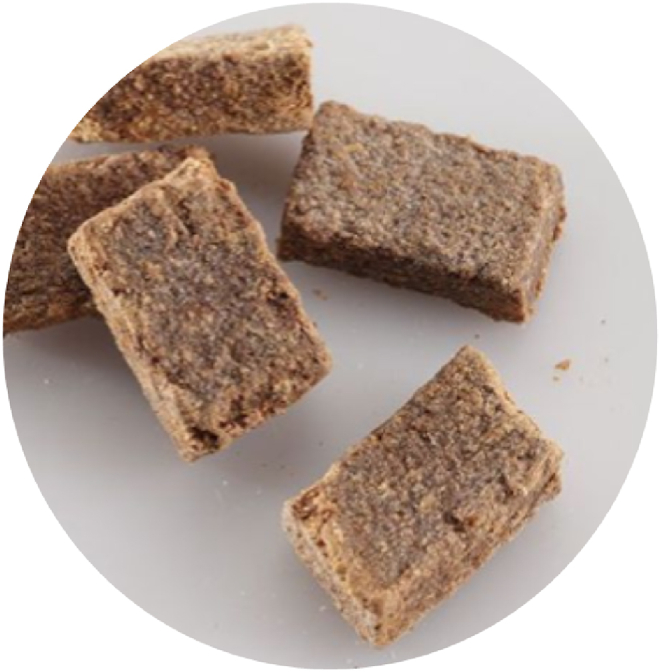
Rebon shrimp terasi.
2.2. Total lactic acid bacteria and total yeast
The total analysis of LAB was conducted following the methods outlined by Ohmori et al. (2018) and following the protocols established by National Standardization Agency (2015) for total yeast analysis. Samples were extracted and diluted using 0.85% NaCl solution at dilutions ranging from 10−1 to 10−6. Subsequently, 1 mL of the diluted samples at dilutions of 10−4, 10−5, and 10−6 was plated onto sterile cups containing 15–20 mL of De Man, Rogosa, and Sharpe Agar (MRS) supplemented with 1% (w/v) CaCO3 for LAB analysis, and Yeast Mannitol Agar (YMA) media supplemented with amoxicillin for total yeast analysis. Incubation was carried out at 37 °C for two days for LAB analysis and at 25 °C for five days for yeast analysis, followed by colony counting (CFU) to determine viable counts.
2.3. Microbial community analysis
-
1)
DNA genome extraction
Samples were collected on dry ice during processing and stored at −80 °C until DNA extraction. Total DNA from terasi was extracted using the CTAB/SDS method. The concentration and purity of DNA were assessed on a 1% agarose gel, and based on concentration, DNA was diluted to 1 ng/μL using sterile water.
-
2)
Amplification of the 16 S rRNA gene
The bacterial 16 S rRNA gene was amplified using Polymerase Chain Reaction (PCR) with Phusion® High-Fidelity PCR Master Mix (New England BioLABs). Universal primer pairs 341 F (5′-CCTAYGGGRBGCASCAG-3′) and 806 R (5′-GGACTACHVGGGTWTCTAAT-3′), targeting the V3-V4 region of the bacterial 16 S rRNA gene, were utilized for amplification. The amplified PCR products were then subjected to pyrosequencing for detailed analysis. The metagenomic sequencing data have been deposited in the BioProject database under accession number PRJNA1165198, corresponding to the 16 S rRNA Metagenomic Amplicon of terasi.
-
3)
Quantification and qualification of PCR products
Quantification and qualification of PCR products were performed by mixing equal volumes of 1X loading buffer (containing SYB green) with PCR products and running electrophoresis on a 2% agarose gel. Samples exhibiting bright main strips between 400 and 450 bp were selected for further analysis. PCR products were mixed at equal density ratios.
-
4)
Purification and Refinement of PCR Products
Mixed PCR products were purified using the Qiagen Gel Extraction Kit (Qiagen, Germany). Subsequently, library construction was carried out using the NEBNext® UltraTM DNA Library Prep Kit for Illumina, and the library was quantified using a Qubit® 2.0 Fluorometer (Thermo Scientific) and Q-PCR, before being analyzed on the Illumina platform.
-
5)
Bioinformatic analysis of amplicon sequencing data
Base pair reads were obtained based on barcode and primary sequence information. The obtained reads were paired using FLASH (V1.2.7). Quality filtering of raw tags was performed using QIIME (V1.7.0) under specific filtering conditions to obtain high-quality clean tags (Ramírez-Guzmán et al., 2004). Subsequently, tags were compared to the SILVA database using the UCHIME algorithm to detect chimera sequences until effective tags were obtained (Edgar et al., 2011).
-
6)
Preparation of OTU clusters
Using Sequence analysis was conducted using UPRASE Version 7.0.1090 software, with sequences classified into operational taxonomic units (OTUs) at 97% similarity. Representative sequences for each OTU were filtered for further analysis. QIIME (Version 1.7.0) was employed for taxonomic annotation against the SSUrRNA database using the MOTHUR method, with further species annotation performed using the SILVA database. Phylogenetic relationships were determined using MUSCLE (Version 3.8.3) from all OTU representative sequences. OTU abundance information was normalized, and alpha and beta diversity analyses were conducted based on normalized data.
2.4. Glutamate and GABA analysis
Glutamate and GABA analysis was conducted using High-Performance Liquid Chromatography (HPLC), combining standard curve construction by calculating the ratio of peak areas to analyte concentrations with linearity assessed through calibration curves derived from glutamate and GABA standard solutions (Pencheva et al., 2023). The methodology also incorporated protocols from previous studies (Shi et al., 2013; Woraharn et al., 2014). For sample preparation, 1 g of dried and ground terasi was dissolved in 10 mL of distilled water, vortexed for 15 min, and centrifuged at 10,000 rpm for 20 min to concentrate the extract. A 200 μL aliquot of the supernatant was combined with 100 μL of phenyl isothiocyanate (PITC) and 100 μL of triethylamine (TEA), then stirred for 1 h. Following this, 400 μL of hexane was added, and the mixture was allowed to settle for 10 min. The lower layer of the solution was filtered through a 0.45 μm membrane. The resulting filtrate was injected into an HPLC system fitted with an Agilent® C18 column (250 × 4.6 mm × 5 μm). Detection was performed at a wavelength of 254 nm, with the column maintained at 36 °C, an injection volume of 5 μL, and a flow rate of 1 mL/min. The mobile phase comprised 45% phase A (sodium acetate) and 55% phase B (acetonitrile).
2.5. Data analysis
Descriptive analysis examined the relationship between bacterial dynamics during fermentation, glutamic acid, and GABA production. Average values and standard deviations were calculated from collected data, and the results were analyzed descriptively.
3. Result and discussion
3.1. Dynamic characteristics of LAB and yeast growth
Terasi, a traditional Indonesian shrimp paste, undergoes spontaneous fermentation, where microorganisms are naturally selected through the addition of salt and drying to reduce water activity, inhibiting spoilage microorganisms (Pongsetkul et al., 2017). The presence of 6–8% salt effectively limits the growth of these organisms (Pongsetkul and Benjakul, 2021). In addition to salt, terasi contains 10% sugar, which also decreases water activity, further inhibiting decay. The inclusion of sugar further lowers the water activity, restricting microbial activity and contributing to the stability of the product (Chirife and Buera, 1994).
Fig. 2 shows the growth patterns of LAB and yeast during the spontaneous fermentation of terasi from day 0 to day 14. LAB growth remains relatively stable, maintaining a high concentration of about 6.32–7.64 log CFU/g throughout the fermentation process. This consistency in LAB levels highlights their dominance in the early stages of fermentation, where they rapidly consume available nutrients and produce lactic acid, creating an acidic environment that suppresses the growth of competing microorganisms.
Fig. 2.

LAB and Yeast growth during terasi spontaneous fermentation D0 until D14.
In contrast, yeast growth becomes detectable only after day 4, with a steady increase in its population reaching approximately 1 log CFU/g by the end of the fermentation period. The delay in yeast detection can be attributed to the initial dominance of LAB, which lowers the pH and reduces oxygen levels, conditions that are more favorable for yeast growth. During the early stages of fermentation, yeast may undergo an adaptation phase, resulting in a minimal count that is undetectable. By the 4th day of fermentation, the total yeast count reaches 2.30 log CFU/g, steadily rising to 6.65 log CFU/g by the 13th day of fermentation.
The fermentation process is driven by LAB and yeast. LAB, in particular, play a crucial role in flavor and aroma development by breaking down proteins into peptides and amino acids via protease activity (Pongsetkul et al., 2016). Throughout the 14-day fermentation period, LAB counts remain stable, aligning with prior findings where LAB populations in high-salt fermented foods typically range from 4 to 6 log CFU/g (Kobayashi et al., 2003). The stable LAB count is likely due to the contribution of LAB from the raw shrimp used in the process. Research have identified various LAB present in terasi, including Lactobacillus, Pediococcus, Streptococcus, and Enterococcus (Sanni et al., 2002; Stefanny and Pamungkaningtyas, 2023). Common LAB species in high-salt environments include Tetragenococcus halophillus and T. muriaticus, with L. plantarum being the dominant strain in terasi, known for producing glutamate, a flavor-enhancing compound (Amalia et al., 2018).
Yeast detection in terasi initiates on the 4th day of fermentation, with levels gradually increasing until the 14th day. By the 4th day, yeast count reaches 2.30 log CFU/g, escalating to 6.65 log CFU/g by the 13th day. Yeast growth was observed to initiate after day 4 of fermentation, likely due to the initial dominance of LAB. During the early phase, LAB rapidly consume available nutrients and produce lactic acid, leading to a reduction in pH, which subsequently creates favorable conditions for yeast proliferation. Furthermore, as oxygen levels decline due to LAB activity, the environment becomes more conducive to yeast growth, which thrives in anaerobic and acidic conditions. As LAB reduce oxygen levels through their metabolic activities, the anaerobic and acidic conditions become more suitable for yeast growth (Maicas, 2020). The delayed yeast growth may also be attributed to a lag phase, wherein yeast requires time to adapt to the complex microbial environment before its population can expand significantly. These findings are consistent with previous studies on microbial interactions during spontaneous fermentation, which highlight the role of LAB in modulating the fermentation environment for yeast development (Álvarez-Martín et al., 2008; Ravyts et al., 2012).
Yeasts contribute to fermentation through enzymatic activities, including amylolysis and the production of bioactive compounds, playing a secondary yet essential role in the fermentation (J. et al., 1944; Rai et al., 2019). The proteases responsible for this hydrolysis can be of microbial or indigenous origin, contributing to the transformation of proteins during fermentation (Y. Huang et al., 2017). Compared to LAB, yeast's enzymatic action can lead to a higher likelihood of producing novel bioactive peptides through protease-mediated hydrolysis. The co-culturing of different bacteria and yeasts has been shown to accelerate the process of proteolysis and generate bioactive peptides in fermented foods (Chaudhary et al., 2021). Different microorganisms possess unique pools of proteolytic enzymes, influencing the extent of protein hydrolysis and the resulting bioactive peptide production (Tonini et al., 2024).
3.2. Bacterial community profile during spontaneous fermentation
Further identification through an amplicon metagenomics approach was conducted on samples collected on days 0 (D0) and 7 (D7) (Fig. 3), coinciding with a significant increase in GABA levels. Amplicons were sequenced on the Illumina platform to generate raw paired-end reads of 250 base pair, which were subsequently merged and processed to obtain clean tags. After removing chimeric sequences, effective tags were obtained, totaling 137,417 reads for D0 and 117,870 reads for D7 (Supplementary Table S1). The sequencing depth was deemed sufficient for subsequent analysis, as indicated by the α-rarefaction curve results (Supplementary Fig. 2). A total of 120,740.5 phyla, 120,707 classes, 120,534.5 orders, 119,032 families, and 115,421.5 genera were identified from the 16 S amplicon dataset (Supplementary Figs. 1 and 3). Firmicutes dominated on both D0 (51%) and D7 (51%), followed by Proteobacteria (43% on D0 and 36% on D7), Actinobacteriota, Bacteroidota, Acidobacteriota, Myxococcota, and Chloroflexi.
Fig. 3.

The top 10 taxa relative abundance in genera level.
The genera-level analysis of bacterial communities during the fermentation process of terasi demonstrated significant shifts in the relative abundance of various bacterial taxa. On Day 0 (D0), the genus Vibrio dominated the microbial community, accounting for 39% of the total abundance. However, by Day 7 (D7), Vibrio was almost entirely replaced by Macrococcus, which became the dominant genus, constituting 25% of the microbial composition (Table S2). This notable transition is indicative of the dynamic microbial ecology inherent to the fermentation process.
Several genera exhibited marked fluctuations in abundance over the seven-day fermentation period. For instance, Bacillus and Pseudarthrobacter demonstrated substantial increases in abundance. These genera are known for their roles in fermentation, likely contributing to the biochemical transformations occurring during the process, such as the production of bioactive compounds like glutamate and GABA, which are essential for enhancing the umami taste and health benefits of terasi. Research indicates that specific strains of Bacillus, such as B. velezensis and B. licheniformis, can produce GABA through fermentation processes involving substrates like brewer's spent grain (Kim et al., 2022). The enzymatic pathways involved in the conversion of glutamate to GABA are facilitated by enzymes such as glutamate decarboxylase, which is present in these Bacillus strains (Jang et al., 2021; Kim et al., 2022).
The dynamic nature of these microbial shifts suggests intricate interactions between specific bacterial taxa and the production of desired fermentation products. The rise of Bacillus and Pseudarthrobacter aligns with their known roles in protein degradation and fermentation, processes that are likely linked to the formation of glutamate and GABA. These compounds not only contribute to the sensory attributes of terasi but may also provide health benefits, such as neuroprotective effects and improved gastrointestinal function.
Conversely, other genera, including Prevotella, Macrococcus, Vibrio, Vagococcus, and Salinicoccus, displayed significant reductions in relative abundance, with decreases ranging from 34% to 100% by D7. The dramatic decline of Vibrio may be linked to the increasing acidity and other environmental shifts in the fermentation matrix, favoring acidophilic and halotolerant genera such as Bacillus. The reduction in genera such as Macrococcus and Vibrio is also noteworthy, as their diminished presence may signal a shift from an initial rapid fermentation phase dominated by opportunistic or spoilage-related microbes to a more controlled fermentation phase driven by beneficial, fermentation-specific bacteria. These findings underscore the importance of monitoring microbial dynamics to optimize the safety and quality of traditionally fermented products.
Furthermore, examining the α diversity between D0 and D7 samples, it was observed that the α diversity indices (Shannon, Simpson, Chao1, and ACE) were higher in the D7 sample compared to the D0 sample (Table 1). Specifically, there were 259 OTUs unique to the D0 samples, 1102 OTUs unique to the D7 samples, and 269 OTUs shared between the D0 and D7 samples (Fig. 4). This indicates that fermentation leads to an increase in bacterial richness and diversity. These findings suggest that the majority of active bacteria were present in both the raw material and the fermentation environment during the initial stages, and as the spontaneous fermentation progressed, bacteria from the fermentation environment continued to naturally inoculate the terasi mass.
Table 1.
Bacterial diversity during fermentation.
| Sample | Observed Species | Diversity Index |
Richness Estimator |
Good Coverage (%) | PD Whole Tree | ||
|---|---|---|---|---|---|---|---|
| Shannon | Simpson | Chao1 | ACE | ||||
| TerasiD0 | 528 | 4.298 | 0.871 | 561.016 | 564.059 | 0.999 | 52.021 |
| TerasiD7 | 1371 | 5.725 | 0.916 | 1317.306 | 1375.634 | 1.000 | 121.096 |
Fig. 4.

(a) Taxonomic annotation analysis terasi day 0, (b) Taxonomic annotation analysis terasi day 7, (c) Comparisons of dominant bacteria (>1%) at the genera level between terasi D0 and D7.
Based on the bacterial abundance observed in the D0 and D7 samples, we identified 20 bacteria representing the core microbiome. The network analysis of core microbiome communities during the fermentation of terasi revealed distinct shifts in bacterial associations between Day 0 (D0) and Day 7 (D7) of the fermentation process (Fig. 5). Using Cytoscape, we visualized the bacterial interactions, highlighting the changes in microbial composition driven by fermentation dynamics.
Fig. 5.

Microbiome network analysis of core communities of bacteria during terasi spontaneous fermentation.
On D0, a diverse group of bacteria formed the core microbiome, with several genera exclusively present during the early stage of fermentation. These included Prevotella, Muribaculaceae, Eubacterium, Prevotellaceae, Subdoligranulum, Ailoprevotella, and Agathobacter, all of which are primarily associated with carbohydrate fermentation and anaerobic digestion. Their presence at this initial stage suggests that they may play a role in breaking down complex carbohydrates in the raw materials, contributing to early fermentation activities. Prevotella species are abundant in the rumen of herbivorous animals, where they facilitate the breakdown of fibrous plant materials, thus enhancing energy extraction from the diet (Bailoni et al., 2021; Deusch et al., 2019; Li et al., 2022). Muribaculaceae, another family within the Bacteroidetes phylum, has been identified as a significant player in the fermentation of complex carbohydrates. These bacteria are predominantly found in the gastrointestinal tracts of mammals, where they thrive on plant-derived polysaccharides (Maidment et al., 2023; Özbayram et al., 2018). Eubacterium, particularly Eubacterium nodatum, is also recognized for its role in degrading indigestible carbohydrates and producing single chain fatty acids, which are vital for colonic health (X. Han, 2023).
By D7, significant shifts were observed in the core microbiome, as several bacterial genera from D0 either diminished or were completely absent. In contrast, new genera such as RB41, Nitrospira, Bryobacter, and Candidatus solibacter emerged. These genera are typically found in more specialized niches and are known for their roles in nitrogen cycling and organic matter degradation. Their presence on D7 indicates that as the fermentation environment matures, it selects for bacteria capable of surviving in the more acidic and nutrient-depleted conditions, as fermentation progresses. Nitrospira species are known for their ability to oxidize nitrite to nitrate, a process that is vital in the nitrogen cycle. They possess unique metabolic pathways that allow them to thrive in low-nutrient environments (Daims et al., 2015). Bryobacter species are known for their ability to degrade complex organic compounds, including polysaccharides and aromatic compounds. Bryobacter can utilize a variety of substrates, including sugars, polysaccharides, and organic acids, which are products of organic matter decomposition (Guerra et al., 2022; J. Huang et al., 2024; Rosier et al., 2021). Candidatus Solibacter species are characterized by their capacity to degrade a wide range of organic compounds, contributing to the cycling of carbon. It has been reported that this genus produces enzymes that facilitate the breakdown of complex organic compounds, thereby enhancing the decomposition process (J. Huang et al., 2024).
The differences in bacterial community structure between D0 and D7 reflect the dynamic nature of microbial interactions during fermentation. The disappearance of Prevotella and Agathobacter, coupled with the rise of RB41 and Candidatus solibacter, points to a microbial succession pattern that optimizes the fermentation environment. This microbial shift could influence key fermentation parameters, such as the production of bioactive compounds, flavor profiles, and the overall safety of the fermented product. The replacement of early carbohydrate-degrading bacteria with nitrogen-cycling and organic matter-degrading bacteria suggests a shift in metabolic activities that are crucial for the completion of the fermentation process.
3.3. Dynamic characteristics of glutamate and GABA
The examination of glutamate and GABA concentrations across the fermentation timeline revealed distinct patterns. Glutamate concentrations exhibited a noticeable rise from 105.18 mg/mL on the 3rd day to 107.04 mg/mL on the 7th day, culminating in a significant increase to 139.19 mg/mL by the 14th day of fermentation (Fig. 6). Concurrently, GABA concentrations followed a similar trend, albeit with slight fluctuations. Starting at 90.49 mg/mL on the 3rd day, GABA levels increased to 103.42 mg/mL by the 7th day and finally reached 106.98 mg/mL by the 14th day. This observed progressive augmentation in glutamate and GABA concentration highlight the dynamic of microbial activity during fermentation. The data trend suggests a gradual accumulation of these compounds over time, indicating ongoing biochemical processes throughout fermentation. Such insights underscore the intricate metabolic transformations occurring within the terasi matrix, emphasizing the importance of monitoring fermentation kinetics for elucidating the underlying mechanisms driving flavor development and nutritional enhancement.
Fig. 6.

Amount of glutamate and GABA during the spontaneous fermentation process of D3, D7, and D14.
Glutamate levels during terasi fermentation steadily increased. This trend is consistent with previous studies on fermented shrimp paste (kapi) and tuna condensate waste, where prolonged fermentation leads to higher glutamate concentrations (Pongsetkul et al., 2017; Sanchart et al., 2018). The increase in glutamate can be attributed to the breakdown of proteins during fermentation, a process driven by microbial proteolysis (Amalia et al., 2018).
Glutamate, an essential compound in microbial metabolism, plays a pivotal role in the synthesis of GABA. During fermentation, glutamate serves as the precursor for GABA production through the action of the enzyme GAD. As glutamate levels increased throughout the fermentation process, a corresponding rise in GABA concentration was observed, indicating a direct relationship between the availability of glutamate and the synthesis of GABA. This upward trend highlights the dynamic interaction between these two compounds, driven by microbial activity during fermentation.
GABA concentrations were recorded at 90.49 mg/mL on day 3, 103.42 mg/mL on day 7, and 106.98 mg/mL on day 14. This increase correlates with longer fermentation times, in line with findings from Sanchart et al. (2017), who observed a rise in GABA levels during the fermentation of kung-som (fermented shrimp), with concentrations reaching up to 12,000 mg/kg after 21 days. The results confirm that prolonged fermentation enhances both glutamate and GABA levels, demonstrating the metabolic relationship between these compounds in fermented foods.
3.4. Association of the terasi LAB and yeast dynamics characteristic with glutamate and GABA production
The relationship between LAB growth, yeast proliferation, and the concentrations of glutamate and GABA during terasi fermentation is illustrated in Fig. 7. On the 3rd day of fermentation, glutamate levels reached 105.18 mg/mL, and GABA measured 90.49 mg/mL, with high LAB counts at 7.22 log CFU/g, but no detectable yeast growth. By the 7th day, glutamate increased to 107.04 mg/mL, and GABA rose to 103.42 mg/mL, accompanied by a slight rise in LAB count (7.37 log CFU/g) and significant yeast growth (2.87 log CFU/g). This indicates a correlation between increased glutamate and GABA production and microbial growth.
Fig. 7.

The relationship curve between LAB growth and yeast and the amount of glutamate and GABA detected in D3, D7, and D14.
On the 14th day, glutamate concentration peaked at 139.19 mg/mL, while GABA reached 106.98 mg/mL. Despite a decrease in LAB count to 6.63 log CFU/g, yeast count continued to rise, reaching 5.51 log CFU/g. Interestingly, even with declining LAB, glutamate concentration increased by 32.15 mg/mL. These results highlight the complex relationship between microbial activity and the production of bioactive compounds during terasi fermentation.
During terasi fermentation, glutamate and GABA, synthesized by microorganisms like L. plantarum and L. futsaii, play critical roles as primary and secondary metabolites, respectively (Abdel-Aziz et al., 2017; Anggraini et al., 2019; Su et al., 2003). LAB utilize carbohydrates through glycolysis, generating pyruvate and acetyl CoA, which are then converted into intermediates such as α-ketoglutarate, precursors for glutamate and GABA synthesis (Watanabe et al., 2002). Proteolytic activity by LAB and yeasts further enhances glutamate and GABA formation through protein degradation (Braun, 2015; Hecht et al., 2014; Savijoki et al., 2006). The symbiotic interaction between these microbes during fermentation, as observed by Sanchart et al. (2017), creates favorable conditions for metabolite synthesis, with LAB's acid production promoting yeast growth, which supplies essential nutrients for further LAB activity.
On day 3 of fermentation, glutamate and GABA levels were recorded at 105.18 mg/mL and 90.49 mg/mL, respectively. Despite the absence of yeast growth at this stage, the high LAB count (7.22 log CFU/g) suggests their active role in glutamate and GABA production, consistent with the proteolytic and GAD activity of LAB (Sanchart et al., 2017; Savijoki et al., 2006). By day 7, both glutamate and GABA concentrations increased to 107.04 mg/mL and 103.42 mg/mL, with total LAB rising to 7.37 log CFU/g, and yeast reaching 2.87 log CFU/g, indicating a correlation between microbial growth and metabolite levels.
On day 14, glutamate peaked at 139.19 mg/mL, while GABA reached 106.98 mg/mL. Despite a decrease in LAB to 6.63 log CFU/g, yeast continued to proliferate, reaching 5.51 log CFU/g. The significant rise in glutamate without a proportional increase in GABA suggests possible yeast utilization of GABA as a nitrogen source, limiting its accumulation (Ando and Nakamura, 2016). Moreover, bacterial enzymatic conversion of GABA via GABA transaminase may have further reduced GABA levels (Yogeswara et al., 2020).
Further characterization of the correlation between dynamic bacteria and the increased amounts of GABA and glutamate was explored through metagenomic identification. Bacterial shifts observed on days 0 and 7 of fermentation appear to be linked to the increasing levels of GABA, indicating a potential positive relationship between certain bacterial species and GABA production. These findings highlight the complexity of microbial ecosystems in spontaneous fermentation, where bacteria interact to facilitate metabolic processes (Fig. 7 & Supplementary Fig. 5).
Key bacterial genera, including Bacillus, Exiguobacterium, Pseudarthrobacter, Staphylococcus, and Jeotgalicoccus, exhibited significant growth by day 7. Bacillus showed the most prominent increase, likely due to its role in glutamic acid synthesis, a precursor to GABA. Bacillus also produces glutamate synthase, an enzyme critical for glutamate biosynthesis (Kimura and Kobayashi, 2020). Research suggests that Bacillus, when grown in specific conditions (1% glucose, 2% soybean hydrolysate), can yield GABA concentrations as high as 1.623 g/L with a productivity of 541.2 mg/L/day (Lin and Lan, 2018). Additionally, Bacillus enhances LAB growth, suppresses pathogens, and promotes an environment conducive to GABA accumulation through co-fermentation with LAB (Z. Yang et al., 2021). Due to these properties, Bacillus has been extensively studied for its genetic potential in GABA production (Kim et al., 2022; Park and Oh, 2006; Rochaddi et al., 2019; H. Wang et al., 2018).
Other genera like Exiguobacterium, Pseudarthrobacter, Staphylococcus, and Jeotgalicoccus also increased on day 7. Exiguobacterium possesses metabolic pathways for GABA biosynthesis (Kanehisa et al., 2021). While Pseudarthrobacter contributes to GABA degradation via the succinate-semialdehyde pathway, reducing GABA levels (Caspi et al., 2016). These enzymes facilitate the conversion of GABA into L-glutamate, NAD+, and NADH via the succinate-semialdehyde pathway, consequently reducing the concentration of GABA formed.
Staphylococcus showed an increase, while Macrococcus exhibited a decrease during fermentation on D7. Genera Staphylococcus and Macrococcus are monophyletic, sharing intergenera 16 S rRNA sequence similarities of 93.4%–95.3% (Mazhar et al., 2018). This finding correlates with the abundant presence of Staphylococcus and Macrococcus in shrimp paste. Various Staphylococcus sp. have also been identified in Vietnamese and Korean fermented fish, such as Staphylococcus pasteuri, Staphylococcus piscifermentans, Staphylococcus carnosus, and Staphylococcus hominis, with reported GABA production yields ranging from 10.62 to 434.75 mM (T. T. T. Vo and Park, 2019).
The genera Prevotella, Macrococcus, Vagococcus, Vibrio, and Salinicoccus exhibited a decline in abundance by day 7 of the fermentation process. Notably, the relationship between Vagococcus and Salinicoccus and the production of glutamate and GABA remains largely unexplored. However, the reduction of Vibrio, a pathogenic bacterium associated with fermented fish products (Jones and Oliver, 2009; Letchumanan et al., 2015). is a beneficial outcome of the fermentation process. This decrease underscores the critical role of LAB and other beneficial microbes in pathogen suppression during fermentation (Pongsetkul et al., 2017).
Macrococcus, known for its potent proteolytic activity, facilitates the release of peptides and amino acids, some of which exhibit bioactive properties (Mazhar et al., 2018). Its involvement in amino acid synthesis may be linked to its competitive advantage over anaerobic LAB in oxygen-rich environments (Afshari et al., 2020).
Despite the decrease in Vagococcus and Lactobacillus—members of the LAB group—during the fermentation process, LAB have been linked to GABA production in other fermentation contexts. For example, in cheese fermentation, a positive correlation between Lactobacillus presence and GABA levels has been observed (Afshari et al., 2020). This connection stems from the ability of LAB strains to express GAD, the enzyme responsible for converting glutamate into GABA (Yogeswara et al., 2020). The observed LAB dynamics in this study may be influenced by fermentation time and temperature, both of which are critical factors in optimizing GABA production. For instance, L. brevis has demonstrated time-dependent GABA synthesis, reaching a peak concentration of 255 mM after 48 h of fermentation at 30 °C with 270 mM monosodium glutamate (MSG) in MRS medium (Villegas et al., 2016). To further enhance GABA production, process modifications such as the supplementation of pyridoxal-5-phosphate may be effective, given its role in activating GAD in LAB (Yogeswara et al., 2020).
This study suggests that the microbiota present during terasi fermentation, particularly LAB, may play a pivotal role in the dynamics of GABA production. However, further research into the functional roles of these microbial communities and metabolic pathways of these microbial communities could help elucidate their exact roles in the biosynthesis of key fermentation products, such as glutamate and GABA, potentially guiding improvements in fermentation techniques for enhanced product quality and safety.
4. Conclusion
During the 14-day fermentation of terasi, LAB populations remained stable while yeast became detectable after day 4, likely due to LAB's early dominance, nutrient consumption, and pH reduction, which created favorable conditions for yeast growth. Yeast growth was further delayed due to a lag phase as it adapted to the acidic environment. Notably, glutamate levels increased from 105.18 mg/mL on day 3–139.19 mg/mL on day 14, while GABA levels rose from 90.49 mg/mL to 106.98 mg/mL during the same period. Metagenomic analysis revealed a diverse microbial ecosystem, with core bacteria such as Vibrio, Macrococcus, Staphylococcus, Exiguobacterium, Jeotgalicoccus, Prevotella, Salinicoccus, Bacillus, Pseudarthrobacter, and Vagococcus playing crucial roles in glutamate and GABA production. These findings underscore the importance of microbial interactions in producing key metabolites, offering potential for optimizing GABA yields through further research at the genetic and metabolic levels.
CRediT authorship contribution statement
Gemilang Lara Utama: Conceptualization, Supervision, Writing - review & editing, Validation. Novia Rahmah Maulani Sahab: Investigation, Data curation, Visualization, writing. Siti Nurmilah: Writing - review & editing, writing. Vira Putri Yarlina: Writing - review & editing, writing. Edy Subroto: Supervision, Writing - review & editing. Roostita L. Balia: Supervision, Writing - review & editing, The authors have given final approval for the version to be published, and all authors read and approved the final manuscript.
Declaration of competing interest
The authors declare that there are no conflicts of interest regarding the publication of this paper.
Acknowledgement
Authors thank to Unviersitas Padjadjaran for the grant scheme “Riset Kompetisi Dosen Unpad” with the contract number 1853/UN6.3.1/PT.00/2024, and for covering the article processing charge.
Handling Editor: Dr. Siyun Wang
Footnotes
Supplementary data to this article can be found online at https://doi.org/10.1016/j.crfs.2024.100950.
Appendix A. Supplementary data
The following are the Supplementary data to this article:
Data availability
Data will be made available on request.
References
- Abdel-Aziz S.M., Abo Elsoud M.M., Anise A.A.H. In: Handbook of Food Bioengineering. Grumezescu A.M., Holban A.M.B.T.-F.B., editors. Academic Press; 2017. Chapter 2 - microbial biosynthesis: a repertory of vital natural products; pp. 25–54. [DOI] [Google Scholar]
- Afshari R., Pillidge C.J., Read E., Rochfort S., Dias D.A., Osborn A.M., Gill H. New insights into cheddar cheese microbiota-metabolome relationships revealed by integrative analysis of multi-omics data. Sci. Rep. 2020;10(1):1–13. doi: 10.1038/s41598-020-59617-9. [DOI] [PMC free article] [PubMed] [Google Scholar]
- Álvarez-Martín P., Flórez A.B., Hernández-Barranco A., Mayo B. Interaction between dairy yeasts and lactic acid bacteria strains during milk fermentation. Food Control. 2008;19(1):62–70. doi: 10.1016/j.foodcont.2007.02.003. [DOI] [Google Scholar]
- Amalia U., Sumardianto, Agustini T.W. 2018. Characterization of Lactic Acid Bacteria (LAB) Isolated from Indonesian Shrimp Paste (Terasi) [Google Scholar]
- Ando A., Nakamura T. Prevention of GABA reduction during dough fermentation using a baker's yeast dal81 mutant. J. Biosci. Bioeng. 2016;122(4):441–445. doi: 10.1016/j.jbiosc.2016.03.006. [DOI] [PubMed] [Google Scholar]
- Anggraini L., Marlida Y., Huda N. Isolation and characterization of lactic acid bacteria producing GABA from indigenous west sumatera fermented food. 2019;9(3):855–860. [Google Scholar]
- Aoki H., Uda I., Tagami K., Furuya Y., Endo Y. vol. 8451. 2014. (The Production of a New Tempeh-like Fermented Soybean Containing a High Level of γ-Aminobutyric Acid by Anaerobic Incubation with Rhizopus the Production of a New Tempeh-like Fermented Soybean Containing a High Level of G -Aminobutyric Acid by Anaerobi). May. [DOI] [PubMed] [Google Scholar]
- Bailoni L., Carraro L., Cardin M., Cardazzo B. Active rumen bacterial and Protozoal communities revealed by RNA-based amplicon sequencing on dairy cows fed different diets at three physiological stages. Microorganisms. 2021;9(4):754. doi: 10.3390/microorganisms9040754. [DOI] [PMC free article] [PubMed] [Google Scholar]
- Braun R.J. Ubiquitin-dependent proteolysis in yeast cells expressing neurotoxic proteins. Front. Mol. Neurosci. 2015;8:8. doi: 10.3389/fnmol.2015.00008. [DOI] [PMC free article] [PubMed] [Google Scholar]
- Caspi R., Billington R., Ferrer L., Foerster H., Fulcher C.A., Keseler I.M., Kothari A., Krummenacker M., Latendresse M., Mueller L.A., Ong Q., Paley S., Subhraveti P., Weaver D.S., Karp P.D. The MetaCyc database of metabolic pathways and enzymes and the BioCyc collection of pathway/genome databases. Nucleic Acids Res. 2016;44(D1):D471–D480. doi: 10.1093/nar/gkv1164. [DOI] [PMC free article] [PubMed] [Google Scholar]
- Charmpi C., Veken D. Van Der, Reckem E. Van, Vuyst L. De. Raw meat quality and salt levels affect the bacterial species diversity and community dynamics during the fermentation of pork mince. Food Microbiol. 2020;103434 doi: 10.1016/j.fm.2020.103434. [DOI] [PubMed] [Google Scholar]
- Chaudhary A., Bhalla S., Patiyal S., Raghava G.P.S., Sahni G. FermFooDb: a database of bioactive peptides derived from fermented foods. Heliyon. 2021 doi: 10.1016/j.heliyon.2021.e06668. [DOI] [PMC free article] [PubMed] [Google Scholar]
- Chirife J. M. Del, Buera P. Water activity, glass transition and microbial stability in concentrated/semimoist food systems. J. Food Sci. 1994;59(5):921–927. doi: 10.1111/j.1365-2621.1994.tb08159.x. [DOI] [Google Scholar]
- Cifelli P., Ruffolo G., Felice E. De, Alfano V., Vliet E. A. van, Aronica E., Palma E. Phytocannabinoids in neurological diseases: could they restore a physiological GABAergic transmission? Int. J. Mol. Sci. 2020 doi: 10.3390/ijms21030723. [DOI] [PMC free article] [PubMed] [Google Scholar]
- Coda R., Rizzello C.G., Gobbetti M. International Journal of Food Microbiology Use of sourdough fermentation and pseudo-cereals and leguminous fl ours for the making of a functional bread enriched of γ -aminobutyric acid (GABA) Int. J. Food Microbiol. 2010;137(2–3):236–245. doi: 10.1016/j.ijfoodmicro.2009.12.010. [DOI] [PubMed] [Google Scholar]
- Daims H., Лебедева Е.В., Pjevac P., Han P., Herbold C.W., Albertsen M., Jehmlich N., Palatinszky M., Vierheilig J., Булаев А.Г., Kirkegaard R.H., Bergen M. von, Rattei T., Bendinger B., Nielsen P.H., Wagner M. Complete nitrification by Nitrospira bacteria. Nature. 2015;528(7583):504–509. doi: 10.1038/nature16461. [DOI] [PMC free article] [PubMed] [Google Scholar]
- Deusch S., Bok E., Schleicher L., Seifert J., Steuber J. Occurrence and function of the Na+-Translocating NADH:quinone oxidoreductase in Prevotella spp. Microorganisms. 2019;7(5):117. doi: 10.3390/microorganisms7050117. [DOI] [PMC free article] [PubMed] [Google Scholar]
- Edgar R.C., Haas B.J., Clemente J.C., Quince C., Knight R. UCHIME improves sensitivity and speed of chimera detection. Bioinformatics. 2011;27(16):2194–2200. doi: 10.1093/bioinformatics/btr381. [DOI] [PMC free article] [PubMed] [Google Scholar]
- Franceschi D., Lomolino G., Sato R., Vincenzi S., Iseppi A. De. Umami in wine: impact of glutamate concentration and contact with lees on the sensory profile of Italian white wines. Beverages. 2023;9(2):52. doi: 10.3390/beverages9020052. [DOI] [Google Scholar]
- Guerra V.A., Beule L., Mackowiak C.L., Dubeux J.C.B., Blount A.R., Wang X., Rowland D., Liao H. Soil bacterial community response to rhizoma peanut incorporation into Florida pastures. J. Environ. Qual. 2022;51(1):55–65. doi: 10.1002/jeq2.20307. [DOI] [PubMed] [Google Scholar]
- Han M. Use of Streptococcus thermophilus for the in situ production of γ-aminobutyric acid-enriched fermented milk. Lancet. 2020 doi: 10.3168/jds.2019-16856. [DOI] [PubMed] [Google Scholar]
- Han X. Dietary NDF/starch ratio modulates colonic microbiota and metabolites in lambs before and after weaning. Fermentation. 2023;9(11):935. doi: 10.3390/fermentation9110935. [DOI] [Google Scholar]
- Han J., Zhao X., Zhao X., Wang Q., Li P., Gu Q. Microbial-derived Γ-aminobutyric acid: synthesis, purification, physiological function, and applications. J. Agric. Food Chem. 2023;71(41):14931–14946. doi: 10.1021/acs.jafc.3c05269. [DOI] [PubMed] [Google Scholar]
- Hecht K.A., O'Donnell A.F., Brodsky J.L. The proteolytic landscape of the yeast vacuole. Cell. Logist. 2014;4(1) doi: 10.4161/cl.28023. [DOI] [PMC free article] [PubMed] [Google Scholar]
- Helmi H., Astuti D.I., Dungani R., Aditiawati P. A comparative study on quality of fermented shrimp paste (terasi) of pelagic shrimp from different locations in Indonesia. Squalen Bulletin of Marine and Fisheries Postharvest and Biotechnology. 2022 doi: 10.15578/squalen.631. [DOI] [Google Scholar]
- Hong J., Kim K. Biochemical and Biophysical Research Communications Crystal structure of g -aminobutyrate aminotransferase in complex with a PLP-GABA adduct from Corynebacterium glutamicum. Biochem. Biophys. Res. Commun. 2019;514(3):601–606. doi: 10.1016/j.bbrc.2019.04.194. [DOI] [PubMed] [Google Scholar]
- Huang Y., Wang Y., Xu Y. Purification and characterisation of an acid protease from the Aspergillus hennebergii HX08 and its potential in traditional fermentation. J. Inst. Brew. 2017 doi: 10.1002/jib.427. [DOI] [Google Scholar]
- Huang J., Wang X., Yang L., Li Y., Xia B., Li H., Deng X. Analysis of tobacco straw return to the field to improve the chemical, physical, and biological soil properties and rice yield. Agronomy. 2024;14(5):1025. doi: 10.3390/agronomy14051025. [DOI] [Google Scholar]
- Jang M., Jeong D., Heo G., Kong H., Kim C.-T., Lee J.H. Genetic background behind the amino acid profiles of fermented soybeans produced by four Bacillus spp. J. Microbiol. Biotechnol. 2021;31(3):447–455. doi: 10.4014/jmb.2012.12051. [DOI] [PMC free article] [PubMed] [Google Scholar]
- Jin R., Song J., Liu C., Lin R., Liang D., Aweya J.J., Weng W., Zhu L., Shang J., Yang S. Synthetic microbial communities: novel strategies to enhance the quality of traditional fermented foods. Compr. Rev. Food Sci. Food Saf. 2024;23(4) doi: 10.1111/1541-4337.13388. [DOI] [PubMed] [Google Scholar]
- Jones M.K., Oliver J.D. Vibrio vulnificus: disease and pathogenesis. Infect. Immun. 2009 doi: 10.1128/iai.01046-08. [DOI] [PMC free article] [PubMed] [Google Scholar]
- Kanehisa M., Furumichi M., Sato Y., Ishiguro-Watanabe M., Tanabe M. KEGG: integrating viruses and cellular organisms. Nucleic Acids Res. 2021;49(D1):D545–D551. doi: 10.1093/nar/gkaa970. [DOI] [PMC free article] [PubMed] [Google Scholar]
- Karim F., Swastawati F., Anggo A. Pengaruh perbedaan bahan baku terhadap kandungan asam glutamat pada terasi (the effect of different raw material to glutamic acid content in fish paste) Jurnal Pengolahan Dan Bioteknologi Hasil Perikanan. 2014;3(4):51–58. https://ejournal3.undip.ac.id/index.php/jpbhp/article/view/7778/7533 [Google Scholar]
- Kim T., Heo S., Na H.-E., Lee G.W., Lee J.H., Kim J., Jeong D. Increased production of Γ-aminobutyric acid from brewer's spent grain through Bacillus fermentation. J. Microbiol. Biotechnol. 2022 doi: 10.4014/jmb.2210.10051. [DOI] [PMC free article] [PubMed] [Google Scholar]
- Kimura T., Kobayashi K. Role of glutamate synthase in biofilm formation by bacillus subtilis. J. Bacteriol. 2020;202(14) doi: 10.1128/JB.00120-20. [DOI] [PMC free article] [PubMed] [Google Scholar]
- Kobayashi T., Kajiwara M., Wahyuni M., Kitakado T., Hamada-Sato N., Imada C., Watanabe E. Isolation and characterization of halophilic lactic acid bacteria isolated from “Terasi” shrimp paste: a traditional fermented seafood product in Indonesia. J. Gen. Appl. Microbiol. 2003;49(5):279–286. doi: 10.2323/jgam.49.279. [DOI] [PubMed] [Google Scholar]
- Letchumanan V., Yin W., Lee L., Chan K. Prevalence and antimicrobial susceptibility of Vibrio parahaemolyticus isolated from retail shrimps in Malaysia. Front. Microbiol. 2015 doi: 10.3389/fmicb.2015.00033. [DOI] [PMC free article] [PubMed] [Google Scholar]
- Li Y., Silva É.B.d., Li J., Kung L. Effect of homo-fermentative lactic acid bacteria inoculants on fermentation characteristics and bacterial and fungal communities in alfalfa silage. Fermentation. 2022;8(11):621. doi: 10.3390/fermentation8110621. [DOI] [Google Scholar]
- Lin S.T., Lan J.C.W. Evaluation of γ-aminobutyric acid (GABA) production from waste feedstocks by an isolated Bacillus subtilis. N. Biotech. 2018;44(2018):S133. doi: 10.1016/j.nbt.2018.05.1085. [DOI] [Google Scholar]
- Maicas S. The role of yeasts in fermentation processes. Microorganisms. 2020;8(Issue 8) doi: 10.3390/microorganisms8081142. [DOI] [PMC free article] [PubMed] [Google Scholar]
- Maidment T., Bryan E.R., Pyne M., Barnes M.L., Eccleston S., Cunningham S., Whitlock E., Redman K., Nicolson V., Beagley K.W., Pelzer E.S. Characterisation of the koala (phascolarctos cinereus) pouch microbiota in a captive population reveals a dysbiotic compositional profile associated with neonatal mortality. Microbiome. 2023;11(1) doi: 10.1186/s40168-023-01527-9. [DOI] [PMC free article] [PubMed] [Google Scholar]
- Mazhar S., Hill C., McAuliffe O. The genus Macrococcus: an insight into its biology, evolution, and relationship with Staphylococcus. Adv. Appl. Microbiol. 2018;105 doi: 10.1016/bs.aambs.2018.05.002. Elsevier Ltd. [DOI] [PubMed] [Google Scholar]
- Melini F., Melini V., Luziatelli F., Ficca A.G., Ruzzi M. Health-promoting components in fermented foods: an up-to-date systematic review. Nutrients. 2019 doi: 10.3390/nu11051189. [DOI] [PMC free article] [PubMed] [Google Scholar]
- Ohmori T., Tahara M., Ohshima T. Mechanism of gamma-aminobutyric acid (GABA) production by a lactic acid bacterium in yogurt-sake. Process Biochem. 2018;74(February):21–27. doi: 10.1016/j.procbio.2018.08.030. [DOI] [Google Scholar]
- Özbayram E.G., İnce O., İnce B., Harms H., Kleinsteuber S. Comparison of rumen and manure microbiomes and implications for the inoculation of anaerobic digesters. Microorganisms. 2018;6(1):15. doi: 10.3390/microorganisms6010015. [DOI] [PMC free article] [PubMed] [Google Scholar]
- Pan Z.Z. Transcriptional control of Gad 2. Transcription. 2012 doi: 10.4161/trns.19511. [DOI] [PMC free article] [PubMed] [Google Scholar]
- Park K.-B., Oh S. Enhancement of γ-aminobutyric acid production in chungkukjang by applying a Bacillus subtilis strain expressing glutamate decarboxylase from Lactobacillus brevis. Biotechnol. Lett. 2006 doi: 10.1007/s10529-006-9112-9. [DOI] [PubMed] [Google Scholar]
- Pencheva D., Teneva D., Denev P. Validation of HPLC method for analysis of gamma-aminobutyric and glutamic acids in plant foods and medicinal plants. Molecules. 2023;28(1) doi: 10.3390/molecules28010084. [DOI] [PMC free article] [PubMed] [Google Scholar]
- Pongsetkul J., Benjakul S. Impact of sous vide cooking on quality and shelf‐life of dried sour‐salted fish. J. Food Process. Preserv. 2021 doi: 10.1111/jfpp.16142. [DOI] [Google Scholar]
- Pongsetkul J., Benjakul S., Sumpavapol P., Osako K., Faithong N. Characterization of endogenous protease and the changes in proteolytic activity of Acetes vulgaris and Macrobrachium lanchesteri during kapi production. J. Food Biochem. 2016 doi: 10.1111/jfbc.12311. [DOI] [Google Scholar]
- Pongsetkul J., Benjakul S., Vongkamjan K., Sumpavapol P., Osako K. Microbiological and chemical changes of shrimp Acetes vulgaris during Kapi production. J. Food Sci. Technol. 2017;54(11):3473–3482. doi: 10.1007/s13197-017-2804-4. [DOI] [PMC free article] [PubMed] [Google Scholar]
- Rai A.K., Pandey A., Sahoo D. Biotechnological potential of yeasts in functional food industry. Trends Food Sci. Technol. 2019;83:129–137. doi: 10.1016/j.tifs.2018.11.016. [DOI] [Google Scholar]
- Ramírez-Guzmán A., Taran Y., Armienta M.A. Geochemistry and origin of high-pH thermal springs in the Pacific coast of Guerrero, Mexico. Geofisc. Int. 2004;43(3):415–425. doi: 10.1038/nmeth.f.303.QIIME. [DOI] [Google Scholar]
- Ravyts F., Vuyst L. De, Leroy F. Bacterial diversity and functionalities in food fermentations. Eng. Life Sci. 2012;12(4):356–367. doi: 10.1002/elsc.201100119. [DOI] [Google Scholar]
- Rochaddi B., Zainuri M., Sabdono A. Short communication: diversity of chlorpyrifos-degrading bacteria isolated from shallow aquifer of east java coastal settlements, Indonesia. Biodiversitas Journal of Biological Diversity. 2019 doi: 10.13057/biodiv/d201227. [DOI] [Google Scholar]
- Rosier C.L., Polson S.W., D'Amico V., Kan J., Trammell T.L.E. Urbanization pressures alter tree rhizosphere microbiomes. Sci. Rep. 2021;11(1) doi: 10.1038/s41598-021-88839-8. [DOI] [PMC free article] [PubMed] [Google Scholar]
- Sahab N.R.M., Subroto E., Balia R.L., Utama G.L. γ-Aminobutyric acid found in fermented foods and beverages: current trends. Heliyon. 2020;6(11) doi: 10.1016/j.heliyon.2020.e05526. [DOI] [PMC free article] [PubMed] [Google Scholar]
- Sanchart C., Rattanaporn O., Haltrich D., Phukpattaranont P., Maneerat S. Enhancement of γ-aminobutyric acid (GABA) levels using an autochthonous Lactobacillus futsaii CS3 as starter culture in Thai fermented shrimp (Kung-Som) World J. Microbiol. Biotechnol. 2017;33(8) doi: 10.1007/s11274-017-2317-3. [DOI] [PubMed] [Google Scholar]
- Sanchart C., Watthanasakphuban N., Boonseng O., Nguyen T.-H., Haltrich D., Maneerat S. Tuna condensate as a promising low-cost substrate for glutamic acid and GABA formation using Candida rugosa and Lactobacillus futsaii. Process Biochem. 2018;70:29–35. doi: 10.1016/j.procbio.2018.04.013. [DOI] [Google Scholar]
- Sanni A.I., Asiedu M., Ayernor G.S. Microflora and chemical composition of momoni, a Ghanaian fermented fish condiment. J. Food Compos. Anal. 2002 doi: 10.1006/jfca.2002.1063. [DOI] [Google Scholar]
- Savijoki K., Ingmer H., Varmanen P. Proteolytic systems of lactic acid bacteria. Appl. Microbiol. Biotechnol. 2006;71(4):394–406. doi: 10.1007/s00253-006-0427-1. [DOI] [PubMed] [Google Scholar]
- Shangguan L., Zhang H., Liu Z., An F., Qiao Y., Yao L., Yang S., Dai J., Chen X. Improved glutamic acid production capacity of corynebacterium glutamicum by the ARTP mutagenesis method. Fermentation. 2023;9(7):599. doi: 10.3390/fermentation9070599. [DOI] [Google Scholar]
- Shi Z., Li H., Li Z., Hu J., Zhang H. Pre-column derivatization RP-HPLC determination of amino acids in asparagi radix before and after heating process. IERI Procedia. 2013;5:351–356. doi: 10.1016/j.ieri.2013.11.115. [DOI] [Google Scholar]
- Soma Y., Fujiwara Y., Nakagawa T., Tsuruno K., Hanai T. Reconstruction of a metabolic regulatory network in Escherichia coli for purposeful switching from cell growth mode to production mode in direct GABA fermentation from glucose. Metab. Eng. 2017;43(August):54–63. doi: 10.1016/j.ymben.2017.08.002. [DOI] [PubMed] [Google Scholar]
- Stefanny, Pamungkaningtyas F.H. Shrimp paste: different processing and microbial composition across southeast asia. IOP Conf. Ser. Earth Environ. Sci. 2023 doi: 10.1088/1755-1315/1169/1/012089. [DOI] [Google Scholar]
- Strandwitz P., Kim K.H., Terekhova D., Liu J.K., Sharma A., Levering J., Mcdonald D., Dietrich D., Ramadhar T.R., Lekbua A., Mroue N., Liston C., Stewart E.J., Dubin M.J., Zengler K., Knight R., Gilbert J.A., Clardy J., Lewis K. GABA-modulating bacteria of the human gut microbiota. Nature Microbiology. 2018 doi: 10.1038/s41564-018-0307-3. [DOI] [PMC free article] [PubMed] [Google Scholar]
- Su Y.-C., Wang J.-J., Lin T.-T., Pan T.-M. Production of the secondary metabolites gamma-aminobutyric acid and monacolin K by Monascus. J. Ind. Microbiol. Biotechnol. 2003;30(1):41–46. doi: 10.1007/s10295-002-0001-5. [DOI] [PubMed] [Google Scholar]
- Sumardianto S., Wijayanti I., Swastawati F. Characteristics of physichochemical and microbiology of rebon shrimp paste using different Brown sugar concentration. Jurnal Pengolahan Hasil Perikanan Indonesia. 2019;22(2):287–298. doi: 10.17844/jphpi.v22i2.27716. [DOI] [Google Scholar]
- Surya R., Nugroho D., Kamal N., Petsong K. Characteristics of Indonesian traditional fermented seafood paste (terasi) made from shrimp and anchovy. Journal of Ethnic Foods. 2024;11(1):2. doi: 10.1186/s42779-023-00218-y. [DOI] [Google Scholar]
- Suzuki M., Nakase T., Daengsubha W., Chaowsangket M., Suyanandana P., Komagata K. vol. 220. 1987. pp. 205–220. (Identification of Yeasts Isolated from Fermented Foods and Relted Materials in Thailand). [Google Scholar]
- Tonini S., Tlais A.Z.A., Galli B.D., Helal A., Tagliazucchi D., Filannino P., Zannini E., Gobbetti M., Di Cagno R. Lentils protein isolate as a fermenting substrate for the production of bioactive peptides by lactic acid bacteria and neglected yeast species. Microb. Biotechnol. 2024 doi: 10.1111/1751-7915.14387. [DOI] [PMC free article] [PubMed] [Google Scholar]
- Villegas J.M., Brown L., Savoy de Giori G., Hebert E.M. Optimization of batch culture conditions for GABA production by Lactobacillus brevis CRL 1942, isolated from quinoa sourdough. LWT - Food Sci. Technol. (Lebensmittel-Wissenschaft -Technol.) 2016;67:22–26. doi: 10.1016/j.lwt.2015.11.027. [DOI] [Google Scholar]
- Vo T.T.-T., Park J.-H. Characteristics of potential gamma-aminobutyric acid-producing bacteria isolated from Korean and Vietnamese fermented fish products. J. Microbiol. Biotechnol. 2019;29(2):209–221. doi: 10.4014/jmb.1811.09072. [DOI] [PubMed] [Google Scholar]
- Wahab D.Y.A.A., Gau C.H., Zakaria R., Karuppan M.K.M., A-rahbi B.S., Abdullah Z., Alrafiah A., Abdullah J.M., Muthuraju S. Review on cross talk between neurotransmitters and neuroinflammation in striatum and cerebellum in the mediation of motor behaviour. BioMed Res. Int. 2019 doi: 10.1155/2019/1767203. [DOI] [PMC free article] [PubMed] [Google Scholar]
- Wang H., Huang J., Sun L., Xu F., Zhang W., Zhan J. An efficient process for Co-production of γ-aminobutyric acid and probiotic Bacillus subtilis cells. Food Sci. Biotechnol. 2018 doi: 10.1007/s10068-018-0461-7. [DOI] [PMC free article] [PubMed] [Google Scholar]
- Wang Z., Lao J., Kang X., Xie Z., He W., Liu X., Zhong C., Zhang S., Jin J. Insights into the metabolic profiling of polygonati rhizoma fermented by lactiplantibacillus plantarum under aerobic and anaerobic conditions using a UHPLC-QE-MS/MS system. Front. Nutr. 2023;10 doi: 10.3389/fnut.2023.1093761. [DOI] [PMC free article] [PubMed] [Google Scholar]
- Watanabe M., Maemura K., Kanbara K., Tamayama T., Hayasaki H. GABA and GABA receptors in the central nervous system and other organs. Int. Rev. Cytol. 2002;213:1–47. doi: 10.1016/s0074-7696(02)13011-7. [DOI] [PubMed] [Google Scholar]
- Woraharn S., Lailerd N., Sivamaruthi B.S., Wangcharoen W., Sirisattha S., Chaiyasut C. Screening and kinetics of glutaminase and glutamate decarboxylase producing lactic acid bacteria from fermented Thai foods. Food Sci. Technol. 2014;34 scielo. [Google Scholar]
- Wu C., Hsueh Y.H., Kuo J.M., Liu S.-J. Characterization of a potential probiotic Lactobacillus brevis RK03 and efficient production of γ -aminobutyric acid in batch fermentation. 2018. [DOI] [PMC free article] [PubMed]
- Yang X., Hu W., Xiu Z., Jiang A., Yang X. Microbial dynamics and volatilome profiles during the fermentation of Chinese northeast sauerkraut by Leuconostoc mesenteroides ORC 2 and Lactobacillus plantarum HBUAS 51041 under different salt concentrations. Food Res. Int. 2020;130(December 2019) doi: 10.1016/j.foodres.2019.108926. [DOI] [PubMed] [Google Scholar]
- Yang Z., Luo F., Zhong K., Huang C., Yu Z., Peng Z., Wu Y., Bu Q., Gao H. Effect of Bacillus subtilis Y61 inoculation on bacterial community and metabolic profile of sichuan paocai fermentation. Lwt. 2021;137(May) doi: 10.1016/j.lwt.2020.110393. [DOI] [Google Scholar]
- Yogeswara I.B.A., Maneerat S., Haltrich D. Glutamate decarboxylase from lactic acid bacteria—a key enzyme in Gaba synthesis. Microorganisms. 2020;8(12):1–24. doi: 10.3390/microorganisms8121923. [DOI] [PMC free article] [PubMed] [Google Scholar]
- Yuan H., Low C.-M., Moody O.A., Jenkins A., Traynelis S.F. Ionotropic GABA and glutamate receptor mutations and human neurologic diseases. Mol. Pharmacol. 2015 doi: 10.1124/mol.115.097998. [DOI] [PMC free article] [PubMed] [Google Scholar]
- Zhang Q., Sun Q., Tan X., Zhang S., Zeng L., Tang J., Xiang W., Ioeng J.B.I.B. Characterization of g -aminobutyric acid (GABA) -producing Saccharomyces cerevisiae and coculture with Lactobacillus plantarum for mulberry beverage brewing. J. Biosci. Bioeng. 2019;xxx(xxx):1–7. doi: 10.1016/j.jbiosc.2019.10.001. [DOI] [PubMed] [Google Scholar]
- Zhang Y., Zhu M., Lu W., Zhang C., Chen D., Shah N.P., Xiao C. Optimizing Levilactobacillus brevis NPS-qw 145 fermentation for gamma-aminobutyric acid (GABA) production in soybean sprout yogurt-like product. Foods. 2023;12(5):977. doi: 10.3390/foods12050977. [DOI] [PMC free article] [PubMed] [Google Scholar]
Associated Data
This section collects any data citations, data availability statements, or supplementary materials included in this article.
Supplementary Materials
Data Availability Statement
Data will be made available on request.