



Highlights
-
•
While PPEs can be useful screening tools to gather athlete health information prior to a season, the lack of standardization across institutions and/or sports may make it challenging to collect appropriate data to develop evidence informed care and maximize participation.
-
•
Of the 41 studies included in the scoping review, none panned all IOC Female Athlete Health Domains. Very few studies included questions surrounding other areas (e.g. breast health, pelvic health/dysfunction, pregnancy/postpartum, menopause, sport environment).
-
•
There is currently a gap in female athlete specific health content being included in PPEs. A more comprehensive, standardized PPE with the focus on inclusion of female athlete specific health questions and considerations should be developed to improve health and optimal participation of female athletes around the world.
Keywords: Female, Athlete, Preparticipation, Sport medicine, Screening
Abstract
Background
Preparticipation examinations (PPEs) are unstandardized screening tools routinely used to collect an athlete's baseline health information prior to the start of a new competitive season. However, many PPEs include minimal and often nonspecific questions related to the health concerns of female athletes. A lack of female athlete specific health questions could result in missed red flags and subsequent injury or illness. As such, the objectives of this scoping review were to (a) determine what female athlete specific health questions currently exist in PPEs in the scientific literature to prevent injury and illness, and (b) map the results against the health domains outlined in the International Olympic Committee (IOC) consensus statement supplement on the female athlete.
Methods
We searched Embase, Scopus, CINAHL, Medline Ovid, and SPORTDiscus from inception to December 2022. Any study with female athlete specific health PPE questions or recommendations for questions (i.e., menstrual health, eating habits, musculoskeletal health, etc.) was included. Three reviewers independently screened titles and abstracts, followed by full text articles for eligibility and data extraction, with conflicts resolved by a third-party reviewer. Extracted data were summarized into 3 determined groupings.
Results
Of the 1356 studies screened, 41 were included in this study. Forty studies (98%) included questions/recommendations related to menstrual health. Thirty-one studies (76%) had questions/recommendations concerning disordered eating/eating habits. Twenty-four studies (59%) referred to body weight/image, and 16 studies (39%) referred to musculoskeletal health. No studies included questions on all IOC female athlete health domains.
Conclusion
There is currently a gap in female athlete specific health content included in PPEs. A more comprehensive, standardized PPE with a focus on inclusion of female athlete specific health questions and considerations should be developed to improve health and optimal participation of female athletes around the world.
Graphical abstract

1. Introduction
Despite the steady increase of female participation in sport, the lack of sport science and medicine research conducted on female athletes makes it difficult to develop evidence-informed care and to maximize health and performance.1 Female athletes have specific biological, sociocultural, and environmental considerations that may impact health outcomes and put them at higher risk for certain injuries.2 These considerations include menstrual and gynecological health, pelvic floor health, as well as mental health and sport environment.2 Relative energy deficiency in sport (REDs) is common among (although not unique to) female athletes and is linked to multiple health consequences and performance effects, ranging from bone stress injuries to a decreased training response.3,4 Therefore, early identification, monitoring, and subsequent management of potential risk factors that could affect health and performance is crucial.
The International Olympic Committee (IOC) recently released a supplement to the consensus statement for recording and reporting data on injury and illness in sport on female athlete health domains.2 Ten domains were developed to categorize health problems according to biological, life stage, or environmental factors that affect female athletes in sport across the lifespan (i.e., menstrual health, pregnancy, postpartum, breast health, mental health, etc.; Table 1). It is important to capture data related to female health consequences to better inform injury and illness prevention strategies. One way that could improve injury prevention strategies could be through preparticipation examinations (PPEs). PPEs (also known as preparticipation evaluations, health history, questionnaire, etc.) are used to maximize the athlete's health and safe participation in sport.5 However, there continues to be a lack of standardization in PPE forms and questions related to its use in competitive sports environments.6, 7, 8 Additionally, many PPEs include minimal and often nonspecific questions related to the health concerns of the female athlete.8,9 Asking pertinent, specific, and standardized questions should help distinguish early warning signs and symptoms of female health concerns. However, if these questions are not asked, then missing potential concerns and red flags could delay early detection, resulting in negative impacts on participation, performance, and long-term health.
Table 1.
Health considerations synthesized from existing questions specific to the female athlete.
| Grouping | What is included | Associated female health athlete domain(s) |
|---|---|---|
| Reproductive/gynecological health | Menstruation (irregularities, age of menarche, PMS); hormonal contraception; pelvic health; obstetrics; pregnancy; postpartum; breast health; and lactation | D-MG, D-PR, D-PO, D-PF, D-BH, D-BP |
| Energy availability and eating behaviors | REDs/Female Athlete Triad; body weight/image; nutritional intake/eating habits; DE/ED; body weight/image; training (exercise addiction, weekly training hours); emotional support; and self-esteem | D-MH, D-SE |
| Musculoskeletal health | Musculoskeletal injuries, BSI, and BMD | NA |
Abbreviations: BH = breast health; BP = breastfeeding/parenting; BMD = bone mineral density; BSI = bone stress injuries; D- = domain-; DE/ED = disordered eating/eating disorder; MG = menstrual and other gynecological health; MH = mental health; NA = not applicable; PF = pelvic floor health; PMS = pre-menstrual syndrome; PO = postpartum; PR = pregnancy; REDs = relative energy deficiency in sport; SE = sport environment.
To improve health and performance outcomes as well as longevity in sport for female athletes, improved screening and data collection relating to female athlete specific health considerations is necessary. Therefore, the objectives of this scoping review were to determine what female athlete specific health questions are being routinely recommended or included in PPEs to mitigate injury and illness risk, and to map these against recommended female athlete health domains to determine any gaps.
2. Methods
2.1. Protocol and registration
This review conformed to Preferred Reporting Items for Systematic reviews and Meta-Analyses extension for scoping reviews (PRISMA-ScR) methodological guidelines, and a checklist can be found in the supplemental information.10 It was conducted in accordance with the 5-step framework for scoping reviews11 and registered in Open Science Foundation (https://osf.io/457bj/).
2.2. Search and eligibility criteria
We searched electronic databases: Embase, Scopus, CINAHL, Medline Ovid, and SPORTDiscus from inception to December 2022 and included any studies or reviews that had female athlete specific health directed PPE questions and references to screening tools used for female athlete specific health questions on PPEs. Studies that were not from a peer-reviewed scientific journal (i.e., grey literature) and studies in languages other than English were excluded. The search terms included ((pre participation or preparticipation) AND (evaluation or question or screen or exam) AND (female or women or woman or girl)). A full search strategy is included in the Supplementary Material.
2.3. Data synthesis and extraction
Three reviewers (LP, SM, and JC) independently reviewed two-thirds of the titles and abstracts and classified each as exclude or retrieve for full text review using Covidence (Covidence systematic review software; Veritas Health Innovation, Melbourne, VIC, Australia; www.covidence.org). Full text review was then conducted in the same manner. If needed, the third-party reviewer (JMS) was consulted at both the title and abstract and the full text review stages to resolve conflicts. The same 3 reviewers (LP, SM, and JC) manually extracted data using a customized Excel sheet for study design, year, authors, sample size, age, weekly training hours (if applicable), and female athlete specific health questions. A third-party reviewer (JMS) crossed-referenced data extraction. To synthesize the data, we created 3 groupings to reflect different female athlete health considerations and common questions found in the PPEs (Grouping 1 = reproductive/gynecological health, Grouping 2 = energy availability and eating behaviors, and Grouping 3 = musculoskeletal health). These groupings were created a priori; however, they were adjusted after data extraction, due to limited data, and updated once the IOC consensus statement was published. Therefore, the 3 groupings encompass all relevant IOC domains. The groupings, details of the groupings, and associated IOC female athlete health domains are found in Table 1.
3. Results
Our electronic search yielded 1356 studies, and 151 were included in the full text review (Fig. 1). Forty-one of these studies provided female athlete specific health PPE questions;7, 8, 9,12, 13, 14, 15, 16, 17, 18, 19, 20, 21, 22, 23, 24, 25, 26, 27, 28, 29, 30, 31, 32, 33, 34, 35, 36, 37, 38, 39, 40, 41, 42, 43, 44, 45, 46, 47, 48, 49 17 of these were primary studies (i.e., cross sectional, survey, etc.),7,8,12, 13, 14, 15, 16, 17, 18, 19, 20, 21, 22, 23, 24, 25, 26 whereas 24 were secondary studies (i.e., reviews, clinical commentaries, etc.).9,27, 28, 29, 30, 31, 32, 33, 34, 35, 36, 37, 38, 39, 40, 41, 42, 43, 44, 45, 46, 47, 48, 49 Of these studies, 5 primary cross sectional studies used validated PPEs/screening tools,12,13,18,20,22 and 8 secondary reviews referred to/recommended validated PPEs/screening tools.27,31,36,37,39,40,47,48 Thirteen (32%) secondary studies had recommendations for questions that should be included on female-athlete PPEs.27, 28, 29,33, 34, 35,38,41, 42, 43, 44,46,49 One study had recommendations for specific screening tools that should be included on a female athlete PPE.36 A summary of study demographics can be found in Table 2, and of all results in Table 3.
Fig. 1.

Preferred Reporting Items for Systematic reviews and Meta-Analyses flow chart. PPE = preparticipation examination.
Table 2.
Demographics of included studies.
| Study (n = 41) | Study design (objective) | Population | PPEs used/created/recommended | ||
|---|---|---|---|---|---|
| Primary studies (n = 17) | |||||
| Ackermann et al. (2022)12 | Creation of a best-practice PPE for performing artists called the DIVA via consensus | NA—development of screening tool | DIVA | ||
| Armento et al. (2021)13 | Cross sectional study (presence/perceptions of menstrual dysfunction) | High school female athletes (n = 90, age: 13–18 years; average training = 12 h/week) |
5 adapted questions from AAP/ AAFP/ACSM Form | ||
| Carek et al. (1999)14 | Cross sectional study (determine whether discrepancies exist between parent and student-athletes) | High school athletes and parents (n = 111 (37% girls); age: 13–17 years) | Pre-participation Physical Evaluation Task Force | ||
| De La Torre and Snell (2005)15 | Cross sectional study (determine whether PPEs include characteristics of the Female Athlete Triad) | NA—school athletic director/coach/administrator | Female Athlete Triad Survey | ||
| Finn et al. (2021)16 | Cross sectional study (association between markers of low iron and the Triad) | NCAA DI female athletes (n = 239, age = 19.9 ± 1.2 years) |
ePPE from PrivIT PPE | ||
| Fischer and Young (2014)17 | Cross sectional study (rates of menstrual dysfunction using PPE) | High school female athletes (n = 207, age = 15.2 ± 1.2 years) |
Ohio High School Athletic Association PPE | ||
| Foley Davelaar et al.(2020)18 | Cross sectional study (validate a screening tool) | Middle school and high school female athletes (n = 39, age: 11–18 years) |
REDs Specific Screening Tool validated against PPGE | ||
| Goldstein et al. (2021)19 | Cross sectional study (association between responses to questions on the PPE related to eating behaviors and the Female Athlete Triad) | NCAA DI female athletes (n = 239, age = 18.9 ± 1.2 years) |
ePPE | ||
| Matheson et al. (2015)20 | Cross sectional study (injuries and illness reported in PPEs) | NCAA DI athletes (n = 1693 (women = 797)) | No specific PPE used | ||
| Mencias et al. (2012)8 | Cross sectional study (evaluate effectiveness of PPE for Triad screening, determine how many PPEs used Coalition recommendations) | NA—NCAA DI universities | Recommendations from Female Athlete Triad Coalition | ||
| Nichols et al. (2006)21 | Cross sectional study (prevalence of Triad) | High school female athletes (n = 170, age: 13–18 years) |
Eating Disorder Examination Questionnaire, specific questions derived from Supplemental Health History Questionnaire for the Female Athlete | ||
| Parmigiano et al. (2014)22 | Cross sectional study (inclusion of gynecological investigation in PPEs) | Female athletes (n = 148, age = 15.4 ± 2.0 years; average training hours = 10.9 ± 4.0) |
PPGE, International Consultation on Incontinence Questionnaire-Short Form, Eating Attitudes Test | ||
| Rumball and Lebrun (2005)7 | Cross sectional study (use of PPEs in Canadian University Sport) | NA—Canadian universities | Survey of PPEs used in Canadian Universities, most asked questions | ||
| Tenforde et al. (2017)25 | Cross sectional study (association of the Triad and bone stress injuries) | Female athletes (n = 323, age = 20.0 ± 1.3 years) | ePPE from PrivIT PPE | ||
| Tenforde et al. (2018)24 | Cross sectional study (influence of sport participation and the Triad on bone mineral density) | NCAA DI female athletes (n = 239, age = 19.9 ± 1.2 years) | ePPE from PrivIT PPE | ||
| Tenforde et al. (2022)23 | Cross sectional study (evaluate association of Triad risk factors and cortical/trabecular bone stress injuries) | NCAA DI female athletes (n = 321, age = 19.8 ± 1.2 years) | ePPE from PrivIT PPE | ||
| Young et al. (2018)26 | Cross sectional study (screening for menstrual dysfunction) | High school female athletes (n = 15, age = 14.00 ± 0.78 years) |
Healthy Wisconsin High School Female Athlete Survey, Ohio High School Athletic Association PPE | ||
| Secondary studies (n = 24) | |||||
| American Medical Association (1993)27 | Review (adolescent health) | NA | Recommendations for female athlete PPE questions | ||
| Coelho et al. (2014)28 | Review (eating disorder prevention in female athletes) | NA | Recommendations for female athlete PPE questions | ||
| Grafe et al. (1997)29 | Review (PPE) | NA | Recommendations for female athlete PPE questions | ||
| De Souza et al. (2014)30 | Female Athlete Triad Coalition Consensus Statement on return to play | NA | Triad Consensus Panel Screening Questions | ||
| Javed et al. (2013)31 | Review (PPE) | NA | Comparison of Female Athlete Triad Coalition recommendations and AAP/AAFP/ACSM PPE form | ||
| Johnson (1992)32 | Review (tailoring PPE to female athletes) | NA | Supplemental Health History Questionnaire for the Female Athlete | ||
| Joy et al. (1997)33 | Clinical Commentary (team management of the Triad) | NA | Recommendations for female athlete PPE questions | ||
| Joy et al. (2004)34 | Review (optimizing college PPE) | NA | Recommendations for female athlete PPE questions | ||
| Joy et al. (2016)35 | Review (eating behaviors) | NA | Recommendations from Female Athlete Triad Coalition | ||
| Knapp et al. (2014)36 | Review (eating disorder screening tools in female athletes) | NA | Screening tools to include on PPE | ||
| Koester (1995)37 | Review (refocusing adolescent PPE) | NA | Recommendations for specific questions adapted from AAP/AAFP/ACSM | ||
| Koester (2003)38 | Clinical commentary (PPE) | NA | Recommendations for female athlete PPE questions | ||
| Lebrun and Rumball (2002)39 | Review (Female Athlete Triad) | NA | Supplemental Health History Questionnaire for the Female Athlete | ||
| Lehman and Carl (2017)40 | Review (PPE) | NA | AAP/AAFP/ACSM | ||
| McCoy et al. (1994)41 | Clinical commentary (comprehensive care of youth athletes) | NA | Recommendations for female athlete PPE questions | ||
| Metzl (2000)42 | Clinical commentary (adolescent PPE) | NA | Recommendations for female athlete PPE questions | ||
| Myers and Sickles (1998)43 | Clinical commentary (PPE) | NA | Recommendations for female athlete PPE questions | ||
| Nichols et al. (1995)44 | Review (PPE) | NA | Hawaii High School Athletic Association—PPE | ||
| Peltz et al. (1999)45 | Review (development of a PPE for Stanford University) | NA | Development of new PPE | ||
| Rumball and Lebrun (2004)9 | Review (PPE) | NA | Supplemental Health History Questionnaire for the Female Athlete | ||
| Tanner (1994)46 | Review (PPE) | NA | Recommendations for female athlete PPE questions | ||
| Tucker and Grady (2008)47 | Review (adolescent PPE) | NA | AAP/AAFP/ACSM | ||
| Van de Loo and Johnson (1995)48 | Review (female athletes) | NA | Supplemental Health History Questionnaire for the Female Athlete | ||
| Zychowicz (2012)49 | Clinical commentary (PPE) | NA | Recommendations for female athlete PPE questions |
Note: Ages of athletes are presented as mean ± SD or range.
Abbreviations: AAFP = American Academy of Family Physicians; AAP = American Academy of Pediatrics; ACSM = American College of Sports Medicine; DIVA = Dancer, Instrumentalist, Vocalist, Actor; ePPE = electronic PPE; NA = not applicable; NCAA DI = National Collegiate Athletic Association Division I; PPE = preparticipation evaluation; PPGE = Preparticipation Gynecological Examination; REDs = relative energy deficiency in sport.
Table 3.
Questions asked on included PPE forms.
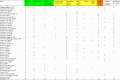 |
Notes: Green indicates Grouping 1 (reproductive/gynecological health), yellow indicates Grouping 2 (energy availability and eating behaviors), and orange indicates Grouping 3 (musculoskeletal health). Primary studies included cross-sectional studies, case-series, etc. Secondary studies included clinical commentaries, reviews, etc.
Abbreviations: DE/ED = disordered eating/eating disorder; MSK = musculoskeletal; PPE = preparticipation evaluation; REDs = relative energy deficiency in sport.
3.1. Reproductive/gynecological health
Seventeen primary7,8,12, 13, 14, 15, 16, 17, 18, 19, 20, 21, 22, 23, 24, 25, 26 and 23 secondary9,27, 28, 29, 30, 31, 32, 33, 34, 35,37, 38, 39, 40, 41, 42, 43, 44, 45, 46, 47, 48, 49 studies (40 in total, 98%) included questions/recommendations related to menstrual cycles. In the sub-categories, 31 papers (76%) covered questions about the presence of a regular menstrual period7, 8, 9,12, 13, 14, 15,17, 18, 19, 20,22, 23, 24, 25, 26,30, 31, 32, 33,35,37,39, 40, 41,43, 44, 45, 46, 47, 48 and 33 papers (80%) had questions related to menstrual irregularities (i.e., primary/secondary amenorrhea).7, 8, 9,12, 13, 14, 15,17, 18, 19, 21, 22, 23, 24, 25, 26, 27,30, 31, 32,37, 38, 39, 40, 41, 42, 43, 44, 45, 46, 47, 48, 49 Eighteen papers (44%) included questions about the characteristics of the menstrual cycle, such as flow and duration,7,9,14,15,18,21,22,24,30,32,34,37,39,41,44, 45, 46,48 and 2 papers (5%) included questions about premenstrual syndrome, such as increased appetite, changes in sleep and pain, or swelling in breasts.15,22
Regarding inquiries into the use of hormonal contraception, such as oral contraceptive pills (OCPs), estrogen, or progesterone, 21 papers (51%) included at least 1 question/recommendation, for example, “Do you use any contraceptive method?”7,9,12,14,16, 17, 18, 19, 20, 21, 22,24, 25, 26,30,32,35,37,39,45,48 Twelve papers (29%) had questions regarding pelvic/gynecologic issues (i.e., sexual health, routine gynecologic exams, etc.); however, none of these were specific to pelvic floor dysfunction.9,12, 14,18,21,22,32,37,39,43,45,48 Two papers (5%) had questions about obstetrics, such as pregnancy or pregnancy loss.9,18
3.2. Energy availability and eating behaviors
Three primary18,22,23 and 2 secondary38,45 studies (5 in total, 12%) made a direct or indirect reference to either REDs or Female Athlete Triad. These included questions such as “Have you ever heard of the Female Athlete Triad?” and recommendations to screen for the triad on PPEs.
Twelve primary7,8,14, 15, 16, 17, 18, 19, 20, 21,24,25 and 19 secondary9,27, 28, 29, 30, 31, 32, 33, 34, 35, 36, 37, 38, 39,43, 45,46,48,49 studies (31 in total, 76%) included questions/recommendations about eating habits/nutrition that may indicate disordered eating (DE) or eating disorders (ED). Twenty-three studies (56%) had questions regarding restrictions to eating from certain food groups.7, 8, 9,14,15,17, 18, 19, 20, 21,24,25,27,30, 31, 32, 33, 34, 35,39,45,46,48 Sixteen studies (39%) asked questions regarding eating disorder diagnosis.7,8,14,19,20,24,25,27,30, 31, 32,34,35,37,45,46 Six studies (15%) inquired about the number of meals or snacks an athlete ate each day.14,15,32,34,37,46 Other examples of common questions include: “Do you worry that you have lost control of how much you eat?” and “Have you ever tried to control your weight?”.
Twenty-four studies (59%) referred to body image.7, 8, 9, 14,15,17, 18, 19, 20, 21,23,24,28,30, 31, 32, 33, 34, 35,37,39,45,46,48 Examples of questions include, “Are you happy with your body build and weight?” and “Do you lose weight regularly for your sport requirements?”.
Six studies (15%) included aspects of training, such as the weekly training hours reported in training and competition seasons.15,18,33,35,38,50 Three studies of these (22%) asked questions surrounding what additional exercise was done outside of training15,18,35 and 1 study recommended inquiring about rest days.33
Questions about feelings, sources of emotional support, and the athlete's desire to speak with a physician about mental health were included in 4 of the studies (10%).18,28,35,45
3.3. Musculoskeletal health
Eleven primary7,8,15, 16, 17, 18,20,22, 23, 24, 25 and 5 secondary28,30,31,35,38 studies (16 in total, 39%) included questions/recommendations concerning musculoskeletal health. Fourteen of these studies (24%) inquired about stress fractures.7,15,17, 18, 19, 20,22, 23, 24, 25,30,31,35,38 Five papers (12%) included questions regarding low bone mineral density (BMD).20,23,24,30,35 Five papers (12%) included both stress fracture and low BMD questions.20,23,24,30,35
3.4. Questions included in multiple groupings
Ten (24%) primary7,8,15,17,18,20,22, 23, 24, 25 and 4 (10%) secondary28,30,31,35 studies (14 in total, 34%) included questions/recommendations in all 3 groupings. Four (10%) primary14,16,19,21 and 14 (34%) secondary9,27,29,32, 33, 34,37, 38, 39, 42,43,46,48,49 studies (18 in total, 44%) included questions/recommendations in 2 of the groupings. Three (7%) primary12,13,26 and 6 (15%) secondary36,40, 41, 42,44,47 studies (9 in total, 22%) only included questions/recommendations in Grouping 1 (reproductive/gynecological health). The groupings most often asked together were 1 and 2 (energy availability and eating behaviors).
4. Discussion
While PPEs can be useful screening tools for gathering athlete health information prior to a season, the lack of standardization across institutions and/or sports may make it challenging to collect appropriate data to develop evidence-informed care and maximize participation. The results of this study demonstrate that 41 papers included relevant female athlete health specific questions/recommendations. Female athletes face a greater number of challenges and barriers to accessing and remaining in sport, and a lack of proactive management of health concerns may contribute to decreases in female athlete participation.2
4.1. Going beyond “Do you get your period regularly?”
Of the 41 studies we found to include female health questions, questions surrounding menstrual health were included in some capacity in each study. However, while most questions surrounded the presence of a menstrual period and/or irregularities, fewer studies had questions surrounding the length, quality, and frequency of menstruation, as well as age of menarche. This is important as deviations of menstrual cycles from baseline may indicate physiological changes in female athletes and signify health risks.51 Irregularities in cycle timing, duration, and flow as well as differences in premenstrual syndrome symptoms, such as levels of hunger, menstrual cramping, sleep disturbances, and breast pain/swelling, are all important markers of physiological status and may affect participation rates.2 These factors should be taken into consideration along with other areas relevant to female athletes (i.e., contraception use, pelvic health, obstetrics, nutrition, bone health, reproductive health, mental health, etc.) for the most comprehensive picture of female health status.2,52 It is important to note intentional causes of amenorrhea, such as contraception (i.e., OCPs, intrauterine devices (IUDs)) as well as lactation associated with childbirth. Therefore, the menstrual tracking may not always represent an accurate monitoring method, and questions surrounding type, length, frequency, and primary reason for use should also be added. PPEs should include context-specific menstrual cycle (and beyond) questions that go further than “Do you get your period regularly?”.
4.2. Going beyond the Female Athlete Triad
Problematic (prolonged/severe) low energy availability (LEA) can result in numerous negative health and performance implications known as REDs. REDs manifests through a range of negative health outcomes, including but not limited to menstrual dysfunction, lower BMD, pelvic floor dysfunction, and psychological mental health disorders.52 Although some studies included questions/recommendations related to nutrition/eating habits (n = 31),7, 8, 9,14, 15, 16, 17, 18, 19, 20, 21,24,25,27, 28, 29, 30, 31, 32, 33, 34, 35, 36, 37, 38, 39,43,45,46,48,49 body weight/image (n = 24),7, 8, 9,14,15,17, 18, 19, 20, 21,23,24,28,30, 31, 32, 33, 34, 35,37,39,45,46,48 bone health (n = 16),7,8,15, 16, 17, 18,20,22, 23, 24, 25, 28,30,31,35,38, and training (n = 6),15,18,33,35,38,50 very few studies had comprehensive questions surrounding multiple aspects of REDs. Those studies that did refer to EA/LEA referred to it as the Female Athlete Triad, with the exception of a single study. The term Female Athlete Triad was widely reconceptualized as REDs in 2014 to reflect an increase in the understanding of the underlying physiology.4 We now know that the consequences to an athlete in a state of problematic LEA extends beyond the 3 entities of the Triad (menstrual health, bone health, and energy availability), leads to a multitude of performance and health outcomes (i.e., urinary incontinence, impaired gastrointestinal function, impaired reproductive function, etc.), and can also affect male athletes.4,52 Secondary prevention of REDs (including screening) encourages the early identification of REDs signs/symptoms to facilitate treatment and prevent development of more serious REDs outcomes (i.e., ED, osteoporosis).53,54 Therefore, it is important to include questions on PPEs that go beyond the 3 arms of the Female Athlete Triad in order to capture a full picture of female athlete health and potential risk factors for REDs. Additionally, it is important to update the terminology from the Female Athlete Triad to REDs to ensure all health/performance aspects of REDs are captured. This would ensure that future questions related to men's health and REDs (i.e., libido) are also captured.
Most questions surrounding nutrition were “Have you ever been diagnosed with an eating disorder?”; however; the presence of DE behaviors (i.e., restrictive/compulsive eating, irregular/inflexible eating patterns, excessive exercise beyond training) that do not meet the clinical criteria for an ED is an important risk factor for developing REDs.52 Given the potentially serious outcomes of DE, early identification should be prioritized. Additionally, most questions surrounding bone health were “Have you ever had a stress fracture?”. More information, such as location of bone stress injury (BSI) and measures of BMD, is important to gather as young females who sustain a BSI at high-risk sites (i.e., sacrum, femoral neck) may have underlying risk factors (i.e., LEA, poor bone health),55 and women with restrictive eating and higher previous low-energy fractures are associated with multiple BSIs.56 LEA/REDs can result in decreased performance; therefore, asking questions beyond “How much do you train a day?” or “How often do you take a rest day?” and prompting further discussion on additional exercise beyond required training, as well as any experiences with performance effects (i.e., decreased training response, recovery, motivation, endurance, power, strength, etc.),52 is important.
Only 4 studies included questions surrounding mental health,18,28,35,45 and none explored exercise dependence/addiction in addition to DE behaviors/ED. Some psychological indicators associated with problematic LEA include mood disturbances (anxiety/depression and irritability), dietary restraint, drive for thinness, reduced sleep quality/fatigue, perfectionistic tendencies, and overall reduced well-being.57 Therefore, in addition to physiological/physical health information, it is equally important to screen mental health factors.
4.3. Recommendations for future PPEs
The inclusion of a more comprehensive screening tool (such as the REDs Clinical Assessment Tool: V.254), and/or the development of a standardized PPE that includes screening questions from a variety of validated tools (i.e., Low Energy Availability in Females Questionnaire (LEAF-Q), Eating Disorder Examination Questionnaire (EDE-Q), Exercise Addiction Inventory (EAI),58, 59, 60 etc.) is important to capture information across multiple health concerns. Additionally, it is important to include questions surrounding other domains of female health, such as breast health, pelvic health/dysfunction (i.e., incontinence), pregnancy/postpartum, menopause, or the sport environment.
We recommend that all future PPEs should include questions surrounding the 10 female health domains2 as well as the health and performance consequences of REDs.52 These questions should encompass topics such as menstruation, contraception, gynecological/pelvic health, nutrition/eating habits, REDs, musculoskeletal health, training, and mental health/sport environment. Questions should be context specific, sport specific, and female athlete specific in order to gain a complete picture of female athlete health and promote longevity in sport. Examples of topics that should be included on a standardized PPE are offered in Fig. 2, and an example of specific questions/questionnaires that may be used are offered in Fig. 3.
Fig. 2.

Recommendations/suggestions for areas and specific questions that should be included on female athlete PPEs. PPE = preparticipation examination.
Fig. 3.

Proposed essential components and screening tools to include on a PPE for female athletes. CAT2 = clinical assessment tool 2; EDE-Q = Eating Disorder Questionnaire; EDE-QS = Eating Disorder Questionnaire Short; IOC = International Olympic Committee; LEAF-Q = Low Energy Availability in Females Questionnaire; PFD-Sentinel = Pelvic Floor Dysfunction-ScrEeNing Tool IN fEmale athLetes; PPE = preparticipation examination; PSQI = Pittsburg Sleep Quality Index; SMHAT = Sport Mental Health Assessment Tool.
This study has limitations that may affect the applicability of these results to PPE screenings. Firstly, our search included only English language studies, and may therefore have missed different PPE designs that cover the female athlete health domains outlined here. Secondly, the PPE questions in this study pertain to cis-gendered female athletes only. Thirdly, many unpublished female athlete PPEs may exist and may include many of these domains. We did not include grey literature as our aim was to synthesize scientifically peer-reviewed literature to help inform the creation of an evidence-based PPE for female athletes.
5. Conclusion
There is currently a gap in the scientific literature regarding female athlete specific health questions in published PPEs, which makes it difficult to capture information across all domains of female athlete health and which could result in significant health and optimal participation implications. Sport organizations need to be cognizant of barriers to female engagement in sports and actively provide avenues for access and preservation of female athlete sport participation. A more comprehensive standardized PPE with a focus on inclusion of considerations across all domains of female health should be developed as a way to improve optimal participation and longevity in sport.
Authors’ contributions
JMS conceptualized the project and drafted the manuscript; LP, SM, and JC performed data extraction and analysis with input from JMS; JST contributed to conception, design, and critical revision of the article. All authors have read and approved the final version of the manuscript, and agree with the order of presentation of the author.
Competing interests
The authors declare that they have no competing interests.
Acknowledgments
JMS is supported by the Ontario Women's Health Scholars Postdoctoral award and a Western's Bone & Joint Institute Collaborative Training in Musculoskeletal Heath Program Trainee Award. JST holds a Canada Research Chair in Injury Prevention and Physical Activity for Health.
Footnotes
Peer review under responsibility of Shanghai University of Sport.
Supplementary materials associated with this article can be found in the online version at doi:10.1016/j.jshs.2024.100981.
Supplementary materials
References
- 1.Emmonds S, Heyward O, Jones B. The challenge of applying and undertaking research in female sport. Sports Med Open. 2019;5:51. doi: 10.1186/s40798-019-0224-x. [DOI] [PMC free article] [PubMed] [Google Scholar]
- 2.Moore IS, Crossley KM, Bo K, et al. Female athlete health domains: A supplement to the International Olympic Committee consensus statement on methods for recording and reporting epidemiological data on injury and illness in sport. Br J Sports Med. 2023;57:1164–1174. doi: 10.1136/bjsports-2022-106620. [DOI] [PMC free article] [PubMed] [Google Scholar]
- 3.Ackerman KE, Holtzman B, Cooper KM, et al. Low energy availability surrogates correlate with health and performance consequences of Relative Energy Deficiency in Sport. Br J Sports Med. 2019;53:628–633. doi: 10.1136/bjsports-2017-098958. [DOI] [PubMed] [Google Scholar]
- 4.Mountjoy M, Sundgot-Borgen J, Burke L, et al. The IOC consensus statement: Beyond the Female Athlete Triad–Relative Energy Deficiency in Sport (RED-S) Br J Sports Med. 2014;48:491–497. doi: 10.1136/bjsports-2014-093502. [DOI] [PubMed] [Google Scholar]
- 5.Mirabelli MH, Devine MJ, Singh J, Mendoza OM. The preparticipation sports evaluation. Am Fam Physician. 2015;92:371–376. [PubMed] [Google Scholar]
- 6.Wingfield K, Matheson GO, Meeuwisse WH. Preparticipation evaluation: An evidence-based review. Clin J Sport Med. 2004;14:109–122. doi: 10.1097/00042752-200405000-00002. [DOI] [PubMed] [Google Scholar]
- 7.Rumball JS, Lebrun CM. Use of the preparticipation physical examination form to screen for the female athlete triad in Canadian interuniversity sport universities. Clin J Sport Med. 2005;15:320–325. doi: 10.1097/01.jsm.0000179136.69598.37. [DOI] [PubMed] [Google Scholar]
- 8.Mencias T, Noon M, Hoch A. Female athlete triad screening in National Collegiate Athletic Association Division 1 Athletes: Is the preparticipation evaluation form effective? Clin J Sport Med. 2012;22:122–125. doi: 10.1097/JSM.0b013e3182425aee. [DOI] [PubMed] [Google Scholar]
- 9.Rumball JS, Lebrun C. Preparticipation physical examination: Selected issues for the female athlete. Clin J Sport Med. 2004;14:153–160. doi: 10.1097/00042752-200405000-00008. [DOI] [PubMed] [Google Scholar]
- 10.Tricco AC, Lillie E, Zarin W, et al. PRISMA extension for scoping reviews (PRISMA-ScR): Checklist and explanation. Ann Intern Med. 2018;169:467–473. doi: 10.7326/M18-0850. [DOI] [PubMed] [Google Scholar]
- 11.Arksey H, O'Malley L. Scoping studies: Towards a methodological framework. Int J Soc Res Method. 2005;8:19–32. [Google Scholar]
- 12.Ackermann BJ, Guptill C, Reg O, Miller C, Dick R, Matt McCrary J. Assessing performing artists in medical and health practice–The dancers, instrumentalists, vocalists, and actors screening protocol. Curr Sports Med Rep. 2022;21:460–462. doi: 10.1249/JSR.0000000000001022. [DOI] [PubMed] [Google Scholar]
- 13.Armento A, VanBaak K, Seehusen CN, Sweeney EA, Wilson JC, Howell DR. Presence and perceptions of menstrual dysfunction and associated quality of life measures among high school female athletes. J Athl Train. 2021;56:1094–1099. doi: 10.4085/624-20. [DOI] [PMC free article] [PubMed] [Google Scholar]
- 14.Carek PJ, Futrell M, Hueston WJ. The preparticipation physical examination history: Who has the correct answers? Clin J Sport Med. 1999;9:124–128. doi: 10.1097/00042752-199907000-00002. [DOI] [PubMed] [Google Scholar]
- 15.De La Torre DM, Snell BJ. Use of the preparticipation physical exam in screening for the female athlete triad among high school athletes. J Sch Nurs. 2005;21:340–345. doi: 10.1177/10598405050210060701. [DOI] [PubMed] [Google Scholar]
- 16.Finn EE, Tenforde AS, Fredericson M, et al. Markers of low-iron status are associated with female athlete triad risk factors. Med Sci Sports Exerc. 2021;53:1969–1974. doi: 10.1249/MSS.0000000000002660. [DOI] [PubMed] [Google Scholar]
- 17.Fischer AN, Young J. Ohio high school athletic association preparticipation physical evaluation as a screening tool for menstrual dysfunction in high school-aged female athletes. Athl Train Sports Health Care. 2014;6:261–266. [Google Scholar]
- 18.Foley Davelaar CM, Ostrom M, Schulz J, Trane K, Wolkin A, Granger J. Validation of an age-appropriate screening tool for Female Athlete Triad and Relative Energy Deficiency in Sport in young athletes. Cureus. 2020;12:e8579. doi: 10.7759/cureus.8579. [DOI] [PMC free article] [PubMed] [Google Scholar]
- 19.Goldstein R, Carlson J, Tenforde A, Golden N, Fredericson M. Low-energy availability and the electronic preparticipation examination in college athletes: Is there a better way to screen? Curr Sports Med Rep. 2021;20:489–493. doi: 10.1249/JSR.0000000000000880. [DOI] [PubMed] [Google Scholar]
- 20.Matheson GO, Anderson S, Robell K. Injuries and illnesses in the preparticipation evaluation data of 1693 college student-athletes. Am J Sports Med. 2015;43:1518–1525. doi: 10.1177/0363546515572144. [DOI] [PubMed] [Google Scholar]
- 21.Nichols JF, Rauh MJ, Lawson MJ, Ji M, Barkai HS. Prevalence of the female athlete triad syndrome among high school athletes. Arch Pediatr Adolesc Med. 2006;160:137–142. doi: 10.1001/archpedi.160.2.137. [DOI] [PubMed] [Google Scholar]
- 22.Parmigiano TR, Zucchi EV, Araujo MP, et al. Pre-participation gynecological evaluation of female athletes: A new proposal. Einstein (Sao Paulo) 2014;12:459–466. doi: 10.1590/S1679-45082014AO3205. [DOI] [PMC free article] [PubMed] [Google Scholar]
- 23.Tenforde AS, Katz NB, Sainani KL, Carlson JL, Golden NH, Fredericson M. Female athlete triad risk factors are more strongly associated with trabecular-rich versus cortical-rich bone stress injuries in collegiate athletes. Orthop J Sports Med. 2022;10 doi: 10.1177/23259671221123588. [DOI] [PMC free article] [PubMed] [Google Scholar]
- 24.Tenforde AS, Carlson JL, Sainani KL, et al. Sport and triad risk factors influence bone mineral density in collegiate athletes. Med Sci Sports Exerc. 2018;50:2536–2543. doi: 10.1249/MSS.0000000000001711. [DOI] [PubMed] [Google Scholar]
- 25.Tenforde AS, Carlson JL, Chang A, et al. Association of the female athlete triad risk assessment stratification to the development of bone stress injuries in collegiate athletes. Am J Sports Med. 2017;45:302–310. doi: 10.1177/0363546516676262. [DOI] [PubMed] [Google Scholar]
- 26.Young JA, Schaefer M, Fischer AN. Challenges of menstrual dysfunction screening using the preparticipation physical examination: A pilot study. Clin Pediatr. 2018;57:1465–1467. doi: 10.1177/0009922818784954. [DOI] [PubMed] [Google Scholar]
- 27.Ensuring the health of the adolescent athlete. Council on Scientific Affairs, American Medical Association. Arch Fam Med. 1993;2:446–448. doi: 10.1001/archfami.2.4.446. [DOI] [PubMed] [Google Scholar]
- 28.Coelho GM, Gomes AI, Ribeiro BG, Soares Ede A. Prevention of eating disorders in female athletes. Open Access J Sports Med. 2014;5:105–113. doi: 10.2147/OAJSM.S36528. [DOI] [PMC free article] [PubMed] [Google Scholar]
- 29.Grafe MW, Paul GR, Foster TE. The preparticipation sports examination for high school and college athletes. Clin Sports Med. 1997;16:569–591. doi: 10.1016/s0278-5919(05)70043-0. [DOI] [PubMed] [Google Scholar]
- 30.De Souza MJ, Nattiv A, Joy E, et al. 2014 Female Athlete Triad Coalition Consensus Statement on treatment and return to play of the female athlete triad: 1st international conference held in San Francisco, California, May 2012 and 2nd International conference held in Indianapolis, Indiana, May 2013. Br J Sports Med. 2014;48:289. doi: 10.1136/bjsports-2013-093218. [DOI] [PubMed] [Google Scholar]
- 31.Javed A, Tebben PJ, Fischer PR, Lteif AN. Female athlete triad and its components: Toward improved screening and management. Mayo Clin Proc. 2013;88:996–1009. doi: 10.1016/j.mayocp.2013.07.001. [DOI] [PubMed] [Google Scholar]
- 32.Johnson M. Tailoring the preparticipation exam to female athletes. Phys Sportsmed. 1992;20:60–72. doi: 10.1080/00913847.1992.11947449. [DOI] [PubMed] [Google Scholar]
- 33.Joy E, Clark N, Ireland ML, Martire J, Nattiv A, Varechok S. Team management of the female athlete triad: Part 1: What to look for, what to ask. Phys Sportsmed. 1997;25:94–110. doi: 10.3810/psm.1997.03.1238. [DOI] [PubMed] [Google Scholar]
- 34.Joy EA, Paisley TS, Price R, Jr, Rassner L, Thiese SM. Optimizing the collegiate preparticipation physical evaluation. Clin J Sport Med. 2004;14:183–187. doi: 10.1097/00042752-200405000-00012. [DOI] [PubMed] [Google Scholar]
- 35.Joy E, Kussman A, Nattiv A. 2016 update on eating disorders in athletes: A comprehensive narrative review with a focus on clinical assessment and management. Br J Sports Med. 2016;50:154–162. doi: 10.1136/bjsports-2015-095735. [DOI] [PubMed] [Google Scholar]
- 36.Knapp J, Aerni G, Anderson J. Eating disorders in female athletes: Use of screening tools. Curr Sports Med Rep. 2014;13:214–218. doi: 10.1249/JSR.0000000000000074. [DOI] [PubMed] [Google Scholar]
- 37.Koester MC. Refocusing the adolescent preparticipation physical evaluation toward preventive health care. J Athl Train. 1995;30:352–360. [PMC free article] [PubMed] [Google Scholar]
- 38.Koester MC. Making the preparticipation athletic evaluation more than just a “sports physical”. Contemp Pediatr. 2003;20:85–103. [Google Scholar]
- 39.Lebrun CM, Rumball JS. Female athlete triad. Sports Med Arthrosc Rev. 2002;10:23–32. [Google Scholar]
- 40.Lehman PJ, Carl RL. The preparticipation physical evaluation. Pediatr Ann. 2017;4:e85–e92. doi: 10.3928/19382359-20170222-01. [DOI] [PubMed] [Google Scholar]
- 41.McCoy 2nd RL, Dec KL, McKeag DB. Caring for the school-aged athlete. Prim Care. 1994;21:781–799. [PubMed] [Google Scholar]
- 42.Metzl JD. The adolescent preparticipation physical examination. is it helpful? Clin Sports Med. 2000;19:577–592. doi: 10.1016/s0278-5919(05)70227-1. [DOI] [PubMed] [Google Scholar]
- 43.Myers A, Sickles T. Preparticipation sports examination. Prim Care. 1998;25:225–236. doi: 10.1016/s0095-4543(05)70334-1. [DOI] [PubMed] [Google Scholar]
- 44.Nichols AW, Buxton BP, Ho KW. Pre-participation examination: A new form for Hawaii. Hawaii Med J. 1995;15:434–438. [PubMed] [Google Scholar]
- 45.Peltz JE, Haskell WL, Matheson GO. A comprehensive and cost-effective preparticipation exam implemented on the World Wide Web. Med Sci Sports Exerc. 1999;31:1727–1740. doi: 10.1097/00005768-199912000-00007. [DOI] [PubMed] [Google Scholar]
- 46.Tanner SM. Preparticipation examination targeted for the female athlete. Clin Sports Med. 1994;13:337–353. [PubMed] [Google Scholar]
- 47.Tucker A, Grady M. Role of the adolescent preparticipation physical examination. Phys Med Rehabil Clin N Am. 2008;19:217–234. doi: 10.1016/j.pmr.2007.12.004. [DOI] [PubMed] [Google Scholar]
- 48.Van de Loo DA, Johnson MD. The young female athlete. Clin Sports Med. 1995;14:687–707. [PubMed] [Google Scholar]
- 49.Zychowicz ME. Pre-participation physical evaluations for athletes. Nurse Pract. 2012;37:41–45. doi: 10.1097/01.NPR.0000421431.70048.87. [DOI] [PubMed] [Google Scholar]
- 50.Ravi S, Waller B, Valtonen M, et al. Menstrual dysfunction and body weight dissatisfaction among Finnish young athletes and non-athletes. Scand J Med Sci Sports. 2021;31:405–417. doi: 10.1111/sms.13838. [DOI] [PubMed] [Google Scholar]
- 51.Berz K, McCambridge T. Amenorrhea in the female athlete: What to do and when to worry. Pediatr Ann. 2016;45:e97–102. doi: 10.3928/00904481-20160210-03. [DOI] [PubMed] [Google Scholar]
- 52.Mountjoy M, Ackerman KE, Bailey DM, et al. 2023 International Olympic Committee's (IOC) consensus statement on Relative Energy Deficiency in Sport (REDs) Br J Sports Med. 2023;57:1073–1097. doi: 10.1136/bjsports-2023-106994. [DOI] [PubMed] [Google Scholar]
- 53.Torstveit MK, Ackerman KE, Constantini N, et al. Primary, secondary and tertiary prevention of Relative Energy Deficiency in Sport (REDs): A narrative review by a subgroup of the IOC consensus on REDs. Br J Sports Med. 2023;57:1119–1126. doi: 10.1136/bjsports-2023-106932. [DOI] [PubMed] [Google Scholar]
- 54.Stellingwerff T, Mountjoy M, McCluskey WT, Ackerman KE, Verhagen E, Heikura IA. Review of the scientific rationale, development and validation of the International Olympic Committee Relative Energy Deficiency in Sport Clinical Assessment Tool: V.2 (IOC REDs CAT2)-by a subgroup of the IOC consensus on REDs. Br J Sports Med. 2023;57:1109–1118. doi: 10.1136/bjsports-2023-106914. [DOI] [PubMed] [Google Scholar]
- 55.Holtzman B, Popp KL, Tenforde AS, Parziale AL, Taylor K, Ackerman KE. Low energy availability surrogates associated with lower bone mineral density and bone stress injury site. PM R. 2022;14:587–596. doi: 10.1002/pmrj.12821. [DOI] [PubMed] [Google Scholar]
- 56.Gehman S, Ackerman KE, Caksa S, et al. Restrictive eating and prior low-energy fractures are associated with history of multiple bone stress injuries. Int J Sport Nutr Exerc Metab. 2022;32:325–333. doi: 10.1123/ijsnem.2021-0323. [DOI] [PubMed] [Google Scholar]
- 57.Pensgaard AM, Sundgot-Borgen J, Edwards C, Jacobsen AU, Mountjoy M. Intersection of mental health issues and Relative Energy Deficiency in Sport (REDs): A narrative review by a subgroup of the IOC consensus on REDs. Br J Sports Med. 2023;57:1127–1135. doi: 10.1136/bjsports-2023-106867. [DOI] [PubMed] [Google Scholar]
- 58.Melin A, Tornberg ÅB, Skouby S, et al. The LEAF questionnaire: A screening tool for the identification of female athletes at risk for the female athlete triad. Br J Sports Med. 2014;48:540–545. doi: 10.1136/bjsports-2013-093240. [DOI] [PubMed] [Google Scholar]
- 59.Fairburn C, Cooper Z. In: Binge eating: Nature, assessment and treatment. Fairburn C, Wilson G, editors. Guilford Press; New York, NY: 1993. The eating disorder examination; pp. 1–49. [Google Scholar]
- 60.Griffiths MD, Szabo A, Terry A. The exercise addiction inventory: A quick and easy screening tool for health practitioners. Br J Sports Med. 2005;39:e30. doi: 10.1136/bjsm.2004.017020. [DOI] [PMC free article] [PubMed] [Google Scholar]
Associated Data
This section collects any data citations, data availability statements, or supplementary materials included in this article.