



Abstract
Background
While telehealth may offer promise for accessible, efficient palliative care delivery, leveraging telehealth technologies as an opportunity to better understand and advance the science of palliative care communication has been less well explored. Without identifying solutions to overcome challenges to conducting research in the virtual environment, we are unable to conduct the foundational work to offer evidence-based recommendations for high-quality telehealth, particularly in the context of palliative care. Our objective is to highlight methodological challenges in the use of telehealth for the study of palliative care communication and share lessons learned from using these methods.
Methods
This paper is the result of a reflective process and experience across three ongoing observational communication research studies focused on the use of telehealth during serious illness. These research datasets have been collected from multiple sites and represent rural and urban telehealth palliative care consultations for patients receiving dialysis (n = 34), patients with cancer (n = 13), and seriously ill, home-bound patients (n = 9). We illustrate challenges, insights, and recommendations with case studies from these studies.
Results
We identify key challenges, and offer recommendations to address them, in telehealth palliative care communication research. Key insights fall within three themes: 1) addressing accessibility barriers to enrollment in telehealth research; 2) technical considerations regarding how software and hardware choices have implications for data collection and analysis; and 3) ethical considerations regarding the nuances of consent and privacy in telehealth encounters.
Conclusions
Overall, our approach demonstrates possibilities for the use of telehealth to study palliative care communication and provides a “how-to” example for unique telehealth considerations from data collection through analysis. These strategies can facilitate success with large-scale health communication research studies in the telehealth context.
Keywords: Communication, Palliative care, Telehealth, Telepalliative care, Methodology
Introduction
Palliative care is an approach that “improves the quality of life (QoL) of patients and that of their families who are facing challenges associated with life-threatening illness” [1]. Evidence supports many benefits to the involvement of palliative care including: improved QoL and mood, better symptom control, reduced caregiver burden, and improvements in continuity and coordination of care for people living with serious illness and their care partners [2–4]. Effective communication appears to be a key mechanism through which palliative care improves outcomes, helping to improve illness understanding and coping with serious illness [5–10] and align care with preferences [11, 12]. For people living with serious illness, telepalliative care (telePC) – remote delivery of palliative care using telehealth – has the potential to overcome physical, functional, temporal, and financial barriers to attending in-person visits [13]. TelePC also offers a potential mechanism to overcome disparities in access to specialty palliative care by bringing care to people living in areas with limited in-person options [14]. The use of telePC rapidly increased during the coronavirus pandemic [15] and many have called for its sustained use [16] due to emerging evidence that it can improve QoL and symptom management for patients [17, 18].
However, there remains a gap in understanding the processes and mechanisms linking communication to outcomes in serious illness care [19–21]. Addressing this gap requires isolating what actually happens during palliative care conversations – “what is expressed, how, where, when, and by who” – and evaluating the impact of these discrete communication elements on patient experiences and health outcomes [20, 22]. For example, these conversations often involve discussion related to important existential questions of identity, meaning, and purpose [23], and can thus be emotionally demanding. Helping patients and family members process and cope with the challenges of serious illness in adaptive ways can result in more satisfaction and better outcomes, such as reductions in anxiety and depression [24]. Direct observation of palliative care conversations can permit the investigation of the conversational elements that drive these important patient and family outcomes.
TelePC offers a way to enhance our ability to collect conversational datasets and observe communication in a new context [25, 26]. Videoconferencing, with its ease of recording high-fidelity video/audio, presents new opportunities for researchers to pursue unobtrusive observation of real-time PC communication [27]. This technology presents potential for increased efficiency in data collection and data analysis as well, with clinicians recording study visits without requiring additional technology or study staff and automated transcription built into some existing videoconferencing software platforms (e.g., Zoom™). Further, some researchers are beginning to explore new opportunities using telehealth to create systems that not only observe, but provide feedback to clinicians about communication behaviors in real-time (e.g., non-verbal communication behaviors such as eye contact) [28], building interventions into existing technologies.
However, researching communication in this new context presents hurdles at each phase of research design – from enrollment through data collection and analysis, with unique ethical considerations throughout, including factors such as broadband access and technological and health literacy. While telehealth technology continues to evolve, it is useful to identify current challenges in conducting communication research in a telePC context and offer suggestions regarding lessons learned. Given the importance of communication to palliative care, methodological considerations pertaining to honoring diverse perspectives and measuring what matters most to the experience of communication for patients with serious illness and their families is paramount to advance our understanding and provision of high-quality care. Our objective is to highlight these challenges and lessons using these methods, building on the authors’ experience with several ongoing communication research studies.
Methods
This paper is the result of a reflective process and methodological adjustments by the authors, who are currently conducting telehealth research in palliative care. While telehealth includes a range of technologies that support long-distance clinical care (e.g., mobile apps, videoconferencing, shared notes) [29], in this paper we use “telePC” to describe synchronous palliative care visits through audio-only or audio–video methods, as these offer observations of conversations in a similar context to in-person care delivery, allowing for comparison and discovery. We consider the use of telePC audio/video recordings for the study of communication during serious illness in three different pilot datasets representing recordings of telePC consultations for patients receiving dialysis [30], patients with cancer [31], and seriously ill, home-bound patients [32]. These datasets span rural and urban settings across three different academic medical centers in the northeast US. Drawing upon our own experience, we identified key challenges in communication research in a telePC context from enrollment through analysis, discuss lessons learned, and comment on ethical issues.
Parent studies
Study 1
In Study 1, KLC led a pilot single arm study of telemedicine facilitated palliative care consultations in rural dialysis units (Nov 2018-Jan 2020) [30]. The aim was to determine the feasibility and acceptability of delivering telePC for 34 patients receiving dialysis in rural dialysis units by four specialty palliative care clinicians located centrally at an academic medical center. Because little was known about the content or processes of palliative care conversations with dialysis patients, video-recordings via Zoom™ software were analyzed for presence or absence of serious illness conversation guide content [33], symptom assessment, emotion expression and connectional silence [34]. All patients provided informed consent and this study was approved by The University of Vermont IRB.
Study 2
In Study 2, ECT led a pilot study assessing the feasibility of measuring palliative care communication in the telehealth setting, evaluating the quality of recordings for automated transcription, and qualitatively describing visit content. Clinician participants recorded naturally occurring telePC visits with patients with cancer and their caregivers (April–May 2022). The study included a sample of three specialty palliative care clinicians and 13 patients receiving care at an academic medical center in the northeast US. Nine video recordings were analyzed using a qualitative descriptive approach [35] to gain insight into palliative care communication in the telehealth environment. All patients provided informed consent and this study was approved by the Dana-Farber Cancer Institute IRB.
Study 3
In Study 3, study authors (ECT, NA, RNH, MR) examined how clinicians fostered human connection in telePC encounters [36]. Human connection refers to a sense of “being known” and is foundational to effective serious illness communication [37, 38]. This study analyzed an existing dataset of 9 telePC video recordings obtained as part of a formative mixed-methods study at two academic medical centers in rural US states (2019–2020; conducted by RNH) [32]. Video-recorded visits were analyzed using a qualitative descriptive approach [35] informed by linguistic ethnography [39] to examine how patient-caregiver-clinician communication was shaped by using videoconferencing. All patients provided informed consent, and this study was approved by the Maine Medical Center and Vermont Medical Center IRBs.
Results
Key insights fall within three themes: 1) Addressing accessibility barriers to enrollment in telehealth research; 2) Technical considerations regarding how software and hardware choices have implications for data collection and analysis; and 3) Ethical considerations regarding the nuances of consent and privacy in telehealth encounters. Below, we illustrate our insights with case studies from our collective research, integrated with current literature through a summative analysis. Finally, we offer practical recommendations to address each of these challenges in future research (Table 2).
Table 2.
Recommendations to address key telePC communication research challenges
| Consideration | Goal | Recommendation |
|---|---|---|
| Enrollment | Prioritize equitable recruitment and representation in telePC studies | Report age, race/ethnicity, rurality, income, digital literacy, familiarity with palliative care |
| Address differences in technology literacy | Provide pre-training for participants prior to conducting telePC study; this may include clinician training depending on clinician familiarity with the videoconferencing platform used for recording | |
| Consider availability of research personnel during study visits for assistance with technology | ||
| Ensure equitable data collection across participants | Provide tablets (and other technology e.g. headphones) to study participants | |
| Consider whether participation in a clinic or other study location may be necessary to overcome challenges with internet connectivity, as well as how this change in setting may influence the conversation | ||
| Data Collection and Analysis | Address issues related to confidentiality and privacy in transmission of the interaction | Utilize a platform that includes end-to-end encrypted, secure space, and only transfer in encrypted channels |
| Obtain regulatory approvals | ||
| Consider key communication behaviors of interest and how this might guide study setup | Different software settings influence availability of communication behaviors for analysis; if nonverbal behaviors are of importance, consider Equal Gallery View | |
| Consider how aspects of the digital user interface may influence the interaction and may be an important feature to include in analysis | ||
| Consider the clinician’s physical surroundings and possibilities to explore how aspects of the contextual environment influence patient experience in a virtual encounter | ||
| Reflect on how who is recording may influence the view of the conversation (i.e., if recording from the clinician or patient perspective) | ||
| Ensure clear communication |
Perform a system check prior to the visit: 1) Ideally, software and hardware should be assessed at least 15 min before a visit (e.g., making sure videoconferencing software is installed and updated) 2) Clinicians may consider initiating this system check at the start of their workday when preparing for the day’s visits or this can be done by a research or medical assistant |
|
|
At the start of the visit: 1) Check that all parties are audible and visible to ensure clear communication as well as adequate set-up for data collection 2) Set the stage for potential technical disruptions and make a specific plan for what to do if the visit is disconnected | ||
| Maximize accessibility | With participant permission, consider use of closed captions to improve access for those with hearing impairments and to provide a written record of the exchange | |
| Maximize recording quality | Position the tablet (or other device) on a stable surface to assist with recording quality | |
| Use high-quality cameras and microphones to maximize data available for analysis | ||
| Remind both patient and clinician to take steps to minimize background noise as much as possible | ||
| Encourage all parties to be centered in the middle of the screen with their full face and upper shoulders visible with camera at eye level to maximize nonverbal behavior recording | ||
| Ethical Considerations | Assess who is “in the room” |
Consider both on and off-screen participants: 1) Before initiating the encounter, instruct all participants to select a private space for the televisit 2) Review who is present, both on and off screen 3) Ask the patient to share if someone is entering the room, as well as considering reasons for off-camera participants |
| Ensure that all parties have consented to participation in the study |
Review consent with all parties, with particular privacy and confidentiality concerns: 1) Review the small risk of breach of confidentiality, similar to providing PHI in other types of research studies 2) Although headphones may offer the illusion of privacy and can improve audio quality, participants should be reminded that their conversation may still be heard by observers |
|
| Make a plan for interruptions by other parties | Anticipate, when possible, whether telePC patients will have others with them and create formal consent procedures for this | |
| At a minimum, ensure that verbal consent is provided when others (unexpectedly) appear in audio or video [54] | ||
| Make a plan for potential incidental data capture (i.e., voice or image) of non-consented conversation participants |
Theme 1: Addressing accessibility barriers to enrollment in telehealth research
Case study A
| In Study 1, feasibility and acceptability of telePC were the key outcomes of interest. Given limited broadband coverage for rural communities in Vermont and differences in access to videoconferencing, authors decided to deliver telePC to patients while undergoing dialysis at a clinical site. This obviated the need for internet connectivity or access to hardware at home, as well as familiarity or training with software. Study personnel delivered the iPad with software loaded, connected to dialysis facility secure WiFi, opened the application and initiated the telePC consult with a remote palliative care clinician at the medical center. This surmounted typical hurdles for this older, rural population with variable digital literacy. |
In our studies, we observed how accessibility barriers – related to availability of relevant technology, internet connectivity, and digital literacy – impacted participant enrollment, and took steps to address them. For example, in Studies 2 and 3, research personnel provided on-site facilitation and assistance (e.g., setting up the videoconferencing visit using Zoom™, troubleshooting participants being muted or not visible on screen) for patients to address differences related to familiarity with technology or digital literacy. Similarly, patients were provided tablets/iPads for use during the telePC consult, overcoming barriers to access to necessary technology for videoconferencing visits. However, despite this attention to overcoming some access issues, in Study 3, 5 of the 9 video-recorded telePC consultations had at least 1 technical issue (e.g., audio lags or intermittent video blurring or freezing); 1 conversation had such frequent technical breakdowns that the clinician called the patient via phone to improve the audio connection while maintaining videoconferencing for the visual connection. This study took place in rural Vermont and Maine and underscores particular challenges with internet connectivity and the need for policy to support infrastructure to both provide and study of telePC in rural areas. Case Study A illustrates how Study 1 authors addressed these rural health challenges.
While we measured and reported on age and race/ethnicity in our studies, participant characteristics related to other relevant factors that we observed may impact telehealth access and adoption, such as rurality, income, and digital literacy, were less systematically measured. Further, in Study 2, we uncovered that familiarity with palliative care and the palliative care clinician may also impact recruitment in telePC studies. In Study 2, 10 participants out of 23 approached declined participation, with almost one third (n = 3) of participants citing their reason for refusal being that it was their first palliative care visit. On the other hand, in Study 1, the convenience of telePC provided within dialysis may have enhanced uptake among patients not otherwise likely to engage with palliative care.
Summative analysis
Our study experiences are supported by existing literature that reveals while the use of telehealth is becoming increasingly commonplace [40], societal level variables (i.e., age, rurality, income, and race/ethnicity) may relate to telehealth access and adoption [41]. Older people are more likely to be living rurally and have less internet connectivity, and may use audio-only telephone visits rather than videoconferencing visits [40]. The highest rates of telehealth use nationally are in Black, Latino or Hispanic, Asian persons, those on Medicare or Medicaid, and low income individuals (< $25,000); yet many of these groups are similarly less likely to use video and use more telephone visits, perhaps in response to disparities in broadband or device access and familiarity with virtual technology [40, 41]. Further, our study experiences support literature that patients may prefer to have their first visit with a clinician be in-person in order to feel more comfortable about later video visits [42]. This may influence the study of telePC communication in that important elements related to the initial encounter are less well explored [43]. Overall, the selection of populations or groups whose communication is studied inevitably depends on the availability of devices and software, adequate broadband internet connectivity, and familiarity and confidence with navigating telehealth technology; differences exist in regard to each of these factors that impact the study of the science of telePC communication.
Theme 2: Technical considerations regarding how software and hardware choices have implications for data collection and analysis
| Case study B | Case study C |
|---|---|
| In Study 2, the typical protocol for telehealth visits was to use an institutionally-affiliated Zoom™ platform embedded within the electronic health record (EHR). However, because of institutional privacy concerns regarding recording and saving encounters locally, clinicians in this study used standalone Zoom™ encounters, outside of the EHR. This disrupted the standard clinical workflow for study visits for clinicians and patients, leading to unforeseen barriers to recording and contributing to an overall recording rate of 69% (9/13 visits were recorded, with one consultation not recorded due to the program updating during the visit and one visit not being recorded due to the patient being unable to log on using a new visit link). Further issues arose related to saving visit recordings for two visits. After completing a visit using Zoom™ clinicians in our study would save the video, initiating a conversion process. However, if a new visit was started during this conversion process, this cancelled the conversion and resulted in the recording being lost. During a busy clinical day with back-to-back visits, taking the added time to convert recordings between visits presented a challenge. Over the course of the study, the study team updated our protocol to have study personnel on-site for the first consult, which increased success with visit recording (Clinician 1: 40% (2/5); Clinician 2: 80% (4/5); Clinician 3: 100%, (3/3)), however this required additional study resources |
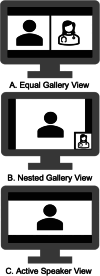
In Study 3, there were three available views depending on how the clinician arranged their videoconferencing platform when recording: A) equal gallery view (can see clinician and patient at the same time, with each participant the same size) (n = 3); B) nested gallery view (can see clinician and patient at the same time, with clinician screen nested as a small window within full-screen patient window) (n = 3); and C) active speaker view (can only see the person speaking) (n = 3). Equal gallery view allowed for analysis of all communication behaviors – verbal, nonverbal, and paraverbal. However, nested gallery view and active speaker view limited the observable communication behaviors for analysis. In nested gallery view, with a large patient and small clinician view, while all parties were visible, the small clinician view made it difficult to capture clinician facial expressions. In active speaker view, with the view switching back and forth according to who is speaking, this resulted in the loss of the non-speaking participant’s nonverbal reactions
|
Software
Before initiating the study, important ethical issues related to ensuring confidentiality and privacy in transmission of the interaction are critical. In our three studies, telePC consultations occurred using two videoconferencing platforms, Health Recovery Solutions ClinicianConnect™ and Zoom™. These platforms were used for research because clinicians in our studies were familiar with them for the delivery of clinical care as well as them meeting institutional privacy requirements (i.e., HIPAA compliance). However, we observed issues related to the technical implementation of the use of videoconferencing software for research where research protocols for recording and saving conversation data were challenging to implement within the routine flow of patient care (see Case Study B from Study 2). In addition to issues with the technical implementation of the use of videoconferencing software for research, we observed this approach also raises analytic concerns where the recorded layout view of the visit is determined by the person recording. In all our studies, clinicians recorded visits; Case Study C from Study 3 illustrates how this might influence analysis and interpretation of findings.
Hardware
In addition to software, the use of hardware, such as cameras, microphones, and/or headphones, has implications for the quality of the recording. In our study experiences, we observed the quality of audio recordings influenced the performance of automated transcription approaches to enable analyses. In Study 1, audio-recordings recorded using Zoom™ were automatically transcribed by the software and checked for accuracy by a human researcher. During this process, we uncovered and documented possible reasons for inaudible sections, and their absence (Table 1).
Table 1.
Examples of how audio quality influences automated transcription
| Possible Reasons for Inaudible Transcript Sections |
|---|
| Participants speaking quietly |
| Participants speaking over each other |
| Poor internet connection |
| Poor audio (usually on patient side) |
| Unfamiliar language (medical speak) |
| Speaker accents or difficulty speaking (illness-related) |
| Unbalanced sound levels (louder on one side, usually clinician) |
| Environmental noise (beeping, conversation, machine sounds, radio/TV) |
Summative analysis
Our study experiences reveal that technical considerations regarding software and hardware have implications for what and how conversation data is recorded, stored, and can later be analyzed.
First, choice of videoconferencing software may dictate ease of recording, saving, and automating transcription. Researchers must navigate concerns that asking clinician participants to record visits once patients have consented to study participation may exacerbate an already burdened clinician who is navigating telehealth [44]. Further, when the clinician view is captured in recordings, this means that challenges with internet connectivity causing a lag or break in audio and/or video will only be recorded as seen by the clinician, not by the patient/family. Technical difficulties, especially those related to connectivity, are often the most cited challenge to telehealth communication [45]. Using the clinician recording, while reducing patient burden, raises the concern that the “voice of medicine” – the technical, scientific, “objective” reality – is prioritized over the “voice of the lifeworld” – the subjective reality of the patient – in the clinical encounter [46]. Recognizing this assumption during analysis is important to enable realization of the potential benefits of telehealth, that the shared digital reality of patient and clinician can shift the traditional power dynamic in health care encounters to be more equal, democratizing the visit [47].
Though not directly explored in our studies, how the digital interface of a telehealth consultation platform shapes communication remains an underexplored feature of the conversational context [20]. Some have suggested that telehealth environments are hybrid care environments, fusing digital and physical elements [47]. Physical surroundings of the patient and clinician environment interact with the digital user interface, the buttons or other interactive elements, of the videoconferencing software. Questions arise regarding how aspects of the user interface (e.g., usability, aesthetics) may influence how patients and families engage in conversation as well as how they perceive communication quality. For instance, the familiarity of the interface may add to the cognitive load of participants and therefore influence their ability to be fully present in the conversation. Empirical work in this area has just begun to explore how telehealth environments affect patient experiences [48]. Emerging findings suggest that seriously ill patients may experience a negative impact from viewing themselves while engaging in a telePC consult, becoming distracted by appearing older or sicker than their own self-image [32]. Additionally, an evolving area of inquiry is investigating the integration of automated, real-time feedback about clinicians’ communication behaviors into video consultations (e.g., monitoring and providing feedback on non-verbal communication behaviors like eye contact) [28].
Hardware selection, such as accessing telehealth through a tablet versus a phone or the use of microphones and headsets, can shape both what is recorded as well as the quality of recordings, and thereby influence analysis. This observation aligns with findings from in-person communication research that high quality microphone set-ups, such as multiple shotgun microphones, can facilitate cleaner data capture, filter background noise, and facilitate speaker identification [49]. The availability and use of headphone-based microphones for participation in telehealth encounters may improve audio quality for later automated transcription, as well as providing an added sense of privacy when moving to a secluded space is not possible (e.g., in communal living spaces or in inpatient settings), helping to address existing concerns about equity in telehealth encounters [50]. Rapidly improving methods for automated speech recognition may also help to address this issue, increasing the accuracy and performance of automated transcription over time.
Theme 3: Ethical considerations regarding the nuances of consent and privacy in telehealth encounters
Case study D
In Study 3, only one consultation was dyadic; the majority included one or more parties in addition to the patient, including professional and family care partners. This could lead to challenges determining who was present/not present and whether they were participating in the consult (and from a research perspective, if they were consented). Often, despite attempts at introductions in the beginning of the conversation, a new party entered the conversation in the middle, voicing their contributions from both on and off-screen. For example, in one encounter the palliative care clinician noticed the presence of a home care nurse in addition to the patient and family care partner who they had been speaking with at the end of the visit; the palliative care clinician subsequently invited the home care nurse into the conversation noting, “I didn’t know you were there,” (Conversation 2, Study 3).
In our studies, family caregivers and other participants were anticipated and included based on context (i.e., other clinical setting, office visit, home). In Study 1, patients were recruited at dialysis and provided consent in advance of their scheduled telePC visit. They were invited to bring family or caregivers; however, none selected this option, as caregivers are rarely present in dialysis. In Study 2, patients were consented prior to the recording of their telePC visit and they were invited to include family/friends who attended visits with them. This resulted in 46% (n = 6/13) of participants enrolled having a caregiver present. However, as Case Study D from Study 3 reveals, unplanned or unanticipated additional conversation participants often arrived mid-telehealth appointment. In our work, if investigators were unable to consent parties ahead or after the consult, the contributions of these individuals were excluded from analysis.
Summative analysis
The nature of telehealth is such that it can be difficult to know who may be in the room or able to overhear the interaction. Because conversations are taking place between participants in different physical locations, the boundaries of the conversational environment may be fluid (i.e., if a patient is walking) and ill-defined (i.e., if others are in the patient’s room who are not visible or audible to the clinician). As others have written, this makes “reading the room” exponentially more challenging in a virtual encounter [51]. This raises questions about both consent, privacy and equity, as well as having implications for whose data is collected and included in later analyses.
We observed that additional participants in the interaction pose some ethical concerns for research, such that they may not be formally consented to participate in research, and may only enter the room temporarily. Further, equity concerns arise when considering that all participants – especially those with mobility issues – may not have a private space to engage in telePC consultations, or may have difficulty asking others, such as caregivers, to leave. This lack of autonomy around privacy in telePC may in fact be similar or better than in-person interactions, where patients may rely on others for transportation and mobility assistance to attend appointments. Still, the presence of others may influence conversation – either inhibiting disclosure, or conversely, offering important information and support in the conversation [52], as well as richness and ecological validity to the data. The presence of others in encounters may be purposeful – for example, an LGBTQ + patient may not yet feel comfortable if their provider knew of a same-sex partner [53] – or accidental. Investigators should consider decisions about removal/retraction of certain data, such as blurring faces or altering voices for incidental, non-consented conversation participants. Because this cannot be done in the moment, a plan should be in place regarding data storage and processes to enhance data security and privacy.
Recommendations
Research investigating communication via telePC presents a number of methodological challenges. In Table 2, we outline key considerations, goals, and recommendations to address these challenges when designing research projects.
Discussion
TelePC offers a new way to collect conversational datasets and study palliative care communication, facilitating contextually relevant “real-world” health communication research with applications to clinical practice. Yet, collecting data in this new context requires planning for enrollment, data collection and analysis, and data management and protection. In this article, we highlight solutions to challenges we faced within the context of our three, pilot telehealth communication studies involving more than 50 patients with different serious illnesses, across rural and urban settings. These strategies can inform other large-scale health communication research studies in the telehealth context.
Learning from our experience, we emphasize recommendations for investigators in study design, enrollment, data collection, and consent. During study design, investigators should consider how their study question can guide study set-up, in particular, reflecting upon which communication behaviors they aim to capture for later analyses – this includes nonverbal communication behaviors, as well as contextual aspects of the digital user interface and clinician’s physical surroundings. Answering these questions will guide hardware and software set-up to enable rich data collection. During enrollment, we emphasize addressing accessibility barriers in telehealth research, including addressing differences in technology literacy and access to necessary hardware, as well as measuring and reporting on variables that may impact telehealth access and adoption (e.g., rurality, income, and digital literacy). Data collection requires hardware and software considerations to maximize accessibility as well as recording quality; this includes performing systems checks prior to the visit, using high-quality microphones, and thoughtful camera positioning. Standard processes of consent can be adapted to assess who is “in the room” at the start of the visit, ensuring consent of all parties, and making a plan for interruptions by other (potentially non-consented) parties. Many of these recommendations mirror current communication guidelines for telehealth serious illness care, especially in regard to clinician camera and body position to enable clear communication, suggesting our research recommendations are in alignment with current practice guidelines [44, 47, 55–64]. Our recommendations build on existing guidelines by detailing how the way visits are recorded influences communication behaviors that can be studied, with particular emphasis on ethical research practices in this new context.
We recognize that following all of these recommendations is not always possible. For instance, one of the benefits of telehealth is the flexibility to join appointments from places outside of one’s home. However, even when joining an appointment from an office breakroom or coffee shop, it is likely still possible that a patient can position themself so that their face and upper shoulders are fully visible. It may not be possible to minimize distractions, and in this case, judgment must be used to determine whether the consultation/study visit needs to be rescheduled for a better time and environment for communication and data collection. Further, states, systems, and institutions may have laws or policies that may impact telehealth appointment availability or platform, recording, or data storage [27, 65, 66]. Researchers must work within their regulatory landscape, which may limit data availability or quality.
Conclusions
TelePC presents an opportunity to expand access to palliative care services for seriously ill people, offering particular benefit to those living in traditionally underserved areas. Considering the growth of telePC and the potential benefits it offers for patients and families [18], there has been a call to systematically evaluate the use of telePC [26, 67]. This systematic evaluation requires the study of real-world telehealth encounters, to enable an understanding of what is actually happening in the encounter and link communication to outcomes [20]. With attention to the challenges and recommendations described herein, researchers can work to identify communication mechanisms that promote positive patient and caregiver outcomes. Ultimately, this work can inform the development of virtual communication skills training for clinicians toward improved telePC delivery.
Acknowledgements
We thank the palliative care clinicians, patients, and families who participated in the original studies for their commitment to enhancing care for people with serious illness. The authors also wish to thank their colleagues in the Vermont Conversation Lab for their early feedback on this manuscript.
Abbreviations
- QoL
Quality of life
- TelePC
Telepalliative care
Authors’ contributions
Conceptualization: ECT, MR, KC. Data acquisition: ECT, RNH, KC. Data interpretation: ECT, SS, NA, RNH, MR, KC. Writing: ECT, SS, NA, RNH, MR, KC. Editing of final manuscript version: ECT, SS, NA, RNH, MR, KC. All authors have read, reviewed, and agreed to the final version of the manuscript.
Funding
Original research discussed in this manuscript was funded, in part, by internal funding from the University of Vermont’s Office for the Vice President for Research and a pilot grant through U54 GM115516 from the National Institutes of Health for the Northern New England Clinical and Translational Research network and the National Palliative Care Research Center.
Data availability
The datasets described in the current manuscript are not publicly available because the recordings of naturally-occurring palliative care conversations contain personal data, including information that may allow personal identification of participants. Requests for access to data can be addressed to the corresponding author (elise.tarbi@med.uvm.edu).
Declarations
Ethics approval and consent to participate
All patients provided informed consent for participation in the original studies used as exemplars in this manuscript. Studies were approved by the following IRBs: The University of Vermont (Study 1), the Dana-Farber Cancer Institute (Study 2), Maine Medical Center and Vermont Medical Center (Study 3). Ethical considerations followed the research ethical rules presented in the Declaration of Helsinki.
Consent for publication
Not applicable.
Competing interests
The authors declare no competing interests.
Footnotes
Publisher’s Note
Springer Nature remains neutral with regard to jurisdictional claims in published maps and institutional affiliations.
Change history
4/9/2025
Theme 2 and Theme 3 should be a heading directly under Results section.
References
- 1.World Health Organization. WHO Definition of Palliative Care. In Geneva, Switzerland: World Health Organization; 2018. Available from: http://www.who.int/cancer/palliative/definition/en/
- 2.Kavalieratos D, Corbelli J, Zhang D, Dionne-Odom JN, Ernecoff NC, Hanmer J, et al. Association between palliative care and patient and caregiver outcomes: a systematic review and meta-analysis. JAMA. 2016;316(20):2104–14. 2016/11/29 ed. [DOI] [PMC free article] [PubMed] [Google Scholar]
- 3.Temel JS, Greer JA, Admane S, Gallagher ER, Jackson VA, Lynch TJ, et al. Longitudinal perceptions of prognosis and goals of therapy in patients with metastatic non-small-cell lung cancer: results of a randomized study of early palliative care. J Clin Oncol. 2011;29(17):2319–26. 2011/05/11 ed. [DOI] [PubMed] [Google Scholar]
- 4.Siouta N, Van Beek K, van der Eerden ME, Preston N, Hasselaar JG, Hughes S, et al. Integrated palliative care in Europe: a qualitative systematic literature review of empirically-tested models in cancer and chronic disease. BMC Palliat Care. 2016;8(15):56. 2016/07/09 ed. [DOI] [PMC free article] [PubMed] [Google Scholar]
- 5.Kumar P, Wixon-Genack J, Kavanagh J, Sanders JJ, Paladino J, O’Connor NR. Serious Illness Conversations With Outpatient Oncology Clinicians: Understanding the Patient Experience. JCO Oncol Pract. 2020;16(12):e1507–15. [DOI] [PubMed] [Google Scholar]
- 6.Ingersoll LT, Saeed F, Ladwig S, Norton SA, Anderson W, Alexander SC, et al. Feeling heard and understood in the hospital environment: benchmarking communication quality among patients with advanced cancer before and after palliative care consultation. J Pain Symptom Manage. 2018;56(2):239–44. 2018/05/08 ed. [DOI] [PubMed] [Google Scholar]
- 7.Gramling R, Stanek S, Han PK, Duberstein P, Quill TE, Temel JS, et al. Distress due to prognostic uncertainty in palliative care: Frequency, distribution, and outcomes among hospitalized patients with advanced cancer. J Palliat Med. 2018;21(3):315–21. [DOI] [PubMed] [Google Scholar]
- 8.Thomas TH, Jackson VA, Carlson H, Rinaldi S, Sousa A, Hansen A, et al. Communication Differences between Oncologists and Palliative Care Clinicians: A Qualitative Analysis of Early, Integrated Palliative Care in Patients with Advanced Cancer. J Palliat Med. 2018/10/26 ed. 2018; Available from: https://www.ncbi.nlm.nih.gov/pubmed/30359204 [DOI] [PMC free article] [PubMed]
- 9.Tarbi EC, Gramling R, Bradway C, Broden EG, Meghani SH. “I Had a Lot More Planned”: the existential dimensions of prognosis communication with adults with advanced Cancer. J Palliat Med. 2021;24(10):1443–54. 2021/02/04 ed. [DOI] [PMC free article] [PubMed] [Google Scholar]
- 10.Jacobsen J, Jackson V, Greer J, Temel J. What’s in the Syringe?: Collaborating to Support Adaptation and Growth. Oxford University Press; 2021.
- 11.Gramling R, Ingersoll LT, Anderson W, Priest J, Berns S, Cheung K, et al. End-of-Life Preferences, Length-of-Life Conversations, and Hospice Enrollment in Palliative Care: A Direct Observation Cohort Study among People with Advanced Cancer. J Palliat Med. 2018/12/12 ed. 2018. Available from: https://www.ncbi.nlm.nih.gov/pubmed/30526222 [DOI] [PubMed]
- 12.Norton SA, Metzger M, DeLuca J, Alexander SC, Quill TE, Gramling R. Palliative care communication: linking patients’ prognoses, values, and goals of care. Res Nurs Health. 2013;36(6):582–90. 2013/10/12 ed. [DOI] [PubMed] [Google Scholar]
- 13.Tang M, Reddy A. Telemedicine and Its Past, Present, and Future Roles in Providing Palliative Care to Advanced Cancer Patients. Cancers Basel. 2022/04/24 ed. 2022;14(8). Available from: https://www.ncbi.nlm.nih.gov/pubmed/35454791 [DOI] [PMC free article] [PubMed]
- 14.Bakitas M, Allen Watts K, Malone E, Dionne-Odom JN, McCammon S, Taylor R, et al. Forging a New Frontier: Providing Palliative Care to People With Cancer in Rural and Remote Areas. J Clin Oncol. 2020;38(9):963–73. [DOI] [PMC free article] [PubMed] [Google Scholar]
- 15.Calton B, Abedini N, Fratkin M. Telemedicine in the Time of Coronavirus. J Pain Symptom Manage. 2020;60(1):e12-4 2020/04/03 ed. [DOI] [PMC free article] [PubMed] [Google Scholar]
- 16.Park ER, Chiles C, Cinciripini PM, Foley KL, Fucito LM, Haas JS, et al. Impact of the COVID-19 pandemic on telehealth research in cancer prevention and care: A call to sustain telehealth advances. Cancer. 2021;127(3):334–8. 2020/10/14 ed. [DOI] [PMC free article] [PubMed] [Google Scholar]
- 17.Head BA, Schapmire TJ, Zheng Y. Telehealth in Palliative Care: A Systematic Review of Patient-Reported Outcomes. J Hosp Palliat Nurs. 2017;19(2):130–9. [Google Scholar]
- 18.Greer JA, Temel JS, El-Jawahri A, Rinaldi S, Kamdar M, Park ER, et al. Telehealth vs In-Person Early Palliative Care for Patients With Advanced Lung Cancer: A Multisite Randomized Clinical Trial. JAMA. 2024. Available from: https://jamanetwork.com/journals/jama/fullarticle/2823624. Cited 2024 Sep 16. [DOI] [PMC free article] [PubMed]
- 19.Tulsky JA, Beach MC, Butow PN, Hickman SE, Mack JW, Morrison RS, et al. A research agenda for communication between health care professionals and patients living with serious illness. JAMA Intern Med. 2017;177(9):1361–6. 2017/07/04 ed. [DOI] [PubMed] [Google Scholar]
- 20.Tarbi EC, Blanch-Hartigan D, van Vliet LM, Gramling R, Tulsky JA, Sanders JJ. Toward a basic science of communication in serious illness. Patient Educ Couns. 2022;105(7):1963–9. 2022/04/13. [DOI] [PubMed] [Google Scholar]
- 21.Sanders JJ, Paladino J, Reaves E, Luetke-Stahlman H, Anhang Price R, Lorenz K, et al. Quality measurement of serious illness communication: recommendations for health systems based on findings from a symposium of national experts. J Palliat Med. 2020;23(1):13–21. 2019/11/14. [DOI] [PubMed] [Google Scholar]
- 22.Street RL Jr, Makoul G, Arora NK, Epstein RM. How does communication heal? Pathways linking clinician-patient communication to health outcomes. Patient Educ Couns. 2009;74(3):295–301 2009/01/20 ed. [DOI] [PubMed] [Google Scholar]
- 23.Tarbi EC, Gramling R, Bradway C, Meghani SH. “If it’s the time, it’s the time”: Existential communication in naturally-occurring palliative care conversations with individuals with advanced cancer, their families, and clinicians. Patient Educ Couns. 2021;104(12):2963–8. 2021/05/17 ed. [DOI] [PMC free article] [PubMed] [Google Scholar]
- 24.Bernacki R, Paladino J, Neville BA, Hutchings M, Kavanagh J, Geerse OP, et al. Effect of the Serious Illness Care Program in Outpatient Oncology: A Cluster Randomized Clinical Trial. JAMA Intern Med. 2019;179(6):751. [DOI] [PMC free article] [PubMed] [Google Scholar]
- 25.Lin T, Stone S, Heckman T, Anderson T. Zoom-In to Zone-Out: Therapists Report Less Therapeutic Skill in Telepsychology Versus Face-to-Face Therapy During the COVID-19 Pandemic. Psychother Theory Res Pract Train. 2021Dec;1(58):449–59. [DOI] [PubMed] [Google Scholar]
- 26.Biewald MA, Arnold R. Call Me Maybe: What Do We still Need To Learn About Telepalliative Care? J Palliat Med. 2024;27(11):1432–4. jpm.2024.0373. [DOI] [PubMed]
- 27.Sanders JJ, Blanch-Hartigan D, Ericson J, Tarbi E, Rizzo D, Gramling R, et al. Methodological innovations to strengthen evidence-based serious illness communication. Patient Educ Couns. 2023;114: 107790. [DOI] [PubMed] [Google Scholar]
- 28.Faucett HA, Lee ML, Carter S. I Should Listen More. Proc ACM Hum-Comput Interact. 2017;1(CSCW):1–19. [Google Scholar]
- 29.Field M. Telemedicine: A Guide to Assessing Telecommunications for Health Care. Washington, DC: Institute of Medicine; 1996.
- 30.Cheung KL, Tamura MK, Stapleton RD, Rabinowitz T, LaMantia MA, Gramling R. Feasibility and Acceptability of Telemedicine-Facilitated Palliative Care Consultations in Rural Dialysis Units. J Palliat Med. 2021;24(9):1307–13. [DOI] [PMC free article] [PubMed] [Google Scholar]
- 31.Tarbi EC, Durieux BN, Brain JM, Kwok A, Umeton R, Samineni S, et al. Measuring Palliative Care Communication via Telehealth: A Pilot Study. J Pain Symptom Manage. 2023Jul 1;66(1):e155–61. [DOI] [PubMed] [Google Scholar]
- 32.Hutchinson RN, Anderson EC, Ruben MA, Manning N, John L, Daruvala A, et al. A Formative Mixed-Methods Study of Emotional Responsiveness in Telepalliative Care. J Palliat Med. 2022;25(8):1258–67. [DOI] [PMC free article] [PubMed] [Google Scholar]
- 33.Bernacki R, Hutchings M, Vick J, Smith G, Paladino J, Lipsitz S, et al. Development of the Serious Illness Care Program: a randomised controlled trial of a palliative care communication intervention. BMJ Open. 2015;5(10):e009032. 2015/10/08 ed. [DOI] [PMC free article] [PubMed] [Google Scholar]
- 34.Cheung KL, Smoger S, Tamura MK, Stapleton RD, Rabinowitz T, LaMantia MA, et al. Content of Tele-Palliative Care Consultations with Patients Receiving Dialysis. J Palliat Med. 2022;25(8):1208–14. [DOI] [PMC free article] [PubMed] [Google Scholar]
- 35.Sandelowski M. Whatever happened to qualitative description? Res Nurs Health. 2000;23(4):334–40. 2000/08/15 ed. [DOI] [PubMed] [Google Scholar]
- 36.Tarbi EC, Ambrose N, Anderson EC, Hutchinson RN, Han PKJ, Reblin M, et al. “It’s hard to talk to a computer, I get it”: An exploratory analysis of clinician connection-building communication practices in rural telepalliative care encounters. PEC Innov. 2025;1(6): 100377. [DOI] [PMC free article] [PubMed] [Google Scholar]
- 37.Thorne SE, Kuo M, Armstrong EA, McPherson G, Harris SR, Hislop TG. ‘Being known’: patients’ perspectives of the dynamics of human connection in cancer care. Psychooncology. 2005;14(10):887–98. [DOI] [PubMed] [Google Scholar]
- 38.Epstein RM, Street RL Jr. Patient-centered communication in cancer care: Promoting healing and reducing suffering. Bethesda, MD: National Cancer Institute; 2007. [Google Scholar]
- 39.Seuren LM, Shaw SE. Using Linguistic Ethnography to study video consultations: a call to action and future research agenda. Qual Health Res. 2022;32(5):800–13. [DOI] [PMC free article] [PubMed] [Google Scholar]
- 40.Lee EC, Grigorescu V, Enogieru I, Smith SR, Samson LW, Conmy AB, et al. Updated National Survey Trends in Telehealth Utilization and Modality (2021-2022): Issue Brief [Internet]. Washington (DC): Office of the Assistant Secretary for Planning and Evaluation (ASPE); 2023. (HHS ASPE Reports). Available from: http://www.ncbi.nlm.nih.gov/books/NBK604393/. [cited 2025 Feb 28]
- 41.Lopez AM, Lam K, Thota R. Barriers and Facilitators to Telemedicine: Can You Hear Me Now? Am Soc Clin Oncol Educ Book. 2021;41:25–36. [DOI] [PubMed] [Google Scholar]
- 42.Nguyen H, Mularski R, Mittman B, Shen E, Wang S, McMullen C, et al. Identifying Barriers to Telehealth Home-Based Palliative Care for Patients with Serious Illness -- The HomePal Study. Patient-Centered Outcomes Research Institute® (PCORI). 2022. Available from: https://www.pcori.org/research-results/2017/identifying-barriers-telehealth-home-based-palliative-care-patients-serious-illness-homepal-study. Cited 2024 Apr 3.
- 43.Goni-Fuste B, Pergolizzi D, Monforte-Royo C, Julià-Torras J, Rodríguez-Prat A, Crespo I. What makes the palliative care initial encounter meaningful? A descriptive study with patients with cancer, family carers and palliative care professionals. Palliat Med. 2023;8:02692163231183998. [DOI] [PMC free article] [PubMed] [Google Scholar]
- 44.Bandini JI, Scherling A, Farmer C, Fratkin M, Mistler B, Ast K, et al. Experiences with Telehealth for Outpatient Palliative Care: Findings from a Mixed-Methods Study of Patients and Providers across the United States. J Palliat Med. 2022;25(7):1079–87. [DOI] [PubMed]
- 45.Chua IS, Olmsted M, Plotke R, Turk Y, Trotter C, Rinaldi S, et al. Video and In-Person Palliative Care Delivery Challenges before and during the COVID-19 Pandemic. J Pain Symptom Manage. 2022;64(6):577–87. [DOI] [PMC free article] [PubMed] [Google Scholar]
- 46.Mishler EG. The discourse of medicine: Dialectics of medical interviews. Vol. 3. Norwood, NJ; Greenwood Publishing Group; 1984.
- 47.Duane JN, Blanch-Hartigan D, Sanders JJ, Caponigro E, Robicheaux E, Bernard B, et al. Environmental Considerations for Effective Telehealth Encounters: A Narrative Review and Implications for Best Practice. Telemed J E Health. 2022;28(3):309–16. [DOI] [PubMed]
- 48.Stosic MD, Duane JN, Durieux BN, Sando M, Robicheaux E, Podolski M, et al. Patient Preference for Telehealth Background Shapes Impressions of Physicians and Information Recall: A Randomized Experiment. Telemed E-Health. 2022;28(10):1541–6. [DOI] [PubMed] [Google Scholar]
- 49.Reblin M, Heyman RE, Ellington L, Baucom BRW, Georgiou PG, Vadaparampil ST. Everyday couples’ communication research: Overcoming methodological barriers with technology. Patient Educ Couns. 2018;101(3):551–6. [DOI] [PubMed] [Google Scholar]
- 50.Mishkin AD, Zabinski JS, Holt G, Appelbaum PS. Ensuring privacy in telemedicine: Ethical and clinical challenges. J Telemed Telecare. 2023;29(3):217–21. [DOI] [PubMed] [Google Scholar]
- 51.Anglade C, Tousignant M, Gaboury I. Rigorous Qualitative Research Involving Data Collected Remotely From People With Communication Disorders: Experience From a Telerehabilitation Trial. Neurorehabil Neural Repair. 2022;36(8):557–64. [DOI] [PMC free article] [PubMed] [Google Scholar]
- 52.Otto AK, Reblin M, Harper FWK, Hamel LM, Moore TF, Ellington L, et al. Impact of Patients’ Companions on Clinical Encounters Between Black Patients and Their Non-Black Oncologists. JCO Oncol Pract. 2021;17(5):e676–85. [DOI] [PMC free article] [PubMed] [Google Scholar]
- 53.Cloyes KG, Reynaga M, Vega M, Thomas Hebdon MC, Thompson C, Rosenkranz SJ, et al. The Burden of having to Wonder: Hospice Caregiving Experiences of LGBTQ+ Cancer Family Caregivers. Am J Hosp Palliat Med. 2024;41(1):56–62. [DOI] [PMC free article] [PubMed] [Google Scholar]
- 54.Reblin M, Clayton MF, John KK, Ellington L. Addressing Methodological Challenges in Large Communication Data Sets: Collecting and Coding Longitudinal Interactions in Home Hospice Cancer Care. Health Commun. 2015;31(7):789–97. [DOI] [PMC free article] [PubMed] [Google Scholar]
- 55.Banerjee SC, Staley JM, Howell F, Malling C, Moreno A, Kotsen C, et al. Communicating Effectively via Tele-oncology (Comskil TeleOnc): a Guide for Best Practices for Communication Skills in Virtual Cancer Care. J Cancer Educ. 2022;37(5):1343–8. [DOI] [PMC free article] [PubMed] [Google Scholar]
- 56.Bulik RJ. Human factors in primary care telemedicine encounters. J Telemed Telecare. 2008;14(4):169–72. [DOI] [PubMed] [Google Scholar]
- 57.Calton BA, Rabow MW, Branagan L, Dionne-Odom JN, Parker Oliver D, Bakitas MA, et al. Top Ten Tips Palliative Care Clinicians Should Know About Telepalliative Care. J Palliat Med. 2019;22(8):981–5. [DOI] [PubMed] [Google Scholar]
- 58.Chua IS, Jackson V, Kamdar M. Webside Manner during the COVID-19 Pandemic: Maintaining Human Connection during Virtual Visits. J Palliat Med. 2020;23(11):1507–9. 2020/06/12 ed. [DOI] [PubMed] [Google Scholar]
- 59.English W, Robinson J, Gott M. How are the vibes? Patient and family experiences of rapport during telehealth calls in palliative care. Patient Exp J. 2023;10(2):75–85. [Google Scholar]
- 60.Flint L, Kotwal A. The New Normal: Key Considerations for Effective Serious Illness Communication Over Video or Telephone During the Coronavirus Disease 2019 (COVID-19) Pandemic. Ann Intern Med. 2020;173(6):486–8. 2020/05/19 ed. [DOI] [PMC free article] [PubMed] [Google Scholar]
- 61.Koppel PD, Gagne JCD, Docherty S, Smith S, Prose NS, Jabaley T. Exploring Nurse and Patient Experiences of Developing Rapport During Oncology Ambulatory Care Videoconferencing Visits: Qualitative Descriptive Study. J Med Internet Res. 2022;24(9): e39920. [DOI] [PMC free article] [PubMed] [Google Scholar]
- 62.Lalani N, Hamash K, Wang Y. Palliative care needs and preferences of older adults with advanced or serious chronic illnesses and their families in rural communities of Indiana, USA. J Rural Health. 2023;40(2):368–75. jrh.12787. [DOI] [PubMed]
- 63.Webb M, Hurley SL, Gentry J, Brown M, Ayoub C. Best Practices for Using Telehealth in Hospice and Palliative Care. J Hosp Palliat Nurs. 2021;23(3):277. [DOI] [PubMed] [Google Scholar]
- 64.Zulman DM, Haverfield MC, Shaw JG, Brown-Johnson CG, Schwartz R, Tierney AA, et al. Practices to Foster Physician Presence and Connection With Patients in the Clinical Encounter. JAMA. 2020;323(1):70. [DOI] [PubMed] [Google Scholar]
- 65.Elwyn G, Barr PJ, Castaldo M. Can Patients Make Recordings of Medical Encounters?: What Does the Law Say? JAMA. 2017;318(6):513. [DOI] [PubMed] [Google Scholar]
- 66.Rieger KL, Hack TF, Beaver K, Schofield P. Should consultation recording use be a practice standard? A systematic review of the effectiveness and implementation of consultation recordings. Psychooncology. 2018;27(4):1121–8. [DOI] [PubMed] [Google Scholar]
- 67.Hancock S, Preston N, Jones H, Gadoud A. Telehealth in palliative care is being described but not evaluated: a systematic review. BMC Palliat Care. 2019;18(1):114. [DOI] [PMC free article] [PubMed] [Google Scholar]
Associated Data
This section collects any data citations, data availability statements, or supplementary materials included in this article.
Data Availability Statement
The datasets described in the current manuscript are not publicly available because the recordings of naturally-occurring palliative care conversations contain personal data, including information that may allow personal identification of participants. Requests for access to data can be addressed to the corresponding author (elise.tarbi@med.uvm.edu).