



Summary
Dreaming, a common yet mysterious cognitive phenomenon, is an involuntary process experienced by individuals during sleep. Although the fascination with dreams dates back to ancient times and gained therapeutic significance through psychoanalysis in the early twentieth century, its scientific investigation only gained momentum with the discovery of rapid eye movement (REM) sleep in the 1950s. This review synthesises current research on the neurobiological and psychological aspects of dreaming, including factors influencing dream recall and content, neurophysiological correlates, and experimental models, and discusses the implications for clinical practice.
Keywords: dreams, oneiric activities, REM, sleep, sleepdream mentation
1. INTRODUCTION
Dreams have intrigued humanity for millennia, often seen as messages from the divine or the subconscious. Ancient civilizations, such as the Egyptians and the Greeks, sought meaning in dreams, viewing them as significant omens. One of the first well known professional diviners and dream interpreters lived in the second century AD. Artemidorus Daldianus, or Ephesius, is known from his surviving five‐volume Greek work, the Oneirocritica or Oneirokritikon, in which he systematically analysed knowledge and interpretation of dreams of his era (Artemidorus, 2012). Subsequently, the scientific exploration of dreams had to wait until the late nineteenth and early twentieth centuries, when significant contributions were made by psychoanalysts such as Sigmund Freud and Carl Jung. Freud's “The Interpretation of Dreams” (1900) suggested that dreams are expressions of repressed desires (Figure 1), while Jung emphasised the influence of archetypes and the collective unconscious (Freud & Brill, 1913; Jung and Ralph Ellison Collection (Library of Congress), 1963).
FIGURE 1.
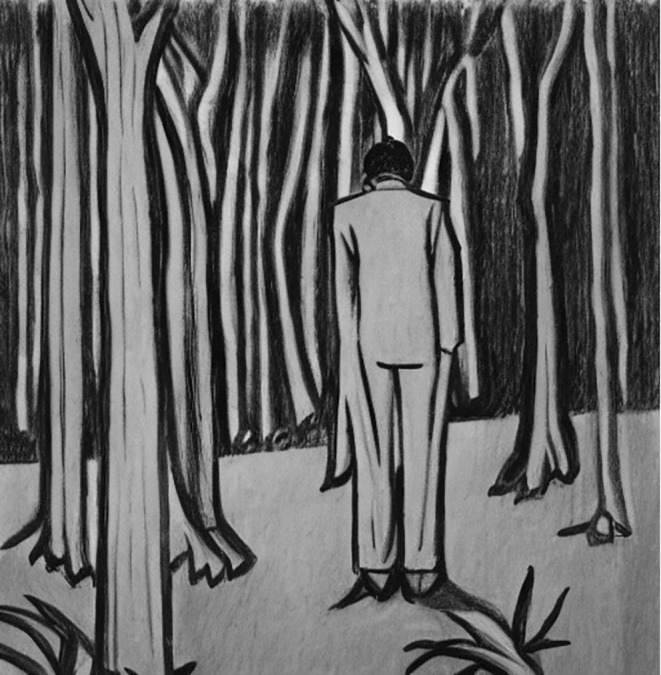
Illustration of a selected oneiric mentation “Forest hide and seek” by Dr Alexander Nesbitt.
The development of electroencephalography (EEG) in the 1950s revolutionised the study of dreams by enabling the observation of brain activity during sleep. Nathaniel Kleitman and Eugene Aserinsky's discovery of rapid eye movement (REM) sleep, characterised by saccadic eye movements and desynchronised EEG activity, linked this sleep stage with vivid dreaming (Aserinsky & Kleitman, 1953). Building on Michel Jouvet's discovery of muscle atonia as a key feature of this stage (Jouvet & Michel, 1959), REM sleep became known as “paradoxical sleep” in the French‐speaking literature, highlighting the activation of the cortex despite the body's functional paralysis (Sastre & Jouvet, 1979). Subsequent research indicated that dreams could also occur during non‐REM (NREM) sleep, challenging the initial belief that dreaming was exclusive to REM sleep (Nielsen, 2000). Compared with REM sleep dreams, NREM sleep dreams are generally shorter, less vivid, more conceptual, less bizarre, less emotional, more under volitional control, and more related to current concerns (Antrobus, 1983; Foulkes, 1962; Hobson et al., 2000). However, late‐night NREM awakenings can result in dream reports that are indistinguishable from those during REM sleep (Nir & Tononi, 2010; Siclari et al., 2020).
One of the early theories about dreaming, the so called activation–synthesis hypothesis, initially proposed by Hobson and McCarley (1977) posited that dreams arise from the brain's attempt to synthesise random neural activity during sleep into a coherent narrative (Hobson & McCarley, 1977). Moreover, the later, dream typology approach, advocated categorisation of dreams into three main groups: endogenous (arising from somatic needs), exogenous (induced by dispositional tendencies towards the exploration of the external world), or relational dreams (related to predisposition towards relationships) (van den Daele, 1992). Other influential theories (e.g., the continuity [Schredl & Hofmann, 2003] and the neurocognitive theory [Domhoff, 2018]) over the years have attempted to define dreaming as a mere epiphenomenon of other possible functions of sleep (e.g., memory consolidation), possibly without an independent function (for a more in depth review on this topic please see Siclari et al., 2020). Moreover, whilst dreaming may at times appear to reflect intrinsic memory replay (especially of new learning experiences), it remains uncertain whether dreaming plays a causal role in memory consolidation (Picard‐Deland et al., 2023).
Recent advancements in high‐density EEG and neuroimaging have enabled the identification of specific brain activity patterns associated with various dream features. These studies have outlined similar brain activity patterns associated with REM and non‐REM dreams (Siclari et al., 2017), as well as localised dream content‐specific activations resembling those observed in waking perception, for faces, the spatial setting of the dream, speech, thoughts, fear, and movement (Dresler et al., 2011; Perogamvros et al., 2017; Siclari et al., 2017; Sterpenich et al., 2020). On the other hand, functional neuroimaging studies have detected regional brain activity patterns typical of REM sleep, such as reduced activity of parts of the prefrontal cortex, potentially explaining the bizarre and illogical nature of dreams. Conversely, increased activity in the limbic system, particularly the amygdala, has been suggested to underlie the emotional intensity of dreams (Schwartz & Maquet, 2002).
2. NEUROBIOLOGICAL PERSPECTIVES
In dreams, (oneiric) imagery is thought to arise from activation of sensory cortical representations during sleep, although the exact nature of these mechanisms remains uncertain (Ilic et al., 2023). Regional cerebral blood flow and glucose metabolism patterns are known to differ between REM sleep and awake states (Schwartz & Maquet, 2002). During REM sleep, there is increased activity and blood flow in the limbic and paralimbic regions, including the amygdaloid complexes, hippocampal formation, and anterior cingulate cortex (Schwartz & Maquet, 2002). Additionally, REM sleep is characterised by relative inactivity in the frontoparietal associative networks, which may explain the diminished insight and control typical of dreams. The activation of the posterior temporo‐occipital cortices during REM sleep aligns with the visual nature of dreams.
Interestingly, a significant minority of individuals do not report any experiences upon awakening from REM sleep. Indeed, it has been shown that dreaming can be dissociated from REM sleep through pharmacological interventions, or in patients with specific brain lesions (Oudiette et al., 2012; Solms, 2000). In addition, dreaming is common in NREM sleep (Nielsen, 2000). The occurrence of dreaming in two behavioural states with globally different EEG signatures has challenged the understanding of the neural correlates of dreaming, and several explanations for this paradox were initially put forward, including that brain activity does not adequately reflect consciousness (Cavallero et al., 1992), or that covert REM sleep in NREM sleep could explain dreaming in this stage (Nielsen, 2000). Subsequent scientific developments offered new approaches to study the neural correlates of dreaming. Several lines of research indicated that sleep, instead of affecting the brain homogenously, occurs and is regulated locally, as a function of prior experience and plasticity (Nir et al., 2011; Vyazovskiy et al., 2011), and that in a variety of physiological and pathological conditions, wake‐like and sleep‐like activity patterns can co‐exist in different brain regions (Siclari & Tononi, 2017). These findings opened the possibility that the presence of dreaming in both REM and NREM sleep could be linked to local variations in brain activity. Studies attempting to relate EEG patterns to dreaming have obtained variable results (Chellappa & Cajochen, 2013; Marzano et al., 2011; Williamson et al., 1986; Wong et al., 2020), but comprised only a small number of awakenings and lacked the spatial resolution to reveal localised changes. In larger experiments comprising over 1000 awakenings to assess dreaming were combined with high‐density EEG recordings with the aim of identifying localised changes in brain activity relating to dreaming. These studies found that both REM and NREM sleep dreams, as opposed to the absence of experience, were associated with regional activations of posterior cortical regions (Siclari et al., 2017). In addition, within this posterior hot‐zone, localised high‐frequency power increases correlated with specific dream contents, including faces, the spatial setting of the dream, speech, and perceiving movements. Regional correlates of dreaming offer a potential explanation for why dream experiences can occur in two behavioural states with globally different EEG signatures: dreaming may indeed be possible as long as some areas remain locally activated, irrespective of the brain activity in the rest of the cortex.
Due to technological obstacles, most studies of dreams have historically treated the diverse neurophysiological elements of REM sleep and NREM sleep as a singular entity. However, studies assessing specific neurophysiological elements with respect to dreaming in NREM sleep have revealed that dreams are likely to be reported immediately after K‐complexes (Siclari et al., 2018), when spindles are fast (Nielsen et al., 2017; Siclari et al., 2018), and when delta waves are small, especially over posterior cortical regions. Dream content on the other hand is particularly likely to be recalled when microarousals precede the awakening (Siclari et al., 2018).
Regarding REM sleep, to date it is not clear which of the two main REM microstructures – phasic or tonic – is essential for the dreaming experience (Poole & Rosenzweig, 2020). Moreover, as phasic and tonic REM periods differ qualitatively in terms of alertness, cortical activity, and information processing, it is unclear whether dreams differ across its various periods or whether some neural signatures contribute to non‐REM dreaming (Poole & Rosenzweig, 2020; Simor et al., 2020). From a clinical perspective, REM microstructure alterations vary across neurological and psychiatric disorders, but their impact on dream mentation and recall similarly remains unknown (Wasserman et al., 2022). Future research should consistently differentiate these sleep microstates and their pathological phenotypes, including associated dream characteristics.
Finally, to date, the essential neural units of oneiric mentation have similarly not been fully delineated. Nonetheless, the findings of several studies appear to implicate the posterior brain regions as essential in this process (Horikawa et al., 2013; Siclari et al., 2017; Siclari et al., 2020). Moreover, in keeping, dream cessation has been recorded following lesions in the inferior parietal and occipital cortex (Solms, 2000).
Conversely, the activation of anterior regions during NREM sleep and micro‐arousals has been linked to successful dream recall (Gnoni et al., 2020; Siclari et al., 2017; Siclari et al., 2018). Furthermore, it has been suggested that subcortical regions may also contribute to the dreaming process (Hasegawa et al., 2020). For instance, individuals with bilateral basal ganglia lesions are known to exhibit a reduced frequency of dream reports and diminished dream quality (Leu‐Semenescu et al., 2013). More recently, the role for the hippocampus in dream generation has also regained interest (Spano et al., 2020). Findings from several studies suggest that the hippocampal formation may be involved in dream formation by integrating memories and constructing novel imagined scenarios (Kumar et al., 2020; Tsunematsu et al., 2020). These processes may also involve simulating potential future events, thereby contributing to the generation of dreams.
3. FUNCTIONS OF DREAMING
Along with the neurobiological underpinnings, the very function of dreams is still vehemently debated. Theories on the function of dreaming are diverse and include hypotheses such as dreams acting as a guardian of sleep, aiding in emotional desensitisation, and serving as simulations of threats and social challenges. However, empirical testing of these theories remains challenging.
Some theories propose that dreams facilitate emotional regulation and memory consolidation (Goldstein & Walker, 2014). The threat simulation theory by Revonsuo (2001) suggests that dreams provide a virtual environment for rehearsing responses to threatening situations (Revonsuo, 2001). Other perspectives, such as the continuity hypothesis (Schredl & Hofmann, 2003) or predictive coding (2024, Hobson et al., 2014), argue that dreams reflect waking‐life concerns and experiences, serving as a cognitive rehearsal space (Parrino & Rosenzweig, 2025). Still other theories are based on recent insights into intracellular neuronal physiology (Aru et al., 2020).
4. CLINICAL ASPECTS
Because of the sensorimotor disconnection that is inherent to sleep, dreams are generally inaccessible to an outside observer, unless one wakes up the sleeper and interviews them about their oneiric experiences. In some clinical conditions, however, the sleep‐related sensorimotor disconnection breaks down partially or entirely, and dream‐related behaviours become directly visible to an outside observer, allowing for precious insights into the dream process. Such conditions include parasomnias, characterised by abnormal behaviours during sleep. Rapid eye movement behaviour disorder (RBD), for instance, is characterised by complex, goal‐directed behaviours that occur during REM sleep, with subsequent dream reports often reflecting the behaviours that were displayed during sleep (Schenck, 2025). Research on RBD has offered significant understanding of speech patterns in dreams and the connection between gaze direction and dream imagery (Arnulf, 2010, 2011; Maranci et al., 2022). On the other hand, the diagnosis of RBD has clinical relevance as it frequently constitutes the first sign of neurodegenerative disorders (mainly alpha‐synucleinopathies). Arousal disorders, which comprise sleepwalking, sleep terrors, and confusional arousals, result from incomplete awakenings out of NREM sleep that are associated with behaviours of variable complexity (Castelnovo et al., 2018). Recent research suggests that the degree of consciousness associated with NREM sleep parasomnia episodes is variable, ranging from largely automatic behaviours without awareness, to vivid dream‐like conscious experiences that are associated with similar brain activity patterns as “ordinary dreams” (Baldini et al., 2019; Cataldi et al., 2024; Gnoni et al., 2022; Oudiette et al., 2009; Siclari, 2025; See et al., 2024; Wassermann et al., 2022; Longe et al., 2022). NREM parasomnias therefore represent a valuable model to study sleep‐related conscious experiences. Because patients also variably perceive their environment, this condition could provide an interesting insight into the mechanisms underlying sleep‐related sensory disconnection from the environment (Siclari, 2025). Other dream‐related conditions that can provide insight into the dreaming process include nightmares, especially those recurring in the context of post‐traumatic stress disorder that involve identical or similar contents, revolving around the traumatic event, and epic dreaming (Schenck & Mahowald, 1995; Zadra and Donderi, 2000), a condition in which dreams are experienced as excessive and tiring.
More recently, speech graph analysis (SGA) of dreams has shown promise as an objective and language‐invariant diagnostic tool that can aid neuropsychiatric diagnosis (See et al., 2024). The notion that dreaming mentation may reflect distinct physiological processes is not new, and whilst recent waking activities (episodic replay) are rarely accounted for in dream reports (around 1%), studies have demonstrated that retrieval of declarative memories may be enhanced following REM sleep (also See et al., 2024). It has also been suggested that the likelihood of dream reports being closely linked to recent events will differ depending on the changes in sleep architecture, which are common in sleep or neuropsychiatric disorders (See et al., 2024). Perhaps in keeping, the findings of several exploratory studies suggest that patients may not only differ on what is recalled in their dreams but also, perhaps more strikingly, on how dreams are recalled (See et al., 2024; Mota et al., 2014; Bertola et al., 2014).
5. FACTORS INFLUENCING DREAM RECALL AND CONTENT
Dream recall varies widely among individuals and is influenced by factors such as age, sex, personality, and waking life experiences (reviewed in Siclari et al., 2020). Depending on their predisposition to recall dreams, people can be divided into high and low dream recallers.
Studies have shown that openness to experience and neuroticism are positively correlated with dream and nightmare recall, respectively (Schredl, 2019). Stress, poor sleep quality, and interest in dreams also increase recall frequency. Developmental patterns indicate that dream recall peaks in early adulthood and declines with age (Schredl and Reinhard, 2008). Dream content is similarly influenced by personality traits and mental state factors. Traditionally, women have been noted to report less physical aggression and more verbal aggression in dreams compared with men (Paolino, 1964; Raheel et al., 2023; Siclari et al., 2020), whilst emotional content has been noted to vary accordingly across different life stages (Lortie‐Lussier et al., 2019). Conversely, in such circumstances where traumatic experiences result in post‐traumatic nightmares, these may persist for decades (Nielsen & Levin, 2007).
High dream recallers typically present stronger reactivity to deviant and novel stimuli during the night, suggesting higher proneness towards bottom‐up attentional reactions compared with lower dream recallers (Eichenlaub et al., 2014; Ruby et al., 2022). Furthermore, an enhanced functional connectivity within the default mode network and other brain regions involved in the memory processing has also been documented among high dream recallers in the first moments after awakening (Vallat et al., 2020). Hence, the capability to recall dreams probably relies on multiple phenomena, largely linked to sleep structure/instability and to the dynamic organisation of brain functional connectivity.
5.1. Influencing dreams through sensory stimulation
Dreams typically exhibit multisensory qualities, with visual experiences being almost universal (Ilic et al., 2023; Siclari et al., 2020). Despite often incorporating everyday objects and familiar people, dreams are internally generated and are akin to hallucinations (Hobson, 2009). Regional patterns of brain activity during REM and NREM sleep, such as increased limbic activity and reduced frontoparietal associative networks, could contribute to the emotional and perceptual characteristics of dreams (Nir & Tononi, 2010).
5.2. Lucid dreaming
Lucid dreams (LD) have been described as enigmatic dream states commonly arising from REM sleep (Dodet et al., 2015; La Berge et al., 1981), in which subjects are aware of their dreaming, and during which some may even direct and control their dream mentations (Mota‐Rolim et al., 2013). Lucid dreamers can vividly summon specific people, places, or objects at will. Scientifically, lucid dreaming allows researchers to gather real‐time reports from individuals while they are asleep, through pre‐established eye movements, facial muscle twitches, or respiration patterns. Studies involving lucid dreamers have provided valuable insights into eye movement generation, environmental disconnection, and time perception in dreams (Erlacher et al., 2014; Konkoly et al., 2021; LaBerge, Baird, & Zimbardo, 2018; Türker et al., 2023). It is estimated that up to 26%–77% of healthy people may have experienced a lucid dream at least once in their life, with a higher frequency when longer sleep duration is possible, leading to an increase in the REM‐sleep representation that is usually higher in the last part of the night (Mota‐Rolim et al., 2013). Lucid dreaming has also been reported during lighter stages of NREM sleep (Baird, Mota‐Rolim, & Dresler, 2019). Meditation and mindfulness techniques, especially in long‐term practitioners, have all been associated with lucid dreaming skill and meta‐cognition (Baird, Mota‐Rolim, & Dresler, 2019; Baird, Riedner, et al., 2019). Altered functional connectivity of the anterior prefrontal and temporo‐parietal cortices, and involving cholinergic signalling, has been demonstrated in frequent lucid dreamers (Baird, Mota‐Rolim, & Dresler, 2019). Similarly, subjects with a higher frequency of lucid dreams had a stronger activation in the brain areas involved in self‐reflective awareness, during both resting wakefulness and sleep in the neuroimaging studies (Siclari et al., 2020).
5.3. Dreams in blind people
Dream content and, more specifically, the presence of visual imagery in the dreams of congenitally blind individuals has also long courted controversy, and it remains a highly debated topic (Bértolo et al., 2003; Heller et al., 1996; Ilic et al., 2023; Kang et al., 2023). However, several recent studies suggest that visuo‐spatial imagery, although rare, can occur during dreaming in congenitally blind individuals (Bértolo et al., 2003). Interestingly, some late‐blind individuals report visual dream imagery, including colours, of people and objects only after becoming blind (Ilic et al., 2023). Nonetheless, it has been argued that individuals born blind or those who lost their sight before the age of three will completely lack visual imagery in their dreams (Meaidi et al., 2014). It is generally accepted that non‐visual sensory imagery – auditory, haptic, proprioceptive, somesthetic, olfactory, gustatory, as well as pain and temperature sensations may be more prevalent in the dreams of congenitally blind individuals (Heller et al., 1996; Hurovitz et al., 1999).
Overall, there appears a negative correlation between the duration of blindness and the presence of visual impressions in dreams, including their duration, clarity, and colour content (Meaidi et al., 2014). Congenitally blind individuals often exhibit significantly reduced or absent REM during sleep (Christensen et al., 2019), although they retain other EEG features of phasic REM sleep microstructure. Phasic REM sleep, characterised by bursts of eye movements associated with ponto‐geniculo‐occipital waves, contractions of middle ear muscles, myoclonic twitches, sawtooth waves, and irregularities in cardio‐respiratory activity (Simor et al., 2020), may play a unique role in dreaming and emotional regulation. It is suggested that phasic REM sleep may involve the reactivation of vivid visuo‐spatial, emotionally relevant mental images, or the reprocessing of emotional memories (Simor et al., 2020). In congenitally blind individuals, different neurocircuitry might be activated during phasic REM sleep compared with sighted individuals, possibly utilising auditory or haptic reference points instead of visual ones. However, it remains unclear whether this results in a different functional role for this fundamental physiological process.
6. GENETIC INFLUENCES AND MEDICATION EFFECTS
To date we still know very little about the genetic predisposition to dreaming mentation.
On the other hand, twin studies have shown that genetic factors significantly influence the prevalence of nightmare dreams, accounting for a considerable portion of the variance in both childhood and adulthood (Coolidge et al., 2010). Nightmares are sporadic phenomena, affecting around 5% of the population, with a higher prevalence among women and during childhood (Gauchat et al., 2014; Hublin et al., 1999). Alcohol consumption has been shown to play a significant role in the dream and nightmare content (Steinig et al., 2011), with dreaming mentation about alcohol being potentially linked to the emergence of craving, making it possible to detect and prevent alcoholic relapse (Steinig et al., 2011). A recently published study that explored the genetic underpinning of nightmares has documented an overall single nucleotide polymorphism‐based heritability of 5% (Ollila et al., 2024). Furthermore, it has been shown that the genetics of nightmare disorder is significantly correlated with the genetic profile of psychiatric traits, including anxiety, depression, and post‐traumatic stress disorder (Ollila et al., 2024).
Iatrogenic effects, and especially a variety of medications, can also affect dreaming; for instance, cholinergic and dopaminergic drugs are known to enhance dream vividness and lucidity, while antidepressants have been shown to impact dream recall (Pagel & Helfter, 2003). Moreover, beta‐blockers, especially pindolol and metoprolol, and molecules with higher affinity for 5‐HT1A receptors, are associated with a higher risk for nightmare occurrence. Moreover, cholinergic and dopaminergic drugs have been shown to modulate lucid dreaming occurrence (La Berge, 2004); more specifically acetylcholinesterase inhibitors, such as galantamine (a positive allosteric modulator of nicotinic ACh receptors), have been shown to increase the recurrence of lucid dreaming, and the quality of self‐reflection and visual vividness during dreaming mentation (LaBerge, Lamarca, & Baird, 2018). Similarly, an increased availability of dopamine in the ventral striatum, either achieved through meditation, or through the iatrogenic effects of drugs such as L‐dopa and pramipexole, has been associated with intense dream mentation and LD experiences (Pinter et al., 1999; Sharf et al., 1978). Finally, limited data from Ayurvedic medicine appear to suggest a possible role also for numerous nootropic sustances (e.g., Papaverum somniferum, Withamnia somnifera, Artemisia vulgaris) in the influence of heightened oneiric activity (for a more in depth review see Oldoni et al., 2024).
7. CONCLUSION
Dream research has made significant strides. In the past 125 years we have witnessed the birth of psychoanalysis, the discovery of REM sleep, the progression from phenomenological studies of dreams to neurophysiological explorations of REM sleep. Advances in neuroimaging and an increased understanding of local brain activity during sleep have elucidated regional brain activity patterns underlying dreaming and some dream contents. The complexity of meta‐cognition and self‐awareness, as largely explored by meditators, can get us closer to the understanding of the link between consciousness and dreaming. Sleep disorders including parasomnias and conditions such as lucid dreaming have allowed for a direct “visualisation” of dream related‐behaviours and real‐time dream‐reports. Despite this progress, many aspects of dreams remain mysterious and many questions still unanswered. How are dream contents generated? How does dreaming relate to other sleep‐related functions and processes? And finally, but most importantly, a question that has generated many hypotheses but no definite answers: why do we dream at all? Continued interdisciplinary research will be crucial for further unravelling the complexities of dreaming, its functions and implications for clinical practice.
FUNDING INFORMATION
FS is funded by the ERC Grant Dreamscape 101039782.
CONFLICT OF INTEREST STATEMENT
The authors declare no conflict of interest.
ACKNOWLEDGEMENT
Open access funding provided by Universite de Lausanne.
Mutti, C. , Siclari, F. , & Rosenzweig, I. (2025). Dreaming conundrum. Journal of Sleep Research, 34(2), e14338. 10.1111/jsr.14338
Contributor Information
Francesca Siclari, Email: f.siclari@nin.knaw.nl.
Ivana Rosenzweig, Email: ivana.1.rosenzweig@kcl.ac.uk.
DATA AVAILABILITY STATEMENT
Data sharing is not applicable to this article as no new data were created or analyzed in this study.
REFERENCES
- Antrobus, J. (1983). REM and NREM sleep reports: Comparison of word frequencies by cognitive classes. Psychophysiology, 20(5), 562–568. 10.1111/j.1469-8986.1983.tb03015.x [DOI] [PubMed] [Google Scholar]
- Arnulf, I. (2010). La motricité redevient‐elle normale en sommeil paradoxal ? Le trouble comportemental en sommeil paradoxal [REM sleep behavior disorder: An overt access to motor and cognitive control during sleep]. Revue Neurologique (Paris), 166(10), 785–792. 10.1016/j.neurol.2010.07.016 [DOI] [PubMed] [Google Scholar]
- Arnulf, I. (2011). The ‘scanning hypothesis’ of rapid eye movements during REM sleep: A review of the evidence. Archives Italiennes de Biologie, 149(4), 367–382. 10.4449/aib.v149i4.1246 [DOI] [PubMed] [Google Scholar]
- Artemidorus, D. (2012). Artemidorus' Oneirocritica: Text, translation, and commentary. Oxford University Press. [Google Scholar]
- Aru, J. , Siclari, F. , Phillips, W. A. , & Storm, J. F. (2020). Apical drive‐A cellular mechanism of dreaming? Neuroscience & Biobehavioral Reviews, 119, 440–455. 10.1016/j.neubiorev.2020.09.018 [DOI] [PubMed] [Google Scholar]
- Aserinsky, E. , & Kleitman, N. (1953). Regularly occurring periods of eye motility, and concomitant phenomena, during sleep. Science, 118, 273–274. [DOI] [PubMed] [Google Scholar]
- Baldini, T. , Loddo, G. , Sessagesimi, E. , Mignani, F. , Cirignotta, F. , Mondini, S. , Licchetta, L. , Bisulli, F. , Tinuper, P. , & Provini, F. (2019). Clinical features and pathophysiology of disorders of arousal in adults: A window into the sleeping brain. Frontiers in neurology, 10, 1–9. [DOI] [PMC free article] [PubMed] [Google Scholar]
- Baird, B. , Mota‐Rolim, S. A. , & Dresler, M. (2019). The cognitive neuroscience of lucid dreaming. Neuroscience and Biobehavioral Reviews, 100, 305–323. [DOI] [PMC free article] [PubMed] [Google Scholar]
- Baird, B. , Riedner, B. A. , Boly, M. , Davidson, R. J. , & Tononi, G. (2019). Increased lucid dream frequency in long‐term meditators but not following MBSR training. Psychology of Consciousness (Washington, D.C.), 6, 40–54. [DOI] [PMC free article] [PubMed] [Google Scholar]
- Bertola, L. , Mota, N. B. , Copelli, M. , Rivero, T. , Diniz, B. S. , Romano‐Silva, M. A. , Ribeiro, S. , & Malloy‐Diniz, L. F. (2014). Graph analysis of verbal fluency test discriminate between patients with Alzheimer's disease, mild cognitive impairment and normal elderly controls. Frontiers in Aging Neuroscience, 6, 185. [DOI] [PMC free article] [PubMed] [Google Scholar]
- Bértolo, H. , Paiva, T. , Pessoa, L. , Mestre, T. , Marques, R. , & Santos, R. (2003). Visual dream content, graphical representation and EEG alpha activity in congenitally blind subjects. Cognitive Brain Research, 15, 277–284. [DOI] [PubMed] [Google Scholar]
- Castelnovo, A. , Lopez, R. , Proserpio, P. , Nobili, L. , & Dauvilliers, Y. (2018). NREM sleep parasomnias as disorders of sleep‐state dissociation.Nature reviews. Neurology, 14, 1–12. [DOI] [PubMed] [Google Scholar]
- Cataldi, J. , Stephan, A. M. , Haba‐Rubio, J. , & Siclari, F. (2024). Shared EEG correlates between non‐REM parasomnia experiences and dreams. Nature Communications, 15, 3906. [DOI] [PMC free article] [PubMed] [Google Scholar]
- Cavallero, C. , Cicogna, P. , Natale, V. , Occhionero, M. , & Zito, A. (1992). Slow wave sleep dreaming. Sleep, 15, 562–566. [DOI] [PubMed] [Google Scholar]
- Chellappa, S. L. , & Cajochen, C. (2013). Ultradian and circadian modulation of dream recall: EEG correlates and age effects. International Journal of Psychophysiology, 89(2), 165–170. 10.1016/j.ijpsycho.2013.03.006 [DOI] [PubMed] [Google Scholar]
- Christensen, J. A. E. , Aubin, S. , Nielsen, T. , Ptito, M. , Kupers, R. , & Jennum, P. (2019). Rapid eye movements are reduced in blind individuals. Journal of Sleep Research, 28(6), e12866. 10.1111/jsr.12866 [DOI] [PubMed] [Google Scholar]
- Coolidge, F. L. , Segal, D. L. , Coolidge, C. M. , Spinath, F. M. , & Gottschling, J. (2010). Do nightmares and generalized anxiety disorder in childhood and adolescence have a common genetic origin? Behavior Genetics, 40, 349–356. [DOI] [PubMed] [Google Scholar]
- Dodet, P. , Chavez, M. , Leu‐Semenescu, S. , Golmard, J. L. , & Arnulf, I. (2015). Lucid dreaming in narcolepsy. Sleep, 38(3), 487–497. 10.5665/sleep.4516 [DOI] [PMC free article] [PubMed] [Google Scholar]
- Domhoff, G. W. (2018). The emergence of dreaming: Mind‐wandering, embodied simulation, and the default network. Oxford University Press. [Google Scholar]
- Dresler, M. , Koch, S. P. , Wehrle, R. , Spoormaker, V. I. , Holsboer, F. , Steiger, A. , Sämann, P. G. , Obrig, H. , & Czisch, M. (2011). Dreamed movement elicits activation in the sensorimotor cortex. Current Biology, 21(21), 1833–1837. 10.1016/j.cub.2011.09.029 [DOI] [PubMed] [Google Scholar]
- Eichenlaub, J.‐B. , Bertrand, O. , Morlet, D. , & Ruby, P. (2014). Brain reactivity differentiates subjects with high and low dream recall frequencies during both sleep and wakefulness. Cerebral Cortex, 24(5), 1206–1215. 10.1093/cercor/bhs388 [DOI] [PubMed] [Google Scholar]
- Erlacher, D. , Schädlich, M. , Stumbrys, T. , & Schredl, M. (2014). Time for actions in lucid dreams: Effects of task modality, length, and complexity. Frontiers in Psychology, 4, 1013. 10.3389/fpsyg.2013.01013 [DOI] [PMC free article] [PubMed] [Google Scholar]
- Foulkes, W. D. (1962). Dream reports from different stages of sleep. Journal of Abnormal and Social Psychology, 65, 14–25. 10.1037/h0040431 [DOI] [PubMed] [Google Scholar]
- Freud, S. , & Brill, A. A. (1913). The interpretation of dreams. G. Allen & Company, Ltd. [Google Scholar]
- Gauchat, A. , Seguin, J. R. , & Zadra, A. (2014). Prevalence and correlates of disturbed dreaming in children. Pathologie Biologie, 62, 311–318. [DOI] [PubMed] [Google Scholar]
- Gnoni, V. , Duncan, I. , Wasserman, D. , Higgins, S. , Drakatos, P. , Birdseye, A. , Pérez‐Carbonell, L. , Nesbitt, A. , Koutroumanidis, M. , Leschziner, G. , & Rosenzweig, I. (2022). Nocturnal visual hallucinations in patients with disorders of arousal: A novel behavioral and EEG pattern. Croatian Medical Journal, 63, 438–447. [DOI] [PMC free article] [PubMed] [Google Scholar]
- Gnoni, V. , Higgins, S. , Nesbitt, A. D. , Wasserman, D. , Duncan, I. , Birdseye, A. , Pérez‐Carbonell, L. , Drakatos, P. , Koutramanidis, M. , Ferini‐Strambi, L. , Leschziner, G. D. , & Rosenzweig, I. (2020). Cotard parasomnia: Le delire de negation that occur during the sleep‐wake dissociation? Journal of Clinical Sleep Medicine, 16, 971–976. [DOI] [PMC free article] [PubMed] [Google Scholar]
- Goldstein, A. N. , & Walker, M. P. (2014). The role of sleep in emotional brain function. Annual Review of Clinical Psychology, 10, 679–708. [DOI] [PMC free article] [PubMed] [Google Scholar]
- Hasegawa, H. , Selway, R. , Gnoni, V. , Beniczky, S. , Williams, S. C. R. , Kryger, M. , Ferini‐Strambi, L. , Goadsby, P. , Leschziner, G. D. , Ashkan, K. , & Rosenzweig, I. (2020). The subcortical belly of sleep: New possibilities in neuromodulation of basal ganglia? Sleep Medicine Reviews, 52, 101317. [DOI] [PMC free article] [PubMed] [Google Scholar]
- Heller, M. A. , Calcaterra, J. A. , Tyler, L. A. , & Burson, L. L. (1996). Production and interpretation of perspective drawings by blind and sighted people. Perception, 25, 321–334. [DOI] [PubMed] [Google Scholar]
- Hobson, J. A. , & McCarley, R. W. (1977). The brain as a dream state generator: An activation‐synthesis hypothesis of the dream process. The American Journal of Psychiatry, 134(12), 1335–1348. [DOI] [PubMed] [Google Scholar]
- Hobson, J. (2009). REM sleep and dreaming: towards a theory of protoconsciousness. Nature Reviews Neuroscience, 10, 803–813. 10.1038/nrn2716 [DOI] [PubMed] [Google Scholar]
- Hobson, J. A. , Hong, C. C. , & Friston, K. J. (2014). Virtual reality and consciousness inference in dreaming. Frontiers in Psychology, 5, 1133. [DOI] [PMC free article] [PubMed] [Google Scholar]
- Hobson, J. A. , Pace‐Schott, E. F. , & Stickgold, R. (2000). Dreaming and the brain: Toward a cognitive neuroscience of conscious states. The Behavioral and Brain Sciences, 23(6), 793–1121. 10.1017/s0140525x00003976 [DOI] [PubMed] [Google Scholar]
- Horikawa, T. , Tamaki, M. , Miyawaki, Y. , & Kamitani, Y. (2013). Neural decoding of visual imagery during sleep. Science, 340, 639–642. [DOI] [PubMed] [Google Scholar]
- Hublin, C. , Kaprio, J. , Partinen, M. , & Koskenvuo, M. (1999). Nightmares: Familial aggregation and association with psychiatric disorders in a nationwide twin cohort. American Journal of Medical Genetics, 88, 329–336. [DOI] [PubMed] [Google Scholar]
- Hurovitz, C. S. , Dunn, S. , Domhoff, G. W. , & Fiss, H. (1999). The dreams of blind men and women: A replication and extension of previous findings. Dreaming, 9, 183–193. [Google Scholar]
- Ilic, K. , Bertani, R. , Lapteva, N. , Drakatos, P. , Delogu, A. , Raheel, K. , Soteriou, M. , Mutti, C. , Steier, J. , Carmichael, D. W. , Goadsby, P. J. , Ockelford, A. , & Rosenzweig, I. (2023). Visuo‐spatial imagery in dreams of congenitally and early blind: A systematic review. Frontiers in Integrative Neuroscience, 17, 1204129. [DOI] [PMC free article] [PubMed] [Google Scholar]
- Jouvet, M. , & Michel, F. (1959). Corrélations électromyographiques du sommeil chez le chat décortiqué et mésencephalique chronique. Comptes rendus des séances de la Société de biologie et de ses filiales, 153, 422–425. [PubMed] [Google Scholar]
- Jung, C. G. , & Ralph Ellison collection (Library of Congress) . (1963). Memories, dreams, reflections. Pantheon Books. [Google Scholar]
- Kang, J. , Bertani, R. , Raheel, K. , Soteriou, M. , Rosenzweig, J. , Valentin, A. , Goadsby, P. J. , Tahmasian, M. , Moran, R. , Ilic, K. , Ockelford, A. , & Rosenzweig, I. (2023). Mental imagery in dreams of congenitally blind people. Brain Sciences, 13, 13. [DOI] [PMC free article] [PubMed] [Google Scholar]
- Konkoly, K. R. , Appel, K. , Chabani, E. , Mangiaruga, A. , Gott, J. , Mallett, R. , Caughran, B. , Witkowski, S. , Whitmore, N. W. , Mazurek, C. Y. , Berent, J. B. , Weber, F. D. , Türker, B. , Leu‐Semenescu, S. , Maranci, J. B. , Pipa, G. , Arnulf, I. , Oudiette, D. , Dresler, M. , & Paller, K. A. (2021). Real‐time dialogue between experimenters and dreamers during REM sleep. Current Biology, 31(7), 1417–1427.e6. 10.1016/j.cub.2021.01.026 [DOI] [PMC free article] [PubMed] [Google Scholar]
- Kumar, D. , Koyanagi, I. , Carrier‐Ruiz, A. , Vergara, P. , Srinivasan, S. , Sugaya, Y. , Kasuya, M. , Yu, T. S. , Vogt, K. E. , Muratani, M. , Ohnishi, T. , Singh, S. , Teixeira, C. M. , Chérasse, Y. , Naoi, T. , Wang, S. H. , Nondhalee, P. , Osman, B. A. H. , Kaneko, N. , … Sakaguchi, M. (2020). Sparse activity of hippocampal adult‐born neurons during REM sleep is necessary for memory consolidation. Neuron, 107(3), 552–565.e10. [DOI] [PubMed] [Google Scholar]
- La Berge, S. P. (2004). Substances that enhance recall and lucidity during dreaming (U.S. Patent Application 10/604,138).
- La Berge, S. P. , Nagel, L. E. , Dement, W. C. , & Zarcone, V. P., Jr. (1981). Lucid dreaming verified by volitional communication during REM sleep. Perceptual and Motor Skills, 52, 727–732. [DOI] [PubMed] [Google Scholar]
- LaBerge, S. , Baird, B. , & Zimbardo, P. G. (2018). Smooth tracking of visual targets distinguishes lucid REM sleep dreaming and waking perception from imagination. Nature Communications, 9(1), 3298. 10.1038/s41467-018-05547-0 [DOI] [PMC free article] [PubMed] [Google Scholar]
- LaBerge, S. , Lamarca, K. , & Baird, B. (2018). Pre‐sleep treatment with galantamine stimulates lucid dreaming: A double‐blind, placebo‐controlled, crossover study. PLoS One, 13, e0201246. [DOI] [PMC free article] [PubMed] [Google Scholar]
- Leu‐Semenescu, S. , Uguccioni, G. , Golmard, J. L. , Czernecki, V. , Yelnik, J. , Dubois, B. , Forgeot d'Arc, B. , Grabli, D. , Levy, R. , & Arnulf, I. (2013). Can we still dream when the mind is blank? Sleep and dream mentations in auto‐activation deficit. Brain, 136(Pt 10), 3076–3084. 10.1093/brain/awt229 [DOI] [PubMed] [Google Scholar]
- Longe, O. , Omodan, A. , Leschziner, G. , & Rosenzweig, I. (2022). Non‐REM parasomnias: A scoping review of dreams and dreamlike mentation. Croatian Medical Journal, 63(6), 525–535. 10.3325/cmj.2022.63.525 [DOI] [PMC free article] [PubMed] [Google Scholar]
- Lortie‐Lussier, M. , Dale, A. , & De Koninck, J. (2019). Ontogenetic development of dreaming. In Dreams: Understanding biology, psychology, and culture (pp. 201–208). ABC Clio. [Google Scholar]
- Maranci, J. B. , Nigam, M. , Masset, L. , Msika, E. F. , Vionnet, M. C. , Chaumereil, C. , Vidailhet, M. , Leu‐Semenescu, S. , & Arnulf, I. (2022). Eye movement patterns correlate with overt emotional behaviours in rapid eye movement sleep. Scientific Reports, 12(1), 1770. 10.1038/s41598-022-05905-5 [DOI] [PMC free article] [PubMed] [Google Scholar]
- Marzano, C. , Ferrara, M. , Mauro, F. , Moroni, F. , Gorgoni, M. , Tempesta, D. , Cipolli, C. , & De Gennaro, L. (2011). Recalling and forgetting dreams: Theta and alpha oscillations during sleep predict subsequent dream recall. The Journal of Neuroscience, 31(18), 6674–6683. 10.1523/JNEUROSCI.0412-11.2011 [DOI] [PMC free article] [PubMed] [Google Scholar]
- Meaidi, A. , Jennum, P. , Ptito, M. , & Kupers, R. (2014). The sensory construction of dreams and nightmare frequency in congenitally blind and late blind individuals. Sleep Medicine, 15, 586–595. [DOI] [PubMed] [Google Scholar]
- Mota, N. B. , Furtado, R. , Maia, P. P. , Copelli, M. , & Ribeiro, S. (2014). Graph analysis of dream reports is especially informative about psychosis. Scientific Reports, 4, 3691. [DOI] [PMC free article] [PubMed] [Google Scholar]
- Mota‐Rolim, S. A. , Targino, Z. H. , Souza, B. C. , Blanco, W. , Araujo, J. F. , & Ribeiro, S. (2013). Dream characteristics in a Brazilian sample: An online survey focusing on lucid dreaming. Frontiers in Human Neuroscience, 7, 836. [DOI] [PMC free article] [PubMed] [Google Scholar]
- Nielsen, T. A. (2000). A review of mentation in REM and NREM sleep: “covert” REM sleep as a possible reconciliation of two opposing models. The Behavioral and Brain Sciences, 23(6), 851–866; discussion 904–1121. 10.1017/s0140525x0000399x [DOI] [PubMed] [Google Scholar]
- Nielsen, T. , & Levin, R. (2007). Nightmares: A new neurocognitive model. Sleep Medicine Reviews, 11, 295–310. [DOI] [PubMed] [Google Scholar]
- Nielsen, T. , Carr, M. , Blanchette‐Carrière, C. , Marquis, L.‐P. , Dumel, G. , Solomonova, E. , Julien, S. H. , Picard‐Deland, C. , & Paquette, T. (2017). NREM sleep spindles are associated with dream recall. Sleep Spindl Cortical up States, 1, 27–41. [Google Scholar]
- Nir, Y. , & Tononi, G. (2010). Dreaming and the brain: From phenomenology to neurophysiology. Trends in Cognitive Sciences, 14, 88–100. [DOI] [PMC free article] [PubMed] [Google Scholar]
- Nir, Y. , Staba, R. J. , Andrillon, T. , Vyazovskiy, V. V. , Cirelli, C. , Fried, I. , & Tononi, G. (2011). Regional slow waves and spindles in human sleep. Neuron, 70(1), 153–169. 10.1016/j.neuron.2011.02.043 [DOI] [PMC free article] [PubMed] [Google Scholar]
- Oldoni, A. A. , Bacchi, A. D. , Mendes, F. R. , Tiba, P. A. , & Mota‐Rolim, S. (2024). Neuropsychopharmacological induction of (lucid) dreams: A narrative review. Brain Sciences, 14, 14. [DOI] [PMC free article] [PubMed] [Google Scholar]
- Ollila, H. M. , Sinnott‐Armstrong, N. , Kantojarvi, K. , Broberg, M. , Palviainen, T. , Jones, S. , Ripatti, V. , Pandit, A. , Rong, R. , Kristiansson, K. , & Sandman, N. (2024). Nightmares share genetic risk factors with sleep and psychiatric traits. Translational Psychiatry, 14, 123. [DOI] [PMC free article] [PubMed] [Google Scholar]
- Oudiette, D. , Dealberto, M.‐J. , Uguccioni, G. , Golmard, J. L. , Merino‐Andreu, M. , Tafti, M. , Garma, L. , Schwartz, S. , & Arnulf, I. (2012). Dreaming without REM sleep. Consciousness and Cognition, 21, 1129–1140. [DOI] [PubMed] [Google Scholar]
- Oudiette, D. , Leu, S. , Pottier, M. , Buzare, M. A. , Brion, A. , & Arnulf, I. (2009). Dreamlike mentations during sleepwalking and sleep terrors in adults. Sleep, 32(12), 1621–1627. 10.1093/sleep/32.12.1621 [DOI] [PMC free article] [PubMed] [Google Scholar]
- Pagel, J. F. , & Helfter, P. (2003). Drug induced nightmares–an etiology based review. Human Psychopharmacology, 18, 59–67. [DOI] [PubMed] [Google Scholar]
- Paolino, A. F. (1964). Dreams: Sex differences in aggressive content. Journal of Projective Techniques & Personality Assessment, 28, 219–226. [DOI] [PubMed] [Google Scholar]
- Parrino, L. , & Rosenzweig, I. (2025). The futuristic manifolds of REM sleep. Journal of Sleep Research, 34(2), e14271. 10.1111/jsr.14271 [DOI] [PubMed] [Google Scholar]
- Perogamvros, L. , Baird, B. , Seibold, M. , Riedner, B. , Boly, M. , & Tononi, G. (2017). The phenomenal contents and neural correlates of spontaneous thoughts across wakefulness, NREM sleep, and REM sleep. Journal of Cognitive Neuroscience, 29(10), 1766–1777. 10.1162/jocn_a_01155 [DOI] [PMC free article] [PubMed] [Google Scholar]
- Picard‐Deland, C. , Bernardi, G. , Genzel, L. , Dresler, M. , & Schoch, S. F. (2023). Memory reactivations during sleep: A neural basis of dream experiences? Trends in Cognitive Sciences, 27(6), 568–582. 10.1016/j.tics.2023.02.006 [DOI] [PubMed] [Google Scholar]
- Pinter, M. M. , Pogarell, O. , & Oertel, W. H. (1999). Efficacy, safety, and tolerance of the non‐ergoline dopamine agonist pramipexole in the treatment of advanced Parkinson's disease: A double blind, placebo controlled, randomised, multicentre study. Journal of Neurology, Neurosurgery, and Psychiatry, 66, 436–441. [DOI] [PMC free article] [PubMed] [Google Scholar]
- Poole, N. , & Rosenzweig, I. (2020). Dreaming of Godot. Lancet Neurology, 19, 801–802. [DOI] [PubMed] [Google Scholar]
- Raheel, K. , Deegan, G. , Di Giulio, I. , Cash, D. , Ilic, K. , Gnoni, V. , Chaudhuri, K. R. , Drakatos, P. , Moran, R. , & Rosenzweig, I. (2023). Sex differences in alpha‐synucleinopathies: A systematic review. Frontiers in Neurology, 14, 1204104. [DOI] [PMC free article] [PubMed] [Google Scholar]
- Revonsuo, A. (2001). The reinterpretation of dreams: An evolutionary hypothesis of the function of dreaming. Behavioral and Brain Sciences, 23, 877–901. [DOI] [PubMed] [Google Scholar]
- Ruby, P. , Masson, R. , Chatard, B. , Hoyer, R. , Bottemanne, L. , Vallat, R. , & Bidet‐Caulet, A. (2022). High dream recall frequency is associated with an increase of both bottom‐up and top‐down attentional processes. Cerebral Cortex, 32(17), 3752–3762. 10.1093/cercor/bhab445 [DOI] [PubMed] [Google Scholar]
- Sastre, J. P. , & Jouvet, M. (1979). Le comportement onirique du chat. Physiology & Behavior, 22, 979–989. [DOI] [PubMed] [Google Scholar]
- Schenck, C. H. (2025). REM sleep behaviour disorder (RBD): Personal perspectives and research priorities. Journal of Sleep Research, 34(2), e14228. 10.1111/jsr.14228 [DOI] [PubMed] [Google Scholar]
- Schenck, C. H. , & Mahowald, M. W. (1995). A polysomnographically documented case of adult somnambulism with long‐distance automobile driving and frequent nocturnal violence: Parasomnia with continuing danger as a noninsane automatism? Sleep, 18(9), 765–772. 10.1093/sleep/18.9.765 [DOI] [PubMed] [Google Scholar]
- Schredl, M. (2019). Dream recall and individual differences. In Dreams: Understanding Biology, Psychology, and Culture (pp. 167–173). American Psychological Association. [Google Scholar]
- Schredl, M. , & Hofmann, F. (2003). Continuity between waking activities and dream activities. Consciousness and Cognition, 12, 298–308. [DOI] [PubMed] [Google Scholar]
- Schwartz, S. , & Maquet, P. (2002). Sleep imaging and the neuro‐psychological assessment of dreams. Trends in Cognitive Sciences, 6, 23–30. [DOI] [PubMed] [Google Scholar]
- Schredl, M. , & Reinhard, I. (2008). Gender differences in dream recall: A meta‐analysis. Journal of Sleep Research, 17(2), 125–131. 10.1111/j.1365-2869.2008.00626.x [DOI] [PubMed] [Google Scholar]
- See, Q. R. , Raheel, K. , Duncan, I. , Biabani, N. , di Giulio, I. , Romigi, A. , Kumari, V. , O'Regan, D. , Cairney, S. , Urso, D. , Chaudhuri, K. , Gnoni, V. , Drakatos, P. , & Rosenzweig, I. (2024). Dreaming characteristics in non‐rapid eye movement parasomnia and idiopathic rapid eye movement sleep behaviour disorder: Similarities and differences. Nature and Science of Sleep, 16, 263–277. [DOI] [PMC free article] [PubMed] [Google Scholar]
- Sharf, B. , Moskovitz, C. , Lupton, M. D. , & Klawans, H. L. (1978). Dream phenomena induced by chronic levodopa therapy. Journal of Neural Transmission, 43, 143–151. [DOI] [PubMed] [Google Scholar]
- Siclari, F. (2025). Consciousness in non‐REM‐parasomnia episodes. Journal of Sleep Research, 34(1), e14275. 10.1111/jsr.14275 [DOI] [PMC free article] [PubMed] [Google Scholar]
- Siclari, F. , & Tononi, G. (2017). Local aspects of sleep and wakefulness. Current Opinion in Neurobiology, 44, 222–227. 10.1016/j.conb.2017.05.008 [DOI] [PMC free article] [PubMed] [Google Scholar]
- Siclari, F. , Baird, B. , Perogamvros, L. , Bernardi, G. , LaRocque, J. J. , Riedner, B. , Boly, M. , Postle, B. R. , & Tononi, G. (2017). The neural correlates of dreaming. Nature Neuroscience, 20, 872–878. [DOI] [PMC free article] [PubMed] [Google Scholar]
- Siclari, F. , Bernardi, G. , Cataldi, J. , & Tononi, G. (2018). Dreaming in NREM sleep: A high‐density EEG study of slow waves and spindles. The Journal of Neuroscience, 38(43), 9175–9185. 10.1523/JNEUROSCI.0855-18.2018 [DOI] [PMC free article] [PubMed] [Google Scholar]
- Siclari, F. , Valli, K. , & Arnulf, I. (2020). Dreams and nightmares in healthy adults and in patients with sleep and neurological disorders. The Lancet Neurology, 19, 849–859. [DOI] [PubMed] [Google Scholar]
- Simor, P. , Van Der Wijk, G. , Nobili, L. , & Peigneux, P. (2020). The microstructure of REM sleep: Why phasic and tonic? Sleep Medicine Reviews, 52, 101305. [DOI] [PubMed] [Google Scholar]
- Solms, M. (2000). Dreaming and REM sleep are controlled by different brain mechanisms. Behavioral and Brain Sciences, 23, 843–850. [DOI] [PubMed] [Google Scholar]
- Spano, G. , Pizzamiglio, G. , McCormick, C. , Clark, I. A. , De Felice, S. , Miller, T. D. , Edgin, J. O. , Rosenthal, C. R. , & Maguire, E. A. (2020). Dreaming with hippocampal damage. Elife, 9, e56211. [DOI] [PMC free article] [PubMed] [Google Scholar]
- Steinig, J. , Foraita, R. , Happe, S. , & Heinze, M. (2011). Perception of sleep and dreams in alcohol‐dependent patients during detoxication and abstinence. Alcohol and Alcoholism, 46, 143–147. [DOI] [PubMed] [Google Scholar]
- Sterpenich, V. , Perogamvros, L. , Tononi, G. , & Schwartz, S. (2020). Fear in dreams and in wakefulness: Evidence for day/night affective homeostasis. Human Brain Mapping, 41(3), 840–850. 10.1002/hbm.24843 [DOI] [PMC free article] [PubMed] [Google Scholar]
- Tsunematsu, T. , Patel, A. A. , Onken, A. , & Sakata, S. (2020). State‐dependent brainstem ensemble dynamics and their interactions with hippocampus across sleep states. eLife, 9 , e52244. [DOI] [PMC free article] [PubMed] [Google Scholar]
- Türker, B. , Musat, E. M. , Chabani, E. , Fonteix‐Galet, A. , Maranci, J.‐B. , Wattiez, N. , Pouget, P. , Sitt, J. , Naccache, L. , Arnulf, I. , & Oudiette, D. (2023). Behavioral and brain responses to verbal stimuli reveal transient periods of cognitive integration of the external world during sleep. Nature Neuroscience, 26, 1981–1993. 10.1038/s41593-023-01449-7 [DOI] [PMC free article] [PubMed] [Google Scholar]
- Vallat, R. , Nicolas, A. , & Ruby, P. (2020). Brain functional connectivity upon awakening from sleep predicts interindividual differences in dream recall frequency. Sleep, 43(12), zsaa116. 10.1093/sleep/zsaa116 [DOI] [PubMed] [Google Scholar]
- van den Daele, L. (1992). Direct interpretation of dreams: Typology. American Journal of Psychoanalysis, 52, 307–326. [DOI] [PubMed] [Google Scholar]
- Vyazovskiy, V. V. , Olcese, U. , Hanlon, E. C. , Nir, Y. , Cirelli, C. , & Tononi, G. (2011). Local sleep in awake rats. Nature, 472(7344), 443–447. 10.1038/nature10009 [DOI] [PMC free article] [PubMed] [Google Scholar]
- Wasserman, D. , Gullone, S. , Duncan, I. , Veronese, M. , Gnoni, V. , Higgins, S. , Birdseye, A. , Gelegen, E. C. , Goadsby, P. J. , Ashkan, K. , Ray Chaudhuri, K. , Tononi, G. , Drakatos, P. , & Rosenzweig, I. (2022). Restricted truncal sagittal movements of rapid eye movement behaviour disorder. NPJ Parkinsons Dis, 8(1), 26. 10.1038/s41531-022-00292-0 [DOI] [PMC free article] [PubMed] [Google Scholar]
- Williamson, P. C. , Csima, A. , Galin, H. , & Mamelak, M. (1986). Spectral EEG correlates of dream recall. Biological Psychiatry, 21(8–9), 717–723. 10.1016/0006-3223(86)90236-2 [DOI] [PubMed] [Google Scholar]
- Wong, W. , Noreika, V. , Móró, L. , Revonsuo, A. , Windt, J. , Valli, K. , & Tsuchiya, N. (2020). The dream catcher experiment: Blinded analyses failed to detect markers of dreaming consciousness in EEG spectral power. Neuroscience of Consciousness, 2020(1), niaa006. 10.1093/nc/niaa006 [DOI] [PMC free article] [PubMed] [Google Scholar]
- Zadra, A. , & Donderi, D. C. (2000). Nightmares and bad dreams: Their prevalence and relationship to well‐being. Journal of Abnormal Psychology, 109(2), 273–281. 10.1037/0021-843X.109.2.273 [DOI] [PubMed] [Google Scholar]
Associated Data
This section collects any data citations, data availability statements, or supplementary materials included in this article.
Data Availability Statement
Data sharing is not applicable to this article as no new data were created or analyzed in this study.