



Abstract
Background
Though herbal medicine remains a vital component of healthcare in the Bono region of Ghana, knowledge of its prevalence, factors influencing the choice of herbal remedies, and compliance with quality control standards among the herbal medicine practitioners in the region is lacking. This situation adversely affects health outcomes, regulatory standards, and public trust in herbal medicines in the region. Aim: This study aimed at assessing the prevalence of herbal medicine use, factors that dictate the choice of herbal medicine, and adherence to quality control practices in the Bono region of Ghana.
Method
A cross-sectional study with 504 recruited herbal medicine consumers and 98 practitioners, selected across four districts of the Bono region, was used. Paper-pencil questionnaires were used to obtain respondents’ sociodemographic data. The chi-square (χ2) test was used to assess associated factors, while logistic regression analysis was used to determine the factors associated with herbal medicine use.
Results
It was revealed that 92.7% of the respondents had used herbal medicine within the past 24 months. Old age (P < 0.001), farming (P < 0.001), self-employment (P < 0.004), unemployment (P < 0.049), and no formal education (P < 0.044) were associated with herbal medicine usage. Of the 98 practitioners, 44.9% had active FDA licenses, and 59.2% had undergone formal training in quality control practices at recognized institutions. Of the 73 herbal products identified, 46.5% had no FDA registration certification, 42.5% had no information on unwanted effects and contraindications, and 26% had no expiry dates.
Conclusion
The study highlighted a widespread use of herbal medicine and a significant regulatory compliance gap in the Bono region. As herbal medicine remains an essential remedy in this area, commitments from the government, regulatory bodies, practitioners, and the general public are required to improve regulatory adherence to safeguard public health.
Clinical trial number
Not applicable.
Supplementary Information
The online version contains supplementary material available at 10.1186/s12906-025-04953-4.
Keywords: Herbal medicine, Prevalence, Bono region, Regulatory compliance
Introduction
Herbal remedies are important in healthcare systems across nations [1]. About 40% of the essential medicines the World Health Organization (WHO) considers for treating diseases are from plants [2]. The growing popularity of this natural remedy is driven by factors such as consumer preference, rising healthcare costs, decreased side effects, and a growing body of research demonstrating the efficacy of herbal products. Furthermore, the ability of most natural compounds, such as phenolics, to exhibit effects through diverse mechanisms makes them widely useful in various human diseases such as inflammation, cancer, oxidative stress, microbial infections, atherosclerosis, hypertension, diabetes, etc [3–5]. Though often perceived as effective and safe, the quality, efficacy, and safety of these remedies could be compromised if the herbal industry is not properly regulated [6–8]. A study in Ghana by Asase (2023) [9] revealed that of the 615 herbal products examined at the Center for Plant Medicine Research, less than 50% met quality control standards. The problems identified included non-registration, counterfeiting or adulteration, lack of information on the products’ composition, and exaggeration of their efficacy or intended purpose [9]. Despite the long-standing history of herbal medicine practice in the Bono region of Ghana, there are still significant knowledge gaps. First, no prior published data exists specific to the Bono region. Second, scientific data on the prevalence, safety, efficacy, and regulatory adherence of herbal products in the Bono region are lacking. Third, the current body of literature fails to sufficiently explore how cultural beliefs, affordability, accessibility, and community-based knowledge impact the use of herbal medicine in the Bono region. Fourth, the influence of demographic factors such as age, gender, education, income levels, and religion on the use of herbal medicine in the area remains inadequately studied. Fifth, the perceptions of both practitioners and consumers on regulatory compliance in the Bono region are not well understood. Putting together, these significant knowledge gaps could adversely affect health outcomes, regulatory standards, or public trust in herbal treatment if not properly addressed. Therefore, this study aimed at assessing the prevalence of herbal medication use, factors associated with the choice of herbal treatment, and regulatory compliance practices in the Bono Region of Ghana. Understanding the prevalence of the use of herbal medicine and the factors that dictate an individual’s health-seeking behavior in the Bono region could inform more effective public health education to improve healthcare. Additionally, providing the first-ever scientific data on regulatory compliance levels of herbal medicines and manufacturers would underscore the need for regular inspections and audits of herbal products and practitioners in the Bono region. Furthermore, the study’s findings and conclusions would educate the people of the Bono region on the need to patronize only registered herbal medicines from accredited manufacturers and vendors. Finally, the findings of this study would foster an informed dialogue about integrating herbal and conventional treatments to improve healthcare.
Materials and methods
Study setting
The Bono region is one of the 16 regions in Ghana. According to the 2021 Population and Housing Census, the region’s total population is around 1,208,649, with more than 60% being farmers [10]. There are over 400 herbal medicine practitioners across the 12 districts of the region. This study was conducted across four districts: Sunyani West, Berekum East, Jaman South, and Dormaa West. These districts were selected due to the abundance of herbalists (i.e., herbal practitioners), herbal products, and consumers. Therefore, the demographic and socio-cultural diversity of these districts may make the findings a reasonable representation of the larger Bono Region. To ensure the study captures a balanced and multi-dimensional view of herbal medicine use and adherence to regulatory standards, the study recruited both herbal medicine consumers and practitioners in the Bono region.
Selection criteria
Inclusion criteria
The study recruited only individuals who were at least 18 years old and had lived in the four selected districts of the Bono region for more than 24 months.
Exclusion criteria
Minors, strangers, and people unwilling to participate were excluded from this work.
Sample size calculation
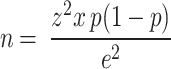
The sample size for the study was calculated using the Cochran equation [11], as shown in Eq. 1 below.
 |
1 |
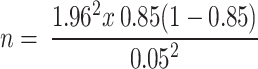
Z = 1.96 (95%), p = prevalence of use of herbal medicine = 85% [9], and e = 5% error rate.
 |
2 |
A minimum of 195 participants were required for the study, but 600 questionnaires were administered, and 504 responded.
Study design
A cross-sectional study was conducted on 504 consumers, 98 herbal medicine practitioners, and 73 herbal products across the four selected districts from February to November 2024. In addition to the inclusion and exclusion criteria, the following measures were taken to minimize bias in selecting the respondents. Each district was stratified into district capital, urban, and rural areas. Five communities were randomly selected from each urban and rural area, resulting in 44 communities. The 504 herbal medicine consumers were randomly and proportionally selected from these stratified locations to ensure appropriate representation and demographic diversity. Two residents, blinded to the study’s purpose, were tasked with assigning a unique code to every herbal medicine practitioner and retail shop in their communities. The researchers blindly used the codes to randomly select 98 practitioners and 73 herbal products from the 44 communities.
Although different questionnaires were prepared for the consumers and the practitioners, all the questions were similar, except the number of years of practice of herbal medicine, source(s) of knowledge, acquisition of formal training in herbal medicine practices, and FDA licensing status, which were specific to the practitioners.
Consumers’ socio-demographic data and perception of the use of herbal medicine
Pencil-and-paper-based questionnaires, with an estimated completion time of 30 min, were used to obtain various consumers’ information. The first part of the questionnaire related to socio-demographic information such as age, sex, educational level, religion, and occupation. The second part elicited consumers’ information on the sources of the herbal drugs they have used, the purpose of use, the efficacy of the products, any unwanted effect(s) identified, the reason for the choice of herbal medicine over conventional medicine, and whether they will recommend herbal medicines to other people.
Herbal medicine practitioners’ socio-demographic data, knowledge of practice and regulatory compliance
Similarly, another paper-and-pencil questionnaire was used to source information from the herbal medicine practitioners in the four selected districts of the Bono region. The closed-ended questionnaires related to information such as age, sex, educational level, occupation, religion, number of years of practice of herbal medicine, source(s) of knowledge, acquisition of formal training, and FDA registration status. All the questionnaires were written in English and translated into Twi for those who could not read or understand English.
Assessment of regulatory compliance of the herbal products with the FDA
Finally, 73 herbal products were randomly selected from 24 herbal shops across the four districts. The essential regulatory information, such as FDA certification of the product, dates of manufacture and expiry, adverse effects and contraindications, dosages and instructions on the product’s use, and the manufacturer’s address and contacts, was examined. A special Food and Drugs Authority (FDA) QR Code Scanner App was used to assess the registration status of the herbal products with the FDA. FDA officials trained the researchers on how to use the device.
Ethics approval and consent to participate
Ethical approval
(Ref. No: CHRE/CA/275/024) for this study was obtained from the Committee for Human Research and Ethics (CHRE), School of Sciences, University of Energy and Natural Resources, Sunyani, Ghana. A well-written informed consent form was appropriately obtained from each of the participants. The study protocol conformed to the ethical guidelines of the 1975 Declaration of Helsinki as reflected in a prior approval by the institution and human research committee.
Data analysis
Data were entered into Microsoft Excel and analyzed using the Statistical Package for Social Sciences version 26.0 (Chicago, United States of America). Descriptive statistics, such as numbers and frequencies, were used to present the results. The Chi-square (χ2) test was used to identify socio-demographic factors associated with the choice of herbal medicine. Finally, a logistic regression model was used to assess the strength of the association by looking at the crude odds ratio (cOR) with a 95% confidence interval (CI). Statistical significance was defined as p < 0.05.
Results
Socio-demographic features of the study participants
Of the 602 participants, 332 (55.1%) were males and 270 (44.9%) were females. Most of the study participants were between the ages of 51–60 (39.0%), and the least represented age group was ≤ 20 years (1.5%). Christians made up more than two-thirds of the study participants (81.7%), followed by the Islamic religion (16.1%) and finally traditionalists (2.2%). More than half of the participants had received at least a basic education (57.8%), with 17.9% having no formal education. The majority of the respondents were farmers (59.5%). The others were either self-employed (21.9%), engaged in civil work (5.8%), or unemployed (12.8%). More than half of the recruited participants were consumers of herbal medicines (83.7%), and the remaining 16.3% were herbal medicine practitioners (see Table 1).
Table 1.
Socio-demographic data of participants
| Parameter | Frequency | Percentage |
|---|---|---|
| Total | 602 | 100 |
| Sex | ||
| Male | 332 | 55.1 |
| Female | 270 | 44.9 |
| Age | ||
| ≤ 20 | 9 | 1.5 |
| 21–30 | 18 | 3.0 |
| 31–40 | 50 | 8.3 |
| 41–50 | 137 | 22.8 |
| 51–60 | 235 | 39.0 |
| ≥ 61 | 153 | 25.4 |
| Religion | ||
| Islam | 97 | 16.1 |
| Christianity | 492 | 81.7 |
| Traditional | 13 | 2.2 |
| Education | ||
| None | 108 | 17.9 |
| Basic | 348 | 57.8 |
| Secondary | 106 | 17.6 |
| Tertiary | 40 | 6.6 |
| Occupation | ||
| Civil | 35 | 5.8 |
| Farming | 358 | 59.5 |
| Self-employed | 132 | 21.9 |
| Unemployed | 77 | 12.8 |
| Herbal Consumer / Practitioner | ||
| Consumer | 504 | 83.7 |
| Practitioner | 98 | 16.3 |
FDA regulatory compliance by herbal medicine practitioners
Of the 98 herbal medicine practitioners recruited in this study, less than half (44.9%) had active FDA certification. The certificates of 23.5% of the practitioners had expired, while 31.6% were practicing without FDA certification. More than half of them (59.2%) had received formal training in herbal medicine practices, and the remaining 40.8% had not received any formal training (as shown in Table 2).
Table 2.
Compliance of herbal medicine practitioners with FDA
| Parameter | Frequency | Percentage |
|---|---|---|
| Total | 98 | 100 |
| Acquired FDA certificate | ||
| No | 31 | 31.6 |
| Yes and active | 44 | 44.9 |
| Yes, but not renewed | 23 | 23.5 |
| Received Formal Training | ||
| Yes | 58 | 59.2 |
| No | 40 | 40.8 |
| Source of Knowledge / Training | ||
| Dream | 12 | 12.2 |
| Herbalist | 43 | 43.9 |
| Parents | 24 | 24.5 |
| Unknown | 19 | 19.4 |
FDA regulatory compliance by marketed herbal medicines
Seventy-three (73) different herbal products sold within the study locality were assessed for compliance with FDA regulations for herbal medicines. More than half (54.4%) of these products were FDA-registered, while 35.6% were not. Dates of manufacture were indicated on 57.5% of the herbal products. User instructions and dosages were indicated on 84.9% of the products. Also, 89.0% of the products had manufacturer’s information (see Table 3).
Table 3.
Regulatory standards of the herbal drugs
| Parameter | Frequency | Percentage |
|---|---|---|
| Total | 73 | 100 |
| FDA registration status | ||
| Registered | 47 | 54.4 |
| Not registered | 26 | 45.6 |
| Manufacturing Date | ||
| Indicated | 42 | 57.5 |
| Not indicated | 31 | 42.5 |
| Expiry Date | ||
| Indicated | 54 | 74.0 |
| Not indicated | 19 | 26.0 |
| Adverse effects and contraindications | ||
| Indicated | 42 | 57.5 |
| Not indicated | 31 | 42.5 |
| Dosage and user instructions | ||
| Indicated | 62 | 84.9 |
| Not indicated | 11 | 15.1 |
| Manufacturer’s information | ||
| Indicated | 65 | 89.0 |
| Not indicated | 8 | 11.0 |
Usage, safety and efficacy of herbal medicines
Of the 504 participants recruited as consumers, 467 (92.7%) agreed to the use of herbal medications, while 37 (7.3%) said they did not use herbal medicines. It was revealed that herbal products were used in various conditions such as non-communicable diseases (NCDs) (34.9%), infections (27.8%), reproduction and sexual weaknesses (13.1%), wounds (10.1%), envenoming (3.0%), and injuries (3.9%). The herbal products used were obtained from herbalists (41.1%), retail shops (28.0%), or self-made (13.3%). The effectiveness, availability, affordability, and safety of herbal products were the main reasons the respondents preferred herbal products to conventional drugs. When it came to side effects, a little more than half (50.4%) experienced no side effects after herbal drug usage, with the most side effects being diarrhea (16.7%) and the least being blurred vision (2.0%). In all, more than two-thirds (87.3%) of the consumers recommended herbal medicines, while the remaining 12.7% did not recommend using herbal drugs (as shown in Table 4).
Table 4.
Perception of the use, efficacy and safety of herbal medicines
| Parameter | Frequency | Percentage | |
|---|---|---|---|
| Usage | |||
| Yes | 467 | 92.7 | |
| No | 37 | 7.3 | |
| Purpose of use | |||
| Envenoming | 15 | 3.0 | |
| Infection | 140 | 27.8 | |
| Injuries | 19 | 3.9 | |
| NCDs | 176 | 34.9 | |
| Wounds | 51 | 10.1 | |
| Reproduction and sexual activities | 66 | 13.1 | |
| Source of Herbal medicine | |||
| Family | 52 | 10.3 | |
| Herbalist | 207 | 41.1 | |
| Retailer | 141 | 28.0 | |
| Self | 67 | 13.3 | |
| Why Herbal medicine? ( multiple response ) | |||
| Availability | 140 | 17.9 | |
| Cost | 204 | 26.1 | |
| Safety | 273 | 35.0 | |
| Effectiveness | 316 | 40.5 | |
| Efficacy of Herbal medications | |||
| Effective | 222 | 44.0 | |
| Very effective | 37 | 6.5 | |
| Not effective | 212 | 42.1 | |
| Side effects | |||
| Blurred vision | 10 | 2.0 | |
| Diarrhea | 84 | 16.7 | |
| Dizziness | 41 | 8.1 | |
| Fatigue | 34 | 6.7 | |
| Headache | 43 | 8.5 | |
| None | 254 | 50.4 | |
| Recommendation | |||
| Recommended | 440 | 87.3 | |
| Not recommended | 64 | 12.7 | |
Association between socio-demographic factors and the use of herbal medicines
A chi-square test was performed to determine the socio-demographic factors that may potentially influence one’s choice of herbal medication. The relationship between sex and religion with the choice of herbal medicine was not significant (p > 0.05). There was a significant relationship between age, education level, and occupation (p < 0.001) with the choice of herbal medicine. This means these socio-demographic factors played a role in influencing an individual’s choice of herbal medication or not (see Table 5).
Table 5.
Ascsociation between socio-demographic factors and the use of herbal medicines
| Herbal medicine usage | |||||||
|---|---|---|---|---|---|---|---|
| Parameter | Response | Yes | No | Total | X2-value | df | p-value |
| Total | 467(92.7%) | 37(7.3%) | 504(100%) | ||||
| Sex | Male | 250(49.6%) | 15(2.98%) | 265(52.58%) | 2.32 | 1 | 0.128 |
| Female | 217(43.1%) | 22(4.4%) | 239(47.4%) | ||||
| Age | ≤ 20 | 1(0.2%) | 8(1.6%) | 9(1.8%) | 178.85 | 5 | < 0.001 |
| 21–30 | 7(1.4%) | 11(2.2%) | 18(3.6%) | ||||
| 31–40 | 41(8.1%) | 5(1.0%) | 46(9.1%) | ||||
| 41–50 | 94(18.7%) | 5(1.0%) | 99(19.6%) | ||||
| 51–60 | 193(38.3%) | 7(1.4%) | 200(39.7%) | ||||
| ≥ 61 | 131(26.0%) | 1(0.2%) | 132(26.2%) | ||||
| Religion | Islam | 60(11.9%) | 7(1.4%) | 67(13.3%) | 1.38 | 2 | 0.503 |
| Christianity | 403(80.0%) | 30(6.0%) | 433(86.0%) | ||||
| Traditional | 4(0.8%) | 0(0.0%) | 4(0.8%) | ||||
| Education | Basic | 283(56.2%) | 16(3.2%) | 299(59.3%) | 18.43 | 3 | < 0.001 |
| Secondary | 82(16.3%) | 14(2.8%) | 96(19.0%) | ||||
| Tertiary | 28(5.6%) | 6(1.2%) | 34(6.7%) | ||||
| None | 74(14.7%) | 1(0.2%) | 75(14.9%) | ||||
| Occupation | Civil | 22(4.4%) | 9(1.8%) | 31(6.2%) | 58.59 | 3 | < 0.001 |
| Farming | 312(61.9%) | 7(1.4%) | 319(63.3%) | ||||
| Self-employed | 95(18.8%) | 8(1.6%) | 103(20.4%) | ||||
| Unemployed | 38(7.5%) | 13(2.6%) | 51(10.1%) | ||||
P-value < 0.05 was considered statistically significant
Factors influencing the use of herbal medicine
A bivariate logistic regression was performed to determine the factors influencing the use of herbal medicine among the study participants. A significant association was established between respondents’ age, education, and occupation with the use of herbal medicine (p < 0.05). However, the odds of these factors influencing the use of herbal medicine among the study participants were significantly decreased (cOR < 1) [as shown in Table 6].
Table 6.
Bivariate logistic regression of factors influencing the use of herbal medicine
| Variable | cOR | [95% CI] | p-value |
|---|---|---|---|
| Sex | |||
| Male | Ref | ||
| Female | 2.70 | [0.96–7.63] | 0.060 |
| Age | |||
| ≤ 20 | Ref | ||
| 21–30 | 0.17 | [0.01–3.16] | 0.232 |
| 31–40 | 0.01 | [0.00-0.11] | < 0.001 |
| 41–50 | 0.01 | [0.00-0.04] | < 0.001 |
| 51–60 | 0.01 | [0.00-0.03] | < 0.001 |
| ≥ 61 | 0.00 | [0.00-0.01] | < 0.001 |
| Religion | |||
| Islam | Ref | ||
| Christianity | 3.40 | [0.62–18.54] | 0.158 |
| Traditional | 0.00 | [0.00] | 0.999 |
| Education | |||
| Basic | Ref | ||
| Secondary | 0.78 | [0.22–2.70] | 0.689 |
| Tertiary | 1.79 | [0.45–7.07] | 0.409 |
| None | 0.05 | [0.00-0.93] | 0.044 |
| Occupation | |||
| Civil | Ref | ||
| Farming | 0.02 | [0.00-0.08] | < 0.001 |
| Self-employed | 0.16 | [0.04–0.56] | 0.004 |
| Unemployed | 0.16 | [0.03-1.00] | 0.049 |
Factors influencing the recommendation of herbal medicine
The study examined the association between the characteristics of the study participants and the recommendation of herbal medicine using bivariate logistic regression. Significantly, there was an association between respondents’ age and occupation with the recommendation of herbal medicine. Participants aged 21–30 were 13.9 times more likely to recommend herbal medicine than those ≤ 20 years (cOR: 13.9; 95% CI: 1.24-157.51; p-value = 0.033). However, the odds of their occupation influencing the recommendation of herbal medicine were significantly decreased (cOR < 1) [see Table 7].
Table 7.
Bivariate logistic regression of factors influencing herbal medicine recommendation
| Variable | cOR | [95% CI] | p-value |
|---|---|---|---|
| Sex | |||
| Male | Ref | ||
| Female | 1.37 | [0.77–2.44] | 0.286 |
| Age | |||
| ≤ 20 | Ref | ||
| 21–30 | 13.9 | [1.24-157.51] | 0.033 |
| 31–40 | 2.32 | [0.21–26.12] | 0.497 |
| 41–50 | 2.06 | [0.19–22.25] | 0.552 |
| 51–60 | 0.98 | [0.09–10.26] | 0.988 |
| ≥ 61 | 0.49 | [0.05–5.31] | 0.557 |
| Religion | |||
| Islam | Ref | ||
| Christianity | 2.05 | [0.80–5.29] | 0.137 |
| Traditional | 0.00 | [0.00] | 0.999 |
| Education | |||
| Basic | Ref | ||
| Secondary | 0.70 | [0.32–1.53] | 0.372 |
| Tertiary | 1.18 | [0.44–3.16] | 0.741 |
| None | 0.73 | [0.73 − 0.29] | 0.504 |
| Occupation | |||
| Civil | Ref | ||
| Farming | 0.13 | [0.05–0.32] | < 0.001 |
| Self-employed | 0.32 | [0.13–0.84] | 0.020 |
| Unemployed | 0.37 | [0.11–1.24] | 0.107 |
Discussion
The current study assessed the prevalence of herbal medicines used in the Bono region of Ghana and the compliance of the herbal medicine practitioners with FDA regulations. The findings highlight the significant prevalence of herbal medicine use and a gap in regulatory compliance in the Bono region of Ghana. Of the 504 respondents recruited, 92.7% had used herbal medicine for various health conditions within the past 24 months. This aligns with findings from studies conducted in Nigeria and Burkina Faso, where 88.5% and 85.0% of the respective study populations reported using herbal medicine as their primary source of healthcare [12]. These findings corroborate the WHO report that over 80% of people in sub-Saharan Africa rely on herbal medicine for primary healthcare needs [13]. The widespread use of herbal products in the Bono region is due to the variety of plants available for medicine, a long history of using these remedies, cultural preferences, strong community knowledge of herbal practices, and limited access to regular medical treatments. On the contrary, studies conducted in Denmark showed a decline in herbal medicine use from 79.9% in 1987 to 45.4% in 2021 [14]. Also, studies conducted in Saudi Arabia and India, respectively, reported prevalence of 42% and 37% [15–17]. The decreased patronage of herbal medicine in these high-income countries is because of the accessibility of quality orthodox medications [18]. Since the study did not find a significant association between gender, religion, and the use of herbal medicine, we assert that in the Bono region of Ghana, gender and religious beliefs do not dictate a person’s choice of treatment. This finding agrees with the reports from studies in Ghana, Ethiopia, Benin, India, and Burkina Faso [19–23]. In contrast to the current findings, a study conducted in Southwest Nigeria reported a significant association (P < 0.0001) between male gender and the use of herbal medicine [12]. The disagreement in these reports could be due to the cultural and demographic diversity between these two study areas. Unlike gender and religion, age and occupation were found to be the major socio-demographic factors that could influence the respondents’ health-seeking behavior.
The influence of age on herbal medicine use is because the risk of developing chronic non-communicable diseases like hypertension, diabetes, arthritis, and cancer increases with age [24–26]. Often, multiple conventional drugs are used to manage these diseases. However, due to potential side effects and drug-drug interactions, older adults often turn to herbal medicines, which are believed to be safer [27]. Furthermore, cultural inclination and possession of rich experience in herbal medicine practices further account for the reliance on herbal remedies by the older populations in the Bono region of Ghana [24]. This finding agrees with the report of a systematic review and meta-analysis on the prevalence of herbal medicine use among patients with chronic disease, in which higher pooled prevalence estimates were found for adult patients with cancer (22%) compared with children with cancer (18%) [28]. From this study, it was observed that more farmers and self-employed individuals use herbal medicine than those in secondary and tertiary occupations, and this aligns with the reports by Sangho et al. 2024 [29]. Many farmers and self-employed individuals in rural areas like the Bono Region rely more on herbal medicine than conventional treatment. This is largely due to factors such as limited access to hospitals and clinics in remote communities, the widespread availability and affordability of herbal remedies, a long-standing tradition of herbal medicine use, and strong community knowledge about medicinal plants. Additionally, farmers are frequently exposed to risks such as injuries and animal envenomation, which are often effectively treated with local herbs.
Regarding compliance with FDA regulations, the study revealed various levels of non-compliance among herbal medicine practitioners. It was noted that only 44.9% of the practitioners in the selected district of the Bono region were operating with the FDA certification, and 54.4% of the herbal products were registered by the FDA. This supports the findings of a similar study by Asase (2023), which revealed that approximately 50% of herbal medicine practitioners and products in Ghana and other developing countries do not meet regulatory standards [9]. Other regulatory malpractices identified on the herbal products included the absence of essential information such as expiry date (26.0%), side effects and contraindication (42.5%), dosage and user instructions (15.1%), and manufacturer’s address and contact numbers (11%). These malpractices could be due to a lack of proper monitoring and enforcement of quality control practices for the herbal industries in the Bono region by the FDA and the Traditional Medicine Practice Council (TMPC) [22]. In addition, 87.3% of the respondents agreed to recommend herbal medicine to others. This highlights the growing popularity of herbal remedies in the Bono region of Ghana.
In a nutshell, the study revealed a high prevalence of herbal medicine consumption in the four selected districts of the Bono Region. Interestingly, herbal medicine usage in this region cuts across individuals of all religions, occupational groups, educational backgrounds, and those aged 18 years and above. This strong reliance on herbal medicine for primary healthcare in this region is driven by accessibility, affordability, and cultural acceptance. However, the findings also underscored significant gaps in regulatory compliance. This highlights the urgent need for strengthened oversight, education, and enforcement by relevant authorities to ensure the safety, efficacy, and quality of herbal products used by the population.
Limitations of the study
First, the research was conducted in only four selected districts within the Bono Region. This may not completely represent the herbal medicine consumption patterns and regulatory practices across the entire region. Second, the study did not do laboratory analysis of herbal products to verify their quality or safety claims. As a result, relying solely on participants’ perceptions of safety and efficacy limits the ability to accurately assess the true effectiveness and safety of herbal medicines in the region. Third, despite the high level of non-compliance observed, the study did not examine the underlying causes. Identifying these contributing factors could support more informed decision-making aimed at simplifying the registration process for practitioners. Finally, limited participant transparency may have influenced the completeness of both user and manufacturer information.
Recommendations
Since interest in herbal medicine usage is growing among the people of the Bono region, the government should integrate traditional medicine into the public health system with proper oversight to ensure safety and efficacy.
The government should allocate resources for regular inspections and audits of herbal products and practitioners.
The District Health Directorate, the FDA, and the Traditional Medicine Practice Council should educate the public about the importance of using licensed and regulated herbal medicine practitioners and the danger of using unlicensed herbal products from unregulated practitioners.
The government should fund research to monitor the safety, efficacy, and usage trends of herbal medicine to inform evidence-based policy.
The reason(s) for non-compliance by the practitioners should be explored. This is essential to develop reliable measures that will make the registration process more accessible and convenient for them.
Conclusion
The current study assessed the prevalence of herbal medicine consumption and the extent of regulatory compliance in four districts of the Bono Region of Ghana. The findings underscored a high rate of herbal medicine use among the population. The high level of consumption was influenced by factors such as cultural beliefs, affordability, accessibility, age, and occupational background. Also, some consumers lacked adequate knowledge of the potential risks associated with unregulated herbal products. Interestingly, the study highlighted important gaps in regulatory compliance among herbal medicine producers. Many products on the market were unregistered by the FDA. These findings emphasize the urgent need for stronger regulatory oversight, increased public education on the safe use of herbal medicines, and enhanced collaboration between traditional medicine practitioners and regulatory bodies. Addressing these issues will help ensure public safety and foster the integration of herbal medicine into Ghana’s healthcare system.
Electronic supplementary material
Below is the link to the electronic supplementary material.
Acknowledgements
The authors are indebted to Food and Drugs Authority staff Sunyani for their assistance in this research.
Abbreviations
- WHO
World Health Organization
- FDA
Food and Drugs Authority
- CHRE
Committee for Human Research and Ethics
- TMPC
Traditional Medicine Practice Council
Author contributions
GO, MAA and JOA conceptualised, designed and wrote the manuscript and methodology, supervised, investigated, validated the findings, provided the resources, financial support, analysed the data, managed the project, reviewed and edited the final draft.RMT, EMA, DK, AA and MO collected the data, wrote the manuscript and methodology, analysed the data, validated the results. All authors read, edited, reviewed and approved the manuscript.
Funding
The authors did not receive any funding for this research work.
Data availability
The authors declare that the data generated during this research can be made available upon request through the corresponding author. The questionnaire used for the study has been provided as a supplementary information.
Declarations
Ethics approval and consent to participate
Ethics approval (Ref. No: CHRE/CA/275/024) for this study was granted by the University of Energy and Natural Resources Committee for Human Research and Ethics (CHRE). A well-written informed consent form was appropriately obtained from each of the participants. The participants were informed of their unequivocal right to abstain from or withdraw from the research. The study protocol conformed to the ethical guidelines of the 1975 Declaration of Helsinki.
Consent for publication
Not applicable.
Competing interests
The authors declare no competing interests.
Footnotes
Publisher’s note
Springer Nature remains neutral with regard to jurisdictional claims in published maps and institutional affiliations.
References
- 1.Owusu G, Obiri DD, Ainooson GK, Osafo N, Antwi AO, Duduyemi BM, Ansah C. Acetic Acid-Induced Ulcerative Colitis in Sprague Dawley Rats Is Suppressed by Hydroethanolic Extract of Cordia vignei Leaves through Reduced Serum Levels of TNF-α and IL-6. Int J Chronic Dis. 2020; 2020:8785497. 10.1155/2020/8785497 [DOI] [PMC free article] [PubMed]
- 2.Amoah VMK, Anokye R, Boakye DS, Acheampong E, Budu-Ainooson A, Okyere E, Kumi-Boateng G, Yeboah C, Afriyie JO. A qualitative assessment of perceived barriers to effective therapeutic communication among nurses and patients. BMC Nurs. 2019;18:4. 10.1186/s12912-019-0328-0. [DOI] [PMC free article] [PubMed] [Google Scholar]
- 3.Anand U, Tudu CK, Nandy S, Sunita K, Tripathi V, Loake GJ, Dey A, Prockow J. Ethnodermatological use of medicinal plants in india: from ayurvedic formulations to clinical perspectives– A review. J Ethnopharmacol. 2022;284:114744. [DOI] [PubMed] [Google Scholar]
- 4.Kretchy IA, Boadu JA, Kretchy JP, Agyabeng K, Passah AA, Koduah A, Opuni KF. Utilization of complementary and alternative medicine for the prevention of COVID-19 infection in ghana: A National cross-sectional online survey. Prevent Med Rep. 2021;24:101633. [DOI] [PMC free article] [PubMed] [Google Scholar]
- 5.Okaiyeto K, Oguntibeju OO. African herbal medicines: adverse effects and cytotoxic potentials with different therapeutic applications. Int J Environ Res Public Health. 2021;18(11):5988. 10.3390/ijerph18115988. [DOI] [PMC free article] [PubMed] [Google Scholar]
- 6.Lee B, Choi MY, Kim P-W, Yang C, Lee MS. Regulation and status of herbal medicine clinical trials in korea: A narrative review. Integr Med Res. 2021;10(2):100688. 10.1016/j.imr.2020.100688. [DOI] [PMC free article] [PubMed] [Google Scholar]
- 7.Mintah SO, Archer M-A, Asafo-Agyei T, Ayertey F, Atta-Adjei Junior P, Boamah D et al. (2022). Medicinal plant use in Ghana: Advancement and challenges. Am. J. Plant Sci. 2022;13(3):316–358.
- 8.Jibril AB, Kwarteng MA, Chovancova M, Denanyoh R. The influence of selected factors on the use of herbal products. J Compet. 2019;11(4):57–72. [Google Scholar]
- 9.Asase A. Ghana’s herbal medicine industry: prospects, challenges and ways forward from a developing country perspective. Front Pharmacol. 2023;14:1267398. 10.3389/fphar.2023.1267398. [DOI] [PMC free article] [PubMed] [Google Scholar]
- 10.Ghana Statistical Service. Population and Housing Census General Report. Volumes 3A, 3B, and 3 C. 2021. https://Census2021.statsghana.gov.gh
- 11.Cochran WG. Sampling techniques. Biometrische Z. 1965;7:203. [Google Scholar]
- 12.Aina O, Gautam L, Simkhada P, Hall S. Prevalence, determinants and knowledge about herbal medicine and non-hospital utilisation in Southwest nigeria: a cross-sectional study. BMJ Open. 2020;10(9):e040769. [DOI] [PMC free article] [PubMed] [Google Scholar]
- 13.World Health Organization (WHO). WHO guidelines on safety monitoring and of herbal medicines in pharmacovigilance systems. Geneva: World Health Organization; 2002. [Google Scholar]
- 14.Ouoba K, Lehmann H, Zongo A, Pabst P JY, Semdé. Prevalence of traditional medicines use and adverse events: A population-based cross-sectional survey in Burkina Faso. Eur J Integrat Med. 2022;51(2022):102129. [Google Scholar]
- 15.Møller SR, Ekholm O, Christensen AI. Trends in the use of complementary and alternative medicine between 1987 and 2021 in Denmark. BMC Complement Med Ther. 2024;24(1):23. 10.1186/s12906-023-04327-8. [DOI] [PMC free article] [PubMed] [Google Scholar]
- 16.Zaidi SF, Saeed SA, Khan MA, Khan A, Hazazi Y, Otayn M, Rabah M, Daniyal M. Public knowledge, attitudes, and practices towards herbal medicines; a cross-sectional study in Western Saudi Arabia. BMC Complement Med Ther. 2022;22(1):326. 10.1186/s12906-022-03783-y. [DOI] [PMC free article] [PubMed] [Google Scholar]
- 17.Bhat BB, Udupa N, Ligade VS, Khan S, Sreedhar D. Assessment of knowledge and attitude of patients on herbal medicine use in Udupi region, karnataka, India. Trop J Pharm Res. 2019;18(1):117–21. [Google Scholar]
- 18.Samal J, Dehury RK. Utilization, preference, perception and characteristics of people adopting traditional and AYUSH systems of medicine in india: a systematic review. J Complement Integr Med. 2018;16(2). 10.1515/jcim-2018-0020. [DOI] [PubMed]
- 19.Ogunsola OK, Egbewale SO. Factors influencing the use of herbs and combination with orthodox medicine for healthcare management in Ibadan, Nigeria. World News of Nat Sci. 2018;17(2018):39–47.
- 20.Zoiku FK, Ocloo EK, Cromwell F, Sewornu R, Mensah P, Ejiofor CE. Knowledge, perceptions, and consumption of herbal medicine in the greater Accra region of Ghana. Int Res J Public Environ Health. 2024;11(3):63–71. [Google Scholar]
- 21.Asmelashe GD, Binega MG, Asrade SA, Birarra MK, Asrie AB. Herbal medicines: personal use, knowledge, attitude, dispensing practice, and the barriers among community pharmacists in gondar, Northwest Ethiopia. Evid Based Complement Alternat Med. 2017;2017:6480142. 10.1155/2017/6480142. [DOI] [PMC free article] [PubMed] [Google Scholar]
- 22.Dougnon G, Dougnon VT, Klotoé JR, Agbodjento E, Zoumarou D, Lègba B, et al. Local knowledge, practices, challenges of ethnopharmacologically used medicinal plants in Benin and implications for brain illnesses. Sci Rep. 2023;13(1):19743. 10.1038/s41598-023-46647-2. [DOI] [PMC free article] [PubMed] [Google Scholar]
- 23.Rathore BS, Kotecha M, Chaudhary K. (2022). Adulteration and Substitution in Indian Medicinal Plants: A Review. Int Res J Ayur and Yoga. 2022;5(5):72–78.
- 24.Aziato L, Antwi HO. Facilitators and barriers of herbal medicine use in accra, ghana: an inductive exploratory study. BMC Complement Altern Med. 2016;16:142. 10.1186/s12906-016-1124-y. [DOI] [PMC free article] [PubMed] [Google Scholar]
- 25.Huang CY, Wu MY, Kuo YH, Tou SI, Yen HR. (2020). Chinese herbal medicine is helpful for survival improvement in patients with multiple myeloma in Taiwan: A nationwide retrospective matched-cohort study. Integrat Cancer Ther. 2020;19:1534735420943280. [DOI] [PMC free article] [PubMed]
- 26.Rashrash M, Schommer JC, Brown L. (2017). Prevalence and Predictors of Herbal Medicine Use among Adults in the United States. J. Pat Experience. 2017;4(3):108–113. [DOI] [PMC free article] [PubMed]
- 27.Rahayu YYS, Araki T, Rosleine D. Factors affecting the use of herbal medicines in the universal health coverage system in Indonesia. J Ethnopharmacol. 2020;260:112974. 10.1016/j.jep.2020.112974. [DOI] [PubMed] [Google Scholar]
- 28.Asiimwe JB, Nagendrappa PB, Atukunda EC, Kamatenesi MM, Nambozi G, Tolo CU, et al. Prevalence of the use of herbal medicines among patients with cancer: A systematic review and Meta-Analysis. Evid-based Complemen Alternat Med: eCAM. 2021;2021(9963038). 10.1155/2021/9963038. [DOI] [PMC free article] [PubMed]
- 29.Sangho A, Ouoba K, Semdé R, Sanogo R. Contribution of ethnomedical use data to the marketing authorization of traditional herbal medicines in Mali. Glob Adv Integrat Med Health. 2024;13. 10.1177/27536130241296823. [DOI] [PMC free article] [PubMed]
Associated Data
This section collects any data citations, data availability statements, or supplementary materials included in this article.
Supplementary Materials
Data Availability Statement
The authors declare that the data generated during this research can be made available upon request through the corresponding author. The questionnaire used for the study has been provided as a supplementary information.