



The authors of this study have noticed errors in the β-ACTIN immunoblot in Figures 1D, 2G, and 3E; IP: TAK1, followed by TAK1 western blot, in Figure 2F; the NANOG western blot in Figure 3E; and cytochrome c in Figure 7F. A different H&E-stained image of HCC of NS5A transgenic mice was incorporated into Figure 1E during figure preparation; these errors are not a correct representation of the data. These errors do not alter the results or conclusions of this study. The authors apologize that these errors were not detected earlier.
Figures 1D and 1E.

NANOG Plays a Critical Role in Liver Oncogenesis (corrected)
Figure 2.

The Tumor Incidence in Several HCC Mouse Models Is TLR4-Dependent (corrected)
Figure 3E.

TLR4 Signaling Transactivates Nanog Promoter through E2F1 Binding Sites (corrected)
Figure 7F.
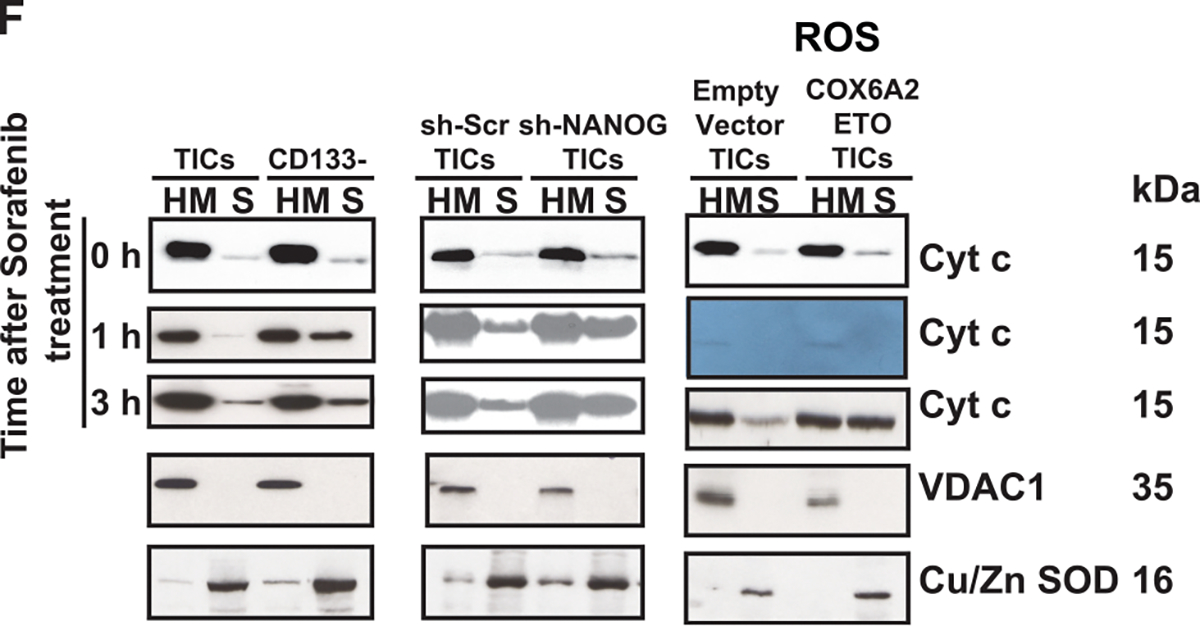
NANOG Orchestrated TIC Oncogenic and Therapeutic Resistance Mechanisms via Mitochondrial Metabolic Reprogramming (corrected)