



Abstract
Background
Disasters have become more frequent and severe in recent years, causing significant human casualties and substantial economic losses. This study aimed to assess the knowledge, attitudes, and readiness of Libyan healthcare workers to respond to disaster management.
Methods
A cross-sectional survey was conducted between January 15 to November 20, 2024, targeting Libyan healthcare workers. A structured questionnaire was used for data collection, and distributed through face-to-face interviews. Chi-square tests were performed, with Fisher’s exact test and the Monte Carlo exact test applied where appropriate. In order to assess the normality of KArP scores, the Shapiro-Wilk test was carried out. Data analysis was performed using IBM SPSS Statistics Version 25. P-values less than 0.05 are considered significant.
Results
A total of 503 healthcare workers participated in the study. Most demonstrated poor knowledge (58.4%), while a positive attitude was observed in 56.9% of respondents and 60.6% showed a fair level of readiness to practice in disaster management. Knowledge level was found to be associated with educational level (p < 0.001), profession (p < 0.001), and workplace (p = 0.003). Likewise, attitude was linked to educational level (p = 0.04), profession (p = 0.005), and workplace (p = 0.015). The workplace also influenced readiness to practice disaster management (p = 0.007). Furthermore, Spearman’s correlation revealed positive relationships between knowledge and attitude (rs = 0.189, p < 0.001), and between attitude and readiness to practice (rs = 0.543, p < 0.001).
Conclusion
The research revealed the need to provide Libyan healthcare professionals with appropriate expertise and knowledge alongside their existing positive attitudes. To improve conditions and maximize the benefit to healthcare workers and the communities they serve, we propose the development of structured, context-specific training programs in disaster risk reduction, integrated into national health strategies. These programs should be supported by institutional capacity-building, continuous professional development, and cross-sector collaboration to ensure sustainability and impact.
Supplementary Information
The online version contains supplementary material available at 10.1186/s12873-025-01375-w.
Keywords: Disaster management, Healthcare workers, Health institutions, KArP, Libya
Introduction
Disasters—natural or man-made—pose serious threats to public health systems, often resulting in human, material, and economic losses due to exposure and vulnerability [1, 2].
Between 2000 and 2019, over 7,000 major disasters were recorded globally, causing 1.23 million deaths and extensive economic damage [3]. Throughout history, disaster medical responses in diverse forms have been in existence for thousands of years [4]. In fact, healthcare workers (HCWs) are increasingly confronted with the ongoing risk of dealing with both natural and human-made disasters [5].
Moreover, according to the World Health Organization (WHO), disaster management is a process aimed at planning and deploying interventions to prepare for, respond to, and recover from disasters. The main objective of this process is to minimize disaster-related damage and transform recovery into sustainable improvement [6].
The disaster cycle represents a recurring pattern which includes four phases: preparedness, response, recovery and prevention or mitigation [4, 7]. Disaster and emergency response capabilities in all nations can be enhanced by implementing multi-hazard disaster risk management. However, many communities worldwide continue to face serious disaster risks despite applying safety measures [7].
On September 10, 2023, Northeastern Libya was affected by Storm Daniel, resulting in considerable precipitation and rapid flooding in the coastal and urban areas [8]. On October 2, 2023, the WHO Regional Office for the Eastern Mediterranean (EMRO) reported a devastating total of 101 HCWs had perished as a direct result of the disaster. These deceased HCWs constitute a part of the 4,333 individuals officially recorded as casualties in the aftermath of the storm. Additionally, over 8,500 individuals remain unaccounted for as of now [9].
Developing countries are more affected by natural disasters because they lack sufficient infrastructure, resources, and disaster preparedness capabilities [10]. For example, there is a notable deficit in disaster prevention measures in Libya due to the absence of effective early warning mechanisms [11]. Furthermore, the Libyan healthcare system struggles with major challenges, including neglect and a lack of modernization [12]. While the Sendai Framework for Disaster Risk Reduction 2015–2030 provides a complete approach to reduce disaster risks, Libya shows minimal success in achieving its targets and priorities [12, 13]. As a result, insufficient disaster preparedness diminishes both Libya’s disaster readiness capacity and the ability of HCWs to manage disasters effectively. Comparable regional studies, such as in Lebanon and Yemen, revealed that HCWs in the Middle East generally exhibit moderate to poor knowledge and inadequate preparedness for disaster management [14, 15].
In this context, the need for this study arises from the absence of structured training and national integration of disaster preparedness in Libya, despite increasing regional vulnerabilities. Accordingly, the study aims to support system-level improvements by pursuing the following objectives: (1) to examine the knowledge (K) of Libyan healthcare workers regarding disaster management; (2) to assess their attitudes (A) toward disaster management; and (3) to evaluate their readiness to practice (rP) in disaster situations.
Therefore, by examining the knowledge, attitude, and readiness to practice (KArP) of the Libyan HCWs on disaster management, valuable insights can be obtained to identify areas that require attention and design training programs to strengthen their skills and ability in this field.
Methods
Study design and setting
A cross-sectional study was conducted from January 15 to November 20, 2024, using an interview-based questionnaire. The study targeted Libyan HCWs, including physicians, nurses, health technicians, and paramedics, who are actively practicing. Various hospitals across multiple cities in Libya were included in the survey, namely Tripoli, Gharyan, Benghazi and Albayda. Emphasis was placed on involving hospitals in areas significantly impacted by recent natural disasters.
Sampling and sample size determination
The study used convenience sampling to interview participants from seven public healthcare institutions: Tripoli University Hospital (TUH), Tripoli Central Hospital (TCH), Al-Khadra General Hospital (KGH), Benghazi Medical Center (BMC), Al-Bayda Medical Center (AMC), Gharyan Central Hospital (GCH), and the Libyan Ambulance Service (LAS). These healthcare facilities were selected because they are located in the two most populous regions of the country (Western and Eastern), and are among the largest medical institutions in Libya. The selection of healthcare professionals in those workplace settings depended on their availability and willingness to participate, ensuring practical data collection via convenience sampling.
The inclusion criteria involved Libyan HCWs aged 18 and above who were actively practicing in health institutions affiliated with the Libyan Ministry of Health. HCWs who were not actively practicing or those unwilling to provide consent were excluded from the study.
Sample size was determined using Cochran’s formula for survey-based research [16]. According to the Libyan Ministry of Health, the total population of Libyan HCWs is 136,342 [17]. Given the total target population, the initial sample size was calculated as follows:
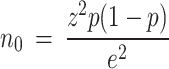 |
where  = 1.96 (for a 95% confidence level), p = 0.5 (assumed population proportion for maximum variability), and e = 0.05 (margin of error). This resulted in an initial sample size of 384. Since the total population is finite, the sample size was adjusted using the finite population correction formula:
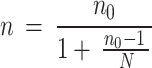 |
Where  = 384, and N = 136,342, yielding a final required sample size of 383. Ultimately, a total of 503 participants were recruited for the study to enhance statistical power and account for potential nonresponse.
Data collection tool
For data collection, we used a structured questionnaire developed after an extensive literature review. The content was adapted from previous related studies [15, 18–20], and from guidelines issued by the Federal Emergency Management Agency (FEMA) and the Centers for Disease Control and Prevention (CDC) [21, 22].
The questionnaire was initially developed in English and then translated into the Arabic language, as Arabic is considered the main language spoken by the Libyan population. Furthermore, a group of public health experts evaluated the study tool to improve its validity and relevance. A pilot study was then carried out with 20 medical professionals to assess the questionnaire’s clarity and consistency. In addition, reliability testing was performed using Cronbach’s alpha coefficient to evaluate the internal consistency of the questionnaire. The Cronbach’s alpha coefficients of KArP items were 0.614, 0.633, and 0.621, respectively, indicating adequate internal consistency for this exploratory study [23, 24].
The questionnaire had four sections: demographics, knowledge, attitude, and readiness to practice relevant to disaster management.
20 particular items focused on knowledge about disasters. They included specific questions on floods and earthquakes, as floods are among the most common natural disasters in Libya. Additionally, the country’s population is primarily concentrated along the Mediterranean coast, making it particularly vulnerable to seismic activity [12, 25]. Respondents were required to choose from (yes), (no), or (don’t know) response options for these items. The Knowledge section of the survey was divided into two parts. Part A had six self-reporting questions designed to assess the participants’ knowledge background. These questions were not scored and were analyzed based on frequencies and percentages. Part B comprised 14 scored items to evaluate participants’ knowledge levels. The scoring system assigned 0 points for an incorrect response or (don’t know) and 1 point for a correct response. Therefore, the total possible score for this part ranged from 0 to 14.
KArP was categorized into three levels, based on Bloom’s cut-off points (80–100%, 60–79%, < 60%), which aligns with previous KAP studies [26, 27]. HCWs who scored 12–14 points were identified as having good knowledge, while those who scored 9–11 points had moderate knowledge, and those who scored 8 points or less demonstrated poor knowledge.
For assessing attitudes toward disaster management, the questionnaire included seven items. The participants were asked to express their agreement on a 4-point Likert-type scale ranging from 1 to 4, where 1 represented (Strongly Disagree) and 4 indicated (Strongly Agree). Based on Bloom’s cut-off points, a positive attitude was defined as a score range of 23 to 28. A moderate attitude was classified as scoring between 17 and 22, while a negative attitude was given to those scoring less than 17 points. Likewise, the section concerning readiness to practice included five items, evaluated using the same Likert-type scale. For Practice readiness, a score between 16 and 20 was considered good. A fair level of practice readiness was defined by scores ranging from 12 to 15, while scores below 12 were classified as poor.
Data collection procedure
KoboToolbox was used to design the questionnaire electronically. A team of trained public health officers carried out face-to-face interviews to collect data from the selected health institutions. Before data collection, verbal consent was obtained from each respondent. They were informed that all the data collected would remain confidential and would only be used for research purposes.
Statistical analysis
SPSS Version 25 was used for data analysis. Participants’ demographic characteristics and study variables were summarized via descriptive analysis. Chi-square tests were performed, with Fisher’s exact test and the Monte Carlo exact test applied where appropriate.
In order to assess the normality of KArP scores, Shapiro-Wilk test was carried out. The null hypothesis, which assumes that data are normally distributed, is rejected if p < 0.05. The results indicated significant deviations from normality for all three scores (p < 0.001).
Therefore, non-parametric tests, including the Kruskal-Wallis H test and Mann-Whitney U test, were selected to examine differences in KArP scores across demographic groups. When significant results were found using the Kruskal-Wallis H test, pairwise comparisons were performed using the Mann–Whitney U test with Bonferroni correction as an adjustment method to control type I error risks during multiple comparisons. The standard significance level (α = 0.05) was divided by the number of pairwise comparisons performed, and the result was taken as the adjusted p-value. Finally, Spearman’s rank correlation was used to examine relationships between KArP scores in this study.
Results
Participant demographics
A total of 503 Libyan healthcare professionals participated in the study. All approached individuals consented, none were excluded, and the response rate was 100% (Fig. 1). The majority of participants were female (342/503; 68%), and the remaining were male (161/503; 32%). The mean age of the respondents was 35.07 years (SD ± 8.574), with an age range of 18 to 65 years. The largest proportion of respondents was aged 30–39 years (223/503; 44.3%), followed by those in 18–29 age group (132/503; 26.2%). Individuals aged 40–49 years constituted 22.3% (112/503) of the total participants, while HCWs aged 50 years and older represented 7.2% (36/503) of the study population. Among the total participants, nearly half were single (250/503; 49.7%), followed by married participants (238/503; 47.3%), and the remaining were divorced (11/503; 2.2%) or widowed (4/503; 0.8%).
Fig. 1.

Recruitment flow
With respect to educational attainment, most HCWs were graduates (261/503; 51.9%), while 13.7% held postgraduate degrees (69/503). Physicians made up the largest occupational group (202/503; 40.2%), while nurses followed with (149/503; 29.6%). Health technicians and paramedics accounted for (94/503; 18.7%) and (58/503; 11.5%), respectively.
In addition, 61/503 (12.1%) had less than one year of experience, 152/503 (30.2%) had between 1 and 5 years, 97/503 (19.3%) had 6 to 10 years, and 193/503 (38.4%) had more than 10 years of experience.
Furthermore, the participants were employed across various healthcare facilities in Libya. The largest proportion worked at TCH (103/503; 20.5%), followed by TUH (88/503; 17.5%), BMC (81/503; 16.1%), GCH (71/503; 14.1%), KGH (68/503; 13.5%), AMC (60/503; 11.9%), and LAS (32/503; 6.4%) (Table 1).
Table 1.
Socio-demographic distribution of respondents (N= 503)
| Variable | Category | n (%) |
|---|---|---|
| Gender | Male | 161 (32) |
| Female | 342(68) | |
| Age Group (years) | 18–29 | 132 (26.2) |
| 30–39 | 223 (44.3) | |
| 40–49 | 112 (22.3) | |
| ≥ 50 | 36 (7.2) | |
| Marital Status | Single | 250 (49.7) |
| Married | 238(47.3) | |
| Divorced | 11 (2.2) | |
| Widowed | 4(0.8) | |
| Educational Level | Graduate | 261 (51.9) |
| Postgraduate | 69 (13.7) | |
| Other | 173 (34.4) | |
| Profession | Physician | 202 (40.2) |
| Nurse | 149 (29.6) | |
| Health Technician | 94 (18.7) | |
| Paramedic | 58 (11.5) | |
| Years of Experience | < 1 | 61 (12.1) |
| 1–5 | 152 (30.2) | |
| 6–10 | 97 (19.3) | |
| > 10 | 193 (38.4) | |
| Workplace | Tripoli University Hospital (TUH) | 88 (17.5) |
| Tripoli Central Hospital (TCH) | 103 (20.5) | |
| Al-Khadra General Hospital (KGH) | 68 (13.5) | |
| Benghazi Medical Centre (BMC) | 81 (16.1) | |
| Al-Bayda Medical Centre (AMC) | 60 (11.9) | |
| Gharyan Central Hospital (GCH) | 71 (14.1) | |
| Libyan Ambulance Service (LAS) | 32 (6.4) |
Experience and knowledge
In part A of the knowledge section, the majority of participants (299/503; 59.4%) reported having no prior experience in dealing with disasters. Around three-quarters (371/503; 73.8%) of respondents indicated that they had no exposure to disaster management principles, while 73.6% (370/503) lacked experience in disaster preparedness training sessions or workshops. Furthermore, 61.6% of HCWs (310/503) admitted to being unfamiliar with the concept of a disaster plan.
Reading journal articles about disaster management was reported by 54.5% (274/503) of the participants. However, the majority (292/503; 58.1%) were unaware of whether their workplace had a disaster management plan in place (Table 2).
Table 2.
Knowledge assessment about disaster management (Part A) (N = 503)
| Item | Yes, n (%) | No, n(%) | I don’t know, n(%) |
|---|---|---|---|
| 1) I have previous experience in dealing with disasters. | 204 (40.6) | 299 (59.4) | N/A |
| 2) I have been exposed to the principles of disaster management before. | 132 (26.2) | 371 (73.8) | N/A |
| 3) I have participated in disaster preparedness training and workshops before. | 133 (26.4) | 370 (73.6) | N/A |
| 4) I know what a disaster plan is. | 193 (38.4) | 310 (61.6) | N/A |
| 5) I read journal articles related to disaster management. | 274 (54.5) | 229 (45.5) | N/A |
| 6) My workplace has a disaster management plan. | 103 (20.5) | 108 (21.5) | 292 (58.1) |
n, number of responses to each item
% percentage of responses to each item
In part B of the knowledge assessment, 90.9% (457/503) correctly identified that unburied bodies could cause disease epidemics following a disaster (Q6). Additionally, 77.9% (392/503) of the respondents correctly answered the question about the importance of early warning systems in preparedness and response measures (Q5). Three-quarters of participants managed to correctly answer the questions about the consumption of food exposed to floodwater (Q11) and the safety of driving through shallow floodwaters (Q12). Only 11.1% (56/503) were familiar with the number of phases of the disaster management cycle (Q3), with 71.8% (361/503) admitting they did not know the answer. Moreover, 38% (191/503) of HCWs recognized that disaster management encompasses more than response and recovery (Q7). Furthermore, only 27% (136/503) correctly stated that the recovery phase does not end solely with rebuilding infrastructure (Q9), and 25.4% (128/503) correctly advised to remain indoors during an earthquake (Q13) (Table 3).
Table 3.
Knowledge assessment about disaster management (Part B) (N = 503)
| Item | Correct, n(%) | Incorrect, n(%) | I don’t know, n(%) |
|---|---|---|---|
| 1) Only medical personnel are involved in dealing with disasters. | 282 (56.1) | 153 (30.4) | 68 (13.5) |
| 2) All causes of disasters are natural. | 323 (64.2) | 101 (20.1) | 79 (15.7) |
| 3) There are three phases of the disaster management cycle. | 56 (11.1) | 86 (17.1) | 361 (71.8) |
| 4) Disaster management only starts after the disaster strikes. | 204 (40.6) | 247(49.1) | 52 (10.3) |
| 5) Early warning systems enable effective preparedness and response measures. | 392(77.9) | 71 (14.1) | 40 (8) |
| 6) Unburied dead bodies could create a disease epidemic following a disaster. | 457(90.9) | 33 (6.6) | 13 (2.6) |
| 7) Disaster management only focuses on response and recovery phases after a disaster occurs. | 191(38) | 230 (45.7) | 82 (16.3) |
| 8) Disaster response plans should not be regularly tested. | 327 (65) | 116 (23.1) | 60 (11.9) |
| 9) The recovery phase in disaster management concludes once all physical infrastructure has been rebuilt or repaired. | 136 (27) | 300 (59.6) | 67 (13.3) |
| 10) Vulnerability analysis is part of the preparedness phase in the disaster management cycle. | 353 (70.2) | 66 (13.1) | 84 (16.7) |
| 11) After a flood, it is safe to consume food that has come into contact with floodwaters if it is thoroughly cooked. | 381 (75.7) | 82 (16.3) | 40 (8) |
| 12) It is safe to drive through a flooded road if the water level seems shallow. | 377 (75) | 108 (21.5) | 18 (3.6) |
| 13) If you are indoors when an earthquake hits, you should stay indoors. | 128 (25.4) | 324 (64.4) | 51 (10.1) |
| 14) It is not safe to use elevators for evacuation during an earthquake even if the power is still functioning. | 328(65.2) | 151 (30) | 24 (4.8) |
n, number of responses to each item
%, percentage of responses to each item
Overall, most participants (294/503; 58.4%, 95% CI: 54.1–62.7%) had a poor knowledge level, followed by 184/503(36.6%, 95% CI: 32.5–40.9%) with moderate knowledge, while only 25/503(5%, 95% CI: 3.4–7.2%) demonstrated good knowledge (Fig. 2).
Fig. 2.

Distribution of Participants by KArP Levels. (A) Knowledge levels, (B) Attitude levels, (C) Readiness to practice levels
Attitudes and practice readiness
In general, the attitude of respondents toward disaster management was favorable. A total of 286 participants (56.9%, 95% CI: 52.5–61.1%) exhibited a positive attitude, while 207 (41.2%, 95% CI: 37- 45.5%) demonstrated a moderate attitude, and 10 (2%, 95% CI: 1.1–3.6%) displayed a negative attitude toward disaster management (Fig. 2).
Most HCWs (324/503; 64.4%) and a similar proportion (315/503; 62.6%) strongly agreed that disaster management is essential for their profession and that organizations need preparedness plans. Nearly half of respondents (238/503; 47.3%) agreed that they had confidence in their disaster response abilities as healthcare professionals. Furthermore, most participants (310/503; 61.6%) strongly agreed on the necessity for training and workshops, and (286/503; 56.9%) strongly agreed on the requirement for additional training. Moreover, the majority (295/503; 58.6%) expressed their willingness to participate in healthcare teams during disaster responses (Table 4).
Table 4.
Attitudes toward disaster management (N = 503)
| Item | Strongly agree, n (%) | Agree, n (%) | Disagree, n (%) | Strongly disagree, n (%) |
|---|---|---|---|---|
| 1) Disaster management is important for all healthcare workers. | 324 (64.4) | 164 (32.6) | 12 (2.4) | 3 (0.6) |
| 2) Having a disaster management plan is essential and imperative. | 315 (62.6) | 166 (33) | 18 (3.6) | 4 (0.8) |
| 3) I consider myself ready for the management of disasters. | 72 (14.3) | 192 (38.2) | 210 (41.7) | 29 (5.8) |
| 4) I have confidence in my abilities as a healthcare professional during disasters. | 94 (18.7) | 238 (47.3) | 145 (28.8) | 26 (5.2) |
| 5) Training and workshops are necessary for disaster management in all health facilities. | 310 (61.6) | 176 (35) | 16 (3.2) | 1 (0.2) |
| 6) I need more training and workshops to be prepared for disaster management. | 286 (56.9) | 193 (38.4) | 19 (3.8) | 5 (1) |
| 7) I would be willing to participate in a healthcare team in case of a disaster. | 159 (31.6) | 295 (58.6) | 40 (8) | 9 (1.8) |
n, number of responses to each item
% percentage of responses to each item
In terms of readiness to practice, 183 participants (36.4%, 95% CI: 32.3–40.7%) demonstrated a good level, while 305 (60.6%, 95% CI: 56.3–64.8%) had a fair level, and only 15 (3%, 95% CI: 1.8–4.9%) showed a poor level (Fig. 2). The results showed that (244/503; 48.5%) strongly agreed on the need to update disaster plans regularly. Nearly half (256/503; 50.9%) agreed that they are clearly aware of their responsibilities during disaster events. More than one-third (183/503; 36.4%) agreed on having the skills and expertise required for disaster management practices. A majority (289/503; 57.5%) recognized the significance of risk identification in their areas and having a plan to address them. Finally, (263/503; 52.3%) agreed that resources such as television, the internet, and newspapers play a role in enhancing disaster preparedness (Table 5).
Table 5.
Readiness to practice disaster management (N = 503)
| Item | Strongly agree, n (%) | Agree, n (%) | Disagree, n (%) | Strongly disagree, n (%) |
|---|---|---|---|---|
| 1) Disaster plans should be periodically updated. | 244 (48.5) | 243 (48.3) | 9 (1.8) | 7 (1.4) |
| 2) I know my responsibilities during a disaster. | 88 (17.5) | 256 (50.9) | 139 (27.6) | 20 (4) |
| 3) I am aware of the potential risks and hazards in my area and the importance of having a plan to address them. | 107 (21.3) | 289(57.5) | 92(18.3) | 15 (3) |
| 4) I possess the skills and expertise needed for disaster management practices. | 56(11.1) | 183(36.4) | 233(46.3) | 31(6.2) |
| 5) Resources such as TV, internet and newspapers can increase my level of readiness in disaster management practices. | 215(42.7) | 263(52.3) | 22 (4.4) | 3 (0.6) |
n, number of responses to each item
% percentage of responses to each item
Association between demographic factors and KArP levels
A significant association was found between knowledge levels and both educational level and profession, with a p-value less than (0.001). Graduates exhibited the highest proportion of individuals with good knowledge (20/261; 7.7%), and moderate knowledge (123/261; 47.1%). Conversely, poor knowledge was most prevalent in the ‘other’ category (134/173; 77.5%), compared to (118/261; 45.2%) for graduates and (42/69; 60.9%) for postgraduates. With respect to profession, physicians demonstrated the highest proportion of individuals with good knowledge (23/202; 11.4%), and moderate knowledge (106/202; 52.5%). Poor level of knowledge, however, was most pronounced among nurses (116/ 149; 77.9%). In addition, knowledge level was significantly associated with workplace (p 0.003). The largest proportion of participants with poor knowledge was observed in GCH (52/71; 73.2%), followed by KGH (44/68; 64.7%), TCH (65/103; 63.1%), TUH (54/88; 61.4%), LAS (16/32; 50%), AMC (27/60; 45%), and BMC (36/81; 44.4%). No significant associations were observed for gender, age group, marital status, and years of experience with (p = 0.211, p = 0.147, p = 0.431, p = 0.152), respectively.
Educational level, profession, and workplace revealed a significant association with attitude levels, with p = 0.04, p = 0.005, and p = 0.015, respectively. Across most educational levels, professional categories, and work settings, the majority of the participants exhibited a positive attitude toward disaster management. The other variables have not revealed any significant association with attitude levels (all p-values above 0.05). Finally, the analysis for readiness to practice levels showed a significant association with workplace (p = 0.007). Fair level of readiness was prevalent in most health institutions, with AMC (40/60; 66.7%) reporting the highest proportion, followed by BMC (53/81; 65.4%), GCH (46/71; 64.8%), TCH (66/103; 64.1%), KGH (43/68; 63.2%), LAS (18/32; 56.3%), and TUH (39/88; 44.3%) (Table 6).
Table 6.
Association between demographic variables and KArP levels
| Variable | Knowledge | Attitude | Readiness to Practice | |||||||||||
|---|---|---|---|---|---|---|---|---|---|---|---|---|---|---|
| Poor, n(%) | Moderate, n(%) | Good, n(%) | Negative, n(%) | Moderate, n(%) | Positive, n(%) | Poor, n(%) | Fair, n(%) | Good, n(%) | ||||||
| Gender | Male | 91 (56.5) | 58 (36) | 12 (7.5) | 3 (1.9) | 68 (42.2) | 90 (55.9) | 4 (2.5) | 98 (60.9) | 59 (36.6) | ||||
| Female | 203 (59.4) | 126 (36.8) | 13 (3.8) | 7 (2) | 139 (40.6) | 196 (57.3) | 11 (3.2) | 207 (60.5) | 124 (36.3) | |||||
| p-value | 0.211ᵃ | 0.940ᵃ | 0.966ᵇ | |||||||||||
| Age Group (years) | 18–29 | 79 (59.8) | 45 (34.1) | 8 (6.1) | 2 (1.5) | 62 (47) | 68 (51.5) | 4 (3) | 80 (60.6) | 48 (36.4) | ||||
| 30–39 | 117 (52.5) | 93 (41.7) | 13 (5.8) | 3 (1.3) | 92 (41.3) | 128 (57.4) | 4 (1.8) | 142 (63.7) | 77 (34.5) | |||||
| 40–49 | 73 (65.2) | 37 (33) | 2 (1.8) | 2 (1.8) | 44 (39.3) | 66 (58.9) | 6 (5.4) | 65 (58) | 41 (36.6) | |||||
| ≥ 50 | 25 (69.4) | 9 (25) | 2 (5.6) | 3 (8.3) | 9 (25) | 24 (66.7) | 1 (2.8) | 18 (50) | 17 (47.2) | |||||
| p-value | 0.147ᵃ | 0.080ᵇ | 0.427ᵇ | |||||||||||
| Marital Status | Single | 137 (54.8) | 97 (38.8) | 16 (6.4) | 3 (1.2) | 111 (44.4) | 136 (54.4) | 5 (2) | 158 (63.2) | 87 (34.8) | ||||
| Married | 146 (61.3) | 83 (34.9) | 9 (3.8) | 6 (2.5) | 92 (38.7) | 140 (58.8) | 8 (3.4) | 139 (58.4) | 91 (38.2) | |||||
| Divorced | 9 (81.8) | 2 (18.2) | 0 (0) | 1 (9.1) | 4 (36.4) | 6 (54.5) | 2 (18.2) | 6 (54.5) | 3 (27.3) | |||||
| Widowed | 2 (50) | 2 (50) | 0 (0) | 0 (0) | 0 (0) | 4 (100) | 0 (0) | 2 (50) | 2 (50) | |||||
| p-value | 0.431ᵇ | 0.170ᵇ | 0.182ᵇ | |||||||||||
| Educational Level | Graduate | 118 (45.2) | 123 (47.1) | 20 (7.7) | 6 (2.3) | 102 (39.1) | 153 (58.6) | 6 (2.3) | 163 (62.5) | 92 (35.2) | ||||
| Postgraduate | 42 (60.9) | 23 (33.3) | 4 (5.8) | 0 (0) | 21 (30.4) | 48 (69.6) | 0 (0) | 42 (60.9) | 27 (39.1) | |||||
| Other | 134 (77.5) | 38 (22) | 1 (0.6) | 4 (2.3) | 84 (48.6) | 85 (49.1) | 9 (5.2) | 100 (57.8) | 64 (37) | |||||
| p-value | < 0.001ᵃ | 0.040ᵇ | 0.238ᵇ | |||||||||||
| Profession | Physician | 73 (36.1) | 106 (52.5) | 23 (11.4) | 2 (1) | 74 (36.6) | 126 (62.4) | 2 (1) | 131 (64.9) | 69 (34.2) | ||||
| Nurse | 116 (77.9) | 32 (21.5) | 1 (0.7) | 5 (3.4) | 69 (46.3) | 75 (50.3) | 6 (4) | 88 (59.1) | 55 (36.9) | |||||
| Health Technician | 60 (63.8) | 33 (35.1) | 1 (1.1) | 0 (0) | 33 (35.1) | 61 (64.9) | 4 (4.3) | 54 (57.4) | 36 (38.3) | |||||
| Paramedic | 45 (77.6) | 13 (22.4) | 0 (0) | 3 (5.2) | 31 (53.4) | 24 (41.4) | 3 (5.2) | 32 (55.2) | 23 (39.7) | |||||
| p-value | < 0.001ᵃ | 0.005ᵇ | 0.275ᵇ | |||||||||||
| Years of Experience | < 1 | 29 (47.5) | 27 (44.3) | 5 (8.2) | 2 (3.3) | 28 (45.9) | 31 (50.8) | 5 (8.2) | 37 (60.7) | 19 (31.1) | ||||
| 1–5 | 85 (55.9) | 58 (38.2) | 9 (5.9) | 1 (0.7) | 68 (44.7) | 83 (54.6) | 2 (1.3) | 98 (64.5) | 52 (34.2) | |||||
| 6–10 | 53 (54.6) | 40 (41.2) | 4 (4.1) | 3 (3.1) | 33 (34) | 61 (62.9) | 3 (3.1) | 58 (59.8) | 36 (37.1) | |||||
| > 10 | 127 (65.8) | 59 (30.6) | 7 (3.6) | 4 (2.1) | 78 (40.4) | 111 (57.5) | 5 (2.6) | 112 (58) | 76 (39.4) | |||||
| p-value | 0.152ᵃ | 0.375ᵇ | 0.250ᵇ | |||||||||||
| Workplace | TUH | 54 (61.4) | 32 (36.4) | 2 (2.3) | 4 (4.5) | 34 (38.6) | 50 (56.8) | 7 (8) | 39 (44.3) | 42 (47.7) | ||||
| TCH | 65 (63.1) | 33 (32) | 5 (4.9) | 1 (1) | 40 (38.8) | 62 (60.2) | 0 (0) | 66 (64.1) | 37 (35.9) | |||||
| KGH | 44 (64.7) | 22 (32.4) | 2 (2.9) | 4 (5.9) | 34 (50) | 30 (44.1) | 5 (7.4) | 43 (63.2) | 20 (29.4) | |||||
| BMC | 36 (44.4) | 38 (46.9) | 7 (8.6) | 1 (1.2) | 30 (37) | 50 (61.7) | 1 (1.2) | 53 (65.4) | 27 (33.3) | |||||
| AMC | 27 (45) | 25 (41.7) | 8 (13.3) | 0 (0) | 24 (40) | 36 (60) | 0 (0) | 40 (66.7) | 20 (33.3) | |||||
| GCH | 52 (73.2) | 19 (26.8) | 0 (0) | 0 (0) | 38 (53.5) | 33 (46.5) | 1 (1.4) | 46 (64.8) | 24 (33.8) | |||||
| LAS | 16 (50) | 15 (46.9) | 1 (3.1) | 0 (0) | 7 (21.9) | 25 (78.1) | 1 (3.1) | 18 (56.3) | 13 (40.6) | |||||
| p-value | 0.003ᶜ | 0.015ᶜ | 0.007ᶜ | |||||||||||
a: Chi-square, b: Fisher’s exact, c: Monte Carlo exact, * P-values in bold are statistically significant (p < 0.05)
Nonparametric comparison of KArP scores
The Mann-Whitney U test demonstrated that knowledge scores did not differ significantly between male and female participants. Similarly, the Kruskal-Wallis H tests confirmed that scores did not differ significantly between groups defined by age, marital status, or years of experience.
However, the results from the Kruskal-Wallis H test revealed significant differences between knowledge scores across educational levels at a p-value lower than 0.001. The median knowledge scores were 9 for graduates, with an interquartile range (IQR) of (7–10), 8 for postgraduates (IQR: 6–10), and 7 for individuals with other educational levels (IQR: 5–8). Post hoc pairwise comparisons with the Mann-Whitney U test (three pairwise comparisons performed) and Bonferroni correction demonstrated that both graduates and postgraduates had better knowledge scores than other educational backgrounds, with p < 0.001 and p = 0.004, respectively. The corresponding effect sizes were moderate-to-large for graduates vs. others (r = 0.37) and small for postgraduate vs. others (r = 0.19).
Professional groups displayed significant differences in their knowledge scores based on the Kruskal-Wallis H statistical results (p < 0.001). The median scores were 9 for physicians (IQR: 7.75-11), 7 for nurses (IQR: 5–8), 8 for health technicians (IQR: 6–9), and 6 for paramedics (IQR: 5–8). The scores from physicians significantly exceeded those of nurses, technicians, and paramedics according to post hoc analysis (p < 0.001 for all group comparisons). A total of six pairwise tests were performed across the four professional groups. Effect sizes were as follows: physicians vs. nurses (r = 0.48), physicians vs. technicians (r = 0.32), and physicians vs. paramedics (r = 0.43). However, no statistically significant differences were found between professional groups in other pairwise post hoc comparisons.
Knowledge scores between workplaces showed a significant difference through the Kruskal-Wallis H test (p = 0.002). The median scores were 8 for TUH (IQR: 6–9), 8 for TCH (IQR: 6–10), 7 for KGH (IQR: 5–9), 9 for BMC (IQR: 7–10), 9 for AMC (IQR: 7–10), 7 for GCH (IQR: 6–9), and 8.5 for LAS (IQR: 6-9.75). A total of 21 pairwise tests were performed across the seven subgroups. A significant difference was observed between BMC vs. GCH (p = 0.001, r = 0.28), and between AMC vs. GCH (p = 0.002, r = 0.28) in the post hoc analysis.
In the analysis of attitude scores, gender did not affect attitude scores according to the Mann-Whitney U test results (p > 0.05). The Kruskal-Wallis H tests also showed no statistical differences between age groups, marital status, or years of experience (all p > 0.05).
The educational level of respondents revealed a significant difference based on the Kruskal-Wallis H test (p = 0.013). The median scores were 23 for graduates (IQR: 21–25), 24 for postgraduates (IQR: 22-25.5), and 22 for other levels (IQR: 21–24). Post hoc analysis (three pairwise tests) showed that participants with postgraduate degrees achieved significantly higher scores than those with other educational levels (p = 0.004, r = 0.18).
Moreover, the Kruskal-Wallis test showed a significant difference in attitude scores across professions (p = 0.033). No significant differences, however, were observed between any professional groups in the post hoc analysis.
Similarly, the Kruskal-Wallis test indicated a significant difference between workplaces (p = 0.036). However, post hoc pairwise comparisons showed no significant differences between them.
In addition, Mann-Whitney U and Kruskal-Wallis H tests were conducted for practice readiness scores against the same variables. No significant differences were found for any variable, with all p-values exceeding 0.05 (Table 7).
Table 7.
Comparison of KArP scores across demographic variables
| Variable | Knowledge | Attitude | Readiness to Practice | |
|---|---|---|---|---|
| Median Score (IQR) | Median Score (IQR) | Median Score (IQR) | ||
| Gender | Male | 8 (6–10) | 23 (21–25) | 15 (14–16) |
| Female | 8 (6–9) | 23 (21–24) | 15 (14–16) | |
| p-value | 0.171ᵃ | 0.910 ᵃ | 0.845ᵃ | |
| Age Group (years) | 18–29 | 8 (6–10) | 23 (21–24) | 15 (14–16) |
| 30–39 | 8 (6–10) | 23 (21–25) | 15 (13–16) | |
| 40–49 | 7 (6–9) | 23 (21–25) | 15 (14–17) | |
| ≥ 50 | 8 (6–9) | 23.5 (21–25) | 15 (14.25-17) | |
| p-value | 0.085ᵇ | 0.639ᵇ | 0.165ᵇ | |
| Marital Status | Single | 8 (6–10) | 23 (21–25) | 15 (14–16) |
| Married | 8 (6–9) | 23 (21–25) | 15 (13.75–16.25) | |
| Divorced | 7 (6–8) | 23 (20–26) | 15 (12–16) | |
| Widowed | 7.5 (5.25–9.75) | 26 (24.5–27.5) | 17 (14.25–19.75) | |
| p-value | 0.163ᵇ | 0.101ᵇ | 0.453ᵇ | |
| Educational Level | Graduate | 9 (7–10) | 23 (21–25) | 15 (13–16) |
| Postgraduate | 8 (6–10) | 24 (22-25.5) | 15 (14–17) | |
| Other | 7 (5–8) | 22 (21–24) | 15 (14-16.5) | |
| p-value | < 0.001ᵇ | 0.013ᵇ | 0.213ᵇ | |
| Profession | Physician | 9 (7.75-11) | 23 (22–25) | 15 (13.75-16) |
| Nurse | 7 (5–8) | 23 (21–24) | 15 (14–16) | |
| Health Technician | 8 (6–9) | 23 (21–25) | 15 (13.75-17) | |
| Paramedic | 6 (5–8) | 22 (21–25) | 15 (14–17) | |
| p-value | < 0.001ᵇ | 0.033ᵇ | 0.267ᵇ | |
| Years of Experience | < 1 | 9 (6–10) | 23 (21–24) | 14 (13–16) |
| 1–5 | 8 (6–10) | 23 (21–24) | 15 (14–16) | |
| 6–10 | 8 (6–10) | 23 (22–25) | 15 (14–17) | |
| > 10 | 8 (6–9) | 23 (21–25) | 15 (14–17) | |
| p-value | 0.131ᵇ | 0.356ᵇ | 0.173ᵇ | |
| Workplace | TUH | 8 (6–9) | 23 (21–25) | 15 (13–17) |
| TCH | 8 (6–10) | 23 (21–25) | 15 (13–17) | |
| KGH | 7 (5–9) | 22 (20–24) | 15 (13–17) | |
| BMC | 9 (7–10) | 23 (21-24.5) | 15 (14–16) | |
| AMC | 9 (7–10) | 23 (22–25) | 15 (14–16) | |
| GCH | 7 (6–9) | 22 (21–24) | 15 (14–16) | |
| LAS | 8.50 (6-9.75) | 24 (23–25) | 15 (14-16.75) | |
| p-value | 0.002ᵇ | 0.036ᵇ | 0.938ᵇ | |
a: Mann-Whitney U test, b: Kruskal-Wallis H test, * P-values in bold are statistically significant (p < 0.05)
Correlation analysis between KArP scores
A Spearman’s rank-order correlation was performed to assess the relationships between KArP scores.
The results showed that knowledge and attitude scores had a positive correlation (rs = 0.189, p < 0.001). Likewise, the test revealed a positive correlation between attitude and readiness to practice scores (rs = 0.543, p < 0.001). However, no significant correlation was observed between the scores of knowledge and readiness to practice (rs = 0.006, p = 0.901) (Table 8).
Table 8.
Correlation between KArP scores
| Variables | Knowledge Score (rs) | Knowledge (p value) | Attitude Score (rs) | Attitude (p value) | Readiness to Practice Score (rs) | Readiness to Practice (p value) |
|---|---|---|---|---|---|---|
| Knowledge Score | 1.00 | - | 0.189 | < 0.001 | 0.006 | 0.901 |
| Attitude Score | 0.189 | < 0.001 | 1.00 | - | 0.543 | < 0.001 |
| Readiness to Practice Score | 0.006 | 0.901 | 0.543 | < 0.001 | 1.00 | - |
* P-values in bold are statistically significant (p < 0.05)
Discussion
The medical sector in disaster management works to minimize death risks from different disasters while providing necessary medical assistance and speeding up recovery efforts [19]. In Libya, disaster management mainly revolves around crisis response activities without establishing proper disaster preparedness programs. In order to alleviate the burden on HCWs during disasters and ensure more effective outcomes for the community they serve, all phases of disaster management ought to be included in the process.
To the best of our knowledge, this is the first study to assess preparedness and identify gaps in KArP about disaster management among HCWs in Libya. This assessment has become important as the recent devastating floods, caused by Storm Daniel, revealed an urgent need for improved disaster response competence among Libyan medical professionals.
The findings of this study showed a poor level of knowledge among Libyan HCWs. These results are compatible with similar studies conducted in Ethiopia (2020) and Egypt (2019) where the majority of participants had a poor or unsatisfactory level of knowledge [28, 29]. However, this outcome contrasts with Shanableh et al. (2023) and Nofal et al. (2018), who reported an overall knowledge level that was moderate or satisfactory [26, 30].
Furthermore, as with our findings, two studies in Lebanon and Yemen reported moderate levels of knowledge and positive attitudes among healthcare workers toward disaster management. However, readiness to practice varied, with the Lebanese study indicating higher preparedness linked to structured national programs, while the Yemeni study highlighted gaps due to limited resources and training. These comparisons underscore the importance of context-specific interventions and reinforce the need for targeted capacity-building efforts in Libya [14, 15]. However, methodological differences—such as sampling frames, cut-off thresholds, and instrument design—should be considered when interpreting concordance.
In this study, the poor level of knowledge is likely due to a lack of training. A substantial 73.6% (370/503) of respondents had no experience in disaster preparedness training or workshops. This suggests limited access to formal educational programs about the subject among HCWs. The Joint Commission on Accreditation of Healthcare Organizations (JCAHO) emphasizes the need for standardized training and experience levels among healthcare personnel so that they can be adequately prepared to manage disasters effectively [31]. Furthermore, most participants (310/503; 61.6%) were unaware of what a disaster plan is. This lack of awareness could be attributed to inadequate emphasis on disaster management within healthcare institutions. In our study, 58.4% (294/503) of participants demonstrated poor knowledge in disaster management, which may reflect limited access to structured training programs and institutional preparedness, as well as poor communication between medical personnel and administration, or the possible absence of such plans altogether. The results also revealed that knowledge level is significantly associated with workplace and profession. A study in Bangladesh (2019) similarly noted that the profession of HCWs was significantly associated with their perception of knowledge regarding disaster management [32].
In addition, our findings showed that physicians scored higher in the knowledge assessment compared to other professional groups. This might be a result of their extensive medical training, which often includes exposure to disaster management principles. This result is consistent with findings reported by Al-Ali et al. in Jordan, where physicians perceived themselves as more prepared and having more knowledge than nurses [33]. We noted that physicians outperformed nurses in disaster preparedness scores, which could be attributed to differences in professional training exposure, decision-making roles, or institutional responsibilities.
Knowledge can also be affected by other factors, such as educational level. Our study showed that the educational attainment of the participants was significantly related to their knowledge. A Similar finding was found in a study conducted by Yadav et al. (2016) [34].
In addition, graduates and postgraduates managed to score higher than other educational levels in the knowledge assessment. This may be due to the fact that higher education often exposes individuals to relevant disaster management concepts, equipping them with better knowledge and awareness.
In this study, the healthcare providers generally showed a positive attitude toward disaster management. This outcome is similar to other KAP studies conducted in Yemen (2018) and Malaysia (2016), where the overall attitude of participants was also positive [15, 35]. However, contradictory results were found in a study conducted by Gillani et al. (2021), where the HCWs exhibited a low attitude [18]. Furthermore, Nofal et al. found that the attitude toward disaster management was neutral among healthcare providers [30]. Another study in Iran (2020) concluded that the attitude of the studied nurses was at a moderate level [36].
Moreover, attitude was found to be linked to educational level, profession, and workplace. This may be attributed to the varying responsibilities and interactions of HCWs, which create distinct work-related attitudes. Relevant education might also shape attitudes among health professionals by promoting greater awareness and confidence in disaster management. Additionally, the atmosphere of the work environment can significantly affect the attitude and behavior of workers [37]. Due to this, future studies should adopt multisite probability sampling, incorporate longitudinal or intervention-based designs, and apply multivariable analyses to control for confounding and clustering effects.
In terms of readiness to practice, the participants generally demonstrated a fair level of preparedness. This result is in line with that of the research by Gillani et al., in which the readiness to practice level was moderate [18]. Far et al. (2020) also illustrated a moderate performance level related to disaster management among nurses [35]. In contrast, the readiness level of healthcare practitioners was high in the research conducted by Shanableh et al. [26].
In addition, our study showed a significant association between readiness to practice and the workplace, suggesting that the work environment is important in facilitating HCWs’ preparedness to respond effectively in disaster scenarios.
Finally, the study analysis revealed a weak positive relationship between knowledge and attitude scores. The weak correlation suggests that knowledge alone does not strongly influence HCWs’ attitudes. On the other hand, a moderate positive relationship was found between attitude and readiness to practice, suggesting that attitudes exert a greater impact on determining HCWs’ readiness to engage in disaster management.
Strengths and limitations
The study’s main strength lies in its inclusion of several health institutions in the survey, thus ensuring more representation. Additionally, as the first study of its kind in the country, it offers useful and relevant findings that were previously unexplored.
On the other hand, there were some limitations in the present research. For instance, we encountered challenges during data collection, including logistical difficulties in obtaining permissions from additional hospitals and regions. This limited our access to a broader range of healthcare settings in Libya, resulting in the underrepresentation of certain areas. Moreover, convenience sampling introduces another limitation in the study. Using this method is practical, but it might produce selection bias. Future research needs to consider utilizing more rigorous sampling techniques, which will improve the generalizability of results.
Conclusions
The study showed that health practitioners in Libya have limited knowledge in disaster management, despite displaying a positive attitude and a fair level of readiness to practice. This highlights the need to address existing knowledge gaps while building on the favorable attitudes and readiness of healthcare personnel to enhance their overall capacity for disaster response.
To overcome this challenge, targeted training programs should be implemented for all Libyan healthcare workers (HCWs), and effective disaster management plans must be adopted into national policies. These initiatives will contribute to building a resilient healthcare system capable of withstanding future disasters. In particular, we recommend implementing standardized simulation-based training, especially for nurses and lower-performing sites, alongside the mandatory dissemination of institutional disaster plans and the conduct of regular institutional audits. These prioritized actions can enhance frontline preparedness and support system-level improvements in disaster response capacity. Moreover, we suggest directions for future research, such as longitudinal or interventional studies, that would enhance the results’ value for both policymakers and academics.
Supplementary Information
Below is the link to the electronic supplementary material.
Acknowledgements
We extend our sincere thanks to the National Center for Disease Control for their valuable support throughout this study. We are especially grateful to the data collectors supervised by Mr. Ashraf Abudhair for their commitment. Most importantly, we deeply appreciate all the participants and health institutions who took part and contributed to making this research possible.
Abbreviations
- AMC
Al-Bayda Medical Center
- BMC
Benghazi Medical Center
- BTRC
Libyan Biotechnology Research Center
- CDC
Centers for Disease Control and Prevention
- EMRO
Eastern Mediterranean Regional Office (WHO)
- FEMA
Federal Emergency Management Agency
- GCH
Gharyan Central Hospital
- HCWs
Healthcare Workers
- IBM SPSS
International Business Machines Statistical Package for the Social Sciences
- IOM
International Organization for Migration
- JCAHO
Joint Commission on Accreditation of Healthcare Organizations
- KArP
Knowledge, Attitude, and Readiness to Practice
- KGH
Al-Khadra General Hospital
- LAS
Libyan Ambulance Service
- LNCBB
Libyan National Committee for Biosafety and Bioethics
- NBC
National Biosafety Committee (as part of LNCBB reference)
- NCDC
National Center for Disease Control
- SPSS
Statistical Package for the Social Sciences
- TCH
Tripoli Central Hospital
- TUH
Tripoli University Hospital
- UNDRR
United Nations Office for Disaster Risk Reduction
- UNITAR
United Nations Institute for Training and Research
- UNU
United Nations University
- WHO
World Health Organization
Author contributions
TB and MHM A: wrote the main manuscript text. TB: prepared figures, tables, and data analysis. AB, AS, WK, and RA: Data collection and technical support. TB and MHMA review the manuscript. All authors have approved the manuscript. MHM A: supervision of study.
Funding
This research did not receive any specific grant from funding agencies in the public, commercial, or not-for-profit sectors.
Data availability
Data is available in the Supplementary Material section.
Declarations
Ethical approval
The research was approved by the Libyan National Committee for Biosafety and Bioethics (LNCBB) on November 16, 2023 (Ref N: NBC: 002.H-23.21), prior to the commencement of this study.
Competing interests
The authors declare no competing interests.
Footnotes
Publisher’s note
Springer Nature remains neutral with regard to jurisdictional claims in published maps and institutional affiliations.
References
- 1.United Nations Institute for Training and Research (UNITAR): Disaster management. 2025. https://unitar.org/sustainable-development-goals/people/our-portfolio/disaster-management. Accessed: February 6, 2025.
- 2.United Nations Office for Disaster Risk Reduction (UNDRR): Disaster Risk Reduction Glossary. 2017. https://www.undrr.org/drr-glossary/terminology. Accessed: February 6, 2025.
- 3.United Nations Office for Disaster Risk Reduction (UNDRR). The human cost of disasters: an overview of the last 20 years (2000–2019). 2020. https://www.undrr.org/publication/human-cost-disasters-overview-last-20-years-2000-2019. Accessed: February 6, 2025.
- 4.Ciottone GR, Biddinger PD, Darling RG, Fares S, Keim ME, Molloy MS, Suner S. Disaster Medicine. Elsevier, Philadelphia; 2016.
- 5.Ogedegbe C, Nyirenda T, Delmoro G, Yamin E, Feldman J. Health care workers and disaster preparedness: barriers to and facilitators of willingness to respond. Int J Emerg Med. 2012;5(1):29. 10.1186/1865-1380-5-29. [DOI] [PMC free article] [PubMed] [Google Scholar]
- 6.World Health Organization: Glossary of health emergency and disaster risk management terminology. 2020. https://www.who.int/publications/i/item/9789240003699. Accessed: February 7, 2025.
- 7.World Health Organization (WHO): WHO Guidance on Research Methods for Health Emergency and Disaster Risk Management. 2021. https://iris.who.int/bitstream/handle/10665/345591/9789240032286-eng.pdf?sequence=1&isAllowed=y. Accessed February 7, 2025.
- 8.International Organization for Migration (IOM): Libya - Impact of Storm Daniel: Displacement and Needs Update: Derna Municipality. 2023. https://dtm.iom.int/reports/libya-impact-storm-daniel-displacement-and-needs-update-derna-municipality. Accessed: February 7, 2025.
- 9.World Health Organization (WHO): Regional Office for the Eastern Mediterranean, media centre. 2023. https://www.emro.who.int/media/news/101-health-workers-killed-in-libya-in-the-aftermath-of-storm-daniel.html. Accessed: February 7, 2025.
- 10.Watson JT, Gayer M, Connolly MA. Epidemics after natural disasters. Emerg Infect Dis. 2007;13(1):1–5. 10.3201/eid1301.060779. [DOI] [PMC free article] [PubMed] [Google Scholar]
- 11.United Nations University (UNU): Libya flood reveals disaster prevention deficit in fragile states. 2023. https://unu.edu/article/libya-flood-reveals-disaster-prevention-deficit-fragile-states. Accessed: February 8, 2025.
- 12.International Organization for Migration (IOM): Disaster Risk Management, review of existing frameworks and initiatives in Libya. 2023. https://libya.iom.int/sites/g/files/tmzbdl931/files/documents/2024-11/disaster-risk-management-review-of-existing-frameworks-and-initiatives-in-libya.pdf. Accessed: February 21, 2025.
- 13.United Nations Office for Disaster Risk Reduction (UNDRR): The Sendai Framework Terminology on Disaster Risk Reduction 2015–2030. 2015. https://www.undrr.org/publication/sendai-framework-disaster-risk-reduction-2015-2030. Accessed: February 21, 2025.
- 14.Skaff Y, Jarrah M, Nasrallah R, Habib R, Sakr R. Disaster preparedness among healthcare professionals in Lebanon. Int J Environ Res Public Health. 2024;21(8):1034. 10.3390/ijerph21081034. [DOI] [PMC free article] [PubMed] [Google Scholar]
- 15.Naser WN. HB Saleem 2018 Emergency and disaster management training; knowledge and attitude of Yemeni health professionals- a cross-sectional study. BMC Emerg Med. 2018;18(1):23. 10.1186/s12873-018-0174-5. [DOI] [PMC free article] [PubMed] [Google Scholar]
- 16.Cochran WG. Sampling Techniques. Wiley, New York; 1977.
- 17.Ministry of Health (State of Libya): Information Health Center. 2025. https://seha.ly/. Accessed: February 21, 2025.
- 18.Gillani AH, Li S, Akbar J, Omer S, Fatima B, Ibrahim MIM et al. How prepared are the health care professionals for disaster medicine management? An insight from Pakistan. Int J Environ Res Public Health.2021;19(1):200. 10.3390/ijerph19010200. [DOI] [PMC free article] [PubMed] [Google Scholar]
- 19.Jairoun AA, Al-Hemyari SS, Shahwan M, Alorfi NM, El-Dahiyat F, Hossain MS et al. Exploring the knowledge, attitude and practice towards disaster medicine preparedness and readiness: A prescriptive insight. Community Pharmacists United Arab Emirates PLOS ONE 2022;17(8):e0273209. 10.1371/journal.pone.0273209. [DOI] [PMC free article] [PubMed] [Google Scholar]
- 20.Li T, Wang Q, Xie Z. Disaster response knowledge and its social determinants: A cross-sectional study in Beijing, China. PLoS ONE. 2019;14(3):e0214367. 10.1371/journal.pone.0214367. [DOI] [PMC free article] [PubMed] [Google Scholar]
- 21.Federal Emergency Management Agency (FEMA): Risk Management. 2023. https://www.fema.gov/emergency-managers/risk-management. Accessed: September 20, 2023.
- 22.Centers for Disease Control and Prevention (CDC): Emergency Preparedness and Response. 2023. https://www.cdc.gov/emergency/index.html. Accessed: September 20, 2023.
- 23.Hinton PR, McMurray I, Brownlow C. SPSS Explained. Routledge, London; 2014.
- 24.Hair JF, Black WC, Babin BJ, Anderson RE. Multivariate data analysis. Pearson Prentice Hall, Upper Saddle River; 2010.
- 25.Climate Change Knowledge Portal, World Bank: Historical Hazards. 2025. https://climateknowledgeportal.worldbank.org/country/libya/vulnerability. Accessed: February 12, 2025.
- 26.Shanableh S, Alomar MJ, Palaian S, Al-Ahmad MM, Ibrahim MIM. Knowledge, attitude, and readiness towards disaster management: A nationwide survey among healthcare practitioners in united Arab Emirates. PLoS ONE. 2023;18(2):e0278056. 10.1371/journal.pone.0278056. [DOI] [PMC free article] [PubMed] [Google Scholar]
- 27.Feleke BT, Wale MZ, Yirsaw MT. Knowledge, attitude and preventive practice towards COVID-19 and associated factors among outpatient service visitors at Debre Markos compressive specialized hospital, north-west Ethiopia, 2020. PLoS ONE. 2021;16(7):e0251708. 10.1371/journal.pone.0251708. [DOI] [PMC free article] [PubMed] [Google Scholar]
- 28.Tassew SF, Chanie ES, Birle TA, Amare AT, Kerebih G, Nega TD, et al. Knowledge, attitude, and practice of health professionals working in emergency units towards disaster and emergency preparedness in South Gondar zone hospitals, Ethiopia, 2020. Pan Afr Med J. 2022;41(314):314. 10.11604/pamj.2022.41.314.32359. [DOI] [PMC free article] [PubMed] [Google Scholar]
- 29.Khalil NS, Ahmed Atia SM, Moustafa MF, Hafez Soliman TT. Emergency nurses’ knowledge and practice regarding preparedness of disaster management at a university hospital. Egypt Nurs Healthc Int J. 2019;3(3). 10.23880/nhij-16000192
- 30.Nofal A, Alfayyad I, Khan A, Al Aseri Z, Abu-Shaheen A. Knowledge, attitudes, and practices of emergency department staff towards disaster and emergency preparedness at tertiary health care hospital in central Saudi Arabia. Saudi Med J. 2018;39(11):1123–9. 10.15537/smj.2018.11.23026. [DOI] [PMC free article] [PubMed] [Google Scholar]
- 31.Hsu EB, Thomas TL, Bass EB, Whyne D, Kelen GD, Green GB. Healthcare worker competencies for disaster training. BMC Med Educ. 2006;6(1):19. 10.1186/1472-6920-6-19. [DOI] [PMC free article] [PubMed] [Google Scholar]
- 32.Rahman AB, Chaklader MA, Muhamad F. Perceptions of knowledge regarding disaster management among healthcare workers in Bangladesh. J Med Sci Health 2019;5(3):39–43. 10.46347/jmsh.2019.v05i03.007. [DOI] [Google Scholar]
- 33.Al-Ali NM, Abu Ibaid AH. Health-care providers’ perception of knowledge, skills and preparedness for disaster management in primary health-care centres in Jordan. East Mediterr Health J. 2015;21(10):713–21. 10.26719/2015.21.10.713. [DOI] [PubMed] [Google Scholar]
- 34.Yadav N, Preetham K, Anchalia P. A prospective kap study on disaster management of healthcare staff. Int J Therapeutic Appl. 2016;33:129–34. 10.20530/IJTA_33_129-134 [Google Scholar]
- 35.Ahayalimudin N, Osman NNS. Disaster management: emergency nursing and medical personnel’s knowledge, attitude and practices of the East Coast region hospitals of Malaysia. Australas Emerg Nurs J 2016;19(4):203–9. 10.1016/j.aenj.2016.08.001. [DOI] [PubMed] [Google Scholar]
- 36.Far SST, Marzaleh MA, Shokrpour N, Ravangard R. Nurses’ Knowledge, Attitude, and performance about disaster management: A case of Iran. Open Public Health J. 2020; 13(1):441–6. 10.2174/1874944502013010441. [Google Scholar]
- 37.Zhenjing G, Chupradit S, Ku KY, Nassani AA, Haffar M. Impact of employees’ workplace environment on employees’ performance: A multi-mediation model. Front Public Health 2022; 10:890400. 10.3389/fpubh.2022.890400. [DOI] [PMC free article] [PubMed] [Google Scholar]
Associated Data
This section collects any data citations, data availability statements, or supplementary materials included in this article.
Supplementary Materials
Data Availability Statement
Data is available in the Supplementary Material section.