


Abstract
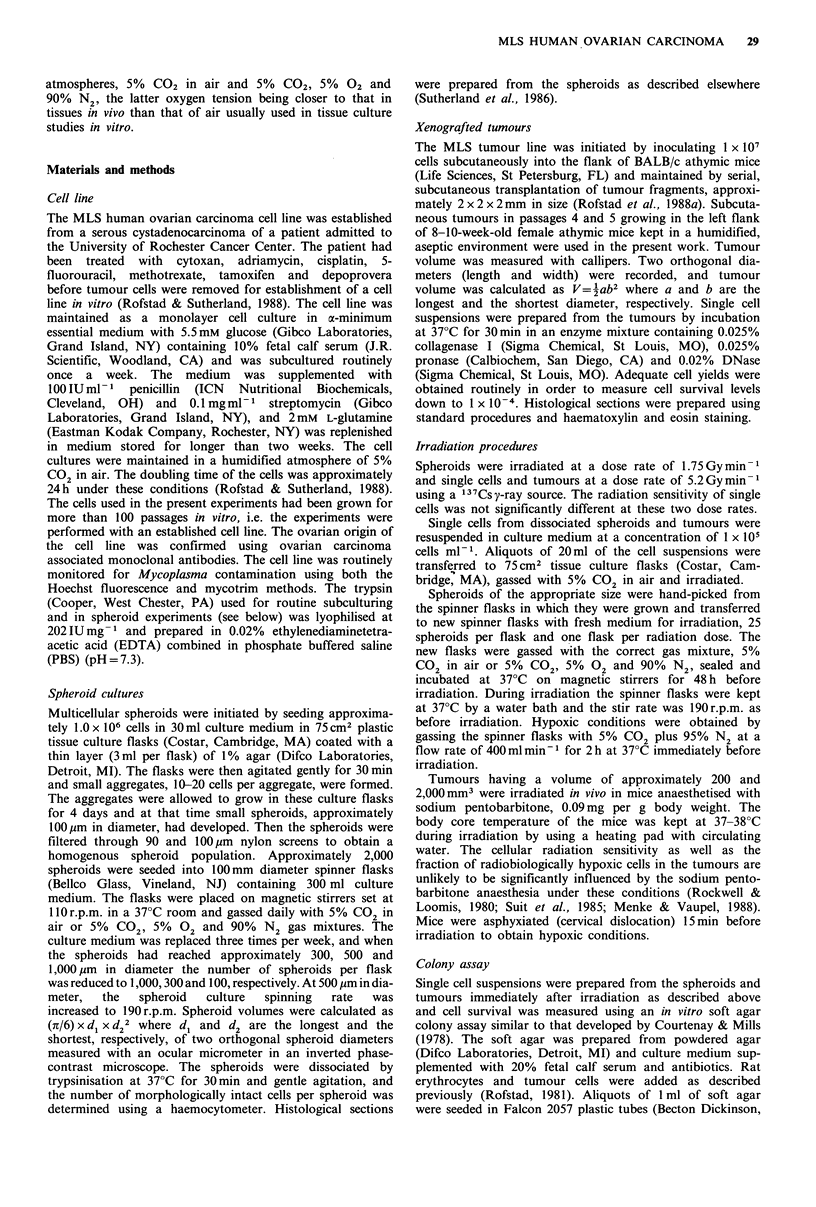
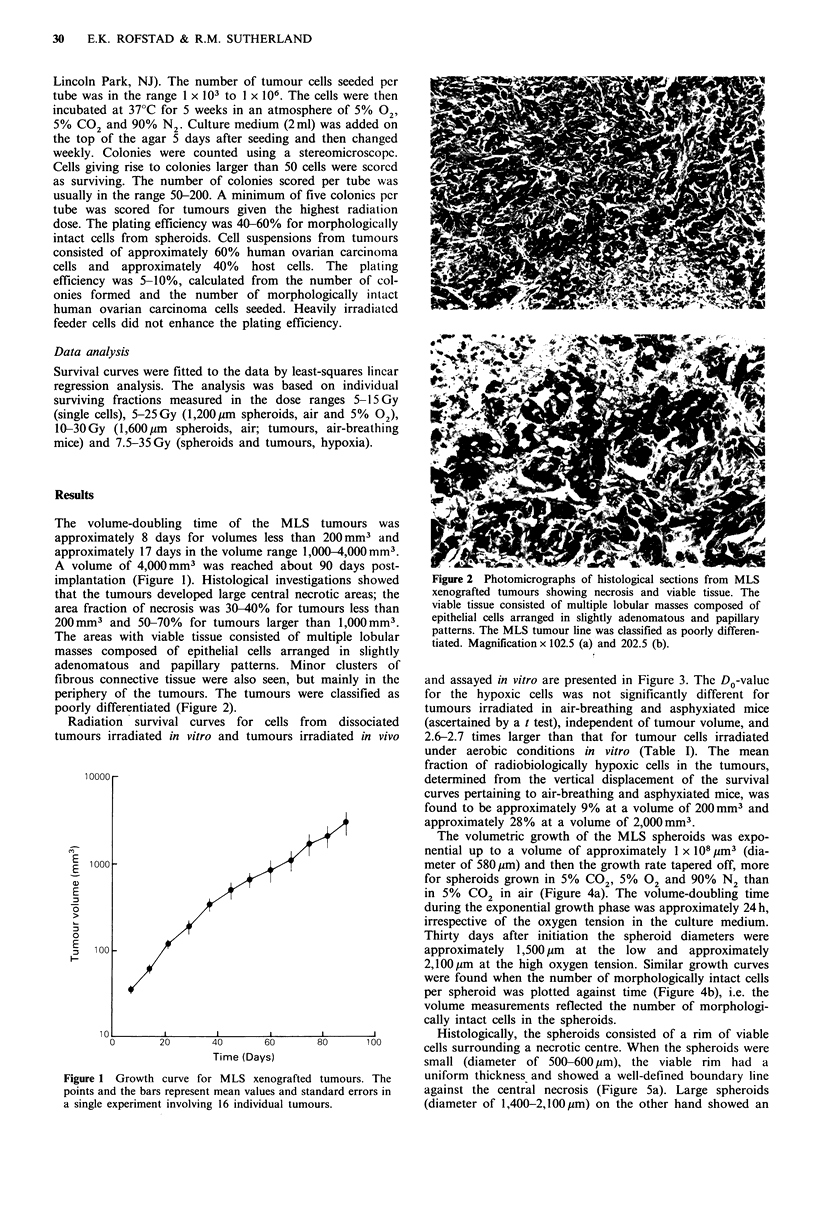
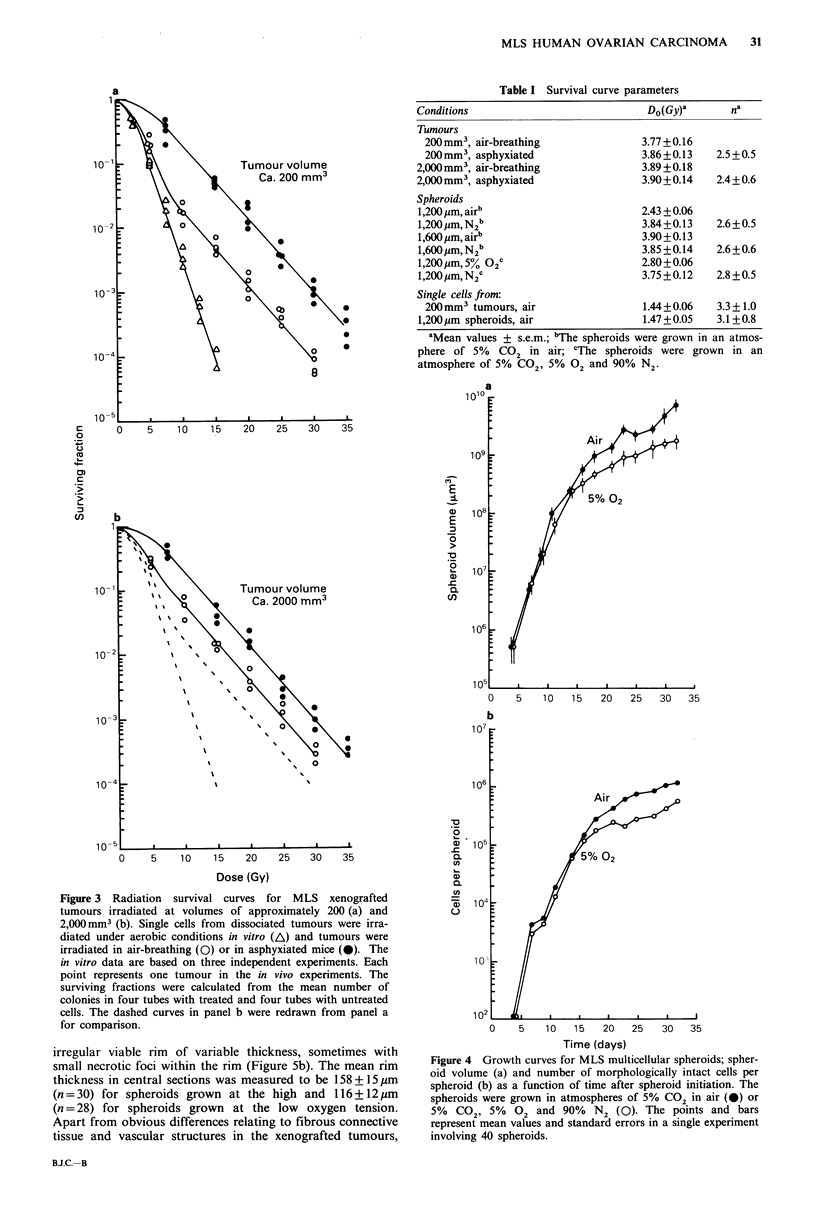
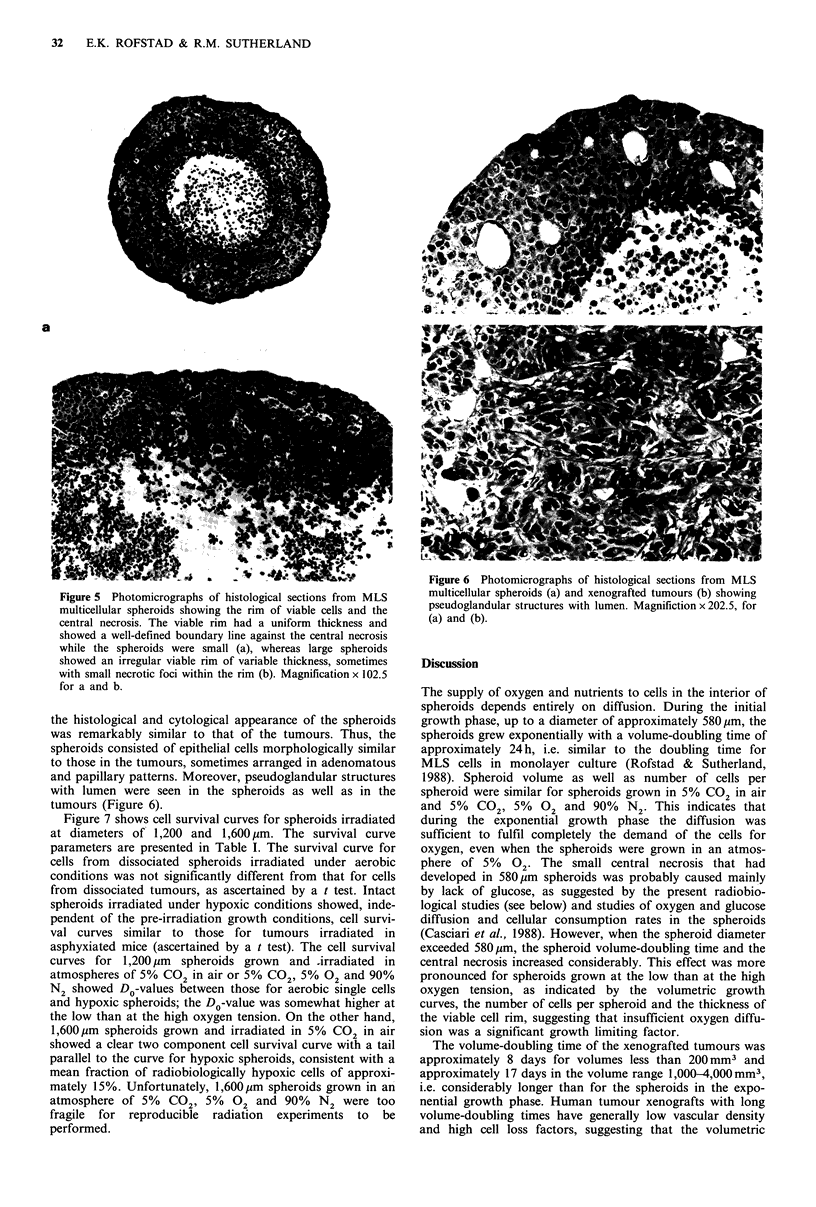
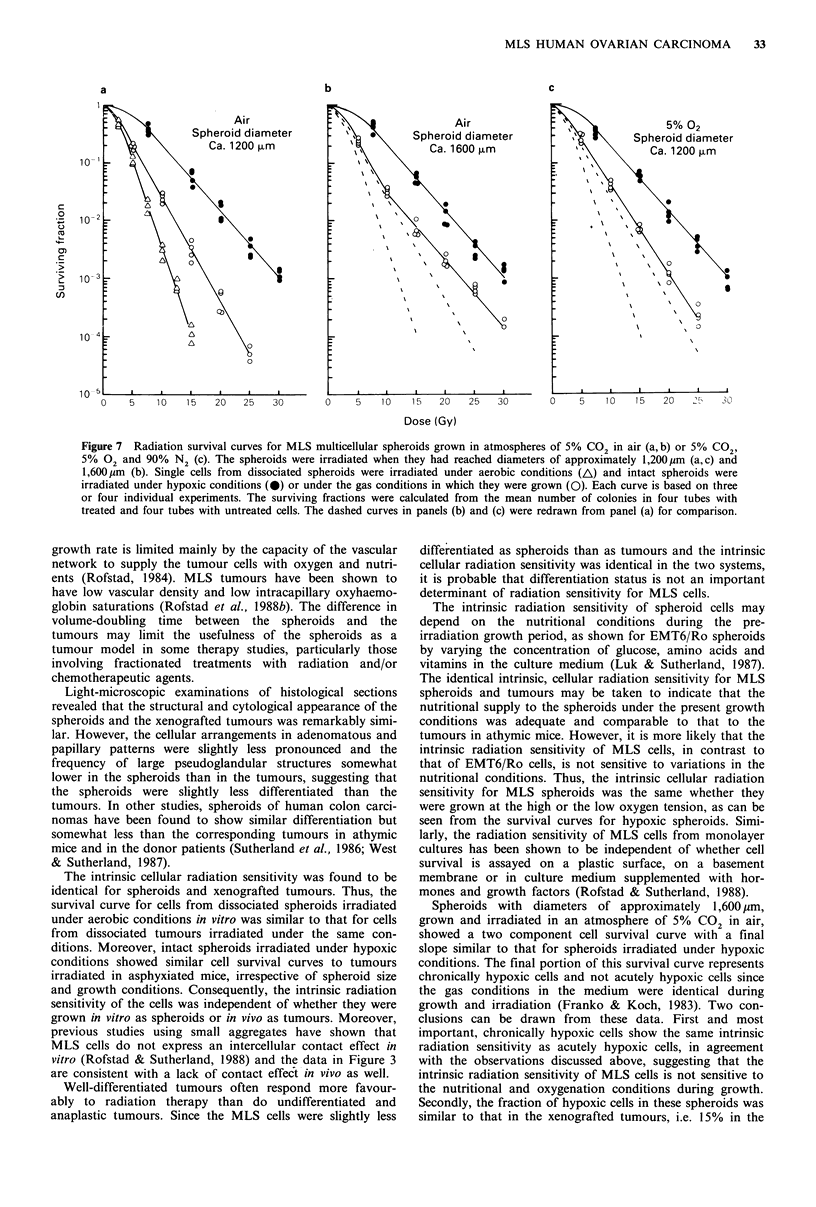
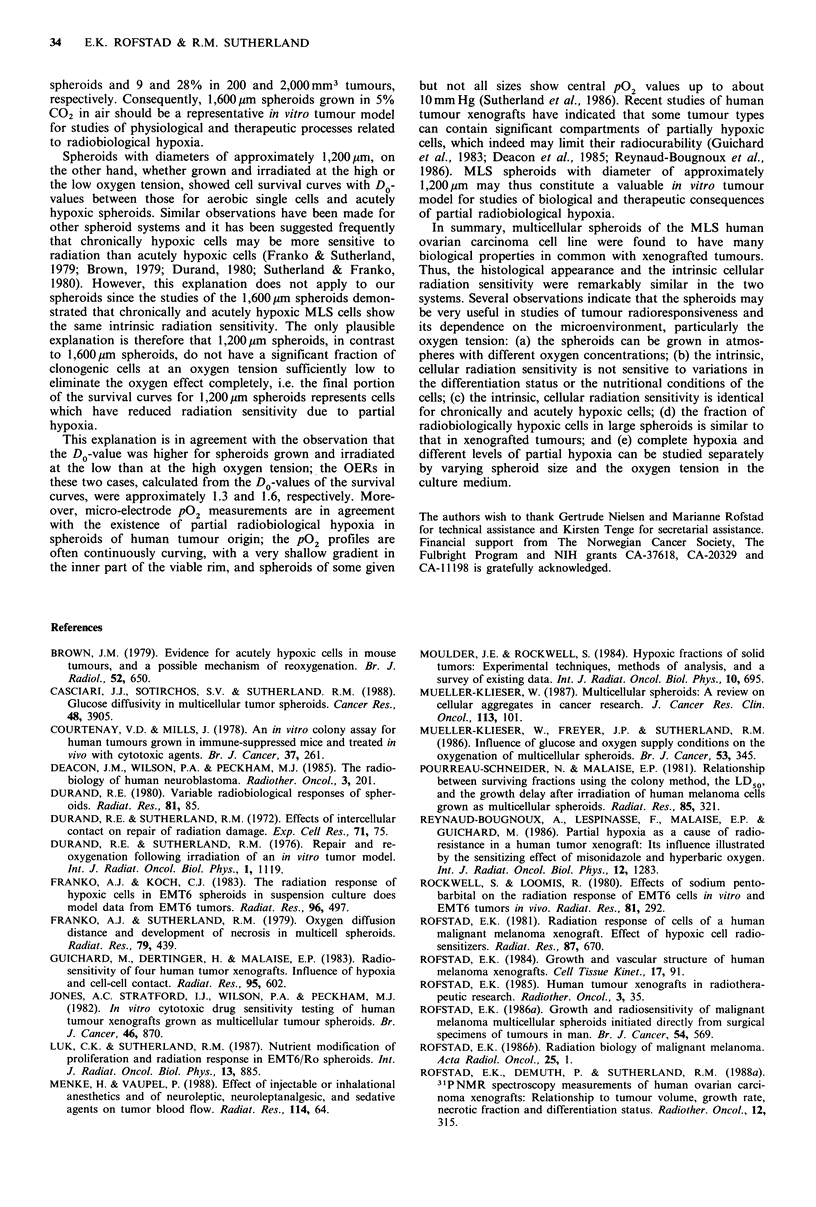
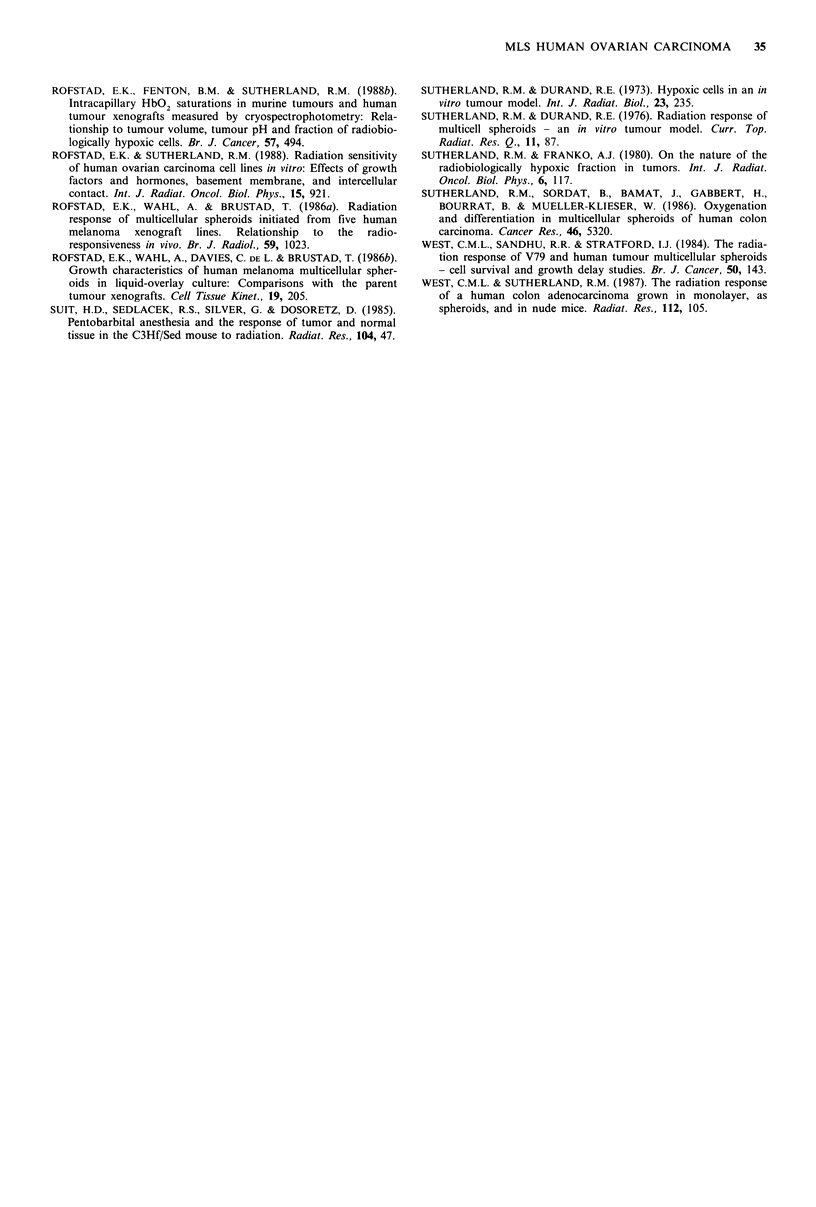
The growth characteristics and the radiation sensitivity of multicellular spheroids of the MLS human ovarian carcinoma cell line grown in spinner culture in atmospheres of 5% CO2 in air or 5% CO2, 5% O2 and 90% N2 were studied and compared to that of MLS xenografted tumours. The spheroids grew exponentially with a volume-doubling time of approximately 24 h up to a diameter of approximately 580 microns and then the growth rate tapered off, more for spheroids grown at the low than at the high oxygen tension. Thirty days after initiation, the spheroid diameters were approximately 1,500 microns at the low and 2,100 microns at the high oxygen tension. The tumour volume-doubling times were approximately 8 days (V less than 200 mm3) and 17 days (V = 1,000-4,000 mm3). The histological appearance of the spheroids and the tumours was remarkably similar; both developed large central necrosis and both were composed of epithelial cells and showed pseudoglandular structures with lumen. The spheroids were slightly less differentiated than the tumours. The intrinsic, cellular radiation sensitivity was independent of whether the cells were grown in vitro as spheroids or in vivo as tumours, as revealed by irradiating single cells from dissociated spheroids and tumours under aerobic conditions and intact spheroids and tumours under hypoxic conditions. Studies of 1,600 microns spheroids grown in 5% CO2 in air showed that the intrinsic radiation sensitivity of the chronically hypoxic cells was the same as that of acutely hypoxic cells. The fraction of radiobiologically hypoxic cells under these conditions was approximately 15% and similar to those of 9% (V = 200 mm3) and 28% (V = 2,000 mm3) found for the tumours. Spheroids with diameter of 1,200 microns did not show survival curves parallel to those for acutely hypoxic cells, i.e. they did not contain a measurable fraction of clonogenic cells at complete radiobiological hypoxia. The final portion of their survival curves represented partially hypoxic cells; the OERs were 1.6 and 1.3 for spheroids grown at the high and the low oxygen tension, respectively. The considerable similarity between the spheroids and the tumours suggests that MLS spheroids constitute a valuable in vitro model for studies of human tumour radiation biology and related physiological processes. MLS spheroids may be particularly useful in studies of therapeutic consequences of partial radiobiological hypoxia since complete hypoxia and different levels of partial hypoxia can be studied separately by varying spheroid size and the oxygen tension in the culture medium.
Full text
PDF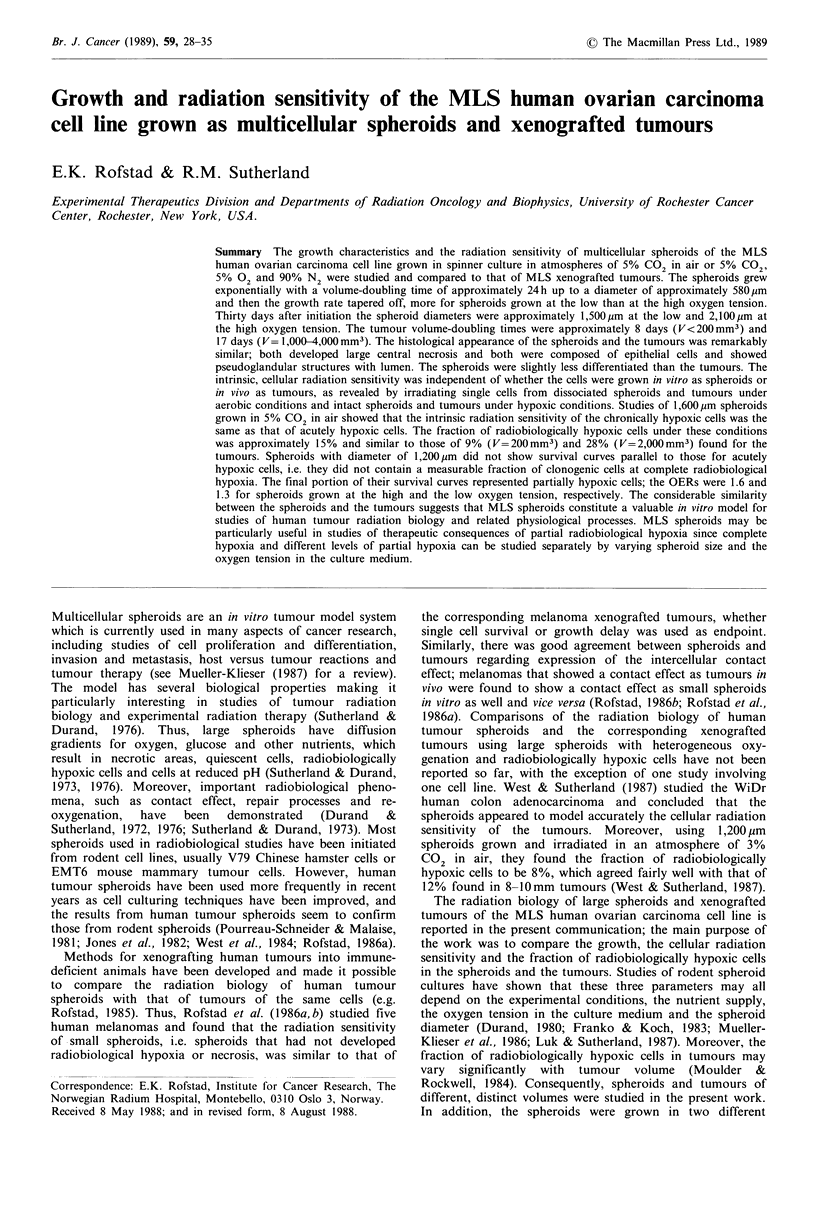
Images in this article
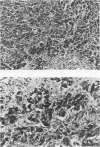
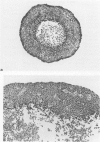
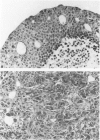
Selected References
These references are in PubMed. This may not be the complete list of references from this article.
- Brown J. M. Evidence for acutely hypoxic cells in mouse tumours, and a possible mechanism of reoxygenation. Br J Radiol. 1979 Aug;52(620):650–656. doi: 10.1259/0007-1285-52-620-650. [DOI] [PubMed] [Google Scholar]
- Casciari J. J., Sotirchos S. V., Sutherland R. M. Glucose diffusivity in multicellular tumor spheroids. Cancer Res. 1988 Jul 15;48(14):3905–3909. [PubMed] [Google Scholar]
- Courtenay V. D., Mills J. An in vitro colony assay for human tumours grown in immune-suppressed mice and treated in vivo with cytotoxic agents. Br J Cancer. 1978 Feb;37(2):261–268. doi: 10.1038/bjc.1978.35. [DOI] [PMC free article] [PubMed] [Google Scholar]
- Deacon J. M., Wilson P. A., Peckham M. J. The radiobiology of human neuroblastoma. Radiother Oncol. 1985 Apr;3(3):201–209. doi: 10.1016/s0167-8140(85)80029-3. [DOI] [PubMed] [Google Scholar]
- Durand R. E., Sutherland R. M. Effects of intercellular contact on repair of radiation damage. Exp Cell Res. 1972 Mar;71(1):75–80. doi: 10.1016/0014-4827(72)90265-0. [DOI] [PubMed] [Google Scholar]
- Durand R. E., Sutherland R. M. Repair and reoxygenation following irradiation of an in vitro tumor model. Int J Radiat Oncol Biol Phys. 1976 Nov-Dec;1(11-12):1119–1124. doi: 10.1016/0360-3016(76)90084-5. [DOI] [PubMed] [Google Scholar]
- Durand R. E. Variable radiobiological responses of spheroids. Radiat Res. 1980 Jan;81(1):85–99. [PubMed] [Google Scholar]
- Franko A. J., Koch C. J. The radiation response of hypoxic cells in EMT6 spheroids in suspension culture does model data from EMT6 tumors. Radiat Res. 1983 Dec;96(3):497–504. [PubMed] [Google Scholar]
- Franko A. J., Sutherland R. M. Oxygen diffusion distance and development of necrosis in multicell spheroids. Radiat Res. 1979 Sep;79(3):439–453. [PubMed] [Google Scholar]
- Guichard M., Dertinger H., Malaise E. P. Radiosensitivity of four human tumor xenografts. Influence of hypoxia and cell-cell contact. Radiat Res. 1983 Sep;95(3):602–609. [PubMed] [Google Scholar]
- Jones A. C., Stratford I. J., Wilson P. A., Peckham M. J. In vitro cytotoxic drug sensitivity testing of human tumour xenografts grown as multicellular tumour spheroids. Br J Cancer. 1982 Dec;46(6):870–879. doi: 10.1038/bjc.1982.296. [DOI] [PMC free article] [PubMed] [Google Scholar]
- Luk C. K., Sutherland R. M. Nutrient modification of proliferation and radiation response in EMT6/Ro spheroids. Int J Radiat Oncol Biol Phys. 1987 Jun;13(6):885–895. doi: 10.1016/0360-3016(87)90104-0. [DOI] [PubMed] [Google Scholar]
- Menke H., Vaupel P. Effect of injectable or inhalational anesthetics and of neuroleptic, neuroleptanalgesic, and sedative agents on tumor blood flow. Radiat Res. 1988 Apr;114(1):64–76. [PubMed] [Google Scholar]
- Moulder J. E., Rockwell S. Hypoxic fractions of solid tumors: experimental techniques, methods of analysis, and a survey of existing data. Int J Radiat Oncol Biol Phys. 1984 May;10(5):695–712. doi: 10.1016/0360-3016(84)90301-8. [DOI] [PubMed] [Google Scholar]
- Mueller-Klieser W., Freyer J. P., Sutherland R. M. Influence of glucose and oxygen supply conditions on the oxygenation of multicellular spheroids. Br J Cancer. 1986 Mar;53(3):345–353. doi: 10.1038/bjc.1986.58. [DOI] [PMC free article] [PubMed] [Google Scholar]
- Mueller-Klieser W. Multicellular spheroids. A review on cellular aggregates in cancer research. J Cancer Res Clin Oncol. 1987;113(2):101–122. doi: 10.1007/BF00391431. [DOI] [PMC free article] [PubMed] [Google Scholar]
- Pourreau-Schneider N., Malaise E. P. Relationship between surviving fractions using the colony methods, the LD50, and the growth delay after irradiation of human melanoma cells grown as multicellular spheroids. Radiat Res. 1981 Feb;85(2):321–332. [PubMed] [Google Scholar]
- Reynaud-Bougnoux A., Lespinasse F., Malaise E. P., Guichard M. Partial hypoxia as a cause of radioresistance in a human tumor xenograft: its influence illustrated by the sensitizing effect of misonidazole and hyperbaric oxygen. Int J Radiat Oncol Biol Phys. 1986 Aug;12(8):1283–1286. doi: 10.1016/0360-3016(86)90154-9. [DOI] [PubMed] [Google Scholar]
- Rockwell S., Loomis R. Effects of sodium pentobarbital on the radiation response of EMT6 cells in vitro and EMT6 tumors in vivo. Radiat Res. 1980 Feb;81(2):292–302. [PubMed] [Google Scholar]
- Rofstad E. K., DeMuth P., Sutherland R. M. 31P NMR spectroscopy measurements of human ovarian carcinoma xenografts: relationship to tumour volume, growth rate, necrotic fraction and differentiation status. Radiother Oncol. 1988 Aug;12(4):315–326. doi: 10.1016/0167-8140(88)90021-7. [DOI] [PubMed] [Google Scholar]
- Rofstad E. K., Fenton B. M., Sutherland R. M. Intracapillary HbO2 saturations in murine tumours and human tumour xenografts measured by cryospectrophotometry: relationship to tumour volume, tumour pH and fraction of radiobiologically hypoxic cells. Br J Cancer. 1988 May;57(5):494–502. doi: 10.1038/bjc.1988.113. [DOI] [PMC free article] [PubMed] [Google Scholar]
- Rofstad E. K. Growth and radiosensitivity of malignant melanoma multicellular spheroids initiated directly from surgical specimens of tumours in man. Br J Cancer. 1986 Oct;54(4):569–578. doi: 10.1038/bjc.1986.211. [DOI] [PMC free article] [PubMed] [Google Scholar]
- Rofstad E. K. Growth and vascular structure of human melanoma xenografts. Cell Tissue Kinet. 1984 Jan;17(1):91–101. doi: 10.1111/j.1365-2184.1984.tb00571.x. [DOI] [PubMed] [Google Scholar]
- Rofstad E. K. Human tumour xenografts in radiotherapeutic research. Radiother Oncol. 1985 Jan;3(1):35–46. doi: 10.1016/s0167-8140(85)80007-4. [DOI] [PubMed] [Google Scholar]
- Rofstad E. K. Radiation biology of malignant melanoma. Acta Radiol Oncol. 1986 Jan-Feb;25(1):1–10. doi: 10.3109/02841868609136368. [DOI] [PubMed] [Google Scholar]
- Rofstad E. K. Radiation response of the cells of a human malignant melanoma xenograft. Effect of hypoxic cell radiosensitizers. Radiat Res. 1981 Sep;87(3):670–683. [PubMed] [Google Scholar]
- Rofstad E. K., Sutherland R. M. Radiation sensitivity of human ovarian carcinoma cell lines in vitro: effects of growth factors and hormones, basement membrane, and intercellular contact. Int J Radiat Oncol Biol Phys. 1988 Oct;15(4):921–929. doi: 10.1016/0360-3016(88)90127-7. [DOI] [PubMed] [Google Scholar]
- Rofstad E. K., Wahl A., Brustad T. Radiation response of multicellular spheroids initiated from five human melanoma xenograft lines. Relationship to the radioresponsiveness in vivo. Br J Radiol. 1986 Oct;59(706):1023–1029. doi: 10.1259/0007-1285-59-706-1023. [DOI] [PubMed] [Google Scholar]
- Rofstad E. K., Wahl A., Davies C. de L., Brustad T. Growth characteristics of human melanoma multicellular spheroids in liquid-overlay culture: comparisons with the parent tumour xenografts. Cell Tissue Kinet. 1986 Mar;19(2):205–216. doi: 10.1111/j.1365-2184.1986.tb00731.x. [DOI] [PubMed] [Google Scholar]
- Suit H. D., Sedlacek R. S., Silver G., Dosoretz D. Pentobarbital anesthesia and the response of tumor and normal tissue in the C3Hf/sed mouse to radiation. Radiat Res. 1985 Oct;104(1):47–65. [PubMed] [Google Scholar]
- Sutherland R. M., Durand R. E. Hypoxic cells in an in vitro tumour model. Int J Radiat Biol Relat Stud Phys Chem Med. 1973 Mar;23(3):235–246. doi: 10.1080/09553007314550261. [DOI] [PubMed] [Google Scholar]
- Sutherland R. M., Durand R. E. Radiation response of multicell spheroids--an in vitro tumour model. Curr Top Radiat Res Q. 1976 Jan;11(1):87–139. [PubMed] [Google Scholar]
- Sutherland R. M., Franko A. J. On the nature of the radiobiologically hypoxic fraction in tumors. Int J Radiat Oncol Biol Phys. 1980 Jan;6(1):117–120. doi: 10.1016/0360-3016(80)90215-1. [DOI] [PubMed] [Google Scholar]
- Sutherland R. M., Sordat B., Bamat J., Gabbert H., Bourrat B., Mueller-Klieser W. Oxygenation and differentiation in multicellular spheroids of human colon carcinoma. Cancer Res. 1986 Oct;46(10):5320–5329. [PubMed] [Google Scholar]
- West C. M., Sandhu R. R., Stratford I. J. The radiation response of V79 and human tumour multicellular spheroids--cell survival and growth delay studies. Br J Cancer. 1984 Aug;50(2):143–151. doi: 10.1038/bjc.1984.156. [DOI] [PMC free article] [PubMed] [Google Scholar]
- West C. M., Sutherland R. M. The radiation response of a human colon adenocarcinoma grown in monolayer, as spheroids, and in nude mice. Radiat Res. 1987 Oct;112(1):105–115. [PubMed] [Google Scholar]