



Abbreviations
- ACS
Acute Coronary Syndrome
- AF
Atrial Fibrillation
- ANNEXA(TM)
Andexanet Alfa a Novel Antidote to the Anticoagulant Effects of factor XA Inhibitors
- APPRAISE-1
Apixaban for Prevention of Acute Ischemic and Safety Events
- aPTT
activated partial thromboplastin time
- ARISTOTLE
Apixaban versus Warfarin in Patients with Atrial Fibrillation
- ATLAS ACS-TIMI 46
Anti-Xa therapy to lower cardiovascular events in addition to aspirin with/without thienopyridine therapy in subjects with acute coronary syndrome
- AVERROES trial
Apixaban Versus Acetylsalicylic Acid to Prevent Stroke in Atrial Fibrillation Patients
- CHADS2
Congestive Heart Failure Hypertension Age Diabetes Stroke
- CHADS2-VASC
Congestive Heart Failure Hypertension Age Diabetes Stroke-Vascular disease, Age, Sex
- ECT
Ecarin clotting time
- ENGAGE AF-TIMI 48
Effective Anticoagulation with Factor Xa Next Generation in Atrial Fibrillation-Thrombolysis in Myocardial Infarction 48
- ESTEEM
Effect of Ximelagatran on Ischemic Events and Death in Patients With Atrial Fibrillation After Acute Myocardial Infarction in the Efficacy and Safety of the Oral Direct Thrombin Inhibitor Ximelagatran
- EXPLORE-Xa
Phase II study of the safety, tolerability and pilot efficacy of oral factor Xa inhibitor betrixaban compared with warfarin
- FDA
Food and Drug Agency
- GLORIA-AF
The Global Registry on Long-Term Oral Antithrombotic Treatment in Patients with Atrial Fibrillation
- INR
International normalized ratio
- NOACs
Novel oral anticoagulants
- PCC
Prothrombin concentrated complex
- PCI
Percutaneous coronary intervention
- Pioneer AF-PCI
A Study Exploring Two Strategies of Rivaroxaban and One of Oral Vitamin K Antagonist in Patients With Atrial Fibrillation Who Undergo Percutaneous Coronary Intervention
- PT
Prothrombin time
- REDEEM
Dose finding study for dabigatran etexilate in patients with acute coronary syndrome
- RUBY-1
Study evaluating safety, tolerability and efficacy of darexaban in subjects with acute coronary syndromes
- RE-VERSE AD trial
A Study of the RE-VERSal Effects of Idarucizumab on Active Dabigatran trial
- RE-LY
Randomized Evaluation of Long-Term Anticoagulant Therapy
- ROCKET-AF
The Rivaroxaban Once Daily Oral Direct Factor Xa Inhibition Compared with Vitamin K Antagonism for Prevention of Stroke and Embolism Trial in Atrial Fibrillation
- TCT
Thrombin clotting time
- WARF
Wisconsin Alumni Research Fund
- VTE
Venous thromboembolism
- VKA
Vitamin K antagonist
Introduction
Historical background
“The can of un-coagulated blood lying on the floor of Link’s laboratory was to change the course of history, and little did Link know what the long-term implications would be” [1]. In 1941, the Wisconsin Alumni Research Fund (WARF) scientist Karl Paul Link and his senior student Wilhelm Schoeffel could never have imagined that their research would live longer than 73 years. Link named the substance after the organization that supported his research and the name warfarin was created (Fig. 1). In the 1950s, warfarin was used as an anticoagulant for victims of heart attacks and strokes. It gained fame when it was used to treat President Dwight D. Eisenhower after his 1955 coronary event while in office [1]. The historical narrative of warfarin starts with a mysterious hemorrhagic disease (sweet clover disease) of cattle to the development of a rat poison (rodenticide), which later became one of the most commonly prescribed drugs in the history of mankind.
Figure 1.

Karl link promoting warfarin as a rodenticide (courtesy of University of Wisconsin).
Warfarin is a highly effective treatment for the reduction of stroke in atrial fibrillation (AF) and its limitations are well studied. Over the last 70 years, warfarin use has been associated with extreme clinical problems for patients, patients’ family, healthcare providers, and healthcare systems (bleeding, visits to emergency, hospitalizations/costs, length of stay, multiple international normalized ratio (INR) tests, variability in response, commercial variability on generics and others [2]. In a historical cohort analysis, switching warfarin formulations was found to expose patients with AF to a higher risk of bleeding events compared to remaining on a single product. Research found that maintaining patients on a product with consistent bioavailability may optimize the risk-benefit balance of anticoagulation therapy [3].
The scope of novel oral anticoagulants (NOACs)
In the last few years, emerging novel or new oral anticoagulants referred to as novel oral anticoagulants or NOACs (comprising apixaban (Eliquis®), edoxaban (Lixiana), rivaroxaban (Xarelto®) factor Xa inhibitors, and dabigatran (Pradaxa®) direct thrombin inhibitor) have been used in patients with non-valvular atrial fibrillation as suitable alternatives to the perpetual warfarin and analogues (vitamin K antagonists or VKAs) to prevent stroke and venous thromboembolism (VTE). The major trials of NOACs in AF were: ARISTOTLE, ENGAGE-AF, Rocket-AF and RE-LY, respectively [4], [5], [6], [7]. NOACs are presently contraindicated in patients with mechanical heart valves, following several reports of valve thrombosis.
It is prudent for physicians and patients to discuss concerns associated with NOACs in order to ensure the safe and effective use of these drugs in specific clinical situations. Clinical scenarios should emphasize the practical start-up and follow-up schemes for patients on NOACs, as the procedure for switching between anticoagulant regimens is of critical importance. The process of measuring and monitoring the anticoagulant effect of NOACs should also be standardized (see Fig. 2).
Figure 2.
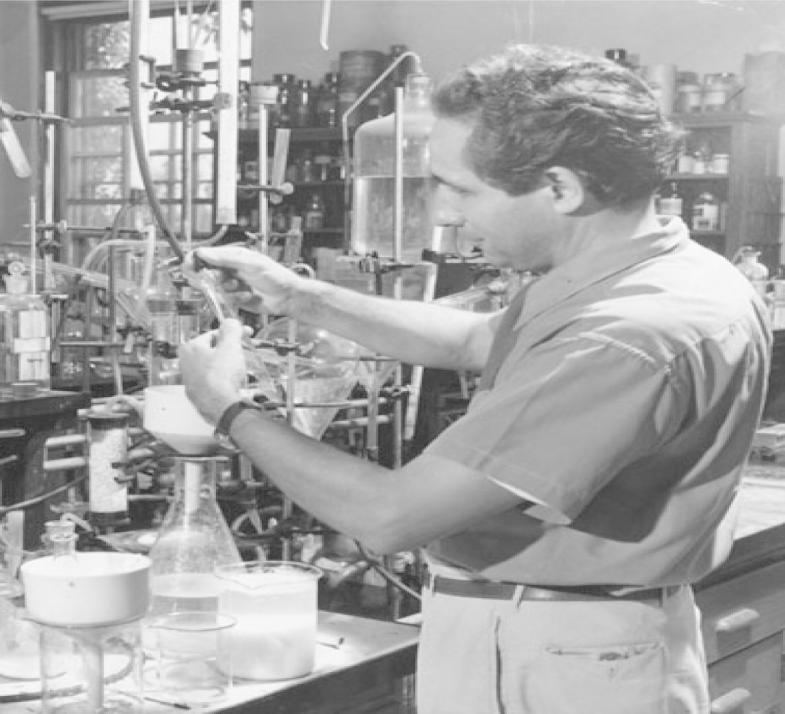
Karl link in his laboratory (courtesy of University of Wisconsin).
The management of bleeding and steps to follow thereafter should be well-elucidated when there is a (suspected) overdose without bleeding, or a clotting test indicating a risk of bleeding. The management of bleeding complications is crucial to NOAC therapy patients undergoing a planned surgical intervention or ablation, and patients undergoing an urgent surgical intervention.
Special populations (such as patients with chronic kidney disease, AF, and coronary artery disease) or patients treated with NOACs (cardio-version in a NOAC-treated patient, patients presenting with acute stroke while on NOACs, NOACs versus VKAs in AF patients with a malignancy) should be addressed clearly in guidelines and management plans. Besides, drug–drug interactions and pharmacokinetics of NOACs and issues of adherence to NOACs intake, how to deal with dosing errors, and missed doses are also of critical clinical concerns.
Disadvantages associated with the use of NOACs
The most common disadvantage of NOACs is the lack of an antidote to resolve major bleeding complications possibly associated with their ubiquitous use. Another major concern is the periprocedural management of patients on NOACs which is a common complex clinical problem and may pose a patient-specific concern. The third disadvantage is cost of each NOAC calculated as total daily cost and in comparison with warfarin. Furthermore, therapeutic monitoring may impact patient adherence, hence should not be used in patients with a history of medication non-adherence. Most NOACs are renal eliminated, therefore patients with renal impairment <30 mL/min will not have the chance to benefit from full clinical utility.
The rationale
In day-to-day clinical practice, the use of warfarin poses several limitations. NOACs represent an archetypal shift in the management of non-valvular AF. NOACs are more specific and possess rapid onset of action with predictable pharmacokinetic profile (fixed dosing and no coagulation monitoring). NOACs have been used with certain concerns such as drug interactions, switch-therapy, patient selection, renal impairment, therapeutic drug monitoring, risk of myocardial infarction, use in patients with acute coronary syndrome (ACS) requiring antiplatelet therapy, such as cardioversion and percutaneous coronary intervention (PCI).
NOACs are not well utilized in patients with AF despite their approved indications by the Food and Drug Agency (FDA) and an array of published literature supporting their clinical utility, safety, and efficacy. However, other aspects of NOACs such as cost, therapeutic drug monitoring, selection of NOAC, patient satisfaction and quality of life deserve further emphasis and research.
Review summary
NOACs are currently widely used for the prevention of stroke and systemic embolism in patients with non-valvular AF, with ubiquitous alternatives for patients using warfarin. This overview offers insights into the clinical utility of NOACs with emphasis on pivotal clinical trials that provide the basis for NOAC safety and efficacy. This overview will address the issues of concerns and problematic areas encountered in real world clinical practice.
Objective of review
We sought to investigate the clinical utility of NOACs and provide some insights into their usefulness. The main objective was to raise awareness among clinicians regarding the under-utilization of NOACs and to encourage the use of NOACs in daily clinical practice as suitable alternatives to warfarin.
Methods
We retrieved the literature for publications pertaining to NOACs. Relevant studies were reported to a citation manager and were read and studied by the research team. We reviewed most of the clinical trials performed on NOACs. The search engine used for NOAC clinical trials included: PubMed, Medline, Scopus, Google Scholar and Cochrane Library. The following medical subheadings and keywords were used for searching: novel oral anticoagulants (NOACs), atrial fibrillation, dabigatran, apixaban, rivaroxaban, edoxaban, warfarin, non-valvular atrial fibrillation, NOAC bleeding, NOAC efficacy and safety, NOAC clinical utility, NOAC therapeutic drug monitoring, and NOAC antidote.
The types/features of NOACs
The choice between all four NOACs depends on patient characteristics (such as age), cost, insurance schemes, reversal of bleeding, patient’s renal function, renal dosing [8], dosing interval, medication patients are on, drug interactions, and patient preferences rather than safety profiles. All are more or less similar, but nevertheless, no detailed comparison has been performed between the various NOACs. One obstacle of paramount importance to the utilization of NOACs is the reversal of bleeding, but possible solutions are on the horizon for a new antidote for dabigatran, which is on its way to clinicians for routine monitoring.
NOACs and clinical evidence
The first randomized trial of anticoagulants nicoumalone and heparin was performed in 1960 [9]. Since then, a plethora of studies has been conducted on acenocoumarol, dicoumarol, and later warfarin. From randomized trials to observational studies, the literature today is replete with evidence regarding the use of NOACs.
A recent network meta-analysis (indirect comparison) published in the May 2014 issue of Thrombosis and Haemostasis compared the efficacy and safety of edoxaban with other NOACs. The study found some differences among NOACs, allowing treatment selections according to the clinical profile of each patient. Indirect comparisons of efficacy endpoints demonstrated that high-dose edoxaban was comparable to dabigatran 110 mg twice, yet inferior to dabigatran 150 mg. Moreover, high-dose edoxaban was comparable in efficacy to apixaban; however, apixaban had fewer bleeding endpoints [10].
Efficacy of low-dose edoxaban was either similar or less effective than its competitors. When safety endpoints were compared, low-dose edoxaban emerged as the most efficient, with the least bleeding. The differences among the drugs also suggest that patient-related factors, such as expected compliance, individual focus on efficacy and side-effects as well as renal function, should be taken into account when selecting a drug. The limitation of this study is that the findings, similar to previous indirect comparisons of NOACs, are not based on direct head-to-head comparisons (which remain the gold standard), and thus need to be considered with some caveats [10].
The safety of NOACs was compared to warfarin in patients with AF in randomized trials using systematic reviews and meta-analyses in 2012. In the prevention of stroke and systemic embolism in patients with AF, NOACs demonstrated more efficacy than warfarin. This was evident in the decreased risk for intracranial bleeding and favorable safety profile in favor of patients using NOACs [11].
The benefits and harms of NOACs versus warfarin for AF and VTE were compared in a systematic review from 2001 through to July 2012. NOACs were reported as feasible options for patients receiving long-term anticoagulation. The magnitude of treatment benefits compared with warfarin are small and vary depending on the control achieved by warfarin treatment. It has been reported that there were no head-to-head comparisons of NOACs and that limited data was reported on harmful effects [12].
A meta-analysis by Gómez-Outes and colleagues analyzed the safety and efficacy of three oral anticoagulants [13]. In all three NOAC types, more than 50,000 patients were included in the analysis. The three NOACs demonstrated a similar efficacy in the prevention of non-hemorrhagic stroke when compared to warfarin in non-valvular AF. Each of the respective pivotal trials indicated an overall statistically significant reduction in all strokes, both hemorrhagic and ischemic compared to warfarin. These conclusions were supported by two other meta-analyses [14], [10].
In the absence of head-to-head comparison, an analysis was performed to compare NOACs with VKAs and NOACs indirectly with each other. The results revealed no differences between NOACs and VKA regarding recurrent VTE and death. Bleeding was significantly reduced by NOACs (apixaban < rivaroxaban < dabigatran < edoxaban). Regarding efficacy, no differences were found between NOACs. Apixaban was more successful at reducing incidence of major bleeding than dabigatran and edoxaban. Regarding occurrence of the composite bleeding endpoint, apixaban performed better than all other NOACs and dabigatran performed better than rivaroxaban and edoxaban. The authors concluded that NOACs are as efficient in the treatment of VTE as VKA but with reduced risk of bleeding complications. Indirect comparisons indicate differences in the risk of clinically relevant bleeding events. NOACs increased the therapeutic spectrum and thereby the potential for individualized therapy [15].
Advantages of NOAC therapy over warfarin
The use of NOAC when compared to warfarin is associated with both cons and pros. The limitations of warfarin use are well established. However, warfarin is highly effective when used optimally, is well established and accepted, and is inexpensive (although monitoring and adverse reactions are an enormous burden to the healthcare system and to many patients). In order for a NOAC to become a first choice for patients, it must be more convenient (an advantage that may also amplify adherence and diligence) and, moreover, it will need to deliver better clinical outcomes, at a satisfactory cost, with uniformity across the major subgroups of patients.
Dabigatran
Dabigatran, a direct thrombin inhibitor, was the first FDA-approved NOAC. The Randomized Evaluation of Long-Term Anticoagulant Therapy (RE-LY) trial, a non-inferiority randomized trial with open-label warfarin that included 18,113 patients with AF and at least one risk factor for stroke, demonstrated that dabigatran was as safe and effective as warfarin. Dabigatran 150 mg was superior to warfarin in reducing the incidence of stroke (including hemorrhagic) and systemic embolism by 34% (p < 0.001) with no significant difference in major bleeding. Dabigatran 110 mg was non-inferior to warfarin in preventing stroke and systemic embolism, and was associated with a 20% relative risk reduction in major bleeding compared to warfarin (p = 0.003). Gastrointestinal bleeding was more common with higher-dose dabigatran than warfarin, and dyspepsia was more common with dabigatran (11.8% of patients with 110 mg and 11.3% of patients with 150 mg compared to 5.8% with warfarin; p < 0.001 for both) [7]. Apart from bleeding, a very common side effect of dabigatran is dyspepsia. This is probably due to the presence of tartaric acid in the capsule which is intended to improve absorption. The use of proton pump inhibitors (PPIs) or ranitidine may be indicated to overcome this.
The main concerns are renal dosing, increased bleeding, and the lack of an approved antidote. In 2011, the EudraVigilance dataset reported 256 cases of serious bleeding resulting in death associated with the use of dabigatran [16]. The FDA investigation concluded there was no evidence that bleeding rates were higher with dabigatran compared to other NOACs. Dabigatran increases thrombin clotting time (TCT), ecarin clotting time (ECT), and activated partial thromboplastin time (aPTT); it may or may not increase prothrombin time (PT). Currently, an antidote is in phase II with ongoing trials. Reversal of bleeding can be accomplished by oral charcoal, haemodialysis, and prothrombin complex concentrate (PCC), desmopressin and antifibrinolytic agents (Table 1).
Table 1.
Comparison of Pharmacological Characteristics of Warfarin and NOACs for Atrial Fibrillation.
| NOAC Trade Mark (proprietary name) | Warfarin (Coumadin) 1 mg to 10 mg | Dabigatran (Pradaxa) 75, 110, 150 mg | Rivaroxaban (Xalerto) 10, 15, 20 mg | Apixaban (Eliquis) 2.5, 5 mg | Edoxaban (Savaysa) 30, 40, 60 mg |
|---|---|---|---|---|---|
| Drug class | Vitamin K antagonist | Direct Thrombin Inhibitor | Factor Xa inhibitor | Factor Xa inhibitor | Factor Xa inhibitor |
| Approved indications | Stroke prevention in valvular and NVAF, VTE treatment; VTE prevention | Stroke prevention in NVAF, VTE treatment; VTE prevention | Stroke prevention in NVAF; VTE treatment, recurrent VTE prevention, prophylaxis of VTE following hip/knee replacement | Stroke prevention in NVAF, prophylaxis of VTE following hip/knee replacement | To reduce risk of stroke and systemic embolism (SE) in patients with NVAF, VTE treatment |
| Time to peak effect | 3–5 days | 1 hour | 2.5– 4 h | 3 h | 1–2 hour(s) |
| Bioavailability (%) | 79–100 | 3-7 | 80-100 | 50 | 62 |
| Half-life (hours) | 40 | 12–17 | 5–9 | 8–15 | 9–11 |
| Renal elimination (%) | >90 | >80 | 66 | 25–27 | 50 |
| Dosing frequency | Once a day | Twice a day | Once a day | Twice a day | Once a day |
| Dosing in AF | Variable depending on INR adjustment (2-3 in non-valvular AF and 2-3.5 in valvular AF) | 150 mg twice daily (Cr Cl >30 mL/min) 75 mg twice daily (Cr Cl 15-30 mL/min) |
15 mg once daily (Cr Cl 15–50 mL/min) |
2.5 mg twice daily if (age >80, body weight <60 kg, serum creatinine 133 μmol/L = >1.5 mg/dL) | 30 mg or 60 mg every day (with adjustment for high exposure). Recommended dose is 60 mg once daily in patients with Cr CL >50 to ⩽95 mL/min. Do not use SAVAYSA in patients with Cr CL >95 mL/min Reduce dose to 30 mg once daily in patients with Cr CL 15 to 50 mL/min |
| Effect on coagulation tests | ↑ PT | ↑: TCT, ECT, aPTT ↑or no change: PT |
↑Anti-factor Xa ↑or no change: PT, aPTT No change: TCT, ECT |
↑Anti-factor Xa ↑or no change: PT, aPTT No change: TCT, ECT |
↑Anti-factor Xa ↑or no change: PT, aPTT No change: TCT, ECT |
| Anticoagulation monitoring | Required | Not required | Not required | Not required | Not required |
| Specific antidote | Vitamin K | Idaricuzumab | Andexanet | Andexanet | Andexanet |
| Reversal in emergency bleeding | Application of FFP and platelets usually resolves the situation | Oral charcoal Hemodialysis PCC Desmopressin Antifibrinolytic agents Application of FFP and platelets usually resolves the situation |
PCC Desmopressin Antifibrinolytic agents Application of FFP and platelets usually resolves the situation |
PCC Desmopressin Antifibrinolytic agents Application of FFP and platelets usually resolves the situation |
Hemodialysis does not significantly contribute to edoxaban clearance. Protamine sulfate, vitamin K, and tranexamic acid are not expected to reverse anticoagulant activity Application of FFP and platelets usually resolves the situation |
| Interactions | Multiple | Inhibitors of P-glycoprotein transporter⁎ Increased activity with P-gp inhibitors: dronaderone, ketoconazole. Decreased activity withP-gp inducer rifampin. No effect of P-gp inhibitors amiodarone, verapamil, quinidine, clarithromycin |
Inhibitors of CYP 3A4 and P-glycoprotein transporter† Increased activity with CYP3A4/5, CYP2J2 inhibitors—ketoconazole, itraconzaole, ritonavir, clarithromycin |
Inhibitors of CYP 3A4 and P-glycoprotein transporter† Decreased activity with inducers of CYP3A4-rifampin, carbamazepine, phenytoin, St. John’s Wort |
Inhibitors of CYP 3A4 and P-glycoprotein transporter† Rifampin: Avoid concomitant use |
| Main adverse drug reactions | Minor and major bleeding, | Major bleeding, dyspepsia; nausea; upper abdominal pain, diarrhea, gastritis, hypersensitivity reaction | Major bleeding, abdominal pain, dyspepsia; toothache, fatigue, back pain, hypersensitivity, angioedema; Stevens-Johnson syndrome; cholestasis/jaundice | Major bleeding; drug hypersensitivity (<1%), nausea, transaminitis; epistaxis; hematuria, ocular hemorrhage, gingival bleeding | Treatment of NVAF: The most common adverse reactions (⩾5%) are bleeding and anemia. Treatment of DVT and PE: most common adverse reactions (⩾1%) are bleeding, rash, abnormal LFT and anemia |
Key: NOACs = Novel Oral Anticoagulants, AF = Atrial Fibrillation, VTE = Venous Thrombo Embolism, NVAF = Non-Valvular Atrial Fibrillation, % = Percentage, Cr Cl = Creatinine Clearance, TCT = Thrombin Clotting Time, ECT = Ecarin Clotting Time, aPTT = activated Partial Thromboplastin Time, PT = Prothrombin Time, PCC = Prombin Concentrated Complex, FFP = Fresh Frozen Plasma, DVT = Deep Vein Thrombosis, PE = Pulmonary Embolism, LFT = liver function tests, CYP3A4 = Cytochrome P450 3A4; CYP2J2 = Cytochrome P450 2J2.
Reference of Table 1: Data obtained from Pradaxa (Dabigatran etexilate) United States Prescribing Information, Xarelto (Rivaroxaban) United States Prescribing Information, Eliquis (Apixaban) United States Prescribing Information, Edoxaban US Prescribing Information.
Inhibitors of P-glycoprotein transporter include Amiodarone (cautions with interaction) and Verapamil.
Inhibitors of CYP 3A4 and P-glycoprotein transporter include Antifungals and Protease Inhibitors.
Rivaroxaban
The study entitled ‘Rivaroxaban Once Daily Oral Direct Factor Xa Inhibition Compared with Vitamin K Antagonism for Prevention of Stroke and Embolism Trial in Atrial Fibrillation (ROCKET-AF)’ is a double-blind, randomized comparison of rivaroxaban 20 mg once daily (with dose adjustment for renal function) versus dose-adjusted warfarin (INR target between 2.0 and 3.0, which was achieved at a median time of 58%). The trial targeted high-risk patients with a congestive heart failure hypertension age diabetes stroke (CHADS2) score of ⩾2, and approximately half had history of prior stroke. There was a 12% relative risk reduction in the occurrence of stroke and systemic embolism in AF patients treated with rivaroxaban that did not reach statistical significance but was clearly non-inferior to warfarin. Similar to dabigatran, there were significant reductions in intracranial hemorrhage; however, there was a higher incidence of major gastrointestinal bleeding when compared to patients in the warfarin cohort [6]. Rivaroxaban increases anti-factor Xa, may or may not increase PT and aPTT, and has no effect on TCT or ECT. Reversal of emergency bleeding can be with PCC, desmopressin or antifibrinolytic agents (Table 1).
Apixaban
The Apixaban versus Warfarin in Patients with Atrial Fibrillation (ARISTOTLE) trial compared apixaban with warfarin for the prevention of stroke and systemic embolism in patients with AF and at least one additional risk factor for stroke. Compared with warfarin, apixaban reduced stroke and systemic embolism by 21% (p = 0.01), resulted in 31% less bleeding (p < 0.001), and 11% lower mortality (p = 0.047). Apixaban was better tolerated than warfarin, with fewer drug discontinuations [4]. The ARISTOTLE trial demonstrated that apixaban is not only more effective than warfarin at preventing stroke, but also safer in terms of bleeding risk and risk of death.
In the AVERROES trial (apixaban versus acetylsalicylic acid to prevent stroke in AF patients who have failed or are unsuitable for VKA treatment), apixaban was compared to aspirin alone for stroke prevention [17]. The trial was terminated early due to a clear, overwhelming demonstration of anticoagulation benefit in the apixaban cohort. The rate of major bleeding in the apixaban group was similar to that seen in the ARISTOTLE trial. Apixaban increases anti-factor Xa, may or may not increase PT and aPTT, and has no effect on either TCT or ECT. Reversal of emergency bleeding can be with PCC, desmopressin or antifibrinolytic agents (Table 1).
Edoxaban
The Effective Anticoagulation with Factor Xa Next Generation in Atrial Fibrillation (ENGAGE AF-TIMI 48) trial has randomized >20,000 patients who have AF and a CHADS2 score of ⩾2. Patients were randomized in a double-blind fashion to warfarin (target INR, 2.0–3.0) or one of two doses of edoxaban given once daily, with dose adjustments both at baseline and subsequently for factors associated with higher drug exposure, including renal insufficiency [11]. The trial concluded that both once-daily regimens of edoxaban were non-inferior to warfarin with respect to the prevention of stroke or systemic embolism and were associated with significantly lower rates of bleeding and death from cardiovascular causes (Table 1). Hemodialysis does not significantly contribute to edoxaban clearance. Protamine sulfate, Vitamin K, and tranexamic acid are not expected to reverse anticoagulant activity.
NOACs have been shown to be convenient, carry important advantages in improving clinical outcomes, including fewer strokes, have fewer events of intracranial hemorrhage, and lower mortality. These benefits are consistent in warfarin naive or warfarinized patients. Furthermore, the cost is somewhat acceptable, particularly in light of the major advantage with regard to convenience (Table 1, Table 2).
Table 2.
Results of large randomized clinical trials of NOACs versus warfarin.
| Clinical events | |||||
|---|---|---|---|---|---|
| Novel drug and dose | NOAC | Warfarin | Hazard ratio (95% CI) | P (Superiority) | |
| Stroke or systemic embolism, percentage/year | |||||
| RE-LY | Dabigatran 110 mg twice a day Dabigatran 150 mg twice a day |
1.53 1.11 |
1.69 1.69 |
0.91 (0.74–1.11) 0.66 (0.53–0.82) |
0.34 <0.001 |
| ROCKET-AF | Rivaroxaban 20 mg every day | 2.12 | 2.42 | 0.88 (0.75–1.03) | 0.12 |
| ARISTOTLE | Apixaban 5 mg twice a day | 1.27 | 1.60 | 0.79 (0.66–0.95) | 0.01 |
| ENGAGE AF-TIMI 48 | Edoxaban 60 mg Edoxaban 30 mg |
1.18 1.61 |
1.50 | 0.79 (0.63–0.99) 0.87 1.07 (0.87–1.31) 1.13 |
<0.001 for non-inferiority, 0.017 for superiority 0.005 for non-inferiority, 0.44 for superiority |
| Hemorrhagic stroke, percentag/year | |||||
| RE-LY | Dabigatran 110 mg twice a day Dabigatran 150 mg twice a day |
0.12 0.10 |
0.38 0.38 |
0.31 (0.17–0.56) 0.26 (0.14–0.49) |
<0.001 <0.001 |
| ROCKET-AF⁎ | Rivaroxaban 20 mg every day | 0.26 | 0.44 | 0.59 (0.37–0.93) | 0.02 |
| ARISTOTLE | Apixaban 5 mg twice a day | 0.24 | 0.47 | 0.51 (0.35–0.75) | <0.001 |
| ENGAGE AF-TIMI 48 | Edoxaban 60 mg Edoxaban 30 mg |
0.54 0.33 |
0.26 0.16 |
0.54 (0.38–0.77) 0.33 (0.22–0.50) |
<0.001 <0.001 |
| Ischemic or uncertain stroke, percentage/year | |||||
| RE-LY | Dabigatran 110 mg twice a day Dabigatran 150 mg twice a day |
1.34 0.92 |
1.20 1.20 |
1.11 (0.89–1.40) 0.76 (0.60–0.98) |
0.35 0.03 |
| ROCKET-AF⁎ | Rivaroxaban 20 mg every day | 1.34 | 1.42 | 0.94 (0.75–1.17) | 0.58 |
| ARISTOTLE | Apixaban 5 mg twice a day | 0.97 | 1.05 | 0.92 (0.74–1.13) | 0.42 |
| ENGAGE AF-TIMI 48 | Edoxaban 60 mg Edoxaban 30 mg |
1.0 1.73 |
1.76 2.48 |
0.80 (065–098) 1.10 (091–1.32) |
0.97 <0.001 |
| Major bleeding, percentage/year | |||||
| RE-LY | Dabigatran 110 mg twice a day Dabigatran 150 mg twice a day |
2.71 3.11 |
3.36 3.36 |
0.80 (0.69–0.93) 0.93 (0.81–1.07) |
0.003 0.31 |
| ROCKET-AF⁎ | Rivaroxaban 20 mg every day | 3.60 | 3.45 | 1.04 (0.90–1.20) | 0.58 |
| ARISTOTLE | Apixaban 5 mg twice a day | 2.13 | 3.09 | 0.69 (0.60–0.80) | <0.001 |
| ENGAGE AF-TIMI 48 | Edoxaban high dose Edoxaban low dose |
2.75 1.61 |
1.76 1.73 |
0.80 (0.71–0.91) 0.47 (0.41–0.55) |
<0.001 <0.001 |
| Death, percentage/year | |||||
| RE-LY | Dabigatran 110 mg twice a day Dabigatran 150 mg twice a day |
3.75 3.64 |
4.13 4.13 |
0.91 (0.80–1.03) 0.88 (0.77–1.00) |
0.13 0.051 |
| ROCKET-AF | Rivaroxaban 20 mg every day | 4.5 | 4.9 | 0.92 (0.82–1.03) | 0.15 |
| ARISTOTLE | Apixaban 5 mg twice a day | 3.52 | 3.94 | 0.89 (0.80–0.998) | 0.047 |
| ENGAGE AF-TIMI 48 | Edoxaban high dose Edoxaban low dose |
3.43 1.61 |
3.17 2.71 |
0.86 (0.77–0.97) 0.85 (0.76–0.96) |
0.003 0.021 |
Keys: NOACs = Novel Oral Anticoagulants, RE-LY = Randomized Evaluation of Long-Term Anticoagulant Therapy, ROCKET-AF = Rivaroxaban Once Daily Oral Direct Factor Xa Inhibition Compared With Vitamin K Antagonism for Prevention of Stroke and Embolism Trial in Atrial Fibrillation, ARISTOTLE = Apixaban for Reduction in Stroke and Other Thromboembolic Events in Atrial Fibrillation.
On-treatment population, ENGAGE AF-TIMI 48 = Effective Anticoagulation with Factor Xa Next Generation in Atrial Fibrillation-Thrombolysis in Myocardial Infarction 48.
New indications for NOACs
More recently over the last four years, studies have targeted NOACs combined with antiplatelet treatment for patients with a recent ACS in an effort to reduce ischemic events. A meta-analysis was performed to evaluate the efficacy and safety of adding NOACs to single (aspirin) or dual (aspirin and clopidogrel) antiplatelet therapy. The following were included in the trials: Esteem, Appraise-1, Atlas ACS-TIMI46, Redeem, Ruby-1, Appraise-2, and Atlas ACS2-TIMI51 [4], [6], [7], [18], [19], [20].
The addition of a NOAC to antiplatelet therapy in patients with a recent ACS in a meta-analysis showed modest reduction in cardiovascular events but a substantial increase in bleeding, most pronounced when NOACs were combined with dual antiplatelet therapy. It has been found that the randomized trials included in the meta-analysis were under-powered for the evaluation of efficacy [21].
The PIONEER AF trial is an exploratory, open-label, randomized, multicenter, clinical study assessing the safety of two rivaroxaban treatment strategies and one VKA treatment strategy in approximately 2100 subjects who have paroxysmal, persistent, or permanent non-valvular AF, and have PCI with stent placement. The results of this study will be announced in 2016.
Further, NOACs have been used in the area of organ transplantation as prophylactic or therapeutic options. One study reports on a series of heart transplant recipients treated with rivaroxaban and followed at a transplantation center [22].
Evidence has emerged suggesting that factor Xa and thrombin are involved in other physiological and pathophysiological cellular processes, including inflammation [23]. Preclinical studies have demonstrated that targeted inhibitions of factor Xa or thrombin exhibit effects beyond coagulation, such as anti-inflammation and potential influence on the progression of atherothrombosis [24], [25], [26], although supporting clinical data are currently lacking.
Discussions
The main objective of this overview is to raise clinician awareness of the under-utilization of NOACs and shed light on the main concerns surrounding their clinical utility as suitable alternatives to warfarin.
The convenience of NOACs
NOACs are far more convenient than warfarin because they have predictable pharmacodynamic effects, and, at doses tested in large trials, have good efficacy and safety profiles without the need for anticoagulation monitoring, or for frequent dose adjustment that may contribute to dosing errors and missed doses. Dabigatran and apixaban are administered twice a day. Rivaroxaban and edoxaban are given once a day. NOACs have the advantage of rapid onset of action and relatively short half-life periods, making their use around the time of procedures more convenient than warfarin, without the need for bridging [27].
NOACs efficacy outcomes
NOACs are at least as good as warfarin at preventing stroke, and there is major benefit in outcome compared to no therapy. Dabigatran 150 mg twice daily and apixaban 5 mg twice daily are more effective than warfarin in terms of preventing stroke [27].
NOACs safety outcome
With dabigatran, apixaban and rivaroxaban, the rate of hemorrhagic stroke is reduced by 40% to 70% and that of intracranial hemorrhage by ≈50%, which suggests a liability for warfarin with regard to intracranial hemorrhage. Both lower doses of 110 mg / 75 mg for Dabigatarn and 2.5 mg for Apixaban have resulted in crucial reductions in major bleeding. Such vital improvements in clinical outcomes have provided the most compelling rationale for the use of NOACs as first-line agents [27].
NOACs effect on mortality
The use of apixaban, dabigatran and rivaroxaban have resulted in an ≈10% reduction in mortality, although this reached statistical significance only for apixaban. The fact that mortality tends to be lower suggests that, overall, the clinical benefits of NOACs clearly outweigh the risks [27].
Switching from warfarin to NOACs
Reports suggest that although NOACs provide significant benefits for patients not previously on warfarin, there is little advantage to switching to NOACs if patients are tolerating warfarin and maintaining INR control (Not evident with research study). The benefits of NOACs were similar, not considering prior warfarin [5]. Centers with INR control report that with dabigatran there was no statistically significant evidence of less benefit of stroke prevention. Importantly, the benefits of dabigatran over warfarin in reducing intracranial hemorrhage appeared to be nearly indistinguishable across INR control ranges. On the other hand, the pattern of a consistent benefit despite INR control was relevant with rivaroxaban and apixaban [27].
The advantages of switching from warfarin to NOACs include more stable anticoagulation (in patients poorly controlled on warfarin), short half-life, the elemination of anticoagulant monitoring, fewer drug–drug interactions, fewer food–drug interactions and less intracranial bleeding. The disadvantages include: specific antidote so not reversible in bleeding patients or those requiring emergency surgery. Further, there is an increased frequency of gastrointestinal bleeding with dabigatran and rivaroxaban compared to warfarin.
NOACs should be considered in patients switching from warfarin due to poor INR control despite good compliance, patients with newly diagnosed non-valvular AF (apixaban and dabigatran, but not rivaroxaban). NOACs have slightly different properties and the best choice of agent may depend on individual patient characteristics.
NOACs’ grey areas and mundane aspects of clinical practice
There are three integrated grey areas in the selection battle between warfarin and NOACs, and in light of the randomized clinical trials, meta-analyses, these areas require discussion.
The selection of patient suitability for NOACs
A determining factor for patient suitability to NOAC is demographics (age), co-morbidities (chronic kidney disease, history of bleeding), degree of renal impairment (creatinine clearance >30 mL/min), adherence to daily dosing, cost, insurance schemes, unstable INR, unwillingness to take warfarin, stroke risk (CHADS2-VASC score) and risk of bleeding. Renal impairment is crucial for selection of NOAC; for instance, dabigatran should not be used in patients with creatinine clearance <30 mL/min, while rivaroxaban, apixaban and dabigatran are contraindicated in patients with creatinine clearance <15 mL/min. NOACs are not approved for use in dialysis patients. Patients with a history of stroke or bleeding complications are more likely to be switched from VKA to NOAC.
NOACs from a patient’s perspective
A recent study with unique experimental results in an assessment of the relative value and weight of clinical events associated with anticoagulant therapy concluded that not all outcomes are created equal in the minds of patients [28]. The study showed that patients valued the taking of drugs that carried a lower risk of fatal bleeding, reporting they were willing to accept a 2.8% risk of nonfatal stroke, a 2.2% risk of nonfatal myocardial infarction, and a 3.4% risk of cardiovascular death to avoid a 1% risk of fatal bleeding. NOACs are characterized by their efficacy outcomes (reduction in major cardiovascular events) and the likelihood of side effects (risk of minor, major, or fatal bleeding). The decision on choice of drug to take, implicit in that decision, is the relative weight the authors relate to clinical outcomes. This weight was assumed to be different from patient to patient or from physician to physician [28].
The finding that patients prefer a NOAC to warfarin relies solely on the basis of its ‘newness’ and not necessarily due to any conferred benefit “suggests that labels can influence patients’ medication choices” and “should be used with caution in the shared decision-making process.” Overall, patients are not particularly concerned about the need for monitoring with warfarin. The preference for “avoiding the inconvenience of INR monitoring is trivial when compared with a preference for avoiding clinical outcomes [28].
The economic burden of NOACs
There are growing concerns that patients do not take medications when cost of medications surge beyond their budgets. Most patients with AF have co-morbidities with problematic poly-pharmacy issues. The cost of multi-drug pill can go very high with NOAC and the result can be devastating to the patient and healthcare system.
High medication costs also diminish hospital revenues and impact on their ability to keep up with the flow of very expensive remedies entering the market. Insurance coverage is another impact factor that faces developing, underdeveloped and even developed countries (in the USA, the Patient Protection and Affordable Care Act, aka ObamaCare, may overcome this). The cost of NOACs will be part of a high pill for a co-morbid elderly patient mostly a retired person. The implications of cost on NOAC selection is considered highly significant for clinicians.
The selection of NOACs
The issue of dosing plays a major part in the selection of NOAC from the four available patent compounds. Dabigatran and apixaban are taken in a twice daily dosing schedule, while edoxaban and rivaroxaban are once daily. The short half-life of apixaban may be of particular benefit where abrupt withdrawal can be achieved without worrying about sudden withdrawal effects of bleeding.
The selection of NOACs primarily relies on maintaining balance between efficacies and bleeding risk (safety). The choice between the four NOACs therefore depends on their efficacy and safety profile. The effect of NOACs on mortality, stroke and bleeding risks has shown some favorable results. NOACs provide more favorable risk–benefit ratio compared to warfarin, and more positive results in clinical trials. Therefore, NOACs should generally be used as first-line treatment for stroke prevention in AF.
However, NOACs are not always well utilized in patients with AF. One report shows that, contrary to current guidelines, some patients with AF are not prescribed any NOACs [47]. This may be attributed to the stable clinical status of some patients, low risk of CHADS2-VASC scores, clinical judgment of clinician, patient refusal, family issues, cost, insurance issues, and other factors.
Summary
International guidelines have recommended the use of NOACs in line with their established safety, efficacy and compliance [29], [30], [31]. The safety of NOAC is supported by real world post-marketing surveillance registry studies, such as the Danish registry where bleeding and MI were not attributed to dabigatran [32]. In addition, reports from the Global Registry on Long-Term Oral Antithrombotic Treatment in Patients with Atrial Fibrillation (GLORIA™-AF) which emphasizes the under clinical utility of NOACs, have recently emerged. Dabigatran was coined as the most prescribed NOAC in the Phase II registry [33], [34]. The GLORIA™-AF was the largest, global observational study to date on the use of anticoagulants in patients with AF. The early reported findings were based on treatment trends in 3415 AF patients who entered the GLORIA™-AF registry from November 2011 to February 2014.
The GLORIA™-AF results demonstrated that 21.9% of patients with occasional AF and a CHADS2-VASC score of 2 or higher were either undertreated with aspirin or given no anticoagulant treatment at all, compared to 12.4% and 11.2% of those diagnosed with persistent or permanent AF, respectively [33]. Current AF guidelines call for patients to receive oral anticoagulant therapy based on their risk of stroke, rather than their type of AF [34], [35]. Furthermore, given the availability of NOACs, guidelines state that the use of antiplatelet therapies (such as aspirin) for stroke prevention in AF should be limited to the few patients who refuse any form of oral anticoagulant, as the evidence for effective stroke prevention from Apixaban versus acetylsalicylic acid (ASA) is weak, with a potential for harm [35].
NOAC is the standard therapy in significantly reducing the risk of stroke and systemic embolism in AF patients. Physicians have diverse factors to consider when selecting a NOAC option for antithrombotic treatment in AF patients. Revealing factors such as risk stratification for bleeding, therapeutic monitoring, and renal status may serve in bridging the treatment gap.
NOAC limitations
There was no treatment evidence for NOACs in patients with valvular AF (valves/devices). There are other NOAC limitations, such as not having a reversal agent in the event of bleeding. Currently, however, antidote trials for each specific NOAC reversal are underway (Phase II and III trials); and these include idarucizumab for dabigatran (RE-VERSE AD trial), andexanet for apixaban-alfa (ANNEXA™, Andexanet Alfa a Novel Antidote to the Anticoagulant Effects of factor XA Inhibitors trial) [36]. There is no FDA-approved NOAC antidote for clinical use in case of medical emergencies. Despite the fact that no routine laboratory monitoring is required for general outpatient follow-up, some laboratory assays such as ECT and aPTT are available for emergency situations in which patients are suffering from life-threatening bleeding. Activated charcoal can be used to decrease the absorption of dabigatran [37], and prothrombin complex concentrates (PCC) have been shown to completely reverse the anticoagulant effect of rivaroxaban in healthy subjects [38].
However, a recent randomized, double-blind, placebo controlled trial of 145 healthy volunteers demonstrated that idarucizumab, a humanized antibody that binds dabigatran with high affinity, could result in immediate and sustained reversal of the anticoagulant effect [39], [40]. The study reported that idarucizumab is well tolerated without adverse events and completely reverses prolonged clotting time within five minutes of administration. This was the sole specific antidote for one of the NOACs; however, further research is required to demonstrate its clinical utility.
In order to be implicated in clinical practice, the following points need to be considered:
-
1.
Clinical use according to patient need: life-threatening hemorrhage, trauma, procedure with anticipated risk for major bleeding.
-
2.
Careful risk assessment will be needed as the risk for bleeding outweighs the benefit of thrombo-prophylaxis.
-
3.
Attention to fundamentals of hemostasis and supportive measures.
-
4.
Will the availability of NOAC antidotes drive the uptake of NOACs?
The future of NOACs
Some gaps need to be addressed in order for clinicians to select a NOAC and/or convert and switch from warfarin to a NOAC. These gaps have to be highlighted by expert opinions from the gained meta-analysis, registries and from global experiences who can summarize them for clinicians without bias or conflict of interest. This may help solve the various controversies and disparities in the clinical utility of NOACs.
The research conducted by clinicians working in day-to-day clinical practice will be of extreme value as their views and that of their patients (treatment satisfaction) will provide deeper insights into the authentic clinical utility of NOACs. Researchers are encouraged to focus on patient satisfaction and quality of life aspects of these NOACs.
The emerging betrixaban novel once-daily factor Xa inhibitor has been shown in a small phase II study to competitively bind to factor Xa and to inhibit its activity. The EXPLORE-Xa study was designed to evaluate the safety and tolerability of betrixaban compared to warfarin in patients with AF who are receiving or are eligible for VKA. This phase II study of betrixaban, at doses of 40–80 mg per day, indicated that it was well tolerated in AF patients at risk for stroke, with a risk of bleeding that was similar to, or lower than, that of well-managed warfarin. The most important fact about this drug is its hepatic elimination, which may provide preferences over other NOACs in patients with renal impairment of <30 mL/min [41].
Conclusions
The messages taken from this overview can be summarized as follows: encourage the use of NOACs in daily clinical practice, evaluate patient preferences, consider cost and insurance coverage, and select a NOAC over warfarin when overall clinical judgment is optimal.
Physicians need to discuss the risks and benefits of NOACs based on patient’s clinical status and preferences. The switch from warfarin to a NOAC needs a selection of patients who have shown adherence to prior anticoagulant, avoidance of missed doses, and close-self monitoring for any bleeding events.
Finally, will warfarin still be used after its 73rd anniversary? The future undoubtedly belongs to NOACs, and we are very grateful to warfarin, to Karl and his senior student, but we recognize that it is high time to say goodbye. We wish warfarin a happy retirement and we welcome the future with a new generation of NOACs.
Recommendations
-
1.
Limit the use of warfarin to certain populations with pre-defined criteria such as renal impaired patients (creatinine clearance <30 mL/min, cost issues, insurance barriers).
-
2.
In cases where NOACs is a suitable alternative, initiate NOACs as per guidelines and based on the selection of the most suitable patient groups.
-
3.
Consider NOAC in patients intolerant to warfarin with repeated bleeding episodes, multiple hospitalization, unpredictable INR, and variable responses to warfarin dosing.
-
4.
Concerns about risk of bleeding tendencies due to NOACs need to be estimated in diverse populations and in varied groups of patients with low, medium, high risk and associated co-morbidities.
-
5.
Special maneuvers (such as prophylactic proton pump inhibitors) for preventing and protecting patients against NOACs-induced risk of bleeding (or gastritis) deserve more clinical input from physicians (awareness and enforced in guidelines) [16].
-
6.
Special considerations for switching patients from warfarin to any NOACs, with strict adherence to guidelines and recommended INR threshold (<2 for initiating dabigatran/apixaban; ⩽3.0 for European Medical Agency-EMA; or <3.0 for FDA for initiating rivaroxaban) [42], [43], [44], [45].
-
7.
Special management of patients taking NOAC (perioperative) and strict emphasis on strategies to manage bleeding complications or ‘reverse’ the anticoagulant effects for urgent invasive procedures [46].
Author contributions
Abdullah Shehab: conceptual framework, planning, developing protocol, conducting the study, writing, drafting/revising the manuscript, approving final draft, and is the corresponding author.
Asim A. Elnour: conceptual framework, planning, developing protocol, conducting the study, writing, drafting/revising the manuscript and approving final draft.
Akshaya Srikanth Bhagavathula: revising the manuscript and approving the final draft.
Pınar Erkekoglu: revising the manuscript and approving the final draft.
Farah Hamad: drafting, revising the manuscript and approving the final draft.
Saif Al Nuaimi: drafting, revising the manuscript and approving the final draft.
Eman Mukhtar Hamour: drafting, revising the manuscript and approving the final draft.
Ali Al Shamsi: drafting, revising the manuscript and approving the final draft.
AbdElrazek M. Ali AbdElrazek: drafting, revising the manuscript and approving the final draft.
Aaesha Al Suwaidi: drafting, revising the manuscript and approving the final draft.
Mahmoud Abu Mandil: revising the manuscript and approving the final draft.
Mohamed Baraka: revising the manuscript and approving the final draft.
Adel Sadik: revising the manuscript and approving the final draft.
El Mutasim Ahmed: revising the manuscript and approving the final draft.
Zohdi Abu Shaaban: revising the manuscript and approving the final draft.
Yazan Barqawi: revising the manuscript and approving the final draft.
Mohammad Al Hajjar: revising the manuscript and approving the final draft.
Khalid Saraan: revising the manuscript and approving the final draft.
Naama M.S. Al Kalbani: drafting, revising the manuscript and approving the final draft.
Alla Abdul Aziz Mahmood: literature search, collecting data, interpreting data approving the final draft.
Omer Abdulla Shehab: drafting, revising the manuscript and approving the final draft.
Abdulla Al Amoodi: literature search, collecting data, interpreting data and approving the final draft.
Sahar Asim: literature search, collecting data, interpreting data and approving the final draft.
Rauda Abdulla: literature search, collecting data, interpreting data and approving the final draft.
Ahmed Eltayeb Yousif Ahmed Eltayeb: collecting data, interpreting data approving the final draft.
Acknowledgments
We acknowledge the hard work of medical students Abdulla Al Amoodi and Rauda Abdulla and dental student Sahar Asim in reviewing the literature, collating the evidence, and summarizing the trials referenced in the review.
Disclosure: Authors have nothing to disclose with regard to commercial support.
Footnotes
Peer review under responsibility of King Saud University.
References
- 1.Duxbury B.M., Poller L. The oral anticoagulant saga: past, present, and future. Clin Appl Thromb Hemost. 2001;7(4):269–275. doi: 10.1177/107602960100700403. [DOI] [PubMed] [Google Scholar]
- 2.Ghate S.R., Biskupiak J.E., Ye X., Hagan M., Kwong W.J., Fox E.S. Hemorrhagic and thrombotic events associated with generic substitution of warfarin in patients with atrial fibrillation: a retrospective analysis. Ann Pharmacother. 2011;45(6):701–712. doi: 10.1345/aph.1P593. [DOI] [PubMed] [Google Scholar]
- 3.LaHaye S.A., Gibbens S.L., Ball D.G., Day A.G., Olesen J.B., Skanes A.C. A clinical decision aid for the selection of antithrombotic therapy for the prevention of stroke due to atrial fibrillation. Eur Heart J. 2012;33(17):2163–2171. doi: 10.1093/eurheartj/ehs167. [DOI] [PMC free article] [PubMed] [Google Scholar]
- 4.Granger C.B., Alexander J.H., McMurray J.J., Lopes R.D., Hylek E.M., Hanna M. Apixaban versus warfarin in patients with atrial fibrillation. N Engl J Med. 2011;365(11):981–992. doi: 10.1056/NEJMoa1107039. [DOI] [PubMed] [Google Scholar]
- 5.Giugliano R.P., Ruff C.T., Braunwald E., Murphy S.A., Wiviott S.D., Halperin J.L. Edoxaban versus warfarin in patients with atrial fibrillation. N Engl J Med. 2013;369(22):2093–2104. doi: 10.1056/NEJMoa1310907. [DOI] [PubMed] [Google Scholar]
- 6.Patel M.R., Mahaffey K.W., Garg J., Pan G., Singer D.E., Hacke W. Rivaroxaban versus warfarin in nonvalvular atrial fibrillation. N Engl J Med. 2011;365(10):883–891. doi: 10.1056/NEJMoa1009638. [DOI] [PubMed] [Google Scholar]
- 7.Connolly S.J., Ezekowitz M.D., Yusuf S., Eikelboom J., Oldgren J., Parekh A. Dabigatran versus warfarin in patients with atrial fibrillation. N Engl J Med. 2009;361(12):1139–1151. doi: 10.1056/NEJMoa0905561. [DOI] [PubMed] [Google Scholar]
- 8.Barritt D.W., Jordan S.C. Anticoagulant drugs in the treatment of pulmonary embolism. A controlled trial. Lancet. 1960;1(7138):1309–1312. doi: 10.1016/s0140-6736(60)92299-6. [DOI] [PubMed] [Google Scholar]
- 9.Skjøth F., Larsen T.B., Rasmussen L.H., Lip G.Y. Efficacy and safety of edoxaban in comparison with dabigatran, rivaroxaban and apixaban for stroke prevention in atrial fibrillation. An indirect comparison analysis. Thromb Haemost. 2014;111(5):981–988. doi: 10.1160/TH14-02-0118. [DOI] [PubMed] [Google Scholar]
- 10.Miller C.S., Grandi S.M., Shimony A., Filion K.B., Eisenberg M.J. Meta-analysis of efficacy and safety of new oral anticoagulants (dabigatran, rivaroxaban, apixaban) versus warfarin in patients with atrial fibrillation. Am J Cardiol. 2012;110(3):453–460. doi: 10.1016/j.amjcard.2012.03.049. [DOI] [PubMed] [Google Scholar]
- 11.Adam S.S., McDuffie J.R., Ortel T.L., Williams J.W., Jr. Comparative effectiveness of warfarin and new oral anticoagulants for the management of atrial fibrillation and venous thromboembolism: a systematic review. Ann Intern Med. 2012;157(11):796–807. doi: 10.7326/0003-4819-157-10-201211200-00532. [DOI] [PubMed] [Google Scholar]
- 12.Ogata K., Mendell-Harary J., Tachibana M., Masumoto H., Oguma T., Kojima M. Clinical safety, tolerability, pharmacokinetics, and pharmacodynamics of the novel factor Xa inhibitor edoxaban in healthy volunteers. J Clin Pharmacol. 2010;50(7):743–753. doi: 10.1177/0091270009351883. [DOI] [PubMed] [Google Scholar]
- 13.Gómez-Outes A., Terleira-Fernández A.I., Calvo-Rojas G., Suárez-Gea M.L., Vargas-Castrillón E. Dabigatran, rivaroxaban, or apixaban versus warfarin in patients with nonvalvular atrial fibrillation: a systematic review and meta-analysis of subgroups. Thrombosis. 2013;2013:640723. doi: 10.1155/2013/640723. [DOI] [PMC free article] [PubMed] [Google Scholar]
- 14.Dentali F., Riva N., Crowther M., Turpie A.G., Lip G.Y., Ageno W. Efficacy and safety of the novel oral anticoagulants in atrial fibrillation: a systematic review and meta-analysis of the literature. Circulation. 2012;126(20):2381–2391. doi: 10.1161/CIRCULATIONAHA.112.115410. [DOI] [PubMed] [Google Scholar]
- 15.Hirschl M., Kundi M. New oral anticoagulants in the treatment of acute venous thromboembolism – a systematic review with indirect comparisons. Vasa. 2014;43(5):353–364. doi: 10.1024/0301-1526/a000373. [DOI] [PubMed] [Google Scholar]
- 16.European Medicines Agency. European Medicine Agency updates on safety of Pradaxa. 2011. Available online: <http://www.ema.europa.eu/docs/en_GB/document_library/Press_release/2011/11/WC500117818.pdf>; 2011 [accessed 20.03.15].
- 17.Connolly S.J., Eikelboom J., Joyner C., Diener H.C., Hart R., Golitsyn S. Apixaban in patients with atrial fibrillation. N Engl J Med. 2011;364(9):806–817. doi: 10.1056/NEJMoa1007432. [DOI] [PubMed] [Google Scholar]
- 18.Eriksson B.I., Quinlan D.J., Eikelboom J.W. Novel oral factor Xa and thrombin inhibitors in the management of thromboembolism. Annu Rev Med. 2011;62:41–57. doi: 10.1146/annurev-med-062209-095159. [DOI] [PubMed] [Google Scholar]
- 19.Ansell J. Warfarin versus new agents: interpreting the data. Hematol Am Soc Hematol Educ Program. 2010:221–228. doi: 10.1182/asheducation-2010.1.221. [DOI] [PubMed] [Google Scholar]
- 20.Harder S. Renal profiles of anticoagulants. J Clin Pharmacol. 2012;52(7):964–975. doi: 10.1177/0091270011409231. [DOI] [PubMed] [Google Scholar]
- 21.Oldgren J., Wallentin L., Alexander J.H., James S., Jönelid B., Steg G. New oral anticoagulants in addition to single or dual antiplatelet therapy after an acute coronary syndrome: a systematic review and meta-analysis. Eur Heart J. 2013;34(22):1670–1680. doi: 10.1093/eurheartj/eht049. [DOI] [PMC free article] [PubMed] [Google Scholar]
- 22.Ambrosi P., Kreitmann B., Cohen W., Habib G., Morange P. Anticoagulation with a new oral anticoagulant in heart transplant recipients. Int J Cardiol. 2013;168(4):4452–4453. doi: 10.1016/j.ijcard.2013.06.148. [DOI] [PubMed] [Google Scholar]
- 23.Esmon C.T. Targeting factor Xa and thrombin: impact on coagulation and beyond. Thromb Haemost. 2014;111(4):625–633. doi: 10.1160/TH13-09-0730. [DOI] [PubMed] [Google Scholar]
- 24.Ellinghaus P., Laux V., Perzborn E. Effect of rivaroxaban on thrombin-induced pro-inflammatory gene expression in human umbilical vein endothelial cells. J Thromb Haemost. 2011;9:491. Abstract P-TU-577. [Google Scholar]
- 25.Zhou Q., Bea F., Preusch M., Wang H., Isermann B., Shahzad K. Evaluation of plaque stability of advanced atherosclerotic lesions in apo E-deficient mice after treatment with the oral factor Xa inhibitor rivaroxaban. Mediators Inflamm. 2011;2011:432080. doi: 10.1155/2011/432080. [DOI] [PMC free article] [PubMed] [Google Scholar]
- 26.Borissoff J.I., Otten J.J., Heeneman S., Leenders P., van Oerle R., Soehnlein O. Genetic and pharmacological modifications of thrombin formation in apolipoprotein e-deficient mice determine atherosclerosis severity and atherothrombosis onset in a neutrophil-dependent manner. PLoS One. 2013;8(2):e55784. doi: 10.1371/journal.pone.0055784. [DOI] [PMC free article] [PubMed] [Google Scholar]
- 27.Granger C.B., Armaganijan L.V. Newer oral anticoagulants should be used as first-line agents to prevent thromboembolism in patients with atrial fibrillation and risk factors for stroke or thromboembolism. Circulation. 2012;125(1):159–164. doi: 10.1161/CIRCULATIONAHA.111.031146. [discussion 164] [DOI] [PubMed] [Google Scholar]
- 28.Najafzadeh M., Gagne J.J., Choudhry N.K., Polinski J.M., Avorn J., Schneeweiss S.S. Patients’ preferences in anticoagulant therapy: discrete choice experiment. Circ Cardiovasc Qual Outcomes. 2014;7(6):912–919. doi: 10.1161/CIRCOUTCOMES.114.001013. [DOI] [PubMed] [Google Scholar]
- 29.You J.J., Singer D.E., Howard P.A., Lane D.A., Eckman M.H., Fang M.C. Antithrombotic therapy for atrial fibrillation: antithrombotic therapy and prevention of thrombosis, 9th ed: American College of Chest Physicians Evidence-Based Clinical Practice Guidelines. Chest. 2012;141(2 Suppl):e531S–e575S. doi: 10.1378/chest.11-2304. [DOI] [PMC free article] [PubMed] [Google Scholar]
- 30.Skanes A.C., Healey J.S., Cairns J.A., Dorian P., Gillis A.M., McMurtry M.S. Focused 2012 update of the Canadian Cardiovascular Society atrial fibrillation guidelines: recommendations for stroke prevention and rate/rhythm control. Can J Cardiol. 2012;28(2):125–136. doi: 10.1016/j.cjca.2012.01.021. [DOI] [PubMed] [Google Scholar]
- 31.Larsen T.B., Rasmussen L.H., Skjøth F., Due K.M., Callréus T., Rosenzweig M. Efficacy and safety of dabigatran etexilate and warfarin in “real-world” patients with atrial fibrillation: a prospective nationwide cohort study. J Am Coll Cardiol. 2013;61(22):2264–2273. doi: 10.1016/j.jacc.2013.03.020. [DOI] [PubMed] [Google Scholar]
- 32.Halperin JL, Huisman M, Diener HC, Dubner SJ, Ma C, Rothman K, et al. Patterns of newly detected atrial fibrillation and antithrombotic treatment in North America (GLORIA-AF Phase II). Abstract No./Poster No: 1246–124, Presented at: the American College of Cardiology 64th; Annual Scientific Session (ACC.15), March 14–16, 2015, San Diego, CA.
- 33.Halperin JL, Huisman M, Diener HC, Dubner S, Ma S, Rothman K, et al. Antithrombotic Treatment in Relation to Age in Patients with Newly Diagnosed Atrial Fibrillation in North America (GLORIA-AF Phase II). Abstract No./Poster No: 1246–122, Presented at: the American College of Cardiology 64th; Annual Scientific Session (ACC.15), March 14–16, 2015, San Diego, CA.
- 34.January C.T., Wann L.S., Alpert J.S., Calkins H., Cigarroa J.E., Cleveland J.C., Jr 2014 AHA/ACC/HRS guideline for the management of patients with atrial fibrillation: executive summary: a report of the American College of Cardiology/American Heart Association Task Force on practice guidelines and the Heart Rhythm Society. Circulation. 2014;130(23):2071–2104. doi: 10.1161/CIR.0000000000000040. [DOI] [PubMed] [Google Scholar]
- 35.Camm A.J., Kirchhof P., Lip G.Y., Schotten U., Savelieva I., Ernst S. Guidelines for the management of atrial fibrillation. Guidelines for the management of atrial fibrillation: the Task Force for the Management of Atrial Fibrillation of the European Society of Cardiology (ESC) Eur Heart J. 2010;31(19):2369–2429. doi: 10.1093/eurheartj/ehq278. [DOI] [PubMed] [Google Scholar]
- 36.Presentation in Oral Session at American College of Cardiology’s (ACC) 64th Annual Scientific Session on Monday, March 16 2015 Available at: <http://accscientificsession.acc.org/~/media/Files/Scientific%20Sessions/ACC%2015%20Bulletin%20for%20Presenters.ashx> [accessed 31.03.15].
- 37.Siegal D.M., Crowther M.A. Acute management of bleeding in patients on novel oral anticoagulants. Eur Heart J. 2013;34(7):489–498b. doi: 10.1093/eurheartj/ehs408. [DOI] [PubMed] [Google Scholar]
- 38.Eerenberg E.S., Kamphuisen P.W., Sijpkens M.K., Meijers J.C., Buller H.R., Levi M. Reversal of rivaroxaban and dabigatran by prothrombin complex concentrate: a randomized, placebo-controlled, crossover study in healthy subjects. Circulation. 2011;124(14):1573–1579. doi: 10.1161/CIRCULATIONAHA.111.029017. [DOI] [PubMed] [Google Scholar]
- 39.Schiele F., van Ryn J., Canada K., Newsome C., Sepulveda E., Park K. A specific antidote for dabigatran: functional and structural characterization. Blood. 2013;121(18):3554–3562. doi: 10.1182/blood-2012-11-468207. [DOI] [PubMed] [Google Scholar]
- 40.Glund S., Stangier J., Schmohl M., De Smet M., Gansser D., Lang B. A specific antidote for dabigatran: immediate, complete and sustained reversal of dabigatran induced anticoagulation in healthy male volunteers. Circulation. 2013;128:A17765. [Google Scholar]
- 41.Connolly S.J., Eikelboom J., Dorian P., Hohnloser S.H., Gretler D.D., Sinha U. Betrixaban compared with warfarin in patients with atrial fibrillation: results of a phase 2, randomized, dose-ranging study (Explore-Xa) Eur Heart J. 2013;34(20):1498–1505. doi: 10.1093/eurheartj/eht039. [DOI] [PMC free article] [PubMed] [Google Scholar]
- 42.Boehringer Ingelheim International GmbH. Pradaxa® (dabigatran etexilate) summary of product characteristics. 2013. Available at: <http://www.ema.europa.eu/docs/en_GB/document_library/EPAR_-_Product_Information/human/000829/WC500041059.pdf>; 2013 [accessed 02.10.14].
- 43.Janssen Pharmaceuticals Inc. Xarelto® (rivaroxaban) prescribing information. 2013. Available at: <http://www.accessdata.fda.gov/drugsatfda_docs/label/2013/022406s004lbl.pdf>; 2013 [accessed 02.10.14].
- 44.Bristol-Myers Squibb/Pfizer EEIG. Eliquis (apixaban). Summary of product characteristics; 2013 Available at: <http://ec.europa.eu/health/documents/community-register/2013/20131115127024/anx_127024_en.pdf>.
- 45.Bristol-Myers Squibb Company, Pfizer Inc. Eliquis® (apixaban). Prescribing information. 2012. Available at: <http://www.accessdata.fda.gov/drugsatfda_docs/label/2012/202155s000lbl.pdf>; 2012 [accessed 17.05.13].
- 46.Tran H., Joseph J., Young L., McRae S., Curnow J., Nandurkar H. New oral anticoagulants: a practical guide on prescription, laboratory testing and peri-procedural/bleeding management. Australasian Society of Thrombosis and Haemostasis. Intern Med J. 2014;44(6):525–536. doi: 10.1111/imj.12448. [DOI] [PubMed] [Google Scholar]
- 47.Mallouppas M., Vassiliou V. Review Article: Anticoagulation for Atrial Fibrillation: Is This the End of Warfarin? Not Just Yet. J Angiol. 2013 [Google Scholar]