



Editor—Adverse drug reactions are an important topic for all clinicians. Pirmohamed et al report an observational study of adverse drug reactions in two large hospitals.1 However, important clarifications are required about the method and reporting of this study. Three issues affect interpretation in ways that are important to practising clinicians, who need to be alerted to problems when prescribing.
The authors make no mention of alcohol consumption in the patients surveyed. Was alcohol consumption measured? Alcohol is an important drug that may potentiate an adverse reaction or even be an alternative cause of disease which might have been attributed to adverse drug reactions, such as gastrointestinal bleeds. This also applies to nicotine and perhaps even caffeine.
Figure 1.
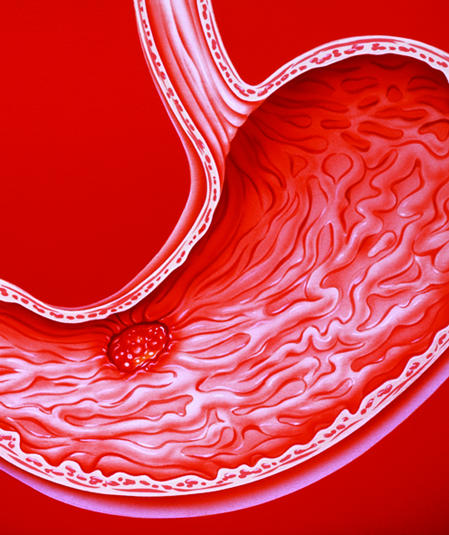
Credit: SPL
The authors do not comment on how they treated non-prescribed drugs, such as St John's wort. A systematic review in the same issue by Mills et al highlights the potential adverse reactions associated with St John's wort.2 Other non-prescribed complementary or alternative drugs may also cause problems.
The authors say that overall, interactions accounted for 16.6% (15% to 19%) of adverse reactions. Although this overall prevalence is useful, the reader has little understanding of which drugs are particularly problematic regarding interactions. Is the problem confined to a few specific interactions with a high prevalence?
These difficulties in interpretation are illustrated by the following example. Prescribing selective serotonin reuptake inhibitors is associated with gastrointestinal bleeds, but this risk increases dramatically in conjunction with aspirin consumption.3 Furthermore, this risk is potentiated if someone also consumes alcohol and nicotine. Clinicians may avoid prescribing potentially beneficial drugs because of concerns about an adverse reaction that may occur only in conjunction with another drug, prescribed or otherwise. Such difficulties could be overcome by presentation of data about drug interactions and mention of how non-prescription drugs were assessed by the research team.
Competing interests: None declared.
References
- 1.Pirmohamed M, James S, Meakin S, Green C, Scott AK, Walley TJ, et al. Adverse drug reactions as a cause for admission to hospital: prospective analysis of 18 820 patients. BMJ 2004;329: 15-9. (3 July.) [DOI] [PMC free article] [PubMed] [Google Scholar]
- 2.Mills E, Montori VM, Wu P, Gallicano K, Clarke M, Guyatt G. Interaction of St John's wort with conventional drugs: systematic review of clinical trials. BMJ 2004;329: 27-30. (3 July.) [DOI] [PMC free article] [PubMed] [Google Scholar]
- 3.Van Walraven C, Mamdani MM, Wells PS, Williams JI. Inhibition of serotonin reuptake by antidepressants and upper gastrointestinal bleeding in elderly patients: retrospective cohort study BMJ 2001;323: 655. [DOI] [PMC free article] [PubMed] [Google Scholar]