



Editor—I am frustrated at Heath's and Godlee's view of preventive medicine.1,2 They both argue against excessive drug prescribing and treating risk factors, seeing these as aspects of preventive medicine. What is preventive medicine, and why does preventive medicine have to be practised by the medical profession?
I agree with both of them on the futility of merely postponing death while undermining health. A recent paper in the BMJ showed how medical knowledge can be used to improve people's health, but only if the government is willing to make big changes in cooperation with big industry.3
Medical knowledge should be used to be truly preventive. Government policy needs to be changed to make it easy for the nation to stay healthy. Schools need compulsory nutritional standards, increased hours of exercise on a daily basis, and improved overall levels of education. The government needs to work with the food industry to tax unhealthy foods, and smoking must be banned in public places. The environment, which includes water and air quality, must be preserved by policies. These are just a few examples of where medical knowledge can be used to make a real difference.
Figure 1.
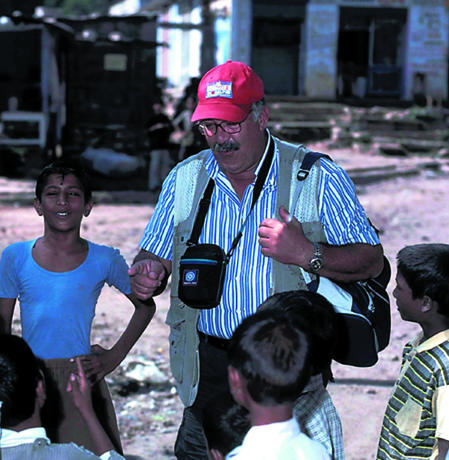
Credit: SILVIO FIORE/TOPFOTO
If only a tiny percentage of the drugs budget of pensioners went towards better school nutrition and school sports facilities, the money would be better spent. Preventive medicine has a great potential role even if it is not to be administered by doctors.
PS: My daily run doesn't make me miserable.
Competing interests: None declared.
References
- 1.Heath I. Who needs health care—the well or the sick? BMJ 2005;330: 954-6. (23 April.) [DOI] [PMC free article] [PubMed] [Google Scholar]
- 2.Godlee F. Preventive medicine makes us miserable [Editor's choice]. BMJ 2005;330. (23 April.)
- 3.Yach D, McKee M, Lopez AD, Novotny T, for Oxford Vision 2020. Improving diet and physical activity: 12 lessons from controlling tobacco smoking. BMJ 2005;330: 898-900. (16 April.) [DOI] [PMC free article] [PubMed] [Google Scholar]