



Traumatic brain injury (TBI) is an age-old disease, and core principles that still guide its management were identified centuries ago. The Edwin–Smith Papyrus describes the use of neurological examinations to classify injury severity, localise lesions, identify intracranial hypertension, triage patients, and predict outcome from as early as 3000–2500 BC.1 Progress in management came in 1744 with the first report of an external ventricular drain for CSF diversion,2 and shortly afterwards, the fundamental Monro–Kellie hypothesis was proposed, which described the pressure–volume association between intracranial pressure and the volumes of CSF, blood, and brain tissue in a fixed intracranial space. Subsequent discoveries since the 1970s, which were driven initially by the US National Institutes of Health Traumatic Coma Data Bank and then by individual and multicentre investigations, moulded modern TBI management. However, despite progress, there is a history of unsuccessful clinical trials in TBI and little high-quality evidence to underpin management guidelines. Mortality and disability remain high. Although many preclinical and clinical factors contribute to the disappointing trial results and difficulties with translating research findings into clinical practice,3 two central clinical factors are the dynamic epidemiological landscape and heterogeneity of TBI.
The demographic shift towards an elderly population has had a multifaceted effect on TBI, outpacing research and mandating reassessment of the fundamentals of neurocritical care. Thus, two Series papers on TBI in The Lancet Neurology are timely contributions. The first, by Stocchetti and colleagues3 on targeted management of severe TBI in the intensive care unit, gives particular attention to the challenges of management in the elderly, whereas the second, by Maegele and colleagues,4 addresses coagulopathy after TBI, which can occur in all age groups but is an increasing problem with the ageing TBI population. Although the definition of elderly is debatable, the directly proportional association between increasing age and unfavourable outcome is not. This population has a different predominant injury mechanism (falls rather than vehicular collisions or assaults) and different pathophysiology.3 Older patients have more comorbidities, less physiological reserve to facilitate recovery and compensate for injury, and a unique susceptibility to infection or surgical complications.3 The increased preinjury use of antiplatelet or anticoagulant drugs in this group can raise the risk of haemorrhagic progression.4 Increasing age might also be associated with disturbed autoregulation, potentially necessitating higher cerebral perfusion pressures to achieve adequate blood flow;3 not accounting for this difference might increase risk of ischaemic brain injury from cardiovascular complications and hypoperfusion. Intracranial hypertension is also less frequent in the elderly than in young adults, and many other aspects of secondary injury might differ, such as neuroinflammation and plasticity.3 In their evaluation of neuromonitoring in the intensive care unit, Stocchetti and colleagues discuss whether its use in the elderly should be revised in view of the reduced incidence of raised intracranial pressure and the increased risks of invasive monitoring related to the differences in pathophysiology and possible preinjury antithrombotic therapy use in this group. The authors balance this discussion with commentary on prevalent but unjustified nihilistic attitudes towards patients over the age of 60 years who can have favorable outcomes after aggressive care but who are often not given the chance of recovery because of withdrawal of care or withholding of invasive treatments such as surgery. Much of this debate is informed conjecture: many pathophysiological pathways and the risks versus benefits of most management strategies remain unknown since our knowledge is largely based on findings from young patients. In fact, patients over the age of 65 years have been excluded from many TBI treatment trials.4,5
Another common theme between these Series papers is the effect of disease heterogeneity on clinical care and research. TBI variability includes a range differences in modifiable and non-modifiable factors that can occur from injury through to recovery. These include differences in demographics, cause of injury (falls, assaults, blast wounds, blunt trauma, penetrating injuries, or vehicular accidents), severity (velocity, force, or extent), type (subdural, epidural, contusional, diffuse axonal, subarachnoid, or mixed), location, secondary injury development, and rehabilitation provision. Nevertheless, most patients with TBI are treated similarly on the basis of guidelines derived from generalised population studies.3 In view of technological progress and developments in molecular understanding, this approach to TBI classification and management is evolving. The Series papers highlight some relevant advances in diagnostic strategies and physiological monitoring techniques. Regarding coagulation, global haemostatic assays show individual differences in haemostatic potential depending on the presence of hypocoagulability or hypercoagulability after TBI and the related risks of haemorrhage progression or microvascular ischaemia that cannot be identified by standard laboratory tests of platelet countrs and international normalised ratios.4 Point-of-care platelet assays are being developed to detect platelet dysfunction and to monitor effects of antiplatelet treatments.4 With regard to neurocritical care, multimodal monitoring can be used to clarify complex associations between intracranial pressure, brain–tissue oxygenation, energy metabolism, and autoregulation.3 However, multimodal monitoring is limited by the focal nature of the measurements and challenges to interpreting the vast amount of data generated in real-time. Furthermore, optimal values might differ between patients.3 Even within individuals, there might be pathophysiological heterogeneity depending on the distance of the monitoring probe from the lesion epicentre, timing of monitoring since injury, and local microenvironments.4 Additionally, genetic variability is likely to affect outcome and treatment responses, and there is growing recognition of the role of genetic factors in TBI.3,6,7
Current classification based on Glasgow Coma Scale scores or CT scans is inadequate because it ignores pathophysiology. Continuing to classify TBI without understanding the molecular, mechanistic, or genetic variability has the unintended effect of impeding advances in precision medicine. Potentially important phenotypic biomarkers that could be used for individualising therapies might be diluted in studies with heterogeneous patient groups, thus precluding their discovery. Moreover, traditional randomised trials might not identify patients who are likely to benefit from targeted therapies.3 Several exciting initiatives including the Transforming Research and Clinical Knowledge in TBI (TRACK-TBI) project and the International Mission for Prognosis and Analysis of Clinical Trials in TBI (IMPACT) studies are tackling this issue, along with multicentre preclinical initiatives such as Operation Brain Trauma Therapy,9 which aims to enhance rigour, reproducibility, and translational potential of preclinical TBI research.3,7,8 The use of genetics and molecular signalling has been pioneered in oncology to improve pathophysiology-based patient classification and treatment10—eg, the term melanoma now has less therapeutic or prognostic relevance than the presence or absence of a BRAF mutation. A similar focus on pathophysiology-based patient classification and treatment might be essential in the field of TBI, along with incorporation of multimodal neuromonitoring and other so-called big data. Given the heterogeneity of TBI, novel trial design might also be necessary.11 Further advances will require large-scale international or multicentre initiatives to generate sample sizes that are large enough to assess the efficacy of precision-medicine approaches.
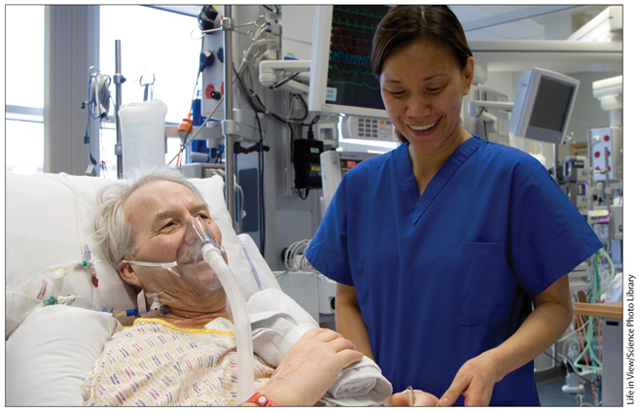
TBI is highly complex, and ongoing discoveries continue to expose the limits of our knowledge. Although an individualised approach seems optimum, development of the methods required for its implementation are still in the early stages and will need substantial support in the form of expanded collaboration and funding. Nevertheless, recent progress warrants optimism that a paradigm shift towards precision medicine in TBI could be achieved.
Acknowledgments
RMJ is supported by grant KL2-TR001856 from the US National Institutes of Health. PMK is supported by grant WH81XWH-14-2-0018 from the US Department of Defense. We declare no competing interests.
Contributor Information
Ruchira M Jha, Department of Critical Care Medicine, University of Pittsburgh School of Medicine, Pittsburgh, PA, USA.
Patrick M Kochanek, Department of Critical Care Medicine, Safar Center for Resuscitation Research, Children’s Hospital of Pittsburgh of University of Pittsburgh Medical Centre, Pittsburgh, PA, USA.
References
- 1.Helgason CM. Commentary on the significance for modern neurology of the 17th century BC. Surgical Papyrus. Can J Neurol Sci 1987; 14: 560–63. [PubMed] [Google Scholar]
- 2.Srinivasan VM, O’Neill BR, Jho D, Whiting DM, Oh MY. The history of external ventricular drainage. J Neurosurg 2014; 120: 228–36. [DOI] [PubMed] [Google Scholar]
- 3.Stocchetti N, Carbonara M, Citerio G, et al. Severe traumatic brain injury: targeted management in the intensive care unit. Lancet Neurol 2017; 16: 452–64. [DOI] [PubMed] [Google Scholar]
- 4.Maegele M, Schöchl H, Menovsky T, et al. Coagulopathy and haemorrhagic progression in traumatic brain injury: advances in mechanisms, diagnosis, and management. Lancet Neurol 2017; 16: 630–47· [DOI] [PubMed] [Google Scholar]
- 5.Hutchinson PJ, Kolias AG, Timofeev IS, et al. Trial of decompressive craniectomy for traumatic intracranial hypertension. N Engl J Med 2016; 375: 1119–30. [DOI] [PubMed] [Google Scholar]
- 6.Jha RM, Puccio A, Okonkwo D, et al. ABCC8 single nucleotide polymorphisms are associated with cerebral edema in severe TBI. Neurocritical Care 2017; 26: 213–24. [DOI] [PMC free article] [PubMed] [Google Scholar]
- 7.Nielson JL, Cooper SR, Yue JK, et al. Uncovering precision phenotype–biomarker associations in traumatic brain injury using topological data analysis. PLoS One 2017; 12: e0169490. [DOI] [PMC free article] [PubMed] [Google Scholar]
- 8.Maas AI, Murray GD, Roozenbeek B, et al. Advancing care for traumatic brain injury: findings from the IMPACT studies and perspectives on future research. Lancet Neurol 2013; 12: 1200–10. [DOI] [PMC free article] [PubMed] [Google Scholar]
- 9.Kochanek PM, Bramlett HM, Shear DA, et al. Operation brain trauma therapy: synthesis of findings, current investigations, and future directions. J Neurotrauma 2016; 33: 606–14. [DOI] [PubMed] [Google Scholar]
- 10.Chabner BA. Early accelerated approval for highly targeted cancer drugs. N Engl J Med 2011; 364: 1087–89. [DOI] [PubMed] [Google Scholar]
- 11.Hatfield I, Allison A, Flight L, Julious SA, Dimairo M. Adaptive designs undertaken in clinical research: a review of registered clinical trials. Trials 2016; 17: 150. [DOI] [PMC free article] [PubMed] [Google Scholar]