


Abstract
Background
Post‐dural puncture headache (PDPH) is a common complication of lumbar punctures. Several theories have identified the leakage of cerebrospinal fluid (CSF) through the hole in the dura as a cause of this side effect. It is therefore necessary to take preventive measures to avoid this complication. Prolonged bed rest has been used to treat PDPH once it has started, but it is unknown whether prolonged bed rest can also be used to prevent it. Similarly, the value of administering fluids additional to those of normal dietary intake to restore the loss of CSF produced by the puncture is unknown. This review is an update of a previously published review in the Cochrane Database of Systematic Reviews (Issue 7, 2013) on "Posture and fluids for preventing post‐dural puncture headache".
Objectives
To assess whether prolonged bed rest combined with different body and head positions, as well as administration of supplementary fluids after lumbar puncture, prevent the onset of PDPH in people undergoing lumbar puncture for diagnostic or therapeutic purposes.
Search methods
We searched the Cochrane Central Register of Controlled Trials (CENTRAL), MEDLINE, EMBASE, and LILACS, as well as trial registries up to February 2015.
Selection criteria
We identified randomized controlled trials that compared the effects of bed rest versus immediate mobilization, head‐down tilt versus horizontal position, prone versus supine positions during bed rest, and administration of supplementary fluids versus no/less supplementation, as prevention measures for PDPH in people who have undergone lumbar puncture.
Data collection and analysis
Two review authors independently assessed the studies for eligibility through the web‐based software EROS (Early Review Organizing Software). Two different review authors independently assessed risk of bias using the criteria outlined in the Cochrane Handbook for Systematic Reviews of Interventions. We resolved any disagreements by consensus. We extracted data on cases of PDPH, severe PDPH, and any headache after lumbar puncture and performed intention‐to‐treat analyses and sensitivity analyses by risk of bias. We assessed the evidence using GRADE (Grading of Recommendations Assessment, Development and Evaluation) and created a 'Summary of findings' table.
Main results
We included 24 trials with 2996 participants in this updated review. The number of participants in each trial varied from 39 to 382. Most of the included studies compared bed rest versus immediate mobilization, and only two assessed the effects of supplementary fluids versus no supplementation. We judged the overall risk of bias of the included studies as low to unclear. The overall quality of evidence was low to moderate, downgraded because of the risk of bias assessment in most cases. The primary outcome in our review was the presence of PDPH.
There was low quality evidence for an absence of benefits associated with bed rest compared with immediate mobilization on the incidence of severe PDPH (risk ratio (RR) 0.98; 95% confidence interval (CI) 0.68 to 1.41; participants = 1568; studies = 9) and moderate quality evidence on the incidence of any headache after lumbar puncture (RR 1.16; 95% CI 1.02 to 1.32; participants = 2477; studies = 18). Furthermore, bed rest probably increased PDPH (RR 1.24; 95% CI 1.04 to 1.48; participants = 1519; studies = 12) compared with immediate mobilization. An analysis restricted to the most methodologically rigorous trials (i.e. those with low risk of bias in allocation method, missing data and blinding of outcome assessment) gave similar results. There was low quality evidence for an absence of benefits associated with fluid supplementation on the incidence of severe PDPH (RR 0.67; 95% CI 0.26 to 1.73; participants = 100; studies = 1) and PDPH (RR 1; 95% CI 0.59 to 1.69; participants = 100; studies = 1), and moderate quality evidence on the incidence of any headache after lumbar puncture (RR 0.94; 95% CI 0.66 to 1.34; participants = 200; studies = 2). We did not expect other adverse events and did not assess them in this review.
Authors' conclusions
Since the previous version of this review, we found one new study for inclusion, but the conclusion remains unchanged. We considered the quality of the evidence for most of the outcomes assessed in this review to be low to moderate. As identified studies had shortcomings on aspects related to randomization and blinding of outcome assessment, we therefore downgraded the quality of the evidence. In general, there was no evidence suggesting that routine bed rest after dural puncture is beneficial for the prevention of PDPH onset. The role of fluid supplementation in the prevention of PDPH remains unclear.
Keywords: Humans, Bed Rest, Early Ambulation, Fluid Therapy, Fluid Therapy/methods, Head, Patient Positioning, Patient Positioning/methods, Post-Dural Puncture Headache, Post-Dural Puncture Headache/prevention & control, Posture, Spinal Puncture, Spinal Puncture/adverse effects
Plain language summary
Body position and intake of fluids for preventing headache after a lumbar puncture
Background
A lumbar puncture is a medical procedure performed with a needle and syringe used to take a sample of cerebrospinal fluid or to inject medications. Some people experience a side effect afterwards called post‐dural puncture headache (PDPH). This can be made worse by movement, sitting or standing, and can be relieved by lying down. PDPH limits people's mobility and daily activities, as well as causing unplanned expenses for both the patient and the health institution. Doctors sometimes advise their patients to remain in bed after a lumbar puncture and to drink a lot to prevent PDPH.
Key findings
This is an update of the original review published in 2013. We found one new study in a search of the published literature in February 2015. This review includes 24 studies with 2996 participants. We compared different types of bed rest and extra fluids to see if they prevented PDPH after a lumbar puncture. We found low to moderate quality evidence that bed rest does not prevent the onset of headaches after lumbar puncture, regardless of the duration of rest or the body or head positions assumed by the patient. Furthermore, bed rest probably increases the chances of having PDPH. We found few data on the usefulness of extra fluids, which did not seem to prevent PDPH.
We believe that these practices should no longer be routinely recommended to patients for the prevention of headaches after lumbar puncture since there is no evidence supporting them.
Quality of the evidence
We considered the quality of the evidence for most of the outcomes assessed in this review to be low to moderate.
Summary of findings
Summary of findings 1. Bed rest versus ambulation for preventing post‐dural puncture headache.
| Bed rest versus ambulation for preventing post‐dural puncture headache | ||||||
| Patient or population: Participants undergoing lumbar puncture Intervention: Bed rest Comparison: Ambulation | ||||||
| Outcomes | Illustrative comparative risks* (95% CI) | Relative effect (95% CI) | No of Participants (studies) | Quality of the evidence (GRADE) | Comments | |
| Assumed risk | Corresponding risk | |||||
| Ambulation | Bed rest | |||||
| Post‐dural puncture headache Reported by participant Follow‐up: 0 to 15 days | 205 per 1000 | 254 per 1000 (213 to 303) | RR 1.24 (1.04 to 1.48) | 1519 (12 studies) | ⊕⊕⊕⊝ moderate1 | |
| Severe post‐dural puncture headache Reported by participant Follow‐up: 0 to 15 days | 107 per 1000 | 105 per 1000 (73 to 151) | RR 0.98 (0.68 to 1.41) | 1568 (9 studies) | ⊕⊕⊝⊝ low2 | |
| Any headache Reported by participant Follow‐up: 0 to 15 days | 287 per 1000 | 333 per 1000 (293 to 379) | RR 1.16 (1.02 to 1.32) | 2477 (18 studies) | ⊕⊕⊕⊝ moderate3 | |
| *The basis for the assumed risk (e.g. the median control group risk across studies) is provided in footnotes. The corresponding risk (and its 95% confidence interval) is based on the assumed risk in the comparison group and the relative effect of the intervention (and its 95% CI). CI: Confidence interval; RR: Risk ratio | ||||||
| GRADE Working Group grades of evidence High quality: Further research is very unlikely to change our confidence in the estimate of effect. Moderate quality: Further research is likely to have an important impact on our confidence in the estimate of effect and may change the estimate. Low quality: Further research is very likely to have an important impact on our confidence in the estimate of effect and is likely to change the estimate. Very low quality: We are very uncertain about the estimate. | ||||||
1 Downgraded (‐1) due to unclear risk of bias related to allocation concealment (9 studies), as well as high risk of bias in blinding of outcome assessment (6 studies). 2 Downgraded (‐1) due to unclear risk of bias related to allocation concealment (5 studies), as well as high risk of bias in blinding of outcome assessment (2 studies), and (‐1) due to imprecision since the 95% CI 0.68 to 1.41 could lead to opposite recommendations. 3 Downgraded (‐1) due to unclear risk of bias related to allocation concealment (12 studies), as well as high risk of bias in blinding of outcome assessment (7 studies).
Background
This review is an update of a previously published review in the Cochrane Database of Systematic Reviews (Issue 7, 2013) on "Posture and fluids for preventing post‐dural puncture headache".
Description of the condition
Post‐dural (post‐lumbar or post‐spinal) puncture headache (PDPH) is one of the most common complications of diagnostic, therapeutic, or inadvertent lumbar punctures (Bezov 2010; Davignon 2002). PDPH is defined as any headache after a lumbar puncture that worsens within 15 minutes of sitting or standing and that is relieved within 15 minutes of lying down (IHS 2004). Ninety per cent of PDPHs occur within three days of the procedure, and 66% start within the first 48 hours (Turnbull 2003).
The pathophysiology of PDPH has not been fully described. It is well known that puncture in the dura allows cerebrospinal fluid (CSF) to leak from the subarachnoid space, resulting in a decrease in CSF volume and pressure (Grande 2005). This CSF volume loss may cause a downward pull on pain‐sensitive structures, resulting in a headache (Ahmed 2006; Baumgarten 1987; Davignon 2002; Denny 1987; Harrington 2004). Alternatively, the loss of CSF may cause an increase in blood flow, resulting in arterial and venous vasodilation and PDPH. A third explanation involves the role of substance P (a neurotransmitter/neuromodulator involved in pain perception) and the regulation of neurokinin 1 receptors (NK1R) (Clark 1996). See a glossary of terms in Appendix 1.
Occurrence of PDPH varies from 1% to 40%, according to needle gauge, needle orientation, operator skill level, and presence of risk factors such as patient's age or history of PDPH (Turnbull 2003). During anesthetic procedures (for example epidural anesthesia), PDPH is most commonly caused by an unintentional dural puncture (Thew 2008; Turnbull 2003). In contrast, during diagnostic or therapeutic lumbar punctures, the need for adequate CSF flow requires an intentional lesion that may give rise to PDPH (Kuczkowski 2006). Estimated frequencies vary from less than 10% following spinal anesthesia (Hafer 1997; Vallejo 2000), to 36% following diagnostic lumbar punctures (Lavi 2006; Vallejo 2000), and up to 81% in women with inadvertent dural puncture during active labor. Reported risk of inadvertent dural puncture placement during epidural anesthesia in women ranges from 0.04% to 6% (Berger 1998; Choi 2003). A significant number of mothers cannot provide adequate care for their newborn because of the headache (Sprigge 2008).
The features of PDPH are often variable. PDPH may be accompanied by neck stiffness, tinnitus, hearing loss, photophobia, or nausea. Other features, such as the localization and duration of the headache, are less predictable (Grande 2005). Although PDPH is not a life‐threatening condition, it often restricts physical activity. Likewise, length of hospital stay and medical monitoring increases, especially because patients are usually required to stay in bed for an entire day after the intervention (Angle 2005), as well as direct and indirect costs.
The variability of symptoms makes PDPH a diagnosis of exclusion. Alternative diagnoses, such as viral meningitis, sinus headache, or intracranial hemorrhage should be ruled out first (Turnbull 2003). Once PDPH is diagnosed, the initial treatment involves conservative measures such as bed rest and analgesics. A more specific treatment is indicated if PDPH continues for more than 72 hours (Ahmed 2006). Severe PDPH may respond to some therapeutic drugs and administration of an epidural blood patch (Boonmak 2010; Lavi 2006). There are two Cochrane reviews on drug therapy for the prevention and treatment of PDPH at present (Basurto 2013; Basurto 2015).
Description of the intervention
Many publications and reviews of PDPH have focused on treatment after the onset of symptoms. However, the prevention of PDPH is an equally important topic. Immobilization and fluid intake are the two proposed preventive methods that may foster recovery or even prevent PDPH following lumbar puncture.
Sicard first recommended bed rest after lumbar puncture in 1902. He asserted that patients should rest for 24 hours to prevent onset of PDPH (Armon 2005). Although the effectiveness of resting for symptom relief is well known, it is debatable whether bed rest prevents the development of symptoms (Davignon 2002). In addition, there is disagreement over the appropriate length of bed rest; some authors suggest that around four hours is sufficient, whereas others suggest 24 hours or more (Thoennissen 2001). It is also believed that certain body postures after lumbar puncture, such as a prone position with or without head‐down tilt, may help in the prevention of PDPH onset.
The effectiveness of fluid intake on PDPH prevention has not been investigated thoroughly. Basic characteristics, such as amount of fluid intake and time of treatment, have not been established, although some studies suggest that three additional liters per day for five days is appropriate (Ahmed 2006). Despite lack of evidence, Vanzetta et al. found that hydration is a common recommendation for patients after a dural procedure. Ninety per cent of centers interviewed reported implementing it to prevent the onset of headache (Vanzetta 2005).
How the intervention might work
Prophylactic bed rest may have a mechanism of action similar to the one that has been proposed for therapeutic immobilization after the development of PDPH. As CSF leakage is thought to be fundamental in the development of PDPH, postures such as prone position after a lumbar puncture may reduce hydrostatic pressure. This may in turn reduce pressure in the subarachnoid space and allow a seal to form over the dura, thus enabling CSF leakage repair. As such, this posture may be effective in preventing PDPH onset.
Additional fluid intake may work by replacing lost corporal fluid and increasing CSF production (Ahmed 2006), thus preventing a hydrostatic pull on pain‐sensitive structures and vasodilation (Janssens 2003). By this mechanism, hydration may prevent the development of PDPH.
Why it is important to do this review
Lumbar puncture is a common clinical practice despite its potential adverse effects (Evans 2009; Grande 2005). The morbidity associated with CSF loss, besides PDPH, includes peripartum seizures, cranial subdural hematomas, and subdural fluid collection (Arendt 2009). PDPH may be the first step in a chain of adverse events that could be avoided by following a series of simple recommendations (Janssens 2003). Patient immobilization and oral intake of fluids may be valuable to avoid deleterious complications. Even though most cases of PDPH resolve within a few days, a significant number of people have at least one week of disability, while others require prolonged or recurrent hospitalizations (van Kooten 2008).
A 2002 Cochrane review on strategies to prevent PDPH included published and unpublished literature up to the year 2000 (Sudlow 2002). It is imperative to update these results in order to generate relevant recommendations for consumers, patients, and health practitioners.
Objectives
To assess whether prolonged bed rest combined with different body and head positions, as well as administration of supplementary fluids after lumbar puncture, prevent the onset of PDPH in people undergoing lumbar puncture for diagnostic or therapeutic purposes.
Methods
Criteria for considering studies for this review
Types of studies
We included randomized controlled trials (RCTs) in any clinical/research setting where dural puncture was conducted. We did not include quasi‐RCTs.
Types of participants
Studies that recruited males and females of all ages who had undergone lumbar puncture for medical reasons (therapeutic or diagnostic).
Types of interventions
The studies on participants undergoing lumbar puncture must have assessed one of the following interventions:
a period of bed rest after lumbar puncture alone or in combination with a head‐down/up tilt strategy, with or without a specific body position, or even a combination of several postural strategies with immobilization, versus immediate mobilization;
head‐down/up tilt versus no head‐down/up tilt in participants prescribed with a period of bed rest;
prone versus supine posture in participants assigned to immobilization;
administration of supplementary fluids (oral or intravenous) after lumbar puncture versus no/less administration; and
any combination of points 1 to 4.
Types of outcome measures
Primary outcomes
We assessed the presence of PDPH defined as each headache occurring within five days of a lumbar puncture, caused by CSF leakage through the dural puncture (IHS 2013). We used the PDPH diagnosis criteria specified by the International Headache Society (IHS) (IHS 2004; IHS 2013), as well as the definition used in each study.
Secondary outcomes
We assessed the presence of severe PDPH using the definition used in each study, which could be based on specific features (for example duration of PDPH), a visual analogue score (VAS), or other criteria, such as need of specialized treatments to relieve the headache (for example epidural blood patch). Likewise, we assessed information on any headache subsequent to the lumbar puncture procedure in order to incorporate any possible data that had not been catalogued as PDPH.
Search methods for identification of studies
Electronic searches
We used the Cochrane Central Register of Controlled Trials (CENTRAL) as the primary source for identifying all relevant RCTs (the Cochrane Library 2013, Issue 6). We used a modified version of the CENTRAL search for our search of MEDLINE (1966 to February 2015), EMBASE (1974 to February 2015), and LILACS (inception to February 2015). The search terms were a combination of thesaurus‐based and free‐text terms, both related to the intervention (lumbar puncture in neurological, anesthesia, or myelography settings) and the outcome. We applied no language restrictions.
See Appendix 2, Appendix 3, Appendix 4, and Appendix 5 for details of the CENTRAL, MEDLINE, EMBASE, and LILACS search strategies.
Searching other resources
We handsearched reference lists from retrieved studies as well as information from the World Health Organization International Clinical Trials Registry platform (www.who.int/trialsearch) (up to February 2015). We used unpublished information collected by previous authors of a systematic review that assessed strategies aimed at preventing PDPH to gather information on allocation and blinding of outcomes (Sudlow 2002).
Data collection and analysis
Selection of studies
Two review authors (IA and LM) independently conducted a selection of eligible studies through the web‐based software EROS (Early Review Organizing Software) (Glujovsky 2011). The review authors evaluated titles and abstracts of all identified studies to determine if they fulfilled the inclusion criteria. We assessed full‐text publications of the selected studies to confirm their relevance for inclusion. We resolved any disagreements through discussion with a third review author (AC). Review authors were not blinded to name and affiliation of study authors, journal of publication, or study results at any stage of the review.
Data extraction and management
Two review authors (IA and LM) used predesigned and tested data extraction forms to extract information on participants, methods of randomization, blinding, comparisons of interest, number of participants originally randomized by arm, participants lost to follow‐up, and outcomes. We recorded reasons for exclusion of potential studies in the Characteristics of excluded studies table. We clarified any disagreements by discussion with a third review author (MR). We entered extracted data into Review Manager 5 for analysis (RevMan 2014).
Assessment of risk of bias in included studies
Two review authors (MR and AC) independently assessed risk of bias of the included studies using the criteria outlined in the Cochrane Handbook for Systematic Reviews of Interventions (Higgins 2011). We considered five domains (sequence generation, allocation concealment, blinding in outcome assessment, incomplete outcome data, and selective reporting bias); we classified each one of them as low risk of bias, high risk of bias, or unclear risk of bias. We resolved any disagreements by discussion or by consulting a third review author (XB).
Measures of treatment effect
We presented results as summary risk ratios with 95% confidence intervals. We used the number needed to treat for an additional harmful outcome (NNTH) statistic as an absolute measure of harm. We calculated NNTH as the reciprocal of risk differences (McQuay 1998).
Dealing with missing data
We retrieved levels of attrition data when available. When possible, we carried out analyses on an intention‐to‐treat basis (that is we attempted to include all participants randomized to each group). We assumed that any participant lost to follow‐up had not experienced the respective outcome.
Assessment of heterogeneity
We assessed heterogeneity of effect sizes by means of the I2 statistic. An I2 greater than 30% was indicative of heterogeneity.
Data synthesis
We carried out statistical analysis using Review Manager 5 software (RevMan 2014). We used a random‐effects model after a full assessment of clinical similarity among the studies (Higgins 2003).
Subgroup analysis and investigation of heterogeneity
For included studies that provided the necessary data, we planned to assess the subgroup analyses detailed below. However, due to scarcity of data, we did not perform analyses 2 to 7:
participants undergoing dural puncture for anesthesia only, diagnosis only, or myelography only;
subgroup analysis for gender;
subgroup analysis for age;
subgroup analysis for posture during the lumbar puncture (e.g. lateral or sitting up);
subgroup analysis for needle gauge (e.g. 22, 29);
subgroup analysis for needle tips (e.g. pencil‐point, diamond, double bevel); and
subgroup analysis for amount of CSF aspirated
Sensitivity analysis
We planned to perform sensitivity analyses by excluding any study with high or unclear risk of bias in any of the subgroups detailed below:
allocation features;
levels of missing data;
blinding of outcome assessment.
'Summary of findings' tables
We used the guidelines of the Grading of Recommendations Assessment, Development and Evaluation (GRADE) Working Group to assess the quality of the evidence of primary outcomes (Guyatt 2008). We developed a 'Summary of findings' table with the GRADE profiler software (GRADEPro GDT 2015). The GRADE system assesses the quality of evidence based on the extent to which users can be confident that an association reflects the item being evaluated (Guyatt 2008). Assessment of the quality of evidence included risk of bias, heterogeneity, directness of the evidence, risk of publication bias, and precision of effect estimates, among other issues (Guyatt 2011; Guyatt 2011a; Guyatt 2011b; Guyatt 2011c; Guyatt 2011d; Guyatt 2011e; Guyatt 2011f; Guyatt 2011g).
Results
Description of studies
Results of the search
Since publication of the previous version of this review, we identified four studies for possible inclusion (Figure 1). At the end of the selection, we added one new study, Afshinmajd 2014, to the original 23 studies included in the previous version of this review. In summary, most of the studies included in this version were published in the 1980s (Andersen 1986; Carbaat 1981; Congia 1985; Cook 1989; Dieterich 1985; Dieterich 1988; Gulati 1981; Handler 1982; Hilton‐Jones 1982; Jensen 1987; Macpherson 1983; Macpherson 1984; Macpherson 1985; Robertson 1980; Smith 1980; Teasdale 1983; Thornberry 1988; Vilming 1988); one was published in 1978 (Eldevik 1978); and 11 were published after 1990 (Afshinmajd 2014; Cucereanu 2010; Ebinger 2004; Fassoulaki 1991; Hafer 1997a; Hallam 1993; Johannsson 1992; Murata 2003; Spriggs 1992; Tejavanija 2006; Vimala 1998).
1.

Study flow diagram.
Included studies
At the end of the selection, we added one new study, Afshinmajd 2014, to the original 23 studies included in the previous version of this review, for a total of 24 studies included in this review. We have presented the main features of the studies in the Characteristics of included studies table. Eighteen trials with 2477 participants compared either bed rest versus immediate mobilization or a longer versus a shorter period of bed rest (Andersen 1986; Congia 1985; Cook 1989; Dieterich 1985; Ebinger 2004; Fassoulaki 1991; Jensen 1987; Johannsson 1992; Macpherson 1983; Macpherson 1984; Macpherson 1985; Murata 2003; Robertson 1980; Teasdale 1983; Tejavanija 2006; Thornberry 1988; Vilming 1988; Vimala 1998). Six of these trials involved 723 people undergoing diagnostic lumbar puncture (Congia 1985; Dieterich 1985; Ebinger 2004; Johannsson 1992; Tejavanija 2006; Vilming 1988); four trials involved 381 people undergoing spinal anesthesia for orthopedic, urological, or obstetric procedures (Andersen 1986; Cook 1989; Fassoulaki 1991; Thornberry 1988); and seven involved 1165 people undergoing myelography (Jensen 1987; Macpherson 1983; Macpherson 1984; Macpherson 1985; Murata 2003; Robertson 1980; Teasdale 1983). One trial involved 208 people undergoing lumbar puncture for any reason (Vimala 1998).
Three trials compared the effects of a head‐tilt versus no head‐tilt in addition to bed rest among 106 people undergoing diagnostic lumbar puncture (Hilton‐Jones 1982; Robertson 1980; Smith 1980). Two trials also compared the effects of prone versus supine position during bed rest (Afshinmajd 2014; Hilton‐Jones 1982), while another trial compared prone positioning versus head‐tilt followed by supine positioning (Handler 1982). Hilton‐Jones 1982 study provided four groups of participants (supine versus prone position, with or without head‐tilt), and all were included in further analysis. Two trials assessed the effects of supplementary fluids among 200 people undergoing either diagnostic lumbar puncture or myelography (Dieterich 1988; Eldevik 1978).
Excluded studies
We excluded two studies in this update (Faridi 2014; van Zundert 2013), in addition to five studies excluded in the previous version of this review (Carbaat 1981; Gulati 1981; Hafer 1997a; Hallam 1993; Spriggs 1992). In summary, we excluded five studies because they were not fully randomized (Carbaat 1981; Gulati 1981; Hafer 1997a; Hallam 1993; Spriggs 1992), one study because it was a letter to the editor (van Zundert 2013), and one study because the fluids were supplemented by an intrathecal injection (Faridi 2014).
Two studies were available only in abstract form, which had been submitted for a European Congress (Cucereanu 2010; Ulukaya 2014). We classified these studies as awaiting future full‐text publication. One study was published in two different articles (Andersen 1986). We have presented details of excluded and awaiting classification studies in the Characteristics of excluded studies and Characteristics of studies awaiting classification tables.
Risk of bias in included studies
We have presented summary details of methods used in the studies in the Characteristics of included studies table and illustrated in Figure 2 and Figure 3.
2.

Risk of bias graph: review authors' judgements about each risk of bias item presented as percentages across all included studies.
3.
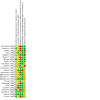
Risk of bias summary: review authors' judgements about each risk of bias item for each included study.
Allocation
All 24 included trials were described as randomized, although only seven contained published or unpublished information about the methodology used to allocate treatments (Andersen 1986; Hilton‐Jones 1982; Tejavanija 2006; Thornberry 1988; Vilming 1988; Vimala 1998). Similarly, only six trials provided published or unpublished information about allocation concealment (Cook 1989; Jensen 1987; Macpherson 1985; Smith 1980; Thornberry 1988; Vilming 1988). Seventeen trials had an unclear risk of bias for allocation concealment (selection bias). Only two trials had low risk of bias for both random sequence generation and allocation concealment (Thornberry 1988; Vilming 1988).
Blinding
We did not evaluate blinding of participants and researchers in our review due to the nature of the intervention (bed rest or supplementary fluids). Outcome assessment was blinded in 13 trials (Eldevik 1978; Fassoulaki 1991; Handler 1982; Hilton‐Jones 1982; Jensen 1987; Macpherson 1983; Macpherson 1985; Murata 2003; Smith 1980; Teasdale 1983; Thornberry 1988; Vilming 1988). These trials reported assessment of headache by another physician or researcher who did not know the results of the randomization scheme. Nine trials did not report information about blinding, or the reported information was classified as high risk of bias (Afshinmajd 2014; Andersen 1986; Congia 1985; Dieterich 1988; Ebinger 2004; Johannsson 1992; Robertson 1980; Tejavanija 2006; Vimala 1998).
Incomplete outcome data
The duration of follow‐up varied between five hours to one month after lumbar puncture. In one trial, 27 of the 129 participants included for randomization were either subsequently excluded due to protocol violations or lost to follow‐up without mention of randomization group (Cook 1989). Two other trials documented minor exclusions (Handler 1982; Murata 2003). No participants were reported as lost to follow‐up in the remaining trials. Thirty‐one participants who were excluded from the different analyses due to protocol violations were included in accordance to intention‐to‐treat analysis.
Selective reporting
We identified high risk of reporting bias in three trials given that no results were found for variables included in the methodology section (Congia 1985; Dieterich 1988; Handler 1982). Fifteen of the 24 included trials did not provide sufficient information to assess risk of bias and were classified as having an unclear risk of bias.
Other potential sources of bias
Trials were generally small. The number of participants in each trial varied from 39 to 382. Ten trials included fewer than 100 people (Congia 1985; Fassoulaki 1991; Handler 1982; Hilton‐Jones 1982; Jensen 1987; Johannsson 1992; Robertson 1980; Smith 1980; Tejavanija 2006; Thornberry 1988). Only one trial used a power calculation to determine the number of people that had to be recruited (Vimala 1998).
Effects of interventions
See: Table 1
See Table 1.
Bed rest versus immediate mobilization (Analysis 1 and 2)
Primary outcome
Post‐dural puncture headache
For this outcome, we included 12 studies with 1519 participants (Andersen 1986; Congia 1985; Cook 1989; Dieterich 1985; Ebinger 2004; Fassoulaki 1991; Johannsson 1992; Murata 2003; Tejavanija 2006; Thornberry 1988; Vilming 1988; Vimala 1998). The total incidence of post‐dural puncture headache (PDPH) was 23.5%. Bed rest resulted in more cases of PDPH compared with immediate ambulation (risk ratio (RR 1.24; 95% confidence interval (CI) 1.04 to 1.48; I2 = 0%; Analysis 1.1), corresponding to a number needed to treat for an additional harmful outcome of 17 (95% CI 10 to 60). We downgraded the quality of evidence from high to moderate due to the presence in some studies of unclear risk of bias related to allocation concealment and high risk of bias in blinding of outcome assessment (See Table 1). The funnel plot shows an asymmetry since two small studies, Ebinger 2004 and Johannsson 1992, favor immediate mobilization without equivalent studies on the other side of the point estimate (Figure 4). A sensitivity analysis excluding these studies still shows the same effect (RR 1.21; 95% CI 1.02 to 1.45; I2 = 0%).
1.1. Analysis.

Comparison 1: Bed rest versus immediate ambulation, Outcome 1: PDPH
4.

Funnel plot of comparison: 1 Bed rest versus ambulation, outcome: 1.1 Post‐dural puncture headache.
There was insufficient information on age, gender, postures during lumbar puncture, needle gauge, needle tip, and amount of cerebrospinal fluid (CSF) aspirated to perform all planned subgroup analysis. Information on reason for puncture was available only for trials comparing bed rest versus immediate mobilization. In the subgroup analysis performed for indication of lumbar puncture (12 studies, 1519 participants), we observed some differences in the results for indications of lumbar puncture (Analysis 2.1; I2 subgroup test = 31.9%). There was no difference between bed rest and immediate mobilization in three of the four separate categories of lumbar puncture: diagnostic lumbar puncture (RR 1.11; 95% CI 0.90 to 1.37; 723 participants; 6 studies), myelography (RR 1.48; 95% CI 0.67 to 3.27; 207 participants; 1 study), and mixed (RR 1.27; 95% CI 0.68 to 2.35; 208 participants; 1 study). There was a small difference between bed rest and immediate mobilization on spinal anesthesia data (RR 1.82; 95% CI 1.19 to 2.78; 381 participants; 4 studies), suggesting an increase in the risk of PDPH with bed rest (Figure 5).
2.1. Analysis.

Comparison 2: Reason for puncture: bed rest versus immediate ambulation, Outcome 1: PDPH
5.

Forest plot for reason for puncture: bed rest versus ambulation, outcome: 2.1 Post‐dural puncture headache.
Secondary outcomes
Severe post‐dural puncture headache
For this outcome, we included nine studies with 1568 participants (Cook 1989; Dieterich 1985; Fassoulaki 1991; Johannsson 1992; Macpherson 1984; Macpherson 1985; Thornberry 1988; Vimala 1998). The total incidence of severe PDPH was 10.7%. There were no differences between bed rest and immediate mobilization for severe PDPH (RR 0.98; 95% CI 0.68 to 1.41; I2 = 22%; Analysis 1.2). We downgraded the quality of evidence from high to low due to the presence in some studies of unclear risk of bias related to allocation concealment and high risk of bias in blinding of outcome assessment (See Table 1). There was no difference in severe PDPH between bed rest and immediate mobilization with regards to reason of lumbar puncture (Analysis 2.2): diagnostic lumbar puncture (RR 0.93; 95% CI 0.62 to 1.38; 509 participants; 3 studies), myelography (RR 0.97; 95% CI 0.59 to 1.60; 582 participants; 2 studies), anesthesia (RR 2.45; 95% CI 0.89 to 6.72; 269 participants; 3 studies), and mixed (RR 0.25; 95% CI 0.05 to 1.15; 208 participants; 1 study). We observed some subgroup differences in the results for this outcome (I2 subgroup test = 52.5%).
1.2. Analysis.

Comparison 1: Bed rest versus immediate ambulation, Outcome 2: Severe PDPH
2.2. Analysis.

Comparison 2: Reason for puncture: bed rest versus immediate ambulation, Outcome 2: Severe PDPH
Any headache
For this outcome, we included 18 studies with 2477 participants (Andersen 1986; Congia 1985; Cook 1989; Dieterich 1985; Ebinger 2004; Fassoulaki 1991; Jensen 1987; Johannsson 1992; Macpherson 1983; Macpherson 1984; Macpherson 1985; Murata 2003; Robertson 1980; Teasdale 1983; Tejavanija 2006; Thornberry 1988; Vilming 1988; Vimala 1998). The total incidence of any headache after lumbar puncture was 31.1%. There were small differences between bed rest and immediate mobilization for any headache (RR 1.16; 95% CI 1.02 to 1.32; I2 = 17%; Analysis 1.3). We downgraded the quality of evidence from high to moderate due to the presence in some studies of unclear risk of bias related to allocation concealment and high risk of bias in blinding of outcome assessment (See Table 1). In the subgroup analysis performed for indication of lumbar puncture, we observed some differences in the results for indications of lumbar puncture (Analysis 2.3; I2 subgroup test = 57.2%; 2477 participants; 18 studies). There was no difference in any headache after lumbar puncture between bed rest and immediate mobilization in three of four separate categories of lumbar puncture: diagnostic lumbar puncture (RR 1.15; 95% CI 0.94 to 1.40; 723 participants; 6 studies), myelography (RR 1.06; 95% CI 0.89 to 1.26; 1165 participants; 7 studies), and mixed (RR 1.27; 95% CI 0.68 to 2.35; 208 participants; 1 study). There were more headaches following spinal anesthesia after bed rest than after immediate mobilization (RR 1.85; 95% CI 1.27 to 2.71; 381 participants; 4 studies).
1.3. Analysis.

Comparison 1: Bed rest versus immediate ambulation, Outcome 3: Any headache
2.3. Analysis.
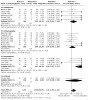
Comparison 2: Reason for puncture: bed rest versus immediate ambulation, Outcome 3: Any headache
Bed rest versus bed rest with head‐down tilt
Primary outcome
Post‐dural puncture headache
No studies reported information for this outcome.
Secondary outcomes
Severe post‐dural puncture headache
No studies reported information for this outcome.
Any headache
For this outcome, we included one study with 60 participants (Robertson 1980). The total incidence of any headache after lumbar puncture was 48.3%. This trial suggested that there was no difference between bed rest with or without head‐down tilt regarding incidence of any headache after lumbar puncture (RR 0.81; 95% CI 0.48 to 1.38). We downgraded the quality of evidence due to the presence in this study of unclear risk of bias related to allocation concealment, high risk of bias in blinding of outcome assessment, as well as insufficient sample size.
Prone versus supine posture (Analysis 3)
Primary outcome
Post‐dural puncture headache
For this outcome, we included one study with 119 participants (Afshinmajd 2014). The estimated risk for PDPH comparing supine versus prone position was 1.09 (95% CI 0.65 to 1.85). The data suggested that there were no differences between positions in incidence of PDPH. We downgraded the quality of evidence due to the presence in this study of unclear risk of bias related to allocation concealment and high risk of bias in blinding of outcome assessment.
Secondary outcomes
Severe post‐dural puncture headache
No studies reported information for this outcome.
Any headache
For this outcome, we included three studies with 239 participants (Afshinmajd 2014; Handler 1982; Hilton‐Jones 1982). Hilton‐Jones 1982 provided four groups of participants (supine versus prone position, with or without head‐tilt), and all were included in this analysis. The total incidence of any headache after lumbar puncture was 34.3%. There was no difference between positions regarding incidence of any headache after lumbar puncture (RR 0.97; 95% CI 0.68 to 1.37; I2 = 0%; Analysis 3.1). We downgraded the quality of evidence due to the presence in the three studies of unclear risk of bias related to allocation concealment, and high risk of bias in blinding of outcome assessment in one study.
3.1. Analysis.

Comparison 3: Supine versus prone, Outcome 1: Any headache
Prone or supine posture versus prone or supine posture with head‐down tilt (Analysis 4)
Primary outcome
Post‐dural puncture headache
No studies reported information for this outcome.
Secondary outcomes
Severe post‐dural puncture headache
No studies reported information for this outcome.
Any headache
Regarding supine position, we included two studies with 87 participants (Hilton‐Jones 1982; Smith 1980). The total incidence of any headache after lumbar puncture was 47.1%. There were more headaches associated with the supine posture with head‐down tilt compared with the supine position alone (RR 1.72; 95% CI 1.10 to 2.69; I2 = 0%; Analysis 4.1). We downgraded the quality of evidence due to the unclear risk of bias related either to randomization method or allocation concealment, as well as insufficient sample size.
4.1. Analysis.

Comparison 4: Supine versus supine with head tilt, Outcome 1: Any headache
Regarding prone position, we included one study with 39 participants (Hilton‐Jones 1982). The total incidence of any headache after lumbar puncture was 43.5%. There were no differences between prone with head‐down tilt versus prone position alone regarding incidence of any headache after lumbar puncture (RR 1.18; 95% CI 0.58 to 2.42). We downgraded the quality of evidence due to the study's unclear risk of bias related to allocation concealment, as well as insufficient sample size.
Supplementary fluids (Analysis 5)
Primary outcome
Post‐dural puncture headache
For this outcome, we included one study with 100 participants (Dieterich 1985). The total incidence of PDPH was 36%. The data suggested that there were no differences between fluid supplementation and no supplementation in incidence of PDPH (RR 1; 95% CI 0.59 to 1.69). We downgraded the quality of evidence due to the study's unclear risk of bias related to allocation concealment, high risk of bias in blinding of outcome assessment, as well as insufficient sample size.
Secondary outcomes
Severe post‐dural puncture headache
For this outcome, we included one study with 100 participants (Dieterich 1985). The total incidence of severe PDPH was 15%. The data suggested that there were no differences between fluid supplementation and no supplementation in incidence of severe PDPH (RR 0.67; 95% CI 0.26 to 1.73). We downgraded the quality of evidence due to the study's unclear risk of bias related to allocation concealment, as well as insufficient sample size.
Any headache
For this outcome, we included two studies with 200 participants (Dieterich 1985; Eldevik 1978). The total incidence of any headache after lumbar puncture was 38.5%. There was no difference between fluid supplementation and no supplementation regarding incidence of any headache after lumbar puncture (RR 0.94; 95% CI 0.66 to 1.34; I2 = 0%; Analysis 5.1). We downgraded the quality of evidence due to the presence in some studies of unclear risk of bias related to allocation concealment.
5.1. Analysis.

Comparison 5: Fluids versus less or no fluids, Outcome 1: Any headache
Sensitivity analysis (Analysis 6)
Two trials including 380 participants had low risk of bias with regards to blinding of outcome assessment, losses to follow‐up, adequate randomization, and allocation concealment (Thornberry 1988; Vilming 1988). These trials compared bed rest versus immediate ambulation. Analysis restricted to these trials showed no difference between bed rest and immediate ambulation in incidence of PDPH (RR 1.18; 95% CI 0.90 to 1.54; Analysis 6.1). There was no statistical heterogeneity between studies (I2 = 0%).
6.1. Analysis.

Comparison 6: Sensitivity analysis/low risk of bias: bed rest versus ambulation, Outcome 1: PDPH
Discussion
Summary of main results
Regarding bed rest, this updated systematic review of all available trials found no evidence to suggest that a period of bed rest following dural puncture reduces the risk of PDPH, severe PDPH, or any headache. Furthermore, immobilization could even increase the risk of headache in people undergoing lumbar puncture (low to moderate quality evidence).
A total of 26.4% of participants randomised to the bed rest group in the included studies experienced a postural headache, compared with 20.5% randomised to the immediate‐mobilization groups. These figures show that 49 additional participants out of 1000 receiving bed rest will have a PDPH (with a minimum of eight and a maximum of 98). Sensitivity analysis considering only trials with low risk of bias consistently showed the lack of benefit of bed rest compared with immediate mobilization. Subgroup analyses only showed differences in the anesthesia subgroup (four trials), and only one trial in this analysis had low risk of bias in all categories assessed. It is also important to consider that the low number of participants involved in this analysis (381) may not be sufficient to detect differences between interventions.
These results suggest that there is no role for prolonged immobilization in lumbar puncture practice. Given that bed rest does not provide any benefit in the prevention of headaches after lumbar puncture, it becomes unnecessary to discuss the position that should be adopted during bed rest as well as modification of head postures (head‐down or head‐up tilt). In any case, the results of our updated review do not suggest any benefits related to specific body and head postures on the incidence of headache after lumbar puncture.
Regarding fluid supplements, despite identifying two trials that studied the role of fluid supplementation following lumbar puncture, only one of these trials provided data on incidence of PDPH and severe PDPH, and found no beneficial effect associated with fluid supplementation. We found similar results for incidence of any headache, which both trials assessed. The wide 95% CIs of these comparisons preclude us from making solid conclusions about fluid supplementation in the prevention of PDPH. Sudlow et al. previously estimated that a sample size of 100 to 3000 participants per arm, assuming baseline risks of 20% and 8%, respectively, would be necessary to identify a beneficial effect of this intervention (Sudlow 2002). Recruitment of this number of participants would require the involvement of several centers, as well as a considerable amount of work and resources to conduct the corresponding clinical trial.
Overall completeness and applicability of evidence
Included studies evaluated a wide range of bed rest times in order to determine if extended bed rest had any effect on the prevention of PDPH. Rest periods additional to those indicated as a result of the medical/surgical procedure ranged from four to 24 hours. Several head and body positions were evaluated, taking into account physiological theories about PDPH. Studies that focused on supplementary fluids only assessed additional fluid intake of 1.5 L to 2 L, which does not allow extrapolation to other forms of hydration, such as parenteral supplementation. Considering the nature of the medical problem and its interventions, it is likely that the evidence obtained from the included trials could be applied to similar populations outside of trials. It seems unlikely that publication bias could have influenced the main findings of this review, since such bias usually involves the preferential publication of trials with differences between groups. Applying our findings, both patients and health systems would benefit by avoiding these useless interventions.
Quality of the evidence
Lack of information in published reports was a problem when assessing risk of bias. Many trials did not adequately report the study characteristics that are important in the evaluation of the quality of evidence. Also, it was not possible to blind participants included in these trials to the assigned interventions, which poses a possible source of bias. In most of cases, we downgraded risk of bias due to concerns about allocation concealment and blinding of outcome assessment items. When we only considered trials with low risk of bias in methodological aspects such as randomization methods and blinding of outcome assessment, again there was no evidence for benefit of bed rest on the incidence of PDPH.
Another possible source of bias in these trials arises from the nature of the outcome (headache after lumbar puncture), which depends strongly on the subjective report of participants rather than on an objective assessment. This phenomenon may have influenced the results, especially those related to an excess of PDPH risk in people on bed rest. People with limited mobility may be more susceptible to report minor discomforts or to overrate its seriousness. Some trials implemented a blinded assessment of outcomes to partially avoid this potential source of bias. However, this assessment was misreported and bias was unclear in several cases. The quality of evidence ranged from moderate to low for all comparisons and outcomes assessed.
Potential biases in the review process
We followed the methodology for systematic reviews outlined in the Cochrane Handbook for Systematic Reviews of Interventions (Higgins 2011). This review was comprehensive in identifying trials addressing the effect of bed rest and supplementation of fluids in the prevention of PDPH. In fact, this version is the second update of the original review published by Sudlow et al. in 2002 (Sudlow 2002). In all this process, after seeing the data collected no marginal decisions about the analysis or investigation of heterogeneity that could have impacted the findings of the review were made.
Agreements and disagreements with other studies or reviews
The previous version of this review highlighted the lack of benefit of both interventions for the prevention of PDPH of any kind (Sudlow 2002). The newly identified evidence does not alter the conclusions of the previous review but provides a warning about the probability of deleterious effects associated with bed rest. One review that included 16 trials with 1083 participants also found that extended rest did not prevent the appearance of headaches after lumbar puncture (Thoennissen 2001). We identified no other reviews on the effectiveness of fluid supplementation in the prevention of headache after lumbar puncture.
Authors' conclusions
Implications for practice.
Since the previous version of this review, we found one new study for inclusion (Afshinmajd 2014), but the conclusions remain unchanged. This updated review did not find evidence to support bed rest or fluid supplementation for preventing headache following lumbar puncture (low to moderate quality evidence).
For people who receive a lumbar puncture
People who receive a lumbar puncture for diagnostic or therapeutic reasons should be allowed to move freely in accordance with their ability and medical recommendations. In addition, there are no clear benefits or adverse side effects associated with additional oral fluid supplementation (low quality evidence). People should be free to decide whether or not to increase fluid intake after lumbar puncture, unless medical reasons recommend one or the other.
For clinicians
Clinicians should not routinely recommend rest after lumbar puncture to prevent PDPH. The adoption of this practice against the evidence implies patient discomfort (for example among women who give birth via a Cesarean section), or even complications such as venous stasis in people with risk factors.
For policymakers
Due to its lack of benefits and its implications in hospital and health system costs, rest after lumbar puncture to prevent PDPH should not be routinely recommended as a health policy. The role of fluid supplementation in the prevention of PDPH remains unclear.
For funders
This updated review did not find evidence to support bed rest or fluid supplementation for preventing headache following lumbar puncture. As we mentioned before, given that bed rest does not provide any benefit in the prevention of headache after lumbar puncture, it becomes unnecessary to discuss the position that should be adopted during bed rest as well as modification of head postures. However, fluid supplementation in the prevention of PDPH could have a role in prevention of this adverse event.
Implications for research.
Additional research focused on bed rest for prevention of PDPH would not identify additional benefits associated with this intervention, which makes further studies unnecessary. Regarding fluid supplementation, more randomized controlled trials would be desirable given the uncertainty of its role in the prevention of PDPH. However, such research would be limited and costly, and fluid supplementation is harmless and can be adopted freely with no delay of hospital discharge.
What's new
| Date | Event | Description |
|---|---|---|
| 22 March 2021 | Review declared as stable | See updated Published notes. |
History
Protocol first published: Issue 7, 2011 Review first published: Issue 7, 2013
| Date | Event | Description |
|---|---|---|
| 4 March 2016 | Review declared as stable | See Published notes. |
| 28 July 2015 | New citation required but conclusions have not changed | We have identified one new study for inclusion, but the conclusions remain unchanged. |
| 28 July 2015 | New search has been performed | We have updated this review to include the results of a new search. |
Notes
Assessed for updating in 2016
This review has now been stabilised following discussion with the authors and editors. We are confident that no potentially relevant studies likely to change the conclusions will be published within the standard two year period. The review will be re‐assessed for updating in five years. If appropriate, we will update the review before this date if new evidence likely to change the conclusions is published, or if standards change substantially to necessitate revisions.
Assessed for updating in 2021
In March 2021 we did not identify any potentially relevant studies likely to change the conclusions. Therefore, this review has now been stabilised following discussion with the authors and editors. The review will be reassessed for updating in five years. If appropriate, we will update the review before this date if new evidence likely to change the conclusions is published, or if standards change substantially which necessitate major revisions.
Acknowledgements
Cochrane Review Group funding acknowledgement: the National Institute for Health Research (NIHR) is the largest single funder of the Cochrane Pain, Palliative and Supportive Care Review Group. Disclaimer: The views and opinions expressed therein are those of the authors and do not necessarily reflect those of the NIHR, National Health Service (NHS), or the Department of Health.
Appendices
Appendix 1. Glossary of terms
| Term | Definition |
| Analgesia, epidural | The relief of pain without loss of consciousness through the introduction of an analgesic agent into the epidural space of the vertebral canal |
| Analgesia, obstetrical | The elimination of pain, without the loss of consciousness, during obstetric labor, obstetric delivery, or the postpartum period, usually through the administration of analgesics |
| Blood patch, epidural | The injection of autologous blood into the epidural space either as a prophylactic treatment immediately following an epidural puncture or for treatment of headache as a result of an epidural puncture |
| Cerebrospinal fluid pressure | Manometric pressure of the cerebrospinal fluid as measured by lumbar, cerebroventricular, or cisternal puncture. Within the cranial cavity it is called intracranial pressure |
| Dura mater | The outermost of the 3 meninges, a fibrous membrane of connective tissue that covers the brain and the spinal cord |
| Fluids | Compounds that restore the volume and composition of the body fluids to normal and which are administered orally, intravenously, by intermittent gavage, or by hypodermoclysis |
| Myelography | X‐ray visualization of the spinal cord following injection of contrast medium into the spinal arachnoid space |
| Postures | The position or attitude of the body |
| Primary prevention | Specific practices for the prevention of disease or mental disorders in susceptible individuals or populations. These include health promotion, including mental health; protective procedures, such as communicable disease control; and monitoring and regulation of environmental pollutants |
| Post‐dural puncture headache | A secondary headache disorder attributed to low cerebrospinal fluid pressure caused by spinal puncture, usually after dural or lumbar puncture |
| Spinal puncture | Tapping fluid from the subarachnoid space in the lumbar region, usually between the third and fourth lumbar vertebrae |
| Source: www.ncbi.nlm.nih.gov/mesh | |
Appendix 2. Cochrane Central Register of Controlled Trials (CENTRAL) search strategy
#1 MeSH descriptor: [Post‐Dural Puncture Headache] this term only
#2 (PLPH or PPH or PDPH or Post dural or Post‐dural):ti,ab,kw (Word variations have been searched)
#3 #1 or #2
#4 MeSH descriptor: [Anesthesia, Epidural] explode all trees
#5 MeSH descriptor: [Anesthesia, Spinal] this term only
#6 MeSH descriptor: [Injections, Spinal] explode all trees
#7 MeSH descriptor: [Myelography] this term only
#8 MeSH descriptor: [Spinal Puncture] this term only
#9 (spinal or intraspinal or dural or intradural or epidural or lumbar* or theca* or intrathecal or subarachnoid* or "sub arachnoid*" or Myelograph*):ti,ab,kw (Word variations have been searched)
#10 #4 or #5 or #6 or #7 or #8
#11 (puncture* or inject* or anesth* or anaesth* or needle*):ti,ab,kw (Word variations have been searched)
#12 #10 and #11
#13 MeSH descriptor: [Headache] this term only
#14 (Headach* or cephalea* or cephalalgi*):ti,ab,kw (Word variations have been searched)
#15 #13 or #14
#16 #12 and #15
#17 #3 or #16
#18 MeSH descriptor: [Bed Rest] this term only
#19 (Patient position* or Bed rest or bedrest or recumb* or posture* or rest in bed):ti,ab,kw (Word variations have been searched)
#20 #18 or #19
#21 #17 and #20
#22 MeSH descriptor: [Fluid Therapy] explode all trees
#23 (Fluid Therap* or Rehydrat* or Oral fluid* or Fluid Admin* or Fluid intake* or supplementary fluid* or fluid supplement* or hydrat*):ti,ab,kw (Word variations have been searched)
#24 #22 or #23
#25 #17 and #24
Appendix 3. MEDLINE (OVID) search strategy
1 Post‐Dural Puncture Headache/
2 (PLPH or PPH or PDPH or Post dural or Post‐dural).tw.
3 or/1‐2
4 exp anesthesia, epidural/ or anesthesia, spinal/
5 exp Injections, Spinal/
6 Myelography/
7 Spinal Puncture/
8 (spinal or intraspinal or dural or intradural or epidural or lumbar* or theca* or intrathecal or subarachnoid* or "sub arachnoid*" or Myelograph*).tw.
9 or/4‐8
10 (puncture* or inject* or anesth* or anaesth* or needle*).tw.
11 9 and 10
12 Headache/
13 (Headach* or cephalea* or cephalalgi*).tw.
14 or/12‐13
15 11 and 14
16 3 or 15
17 Bed Rest/
18 (Patient position* or Bed rest or bedrest or recumb* or posture* or rest in bed).tw.
19 or/17‐18
20 16 and 19
21 exp Fluid Therapy/
22 (Fluid Therap* or Rehydrat* or Oral fluid* or Fluid Admin* or Fluid intake* or supplementary fluid* or fluid supplement* or hydrat*).tw.
23 or/21‐22
24 16 and 23
25 20 or 24
26 randomised controlled trial.pt.
27 controlled clinical trial.pt.
28 randomized.ab.
29 placebo.ab.
30 drug therapy.fs.
31 randomly.ab.
32 trial.ab.
33 or/28‐34
34 exp animals/ not humans.sh.
35 33 not 34
36 25 and 35
Appendix 4. EMBASE (OVID) search strategy
1 Post‐Dural Puncture Headache/
2 (PLPH or PPH or PDPH or Post dural or Post‐dural).tw.
3 or/1‐2
4 exp anesthesia, epidural/ or anesthesia, spinal/
5 exp Injections, Spinal/
6 Myelography/
7 Spinal Puncture/
8 (spinal or intraspinal or dural or intradural or epidural or lumbar* or theca* or intrathecal or subarachnoid* or "sub arachnoid*" or Myelograph*).tw.
9 or/4‐8
10 (puncture* or inject* or anesth* or anaesth* or needle*).tw.
11 9 and 10
12 Headache/
13 (Headach* or cephalea* or cephalalgi*).tw.
14 or/12‐13
15 11 and 14
16 3 or 15
17 Bed Rest/
18 (Patient position* or Bed rest or bedrest or recumb* or posture* or rest in bed).tw.
19 or/17‐18
20 16 and 19
21 exp Fluid Therapy/
22 (Fluid Therap* or Rehydrat* or Oral fluid* or Fluid Admin* or Fluid intake* or supplementary fluid* or fluid supplement* or hydrat*).tw.
23 or/21‐22
24 16 and 23
25 20 or 24
26 random$.tw.
27 factorial$.tw.
28 crossover$.tw.
29 cross over$.tw.
30 cross‐over$.tw.
31 placebo$.tw.
32 (doubl$ adj blind$).tw.
33 (singl$ adj blind$).tw.
34 assign$.tw.
35 allocat$.tw.
36 volunteer$.tw.
37 Crossover Procedure/
38 double‐blind procedure.tw.
39 Randomized Controlled Trial/
40 Single Blind Procedure/
41 or/26‐40
42 (animal/ or nonhuman/) not human/
43 41 not 42
44 25 and 43
Appendix 5. LILACS (BIREME) search strategy
(MH Cefalea Pospunción de la Duramadre OR PLPH OR PPH OR PDPH OR Post dural OR post‐dural OR Pós‐Punção OR Pospunción) [Words] and (MH Anestesia Epidural OR MH Anestesia Raquidea OR MH Inyecciones Espinales OR MH Mielografía OR MH Punción Espinal OR Extradural OR Peridural OR Raquianestesia OR Mielograf$ OR Myelograph$ OR spinal OR intraspinal OR dural OR intradural OR epidural OR lumbar$ OR theca$ OR intratecal$ OR intrathecal OR subarachnoid$ OR sub arachnoid$ OR subaracnoid$) [Words] and (Punção OR puncion$ OR puncture$ OR inject$ OR Injeçõ$ OR inyec$ OR Anestesi$ OR anesth$ OR needle$ OR aguja$ OR Agulha$)) AND (MH Cefalea OR Cefale$ OR Cefalalgi$ OR Cephalgi$ OR Hemicrani$ OR Enxaqueca$ OR Jaqueca$ OR Cefalgi$) [Words]
Data and analyses
Comparison 1. Bed rest versus immediate ambulation.
| Outcome or subgroup title | No. of studies | No. of participants | Statistical method | Effect size |
|---|---|---|---|---|
| 1.1 PDPH | 12 | 1519 | Risk Ratio (M‐H, Random, 95% CI) | 1.24 [1.04, 1.48] |
| 1.2 Severe PDPH | 9 | 1568 | Risk Ratio (M‐H, Random, 95% CI) | 0.98 [0.68, 1.41] |
| 1.3 Any headache | 18 | 2477 | Risk Ratio (M‐H, Random, 95% CI) | 1.16 [1.02, 1.32] |
Comparison 2. Reason for puncture: bed rest versus immediate ambulation.
| Outcome or subgroup title | No. of studies | No. of participants | Statistical method | Effect size |
|---|---|---|---|---|
| 2.1 PDPH | 12 | 1519 | Risk Ratio (M‐H, Random, 95% CI) | 1.24 [1.04, 1.48] |
| 2.1.1 Diagnostic | 6 | 723 | Risk Ratio (M‐H, Random, 95% CI) | 1.11 [0.90, 1.37] |
| 2.1.2 Myelography | 1 | 207 | Risk Ratio (M‐H, Random, 95% CI) | 1.48 [0.67, 3.27] |
| 2.1.3 Anesthesia | 4 | 381 | Risk Ratio (M‐H, Random, 95% CI) | 1.82 [1.19, 2.78] |
| 2.1.4 Mixed | 1 | 208 | Risk Ratio (M‐H, Random, 95% CI) | 1.27 [0.68, 2.35] |
| 2.2 Severe PDPH | 9 | 1568 | Risk Ratio (M‐H, Random, 95% CI) | 0.98 [0.68, 1.41] |
| 2.2.1 Diagnostic | 3 | 509 | Risk Ratio (M‐H, Random, 95% CI) | 0.93 [0.62, 1.38] |
| 2.2.2 Myelography | 2 | 582 | Risk Ratio (M‐H, Random, 95% CI) | 0.97 [0.59, 1.60] |
| 2.2.3 Anesthesia | 3 | 269 | Risk Ratio (M‐H, Random, 95% CI) | 2.45 [0.89, 6.72] |
| 2.2.4 Mixed | 1 | 208 | Risk Ratio (M‐H, Random, 95% CI) | 0.25 [0.05, 1.15] |
| 2.3 Any headache | 18 | 2477 | Risk Ratio (M‐H, Random, 95% CI) | 1.16 [1.02, 1.32] |
| 2.3.1 Diagnostic | 6 | 723 | Risk Ratio (M‐H, Random, 95% CI) | 1.15 [0.94, 1.40] |
| 2.3.2 Myelography | 7 | 1165 | Risk Ratio (M‐H, Random, 95% CI) | 1.06 [0.89, 1.26] |
| 2.3.3 Anesthesia | 4 | 381 | Risk Ratio (M‐H, Random, 95% CI) | 1.85 [1.27, 2.71] |
| 2.3.4 Mixed | 1 | 208 | Risk Ratio (M‐H, Random, 95% CI) | 1.27 [0.68, 2.35] |
Comparison 3. Supine versus prone.
| Outcome or subgroup title | No. of studies | No. of participants | Statistical method | Effect size |
|---|---|---|---|---|
| 3.1 Any headache | 3 | 239 | Risk Ratio (M‐H, Random, 95% CI) | 0.97 [0.68, 1.37] |
Comparison 4. Supine versus supine with head tilt.
| Outcome or subgroup title | No. of studies | No. of participants | Statistical method | Effect size |
|---|---|---|---|---|
| 4.1 Any headache | 2 | 87 | Risk Ratio (M‐H, Random, 95% CI) | 1.72 [1.10, 2.69] |
Comparison 5. Fluids versus less or no fluids.
| Outcome or subgroup title | No. of studies | No. of participants | Statistical method | Effect size |
|---|---|---|---|---|
| 5.1 Any headache | 2 | 200 | Risk Ratio (M‐H, Random, 95% CI) | 0.94 [0.66, 1.34] |
Comparison 6. Sensitivity analysis/low risk of bias: bed rest versus ambulation.
| Outcome or subgroup title | No. of studies | No. of participants | Statistical method | Effect size |
|---|---|---|---|---|
| 6.1 PDPH | 2 | 380 | Risk Ratio (M‐H, Random, 95% CI) | 1.18 [0.90, 1.54] |
Characteristics of studies
Characteristics of included studies [ordered by study ID]
Afshinmajd 2014.
| Study characteristics | ||
| Methods | Patients from 2007 to 2008 in Shahid Mostafa Khomeini Hospital who had diagnostic lumbar puncture with a definite reason other than investigational purpose. Patients with frequent headache syndromes with more than two episodes in a week and patients with history of repeated LP were excluded. | |
| Participants | 119 participants were included and analyzed | |
| Interventions | Group A: 1 hour rest in the supine position. Group B: 1 hour rest in the prone position | |
| Outcomes | PDPH | |
| Notes | Funding source: Not provided | |
| Risk of bias | ||
| Bias | Authors' judgement | Support for judgement |
| Random sequence generation (selection bias) | Unclear risk | Insufficient information to assess this issue. Quote: "After LP patients divided randomly in two groups (...)" Page 44 |
| Allocation concealment (selection bias) | Unclear risk | Insufficient information to assess this issue |
| Blinding of outcome assessment (detection bias) All outcomes | High risk | Insufficient information to assess this issue |
| Incomplete outcome data (attrition bias) All outcomes | Low risk | No participants were lost at follow‐up |
| Selective reporting (reporting bias) | Low risk | All participants followed for 5 days for appearance of clinical symptoms of PDPH |
Andersen 1986.
| Study characteristics | ||
| Methods | Participants admitted to urology department who received spinal anesthesia were randomized by means of random numbers | |
| Participants | 112 participants included in analysis | |
| Interventions | Group A: 24‐hour flat bed rest postoperatively; Group B: mobilization after anesthesia | |
| Outcomes | PDPH and any headache after LP | |
| Notes | Funding source: Not provided | |
| Risk of bias | ||
| Bias | Authors' judgement | Support for judgement |
| Random sequence generation (selection bias) | Low risk | "Immediately after surgery, patients were randomised (random numbers) to group A: 24 hour flat bed rest postoperatively, or Group B: mobilization after anesthesia"; "All patients were assigned under the principle of randomness (drawing lots)" |
| Allocation concealment (selection bias) | Unclear risk | There was no information about this item |
| Blinding of outcome assessment (detection bias) All outcomes | High risk | Participant interviews were used to conduct pre‐ and postanesthesia assessments. There was no information on whether standardized forms were used or on how incidence of headaches was collected. Follow‐up assessments (2 weeks) were completed using auto‐administered standardized questionnaires about headaches (quality and duration) |
| Incomplete outcome data (attrition bias) All outcomes | Low risk | "112 pt [patients] were included in the study". Data on tables and in text corresponds to 112 participants |
| Selective reporting (reporting bias) | Low risk | Technical difficulties in spinal anaesthesia: number of attempts, blood in the cerebrospinal fluid Symptoms: spinal headache (incidence, onset, and duration), visual disturbances, tinnitus, low back pain, paresthesia, leg cramps. |
Congia 1985.
| Study characteristics | ||
| Methods | Participants with indication of LP for neurological diagnostic were randomized to 2 groups. Details about random sequence generation were not provided | |
| Participants | 39 participants were included in the analysis | |
| Interventions | Group A: bed rest for 24 hours; Group B: mobilization after LP | |
| Outcomes | PDPH | |
| Notes | Funding source: Not provided | |
| Risk of bias | ||
| Bias | Authors' judgement | Support for judgement |
| Random sequence generation (selection bias) | Unclear risk | "Randomly, 20 patients were invited to get up immediately afterwards and 19 to stay in bed for 24 hours". No details on sequence generation were provided |
| Allocation concealment (selection bias) | Unclear risk | There was no information on this item |
| Blinding of outcome assessment (detection bias) All outcomes | High risk | There was no information on this item |
| Incomplete outcome data (attrition bias) All outcomes | Low risk | 39 participants were included and randomized |
| Selective reporting (reporting bias) | High risk | Results concerning nausea, vomiting, and neck stiffness (soon after puncture and at 7 days), as well as electroencephalography results (before and after puncture, at 24 hours, and at 7 days) were not provided |
Cook 1989.
| Study characteristics | ||
| Methods | Participants undergoing potentially minor urological or gynecological surgery who received spinal anaesthesia were randomized to 2 groups | |
| Participants | 129 participants were included, but only 102 were analyzed | |
| Interventions | Group A: bed rest for 4 hours after operation; Group B: bed rest for 24 hours after operation | |
| Outcomes | PDPH and severe PDPH scored subjectively by participant | |
| Notes | Funding source: Not provided | |
| Risk of bias | ||
| Bias | Authors' judgement | Support for judgement |
| Random sequence generation (selection bias) | Unclear risk | "Patients were allocated randomly after operation to either the 4‐hour (Group 1) or 24‐hour (Group 2) recumbency groups". No details on sequence generation were provided |
| Allocation concealment (selection bias) | Low risk | Information retrieved by Sudlow 2002: sealed envelopes (sequentially numbered and opaque) |
| Blinding of outcome assessment (detection bias) All outcomes | Unclear risk | Described as "blinded trial": "Patient follow‐up was achieved either by patients returning a questionnaire through the post, or more commonly by direct telephone interview on the fourth day after operation. The telephone interviewer was unaware of the length of the patient's postoperative recumbence" "No indication was given to the patient at interview of the nature of the investigation" "No particular emphasis was placed on any one of these symptoms. No indication was given to the patient that a headache was a well recognised complication of spinal anesthesia" |
| Incomplete outcome data (attrition bias) All outcomes | Low risk | 129 participants entered, 9 lost to follow‐up, 18 breaches of study protocol. 102 participants were assessed |
| Selective reporting (reporting bias) | Low risk | Participants were asked if they had suffered from any postoperative complaints: cough, dizziness, headache, or backache. Participants were asked to grade subjectively any complaint as mild, moderate, or severe and if any complaint was posture dependent (i.e. worse on standing) |
Dieterich 1985.
| Study characteristics | ||
| Methods | Participants with indication of diagnostic LP were randomized to 2 groups. Details about random sequence generation were not provided | |
| Participants | 160 neurological patients were included and analyzed | |
| Interventions | Group A: bed rest for 30 minutes with head‐down tilt at an angle of 10°. Group B: immediate mobilization | |
| Outcomes | PDPH, severe PDPH rated by the participants (major complaints) | |
| Notes | Funding source: Not provided | |
| Risk of bias | ||
| Bias | Authors' judgement | Support for judgement |
| Random sequence generation (selection bias) | Unclear risk | "To examine the prophylactic efficacy of this postural manoeuvre in a prospective study, patients were randomly allocated to one of two groups: the members of one group were to lie with their heads tilted down at an angle of 10° for 30 min, the members of the other group were to get up immediately after LP". No details on sequence generation were provided |
| Allocation concealment (selection bias) | Unclear risk | There was no information on this item |
| Blinding of outcome assessment (detection bias) All outcomes | Low risk | There was no information on this item |
| Incomplete outcome data (attrition bias) All outcomes | Low risk | No apparent missing outcome data |
| Selective reporting (reporting bias) | High risk | Results about localization and duration of PDPH were not reported |
Dieterich 1988.
| Study characteristics | ||
| Methods | Participants with indication of diagnostic LP were randomized to 2 groups. Details about random sequence generation were not provided | |
| Participants | 100 participants were included and assessed | |
| Interventions | Group A: participants were asked to drink 1.5 L of fluids per day for 5 days in addition to normal clinic diet. Group B: participants were asked to drink 3 L of fluids per day for 5 days in addition to normal clinic diet | |
| Outcomes | PDPH; severe PDPH defined as any headache that started within a few seconds to 10 minutes after mobilization and severe enough to make the participant spend the rest of the day lying in bed (≤ 10 minutes) | |
| Notes | Funding source: Not provided | |
| Risk of bias | ||
| Bias | Authors' judgement | Support for judgement |
| Random sequence generation (selection bias) | Unclear risk | "Diagnostic LP was performed on 100 age‐matched, randomly allocated, neurological patients". No details about sequence generation were provided |
| Allocation concealment (selection bias) | Unclear risk | There was no information on this item |
| Blinding of outcome assessment (detection bias) All outcomes | High risk | There was no information on this item |
| Incomplete outcome data (attrition bias) All outcomes | Low risk | 100 participants randomized and assessed |
| Selective reporting (reporting bias) | Low risk | The intensity, nature, localization, and duration of PDPH. Symptoms were recorded only if they could be convincingly reproduced by a change of position and typically improved by bed rest |
Ebinger 2004.
| Study characteristics | ||
| Methods | Participants 2 to 17 years of age who received diagnostic LP were openly randomized to 1 of 2 groups using a list of randomly assigned numbers | |
| Participants | 111 neurological participants were included and assessed | |
| Interventions | Group A: bed rest for 24 hours. Group B: mobilization afterwards | |
| Outcomes | PDPH and any headache after LP | |
| Notes | Funding source: Not provided | |
| Risk of bias | ||
| Bias | Authors' judgement | Support for judgement |
| Random sequence generation (selection bias) | Low risk | "Those who consented were openly randomised to one of two treatment groups using a list of randomly assigned numbers that were made known only upon consent to study participation" Page 1003 |
| Allocation concealment (selection bias) | Unclear risk | There was no information on this item |
| Blinding of outcome assessment (detection bias) All outcomes | High risk | Outcome data "were recorded by the patient, his/her parents, or the nursing staff". "Patients discharged from the hospital were contacted by telephone. Patients' complaints were assessed each day by the same person" |
| Incomplete outcome data (attrition bias) All outcomes | Low risk | "A total of 111 patients were included"; "Data analysis on an intent‐to‐treat basis was performed" No apparent missing outcome data |
| Selective reporting (reporting bias) | Low risk | "For the first 4 days following puncture, reports of positional headache, general headaches, backaches, nausea, or neck stiffness" "Complaints that began or became more severe following lumbar puncture and that were at least of moderate severity, affecting patients' general feeling of well‐being were recorded" |
Eldevik 1978.
| Study characteristics | ||
| Methods | Participants who received a lumbar myelography were randomly divided into 2 groups. Details about randomization procedure were not provided | |
| Participants | 100 participants were included and assessed | |
| Interventions | Group A: participants received 1 L of 0.9% saline and 1 L of 0.5 glucose intravenously for the last 2 hours before myelography. Group B: participants did not receive any supplementary fluids | |
| Outcomes | PDPH and any headache after LP | |
| Notes | Funding source: Not provided | |
| Risk of bias | ||
| Bias | Authors' judgement | Support for judgement |
| Random sequence generation (selection bias) | Unclear risk | "Patients were randomly divided into two groups". No details on generation were provided |
| Allocation concealment (selection bias) | Unclear risk | There was no information on this item |
| Blinding of outcome assessment (detection bias) All outcomes | Low risk | "Twenty‐four and 48 hours after the study, they were interviewed and examined by one of the authors who did not know which patient received fluids" |
| Incomplete outcome data (attrition bias) All outcomes | Low risk | "One hundred patients were included in the study." 100 participants were randomized and assessed |
| Selective reporting (reporting bias) | Low risk | "Each patient was asked to describe side effects, specifically headaches, nausea, vomiting, back pain and dizziness" |
Fassoulaki 1991.
| Study characteristics | ||
| Methods | Participants scheduled for transurethral resection of prostate under spinal anesthesia were randomized to 1 of 2 groups. Details about randomization procedure were not provided | |
| Participants | 69 participants were included and assessed | |
| Interventions | Group A: bed rest for 24 hours. Group B: mobilization after 8 hours | |
| Outcomes | PDPH, severe PDPH (when participant needed bed rest plus systemic analgesics) | |
| Notes | Funding source: Not provided | |
| Risk of bias | ||
| Bias | Authors' judgement | Support for judgement |
| Random sequence generation (selection bias) | Unclear risk | "Patients were randomly allocated to either immediate mobilization or to 24 hours bed rest ". No details on sequence generation were provided |
| Allocation concealment (selection bias) | Unclear risk | There was no information about this item |
| Blinding of outcome assessment (detection bias) All outcomes | Low risk | "Each patient was asked blindly about incidence of any headaches 24, 48 and 72 hours postoperatively by one of the authors other than the anesthetist that had performed the subarachnoid anesthesia" |
| Incomplete outcome data (attrition bias) All outcomes | Low risk | "Sixty‐nine patients gave their consent to participate in the study." 69 participants were randomized and assessed |
| Selective reporting (reporting bias) | Unclear risk | There was insufficient information to determine high or low risk of bias |
Handler 1982.
| Study characteristics | ||
| Methods | Participants scheduled for diagnostic LP were randomized to 1 of 2 groups. Details about randomization procedure were not provided | |
| Participants | 50 participants were randomized, but only 44 were analyzed | |
| Interventions | Group A: 4 hours of prone bed rest following the procedure. Group B: 30 minutes of 30° head‐down tilt followed by 3.5 hours of supine bed rest, following the procedure | |
| Outcomes | Any headache after LP | |
| Notes | Funding source: Not provided | |
| Risk of bias | ||
| Bias | Authors' judgement | Support for judgement |
| Random sequence generation (selection bias) | Unclear risk | "Fifty patients (27 female, 23 male) requiring diagnostic lumbar puncture, admitted as day cases, were randomly allocated to a trial group (four hours prone bed rest) or a control group (30 minutes 30° head‐down tilt followed by three and a half hours supine bed rest) following the procedure". No details on sequence generation were provided |
| Allocation concealment (selection bias) | Unclear risk | There was no information about this item |
| Blinding of outcome assessment (detection bias) All outcomes | Low risk | Described as "prospective single blind trial" "Patients were interviewed blindly by one observer at five hours and again at one week or by postal questionnaire. They were asked 'How do you feel?' and if any symptoms were reported they were asked to rate them on a three‐point scale. No mention was made before the procedure of headache or any other symptom" |
| Incomplete outcome data (attrition bias) All outcomes | Unclear risk | 50 participants were randomized. "Forty‐four patients were completely assessed; 6 were excluded from the study as they could not be contacted for review at one week". The group that these participants belonged to and the reasons for discontinuation were not clear |
| Selective reporting (reporting bias) | High risk | Participants were asked "How do you feel?," and if any symptoms were reported they were asked to rate them on a 3‐point scale. Any headache, neck stiffness, back pain, nausea, or vomiting was recorded |
Hilton‐Jones 1982.
| Study characteristics | ||
| Methods | Participants admitted to neurological wards and scheduled for LP were randomized to 1 of 4 groups by drawing a card from a series of sealed envelopes | |
| Participants | 76 participants were included and assessed | |
| Interventions | Group A: posture tilted and supine. Group B: posture tilted and prone. Group C: posture horizontal and supine. Group D: posture horizontal and prone | |
| Outcomes | Any headache after LP | |
| Notes | Funding source: Not provided | |
| Risk of bias | ||
| Bias | Authors' judgement | Support for judgement |
| Random sequence generation (selection bias) | Unclear risk | "Patients were randomly allocated to one of four groups by drawing a card from a series of sealed envelopes. Stratification by the three operators was performed prior to randomization" |
| Allocation concealment (selection bias) | Unclear risk | There was no information about this item |
| Blinding of outcome assessment (detection bias) All outcomes | Low risk | Participants were asked whether they had developed any pain, discomfort, or any other problems after LP. Headache was not specifically mentioned by the questioner. "In an attempt to exclude bias by the person who had performed the LP, all questioning of the patients was performed by the senior nurse on the ward" |
| Incomplete outcome data (attrition bias) All outcomes | Low risk | 76 participants were randomized and assessed |
| Selective reporting (reporting bias) | Unclear risk | There was insufficient information to determine high or low risk of bias |
Jensen 1987.
| Study characteristics | ||
| Methods | Participants scheduled for lumbar myelography were randomized to 1 of 2 groups. Details about randomization procedure were not provided | |
| Participants | 81 participants were randomized, but only 77 were analyzed | |
| Interventions | Group A: bed rest for 24 hours, the first 6 hours with elevated headboard. Group B: immediate mobilization | |
| Outcomes | Any headache after LP | |
| Notes | Funding source: Not provided | |
| Risk of bias | ||
| Bias | Authors' judgement | Support for judgement |
| Random sequence generation (selection bias) | Unclear risk | There was no information on this item |
| Allocation concealment (selection bias) | Low risk | "Patients were randomised to two regimens (closed code)" |
| Blinding of outcome assessment (detection bias) All outcomes | Low risk | "The headache was divided into three degrees by a physician who did not know what regimen the patients had followed" |
| Incomplete outcome data (attrition bias) All outcomes | High risk | 81 participants were randomized (40 + 41), 3 + 1 losses to follow‐up. 77 participants (37 + 40) analyzed |
| Selective reporting (reporting bias) | Unclear risk | There was insufficient information to determine high or low risk of bias |
Johannsson 1992.
| Study characteristics | ||
| Methods | Participants scheduled for LP were randomized to 1 of 2 groups. Details about randomization procedure were not provided | |
| Participants | 52 participants were included and analyzed | |
| Interventions | Group A: bed rest for 4 hours. Group B: immediate mobilization after 30 minutes | |
| Outcomes | PDPH, severe PDPH | |
| Notes | Funding source: Not provided | |
| Risk of bias | ||
| Bias | Authors' judgement | Support for judgement |
| Random sequence generation (selection bias) | Unclear risk | Mentioned but not described: "Patients were randomised by age and sex" |
| Allocation concealment (selection bias) | Unclear risk | There was no information about this item |
| Blinding of outcome assessment (detection bias) All outcomes | High risk | "Before the puncture everyone was briefed about the risk of postdural headache, and a week after, all participants were actively asked about position‐dependent headache (..)". |
| Incomplete outcome data (attrition bias) All outcomes | Low risk | No apparent missing outcome data |
| Selective reporting (reporting bias) | Unclear risk | "Also asked about neck pain, neck stiffness, nausea, vomiting, tinnitus, photophobia, dizziness, double vision, and possibly other symptoms" |
Macpherson 1983.
| Study characteristics | ||
| Methods | Participants referred to radiculography were randomized to 1 of 2 groups. Details about randomization procedure were not provided | |
| Participants | 119 participants were included and assessed | |
| Interventions | Group A: bed rest after procedure. Group B: immediate mobilization | |
| Outcomes | Any headache after LP | |
| Notes | Funding source: Not provided | |
| Risk of bias | ||
| Bias | Authors' judgement | Support for judgement |
| Random sequence generation (selection bias) | Unclear risk | Mentioned but not described: "..random selection scheme recommended by Gore (1981)" |
| Allocation concealment (selection bias) | Unclear risk | There was no information about this item |
| Blinding of outcome assessment (detection bias) All outcomes | Low risk | "A radiographer, unaware into which group the patient had been placed, interviewed the patient and nursing staff at approximately 24 hours and 48 hours noting any complications" Page 325 |
| Incomplete outcome data (attrition bias) All outcomes | Low risk | No apparent missing outcome data |
| Selective reporting (reporting bias) | Unclear risk | There was insufficient information to determine high or low risk of bias |
Macpherson 1984.
| Study characteristics | ||
| Methods | Participants who received iopamidol radiculography were randomly allocated into 2 groups. Details about randomization procedure were not provided | |
| Participants | 200 participants were included and assessed | |
| Interventions | Group A: bed rest after procedure. Group B: immediate mobilization | |
| Outcomes | Any headache after LP | |
| Notes | Funding source: Not provided | |
| Risk of bias | ||
| Bias | Authors' judgement | Support for judgement |
| Random sequence generation (selection bias) | Unclear risk | Mentioned but not described: "...Following random allocation (Gore 1981) patients were then either confined to bed overnight (B) or allowed to remain ambulant (A) after the examination" |
| Allocation concealment (selection bias) | Unclear risk | There was no information about this item |
| Blinding of outcome assessment (detection bias) All outcomes | Unclear risk | "A radiographer, unaware of the group to which the patient had been assigned, interviewed the patient and nursing staff approximately 24 and 48 hours after the procedure to collect information on any complications" Page 287 |
| Incomplete outcome data (attrition bias) All outcomes | Low risk | No apparent missing outcome data |
| Selective reporting (reporting bias) | Unclear risk | There was insufficient information to determine high or low risk of bias |
Macpherson 1985.
| Study characteristics | ||
| Methods | Participants who received iopamidol myelography were randomly allocated into 2 groups. Details about the randomization procedure were not provided | |
| Participants | 382 participants were included and assessed | |
| Interventions | Group A: immediate mobilization; Group B: bed rest after procedure | |
| Outcomes | Any headache after LP | |
| Notes | Funding source: Not provided | |
| Risk of bias | ||
| Bias | Authors' judgement | Support for judgement |
| Random sequence generation (selection bias) | Unclear risk | Mentioned but not described: "...Following random allocation (Gore, 1981) patients were then either confined to bed overnight (B) or allowed to remain ambulant (A) after the examination" |
| Allocation concealment (selection bias) | Low risk | There was no information about this item |
| Blinding of outcome assessment (detection bias) All outcomes | Low risk | "A radiographer, unaware of the group to which the patient had been assigned, interviewed the patient and nursing staff approximately 24 and 48 hours after the procedure to collect information on any complications" Page 214 |
| Incomplete outcome data (attrition bias) All outcomes | Low risk | No apparent missing outcome data |
| Selective reporting (reporting bias) | Unclear risk | There was insufficient information to determine high or low risk of bias |
Murata 2003.
| Study characteristics | ||
| Methods | Participants undergoing lumbar myelography were randomized to 1 of 2 groups. Details about the randomization procedure were not provided | |
| Participants | 207 participants were included and randomized, but only 198 were assessed | |
| Interventions | Group A: immediate mobilization. Group B: bed rest for 20 hours without the head elevated | |
| Outcomes | PDPH | |
| Notes | Funding source: Not provided | |
| Risk of bias | ||
| Bias | Authors' judgement | Support for judgement |
| Random sequence generation (selection bias) | Unclear risk | Mentioned but not described |
| Allocation concealment (selection bias) | Unclear risk | There was no information on this item |
| Blinding of outcome assessment (detection bias) All outcomes | Low risk | "An observer, who did not know the ambulatory status of the patients, reviewed each patient after myelography and questioned them regarding headaches" |
| Incomplete outcome data (attrition bias) All outcomes | Unclear risk | Not strict intention‐to‐treat analysis: "Nine patients (5 men and 4 women) in group B were excluded from the study because they could not maintain bed rest for 20 hours." The incidence of these figures on primary outcomes is low |
| Selective reporting (reporting bias) | Unclear risk | There was insufficient information to determine high or low risk of bias |
Robertson 1980.
| Study characteristics | ||
| Methods | Participants undergoing metrizamide lumbar myelography were randomized to 1 of 3 groups. Details about the randomization procedure were not provided | |
| Participants | 90 participants were included and assessed | |
| Interventions | Group A: horizontal position and bed rest for 1 to 2 hours. Group B: horizontal position and strict bed rest for 1 to 2 hours (bathroom privileges were denied) + head elevation to 45°/30°. Group C: immediate mobilization | |
| Outcomes | Any headache after LP | |
| Notes | Funding source: Not provided | |
| Risk of bias | ||
| Bias | Authors' judgement | Support for judgement |
| Random sequence generation (selection bias) | Unclear risk | Mentioned but not described |
| Allocation concealment (selection bias) | Unclear risk | There was no information about this item |
| Blinding of outcome assessment (detection bias) All outcomes | High risk | Not mentioned: "The patients were followed up by a neurologist and their symptoms were recorded" |
| Incomplete outcome data (attrition bias) All outcomes | Low risk | No apparent missing outcome data |
| Selective reporting (reporting bias) | Unclear risk | There was insufficient information to determine high or low risk of bias |
Smith 1980.
| Study characteristics | ||
| Methods | Participants scheduled for LP were randomized to 1 of 2 groups. Details about the randomization procedure were not provided | |
| Participants | 50 participants were included and assessed | |
| Interventions | Group A: 30 minutes 30° head‐down tilt followed by 3.75 hours of supine bed rest. Group B: 4 hours of supine bed rest | |
| Outcomes | Any headache after LP | |
| Notes | Funding source Not provided | |
| Risk of bias | ||
| Bias | Authors' judgement | Support for judgement |
| Random sequence generation (selection bias) | Unclear risk | Mentioned but not described: "Fifty patients admitted for day case lumbar puncture were randomly allocated to a control group or a trial group" |
| Allocation concealment (selection bias) | Low risk | Information retrieved by Sudlow 2002: The authors used opaque, numbered, and sealed envelopes |
| Blinding of outcome assessment (detection bias) All outcomes | Low risk | "Patients were blindly assessed by one observer, 5 hours and again a week after the intervention, and were asked to rate any headache on a three point scale" |
| Incomplete outcome data (attrition bias) All outcomes | Low risk | No apparent missing outcome data |
| Selective reporting (reporting bias) | Unclear risk | Insufficient information to permit judgement of high or low risk of bias |
Teasdale 1983.
| Study characteristics | ||
| Methods | Participants scheduled for cervical myelography were randomized to 1 of 2 groups. Details about the randomization procedure were not provided | |
| Participants | 120 participants were included and assessed | |
| Interventions | Group A: bed rest for 24 hours with back and head elevation for the first 6 hours. Group B: immediate mobilization | |
| Outcomes | Any headache after LP | |
| Notes | Funding source: Not provided | |
| Risk of bias | ||
| Bias | Authors' judgement | Support for judgement |
| Random sequence generation (selection bias) | Unclear risk | Mentioned but not described. |
| Allocation concealment (selection bias) | High risk | "Prior to the LP, randomised, consecutive numbers were allocated to each patient. Those receiving an even number were asked to lie supine in bed for 4 hours and were nursed in that position, while those receiving an odd number were advised to walk around at will" |
| Blinding of outcome assessment (detection bias) All outcomes | Low risk | "A questionnaire concerning possible side effects was completed immediately after the myelogram by the examining radiologist and again at 24 and 48 hours by a radiographer who was unaware of the category into which the patient had been allocated" |
| Incomplete outcome data (attrition bias) All outcomes | Low risk | No apparent missing outcome data |
| Selective reporting (reporting bias) | Unclear risk | There was insufficient information to determine high or low risk of bias |
Tejavanija 2006.
| Study characteristics | ||
| Methods | Participants undergoing diagnostic LP were randomized to 1 of 2 groups by block randomization | |
| Participants | 96 participants were eligible, but only 65 were included and assessed | |
| Interventions | Group A: 6 hour ‐ supine recumbence. Group B: immediate ambulation (< 1 hour ‐ supine recumbence) | |
| Outcomes | PDPH | |
| Notes | Funding source: Not provided | |
| Risk of bias | ||
| Bias | Authors' judgement | Support for judgement |
| Random sequence generation (selection bias) | Low risk | "After LP, patients were randomised to the standard group (6 hour‐supine recumbence) or immediate ambulation (< 1 hour‐supine recumbence) by block randomization" |
| Allocation concealment (selection bias) | Unclear risk | There was no information on this item |
| Blinding of outcome assessment (detection bias) All outcomes | High risk | "The authors recorded associated symptoms of PDPH such as nausea, vomiting. Severity, pain scale and treatment were assessed". No information about blinding was provided |
| Incomplete outcome data (attrition bias) All outcomes | Low risk | No apparent missing outcome data |
| Selective reporting (reporting bias) | Unclear risk | There was insufficient information to determine high or low risk of bias |
Thornberry 1988.
| Study characteristics | ||
| Methods | Women who received subarachnoid anesthesia for second‐ and third‐stage procedures, excluding Cesarean section, were randomized to 1 of 2 groups | |
| Participants | 80 women were included and assessed | |
| Interventions | Group A: 24 hours bed rest. Group B: 6 hours postspinal rest and later mobilization | |
| Outcomes | PDPH, severe PDPH (when the participant described it as such and was obviously distressed, or if it was debilitating, persistent, and associated with additional neurological symptoms such as neck stiffness, blurred vision, or tinnitus) | |
| Notes | Funding source: Not provided | |
| Risk of bias | ||
| Bias | Authors' judgement | Support for judgement |
| Random sequence generation (selection bias) | Low risk | Information retrieved by Sudlow 2002: the authors used opaque, numbered, and sealed envelopes |
| Allocation concealment (selection bias) | Low risk | Information retrieved by Sudlow 2002: the authors used opaque, numbered, and sealed envelopes |
| Blinding of outcome assessment (detection bias) All outcomes | Low risk | Information retrieved by Sudlow 2002: blinding of outcome assessment: yes |
| Incomplete outcome data (attrition bias) All outcomes | Low risk | No apparent missing outcome data |
| Selective reporting (reporting bias) | Unclear risk | There was insufficient information to determine high or low risk of bias |
Vilming 1988.
| Study characteristics | ||
| Methods | Neurological patients scheduled for LP were randomized to 1 of 2 groups by drawing sealed envelopes | |
| Participants | 300 participants were included and assessed | |
| Interventions | Group A: bed rest for 6 hours. Group B: immediate mobilization | |
| Outcomes | PDPH, severe PDPH (postural headache that made the participant bedridden part of or the entire day) | |
| Notes | Funding source: Not provided | |
| Risk of bias | ||
| Bias | Authors' judgement | Support for judgement |
| Random sequence generation (selection bias) | Low risk | Before the study started, 300 forms were prepared, 150 for men and 150 for women. Half the forms were marked "ambulation" and half "bed rest". By drawing 1 of these forms the participants were randomly allocated to 1 of the 2 groups |
| Allocation concealment (selection bias) | Low risk | Information retrieved by Sudlow 2002: "pre‐labelled forms stratified by gender, with appropriate pre‐allocation concealment" |
| Blinding of outcome assessment (detection bias) All outcomes | Low risk | "Four to 6 days after the LP each patient, on his own and without interference from any other person, answered on a written form whether he as a consequence of the LP had experienced (...). If the patient had experienced headache, further questions were posed by one of us, who did not know the patient's post‐LP posture..." |
| Incomplete outcome data (attrition bias) All outcomes | Low risk | No apparent missing outcome data |
| Selective reporting (reporting bias) | Unclear risk | There was insufficient information to determine high or low risk of bias |
Vimala 1998.
| Study characteristics | ||
| Methods | Participants scheduled to LP for any reason were randomized to 1 of 2 groups by block randomization | |
| Participants | 208 participants were included, but only 204 were assessed | |
| Interventions | Group A: bed rest for 24 hours; Group B: immediate mobilization | |
| Outcomes | PDPH, severe PDPH (described by the participant) | |
| Notes | Funding source: Not provided | |
| Risk of bias | ||
| Bias | Authors' judgement | Support for judgement |
| Random sequence generation (selection bias) | Low risk | "Patient were randomised in two groups (medical wards and neuro [neurological] wards) to either ambulation or bed rest using a block of four" |
| Allocation concealment (selection bias) | Unclear risk | There was no information on this item |
| Blinding of outcome assessment (detection bias) All outcomes | High risk | "Patients were interviewed by a single investigator on days 0, 1, 2 and 7 on the presence and nature of headache and associated symptoms". Blinding was not mentioned |
| Incomplete outcome data (attrition bias) All outcomes | Low risk | No apparent missing outcome data |
| Selective reporting (reporting bias) | Unclear risk | There was insufficient information to determine high or low risk of bias |
LP: lumbar puncture PDPH: post‐dural puncture headache
Characteristics of excluded studies [ordered by study ID]
| Study | Reason for exclusion |
|---|---|
| Carbaat 1981 | Non‐randomized comparison of 24 hours of bed rest versus immediate mobilization |
| Faridi 2014 | The study assessed an intervention different from those proposed in this review |
| Gulati 1981 | Treatment allocation by alternation inadequately concealed. (Comparison of 24 hours bed rest versus immediate mobilization) |
| Hafer 1997a | Treatment allocation by month of year of surgery inadequately concealed. (Comparison of 24 hours bed rest versus immediate mobilization) |
| Hallam 1993 | Non‐randomized comparison of 24 hours bed rest versus immediate ambulation |
| Spriggs 1992 | Treatment allocation by odd/even numbers inadequately concealed. (Comparison of 4 hours of bed rest versus immediate mobilization) |
| van Zundert 2013 | Letter to editor |
Characteristics of studies awaiting classification [ordered by study ID]
Cucereanu 2010.
| Methods | Controlled clinical trial between liberal and restrictive fluid administration in spinal anesthesia for non‐bleeding arthroscopic surgery analyzing intra‐ and postoperative outcome |
| Participants | 217 American Society of Anesthesiologists I‐II participants undergoing arthroscopic surgery under spinal anesthesia |
| Interventions | Group L (112 participants) received liberal fluid administration (1900 ± 300 mL); Group R (105 participants) received 10 mL/kg crystalloids |
| Outcomes | Arterial pressure, heart rate, the need for ephedrine infusion, hemodynamic impact after tourniquet release, and postoperative incidents such as headache, the need for bladder catheterization, infections |
| Notes | Published on Abstracts of the XXIX Annual European Society of Regional Anaesthesia (ESRA) Congress 2010 |
Ulukaya 2014.
| Methods | Randomized study, prospective |
| Participants | 200 American Society of Anesthesiologists I‐II participants (aged 18 to 82 years) scheduled for elective perianal day surgery were included |
| Interventions | Resting position: Group P included participants at slightly Trendelenburg or head down and/or legs up. Group C included supine position only with a pillow for head optional |
| Outcomes | Post‐dural puncture headache, requirement for epidural blood patch |
| Notes | Published as Abstract ‐ 33rd Annual European Society of Regional Anaesthesia & Pain Therapy (ESRA) Congress 2014 |
Differences between protocol and review
This updated review modified the previous quality assessment of the secondary outcome "severe PDPH" from moderate to low, considering that the 95% CI 0.68 to 1.41 could lead to opposite recommendations related to bed rest. In addition, we changed the statistical analyses from a fixed‐effect model to a random‐effect models in order to take into account all possible sources of heterogeneity not measured. However, despite these changes, conclusions of this review remain unchanged.
Contributions of authors
All review authors contributed to the writing of the protocol. IA, AC, and LM conducted the search and selection of studies. IA, LM, XB, and MR conducted data extraction and the 'Risk of bias' assessment. IA and MR were in charge of all the statistical analyses. All review authors contributed to writing the final document. IA entered data into RevMan and will carry out futures updates of this review.
Sources of support
Internal sources
Fundación Universitaria de Ciencias de la Salud/ Hospital de San José‐ Hospital Infantil de San José, Colombia
Institute for Clinical Effectiveness and Health Policy IECS, Argentina
Iberoamerican Cochrane Centre, Spain
External sources
Agencia de Calidad del Sistema Nacional de Salud, Ministry of Health, Spain
Declarations of interest
Ingrid Arevalo‐Rodriguez has no conflicts of interest to declare.
Agustín Ciapponi has no conflicts of interest to declare.
Marta Roqué i Figuls has no conflicts of interest to declare.
Luis Muñoz has no conflicts of interest to declare.
Xavier Bonfill Cosp has no conflicts of interest to declare.
Stable (no update expected for reasons given in 'What's new')
References
References to studies included in this review
Afshinmajd 2014 {published data only}
- Afshinmajd S, Davati A, Ahmadvand A, Modara F, Moghaddamnia M, Jaberian M. Evaluation of the effects of resting in appearance of post lumbar puncture headache. Acta Medica Iranica 2014;52(1):43-5. [PMID: 24658985] [PubMed] [Google Scholar]
Andersen 1986 {published data only}
- Andersen AP, Wanscher MC, Huttel MS. Complications of spinal anesthesia. Ugeskrift for Laeger 1986;148(4):170-3. [PMID: 3513411] [PubMed] [Google Scholar]
- Andersen AP, Wanscher MC, Huttel MS. Postspinal headache. Is 24-hour flat bedrest a preventive measure? Regional-Anaesthesie 1986;9(1):15-7. [PMID: ] [PubMed] [Google Scholar]
Congia 1985 {published data only}
- Congia ST, Tronci S, Ledda M. Lumbar puncture headache and posture: electroencephalographic correlations. Il Bollettino della Lega Italiana contro l'Epilessia 1985;51-52:237. [Google Scholar]
Cook 1989 {published data only}
- Cook PT, Davies MJ, Beavis RE. Bed rest and postlumbar puncture headache. The effectiveness of 24 hours' recumbency in reducing the incidence of postlumbar puncture headache. Anaesthesia 1989;44(5):389-91. [PMID: ] [DOI] [PubMed] [Google Scholar]
Dieterich 1985 {published data only}
- Dieterich M, Brandt T. Is obligatory bed rest after lumbar puncture obsolete? European Archives of Psychiatry and Neurological Sciences 1985;235(2):71-5. [PMID: ] [DOI] [PubMed] [Google Scholar]
Dieterich 1988 {published data only}
- Dieterich M, Brandt T. Incidence of post-lumbar puncture headache is independent of daily fluid intake. European Archives of Psychiatry and Neurological Sciences 1988;237(4):194-6. [PMID: ] [DOI] [PubMed] [Google Scholar]
Ebinger 2004 {published data only}
- Ebinger F, Kosel C, Pietz J, Rating D. Strict bed rest following lumbar puncture in children and adolescents is of no benefit. Neurology 2004;62(6):1003-5. [PMID: ] [DOI] [PubMed] [Google Scholar]
Eldevik 1978 {published data only}
- Eldevik OP, Nakken KO, Haughton VM. The effect of dehydration on the side effects of metrizamide myelography. Radiology 1978;129(3):715-6. [PMID: ] [DOI] [PubMed] [Google Scholar]
Fassoulaki 1991 {published data only}
- Fassoulaki A, Sarantopoulos C, Andreopoulou K. Is early mobilization associated with lower incidence of postspinal headache? A controlled trial in 69 urologic patients. Anaesthesiologie und Reanimation 1991;16(6):375-8. [PMID: ] [PubMed] [Google Scholar]
Handler 1982 {published data only}
- Handler CE, Smith FR, Perkin GD, Rose FC. Posture and lumbar puncture headache: a controlled trial in 50 patients. Journal of the Royal Society of Medicine 1982;75(6):404-7. [PMID: ] [DOI] [PMC free article] [PubMed] [Google Scholar]
Hilton‐Jones 1982 {published data only}
- Hilton-Jones D, Harrad RA, Gill MW, Warlow CP. Failure of postural manoeuvres to prevent lumbar puncture headache. Journal of Neurology, Neurosurgery, and Psychiatry 1982;45(8):743-6. [PMID: ] [DOI] [PMC free article] [PubMed] [Google Scholar]
Jensen 1987 {published data only}
- Jensen TT, Eggert W, Hansen KF, Fink M. Side-effects of lumbar metrizamide myelography in ambulant patients and patients confined to bed. Ugeskrift for Laeger 1987;149(30):2016-7. [PMID: 3324419] [PubMed] [Google Scholar]
Johannsson 1992 {published data only}
- Johannsson G, Bertholds E, Hakansson S. Bed rest after lumbar puncture is unnecessary and time-consuming. Lakartidningen 1992;89(47):4030-5. [PMID: ] [PubMed] [Google Scholar]
Macpherson 1983 {published data only}
- Macpherson P, Teasdale E, Macpherson PY. Radiculography: is routine bed rest really necessary? Clinical Radiology 1983;34(3):325-6. [PMID: ] [DOI] [PubMed] [Google Scholar]
Macpherson 1984 {published data only}
- Macpherson P, Teasdale E. Radiculography with non-ionic contrast medium: routine bed rest is unnecessary. Clinical Radiology 1984;35(4):287-8. [PMID: 6734061] [DOI] [PubMed] [Google Scholar]
Macpherson 1985 {published data only}
- Macpherson P, Teasdale E. Routine bed rest is unnecessary after cervical myelography. Neuroradiology 1985;27(3):214-6. [PMID: ] [DOI] [PubMed] [Google Scholar]
Murata 2003 {published data only}
- Murata Y, Yamagata M, Ogata S, Shimizu K, Ikeda Y, Hirayama J, et al. The influence of early ambulation and other factors on headache after lumbar myelography. Journal of Bone and Joint Surgery. British Volume 2003;85(4):531-4. [PMID: ] [DOI] [PubMed] [Google Scholar]
Robertson 1980 {published data only}
- Robertson WD, Lapointe JS, Nugent RA, Robinson RG, Daly LF. Positioning of patients after metrizamide lumbar myelography. AJR. American Journal of Roentgenology 1980;134(5):947-8. [PMID: ] [DOI] [PubMed] [Google Scholar]
Smith 1980 {published data only}
- Smith FR, Perkin GD, Rose FC. Posture and headache after lumbar puncture. The Lancet 1980;1(8180):1245. [PMID: 6104051] [DOI] [PubMed] [Google Scholar]
Teasdale 1983 {published data only}
- Teasdale E, Macpherson P. Incidence of side effects following direct puncture cervical myelography. Bed rest versus normal mobility. Neuroradiology 1983;25(2):85-6. [PMID: ] [DOI] [PubMed] [Google Scholar]
Tejavanija 2006 {published data only}
- Tejavanija S, Sithinamsuwan P, Sithinamsuwan N, Nidhinandana S, Suwantamee J. Comparison of prevalence of post-dural puncture headache between six hour-supine recumbence and early ambulation after lumbar puncture in Thai patients: a randomized controlled study. Journal of the Medical Association of Thailand 2006;89(6):814-20. [PMID: 16850682 ] [PubMed] [Google Scholar]
Thornberry 1988 {published data only}
- Thornberry EA, Thomas TA. Posture and post-spinal headache. A controlled trial in 80 obstetric patients. British Journal of Anaesthesia 1988;60(2):195-7. [PMID: ] [DOI] [PubMed] [Google Scholar]
Vilming 1988 {published data only}
- Vilming ST, Schrader H, Monstad I. Post-lumbar-puncture headache: the significance of body posture. A controlled study of 300 patients. Cephalalgia 1988;8(2):75-8. [PMID: ] [DOI] [PubMed] [Google Scholar]
Vimala 1998 {published data only}
- Vimala J, Peter JV, Jeyaseelan L, Prabhakar S, Cherian AM. Post lumbar puncture headache: is bed rest essential? The Journal of the Association of Physicians of India 1998;46(11):930-2. [PMID: ] [PubMed] [Google Scholar]
References to studies excluded from this review
Carbaat 1981 {published data only}
- Carbaat PA, Crevel H. Lumbar puncture headache: controlled study on the preventive effect of 24 hours' bed rest. The Lancet 1981;2(8256):1133-5. [PMID: ] [DOI] [PubMed] [Google Scholar]
Faridi 2014 {published data only}
- Faridi TKN, Eslami B, Ghorbany Marzony S, Abolhassani R, Mohammadian K. Injection of intrathecal normal saline in decreasing postdural puncture headache. Journal of Anesthesia 2014;28(2):206-9. [PMID: ] [DOI] [PubMed] [Google Scholar]
Gulati 1981 {published data only}
- Gulati AN, Guadagnoli DA, Quigley JM. Relationship of side effects to patient position during and after metrizamide lumbar myelography. Radiology 1981;141(1):113-6. [PMID: ] [DOI] [PubMed] [Google Scholar]
Hafer 1997a {published data only}
- Hafer J, Rupp D, Wollbruck M, Engel J, Hempelmann G. The effect of needle type and immobilization on postspinal headache. Anaesthesist 1997;46(10):860-6. [PMID: ] [DOI] [PubMed] [Google Scholar]
Hallam 1993 {published data only}
- Hallam DM, Sonne NM, Jensen GS, Ahlgren P. Headache after lumbar iohexol myelography: the influence of a history of headaches and early ambulation. Neuroradiology 1993;35(4):319-21. [PMID: ] [DOI] [PubMed] [Google Scholar]
Spriggs 1992 {published data only}
- Spriggs DA, Burn DJ, French J, Cartlidge NE, Bates D. Is bed rest useful after diagnostic lumbar puncture? Postgraduate Medical Journal 1992;68(801):581-3. [PMID: ] [DOI] [PMC free article] [PubMed] [Google Scholar]
van Zundert 2013 {published data only}
- Zundert AA, Reina MA, Lee RA. Prevention of post-dural puncture headache (PDPH) in parturients. Contributions from experimental research. Acta Anaesthesiologica Scandinavica 2013;57(7):947-9. [DOI] [PubMed] [Google Scholar]
References to studies awaiting assessment
Cucereanu 2010 {published data only}
- Cucereanu Badica IGL, Badica L, Pavelescu D, Barbilian R, Grintescu IM. Restrictive versus liberal perioperative fluid administration in spinal anesthesia for arthroscopic surgery. Regional Anesthesia and Pain Medicine 2010;35(5):E80. [Google Scholar]
Ulukaya 2014 {published data only}
- Ulukaya S, Sergin D. The effects of patients' resting position on postdural puncture headache after saddle block for perianal surgery (Conference abstract). Regional Anesthesia and Pain Medicine 2014;39(5 Suppl 1):e194-5. [Google Scholar]
Additional references
Ahmed 2006
- Ahmed SV, Jayawarna C, Jude E. Post lumbar puncture headache: diagnosis and management. Postgraduate Medical Journal 2006;82(973):713-6. [PMID: ] [DOI] [PMC free article] [PubMed] [Google Scholar]
Angle 2005
- Angle P, Tang SL, Thompson D, Szalai JP. Expectant management of post-dural puncture headache increases hospital length of stay and emergency room visits. Canadian Journal of Anesthesia 2005;52(4):397-402. [PMID: 15814755 ] [DOI] [PubMed] [Google Scholar]
Arendt 2009
- Arendt K, Demaerschalk BM, Wingerchuk DM, Camann W. Atraumatic lumbar puncture needles: after all these years, are we still missing the point? Neurologist 2009;15(1):17-20. [PMID: ] [DOI] [PubMed] [Google Scholar]
Armon 2005
- Armon C, Evans RW. Addendum to assessment: Prevention of post-lumbar puncture headaches: report of the Therapeutics and Technology Assessment Subcommittee of the American Academy of Neurology. Neurology 2005;65(4):510-2. [PMID: ] [DOI] [PubMed] [Google Scholar]
Basurto 2013
- Basurto OX, Uriona TSM, Martínez GL, Solà I, Bonfill CX. Drug therapy for preventing post-dural puncture headache. Cochrane Database of Systematic Reviews 2013, Issue 2. Art. No: CD001792. [DOI: 10.1002/14651858.CD001792.pub3] [DOI] [PMC free article] [PubMed] [Google Scholar]
Basurto 2015
- Basurto OX, Osorio D, Bonfill CX. Drug therapy for treating post-dural puncture headache. Cochrane Database of Systematic Reviews 2015, Issue 7. Art. No: CD007887. [DOI: 10.1002/14651858.CD007887.pub3] [DOI] [PMC free article] [PubMed] [Google Scholar]
Baumgarten 1987
- Baumgarten RK. Should caffeine become the first-line treatment for post-dural puncture headache? Anesthesia and Analgesia 1987;66(9):913-4. [PMID: ] [PubMed] [Google Scholar]
Berger 1998
- Berger CW, Crosby ET, Grodecki W. North American survey of the management of dural puncture occurring during labour epidural analgesia. Canadian Journal of Anesthesia 1998;45(2):110-4. [PMID: ] [DOI] [PubMed] [Google Scholar]
Bezov 2010
- Bezov D, Lipton RB, Ashina S. Post-dural puncture headache: part I diagnosis, epidemiology, etiology, and pathophysiology. Headache 2010;50(7):1144-52. [PMID: ] [DOI] [PubMed] [Google Scholar]
Boonmak 2010
- Boonmak P, Boonmak S. Epidural blood patching for preventing and treating post-dural puncture headache. Cochrane Database of Systematic Reviews 2010, Issue 1. Art. No: CD001791. [DOI: 10.1002/14651858.CD001791.pub2] [DOI] [PubMed] [Google Scholar]
Choi 2003
- Choi PT, Galinski SE, Takeuchi L, Lucas S, Tamayo C, Jadad AR. PDPH is a common complication of neuraxial blockade in parturients: a meta-analysis of obstetrical studies. Canadian Journal of Anesthesia 2003;50(5):460-9. [PMID: ] [DOI] [PubMed] [Google Scholar]
Clark 1996
- Clark JW, Solomon GD, Senanayake PD, Gallagher C. Substance P concentration and history of headache in relation to postlumbar puncture headache: towards prevention. Journal of Neurology, Neurosurgery and Psychiatry 1996;60(6):681-3. [PMID: ] [DOI] [PMC free article] [PubMed] [Google Scholar]
Davignon 2002
- Davignon KR, Dennehy K. Update on post-dural puncture headache. International Anesthesiology Clinics 2002;40(4):89-102. [DOI] [PubMed] [Google Scholar]
Denny 1987
- Denny N, Masters R, Pearson D, Read J, Sihota M, Selander D. Post-dural puncture headache after continuous spinal anesthesia. Anesthesia and Analgesia 1987;66(8):791-4. [PMID: ] [PubMed] [Google Scholar]
Evans 2009
- Evans RW. Diagnostic testing for migraine and other primary headaches. Clinical Neurology 2009;27(2):393-415. [PMID: ] [DOI] [PubMed] [Google Scholar]
Glujovsky 2011
- Glujovsky D, Bardach A, García Martí S, Comande D, Ciapponi A. PRM2 EROS: New Software for Early Stage of Systematic Reviews. Value in Health 2011;14(7):A564. [Google Scholar]
GRADEPro GDT 2015 [Computer program]
- GRADEpro Guideline Development Tool. McMaster University (developed by Evidence Prime, Inc.), 2015. Available from www.gradepro.org.
Grande 2005
- Grande PO. Mechanisms behind postspinal headache and brain stem compression following lumbar dural puncture - a physiological approach. Acta Anaesthesiologica Scandinavica 2005;49(5):619-26. [PMID: ] [DOI] [PubMed] [Google Scholar]
Guyatt 2008
- Guyatt GH, Oxman AD, Kunz R, Vist GE, Falck-Ytter Y, Schunemann HJ. What is "quality of evidence" and why is it important to clinicians? BMJ 2008;336(7651):995-8. [PMID: ] [DOI] [PMC free article] [PubMed] [Google Scholar]
Guyatt 2011
- Guyatt GH, Oxman AD, Kunz R, Woodcock J, Brozek J, Helfand M, et al. GRADE guidelines: 7. Rating the quality of evidence - inconsistency. Journal of Clinical Epidemiology 2011;64(12):1294-302. [PMID: ] [DOI] [PubMed] [Google Scholar]
Guyatt 2011a
- Guyatt GH, Oxman AD, Montori V, Vist G, Kunz R, Brozek J, et al. GRADE guidelines: 5. Rating the quality of evidence - publication bias. Journal of Clinical Epidemiology 2011;64(12):1277-82. [PMID: ] [DOI] [PubMed] [Google Scholar]
Guyatt 2011b
- Guyatt GH, Oxman AD, Kunz R, Woodcock J, Brozek J, Helfand M, et al. GRADE guidelines: 8. Rating the quality of evidence - indirectness. Journal of Clinical Epidemiology 2011;64(12):1303-10. [PMID: ] [DOI] [PubMed] [Google Scholar]
Guyatt 2011c
- Guyatt GH, Oxman AD, Vist G, Kunz R, Brozek J, Alonso-Coello P, et al. GRADE guidelines: 4. Rating the quality of evidence - study limitations (risk of bias). Journal of Clinical Epidemiology 2011;64(4):407-15. [PMID: ] [DOI] [PubMed] [Google Scholar]
Guyatt 2011d
- Guyatt GH, Oxman AD, Sultan S, Glasziou P, Akl EA, Alonso-Coello P, et al. GRADE guidelines: 9. Rating up the quality of evidence. Journal of Clinical Epidemiology 2011;64(12):1311-6. [PMID: ] [DOI] [PubMed] [Google Scholar]
Guyatt 2011e
- Guyatt GH, Oxman AD, Kunz R, Brozek J, Alonso-Coello P, Rind D, et al. GRADE guidelines 6. Rating the quality of evidence - imprecision. Journal of Clinical Epidemiology 2011;64(12):1283-93. [PMID: ] [DOI] [PubMed] [Google Scholar]
Guyatt 2011f
- Guyatt G, Oxman AD, Akl EA, Kunz R, Vist G, Brozek J, et al. GRADE guidelines: 1. Introduction - GRADE evidence profiles and summary of findings tables. Journal of Clinical Epidemiology 2011;64(4):383-94. [PMID: ] [DOI] [PubMed] [Google Scholar]
Guyatt 2011g
- Guyatt GH, Oxman AD, Kunz R, Atkins D, Brozek J, Vist G, et al. GRADE guidelines: 2. Framing the question and deciding on important outcomes. Journal of Clinical Epidemiology 2011;64(4):395-400. [PMID: ] [DOI] [PubMed] [Google Scholar]
Hafer 1997
- Hafer J, Rupp D, Wollbrück M, Engel J, Hempelmann G. The effect of needle type and immobilization on postspinal headache. Anaesthesist 1997;46(10):806-6. [PMID: ] [DOI] [PubMed] [Google Scholar]
Harrington 2004
- Harrington BE. Post-dural puncture headache and the development of the epidural blood patch. Regional Anesthesia and Pain Medicine 2004;29(2):136-63. [PMID: ] [DOI] [PubMed] [Google Scholar]
Higgins 2003
- Higgins JP, Thompson SG, Deeks JJ, Altman DG. Measuring inconsistency in meta-analyses. BMJ 2003;327(7414):557-60. [PMID: ] [DOI] [PMC free article] [PubMed] [Google Scholar]
Higgins 2011
- Higgins JPT, Green S (editors). Cochrane Handbook for Systematic Reviews of Interventions Version 5.1.0 [updated March 2011]. The Cochrane Collaboration, 2011. Available from www.cochrane-handbook.org.
IHS 2004
- Headache Classification Subcommittee of the International Headache Society. The International Classification of Headache Disorders: 2nd edition. Cephalalgia 2004;24 Suppl 1:9-160. [PMID: ] [DOI] [PubMed] [Google Scholar]
IHS 2013
- Headache Classification Subcommittee of the International Headache Society. The International Classification of Headache Disorders, 3rd edition (beta version). Cephalalgia 2013;33(9):629-808. [PMID: ] [DOI] [PubMed] [Google Scholar]
Janssens 2003
- Janssens E, Aerssens P, Alliet P, Gillis P, Raes M. Post-dural puncture headaches in children. A literature review. European Journal of Pediatrics 2003;162(3):117-21. [PMID: ] [DOI] [PubMed] [Google Scholar]
Kuczkowski 2006
- Kuczkowski KM. The treatment and prevention of post-dural puncture headache. Acta Anaesthesiologica Belgica 2006;57(1):55-6. [PMID: ] [PubMed] [Google Scholar]
Lavi 2006
- Lavi R, Yarnitsky D, Rowe JM, Weissman A, Segal D, Avivi I. Standard vs atraumatic Whitacre needle for diagnostic lumbar puncture: a randomized trial. Neurology 2006;67(8):1492-4. [PMID: ] [DOI] [PubMed] [Google Scholar]
McQuay 1998
- McQuay HJ, Moore RA. An Evidence-Based Resource for Pain Relief. Oxford: Oxford University Press, 1998. [Google Scholar]
RevMan 2014 [Computer program]
- Review Manager (RevMan). Version 5.3. Copenhagen: The Nordic Cochrane Centre, The Cochrane Collaboration, 2014.
Sprigge 2008
- Sprigge JS, Harper SJ. Accidental dural puncture and post dural puncture headache in obstetric anaesthesia: presentation and management: a 23-year survey in a district general hospital. Anaesthesia 2008;63(1):36-43. [PMID: ] [DOI] [PubMed] [Google Scholar]
Thew 2008
- Thew M, Paech MJ. Management of post-dural puncture headache in the obstetric patient. Current Opinion in Anesthesiology 2008;21(3):288-92. [PMID: ] [DOI] [PubMed] [Google Scholar]
Thoennissen 2001
- Thoennissen J, Herkner H, Lang W, Domanovits H, Laggner AN, Mullner M. Does bed rest after cervical or lumbar puncture prevent headache? A systematic review and meta-analysis. CMAJ 2001;165(10):1311-6. [PMID: ] [PMC free article] [PubMed] [Google Scholar]
Turnbull 2003
- Turnbull DK, Shepherd DB. Post-dural puncture headache: pathogenesis, prevention and treatment. British Journal of Anaesthesia 2003;91(5):718-29. [PMID: ] [DOI] [PubMed] [Google Scholar]
Vallejo 2000
- Vallejo MC, Mandell GL, Sabo DP, Ramanathan S. Post-dural puncture headache: a randomized comparison of five spinal needles in obstetric patients. Anesthesia and Analgesia 2000;91(4):916-20. [PMID: ] [DOI] [PubMed] [Google Scholar]
van Kooten 2008
- Kooten F, Oedit R, Bakker SL, Dippel DW. Epidural blood patch in post dural puncture headache: a randomised, observer-blind, controlled clinical trial. Journal of Neurology, Neurosurgery and Psychiatry 2008;79(5):553-8. [PMID: ] [DOI] [PubMed] [Google Scholar]
Vanzetta 2005
- Vanzetta M, Mezoon B. The patients' care after lumbar puncture: hydration and bed rest? [Dopo la puntura lombare il paziente deve rimanere a letto ed essere idratato?]. Assistenza Infermieristica e Ricerca: AIR 2005;24(1):25-7. [PMID: ] [PubMed] [Google Scholar]
References to other published versions of this review
Sudlow 2002
- Sudlow CLM, Warlow CP. Posture and fluids for preventing post-dural puncture headache. Cochrane Database of Systematic Reviews 2002, Issue 2. Art. No: CD001790. [DOI: 10.1002/14651858.CD001790] [DOI] [PubMed] [Google Scholar]