


Abstract
Background
Psychosis is an illness characterised by alterations in thoughts and perceptions resulting in delusions and hallucinations. Psychosis is rare in adolescents but can have serious consequences. Antipsychotic medications are the mainstay treatment, and have been shown to be effective. However, there is emerging evidence on psychological interventions such as cognitive remediation therapy, psycho‐education, family therapy and group psychotherapy that may be useful for adolescents with psychosis.
Objectives
To assess the effects of various psychological interventions for adolescents with psychosis.
Search methods
We searched the Cochrane Schizophrenia Group's study‐based Register of Trials including clinical trials registries (latest, 8 March 2019).
Selection criteria
All randomised controlled trials comparing various psychological interventions with treatment‐as‐usual or other psychological treatments for adolescents with psychosis. For analyses, we included trials meeting our inclusion criteria and reporting useable data.
Data collection and analysis
We independently and reliably screened studies and we assessed risk of bias of the included studies. For dichotomous data, we calculated risk ratios (RRs) and 95% confidence intervals (CIs) on an intention‐to‐treat basis. For continuous data, we used mean differences (MDs) and the 95% CIs. We used a random‐effects model for analyses. We created a ‘Summary of findings' table using GRADE.
Main results
The current review includes 7 studies (n = 319) assessing a heterogenous group of psychological interventions with variable risk of bias. Adverse events were not reported by any of the studies. None of the studies was sponsored by industry. Below, we summarise the main results from four of six comparisons, and the certainty of these results (based on GRADE). All scale scores are average endpoint scores.
Cognitive Remediation Therapy (CRT) + Treatment‐as‐Usual (TAU) versus TAU
Two studies compared adding CRT to participants' TAU with TAU alone. Global state (CGAS, high = good) was reported by one study. There was no clear difference between treatment groups (MD ‐4.90, 95% CI ‐11.05 to 1.25; participants = 50; studies = 1, very low‐certainty). Mental state (PANSS, high = poor) was reported by one study. Scores were clearly lower in the TAU group (MD 8.30, 95% CI 0.46 to 16.14; participants = 50; studies = 1; very low‐certainty). Clearly more participants in the CRT group showed improvement in cognitive functioning (Memory digit span test) compared to numbers showing improvement in the TAU group (1 study, n = 31, RR 0.58, 95% CI 0.37 to 0.89; very low‐certainty). For global functioning (VABS, high = good), our analysis of reported scores showed no clear difference between treatment groups (MD 5.90, 95% CI ‐3.03 to 14.83; participants = 50; studies = 1; very low‐certainty). The number of participants leaving the study early from each group was similar (RR 0.93, 95% CI 0.32 to 2.71; participants = 91; studies = 2; low‐certainty).
Group Psychosocial Therapy (GPT) + TAU versus TAU
One study assessed the effects of adding GPT to participants' usual medication. Global state scores (CGAS, high = good) were clearly higher in the GPT group (MD 5.10, 95% CI 1.35 to 8.85; participants = 56; studies = 1; very low‐certainty) but there was little or no clear difference between groups for mental state scores (PANSS, high = poor, MD ‐4.10, 95% CI ‐8.28 to 0.08; participants = 56; studies = 1, very low‐certainty) and no clear difference between groups for numbers of participants leaving the study early (RR 0.43, 95% CI 0.15 to 1.28; participants = 56; studies = 1; very low‐certainty).
Cognitive Remediation Programme (CRP) + Psychoeducational Treatment Programme (PTP) versus PTP
One study assessed the effects of combining two types psychological interventions (CRP + PTP) with PTP alone. Global state scores (GAS, high = good) were not clearly different (MD 1.60, 95% CI ‐6.48 to 9.68; participants = 25; studies = 1; very low‐certainty), as were mental state scores (BPRS total, high = poor, MD ‐5.40, 95% CI ‐16.42 to 5.62; participants = 24; studies = 1; very low‐certainty), and cognitive functioning scores (SPAN‐12, high = good, MD 2.40, 95% CI ‐2.67 to 7.47; participants = 25; studies = 1; very low‐certainty).
Psychoeducational (PE) + Multifamily Treatment (MFT) Versus Nonstructured Group Therapy (NSGT, all long‐term)
One study compared (PE + MFT) with NSGT. Analysis of reported global state scores (CGAS, high = good, MD 3.38, 95% CI ‐4.87 to 11.63; participants = 49; studies = 1; very low‐certainty) and mental state scores (PANSS total, high = poor, MD ‐8.23, 95% CI ‐17.51 to 1.05; participants = 49; studies = 1; very low‐certainty) showed no clear differences. The number of participants needing hospital admission (RR 0.84, 95% CI 0.36 to 1.96; participants = 49; studies = 1) and the number of participants leaving the study early from each group were also similar (RR 0.52, 95% CI 0.10 to 2.60; participants = 55; studies = 1; low‐certainty).
Authors' conclusions
Most of our estimates of effect for our main outcomes are equivocal. An effect is suggested for only four outcomes in the SOF tables presented. Compared to TAU, CRT may have a positive effect on cognitive functioning, however the same study reports data suggesting TAU may have positive effect on mental state. Another study comparing GPT with TAU reports data suggesting GPT may have a positive effect on global state. However, the estimate of effects for all the main outcomes in our review should be viewed with considerable caution as they are based on data from a small number of studies with variable risk of bias. Further data could change these results and larger and better quality studies are needed before any firm conclusions regarding the effects of psychological interventions for adolescents with psychosis can be made.
Plain language summary
Psychological interventions for psychosis in adolescents
Review questions
Are psychological interventions effective and safe for adolescents with psychosis? Are there any differences in effect between different psychological interventions?
Background
Psychosis is a mental illnesses characterised by alterations in thoughts and perceptions as delusions (false beliefs), hallucinations (seeing or hearing things that others do not see or hear) and can happen during adolescence. When this happens, the young person needs to see a mental health professional who will often prescribe medications. However, along with medications, adolescents with psychosis are likely to benefit from age‐appropriate psychological treatments (talking treatments) such as cognitive remediation therapy, psychoeducation, family therapy and group psychotherapy. These interventions can address social and psychological needs such as integration with peers and deal with the stigma and exclusion. We have reviewed the effects of these interventions for young people with psychosis using data from randomised controlled trials.
Searching The Information Specialist of Cochrane Schizophrenia searched their trials register in May 2016 and March 2019 for trials that randomly allocated adolescents with psychosis to various treatment groups. The treatment groups could include either psychological interventions (with or without their usual treatment), medications alone, treatment‐as‐usual or other psychological interventions (with or without usual treatment). Trials found This review includes only seven trials conducted in various parts of the world. The trials compared a variety of different psychological interventions with treatment‐as‐usual or with other types of psychological interventions, and they reported different outcome measures, making it difficult for us to compare one study with another. We were interested in the effect these treatments have on seven main outcomes: global state, mental state, adverse effects, cognitive functioning, global functioning, service use, and leaving the study early. None of the included studies reported adverse effect data.
Results
Absolute effect of psychological interventions (PIs, comparing PIs with treatment‐as‐usual (TAU))
Our analyses of reported data suggests that cognitive remediation therapy may help improve short term memory (a cognitive function) but treatment‐as‐usual may be better than CRT for improving mental state. Group therapy may be also be useful for improving global state. All other analyses for the main outcomes showed PIs had little or no effect compared to TAU.
Relative effects of PIs (comparing one type of PI with another type of PI)
Our analyses showed no real differences between the different types of PIs.
Conclusions
Some psychological interventions may have beneficial effects for selected outcomes but, overall, most results suggest little or no effect. However, all our results were based on data from a very small number of studies with small numbers of participants. We also have concerns with the methods used in these studies. Thus, there is considerable uncertainty about the reliability of these findings. We cannot make firm conclusions based on this evidence. Relevant well‐conducted randomised controlled trials are needed.
Summary of findings
Background
Description of the condition
Psychosis is an illness characterised by patients having alterations in thoughts and perceptions as delusions (false beliefs) and hallucinations (seeing or hearing things that others do not see or hear, Griswold 2015). Psychosis in adolescence is a rare but serious illness (Pencer 2005). Patients with psychosis may have positive psychotic symptoms, especially delusions and hallucinations, and typically feature one or many comorbidities, including negative symptoms, mood symptoms, substance use disorders, medical diseases and PTSD (Post Traumatic Stress Disorder) (McGorry 2008). Adolescents with psychosis have difficulties in connecting with reality, may have hallucinations and delusions and deficits in cognitive capacities (Vila 2015). Young people with psychosis may have impairments across several cognitive domains such as processing speed, attention span and verbal memory (Ang 2004, McCarthy 2016). These deficits impact on social and occupational functioning. A large population‐based study from Sweden (Gillberg 1986) on young people aged 13 to 18 years of age has shown that the prevalence of psychosis in adolescents aged 13 years was 0.9 per 10,000 population and was 17.6 per 10,000 population at 18 years of age. However, a later study (Poulton 2000) had suggested a much higher rate of up to 14% population prevalence of psychotic symptoms in 11 year‐old children.
Currently, the concept of psychosis, as recognised by DSM‐V, emphasises that the boundaries between many of the psychotic disorder categories are fluid over the life course (APA 2013). Likewise, in ICD‐11, it has been proposed that various psychotic disorders be classified under sections titled "schizophrenia spectrum and other primary psychotic disorders", "disorders due to substance use or addictive behaviours" and "secondary mental or behavioural syndromes associated with disorders or diseases classified elsewhere" (Gaebel 2012). Although not always clear at the outset, these psychotic symptoms in adolescents may be part of a serious illness like schizophrenia, psychotic affective disorders, or be more transient in nature such as substance‐induced psychosis (McGorry 2008; Werry 1991).
Schizophrenia is a neurodevelopmental disorder (Owen 2011) which often has its onset during adolescence (Ballageer 2005). The DSM‐V criterion FOR schizophrenia includes the presence of two or more of the symptoms of delusions, hallucinations, disorganised speech, grossly disorganised behaviour and negative symptoms for a minimum period of one month, associated with impairment in one of the major areas of functioning and some signs of the disorder lasting for a continuous period of at least six months (APA 2013). Onset OF schizophrenia between the ages of 13 to 17 years is known as adolescent‐onset schizophrenia (Hollis 2000a; Werry 1992). The criteria for diagnosing schizophrenia in the adolescent age group are similar to the criteria used for adults with schizophrenia using ICD‐10 (International Classification of Diseases, 10th Revision) (WHO 1992) and DSM‐V (APA 2013). People with adolescent‐onset schizophrenia OFTEN have more affective symptoms and increased behaviour problems (Werry 1991), and may have a more severe and unremitting course with poorer outcome than adult‐onset schizophrenia (Hollis 2000b). However, at times, there may be difficulties in differentiating juvenile‐onset bipolar disorder from non‐affective psychosis (Singh 2014). Understandably, there is reticence among clinicians to make a formal diagnosis of schizophrenia in many cases, despite the reduced likelihood of a full or prolonged remission following first‐episode psychosis (Hollis 2000b).
Juvenile‐onset affective disorder may be associated with mood‐congruent psychotic symptoms. Psychotic symptoms are common in adolescents with mood disorders (Algon 2012). As many as 16 to 87.5% of young people with bipolar disorder and 4% of young people with major depressive disorder have reported coexisting psychotic symptoms (Pavuluri 2004; Ulloa 2000). It is important to recognise psychotic symptoms in affective disorders in adolescents, as they may have poorer prognoses than those who have an affective disorder without psychotic symptoms (McCarthy 2014).
Use of alcohol and Illicit drugs is not uncommon in adolescents and young people (Miller 1996). Psychosis in adolescents is often associated with cannabis and other illicit drug use (Schubart 2010; Zammit 2010). Rates of substance misuse among young people with first‐episode psychosis range from 25 to 60% (Compton 2011; Tucker 2009). A typical drug‐induced psychosis often remits following abstinence from the illicit drug (Caton 2005). Because of the severity of the psychotic symptoms, treatment for these young people often requires additional antipsychotic medications as well as psychological therapies (Driver 2013; Imran 2011). However, cannabis use by the age of 15 years can be associated with increased risk of psychosis in adult life as well (Arseneault 2004).
It must be noted that 'childhood‐onset' (APA 2013) or 'very early onset' schizophrenia, that is, schizophrenia occurring below the age of 13, is extremely rare and will not be considered directly here. Childhood‐onset schizophrenia has been reviewed separately by some of the authors of the current review (Kennedy 2007; Kennedy 2007a).
Late adolescence is a critical period in brain development and this may make this age group particularly vulnerable to onset of schizophrenia (Gogtay 2011; Rapoport 2011). There needs to be well developed evidence‐based treatment protocols for the adolescents with psychosis (Kline 2015). Psychiatric assessment of adolescents requires the clinician to obtain a longitudinal clinical history from the caregivers as well as the young person and also conduct a detailed mental state examination (King 1997).The point of intervening appropriately for adolescents with psychosis is to delay or prevent the onset of schizophrenia and other chronic severe mental illnesses, reduce psychological distress, provide symptom relief and reduce the incidence of high risk behaviours as completed suicide, self harm, posing harm to others and, by all this, foster a good therapeutic relationship with clinical teams early on in life (Marshall 2011). Possible treatment options for adolescents with psychosis include medications, psychological treatments and social rehabilitation.
Description of the intervention
Psychological interventions include a wide range of treatment which can be administered on an individual or group basis that aim to modify behaviour, emotions or feelings (Ballou 1995). The National Institute of Health and Clinical Excellence (NICE) Guidelines recommends the use of psychological interventions in routine care of young people with psychosis and schizophrenia (NICE 2013). The recommendations include guidelines for managing transient or attenuated psychotic symptoms, first‐episode psychosis, subsequent acute episodes of psychosis or schizophrenia, managing crisis situations, early post‐acute period and facilitating recovery of a young person with psychosis. The importanceof psychological interventions has been mentioned several times in the NICE guidelines which discuss the role of CBT (cognitive behaviour therapy) and family‐based interventions in young people with psychosis, taking into consideration preferences of the patients and their families. A recent audit of mental health teams for adults in the UK showed that there was a positive attitude towards using psychological therapies (Prytys 2011).
In a review on early psychosis, Haddock 2005 mentions the focus of psychological interventions could be: a) interventions focussing on the prodromal or 'high‐risk' phase of early psychosis, where the individual does not have 'full‐blown' psychotic symptoms and the person does not meet the criteria for a psychotic illness; b) interventions focussing on the period of first‐episode psychosis when the individual has definite psychotic symptoms; c) interventions focussing on recovery from first‐episode psychosis; d) interventions addressing comorbid symptoms and issues associated with first‐episode psychosis as substance misuse, affective symptoms, etc. The current review will cover the latter three groups relevant to adolescents with established psychosis.
i. Cognitive Remediation Therapy (CRT), individual or computer‐assisted
Studies on Cognitive Remediation Therapy (CRT) or Cognitive Remediation Therapy Programme (CRP) have focussed on improving cognitive symptoms and functioning (Frazier 2012a; Kline 2015). The goal of this treatment is to improve cognitive functioning in specific domains such as processing speed, verbal memory and other cognitive domains and, in doing so, also improve the person's social and occupational functioning. In keeping with the increasing use of technology, computer‐assisted cognitive remediation therapy through the use of mobile devices has been tested in the delivery of CRT (Baum 2006).
ii. Cognitive Behaviour therapy (CBT), individual or group
Cognitive Behaviour Therapy (CBT) incorporates principles of behaviour modification and cognitive techniques to challenge maladaptive thinking. CBT has been used for a variety of psychiatric diagnoses in adolescents (Stallard 2005) and adults (Hawton 1989; Kuipers 1997).Cognitive Behaviour Therapy (CBT) for psychosis addresses positive psychotic symptoms such as hallucinations or delusions, negative symptoms such as apathy, avolition or amotivation and re‐training executive functions (Morrison 2010). CBT may also address comorbid affective symptoms and substance misuse problems. CBT can be offered to individuals or groups.
iii. Family‐based interventions
Family‐based interventions focus on reducing expressed emotions and improving acceptance of the illness by the family members of the patient. In family therapy, the therapist addresses the family as a unit. During systemic family therapy, relationships between family members are assessed and reducing expressed emotions of close family members towards the patient was shown to reduce the possibility of relapse of psychosis (Leff 1989). Understanding the systems and subsystems of the family helps the family to change for the better (Barker 2013). Family therapy aims to encourage open communication, partnership and collaboration among family members. Family therapy has been undertaken in outpatients and inpatients (Glick 1993). It has been used for adults with schizophrenia (Kuipers 2002) and adolescents with psychosis (Kline 2015). It is usually delivered over five to six weekly sessions (Barker 2013).
iv. Adherence‐improvement therapy
Treatment‐adherence therapies mainly try to improve insight and, in addition, may use behavioural approaches to improve adherence to medications and engagement with services. Adherence to medications, regular clinical reviews, monitoring and reporting of side effects of treatments and psychological interventions are all likely to impact the overall outcome of young people with psychosis (Gearing 2005). Nonadherence to treatment is a major clinical problem for young people on long‐term medications (Salema 2011). Adherence‐improvement therapy usually has an educational component that may be delivered in face‐to‐face therapy sessions, through printed educational material, showing videos or any other medium of communication (Gearing 2005). Some therapists have tried to improve adherence by empowering young people to participate more actively in their disease management, increasing social support through peers, providing incentives for behaviour change, and improving the acceptability of treatment (Salema 2011).
v. Psychoeducation
Psychoeducation involves didactic skilful communication of key information about a disorder with the patient and their family in order to empower patients to be knowledgeable and engaged with the larger treatment programme. The process of psychoeducation involves educating patients and their family members and answering questions that they may have about the illness. The patient and family is given information on treatment adherence and other topics such as aetiology of the illness, that are crucial in engagement and recovery of a young person with psychosis (Gearing 2008). Timely and well balanced psychoeducation reduces the possibility of relapse of psychosis and is likely to improve coping of the adult patients with schizophrenia and their family (Pitschel‐Walz 2001). Psychoeducation can be delivered as part of an office‐based family therapy or in a multi‐group family setting for adolescents and be part of a therapy following a cognitive behavioural therapy paradigm (Baum 2006; Ruffolo 2005).
vi. Group therapy
In group psychotherapy, one or more therapists treat a group of patients together following the principles of CBT, behaviour therapy (such as relaxation training and social skills training), psychoeducation in groups or any other acceptable psychological technique that has been used successfully in a group setting. Group therapy involves one or more therapists seeing a small number of patients in a group. Literature has highlighted the therapeutic value of group processes over and above client‐therapist interactions in a group therapy setting (Yalom 2005). Groups can be run by trained therapists in line with CBT, psychodynamic or other paradigms. They could be open or closed groups where new membership is restricted once the group work has begun. Groups often meet in the presence of a therapist at scheduled intervals over the course of a few months. Group therapy has been used for a variety of problems in adults with psychosis (Gumley 2016).
Delivery of psychological therapy need to standardised in terms of: a) therapy quality (the extent to which the therapy was delivered well enough) and b) therapist competence (capacity of the therapist to deliver treatment in terms of knowledge and skills, Fairburn 2011). The above therapies were compared with each other or with standard care.
How the intervention might work
There is robust evidence to show that psychosis has a bio‐psycho‐social basis (Henquet 2008; Thewissen 2011). Psychological therapies, in the form of supportive counselling make the treatment programme patient‐centred (Gondek 2017). Psychological interventions for psychosis almost always have a component of psychoeducation, that empowers the patient and their caregivers to understand the illness better, help the young person engage with the treating team more meaningfully, ensure safety and likely improve medication adherence (Kline 2015).
It has been hypothesised that CBT in adults with depression produces new learning through synaptogenesis (formation of connections between various neurons) (Goldapple 2004, Yang 2014). There may be a similar mechanism of action resulting in possible brain changes following psychological therapy in adolescents with psychosis. The underlying premise of CBT is that thoughts and behaviours are related and can be rationally challenged. It may be acceptable to certain young people who are in a stage of life where they are trying to explain their worldly experiences logically. Cognitive remediation therapy and cognitive behavioural therapy aim to improve cognitive and adaptive functioning and maybe particularly suitable in adolescents who may have more neuronal plasticity and are earlier in the course of illness progression.
Family is the most important source of support for the young person and it is crucial that the family members understand the nature of the illness. Family therapy helps in aiming to improve the functioning of the family as a whole including that of the young person (Leff 1989).
In group therapy, the 11 therapeutic factors emphasised by Yalom (Yalom 2005) that influence change and healing include, amongst others, universality (group members realising they are not alone in their problems), altruism (gaining a sense of value by helping other group members), corrective recapitulation (resolution of family and childhood conflicts within the safety of the group family), socialising techniques (learning tolerance, empathy and interpersonal skills), group cohesiveness (developing a sense of acceptance and belonging) and catharsis (releasing suppressed emotions by disclosing information to group members). We have thus classified group therapy separately from individual therapy.
Psychological therapies, as part of a broader programme, that focus on vocational training are likely to reduce stigma and help the person to training or employment. Thus psychological interventions for adolescents may act through a number of different mechanisms.
Why it is important to do this review
In the last 20 years, there has been considerable research on psychological interventions for adults with psychosis. As a large proportion of adults with psychotic illnesses have their onset in adolescence, it is crucial to review the evidence of psychological interventions in adolescents. Intervening during adolescence may help to prevent the onset of more serious enduring mental disorders that persist life‐long, reduce acute psychological distress, reduce stigma, reduce high risk behaviours and foster a better therapeutic alliance with mental health services.
Schizophrenia is a neurodevelopmental disorder and it is important that any psychological treatments delivered are effective for the target age group, be they children or adults. What works with adults may not do so with children or adolescents. This review aims to evaluate available evidence and gaps in current research on psychological interventions for adolescents with psychosis.
Objectives
To assess the effects of various psychological interventions for adolescents with psychosis. See Differences between protocol and review.
Methods
Criteria for considering studies for this review
Types of studies
All relevant randomised controlled trials related to psychological interventions for adolescents with psychosis. If a trial was described as a 'double‐blind' trial but implied randomisation, we included such trials in the sensitivity analysis (see Sensitivity analysis). If the inclusion of such trials did not result in a substantive difference, they remained in the analyses. However, If including such trials did not result in statistically significant differences, we did not add the data from these lower quality studies to the results of the better trials, but presented such data within a subcategory. Quasi‐randomised studies were excluded, such as those allocating by alternate days of the week. In trials where people are given additional treatments within a psychological intervention trial, data were included only if the adjunct treatment was evenly distributed between groups and only the psychological intervention was randomised.
Types of participants
Studies with adolescent participants, aged 13 years to 17 years, with a diagnosis of any form of psychosis including acute psychosis, schizophrenia or related disorders, including schizophreniform disorder, schizoaffective disorder, delusional disorder and affective psychosis were included if they met the criteria set by the review group. In trials that recruited adolescents as well as adults, data for adolescents only were included if found to be available. Complete trial data were used only if 75% or more of the participants were within the age group of 13 to 17 years. The review has excluded studies that were only on prodromal psychosis. However, it included studies that had a mixed group of young people with a variety of psychosis such as affective psychosis, schizophrenia and others. The review was restricted to young people older than 13 years as it is extremely rare for children younger than 13 years of age to develop psychosis and this is covered in a separate review (Kennedy 2007; Kennedy 2007a).
Types of interventions
1. Psychological interventions for adolescents with psychosis
Psychological interventions are defined as any psychological intervention, whether group or individual, aimed at either reducing symptoms or enhancing social and individual functioning. The psychological interventions needed to be standardised and replicable and delivered by trained therapists in a well‐structured care programme. The psychological interventions were categorised as follows:
i. Cognitive Remediation Therapy (individual CRT or computer‐assisted CRT)
ii. Cognitive Behaviour Therapy (CBT)
iii. Family‐based interventions
iv. Adherence‐improvement therapy
v. Psychoeducation
vi. Group therapy of any modality
2. The control treatment
(a) Absolute effect of psychological interventions: control treatment was defined as standard care without a dedicated programme of type described above.
(b) Relative effect of psychological interventions: some studies used the comparator arm of one of the above modalities of psychological treatments. In other words, they compared one form of psychological treatment with another.
Types of outcome measures
We divided outcomes into short‐term (less than six months), medium‐term (seven to 12 months) and long‐term (more than one year).
Primary outcomes
1. Global state
1.1 Clinically important change ‐ as defined by each of the studies 1.2 Relapse
2. Mental state
2.1 Clinically important change in psychotic symptoms ‐ as defined by each of the studies
2.2 Clinically important change in mood symptoms ‐ as defined by each of the studies
3. Cognitive functioning
3.1 Clinically important change ‐ as defined by each of the studies
3. Global functioning
3.1 Clinically important change ‐ as defined by each of the studies
4. Adverse effects
4.1 Clinically important adverse effects ‐ as defined by each of the studies
5. Service use
5.1 Hospital admission ‐ as defined by each of the studies
Secondary outcomes
1. Global state
1.1 Any change in global state ‐ as defined by each of the studies 1.2 Average endpoint/change score on global state scale
2. Mental state
2.1 Any change in mental state ‐ as defined by each of the studies 2.2 Average endpoint/change score on mental state scale
3. Cognitive functioning
2.2 Any change in cognitive symptoms ‐ as defined by each of the studies 2.3 Average endpoint/change score on cognitive function scale
4. Global functioning
4.1 Any change in global functioning ‐ as defined by each of the studies 4.2 Average endpoint/change score on global functioning scale
5. Social functioning
5.1 Average endpoint/change score on social skills scale 5.2 Educational status/occupational status 5.3 Compliance with (a) drug treatment and (b) other non‐drug treatments
6. Adverse effects/events
6.1 Death, suicide or natural causes 6.2 Attempted suicide, suicidality or self harm 6.4 Incidence of clinically important depression/anxiety 6.5 Change in drug/alcohol use 6.6 General adverse effects 6.7 Specific adverse effects 6.8 Average endpoint or change score on adverse effects scale
7. Service use
7.1 Days in hospital
8. Economic outcomes
9. Quality of life/satisfaction with care for either recipients of care or carers
9.1 Clinically important change in quality of life/satisfaction ‐ as defined by each of the studies 9.2 General impression of carer/other 9.3 Average endpoint/change score in quality of life/satisfaction
10. Leaving the study early
10.1 For any reason 10.2 For specific reason
'Summary of findings' table
The GRADE approach was used to interpret findings (Schünemann 2008) and we exported data from our review using GRADEpro to create a 'Summary of findings' table for each comparison. These tables provided outcome‐specific information concerning the overall quality of evidence from each of the included studies in the comparison and the magnitude of effect of the interventions examined. We considered the sum of available data on all outcomes were important to patient‐care and decision‐making. We aimed to include the following main outcomes in the 'Summary of findings' table (see Differences between protocol and review):
Global state: clinically important change ‐ as defined by each of the studies
Mental state: clinically important change ‐ as defined by each of the studies
Cognitive functioning: clinically important change ‐ as defined by each of the studies
Global functioning: clinically important change ‐ as defined by each of the studies
Adverse effects: clinically important adverse effect ‐ as defined by each of the studies
Service use: hospital admission
Leaving the study early ‐ for any reason
If data were not available for our preferred outcomes but available for ones that were similar, we presented the closest outcome to the prespecified one in the table but took this into account when grading the finding.
Search methods for identification of studies
Electronic searches
Cochrane Schizophrenia Group’s Study‐Based Register of Trials
On 31 May 2016 and 8 March 2019, the information specialist searched the register using the following search strategy:
((*Child* OR *Adolescent*) in Participants) AND (*Psychological Intervention* in Intervention) of STUDY
In such a study‐based register, searching the major concept retrieves all the synonyms and relevant studies because all the studies have already been organised based on their interventions and linked to the relevant topics (Shokraneh 2017).
This register is compiled by systematic searches of major resources (AMED, BIOSIS, CENTRAL, CINAHL, ClinicalTrials.Gov, Embase, ISRCTN, MEDLINE, PsycINFO, PubMed, WHO ICTRP) and their monthly updates, ProQuest Dissertations and Theses A&I and its quarterly update, Chinese databases (CBM, CNKI, and Wanfang) and their annual updates, handsearches, grey literature, and conference proceedings (see Group's website). There is no language, date, document type, or publication status limitations for inclusion of records into the register.
For previous searches, please see Appendix 1.
Searching other resources
1. Reference searching
References of all identified included studies were inspected for further relevant studies.
2. Personal contact
The first author of each included study was contacted for further information regarding unpublished trials.
Data collection and analysis
Selection of studies
SD and RD independently inspected citations from the searches and identified relevant abstracts. AK also independently reinspected a random 20% sample to ensure reliability. Full reports of the abstracts meeting the review criteria were obtained. References/abstracts that the review authors disagreed on were further inspected by AK. Again, AK reinspected a random 20% of reports in order to ensure a reliable selection was made. Where it was not possible to resolve disagreements by discussion, reviewers attempted to contact the authors of the study for further clarifications.
Data extraction and management
1. Extraction
SD and RD extracted data from all included studies. In addition, to ensure reliability, AK independently extracted data from a random sample of these studies, comprising 10% of the total. Again, any disagreements that arose were discussed, decisions were documented and, if necessary, authors of studies were contacted for clarifications. With remaining problems, AK helped to clarify issues and final decisions were recorded. Wherever possible, data extracted from the trials were presented only in graphs and figures, and were included only if two authors independently reached the same result. Attempts were made to contact authors through open‐ended requests in order to obtain missing information or for clarification, whenever necessary. If studies were multi‐centre trials, where possible, data extraction was carried out relevant to each component centre separately.
2. Management
2.1 Forms
Data extraction was done onto standard simple forms.
2.2 Scale‐derived data
Continuous data from rating scales were included only if: a. the psychometric properties of the measuring instrument were described in a peer‐reviewed journal (Marshall 2000); and b. the measuring instrument was not written or modified by one of the trialists for that particular trial. Ideally, the measuring instrument was: i. a self‐report or ii. completed by an independent rater or relative (not the therapist). Since this was not often reported clearly, it has been mentioned in the Description of Studies if this was the case or not.
2.3 Endpoint versus change data
There are advantages of both endpoint and change data. Change data is known to remove a component of between‐person variability from the analysis. On the other hand, calculation of change needed two assessments (baseline and endpoint), which can be difficult in unstable and difficult to measure conditions such as schizophrenia. Primarily in this review, endpoint data have been used, and change data have only been used if the former was unavailable. Endpoint and change data were combined in the analysis as mean differences (MDs) were used rather than standardised mean differences throughout (Higgins 2011).
2.4 Skewed data
Continuous data on clinical and social outcomes were often not normally distributed. To avoid the pitfall of applying parametric tests to nonparametric data, reviewers aimed at applying the following standards to all data before inclusion: a) standard deviations and means were reported in the paper or obtained from the authors; b) when the scale started from the finite number zero, the standard deviation, when multiplied by two, was less than the mean (as otherwise the mean is unlikely to be an appropriate measure of the centre of the distribution (Altman 1996)); c) if a scale started from a positive value (such as PANSS (Positive and Negative Syndrome Scale) which can have values from 30 to 210), the calculation described above was modified to take the scale starting point into account. In these cases, skew was considered to be present if 2SD > (S ‐ S min), where S is the mean score and S min is the minimum score. Endpoint scores on scales often had a finite start and endpoint and these rules could be applied. When continuous data were presented on a scale that included a possibility of negative values (such as change data), it is difficult to tell whether data are skewed or not. Skewed data from studies were entered for fewer than 200 participants in additional tables rather than into an analysis. Skewed data posed less of a problem for looking at means if the sample size was large, and these we entered these into the syntheses.
2.5 Common measure
To facilitate comparison between trials, reviewers converted variables that were reported in different metrics, such as days in hospital (mean days per year, per week or per month) to a common metric (e.g. mean days per month).
2.6 Conversion of continuous to binary
Wherever possible, outcome measures were converted to dichotomous data. This was done by identifying cut‐off points on rating scales and dividing participants accordingly into 'clinically improved' or 'not clinically improved'. It was assumed that if there was a 50% reduction in a scale‐derived score such as in the Brief Psychiatric Rating Scale (BPRS, Overall 1962) or the Positive and Negative Syndrome Scale (PANSS, Kay 1986), this could be considered as a clinically significant response (Leucht 2005; Leucht 2005a). If data based on these thresholds were not available, the primary cut‐off presented by the original authors was used.
2.7 Direction of graphs
Where possible, data were entered in such a way that the area to the left of the line of no effect indicated a favourable outcome for psychological interventions for psychosis in adolescents. Where keeping to this made it impossible to avoid outcome titles with clumsy double‐negatives (e.g. 'Not improved'), data where the left of the line indicated an unfavourable outcome were reported. This was noted in the relevant graphs.
Assessment of risk of bias in included studies
Again SD and RD worked independently to assess risk of bias by using the criteria described in the Cochrane Handbook of Systematic Reviews of Interventions (Higgins 2011) to assess quality of the trials. This set of criteria is based on evidence of associations between an overestimate of effect and high risk of bias of the article such as sequence generation, allocation concealment, blinding, incomplete outcome data and selective reporting.
If raters disagreed, the final rating was made by consensus, with the involvement of another member of the review group (AK). Where inadequate details of randomisation and other characteristics of trials were found, authors of the studies were contacted in order to obtain further information. Nonconcurrence in quality assessment was reported, and if disputes arose as to which category a trial was to be allocated, again, resolution was sought by discussion.
The level of risk of bias was noted in both the text of the review and in the 'Summary of findings' table 1.
Measures of treatment effect
1. Binary data
For binary outcomes, a standard estimation of the risk ratio (RR) and its 95% confidence interval (CI) was calculated. It has been shown that RR is more intuitive (Boissel 1999) than odds ratios and that odds ratios tend to be interpreted as RRs by clinicians (Deeks 2000).
2. Continuous data
For continuous outcomes, mean difference (MD) between groups was estimated. Reviewers preferred not to calculate the effect size measures of standardised mean difference (SMD). However, if scales of very considerable similarity were found to be used, it was presumed that there was a small difference in measurement, and effect size was calculated and transformed back to the units of one or more of the specific instruments.
Unit of analysis issues
1. Cluster trials
Studies increasingly employ 'cluster randomisation' (such as randomisation by clinician or practice) but analysis and pooling of clustered data pose problems. Firstly, authors often fail to account for intra‐class correlation in clustered studies, leading to a 'unit of analysis' error (Divine 1992) whereby P values are spuriously low and CIs with unduly narrow and statistical significance are overestimated. This causes type I errors (Bland 1997; Gulliford 1999).
Where clustering is not accounted for in primary studies, we planned to present data in a table, with a (*) symbol to indicate the presence of a probable unit of analysis error. In subsequent versions of this review, we will seek to contact first authors of studies to obtain intra‐class correlation coefficients for their clustered data and to adjust for this by using accepted methods (Gulliford 1999). Where clustering has been incorporated into the analysis of primary studies, we planned to present these data as if from a non‐cluster‐randomised study, but adjust for the clustering effect.
Reviewers sought statistical advice and were advised that the binary data as presented in a report was to be divided by a 'design effect'. This was calculated using the mean number of participants per cluster (m) and the intra‐class correlation coefficient (ICC) [Design effect = 1 + (m ‐ 1) * ICC] (Donner 2002). If the ICC was not reported, it was assumed to be 0.1 (Ukoumunne 1999). If cluster studies were appropriately analysed, taking into account intra‐class correlation coefficients and relevant data documented in the report, synthesis with other studies was possible using the generic inverse variance technique.
2. Cross‐over trials
A major concern of cross‐over trials was the carry‐over effect. It occurs if an effect (e.g. pharmacological, physiological or psychological) of the treatment in the first phase of a trail is carried over to the second phase of the trial. As a consequence, on entry into the second phase, the participants may differ systematically from their initial state despite a wash‐out phase. For the same reason, cross‐over trials are not appropriate if the condition of interest is unstable (Elbourne 2002). As both effects are very likely in severe mental illness, only data of the first phase of cross‐over studies was used in this review.
3. Studies with multiple treatment groups
Where a study involved more than two treatment arms, if relevant, additional treatment arms in comparisons were presented. If data were binary, they were simply added and combined within a two‐by‐two table. If data were continuous data, they were combined following the formula in section 7.7.3.8 (Combining groups) of the Handbook. Where the additional treatment arms were found to be not relevant, these data were not reproduced.
Dealing with missing data
1. Overall loss of credibility
At some degree of loss of follow‐up, data must lose credibility (Xia 2009). Reviewers chose that, for any particular outcome, should more than 50% of data be unaccounted for, these data were not reproduced or used within the analyses, except for the outcome of leaving the study early. If, however, more than 50% of those in one arm of a study were lost, but the total loss was less than 50%, such data were marked with (*) to indicate that such a result may well be prone to bias.
2. Binary
In the case where attrition for a binary outcome was between 0 and 50% and where these data were not clearly described, data were presented on a 'once‐randomised‐always‐analysed' basis (an intention‐to‐treat analysis). Those who left the study early were all assumed to have the same rates of negative outcome as those who completed, with the exception of the outcome of death and other adverse effects. For those outcomes, the rate of those who stayed in the study ‐ in that particular arm of the trial ‐ was used for those who did not. We undertook a sensitivity analysis to test how prone the primary outcomes were to change when 'completer' data only were compared to the intention‐to‐treat analysis using the above assumptions.
3. Continuous
3.1 Attrition
In the case where attrition for a continuous outcome was between 0 and 50% and completer‐only data were reported, data were reproduced.
3.2 Standard deviations
If the standard deviations were not reported, reviewers first tried to obtain the missing values from the authors. If not available, where there were missing measures of variance for continuous data, but an exact standard error and confidence intervals were available for group means, and either the P value or T value was available for differences in the mean, it was calculated according to the rules described in the Handbook (Higgins 2011). When only the standard error (SE) was reported, standard deviations (SDs) were calculated by the formula SD = SE * square root (n). Chapters 7.7.3 and 16.1.3 of the Handbook (Higgins 2011) present detailed formula for estimating SDs from P values, T or F values, confidence intervals, ranges or other statistics. If these formulas did not apply, we calculated the SDs according to a validated imputation method which was based on the SDs of the other included studies (Furukawa 2006). Although some of these imputation strategies can introduce error, the alternative was to exclude a given study’s outcome and thus to lose information. Nevertheless, the validity of the imputations was examined in a sensitivity analysis excluding imputed values.
3.3 Last observation carried forward
Reviewers anticipated that, in some studies, the method of last‐observation‐carried‐forward (LOCF) would be employed within the study report. As with all methods of imputation to deal with missing data, LOCF introduces uncertainty about the reliability of the results (Leucht 2007). Therefore, where LOCF data were used in the trial, if fewer than 50% of the data were assumed, these data were reproduced and it was indicated that they were the product of LOCF assumptions.
Assessment of heterogeneity
1. Clinical heterogeneity
All included studies were initially taken into consideration, without seeing comparison data, to judge clinical heterogeneity. All studies were simply inspected for clearly outlying people or situations which were not predicted would arise. When such situations or participant groups arose, these were fully discussed.
2. Methodological heterogeneity
All included studies were initially taken into consideration, without seeing comparison data, to judge methodological heterogeneity. All studies were simply inspected for clearly outlying people or situations which were not predicted would arise. When such methodological outliers arose, these were fully discussed.
3. Statistical heterogeneity
3.1 Visual inspection
Graphs were visually inspected to investigate the possibility of statistical heterogeneity.
3.2 Employing the I2 statistic
Heterogeneity between studies was investigated by considering the I2 method alongside the Chi2 P value. The I2 provided an estimate of the percentage of inconsistency thought to be due to chance (Higgins 2003). The importance of the observed value of I2 depends on: i. magnitude and direction of effects and ii. strength of evidence for heterogeneity (e.g. P value from Chi2 test, or a confidence interval for I2). An I2 estimate which was greater than or equal to around 50% accompanied by a statistically significant Chi2 statistic, was interpreted as evidence of substantial levels of heterogeneity (Section 9.5.2 ‐ Higgins 2011). When substantial levels of heterogeneity were found for the primary outcome, reasons for heterogeneity were explored (Subgroup analysis and investigation of heterogeneity).
Assessment of reporting biases
1. Protocol versus full study
Reporting biases arise when the dissemination of research findings is influenced by the nature and direction of results. These are described in section 10.1 of the Handbook (Higgins 2011). Reviewers attempted to locate protocols of included randomised trials. If the protocol was available, outcomes in the protocol and in the published report were compared. If the protocol was not available, outcomes listed in the methods section of the trial report were compared with actually reported outcome results.
2. Funnel plot
Reporting biases arise when the dissemination of research findings is influenced by the nature and direction of results (Egger 1997). These are described in Section 10 of the Handbook (Higgins 2011). Reviewers were aware that funnel plots may be useful in investigating reporting biases but they are of limited power to detect small‐study effects. Funnel plots for outcomes where there were ten or fewer studies, or where all studies were of similar sizes were therefore not used. In other cases, where funnel plots were possible, statistical advice in their interpretation was sought.
Data synthesis
We understand that there is no closed argument for preference for use of fixed‐effect or random‐effects models. The random‐effects method incorporates an assumption that the different studies were estimating different, yet related, intervention effects. This often seemed to be true to us and the random‐effects model took into account differences between studies even if there was no statistically significant heterogeneity. There was, however, a disadvantage to the random‐effects model: it put added weight onto small studies which often were the most biased ones. Depending on the direction of effect, these studies could either inflate or deflate the effect size. Reviewers chose random‐effects model for all analyses. The reader is, however, able to choose to inspect the data using the fixed‐effects model.
Subgroup analysis and investigation of heterogeneity
1. Subgroup analyses ‐ only primary outcomes
1.1 Cognitive remediation therapy versus standard care
Subgroup analyses investigating 'cognitive remediation therapy' and standard care were anticipated. We had undertaken to analyse the data for this comparison and have presented it in the Results section.
1.2 Clinical state, stage or problem
We had proposed to undertake this review and provide an overview of the effects of psychological interventions for adolescents with psychosis. In addition, however, if there were data on subgroups of people in the same clinical state, stage and with similar problems, we would have reported this separately. Only one study (Koren 2015) had provided some information on the stage of illness but the data were too sparse to be used meaningfully.
2. Investigation of heterogeneity
If inconsistency was found to be high, it was reported. First, reviewers investigated whether data were correctly reported. Second, if data were correct, the graphs were visually inspected and studies were successively removed outside of the company of the rest to see if heterogeneity was restored. For this review, it was decided that should this occur with data contributing to the summary finding of no more than around 10% of the total weighting, data would be presented. If not, data were not pooled and issues were discussed. We know of no supporting research for this 10% cut‐off but are investigating use of prediction intervals as an alternative to this unsatisfactory state. When unanticipated clinical or methodological heterogeneity was obvious, the hypotheses regarding this for future reviews or versions of this review were simply stated. Reviewers did not anticipate undertaking analyses relating to these.
Sensitivity analysis
1. Implication of randomisation
Reviewers aimed to include trials in a sensitivity analysis if they were described in some way as to imply randomisation. For the primary outcomes, these studies were included and if there was no substantive difference when the implied randomised studies were added to those with better description of randomisation, then all data from these studies were employed.
2. Assumptions for lost binary data
Where assumptions had to be made regarding people lost to follow‐up (see Dealing with missing data), the findings of the primary outcomes were compared when we used our assumption compared with completer data only. If there was a substantial difference, it was reported and discussed, but reviewers continued to employ the assumption.
Where assumptions had to be made regarding missing SD data (see Dealing with missing data), findings on primary outcomes were compared when reviewers used the assumption compared with complete data only. A sensitivity analysis was undertaken testing how prone results were to change when 'completer' data only were compared to the imputed data using the above assumption. If there was a substantial difference, it was reported and discussed, but reviewers continued to employ the assumption.
3. Risk of bias
Reviewers analysed the effects of excluding trials that were judged to be at high risk of bias across one or more of the domains of randomisation (implied as randomised with no further details available), allocation concealment, blinding and outcome reporting for the meta‐analysis of the primary outcome. If the exclusion of trials at high risk of bias did not substantially alter the direction of effect or the precision of the effect estimates, data from these trials were included in the analysis.
4. Imputed values
A sensitivity analysis was undertaken to assess the effects of including data from trials where imputed values for ICC were used in calculating the design effect in cluster‐randomised trials.
If substantial differences were noted in the direction or precision of effect estimates in any of the sensitivity analyses listed above, the data were not pooled from the excluded trials with the other trials contributing to the outcome, but were presented separately.
5. Fixed‐effect and random‐effects
All data were synthesised using a random‐effects model; however, reviewers also synthesised data for the primary outcome using a fixed‐effect model to evaluate whether the greater weights assigned to larger trials with greater event rates altered the significance of the results compared to the more evenly distributed weights in the random‐effects model.
Results
Description of studies
For detailed description of included studies, excluded studies and those that are ongoing studies please see: Characteristics of included studies; Characteristics of excluded studies; Characteristics of ongoing studies.
Results of the search
The systematic search identified 3573 references. Duplicates were scrutinised and removed. There were 3483 unique reports. The 3483 reports were screened for inclusion by reviewing the titles and abstracts, and 3279 records were excluded. Two hundred and four full‐text articles were reviewed for eligibility. There were 13 ongoing studies that will be considered for future versions of this review. Seven studies, with 27 references, fulfilled our predetermined inclusion criteria and were included in the quantitative meta‐analysis. The results of the search are shown in the PRISMA table (Figure 1).
1.

Study flow diagram.
Included studies
Seven studies met the inclusion criteria (Calvo 2014; Holzer 2014; Koren 2015; Puig 2014; She 2016; Ueland 2004; Wykes 2007). Ueland 2004 published medium‐term data of a follow‐up duration of one year that were included in the analysis. Calvo 2014 had longer term follow‐up data published separately. The data from the longer term two‐year follow‐up Calvo 2014 were included in the analysis.
1. Length of trials
1.1. Short‐term (up to six months)
Five of the seven studies reported short‐term outcomes (up to six months). She 2016 reported data for up to six weeks, Holzer 2014 reported data up to eight weeks. Koren 2015; Puig 2014 reported data up to three months.
1.2 Medium‐term (six months to one year)
Medium‐term follow‐up (six months to one year) data were reported by Wykes 2007 (26 weeks) and Ueland 2004 (one year).
1.3 Long‐term (more than one year)
The study conducted by Calvo 2014 published data for a two‐year follow‐up and data from this publication were included in this review.
2. Participants
Five studies (Holzer 2014; Koren 2015; Puig 2014; She 2016; Wykes 2007) included young people with psyhosis or schizophrenia as defined by clear operational criteria. One of the studies (Calvo 2014) included adolescents with schizophrenia and affective psychosis. Holzer 2014 included young people with diagnosed psychotic illnesses such as schizophrenia, schizoaffective disorder, schizotypal disorder as well as those who were at high risk of psychosis.
There were 319 adolescent participants in total for the seven included studies. All studies clearly reported the gender of the trial participants. Most participants were aged between 13 and 17 years. All the studies randomised fewer than 100 participants each.
3. Setting
Three of the studies were conducted in inpatient settings (She 2016; Ueland 2004; Wykes 2007). Four of the studies were conducted exclusively in the outpatient setting (Calvo 2014; Holzer 2014; Koren 2015, Puig 2014). The studies were conducted in China (She 2016), Norway (Ueland 2004), the United Kingdom (Wykes 2007), Spain (Calvo 2014; Puig 2014), Switzerland (Holzer 2014), and Russia (Koren 2015). All the studies were conduted in a single centre. All seven studies were published in the period between 2004 (Ueland 2004) and 2016 (She 2016).
5. Interventions
5.1 Psychological Interventions
Cognitive Remediation therapy: individual (CRT) or computer‐assisted (CACRT)
Ueland 2004 compared a cognitive remediation programme (CRP) and psychoeducational treatment programme (PTP) compared to the PTP only. Central elements of the PTP were parent seminars, problem‐solving sessions, milieu therapy and network groups. The CRP group received 30 hours of individual training consisting of four modules: cognitive differentiation, attention, memory and social perception. Wykes 2007 compared cognitive remediation therapy (CRT) given thrice a week in 40 one hourly sessions and treatment‐as‐usual, compared with treatment‐as‐usual. In each session of CRT, a variety of tasks were presented to practice the component processes in remembering, complex planning and problem solving. Puig 2014 compared cognitive remediation with treatment‐as‐usual (TAU). Computer‐assisted cognitive remediation were compared to non‐therapeutic computer games in the study by Holzer 2014.
Group psychosocial therapy (GPT)
Basal training of communication skills based on a psychoeducational approach with elements of motivational training, training to cope with residual symptoms of illness, along with the use during treatment of art therapy methods directed to developing communication skills was used in Ueland 2004
Nonstructured group therapy (NSGT)
This included problem‐solving and crisis management; the facilitators did not follow a pre‐set model but used a supportive group approach that connected persons facing similar challenges, thus enabling members to share experiences and advice (for example, on medication and side effects). During nonstructured intervention, no written material was provided to parents or adolescents.
Psychoeducation + multi‐family treatment
Adolescents and parents received group psychoeducational interventions separately. Adolescent participants received 12 sessions of group psychoeducational interventions of 90 minutes each session, conducted every 15 days. One or both parents of the adolescents also received a group psychoeducational intervention for parents lasting 90 minutes, every 15 days. Both contents and group structure were the same in the adolescents and parents’ version of the group treatment. Groups specifically focussed on problem‐solving strategies to manage daily life situations associated with the disease to manage crises and to prevent relapses of psychosis. At the end of each group session, participants were encouraged to put the skills learnt in actual practice.
Structural group therapy (SGT)
The intervention consisted of a 12‐session group therapy activity intervention programme. This was used by She 2016. Each session lasted 1 hour, with different themes and types of activities and was held twice a week for six weeks. The content of the group activity was varied e.g. centred around engaging with the group, improving self awareness, expressing and accepting likes and dislikes of others, helping one to express emotions effectively, becoming aware of one's strengths and self concepts, rebuilding self cognitions, addressing stigma of the disease and becoming aware of changes one has undergone over time.
5.2 Control interventions
Computer Games
A set of video games that require attention and visuomotor skills was used as a control intervention by Holzer 2014. The participants of the computer games group received once a week a 2.5 hours of session of video games over eight weeks.
Handicraft Activities
The control group that was part of She 2016 included a handicraft group, twice a week over six weeks. The details of the activities have not been described in detail by the authors.
Treatment‐as‐usual: where participants continued their normal care. Treatment‐as‐usual was the comparator for Koren 2015, Puig 2014, and She 2016.
6. Outcomes
Listed below are scales used in the trials where usable data could be obtained:
6.1 Global state scales
Global Assessment Scale (GAS, Endicott 1976)
The Global Assessment Scale (GAS) was reported by Ueland 2004. This scale rates psychological or psychiatric health on a scale ranging from 0 to 100.
Children's Global Assessment Scale (CGAS, Shaffer 1983)
The Children's Global Assessment Scale (C‐GAS) was used in three studies (Calvo 2014; Puig 2014; Wykes 2007). No usable data from this scale was reported by Wykes 2007. The C‐GAS is used to rate the global mental state of children and adolescents on a single point rating from 1 (very poor) to 100 (no problem) based on the child's emotional and behavioural difficulties, usually over a period of the preceding three months.
Health of Nation Outcome Scale for Children and Adolescents (HoNOSCA) (Gowers 1999)
The HoNOSCA was reported by Holzer 2014. This scale was developed to rate the outcome of children and adolescents with mental health difficulties who were aged three to 18 years. The scale has 13 clinical items and each item is rated on a 5‐point severity scale, with higher scores indicating more problems. On repeat administration, a change score can also be calculated, with two additional items.
6.2 Mental state scales
Brief Psychiatric Rating Scale (BPRS) (Overall 1962)
This is a clinician‐rated 16‐item scale that assesses major psychiatric symptoms. Each item is scored on a 7‐point scale ranging from 1 (not present) to 7 (extremely severe). The range of scores possible for the 18‐item standard scale is between 18 and 126, high scores indicating more severe symptoms. There is an expanded version of the BPRS scale which has 24 items and the maximum score possible is 168. The BPRS was used by Ueland 2004.
Positive And Negative Symdrome Scale (PANSS) (Kay 1986)
The PANSS assesses psychotic symptomatology and has three subscales; positive symptoms (7 items), negative symptoms (7 items) and general psychopathology (16 items). Each item is rated on a 7‐point scale ranging from 1 (absent) to 7 (extreme). There is also a total score generated by the scale. Since the lowest score for each item is 1, the minimum total score for anyone rated on PANSS is 30. The PANSS was used by Calvo 2014, Holzer 2014, Koren 2015, Puig 2014, and She 2016.
Child Behaviour Checklist (CBCL, Achenbach 1991)
CBCL is a 118‐item parent‐ or teacher‐rated instrument to quantify psychopathology in children aged six to 18 years. The CBCL generates an internalising, externalising and total psychopathology score, in addition to several subscale scores. This scale was reported by Ueland 2004.
6.3 Cognitive functioning scales
Backward Masking Test (BMT) (Rund 1996)
The BMT is a cognitive task which is used to assess pre‐attentional processing and the earliest phases of visual information processing. The task consists of 30 stimulus presentations where 10 are presented with no mask, 10 with a 33.0 ms stimulus onset mask, and the last 10 with a 49.5 ms stimulus onset mask. The maximum possible score in each condition is 20, as identification of each digit in the pair is scored separately. The BMT was used by Ueland 2004.
Span of Apprehension Task (SPAN‐12, Asarnow 1992)
The SPAN measures early visual information processing. Subjects are presented with sets of three to 12 letters that are flashed for 83 ms. They are then asked to identify target letters from a sequence of letters shown to them. One hundred and twenty‐eight trials are presented with 64 in each array size. This instrument was used by Ueland 2004.
Wisconson Card Sorting Test (WCST, Heaton 1993)
The WCST is a neuropsychological test to assess the ability to display flexibility in changing schedules of reinforcement also known as 'set shifting'. Patients are required to match cards but are not given information on how to do so. The test warrants the use of several cognitive functions such as attention, working memory and visuospatial processing. The WCST was used by Puig 2014, Ueland 2004, and Wykes 2007.
Kimura recurring figures test (Kimura 1963).
The Kimura recurring figures test is used to assess sustained visual attention. First, the subject is shown 20 stimulus cards with geometric or 'nonsense' figures presented in succession. Then 100 cards are shown for three seconds each. Among the 60 distracter cards, eight of the original cards are randomly interspersed five times and the subject is instructed to indicate whether the card has been seen previously. A perfect performance yields a score of 40 on the test. This instrument was used by Ueland 2004.
Trail Making Test (TMT) (Tombaugh 2004)
The TMT is a neuropsychological test of visual attention and task switching. It consists of two parts. Part A includes 25 targets which are numbered, while part B is shorter and consists of 15 targets which are arranged using alternative numbers and letters (A, 1, B, 2 etc). Individuals are required to connect numbered dots as quickly as possible while maintaining accuracy. The test thus provides information about cognitive abilities such as visual search speed, scanning, processing speed with mental flexibility assessed by part A and executive functions assessed by part B. This instrument was used by Ueland 2004.
Digit Span Test part of WAIS III (Weschler 1997)
The Digit Span Test is used to measure attention and concentration. Progressively increasing number of digits (starting from one) are told to the patient by the interviewer with specific instructions to remember and relay them back. The greater the number of digits the person is able to remember, the better the score is. The digit span test was reported by Puig 2014 and Wykes 2007.
Modified 6 elements test (Shallice 1991)
In the modified six elements test, participants perform three tasks, each of which have two sections. This test was reported by Wykes 2007.
Weschler Memory Scale III (WMS III, Weschler 1997)
The WMS III is a neuropsychological test that uses both visual and auditory stimuli to measure various memory and attention functions in individuals aged 16 to 89 years. The WMS has eight primary indexes, auditory Immediate, visual Immediate, immediate memory, auditory delayed, visual delayed, auditory reception delayed, general memory, and working memory. It also consists of four supplemental auditory process composites. The WMS III was used by Puig 2014.
Rey Auditory Verbal Learning Test (RAVLT, Schmidt 1996)
The RAVLT was used by Puig 2014 to assess verbal memory in patients. The test can be used for people aged 16 years and older.
Weschler Intelligence Scale for Children IV (WISC IV, Weschler 2003)
The WISC IV is a paper and pencil or web‐based tool used to measure a child's intellectual ability. It can be administered to children between the ages of six and 16 years.The tool generates a full scale IQ which is representative of the child's general intellectual ability along with five primary index scores. The five primary index scores represent various abilities in discrete cognitive domains and are verbal comprehension index, visual spatial index, fluid reasoning index, working memory index, and processing speed index. The WISC IV was used by Puig 2014.
Weschler Adult Intelligence Scale III (WAIS III) Weschler 2001
The WAIS III is an IQ test used to assess intelligence and cognitive ability in individuals aged 16 to 89 years. The test consists of 14 subtests, each of which increases in complexity and difficulty. The tool provides scores for verbal IQ, performance IQ, and full scale IQ, along with four secondary indices, namely, verbal comprehension, working memory, perceptual organisation, and processing speed. The WAIS III was used by Puig 2014 and Wykes 2007.
Controlled Oral Word Association Test (COWAT) (Benton 1978)
The COWAT tests verbal fluency and is a subtest of the Multilingual Aphasia Examination (MAE; Benton, Hamsher, & Sivan, 1994). The COWAT is also part of the Halstead Reitan Neuropsychological Battery. The COWAT was used by Puig 2014.
Repeatable Battery for Assessment of Neuropsychological States (RBANS) (Randolph 1998)
The RBANS tests immediate memory and consists of ten subtests for visuospatial/constructional, language, attention, delayed memory, amongst other cognitive constructs. The RBANS was used by Holzer 2014.
Degraded Stimulus Continuous Performance Test (CPT, Nuechterlein 2006)
The CPT is a measure of sustained visual attention. wherein participants are required to press a button every time they saw the 'target' number. Along with the 'target' number, several other single digit numbers were presented to serve as noise trials while all stimulus presentations were degraded. The CPT was used by Ueland 2004.
Landro Verbal Learning Paradigm (Landro 2008)
The Verbal Learning Paradigm is a tool used to assess verbal learning and long‐term verbal memory. The test consists of a 12‐word list and the key variable for verbal learning is the total number of correct responses across eight trials (maximum possible score is 96). For the items that are not retrieved, selective reminders are provided. To assess long‐term verbal memory, the key measure is the number of items recalled after one hour of presentation (maximum possible score 12). Ueland 2004 used the Verbal Learning Paradigm.
6.4 Global functioning scales
Vineland Adaptive Behaviour Scale (VABS, Sparrow 2005)
The VABS assesses daily functioning and adaptive behaviour. Adaptive behaviours are everyday living skills like getting dressed, going to school, cleaning the house, etc. The expanded interview form of VABS can be used from 0 to 90 years of age. The subscale domains for which specific scores and indices can be calculated on VABS are communication, daily living skills, socialisation, motor skills and a maladaptive behaviour index. The scores are expressed in terms of standard scores, percentile ranks, adaptive levels and age equivalents. VABS scores were reported by Puig 2014..
Social and Occupational Functioning Assessment Scale (SOFAS, APA 1994)
The SOFAS is a measure of an individual's social and occupational functioning. The total score ranges from 1 to 100 and a score of 0 is used to denote inadequate information. The score is not directly influenced by the individual's psychiatric symptoms and takes into account impairment in functioning due to general medical causes and mental disorders. The SOFAS was used by Holzer 2014.
Life Skills Profile (LSP, Puig 2013)
The LSP assesses the real‐world life‐skills of adolescents with early onset schizophrenia. It includes 39 items each of which are scored 1 to 4. The range of the total score on the LSP can be between 39 to 156. The five subscales generated by the instrument are self‐care, interpersonal behaviour, communication‐social contact, nonpersonal social behaviour and autonomy. All items rely on basic, specific and observable behaviours. Lower scores indicate more dysfunction and poorer daily living skills. The LSP is usually scored according to the subjects' functioning over the preceding three months.The LPS was used Puig 2014.
Self Consistency and Congruence Scale (SCSS) (Rogers 1959)
The SCSS is based on a scale (Rogers 1959) for measuring consistency between self and experience in psychotherapy. The scale consists of 35 items divided into three subscales ‐ self and experience disharmony, self flexibility and self inflexibility answered on a 5‐point Likert scale ranging from totally disagree to totally agree. This scale was used in the study by She 2016.
6.5. Quality of life scales
Pediatric Quality of Life Scale (PedsQL) (Varni 1999)
The PedsQL rates the quality of life of children aged eight to 12 years based on responses related to the preceding month. The scale has a child‐ and a parent‐rated version. Koren 2015 used the PedsQL.
7. Missing outcomes
We found that many of the outcomes that we prespecified were not reported by the authors of these trials. None of the authors defined clinically important changes with regard to global state, mental state or global functioning. Mean endpoint scores for these outcomes were reported by several of the trials. For studies reporting a change in cognitive symptoms, there are no standardised and well‐accepted definitions of response or improvement, hence continuous scores were reported for various cognitive outcomes. However, clinically important changes in positive and negative symptoms as captured by common outcome measures like the PANNS and BPRS are well accepted but these were still not reported as categorical data. There were no data on the adverse effects of psychological therapies. Psychological therapies can cause adverse effects inadvertently. Certain psychological interventions in theory may change treatment adherence to medications and result in medication‐related adverse events. No data were available for medication‐related or nonmedication‐related adverse events during the studies. As will be described in the following section, the number of participants who left early from any particular study was reported by most of the studies. However, very few reported the number of hospitalisation episodes or days spent in the hospital. No economic data were reported.
8. Studies awaiting assessment
There are three studies awaiting assessment (Studies awaiting classification). We have written to the authors and we hope once we hear from the corresponding authors or the study is published, we will consider them for the next version of the review.
9. Ongoing studies
There are 13 ongoing studies which we could identify and they are described in the section Ongoing studies. Although study protocols were published a few years ago, reviewers couldn't find the full paper. Where possible, we made enquiries to the contact person for the study but were unable to get a response.
Excluded studies
We excluded 79 studies for various reasons that are mentioned in Characteristics of excluded studies. One of the studies was not randomised (Browning 2013). Many of the studies did not meet our age criteria and included only few patients in the adolescent age group, while the majority of the participants were adults. Some of the studies compared various service models and were outside the scope of the current review on psychological interventions. The authors of one of the excluded studies (McFarlane 2015) corresponded with us describing the difficulties in conducting a randomised trial in adolescents with psychosis.
Risk of bias in included studies
Risk of bias was analysed for all included studies. Potential sources of bias are described in the following paragraphs and Figure 2 and Figure 3. None of the studies were industry‐sponsored.
2.

Risk of bias summary: review authors' judgements about each risk of bias item for each included study.
3.

Risk of bias graph: review authors' judgements about each risk of bias item presented as percentages across all included studies.
Allocation
All of the included studies were randomised trials. However, some of the studies did not report adequate details of randomisation. Calvo 2014 used computer‐generated randomisation sequence. Holzer 2014 followed a computer‐generated block randomisation method. Puig 2014 followed permuted blocks of with fixed size of eight participants allocated in a 4:4 ratio using a computer‐generated randomisation sequence. She 2016 used random number tables for randomisation. Ueland 2004 used sealed envelopes for randomisation and, as a result, was at high risk of bias. Details of the randomisation process was not described by Koren 2015 and Wykes 2007 and, as a result, have high risk of bias. Ueland 2004 used sealed envelopes for randomisation which is prone to high risk of bias. For the study by Puig 2014, only the outcome assessors were blinded and, as a result, there was an inadvertent risk of assessors getting to know about the allocation leading high risk of allocation bias. For all the other studies, the methodology of allocation concealment was not described by the authors and, as a result, these other studies have been classified as at 'unclear risk' for allocation bias.
Blinding
In four of the included studies (Calvo 2014, Holzer 2014, Puig 2014 and Wykes 2007), the authors clearly stated that the outcome assessments were done by raters who were blind to allocation status and, as a result, they were at low risk of detection bias. In the other three studies (Koren 2015, She 2016 and Ueland 2004) the authors have not explicitly stated the process of outcome assessment and, as a result, these studies had unclear risk of detection bias. Two studies (Calvo 2014, Holzer 2014) used the same therapist for both the intervention and control arm; in two studies (Ueland 2004 and Wykes 2007), a majority of the participants were recruited in the same inpatient services and, for one study (Puig 2014), the participants themselves were aware of the diagnosis and thus all these five studies were at a high risk of performance bias. The performance bias was unclear for two of the other studies (Koren 2015 and She 2016).
Incomplete outcome data
Attrition and loss to follow‐up were reported by six of the included studies (Calvo 2014; Holzer 2014; Koren 2015; Puig 2014; She 2016; Wykes 2007) and were not mentioned by Ueland 2004. Of the above studies which reported attrition of study participants, reasons for attrition were not clearly stated by Calvo 2014. Intention‐to‐treat analyses were done and reported by Holzer 2014, Puig 2014 and Wykes 2007 and these studies were at low risk of attrition bias. Other authors (Calvo 2014, Koren 2015, She 2016 and Ueland 2004) did not report on intention‐to‐treat analyses and, as a result, were at high risk of attrition bias.
Selective reporting
Multiple outcomes were reported by Ueland 2004 but not all participants completed all the measures. Similarly, Wykes 2007 did not report clearly results for several outcomes, although interaction analysis was reported for selected outcomes. Thus, Ueland 2004 and Wykes 2007 were at high risk of reporting bias. The other studies (Calvo 2014, Holzer 2014, Koren 2015, Puig 2014 and She 2016) reported all outcomes adequately and were at low risk of reporting bias.
Other potential sources of bias
None.
Effects of interventions
See: Table 1; Table 2; Table 3; Table 4; Table 5; Table 6
Summary of findings 1. COGNITIVE REMEDIATION THERAPY (CRG) + TREATMENT‐AS‐USUAL (TAU) compared to TAU (all short‐term) for psychosis in adolescents.
| COGNITIVE REMEDIATION THERAPY + TREATMENT‐AS‐USUAL compared to TREATMENT‐AS‐USUAL (all short‐term) for psychosis in adolescents | ||||||
|
Patient or population: Adolescents with psychosis
Setting: Inpatients and outpatients Intervention: COGNITIVE REMEDIATION THERAPY + TREATMENT‐AS USUAL (CRT + TAU) Comparison: TREATMENT‐AS‐USUAL (TAU) | ||||||
| Outcomes | Anticipated absolute effects* (95% CI) | Relative effect (95% CI) | № of participants (studies) | Quality of the evidence (GRADE) | Comments | |
| Risk with TREATMENT‐AS‐USUAL (TAU) | Risk with COGNITIVE REMEDIATION THERAPY + TREATMENT‐AS‐USUAL (CRT + TAU) | |||||
|
Global state: Average endpoint score CGAS (high score = good) |
The mean endpoint global state score (CGAS) in the control group was 55.4 + 12.1 | The mean endpoint global state score (CGAS) in the intervention group was 4.9 lower (11.05 lower to 1.25 higher) |
‐ | 50 (1 RCT) | ⊕⊝⊝⊝ Very Low 1,2,3,4,5 | * data for prespecified outcome of importance: clinically important change (as categorical data) was not reported. |
|
Mental state: Average endpoint score PANNS (high score = poor) |
The mean endpoint mental state score (PANSS) in the control group was 54.2 + 12.0 | The mean endpoint mental state score (PANSS) in the intervention group was 8.30 higher (0.46 higher to 16.14 higher) |
‐ | 50 (1 RCT) | ⊕⊝⊝⊝ Very Low 1,2,3,4,5 | * data for prespecified outcome of importance: clinically important change (as categorical data) was not reported. |
|
Cognitive functioning: clinically important change Not attaining normal cognitive function (Memory Digit Span) |
Study population | RR 0.58 (0.37 to 0.89) | 31 (1 RCT) | ⊕⊝⊝⊝ Very Low2,4,5,6 | ||
| 1,000 per 1,000 | 580 per 1,000 (370 to 890) | |||||
|
Global functioning: Average endpoint VABS Score (high score = good) |
The mean endpoint VABS score for the control arm was 73.5 + 19.5 | The mean endpoint VABS score for the intervention arm was 5.90 higher (3.03 lower to 14.83 higher) | 50 (1 RCT) | ⊕⊝⊝⊝ Very Low 2,3,4,5,6 |
* data for prespecified outcome of importance: clinically important change (as categorical data) was not reported. | |
|
Adverse events: Clinically important effect |
See comment | See comment | Not estimable | ‐ | See comment | No studies reported data for this important outcome. |
|
Service use: Hospital admission for any reason |
See comment | See comment | Not estimable | ‐ | See comment | No studies reported data for this important outcome. |
| Leaving the study early: For any reason | Study population | RR 0.93 (0.32 to 2.71) | 91 (2 RCTs) | ⊕⊝⊝⊝ Very Low 2,4,5,6 | ||
| 111 per 1,000 | 103 per 1,000 (36 to 301) | |||||
| *The risk in the intervention group (and its 95% confidence interval) is based on the assumed risk in the comparison group and the relative effect of the intervention (and its 95% CI). CI: Confidence interval; RR: Risk ratio; OR: Odds ratio; | ||||||
| GRADE Working Group grades of evidence High quality: We are very confident that the true effect lies close to that of the estimate of the effect Moderate quality: We are moderately confident in the effect estimate: The true effect is likely to be close to the estimate of the effect, but there is a possibility that it is substantially different Low quality: Our confidence in the effect estimate is limited: The true effect may be substantially different from the estimate of the effect Very low quality: We have very little confidence in the effect estimate: The true effect is likely to be substantially different from the estimate of effect | ||||||
1 Downgraded by one level (the results were imprecise with the estimated change in mean CGAS score and the mean PANSS score had a wide confidence interval).
2 Downgraded by one level (the author reported that the study was a single‐blind study and likely the participants were not blind to the allocation status as the comparator arm was treatment‐as‐usual. This increased the risk of bias of the study findings).
3 Downgraded by one level (binary outcome was unavailable. We therefore employed the mean endpoint CGAS score, PANSS score and Composite Cognitive score as alternative indicators).
4 Downgraded by one level (majority of participants in one of the studies were recruited while they were inpatients. The comparator group was treatment‐as‐usual and the intervention arm was CRT. Therapists, patients and relatives were likely aware of the allocated arm. This design could pose a high risk of bias due to compromise in allocation concealment).
5 Downgraded by one level (data used are from one trial with small sample size).
6 Downgraded by one level (in one of the studies, there were fewer than 50% left the study early following randomisation. The study did not report the details of the intention‐to‐treat analysis).
Summary of findings 2. GROUP PSYCHOSOCIAL THERAPY (GPT) + TAU compared to TAU (all short‐term) for psychosis in adolescents.
| GROUP PSYCHOSOCIAL THERAPY + TREATMENT‐AS‐USUAL compared to TREATMENT‐AS‐USUAL (all short‐term) for psychosis in adolescents | ||||||
| Patient or population: Adolescents with psychosis Setting: Outpatient Intervention: GROUP PSYCHOSOCIAL THERAPY + USUAL MEDICATION (GPT + TAU) Comparison: USUAL MEDICATION (TAU) | ||||||
| Outcomes | Anticipated absolute effects* (95% CI) | Relative effect (95% CI) | № of participants (studies) | Quality of the evidence (GRADE) | Comments | |
| Risk with TREATMENT‐AS‐USUAL (TAU) | Risk with GROUP PSYCHOSOCIAL THERAPY + TREATMENT‐AS‐USUAL (GPT + TAU) | |||||
|
Global state: Mean endpoint score (CGAS, high score = good) |
The mean endpoint global state score (CGAS) in the control group was 49.7 + 6.8 |
The mean endpoint global state score (CGAS) in the intervention group was 5.1 higher (1.35 higher to 8.85 higher) |
‐ | 56 (1 RCT) | ⊕⊝⊝⊝ VERY LOW 1, 2, 3, 4 | |
|
Mental State: Mean endpoint total score on PANSS (high score = poor) |
The mean endpoint score PANSS total score in the control group was 64.3 + 6.7 |
The mean endpoint score PANSS total score in the intervention group was 4.1 lower (8.28 lower to 0.08 higher) |
‐ | 56 (1 RCT) | ⊕⊝⊝⊝ VERY LOW 1, 2, 3, 4 | |
|
Cognitive functioning: Attaining normal cognitive functioning ‐ Not reported |
See comment | See comment | Not estimable | ‐ | See comment | No studies reported data on mental state. |
|
Global functioning: Not reported |
See comment | See comment | Not estimable | ‐ | See comment | No studies reported data on global functioning. |
|
Adverse events: Not reported |
See comment | See comment | Not estimable | ‐ | See comment | No studies reported data on adverse events |
|
Service Use: Not reported |
See comment | See comment | Not estimable | ‐ | See comment | No studies reported data on service utilisation. |
| Leaving the study early: For any reason | Study population | RR 0.43 (0.15 to 1.28) | 56 (1 RCT) | ⊕⊝⊝⊝ VERY LOW 1, 2, 3 | ||
| 308 per 1,000 | 132 per 1,000 (46 to 394) | |||||
| *The risk in the intervention group (and its 95% confidence interval) is based on the assumed risk in the comparison group and the relative effect of the intervention (and its 95% CI). CI: Confidence interval; RR: Risk ratio; OR: Odds ratio; | ||||||
| GRADE Working Group grades of evidence High quality: We are very confident that the true effect lies close to that of the estimate of the effect Moderate quality: We are moderately confident in the effect estimate: The true effect is likely to be close to the estimate of the effect, but there is a possibility that it is substantially different Low quality: Our confidence in the effect estimate is limited: The true effect may be substantially different from the estimate of the effect Very low quality: We have very little confidence in the effect estimate: The true effect is likely to be substantially different from the estimate of effect | ||||||
1 Downgraded by one level (the study did not report any details regarding random sequence generation and allocation concealment).
2 Downgraded by one level (the study did not report any details regarding blinding of participants and assessors).
3 Downgraded by one level (the authors have reported attrition in the intervention and control group and the number of participants who left the study early was fewer than 50%. However they have not been clear if the final analysis was done with intention‐to‐treat analysis where the outcome of all young people who were originally randomised were taken into account).
4 Downgraded by one level (binary outcome was unavailable. We therefore used continuous scores on CGAS (Global state) and PANSS (mental state) as an alternative indicator).
Summary of findings 3. STRUCTURAL GROUP THERAPY (SGT) + TAU compared to HANDICRAFT GROUP (HC) + TAU (all short‐term) for psychosis in adolescents.
| STRUCTURAL GROUP THERAPY + TREATMENT‐AS‐USUAL compared to HANDICRAFT GROUP + TREATMENT‐AS‐USUAL (all short‐term) for psychosis in adolescents | ||||||
| Patient or population: Adolescents with psychosis Setting: Inpatient Intervention: STRUCTURAL GROUP THERAPY + USUAL MEDICATION (SGT + TAU) Comparison: HANDICRAFT GROUP + USUAL MEDICATION (HC + TAU) | ||||||
| Outcomes | Anticipated absolute effects* (95% CI) | Relative effect (95% CI) | № of participants (studies) | Quality of the evidence (GRADE) | Comments | |
| Risk with HANDICRAFT GROUP + TREATMENT‐AS‐USUAL (TAU) | Risk with STRUCTURAL GROUP THERAPY + TRAETMENT‐AS‐USUAL (SGT + TAU) | |||||
|
Global State: Not reported |
See comment | See comment | Not estimable | ‐ | See comment | No studies reported data on global state. |
|
Mental State: Mean endpoint total score on PANSS (high score = poor) |
The mean endpoint PANSS score in the control group was 55.61 + 3.5 |
The mean endpoint PANSS score in the intervention group was 2.57 lower (4.47 lower to 0.67 lower) |
‐ | 48 (1 RCT) | ⊕⊝⊝⊝ Very Low 1, 2 | |
| Cognitive functioning: Attaining normal cognitive functioning ‐ Not reported | See comment | See comment | Not estimable | ‐ | See comment | No studies reported data on mental state. |
|
Global functioning: Not reported |
See comment | See comment | Not estimable | ‐ | See comment | No studies reported data on global functioning. |
|
Adverse events: Not reported |
See comment | See comment | Not estimable | ‐ | See comment | No studies reported data on adverse events. |
|
Service Utilisation: Not reported |
See comment | See comment | Not estimable | ‐ | See comment | No studies reported data on service utilisation. |
| Leaving the study early: For any reason | Study population | RR 0.71 (0.25 to 2.00) | 60 (1 RCT) | ⊕⊕⊝⊝ Low 1, 3 | ||
| 233 per 1,000 | 166 per 1,000 (58 to 467) | |||||
| *The risk in the intervention group (and its 95% confidence interval) is based on the assumed risk in the comparison group and the relative effect of the intervention (and its 95% CI). CI: Confidence interval; RR: Risk ratio; OR: Odds ratio; | ||||||
| GRADE Working Group grades of evidence High quality: We are very confident that the true effect lies close to that of the estimate of the effect Moderate quality: We are moderately confident in the effect estimate: The true effect is likely to be close to the estimate of the effect, but there is a possibility that it is substantially different Low quality: Our confidence in the effect estimate is limited: The true effect may be substantially different from the estimate of the effect Very low quality: We have very little confidence in the effect estimate: The true effect is likely to be substantially different from the estimate of effect | ||||||
1 Downgraded by one level (significant number but fewer than 50% of participants were lost to follow‐up over the course of the trial. No mention of intention‐to‐treat analysis was found in the paper).
2 Downgraded by one level (binary outcome was unavailable. We therefore used continuous scores on PANSS (mental state) as an alternative indicator).
3 Downgraded by one level (data obtained from only one trial that had a small sample size).
Summary of findings 4. COGNITIVE REMEDIATION PROGRAMME (CRP) + PSYCHOEDUCATIONAL TREATMENT PROGRAMME (PTP) compared to PTP (all medium‐term) for psychosis in adolescents.
| COGNITIVE REMEDIATION PROGRAMME + PSYCHOEDUCATIONAL TREATMENT PROGRAMME compared to PSYCHOEDUCATIONAL TREATMENT PROGRAMME (all medium‐term) for psychosis in adolescents | ||||||
| Patient or population: Adolescents with psychosis Setting: Inpatient Intervention: COGNITIVE REMEDIATION PROGRAMME + PSYCHOEDUCATIONAL TREATMENT PROGRAMME (CRP + PTP) Comparison: PSYCHOEDUCATIONAL TREATMENT PROGRAMME (PTP) | ||||||
| Outcomes | Anticipated absolute effects* (95% CI) | Relative effect (95% CI) | № of participants (studies) | Quality of the evidence (GRADE) | Comments | |
| Risk with PSYCHOEDUCATIONALTREATMENT PROGRAMME (PTP) | Risk with COGNITIVE REMEDIATION PROGRAMME + PSYCHOEDUCATIONAL TREATMENT PROGRAMME (CRP + PTP) | |||||
|
Global state: Average endpoint score GAS (high score = good) |
The mean endpoint global state score (GAS) in the control group was 47.3 + 9.3 |
The mean endpoint global state score (GAS) in the intervention group was 1.60 higher (6.48 lower to 9.68 higher) |
‐ | 25 (1 RCT) | ⊕⊝⊝⊝
Very Low 1, 2, 3, 4 |
* Data for prespecified outcome of importance: clinically important change (as categorical data) was not reported. |
|
Mental state: Average endpoint score BPRS (high score = poor) |
The mean endpoint BPRS scores in the control group was 43.3 + 14.6 | The mean endpoint BPRS scores in the intervention group was 5.40 lower (16.42 lower to 5.62 higher) |
‐ | 25 (1 RCT) | ⊕⊝⊝⊝ Very Low 1, 2, 3, 4 | * Data for prespecified outcome of importance: clinically important change (as categorical data) was not reported. |
|
Cognitive functioning: Mean endpoint score SPAN‐12 (high score = good) |
The mean endpoint score on SPAN scores in the control group was 49.7 + 6.1 | The mean endpoint score on SPAN scores in the intervention group was 2.40 higher (2.67 lower to 7.47 higher) |
‐ | 25 (1 RCT) | ⊕⊝⊝⊝ Very Low 1, 2, 3, 4 | * Data for prespecified outcome of importance: clinically important change (as categorical data) was not reported. |
|
Global functioning: Clinically important change ‐ as defined by each of the studies |
See comment | See comment | Not estimable | ‐ | See comment | For this comparison: no studies reported useable data on global functioning. |
|
Adverse effects: Clinically important adverse effect ‐ as defined by each of the studies |
See comment | See comment | Not estimable | ‐ | See comment | For this comparison: no studies reported useable data on adverse events. |
|
Service use: Hospital admission for any reason |
See comment | See comment | Not estimable | ‐ | See comment | For this comparison: no studies reported useable data for hospital admission. |
|
Leaving the study early: For any reason |
See comment | See comment | Not estimable | ‐ | See comment | For this comparison: no studies reported data for leaving the study early. |
| *The risk in the intervention group (and its 95% confidence interval) is based on the assumed risk in the comparison group and the relative effect of the intervention (and its 95% CI). CI: Confidence interval; RR: Risk ratio; OR: Odds ratio; | ||||||
| GRADE Working Group grades of evidence High quality: We are very confident that the true effect lies close to that of the estimate of the effect Moderate quality: We are moderately confident in the effect estimate: The true effect is likely to be close to the estimate of the effect, but there is a possibility that it is substantially different Low quality: Our confidence in the effect estimate is limited: The true effect may be substantially different from the estimate of the effect Very low quality: We have very little confidence in the effect estimate: The true effect is likely to be substantially different from the estimate of effect | ||||||
1 Downgraded by one level (allocation concealment and blinding of participants and raters not well explained).
2 Downgraded by one level (the authors analysed various outcome data for variable numbers of participants. Multiple outcome measures were reported but not all measures were completed by all participants. No intention‐to‐treat analysis was conducted and this posed a high risk of bias).
3 Downgraded by one level (the sample size for the studies were small. The estimate of effect was not significant with a relatively wide confidence interval that crossed the line of no effect).
4 Downgraded by one level (binary outcome was unavailable. We, therefore, employed BPRS score and Global State score as an alternative indicator).
Summary of findings 5. COMPUTER‐ASSISTED COGNITIVE REMEDIATION PROGRAMME (CACR) compared to COMPUTER GAMES (CG, all short‐term) for psychosis in adolescents.
| COMPUTER‐ASSISTED COGNITIVE REMEDIATION PROGRAMME compared to COMPUTER GAMES (all short‐term) for psychosis in adolescents | ||||||
| Patient or population: Adolescents with psychosis Setting: Outpatients Intervention: COMPUTER‐ASSISTED COGNITIVE REMEDIATION PROGRAMME (CACR) Comparison: COMPUTER GAMES (CG) | ||||||
| Outcomes | Anticipated absolute effects* (95% CI) | Relative effect (95% CI) | № of participants (studies) | Quality of the evidence (GRADE) | Comments | |
| Risk with COMPUTER GAMES (CG) | Risk with COMPUTER‐ASSISTED COGNITIVE REMEDIATION PROGRAMME (CACR) | |||||
|
Global state: Average endpoint score HoNOSCA (high score = good) |
The mean endpoint global state score (HoNOSCA, 8 weeks) in the control group was 16.2 + 6.0 | The mean endpoint global state score (HoNOSCA, 8 weeks) in the intervention group was 2.0higher (1.85 lower to 5.85 higher) |
‐ | 32 (1 RCT) | ⊕⊕⊝⊝ Very Low 1, 2, 3, 4 | * data for prespecified outcome of importance: clinically important change (as categorical data) was not reported. |
|
Mental state: Average endpoint score PANNS (high score = poor) |
The mean endpoint Mental state score (PANNS, 8 weeks) in the control group was 60.9 + 22.7 | The mean endpoint Mental state score (PANNS, 8 weeks) in the intervention group was 3.7higher (10.68 lower to 18.08 higher) |
‐ | 32 (1 RCT) | ⊕⊕⊝⊝ Very Low 1, 2, 3, 4 | * data for prespecified outcome of importance: clinically important change (as categorical data) was not reported. |
|
Cognitive functioning: Average endpoint score RBANS (high score = good) |
The mean endpoint score RBANS score (8 weeks) in the control group was 92.3 + 14.4 | The mean endpoint score RBANS score (8 weeks) in the intervention group was 8.7 lower (17.40 lower to 0.00) |
‐ | 32 (1 RCT) | ⊕⊕⊝⊝ Very Low 1, 2, 3 | * data for prespecified outcome of importance: clinically important change (as categorical data) was not reported. |
| Global functioning: Average endpoint score SOFAS (high score = good) | The mean endpoint global functioning score (SOFAS, 8 weeks) in the control group was 52.8 + 10.7 | The mean endpoint global functioning score (SOFAS, 8 weeks) in the intervention group was 0.7 lower (7.76 lower to 6.36 higher) |
‐ | 32 (1 RCT) | ⊕⊕⊝⊝ Very Low 1, 2, 3 | * data for prespecified outcome of importance: clinically important change (as categorical data) was not reported. |
|
Adverse events: Clinically important change |
See comment | See comment | Not estimable | ‐ | See comment | No studies reported data for this important outcome. |
|
Service use: Hospital admission |
See comment | See comment | Not estimable | ‐ | See comment | No studies reported data for this important outcome. |
| Leaving the study early: For any reason | Study population | RR 2.33 (0.27 to 20.09) | 32 (1 RCT) | ⊕⊕⊝⊝ Very Low 1, 2, 4 | ||
| 71 per 1,000 | 166 per 1,000 (19 to 1,000) | |||||
| *The risk in the intervention group (and its 95% confidence interval) is based on the assumed risk in the comparison group and the relative effect of the intervention (and its 95% CI). CI: Confidence interval; RR: Risk ratio; OR: Odds ratio; | ||||||
| GRADE Working Group grades of evidence High quality: We are very confident that the true effect lies close to that of the estimate of the effect Moderate quality: We are moderately confident in the effect estimate: The true effect is likely to be close to the estimate of the effect, but there is a possibility that it is substantially different Low quality: Our confidence in the effect estimate is limited: The true effect may be substantially different from the estimate of the effect Very low quality: We have very little confidence in the effect estimate: The true effect is likely to be substantially different from the estimate of effect | ||||||
1 Downgraded by one level (the participants for the intervention and control arm were trained by the same trainer. The sessions for both the groups were conducted in the same setting with the same frequency and duration. So the trainers and the adolescents were not blind to the group status. This confers high risk of bias, as allocation concealment may have been compromised, as the trainer and the adolescents were aware of the allocation status, although the outcome assessors were blind to the allocation status).
2 Downgraded by one level (the sample size of participants randomised was only 24. The magnitude of changes in the mean score of PANSS and HoNOSCA at the endpoint were both small and the confidence intervals were very wide for the mean endpoint scores for both HoNOSCA and BPRS making the results imprecise).
3 Downgraded by one level (the study did not report binary outcomes for mental state or cognitive functions. We therefore used continuous scores on HoNOSCA for global state, RBANS ‐ L (language) scores for cognitive functioning and SOFAS for global functioning as an alternative indicator).
4 Downgraded by one level (significant number but fewer than 50% of participants were lost to follow‐up over the course of the trial).
Summary of findings 6. PSYCHOEDUCATIONAL (PE) + MULTIFAMILY TREATMENT (MFT) compared to NONSTRUCTURED GROUP THERAPY (NSGT, all long‐term) for psychosis in adolescents.
| PSYCHOEDUCATIONAL + MULTIFAMILY TREATMENT compared to NONSTRUCTURED INTERVENTION (all long‐term) for psychosis in adolescents | ||||||
| Patient or population: Adolescents with psychosis Setting: Outpatient Intervention: PSYCHOEDUCATIONAL + MULTIFAMILY TREATMENT (PE + MFT) Comparison: NONSTRUCTURED GROUP THERAPY (NSGT) | ||||||
| Outcomes | Anticipated absolute effects* (95% CI) | Relative effect (95% CI) | № of participants (studies) | Quality of the evidence (GRADE) | Comments | |
| Risk with NONSTRUCTURED GROUP THERAPY (NSGT) | Risk with PSYCHOEDUCATIONAL + MULTIFAMILY TREATMENT (PE + MFT) | |||||
|
Global state: Mean endpoint score CGAS (high score = good) |
The mean endpoint global state score on CGAS (104 weeks) in the control group was 70.67 + 13.6 | The mean endpoint global state score on CGAS (104 weeks) in the intervention group was 3.38 higher (4.87 lower to 11.63 higher) |
‐ | 49 (1 RCT) | ⊕⊝⊝⊝ Very Low 1, 2, 3 | |
|
Mental State: Mean end point score PANSS ‐ (high score = good) |
The mean endpoint mental state score on PANSS (104 weeks) in the control group was 53.58 + 18.23 | The mean endpoint mental state score on PANSS (104 weeks) in the intervention group was 8.23 lower (17.51 lower to 1.05 higher) |
‐ | 49 (1 RCT) | ⊕⊝⊝⊝ Very Low 1, 2, 4 | |
| Cognitive functioning: Attaining normal cognitive functioning ‐ Not reported | See comment | See comment | Not estimable | ‐ | See comment | No studies reported data on mental state. |
|
Global functioning: Not reported |
See comment | See comment | Not estimable | ‐ | See comment | No studies reported data on global functioning. |
|
Adverse events: Not reported |
See comment | See comment | Not estimable | ‐ | See comment | No studies reported data on adverse events. |
|
Service use: Number of participants needing admission |
Study population | RR 0.84 (0.36 to 1.96) | 49 (1 RCT) | ⊕⊕⊝⊝ Low 1, 2 | ||
| 333 per 1,000 | 280 per 1,000 (120 to 653) | |||||
| Leaving the study early: For any reason | Study population | RR 0.52 (0.10 to 2.60) | 55 (1 RCT) | ⊕⊕⊝⊝ Low 1, 2 | ||
| 143 per 1,000 | 74 per 1,000 (14 to 371) | |||||
| GRADE Working Group grades of evidence High quality: We are very confident that the true effect lies close to that of the estimate of the effect Moderate quality: We are moderately confident in the effect estimate: The true effect is likely to be close to the estimate of the effect, but there is a possibility that it is substantially different Low quality: Our confidence in the effect estimate is limited: The true effect may be substantially different from the estimate of the effect Very low quality: We have very little confidence in the effect estimate: The true effect is likely to be substantially different from the estimate of effect | ||||||
1 Downgraded by one level (therapists were the same for intervention and control groups for each type of clients and were thus not blind to status of the participants increasing the risk of bias).
2 Downgraded by one level (although the study stated that the data were analysed using intention‐to‐treat analysis, it was strictly not the case at the end of two years, increasing the risk of bias).
3 Downgraded by one level (the magnitude of change in the mean score of CGAS at the endpoint was small and the confidence intervals were very wide for the mean endpoint scores for CGAS, making the results imprecise).
4 Downgraded by one level (binary outcome was unavailable. We therefore used continuous scores on CGAS (global state) and PANSS (mental state) as an alternative indicator).
For the six comparators, we have also presented separate 'Summary of findings' tables: Table 1; Table 2; Table 3; Table 4; Table 5; Table 6. For many of the binary outcomes that we had proposed to present in a SOF ('summary of findings' table), no data were available and hence indirect data from continuous scores were used, with appropriate downgrading of the level of evidence.
We have presented the two comparisons that assessed the absolute effects of psychological interventions (PI, i.e. comparing PI to treatment‐as‐usual or placebo) first, followed by comparisons where relative effects of psychological interventions were assessed (i.e. comparing PI with a sham therapy or another type of PI).
1. COMPARISON 1: COGNITIVE REMEDIATION THERAPY (CRT) + TREATMENT‐AS‐USUAL (TAU) vs TAU (all short‐term)
Two studies (Puig 2014, Wykes 2007) compared CRT with TAU (N = 90).
1.1 Global state: Average endpoint score (CGAS, high = good)
No global state measures were reported by Wykes 2007 , although the authors of this study reported in the text of the paper that the intervention did not show any effect on the global state of the participant. Puig 2014, however, did report on a 20‐week score on CGAS. Our analysis shows no clear difference between treatment groups for this outcome (MD ‐4.90, 95% CI ‐11.05 to 1.25; participants = 50; studies = 1; very low‐certainty, Analysis 1.1)
1.1. Analysis.

Comparison 1: COGNITIVE REMEDIATION THERAPY (CRT) + TREATMENT‐AS‐USUAL (TAU) vs TAU (all short‐term), Outcome 1: Global state: 1a. Average endpoint score (CGAS, high = good)
1.2 Mental state: Overall ‐ Average endpoint score (PANSS total, high = poor)
The authors of one of the studies (Puig 2014) reported mean endpoint total PANNS score. The total PANNS score at the end of 20 weeks showed that participants receiving TAU had clearly lower scores than those receiving CRT (MD 8.30, 95% CI 0.46 to 16.14; participants = 50; studies = 1; very low‐certainty; Analysis 1.2). The authors explained this apparently contradictory finding in the paper by pointing out that in spite of randomisation, the CRT group had a higher mean negative symptom score and total score on PANSS at baseline which could have contributed to this outcome.
1.2. Analysis.

Comparison 1: COGNITIVE REMEDIATION THERAPY (CRT) + TREATMENT‐AS‐USUAL (TAU) vs TAU (all short‐term), Outcome 2: Mental state: Overall ‐ average endpoint score (PANSS total, high = poor)
1.3 Cognitive functioning: Clinically important change ‐ not attaining normal cognitive function
For one study (Wykes 2007), the primary outcomes reported were clinically important change in cognitive functions (memory, cognitive flexibility and planning as measured by: Digit span, Wisconsin Card Sorting Test (WCST) and Modified Six Elements Test (Analysis 1.3)). The study reported number of participants not attaining normal cognitive functioning for these domains.
1.3. Analysis.

Comparison 1: COGNITIVE REMEDIATION THERAPY (CRT) + TREATMENT‐AS‐USUAL (TAU) vs TAU (all short‐term), Outcome 3: Cognitive functioning: 1. Clinically important change ‐ not attaining normal cognitive function
1.3.1 Memory (Digit Span)
There was a clear difference, favouring the CRT group (RR 0.58, 95% CI 0.37 to 0.89; participants = 31; studies = 1; low‐certainty) as compared to TAU group at 3 months post‐treatment follow‐up.
1.3.2 Cognitive flexibility (WCST)
Our analysis found no clear difference between treatment groups for this outcome (RR 0.82, 95% CI 0.40 to 1.70; participants = 31; studies = 1).
1.3.3 Planning (Modified Six Elements Test)
Our analysis found no clear difference between treatment groups for this outcome (RR 0.94, 95% CI 0.34 to 2.60; participants = 31; studies = 1).
1.4 Cognitive functioning: Average endpoint score (various scales, high = poor)
One study (Puig 2014), reported on cognitive function outcomes using various scales. Our analysis found no clear difference between CRT and TAU group scores for any of the reported cognitive tests (Analysis 1.4).
1.4. Analysis.

Comparison 1: COGNITIVE REMEDIATION THERAPY (CRT) + TREATMENT‐AS‐USUAL (TAU) vs TAU (all short‐term), Outcome 4: Cognitive functioning: 2. Average endpoint score (various scales, high = poor)
Verbal Memory (WMS III and RAVLT): MD 1.00, 95% CI ‐4.47 to 6.47; participants = 50; studies = 1
Visual Memory (WMS III): MD 0.70, 95% CI ‐4.60 to 6.00; participants = 50; studies = 1
Working Memory (WISC IV & WAIS III): MD 1.30, 95% CI ‐3.66 to 6.26; participants = 50; studies = 1
Executive Functions (WCST, COWAT & TMT): MD 1.50, 95% CI ‐3.58 to 6.58; participants = 50; studies = 1
Processing Speed: MD ‐2.00, 95% CI ‐10.92 to 6.92; participants = 50; studies = 1
Cognitive Composite Score: MD 0.50, 95% CI ‐3.70 to 4.70; participants = 50; studies = 1
1.5 Global functioning: 1a. Average endpoint score (Life Skills Profile, high = good)
One study measured global functioning using the Life Skills Profile. Our analysis found no clear difference between treatment groups for this outcome (MD ‐2.00, 95% CI ‐11.29 to 7.29; participants = 50; studies = 1; Analysis 1.5).
1.5. Analysis.

Comparison 1: COGNITIVE REMEDIATION THERAPY (CRT) + TREATMENT‐AS‐USUAL (TAU) vs TAU (all short‐term), Outcome 5: Global functioning: 1a. Average endpoint score (Life Skills Profile, high = good)
1.6 Global functioning: 1b. Average endpoint score (VABS, high = good)
One study measured global functioning using VABS. Our analysis found no clear difference between treatment groups for this outcome (MD 5.90, 95% CI ‐3.03 to 14.83; participants = 50; studies = 1; very low‐certainty; Analysis 1.6).
1.6. Analysis.

Comparison 1: COGNITIVE REMEDIATION THERAPY (CRT) + TREATMENT‐AS‐USUAL (TAU) vs TAU (all short‐term), Outcome 6: Global functioning: 1b. Average endpoint score (VABS, high = good)
1.7 Leaving the study early ‐ for any reason
Wykes 2007 reported that four young people left the CRT arm and five young people left the TAU at various stages of the treatment following recruitment into the study.
Puig 2014 reported that 10 young people left the 'cognitive remediation arm' and 10 people left the 'treatment‐as‐usual arm' and discontinued treatment. One person from the TAU arm was excluded from the final analysis as the diagnosis was changed to bipolar disorder. The post‐treatment assessment could be carried out with 15 young people in the CRT and 14 young people in the TAU. The final analyses included 50 of the 51 participants who were originally randomised.
When data from the two studies were combined, our analysis found there was no clear difference between the two treatment groups for number of participants who left the studies early (RR 0.93 95% CI 0.32 to 2.71; participants = 91; studies = 2; low‐certainty; Analysis 1.7).
1.7. Analysis.

Comparison 1: COGNITIVE REMEDIATION THERAPY (CRT) + TREATMENT‐AS‐USUAL (TAU) vs TAU (all short‐term), Outcome 7: Leaving the study early ‐ for any reason
1.8 Missing outcomes
Adverse events/effects, service use, social functioning, economics and quality life data were not reported for this comparison.
2. COMPARISON 2: GROUP PSYCHOSOCIAL THERAPY (GPT) + TAU (usual medication) vs TAU (usual medication, all short‐term)
One study (Koren 2015), compared GPT with TAU.
2.1 Global state: average endpoint score (CGAS, high = good)
Our analysis of reported data for this outcome found a clear difference, favouring GPT over TAU (MD 5.10, 95% CI 1.35 to 8.85; participants = 56; studies = 1; very low‐certainty; Analysis 2.1).
2.1. Analysis.

Comparison 2: GROUP PSYCHOSOCIAL THERAPY (GPT) + TAU (usual medication) vs TAU (usual medicatoin, all short‐term), Outcome 1: Global state: average endpoint score (CGAS, high = good)
2.2 Mental state: Overall ‐ average endpoint score (PANSS total, high = poor)
Our analysis of reported data for this outcome found no clear difference between the treatment groups (MD ‐4.10, 95% CI ‐8.28 to 0.08; participants = 56; studies = 1; very low‐certainty; Analysis 2.2).
2.2. Analysis.

Comparison 2: GROUP PSYCHOSOCIAL THERAPY (GPT) + TAU (usual medication) vs TAU (usual medicatoin, all short‐term), Outcome 2: Mental state: Overall ‐ average endpoint score (PANSS total, high = poor))
2.3 Quality of life: average endpoint score (PedsQL, high = good)
Our analysis of reported data for this outcome showed a clear difference, favouring GPT over TAU (MD 8.80, 95% CI 0.83 to 16.77; participants = 56; studies = 1; Analysis 2.3).
2.3. Analysis.

Comparison 2: GROUP PSYCHOSOCIAL THERAPY (GPT) + TAU (usual medication) vs TAU (usual medicatoin, all short‐term), Outcome 3: Quality of life: average endpoint score (PedsQL, high = good)
2.4 Leaving the study early ‐ for any reason
Our analysis of reported data found no clear difference in the number of participants leaving the study early from the GPT and TAU groups (RR 0.43, 95% CI 0.15 to 1.28; participants = 56; studies = 1; very low‐certainty; Analysis 2.4)
2.4. Analysis.

Comparison 2: GROUP PSYCHOSOCIAL THERAPY (GPT) + TAU (usual medication) vs TAU (usual medicatoin, all short‐term), Outcome 4: Leaving the study early ‐ for any reason
2.5 Missing outcomes
Adverse events/effects, service use, cognitive functioning, global functioning, social functioning and economic data were not reported for this comparison.
3. COMPARISON 3: STRUCTURAL GROUP THERAPY (SGT) + TAU (usual medication) vs HANDICRAFT GROUP (HC) + TAU (usual medication, all short‐term)
One study (She 2016), with a total of 48 participants compared SGT with HG.
3.1 Mental state: 1a. Overall ‐ average endpoint score (PANSS total, high = poor)
For this outcome, our analysis of reported data showed participants in the SGT group had clearly lower PANSS total scores at short‐term follow‐up (MD ‐2.57, 95% CI ‐4.47 to ‐0.67; participants = 48; studies = 1; very low‐certainty; Analysis 3.1).
3.1. Analysis.
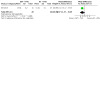
Comparison 3: STRUCTURAL GROUP THERAPY (SGT) + TAU (usual medication) vs HANDICRAFT GROUP (HC) + TAU (usual medication, all short‐term), Outcome 1: Mental state: 1a. Overall ‐ average endpoint score (PANSS total, high = poor)
3.2 Mental state: 1b. Specific: Positive symptoms ‐ average endpoint score (PANSS positive, high = poor)
Our analysis of reported data for this outcome found no clear difference between the treatment groups (MD ‐0.67, 95% CI ‐1.66 to 0.32; participants = 48; studies = 1; Analysis 3.2).
3.2. Analysis.
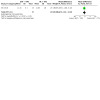
Comparison 3: STRUCTURAL GROUP THERAPY (SGT) + TAU (usual medication) vs HANDICRAFT GROUP (HC) + TAU (usual medication, all short‐term), Outcome 2: Mental state: 1b. Specific: Positive symptoms ‐ average endpoint score (PANSS positive, high = poor)
3.3 Mental state: 1c. Specific: Negative symptoms ‐ average endpoint score (PANSS negative, high = poor)
Our analysis of reported data for this outcome found no clear difference between the treatment groups (MD 0.12, 95% CI ‐0.87 to 1.11; participants = 48; studies = 1; Analysis 3.3).
3.3. Analysis.

Comparison 3: STRUCTURAL GROUP THERAPY (SGT) + TAU (usual medication) vs HANDICRAFT GROUP (HC) + TAU (usual medication, all short‐term), Outcome 3: Mental state: 1c. Specific: Negative symptoms ‐ average endpoint score (PANSS negative, high = poor)
3.4 Global functioning: average endpoint score (SCCS, high = good) ‐ skewed data
Data reported for this outcome were skewed and we have presented these data as 'other data'. These reported data for global functioning measuring average endpoint score on Self Consistency and Congruence Scale. (Analysis 3.4)
3.4. Analysis.
Comparison 3: STRUCTURAL GROUP THERAPY (SGT) + TAU (usual medication) vs HANDICRAFT GROUP (HC) + TAU (usual medication, all short‐term), Outcome 4: Global functioning: average endpoint score on Self Consistency and Congruence Scale (SCCS, high = good) ‐ skewed data
| Global functioning: average endpoint score on Self Consistency and Congruence Scale (SCCS, high = good) ‐ skewed data | ||||
| Study | Intervention | Mean | SD | N |
| SCSS total score | ||||
| She 2016 | Structural group therapy | 5.52 | 6.3 | 25 |
| Handicraft group | 0.04 | 3.1 | 23 | |
3.5 Leaving the study early ‐ for any reason
Noone had left the study early from either treatment group at six weeks. At 12 weeks, the number of participants who had left the GPT group was 5 out of 30 and from the HC group the number was 7 out of 30; our analysis found no clear difference for this outcome (RR 0.71, 95% CI 0.25 to 2.00; participants = 60; studies = 1; low‐certainty; Analysis 3.5).
3.5. Analysis.

Comparison 3: STRUCTURAL GROUP THERAPY (SGT) + TAU (usual medication) vs HANDICRAFT GROUP (HC) + TAU (usual medication, all short‐term), Outcome 5: Leaving the study early ‐ for any reason
3.6 Missing outcomes
Global state, adverse effects/events, cognitive functioning, service use, social functioning, economic and quality life data were not reported for this comparison.
4. COMPARISON 4: COGNITIVE REMEDIATION PROGRAMME (CRP) + PSYCHOEDUCATIONAL TREATMENT PROGRAMME (PTP) vs PTP (all medium‐term)
One study (Ueland 2004), with a total of 25 participants, compared a combination of PIs (CRP + PTP) with PTP alone.
4.1 Global state ‐ average endpoint score (GAS, high = good)
Our analysis of reported data for this outcome found no clear difference between the treatment groups (MD 1.60, 95% CI ‐6.48 to 9.68; participants = 25; studies = 1; very low‐certainty; Analysis 4.1).
4.1. Analysis.

Comparison 4: COGNITIVE REMEDIATION PROGRAMME + PSYCHOEDUCATIONAL TREATMENT PROGRAMME (CRP + PTP) vs PTP (all medium‐term), Outcome 1: Global state ‐ average endpoint score (GAS, high = good)
4.2 Mental state: 1a. Overall ‐ average endpoint score (BPRS total, high = poor)
Total BPRS score showed a trend towards favouring CRP + PTP at the end of one year but our analysis of these average endpoint scores found no clear difference between treatment groups (MD ‐5.40 95% CI ‐16.42 to 5.62; participants = 24; studies = 1; very low‐certainty; Analysis 4.2).
4.2. Analysis.

Comparison 4: COGNITIVE REMEDIATION PROGRAMME + PSYCHOEDUCATIONAL TREATMENT PROGRAMME (CRP + PTP) vs PTP (all medium‐term), Outcome 2: Mental state: 1a. Overall ‐ average endpoint score (BPRS total, high = poor)
4.3 Mental state: 1b. Overall ‐ average endpoint score (CBCL, high = poor)
Our analysis of reported data for this outcome found no clear difference between the treatment groups (MD ‐2.40, 95% CI ‐22.98 to 18.18; participants = 19; studies = 1; Analysis 4.3).
4.3. Analysis.

Comparison 4: COGNITIVE REMEDIATION PROGRAMME + PSYCHOEDUCATIONAL TREATMENT PROGRAMME (CRP + PTP) vs PTP (all medium‐term), Outcome 3: Mental state: 1b. Overall ‐ average endpoint score (CBCL, high = poor)
4.4 Mental state: 2a. Specific: Positive symptoms ‐ average endpoint score (BPRS positive, high = poor)
Our analysis of reported data for this outcome found no clear difference between the treatment groups (MD ‐2.30, 95% CI ‐7.95 to 3.35; participants = 24; studies = 1; Analysis 4.4).
4.4. Analysis.

Comparison 4: COGNITIVE REMEDIATION PROGRAMME + PSYCHOEDUCATIONAL TREATMENT PROGRAMME (CRP + PTP) vs PTP (all medium‐term), Outcome 4: Mental state: 2a. Specific: Positive symptoms ‐ average endpoint score (BPRS positive, high = poor)
4.5 Mental state: 2b. Specific: Negative symptoms ‐ average endpoint score (BPRS negative, high = poor ) ‐ (skewed data)
Data reported for this outcome were skewed and we have presented these data as 'other data'. These reported data on negative symptoms of mental state measuring average endpoint score on BPRS. (Analysis 4.5).
4.5. Analysis.
Comparison 4: COGNITIVE REMEDIATION PROGRAMME + PSYCHOEDUCATIONAL TREATMENT PROGRAMME (CRP + PTP) vs PTP (all medium‐term), Outcome 5: Mental state: 2b. Specific: Negative symptoms ‐ average endpoint score (BPRS negative, high = poor ) ‐ (skewed data)
| Mental state: 2b. Specific: Negative symptoms ‐ average endpoint score (BPRS negative, high = poor ) ‐ (skewed data) | ||||
| Study | Intervention | Mean | SD | N |
| Ueland 2004 | CRP + PTP | 4.1 | 1.9 | 14 |
| PTP | 6.8 | 5.7 | 10 | |
4.6 Cognitive functioning: average endpoint score (various tests, high = good)
On various tests of cognitive functioning, average endpoint scores were reported. Our analyses of reported data showed no clear differences between CRP + PTP group scores and PTP group scores for any of these tests at the one‐year follow‐up. Analysis 4.6.
4.6. Analysis.

Comparison 4: COGNITIVE REMEDIATION PROGRAMME + PSYCHOEDUCATIONAL TREATMENT PROGRAMME (CRP + PTP) vs PTP (all medium‐term), Outcome 6: Cognitive functioning: average endpoint score (various tests, high = good)
Attention: BMT: MD ‐1.30, 95% CI ‐6.58 to 3.98; participants = 25; studies = 1
Attention: SPAN‐12: MD 2.40, 95% CI ‐2.67 to 7.47; participants = 25; studies = 1; very low‐certainty
Attention: Continuous Performance test (CPT): MD ‐8.70, 95% CI ‐21.97 to 4.57; participants = 25; studies = 1
Memory: Kimura Recurring Figures Test: MD 1.00, 95% CI ‐4.48 to 6.48; participants = 24; studies = 1
Memory: Verbal Learning Paradigm: MD ‐2.80, 95% CI ‐10.98 to 5.38; participants = 24; studies = 1
Executive function: WCST perseveration response: MD, 1.20 95% CI ‐4.85 to 7.25; participants = 25; studies = 1
Executive function: Trail making test ‐ B: MD 4.50, 95% CI ‐9.07 to 18.07; participants = 24; studies = 1
4.7 Missing outcomes
Adverse events/effects, global functioning, social functioning, service use, attrition, economic and quality of life data were not reported for this comparison.
5. COMPARISON 5: COMPUTER‐ASSISTED COGNITIVE REMEDIATION PROGRAMME (CACR) versus COMPUTER GAMES (CG, all short‐term)
One study (Holzer 2014) with a total of 32 participants compared CACR with nontherapeutic CG.
5.1 Global state ‐ average endpoint score (HoNOSCA, high = good)
Our analysis of reported data for this outcome found no clear difference between the treatment groups (MD 2.00, 95% CI ‐1.85 to 5.85; participants = 32; studies = 1; very low‐certainty; Analysis 5.1).
5.1. Analysis.

Comparison 5: COMPUTER‐ASSISTED COGNITIVE REMEDIATION PROGRAMME (CACR) vs COMPUTER GAMES (CG, all short‐term), Outcome 1: Global state ‐ average endpoint score (HoNOSCA, high = good)
5.2 Mental state: 1a. Overall ‐ average endpoint score (PANNS total, high = poor)
Our analysis of reported data for this outcome found no clear difference between the treatment groups (MD 3.70, 95% CI ‐10.68 to 18.08; participants = 32; studies = 1; very low‐certainty; Analysis 5.2).
5.2. Analysis.

Comparison 5: COMPUTER‐ASSISTED COGNITIVE REMEDIATION PROGRAMME (CACR) vs COMPUTER GAMES (CG, all short‐term), Outcome 2: Mental state: 1a. Overall ‐ average endpoint score (PANSS total, high = poor)
5.3 Mental state: 1b. Specific: Positive symptoms ‐ average endpoint score (PANNS positive, high = poor)
Our analysis of reported data for this outcome found no clear difference between the treatment groups (MD 1.30, 95% CI ‐2.15 to 4.75; participants = 32; studies = 1; Analysis 5.3).
5.3. Analysis.

Comparison 5: COMPUTER‐ASSISTED COGNITIVE REMEDIATION PROGRAMME (CACR) vs COMPUTER GAMES (CG, all short‐term), Outcome 3: Mental state: 1b. Specific: Positive symptoms ‐ average endpoint score (PANSS positive, high = poor)
5.4 Mental state: 1c. Negative ‐ average endpoint score (PANNS negative, high = poor)
Our analysis of reported data for this outcome found no clear difference between the treatment groups (MD 1.20, 95% CI ‐4.60 to 7.00; participants = 32; studies = 1; Analysis 5.4).
5.4. Analysis.

Comparison 5: COMPUTER‐ASSISTED COGNITIVE REMEDIATION PROGRAMME (CACR) vs COMPUTER GAMES (CG, all short‐term), Outcome 4: Mental state: 1c. Negative ‐ average endpoint score (PANSS negative, high = poor)
5.5 Cognitive functioning: average endpoint score (RBANS, high = good)
For cognitive functioning, average endpoint scores for various domains on the RBANS (total, attention, immediate memory, delayed memory, visuospatial construction and language) were reported. Our analyses of these reported scores found no clear differences between treatment groups for any of these domains (Analysis 5.5).
5.5. Analysis.

Comparison 5: COMPUTER‐ASSISTED COGNITIVE REMEDIATION PROGRAMME (CACR) vs COMPUTER GAMES (CG, all short‐term), Outcome 5: Cognitive functioning: average endpoint score (RBANS, high = good)
RBANS total: MD ‐8.70, 95% CI ‐17.40 to 0.00; participants = 32; studies = 1; very low‐certainty
RBANS ‐ A (Attention): MD ‐7.90, 95% CI ‐19.07 to 3.27; participants = 32; studies = 1
RBANS ‐ IM (Immediate Memory): MD ‐7.90, 95% CI ‐19.07 to 3.27; participants = 32; studies = 1
RBANS ‐ DM (Delayed Memory): MD ‐4.20, 95% CI ‐16.58 to 8.18; participants = 32; studies = 1
RBANS ‐ VC (Visuospatial Construction): MD 0.10, 95% CI ‐9.20 to 9.40; participants = 32; studies = 1
RBANS ‐ L (Language): MD ‐13.40, 95% CI ‐25.42 to ‐1.38; participants = 32; studies = 1
5.6 Global functioning: Overall ‐ average endpoint score (SOFAS, high = good)
Analyses of average endpoint SOFAS scores showed no clear difference between treatment groups (MD ‐0.70, 95% CI ‐7.76 to 6.36; participants = 32; studies = 1; very low‐certainty; Analysis 5.6).
5.6. Analysis.

Comparison 5: COMPUTER‐ASSISTED COGNITIVE REMEDIATION PROGRAMME (CACR) vs COMPUTER GAMES (CG, all short‐term), Outcome 6: Global functioning: Overall ‐ average endpoint score (SOFAS, high = good)
5.7 Leaving the study early ‐ for any reason
Three participants from the CACR group and one from CG group did not participate in the study until completion and left early due to lack of interest in the programme or being transferred to another treatment centre. Our analysis of these data found no clear difference in numbers leaving early from each group (RR 2.33, 95% CI 0.27 to 20.09; participants = 32; studies = 1; very low‐certainty; Analysis 5.7).
5.7. Analysis.

Comparison 5: COMPUTER‐ASSISTED COGNITIVE REMEDIATION PROGRAMME (CACR) vs COMPUTER GAMES (CG, all short‐term), Outcome 7: Leaving the study early ‐ for any reason
5.8 Missing outcomes
Adverse effects/events, social functioning, service use, economics and quality life data were not reported for this comparison.
6. COMPARISON 6: PSYCHOEDUCATIONAL (PE) + MULTIFAMILY TREATMENT (MFT) vs NONSTRUCTURED INTERVENTION (NSGT, all long‐term)
One study (Calvo 2014) with a total of 49 participants compared a combination of psychological interventions (PE + MFT) with a nonstructured intervention (NSGT).
6.1 Global state ‐ average endpoint score (CGAS, high = good, long term)
Our analysis of reported data for this outcome found no clear difference between the treatment groups (MD 3.38, 95% CI ‐4.87 to 11.63; participants = 49; studies = 1; very low‐certainty; Analysis 6.1).
6.1. Analysis.

Comparison 6: PSYCHOEDUCATIONAL + MULTIFAMILY TREATMENT (PE + MFT) vs NONSTRUCTURED GROUP THERAPY (NSGT, all long‐term), Outcome 1: Global state ‐ average endpoint score (CGAS, high = good)
6.2 Mental state: 1a. Overall ‐ average endpoint score (PANSS total, high = poor)
Our analysis of reported average endpoint PANSS total scores showed no difference between PE + MFT group and NGST group at two‐year follow‐up (MD ‐8.23, 95% CI ‐17.51 to 1.05; participants = 49; studies = 1; very low‐certainty; Analysis 6.2).
6.2. Analysis.

Comparison 6: PSYCHOEDUCATIONAL + MULTIFAMILY TREATMENT (PE + MFT) vs NONSTRUCTURED GROUP THERAPY (NSGT, all long‐term), Outcome 2: Mental state: 1a. Overall ‐ average endpoint score (PANSS total, high = poor)
6.3 Mental state: 1b. Specific: Positive symptoms ‐ average endpoint score (PANSS positive, high = poor)
Our analysis of reported data for this outcome found no clear difference between the treatment groups (MD ‐0.85, 95% CI ‐6.65 to 4.95; participants = 49; studies = 1; Analysis 6.3).
6.3. Analysis.

Comparison 6: PSYCHOEDUCATIONAL + MULTIFAMILY TREATMENT (PE + MFT) vs NONSTRUCTURED GROUP THERAPY (NSGT, all long‐term), Outcome 3: Mental state: 1b. Specific: Positive symptoms ‐ average endpoint score (PANSS positive, high = poor)
6.4 Mental state: 1c. Specific: Negative symptoms ‐ average endpoint score (PANSS negative, high = poor)
Our analysis of reported data for this outcome found no clear difference between the treatment groups (MD ‐2.08, 95% CI ‐5.31 to 1.15; participants = 49; studies = 1; Analysis 6.4).
6.4. Analysis.

Comparison 6: PSYCHOEDUCATIONAL + MULTIFAMILY TREATMENT (PE + MFT) vs NONSTRUCTURED GROUP THERAPY (NSGT, all long‐term), Outcome 4: Mental state: 1c. Specific: Negative symptoms ‐ average endpoint score (PANSS negative, high = poor)
6.5 Service use: 1. Hospital admission: number of participants needing admission
Calvo 2014 reported numbers of participants needing hospital admission. Our analysis of reported two‐year data found no clear difference in the numbers admitted from each group (RR 0.84, 95% CI 0.36 to 1.96; participants = 49; studies = 1; low‐certainty; Analysis 6.5).
6.5. Analysis.

Comparison 6: PSYCHOEDUCATIONAL + MULTIFAMILY TREATMENT (PE + MFT) vs NONSTRUCTURED GROUP THERAPY (NSGT, all long‐term), Outcome 5: Service use: 1. Hospital admission: number of participants needing addmission
6.6 Service use: 2. Number of days in hospital (high = poor)
Our analysis of reported data found no clear difference in the number of days participants from each group spent in hospital (MD ‐1.81, 95% CI ‐10.13 to 6.51; participants = 49; studies = 1; very low‐certainty; Analysis 6.6).
6.6. Analysis.

Comparison 6: PSYCHOEDUCATIONAL + MULTIFAMILY TREATMENT (PE + MFT) vs NONSTRUCTURED GROUP THERAPY (NSGT, all long‐term), Outcome 6: Service use: 2. Number of days in hospital (high = poor)
6.7 Leaving the study early ‐ for any reason
Our analysis of reported attrition data found no clear difference in number of participants leaving the study early from each group (RR 0.52, 95% CI 0.10 to 2.60; participants = 55; studies = 1; low‐certainty; Analysis 6.7).
6.7. Analysis.

Comparison 6: PSYCHOEDUCATIONAL + MULTIFAMILY TREATMENT (PE + MFT) vs NONSTRUCTURED GROUP THERAPY (NSGT, all long‐term), Outcome 7: Leaving the study early ‐ for any reason
6.8 Missing outcomes
Adverse effects/events, cognitive functioning, global functioning, social functioning, economics and quality life data were not reported for this comparison.
Discussion
Summary of main results
1. Cognitive Remediation Therapy (CRT) + Treatment‐As‐Usual (TAU) versus TAU (all short‐term)
Two studies (Puig 2014; Wykes 2007 ) contributed data for a comparison of Cognitive Remediation Therapy (CRT) with Treatment‐as‐Usual (TAU). Both the studies were comparable and had similar inclusion criteria but used variable measures for outcomes so we could only combine attrition data for meta‐analyses (Analysis 1.7; low‐certainty).
Analysis of 20‐week data reported by Puig 2014, showed no clear difference in global state scores (Analysis 1.1; very low‐certainty) and a clear difference in mental state continuous scores favouring TAU (Analysis 1.2; very low‐certainty), this evidence suggesting adding CRT to TAU appears to have little or no effect on a participant's global state and TAU alone may be better for mental state. This apparently conflicting finding on the mental state outcome could be due to the baseline PANSS score being significantly lower in the control arm as compared to the intervention arm. The study thus does not provide any evidence favouring the use of cognitive remediation therapy in adolescents with psychosis as regards the outcome of mental state. (Wykes 2007) showed that in the medium term, clearly more participants in the CRT group showed improvement in short‐term memory as tested by the Digit Span Test at six months (Analysis 1.3; very low‐certainty) but other results from data reported by Puig 2014 showed no clear improvement in verbal memory, visual memory, working memory, processing speed, executive functioning and cognitive composite score in the short term at 20 weeks (Analysis 1.4). Attrition rates were similar (Analysis 1.7; very low‐certainty). However, these results are based on data from small studies where allocation and blinding were problematic, so these estimates of effect must be viewed with considerable caution. It is also likely that cognitive function, mental state and global state were interrelated in some way and standard measures are needed in future studies to be meaningfully compared.
2. Group Psychosocial Therapy plus TAU versus TAU (all short‐term)
One study contributed data for a comparison of Group Psychosocial therapy (GPT) plus usual medications with usual medications alone (TAU). There was a clear difference in the mean endpoint CGAS scores, GPT (very low‐certainty; Analysis 2.1), however, the same study did not find any clear difference in mental state scores on the PANSS (very low‐certainty; Analysis 2.2 ). There was a clear difference in quality of life scores (not a SOF outcome) measured (very low‐certainty; Analysis 2.3). The authors did not report random sequence generation, allocation concealment or blinding of participants and assessors. There was no clearly reported intention‐to‐treat analysis. These factors make the evidence of very low certainty (Table 2). The reason for not finding clear differences in the psychopathology scores but finding a clear difference in the quality of life score is intriguing and could be because group therapy has more impact on interpersonal domains as opposed to the individual. The above diverse elements used in the group is likely to be engaging for adolescents and could hold the attention of young people who may be interested to learn to communicate with their peers. However, the nature of the intervention makes it difficult to understand the most therapeutic component of the psychological treatment that contributed to the positive results.
3. Structural Group Therapy + TAU versus Handicraft Group + TAU (all short‐term)
She 2016 compared structural group therapy with a handicraft group (both interventions were in addition to normal care). The study found a clear difference in mental state scores on PANSS between these interventions, favouring structured group therapy (very low‐certainty; Analysis 3.1) This study was conducted specifically in older adolescents with schizophrenia. Having a narrow age range of the participants made the study sample quite homogenous. The authors did not report binary outcome data for mental state or details regarding allocation concealment; also, participants were not blinded and no intention‐to‐treat analysis was reported. This made the evidence of very low certainty (Table 3).
4. Cognitive Remediation Programme + Psychoeducational Treatment Programme (CRP + PTP) versus PTP (all medium‐term)
One study (Ueland 2004) compared CRP + PTP with PTP alone. No clear difference in the global state, mental state or cognitive functioning was found between the intervention and comparator arm even when the participants were followed up at the end of one year (very low‐certainty; Analysis 4.1; Analysis 4.2; Analysis 4.6). This lack of superiority of CRP could be because the comparator group, having received psychoeducation that may have indirectly influenced the positive, negative and cognitive symptoms by motivating participants to have a regular routine, plan their activities, improve medication adherence, reduced expressed emotions in family members and addressed their other day‐to‐day needs. The studies used 'sealed envelopes' as a method of randomisation and this has been often criticised for various methodological issues. The studies also did not report an intention‐to‐treat analysis which is routinely advocated as reducing bias. Many participants did not complete several of the questionnaires at many time points and this is not explained in the discussion. Using too many questionnaires with a small sample size poses an additional problem of spurious or chance associations due to the effects of multiple testing. It is advisable to do a sample size calculation a priori, based on the number of questionnaires to be used. Lack of details in the method of allocation concealment, method of blinding of participants and personnel, nonsignificant estimates of effect with wide confidence intervals and other factors make the evidence of very low certainty (Table 4). The findings were of very low certainty as they were based on a single study with a small sample size.
5. Computer‐Assisted Cognitive Remediation Programme versus Computer Games (all short‐term)
Computerised therapies have been tested for psychiatric disorders and these may be particularly suitable for adolescents who are often more gadget‐friendly than adults. Similarly, over the years, many of the neuropsychological tests have been developed to be administered through computer (Lezak 1995). Use of a computer in cognitive remediation involving multiple cognitive tasks can be scored in real time to give feedback and reinforce participation in adolescents with psychosis. One study (Holzer 2014) compared computer‐assisted cognitive remediation to nontherapeutic computer games for adolescents with psychosis. Based on very low certainty of evidence, no clear difference in global state HoNOSCA scores was found between intervention and control arms following study completion (very low‐certainty; Analysis 5.1). Even on measurements of mental state using the PANSS, there was no clear difference between the two group's average endpoint scores (Analysis 5.2). Unavailability of binary outcomes except for attrition, lack of adequately described allocation concealment, and participants and personnel involved in the trial not being blind to the allocated intervention, all made the evidence of very low to low certainty (Table 5). Failure to show efficacy of computerised CRP by the study should take into account the small sample size, leading to possible type II error. Moreover, the control arm of computer games may inadvertently have helped the adolescents use a diverse range of cognitive processes such as visual scanning, planning, memory and auditory processing, thus diluting any effect of the intervention. It would be interesting to compare CRP with other control treatments in the future.
Cognitive functioning was measured using RBANS ‐ Repeatable Battery for the Assessment of Neuropsychological Status (Randolph 1998). The baseline scores were different between the groups as regards the RBANS‐Language score with the control group scoring higher (Mann Whitney Z score 2.31, P < 0.05). The outcome assessments were done at the end of eight weeks. At the end of eight weeks, the RBANS score showed a difference in the RBANS‐Language subscale for the two groups, but, when this score was controlled for the baseline score using a Wilcoxon test, it lost its significance. The total score on RBANS showed improvement in both groups and did not show any clear difference between the two groups (very low‐certainty; Analysis 5.5). Again, the findings are very uncertain.
6. Psychoeducational + Multifamily Treatment (PE + MFT) versus Nonstructured Group Therapy (NSGT, all long‐term)
One study compared psychoeducational and multifamily treatment with nonstructured supportive treatment. The authors published the findings of a follow‐up of nine months and two years, respectively. The global state (very low‐certainty; Analysis 6.1) and mental state (very low‐certainty; Analysis 6.2) at two years did not differ between the groups. This study combined individual therapy and family group therapy and was feasible in an outpatient setting. Binary outcomes were not available for global state or mental state. The same therapists intervened for the intervention and comparator groups and proper intention‐to‐treat analyses were not reported. These factors made the results relating to global state and mental state of very low certainty. Service utilisation data as regards number of hospital admissions at the end of two years (low‐certainty; Analysis 6.5) and leaving the study early at the end of two years (low‐certainty; Analysis 6.7) did not show any difference between the groups.
Overall completeness and applicability of evidence
The review included evidence from seven studies (n = 319). Five of the seven studies reported short‐term outcomes (up to 6 months), one study had reported medium‐term follow‐up of one year duration and one study had reported longer‐term follow‐up of up to two years. A variety of interventions were studied including cognitive remediation therapy programme, computerised cognitive remediation, family therapy, psychoeducation and group therapy. The heterogeneity of the interventions made it difficult for us to combine findings of multiple studies together. All studies included mostly adolescent patients and a majority of the participants of the included studies were 17 years old or less, which makes this review relevant to this age group. All studies, except one, were conducted in developed countries and thus the evidence generated in this review should be used with caution in low‐ and middle‐income countries. Some authors did not publish means and standard deviations of scores following the intervention and these data could not be used in this review. It is interesting that none of the studies reported on the adverse events or harm associated with psychological interventions during the study period. This is a serious flaw in the reporting of studies covered in this review. Earlier literature (Lilienfeld 2007) have discussed the paucity of literature on the topic of adverse events or harm associated with psychological interventions and methodological problems in quantifying potential harm caused by therapy (Dimidjian 2010). Adolescents with psychosis are a very vulnerable group and we suggest that future clinical trials of psychological therapies for adolescents with psychosis should follow uniform adverse result reporting methods.
Quality of the evidence
Quality and style of reporting for many of the studies could have been improved (Figure 3). More than half of the studies had either not discussed the details of randomisation or had used suboptimal methods like ‘sealed envelopes’ for randomisation. Most studies were unclear about the allocation concealment.
The majority of the studies had small sample size and this increased the chances of bias due to unequal distribution of potential confounders between intervention and control arms. Small sample size has the added problem of multiple testing and positive results due to chance associations. However, some of the studies were well conducted and one of the studies had a long follow‐up of two years duration which is commendable.
Potential biases in the review process
The authors of the review tried to minimise bias in the review process by following standard guidelines of the Cochrane Schizophrenia Group and also the Cochrane Handbook. The search for literature was done centrally at the editorial centre of the Cochrane Schizophrenia Group and a record of the various steps of data acquisition, data extraction and analysis was systematically stored by the review team. We screened a large number of conference abstracts but these did not contribute significantly to the data.
Agreements and disagreements with other studies or reviews
Most reviews on treatment of adolescents with psychosis extrapolated findings from studies done on young adults (Stafford 2015). The National Institute of Clinical Excellence (NICE 2013) advocates use of culturally appropriate psychotherapies for children and young people with psychosis. It also mentions that psychological therapy should take into account the young person’s developmental level, emotional maturity, cognitive capacity, sight or hearing problems, and language difficulties. NICE recommends family therapy in adolescents with psychosis. We did not find any evidence in support of the use of family therapy for adolescents with psychosis in our review based on the studies specifically focused on adolescents. However we would like to reiterate that it is important to note lack of evidence for use of formal family therapy does not rule out the usefulness of therapeutic value of a supportive family for this group of young people. In our review, there was some evidence to support the use of group therapy for adolescents with psychosis based on low and very low quality of evidence. We cannot comment on Cognitive Behaviour Therapy (CBT) as a therapeutic modality for adolescents with psychosis as we did not find any randomised trials using CBT for adolescents with psychosis that met the inclusion criteria of the present review.
Authors' conclusions
Implications for practice.
1. For adolescents with psychosis
Adolescents with psychosis often have many questions about their treatments that need to be addressed appropriately by their treating teams. Treatment with medications is often the mainstay of treatment for adolescents with psychosis but is outside the scope of the current review. There is very low‐quality evidence to suggest that group therapy may be useful for adolescents with psychosis in improving global state, mental state and quality of life. Cognitive remediation therapy may help short‐term memory in adolescents with psychosis based on very low‐quality evidence. The overall certainty of this evidence to support use of any modality of psychological therapy for adolescents with psychosis is currently very low making it difficult to be recommended for treatment of psychosis in adolescents.
2. For managers and policy makers
There is insufficient evidence of high enough certainty to recommend any form of psychological therapy for adolescents with psychosis. There is very low‐certainty evidence supporting the use of group treatments for adolescents with psychosis and also very low‐certainty evidence to support the use of cognitive remediation therapy.
3. For clinicians
While clinicians need to be sensitive to the psychological needs of adolescents with psychosis, the certainty of evidence for use of any form of psychological intervention is very low. While evidence is just emerging, there have been only a few studies on the effectiveness of cognitive remediation therapy, group therapy and family‐based interventions for adolescents with psychosis. Cognitive remediation therapy may help in the short‐term memory in adolescents with psychosis based on very low‐certainty evidence. Group therapy may be also useful for adolescents with psychosis in improving the global state, mental state and quality of life based on very low‐certainty of evidence. There is insufficient evidence of good quality to recommend any form of psychological therapy for adolescents with psychosis given that the adverse effects or harm caused by the therapies has not been reported at all by the studies.
Implications for research.
1. General
Some of the studies did not adhere to the CONSORT guidelines while conducting or reporting their findings. As they have used a variety of outcome measures, it made it difficult for us to compare different studies. Future studies could be designed keeping this in mind and larger sample size should be used when using multiple outcome measures. Many studies were published several times by several authors and this should be avoided as it could potentially misguide clinicians. Quoting the trial identifiers for each publication will also help to reduce this, as has been suggested by other reviewers (Rattehalli 2016).
2. Specific
Many of the studies that were excluded could potentially be included in reviews that cover young adults as opposed to adolescents. However, as one‐fifth of all patients with schizophrenia have onset prior to the age of 18 years, it is imperative that robust evidence is generated about psychological interventions for adolescents with psychosis. Also, not all psychosis in adolescents progresses to schizophrenia and psychological treatments may be more plausible for adolescents with psychosis as opposed to adults. We have recommended a study design for future research that addresses most of the problems we encountered in the existing literature (Table 7). Adolescents are different from young adults and this needs to be taken into account while designing studies. Almost always, this would require adult caregivers being available to give their feedback about the patient's illness. Robust measures of adverse events or potential harm caused by the psychological therapy should be part of the study design. Additional information from teachers and education‐related outcomes that are easily available due to statutory child protection legislation in many countries makes functional assessment more meaningful in adolescents than young adults with psychosis.
1. Design for a future study.
| Method | Allocation: Randomised and described in detail in the study protocol and report. Appropriate measures to maintain allocation concealment needs to be implemented. Blinding: The trial should be double‐blind. Outcome Assessor: Researchers assessing outcome should be different from those who delivered the psychological interventions and should also be blind to the nature of the intervention. Duration: One year or more |
| Participants | Age: 13 to 18 years Gender: Equal representation of both genders Diagnosis: adolescents with psychosis as per clear operational criteria N = 200 Setting: Outpatient setting is preferred. Patients requiring admission to inpatient adolescent units may not be an ideal group to received structured therapy. A combination of inpatient and outpatients will make the study population heterogenous. |
| Intervention | Technique of psychotherapy: Cognitive remediation therapy, cognitive behaviour therapy, family therapy or group therapy. Duration of psychological intervention: at least 8 weeks Comparator: Treatment‐as‐usual |
| Outcome | Primary outcomes: Global state: Improved to significant degree Mental state: Significant clinical improvement as suggested by change of psychopathology score or relapse Global functioning: Significant change in global functioning as suggested by global functioning score or return to academic education or vocational training Leaving the study early: Intention‐to‐treat analysis should be conducted taking into account all participants in the intervention and comparator arms following randomisation even if they have left the study early. Comparative data for both groups should be presented. Service utilisation: Number of inpatient admissions and crisis presentations for one year following interventions Quality of life: Significant improvement in quality of life score Economic outcomes: Cost of interventions should be quantified. |
History
Protocol first published: Issue 1, 2012 Review first published: Issue 7, 2020
| Date | Event | Description |
|---|---|---|
| 8 March 2019 | Amended | 497 references screened by the team and 80 references (28 studies) were entered the full text screening step. |
| 31 May 2016 | Amended | 2013 search updated and 306 references added to Classification pending references section of the review. |
Acknowledgements
Thanks to Clive Adams, Claire Irving and Ghazaleh Aali at Cochrane Schizophrenia Group's editorial team in the Nottingham University for their support in completing this review and Farhad Shokraneh for developing the Cochrane Schizophrenia database. Thanks also to the Cochrane Schizophrenia Group Editorial Base in Nottingham that produces and maintains standard text for use in the Methods section of their reviews. We have used this text as the basis of what appears here and adapted it as required.
We would like to thank Edgar Landa‐Ramirez, Takuya Taniguchi and Miguel Angel Aguayo Mendoza for peer reviewing this review and Cochrane Copy Edit Support for copy editing.
We would like to thank Steve Wright who had contributed towards writing and publishing the protocol for this review. We would also like to thank Mr. Koushik Roy from the IT department of Tata Medical Center, Kolkata for his support to the authors during the review.
Parts of this review were generated using RevMan HAL v 4.2. More information about RevMan HAL is available at schizophrenia.cochrane.org/revman-hal-v4,
Appendices
Appendix 1. Previous searches
1.1 Search in 2011
1.1.1 Electronic searches
1.1.1.1 Cochrane Schizophrenia Group Trials Register
We will search using the phrase:
[(*youth* OR *young* OR *pediatri* OR *paediatric* OR *teenag* OR *child* OR *adolesc* in title of REFERENCE) OR (*adoles* OR *child* OR *young adult* in participants of STUDY)]
This register is compiled by systematic searches of major databases, hand searches and conference proceedings (see group module).
1.1.2 Searching other resources
1.1.2.1 Reference searching
We will inspect references of all identified included studies for further relevant studies.
1.1.2.2 Personal contact
We will contact the first author of each included study for information regarding unpublished trials.
Data and analyses
Comparison 1. COGNITIVE REMEDIATION THERAPY (CRT) + TREATMENT‐AS‐USUAL (TAU) vs TAU (all short‐term).
| Outcome or subgroup title | No. of studies | No. of participants | Statistical method | Effect size |
|---|---|---|---|---|
| 1.1 Global state: 1a. Average endpoint score (CGAS, high = good) | 1 | 50 | Mean Difference (IV, Fixed, 95% CI) | ‐4.90 [‐11.05, 1.25] |
| 1.2 Mental state: Overall ‐ average endpoint score (PANSS total, high = poor) | 1 | 50 | Mean Difference (IV, Fixed, 95% CI) | 8.30 [0.46, 16.14] |
| 1.3 Cognitive functioning: 1. Clinically important change ‐ not attaining normal cognitive function | 1 | Risk Ratio (M‐H, Fixed, 95% CI) | Subtotals only | |
| 1.3.1 Memory (Digit span) | 1 | 31 | Risk Ratio (M‐H, Fixed, 95% CI) | 0.58 [0.37, 0.89] |
| 1.3.2 Cognitive flexibility (WCST) | 1 | 31 | Risk Ratio (M‐H, Fixed, 95% CI) | 0.82 [0.40, 1.70] |
| 1.3.3 Planning (Modified Six Elements Test) | 1 | 31 | Risk Ratio (M‐H, Fixed, 95% CI) | 0.94 [0.34, 2.60] |
| 1.4 Cognitive functioning: 2. Average endpoint score (various scales, high = poor) | 1 | Mean Difference (IV, Fixed, 95% CI) | Subtotals only | |
| 1.4.1 Verbal Memory (WMS III and RAVLT) | 1 | 50 | Mean Difference (IV, Fixed, 95% CI) | 1.00 [‐4.47, 6.47] |
| 1.4.2 Visual Memory (WMS III) | 1 | 50 | Mean Difference (IV, Fixed, 95% CI) | 0.70 [‐4.60, 6.00] |
| 1.4.3 Working Memory (WISC IV & WAIS III) | 1 | 50 | Mean Difference (IV, Fixed, 95% CI) | 1.30 [‐3.66, 6.26] |
| 1.4.4 Executive Functions (WCST, COWAT & TMT) | 1 | 50 | Mean Difference (IV, Fixed, 95% CI) | 1.50 [‐3.58, 6.58] |
| 1.4.5 Processing speed (Part A of the TMT) | 1 | 50 | Mean Difference (IV, Fixed, 95% CI) | ‐2.00 [‐10.92, 6.92] |
| 1.4.6 Cognitive Composite Score | 1 | 50 | Mean Difference (IV, Fixed, 95% CI) | 0.50 [‐3.70, 4.70] |
| 1.5 Global functioning: 1a. Average endpoint score (Life Skills Profile, high = good) | 1 | 50 | Mean Difference (IV, Fixed, 95% CI) | ‐2.00 [‐11.29, 7.29] |
| 1.6 Global functioning: 1b. Average endpoint score (VABS, high = good) | 1 | 50 | Mean Difference (IV, Fixed, 95% CI) | 5.90 [‐3.03, 14.83] |
| 1.7 Leaving the study early ‐ for any reason | 2 | 91 | Risk Ratio (M‐H, Fixed, 95% CI) | 0.93 [0.32, 2.71] |
Comparison 2. GROUP PSYCHOSOCIAL THERAPY (GPT) + TAU (usual medication) vs TAU (usual medicatoin, all short‐term).
| Outcome or subgroup title | No. of studies | No. of participants | Statistical method | Effect size |
|---|---|---|---|---|
| 2.1 Global state: average endpoint score (CGAS, high = good) | 1 | 56 | Mean Difference (IV, Fixed, 95% CI) | 5.10 [1.35, 8.85] |
| 2.2 Mental state: Overall ‐ average endpoint score (PANSS total, high = poor)) | 1 | 56 | Mean Difference (IV, Fixed, 95% CI) | ‐4.10 [‐8.28, 0.08] |
| 2.3 Quality of life: average endpoint score (PedsQL, high = good) | 1 | 56 | Mean Difference (IV, Fixed, 95% CI) | 8.80 [0.83, 16.77] |
| 2.4 Leaving the study early ‐ for any reason | 1 | 56 | Risk Ratio (M‐H, Fixed, 95% CI) | 0.43 [0.15, 1.28] |
Comparison 3. STRUCTURAL GROUP THERAPY (SGT) + TAU (usual medication) vs HANDICRAFT GROUP (HC) + TAU (usual medication, all short‐term).
| Outcome or subgroup title | No. of studies | No. of participants | Statistical method | Effect size |
|---|---|---|---|---|
| 3.1 Mental state: 1a. Overall ‐ average endpoint score (PANSS total, high = poor) | 1 | 48 | Mean Difference (IV, Fixed, 95% CI) | ‐2.57 [‐4.47, ‐0.67] |
| 3.2 Mental state: 1b. Specific: Positive symptoms ‐ average endpoint score (PANSS positive, high = poor) | 1 | 48 | Mean Difference (IV, Fixed, 95% CI) | ‐0.67 [‐1.66, 0.32] |
| 3.3 Mental state: 1c. Specific: Negative symptoms ‐ average endpoint score (PANSS negative, high = poor) | 1 | 48 | Mean Difference (IV, Fixed, 95% CI) | 0.12 [‐0.87, 1.11] |
| 3.4 Global functioning: average endpoint score on Self Consistency and Congruence Scale (SCCS, high = good) ‐ skewed data | 1 | Other data | No numeric data | |
| 3.4.2 SCSS total score | 1 | Other data | No numeric data | |
| 3.5 Leaving the study early ‐ for any reason | 1 | 60 | Risk Ratio (M‐H, Fixed, 95% CI) | 0.71 [0.25, 2.00] |
Comparison 4. COGNITIVE REMEDIATION PROGRAMME + PSYCHOEDUCATIONAL TREATMENT PROGRAMME (CRP + PTP) vs PTP (all medium‐term).
| Outcome or subgroup title | No. of studies | No. of participants | Statistical method | Effect size |
|---|---|---|---|---|
| 4.1 Global state ‐ average endpoint score (GAS, high = good) | 1 | 25 | Mean Difference (IV, Fixed, 95% CI) | 1.60 [‐6.48, 9.68] |
| 4.2 Mental state: 1a. Overall ‐ average endpoint score (BPRS total, high = poor) | 1 | 24 | Mean Difference (IV, Fixed, 95% CI) | ‐5.40 [‐16.42, 5.62] |
| 4.3 Mental state: 1b. Overall ‐ average endpoint score (CBCL, high = poor) | 1 | 19 | Mean Difference (IV, Fixed, 95% CI) | ‐2.40 [‐22.98, 18.18] |
| 4.4 Mental state: 2a. Specific: Positive symptoms ‐ average endpoint score (BPRS positive, high = poor) | 1 | 24 | Mean Difference (IV, Fixed, 95% CI) | ‐2.30 [‐7.95, 3.35] |
| 4.5 Mental state: 2b. Specific: Negative symptoms ‐ average endpoint score (BPRS negative, high = poor ) ‐ (skewed data) | 1 | Other data | No numeric data | |
| 4.6 Cognitive functioning: average endpoint score (various tests, high = good) | 1 | Mean Difference (IV, Fixed, 95% CI) | Subtotals only | |
| 4.6.1 Attention: Backward Masking Task (BMT) | 1 | 25 | Mean Difference (IV, Fixed, 95% CI) | ‐1.30 [‐6.58, 3.98] |
| 4.6.2 Attention: Span of Apprehension Task (SPAN‐12) | 1 | 25 | Mean Difference (IV, Fixed, 95% CI) | 2.40 [‐2.67, 7.47] |
| 4.6.3 Attention: Continuous Performance Test (CPT) | 1 | 25 | Mean Difference (IV, Fixed, 95% CI) | ‐8.70 [‐21.97, 4.57] |
| 4.6.4 Memory: Kimura Recurring Figures Test | 1 | 24 | Mean Difference (IV, Fixed, 95% CI) | 1.00 [‐4.48, 6.48] |
| 4.6.5 Memory: Verbal Learning Paradigm | 1 | 24 | Mean Difference (IV, Fixed, 95% CI) | ‐2.80 [‐10.98, 5.38] |
| 4.6.6 Executive function: WCST perseveration response | 1 | 25 | Mean Difference (IV, Fixed, 95% CI) | 1.20 [‐4.85, 7.25] |
| 4.6.7 Executive function: Trail making test ‐ B | 1 | 24 | Mean Difference (IV, Fixed, 95% CI) | 4.50 [‐9.07, 18.07] |
Comparison 5. COMPUTER‐ASSISTED COGNITIVE REMEDIATION PROGRAMME (CACR) vs COMPUTER GAMES (CG, all short‐term).
| Outcome or subgroup title | No. of studies | No. of participants | Statistical method | Effect size |
|---|---|---|---|---|
| 5.1 Global state ‐ average endpoint score (HoNOSCA, high = good) | 1 | 32 | Mean Difference (IV, Fixed, 95% CI) | 2.00 [‐1.85, 5.85] |
| 5.2 Mental state: 1a. Overall ‐ average endpoint score (PANSS total, high = poor) | 1 | 32 | Mean Difference (IV, Fixed, 95% CI) | 3.70 [‐10.68, 18.08] |
| 5.3 Mental state: 1b. Specific: Positive symptoms ‐ average endpoint score (PANSS positive, high = poor) | 1 | 32 | Mean Difference (IV, Fixed, 95% CI) | 1.30 [‐2.15, 4.75] |
| 5.4 Mental state: 1c. Negative ‐ average endpoint score (PANSS negative, high = poor) | 1 | 32 | Mean Difference (IV, Fixed, 95% CI) | 1.20 [‐4.60, 7.00] |
| 5.5 Cognitive functioning: average endpoint score (RBANS, high = good) | 1 | Mean Difference (IV, Fixed, 95% CI) | Subtotals only | |
| 5.5.1 RBANS total | 1 | 32 | Mean Difference (IV, Fixed, 95% CI) | ‐8.70 [‐17.40, 0.00] |
| 5.5.2 RBANS ‐ A (Attention) | 1 | 32 | Mean Difference (IV, Fixed, 95% CI) | ‐1.90 [‐13.36, 9.56] |
| 5.5.3 RBANS ‐ IM (Immediate Memory) | 1 | 32 | Mean Difference (IV, Fixed, 95% CI) | ‐7.90 [‐19.07, 3.27] |
| 5.5.4 RBANS ‐ DM (Delayed Memory) | 1 | 32 | Mean Difference (IV, Fixed, 95% CI) | ‐4.20 [‐16.58, 8.18] |
| 5.5.5 RBANS ‐ VC (Visuospatial Construction) | 1 | 32 | Mean Difference (IV, Fixed, 95% CI) | 0.10 [‐9.20, 9.40] |
| 5.5.6 RBANS ‐ L (Language) | 1 | 32 | Mean Difference (IV, Fixed, 95% CI) | ‐13.40 [‐25.42, ‐1.38] |
| 5.6 Global functioning: Overall ‐ average endpoint score (SOFAS, high = good) | 1 | 32 | Mean Difference (IV, Fixed, 95% CI) | ‐0.70 [‐7.76, 6.36] |
| 5.7 Leaving the study early ‐ for any reason | 1 | 32 | Risk Ratio (M‐H, Fixed, 95% CI) | 2.33 [0.27, 20.09] |
Comparison 6. PSYCHOEDUCATIONAL + MULTIFAMILY TREATMENT (PE + MFT) vs NONSTRUCTURED GROUP THERAPY (NSGT, all long‐term).
Characteristics of studies
Characteristics of included studies [ordered by study ID]
Calvo 2014.
| Study characteristics | ||
| Methods | Allocation: randomised using a computer‐generated sequence. Blinding: single (rater‐blind). Duration: 9 months with 2‐year follow‐up. Setting: outpatient, Madrid, Spain. |
|
| Participants | Diagnosis: early onset psychosis, schizophrenia spectrum psychosis, affective psychosis, other psychosis N = 55 (48 first‐episode psychosis, 7 previous episodes) Age: 14‐18 years Sex: M 34, F 21 History: presence of at least 1 positive psychotic symptom (delusions or hallucinations) before age 18 years and 1 of the following diagnoses from the DSM‐IV: schizophrenia, schizoaffective disorder, schizophreniform disorder, bipolar disorder, major depressive disorder with psychotic features, brief psychotic disorder, or psychosis not otherwise specified. Patients lived at home with either or both parents, caregivers, or legal guardians. Exclusion criteria: Drug abuse or dependence at the time of the intervention (drug use was not an exclusion criterion), the presence of any neurological developmental disorder and inability to engage in conversation or read in Spanish that might interfere with the progress of group treatment |
|
| Interventions |
1. Psychological Intervention (PI): Psychoeducation + Multifamily Treatment Following randomisation, participants in the treatment arm received psychological interventions in two phases: a) Initiation/alliance phase ‐ Three individual sessions of 50 minutes each where group leaders interviewed families and adolescents separately; b) Psychoeducational intervention ‐ During intervention phase, both the adolescents and parents received group psychoeducational interventions separately. Adolescent participants (n = 27) received 12 sessions of group psychoeducational interventions of 90 minute each session, conducted every 15 days. One or both parents of the adolescents in the treatment arm also received group psychoeducational interventions for parents lasting 90 minutes, every 15 days. Both contents and group structure were the same in the adolescents and parents’ version of the group treatment. Groups specifically focussed on problem‐solving strategies to manage daily life situations associated with the disease to manage crises and to prevent relapses of psychosis. At the end of each group session, participants were encouraged to put the skills learnt in actual practice. 2. Control: Nonstructured Group Therapy Following randomisation, participants in the control arm received psychological interventions in two phases: a) Initiation/alliance phase ‐ Three individual sessions of 50 minutes each where group leaders interviewed families and adolescents separately; b) Nonstructured intervention ‐ Adolescent participants (n = 28) received 12 sessions of nonstructured intervention of 90 minutes duration, every 15 days. One or both parents of the adolescents in the comparator arm also received nonstructured interventions of 90 minutes each session, conducted every 15 days. In nonstructured interventions for adolescents or parents, facilitators did not follow a pre‐set model but used a supportive group approach that connected persons facing similar challenges, thus enabling members to share experiences and advice (for example, on medication and side effects). During nonstructured interventions, no written material was provided to parents or adolescents. |
|
| Outcomes | Global state: CGAS
Mental state: PANSS Service Use: hospital admission, number of days in hospital Leaving the study early |
|
| Notes | Funding: Spanish Ministry of Economy and Competitiveness, Instituto de Salud Carlos III, CIBERSAM, Madrid Regional Government, European Union Structural Funds, Fundacion Alicia Koplowitz, Fundacion Mutua Madrilena and predoctoral fellowship from Gobierno de la Rioja Conflict of interest: Dr. Calvo has received a predoctoral fellowship award fromGobierno de La Rioja, Spain, and a grant for short‐term placements from IiSGM. Dr. Rapado‐Castro has received a Sara Borrell Health Research Fellowship from Instituto de Salud Carlos III, Spanish Ministry of Economy and Competitiveness, an Alicia Koplowitz research grant, and a short‐term fellowship from the Alicia Koplowitz Foundation. Dr. C.Moreno has served as a consultant to Janssen. Dr. Arango has served as a consultant to or has received honoraria from AstraZeneca, Bristol‐Myers Squibb, Janssen‐Cilag, Lundbeck, Otsuka, Pfizer, Roche, Servier, and Schering‐Plough. Ms. Sanchez‐Gutierrez has received a Health Research Predoctoral Fellowship grant (PFIS) and a grant for short‐term placements, both from Instituto de Salud Carlos III, Spanish Ministry of Economy and Competitiveness. Drs. M. Moreno, Ruiz‐Sancho, and Mayoral report no biomedical financial interests or potential conflicts of interest. |
|
| Risk of bias | ||
| Bias | Authors' judgement | Support for judgement |
| Random sequence generation (selection bias) | Low risk | Quote: "Participants were randomly allocated to PE or NS as an add on intervention to treatment as usual, using a computer‐generated sequence." Response: Computer‐generated sequence is a valid and accepted method of randomisation. |
| Allocation concealment (selection bias) | Unclear risk | No description of measures taken to maintain allocation concealment was included in the published papers. |
| Blinding of participants and personnel (performance bias) All outcomes | High risk | Quote: "The same therapists delivered both group Interventions depending on whether the groups compromised patients or parents/family members. Therefore, there were two therapists for both patient groups (intervention and control) and two different therapists for both parent groups." Response: Therapists were the same for intervention and control groups for each type of client (i.e. adolescents or their parents/family members) and were thus not blind to status of the participants. |
| Blinding of outcome assessment (detection bias) All outcomes | Low risk | Quote: " Assessments were conducted blindly by psychiatrists experienced in child and adolescent psychiatric disorders." Response: The outcome‐rater was blinded. |
| Incomplete outcome data (attrition bias) All outcomes | High risk | Quote: "Data were analysed on an intention to treat basis, according to which all patients were analysed in the treatment groups to which they were randomly allocated, regardless of whether they had completely followed the scheduled design." Response: The study flow‐chart showed at the end of 9 months that 2 participants for NS group were lost to follow‐up and 2 more participants were lost to follow‐up at 2 years. Similarly in the PE group, 2 participants were lost to follow‐up after 9 months. The quote above contradicts the fact that the authors conducted intention‐to‐treat analysis in which all participants allocated to a particular intervention should be included in the analysis which is clearly not the case. |
| Selective reporting (reporting bias) | Low risk | All outcomes that were assessed have been reported by the authors at 9 months and at 2 years even when there were no differences between the intervention and control arm. |
| Other bias | Unclear risk | None reported. |
Holzer 2014.
| Study characteristics | ||
| Methods | Allocation: randomised. Blinding: single. Duration: 8 weeks. Setting: outpatient, Lausanne, Switzerland. |
|
| Participants | Diagnosis: DSM‐IV psychotic disorder or diagnosis of or at high risk of psychosis using SIPS N = 32 (20 psychotic, 12 at risk) Age: mean for intervention group 15.4 years (SD = 1.3 years), mean for control group 15.7 years (SD = 1.4 years) Sex: M 18, F 14 History: diagnosis of psychotic disorder according to the DSM‐IV using the French version of Diagnostic Interview for Genetic Studies (DIGS) or diagnosis of or at high risk of psychosis using the Structured Interview for Prodromal Symptoms (SIPS) and the Scale of Prodromal Symptoms (SOPS), score below the 10th percentile in at least one of five domains of the Repeatable Battery for the Assessment of Neuropsychological Status (RBANS). The 10th percentile best differentiated patients with psychotic disorders from patients with other diagnoses. Exclusion criteria: mental retardation (IQ < 70), defined as the need for special education, assessed through a screening of the medical records about the activities before the enrolment in the study; known neurological disease or developmental disability; severe visual or motor disorder incompatible with computer use; transient exclusion criteria: an acute clinical state that could disrupt the training, or a planned absence for more than 2 weeks during the period of intervention |
|
| Interventions |
1.PI: Computer‐Assisted Cognitive Remediation Using Captain Logs software consisting of 5 modules. 35 multilevel 'brain‐training' exercises designed to develop and re‐mediate attention, concentration, memory, eye‐hand coordination, basic numeric concepts, problem‐solving and reasoning skills, self‐esteem and self‐control. N = 18 2. Control: Computer Games Various videogames (action videogames that require attention and visuomotor skills) was offered with two half‐hour sessions weekly for 8 weeks. N = 14 |
|
| Outcomes | Global state: HoNOSCA
Mental state: PANSS
Cognitive functioning: RBANS Global functioning: SOFAS Leaving the study early |
|
| Notes | Funding: not reported in published paper. Conflict of interest: not reported in published paper. |
|
| Risk of bias | ||
| Bias | Authors' judgement | Support for judgement |
| Random sequence generation (selection bias) | Low risk | Quote: "After informed consent was given both the patients and their parents, each adolescent was randomly assigned to CACR group or the control group (video games). A computer generated randomisation list was drawn up by the statistician. To ensure balance between groups, during the trial a blocked randomisation was used." Response: Details of randomisation were described adequately. |
| Allocation concealment (selection bias) | Unclear risk | Not reported. |
| Blinding of participants and personnel (performance bias) All outcomes | High risk | Quote: "The group assignment was known only by the CACR trainer and video games provider (and the adolescent)." Response: The participants for the intervention and control arm were trained by the same trainer. The sessions for both the groups were conducted in the same setting with the same frequency and duration. So the trainers and the adolescents were not blind to the group status. |
| Blinding of outcome assessment (detection bias) All outcomes | Low risk | Quote: "Clinical assessment was performed by LH and a senior child and adolescent psychiatrist who was blind to group assignment during the study. Neuropsychological assessment by one of the two neuro‐psychologists blind to the diagnostic status at base line and blind to group assignment during the study." Response: The above quote explains that the outcome assessors were blind to the allocation status. |
| Incomplete outcome data (attrition bias) All outcomes | Low risk | Quote: " We adopted an intention to treat (ITT) analysis in order to include the 32 participants who were randomly assigned either to the CACR or CG groups." Response: The above text, study flow diagram and the analysis clearly showed that all participants who were randomised were included in the final analysis. |
| Selective reporting (reporting bias) | Low risk | All outcomes were reported adequately. |
| Other bias | Unclear risk | None reported. |
Koren 2015.
| Study characteristics | ||
| Methods | Allocation: randomised Blinding: not blinded Duration: 3 months Setting: outpatient, Moscow, Russia |
|
| Participants | Diagnosis: schizophrenia and schizophrenia spectrum disorders (ICD‐10)
N = 56 Age: mean 17.4 ± 0.8 years, range 15 ‐ 17 years Sex: M 22, F 34 Exclusion criteria: none reported. |
|
| Interventions |
1.PI: Group Psychosocial Therapy Basal training of communication skills based on psychoeducational approach with elements of motivational training, training to cope with residual symptoms of illness, along with the use during treatment of art therapy methods directed to developing communication skills. Participants continued their usual antipsychotic. N = 30 2.Control: treatment‐as‐usual Usual antipsychotics. N = 26 |
|
| Outcomes | Global state: CGAS Mental state: PANSS Quality of life: PedsQL Leaving the study early | |
| Notes | Funding: not reported in published paper Conflict of interest: not reported in published paper |
|
| Risk of bias | ||
| Bias | Authors' judgement | Support for judgement |
| Random sequence generation (selection bias) | High risk | Quote: "Patients were randomised to form two groups: the study group of 30 patients and the reference group of 26 patients." Response: The details of the randomisation procedure were not reported by the authors. |
| Allocation concealment (selection bias) | Unclear risk | Details not reported. |
| Blinding of participants and personnel (performance bias) All outcomes | Unclear risk | Details not reported. |
| Blinding of outcome assessment (detection bias) All outcomes | Unclear risk | Details not reported. |
| Incomplete outcome data (attrition bias) All outcomes | Unclear risk | Quote: "A total of 30 adolescents gave consent to take part in group psycho‐social therapy, of whom 26 attended all sessions (one was lost to the study for objective reasons, three refused to take part in group sessions). In the reference group a total of 8 patients dropped out by the final evaluation." Response: No flow diagram of participants has been reported. The authors have reported the attrition in the intervention and control group. However, they have not been clear if the final analysis was done with intention‐to‐treat analysis where the outcomes of all young people who were originally randomised were taken into account. |
| Selective reporting (reporting bias) | Low risk | All outcomes were reported in adequate detail. |
| Other bias | Unclear risk | None reported. |
Puig 2014.
| Study characteristics | ||
| Methods | Allocation: randomised. Blinding: single‐blind. Duration: 3 months. Setting: outpatient, Barcelona, Spain. |
|
| Participants | Diagnosis: schizophrenia or schizoaffective disorder with onset at age 17 years or younger (DSM‐IV‐TR)
N = 50 Age: mean for intervention group 16.7 ± 1.6 years, mean for control group 16.8 ± 1.6 years; range 12‐18 years Sex: M 26, F 24 History: a DSM‐IV‐TR schizophrenia or schizoaffective disorder with onset at age 17 years or earlier; being clinically and pharmacologically stabilised, without changes in antipsychotic treatment during the 6 weeks prior to the baseline assessment; and presence of cognitive impairment. At least 1 of the following conditions had to be present: 2 discrepant scores (discrepancy is determined when a T‐score is more than 1 SD below the level of the patient’s IQ), or a normative T‐score of less than 37 on the perseverative errors score of the Wisconsin Card Sorting Test (WCST). Diagnoses and stability of psychopathology were verified by one of the child and adolescent psychiatrists of the research team using DSM‐IV‐TR criteria and based on clinical interviews with patients and their families. Exclusion criteria: current IQ yielding a T‐score of less than 30 (equivalent to an IQ of 70); active substance use disorder; organic brain syndrome or neurological disorder; and having received electroconvulsive therapy in the previous 6 months |
|
| Interventions |
1. PI: Cognitive Remediation Therapy Core components of intervention: Strategy learning with progressive complexity, flexibility in thinking, information set maintenance, executive processes, memory control and planning, set/schema formation and manipulation. N = 25. Participants also continued previous treatment (see below). 2. Control:treatment‐as‐usual Psychoeducation about the illness and medical reviews by a psychiatrist, in addition to individual case management by a psychologist and/or social worker. N = 25 |
|
| Outcomes | Global State: CGAS Mental state: PANSS Cognitive functioning: Verbal memory: Logical Memory subtests from the Wechsler Memory Scales, 3rd edition (WMS‐III). Total Word Recall and Delayed Recall subtests of the Rey Auditory Verbal Learning Test (RAVLT) Visual memory: Visual Reproduction subtests (WMS‐III) Working memory: Digits and letter number sequencing subtests (WISC‐IV/WAIS‐III) Processing speed: Part A of the Trail Making Test ((TMT) Executive functions: Total errors score on the WCST. Verbal Fluency subtest from the Controlled Oral Word Association Tests (COWAT). Part B of the TMT Global Functioning: Life Skills Profile (LSP), Vineland Adaptive Behavioural Scales (VABS) Leaving the study early |
|
| Notes | Funding: Instituto de Salud Carlos III ‐Fondo Investigaciones Sanitarias, European Union ‐ European Regional Development Fund, CIBERSAM, Government of Catalonia Conflict of interest: Dr. Baeza received support from Otsuka for attending a conference. Dr. Bernardo has been a consultant for, received grant/research support and honoraria from, and has been on the speakers/advisory board of Adamed, Almirall, AMGEN, AstraZeneca, Bristol‐Myers Squibb, Eli Lilly and Co., Ferrer, Hersill, Janssen‐Cilag, Lunbeck, Otsuka, Pfizer, Roche, and Servier. Dr. Castro‐Fornieles received support from Eli Lilly and Co. and Shire for attending a conference. Drs. Penades, de la Serna, Sanchez‐Gistau, and Ms. Puig reported no biomedical financial interests or potential conflicts of interest. |
|
| Risk of bias | ||
| Bias | Authors' judgement | Support for judgement |
| Random sequence generation (selection bias) | Low risk | Quote: "Restricted randomisation was conducted using permuted blocks with a fixed size of 8 patients being allocated in 4:4 ratio to receive CRT or TAU according to a computerized allocation sequence." Response: Adequate details of randomisation were mentioned by the authors. |
| Allocation concealment (selection bias) | High risk | Quote: "Although the instructor who administered the CRT (as well as the patients and their relatives) were aware of the allocated intervention, the psychiatrists and neuro‐psychologists who assessed outcomes were blinded to group allocation and unaware of the results from other sources of data." Response: The above quote shows that allocation concealment was not done except for outcome raters. This also has the inadvertent chance of someone coming to know of the allocation of any particular subject. |
| Blinding of participants and personnel (performance bias) All outcomes | High risk | Quote: "Although the instructor who administered the CRT (as well as the patients and their relatives) were aware of the allocated intervention, the psychiatrists and neuro‐psychologists who assessed outcomes were blinded to group allocation and unaware of the results from other sources of data." Response: The above quote clearly mentions that participants and many of the personnel involved in the trial were not blind to the allocation status. |
| Blinding of outcome assessment (detection bias) All outcomes | Low risk | Quote: "Although the instructor who administered the CRT (as well as the patients and their relatives) were aware of the allocated intervention, the psychiatrists and neuro‐psychologists who assessed outcomes were blinded to group allocation and unaware of the results from other sources of data." Response: With the above design, outcome assessors were blind to the allocation status. |
| Incomplete outcome data (attrition bias) All outcomes | Low risk | Quote: " A total of 51 patients were randomised to the groups. Of these, 21 dropped out before the post treatment assessment was carried out. The final sample used for analysis included all but one of the randomised participants. One participant was excluded because of change in diagnosis to bipolar disorder with psychotic features during the intervention phase of the study." Response: Outcome data were reported adequately and intention‐to‐treat analysis was conducted. |
| Selective reporting (reporting bias) | Low risk | All outcomes were reported in adequate detail. |
| Other bias | Unclear risk | None reported. |
She 2016.
| Study characteristics | ||
| Methods | Allocation: randomised. Blinding: double‐blind. Duration: 6 weeks. Setting: inpatient, China. |
|
| Participants | Diagnosis: schizophrenia (DSM‐IV) N = 60 Age: mean for intervention group 16.8 years, mean for control group 16.6 years; range 16‐18 years Sex: M 34, F 26 History: in the recovery stage with a PANSS score 80; age 16‐18 years; able to verbally communicate normally, having a middle school education background or higher and able to complete the scales independently; permission from adolescent and their guardian Exclusion criteria: adolescent inpatients with schizophrenia who had mental retardation, organic diseases, addiction disorders, affective disorders or other types of psychotic disorders |
|
| Interventions |
1. PI:Structural group therapy 12‐session group therapy activity intervention programme. N = 30. Participants also continued treatment‐as‐usual (medication, personal hygiene, health education, recreation therapy, leisure activities and occupational therapy) 2. Control: Group handicraft activities Handicraft activities plus participants continued treatment‐as‐usual. N = 30 |
|
| Outcomes | Mental state: PANSS Global Functioning: Self consistency and congruence scale (SCCS) Leaving the study early |
|
| Notes | Funding: None mentioned. Conflict of interest: The authors declared no conflict of interest. |
|
| Risk of bias | ||
| Bias | Authors' judgement | Support for judgement |
| Random sequence generation (selection bias) | Low risk | Quote: "Subjects were randomly divided into an intervention group or a control group with 30 adolescents in each according to a random number table." Response: The details and methods of randomisation were described by the authors. |
| Allocation concealment (selection bias) | Unclear risk | Details were not reported. |
| Blinding of participants and personnel (performance bias) All outcomes | Unclear risk | Details were not reported. |
| Blinding of outcome assessment (detection bias) All outcomes | Low risk | Quote: "Assessors who conducted the measurements were blinded from the person who gave the intervention." Response: The above statement confirms that the outcome assessors were blind to the allocation status. |
| Incomplete outcome data (attrition bias) All outcomes | High risk | The Tables with the outcome data showed a significant number of participants who were lost to follow‐up over the course of the trial. No mention of intention‐to‐treat analysis was found in the paper. |
| Selective reporting (reporting bias) | Low risk | All outcomes were reported by the authors. |
| Other bias | Unclear risk | None reported. |
Ueland 2004.
| Study characteristics | ||
| Methods | Allocation: randomised. Blinding: not blinded. Duration: 12 months. Setting: inpatients, Norway. | |
| Participants | Diagnosis: schizophrenia (N = 16), schizoaffective disorder (N = 3), schizotypal personality disorder (N = 2), bipolar disorder (N = 3), psychotic disorder NOS (N = 1), major depressive disorder (N = 1) {DSM‐IV}. N = 26 Age: mean for intervention group 15.2 ± 1.1 years, mean for control group 15.4 ± 0.7 years; range 12‐18 years Sex: M 14, F 12 History: age between 12 and 18, a diagnosis within the schizophrenia spectrum or other psychotic disorder Exclusion criteria: no evidence of organic brain disease. |
|
| Interventions |
1. PI: Cognitive remediation programme + psychoeducational treatment programme CRP consisted of cognitive differentiation module, attention module, memory module and social perception module. PE consisted of parent seminars, problem‐solving sessions, milieu therapy and network groups. These participants also received the usual treatment with medications. N = 14 2. Control: Psychoeducational treatment programme PTP as above and these participants also received the usual treatment with medications. N = 12 |
|
| Outcomes | Global State: GAS
Mental state: BPRS, CBCL Cognitive functioning: Attention: Backward Masking Test (BMT), Span of Apprehension Task (SPAN‐12) and Continuous Performance Test (CPT) Memory: Kimura Recurring Figures Test (Kimura), Verbal Learning (max 96), Verbal Memory (max 12) Executive functions: Wisconson Card Sorting Test (WCST), Trail Making Test B (TMT‐B) |
|
| Notes | Funding: Norwegian Research Council and National Council for Mental Health/Health and Rehabilitation, Regional Center for Child and Adolescent Psychiatry and Sogn Center for Child and Adolescent Psychiarty Conflict of Interest: Not reported |
|
| Risk of bias | ||
| Bias | Authors' judgement | Support for judgement |
| Random sequence generation (selection bias) | Low risk | Quote: "The study used a test‐retest, treatment‐control design with random assignment to cognitive remediation or control group. Group placement was determined by drawing from sealed envelopes". Reason: The method of randomisation has been described adequately. |
| Allocation concealment (selection bias) | High risk | Quote "Group placement was determined by drawing from sealed envelopes". Reason: Sealed envelopes are known to have high risk of selection bias. The authors have not mentioned a detailed account of the allocation concealment e.g. 'opaque sealed envelopes that have been opened sequentially'. |
| Blinding of participants and personnel (performance bias) All outcomes | High risk | Quote: "All participants were recruited from an in‐patient unit for psychotic patients at Sogn Centre for Child and Adolescent Psychiatry in Oslo, Norway." Response: Details of blinding of participants and personnel have not been discussed in the paper. All participants were recruited from the same inpatient unit and there are likely chances of participants talking to each other. Hence, there is a higher risk of participants not being blind to their status of intervention. |
| Blinding of outcome assessment (detection bias) All outcomes | Unclear risk | Quote: "Participants were assessed on a cognitive test battery as well on clinical and psycho‐social measures at baseline and prior to discharge or after 6 months". Response: The authors did not mention that raters were blind to the nature of the intervention. |
| Incomplete outcome data (attrition bias) All outcomes | High risk | Intention‐to‐treat analysis had not been done. The results section indicated that the authors have analysed various outcome data for variable numbers of participants in the intervention arm (ranging between 12 and 14) and control arm (ranging between 7 and 13). |
| Selective reporting (reporting bias) | High risk | Multiple outcome measures were reported but not all measures were completed by all participants. There were no data on reasons to leave the study early, although many of the participants did not have complete post‐treatment or one‐year follow‐up outcome assessment. |
| Other bias | Unclear risk | None reported. |
Wykes 2007.
| Study characteristics | ||
| Methods | Allocation: randomised. Blinding: single‐blind. Duration: 6 weeks and 26 weeks assessment. Setting: inpatient, UK. | |
| Participants | Diagnosis: schizophrenia (DSM‐IV) N = 40 Age: Mean 18.2 years, range 14‐22 years Sex: M 26, F 14 History: diagnosis of schizophrenia with onset of illness prior to 19 years and duration of illness less than 3 years, cognitive difficulties, cognitive flexibility, difficulties in social functioning (as evidenced by at least one problem on the Social Behaviour schedule), on stable dose and type of medication for the last one month Exclusion criteria: Organic brain disorder e.g. epilepsy, IQ < 65, diagnosis of substance abuse as defined by DSM‐IV, plan to change medication during the trial | |
| Interventions |
1. PI: Cognitive Remediation Therapy Thrice a week 40 hourly sessions of CRT. Participants also continued their previous treatment. N = 21 2. Control: treatment‐as‐usual. N = 19 |
|
| Outcomes | Cognitive functioning: WCST, Digit span, Modified Six Elements Test Leaving the study early Unable to use: Global state: Social Behaviour Schedule (SBS), Rosenberg Self‐Esteem Scale (no usable data reported) Mental state: BPRS (no endpoint mean or SD given) Quality of life: QoLS (no usable data reported) |
|
| Notes | Funding: most of this project was supported by a grant from the Mental Health Foundation to Prof. Wykes and Prof. S. Frangou. Conflict of interest: Not reported. |
|
| Risk of bias | ||
| Bias | Authors' judgement | Support for judgement |
| Random sequence generation (selection bias) | High risk | Quote: "Block randomisation was used with CRT and control treatment being assigned randomly to 4 patients each within blocks of 8". Response: The exact method of random sequence generation has not been described in the paper. |
| Allocation concealment (selection bias) | Unclear risk | Details of the methods followed by the researcher in order to maintain allocation concealment were not described in the paper. |
| Blinding of participants and personnel (performance bias) All outcomes | High risk | Quote: "Participants were recruited from those in contact with mental health services in south London usually while they were in‐patients." Response: Participants received the experimental interventions and control arm received only treatment‐as‐usual. Partcipants and other members of the treatment team were not blind and there were obvious differences in the psychological interventions versus treatment‐as‐usual, which has a risk of introducing bias. |
| Blinding of outcome assessment (detection bias) All outcomes | Low risk | Quote: "Symptom and quality of life assessments were assessed by an independent rater who was blind to group allocation. Self‐report assessments (cognition and self‐esteem) and informant ratings (social behaviour) were collected by a research assistant who was not blind to group allocation." Response: The cognitive outcomes, self esteem, social behaviour ratings were assessed by raters who were not blind to the allocation status. The outcome assessors for symptoms and quality of life were blind to the intervention received by the participants as described in the paper. |
| Incomplete outcome data (attrition bias) All outcomes | Low risk | Quote" "Analyses were based on an intention to treat, i.e. participants were analysed in the treatment group to which they were randomised irrespective of whether they adhered to their treatment." Reason: Intention‐to‐treat analysis was conducted and a study flow diagram is reported by the authors. |
| Selective reporting (reporting bias) | High risk | Clear outcome scores were not reported for many of the outcome measures. Interaction analysis was done and reported for several variables. |
| Other bias | Unclear risk | None reported. |
BPRS: Brief Psychiatric Rating Scale BMT: Bckward Masking Task CACR: Computer Assisted Cognitive Remediation Programme CBCL: Child Behaviour Checklist CG: Computer Games CGAS: Childrens Global Assessment Scale COWAT: Controlled Oral Word Association Test CPT: Continuous Performance Test CRP: Cognitive Remediation Programme CRT: Cognitive Remediation Therapy DSM‐IV(‐TR): Diagnostic and Statistical Manual of Mental Disorders ‐ 4th edition (‐Text Revision) HoNOSCA: Health of the Nation Outcome Scales for Children and Adolescents ICD‐10: International Statistical Classification of Diseases and Related Health Problems‐10th Revision IQ: Intelligent Quotient ITT: Intention to Treat NOS: Not Otherwise Specified PANSS: Positive and Negative Symptom Scale PE: Psychoeducation PedsQL: Pediatric Quality of Life Scale PI: Psychological Interventions PTP: Psychoeducational Treatment Programme QoLS: Quality of Life Scale RAVLT: Rey Auditory Verbal Learning Test RBANS: Repeatable Battery for Assessment of Neuropsychological States SBS: Social Behaviour Schedule SCCS: Self consistency and congruence scale SIPS: Structured Interview for Prodromal Symptoms SOPS: Scale of Prodromal Symptoms SPAN‐12: Span of Apprehension Task TAU: Treatment As Usual TMT‐B: Trail Making Test B VABS: Vineland Adaptive Behavioural Scales WCST: Wisconson Card Sorting Test WISC‐IV: Wisconson Card Sorting Test, 4th Edition WMS‐III: Wechsler Memory Scales, 3rd edition
Characteristics of excluded studies [ordered by study ID]
| Study | Reason for exclusion |
|---|---|
| Allott 2011 | Allocation: Randomised Participants: Adults with early psychosis, not adolescents (mean age = 22.13, SD = 3.3 years) Interventions: 14 weeks of CBT (n = 31) Comparator: Befriending (n = 31) Outcome: Brief psychiatric rating scale (BPRS), SOFAS, SANS Reason for exclusion: Age group of participants was above the adolescent age group. |
| Allott 2013 | Allocation: Randomised Participants: Adults with DSM‐IV psychotic disorder as identified by SKID, not adolescents (mean age = 20 years, SD = 2.4 years) Intervention: Individual Placement and Support (IPS) Comparator: Treatment‐as‐usual Outcomes: comprehensive neurocognitive and social cognitive battery gave results under 6 main domains: (i) social cognition; (ii) information processing speed; (iii) verbal learning and memory; (iv) attention and working memory; (v) visual organisation and memory; and (vi) verbal comprehension. Reason for exclusion: Mean age of participants was above the adolescent age group included in the review. |
| Bartels 2014 | Allocation: Randomised Participants: adults with serious mental illness and a body mass index (BMI) greater than 25, not adolescents (mean age 43.9 years, SD = 2 years) Intervention: Integrated motivational interviewing and cognitive behavioural therapy plus standard care Comparator: Standard care Outcomes: Primary outcome: death from any cause or admission to hospital in the 12 months after completion of therapy. Secondary outcomes: frequency and amount of substance use, readiness to change, perceived negative consequences of use, psychotic symptom ratings, number and duration of relapses, and global assessment of functioning and deliberate self harm at 12 and 24 months Reason for exclusion: Majority of participants were not adolescents. |
| Bechdolf 2012 | Allocation: Randomised Participants: Young adults with early prodromal state of psychosis, mean age of intervention arm 25.2 years, SD = 5.4 years and mean age of control arm 26.8 years, SD = 6.2 years, majority of participants not adolescents Reason for exclusion: Majority of participants were young adults and not adolescents. |
| Berry 2015 | Allocation: Randomised Participants: 327 participants with mean age 39.3 years (SD = 10) for control group and 37.4 years (SD = 9.4) for intervention group Interventons: Motivational Interviewing and CBT for psychosis and substance misuse + standard care Comparator: Standard care alone Outcome: Admission to hospital and secondary outcomes included increase in amount and frequency of substance misuse. Reason for exclusion: Majority of participants were not adolescents. |
| Birchwood 2014 | Allocation: Randomised Particiapants: 197 participants, reporting command hallucinations leading to major episodes of harm to self or others Intervention: Cognitive Therapy for Command Hallucinations (CTCH) + Treatment‐as‐Usual (TAU) Comparator: Treatment‐as‐usual alone Outcome: Primary outcome: harmful compliance and secondary outcomes: beliefs about voices’ power and related distress; psychotic and depression symptoms Reason for exclusion: The study was not on adolescents but adults. |
| Boege 2014 | Allocation: Randomised Participants: 100 participants, children and adolescents with severe mental illness Intervention: BeZuHG (home‐based treatment) Comparator: Treatment‐as‐usual (Inpatient care) Outcome: Clinical outcome, SDQ, HoNOSCA Reason for exclusion: 'Inpatient care' was not a psychological intervention. This trial was on various service delivery models (home‐based care compared to standard inpatient care) |
| Bonsack 2010 | Allocation: Randomised Participants: 62 participants, cannabis users with psychosis Intervention: Motivational intervention + treatment‐as‐usual. Mean age of participants in the Intervention arm was 25.5 years (SD = 17) Comparator: Treatment‐as‐usual alone. Mean age of participants in the control arm was 25.5 years (SD = 15) Outcome: Cannabis use Reason for exclusion: Mean age of participants was not in the adolescent age group. |
| Borg 1999 | Allocation: Randomised Participants: 11 participants, young psychotic patients Intervention: Psychoeducational programme + cognitive training programme Comparator: Psychoeducational programme alone Outcome: BPRS, clinical and neuropsychological outcomes Reason for exclusion: Age range of participants not stated |
| Brown 2015 | Allocation: Randomised Participants: Adolescents with psychiatric comorbidity, axis I diagnosis with comorbid substance use disorder Intervention: Motivational intervention + treatment‐as‐usual Comparator: Treatment‐as‐usual alone Outcome: Self‐reported daily alcohol and drug use Reason for exclusion: Patients with diagnosis of psychosis were an exclusion criteria in the study. |
| Browning 2013 | Allocation: Sequential allocation prior to admission to an inpatient unit
Participants: Adolescents with a diagnosis of schizophrenia, bipolar affective disorder, acute psychosis, depression with psychosis as per ICD‐10, age range 14‐17 years
Intervention 1: CBT Intervention 2: Family interventions for adolescents with psychosis Comparator: Standard care Outcomes: CGAS, BPRS, leaving the study early, self‐reported satisfaction, median hospital stay Reasons for exclusion: Non‐randomised study |
| Burke‐Miller 2012 | Allocation: Randomised Participants: 1,272 individuals with severe mental disorders Intervention: Supported employment Comparator: Meaningful career and financial security Outcome: Nonsupported employment Reason for exclusion: Age of inclusion was 18 years and above and the intervention tested was not a psychological intervention but more of a social intervention. |
| Cacciotti‐Saija 2014 | Allocation: Randomised Participants: 52 individuals diagnosed with an early psychosis schizophrenia‐spectrum illness Intervention: Social cognition training + oxytocin nasal spray Comparator: Social cognition training + placebo Outcome: SAPS, SANS and SFS Reason for exclusion: Age for inclusion was 16 to 35 years, mean age for intervention arm = 21.53 (SD = 4.27), mean age for control arm = 22.32 (SD = 4.43). Thus, the study was excluded as majority of participants were not adolescents. |
| Castle 2012 | Allocation: Randomised Participants: 20 participants with first‐episode psychosis Intervention: Dietary intervention to improve fruit and vegetable consumption Comparator: Treatment‐as‐usual Outcome: Self‐reported fruit and vegetable consumption over time Reason for exclusion: Outcome figures not reported, details of participants not reported, intervention was not psychological in nature. |
| Chan 2012 | Allocation: Randomised Participants: 161 young people with early psychosis Intervention: Additional year in case management Comparator: Treatment‐as‐usual Outcome: SOFAS Reason for exclusion: Mean age for intervention arm = 23 years (SD = 3.08) and mean age for control arm = 22.74 (SD = 3.32). Majority of participants of this study were adolescents and thus the study was excluded. |
| Chen 2013 | Allocation: Randomised Participants: 60 cases of the single child with schizophrenia Intervention: nursing intervention, with positive symptoms and negative symptoms scale (PANSS) and insight and treatment of attitudes questionnaire (ITAQ) Comparator: routine nursing Outcome: PANSS Reason for exclusion: intervention was based on nursing care practices. The authors recruited adolescents as well as adults. The subgroup data for adolescents were not reported separately and the age group of 13‐17 years was less than 75% of the participants. |
| Choi 2015 | Allocation: Randomised Participants: 39 young adults with clinical high risk of psychosis Intervention: Processing speed training Comparator: Sham training. Outcome: Motorical and non‐motorical training, social adjustment and processing speed assessment Reason for exclusion: The study did not include patients currently having psychosis. |
| Cotton 2014 | Allocation: Randomised Participants: 146 patients with first‐episode psychosis Intervention: Individual Placement Support (IPS) + treatment‐as‐usual Comparator: Treatment‐as‐usual Outcome: WHOQoL Reason for exclusion: Study recruited patients between 15‐25 years, less than 75% were below 17 at recruitment, this paper discussed the methods of RCT by Cotton, 2012. |
| Dong 2013 | Allocation: Randomised Participants: 60 street children with long‐term illness Intervention: N = 30, building a family support system for the study group Control: Routine guidance provided to children Outcome: PANSS Reason for exclusion: Heterogenous sample population and ICD‐10 diagnosis of participants not clearly mentioned in paper. |
| Edwards 2003 | Allocation: Randomised Participants: 47 participants with schizophrenia, schizophreniform, schizoaffective, delusional disorder, bipolar disorder, major depressive disorder with psychotic features, psychosis not otherwise stated, and brief reactive psychosis Intervention: Cannabis and psychosis therapy (CAP) Comparator: Psychoeducation (PE) Reason for exclusion: Mean age 20.9 (3.5) years, more than 50% of the participants were over the age of 17 years. |
| Farooq 2011 | Allocation: Randomised Participants: 110 participants with schizophrenia or schizoaffective disorder Intervention: Supervised treatment in OPD Comparator: Treatment‐as‐usual Outcome: Medical adherence Reason for exclusion: Participants did not fall within adolescent age group; mean age of participants in intervention arm = 29 years (SD = 8.1), mean age in control arm = 30 years (SD = 8.5). |
| Fisher 2015 | Allocation: Randomised Participants: 86 participants with recent‐onset schizophrenia Intervention: Cognitive training for auditory processing and verbal learning Comparator: 40 hours od commercial computer games over 8 weeks Outcome: WMSIII, D‐KEFS, PANSS, tower test Reason for exclusion: Age of inclusion was not in adolescent group; mean age of intervention arm = 21 years (SD = 3.26), mean age for control arm = 20.72 (SD = 3.37). |
| Flach 2015 | Allocation: Nonrandomised, not an RCT 252 participants at high risk of psychosis, with mean age = 21 years (SD = 4.2) Analysis of data from EDIE‐2 trial to determine active therapeutic elements of cognitive therapy in patients with high risk of psychosis Reason for exclusion: The study was not an RCT. |
| Fohlmann 2010 | Allocation: Randomised Participants: 103 patients diagnosed with schizophrenia and co‐occurring cannabis use Intervention: CapOpus manualised psychological intervention (individualised tailor‐made combination of Motivational Interviewing (MI) and Cognitive Behavioral Therapy (CBT)) targeting cannabis abuse Comparator: Nonspecialised individual treatment Outcome: Severity of abuse of cannabis with time follow back, PANSS Reason for exclusion: Age of inclusion was 18‐35 years. |
| Fowler 2018 | Allocation: Randomised Participants: 155 participants with non‐affective psychosis Intervention: Social recovery therapy plus early intervention services Comparator: Early intervention services Outcome: Time spent in structured activity at 9 months Reason for exclusion: Participants were over 13‐17 years age range. |
| Gervey 2012 | Allocation: Randomised Participants: 60 participants, older adolescents with serious mental illness Intervention: Supported employment program Comparator: Paid pre‐employment training program Outcome: Job placement, job tenure Reason for exclusion: Mean age of participants 19.3 (2.7) years and thus majority of participants were not adolescents. |
| Gleeson 2010 | Allocation: Randomised Participants: 82 participants who had reached remission on positive symptoms of psychosis during their first year of treatment Intervention: Family‐based CBT relapse prevention therapy (RPT) Comparator: Treatment‐as‐usual Outcome: Number of relapses, time to relapses Reason for exclusion: Age of inclusion did not meet adolescent age group; mean age of intervention arm = 20.1 (SD = 2.9), mean age of control arm = 20.1 (SD = 3.2) |
| Goldsmith 2015b | Allocation: Randomised Participants: 308, acute or first‐episode psychosis (non‐affective) Intervention: CBT+ routine care. Comparator: Routine care + supportive counselling Outcome: Therapeutic outcome, PANSS Reason for exclusion: Age of inclusion 21 to 35years. The study was thus excluded as a majority of participants were not adolescents. |
| Gonzalez‐Blanch 2015 | Allocation: Randomised Participants: 81 participants of EPISODE II trial, patients with first‐episode psychosis Intervention: Treatment‐as‐usual with a combined family and individual Relapse Prevention Treatment (RPT) Comparator: Treatment‐as‐usual Outcome: Time to relapse and number of relapses Reason for exclusion: Mean age of included participants was not in adolescent age group; mean age of sample = 20.11 (SD = 3.05). |
| Haas 2009 | Allocation: Randomised Participants: Adolescents with a DSM‐IV diagnosis of an acute episode of catatonic, disorganised, paranoid, residual, undifferentiated schizophrenia, age range 13‐17 years Interventions: Risperidone high dose versus low dose in association with psychotherapy and psychoeducation Reason for exclusion: The study compared different dosages of risperidone and was thus outside the scope of the review. |
| Hjorthoj 2012 | Allocation: Randomised Participants: 103 participants with ICD‐10 diagnosis of psychosis and co‐occurring cannabis use (CapOpus trial sample) Intervention: Trearment‐as‐usual + CapOpus intervention Comparator: Treatment‐as‐usual Outcome: Self‐reported days with cannabis use Reason for exclusion: Age of inclusion of participants was 17‐42 years. The study was thus excluded as a majority of participants were not adolescents. |
| Hjorthøj 2013 | Allocation: Randomised. Participants: Patients diagnosed with schizophrenia and cannabis use. Intervention: CapOpus manualised psychological intervention (individualiszed tailor‐made combination of Motivational Interviewing (MI) and Cognitive Behavioural Therapy (CBT)) targeting cannabis abuse. Comparator: Non specialised individual treatment. Outcome: Severity of abuse of cannabis with time follow back, PANSS. Reason for exclusion: Age of inclusion was 18‐35 years. Thus, the study was excluded as a majority of participants were not adolescents. |
| Jackson 2004 | Allocation: Randomised. Participants: 91 participants with first‐episode psychosis. Intervention: Cognitively oriented psychotherapy for early psychosis (COPE). Comparator: No‐COPE. Outcome: BPRS, SANS, BDI, QoLS, Social and occupational functioning assessment scale (SOFAS), readmission. Reason for exclusion: Majority of the participants over the age range of 13‐17 years. Mean age in years (SD): COPE ‐ 22.49(3.40), No‐COPE ‐ 22.50(3.27). |
| Jenner 2004 | Allocation: Not randomised, retrospective study Participants: Children and adolescents with early psychosis Intervention: Hallucination‐focussed integrated therapy Comparator: No comparator arm Outcome: Auditory Hallucination Rating Scale, Social Disabilities Schedule Reason for exclusion: The study was excluded as it was not a randomised controlled trial. |
| Kemp 2007 | Allocation: Randomised Participants: 16 young people with a primary diagnosis of a psychotic illness (substance‐induced psychotic disorder, schizophreniform disorder, schizophrenia or psychotic mood disorder according to DSM‐IV) and substance abuse (DAST‐10 ≥3; AUDIT ≥ 6) Intervention: Cognitive behavioural therapy (CBT) intervention developed specifically for this patient group ‐ Stop Using Stuff (SUS) Comparator: Treatment‐as‐usual Outcome: PANSS, Drug Abuse Screening Test (DAST‐10), Alcohol Use Disorders Identification Test (AUDIT), Depression Anxiety Subscale (DASS), Self Efficacy Scale (SES), World Health Organization Quality of Life Scale (brief version), quantity and frequency of substance use. Reason for exclusion: Participants were between the ages of 17‐25 years. |
| Killackey 2014 | Allocation: Randomised Participants: 41 participants with first‐episode psychosis wanting to find work Intervention: Individual placement and support Comparator: Treatment‐as‐usual Outcome: Vocational outcome, number of educational courses, obtaining jobs Reason for exclusion: The mean age of the participants was 20.4 years and thus a majority of the participants did not meet the inclusion criteria of being adolescents. Moreover, the intervention was a vocational intervention that is not strictly a psychological intervention. |
| Kommescher 2014 | Allocation: Randomised Participants: 128 help‐seeking participants with a clinical high risk of psychosis, sourced from outpatients Intervention: Integrated psychological intervention Comparator: Supportive counselling Outcome: PANSS, EIPS, ERIraos, MADRS, GAF Reason for exclusion: Participants were at high risk of psychosis and did not have psychosis. Moreover, the age criterion for being included was 17‐35 years. |
| Landa 2018 | Allocation: Randomised Participants: Nineteen youths ages 12‐25 years at risk for psychosis and 20 family members Intervention: Group and Family‐based Cognitive Behavioural Therapy Programme (GF‐CBT) Comparator: No intervention Outcome: Positive and negative symptoms, improvements in functioning Reason for exclusion: No established diagnosis of psychosis and no separate outcome data reported for youths in the age group 13‐17 years |
| Lang 2014 | Allocation: Randomised Participants: Forty children with schizophrenia Intervention: cognitive nursing intervention Comparator: routine nursing Outcome: Wechsler Children's Memory Scale Reason for exclusion: Intervention was based on nursing care practices rather than psychological interventions. |
| Leclerc 2006 | Allocation: Randomised
Participants: Young people with first psychotic episode Intervention: 8 group sessions for CBT Comparator: Participants on the waiting list Outcome: Measurements of well‐being, self‐esteem, social support and coping skills Reason for exclusion: The study was thus excluded as it included only young adults and a majority of participants were not adolescents. |
| Li 2014 | Allocation: Randomised Participants: 102 participants with first‐episode schizophrenia Intervention: systemic antipsychotic treatment + targeted psychological care treatment on the basis of drug treatment Comparator: systemic antipsychotic treatment Outcome: BPRS, insight and treatment attitude questionnaire (ITAQ) determination and treatment compliance assessment Reason for exclusion: The study was not a standard RCT. |
| Li 2015 | Allocation: Nonrandomised. retrospective data analysis Participants: 300 participants with schizophrenia Intervention: risperidone, quetiapine, clozapine Comparator: chlorpromazine, sulpiride, and perphenazine drug treatment Outcome: adverse reactions were compared. Reason for exclusion: The study was a retrospective study comparing pharmacological interventions. No psychological interventions were used. |
| Linszen 2006 | Allocation: Randomised
Participants: People with schizophrenia, mean age of onset of psychosis 19.3 years Reason for exclusion: The study was thus excluded as a majority of participants were not adolescents. |
| Loewy 2015 | Allocation: Randomised Participants: 103 young individuals with recent‐onset schizophrenia Intervention: Cognitive training of auditory and verbal processing Comparator: Computer games Outcome: PANSS Reason for exclusion: The age group eligible for the study was very wide (12‐35 years of age) and the study was not specifically designed for adolescents. |
| Mak 2007 | Allocation: Randomised Participants: 48 young adults (15‐32 years) with a diagnosis of schizophrenia (DSM‐IV) Intervention: Psychotherapy treatment programme Comparator: Waiting list Outcome: Present State Examination 9th Edition (PSE‐9), Family Interview Schedule (FIS), Beck's Depression Inventory (BDI), Broad Rating Scale (BRS), Disability Assessment Schedule (DAS), Insight Scale (IS), Drug Attitude Inventory (DAI), Perceived Stress Scale‐10 (PSS‐10) Reason for exclusion: No separate outcome data reported for participants 13‐17 years. |
| Marvin 2016 | Allocation: Randomised Participants:110 adolescents and young adults (12‐30 years) at high risk of psychosis, prodromal psychosis Intervention: Family‐focussed therapy Comparator: Psychoeducation Outcome: CBQ, SOPS19 Reason for exclusion: The study was excluded as a majority of study participants were at risk of psychosis and were young adults and not patients currently having psychosis. |
| Mathai 2004 | Allocation: Randomised
Participants: Children with psychiatric disorders, no specific diagnosis, age range 4‐14 years (mean 9 years) Intervention: Intercessory prayer Comparator: Treatment‐as‐usual Reason for exclusion: The study was not focussed on children and adolescents. Also, the sample consisted of a heterogenous sample of patients who did not necessarily have a diagnosis of psychosis. Thus the study was excluded. |
| McFarlane 2015 | Participants: Adolescents who are at low risk of psychosis, at high risk of psychosis and those with early first‐episode psychosis Intervention: Family Aided Assertive Community Treatment (FACT) for two groups; those at high risk of psychosis and those with early first‐episode psychosis Control: Community care only for those adolescents with lower risk of psychosis Outcomes: Structural Interview for Prodromal Syndromes (SIPS), Global Assessment Of Functioning (GAF), Quality of Life Scale (QLS) Reason for exclusion: Study used a risk‐based allocation and was not a randomised controlled trial. Thus, it did not fulfil the criteria of RCT as mentioned in our protocol. |
| McGorry 2007 | Allocation: Randomised
Participants: Young people meeting ultra high risk (UHR) criteria for psychotic disorder during prodromal phase of psychosis, mean age 18.36 years, a majority of study participants not within 13‐17 year age range Intervention 1: Low dose risperidone and intensive CBT Intervention 2: Placebo and control psychological intervention (befriending) Control: Placebo and intensive CBT Outcomes: Proportion of participants meeting onset of psychosis criteria Reason for exclusion: Mean age of participants was more than 18 years. The study was thus excluded. |
| Meister 2010 | Allocation: Randomised Participants: 65 adolescents and young adults with first‐episode psychosis and comorbid substance use disorders Intervention: Motivational behavior therapy for drug use (MOVE) Comparator: Supportive treatments for addiction recovery (STAR) Outcome: Reduction in number of days of alcohol and substance use Reason for exclusion: This study included adolescents and adults and was not specifically on adolescents. |
| Miklowitz 2014 | Allocation: Randomised Participants: 129 adolescents with attenuated positive psychotic symptoms, brief and intermittent psychosis or genetic risk with functional deterioration Intervention: Family Focussed Therapy for Individuals at Clinically High Risk (FFT‐CHR) Comparator: Psychoeducation (PsychE) Outcome: Conversion to psychosis, global functioning Reason for exclusion: The study was excluded as the study included adolescents who were at risk of psychosis but not yet diagnosed with psychosis. |
| Naslund 2015 | Participants:192 participants with schizophrenia spectrum disorders and mood disorders, data from three SHAPE trial interventions Intervention: SHAPE intervention Comparator: Local fitness club membership Outcome: Change in weight Reason for exclusion: Mean age of sample = 44.0 (SD = 11.1). Thus the study was excluded. |
| NCT000003879 | Allocation: Randomised, open‐label
Participants: People with DSM‐IV diagnosis of schizophrenia, age range 15‐19 years
Interventions: Behavioural self‐management study Comparator: Treatment‐as‐usual Outcomes: Child and Adolescent Functional Assessment Scale (CAFAS) level of functioning Reason for exclusion: Only clinical trial registration could be found. No full‐text article of the study could be located with this particular clinical trial registration number. |
| NCT00358709 | Allocation: Randomised Participants: 129 participants aged 18‐35 years with first‐episode psychosis Intervention: Group CBT and group skills training for symptom management (SM) Comparator: waiting‐list control group Outcome: BPRS, self‐esteem, insight Reason for exclusion: Age range of participants over 17 years |
| NCT00980252 | Allocation: Randomised Participants: 40 participants aged 16‐45 years with a diagnosis of schizophreniform disorder, schizophrenia, or schizoaffective disorder in last 6 months Intervention: A standard psychoeducation program (Team Solutions, TS) Comparator: CBT approach known as Health Dialogue Intervention (HDI) Outcome: Adherence behaviours and attitudes, relapse Reason for exclusion: This study had a wide age range of participants who were recruited and was not specifically designed for adolescents. |
| NCT03161249 | Allocation: Randomised Participants: 50 participants aged 14‐19 years with first‐episode psychosis Intervention: Psychoeducation group program (PIENSA) Comparator: Treatment‐as‐usual Outcome: PANSS, visits to emergency department, hospitalisation Reason for exclusion: No usable data |
| NCT03630471 | Allocation: Randomised Participants: 240 participants aged 13‐20 years experiencing elevated mental health symptoms for > 1 month and experiencing significant distress and/or functional impairment Intervention: PRIDE 'STEP 1' problem‐solving Intervention Comparator: Enhanced Usual Care (EUC) Outcome: Change in mental health symptoms, impact of mental health difficulties, perceived stress, mental well‐being, remission Reason for exclusion: No clear mental health diagnosis |
| Newton 2005 | Allocation: Not randomised, open‐label study Participants: Adults with schizophrenia Intervention: Group CBT for auditory hallucination Comparator: Waiting‐list control Outcome: Auditory Hallucinations Rating Scale, PANSS, BDI‐2, BAI, Rosenberg Self Esteem Scale Reason for exclusion: Thus, the study was excluded as it was a nonrandomised study. |
| Nina 2018 | Allocation: Prospective follow‐up intervention study Reason for exclusion: The study was not randomised. |
| Ostergaard 2014 | Allocation: Randomised Participants: Young adults with first‐episode psychosis Intervention: 16‐week cognitive remediation combined with early intervention services Comparator: Early intervention services alone Outcomes: PANSS, Rosenberg self esteem scale, general psychopathology scale Reason for exclusion: Study done on young adults, mean age of intervention group was 25 years (SD = 3 years), mean age of control group was 24.9 years (SD = 3.7 years). Thus, the study was excluded. |
| Piskulic 2015 | Allocation: Randomised Participants: 32 participants aged 14‐35 years with Clinical High Risk (CHR) of psychosis Intervention: Brain Fitness Program (BFP) Comparator: Computer Games (CG) Outcome: Cognitive function, global functioning Reason for exclusion: No actual diagnosis of psychosis |
| Power 2003 | Allocation: Randomised
Participants: 56 suicidal young people with first‐episode psychosis Intervention: LifeSPAN cognitive therapy plus standard clinical care Comparator: Standard clinical care Outcome: Risk of suicide Reason for exclusion: Age range of participants not given |
| Power 2004 | Allocation: Randomised
Participants: Young people with suspected first‐episode psychosis Intervention: Assertive outreach Comparator: Standard care Outcome: Rates of relapse and readmission to hospital Reason for exclusion: Mean age 26.3 years (SD 6.2), majority of participants were not within 13‐17 years age range. |
| Rosenbaum 2002 | Allocation: Randomised Participants: Participants with a first psychotic episode of a schizophrenic spectrum disorder diagnosed by ICD‐10 criteria Intervention: 1. Supportive psychodynamic psychotherapy, 2. Integrated treatment programme Comparator: Treatment‐as‐usual Outcome: PANSS, Global Assessment of Functioning (GAF) Reason for exclusion: Mean age 24.1 (16.2‐35.9) years. No separate data reported for participants aged 16‐18 years |
| Schepp 2009 | Allocation: Randomised Participants: 40 families who had a youth aged 15 to 19 with schizophrenia Intervention: Multifamily group psychoeducation treatment Comparator: Treatment‐as‐usual Outcome: Symptoms of Stress Scale, Family Adaptability & Cohesion Scale II, and Family Attitude Scale Reason for exclusion: Outcomes reported for families and not for young people with schizophrenia |
| Secher 2015 | Allocation: randomised Participants: Follow‐up on patients of OPUS trial, 547 participants in original study and 347 in follow‐up with first‐episode psychosis Intervention: OPUS treatment Comparator: Treatment‐as‐usual Outcome: Psychotic symptoms and negative symptoms and secondary outcomes: substance abuse, treatment adherence, lower dosage of antipsychotic medication, higher satisfaction with treatment, and reduced burden to the family Reason for exclusion: Age for inclusion in the study was 18‐45 years. Thus, the study was excluded. |
| Shahrivar 2012 | Allocation: Randomised Participants: 40 participants with first‐episode psychosis Intervention: Low dose of atypical antipsychotics and family psychoeducation; this was followed up by telephone contacts. Comparator: Treatment‐as‐usual Outcome: K‐SADS PL, PANSS, YMRS, CDI, HAM‐D, GAF, CGAS. Reason for exclusion: No specific psychological intervention was used and thus the study was excluded. |
| Stain 2006 | Allocation: Randomised
Participants: Youth at risk for psychosis Interventions: Case recognition techniques for early psychosis appropriate to rural and remote communities and motivational interviewing targeting cannabis problems Comparator: Treatment‐as‐usual Outcomes: Conversion to psychosis Reason for exclusion: Age range not clear. Also the study was not done on adolescents who wereestablished patients with psychosis and thus the study was excluded. |
| Staring 2010 | Allocation: Randomised Participants: Adults with schizophrenia Interventions: 52 week adherence therapy in brief CBT approach Comparator: Didactic health education Outcomes: Medical Outcome Study (MOS), 36‐item short form (SF‐36), Schedule for Assessment for Insight, Medical Adherence questionnaire, Brief Psychistaric Rating Scale ‐ expanded Reason for exclusion: This is not a study on adolescents. Mean age of participants was 39 years. Thus the study was excluded. |
| Teasdale 2016 | Design: Nonrandomised cluster controlled before and after trial Particpants: 15‐25 years. mean age 20 + 2.3 Intervention: Dietary Intervention Outcome: Improvement of dietary components Results: 47% reduction in discretionary dietary intake Reasons for exclusion: Majority of participants who were recruited were not adolescents and thus the study was excluded. |
| Thorup 2013 | Allocation: Randomised Participants: 578 patients with a first‐episode psychosis in the schizophrenia spectrum (sample from OPUS trial) Intervention: 2 years of intensive early‐intervention programme Comparator: Standard treatment Outcome: SAPS, SANS, GAF, LQoLP Reason for exclusion: Age of inclusion for participants was 18‐45 years. Thus the study was excluded. |
| Van Duin 2018 | Allocation: Randomised Participants: Young people with first‐episode psychosis Intervention: Cognitive remediation Comparator: Computer games Outcome: Improvements in vocational ability, cognitive functioning, symptoms, empowerment and self‐stigma Reason for exclusion: Age range of participants not reported. No participants' related outcome data reported |
| Van Nimwegen 2006 | Allocation: Randomised
Participants: People with schizophrenia, schizophreniform or schizoaffective disorder (DSM‐IV), mean age ∼ 25 years Intervention: Job prescription Comparator: Treatment‐as‐usual Outcomes: Employment/study status, quality of life and psychological wellbeing Reason for exclusion: Age group of participants was 15‐60 years thus this was a very heterogenous sample and not specifically focussed on adolescents with schizophrenia. |
| Velden‐Hegelstad 2014 | Allocation: randomised Participants: 61 participants with psychotic disorders Intervention: Individual Placement and Support (IPS) Comparator: Treatment‐as‐usual Outcome: Primary outcome: employment/study status, secondary outcome: quality of life and psychological well‐being Reason for exclusion: Age of inclusion was 15‐65 years and thus this was a very heterogenous sample mainly focussed on adults and so the study was excluded. |
| Wang 2007 | Allocation: Randomised
Participants: Children and adolescents with schizophrenia Reason for exclusion: Majority of participants younger than 13 years. Thus the study was excluded. |
| Wang 2014 | Allocation: randomised Participants: 88 children with schizophrenia Intervention: humanistic care combined with warmhearted nursing intervention Comparator: routine nursing care Outcome: PANSS and NOSIE Reasons for exclusion: intervention was based on nursing care practices rather than psychological interventions. |
| Wei 2014 | Allocation: randomised Participants: 240 patients with first‐episode schizophrenia Intervention: routine psychiatric treatment Comparator 1: routine psychiatric treatment + insight training individually Comparator 2: routine psychiatric treatment + insight training in group Outcome: BPRS, ITAQ, NOISE Reason for exclusion: The authors recruited adolescents as well as adults and children; subgroup data for adolescents were not reported. |
| Williams 2005 | Allocation: Randomised Participants: Participants aged 14‐35 years with early psychosis Intervention: Systematic psychosocial intervention in addition to treatment‐as‐usual Comparator: Treatment‐as‐usual Outcome: PANSS, Psychotic Symptom Rating Scales (PsyRATS), Beck Depression Inventory II (BDI‐II). Reason for exclusion: The study reported it was due to finish on 31st August 2008 but we could not find the full paper. It looks like the study might have continued. |
AUDIT: Alcohol Use Disorders Identification Test BAI:Beck Anxiety Inventory BDI(‐II): Beck Depression Inventory II BFP: Brain Fitness Program BMI: Body Mass Index BPRS: Brief Psychiatric Rating Scale BRS: Broad Rating Scale CAFAS: Child and Adolescent Functional Assessment Scale CAP: Cannabis and psychosis therapy CBQ: Cognitive Biases Questionnaire CBT: Cognitive Behaviour Therapy CDI: Children's Depression Inventory CG: Computer Games CGAS: Childrens Global Assessment Scale CHR: Clinically High Risk DAI: Drug Attitude Inventory DAS: Disability Assessment Schedule DAST‐10: Drug Abuse Screening Test D‐KEFS: Delis‐Kaplan Executive Function System DSM‐IV: Diagnostic and Statistical Manual of Mental Disorders ‐ 4th edition EIPS: Early Initial Prodromal State EUC: Enhanced Usual Care FACT: Family Aided Assertive Community Treatment FFT‐CHR: Family Focussed Therapy for Individuals at Clinically High Risk FIS: Family Interview Schedule GAF: Global Assessment of Functioning GF‐CBT: Group and Family Based Cognitive Behavioral Therapy HAM‐D: Hamilton Depression Rating Scale HoNOSCA: Health of the Nation Outcome Scales for Children and Adolescents HDI: Health Dialogue Intervention ICD‐10: International Statistical Classification of Diseases and Related Health Problems‐10th Revision IPS: Individual Placement and Support IS: Insight Scale ITAQ: Insight and Treatment of Attitudes Questionnaire K‐SADS PL: Kiddie Schedule for Affective Disorders and Schizophrenia, Present and Lifetime Version LQoLP: Lankashire Quality of Life Profile MADRS: Montgomery‐Asberg Depression Rating Scale MCBT: Mindfulness based Cognitive behavioural Therapy MI: Motivational Interviewing MOS: Medical Outcome Study MOVE: Motivational behavior therapy for drug use NOSIE: Nurses' Observation Scale for Inpatient Evaluation OPD: Outpatient Department PANSS: Positive and Negative Symptom Scale PE: Psychoeducation PSE‐9: Present State Examination 9th Edition PSS‐10: Perceived Stress Scale‐10 PsychE: Psychoeducation PsyRATS: Psychotic Symptom Rating Scales QLS: Quality of Life Scale RPT: Relapse Prevention Therapy SANS: Scale for the Assessment of Negative Symptoms SAPS: Scale for the Assessment of Positive Symptoms SDQ: Strenghts and Difficulties Questionnaire SES: Self Efficacy Scale SFS: Social Functioning Scale SIPS: Structured Interview for Prodromal Symptoms SKID: Structured Clinical Interview for DSM‐IV SOFAS: Social and Occupational Functioning Assessment Scale SOPS: Scale of Prodromal Symptoms STAR: Supportive Treatments for Adiction Recovery WHOQoL: World Health Organisation Quality of Life WMS‐III: Weschler Memory Scale III YMRS: Young Mania Rating Scale
Characteristics of studies awaiting classification [ordered by study ID]
Alaghband‐rad 2006.
| Methods | Randomised. |
| Participants | Drug‐naive inpatients, aged 15‐60 (15‐18) years, diagnosed with first‐episode psychosis |
| Interventions | Treatment‐as‐usual (TAU) vs Standard‐Telephone Follow‐up (ST‐TF) vs Standard‐Home visit (ST‐HV) |
| Outcomes | Comprehensive batteries of clinical ratings, cognitive and neuropsychological tests. |
| Notes | Corresponding author did not respond to our enquiry about the study. There is another study under the same study ID which has adolescents (15‐18 years) as participants. It seems highly likely that this is part of the main study, the characteristics of which are mentioned above. |
NCT00465920.
| Methods | Randomised. |
| Participants | Adolescents (n = 49) with "early onset" psychosis (first episode of psychosis between 14‐18 years) |
| Interventions | Intervention: mCBT Control: Treatment‐as‐usual |
| Outcomes | PANSS, GAF |
| Notes | Corresponding author did not respond to our enquiry about the details of the study. We could only read the abstract published in Schizophrenia Research (2012) 136, Supplement 1, S302. |
Sikich 2013.
| Methods | Randomised. |
| Participants | Youth aged 10‐19 years with a diagnosis of psychosis NOS or schizophrenia spectrum disorder |
| Interventions | Intervention: computer games to enhance basic auditory visual and social processing and cognition Control: control computer games as hangman and sudoku. |
| Outcomes | WISC digit span forwards, Spatial Span Backwards, WRAML visual learning and CPT omission errors. |
| Notes | Corresponding author did not respond to our enquiry about the details of the study results. |
CPT: GAF: Global Assessment of Functioning mCBT: Mindfulness based Cognitive behavioural Therapy PANSS: Positive and Negative Symptom Scale ST‐HV: Standard‐Home visit ST‐TF: Standard‐Telephone Follow‐up TAU: Treatment As Usual WISC: Wisconson Card Sorting Test WRAML: Wide Range Assessment of Memory and Learning
Characteristics of ongoing studies [ordered by study ID]
ACTRN12607000608460.
| Study name | Staged treatment and acceptability guidelines in early psychosis study (STAGES): A randomized placebo controlled trial of intensive psychosocial treatment plus or minus antipsychotic medication for first‐episode psychosis with low risk of self‐harm or aggression. |
| Methods | Triple‐blind randomized placebo‐controlled non‐inferiority trial |
| Participants | Ninety young people aged 15 to 24 years with a DSM‐IV psychotic disorder, a DUP (duration of untreated psychosis) less than 6 months and not high risk for suicide or harm to others |
| Interventions | Intensive psychosocial treatment (MIPT) and antipsychotic medication versus intensive psychosocial treatment (PIPT) and placebo |
| Outcomes | BPRS, SANS, Hamilton Rating Scale for Depression, Hamilton Rating Scale for Anxiety, Functioning and Quality of Life, neuropsychological assessments, physical health and biochemical assessments, MRI. |
| Starting date | December 2016. |
| Contact information | Brian O'Donoghue Orygen, The National Centre of Excellence in Youth Mental Health Melbourne, Australia Email: brian.odonoghue@orygen.org.au. |
| Notes |
ACTRN12614000175673.
| Study name | Youth Early‐intervention Study (YES) – group interventions targeting social participation and physical well‐being as an adjunct to treatment as usual: study protocol for a randomised controlled trial. |
| Methods | 2‐arm, parallel group cross‐over, randomised clinical trial (RCT) |
| Participants | 120 young persons aged 14–25 years who are currently receiving a range of “usual treatments” for clinically diagnosed anxiety, affective and/or psychotic disorders |
| Interventions | Participants are offered 2 group therapy modules (each comprising 4 hours per week for 8 weeks) with a 3‐week “pause” between modules |
| Outcomes | SOFAS, BDQ, FAST, SPHERE 12, RSEQ |
| Starting date | |
| Contact information | Correspondence: gehue@icloud.com Clinical Research Unit, Brain and Mind Research Institute, The University of Sydney, Sydney, NSW, Australia. |
| Notes |
Bruxner 2010.
| Study name | The development of a project designed to test the feasibility and effects of a peer support intervention in young people being discharged from a first‐episode psychosis treatment centre |
| Methods | RCT with 6‐month intervention |
| Participants | 36 participants aged between 15 and 24 who are facing discharge from a specialised clinic for first‐episode psychosis |
| Interventions | Participants will receive the intervention plus treatment‐as‐usual versus TAU alone intervention: participant will be allocated a peer support worker (PSW) for 6 months. PSWs will offer 2 hours of contact per fortnight and will engage the participant and support them in their transition to their new treating service via in‐reach and out‐of‐service contact. PSWs may accompany participants to the new service, assist them with session attendance, understanding local and broader health services, and motivating the participant to develop supports and contacts for the future. |
| Outcomes | Peer support. |
| Starting date | |
| Contact information | Annie Bruxner. |
| Notes |
ISRCTN02672532.
| Study name | BeZuHG ‐ Being treated at home for mental re‐convalescence (Behandelt zu Hause Gesund Werden) |
| Methods | Part one and three: randomised controlled trial. Part two: case series |
| Participants | Part one and two: Hospital inpatient stay for more than 72 hours All parts:1. Age: Between 5 and 18 years 2. Psychiatric diagnosis (DSM‐IV/ICD‐10) 3. Child/adolescent lives in a family setting |
| Interventions | Control: 146 adolescents will receive usual inpatient care Intervention: 96 participants will be discharged early with intensive community support in combination with clinical elements provided by BeZuHG. 50 participants will receive directly the intensive community support via BeZuHG, without inpatient admission. |
| Outcomes | 1. Duration of psychiatric inpatient stay during treatment and a 6‐month follow‐up period (i.e. T2 and T3) 9/16/14 ISRCTN02672532 ‐ BeZuHG ‐ Being treated at home for mental re‐convalescence 2. CGAS (Childrens Global Assessment Scale): this is a paediatric measure of general functioning (T1, T2 and T3). |
| Starting date | 01/10/2011 |
| Contact information | Dr Isabel Boege Child and Adolescent Psychiatry ZfP‐Suedwuerttemberg Weingartshoferstrasse 2 Tel +49 751 7601 2405 Fax +49 761 7601 2121 Email Isabel.Boege@zfp‐zentrum.de |
| Notes |
ISRCTN82129964.
| Study name | Supported discharge service versus in‐patient treatment in adolescents admitted with psychiatric emergencies: a randomised controlled trial. |
| Methods | Randomised controlled trial. |
| Participants | Young people aged 12‐18 who are admitted for inpatient care |
| Interventions | Usual inpatient care versus early discharge with intensive community support provided by the new Supported Discharge Service |
| Outcomes | 1. Duration (in days) of the psychiatric inpatient treatment (occupied bed days) in the 6‐month period following randomisation 2. CGAS |
| Starting date | 01/09/2012 |
| Contact information | Dr Dennis Ougrin Michael Rutter Centre Maudsley Hospital King's College London De Crespigny Park United Kingdom Tel +44 (0)20 7848 0957 Email dennis.ougrin@kcl.ac.uk |
| Notes |
NCT00722163.
| Study name | A randomized controlled trial of individual therapy for first episode psychosis (PSTEP) |
| Methods | Randomised, single‐blind. |
| Participants | 330 youths aged 16‐35 years who meet DSM‐IV criteria for: schizophrenia, schizophreniform disorder, brief psychotic disorder, delusional disorder, schizoaffective disorder, substance‐induced psychotic disorder, or psychotic disorder NOS |
| Interventions | Cognitive Behavioural Therapy (CBT) Befriending |
| Outcomes | Social functioning, positive & negative symptoms, depression, substance use, medication adherence and adaptation to illness, self‐esteem, coping skills |
| Starting date | September 2007 |
| Contact information | Diane Kirsopp, BA Email: diane_kirsopp@camh.net |
| Notes |
NCT01027962.
| Study name | Intensive Computerized Brain Training (ICBT) in youth With Early Onset Schizophrenia and Schizoaffective disorder (EOSS) |
| Methods | Randomised, open‐label |
| Participants | 60 youths aged 10‐17 years with Early Onset Schizophrenia and Schizoaffective disorder (EOSS) |
| Interventions | Intensive Computerized Brain Training (ICBT) Computer games No intervention |
| Outcomes | Feasibility, tolerability and acceptability of Intensive Computerized Brain Training (ICBT) in youth with EOSS |
| Starting date | October 2009 |
| Contact information | Michelle Bowden, BA michelle_bowden@med.unc.edu |
| Notes |
NCT01731977.
| Study name | Effectiveness of the strengths‐based family psychoeducation for youth psychosis: randomized controlled trial |
| Methods | Randomised |
| Participants | Patient: patient whose age is between 15 and 39 years old, currently takes outpatient treatment
and fulfils the diagnostic criteria of the DSM‐IV‐TR for schizophrenia, brief psychotic disorder, schizophreniform disorder, schizoaffective disorder or delusional disorder Family: person whose age is between 20 and 74 years old and who is classified as one of the four relationships with the patient; parent, spouse, sibling and someone who has been living together more than 3 months |
| Interventions | Strength‐based family psychoeducation for youth psychosis in a group setting + treatment‐as‐usual versus treatment‐as‐usual alone |
| Outcomes | 1.Change from baseline in the total score of trait anxiety of the Japanese version of the STAI at 14 weeks |
| Starting date | July 2012 |
| Contact information | Nao Shiraishi, Department of Psychiatry and Cognitive‐Behavioral Medicine, Nagoya City University Graduate School of Medical Sciences, Nagoya City University. |
| Notes |
NCT02097563.
| Study name | Family focused therapy for youth with early onset bipolar or psychotic disorder |
| Methods | Interventional, randomised |
| Participants | 13‐17 years with diagnosis of bipolar disorder, schizophrenia, schizophreniform or psychosis NOS |
| Interventions | |
| Outcomes | Therapist competency and adherence rating Secondary outcomes: PHQ‐9, Young Mania rating scale |
| Starting date | June 2014 |
| Contact information | David J. Miklowitz, (310) 267‐2659, drmiklowitz@mednet.ucla.edu |
| Notes |
NCT02101372.
| Study name | Gene and environment in schizophrenia |
| Methods | Interventional RCT |
| Participants | Patients diagnosed before 18 years having at least one psychotic symptom, and who live at home with parents or guardians |
| Interventions | Treatment‐as‐usual, case management + psychoeducation group treatment versus treatment‐as‐usual |
| Outcomes | Number of relapses Secondary outcomes: PANSS, CGAS, GAF |
| Starting date | April 2014 |
| Contact information | Celso Arango, Hospital General Universitario Gregorio Maranon |
| Notes |
NCT02674932.
| Study name | Assessment of a character strengths intervention in improving treatment outcomes among psychiatrically hospitalized |
| Methods | Randomised |
| Participants | Patient on Child and Adolescent Psychiatric Unit; 12 years to 17 years |
| Interventions | All participants will complete the Values in Action Inventory of Strengths for Youth (VIA‐Youth) Survey on their second hospital day and subsequently receive the signature strengths intervention (experimental group), coping skills with memory aids comparison exercise (positive control group), or coping skills without memory aids (treatment‐as‐usual control group). |
| Outcomes | 1. Change in depression symptoms over time compared to baseline 2. Change in anxiety symptoms over time compared to baseline Secondary outcomes: 1. Change in self‐esteem over time compared to baseline 2. Change in self‐efficacy over time compared to baseline 3. Change in resiliency over time compared to baseline 4. Change in life satisfaction over time compared to baseline |
| Starting date | February 2016 |
| Contact information | Paresh D Patel, MD, PhD Department of Psychiatry, University of Michigan |
| Notes |
NCT03261557.
| Study name | Cognitive behavioral social skills training in early‐onset psychosis: efficacy in psychotic symptoms, psychosocial functioning and neurobiological and epigenetic stress markers |
| Methods | Randomised and single‐blind |
| Participants | 30 participants aged 12 ‐ 22 years with early‐onset of psychotic disorders |
| Interventions | Experimental: Cognitive Behavioural Therapy (CBT) + Social Skills Training (SST) Comparator: Psychoeducation, habits and healthy lifestyle |
| Outcomes | Psychosocial functioning, clinical symptoms, biological stress markers measured by blood tests and subjective stress markers measured using questionnaires |
| Starting date | 22nd February 2017 |
| Contact information | Olga Puig, PhD Department of Child and Adolescent Pyshicatry and Psychology Barcelona, Catalunya, Spain, 08036 Email: opuig@clinic.ub.es |
| Notes | Estimated completion date: September 2020 |
Nelson 2017.
| Study name | Staged treatment in early psychosis: a sequential multiple assignment randomised trial of interventions for ultra high risk of psychosis patients |
| Methods | Randomised |
| Participants | 500 participants aged 12‐25 years with Ultra High Risk (UHR) for psychosis |
| Interventions | Sequential treatment approach Step 1. Open‐label Support and Problem‐Solving (SPS) ‐ 1.5 months Step 2. Cognitive Behavioural Case Management (CBCM) vs SPS ‐ 4.5 months Step 3. CBCM + SSRIs vs CBCM + placebo ‐ 6 months |
| Outcomes | Psychopathology, blood tests, adverse events, functioning, quality of life, cognition |
| Starting date | Not specified |
| Contact information | Barnaby Nelson Orygen, The National Centre of Excellence in Youth Mental Health 35 Poplar Rd (Locked Bag 10), Parkville, Victoria 3052, Australia. Email: Barnaby.nelson@orygen.org.au |
| Notes |
BDQ: Brief Disability Questionnaire BPRS: Brief Psychiatric Rating Scale CBCM: Cognitive Behavioural Case Management CBT: Cognitive Behaviour Therapy CGAS: Childrens Global Assessment Scale DSM‐IV(‐TR): Diagnostic and Statistical Manual of Mental Disorders ‐ 4th edition (‐Text Revision) DUP: Duration of Untreated Psychosis FAST: Functional Assessment Short Test GAF: Global Assessment of Functioning ICD‐10: International Statistical Classification of Diseases and Related Health Problems‐10th Revision MIPT: Medication plus Intensive psychosocial treatment MRI: Magnetic Resonance Imaging PHQ‐9: Patient Health Questionnaire RSEQ: Rosenberg Self Esteem Questionnaire SANS: Scale for the Assessment of Negative Symptoms SCCS ‐ Self consistency and congruence scale SOFAS: Social and Occupational Functioning Assessment Scale SPHERE 12: Somatic and Psychological Health Report SPS: Support and Problem‐Solving SSRI: Selective Serotonin Reuptake Inhibitors SST: Social Skills Training STAI: State‐Trait Anxiety Inventory Form UHR: Ultra High Risk VIA‐Youth: Values in Action Inventory of Strengths for Youth
Differences between protocol and review
Objectives and definition of standard care
Protocol objectives: To investigate the effects of psychological interventions compared with standard care for adolescents with psychosis.
Review objectives: To assess the effects of various psychological interventions for adolescents with psychosis.
Protocol: "The control treatment: We have defined this as standard care without a dedicated programme of the type described above."
Review: "The control treatment: (a) absolute effect of psychological interventions: control treatment was defined as standard care without a dedicated programme of the type described above; (b) relative effect of psychological interventions: some studies used the comparator arm of one of the above modalities of psychological treatments. In other words, they compared one form of psychological treatment with another."
Reason for change: In the protocol, we had proposed that we would only include studies that had used 'standard care' or 'treatment‐as‐usual' as the comparator. Since there were very few studies, in addition to the above, we have also included studies that had compared one form of psychological treatment with another.
Renaming of outcomes and SOF outcomes
Protocol: "We anticipate the following main outcomes for inclusion in the 'Summary of findings' table: 1. global state: clinically significant change in global state ‐ as defined by each of the studies, 2. mental state: 2.1 average score/change on psychotic symptoms ‐ as defined by each of the studies, 2.2 mental state on cognitive symptoms ‐ as defined by each of the studies, 3. global functioning: 3.1 clinically significant change on global functioning ‐ as defined by each of the studies, 4. adverse effects: any reported adverse effects ‐ as described by each of the studies, 5. service utilisation outcomes: hospital admission ‐ as reported by individual studies."
We have changed the naming of our prespecified outcomes to specify the data should be clinically meaningful ‐ and added the phrase 'clinically important change' but noted that if we did not find data for these outcomes, we would use the nearest reported.
We have also separated clinical response outcomes into mental state and cognitive functioning, and moved relapse to be a global state outcome. We have added 'any change' in global and mental state, cognitive and global function to the list of outcomes.
We have added one primary outcome under mental state, namely 2.3 clinically important change in mood symptoms ‐ as defined by each of the studies. Similarly, we have added/modified two secondary outcomes under adverse effects, 5.1 attempted suicide, suicidality or self harm and 5.4 change in drug/alcohol use.
Reason for changes: The changes to naming of outcomes are to maintain consistency with Cochrane Schizophrenia's classifying of outcomes; the renaming and adding the outcomes does not alter the types of outcome we were/are interested in. On the contrary, the additional outcomes are clinically very relevant to adolescents with psychosis.
Contributions of authors
Soumitra S Datta ‐ was the lead reviewer, helped write the protocol, contributed to data extraction, analysis and write up of the review.
Rhea Daruvala ‐ contributed to data extraction, analysis and write up of the review.
Ajit Kumar ‐ helped write the protocol and contributed to data extraction, analysis and write up of the review.
Sources of support
Internal sources
-
University College London, UK
Employs lead author Soumitra S Datta as a honorary research associate.
-
Tata Medical Centre, Kolkata, India
Employs lead author Soumitra S Datta and review author Rhea Daruvala.
-
Leeds Community Healthcare NHS Trust, Leeds, UK
Employs review author Ajit Kumar.
External sources
No sources of support supplied
Declarations of interest
Soumitra S Datta: none known.
Rhea Daruvala: none known.
Ajit Kumar: none known.
New
References
References to studies included in this review
Calvo 2014 {published data only}22398
- Arango C, Calvo A, Moreno M, Ruiz-Sancho A, Rapado-Castro M, Moreno C, et al. Psychoeducational group intervention for adolescents with psychosis and their families. A two-year follow-up: the PIENSA trial. Neuropsychopharmacology 2015;40:S469-70. [CSZG: 33278] [DOI] [PubMed] [Google Scholar]
- Arango C. Psychosocial interventions in first episode psychosis. Schizophrenia Bulletin 2015;41:S300. [CSZG: 29380] [DOI] [PMC free article] [PubMed] [Google Scholar]
- Calvo A, Moreno M, Ruiz-Sancho A, Rapado-Castro M, Moreno C, Sanchez-Gutierrez T, et al. Intervention for adolescents with early-onset psychosis and their families: a randomized controlled trial. Journal of the American Academy of Child and Adolescent Psychiatry 2014;53(6):688-96. [CSZG: 29028] [DOI] [PubMed] [Google Scholar]
- Calvo A, Moreno M, Ruiz-Sancho A, Rapado-Castro M, Moreno C, Sanchez-Gutierrez T, et al. Intervention for adolescents with early-onset psychosis and their families: a randomized controlled trial: corrigendum. Journal of the American Academy of Child and Adolescent Psychiatry 2015;54(12):1066. [CSZG: 33291] [DOI] [PubMed] [Google Scholar]
- Calvo A, Moreno M, Ruiz-Sancho A, Rapado-Castro M, Moreno C, Sanchez-Gutierrez T, et al. Psychoeducational group intervention for adolescents with psychosis and their families: a two-year follow-up. Journal of the American Academy of Child and Adolescent Psychiatry 2015;54(12):984-90. [CSZG: 33215] [DOI] [PubMed] [Google Scholar]
- Rapado-Castro M, Calvo A, Moreno C, Sanchez-Gutierrez T, Chiclana G, Ruiz-Sancho A, et al. Family psycho-education in early onset psychosis: effects on relapse and on the use of clinical services after the first psychotic episode (results derived from the PIENSA program). Neuropsychiatrie de L'Enfance et de L'Adolescence 2012;60:S284. [CSZG: 29938] [Google Scholar]
Holzer 2014 {published data only}29307
- Holzer L, Urben S, Passini CM, Jaugey L, Herzog MH, Halfon O, et al. A randomized controlled trial of the effectiveness of computer-assisted cognitive remediation (CACR) in adolescents with psychosis or at high risk of psychosis. Behavioural and Cognitive Psychotherapy 2014;42(4):421-34. [CSZG: 29061] [DOI] [PubMed] [Google Scholar]
- Holzer L, Urben S, Pihet S, Jaugey L. A randomized controlled trial of the effectiveness of a computer-assisted cognitive remediation (CACR) program in adolescents with psychosis or at high risk of psychosis: short-term and long-term outcomes. Neuropsychiatrie de L'Enfance et de L'Adolescence 2012;60(5 Suppl):S71. [CSZG: 29863] [Google Scholar]
- Jaugey L, Urben S, Pihet S, Halfon O, Holzer L. Short-and long-term outcomes of a randomized controlled trial of a computer-assisted cognitive remediation (CACR) program in adolescents with psychosis or at high risk of psychosis. Biological Psychiatry 2012;8(Suppl 1):84S. [CSZG: 24234] [Google Scholar]
- Torrisi R, Holzer L, Pihet S, Suter S, Aeberhard A, Pellanda V, et al. Computer-assisted cognitive remediation program for adolescents at high risk of psychosis or with psychotic disorders: preliminary results. In: 15th Biennial Winter Workshop in Psychoses; 2009 Nov 15-18; Barcelona, Spain. 2009.
- Urben S, Pihet S, Jaugey L, Halfon O, Holzer L. A randomized controlled trial of the effectiveness of a computer-assisted cognitive remediation (CACR) program in adolescents with psychosis or at high risk of psychosis: short term and long term outcomes. Early Intervention in Psychiatry 2012;6:41. [CSZG: 24984] [Google Scholar]
- Urben S, Pihet S, Jaugey L, Halfon O, Holzer L. Computer-assisted cognitive remediation in adolescents with psychosis or at risk for psychosis: a 6-month follow-up. Acta Neuropsychiatrica 2012;24(6):328-35. [CSZG: 35735] [DOI] [PubMed] [Google Scholar]
Koren 2015 {published data only}21554
- Koren EV, Stepunina NE. Effects of group psychosocial therapy on the functioning of adolescents with schizophrenia spectrum disorders (pilot study). Neuroscience and Behavioral Physiology 2015;45(1):26-31. [CSZG: 29803] [Google Scholar]
Puig 2014 {published data only}19872
- NCT01701609. Cognitive remediation therapy (CRT) in adolescents with EOS. ClinicalTrials.gov/show/NCT01701609 (accessed: 5 October 2012). [CSZG: 24763]
- Puig O, Penadés R, Baeza I, De la Serna E, Sánchez-Gistau V, Bernardo M, et al. Cognitive remediation therapy in adolescents with early-onset schizophrenia: a randomized controlled trial. Journal of the American Academy of Child and Adolescent Psychiatry 2014;53(8):859-68. [CSZG: 28850] [DOI] [PubMed] [Google Scholar]
- Puig O, Penades R, Baeza I, De La Serna E, Sanchez-Gistau V, Bernardo M, et al. Treatment of cognitive deficits in adolescents with early-onset schizophrenia: a randomised controlled trial of cognitive remediation. European Neuropsychopharmacology 2013;23:S611. [CSZG: 28353] [Google Scholar]
- Puig O. Treatment of cognitive impairment in adolescents with early-onset schizophrenia through cognitive remediation therapy. Early Intervention in Psychiatry 2018;12(Suppl 1):41. [Google Scholar]
She 2016 {published data only}27071
- 曾红玲, 谢俊, 孙科, 徐汉明, 马筠. 结构式团体心理治疗对精神分裂症青少年患者自我和谐感的疗效. 中国民康医学 2014;26(12):17-9. [CSZG: 31206] [Google Scholar]
- She P, Zeng H, Yang B. Effect of self-consistency group intervention for adolescents with schizophrenia: an inpatient randomized controlled trial. Journal of Psychiatric Research 2016;73:63-70. [CSZG: 33576] [DOI] [PubMed] [Google Scholar]
Ueland 2004 {published data only}7328
- Ueland T, Rund BR. A controlled randomized treatment study: the effects of a cognitive remediation program on adolescents with early onset psychosis. Acta Psychiatrica Scandinavica 2004;(1):70-4. [CSZG: 10119] [DOI] [PubMed]
- Ueland T, Rund BR. Cognitive remediation for adolescents with early onset psychosis: a 1-year follow-up study. Acta Psychiatrica Scandinavica 2005;111(3):193-201. [DOI] [PubMed] [Google Scholar]
Wykes 2007 {published data only}10335
- ISRCTN75187865. Cognitive remediation for young people with schizophrenia. www.isrctn.com/ (accessed 5 May 2006).
- Newton E, Landau S. Cognitive remediation therapy (CRT): a new psychological treatment for young patients with schizophrenia. Schizophrenia Research 2006;86(Suppl 1):S143-4. [CSZG: 13391] [DOI] [PubMed] [Google Scholar]
- Wykes T, Newton E, Landau S, Rice C, Thompson N, Frangou S. Cognitive remediation therapy (CRT) for young early onset patients with schizophrenia: an exploratory randomized controlled trial. Schizophrenia Research 2007;94(1-3):221-30. [CSZG: 14863] [DOI] [PubMed] [Google Scholar]
- Wykes T, Newton E, Landau S, Rice C, Thompson N, Frangou S. Remediation in adolescent onset results of a randomised control trial. Schizophrenia Bulletin 2007;33(2):610. [CSZG: 15255] [Google Scholar]
- Wykes T, Reeder C, Williams C, Corner J, Rice C, Everitt B. Are the effects of cognitive remediation therapy (CRT) durable? Results from an exploratory trial in schizophrenia. Schizophrenia Research 2003;61(2-3):163-74. [CSZG: 11223] [DOI] [PubMed] [Google Scholar]
- Wykes T. Cognitive remediation therapy (CRT) for young people with schizophrenia. In: 2nd International Conference on Early Psychosis; 2000 Mar 31 - Apr 2, New York, USA. 2000.
References to studies excluded from this review
Allott 2011 {published data only}
- Allott K, Alvarez-Jimenez M, Killackey EJ, Bendall S, McGorry PD, Jackson HJ. Patient predictors of symptom and functional outcome following cognitive behaviour therapy or befriending in first-episode psychosis. Schizophrenia Research 2011;132(2-3):125-30. [DOI] [PubMed] [Google Scholar]
Allott 2013 {published data only}
- Allott KA, Cotton SM, Chinnery GL, Baksheev GN, Massey J, Sun P, et al. The relative contribution of neurocognition and social cognition to 6-month vocational outcomes following Individual Placement and Support in first-episode psychosis. Schizophrenia Research 2013;150(1):136-43. [DOI] [PubMed] [Google Scholar]
Bartels 2014 {published data only}
- Barrowclough C, Haddock G, Wykes T, Beardmore R, Conrod P, Craig T, et al. Integrated motivational interviewing and cognitive behavioural therapy for people with psychosis and comorbid substance misuse: randomised controlled trial. British Medical Journal 2010;341:C6325. [DOI] [PMC free article] [PubMed] [Google Scholar]
- Bartels SJ, Pratt SI, Aschbrenner KA, Barre LK, Naslund JA, Wolfe R, et al. Pragmatic replication trial of health promotion coaching for obesity in serious mental illness and maintenance of outcomes. American Journal of Psychiatry 2014;172(4):344-52. [DOI] [PMC free article] [PubMed] [Google Scholar]
Bechdolf 2012 {published data only}
- Bechdolf A, Wagner M, Ruhrmann S, Harrigan S, Putzfeld V, Pukrop R, et al. Preventing progression to first-episode psychosis in early initial prodromal states. British Journal of Psychiatry 2012;200(1):22-9. [DOI] [PubMed] [Google Scholar]
Berry 2015 {published data only}
- Berry K, Gregg L, Hartwell R, Haddock G, Fitzsimmons M, Barrowclough C. Therapist-client relationships in a psychological therapy trial for psychosis and substance misuse. Drug and Alcohol Dependence 2015;152:170-6. [DOI] [PubMed] [Google Scholar]
Birchwood 2014 {published data only}
- Birchwood M, Michail M, Meaden A, Lewis S, Davies L, Dunn G, et al. The MRC command trial: results of a multi-centre, randomised controlled trial of cognitive therapy to prevent harmful compliance with command hallucinations. Schizophrenia Research 2014;153:S74. [Google Scholar]
- Birchwood M, Peters E, Wykes T, Tarrier N, Lewis S, Dunn G, et al. A multi-centre randomised controlled trial of cognitive therapy to prevent harmful compliance with command hallucinations. Schizophrenia Research 2012;136:S153. [DOI] [PMC free article] [PubMed] [Google Scholar]
Boege 2014 {published data only}
- Boege I, Copus N, Schepker R. Effectiveness of home treatment in light of clinical elements, chances, and limitations. Zeitschrift Fur Kinder- Und Jugendpsychiatrie Und Psychotherapie 2014;42(1):27-37. [DOI] [PubMed] [Google Scholar]
- Boege I, Corpus N, Schepker R, Kilian R, Fegert JM. Cost-effectiveness of intensive home treatment enhanced by inpatient treatment elements in child and adolescent psychiatry in Germany: a randomised trial. European Psychiatry 2015;30(5):583-9. [DOI] [PubMed] [Google Scholar]
Bonsack 2010 {published data only}
- Bonsack C. Motivational intervention to reduce cannabis use in young people with psychosis: a randomized controlled trial. Early Intervention in Psychiatry 2010;4(Suppl 1):159. [DOI] [PubMed] [Google Scholar]
Borg 1999 {published data only}
- Borg NE, Rund BR. A cognitive rehabilitation program for young psychotic patients. Schizophrenia Research 1999;36(1-3):270. [Google Scholar]
Brown 2015 {published data only}
- Brown RA, Abrantes AM, Minami H, Prince MA, Bloom EL, Apodaca TR, et al. Motivational interviewing to reduce substance use in adolescents with psychiatric comorbidity. Journal of Substance Abuse Treatment 2015;59:20-9. [DOI] [PMC free article] [PubMed] [Google Scholar]
Browning 2013 {published data only}
- Browning S, Corrigall R, Garety P, Emsley R, Jolley S. Psychological interventions for adolescent psychosis: a pilot controlled trial in routine care. European Psychiatry 2013;28(7):423-6. [DOI] [PubMed] [Google Scholar]
Burke‐Miller 2012 {published data only}
- Burke-Miller J, Razzano LA, Grey DD, Blyler CR, Cook JA. Supported employment outcomes for transition age youth and young adults. Psychiatric Rehabilitation Journal 2012;35(3):171-9. [DOI] [PubMed] [Google Scholar]
Cacciotti‐Saija 2014 {published data only}
- Cacciotti-Saija C, Langdon R, Ward PB, Hickie IB, Scott EM, Naismith SL, et al. A double-blind randomized controlled trial of oxytocin nasal spray and social cognition training for young people with early psychosis. Schizophrenia Bulletin 2015;41(2):483-93. [DOI] [PMC free article] [PubMed] [Google Scholar]
Castle 2012 {published data only}
- Castle H, Prestwich A, Gupta A. Effects of a control theory based dietary intervention to promote fruit and vegetable consumption in young people experiencing a first episode of psychosis. Early Intervention in Psychiatry 2012;6:71. [Google Scholar]
Chan 2012 {published data only}
- Chan GHK, Jim OTT, AuYang CWS, Hui CLM, Wong GHY, Lam MML, et al. Effects of extended case management on functioning in people with early psychosis - preliminary findings of the easy3 randomised controlled study. Schizophrenia Research 2012;136:S176. [Google Scholar]
Chen 2013 {published data only}
- 陈春红, 吴树跃, 汤妙瑜, 刘晓梅. Influence of nursing intervention on the efficacy and insight of one child with schizophrenia [护理干预对独生子女精神分裂症患者的疗效及自知力的影响]. Attend to Practice and Research [护理实践与研究] 2013;10(01):14-5. [Google Scholar]
Choi 2015 {published data only}
- Choi J, Corcoran C, Dixon L, Javitt DC. Processing speed training and social functioning in teenagers and young adults at clinical high risk for psychosis. Schizophrenia Bulletin 2015;41:S41. [Google Scholar]
Cotton 2014 {published data only}
- Cotton S, Allot K, Chinnery G, Jackson H, Killackey E. The relationship between vocational functioning and quality of life in patients with first episode psychosis. Early Intervention in Psychiatry 2012;6:98. [Google Scholar]
- Cotton S, Allott K, Chinnery G, Jackson H, Killackey E. The relationship between vocational functioning and quality of life in patients with first episode psychosis. Early Intervention in Psychiatry 2014;8:81. [Google Scholar]
Dong 2013 {published data only}
- 董亚辉, 刘忠, 王丽娟. Children with long-term effects of the condition and quality of life of family support interventions for schizophrenia after the rescue stray [家庭支持干预对救助后流浪精神分裂症患儿远期病情及生活质量影响]. China Journal of Health Psychology [中国健康心理学杂志] 2013;21(11):1714-5. [Google Scholar]
Edwards 2003 {published data only}
- Edwards J, Elkins K, Hinton M, Harrigan S, Donovan K, Athanasopoulos O. Randomized controlled trial of a cannabis-focused intervention versus psychoeducation for young people continuing to use cannabis in the 12 months following entry to treatment for first-episode psychosis. Schizophrenia Research 2004;70(1):61. [Google Scholar]
- Edwards J, Elkins K, Hinton M, Harrigan SM, Donovan K, Athanasopoulos O, et al. Randomized controlled trial of a cannabis-focused intervention for young people with first-episode psychosis. Acta Psychiatrica Scandinavica 2006;114(2):109-17. [DOI] [PubMed] [Google Scholar]
- Edwards J, Maude D, McGorry P, Cocks J, Burnett P, Davern M, et al. Treatment of enduring positive symptoms in first-episode psychosis: a randomised controlled trial of CBT and clozapine. Schizophrenia Research 1999;1-3:278. [DOI] [PMC free article] [PubMed] [Google Scholar]
- Edwards J, Wong L, Burnett P, Harrigan SM, McGorry PD, Wade D, et al. Enduring positive symptoms in first episode psychosis: a randomised controlled trial of clozapine and CBT. Schizophrenia Research 2003;60:321. [DOI] [PMC free article] [PubMed] [Google Scholar]
- Edwards J. Early psychosis service developments: becoming real. In: 3rd International Conference on Early Psychosis; 2002 Sep 25-28; Copenhagen, Denmark. 2002:56.
Farooq 2011 {published data only}
- Farooq S, Nazar Z, Irfan M, Akhter J, Gul E, Irfan U, et al. Schizophrenia medication adherence in a resource-poor setting: randomised controlled trial of supervised treatment in out-patients for schizophrenia (STOPS). British Journal of Psychiatry 2011;199(6):467-72. [DOI] [PubMed] [Google Scholar]
Fisher 2015 {published data only}
- Fisher M, Loewy R, Carter C, Lee A, Ragland JD, Niendam T, et al. Neuroplasticity-based auditory training via laptop computer improves cognition in young individuals with recent onset schizophrenia. Schizophrenia Bulletin 2015;41(1):250-8. [DOI] [PMC free article] [PubMed] [Google Scholar]
Flach 2015 {published data only}
- Flach C, French P, Dunn G, Fowler D, Gumley AI, Birchwood M, et al. Components of therapy as mechanisms of change in cognitive therapy for people at risk of psychosis: analysis of the EDIE-2 trial. British Journal of Psychiatry 2015;207(2):123-9. [DOI] [PubMed] [Google Scholar]
Fohlmann 2010 {published data only}
- Fohlmann AH, Hjorthoej C, Larsen A, Nordentoft M. Randomized clinical trial: specialized addiction treatment (MI & CBT) versus treatment as usual for young patients with cannabis abuse and psychosis. Early Intervention in Psychiatry 2010;4(Suppl 1):159. [Google Scholar]
- Fohlmann AH, Hjorthoej C, Larsen A, Nordentoft M. Randomized clinical trial: specialized addiction treatment (MI & CBT) versus treatment as usual for young patients with cannabis abuse and psychosis. Early Intervention in Psychiatry 2010;4(Suppl 1):160. [Google Scholar]
Fowler 2018 {published data only}
- Birchwood M, McCarthy L. Sustaining positive engagement and recovery (SUPERDEN) - the next step after early intervention for psychosis. Study 3: Improving social recovery in young people with emerging severe social disability: a proof of principle randomised controlled trial. public.ukcrn.org.uk (accessed: 26 June 2012).
- Fowler D, Hodgekins J, French P, Marshall M, Freemantle N, McCrone P, et al. Social recovery therapy in combination with early intervention services for enhancement of social recovery in patients with first-episode psychosis (SUPEREDEN3): a single-blind, randomised controlled trial. Lancet Psychiatry 2018;5(1):41-50. [DOI] [PMC free article] [PubMed] [Google Scholar]
- ISRCTN61621571. Sustaining positive engagement and recovery (SUPERDEN) - the next step after early intervention for psychosis. Study 3: Improving social recovery in young people with emerging severe social disability: a proof of principle randomised controlled trial. controlled-trials.com/ISRCTN61621571/ (accessed: 26 June 2012).
Gervey 2012 {published data only}
- Gervey R, Bedell JR, Parrish A. Supported employment versus paid pre-employment training for persons with psychiatric disabilities: a controlled study (as supplied 2012). Data on file .
Gleeson 2010 {published data only}
- ACTRN12605000594628. A pilot study of psychotherapeutic intervention for complex presentations of first-episode psychosis. https://anzctr.org.au/ACTRN12605000594628.aspx (date first received: 5 October 2005).
- Alvarez-Jimenez M, Gleeson J, Cotton S, Wade D, Gee D, Pearce T, et al. Duration of untreated psychosis, insight and adherence with cognitive-behavioural therapy in first-episode psychosis. Early Intervention in Psychiatry 2008;2(Suppl 1):A101. [Google Scholar]
- Cotton SM, Gleeson JF, Alvarez-Jimenez M, McGorry PD. Quality of life in patients who have remitted from their first episode of psychosis. Schizophrenia Research 2010;121(1-3):259-65. [DOI] [PubMed] [Google Scholar]
- Gleeson J, Alvarez-Jimenez M, Killackey E, McGorry P. Two year outcomes from the episode ii trial. Early Intervention in Psychiatry 2010;4(Suppl 1):24. [Google Scholar]
- Gleeson J, Cotton S, Alvarez-Jimenez M, Wade D, Gee D, Crisp K, et al. An RCT of relapse prevention therapy for first-episode psychosis patients. Early Intervention in Psychiatry 2008;2(Suppl 1):A20. [Google Scholar]
- Gleeson J, Wade D, Castle D, Gee D, Crisp K, Pearce T, et al. The EPISODE II trial of cognitive and family therapy for relapse prevention in early psychosis: rationale and sample characteristics. Journal of Mental Health 2008;17(1):19-32. [Google Scholar]
- Gleeson J, Wade D, McGorry P, Albiston D, Castle D, Gilbert M, et al. Episode II: prevention of relapse following early psychosis. Schizophrenia Research 2004;70(1):61-2. [Google Scholar]
- Gleeson JFM, Cotton SM, Alvarez-Jimenez M, Wade D, Crisp K, Newman B, et al. Family outcomes from a randomized control trial of relapse prevention therapy in first-episode psychosis. Journal of Clinical Psychiatry 2010;71(4):475-83. [DOI] [PubMed] [Google Scholar]
- Gleeson JFM, Cotton SM, Alvarez-Jimenez M, Wade D, Gee D, Crisp K, et al. A randomized controlled trial of relapse prevention therapy for first-episode psychosis patients. Journal of Clinical Psychiatry 2009;70(4):477-86. [DOI] [PubMed] [Google Scholar]
- Newman B. EPISODE II: prevention of relapse following early psychosis. https://doi.org/10.1111/j.1440-1665.2005.02198.x (date first received: 26 September 2005).
Goldsmith 2015b {published data only}
- Goldsmith LP, Bentall RP, Dunn G, Lewis SW. Psychological treatments for early psychosis can be beneficial or harmful, depending on the therapeutic alliance: an instrumental variables analysis. Schizophrenia Bulletin 2015;41:S173. [DOI] [PMC free article] [PubMed] [Google Scholar]
- Goldsmith LP, Lewis SW, Dunn G, Bentall RP. Psychological treatments for early psychosis can be beneficial or harmful, depending on the therapeutic alliance: an instrumental variable analysis. Psychological Medicine 2015;45(11):2365-73. [DOI] [PMC free article] [PubMed] [Google Scholar]
Gonzalez‐Blanch 2015 {published data only}
- Gonzalez-Blanch C, Gleeson JF, Koval P, Cotton SM, McGorry PD, Alvarez-Jimenez M. Social functioning trajectories of young first-episode psychosis patients with and without cannabis misuse: a 30-month follow-up study. PLOS One 2015;10(4):e0122404. [DOI] [PMC free article] [PubMed] [Google Scholar]
Haas 2009 {published data only}
- Haas M, Eerdekens M, Kushner S, Singer J, Augustyns I, Quiroz J, et al. Efficacy, safety and tolerability of two dosing regimens in adolescent schizophrenia: double-blind study. British Journal of Psychiatry 2009;194(2):158-64. [DOI] [PubMed] [Google Scholar]
Hjorthoj 2012 {published data only}
- Hjorthoj C, Fohlmann A, Mette Larsen A, Gluud C, Arendt M, Nordentoft M. Capopus - intervention study for cannabis use disorder in psychosis. Early Intervention in Psychiatry 2012;6:28. [Google Scholar]
Hjorthøj 2013 {published data only}
- Hjorthøj CR, Fohlmann A, Larsen AM, Gluud C, Arendt M, Nordentoft M. Specialized psychosocial treatment plus treatment as usual (TAU) versus TAU for patients with cannabis use disorder and psychosis: the CapOpus randomized trial. Psychol Med 2013 Jul;1499-1510. doi(7):10. [DOI] [PubMed] [Google Scholar]
Jackson 2004 {published data only}
- Jackson H, McGorry P, Edwards J, Hulbert C, Henry L, Francey S, et al. Cognitively-oriented psychotherapy for early psychosis (COPE). Preliminary results. British Journal of Psychiatry 1998;172(33):93-100. [PubMed] [Google Scholar]
- Jackson H, McGorry P, Edwards J, Hulbert C, Henry L, Harrigan S, et al. A controlled trial of cognitively oriented psychotherapy for early psychosis (COPE) with four-year follow-up readmission data. Psychological Medicine 2005;35(9):1295-306. [DOI] [PubMed] [Google Scholar]
- Jackson H, McGorry P, Edwards J, Hulbert C, Henry L, Harrigan S, et al. A randomised controlled trial of cognitively-orientated psychotherapy for early psychosis (cope) with 5-year follow-up relapse data. Schizophrenia Research 2004;70(1):61. [Google Scholar]
Jenner 2004 {published data only}
- Jenner J, Van De Willige G. Results of integrated treatment (HIT) in early psychoses: a pilot study. Schizophrenia Research 2004;70(1):16. [Google Scholar]
Kemp 2007 {published data only}
- Kemp R, Harris A, Vurel E, Sitharthan T. Stop using stuff: trial of a drug and alcohol intervention for young people with comorbid mental illness and drug and alcohol problems. Australasian Psychiatry 2007;15(6):490-3. [DOI] [PubMed] [Google Scholar]
Killackey 2014 {published data only}
- Killackey E, Allott K, Cotton S, Chinnery G, Jackson H. Baseline to 18 months: main results from a randomized controlled trial of individual placement and support for young people with first-episode psychosis. Early Intervention in Psychiatry 2014;8:152. [DOI] [PubMed] [Google Scholar]
- Killackey E, Allott K, Cotton SM, Chinnery G, Jackson HJ, Baksheev G. The role of neurocognition within a randomised controlled trial of individual placement and support for first-episode psychosis. Schizophrenia Bulletin 2013;39:S264-5. [Google Scholar]
- Killackey E, Allott K, Cotton SM, Jackson H, Scutella R, Tseng YP, et al. A randomized controlled trial of vocational intervention for young people with first-episode psychosis: method. Early Intervention in Psychiatry 2013;7(3):329-37. [DOI] [PubMed] [Google Scholar]
- Killackey E, Jackson H, Allott K, Cotton S. Vocational recovery in first episode psychosis: preliminary results from a large randomised controlled trial of individual placement and support. Schizophrenia Research 2014;153(Suppl 1):S282. [Google Scholar]
- Killackey E, Jackson H, McGorry P. Vocational intervention in a specialist early psychosis service: first results of a pilot randomised controlled trial. Schizophrenia Research 2006;86(Suppl 1):S28-9. [Google Scholar]
- Killackey E. Individual placement and support in early psychosis: evidence of benefit and future directions. Early Intervention in Psychiatry 2010;4(Suppl 1):6. [Google Scholar]
- Killackey E. Individual placement and support research and development in early psychosis in Australia. Australian and New Zealand Journal of Psychiatry 2012;46(S1):47. [DOI] [PubMed] [Google Scholar]
Kommescher 2014 {published data only}
- Kommescher M, Wagner M, Putzfeld V, Berning J, Janssen B, Decker P, et al. Coping as a predictor of treatment outcome in people at clinical high risk of psychosis. Early Intervention in Psychiatry 2016;10(1):17-27. [DOI] [PubMed] [Google Scholar]
Landa 2018 {published data only}
- Landa Y, Mueser K, Jacobs M, Jespersen R, Wyka K, Swiderski C, et al. Group and family based cognitive behavioral therapy for youth at risk for psychosis: from research to real-world practice. Early Intervention in Psychiatry 2018;12(Suppl 1):183. [Google Scholar]
Lang 2014 {published data only}
- 郎春英, 李伟丽, 王锋锐, 许小娜. 认知护理干预在儿童精神分裂症记忆损害患儿恢复中的应用. 护理实践与研究 2014;11(7):104-5. [Google Scholar]
Leclerc 2006 {published data only}
- Leclerc C, Gauvin D, Lecomte T. CBT group to maintain and improve relationships and intimacy abilities of young adults with a first psychotic episode - a pilot study. Schizophrenia Research 2006;86(Suppl 1):S138-9. [Google Scholar]
Li 2014 {published data only}
- 李红. 支持性的心里护理干预对首发精神分裂症患者服药依从性的影响. 医学信息 2014;27(7):296. [Google Scholar]
Li 2015 {published data only}
- 李日光, 廖锦仲, 刘永忠, 朱伟芳. 儿童精神分裂症住院患者的临床用药分析与比较. 北方药学 2015;12(1):50. [Google Scholar]
Linszen 2006 {published data only}
- Linszen D, De Haan L, Dingemans P, Lenior R, Van Amelsvoort T, Wouters L. The Amsterdam critical period intervention in the early phase of schizophrenia-like psychoses. Schizophrenia Research 2006;86(Suppl 1):S61. [Google Scholar]
Loewy 2015 {published data only}
- Loewy R, Fisher M, Carter CS, Niendam TA, Daniel Ragland J, Mathalon D, et al. Improved cognition and positive symptoms with targeted auditory processing training in recent-onset schizophrenia: 6-month follow-up. Schizophrenia Bulletin 2015;41:S87. [Google Scholar]
Mak 2007 {published data only}
- Mak GKL, Li FWS, Lee PWH. A pilot study on psychological interventions with Chinese young adults with schizophrenia. Hong Kong Journal of Psychiatry 2007;17(1):17-23. [Google Scholar]
Marvin 2016 {published data only}
- Marvin SE, Miklowitz DJ, O'Brien MP, Cannon TD. Family-focused therapy for individuals at clinical high risk for psychosis: treatment fidelity within a multisite randomized trial. Early Intervention in Psychiatry 2016;10(2):137-43. [DOI] [PMC free article] [PubMed] [Google Scholar]
- Marvin SE, Miklowitz DJ, O'Brien MP, Cannon TD. Treatment fidelity and differentiation in a randomized controlled trial of family-focused therapy for youth at clinical high risk of psychosis. Early Intervention in Psychiatry 2012;6:95. [DOI] [PMC free article] [PubMed] [Google Scholar]
Mathai 2004 {published data only}
- Mathai J, Bourne A. Pilot study investigating the effect of intercessory prayer in the treatment of child psychiatric disorders. Australasian Psychiatry 2004;12(4):386-9. [DOI] [PubMed] [Google Scholar]
McFarlane 2015 {published data only}
- McFarlane WR, Levin B, Travis L, Lucas FL, Lynch S, Verdi M, et al. Clinical and functional outcomes after 2 years in the early detection and intervention for the prevention of psychosis multisite effectiveness trial. Schizophrenia Bulletin 2015;41(1):30-43. [DOI] [PMC free article] [PubMed] [Google Scholar]
McGorry 2007 {published data only}
- McGorry PD, Phillips LJ, Nelson B, Leicester S, Baker K, Krstev H, et al. A double blind, placebo-controlled randomized trial of low-dose risperidone, cognitive-behaviour therapy, and befriending in young people with subthreshold symptoms at incipient risk of psychotic disorder: six month outcome data. Schizophrenia Bulletin 2007;33(2):446. [Google Scholar]
- Nelson B, Phillips LJ, Yung AR, Francey SM, Leicester S, Baker K, et al. A double blind, placebo-controlled randomized trial of low-dose risperidone, intensive psychological treatment and supportive therapy in young people with subthreshold symptoms at incipient risk of psychotic disorder: baseline characteristics of the sample. Schizophrenia Bulletin 2007;33(2):450. [Google Scholar]
Meister 2010 {published data only}
- Meister K, Rietschel L, Burlon M, Jannsen H, Bock T, Wegscheider K, et al. A cluster-randomized, parallel group, observer blind trial of a group based motivational-behavioural therapy for young people with psychosis and substance use disorder. Early Intervention in Psychiatry 2010;4(Suppl 1):163. [Google Scholar]
Miklowitz 2014 {published data only}21449
- Miklowitz DJ, O'Brien MP, Schlosser DA, Addington J, Candan KA, Marshall C, et al. Family-focused treatment for adolescents and young adults at high risk for psychosis: results of a randomized trial. Journal of the American Academy of Child and Adolescent Psychiatry 2014;53(8):848-58. [CSZG: 29019] [DOI] [PMC free article] [PubMed] [Google Scholar]
Naslund 2015 {published data only}
- Naslund JA, Aschbrenner KA, Scherer EA, Pratt SI, Wolfe RS, Bartels SJ. Lifestyle intervention for people with severe obesity and serious mental illness. American Journal of Preventive Medicine 2016;50(2):145-53. [DOI] [PMC free article] [PubMed] [Google Scholar]
NCT000003879 {published data only}
- NCT00000387. Self-management therapy for youth with schizophrenia. clinicaltrials.gov/ (date first received: 2 November 1999).
NCT00358709 {published data only}
- Beauchamp MC, Lecomte T, Lecomte C, Leclerc C, Corbiare M. Do personality traits matter when choosing a group therapy for early psychosis. Psychology and Psychotherapy 2013;86(1):19-32. [DOI] [PubMed] [Google Scholar]
- Beauchamp MC, Lecomte T, Lecomte C, Leclerc C, Corbiere M. Personality traits in early psychosis: relationship with symptom and coping treatment outcomes. Early Intervention in Psychiatry 2011;5(1):33-40. [DOI] [PubMed] [Google Scholar]
- Lecomte T, Leclerc C, Corbiere M, Wykes T, Wallace CJ, Spidel A. Group cognitive behavior therapy or social skills training for individuals with a recent onset of psychosis? Results of a randomized controlled trial. Journal of Nervous and Mental Disease 2008;196(12):866-75. [DOI] [PubMed] [Google Scholar]
- Lecomte T, Leclerc C, Wykes T, Spidel A. Group CBT for early psychosis - are there still benefits 1 year later? Early Intervention in Psychiatry 2010;4(Suppl 1):150. [Google Scholar]
- Lecomte T, Leclerc C, Wykes T, Wallace CJ, Spidel A, Corbiere M. Group CBT vs skills training for first episodes of psychosis - results of a RCT. Schizophrenia Research 2006;86(Suppl 1):S45-6. [Google Scholar]
- Lecomte T, Leclerc C, Wykes T, Wallace CJ, Spidel A, Greaves C. Effectiveness of group cognitive-behaviour therapy for first episode psychosis - results of a randomized controlled trial. Schizophrenia Bulletin 2007;33(2):440. [Google Scholar]
- Lecomte T, Leclerc C, Wykes T, Wallace CJ. Group CBT versus group symptom management for treating psychotic symptoms of young individuals presenting a first episode of schizophrenia: preliminary results. In: 3rd International Conference on Early Psychosis; 2002 Sep 25-28; Copenhagen, Denmark. 2002:88-9.
- Lecomte T, Leclerc C, Wykes T. Group CBT for early psychosis - are there still benefits one year later? International Journal of Group Psychotherapy 2012;62(2):309-21. [DOI] [PubMed] [Google Scholar]
- NCT00358709. Treating psychotic symptoms of young individuals presenting a first episode of schizophrenia: comparison of cognitive-behavioral therapy and skills training symptom management on measures of symptoms and on other indices of well-being. ClinicalTrials.gov/ct/show/ (date first received: 1 August 2006).
NCT00980252 {published data only}
- NCT00980252. Medication adherence in schizophrenia: development of a CBT-based intervention. www.ClinicalTrials.gov/ct/show/ (date first received: 21 September 2009).
NCT03161249 {published data only}
- Arango C, Mayoral M. Long-term effects of an intervention for adolescents with early onset psychosis and their families. The PIENSA program. Early Intervention in Psychiatry 2018;12(Suppl 1):41. [Google Scholar]
- NCT03161249. Psychoeducative treatment of FEP with mobile training. ClinicalTrials.gov/show/NCT03161249 (date first received: 19 May 2017).
NCT03630471 {published data only}
- NCT03630471. Effectiveness of a problem-solving intervention for common adolescent mental health problems in India. ClinicalTrials.gov/show/NCT03630471 (date first received: 14 August 2018).
Newton 2005 {published data only}
- Newton E, Landau S, Smith P, Monks P, Shergill S, Wykes T. Early psychological intervention for auditory hallucinations: an exploratory study of young people's voices groups. Journal of Nervous and Mental Disease 2005;193(1):58-61. [DOI] [PubMed] [Google Scholar]
Nina 2018 {published data only}
- Nina TW, Miriam G, Sibylle M, Yolanda F, Susanne W, Maurizia F. A prospective follow-up intervention study of the combined treatment approach "robin" (standardized treatment manual combined with a smartphone application) for adolescents at high risk for developing a psychotic disorder. Early Intervention in Psychiatry 2018;12(Suppl 1):179. [Google Scholar]
Ostergaard 2014 {published data only}
- Ostergaard Christensen T, Vesterager L, Krarup G, Olsen BB, Melau M, Gluud C, et al. Cognitive remediation combined with an early intervention service in first episode psychosis. Acta Psychiatrica Scandinavica 2014;130(4):300-10. [DOI] [PubMed] [Google Scholar]
- Vesterager L, Christensen TO, Olsen BB, Krarup G, Melau M, Gluud C, et al. A randomised, controlled trial of computer-assisted cognitive training combined with a psychosocial treatment programme for young adults with first episode schizophrenia. Early Intervention in Psychiatry 2010;4(Suppl 1):79. [Google Scholar]
Piskulic 2015 {published data only}
- Piskulic D, Barbato M, Liu L, Addington J. Pilot study of cognitive remediation therapy on cognition in young people at clinical high risk of psychosis. Psychiatry Research 2015;225(1-2):93-8. [DOI] [PubMed] [Google Scholar]
Power 2003 {published data only}
- Power P, Bell R, Mills R, Herrmann-Doig T, Davern M, Henry L, et al. A randomized controlled trial of suicide prevention therapy for young people with first episode psychosis. In: 2nd International Conference on Early Psychosis; 2000 Mar 31 - Apr 2; New York, New York, USA. 2000.
- Power P, Bell R, Mills R, Herrmann-Doig T, Davern M, Yuen H, et al. A randomized controlled trial of a suicide preventative cognitive oriented psychotherapy for suicidal young pople with first episode psychosis. Schizophrenia Research 1999;36(1-3):332. [Google Scholar]
- Power PJ, Bell RJ, Mills R, Herrman-Doig T, Davern M, Henry L, et al. Suicide prevention in first episode psychosis: the development of a randomised controlled trial of cognitive therapy for acutely suicidal patients with early psychosis. Australian and New Zealand Journal of Psychiatry 2003;37(4):414-20. [DOI] [PubMed] [Google Scholar]
Power 2004 {published data only}
- Craig T, Garety P, Power P, Rahaman N, Colbert S, Fornells-Ambrojo M. Lambeth early onset service: a randomised controlled trial. Schizophrenia Research 2004;70(1):145-6. [DOI] [PMC free article] [PubMed] [Google Scholar]
- Craig TKJ, Garety P, Power P, Rahaman N, Colbert S, Fornells-Ambrojo M, et al. The Lambeth Early Onset (LEO) Team: randomised controlled trial of the effectiveness of specialised care for early psychosis. British Medical Journal 2004;329(7474):1067-70. [DOI] [PMC free article] [PubMed] [Google Scholar]
- Craig TKJ. Brixton early psychosis project. National Research Register 2000.
- Garety PA, Craig TKJ, Dunn G, Fornells-Ambrojo M, Colbert S, Rahaman N, et al. "Specialised care for early psychosis: symptoms, social functioning and patient satisfaction: randomised controlled trial" corrigenda. British Journal of Psychiatry 2006;188(3):295. [DOI] [PubMed] [Google Scholar]
- Garety PA, Craig TKJ, Dunn G, Fornells-Ambrojo M, Colbert S, Rahaman N, et al. Specialised care for early psychosis: symptoms, social functioning and patient satisfaction: randomised controlled trial. British Journal of Psychiatry 2006;188(1):37-45. [DOI] [PubMed] [Google Scholar]
- Power P, Craig T, Garety P, Rahaman N, Colbert S, Fornells-Ambrojo M. Lambeth early onset (LEO) trial: a randomised controlled trial of assertive community follow-up in early psychosis: initial 6 month data. Research Poster 2004. [DOI] [PMC free article] [PubMed]
- Power P, Craig T, McGuire P, Iacoponi E, Garety P, Russell M. A randomised controlled trial of an early detection team in first episode psychosis: the LEO cat trial. Schizophrenia Research 2004;67(1):36. [Google Scholar]
- Power P, Iacoponi E, Reynolds N, Fisher H, Russell M, Garety P, et al. The Lambeth Early Onset Crisis Assessment Team Study: general practitioner education and access to an early detection team in first-episode psychosis. British Journal of Psychiatry 2007;191(Suppl 51):s133-9. [DOI] [PubMed] [Google Scholar]
- Power P, McGuire P, Iacoponi E, Garety P, Morris E, Valmaggia L, et al. Lambeth Early Onset (LEO) and outreach & support in South London (oasis) service. Early Intervention in Psychiatry 2007;1(1):97-103. [DOI] [PubMed] [Google Scholar]
- Tempier R, Balbuena L, Lepnurm M, Craig TK. Perceived emotional support in remission: results from an 18-month follow-up of patients with early episode psychosis. Social Psychiatry and Psychiatric Epidemiology 2013;48(12):1897-904. [DOI] [PubMed] [Google Scholar]
Rosenbaum 2002 {published data only}
- Rosenbaum B, Valbak K, Harder S, Knudsen P, Koster A, Lajer M, et al. The Danish National Schizophrenia Project: prospective, comparative longitudinal treatment study of first-episode psychosis. British Journal of Psychiatry 2005;186:394-9. [DOI] [PubMed] [Google Scholar]
- Rosenbaum B, Valbak K, Lajer M, Harder S, Knudsen P, Køster A, et al. The Danish National Schizophrenia Project: background, design and baseline data. In: 3rd International Conference on Early Psychosis; 2002 Sep 25-28; Copenhagen, Denmark. 2002:65.
Schepp 2009 {published data only}
- Schepp KG, Kim H. Measuring cognitive processing ability in adolescents with schizophrenia. Communicating Nursing Research 2010;43:261. [Google Scholar]
- Schepp KG, Lee H. Enhancing treatment fidelity in an RCT with families. Communicating Nursing Research 2010;43:296. [Google Scholar]
- Schepp KG, Lee H. Multifamily group psychoeducation treatment for mentally ill youth. Communicating Nursing Research 2009;42:289. [Google Scholar]
Secher 2015 {published data only}
- Bertelsen M. Randomized controlled trial of two years integrated treatment versus standard treatment of patients with first-episode of schizophrenia or psychosis, five years follow-up. The Opus trial. Schizophrenia Bulletin 2005;31:519-20. [Google Scholar]
- Secher RG, Hjorthoj CR, Austin SF, Thorup A, Jeppesen P, Mors O, et al. Ten-year follow-up of the OPUS specialized early intervention trial for patients with a first episode of psychosis. Schizophrenia Bulletin 2015;41(3):617-26. [DOI] [PMC free article] [PubMed] [Google Scholar]
Shahrivar 2012 {published data only}
- Shahrivar Z, Alaghband-Rad J, Gharaie JM, Seddigh A, Salesian N, Roodsari MJ, et al. The efficacy of an integrated treatment in comparison with treatment as usual in a group of children and adolescents with first-episode psychosis during a two-year follow-up. Iranian Journal of Psychiatry and Clinical Psychology 2012;18(2):124-7. [Google Scholar]
- Shahrivar Z, Alaghband-Rad J, Mahmoudi Gharaie J, Seddigh A, Salesian N, Jalali Roodsari M, et al. The efficacy of an integrated treatment in comparison with treatment as usual in a group of youths with first-episode psychosis. Neuropsychiatrie de L'Enfance et de L'Adolescence 2012;60:S284-5. [Google Scholar]
- Shahrivar Z, Alaghband-Rad J, Mahmoudi-Gharaei J, Sharifi V, Amini H, Roudsari MJ, et al. Integrated standard program in comparison to the usual treatment in adolescents with first episode psychosis: a randomized clinical trial. Early Intervention in Psychiatry 2010;4(Suppl 1):143. [Google Scholar]
Stain 2006 {published data only}
- Stain HJ, Startup M, Carr V, Baker A, Schall U. The depth project: a multisite RCT for youths at risk for psychosis. Schizophrenia Research 2006;86(Suppl 1):S51-2. [Google Scholar]
Staring 2010 {published data only}
- Staring AB, Van der Gaag M, Koopmans GT, Selten JP, Van Beveren JM, Hengeveld MW, et al. Treatment adherence therapy in people with psychotic disorders: randomised controlled trial. British Journal of Psychiatry 2010;197:448-55. [DOI] [PubMed] [Google Scholar]
Teasdale 2016 {published data only}
- ACTRN12613001217796. Keeping the Body Mind: A lifestyle intervention for young people with first episode psychosis. https://apps.who.int/trialsearch/Trial.aspx?TrialID = ACTRN12613001217796 (date first received: 5 November 2013).
- Teasdale SB, Ward PB, Rosenbaum S, Watkins A, Curtis J, Kalucy M, et al. A nutrition intervention is effective in improving dietary components linked to cardiometabolic risk in youth with first-episode psychosis. British Journal of Nutrition 2016;115(11):1987-93. [DOI] [PubMed] [Google Scholar]
Thorup 2013 {published data only}
- Thorup A, Albert N, Bertelsen M, Petersen L, Jeppesen P, Le Quack P, et al. Gender differences in first-episode psychosis at 5-year follow-up - two different courses of disease? Results from the OPUS study at 5-year follow-up. European Psychiatry 2013;29(1):44-51. [DOI] [PubMed] [Google Scholar]
- Thorup A, Albert N, Mette B, Petersen L, Jeppesen P, Le Quarck P, et al. Gender differences in first episode psychosis at 5-year follow-up: two different courses of disease? European Archives of Psychiatry and Clinical Neuroscience 2013;263(Suppl 1):S62. [DOI] [PubMed] [Google Scholar]
- Thorup A. Gender differences in first-episode psychosis at five-year followup - results from the Danish OPUS study gender differences have been found. Early Intervention in Psychiatry 2010;4(Suppl 1):53. [Google Scholar]
Van Duin 2018 {published data only}
- Van Duin D, Kroon H, Veling W, Van Weeghel J. Does cognitive remediation enhance the vocational recovery of young people with first episode psychosis using individual placement and support? Results of the CREW study: a multisite randomized controlled trial in the Netherlands. Early Intervention in Psychiatry 2018;12(Suppl 1):17. [Google Scholar]
Van Nimwegen 2006 {published data only}
- Van Nimwegen L, De Haan L, Van Beveren N, Laan W, Van de Brink W, Linszen D. Obsessive compulsive symptoms in a randomized double blind study with olanzapine or risperidone in young patients with recent-onset schizophrenia or related disorders. In: 13th Biennial Winter Workshop on Schizophrenia; 2006 Feb 6-10; Davos, Switzerland. 2006.
- Van Nimwegen L, De Haan L, Van Beveren N, Laan W, Van den Brink W, Linszen D. Obsessive-compulsive symptoms in a randomized, double-blind study with olanzapine or risperidone in young patients with early psychosis. Journal of Clinical Psychopharmacology 2008;28(2):214-8. [DOI] [PubMed] [Google Scholar]
- Van Nimwegen L, De Haan L. Early withdrawal in a double-blind randomized clinical trial with olanzapine and risperidone performed in adolescents with first psychosis. Psychopathology 2006;39(3):158. [DOI] [PubMed] [Google Scholar]
Velden‐Hegelstad 2014 {published data only}
- Velden-Hegelstad WT, Langeveld J, Heitmann L, Joa I, Johannessen JO. JobPrescription: a Scandinavian initiative to optimize work and study engagement or young people with first-episode psychosis. Early Intervention in Psychiatry 2014;8:122. [Google Scholar]
Wang 2007 {published data only}
- Wang H. A controlled study of quetiapine and risperidone in the treatment of children with schizophrenia [奎硫平和利培酮治疗儿童精神分裂症对照研究]. Linchuang Jingshen Yixue Zazhi [临床精神医学杂志] 2007;17(3):199-200. [Google Scholar]
Wang 2014 {published data only}
- 王松烨, 朱玉星, 魏炜. Effect of humanistic care combined with tender nursing intervention in the nursing of children with schizophrenia. [人文关怀联合温情护理干预在儿童精神分裂患儿护理中应用的效果分析]. 中国伤残医学 2014;22(22):210-2. [Google Scholar]
Wei 2014 {published data only}
- 韦红梅, 肖爱祥, 夏志春, 杨航, 黄昭君, 魏福银, et al. Effect of cognitive self-knowledge education on nursing outcomes of patients with schizophrenia [认知自知力教育对精神分裂症患者护理结局的影响]. 国际护理学杂志 2014;33(5):1140-2. [Google Scholar]
Williams 2005 {published data only}
- Williams S. Effectiveness trial of systematic psychosocial interventions in early psychosis. National Research Register 2005;4.
References to studies awaiting assessment
Alaghband‐rad 2006 {published data only}
- Alaghband-rad J, Shahrivar Z, Mahmoodi J, Salesian N. First episode psychoses among Iranian adolescents. Schizophrenia Research 2006;86(Suppl 1):S65. [Google Scholar]
- Alaghband-rad J, Sharifi V, Amini H, Shahrivar Z, Mottaghipour Y, Mahmoodi J, et al. Management of first episode psychoses in Iran: unique features and challenges. Schizophrenia Research 2006;86(Suppl 1):S42. [Google Scholar]
NCT00465920 {published data only}
- Bechdolf A, Tecic T, Lehmkuhl G, Walger P, Mueller K, Wiedemann G, et al. Cognitive behavior therapy in adolescents with persistent psychotic symptoms: Results of randomised controlled trial. European Archives of Psychiatry and Clinical Neuroscience 2011;261:S14. [Google Scholar]
- NCT00465920. Development and pilot evaluation of modified cognitive behavioural therapy for adolescents with early onset psychosis. https://clinicaltrials.gov/ct2/show/NCT00465920 [Date Accessed: 27 April 2007].
- Tecic T, Guttgemanns J, Lehmkuhl G, Mueller K, Stoesser D, Wiedemann G, et al. Modified cognitive behavioral therapy in adolescents with persistent psychotic symptoms-results of a randomized controlled trial. Schizophrenia Research 2012;136:S302. [Google Scholar]
Sikich 2013 {published data only}
- Sikich L, Baluyot K, Hazzard L, Alderman C, Bethea T C, Noyes N, et al. A pilot study of neuroplasticity based cognitive remediation in adolescents with psychosis. Biological Psychiatry 2013;73(9 Suppl.):318S-9S. [Google Scholar]
References to ongoing studies
ACTRN12607000608460 {published data only}
- Francey S, Nelson B, Bechdolf A, Thompson A, Fraser R, Harrigan S, et al. A randomised placebo controlled trial of intensive psychosocial treatment plus or minus anti-psychotic medication for first episode psychosis with low-risk of self-harm or aggression. The STAGES study: staged treatment and acceptability guidelines in early psychosis. Early Intervention in Psychiatry 2008;2(Suppl 1):A20. [DOI] [PubMed] [Google Scholar]
- Francey S, Nelson B, Jessica G, Lara B, Yuen HP, O'Donoghue B, et al. Antipsychotic medication in first-episode psychosis: An RCT to assess the risk-benefit ratio. Early Intervention in Psychiatry 2018;12(Supplement 1):70. [Google Scholar]
- Francey S. A randomised placebo controlled trial of intensive psychosocial treatment plus or minus anti-psychotic medication for first episode psychosis with low-risk of self-harm or aggression. The STAGES Study: Staged Treatment and Acceptability Guidelines in Early Psychosis. Australian New Zealand Clinical Trials Registry [Date Accessed: 28 November 2007]. [DOI] [PubMed]
- Francey SM, Nelson B, Harrigan S, Kerr M, Spiliotacopoulos D, Macneil C, et al. Should antipsychotic medication always be given for first-episode psychosis? Early Intervention in Psychiatry 2012;6:96. [Google Scholar]
- Francey SM, Nelson B, Thompson A, Parker AG, Kerr M, Macneil C, et al. Who needs antipsychotic medication in the earliest stages of psychosis? A reconsideration of benefits, risks, neurobiology and ethics in the era of early intervention. Schizophrenia Research 2010;119(1-3):1-10. [DOI] [PubMed] [Google Scholar]
- O'Donoghue B, Francey SM, Nelson B, Ratheesh A, Allott K, Graham J, et al. Staged treatment and acceptability guidelines in early psychosis study (STAGES): A randomized placebo controlled trial of intensive psychosocial treatment plus or minus antipsychotic medication for first-episode psychosis with low-risk of self-harm or aggression. Study protocol and baseline characteristics of participants. Early Intervention in Psychiatry 2018;InPress:InPress. [DOI] [PubMed] [Google Scholar]
ACTRN12614000175673 {published data only}
- ACTRN12614000175673. A randomised longitudinal cross-over design trial of early intervention programs for youth (aged 14-25) engaged with the Youth Mental Health Clinic (YMHC) at BMRI, University of Sydney, to improve social functioning as measured by Social and Occupational Functioning Scale. http://apps.who.int/trialsearch/Trial.aspx?TrialID = ACTRN12614000175673 [Date Accessed: 12 February 2014].
- Gehue LJ, Scott E, Hermens DF, Scott J, Hickie I. Youth Early-intervention Study (YES) - group interventions targeting social participation and physical well-being as an adjunct to treatment as usual: study protocol for a randomized controlled trial. Trials 2015;16:333. [DOI] [PMC free article] [PubMed] [Google Scholar]
Bruxner 2010 {published data only}
- Bruxner A. The development of a project designed to test the feasibility and effects of a peer support intervention in young people being discharged from a first episode psychosis treatment centre. Early Intervention in Psychiatry 2010;4(Suppl 1):56. [Google Scholar]
ISRCTN02672532 {published data only}
- ISRCTN02672532. Effectiveness of home treatment supplemented by clinical elements versus regular in-patient care in children and adolescents with psychiatric disorders. http://isrctn.org/ISRCTN02672532 [Date Accessed: 11 August 2014].
ISRCTN82129964 {published data only}
- ISRCTN82129964. Supported discharge vs in-patient treatment evaluation (SITE). http://www.controlled-trials.com/ISRCTN82129964/ [Date Accessed: 31 May 2012].
NCT00722163 {published data only}
- NCT00722163. A randomized controlled trial of individual therapy for first episode psychosis. https://www.ClinicalTrials.gov/ct/show/ [Date Accessed: 25 July 2008].
NCT01027962 {published data only}
- NCT01027962. Intensive Computerized Brain Training (ICBT) in youth with Early Onset Schizophrenia and Schizoaffective (EOSS). https://www.ClinicalTrials.gov/ct/show/ [Date Accessed: 9 December 2009].
NCT01731977 {published data only}
- NCT01731977. Strengths-based family psychoeducation for youth psychosis. http://ClinicalTrials.gov/show/NCT01731977 [Date Accessed: 22 November 2012].
NCT02097563 {published data only}
- NCT02097563. Family-Focused Therapy for Youth With Early-Onset Bipolar or Psychotic Disorders. http://Clinicaltrials.gov/show/NCT02097563 [Date Accessed: 27 March 2014].
NCT02101372 {published data only}
- NCT02101372. Gene and Environment in Schizophrenia- Research Groups in Madrid. http://Clinicaltrials.gov/show/NCT02101372 [Date Accessed: 2 April 2014].
NCT02674932 {published data only}
- NCT02674932. Character Strengths Intervention Among Psychiatrically Hospitalized Youth. https://ClinicalTrials.gov/show/NCT02674932 [Date Accessed: 5 February 2016].
NCT03261557 {published data only}
- NCT03261557. Cognitive Behavioral Social Skills Training in Early Onset Psychosis. https://ClinicalTrials.gov/show/NCT03261557 [Date Accessed: 25 August 2017].
Nelson 2017 {published data only}
- Nelson B, Amminger GP, Yuen HP, Wallis N, M JKerr Dixon L, Carter C, et al. Staged Treatment in Early Psychosis: A sequential multiple assignment randomised trial of interventions for ultra high risk of psychosis patients. Early intervention in psychiatry 2018;12(3):292-306. [DOI] [PMC free article] [PubMed] [Google Scholar]
Additional references
Achenbach 1991
- Achenbach TM. Manual for the Child Behaviour Checklist/4-18 and 1991 profile. Burlington: University of Vermont, 1991. [Google Scholar]
Algon 2012
- Algon S, Yi J, Calkins ME, Kohler C, Borgmann-Winter KE, . Evaluation and Treatment of Children and Adolescents with Psychotic Symptoms. Current Psychiatry Reports 2012;14(2):101-110. [DOI] [PMC free article] [PubMed] [Google Scholar]
Altman 1996
- Altman DG, Bland JM. Detecting skewness from summary information. BMJ 1996;313(7066):1200. [DOI] [PMC free article] [PubMed] [Google Scholar]
Ang 2004
- Ang YG, Tan HY. Academic deterioration prior to first episode schizophrenia in young Singaporean males. Psychiatry research 2004;121(3):303-7. [PMID: ] [DOI] [PubMed] [Google Scholar]
APA 1994
- American Psychiatric Association. Diagnostic and Statistical Manual of Mental Disorders (DSM-IV). 4th edition. Washington DC: APA, 1994. [Google Scholar]
APA 2013
- American Psychiatric association. Diagnostic and Statistical Manual of Mental Disorders (DSM-V). 5th edition. Arlington, VA. APA 2013.
Arseneault 2004
- Arseneault L, Cannon M, Witton J, Murray RM. Causal association between cannabis and psychosis: examination of the evidence. BJP 2004;184:110-117. [DOI] [PubMed] [Google Scholar]
Asarnow 1992
- Asarnow RF, Nuechterlein KH. Manual and computerprogram for the forced-choice, partial report Span ofApprehension Test (version 3.4).. Los Angeles, CA: UCLA, 1992. [Google Scholar]
Ballageer 2005
- Ballageer T, Malla A, Manchanda R, Takhar J, Haricharan R. Is adolescent-onset first-episode psychosis different from adult onset? Journal of the American Academy of Child and Adolescent Psychiatry 2005;44(8):782-9. [DOI] [PubMed] [Google Scholar]
Ballou 1995
- Ballou MB. Psychological interventions: A guide to strategies.. Westport CT: Praeger Publishers, 1995. [Google Scholar]
Barker 2013
- Barker P, Chang J. Models for the Assessment of Families. In: Barker P, Chang J, editors(s). Basic Family Therapy. 6th edition. London: John Wiley & Sons, Ltd, 2013:57-69. [Google Scholar]
Baum 2006
- Bäuml J, Froböse T, Kraemer S, Rentrop M, Pitschel-Walz G. Psychoeducation: A Basic Psychotherapeutic Intervention for Patients With Schizophrenia and Their Families. Schizophrenia Bulletin 2006;32(Suppl 1):s1-s9. [DOI] [PMC free article] [PubMed] [Google Scholar]
Benton 1978
- Benton A, Hamsher K. Multiphasic Aphasia Examination Manual. Iowa City: University of Iowa, 1978. [Google Scholar]
Bland 1997
- Bland JM. Statistics notes. Trials randomised in clusters. BMJ 1997;315:600. [DOI] [PMC free article] [PubMed] [Google Scholar]
Boissel 1999
- Boissel JP, Cucherat M, Li W, Chatellier G, Gueyffier F, Buyse M, Boutitie F, Nony P, Haugh M, Mignot G. The problem of therapeutic efficacy indices. 3. Comparison of the indices and their use [Apercu sur la problematique des indices d'efficacite therapeutique, 3: comparaison des indices et utilisation. Groupe d'Etude des Indices D'efficacite]. Therapie 1999;54(4):405-11. [PMID: ] [PubMed] [Google Scholar]
Caton 2005
- Caton CLM, Drake RE, Hasin DS, Dominguez B, Shrout PE, Samet S, Schanzer WB. Differences between early-phase primary psychotic disorders with concurrent substance use and substance-induced psychosis. Arch Gen Psychiatry 2005;62(2):137-145. [DOI] [PubMed] [Google Scholar]
Compton 2011
- Compton MT, Broussard B, Ramsay CE, Stewart T. Pre-illness cannabis use and the early course of nonaffective psychotic disorders: associations with premorbid functioning, the prodrome, and mode of onset of psychosis. Schizophr Res 2011;126(1-3):71-76. [DOI] [PMC free article] [PubMed] [Google Scholar]
Deeks 2000
- Deeks J. Issues in the selection for meta-analyses of binary data. In: Proceedings of the 8th International Cochrane Colloquium; 2000 Oct 25-28; Cape Town. Cape Town: The Cochrane Collaboration, 2000.
Dimidjian 2010
- Dimidjian S, Hollon SD. How would we know if psychotherapy were harmful? Am Psychol 2010;65(1):22-33. [DOI] [PubMed] [Google Scholar]
Divine 1992
- Divine GW, Brown JT, Frazier LM. The unit of analysis error in studies about physicians' patient care behavior. Journal of General Internal Medicine 1992;7(6):623-9. [DOI] [PubMed] [Google Scholar]
Donner 2002
- Donner A, Klar N. Issues in the meta-analysis of cluster randomized trials. Statistics in Medicine 2002;21(19):2971-80. [DOI] [PubMed] [Google Scholar]
Driver 2013
- Driver D, Gogtay N, Rapoport J. Childhood onset schizophrenia and early onset schizophrenia spectrum disorders. Child AdolescPsychiatric Clin N Am 2013;22:539-555. [DOI] [PMC free article] [PubMed] [Google Scholar]
Egger 1997
- Egger M, Davey Smith G, Schneider M, Minder C. Bias in meta-analysis detected by a simple, graphical test. BMJ 1997;315(7109):629-34. [DOI] [PMC free article] [PubMed] [Google Scholar]
Elbourne 2002
- Elbourne D, Altman DG, Higgins JPT, Curtina F, Worthingtond HV, Vaile A. Meta-analyses involving cross-over trials: methodological issues. International Journal of Epidemiology 2002;31(1):140-9. [DOI] [PubMed] [Google Scholar]
Endicott 1976
- Endicott J, Spitzer RL, Fleiss JL, Cohen J. The global assessment scale. A procedure for measuring overall severity of psychiatric disturbance. Arch Gen Psychiatry 1976;33:766-71. [DOI] [PubMed] [Google Scholar]
Fairburn 2011
- Fairburn Christopher G, Cooper Zafra. Therapist competence, therapy quality, and therapist training. Behaviour Research and Therapy 2011;49(6-7):373-8. [DOI] [PMC free article] [PubMed] [Google Scholar]
Frazier 2012a
- Frazier JA, Giuliano AJ, Johnson JL, Yakutis L, Youngstrom EA, Breiger D, Sikich L, Findling RL, McClellan J, Hamer RM, Vitiello B, Lieberman JA, Hooper SR. Neurocognitive outcomes in the Treatment of Early-Onset Schizophrenia Spectrum Disorders study.. Journal of the American Academy of Child and Adolescent Psychiatry 2012;51(5):496-505. [DOI] [PMC free article] [PubMed] [Google Scholar]
Furukawa 2006
- Furukawa TA, Barbui C, Cipriani A, Brambilla P, Watanabe N. Imputing missing standard deviations in meta-analyses can provide accurate results. Journal of Clinical Epidemiology 2006;59(1):7-10. [DOI] [PubMed] [Google Scholar]
Gaebel 2012
- Gaebel W, Reed GM. Status of psychotic disorders in ICD-11. Schizophrenia Bulletin 2012;38(5):895-898. [DOI] [PMC free article] [PubMed] [Google Scholar]
Gearing 2005
- Gearing Robin Edward, Mian Irfan A. An Approach to Maximizing Treatment Adherence of Children and Adolescents with Psychotic Disorders and Major Mood Disorders. The Canadian child and adolescent psychiatry review 2005;14(4):106-13. [PMC free article] [PubMed] [Google Scholar]
Gearing 2008
- Gearing Robin Edward. Evidence-Based Family Psychoeducational Interventions for Children and Adolescents with Psychotic Disorders. Journal of the Canadian Academy of Child and Adolescent Psychiatry 2008;17(1):2-11. [PMC free article] [PubMed] [Google Scholar]
Gillberg 1986
- Gillberg Christopher, Wahlström Jan, Forsman Anders, Hellgren Lars, Gillberg I Carina. TEENAGE PSYCHOSES—EPIDEMIOLOGY, CLASSIFICATION AND REDUCED OPTIMALITY IN THE PRE-, PERI-AND NEONATAL PERIODS. Journal of Child Psychology and Psychiatry January 1986;27(1):87-98. [DOI] [PubMed] [Google Scholar]
Glick 1993
- Glick ID, Clarkin JF, Haas GL, Spencer JH Jr. Clinical significance of inpatient family intervention: conclusions from a clinical trial.. Hosp Community Psychiatry 1993;44:869-73. [DOI] [PubMed] [Google Scholar]
Gogtay 2011
- Gogtay N, Vyas NS, Testa R, Wood SJ, Pantelis C. Age of onset of schizophrenia: perspectives from structural neuroimaging studies. Schizophrenia Bulletin 2011;37(3):504-13. [DOI] [PMC free article] [PubMed] [Google Scholar]
Goldapple 2004
- Goldapple K, Segal Z, Garson C, Lau M, Bieling P, Kennedy S, Mayberg H. Modulation of cortical-limbic pathways in major depression: treatment-specific effects of cognitive behavior therapy. Archives of General Psychiatry 2004;61(1):34-41. [DOI] [PubMed] [Google Scholar]
Gondek 2017
- Gondek D, Edbrooke-Childs J, Velikonja T, Chapman L, Saunders F, Hayes D, Wolpert M. Facilitators and Barriers to Person-centred Care in Child and YoungPeople Mental Health Services: A Systematic Review. Clin Psychol Psychother 2017;24(4):870-886. [DOI] [PubMed] [Google Scholar]
Gowers 1999
- Gowers SG, Harrington RC, Whitton A, Lelliot P, Beevor A, Wing J, et al. Brief scale for measuring the outcomes of emotional and behavioural disorders in children. Health of the Nation Outcome Scales for Children and Adolescents (HoNOSCA). British Journal of Psychiatry 1999;174:413-416. [DOI] [PubMed] [Google Scholar]
Griswold 2015
- Griswold KS, Del Regno PA, Berger RC. Recognition and Differential Diagnosis of Psychosis in Primary Care. Am Fam Physician Jun 15;91(12):856-63. [PubMed] [Google Scholar]
Gulliford 1999
- Gulliford MC. Components of variance and intraclass correlations for the design of community-based surveys and intervention studies: data from the Health Survey for England 1994. American Journal of Epidemiology 1999;149(9):876-83. [DOI] [PubMed] [Google Scholar]
Gumley 2016
- Gumley A, White R, Briggs A, Ford I, Barry S, Stewart C, Beedie S, McTaggart J, Clarke C, MacLeod R, Lidstone E, Riveros BS, Young R, McLeod H. A parallel group randomised open blinded evaluation of Acceptance and Commitment Therapy for depression after psychosis: Pilot trial outcomes (ADAPT). Schizophr Res 2016;Advanced online access:Early view. [DOI] [PubMed] [Google Scholar]
Haddock 2005
- Haddock G, Lewis S. Psychological interventions in early psychosis. Schizophrenia Bulletin 2005;31(3):697-704. [DOI] [PubMed] [Google Scholar]
Hawton 1989
- Hawton K, Salkovoski PM, Kirk J, Clark DM. Cognitive Behaviour Therapy for Psychiatric Problems: A Practical Guide (Oxford Medical Publications). 1 edition. Oxford: Oxford University Press, 1989. [Google Scholar]
Heaton 1993
- Heaton RK, Chelune GJ, Talley JL, Kay GG, Curtiss G. Wisconsin Card Sorting Test. Revised and expanded. Odessa: Fla: Psychological Assessment Resources, 1993. [Google Scholar]
Henquet 2008
- Henquet C, Di Forti M, Morrison P, Kuepper R, Murray RM. Gene-environment interplay between cannabis and psychosis. Schizophrenia Bulletin 2008;34(6):1111-21. [PMID: ] [DOI] [PMC free article] [PubMed] [Google Scholar]
Higgins 2003
- Higgins JPT, Thompson SG, Deeks JJ, Altman DG. Measuring inconsistency in meta-analyses. BMJ 2003;327(7414):557-60. [DOI] [PMC free article] [PubMed] [Google Scholar]
Higgins 2011
- Higgins JPT, Green S (editors). Cochrane Handbook for Systematic Reviews of Interventions Version 5.1.0 [updated March 2011]. The Cochrane Collaboration, 2011. Available from www.cochrane-handbook.org.
Hollis 2000a
- Hollis CP. Adolescent schizophrenia. Advances in Psychiatric Treatment 2000;6:83-92. [Google Scholar]
Hollis 2000b
- Hollis CP. The adult outcomes of child and adolescent-onset schizophrenia: diagnostic stability and predictive validity. American Journal of Psychiatry 2000;157:1653-9. [DOI] [PubMed] [Google Scholar]
Imran 2011
- Imran S, Datta SS, Vincent E, Whitfield J, Clark A. Antipsychotic prescribing: old wine in new bottles? Child and Adolescent Mental Health Nov 2011;16(4):218-221. [DOI] [PubMed] [Google Scholar]
Kay 1986
- Kay SR, Opler LA, Fiszbein A. Positive and Negative Syndrome Scale (PANSS) Manual. North Tonawanda, NY: Multi-Health Systems, 1986. [Google Scholar]
Kennedy 2007
- Kennedy E, Kumar A, Datta SS. Antipsychotic medication for childhood-onset schizophrenia. Schizophrenia Bulletin 2007;33(5):1082-3. [DOI] [PMC free article] [PubMed] [Google Scholar]
Kennedy 2007a
- Kennedy E, Kumar A, Datta SS. Antipsychotic medication for childhood-onset schizophrenia. Cochrane Database of Systematic Reviews 2007, Issue 3. [DOI: 10.1002/14651858.CD004027.pub2] [DOI] [PMC free article] [PubMed] [Google Scholar]
Kimura 1963
- Kimura D. Right temporal lobe damage. Archives of Neurology 1963;8:264-271. [DOI] [PubMed] [Google Scholar]
King 1997
- King RA. Practice Parameters for the Psychiatric Assessment of Children and Adolescents. Journal of the American Academy of Child & Adolescent Psychiatry 1997;36(10):4S-20S. [DOI: 10.1097/00004583-199710001-00002] [DOI] [PubMed] [Google Scholar]
Kline 2015
- Kilne E, Schiffman J, Choi J, Laitner C, Rogove J. Evidence-based practice and childhood psychosis. In: McCarthy J, editors(s). Psychosis in childhood and adolescence. 1st edition. New York: Routledge, 2015:192-215. [Google Scholar]
Kuipers 1997
- Kuipers E, Garety PA, Fowler D, Dunn G, Bebbington P, Freeman D et al. The London-East Anglia randomised controlled trial of cognitive behavior therapy for psychosis, I: Effects of treatment phase. Br J Psychiatry 1997;171:319-27. [DOI] [PubMed] [Google Scholar]
Kuipers 2002
- Kuipers E, Leff J, Lam D. Family work for schizophrenia: A practical guide. London: Gaskell Press, 2002. [Google Scholar]
Landro 2008
- Landrø NI, Ueland T. Verbal memory and verbal fluency in adolescents with schizophrenia spectrum disorders. Psychiatry and Clinical Neurosciences 2008;62(6):653-61. [DOI] [PubMed] [Google Scholar]
Leff 1989
- Leff J, Berkowitz R, Shavit N, Strachan A, Glass I, Vaughn C. A trial of family therapy v. a relatives group for schizophrenia.. Br J Psychiatry 1989;154:58-66. [DOI] [PubMed] [Google Scholar]
Leucht 2005
- Leucht S, Kane JM, Kissling W, Hamann J, Etschel E, Engel RR. What does the PANSS mean? Schizophrenia Research 2005;79(2-3):231-8. [PMID: ] [DOI] [PubMed] [Google Scholar]
Leucht 2005a
- Leucht S, Kane JM, Kissling W, Hamann J, Etschel E, Engel R. Clinical implications of brief psychiatric rating scale scores. British Journal of Psychiatry 2005;187:366-71. [PMID: ] [DOI] [PubMed] [Google Scholar]
Leucht 2007
- Leucht S, Engel RR, Bauml J, Davis JM. Is the superior efficacy of new generation antipsychotics an artifact of LOCF? Schizophrenia Bulletin 2007;33(1):183-91. [PMID: ] [DOI] [PMC free article] [PubMed] [Google Scholar]
Lezak 1995
- Lezak M. Neuropsychological assessment. New York: Oxford University Press, 1995. [Google Scholar]
Lilienfeld 2007
- Lilienfeld SO. Psychological Treatments That Cause Harm. Perspect Psychol Sci 2007;2(1):53-70. [DOI] [PubMed] [Google Scholar]
Marshall 2000
- Marshall M, Lockwood A, Bradley C, Adams C, Joy C, Fenton M. Unpublished rating scales: a major source of bias in randomised controlled trials of treatments for schizophrenia. British Journal of Psychiatry 2000;176:249-52. [DOI] [PubMed] [Google Scholar]
Marshall 2011
- Marshall M, Rathbone JE. Early intervention for psychosis. Cochrane Database of Systematic Reviews 2011;6:Art. No.: CD004718. [DOI] [PMC free article] [PubMed] [Google Scholar]
McCarthy 2014
- McCarthy JB, Dobroshi Z. Major Depression, Bipolar Disorder and Psychosis in Children. Journal of Infant, Child, and Adolescent Psychotherapy 2014;13(3):249-261. [Google Scholar]
McCarthy 2016
- McCarthy JB, Weiss SR, Segovich KT, Barbot B. Impact of psychotic symptoms on cognitive functioning in child and adolescent psychiatric inpatients with severe mood disorders. Psychiatry research 2016;244:223-8. [PMID: ] [DOI] [PubMed] [Google Scholar]
McGorry 2008
- McGorry PD, Killackey E, Yung A. Early intervention in psychosis: concepts, evidence and future directions. World Psychiatry 2008;7(3):148-56. [DOI] [PMC free article] [PubMed] [Google Scholar]
Miller 1996
- Miller P, Platt M. Drinking, smoking and illicit drug use among 15 and 16 year olds in the United Kingdom. BMJ 1996;313:394-397. [DOI] [PMC free article] [PubMed] [Google Scholar]
Morrison 2010
- Morrison Anthony P, Barratt Sarah. What Are the Components of CBT for Psychosis? A Delphi Study. Schizophrenia Bulletin 2010;36(1):136-42. [DOI] [PMC free article] [PubMed] [Google Scholar]
NICE 2013
- NICE: National Institute for Health and Care Excellence. Psychosis and schizophrenia in children and young people: recognition and management. CG 155 2013. [PubMed]
Nuechterlein 2006 [Computer program]
- Degraded Stimulus Continuous Performance Test (DS-CPT) Program for PCs, Windows Version. Nuechterlein KH, Asarnow RF. Los Angeles: Authors, 2006.
Overall 1962
- Overall JE, Gorham DR. The brief psychiatric rating scale. Psychological Reports 1962;10:799-812. [Google Scholar]
Owen 2011
- Owen MJ, O'Donovan MC, Thapar A, Craddock N. Neurodevelopmental hypothesis of schizophrenia. British Journal of Psychiatry 2011;198(3):173-5. [DOI] [PMC free article] [PubMed] [Google Scholar]
Pavuluri 2004
- Pavuluri MN, Herbener ES, Sweeney JA. Psychotic symptoms in pediatric bipolar disorder. J Affect Disord 2004;80(1):19-28. [DOI] [PubMed] [Google Scholar]
Pencer 2005
- Pencer Alissa, Addington Jean, Addington Donald. Outcome of a first episode of psychosis in adolescence: a 2-year follow-up. Psychiatry Research 2005;133(1):35-43. [DOI] [PubMed] [Google Scholar]
Pitschel‐Walz 2001
- Pitschel-Walz G, Leucht S, Bäuml J, Kissling W, Engel RR. The effect of family interventions on relapse and rehospitalization in schizophrenia--a meta-analysis. Schizophr Bull 2001;27(1):73-92. [DOI] [PubMed] [Google Scholar]
Poulton 2000
- Poulton R, Caspi A, Moffitt TE, Cannon M, Murray R, Harrington H. Children's self-reported psychotic symptoms and adult schizophreniform disorder: a 15-year longitudinal study. Arch Gen Psychiatry Nov 2000;57(11):1053-8. [DOI] [PubMed] [Google Scholar]
Prytys 2011
- Prytys M, Garety PA, Jolley S, Onwumere J, Craig T. Implementing the NICE guideline for schizophrenia recommendations for psychological therapies: a qualitative analysis of the attitudes of CMHT staff. Clinical Psychology & Psychotherapy 2011;18(1):48-59. [DOI] [PubMed] [Google Scholar]
Puig 2013
- Puig O, Penadés R, Baeza I, De la Serna E, Sánchez-Gistau V, Lázaro L, Bernardo M, Castro-Fornieles J. Assessment of real-world daily-living skills in early-onset schizophrenia trough the Life Skills Profile scale. Schizophr Res 2013;145(1-3):95-100. [DOI] [PubMed] [Google Scholar]
Randolph 1998
- Randolph C, Tierney MC, Mohr E, Chase TN. The Repeatable Battery for the Assessment of Neuropsychological Status (RBANS): preliminary clinical validity. Journal of clinical and experimental neuropsychology 1998;20(3):310-9. [PMID: ] [DOI] [PubMed] [Google Scholar]
Rapoport 2011
- Rapoport JL, Gogtay N. Childhood onset schizophrenia: support for a progressive neurodevelopmental disorder. International Journal of Developmental Neuroscience 2011;29(3):251-8. [DOI] [PMC free article] [PubMed] [Google Scholar]
Rattehalli 2016
- Rattehalli RD, Zhao S, Li BG, Jayaram MB, Xia J, Sampson S. Risperidone versus placebo for schizophrenia. Cochrane Database of Systematic Reviews 2016, Issue 12. [DOI: 10.1002/14651858.CD006918] [DOI] [PMC free article] [PubMed] [Google Scholar]
Rogers 1959
- Rogers CR. A theory of therapy, personality, and interpersonal relationship as developed in the client-centered framework. In: Kosh S, editors(s). Psychology: A Study of Science. New York: McGraw-hill, 1959:184-256. [Google Scholar]
Ruffolo 2005
- Ruffolo MC, Kuhn MT, Evans ME. Support, empowerment, and education: A study of multiple family group education. Journal of Emotional and Behavioral Disorders 2005;13(4):200-212. [Google Scholar]
Rund 1996
- Rund BR, Oie M, Sundet K. Backward masking deficit in adolescents with schizophrenic disorders or attention deficit hyperactivity disorder. Am J Psychiatry 1996;153:1154-1157. [DOI] [PubMed] [Google Scholar]
Salema 2011
- Salema NE, Elliott RA, Glazebrook C. A systematic review of adherence-enhancing interventions in adolescents taking long-term medicines. J Adolesc Health 2011;49(5):455-66. [DOI] [PubMed] [Google Scholar]
Schmidt 1996
- Schmidt M. Rey Auditory Verbal Learning Test: A Handbook. Los Angeles: Western Psychological Services, 1996. [Google Scholar]
Schubart 2010
- Schubart CD, Van Gastel WA, Breetvelt EJ, Beetz SL, Ophoff RA, Sommer IE, Kahn RS, Boks MP. Cannabis use at a young age is associated with psychotic experiences. Psychological Medicine 2010;41:1-10. [DOI] [PubMed] [Google Scholar]
Schünemann 2008
- Schünemann HJ, Oxman AD, Vist GE, Higgins JPT, Deeks JJ, Glasziou P, Guyatt GH. Chapter 12: Interpreting results and drawing conclusions. In: Higgins JPT, Green S, editors(s). Cochrane Handbook for Systematic Reviews of Interventions. The Cochrane Collaboration, 2008:359-83. [Google Scholar]
Shaffer 1983
- Shaffer D, Gould MS, Brasic J, Ambrosini P, Fisher P, Bird H, et al. A children's global assessment scale (CGAS). Archives of general psychiatry 1983;40(11):1228-31. [PMID: ] [DOI] [PubMed] [Google Scholar]
Shallice 1991
- Shallice T, Burgess PW. Deficits in strategy application following frontal lobe damage in man. Brain 1991;114:727-41. [DOI] [PubMed] [Google Scholar]
Shokraneh 2017
- Shokraneh F, Adams CE. Study-based registers of randomized controlled trials: Starting a systematic review with data extraction or meta-analysis. BioImpacts 2017;7(4):209-217. [DOI: 10.15171/bi.2017.25] [DOI] [PMC free article] [PubMed] [Google Scholar]
Singh 2014
- Singh MK, Ketter T, Chang KD. Distinguishing bipolar disorder from other psychiatric disorders in children. Current psychiatry reports 2014;16(12):516. [PMID: ] [DOI] [PubMed] [Google Scholar]
Sparrow 2005
- Sparrow SS, Cicchetti DV, Balla A. Vineland Adaptive Behaviour Scales. Circles Pines: American Guidance Service, 2005. [Google Scholar]
Stafford 2015
- Stafford MR, Mayo-Wilson E, Loucas CE, James A, Hollis C, Birchwood M, et al. Efficacy and safety of pharmacological and psychological interventions for the treatment of psychosis and schizophrenia in children, adolescents and young adults: a systematic review and meta-analysis. PloS one 2015;10(2):e0117166. [PMID: ] [DOI] [PMC free article] [PubMed] [Google Scholar]
Stallard 2005
- Stallard P. A clinicians guide to think good - feel good. Chichester: John Wiley & Sons, Ltd, 2005. [Google Scholar]
Thewissen 2011
- Thewissen V, Bentall RP, Oorschot M, A Campo J, Van Lierop T, Os J, Myin-Germeys I. Emotions, self-esteem, and paranoid episodes: an experience sampling study. British Journal of Clinical Psychology 2011;50(2):178-95. [PMID: ] [DOI] [PubMed] [Google Scholar]
Tombaugh 2004
- Tombaugh TM. Trail making test A and B: normative data stratified by age and education. Arch Clin Neuropsychol 2004;2:203-14. [DOI] [PubMed] [Google Scholar]
Tucker 2009
- Tucker P. Substance misuse and early psychosis. Australas Psychiatry 2009;17(4):291-294. [DOI] [PubMed] [Google Scholar]
Ukoumunne 1999
- Ukoumunne OC, Gulliford MC, Chinn S, Sterne JAC, Burney PG. Methods for evaluating area-wide and organisation-based intervention in health and health care: a systematic review. Health Technology Assessment 1999;3(5):iii-92. [PubMed] [Google Scholar]
Ulloa 2000
- Ulloa RE, Birmaher B, Axelson D, Williamson DE, Brent DA, Ryan ND, Bridge J, Baugher M. Psychosis in a pediatric mood and anxiety disorders clinic: phenomenology and correlates. J Am Acad Child Adolesc Psychiatry 2000;39(3):337-345. [DOI] [PubMed] [Google Scholar]
Varni 1999
- Varni, JW, Seid, M, Rode, CA. The PedsQLÔ: Measurement model for the Pediatric Quality of Life Inventory™. Medical Care 1999;37:126-139. [DOI] [PubMed] [Google Scholar]
Vila 2015
- Vila MF, Gerber AJ. Cognitive Schemas and the Role of Attachment in Psychosis. In: McCarthy JB, editors(s). Psychosis in Childhood and Adolescence. 1st edition. New York: Routledge, 2015:47-59. [Google Scholar]
Werry 1991
- Werry JS, McClellan JM, Chard L. Childhood and adolescent schizophrenic, bipolar, and schizoaffective disorders: a clinical and outcome study. Journal of the American Academy of Child and Adolescent Psychiatry 1991;30(3):457-65. [DOI] [PubMed] [Google Scholar]
Werry 1992
- Werry JS. Child and adolescent (early onset) schizophrenia: a review in light of DSM-III-R. Journal of Autism and Developmental Disorders 1992;22(4):601-24. [DOI] [PubMed] [Google Scholar]
Weschler 1997
- Weschler D. The Weschler Memory Scale. San Antonio, TX: Psychological Corporation, 1997. [Google Scholar]
Weschler 2001
- Weschler D. Escala de Inteligencia para Adultos III. 2nd edition. Madrid: TEA Ediciones, 2001. [Google Scholar]
Weschler 2003
- Weschler D. The Weschler Intelligence Scale for Children (WISC-IV). Madrid: TEA Ediciones, 2003. [Google Scholar]
WHO 1992
- World Health Organzation. ICD-10. In: The ICD-10 Classification of Mental and Behavioural Disorders. Clinical Descriptions and Diagnostic Guidelines. Geneva: World Health Organization, 1992. [Google Scholar]
Xia 2009
- Xia J, Adams CE, Bhagat N, Bhagat V, Bhoopathi P, El-Sayeh H, Pinfold V, Takriti Y. Loss to outcomes stakeholder survey: the LOSS study. Psychiatric Bulletin 2009;33(7):254-7. [Google Scholar]
Yalom 2005
- Yalom ID, Leszcz M. The theory and practice of group psychotherapy. 5th edition. New York: Basic books, 2005. [Google Scholar]
Yang 2014
- Yang Y, Kircher T, Straube B. The neural correlates of cognitive behavioraltherapy: recent progress in the investigation of patients with panic disorder.. Behav Res Ther 2014;62:88-94. [DOI] [PubMed] [Google Scholar]
Zammit 2010
- Zammit S, Lewis G, Dalman C, Allebeck P. Examining interactions between risk factors for psychosis. British Journal of Psychiatry 2010;197(3):207-11. [DOI] [PubMed] [Google Scholar]