



Abstract
Given the significant health burden of childhood obesity, it is imperative that effective programs be better understood. When evaluating obesity prevention efforts, one must recognize the contextual factors which drive the disproportionate risk of obesity between populations. This systematic review sought to understand if programs aimed at obesity prevention and/or the promotion of healthy lifestyle behaviours for Indigenous children are effective.
We conducted a search using Medline, EMBASE, PsychINFO, ERIC, CINAHL and iPORTAL databases from inception to August 13, 2019. We included experimental and quasi-experimental studies. The main outcomes of interest were change in anthropometrics, nutrition or physical activity. Our narrative synthesis included an assessment of study quality using the Effective Public Health Practice Project Quality assessment tool.
A total of 34 studies met selection criteria. Most studies used a quasi-experimental design (n = 25) and were assessed as low to moderate quality (n = 32). Three studies showed a significant change in anthropometric measures, 14 studies demonstrated at least one significant nutrition-related behaviour or dietary-pattern change, and six studies demonstrated a significant impact on physical activity.
This systematic review of programs to prevent obesity among Indigenous children finds a limited impact on anthropometric measurements. Future studies must prioritize Indigenous knowledge and ways of knowing to lead all phases of development, implementation, and evaluation of programs.
Keywords: Obesity, Children, Prevention
1. Introduction
The World Health Organization identifies obesity as the leading modifiable risk factor for cardiovascular and non-communicable diseases worldwide (Global Health Risks, 2009). Over the past two decades the prevalence of childhood obesity has steadily risen around the world (Tremblay and Willms, 2000, World Health Organization, 2010, Krebs and Jacobson, 2003) such that it is considered one of the most serious public health issues of this century (World Health Organization, 2010). Childhood obesity has substantial physical health consequences including hyperglycemia, dyslipidemia, non-alcoholic fatty liver disease, high blood pressure and disordered sleep, as well as psychosocial sequelae leading to stigmatization, bullying, and adverse mental health effects (Gurnani et al., 2015). Obesity early in life is associated with an increased risk for premature death in adulthood (Franks et al., 2010). Given the increasing prevalence of obesity and its significant associated health effects, identifying effective prevention programs must remain a top public health priority.
When evaluating obesity prevention efforts, one must recognize the contextual factors which drive the disproportionate risk of obesity between populations. A socio-ecological approach frames the importance of distal factors such as socio-economic policies, systemic racism, and physical environment in understanding the causes and consequences of obesity (Willows et al., 2012). Among Indigenous communities, the social determinants of health are also inclusive of systemic injustices including colonialism, cultural genocide, and intergenerational trauma all which have led to poor health outcomes across the life course (Willows et al., 2012, Greenwood and de Leeuw, 2012). The cumulative impact of intergenerational traumas and ongoing oppression has led to health disparities including the increased prevalence and complications of obesity among Indigenous children (Willows et al., 2012, Adelson, 2005). The United Nations estimates that over 370 million Indigenous people live across 70 countries worldwide (Gracey and King, 2009). Though the term Indigenous does not have a universal definition, it has been described to include a diverse peoples and settings, with self-identification as a central tenet (United Nations Department of Economic and Social Affairs, 2019). Further, the United Nations has described Indigenous peoples as:“inheritors and practitioners of unique cultures and ways of relating to people and the environment. They have retained social, cultural, economic and political characteristics that are distinct from those of the dominant societies in which they live. Despite their cultural differences, Indigenous peoples from around the world share common problems related to the protection of their rights as distinct peoples” (United Nations Department of Economic and Social Affairs, 2019). Approximately 1 in 3 Indigenous children in Canada, the United States, Australia, and New Zealand are obese; a rate far greater than non-Indigenous children in those countries (Dyer et al., 2017, Bullock et al., 2017). The primary driver for the disparities between Indigenous and non-Indigenous children in these countries include the loss of traditional culture and practices, a consequence of historical traumas and colonialism (Willows et al., 2012). The burden of obesity among Indigenous communities is significant, therefore obesity prevention strategies are urgently needed.
The existing literature shows modest benefit of obesity prevention interventions among children (Bleich et al., 2013, Wang et al., 2015, Brown et al., 2019). In addition, there is limited inclusion of programs specific to Indigenous communities in previous systematic reviews. For example, a 2019 Cochrane review of interventions to prevent obesity among children aged 0 to 17 years, included 153 randomized controlled trials (RCT) (Brown et al., 2019). The authors found a modest reduction overall in body mass index (BMI) with interventions that focused on both nutrition and physical activity among children up to 12 years old (Brown et al., 2019). However, this review included only studies of RCT design and did not consider subgroups of populations that have increased burden of disease due to systemic barriers, such as with Indigenous communities (Brown et al., 2019). There have been limited systematic reviews addressing obesity prevention specific to Indigenous populations (Godin et al., 2015, Laws et al., 2014). Godin et al reviewed obesity prevention programs for Indigenous children in the school setting in Canada (Godin et al., 2015). They identified seven studies and concluded that most programs did not prevent obesity, and there was a lack of studies addressing the unique needs of Métis and Inuit children in Canada (Godin et al., 2015). A systematic review by Laws et al published in 2014 included childhood obesity prevention studies focused on Indigenous families and/or children living in low socio-economic status settings among children from birth to 5 years (Laws et al., 2014). Only two studies specific to Indigenous families were identified and both were feasibility studies considered to be low quality with no significant effect on outcome. Given the scope of previous reviews specific to Indigenous children, which limited inclusion of studies by age, country and settings, and the considerable burden of obesity on health outcomes for Indigenous communities, we sought to complete a review to understand if, among Indigenous children, programs aimed at obesity prevention and/or the promotion of healthy lifestyle behaviours, including nutrition and physical activity, are effective in preventing obesity.
2. Methods
2.1. Study selection
The study is reported according to the PRISMA (Preferred Reporting Items for Systematic Reviews and Meta-analyses) statement recommendations (checklist in Appendix) (Moher et al., 2009). The study designs included both RCT and quasi-experimental studies. Included studies evaluated strategies to either prevent obesity or promote the adoption of healthy lifestyle behaviours among Indigenous children aged birth to 18 years of age. The lifestyle behaviours included in this review were nutrition and/or physical activity related, other behaviours including sleep, screen time and sedentary time were not included. The primary population of interest for this review were Indigenous children residing in Canada, United States, Australia or New Zealand. The primary outcomes were child anthropometric measurements (e.g., weight for age, BMI for age, waist circumference, prevalence of overweight/obesity, measure of adiposity), diet or physical activity. We excluded studies that: 1) focused solely on breastfeeding; 2) targeted the treatment of obesity; or 3) included participants with pre-existing medical conditions. When full text articles were reviewed, if a study included a significant proportion of non-Indigenous participants, which we defined as >15% of the reported sample size and outcomes were not reported specifically for the proportion of participants that identified as Indigenous, the study was excluded. This was done to increase the confidence that the results were applicable to the population of review.
2.2. Data sources and search strategy
We searched Medline, EMBASE, PsychINFO, ERIC and CINAHL databases and the iPORTAL (Indigenous studies portal) research tool from their respective inception through August 13, 2019. The search strategy was customized for each database and included derivations of the terms: anthropometric measure (e.g. BMI)* OR obes* OR overweight* AND nutrition* or physical activity* or sedentary activity* AND health promotion* or intervention* AND Indigenous or First Nation or Native American or Pacific Islander or Aboriginal or Maori or Inuit or Métis AND clinical trial/ or randomized controlled trial/ or quasi experiment* or intervention*. The search was not restricted by language. A librarian with expertise in health sciences and systematic reviews was consulted to refine the search strategy. See appendix 1.
The titles and abstracts of each study retrieved from the above search were independently screened by two investigators (GW, LG) for study eligibility. Full text articles were then retrieved for all studies that met the inclusion criteria and the same two investigators (GW, LG) independently reviewed all full text articles to identify articles for final article inclusion. Additional potential eligible studies were located through a hand search of the reference list from eligible articles, and related systematic reviews. At each stage, any disagreements were resolved through discussion with a third investigator (RJD).
2.3. Data extraction
Two investigators (GW, KH) independently extracted information in duplicate from included studies using a standardized form. Data was extracted on each study’s: 1) objectives; 2) characteristics (e.g., design, sample size, participants’ age,) 3) program components (e.g. provider, duration, location, setting, strategies); 4) targeted outcomes; 5) control group; and 6) key findings.
2.4. Data synthesis and analysis
A narrative synthesis was completed for included studies. Studies were summarized by study characteristics and then then results were further explored by reported outcomes. Methodological quality was assessed with the Effective Public Health Practice Project Quality Assessment tool (EPHPP) (Thomas et al., 2004) on six domains, including selection bias, design, confounders, blinding, data collection methods and withdrawal rates. Each domain is rated as ‘strong’ (i.e. minimal risk of bias), ‘moderate’ or ‘weak’ (higher risk of bias) and then an overall assessment based on the cumulative assessment from each domain. This tool is reliable and valid for the assessment of quality of intervention studies (Thomas et al., 2004), and appropriate for reviews that include experimental studies designs (Deeks et al., 2003).
3. Results
We identified 2654 articles from the initial search of the databases (Medline 853; EMBASE 953; PsycInfo 109; ERIC 334; CINAHL 403; iPortal 2). Fig. 1 details the flow of selection of studies. Following the removal of 491 duplicate titles, 2163 article titles and abstracts were screened for eligibility. Overall, 1996 articles were excluded because they did not meet the selection criteria. Of the remaining 167 articles we included 34 studies in this review. A full-text review excluded 133 of the 167 studies for the following reasons: methods only reported (n = 32); participants were non-Indigenous (n = 28); participants’ age > 18 years (n = 17); non-experimental design (n = 16); duplicate publication (n = 13); report of baseline data only (n = 10); program did not focus on obesity prevention (n = 9); or secondary paper (n = 8). The 8 secondary papers stemmed from 4 studies that had multiple publications with reports of various outcomes (Paradis et al., 2005, Story et al., 2012, Kelley and Lowe, 2018, Caballero et al., 2003). In these instances we included the primary publication of the study with the most comprehensive report of the primary outcome for this review (Cunningham-Sabo et al., 2003, Going et al., 2003, Stevens et al., 2003, Arcan et al., 2013, Himes et al., 2003, Adams et al., 2005, Kelley and Lowe, 2018, Kelley, 2019).
Fig. 1.

Flow of study selection.
3.1. Characteristics of included studies
Table 1, Table 2 summarize the characteristics of the 34 selected studies (9 RCTs (Story et al., 2012, Caballero et al., 2003, Anand et al., 2007, Brown et al., 2013, Harvey-Berino and Rourke, 2003, Davis et al., 1993, Tomayko et al., 2016, Tomayko et al., 2018, Smithers et al., 2017) and 25 quasi-experimental designs (Paradis et al., 2005, Kelley and Lowe, 2018, Gates et al., 2011ab, Gates et al., 2016bc, Gates et al., 2013cd, Gates et al., 2013d, Gates et al., 2016ea, Vogeltanz-Holm and Holm, 2018, Colip et al., 2016, Rinderknecht and Smith, 2004, Peralta et al., 2014, Saksvig et al., 2005, Triador et al., 2015, Oosman, 2013, Teufel-Shone et al., 2014, Ritenbaugh et al., 2003, Black et al., 2013, Chansavang et al., 2015, Tomlin et al., 2012, Karanja et al., 2010, Mihrshahi et al., 2017, Eskicioglu et al., 2014, Ronsley et al., 2013, Weber et al., 1999, Skinner et al., 2012). Quasi-experimental designs included pre-post intervention tests (n = 20) (Kelley and Lowe, 2018, Gates et al., 2011ab, Gates et al., 2016bc, Gates et al., 2013cd, Gates et al., 2013d, Gates et al., 2016ea, Vogeltanz-Holm and Holm, 2018, Colip et al., 2016, Rinderknecht and Smith, 2004, Peralta et al., 2014, Saksvig et al., 2005, Triador et al., 2015, Oosman, 2013, Teufel-Shone et al., 2014, Ritenbaugh et al., 2003, Black et al., 2013, Chansavang et al., 2015, Tomlin et al., 2012, Karanja et al., 2010, Mihrshahi et al., 2017) and parallel non-equivalent control arm designs (n = 5). (Paradis et al., 2005, Eskicioglu et al., 2014, Ronsley et al., 2013, Weber et al., 1999, Skinner et al., 2012) Thirteen studies were described as pilot or feasibility studies (Kelley and Lowe, 2018, Brown et al., 2013, Harvey-Berino and Rourke, 2003, Gates et al., 2011ab, Gates et al., 2013cd, Gates et al., 2013d, Gates et al., 2016ea, Peralta et al., 2014, Saksvig et al., 2005, Chansavang et al., 2015, Karanja et al., 2010, Eskicioglu et al., 2014, Ronsley et al., 2013). Fourteen studies were conducted in Canada (Paradis et al., 2005, Anand et al., 2007, Tomlin et al., 2012, Eskicioglu et al., 2014, Ronsley et al., 2013, Skinner et al., 2012, Gates et al., 2011ab, Gates et al., 2016bc, Gates et al., 2013cd, Gates et al., 2013d, Gates et al., 2016ea, Saksvig et al., 2005, Triador et al., 2015, Oosman, 2013); 14 in the United States (US) (Brown et al., 2013, Davis et al., 1993, Tomayko et al., 2016, Tomayko et al., 2018, Teufel-Shone et al., 2014, Ritenbaugh et al., 2003, Karanja et al., 2010, Weber et al., 1999, Story et al., 2012, Kelley and Lowe, 2018, Caballero et al., 2003, Vogeltanz-Holm and Holm, 2018, Colip et al., 2016, Rinderknecht and Smith, 2004); 4 in Australia (Smithers et al., 2017, Peralta et al., 2014, Black et al., 2013, Mihrshahi et al., 2017); 1 in New Zealand (Chansavang et al., 2015); and 1 in both the US and Canada (Harvey-Berino and Rourke, 2003). Nineteen included studies had programs focused on more than one lifestyle behaviour such as a combination of nutrition and physical activity (Tomayko et al., 2018, Tomayko et al., 2016, Vogeltanz-Holm and Holm, 2018, Colip et al., 2016, Saksvig et al., 2005, Oosman, 2013, Ritenbaugh et al., 2003, Tomlin et al., 2012, Paradis et al., 2005, Story et al., 2012, Kelley and Lowe, 2018, Caballero et al., 2003, Anand et al., 2007, Brown et al., 2013, Harvey-Berino and Rourke, 2003, Davis et al., 1993, Mihrshahi et al., 2017, Eskicioglu et al., 2014, Ronsley et al., 2013).; 11 studies focused solely on nutrition (Black et al., 2013, Gates et al., 2011ab, Gates et al., 2013cd, Gates et al., 2013d, Gates et al., 2016bc, Karanja et al., 2010, Rinderknecht and Smith, 2004, Skinner et al., 2012, Smithers et al., 2017, Triador et al., 2015, Weber et al., 1999); and 4 studies focused on physical activity (Chansavang et al., 2015, Gates et al., 2016ea, Peralta et al., 2014, Teufel-Shone et al., 2014). Programs varied in duration with 12 studies taking place for 6 months or less (Kelley and Lowe, 2018, Gates et al., 2011ab, Gates et al., 2013d, Colip et al., 2016, Peralta et al., 2014, Oosman, 2013, Chansavang et al., 2015, Eskicioglu et al., 2014, Weber et al., 1999, Anand et al., 2007, Brown et al., 2013, Harvey-Berino and Rourke, 2003). All studies commented on the community engagement or the use of a community participatory research design, at one or more of the design stage, implementation stage, or through involvement of community members in interpretation of results.
Table 1.
Description of study characteristics (study design, community, age, intervention).
| Author | Study design |
Location | Community or population^ | Age | Intervention description | ||
|---|---|---|---|---|---|---|---|
| RCT | Quasi | Pilot | |||||
| Anand | ✓ | Ontario, Canada | Six Nations of the Grand River | Community members including children aged 5 to 18 years | Home-based intervention Intervention: Trained community health counsellors set goals with families around diet and physical activity Control: Families received Canada's Food Guide to Health Eating and Canada's Physical Activity Guide to Health Active Living |
||
| Black | ✓ | New South Wales, Australia | Aboriginal in Clarence Valley | Youth aged <17 years | Clinic-based intervention A weekly box of subsidized fruit and vegetables provided to families linked to preventive health services and nutrition promotion at an Aboriginal Medical Service. |
||
| Brown | ✓ | ✓ | Montana USA | Northern Plain Indian | Youth 10-14 years | School-based intervention Intervention: Community lifestyle educators led curriculum on health lifestyles modified from the Diabetes Prevention Program curriculum and included components of traditional activity, language, and Elder participation Control: Alcohol and drug prevention curriculum |
|
| Caballero | ✓ | Arizona, New Mexico, South Dakota, USA | Tohono O'odham Nation; Gila River Indian community; Navajo; Sicangu Lakota; Ogala Lakota; White Mountain Apache; San Carlos Apache | Grade 3 students | School-based intervention Intervention: Classroom: Two 45-min lessons were delivered by teachers each week for 12 weeks during the 3rd and 4th grades (decreased to 8 weeks during 5th grade to allow for the follow-up measurements during the final 2 months of the school year). Food Service: Pathways guidelines for food-service personnel and regular visit by Pathways nutritionist to support and monitor school-lunch preparation. Physical Education: Minimum of three 30-minute sessions per week of moderate-to-vigorous physical activity. The program included exercise breaks of 2–10 min duration. Family Involvement: family fun nights, workshops, and events at school; family packs linked to classroom curricula. Control: regular care |
||
| Chansavang | ✓ | ✓ | Auckland, New Zealand | Pacific and Māori | High school students | After-school program University student instructors led a group-based exercise and lifestyle program which included moderate to high-intensity activities, a healthy snack after each session, and support through text messaging |
|
| Colip | ✓ | New Mexico, USA | Zuni Pueblo | Middle and high school students | After-school program Community Health representatives led exercise programs that incorporated aerobic exercise, resistance training and group exercise and monthly diet and nutritional education session led by a registered dietician from the Indian Health Services. Parents attended an instructional session on healthy eating and preparing nutritional sack lunches for their children. |
||
| Davis | ✓ | New Mexico, USA | Navajo and Pueblo | Grade 5 students | School-based program | ||
| Teachers and community members led five units on the cardiovascular system, exercise, nutrition, tobacco, social influences with a focus on activities that included traditional knowledge, as well as attitudes, and behaviors. Materials sent home to share with families. Control: No intervention for first 3 years |
|||||||
| Eskicioglu | ✓ | ✓ | Manitoba, Canada | Kistiganwacheeng Garden Hill First Nation |
Grade 4 students | School-based program High school mentors delivered a weekly curriculum of healthy snacks, 45 min moderate to vigorous physical activity, educational game or activity. |
|
| Gates, A 2011 | ✓ | ✓ | Fort Albany Ontario, Canada | Fort Albany First Nation | Grade 6 to 8 students | School-based program University student delivered a curriculum focused on fruit and vegetables; 30 minutes weekly in class presentations, handouts. Change in school snack program guided by policy guidelines. A healthy eating community event with a traditional feast and led by the students. |
|
| Gates, A 2016 | ✓ | Ontario, Canada | Cree First Nation | Grade 6 to 8 students | School-based program Snack program delivered by school that focused on milk, milk-products, vegetables and fruits. |
||
|
Gates, M 2013 (1) |
✓ | ✓ | Ontario, Canada | Kashechewan First Nation and Attawapiskat First Nation | Grade 6 to 8 students | School-based program Research staff and community volunteers led a food provisions program delivered through schools. With one school implementing a snack program and the other school supplementing the existing snack program with milk. |
|
|
Gates, M 2013 (2) |
✓ | ✓ | Ontario, Canada | Cree First Nation | Grade 6 to 8 students | School-based program University student delivered a healthy eating curriculum with a focus on milk and milk products adapted from Dairy Farms of Canada program; 30 minutes, once per week for 5 weeks and a healthy food provision. Family/community events including a traditional feast |
|
| Gates, M 2016 | ✓ | ✓ | Ontario, Canada | Cree First Nation | Grades 6 to 7 students | School-based program Teachers and community members led an afterschool physical activity program. The intervention included fundamental skills training for teachers, increased availability of equipment, increased availability of after school sports |
|
| Harvey-Berino | ✓ | ✓ | New York, USA and Ontario, Quebec, Canada | St. Regis Mohawk community of Akwesasne | Mothers w/ infants 9 months to 3 years | Home-based program Peer educator delivered a parenting program based on the Active Parenting curriculum with culture-based adaptations as necessary with a focus on improving parenting skills of eating and exercise behaviors in children. Control: Parenting program without eating and exercise components |
|
| Karanja | ✓ | ✓ | Idaho, Oregon, Washington, USA | Northwest Portland Area Indian Health Board | Pregnant mothers | Home-based and community interventions Two interventions arms 1) Community-wide intervention (including media, to raise awareness, provide health education, change behavior, change public policy, modify environment) and family intervention (8 home-visit delivered by community health workers) or 2) Community-wide intervention only. |
|
| Kelley | ✓ | ✓ | Oklahoma, USA | United Keetoowah Band of Cherokee Indian Tribe | Youth aged 10-13 years | After-school program A trained Keetooway-Cherokee interventionist with cultural knowledge and identity led talking circles focused on Native American history, obesity education, stressors, self-esteem, and traditional ways of life including diet and physical activity. Control group: A tribal health educator provided health education curriculum designed for the general public. | |
| Mihrshahi | ✓ | Queensland, Australia | Māori and Pacific Islander communities | Youth aged 6 to 19 years | School-based program Trained multicultural health workers delivered nutrition and physical activity lessons with cultural performing arts including games, songs, and books |
||
| Oosman | ✓ | Saskatchewan, Canada | Métis | Grades 3 and 4 students | School-based program Teachers led 17 classroom lessons that included take home materials, classroom exercise breaks, storytelling, goal setting and whole school activities. Control group: No intervention |
||
| Paradis | ✓ | Quebec, Canada | Kanien'kehá:ka community of Kahnawake | Grade 1 to 6 students | School and community-based program Teachers led health education curriculum including ten lessons per year for each grade - topics included diabetes, nutrition, PA, healthy lifestyles. School nutrition policy; Community activities and collaborations with community groups; use of local newspaper and radio to promote community events and reporting results to community; School nutrition policy, construction of pathways and cycling paths; Comparison group: No intervention for first 2 years |
||
| Peralta | ✓ | ✓ | New South Wales, Australia | Aboriginal and Torres Strait Islander People | Grades 7 to 10 students | School and community-based Indigenous teachers and community members led 17 lessons focused on promoting moderate to vigorous physical activity, mastery of sport skills, Indigenous cultural knowledge, understanding, practicing skills, improving awareness of career/vocational pathways, leadership and money management |
|
| Rinderknecht | ✓ | Minnesota, USA | Anishinaabe | Youth aged 5 to 18 years | After-school program Researchers and after-school staff led lessons focused on self-efficacy, nutrition and physical activity Environmental modifications to meal planning, including changes to after- school dinner menu |
||
| Ritenbaugh | ✓ | New Mexico USA | Zuni Pueblo | High school students | School-based program Teachers implemented curricula in various classes targeting diabetes prevention strategies Community trainers led activities at a youth-oriented fitness center. Increased availability of drinking water and decrease of sugar-sweetened beverages in schools. Student researchers created posters, displays, radio announcement Comparison group: non-Zuni Pueblo, Anglo students. |
||
| Ronsley | ✓ | ✓ | British Columbia, Canada | Tsimshian Nation; (Gitga'at, Gitkxaahla, Lax Kw'alaams bands) | Kindergarten to grade 12 students | School-based program Teachers taught older students, who in turn led sessions for students in younger grades. Curriculum included 21 lessons and 6 fitness loops, each 30 minutes. Topics of lessons included nutrition, physical activity, and healthy body image. Comparison school: no intervention |
|
| Saksvig | ✓ | ✓ | Ontario, Canada | Ne gaaw saga’igan (Sandy Lake) First Nation | Grades 3 to 5 students | School-based program Teacher led in class curriculum focused on knowledge and skills development related to healthy eating, physical activity, and diabetes education. Family component informed parents and family members about the healthy eating and physical activity messages children were learning in school. Peer component that provided opportunities for peers to act as role models. School policies that removed high-sugar and high-fat foods, and included a healthy school lunch program |
|
| Skinner | ✓ | Ontario, Canada | Fort Albany First Nation | Grades 6 to 10 students | School-based program Snack program provided morning snack to all students and an afternoon snack to students in grades kindergarten to grade 8. Comparison group: student who did not participate in the snack program |
||
| Smithers | ✓ | South Australia | Aboriginal of South Australia | Pregnant mothers or mothers with baby <6weeks old | Home-based program Research staff delivered anticipatory guidance and motivational interviewing about oral health and sugar sweetened drinks during pregnancy and early life. Dental supplies and written materials were provided, as well as dental treatments for families and fluoride varnish for children. Control group: Usual care, offered similar program at age 2 years |
||
| Story | ✓ | South Dakota, USA | Lakota, Oglala Sioux tribe | Kindergarten students | School and family-based program Multiple components including: PA: minimum of 60 min daily accomplished through school PE, class walks outdoors, in-class action breaks, and active recess. Diet: food service at school oriented to offer 1% white milk instead of alternatives, serve recommended portion sizes, purchase and use low- calorie/fat foods, provide more fruits and vegetables, and offer second helpings only on fruits and vegetables. Teachers: trained to limit daily snacks in the classroom, and if used, to be only low-fat and low-sugar foods. Family: three family night events related to nutrition and physical activity during the intervention period and one summer event. Control schools: usual care |
||
| Teufel-Shone | ✓ | Arizona, USA | Hualapai tribe | Grades 3-8 students | School-based program Trained community members led activity sessions consisting of strength training and cardiovascular activities/games. |
||
| Tomayko 2016 | ✓ | Wisconsin, USA | Bad River band, Lac du Flambeau bad, Menominee Nation, Oneida tribe of Indians of Wisconsin | Youth 2-5 years old | Home-based program Mentors, tribal community members, delivered in-person monthly lessons, focused on fruit and vegetable intake, sugar sweetened beverages, physical activity, and screen time, second year included group visits and written materials via mail. Control group: Mail delivered toolkit |
||
| Tomayko 2018 | ✓ | USA (northeast, midwest, north mountain, southwest regions) | 4 American Indian tribal reservations and 1 urban setting | Youth 2-5 years and parents | Home based program Wellness Journal toolkit included 12 monthly mail outs to families including healthy lifestyle lessons, items, and books. Messages included increasing fruits and vegetables, decreasing sugar consumption, increasing PA, decreasing screen time, improving sleep habits and for adults decreasing stress Control: Child-safety focused toolkit |
||
| Tomlin | ✓ | British Columbia, Canada | Tsimshian Nation communities | Grades 4-12 students | School-based program Teacher-led classroom healthy eating education; PA opportunities at recess and after-school; environmental changes, e.g. changing playground equipment; community and family events |
||
| Triador | ✓ | Alberta, Canada | Alexander First Nation | Grades 1-6 students | School-based program Elders, teachers, and librarians led gardening activity combined with a weekly snack program offering a vegetable or fruit to each child; written materials were sent home. |
||
| Vogeltanz- Holm | ✓ | North Dakota, USA | Spirit Lake Tribe, Standing Rock Sioux Tribe, Three Affiliated Tribes, and Turtle Mountain Band of Chippewa | Grade 3 students | School-based program Teachers, staff and administrators led delivery of classroom, PA, food services delivery, and family components based on the Coordinated Approach to Child Health (CATCH). |
||
| Weber | ✓ | Arizona and New Mexico, USA | American Indian | Grade 2 and 3 students | School-based program A portion-size training activity including: introducing standard units; practice estimating and measuring foods and beverages; practicing reporting food quantities from labels; practice choosing the correct measuring device and performing measurements Control: no intervention |
||
^as described in the study. PA: physical activity
Table 2.
Description of study outcomes (objectives, participants, results).
| Author | Study objectives^ | Number of participants | Duration of intervention | Reported outcomes |
Results | ||
|---|---|---|---|---|---|---|---|
| Diet | PA | Anthro | |||||
| Anand | Determine if a household-based lifestyle intervention is effective in reducing energy intake and increasing energy expenditure. | 47+ | 6 months | ✓ | ✓ | ✓ | Energy intake was reduced in both groups; in intervention group compared to control group: increase in water consumption*; decrease in SSB*; decrease in consumption of fats, oils, sweets*; no change in fruit and vegetable (FV) intake; decrease in trans fatty foods*; increase in highly active leisure PA; reduction in screen time (ST); no changes in body weight, waist circumference, body fat; both groups gained weight; increase in knowledge about healthy foods among children. |
| Black | Evaluate the impact of a fruit and vegetable subsidy program on short-term health outcomes | 167 | 12 months | ✓ | No change in body fat percentage or proportion in each weight category | ||
| Brown | Develop a lifestyle change program for Native American youth by modifying the Diabetes Prevention Program (DPP) and assess implementation indicators and short term behavioral and physiological outcomes of the intervention. | 76 | 3 months | ✓ | ✓ | ✓ | There was no change in dietary recall, there was a decrease in energy consumed, increase in knowledge about nutrition*, change in average minutes of activity and sedentary behaviour, increased body mass index (BMI). |
| Caballero | Evaluate the effectiveness of a school-based, multicomponent intervention to prevent or reduce excess weight gain | 1704 | 3 years | ✓ | ✓ | ✓ | No significant difference between intervention and control groups in anthropometrics (%body fat, BMI); total energy intake (24h recall) lower* and energy from fat lower* in intervention group; No difference in energy content in lunches; No difference in measured PA; higher self-report PA in intervention group*; No difference in injuries from PA; knowledge, attitudes, and behaviours increased significantly in intervention group*; higher self-efficacy in intervention group. |
| Chansavang | Assess the feasibility of an after-school group-based exercise program to improve cardiorespiratory fitness, health and usual activity in less- active Pacific and Māori adolescents | 16 | 6 weeks | ✓ | ✓ | Improvement in cardiorespiratory fitness*, increased vigorous and moderate physical activity*. Increase BMI and waist circumference*. | |
| Colip | Demonstrate that an afterschool program has a beneficial effect on the anthropometric and cardio-metabolic parameters of adolescents. | 65 | 6 months | ✓ | Reduction in in BMI percentile, total body fat*, incraease in fat free mass*. | ||
| Davis | Increase knowledge and lead to cardiovascular health changes. | 1543 | 5 years | ✓ | ✓ | In intervention group: improved health knowledge* and increase in self-reported exercise*. Decrease in overall fat intake*. | |
| Eskicioglu | Assess the efficacy of an after-school, peer- led, healthy living program on adiposity, self-efficacy, and knowledge of health living behaviors. | 151 | 5 months | ✓ | ✓ | Change in WC* and lower zBMI*, improved knowledge of health foods*, and body image and satisfaction*. | |
| Gates, A 2011 | Investigate the impact of a pilot multi- component school fruit and vegetable program. | 30 | 5 weeks | ✓ | Increase in nutrition knowledge*, and numbers of FV tried* and liked*; no change in self-efficacy; children, parents, and teachers had positive impressions of the program. | ||
| Gates, A 2016 | Evaluation of the healthy school snack program. | 92 | 4 years | ✓ | Youth consumed more milk*, milk products*, vegetables* and fruit*. Increase in macro and micronutrients intake* and a change in food attitudes and behaviours. | ||
| Gates, M 2013 (1) | Investigate the change in milk and alternatives, calcium, and vitamin D intakes following the implementation of pilot food provision programs. | 85 | 12 months | ✓ | Increased milk and alternatives* and vitamin D.* In both schools the majority of students and teachers had a positive response to the programs. | ||
| Gates, M 2013 (2) | Investigate the impact of a pilot multi- component school on milk and milk alternatives | 30 | 5 weeks | ✓ | Increase in knowledge and intentions of trying milk and milk alternatives*, no change in reported intake. | ||
| Gates, M 2016 | Evaluate the implementation of an afterschool sports program | 57 | 9 months | ✓ | ✓ | No changes in anthropometric measures (i.e. zBMI, waist circumference, body fat); Increased participation of MVPA*, increase in muscle strength*, increase in shuttle run stages* | |
| Harvey-Berino | Determine if maternal participation in an obesity prevention plus parenting support intervention would reduce the prevalence of obesity | 43 | 4 months | ✓ | ✓ | ✓ | Decreased restrictive-parental feeding style*, decreased weight for heigh z scores, decreased energy intake*, no change in physical activity |
| Karanja | Prevent excess weight gain by promoting breastfeeding and curtailing sugar sweetened beverage (SSB) consumption | 205 | 24 months | ✓ | ✓ | Parents had higher confidence in SSB and water intake for toddlers. Increase in zBMI. | |
| Kelley | Investigate the effectiveness of a cultural-tailored program, addressing Cherokee self- reliance. | 100 | 7 weeks | ✓ | ✓ | Increase in Cherokee self-reliance*; decrease in perceived stress*; increase in obesity knowledge and behaviors. | |
| Mihrshahi | Effectiveness of the Good Start program to improve knowledge, attitudes, and practices related to health eating and physical activity. | 375 | 12 months | ✓ | ✓ | Increase in knowledge of FV*, attitudes towards vegetables*, vegetable intake*; increase in knowledge and attitudes towards SSBs*; changes in knowledge*, attitudes and practice* towards snacks and sugar; change in knowledge*, attitudes, and physical activity. | |
| Oosman | Evaluate the impact of a culture-based school health program. | 37 | 4 months | ✓ | ✓ | No difference in dietary intake; PA; or knowlege, attitues or behaviours for diet and PA. Comparison group showed a decrease in moderate to vigorous physical activity and increase in sedentary time*; similar change not observed in intervention group | |
| Paradis | To evaluate a community-based intervention to reduce the prevalence of obesity, through changes in diets, and physical activity | 657 | 8 years | ✓ | ✓ | ✓ | Compared to the non-intervention community over 2 years, participants from the intervention community had a smaller increase in adiposity*; no difference in rate of increase in BMI; decrease in frequency of gym class*; lower performance of run/walk test*; no change in television watching; no changes in sugar, fat or FV consumption When compared over 8 years, participants from the intervention community had, compared to baseline, had higher BMI and adiposity, no significant increase in physical activities or fitness; a reduction of high- sugar*, high-fat foods*, a decrease in fruits and vegetables* |
| Peralta | Investigate the effect of a community and school sport program on life skills and physical activity levels | 34 | 10 weeks | ✓ | No change in overall life skills measures or MVPA | ||
| Rinderknecht | Improve dietary self- efficacy through nutrition intervention | 154 | 7 months | ✓ | Improvement of dietary self-efficacy in participants aged 5-10-years*; no changes in dietary self-efficacy among participants aged 11-18 years. Increase in fat and sugar intake in participants aged 11 to 18 years* | ||
| Ritenbaugh | Evaluate the effects of interventions to change behaviors thought to affect diabetes risk in the school’s physical environment and the ability of a curriculum to increase knowledge and enhance attitudes towards diabetes and diabetes prevention. | 199 | 3 years | ✓ | ✓ | No difference in BMI; Increase use of fitness facility; decrease consumption of sugar-sweetened drinks; | |
| Ronsley | Determine if a whole- school curriculum, peer-led program to promote healthy eating, activity and self-esteem impacts anthropometrics and change behaviors. | 179 | 10 months | ✓ | ✓ | ✓ | Intervention schools had a decrease in zBMI*, waist cirumference*. No change in beverage intake, milk, or fruit and vegetables. No change in physical activity. |
| Saksvig | Demonstrate that a culturally appropriate school-based intervention would increase the students' knowledge, skills, and self-efficacy and positively change behaviors related to diet and physical activity. | 122 | 9 months | ✓ | ✓ | Increase in BMI* and % body fat*, increase in nutrition knowledge*, intention*, and self-efficacy;* decrease in dietary energy from fat* | |
| Skinner | Examine the impact of a school snack program on dietary intake. | 113 | 3 years | ✓ | Higher fruit and vegetable intake* and higher milk and alternatives* ; children reported the program helped them eat healthier, was motivating, allowed them to eat more fruit, and make better dietary choices. | ||
| Smithers | Investigate whether a culturally appropriate multi-faceted oral health promotion intervention reduced children’s intake of sugars from discretionary foods | 454 | 2 years | ✓ | ✓ | Increase in anthropometric z scores including weight*, height*, zBMI*, mid-upper arm circumference. Decrease in % energy intake from sugars and discretionary foods; no change in consumption of total energy or macronutrients | |
| Story | To reduce excessive weight gain by increasing physical activity and healthy eating practices through changes in school and household environments | 454 | 15 months | ✓ | ✓ | ✓ | No change in BMI, zBMI, skinfold thickness or % body fat; a decrease in prevalence of children with overweight* and lower intake of sugar-sweetened beverages*; reduction of fat and saturated fat in served meals*. Increase in PA time in interventions schools |
| Teufel-Shone | Examine whether physical activity classes could change diabetes risk factors | 109 | 24 months | ✓ | ✓ | Increase in BMI, increase in fitness measures* | |
| Tomayko 2016 | Evaluate the impact of a healthy lifestyle toolkit, delivered either by home mentors or mailings. | 150 | 24 months | ✓ | ✓ | ✓ | There was no difference in change in BMI. Children with obesity had a decrease in BMI percentile*; increase in fruit/vegetable intake*; no change in SSB; no change in physical activity, decrease in reported screen time* |
| Tomayko 2018 | Evaluate a healthy lifestyle promotion/ obesity prevention intervention | 450 | 12 months | ✓ | ✓ | ✓ | Children in the intervention group had no change in zBMI; an increase in healthy food dietary pattern*; no change in fruit and vegetable intake, no change in PA, screen time; or sleep |
| Tomlin | Determine the impact of a whole-school physical activity and health eating intervention. | 148 | 7 months | ✓ | ✓ | ✓ | No change in zBMI, MVPA, FV intake, caloric intake, or SSB consumption; Increase in waist circumference z score, aerobic fitness*, variety of vegetables consumed*. |
| Triador | Evaluate the impact of a gardening and vegetable/fruit snack program | 76 | 7 months | ✓ | Increased preference for fruits and vegetables*; no change in home consumption of fruits and vegetables. | ||
| Vogeltanz- Holm | Evaluate the effectiveness of an enhanced, culturally informed school- based program to reduce obesity and promote health | 105 | 3 years | ✓ | zBMI increased from baseline to end of grade 3 and then remain stable to the end of grade 5 | ||
| Weber | Examine if portion- size training would decrease portion size estimation errors. | 110 | 1 session | ✓ | Within group estimation error decreased for 7 of 12 foods*; between group estimation error decreased for 3 of 12 foods* | ||
+Participants age < 18 years ^as described by the study authors.
*denotes statistically significant outcome
3.2. Characteristics of study participants and programs
The 34 studies included 8337 participants, with a range in study sample sizes of 16 to 1704 (Caballero et al., 2003, Chansavang et al., 2015). The most common study setting were studies conducted in schools (n = 23) (Paradis et al., 2005, Story et al., 2012, Caballero et al., 2003, Brown et al., 2013, Davis et al., 1993, Tomlin et al., 2012, Gates et al., 2011ab, Gates et al., 2016bc, Gates et al., 2013cd, Gates et al., 2013d, Gates et al., 2016ea, Vogeltanz-Holm and Holm, 2018, Peralta et al., 2014, Saksvig et al., 2005, Triador et al., 2015, Oosman, 2013, Teufel-Shone et al., 2014, Ritenbaugh et al., 2003, Mihrshahi et al., 2017, Eskicioglu et al., 2014, Ronsley et al., 2013, Weber et al., 1999, Skinner et al., 2012) followed by home-settings (n = 6) (Anand et al., 2007, Harvey-Berino and Rourke, 2003, Karanja et al., 2010, Tomayko et al., 2016, Tomayko et al., 2018, Smithers et al., 2017); after-school programs (n = 4) (Kelley and Lowe, 2018, Colip et al., 2016, Rinderknecht and Smith, 2004, Chansavang et al., 2015) and one study was conducted in a health clinic setting (Black et al., 2013). Since most studies involved schools, the primary age range of study participants was 6–18 years. Only six studies focused on children less than age 5 years (Story et al., 2012, Harvey-Berino and Rourke, 2003, Karanja et al., 2010, Tomayko et al., 2016, Tomayko et al., 2018, Smithers et al., 2017). All studies had almost equal representation of male and female participants.
Studies conducted in school settings (n = 23) (Paradis et al., 2005, Story et al., 2012, Caballero et al., 2003, Brown et al., 2013, Davis et al., 1993, Tomlin et al., 2012, Gates et al., 2011ab, Gates et al., 2016bc, Gates et al., 2013cd, Gates et al., 2013d, Gates et al., 2016ea, Vogeltanz-Holm and Holm, 2018, Peralta et al., 2014, Saksvig et al., 2005, Triador et al., 2015, Oosman, 2013, Teufel-Shone et al., 2014, Ritenbaugh et al., 2003, Mihrshahi et al., 2017, Eskicioglu et al., 2014, Ronsley et al., 2013, Weber et al., 1999, Skinner et al., 2012) were most often educational sessions focused on nutrition and/or physical activity knowledge and/or practical skills. These curricula and/or activities were led by combinations of teachers (Caballero et al., 2003, Gates et al., 2016ea, Peralta et al., 2014, Ritenbaugh et al., 2003, Ronsley et al., 2013, Saksvig et al., 2005, Tomlin et al., 2012, Triador et al., 2015, Vogeltanz-Holm and Holm, 2018, Davis et al., 1993, Oosman, 2013), community members (Brown et al., 2013, Gates et al., 2016ea, Peralta et al., 2014, Triador et al., 2015, Teufel-Shone et al., 2014, Ritenbaugh et al., 2003), mentor/peers (Eskicioglu et al., 2014, Ronsley et al., 2013), community health workers(Mihrshahi et al., 2017), and/or researchers (Gates et al., 2011ab, Gates et al., 2013cd, Weber et al., 1999). A number of studies also included materials or education directed to families and/or community events (Caballero et al., 2003, Gates et al., 2011ab, Gates et al., 2013cd, Paradis et al., 2005, Saksvig et al., 2005, Story et al., 2012, Tomlin et al., 2012, Triador et al., 2015, Davis et al., 1993, Oosman, 2013). A number of studies (n = 11) also addressed the school or community environment, including changing menus, availability of foods, snack programs or physical activity opportunities (Paradis et al., 2005, Story et al., 2012, Caballero et al., 2003, Saksvig et al., 2005, Triador et al., 2015, Ritenbaugh et al., 2003, Tomlin et al., 2012, Skinner et al., 2012, Gates et al., 2011ab, Gates et al., 2016bc, Gates et al., 2013cd). There was considerable heterogeneity in the size and length of studies. The size of studies ranged from pilot programs limited to single classrooms to multi-school cluster RCTs. The length of programs in the school setting ranged from single educational sessions to studies that followed participants for 8 years (Paradis et al., 2005, Weber et al., 1999).
Studies that were primarily conducted in a home-based setting (n = 6) (Anand et al., 2007, Harvey-Berino and Rourke, 2003, Karanja et al., 2010, Tomayko et al., 2016, Tomayko et al., 2018, Smithers et al., 2017) included education delivered either in person (Anand et al., 2007, Harvey-Berino and Rourke, 2003, Tomayko et al., 2016, Smithers et al., 2017, Karanja et al., 2010) or by mail-outs (Tomayko et al., 2016, Tomayko et al., 2018). In person-led lessons were most often delivered by one or more members of the community including trained community health counsellors (Anand et al., 2007, Harvey-Berino and Rourke, 2003, Tomayko et al., 2016, Tomayko et al., 2018, Karanja et al., 2010). Most (n = 5) home-based programs addressed the needs of young children and mothers during pregnancy (Harvey-Berino and Rourke, 2003, Karanja et al., 2010, Tomayko et al., 2016, Tomayko et al., 2018, Smithers et al., 2017).
After-school program programs (n = 4) varied in age groups and program components. The range of ages of children in after-school programs were aged 5–17 years, as some included all children at a school (Rinderknecht and Smith, 2004), others aimed at middle school (Kelley and Lowe, 2018, Colip et al., 2016), and others targeted high school students (Colip et al., 2016, Chansavang et al., 2015). Two studies focused on after-school exercise programs, with elements of healthy nutrition snacks and education (Colip et al., 2016, Chansavang et al., 2015) and education for parents (Colip et al., 2016). Another program focused on obesity prevention and traditional knowledge through talking circles (Kelley and Lowe, 2018). Finally, one program provided educational sessions on nutrition with policy changes to meal planning (Rinderknecht and Smith, 2004). One study included a health clinic setting where families with young children received annual health visits combined with weekly fruit and vegetable baskets with a minimal copayment, and recipes and practical cooking and nutrition education sessions with dietitians were offered (Black et al., 2013).
3.3. Study design
The nine RCTs (Story et al., 2012, Caballero et al., 2003, Anand et al., 2007, Brown et al., 2013, Harvey-Berino and Rourke, 2003, Davis et al., 1993, Tomayko et al., 2016, Tomayko et al., 2018, Smithers et al., 2017) in this systematic review accounted for 26.5% (9 of 34) of included studies and 59% of participants (n = 4921). We highlight the characteristics and outcomes of these studies as they account for a large proportion of study participants. The majority of RCT studies (n = 7) were 6 months in length (Story et al., 2012, Caballero et al., 2003, Anand et al., 2007, Davis et al., 1993, Tomayko et al., 2016, Tomayko et al., 2018, Smithers et al., 2017); conducted in the USA (n = 7) (Story et al., 2012, Caballero et al., 2003, Tomayko et al., 2018, Tomayko et al., 2016, Brown et al., 2013, Harvey-Berino and Rourke, 2003, Davis et al., 1993); and in the home-setting (n = 5) (Anand et al., 2007, Harvey-Berino and Rourke, 2003, Tomayko et al., 2016, Tomayko et al., 2018, Smithers et al., 2017). Seven of the nine RCTs included outcomes measures from each of anthropometrics, nutrition, and physical activity (Anand et al., 2007, Brown et al., 2013, Caballero et al., 2003, Harvey-Berino and Rourke, 2003, Story et al., 2012, Tomayko et al., 2016, Tomayko et al., 2018). Table 3 outlines the outcomes for the RCT studies. None of the eight RCT studies (Story et al., 2012, Caballero et al., 2003, Anand et al., 2007, Brown et al., 2013, Harvey-Berino and Rourke, 2003, Tomayko et al., 2016, Tomayko et al., 2018, Smithers et al., 2017) which included an anthropometric (e.g. BMI or percent body fat) demonstrated a significant change. Eight RCT studies showed a significant impact on change of a dietary habits (Story et al., 2012, Caballero et al., 2003, Anand et al., 2007, Harvey-Berino and Rourke, 2003, Davis et al., 1993, Tomayko et al., 2016, Tomayko et al., 2018, Smithers et al., 2017) and three showed a significant increase in diet-related knowledge or attitude (Caballero et al., 2003, Brown et al., 2013, Harvey-Berino and Rourke, 2003). For physical activity measures, no RCT study demonstrated a change in measured physical activity and only two showed a significant increase in self-reported physical activity (Caballero et al., 2003, Davis et al., 1993).
Table 3.
Outcomes of included RCT studies.
 |
3.4. Assessment of study quality
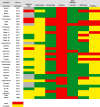
The Effective Public Health Practice Project Quality Assessment tool (EPHPP) (Thomas et al., 2004) was used to evaluate the quality of both RCT and quasi-experimental studies included in our review. Most studies (32 of 34) had at least one weak rating. The most common reason for a ‘weak’ rating was the reporting of blinding of outcome assessors or participants to the study objectives. For the assessment of selection bias, 7 of the 9 RCT (Anand et al., 2007, Brown et al., 2013, Caballero et al., 2003, Harvey-Berino and Rourke, 2003, Story et al., 2012, Tomayko et al., 2016, Davis et al., 1993) were flagged as weak or moderate quality. In an RCT, selection bias refers to “systematic error in creating intervention groups, such that they differ with respect to prognosis” (Consort Glossary, 2020), applying this definition all of the RCT studies would have a ‘strong’ rating. Given this discordance, we did not assign an assessment for selection bias within the RCT studies. Overall two studies had all strong assessments, with no weak ratings (Smithers et al., 2017, Tomayko et al., 2018). Most studies had a moderate or weak overall quality assessment rating (Table 4).
Table 4.
Assessment of quality of included studies.
 |
We summarize the results of studies as they address key outcomes of interest including changes in anthropometrics, nutrition, and physical activity. We did not synthesize data using a meta-analysis because of the heterogeneity in study designs, the variability of study quality, and the heterogeneity of reported outcomes. This summary includes all study designs, both RCT and quasi-experimental.
3.5. Anthropometric measurements
Twenty-one of the studies reported at least one anthropometric measure as an outcome. This included body mass index (BMI), BMI z-score (zBMI), weight, waist circumference, percent body fat, and weight-for-height z-score. Of the 21 articles, ten (Eskicioglu et al., 2014, Gates et al., 2016ea, Karanja et al., 2010, Ronsley et al., 2013, Smithers et al., 2017, Story et al., 2012, Tomayko et al., 2016, Tomayko et al., 2018, Tomlin et al., 2012, Vogeltanz-Holm and Holm, 2018) measured zBMI, and only two reported a statistically significant change in zBMI score with their program (Eskicioglu et al., 2014, Ronsley et al., 2013). Both of the programs that showed a significant decrease in zBMI were quasi-experimental, pilot studies focused on school-based programs that included peer-mentoring components. BMI was measured in nine studies (Brown et al., 2013, Caballero et al., 2003, Chansavang et al., 2015, Colip et al., 2016, Paradis et al., 2005, Ritenbaugh et al., 2003, Saksvig et al., 2005, Story et al., 2012, Teufel-Shone et al., 2014) and none of the studies reported a significant change in individual participant BMI, though one study did report a decrease in proportion of participants who were overweight (Story et al., 2012). Eight studies (Anand et al., 2007, Black et al., 2013, Caballero et al., 2003, Colip et al., 2016, Gates et al., 2016ea, Paradis et al., 2005, Saksvig et al., 2005, Story et al., 2012) reported measures of adiposity (percent body fat), with one study showing a significant reduction (Colip et al., 2016) and another showing a smaller increase in body fat in the intervention group compared to the control group (Paradis et al., 2005). Overall 3 of 32 studies (8.8%) reported a significant change in at least one child anthropometric measurement with an obesity prevention program (Colip et al., 2016, Eskicioglu et al., 2014, Ronsley et al., 2013).
3.6. Change in lifestyle behaviours
Nutrition
Twenty-seven (79%) studies reported nutrition-related outcomes, including: energy consumption, sugar and/or fat intake, fruit and/or vegetable intake, beverage intake (e.g. sugar sweetened beverages, milk, water), dietary patterns, and measures of knowledge, attitudes and barriers towards nutrition. Seven studies reported some measure of energy consumption by participants (Brown et al., 2013, Caballero et al., 2003, Harvey-Berino and Rourke, 2003, Smithers et al., 2017, Story et al., 2012, Tomlin et al., 2012, Oosman, 2013). In two of the studies, participants had significantly decreased energy intake (Caballero et al., 2003, Harvey-Berino and Rourke, 2003). In four studies participants reported minimal change in dietary energy intake (Brown et al., 2013, Smithers et al., 2017, Oosman, 2013, Tomlin et al., 2012). Seven studies (Paradis et al., 2005, Caballero et al., 2003, Anand et al., 2007, Davis et al., 1993, Smithers et al., 2017, Rinderknecht and Smith, 2004, Saksvig et al., 2005) reported changes in sugar and/or fat consumption. Caballero and Saksvig reported a significant decrease in consumption of energy from fats (Caballero et al., 2003, Saksvig et al., 2005). Three studies reported a significant decrease in fat intake (Anand et al., 2007, Story et al., 2012, Davis et al., 1993). The study by Paradis et al reported a significant reduction in high sugar and high fat food items intake (Paradis et al., 2005). Finally Rinderknecht reported an increase in fat and sugars with their program (Rinderknecht and Smith, 2004). Smithers et al reported a decrease in energy intake from sugar (Smithers et al., 2017).
Ten studies reported a change in beverage intake (Anand et al., 2007, Gates et al., 2013cd, Gates et al., 2013d, Gates et al., 2016bc, Ritenbaugh et al., 2003, Ronsley et al., 2013, Skinner et al., 2012, Story et al., 2012, Tomayko et al., 2016, Tomlin et al., 2012). One study reported a significant increase in water consumption (Anand et al., 2007), three studies reported an increase in milk consumption (Gates et al., 2013d, Gates et al., 2016bc, Skinner et al., 2012), two showed no difference in milk consumption(Gates et al., 2013cd, Ronsley et al., 2013), and three demonstrated a decrease in sugar-sweetened beverage (SSB) consumption (Anand et al., 2007, Ritenbaugh et al., 2003, Story et al., 2012). Three studies showed no change in SSB consumption (Ronsley et al., 2013, Tomayko et al., 2016, Tomlin et al., 2012).
Fruit and vegetable consumption was described by 11 studies (Anand et al., 2007, Gates et al., 2011ab, Gates et al., 2016bc, Mihrshahi et al., 2017, Paradis et al., 2005, Ronsley et al., 2013, Skinner et al., 2012, Tomayko et al., 2016, Tomayko et al., 2018, Tomlin et al., 2012, Triador et al., 2015). Of these studies, three reported a significant increase in fruit and vegetable intake (Gates et al., 2016bc, Skinner et al., 2012, Tomayko et al., 2016), one reported an increase in vegetable intake (Mihrshahi et al., 2017), and five reported no impact on fruit and vegetable intake (Anand et al., 2007, Ronsley et al., 2013, Tomayko et al., 2018, Tomlin et al., 2012, Triador et al., 2015). One study observed a decrease in fruits and vegetables consumed (Paradis et al., 2005). One study demonstrated an increase in the variety of vegetables consumed (Tomlin et al., 2012), and two studies demonstrated a significant increase in the fruits and vegetables tried and liked by participants (Gates et al., 2011ab, Triador et al., 2015). One study reported on change in dietary pattern and observed a significant improvement in healthy diet patterns after the program (Tomayko et al., 2018). Of the 12 studies reporting changes in either knowledge, attitudes, and/or behaviours towards components of nutrition. Two studies showed no significant change (Anand et al., 2007, Oosman, 2013). Ten studies demonstrated a significant increase in either knowledge, attitudes, and/or behavior towards diet or nutrition (Brown et al., 2013, Caballero et al., 2003, Eskicioglu et al., 2014, Gates et al., 2011ab, Gates et al., 2013cd, Harvey-Berino and Rourke, 2003, Kelley and Lowe, 2018, Mihrshahi et al., 2017, Saksvig et al., 2005, Triador et al., 2015). Mihrshahi et al also demonstrated change in knowledge and attitudes towards SSBs (Mihrshahi et al., 2017).
Overall, of the 27 studies with nutritional outcomes, 14 studies reported at least one significant change in a positive direction for either dietary intake or pattern (Anand et al., 2007, Caballero et al., 2003, Gates et al., 2013d, Gates et al., 2016bc, Harvey-Berino and Rourke, 2003, Mihrshahi et al., 2017, Paradis et al., 2005, Saksvig et al., 2005, Skinner et al., 2012, Story et al., 2012, Tomayko et al., 2016, Tomayko et al., 2018, Tomlin et al., 2012, Davis et al., 1993), and 10 studies reported a positive change in diet-related knowledge or attitude towards nutrition (Brown et al., 2013, Caballero et al., 2003, Eskicioglu et al., 2014, Gates et al., 2011ab, Gates et al., 2013cd, Harvey-Berino and Rourke, 2003, Kelley and Lowe, 2018, Mihrshahi et al., 2017, Saksvig et al., 2005, Triador et al., 2015).
Physical activity
Eighteen studies reported outcomes related to change in physical activity (Anand et al., 2007, Brown et al., 2013, Caballero et al., 2003, Chansavang et al., 2015, Gates et al., 2016ea, Harvey-Berino and Rourke, 2003, Kelley and Lowe, 2018, Mihrshahi et al., 2017, Paradis et al., 2005, Peralta et al., 2014, Ronsley et al., 2013, Story et al., 2012, Tomayko et al., 2016, Tomayko et al., 2018, Tomlin et al., 2012, Davis et al., 1993, Oosman, 2013, Teufel-Shone et al., 2014). Of these, 10 studies reported objectively measured outcomes related to physical fitness and activity including accelerometry (Brown et al., 2013, Caballero et al., 2003, Harvey-Berino and Rourke, 2003, Tomayko et al., 2016, Tomlin et al., 2012, Oosman, 2013) and a 1-mile run/walk and shuttle run tests (Chansavang et al., 2015, Gates et al., 2016ea, Paradis et al., 2005, Teufel-Shone et al., 2014). Two studies also reported changes in curl-ups, push-ups, and/or sit/reach tests (Gates et al., 2016ea, Teufel-Shone et al., 2014). Self-reported measures of physical activity were collected through questionnaires in 14 studies (Anand et al., 2007, Brown et al., 2013, Caballero et al., 2003, Chansavang et al., 2015, Gates et al., 2016ea, Mihrshahi et al., 2017, Paradis et al., 2005, Peralta et al., 2014, Ronsley et al., 2013, Story et al., 2012, Tomayko et al., 2018, Tomlin et al., 2012, Davis et al., 1993, Oosman, 2013), and a further 6 studies reported measures of knowledge, attitudes and behaviours around physical activity or exercise (Kelley and Lowe, 2018, Caballero et al., 2003, Anand et al., 2007, Davis et al., 1993, Oosman, 2013, Mihrshahi et al., 2017). One study also reported on maternal intention to change physical activity and self-efficacy for physical activity (Harvey-Berino and Rourke, 2003). No studies that objectively measured physical activity with accelerometers showed a significant change, and only 4 studies (Caballero et al., 2003, Chansavang et al., 2015, Gates et al., 2016ea, Davis et al., 1993) reported a significant change in self-reported physical activity. Four studies showed a significant increase in aerobic fitness (Chansavang et al., 2015, Gates et al., 2016ea, Tomlin et al., 2012, Teufel-Shone et al., 2014).
4. Discussion
We have summarized the primary literature addressing obesity prevention programs among Indigenous children across multiple settings and countries. Our study highlights programs to prevent obesity among Indigenous children have a negligible impact on anthropometric measurements such as BMI. We observed evidence of changes in nutrition and physical activity in a limited number of studies. A limitation of the synthesis of this body of literature is that most studies were quasi-experimental design and were assessed as low to moderate quality, which puts into question the validity of the results.
RCTs are considered the highest level evidence for the evaluation of the efficacy of an intervention (Akobeng, 2005). In North America, Australia, and New Zealand, interventional research accounts for only 18% of published Indigenous health research (Anderson, 2019). To move towards reconciliation and better health for Indigenous Peoples, Anderson describes the need for Indigenous health research to be “well-designed, high-quality interventional research affecting population health outcomes” (Anderson, 2019). Despite this, only 26% of studies included in our review were RCTs, however this accounted for the majority of study participants (59%). There were many potential reasons for the diversity of the study designs in this review. Some authors noted that elements of an RCT design were not considered well-suited for their community-engaged evaluation and was not appropriate after consultation with community members. The studies that were RCT design were cluster RCT design, that is they were randomized at the level of a community, school, or family, and this may have been considered more acceptable to communities. It is imperative that Indigenous research paradigms and worldviews inform research to improve health outcomes, this includes interventional research.
Along with study design, the components of the obesity prevention programs must be considered in evaluating effectiveness. A review by Willows et al outlines the importance of understanding the contributions of socio-ecological factors for weight-related considerations among Indigenous communities (Willows et al., 2012). This framework includes the individual and family context but also highlights the undeniable impact of social determinants of health, and for Indigenous communities this includes the enduring legacy of colonialism that continues to have downstream effects (Willows et al., 2012). However despite facing adversity, Indigenous communities have shown strength and resilience through connection to language, culture and land (King et al., 2009, Stanley et al., 2020). In a qualitative study to understand the priorities and strategies for healthy active lifestyles for young children, participants from two Indigenous communities in Canada highlighted similar themes including the importance of integrating traditional ways of life into nutrition and physical activity programs, as well as placing into context the knowledge and understanding of systems that perpetuate health inequities (Wahi et al., 2020). There were studies included in this review that addressed themes of traditional culture and knowledge through different methods including talking circles (Kelley and Lowe, 2018), content such as traditional foods and activities (Brown et al., 2013), and multi-level programs aimed at influencing the environment with policy changes (Paradis et al., 2005, Caballero et al., 2003). However, future programs must consider the negative health impacts of the social determinants of health which have eroded many positive health behaviours rooted in traditional Indigenous knowledge and culture (Wahi et al., 2020). The connections to tradition, culture, and land are a pathway to health that must be prioritized (Stanley et al., 2020, Oster et al., 2014).
The outcomes reported by studies varied, which led to challenges with synthesizing results across studies. For example, of the 27 studies that reported nutrition-related outcomes, 14 showed at least one significant difference in a nutrition behaviour. However there were considerable variations in the study designs, and the measurement of the outcomes which precluded a meta-analysis. Another important consideration for reported outcomes is prioritizing outcomes identified by Indigenous communities. For example, in spite of our finding that all 34 of studies had noted partnerships with communities, it was unclear in some studies how communities participated in prioritizing participant- and/or community-important outcomes. In this review we did not assess, within each of the included studies, the contributions or priorities of Indigenous participants and communities. This is an important limitation which we highlight to draw attention for the need of methodologies specific to Indigenous-focused systematic reviews. There are tools for systematic reviews that could be used for this purpose. For example, Hartfield et al have developed a quality appraisal tool specific to Aboriginal and Torres Strait Islanders to “assess the quality of research from an Indigenous perspective” (Harfield et al., 2020). Further, a ‘two-eyed seeing’ approach, which honours Indigenous methodologies, could be the foundation for culturally-relevant and appropriate systematic review methodologies that are guided by Indigenous knowledge, and is an approach to guide researchers that honour Indigenous ways of knowing (Louise et al., 2020, Martin, 2012).
We also identify other potential limitations of our review. First, we limited the geographic restrictions placed on the selection of studies. However, because countries in all regions have similar histories of colonization, negative health consequences and systemic injustices we felt it was a reasonable inclusion criterion. Second, we did not perform data synthesis through meta-analysis given the variability of study design and quality assessments. Third, the quality of the evidence was relatively poor. All but two studies had at least one assessment to be either poor or moderate quality. However, a consideration for the interpretation of study quality must be the definition of the terms used in the tool. The one element that was notably weak on a number of studies was ‘blinding’. For a study to receive a positive rating (‘strong’) for blinding the study participants must be unaware of the research question. In the context of a participatory research design, this definition may be against principles of community partnerships. However, having outcome assessors blinded to the allocation of participants to groups could be a consideration. Another example, one must consider is how selection bias is defined for RCT studies. In our study 7 of 9 RCT studies had moderate or weak ratings. In the EPHPP, to receive a ‘strong’ rating for selection bias, recruited participants were to be ‘representative’ of the target population, i.e. reflecting the selection from the broader population, as well as and have a high (>80%) rate of participation. Selection bias in RCT studies is traditionally considered differently, specifically Cochrane defines selection bias as the “systemic difference between baseline characteristics of the groups that are being compared” (Higgins and Green, 2008), which may impact the estimate of the effect (Mansournia et al., 2017). If this alternate definition is applied, a higher proportion of the included RCT studies would have a “strong” rating, we chose in this case to not provide an appraisal for selection bias for RCT studies. Lastly, we acknowledge that the composition of our study team was primarily non-Indigenous, academic researchers, although some have long-standing experiences working with Indigenous communities, only one author identifies as Indigenous.
In conclusion, there is a paucity of high-quality evidence to guide the implementation of obesity-prevention programs for children among Indigenous communities in Canada, United States, Australia and New Zealand. Given the significant health burden of childhood obesity and its complications, it is imperative that programs be better understood. As importantly, Indigenous knowledge and ways of knowing must be valued and supported to lead all phases of development, implementation, and evaluations of programs. Finally, prioritizing the impact of upstream factors are important and is imperative for child health outcomes and future generations.
Declaration of Competing Interest
The authors declare that they have no known competing financial interests or personal relationships that could have appeared to influence the work reported in this paper.
Gita Wahi’s Declaration of Interests: G Wahi has held grants from the Canadian Institutes of Health Research and is a recipient of a Research Early Career Award from Hamilton Health Sciences Foundation.
Russell de Souza’s Declaration of Interests: RJ de Souza has served as an external resource person to the World Health Organization’s Nutrition Guidelines Advisory Group on trans fats, saturated fats, and polyunsaturated fats. The WHO paid for his travel and accommodation to attend meetings from 2012-2017 to present and discuss this work. He has also done contract research for the Canadian Institutes of Health Research’s Institute of Nutrition, Metabolism, and Diabetes, Health Canada, and the World Health Organization for which he received remuneration. He has received speaker’s fees from the University of Toronto, and McMaster Children’s Hospital. He has held grants from the Canadian Institutes of Health Research, Canadian Foundation for Dietetic Research, Population Health Research Institute, and Hamilton Health Sciences Corporation as a principal investigator, and is a co-investigator on several funded team grants from the Canadian Institutes of Health Research. He serves as a member of the Nutrition Science Advisory Committee to Health Canada (Government of Canada), and as an independent director of the Helderleigh Foundation (Canada).
Footnotes
Supplementary data to this article can be found online at https://doi.org/10.1016/j.pmedr.2021.101347.
Appendix A. Supplementary data
The following are the Supplementary data to this article:
References
- Adams A., Receveur O., Mundt M., Paradis G., Macaulay A.C. Healthy lifestyle indicators in children (grades 4 to 6) from the Kahnawake Schools Diabetes Prevention Project. Can. J. Diabetes. 2005;29(4):403–409. [Google Scholar]
- Adelson N. The embodiment of inequity: health disparities in aboriginal Canada. Can. J. Public Health. 2005;96:S45–S61. doi: 10.1007/BF03403702. [DOI] [PMC free article] [PubMed] [Google Scholar]
- Akobeng A.K. Understanding randomised controlled trials. Arch. Dis. Child. 2005;90(8):840. doi: 10.1136/adc.2004.058222. [DOI] [PMC free article] [PubMed] [Google Scholar]
- Anand S.S., Davis A.D., Ahmed R. A family-based intervention to promote healthy lifestyles in an Aboriginal community in Canada. Can. J. Public Health. 2007;98(6):447–452. doi: 10.1007/BF03405436. [DOI] [PMC free article] [PubMed] [Google Scholar]
- Anderson M. Indigenous health research and reconciliation. CMAJ. 2019;191(34):E930–E931. doi: 10.1503/cmaj.190989. [DOI] [PMC free article] [PubMed] [Google Scholar]
- Arcan C., Hannan P.J., Himes J.H. Intervention effects on kindergarten and first-grade teachers' classroom food practices and food-related beliefs in American Indian reservation schools. J. Acad. Nutr. Dietet. 2013;113(8):1076–1083. doi: 10.1016/j.jand.2013.04.019. [DOI] [PMC free article] [PubMed] [Google Scholar]
- Black A.P., Vally H., Morris P.S. Health outcomes of a subsidised fruit and vegetable program for Aboriginal children in northern New South Wales. Med. J. Austr. 2013;199(1):46–50. doi: 10.5694/mja13.10445. [DOI] [PubMed] [Google Scholar]
- Bleich S.N., Segal J., Wu Y., Wilson R., Wang Y. Systematic review of community-based childhood obesity prevention studies. Pediatrics. 2013;132(1):e201–e210. doi: 10.1542/peds.2013-0886. [DOI] [PMC free article] [PubMed] [Google Scholar]
- Brown T., Moore T.H.M., Hooper L. Interventions for preventing obesity in children. Cochrane Database System. Rev. 2019;7 doi: 10.1002/14651858.CD001871.pub4. [DOI] [PMC free article] [PubMed] [Google Scholar]
- Brown B., Noonan C., Harris K.J. Developing and piloting the Journey to Native Youth Health program in Northern Plains Indian communities. Diabetes Educator. 2013;39(1):109–118. doi: 10.1177/0145721712465343. [DOI] [PubMed] [Google Scholar]
- Bullock A.M.D., Sheff K.M.S., Moore K.M.D., Manson S.P. Obesity and overweight in American Indian and Alaska Native Children, 2006–2015. Am. J. Public Health. 2017;107(9):1502–1507. doi: 10.2105/AJPH.2017.303904. [DOI] [PMC free article] [PubMed] [Google Scholar]
- Caballero B., Clay T., Davis S.M. Pathways: a school-based, randomized controlled trial for the prevention of obesity in American Indian schoolchildren. Am. J. Clin. Nutr. 2003;78(5):1030–1038. doi: 10.1093/ajcn/78.5.1030. [DOI] [PMC free article] [PubMed] [Google Scholar]
- Chansavang Y., Elley C.R., McCaffrey B., Davidson C., Dewes O., Dalleck L. Feasibility of an after-school group-based exercise and lifestyle programme to improve cardiorespiratory fitness and health in less-active Pacific and Maori adolescents. J. Primary Health Care. 2015;7(1):57–64. [PubMed] [Google Scholar]
- Colip L., Chavez M., Sandy P. A 24 week physical fitness program improves body composition among southwestern native American adolescents at risk for diabetes. J. Invest. Med. 2016;64(1):234. [Google Scholar]
- CONSORT. Consort Glossary. http://www.consort-statement.org/resources/glossary#S (accessed September 26 2020).
- Cunningham-Sabo L., Snyder M.P., Anliker J. Impact of the Pathways food service intervention on breakfast served in American-Indian schools. Prev. Med. 2003;37:S46–S54. doi: 10.1016/j.ypmed.2003.08.007. [DOI] [PubMed] [Google Scholar]
- Davis, S., Gomez, Y., Lambert, L., Skipper, B., Williams, CLKSYS, 1993. Primary prevention of obesity in American Indian children. Prev. Treatment Childhood Obes., 167–180. [DOI] [PubMed]
- Deeks J.J., Dinnes J., D'Amico R. Evaluating non-randomised intervention studies. Health Technol. Assessment (Winchester, England) 2003;7(27):iii–173. doi: 10.3310/hta7270. [DOI] [PubMed] [Google Scholar]
- Dyer S.M., Gomersall J.S., Smithers L.G., Davy C., Coleman D.T., Street J.M. Prevalence and characteristics of overweight and obesity in Indigenous Australian children: a systematic review. Crit. Rev. Food Sci. Nutr. 2017;57(7):1365–1376. doi: 10.1080/10408398.2014.991816. [DOI] [PubMed] [Google Scholar]
- Eskicioglu P., Halas J., Senechal M. Peer mentoring for type 2 diabetes prevention in first nations children. Pediatrics. 2014;133(6):e1624–e1631. doi: 10.1542/peds.2013-2621. [DOI] [PubMed] [Google Scholar]
- Franks P.W., Hanson R.L., Knowler W.C., Sievers M.L., Bennett P.H., Looker H.C. Childhood obesity, other cardiovascular risk factors, and premature death. N. Engl. J. Med. 2010;362:485–493. doi: 10.1056/NEJMoa0904130. [DOI] [PMC free article] [PubMed] [Google Scholar]
- Gates A., Hanning R.M., Gates M., Isogai A.D., Metatawabin J., Tsuji L.J.S. A school nutrition program improves vegetable and fruit knowledge, preferences, and exposure in First Nation youth. Open Nutr. J. 2011;5(1) [Google Scholar]
- Gates M., Hanning R.M., Gates A., Isogai A., Tsuji L.J.S., Metatawabin J. A pilot comprehensive school nutrition program improves knowledge and intentions for intake of milk and milk alternatives among youth in a remote First Nation. J. Nutr. Educ. Behav. 2013;45(5):455–459. doi: 10.1016/j.jneb.2012.12.002. [DOI] [PubMed] [Google Scholar]
- Gates M., Hanning R.M., Gates A., McCarthy D.D., Tsuji L.J.S. Assessing the impact of pilot school snack programs on milk and alternatives intake in 2 remote first nation communities in Northern Ontario, Canada. J. School Health. 2013;83(2):69–76. doi: 10.1111/josh.12000. [DOI] [PubMed] [Google Scholar]
- Gates M., Hanning R.M., Gates A., Stephen J., Fehst A., Tsuji L.J. A pilot school sports program in a remote Canadian First Nation: evaluation of process and outcomes. Health Behav. Policy Rev. 2016;3(2):123–135. [Google Scholar]
- Gates A., Hanning R.M., Gates M., Stephen J., Tsuji L.J.S. Four-year evaluation of a healthy school snack program in a remote First Nations community. Health Behav. Policy Rev. 2016;3(3):226–237. [Google Scholar]
- Global health risks: mortality and burden of disease attributable to selected major risks. December 2009. http://www.who.int/healthinfo/global_burden_disease/GlobalHealthRisks_report_full.pdf. (accessed September 2, 2010.
- Godin K., Leatherdale S., Elton-Marshall T. A systematic review of the effectiveness of school-based obesity prevention programmes for First Nations, Inuit and Métis youth in Canada. Clin. Obesity. 2015;5(3):103–115. doi: 10.1111/cob.12099. [DOI] [PubMed] [Google Scholar]
- Going S., Thompson J., Cano S. The effects of the pathways obesity prevention program on physical activity in American Indian children. Prev. Med. 2003;37:S62–S69. doi: 10.1016/j.ypmed.2003.08.005. [DOI] [PubMed] [Google Scholar]
- Gracey M., King M. Indigenous health part 1: determinants and disease patterns. Lancet. 2009;374(9683):65–75. doi: 10.1016/S0140-6736(09)60914-4. [DOI] [PubMed] [Google Scholar]
- Greenwood M.L., de Leeuw S.N. Social determinants of health and the future well-being of Aboriginal children in Canada. Paediatr. Child Health. 2012;17(7):381–384. [PMC free article] [PubMed] [Google Scholar]
- Gurnani M., Birken C., Hamilton J. Childhood obesity: causes, consequences, and management. Pediatr. Clin. North Am. 2015;62(4):821–840. doi: 10.1016/j.pcl.2015.04.001. [DOI] [PubMed] [Google Scholar]
- Harfield S., Pearson O., Morey K. Assessing the quality of health research from an Indigenous perspective: the Aboriginal and Torres Strait Islander quality appraisal tool. BMC Med. Res. Method. 2020;20:1–9. doi: 10.1186/s12874-020-00959-3. [DOI] [PMC free article] [PubMed] [Google Scholar]
- Harvey-Berino J., Rourke J. Obesity prevention in preschool native-American children: a pilot study using home visiting. Obes. Res. 2003;11(5):606–611. doi: 10.1038/oby.2003.87. [DOI] [PubMed] [Google Scholar]
- Higgins, J., Green, S., 2008. Cochrane handbook for systematic reviews of interventions. Cochrane Collab. (2008); Version 5.0.1.
- Himes J.H., Ring K., Gittelsohn J. Impact of the pathways intervention on dietary intakes of American Indian schoolchildren. Prev. Med. 2003;37:S55–S61. doi: 10.1016/j.ypmed.2003.08.003. [DOI] [PubMed] [Google Scholar]
- Karanja N., Lutz T., Ritenbaugh C. The TOTS community intervention to prevent overweight in American Indian toddlers beginning at birth: a feasibility and efficacy study. J. Community Health. 2010;35(6):667–675. doi: 10.1007/s10900-010-9270-5. [DOI] [PMC free article] [PubMed] [Google Scholar]
- Kelley M.N. The impact of an obesity risk prevention study among native American Youth. ABNF J. 2019;30(1) [Google Scholar]
- M.N. Kelley, J.R. Lowe, Strong cultural identity effects stress levels among native American youth at risk for obesity. J. Cult. Divers. 25(4) (2018).
- Kelley M.N., Lowe J.R. A culture-based talking circle intervention for native American youth at risk for obesity. J. Commun. Health Nurs. 2018;35(3):102–117. doi: 10.1080/07370016.2018.1475796. [DOI] [PubMed] [Google Scholar]
- King M., Smith A., Gracey M. Indigenous health part 2: the underlying causes of the health gap. Lancet. 2009;374(9683):76–85. doi: 10.1016/S0140-6736(09)60827-8. [DOI] [PubMed] [Google Scholar]
- Krebs N.F., Jacobson M.S. Prevention of pediatric overweight and obesity. Pediatrics. 2003;112(2):424–430. doi: 10.1542/peds.112.2.424. [DOI] [PubMed] [Google Scholar]
- Laws R., Campbell K.J., van der Pligt P. The impact of interventions to prevent obesity or improve obesity related behaviours in children (0–5 years) from socioeconomically disadvantaged and/or indigenous families: a systematic review. BMC Public Health. 2014;14(1):779. doi: 10.1186/1471-2458-14-779. [DOI] [PMC free article] [PubMed] [Google Scholar]
- Louise J., Sian G., Jackie M., Brandy W. Walking the path together: incorporating Indigenous knowledge in diabetes research. Lancet Diab. Endocrinol. 2020;8(7):559–560. doi: 10.1016/S2213-8587(20)30188-1. [DOI] [PubMed] [Google Scholar]
- Mansournia M.A., Higgins J.P.T., Sterne J.A.C., Hernán M.A. Biases in randomized trials: a conversation between trialists and epidemiologists. Epidemiology (Cambridge, Mass) 2017;28(1):54–59. doi: 10.1097/EDE.0000000000000564. [DOI] [PMC free article] [PubMed] [Google Scholar]
- Martin D.H. Two-eyed seeing: a framework for understanding indigenous and non-indigenous approaches to indigenous health research. Canad. J. Nurs. Res. Arch. 2012;44(2) [PubMed] [Google Scholar]
- Mihrshahi S., Vaughan L., Fa'avale N., De Silva W.S., Manu-Sione I., Schubert L. Evaluation of the Good Start Program: a healthy eating and physical activity intervention for Maori and Pacific Islander children living in Queensland, Australia. BMC Public Health. 2017;17(1):1–10. doi: 10.1186/s12889-016-3977-x. [DOI] [PMC free article] [PubMed] [Google Scholar]
- Moher D., Liberati A., Tetzlaff J., Altman D.G. Preferred reporting items for systematic reviews and meta-analyses: the PRISMA statement. Ann. Intern. Med. 2009;151(4):264–269. doi: 10.7326/0003-4819-151-4-200908180-00135. [DOI] [PubMed] [Google Scholar]
- Oosman S.N. Kica-wasimisinanahk Miyo-Ayawin ~ our children's health. promoting physical activity and nutrition through a health promoting school-based intervention in a Métis community. Dissert. Abstracts Int.: Sect. B: Sci. Eng. 2013;74(6-B(E)) No-Specified. [Google Scholar]
- Oster R.T., Grier A., Lightning R., Mayan M.J., Toth E.L. Cultural continuity, traditional Indigenous language, and diabetes in Alberta First Nations: a mixed methods study. Int. J. Equity Health. 2014;13(1):92. doi: 10.1186/s12939-014-0092-4. [DOI] [PMC free article] [PubMed] [Google Scholar]
- Paradis G., Levesque L., Macaulay A.C. Impact of a diabetes prevention program on body size, physical activity, and diet among Kanien'keha:ka (Mohawk) children 6 to 11 years old: 8-year results from the Kahawake schools diabetes prevention project. Pediatrics. 2005;115(2):333–339. doi: 10.1542/peds.2004-0745. [DOI] [PubMed] [Google Scholar]
- Peralta L.R., O’Connor D., Cotton W.G., Bennie A. The effects of a community and school sport-based program on urban Indigenous adolescents’ life skills and physical activity levels: the SCP case study. Health. 2014;6(18):2469. [Google Scholar]
- Rinderknecht K., Smith C. Social cognitive theory in an after-school nutrition intervention for urban Native American youth. J. Nutr. Educ. Behav. 2004;36(6):298–304. doi: 10.1016/s1499-4046(06)60398-9. [DOI] [PubMed] [Google Scholar]
- Ritenbaugh C., Teufel-Shone N.I., Aickin M.G. A lifestyle intervention improves plasma insulin levels among Native American high school youth. Prev. Med. 2003;36(3):309–319. doi: 10.1016/s0091-7435(02)00015-4. [DOI] [PubMed] [Google Scholar]
- Ronsley R., Lee A.S., Kuzeljevic B., Panagiotopoulos C. Healthy Buddies™ reduces body mass index Z-Score and waist circumference in Aboriginal children living in remote coastal communities. J. Sch. Health. 2013;83(9):605–613. doi: 10.1111/josh.12072. [DOI] [PubMed] [Google Scholar]
- Saksvig B., Gittelsohn J., Harris S.B., Hanley A.J.G., Valente T.W., Zinman B. A pilot school-based health eating and physical activity intervention improves diet, food knowledge, and self-efficacy for Native Canadian children. J. Nutr. 2005;135:2392–2398. doi: 10.1093/jn/135.10.2392. [DOI] [PubMed] [Google Scholar]
- Skinner K., Hanning R., Metatawabin J., Martin I.D., Tsuji L.J. Impact of a school snack program on the dietary intake of grade six to ten First Nation students living in a remote community in northern Ontario, Canada. Rural Rem. Health. 2012;12(2122) [PubMed] [Google Scholar]
- Smithers L.G., Lynch J., Hedges J., Jamieson L.M. Diet and anthropometry at 2 years of age following an oral health promotion programme for Australian Aboriginal children and their carers: a randomised controlled trial. British J. Nutr. 2017;118(12):1061–1069. doi: 10.1017/S000711451700318X. [DOI] [PubMed] [Google Scholar]
- Stanley L.R., Swaim R.C., Kaholokula J.K., Kelly K.J., Belcourt A., Allen J. The imperative for research to promote health equity in indigenous communities. Prev. Sci. 2020;21(1):13–21. doi: 10.1007/s11121-017-0850-9. [DOI] [PMC free article] [PubMed] [Google Scholar]
- Stevens J., Story M., Ring K. The impact of the Pathways intervention on psychosocial variables related to diet and physical activity in American Indian schoolchildren. Prev. Med. 2003;37(6 Pt 2):S70–S79. doi: 10.1016/j.ypmed.2003.08.012. [DOI] [PubMed] [Google Scholar]
- Story M., Hannan P.J., Fulkerson J.A. Bright Start: description and main outcomes from a group-randomized obesity prevention trial in American Indian children. Obesity (Silver Spring, Md) 2012;20(11):2241–2249. doi: 10.1038/oby.2012.89. [DOI] [PMC free article] [PubMed] [Google Scholar]
- Teufel-Shone, N.I., Gamber, M., Watahomigie, H., et al., 2014. Using a participatory research approach in a school-based physical activity intervention to prevent diabetes in the Hualapai Indian community, Arizona, 2002-2006. Prev. Chronic Dis. 11 (2014) E166-E. [DOI] [PMC free article] [PubMed]
- Thomas B., Ciliska D., Dobbins M., Micucci S. A process for systematically reviewing the literature: providing the research evidence for public health nursing interventions. Worldviews Evidence-Based Nurs. 2004;1(3):176–184. doi: 10.1111/j.1524-475X.2004.04006.x. [DOI] [PubMed] [Google Scholar]
- Tomayko E.J., Prince R.J., Cronin K.A., Adams A.K. The Healthy Children, Strong Families intervention promotes improvements in nutrition, activity and body weight in American Indian families with young children. Public Health Nutr. 2016;19(15):2850–2859. doi: 10.1017/S1368980016001014. [DOI] [PMC free article] [PubMed] [Google Scholar]
- Tomayko E.J., Prince R.J., Cronin K.A., Kim K., Parker T., Adams A.K. The Healthy Children, Strong Families 2 (HCSF2) randomized controlled trial improved healthy behaviors in American Indian families with young children. Curr. Dev. Nutr. 2018;3(Suppl 2):53–62. doi: 10.1093/cdn/nzy087. [DOI] [PMC free article] [PubMed] [Google Scholar]
- Tomlin D., Naylor P.J., McKay H., Zorzi A., Mitchell M., Panagiotopoulos C. The impact of Action Schools! BC on the health of Aboriginal children and youth living in rural and remote communities in British Columbia. Int. J. Circumpolar Health. 2012;71:17999. doi: 10.3402/ijch.v71i0.17999. [DOI] [PMC free article] [PubMed] [Google Scholar]
- Tremblay M.S., Willms J.D. Secular trends in the body mass index of Canadian children. CMAJ. 2000;163(11):1429–1433. [PMC free article] [PubMed] [Google Scholar]
- Triador L., Farmer A., Maximova K., Willows N., Kootenay J. A school gardening and healthy snack program increased aboriginal first nations children's preferences toward vegetables and fruit. J. Nutr. Educ. Behav. 2015;47(2):176–180. doi: 10.1016/j.jneb.2014.09.002. [DOI] [PubMed] [Google Scholar]
- United Nations Department of Economic and Social Affairs. Indigenous Peoples at the UN. 2019. https://www.un.org/development/desa/indigenouspeoples/about-us.html (accessed July 1 2019).
- Vogeltanz-Holm N., Holm J. Changes in body mass index during a 3-year elementary school-based obesity prevention program for American Indian and white rural students. Health Educ. Behav. 2018;45(2):277–285. doi: 10.1177/1090198117714825. [DOI] [PubMed] [Google Scholar]
- Wahi G., Wilson J., Oster R. Strategies for promoting healthy nutrition and physical activity among young children: priorities of two indigenous communities in Canada. Curr Dev Nutr. 2020;4(1):nzz137-nzz. doi: 10.1093/cdn/nzz137. [DOI] [PMC free article] [PubMed] [Google Scholar]
- Wang Y., Cai L., Wu Y. What childhood obesity prevention programmes work? A systematic review and meta-analysis. Obes. Rev. 2015;16(7):547–565. doi: 10.1111/obr.12277. [DOI] [PMC free article] [PubMed] [Google Scholar]
- Weber J.L., Cunningham-Sabo L., Skipper B. Portion-size estimation training in second- and third-grade American Indian children. Am. J. Clin. Nutr. 1999;69(4 Suppl):782S–787S. doi: 10.1093/ajcn/69.4.782S. [DOI] [PubMed] [Google Scholar]
- Willows N.D., Hanley A.J., Delormier T. A socioecological framework to understand weight-related issues in Aboriginal children in Canada. Appl. Physiol. Nutr. Metab. 2012;37:1–13. doi: 10.1139/h11-128. [DOI] [PubMed] [Google Scholar]
- World Health Organization. http://www.who.int/dietphysicalactivity/childhood. 2010 (accessed December 21 2010).
Associated Data
This section collects any data citations, data availability statements, or supplementary materials included in this article.