


Abstract
Background
Ovarian hyperstimulation syndrome (OHSS) is a potentially serious complication of ovarian stimulation in assisted reproduction technology (ART). It is characterised by enlarged ovaries and an acute fluid shift from the intravascular space to the third space, resulting in bloating, increased risk of venous thromboembolism, and decreased organ perfusion. Most cases are mild, but forms of moderate or severe OHSS appear in 3% to 8% of in vitro fertilisation (IVF) cycles. Dopamine agonists were introduced as a secondary prevention intervention for OHSS in women at high risk of OHSS undergoing ART treatment.
Objectives
To assess the effectiveness and safety of dopamine agonists in preventing OHSS in women at high risk of developing OHSS when undergoing ART treatment.
Search methods
We searched the following databases from inception to 4 May 2020: Cochrane Gynaecology and Fertility Specialised Register, CENTRAL, MEDLINE, Embase, CINAHL, and PsycINFO for randomised controlled trials (RCTs) assessing the effect of dopamine agonists on OHSS rates. We also handsearched reference lists and grey literature.
Selection criteria
We considered RCTs for inclusion that compared dopamine agonists with placebo/no intervention or another intervention for preventing OHSS in ART. Primary outcome measures were incidence of moderate or severe OHSS and live birth rate. Secondary outcomes were rates of clinical pregnancy, multiple pregnancy, miscarriage, and adverse events.
Data collection and analysis
Two review authors independently screened titles, abstracts, and full texts of publications; selected studies; extracted data; and assessed risk of bias. We resolved disagreements by consensus. We reported pooled results as odds ratios (OR) and 95% confidence interval (CI) by the Mantel‐Haenszel method. We applied GRADE criteria to judge overall quality of the evidence.
Main results
The search identified six new RCTs, resulting in 22 included RCTs involving 3171 women at high risk of OHSS for this updated review. The dopamine agonists were cabergoline, quinagolide, and bromocriptine.
Dopamine agonists versus placebo or no intervention
Dopamine agonists probably lowered the risk of moderate or severe OHSS compared to placebo/no intervention (OR 0.32, 95% CI 0.23 to 0.44; 10 studies, 1202 participants; moderate‐quality evidence). This suggests that if the risk of moderate or severe OHSS following placebo/no intervention is assumed to be 27%, the risk following dopamine agonists would be between 8% and 14%. We are uncertain of the effect of dopamine agonists on rates of live birth (OR 0.96, 95% CI 0.60 to 1.55; 3 studies, 362 participants; low‐quality evidence). We are also uncertain of the effect of dopamine agonists on clinical pregnancy, multiple pregnancy, miscarriage or adverse events (very low to low‐quality evidence).
Dopamine agonists plus co‐intervention versus co‐intervention
Dopamine agonist plus co‐intervention (hydroxyethyl starch, human albumin, or withholding ovarian stimulation 'coasting') may decrease the risk of moderate or severe OHSS compared to co‐intervention (OR 0.48, 95% CI 0.28 to 0.84; 4 studies, 748 participants; low‐quality evidence). Dopamine agonists may improve rates of live birth (OR 1.21, 95% CI 0.81 to 1.80; 2 studies, 400 participants; low‐quality evidence). Dopamine agonists may improve rates of clinical pregnancy and miscarriage, but we are uncertain if they improve rates of multiple pregnancy or adverse events (very low to low‐quality evidence).
Dopamine agonists versus other active interventions
We are uncertain if cabergoline improves the risk of moderate or severe OHSS compared to human albumin (OR 0.21, 95% CI 0.12 to 0.38; 3 studies, 296 participants; very low‐quality evidence), prednisolone (OR 0.27, 95% CI 0.05 to 1.33; 1 study; 150 participants; very low‐quality evidence), hydroxyethyl starch (OR 2.69, 95% CI 0.48 to 15.10; 1 study, 61 participants; very low‐quality evidence), coasting (OR 0.42, 95% CI 0.18 to 0.95; 3 studies, 320 participants; very low‐quality evidence), calcium infusion (OR 1.83, 95% CI 0.88 to 3.81; I² = 81%; 2 studies, 400 participants; very low‐quality evidence), or diosmin (OR 2.85, 95% CI 1.35 to 6.00; 1 study, 200 participants; very low‐quality evidence). We are uncertain of the effect of dopamine agonists on rates of live birth (OR 1.08, 95% CI 0.73 to 1.59; 2 studies, 430 participants; low‐quality evidence). We are uncertain of the effect of dopamine agonists on clinical pregnancy, multiple pregnancy or miscarriage (low to moderate‐quality evidence). There were no adverse events reported.
Authors' conclusions
Dopamine agonists probably reduce the incidence of moderate or severe OHSS compared to placebo/no intervention, while we are uncertain of the effect on adverse events and pregnancy outcomes (live birth, clinical pregnancy, miscarriage). Dopamine agonists plus co‐intervention may decrease moderate or severe OHSS rates compared to co‐intervention only, but we are uncertain whether dopamine agonists affect pregnancy outcomes. When compared to other active interventions, we are uncertain of the effects of dopamine agonists on moderate or severe OHSS and pregnancy outcomes.
Plain language summary
Can dopamine agonists prevent ovarian hyperstimulation syndrome in women undergoing fertility treatment with IVF or ICSI?
Why we did this Cochrane Review
We wanted to find out whether dopamine agonists are effective and safe for preventing ovarian hyperstimulation syndrome (OHSS) in women at high risk of OHSS (e.g. women with polycystic ovaries or a high number of eggs following ovarian stimulation) undergoing in vitro fertilisation (IVF) or intracytoplasmic sperm injection (ICSI). How effective are these medicines compared to other types of medicines or withholding ovarian stimulation for a few days (called coasting))?
Background
IVF (eggs and sperm are mixed in a laboratory and the resulting embryo inserted into the womb) or ICSI (an IVF procedure where a single sperm cell is injected directly into an egg in a laboratory and the resulting embryo inserted into the womb) are treatments for infertility. To do these, the ovaries (female reproductive organs) are stimulated to produce more eggs by giving women a hormone medication. OHSS is a complication of the stimulation of the ovaries in IVF or ICSI treatment where too many eggs develop, the ovaries swell up, and fluid leaks into other parts of the body, resulting in bloating of the stomach, blood clots, and a reduction in blood and oxygen to important organs. In most cases, the condition is mild and resolves without treatment, but some women develop a moderate or severe form of OHSS that requires hospitalisation. There is no cure for OHSS other than waiting for it to settle down and managing the symptoms until they disappear.
Dopamine agonists are a medicine that could prevent the leaking of fluid from the blood vessels to other parts of the body, which is a major problem in OHSS.
Several treatments have been suggested to prevent OHSS. For example, coasting, or medications that keep fluid in the blood vessels (dopamine agonists, human albumin, hydroxyethyl starch, calcium, or diosmin) or support organ function (prednisolone).
What we found
We found 22 randomised controlled trials (a type of study that gives the most reliable evidence about the effects of a treatment) involving 3171 women at high risk of OHSS that evaluated three dopamine agonists (cabergoline, bromocriptine, and quinagolide). Six studies are new in this update. The main outcome measures were the number of new cases (incidence) of moderate or severe OHSS and live birth rate. The evidence is current to 4 May 2020.
Key results
Dopamine agonists versus placebo/no treatment
Dopamine agonists appear to reduce the incidence of moderate or severe OHSS in women at high risk of OHSS compared with placebo (a pretend treatment) or no treatment. This suggests that of every 100 women having IVF or ICSI, 27 women taking placebo or no treatment will have moderate or severe OHSS, compared to eight to 14 women taking dopamine agonists. Dopamine agonists may improve pregnancy outcomes, but we remain uncertain if it might increase mild side effects, such as stomach upsets, feeling sick, or dizziness. We are uncertain of the effect of dopamine agonists on pregnancy outcomes, as, pregnancy data were scarcely reported.
Dopamine agonist plus another treatment versus another treatment
Taking dopamine agonists combined with another active treatment may reduce the risk of moderate or severe OHSS compared to women taking another active treatment alone. This means that of 100 women having treatment with another active treatment alone for OHSS, 11 women will have moderate or severe OHSS compared to three to nine women using dopamine agonists plus another active treatment. We remain uncertain if dopamine combined with another treatment improves pregnancy outcomes and side effects.
Dopamine agonist versus another treatment
We are uncertain whether the dopamine agonist cabergoline decreases OHSS rates compared to other active treatments (e.g. hydroxyethyl starch, prednisolone, calcium infusion or coasting). We are uncertain whether cabergoline improves pregnancy outcomes compared with other interventions. There were no side effects in the only study for this comparison.
Quality of evidence
The quality of the evidence ranged from very low to moderate. Limitations included poor reporting of study methods and imprecision (too few events, too few included studies) for some comparisons.
Summary of findings
Summary of findings 1. Dopamine agonist versus placebo/no intervention.
| Dopamine agonist vs placebo/no intervention | ||||||
|
Patient or population: women of reproductive age undergoing any ART therapy Settings: ART unit Intervention: dopamine agonist Comparison: placebo/no intervention | ||||||
| Outcomes | Anticipated absolute effects* (95% CI) | Relative effect (95% CI) | No of participants (studies) | Quality of the evidence (GRADE) | Comments | |
| Risk with placebo/no intervention | Risk with dopamine agonist | |||||
| Incidence of moderate or severe OHSS | 268 per 1000 | 105 per 1000 (78 to 139) | OR 0.32 (0.23 to 0.44) | 1202 (10 RCTs) | ⊕⊕⊕⊝ Moderatea | — |
| Live birth rate | 324 per 1000 | 315 per 1000 (223 to 426) | OR 0.96 (0.60 to 1.55) | 362 (3 RCTs) | ⊕⊕⊝⊝ Lowa,b | — |
| Clinical pregnancy rate | 307 per 1000 | 289 per 1000 (218 to 377) | OR 0.92 (0.63 to 1.37) | 530 (5 RCTs) | ⊕⊕⊝⊝ Lowa,b | — |
| Multiple pregnancy rate | 50 per 1000 | 17 per 1000 (1 to 303) |
OR 0.32 (0.01 to 8.26) |
40 (1 RCT) | ⊕⊝⊝⊝ Verylowa,b,c | — |
| Miscarriage rate | 72 per 1000 | 49 per 1000 (15 to 151) |
OR 0.66 (0.19 to 2.28) |
168 (2 RCTs) |
⊕⊕⊝⊝ Lowa,b | — |
| Any other adverse events | 43 per 1000 | 168 per 1000 (62 to 381) |
OR 4.54 (1.49 to 13.84) |
264 (2 RCTs) | ⊕⊝⊝⊝ Verylowa,b,d | — |
| *The risk in the intervention group (and its 95% confidence interval) is based on the assumed risk in the comparison group and the relative effect of the intervention (and its 95% CI). ART: assisted reproductive technology; CI: confidence interval; OHSS: ovarian hyperstimulation syndrome; OR: odds ratio; RCT: randomised controlled trial. | ||||||
| GRADE Working Group grades of evidence High quality: we are very confident that the true effect lies close to that of the estimate of the effect. Moderate quality: we are moderately confident in the effect estimate: the true effect is likely to be close to the estimate of the effect, but there is a possibility that it is substantially different. Low quality: our confidence in the effect estimate is limited: the true effect may be substantially different from the estimate of the effect. Very low quality: we have very little confidence in the effect estimate: the true effect is likely to be substantially different from the estimate of effect. | ||||||
aDowngraded one level for risk of bias associated with poor reporting of study methods. bDowngraded one level for serious imprecision; total number of events fewer than 400. cDowngraded one level for serious indirectness; single small study. dDowngraded one level for imprecision; wide confidence intervals.
Summary of findings 2. Dopamine agonist plus co‐intervention versus co‐intervention.
| Dopamine agonist plus co‐intervention vs co‐intervention | ||||||
|
Patient or population: women of reproductive age undergoing any ART therapy Settings: ART unit Intervention: dopamine agonist plus co‐intervention Comparison: co‐intervention | ||||||
| Outcomes | Anticipated absolute effects* (95% CI) | Relative effect (95% CI) | No of participants (studies) | Quality of the evidence (GRADE) | Comments | |
| Risk with co‐intervention only | Risk with dopamine agonist plus co‐intervention | |||||
| Incidence of moderate or severe OHSS | 109 per 1000 | 55 per 1000 (33 to 93) |
OR 0.48 (0.28 to 0.84) |
748 (4 RCTs) |
⊕⊕⊝⊝ Lowa,b | — |
| Live birth rate | 380 per 1000 | 426 per 1000 (332 to 525) |
OR 1.21 (0.81 to 1.80) |
400 (2 studies) |
⊕⊕⊝⊝ Lowa,b | — |
| Clinical pregnancy rate | 443 per 1000 | 469 per 1000 (398 to 542) |
OR 1.11 (0.83 to 1.49) |
748 (4 studies) |
⊕⊕⊝⊝ Lowa,b | — |
| Multiple pregnancy rate | 12 per 1000 | 24 per 1000 (2 to 217) |
OR 2.02 (0.18 to 22.77) |
166 (1 study) |
⊕⊝⊝⊝ Verylowa,b,c | — |
| Miscarriage rate | 61 per 1000 | 41 per 1000 (19 to 85) |
OR 0.65 (0.30 to 1.42) |
548 (3 studies) |
⊕⊕⊝⊝ Lowa,b | — |
| Any other adverse events | 0 per 1000 | 0 per 1000 (0 to 0) |
OR 3.03 (0.12 to 75.28) |
366 (2 studies) |
⊕⊝⊝⊝ Verylowa,b,d | — |
| *The risk in the intervention group (and its 95% confidence interval) is based on the assumed risk in the comparison group and the relative effect of the intervention (and its 95% CI). ART: assisted reproductive technology; CI: confidence interval; OHSS: ovarian hyperstimulation syndrome; OR: odds ratio; RCT: randomised controlled trial. | ||||||
| GRADE Working Group grades of evidence High quality: we are very confident that the true effect lies close to that of the estimate of the effect. Moderate quality: we are moderately confident in the effect estimate: the true effect is likely to be close to the estimate of the effect, but there is a possibility that it is substantially different. Low quality: our confidence in the effect estimate is limited: the true effect may be substantially different from the estimate of the effect. Very low quality: we have very little confidence in the effect estimate: the true effect is likely to be substantially different from the estimate of effect. | ||||||
aDowngraded one level for serious risk of bias associated with poor reporting of study methods. bDowngraded one level for serious imprecision; total number of events fewer than 400. cDowngraded one level for serious indirectness; single small study. dDowngraded two levels for serious imprecision: wide confidence intervals.
Summary of findings 3. Dopamine agonist versus other active intervention.
| Dopamine agonist vs other active intervention | |||||||
|
Patient or population: women of reproductive age undergoing any ART therapy Settings: ART unit Intervention: dopamine agonist Comparison: other active intervention | |||||||
| Outcomes | Anticipated absolute effects* (95% CI) | Relative effect (95% CI) | No of participants (studies) | Quality of the evidence (GRADE) | Comments | ||
| Risk with other active intervention | Risk with dopamine agonist | ||||||
| Incidence of moderate or severe OHSS | Cabergoline vs human albumin | 432 per 1000 | 138 per 1000 (84 to 225) |
OR 0.21 (0.12 to 0.38) |
296 (3 RCTs) | ⊕⊝⊝⊝ Verylowa,b,c | — |
| Cabergoline vs prednisolone | 93 per 1000 | 27 per 1000 (5 to 120) |
OR 0.27 (0.05 to 1.33) |
150 (1 RCT) | ⊕⊝⊝⊝ Verylowa,b,d | — | |
| Cabergoline vs hydroxyethyl starch | 67 per 1000 | 161 per 1000 (33 to 519) |
OR 2.69 (0.48 to 15.10) |
61 (1 RCT) | ⊕⊝⊝⊝ Verylowa,b,d | — | |
| Cabergoline vs coasting | 125 per 1000 | 57 per 1000 (25 to 119) |
OR 0.42 (0.18 to 0.95) |
320 (3 RCTs) | ⊕⊝⊝⊝ Verylowa,b,c | — | |
| Cabergoline vs calcium infusion | 60 per 1000 | 105 per 1000 (53 to 196) |
OR 1.83 (0.88 to 3.81) |
400 (2 RCTs) | ⊕⊝⊝⊝ Very lowa,b,c | — | |
| Cabergoline vs diosmin | 120 per 1000 | 280 per 1000 (155 to 450) |
OR 2.85 (1.35 to 6.00) |
200 (1 RCT) | ⊕⊝⊝⊝ Verylowa,b,d | — | |
| Live birth rate | Cabergoline vs coasting or calcium infusion | 395 per 1000 | 414 per 1000 (323 to 510) |
OR 1.08 (0.73 to 1.59) |
430 (2 RCTs) | ⊕⊕⊝⊝ Lowa,b | — |
| Clinical pregnancy rate | Cabergoline vs human albumin, coasting, calcium infusion, or diosmin | 432 per 1000 | 442 per 1000 (381 to 503) |
OR 1.04 (0.81 to 1.33) |
1060 (7 RCTs) | ⊕⊕⊕⊝ Moderatea | — |
| Multiple pregnancy rate | Cabergoline vs human albumin, coasting, or diosmin | 130 per 1000 | 115 per 1000 (66 to 192) |
OR 0.87 (0.47 to 1.59) |
400 (3 RCTs) | ⊕⊕⊝⊝ Lowa,b | — |
| Miscarriage rate | Cabergoline vs human albumin, coasting, calcium infusion, or diosmin | 79 per 1000 | 54 per 1000 (29 to 97) |
OR 0.66 (0.35 to 1.25) |
630 (4 RCTs) | ⊕⊕⊝⊝ Lowa,b | — |
| Any other adverse events | Cabergoline vs calcium infusion | 0 per 1000 | 0 per 1000 (0 to 0) |
Not estimable | 170 (1 RCT) |
Not estimable | — |
| *The risk in the intervention group (and its 95% confidence interval) is based on the assumed risk in the comparison group and the relative effect of the intervention (and its 95% CI). ART: assisted reproductive technology; CI: confidence interval; OHSS: ovarian hyperstimulation syndrome; OR: odds ratio; RCT: randomised controlled trial. | |||||||
| GRADE Working Group grades of evidence High quality: we are very confident that the true effect lies close to that of the estimate of the effect. Moderate quality: we are moderately confident in the effect estimate: the true effect is likely to be close to the estimate of the effect, but there is a possibility that it is substantially different. Low quality: our confidence in the effect estimate is limited: the true effect may be substantially different from the estimate of the effect. Very low quality: we have very little confidence in the effect estimate: the true effect is likely to be substantially different from the estimate of effect. | |||||||
aDowngraded one level for risk of bias associated with poor reporting of study methods. bDowngraded one level for serious imprecision; total number of events fewer than 400. cDowngraded one level for serious inconsistency; I² greater than 50. dDowngraded one level for serious indirectness; single small study.
Background
Description of the condition
Ovarian hyperstimulation syndrome (OHSS) is a complication of assisted reproduction technology (ART) treatment. It can occur following exposure of the ovaries of susceptible women to human chorionic gonadotrophin (hCG) or luteinising hormone (LH) during controlled ovarian stimulation with follicle‐stimulating hormone (FSH). Women at risk of OHSS are generally young and have polycystic ovary syndrome (PCOS) (Costello 2012). OHSS is characterised by enlarged ovaries and an acute fluid shift from the intravascular space to the third space (mainly to the abdominal or thoracic cavity), which may result in an accumulation of fluid in the peritoneal cavity and pleura, an elevation of haematocrit, and a decrease in organ perfusion (Aboulghar 2003; Soares 2008; Vloeberghs 2009). Its symptoms range from abdominal bloating and a feeling of fullness to shortness of breath (Vloeberghs 2009). OHSS was classified as mild, moderate or severe by Golan and colleagues (Golan 1989), modified from Rabau and colleagues (Rabau 1967) by incorporating ultrasonographic measurement of the stimulated ovaries. Despite measures adopted by physicians to prevent these sequelae, mild OHSS may affect up to 33% of in vitro fertilisation (IVF) cycles. Moderate or severe OHSS arises in 3% to 8% of IVF cycles (RCOG 2006). Young women with low body mass index and polycystic ovaries are at particular risk of OHSS and the only way to avoid the condition for women with fallopian tube compromise, or whose partner has impaired semen parameters, is to undergo in vitro oocyte maturation, which is an approach that is not available in most centres (Walls 2015).
The pathophysiology of OHSS is not yet completely elucidated. Increased vascular permeability causing the loss of fluid into the third space (abdominal and pleural cavity) is the central feature of clinically significant OHSS, which triggers events that result in the associated symptoms (such as abdominal pain and distension) (Ata 2009). Most cases of OHSS have been associated with the use of hCG to trigger oocyte maturation prior to oocyte retrieval, however, it is recognised that hCG has no direct effect on the vascular system (Gómez 2002). Vasoactive substances are released by the ovaries in response to hCG administration. It is almost certain that vascular endothelial growth factor (VEGF) is a key substance that induces vascular hyperpermeability, leading to a shift of fluids from the intravascular system to the third space (Busso 2009; Soares 2008). Higher production of VEGF from the many follicles during stimulation by ovarian steroids and hCG appears to be the specific key process leading to the development of OHSS in women at high risk of OHSS.
Description of the intervention
Severe OHSS is a potentially life‐threatening condition that occurs in women undergoing ART cycles. Several measures have been introduced to prevent OHSS (Prakash 2009). These include cycle cancellation or 'coasting' (D'Angelo 2017; Delvigne 2002), use of intravenous fluids (Youssef 2010; Youssef 2016), cryopreservation of embryos rather than immediate fresh embryo transfer (D'Angelo 2007), and the use of progesterone as luteal phase support rather than hCG (van der Linden 2015). More recent treatments include 'minimal stimulation IVF' (using a combination of medications to gently stimulate the ovaries), in vitro maturation of oocytes (letting oocytes mature in vitro) (Walls 2012), the use of 'natural cycle' IVF (collecting and fertilising one egg released during the normal monthly cycle and without the use of fertility drugs) (Edwards 2007), the use of metformin in women with PCOS (Tso 2014), the use of gonadotropin‐releasing hormone (GnRH) antagonist, as opposed to GnRH agonist for ovarian downregulation (a prerequisite to assist in the timing of oocyte retrieval), adjusting stimulation protocols (Al‐Inany 2011), and the use of an agonist trigger prior to oocyte retrieval in an antagonist cycle (Casper 2015). Despite their availability, there is no consensus on what would be the most favourable strategy to prevent OHSS, and none of these strategies have led to the eradication of OHSS (Aboulghar 2009). Research suggests that the use of dopamine agonists may be a promising strategy for the prevention and treatment of OHSS (Busso 2009; Castelo‐Branco 2009).
How the intervention might work
With a better understanding of the pathophysiology of OHSS and recognition of the important role of VEGF in the development of OHSS, a series of blockers, such as SU5416 (a potent and selective inhibitor of the vascular endothelial growth factor receptor (VEGFR)), were introduced to reverse the hCG action on vascular permeability by targeting VEGFR‐2 expressed on human ovaries (Gómez 2002). However, these anti‐angiogenic drugs could not be used clinically to prevent or treat OHSS due to their adverse effect profile (such as thromboembolism) (Glade‐Bender 2003; Kuenen 2003), and the possibility of affecting embryo implantation (Pauli 2005; Rockwell 2002). Another approach is to consider the use of a dopamine agonist, which shows similar effects to anti‐angiogenic drugs on vascular permeability and appears not to exert adverse effects (Castelo‐Branco 2009; Soares 2012). Moreover, dopamine agonists have been used for many years in other fields of medicine, for example to treat elevated serum prolactin levels. However, since the dopamine agonist cabergoline has been associated with fibrotic valvular heart disease when used chronically, other types of dopamine agonists are now being examined for use in OHSS. Possible advantages are the different pharmacokinetic profiles (e.g. shorter half‐life of the drugs (about 17 hours for quinagolide versus about 65 hours for cabergoline)) thereby reducing exposure of embryos to possible teratogenic effects (Busso 2010), and in case of bromocriptine, lower costs and longer experience in use during pregnancy (Beltrame 2013).
Research findings in animal models of OHSS, as well as in humans, have shown that cabergoline can prevent the increase in vascular permeability (Gómez 2006). Several clinical trials have also evaluated the clinical value of cabergoline and showed that prophylactic use of cabergoline was associated with a decrease in the severity of OHSS (Manno 2005). Therefore, dopamine agonists may provide a new, specific, and non‐toxic approach to the prevention and treatment of OHSS (Alvarez 2007a; Knoepfelmacher 2006).
Why it is important to do this review
Though short‐term use of dopamine agonists for preventing OHSS represents no significant risk for women, long‐term data on its effectiveness and safety requires corroboration. An increased incidence of cardiac valve regurgitation is suggested when women took cabergoline or pergolide for treating Parkinson's disease or hyperprolactinaemia (Budayr 2020; Kars 2008; Martin 2009; Schade 2007; Trifiro 2012; Zanettini 2007). Clinical studies have increasingly suggested that cabergoline can be safely administered in ART for preventing OHSS without influencing pregnancy outcomes. Moreover, the role of other dopamine agonists (e.g. quinagolide and bromocriptine) for preventing OHSS remain uncertain due to lack of robust evidence for their efficacy and safety. This review aimed to summarise the available evidence from randomised controlled trials (RCTs) to determine whether dopamine agonists can reduce the incidence of moderate or severe OHSS in women at high risk of OHSS undergoing ART and identify any safety concerns.
Objectives
To assess the effectiveness and safety of dopamine agonists in preventing OHSS in women at high risk of developing OHSS when undergoing ART treatment.
Methods
Criteria for considering studies for this review
Types of studies
All published and unpublished RCTs investigating the effectiveness and safety of dopamine agonists compared with placebo/no intervention or another intervention. We handled conference abstracts in the same way as full publications. We excluded quasi‐randomised trials and, in the case of cross‐over trials, included only pre‐crossover data.
Types of participants
Women of reproductive age at high risk of OHSS (as defined by the studies) and undergoing any ART therapy.
Types of interventions
Trials were eligible for inclusion when they evaluated any dose of dopamine agonist alone or as an add‐on therapy versus placebo, no intervention, or other active treatments.
Types of outcome measures
Both primary and secondary outcome measures were defined for this review.
Primary outcomes
Incidence of moderate or severe OHSS (as determined by study authors) per woman randomised.
Live birth rate (as a result of an embryo transferred in a fresh cycle using fertilised oocytes from the same menstrual cycle) defined as a live infant born after 20 weeks' gestation per woman randomised.
Secondary outcomes
Clinical pregnancy rate (as a result of an embryo transferred in a fresh cycle using fertilised oocytes from the same menstrual cycle) per woman randomised.
Multiple pregnancy rate (as a result of an embryo transferred in a fresh cycle using fertilised oocytes from the same menstrual cycle) per woman randomised.
Miscarriage rate (following an embryo transferred in a fresh cycle using fertilised oocytes from the same menstrual cycle) per woman randomised.
Any other adverse events of the treatment per woman randomised.
Search methods for identification of studies
See: Cochrane Gynaecology and Fertility (CGF) (formerly Menstrual Disorders and Subfertility Group, MDSG) guidance for writing all sections of systematic reviews (CGF).
We searched for published and unpublished articles in any language, that described or might have described RCTs of dopamine agonists (and more specifically cabergoline, quinagolide, or bromocriptine) for preventing OHSS, in consultation with the Cochrane Gynaecology and Fertility Information Specialist.
Electronic searches
We searched:
the Cochrane Gynaecology and Fertility Group's Specialised Register using key terms on a Procite platform (searched 4 May 2020; Appendix 1). This register also contains unpublished trial abstracts;
the Cochrane Central Register of Controlled Trials (CENTRAL) via the Cochrane Register of Studies Online (CRSO), Web platform (searched 4 May 2020; Appendix 2; CENTRAL included the ongoing trials from clinicaltrials.gov and the World Health Organization International Clinical Trials Registry Platform);
MEDLINE, Ovid (searched from 1946 to 4 May 2020; Appendix 3);
Embase, Ovid (searched from 1980 to 4 May 2020; Appendix 4);
PsycINFO, Ovid (searched from 1806 to 4 May 2020; Appendix 5);
CINAHL, EBSCO (searched from 1961 to 4 May 2020; Appendix 6).
We also searched the Epistemonikos database, which contains systematic reviews that can be useful for reference checking for trials (www.epistemonikos.org/en).
We combined the MEDLINE search with the Cochrane Highly Sensitive Search Strategy for identifying randomised trials, which appears in the Cochrane Handbook for Systematic Reviews of Interventions (Chapter 4; Higgins 2019).
We combined the Embase searches with trial filters developed by the Scottish Intercollegiate Guidelines Network (SIGN; (https://www.sign.ac.uk/what‐we‐do/methodology/search‐filters/).
Searching other resources
We searched the citation lists of relevant publications and included studies, review articles, and abstracts of conferences, and asked manufacturers, experts, and specialists in the field for any trials that they were aware of.
We conducted handsearching in the appropriate journals of gynaecology and reproductive medicine; the conference proceedings (for abstracts) of the European Society for Human Reproduction and Embryology (ESHRE) and the American Society for Reproductive Medicine (ASRM), as well as related textbooks.
We searched for conference abstracts on the Web of Science (wokinfo.com/).
Data collection and analysis
Selection of studies
Two review authors (SM and HT) independently reviewed the titles and abstracts of the trials, in accordance with the search protocol. We reviewed full‐text articles and considered them for inclusion. If the published study was judged to contain insufficient information, we contacted trial authors. Two review authors (SM and HT) independently critically appraised the trials against the inclusion criteria. We resolved any disagreements by consensus or referral to a third review author (RH).
Data extraction and management
Two review authors (SM and HT) independently extracted data using a piloted data extraction form (Appendix 7). We compared the two sets of extracted data and resolved discrepancies by discussion. The data extraction forms included methodological quality. We included this information in the review and presented it in the Characteristics of included studies and Characteristics of excluded studies tables following the guidance of the Cochrane Handbook for Systematic Reviews of Interventions (Higgins 2019).
Assessment of risk of bias in included studies
Two review authors (SM and HT) independently critically assessed risk of bias in all included studies, including the following domains: sequence generation; allocation concealment; blinding of participants, personnel, and outcome assessors; incomplete outcome data; selective outcome reporting, and other bias (described in Cochrane's tool for assessing risk of bias) (Higgins 2011). We judged each domain at low risk of bias, high risk of bias, or unclear risk of bias for either a lack of information or uncertainty regarding the potential for bias, with any disagreements resolved by consensus or by a discussion with a third review author (RH).
Measures of treatment effect
We anticipated that all data would be dichotomous. We used the numbers of events in the control and intervention groups of each study to calculate odds ratios (OR) with 95% confidence intervals (CI).
Unit of analysis issues
The primary analysis unit was per woman randomised.
Dealing with missing data
Our meta‐analysis used an intention‐to‐treat (ITT) approach, meaning that we included all women randomised in the analysis, in the groups to which they were randomised. In case of missing data, we contacted the trial authors by e‐mail. We assumed that events did not occur in the women for whom data were unobtainable.
Assessment of heterogeneity
We carried out a test for statistical heterogeneity for each meta‐analysis and assessed heterogeneity using the I²statistic. This quantifies inconsistency, describing the impact of heterogeneity on the meta‐analysis and measuring the degree of inconsistency across studies. We considered an I²statistic less than 25% as low‐level heterogeneity, 25% to 50% as moderate‐level heterogeneity, and higher than 50% as high‐level heterogeneity (Higgins 2019).
Assessment of reporting biases
We planned to use a funnel plot to assess the potential for reporting bias where 10 or more trials per comparison reported data.
Data synthesis
We considered whether the clinical and methodological characteristics of the included studies were sufficiently similar for meta‐analysis to provide a clinically meaningful summary. We pooled data where appropriate, using the Mantel‐Haenszel method. We used a fixed‐effect model as we did not anticipate finding large amounts of heterogeneity. We combined data to calculate pooled ORs and 95% CIs in the following.
Dopamine agonist versus placebo/no intervention, subgrouped by type of dopamine agonist (cabergoline versus quinagolide versus bromocriptine) and severity of OHSS.
Dopamine agonist plus co‐intervention versus co‐intervention, subgrouped by type of dopamine agonist (if available) and type of co‐intervention.
Dopamine agonist versus other active interventions, subgrouped by type of dopamine agonist (if available) and type of other active intervention.
We performed statistical analyses using Review Manager 5 (Review Manager 2014).
Subgroup analysis and investigation of heterogeneity
We considered the following subgroup analyses to assess any differences in effect within these subgroups:
type of dopamine agonist;
type of co‐intervention;
type of other active interventions;
severity of OHSS (severe OHSS versus moderate OHSS).
Sensitivity analysis
We performed sensitivity analyses for the primary outcome of moderate or severe OHSS to test whether the review conclusion would be different. We conducted a sensitivity analysis by changing the underlying model to random effects to determine any difference resulting from the choice of the fixed‐effect model. We also considered excluding studies with high risk of bias for any domain.
Summary of findings and assessment of the certainty of the evidence
We generated a 'Summary of findings' table using GRADEpro and Cochrane methods (GRADEpro GDT 2015; Higgins 2011). This table evaluated the overall quality of the body of evidence for the main review comparison (dopamine agonists versus placebo or no intervention) for the main review outcomes (i.e. incidence of moderate or severe OHSS, live birth rate, multiple pregnancy rate, clinical pregnancy rate, miscarriage rate, and any other adverse effect). We also developed 'Summary of findings' tables for the comparisons of dopamine agonist plus co‐intervention versus co‐intervention and dopamine agonist versus other active intervention. According to GRADE criteria, we assessed the following factors that might decrease the quality level of a body of evidence: study limitations (i.e. risk of bias), consistency of effect, imprecision, indirectness, and publication bias. We incorporated judgements about evidence quality (high, moderate, low, and very low) into reporting of results for each outcome. Two review authors (HT and SM) independently conducted evidence grading, and resolved disagreements by consensus.
Results
Description of studies
We included all RCTs in ART reporting on dopamine agonists for the prevention of OHSS.
Results of the search
This updated search was performed up to May 2020. In this 2021 updated review, we included six additional trials (Bassiouny 2018; Elnory 2018; El‐Shaer 2019; Kilic 2015; Saad 2017; Singh 2017). This resulted in 22 included trials (Alhalabi 2011; Alvarez 2007a; Amir 2015; Bassiouny 2018; Beltrame 2013; Busso 2010; Carizza 2008; Dalal 2014; Elnory 2018; El‐Shaer 2019; Fetisova 2014; Ghahiri 2015; Jellad 2017; Kilic 2015; Matorras 2013; Saad 2017; Salah 2012; Shaltout 2012; Singh 2017; Sohrabvand 2009; Tehraninejad 2012; Torabizadeh 2013). See Figure 1 for the PRISMA flow chart.
1.

Study flow diagram search May 2020. ART: assisted reproduction technology.
We excluded 23 studies, of which three were excluded in the 2020 update (Saad 2019; Seyam 2018; Zahran 2018).
There are currently five ongoing studies, which will be checked in the future update (El Khattan 2015; Hendricks 2015; IRCT2016071428930N1; Kamel 2015; Khaled 2014). One meeting abstract is awaiting classification (Ahmadi 2010).
See: Characteristics of included studies; Characteristics of excluded studies; Characteristics of studies awaiting classification; and Characteristics of ongoing studies tables.
Included studies
We included 22 studies (Alhalabi 2011; Alvarez 2007a; Amir 2015; Bassiouny 2018; Beltrame 2013; Busso 2010; Carizza 2008; Dalal 2014; Elnory 2018; El‐Shaer 2019; Fetisova 2014; Ghahiri 2015; Jellad 2017; Kilic 2015; Matorras 2013; Saad 2017; Salah 2012; Shaltout 2012; Singh 2017; Sohrabvand 2009; Tehraninejad 2012; Torabizadeh 2013) (see Characteristics of included studies table). We contacted some trial authors for more detailed information (Dalal 2014; Fetisova 2014; Ghahiri 2015; Jellad 2017; Salah 2012; Shaltout 2012; Sohrabvand 2009; Tehraninejad 2012).
Participants
Twenty‐two studies enrolled 3171 women at high risk of OHSS undergoing IVF or ICSI. One of these studies included only oocyte donors (Alvarez 2007a).
The studies were performed in 11 different countries: five studies in Egypt (Bassiouny 2018; Elnory 2018; El‐Shaer 2019; Saad 2017; Shaltout 2012); four studies in Iran (Ghahiri 2015; Sohrabvand 2009; Tehraninejad 2012; Torabizadeh 2013); three in Spain (Alvarez 2007a; Busso 2010; Matorras 2013); two in Brazil (Beltrame 2013; Carizza 2008); two in India (Dalal 2014; Singh 2017); and one each from Syria (Alhalabi 2011), Israel (Amir 2015), United Arab Emirates (Salah 2012), Russia (Fetisova 2014), Tunisia (Jellad 2017), and Turkey (Kilic 2015).
One study included women with PCOS only (Salah 2012), without additional risk factors for OHSS (such as a minimum oestradiol (E2 or number of follicles/oocytes retrieved), whereas other studies either excluded women with PCOS (Beltrame 2013), or included women with and without PCOS (Alhalabi 2011; Alvarez 2007a; Amir 2015; Bassiouny 2018; Busso 2010; Carizza 2008; Elnory 2018; Fetisova 2014; Ghahiri 2015; Jellad 2017; Kilic 2015; Matorras 2013; Saad 2017; Shaltout 2012; Singh 2017; Sohrabvand 2009; Tehraninejad 2012; Torabizadeh 2013).
The definition of 'high risk of OHSS' varied widely between studies; some used a minimum number of follicles of a certain diameter (18 or more over 12 mm at day of hCG (El‐Shaer 2019; Jellad 2017); 20 or more over 12 mm at day of hCG (Alhalabi 2011; Amir 2015; Kilic 2015; Matorras 2013; Shaltout 2012), with or without a minimum E2 level at day of hCG (greater than 2500 pg/mL (Dalal 2014 (mentioned only number of 20 or more follicles without mentioning size of follicles); Torabizadeh 2013); greater than 3000 pg/mL (Elnory 2018; Ghahiri 2015; Jellad 2017; Kilic 2015; Matorras 2013; Saad 2017; Sohrabvand 2009); greater than 3500 pg/mL (Bassiouny 2018; Shaltout 2012); greater than 4000 pg/mL (Alhalabi 2011; Amir 2015; Carizza 2008)). Five studies also incorporated the retrieval of 20 or more oocytes as a criterion (Alvarez 2007a; Ghahiri 2015; Sohrabvand 2009; Tehraninejad 2012; Torabizadeh 2013), whereas one study used transvaginal aspiration of 15 or more follicles (Fetisova 2014). Three studies also considered women with previous history of OHSS as high risk (Elnory 2018; Ghahiri 2015; Saad 2017). Two studies also included women with polycystic ovaries (i.e. more than 24 antral follicles at baseline ultrasound examination) (Elnory 2018; Saad 2017). One study included women with 13 or more follicles greater than 11 mm (Singh 2017). One study included only oocyte donors who consequently did not proceed to have an embryo transferred (Alvarez 2007a). Most studies selected women aged between 18 and 40 years.
Some studies excluded women with very high E2 levels (greater than 5000 pg/mL (Kilic 2015; Matorras 2013; Shaltout 2012); greater than 6000 pg/mL (Busso 2010; Singh 2017)), because of their very high risk of developing OHSS, and assigned those women to cycle cancellation. One study excluded coasting cases, without stating when a woman was eligible for coasting (Jellad 2017). One study cancelled cycles after randomisation and cryopreserved all embryos when early OHSS was detected on embryo transfer day (Bassiouny 2018).
Interventions
Comparisons with cabergoline
Seven studies involving 701 women compared cabergoline with placebo or no intervention (Alvarez 2007a; Amir 2015; Fetisova 2014; Jellad 2017; Kilic 2015; Salah 2012; Singh 2017). Amir 2015 also used coasting in almost half of the women in both the intervention and control group. We tried to contact the authors to retrieve more information about which women received coasting and whether these women developed OHSS, but received no reply. Other studies excluded women who were received coasting.
Four studies gave oral cabergoline 0.5 mg daily for eight days from the day of hCG injection (Alvarez 2007a; Amir 2015; Jellad 2017; Kilic 2015), one study gave oral cabergoline 0.5 mg daily from the day after oocyte retrieval for five days before embryo transfer day (Fetisova 2014), and one study gave oral cabergoline 0.5 mg on two successive days, starting from the day of hCG injection and repeated one week later (Salah 2012). Salah 2012 also had a third treatment arm of oral prednisolone 10 mg daily from the day of hCG injection to the day of the pregnancy test (Salah 2012).
Two studies involving 382 women compared cabergoline plus hydroxyethyl starch (HES) versus HES alone (500 mL of HES by intravenous infusion during follicle aspiration plus oral cabergoline 0.5 mg daily for eight days starting on the day of hCG administration for Matorras 2013; 500 mL of HES by intravenous infusion on day of follicle aspiration and oral cabergoline 0.25 mg daily for eight days starting on the day of hCG administration for Shaltout 2012).
Two studies involving 235 women compared oral cabergoline 0.5 mg daily with human albumin (albumin 20 g 20% on day of oocyte retrieval and cabergoline for seven days beginning on the day of oocyte retrieval in Tehraninejad 2012; albumin 10 units 20% on day of oocyte retrieval and cabergoline for eight days beginning on the day of hCG injection in Torabizadeh 2013).
One study with 91 women involved three arms (oral cabergoline 0.5 mg daily for seven days after oocyte retrieval versus albumin (100 mL intravenous 30 minutes after retrieval within four hours) versus 6% HES 1000 mL intravenous 30 minutes after oocyte retrieval within four hours) (Ghahiri 2015).
One study involving 166 women compared cabergoline 0.5 mg daily for three weeks beginning the day after oocyte retrieval plus albumin 20 g on day of oocyte retrieval versus albumin 20 g alone (Carizza 2008).
Two studies involving 120 women compared cabergoline 0.5 mg daily for seven or eight days after hCG administration versus coasting with gonadotropin administration withheld until serum E2 level was below 3000 pg/mL or serum E2 level started to decline before hCG administration) (Dalal 2014; Sohrabvand 2009). However, Dalal 2014 also gave 6% HES to 58 women and the remaining included woman received an ascites tap instead of HES.
One study involving 300 women compared cabergoline plus coasting (stopping receiving human menopausal gonadotrophin (hMG) for one day while continuing agonist injections and cabergoline 0.25 mg/day for eight days from hCG administration) versus cabergoline (0.25 mg/day for eight days from hCG administration) versus coasting (stopping receiving hMG for one day while continuing agonist injections) (Bassiouny 2018).
Two studies involving 400 women compared oral cabergoline 0.5 mg daily for seven days starting at day of ovum pick‐up with calcium infusion (10 mL of calcium gluconate 10%, in 200 mL 0.9% saline solution given intravenously on the day of ovum pick‐up and days one, two, and three after day of ovum pick‐up over 30 minutes) (Elnory 2018; El‐Shaer 2019).
One study involving 200 women compared oral cabergoline 0.5 mg daily for eight days starting at day of hCG injection with oral diosmin 1000 mg/eight hours for two weeks starting at day of hCG injection (Saad 2017).
Comparisons with quinagolide
Two studies involving 454 women compared quinagolide versus placebo (quinagolide 150 µg daily for 15 days beginning on the day of hCG administration for Alhalabi 2011; three subgroups with doses of quinagolide 50 μg daily, 100 μg daily, and 200 µg daily from the day of hCG administration until the day of serum hCG test (which was 17 days, standard deviation 2 days, after oocyte retrieval) for Busso 2010).
Comparisons with bromocriptine
One trial involving 47 women compared bromocriptine 2.5 mg daily versus folic acid 2.0 mg daily (as a placebo), both for 14 days, beginning the day of hCG administration (Beltrame 2013).
Outcomes
All 22 included studies reported the incidence of severe or moderate OHSS but only six studies reported live birth rate (Bassiouny 2018; Busso 2010; Elnory 2018; Kilic 2015; Shaltout 2012; Singh 2017). Fifteen studies reported clinical pregnancy rate (Alvarez 2007a; Amir 2015; Bassiouny 2018; Busso 2010; Carizza 2008; Dalal 2014; Elnory 2018; Fetisova 2014; Kilic 2015; Matorras 2013; Saad 2017; Shaltout 2012; Singh 2017; Sohrabvand 2009; Tehraninejad 2012). Torabizadeh 2013 only reported pregnancy rates of the women who developed moderate or severe OHSS (no significant difference between groups) and Alhalabi 2011 and El‐Shaer 2019 only mentioned that pregnancy rates were 'equal' between groups, without providing data on this outcome. Nine studies reported miscarriage rate (Amir 2015; Busso 2010; Carizza 2008; Dalal 2014; Fetisova 2014; Matorras 2013; Saad 2017; Shaltout 2012; Tehraninejad 2012), five studies reported multiple pregnancy rate (Amir 2015; Carizza 2008; Dalal 2014; Saad 2017; Tehraninejad 2012), and five studies reported any other adverse events of the treatment (Alvarez 2007a; Busso 2010; Carizza 2008; El‐Shaer 2019; Shaltout 2012).
Excluded studies
We excluded 23 studies after examining full‐text reports and obtaining clarifications from original authors. The reasons for exclusion are explained in the Characteristics of excluded studies table.
Studies awaiting classification
We classified one meeting abstract as awaiting classification due to lack of information for assessment despite attempts to contact the authors (Ahmadi 2010).
Ongoing studies
From the trial registries, five ongoing or recently finished trials had potential to be included in this review but were not published yet as abstracts or full‐text papers (El Khattan 2015; Hendricks 2015; IRCT2016071428930N1; Kamel 2015; Khaled 2014).
Risk of bias in included studies
We assessed the risk of bias for each study using the Cochrane 'Risk of bias' tool (Higgins 2011). The 'Risk of bias' graph and 'Risk of bias' summary were presented in Figure 2 and Figure 3. We contacted the original authors by e‐mail to clarify any information on methodological quality and study characteristics that were unclear (see 'Risk of bias' table in the Characteristics of included studies table).
2.

Risk of bias graph: review authors' judgements about each risk of bias item presented as percentages across all included studies.
3.

Risk of bias summary: review authors' judgements about each risk of bias item for each included study.
Allocation
Generation of random sequence
Fifteen trials clearly reported the generation of random sequence and were judged at low risk: fourteen trials used computer‐generated randomisation (Alvarez 2007a; Amir 2015; Beltrame 2013; Busso 2010; Carizza 2008; Dalal 2014; Elnory 2018; Ghahiri 2015; Kilic 2015; Matorras 2013; Shaltout 2012; Singh 2017; Sohrabvand 2009; Tehraninejad 2012), and one trial reported using QuickCalcs to perform a block random to assign the participants into three groups (Bassiouny 2018). Six trials were assessed as unclear due to lack of information to judge the randomisation process (Alhalabi 2011; El‐Shaer 2019; Fetisova 2014; Jellad 2017; Saad 2017; Salah 2012). One trial mentioned that randomised sampling was also performed by selecting "every other person," before actual randomisation took place, which we judged as high risk of bias (Torabizadeh 2013).
Allocation concealment
Six trials clearly reported the method of allocation concealment and were assessed at low risk of bias: five trials reported they allocated with sealed or closed envelopes (Bassiouny 2018; Busso 2010; Fetisova 2014; Matorras 2013; Salah 2012), and one study mentioned that the treatment allocation schedule was stored by an infertility consultant (Elnory 2018). The other 16 trials were judged unclear due to a lack of detailed allocation information (Alhalabi 2011; Alvarez 2007a; Amir 2015; Beltrame 2013; Carizza 2008; Dalal 2014; El‐Shaer 2019; Ghahiri 2015; Jellad 2017; Kilic 2015; Saad 2017; Shaltout 2012; Singh 2017; Sohrabvand 2009; Tehraninejad 2012; Torabizadeh 2013).
Blinding
Performance bias
Performance bias was high in five studies due to lack of blinding of the participants or clinicians (Amir 2015; Bassiouny 2018; Dalal 2014; Elnory 2018; Tehraninejad 2012). Five studies were at low risk of performance bias (Alvarez 2007a; Beltrame 2013; Busso 2010; Matorras 2013; Salah 2012), and 12 studies were judged as unclear due to lack of information to perform judgement (Alhalabi 2011; Carizza 2008; El‐Shaer 2019; Fetisova 2014; Ghahiri 2015; Jellad 2017; Kilic 2015; Saad 2017; Shaltout 2012; Singh 2017; Sohrabvand 2009; Torabizadeh 2013).
Detection bias
Three studies were at low risk of bias because they reported that the outcome assessor was blinded (Alvarez 2007a; Amir 2015; Matorras 2013); and three studies were at high risk of bias, as blinding was not performed (Bassiouny 2018; Dalal 2014; Elnory 2018). The other 16 studies were judged at unclear risk of bias, as information was inadequately reported for this domain (Alhalabi 2011; Beltrame 2013; Busso 2010; Carizza 2008; El‐Shaer 2019; Fetisova 2014; Ghahiri 2015; Jellad 2017; Kilic 2015; Saad 2017; Salah 2012; Shaltout 2012; Singh 2017; Sohrabvand 2009; Tehraninejad 2012; Torabizadeh 2013).
Incomplete outcome data
Sixteen trials were at low risk of attrition bias (Alvarez 2007a; Amir 2015; Busso 2010; Carizza 2008; Dalal 2014; Elnory 2018; Fetisova 2014; Ghahiri 2015; Kilic 2015; Matorras 2013; Saad 2017; Salah 2012; Shaltout 2012; Sohrabvand 2009; Tehraninejad 2012; Torabizadeh 2013). Eleven studies reported the information on dropouts and described the exact reasons (Alvarez 2007a; Bassiouny 2018; Busso 2010; Dalal 2014; Elnory 2018; Ghahiri 2015; Kilic 2015; Saad 2017; Shaltout 2012; Singh 2017; Tehraninejad 2012). Two studies only stated that women withdrew from the study, without exact reasons (Carizza 2008; Salah 2012), but only a small proportion of women (less than 5%) were lost to follow‐up, which does not have a clinically relevant impact on observed effect size, and hence we rated the studies at low risk of bias (Amir 2015; Fetisova 2014; Matorras 2013; Sohrabvand 2009; Torabizadeh 2013). Four trials were at high risk of bias (Bassiouny 2018; Beltrame 2013; Jellad 2017; Singh 2017): in two trials, women withdrew due to E2 greater than 6000 pg/mL (Singh 2017) or OHSS (Bassiouny 2018), which affected the cases of OHSS reported. Beltrame 2013 had high dropout (40%) without mentioning reasons for dropout; Jellad 2017 only reported on the subgroups of women within each arm of the study that actually went on to develop OHSS while data from the non‐OHSS participants were lacking. Two trials were at unclear due to lack of information to be judged (Alhalabi 2011; El‐Shaer 2019).
Selective reporting
Six trials were at low risk of reporting bias because they reported the primary outcome of live birth rate (Bassiouny 2018; Busso 2010; Elnory 2018; Kilic 2015; Shaltout 2012; Singh 2017)).
One trial was judged as high risk of bias due to the fact that pregnancy and miscarriage rates were reported only for the women per arm that actually developed OHSS (Jellad 2017). The remaining 15 studies were at unclear risk of bias (Alhalabi 2011; Alvarez 2007a; Amir 2015; Beltrame 2013; Carizza 2008; Dalal 2014; El‐Shaer 2019; Fetisova 2014; Ghahiri 2015; Matorras 2013; Saad 2017; Salah 2012; Sohrabvand 2009; Tehraninejad 2012; Torabizadeh 2013).
Other potential sources of bias
Three trials were at high risk of other bias (Busso 2010; Dalal 2014; Salah 2012): one trial included young women with PCOS without other high‐risk factors identified (e.g. based on E2 or ultrasound) (Salah 2012). Dalal 2014 reported that 29 participants in both groups also received HES infusion, and one participant from each group also had ascites drained but it was unclear who exactly received these extra interventions.
Effects of interventions
See: Table 1; Table 2; Table 3
1. Dopamine agonist versus placebo/no intervention
1.1. Primary outcomes
1.1.1. Incidence of moderate or severe ovarian hyperstimulation syndrome
Ten studies reported the incidence of moderate or severe OHSS (Alhalabi 2011; Alvarez 2007a; Amir 2015; Beltrame 2013; Busso 2010; Fetisova 2014; Jellad 2017; Kilic 2015; Salah 2012; Singh 2017). Dopamine agonists were probably associated with a lower risk of moderate or severe OHSS than placebo/no intervention (OR 0.32, 95% CI 0.23 to 0.44; 10 studies, 1202 participants; I² = 13%; moderate‐quality evidence; Analysis 1.1; Figure 4). This suggests that if the risk of moderate or severe OHSS following placebo/no intervention is assumed to be 27%, the risk following dopamine agonists would be between 8% and 14%.
1.1. Analysis.

Comparison 1: Dopamine agonist versus placebo/no intervention, Outcome 1: Incidence of moderate or severe ovarian hyperstimulation syndrome (OHSS)
4.

Forest plot of comparison 1: Dopamine agonist (without co‐intervention) versus placebo/no intervention, outcome: 1.1 moderate or severe ovarian hyperstimulation syndrome.
Subgroup analysis
We performed a subgroup analysis by type of dopamine agonist, which showed no evidence of a difference among these three types of dopamine agonist (P = 0.85). When compared with placebo/no intervention, cabergoline (OR 0.34, 95% CI 0.23 to 0.51; I² = 31%; 7 studies, 701 participants), and quinagolide (OR 0.28, 95% CI 0.15 to 0.51; I² = 30%; 2 studies, 454 participants) were associated with a lower risk of moderate or severe OHSS (Analysis 1.1; Figure 4). However, there was probably little or no difference between bromocriptine and placebo (OR 0.29, 95% CI 0.08 to 1.14; 1 study, 47 participants) (Analysis 1.1; Figure 4). Also, for the subgroup analysis by severity of OHSS, there was no difference between severe OHSS and moderate OHSS (P = 0.77). Dopamine agonists probably improve the risk of both severe OHSS (OR 0.27, 95% CI 0.14 to 0.51; I² = 0%; 9 studies, 930 participants) and moderate OHSS (OR 0.46, 95% CI 0.31 to 0.68; I² = 2%; 9 studies, 930 participants) when compared to placebo or no intervention (Analysis 1.2).
1.2. Analysis.

Comparison 1: Dopamine agonist versus placebo/no intervention, Outcome 2: Subgroup analysis by severity of OHSS
Sensitivity analysis
We conducted a prespecified sensitivity analysis by excluding four studies with high risk of bias from Analysis 1.1, the lower incidence of moderate or severe OHSS with dopamine agonists compared with placebo/no intervention remained unchanged (OR 0.28, 95% CI 0.17 to 0.46; I² = 0%; 10 studies, 552 participants). Also, use of a random‐effects model did not affect the results.
1.1.2. Live birth rate
Three trials reported data on live birth rate (Busso 2010; Kilic 2015; Singh 2017). We are uncertain of the effect of dopamine agonists on live birth rate compared with placebo/no intervention (OR 0.96, 95% CI 0.60 to 1.55; I² = 0%; 3 studies, 362 participants; low‐quality evidence; Analysis 1.3). This suggests that if the chance of live birth following placebo/no intervention is assumed to be 32%, the risk following dopamine agonists would be between 22% and 43%. In the subgroup analysis by type of dopamine agonist, the test for subgroup differences showed we are uncertain of an effect of cabergoline compared to placebo/no intervention (OR 0.91, 95% CI 0.44 to 1.87; I² = 0%; 2 studies, 180 participants) and the effect of quinagolide compared to placebo/no intervention (OR 1.01, 95% CI 0.53 to 1.91; 1 study, 182 participants), with a P value of 0.83.
1.3. Analysis.

Comparison 1: Dopamine agonist versus placebo/no intervention, Outcome 3: Live birth rate
1.2. Secondary outcomes
1.2.1. Clinical pregnancy rate
Five trials reported clinical pregnancy rate (Amir 2015; Busso 2010; Fetisova 2014; Kilic 2015; Singh 2017). We are uncertain of the effect of dopamine agonist when compared to placebo/no intervention (OR 0.92, 95% CI 0.63 to 1.37; I² = 0%; 5 studies, 530 participants; low‐quality evidence; Analysis 1.4). This suggests that if the chance of clinical pregnancy following placebo/no intervention is assumed to be 31%, the risk following dopamine agonists would be between 22% and 38%. We are uncertain of the effect of between cabergoline compared to placebo/no intervention (OR 1.00, 95% CI 0.61 to 1.64; I² = 0%; 4 studies, 348 participants), and between quinagolide compared to placebo (OR 0.81, 95% CI 0.43 to 1.54; 1 study, 182 participants).
1.4. Analysis.

Comparison 1: Dopamine agonist versus placebo/no intervention, Outcome 4: Clinical pregnancy rate
1.2.2. Multiple pregnancy rate
One study reported multiple pregnancy rate (Amir 2015). We are uncertain whether dopamine agonist improves multiple pregnancy rate compared with placebo/no intervention (OR 0.32, 95% CI 0.01 to 8.26; 1 study, 40 participants; very low‐quality evidence; Analysis 1.5). This suggests that if the chance of multiple pregnancy following placebo/no intervention is assumed to be 5%, the risk following dopamine agonists would be between 1% and 30%.
1.5. Analysis.

Comparison 1: Dopamine agonist versus placebo/no intervention, Outcome 5: Multiple pregnancy rate
1.2.3. Miscarriage rate
Two studies reported miscarriage rate (Amir 2015; Fetisova 2014). We are uncertain of the effect of dopamine agonist on miscarriage rate compared with placebo/no intervention (OR 0.66, 95% CI 0.19 to 2.28; I² = 0%; 2 studies, 168 participants; low‐quality evidence; Analysis 1.6). This suggests that if the risk of miscarriage following placebo/no intervention is assumed to be 7%, the risk following dopamine agonists would be between 2% and 15%.
1.6. Analysis.

Comparison 1: Dopamine agonist versus placebo/no intervention, Outcome 6: Miscarriage rate
1.2.4. Any other adverse events of the treatment
Two trials reported adverse events (Alvarez 2007a; Busso 2010). We are uncertain whether dopamine agonists increased risk of adverse events (OR 4.54, 95% CI 1.49 to 13.84; I² = 49%; 2 studies, 264 participants; very low‐quality evidence; Analysis 1.7). This suggests that if the risk of any other adverse events following placebo/no intervention is assumed to be 4%, the risk following dopamine agonists would be between 6% and 38%. Subgroup analysis by type of dopamine agonist showed no difference among dopamine agonists (P = 0.21).
1.7. Analysis.

Comparison 1: Dopamine agonist versus placebo/no intervention, Outcome 7: Any other adverse events
We are uncertain whether cabergoline increases adverse effects compared to placebo/no intervention (OR 2.24, 95% CI 0.62 to 8.14; 1 study; 82 participants; Analysis 1.7). One trial reported that 17 women in the quinagolide group discontinued because of adverse events and no women in the placebo group (OR 16.64, 95% CI 0.98 to 282.02; 1 study; 182 participants) (Analysis 1.7).
2. Dopamine agonist plus co‐intervention versus co‐intervention
Four studies compared dopamine agonist plus co‐intervention versus co‐intervention (Bassiouny 2018; Carizza 2008; Matorras 2013; Shaltout 2012). All four studies used cabergoline. The co‐interventions were HES (Matorras 2013; Shaltout 2012), albumin (Carizza 2008), and coasting (Bassiouny 2018).
2.1. Primary outcomes
2.1.1. Incidence of severe or moderate ovarian hyperstimulation syndrome
Four studies reported the incidence of moderate or severe OHSS (Bassiouny 2018; Carizza 2008; Matorras 2013; Shaltout 2012). Dopamine agonists plus co‐intervention may decrease the risk of moderate or severe OHSS compared with co‐intervention alone (OR 0.48, 95% CI 0.28 to 0.84; I² = 40%; 4 studies, 748 participants; low‐quality evidence; Analysis 2.1; Figure 5). This suggests that if the risk of moderate or severe OHSS following placebo/no intervention is assumed to be 11%, the risk following dopamine agonists would be between 3% and 9%. Subgroup analysis by type of co‐intervention did not alter this conclusion. We were uncertain of the effects between the following: cabergoline plus albumin group versus albumin group (OR 0.55, 95% CI 0.23 to 1.34; 1 study, 166 participants), cabergoline plus HES group versus HES group (OR 0.58, 95% CI 0.26 to 1.30; I² = 72%; 2 studies, 382 participants), or between cabergoline plus coasting group versus coasting group (OR 0.21, 95% CI 0.04 to 0.98; 1 study, 200 participants); all were low‐quality evidence (Analysis 2.1; Figure 5).
2.1. Analysis.

Comparison 2: Dopamine agonist plus co‐intervention (DA+co‐int) versus co‐intervention (co‐int), Outcome 1: Incidence of moderate or severe ovarian hyperstimulation syndrome (OHSS)
5.

Forest plot of comparison: 2 Dopamine agonist plus co‐intervention versus co‐intervention, outcome: 2.1 Moderate or severe ovarian hyperstimulation syndrome.
Our sensitivity analysis by excluding one study (Bassiouny 2018) with high risk of bias (OR 0.57, 95% CI 0.31 to 1.03; I² = 44%; 3 studies, 548 participants) or changing analysis model (OR 0.50, 95% CI 0.23 to 1.08; I² = 40%; 4 studies, 748 participants) did not change these results.
2.1.2. Live birth rate
Two trials reported data on live birth rate (Bassiouny 2018; Shaltout 2012). We are uncertain of the effect of dopamine agonist plus co‐intervention on live birth rate compared with co‐intervention alone (OR 1.21, 95% CI 0.81 to 1.80; I² = 0%; 2 studies, 400 participants; low‐quality evidence). This suggests that if the chance of live birth following placebo/no intervention is assumed to be 38%, the risk following dopamine agonists would be between 33% and 53%. Subgroup analysis by type of co‐intervention showed no difference between subgroups (P = 0.49). We are uncertain whether cabergoline plus HES improved live birth compared to HES alone (OR 1.04, 95% CI 0.59 to 1.86; 1 study, 200 participants) or of cabergoline plus coasting compared to coasting alone (OR 1.38, 95% CI 0.79 to 2.42; 1 study, 200 participants) (Analysis 2.2).
2.2. Analysis.
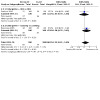
Comparison 2: Dopamine agonist plus co‐intervention (DA+co‐int) versus co‐intervention (co‐int), Outcome 2: Live birth rate
2.2. Secondary outcomes
2.2.1. Clinical pregnancy rate
Four trials reported the clinical pregnancy rate (Bassiouny 2018; Carizza 2008; Matorras 2013; Shaltout 2012). We are uncertain of the effect of dopamine agonist plus co‐intervention versus co‐intervention alone (OR 1.11, 95% CI 0.83 to 1.49; I² = 0%; 4 studies, 748 participants; low‐quality evidence; Analysis 2.3). This suggests that if the chance of clinical pregnancy following placebo/no intervention is assumed to be 44%, the risk following dopamine agonists would be between 40% and 54%. In the subgroup analysis, we found no difference between subgroups (P = 0.47). We are uncertain whether cabergoline plus albumin improved clinical pregnancy rate compared to albumin (OR 1.05, 95% CI 0.56 to 1.96; 1 study, 166 participants), cabergoline plus HES compared to HES (OR 0.98, 95% CI 0.65 to 1.47; I² = 0%; 2 studies, 382 participants), or cabergoline plus coasting compared to coasting (OR 1.49, 95% CI 0.86 to 2.61; 1 study, 200 participants; Analysis 2.3).
2.3. Analysis.

Comparison 2: Dopamine agonist plus co‐intervention (DA+co‐int) versus co‐intervention (co‐int), Outcome 3: Clinical pregnancy rate
2.2.2. Multiple pregnancy rate
One study reported multiple pregnancy rate (Carizza 2008). We are uncertain of the effect of cabergoline plus albumin on multiple pregnancy rate compared with albumin (OR 2.02, 95% CI 0.18 to 22.77; 1 study, 166 participants; very low‐quality evidence; Analysis 2.4). This suggests that if the chance of multiple pregnancy following placebo/no intervention is assumed to be 1%, the risk following dopamine agonists would be between 0.2% and 22%.
2.4. Analysis.

Comparison 2: Dopamine agonist plus co‐intervention (DA+co‐int) versus co‐intervention (co‐int), Outcome 4: Multiple pregnancy rate
2.2.3. Miscarriage rate
Three studies reported miscarriage rate (Carizza 2008; Matorras 2013; Shaltout 2012). We are uncertain of the effect of dopamine agonist plus co‐intervention on miscarriage rates compared with co‐intervention (OR 0.65, 95% CI 0.30 to 1.42; I² = 0%; 3 studies, 548 participants; low‐quality evidence; Analysis 2.5). This suggests that if the risk of miscarriage following placebo/no intervention is assumed to be 6%, the risk following dopamine agonists would be between 2% and 9%. We found no difference between subgroups (P = 0.52) and the results showed that we are uncertain whether cabergoline plus albumin compared to albumin (OR 0.33, 95% CI 0.03 to 3.19; 1 study, 166 participants), or cabergoline plus HES compared to HES (OR 0.73, 95% CI 0.31 to 1.68; I² = 0%; 2 studies, 382 participants) improved miscarriage rate (Analysis 2.5).
2.5. Analysis.

Comparison 2: Dopamine agonist plus co‐intervention (DA+co‐int) versus co‐intervention (co‐int), Outcome 5: Miscarriage rate
2.2.4. Any other adverse events of the treatment
Two trials reported adverse events (Carizza 2008; Shaltout 2012). We are uncertain whether dopamine agonist plus co‐intervention increases risk of adverse events (OR 3.03, 95% CI 0.12 to 75.28; I² = 0%; 2 studies, 366 participants; very low‐quality evidence; Analysis 2.6. One trial with 166 participants detected no adverse events (Carizza 2008).
2.6. Analysis.

Comparison 2: Dopamine agonist plus co‐intervention (DA+co‐int) versus co‐intervention (co‐int), Outcome 6: Any other adverse events
3. Dopamine agonist versus other active intervention
3.1. Primary outcomes
3.1.1. Incidence of moderate or severe ovarian hyperstimulation syndrome
Ten studies reported the incidence of moderate or severe OHSS when comparing dopamine agonist with several other active interventions (Bassiouny 2018; Dalal 2014; Elnory 2018; El‐Shaer 2019; Ghahiri 2015; Saad 2017; Salah 2012; Sohrabvand 2009; Tehraninejad 2012; Torabizadeh 2013). There was significant heterogeneity between subgroups, therefore, we reported the results of each subgroup only (Figure 6).
6.

Funnel plot of comparison: 3 Dopamine agonist versus other active interventions, outcome: 3.1 Incidence of moderate or severe ovarian hyperstimulation syndrome (OHSS).
3.1.1.1. Cabergoline versus human albumin
Three studies reported the incidence of moderate or severe OHSS (Ghahiri 2015; Tehraninejad 2012; Torabizadeh 2013). We are uncertain whether cabergoline decreases the incidence of severe or moderate OHSS compared with human albumin (OR 0.21, 95% CI 0.12 to 0.38; I² = 72%; 3 studies, 296 participants; very low‐quality evidence; Analysis 3.1; Figure 7). This suggests that if the risk of moderate or severe OHSS following human albumin is assumed to be 43%, the risk following dopamine agonists would be between 8% and 23%.
3.1. Analysis.

Comparison 3: Dopamine agonist versus other active interventions, Outcome 1: Incidence of moderate or severe ovarian hyperstimulation syndrome (OHSS)
7.
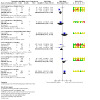
Forest plot of comparison 3: Cabergoline versus active interventions, outcome: 3.1 moderate or severe ovarian hyperstimulation syndrome.
3.1.1.2. Cabergoline versus prednisolone
One study reported the incidence of moderate or severe OHSS (Salah 2012). We are uncertain of the effect of cabergoline on risk of moderate or severe OHSS compared with prednisolone (OR 0.27, 95% CI 0.05 to 1.33; 1 study, 150 participants; very low‐quality evidence; Analysis 3.1; Figure 7). This suggests that if the risk of moderate or severe OHSS following prednisolone is assumed to be 9%, the risk following dopamine agonists would be between 0.5% and 12%.
3.1.1.3. Cabergoline versus hydroxyethyl starch
One study reported the incidence of moderate or severe OHSS (Ghahiri 2015). We are uncertain of the effect of cabergoline on risk of moderate or severe OHSS compared with HES (OR 2.69, 95% CI 0.48 to 15.10; 1 study, 61 participants; very low‐quality evidence; Analysis 3.1; Figure 7). This suggests that if the risk of moderate or severe OHSS following HES is assumed to be 7%, the risk following dopamine agonists would be between 3% and 52%.
3.1.1.4. Cabergoline versus coasting
Three studies reported the incidence of moderate or severe OHSS (Bassiouny 2018; Dalal 2014; Sohrabvand 2009). We are uncertain whether cabergoline decreases the risk of moderate or severe OHSS compared with coasting (OR 0.42, 95% CI 0.18 to 0.95; I² = 50%; 3 studies, 320 participants; very low‐quality evidence; Analysis 3.1; Figure 7). This suggests that if the risk of moderate or severe OHSS following coasting is assumed to be 13%, the risk following dopamine agonists would be between 3% and 12%.
3.1.1.5. Cabergoline versus calcium infusion
Two studies reported the incidence of moderate or severe OHSS (Elnory 2018; El‐Shaer 2019). We are uncertain of the effect of cabergoline on risk of moderate or severe OHSS when compared with calcium infusion (OR 1.83, 95% CI 0.88 to 3.81; I² = 81%; 2 studies, 400 participants; very low‐quality evidence; Analysis 3.1; Figure 7). This suggests that if the risk of moderate or severe OHSS following calcium infusion is assumed to be 6%, the risk following dopamine agonists would be between 5% and 20%.
3.1.1.6. Cabergoline versus diosmin
One study reported the incidence of moderate or severe OHSS (Saad 2017). We are uncertain of the effect of cabergoline on risk of moderate or severe OHSS compared with diosmin (OR 2.85, 95% CI 1.35 to 6.00; 1 study, 200 participants; very low‐quality evidence; Analysis 3.1; Figure 7). This suggests that if the risk of moderate or severe OHSS following diosmin is assumed to be 12%, the risk following dopamine agonists would be between 16% and 45%.
3.1.2. Live birth rate
Two studies reported the data on live birth rate (Bassiouny 2018; Elnory 2018). We are uncertain whether dopamine agonist improves live birth rate (OR 1.08, 95% CI 0.73 to 1.59; I² = 0%; 2 studies, 430 participants; low‐quality evidence) (Analysis 3.2). This suggests that if the chance of live birth following other active intervention is assumed to be 40%, the risk following dopamine agonist would be between 32% and 51%. Both trials included cabergoline. Our subgroup analysis by type of other active intervention showed that we are uncertain whether cabergoline improves live birth rate when compared to coasting (OR 1.04, 95% CI 0.59 to 1.83; 1 study, 200 participants) and when compared to calcium infusion (OR 1.11, 95% CI 0.66 to 1.89; 1 study, 230 participants) (Analysis 3.2).
3.2. Analysis.

Comparison 3: Dopamine agonist versus other active interventions, Outcome 2: Live birth rate
3.2. Secondary outcomes
3.2.1. Clinical pregnancy rate
Seven studies reported clinical pregnancy rate (Bassiouny 2018; Dalal 2014; Elnory 2018; El‐Shaer 2019; Saad 2017; Sohrabvand 2009; Tehraninejad 2012). The pooled results showed probably little or no difference in clinical pregnancy rate between dopamine agonists compared with other active interventions (OR 1.04, 95% CI 0.81 to 1.33; I² = 11%; 7 studies, 1060 participants; moderate‐quality evidence). This suggests that if the chance of clinical pregnancy following other active intervention is assumed to be 43%, the risk following dopamine agonist would be between 38% and 50%. All trials evaluated the dopamine agonist cabergoline. Subgroup analysis by type of other active intervention showed that we were uncertain whether cabergoline improves clinical pregnancy rates when compared to human albumin (OR 0.68, 95% CI 0.33 to 1.38; 1 study, 140 participants), coasting (OR 1.46, 95% CI 0.92 to 2.32; I² = 28%; 3 studies, 320 participants), calcium infusion (OR 1.00, 95% CI 0.67 to 1.49; I² = 0%; 2 studies, 400 participants), or diosmin (OR 0.89, 95% CI 0.51 to 1.55; I² = 0%; 1 study, 200 participants) (Analysis 3.3).
3.3. Analysis.

Comparison 3: Dopamine agonist versus other active interventions, Outcome 3: Clinical pregnancy rate
3.2.2. Multiple pregnancy rate
Three studies reported multiple pregnancy rate (Dalal 2014; Saad 2017; Tehraninejad 2012). We are uncertain of the effect of dopamine agonist on multiple pregnancy rate (OR 0.87, 95% CI 0.47 to 1.59; I² = 0%; 3 studies, 400 participants; low‐quality evidence; Analysis 3.4). Subgroup analysis by type of other active intervention showed that we were uncertain of the effect of cabergoline on multiple pregnancy rate when compared to human albumin (OR 0.58, 95% CI 0.13 to 2.54; 1 study, 140 participants), coasting (OR 5.35, 95% CI 0.25 to 116.31; 1 study, 60 participants), or diosmin (OR 0.83, 95% CI 0.41 to 1.67; 1 study, 200 participants) (Analysis 3.4).
3.4. Analysis.

Comparison 3: Dopamine agonist versus other active interventions, Outcome 4: Multiple pregnancy rate
3.2.3. Miscarriage rate
Four studies reported the miscarriage rate (Dalal 2014; Elnory 2018; Saad 2017; Tehraninejad 2012). We are uncertain of the effect of dopamine agonist on miscarriage rate (OR 0.66, 95% CI 0.35 to 1.25; I² = 0%; 4 studies, 630 participants; low‐quality evidence; Analysis 3.5). Furthermore, in our subgroup analysis by type of other active intervention, we were uncertain of the effect of cabergoline on miscarriage rate when compared to human albumin (OR 0.32, 95% CI 0.03 to 3.19; 1 study, 140 participants), coasting (OR 0.19, 95% CI 0.01 to 4.06; 1 study, 60 participants), calcium infusion (OR 0.63, 95% CI 0.27 to 1.48; 1 study, 230 participants), or diosmin (OR 1.21, 95% CI 0.36 to 4.11; 1 study, 200 participants) (Analysis 3.5).
3.5. Analysis.

Comparison 3: Dopamine agonist versus other active interventions, Outcome 5: Miscarriage rate
3.2.4. Any other adverse effects of the treatment
One study reported that there were no adverse events when comparing cabergoline versus calcium infusion (Analysis 3.6) (El‐Shaer 2019).
3.6. Analysis.

Comparison 3: Dopamine agonist versus other active interventions, Outcome 6: Any other adverse events
Discussion
Summary of main results
This systematic review evaluated the effectiveness and safety of dopamine agonists for preventing OHSS in women at high risk of OHSS during ART treatment and performed meta‐analyses. Ten trials compared dopamine agonist with placebo or no intervention, four trials compared dopamine agonist in combination with co‐intervention with co‐intervention and 10 trials compared dopamine agonists with other active interventions (one trial compared DA with two other interventions). Overall, when compared with placebo or no intervention, dopamine agonists had a lower risk of developing moderate or severe OHSS without influencing pregnancy outcomes such as live birth rate for those women who proceeded to have a fresh embryo transfer, clinical pregnancy rate, multiple pregnancy rate, and miscarriage rate. However, data on the live birth rate were scarce or incomplete in the included trials.
There was an increased risk of adverse events, which occurred rarely and were mild, associated with dopamine agonists particularly when using quinagolide. Cabergoline was associated with a lower risk of moderate or severe OHSS, without influencing pregnancy outcomes when compared with placebo or no intervention. Quinagolide appeared to reduce the risk of moderate or severe OHSS, but might increase the incidence of adverse events, although the reported events were mainly very mild gastrointestinal and central nervous system symptoms, especially compared to the risks of severe OHSS. With the limited data available, bromocriptine did not influence the incidence of moderate or severe OHSS.
Dopamine agonist plus co‐intervention may reduce the risk of moderate or severe OHSS compared to co‐intervention alone. We are uncertain of the effect of dopamine agonist plus co‐intervention and co‐intervention in other outcomes of interest.
When compared with other active interventions, we reported OHSS data in subgroups per type of intervention, due to large heterogeneity across subgroups. When compared with human albumin and coasting, cabergoline might reduce the incidence of moderate or severe OHSS, but dopamine agonists might increase that risk compared to diosmin. We are uncertain of an effect on OHSS rates when comparing cabergoline to other active interventions such as prednisolone or HES or calcium gluconate infusion. Also, we were uncertain of any effect on pregnancy outcomes and adverse events when comparing cabergoline versus other active interventions.
The quality of the evidence for the comparison of dopamine agonist with placebo/no intervention was moderate but for the other comparators the evidence was low or very low. The main limitations causing these quality judgements were poor reporting of study methods (mostly lack of details on randomisation and blinding), heterogeneity across trials, and risk of imprecision (low number of events or small sample sizes).
Overall completeness and applicability of evidence
Compared with the previous published version of this review (Tang 2016), we included six additional trials. In total, this updated Cochrane Review included 22 trials involving 3171 women at high risk of OHSS. The study populations varied among trials regarding the definition of 'women at high risk' of OHSS. This may influence the incidence of OHSS and limits the applicability of study results in practice. However, as some trials even excluded the truly 'high risk of OHSS' women from participating, we do not know whether this effect of dopamine agonists could also be seen when these women were not excluded. Most of the trials defined moderate or severe OHSS according to Golan's classification (Golan 1989), but five trials used other definitions (undefined, or following the criteria defined by Mathur and colleagues (Mathur 2007) or Humaidan and colleagues (Humaidan 2010). This may induce bias when pooling the data of the various studies. Only a few studies reported pregnancy outcomes such as live birth. The influence of dopamine agonists on pregnancy outcomes requires further study; however, many units will practice an embryo 'freeze‐all' approach for women at risk of OHSS and, therefore, data for pregnancy outcomes may not be forthcoming. Most of the trials evaluated the dopamine agonist cabergoline, whereas two trials evaluated quinagolide and one trial evaluated bromocriptine. In addition, our evidence was applicable in low‐ to middle‐income countries as most trials were performed in these countries. Finally, due to the lack of studies comparing a dopamine agonist with another dopamine agonist, we were unable to determine which dopamine agonist is most effective in preventing OHSS.
Quality of the evidence
The methodological quality of the 22 included trials varied. Fifteen trials used correct random sequence generation, and only five trials had a low risk of bias in the domain of allocation concealment. Four trials were either single or double blind. One trial was at high risk of bias due to a high percentage of dropouts without reported reasons (Beltrame 2013). All trials reported the outcomes of OHSS, but only six studies provided the primary outcome of 'live birth rate.' See Figure 2 and Figure 3 for the 'Risk of bias' assessments of the included studies.
Moreover, the overall body of evidence for primary outcomes between dopamine agonist and placebo or no intervention was moderate. The main reasons for downgrading the quality of the evidence were: poor reporting of study methods (e.g. 36% of RCTs did not report the methods of allocation concealment or blinding) and risk of imprecision (e.g. low number of events). See Table 1; Table 2; and Table 3 for more details.
Potential biases in the review process
We tried to identify all eligible trials by conducting a systematic review of the literature without restrictions of publication type or language. Moreover, we contacted the authors of trials for more information about any unpublished data. For the missing participants who did not report the outcome, we assumed that the events did not occur.
Agreements and disagreements with other studies or reviews
Our results are in agreement with most of the systematic reviews and meta‐analyses on dopamine agonists for the prevention for OHSS (Baumgarten 2013; Guo 2016; Kalampokas 2013; Kasum 2014; Leitao 2014; Youssef 2010). The first systematic review published in 2010 included only four RCTs with 570 women, and showed that cabergoline might reduce the incidence of OHSS. However, it found no evidence of a reduction in severe OHSS (Youssef 2010), which is consistent with our previous Cochrane Review (Tang 2016). This might be caused by a small sample size or low event rate of severe OHSS. In 2014, another systematic review included eight trials involving 858 women and showed that cabergoline could reduce the risk of moderate or severe OHSS, as well as severe OHSS (Leitao 2014). In 2016, one systematic review and network meta‐analysis of 31 RCTs involving 7181 women showed that cabergoline was superior to placebo or human albumin, or glucocorticoid in decreasing OHSS incidence, and there was no evidence of a difference between cabergoline and other active interventions (e.g. aspirin, HES, calcium infusion or metformin). However, until 2016, few systematic reviews included types of dopamine agonist other than cabergoline. One systematic review showed that a dopamine agonist appeared to be effective for the prevention of OHSS (Baumgarten 2013). Moreover, there was no evidence of adverse effects on pregnancy outcomes (Baumgarten 2013; Leitao 2014; Youssef 2010). Compared with previous systematic reviews, our review includes more trials and women, and can, therefore, draw a more robust conclusion that the use of dopamine agonists could reduce the incidence of moderate or severe OHSS.
In future OHSS trials, it will probably be considered unethical to withhold women who are at risk of OHSS from having all their embryos frozen for replacement in a subsequent cycle, as current embryo survival rates after freezing are generally excellent and the transfer of a frozen embryo in an unstimulated cycle avoids the risk of OHSS in that cycle.
Authors' conclusions
Implications for practice.
In women at high‐risk of developing ovarian hyperstimulation syndrome (OHSS), dopamine agonists probably reduce the incidence of moderate or severe OHSS when compared to placebo/no intervention, based on moderate‐quality evidence. The dopamine agonists cabergoline and quinagolide reduce the incidence of moderate or severe OHSS. There is very minimal evidence from one trial that bromocriptine does not reduce the incidence of moderate or severe OHSS. There is no evidence that cabergoline or quinagolide influence pregnancy outcomes such as live birth rate, clinical pregnancy rate, multiple pregnancy rate, and miscarriage rate. However, quinagolide might increase the incidence of adverse events, and we should, therefore, weigh the benefits and harms of this medication before starting treatment. In addition, some evidence suggests that a dopamine agonist plus other active intervention probably offer an additive benefit in the incidence of moderate or severe OHSS, but not other outcomes of interest when compared with other active intervention alone. When compared with other active interventions, we are uncertain of the effects of dopamine agonists on moderate or severe OHSS and clinical outcomes (e.g. pregnancy and adverse events).
Implications for research.
Further research should consider the risks of dopamine agonists, compare different types of dopamine agonists with regard to clinical outcomes and safety profiles, compare different doses (lowest possible dose while safe‐guarding the preventive effect) and duration of treatment, and investigate the potential role of bromocriptine in OHSS prevention. Moreover, comparisons with other treatments that have been proven effective (such as the use of gonadotropin‐releasing hormone (GnRH) antagonist protocols or metformin in women with polycystic ovary syndrome (PCOS)) and the consideration of combination treatments should be studied to find the most effective strategy to prevent OHSS. Special attention should be paid to the definition of 'high‐risk' women. Thus, large, well‐designed, and well‐executed randomised controlled trials (RCTs) that involve all clinical endpoints (i.e. moderate and severe OHSS, and if women were to proceed to a fresh embryo transfer; clinical pregnancy rate, miscarriage rate, ongoing pregnancy rate, live birth rate, and adverse events) are necessary to evaluate the promising role of dopamine agonists in OHSS prevention further.
Some of the studies in this review excluded women with very high oestradiol (E2) levels, very early OHSS, or need for coasting and assigned those women to cycle cancellation and a 'freeze all' approach. Pregnancy results of these subsequent transfer cycles were – per review protocol – not included in this review. However, postponing an embryo transfer to a subsequent cycle might very well have a beneficial effect on both pregnancy outcomes and OHSS severity, as well as the incidence of late OHSS when no transfer or pregnancy would directly follow from the hyperstimulated oocyte‐harvesting cycle. As higher success rates of cryopreserved embryo transfers are consistently being reported in the last years, a 'freeze all' approach has been suggested as the standard in ART, as it is hypothesised that a subsequent embryo transfer cycle is more beneficial for implantation chances. This paradigm shift might have a beneficial effect on OHSS rates and lessen the need for OHSS prevention strategies. Therefore, it would be interesting to study OHSS incidence in 'freeze all' cycles and follow up on their (cumulative) pregnancy data in subsequent transfer cycles.
What's new
| Date | Event | Description |
|---|---|---|
| 4 May 2020 | New search has been performed | In this update, we included 6 new trials (Bassiouny 2018; El‐Shaer 2019; Elnory 2018; Kilic 2015; Saad 2017; Singh 2017). Results, GRADE, and references updated. |
| 4 May 2020 | New citation required but conclusions have not changed | The addition of 6 new trials has not led to a change in the conclusions of this review. |
History
Protocol first published: Issue 7, 2010 Review first published: Issue 2, 2012
| Date | Event | Description |
|---|---|---|
| 21 August 2016 | New citation required and conclusions have changed | The extended scope and addition of 14 studies have led to a change in the conclusions of this review. |
| 21 August 2016 | New search has been performed | Amended title and methods to include all kinds of dopamine agonist, new searches, included 14 studies (Alhalabi 2011; Amir 2015; Beltrame 2013; Busso 2010; Dalal 2014; Fetisova 2014; Ghahiri 2015; Jellad 2017, Matorras 2013; Salah 2012; Shaltout 2012; Sohrabvand 2009; Tehraninejad 2012; Torabizadeh 2013). |
| 24 April 2013 | New search has been performed | Review Update, more data extracted from Shaltout 2012 |
| 17 December 2012 | New citation required but conclusions have not changed | Three new trials added, but no change to conclusions |
| 17 December 2012 | New search has been performed | Review updated, three trials added: Salah 2012; Shaltout 2012; Tehraninejad 2012 |
| 4 September 2011 | New search has been performed | Search updated to 2 September 2011; substantive amendment |
| 10 January 2010 | Amended | Converted to new review format. |
| 2 January 2010 | New citation required and major changes | Substantive amendment |
Acknowledgements
We acknowledge the Cochrane Gynaecology and Fertility Group (formerly MDSG), especially the Information Specialist, Marian Showell, and Managing Editors, Helen Nagels and Editor Jane Marjoribanks. Thanks to Dr Amr Salah, Dr Farnaz Sohrabvand, Dr Wellington Martins, Dr Irina Fetisova, and Dr Rutvij Dalal for providing more detailed information on several trials.
The authors of the 2021 update thank Dr Tamara Hunter, Dr Yongfang Hu, and Dr Xiaoyan Sheng for their contributions to previous versions of this review. They thank also Dr Ruth Hodgson, Dr Shantini Paranjothy and Dr Vanessa Jordan for providing referee comment on the updated review.
Appendices
Appendix 1. The Cochrane Gynaecology and Fertility Group specialised register search strategy
Procite Platform
Searched 4 May 2020
Keywords CONTAINS "ovarian hyperstimulation syndrome "or "ovarian hyperstimulation" or "OHSS" or Title CONTAINS "ovarian hyperstimulation syndrome " or "ovarian hyperstimulation" or "OHSS"
AND
Keywords CONTAINS "cabergoline" or "Dopamine agonists" or "Dopamine" or "bromocriptine" or "quinagolide" or Title CONTAINS "cabergoline" or "Dopamine agonists" or "Dopamine" or "bromocriptine" or "quinagolide"
50 records
Appendix 2. CENTRAL via the Cochrane Register of Studies Online (CRSO) search strategy
CRSO Web platform
Searched 4 May 2020
#1 MESH DESCRIPTOR Ovarian Hyperstimulation Syndrome EXPLODE ALL TREES 256
#2 OHSS:TI,AB,KY 656
#3 (Ovar* adj2 Hyperstimulation):TI,AB,KY 1612
#4 #1 OR #2 OR #3 1757
#5 MESH DESCRIPTOR Ergolines EXPLODE ALL TREES 1030
#6 Ergoline*:TI,AB,KY 254
#7 cabergoline:TI,AB,KY 301
#8 (Dostinex or Cabaser*):TI,AB,KY 20
#9 (Dopamine Agonist*):TI,AB,KY 1261
#10 MESH DESCRIPTOR Dopamine Agonists EXPLODE ALL TREES 1631
#11 MESH DESCRIPTOR Bromocriptine EXPLODE ALL TREES 492
#12 Bromocriptine:TI,AB,KY 931
#13 quinagolide*:TI,AB,KY 26
#14 #5 OR #6 OR #7 OR #8 OR #9 OR #10 OR #11 OR #12 OR #13 3049
#15 #4 AND #14 82
Appendix 3. MEDLINE search strategy
Ovid platform
Searched from 1946 to 4 May 2020
1 exp Ovarian Hyperstimulation Syndrome/ (2247) 2 OHSS.tw. (1743) 3 (Ovar$ adj2 Hyperstimulation).tw. (5074) 4 or/1‐3 (5569) 5 exp Ergolines/ (21308) 6 cabergoline.tw. (1515) 7 Ergoline$.tw. (568) 8 (Dostinex or Cabaser$).tw. (16) 9 Dopamine Agonist$.tw. (7587) 10 exp Dopamine Agonists/ (31994) 11 exp Bromocriptine/ (6953) 12 Bromocriptine.tw. (6809) 13 quinagolide$.tw. (130) 14 or/5‐13 (47436) 15 4 and 14 (126) 16 randomized controlled trial.pt. (504846) 17 controlled clinical trial.pt. (93651) 18 randomized.ab. (477493) 19 placebo.tw. (212896) 20 clinical trials as topic.sh. (190976) 21 randomly.ab. (332008) 22 trial.ti. (217172) 23 (crossover or cross‐over or cross over).tw. (84381) 24 or/16‐23 (1314738) 25 (animals not (humans and animals)).sh. (4661834) 26 24 not 25 (1208420) 27 26 and 15 (43)
Appendix 4. Embase search strategy
Ovid platform
Searched from 1980 to 4 May 2020 1 exp ovary hyperstimulation/ (9411) 2 (ovar$ adj2 hyperstimulation).tw. (7433) 3 OHSS.tw. (2992) 4 or/1‐3 (11394) 5 cabergoline.tw. (2346) 6 exp ergoline derivative/ (739) 7 ergoline$.tw. (647) 8 (Dostinex or Cabaser$).tw. (370) 9 exp dopamine receptor stimulating agent/ or exp cabergoline/ (191920) 10 (dopamine adj2 agent$).tw. (573) 11 (dopamine adj2 agonist$).tw. (13731) 12 quinagolide$.tw. (192) 13 exp bromocriptine/ (18487) 14 bromocriptine.tw. (7507) 15 or/5‐14 (194126) 16 Clinical Trial/ (963610) 17 Randomized Controlled Trial/ (597076) 18 exp randomization/ (86768) 19 Single Blind Procedure/ (38692) 20 Double Blind Procedure/ (168832) 21 Crossover Procedure/ (62819) 22 Placebo/ (335555) 23 Randomi?ed controlled trial$.tw. (226140) 24 Rct.tw. (36646) 25 random allocation.tw. (2000) 26 randomly allocated.tw. (34759) 27 allocated randomly.tw. (2530) 28 (allocated adj2 random).tw. (812) 29 Single blind$.tw. (24445) 30 Double blind$.tw. (201171) 31 ((treble or triple) adj blind$).tw. (1132) 32 placebo$.tw. (300426) 33 prospective study/ (595141) 34 or/16‐33 (2170980) 35 case study/ (68239) 36 case report.tw. (398561) 37 abstract report/ or letter/ (1092750) 38 or/35‐37 (1549189) 39 34 not 38 (2117772) 40 4 and 15 and 39 (124)
Appendix 5. PsycINFO search strategy
Ovid platform
Searched from 1806 to 4 May 2020
1 Ovarian Hyperstimulation Syndrome.tw. (6) 2 OHSS.tw. (8) 3 (Ovar$ adj2 Hyperstimulation).tw. (13) 4 or/1‐3 (19) 5 exp dopamine agonists/ (23857) 6 cabergoline.tw. (134) 7 Ergoline$.tw. (48) 8 (Dostinex or Cabaser$).tw. (2) 9 Dopamine Agonist$.tw. (2602) 10 Bromocriptine.tw. (708) 11 exp bromocriptine/ (302) 12 quinagolide$.tw. (6) 13 or/5‐12 (25446) 14 4 and 13 (0)
Appendix 6. CINAHL search strategy
EBSCO platform
Searched from 1961 to 4 May 2020
| # | Query | Results |
| S14 | S4 AND S13 | 33 |
| S13 | S5 OR S6 OR S7 OR S8 OR S9 OR S10 OR S11 OR S12 | 2964 |
| S12 | TX quinagolide* | 11 |
| S11 | TX Bromocriptine | 551 |
| S10 | (MM "Bromocriptine") | 185 |
| S9 | TX (Dostinex or Cabaser*) | 6 |
| S8 | TX cabergoline | 220 |
| S7 | TX Dopamine Agonist* | 2361 |
| S6 | (MM "Dopamine Agonists+") | 1202 |
| S5 | TX Ergoline* | 22 |
| S4 | S1 OR S2 OR S3 | 1007 |
| S3 | TX (Ovar* N2 Hyperstimulation) | 960 |
| S2 | TX OHSS | 286 |
| S1 | (MM "Ovarian Hyperstimulation Syndrome") | 343 |
Appendix 7. Data extraction form
| General trial characteristics |
| First author Publish year Citation: Contact author detail: |
| Eligibility |
| 1. Is the study an RCT? 2. High‐risk women? 3. How OHSS defined? 4. Administration of cabergoline? Decision: if all replies yes means include, otherwise exclude |
| Characteristics of the included studies |
| Risk of bias |
|
| Methods |
| Inclusion criteria: Exclusion criteria: |
| Participants |
| Total number: Diagnosis criteria: Age (mean ± SD): treat group vs control group: BMI (mean ± SD): treat group vs control group: Duration of infertility: Causes of infertility: |
| Interventions |
| Treat group:(dose, administration of drug, duration of treatment) Control group (placebo or no intervention): |
| Outcomes |
|
| Results |
For each outcome of interest:
|
| Miscellaneous |
BMI: body mass index; OHSS: ovarian hyperstimulation syndrome; RCT: randomised controlled trial; SD: standard deviation. |
Data and analyses
Comparison 1. Dopamine agonist versus placebo/no intervention.
| Outcome or subgroup title | No. of studies | No. of participants | Statistical method | Effect size |
|---|---|---|---|---|
| 1.1 Incidence of moderate or severe ovarian hyperstimulation syndrome (OHSS) | 10 | 1202 | Odds Ratio (M‐H, Fixed, 95% CI) | 0.32 [0.23, 0.44] |
| 1.1.1 Cabergoline vs placebo/no treatment | 7 | 701 | Odds Ratio (M‐H, Fixed, 95% CI) | 0.34 [0.23, 0.51] |
| 1.1.2 Quinagolide vs placebo | 2 | 454 | Odds Ratio (M‐H, Fixed, 95% CI) | 0.28 [0.15, 0.51] |
| 1.1.3 Bromocriptine vs placebo (folic acid) | 1 | 47 | Odds Ratio (M‐H, Fixed, 95% CI) | 0.29 [0.08, 1.14] |
| 1.2 Subgroup analysis by severity of OHSS | 9 | Odds Ratio (M‐H, Fixed, 95% CI) | Subtotals only | |
| 1.2.1 Severe OHSS | 9 | 930 | Odds Ratio (M‐H, Fixed, 95% CI) | 0.27 [0.14, 0.51] |
| 1.2.2 Moderate OHSS | 9 | 930 | Odds Ratio (M‐H, Fixed, 95% CI) | 0.46 [0.31, 0.68] |
| 1.3 Live birth rate | 3 | 362 | Odds Ratio (M‐H, Fixed, 95% CI) | 0.96 [0.60, 1.55] |
| 1.3.1 Cabergoline vs placebo/no treatment | 2 | 180 | Odds Ratio (M‐H, Fixed, 95% CI) | 0.91 [0.44, 1.87] |
| 1.3.2 Quinagolide vs placebo/no treatment | 1 | 182 | Odds Ratio (M‐H, Fixed, 95% CI) | 1.01 [0.53, 1.91] |
| 1.4 Clinical pregnancy rate | 5 | 530 | Odds Ratio (M‐H, Fixed, 95% CI) | 0.92 [0.63, 1.37] |
| 1.4.1 Cabergoline vs placebo/no intervention | 4 | 348 | Odds Ratio (M‐H, Fixed, 95% CI) | 1.00 [0.61, 1.64] |
| 1.4.2 Quinagolide vs placebo/no treatment | 1 | 182 | Odds Ratio (M‐H, Fixed, 95% CI) | 0.81 [0.43, 1.54] |
| 1.5 Multiple pregnancy rate | 1 | 40 | Odds Ratio (M‐H, Fixed, 95% CI) | 0.32 [0.01, 8.26] |
| 1.5.1 Cabergoline vs placebo/no treatment | 1 | 40 | Odds Ratio (M‐H, Fixed, 95% CI) | 0.32 [0.01, 8.26] |
| 1.6 Miscarriage rate | 2 | Odds Ratio (M‐H, Fixed, 95% CI) | Subtotals only | |
| 1.6.1 Cabergoline vs placebo/no treatment | 2 | 168 | Odds Ratio (M‐H, Fixed, 95% CI) | 0.66 [0.19, 2.28] |
| 1.7 Any other adverse events | 2 | 264 | Odds Ratio (M‐H, Fixed, 95% CI) | 4.54 [1.49, 13.84] |
| 1.7.1 Cabergoline vs placebo/no treatment | 1 | 82 | Odds Ratio (M‐H, Fixed, 95% CI) | 2.24 [0.62, 8.14] |
| 1.7.2 Quinagolide vs placebo | 1 | 182 | Odds Ratio (M‐H, Fixed, 95% CI) | 16.64 [0.98, 282.02] |
Comparison 2. Dopamine agonist plus co‐intervention (DA+co‐int) versus co‐intervention (co‐int).
| Outcome or subgroup title | No. of studies | No. of participants | Statistical method | Effect size |
|---|---|---|---|---|
| 2.1 Incidence of moderate or severe ovarian hyperstimulation syndrome (OHSS) | 4 | 748 | Odds Ratio (M‐H, Fixed, 95% CI) | 0.48 [0.28, 0.84] |
| 2.1.1 Cabergoline + albumin vs albumin | 1 | 166 | Odds Ratio (M‐H, Fixed, 95% CI) | 0.55 [0.23, 1.34] |
| 2.1.2 Cabergoline + hydroxyethyl starch (HES) vs HES | 2 | 382 | Odds Ratio (M‐H, Fixed, 95% CI) | 0.58 [0.26, 1.30] |
| 2.1.3 Cabergoline + coasting vs coasting | 1 | 200 | Odds Ratio (M‐H, Fixed, 95% CI) | 0.21 [0.04, 0.98] |
| 2.2 Live birth rate | 2 | 400 | Odds Ratio (M‐H, Fixed, 95% CI) | 1.21 [0.81, 1.80] |
| 2.2.1 Cabergoline + HES vs HES | 1 | 200 | Odds Ratio (M‐H, Fixed, 95% CI) | 1.04 [0.59, 1.86] |
| 2.2.2 Cabergoline + coasting vs coasting | 1 | 200 | Odds Ratio (M‐H, Fixed, 95% CI) | 1.38 [0.79, 2.42] |
| 2.3 Clinical pregnancy rate | 4 | 748 | Odds Ratio (M‐H, Fixed, 95% CI) | 1.11 [0.83, 1.49] |
| 2.3.1 Cabergoline + albumin vs albumin | 1 | 166 | Odds Ratio (M‐H, Fixed, 95% CI) | 1.05 [0.56, 1.96] |
| 2.3.2 Cabergoline + HES vs HES | 2 | 382 | Odds Ratio (M‐H, Fixed, 95% CI) | 0.98 [0.65, 1.47] |
| 2.3.3 Cabergoline + coasting vs coasting | 1 | 200 | Odds Ratio (M‐H, Fixed, 95% CI) | 1.49 [0.86, 2.61] |
| 2.4 Multiple pregnancy rate | 1 | 166 | Odds Ratio (M‐H, Fixed, 95% CI) | 2.02 [0.18, 22.77] |
| 2.4.1 Cabergoline + albumin vs albumin | 1 | 166 | Odds Ratio (M‐H, Fixed, 95% CI) | 2.02 [0.18, 22.77] |
| 2.5 Miscarriage rate | 3 | 548 | Odds Ratio (M‐H, Fixed, 95% CI) | 0.65 [0.30, 1.42] |
| 2.5.1 Cabergoline + albumin vs albumin | 1 | 166 | Odds Ratio (M‐H, Fixed, 95% CI) | 0.33 [0.03, 3.19] |
| 2.5.2 Cabergoline + HES vs HES | 2 | 382 | Odds Ratio (M‐H, Fixed, 95% CI) | 0.73 [0.31, 1.68] |
| 2.6 Any other adverse events | 2 | 366 | Odds Ratio (M‐H, Fixed, 95% CI) | 3.03 [0.12, 75.28] |
| 2.6.1 Cabergoline + albumin vs albumin | 1 | 166 | Odds Ratio (M‐H, Fixed, 95% CI) | Not estimable |
| 2.6.2 Cabergoline + HES vs HES | 1 | 200 | Odds Ratio (M‐H, Fixed, 95% CI) | 3.03 [0.12, 75.28] |
Comparison 3. Dopamine agonist versus other active interventions.
| Outcome or subgroup title | No. of studies | No. of participants | Statistical method | Effect size |
|---|---|---|---|---|
| 3.1 Incidence of moderate or severe ovarian hyperstimulation syndrome (OHSS) | 10 | Odds Ratio (M‐H, Fixed, 95% CI) | Subtotals only | |
| 3.1.1 Cabergoline vs human albumin | 3 | 296 | Odds Ratio (M‐H, Fixed, 95% CI) | 0.21 [0.12, 0.38] |
| 3.1.2 Cabergoline vs prednisolone | 1 | 150 | Odds Ratio (M‐H, Fixed, 95% CI) | 0.27 [0.05, 1.33] |
| 3.1.3 Cabergoline vs hydroxyethyl starch (HES) | 1 | 61 | Odds Ratio (M‐H, Fixed, 95% CI) | 2.69 [0.48, 15.10] |
| 3.1.4 Cabergoline vs coasting | 3 | 320 | Odds Ratio (M‐H, Fixed, 95% CI) | 0.42 [0.18, 0.95] |
| 3.1.5 Cabergoline vs calcium infusion | 2 | 400 | Odds Ratio (M‐H, Fixed, 95% CI) | 1.83 [0.88, 3.81] |
| 3.1.6 Cabergoline vs diosmin | 1 | 200 | Odds Ratio (M‐H, Fixed, 95% CI) | 2.85 [1.35, 6.00] |
| 3.2 Live birth rate | 2 | 430 | Odds Ratio (M‐H, Fixed, 95% CI) | 1.08 [0.73, 1.59] |
| 3.2.1 Cabergoline vs coasting | 1 | 200 | Odds Ratio (M‐H, Fixed, 95% CI) | 1.04 [0.59, 1.83] |
| 3.2.2 Cabergoline vs calcium infusion | 1 | 230 | Odds Ratio (M‐H, Fixed, 95% CI) | 1.11 [0.66, 1.89] |
| 3.3 Clinical pregnancy rate | 7 | 1060 | Odds Ratio (M‐H, Fixed, 95% CI) | 1.04 [0.81, 1.33] |
| 3.3.1 Cabergoline vs human albumin | 1 | 140 | Odds Ratio (M‐H, Fixed, 95% CI) | 0.68 [0.33, 1.38] |
| 3.3.2 Cabergoline vs coasting | 3 | 320 | Odds Ratio (M‐H, Fixed, 95% CI) | 1.46 [0.92, 2.32] |
| 3.3.3 Cabergoline vs calcium infusion | 2 | 400 | Odds Ratio (M‐H, Fixed, 95% CI) | 1.00 [0.67, 1.49] |
| 3.3.4 Cabergoline vs diosmin | 1 | 200 | Odds Ratio (M‐H, Fixed, 95% CI) | 0.89 [0.51, 1.55] |
| 3.4 Multiple pregnancy rate | 3 | 400 | Odds Ratio (M‐H, Fixed, 95% CI) | 0.87 [0.47, 1.59] |
| 3.4.1 Cabergoline vs human albumin | 1 | 140 | Odds Ratio (M‐H, Fixed, 95% CI) | 0.58 [0.13, 2.54] |
| 3.4.2 Cabergoline vs coasting | 1 | 60 | Odds Ratio (M‐H, Fixed, 95% CI) | 5.35 [0.25, 116.31] |
| 3.4.3 Cabergoline vs diosmin | 1 | 200 | Odds Ratio (M‐H, Fixed, 95% CI) | 0.83 [0.41, 1.67] |
| 3.5 Miscarriage rate | 4 | 630 | Odds Ratio (M‐H, Fixed, 95% CI) | 0.66 [0.35, 1.25] |
| 3.5.1 Cabergoline vs human albumin | 1 | 140 | Odds Ratio (M‐H, Fixed, 95% CI) | 0.32 [0.03, 3.19] |
| 3.5.2 Cabergoline vs coasting | 1 | 60 | Odds Ratio (M‐H, Fixed, 95% CI) | 0.19 [0.01, 4.06] |
| 3.5.3 Cabergoline vs calcium infusion | 1 | 230 | Odds Ratio (M‐H, Fixed, 95% CI) | 0.63 [0.27, 1.48] |
| 3.5.4 Cabergoline vs diosmin | 1 | 200 | Odds Ratio (M‐H, Fixed, 95% CI) | 1.21 [0.36, 4.11] |
| 3.6 Any other adverse events | 1 | Odds Ratio (M‐H, Fixed, 95% CI) | Subtotals only | |
| 3.6.1 Cabergoline vs calcium infusion | 1 | 170 | Odds Ratio (M‐H, Fixed, 95% CI) | Not estimable |
Characteristics of studies
Characteristics of included studies [ordered by study ID]
Alhalabi 2011.
| Study characteristics | ||
| Methods | Randomised controlled prospective study No details on randomisation Quinagolide vs no drugs Setting: Syria |
|
| Participants | 272 high‐risk women undergoing ICSI with long protocol using GnRHa, E2 ≥ 4000 pg/mL on day of hCG, ≥ 20 follicles ≥ 10 mm in diameter Quinagolide group: 136 women Control group: 136 women June 2007 to January 2010 |
|
| Interventions | Quinagolide group: quinagolide (Norprolac) 150 mg/day from the day of hCG administration for 15 days (6/136 (4.41%) women developed OHSS) Control group: no drugs (126/136 (9.12%) women developed OHSS) |
|
| Outcomes | OHSS symptoms assessed according to Golan's classification system, 4, 8, and 12 days after hCG administration Incidence of OHSS (quinagolide group vs control group): 6/136 vs 26/136 Live birth rate: not stated Miscarriage rate: not stated Clinical pregnancy rate: not stated, numbers reported as "similar rates" Multiple pregnancy rate: not stated Any other adverse effects of the treatment: not stated |
|
| Notes | 2 different abstracts: in the Human Reproduction abstract: control group = 98 women, in the Fertility and Sterility abstract: control group = 136 women. This difference made it at risk for improper randomisation. | |
| Risk of bias | ||
| Bias | Authors' judgement | Support for judgement |
| Random sequence generation (selection bias) | Unclear risk | Quote: "Patients were randomly divided into two groups." |
| Allocation concealment (selection bias) | Unclear risk | Lack of sufficient information to permit judgement; only abstract available. |
| Blinding of participants and personnel (performance bias) All outcomes | Unclear risk | Lack of sufficient information to permit judgement; only abstract available. |
| Blinding of outcome assessment (detection bias) All outcomes | Unclear risk | Lack of sufficient information to permit judgement; only abstract available. |
| Incomplete outcome data (attrition bias) All outcomes | Unclear risk | Lack of sufficient information to permit judgement; only abstract available. |
| Selective reporting (reporting bias) | Unclear risk | Lack of sufficient information to permit judgement; only abstract available. No reporting on adverse effects or tolerability. |
| Other bias | Unclear risk | Lack of sufficient information to permit judgement; only abstract available. 2 different abstracts with different control group size, suggesting improper randomisation. |
Alvarez 2007a.
| Study characteristics | ||
| Methods | Parallel design, single‐centre randomised controlled trial Computer‐based randomisation Cabergoline vs placebo Setting: Spain |
|
| Participants | 82 oocytes donors, high‐risk women with development of 20–30 follicles > 12 mm in diameter and retrieval of > 20 oocytes Exclusion criterion: coasting Cabergoline group: 41 women, only 35 women remained, because 6 women were discarded for < 20 oocytes retrieved Control group: 41 women, only 32 women remained, because 7 women were discarded for < 20 oocytes retrieved and 2 donors decided to withdraw No differences between groups in age or BMI; did not report the duration of infertility and causes of infertility |
|
| Interventions | Cabergoline group: cabergoline tablet 0.5 mg/day for 8 days from the day of hCG injection Control group: placebo tablet daily for 8 days |
|
| Outcomes | Moderate and severe OHSS identified by the modified classification of Golan and colleagues (Golan 1989)
Live birth rate: not stated Miscarriage rate: not stated Clinical pregnancy rate (cabergoline group vs control group): 16/41 vs 16/41 Multiple pregnancy rate: not stated Any other adverse effects of the treatment (cabergoline group vs control group): 8/41 vs 4/41 (adverse effects) |
|
| Notes | Supported by Grant SAF2004‐06028 from Spanish Government | |
| Risk of bias | ||
| Bias | Authors' judgement | Support for judgement |
| Random sequence generation (selection bias) | Low risk | Quote: "The patients were allocated into two groups based on a computer randomization." |
| Allocation concealment (selection bias) | Unclear risk | Lack of sufficient information to permit judgement. |
| Blinding of participants and personnel (performance bias) All outcomes | Low risk | Assessor and participants blinded. |
| Blinding of outcome assessment (detection bias) All outcomes | Low risk | Assessor and participants blinded. |
| Incomplete outcome data (attrition bias) All outcomes | Low risk | Quote: "thirteen patients discarded for not meeting the inclusion criteria and two donors decided to withdraw." |
| Selective reporting (reporting bias) | Unclear risk | No exclusions (no live birth rate mentioned). |
| Other bias | Unclear risk | Lack of sufficient information to permit judgement. |
Amir 2015.
| Study characteristics | ||
| Methods | Parallel design, single‐centre, randomised controlled trial Computer‐based randomisation Cabergoline vs no intervention Setting: Israel |
|
| Participants | 40 high‐risk women undergoing IVF/ET or IVF‐PGD, aged 18–40 years, serum E2 > 4000 pg/mL or the development of > 20 follicles > 12 mm in diameter Exclusion criteria: systemic disease and participating in other research studies Cabergoline group: 20 women Control group: 20 women |
|
| Interventions | Cabergoline group: cabergoline tablet 0.5 mg/day for 8 days from the day of hCG injection Control group: no cabergoline |
|
| Outcomes | Moderate and severe OHSS identified by the modified classification of Golan and colleagues (Golan 1989) assessed at day of ET, ET+7, ET+12
Live birth rate: not reported Miscarriage rate (cabergoline group vs control group): 0/20 vs 1/20 Clinical pregnancy rate (fetal heartbeat) (cabergoline group vs control group): 2/20 vs 5/20 Multiple pregnancy rate (cabergoline group vs control group): 0/20 vs 1/20 Any other adverse effects of the treatment: not stated |
|
| Notes | Did apply coasting to both groups in about 50% of women if serum E2 > 5000 pg/mL | |
| Risk of bias | ||
| Bias | Authors' judgement | Support for judgement |
| Random sequence generation (selection bias) | Low risk | Computer‐generated random numbers. |
| Allocation concealment (selection bias) | Unclear risk | Lack of sufficient data to permit judgement. |
| Blinding of participants and personnel (performance bias) All outcomes | High risk | Neither participants nor physicians blinded. |
| Blinding of outcome assessment (detection bias) All outcomes | Low risk | Ultrasound experts were blinded. |
| Incomplete outcome data (attrition bias) All outcomes | Low risk | No missing data. |
| Selective reporting (reporting bias) | Unclear risk | No exclusions (no live birth rate mentioned). |
| Other bias | Unclear risk | Lack of sufficient data to permit judgement. |
Bassiouny 2018.
| Study characteristics | ||
| Methods | Parallel, single‐centre randomised controlled trial Block randomisation Cabergoline + coasting vs cabergoline vs coasting Setting: Egypt |
|
| Participants | 300 high‐risk women undergoing IVF or ICSI, aged 20–35 years, BMI ≤ 30 kg/m², had long GnRHa protocol treatment cycles, serum E2 ≥ 3500 pg/mL on day of hCG administration, and had > 15 oocytes collected on ovum pick‐up day Exclusion criteria: people with infertility due to male and uterine factors Cabergoline + coasting group: 100 women, 20 cancelled due to OHSS Cabergoline group: 100 women, 12 women cancelled due to OHSS Coasting group: 100 women, 4 women cancelled due to OHSS |
|
| Interventions | Cabergoline + coasting group: stopped receiving hMG for 1 day while continuing agonist injections and received cabergoline 0.25 mg/day for 8 days from hCG administration Cabergoline group: cabergoline 0.25 mg/day during IVF/ICSI cycle for 8 days following hCG administration Coasting group: stop receiving hMG for 1–3 days until safe E2 levels were obtained; agonist injections continued |
|
| Outcomes | Incidence of OHSS classified by Golan and colleagues (Golan 1989)
Live birth rate (cabergoline + coasting vs cabergoline vs coasting): 48/100 vs 41/100 vs 40/100 Miscarriage rate: not stated Clinical pregnancy rate (cabergoline + coasting vs cabergoline vs coasting): 56/100 vs 49/100 vs 46/100 Multiple pregnancy rate: not stated Any other adverse effects of the treatment: not stated |
|
| Notes | ||
| Risk of bias | ||
| Bias | Authors' judgement | Support for judgement |
| Random sequence generation (selection bias) | Low risk | Used QuickCalcs to perform a block randomisation, with a block size of 4, to generate group assignments to 3 groups. |
| Allocation concealment (selection bias) | Low risk | Assignments were concealed in sealed opaque envelopes until enrolment. |
| Blinding of participants and personnel (performance bias) All outcomes | High risk | Both patients and investigators were unmasked to group assignments at enrolment. |
| Blinding of outcome assessment (detection bias) All outcomes | High risk | Both patients and investigators were unmasked to group assignments at enrolment. |
| Incomplete outcome data (attrition bias) All outcomes | High risk | The reasons for cancellation were reported; however, a significant number of cycles (20+12+4) were cancelled due to OHSS, so the real severe OHSS cases were excluded. |
| Selective reporting (reporting bias) | Low risk | Most of outcomes were evaluated. |
| Other bias | Unclear risk | Lack of sufficient information to permit judgement. |
Beltrame 2013.
| Study characteristics | ||
| Methods | Multicentre, prospective, randomised, double‐blind, placebo‐controlled study 3 clinics Bromocriptine vs folic acid Setting: Brazil |
|
| Participants | 47 women aged < 38 years undergoing IVF with ≥ 20 follicles as assessed by transvaginal ultrasound and E2 > 3000 pg/mL on day prior to hCG administration Exclusion criteria: hyperprolactinaemia; use of dopaminergic agents or other medications for the treatment of hyperprolactinaemia or pituitary tumours; systemic diseases, such as arterial hypertension, hypotension, orthostatic hypotension, cardiovascular disease, and diabetes mellitus; polycystic ovaries Bromocriptine group: 23 women, 12/23 dropped out Folic acid group: 24 women, 7/24 dropped out |
|
| Interventions | Bromocriptine group: bromocriptine 2.5 mg/day continued for 14 days Folic acid group (placebo): folic acid 2.0 mg/day continued for 14 days Capsules same appearance and form |
|
| Outcomes | Incidence of OHSS (subgroups mild, moderate, severe), VEGF levels, urinary function Moderate and severe OHSS according to its OHSS criteria
Live birth rate: not stated Miscarriage rate: not stated Clinical pregnancy rate: not stated Multiple pregnancy rate: not stated Any other adverse effects of the treatment: not stated |
|
| Notes | ||
| Risk of bias | ||
| Bias | Authors' judgement | Support for judgement |
| Random sequence generation (selection bias) | Low risk | Computer generated using a random number generation algorithm. |
| Allocation concealment (selection bias) | Unclear risk | Lack of information to permit a judgement. |
| Blinding of participants and personnel (performance bias) All outcomes | Low risk | Double blind; medication and folic acid as a placebo in same appearance capsules. |
| Blinding of outcome assessment (detection bias) All outcomes | Unclear risk | Lack of information to permit a judgement. |
| Incomplete outcome data (attrition bias) All outcomes | High risk | High dropout numbers without dropout analysis. |
| Selective reporting (reporting bias) | Unclear risk | No exclusions (no live birth rate mentioned). |
| Other bias | Unclear risk | Lack of information to permit a judgement. |
Busso 2010.
| Study characteristics | ||
| Methods | Randomised, parallel, double‐blind randomised controlled trial Quinagolide vs placebo Setting: Spain |
|
| Participants | 182 women undergoing IVF and ICSI treatment and at risk of developing OHSS with ≥ 20 follicles ≥ 10 mm on day of hCG administration Exclusion criteria: > 30 follicles or serum E2 > 6000 pg/mL (or both) had cycle cancellation, previous coasting in this cycle, any clinically significant systemic disease, endocrine or metabolic abnormalities (pituitary, adrenal, pancreas, liver, or kidney), history of recurrent miscarriage, undiagnosed vaginal bleeding Quinagolide 50 μg group: 51 women Quinagolide 100 μg group: 52 women Quinagolide 200 μg group: 26 women Control group: 53 women |
|
| Interventions | 4 tablets for every woman (combination of placebo/quinagolide 50 μg) Quinagolide 50 μg group: quinagolide 50 μg + 3 placebo tablets once daily, continuing until day before serum hCG test which took place 17+2 days after oocyte retrieval Quinagolide 100 μg group: quinagolide 100 μg + 2 placebo tablets once daily, continuing until day before serum hCG test which took place 17+2 days after oocyte retrieval Quinagolide 200 μg group: quinagolide 200 μg + no placebo tablets once daily, continuing until day before serum hCG test which took place 17+2 days after oocyte retrieval Control group: 4 placebo tablets once daily, continuing until day before serum hCG test which took place 17+2 days after oocyte retrieval |
|
| Outcomes | Moderate and severe OHSS identified by the modified classification of Golan and colleagues (Golan 1989)
Live birth rate (quinagolide 50 μg group vs quinagolide 100 μg group vs quinagolide 200 μg group vs placebo group): 23/51 vs 29/52 vs 14/26 vs 27/53 Miscarriage rate: not stated Clinical pregnancy rate (quinagolide 50 μg group vs quinagolide 100 μg group vs quinagolide 200 μg group vs placebo group): 22/51 vs 26/52 vs 11/26 vs 27/53 Multiple pregnancy rate: not stated Discontinued because of adverse events (quinagolide 50 μg group vs quinagolide 100 μg group vs quinagolide 200 μg group vs placebo group): 3/51 vs 7/52 vs 7/26 vs 0/53 Any other adverse effects of the treatment: nausea, dizziness, somnolence, diarrhoea, vomiting, lower abdominal pain, headache, abdominal distension, flatulence, upper abdominal pain, syncope |
|
| Notes | Sponsored by Ferring Pharmaceuticals WHO registry reference: EUCTR2006‐000415‐15‐ES |
|
| Risk of bias | ||
| Bias | Authors' judgement | Support for judgement |
| Random sequence generation (selection bias) | Low risk | Computer‐generated randomisation list prepared for each centre by a statistician not involved in the trial, and based on this the clinics were provided with individual code envelopes that were sealed to conceal the treatment group allocation. |
| Allocation concealment (selection bias) | Low risk | Computer‐generated randomisation list provided to the clinics with individual code envelopes that were sealed to conceal the treatment group allocation. Block size was not disclosed. |
| Blinding of participants and personnel (performance bias) All outcomes | Low risk | Double blind (participants, staff, and trial sponsor). All participants received 4 tablets (medication or placebo, or both). |
| Blinding of outcome assessment (detection bias) All outcomes | Unclear risk | Lack of information to permit a judgement. |
| Incomplete outcome data (attrition bias) All outcomes | Low risk | Systematic OHSS evaluation performed; high‐dose arm stopped after poor tolerability of high‐dose medication. |
| Selective reporting (reporting bias) | Low risk | Most of outcomes were evaluated. |
| Other bias | High risk | Poor tolerability of high dose could have revealed allocated group. Sponsored by Ferring Pharmaceuticals. Very high‐risk women (> 30 follicles or serum E2 > 6000 pg/mL, or both) excluded and underwent cycle cancellation. |
Carizza 2008.
| Study characteristics | ||
| Methods | Parallel, single‐centre randomised controlled trial Computer‐based randomisation Cabergoline vs no intervention Setting: Brazil |
|
| Participants | 166 women undergoing IVF and ICSI treatment and at risk of developing OHSS, defined as serum E2 > 4000 pg/mL on day of hCG administration Exclusion criteria: not stated Cabergoline group: 83 women Control group: 83 women, 3 women were withdrawn for not completing the follow‐up tests No differences between groups in age or BMI Did not report the duration of infertility and causes of infertility |
|
| Interventions | All participants received routine preventive IV HA 20 g on day of oocyte retrieval Cabergoline group: cabergoline 0.5 mg/day for 3 weeks from the day after oocyte retrieval Control group: no intervention |
|
| Outcomes | Moderate and severe OHSS identified by the modified classification of Golan and colleagues (Golan 1989)
Live birth rate: not stated Miscarriage rate (cabergoline group vs control group): 1/83 vs 3/83 Clinical pregnancy rate (cabergoline group vs control group): 33/83 vs 32/83 Multiple pregnancy rate (cabergoline group vs control group): multiple pregnancies were documented in all the severe cases of OHSS in both groups (2/83 vs 1/83) Any other adverse effects of the treatment: not stated |
|
| Notes | Authors reported no financial or commercial conflicts of interest. | |
| Risk of bias | ||
| Bias | Authors' judgement | Support for judgement |
| Random sequence generation (selection bias) | Low risk | Computer‐based randomisation. |
| Allocation concealment (selection bias) | Unclear risk | Lack of sufficient information to permit judgement. |
| Blinding of participants and personnel (performance bias) All outcomes | Unclear risk | Lack of sufficient information to permit judgement. |
| Blinding of outcome assessment (detection bias) All outcomes | Unclear risk | Lack of sufficient information to permit judgement. |
| Incomplete outcome data (attrition bias) All outcomes | Low risk | 3/200 women in control group could not complete their follow‐up. |
| Selective reporting (reporting bias) | Unclear risk | No exclusions (no live birth rate mentioned). |
| Other bias | Unclear risk | Lack of sufficient information to permit judgement. |
Dalal 2014.
| Study characteristics | ||
| Methods | Single‐centre randomised controlled trial Computer‐based randomisation by independent research assistant Cabergoline vs coasting Setting: India |
|
| Participants | 60 women undergoing IVF or ICSI cycles and at risk of developing OHSS, defined as the presence of preovulatory follicles ≥ 20 in both ovaries and E2 ≥ 2500 pg/mL Exclusion criteria: not stated Cabergoline group: 30 women Coasting group: 30 women |
|
| Interventions | Cabergoline group: cabergoline 0.5 mg/day orally from the day of hCG for 8 days Coasting group: gonadotropins were withheld (while GnRHa was maintained), until the serum E2 started to decline in each group. 1 woman needed ascites tapped, and the remaining 29 women received 6% HES infusion |
|
| Outcomes | Moderate and severe OHSS: classification not described but according to Golan and colleagues (Golan 1989) criteria (from private correspondence with author)
Live birth rate: not stated Miscarriage rate (cabergoline group vs coasting group): 0/30 vs 2/30 Clinical pregnancy rate (defined as presence of gestational sac or cardiac activity 3 weeks after transfer) (cabergoline group vs coasting group): 8/30 vs 4/30 Multiple pregnancy rate (cabergoline group vs coasting group): 2/30 vs 0/30 Any other adverse effects of the treatment: cancelling of ET due to poor embryo quality (cabergoline group vs coasting group): 1/30 vs 1/30. Other adverse events not stated |
|
| Notes | Received draft of full‐text article in peer review currently per private e‐mail; additional information per private correspondence with first author. 58 women received fluid of 6% HES and the remaining included woman received an ascites tap instead of HES. |
|
| Risk of bias | ||
| Bias | Authors' judgement | Support for judgement |
| Random sequence generation (selection bias) | Low risk | Use of randomisation software (www.randomizer.org/). |
| Allocation concealment (selection bias) | Unclear risk | Independent research assistant allocated; concealment unclear. |
| Blinding of participants and personnel (performance bias) All outcomes | High risk | No blinding involved. |
| Blinding of outcome assessment (detection bias) All outcomes | High risk | No blinding involved. |
| Incomplete outcome data (attrition bias) All outcomes | Low risk | No dropouts/loss of follow‐up in the 2 groups. |
| Selective reporting (reporting bias) | Unclear risk | No exclusions (no live birth rate mentioned). |
| Other bias | High risk | 29 participants in both groups also received HES infusion, 1 participant from each group had ascites tap, unclear which participant was involved. |
Elnory 2018.
| Study characteristics | ||
| Methods | 2‐centre randomised controlled trial Computer‐based randomisation Cabergoline vs calcium infusion Setting: Egypt |
|
| Participants | 230 high‐risk women undergoing IVF or ICSI, prior episodes of OHSS, polycystic ovaries (i.e. > 24 antral follicles present on baseline ultrasound), large number of small follicles (8–12 mm) seen on transvaginal ultrasound in earlier clinical observation, high serum E2 at hCG trigger (E2 > 3000 pg/mL or rapidly rising serum E2) or > 20 retrieved oocytes Exclusion criteria: people with other endocrinopathies as hyperprolactinaemia, diabetes mellitus or congenital adrenal hyperplasia. Women with systemic diseases such as hypertension, bronchial asthma, or bleeding disorders Cabergoline group: 115 women Coasting group: 115 women |
|
| Interventions | Cabergoline group: cabergoline 0.5 mg/day for 7 days starting at day of ovum pick‐up Calcium infusion group: 10 mL of calcium gluconate 10%, in 200 mL 0.9% saline solution IV on day of ovum pick‐up and day 1, 2, and 3 after day of ovum pick‐up over 30 minutes |
|
| Outcomes | Incidence of OHSS classified by Humaidan and colleagues (Humaidan 2010)
Live birth rate (cabergoline vs calcium infusion): 48/115 vs 45/115 Miscarriage rate (early) (cabergoline vs calcium infusion): 10/115 vs 15/115 Clinical pregnancy rate (cabergoline vs calcium infusion): 58/115 vs 60/115 Multiple pregnancy rate: not stated Any other adverse effects of the treatment: not stated |
|
| Notes | ||
| Risk of bias | ||
| Bias | Authors' judgement | Support for judgement |
| Random sequence generation (selection bias) | Low risk | The trial statistician created a different sized blocked randomised treatment allocation schedule by using a computer random number generator. |
| Allocation concealment (selection bias) | Low risk | The treatment allocation schedule was stored by the infertility consultant, and the point of randomisation occurred when women were asked to enter, for ovum pick‐up. |
| Blinding of participants and personnel (performance bias) All outcomes | High risk | After randomisation, blinding of either participants or staff who followed up participants was not possible due to nature of study. |
| Blinding of outcome assessment (detection bias) All outcomes | High risk | After randomisation, blinding of either participants or staff who followed up participants was not possible due to nature of study. |
| Incomplete outcome data (attrition bias) All outcomes | Low risk | 0 lost to follow‐up. |
| Selective reporting (reporting bias) | Low risk | Most of outcomes were evaluated. |
| Other bias | Unclear risk | Only women with ICSI not IVF included, with only 16.5% and 17.9% male factor infertility… ICSI instead of IVF would affect pregnancy but not OHSS as an outcome. |
El‐Shaer 2019.
| Study characteristics | ||
| Methods | Randomised controlled study Cabergoline vs calcium gluconate infusion Setting: Egypt |
|
| Participants | 170 women who were stimulated using the long luteal GnRHa protocol and at high risk for developing OHSS. Women with > 18 follicles (> 11 mm) and serum E2 3000 pg/mL on day of HC administration were considered at risk for OHSS Between October 2016 and December 2018 No difference in age, BMI, basal FSH, antral follicle count, AMH level, cause, and duration of infertility Cabergoline group: 85 women Calcium gluconate infusion group: 85 women |
|
| Interventions | Cabergoline group: cabergoline 0.5 mg was administered once daily orally for 8 days starting on day of hCG administration Calcium gluconate infusion group: IV calcium gluconate (10%, 10 mL in 200 mL of physiological saline) was administered daily for 4 days starting on day of ovum pick‐up |
|
| Outcomes | Moderate and severe OHSS: classification not described
Live birth rate: not stated Miscarriage rate: not stated Clinical pregnancy rate (no definition) (cabergoline group vs calcium group): 30/85 vs 28/85 Multiple pregnancy rate: not stated Any other adverse effects of the treatment: no adverse events in either groups |
|
| Notes | ClinicalTrials.gov: NCT02875587 Dropouts not reported |
|
| Risk of bias | ||
| Bias | Authors' judgement | Support for judgement |
| Random sequence generation (selection bias) | Unclear risk | Lack of sufficient information to permit judgement; randomisation in 1:1 ratio, but randomisation method unknown. |
| Allocation concealment (selection bias) | Unclear risk | Lack of sufficient information to permit judgement; only abstract available. |
| Blinding of participants and personnel (performance bias) All outcomes | Unclear risk | Lack of sufficient information to permit judgement; only abstract available. probably unblinded as oral vs IV administration. |
| Blinding of outcome assessment (detection bias) All outcomes | Unclear risk | Lack of sufficient information to permit judgement. |
| Incomplete outcome data (attrition bias) All outcomes | Unclear risk | Life birth rate not reported in abstract. |
| Selective reporting (reporting bias) | Unclear risk | Dropouts or loss to follow‐up not reported in abstract. |
| Other bias | Unclear risk | Lack of sufficient information to permit judgement; only abstract available. |
Fetisova 2014.
| Study characteristics | ||
| Methods | Randomised trial based on blinded envelopes Cabergoline vs no intervention Setting: Russia |
|
| Participants | 168 women included, but only 128 high‐risk women defined as transvaginal aspiration of ≥ 15 follicles Cabergoline group: 65 women Control group (no intervention): 63 women No significant difference between groups in somatic and obstetric anamnesis |
|
| Interventions | Cabergoline group: cabergoline 0.5 mg/day from the day after oocyte retrieval for 5 days before ET day Control group: no intervention |
|
| Outcomes | Moderate and severe OHSS, definition of OHSS not stated
Live birth rate: not stated Miscarriage rate (cabergoline group vs control group): 4/65 vs 6/63 Clinical pregnancy rate (cabergoline group vs control group): 21/65 vs 23/63 Multiple pregnancy rate: not stated Any other adverse effects of the treatment: not stated |
|
| Notes | ||
| Risk of bias | ||
| Bias | Authors' judgement | Support for judgement |
| Random sequence generation (selection bias) | Unclear risk | Lack of information to permit judgement. |
| Allocation concealment (selection bias) | Low risk | Blinded envelopes method. |
| Blinding of participants and personnel (performance bias) All outcomes | Unclear risk | Lack of sufficient information to permit judgement. |
| Blinding of outcome assessment (detection bias) All outcomes | Unclear risk | Lack of sufficient information to permit judgement. |
| Incomplete outcome data (attrition bias) All outcomes | Low risk | No loss to follow‐up. |
| Selective reporting (reporting bias) | Unclear risk | No exclusions (no live birth rate mentioned). |
| Other bias | Unclear risk | Lack of sufficient information to permit judgement. |
Ghahiri 2015.
| Study characteristics | ||
| Methods | Randomised controlled trial based on random number table Cabergoline vs albumin vs HES Setting: Iran |
|
| Participants | 91 high‐risk women with E2 > 3000 pg/mL or > 20 follicles on day of hCG administration or previous history of OHSS, or a combination Cabergoline group: 31 women Albumin group: 30 women HES group: 30 women No significant difference between groups regarding gravidity, parity, death, ectopic pregnancy, abortion, and mean age |
|
| Interventions | Cabergoline group: cabergoline 0.5 mg daily for 7 days after oocyte retrieval Albumin group: 2 vials (2 × 50 mL) HAs IV 30 minutes after oocyte retrieval within 4 hours HES group: 1000 mL of 6% HES IV 30 minutes after oocyte retrieval within 4 hours |
|
| Outcomes | Moderate and severe OHSS identified by the classification of Golan and colleagues (Golan 1989)
Live birth rate: not stated Miscarriage rate: not stated Clinical pregnancy rate: not stated Multiple pregnancy rate: not stated Any other adverse effects of the treatment: not stated |
|
| Notes | ||
| Risk of bias | ||
| Bias | Authors' judgement | Support for judgement |
| Random sequence generation (selection bias) | Low risk | Random number table. |
| Allocation concealment (selection bias) | Unclear risk | Lack of sufficient information to permit judgement. |
| Blinding of participants and personnel (performance bias) All outcomes | Unclear risk | Lack of sufficient information to permit judgement. |
| Blinding of outcome assessment (detection bias) All outcomes | Unclear risk | Lack of sufficient information to permit judgement. |
| Incomplete outcome data (attrition bias) All outcomes | Low risk | No loss to follow‐up. |
| Selective reporting (reporting bias) | Unclear risk | No exclusions (no live birth rate mentioned). |
| Other bias | Unclear risk | Lack of sufficient information to permit judgement. |
Jellad 2017.
| Study characteristics | ||
| Methods | Single‐centre, prospective randomised study ("randomly divided in two groups") Cabergoline vs no medication Setting: Tunisia |
|
| Participants | 146 women undergoing IVF or ICSI and receiving GnRHa. OHSS risk defined as a plasma E2 > 3000 pg/mL on day of hCG administration or the development of ≥ 18 follicles > 12 mm in diameter, or both Exclusion criteria: coasting cases, aged > 40 years, history of uterine surgery, and submucosal and intramural fibromas > 5 cm Cabergoline group: 78 women Control group: 68 women |
|
| Interventions | Cabergoline group: cabergoline 0.5 mg/day for 8 days starting on day of hCG injection Control group (no intervention): no medication treatment |
|
| Outcomes | Moderate and severe OHSS identified according to the criteria of Golan and colleagues (Golan 1989)
Live birth rate: not stated Miscarriage rate: only reported for women who developed OHSS (cabergoline group vs control group): 3/25 vs 6/25 Clinical pregnancy rate only reported for women who developed OHSS (cabergoline group vs control group): 20/25 vs 14/25 Multiple pregnancy rate: not stated Any other adverse effects of the treatment: not stated |
|
| Notes | ||
| Risk of bias | ||
| Bias | Authors' judgement | Support for judgement |
| Random sequence generation (selection bias) | Unclear risk | Lack of information to permit judgement. |
| Allocation concealment (selection bias) | Unclear risk | Lack of information to permit judgement. |
| Blinding of participants and personnel (performance bias) All outcomes | Unclear risk | Lack of sufficient information to permit judgement. |
| Blinding of outcome assessment (detection bias) All outcomes | Unclear risk | Lack of sufficient information to permit judgement. |
| Incomplete outcome data (attrition bias) All outcomes | High risk | No follow‐up data from the non‐OHSS women in both groups, no data on possible loss to follow‐up or dropout. |
| Selective reporting (reporting bias) | High risk | Pregnancy data from the non‐OHSS women in both groups not reported. |
| Other bias | Unclear risk | Coasting cases (women at highest risk for severe OHSS) were excluded, unclear based on what criteria coasting was opted for. |
Kilic 2015.
| Study characteristics | ||
| Methods | Single‐centre randomised controlled trial Computer‐based randomisation Cabergoline vs no cabergoline Setting: Turkey |
|
| Participants | 70 high‐risk women undergoing IVF or ICSI, E2 > 3000 pg/mL on day of hCG and with ≥ 20 follicles > 12 mm Exclusion criteria: E2 ≥ 5000 pg/mL Cabergoline group: 36 women No cabergoline group: 34 women |
|
| Interventions | Cabergoline group: cabergoline 0.5 mg/day for 8 days from the day of hCG administration No cabergoline group: did not receive cabergoline |
|
| Outcomes | Incidence of OHSS classified by Golan and colleagues (Golan 1989)
Live birth rate (cabergoline vs no cabergoline):8/36 vs 7/34 Miscarriage rate: not stated Clinical pregnancy rate (cabergoline vs no cabergoline): 6/36 vs 5/34 Multiple pregnancy rate: not stated Any other adverse effects of the treatment: not stated |
|
| Notes | ||
| Risk of bias | ||
| Bias | Authors' judgement | Support for judgement |
| Random sequence generation (selection bias) | Low risk | On day of hCG administration, couples were allocated by a series of computer‐generated random numbers into 2 groups. |
| Allocation concealment (selection bias) | Unclear risk | Lack of information to permit judgement. |
| Blinding of participants and personnel (performance bias) All outcomes | Unclear risk | Lack of sufficient information to permit judgement. |
| Blinding of outcome assessment (detection bias) All outcomes | Unclear risk | Lack of sufficient information to permit judgement. |
| Incomplete outcome data (attrition bias) All outcomes | Low risk | 0 lost to follow‐up. |
| Selective reporting (reporting bias) | Low risk | Most of outcomes were evaluated. |
| Other bias | Unclear risk | E2 ≥ 5000 pg/mL were excluded, who are the women most at risk for OHSS. |
Matorras 2013.
| Study characteristics | ||
| Methods | Blinded randomised controlled trial Randomisation based on computer‐generated numbers in sequentially numbered sealed envelopes Cabergoline + 6% HES vs 6% HES Setting: Spain |
|
| Participants | 182 women undergoing IVF using their own oocytes and receiving GnRHa treatment and considered at risk of OHSS (all aged < 40 years). OHSS risk defined as a plasma E2 > 3000 pg/mL on day of hCG administration or development of 20 follicles > 12 mm, or both Exclusion criteria: E2 > 5000 pg/mL where cycles were cancelled Cabergoline group: 88 women Control group: 94 women |
|
| Interventions | Cabergoline group: slow IV infusion of 500 mL of 6% HES during follicle aspiration + cabergoline 0.5 mg orally for 8 days starting on day of hCG administration Control group: slow IV infusion of 500 mL of 6% HES during follicle aspiration |
|
| Outcomes | Moderate and severe OHSS identified by the modified classification of Golan and colleagues (Golan 1989)
Live birth rate: not stated Miscarriage rate (cabergoline + HES group vs control group): 5/88 vs 9/94 Clinical pregnancy rate (cabergoline + HES group vs control group): 43/88 vs 48/94 Multiple pregnancy rate: not stated Any other adverse effects of the treatment: not stated |
|
| Notes | ClinicalTrials.gov Identifier: NCT01530490 | |
| Risk of bias | ||
| Bias | Authors' judgement | Support for judgement |
| Random sequence generation (selection bias) | Low risk | Randomisation was performed using computer‐generated numbers. |
| Allocation concealment (selection bias) | Low risk | Sequentially numbered sealed envelopes were used. |
| Blinding of participants and personnel (performance bias) All outcomes | Low risk | Both the embryologists and the gynaecologists performing oocyte aspiration, ET, and post‐transfer follow‐up were blinded to the coadministration of cabergoline. Participants were not blinded; however, low risk of causing bias. |
| Blinding of outcome assessment (detection bias) All outcomes | Low risk | Both the embryologists and the gynaecologists performing oocyte aspiration, ET, and post‐transfer follow‐up were blinded to the co‐administration of cabergoline. |
| Incomplete outcome data (attrition bias) All outcomes | Low risk | No loss to follow‐up. |
| Selective reporting (reporting bias) | Unclear risk | No exclusions (no live birth rate mentioned). |
| Other bias | Unclear risk | High‐risk cycles were cancelled (E2 > 5000 pg/mL), which might have excluded severe OHSS cases. |
Saad 2017.
| Study characteristics | ||
| Methods | Single‐centre randomised controlled trial Cabergoline vs diosmin Setting: Egypt |
|
| Participants | 200 high‐risk women undergoing ICSI, previous episodes of OHSS, polycystic ovaries (i.e. > 24 antral follicles present on baseline ultrasound examination), high AMH (> 3.0 ng/mL), large number of small follicles (8–12 mm) seen on ultrasound during ovarian stimulation, high serum E2 at hCG trigger (E2 > 3000 pg/mL or rapidly rising serum E2), presence of > 20 follicles by ultrasound on day of retrieval or large number of oocytes retrieved (> 20) Exclusion criteria: none Cabergoline group: 100 women Diosmin group: 100 women |
|
| Interventions | Cabergoline group: cabergoline 0.5 mg/day orally for 8 days starting at day of hCG injection Diosmin group: diosmin 1000 mg/8 hours orally for 2 weeks starting at the day of hCG injection |
|
| Outcomes | Incidence of OHSS classified by Golan and colleagues (Golan 1989)
Live birth rate: not stated Miscarriage rate (early) (cabergoline vs diosmin): 6/100 vs 5/100 Clinical pregnancy rate (cabergoline vs diosmin): 55/100 vs 58/100 Multiple pregnancy rate (cabergoline vs diosmin): 18/100 vs 21/100 Any other adverse effects of the treatment: not stated |
|
| Notes | ||
| Risk of bias | ||
| Bias | Authors' judgement | Support for judgement |
| Random sequence generation (selection bias) | Unclear risk | Lack of information to permit judgement. |
| Allocation concealment (selection bias) | Unclear risk | Lack of information to permit judgement. |
| Blinding of participants and personnel (performance bias) All outcomes | Unclear risk | Lack of information to permit judgement. |
| Blinding of outcome assessment (detection bias) All outcomes | Unclear risk | Lack of information to permit judgement. |
| Incomplete outcome data (attrition bias) All outcomes | Low risk | 0 lost to follow‐up. |
| Selective reporting (reporting bias) | Unclear risk | No live birth rate or adverse events mentioned. |
| Other bias | Unclear risk | Lack of information to permit judgement. |
Salah 2012.
| Study characteristics | ||
| Methods | Blinded randomised controlled trial Cabergoline vs prednisolone vs no intervention Setting: United Arab Emirates |
|
| Participants | 200 women with polycystic ovarian syndrome undergoing IVF treatment and possibility of developing OHSS Exclusion criteria: previous oophorectomy, immune diseases that affect the permeability of blood vessels, such as systemic lupus, disseminated sclerosis, and rheumatoid arthritis Cabergoline group: 75 women, 2 women lost to follow‐up Prednisolone group: 75 women, 3 women lost to follow‐up Control group (no intervention): 50 women, 2 women lost to follow‐up |
|
| Interventions | Cabergoline group: cabergoline 0.5 mg tablets, 1 tablet on 2 successive days, starting from day of hCG injection, and repeated 1 week later Prednisolone group: prednisolone 10 mg tablets twice a day to day of pregnancy test Control group: no intervention |
|
| Outcomes | Moderate and severe OHSS identified by the modified classification of Golan and colleagues (Golan 1989)
Live birth rate: not stated Miscarriage rate: not stated Clinical pregnancy rate: not stated Multiple pregnancy rate: not stated Any other adverse effects of the treatment: not stated |
|
| Notes | No high‐risk women identified (e.g. based on E2 or ultrasound) except that this population was young women with PCOS | |
| Risk of bias | ||
| Bias | Authors' judgement | Support for judgement |
| Random sequence generation (selection bias) | Unclear risk | Lack of information to permit judgement. |
| Allocation concealment (selection bias) | Low risk | Sealed envelopes. |
| Blinding of participants and personnel (performance bias) All outcomes | Low risk | Participants blinded. |
| Blinding of outcome assessment (detection bias) All outcomes | Unclear risk | Lack of information to permit judgement. |
| Incomplete outcome data (attrition bias) All outcomes | Low risk | 7/200 women after randomisation could not complete their follow‐up, no reasons stated. |
| Selective reporting (reporting bias) | Unclear risk | No exclusions (no live birth rates mentioned). |
| Other bias | High risk | No high‐risk women identified (e.g. based on E2 or ultrasound) except this population was young women with PCOS. |
Shaltout 2012.
| Study characteristics | ||
| Methods | Randomised controlled trial Computer‐based randomisation Cabergoline vs no intervention Setting: Egypt |
|
| Participants | 200 women undergoing ICSI treatment and at risk of developing OHSS, defined by E2 > 3500 pg/mL on day of hCG with ≥ 20 follicles > 12 mm diameter Cabergoline group: 100 women; 2 had empty follicles, 2 had failure of fertilisation, and 1 discontinued Control group: 100 women; 3 had empty follicles and 1 had failure of fertilisation Exclusion criterion: E2 ≥ 5000 pg/mL No differences between the groups in age, BMI, and causes of infertility |
|
| Interventions | Cabergoline group: cabergoline tablet 0.25 mg/day for 8 days from the day of hCG injection Control group: no intervention |
|
| Outcomes | Moderate and severe OHSS identified according to Golan and colleagues (Golan 1989)
Live birth rate (cabergoline group vs control group): 37/100 vs 36/100 Miscarriage rate (cabergoline group vs control group): 5/100 vs 5/100 Clinical pregnancy rate (cabergoline group vs control group): 42/100 vs 41/100 Multiple pregnancy rate: not stated Any other adverse effects of the treatment: not stated |
|
| Notes | Number of women excluded for dropout (no ET because no oocytes found, no embryos yielded, etc., 1 adverse event) | |
| Risk of bias | ||
| Bias | Authors' judgement | Support for judgement |
| Random sequence generation (selection bias) | Low risk | Computer‐based randomisation method. |
| Allocation concealment (selection bias) | Unclear risk | Lack of sufficient information to permit judgement. |
| Blinding of participants and personnel (performance bias) All outcomes | Unclear risk | Lack of sufficient information to permit judgement. |
| Blinding of outcome assessment (detection bias) All outcomes | Unclear risk | Lack of information to permit judgement. |
| Incomplete outcome data (attrition bias) All outcomes | Low risk | 9 women could not complete their follow‐up but exact reasons not stated. |
| Selective reporting (reporting bias) | Low risk | Most outcomes were included. |
| Other bias | Unclear risk | Lack of sufficient information to permit judgement. |
Singh 2017.
| Study characteristics | ||
| Methods | Single‐centre randomised controlled trial Computer‐based randomisation Cabergoline vs placebo Setting: India |
|
| Participants | 110 high‐risk women undergoing IVF/ICSI with ≥ 13 follicles ≥ 11 mm on day of hCG trigger Exclusion criteria: women who would have < 15 oocytes retrieved Cabergoline group: 55 women, 3 did not receive allocated intervention Placebo group: 55 women, 2 lost to follow‐up and 3 discontinued intervention |
|
| Interventions | Cabergoline group: cabergoline Placebo group: placebo |
|
| Outcomes | Incidence of OHSS defined by Mathur's classification (Mathur 2007)
Live birth rate (cabergoline vs placebo): 10/55 vs 12/55 Miscarriage rate: not stated Clinical pregnancy rate (cabergoline vs placebo): 14/55 vs 16/55 Multiple pregnancy rate not stated Any other adverse effects of the treatment: not stated |
|
| Notes | ||
| Risk of bias | ||
| Bias | Authors' judgement | Support for judgement |
| Random sequence generation (selection bias) | Low risk | Using the computer‐generated model by an independent doctor who was not involved in the study. |
| Allocation concealment (selection bias) | Unclear risk | Lack of information to permit judgement. |
| Blinding of participants and personnel (performance bias) All outcomes | Unclear risk | Lack of sufficient information to permit judgement. |
| Blinding of outcome assessment (detection bias) All outcomes | Unclear risk | Lack of information to permit judgement. |
| Incomplete outcome data (attrition bias) All outcomes | High risk | 3 women from the cabergoline group were withdrawn due to an intolerance of medication due to nausea and headache. From the placebo group, 5 women were excluded from the study; of these, 2 women missed a follow‐up visit and 3 women had an E2 > 6000 pg/mL on day of trigger. Those women would probably develop moderate or severe OHSS. |
| Selective reporting (reporting bias) | Low risk | Most outcomes were evaluated. |
| Other bias | Unclear risk | Lack of sufficient information to permit judgement. |
Sohrabvand 2009.
| Study characteristics | ||
| Methods | Parallel design, randomised controlled trial Block randomisation Cabergoline vs coasting Setting: Iran |
|
| Participants | 60 women at risk of OHSS defined by ≥ 20 follicles in both ovaries, most being ≤ 14 mm in diameter and serum E2 3000 pg/mL Cabergoline group: 30 women Coasting group: 30 women Exclusion criterion: contraindication to dopamine agonists No significant differences between groups in age, BMI, menstrual cycle pattern, duration of infertility, and causes of infertility |
|
| Interventions | Cabergoline group: cabergoline tablet 0.5 mg/day for 7 days after hCG administration Coasting group: gonadotropin administration was ceased until serum E2 < 3000 pg/mL before hCG administration |
|
| Outcomes | Moderate and severe OHSS identified by the classification of Golan and colleagues (Golan 1989)
Live birth rate: not stated Miscarriage rate: not stated Clinical pregnancy rate (cabergoline group vs coasting group): 14/30 vs 7/30 Multiple pregnancy rate: not stated Any other adverse effects of the treatment: not stated |
|
| Notes | ||
| Risk of bias | ||
| Bias | Authors' judgement | Support for judgement |
| Random sequence generation (selection bias) | Low risk | Random number table blocks according to Biostatistics in Health Systems. |
| Allocation concealment (selection bias) | Unclear risk | Lack of sufficient information to permit judgement. |
| Blinding of participants and personnel (performance bias) All outcomes | Unclear risk | Lack of sufficient information to permit judgement. |
| Blinding of outcome assessment (detection bias) All outcomes | Unclear risk | Lack of information to permit judgement. |
| Incomplete outcome data (attrition bias) All outcomes | Low risk | No loss to follow‐up. |
| Selective reporting (reporting bias) | Unclear risk | No exclusions (no live birth rate mentioned). |
| Other bias | Unclear risk | Lack of sufficient information to permit judgement. |
Tehraninejad 2012.
| Study characteristics | ||
| Methods | Parallel, single‐centre randomised controlled trial Not blinded Computer‐based randomisation Cabergoline vs HA Setting: Iran |
|
| Participants | 140 women aged 15–37 years Inclusion criteria: risk of developing OHSS, defined by the development of 20–30 follicles > 12 mm in diameter on day of hCG administration and retrieval of > 20 oocytes, ovarian stimulation with long protocol Exclusion criteria: coasting cases, aged > 37 years, previous uterine surgery, intramural or submucosal myoma sizes > 5 cm Cabergoline group: 70 women, 1 woman lost to follow‐up Albumin group: 70 women, 1 woman lost to follow‐up No differences between groups in age, BMI, duration of infertility, type of infertility, basal FSH, LH levels, and E2 levels on day of hCG administration but there was a difference in cause of infertility. |
|
| Interventions | Cabergoline group: cabergoline tablet 0.5 mg/day 7 days beginning on day of oocyte retrieval Control group: HA 20% IV infusion |
|
| Outcomes | Moderate and severe OHSS identified by the modified classification of Golan and colleagues (Golan 1989)
Live birth rate: not stated Miscarriage rate (cabergoline group vs control group): 1/70 vs 3/70 Clinical pregnancy rate (cabergoline group vs control group): 20/70 vs 26/70 Multiple pregnancy rate (cabergoline group vs control group): 3/70 vs 5/70 Any other adverse effects of the treatment: not stated |
|
| Notes | 1 dropout in each group. Not reported when they dropped out or if they had even started. Excluded from analysis. | |
| Risk of bias | ||
| Bias | Authors' judgement | Support for judgement |
| Random sequence generation (selection bias) | Low risk | Computer‐based randomisation method. |
| Allocation concealment (selection bias) | Unclear risk | Lack of sufficient information to permit judgement. |
| Blinding of participants and personnel (performance bias) All outcomes | High risk | Comment: "Our study was not blinded because we have ethical limitations for using placebo for high risk patients." |
| Blinding of outcome assessment (detection bias) All outcomes | Unclear risk | Lack of information to permit judgement. |
| Incomplete outcome data (attrition bias) All outcomes | Low risk | 2/140 women lost to follow‐up. |
| Selective reporting (reporting bias) | Unclear risk | No exclusions (no live birth rate mentioned). |
| Other bias | Unclear risk | Lack of sufficient information to permit judgement. |
Torabizadeh 2013.
| Study characteristics | ||
| Methods | Single‐centre, randomised controlled trial Blinded for sampling. No statement on blinding for allocation Randomisation not described Cabergoline vs HA Setting: Iran |
|
| Participants | 95 women, every other participant sampled. > 20 oocytes during oocyte retrieval, ovary size > 10 cm, serum E2 > 2500 pg/mL, considered eligible if high risk with > 20 follicles; randomisation when confirmed > 20 follicles retrieved in both ovaries at day of hCG injection Exclusion criterion: < 20 oocytes retrieved Cabergoline group: 47 women Albumin group: 48 women |
|
| Interventions | Cabergoline group: cabergoline 0.5 mg/day orally from day of hCG injection to 8 days Control group: 10 units IV HA at the start of oocyte retrieval |
|
| Outcomes | Moderate and severe OHSS; identified/classification not described other than "classified according to related criteria"
Live birth rate: not stated Miscarriage rate: not stated Clinical pregnancy rate: not stated Multiple pregnancy rate: not stated Any other adverse effects of the treatment: not stated |
|
| Notes | ||
| Risk of bias | ||
| Bias | Authors' judgement | Support for judgement |
| Random sequence generation (selection bias) | High risk | Quote: "The method of sampling was randomized sampling as we selected every other person. Randomization was used to allocate the patients to two groups immediately after confirmation of retrieval of >20 oocytes. but intervention started already on day 2 before retrieval (hCG administration)." |
| Allocation concealment (selection bias) | Unclear risk | Lack of sufficient information to permit judgement. |
| Blinding of participants and personnel (performance bias) All outcomes | Unclear risk | Lack of sufficient information to permit judgement. |
| Blinding of outcome assessment (detection bias) All outcomes | Unclear risk | Lack of information to permit judgement. |
| Incomplete outcome data (attrition bias) All outcomes | Low risk | No loss to follow‐up. |
| Selective reporting (reporting bias) | Unclear risk | No exclusions (no live birth rate mentioned). |
| Other bias | Unclear risk | Lack of sufficient information to permit judgement. |
AMH: anti‐Müllerian hormone; BMI: body mass index; E2: oestradiol; ET: embryo transfer; FSH: follicle‐stimulating hormone; GnRH: gonadotropin‐releasing hormone; GnRHa: gonadotropin‐releasing hormone agonist; HA: human albumin; hCG: human chorionic gonadotrophin; HES: hydroxyethyl starch; hMG: human menopausal gonadotrophin; ICSI: intracytoplasmic sperm injection; IV: intravenous; IVF: in vitro fertilisation; LH: luteinising hormone; OHSS: ovarian hyperstimulation syndrome; PGD: preimplantation genetic diagnosis; VEGF: vascular endothelial growth factor; WHO: World Health Organization.
Characteristics of excluded studies [ordered by study ID]
| Study | Reason for exclusion |
|---|---|
| Aflatoonian 2008 | Not randomised. Quote: "divided into two groups according to patients convenience." |
| Agha Hosseini 2010 | Not an RCT; historic control group. |
| Alvarez 2007b | A pilot study, not an RCT. |
| Ata 2009 | Case report. |
| Fouda 2016 | Studied co‐intervention plus cabergoline rather than cabergoline. |
| Ghaebi 2016 | Only women who had already developed signs of (mild) OHSS included. |
| Gualtieri 2011 | Retrospective analysis, not an RCT. |
| Guvendag 2010 | Case control study, not an RCT. |
| Hatton 2012 | Retrospective study, not an RCT. |
| Hosseini 2011 | Not an RCT. |
| Khan 2010 | Not an RCT. |
| Naredi 2013 | Quasi‐randomised, odd/even participants appointed to intervention groups. |
| Rollene 2009a | Case series. |
| Rollene 2009b | Retrospective cohort study. |
| Saad 2016 | Quasi‐randomised (odd and even numbers). |
| Saad 2019 | Diosmin + cabergoline vs cabergoline. |
| Seow 2013 | 2 differently timed cabergoline regimens, no control group. |
| Seyam 2018 | Laparoscopic ovarian drilling vs GnRH antagonist combined with cabergoline. |
| Sherwal 2010 | Historical matched control group. |
| Soliman 2011 | Not an RCT. |
| Spitzer 2011 | Retrospective study. |
| Zahran 2018 | No ART. |
| Zargar 2011 | Evaluated 2 different cabergoline regimens on prevention of OHSS. |
ART: assisted reproduction technology; GnRH: gonadotropin‐releasing hormone; OHSS: ovarian hyperstimulation syndrome; RCT: randomised controlled trial.
Characteristics of studies awaiting classification [ordered by study ID]
Ahmadi 2010.
| Methods | Prospective randomised controlled trial Cabergoline vs human albumin |
| Participants | 112 high‐risk women undergoing ART Cabergoline group: 56 women Albumin group: 56 women No statistically significant differences in age, BMI, number of follicles and oocyte retrieved, and serum E2 on day of hCG injection |
| Interventions | Cabergoline group: cabergoline tablet 0.5 mg/day until 12 days from oocytes retrieval Albumin group: 20 g IV human albumin on day of oocyte retrieval |
| Outcomes | The OHSS frequency was significantly lower in the cabergoline group (P < 0.001). There were no significant differences in pregnancy rate, implantation, and miscarriages between groups. |
| Notes | Meeting abstract, no results mentioned, no response from authors yet. |
ART: assisted reproduction technology; BMI: body mass index; E2: oestradiol; hCG: human chorionic gonadotrophin; IV: intravenous; OHSS: ovarian hyperstimulation syndrome.
Characteristics of ongoing studies [ordered by study ID]
El Khattan 2015.
| Study name | Comparative study between cabergoline and intravenous calcium in the prevention of ovarian hyperstimulation in women with polycystic ovarian disease undergoing intracytoplasmic sperm injection (ICSI) |
| Methods | |
| Participants | |
| Interventions | Cabergoline group: cabergoline (Dostinex) 0.5 mg/day oral tablets for 8 days from the day of hCG injection Calcium gluconate group: intravenous infusion of 10% calcium gluconate 10 mL in 200 mL of physiological saline on day of ovum pick‐up Once in the treatment cycle and each participant will undergo 1 treatment cycle during the trial To monitor adherence to medication, participant will return surplus tablets |
| Outcomes | Primary outcomes:
Secondary outcomes:
|
| Starting date | July 2013 |
| Contact information | emyelkattan@gmail.com |
| Notes |
Hendricks 2015.
| Study name | Study of cabergoline for prevention of ovarian hyperstimulation syndrome (OHSS) in in vitro fertilization cycles and derivation of OHSS biomarkers |
| Methods | Randomised controlled trial Endpoint classification: efficacy study Intervention model: parallel assignment Masking: double blind (participant, carer, investigator, outcomes assessor) Primary purpose: prevention |
| Participants | Inclusion criterion:
Exclusion criteria:
|
| Interventions | Cabergoline group: cabergoline 0.5 mg tablet daily for 8 days Control group: placebo 1 tablet daily for 8 days |
| Outcomes | Primary outcome:
Secondary outcome:
|
| Starting date | 15 February 2012 |
| Contact information | mariannehendricksemail@gmail.com |
| Notes | NCT01535859 |
IRCT2016071428930N1.
| Study name | Effects of calcium in the prevention of ovarian hyperstimulation syndrome in patients undergoing IVF/ICSI |
| Methods | Randomised single blinded trial |
| Participants | Women at high risk of ovarian hyperstimulation; PCO; women with > 20 follicles > 12 mm during oocyte retrieval; history of OHSS in previous cycles; E2 > 2500 pg/mL on day of hCG administration Exclusion criteria: diabetes; hypertension; asthma; blood pressure, and heart disease |
| Interventions | Cabergoline + calcium group (93 women): cabergoline 5 mg/day twice a day at day of hCG injection to 5 days + intravenous infusion of 10 mL 10% calcium gluconate in 200 mL 0.9% saline solution on day of ovum pick‐up and days 1, 2, and 3 Cabergoline group (93 women): cabergoline 5 mg/day twice a day at day of hCG injection to 5 days |
| Outcomes | Dosage of hMG used, total number of follicles developed, number of oocytes retrieved, serum E2 concentrations during the luteal phase, development of ascites, number of embryos generated clinical pregnancy rate, results of the IVF‐ET cycles, and incidence and severity of any OHSS |
| Starting date | 1 April 2016 |
| Contact information | Maliha Mahmoudinia (mahmoudiniam941@mums.ac.ir) |
| Notes |
Kamel 2015.
| Study name | Effect of cabergoline on endometrial vascularity during intracytoplasmic sperm injection |
| Methods | Allocation: non‐randomised Endpoint classification: efficacy study Intervention model: parallel assignment Masking: open label Primary purpose: diagnostic |
| Participants | Inclusion criteria: aged 18–40 years; normal serum prolactin level; tubal factor infertility; unexplained infertility; BMI ≥ 30 kg/m²; E2 > 3500 pg/mL on day of ovulation trigger; underwent coasting for OHSS prevention; > 20 follicles ≥ 11 mm on day of final oocyte maturation Exclusion criteria: contraindication to pregnancy, e.g. somatic and mental diseases that are contraindications for carrying of a pregnancy and childbirth, inborn malformations or acquired deformations of uterus cavity that make embryo implantation or carrying of a pregnancy impossible, or ovarian tumours; severe male factor infertility; women with hyperprolactinaemia; frozen ET cycles; uterine anomalies; uterine synechia; history of genital tuberculosis; repeated implantation failure in ICSI; taking medication that is known to alter prolactin levels, e.g. antipsychotics, atypical agents, and risperidone; thyroid dysfunction; medical disorders affecting serum prolactin, e.g. acromegaly, chronic renal failure, and hypothyroidism |
| Interventions | Cabergoline group: women AT RISK of OHSS receiving cabergoline 0.5 mg/day for 8 days from the day of oocyte pick‐up for prevention of hyperstimulation Control group: women AT RISK of OHSS not receiving cabergoline Control group 2: will serve as a control group and will include age‐ and BMI‐matched women NOT AT RISK of OHSS, and not receiving cabergoline |
| Outcomes | Primary outcome:
Secondary outcomes:
|
| Starting date | December 2014 |
| Contact information | Dr.ahmed.m.kamel@gmail.com |
| Notes | NCT02306564 |
Khaled 2014.
| Study name | Diosmin versus cabergoline for prevention of ovarian hyperstimulation syndrome (infertility) |
| Methods | Allocation: randomised Endpoint classification: safety/efficacy study Intervention model: single group assignment Masking: single blind (participant) Primary purpose: prevention |
| Participants | 200 women at risk of OHSS during ICSI cycles will be randomly scheduled into 2 equal groups Inclusion criteria: infertile women undergoing ICSI or polycystic ovarian syndrome, aged 23–48 years with 1 of the following:
Exclusion criteria: none |
| Interventions | Diosmin group: diosmin 2 × 500 mg tablets every 8 hours will be given from day of hCG injection for 14 days Cabergoline group: cabergoline 1 × 0.5 mg tablet/day will be given from day of hCG injection for 8 days |
| Outcomes | Primary outcome:
Secondary outcomes:
|
| Starting date | May 2014 |
| Contact information | dr.khalidkhader77@yahoo.com |
| Notes | NCT02134249 |
3D: three dimensional; BMI: body mass index; E2: oestradiol; ET: embryo transfer; GnRH: gonadotropin‐releasing hormone; hCG: human chorionic gonadotrophin; hMG: human menopausal gonadotrophin; ICSI: intracytoplasmic sperm injection; IVF: in vitro fertilisation; OHSS: ovarian hyperstimulation syndrome; PCO: polycystic ovary.
Differences between protocol and review
2016 update: we amended the protocol to broaden the scope of the review from "cabergoline" to "dopamine agonists" as the studied intervention. We changed the search strategies, inclusion criteria, and title of the review accordingly.
Methods: changed review authors for selection of studies or data extraction and management.
Subgroups: added subgroups by type of dopamine agonist.
Sensitivity analysis: added sensitivity analyses by excluding trials with high risk of bias and by using a random‐effects model.
Subgroup analysis on route of administration of drugs could not be performed as all dopamine agonists were administered orally.
Subgroup analysis on number of embryos transferred could not be performed as the RCTs did not provide these data.
Subgroup analyses on duration of treatment were not performed due to varied duration among the trials, which might result in only one included trial.
Aihua Wang joined the review team.
Contributions of authors
HT: proposed the original title, selected studies, extracted data, assessed studies, analysed and interpreted the data, prepared and revised the review.
SM: proposed the 2016 title change and update, selected studies, extracted data, assessed studies, interpreted data, prepared and revised the review.
AW: checked the data and revised the review.
SZ: read and commented on the draft review.
RH: read and commented on the draft review.
Sources of support
Internal sources
-
Peking University Third Hospital, China
Peking University Third Hospital
-
King Edward Memorial Hospital, Australia, Australia
King Edward Memorial Hospital
-
The University of Western Australia, King Edward Memorial Hospital and Fertility Specialists of Western Australia, Australia
The University of Western Australia, King Edward Memorial Hospital and Fertility Specialists of Western Australia
External sources
-
none, UK
There were no external sources of support for this review
Declarations of interest
HT: none.
SM: none.
AW: none.
SZ: none.
RH is the Medical Director of Fertility Specialists of Western Australia, has equity interests in and is on the Board of Western IVF, is on the Medical Advisory Boards of MSD, Merck‐Serono and Ferring Pharmaceuticals and in the last two years has received educational grant support from Ferring Pharmaceuticals and in the last five years (other than the last year) has also received travel and accommodation from MSD and Merck Serono.
New search for studies and content updated (no change to conclusions)
References
References to studies included in this review
Alhalabi 2011 {published and unpublished data}
- Alhalabi M, Samawi S, Kafri N, Sharif J, Saker A, Othman A. Role of quinagolide (Norprolac) in preventing ovarian hyperstimulation syndrome (OHSS) in high risk intracytoplasmic sperm injection (ICSI) patients. Fertility and Sterility 2010;98(3 Suppl 1):S103. [Google Scholar]
- Alhalabi M, Samawi S, Taha A, Kafri N, Modi S, Khatib A. Quinagolide reduces OHSS in high risk ICSI patients. Human Reproduction 2011;26(Suppl 1):P-508. [Google Scholar]
- El-Shaer H, Fouda U, Hanafy A, Nabil H, Mehrem W. Cabergoline versus calcium gluconate infusion in the prevention of ovarian hyperstimulation syndrome. A randomized controlled trial. Human Reproduction 2019;34(1):i74. [Google Scholar]
Alvarez 2007a {published data only}
- Alvarez C, Bosch E, Melo MA, Fernandez-Sanches M, Munoz EA, Remohi J, et al. The dopamine agonist cabergoline prevents moderate-severe early ovarian hyperstimulation syndrome (OHSS) in high-risk ART patients. Human Reproduction 2006;21:i96. [Google Scholar]
- Alvarez C, Martí-Bonmatí L, Novella-Maestre E, Sanz R, Gómez R, Fernández-Sánchez M, et al. Dopamine agonist cabergoline reduces hemoconcentration and ascites in hyperstimulated women undergoing assisted reproduction. Journal of Clinical Endocrinology and Metabolism 2007;92:2931-7. [DOI] [PubMed] [Google Scholar]
Amir 2015 {published and unpublished data}
- Amir H, Yaniv D, Hasson J, Amit A, Gordon D, Azem F. Cabergoline for reducing ovarian hyperstimulation syndrome in assisted reproductive technology treatment cycles. A prospective randomized controlled trial. Journal of Reproductive Medicine 2015;60(1-2):48-54. [PubMed] [Google Scholar]
- Amir H, Yaniv Kovalski D, Amit A, Azem F. Can dopamine agonist cabergoline reduce ovarian hyperstimulation syndrome in ART treatment cycles? A prospective randomized study. Fertility and Sterility 2011;95(4):S84. [Google Scholar]
Bassiouny 2018 {published data only}
- Bassiouny Yasmin A, Dakhly Dina MR, Bayoumi Yomna A, Salaheldin Noha M, Gouda Hisham M, Hassan Ayman A. Randomized trial of combined cabergoline and coasting in preventing ovarian hyperstimulation syndrome during in vitro fertilization/intracytoplasmic sperm injection cycles. International Journal of Gynaecology and Obstetrics 2018;140(2):217-22. [DOI] [PubMed] [Google Scholar]
Beltrame 2013 {published and unpublished data}
- Beltrame AL, Serafini P, Motta EL, Soares JM Jr, Baracat EC. The effects of bromocriptine on VEGF, kidney function and ovarian hyperstimulation syndrome in in vitro fertilization patients: a pilot study. Gynecological Endocrinology 2013;29(3):201-4. [DOI] [PubMed] [Google Scholar]
Busso 2010 {published data only}
- Busso C, Fernandez-Sanchez M, Garcia-Velasco JA, Landeras J, Ballesteros A, Munoz E, et al. The non-ergot derived dopamine agonist quinagolide in prevention of early ovarian hyperstimulation syndrome in IVF patients: a randomized, double-blind, placebo-controlled trial. Human Reproduction 2010;25(4):995-1004. [DOI] [PMC free article] [PubMed] [Google Scholar]
Carizza 2008 {published data only}
- Carizza C, Abdelmassih V, Abdelmassih S, Ravizzini P, Salgueiro L, Salgueiro PT, et al. Cabergoline reduces the early onset of ovarian hyperstimulation syndrome: a prospective randomized study. Reproductive Biomedicine Online 2008;17:751-5. [DOI] [PubMed] [Google Scholar]
- Carizza C, Abdelmassih V, Ravizzini PC, Salgueiro LL. Ongoing clinical pregnancy is not affected by cabergoline use in women undergoing ICSI with estradiol levels beyond 4000 pg/ml on the day of the hCG. Human Reproduction 2008;23(Suppl 1):i141. [Google Scholar]
Dalal 2014 {published and unpublished data}
- Dalal R, Mishra A. Comparison of coasting with cabergoline administration for prevention of early severe OHSS. BJOG 2014;121:78. [Google Scholar]
Elnory 2018 {published data only}
- Elnory MA, Elmantwe AN. Comparison of cabergoline versus calcium infusion in ovarian hyperstimulation syndrome prevention: a randomized clinical trial. Middle East Fertility Society Journal 2018;23(4):357-62. [Google Scholar]
El‐Shaer 2019 {unpublished data only}
- El-Shaer H, Fouda U, Youssef G, Hanafy A, Nabil H, Mehrem W. Cabergoline versus calcium gluconate infusion in the prevention of ovarian hyperstimulation syndrome. A randomized controlled trial. Human Reproduction 2019;34:i74. [Google Scholar]
Fetisova 2014 {published and unpublished data}
- Fetisova S, Korneeva I, Saroyan T, Krechetova L, Ivanets T. Effects of cabergoline administration for the prevention of OHSS upon the levels of VEGF, VEGFR-1 and VEGFR-2 in high risk IVF/ICSI patients. Human Reproduction 2014;29(Suppl 1):P-482. [Google Scholar]
Ghahiri 2015 {published data only}
- Ghahiri A, Mogharehabed N, Hosseini N. Evaluation of intravenous hydroxyethyl starch, intravenous albumin 20% and oral cabergoline for prevention of ovarian hyperstimulation syndrome in patients undergoing ovulation induction. Journal of Research in Medical Sciences 2015;20(7):693-6. [DOI] [PMC free article] [PubMed] [Google Scholar]
- Ghahiri A, Mogharehabed N, Hosseini N. Evaluation of three different strategies (intravenous hydroxyl ethyl starch, intravenous albumin 20%, and oral cabergoline) for prevention of ovarian hyperstimulation syndrome in patients undergoing ovulation induction. Iranian Journal of Reproductive Medicine 2014;12(6):4. [Google Scholar]
Jellad 2017 {published data only}
Kilic 2015 {published data only}
- Kilic N, Ozdemir O, Basar HC, Demircan F, Ekmez F, Yucel O. Cabergoline for preventing ovarian hyperstimulation syndrome in women at risk undergoing in vitro fertilization/intracytoplasmic sperm injection treatment cycles: a randomized controlled study. Avicenna Journal of Medicine 2015;5:123-7. [DOI] [PMC free article] [PubMed] [Google Scholar]
Matorras 2013 {published and unpublished data}
- Matorras R, Andres M, Mendoza R, Prieto B, Pijoan JI, Exposito A. Prevention of ovarian hyperstimulation syndrome in GnRH agonist IVF cycles in moderate risk patients: randomized study comparing hydroxyethyl starch versus cabergoline and hydroxyethyl starch. European Journal of Obstetrics and Gynecology and Reproductive Biology 2013;170(2):439-43. [DOI] [PubMed] [Google Scholar]
Saad 2017 {published data only}
- Saad AS, Mohamed KA. Diosmin versus cabergoline for prevention of ovarian hyperstimulation syndrome. Middle East Fertility Society Journal 2017;22(3):206-10. [Google Scholar]
Salah 2012 {published data only}
- Salah AM, EI-Helew Y. Can cabergoline prevent ovarian hyperstimulation syndrome in polycystic ovarian patients undergoing gonadotropin stimulation? Evidence Based Women's Health Journal 2012;2(2):56-9. [Google Scholar]
- Salah Edeen AM, Alhelou YM. Can cabergoline prevent ovarian hyperstimulation syndrome in PCO patients undergoing gonadotropin stimulation? Comparative study with prednisolone. Human Reproduction 2009;24(1):i60. [Google Scholar]
Shaltout 2012 {published data only}
- Shaltout A, Shohayeb A, Eid M. Role of cabergoline in preventing ovarian hyperstimulation syndrome in high risk intracytoplasmic sperm injection (ICSI) patients and effect on outcome. Human Reproduction 2009;24(Suppl 1):O-154. [Google Scholar]
- Shaltout A, Shohayeb A, Youssef MA. Can dopamine agonist at a low dose reduce ovarian hyperstimulation syndrome in women at risk undergoing ICSI treatment cycles? A randomized controlled study. European Journal of Obstetrics, Gynecology, and Reproductive Biology 2012;165(2):254-8. [DOI] [PubMed] [Google Scholar]
Singh 2017 {published data only}
- Singh S, Raman AK, Ramakrishnan S, Mohamed Ashraf C. Efficacy of cabergoline in the prevention of ovarian hyperstimulation syndrome: a randomized, double-blind and placebo-controlled trial. International Journal of Infertility and Fetal Medicine 2017;8(2):54-60. [Google Scholar]
Sohrabvand 2009 {published data only}
- Sohrabvand F, Ansaripour S, Bagheri M, Shariat M, Jafarabadi M. Cabergoline versus coasting in the prevention of ovarian hyperstimulation syndrome and assisted reproductive technologies outcome in high risk patients. International Journal of Fertility and Sterility 2009;3(1):35-40. [Google Scholar]
Tehraninejad 2012 {published data only}
- Tehraninejad ES, Hafezi M, Arabipoor A, Aziminekoo E, Chehrazi M, Bahmanabadi A. Comparison of cabergoline and intravenous albumin in the prevention of ovarian hyperstimulation syndrome: a randomized clinical trial. Journal of Assisted Reproduction and Genetics 2012;29(3):259-64. [DOI] [PMC free article] [PubMed] [Google Scholar]
Torabizadeh 2013 {published and unpublished data}
- Torabizadeh A, Vahidroodsari F, Ghorbanpour Z. Comparison of albumin and cabergoline in the prevention of ovarian hyperstimulation syndrome: a clinical trial study. Iranian Journal of Reproductive Medicine 2013;11(10):837-42. [PMC free article] [PubMed] [Google Scholar]
References to studies excluded from this review
Aflatoonian 2008 {published and unpublished data}
- Aflatoonian A, Ghandi S, Tabibnejad N. Comparison of coasting with cabergoline administration for prevention of early severe OHSS in ART cycles. Iranian Journal of Reproductive Medicine 2008;6(2):51-5. [Google Scholar]
Agha Hosseini 2010 {published and unpublished data}
- Agha Hosseini M, Aleyasin A, Mahdavi A, Nezami R, Safdarian L, Fallahi P. Cabergoline for prevention of ovarian hyperstimulation syndrome in high risk patients. Iranian Journal of reproductive Medicine 2010;8:70. [PMC free article] [PubMed] [Google Scholar]
Alvarez 2007b {published data only}
- Alvarez C, Alonso-Muriel I, Garcia G, Crespo J, Bellver J, Simon C, et al. Implantation is apparently unaffected by the dopamine agonist cabergoline when administered to prevent ovarian hyperstimulation syndrome in women undergoing assisted reproduction treatment: a pilot study. Journal of Clinical Endocrinology and Metabolism 2007;22:3210-4. [DOI] [PubMed] [Google Scholar]
Ata 2009 {published data only}
- Ata B, Seyhan A, Orhaner S, Urman B. High dose cabergoline in management of ovarian hyperstimulation syndrome. Fertility and Sterility 2009;92(3):1168.e1-4. [DOI] [PubMed] [Google Scholar]
Fouda 2016 {published and unpublished data}
- Fouda UM, Sayed AM, Elshaer HS, Hammad BE, Shaban MM, Elsetohy KA, et al. GnRH antagonist rescue protocol combined with cabergoline versus cabergoline alone in the prevention of ovarian hyperstimulation syndrome: a randomized controlled trial. Journal of Ovarian Research 2016;9(1):29. [DOI] [PMC free article] [PubMed] [Google Scholar]
Ghaebi 2016 {published data only}
- Ghaebi NK, Amirian M, Zarmehri B, Zabihi H. Comparison of the effect of letrozole versus cabergoline for prevention of ovarian hyperstimulation syndrome (OHSS) in patients under ovulation induction treatments and IVF cycles. Iranian Journal of Obstetrics, Gynecology and Infertility 2016;18(184):1-8. [Google Scholar]
Gualtieri 2011 {published data only}
- Gualtieri M, Hoffman D, Barrionuevo M, Christie D, Mouhayar Y, Ory SJ. The effects of cabergoline on ovarian hyperstimulation syndrome (OHSS) and pregnancy outcomes on in vitro fertilization (IVF) patients. Fertility and Sterility 2011;95(4):S259-60. [Google Scholar]
Guvendag 2010 {published data only}
- Guvendag GE, Dilbaz S, Cinar O, Ozdegirmenci O, Aydin S. The effect of cabergoline on follicular microenvironment profile in patients with high risk of OHSS. Fertility and Sterility 2010;94(4):S180-1. [Google Scholar]
Hatton 2012 {published data only}
- Hatton A, Parry S, Hughes G, Wallbutton S, Binnersley S, Lavender A, et al. Cabergoline does not appear to affect pregnancy rates in patients undergoing assisted reproduction. Human Fertility 2012;15(s1):16. [Google Scholar]
Hosseini 2011 {published data only}
- Hosseini MA, Aleyasin A, Mahdavi A, Nezami R, Safdarian L, Fallahi P. The effectiveness of cabergoline for the prevention of ovarian hyperstimulation syndrome. Iranian Journal of Medical Science 2011;36(3):207-12. [PMC free article] [PubMed] [Google Scholar]
Khan 2010 {published data only}
- Khan Z, Rollene N, Amols M, Gada R, Coddington C. Cabergoline and ganirelix therapy for early moderate to severe ovarian hyperstimulation syndrome (OHSS) results in faster recovery than in early untreated OHSS. Fertility and Sterility 2010;93(5):S14. [Google Scholar]
Naredi 2013 {published and unpublished data}
- Naredi N, Karunakaran S. Calcium gluconate infusion is as effective as the vascular endothelial growth factor antagonist cabergoline for the prevention of ovarian hyperstimulation syndrome. Journal of Human Reproductive Sciences 2013;6(4):248-52. [DOI] [PMC free article] [PubMed] [Google Scholar]
Rollene 2009a {published data only}
- Rollene NL, Amols MH, Hudson SB, Coddington CC. Treatment of ovarian hyperstimulation syndrome using a dopamine agonist and gonadotropin releasing hormone antagonist: a case series. Fertility and Sterility 2009;92(3):1169.e15-7. [DOI] [PubMed] [Google Scholar]
Rollene 2009b {published data only}
- Rollene NL, Amols MH, Hudson SB, Jensen JR, Morbeck DE, Coddington CC. Cabergoline and ganirelix treatment of ovarian hyperstimulation syndrome (OHSS) results in rapid clinical improvement. Fertility and Sterility 2009;92(3):S240-1. [DOI] [PubMed] [Google Scholar]
Saad 2016 {published data only}
- Saad AS, Mohamed KA, Saad SA. Calcium dobesilate versus cabergoline for prevention of ovarian hyperstimulation syndrome. Human Reproduction 2016;31(Supp 1):P-580. [Google Scholar]
Saad 2019 {published data only}
- Saad A, Eissa S, Abdellateef W. Diosmin addition to cabergoline for the prevention of OHSS, will it differ? A pilot study. BJOG 2019;126:200. [Google Scholar]
Seow 2013 {published and unpublished data}
- Seow KM, Lin YH, Bai CH, Chen HJ, Hsieh BC, Huang LW, et al. Clinical outcome according to timing of cabergoline initiation for prevention of OHSS: a randomized controlled trial. Reproductive Biomedicine Online 2013;26(6):562-8. [DOI] [PubMed] [Google Scholar]
Seyam 2018 {published data only}
- Seyam E, Hefzy E. Laparoscopic ovarian drilling versus GnRH antagonist combined with cabergoline as a prophylaxis against the re-development of ovarian hyperstimulation syndrome. Gynecological Endocrinology 2018;34(7):616-22. [DOI] [PubMed] [Google Scholar]
Sherwal 2010 {published data only}
- Sherwal V, Malik S, Bhatia V. Effect of bromocriptine on the severity of ovarian hyperstimulation syndrome and outcome in high responders undergoing assisted reproduction. Journal of Human Reproductive Sciences 2010;3(2):85-90. [DOI] [PMC free article] [PubMed] [Google Scholar]
Soliman 2011 {published data only}
- Soliman BS. Cabergoline vs intravenous albumin or combination of both for prevention of the early onset ovarian hyperstimulation syndrome. Middle East Fertility Society Journal 2011;16(1):56-60. [Google Scholar]
Spitzer 2011 {published data only}
- Spitzer D, Wogatzky J, Murtinger M, Zech MH, Haidbauer R, Zech NH. Dopamine agonist bromocriptine for the prevention of ovarian hyperstimulation syndrome. Fertility and Sterility 2011;95(8):2742-4.e1. [DOI] [PubMed] [Google Scholar]
Zahran 2018 {published data only}
- Zahran KM, Mostafa WA, Abbas AM, Khalifa MA, Sayed GH. Clomiphene citrate plus cabergoline versus clomiphene citrate for induction of ovulation in infertile euprolactinemic patients with polycystic ovary syndrome: a randomized clinical trial. Middle East Fertility Society Journal 2018;23(3):173-7. [Google Scholar]
Zargar 2011 {published data only}
- Zargar M, Nikbakht R, Pourmatroud E, Ghasemi K, Hemadi M. Comparison of the clinical efficacy of two different cabergoline regimens on prevention of ovarian hyperstimulation syndrome (OHSS). Research Journal of Obstetrics and Gynecology 2011;4(2):51-8. [Google Scholar]
References to studies awaiting assessment
Ahmadi 2010 {published data only}
- Ahmadi S, Rahmani E, Oskouian H. Cabergoline versus human albumin in prophylaxis of ovarian hyperstimulation syndrome. Reproductive Biomedicine Online 2010;20:S41. [Google Scholar]
- Ahmadi SH, Rahmani E, Oskouian H. Cabergoline versus human albumin in prophylaxis of ovarian hyperstimulation syndrome. Iranian Journal of Reproductive Medicine 2011;9(Suppl 1):6 Abstract O-13. [Google Scholar]
References to ongoing studies
El Khattan 2015 {published and unpublished data}
- Comparative study between cabergoline and intravenous calcium in the prevention of ovarian hyperstimulation in women with polycystic ovarian disease undergoing intracytoplasmic sperm injection (ICSI). Ongoing study. July 2013. Contact author for more information.
Hendricks 2015 {published and unpublished data}
- Study of cabergoline for prevention of ovarian hyperstimulation syndrome (OHSS) in in vitro fertilization cycles and derivation of OHSS biomarkers. Ongoing study. 15 February 2012. Contact author for more information.
IRCT2016071428930N1 {unpublished data only}
- Effects of calcium in the prevention of ovarian hyperstimulation syndrome in patients undergoing IVF/ICSI. Ongoing study. 1 April 2016. Contact author for more information.
Kamel 2015 {published and unpublished data}
- Effect of cabergoline on endometrial vascularity during intracytoplasmic sperm injection. Ongoing study. December 2014. Contact author for more information.
Khaled 2014 {unpublished data only}
- Diosmin versus cabergoline for prevention of ovarian hyperstimulation syndrome (infertility). Ongoing study. May 2014. Contact author for more information.
Additional references
Aboulghar 2003
- Aboulghar MA, Mansour RT. Ovarian hyperstimulation syndrome: classifications and critical analysis of preventive measures. Human Reproduction Update 2003;9(3):275-89. [DOI] [PubMed] [Google Scholar]
Aboulghar 2009
- Aboulghar M. Symposium: update on prediction and management of OHSS – prevention of OHSS. Reproductive Biomedicine Online 2009;19(1):33-42. [DOI] [PubMed] [Google Scholar]
Al‐Inany 2011
- Al-Inany H, Youssef M, Aboulghar M, Broekmans F, Sterrenburg M, Smit J, et al. Gonadotrophin-releasing hormone antagonists for assisted reproductive technology. Cochrane Database of Systematic Reviews 2011, Issue 5. Art. No: CD001750. [DOI: 10.1002/14651858.CD001750.pub3] [DOI] [PubMed] [Google Scholar]
Baumgarten 2013
- Baumgarten M, Polanski L, Campbell B, Raine-Fenning N. Do dopamine agonists prevent or reduce the severity of ovarian hyperstimulation syndrome in women undergoing assisted reproduction? A systematic review and meta-analysis. Human Fertility (Cambridge) 2013;16(3):168-74. [DOI] [PubMed] [Google Scholar]
Budayr 2020
- Budayr A, Tan TC, Lo JC, Zaroff JG, Tabada GH, Yang J, et al. Cardiac valvular abnormalities associated with use and cumulative exposure of cabergoline for hyperprolactinemia: the CATCH study. BMC Endocrine Disorders 2020;20:25. [DOI] [PMC free article] [PubMed] [Google Scholar]
Busso 2009
- Busso CE, Garcia-Velasco J, Gomez R, Alvarez C, Simon C, Pellicer A. Symposium: update on prediction and management of OHSS: prevention of OHSS – dopamine agonists. Reproductive Biomedicine Online 2009;19(1):43-51. [DOI] [PubMed] [Google Scholar]
Casper 2015
- Casper RF. Reducing the risk of OHSS by GnRH agonist triggering. Journal of Clinical Endocrinology and Metabolism 2015;100(12):4396-8. [DOI] [PubMed] [Google Scholar]
Castelo‐Branco 2009
- Castelo-Branco C, Del Pino M, Valladares E. Ovarian hyperstimulation, hyperprolactinaemia and LH gonadotroph adenoma. Reproductive Biomedicine Online 2009;19(2):153-5. [DOI] [PubMed] [Google Scholar]
CGF
- Cochrane Gynaecology and Fertility Group. CGF guidance for writing all sections of systematic reviews. https://cgf.cochrane.org/sites/cgf.cochrane.org/files/public/uploads/cgf_guidance_15_oct_2020.pdf (accessed 9 March 2021).
Costello 2012
- Costello MF, Misso ML, Wong J, Hart R, Rombauts L, Melder A, et al. Treatment of infertility in polycystic ovary syndrome: a brief update. Australian & New Zealand Journal of Obstetrics & Gynaecology 2012;52(4):400-3. [DOI] [PubMed] [Google Scholar]
D'Angelo 2007
- D'Angelo A, Amso NN. Embryo freezing for preventing ovarian hyperstimulation syndrome. Cochrane Database of Systematic Reviews 2007, Issue 3. Art. No: CD002806. [DOI: 10.1002/14651858.CD002806.pub2] [DOI] [PMC free article] [PubMed] [Google Scholar]
D'Angelo 2017
- D'Angelo A, Amso NN, Hassan R. Coasting (withholding gonadotrophins) for preventing ovarian hyperstimulation syndrome. Cochrane Database of Systematic Reviews 2017, Issue 5. Art. No: CD002811. [DOI: 10.1002/14651858.CD002811] [DOI] [PMC free article] [PubMed] [Google Scholar]
Delvigne 2002
- Delvigne A, Rozenberg S. A qualitative systematic review of coasting, a procedure to avoid ovarian hyperstimulation syndrome in IVF patients. Human Reproduction Update 2002;18(3):291-6. [DOI] [PubMed] [Google Scholar]
Edwards 2007
- Edwards RG. IVF, IVM, natural cycle IVF, minimal stimulation IVF – time for a rethink. Reproductive Biomedicine Online 2007;15(1):106-19. [DOI] [PubMed] [Google Scholar]
Glade‐Bender 2003
- Glade-Bender J, Kandel JJ, Yamashiro DJ. VEGF blocking therapy in the treatment of cancer. Expert Opinion on Biological Therapy 2003;3:263-76. [DOI] [PubMed] [Google Scholar]
Golan 1989
- Golan A, Ron-el R, Herman A, Soffer Y, Weinraub Z, Caspi E. Ovarian hyperstimulation syndrome: an update review. Obstetrical & Gynecological Survey 1989;44(6):430-40. [DOI] [PubMed] [Google Scholar]
Gómez 2002
- Gómez R, Simon C, Remohi J, Pellicer A. Vascular endothelial growth factor receptor-2 activation induces vascular permeability in hyperstimulated rats, and this effect is prevented by receptor blockade. Endocrinology 2002;143:4339-48. [DOI] [PubMed] [Google Scholar]
Gómez 2006
- Gómez R, González-Izquierdo M, Zimmermann RC, Novella-Maestre E, Alonso-Muriel I, Sanchez-Criado J, et al. Low-dose dopamine agonist administration blocks vascular endothelial growth factor (VEGF)-mediated vascular hyperpermeability without altering VEGF receptor 2-dependent luteal angiogenesis in a rat ovarian hyperstimulation model. Endocrinology 2006;147:5400-11. [DOI] [PubMed] [Google Scholar]
GRADEpro GDT 2015
- GRADE Working Group, McMaster University. GRADEpro GDT: GRADEpro Guideline Development Tool [Software]. gradepro.org (accessed 9 October 2020).
Guo 2016
- Guo JL, Zhang DD, Zhao Y, Zhang D, Zhang XM, Zhou CQ, et al. Pharmacologic interventions in preventing ovarian hyperstimulation syndrome: a systematic review and network meta-analysis. Scientific Reports 2016;6:19093. [DOI] [PMC free article] [PubMed] [Google Scholar]
Higgins 2011
- Higgins JP, Green S, editor(s). Cochrane Handbook for Systematic Reviews of Interventions Version 5.1.0 (updated March 2011). The Cochrane Collaboration, 2011. Available from training.cochrane.org/handbook/archive/v5.1/.
Higgins 2019
- Higgins JP, Thomas J, Chandler J, Cumpston M, Li T, Page MJ, et al, editor(s). Cochrane Handbook for Systematic Reviews of Interventions Version 6 (updated July 2019). Cochrane, 2019. Available from training.cochrane.org/handbook/archive/v6. [DOI] [PMC free article] [PubMed]
Humaidan 2010
- Humaidan P, Quartarolo J, Papanikolaou EG. Preventing ovarian hyperstimulation syndrome: guidance for the clinician. Fertility and Sterility 2010;94(2):389-400. [DOI] [PubMed] [Google Scholar]
Kalampokas 2013
- Kalampokas T, Creatsas G, Kalampokas E. Cabergoline as treatment of ovarian hyperstimulation syndrome: a review. Gynecological Endocrinology 2013;29(2):98-100. [DOI] [PubMed] [Google Scholar]
Kars 2008
- Kars M, Delgade V, Holman ER, Feelders RA, Smit JW, Romijn JA, et al. Aortic valve calcification and mild tricuspid regurgitation but no clinical heart disease after 8 years of dopamine agonist therapy for prolactinoma. Journal of Clinical Endocrinology and Metabolism 2008;93(9):3348-56. [DOI] [PubMed] [Google Scholar]
Kasum 2014
- Kasum M, Vrčić H, Stanić P, Ježek D, Orešković S, Beketić-Orešković L, et al. Dopamine agonists in prevention of ovarian hyperstimulation syndrome. Gynecological Endocrinology 2014;30(12):845-9. [DOI] [PubMed] [Google Scholar]
Knoepfelmacher 2006
- Knoepfelmacher M, Danilovic DL, Rosa Nasser RH, Mendonca BB. Effectiveness of treating ovarian hyperstimulation syndrome with cabergoline in two patients with gonadotropin-producing pituitary adenomas. Fertility and Sterility 2006;86(3):719 e15-8. [DOI] [PubMed] [Google Scholar]
Kuenen 2003
- Kuenen BC, Tabernero J, Baselga J, Cavalli F, Pfanner E, Conte PF, et al. Efficacy and toxicity of the angiogenesis inhibitor SU5416 as a single agent in patients with advanced renal cell carcinoma, melanoma, and soft tissue sarcoma. Clinical Cancer Research 2003;9:1648-55. [PubMed] [Google Scholar]
Leitao 2014
- Leitao V, Moroni R, Seko L, Nastri C, Martins W. Cabergoline for the prevention of ovarian hyperstimulation syndrome: a systematic review and meta-analysis of randomized controlled trials. Fertility and Sterility 2014;101(3):664-75. [DOI] [PubMed] [Google Scholar]
Manno 2005
- Manno M, Tomei F, Marchesan E, Adamo V. Cabergoline: a safe, easy, cheap, and effective drug for prevention/treatment of ovarian hyperstimulation syndrome? European Journal of Obstetrics, Gynecology, and Reproductive Biology 2005;122(1):127-8. [DOI] [PubMed] [Google Scholar]
Martin 2009
- Martin NM, Tan T, Meeran K. Dopamine agonists and hyperprolactinaemia. BMJ 2009;338:b381. [DOI] [PubMed] [Google Scholar]
Mathur 2007
- Mathur R, Kailasam C, Jenkins J. Review of the evidence base of strategies to prevent ovarian hyperstimulation syndrome. Human Fertility 2007;10(2):75-85. [DOI] [PubMed] [Google Scholar]
Pauli 2005
- Pauli SA, Tang H, Wang J, Bohlen P, Posser R, Hartman T, et al. The vascular endothelial growth factor (VEGF)/VEGF receptor 2 pathway is critical for blood vessel survival in corpora lutea of pregnancy in the rodent. Endocrinology 2005;146:1301. [DOI] [PubMed] [Google Scholar]
Prakash 2009
- Prakash A, Karasu T, Mathur R. Ovarian hyperstimulation syndrome: pathophysiology, prevention and management. Obstetrics, Gynaecology and Reproductive Medicine 2009;19(9):274-52. [Google Scholar]
Rabau 1967
- Rabau E, David A, Serr DM, Mashiach S, Lunenfeld B. Human menopausal gonadotropins for anovulation and sterility. Results of 7 years of treatment. American Journal of Obstetrics and Gynecology 1967;98(1):92-8. [DOI] [PubMed] [Google Scholar]
RCOG 2006
- Royal College of Obstetricians and Gynaecologists (RCOG). The management of ovarian hyperstimulation syndrome. London (UK): Royal College of Obstetricians and Gynaecologists (RCOG). Green-top Guideline No 5 2006.
Review Manager 2014 [Computer program]
- Review Manager (RevMan). Version 5.3. Copenhagen: Nordic Cochrane Centre, The Cochrane Collaboration, 2014.
Rockwell 2002
- Rockwell LC, Pillai S, Olson CE, Koos RD. Inhibition of vascular endothelial growth factor/vascular permeability factor action blocks estrogen-induced uterine edema and implantation in rodents. Biology of Reproduction 2002;67:1804-10. [DOI] [PubMed] [Google Scholar]
Schade 2007
- Schade R, Andershon S, Suissa S, Haverkamp W, Garbe E. Dopamine agonists and the risk of cardiac-valve regurgitation. New England Journal of Medicine 2007;356:29-38. [DOI] [PubMed] [Google Scholar]
Soares 2008
- Soares SR, Gomez R, Simon C, Garcia-Velasco JA, Pellicer A. Targeting the vascular endothelial growth factor system to prevent ovarian hyperstimulation syndrome. Human Reproduction Update 2008;14(4):321-3. [DOI] [PubMed] [Google Scholar]
Soares 2012
- Soares SR. Etiology of OHSS and use of dopamine agonists. Fertility and Sterility 2012;97(3):517-22. [DOI] [PubMed] [Google Scholar]
Trifiro 2012
- Trifiro G, Mokhles MM, Dieleman JP, Soest EM, Verhamme K, Mazzaglia G, et al. Risk of cardiac valve regurgitation with dopamine agonist use in Parkinson's disease and hyperprolactinaemia: a multi-country, nested case-control study. Drug Safety 2012;35:159-71. [DOI] [PubMed] [Google Scholar]
Tso 2014
- Tso L, Costello M, Albuquerque L, Andriolo R, Macedo C. Metformin treatment before and during IVF or ICSI in women with polycystic ovary syndrome. Cochrane Database of Systematic Reviews 2014, Issue 11. Art. No: CD006105. [DOI: 10.1002/14651858.CD006105.pub3] [DOI] [PMC free article] [PubMed] [Google Scholar]
van der Linden 2015
- Linden M, Buckingham K, Farquhar C, Kremer JA, Metwally M. Luteal phase support for assisted reproduction cycles. Cochrane Database of Systematic Reviews 2015, Issue 7. Art. No: CD009154. [DOI: 10.1002/14651858.CD009154.pub3] [DOI] [PMC free article] [PubMed] [Google Scholar]
Vloeberghs 2009
- Vloeberghs V, Peeraer K, Pexsters A, D'Hooghe T. Ovarian hyperstimulation syndrome and complications of ART. Best Practice & Research. Clinical Obstetrics & Gynaecology 2009;23(5):691-709. [DOI] [PubMed] [Google Scholar]
Walls 2012
- Walls M, Junk S, Ryan JP, Hart R. IVF versus ICSI for the fertilization of in-vitro matured human oocytes. Reproductive Biomedicine Online 2012;25(6):603-7. [DOI] [PubMed] [Google Scholar]
Walls 2015
- Walls ML, Hunter T, Ryan JP, Keelan JA, Nathan E, Hart RJ. In vitro maturation as an alternative to standard in vitro fertilization for patients diagnosed with polycystic ovaries: a comparative analysis of fresh, frozen and cumulative cycle outcomes. Human Reproduction 2015;30(1):88-96. [DOI] [PubMed] [Google Scholar]
Youssef 2010
- Youssef MA, Wely M, Hassan MA, Al-Inany HG, Mochtar M, Khattab S, et al. Can dopamine agonists reduce the incidence and severity of OHSS in IVF/ICSI treatment cycles? A systematic review and meta-analysis. Human Reproduction Update 2010;16(5):459-66. [DOI] [PubMed] [Google Scholar]
Youssef 2016
- Youssef MA, Mourad S. Volume expanders for the prevention of ovarian hyperstimulation syndrome. Cochrane Database of Systematic Reviews 2016, Issue 8. Art. No: CD001302. [DOI: 10.1002/14651858.CD001302] [DOI] [PMC free article] [PubMed] [Google Scholar]
Zanettini 2007
- Zanettini R, Antonini A, Gatto G, Gentile R, Tesei S, Pezzoli G. Valvular heart disease and the use of dopamine agonists for Parkinson's disease. New England Journal of Medicine 2007;356:39-46. [DOI] [PubMed] [Google Scholar]
References to other published versions of this review
Tang 2016
- Tang H, Mourad S, Zhai SD, Hart RJ. Dopamine agonists for preventing ovarian hyperstimulation syndrome. Cochrane Database of Systematic Reviews 2016, Issue 11. Art. No: CD008605. [DOI: 10.1002/14651858.CD008605.pub3] [DOI] [PMC free article] [PubMed] [Google Scholar]