


Abstract
Background
Diet plays a major role in the aetiology of cardiovascular disease (CVD) and as a modifiable risk factor is the focus of many prevention strategies. Recently vegan diets have gained popularity and there is a need to synthesise existing clinical trial evidence for their potential in CVD prevention.
Objectives
To determine the effectiveness of following a vegan dietary pattern for the primary and secondary prevention of CVD.
Search methods
We searched the following electronic databases on 4 February 2020: the Cochrane Central Register of Controlled Trials (CENTRAL), MEDLINE, Embase and Web of Science Core Collection. We also searched ClinicalTrials.gov in January 2021. We applied no language restrictions.
Selection criteria
We selected randomised controlled trials (RCTs) in healthy adults and adults at high risk of CVD (primary prevention) and those with established CVD (secondary prevention). A vegan dietary pattern excludes meat, fish, eggs, dairy and honey; the intervention could be dietary advice, provision of relevant foods, or both. The comparison group received either no intervention, minimal intervention, or another dietary intervention. Outcomes included clinical events and CVD risk factors. We included only studies with follow‐up periods of 12 weeks or more, defined as the intervention period plus post‐intervention follow‐up.
Data collection and analysis
Two review authors independently assessed studies for inclusion, extracted data and assessed risks of bias. We used GRADE to assess the certainty of the evidence. We conducted three main comparisons:
1. Vegan dietary intervention versus no intervention or minimal intervention for primary prevention; 2. Vegan dietary intervention versus another dietary intervention for primary prevention; 3. Vegan dietary intervention versus another dietary intervention for secondary prevention.
Main results
Thirteen RCTs (38 papers, 7 trial registrations) and eight ongoing trials met our inclusion criteria. Most trials contributed to primary prevention: comparisons 1 (four trials, 466 participants randomised) and comparison 2 (eight trials, 409 participants randomised). We included only one secondary prevention trial for comparison 3 (63 participants randomised).
None of the trials reported on clinical endpoints. Other primary outcomes included lipid levels and blood pressure.
For comparison 1 there was moderate‐certainty evidence from four trials with 449 participants that a vegan diet probably led to a small reduction in total cholesterol (mean difference (MD) −0.24 mmol/L, 95% confidence interval (CI) −0.36 to −0.12) and low‐density lipoprotein (LDL) cholesterol (MD −0.22 mmol/L, 95% CI −0.32 to −0.11), a very small decrease in high‐density lipoprotein (HDL) levels (MD −0.08 mmol/L, 95% CI −0.11 to −0.04) and a very small increase in triglyceride levels (MD 0.11 mmol/L, 95% CI 0.01 to 0.21). The very small changes in HDL and triglyceride levels are in the opposite direction to that expected. There was a lack of evidence for an effect with the vegan dietary intervention on systolic blood pressure (MD 0.94 mmHg, 95% CI −1.18 to 3.06; 3 trials, 374 participants) and diastolic blood pressure (MD −0.27 mmHg, 95% CI −1.67 to 1.12; 3 trials, 372 participants) (low‐certainty evidence).
For comparison 2 there was a lack of evidence for an effect of the vegan dietary intervention on total cholesterol levels (MD −0.04 mmol/L, 95% CI −0.28 to 0.20; 4 trials, 163 participants; low‐certainty evidence). There was probably little or no effect of the vegan dietary intervention on LDL (MD −0.05 mmol/L, 95% CI −0.21 to 0.11; 4 trials, 244 participants) or HDL cholesterol levels (MD −0.01 mmol/L, 95% CI −0.08 to 0.05; 5 trials, 256 participants) or triglycerides (MD 0.21 mmol/L, 95% CI −0.07 to 0.49; 5 trials, 256 participants) compared to other dietary interventions (moderate‐certainty evidence). We are very uncertain about any effect of the vegan dietary intervention on systolic blood pressure (MD 0.02 mmHg, 95% CI −3.59 to 3.62) or diastolic blood pressure (MD 0.63 mmHg, 95% CI −1.54 to 2.80; 5 trials, 247 participants (very low‐certainty evidence)).
Only one trial (63 participants) contributed to comparison 3, where there was a lack of evidence for an effect of the vegan dietary intervention on lipid levels or blood pressure compared to other dietary interventions (low‐ or very low‐certainty evidence).
Four trials reported on adverse events, which were absent or minor.
Authors' conclusions
Studies were generally small with few participants contributing to each comparison group. None of the included studies report on CVD clinical events. There is currently insufficient information to draw conclusions about the effects of vegan dietary interventions on CVD risk factors. The eight ongoing studies identified will add to the evidence base, with all eight reporting on primary prevention. There is a paucity of evidence for secondary prevention.
Keywords: Adult; Female; Humans; Male; Middle Aged; Bias; Blood Pressure; Blood Pressure/physiology; Cardiovascular Diseases; Cardiovascular Diseases/prevention & control; Cholesterol; Cholesterol/blood; Diet, Vegan; Primary Prevention; Primary Prevention/statistics & numerical data; Randomized Controlled Trials as Topic; Recurrence; Secondary Prevention; Secondary Prevention/statistics & numerical data; Triglycerides; Triglycerides/blood
Plain language summary
Vegan diets for the prevention of cardiovascular disease
Background
It is well known that diet plays a major role in cardiovascular disease risk. This review assesses the effects of providing dietary advice to follow a vegan diet (excluding all meat, fish, eggs, dairy and honey) or providing foods relevant to the diet (or both) to healthy adults, to people at increased risk of cardiovascular disease and to those with cardiovascular disease, in order to prevent new or recurrent cardiovascular disease, and to reduce the risk factors associated with it.
Study characteristics
We searched key databases of medical studies up to February 2020 and found 13 randomised controlled trials (RCTs) (in 38 papers) that met our criteria. We grouped studies into the following three categories to help us with our interpretation of the results:
1. Vegan dietary intervention compared to no intervention or a minimal intervention to prevent the onset of cardiovascular disease; 2. Vegan dietary intervention compared to another dietary intervention to prevent the onset of cardiovascular disease; 3. Vegan dietary intervention compared to another dietary intervention for people with existing cardiovascular disease, to prevent recurrence.
Key results
None of the trials reported on the occurrence of cardiovascular disease either in those with or without disease to begin with. Risk factors for cardiovascular disease were reported in the included studies. There was moderate‐certainty evidence for some small reductions in lipid levels with the vegan diet compared to no or minimal intervention in people without disease, but also some very small changes in measures in the opposite direction for cardiovascular benefit. In people who already had cardiovascular disease there was very limited information, as only one trial met our criteria. Four trials reported on side effects of the diet, which were either absent or minor.
Certainty of the evidence
Most studies had limitations in study design, so the evidence should be interpreted cautiously. In particular, the overall number of people who took part in the studies was too small to rule out the possibility of chance findings, and too small to pick up any differences in effect on our measures.
Conclusions
The review concludes that there is no information currently about the effects of a vegan diet on cardiovascular disease occurrence. There is limited information on the effects of the diet on those who already have cardiovascular disease, and mixed results about risk factors for those without disease. We found eight studies that are still ongoing, and when we have the results from these we will incorporate them into the review to help reduce the uncertainty.
Summary of findings
Summary of findings 1. Vegan dietary intervention compared to no intervention or minimal intervention for the primary prevention of cardiovascular diseases.
| Vegan dietary intervention compared to no intervention or minimal intervention for the primary prevention of cardiovascular diseases | ||||||
| Patient or population: people at high risk of CVD Setting: community Intervention: vegan dietary intervention Comparison: no intervention or minimal intervention for primary prevention | ||||||
| Outcomes | Anticipated absolute effects* (95% CI) | Relative effect (95% CI) | № of participants (studies) | Certainty of the evidence (GRADE) | Comments | |
| Risk with no intervention or minimal intervention | Risk with Vegan dietary intervention | |||||
| CVD events ‐ not reported | ‐ | ‐ | ‐ | ‐ | ‐ | |
| Total cholesterol (mmol/L), change from baseline Follow‐up: ranged from 16 to 26 weeks (18 weeks in the study which dominated the meta‐analysis) |
The mean total cholesterol change from baseline was −0.0003 mmol/L | MD 0.24 mmol/L lower (0.36 lower to 0.12 lower) | ‐ | 449 (4 RCTs) | ⊕⊕⊕⊝ MODERATEa | ‐ |
| LDL cholesterol (mmol/L), change from baseline Follow‐up: ranged from 16 to 26 weeks (18 weeks in the study which dominated the meta‐analysis) |
The mean LDL cholesterol change from baseline was −0.023 mmol/L | MD 0.22 mmol/L lower (0.32 lower to 0.11 lower) | ‐ | 449 (4 RCTs) | ⊕⊕⊕⊝ MODERATEa | ‐ |
| HDL cholesterol (mmol/L), change from baseline Follow‐up: ranged from 16 to 26 weeks (18 weeks in the study which dominated the meta‐analysis) |
The mean HDL cholesterol change from baseline was 0.023 mmol/L | MD 0.08 mmol/L lower (0.11 lower to 0.04 lower) | ‐ | 449 (4 RCTs) | ⊕⊕⊕⊝ MODERATEa | ‐ |
| Triglycerides (mmol/L), change from baseline Follow‐up: ranged from 16 to 26 weeks (18 weeks in the study which dominated the meta‐analysis) |
The mean triglycerides change from baseline was −0.016 mmol/L | MD 0.11 mmol/L higher (0.01 higher to 0.21 higher) | ‐ | 449 (4 RCTs) | ⊕⊕⊕⊝ MODERATEa | ‐ |
| Systolic blood pressure (mmHg), change from baseline Follow‐up: ranged from 16 to 26 weeks (18 weeks in the study which dominated the meta‐analysis) |
The mean systolic blood pressure change from baseline was −2.8 mmHg | MD 0.94 mmHg higher (1.18 lower to 3.06 higher) | ‐ | 374 (3 RCTs) | ⊕⊕⊝⊝ LOWb | ‐ |
| Diastolic blood pressure (mmHg), change from baseline Follow‐up: ranged from 16 to 26 weeks (18 weeks in the study which dominated the meta‐analysis) |
The mean diastolic blood pressure change from baseline was −2.0 mmHg | MD 0.27 mmHg lower (1.67 lower to 1.12 higher) | ‐ | 372 (3 RCTs) | ⊕⊕⊝⊝ LOWb | ‐ |
| *The risk in the intervention group (and its 95% confidence interval) is based on the assumed risk in the comparison group and the relative effect of the intervention (and its 95% CI). The mean change in the control group is that in GEICO 2013, as this dominated the meta‐analysis. CI: Confidence interval; CVD: cardiovascular disease; HDL: high‐density lipoproteins; LDL: low‐density lipoproteins; MD: mean difference; RCT: randomised controlled trial | ||||||
| GRADE Working Group grades of evidence High certainty: We are very confident that the true effect lies close to that of the estimate of the effect Moderate certainty: We are moderately confident in the effect estimate: The true effect is likely to be close to the estimate of the effect, but there is a possibility that it is substantially different Low certainty: Our confidence in the effect estimate is limited: The true effect may be substantially different from the estimate of the effect Very low certainty: We have very little confidence in the effect estimate: The true effect is likely to be substantially different from the estimate of effect | ||||||
aDowngraded by one level for imprecision: small sample size. bDowngraded by two levels for imprecision: small sample size and wide CI that includes the possibilities of both a substantial benefit and a possible negative effect.
Summary of findings 2. Vegan dietary intervention compared to another dietary intervention for the primary prevention of cardiovascular diseases.
| Vegan dietary intervention compared to another dietary intervention for the primary prevention of cardiovascular diseases | ||||||
| Patient or population: people at high risk of CVD Setting: community Intervention: vegan dietary intervention Comparison: another dietary intervention | ||||||
| Outcomes | Anticipated absolute effects* (95% CI) | Relative effect (95% CI) | № of participants (studies) | Certainty of the evidence (GRADE) | Comments | |
| Risk with another dietary intervention | Risk with Vegan dietary intervention | |||||
| CVD events ‐ not reported | ‐ | ‐ | ‐ | ‐ | ‐ | |
| Total cholesterol (mmol/L), change from baseline Follow‐up: ranged from 12 to 74 weeks |
The mean total cholesterol change from baseline ranged from −0.63 to −0.26 mmol/L | MD 0.04 mmol/L lower (0.28 lower to 0.2 higher) | ‐ | 163 (4 RCTs) | ⊕⊕⊝⊝ LOWa | ‐ |
| LDL cholesterol (mmol/L), change from baseline Follow‐up: ranged from 12 to 74 weeks |
The mean LDL cholesterol change from baseline ranged from −0.35 to 0.0 mmol/L | MD 0.05 mmol/L lower (0.21 lower to 0.11 higher) | ‐ | 244 (4 RCTs) | ⊕⊕⊕⊝ MODERATEb | ‐ |
| HDL cholesterol (mmol/L), change from baseline Follow‐up: ranged from 12 to 74 weeks |
The mean HDL cholesterol change from baseline ranged from −0.034 to 0.013 mmol/L | MD 0.01 mmol/L lower (0.08 lower to 0.05 higher) | ‐ | 256 (5 RCTs) | ⊕⊕⊕⊝ MODERATEb | ‐ |
| Triglycerides (mmol/L), change from baseline Follow‐up: ranged from 12 to 74 weeks |
The mean triglycerides change from baseline ranged from −0.45 to −0.088 mmol/L | MD 0.21 mmol/L higher (0.07 lower to 0.49 higher) | ‐ | 256 (5 RCTs) | ⊕⊕⊕⊝ MODERATEb | ‐ |
| Systolic blood pressure (mmHg), change from baseline Follow‐up: ranged from 12 to 74 weeks |
The mean systolic blood pressure change from baseline ranged from −18.9 to 3.7 mmHg | MD 0.02 mmHg higher (3.59 lower to 3.62 higher) | ‐ | 247 (5 RCTs) | ⊕⊝⊝⊝ VERY LOWa,b | ‐ |
| Diastolic blood pressure (mmHg), change from baseline Follow‐up: ranged from 12 to 74 weeks |
The mean diastolic blood pressure change from baseline ranged from −10.6 to −1.0 mmHg | MD 0.63 mmHg higher (1.54 lower to 2.8 higher) | ‐ | 247 (5 RCTs) | ⊕⊝⊝⊝ VERY LOWa,c | ‐ |
| *The risk in the intervention group (and its 95% confidence interval) is based on the assumed risk in the comparison group and the relative effect of the intervention (and its 95% CI). The mean change in the control group is the range of means reported in the control arms of the studies in the meta‐analysis. CI: Confidence interval; CVD: cardiovascular disease; HDL: high‐density lipoproteins; LDL: low‐density lipoproteins; MD: mean difference; RCT: randomised controlled trial | ||||||
| GRADE Working Group grades of evidence High certainty: We are very confident that the true effect lies close to that of the estimate of the effect Moderate certainty: We are moderately confident in the effect estimate: The true effect is likely to be close to the estimate of the effect, but there is a possibility that it is substantially different Low certainty: Our confidence in the effect estimate is limited: The true effect may be substantially different from the estimate of the effect Very low certainty: We have very little confidence in the effect estimate: The true effect is likely to be substantially different from the estimate of effect | ||||||
aDowngraded by two levels for imprecision: small sample size, and wide CI that include the possibility of both substantial negative and positive effects. bDowngraded by one level for imprecision: small sample size. cDowngraded by one level for study limitations: two of the five studies were at high risk of attrition bias.
Summary of findings 3. Vegan dietary intervention compared to another dietary intervention for the secondary prevention of cardiovascular diseases.
| Vegan dietary intervention compared to another dietary intervention for the secondary prevention of cardiovascular diseases | ||||||
| Patient or population: people with CVD Setting: community Intervention: vegan dietary intervention Comparison: another dietary intervention (the Healthy Heart program) | ||||||
| Outcomes | Anticipated absolute effects* (95% CI) | Relative effect (95% CI) | № of participants (studies) | Certainty of the evidence (GRADE) | Comments | |
| Risk with Healthy Heart program | Risk with Vegan dietary intervention | |||||
| CVD events ‐ not reported | ‐ | ‐ | ‐ | ‐ | ‐ | |
| Total cholesterol (mmol/L), change from baseline Follow‐up: 39 weeks |
The mean total cholesterol change from baseline was −0.25 mmol/L | MD 0.13 mmol/L higher (0.33 lower to 0.59 higher) | ‐ | 63 (1 RCT) | ⊕⊝⊝⊝ VERY LOWa,b | ‐ |
| LDL cholesterol (mmol/L), change from baseline Follow‐up: 39 weeks |
The mean LDL cholesterol change from baseline was −0.27 mmol/L | MD 0.19 mmol/L higher (0.19 lower to 0.57 higher) | ‐ | 62 (1 RCT) | ⊕⊝⊝⊝ VERY LOWa,b | ‐ |
| HDL cholesterol (mmol/L), change from baseline Follow‐up: 39 weeks |
The mean HDL cholesterol change from baseline was 0.08 mmol/L | MD 0.11 mmol/L lower (0.28 lower to 0.06 higher) | ‐ | 63 (1 RCT) | ⊕⊕⊝⊝ LOWa,c | ‐ |
| Triglycerides (mmol/L), change from baseline Follow‐up: 39 weeks |
The mean triglycerides change from baseline was −0.14 mmol/L | MD 0.09 mmol/L higher (0.34 lower to 0.52 higher) | ‐ | 63 (1 RCT) | ⊕⊝⊝⊝ VERY LOWa.b | ‐ |
| Systolic blood pressure (mmHg), change from baseline Follow‐up: 39 weeks |
The mean systolic blood pressure change from baseline was −11.0 mmHg | MD 1 mmHg lower (9.58 lower to 7.58 higher) | ‐ | 61 (1 RCT) | ⊕⊝⊝⊝ VERY LOWa,b | ‐ |
| Diastolic blood pressure (mmHg), change from baseline Follow‐up: 39 weeks |
The mean diastolic blood pressure change from baseline was −4.0 mmHg | MD 3 mmHg lower (8.67 lower to 2.67 higher) | ‐ | 61 (1 RCT) | ⊕⊝⊝⊝ VERY LOWa,b | ‐ |
| *The risk in the intervention group (and its 95% confidence interval) is based on the assumed risk in the comparison group and the relative effect of the intervention (and its 95% CI). The mean change in the control group is that reported in the control arm of the only study that had data for this comparison. CI: Confidence interval; CVD: cardiovascular disease; HDL: high‐density lipoproteins; LDL: low‐density lipoproteins; MD: mean difference; RCT: randomised controlled trial | ||||||
| GRADE Working Group grades of evidence High certainty: We are very confident that the true effect lies close to that of the estimate of the effect Moderate certainty: We are moderately confident in the effect estimate: The true effect is likely to be close to the estimate of the effect, but there is a possibility that it is substantially different Low certainty: Our confidence in the effect estimate is limited: The true effect may be substantially different from the estimate of the effect Very low certainty: We have very little confidence in the effect estimate: The true effect is likely to be substantially different from the estimate of effect | ||||||
aDowngraded by one level for study limitations: the only included study was at high risk of attrition bias, and unclear risk in all other domains. bDowngraded by two levels for imprecision: small sample size and CI that includes both positive and negative effects. cDowngraded by one level for imprecision: small sample size.
Background
Description of the condition
Cardiovascular diseases (CVDs) are a group of disorders of the heart and blood vessels which include CVDs due to atherosclerosis (coronary heart disease, cerebrovascular disease and peripheral vascular disease), and other CVDs (rheumatic heart disease, congenital heart disease, cardiomyopathies and cardiac arrhythmias). Atherosclerosis is a complex process occurring in the walls of blood vessels over many years where fatty material and cholesterol deposit and form plaques which narrow and stiffen arteries and reduce blood flow. Ruptured plaques can cause the formation of blood clots which trigger heart attacks if they develop in the coronary arteries, and strokes if clots develop in the brain (Global Atlas on CVD Prevention and Control).
CVDs are the world's leading cause of death and were responsible for 17.9 million deaths in 2016, representing 31% of all global deaths, over three‐quarters of which occurred in low‐ and middle‐income countries (WHO 2017). Of these 17.9 million deaths, 85% were due to heart attacks and strokes (WHO 2017).
Many CVDs are preventable by addressing behavioural cardiovascular risk factors, the most important of which are unhealthy diet, physical inactivity, tobacco use and harmful use of alcohol, which in turn can affect markers of increased CVD risk such as raised blood pressure, raised blood glucose, raised blood lipids, and overweight and obesity (WHO 2017). Population‐wide strategies are recommended to address these behavioural risk factors, and health policies required to create environments where healthy options are available and affordable (WHO 2017). Other determinants of atherosclerotic CVD include advancing age, hereditary factors, gender, poverty and psychological factors, including stress and depression (Global Atlas on CVD Prevention and Control). As many of these risk factors are related to lifestyle choices and are modifiable, they have become the focus of CVD prevention strategies. It is estimated that as much as 90% of the population attributable risk for coronary heart disease (specifically myocardial infarction) and stroke worldwide is accounted for by contributions from nine modifiable risk factors: abnormal cholesterol; raised blood pressure; diabetes mellitus; smoking; excessive alcohol intake; unhealthy diet; psychosocial stress; abdominal obesity; and lack of physical activity (O’Donnell 2010; Yusuf 2004). It has long been known that diet plays a major role in the aetiology of many chronic diseases contributing to significant geographic variations in morbidity and mortality rates (WHO 2003). It is estimated that dietary factors are responsible for the largest contribution, among all behavioural risk factors, to the risk of CVD mortality at the population level across Europe (European Heart Network 2017).
Description of the intervention
Veganism is defined by the Vegan Society as “a philosophy and way of living which seeks to exclude, as far as is possible and practicable, all forms of exploitation of, and cruelty to, animals for food, clothing or any other purpose”. In terms of a dietary intervention, a vegan diet is exclusively plant‐based and avoids all products derived wholly or partly from animals such as meat (including fish, shellfish and insects), dairy, eggs and honey (Vegan Society ‐ definition).
The number of people following a vegan dietary pattern or complete way of living has increased markedly in recent years. The number of vegans in Great Britain quadrupled between 2014 and 2019. In 2019, 1.16% of the population were vegan compared to 0.46% in 2016, and 0.25% in 2014 (Vegan Society ‐ statistics). In other countries there have been similar increases in the numbers of people interested in veganism; for example, search data from Google Trends showed a worldwide increase from 2004 to 2018, with top regions including Australia, Israel, New Zealand, Canada and Austria (Google Trends). Reasons cited for this increase include concerns about animal welfare, health and the environment. A recent Lancet commission outlined the importance of food systems to promote human health and support environmental sustainability, and the authors propose a shift to a universal healthy reference diet which is predominantly plant‐based and whole grain, and emphasises a large reduction in meat consumption in favour of plant‐based proteins such as legumes and nuts (Willett 2019). A vegan or predominantly plant‐based dietary pattern has been regarded as being both environmentally sustainable and beneficial to human health. A recent modelling study analysed the effects of changing dietary patterns on health and food‐related greenhouse gas emissions in different global regions for four dietary scenarios in the year 2050 (Springmann 2016). In terms of health, avoided deaths were highest for vegan diets in all regions and associated with avoidance of red meat and an increase in fruit and vegetable intake. Reductions in food‐related greenhouse gas emissions were also highest for the vegan dietary pattern across all regions and associated with avoidance of red meat, poultry, eggs and dairy (Springmann 2016). A number of observational studies have looked at the relationships between health and veganism and these have recently been reviewed (Appleby 2016; Dinu 2017). One systematic review reporting the synthesis of prospective cohort studies found significant associations with the incidence of cancer in vegans, showing a 15% reduction (RR 0.85, 95% CI 0.75 to 0.95) and a potential reduction in all‐cause mortality (RR 0.88, 95% CI 0.75 to 1.02) compared to omnivores, although the authors caution that data are limited from only two studies (Dinu 2017). Similarly, limited longitudinal data in vegans has been reported in another review examining the long‐term health of people following a vegetarian or vegan dietary pattern (Appleby 2016). Differences in sociodemographic factors have been described between self‐reported meat‐eaters, vegetarians and vegans, although the numbers of vegans contributing to these analyses are comparatively small (Allès 2017). A plant‐based diet may be beneficial for human health by promoting the development of more diverse and stable microbial systems: a recent review of the effect of vegetarian and vegan diets on the gut microbiome finds that plant‐based diets promote diverse ecosystems of beneficial microbes that support overall health, but that due to the complexity and inter‐individual differences, further research is required to fully characterise the interactions between diet, the microbiome, and health outcomes (Tomova 2019).
How the intervention might work
As reported above, various studies have demonstrated the potential health benefits of a vegan dietary pattern (Appleby 2016; Dinu 2017). In terms of effects specifically on cardiovascular risk factors, a synthesis of cross‐sectional studies found beneficial effects on body mass index (BMI), total cholesterol, low‐density lipoprotein (LDL) cholesterol and blood glucose in vegans compared to omnivores, although there was significant heterogeneity between studies and most were at moderate or high risk of bias (Dinu 2017). A further recent meta‐analysis of 40 observational studies recruiting healthy participants showed that, compared to omnivores, vegans had a lower BMI (−1.72 kg/m2, 95% CI −2.30 to −1.16), waist circumference (−2.35 cm, 95% CI −3.93 to −0.76), LDL cholesterol (−0.49 mmol/L, 95% CI −0.62 to −0.36), triglycerides (−0.14 mmol/L, 95% CI −0.24 to −0.05), fasting blood glucose (−0.23 mmol/, 95% CI −0.35 to −0.10), and systolic (−2.56 mmHg, 95% CI −4.66 to −0.45) and diastolic blood pressure (−1.33 mmHg, 95% CI −2.67 to −0.02). Stratified analyses showed that results were consistent for studies with over or less than 50 vegan participants, and for studies published before and after 2010, but not by region (Asian versus non‐Asian studies) where a vegan diet was not associated with favourable CVD risk factors in several large studies conducted in Taiwan (Benatar 2018).
In terms of the macronutrient profile of vegans compared to omnivores, meta‐analyses of 26 observational studies with food frequency questionnaire data have shown that the mean daily energy intake was 11% less for vegans, and vegans consumed less total fat, less saturated fat, less mono‐unsaturated fat but more polyunsaturated fat, and less protein but more carbohydrate than omnivores (Benatar 2018).
A systematic review of controlled studies (nine of the 11 included studies were randomised controlled trials (RCTs)) showed that in people with type 2 diabetes, who are at increased risk of CVD, a vegan dietary pattern was associated with improvements in glycated haemoglobin (HbA1c) levels, weight, total and LDL cholesterol, psychological health and quality of life compared to comparator diets including several diabetic guidelines (Toumpanakis 2018). A multi‐centre study in a work‐based setting in participants who were either overweight or had type 2 diabetes similarly found improvements in psychological health when following a vegan dietary pattern (GEICO 2013). A trial in overweight participants found improvements in body weight and composition and insulin resistance, and that these beneficial changes were associated with increased carbohydrate and fibre intake (Kahleova 2018). A recent systematic review of 11 RCTs examined the effects of vegan diets compared with less restrictive diets on blood pressure. No differences were seen for the overall population, but in participants who were hypertensive at baseline there was a reduction in both systolic and diastolic blood pressure with a vegan dietary pattern (Lopez 2019). In people with diagnosed CVD, compared to the American Heart Association diet, following a vegan dietary pattern was associated with lower high‐sensitivity C‐reactive protein, thus indicating reduced inflammation which is associated with atherosclerosis, but there were no significant differences between the two diets in body weight, waist circumference, glycaemic indices and lipid levels (Shah 2018).
Findings from observational studies and recent clinical trials suggest potential beneficial effects of a vegan dietary pattern on CVD risk factors, although data are lacking on CVD clinical endpoints.
Why it is important to do this review
Dietary modification is an important component for both primary and secondary prevention of CVD. A vegan dietary pattern which is exclusively plant‐based is increasing in popularity due to its potential health benefits and environmental sustainability, both strong drivers. Initial scoping for this review indicated a number of completed and ongoing clinical trials testing the potential benefits of a vegan dietary pattern on CVD risk reduction. These need to be synthesised, and as the evidence base grows further incorporated in future updates, to inform guideline development.
Objectives
To determine the effectiveness of following a vegan dietary pattern for the primary and secondary prevention of CVD.
Methods
Criteria for considering studies for this review
Types of studies
We included parallel‐arm and cluster‐randomised controlled trials (RCTs). We also included cross‐over RCTs, but analysed only the first phase as a parallel‐group design. We included studies reported as full text, those published as abstract only, and unpublished data. We did not restrict by language.
Types of participants
We included adults (defined as ≥ 18 years of age) from the general population and those at high risk of CVD to examine primary prevention, and those with established CVD to examine secondary prevention.
We performed stratified analyses by CVD status to examine the effects of a vegan dietary pattern on those with and without established CVD.
Primary prevention
We included adults from the general population and also those identified as being at increased risk of CVD, exhibiting one or more of the following risk factors (as defined by the trialists): hypertension, abnormal cholesterol levels, overweight/obesity, smoking, impaired glucose control/type 2 diabetes.
Secondary prevention
We included adults diagnosed with CVD (as defined by the trialists) including the following characteristics: experienced a myocardial infarction (MI); undergone a revascularisation procedure (coronary artery bypass graft (CABG) or percutaneous coronary intervention (PCI)); people with angina; people with angiographically‐defined coronary heart disease (CHD), cerebrovascular disease including stroke, carotid endarterectomy or peripheral arterial disease (PAD).
Types of interventions
The intervention is dietary advice to follow a vegan dietary pattern, or provision of foods relevant to a vegan dietary pattern, or both. A vegan dietary pattern is defined as exclusively plant‐based and avoids all products derived wholly or partly from animals, such as meat (including fish, shellfish and insects), dairy, eggs and honey (Vegan Society ‐ definition).
We considered trials where the comparison group gets no intervention, minimal intervention (e.g. leaflet with no face‐to‐face reinforcement) or another dietary intervention. We included studies with concomitant interventions only where these were provided identically to both intervention and comparison groups, so the effects of following a vegan diet could be determined.
We included studies focused solely on weight loss and intended to examine the potential confounding effects of weight loss on other CVD risk factors, but there were insufficient studies to do this.
We included studies with follow‐up periods of 12 weeks or more, defined as the intervention period plus post‐intervention follow‐up.
In the main analysis we planned not to combine primary and secondary prevention studies and different comparator groups, as this would make interpretation of the results difficult due to heterogeneity; instead we planned four main analyses, as follows:
Vegan dietary intervention versus no intervention or minimal intervention for primary prevention;
Vegan dietary intervention versus another dietary intervention for primary prevention;
Vegan dietary intervention versus another dietary intervention for secondary prevention;
Vegan dietary intervention versus usual care for secondary prevention.
Types of outcome measures
Reporting one or more of the outcomes listed here in the trial is not an inclusion criterion for the review. Where published reports do not appear to report one of these outcomes, we accessed the trial protocol and contacted the trial authors to ascertain whether the outcomes were measured but not reported. Relevant trials which measured these outcomes but did not report the data at all, or not in a usable format, were included in the review as part of the narrative. We planned to discuss any data on costs in the Discussion in a narrative form.
Primary outcomes
-
CVD clinical events
CVD mortality;
MI;
CABG;
percutaneous transluminal coronary angioplasty (PTCA);
angiographically‐defined CHD;
stroke;
carotid endarterectomy;
peripheral artery disease (PAD).
-
Changes in blood lipids
total cholesterol;
HDL cholesterol;
LDL cholesterol;
triglycerides.
-
Changes in blood pressure
systolic blood pressure;
diastolic blood pressure.
Adverse events (number of participants with at least one event)
Secondary outcomes
-
Measures of glycaemic control
fasting blood glucose;
HbA1c;
incidence of type 2 diabetes.
Body weight;
Body mass index (BMI);
Validated measures of well‐being (e.g. the Warwick‐Edinburgh Mental Well‐being Scale (WEMWBS; Tennant 2007);
Validated measures of Quality of Life (QoL) (e.g. 36‐item short‐form health survey (SF‐36; Ware 1992));
Quantitative measures of adherence to the dietary intervention;
Quantitative measures of acceptability of the dietary intervention.
Search methods for identification of studies
Electronic searches
We identified trials through systematic searches of the following bibliographic databases on 4 February 2020:
Cochrane Central Register of Controlled Trials (CENTRAL) in the Cochrane Library (Issue 2 of 12, 2020)
Epub Ahead of Print, In‐Process & Other Non‐Indexed Citations, MEDLINE Daily and MEDLINE (Ovid, from 1946 to Feb 3, 2020)
Embase (Ovid, from 1980 to 2020 week 5)
Web of Science Core Collection (Clarivate Analytics, from 1900 to 4 Feb 2020).
We adapted the preliminary search strategy for MEDLINE (Ovid) for use in the other databases (Appendix 1). We applied the Cochrane sensitivity‐maximising RCT filter to MEDLINE (Ovid) (Lefebvre 2020), and adaptations of it to the other databases, except CENTRAL.
We also searched www.clinialtrials.gov on 15 January 2021 for ongoing or unpublished trials. We were unable to search the WHO ICTRP as it was unavailable at the time of searching.
We searched all databases from their inception and imposed no restriction by language of publication or publication status.
We did not perform a separate search for adverse effects of interventions. We considered adverse effects described in included studies only.
Searching other resources
We checked reference lists of all included studies and any relevant systematic reviews identified for additional references to trials. We also examined any relevant retraction statements and errata for included studies. We contacted authors for missing information and details of ongoing trials.
Data collection and analysis
Selection of studies
Two review authors (KR, AT) independently screened titles and abstracts for inclusion of all the potential studies we identified as a result of the search, and coded them as 'retrieve' (eligible or potentially eligible/unclear) or 'do not retrieve'. We resolved any disagreements by discussion. We retrieved the full‐text study reports/publication and two review authors (KR, LA‐K) independently screened the full text and identified studies for inclusion, and identified and recorded reasons for exclusion of the ineligible studies. We resolved any disagreement through discussion. We identified and excluded duplicates and collated multiple reports of the same study, so that each study rather than each report is the unit of interest in the review. We recorded the selection process in sufficient detail to complete a PRISMA flow diagram and Characteristics of included studies table (Liberati 2009).
Data extraction and management
We used a data collection form for study characteristics and outcome data which had been piloted on at least one study in the review. One review author (KR) extracted study characteristics from included studies. We extracted the following study characteristics.
Methods: study design, total duration of study, number of study centres and location, study setting and date of study.
Participants: N randomised, N lost to follow‐up/withdrawn, N analysed, mean age, age range, gender, primary or secondary prevention (at increased risk of CVD, or established CVD), inclusion criteria, and exclusion criteria.
Interventions: intervention details including intensity (e.g. number of contacts) and duration, comparison group details, concomitant treatments/medications.
Outcomes: primary and secondary outcomes specified and collected, time points reported and duration of follow‐up.
Notes: funding for trial, and notable conflicts of interest of trial authors.
Two review authors (KR, LA‐K) independently extracted outcome data from included studies. We resolved disagreements by consensus. One review author (KR) transferred data into the Review Manager 5 (RevMan 5) file (Review Manager 2014). We double‐checked that data were entered correctly by comparing the data presented in the systematic review with the data extraction form. A second review author (LA‐K) spot‐checked study characteristics for accuracy against the trial report.
Assessment of risk of bias in included studies
Two review authors (KR, AT) independently assessed risks of bias for each study using the criteria outlined in the Cochrane Handbook for Systematic Reviews of Interventions (Higgins 2011). We resolved any disagreements by discussion or by involving another author (LA‐K). We assessed the risks of bias according to the following domains.
Random sequence generation.
Allocation concealment.
Blinding of participants and personnel.
Blinding of outcome assessment.
Incomplete outcome data.
Selective outcome reporting.
Other potential bias.
We graded each potential source of bias as high, low or unclear, and provided a quote from the study report together with a justification for our judgement in the 'Risk of bias' table. We summarised the 'Risk of bias' judgements across different studies for each of the domains listed. We expected blinding of participants and personnel to be difficult to achieve and unlikely for trials of dietary interventions, and so we have not recorded this as high risk but as unclear.
For cluster‐randomised trials we followed the guidance in section 16.3 of the Cochrane Handbook for Systematic Reviews of Interventions (Higgins 2011), to explore the following: recruitment bias, baseline imbalance, loss of clusters, incorrect analysis and comparability with individually randomised trials.
When considering treatment effects, we took into account the risk of bias for the studies that contribute to that outcome.
Measures of treatment effect
We planned to analyse dichotomous data as risk ratios (RRs) with 95% confidence intervals (CIs) but none of the included studies reported dichotomous outcomes. We analysed continuous data as the mean difference with its 95% CI (as the included studies used the same measurement tool). We had planned to use the standardised mean difference with a 95% CI if studies had reported the same outcome but used a different tool (e.g. for QoL). We entered data presented as a scale with a consistent direction of effect.
We planned to narratively describe skewed data reported as medians and interquartile ranges.
Unit of analysis issues
Where cluster‐randomised trials are included, we analysed these in accordance with guidance provided in section 16.3 of the Cochrane Handbook for Systematic Reviews of Interventions (Higgins 2011). One included study randomised by worksite and allowed for the effects of clustering in the analysis (GEICO 2013). For trials with multiple arms, we planned to divide the control group N by the number of intervention arms to avoid double‐counting in meta‐analyses. This did not apply to any of the included studies. We analysed outcomes at the longest period of follow‐up where multiple measurements had been taken, unless there was significant attrition (more than 30%). Where we found significant attrition, we planned to use a shorter period of follow‐up if available where attrition was less than 30% and to make a note of this in the 'Characteristics of included studies' table, but those included studies with more than 30% attrition reported results at only one follow‐up point.
Dealing with missing data
We contacted investigators or study sponsors in order to verify key study characteristics and where possible to obtain missing numerical outcome data (e.g. when a study was identified as abstract only). Where possible, we used the RevMan 5 calculator to estimate missing standard deviations using other data from the trial, such as confidence intervals, based on methods outlined in the Cochrane Handbook for Systematic Reviews of Interventions (Higgins 2020). Where this was not possible, and the missing data were thought to introduce serious bias, we planned to explore the impact of including such studies in the overall assessment of results by a sensitivity analysis (Section 16.2 of the Cochrane Handbook for Systematic Reviews of Interventions, Higgins 2011).
Assessment of heterogeneity
We inspected forest plots visually to consider the direction and magnitude of effects and the degree of overlap between confidence intervals. We used the I2 statistic to measure heterogeneity among the trials in each analysis, but acknowledged that there is substantial uncertainty in the value of I2 when there is only a small number of studies. We also considered the P value from the Chi2 test. If we identified substantial heterogeneity (> 50%) we reported it and planned to explore possible causes by prespecified subgroup analyses. However, we did not have sufficient trials for meaningful subgroup analyses.
Assessment of reporting biases
If we had been able to pool more than 10 trials, we had planned to create and examine a funnel plot to explore possible small‐study biases for the primary outcomes and perform a formal statistical test for asymmetry (Egger 1997). We did not have sufficient trials to do this.
Data synthesis
We undertook meta‐analyses only where it was meaningful, that is, if the treatments, participants and the underlying clinical question were similar enough for pooling to make sense.
We used a random‐effects model, as we could not assume that all studies in the meta‐analysis were estimating the same intervention effect, but rather were estimating intervention effects that followed a distribution across studies.
We provide a narrative synthesis of studies or outcomes that could not be included in meta‐analyses.
Subgroup analysis and investigation of heterogeneity
Intensity and duration of the intervention
Duration of follow‐up (12 to 26 weeks; > 26 to 52 weeks; > 52 weeks)
We planned to conduct subgroup analysis for the outcomes 'lipid levels' and 'blood pressure', as there were likely to be sufficient studies reporting these outcomes to facilitate these analyses, as well as them being important measures of CVD risk. We also planned to conduct subgroup analyses for any other outcomes that showed substantial heterogeneity (> 50%).
Where there were sufficient studies we planned to explore the effects of a vegan dietary pattern on specific groups of participants, for example those with type 2 diabetes mellitus (T2DM), hypertension, hypercholesterolaemia, overweight/obesity.
For studies focused solely on weight loss, we planned to examine the potential confounding effects of weight loss on other CVD risk factors by stratifying those reporting clinically‐meaningful weight loss versus those that do not. We defined clinically‐meaningful weight loss as 5% to 10% for CVD risk, according to current guidelines (Jensen 2014), and findings from the Look AHEAD Research Group in T2DM (Wing 2011).
We also planned to explore the nature of the comparison groups' other dietary interventions on effects where there are differences in these between studies.
We planned to use the formal test for subgroup differences in Review Manager 5 (Review Manager 2014), and to base our interpretation on this.
Given the low number of studies for each outcome, we were unable to perform the planned subgroup analyses.
Sensitivity analysis
We planned to carry out the following sensitivity analyses, to test whether key methodological factors or decisions had affected the main result.
Only including studies with a low risk of bias.
Testing the robustness of the results by repeating the analyses using a fixed‐effect model.
Restricting studies to type of funding, e.g. industry versus other.
Restricting the analysis to longest follow‐up with 30% or less attrition.
We planned to conduct sensitivity analysis for the outcomes 'lipid levels' and 'blood pressure', as there were likely to be sufficient studies reporting these outcomes to facilitate these analyses, as well as these being important measures of CVD risk. The paucity of studies for each outcome precluded us from carrying out our planned sensitivity analyses.
Summary of findings and assessment of the certainty of the evidence
We created ‘Summary of findings’ tables using the following outcomes.
CVD clinical events, reported separately and described in a narrative synthesis (CVD mortality and non‐fatal endpoints such as MI, CABG, PTCA, angina or angiographically‐defined CHD, stroke, carotid endarterectomy or PAD)
Total cholesterol
LDL cholesterol
HDL cholesterol
Triglycerides
Systolic blood pressure
Diastolic blood pressure
We used the five GRADE considerations (study limitations, consistency of effect, imprecision, indirectness and publication bias) to assess the certainty of a body of evidence as it relates to the studies which contribute data to the meta‐analyses for the prespecified outcomes. We used methods and recommendations described in Chapter 12 of the Cochrane Handbook for Systematic Reviews of Interventions (Schünemann 2017), using GRADEpro software (GRADEpro GDT 2015). We planned to construct a separate 'Summary of findings' table for each of the following comparisons.
Vegan dietary intervention versus no intervention or minimal intervention for primary prevention.
Vegan dietary intervention versus another dietary intervention for primary prevention.
Vegan dietary intervention versus another dietary intervention for secondary prevention.
Vegan dietary intervention versus usual care for secondary prevention.
We only found studies relevant for comparisons 1, 2 and 3, so there is no 'Summary of findings' table for comparison 4.
We justified all decisions to downgrade the certainty of studies using footnotes and made comments to aid our readers' understanding of the review where necessary.
Two review authors (KR, AT), working independently, made judgements about evidence certainty, with disagreements resolved by discussion. We justified our judgements, and documented and incorporated them into reporting of results for each outcome.
We extracted study data, formatted our comparisons in data tables and prepared a 'Summary of findings' table before writing the results and conclusions of our review.
Results
Description of studies
Results of the search
Searching medical databases to February 2020 and clinical trial registries to January 2021 and other sources, we identified 2181 references, which reduced to 1428 after de‐duplication. Of the 1428 references screened, 154 went forward for formal inclusion and exclusion. Following full‐text review and collation of multiple papers for individual studies, 13 RCTs (38 papers, 7 trial registry records) and eight ongoing trials met the inclusion criteria. One study is awaiting classification due to insufficient information. The flow of studies throughout the review is presented in the PRISMA diagram in Figure 1.
1.

Study flow diagram.
Included studies
Details of the methods, participants, intervention, comparison groups and outcome measures for each of the studies included in the review are shown in the Characteristics of included studies table. We present a summary of the description of included studies below for each comparison group.
1. Vegan dietary intervention versus no intervention or minimal intervention for primary prevention
We include four trials with 466 participants randomised.
All four trials recruited participants at increased risk of CVD. One recruited participants who were overweight or obese (Kahleova 2018), one in people with Type 2 Diabetes Mellitis (T2DM) (Bunner 2015), one in workplace settings who were overweight or obese and or had T2DM (GEICO 2013), and the fourth in participants who were overweight or obese with either T2DM, hypertension, hyperlipidaemia or diagnosed CVD (only 12% and 9% in the intervention and control group respectively were diagnosed with CVD, so this study was categorised as primary prevention; Wright 2017). All four trials recruited both men and women, with mean ages ranging from 44 to 58 years. The trials were conducted in the USA (Bunner 2015; Kahleova 2018; GEICO 2013) and New Zealand (Wright 2017). The duration of the intervention and follow‐up periods were 16 weeks (Kahleova 2018), 18 weeks (GEICO 2013), 20 weeks (Bunner 2015) and 26 weeks (Wright 2017).
We identified four ongoing trials (see Characteristics of ongoing studies table), two with wait‐list controls (ACTRN12617000541303; NCT03901183) and two where the control group followed their usual diet (NCT04222894; NCT04587154). One will report BMI and HbA1C in people with T2DM from a medical practice in New Zealand (ACTRN12617000541303); one is recruiting overweight/obese participants with hypertension in Germany and will report on CVD risk factors (NCT03901183). Two studies will be conducted by the same group in the USA, one recruiting overweight participants in a workplace setting and reporting on CVD risk factors (NCT04222894) and the other recruiting postmenopausal women and reporting on weight change (NCT04587154).
2. Vegan dietary intervention versus another dietary intervention for primary prevention
We include eight trials with 409 participants randomised.
Four trials recruited participants with T2DM (Barnard 2009; Barnard 2018; Lee 2016; Nicholson 1999), and four with participants who were overweight or obese (Barnard 2004; Jenkins 2014; Turner‐McGrievy 2014; Turner‐McGrievy 2015). Two trials recruited only women (Barnard 2004; Turner‐McGrievy 2014), one in post‐menopausal women (Barnard 2004), and the other in younger women with polycystic ovary syndrome where over half were diagnosed with insulin resistance (Turner‐McGrievy 2014). The remaining trials recruited both men and women. One trial recruited younger women aged 18 to 35 years (Turner‐McGrievy 2014). In the remaining trials the mean ages ranged from 48 to 62 years. Most trials were conducted in the USA (Barnard 2004; Barnard 2009; Barnard 2018; Nicholson 1999; Turner‐McGrievy 2014; Turner‐McGrievy 2015) with one in Canada (Jenkins 2014) and one in Korea (Lee 2016). The duration of the intervention and follow‐up periods varied: 12 weeks (Lee 2016; Nicholson 1999), 14 weeks (Barnard 2004), 20 weeks (Barnard 2018), 26 weeks (Jenkins 2014; Turner‐McGrievy 2014; Turner‐McGrievy 2015) and 74 weeks (Barnard 2009).
The dietary interventions in the comparison group varied, including low‐calorie (Turner‐McGrievy 2014), portion control (Barnard 2018), national recommendations/disease‐specific guidance (Barnard 2004; Barnard 2009; Lee 2016), emphasising fish and poultry rather than red meat (Nicholson 1999) and high carbohydrate lacto‐ovo vegetarian (Jenkins 2014). For one pilot trial there were four comparison groups; we used the pescatarian diet as the comparator in our analyses (Turner‐McGrievy 2015). The pescatarian group had fewer losses to follow‐up than either the semi‐vegetarian or omnivorous groups and along with these latter groups was hypothesised to show less effect than the vegan dietary pattern on outcomes by the authors (Turner‐McGrievy 2015).
We identified four ongoing trials (see Characteristics of ongoing studies table) looking at the effects of a vegan diet compared to other dietary interventions (CTRI/2018/10/015896; NCT03698955; NCT04088981; Turner‐McGrievy 2020). One will report on blood glucose, HbA1c and body weight in people with T2DM from a medical centre in India (CTRI/2018/10/015896). Three are from the USA and will compare vegan and Mediterranean dietary patterns for lipid levels and body weight in overweight/obese individuals (NCT03698955), low‐fat vegan versus portion control in T2DM on glycaemic control, lipid levels and body weight (NCT04088981) and low‐fat vegan versus low‐fat omnivorous dietary patterns in African Americans on CVD risk factors and weight loss (Turner‐McGrievy 2020).
3. Vegan dietary intervention versus another dietary intervention for secondary prevention
We include one trial with 120 participants randomised.
The trial based in the USA recruited men and women with confirmed coronary artery disease, chronic angina or atherosclerosis of the aorta. The mean age was 66 years.The duration of the intervention and follow‐up period was 39 weeks (Elkoustaf 2019).
The dietary intervention in the comparison group was the Healthy Heart programme, described as a non‐sequential combination of various healthy lifestyle classes.
We found no ongoing trials in participants with diagnosed CVD.
4. Vegan dietary intervention versus usual care for secondary prevention
We did not identify any studies comparing vegan diets to usual care in secondary prevention, hence only three of the four prespecified comparison groups are described.
Excluded studies
We present details and reasons for exclusion for the studies that most closely missed the inclusion criteria in the Characteristics of excluded studies table. Most of these studies were excluded on the basis of the participants having other chronic health conditions and not being from the general population or at high risk of CVD (Agren 2001; Frattaroli 2008; Nenonen 1998; Yadav 2016). One secondary prevention trial was excluded as it was short‐term (less than 12 weeks; EVADE‐CAD 2018).
Risk of bias in included studies
Details are provided for each of the included studies in the 'Risk of bias' section of the Characteristics of included studies table and summaries are presented in Figure 2 and Figure 3. We assessed risk of bias as 'low', 'high' or 'unclear'. A summary of the risks of bias of the included studies is presented below for each comparison group.
2.

Risk of bias graph: review authors' judgements about each risk of bias item presented as percentages across all included studies.
3.

Risk of bias summary: review authors' judgements about each risk of bias item for each included study.
Allocation
1. Vegan dietary intervention versus no intervention or minimal intervention for primary prevention
The methods of random sequence generation was unclear in one study (GEICO 2013). In the three studies where this was clear, we judged the methods used to be at low risk of bias (Bunner 2015; Kahleova 2018; Wright 2017).
The methods of allocation concealment were unclear in three of the four included studies. In the study where this was clear, we judged the methods used to be at low risk of bias (Wright 2017).
2. Vegan dietary intervention versus another dietary intervention for primary prevention
The methods of random sequence generation were unclear in six of the eight included studies (Barnard 2009; Barnard 2018; Jenkins 2014; Lee 2016; Nicholson 1999; Turner‐McGrievy 2014). In the two studies where this was clear, we judged the methods used to be at low risk of bias (Barnard 2004; Turner‐McGrievy 2015). The methods of allocation concealment were unclear in all eight included studies.
3. Vegan dietary intervention versus another dietary intervention for secondary prevention
The methods of random sequence generation and allocation concealment were unclear in the single study contributing to this comparison group (Elkoustaf 2019).
Blinding
The blinding of participants and personnel for lifestyle/dietary interventions is difficult, if not impossible, in most cases and so we have not judged this as a high risk of bias. We rated this domain as unclear for all trials in all three comparison groups.
1. Vegan dietary intervention versus no intervention or minimal intervention for primary prevention
The blinding of participants and personnel was unclear in all four trials. Blinding of outcome assessment was also unclear in all four trials in this comparison group (Bunner 2015; Kahleova 2018; GEICO 2013; Wright 2017).
2. Vegan dietary intervention versus another dietary intervention for primary prevention
The blinding of participants and personnel was unclear in all eight trials. Blinding of outcome assessment was unclear in seven of the eight trials (Barnard 2004; Barnard 2018; Jenkins 2014; Lee 2016; Nicholson 1999; Turner‐McGrievy 2014; Turner‐McGrievy 2015). In the remaining trial, outcome assessments were made blind to the group assignment and we judged this to be at low risk of bias (Barnard 2009).
3. Vegan dietary intervention versus another dietary intervention for secondary prevention
The blinding of participants and personnel and outcome assessment was unclear in the single study contributing to this comparison group (Elkoustaf 2019).
Incomplete outcome data
1. Vegan dietary intervention versus no intervention or minimal intervention for primary prevention
We judged three of the four trials to be at low risk of bias as loss to follow‐up was low and reasons provided or intention‐to‐treat (ITT) analyses were performed, or both (Bunner 2015; Kahleova 2018; GEICO 2013). For the remaining trial, we judged the risk of bias as unclear (Wright 2017).
2. Vegan dietary intervention versus another dietary intervention for primary prevention
We judged four of the eight trials to be at low risk of bias, as loss to follow‐up was low and reasons provided or ITT analyses were performed, or both (Barnard 2004; Barnard 2009; Barnard 2018; Lee 2016). We judged two studies to be at high risk of bias for attrition due to differential loss to follow‐up between the intervention and comparison groups with loss to follow‐up at 33% in the comparison diet (Nicholson 1999), and greater than 30% loss to follow‐up in both intervention and comparison groups (Jenkins 2014). For the remaining two trials, we judged the risk of bias as unclear (Turner‐McGrievy 2014; Turner‐McGrievy 2015).
3. Vegan dietary intervention versus another dietary intervention for secondary prevention
For the single study contributing to this outcome we judged this to be at high risk of bias as loss to follow‐up was greater than 40% in both intervention and control groups (Elkoustaf 2019).
Selective reporting
1. Vegan dietary intervention versus no intervention or minimal intervention for primary prevention
For three studies we judged the risk of bias associated with selective reporting as unclear (Bunner 2015; Kahleova 2018; GEICO 2013). The remaining study clearly stated the outcomes a priori and reported the results for these and was therefore judged to be at low risk of bias in this domain (Wright 2017).
2. Vegan dietary intervention versus another dietary intervention for primary prevention
For five studies we judged the risk of bias associated with selective reporting as unclear (Barnard 2004; Barnard 2009; Jenkins 2014; Lee 2016; Nicholson 1999). The remaining three studies clearly stated the outcomes a priori and reported the results for these and were therefore judged to be at low risk of bias in this domain (Barnard 2018; Turner‐McGrievy 2014; Turner‐McGrievy 2015).
3. Vegan dietary intervention versus another dietary intervention for secondary prevention
For the single study contributing to this comparison group we judged the risk of bias associated with selective reporting as unclear (Elkoustaf 2019).
Other potential sources of bias
1. Vegan dietary intervention versus no intervention or minimal intervention for primary prevention
There was insufficient information to judge the risk of other sources of bias and we categorised all four studies as unclear (Bunner 2015; Kahleova 2018; GEICO 2013; Wright 2017).
2. Vegan dietary intervention versus another dietary intervention for primary prevention
There was insufficient information to judge the risk of other sources of bias in seven of eight studies and we categorised these as unclear (Barnard 2004; Barnard 2009; Barnard 2018; Jenkins 2014; Lee 2016; Turner‐McGrievy 2014; Turner‐McGrievy 2015). We judged the remaining study as being at high risk of other sources of bias as it was a very small pilot study with data only available for seven intervention participants and four control participants (Nicholson 1999).
3. Vegan dietary intervention versus another dietary intervention for secondary prevention
We judged the single study contributing to this comparison group as being at unclear risk of other sources of bias as there was insufficient information to make a judgement (Elkoustaf 2019).
Effects of interventions
See: Table 1; Table 2; Table 3
See: Table 1; Table 2; Table 3.
Data are presented in the analyses by primary and secondary prevention of CVD and by comparison group ‐ no intervention/minimal intervention versus another dietary intervention.
Clinical events (primary outcomes: cardiovascular mortality and other non‐fatal endpoints)
None of the included trials reported on clinical events.
Cardiovascular risk factors (primary outcomes: changes in blood lipids and blood pressure)
Lipid levels
Total cholesterol
1. Vegan dietary intervention versus no intervention or minimal intervention for primary prevention
Four trials (449 participants randomised) measured total cholesterol levels and reported data that could be used in meta‐analyses (Bunner 2015; Kahleova 2018; GEICO 2013; Wright 2017). We assessed the overall certainty of evidence as moderate. It showed a reduction in total cholesterol of −0.24 mmol/L (95% CI −0.36 to −0.12; I2 = 0%) with the intervention (Analysis 1.1).
1.1. Analysis.

Comparison 1: Vegan dietary intervention versus no intervention or minimal intervention for primary prevention, Outcome 1: Total cholesterol (mmol/L), change from baseline
2. Vegan dietary intervention versus another dietary intervention for primary prevention
Four trials (163 participants randomised) measured total cholesterol and provided data that could be pooled in a meta‐analysis (Barnard 2009; Barnard 2018; Jenkins 2014; Nicholson 1999). There was a lack of evidence for an effect of the intervention on total cholesterol levels compared to another dietary intervention (mean difference (MD) −0.04 mmol/L, 95% CI −0.28 to 0.20; I2 = 3%; Analysis 2.1, low‐certainty evidence).
2.1. Analysis.

Comparison 2: Vegan dietary intervention versus another dietary intervention for primary prevention, Outcome 1: Total cholesterol (mmol/L), change from baseline
3. Vegan dietary intervention versus another dietary intervention for secondary prevention
One trial (63 participants randomised) measured total cholesterol for this comparison group (Elkoustaf 2019). There was a lack of evidence for an effect of the intervention on total cholesterol levels (MD 0.13 mmol/L, 95% CI −0.33 to 0.59; Analysis 3.1; very low‐certainty evidence).
3.1. Analysis.

Comparison 3: Vegan dietary intervention versus another dietary intervention for secondary prevention, Outcome 1: Total cholesterol (mmol/L), change from baseline
Low‐density lipoprotein cholesterol
1. Vegan dietary intervention versus no intervention or minimal intervention for primary prevention
Four trials (449 participants randomised) measured LDL cholesterol and provided data that could be pooled in a meta‐analysis (Bunner 2015; Kahleova 2018; GEICO 2013; Wright 2017). There was moderate‐certainty evidence that the vegan diet produced small reductions in levels of LDL cholesterol (MD −0.22 mmol/L, 95% CI −0.32 to −0.11, I2 = 0%) (Analysis 1.2).
1.2. Analysis.

Comparison 1: Vegan dietary intervention versus no intervention or minimal intervention for primary prevention, Outcome 2: LDL cholesterol (mmol/L), change from baseline
2. Vegan dietary intervention versus another dietary intervention for primary prevention
Four trials (244 participants randomised) measured LDL cholesterol and provided data that could be pooled in a meta‐analysis (Barnard 2009; Barnard 2018; Jenkins 2014; Lee 2016). There was a lack of evidence for an effect of the vegan diet on LDL cholesterol levels compared to another dietary intervention (MD −0.05 mmol/L, 95% CI −0.21 to 0.11, I2 = 0%; moderate‐certainty evidence) (Analysis 2.2).
2.2. Analysis.

Comparison 2: Vegan dietary intervention versus another dietary intervention for primary prevention, Outcome 2: LDL cholesterol (mmol/L), change from baseline
3. Vegan dietary intervention versus another dietary intervention for secondary prevention
One trial (62 participants randomised) measured LDL cholesterol for this comparison group (Elkoustaf 2019). There was a lack of evidence for an effect of the intervention on LDL cholesterol levels (MD 0.19 mmol/L, 95% CI −0.19 to 0.57; Analysis 3.2; very low‐certainty evidence).
3.2. Analysis.

Comparison 3: Vegan dietary intervention versus another dietary intervention for secondary prevention, Outcome 2: LDL cholesterol (mmol/L), change from baseline
High‐density lipoprotein cholesterol
1. Vegan dietary intervention versus no intervention or minimal intervention for primary prevention
Four trials (449 participants randomised) measured HDL cholesterol levels and reported data that could be used in meta‐analyses (Bunner 2015; Kahleova 2018; GEICO 2013; Wright 2017). There was moderate‐certainty evidence for a very small decrease in HDL levels with the intervention (MD −0.08 mmol/L, 95% CI −0.11 to −0.04, I2 = 0%) (Analysis 1.3). An increase in HDL levels is beneficial for CVD health.
1.3. Analysis.

Comparison 1: Vegan dietary intervention versus no intervention or minimal intervention for primary prevention, Outcome 3: HDL cholesterol (mmol/L), change from baseline
2. Vegan dietary intervention versus another dietary intervention for primary prevention
Five trials (256 participants randomised) measured HDL cholesterol and provided data that could be pooled in a meta‐analysis (Barnard 2009; Barnard 2018; Jenkins 2014; Lee 2016; Nicholson 1999). There was a lack of evidence for an effect of the vegan diet on HDL cholesterol levels compared to other dietary interventions (MD −0.01 mmol/L, 95% CI −0.08 to 0.05; I2 = 23%; moderate‐certainty evidence) (Analysis 2.3).
2.3. Analysis.

Comparison 2: Vegan dietary intervention versus another dietary intervention for primary prevention, Outcome 3: HDL cholesterol (mmol/L), change from baseline
3. Vegan dietary intervention versus another dietary intervention for secondary prevention
One trial (63 participants randomised) measured HDL cholesterol for this comparison group (Elkoustaf 2019). There was a lack of evidence for an effect of the intervention on HDL cholesterol levels (MD −0.11 mmol/L, 95% CI −0.28 to 0.06; Analysis 3.3, low‐certainty evidence).
3.3. Analysis.

Comparison 3: Vegan dietary intervention versus another dietary intervention for secondary prevention, Outcome 3: HDL cholesterol (mmol/L), change from baseline
Triglycerides
1. Vegan dietary intervention versus no intervention or minimal intervention for primary prevention
Four trials (449 participants randomised) measured triglyceride levels and reported data that could be used in meta‐analyses (Bunner 2015; Kahleova 2018; GEICO 2013; Wright 2017). There was moderate‐certainty evidence of a very small increase in triglyceride levels with the intervention (MD 0.11 mmol/L, 95% CI 0.1 to 0.21, I2 = 0%) (Analysis 1.4). A decrease in triglyceride levels is beneficial for CVD health.
1.4. Analysis.

Comparison 1: Vegan dietary intervention versus no intervention or minimal intervention for primary prevention, Outcome 4: Triglycerides (mmol/L), change from baseline
2. Vegan dietary intervention versus another dietary intervention for primary prevention
Five trials (256 participants randomised) measured triglycerides and provided data that could be pooled in a meta‐analysis (Barnard 2009; Barnard 2018; Jenkins 2014; Lee 2016; Nicholson 1999). There was a lack of evidence for an effect of the vegan diet on triglyceride levels compared to other dietary interventions (MD 0.21 mmol/L, 95% CI −0.07 to 0.49; I2 = 12%; moderate‐certainty evidence) (Analysis 2.4).
2.4. Analysis.

Comparison 2: Vegan dietary intervention versus another dietary intervention for primary prevention, Outcome 4: Triglycerides (mmol/L), change from baseline
3. Vegan dietary intervention versus another dietary intervention for secondary prevention
One trial (63 participants randomised) measured triglycerides for this comparison group (Elkoustaf 2019). There was a lack of evidence for an effect of the intervention on triglyceride levels (MD 0.09 mmol/L, 95% CI −0.34 to 0.52; Analysis 3.4, very low‐certainty evidence).
3.4. Analysis.

Comparison 3: Vegan dietary intervention versus another dietary intervention for secondary prevention, Outcome 4: Triglycerides (mmol/L), change from baseline
Blood pressure
1. Vegan dietary intervention versus no intervention or minimal intervention for primary prevention
Three trials (374 participants randomised) measured systolic blood pressure and reported data that could be used in meta‐analyses (Bunner 2015; GEICO 2013; Wright 2017). There was a lack of evidence for an effect on systolic blood pressure with the intervention (MD 0.94 mmHg, 95% CI −1.18 to 3.06; I2 = 0%; low‐certainty evidence) (Analysis 1.5).
1.5. Analysis.

Comparison 1: Vegan dietary intervention versus no intervention or minimal intervention for primary prevention, Outcome 5: Systolic blood pressure (mmHg), change from baseline
Three trials (372 participants randomised) measured diastolic blood pressure and reported data that could be used in meta‐analyses (Bunner 2015; GEICO 2013; Wright 2017). There was a lack of evidence for an effect on diastolic blood pressure with the intervention (MD −0.27 mmHg, 95% CI −1.67 to 1.12; I2 = 0%; low‐certainty evidence) (Analysis 1.6).
1.6. Analysis.

Comparison 1: Vegan dietary intervention versus no intervention or minimal intervention for primary prevention, Outcome 6: Diastolic blood pressure (mmHg), change from baseline
2. Vegan dietary intervention versus another dietary intervention for primary prevention
Five trials (247 participants randomised) measured systolic blood pressure and provided data that could be pooled in a meta‐analysis (Barnard 2009; Barnard 2018; Jenkins 2014; Lee 2016; Nicholson 1999). There was a lack of evidence for an effect of the vegan diet on systolic blood pressure levels compared to other dietary interventions (MD 0.02 mmHg, 95% CI −3.59 to 3.62; I2 = 7%; very low‐certainty evidence) (Analysis 2.5).
2.5. Analysis.
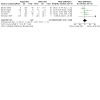
Comparison 2: Vegan dietary intervention versus another dietary intervention for primary prevention, Outcome 5: Systolic blood pressure (mmHg), change from baseline
Five trials (247 participants randomised) measured diastolic blood pressure and provided data that could be pooled in a meta‐analysis (Barnard 2009; Barnard 2018; Jenkins 2014; Lee 2016; Nicholson 1999). There was a lack of evidence for an effect of the vegan diet on diastolic blood pressure levels compared to other dietary interventions (MD 0.63 mmHg, 95% CI −1.54 to 2.80; I2 = 0%; very low‐certainty evidence) (Analysis 2.6).
2.6. Analysis.

Comparison 2: Vegan dietary intervention versus another dietary intervention for primary prevention, Outcome 6: Diastolic blood pressure (mmHg), change from baseline
3. Vegan dietary intervention versus another dietary intervention for secondary prevention
One trial (61 participants randomised) measured systolic blood pressure for this comparison group (Elkoustaf 2019). There was a lack of evidence for an effect of the intervention on systolic blood pressure (MD −1.00 mmHg, 95% CI −9.58 to 7.58; very low‐certainty evidence) (Analysis 3.5).
3.5. Analysis.

Comparison 3: Vegan dietary intervention versus another dietary intervention for secondary prevention, Outcome 5: Systolic blood pressure (mmHg), change from baseline
One trial (61 participants randomised) measured diastolic blood pressure for this comparison group (Elkoustaf 2019).There was a lack of evidence for an effect of the intervention on diastolic blood pressure (MD −3.00 mmHg, 95% CI −8.67 to 2.67; very low‐certainty evidence) (Analysis 3.6).
3.6. Analysis.

Comparison 3: Vegan dietary intervention versus another dietary intervention for secondary prevention, Outcome 6: Diastolic blood pressure (mmHg), change from baseline
Adverse events
Adverse effects were explicitly reported in only four trials. No adverse events were reported in one (Barnard 2009), no serious adverse events or hospitalisations in another (Jenkins 2014) and no serious harms with the intervention in a third (Wright 2017). One study reported gassiness in 50% of the vegan dietary intervention group compared to 23% in those following the NCEP II comparator diet (Barnard 2004).
Glycaemic control and weight (secondary outcomes: FPG, HbA1C, incidence of T2DM, body weight and BMI)
None of the included studies in the three main comparison groups reported on the incidence of T2DM.
Fasting plasma glucose
1. Vegan dietary intervention versus no intervention or minimal intervention for primary prevention
Two trials (109 participants randomised) measured fasting plasma glucose (FPG) and reported data that could be used in meta‐analyses (Bunner 2015; Kahleova 2018). There was a small decrease in FPG levels with the intervention (MD −0.30 mmol/L, 95% CI −0.58 to −0.02; I2 = 0%; Analysis 1.7).
1.7. Analysis.

Comparison 1: Vegan dietary intervention versus no intervention or minimal intervention for primary prevention, Outcome 7: Fasting plasma glucose (mmol/L), change from baseline
2. Vegan dietary intervention versus another dietary intervention for primary prevention
Five trials (285 participants randomised) measured FPG and reported data that could be used in meta‐analyses (Barnard 2009; Barnard 2018; Jenkins 2014; Lee 2016; Nicholson 1999). There was a possible small decrease in FPG levels with the intervention compared to other dietary interventions (MD −0.20 mmol/L, 95% CI −0.43 to 0.03; I2 = 5%; Analysis 2.7).
2.7. Analysis.

Comparison 2: Vegan dietary intervention versus another dietary intervention for primary prevention, Outcome 7: Fasting plasma glucose (mmol/L), change from baseline
One study reported median values for FPG with no variance (Barnard 2018). This study found that median FPG values decreased with both the vegan and portion‐control interventions, by 0.89 mmol/L and 0.69 mmol/L respectively, with no statistically significant difference between them (P = 0.7).
3. Vegan dietary intervention versus another dietary intervention for secondary prevention
FPG was not reported in the one study contributing to this comparison group (Elkoustaf 2019).
HbA1C
1. Vegan dietary intervention versus no intervention or minimal intervention for primary prevention
Four trials (201 participants randomised) measured HbA1C and reported data that could be used in meta‐analyses (Bunner 2015; Kahleova 2018; GEICO 2013; Wright 2017). There was considerable heterogeneity between trials (I2 = 94%) and so we did not pool the studies statistically (Analysis 1.8). Three trials reported beneficial effects of the vegan diet Bunner 2015; GEICO 2013; Wright 2017), one with a large effect size (Wright 2017). There was no apparent effect of the intervention on HbA1C levels in the remaining trial (Kahleova 2018).
1.8. Analysis.

Comparison 1: Vegan dietary intervention versus no intervention or minimal intervention for primary prevention, Outcome 8: HbA1C (%), change from baseline
2. Vegan dietary intervention versus another dietary intervention for primary prevention
Four trials (226 participants randomised) measured HbA1C and reported data that could be used in meta‐analyses (Barnard 2009; Jenkins 2014; Lee 2016; Nicholson 1999). There was a small decrease in HbA1C percentage points with the intervention compared to other dietary interventions (MD −0.21%, 95% CI −0.42 to −0.01, I2 = 0%; Analysis 2.8).
2.8. Analysis.

Comparison 2: Vegan dietary intervention versus another dietary intervention for primary prevention, Outcome 8: HbA1C (%), change from baseline
One study reported median values for HbA1C with no variance (Barnard 2018). This study found that median HbA1C values fell 0.40 percentage points in both groups (P = 0.68).
3. Vegan dietary intervention versus another dietary intervention for secondary prevention
One trial (63 participants randomised) measured HbA1C for this comparison group (Elkoustaf 2019). There was a lack of evidence for an effect of the intervention on HbA1C levels (MD −0.10%, 95% CI −0.75 to 0.55; Analysis 3.7).
3.7. Analysis.

Comparison 3: Vegan dietary intervention versus another dietary intervention for secondary prevention, Outcome 7: HbA1C (%), change from baseline
Body weight
1. Vegan dietary intervention versus no intervention or minimal intervention for primary prevention
Three trials (374 participants randomised) measured body weight and reported data that could be used in meta‐analyses (Bunner 2015; GEICO 2013; Wright 2017). There was considerable heterogeneity between trials (I2 = 93%) and so we did not pool the studies statistically (Analysis 1.9). All three trials reported beneficial effects of the vegan diet (Bunner 2015; GEICO 2013; Wright 2017), one with a large effect size (Wright 2017).
1.9. Analysis.

Comparison 1: Vegan dietary intervention versus no intervention or minimal intervention for primary prevention, Outcome 9: Body weight (Kg), change from baseline
2. Vegan dietary intervention versus another dietary intervention for primary prevention
Seven trials (275 participants randomised) measured body weight and reported data that could be used in meta‐analyses (Barnard 2004; Barnard 2009; Barnard 2018; Jenkins 2014; Nicholson 1999; Turner‐McGrievy 2014; Turner‐McGrievy 2015). There was a small decrease in body weight with the intervention compared to other dietary interventions (MD −1.89 Kg, 95% CI −2.85 to −0.93; I2 = 0%; Analysis 2.9).
2.9. Analysis.

Comparison 2: Vegan dietary intervention versus another dietary intervention for primary prevention, Outcome 9: Body weight (Kg), change from baseline
3. Vegan dietary intervention versus another dietary intervention for secondary prevention
Body weight was not reported in the one study contributing to this comparison group (Elkoustaf 2019).
BMI
1. Vegan dietary intervention versus no intervention or minimal intervention for primary prevention
Four trials (449 participants randomised) measured BMI and reported data that could be used in meta‐analyses (Bunner 2015; Kahleova 2018; GEICO 2013; Wright 2017). There was considerable heterogeneity between trials (I2 = 91%) and so we did not pool the studies statistically (Analysis 1.10). All four trials reported beneficial effects of the vegan diet (Bunner 2015; Kahleova 2018; GEICO 2013; Wright 2017), one with a large effect size (Wright 2017).
1.10. Analysis.

Comparison 1: Vegan dietary intervention versus no intervention or minimal intervention for primary prevention, Outcome 10: BMI (Kg/m2), change from baseline
2. Vegan dietary intervention versus another dietary intervention for primary prevention
Five trials (314 participants randomised) measured BMI and reported data that could be used in meta‐analyses (Barnard 2004; Barnard 2009; Barnard 2018; Jenkins 2014; Lee 2016). There was a small decrease in BMI with the intervention compared to other dietary interventions (MD −0.52 Kg/m2, 95% CI −0.76 to −0.27; I2 = 0%; Analysis 2.10).
2.10. Analysis.

Comparison 2: Vegan dietary intervention versus another dietary intervention for primary prevention, Outcome 10: BMI (Kg/m2), change from baseline
3. Vegan dietary intervention versus another dietary intervention for secondary prevention
One trial (63 participants randomised) measured BMI for this comparison group (Elkoustaf 2019).There was a lack of evidence for an effect of the intervention on BMI (MD −1.10 kg/m2, 95% CI −3.95 to 1.75; Analysis 3.8).
3.8. Analysis.

Comparison 3: Vegan dietary intervention versus another dietary intervention for secondary prevention, Outcome 8: BMI (Kg/m2), change from baseline
Other secondary outcomes: Health‐related quality of life, well‐being, adherence and acceptability of the intervention
Health‐related quality of life
Health‐related Quality of Life (HRQoL) was reported in four trials, two in comparison group 1 (GEICO 2013; Wright 2017), one in comparison group 2 (Turner‐McGrievy 2014) and one in comparison group 3 (Elkoustaf 2019). Three different scales were used: the SF‐36 (GEICO 2013; Wright 2017), the polycystic ovary syndrome (PCOS) health‐related quality of life questionnaire (PCOSQ; Turner‐McGrievy 2014) and the Ferrans and Powers’ Quality of life index (Elkoustaf 2019).
1. Vegan dietary intervention versus no intervention or minimal intervention for primary prevention
For the two trials reporting SF‐36, one used summary measures only (Wright 2017) and in the other the summary measures are not reported (GEICO 2013). Quality of life as measured by SF‐36 increased with the vegan intervention in both trials where between‐group differences favouring the intervention were significant at six months for both the physical component summary (P = 0.03) and the mental component summary (P < 0.01) in one trial (Wright 2017). The other trial found that improvements in depression (P = 0.02), anxiety (P = 0.04), fatigue (P < 0.01), emotional well‐being (P = 0.01), daily functioning because of physical health (P = 0.01), and general health (P = 0.02) in the vegan group were all significantly greater than those in the control group (GEICO 2013).
2. Vegan dietary intervention versus another dietary intervention for primary prevention
Compared to a low‐calorie diet, there were no significant differences in changes in any of the domains of the PCOSQ with the vegan dietary intervention (Turner‐McGrievy 2014).
3. Vegan dietary intervention versus another dietary intervention for secondary prevention
In participants with diagnosed CVD, HRQoL improved significantly within the intervention group (P = 0.004) but not within the comparison group (P = 0.3) or between groups (P = 0.8) (Elkoustaf 2019).
Well‐being
None of the trials in any of the three main comparison groups reported on validated measures of well‐being.
Adherence to the intervention
Adherence to the intervention was variously described using self‐reported dietary intake. Six studies examined this more formally with quantitative measures of adherence to the assigned intervention, two in comparison group 1 (GEICO 2013; Wright 2017), and four in comparison group 2 (Barnard 2009; Jenkins 2014; Lee 2016; Turner‐McGrievy 2015).
1. Vegan dietary intervention versus no intervention or minimal intervention for primary prevention
One study used thresholds of cholesterol intake and fat intake as indicators of adherence to the vegan dietary intervention, and found significantly reduced intakes compared to the control group (GEICO 2013). A further study used dietary indiscretions measured over three days as an adherence measure (Wright 2017), but did not define these. In the vegan group dietary indiscretions increased during the six‐month intervention period (Wright 2017).
2. Vegan dietary intervention versus another dietary intervention for primary prevention
Turner‐McGrievy 2015 defined adherence as the absence of prohibited foods on dietary recall or ≤ 40% fat for the omnivorous‐diet group where they found that adherence to the dietary recommendations did not differ by diet group at six‐month follow‐up.
In Barnard 2009, dietary adherence to the vegan group was defined as the absence of meat, poultry, fish, dairy, or egg intake reported on 24‐hour recalls and three‐day dietary records of saturated fat ≤ 5% and total fat ≤ 25% of energy, and average daily cholesterol intake ≤ 50 mg. This study found diet adherence criteria were met by 67% of the vegan group compared to 44% of adherence criteria for the comparison diet at 22 weeks follow‐up (P = 0.019).
Jenkins 2014 looked at adherence to the three principal cholesterol‐lowering components (vegetable proteins (soy and gluten), nuts and viscous fibres) of the low‐carbohydrate vegan diet which was estimated from the seven‐day food records. When the amount consumed was equivalent to the amount prescribed a 33.3% compliance would be recorded for that component. Overall adherence (of 100%) to the vegan dietary intervention at six months was 33.6% (95% CI 22.1 to 45.2).
In Lee 2016, dieticians deducted points from a daily 10‐point scale of self‐assessed dietary recording, for the consumption of prohibited foods or whenever daily food consumption had not been maintained according to the prescribed food exchange lists. The mean compliance score (a maximum of 10 points) during the overall intervention period was 9.2 ± 1.6 and 8.2 ± 1.5 in the conventional diet group and vegan diet group, respectively (P = 0.002).
Acceptability of the intervention
Acceptability of the vegan diet was assessed in four trials, one with the food enjoyment questionnaire from comparison group 1 (Wright 2017) and three with the food acceptability questionnaire from comparison group 2 (Barnard 2004; Barnard 2009; Turner‐McGrievy 2015).
1. Vegan dietary intervention versus no intervention or minimal intervention for primary prevention
At six months no significant between‐group differences were seen for food enjoyment (Wright 2017).
2. Vegan dietary intervention versus another dietary intervention for primary prevention
Using the food acceptability questionnaire, Barnard 2004 found the acceptability of both the vegan diet and following NECP guidelines to be high, although the vegan group participants rated their diet as less easy to prepare than their usual diets (P = 0.05). There were no between‐group differences in any acceptability measures at 14 weeks.
Similarly, in Barnard 2009 questionnaire responses rated both the vegan diet and following ADA guidelines as satisfactory, with no significant differences between groups.
In a trial of five dietary interventions (Turner‐McGrievy 2015), no differences were found among the five groups for changes in the food acceptability questionnaire at six months.
Discussion
The aim of this review is to evaluate the effectiveness of dietary advice to follow a vegan diet or the provision of foods relevant to the vegan diet for both the primary and secondary prevention of CVD. As well as seeking clinical endpoints, we also examined the effects of a vegan diet on major cardiovascular risk factors, including blood lipids, blood pressure as our primary outcomes, and glycaemic control, weight, quality of life and adherence and acceptability of a vegan dietary intervention as secondary outcomes, in participants both with and without established CVD.
Summary of main results
In this review, 13 RCTs and eight ongoing trials met our inclusion criteria. We used prespecified comparison groups to analyse the data to address both heterogeneity between participants and comparison groups and to aid interpretation of our findings. The comparison groups and number of trials and participants contributing to each are presented below:
Comparison 1: Vegan dietary intervention versus no intervention or minimal intervention for primary prevention: four trials (466 participants randomised).
Comparison 2: Vegan dietary intervention versus another dietary intervention for primary prevention: eight trials (409 participants randomised).
Comparison 3: Vegan dietary intervention versus another dietary intervention for secondary prevention: one trial (63 participants randomised)
We did not find any trials comparing vegan dietary interventions with usual care for secondary prevention.
None of the trials reported on clinical endpoints. CVD risk factors including lipid levels and blood pressure were reported in all three comparison groups.
For comparison 1 there was moderate‐certainty evidence for a small reduction in total cholesterol and LDL cholesterol, a very small decrease in HDL levels and a very small increase in triglyceride levels with the vegan intervention. There was a lack of evidence for an effect of the vegan dietary intervention for all blood‐pressures outcomes in comparison 1 and for all lipid and blood pressure outcomes in comparison 2 and 3.
All primary prevention trials recruited participants who were overweight/obese or had type 2 diabetes mellitus (T2DM), or both. Measures of glycaemic control and weight loss were reported in most studies. Heterogeneity precluded meta‐analysis for some outcomes and comparison groups, but overall in primary prevention there were small decreases in fasting plasma glucose (FPG), blood glucose levels (HbA1C), body weight and body mass index (BMI) with the vegan dietary intervention. In secondary prevention there was limited evidence, as only one trial contributed to comparison 3.
Health‐related quality of life was reported in four trials overall, two trials reporting favourable effects with the vegan dietary intervention, and two no differences with the comparison groups. Acceptability of a vegan dietary pattern affects adherence, and this was assessed in four trials overall. All four studies found the vegan diet to be acceptable but did not find any differences in acceptability between groups. Adherence was measured in six studies overall, using various definitions. Adherence was generally good and some studies found this to be higher than adherence to the comparison diets.
Four trials reported on adverse events, which were absent or minor.
Overall completeness and applicability of evidence
We have synthesised the available evidence to date on the effects of vegan dietary patterns on CVD clinical endpoints and CVD risk factors in those at risk of or with diagnosed CVD in this rapidly expanding field. Currently 13 RCTs (938 participants randomised) met our strict inclusion criteria. None reported on clinical endpoints, as most trials were small, short‐term and reported on primary prevention. Only one trial in people with diagnosed CVD met our inclusion criteria.
We have stratified our analyses by primary and secondary prevention and by comparison group in an attempt to address heterogeneity and aid interpretation of findings, to make the review as useful as possible. We were strict in our definition of a vegan dietary pattern and included only trials where the intervention was exclusively plant‐based. Included studies were also limited by our requirements for an intervention and follow‐up duration of 12 weeks or more. However, in terms of public health relevance we were interested in longer‐term studies as the sustainability of dietary modifications is challenging, and the impact on longer‐term cardiovascular health is probably due to sustained dietary modifications and their interplay with environmental factors.
The limits we set on intervention and follow‐up duration meant that we excluded a prominent trial in secondary prevention (EVADE‐CAD 2018), where effects of the intervention were reported at eight weeks. This trial found that in 100 people with diagnosed CVD, following a vegan dietary pattern was associated with lower levels of inflammation compared to the American Heart Association diet, but they found no significant differences between the diets in body weight, waist circumference, glycaemic indices and lipid levels.
Whilst we were strict in our definition of a vegan dietary pattern, there were differences between the interventions tested. Most of the included studies recruited participants who were overweight/obese or had T2DM, or both, so the vegan interventions were either low‐fat or low‐carbohydrate or both, and emphasised the consumption of whole foods and B12 supplementation. Similarly, the dietary comparison groups differed across trials. Comparison diets included low calorie, portion control, national recommendations/disease‐specific guidance, and vegetarian and pescatarian diets. We have not explored the effect of different dietary intervention and comparison groups formally due to an insufficient number of studies to do so.
Adherence to dietary patterns both in the intervention and comparison groups will have an impact on their effectiveness. Similarly, acceptability of the dietary interventions affects adherence. Four trials reported on acceptability of the vegan diet and six trials reported on adherence. These studies found the vegan diet to be acceptable and did not find differences in acceptability with comparison groups, with good overall adherence, and some reported that this was higher for the vegan intervention than for comparison diets.
The available clinical trial evidence to date is limited. Several of the included studies have been conducted in the same institution in the USA where declarations of interest have indicated a vested interest in following a low‐fat vegan dietary pattern (Barnard 2004; Barnard 2009; Barnard 2018; Kahleova 2018; GEICO 2013). The largest study has been funded by the same institution and there are some concerns about the methodology (GEICO 2013).
Interest in vegan diets for health is significant and it is likely that many more trials will be conducted in this area to add to the evidence base. We identified eight ongoing trials which we will incorporate in a future update of this review.
Quality of the evidence
Heterogeneity of participants, interventions and comparators was high and we have attempted to reduce this by conducting the main analyses in three comparison groups for primary and secondary prevention and with different comparators. We intended to explore heterogeneity further in subgroup analyses and to perform sensitivity analyses to test the robustness of the results, but there are insufficient studies included so far to conduct these.
Most studies included in this review were at unclear risk of bias for many of the 'Risk of bias' domains, so results should be interpreted cautiously. We noted high risk of bias for high attrition rates in two trials (Elkoustaf 2019; Jenkins 2014), for differential attrition rates between the intervention and control groups in one trial (Nicholson 1999), and a high risk of other bias in a very small pilot study with data available for only 11 participants (Nicholson 1999). The 'Summary of findings' tables provide GRADE assessment of overall study certainty for each of the three comparison groups:
For comparison 1, GRADE assessment of the outcomes has led to trials being downgraded for imprecision due to small sample size, and small sample size and wide confidence intervals that include the possibilities of both substantial benefit and a possible negative effect.
For comparison 2, GRADE assessment of the outcomes has led to trials being downgraded for imprecision due to small sample size, and small sample size and wide confidence intervals that include the possibilities of both substantial benefit and a possible negative effect, and study limitations, as two studies had high risk of bias for attrition (Jenkins 2014; Nicholson 1999).
For comparison 3, GRADE assessment of the outcomes has downgraded for study limitations, as the only included study was at high risk of attrition bias and at unclear risk of bias in all other domains, and imprecision for small sample size and confidence intervals that include both positive and negative effects (Elkoustaf 2019).
Potential biases in the review process
We conducted a comprehensive search across major databases for interventions involving the vegan diet. Two review authors independently selected and assessed trials for inclusion using prespecified criteria, extracted data and assessed the certainty of trials to minimise potential biases in the review processes.
There was heterogeneity between trials from different sources (participants, nature and duration of intervention, comparison groups, follow‐up, outcome data), which precluded statistical pooling for some outcomes. We prespecified three main comparison groups for analysis to address the likely heterogeneity that we would encounter, by primary and secondary prevention and by comparison groups. By exploring the effects of the vegan intervention compared to no/minimal interventions, and also to other dietary interventions we have reduced heterogeneity and provided a more comprehensive picture.
Not all data from all studies were reported in a useable format to contribute to meta‐analyses. We have reported the data narratively where we were unable to pool them. We have also contacted authors to provide additional data where these were missing.
We have included studies which focused solely on weight loss and intended to examine the potential confounding effects of weight loss on other CVD risk factors, but there are currently insufficient studies to do this.
Our strict inclusion criteria with the intervention being exclusively plant‐based and restrictions on study duration and follow‐up limited the number of studies available for inclusion. However, these criteria add clarity and allow presentation of sustained rather than short‐term effects.
There are currently too few studies to explore the possibility of differences in effect by participant characteristics such as race/ethnicity and sex, as well as for different CVD risk factors.
Agreements and disagreements with other studies or reviews
Several recent systematic reviews have reported on the effects of the vegan diet on cardiovascular health.
A systematic review of cross‐sectional studies of dietary patterns has shown reduced BMI, total and LDL cholesterol, and blood glucose in those who follow a vegan diet compared to omnivores. However, the authors state that there was significant heterogeneity, with most studies rated at moderate or high risk of bias (Dinu 2017). A further synthesis of observational studies in healthy participants has similarly shown reduced BMI, LDL cholesterol and blood glucose in vegans compared to omnivores, but also reductions in triglycerides, waist circumference, and blood pressure (Benatar 2018). Furthermore, these results were stable as stratified analyses showed that results were consistent by sample size and publication date. Differences were seen, however, by country (Benatar 2018).
There are limited systematic reviews of RCTs of vegan dietary interventions focused on the potential effects on CVD risk to date. One systematic review of T2DM where nine of the 11 included studies were RCTs, found improvements in HbA1C levels, weight, total and LDL cholesterol, psychological health and quality of life compared to other diets including several diabetic guidelines (Toumpanakis 2018). These findings are broadly in line with our findings, where across both comparison groups for primary prevention, which include participants with T2DM, small reductions are seen in HbA1C and weight, and reductions in total and LDL cholesterol are also seen for comparison 1 when compared to no/minimal intervention. Few studies reported on quality of life, but favourable effects were seen in two trials with the vegan intervention, with no differences seen between groups in a further two trials.
The effects of vegan diets on blood pressure have been examined in a recent systematic review of 11 RCTs compared with less restrictive diets. The authors found no differences between groups for the overall population, but reductions in blood pressure in participants who were hypertensive at baseline (Lopez 2019). Our review found no consistent effects of the vegan diet on blood pressure for either comparison group for primary prevention. We have not explored the effects of baseline risk due to the limited number of included studies.
There is very little clinical trial evidence of the effect of the vegan dietary pattern on CVD outcomes in those with established CVD. To our knowledge no systematic reviews have reported on this. Our review included only one trial in secondary prevention (Elkoustaf 2019) with 63 participants contributing data and high rates of attrition. There was a lack of evidence for an effect of the vegan diet on any of the CVD risk factors measured, but this could be due to lack of power. Another trial which we excluded based on short‐term follow‐up of eight weeks, similarly reported a lack of evidence for an effect of the vegan diet on lipid levels, glycaemic indices and body weight in 100 participants with established CVD, but they did find beneficial effects of the diet on the inflammatory biomarker high‐sensitivity C‐reactive protein which is linked to atherosclerosis (EVADE‐CAD 2018).
Authors' conclusions
Implications for practice.
This is an emerging field, as interest grows in the potential benefits of veganism. Currently there is no information on the effects of a vegan diet on CVD clinical endpoints and limited information on CVD risk factors for both primary and secondary prevention from clinical trial evidence.
Implications for research.
There remains considerable uncertainty about the effects of a vegan diet on CVD clinical endpoints and CVD risk factors for both primary and secondary prevention, due to a lack of current evidence. Adequately‐powered primary and secondary prevention trials are needed to establish the effects on CVD clinical endpoints and to confirm initial findings on CVD risk factors in primary prevention. The impact of adherence to dietary interventions and duration of follow‐up are also important, to examine sustained effects.
History
Protocol first published: Issue 12, 2019 Review first published: Issue 2, 2021
Acknowledgements
The topic of this review was regarded as high priority by a priority‐setting exercise conducted in 2018 by the Cochrane Heart Group. The editorial team provided the template of the protocol to adhere to MECIR standards and developed the search strategy. We would like to acknowledge the contributions of Robby Nieuwlaat, the contact editor for the Cochrane Heart Group, and the following peer reviewers and consumer reviewer who provided helpful comments to improve the protocol: Fahimeh Haghighatdoost, Ram Jagannathan, Jocelyne Benatar and Lenny Vasanthan. We would also like to acknowledge the contributions of Robby Nieuwlaat, the contact editor for the Cochrane Heart Group, and the following peer reviewers and consumer reviewer who provided helpful comments to improve the review: Lenny Vasanthan T, Lecturer in Physiotherapy, Christian Medical College, Vellore, Brie Turner‐McGrievy; Associate Professor, University of South Carolina, Prof. Nataša Fidler Mis, MSc. PhD in Nutrition Science; University Medical Centre Ljubljana, Slovenia; Anika Knuppel, University of Oxford.
We would also like to thank Dr Brie Turner‐McGrievy for kindly providing additional data on weight loss from two of her trials (Turner‐McGrievy 2014; Turner‐McGrievy 2015) and Dr Nicholas Wright for providing variance data for the BROAD trial (Wright 2017).
The Background and Methods sections of this review are based on a standard template provided by Cochrane Heart.
Appendices
Appendix 1. Search strategies
CENTRAL
#1 MeSH descriptor: [Diet, Vegan] explode all trees (15)
#2 vegan* (217)
#3 (plant‐based NEAR/4 (diet* or nutri* or food* or eat* or consum*)) (222)
#4 #1 or #2 or #3 in Trials (376)
MEDLINE Ovid
1 Diet, Vegan/ (146)
2 vegan*.tw. (1099)
3 (plant‐based adj4 (diet* or nutri* or food* or eat* or consum*)).tw. (1571)
4 1 or 2 or 3 (2587)
5 randomized controlled trial.pt. (499839)
6 controlled clinical trial.pt. (93555)
7 randomized.ab. (468884)
8 placebo.ab. (204925)
9 drug therapy.fs. (2178048)
10 randomly.ab. (326543)
11 trial.ab. (493136)
12 groups.ab. (2005128)
13 5 or 6 or 7 or 8 or 9 or 10 or 11 or 12 (4626630)
14 exp animals/ not humans.sh. (4669954)
15 13 not 14 (4008572)
16 4 and 15 (665)
Embase Ovid
1 exp vegan diet/ (473)
2 vegan*.tw. (1565)
3 (plant‐based adj4 (diet* or nutri* or food* or eat* or consum*)).tw. (1905)
4 1 or 2 or 3 (3408)
5 random$.tw. (1486046)
6 factorial$.tw. (36427)
7 crossover$.tw. (72719)
8 cross over$.tw. (30721)
9 cross‐over$.tw. (30721)
10 placebo$.tw. (296721)
11 (doubl$ adj blind$).tw. (198863)
12 (singl$ adj blind$).tw. (24005)
13 assign$.tw. (380626)
14 allocat$.tw. (146567)
15 volunteer$.tw. (245935)
16 crossover procedure/ (62001)
17 double blind procedure/ (166330)
18 randomized controlled trial/ (585577)
19 single blind procedure/ (37817)
20 5 or 6 or 7 or 8 or 9 or 10 or 11 or 12 or 13 or 14 or 15 or 16 or 17 or 18 or 19 (2240310)
21 (animal/ or nonhuman/) not human/ (5495466)
22 20 not 21 (1983005)
23 4 and 22 (420)
Web of Science
# 5 #4 AND #3 (654)
# 4 TS=(random* or blind* or allocat* or assign* or trial* or placebo* or crossover* or cross‐over*) (3,700,646)
# 3 #2 OR #1 (3,984)
# 2 TS=(plant‐based NEAR/4 (diet* or nutri* or food* or eat* or consum*)) (2,297)
# 1 TS=vegan* (1,875)
ClinicalTrials.gov
Study type: Interventional Studies (Clinical Trials)
Intervention/treatment: Vegan
Data and analyses
Comparison 1. Vegan dietary intervention versus no intervention or minimal intervention for primary prevention.
| Outcome or subgroup title | No. of studies | No. of participants | Statistical method | Effect size |
|---|---|---|---|---|
| 1.1 Total cholesterol (mmol/L), change from baseline | 4 | 449 | Mean Difference (IV, Random, 95% CI) | ‐0.24 [‐0.36, ‐0.12] |
| 1.2 LDL cholesterol (mmol/L), change from baseline | 4 | 449 | Mean Difference (IV, Random, 95% CI) | ‐0.22 [‐0.32, ‐0.11] |
| 1.3 HDL cholesterol (mmol/L), change from baseline | 4 | 449 | Mean Difference (IV, Random, 95% CI) | ‐0.08 [‐0.11, ‐0.04] |
| 1.4 Triglycerides (mmol/L), change from baseline | 4 | 449 | Mean Difference (IV, Random, 95% CI) | 0.11 [0.01, 0.21] |
| 1.5 Systolic blood pressure (mmHg), change from baseline | 3 | 374 | Mean Difference (IV, Random, 95% CI) | 0.94 [‐1.18, 3.06] |
| 1.6 Diastolic blood pressure (mmHg), change from baseline | 3 | 372 | Mean Difference (IV, Random, 95% CI) | ‐0.27 [‐1.67, 1.12] |
| 1.7 Fasting plasma glucose (mmol/L), change from baseline | 2 | 109 | Mean Difference (IV, Random, 95% CI) | ‐0.30 [‐0.58, ‐0.02] |
| 1.8 HbA1C (%), change from baseline | 4 | Mean Difference (IV, Random, 95% CI) | Totals not selected | |
| 1.9 Body weight (Kg), change from baseline | 3 | Mean Difference (IV, Random, 95% CI) | Totals not selected | |
| 1.10 BMI (Kg/m2), change from baseline | 4 | Mean Difference (IV, Random, 95% CI) | Totals not selected |
Comparison 2. Vegan dietary intervention versus another dietary intervention for primary prevention.
| Outcome or subgroup title | No. of studies | No. of participants | Statistical method | Effect size |
|---|---|---|---|---|
| 2.1 Total cholesterol (mmol/L), change from baseline | 4 | 163 | Mean Difference (IV, Random, 95% CI) | ‐0.04 [‐0.28, 0.20] |
| 2.2 LDL cholesterol (mmol/L), change from baseline | 4 | 244 | Mean Difference (IV, Random, 95% CI) | ‐0.05 [‐0.21, 0.11] |
| 2.3 HDL cholesterol (mmol/L), change from baseline | 5 | 256 | Mean Difference (IV, Random, 95% CI) | ‐0.01 [‐0.08, 0.05] |
| 2.4 Triglycerides (mmol/L), change from baseline | 5 | 256 | Mean Difference (IV, Random, 95% CI) | 0.21 [‐0.07, 0.49] |
| 2.5 Systolic blood pressure (mmHg), change from baseline | 5 | 247 | Mean Difference (IV, Random, 95% CI) | 0.02 [‐3.59, 3.62] |
| 2.6 Diastolic blood pressure (mmHg), change from baseline | 5 | 247 | Mean Difference (IV, Random, 95% CI) | 0.63 [‐1.54, 2.80] |
| 2.7 Fasting plasma glucose (mmol/L), change from baseline | 5 | 285 | Mean Difference (IV, Random, 95% CI) | ‐0.20 [‐0.43, 0.03] |
| 2.8 HbA1C (%), change from baseline | 4 | 226 | Mean Difference (IV, Random, 95% CI) | ‐0.21 [‐0.42, ‐0.01] |
| 2.9 Body weight (Kg), change from baseline | 7 | 275 | Mean Difference (IV, Random, 95% CI) | ‐1.89 [‐2.85, ‐0.93] |
| 2.10 BMI (Kg/m2), change from baseline | 5 | 314 | Mean Difference (IV, Random, 95% CI) | ‐0.52 [‐0.76, ‐0.27] |
Comparison 3. Vegan dietary intervention versus another dietary intervention for secondary prevention.
| Outcome or subgroup title | No. of studies | No. of participants | Statistical method | Effect size |
|---|---|---|---|---|
| 3.1 Total cholesterol (mmol/L), change from baseline | 1 | Mean Difference (IV, Random, 95% CI) | Totals not selected | |
| 3.2 LDL cholesterol (mmol/L), change from baseline | 1 | Mean Difference (IV, Random, 95% CI) | Totals not selected | |
| 3.3 HDL cholesterol (mmol/L), change from baseline | 1 | Mean Difference (IV, Random, 95% CI) | Totals not selected | |
| 3.4 Triglycerides (mmol/L), change from baseline | 1 | Mean Difference (IV, Random, 95% CI) | Totals not selected | |
| 3.5 Systolic blood pressure (mmHg), change from baseline | 1 | Mean Difference (IV, Random, 95% CI) | Totals not selected | |
| 3.6 Diastolic blood pressure (mmHg), change from baseline | 1 | Mean Difference (IV, Random, 95% CI) | Totals not selected | |
| 3.7 HbA1C (%), change from baseline | 1 | Mean Difference (IV, Random, 95% CI) | Totals not selected | |
| 3.8 BMI (Kg/m2), change from baseline | 1 | Mean Difference (IV, Random, 95% CI) | Totals not selected |
Characteristics of studies
Characteristics of included studies [ordered by study ID]
Barnard 2004.
| Study characteristics | ||
| Methods | Parallel‐group RCT | |
| Participants | Participants recruited through newspaper advertisements in the Washington, DC, area. Recruitment dates not reported Inclusion criteria: Overweight and obese postmenopausal women (BMI 26 ‐ 44) Exclusion criteria: Premenopausal women were excluded because of the effect that hormonal cycles have on measures of metabolism, as were individuals with unstable medical status, history of eating disorder, alcohol or drug abuse, severe mental illness, diagnosed diabetes mellitus, physical conditions affecting body weight or eating behaviour, or use during the preceding 6 months of oestrogens, any medications affecting appetite or body weight, or tobacco Number of eligible participants not reported. 32 (mean age 57.4) women were randomised to the intervention group and 32 (mean age 55.6) women were randomised to the comparison group Use of pharmacological therapy at baseline and any changes during the trial were not reported |
|
| Interventions |
Intervention (duration 14 weeks, setting not reported): The vegan diet consisted of vegetables, fruits, grains, and legumes. Animal products, added oils, avocados, olives, nuts, nut butters, and seeds were prohibited. The diet derived approximately 10% of its energy from fat, 15% from protein, and 75% from carbohydrates. Vitamin B12 supplementation was recommended for participants choosing to continue the diet after the initial intervention period Comparison (duration 14 weeks, setting not reported): National Cholesterol Education Program (NCEP) step II guidelines. It limited total fat to 30% or less of the energy consumed (saturated fat ≤ 7%, polyunsaturated fat ≤ 10%, monounsaturated fat ≤ 15% of the energy consumed), with protein providing approximately 15% and carbohydrate more than 55% of the energy consumed. Cholesterol intake was limited to less than 200 mg a day The participants in both groups were free to prepare their own meals or eat at restaurants and were encouraged to eat to satiety. No meals were provided other than occasional samples of novel food products. No attempt was made to limit energy intake or to maintain isocaloric intake between the 2 groups. A physician and a registered dietitian presented two lectures describing the assigned diets to the participants and their spouses, family members, or friends, after which the participants attended weekly 1‐hour meetings of their assigned groups for nutrition and cooking instruction throughout the duration of the study. The participants were given diet instructions, recipes, and restaurant tips |
|
| Outcomes | Follow‐up at 14 weeks: Adverse events Fasting blood glucose Body weight BMI |
|
| Notes | Country: USA Funding: The study was funded by The Cancer Project of the Physicians Committee for Responsible Medicine. Declarations of interest: None reported. |
|
| Risk of bias | ||
| Bias | Authors' judgement | Support for judgement |
| Random sequence generation (selection bias) | Low risk | Computer‐generated random‐number table |
| Allocation concealment (selection bias) | Unclear risk | No information about allocation concealment |
| Blinding of participants and personnel (performance bias) All outcomes | Unclear risk | Blinding of participants and personnel difficult or impossible for dietary interventions, so this is rated as unclear for all studies and not high risk |
| Blinding of outcome assessment (detection bias) All outcomes | Unclear risk | No information. Objective measures were used in pooled analyses |
| Incomplete outcome data (attrition bias) All outcomes | Low risk | ITT was not performed but there were small losses to follow‐up: 3/32 and 2/32 in the intervention and control groups respectively |
| Selective reporting (reporting bias) | Unclear risk | No NCT record reported to check outcomes listed and those reported |
| Other bias | Unclear risk | Insufficient information to judge |
Barnard 2009.
| Study characteristics | ||
| Methods | Parallel‐group RCT | |
| Participants | Recruited through newspaper advertisements in the Washington DC, area between October and December 2003 and October and December 2004 Inclusion criteria: Individuals with type 2 diabetes, defined by a FPG concentration > 125 mg/dL on 2 occasions or a prior diagnosis of type 2 diabetes treated with medications for blood glucose control for ≥ 6 months Exclusion criteria: Hb A1c < 6.5% or > 10.5%; use of insulin for > 5 years; smoking, alcohol, or drug abuse; pregnancy; unstable medical status; and current use of a low‐fat vegetarian diet 569 participants were eligible, 470 not recruited (inability to attend scheduled meetings (n = 187), failure to keep interview appointment (n = 153), reluctance to change diet (n = 72), and other or unspecified (n = 58) leaving 99 randomised, 49 to the intervention group (mean age 56.7, 45% men) and 50 to the comparison group (mean age 54.6, 34% men) Medication at baseline: On insulin: intervention 22%, comparison 10% On metformin: intervention 69%, comparison 78% On sulphonylurea: intervention 51%, comparison 58% On thiazolidinedione: intervention 33%, comparison 30% On other diabetes medications: intervention 2%, comparison 4% On blood pressure medications: intervention 63%, comparison 76% On lipid‐lowering medications: intervention 55%, comparison 54% With no statistically significant differences between groups During the course of the trial, 71% of participants in the intervention group and 58% of participants in the comparison group altered their diabetes medications. Analyses were by ITT, not controlling for these |
|
| Interventions |
Intervention (duration 22 weeks with optional biweekly sessions for an additional 52 weeks, setting not reported): The prescribed vegan diet (10% of energy from fat, 15% protein, 75% carbohydrate) consisted of vegetables, fruit, grains, and legumes Participants were asked to 1) avoid animal products (i.e. meats, dairy products, eggs); 2) avoid fatty foods, such as added oils, fried products, avocados, nuts, and seeds; and 3) favour low–glycaemic index foods, such as beans and green vegetables. These diet changes increase dietary fibre and complex carbohydrate at the expense of total and saturated fat, cholesterol, and animal protein. Portion sizes, energy intake, and carbohydrate intake were unrestricted Comparison (duration 22 weeks with optional biweekly sessions for an additional 52 weeks, setting not reported): The conventional diet (15% – 20% protein, < 7% saturated fat, 60% – 70% carbohydrate and monounsaturated fats; cholesterol 200 mg/d) was individualised, based on body weight and plasma lipid concentrations, following 2003 ADA guidelines. Participants in the conventional group with a body mass index (in kg/m2) > 25 (all but 3 participants) were prescribed energy intake deficits of 500 – 1000 kcal For both groups, vitamin B12 supplements were given, alcoholic beverages were limited to 1/day for women and 2/day for men. Participants were asked not to alter exercise habits during the first 22 weeks of the study, but they were free to alter their exercise regimens thereafter. Each participant met for 1 hour with a registered dietician experienced in the use of the assigned diet to establish an appropriate diet plan. Thereafter, participants attended weekly 1‐hour meetings of their assigned groups for nutrition and cooking instruction conducted by a physician and a registered dietician or a cooking instructor for 22 weeks, followed by optional biweekly sessions for an additional 52 weeks. Sessions for the 2 groups followed established curricula that were similar in duration and content, except for dietary details. At 7 points during the trial (weeks 4, 8, 13, 20, 33, 45, and 60), a registered dietician made unannounced telephone calls to each participant to administer a 24‐hour diet recall, using a multi‐pass approach and reported instances of poor dietary adherence to the dieticians responsible for the initial dietary instruction for additional dietary counselling as needed |
|
| Outcomes | 74 weeks follow‐up: Lipid levels (total cholesterol, LDL and HDL cholesterol and triglycerides) systolic and diastolic blood pressure adverse events fasting blood glucose HbA1C body weight BMI |
|
| Notes | Country: USA Funding: Supported by the National Institute of Diabetes and Digestive and Kidney Diseases (grant R01 DK059362‐01A2) and the Diabetes Action Research and Education Foundation Declarations of interest: NDB is president of the Physicians Committee for Responsible Medicine and the Cancer Project, organizations that promote the use of low‐fat, plant based diets, and writes books and gives lectures about therapeutic diets, including vegan diets. He is the author of Dr. Neal Barnard’s Program for Reversing Diabetes and receives royalties from its sales. None of the other authors had any personal or financial conflict of interest |
|
| Risk of bias | ||
| Bias | Authors' judgement | Support for judgement |
| Random sequence generation (selection bias) | Unclear risk | Volunteers were ordered by HbA1C and sequential pairs were allocated using a random‐numbers table. Potentially groups would be more balanced than if simple randomisation was used, but block randomisation normally uses a block of 4 or more rather than pair. |
| Allocation concealment (selection bias) | Unclear risk | Authors state that "because assignment was done simultaneously, allocation concealment was unnecessary". Objective measures were used in pooled analyses |
| Blinding of participants and personnel (performance bias) All outcomes | Unclear risk | Blinding of participants and personnel difficult or impossible for dietary interventions so this is rated as unclear for all studies and not high risk |
| Blinding of outcome assessment (detection bias) All outcomes | Low risk | Laboratory measurements were made by technicians blind to group assignment |
| Incomplete outcome data (attrition bias) All outcomes | Low risk | 7/49 vegan diet participants failed to complete laboratory assessments and 9/49 failed to complete dietary records at 74 weeks. 5/50 conventional diet participants failed to complete laboratory assessments and 7/50 failed to complete dietary records at 74 weeks. Less than 20% loss to follow‐up and ITT analysis used |
| Selective reporting (reporting bias) | Unclear risk | All outcomes listed in the NCT record were reported on. However, the trial was registered retrospectively and changes to the text concerning outcome measures amongst other things were made 2 years after study completion |
| Other bias | Unclear risk | Medication changes during the trial where dosages were reduced in 35% participants in the vegan group and 20% participants in the conventional diet group, and were increased in 14% participants in the vegan group and 24% participants in the conventional diet group |
Barnard 2018.
| Study characteristics | ||
| Methods | Parallel‐group RCT | |
| Participants | Recruited via a private endocrinology practice by mail or waiting room flyers between 2011 ‐ 2014 (2 waves) Inclusion criteria: Individuals with type 2 diabetes, defined by a FPG concentration > 126 mg/dL on 2 occasions or a prior diagnosis of type 2 diabetes treated with medications for blood glucose control for ≥ 6 months; HBA1c between 6.5 and 10.5%; diabetes medication unchanged 1 month before volunteering for the study Exclusion criteria: BMI > 45, alcohol consumption > 2 drinks a day or history of alcohol abuse, use of recreational drugs, pregnancy, uncontrolled diabetes 63 eligible participants with 22 randomised to the intervention group (mean age 62, 41% men) and 23 to the comparison group (mean age 61, 52% men) Authors state that statins used in most and medication for glycaemic control but baseline values for each group not reported. Medication use also varied in both groups during the trial with no formal comparison between the 2 groups, but results are presented only for those with no medication changes for glycaemic control and lipid levels |
|
| Interventions |
Intervention (duration 20 weeks, setting, private endocrinology practice): The low‐fat, low‐GI vegan eating plan consisted of wholegrains, vegetables, legumes and fruits. Animal products and added oils were excluded. The eating plan expected to derive approximately 10% from fat, 10% ‐ 15% protein and the remainder carbohydrate, and provide 30 ‐ 40 g fibre a day. Energy intake and carbohydrate intake were unrestricted. Comparison (duration 20 weeks, setting, private endocrinology practice): The portion‐controlled group received eating plans with energy limits when needed for weight loss (typically a deficit of 500 cal/day) and guidance on portion sizes, distributing carbohydrate throughout the day, reducing saturated fat, favouring high‐fibre food and limiting salt For both groups, each participant met with a dietician to develop an individualised eating plan which they were asked to follow, and to take part in weekly group meetings for an hour after hours. All sessions were conducted by a dietician, nurse, physician, cooking instructor or research staff and included information on diabetes, nutrition, meal planning, shopping, food preparation techniques, recipes and discussion of everyday dietary challenges like eating out and healthy snacking For both groups, vitamin B12 supplements were given, alcoholic beverages were limited to 1/d for women and 2/d for men. Participants were asked not to alter exercise habits during the study. During weeks 3 and 15 the dietician called unannounced to administer a 24‐hour food recall. Participants were asked not to change supplement intake or medications unless recommended by their physician |
|
| Outcomes | Follow‐up at 20 weeks: Lipid levels (total cholesterol, LDL and HDL cholesterol and triglycerides) systolic and diastolic blood pressure fasting blood glucose HbA1C body weight BMI |
|
| Notes | Country: USA Funding: Study supported by the Physicians Committee for Responsible Medicine Declarations of interest: ND Barnard writes books and articles and gives lectures related to nutrition and health and has received royalties and honoraria from these sources. ND Barnard, SM Levin and R Flores are affiliated with the Physicians Committee for Responsible Medicine, which promotes the use of low‐fat, plant‐based diets and discourages the use of animal‐derived, fatty and sugary foods. L Gloede practices medical nutrition therapy in her private practice, Nutrition Coaching LLC, and at several worksite wellness centres |
|
| Risk of bias | ||
| Bias | Authors' judgement | Support for judgement |
| Random sequence generation (selection bias) | Unclear risk | The study was completed in 2 replications in 2011 and 2014, to maximise recruitment. In each replication, HbA1c concentrations were obtained, and participants were then ranked in order of HbA1c levels. Using a computer‐generated random‐number table. They were randomly assigned in sequential pairs to vegan and portion‐controlled groups. Potentially groups would be more balanced than if simple randomisation was used, but block randomisation normally uses a block of 4 or more rather than pairs |
| Allocation concealment (selection bias) | Unclear risk | The authors state that "because assignment was done simultaneously, allocation concealment was unnecessary". Objective measures were used in pooled analyses |
| Blinding of participants and personnel (performance bias) All outcomes | Unclear risk | Blinding of participants and personnel difficult or impossible for dietary interventions so this is rated as unclear for all studies and not high risk |
| Blinding of outcome assessment (detection bias) All outcomes | Unclear risk | No information |
| Incomplete outcome data (attrition bias) All outcomes | Low risk | 2/22 vegan participants and 3/23 portion‐size participants failed to complete the 20‐weeks intervention. Less than 10% loss to follow‐up |
| Selective reporting (reporting bias) | Low risk | All outcomes listed in the NCT record were reported on. The trial was registered prior to data collection and no changes were made to outcome measures subsequently |
| Other bias | Unclear risk | 25% of both groups changed lipid‐lowering medication during the trial despite being told not to do so. Changes also in both groups in medications for glycaemic control |
Bunner 2015.
| Study characteristics | ||
| Methods | Parallel‐group RCT | |
| Participants | Recruited in the Washington DC, area through local physicians and media outlets in 2 replications between September 2013 and March 2015 Inclusion criteria: Age 18 – 65 years, diagnosis of type 2 diabetes, and diagnosis or symptoms of painful diabetic neuropathy for at least 6 months Exclusion criteria: Vitamin B12 deficiency, alcohol consumption of > 2 drinks a day, use of recreational drugs in the past 6 months, pregnancy, unstable medical or psychiatric illness, current adherence to a vegan diet and inability or unwillingness to participate in all components of the study Number eligible were 59, 12 withdrew from consideration and 35 enrolled, 17 were randomised to the intervention group (mean age 57, 35.3% men) and 18 to the comparison group (mean age 58, 52.9% men) Medications at baseline: Overall, 24 participants were on metformin at baseline, 15 on insulin, and 17 on other agents for diabetes, which was similar across the intervention and comparison groups. Participants were asked not to change medication during the study if possible but several did where glucose‐lowering medications were reduced for 10 intervention group participants and increased for 2 by their primary physicians, whereas in the control group, glucose‐lowering medications were reduced for 1 participant and increased for 2 |
|
| Interventions |
Intervention (duration 20 weeks, setting not stated) The intervention group attended weekly nutrition classes offering education and social support for 20 weeks. The intervention diet omitted animal products, limited fat intake to 20 – 30 g/day and favoured low‐glycaemic index foods. The diet focused on vegetables, fruits, grains and legumes. In addition, participants took a daily tablet of 1000 mcg methylcobalamin (vitamin B12) Comparison (duration 20 weeks, setting not stated) The control group was asked to take the same vitamin B12 supplement daily but was asked to make no major diet changes during the 20‐week study period Assessments occurred at baseline, 10 weeks and 20 weeks. Participants were asked to keep their diabetes medications constant when possible, but to follow the advice of their personal physicians about medication use (for example, in the case of hypoglycaemia) |
|
| Outcomes | Follow‐up at 20 weeks: Lipid levels (total cholesterol, LDL and HDL cholesterol and triglycerides) systolic and diastolic blood pressure fasting blood glucose HbA1C body weight BMI |
|
| Notes | Country: USA Funding: Not reported Declarations of interest:The authors declare no conflict of interest |
|
| Risk of bias | ||
| Bias | Authors' judgement | Support for judgement |
| Random sequence generation (selection bias) | Low risk | Random‐number table used |
| Allocation concealment (selection bias) | Unclear risk | Sealed envelopes used for first wave of recruitment. For the second wave, participants were stratified by Neuropathy Total Symptom Scores in blocks of 2. The authors state that since those assignments were done simultaneously, allocation concealment was not required |
| Blinding of participants and personnel (performance bias) All outcomes | Unclear risk | Blinding of participants and personnel difficult or impossible for dietary interventions so this is rated as unclear for all studies and not high risk |
| Blinding of outcome assessment (detection bias) All outcomes | Unclear risk | State that examinations for neuropathy symptoms were performed by an independent blinded clinician who was impartial to the study hypothesis.Not clear if this was the case for other variables. Objective measures were used in pooled analyses |
| Incomplete outcome data (attrition bias) All outcomes | Low risk | None lost to follow‐up in the intervention group and 2/18 in the control group |
| Selective reporting (reporting bias) | Unclear risk | 2 different NCT entries, both registered prospectively with no subsequent changes to outcome measures. More variables reported on than those stated in NCT record including our primary outcomes lipids and blood pressure |
| Other bias | Unclear risk | Despite the request that participants not change medications, several did have medication adjustments, typically due to hypoglycaemia. Glucose‐lowering medications were reduced for 10 intervention‐group participants and increased for 2 by their primary physicians. In the control group, glucose‐lowering medications were reduced for 1 participant and increased for 2 |
Elkoustaf 2019.
| Study characteristics | ||
| Methods | Parallel‐group RCT | |
| Participants | Recruited from a single centre within an integrated care health maintenance organisation, dates not reported Inclusion criteria: Established or known CAD, which was defined as having a diagnosis of at least one of the following on their medical problem list: coronary artery disease, chronic angina, or atherosclerosis of the aorta Exclusion criteria: Exclusion criteria were unstable angina or acute coronary syndrome, both ST and non‐ST segment elevation myocardial infarctions within 60 days before the start of the programme; current pregnancy; life expectancy less than 1 year; current chemotherapy; advanced or end‐stage organ disease; active alcohol or drug abuse problems; inability to tolerate a high‐fibre diet secondary to active inflammatory bowel disease; inability to understand spoken English because the programme includes videos that are available only in English; and previous participation in CHIP or the health education classes The number of eligible participants was 1000; 60 were randomised to the intervention group (mean age 65.6, 46.2% men) and 60 to the comparison group (mean age 66.1, 67.5% men) Medications at baseline: Participants took beta‐blockers, statins, antiplatelets and angiotensin‐converting enzyme inhibitors or angiotensin receptor blockers in variable amounts with no significant differences between the intervention and comparison groups |
|
| Interventions |
Intervention (duration 39 weeks, outpatient setting): The Complete Health Improvement Program (CHIP) is an intensive outpatient lifestyle program that emphasises a whole‐foods, low‐fat, plant‐based diet with moderate exercise and stress relief. Selected as the best of the commercial programmes available to the public because it is intensive (18 sessions covering the major topics of lifestyle improvement in detail) and convenient (outpatient format with no more than 2 classes a week) Comparison (duration 39 weeks, outpatient setting): The Healthy Heart (HH) programme is a non‐sequential combination of various outpatient healthy lifestyle classes organised for this study representing the best of the existing lifestyle resources available at the integrated care health maintenance organisation and is also intensive (> 12 sessions) and covers the same topics as those covered in CHIP. Classes included stress relief; healthy eating that focuses on low‐fat, Mediterranean, and plant‐based diets; and lowering blood pressure and cholesterol In both groups, sessions lasted approximately 90 to 120 minutes and were taught by a certified health educator experienced in teaching these programs. The participants randomly assigned to CHIP participated in an introductory session followed by 2 classes a week for the first 6 weeks, 1 class a week for weeks 7 to 12, and then 1 class every 2 weeks for 6 months. Food demonstrations were included as part of the 9‐month programme every other week in the first 3 months and once a month for the last 6 months. Participants from both the CHIP and HH groups filled in exercise records weekly and a lifestyle evaluation form monthly. Study participants received recommendations that were based on the results from the lifestyle evaluation. Participants from both groups also had access to an in‐person appointment with a registered dietitian and/or personal trainer if they desired it. This was not part of the core of either programme. A physician and study investigator were available on‐site for assistance if participants had any questions during all sessions for both groups. Support phone calls by staff were done to follow‐up on those in either group who missed sessions, appeared to be struggling, or who requested more frequent follow‐up. Calls were logged |
|
| Outcomes | Follow‐up at 39 weeks: Lipid levels (total cholesterol, LDL and HDL cholesterol and triglycerides) systolic and diastolic blood pressure HbA1C BMI HRQoL |
|
| Notes | Country: USA Funding: This research was supported by the Regional Research Committee, Southern California Permanente Medical Group, Pasadena, CA (grant cost centre no. 0801‐81357‐9940 CS113313) Declarations of interest: The author(s) have no conflicts of interest to disclose |
|
| Risk of bias | ||
| Bias | Authors' judgement | Support for judgement |
| Random sequence generation (selection bias) | Unclear risk | States "randomly assigned" with no further details |
| Allocation concealment (selection bias) | Unclear risk | No information on allocation concealment |
| Blinding of participants and personnel (performance bias) All outcomes | Unclear risk | Blinding of participants and personnel difficult or impossible for dietary interventions so this is rated as unclear for all studies and not high risk |
| Blinding of outcome assessment (detection bias) All outcomes | Unclear risk | An experienced sonographer, who was blinded to the study group that participants were assigned to, performed all ultrasonography. Not clear whether this applies to other outcome variables. Objective measures were used in pooled analyses |
| Incomplete outcome data (attrition bias) All outcomes | High risk | Overall loss to follow‐up > 40% in both groups (25/60 lost to follow‐up in the intervention group, 27/60 lost to follow‐up in the comparison group). |
| Selective reporting (reporting bias) | Unclear risk | Trial registry number not reported to check that all outcomes listed were reported on |
| Other bias | Unclear risk | Insufficient information to judge |
GEICO 2013.
| Study characteristics | ||
| Methods | Cluster‐RCT ‐ 10 work sites reported to be paired matched by size in 1 publication and by race in another, and then each pair was randomised to the intervention or control group. Described as a multicentre randomised study and also a quasi‐experimental study by study authors | |
| Participants | Recruited through advertisements and group meetings at 10 GEICO corporate offices encompassing over 20,000 employees, in Tucson, Arizona; San Diego, California; Lakeland, Florida; Macon, Georgia; Chevy Chase, Maryland; Buffalo, New York; Woodbury, New York; Dallas, Texas; Fredericksburg, Virginia and Virginia Beach, Virginia. Dates of recruitment not reported Inclusion criteria: Men and women > 18 years of age with a BMI ≥ 25 kg/m2 and/or a previous diagnosis of type 2 diabetes Exclusion criteria: Current alcohol or drug abuse, pregnancy, history of severe mental illness, unstable medical status, current adherence to a low‐fat, vegetarian diet, participation in the previous GEICO two‐site study and inability to attend weekly meetings 319 screened, 291 eligible and included (10 sites), 5 sites randomised to the intervention (142 participants, mean age 44.3, 23% men) and 5 to control (149 participants, mean age 46.1, 12% men) Medications at baseline and change during the trial not reported |
|
| Interventions |
Intervention (duration 18 weeks, worksite setting): Participants were asked to follow a low‐fat vegan diet consisting of whole grains, vegetables, legumes, and fruits, with no restriction on energy intake for 18 weeks. They were asked to avoid animal products (meat, poultry, fish, dairy products and eggs) and to minimise added oils, with a target of < 3 g of fat per serving. They were also encouraged to favour foods with a low glycaemic index. Intervention group participants were asked to take a daily supplement of vitamin B12. At intervention sites with cafeterias, low‐fat vegan menu options were made available and highlighted. Participants were provided group support in a total of 18 weekly lunch‐hour classes held at the worksite and led by a registered dietitian, physician and/or a cooking instructor for the duration of the study. All instructors received training in study procedures and followed predetermined identical instruction materials (curriculum, handouts, videos, cooking instructions, and so on). Classes included nutrition education lecture videos on the effects of diet on weight loss, diabetes, heart disease and cancer, as well as cooking demonstrations and group discussion. Individuals at intervention sites were not compensated. Comparison (18 weeks, work site setting): Individuals at control sites made no dietary changes, were given no dietary guidance and no additional food was made available in those sites. They were given USD 50 gift certificates for completion of all aspects of the study. Following 18 weeks the control sites were offered the intervention Participants in both groups were asked not to alter their exercise patterns during the study period. All participants were asked to continue their pre‐existing medication regimens unless modified by their personal physician. No restrictions were placed on use of medications during the study |
|
| Outcomes | Follow‐up at 18 weeks: Lipid levels (total cholesterol, HDL cholesterol and triglycerides) systolic and diastolic blood pressure HbA1C body weight BMI HRQoL adherence |
|
| Notes | Country: USA Funding: This research is supported by Physicians Committee for Responsible Medicine, 5100 Wisconsin Avenue, Suite 400, Washington, DC 20016 Declarations of interest: Dr Neal Barnard gives lectures and writes books on the subject of plant‐based diets and receives occasional honoraria and royalties therefrom. The remaining authors declare no conflict of interest |
|
| Risk of bias | ||
| Bias | Authors' judgement | Support for judgement |
| Random sequence generation (selection bias) | Unclear risk | States randomised but randomisation between matched pairs of clusters rather than randomisation of all 10 sites which is what would normally occur. Different papers report matching pairs on size and race. 1 paper describes the design as quasi‐experimental but NCT record and other reports (including titles) refer to it as a multi centre RCT |
| Allocation concealment (selection bias) | Unclear risk | No information on allocation concealment |
| Blinding of participants and personnel (performance bias) All outcomes | Unclear risk | Blinding of participants and personnel difficult or impossible for dietary interventions so this is rated as unclear for all studies and not high risk |
| Blinding of outcome assessment (detection bias) All outcomes | Unclear risk | Described as open‐label in NCT record so assume outcome assessors not blind. Objective measures were used in pooled analyses |
| Incomplete outcome data (attrition bias) All outcomes | Low risk | ITT analysis using baseline values for missing data |
| Selective reporting (reporting bias) | Unclear risk | All variables listed in NCT record are reported on across various publications. Trial was registered prospectively but changes were made subsequently to the text on outcome measures during and after study completion |
| Other bias | Unclear risk | Small number of clusters randomised for each group (N = 5). Analysed at the level of the individual and clustering taken account of in the analysis |
Jenkins 2014.
| Study characteristics | ||
| Methods | Parallel‐group RCT | |
| Participants | Recruited by newspaper advertisement and hospital clinic notices between April 2005 and November 2006 Inclusion criteria: Healthy men and postmenopausal women between the ages of 21 and 70 years, with a high‐normal or raised LDL‐C concentration (3.4 mmol/L at diagnosis), triglyceride concentration between 0.5 ‐ 5.0 mmol/L, BMI > 27 and who were not currently involved in a weight‐loss programme Exclusion criteria: Lipid‐lowering medications, hormone therapy, alcohol consumption of > 2 drinks/day, tobacco use, major cardiovascular event or surgery in the preceding 6 months, diabetes, untreated hypothyroidism, BP higher than 140/90 mm Hg, renal or liver disease, cancer (excluding non‐melanoma skin cancer), or any food allergies Number eligible not stated. 50 participants were randomised and 47 were available to start the study. Of these, 44 completed the 1‐month metabolic study. 39 participants continued for an ad libitum 6‐month study with 20 participants in the intervention group (mean age 57.6, 45% men) and 19 in the control group (mean age 55.3, 31.6% men) Medications at baseline Lipid lowering medication was stopped before the trial, antihypertensives continued in 9/39 with no statistically significant differences between the 2 groups. During the trial there were 4 withdrawals because of hyperlipidaemia, 3 in the intervention group, 1 in the comparison group |
|
| Interventions |
Intervention (duration 26 weeks, setting ‐ Canadian university‐affiliated hospital nutrition research centre): The intervention diet was a low‐carbohydrate vegan diet containing 26% of calories from carbohydrate, 31% of calories from vegetable proteins and 43% from fat (primarily vegetable oils). Carbohydrate sources on the low‐carbohydrate diet featured viscous fibre‐containing foods (such as oats and barley) and low‐starch vegetables (emphasising okra and eggplant) for the relatively limited amount of carbohydrate allowed. The vegetable proteins were prescribed as gluten (54.8% of total protein), soy (23%), fruits and vegetables (8.7%), nuts (7.5%), and cereals (6%). Gluten was contained in the nut bread and wheat gluten (also called ‘seitan’) products. Soy protein was present in the form of burgers, deli slices, breakfast links, veggie bacon, tofu and soy milks. Nuts included almonds, cashews, hazelnuts, macadamia, pecans and pistachios. The fat sources were nuts (43.6% of total fat), vegetable oils (24.4%), soy products, (18.5%), avocado (7.1%), cereals (2.7%), fruits and vegetables (2.3%), and seitan products (1.4%). Participants were able to purchase at the research centre the ‘no’ starch high‐protein nut bread and three of the seitan (wheat gluten) products used in the study which were not available in Canada Comparison (duration 26 weeks, setting ‐ Canadian university‐affiliated hospital nutrition research centre): The control diet was a high‐carbohydrate lacto‐ovo vegetarian diet (58% carbohydrate, 16% protein and 25% fat) emphasised whole‐wheat cereals and cereal fibre, as well as low‐fat or skim milk dairy products and liquid egg substitute to reduce saturated fat and cholesterol intakes. For both groups, participants were encouraged to eat only 60% of their estimated caloric requirements in order to continue the body weight reduction started on their 4 week metabolic phase. Participants were given a copy of the menu plans that outlined the food items and amounts prescribed during the metabolic phase. These menu plans served as a reference during the ad libitum phase. Participants were also given an exchange list of the items prescribed on the menu plan. The goal was to enhance adherence. Self‐taring electronic scales (set to weigh the contents and not the container) were provided to all participants and they were instructed to weigh all food items while recording the 7‐day food diary in the week prior to monthly clinic visits. Neither the dietitians nor participants could be blinded, but equal emphasis was placed on the potential importance for health of both diets |
|
| Outcomes | Follow‐up at 26 weeks: Lipid levels (total cholesterol, LDL and HDL cholesterol and triglycerides) systolic and diastolic blood pressure fasting blood glucose HbA1C body weight BMI |
|
| Notes | Country: Canada Funding: This study was supported by Solae, LLC, Loblaw Companies Limited, and the Canada Research Chair Program of the Federal Government of Canada Declarations of interest: DJAJ has received research grants from, served on scientific advisory boards and received honoraria for scientific advice and been on the speakers panel for a number of organisations including: Saskatchewan Pulse Growers,the Agricultural Bioproducts Innovation Program (ABIP) through the Pulse Research Network (PURENet), Advanced Food Materials Network (AFMNet), Loblaw, Unilever, Barilla, Almond Board of California, Coca‐Cola, Solae LLC, Haine Celestial, Sanitarium Company, Orafti, International Tree Nut Council Nutrition Research and Education Foundation and the Peanut Institute, the Canola and Flax Councils of Canada, Calorie Control Council, Canadian Institutes of Health Research (CIHR), Canada Foundation for Innovation,and the Ontario Research Fund; and received travel support to meetings from the Solae LLC, Sanitarium Company, Orafti, AFMNet, Coca‐Cola, The Canola and Flax Councils of Canada, Oldways Preservation Trust, Kellogg’s, Quaker Oats, Griffin Hospital, Abbott Laboratories, Dean Foods, the California Strawberry Commission, American Peanut Council, Herbal LifeInternational, Nutritional Fundamental for Health, Metagenics, Bayer Consumer Care, AAFC, CAPI, Pepsi, Almond Board of California, Unilever, Alpro Foundation, International Tree Nut Council, Barilla, Pulse Canada, and the Saskatchewan Pulse Growers. CWCK reported being on speakers bureaus for Almond Board of California, Solae LLC, and Unilever; and receiving research grants from CIHR, Unilever, Solae LLC, Loblaw Brands Ltd, International Tree Nut Council, and Almond Board of California. EV has received partial salary funding from research grants provided by Unilever, Loblaws, and the Almond Board of California. GP,RM and ESK are employees of Solae, LLC. JMWW was a recipient of a Canadian Institutes of Health Research(CIHR) Doctoral Research Award and is now a holder of a CIHR randomised controlled trials—mentoring program Training Grant |
|
| Risk of bias | ||
| Bias | Authors' judgement | Support for judgement |
| Random sequence generation (selection bias) | Unclear risk | No details beyond 'randomised' and stratified by sex |
| Allocation concealment (selection bias) | Unclear risk | No information on allocation concealment |
| Blinding of participants and personnel (performance bias) All outcomes | Unclear risk | Blinding of participants and personnel difficult or impossible for dietary interventions so this is rated as unclear for all studies and not high risk |
| Blinding of outcome assessment (detection bias) All outcomes | Unclear risk | No information provided. Objective measures were used in pooled analyses |
| Incomplete outcome data (attrition bias) All outcomes | High risk | Greater than 30% loss to follow‐up in both groups (10/20 lost to follow‐up in the intervention group and 6/19 lost to follow‐up in the comparison group) |
| Selective reporting (reporting bias) | Unclear risk | All variables in the NCT record were reported on. Trial registered retrospectively and changes made to the record for outcome measures after study completion |
| Other bias | Unclear risk | Insufficient information to judge |
Kahleova 2018.
| Study characteristics | ||
| Methods | Parallel‐group RCT | |
| Participants | Recruited through local newspaper advertisements, radio advertisements, healthcare professional referrals, mailing lists, and flyers between October 2016 and June 2017 Inclusion criteria: Participants were adults with a BMI between 28 and 40 kg/m2 Exclusion criteria: Comorbidities or recent use of medications that alter appetite or body weight precluded participation, as did pregnancy, recent smoking or recreational drug use, evidence of an eating disorder, alcohol consumption > 2 drinks a day Number eligible not reported. 38 randomised to the intervention group (mean age 52.6, 5% men) and 37 to the comparison group (mean age 54.3, 16% men). Medications at baseline: Lipid‐lowering therapy at baseline in 13% of the intervention group and 11% of the comparison group. Antihypertensive therapy in 29% of the intervention group and 19% of the comparison group. Medication change during the trial not reported |
|
| Interventions |
Intervention (duration 16 weeks, setting not reported): The intervention group was asked to follow a low‐fat vegan diet (~ 75% of energy from carbohydrates, 15% protein, and 10% fat) consisting of vegetables, grains, legumes, and fruits. Participants were instructed to avoid animal products and added fats. Daily fat intake was 20 – 30 g to ensure adequate intake of essential fatty acids. No meals were provided. Vitamin B12 was supplemented (500 µg/day) Comparison (duration 16 weeks, setting not reported) The control group was asked to make no diet changes In both groups, alcoholic beverages were limited to 1 a day for women and 2 a day for men. Study participants were asked not to alter their exercise habits, and to continue their pre‐existing medication regimens for the duration of the study, except as modified by their personal physicians |
|
| Outcomes | Follow‐up at 16 weeks: Lipid levels (total cholesterol, LDL and HDL cholesterol and triglycerides) fasting blood glucose HbA1C BMI |
|
| Notes | Country: USA Funding: This work was funded by the Physicians Committee for Responsible Medicine. Declarations of interest: Barnard is an Adjunct Associate Professor of Medicine at the George Washington University School of Medicine and serves without financial compensation as president of the Physicians Committee for Responsible Medicine and Barnard Medical Center. He writes books and gives lectures related to nutrition and health, and has received royalties and honoraria from these sources. Kahleova is the Director of Clinical Research of the Physicians Committee for Responsible Medicine, a nonprofit organisation conducting research and education in nutrition. Dort has worked for the Physicians Committee for Responsible Medicine. Holubkov does not declare any conflict of interest. |
|
| Risk of bias | ||
| Bias | Authors' judgement | Support for judgement |
| Random sequence generation (selection bias) | Low risk | A computer‐generated randomisation protocol assigned participants randomly in a 1:1 ratio to an intervention group or a control group. The randomisation protocol could not be accessed beforehand |
| Allocation concealment (selection bias) | Unclear risk | Assignment done simultaneously so authors argue allocation concealment was unnecessary |
| Blinding of participants and personnel (performance bias) All outcomes | Unclear risk | Blinding of participants and personnel difficult or impossible for dietary interventions so this is rated as unclear for all studies and not high risk |
| Blinding of outcome assessment (detection bias) All outcomes | Unclear risk | Described as open‐label in NCT record so assume outcome assessors not blind. Objective measures were used in pooled analyses |
| Incomplete outcome data (attrition bias) All outcomes | Low risk | Only 1/38 and 2/37 lost to follow‐up in the intervention and comparison groups respectively |
| Selective reporting (reporting bias) | Unclear risk | Variables listed in the NCT record are reported on. The trial was registered prospectively but several changes in outcome measures were made to the record during the study and after completion |
| Other bias | Unclear risk | Insufficient information to judge |
Lee 2016.
| Study characteristics | ||
| Methods | Parallel‐group RCT | |
| Participants | Participants were recruited through advertisements in the endocrinology outpatient clinic of Kyungpook National University Hospital, Hypertension‐Diabetes Education Center, and 4 public health centres in Daegu city (South Korea) between March 2012 and August 2012 Inclusion criteria: Age of 30 – 70 years; use of hypoglycaemic medications for 6 months; and HbA1c level of 6.0 – 11.0% Exclusion criteria: increased dose of hypoglycaemic medication or the addition of a new drug in the regimen during the last 2 months; current vegetarian status; pregnancy; or severe complications such as chronic renal failure Number eligible not reported. 53 randomised to the intervention group (mean age 57.5, 13% men) and 53 to the comparison group (mean age 58.3, 25.5% men) Medications at baseline: For intervention and comparison groups respectively: 15% and 17% received insulin, 74% and 77% received metformin, 37% and 45% received sulphonylurea, 30% and 40% received other diabetes medications, 39% and 47% received hypertension medications and 50% and 55% received hypercholesterolaemia medications. There were no statistically significant differences between groups. Authors state that none of the participants changed their medication dose over the 12‐weeks trial period |
|
| Interventions |
Intervention (duration 12 weeks, setting not reported): Participants were asked to follow a vegan diet consisting of whole grains, vegetables, fruit, and legumes. The following instructions were provided to these participants: 1) ingest unpolished rice (brown rice); 2) avoid polished rice (white rice); 3) avoid processed food made of rice flour or wheat flour; 4) avoid all animal food products (i.e. meat, poultry, fish, dairy goods, and eggs); and 5) favour low‐glycaemic index foods (e.g. legumes, legumes‐based foods, green vegetables,and seaweed). Participants were carefully educated on the foods they should consume and should avoid. The amount and frequency of food consumption, intake, and portion sizes were not restricted over the 12‐week period Comparison (duration 12 weeks, setting not reported): The conventional diet followed the treatment guidelines for diabetes recommended by the Korean Diabetic Association (KDA) 2011. Participants were asked to 1) restrict their individualised daily energy intake based on body weight, physical activity, need for weight control, and compliance; 2) total calorie intake comprised 50% – 60% carbohydrate, 15% – 20% protein (if renal function is normal), < 25% fat, < 7% saturated fat, minimal trans‐fat intake, and 200 mg/day cholesterol. A dietitian estimated the individual daily energy requirement (standard bodyweight [kg] ×30–35[kcal/kg]) while considering moderate physical activity in the participants, and established the food exchange lists based on the individual daily energy requirements as per the KDA 2011 guidelines. The type and amount of food were classified into 6 food categories (grains, meat, vegetables, fats and oils,milk, and fruits) based on the food exchange lists, and were prescribed to all participants in the KDA group. The daily energy requirement and daily proportion of food categories were appropriately distributed into 3 meals and snacks consumed between meals; the participants’ food preferences were considered. The adjustment of daily energy requirement based on weight loss during the study period was not performed For both groups, no specific meals or menus were given to the participants, and they were free to consume any food based on the recommendations provided. 1 registered dietitian provided nutritional education and instruction for 1 hour at week 0 and week 4, which helped participants make appropriately‐assigned diet plans using educational materials. The food consumption status of each participant was checked once a week by a dietitian via a telephone consultation. The dietitian reminded participants about the dietary guidelines and cooking methods that were previously described during dietary education, provided counselling to participants and answered questions, and encouraged the participants to record daily food consumption. The duration of education was similar for both groups. No additional functional foods or vitamin supplements including vitamin B12 were permitted. The participants were asked to maintain their usual level of physical activity, and not to modify their exercise habits during the intervention period |
|
| Outcomes | Follow‐up at 12 weeks: Lipid levels (LDL and HDL cholesterol and triglycerides) systolic and diastolic blood pressure fasting blood glucose HbA1C BMI |
|
| Notes | Country: South Korea Funding: This research was supported by the Korea Health Industry Development Institute,funded by the Ministry of Health & Welfare (A111716‐12020000100), as well as the Korean Health Technology R&D Project, funded by the Ministry of Health and Welfare, Republic of Korea (HI13C0715and HI11C1300) Declarations of interest: The authors have declared that no competing interests exist |
|
| Risk of bias | ||
| Bias | Authors' judgement | Support for judgement |
| Random sequence generation (selection bias) | Unclear risk | States participants were randomly allocated to each group using stratified block randomisation with a block size of 4. No further details |
| Allocation concealment (selection bias) | Unclear risk | No information on allocation concealment |
| Blinding of participants and personnel (performance bias) All outcomes | Unclear risk | Blinding of participants and personnel difficult or impossible for dietary interventions so this is rated as unclear for all studies and not high risk |
| Blinding of outcome assessment (detection bias) All outcomes | Unclear risk | Not reported. Objective measures were used in pooled analyses |
| Incomplete outcome data (attrition bias) All outcomes | Low risk | 7/53 and 6/53 lost to follow‐up in the intervention and comparison group respectively |
| Selective reporting (reporting bias) | Unclear risk | Variables listed in the clinical trial record were reported on. The trial was registered retrospectively after study completion |
| Other bias | Unclear risk | Insufficient information to judge |
Nicholson 1999.
| Study characteristics | ||
| Methods | Parallel‐group RCT (pilot) | |
| Participants | Recruited from Georgetown University medical and endocrine clinics and through newspaper advertisements, dates not reported. Inclusion criteria: NIDDM, aged 25 plus, willing to attend all components, within commuting distance Exclusion criteria: Smoking, regular alcohol use, current or past drug abuse, pregnancy, psychiatric illness and medical instability Number eligible not reported. 7 participants were randomised to the intervention group (mean age 51, 46% men) and 5 participants to the comparison group (mean age 60, 57% men) Medications at baseline: For intervention and comparison groups respectively: 6 (86%) and 4 (100%) were on oral hypoglycaemic agents, 2 (29%) and none were on insulin, 5 (71%) and 4 (100%) were on anti‐hypertensive drugs, and 3 (43%) and 1 (25%) were on lipid‐lowering drugs. During the trial, in the intervention group, of 6 on oral hypoglycaemic drugs 1 discontinued and 3 reduced their dose, insulin doses decreased in both participants on insulin, anti‐hypertensive drugs were discontinued in 2/5 participants with no changes in lipid‐lowering drugs. In the control group the only medication change was in 1 participant who stopped 1 of 4 anti‐hypertensive drugs |
|
| Interventions |
Intervention (duration 12 weeks, outpatient setting): The vegan diet consisted of wholegrains, vegetables, legumes and fruits. Animal products, added oils, sugars and refined carbohydrates were forbidden. The diet derives 10% ‐ 15% calories from protein, < 10% calories from fat and the remaining calories from unrefined complex carbohydrates. The cholesterol content was zero. Comparison (duration 12 weeks, outpatient setting): The control diet emphasised the use of fish and poultry rather than red meat. The diet derived 55% ‐ 60% calories from carbohydrate, < 30% calories from fat with approximately 200 mg cholesterol a day For both groups for the 12‐week period all participants were offered prepared lunches and dinners. The diets were not isocaloric as the vegan diet was lower in fat. Participants prepared their own breakfasts and were free to add as desired quantities of foods to their diets at any time of day with no caloric restriction as long as they adhered to the prescribed guidelines. The groups attended separate half‐day orientation sessions explaining the role of nutrition in diabetes and the diet to which they were assigned. Thereafter participants attended twice‐weekly support groups by diet group including cooking and nutrition classes and shared meals and family and friends were invited to join. No exercise recommendations were made. Participants met with medical staff every 2 weeks to assess medication needs and monitor weight, blood pressure and fasting blood glucose |
|
| Outcomes | Follow‐up at 12 weeks: Lipid levels (total cholesterol, HDL cholesterol and triglycerides) systolic and diastolic blood pressure fasting blood glucose HbA1C body weight |
|
| Notes | Country: USA Funding: This research was supported by a grant from the Diabetes Action Research and Education Foundation, with additional funding from the Physicians Committee for Responsible Medicine Declarations of interest: None reported |
|
| Risk of bias | ||
| Bias | Authors' judgement | Support for judgement |
| Random sequence generation (selection bias) | Unclear risk | Described as randomised, but with no further details |
| Allocation concealment (selection bias) | Unclear risk | No information on allocation concealment |
| Blinding of participants and personnel (performance bias) All outcomes | Unclear risk | Blinding of participants and personnel difficult or impossible for dietary interventions so this is rated as unclear for all studies and not high risk |
| Blinding of outcome assessment (detection bias) All outcomes | Unclear risk | Not reported. Objective measures were used in pooled analyses |
| Incomplete outcome data (attrition bias) All outcomes | High risk | Differential loss to follow‐up with 2/6 (33%) lost to follow‐up in the control group and 0/7 in the intervention group |
| Selective reporting (reporting bias) | Unclear risk | No clinical trial registration reported to check |
| Other bias | High risk | Very small pilot study ‐ data only available for 7 intervention participants and 4 control participants |
Turner‐McGrievy 2014.
| Study characteristics | ||
| Methods | Parallel‐group RCT (pilot) | |
| Participants | Recruited through local medical clinics and newspaper advertisements between January 2012 and June 2013 Inclusion criteria: Overweight/obese women with PCOS. Aged 18 ‐ 35 and have been trying to conceive for at least 6 months. If taking metformin at baseline must have been on a stable dose for the previous 3 months Exclusion criteria: Not taking any fertility‐enhancing medications (except metformin). 103 assessed, 27 eligible, 9 women randomised to the intervention group (mean age 28.1) and 9 women randomised to the comparison group (mean age 27.4). 44% of the intervention group and 78% of the comparison group were diagnosed with insulin resistance with PCOS Medications at baseline: 33% of the intervention group and 56% of the comparison group were taking metformin at baseline. Changes in medication during the trial not reported |
|
| Interventions |
Intervention (duration 26 weeks, outpatient setting and remotely): The vegan diet group were provided with a vegan recipe book and a list of high GI foods to limit and the ones to include Comparison (duration 26 weeks, outpatient setting and remotely): The low‐calorie diet group received a daily caloric based on their current weight and received a book containing calorie and fat grams of common food Both groups received 2 individual face‐to‐face counselling sessions at baseline and at 3 months. Apart from this the intervention was delivered remotely via email with weekly lessons and questionnaires to complete (24 in total). Participants had acces to a private Facebook group. All participants were instructed not to change their physical activity |
|
| Outcomes | Follow‐up at 26 weeks: Weight BMI HRQoL |
|
| Notes | Country: USA Funding: From the vegetarian and dietetic practice group and academy of nutrition and dietetics via the Academy of Nutrition and Dietetics Foundation Declarations of interest: The authors have no conflicts of interest to declare Percentage weight change reported in the paper. Data for weight and BMI provided by the author |
|
| Risk of bias | ||
| Bias | Authors' judgement | Support for judgement |
| Random sequence generation (selection bias) | Unclear risk | States randomised with no further details |
| Allocation concealment (selection bias) | Unclear risk | No information on allocation concealment |
| Blinding of participants and personnel (performance bias) All outcomes | Unclear risk | Blinding of participants and personnel difficult or impossible for dietary interventions so this is rated as unclear for all studies and not high risk |
| Blinding of outcome assessment (detection bias) All outcomes | Unclear risk | NCT record states open‐label so assume outcome assessors were unblinded. Objective measures were used in pooled analyses |
| Incomplete outcome data (attrition bias) All outcomes | Unclear risk | ITT using baseline observations carried forward although there was significant attrition (5/9 and 7/9 in the intervention and control groups respectively) |
| Selective reporting (reporting bias) | Low risk | All variables listed on the NCT record are reported on. The trial was registered prospectively and no changes were made to the outcome text subsequently |
| Other bias | Unclear risk | Pilot study, small numbers randomised (9 in each group). More participants were taking metformin and there were more with insulin resistance at baseline in the control group |
Turner‐McGrievy 2015.
| Study characteristics | ||
| Methods | Parallel‐group RCT (multiple comparison arms) | |
| Participants | Recruited through worksite listserv websites and newspaper advertisements between February 2013 and August 2013 Inclusion criteria: Overweight and obese adults (BMI 25 ‐ 49.9 kg/m2) interested in losing weight with stable medical status Exclusion criteria: Uncontrolled thyroid problems or diabetes. Number eligible was 75 plus 54 wait‐listed. 12 (mean age 48.2, 27% men) were randomised to the intervention group, there were 4 dietary comparison groups, 13 were randomised to the Vegetarian group (mean age 53, 23% men), 13 to the Pesco vegetarian group (mean age 48.8, 31% men), 13 to the Semi‐vegetarian group (mean age 42.7, 23% men) and 12 to the Omnivorous group (mean age 51, 25% men) Medications at baseline: Not reported |
|
| Interventions |
Intervention (duration 8 weeks with optional 4‐month maintenance, setting not stated): Participants asked to follow a vegan diet: Does not contain any animal products (meat, fish, poultry, eggs, or dairy) but emphasises plant‐based foods, such as fruits, vegetables, whole grains, and legumes/beans Comparisons (duration 8 weeks with optional 4‐month maintenance, setting not stated): Vegetarian: Does not contain meat, fish, or poultry but does contain eggs and dairy, in addition to plant‐based foods, such as fruits, vegetables, whole grains, and legumes/beans Pesco vegetarian: Does not contain meat or poultry but does contain fish and shellfish, eggs, and dairy, in addition to plant‐based foods, such as fruits, vegetables, whole grains, and legumes/beans Semi‐vegetarian: Contains all foods, including meat, poultry, fish and shellfish, eggs, and dairy, in addition to plant‐based foods, such as fruits, vegetables, whole grains, and legumes/beans. However, red meat is limited to once a week and poultry is limited to 5 times a week Omnivorous: Contains all food groups All participants received the same amount of information and contact specific for each diet with some exceptions for the omnivorous group who acted as a minimal control. All participants received a handout that provided details on their assigned diet including food groups that can be included and the ones that should be avoided and details on low‐fat cooking and the glycaemic index. Dieticians led classes and provided participants with the orientation presentation and detailed menu planning and reviewed recipes for each group. All groups were provided with several foods to sample during the first class. Participants were free to eat whenever they wanted as long as they adhered to the dietary assignment. All were encouraged to limit fast food and processed foods and to meet low‐fat and low‐GI recommendations. Participants were told they could have limited amounts of avocados, nuts, seeds and olives but were told to focus on lower‐fat foods. There were no energy restrictions for any group. All groups attended 8 weekly 1‐hour sessions except the omnivorous group who continued with their usual diet, attended at baseline, 1 month and 2 months and received dietary information by email. All participants took supplementary B12 for the 2‐month intervention period. After 2 months there was an optional 4‐month maintenance period where all were invited to monthly meetings and were provided with a private Facebook group for their diet group |
|
| Outcomes | Follow‐up at 26 weeks: Weight BMI Dietary adherence |
|
| Notes | Country: USA Funding: Funding for this study was provided by internal start‐up funds to the PI. The funders had no role in the study design, collection, analysis or interpretation of the data, writing the manuscript or the decision to submit the paper Declarations of interest: The authors have no conflicts of interest to declare Percentage weight change reported in the paper. Data for weight and BMI provided by the author |
|
| Risk of bias | ||
| Bias | Authors' judgement | Support for judgement |
| Random sequence generation (selection bias) | Low risk | Participants were randomised to one of the 5 diets using a computerised random‐number generator and stratified by BMI and sex |
| Allocation concealment (selection bias) | Unclear risk | Height and weight were measured before revealing randomisation assignment |
| Blinding of participants and personnel (performance bias) All outcomes | Unclear risk | Blinding of participants and personnel difficult or impossible for dietary interventions so this is rated as unclear for all studies and not high risk |
| Blinding of outcome assessment (detection bias) All outcomes | Unclear risk | Not reported. Objective measures were used in pooled analyses |
| Incomplete outcome data (attrition bias) All outcomes | Unclear risk | ITT used (analyses that used a weight gain of 0.3 kg/month were imputed for missing data), losses were variable between the intervention group (1/12) and comparison group (3/12 ‐ pescatarian group) |
| Selective reporting (reporting bias) | Low risk | All variables listed on the NCT record are reported on. The trial was registered prospectively and no changes were made to the outcome text subsequently |
| Other bias | Unclear risk | Small numbers randomised to each group and the authors found statistically significant differences in age across the 5 intervention groups |
Wright 2017.
| Study characteristics | ||
| Methods | Parallel‐group RCT | |
| Participants | Recruited from 1 general practice in Gisborne, New Zealand between June 2014 and August 2014 Inclusion criteria: Aged 35 – 70 and either obese (BMI ⩾ 30) or overweight (BMI ⩾ 25), with a diagnosis of 1 of type 2 diabetes, ischaemic heart disease, or hypertension or hypercholesterolaemia. Exclusion criteria: Diagnoses of life‐threatening co morbidities; thyroid disease; coronary artery bypass grafting within 6 weeks; myocardial infarction within 1 month; angioplasty within 6 months; > 50% stenosis of the left main coronary artery; unresponsive congestive heart failure; malignant uncontrolled arrhythmias; homozygous hypercholesterolaemia; severe mental health disorders; current alcohol or drug misuse; currently smoking; currently pregnant or breastfeeding women, prior bariatric surgery, other conditions that directly affect weight Number eligible: 116 interviewed, 87 consented prior to final check. 33 participants were randomised to the intervention (mean age 56, 33% men) and 32 to the comparison group (mean age 56, 47% men) Medications at baseline: not reported |
|
| Interventions |
Intervention (duration 12 weeks, setting ‐ local polytechnic): Intervention participants followed a low‐fat plant‐based diet (approximately 7% – 15% total energy from fat), including whole grains, legumes, vegetables and fruits. Participants were advised to eat until satiation. There were no restrictions on total energy intake and participants were asked to not count calories. A ‘traffic‐light’ diet chart was provided outlining which foods to consume, limit or avoid. Starches such as potatoes, sweet potato, bread, cereals and pasta were encouraged to satisfy the appetite. Participants were asked to avoid refined oils (e.g. olive or coconut oil) and animal products (meat, fish, eggs and dairy products). High‐fat plant foods such as nuts and avocados, and highly‐processed foods were discouraged. Participants were encouraged to minimise sugar, salt and caffeinated beverages. 50 μg daily vitamin B12 (methylcobalamin) supplements were provided. The intervention group attended 2‐hour evening sessions twice‐weekly for 12 weeks. Sessions were run at a local polytechnic, incorporating a chef‐guided cooking tutorial and presentation by doctors, with a discussion. Special events included screening the documentary 'Forks Over Knives' and an accompanying film endorsing the whole‐foods plant‐based diet; discussion sessions; restaurant meals; quiz night; potlucks; and graduation ceremony Comparison: Usual care |
|
| Outcomes | Follow‐up at 26 weeks: Lipid levels (total cholesterol, LDL and HDL cholesterol and triglycerides) systolic and diastolic blood pressure HbA1C body weight BMI HRQoL |
|
| Notes | Country: New Zealand Funding: All funding for this research was provided by the following charitable trusts: Tairāwhiti Traditional and Complementary Therapies Research Trust (TTCTRT), the Tairāwhiti Community Services Trust and the J N Williams Memorial Trust. Declarations of interest: NW is employed by the Royal NZ college of GPs, which is a position funded by Health Workforce New Zealand. MS and NW report being directors/shareholders in Plant Based Lifestyles Ltd, which was initiated after the completion of the BROAD study. BD, NW, MS and PMH report being trustees of the Plant Based New Zealand Health Charitable Trust. PMH reports he is a trustee on the Tairāwhiti Traditional and Complementary Therapies Research Charitable Trust (TTCTRT). LW reports being director/shareholder in Two Zesty Bananas Ltd, which was initiated after the intervention. CVD diagnosis: 12% and 9% respectively in intervention and control group, defined by authors as ischaemic heart disease which included prior coronary stenting; prior coronary artery bypass grafting (CABG); prior cardiovascular ischaemic event; or antianginal medication use. As less than 20% of the participants had CVD, this study is regarded as primary rather than secondary prevention |
|
| Risk of bias | ||
| Bias | Authors' judgement | Support for judgement |
| Random sequence generation (selection bias) | Low risk | Sequence from random.org. |
| Allocation concealment (selection bias) | Low risk | Allocation passed to another researcher who assigned groups |
| Blinding of participants and personnel (performance bias) All outcomes | Unclear risk | Blinding of participants and personnel difficult or impossible for dietary interventions so this is rated as unclear for all studies and not high risk |
| Blinding of outcome assessment (detection bias) All outcomes | Unclear risk | The researcher performing measurements was aware of allocation. Objective measures were used in pooled analyses |
| Incomplete outcome data (attrition bias) All outcomes | Unclear risk | 8/33 and 8/32 lost to follow‐up in the intervention and control groups respectively and ITT not used |
| Selective reporting (reporting bias) | Low risk | All variables listed on trial registry were reported on. The trial was registered prospectively and no changes have been recorded |
| Other bias | Unclear risk | 12% and 9% respectively in intervention and control group had ischaemic heart disease as defined by the authors at baseline. This study was included in the primary prevention analysis as the vast majority did not have a diagnosis of CVD |
BMI: body mass index; CAD: coronary artery disease; FPG: fasting plasma glucose; HRQoL: health‐related quality of life; NIDDM: non‐insulin‐dependent diabetes mellitus; PCOS: polycystic ovary syndrome
Characteristics of excluded studies [ordered by study ID]
| Study | Reason for exclusion |
|---|---|
| Agren 2001 | Effects of a vegan diet in rheumatoid arthritis ‐ not from the general population or at increased risk of CVD as outlined in participant characteristics |
| EVADE‐CAD 2018 | Short‐term follow‐up, less than 3 months (8 weeks follow‐up) |
| Frattaroli 2008 | Effects of a vegan diet in prostate cancer ‐ not from the general population or at increased risk of CVD as outlined in participant characteristics |
| Nenonen 1998 | Effects of a vegan diet in rheumatoid arthritis ‐ not from the general population or at increased risk of CVD as outlined in participant characteristics |
| Yadav 2016 | Effects of a vegan diet in multiple sclerosis ‐ not from the general population or at increased risk of CVD as outlined in participant characteristics |
Characteristics of studies awaiting classification [ordered by study ID]
NCT00324545.
| Methods | Parallel group RCT Official title: Long‐term Adherence and Cardiovascular Outcomes of a Randomized Controlled Trial of Medium‐intensity Minimally‐directive Counseling for Different Diets |
| Participants | Inclusion criteria: BMI greater than 30, aged 30‐59 years Exclusion criteria: pre‐existing co‐morbid diseases (documented heart disease, diabetes mellitus, cancer, hypertension, hepatic, renal or gastrointestinal disease), pregnancy or plans for pregnancy. Participants could not be smokers (cigarettes, cigars, pipes or chewing tobacco), take medications (prescription or over the counter medications with the exception of antibiotics), nor take vitamin or mineral supplements. Additionally, they could not currently be on a diet or have been on one during the last 6 months, or have food allergies that would influence food choices. |
| Interventions | Behavioral counselling for vegan, for low to moderate fat, and for lowered carbohydrate diets. |
| Outcomes | Primary Outcome Measures: coronary blood flow Secondary Outcome Measures: weight, BMI, lipid levels, Homocysteine, Fibrinogen, Lipoprotein(a), CRP, IL‐6, respiratory quotient. |
| Notes | NCT record ‐ NCT00324545. Results submitted but not posted (NCT record last updated July 2020, study complete in 2002), unclear comparison group or duration, few details provided. |
Characteristics of ongoing studies [ordered by study ID]
ACTRN12617000541303.
| Study name | The EDGe (End Diabetes Gisborne) trial |
| Methods | Parallel‐group RCT |
| Participants | Inclusion criteria: 1. Obesity (BMI equal or greater than 30 kg/m2). 2. T2DM or prediabetes (preference will be given to those with T2DM over prediabetes) 3. Aged 18 – 70. 4. Patients enrolled in 1 medical practice: Three Rivers Medical, in Gisborne New Zealand |
| Interventions | Intervention: The intervention participants will undergo a 10‐week dietary change programme at the local polytechnic. The diet is not personalised to the individuals Diet: The whole foods plant‐based approach aims to get around 7% – 15% of total energy from fat. Supplements 50 mcg daily vitamin B12 Participants will be asked to maintain their normal levels of exercise during the programme Evening cooking sessions Participants will be given a booklet of lesson summaries and recipes, a cookbook, and a list of restaurants that serve plant‐based food Comparison: wait‐listed control |
| Outcomes | Primary outcomes: HbA1c, BMI Secondary outcomes: lipid levels, medications use, high‐sensitivity C‐reactive protein, Big Five Inventory, heart rate |
| Starting date | First participant enrolment: 01 May 2017 |
| Contact information | nicholas.samuel.wright@gmail.com |
| Notes | Funding: Turanga Health (other source of funding), Eastland Community Trust (charity) |
CTRI/2018/10/015896.
| Study name | The effect of different types of diet on the body weight and glycaemic control of diabetics |
| Methods | Factorial design RCT |
| Participants |
Inclusion criteria:
1. Age group: 25 ‐ 45 years
2. Sex: both men and women
3. Duration of disease: 1 ‐ 10 years
4. Treatment: On 1 or 2 oral hypoglycaemic drugs
5. Asian phenotype‐residents of Puducherry
6. Normal sleeping pattern
7. Non‐smoker, non‐alcoholic
8. Already on mixed diet. Exclusion criteria: 1.Patients on Insulin therapy 2.Patients with frequent history of hypoglycaemia ( > 4 events a week) 3. Patients with known gastro‐intestinal problems (malabsorption syndrome, liver diseases, pancreatitis, etc) or eating disorders (bulimia or anorexia) |
| Interventions | Intervention 1: Diabetic on Vegetarian diet: Type 2 Diabetics consuming the prescribed vegan, pesco‐vegetarian and ovo‐lacto‐vegetarian diet Control Intervention 1: Diabetics on mixed diet: Diabetics consuming the prescribed non‐vegetarian diet |
| Outcomes | Primary: Blood glucose levels Secondary: HbA1c, body weight |
| Starting date | 01 November 2018 |
| Contact information | drdanfi@yahoo.co.in, balamurugan.sangeetha@rediffmail.com |
| Notes | Funding: Aarupadai Veedu Medical College and Hospital Pondicherry, India |
NCT03698955.
| Study name | Low‐fat vegan diet versus a Mediterranean diet on body weight |
| Methods | Cross‐over RCT |
| Participants |
Inclusion criteria:
Men and women age ≥ 18 years of age
Body mass index 28 ‐ 40 kg/m2 Exclusion Criteria: Diabetes mellitus type 1, history of any endocrine condition that would affect body weight Smoking during the past 6 months Alcohol consumption of more than 2 drinks a day Use of recreational drugs in the past 6 months Use within the preceding 6 months of medications that affect appetite or body weight Pregnancy or intention to become pregnant during the study Unstable medical or psychiatric illness Evidence of an eating disorder Already following a low‐fat vegan diet or Mediterranean diet |
| Interventions | Intervention: Low‐fat, vegan diet for 16 weeks Intervention 2: Mediterranean diet for 16 weeks. |
| Outcomes | Primary outcomes: Body weight, lipid levels, Insulin sensitivity, metabolism Secondary outcomes: Levels of advanced glycosylation end products, endothelial function, microbiome analysis |
| Starting date | 22 October 2018 |
| Contact information | twitter: @DrNealBarnard |
| Notes | Funding: Physicians Committee for Responsible Medicine |
NCT03901183.
| Study name | Plant‐based nutrition for patients with cardiovascular risk factors (CardioVeg) |
| Methods | Parallel‐group RCT |
| Participants |
Inclusion criteria:
Blood pressure > 140 mmHg systolic and/or > 90 mmHg diastolic, in case of medication also increased values > 140 mmHg systolic and/or > 90 mmHg diastolic needed
Adipositas with a waist circumference of > 94 cm in men and > 80 cm in women
A non‐vegetarian diet in the past 6 months (at least 4 x meat and/or meat products a week, at least 5 x dairy products a week)
No fasting, no specific diet or change of diet in the last 2 months
Weight stable over the last 2 months (± 3 kg)
Medication unchanged for at least 1 month
No fasting, no change of diet in the last 2 months Exclusion criteria: Diabetes mellitus Type I Coronary heart disease Cerebrovascular diseases Severe mental illness Severe acute or chronic comorbidity Pregnancy and lactation or planned pregnancy in the next 6 months Eating disorder Max. 2 beers 0.5 l or 2 wines 0.2 l a day Max. 5 cigarettes/day Medicine that affect weight BMI > 40 kg/m2 Existing vegetarian or plant‐based diet Bariatric surgery |
| Interventions | Intervention: Nutritional counselling with weekly group meetings to establish a plant‐based diet Control: Wait‐list control |
| Outcomes | Primary outcome: Composite score for metabolic syndrome (measured at 2 months) Secondary outcomes: Bio‐electrical Impedance Analysis (body fat and visceral fat in % and muscle mass in kg), blood pressure, fasting glucose, lipid levels, insulin, HbA1c, fructosamin, HOMA‐IR, ferritin, liver enzymes, folic acid, uric acid, complete blood count, holotranscobalamin, trimethylamine N‐oxide, Quality of Life questionnaire, Stress questionnaire, General Self‐Efficacy short scale, Hospital Anxiety and Depression Scale, Medical Outcomes Study Short Form, Zerssen symptom list, Intuitive Eating Scale 2, Flourishing Scale, International Physical Activity Questionnaire, body weight, BMI, waist circumference, wrist Circumference, ambulatory blood pressure monitoring, daily nutrition protocol, medication intake, Cardio Vascular Risc Profile, gut microbiome, blood oxygenisation, skin temperature, heart rate, heart rate variability, interbeat interval, respiration rate, blood volume pulse, electrodermal activity, number of steps per 24 hours, sociodemographic measurements, oral health qualitative interviews, evaluation of inflammatory oral conditions, evaluation of teeth‐related conditions, evaluation of oral fluids, evaluation of periodontal attachment level, evaluation of oral hygiene, evaluation of periodontal status Other outcomes: Qualitative interviews in focus‐groups interviews |
| Starting date | 27 May 2019 |
| Contact information | m.roesner@immanuel.de |
| Notes | Funding: Charite University, Berlin, Germany |
NCT04088981.
| Study name | Effect of a dietary intervention on intracellular lipid, insulin sensitivity, and glycaemic control in type 2 diabetes |
| Methods | Cross‐over RCT |
| Participants |
Inclusion criteria:
Men and women with type 2 diabetes treated by diet and/or oral hypoglycaemic agents other than sulphonylureas
Age ≥ 18 years
Body mass index 26 ‐ 40 kg/m2
Medications (antidiabetic, antihypertensive, and lipid‐lowering) have been stable for the past 3 months
HbA1c between 6 ‐ 10.5% (42 ‐ 88 mmol/mol) Exclusion criteria: Diabetes mellitus, type 1 and/or treatment with insulin or sulphonylureas Metal implants, such as a cardiac pacemaker or an aneurysm clip History of any endocrine condition that would affect body weight Smoking during the past 6 months Alcohol consumption of more than 2 drinks a day Use of recreational drugs in the past 6 months Use within the preceding 6 months of medications that affect appetite or body weight Pregnancy or intention to become pregnant during the study period Unstable medical or psychiatric illness Evidence of an eating disorder Already following a low‐fat, vegan diet |
| Interventions | Intervention 1: Low‐fat vegan diet with a low GI < 70 Intervention 2: a portion‐controlled diet which will include individualised diet plans that reduce daily energy intake by 500 kcal for overweight participants, and keep carbohydrate intake reasonably stable over time |
| Outcomes | Primary outcome: Intramyocellular concentrations, hepatocellular lipid concentrations, insulin sensitivity, concentration of glucose, concentration of immunoreactive insulin, concentration of C‐peptide, rate of glycaemic control Secondary outcome: Resting energy expenditure, postprandial metabolism, body composition, gut microbiome composition, concentration of plasma lipids, body weight Other outcome measures: Diet quality, advanced glycation end products, endothelial function |
| Starting date | September 2020 |
| Contact information | hkahleova@pcrm.org |
| Notes | Funding: Physicians Committee for Responsible Medicine, Yale University |
NCT04222894.
| Study name | Hospital Workplace Nutrition Study |
| Methods | Parallel‐group RCT |
| Participants |
Inclusion criteria: Employee of Sibley Hospital Male or female, age at least 18 years Have a BMI > 25 kg/m2 Ability and willingness to participate in all components of the study A willingness to follow a plant‐based diet for the duration of the study A willingness to attend weekly classes for the duration of the study A willingness to keep physical activity level consistent throughout the duration of the study Exclusion criteria: Diabetes mellitus type 1 or history of any endocrine condition that would affect body weight, such as a pituitary abnormality or Cushing's syndrome Smoking during the past 6 months Alcohol consumption of more than 2 drinks a day or the equivalent, episodic increased drinking (e.g. more than 2 drinks a day on weekends), or a history of alcohol abuse or dependency followed by any current use Current or unresolved past drug abuse Pregnancy or plans to become pregnant in the next 12 weeks Intention to leave hospital employment in the next 12 weeks Unstable medical or psychiatric status Evidence of an eating disorder Lack of English fluency Inability to maintain current medication regimen |
| Interventions | Plant‐based diet: The diet group will be asked to follow a low‐fat, vegan diet for 12 weeks. Weekly instructions will be given to the participants in the intervention group about following vegan diet Control diet: The control group will be asked to continue their usual diets for the 12‐week study period |
| Outcomes | Body weight, blood pressure, lipid levels, HbA1C, FPG, HRQoL, food acceptability. |
| Starting date | 26 June 2020 |
| Contact information | twitter: @DrNealBarnard |
| Notes | Funding: Physicians Committee for Responsible Medicine |
NCT04587154.
| Study name | Womens Study to Alleviate Vasomotor Symptoms (WAVS) |
| Methods | Parallel‐group RCT |
| Participants |
Inclusion criteria: Post‐menopausal women aged 40 ‐ 60 years English fluency Moderate‐to‐severe hot flashes experienced at least twice a day Started menopause within the last 10 years No menses in preceding 12 months Access to an iPhone or Android phone and willingness to install a hot‐flash recording app Willingness to participate in weekly classes Willingness to follow a low‐fat vegan diet, including daily consumption of soybeans Exclusion criteria: Use of hormonal medications in the preceding 2 months An explanation for hot flashes other than menopause (e.g. medication use, cancer treatment) Smoking during the past 6 months History of an eating disorder or evidence of a current eating disorder (as determined by an eating disorder diagnosis, the discretion of a qualified medical professional, or an Eating Attitudes Test‐26 score > 20) Alcohol consumption of more than 2 drinks a day or the equivalent, episodic increased drinking (e.g. more than 2 drinks a day on weekends), or a history of alcohol abuse or dependency followed by any current use Use of recreational drugs in the past 6 months Use of weight‐loss medications over the last 6 months or a current attempt to lose weight Body Mass Index < 18.5 kg/m2 Soy allergy |
| Interventions | Intervention: low‐fat vegan diet with ½ cup soybeans daily. Weekly instructions will be given to the participants in the intervention group about following vegan diet with ½ cup of soybeans daily Control: This arm will not change their diet for the duration of the study |
| Outcomes | Weight |
| Starting date | 09 September 2020 |
| Contact information | twitter: @DrNealBarnard |
| Notes | Funding: Physicians Committee for Responsible Medicine |
Turner‐McGrievy 2020.
| Study name | Nutritious Eating With Soul (The NEW Soul Study) |
| Methods | Parallel‐group RCT |
| Participants |
Inclusion criteria:
Self‐identify as African American
Be between the ages of 18 and 65 years
Body Mass Index between 25 ‐ 49.9 kg/m2
Live in the Columbia, SC/Midlands area
Be able to attend all monitoring and weekly class visits
Be willing to be randomised to either diet Exclusion criteria: Currently following a vegan diet Pregnant (or have been pregnant in the last 6 months), anticipating on becoming pregnant in the next 24 months,or currently breastfeeding Current participation in a weight loss programme or taking weight‐loss medications Recent weight loss (> 10lbs.in the last 6 months) Has type 2 diabetes that is controlled with medications (vs. controlled with diet and exercise) Has an uncontrolled thyroid condition |
| Interventions | Intervention 1: Vegan Diet Intervention 2: Low‐fat omnivore diet Both groups A) Will be supplemented Oldways African Heritage and Health program, which includes a food pyramid guide B) A Taste of African Heritage nutrition and cooking program C) Interventions include intervention meetings, physical activity, and pod casts/mailings |
| Outcomes | Primary: cardiovascular disease prevention and weight loss |
| Starting date | 07 May 2018 |
| Contact information | brie@sc.edu |
| Notes | Funding: Research reported in this publication was supported by the National Heart, Lung, and Blood Institute (NHLBI) of the National Institutes of Health under award number R01HL135220 |
BMI: body mass index; CAD: coronary artery disease; FPG: fasting plasma glucose; HRQoL: health‐related quality of life; NIDDM: non‐insulin‐dependent diabetes mellitus; PCOS: polycystic ovary syndrome; T2DM: type 2 diabetes mellitus
Differences between protocol and review
Study characteristics were extracted by one review author rather than two. Data extraction and ROB assessments were conducted independently in duplicate.
We originally intended to use the RoB2 tool for this review. However, at the time of completion of the review no other reviews had been published using RoB2, as it was still in its pilot testing stage so to meet searching deadlines we decided to take a pragmatic approach and use the existing standard ROB tool.
Contributions of authors
Karen Rees screened titles and abstracts, undertook full‐text review, abstracted data, conducted 'Risk of bias' assessments, analysed data and wrote the review.
Lena Al‐Khudairy undertook full‐text review, abstracted data, checked data entry, and read and approved the final version of the review.
Andrea Takeda screened titles and abstracts, conducted 'Risk of bias' assessments, constructed 'Summary of findings' tables, carried out GRADE assessments, and read and approved the final version of the review.
Saverio Stranges provided critical comments and read and approved the final version of the review.
Sources of support
Internal sources
Warwick Medical School, University of Warwick, UK
External sources
-
NIHR, UK
This project was supported by the NIHR via Cochrane Infrastructure funding to the Heart Group. The views and opinions expressed therein are those of the authors and do not necessarily reflect those of the Systematic Reviews Programme, NIHR, NHS or the Department of Health and Social Care
Declarations of interest
KR: none known
LA‐K: none known
AT: none known
SS: none known
New
References
References to studies included in this review
Barnard 2004 {published data only}
- Barnard N, Scialli A, Turner-Mcgrievy G, Lanou A. Acceptability of a low-fat, vegan diet compares favorably to a step II diet in a randomized, controlled trial. Diabetes 2003;52:A556. [DOI] [PubMed] [Google Scholar]
- Barnard ND, Scialli AR, Turner-McGrievy G, Lanou AJ, Glass J. The effects of a low-fat, plant-based dietary intervention on body weight, metabolism, and insulin sensitivity. American Journal of Medicine 2005;118(9):991-7. [DOI] [PubMed] [Google Scholar]
- *.Barnard ND, Scialli AR, Turner-McGrievy G, Lanou AJ. Acceptability of a low-fat vegan diet compares favorably to a step II diet in a randomized, controlled trial. Journal of Cardiopulmonary Rehabilitation and Prevention 2004;24(4):229-35. [DOI] [PubMed] [Google Scholar]
- Turner-McGrievy GM, Barnard ND, Scialli AR, Lanou AJ. Effects of a low-fat vegan diet and a Step II diet on macro- and micronutrient intakes in overweight postmenopausal women. Nutrition 2004;20(9):738-46. [DOI] [PubMed] [Google Scholar]
- Turner-McGrievy GM, Barnard ND, Scialli AR. A two-year randomized weight loss trial comparing a vegan diet to a more moderate low-fat diet. Obesity (Silver Spring) 2007;15(9):2276-81. [DOI] [PubMed] [Google Scholar]
Barnard 2009 {published data only}
- Barnard N, Cohen J, Jenkins DJ, Turner-McGrievy G, Ferdowsian H. Randomized clinical trial of a plant-based diet for glycemic, lipid, and weight control in type 2 diabetes: follow-up results. Diabetes 2007;56:A448. [Google Scholar]
- Barnard N, Cohen J, Jenkins DJ, Turner-McGrievy G. Effect of a plant-based diet on glycemic control and cardiovascular risk factors in individuals with type 2 diabetes: a randomized clinical trial. Diabetes 2006;55:A8. [DOI] [PubMed] [Google Scholar]
- *.Barnard ND, Cohen J, Jenkins DJ, Turner-McGrievy G, Gloede L, Green A, et al. A low-fat vegan diet and a conventional diabetes diet in the treatment of type 2 diabetes: a randomized, controlled, 74-wk clinical trial. American Journal of Clinical Nutrition 2009;89(5):1588S-96S. [DOI] [PMC free article] [PubMed] [Google Scholar]
- Barnard ND, Cohen J, Jenkins DJ, Turner-McGrievy G, Gloede L, Jaster B, et al. A low-fat vegan diet improves glycemic control and cardiovascular risk factors in a randomized clinical trial in individuals with type 2 diabetes. Diabetes Care 2006;29(8):1777-83. [DOI] [PubMed] [Google Scholar]
- Barnard ND, Gloede L, Cohen J, Jenkins DJ, Turner-McGrievy G, Green AA, et al. A low-fat vegan diet elicits greater macronutrient changes, but is comparable in adherence and acceptability, compared with a more conventional diabetes diet among individuals with type 2 diabetes. Journal of the American Dietetic Association 2009;109(2):263-72. [DOI] [PMC free article] [PubMed] [Google Scholar]
- NCT00276939. Plant-based dietary intervention in type 2 diabetes. clinicaltrials.gov/show/NCT00276939 (first received 13 January 2006).
- Turner-McGrievy GM, Barnard ND, Cohen J, Jenkins DJ, Gloede L, Green AA. Changes in nutrient intake and dietary quality among participants with type 2 diabetes following a low-fat vegan diet or a conventional diabetes diet for 22 weeks. Journal of the American Dietetic Association 2008;108(10):1636-45. [DOI] [PubMed] [Google Scholar]
- Turner-McGrievy GM, Jenkins DJ, Barnard ND, Cohen J, Gloede L, Green AA. Decreases in dietary glycemic index are related to weight loss among individuals following therapeutic diets for type 2 diabetes. Journal of Nutrition 2011;141(8):1469-74. [DOI] [PMC free article] [PubMed] [Google Scholar]
Barnard 2018 {published data only}
- *.Barnard ND, Levin SM, Gloede L, Flores R. Turning the waiting room into a classroom: weekly classes using a vegan or a portion-controlled eating plan improve diabetes control in a randomized translational study. Journal of the Academy of Nutrition and Dietetics 2018;118(6):1072-9. [DOI] [PubMed] [Google Scholar]
- Barnard ND, Levin SM, Gloede L, Flores RA. Turning the waiting room into a classroom: weekly classes using a vegan or a portion-controlled eating plan improve diabetes control in randomized translational study. Erratum table for: Journal of the Academy of Nutrition and Dietetics. 2018; 118:1072. Journal of the Academy of Nutrition and Dietetics 2019;119(8):1391-3. [DOI] [PubMed] [Google Scholar]
- NCT01222429. Practice based nutrition intervention. clinicaltrials.gov/show/NCT01222429 (first received 18 October 2010).
Bunner 2015 {published data only}
- Bunner AE, Gonzalez J, Agarwal U, Valente F, Barnard ND. Nutrition intervention for diabetic neuropathy. Diabetes 2014;63(Suppl 1):A578. [Google Scholar]
- Bunner AE, Wells CL, Bayat E, Barnard ND. Nutrition intervention for diabetic neuropathy. Endocrine Reviews 2015;36(Suppl 2):E158. [DOI] [PMC free article] [PubMed] [Google Scholar]
- *.Bunner AE, Wells CL, Gonzales J, Agarwal U, Bayat E, Barnard ND. A dietary intervention for chronic diabetic neuropathy pain: a randomized controlled pilot study. Nutrition and Diabetes 2015;5:e158. [DOI: 10.1038/nutd.2015.8 ] [DOI] [PMC free article] [PubMed] [Google Scholar]
- NCT01690962. A nutritional intervention for diabetic neuropathy. clinicaltrials.gov/show/NCT01690962 (first received 24 September 2012).
- NCT01953757. A nutritional intervention for diabetic neuropathy (WCCR-DN2). ClinicalTrials.gov/show/NCT01953757 (first received 1 October 2013).
Elkoustaf 2019 {published data only}
- *.Elkoustaf RA, Aldaas OM, Batiste CD, Mercer A, Robinson M, Newton D, et al. Lifestyle interventions and carotid plaque burden: a comparative analysis of two lifestyle intervention programs in patients with coronary artery disease. Permanente Journal 2019;23(18):196. [DOI: 10.7812/TPP/18.196] [DOI] [PMC free article] [PubMed] [Google Scholar]
- Elkoustaf RA, Ismail M, Batiste C, Mercer A, Aldaas O, Newton D, et al. Diet and ischemic burden: a comparative analysis of a plant based regimen versus a mediterranean regimen in patients with coronary artery disease. Journal of the American College of Cardiology 2017;69(11 Suppl 1):48. [Google Scholar]
GEICO 2013 {published data only}
- Agarwal U, Mishra S, Barnard ND, Xu J, Levin S, Gonzales J, et al. A plant-based diet reduces depression and anxiety and improves work productivity: the GEICO multicenter trial. Diabetes 2013;62:A195. [Google Scholar]
- Agarwal U, Mishra S, Xu J, Levin S, Gonzales J, Barnard ND. A multicenter randomized controlled trial of a nutrition intervention program in a multiethnic adult population in the corporate setting reduces depression and anxiety and improves quality of life: the GEICO study. American Journal of Health Promotion 2015;29(4):245-54. [DOI] [PubMed] [Google Scholar]
- Mishra S, Barnard ND, Gonzales J, Xu J, Agarwal U, Levin S. Nutrient intake in the GEICO multicenter trial: the effects of a multicomponent worksite intervention. European Journal of Clinical Nutrition 2013;67(10):1066-71. [DOI] [PMC free article] [PubMed] [Google Scholar]
- Mishra S, Barnard ND, Xu J, Trap C. A plant-based diet reduces body weight and cardiovascular risk: the GEICO multicenter trial. Diabetes 2012;61(Suppl 1):A192. [Google Scholar]
- *.Mishra S, Xu J, Agarwal U, Gonzales J, Levin S, Barnard ND. A multicenter randomized controlled trial of a plant-based nutrition program to reduce body weight and cardiovascular risk in the corporate setting: the GEICO study. European Journal of Clinical Nutrition 2013;67(7):718-24. [DOI] [PMC free article] [PubMed] [Google Scholar]
- NCT01224548. Multicenter worksite nutrition study. clinicaltrials.gov/show/NCT01224548 (first received 20 October 2010).
Jenkins 2014 {published data only}
- *.Jenkins DJ, Wong JM, Kendall CW, Esfahani A, Ng VW, Leong TC, et al. Effect of a 6-month vegan low-carbohydrate ('Eco-Atkins') diet on cardiovascular risk factors and body weight in hyperlipidaemic adults: a randomised controlled trial. BMJ Open 2014;4(2):e003505. [DOI] [PMC free article] [PubMed] [Google Scholar]
- Jenkins DJ, Wong JM, Kendall CW, Esfahani A, Ng VW, Leong TC, et al. The effect of a plant-based low-carbohydrate ("Eco-Atkins") diet on body weight and blood lipid concentrations in hyperlipidemic subjects. Archives of Internal Medicine 2009;169(11):1046-54. [DOI] [PubMed] [Google Scholar]
Kahleova 2018 {published data only}
- Kahleova H, Dort S, Holubkov R, Barnard ND. A plant-based high-carbohydrate, low-fat diet in overweight individuals in a 16-week randomized clinical trial: the role of carbohydrates. Nutrients 2018;10(9):14. [DOI] [PMC free article] [PubMed] [Google Scholar]
- Kahleova H, Fleeman R, Hlozkova A, Holubkov R, Barnard ND. A plant-based diet in overweight individuals in a 16-week randomized clinical trial: metabolic benefits of plant protein. Nutrition and Diabetes 2018;8(1):58. [DOI] [PMC free article] [PubMed] [Google Scholar]
- Kahleova H, Hlozkova A, Fleeman R, Fletcher K, Holubkov R, Barnard ND. Fat quantity and quality, as part of a low-fat, vegan diet, are associated with changes in body composition, insulin resistance, and insulin secretion. A 16-week randomized controlled trial. Nutrients 2019;11(3):13. [DOI] [PMC free article] [PubMed] [Google Scholar]
- Kahleova H, Rembert E, Alwarith J, Yonas W, Tura A, Holubkov R, et al. Changes in gut microbiota in response to a plant-based diet are related to changes in weight, body composition and insulin sensitivity: a 16-week randomised clinical trial. Diabetologia 2019;62:S336. [Google Scholar]
- Kahleova H, Tura A, Hill M, Holubkov R, Barnard N. A plant-based diet improves beta-cell function and insulin resistance in overweight adults-a 16-week randomized clinical trial. Diabetes 2018;67(Suppl 1):A78. [DOI] [PMC free article] [PubMed] [Google Scholar]
- *.Kahleova H, Tura A, Hill M, Holubkov R, Barnard ND. A plant-based dietary intervention improves beta-cell function and insulin resistance in overweight adults: a 16-week randomized clinical trial. Nutrients 2018;10(2):9. [DOI] [PMC free article] [PubMed] [Google Scholar]
Lee 2016 {published data only}
- Lee YM, Kim SA, Lee IK, Kim JG, Park KG, Jeong JY, et al. Effect of a brown rice based vegan diet and conventional diabetic diet on glycemic control of patients with type 2 diabetes: a 12-week randomized clinical trial. PLOS One 2016;11(6):e0155918. [DOI] [PMC free article] [PubMed] [Google Scholar]
Nicholson 1999 {published data only}
- Nicholson AS, Sklar M, Barnard ND, Gore S, Sullivan R, Browning S. Toward improved management of NIDDM: a randomized, controlled, pilot intervention using a low fat, vegetarian diet. Preventive Medicine 1999;29(2):87-91. [DOI] [PubMed] [Google Scholar]
Turner‐McGrievy 2014 {published and unpublished data}
- NCT01509066. Healthy eating for reproductive health (HERHealth). clinicaltrials.gov/show/NCT01509066 (first received 12 January 2012).
- *.Turner-McGrievy GM, Davidson CR, Wingard EE, Billings DL. Low glycemic index vegan or low-calorie weight loss diets for women with polycystic ovary syndrome: a randomized controlled feasibility study. Nutrition Research 2014;34(6):552-8. [DOI] [PubMed] [Google Scholar]
Turner‐McGrievy 2015 {published and unpublished data}
- Moore WJ, McGrievy ME, Turner-McGrievy GM. Dietary adherence and acceptability of five different diets, including vegan and vegetarian diets, for weight loss: the New DIETs study. Eating Behaviors 2015;19:33-8. [DOI] [PubMed] [Google Scholar]
- NCT01742572. New DIETs: new dietary interventions enhancing the treatment for weight loss. clinicaltrials.gov/show/NCT01742572 (first received 5 December 2012).
- *.Turner-McGrievy GM, Davidson CR, Wingard EE, Wilcox S, Frongillo EA. Comparative effectiveness of plant-based diets for weight loss: a randomized controlled trial of five different diets. Nutrition 2015;31(2):350-8. [DOI] [PubMed] [Google Scholar]
Wright 2017 {published and unpublished data}
- Wright N, Wilson L, Smith M, Duncan B, McHugh P. The BROAD study: a randomised controlled trial using a whole food plant-based diet in the community for obesity, ischaemic heart disease or diabetes. Nutrition and Diabetes 2017;7(3):e256. [DOI] [PMC free article] [PubMed] [Google Scholar]
References to studies excluded from this review
Agren 2001 {published data only}
- Agren JJ, Tvrzicka E, Nenonen MT, Helve T, Hanninen O. Divergent changes in serum sterols during a strict uncooked vegan diet in patients with rheumatoid arthritis. British Journal of Nutrition 2001;85(2):137-9. [DOI] [PubMed] [Google Scholar]
EVADE‐CAD 2018 {published data only}
- Shah B, Ganguzza L, Slater J, Newman JD, Allen N, Fisher E, et al. The effect of a vegan versus AHA DiEt in Coronary Artery Disease (EVADE CAD) trial: study design and rationale. Contemporary Clinical Trials Communications 2017;8:90-8. [DOI] [PMC free article] [PubMed] [Google Scholar]
- *.Shah B, Newman JD, Woolf K, Ganguzza L, Guo Y, Allen N, et al. Anti-inflammatory effects of a vegan diet versus the American Heart Association-recommended diet in coronary artery disease trial. Journal of the American Heart Association 2018;7(23):e011367. [DOI] [PMC free article] [PubMed] [Google Scholar]
Frattaroli 2008 {published data only}
- Frattaroli J, Weidner G, Dnistrian AM, Kemp C, Daubenmier JJ, Marlin RO, et al. Clinical events in prostate cancer lifestyle trial: results from two years of follow-up. Urology 2008;72(6):1319-23. [DOI] [PubMed] [Google Scholar]
Nenonen 1998 {published data only}
- Nenonen MT, Helve TA, Rauma AL, Hanninen OO. Uncooked, lactobacilli-rich, vegan food and rheumatoid arthritis. British Journal of Rheumatology 1998;37(3):274-81. [DOI] [PubMed] [Google Scholar]
Yadav 2016 {published data only}
- Yadav V, Marracci G, Kim E, Spain R, Cameron M, Overs S, et al. Low-fat, plant-based diet in multiple sclerosis: a randomized controlled trial. Multiple Sclerosis and Related Disorders 2016;9:80-90. [DOI] [PubMed] [Google Scholar]
References to studies awaiting assessment
NCT00324545 {published data only}
- NCT00324545. Cardiovascular outcomes of diet counseling. clinicaltrials.gov/show/NCT00324545 (received 11 May 2006).
References to ongoing studies
ACTRN12617000541303 {published data only}
- ACTRN12617000541303. The EDGe (End Diabetes Gisborne) trial. Using the whole-foods, plant-based diet in a community programme for people with obesity and diabetes. whoint/trialsearch/Trial2aspx?TrialID=ACTRN12617000541303 2017.
CTRI/2018/10/015896 {published data only}
- CTR1/2018/10/015896. The effect of different types of diet on the body weight and glycemic control of diabetics. whoint/trialsearch/Trial2aspx?TrialID=CTRI/2018/10/015896 2018.
NCT03698955 {published data only}
- NCT03698955. Low-fat vegan diet versus a Mediterranean diet on body weight. clinicaltrials.gov/show/NCT03698955 (first received 9 October 2018).
NCT03901183 {published data only}
- NCT03901183. Plant-based nutrition for patients with cardiovascular risk factors. clinicaltrials.gov/show/NCT03901183 (first received 3 April 2019).
NCT04088981 {published data only}
- NCT04088981. Effect of a dietary intervention on intracellular lipid, insulin sensitivity, and glycemic control in type 2 diabetes. clinicaltrials.gov/show/NCT04088981 (first received 13 September 2019).
NCT04222894 {published data only}
- NCT04222894. Hospital workplace nutrition study. clinicaltrials.gov/show/NCT04222894 (first received 10 January 2020).
NCT04587154 {published data only}
- NCT04587154. Womens study to alleviate vasomotor symptoms (WAVS). clinicaltrials.gov/show/NCT04587154 (first received 14 October 2020).
Turner‐McGrievy 2020 {published data only}
- Turner-McGrievy G, Wilcox S, Frongillo EA, Murphy A, Hutto B, Williams K, et al. The Nutritious Eating with Soul (NEW Soul) Study: study design and methods of a two-year randomized trial comparing culturally adapted soul food vegan vs. omnivorous diets among African American adults at risk for heart disease. Contemporary Clinical Trials 2020;88:105897. [DOI] [PMC free article] [PubMed] [Google Scholar]
Additional references
Allès 2017
- Allès B, Baudry J, Méjean C, Touvier M, Péneau S, Hercberg S, et al. Comparison of sociodemographic and nutritional characteristics between self-reported vegetarians, vegans, and meat-eaters from the NutriNet-Santé study. Nutrients 2017;9(9):1023. [DOI: 10.3390/nu9091023] [DOI] [PMC free article] [PubMed] [Google Scholar]
Appleby 2016
- Appleby P, Key T. The long-term health of vegetarians and vegans. Proceedings of the Nutrition Society 2016;75(3):287-93. [DOI: 10.1017/S0029665115004334] [DOI] [PubMed] [Google Scholar]
Benatar 2018
- Benatar JR, Stewart RA. Cardiometabolic risk factors in vegans; a meta-analysis of observational studies. PLOS One 2018;13(12):e0209086. [DOI: 10.1371/journal.pone.0209086. eCollection 2018] [DOI] [PMC free article] [PubMed] [Google Scholar]
Dinu 2017
- Dinu M, Abbate R, Gensini GF, Casini A, Sofi F. Vegetarian, vegan diets and multiple health outcomes: a systematic review with meta-analysis of observational studies. Critical Reviews in Food Science and Nutrition 2017;57(17):3640-9. [DOI: 10.1080/10408398.2016.1138447] [DOI] [PubMed] [Google Scholar]
Egger 1997
- Egger M, Smith GD, Schneider M, Christoph M. Bias in meta-analysis detected by a simple, graphical test. BMJ 1997;315(7109):629. [DOI] [PMC free article] [PubMed] [Google Scholar]
European Heart Network 2017
- European Heart Network. European Cardiovascular Disease Statistics 2017 edition. ehnheart.org/cvd-statistics.
Global Atlas on CVD Prevention and Control
- Global Atlas on Cardiovascular Disease Prevention and Control. World Health Organisation, Geneva 2011.
Google Trends
- Google. Veganism. trends.google.com (accessed 23 May 2019).
GRADEpro GDT 2015 [Computer program]
- GRADEpro GDT. Hamilton (ON): McMaster University (developed by Evidence Prime), 2015. Available at gradepro.org.
Higgins 2011
- Higgins JP, Green S (editors). Cochrane Handbook for Systematic Reviews of Interventions Version 5.1 (updated March 2011). The Cochrane Collaboration, 2011. Available from training.cochrane.org/handbook/archive/v5.1/.
Higgins 2020
- Higgins JP, Li T, Deeks JJ (editors). Chapter 6: Choosing effect measures and computing estimates of effect. In: Higgins JP, Thomas J, Chandler J, Cumpston M, Li T, Page MJ, et al (editors). Cochrane Handbook for Systematic Reviews of Interventions version 6.1 (updated September 2020). The Cochrane Collaboration, 2019. Available from www.training.cochrane.org/handbook.
Jensen 2014
- Jensen MD, Ryan DH, Donato KA, Apovian CM, Ard JD, Comuzzie AG, et al. AHA/ACC/TOS guideline for the management of overweight and obesity in adults: a report of the American College of Cardiology/American Heart Association Task Force on Practice Guidelines and The Obesity Society. Circulation 2014;129(25 Suppl 2):S102-38. [DOI: 10.1161/01.cir.0000437739.71477] [DOI] [PMC free article] [PubMed] [Google Scholar]
Lefebvre 2020
- Lefebvre C, Glanville J, Briscoe S, Littlewood A, Marshall C, Metzendorf M-I, et al. Technical Supplement to Chapter 4: Searching for and selecting studies. In: Higgins JP, Thomas J, Chandler J, Cumpston MS, Li T, Page MJ, et al (editors). Cochrane Handbook for Systematic Reviews of Interventions Version 6.1 (updated September 2020). The Cochrane Collaboration, 2020. Available from: www.training.cochrane.org/handbook.
Liberati 2009
- Liberati A, Altman DG, Tetzlaff J, Mulrow C, Gøtzsche PC, Ioannidis JP, et al. The PRISMA statement for reporting systematic reviews and meta-analyses of studies that evaluate health care interventions: explanation and elaboration. PLOS Medicine 2009;6(7):e1000100. [DOI] [PMC free article] [PubMed] [Google Scholar]
Lopez 2019
- Lopez PD, Cativo EH, Atlas SA, Rosendorff C. The effect of vegan diets on blood pressure in adults: a meta-analysis of randomized controlled trials. American Journal of Medicine 2019;132(7):875. [DOI: ] [DOI] [PubMed] [Google Scholar]
O’Donnell 2010
- O’Donnell MJ, Xavier D, Liu L, Zhang H, Chin SL, Rao-Melacini P, et al. Risk factors for ischaemic and intracerebral haemorrhagic stroke in 22 countries (the INTERSTROKE study): a case-control study. Lancet 2010;376(9735):112-23. [DOI] [PubMed] [Google Scholar]
Review Manager 2014 [Computer program]
- Review Manager 5 (RevMan 5). Version 5.4. Copenhagen: Nordic Cochrane Centre, The Cochrane Collaboration, 2014.
Schünemann 2017
- Schünemann HJ, Oxman AD, Vist GE, Higgins JP, Deeks JJ, Glasziou P, at al. Chapter 12: Interpreting results and drawing conclusions. In: Higgins JP, Churchill R, Chandler J, Cumpston MS, et al (editors). Cochrane Handbook for Systematic Reviews of Interventions version 5.2.0 (updated June 2017). Available from www.training.cochrane.org/handbook.
Shah 2018
- Shah B, Newman JD, Woolf K, Ganguzza L, Guo Y, Allen N, et al. Anti-inflammatory effects of a vegan diet versus the American Heart Association–recommended diet in coronary artery disease trial. Journal of the American Heart Association 2018;7:e011367. [DOI: 10.1161/JAHA.118.011367] [DOI] [PMC free article] [PubMed] [Google Scholar]
Springmann 2016
- Springmann M, Godfray HC, Rayner M, Scarborough P. Analysis and valuation of the health and climate change cobenefits of dietary change. Proceedings of the National Academy of Sciences USA 2016;113:4146–51. [DOI] [PMC free article] [PubMed] [Google Scholar]
Tennant 2007
- Tennant R, Hiller L, Fishwick R, Platt S, Joseph S, Weich S, et al. The Warwick-Edinburgh Mental Well-being Scale (WEMWBS): development and UK validation. Health Quality of Life Outcomes 2007;5:63. [DOI: 10.1186/1477-7525-5-63] [DOI] [PMC free article] [PubMed] [Google Scholar]
Tomova 2019
- Tomova A, Bukovsky I, Rembert E, Yonas W, Alwarith J, Barnard ND, et al. The effects of vegetarian and vegan diets on gut microbiota. Frontiers in Nutrition 2019;6(47):eCollection. [DOI: 10.3389/fnut.2019.00047] [DOI] [PMC free article] [PubMed] [Google Scholar]
Toumpanakis 2018
- Toumpanakis A, Turnbull T, Alba-Barba I. Effectiveness of plant-based diets in promoting well-being in the management of type 2 diabetes: a systematic review. BMJ Open Diabetes Research and Care 2018;6:e000534. [DOI: 10.1136/bmjdrc-2018-000534] [DOI] [PMC free article] [PubMed] [Google Scholar]
Vegan Society ‐ definition
- The Vegan Society. Definition of veganism. www.vegansociety.com/go-vegan/definition-veganism (accessed 22 May 2019).
Vegan Society ‐ statistics
- The Vegan Society. Statistics. www.vegansociety.com/news/media/statistics, Sources: Ipsos Mori surveys, commissioned by The Vegan Society, 2016 and 2019, and The Food & You surveys, organised by the Food Standards Agency (FSA) and the National Centre for Social Science Research (Natcen). (accessed 13 January 2021).
Ware 1992
- Ware JE Jr, Sherbourne CD. The MOS 36-item short-form health survey (SF-36). I. Conceptual framework and item selection. Medical Care 1992;30(6):473-83. [PubMed] [Google Scholar]
WHO 2003
- World Health Organization Study Group Diet, Nutrition and the Prevention of Chronic Diseases. WHO Technical Report Series 916. Geneva: WHO, 2003. [PubMed] [Google Scholar]
WHO 2017
- World Health Organization. Cardiovascular diseases (CVDs). www.who.int/news-room/fact-sheets/detail/cardiovascular-diseases-(cvds) (accessed 6 June 2019).
Willett 2019
- Willett W, Rockström J, Loken B, Springmann M, Lang T, Vermeulen S, et al. Food in the anthropocene: the EAT–Lancet Commission on healthy diets from sustainable food systems. Lancet 2019;393(10170):447–92. [DOI] [PubMed] [Google Scholar]
Wing 2011
- Wing RR, Lang W, Wadden TA, Safford M, Knowler WC, Bertoni AG, et al. Benefits of modest weight loss in improving cardiovascular risk factors in overweight and obese individuals with type 2 diabetes. Diabetes Care 2011;34(7):1481-6. [DOI] [PMC free article] [PubMed] [Google Scholar]
Yusuf 2004
- Yusuf S, Hawken S, Ounpuu S, Dans T, Avezum A, Lanas F, et al. Effect of potentially modifiable risk factors associated with myocardial infarction in 52 countries (the INTERHEART study): case-control study. Lancet 2004;364(9438):937-52. [DOI] [PubMed] [Google Scholar]
References to other published versions of this review
Rees 2019
- Rees K , Al-Khudairy L , Takeda A, Stranges S. Vegan dietary pattern for the primary and secondary prevention of cardiovascular diseases. Cochrane Database of Systematic Reviews 2019, Issue 12. Art. No: CD013501. [DOI: 10.1002/14651858.CD013501] [DOI] [PMC free article] [PubMed] [Google Scholar]