


Abstract
Background
Asthma is a common long‐term respiratory disease affecting approximately 300 million people worldwide. Approximately half of people with asthma have an important allergic component to their disease, which may provide an opportunity for targeted treatment. Sublingual immunotherapy (SLIT) aims to reduce asthma symptoms by delivering increasing doses of an allergen (e.g. house dust mite, pollen extract) under the tongue to induce immune tolerance. Fifty‐two studies were identified and synthesised in the original Cochrane Review in 2015, but questions remained about the safety and efficacy of sublingual immunotherapy for people with asthma.
Objectives
To assess the efficacy and safety of sublingual immunotherapy compared with placebo or standard care for adults and children with asthma.
Search methods
The original searches for trials from the Cochrane Airways Group Specialised Register (CAGR), ClinicalTrials.gov, WHO ICTRP, and reference lists of all primary studies and review articles found trials up to 25 March 2015. The most recent search for trials for the current update was conducted on 29 October 2019.
Selection criteria
We included parallel randomised controlled trials, irrespective of blinding or duration, that evaluated sublingual immunotherapy versus placebo or as an add‐on to standard asthma management. We included both adults and children with asthma of any severity and with any allergen‐sensitisation pattern. We included studies that recruited participants with asthma, rhinitis, or both, providing at least 80% of trial participants had a diagnosis of asthma. We selected outcomes to reflect recommended outcomes for asthma clinical trials and those most important to people with asthma. Primary outcomes were asthma exacerbations requiring a visit to the emergency department (ED) or admission to hospital, validated measures of quality of life, and all‐cause serious adverse events (SAEs). Secondary outcomes were asthma symptom scores, exacerbations requiring systemic corticosteroids, response to provocation tests, and dose of inhaled corticosteroids (ICS).
Data collection and analysis
Two review authors independently screened the search results for included trials, extracted numerical data, and assessed risk of bias, all of which were cross‐checked for accuracy. Any disagreements were resolved by discussion.
We analysed dichotomous data as odds ratios (ORs) or risk differences (RDs) using study participants as the unit of analysis; we analysed continuous data as mean differences (MDs) or standardised mean differences (SMDs) using random‐effects models. We considered the strength of evidence for all primary and secondary outcomes using the GRADE approach.
Main results
Sixty‐six studies met the inclusion criteria for this update, including 52 studies from the original review. Most studies were double‐blind and placebo‐controlled, varied in duration from one day to three years, and recruited participants with mild or intermittent asthma, often with comorbid allergic rhinitis. Twenty‐three studies recruited adults and teenagers; 31 recruited only children; three recruited both; and nine did not specify.
The pattern of reporting and results remained largely unchanged from the original review despite 14 further studies and a 50% increase in participants studied (5077 to 7944). Reporting of primary efficacy outcomes to measure the impact of SLIT on asthma exacerbations and quality of life was infrequent, and selective reporting may have had a serious effect on the completeness of the evidence; 16 studies did not contribute any data, and a further six studies could only be included in a post hoc analysis of all adverse events. Allocation procedures were generally not well described; about a quarter of the studies were at high risk of performance or detection bias (or both); and participant attrition was high or unknown in around half of the studies.
The primary outcome in most studies did not align with those of interest to the review (mostly asthma or rhinitis symptoms), and only two small studies reported our primary outcome of exacerbations requiring an ED or hospital visit; the pooled estimate from these studies suggests SLIT may reduce exacerbations compared with placebo or usual care, but the evidence is very uncertain (OR 0.35, 95% confidence interval (CI) 0.10 to 1.20; n = 108; very low‐certainty evidence). Nine studies reporting quality of life could not be combined in a meta‐analysis and, whilst the direction of effect mostly favoured SLIT, the effects were often uncertain and small. SLIT likely does not increase SAEs compared with placebo or usual care, and analysis by risk difference suggests no more than 1 in 100 people taking SLIT will have a serious adverse event (RD −0.0004, 95% CI −0.0072 to 0.0064; participants = 4810; studies = 29; moderate‐certainty evidence).
Regarding secondary outcomes, asthma symptom and medication scores were mostly measured with non‐validated scales, which precluded meaningful meta‐analysis or interpretation, but there was a general trend of SLIT benefit over placebo. Changes in ICS use (MD −17.13 µg/d, 95% CI −61.19 to 26.93; low‐certainty evidence), exacerbations requiring oral steroids (studies = 2; no events), and bronchial provocation (SMD 0.99, 95% CI 0.17 to 1.82; low‐certainty evidence) were not often reported. Results were imprecise and included the possibility of important benefit or little effect and, in some cases, potential harm from SLIT.
More people taking SLIT had adverse events of any kind compared with control (OR 1.99, 95% CI 1.49 to 2.67; high‐certainty evidence; participants = 4251; studies = 27), but events were usually reported to be transient and mild.
Lack of data prevented most of the planned subgroup and sensitivity analyses.
Authors' conclusions
Despite continued study in the field, the evidence for important outcomes such as exacerbations and quality of life remains too limited to draw clinically useful conclusions about the efficacy of SLIT for people with asthma. Trials mostly recruited mixed populations with mild and intermittent asthma and/or rhinitis and focused on non‐validated symptom and medication scores. The review findings suggest that SLIT may be a safe option for people with well‐controlled mild‐to‐moderate asthma and rhinitis who are likely to be at low risk of serious harm, but the role of SLIT for people with uncontrolled asthma requires further evaluation.
Plain language summary
Sublingual immunotherapy for asthma
Review question
We assessed the evidence on the use of sublingual immunotherapy (SLIT) for people with asthma compared with placebo (dummy treatment) or with standard asthma care. We focused on whether SLIT is a good treatment for asthma and whether it is safe.
Background
Asthma is a long‐term condition that causes breathing problems and cough, which sometimes develop into asthma attacks. This may lead to the need for patients to take extra medication, visit a clinic or a hospital for treatment, or even be admitted to the hospital. Approximately 300 million people worldwide have asthma, and allergies may be an important trigger of asthma symptoms in about half of these people (e.g. house dust mites, pollen). The aim of SLIT is to reduce the body's allergic response that causes asthma symptoms, which is done by giving repeated doses of what the person is allergic to in liquid or tablet form under the tongue. It is currently unclear whether SLIT is more helpful or safer for people with asthma, when compared with placebo or just continuation of normal asthma treatments.
Study characteristics
We included 66 studies involving 7944 people, which is 2867 more people than the last time we reviewed the evidence. The included studies lasted between one day and three years, and most people in the studies had mild asthma. Both males and females were included, and about half of the studies included only children.
Most studies involved people with house dust mites or pollen allergy. The evidence presented here is current to 29 October 2019.
Key results
Very few included studies recorded the number of people who had asthma attacks or 'exacerbations' leading to a hospital visit or the need for additional medication, possibly because most people in the studies had mild asthma, so it was difficult to tell if they can be reduced by SLIT. A few studies reported quality of life, but they used different scales, so it was unclear if SLIT had a positive effect. Some studies reported that people taking SLIT had fewer asthma symptoms and a reduced need for asthma medication compared with the control group, but studies measured this information in lots of different ways so that it was difficult to combine or assess for accuracy.
People receiving SLIT were no more or less likely to experience serious unwanted side effects, but these were generally very rare. We are not confident that this finding would apply to people with more severe asthma. People receiving SLIT were more likely to experience any unwanted side effect, but many of these were mild.
Most guidelines for asthma treatment recommend that SLIT should be used only for people with asthma that is difficult to control with standard treatments. However, many of the studies in this review included people with mild asthma, so trials looking at the effects of SLIT for people with more severe asthma are needed. It would be helpful if these studies used standard scales to report their findings, so that in the future results can be combined.
Certainty of the evidence
The evidence presented in this review is generally of moderate or low certainty, with very few studies reporting outcomes that are important to people with asthma, such as asthma attacks and quality of life. Most studies did not clearly explain how investigators decided which people would receive SLIT and which individuals would receive placebo or normal care, and in some studies, both participants and trial organisers knew which treatment participants were getting, which may have affected the results.
Summary of findings
Summary of findings 1. Sublingual immunotherapy versus control for asthma.
| Sublingual immunotherapy versus control for asthma | ||||||
|
Patient or population: adults and children with asthma
Settings: outpatient
Intervention: sublingual immunotherapy
Comparison: placebo or usual care Weight mean duration of all included studies: 54 weeks (Fadel 2010, Li 2016, and Rodriguez 2012 not included in calculation as duration not reported) | ||||||
| Outcomes | Illustrative comparative risks* (95% CI) | Relative effect (95% CI) | Number of participants (studies) | Certainty of the evidence (GRADE) | Comments | |
| Assumed risk | Corresponding risk | |||||
| Control | SLIT | |||||
| Exacerbation requiring ED or hospital visit Weighted mean duration of studies: 31 weeks |
250 per 1000 | 104 per 1000 (32 to 286) | OR 0.35 (0.10 to 1.20) | 108 (2 RCTs) | ⊕⊝⊝⊝ Very lowa,b,c | |
| Quality of life | No meta‐analysis possible | Not applicable | ‐ | ‐ | Not applicable | 9 studies reported quality of life outcomes, but we were unable to perform a meta‐analysis. See Analysis 1.2. Whilst the direction of effect favoured SLIT in most studies reporting quality of life, the effect was often uncertain and of small magnitude. |
| Serious adverse events Weighted mean duration of studies: 56 weeks |
20 per 1000 | 16 per 1000 (10 to 25) | RD −0.0004, (−0.0072 to 0.0064) | 4810 (29 RCTs) |
⊕⊕⊕⊝ Moderated,e,f | |
| Exacerbation requiring OCS Weighted mean duration of studies: 58 weeks |
61 per 1000 | 46 per 1000 (28 to 75) | OR 0.75 (0.45 to 1.24) | 1364 (5 RCTs) | ⊕⊝⊝⊝ Very lowa,b,c | |
| All adverse events Weighted mean duration of studies: 62 weeks** |
465 per 1000 | 634 per 1000 (565 to 699) | OR 1.99 (1.49 to 2.67) | 4251 (27 RCTs) | ⊕⊕⊕⊕ Highd,e | |
| Bronchial provocation | Mean bronchial provocation in control group was 1020 µg (PD20) and 4.75 mg/mL (PC20). | Mean bronchial provocation in intervention group was 0.99 standard deviations higher (0.17 higher to 1.82 higher). |
‐ | 200 (5 RCTs) | ⊕⊕⊝⊝ Lowg,h | 4 studies reported outcome as PC20 and 1 study as PD20. We combined the different scales using standardised mean differences. |
| ICS use | Mean ICS use in control group was 255 µg.i | Mean ICS use in intervention group was 17 µg/d lower (61.19 lower to 26.93 higher). | ‐ | 778 (3 RCTs) | ⊕⊕⊝⊝ Lowj,k | Both treatment and control groups in the studies included in this analysis showed significantly decreased ICS use at end of the study compared with baseline. |
| *The basis for the assumed risk (e.g. median control group risk across studies) is provided in footnotes. The corresponding risk (and its 95% confidence interval) is based on the assumed risk in the comparison group and the relative effect of the intervention (and its 95% CI). **'All adverse events' was not a prespecified outcome, but we have included it here, as substantial data contributed to this outcome. We have left out the asthma symptom scores outcome, as we were able to perform only a limited narrative analysis. CI: confidence interval; ED: emergency department; FEV1: forced expiratory volume in 1 second; ICS: inhaled corticosteroids; OCS: oral corticosteroids; OR: odds ratio; PC20: provocative concentration of methacholine required to produce a 20% fall in FEV1; PD20: provocative dose of methacholine required to produce a 20% fall in FEV1; RCT: randomised controlled trial; RD: risk difference; SLIT: sublingual immunotherapy | ||||||
|
GRADE Working Group grades of evidence High certainty: We are very confident that the true effect lies close to that of the estimate of the effect. Moderate certainty: We are moderately confident in the effect estimate: the true effect is likely to be close to the estimate of the effect, but there is a possibility that it is substantially different. Low certainty: Our confidence in the effect estimate is limited: the true effect may be substantially different from the estimate of the effect. Very low certainty: We have very little confidence in the effect estimate: the true effect is likely to be substantially different from the estimate of effect. | ||||||
aDowngraded once for serious indirectness. Only a small number of included studies reported this outcome, suggesting lack of relevance in this study population. bDowngraded twice for very serious imprecision. Few studies and few events, and confidence intervals include the possibility of both clinically important benefit and harm of the intervention. cFunnel plot not possible as no single outcome included more than 10 studies contributing events, but publication bias not strongly suspected. dNot downgraded for risk of bias, as most/all events were contributed by studies at low risk of bias. eNot downgraded for indirectness, as most/all events were contributed by studies that recruited exclusively participants with asthma. fDowngraded once for indirectness. Events rare; participants had largely mild to moderate asthma and may have been at less risk of serious adverse events. gNot downgraded for risk of bias; three out of five studies assessed as at high risk of performance and detection bias, but this is an objective outcome so may have limited impact. hDowngraded once for serious imprecision. Very high level of heterogeneity (I2 = 85%) and combines PC20 with PD20 scores using standardised mean differences. iCalculated as the weighted mean of control group scores of the included studies. jImprecise estimate with confidence intervals including the possibility of a clinically important harm and benefit from SLIT. Downgraded once for imprecision. kMany participants in the included studies had mild asthma and so would be less likely to be using ICS, and few studies reported this predefined outcome. This outcome may have less relevance to the study population. Downgraded once for indirectness.
Background
Description of the condition
Asthma is a common long‐term respiratory disease that affects both adults and children. It is characterised by reversible airflow limitation, typically leading to recurrent wheezing, chest tightness, shortness of breath, and cough. Symptoms may vary over time and in intensity and can be triggered by factors including allergens, viral illnesses, and exercise (CDC 2019; GINA 2019). Airflow limitation is a result of several factors including bronchoconstriction, airway oedema, bronchial hyper‐responsiveness, and airway remodelling, which may become irreversible over time (NAEPP 2007). Asthma therapy generally aims to reduce smooth muscle constriction through the use of inhaled agents such as long‐ and short‐acting beta2‐agonists (LABA and SABA) and to reduce airway inflammation through therapies such as inhaled corticosteroids (ICS) and leukotriene receptor antagonists (LTRA) (BTS/SIGN 2019).
Although estimates vary between populations, it is increasingly recognised that for as many as 50% of those with asthma, their condition has an important atopic component (Agache 2012; Arbes 2007; Normansell 2014; Pearce 1999), defined by a positive skin prick test to a recognised allergen, which may provide a therapeutic target for immunotherapy.
Atopy is defined as the production of specific immunoglobulin (Ig)E in response to common environmental allergens, and can be identified through skin prick testing. Total serum IgE has also been associated with asthma. Up to 95% of adults and children with asthma are skin prick test positive for one or more allergens (Craig 2008), but it should be noted that more than 50% of non‐asthmatic children and adults are also skin prick test positive (Arbes 2007).
Description of the intervention
The aim of immunotherapy is to build up tolerance to an allergen through repeated exposure to the causative allergen. Subcutaneous immunotherapy (SCIT) is well established in the United States, whereas survey data from 2011 suggest that only 11.4% of US allergists prescribe sublingual immunotherapy (SLIT) (Sikora 2013). In Europe, SLIT represents approximately 45% of immunotherapy and up to 80% of new prescriptions for immunotherapy (Cox 2009; Linkov 2014). SLIT is available as tablets or as a solution and is usually taken in the morning, once daily, on alternate days, or twice weekly, according to manufacturer instructions. The drops or tablets are kept under the tongue for one to two minutes before they are swallowed. A build‐up phase of gradually increasing doses is usually followed by a maintenance phase at the maximum dose. It is currently thought that a SLIT course should last for three to five years, which is consistent with evidence derived from trials of SCIT (Passalacqua 2012). Considerable inconsistency is seen in the literature about safe and effective dosing of SLIT, particularly for solutions and drops, and a recent World Allergy Organization position paper states that a regimen will have to be established individually for each allergen extract formulation (Canonica 2014).
The position of both SCIT and SLIT as potential therapeutic options for asthma has yet to be clearly established within international asthma guidelines. The Global Initiative for Asthma Guidelines state that the efficacy of allergen immunotherapy for asthma is limited, and that potential benefits of immunotherapy must be weighed against the risk of adverse reactions, cost and duration of treatment (GINA 2019). The UK guidance adopts a similar position and does not routinely recommend immunotherapy for asthma in adults or children (BTS/SIGN 2019). The National Institute for Health and Care Excellence (NICE), which advises the National Health Service (NHS) in the UK on cost‐effective treatments, currently does not provide guidance on the use of SCIT or SLIT for asthma (NICE 2017)
How the intervention might work
Recognition of the important allergic component for many people with asthma has led to interest in the use of immunotherapy directed against specific allergens; although the efficacy of subcutaneous immunotherapy for asthma has been established, evidence for SLIT is conflicting (Incorvaia 2010; Passalacqua 2012). Allergen‐specific sublingual and subcutaneous immunotherapy is thought to work primarily by inducing T‐cell tolerance and promoting regulatory T‐cells, which secrete the suppressive cytokines interleukin (IL)‐10 and transforming growth factor (TGF)‐beta. This in turn leads to production of the non‐inflammatory immunoglobulins IgG4 and IgA, thus directing the immune response away from the inflammatory, atopic IgE response (Fujita 2012). The hope is that targeting the dysregulated underlying immune response and thus desensitising the immune system to the specific allergen will permit those with allergic asthma to experience improvement in symptoms (Jutel 2014). The sublingual route of administration may offer advantages over the subcutaneous route in terms of acceptability to patients. The oral cavity is a naturally 'tolerogenic environment', as it frequently encounters foreign proteins without the provocation of a local or systemic immune response, and therefore may be an appropriate site for delivery of a treatment intended to produce immune tolerance (Canonica 2014). Pharmacokinetic studies suggest that the allergen extracts are retained for some time in the oral mucosa before they drain to local lymph nodes. This may account for the relative frequency of local reactions and infrequency of serious, systemic reactions (Marcucci 2007).
Why it is important to do this review
Asthma is thought to affect approximately 300 million people worldwide (Partridge 2006), that is between 1% and 18% of the population in different countries (GINA 2019). The burden of the disease is considerable: in the United States alone, asthma costs approximately $81 billion a year, and in 2017 led to 188,969 hospitalisations and 3564 deaths (CDC 2019). More asthma‐related death is thought to occur in middle‐ and low‐income countries (WHO). Many people with asthma remain inadequately controlled despite treatment and are therefore at high risk of exacerbation (Partridge 2006). Allergen‐specific immunotherapy may represent an important addition to the more established asthma therapies and thus may help to reduce the morbidity and mortality associated with this disease. Indeed, it is the only treatment that specifically targets underlying causes of allergen‐triggered asthma, and it may lead to long‐term desensitisation (Di Rienzo 2003). Moroever, SLIT may represent a more acceptable and safer route of administration than SCIT (Linkov 2014). However, the position of SLIT as a therapeutic option for asthma has yet to be established. Most national and international guidelines do not recommend its routine use for asthma because evidence of efficacy and safety is not robust, or they recommend use only in those with symptoms difficult to control with standard treatments (BTS/SIGN 2019; GINA 2019; NAEPP 2007).
Objectives
To assess the efficacy and safety of sublingual immunotherapy compared with placebo or standard care for adults and children with asthma.
Methods
Criteria for considering studies for this review
Types of studies
We included parallel randomised controlled trials (RCTs), blinded and unblinded, of any duration that evaluated sublingual immunotherapy versus placebo or as an add‐on to standard medical management of asthma. We excluded cross‐over trials because of the long‐term effects of treatment. We included studies reported as full text, those published as abstract only, and unpublished data.
Types of participants
We included both adults and children with asthma of any severity, diagnosed by a clinician or according to validated national or international guidelines (e.g. BTS/SIGN 2019; GINA 2019). Participants could have any allergen‐sensitisation pattern. We included participants with a dual diagnosis of asthma and allergic rhinitis. As a pragmatic decision, and in a change to our protocol, we chose to exclude studies in which less than 80% of participants were reported to be diagnosed with asthma at baseline, unless findings for the subgroup of participants with asthma were presented separately. We excluded participants with other respiratory comorbidities.
Types of interventions
We included trials evaluating any type or dose of SLIT (including single‐allergen and multiple‐allergen preparations) versus placebo or as an add‐on to standard medical management of asthma.
We included trials that allowed the use of short‐acting reliever medications such as salbutamol, provided these medications were not part of the randomly assigned treatment. We also included trials that allowed participants to continue their usual preventative asthma medication (e.g. LABA/ICS/LTRA), again provided this was not part of the randomly assigned treatment.
Types of outcome measures
Primary outcomes
Exacerbation requiring emergency department (ED) visit or hospitalisation (participants with at least one).
Quality of life* (measured on a validated scale, e.g. Asthma Quality of Life Questionnaire).
Serious adverse events (all‐cause).
Secondary outcomes
Asthma symptom scores* (measured on a validated scale, e.g. Asthma Control Questionnaire).
Exacerbations requiring systemic corticosteroids (participants with at least one).
Response to provocation tests.*
Required dose of ICS.
Reporting by trial authors of one or more of the outcomes listed here was not an inclusion criterion of the review.
*If more than one validated scale measuring the same construct was reported within a study, or if different scales were used across studies, we analysed them together using standardised mean differences.
We selected outcomes to reflect those most important to people with asthma after a check of the existing literature (Busse 2012; Sinha 2012).
Search methods for identification of studies
Electronic searches
We identified trials from the Cochrane Airways Trials Register, which is maintained by the Cochrane Information Specialist for the Group. The Register contains trial reports identified from several sources:
monthly searches of the Cochrane Central Register of Controlled Trials (CENTRAL), through the Cochrane Register of Studies Online (crso.cochrane.org);
weekly searches of MEDLINE Ovid SP 1946 to October 2019;
weekly searches of Embase Ovid SP 1974 to October 2019;
monthly searches of PsycINFO Ovid SP 1967 to October 2019;
monthly searches of CINAHL EBSCO (Cumulative Index to Nursing and Allied Health Literature) 1937 to October 2019;
monthly searches of AMED EBSCO (Allied and Complementary Medicine Database) all years to October 2019;
handsearches of the proceedings of major respiratory conferences.
Studies contained in the Trials Register are identified through search strategies based on the scope of Cochrane Airways. Details of these strategies, as well as a list of handsearched conference proceedings, are provided in Appendix 1. See Appendix 2 for search terms used to identify studies for this review.
We also conducted a search of US National Institutes of Health Ongoing Trials Register ClinicalTrials.gov (www.clinicaltrials.gov/) and the World Health Organization International Clinical Trials Registry Platform (WHO ICTRP) (www.who.int/ictrp/en/) for relevant studies. We conducted the most recent searches on 29 October 2019.
Searching other resources
We checked reference lists of all primary studies and review articles for additional references.
We searched for errata or retractions from included studies published in full text on PubMed (pubmed.ncbi.nlm.nih.gov/).
Data collection and analysis
Selection of studies
Two review authors (RF and KMK) independently screened titles and abstracts of all studies identified as a result of the search, coding them as 'retrieve' (eligible or potentially eligible/unclear) or 'do not retrieve'. We retrieved the full‐text study reports and publications, and two review authors (RF and KMK) independently screened the full texts to identify studies for inclusion in the review. We identified and recorded reasons for exclusion of ineligible studies, resolving disagreements through discussion or by consultation with a third person if required. We identified and excluded duplicates and collated multiple reports of the same study so that each study, rather than each report, was the unit of interest in the review. We recorded the selection process in sufficient detail to complete a PRISMA flow diagram (Figure 1) and Characteristics of excluded studies table.
1.

Study flow diagram.
Data extraction and management
We used a Microsoft Excel data collection form that had been piloted on at least one study in the review to document study characteristics and outcome data. Two of the three review authors (RF, KMK or ML) extracted the following study characteristics from the included studies.
Methods: study design, total duration of study, details of any 'run‐in' period, number of study centres and locations, study setting, withdrawals, dates of study.
Participants: N, mean age, age range, gender, severity of condition, diagnostic criteria, baseline lung function, smoking history, inclusion criteria, exclusion criteria.
Interventions: intervention, comparison, concomitant medications, excluded medications.
Outcomes: primary and secondary outcomes specified and collected, and time points reported.
Notes: funding for trial, notable conflicts of interest of trial authors.
Two review authors (RF, KMK or ML) independently extracted outcome data from the included studies. Any disagreements were resolved by reaching consensus or by involving the third review author. RF and ML transferred data into the Review Manager 5 file (Review Manager 2014). We double‐checked that data were entered correctly by comparing the data presented in the systematic review with data from the study reports.
Assessment of risk of bias in included studies
Two review authors (RF, KMK or ML) independently assessed risk of bias for each study using the criteria outlined in the Cochrane Handbook for Systematic Reviews of Interventions (Higgins 2011). Any disagreements were resolved by discussion or by consultation with a third review author. We assessed risk of bias according to the following domains.
Random sequence generation.
Allocation concealment.
Blinding of participants and personnel.
Blinding of outcome assessment.
Incomplete outcome data.
Selective outcome reporting.
Other bias.
We graded each potential source of bias as high, low, or unclear and provided a quote from the study report together with a justification for our judgement in the 'Risk of bias' tables within the Characteristics of included studies tables. We summarised 'Risk of bias' judgements across different studies for each of the domains listed. We considered blinding separately for different key outcomes when necessary (e.g. for unblinded outcome assessment, risk of bias for all‐cause mortality may be very different than for a patient‐reported symptom scale). When considering treatment effects, we took into account risk of bias for the studies that contributed data to that outcome.
Assesment of bias in conducting the systematic review
We conducted the review according to the published protocol (Normansell 2014a), and have reported any deviations from it in the Differences between protocol and review section of the systematic review.
Measures of treatment effect
We analysed dichotomous data as odds ratios (ORs) and continuous data as mean differences (MDs) or standardised mean differences (SMDs). For rare events, we used risk differences (RDs) to account for trials with no events in either arm. We entered data presented as a scale with a consistent direction of effect. We used change‐from‐baseline scores where possible.
When multiple trial arms were reported in a single trial, we included only the relevant arms. If two (or more) comparisons (e.g. drug A vs placebo, drug B vs placebo) were combined in the same meta‐analysis, we halved (or divided by the appropriate number to reflect the number of treatment arms) the control group to avoid double‐counting.
If trials reported outcomes at multiple time points, we used the end‐of‐treatment time point. As the benefits of immunotherapy are intended to persist beyond the treatment period, we also looked for primary outcomes reported at follow‐up off treatment, and described these when available.
Unit of analysis issues
For dichotomous outcomes, we used participants rather than events as the unit of analysis (i.e. number of participants admitted to hospital at least once rather than number of admissions per participant).
Dealing with missing data
We planned to contact investigators or study sponsors to verify key study characteristics and to obtain missing numerical outcome data when possible (e.g. when a study was identified as an abstract only), but owing to the large number of studies included, we attempted to contact study authors only to clarify whether a study did or did not meet our inclusion criteria.
Assessment of heterogeneity
We used the I2 statistic to measure heterogeneity amongst the trials in each analysis. If we identified substantial heterogeneity, we reported this, and if there were sufficient studies in the meta‐analysis, we explored the possible causes by performing prespecified subgroup analysis.
Assessment of reporting biases
We planned to inspect funnel plots for primary outcomes with more than 10 trials. However, the only outcome meeting this criterion was serious adverse events (SAEs; 29 studies), but only seven of the studies included in the analysis observed events.
Data synthesis
We used a random‐effects model for all analyses, as we expected variation in effects due to differences in study populations and methods.
We undertook meta‐analyses only when this was meaningful, that is if the treatments, participants, and underlying clinical question were similar enough for pooling to make sense.
We narratively described skewed data reported as medians and interquartile ranges and explained when meta‐analysis was not considered appropriate.
Subgroup analysis and investigation of heterogeneity
When possible, we intended to carry out the following subgroup analyses for the primary outcomes, using the formal test for subgroup differences in Review Manager 5 (Review Manager 2014).
Age of participants (adults and adolescents versus children based on mean age of study participants being > or < 18 years).
Asthma severity (as defined by baseline severity reported in the trial or by review authors' assessment according to the asthma medication used).
Type of target allergen for sublingual immunotherapy (e.g. house dust mite (HDM), grass pollen).
Study duration (> or < one year).
Sensitivity analysis
We carried out sensitivity analyses whilst excluding the following.
Studies at high risk of bias for blinding.
Unpublished data (i.e. no peer‐reviewed full paper available).
Summary of findings and assessment of the certainty of the evidence
We created Table 1 using data from seven outcomes. In a change to our protocol, we did not include asthma symptoms as we did not perform a meta‐analysis for this outcome, and instead included all adverse events. We used the five GRADE considerations (study limitations, consistency of effect, imprecision, indirectness, and publication bias) to assess the certainty of evidence as it relates to studies that contributed data to the meta‐analyses for the prespecified outcomes. We used the methods and recommendations described in Section 8.5 and Chapter 12 of the Cochrane Handbook for Systematic Reviews of Interventions (Higgins 2011), employing GRADEpro GDT software. We justified all decisions to downgrade the certainty of evidence using footnotes, and made comments to aid readers' understanding of the review when necessary.
Results
Description of studies
Details of the methods, participants, interventions and outcomes for all included studies can be found in the Characteristics of included studies tables.
Results of the search
We included 52 individual studies (74 records) in the original version of the review. The full details of the original search process are available in the previous version, but briefly we identified 433 records from database searching and trial registries; screened the titles and abstracts of 401 records after removal of duplicates, at which stage we excluded 177 records and reviewed the full texts of 224 records. In addition to the 52 included studies, we listed 7 as ongoing, 12 as awaiting classification, and 111 as excluded studies. As a pragmatic decision, and in a change to our protocol, we chose to exclude studies in which less than 80% of participants were reported to be diagnosed with asthma at baseline. We excluded 53 studies for this reason, and a further 12 studies because we were unable to ascertain the percentage of participants with asthma at baseline.
The update for the review included a total of three update searches conducted on 25 July 2017, 27 November 2018, and 29 October 2019, returning a total of 148 records after deduplication. We excluded 75 records after reviewing titles and abstracts, and reviewed the full texts of the remaining 73. We excluded a further 31 records on the basis off full‐text assessment (relating to 21 new excluded studies and 6 new studies awaiting classification). The remaining 42 records met the inclusion criteria, of which 22 records were references to 15 new studies, and 12 records were linked to studies already included in the review. Two records were listed as two new ongoing studies. One of the ongoing studies from the previous version of the review was found to have been completed shortly before publication of the review (Ma 2014; n = 120). After discussion, we decided not to delay publication to incorporate the study in this update because the number of participants was not expected to change our conclusions, and the study did not report on the primary outcomes of the review. The new searches revealed that two studies treated as unique trials in the 2015 version of the review were in fact publications stemming from the same trial participants. They have now been combined as Karakoc‐Aydiner 2015. As such, the review update includes a total of 66 studies, of which 15 are new included studies since the last version of the review (Figure 1).
Overall, 50 of the 66 included studies reported data relevant to at least one analysis, but 16 of those contributed only to the narrative synthesis of non‐validated symptom or medication scores or the all adverse events analysis (Alvarez 2010; Bahceciler 2001; Caffarelli 2000; Cooper 1984; Gomez Vera 2005; Ippoliti 2003; La Grutta 2007; Leng 1990; Lewith 2002; Li 2016; Maloney 2016; Mungan 1999; Nolte 2016; Reilly 1994; Xian 2019; Zieglmayer 2016). Sixteen studies did not report any data relevant to this review (Almarales 2012; Hanna 2013; Inal 2009; Keles 2009; Marcucci 2003; Mosges 2010; Muratore 1993; Orefice 2004; Radu 2007; Rodriguez 2012; Rodriguez Santos 2004; Tian 2014; Trieste 2017; Wang 2014; Yukselen 2013; Zhang 2015).
Included studies
Sixty‐six studies met the inclusion criteria of the review. These studies included a total of 8846 participants with asthma, and 7944 were randomly assigned to comparisons of interest in this review (representing 2917 more participants than were included in the original review). The largest included study randomly assigned 1482 participants, and the smallest just 15. The median total number of participants across all 66 studies was 60. Eighteen studies were industry‐sponsored (Alvarez‐Cuesta 2007; Calderon 2006; Cooper 1984; Corzo 2014 (a); Corzo 2014 (b); Csonka 2019; Dahl 2006; Maloney 2016; Mosbech 2014; Mosges 2010; NCT00633919; Nolte 2016; Okamiya 2018; Pham‐Thi 2007; Shao 2014; Tanaka 2020; Virchow 2016; Zieglmayer 2016), with a further five stating that the manufacturer supplied SLIT for the study (Bahceciler 2001; Lue 2006; Stelmach 2009; Wood 2014; Yukselen 2013); 10 were funded by research or charity grants; whilst the remaining 33 did not report funding. Industry‐sponsored studies contribute approximately half of the participants represented in this review (n = 4051). Most studies were reported as full peer‐reviewed articles (n = 46); 19 were published as abstracts only (i.e. we did not identify a linked full‐text article); and one was found only on ClinicalTrials.gov.
Methods
As per our protocol, all included trials were RCTs with parallel design and compared SLIT versus placebo plus conventional therapy (n = 49) or conventional pharmacotherapy alone (n = 17). Nine studies included one or more arms that were not relevant to this review (e.g. SCIT or SCIT plus SLIT) (Hanna 2013; Karakoc‐Aydiner 2015; Keles 2009; Keles 2011; Li 2016; Mungan 1999; Xian 2019; Yukselen 2013; Zieglmayer 2016). Trial duration varied greatly across studies, with the shortest lasting just one day and the longest 156 weeks. The median duration of all included studies was 52 weeks (interquartile range 18.4 to 78 weeks); the median duration of studies contributing data to each analysis is shown in Table 1. Several studies included a run‐in period, and 10 included a period of post‐treatment follow‐up ranging from two weeks to two years. Of these 10 studies, outcome data were extracted at the last time point reported, which was end of treatment in seven studies and post‐treatment in three studies; in three studies different outcomes were reported at different time points. The included trials were conducted in a variety of countries worldwide, but most were carried out in Europe (including Turkey) (n = 35) and Asia (n = 13). Only three studies recruited participants in the USA.
Participants
We included studies involving both children and adults. Twenty‐three studies recruited only teenagers and adults, and 31 studies recruited children only; three studies included mixed populations of adults and children. In nine studies, the age range of participants was not reported. Most studies did not specify the ethnicity of participants.
As stated in the Methods, we included studies that recruited mixed populations of asthma and rhinitis only if we could confirm that more than 80% of participants had an asthma diagnosis at baseline, or if trialists presented data for the subgroup with asthma separately. Fifty‐three of the included studies only recruited participants with asthma (with or without rhinitis); nine allowed participants with asthma or rhinitis, but > 80% had asthma (Alvarez‐Cuesta 2007; Caffarelli 2000; Karakoc‐Aydiner 2015; Marcucci 2003; Mungan 1999; Shao 2014; Vourdas 1998; Wood 2014; Xian 2019); and four allowed asthma or rhinitis where < 80% with asthma, but outcomes were reported for the asthma subgroup (Csonka 2019; Maloney 2016; Nolte 2016; Zieglmayer 2016). The severity of asthma ranged from mild and intermittent to moderately severe. We excluded 59 studies because less than 80% of participants had asthma, and a further 17 because we were unable to confirm the percentage of participants with asthma at baseline despite attempts to contact the trial authors.
The inclusion criteria of most studies stated that participants must have had a positive skin prick test to the allergen of interest or serum allergen‐specific IgE above a specified threshold, or both. Usually, participants were also required to have a clinical history consistent with allergic asthma or rhinitis, or both. Some studies stated that they excluded participants sensitised to other common aero‐allergens and those with severe asthma or with other comorbidities. Most studies excluded patients who had received immunotherapy in the past.
Interventions
Most of the included studies (n = 47) targeted house dust mite (HDM) allergy, with the remainder targeting grass pollen (n = 6), birch pollen (n = 4), cockroach (n = 1), cat dander (n = 1), Alternaria (n = 1), Parietaria (n = 1), olive pollen (n = 1), Artemisia (n = 1), and a combination of HDM and Parietaria (n = 1). The remaining two studies involved homeopathic SLIT compared with placebo: one used HDM homeopathic SLIT, and the other various allergens according to participant allergic response, with HDM the dominant allergen (84% of participants). As homeopathic SLIT represents a different entity from standard SLIT (with the allergen far more diluted), we intended to exclude these studies in a sensitivity analysis. However, neither study contributed data to a meta‐analysis (Lewith 2002; Reilly 1994), so this was not necessary. Dosing also varied across studies; when possible, we extracted this information and presented it in the Characteristics of included studies tables.
Typically, SLIT interventions targeting perennial allergens, such as HDM, were administered continuously, whilst those targeting seasonal allergens, such as grass pollen, were administered before the start of the pollen season or during the pollen season. Most studies stated that participants were allowed to continue using specified rescue medication for asthma and rhinitis symptoms throughout the study, and in some trials the frequency of use of rescue medication was an efficacy outcome. Most studies made no changes to baseline preventer medication, such as ICS.
Outcomes
Outcomes were reported inconsistently across studies, and validated scales were rarely used. Most included studies reported asthma symptoms and medication scores, and many studies also reported outcomes not specified in our protocol, including lung function (e.g. peak expiratory flow rate (PEFR) (n = 32)) and laboratory immunological outcomes (e.g. serum allergen‐specific IgE and IgG levels (n = 32)). Adverse events were reported by just over half of the included studies, but often not in a way that could be combined in a meta‐analysis; where this was the case, results of the quantitative synthesis are supplemented by narrative summaries of data that could not be included. Outcomes less frequently reported included skin prick tests (n = 16), bronchial provocation tests (n = 11), quality of life (n = 7), exacerbations (n = 7), and ICS dose reduction (n = 3). Despite the large number of outcomes reported in the included studies, meta‐analysis was to some degree hampered by the wide range of non‐validated measures used; two of our three primary outcomes of interest were rarely reported (exacerbations and quality of life). Data extracted for symptom scores and medication use employing non‐validated or incompatible scales are presented in Analysis 1.4 and Analysis 1.5.
1.4. Analysis.
Comparison 1: Sublingual immunotherapy versus control, Outcome 4: Asthma symptom scores
| Asthma symptom scores | |||||
| Study | Outcome name | Scoring | Data type | SLIT | Control |
| Alvarez‐Cuesta 2007 | Bronchial symptom scores during cat exposure | 0 (absent) to 3 (severe), multiple measurements | Mean area under the curve (CI) | 45.74 (10.8 to 80.67) n=17 | 143.44 (61.98 to 224.9) n=16 |
| Bousquet 1999 | Daytime asthma score | 0 (no symptoms) to 3 (severe symptoms) | Mean change (SD) | 0.17 (0.51) n=32 | 0.19 (0.44) n=33 |
| Bousquet 1999 | Nighttime asthma score | 0 (no symptoms) to 3 (severe symptoms) | Mean change (SD) | 0.17 (0.5) n=32 | 0.11 (0.35) n=33 |
| Caffarelli 2000 | Bronchial symptom score | 0 (no symptoms) to 3 (severe symptoms), weekly mean of daily ratings during pollen season | Weekly mean (SD) | 2.4 (2.7) n=24 | 4.6 (3.5) n=20 |
| Cooper 1984 | Asthma symptom severity score | 0 (none) to 3 (severe) | Means, no variance | 40.5, n=11 | 58.2, n=8 |
| Cooper 1984 | Days with asthma symptoms | Number of days during pollen season (max 70) | Means, no variance | 34.3, n=11 | 40.3, n=8 |
| Csonka 2019 | Reduction in asthma symptoms | During birch pollen and tree pollen season. Unclear scale and unknown N per group | Benefit and p‐value compared with control only | 0.34 birch (p=0.009) 0.23 tree (p=0.024) |
‐ |
| Dahl 2006 | Percentage well days | Defined post hoc as a day during the pollen season with a symptom score 2 or less and no rescue medication required | Mean (SD) | 58.9 (27.6) n=61 | 38.2 (32.9) n=32 |
| Dahl 2006 | Asthma symptom score (before pollen season) | 0 (no symptoms) to 3 (severe symptoms), rated daily | Mean (SD) | 0.23 (0.34) n=73 | 0.33 (0.33) n=40 |
| Dahl 2006 | Asthma symptom score (during pollen season) | 0 (no symptoms) to 3 (severe symptoms), rated daily | Mean (SD) | 0.44 (0.68) n=68 | 0.74 (0.92) n=39 |
| Ippoliti 2003 | Asthma symptom score | 0 (no symptoms) to 3 (severe symptoms), mean of daily ratings throughout 6 months of therapy | Means, no variance | 1.28, n=47 | 3.15, n=39 |
| Karakoc‐Aydiner 2015 | Asthma symptom score | 0 (no symptoms) to 3 (severe symptoms), rated daily | Mean (SD) | 0.14 (0.25) n=9 | 1 (1) n=10 |
| Karakoc‐Aydiner 2015 | Visual analogue score for asthma/rhinitis symptoms | 0 cm (no symptoms) to 10 cm (highest level of symptoms) | Mean (SD) | 2.5 (1.4) n=9 | 4.5 (2.7) n=10 |
| Lewith 2002 | Visual analogue scale, asthma severity | Higher scores indicate more severe asthma | Mean (SE), read from graph | 2.44 (0.32) n=101 | 2.62 (0.31) n=101 |
| Lewith 2002 | Number of asthma symptoms | Unclear | Mean (SE), read from graph | 0.99 (0.14) n=101 | 1.14 (0.15) n=101 |
| Li 2016 | Asthma symptom score | Unclear. Higher scores indicate more severe symptoms | Mean (SD) | 0.84 (0.38) n=30 |
2.08 (0.43) n=30 |
| Lue 2006 | Nighttime asthma symptom score | 0 (no symptoms) to 3 (severe symptoms), rated daily | Mean (SD) | 0.16 (0.15) n=10 | 0.50 (0.47) n=10 |
| Lue 2006 | Daytime asthma symptom score | 0 (no symptoms) to 3 (severe symptoms), rated daily | Mean (SD) | 0.13 (0.19) n=10 | 0.49 (0.38) n=10 |
| Marogna 2005 | Composite asthma symptom score | Monthly individual symptom ratings 0 (absent) to 3 (severe) combined | Mean (SEM), read from graph | 50 (15) n=29 | 150 (25) n=23 |
| Mungan 1999 | Asthma symptom score | 0 (no symptoms) to 3 (severe symptoms), rated daily during second 6 months of treatment | Means, no variance | 0.41, n=15 | 0.88, n=11 |
| Niu 2006 | Daily asthma symptom score | Combined daytime and nighttime score, each rated 0 (no symptoms) to 3 (severe symptoms) | Means and p‐values for within group change | ‐0.07 (p=0.108) n=49 | 0.01 (p=0.998) n=48 |
| Nolte 2016 | Daily asthma symptom score | Sum of cough, wheezing, and chest tightness/dyspneoa symptoms scored on a scale of 0‐3. Higher score = worse symptoms | Least‐square means for each group. Mean difference ‐0.46 (95% C ‐0.83 to ‐0.10) | 1.37, n=228 | 1.83, n=232 |
| Pajno 2000 | Nighttime asthma symptom score | Number per month during last year of treatment | Means (p<0.0001 for difference between groups) | 6, n=12 | 13.2, n=9 |
| Pham‐Thi 2007 | % asthma‐free days | Number of days when day and nighttime score was 0 (no symptoms) | Mean (SD) | 85.8 (23.8) n=54 | 91.1 (15.4) n=55 |
| Pham‐Thi 2007 | Nighttime asthma score | 0 (no symptoms) to 3 (severe symptoms) | Mean (SD) | 0.10 (0.19) n=54 | 0.07 (0.16) n=55 |
| Pham‐Thi 2007 | Daytime asthma score | 0 (no symptoms) to 3 (severe symptoms), mean of daily scores from past 3 weeks | Mean (SD) | 0.15 (0.26) n=54 | 0.08 (0.17) n=55 |
| Reilly 1994 | Visual analogue scale for asthma symptoms | Minimum=fine, maximum=terrible (measured in mm) | Mean change (SEM) | ‐7.2 (3.2) n=11 | 7.8 (3.0) n=13 |
| Stelmach 2009 | Asthma symptom score (first pollen season) | Day, night and beta‐agonist use rated 0 to 3 and combined 0 (no symptoms and no use of b‐agonists use) to 9 (severe symptoms during day and night, and > 3 beta2‐agonists), rated daily |
Mean weekly score (SD) | 18.07 (11.58) n=20 | 16.13 (9.34) n=15 |
| Stelmach 2009 | Asthma symptom score (second pollen season) | As for first pollen season | Mean weekly score (SD) | 7.15 (5.43) n=20 | 11.99 (7.32) n=15 |
| Umanets 2017 | Asthma symptom scores | Number with decrease in "clinical scores" of asthma | Dichotomous | 27 (n=32) | 11 (n=29) |
| Xian 2019 | Total asthma symptom score | 0 (no symptoms) to 3 (severe symptoms) for each asthma symptom (wheezing, breathlessness, dyspnoea and cough) | Mean (SD) | 0.59 (0.87) n = 27 | 0.61 (1.03) n=14 |
| Yin 2016 | Daytime asthma symptom score | 1 point = a few symptoms were present for a short time; 2 points = mild symptoms for a longer time in a day, but no impact on life and work; 4 points = heavier symptoms for a longer time in a day, affecting life and work; 5 points = severe symptoms that obstruct normal work and life. | Mean (SD) | 0.5 (0.2) n=78 | 1.5 (0.6) n= 78 |
| Yin 2016 | Nighttime asthma symptom score | 1 point = the patient woke up once or woke up too early; 2 points = patient woke up many times; 4 points = inability to sleep at night; 5 points = severe symptoms that obstruct normal work and life. | Mean (SD) | 0.6 (0.2) n=78 | 1 (0.3) n=78 |
| Zheng 2012 | Cough/asthma symptom score | 0 (no symptoms) to 3 (severe symptoms); assessed for both night and day | Mean decrease in score after 25 weeks treatment | 3.3 (2.1) n=53 |
1.3 (2.1) n=53 |
| Zieglmayer 2016 | Total asthma symptom score assessed during environmental exposure challenge | Sum of cough, wheeze, and dyspnea; maximum score = 9 | Means, no variance | 12 DU 0.31, n=10 6 DU 1.3, n=11 |
|
1.5. Analysis.
Comparison 1: Sublingual immunotherapy versus control, Outcome 5: Medication use scores
| Medication use scores | |||||
| Study | Outcome name | Scoring | Data type | SLIT | Control |
| Bousquet 1999 | Inhaled corticosteroid use | mcg beclomethasone/day | Mean (SD) | 348 (410) n=32 | 308 (408) n=33 |
| Dahl 2006 | Asthma medication score (during season) | Average daily composite score of beta2‐agnoist, ICS use and OCS use; maximum daily score 16 | 0.71 (1.28) n=68 | 0.66 (1.08) n=39 | |
| Dahl 2006 | Asthma medication score (before season) | Average daily composite score of beta2‐agnoist, ICS use and OCS use; maximum daily score 16 | Daily mean (SD) | 0.09 (0.23) n=73 | 0.09 (0.14) n=40 |
| Karakoc‐Aydiner 2015 | Total medication score | 1 point: beta2‐agnoists and antihistamines; 2 points: inhaled/intranasal steroids 3 points: one tablet of corticosteroid |
Mean (SD) | 0.6 (0.5) n=9 | 1.7 (1) n=10 |
| Lewith 2002 | Short acting bronchodilator use | Puffs/week | Mean (SD), read from graph | 3.35 (0.48) n=101 | 3.4 (0.5) n=101 |
| Li 2016 | Asthma medication score | Budesonide (mcg/d) 000‐200 = 1; 200‐400 = 2; 400‐800 = 3; >800 = 4. | Mean (SD) | 0.34 (0.11) n=30 |
0.4 (0.23) n=30 |
| Lue 2006 | Medication score | Mean daily use of corticosteroids, beta2‐agnoist, antihistamines ‐ scoring unclear | Mean (SD) | 1.0 (0.94) n=10 | 1.1 (1.15) n=10 |
| Marogna 2005 | Salbutamol use | Puffs/month at end of treatment | Mean (SD), read from graph | 2 (0.5) n=29 | 11.5 (1) n=23 |
| Mosbech 2014 | Change in ICS dose from baseline | mcg budesonide/day (3 SLIT dosing arms combined) | 461 | ‐158 (258) n=461 | ‐122 (279) n=143 |
| Mungan 1999 | Medication scores (second 6 months of treatment) | ICS, beta2‐agnoists and antihistamines scored 1 to 4 depending on dose and/or frequency (maximum score 12) | Means, no variance | 1.97, n=15 | 5.24, n=11 |
| NCT00633919 | Average Daily Asthma Medication Score During a 2‐months Evaluation Period Autumn 2008 (later time point) | 1 to 2 inhalations twice daily of salbutamol (200 mcg per inhalation) = 2 scores; 1 to 2 inhalation twice daily of budesonide/formoterol 80 (4.5 mcg per inhalation) = 4 scores; 1 inhalation twice daily of budesonide/formoterol 160 (4.5 mcg per inhalation) = 8 scores; up to 10 tablets once daily of prednisone (5 mg) = 1.6 scores. The total maximum daily scores were 40 | Mean (SD) | 4.4 (5.9) n=36 |
4.7 (5.4) (n=)39 |
| Niu 2006 | Oral corticosteroid use | Tablets/day | Mean change (SD) | ‐0.08 (0.42) n=49 | 0 (0.27) n=48 |
| Niu 2006 | Short acting broncodilator use | Puffs/day | Mean change (SD) | ‐0.04 (0.32) n=49 | 0.02 (0.27) n=48 |
| Niu 2006 | Inhaled corticosteroid use | Puffs/day | Mean change (SD) | ‐0.23 (0.67) n=49 | ‐0.1 (1.08) n=48 |
| Pajno 2000 | Total medication score (end of treatment) | 1: bronchodilators; 2: ICS; 4: 7‐day course of OCS | Means (SD imputed from p‐value) | 82.68 (55) n=12 | 205.2 (55) n=9 |
| Pham‐Thi 2007 | Short acting bronchodilator use | Puffs/day | Mean (SD) | 0.55 (0.6) n=54 | 0.47 (0.5) n=55 |
| Pham‐Thi 2007 | Inhaled corticosteroid use | mcg budesonide/day | Mean (SD) | 257 (232) n=54 | 223 (270) n=55 |
| Stelmach 2009 | Medication score (first pollen season) | Mean weekly medication score during first pollen season, adjusted for pollen concentration | Mean (SD) | 5.1 (1.77) n=20 | 7.48 (2.78) n=15 |
| Stelmach 2009 | Medication score (second pollen season) | Mean weekly medication score during second pollen season, adjusted for pollen concentration | Mean (SD) | 6.22 (2.45) n=20 | 7.37 (2.7) n=15 |
| Xian 2019 | Asthma medication score | 1 point: SABA; 2 points: nasal or ICS; 1.6 points: OCS; 6 points: antihistamine | Mean (SD) | 0.85 (1.43) n=27 | 0.13 (0.23) n=14 |
Subgroup and sensitivity analyses
Insufficient studies contributing data to our primary analyses prevented us from completing the planned sensitivity and subgroup analyses. In a post hoc change to the protocol, we chose to investigate the subgroups of age, target allergen, and study duration for all adverse events; these results are presented in Analysis 2.1, Analysis 2.2, and Analysis 2.3. We chose to perform a sensitivity analysis by excluding studies assessed to be at high risk of performance bias for all adverse events (Analysis 2.4).
2.1. Analysis.

Comparison 2: Subgroup and sensitivity analyses, Outcome 1: Adverse events by age
2.2. Analysis.
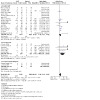
Comparison 2: Subgroup and sensitivity analyses, Outcome 2: Adverse events by allergen
2.3. Analysis.

Comparison 2: Subgroup and sensitivity analyses, Outcome 3: Adverse events by study duration
2.4. Analysis.

Comparison 2: Subgroup and sensitivity analyses, Outcome 4: Adverse events (sensitivity for risk of bias: removing open‐label studies)
Summary characteristics of the included trials including information about potential effect modifiers (e.g. age, treatment duration, allergen) are presented in Table 2, and full details of each included study are given in Characteristics of included studies.
1. Summary of study characteristics.
| Study ID | Total N | Allergen | Comparator | Age range (years) | Country | Duration (weeks) | % with asthma |
| Almarales 2012 | 120 | HDM | Placebo | Not reported | Cuba | 52 | 100 |
| Alvarez 2010 | 40 | HDM | Placebo | Not reported | Cuba | 52 | 100 |
| Alvarez‐Cuesta 2007 | 50 | Cat dander | Placebo | 14 to 55 | Spain | 52 | 81.8 |
| Bahceciler 2001 | 15 | HDM | Placebo | 7 to 18 | Turkey | 26** | 100 |
| Bousquet 1999 | 85 | HDM | Placebo | 7 to 42 | France | 108** | 100 |
| Caffarelli 2000 | 48 | Grass pollen | Placebo | 4 to 14 | Italy | 13** | 89.6 |
| Calderon 2006 | 43 | Grass pollen | Placebo | 18 to 65 | Unclear | 4** | 100 |
| Corzo 2014 (a) | 71 | HDM | Placebo | 18 to 65 | UK and Denmark | 4 | 100 |
| Corzo 2014 (b) | 72 | HDM | Placebo | 5 to 14 | Spain | 4 | 100 |
| Cooper 1984 | 19 | Grass pollen | Placebo | 5 to 15 | UK | > 8 but < 16** | 100 |
| Criado Molina 2002 | 44 | Alternaria | Pharmacotherapy | 18 to 65 | Spain | 52 | 100 |
| Csonka 2019* | 634 (235) | Tree/birch pollen | Placebo | 12 to 65 | Poland, Germany, the Czech Republic, Denmark, Finland, France, Russian Federation | 16 minimum | 37 (100) |
| Dahl 2006 | 114 | Timothy grass | Placebo | 18 to 65 | Denmark and Sweden | 19.5 | 100 |
| Karakoc‐Aydiner 2015 | 48 | HDM | Pharmacotherapy | 5 to 10 | Turkey | 52 | 85 |
| Fadel 2010 | 55 | Grass pollen | Placebo | 18 to 50 | Syria | Not reported | 100 |
| Gomez Vera 2005 | 60 | HDM | Placebo | 13 to 45 | Mexico | 26 | 100 |
| Hanna 2013 | 60 | HDM | Placebo | Not reported | Not reported | 13 | 100 |
| Hoshino 2019 | 102 | HDM (Dermatophagoides pteronyssinus and Dermatophagoides farinae) | Pharmacotherapy | 20 to 65 | Japan | 48 | 100 |
| Inal 2009 | 32 | HDM | Placebo | Not reported | Turkey | 52 | 100 |
| Ippoliti 2003 | 86 | HDM | Placebo | 5 to 12 | Italy | 26** | 100 |
| Keles 2009 | 53 | HDM | Pharmacotherapy | Not reported | Unclear | 17.3 | 100 |
| Keles 2011 | 58 | HDM | Pharmacotherapy | 5 to 12 | Turkey | 52** | 100 |
| La Grutta 2007 | 56 | HDM/Parietaria | Pharmacotherapy | 7 to 68 | Italy | 52 | 100 |
| Leng 1990 | 18 | Artemisia pollen | Placebo | 15 to 56 | Unclear | 7.14** | 100 |
| Lewith 2002 | 242 | Homeopathic HDM | Placebo | 18 to 55 | UK | 16 | 100 |
| Li 2016 | 40 | HDM | Pharmacotherapy | 5 to 14 | China | Unclear** | 100 |
| Lue 2006 | 20 | HDM | Placebo | 6 to 12 | Taiwan | 24** | 100 |
| Maloney 2016 | 195 (47) | HDM | Placebo | 12 to 17 | USA | 4 | 24.2 (100) |
| Marcucci 2003 | 24 | HDM | Placebo | 4 to 16 | Italy | 52 | 84.6 |
| Marogna 2005 | 79 | Birch pollen | Pharmacotherapy | 18 to 65 | Italy | 156** | 100 |
| Mosbech 2014 | 604 | HDM | Placebo | 14+ | Denmark, Germany, Italy, Spain, the UK, Sweden, France, Poland | 52 | 100 |
| Mosges 2010 | 116 | Ultra‐rush birch pollen | Placebo | 6 to 14 | Germany | 0.015 | 100 |
| Mungan 1999 | 36 | HDM | Placebo | 18 to 46 | Turkey | 52 | 88 |
| Muratore 1993 | 28 | HDM | Placebo | 4 to 9 | Italy | 52 | 100 |
| NCT00633919 | 124 | HDM | Placebo | 18 to 65 | Spain | 104 | 100 |
| Nolte 2016* | 1482 (461) | HDM | Placebo | 12+ | USA and Canada | 52 | 31 (100) |
| Niu 2006 | 110 | HDM | Placebo | 6 to 12 | Taiwan | 24** | 100 |
| Okamiya 2018 | 48 | HDM | Placebo | 20 to 58 | Japan | 2 | 100 |
| Orefice 2004 | 47 | HDM | Pharmacotherapy | Not reported | Italy | 156 | 100 |
| Pajno 2000 | 24 | HDM | Placebo | 8 to 15 | Italy | 104 | 100 |
| Pajno 2003 | 30 | Parietaria | Placebo | 8 to 14 | Italy | 56** | 100 |
| Pham‐Thi 2007 | 111 | HDM | Placebo | 5 to 16 | France | 78 | 100 |
| Radu 2007 | 106 | HDM | Placebo | 5 to 13 | Romania | 26 | 100 |
| Reilly 1994 | 28 | Homeopathic HDM/feathers/mixed moulds | Placebo | 16+ | Scotland | 4** | 100 |
| Rodriguez 2012 | 40 | HDM | Placebo | "Adults" | Cuba | Not reported | 100 |
| Rodriguez Santos 2004 | 50 | HDM | Pharmacotherapy | 6 to 15 | Cuba | 104 | 100 |
| Shao 2014 | 264 | HDM | Pharmacotherapy | 3 to 13 | China | 52 | 82 |
| Stelmach 2009 | 50 | Grass pollen | Placebo | 6 to 17 | Poland | 104 | 100 |
| Tanaka 2020 | 826 | HDM (D pteronyssinus and D farinae) | Placebo | 18 to 64 | Japan | 56 to 82 | 100 |
| Tian 2014 | 60 | HDM | Placebo | 4 to 18 | China | 48 | 100 |
| Trieste 2017 | Not reported | HDM | Placebo | "child" | Italy | 104 | 100 |
| Troise 2009 | 24 | Birch pollen | Placebo | Not reported | Unclear | 104 | 100 |
| Umanets 2017 | 68 | HDM | Pharmacotherapy | 6 to 7 | Spain | 104 | 100 |
| Virchow 2016 | 834 | HDM | Placebo | Not reported | Austria, Croatia, Denmark, France, Germany, Lithuania, the Netherlands, Poland, Serbia, Slovakia, Spain, the UK |
78 | 100 |
| Vourdas 1998 | 66 | Olive pollen | Placebo | 7 to 17 | Greece | 104 | 90.6 |
| Wang 2014 | 484 | HDM | Placebo | 16 to 50 | China | 52** | 100 |
| Wang 2017 | 100 | HDM SLIT | Pharmacotherapy | Up to 12 years | China | 52 | 100 |
| Wood 2014 | 89 | Greer German cockroach | Placebo | 5 to 17 | USA and UK | 13 | 80 |
| Xian 2019 | 67 | HDM (D pteronyssinus and D farinae) | Placebo | 5 to 55 | China | 52 | 87.8 |
| Yin 2016 | 156 | HDM | Pharmacotherapy | 1.5 to 18 years | China | 104 | 100 |
| Yukselen 2013 | 32 | HDM | Placebo | Not reported | Turkey | 52 | 100 |
| Zeldin 2013 | 63 | HDM | Placebo | "Adults" | France | 1.4 | 100 |
| Zhang 2013 | 128 | HDM | Pharmacotherapy | 4 to 14 | Taiwan | 104 | 100 |
| Zhang 2015 | 102 | HDM | Pharmacotherapy | 5 to 14 | China | 156 | 100 |
| Zheng 2012 | 106 | HDM | Pharmacotherapy | 4 to 14 | China | Outcomes reported at 25. | 100 |
| Zieglmayer 2016 | 124 (30) | HDM | Placebo | 18+ | Austria | 124 | 22 to 27 (100) |
*Studies in which less than 80% of participants had asthma, but results were available for the asthma subgroup. The total N represents the number randomised, with the number who had asthma in brackets. The percentage of the total N with asthma is shown for illustration purposes, and the percentage who had asthma within the subgroup data used for this review is given in brackets (i.e. 100%). **Studies that included post‐treatment follow‐up periods.
HDM: house dust mite; SLIT: sublingual immunotherapy
Excluded studies
We excluded studies that did not meet the criteria specified in our protocol or in which less than 80% of participants had received a diagnosis of asthma. Of the 132 studies that were excluded after full‐text review, over half were excluded because less than 80% of participants had asthma (n = 59), or the percentage of participants with asthma could not be confirmed despite our attempt to contact the study authors (n = 17). Other reasons for exclusion after full‐text review were study design (n = 28; often because the study was not randomised, used healthy controls, or reported a pooled analysis); ineligible population (n = 12); and ineligible intervention or comparator (n = 16; primarily subcutaneous immunotherapy). For details of reasons for exclusion see Characteristics of excluded studies tables.
Risk of bias in included studies
For details on the 'Risk of bias' rating for each study and the reasons for each rating, see Characteristics of included studies. A summary of 'Risk of bias' judgements by study and by domain (sequence generation, allocation concealment, blinding, incomplete outcome data, and selective reporting) is shown in Figure 2.
2.
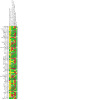
Risk of bias summary: review authors' judgements about each risk of bias item for each included study.
Overall, there was a lot of uncertainty regarding allocation procedures due to insufficient reporting, and about a quarter of the studies were at high risk of bias for blinding because they applied open‐label designs. Participant attrition was high or unknown in around half of the studies, and selective reporting is likely to have had a serious effect on the completeness of this evidence base.
Allocation
We assessed only four studies as having a low risk of bias for both random sequence generation and allocation concealment (Lewith 2002; Nolte 2016; Tanaka 2020; Zieglmayer 2016). We considered one further study as at low risk of bias for allocation concealment because it described a centralised web system but no methods for sequence generation (Csonka 2019), and 14 further studies as at low risk of bias for sequence generation, but no details were provided regarding allocation concealment. Overall, 46 of the 66 included studies were described as randomised but provided no specific details about sequence generation or allocation concealment, and were therefore assessed as at unclear risk of bias for both domains.
Of those studies that described adequate methods for random sequence generation, 10 used computer‐generated lists (Caffarelli 2000; Hoshino 2019; Karakoc‐Aydiner 2015; La Grutta 2007; Maloney 2016; Marcucci 2003; Mosbech 2014; Stelmach 2009; Xian 2019; Yukselen 2013); one used the table randomisation method (Keles 2011); and two used a key code system (Pajno 2000; Pajno 2003). Reilly 1994 and Tanaka 2020 described block randomisation techniques that implied computerised methods of generating the sequence and were therefore considered as at low risk of bias.
We assessed one study as at high risk of bias for random sequence generation (Tian 2014), as participants were divided into treatment group and control group in order of admission.
Blinding
We assessed most of the included studies described as double‐blind and placebo‐controlled as having low risk of bias for both performance bias (n = 46) and detection bias (n = 45) domains.
We assessed two studies as having an unclear risk of bias for both domains: although Mungan 1999 was placebo‐controlled and single‐blind, no details were provided about exactly who was blinded; Radu 2007 was also single‐blind and did not include details on who was blinded.
We rated La Grutta 2007 as having a high risk of performance bias as the study was open‐label. Assessor blinding was described for some but not all outcomes, so we considered the risk of detection bias to be unclear.
We assessed 17 studies as having a high risk of bias for both domains, primarily because the immunotherapy was given open‐label, with usual pharmacotherapy as the comparator (Criado Molina 2002; Karakoc‐Aydiner 2015; Li 2016; Marogna 2005; Orefice 2004; Rodriguez Santos 2004; Shao 2014; Umanets 2017; Wang 2017; Zhang 2013; Zhang 2015; Zheng 2012). Hanna 2013 was a prospective study, with participants randomly assigned to three parallel groups with no mention of blinding, and we made the assumption that three studies were open‐label because there was no mention of a placebo or blinding procedures to control for bias (Keles 2009; Keles 2011; Yin 2016).
Incomplete outcome data
Participant attrition was adequately described and considered low and balanced in 36 included studies, therefore we considered risk of attrition bias to be low. In 14 of these studies, no dropout was reported, and outcomes were reported for all randomised participants. In 22 other studies, withdrawal rates were low (no more than 20%), with similar rates reported in the control groups.
Altogether, we considered 21 studies to be at unclear risk of attrition bias, primarily because information about withdrawal rates was insufficient to permit a judgement. Cooper 1984 excluded three participants from the treatment group and four from the placebo group, who were not included in the analysis. However, the paper does not report whether these exclusions were part of the asthma series and did not attempt to impute results for dropouts. Shao 2014 had a balanced and low dropout below 20%, but did not include these data in the efficacy analysis.
We assessed nine studies as being at high risk of attrition bias due to high withdrawal rates and/or unbalanced dropout between treatment and control groups and/or because only completers were analysed (Alvarez‐Cuesta 2007; Bousquet 1999; Criado Molina 2002; Marogna 2005; NCT00633919; Orefice 2004; Pajno 2000; Stelmach 2009; Wood 2014). Orefice 2004 also excluded individuals with more severe asthma during the trial; however, it is not clear whether this was baseline exclusion or exclusion during the study.
Selective reporting
Approximately one‐third of studies (21/66) reported all stated outcomes and were assessed as having a low risk of reporting bias.
We considered seven studies to be at unclear risk of reporting bias because there issues were noted, but the synthesis of results was not biased as a result. For example, some trials had inconsistent, narrative, or insufficient reporting of outcomes of interest (Criado Molina 2002; Pajno 2003; Rodriguez Santos 2004; Yin 2016), but the synthesis was not biased as a result because variation in scales prevented meta‐analysis. A small number of studies were well reported but did not report a trial registration to check whether all prespecified outcomes were included in the write‐up (e.g. Marcucci 2003).
We assessed 38 studies as having a high risk of bias for this domain. Eighteen studies were provided only as conference abstracts, with minimal information and details regarding the conduct of the study, as well as data that could not be meta‐analysed. Fourteen studies did not report data for all outcomes, selectively reported outcome data, or lacked numerical supporting data (Bousquet 1999; Calderon 2006; Cooper 1984; Corzo 2014 (a); Corzo 2014 (b); Gomez Vera 2005; Karakoc‐Aydiner 2015; Mosbech 2014; Mosges 2010; Mungan 1999; Pham‐Thi 2007; Tian 2014; Wang 2014; Yukselen 2013). In three studies, most outcomes were reported only with a level of statistical significance and could not be included in the meta‐analysis (La Grutta 2007; Lewith 2002; Vourdas 1998). Although Marogna 2005 reported all stated outcomes, several were provided only in graphical form or with inexact P values that also could not be meta‐analysed. Nolte 2016 reported asthma symptom scores as a post hoc analysis; the outcome was not listed in the clinical trials registration.
Other potential sources of bias
We considered three studies as having other potential sources of bias. Alvarez‐Cuesta 2007 had an unbalanced male‐to‐female ratio, and Radu 2007 was stopped after six months (planned for 36 months) due to statistically significant differences in outcomes that favoured the active treatment. We judged both studies to be at unclear risk of other bias. Reilly 1994, a study of homeopathic SLIT, stated that "both doctors (homeopathic and asthma clinic doctor) could also veto any patient they considered unsuitable", which may have introduced bias; we judged this study to be at high risk of other bias.
Effects of interventions
See: Table 1
Primary outcomes
Exacerbations requiring ED or hospital admission
Only two studies reported this outcome. One short study involved 43 participants and four different SLIT dosing arms (Calderon 2006), and reported no events during the four‐week treatment period or during the five‐ to six‐week follow‐up period. The second study included 61 participants, and reported that five participants in the SLIT group and 10 in the control group either attended ED or was admitted to hospital over 52 weeks of treatment (odds ratio (OR) 0.35, 95% confidence interval (CI) 0.10 to 1.20; participants = 108; studies = 2; I2 = 0; Analysis 1.1; Figure 3; very low‐certainty evidence) (Umanets 2017).
1.1. Analysis.
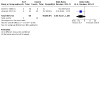
Comparison 1: Sublingual immunotherapy versus control, Outcome 1: Exacerbation requiring ED or hospital visit
3.
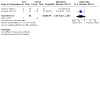
Forest plot of comparison: 1 Sublingual immunotherapy versus control, outcome: 1.1 Exacerbation requiring ED or hospital visit.
Quality of life
Quality of life (QoL) was a stated outcome in nine included studies (Bousquet 1999; Hoshino 2019; Inal 2009; Lewith 2002; Mosbech 2014; Pham‐Thi 2007; Trieste 2017; Virchow 2016; Wang 2014), but the variety of measures used precluded meta‐analysis. Data extracted from five studies are presented in Analysis 1.2 (Bousquet 1999; Hoshino 2019; Lewith 2002; Virchow 2016; Wang 2014). Whilst the direction of effect favoured SLIT in most studies reporting QoL, the effect was often uncertain or of small magnitude, or both. All nine studies investigated house dust mite SLIT and included a mixture of children and adults. The studies were of a year or more duration, with the exception of Hoshino 2019, which was of 48 weeks duration, and Lewith 2002, which was of 16 weeks duration. Hoshino 2019 was "pharmacotherapy‐controlled" with the remainder placebo‐controlled, and was therefore at low risk for performance and detection bias for this outcome. We did not detect a consistent pattern in terms of study characteristics and QoL findings.
1.2. Analysis.
Comparison 1: Sublingual immunotherapy versus control, Outcome 2: Quality of life
| Quality of life | ||||||
| Study | Outcome name | Scoring | Data type | SLIT | Control | Direction of effect |
| Bousquet 1999 | Short‐Form Health Status Survey; general mental health domain |
22 items divided into 7 scales measuring physical functioning, limitations in role functioning due to physical health problems,social functioning, general mental health, general health perception, physical pain and vitality. Each scale is 0 to 100 with lower score for poorer health. Measured at 25 months. |
Means, no variance |
79.7 (n=18) | 60.7 (n=20) | Favours SLIT |
| Bousquet 1999 | Short‐Form Health Status Survey; physical pain |
22 items divided into 7 scales measuring physical functioning, limitations in role functioning due to physical health problems,social functioning, general mental health, general health perception, physical pain and vitality. Each scale is 0 to 100 with lower score for poorer health. Measured at 25 months. |
Means, no variance |
86.2 (n=18) | 68.3 (n=20) | Favours SLIT |
| Bousquet 1999 | Short‐Form Health Status Survey; general perception of health domain |
22 items divided into 7 scales measuring physical functioning, limitations in role functioning due to physical health problems,social functioning, general mental health, general health perception, physical pain and vitality. Each scale is 0 to 100 with lower score for poorer health. Measured at 25 months. |
Means, no variance |
76.5 (n=18) | 56.8 (n=20) | Favours SLIT |
| Hoshino 2019 | AQLQ activities | Mean of 5 patient‐selected questions scored from 1 (severely impaired) to 7 (no impairment). | Mean change (SD) | 0.43 (1.01) n=50 | 0.07 (0.75) n=50 | Favours SLIT |
| Hoshino 2019 | AQLQ emotions | Mean of emotions questions scored from 1 (severely impaired) to 7 (no impairment) | Mean change (SD) | 0.54 (0.93) n=50 | 0.12 (0.80) n=50 | Favours SLIT |
| Hoshino 2019 | AQLQ symptoms | Mean of symptoms questions scored from 1 (severely impaired) to 7 (no impairment). | Mean change (SD) | 0.52 (1.09) n=50 | 0.10 (0.66) n=52 | Favours SLIT |
| Hoshino 2019 | AQLQ environment | Mean of environment questions scored from 1 (severely impaired) to 7 (no impairment) | Mean change (SD) | 0.32 (0.78) n=50 | 0.01 (0.62) n=50 | Favours SLIT |
| Lewith 2002 | Diary quality of life assessment | Proportion of days in each of the assessment periods when no problem was reported in six categories of life. Mean improvement scores at end of treatment | Means (SD) | 0.090 (‐0.096 to 0.150) |
0.117 (‐0.096 to 0.150) |
Favours SLIT |
| Virchow 2016 | Improved Asthma Quality of Life Questionnaire (AQLQ) score | AQLQ is scored from 1 (severely impaired) to 7 (no impairment). Reported as those with improvement exceeding the minimum clinically important difference (MCID) of 0.5 |
Dichotomous | 41 improved (n=485) | 32 improved (n=257) | Favours control |
| Wang 2014 | Improved Asthma Quality of Life Questionnaire (AQLQ) score | AQLQ is scored from 1 (severely impaired) to 7 (no impairment). Reported as number of participants with an improvement vs those with no improvement |
Dichotomous | 64 improved (n=267) | 35 improved (n=140) | Favours SLIT |
Bousquet 1999, the longest study reporting QoL, used the Short‐Form Health Status Survey (not specific for asthma) to compare QoL in the SLIT and control groups after 25 months of treatment. Differences were statistically significant and clinically meaningful in several domains, including general mental health, general perception of health, and physical pain (Wyrwich 2005). Hoshino 2019 reported more improvement on all four subscales of the Asthma Quality of Life Questionnaire (AQLQ; symptoms, activities, emotions, and environment) after 48 weeks with SLIT compared with pharmacotherapy alone, with differences approaching the minimal clinically important difference for this measure (Juniper 1994). Inal 2009, a conference abstract, also reported "significant" improvement in QoL scores after two years of SLIT treatment when compared with placebo, but the scale used was not reported. Lewith 2002, a study of homeopathic SLIT versus placebo, reported asthma QoL using the "asthma bother profile", and although participants in the SLIT group reported more days without any asthma problems, the effect was very small and there was no statistically significant difference between groups. Mosbech 2014 narratively and graphically reported the AQLQ after a year of SLIT treatment (including three different dosing arms) and did not find a difference between active treatment and placebo. Pham‐Thi 2007 assessed QoL using two forms of the Childhood Asthma Questionnaire (CAQ). The severity dimension "showed a significant improvement in the SLIT group compared with the placebo group (p = 0.04)". However, "average changes in all dimensions were comparable and no statistically significant between‐group differences were observed". Trieste 2017 reported the paediatric asthma quality of life (PAQLQ) and the paediatric asthma caregiver's quality of life (PACQL), stating: "QoL shows a higher mean in the study than in the control group. Differences of emotional problem and PACQL scores assessed before and after randomisation are not statistically different in the two groups" (shown in Analysis 1.10). Virchow 2016 reported the number of participants in each group achieving the minimal clinically important different in the AQLQ as 41 out of 485 in the SLIT group and 32 out of 257 in the control group, favouring the control treatment over SLIT, but with uncertainty. Similarly, Wang 2014 also reported the number of people in each group with "improved" AQLQ scores after treatment: 64 out of 267 in the SLIT group and 35 out of 140 in the control group, again favouring control but with uncertainty.
1.10. Analysis.

Comparison 1: Sublingual immunotherapy versus control, Outcome 10: AQLQ
Serious adverse events
Occurrence of serious adverse events (SAEs) was a reported outcome for 29 included studies involving 4810 participants, but only seven studies observed any events (Hoshino 2019; Mosbech 2014; NCT00633919; Niu 2006; Pajno 2000; Virchow 2016; Wang 2014). Although events were infrequent, analysis using risk differences (RDs) suggests that no more than 1 in 100 are likely to suffer an SAE as a result of treatment with SLIT (RD −0.0004, 95% CI −0.0072 to 0.0064; Figure 4; Analysis 1.3; moderate‐certainty evidence).
4.

Forest plot of comparison: 1 Sublingual immunotherapy versus control, outcome: 1.3 Serious adverse events.
1.3. Analysis.
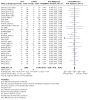
Comparison 1: Sublingual immunotherapy versus control, Outcome 3: Serious adverse events
In total, 56 of 3086 participants receiving SLIT and 34 of 1724 participants in the control groups experienced an SAE. Mosbech 2014 reported that 15 participants receiving active treatment experienced an SAE: six in the 1 standard quality (SQ)‐house dust mite (HDM) group, three in the 3 SQ‐HDM group, and six in the 6 SQ‐HDM group. Of these events, only two were deemed by investigators to be possibly related to SLIT and were described in detail: one was a case of migraine and the other dizziness. Four participants receiving placebo experienced an SAE. In NCT00633919, SAEs were experienced by two participants in the active treatment group (one road traffic accident and one femur fracture) and two participants in the placebo group (one perianal abscess and one a diagnosis of obsessive‐compulsive disorder). Five participants experienced an SAE in Niu 2006 (one in the SLIT group and four in the control group), but these events were not further described. In Pajno 2000, a "serious asthma attack" led to withdrawal of a participant from the control group. Virchow 2016 reported 32 SAEs in 28 participants, five of which were assessed by trialists to be possibly treatment‐related, including erosive oesophagitis and hepatocellular injury in two placebo participants, and arthralgia, laryngeal oedema, and asthma in three SLIT participants. In Wang 2014, six SAEs occurred involving five participants (four in the SLIT group and one in the control group) and included a knee fracture, Arnold‐Chiari syndrome, contact dermatitis, ovarian cyst rupture, pneumonia, and traumatic brain injury. None of these events were thought to be treatment‐related. None of the included studies reported any deaths.
Nolte 2016 reported that no participant out of a total of 460 participants experienced a "serious treatment‐related adverse event" or an "asthma serious adverse event", but we did not include these data in the analysis due to the incompatible definitions of SAEs. Similarly, Tanaka 2020 reported that no participants died or had an anaphylactic reaction in any group, and the number of asthma‐related adverse events was similar in all groups.
Secondary outcomes
Asthma symptom scores
Most included studies reported asthma symptoms as an outcome, but a variety of scales, many of which were non‐validated, were used, and numerical data were not always presented. Details of the scoring systems used are presented in Analysis 1.4. We judged that a meta‐analysis using standardised mean differences of those studies presenting numerical data would not be a sound methodological approach because information about the scales or their properties to judge whether they were measuring similar concepts was insufficient. Consequently, the data extracted from the included studies are tabulated in Analysis 1.4 but were not meta‐analysed. In summary, of those studies presenting numerical data, 19 reported a direction of effect favouring SLIT over control on all the symptom measures used. One study reported a direction of effect favouring control over SLIT for both measures used (asthma symptom scores and percentage well days), and one study reported similar scores between groups (Xian 2019). Two studies reported conflicting directions of effect for different measures or time points.
Medication use scores
Similarly, 15 studies reported numerical medication use scores, which were frequently invalidated aggregate scores including rescue medication use and use of inhaled corticosteroid (ICS) and oral corticosteroid (OCS). Details of the scoring systems used are presented in Analysis 1.5. Although medication scores were not a predefined outcome, as many of them incorporated ICS use (which was an outcome of interest), we extracted the data and have presented them, again without meta‐analysis (Analysis 1.5). Eleven studies reported a direction of effect favouring SLIT over control on all measures of medication use. Two studies reported a direction of effect favouring control over SLIT on all measures. One study did not identify a direction of effect for average daily composite medication score before the hay fever season (i.e. the group means were the same), but reported a direction of effect favouring control during the hay fever season.
Exacerbations requiring systemic corticosteroids
Five studies reported this outcome, but only three observed any events (Umanets 2017; Virchow 2016; Wang 2014). SLIT reduced the odds of experiencing an exacerbation requiring systemic corticosteroids, but the result was uncertain and includes the possibility of no difference or difference favouring control (OR 0.75, 95% CI 0.45 to 1.24; participants = 1364; studies = 5; I2 = 0%; very low‐certainty evidence; Analysis 1.6). Tanaka 2020, a large new study, reported time from randomisation to first asthma exacerbation whilst ICS was being reduced according to a combined definition that included requirement for OCS, ED visit or hospital admission as well as a variety of other, less stringent criteria (e.g. consecutive nighttime awakenings, need for SABA, etc.). Consequently, the data could not be combined with the other studies, but the study did not find a statistically significant difference between SLIT and placebo.
1.6. Analysis.

Comparison 1: Sublingual immunotherapy versus control, Outcome 6: Exacerbation requiring OCS
Response to provocation tests
Response to bronchial provocation using the methacholine challenge test was included as an outcome in 12 studies, five of which contributed to the meta‐analysis (Keles 2011; Marogna 2005; Pajno 2003; Stelmach 2009; Umanets 2017). Marogna 2005 reported this outcome using provocative dose (PD)20, whilst the remaining studies used provocative concentration (PC)20. Studies targeted a variety of allergens including HDM (n = 2), birch pollen (n = 1), Parietaria (n = 1), and grass pollen (n = 1). All five studies were at least a year in duration. Reilly 1994 reported change‐from‐baseline (rather than endpoint) PC20log and therefore could not be reliably pooled with the other measures in the meta‐analysis. This study reported a small benefit for homeopathic SLIT over placebo that was not statistically significant.
Heterogeneity amongst the five studies that contributed to the meta‐analysis was significant for response to bronchial provocation tests, but the pooled result suggests a benefit of SLIT over control (standardised mean difference (SMD) 0.99, 95% CI 0.17 to 1.82; participants = 200; I2 = 85%; low‐certainty evidence; Analysis 1.7). When a fixed‐effect model was used to further investigate heterogeneity, the effect suggested a greater benefit from SLIT (SMD 1.06, 95% CI 0.75 to 1.37). If Marogna 2005, the only study reporting PD20, is removed from the analysis, the SMD and heterogeneity remain similar (SMD 0.87, I2 = 88%), but the pooled effect is more imprecise.
1.7. Analysis.
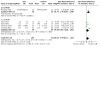
Comparison 1: Sublingual immunotherapy versus control, Outcome 7: Response to provocation tests
Required dose of ICS
Four studies reported ICS use numerically at the end of treatment (Bousquet 1999; Mosbech 2014; Niu 2006; Pham‐Thi 2007): Bousquet 1999 in beclometasone µg/d; Pham‐Thi 2007 in budesonide µg/d (equivalent); Mosbech 2014 as change in budesonide µg/d; and Niu 2006 in puffs/d. Differences between groups in puffs per day of ICS were not statistically significant at the end of treatment (Niu 2006). We have not included these results in the meta‐analysis. Although ICS use significantly decreased from baseline in both treatment and control groups in Bousquet 1999, Mosbech 2014, and Pham‐Thi 2007, pooling of ICS use at the end of treatment yielded an imprecise estimate with wide confidence intervals including the possibility of both benefit and harm from SLIT (mean difference (MD) −17.13, 95% CI −61.19 to 26.93; participants = 778; studies = 3, low‐certainty evidence; Analysis 1.8), with no heterogeneity (I2 = 0%).
1.8. Analysis.
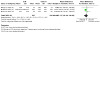
Comparison 1: Sublingual immunotherapy versus control, Outcome 8: ICS use
Virchow 2016 also assessed ICS reduction and reported that compared to those given placebo, participants taking higher‐dose SLIT treatment experienced a significant reduction in ICS use at the end of treatment. These data were not presented in a way that permitted meta‐analysis.
All adverse events
In a change to the protocol and as a result of the infrequency of SAEs, we chose to include an analysis of all adverse events. We extracted data for all adverse events, not just those deemed to be treatment‐related. Twenty‐seven studies including 4251 participants reported all adverse events, and 17 studies contributed more than 2444 events to the meta‐analysis. Pooled results demonstrated increased risk of experiencing an adverse event in the SLIT group compared with the control group; this finding was statistically significant (OR 1.99, 95% CI 1.49 to 2.67; high‐certainty evidence; Figure 5; Analysis 1.9), with moderate heterogeneity (I2 = 44%). This translates into an absolute increase from 465 per 1000 people in the control group to 634 per 1000 (564 to 699) and is presented graphically in Figure 6 using a Cates plot. Six people (95% CI 5 to 11) would need to be treated with SLIT for one additional person to experience an adverse event. However, most adverse events were reported to be mild and transient and rarely led to withdrawal from the trial. One of the largest trials contributing to the analysis, Tanaka 2020, reported the most frequently occurring adverse events judged as related to SLIT to be local allergic reactions such as oral discomfort, oral pruritus, and mouth oedema.
5.

Forest plot of comparison: 1 Sublingual immunotherapy versus control, outcome: 1.9 All adverse events.
1.9. Analysis.
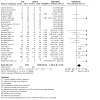
Comparison 1: Sublingual immunotherapy versus control, Outcome 9: All adverse events
6.

Cates plot illustrating all adverse events (Analysis 1.9). In the control group, 465 out of 1000 people experienced an adverse event compared to 634 (95% CI 565 to 699) out of 1000 for the SLIT group, corresponding to a number needed to treat for an additional harmful outcome of 6 (95% CI 5 to 11).
Subgroup analyses
In a change to our protocol and as described above, we chose to perform subgroup analyses on all adverse events, rather than serious adverse events, as so few data contributed to this primary outcome.
Participant age
We examined subgroups of children (mean participant age < 18) versus teenagers and adults (mean participant age ≥ 18) versus mixed‐age study populations or those for which the age range was not specified. The effect for adults and teenagers was more precise than for children because of the numbers of participants in the trials and the numbers of events observed in either group (OR 2.01, 95% CI 1.36 to 2.96 versus OR 2.02, 95% CI 1.06 to 3.85; Analysis 2.1), and results of tests for subgroup differences were not statistically significant (I2 = 0%, P = 1.00).
Target allergen
More than half of the included studies targeted SLIT at HDM; the next most common target allergen was pollen. We chose to examine the subgroups of HDM versus pollen versus other or mixed allergens; no events were observed in studies in the 'other or mixed allergens' subgroup, so this subgroup did not contribute statistically to the analysis. Participants receiving HDM SLIT and pollen SLIT were more likely to experience adverse events than those in the control group (OR 1.79, 95% CI 1.31 to 2.45 and OR 5.48, 95% CI 1.99 to 15.05; Analysis 2.2), and results of the test for subgroup differences were statistically significant (I2 = 76.7%, P = 0.04), suggesting that those receiving pollen SLIT experienced more adverse events than those receiving HDM SLIT. However, we could not conclude that this observational finding is a result of the different SLIT target allergen, as additional confounding between studies is likely.
Study duration
We chose to use a cutoff duration of less than 52 weeks versus 52 weeks or longer for this subgroup analysis. As might be expected, a smaller percentage of participants experienced an adverse event during the study in the shorter studies (OR 1.45, 95% CI 0.70 to 3.01 versus OR 2.07, 95% CI 1.48 to 2.91; Analysis 2.3), but results of tests for subgroup differences were not statistically significant (I2 = 0%, P = 0.38), so we could not draw any conclusions from this analysis about the interaction between study length and all adverse events.
Asthma severity
We did not perform the planned subgroup analysis according to baseline asthma severity, as the majority of studies included participants with mild or intermittent symptoms, or did not describe baseline asthma severity in sufficient detail.
Sensitivity analyses
We chose to perform only two sensitivity analyses. First, we examined the effect of removing studies at high risk of performance or detection bias, or both, from the adverse events analysis. This analysis demonstrated a consistent direction of effect despite the removal of open‐label and unblinded trials (OR 1.85, 95% CI 1.35 to 2.53; Analysis 2.4).
Second, we removed studies that recruited a mixed population of participants with asthma and rhinitis from the adverse event analysis. As above, this had minimal impact on the pooled effect (OR 1.81, 95% CI 1.30 to 2.51; Analysis 2.5).
2.5. Analysis.
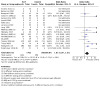
Comparison 2: Subgroup and sensitivity analyses, Outcome 5: Adverse events (sensitivity analysis removing studies with mixed population of asthma and rhinitis)
Discussion
Summary of main results
Sixty‐six studies met the inclusion criteria for this update, including 52 from the original review. The number of people randomly assigned to comparisons of interest increased from 5077 to 7944 between the 2015 review and the current update, but many of the uncertainties highlighted in the original review remain. Most of the included studies were double‐blind and placebo‐controlled, but they varied in duration from just one day to three years. The largest study included 1482 participants, and the smallest 15. Just over half of the studies were conducted in Europe (including Turkey), and half recruited children only. Patients with severe asthma were excluded from most of the included studies, resulting in a study population consisting largely of participants with intermittent or mild symptoms.
With the exception of adverse events, outcome reporting did not align well with the outcomes of interest in this review. Only 29 studies contributed data to the primary outcome meta‐analyses: 29 to the serious adverse events outcome (with only seven contributing events), and two to the analysis of exacerbations requiring hospital visits (no events). Although nine studies reported quality of life outcomes numerically, the data were not suitable for meta‐analysis. Whilst the direction of effect favoured SLIT in most studies reporting quality of life, the effect was often uncertain and of small magnitude. This scarcity of evidence limited our ability to draw any conclusions about the effect of SLIT on exacerbations or quality of life. It would appear that SLIT is probably safe, at least in the population studied: although events were infrequent, analysis using risk differences suggests that no more than 1 in 100 are likely to suffer a serious adverse event as a result of treatment with SLIT.
Evidence from meta‐analysis was also lacking for our secondary outcomes. Although many studies reported asthma symptom scores, a variety of largely non‐validated scales were used, and a narrative synthesis of those studies presenting numerical data did not reveal a consistent effect. However, the majority of studies reported the direction of effect as favouring SLIT over control, and no study reported statistically significant worsening of asthma symptoms with active treatment.
Similarly, a narrative synthesis of asthma medication use scores did not reveal a consistent effect: some studies reported improvement, and others no improvement. Asthma medication use scores were generally non‐validated aggregate scores including, for example, rescue medication use, ICS use, and OCS use. Again, no study reported significantly increased asthma medication use in the SLIT group. We were able to pool reduction in ICS use from two studies that reported this in micrograms per day: no difference was found between active treatment and control, with wide confidence intervals including the possibility of both benefit and harm from SLIT. Five studies reported exacerbations requiring OCS.
Twelve studies reported response to bronchial provocation testing, five of which contributed to the meta‐analysis. The benefit of SLIT over control was not statistically significant, again with wide confidence intervals and a high level of heterogeneity.
All adverse events was not a prespecified outcome in our protocol, but we chose to extract these data because of the very infrequent occurrence of serious adverse events. Meta‐analysis of 27 studies, with 18 studies contributing nearly 2500 events, revealed a significant increase in participants reporting an adverse event on active treatment compared with control. However, the clinical importance of these events is doubtful, as they were usually transient and mild and rarely prevented participants from continuing in the trial. In addition, the inclusion of respiratory symptoms as adverse events may have masked or minimised differences between groups, as an expected benefit of SLIT would be reduction of these symptoms.
Subgroup analysis of all adverse events according to participant age and study duration did not reveal significant subgroup differences. The findings suggest that those receiving SLIT for pollen allergy may experience more adverse events than those receiving SLIT for HDM allergy. Similarly, sensitivity analysis excluding those studies at high risk of performance and detection bias did not significantly alter this outcome.
Overall completeness and applicability of evidence
Despite identifying 52 studies in the original 2015 review and a further 14 studies in the 2020 update, we were only able to perform a very limited meta‐analysis. Eighteen included studies were reported as abstracts only and therefore provided minimal numerical data. Use of largely non‐validated symptom and medication scores also impeded quantitative synthesis of findings. Although a pooled analysis of composite asthma symptom and medication use scores using SMDs would have been possible, information about the scales or their properties to judge whether they were measuring similar concepts was insufficient, and we believed it might result in misleading conclusions.
We decided to include exacerbations, serious adverse events, and quality of life as our primary outcomes, as these have been identified as important to people with asthma (Busse 2012; Sinha 2012). However, we recognise that this decision is also a limitation of this review, as most study participants had intermittent or mild persistent asthma and therefore were unlikely to be experiencing frequent exacerbations. Indeed, individuals with more severe asthma are unlikely to be candidates for SLIT trials. The British National Formulary states that "desensitising vaccines should generally be avoided or used with particular care in patients with asthma" because of the risk of life‐threatening adverse events (BNF), and in the USA, sublingual immunotherapy tablets are contraindicated in patients with "severe, unstable or uncontrolled asthma" (FDA Website 2020). Consequently, focusing on exacerbations, serious adverse events, and quality of life, which may be of lower relevance in the studied population, may lead to an underestimation of the possible benefits of SLIT.
In addition, we recognise that although treatment‐related adverse events are important in immunotherapy, risk of attribution bias is present if trialists are making this judgement, and unanticipated treatment‐related adverse events might not be identified. For this reason, we chose to include all adverse events.
Insufficient data contributing to the meta‐analysis also restricted potential subgroup analyses, resulting in difficulties in reaching any conclusions about SLIT efficacy in different age groups, for different allergens, or for different treatment durations. As only a small minority of studies (n = 3) reported outcomes during post‐treatment follow‐up, we cannot comment on the lasting benefits of SLIT for asthma.
In the light of all the information provided above, the applicability of our findings is somewhat limited, as most participants recruited to the included studies had mild or intermittent symptoms, and may not have been candidates for immunotherapy for their asthma symptoms, at least according to current guidance (BTS/SIGN 2019; Cox 2011; GINA 2019; NAEPP 2007). Many of the included studies stated that participants must have had a positive skin prick test or serum‐specific IgE to the allergen in question, but investigators did not necessarily specify that asthma symptoms must be linked to allergen exposure, again raising doubts about the appropriateness of the study populations. In addition, patterns of allergen sensitisation and association with asthma may vary geographically, limiting the generalisability of the findings of this review, given that most of the included studies were conducted in Europe (ISAAC 1998).
Quality of the evidence
We assessed the certainty of the evidence presented in this review using GRADEpro GDT software, and have presented this information in Table 1. Across outcomes, the certainty of the evidence ranged from high to very low, with outcomes downgraded for several reasons. Heterogeneity varied across individual outcomes, ranging from I2 = 0% for decrease in ICS use and serious adverse events to I2 = 85% for bronchial provocation.
We assessed the evidence on exacerbations requiring ED visit or hospital admission and exacerbations requiring OCS to be of very low certainty. Neither outcome had any contributory events, and these outcomes were reported by very few studies (n = 1, Calderon 2006 for exacerbations requiring ED/hospital admission; n = 5 for exacerbations requiring OCS, Calderon 2006 and Pajno 2003). In addition, Calderon 2006 was a short study of just four weeks' duration, during which differences in rare events, such as exacerbations, might not have been detected. The small number of studies reporting this outcome might also represent publication bias.
We did not assess the certainty of evidence for the quality of life outcome, as no study contributed numerical data to this outcome.
We assessed the evidence for serious adverse events and all adverse events to be of moderate and high certainty, respectively. We downgraded certainty to reflect risk of performance and detection bias in contributing studies and mixed study populations including participants with asthma, rhinitis, or both. Recruiting a 'mixed' population may have resulted in a population of patients with very mild and intermittent asthma symptoms, leading to concerns that adverse events might be under‐represented compared with those expected in a study population including participants with a diagnosis of more severe asthma.
We assessed the evidence for reduction in ICS use to be of low certainty. Only two studies contributed to the meta‐analysis (Bousquet 1999; Pham‐Thi 2007). We downgraded the evidence for imprecision and possible publication bias. Both studies reported a statistically significant decrease from baseline ICS use in both treatment and control groups, with no intergroup differences at the end of the treatment period.
Finally, we assessed the evidence for bronchial provocation to be of low certainty. Five studies contributed to this analysis (Keles 2011; Marogna 2005; Pajno 2003; Stelmach 2009). We were required to use SMD analyses to combine PD20 and PC20 data, and found that levels of heterogeneity and imprecision were high, as was risk of performance and detection bias, in two of the contributing studies.
Potential biases in the review process
We conducted this review in accordance with established Cochrane standards. Two review authors independently screened the search results and resolved any discrepancies by discussion or by consultation with a third person if necessary. We did not restrict the search by language and as a result included four studies published in languages other than English (three in Spanish and one in Chinese). We attempted to contact study authors when it was not clear whether a study met our inclusion criteria. We may have missed some unpublished data, as, owing to the large number of manufacturers, we did not search individual manufacturers' trial registers for potentially eligible studies.
At least two review authors extracted all study characteristics and numerical data and resolved any discrepancies through discussion. The same was true for 'Risk of bias' assessment. In a change to our protocol, and as a result of the large number of included studies (18 of which were abstracts), we did not attempt to contact study authors to clarify methodological and outcome information, relying instead on what was presented in the reports.
We adapted the protocol in two other ways that may have introduced bias. First, we did not anticipate how many studies would have recruited mixed populations of patients with rhinitis 'and/or' asthma. As outcomes for participants with asthma were rarely presented separately, we had to make a pragmatic decision as to whether or not to include these studies. We decided, after consultation with a third person, to include studies in which at least 80% of participants had received a diagnosis of asthma. If this was not clear from the report, we attempted to contact the study authors for confirmation. We excluded these 'mixed population' studies from the sensitivity analysis for adverse events, although this exclusion did not substantially alter the outcome.
Second, we had not planned to extract outcome data for all adverse events, instead opting to include the more clinically important serious adverse events as a primary outcome. So few serious adverse events were reported that we decided to also extract data for all adverse events. This additional post hoc outcome was the only analysis with enough data to permit exploratory analyses with subgroups, and so these results should be interpreted with caution.
An additional limitation is that one eligible study previously listed as an ongoing study has not been incorporated in the current update, as its completion was discovered shortly before publication (Ma 2014; n = 120). We decided not to delay publication to incorporate the study in this update because we did not expect the number of participants to change our conclusions, and the study did not report our primary outcomes. None of the review authors have reported conflicting interests.
Agreements and disagreements with other studies or reviews
Several published systematic reviews have addressed the question of whether SLIT is effective and safe in asthma and have reached somewhat conflicting conclusions (Calamita 2006; Compalati 2009; Dhami 2017; Lin 2013; Penagos 2008; Tao 2014). Dhami 2017 is a systematic review that included 98 studies and 7413 participants, where the majority of the trials reported on the short‐term effectiveness of immunotherapy. Tao 2014 reported findings from 16 double‐blind, placebo‐controlled trials that randomly assigned 794 participants with asthma. Lin 2013 is a systematic review that reported on SLIT for allergic rhinoconjunctivitis and asthma but without a formal meta‐analysis. This review synthesised findings from 63 studies including 5131 participants. Calamita 2006 included 25 studies that randomly assigned 1706 participants. Penagos 2008, a systematic review of SLIT for allergic asthma in children three to 18 years of age, included nine studies assessing 441 participants. Compalati 2009 reported the findings of nine double‐blind, placebo‐controlled studies of SLIT for allergic asthma that assessed 452 study participants.
All five meta‐analyses used SMD to meta‐analyse composite asthma symptom scores. Compalati 2009, Penagos 2008, Tao 2014, and Dhami 2017 reported a statistically significant reduction in asthma symptoms favouring SLIT, but with a high level of heterogeneity (I2 ≥ 90%). Calamita 2006 reported a statistically significant "general improvement" in asthma, but this conclusion appears to have been reached from a combined analysis of asthma symptoms, need for reliever medication, lung function tests, and lung hyper‐reactivity. The review authors reported improvement in asthma symptoms alone when data were analysed using SMDs, but this finding did not reach statistical significance. Lin 2013 narratively reported improvement in asthma symptoms favouring SLIT in all placebo‐controlled studies included in the review and rated the strength of this evidence as "high".
Similarly, all five meta‐analyses reported composite asthma medication use scores. Compalati 2009, Penagos 2008, Tao 2014, and Dhami 2017 reported a statistically significant reduction in medication scores favouring SLIT, but again using an SMD analysis and with high heterogeneity (I2 ≥ 90%). Calamita 2006 found no statistically significant differences between groups in asthma symptom scores. Lin 2013 narratively reported benefit of SLIT over control in 40 out of 41 studies that reported medication use scores but did not present findings for asthma separately from those for rhinoconjunctivitis. Dhami 2017 focused on short‐term medication scores with 14 studies on SLIT, and also compared children with adults, as well as moderate with severe disease.
Calamita 2006, Tao 2014, Dhami 2017, and Penagos 2008 reported adverse events and, consistent with our findings, observed very few serious events. Tao 2014 concluded that participants receiving SLIT experienced more adverse events overall than those receiving placebo, but that most of these adverse events were considered to be mild in severity, again in keeping with our findings. Lin 2013 concluded that adverse events were insufficiently reported to permit further comment on the safety of SLIT.
None of the five meta‐analyses included quality of life or exacerbations as a prespecified primary or secondary outcome, except for Dhami 2017, which claimed that a trial showed no significant improvement in disease‐specific quality of life, and two trials showed a positive effect on exacerbation. Lin 2013 found that validated disease‐specific quality of life was reported in only eight of the 63 studies included in the review; half reported a statistically significant benefit of SLIT over control, but none of these eight studies met our inclusion criteria.
In contrast to the meta‐analyses described above, and as per our protocol, we chose not to combine different, non‐validated symptom and medication scores in a meta‐analysis, believing that heterogeneity across measurements would have led to a potentially misleading outcome. As in Lin 2013, we reported these findings only narratively.
In Nieto 2009, the review authors evaluated five meta‐analyses of SLIT for respiratory disease and recommended that as a result of discrepancies, inconsistencies, and lack of robustness in the included meta‐analyses, the current evidence did not support its use. Similarly, Incorvaia 2010 presented an overview on the position of SLIT for treatment of allergic asthma and called for additional research to resolve conflicting results. Further, Asamoah 2017 evaluated nine systematic reviews, including four on SLIT, and suggested that SLIT can improve medication and symptom scores.
Muraro 2018 and Agache 2019 updated the European Academy of Allergy and Clinical Immunology guidelines and similarly stated that evidence is high for SLIT for improving asthma symptoms and moderate for reducing asthma medication scores. Muraro 2018 recommends a three‐year course of grass pollen, either SLIT or SCIT, for children with moderate to severe allergic rhinitis, but did not comment specifically on asthma.
Authors' conclusions
Implications for practice.
Our findings are consistent with the current international position that sublingual immunotherapy (SLIT) is not recommended routinely for the treatment of asthma alone. Lack of studies reporting patient‐important outcomes such as exacerbations and quality of life, and the use of different, non‐validated symptom and medication scores, have reduced the quality and applicability of the evidence presented in this review, thus limiting any conclusions that can be drawn. However, the majority of studies reporting quality of life and asthma symptom or medication scores report improvement with SLIT compared to control. Furthermore, at least in this study population (largely comprising participants with mild and moderate asthma), SLIT does appear to be relatively free from serious adverse events, although participants receiving SLIT are more likely to experience any adverse event than those in the control group. This finding supports the continued use of SLIT for people with other respiratory allergies who may also have well‐controlled mild to moderate asthma, but there remains little evidence to support its use in the management of people with uncontrolled asthma, for whom there are important safety concerns about its use.
Implications for research.
Further research using validated scales such as the Asthma Control Questionnaire and the Asthma Quality of Life Questionnaire would greatly benefit future meta‐analyses and would increase confidence in the certainty of the evidence, as would the development of a core outcomes set for asthma in immunotherapy trials. In addition, judicious inclusion of participants with more severe asthma might result in studies reporting less frequent, important events such as exacerbations requiring oral corticosteroids or hospital visits, to evaluate whether there is any role of SLIT in the management of uncontrolled asthma. Trials with explicit reporting of exacerbations and serious adverse events would increase our confidence regarding the safety of SLIT in patients with asthma.
What's new
| Date | Event | Description |
|---|---|---|
| 29 October 2019 | New search has been performed | New literature search run. |
| 29 October 2019 | New citation required and conclusions have changed | This review update includes 15 new studies for a total of 66 included studies, compared with the original 52. Two studies originally treated as unique trials have been combined as Karakoc‐Aydiner 2015 in this update because it emerged that they reported data for the same trial participants. |
History
Protocol first published: Issue 9, 2014 Review first published: Issue 8, 2015
Acknowledgements
Thank you to Elizabeth Stovold for help with the search strategy and to Chris Cates and Emma Dennett for advice and support provided.
Jimmy Chong was the Contact Editor for the original review and commented critically on the review. We thank Jimmy Chong for his comments. We also thank Amy‐Louise Bridgman for her contributions to the original version of this review (including data extraction and contribution to the Background, Methods, Results, and Discussion). We thank Alexander Mathioudakis for his comments as editor of the current version of the review.
We thank Dr Hendrik Nolte, Prof Trevor T Hansel, Ryuji Azuma, and Prof Vesna Tomic Spiric for providing additional details to confirm that their studies did not meet our inclusion criteria.
We are very grateful to Samantha Lowry, Zhi Hui Chang, Julia Bidonde, Miguel Maldonado Fernandez, Alejandro Chavez‐Badiola, and Uwe Wollina for their excellent translations of included studies.
The authors and Airways editorial team are grateful to the following peer reviewers for their time and comments:
Cristoforo Incorvaia, Italy;
Dr Linda S Cox, USA; and
Dr Robert J Boyle, UK.
The Background and Methods sections of this review are based on a standard template used by Cochrane Airways, and have remained largely unchanged since the original version of the review published in 2015.
The National Institute for Health Research (NIHR) is the largest single funder of the work of the Cochrane Airways Group. The views and opinions expressed herein are those of the review authors and do not necessarily reflect those of the NIHR, the NHS, or the Department of Health.
Appendices
Appendix 1. Sources and search methods for the Cochrane Airways Group Specialised Register (CAGR)
Electronic searches: core databases
| Database | Frequency of search |
| CENTRAL | Monthly |
| MEDLINE (Ovid) | Weekly |
| Embase (Ovid) | Weekly |
| PsycINFO (Ovid) | Monthly |
| CINAHL (EBSCO) | Monthly |
| AMED (EBSCO) | Monthly |
Handsearches: core respiratory conference abstracts
| Conference | Years searched |
| American Academy of Allergy Asthma and Immunology (AAAAI) | 2001 onwards |
| American Thoracic Society (ATS) | 2001 onwards |
| Asia Pacific Society of Respirology (APSR) | 2004 onwards |
| British Thoracic Society Winter Meeting (BTS) | 2000 onwards |
| Chest Meeting | 2003 onwards |
| European Respiratory Society (ERS) | 1992, 1994, 2000 onwards |
| International Primary Care Respiratory Group Congress (IPCRG) | 2002 onwards |
| Thoracic Society of Australia and New Zealand (TSANZ) | 1999 onwards |
MEDLINE search strategy used to identify trials for the CAGR
Asthma search
1. exp Asthma/
2. asthma$.mp.
3. (antiasthma$ or anti‐asthma$).mp.
4. Respiratory Sounds/
5. wheez$.mp.
6. Bronchial Spasm/
7. bronchospas$.mp.
8. (bronch$ adj3 spasm$).mp.
9. bronchoconstrict$.mp.
10. exp Bronchoconstriction/
11. (bronch$ adj3 constrict$).mp.
12. Bronchial Hyperreactivity/
13. Respiratory Hypersensitivity/
14. ((bronchial$ or respiratory or airway$ or lung$) adj3 (hypersensitiv$ or hyperreactiv$ or allerg$ or insufficiency)).mp.
15. ((dust or mite$) adj3 (allerg$ or hypersensitiv$)).mp.
16. or/1‐15
Filter to identify RCTs
1. exp "clinical trial [publication type]"/
2. (randomised or randomised).ab,ti.
3. placebo.ab,ti.
4. dt.fs.
5. randomly.ab,ti.
6. trial.ab,ti.
7. groups.ab,ti.
8. or/1‐7
9. Animals/
10. Humans/
11. 9 not (9 and 10)
12. 8 not 11
The MEDLINE strategy and RCT filter are adapted to identify trials in other electronic databases.
Appendix 2. Search strategies
Cochrane Airways Trials Register (searched via the Cochrane Register of Studies)
#1 AST:MISC1
#2 MeSH DESCRIPTOR Asthma Explode All
#3 asthma*:ti,ab
#4 #1 or #2 or #3
#5 MeSH DESCRIPTOR Administration, Sublingual
#6 sublingual*
#7 tongue*
#8 oral*
#9 #5 or #6 or #7 or #8
#10 MeSH DESCRIPTOR immunotherapy Explode All
#11 immunotherap*
#12 hyposensit*
#13 desensit*
#14 #10 or #11 or #12 or #13
#15 #9 and #14
#16 SLIT:ti,ab
#17 #4 and (#15 or #16)
[Note: in search line #1, MISC1 denotes the field in which the reference has been coded for condition, in this case, asthma]
ClinicalTrials.gov
Condition: asthma
intervention: sublingual OR SLIT
Study type: Interventional
WHO ICTRP
Condition: asthma
intervention: sublingual OR SLIT
Data and analyses
Comparison 1. Sublingual immunotherapy versus control.
| Outcome or subgroup title | No. of studies | No. of participants | Statistical method | Effect size |
|---|---|---|---|---|
| 1.1 Exacerbation requiring ED or hospital visit | 2 | 108 | Odds Ratio (M‐H, Random, 95% CI) | 0.35 [0.10, 1.20] |
| 1.2 Quality of life | 5 | Other data | No numeric data | |
| 1.3 Serious adverse events | 29 | 4810 | Risk Difference (M‐H, Random, 95% CI) | ‐0.00 [‐0.01, 0.01] |
| 1.4 Asthma symptom scores | 24 | Other data | No numeric data | |
| 1.5 Medication use scores | 15 | Other data | No numeric data | |
| 1.6 Exacerbation requiring OCS | 5 | 1364 | Odds Ratio (M‐H, Random, 95% CI) | 0.75 [0.45, 1.24] |
| 1.7 Response to provocation tests | 5 | 200 | Std. Mean Difference (IV, Random, 95% CI) | 0.99 [0.17, 1.82] |
| 1.7.1 PD20 | 1 | 52 | Std. Mean Difference (IV, Random, 95% CI) | 1.46 [0.84, 2.08] |
| 1.7.2 PC20 | 4 | 148 | Std. Mean Difference (IV, Random, 95% CI) | 0.87 [‐0.18, 1.92] |
| 1.8 ICS use | 3 | 778 | Mean Difference (IV, Random, 95% CI) | ‐17.13 [‐61.19, 26.93] |
| 1.9 All adverse events | 27 | 4251 | Odds Ratio (M‐H, Random, 95% CI) | 1.99 [1.49, 2.67] |
| 1.10 AQLQ | 1 | 1149 | Odds Ratio (M‐H, Fixed, 95% CI) | 0.79 [0.56, 1.11] |
Comparison 2. Subgroup and sensitivity analyses.
| Outcome or subgroup title | No. of studies | No. of participants | Statistical method | Effect size |
|---|---|---|---|---|
| 2.1 Adverse events by age | 25 | 3347 | Odds Ratio (M‐H, Random, 95% CI) | 1.96 [1.46, 2.63] |
| 2.1.1 Children (mean age < 18 years) | 10 | 840 | Odds Ratio (M‐H, Random, 95% CI) | 2.02 [1.06, 3.85] |
| 2.1.2 Teenagers and adults (mean age > 18 years) | 11 | 2302 | Odds Ratio (M‐H, Random, 95% CI) | 2.01 [1.36, 2.96] |
| 2.1.3 Mixed‐age study population, or age range not specified | 4 | 205 | Odds Ratio (M‐H, Random, 95% CI) | 2.06 [0.47, 9.05] |
| 2.2 Adverse events by allergen | 25 | 3347 | Odds Ratio (M‐H, Random, 95% CI) | 1.96 [1.46, 2.63] |
| 2.2.1 HDM SLIT | 17 | 3007 | Odds Ratio (M‐H, Random, 95% CI) | 1.79 [1.31, 2.45] |
| 2.2.2 Pollen SLIT | 6 | 251 | Odds Ratio (M‐H, Random, 95% CI) | 5.48 [1.99, 15.05] |
| 2.2.3 Other/mixed allergens | 2 | 89 | Odds Ratio (M‐H, Random, 95% CI) | Not estimable |
| 2.3 Adverse events by study duration | 25 | 3407 | Odds Ratio (M‐H, Random, 95% CI) | 1.96 [1.46, 2.63] |
| 2.3.1 Duration less than 52 weeks | 8 | 495 | Odds Ratio (M‐H, Random, 95% CI) | 1.45 [0.70, 3.01] |
| 2.3.2 Duration 52 weeks and longer | 17 | 2912 | Odds Ratio (M‐H, Random, 95% CI) | 2.07 [1.48, 2.91] |
| 2.4 Adverse events (sensitivity for risk of bias: removing open‐label studies) | 19 | 2775 | Odds Ratio (M‐H, Random, 95% CI) | 1.85 [1.35, 2.53] |
| 2.5 Adverse events (sensitivity analysis removing studies with mixed population of asthma and rhinitis) | 18 | 2739 | Odds Ratio (M‐H, Random, 95% CI) | 1.81 [1.30, 2.51] |
Characteristics of studies
Characteristics of included studies [ordered by study ID]
Almarales 2012.
| Study characteristics | ||
| Methods |
Design: randomised, double‐blind, placebo‐controlled trial Duration: 52 weeks Setting: Cuba |
|
| Participants |
Population: 120 participants randomly assigned to HDM SLIT group or placebo group (n for each group not reported) Age: not reported Inclusion criteria: asthmatic symptoms and a positive predominant skin prick test to Dermatophagoides pteronyssinus, Dermatophagoides siboney, and Blomia tropicalis house dust mites Exclusion criteria: not reported Percentage withdrawn: not reported Percentage with asthma: 100% (from inclusion criteria) Comorbidities: not reported Allowed medication: not reported Disallowed medication: not reported |
|
| Interventions |
Control group: placebo SLIT SLIT group: HDM SLIT daily for 3 weeks then twice weekly until 12 months. Maintenance dose 2000 BU Co‐interventions: not reported |
|
| Outcomes | Symptoms/medication diary cards, PEFRs, skin sensitivity to investigated mites, adverse reactions | |
| Notes |
Type of publication: conference abstract Funding: not reported |
|
| Risk of bias | ||
| Bias | Authors' judgement | Support for judgement |
| Random sequence generation (selection bias) | Unclear risk | "Randomised", but no specific details about sequence generation |
| Allocation concealment (selection bias) | Unclear risk | No details |
| Blinding of participants and personnel (performance bias) All outcomes | Low risk | Double‐blind, placebo‐controlled |
| Blinding of outcome assessment (detection bias) All outcomes | Low risk | Double‐blind, placebo‐controlled |
| Incomplete outcome data (attrition bias) All outcomes | Unclear risk | Withdrawals not reported. |
| Selective reporting (reporting bias) | High risk | Conference abstract only. Data not consistently reported and could not be included in meta‐analysis. |
| Other bias | Low risk | None noted. |
Alvarez 2010.
| Study characteristics | ||
| Methods |
Design: double‐blind, placebo‐controlled trial Duration: 52 weeks Setting: Cuba |
|
| Participants |
Population: 40 participants assigned to HDM SLIT group (20) or placebo group (20) Age: not reported Inclusion criteria: mild to moderate asthmatic symptoms and a positive predominant skin prick test to Dermatophagoides siboney Exclusion criteria: not reported Percentage withdrawn: not reported Percentage with asthma: 100% (from inclusion criteria) Comorbidities: not reported Allowed medication: not reported Disallowed medication: not reported |
|
| Interventions |
Control group: placebo SLIT SLIT group: HDM SLIT daily for 3 weeks then twice weekly until 12 months. Maintenance dose 2000 BU Co‐interventions: not reported |
|
| Outcomes | Clinical symptoms (not defined), medication (not defined), allergen‐specific skin reactivity (wheal diameter), PEF variability | |
| Notes |
Type of publication: conference abstract Funding: not reported |
|
| Risk of bias | ||
| Bias | Authors' judgement | Support for judgement |
| Random sequence generation (selection bias) | Unclear risk | Randomised, but no details provided |
| Allocation concealment (selection bias) | Unclear risk | No details |
| Blinding of participants and personnel (performance bias) All outcomes | Low risk | Double‐blind, no specific details |
| Blinding of outcome assessment (detection bias) All outcomes | Low risk | Double‐blind, no specific details |
| Incomplete outcome data (attrition bias) All outcomes | Unclear risk | Not reported |
| Selective reporting (reporting bias) | High risk | Only available as conference abstract, and data for clinical symptoms, medication use, skin reactivity, and PEF not reported in sufficient detail to use in meta‐analysis |
| Other bias | Low risk | None noted. |
Alvarez‐Cuesta 2007.
| Study characteristics | ||
| Methods |
Design: randomised, double‐blind, placebo‐controlled trial Duration: 52 weeks Setting: Spain |
|
| Participants |
Population: 50 participants randomly assigned to cat dander SLIT group (25) and placebo group (25) Age: 14 to 55 years; mean age 29.1 (7.4) years in SLIT group and 27.8 (7.3) years in placebo group Inclusion criteria: positive clinical history of respiratory allergic symptoms related to cat exposure and mono‐sensitisation to cat allergens; positive skin prick test to a standardised cat dander extract (wheal ≥ 7 mm) and specific IgE to cat dander Exclusion criteria: use of immunotherapy during the past 5 years and any contraindication for the immunotherapy according to criteria of the European Allergy and Clinical Immunology Immunotherapy Subcommittee Percentage withdrawn: 32% withdrawal from cat dander SLIT group and 36% withdrawal from placebo group Percentage with asthma: 81.8% Comorbidities: persistent moderate to severe rhinitis Allowed medication: antihistamines, local corticosteroids (nasal and bronchial budesonide), nedocromil, and salbutamol Disallowed medication: beta‐blockers |
|
| Interventions |
Control group: placebo SLIT SLIT group: cat dander SLIT once daily. Total accumulated dose 17.1 μg Co‐interventions: not reported |
|
| Outcomes | Exposure to cat in a cat room scoring symptoms (conjunctival, nasal, and bronchial symptoms), PEF values, skin reactivity, adverse events | |
| Notes |
Type of publication: peer reviewed Funding: Laboratorios LETI, S.L., Tres Cantos, Madrid, Spain |
|
| Risk of bias | ||
| Bias | Authors' judgement | Support for judgement |
| Random sequence generation (selection bias) | Unclear risk | "Randomised", but no specific details about sequence generation |
| Allocation concealment (selection bias) | Unclear risk | No details |
| Blinding of participants and personnel (performance bias) All outcomes | Low risk | Double‐blind: "At the end of the study and when the code was opened", "the qualitative and quantitative composition of the placebo was identical to the experimental product, but without the active ingredients" |
| Blinding of outcome assessment (detection bias) All outcomes | Low risk | Double‐blind: "At the end of the study and when the code was opened" |
| Incomplete outcome data (attrition bias) All outcomes | High risk | Dropout was high (32% and 36% in active and placebo groups, respectively), and these participants were not included in the descriptive or efficacy data. |
| Selective reporting (reporting bias) | Low risk | All stated outcomes reported, although non‐parametric tests employed (appropriately), so unable to use in meta‐analysis. |
| Other bias | Unclear risk | Unbalanced male/female ratio |
Bahceciler 2001.
| Study characteristics | ||
| Methods |
Design: "randomised", double‐blind, placebo‐controlled trial, 8‐week run‐in period Duration: 26 weeks Setting: outpatient clinics at 1 hospital in Turkey |
|
| Participants |
Population: 15 participants randomly assigned to HDM SLIT group (8) or placebo group (7) Age: 7 to 18 years; median age 12.4 (range 7.8 to 18) years in SLIT group and 12 (range 7.3 to 15) years in placebo group Inclusion criteria: require ICS for control of asthma symptoms, positive skin prick test to Dermatophagoides farinae and Dermatophagoides pteronyssinus plus negative response to all other aero‐allergens tested, older than 7 years, ongoing respiratory symptoms despite mite avoidance measures and appropriate ICS treatment, FEV1 greater than 70% of predicted Exclusion criteria: not reported Percentage withdrawn: 0% withdrawal in both HDM SLIT group and placebo group Percentage with asthma: 100% Comorbidities: rhinitis Allowed medication: SABA, ICS, intranasal steroids Disallowed medication: not reported |
|
| Interventions |
Control group: placebo SLIT SLIT group: HDM SLIT daily for 4 weeks then twice weekly for 4 months. Average cumulative dose 7000 IR Co‐interventions: ICS |
|
| Outcomes | Symptom scores, use of rescue beta2‐mimetics, compliance with ICS and intranasal steroid therapy, skin prick test, lung function test, methacholine bronchial challenge test, serum total IgE level | |
| Notes |
Type of publication: peer reviewed Funding: Say Tip and Stallergenes supplied D pteronyssinus and D farinae extract and placebo |
|
| Risk of bias | ||
| Bias | Authors' judgement | Support for judgement |
| Random sequence generation (selection bias) | Unclear risk | "Randomised", but no specific details about sequence generation |
| Allocation concealment (selection bias) | Unclear risk | No details |
| Blinding of participants and personnel (performance bias) All outcomes | Low risk | Double‐blind; code not broken until after 6 months of treatment |
| Blinding of outcome assessment (detection bias) All outcomes | Low risk | Double‐blind; code not broken until after 6 months of treatment |
| Incomplete outcome data (attrition bias) All outcomes | Low risk | No dropout |
| Selective reporting (reporting bias) | Low risk | All stated outcomes reported. |
| Other bias | Low risk | None noted. |
Bousquet 1999.
| Study characteristics | ||
| Methods |
Design: "randomised", double‐blind, placebo‐controlled trial; 4‐ or 8‐week run‐in period Duration: 108 weeks Setting: France |
|
| Participants |
Population: 85 participants randomly assigned to HDM SLIT group (42) and placebo group (43) Age: 7 to 42 years; mean age 21 (10) years in SLIT group and 22 (10) years in placebo group Inclusion criteria: at least 1‐year history of moderate or moderately severe asthma due to HDM, diagnosis based on clinical history, positive skin tests using standardised extracts and the presence of specific IgE as shown by RAST (with class 2 as a cutoff), FEV1 > 70% predicted Exclusion criteria: sensitisation to Alternaria or Cladosporium, sensitisation to animal danders if animals were present in the home, received immunotherapy to mite in previous 2 years, using oral or parenteral steroids (more than 15 consecutive days), intramuscular steroids, ICS (> 1000 μg/d), inhaled beta2‐agonists (> 4 times/d) and/or oral beta2‐agonists or methylxanthines Percentage withdrawn: 45.24% withdrawal from HDM SLIT group and 37.21% withdrawal from placebo group Percentage with asthma: 100% Comorbidities: rhinitis Allowed medication: ICS up to 1000 μg/d, "rescue medication" Disallowed medication: oral or parenteral corticosteroids for more than 15 consecutive days, depot steroids, ICS dose > 1000 μg/d BDP, SABA use more than 4 times/d, oral beta‐agonists, methylxanthines, immunotherapy for mite in the previous 2 years |
|
| Interventions |
Control group: placebo SLIT SLIT group: HDM SLIT once daily initially then decreasing to 3 times per week for 24 weeks. Maintenance dose 20 drops of 300 IR/mL 3 times a week Co‐interventions: usual medication |
|
| Outcomes | Diary card, asthma severity, vital capacity, FEV1, PEFR, methacholine bronchial challenge, QoL, assessment of mite exposure, drug consumption, blood IgE and IgG4 | |
| Notes |
Type of publication: peer reviewed Funding: not reported |
|
| Risk of bias | ||
| Bias | Authors' judgement | Support for judgement |
| Random sequence generation (selection bias) | Unclear risk | "Randomised", but no specific details about sequence generation |
| Allocation concealment (selection bias) | Unclear risk | No details |
| Blinding of participants and personnel (performance bias) All outcomes | Low risk | Double‐blind, placebo‐controlled |
| Blinding of outcome assessment (detection bias) All outcomes | Low risk | Double‐blind, placebo‐controlled |
| Incomplete outcome data (attrition bias) All outcomes | High risk | Attrition 45% in treatment group, 37% in placebo group (but all included in safety analysis) |
| Selective reporting (reporting bias) | High risk | Selective reporting of QoL outcomes |
| Other bias | Low risk | None noted. |
Caffarelli 2000.
| Study characteristics | ||
| Methods |
Design: "randomised", double‐blind, placebo‐controlled trial Duration: 13 weeks and 9 weeks post‐treatment follow‐up Setting: outpatient clinic in Parma, Perugia and Brescia, Italy |
|
| Participants |
Population: 48 participants randomly assigned to grass pollen tablet group (24) and placebo group (24) Age: 4 to 14 years; mean age 8.7 (3.3) years in SLIT group and 8.1 (2.7) years in placebo group Inclusion criteria: had rhinitis and/or conjunctivitis and/or bronchial asthma in the grass pollen season, serum grass‐specific IgE antibodies, positive skin prick test with grass pollens including pollens contained in extracts for immunotherapy Exclusion criteria: sensitisations to allergens other than grass pollens (mites, pellitory, cat and dog dander, birch, mugwort, Alternaria and Aspergillus) were excluded on the basis of clinical symptoms and negative skin prick test reactions; also, those with perennial asthma or rhinitis, or both, who had received specific immunotherapy in the 3 years before the beginning of the present study were excluded, as well as those undergoing treatment with systemic steroids and those with contraindications for immunotherapy of the EAACI Percentage withdrawn: 0% withdrawal from grass pollen tablet group and 16.67% withdrawal from placebo group Percentage with asthma: 89.6% Comorbidities: rhinitis or conjunctivitis, or both Allowed medication: local (both nasal sprays and eye drops) or systemic antihistamines, inhaled beta2‐agonists, ICS, theophylline Disallowed medication: not reported |
|
| Interventions |
Control group: placebo tablet SLIT group: grass pollen tablet (33% Holcus lanatus, 33% Phleum pratense, and 33% Poa pratensis) 3 times per week. Cumulative dosage 37,250 AU Co‐interventions: usual medication |
|
| Outcomes | Symptom and medication diary cards, adverse events, nasal levels of ECP | |
| Notes |
Type of publication: peer reviewed Funding: not reported |
|
| Risk of bias | ||
| Bias | Authors' judgement | Support for judgement |
| Random sequence generation (selection bias) | Low risk | "Randomly assigned by a computer generated list" |
| Allocation concealment (selection bias) | Unclear risk | No details |
| Blinding of participants and personnel (performance bias) All outcomes | Low risk | Double‐blind, placebo‐controlled |
| Blinding of outcome assessment (detection bias) All outcomes | Low risk | Double‐blind, placebo‐controlled |
| Incomplete outcome data (attrition bias) All outcomes | Low risk | 100% completion in intervention group, > 80% completion in placebo group |
| Selective reporting (reporting bias) | Low risk | All stated outcomes reported, but non‐parametric tests appropriately used, so not possible to meta‐analyse. |
| Other bias | Low risk | None noted. |
Calderon 2006.
| Study characteristics | ||
| Methods |
Design: "randomised", double‐blind, placebo‐controlled trial Duration: 4 weeks and 5 or 6 weeks post‐treatment follow‐up Setting: unclear |
|
| Participants |
Population: 43 participants randomly assigned to grass pollen SLIT group 1 (9), grass pollen SLIT group 2 (9), grass pollen SLIT group 3 (9), grass pollen SLIT group 4 (5), and placebo group (11) Age: 18 to 65 years; mean age 22.1 (3.2) years in grass pollen SLIT group 1, 23.2 (2.8) years in grass pollen SLIT group 2, 28.0 (9.5) years in grass pollen SLIT group 3, 25.8 (5.5) years in grass pollen SLIT group 4, and 24.5 (5.5) years in placebo group Inclusion criteria: clinical history of significant grass pollen‐induced allergic rhinoconjunctivitis and mild to moderate grass pollen‐induced asthma of 2 years or longer; well‐controlled seasonal asthma in accordance with British Thoracic Society criteria; positive skin prick test and specific IgE to Phelum pratense Exclusion criteria: significant asthma outside the grass pollen season; FEV1 < 70% of predicted value; significant allergic rhinitis (requiring medication) caused by allergens other than grass pollen during the planned treatment period; conjunctivitis, rhinitis or asthma at screening or randomisation visits; history of anaphylaxis; immunosuppressive treatment; hypersensitivity to excipients of trial medication or of rescue medication; received immunotherapy with grass pollen allergen within the previous 10 years or any other allergen within the previous 5 years; pregnancy or lactation Percentage withdrawn: 0% withdrawal from all groups Percentage with asthma: 100% (from inclusion criteria) Comorbidities: rhinoconjunctivitis Allowed medication: reliever medication Disallowed medication: not reported |
|
| Interventions |
Control group: placebo SLIT SLIT group 1: grass pollen SLIT (Phelum pratense) once daily. Dose 75,000 SQ‐T SLIT group 2: grass pollen SLIT (Phelum pratense) once daily. Dose 150,000 SQ‐T SLIT group 3: grass pollen SLIT (Phelum pratense) once daily. Dose 300,000 SQ‐T SLIT group 4: grass pollen SLIT (Phelum pratense) once daily. Dose 500,000 SQ‐T Co‐interventions: not reported |
|
| Outcomes | FEV1, PEF, adverse events, medication use | |
| Notes |
Type of publication: peer reviewed Funding: ALK‐Abelló A/S, Denmark |
|
| Risk of bias | ||
| Bias | Authors' judgement | Support for judgement |
| Random sequence generation (selection bias) | Unclear risk | "Randomised" but no specific details about sequence generation |
| Allocation concealment (selection bias) | Unclear risk | No details |
| Blinding of participants and personnel (performance bias) All outcomes | Low risk | Double‐blind, placebo‐controlled |
| Blinding of outcome assessment (detection bias) All outcomes | Low risk | Double‐blind, placebo‐controlled |
| Incomplete outcome data (attrition bias) All outcomes | Low risk | No dropout |
| Selective reporting (reporting bias) | High risk | No clinical data reported, just says "No clinically significant changes were observed in FEV1 or PEF values during the trial period". |
| Other bias | Low risk | None noted. |
Cooper 1984.
| Study characteristics | ||
| Methods |
Design: randomised, double‐blind, placebo‐controlled trial Duration: > 8 but < 16 weeks, 10 weeks post‐treatment follow‐up Setting: outpatient allergy/respiratory clinic, UK |
|
| Participants |
Population: 19 participants randomly assigned to grass pollen SLIT group (11 completed) and placebo group (8 completed) Age: 5 to 15 years; mean age not reported Inclusion criteria: seasonal symptoms poorly controlled on conventional therapy, positive allergen test to mixed grass pollen solution Exclusion criteria: received oral hyposensitisation within 3 years of enrolment, took oral steroids with 1 year of enrolment Percentage withdrawn: not reported Percentage with asthma: 100% (in asthma series presented separately) Comorbidities: hay fever Allowed medication: antihistamines, sodium cromoglycate, topical steroids, salbutamol, aminophylline, ICS Disallowed medication: OCS |
|
| Interventions |
Control group: placebo SLIT SLIT group: grass pollen SLIT (12 grass pollens (B2 grasses, Bencard)) once daily, decreasing to twice per week for maintenance. Dose not reported. Co‐interventions: usual medication |
|
| Outcomes | Adverse events, peak flow, symptom diary cards, medication usage, respiratory infection, days taken off school | |
| Notes |
Type of publication: peer reviewed Funding: Beechams Research Laboratory |
|
| Risk of bias | ||
| Bias | Authors' judgement | Support for judgement |
| Random sequence generation (selection bias) | Unclear risk | Stratified before random allocation; no further details given |
| Allocation concealment (selection bias) | Unclear risk | No details |
| Blinding of participants and personnel (performance bias) All outcomes | Low risk | "Double‐blind study" with "matched placebo" |
| Blinding of outcome assessment (detection bias) All outcomes | Low risk | "Double‐blind study" with "matched placebo" |
| Incomplete outcome data (attrition bias) All outcomes | Unclear risk | 3 grass pollen SLIT participants and 4 placebo participants were excluded from the study and were not included in the analysis. The study authors do not report whether these exclusions were part of the hay fever or asthma series and did not attempt to impute results for dropouts. |
| Selective reporting (reporting bias) | High risk | Some stated outcomes were not reported at all in the paper (e.g. school absence) or were not reported for asthma and hay fever separately (e.g. adverse events). |
| Other bias | Low risk | None noted. |
Corzo 2014 (a).
| Study characteristics | ||
| Methods |
Design: randomised, double‐blind, placebo‐controlled trial Duration: 4 weeks Setting: UK and Denmark; phase 1 clinical trials unit |
|
| Participants |
Population: 71 participants randomly assigned to HDM SLIT group 1 (9), HDM SLIT group 2 (9), HDM SLIT group 3 (9), HDM SLIT group 4 (9), HDM SLIT group 5 (9), HDM SLIT group 6 (9), and placebo group (17) Age: 18 to 65 years; mean age range 25 to 32 years across arms Inclusion criteria: clinical history of HDM‐induced mild to moderate asthma of at least 1 year before trial entry; use of appropriate medications for control of asthma symptoms (in accordance with GINA guideline); positive specific IgE (≥ class 2) and positive skin prick test (wheal diameter ≥ 3 mm) to Dermatophagoides pteronyssinus or Dermatophagoides farinae Exclusion criteria: history of severe asthma within the past 2 years; history of anaphylaxis Percentage withdrawn: 0% withdrawal from groups 1 to 4; 11.1% withdrawal from group 5; group 6 (32 DU) discontinued before end of trial because of severe adverse event in 1 participant Percentage with asthma: 100% Comorbidities: rhinoconjunctivitis Allowed medication: not reported Disallowed medication: not reported |
|
| Interventions |
Control group: placebo SLIT SLIT group 1: HDM SLIT once daily. Dose 1 DU SLIT group 2: HDM SLIT once daily. Dose 2 DU SLIT group 3: HDM SLIT once daily. Dose 4 DU SLIT group 4: HDM SLIT once daily. Dose 8 DU SLIT group 5: HDM SLIT once daily. Dose 16 DU SLIT group 6: HDM SLIT once daily. Dose 32 DU (discontinued before end of trial) Co‐interventions: not applicable |
|
| Outcomes | Adverse events (according to MedDRA), lung function (FEV1 and PEFR), physical and oral examination, laboratory safety assessments, and immunological measurements | |
| Notes |
Type of publication: peer reviewed Funding: ALK |
|
| Risk of bias | ||
| Bias | Authors' judgement | Support for judgement |
| Random sequence generation (selection bias) | Unclear risk | "Participants were allocated to 6 dosage groups and randomised 3:1 to active or placebo", but no specific details about sequence generation. |
| Allocation concealment (selection bias) | Unclear risk | No details |
| Blinding of participants and personnel (performance bias) All outcomes | Low risk | Double‐blind, placebo‐controlled; "active and placebo were identical in appearance, smell, and taste" |
| Blinding of outcome assessment (detection bias) All outcomes | Low risk | Double‐blind, placebo‐controlled; "active and placebo were identical in appearance, smell, and taste" |
| Incomplete outcome data (attrition bias) All outcomes | Low risk | 1 withdrawal in this trial (from the 16 DU group) due to occurrence of oedema under the tongue and itching throat, but the 32 DU group discontinued because of a severe AE |
| Selective reporting (reporting bias) | High risk | Lung function and laboratory results not reported numerically. Adverse events not reported in a way that permitted meta‐analysis (only those occurring in > 5%, and numbers of events rather than participants affected reported). |
| Other bias | Low risk | None noted. |
Corzo 2014 (b).
| Study characteristics | ||
| Methods |
Design: randomised, double‐blind, placebo‐controlled trial Duration: 4 weeks Setting: 4 centres, Spain; "specialised allergy centre" |
|
| Participants |
Population: 72 participants randomly assigned to HDM SLIT group 1 (9), HDM SLIT group 2 (9), HDM SLIT group 3 (9), HDM SLIT group 4 (9), HDM SLIT group 5 (9), HDM SLIT group 6 (9), and placebo group (18) Age: 5 to 14 years; mean age range 7.9 to 10.6 years across arms Inclusion criteria: clinical history of HDM‐induced mild to moderate asthma of at least 1 year before trial entry; use of appropriate medications for control of asthma symptoms (in accordance with GINA guideline); positive specific IgE (≥ class 2) and positive skin prick test (wheal diameter ≥ 3 mm) to Dermatophagoides pteronyssinus or Dermatophagoides farinae Exclusion criteria: history of severe asthma within the past 2 years; history of anaphylaxis Percentage withdrawn: 0% withdrawal from all groups Percentage with asthma: 100% (from inclusion criteria) Comorbidities: rhinoconjunctivitis Allowed medication: not reported Disallowed medication: not reported |
|
| Interventions |
Control group: placebo SLIT SLIT group 1: HDM SLIT once daily. Dose 0.5 DU SLIT group 2: HDM SLIT once daily. Dose 1 DU SLIT group 3: HDM SLIT once daily. Dose 3 DU SLIT group 4: HDM SLIT once daily. Dose 6 DU SLIT group 5: HDM SLIT once daily. Dose 9 DU SLIT group 6: HDM SLIT once daily. Dose 12 DU Co‐interventions: not applicable |
|
| Outcomes | Adverse events (according to MedDRA), lung function (FEV1 and PEFR), physical and oral examination, laboratory safety assessments, and immunological measurements | |
| Notes |
Type of publication: conference abstract Funding: ALK |
|
| Risk of bias | ||
| Bias | Authors' judgement | Support for judgement |
| Random sequence generation (selection bias) | Unclear risk | "Participants were allocated to 6 dosage groups and randomised 3:1 to active or placebo", but no specific details about sequence generation. |
| Allocation concealment (selection bias) | Unclear risk | No details |
| Blinding of participants and personnel (performance bias) All outcomes | Low risk | Double‐blind, placebo‐controlled; "active and placebo were identical in appearance, smell, and taste" |
| Blinding of outcome assessment (detection bias) All outcomes | Low risk | Double‐blind, placebo‐controlled; "active and placebo were identical in appearance, smell, and taste" |
| Incomplete outcome data (attrition bias) All outcomes | Low risk | No dropout |
| Selective reporting (reporting bias) | High risk | Lung function and laboratory results not reported numerically. Adverse events not reported in a way that permitted meta‐analysis (only those occurring in > 5%, and numbers of events rather than participants affected reported). |
| Other bias | Low risk | None noted. |
Criado Molina 2002.
| Study characteristics | ||
| Methods |
Design: randomised, parallel, open‐label, pharmacotherapy‐controlled trial Duration: 52 weeks Setting: Allergy and Immunology Unit, Spain |
|
| Participants |
Population: 44 children were randomly assigned to Alternaria SLIT (22) and placebo (22) Age: 18 to 65 years Inclusion criteria: clinical history compatible with asthma or fungus‐induced rhinoconjunctivitis, or both; Alternaria alternate specific sensitisation/sensitivity alone or in combination with pollen and/or epithelia shown by IgE and positive prick test; positive bronchial provocation test with Alternaria extract Exclusion criteria: systemic immunological disease; severe atopic dermatitis; severe asthma for which daily medication was needed; corticoid long‐term treatment; yeast/fungus/mould extract treatment in the past 2 years Percentage withdrawn: 27.3% in each group Percentage with asthma: 100% (from inclusion criteria) Comorbidities: rhinoconjunctivitis |
|
| Interventions |
Control group: pharmacotherapy only SLIT group:Alternaria SLIT, 3 times per week as maintenance at 29,848 PNU/month (mean accumulated dose was 280,000 PNU) Co‐interventions: not reported Allowed medication: green zone: loratadine 5 to 10 mg/24 h or budesonide 100 to 200 μg/24 h (taken only if nasal symptoms persisted after loratadine was taken); yellow zone: terbutaline sulfate 0.5 to 1 mg/6 to 8 h. If not returning to green zone, add budesonide 200 to 400 μg/12 h; red zone: terbutaline sulfate double dose and add deflazacort ¼ mg/kg Disallowed medication: not reported |
|
| Outcomes | Symptom medication score, skin prick, bronchial challenge test, peak flow, total and specific IgE and IgG4 | |
| Notes |
Type of publication: peer reviewed, original publication in Spanish (duplicate translation) Funding: not reported |
|
| Risk of bias | ||
| Bias | Authors' judgement | Support for judgement |
| Random sequence generation (selection bias) | Unclear risk | Randomised but no details |
| Allocation concealment (selection bias) | Unclear risk | No details |
| Blinding of participants and personnel (performance bias) All outcomes | High risk | Open‐label |
| Blinding of outcome assessment (detection bias) All outcomes | High risk | Open‐label |
| Incomplete outcome data (attrition bias) All outcomes | High risk | Apparently high dropout, but not clearly reported and no participant flow diagram |
| Selective reporting (reporting bias) | Unclear risk | Numerical reporting inconsistent and not possible to include data in meta‐analysis |
| Other bias | Low risk | None noted. |
Csonka 2019.
| Study characteristics | ||
| Methods |
Design: randomised, parallel, open‐label, placebo‐controlled trial Duration: tree pollen season Setting: 57 trial sites in Poland, Germany, the Czech Republic, Denmark, Finland, France, Russian Federation |
|
| Participants |
Population: 634 participants were randomly assigned to tree pollen SLIT and placebo, of which 235 (37%) had asthma (publication focuses on asthma subgroup outcomes) Age: 12 to 65 years Inclusion criteria: history of moderate to severe allergic rhinitis and/or conjunctivitis caused by pollen from the birch homologous group. Positive SPT and IgE against Betula verrucosa. Baseline asthma cohort reported. Exclusion criteria: severe or uncontrolled asthma within 3 months prior to screening or reduced lung function (FEV1 < 70% predicted) Percentage withdrawn: not reported Percentage with asthma: 37% (235 out of 634 had asthma); asthma subgroup outcomes reported Comorbidities: allergic rhinoconjunctivitis |
|
| Interventions |
Control group: placebo only SLIT group: 1 tablet daily in the morning of tree/birch pollen Co‐interventions: not reported Allowed medication: not reported Disallowed medication: not reported |
|
| Outcomes | Asthma endpoints: ACT during the birch pollen season, asthma symptom score, proportion of asthma medication days, serious adverse events | |
| Notes |
Type of publication: conference abstract Funding: ALK‐ Abello A/S |
|
| Risk of bias | ||
| Bias | Authors' judgement | Support for judgement |
| Random sequence generation (selection bias) | Unclear risk | Randomised but no details of methods |
| Allocation concealment (selection bias) | Low risk | Participants were randomised centrally using an interactive voice or web response system. |
| Blinding of participants and personnel (performance bias) All outcomes | Low risk | Blinding was maintained by use of identical packaging, appearance, smell, and taste of the SQ HDM SLIT tablets and placebo; the sponsor, participants, investigators, and trial personnel were blind to treatment. |
| Blinding of outcome assessment (detection bias) All outcomes | Low risk | Placebo controlled |
| Incomplete outcome data (attrition bias) All outcomes | Low risk | Overall dropout was balanced fairly between groups, although more people in the SLIT group discontinued due to adverse events. |
| Selective reporting (reporting bias) | High risk | Registered trial, but key efficacy and safety outcomes for asthma subset were not reported sufficiently in the conference abstract to be included in the meta‐analysis (P value only with no measure of variance), and the asthma control score was only reported during the birch pollen season. |
| Other bias | Low risk | None reported. |
Dahl 2006.
| Study characteristics | ||
| Methods |
Design: randomised, double‐blind, placebo‐controlled trial Duration: 19.5 weeks (mean 84 days preseasonal exposure, 53 days seasonal exposure) Setting: Denmark and Sweden |
|
| Participants |
Population: 114 participants were randomly assigned to Timothy grass SLIT group (74) or placebo group (40) Age: 18 to 65 years; mean age 36.5 years (SLIT) and 34.1 years (placebo) Inclusion criteria: age 18 to 65; clinical history of significant grass pollen‐induced allergic rhinoconjunctivitis and mild to moderate grass pollen‐induced asthma of 2 years or longer; well‐controlled seasonal asthma in accordance with GINA guideline; positive skin prick test and specific immunoglobulin E to Phleum pratense Exclusion criteria: significant asthma outside the grass pollen season; FEV1 < 70% of predicted value; significant allergic rhinitis (requiring medication) caused by allergens other than grass during the planned treatment period; conjunctivitis, rhinitis or asthma at screening or randomisation visits; history of anaphylaxis; immunosuppressive treatment; hypersensitivity to excipients of trial medication or rescue medication; received immunotherapy with grass pollen allergen within the previous 10 years or any other allergen within the previous 5 years; pregnancy Percentage withdrawn: SLIT 10.9%, placebo 9.9% Percentage with asthma: 100% Comorbidities: rhinoconjunctivitis Allowed medication: loratadine 10 mg once daily, levocabastine eye drops (0.5 mg/mL; 1 drop in each eye twice daily), budesonide nasal spray (up to 32 μg; 2 puffs per nostril twice daily), prednisolone (up to 50 mg once daily), salbutamol (200 μg per inhalation; 1 to 2 inhalations twice daily), fluticasone (250 μg per inhalation; 1 to 2 inhalations twice daily) Disallowed medication: not reported |
|
| Interventions |
Control group: placebo SLIT SLIT group: Timothy grass (Phleum pratense) GRAZAX tablet 75,000 SQ‐T once daily Co‐interventions: not reported |
|
| Outcomes | Average daily asthma medication and symptom scores before and during the grass pollen season, average daily rhinoconjunctivitis symptom and medication scores during the grass pollen season | |
| Notes |
Type of publication: peer reviewed Funding: ALK‐Abello A/S, Denmark |
|
| Risk of bias | ||
| Bias | Authors' judgement | Support for judgement |
| Random sequence generation (selection bias) | Unclear risk | "Randomised" but no details |
| Allocation concealment (selection bias) | Unclear risk | No details |
| Blinding of participants and personnel (performance bias) All outcomes | Low risk | "Double‐blind", placebo‐controlled |
| Blinding of outcome assessment (detection bias) All outcomes | Low risk | "Double‐blind", placebo‐controlled |
| Incomplete outcome data (attrition bias) All outcomes | Low risk | 10% dropout in both groups |
| Selective reporting (reporting bias) | Low risk | All stated outcomes reported. |
| Other bias | Low risk | None noted. |
Fadel 2010.
| Study characteristics | ||
| Methods |
Design: randomised, double‐blind, placebo‐controlled trial Duration: not reported Setting: university hospital, Syria |
|
| Participants |
Population: 55 participants randomly assigned to grass pollen SLIT group (41) and placebo group (14) Age: 18 to 50 years; mean age not reported Inclusion criteria: 18 to 50 years with allergic asthma due to grass pollens Exclusion criteria: not reported Percentage withdrawn: not reported Percentage with asthma: 100% (from inclusion criteria) Comorbidities: not reported Allowed medication: not reported Disallowed medication: not reported |
|
| Interventions |
Control group: placebo SLIT SLIT group: grass pollen SLIT, dose progression phase then 3 times per week. Dose 2400 IR Co‐interventions: not applicable |
|
| Outcomes | Symptoms, medication scores, global assessment of efficacy | |
| Notes |
Type of publication: conference abstract Funding: not reported |
|
| Risk of bias | ||
| Bias | Authors' judgement | Support for judgement |
| Random sequence generation (selection bias) | Unclear risk | "Randomised" but no specific details about sequence generation |
| Allocation concealment (selection bias) | Unclear risk | No details |
| Blinding of participants and personnel (performance bias) All outcomes | Low risk | Double‐blind; no specific details |
| Blinding of outcome assessment (detection bias) All outcomes | Low risk | Double‐blind; no specific details |
| Incomplete outcome data (attrition bias) All outcomes | Unclear risk | Dropout not reported. |
| Selective reporting (reporting bias) | High risk | Conference abstract only. No useable numerical data and minimal details regarding the conduct of the study |
| Other bias | Low risk | None noted. |
Gomez Vera 2005.
| Study characteristics | ||
| Methods |
Design: randomised, double‐blind, placebo‐controlled trial Duration: 26 weeks Setting: regional hospital allergy clinic in Mexico |
|
| Participants |
Population: 60 participants were randomly assigned to SLIT (30) and placebo (30) Age: 13 to 45 years; mean age 21.4 (whole population) years Inclusion criteria: mild and moderate persistent asthma, according to clinical and spirometry criteria (GINA); differences in pre‐ and post‐FEV1 salbutamol spirometry equal to or greater than 14%; age between 13 and 45 years; prick test and intradermal skin tests positive to Dermatophagoides pteronyssinus; total IgE higher than 200 IU Exclusion criteria: other diseases that might alter results; diagnosed by chest, paranasal sinus, and oesophageal x‐rays; exacerbation of asthma that needed oral steroids Percentage withdrawn: not reported Percentage with asthma: 100% (from inclusion criteria) Comorbidities: not reported Allowed medication: salbutamol and antihistamines were used as rescue treatment. For mild persistent asthma, ICS were NOT used. For moderate asthma, ICS at doses recommended by GINA were included. Disallowed medication: not reported |
|
| Interventions |
Control group: placebo SLIT SLIT group: HDM SLIT (D pteronyssinus), cumulative dose of 10,469 UBE. 710 UBE 3 times/week Co‐interventions: conventional pharmacological treatment |
|
| Outcomes | Spirometry before and after salbutamol (FEV1), secondary effects, number of asthma crises admitted to emergency department, rescue treatment with salbutamol, inhaled steroids or systemic steroids, asthma symptoms (requested from participants every month), lack of ability to carry out daily tasks, night symptoms | |
| Notes |
Type of publication: peer reviewed Funding: not reported |
|
| Risk of bias | ||
| Bias | Authors' judgement | Support for judgement |
| Random sequence generation (selection bias) | Unclear risk | "Randomised" but no details |
| Allocation concealment (selection bias) | Unclear risk | No details |
| Blinding of participants and personnel (performance bias) All outcomes | Low risk | Double‐blind; no specific details |
| Blinding of outcome assessment (detection bias) All outcomes | Low risk | Double‐blind; no specific details |
| Incomplete outcome data (attrition bias) All outcomes | Unclear risk | Dropout not reported. |
| Selective reporting (reporting bias) | High risk | Not all outcomes reported, and few numerical data presented. |
| Other bias | Low risk | None noted. |
Hanna 2013.
| Study characteristics | ||
| Methods |
Design: prospective, randomised, placebo‐controlled trial Duration: 13 weeks Setting: not reported |
|
| Participants |
Population: 60 participants were randomly assigned to HDM SLIT (30), placebo (15), and 1 other treatment that was not relevant to this review (subcutaneous immunotherapy, 15) Age: no details Inclusion criteria: allergic asthma to Dermatophagoides farinae Exclusion criteria: not reported Percentage withdrawn: not reported Percentage with asthma: 100% (from inclusion criteria) Comorbidities: not reported Allowed medication: not reported Disallowed medication: not reported |
|
| Interventions |
Control group: placebo SLIT SLIT group: HDM SLIT (D farinae), maintenance dose 5 drops of 10 BU/mL 3 times a week Co‐interventions: not reported |
|
| Outcomes | Symptoms, medication scores, and D farinae specific IgE, IL‐4, IL‐10, and IFN‐gamma | |
| Notes |
Type of publication: conference abstract Funding: not reported |
|
| Risk of bias | ||
| Bias | Authors' judgement | Support for judgement |
| Random sequence generation (selection bias) | Unclear risk | "Randomised" but no details |
| Allocation concealment (selection bias) | Unclear risk | No details |
| Blinding of participants and personnel (performance bias) All outcomes | High risk | No mention of blinding; "prospective, randomised 3 parallel groups" |
| Blinding of outcome assessment (detection bias) All outcomes | High risk | No mention of blinding; "prospective, randomised 3 parallel groups" |
| Incomplete outcome data (attrition bias) All outcomes | Unclear risk | Dropout not reported. |
| Selective reporting (reporting bias) | High risk | Conference abstract, no full paper. Minimal study characteristics and no useable data |
| Other bias | Low risk | None noted. |
Hoshino 2019.
| Study characteristics | ||
| Methods |
Design: randomised, double‐blind, pharmacotherapy‐controlled trial Duration: 48 weeks Setting: Atami Hospital, International University of Health and Welfare, Atami, Shuzuoka, Japan |
|
| Participants |
Population: 102 participants were randomly assigned to SLIT (50) and pharmacotherapy (52) Age: 20 to 65 years, mean age 42 years (HDM) and 43 (pharmacotherapy only) Inclusion criteria: history of HDM‐related asthma of at least 1 year’s duration; use of an appropriate amount of ICS (200 to 800 mg/day of budesonide or equivalent) for the control of mild‐to‐moderate persistent asthma; a clinical history consistent with HDM‐induced allergic rhinitis for at least 1 year; positive diagnostic test results to HDM (skin prick tests with a wheal size 3 mm to Dermatophagoides pteronyssinus and Dermatophagoides farinae, or both, and HDM‐specific IgE 0.7 kU/L) Exclusion criteria: smokers > 5 pack‐years. FEV1 less than 70% of predicted value; hospitalisation due to an asthma exacerbation within 3 months before screening; have a relevant clinical history of perennial allergic asthma or rhinitis caused by other allergens; systemic immunological diseases, malignancies, long‐term treatment with oral steroids, or previous courses of immunotherapy Percentage withdrawn: 16% for SLIT group and 12% for pharmacotherapy‐only group Percentage with asthma: 100% (from inclusion criteria) Comorbidities: rhinitis Allowed medication: ICS (others not described) Disallowed medication: long‐term treatment with oral steroid or previous courses of immunotherapy |
|
| Interventions |
Control group: standard pharmacotherapy SLIT group: HDM (D pteronyssinus and D farinae) once daily (uptitration from 3300 JAU in the initial week) Co‐interventions: conventional pharmacological treatment |
|
| Outcomes | Spirometry, FeNO, CT, bloods, AQLQ, RQLQ | |
| Notes |
Type of publication: peer reviewed Funding: not reported |
|
| Risk of bias | ||
| Bias | Authors' judgement | Support for judgement |
| Random sequence generation (selection bias) | Low risk | Randomisation via computer‐generated method |
| Allocation concealment (selection bias) | Unclear risk | No details available |
| Blinding of participants and personnel (performance bias) All outcomes | High risk | No description of blinding, and outcomes of interest could be subject to bias |
| Blinding of outcome assessment (detection bias) All outcomes | High risk | No description of blinding, and outcomes of interest could be subject to bias |
| Incomplete outcome data (attrition bias) All outcomes | Low risk | Full analysis set (FAS) included all randomised participants in accordance with the ICH intent‐to‐treat principle. Discontinuation was also fairly low and balanced. |
| Selective reporting (reporting bias) | Low risk | Trial was registered and outcomes well reported. |
| Other bias | Low risk | None reported. |
Inal 2009.
| Study characteristics | ||
| Methods |
Design: randomised, double‐blind, placebo‐controlled trial Duration: 52 weeks Setting: Turkey |
|
| Participants |
Population: 32 participants were randomly assigned to HDM SLIT and placebo (unclear how many in each group) Age: no details Inclusion criteria: mite‐allergic children with asthma and rhinitis Exclusion criteria: not reported Percentage withdrawn: 6.7% overall (not given per group); 93% (28/30) completed the study Percentage with asthma: 100% (from inclusion criteria) Comorbidities: rhinitis Allowed medication: not reported Disallowed medication: not reported |
|
| Interventions |
Control group: placebo SLIT SLIT group: HDM SLIT (dosing not stated) Co‐interventions: not reported |
|
| Outcomes | Symptom scores, medication scores, VAS scores, QoL | |
| Notes |
Type of publication: conference abstract Funding: not reported |
|
| Risk of bias | ||
| Bias | Authors' judgement | Support for judgement |
| Random sequence generation (selection bias) | Unclear risk | "Randomization to treatment groups was based on disease severity assessed with symptom score for rhinitis and asthma in the baseline year, gender and age." Sequence generation not described |
| Allocation concealment (selection bias) | Unclear risk | No details |
| Blinding of participants and personnel (performance bias) All outcomes | Low risk | Double‐blind, double‐dummy, but no specific details |
| Blinding of outcome assessment (detection bias) All outcomes | Low risk | Double‐blind, double‐dummy, but no specific details |
| Incomplete outcome data (attrition bias) All outcomes | Low risk | 93% (28/30) completed the study. |
| Selective reporting (reporting bias) | High risk | Minimal study information or data presented in the abstract, and only P values provided. |
| Other bias | Low risk | None noted. |
Ippoliti 2003.
| Study characteristics | ||
| Methods |
Design: randomised, double‐blind, placebo‐controlled trial Duration: 26 weeks (with 3‐month run‐in) Setting: Italy |
|
| Participants |
Population: 86 participants were randomly assigned to HDM SLIT (47) and placebo (36) Age: 5 to 12 years; median age of 9 in both groups Inclusion criteria: children 5 to 12 years old, history of mild/moderate asthma, positive skin prick test with wheal diameter > 5 mm to house dust mites (Dermatophagoides pteronyssinus) and specific IgE to HDM at least of class 3, FEV1 greater than 70% Exclusion criteria: positive skin test to other inhalant allergens, clinical history of other allergies such as seasonal asthma due to pollens, history of immunotherapy in the previous year, or severe asthma Percentage withdrawn: 0% SLIT, 0% placebo Percentage with asthma: 100% Comorbidities: rhinoconjunctivitis Allowed medication: drugs for relief of symptoms, if needed, for no more than 7 consecutive days: inhaled steroids (200 μg/puff, 2 to 4 puffs) and inhaled salbutamol (250 μg/puff, 1 to 3 puffs) on demand Disallowed medication: not reported |
|
| Interventions |
Control group: placebo SLIT SLIT group: HDM SLIT (D pteronyssinus), maintenance dose 5 drops of 10 BU/mL 3 times a week Co‐interventions: not reported |
|
| Outcomes | Daily symptom scores on diary cards, clinical evaluation, FEV1, CD40 count, serum ECP, IL‐13, PRL, and ACTH | |
| Notes |
Type of publication: peer reviewed Funding: Grant MURST, 1998 |
|
| Risk of bias | ||
| Bias | Authors' judgement | Support for judgement |
| Random sequence generation (selection bias) | Unclear risk | "Randomised" but no details |
| Allocation concealment (selection bias) | Unclear risk | No details |
| Blinding of participants and personnel (performance bias) All outcomes | Low risk | Double‐blind; no specific details |
| Blinding of outcome assessment (detection bias) All outcomes | Low risk | Double‐blind; no specific details |
| Incomplete outcome data (attrition bias) All outcomes | Low risk | No dropouts |
| Selective reporting (reporting bias) | Low risk | All stated outcomes reported. |
| Other bias | Low risk | None noted. |
Karakoc‐Aydiner 2015.
| Study characteristics | ||
| Methods |
Design: randomised, open‐label, parallel, pharmacotherapy‐controlled trial Duration: 52 weeks Setting: 1 paediatric allergy centre in Istanbul, Turkey |
|
| Participants |
Population: 48 children were randomly assigned to HDM SLIT (16), usual pharmacotherapy (16), and 1 other treatment that was not relevant to this review (subcutaneous immunotherapy, 16) Age: 5 to 10 years; mean age 6.5 years (SLIT) and 7.6 years (placebo) Inclusion criteria: 5 to 10 years of age, suffering from mild persistent asthma/rhinitis according to GINA guidelines, having HDM‐related asthma/rhinitis symptoms, strictly monosensitised to Dermatophagoides pteronyssinus and Dermatophagoides farinae as confirmed by a positive skin prick test and HDM specific IgE level greater than or equal to 0.35 IU/mL, who were prospectively followed up and received inhaled/intranasal steroids for at least 2 years with no reduction of symptoms Exclusion criteria: systemic immunological disorders, severe asthma with FEV1 < 70%, severe atopic dermatitis, previous use of allergen immunotherapy Percentage withdrawn: SLIT 6.25%, placebo 12.5% Percentage with asthma: 85% (41/48) Comorbidities: rhinitis Allowed medication: rescue medications, inhaled/intranasal corticosteroids, antihistamines, and oral steroids Disallowed medication: not reported |
|
| Interventions |
Control group: usual pharmacotherapy only SLIT group: HDM SLIT (D pteronyssinus and D farinae), cumulative 1‐year dose ~ 73,876.8 SU (standard units) Co‐interventions: not reported |
|
| Outcomes | Symptom score diary for asthma and rhinitis symptoms, medication use, VAS symptom score, skin prick testing, nasal provocation tests, lung function test, methacholine challenge and immunoglobulin E levels, peripheral blood mononuclear cell isolation and detection of secreted cytokines | |
| Notes |
Type of publication: peer reviewed Funding: The Marmara University Scientific Research Committee |
|
| Risk of bias | ||
| Bias | Authors' judgement | Support for judgement |
| Random sequence generation (selection bias) | Low risk | "Using a computer‐generated randomisation method" |
| Allocation concealment (selection bias) | Unclear risk | No details |
| Blinding of participants and personnel (performance bias) All outcomes | High risk | "Open‐label" |
| Blinding of outcome assessment (detection bias) All outcomes | High risk | "Open‐label" |
| Incomplete outcome data (attrition bias) All outcomes | Low risk | 6% attrition in treatment group, 12% in control group |
| Selective reporting (reporting bias) | High risk | Data for several outcomes (lung function, bronchial hyper‐reactivity, skin prick test, blood markers) were not reported in full (i.e. significance only), and other data were reported only in graphical form. |
| Other bias | Low risk | None noted. |
Keles 2009.
| Study characteristics | ||
| Methods |
Design: parallel, pharmacotherapy‐controlled trial Duration: 17.3 weeks Setting: unclear |
|
| Participants |
Population: 53 participants were randomly assigned to HDM SLIT (15), pharmacotherapy only (12), or to 2 other treatments not relevant to this review Age: not reported Inclusion criteria: children with mild to moderate asthma Exclusion criteria: not reported Percentage withdrawn: not reported Percentage with asthma: 100% (from inclusion criteria) Comorbidities: not reported Allowed medication: not reported Disallowed medication: not reported |
|
| Interventions |
Control group: usual pharmacotherapy only SLIT group: HDM SLIT. Dosing not reported. Co‐interventions: not reported |
|
| Outcomes | Symptom and medication scores, lung function tests, skin‐prick tests, bronchial and nasal provocation tests, and allergen‐induced cytokine response (IL‐5, IL‐10, IL‐13, TGF‐beta, and IFN‐gamma) | |
| Notes |
Type of publication: conference abstract Funding: not reported |
|
| Risk of bias | ||
| Bias | Authors' judgement | Support for judgement |
| Random sequence generation (selection bias) | Unclear risk | "Randomised" but no details |
| Allocation concealment (selection bias) | Unclear risk | No details |
| Blinding of participants and personnel (performance bias) All outcomes | High risk | No mention of blinding; assume open‐label |
| Blinding of outcome assessment (detection bias) All outcomes | High risk | No mention of assessor blinding |
| Incomplete outcome data (attrition bias) All outcomes | Unclear risk | Dropout not reported. |
| Selective reporting (reporting bias) | High risk | Conference abstract, no full paper. Minimal study characteristics and no useable data |
| Other bias | Low risk | None noted. |
Keles 2011.
| Study characteristics | ||
| Methods |
Design: parallel, pharmacotherapy‐controlled trial (8‐week run‐in period) Duration: 52 weeks (26 weeks post‐treatment follow‐up) Setting: paediatric allergy and immunology outpatient clinic, Turkey |
|
| Participants |
Population: 58 participants randomly assigned to HDM SLIT group (15), pharmacotherapy‐only group (15), or 2 other treatment arms not relevant to this review Age: 5 to 12 years; mean age 8.6 (2.1) years in HDM SLIT group and 7.9 (2.8) years in pharmacotherapy‐only group Inclusion criteria: children (5 to 12 years) with mild persistent/moderate asthma/rhinitis according to Global Initiative for Asthma guidelines, monosensitised to HDM, received inhaled/intranasal steroids for at least 2 years with no reduction in symptoms Exclusion criteria: not reported Percentage withdrawn: HDM SLIT 13.3%, pharmacotherapy 20% Percentage with asthma: 100% (from abstract methods) Comorbidities: rhinitis Allowed medication: rescue medications (beta2‐agonists and antihistamines) as needed and ICS or intranasal corticosteroids in a stepwise fashion depending on persistence and severity of symptoms Disallowed medication: not reported |
|
| Interventions |
Control group: usual pharmacotherapy only SLIT group: HDM SLIT 1‐month induction phase followed by maintenance of 5 drops 3 times a week. 1.5 mg and 52.8 mg of Dermatophagoides pteronyssinus (Der p1) and 1.5 mg and 52.8 mg of Dermatophagoides farinae (Der f1) Co‐interventions: not reported |
|
| Outcomes | Medications, symptoms, VAS score, number of asthma attacks, dose of ICS and side effects, total serum and allergen‐specific IgE, allergen‐specific IgG4, IL‐5, IL‐13, INF‐gamma, IL‐10, TGF‐beta, and IL‐17 | |
| Notes |
Type of publication: peer reviewed Funding: Marmara University Scientific Research Committee |
|
| Risk of bias | ||
| Bias | Authors' judgement | Support for judgement |
| Random sequence generation (selection bias) | Low risk | "By using the table randomisation method patients were randomised into one of 4 parallel groups" |
| Allocation concealment (selection bias) | Unclear risk | No details |
| Blinding of participants and personnel (performance bias) All outcomes | High risk | No mention of blinding; assume open‐label |
| Blinding of outcome assessment (detection bias) All outcomes | High risk | No mention of assessor blinding |
| Incomplete outcome data (attrition bias) All outcomes | Low risk | Relatively low and balanced dropout: 13% withdrawal in treatment group, 20% in control group |
| Selective reporting (reporting bias) | Low risk | All stated outcomes reported numerically or narratively but not possible to include data in meta‐analysis. |
| Other bias | Low risk | None noted. |
La Grutta 2007.
| Study characteristics | ||
| Methods |
Design: "randomised", open‐label, parallel, pharmacotherapy‐controlled trial Duration: 52 weeks Setting: Italy |
|
| Participants |
Population: 56 participants randomly assigned to HDM/Parietaria SLIT group (33) and pharmacotherapy‐only group (23) Age: HDM/Parietaria SLIT group 15.4 (mean) years, 8 to 44 (range) years, pharmacotherapy‐only group 21.8 (mean) years, 7 to 68 (range) years Inclusion criteria: mild persistent asthma with/without intermittent moderate rhinitis, sensitised to HDM Exclusion criteria: systemic or immunological disease, major anatomical alterations of the upper airways, renal insufficiency, coronary heart disease, neurological or psychiatric, receiving long‐term corticosteroid or beta‐blocking treatments, pregnant women, no bronchial hyper‐reactivity, no nasal inflammation Percentage withdrawn: 0% from both groups Percentage with asthma: 100% (from inclusion criteria) Comorbidities: rhinitis Allowed medication: on‐demand rescue medication for short periods; cetirizine 10 mg, beta2‐agonist 100 μg 2 puffs, intranasal fluticasone 50 μg 1 spray per nostril, short course of systemic steroid if severe symptoms unresponsive to standard treatment; 50 mg prednisolone for 3 days Disallowed medication: long‐term corticosteroid or beta‐blockers, or both |
|
| Interventions |
Control group: usual pharmacotherapy only SLIT group: HDM/Parietaria SLIT initiation phase then twice/week. Dose 1000 AU Co‐interventions: not reported |
|
| Outcomes | Symptom scores, medication use, adverse events, bronchial provocation tests, nasal eosinophilia | |
| Notes |
Type of publication: peer reviewed Funding: not reported |
|
| Risk of bias | ||
| Bias | Authors' judgement | Support for judgement |
| Random sequence generation (selection bias) | Low risk | Randomly allocated to allergoid SLIT or pharmacotherapy according to a computer‐generated list with an active‐controlled ratio of 3:2 |
| Allocation concealment (selection bias) | Unclear risk | No details |
| Blinding of participants and personnel (performance bias) All outcomes | High risk | Open‐label |
| Blinding of outcome assessment (detection bias) All outcomes | Unclear risk | Placebo not used, active comparison of pharmacotherapy. No mention of outcome assessor blinding for some outcomes, but nasal eosinophils were done by a blinded operator (not involved in the clinical study) who counted the various inflammatory cells. |
| Incomplete outcome data (attrition bias) All outcomes | Low risk | No dropout |
| Selective reporting (reporting bias) | High risk | Several outcomes were reported only with a significance level and could not be included in the meta‐analysis. |
| Other bias | Low risk | None noted. |
Leng 1990.
| Study characteristics | ||
| Methods |
Design: randomised, double‐blind, placebo‐controlled trial Duration: 7.14 weeks (13 weeks post‐treatment follow‐up) Setting: unclear |
|
| Participants |
Population: 18 participants randomly assigned to Artemisia pollen SLIT group (9) and placebo group (9) Age: 15 to 56 years; Artemisia pollen SLIT group mean 34.8 years, placebo group mean 36.2 years Inclusion criteria: participants had to be in good health, history of asthma in the Artemisia pollination season, positive skin prick and bronchial provocation test to Artemisia, FEV1 at least 80% predicted Exclusion criteria: previous immunotherapy to grass pollen extract in the preceding 5 years Percentage withdrawn: 0% in both groups Percentage with asthma: 100% (from inclusion criteria) Comorbidities: hay fever Allowed medication: not reported Disallowed medication: not reported |
|
| Interventions |
Control group: placebo SLIT (Coca's solution) SLIT group:Artemisia pollen SLIT daily up‐dosing to a maximum of 16,416 PNU. Cumulative dose 396,652.06 PNU Co‐interventions: not reported |
|
| Outcomes | Bronchial provocation test, serum‐specific IgE, adverse events | |
| Notes |
Type of publication: peer reviewed Funding: not reported |
|
| Risk of bias | ||
| Bias | Authors' judgement | Support for judgement |
| Random sequence generation (selection bias) | Unclear risk | "Randomised" but no details |
| Allocation concealment (selection bias) | Unclear risk | No details |
| Blinding of participants and personnel (performance bias) All outcomes | Low risk | Double‐blind, specifically mentions blinding of participants and assessors. "The color and amounts [of SLIT and placebo] ingested of these two solutions were the same. The patients were not informed of the contents of the oral solutions" |
| Blinding of outcome assessment (detection bias) All outcomes | Low risk | Double‐blind, specifically mentions blinding of participants and assessors. "The color and amounts [of SLIT and placebo] ingested of these two solutions were the same. The patients were not informed of the contents of the oral solutions" |
| Incomplete outcome data (attrition bias) All outcomes | Low risk | No dropout |
| Selective reporting (reporting bias) | Low risk | All stated outcomes reported. |
| Other bias | Low risk | None noted. |
Lewith 2002.
| Study characteristics | ||
| Methods |
Design: "randomised", double‐blind, placebo‐controlled trial Duration: 16 weeks Setting: 38 general practices in Hampshire and Dorset, UK |
|
| Participants |
Population: 242 participants randomly assigned to homeopathic HDM SLIT group (122) and placebo group (120) Age: 18 to 55 years; homeopathic HDM SLIT group mean 38.2 (9) years, placebo group mean 37.9 (10.4) years Inclusion criteria: positive result to house dust mite (wheal diameter > 3 mm > negative control 15 minutes after test) that was greater than for other aero‐allergen extracts tested, considered to have asthma if > 15% improvement in FEV1 or PEF 15 minutes after 200 μg inhalation of salbutamol before randomisation and 2 of 3 criteria of an asthma symptom diary score > 1 on at least 7 of the 14 baseline days during run‐in period or diurnal variation in PEF > 15% on at least 7 of the 14 baseline days or a need for inhaled salbutamol on at least 7 of the 14 baseline days Exclusion criteria: recorded no impairment in quality of life in diaries during their run‐in period or filled in fewer than 10 out of 14 days, took part in another drug trial in the preceding 30 days, had previously been treated with homeopathic immunotherapy, were pregnant or lactating, were unlikely to comply with trial requirements, had a respiratory infection in the preceding 3 weeks, changed their concurrent medication in the 2 weeks before entry Percentage withdrawn: homeopathic HDM SLIT group 17.2%, placebo group 15.8% Percentage with asthma: 100% (from inclusion criteria) Comorbidities: not reported Allowed medication: no changes made to background medications Disallowed medication: participants requiring OCS were withdrawn from the study |
|
| Interventions |
Control group: placebo SLIT SLIT group: homeopathic HDM SLIT administered on 3 occasions over 24 hours. Dose 30 dilutions of 1:100 Co‐interventions: usual medication |
|
| Outcomes | Questionnaires on negative and positive trait mood and quality of life specific to asthma (the asthma bother profile), PEF, perceived asthma severity on a VAS, perceived mood on a bipolar scale, bronchodilator consumption | |
| Notes |
Type of publication: peer reviewed Funding: Smith's Charity, NHS Executive South and West Research and Development Directorate, Boiron, Maurice Laing Foundation |
|
| Risk of bias | ||
| Bias | Authors' judgement | Support for judgement |
| Random sequence generation (selection bias) | Low risk | First 10 randomly allocated using sealed envelopes followed by randomisation by minimisation according to age, sex, smoking status, and asthma severity. |
| Allocation concealment (selection bias) | Low risk | First 10 randomly allocated using sealed envelopes followed by randomisation by minimisation according to age, sex, smoking status, and asthma severity. |
| Blinding of participants and personnel (performance bias) All outcomes | Low risk | Randomisation codes broken only after study completed. "The indistinguishable preparations"; "As a check for blinding, one day after randomisation we asked participants and investigators to guess whether the treatment was homeopathic immunotherapy or placebo"; "Neither participants nor investigators were better than chance at guessing treatment (114 (47%) participants and 116 (48%) investigators guessed correctly)" |
| Blinding of outcome assessment (detection bias) All outcomes | Low risk | Randomisation codes broken only after study completed. "The indistinguishable preparations"; "As a check for blinding, one day after randomisation we asked participants and investigators to guess whether the treatment was homeopathic immunotherapy or placebo"; "Neither participants nor investigators were better than chance at guessing treatment (114 (47%) participants and 116 (48%) investigators guessed correctly)" |
| Incomplete outcome data (attrition bias) All outcomes | Low risk | Balanced dropout (17% in homeopathy group and 16% in placebo group), but all participants were followed up |
| Selective reporting (reporting bias) | High risk | Several outcomes were reported only with a significance level or visually in line graphs, and data could not be included in the meta‐analysis. |
| Other bias | Low risk | None noted. |
Li 2016.
| Study characteristics | ||
| Methods |
Design: open‐label, pharmacotherapy‐controlled trial Duration: unclear (mean duration of treatment around 2.6 months/11 weeks) Setting: China |
|
| Participants |
Population: 40 participants were assigned to HDM SLIT group (20) and control group (20) Age: 5 to 14 years; pharmacotherapy group mean 7.07 (1.21) years and SLIT group 7.37 (1.26) years Inclusion criteria: (1) age between 5 and 14 years; (2) positive for skin prick test and HDM specific IgE and have HDM‐related asthma symptoms; (3) a clinical history of asthma for at least 1 year whilst without other chronic diseases; (4) presence of symptoms despite optimal treatment and avoid allergens but without uncontrolled asthma; (5) no prior immunotherapy; (6) bronchial provocation test or exercise test positivity Exclusion criteria: uncontrolled asthma; prior immunotherapy; other chronic diseases Percentage withdrawn: not reported Percentage with asthma: 100% (from inclusion criteria) Comorbidities: not reported Allowed medication: salmeterol xinafoate/fluticasone propionate (Seretide), bronchodilator drug and antihistamines provided in a stepwise fashion according to the persistence and severity of the symptoms as recommended Disallowed medication: prior immunotherapy |
|
| Interventions |
Control group: pharmacotherapy only SLIT group: HDM SLIT (standardised dust mite allergen drops, Zhejiang Wowu Biotech Co Ltd) 1 drop of 1 μg/mL up to 10 drops on day 7 (1, 2, 3, 4, 6, 8, and 10 drops, respectively), 1 to 10 drops of 10 μg/mL on days 8 to 14, and 1 to 10 drops of 100 μg/mL on days 15 to 21. The maintenance dose was 3 drops of 333 μg/mL daily on days 22 to 27. Co‐interventions: ICS/LABA (fluticasone propionate/salmeterol) |
|
| Outcomes | Asthma Symptom Score (ASS), Asthma Control Test (ACT, medication scores of budesonide (0 = 0, 0 to 200 = 1, 200 to 400 = 2, 400 to 800 = 3, > 800 = 4), PEFR, FEV1/FVC ratio, FeNO, serum IL‐10, and IFN‐y levels | |
| Notes |
Type of publication: peer reviewed Funding: no conflicts of interest declared Notes: diagnosis according to the guidelines for childhood asthma diagnosis and prevention made by the Chinese Medical Association in 2008 |
|
| Risk of bias | ||
| Bias | Authors' judgement | Support for judgement |
| Random sequence generation (selection bias) | Unclear risk | Described as randomised but no details |
| Allocation concealment (selection bias) | Unclear risk | No details |
| Blinding of participants and personnel (performance bias) All outcomes | High risk | Pharmacotherapy control, placebo not used, and several participant‐reported measures were reported |
| Blinding of outcome assessment (detection bias) All outcomes | High risk | Pharmacotherapy control, placebo not used, and several participant‐reported measures were reported |
| Incomplete outcome data (attrition bias) All outcomes | Low risk | No participants dropped out from the SLIT or control groups. 87/90 children recruited completed the study; the 3 participants that dropped out were in the SCIT + Seretide group, which was not considered for this review. |
| Selective reporting (reporting bias) | Low risk | All named outcomes reported. |
| Other bias | Low risk | None noted. |
Lue 2006.
| Study characteristics | ||
| Methods |
Design: "randomised", double‐blind, placebo‐controlled trial Duration: 24 weeks (2 weeks post‐treatment follow‐up) Setting: Outpatient Clinic of the Pediatric Allergy and Immunology Division of Chung‐Shan Medical University Hospital, Taiwan |
|
| Participants |
Population: 20 participants randomly assigned to HDM SLIT group (10) and placebo group (10) Age: 6 to 12 years; HDM SLIT group mean 7.7 (1.8) years and placebo group mean 8.6 (1.8) years Inclusion criteria: at least 1‐year history of mildly to moderately persistent asthma, sensitised to HDM only. Diagnosis was based on clinical history, positive skin tests, and presence of specific IgE (3+, as detected by MAST CLA allergen testing). Children were enrolled only if their FEV1 was greater than 70% of predicted value and their reversibility of PEFR exceeded 15% after administration of an inhaled beta2‐agonist. Exclusion criteria: sensitive to any other airborne allergens by standardised prick test or specific IgE; received prior immunotherapy; treated with oral or parenteral corticosteroids (> 15 consecutive days), ICS at dosage greater than 1000 μg/d (beclomethasone dipropionate) and inhaled beta2‐agonists more than 4 times per day; contraindications to specific allergen immunotherapy (e.g. immunodepression, autoimmune disease, progressive nephropathy, malignancy of any organ system) Percentage withdrawn: 0% for both groups Percentage with asthma: 100% (from inclusion criteria) Comorbidities: not reported Allowed medication: ICS (Pulmicort Turbuhaler), inhaled beta2‐agonist (Bricanyl Turbuhaler), and OCS (prednisolone, 5 mg) Disallowed medication: oral or parenteral corticosteroids (> 15 consecutive days), ICS at dosage greater than 1000 μg/d (beclomethasone dipropionate), and inhaled beta2‐agonists more than 4 times per day |
|
| Interventions |
Control group: placebo SLIT SLIT group: HDM SLIT daily with 3‐week initiation phase. Maximum 20 drop dose of 300 IR/mL. Cumulative dose of 41,824 IR Co‐interventions: not reported |
|
| Outcomes | Asthma symptom scores, medication scores, PEFR, skin prick test, lung function tests, serum total IgE, ECP, eosinophil count, mite‐specific IgE and IgG4, adverse events | |
| Notes |
Type of publication: peer reviewed Funding: Stallergenes provided the SLIT (Staloral) used in this study. "This study did not receive any support from the pharmaceutical industry" |
|
| Risk of bias | ||
| Bias | Authors' judgement | Support for judgement |
| Random sequence generation (selection bias) | Unclear risk | "Enrolled and randomly assigned"; no further details |
| Allocation concealment (selection bias) | Unclear risk | No details |
| Blinding of participants and personnel (performance bias) All outcomes | Low risk | Double‐blind, no specific details. Placebo was given "in the same glycerosaline diluents". |
| Blinding of outcome assessment (detection bias) All outcomes | Low risk | Double‐blind, no specific details. Placebo was given "in the same glycerosaline diluents". |
| Incomplete outcome data (attrition bias) All outcomes | Low risk | No dropout |
| Selective reporting (reporting bias) | Low risk | All stated outcomes reported. |
| Other bias | Low risk | None noted. |
Maloney 2016.
| Study characteristics | ||
| Methods |
Design: double‐blinded, placebo‐controlled trial Duration: 4 weeks Setting: USA across 19 sites |
|
| Participants |
Population: 195 participants were assigned to HDM SLIT group of 6 standardised quality (SQ) (22), HDM SLIT group of 12 SQ (24), and placebo group (22) Age: 12 to 17 years; mean and standard deviation of each group not reported Inclusion criteria: 12 to 17 years old with or without asthma with a clinical history of HDM‐induced AR/C (diagnosed by a physician) of at least 6 months’ duration, have a positive skin prick test reaction (wheal diameter 5 mm larger than saline control) against Dermatophagoides pteronyssinus (10,000 AU/mL; ALK Abellò, Round Rock, Texas) or Dermatophagoides farinae (10,000 AU/mL; ALK Abellò) at screening, have serum specific IgE against D pteronyssinus or D farinae of at least 0.7 kU/L or at least class 2 at screening, and have an FEV1 of at least 70% of predicted at screening and randomisation. For patients with a history of asthma, it was required that their asthma be controlled for the month before screening. Asthma control was defined as no more than 2 symptoms per week, no more than 2 days of SABA use per week, and no more than 2 nocturnal awakenings per month from asthma symptoms. Exclusion criteria: unstable, uncontrolled, or severe asthma as judged by the investigator; required high‐dose ICS for asthma within 12 months before randomisation; had a history of chronic urticaria or chronic angioedema, or both, in the 2 years before screening; had a history of anaphylaxis with cardiorespiratory symptoms with previous immunotherapy from an unknown cause or an inhalant allergen; or who were unable to meet the medication wash‐out requirements. Discontinuation criteria included a life‐threatening, treatment‐related AE, indication of asthma worsening, or a treatment‐related anaphylactic reaction (i.e. arrhythmia, hypotension, severe urticaria, or severe angioedema). Percentage withdrawn: not reported Percentage with asthma: 24.2% (some outcomes reported separately for asthma population) Comorbidities: not reported Allowed medication: low‐ to medium‐dose ICS as long as asthma was controlled on the regimen. Self‐injectable epinephrine was provided to each participant for use in the event of a systemic reaction. After the first week of study treatment, participants were allowed to take antihistamines, decongestants, and intranasal corticosteroids to treat AR/C symptoms from other allergens. Disallowed medication: a wash‐out period of 7 days for antihistamines, decongestants, and leukotriene antagonists, and 14 days for intranasal or ocular corticosteroids was required before randomisation |
|
| Interventions |
Control group: placebo daily for 28 days. Usual medication as described in allowed and disallowed medications SLIT group: HDM SLIT (standardised dust mite allergen drops, Zhejiang Wowu Biotech Co Ltd) 1 drop of 1 μg/mL up to 10 drops on day 7 (1, 2, 3, 4, 6, 8, and 10 drops, respectively), 1 to 10 drops of 10 μg/mL on days 8 to 14, and 1 to 10 drops of 100 μg/mL on days 15 to 21. The maintenance dose was 3 drops of 333 μg/mL daily on days 22 to 27. Co‐interventions: ICS/LABA (fluticasone propionate/salmeterol) |
|
| Outcomes | Primary outcome was the proportion of participants with treatment‐emergent AEs. Secondary outcome was the proportion of participants who discontinued owing to AE. A priori exploratory endpoint was the proportion of participants reporting prespecified local AEs expected to commonly occur with SLIT and the duration in minutes after the first dose (lip swelling or oedema, mouth oedema, palatal oedema, swollen tongue or oedema, pharyngeal oedema or throat tightness, oral pruritus, throat irritation, tongue pruritus, and ear pruritus). | |
| Notes |
Type of publication: peer reviewed Funding: Merck & Co, Kenilworth, New Jersey Notes: not all participants had asthma, but separate results were available |
|
| Risk of bias | ||
| Bias | Authors' judgement | Support for judgement |
| Random sequence generation (selection bias) | Low risk | Randomised 1:1:1 by a computer‐generated schedule |
| Allocation concealment (selection bias) | Unclear risk | No details |
| Blinding of participants and personnel (performance bias) All outcomes | Low risk | Double‐blind, placebo‐controlled. Blinding of participants, investigators, and sponsor personnel was maintained through identical packaging of the 2 doses of the HDM SLIT tablets and matching placebo. |
| Blinding of outcome assessment (detection bias) All outcomes | Low risk | Double‐blind, placebo‐controlled. Blinding of participants, investigators, and sponsor personnel was maintained through identical packaging of the 2 doses of the HDM SLIT tablets and matching placebo. |
| Incomplete outcome data (attrition bias) All outcomes | Low risk | Withdrawal not reported for the asthma subset, but less than 10% in any 1 group in the whole population. |
| Selective reporting (reporting bias) | Low risk | All named outcomes reported, primary focus on safety. Asthma subgroup results available. |
| Other bias | Low risk | None noted. |
Marcucci 2003.
| Study characteristics | ||
| Methods |
Design: randomised, parallel, double‐blind, placebo‐controlled trial Duration: 52 weeks Setting: Italy |
|
| Participants |
Population: 24 children were randomly assigned to HDM SLIT (13) and placebo (11) Age: 4 to 16 years; mean age 7.7 years (SLIT) and 7.3 years (placebo) Inclusion criteria: eligible for the study if monosensitised to HDMs, with a clinical history of at least 2 years of rhinitis or asthma, or both, related to perennial allergens Exclusion criteria: no previous specific immunotherapy treatment Percentage withdrawn: 0 Percentage with asthma: 84.6% (SLIT), 81.8% (placebo) Comorbidities: rhinoconjunctivitis Allowed medication: oral antihistamines, nasal corticosteroids, ICS, cromoglicic acid (cromolyn) and salbutamol Disallowed medication: not reported |
|
| Interventions |
Control group: placebo SLIT SLIT group: HDM SLIT (Dermatophagoides pteronyssinus and Dermatophagoides farinae) daily with 3‐week initiation phase, maximum 20 drop dose of 300 IR (cumulative dose 41,824 IR) Co‐interventions: not reported |
|
| Outcomes | ECP and tryptase in sputum, nasal and serum mite‐specific IgE, nasal ECP, allergen‐specific nasal challenge | |
| Notes |
Type of publication: peer reviewed Funding: not reported |
|
| Risk of bias | ||
| Bias | Authors' judgement | Support for judgement |
| Random sequence generation (selection bias) | Low risk | "Randomised by means of a computer‐generated code"; "The randomisation key followed did not allow for a good balancing for gender between groups but we believe that this had little or no effect on the final outcomes" |
| Allocation concealment (selection bias) | Unclear risk | No details |
| Blinding of participants and personnel (performance bias) All outcomes | Low risk | Double‐blind, placebo‐controlled trial. "The placebo treatment had the same composition and presentation of the active treatment" |
| Blinding of outcome assessment (detection bias) All outcomes | Low risk | Double‐blind, placebo‐controlled trial. Placebo was given "in the same glycerosaline diluents". |
| Incomplete outcome data (attrition bias) All outcomes | Low risk | All participants completed the study. |
| Selective reporting (reporting bias) | Unclear risk | Mainly non‐clinical outcomes, but well reported. Did not report trial registration to check whether all prespecified outcomes were included in the write‐up |
| Other bias | Low risk | None noted. |
Marogna 2005.
| Study characteristics | ||
| Methods |
Design: "randomised", open‐label, parallel, pharmacotherapy‐controlled trial Duration: 156 weeks with 52 weeks post‐treatment follow‐up Setting: Outpatient Allergy Unit, Cuasso al Monte Hospital, Varese, Italy |
|
| Participants |
Population: 79 (enrolled) participants were randomly assigned to birch pollen SLIT group (39) and pharmacotherapy‐only group (40) Age: 18 to 65 years; birch pollen SLIT group mean 27.8, pharmacotherapy‐only group mean 29.0 Inclusion criteria: clinical history of rhinitis with or without mild intermittent or persistent asthma due to birch pollen in the past 2 years; positive skin prick test response (> 5 mm) and positive CAP‐RAST assay result (class III or greater) for birch pollen only; age between 18 and 65 years; FEV1 within normal limits (> 79% of predicted value) Exclusion criteria: sensitised to other common inhalant allergens, moderate persistent asthma, anatomic abnormalities of the upper respiratory tract, long‐term treatment with systemic steroids, malignancies, systemic immunological disorders. Participants with onset of nasal eosinophilia, bronchial hyper‐reactivity out of the pollen season, or new sensitisations during the study were excluded. Percentage withdrawn: birch pollen SLIT group 25.6%, pharmacotherapy‐only group 42.5% Percentage with asthma: 100% Comorbidities: rhinitis Allowed medication: all participants received the following continuous pharmacological treatment during pollen seasons: cetirizine or loratadine (10 mg once daily) and nasal cromoglicic acid (cromolyn) (10 mg/d). Inhaled salbutamol (2 puffs) on demand for asthma attacks. Intranasal beclometasone dipropionate, 2 puffs per nostril twice daily (400 mg/d) by physician prescription only if poor response to antihistamines and cromolyn Disallowed medication: in birch season, participants were advised to discontinue use of intranasal nasal steroids (if any) at least 10 days before the nasal scraping |
|
| Interventions |
Control group: usual pharmacotherapy only SLIT group: birch pollen SLIT initiation phase of 50 days then daily for 3 years. Dose was reduced by one‐third during the pollen season. Cumulative dose of 102 μg per year Co‐interventions: none reported |
|
| Outcomes | Symptom scores (nasal itching, sneezing, rhinorrhoea, nasal obstruction, cough, wheezing, and eye itching‐redness), medication use, lung function tests, methacholine challenge, nasal eosinophils | |
| Notes |
Type of publication: peer reviewed Funding: not reported |
|
| Risk of bias | ||
| Bias | Authors' judgement | Support for judgement |
| Random sequence generation (selection bias) | Unclear risk | "Randomised" but no details |
| Allocation concealment (selection bias) | Unclear risk | No details |
| Blinding of participants and personnel (performance bias) All outcomes | High risk | Open‐label |
| Blinding of outcome assessment (detection bias) All outcomes | High risk | Open‐label |
| Incomplete outcome data (attrition bias) All outcomes | High risk | 25% dropout from treatment group, 42% from control group; only completers were analysed |
| Selective reporting (reporting bias) | High risk | All stated outcomes reported, but several only in graphical form or with inexact P values (i.e. not in a format that could be meta‐analysed). |
| Other bias | Low risk | None noted. |
Mosbech 2014.
| Study characteristics | ||
| Methods |
Design: block randomised, parallel, double‐blind, placebo‐controlled trial Duration: 52 weeks Setting: 81 centres in Denmark, Germany, Italy, Spain, the UK, Sweden, France, and Poland |
|
| Participants |
Population: 604 participants randomly assigned to HDM SLIT group 1 (146), HDM SLIT group 2 (159), HDM SLIT group 3 (156), and placebo group (143) Age: 14 years and above (mean age/age range not reported, but 6% were reported to be adolescents across groups) Inclusion criteria: 14 years of age or older with controlled (based on ACQ score), mild to moderate (steps 2 and 3 in GINA 2002 guideline), HDM‐allergic asthma of at least 1 year duration requiring ICS use (100 to 800 mg/d) and mild to severe HDM‐allergic rhinitis, positive diagnostic test results to HDM (i.e. skin prick tests with wheal size > 3 mm to Dermatophagoides farinae, Dermatophagoides pteronyssinus, or both, and specific IgE test results against D farinae extract, D pteronyssinus extract, or both), > CAP class 2, and documented history of reversible airway obstruction Exclusion criteria: FEV1 < 70% of predicted value with appropriate medication; clinical history of allergy with symptoms to a perennial allergen or a seasonal allergen causing symptoms in the pretreatment ICS adjustment and/or stable periods; clinical history of severe asthma within the past 2 years before enrolment; immunotherapy with HDM allergen within previous 5 years before randomisation; concurrent or previous (within the past 6 months before randomisation) immunotherapy with allergens other than HDM; history of anaphylactic shock or angio‐oedema Percentage withdrawn: SLIT group 1 (10%), SLIT group 2 (16%), SLIT group 3 (10%), placebo group (12%) Percentage with asthma: 100% (from inclusion criteria) Comorbidities: allergic rhinitis Allowed medication: before treatment initiation, use of ICS was standardised and tapered to the lowest dose providing asthma control. Symptomatic medication was provided as rescue medication to all. Disallowed medication: not reported |
|
| Interventions |
Control group: placebo SLIT SLIT group 1: HDM SLIT 1 DU daily SLIT group 2: HDM SLIT 3 DU daily SLIT group 3: HDM SLIT 6 DU daily Co‐interventions: ICS |
|
| Outcomes | Reduction in ICS dose, FEV1, PEF, exacerbation frequency, ACQ, AQLQ, adverse events, withdrawals | |
| Notes |
Type of publication: peer reviewed Funding: ALK‐Abello, Denmark, assumed overall responsibility for the trial and was involved in both trial design and conduct |
|
| Risk of bias | ||
| Bias | Authors' judgement | Support for judgement |
| Random sequence generation (selection bias) | Low risk | "Randomization was performed in blocks of 8 by the sponsor by using the SAS system for Windows which generates random assignment of treatment groups to randomization numbers. The randomization list was generated by a trial‐independent statistician, and the list was reviewed by another trial‐independent person" |
| Allocation concealment (selection bias) | Unclear risk | No details |
| Blinding of participants and personnel (performance bias) All outcomes | Low risk | Tablets (active and placebo) were manufactured and provided by the sponsor and were oral lyophilisates, containing standardised extracts of D pteronyssinus and D farinae in a 1:1 ratio or a placebo that was similar in appearance, smell, and taste. |
| Blinding of outcome assessment (detection bias) All outcomes | Low risk | Randomisation codes were kept strictly confidential and accessible only to authorised persons until unblinding. Only when the trial had been completed and the protocol violations determined was the data file verified and the randomisation codes broken to make data available for analysis. |
| Incomplete outcome data (attrition bias) All outcomes | Low risk | Dropout was low and balanced (9.6% to 15.7% across groups). "Imputation for prematurely discontinued subjects was done by using the last‐observation‐carried‐forward method, and the analysis thus followed the ICH intent‐to‐treat principle" |
| Selective reporting (reporting bias) | High risk | Multiple outcomes, including AQLQ, ACQ, and lung function tests, not reported numerically, or only significant results reported numerically, so unable to include in meta‐analysis. Reduction in ICS dose reported only for SLIT group 1 and placebo group. |
| Other bias | Low risk | None noted. |
Mosges 2010.
| Study characteristics | ||
| Methods |
Design: "randomised", double‐blind, placebo‐controlled trial Duration: 0.015 weeks (90 minutes) Setting: 14 centres in Germany |
|
| Participants |
Population: 116 (54 with asthma) randomly assigned to ultra‐rush birch pollen SLIT group (27) and placebo group (27) Age: 6 to 14 years; ultra‐rush birch pollen SLIT group mean 10.2 (2.64) years, placebo group mean 10.5 (2.55) years Inclusion criteria: 6 to 14 years, medical history of allergic rhinitis or rhinoconjunctivitis with or without mild to moderate asthma because of tree pollens (birch and possibly alder and/or hazel), positive skin prick tests and presence of specific IgE ≥ 0.7 IU/L to respective tree pollens, Retrospective Rhinoconjunctivitis Total Symptom Score (RRTSS) ≥ 8 Exclusion criteria: previous immunotherapy within the past 3 years, perennial allergic rhinitis, perennial allergic asthma, absolute or relative contraindications to immunotherapy, any other condition that could compromise participant safety during the study Percentage withdrawn: not reported Percentage with asthma: 100% (from inclusion criteria) Comorbidities: rhinitis or conjunctivitis, or both Allowed medication: the following symptomatic drugs were allowed for the treatment of allergic reactions during titration: local (nasal and ocular) levocabastine (step 1), oral cetirizine (step 2), nasal fluticasone (step 3), and eventually an OCS (step 4). In participants with asthma, previous medication with corticosteroids for inhalation and/or selective beta2‐adrenoceptor agonists for inhalation was continued at the same dose. Disallowed medication: not reported |
|
| Interventions |
Control group: placebo SLIT SLIT group: ultra‐rush high‐dose birch pollen (Betula alba) SLIT titration regimen reaching maintenance dose of 300 IR within 90 minutes (30–90–150–300 IR) Co‐interventions: not reported |
|
| Outcomes | Lung function tests, laboratory safety measures (RBC, haemoglobin, haematocrit, platelets, WBC including differential, alanine aminotransferase (ALT), aspartate aminotransferase (AST), bilirubin, lactate dehydrogenase (LDH) and C‐reactive protein (CRP), adverse events | |
| Notes |
Type of publication: peer reviewed Funding: Stallergenes GmbH, Kamp‐Lintfort, Germany |
|
| Risk of bias | ||
| Bias | Authors' judgement | Support for judgement |
| Random sequence generation (selection bias) | Unclear risk | "Randomised" but no details |
| Allocation concealment (selection bias) | Unclear risk | No details |
| Blinding of participants and personnel (performance bias) All outcomes | Low risk | Double‐blind, no specific details |
| Blinding of outcome assessment (detection bias) All outcomes | Low risk | Double‐blind, no specific details |
| Incomplete outcome data (attrition bias) All outcomes | Unclear risk | Dropout not clearly reported. |
| Selective reporting (reporting bias) | High risk | Most outcomes reported narratively; almost no supporting data. |
| Other bias | Low risk | None noted. |
Mungan 1999.
| Study characteristics | ||
| Methods |
Design: "randomised" (unclear), single‐blind, parallel, placebo‐controlled trial Duration: 52 weeks Setting: Turkey |
|
| Participants |
Population: 36 participants were randomly assigned to HDM SLIT group (15), placebo group (11), and 1 other treatment arm not relevant to this review Age: 18 to 46 years; HDM SLIT group mean 31.7 (7.28) years, placebo group mean 33.3 (8.45) years Inclusion criteria: hypersensitivity to inhaled HDM with history of asthma and rhinitis symptoms for at least 3 consecutive years, presence of symptoms despite optimal treatment and environmental controlling procedures, FEV1 > 70% predicted, positive skin prick test for Dermatophagoides pteronyssinus and Dermatophagoides farinae, positive in vitro specific IgE test for D pteronyssinus and D farinae Exclusion criteria: hypersensitivity to any other airborne allergen on skin prick test, previous immunotherapy, active immunological or systemic disease or malignancy Percentage withdrawn: 0% in both groups Percentage with asthma: 88% Comorbidities: rhinitis Allowed medication: salbutamol and antihistamines only for symptomatic treatment, ICS Disallowed medication: not reported |
|
| Interventions |
Control group: placebo SLIT SLIT group: HDM SLIT initiation phase followed by twice per week. Cumulative dose 11,316 IR/year Co‐interventions: not reported |
|
| Outcomes | Rescue medication use, symptom scores, skin prick test, bronchial challenge test, total IgE, specific IgE, IgG4 | |
| Notes |
Type of publication: peer reviewed Funding: not reported |
|
| Risk of bias | ||
| Bias | Authors' judgement | Support for judgement |
| Random sequence generation (selection bias) | Unclear risk | "Separated" into 3 groups; possibly not randomly assigned? "patients with rhinitis and asthma due to mite allergy were randomly divided into three groups" |
| Allocation concealment (selection bias) | Unclear risk | "Separated" into 3 groups; possibly not randomly assigned? |
| Blinding of participants and personnel (performance bias) All outcomes | Unclear risk | Placebo controlled, "single blind", but no details about who exactly was blinded |
| Blinding of outcome assessment (detection bias) All outcomes | Unclear risk | Placebo controlled, but no details about who exactly was blinded |
| Incomplete outcome data (attrition bias) All outcomes | Low risk | No dropout |
| Selective reporting (reporting bias) | High risk | Many outcomes reported only narratively and compared with baseline rather than placebo. Symptom and medication scores reported but without variance. |
| Other bias | Low risk | None noted. |
Muratore 1993.
| Study characteristics | ||
| Methods |
Design: "randomised", double‐blind, parallel, placebo‐controlled trial Duration: 52 weeks Setting: Italy |
|
| Participants |
Population: 28 participants randomly assigned to HDM SLIT group and placebo group (number for each group not reported) Age: 4 to 9 years (mean age for each group not reported) Inclusion criteria: children suffering from bronchial asthma Exclusion criteria: not reported Percentage withdrawn: not reported Percentage with asthma: 100% (from inclusion criteria) Comorbidities: not reported Allowed medication: all participants allowed "bronchodilating and anti‐inflammatory medication as required" Disallowed medication: not reported |
|
| Interventions |
Control group: placebo SLIT SLIT group: HDM (Dermatophagoides antigen extract) SLIT incremental dosing schedule then 3 times/week maintenance dose of 2.5 UB Co‐interventions: not reported |
|
| Outcomes | Clinical symptoms on a 3‐point scale and drug consumption | |
| Notes |
Type of publication: conference abstract Funding: not reported |
|
| Risk of bias | ||
| Bias | Authors' judgement | Support for judgement |
| Random sequence generation (selection bias) | Unclear risk | "Randomly allocated" but no specific details |
| Allocation concealment (selection bias) | Unclear risk | "Randomly allocated" but no specific details |
| Blinding of participants and personnel (performance bias) All outcomes | Low risk | Double‐blind, no specific details |
| Blinding of outcome assessment (detection bias) All outcomes | Low risk | Double‐blind, no specific details |
| Incomplete outcome data (attrition bias) All outcomes | Unclear risk | Dropout not reported. |
| Selective reporting (reporting bias) | High risk | Conference abstract only. No useable numerical data and minimal details regarding the conduct of the study |
| Other bias | Low risk | None noted. |
NCT00633919.
| Study characteristics | ||
| Methods |
Design: "randomised", double‐blind, parallel, multicentre, placebo‐controlled trial Duration: 104 weeks Setting: Spain |
|
| Participants |
Population: 124 participants randomly assigned to SLIT group (63) and placebo group (61) Age: 18 to 65 years; HDM SLIT group mean 32.0 (8.0) years, placebo group mean 30.0 (9.0) years Inclusion criteria: clinical history of house dust mite‐induced persistent mild to moderate asthma, with or without concurrent rhinoconjunctivitis, of at least 1 year duration, positive specific serum IgE test to Dermatophagoides during the year before the screening visit (CAP class 2 or higher or equivalent), positive skin prick test response (wheal diameter ≥ 3 mm) to Dermatophagoides mix; if premenopausal female of childbearing potential, participant must test negative on standard urine pregnancy test, willingness to comply with this protocol Exlusion criteria: FEV1 < 70% predicted, asthma controlled at randomisation without need for inhaled corticosteroids or with dose higher than 1000 μg/d of beclometasone or equivalent, clinical history of symptomatic perennial allergic asthma caused by other allergens, chronic sinusitis, aspirin or sulfite intolerance, COPD, severe asthma or atopic dermatitis, previous immunotherapy with HDM allergens within previous 10 years, current symptoms of, or treatment for, upper respiratory tract infection, acute sinusitis, acute otitis media or other relevant infectious process, cystic fibrosis, malignancy, insulin‐dependent diabetes, malabsorption or malnutrition, renal or hepatic insufficiency, chronic infection, drug dependency or alcoholism, ischaemic heart disease or angina requiring current daily medication or with any evidence of disease making implementation of the protocol or interpretation of protocol results difficult, or jeopardising the safety of the participant Percentage withdrawn: HDM SLIT group 42.8%, placebo group 36.1% Percentage with asthma: 100% (from inclusion criteria) Comorbidities: rhinoconjunctivitis Allowed medication: SABA, LABA, ICS, OCS, antihistamines, nasal steroids Disallowed medication: not reported |
|
| Interventions |
Control group: placebo SLIT SLIT group: HDM SLIT (Dermatophagoides mix) 200 STU daily for 2 years Co‐interventions: during the 2 evaluation periods, participants were provided with standardised medication to use as required/according to symptom severity: desloratadine (5 mg), budesonide nasal spray (64 μg per puff), salbutamol inhaler (200 μg per puff), budesonide/formoterol inhaler (80/4.5 μg per inhalation), oral prednisolone (5 mg per tablet) |
|
| Outcomes | Average daily asthma medication score, global evaluation of efficacy by participant, global evaluation of efficacy by investigator, adverse events | |
| Notes |
Type of publication: clinical trials website only; no peer‐reviewed article identified Funding: ALK‐Abelló A/S |
|
| Risk of bias | ||
| Bias | Authors' judgement | Support for judgement |
| Random sequence generation (selection bias) | Unclear risk | Randomised but no further details |
| Allocation concealment (selection bias) | Unclear risk | No details |
| Blinding of participants and personnel (performance bias) All outcomes | Low risk | Double‐blind (participant, caregiver, investigator), placebo controlled; "SLITone placebo" |
| Blinding of outcome assessment (detection bias) All outcomes | Low risk | Double‐blind (participant, caregiver, investigator), placebo controlled; "SLITone placebo" |
| Incomplete outcome data (attrition bias) All outcomes | High risk | High dropout in both arms: 42.8% in SLIT group and 36.0% in control group; efficacy outcomes reported only for those with available data; no imputation done for missing data |
| Selective reporting (reporting bias) | Low risk | All stated outcomes reported numerically. |
| Other bias | Low risk | None noted. |
Niu 2006.
| Study characteristics | ||
| Methods |
Design: randomised, double‐blind, parallel, placebo‐controlled trial Duration: 24 weeks (+ 2 week off‐treatment follow‐up) Setting: 5 medical centres in Taiwan |
|
| Participants |
Population: 110 children were randomly assigned to HDM SLIT (56) and placebo (54) Age: 6 to 12 years; mean age 7.9 years (SLIT) and 8.2 years (placebo) Inclusion criteria: patients with at least 1‐year history of mildly to moderately persistent (GINA steps 2 and 3) asthma were enrolled. They were allergic to HDM only. Children were enrolled only if their FEV1 was > 70% of that predicted, and if reversible PEFR exceeded 15% after inhalation of beta2‐agonists. Exclusion criteria: patients were excluded if they were sensitive to cockroach, Alternaria, Cladosporium, dog/cat danders, or pollens by skin prick tests (wheal ≥ 5 mm) or had allergen‐specific IgE antibodies (≥ 1 +) against above allergens. Patients who had previously been treated with immunotherapy, oral or parenteral corticosteroids for more than 15 consecutive days, depot steroids, ICS in doses > 1000 μg/d (beclometasone dipropionate), inhaled beta2‐agonists more than 4 times/d, and those suffering from other respiratory diseases that were not suitable for immunotherapy, such as anatomical abnormality of upper respiratory tract and congenital cardiovascular diseases, were excluded. Percentage withdrawn: 12.5% SLIT, 11.1% placebo Percentage with asthma: 100% (from inclusion criteria) Comorbidities: not reported Allowed medication: participants were allowed to take the following rescue medications during the trial if needed: ICS (budesonide turbuhaler), inhaled beta2‐agonist (terbutaline aerosol), OCS (prednisolone 5 mg) Disallowed medication: not reported |
|
| Interventions |
Control group: placebo SLIT SLIT group: HDM SLIT (Dermatophagoides pteronyssinus and Dermatophagoides farinae), incremental dosing up to maintenance dose (cumulative dose ~ 41,824 IR, which was equivalent to 1.7 mg D pteronyssinus and 3.0 mg D farinae) Co‐interventions: not reported |
|
| Outcomes | Daily asthma scores, drug consumption, PEFR, lung function tests, skin prick tests, total serum and specific IgE, global assessment by blinded physician, adverse events | |
| Notes |
Type of publication: peer reviewed Funding: not reported |
|
| Risk of bias | ||
| Bias | Authors' judgement | Support for judgement |
| Random sequence generation (selection bias) | Unclear risk | "Randomly assigned" but no specific details |
| Allocation concealment (selection bias) | Unclear risk | "Randomly assigned" but no specific details |
| Blinding of participants and personnel (performance bias) All outcomes | Low risk | "The extract and placebo were dispensed in the same glycerosaline dilutents" |
| Blinding of outcome assessment (detection bias) All outcomes | Low risk | Before and after 24 weeks of therapy, participants were interviewed and physically examined by an attending physician who had no previous knowledge of treatments participants received. |
| Incomplete outcome data (attrition bias) All outcomes | Low risk | Low dropout in both groups (12.5% in intervention group and 11.1% in control group) |
| Selective reporting (reporting bias) | Low risk | All stated outcomes reported. |
| Other bias | Low risk | None noted. |
Nolte 2016.
| Study characteristics | ||
| Methods |
Design: randomised, double‐blind, parallel, multicentre (182 sites), placebo‐controlled trial Duration: 52 weeks Setting: USA and Canada |
|
| Participants |
Population: 1482 participants randomly assigned to SLIT group (741) and placebo group (741) Age: 12 years or above; mean 35.0 (14) years Inclusion criteria: with a history of 1 year’s duration or more of HDM‐induced AR/C that required treatment during the previous year. A positive skin prick test response (wheal diameter > 5 mm) and a specific IgE level of 0.7 kUA/L or greater against were required. Participants were also required to have a rhinitis DSS of 6 or greater, or 5 or greater with 1 symptom being severe, on 5 of 7 consecutive days. Exclusion criteria: with unstable or severe asthma; those sensitised and regularly exposed to non‐HDM perennial allergens; those with a history of symptomatic seasonal AR/C to an allergen; those with any nasal condition; those with a history of anaphylaxis with cardiorespiratory symptoms; those receiving high‐dose ICS for asthma within 6 months before screening; and those with an occurrence of clinical deterioration of asthma that resulted in emergency treatment, hospitalisation, or systemic corticosteroid treatment Percentage withdrawn: HDM‐SLIT (24.3%), placebo (17.3%) Percentage with asthma: HDM‐SLIT (30.7%, 229); placebo (31.3%, 232) (some outcomes presented separately for asthma population) Comorbidities: allergic rhinitis/conjunctivitis Allowed medication: open‐label Disallowed medication: not reported |
|
| Interventions |
Control group: placebo SLIT SLIT group: 12 SQ‐HDM dose contains roughly 15 mg of group 1 mite allergens (Der F 1 and Der P 1 combined) and 15 mg of group 2 mite allergens (Der F 2 and Der P 2 combined) Co‐interventions: open‐label symptomatic treatment |
|
| Outcomes | DSS, severe asthma exacerbation | |
| Notes |
Type of publication: full peer‐reviewed publication, NCT registration, several abstracts Funding: supported by Merck & Co, Kenilworth, NJ. Medical writing and editorial assistance was provided by Erin P Scott, PhD, of Scott Medical Communications. This assistance was funded by Merck & Co, Kenilworth, NJ. |
|
| Risk of bias | ||
| Bias | Authors' judgement | Support for judgement |
| Random sequence generation (selection bias) | Low risk | "Using an interactive voice or Web response system; randomization was stratified by asthma status (asthma/nonasthma) and age (<18 and >18 years)." |
| Allocation concealment (selection bias) | Low risk | "Using an interactive voice or Web response system" |
| Blinding of participants and personnel (performance bias) All outcomes | Low risk | "'Maintained by use of identical packaging, appearance, smell, and taste of the SQ HDM SLIT‐tablets and placebo; the sponsor, subjects, investigators, and trial personnel were blind to treatment." |
| Blinding of outcome assessment (detection bias) All outcomes | Unclear risk | "'Maintained by use of identical packaging, appearance, smell, and taste of the SQ HDM SLIT‐tablets and placebo; the sponsor, subjects, investigators, and trial personnel were blind to treatment." |
| Incomplete outcome data (attrition bias) All outcomes | Low risk | "24% dropped out of the SLIT arm and 17% from the placebo arm." |
| Selective reporting (reporting bias) | High risk | Asthma daily symptom scores was a post hoc analysis. Outcome not listed on clinical trials registration. |
| Other bias | Low risk | None noted. |
Okamiya 2018.
| Study characteristics | ||
| Methods |
Design: randomised, double‐blind, parallel, single‐centre, placebo‐controlled trial Duration: 2 weeks Setting: Japan |
|
| Participants |
Population: 48 participants; 9 in each of: HDM 5000 JAU group, HDM 10,000 JAU group, HDM 20,000 group; HDM updosing group; and 12 in placebo group Age: 20 to 58 years; HDM 5000 JAU mean 27.3 (7.9) years, HDM 10,000 JAU mean 29.9 (7.5) years, HDM 20,000 JAU mean 34.1 (9.8) years, HDM updosing mean 33.9 (9.3) years, placebo 31.4 (9.1) years Inclusion criteria: Japanese adult males, aged 20 to 49 years, with mild to moderate HDM‐induced allergic asthma. HDM sensitisation was determined by a positive result of the scratch test against HDM and a positive specific IgE level against Dermatophagoides pteronyssinus, Dermatophagoides farinae, or both (HDM‐specific IgE 3.5 kU/L). All participants were diagnosed with mild to moderate HDM allergic asthma, which was defined based on the Japanese guideline for adult asthma, with at least 3 months of medication history before giving informed consent. Exclusion criteria: asthma or rhinitis symptoms caused by allergens to which participants were regularly exposed other than HDM, a medical history of HDM immunotherapy or immunotherapy other than HDM within 5 years, FEV1 < 70% of predicted value, a medical history of severe asthma exacerbation within 2 years, and a complication of COPD. Patients who had a medical history of anaphylactic reactions, angio‐oedema, or hypersensitive reaction to mannitol, gelatin, and adrenaline were also excluded from study. Percentage withdrawn: not reported Percentage with asthma: 100% (from inclusion criteria) Comorbidities: not reported Allowed medication: oral corticosteroid as rescue medication by the study sponsor in case of severe asthma exacerbation Disallowed medication: not reported |
|
| Interventions |
Control group: placebo tablets SLIT group: HDM 5000 JAU, HDM 10,000 JAU, HDM 20,000 JAU, updosing of HDM Co‐interventions: Not reported |
|
| Outcomes | Serious adverse effects and asthma exacerbations | |
| Notes |
Type of publication: peer‐reviewed journal article Funding: Torii Pharmaceutical Co. |
|
| Risk of bias | ||
| Bias | Authors' judgement | Support for judgement |
| Random sequence generation (selection bias) | Unclear risk | Randomised but no further details |
| Allocation concealment (selection bias) | Unclear risk | No details |
| Blinding of participants and personnel (performance bias) All outcomes | Low risk | Double‐blind, placebo controlled |
| Blinding of outcome assessment (detection bias) All outcomes | Low risk | Double‐blind, placebo controlled |
| Incomplete outcome data (attrition bias) All outcomes | Low risk | Dropout not explicitly reported, but only safety data were included from the study and the table of outcomes suggest all randomised participants were included in the analysis. |
| Selective reporting (reporting bias) | Low risk | Reported as "no clinically significant changes", but did include any outcomes of interest |
| Other bias | Low risk | None noted. |
Orefice 2004.
| Study characteristics | ||
| Methods |
Design: randomised, parallel, open‐label, pharmacotherapy‐controlled trial Duration: 156 weeks (3 years) Setting: Italy |
|
| Participants |
Population: 47 participants were randomly assigned to HDM SLIT (23) or pharmacotherapy alone (24) Age: no details Inclusion criteria: patients with mild/moderate allergic asthma sensitive to HDM Exclusion criteria: patients with a symptom score less than 12 and/or needing a dose of budesonide greater than 400 μg/d for longer than 2 weeks were excluded (not clear whether this was baseline exclusion or occurred during the study) Percentage withdrawn: 8.7% SLIT, 20.8% pharmacotherapy alone Percentage with asthma: 100% (from inclusion criteria) Comorbidities: not reported Allowed medication: not reported Disallowed medication: not reported |
|
| Interventions |
Control group: usual pharmacotherapy alone SLIT group: HDM SLIT (no details of dosing) Co‐interventions: not reported |
|
| Outcomes | Bronchial provocation tests, symptom scores, and morning and evening PEFR | |
| Notes |
Type of publication: conference abstract Funding: "self funded" |
|
| Risk of bias | ||
| Bias | Authors' judgement | Support for judgement |
| Random sequence generation (selection bias) | Unclear risk | "Randomised" but no details |
| Allocation concealment (selection bias) | Unclear risk | "Randomised" but no details |
| Blinding of participants and personnel (performance bias) All outcomes | High risk | Open‐label |
| Blinding of outcome assessment (detection bias) All outcomes | High risk | Open‐label |
| Incomplete outcome data (attrition bias) All outcomes | High risk | Unbalanced dropout and concerns re: exclusion of participants with more severe asthma during trial: "Patients with a symptom score less than 12 and/or needing a dose of budesonide greater than 400 mcg/day for more than 2 weeks were excluded" (not clear whether this was baseline exclusion or occurred during the study (dropout rate 8% in treatment group, 20% in control group)) |
| Selective reporting (reporting bias) | High risk | Conference abstract, no full paper. Minimal study characteristics and no useable data |
| Other bias | Low risk | None noted. |
Pajno 2000.
| Study characteristics | ||
| Methods |
Design: randomised, parallel, double‐blind, placebo‐controlled trial Duration: 104 weeks (2 years) Setting: Italy |
|
| Participants |
Population: 24 children were randomly assigned to HDM SLIT (12) and placebo (12) Age: 8 to 15 years; mean age 11 years (SLIT) and 12 years (placebo) Inclusion criteria: history of mild to moderate asthma with methacholine PC20 (concentration of inhaled methacholine that causes a 20% decrease in FEV1) not below 2 mg/mL, positive skin prick test (wheal diameter > 5 mm) to HDM, specific IgE to HDM of at least class 3 Exclusion criteria: positive skin response to at least 1 other inhalant allergen of the standard panel for southern Italy, clinical history of other allergies such as seasonal asthma due to pollens, history of immunotherapy in previous years, history of cardiovascular or other medical or immunological diseases, severe asthma Percentage withdrawn: 0% SLIT, 25% placebo Percentage with asthma: 100% (from inclusion criteria) Comorbidities: not reported Allowed medication: only rescue drugs (beta2‐agonist and OCS or ICS) were allowed during the study Disallowed medication: not reported |
|
| Interventions |
Control group: placebo SLIT SLIT group: HDM SLIT (Dermatophagoides pteronyssinus), incremental dosing schedule followed by maintenance 2.4 mg Der P 1 and 1.2 mg Der P 2 per week (in 3 doses/week) Co‐interventions: not reported |
|
| Outcomes | Drug consumption; asthma scores on a VAS; specific IgE, IgG, and IgG4; adverse events | |
| Notes |
Type of publication: peer reviewed Funding: not reported |
|
| Risk of bias | ||
| Bias | Authors' judgement | Support for judgement |
| Random sequence generation (selection bias) | Low risk | Participants were randomly assigned separately to active or placebo group according to a keyed code. |
| Allocation concealment (selection bias) | Unclear risk | "Keyed code" may imply concealed but not clear. |
| Blinding of participants and personnel (performance bias) All outcomes | Low risk | Double‐blind, placebo‐controlled trial. Placebo was indistinguishable from active treatment in flavour and appearance. |
| Blinding of outcome assessment (detection bias) All outcomes | Low risk | All data were gathered in a double‐blind fashion in accordance with the clinical protocol. The co‐ordinator, who was blinded to the group each child was assigned to, was in charge of participant supervision and adjusted rescue treatment according to symptoms; was also responsible for reporting any reactions and/or side effects. |
| Incomplete outcome data (attrition bias) All outcomes | High risk | Unbalanced dropout (0% in treatment group, 25% in control group). Not included in the analysis |
| Selective reporting (reporting bias) | Low risk | All stated outcomes reported narratively or numerically. |
| Other bias | Low risk | None noted. |
Pajno 2003.
| Study characteristics | ||
| Methods |
Design: randomised, parallel, double‐blind, placebo‐controlled trial Duration: 56 weeks (with 52‐week off‐treatment follow‐up) Setting: Italy |
|
| Participants |
Population: 30 children were randomly assigned to Parietaria SLIT (15) and placebo (15) Age: 8 to 14 years; mean age 11 years Inclusion criteria: history of seasonal asthma and rhinoconjunctivitis. Diagnosis of asthma was established on the basis of at least 3 doctor‐diagnosed episodes separated by at least 1 week of wheezing/breath difficulty during the 2 previous Parietaria pollen seasons in a clinical setting in which asthma was likely and conditions other than allergy had been excluded; poor symptom control in previous years despite antiallergic treatment including antihistamines, ICS, and nedocromil sodium for 3 to 4 months (i.e. almost the full pollen season); positive skin prick test result (wheal diameter > 5 mm) to Parietaria pollen extract (Parietaria judaica); specific IgE to P judaica levels in sera of at least class 2 was determined by means of the RAST technique Exclusion criteria: appreciable clinical history of sensitisation to other inhalant allergens (confirmed by skin prick test and/or in vitro IgE analysis); history of previous immunotherapy; severe asthma (FEV1 < 70% of predicted values); history of cardiovascular or other medical or immunological disease. Children showing a methacholine PC20 (concentration of inhaled methacholine that causes a 20% decrease in FEV1) < 2 mg/mL at baseline were also excluded, so that only children with mild or no specific bronchial hyper‐reactivity outside the pollen season of Parietaria were included. Percentage withdrawn: 6.7% SLIT, 13.3% placebo Percentage with asthma: 100% (from inclusion criteria) Comorbidities: rhinoconjunctivitis Allowed medication: both groups (active and placebo) were prescribed and instructed to use rescue drugs (nedocromil sodium eye drops and nasal spray, loratadine, salbutamol) during the peak of the following pollen season of Parietaria (i.e. from April to June 2000). They also inhaled fluticasone propionate (50 mg per actuation) twice daily. If symptoms developed that were not controlled by regular drugs, the co‐ordinator could prescribe a 5‐day course of prednisone (1 mg/kg/d). Disallowed medication: intranasal steroids |
|
| Interventions |
Control group: placebo SLIT SLIT group:Parietaria pollen SLIT (Parietaria judaica), incremental dosing schedule followed by maintenance twice/week (cumulative Par j ~ 20.3 μg) Co‐interventions: inhaled fluticasone propionate 50 μg twice daily April to June of first pollen season |
|
| Outcomes | Symptom and drug scores, VAS asthma scores, early and late skin prick responses, adverse events, bronchial hyper‐reactivity, lung function tests | |
| Notes |
Type of publication: peer reviewed Funding: University Hospital of Messina |
|
| Risk of bias | ||
| Bias | Authors' judgement | Support for judgement |
| Random sequence generation (selection bias) | Low risk | Random assignment to active (15 children) abd placebo (15 children) group was obtained by means of a computer‐generated key code. |
| Allocation concealment (selection bias) | Unclear risk | "Keyed code" may imply concealed but not clear. |
| Blinding of participants and personnel (performance bias) All outcomes | Low risk | Placebo was indistinguishable from active treatment for appearance, colour, and taste. |
| Blinding of outcome assessment (detection bias) All outcomes | Low risk | The co‐ordinator, who was blinded to the group to which each child was assigned, was in charge of participant supervision and adjustment of rescue medications according to symptoms; was also responsible for reporting any reaction and/or side effects certainly or possibly related to treatment. |
| Incomplete outcome data (attrition bias) All outcomes | Low risk | Relatively low dropout in both groups (6% in active group, 13% in placebo group), although dropouts not included in efficacy analysis |
| Selective reporting (reporting bias) | Unclear risk | Several outcomes reported only narratively or "ranges" of P values given. Discrepancies between different reports appear to be related to same participant group. |
| Other bias | Low risk | None noted. |
Pham‐Thi 2007.
| Study characteristics | ||
| Methods |
Design: randomised, parallel, double‐blind, placebo‐controlled trial Duration: 78 weeks Setting: Department of Paediatric Pneumology and Allergy, Hopital Necker‐Enfants Malades, Paris, France |
|
| Participants |
Population: 111 children were randomly assigned to HDM SLIT (55) and placebo (56) Age: 5 to 16 years; mean age 9.6 years (SLIT) and 9.5 years (placebo) Inclusion criteria: asthma, with or without perennial rhinitis, for at least 2 years, receiving treatment with an ICS (> 200 and ≤ 1000 μg/d/equivalent budesonide) daily and continuously for at least 6 months during the previous 12 months; reversible bronchial obstruction, as assessed by salbutamol inhalation test (increase in FEV1 ≥ 15% after inhaled salbutamol) during the past 2 years; sensitised to dust mites, as proved by positive skin tests to HDM extract and HDM‐specific IgE level ≥ class 2 (CAP‐RAST) Exclusion criteria: concomitant sensitisation to perennial allergens such as cockroach, Alternaria or Cladosporium mould species, cat, dog (if animal at home), and to seasonal pollen allergens, inducing allergic symptoms lasting longer than 4 months/year. Sensitisations were based on a clear‐cut clinical history, positive skin tests, and specific IgE (CAP‐RAST ≥ class 2). Previous immunotherapy with HDM extracts within 3 years from the date of inclusion; contraindications to SLIT, according to international guidelines (WHO) Percentage withdrawn: 20% SLIT, 14.3% placebo Percentage with asthma: 100% (from inclusion criteria) Comorbidities: rhinitis Allowed medication: terbutaline (MDI, 250 μg per actuation) was used as a short‐acting bronchodilator. Budesonide (MDI, 100 or 200 μg per actuation) was used as a regulatory ICS. In case of asthma exacerbation, the investigator prescribed a short course of prednisolone (20 mg per tablet). No other antiasthma drugs were allowed. Intake of antiasthma drugs was recorded as the number of puffs per day. Pharmacological treatment was adjusted every 3 months following a step‐down approach. Disallowed medication: antiasthma medication not mentioned in allowed list |
|
| Interventions |
Control group: placebo SLIT SLIT group: HDM SLIT (Dermatophagoides pteronyssinus and Dermatophagoides farinae), updosing for 2 weeks up to 300 IR concentration once daily (average cumulative dose was 155,000 IR, corresponding to 6.9 mg Der P 1 and 14.7 mg Der f 1) Co‐interventions: terbutaline, budesonide |
|
| Outcomes | Asthma symptom scores, reduction in use of ICS and inhaled beta2‐agonists, rhinitis symptoms, lung function tests, skin sensitivity to HDM, dust mite‐specific IgE and IgG4, QoL | |
| Notes |
Type of publication: peer reviewed Funding: Stallergenes SA |
|
| Risk of bias | ||
| Bias | Authors' judgement | Support for judgement |
| Random sequence generation (selection bias) | Unclear risk | Children were then randomly assigned 1:1 to receive SLIT or placebo with stratification based on ICS daily intake (sequence generation method not described). |
| Allocation concealment (selection bias) | Unclear risk | No details |
| Blinding of participants and personnel (performance bias) All outcomes | Low risk | "Double‐blind, placebo‐controlled trial"; "Placebo tablets were identical to the active extract in appearance, presentation, taste and colour" |
| Blinding of outcome assessment (detection bias) All outcomes | Low risk | Double‐blind |
| Incomplete outcome data (attrition bias) All outcomes | Low risk | Amongst the 19 participants who withdrew, 10 in the SLIT group (all but 1) and 7 in the placebo group (all but 1) were considered evaluable for the intent‐to‐treat analysis, which included 54 participants in the SLIT group and 55 participants in the placebo group. |
| Selective reporting (reporting bias) | High risk | QoL total score comparison was not properly reported, just non‐significance between groups stated. |
| Other bias | Low risk | None noted. |
Radu 2007.
| Study characteristics | ||
| Methods |
Design: "randomised", single‐blind, parallel, placebo‐controlled trial Duration: 26 weeks Setting: Romania |
|
| Participants |
Population: 106 participants were randomly assigned to HDM SLIT group (55) and placebo group (51) Age: 5 to 13 years; HDM SLIT group range 5 to 12 years, placebo group range 5 to 13 years Inclusion criteria: stable asthma and taking ICS Exclusion criteria: not reported Percentage withdrawn: not reported Percentage with asthma: 100% (from inclusion criteria) Comorbidities: rhinitis Allowed medication: not reported Disallowed medication: not reported |
|
| Interventions |
Control group: placebo SLIT SLIT group: HDM SLIT, dose not reported Co‐interventions: not reported |
|
| Outcomes | Symptom scores, rescue medication use, PEFR | |
| Notes |
Type of publication: conference abstract Funding: not reported |
|
| Risk of bias | ||
| Bias | Authors' judgement | Support for judgement |
| Random sequence generation (selection bias) | Unclear risk | "Randomised" but no details |
| Allocation concealment (selection bias) | Unclear risk | Drugs and sealed codes were delivered directly to the pharmacy department of Glasgow Royal Infirmary. |
| Blinding of participants and personnel (performance bias) All outcomes | Unclear risk | Single‐blind, but not clear who was blinded |
| Blinding of outcome assessment (detection bias) All outcomes | Unclear risk | Single‐blind, but not clear who was blinded |
| Incomplete outcome data (attrition bias) All outcomes | Unclear risk | Dropout not reported, study stopped after 6 months. |
| Selective reporting (reporting bias) | High risk | Conference abstract only. Minimal numerical data or details regarding the conduct of the study |
| Other bias | Unclear risk | Planned for 36 months but stopped after 6 months because of statistically significant differences in outcome favouring active treatment. |
Reilly 1994.
| Study characteristics | ||
| Methods |
Design: randomised, double‐blind, placebo‐controlled trial Duration: 4 weeks (with 4 weeks "optional" post‐treatment follow‐up) Setting: asthma outpatient clinic, Scotland |
|
| Participants |
Population: 28 participants were randomly assigned to homeopathic SLIT group (13) and placebo group (15) Age: minimum age 16 years; mean age of homeopathic SLIT group 40 (16.3) years, placebo group 37 (14.3) years Inclusion criteria: 16 years of age and older; asthma with > 15% improvement in FEV1 with bronchodilators; > 1 year history of asthma; atopic and reactive to inhaled allergens and positive skin tests Exclusion criteria: deterioration during the grass pollen season, allergen avoidance within past 6 weeks, previous homeopathic immunotherapy for asthma, respiratory infection, severe concomitant disease, pregnancy, antihistamines in the past 4 weeks, parenteral steroids in the past 6 months. Both doctors (homeopathic and asthma clinic doctor) could veto inclusion of any patient they considered unsuitable. Percentage withdrawn: 15.39% homeopathic SLIT group, 13.33% placebo group Percentage with asthma: 100% (from inclusion criteria) Comorbidities: not reported Allowed medication: "unaltered conventional care" Disallowed medication: antihistamines in past 4 weeks, parenteral steroids in past 6 months |
|
| Interventions |
Control group: placebo SLIT SLIT group: homeopathic SLIT (allergen varied, decided on case‐by‐case basis; HDM (84.6% of participants); feathers (7.7%); mixed moulds (7.7%)). 3 doses in 24 hours, then optionally repeated at 4 weeks (according to participant choice) Co‐interventions: 77% taking ICS plus usual medication in homeopathic SLIT group, 67% taking ICS plus usual medication in placebo group |
|
| Outcomes | Lung function tests, skin testing, allergen‐specific IgE, symptom scores, PEFR | |
| Notes |
Type of publication: peer reviewed Funding: RCCM Research Fellowship for Complementary Medicine, Blackie Foundation Trust, Foundation Francaise pour le Recherche en Homeopathie |
|
| Risk of bias | ||
| Bias | Authors' judgement | Support for judgement |
| Random sequence generation (selection bias) | Low risk | Randomly assigned by a restricted technique of permuted blocks, stratified for intended allergen and daily dose of steroid |
| Allocation concealment (selection bias) | Unclear risk | No details |
| Blinding of participants and personnel (performance bias) All outcomes | Low risk | Double‐blind; placebo vials were prepared with globules impregnated with the same batch of dilutant, which, without the addition of antigen, had been identically diluted and vibrated |
| Blinding of outcome assessment (detection bias) All outcomes | Low risk | Both study doctors and statisticians were blinded to participant allocation. |
| Incomplete outcome data (attrition bias) All outcomes | Low risk | Balanced, reasonably low dropout (15% in treatment group, 13% in placebo group). "Analysis was intention to treat"; "4 patients did not attend for follow‐up: 3 (2 homeopathy gave social reasons and reported no marked change in symptoms; 1 (placebo) was withdrawn by her GP…Thus, 24 of 28 patients' data were used in the principal analyses". Dropouts were not accounted for in the analyses, but dropout was balanced and was less than 20% in both groups. |
| Selective reporting (reporting bias) | Low risk | All named outcomes were reported, but were not relevant to the review and used non‐parametric tests. |
| Other bias | High risk | "Both doctors (homeopathic and asthma clinic doctor) could also veto any patient they considered unsuitable"; may represent high risk of selection bias |
Rodriguez 2012.
| Study characteristics | ||
| Methods |
Design: "randomised", double‐blind, placebo‐controlled trial Duration: not reported Setting: Cuba |
|
| Participants |
Population: 40 participants were randomly assigned to HDM SLIT group and placebo group (number for each group not reported) Age: "adult" Inclusion criteria: adult patients with mild or moderate asthma and specific sensibility preponderant to this mite Exclusion criteria: not reported Percentage withdrawn: not reported Percentage with asthma: 100% (from inclusion criteria) Comorbidities: not reported Allowed medication: not reported Disallowed medication: not reported |
|
| Interventions |
Control group: placebo SLIT SLIT group: HDM SLIT (Dermatophagoides pteronyssinus), updosing to 2000 BU Co‐interventions: not reported |
|
| Outcomes | Clinical symptoms, medication use, skin reactivity, PEFR variability | |
| Notes |
Type of publication: conference abstract Funding: not reported |
|
| Risk of bias | ||
| Bias | Authors' judgement | Support for judgement |
| Random sequence generation (selection bias) | Unclear risk | No details (does not specifically state randomised, but double‐blind, placebo controlled) |
| Allocation concealment (selection bias) | Unclear risk | No details |
| Blinding of participants and personnel (performance bias) All outcomes | Low risk | Double‐blind, placebo controlled but no further details |
| Blinding of outcome assessment (detection bias) All outcomes | Low risk | Double‐blind, placebo controlled but no further details |
| Incomplete outcome data (attrition bias) All outcomes | Unclear risk | Dropout not reported. |
| Selective reporting (reporting bias) | High risk | Conference abstract only. Minimal numerical data or details regarding the conduct of the study |
| Other bias | Low risk | None noted. |
Rodriguez Santos 2004.
| Study characteristics | ||
| Methods |
Design: "randomised", open‐label, parallel, pharmacotherapy‐controlled trial Duration: 104 weeks Setting: outpatient clinic, Cuba |
|
| Participants |
Population: 50 participants were randomly assigned to HDM SLIT group (25) and pharmacotherapy group (25) Age: 6 to 15 years (mean age not reported) Inclusion criteria: children aged 6 to 15 years with asthma and elevated IgE, personal and family history of atopy Exclusion criteria: not reported Percentage withdrawn: 0% withdrawal in both groups Percentage with asthma: 100% (from inclusion criteria) Comorbidities: not reported Allowed medication: not reported Disallowed medication: not reported |
|
| Interventions |
Control group: pharmacotherapy only SLIT group: HDM SLIT (Dermatophagoides pteronyssinus). Daily for 24 months. Dose 500, 1000, 2000, 5000, 8000, 10,000 BU Co‐interventions: not reported |
|
| Outcomes | PEFR, emergency department attendance, steroid consumption | |
| Notes |
Type of publication: peer reviewed Funding: not reported |
|
| Risk of bias | ||
| Bias | Authors' judgement | Support for judgement |
| Random sequence generation (selection bias) | Unclear risk | Randomly divided according to "severity of attacks" (not clear whether this was random stratification, or if participants were purposely allocated on the basis of 'attack severity') |
| Allocation concealment (selection bias) | Unclear risk | No details |
| Blinding of participants and personnel (performance bias) All outcomes | High risk | Open‐label |
| Blinding of outcome assessment (detection bias) All outcomes | High risk | Open‐label |
| Incomplete outcome data (attrition bias) All outcomes | Low risk | No dropout |
| Selective reporting (reporting bias) | Unclear risk | Stated outcomes reported, but numerical data not well presented; appears that within‐group outcomes reported rather than comparisons with control. |
| Other bias | Low risk | None noted. |
Shao 2014.
| Study characteristics | ||
| Methods |
Design: "randomised", open‐label, parallel, pharmacotherapy‐controlled trial Duration: 52 weeks Setting: 6 centres located in 4 provinces in China |
|
| Participants |
Population: 264 participants were randomly assigned to HDM SLIT group (168) and pharmacotherapy group (96) Age: 3 to 13 years; mean age of HDM SLIT group 6.4 (2.59) years, pharmacotherapy group 5.9 (3.037) years Inclusion criteria: moderate to severe/persistent allergic rhinitis without severe/uncontrolled asthma according to Allergic Rhinitis and Its Impact on Asthma and the Global Initiative for Asthma, clinical history of mite allergy and sensitisation to Dermatophagoides farinae confirmed by positive skin prick test and serum‐specific IgE > 0.7I U/L and FEV1 ≥ 70% predicted Exclusion criteria: not reported Percentage withdrawn: HDM SLIT group 16%, pharmacotherapy group 19.8% Percentage with asthma: 82% (218/264) Comorbidities: rhinitis Allowed medication: oral antihistamines, nasal corticosteroids, ICS, antileukotrienes, beta2‐agonists Disallowed medication: not reported |
|
| Interventions |
Control group: pharmacotherapy only SLIT group: HDM SLIT (D farinae) daily. Dose not reported. Co‐interventions: standard pharmacotherapy |
|
| Outcomes | Symptom scores, medication consumption, adverse events, serum‐specific IgE and IgG4, lung function tests | |
| Notes |
Type of publication: peer reviewed Funding: Zhejiang Wolwo Bio‐Pharmaceutical Co. Ltd. |
|
| Risk of bias | ||
| Bias | Authors' judgement | Support for judgement |
| Random sequence generation (selection bias) | Unclear risk | "Randomised" but no details |
| Allocation concealment (selection bias) | Unclear risk | No details |
| Blinding of participants and personnel (performance bias) All outcomes | High risk | Open‐label |
| Blinding of outcome assessment (detection bias) All outcomes | High risk | Open‐label |
| Incomplete outcome data (attrition bias) All outcomes | Unclear risk | Balanced dropout (16% in SLIT group, 19% in control group), but only completers were analysed |
| Selective reporting (reporting bias) | Low risk | All stated outcomes reported. |
| Other bias | Low risk | None noted. |
Stelmach 2009.
| Study characteristics | ||
| Methods |
Design: "randomised", double‐blind, placebo‐controlled trial Duration: 104 weeks Setting: specialty clinic setting, Poland |
|
| Participants |
Population: 50 participants randomly assigned to grass pollen SLIT group (25) and placebo group (25) Age: 6 to 17 years; mean age of participants in grass pollen group who completed study 9.1 (2.4) years, placebo group who completed study 8.5 (2.8) years Inclusion criteria: children sensitive only to grass pollen (positive skin prick tests and presence of specific IgE), clinical diagnosis of asthma with duration of at least 2 years before the first study visit, with and without current symptoms of seasonal allergic rhinoconjunctivitis. Diagnosis of asthma was established by symptoms of asthma and by improvement in prebronchodilator FEV1 ≥ 12% after administration of salbutamol 200 μg. Exclusion criteria: patients with asthma and/or rhinitis allergic to perennial allergens or severe intermittent or persistent asthma; active upper respiratory tract infection within 1 month before the first visit and between first and second visits; known contraindications of SLIT according to the EAACI; clinically significant pulmonary, haematological, hepatic, gastrointestinal, renal, endocrine, neuronal, cardiovascular, and/or psychiatric disease or malignancy that put the participant at risk when participating in the study or may influence results of the study as judged by the investigator Percentage withdrawn: grass pollen SLIT group 20%, placebo group 40% Percentage with asthma: 100% (from inclusion criteria) Comorbidities: rhinoconjunctivitis Allowed medication: all children in pollen season received budesonide 200 μg twice daily and salbutamol 100 mg/dose as quick reliever. Other permissible treatments: standard treatments for infections and exacerbations of asthma and standard treatments for allergic rhinoconjunctivitis during pollen seasons (local cromones, local and/or systemic antihistamines, and nasal steroids) Disallowed medication: excluded medications were systemic corticosteroids or immune suppressive drugs, used within 4 weeks before the study |
|
| Interventions |
Control group: placebo SLIT SLIT group: grass pollen SLIT (Dactylis glomerata, Anthoxanthum odoratum, Lolium perenne, Poa pratensis, Phleum pretense). Ultra‐rush induction: 1‐3‐6‐12 (10‐30‐60‐120 IR) drops separated by a 30‐minute observation period (total of 240 IR). At the beginning of the next day, every morning before breakfast, received 4 puffs (120 IR) for 6 months. Cumulative dose 43,800 IR Co‐interventions: budesonide 200 μg twice daily and salbutamol 100 μg/dose as required during pollen season |
|
| Outcomes | Symptom scores, lung function tests, nasal provocation tests, bronchial provocation tests, serum IgE and IgG4, adverse events | |
| Notes |
Type of publication: peer reviewed Funding: Stallergenes Pharmaceutical Company supplied verum and placebo |
|
| Risk of bias | ||
| Bias | Authors' judgement | Support for judgement |
| Random sequence generation (selection bias) | Low risk | All suitable participants were randomly assigned to the 2 treatment arms according to a computer‐generated allocation schedule. |
| Allocation concealment (selection bias) | Unclear risk | No details |
| Blinding of participants and personnel (performance bias) All outcomes | Low risk | Placebo group received identical‐looking placebo. |
| Blinding of outcome assessment (detection bias) All outcomes | Low risk | Immunotherapy was administered blindly by a treatment team that was also responsible for assessment and treatment of any adverse reactions. |
| Incomplete outcome data (attrition bias) All outcomes | High risk | Unbalanced and high dropout (20% from SLIT group and 40% from placebo group by end of study) |
| Selective reporting (reporting bias) | Low risk | All stated outcomes reported narratively or numerically. |
| Other bias | Low risk | None noted. |
Tanaka 2020.
| Study characteristics | ||
| Methods |
Design: block‐randomised, double‐blind, placebo‐controlled trial Duration: 11 to 19 months Setting: 124 sites in Japan |
|
| Participants |
Population: 826 participants randomly assigned to HDM 12 SQ (20,000 JAU) (277), HDM 6 SQ (10,000 JAU) (274), placebo (275) Age: 18 to 64 years; mean age of 38.3 years in 12 SQ (20,000 JAU) group, 38.4 years in 6 SQ (10,000 JAU) group, and 37.9 years in placebo group Inclusion criteria: diagnosed with asthma according to Japanese guidelines for adult asthma, between 18 and 64 years of age, and tested positive for skin prick test or scratch test to HDM; a specific serum IgE level of greater than or equal to 3.5 kU/L against Dermatophagoides pteronyssinus, Dermatophagoides farinae, or both; documented reversible airway obstruction and more than 6 months of alergic asthma treated at least with ICS; allergic asthma not well controlled by ICS (equivalent to fluticasone propionate, 200 to 400 mg), including combination products with LABA at randomisation judged by ACQ score of 1.0 to 1.5; and FEV1 of more than 70% of predicted value at randomisation Exclusion criteria: hospitalisation due to an asthma exacerbation within 3 months before randomisation, a clinical history of systemic diseases that affect the immune system (e.g. autoimmune disease, immune complex disease, and immunodeficiency), and other respiratory diseases (e.g. COPD) that could affect the efficacy and safety evaluation were excluded. Patients with a relevant clinical history of perennial AA or rhinitis due to regular exposure to antigens other than HDM were also excluded. Percentage withdrawn: 18% HDM 12 SQ (20,000 JAU), 16% HDM 6 SQ (10,000 JAU), 14% placebo Percentage with asthma: 100% (from inclusion criteria) Comorbidities: allergic rhinitis (season/perennial/seasonal + perennial) Allowed medication: required to switch their usual asthma treatment to fluticasone propionate and SABA as required before screening Disallowed medication: not reported |
|
| Interventions |
Control group: placebo SLIT SLIT group (low dose; 6 SQ/10,000 JAU): HDM (D pteronyssinus and D farinae) SLIT once daily (uptitration from 3300 JAU in the initial week). All participants with ACQ scores of 1.5 or less at the first visit to the ICS reduction period (period 3) proceeded to period 3 (after 7 to 13 months depending on date of randomisation), where daily ICS dose was reduced by 50% for the first 3 months and subsequently withdrawn completely for those participants who did not experience asthma exacerbation. SLIT group (high dose; 12SQ/20,000 JAU): HDM (D pteronyssinus and D farinae) SLIT once daily (uptitration from 3300 JAU in the initial week, then 10,000). All participants with ACQ scores of 1.5 or less at the first visit to the ICS reduction period (period 3) proceeded to period 3 (after 7 to 13 months depending on date of randomisation), where daily ICS dose was reduced by 50% for the first 3 months and subsequently withdrawn completely for those participants who did not experience asthma exacerbation. Co‐interventions: none reported |
|
| Outcomes | Time to first asthma exacerbation (as ICS dose was being reduced); moderate and severe asthma exacerbations; adverse events | |
| Notes |
Type of publication: peer reviewed Funding: Torii Pharmaceutical Co. Ltd |
|
| Risk of bias | ||
| Bias | Authors' judgement | Support for judgement |
| Random sequence generation (selection bias) | Low risk | Randomisation was performed in blocks of 3 comprising the 3 different treatments using an interactive web response system. |
| Allocation concealment (selection bias) | Low risk | Web response system implies allocation was concealed. |
| Blinding of participants and personnel (performance bias) All outcomes | Low risk | Double‐blind, placebo controlled |
| Blinding of outcome assessment (detection bias) All outcomes | Low risk | Double‐blind, placebo controlled |
| Incomplete outcome data (attrition bias) All outcomes | Low risk | Proportion of participants who dropped out was fairly balanced. |
| Selective reporting (reporting bias) | High risk | Outcomes were not reported sufficiently to combine with other studies (Asthma Health Questionnaire‐JAPAN), and the number and type of asthma exacerbation events were not reported clearly. |
| Other bias | Low risk | None noted. |
Tian 2014.
| Study characteristics | ||
| Methods |
Design: randomised, parallel, double‐blind, placebo‐controlled trial Duration: 48 weeks Setting: asthma special outpatient centre in China |
|
| Participants |
Population: 60 children were randomly assigned to HDM SLIT (30) and placebo (30) Age: 4 to 18 years; mean age 11.1 years (SLIT) and 10.8 years (placebo) Inclusion criteria: diagnosed with mild to moderate allergic asthma according to diagnostic criteria for bronchial asthma in children, and without allergic rhinitis, allergic to Dermatophagoides farinae as confirmed by skin prick test (++ or greater), serum IgE detection (> 2) with species of allergen not > 3 Exclusion criteria: other cardiovascular or autoimmune disease Percentage withdrawn: not reported Percentage with asthma: 100% (from inclusion criteria) Comorbidities: not reported Allowed medication: SABA, ICS, antihistamines, LTRA, OCS Disallowed medication: not reported |
|
| Interventions |
Control group: placebo SLIT SLIT group: HDM SLIT (D farinae), titrated up over the first 4 weeks to 333 μg/mL once daily Co‐interventions: not reported |
|
| Outcomes | Symptom scores, medication scores, ratio of Th17 and CD4+CD25+Treg cells | |
| Notes |
Type of publication: peer reviewed Funding: not reported |
|
| Risk of bias | ||
| Bias | Authors' judgement | Support for judgement |
| Random sequence generation (selection bias) | High risk | Described as randomised, but report states participants were "divided into treatment group and control group in order of admission" (not clear whether truly random) |
| Allocation concealment (selection bias) | Unclear risk | No details |
| Blinding of participants and personnel (performance bias) All outcomes | Low risk | Double‐blind, placebo controlled. Appearance, smell, packaging, volume, storage conditions, and modes and methods of administration were identical between placebo and drug. |
| Blinding of outcome assessment (detection bias) All outcomes | Low risk | Double‐blind; no further details about outcome assessors |
| Incomplete outcome data (attrition bias) All outcomes | Unclear risk | Dropout not reported. |
| Selective reporting (reporting bias) | High risk | Data for all time points were reported for the active treatment group, but not for the control group. Data not consistently reported for each arm, most reported graphically or just with levels of statistical significance. |
| Other bias | Low risk | None noted. |
Trieste 2017.
| Study characteristics | ||
| Methods |
Design: double‐blinded, placebo‐controlled trial Duration: 104 weeks Setting: Italy across 8 centres |
|
| Participants |
Population: not reported, assigned to SLIT group and placebo group Age: up to 18 years (child study) Inclusion criteria: children and adolescent with allergic asthma Exclusion criteria: not reported Percentage with asthma: 100% (from inclusion criteria) Comorbidities: not reported Allowed medication: standard of care Disallowed medication: not reported |
|
| Interventions |
Control group: pharmacotherapy only SLIT group: HDM SLIT (standardised dust mite allergen drops, Zhejiang Wowu Biotech Co. Ltd.) 1 drop of 1 μg/mL up to 10 drops on day 7 (1, 2, 3, 4, 6, 8, and 10 drops, respectively), 1 to 10 drops of 10 μg/mL on days 8 to 14, and 1 to 10 drops of 100 μg/mL on days 15 to 21. The maintenance dose was 3 drops of 333 μg/mL daily on days 22 to 27. Co‐interventions: ICS/LABA (fluticasone propionate/salmeterol) |
|
| Outcomes | Focus on QoL and cost‐effectiveness. PAQLQ | |
| Notes |
Type of publication: conference abstract Funding: not reported |
|
| Risk of bias | ||
| Bias | Authors' judgement | Support for judgement |
| Random sequence generation (selection bias) | Unclear risk | Randomised but no details |
| Allocation concealment (selection bias) | Unclear risk | No details |
| Blinding of participants and personnel (performance bias) All outcomes | Low risk | Double‐blind, placebo controlled |
| Blinding of outcome assessment (detection bias) All outcomes | Low risk | Double‐blind, placebo controlled |
| Incomplete outcome data (attrition bias) All outcomes | Unclear risk | Not reported |
| Selective reporting (reporting bias) | High risk | Clinical data not reported or cited. |
| Other bias | Low risk | None noted. |
Troise 2009.
| Study characteristics | ||
| Methods |
Design: randomised, parallel, double‐blind, placebo‐controlled trial Duration: 104 weeks Setting: single centre |
|
| Participants |
Population: 24 participants were randomly assigned to birch pollen SLIT (14) and placebo (10) Age: no information Inclusion criteria: severe rhinitis and mild to moderate asthma Exclusion criteria: not reported Percentage withdrawn: not reported Percentage with asthma: 100% Comorbidities: severe rhinitis Allowed medication: not reported Disallowed medication: not reported |
|
| Interventions |
Control group: placebo SLIT SLIT group: birch pollen SLIT (Betula alba), no details of dosing Co‐interventions: not reported |
|
| Outcomes | Rhinorrhoea, nasal obstruction, median days with asthma, severe adverse events | |
| Notes |
Type of publication: conference abstract Funding: not reported |
|
| Risk of bias | ||
| Bias | Authors' judgement | Support for judgement |
| Random sequence generation (selection bias) | Unclear risk | Randomised but no details |
| Allocation concealment (selection bias) | Unclear risk | No details |
| Blinding of participants and personnel (performance bias) All outcomes | Low risk | Double‐blind but no further details |
| Blinding of outcome assessment (detection bias) All outcomes | Low risk | Double‐blind but no further details |
| Incomplete outcome data (attrition bias) All outcomes | Unclear risk | Dropout not reported. |
| Selective reporting (reporting bias) | High risk | Conference abstract only. Minimal numerical data or details regarding the conduct of the study |
| Other bias | Low risk | None noted. |
Umanets 2017.
| Study characteristics | ||
| Methods |
Design: randomised, parallel, pharmacotherapy‐controlled trial Duration: 104 weeks Setting: Spain |
|
| Participants |
Population: 68 children were randomly allocated to SLIT (35) and control (33) Age: 6 to 7 years Inclusion criteria: children with comorbid asthma (AA) and allergic rhinitis (AR) and/or atopic dermatitis (AD) Exclusion criteria: not reported Percentage withdrawn: 3 (8.6%) in SLIT, 4 (12.1%) in placebo Percentage with asthma: 100% (62.3% had AA and AR; rest had AA, AR, and AD) Comorbidities: allergic rhinitis and allergic dermatitis Allowed medication: not reported Disallowed medication: not reported |
|
| Interventions |
Control group: usual pharmacotherapy only SLIT group: 50% of Dermatophagoides pteronyssinus and 50% of Dermatophagoides farinae Co‐interventions: not reported |
|
| Outcomes | "Clinical symptom scores", serious adverse outcomes (all cause), exacerbation to hospital or emergency department, exacerbation (oral corticosteroids), and provocation test (PC20 mg/mL) | |
| Notes |
Type of publication: peer reviewed Funding: The Marmara University Scientific Research Committee |
|
| Risk of bias | ||
| Bias | Authors' judgement | Support for judgement |
| Random sequence generation (selection bias) | Unclear risk | "Simple randomisation" reported by author, but further details not supplied. |
| Allocation concealment (selection bias) | Unclear risk | No details provided. |
| Blinding of participants and personnel (performance bias) All outcomes | High risk | "Open label" confirmed by author |
| Blinding of outcome assessment (detection bias) All outcomes | High risk | "Open label" confirmed by author |
| Incomplete outcome data (attrition bias) All outcomes | Unclear risk | 3 dropped out of intervention group (35), 4 dropped out of the control group (33); those "who did not visit the clinic for procedures" were excluded. Overall less than 15% dropout, but slight imbalance between arms (9% in intervention, 12% in control) |
| Selective reporting (reporting bias) | Low risk | Abstract only, but correspondence with authors permitted inclusion of relevant outcome data in review |
| Other bias | Low risk | None noted. |
Virchow 2016.
| Study characteristics | ||
| Methods |
Design: randomised, double‐blind, placebo‐controlled trial ('MITRA' trial) Duration: 78 weeks Setting: 13 European countries including Austria, Croatia, Denmark, France, Germany, Lithuania, the Netherlands, Poland, Serbia, Slovakia, Spain, the UK |
|
| Participants |
Population: 834 participants randomly assigned to 3 groups; HDM SLIT 6 SQ, HDM SLIT 12 SQ, and placebo SLIT (numbers randomly assigned to each arm not reported) Age: adults Inclusion criteria: clinically relevant history consistent with HDM‐induced asthma of at least 1 year before trial entry; use of an appropriate amount of ICS in accordance with the GINA guideline steps 2 to 4 for a period of at least 6 months within the past year (in a range of budesonide 400 to 1200 μg); documented reversible airway obstruction; asthma control level ≥ 1.0 (ACQ ≥ 1.0) at screening; asthma control level between 1.0 and 1.5 (1.0 ≤ ACQ ≤ 1.5) at visit 3 (randomisation); FEV1 ≥ 70% of predicted value; clinical history consistent with mild to severe HDM‐induced allergic rhinitis for at least 1 year; positive SPT response to HDM; positive specific IgE against HDM (≥ IgE class 2; ≥ 0.70 kU/L) Exclusion criteria: clinical history of persistent allergic asthma and/or rhinitis caused by an allergen to which the patient is regularly exposed and sensitised (except HDM); clinical history of intermittent allergic asthma and/or rhinitis if the seasonal allergen may cause symptoms in the ICS reduction period; previous treatment with immunotherapy with HDM allergen for longer than 1 month within the past 5 years; hospitalisation for longer than 12 hours due to asthma exacerbation within the last 3 months before the screening visit Percentage withdrawn: not reported Percentage with asthma: 100% (from inclusion criteria) Comorbidities: allergic rhinitis Allowed medication: not reported Disallowed medication: not reported |
|
| Interventions |
Control group: placebo SLIT daily SLIT group 1: HDM SLIT 6 SQ daily SLIT group 2: HDM SLIT 12 SQ daily Co‐interventions: ICS 400 to 1200 budesonide or equivalent |
|
| Outcomes | First moderate or severe asthma exacerbation during the ICS reduction period (ICS was reduced in the past 6 months ‐ 50% for 3 months and 100% for 3 months) analysed by time‐to‐event, immunological measures; asthma symptoms; use of symptomatic medication; lung function; AQLQ; ACQ; adverse events | |
| Notes |
Type of publication: conference abstract; protocol on EU Clinical Trials Register (2010‐018621‐19) Funding: ALK‐Abello |
|
| Risk of bias | ||
| Bias | Authors' judgement | Support for judgement |
| Random sequence generation (selection bias) | Unclear risk | Randomised but no details |
| Allocation concealment (selection bias) | Unclear risk | No details |
| Blinding of participants and personnel (performance bias) All outcomes | Low risk | Double‐blind, placebo controlled, but no further details |
| Blinding of outcome assessment (detection bias) All outcomes | Low risk | Double‐blind, placebo controlled, but no further details |
| Incomplete outcome data (attrition bias) All outcomes | Unclear risk | Dropout not reported. |
| Selective reporting (reporting bias) | High risk | Conference abstract and EU Clinical Trials Register protocol. Minimal numerical data presented. |
| Other bias | Low risk | None noted. |
Vourdas 1998.
| Study characteristics | ||
| Methods |
Design: randomised, parallel, double‐blind, placebo‐controlled trial Duration: 104 weeks (2 years) Setting: Greece |
|
| Participants |
Population: 66 children were randomly assigned to olive pollen SLIT (34) and placebo (32) Age: 7 to 17 years; mean age 12 years Inclusion criteria: rhinoconjunctivitis and/or mild asthma due to olive pollen sensitisation proved by positive skin prick test and RAST class II and above Exclusion criteria: uncontrolled asthma or polysensitisation Percentage withdrawn: 2.9% SLIT, 3.1% placebo Percentage with asthma: 90.6% Comorbidities: rhinoconjunctivitis Allowed medication: cetirizine, salbutamol, terbutaline, theophylline, sodium cromoglycate, budesonide, prednisolone Disallowed medication: beta‐blockers and "retard" corticosteroids |
|
| Interventions |
Control group: placebo SLIT SLIT group: olive pollen SLIT, daily updosing then each morning pre‐ and co‐seasonally from January to July for 2 years up to a maximum of 20 drops of 300 IR (total 30,000 IR/year) Co‐interventions: not reported |
|
| Outcomes | Symptom and medication scores, physician and participant overall evaluation of treatment, PEFR, skin prick tests, allergen‐specific IgE and IgG4, adverse events | |
| Notes |
Type of publication: peer reviewed Funding: not reported |
|
| Risk of bias | ||
| Bias | Authors' judgement | Support for judgement |
| Random sequence generation (selection bias) | Unclear risk | Randomised but no details |
| Allocation concealment (selection bias) | Unclear risk | No details |
| Blinding of participants and personnel (performance bias) All outcomes | Low risk | Placebo was a glycerinated phenolated saline solution with an appearance similar to that of the active agent. |
| Blinding of outcome assessment (detection bias) All outcomes | Low risk | Double‐blind but no further details |
| Incomplete outcome data (attrition bias) All outcomes | Low risk | 1 participant from each group dropped out and was not included in the efficacy analysis (3% of total population). "All 66 patients were included in the tolerance analysis" |
| Selective reporting (reporting bias) | High risk | Most measures were reported only with level of statistical significance, or in other ways that could not be meta‐analysed. |
| Other bias | Low risk | None noted. |
Wang 2014.
| Study characteristics | ||
| Methods |
Design: randomised, parallel, double‐blind, placebo‐controlled trial Duration: 52 weeks (+ 12‐week baseline period before randomisation) Setting: 14 centres in cities in China |
|
| Participants |
Population: 484 participants were randomly assigned to HDM SLIT (322) and placebo (162) Age: 16 to 50 years; mean age 31.2 years (SLIT) and 31.3 years (placebo) Inclusion criteria: adult patients (aged 16 to 50) with mild or moderate, persistent, HDM‐induced asthma for at least the previous 12 months. Asthma was diagnosed with a bronchial reversibility test (12% after inhalation of beta2‐agonist) or a positive methacholine challenge within the previous year or at screening. Exclusion criteria: main exclusion criteria were previous AIT, severe asthma, co‐sensitisation to confounding aero‐allergens, and smoking history of more than 10 pack‐years Percentage withdrawn: 4.3% SLIT, 3.1% placebo Percentage with asthma: 100% (from inclusion criteria) Comorbidities: allergic rhinitis Allowed medication: budesonide dry powder 100 μg (controller), salbutamol, prednisolone (for asthma exacerbations), and loratadine (for allergic rhinitis) Disallowed medication: the only authorised medications are listed under 'Allowed medication' |
|
| Interventions |
Control group: placebo SLIT SLIT group: HDM SLIT (Dermatophagoides pteronyssinus and Dermatophagoides farinae), approximately 28 μg Der P 1 and 50 μg Der f 1 daily (300 IR) Co‐interventions: ICS |
|
| Outcomes | Well‐controlled asthma for at least 16 of the last 20 weeks of treatment, ICS use, ACQ, lung function test, skin prick test, laboratory tests, treatment‐related serious adverse events | |
| Notes |
Type of publication: peer reviewed Funding: not reported |
|
| Risk of bias | ||
| Bias | Authors' judgement | Support for judgement |
| Random sequence generation (selection bias) | Unclear risk | "Randomized 2:1 to active treatment or placebo", but no further details |
| Allocation concealment (selection bias) | Unclear risk | No details |
| Blinding of participants and personnel (performance bias) All outcomes | Low risk | Double‐blind, placebo controlled, but no further details |
| Blinding of outcome assessment (detection bias) All outcomes | Low risk | Double‐blind, placebo controlled, but no further details |
| Incomplete outcome data (attrition bias) All outcomes | Low risk | Dropout was low and balanced: 4% from SLIT and 2% from placebo groups; 96% were included in the full analysis set (14 excluded from SLIT group and 5 from placebo group) because of lack of assessable weeks during treatment period. |
| Selective reporting (reporting bias) | High risk | Lack of clarity regarding outcome reporting; reporting of participants with moderate asthma separately; numerical data not always presented. KK: some important outcomes (ACQ and ICS dose reduction) reported only for subgroups with statistically significant results. |
| Other bias | Low risk | None noted. |
Wang 2017.
| Study characteristics | ||
| Methods |
Design: open‐label, pharmacotherapy‐controlled trial Duration: 52 weeks Setting: China |
|
| Participants |
Population: 100 participants were assigned to HDM SLIT group (50) and control group (50) Age: up to 12 years Inclusion criteria: patients with both allergic rhinitis and asthma; with affected lung function; and with informed consent of guardians Exclusion criteria: not reported Percentage withdrawn: not reported Percentage with asthma: 100% (from inclusion criteria) Comorbidities: not reported Allowed medication: ICS (budesonide) Disallowed medication: not reported |
|
| Interventions |
Control group: pharmacotherapy only, no details reported SLIT group: HDM (Dermatophagoides farinae) daily for 52 weeks with doses as follows: 1 g/mL first week, 10 g/mL second week, 100 g/mL third week, 333 g/mL fourth week onwards Co‐interventions: ICS/LABA (fluticasone propionate/salmeterol) |
|
| Outcomes | Rhinitis control effect, rhinitis symptoms scores, asthma symptom scores (Asthma Control Test), and pulmonary function index | |
| Notes |
Type of publication: peer reviewed Funding: not reported |
|
| Risk of bias | ||
| Bias | Authors' judgement | Support for judgement |
| Random sequence generation (selection bias) | Unclear risk | Randomly divided |
| Allocation concealment (selection bias) | Unclear risk | No details |
| Blinding of participants and personnel (performance bias) All outcomes | High risk | Placebo not used, open‐label. |
| Blinding of outcome assessment (detection bias) All outcomes | High risk | Placebo not used, and only participant‐reported outcomes reported. |
| Incomplete outcome data (attrition bias) All outcomes | Low risk | Outcomes reported for all randomised children. |
| Selective reporting (reporting bias) | Low risk | Named outcomes reported as described. |
| Other bias | Low risk | None noted. |
Wood 2014.
| Study characteristics | ||
| Methods |
Design: randomised, parallel, double‐blind, placebo‐controlled trial Duration: 13 weeks Setting: multiple centres in the USA and the UK |
|
| Participants |
Population: 89 children were randomly assigned to low‐dose (31) and high‐dose cockroach SLIT (30) and placebo (28) Age: 5 to 17 years; mean age 11 years (low SLIT), 10 years (high SLIT), and 11 years (placebo) Inclusion criteria: history of perennial rhinitis, asthma, or both and sensitivity to German cockroach (positive SPT response and cockroach‐specific IgE level > 0.35 kUA/L) Exclusion criteria: not reported Percentage withdrawn: 9.7% (low SLIT), 10% (high SLIT), 25% (placebo) Percentage with asthma: 80% Comorbidities: rhinitis Allowed medication: not reported Disallowed medication: not reported |
|
| Interventions |
Control group: placebo SLIT SLIT group (low): Greer German cockroach extract SLIT, 1‐day escalation up to 3685 BAU (approximately 4.2 μg Bla g 2 and 50 μg Bla g 1 daily) SLIT group (high): Greer German cockroach extract SLIT, 1‐day escalation then 4‐week escalation to 14,740 BAU (approximately 16.8 μg Bla g 2 and 202 μg Bla g 1 daily) Co‐interventions: not reported |
|
| Outcomes | Changes in cockroach IgE, IgG, and IgG4 levels and FAB activity, safety assessments and adherence | |
| Notes |
Type of publication: peer reviewed Funding: supported in whole or in part with federal funds from the National Institute of Allergy and Infectious Diseases, National Institutes of Health, and National Center for Research Resources and National Center for Advancing Translational Sciences, National Institutes of Health. Immunological extracts were donated for some studies by Greer Pharmaceuticals (Lenoir, NC). |
|
| Risk of bias | ||
| Bias | Authors' judgement | Support for judgement |
| Random sequence generation (selection bias) | Unclear risk | Randomised but no details |
| Allocation concealment (selection bias) | Unclear risk | No details |
| Blinding of participants and personnel (performance bias) All outcomes | Low risk | Double‐blind, but no further details |
| Blinding of outcome assessment (detection bias) All outcomes | Low risk | Double‐blind, but no further details |
| Incomplete outcome data (attrition bias) All outcomes | High risk | Unbalanced dropout (10% in both treatment arms, 25% in control group) |
| Selective reporting (reporting bias) | Unclear risk | Adverse event outcomes not clearly reported. |
| Other bias | Low risk | None noted. |
Xian 2019.
| Study characteristics | ||
| Methods |
Design: randomised, parallel, double‐blind, placebo‐controlled trial Duration: 52 weeks Setting: The First Affiliated Hospital of Guangzhou Medical University |
|
| Participants |
Population: 67 participants were randomised to HDM (Dermatophagoides pteronyssinus and Dermatophagoides farinae) (27), placebo (14) and a subcutaneous immunotherapy group that was not relevant to this review (26) Age: 5 to 55 years; mean age 11 years (low SLIT), 10 years (high SLIT), and 11 years (placebo) Inclusion criteria: diagnosed with mild‐severe AR (with or without asthma) according to ARIA and GINA guidelines, strictly sensitised to Der‐p and Der‐f as confirmed by a positive skin prick test and specific immunoglobulin E (sIgE) level of ≥ 0.35 kU/L Exclusion criteria: clinical history of significant symptomatic seasonal or perennial AR caused by an allergen (e.g. pollens, cat, dog, cockroach, except HDMs) to which the patient is regularly exposed and sensitised Percentage withdrawn: not reported Percentage with asthma: 80% Comorbidities: allergic rhinitis (mild to severe) Allowed medication: for rhinitis symptoms: Step 1, short‐acting antihistamine; Step 2, nasal corticosteroid; Step 3, oral corticosteroid. For asthma symptoms: Step 1, SABA; Step 2, inhaled corticosteroid; Step 3, oral corticosteroid Disallowed medication: not reported |
|
| Interventions |
Control group: placebo SLIT SLIT group: HDM (D pteronyssinus and D farinae) daily for 1 month then 3 times weekly Co‐interventions: not reported |
|
| Outcomes | Symptom and medication scores, VAS score, blood markers | |
| Notes |
Type of publication: peer reviewed Funding: Precision Medicine Research ‐ Program of national key research and development project of China (2016YFC0905800), the General Program (30972808, 81370129) and Breeding Program of Major Research Plan (91542104) of the National Natural Science Foundation of China |
|
| Risk of bias | ||
| Bias | Authors' judgement | Support for judgement |
| Random sequence generation (selection bias) | Low risk | Randomised using a computer‐generated method |
| Allocation concealment (selection bias) | Unclear risk | No details |
| Blinding of participants and personnel (performance bias) All outcomes | Low risk | Double‐blind, double‐dummy where SCIT and SLIT placebos were both used to blind participants and investigators to treatment. |
| Blinding of outcome assessment (detection bias) All outcomes | Low risk | Double‐blind, double‐dummy where SCIT and SLIT placebos were both used to blind participants and investigators to treatment. |
| Incomplete outcome data (attrition bias) All outcomes | Unclear risk | No details regarding dropout during the trial |
| Selective reporting (reporting bias) | Low risk | Trial was registered and outcomes well reported. |
| Other bias | Low risk | None noted. |
Yin 2016.
| Study characteristics | ||
| Methods |
Design: randomised, parallel, single‐site, pharmacotherapy‐controlled trial Duration: 104 weeks Setting: China |
|
| Participants |
Population: 156 participants randomly assigned to HDM SLIT (78) and control (78) Age: 1.5 to 18 years; SLIT mean 11.2 (4.8) years, control mean 10.3 (4.5) years Inclusion criteria: diagnosis of allergic asthma and allergic rhinitis, patients in a mild to moderate acute phase of asthma; a positive result of dust mites skin prick test; a good willingness to adhere to the prescribed medication, finishing the follow‐ups, and not participating in other studies; history of normal growth and development, no autoimmune diseases, and normal functions of heart, lung, kidney, and other organs Exclusion criteria: as per inclusion Percentage withdrawn: none Percentage with asthma: 100% (from inclusion criteria) Comorbidities: allergic rhinitis Allowed medication: standard GINA asthma control (intravenous drip, inhaled or oral hormones, LTRA, antihistamines, bronchial beta‐agonists, theophylline) Disallowed medication: not reported |
|
| Interventions |
Control group: as per GINA guidelines SLIT group: HDM SLIT Co‐interventions: as per GINA guidelines |
|
| Outcomes | Asthma daytime and nighttime symptoms, asthma (good and complete) control, effective rate, adverse and serious adverse events | |
| Notes |
Type of publication: peer‐reviewed journal article Funding: not reported |
|
| Risk of bias | ||
| Bias | Authors' judgement | Support for judgement |
| Random sequence generation (selection bias) | Unclear risk | "Children were divided into two groups of equal size by a method of random numbers"; insufficient detail on process used |
| Allocation concealment (selection bias) | Unclear risk | No details |
| Blinding of participants and personnel (performance bias) All outcomes | High risk | No description of blinding, assume open‐label |
| Blinding of outcome assessment (detection bias) All outcomes | High risk | No description of blinding, assume open‐label |
| Incomplete outcome data (attrition bias) All outcomes | Low risk | No reported dropouts, suggests all participants completed 24‐month follow‐up |
| Selective reporting (reporting bias) | Unclear risk | Reported outcomes of interest in methods, but no prospective trial registration identified. No reporting of important outcomes, such as exacerbations |
| Other bias | Low risk | None noted. |
Yukselen 2013.
| Study characteristics | ||
| Methods |
Design: randomised, parallel, double‐blind, double‐dummy, placebo‐controlled trial Duration: 52 weeks Setting: outpatient clinic in Turkey |
|
| Participants |
Population: 32 participants were randomly assigned to HDM SLIT (11), placebo (10), and 1 other treatment that was not relevant to this review (subcutaneous immunotherapy, 11) Age: no information Inclusion criteria: clinical history of at least 1 year of rhinitis with asthma related to symptoms with HDMs and no previous treatment with specific immunotherapy Exclusion criteria: no previous immunotherapy Percentage withdrawn: 9.1% (SLIT), 0% (placebo) Percentage with asthma: 100% (from inclusion criteria) Comorbidities: rhinitis Allowed medication: inhaled budesonide 100 to 800 μg/d and inhaled salbutamol as required for control of asthma. Intranasal mometasone and antihistamines were given as needed to alleviate symptoms of rhinitis. Disallowed medication: none of the participants were treated with OCS or LTRA |
|
| Interventions |
Control group: placebo SLIT SLIT group: HDM SLIT (Dermatophagoides pteronyssinus and Dermatophagoides farinae), initiation phase then 3 times/week maintenance up to 28 drops of 1000 TU/mL (cumulative 2‐year dose for SLIT approximately 347,466 TU) Co‐interventions: inhaled budesonide 100 to 800 μg/d |
|
| Outcomes | Symptom and medication scores, nasal provocation tests, nasal eosinophils, sputum eosinophils; serum‐specific IgE, IgG4, IL‐10, and IFN‐gamma; assessment of clinical efficacy | |
| Notes |
Type of publication: peer reviewed Funding: Allergopharma and Allergo provided allergen solutions |
|
| Risk of bias | ||
| Bias | Authors' judgement | Support for judgement |
| Random sequence generation (selection bias) | Low risk | "Based on computer generated randomisation" |
| Allocation concealment (selection bias) | Unclear risk | No details |
| Blinding of participants and personnel (performance bias) All outcomes | Low risk | Double‐blind, double‐dummy; "All study personnel and participants were blinded to treatment assignment for the first year of the immunotherapy" |
| Blinding of outcome assessment (detection bias) All outcomes | Low risk | Double‐blind, double‐dummy; "All study personnel and participants were blinded to treatment assignment for the first year of the immunotherapy" |
| Incomplete outcome data (attrition bias) All outcomes | Low risk | Unbalanced but low dropout (< 10% in both groups). Only 2 randomly assigned participants were not included in the efficacy analyses (6.25%). |
| Selective reporting (reporting bias) | High risk | Many outcomes were not reported at the end of the controlled portion of the study and were compared with run‐in/baseline rather than placebo. |
| Other bias | Low risk | None noted. |
Zeldin 2013.
| Study characteristics | ||
| Methods |
Design: randomised, parallel, double‐blind, placebo‐controlled dosing trial Duration: 10 days (1.4 weeks) Setting: France |
|
| Participants |
Population: 63 participants were randomly assigned to 4 doses of HDM SLIT (11, 12, 12, 12) and placebo (16) Age: adults; no specific details of age Inclusion criteria: adults with > 1‐year history of HDM‐associated allergic asthma controlled with therapies consistent with GINA treatment step 2, 3, or 4; positive skin prick test to HDM; HDM‐specific serum IgE 0.7 kU/L Exclusion criteria: not reported Percentage withdrawn: not reported Percentage with asthma: 100% (from inclusion criteria) Comorbidities: not reported Allowed medication: not reported Disallowed medication: not reported |
|
| Interventions |
Control group: placebo SLIT SLIT group 1: HDM SLIT 300 IR daily SLIT group 2: HDM SLIT 500 IR daily SLIT group 3: HDM SLIT 800 IR daily SLIT group 4: HDM SLIT 1000 IR daily Co‐interventions: not reported |
|
| Outcomes | Adverse events, physical examination, vital signs, spirometry, ECG and safety laboratory tests | |
| Notes |
Type of publication: conference abstract Funding: not reported |
|
| Risk of bias | ||
| Bias | Authors' judgement | Support for judgement |
| Random sequence generation (selection bias) | Unclear risk | "Randomized 3:1 within dose‐regimen groups", but no further details |
| Allocation concealment (selection bias) | Unclear risk | No details |
| Blinding of participants and personnel (performance bias) All outcomes | Low risk | Double‐blind but no further details |
| Blinding of outcome assessment (detection bias) All outcomes | Low risk | Double‐blind but no further details |
| Incomplete outcome data (attrition bias) All outcomes | Unclear risk | Dropout not reported. |
| Selective reporting (reporting bias) | High risk | Conference abstract only. Minimal numerical data or details regarding the conduct of the study |
| Other bias | Low risk | None noted. |
Zhang 2013.
| Study characteristics | ||
| Methods |
Design: randomised, parallel, open‐label, pharmacotherapy‐controlled trial Duration: 104 weeks (2 years) Setting: Taiwan |
|
| Participants |
Population: 128 children were randomly assigned to HDM SLIT (64) and pharmacotherapy only (64) Age: 4 to 14 years (mean not reported) Inclusion criteria: mild to moderate asthma symptoms Exclusion criteria: not reported Percentage withdrawn: not reported Percentage with asthma: 100% Comorbidities: not reported Allowed medication: not reported Disallowed medication: not reported |
|
| Interventions |
Control group: pharmacotherapy only; participants were treated "according to the manufacturer's instructions" SLIT group: HDM SLIT (Dermatophagoides farinae), dosing not reported Co‐interventions: not reported |
|
| Outcomes | Asthma symptom scores, PEFR, adverse events | |
| Notes |
Type of publication: English abstract of a Chinese article Funding: not reported |
|
| Risk of bias | ||
| Bias | Authors' judgement | Support for judgement |
| Random sequence generation (selection bias) | Unclear risk | "Randomly assigned to treatment group and control group", but no further details |
| Allocation concealment (selection bias) | Unclear risk | No details |
| Blinding of participants and personnel (performance bias) All outcomes | High risk | Open‐label |
| Blinding of outcome assessment (detection bias) All outcomes | High risk | Open‐label |
| Incomplete outcome data (attrition bias) All outcomes | Low risk | "Of the 128 children, 5 cases dropped out before the study completion" |
| Selective reporting (reporting bias) | High risk | Conference abstract only. Minimal numerical data or details regarding the conduct of the study |
| Other bias | Low risk | None noted. |
Zhang 2015.
| Study characteristics | ||
| Methods |
Design: open‐label, pharmacotherapy‐controlled trial Duration: 156 weeks Setting: China |
|
| Participants |
Population: 102 participants were assigned to HDM SLIT group (51) and control group (51) Age: 5 to 14 years Inclusion criteria: children with asthma Exclusion criteria: non‐acute exacerbation Percentage withdrawn: not reported Percentage with asthma: 100% (from inclusion criteria) Comorbidities: not reported Allowed medication: routine treatment Disallowed medication: not reported |
|
| Interventions |
Control group: pharmacotherapy routine treatment SLIT group: HDM SLIT routine treatment with drop dose Co‐interventions: not reported |
|
| Outcomes | PEF, FEV% predicted, serum levels of sIgE and IgG4, symptoms of asthma during the day and night, child asthma control test (C‐ACT), adverse drug reactions | |
| Notes |
Type of publication: conference abstract Funding: not reported |
|
| Risk of bias | ||
| Bias | Authors' judgement | Support for judgement |
| Random sequence generation (selection bias) | Unclear risk | Randomly divided into the treatment group and the control group |
| Allocation concealment (selection bias) | Unclear risk | No details |
| Blinding of participants and personnel (performance bias) All outcomes | High risk | Placebo not used, comparator was routine treatment alone. |
| Blinding of outcome assessment (detection bias) All outcomes | High risk | Placebo not used, comparator was routine treatment alone. |
| Incomplete outcome data (attrition bias) All outcomes | Unclear risk | Not reported |
| Selective reporting (reporting bias) | High risk | Abstract only reports that the P value for the difference between groups for various outcomes was less than 0.05. |
| Other bias | Low risk | |
Zheng 2012.
| Study characteristics | ||
| Methods |
Design: randomised, parallel, open‐label, pharmacotherapy‐controlled trial Duration: 104 weeks, but outcomes reported at 25 weeks Setting: single‐centre hospital asthma centre in China |
|
| Participants |
Population: 106 children randomly assigned to HDM SLIT group (53) and conventional treatment group (53) Age: range 4 to 14 years; mean 10 (5) years Inclusion criteria: cough variant asthma and a positive skin prick test to Dermatophagoides farinae, PEFR not less than 70% predicted; no use of beta2‐agonists, H1 receptor blockers, or corticosteroids before treatment Exclusion criteria: not reported Percentage withdrawn: 0 Percentage with asthma: 100% (from inclusion criteria) Comorbidities: not reported Allowed medication: "conventional therapy" Disallowed medication: no use of beta2‐agonists, H1 receptor blockers, or corticosteroids before treatment |
|
| Interventions |
Control group: "conventional therapy" SLIT group: HDM (D farinae) SLIT drops Co‐interventions: inhaled fluticasone |
|
| Outcomes | Improvement in cough/asthma symptom score; time taken until improvement in symptoms; serum eosinophil level; peak expiratory flow | |
| Notes |
Type of publication: peer reviewed; published in Chinese only Funding: not reported |
|
| Risk of bias | ||
| Bias | Authors' judgement | Support for judgement |
| Random sequence generation (selection bias) | Unclear risk | "Randomly divided"; no further details |
| Allocation concealment (selection bias) | Unclear risk | No details |
| Blinding of participants and personnel (performance bias) All outcomes | High risk | Open‐label |
| Blinding of outcome assessment (detection bias) All outcomes | High risk | Open‐label |
| Incomplete outcome data (attrition bias) All outcomes | Low risk | It appears that all randomly assigned participants were reported on for safety and efficacy outcomes. |
| Selective reporting (reporting bias) | Unclear risk | Adverse event outcomes not clearly reported. |
| Other bias | Low risk | None noted. |
Zieglmayer 2016.
| Study characteristics | ||
| Methods |
Design: randomised, double‐blind, parallel, placebo‐controlled trial Duration: 124 weeks Setting: single site in Austria |
|
| Participants |
Population: 124 randomly allocated in 12 DU of MK‐8237 group (42), 6 DU of MK‐8237 (41), and placebo (41) Age: 18 years or above; 12 DU of MK‐8237 mean 27.5 (9.2) years, 6 DU of MK‐8237 mean 26.7 (7) years, placebo mean 26.6 (6.1) years Inclusion criteria: with HDM‐induced allergic rhinitis with/without conjunctivitis (AR/C) of 1 year or longer duration with or without asthma; required to have a total nasal symptom score (TNSS) of 6 or more of a possible 12 within the first 2 hours of the screening exposure challenge; a positive skin prick test response (wheal diameter of at least 3 mm larger than saline control) to Dermatophagoides pteronyssinus, Dermatophagoides farinae, or both at screening; a serum specific IgE level (at least 0.7 kU/L equivalent to RAST class 2 or greater) to D pteronyssinus, D farinae, or both at screening; and an FEV1 of 70% of predicted value or greater (according to reference values of the European Coal and Steel Community) at screening and randomisation Exclusion criteria: with unstable, uncontrolled/partially controlled, or severe asthma as judged by the investigator; asthma requiring medium‐ or high‐dose inhaled corticosteroids within the last 12 months before screening; or HDM immunotherapy within the past 3 years. Key discontinuation criteria were: life‐threatening treatment‐related adverse event; a decrease in FEV1 of 20% or peak expiratory flow of 25% less than pre‐challenge values during the exposure challenge; a late‐phase asthmatic reaction temporally associated with exposure challenge that required treatment and, per the investigator’s discretion, necessitated discontinuation; poor asthma control despite titration of inhaled corticosteroids based on the investigator’s assessment; and a treatment‐related acute severe asthmatic reaction or anaphylactic reaction. Percentage withdrawn: 12 DU of MK‐8237 (14.3%), 6 DU of MK‐8237 (12.2%), placebo (17.1%); safety results for asthma population presented separately Percentage with asthma: 12 DU of MK‐8237 (24%, n = 10), 6 DU of MK‐8237 (27%, n = 11), placebo (22%, n = 9) Comorbidities: allergic rhinitis Allowed medication: not reported Disallowed medication: wash‐out period of 3 days before randomisation; oral, nasal, or ocular corticosteroids not permitted during trial |
|
| Interventions |
Control group: placebo SLIT groups: 12 DU of MK‐8237 and 6 DU of MK‐8237 Co‐interventions: not reported |
|
| Outcomes | Asthma symptoms scores and adverse effects | |
| Notes |
Type of publication: peer‐reviewed journals Funding: Merck & Co. |
|
| Risk of bias | ||
| Bias | Authors' judgement | Support for judgement |
| Random sequence generation (selection bias) | Low risk | "Randomized 1:1:1 according to a computer generated randomization schedule" |
| Allocation concealment (selection bias) | Low risk | Participants assigned to randomisation numbers by providing next available number and kit. |
| Blinding of participants and personnel (performance bias) All outcomes | Low risk | "Placebo & MK‐8237 were identical in apperance, smell, taste, packaging" |
| Blinding of outcome assessment (detection bias) All outcomes | Low risk | Sponsor, investigator, study personnel, and study participants were blind to treatment. |
| Incomplete outcome data (attrition bias) All outcomes | Unclear risk | Dropout low and balanced, but data not given separately for asthma subset. |
| Selective reporting (reporting bias) | High risk | Outcomes of interest not fully reported, such as asthma symptoms reported without variance. |
| Other bias | Low risk | None noted. |
ACQ: Asthma Control Questionnaire;ACTH: adrenocorticotrophic hormone;AE: adverse events;AQLQ: Asthma Quality of Life Questionnaire; ARIA: Allergic Rhinitis and its Impact on Asthma; AU: allergy units;BAE: bioequivalent allergy units; BDP: beclometasone dipropionate; BU: biological units; CAP‐RAST: immunocap‐radioallergosorbent test; CD: cluster of differentiation; COPD: chronic obstructive pulmonary disease; DSS: daily symptom score; DU: developmental units; EAACI: European Academy of Allergy and Clinical Immunology; ECG: electrocardiogram; ECP: eosinophil cationic protein; FEV1: forced expiratory volume in 1 second; GINA: Global Initiative for Asthma; GP: general practitioner; HDM: house dust mite; ICS: inhaled corticosteroids; IFN: interferon; IgE: immunoglobulin E: IgG: immunoglobulin G; IL: interleukin; IR: index units of reactivity; IU: international units; kU/L: kilounits per litre;LABA: long‐acting beta2‐agonist; LTRA: leukotriene receptor antagonist; MDI: metred dose inhaler; MedDRA: Medical Dictionary for Regulatory Activities; OCS: oral corticosteroids; PC20: provocative concentration of methacholine required to produce a 20% fall in forced expiratory volume in 1 second; PD20: provocative dose of methacholine required to produce a 20% fall in forced expiratory volume in 1 second; PEF: peak expiratory flow; PEFR: peak expiratory flow rate; PNU: protein nitrogen units; PRL: prolactin; RAST: radioallergosorbent test; SABA: short‐acting beta2‐agonist; SLIT: sublingual immunotherapy; SQ‐T: standardised quality tablet; STU: specific treatment units; TGF: transforming growth factor; Th: T‐helper cells; Treg: T‐regulatory cells; TU: therapeutic units; UBE: equivalent biologic units; VAS: visual analogue scale; WHO: World Health Organization.
Characteristics of excluded studies [ordered by study ID]
| Study | Reason for exclusion |
|---|---|
| Abdou 1993 | Design ‐ not randomised |
| Agostinis 2009 | Population mixed ‐ only 60% had asthma |
| Andre 2000 | Design ‐ not an RCT (review paper) |
| Andre 2003 | Population did not have asthma. |
| Ariano 1998 | Design ‐ not randomised |
| Ariano 2001 | Population mixed ‐ only 15% (3/20) had asthma |
| Ariano 2005 | Design ‐ not randomised |
| Bergmann 2014 | Population mixed ‐ only 30% of participants had asthma |
| Bergmann 2016 | Reports 2 RCTs. Percentage of participants with asthma not given. |
| Bernstein 2011 | Population mixed ‐ unclear how many had asthma (study author contacted, no reply) |
| Birk 2017 | Population mixed ‐ less than 80% with asthma, and no disaggregated data presented |
| Blaiss 2011 | Population mixed ‐ only 26% (89/344) had asthma |
| Bommarito 2009 | Population mixed ‐ unclear how many had asthma (study author contacted, no reply) |
| Buchanan 2004 | Population did not have asthma ‐ egg allergy. |
| Bufe 2004 | Population mixed ‐ only 42% (68/161) had asthma |
| Bufe 2009 | Population mixed ‐ only 42% (105/243) had asthma |
| Cadario 2008 | Wrong comparator ‐ continuous vs intermittent SLIT |
| Cao 2007 | Population mixed ‐ unclear how many had asthma (study author contacted, no reply) |
| Clavel 1998 | Population mixed ‐ only 9% (26/136) had asthma |
| Cortellini 2010 | Population mixed ‐ only 14% (4/27) had asthma |
| Cosmi 2006 | Population mixed ‐ only 45% (9/20) had asthma |
| Cox 2012 | Population mixed ‐ only 20% of participants had asthma |
| Creticos 2014 | Population mixed ‐ only 8% (36/429) had asthma |
| D'Ambrosio 1996 | Population mixed ‐ only 23% (7/30) of completers had asthma |
| D'Anneo 2008 | Population mixed ‐ unclear how many had asthma (study author contacted, no reply) |
| D'Anneo 2010 | Population mixed ‐ only 50% (15/30) had asthma |
| de Blay 2007 | Population mixed ‐ only 28% (29/104) had asthma |
| de Bot 2008 | Population mixed ‐ only 37% (93/251) had asthma |
| Deb 2012 | Design ‐ not randomised |
| Demoly 2019 | Population ‐ study authors could not confirm at least 80% of the population had asthma |
| Di Rienzo 2003 | Design ‐ not randomised |
| Di Rienzo 2006 | Population did not have asthma. |
| Didier 2011 | Population mixed ‐ only 14% (81/581) had asthma |
| Drachenberg 2001 | Population mixed ‐ only 22% had asthma |
| Durham 2012 | Population mixed ‐ only 24% (151/634) had asthma |
| Emminger 2017 | Combined report of 2 studies, 1 already included (MITRA) and 1 excluded (MERIT) |
| Fancello 2008 | Population mixed ‐ unclear how many had asthma (study author contacted, no reply) |
| Feliziani 1995 | Population mixed ‐ unclear how many had asthma (study author contacted, no reply) |
| Ferrer 2003 | Wrong intervention ‐ subcutaneous immunotherapy |
| Germouty 1986 | Wrong intervention |
| Giovane 1994 | Population did not have asthma. |
| Gozalo 1997 | Design ‐ not randomised |
| Gunawardana 2017 | Population mixed ‐ confirmed after correspondence with author that < 80% of participants had asthma |
| Hedlin 1999 | Wrong intervention ‐ subcutaneous immunotherapy |
| Hirsch 1997 | Population mixed ‐ only 73% (22/30) had asthma |
| Holt 2013 | Population did not have asthma (prevention study). |
| Ibañez 2007 | Population mixed ‐ only 40% (24/60) had asthma |
| Jerzynska 2016 | Design ‐ compares SLIT plus vitamin D to SLIT plus placebo |
| Kim 2018 | Only 75% of participants had asthma, and numbers were unbalanced between arms. |
| Klimek 2015 | Wrong intervention ‐ study of SCIT, not SLIT |
| Leonardi 2009 | Population did not have asthma (retrospective study). |
| Leonardi 2010 | Population mixed ‐ only 64% (21/33) had asthma |
| Leonardi 2015 | No control group ‐ compared 2 different doses of SLIT |
| Li 2014 | Wrong study design, wrong comparator ‐ compared SLIT in mono‐ and poly‐sensitised children |
| Lombardi 2001 | Design ‐ not randomised (alternate allocation) |
| Ma 2010 | Wrong comparator |
| Majak 2009 | Wrong study design, wrong comparator ‐ children randomised to receive SLIT with or without a single dose of oral steroids |
| Maksimovic 2002 | Population mixed ‐ unclear how many had asthma (study author contacted, no reply) |
| Malling 2005 | Population did not have asthma. |
| Malling 2009 | Population mixed ‐ across groups, only 8.8% to 11% had asthma |
| Maloney 2014 | Design ‐ post hoc analysis, not an RCT |
| Marappan 2007 | Population mixed ‐ unclear how many had asthma (study author contacted, no reply) |
| Marappan 2008 | Population mixed ‐ unclear how many had asthma (study author contacted, no reply) |
| Maria 2004 | Design ‐ not randomised |
| Marogna 2004 | Population mixed ‐ only 61% (311/511) had asthma |
| Marogna 2010 | Population mixed ‐ rhinitis and intermittent asthma |
| Marogna 2012 | Wrong comparator |
| Marogna 2014 | Wrong comparator |
| Mauro 2004 | Wrong comparator ‐ head‐to‐head SLIT vs SCIT (no placebo) |
| Mayorga 2004 | Wrong comparator ‐ head‐to‐head SLIT vs SCIT (no placebo) |
| Melarnanci 2004 | Design ‐ not randomised |
| Mezei 2018 | Trial sponsor confirmed that less than 10% of the participants had asthma, and no disaggregated outcome data available. |
| Moreno‐Ancillo 2007 | Population mixed ‐ only 61% (64/105) had asthma |
| Murphy 2013 | Population mixed ‐ only 27% (89/329) had asthma |
| Mussler 2009 | Design ‐ no control group (trial extension) |
| Mäkelä 2016 | Mixed population ‐ approximately 30% had asthma |
| NCT00200850 | Population mixed ‐ only 32% (10/31) had asthma |
| NCT00250263 | Population mixed ‐ only 78% (21/27) had asthma |
| NCT02014623 | Methods ‐ non‐randomised, not asthma |
| NCT02231307 | Percentage of participants with asthma not given, and no response from authors to request for clarification. |
| Nelson 2011 | Population mixed ‐ only 24% (104/438) had asthma |
| Nettis 2007 | Population mixed ‐ only 25% (10/40) had asthma |
| Nolte 2014 | Population was mixed and did not all have asthma (study author confirmed that the study was not designed to assess asthma and should not be included in the review). |
| Nolte 2019 | Population ‐ less than 80% of the population had asthma according to the baseline characteristics available on ClinicalTrials.gov (NCT02478398) |
| Okamoto 2016 | Percentage of participants with asthma not given, but states that patients were excluded if anything more than mild intermittent, and no asthma outcomes reported. Author contacted twice to clarify but no response received. |
| Oppenheimer 1994 | Population did not have asthma. |
| Osipova 2003 | Population did not have asthma (latex allergy). |
| Ozdemir 2007 | Design ‐ not randomised |
| Palma‐Carlos 2007 | Population did not have asthma. |
| Passalacqua 1998 | Population mixed ‐ only 30% (6/20) had asthma |
| Passalacqua 1999 | Population mixed ‐ only 43% (13/30) had asthma |
| Passalacqua 2006 | Population mixed ‐ only 23% (13/56) of completers had asthma |
| Peter 2009 | Population mixed ‐ unclear how many had asthma (study author contacted, no reply) |
| Pfaar 2008 | Population mixed ‐ only 29% (54/185) had asthma |
| Pfaar 2018 | Full text does not report total number of participants with asthma and unable to confirm with author team. |
| Pozzan 2010 | Population mixed ‐ only 33% (17/52) had asthma |
| Pradalier 1999 | Population mixed ‐ only 34% (42/123) had asthma; the study excluded patients taking daily medications |
| Purello‐D'Ambrosio 1999 | Population mixed ‐ only 50% (15/30) had asthma |
| Queiros 2012 | Population mixed ‐ only 51% (36/70) of completers had asthma |
| Quercia 2011 | Population mixed ‐ only 44% (14/32) had asthma |
| Reich 2011 | Population mixed ‐ only 41% (113/276) had asthma |
| Reinert 1983 | Population did not have asthma. |
| Rodriguez 2006 | Wrong comparator |
| Rodriguez Santos 2008 | Population mixed ‐ only 70% had asthma (or asthma and rhinitis) |
| Romano 2006 | Design ‐ not randomised |
| Romo 1996 | Wrong comparator |
| Sambugaro 2003 | Design ‐ not randomised |
| Sanchez 1989 | Design ‐ not randomised |
| Scordamaglia 1997 | Population mixed ‐ only 43% had asthma |
| Shore 1980 | Design ‐ not randomised |
| Srivastava 2007 | Wrong intervention ‐ subcutaneous immunotherapy |
| Stelmach 2012 | Population mixed ‐ only 33% (20/60) had asthma |
| Stevenson 1984 | Wrong intervention |
| Stosovic 2011 | Design ‐ "adequate matched controls" |
| Stosovic 2019 | Design ‐ described as randomised, but n = 16 and control group described as "adequate matched patients" |
| Sánchez 2001 | Design ‐ not randomised |
| Tabar 2008 | Wrong intervention ‐ subcutaneous immunotherapy |
| Tari 1990 | Population mixed ‐ unclear how many had asthma (study author contacted, no reply) |
| Taudorf 1987 | Population mixed ‐ only 38% (15/39) had asthma |
| TePas 2004 | Population did not have asthma. |
| Tomic‐Spiric 2010 | Population mixed ‐ only 44% had asthma (confirmed by study authors) |
| Urbanek 1982 | Population mixed ‐ unclear how many had asthma (confirmed by translator) |
| Valovirta 2006 | Population mixed ‐ only 41% (36/88) had asthma |
| Villesen 2017 | Population mixed ‐ confirmed with author that < 80% of participants had asthma, and no disaggregated data available |
| Wahn 2009 | Population mixed ‐ only 21% (57/266) had asthma |
| Wahn 2012 | Population mixed ‐ only 31% (64/207) had asthma |
| Wang 2006 | Wrong intervention ‐ subcutaneous immunotherapy |
| Worm 2006 | Population mixed ‐ only 28% (52/185) had asthma |
| Worm 2014 | Population mixed ‐ only 24.6% of participants had asthma |
| Wüthrich 2003 | Population mixed ‐ only 50% (14/28) had asthma |
| Yuksel 1999 | Population mixed ‐ only 28% (11/39) had asthma |
| Zolkipli 2015 | Design ‐ trial of primary prevention of atopy |
Characteristics of studies awaiting classification [ordered by study ID]
EUCTR2008‐03906‐32‐CZ.
| Methods | Randomised, double‐blind, placebo‐controlled, multinational, phase 3 study |
| Participants | Adults aged 18 to 65 years with grass pollen‐related allergic rhinoconjunctivitis for at least the last 2 grass pollen seasons. Patients with moderate or persistent asthma, or requiring doses of ICS greater than 400 µg budesonide (or equivalent), were excluded (full inclusion and exclusion criteria at apps.who.int/trialsearch/Trial2.aspx?TrialID=EUCTR2008‐003906‐32‐CZ). |
| Interventions | ORALAIR Grasses 300 IR sublingual tablets vs placebo |
| Outcomes | Average adjusted symptom score (AASS), average rhinoconjunctivitis total symptom score (ARTSS), average rescue medication score (ARMS), average combined score (ACS) (taking into account the RTSS and rescue medication score (RMS)), average rhinoconjunctivitis symptom score (ARSS), proportion of symptom‐controlled days (PSCD), global evaluation of the efficacy of sublingual tablets of grass pollen allergen extract by the participant, adverse events |
| Notes | Not clear if ongoing or completed, no results published, unable to link to a peer‐reviewed full text. Unlikely to have recruited sufficient participants with asthma for inclusion in the review |
Hanna 2013a.
| Methods | No details |
| Participants | No details |
| Interventions | No details |
| Outcomes | No details |
| Notes | Record was returned in the most recent update search (October 2019), but insufficient information was available to retrieve it or ascertain its eligibility. It is suspected to be linked to a study that is already included (Hanna 2013). |
Kozhem'iaka 1979.
| Methods | Unknown, conducted in 1979 |
| Participants | Children with allergies, no other information |
| Interventions | Peroral house dust mite vaccine |
| Outcomes | Unknown |
| Notes | Title only, unable to find additional information, but no indication the children had asthma |
Ma 2014.
| Methods | Randomised, parallel, open‐label trial |
| Participants | 120 children aged 5 to 14 years with asthma and allergic rhinitis |
| Interventions | HDM SLIT |
| Outcomes | ACQ, specific IgE, rhinitis symptoms, monthly medication use, adverse reactions |
| Notes | Identified in prepublication search. Only abstract available in English; we will obtain full‐text translation for review update. |
Mantikou 2018.
| Methods | Single‐centre, randomised, double‐blind, placebo‐controlled, dose range‐finding trial |
| Participants | 168 grass pollen allergic patients (18 to 65 years of age) with seasonal rhinitis/rhinoconjunctivitis with or without concomitant asthma |
| Interventions | 3 different dosages of Phleum pratense SLIT vs placebo for 10 months |
| Outcomes | Symptom and medication scores |
| Notes | Unable to confirm percentage of participants with asthma |
NCT00172341.
| Methods | Randomised, parallel, double‐blind trial at the National Taiwan University Hospital |
| Participants | Children between 5 and 15 years of age with mild to moderate asthma for at least 1 year and with sensitisation to domestic mites (positive skin prick test to Dermatophagoides pteronyssinus and Dermatophagoides farinae) (full inclusion and exclusion criteria at clinicaltrials.gov/ct2/show/NCT00172341) |
| Interventions | Staloral (HDM SLIT) vs placebo |
| Outcomes | "Change of asthmatic scores from baseline" |
| Notes | First received: 12 September 2005 Last updated: 2 November 2005 Last verified: July 2004 Li‐Chieh Wang, MD 886‐2‐23123456 ext 5127 lcwang5@ha.mc.ntu.edu.tw ClinicalTrials.gov record: NCT00172341 No study results found. |
NCT00501527.
| Methods | Randomised, double‐blind, placebo‐controlled, safety/efficacy study |
| Participants | Ages 12 to 50 years with confirmed Phleum pratense allergy and clinical history of allergic rhinoconjunctivitis or asthma, or both (full inclusion and exclusion criteria at www.clinicaltrials.gov/ct2/show/NCT00501527) |
| Interventions | 2 different doses of P pratense pollen SLIT vs placebo |
| Outcomes | Symptom scores, nasal provocation tests, dose‐response skin prick tests, Asthma Quality of Life Questionnaire, Rhinitis Quality of Life Questionnaire, medication scores, visual scales, in vitro immunological tests, adverse events |
| Notes | Study completed in 2010, but no results published on clinical trials website and unable to link to a peer‐reviewed full text. |
NCT00623701.
| Methods | Randomised, double‐blind, placebo‐controlled, multicentre, multinational, efficacy/safety study |
| Participants | Aged 18 to 65 years with allergic rhinoconjunctivitis attributable to grass pollen (full inclusion and exclusion criteria at www.clinicaltrials.gov/ct2/show/NCT00623701 and www.clinicaltrialsregister.eu/ctr‐search/trial/2007‐000823‐16/DE) |
| Interventions | Grass pollen SLIT vs placebo |
| Outcomes | Primary endpoint: difference between active treatment and placebo in the change of the area under the curve of the symptom ‐ medication ‐ score (SMS) from the baseline season to the season after 1 year of treatment |
| Notes | Study completed in 2011, but no results published on clinical trials website and unable to link to a peer‐reviewed full text. |
NCT00803244.
| Methods | Randomised, double‐blind, placebo‐controlled, multinational, phase 3 efficacy/safety study |
| Participants | Aged 12 to 65 years with grass pollen‐related allergic rhinoconjunctivitis for at least the last 2 grass pollen seasons. Patients with moderate or persistent asthma, or requiring doses of ICS greater than 400 µg budesonide (or equivalent), were excluded (full inclusion and exclusion criteria at www.clinicaltrials.gov/ct2/show/NCT00803244). |
| Interventions | Grass pollen SLIT vs placebo |
| Outcomes | Average adjusted symptom score, proportion of symptom‐controlled days, global patient evaluation of the efficacy of treatment, adverse events |
| Notes | Not clear if ongoing or completed, no results published, unable to link to a peer‐reviewed full text. Unlikely to have recruited sufficient participants with asthma for inclusion in the review |
NCT01052610.
| Methods | Randomised, double‐blind, placebo‐controlled |
| Participants | Children aged 6 to 18 years with bronchial asthma and/or allergic rhinitis allergic to house dust mites first diagnosed at least 2 years before the study (full inclusion and exclusion criteria at www.clinicaltrials.gov/ct2/show/NCT01052610) |
| Interventions | HDM SLIT vs placebo |
| Outcomes | Clinical symptoms of asthma and allergic rhinitis and use of rescue medication, change in per cent of regulatory lymphocytes in peripheral blood, assessment of inflammatory markers in exhaled breath condensate and FeNO, non‐specific bronchial hyper‐reactivity |
| Notes | Status of study unknown, no results published on clinical trials website, unable to link to a peer‐reviewed full text. |
NCT01529437.
| Methods | Randomised, double‐blind, placebo‐controlled phase 1 safety study |
| Participants | Aged 5 years and older with Timothy grass and Dermatophagoides farinae sensitivity and allergic rhinoconjunctivitis with or without asthma perennially or during grass pollen season (full inclusion and exclusion criteria at www.clinicaltrials.gov/ct2/show/NCT01529437) |
| Interventions | HDM and/or Timothy grass pollen SLIT vs placebo |
| Outcomes | Adverse events |
| Notes | Study reported as completed, but no study results published on clinical trials website and unable to link to a peer‐reviewed full text. |
NCT01603056.
| Methods | Randomised, double‐blind, placebo‐controlled, multicentre, efficacy/safety study |
| Participants | Aged 5 to 55 years with history of HDM‐induced allergic rhinitis. Patients with severe asthma were excluded (full inclusion and exclusion criteria at www.clinicaltrials.gov/ct2/show/NCT01603056). |
| Interventions | HDM SLIT vs placebo |
| Outcomes | Rhinoconjunctivitis symptoms and medication scores, asthma symptom scores, number of healthy days in the study, Asthma Quality of Life Questionnaire, Rhinitis Quality of Life Questionnaire, rescue medication use, nasal complaint scores on visual analogue scale |
| Notes | Large study reporting enrolment of 617 participants, but no results published on clinical trials website and unable to link to peer‐reviewed full text |
NCT02478398.
| Methods | Phase III, randomised, placebo‐controlled clinical trial |
| Participants | Children aged 4 to 17 years |
| Interventions | MK‐3641 sublingual tablet containing 12 units of Ambrosia artemisiifolia major allergen number 1 (Amb a 1‐U), once daily for up to 28 weeks |
| Outcomes | Combined symptom scores, rhinoconjunctivitis daily symptom score, adverse events |
| Notes | Study completed November 2018. No study results published/publication identified. No contact details provided on trial registration site. |
Novembre 1991.
| Methods | "Controlled study" |
| Participants | Children with allergic asthma |
| Interventions | Sublingual immunotherapy (no other details) |
| Outcomes | Unknown |
| Notes | Title only, unable to find additional information |
Potter 2003.
| Methods | Unknown |
| Participants | Unknown |
| Interventions | Sublingual immunotherapy (no other details) |
| Outcomes | Unknown |
| Notes | Title only, unable to find additional information |
Stosovic 2018.
| Methods | Randomised controlled trial |
| Participants | 13 adolescent and adult participants, aged 16 to 45 years with moderate to severe seasonal allergic rhinitis (SAR) with or without seasonal allergic asthma |
| Interventions | Precoseasonal ragweed pollen SLIT vs usual care |
| Outcomes | Symptom score (diary card and visual analogue scale), severity of SAR measurement, methacholine bronchial provocation test |
| Notes | Unable to ascertain what percentage of participants had asthma, no author contact details found |
Ye 2018.
| Methods | Randomised controlled trial |
| Participants | 48 participants aged 60 or over with house dust mite‐induced allergic rhinitis |
| Interventions | HDM SLIT vs usual care |
| Outcomes | Total rhinoconjunctivitis symptom score, adverse reactions, Korean rhinitis‐specific quality of life questionnaire, rhinitis control assessment test, asthma control test scores (only in cases of allergic rhinitis with asthma), serum levels of HDM‐specific IgA/IgE/IgG1/IgG4 antibody and basophil response to HDMs |
| Notes | Not clear how many participants had asthma, no author contact details available |
ACQ: Asthma Control Questionnaire; FeNO: fractional exhaled nitric oxide; HDM: house dust mite; ICS: inhaled corticosteroids; IgA: immunoglobulin A; IgE: immunoglobulin E; IgG: immunoglobulin G; IL: interleukin; IR: index units of reactivity; SLIT: sublingual immunotherapy.
Characteristics of ongoing studies [ordered by study ID]
EUCTR2012‐005678‐76.
| Study name | 24‐month, multi‐centre, prospective, randomised, double‐blind, placebo‐controlled, parallel‐group study to evaluate the efficacy, safety, tolerability and cost‐effectiveness of allergen‐specific sublingual immunotherapy (SLIT) in combination with standard of care (SoC) in paediatric allergic asthma |
| Methods | Multicentre, prospective, randomised, double‐blind, placebo‐controlled, parallel‐group study |
| Participants | Outpatient children aged 5 to < 18 years, clinically stable allergic asthma diagnosed by physician according to the GINA guidelines (2) at least 1 year before study entry, with/without concomitant allergic rhinoconjunctivitis; monosensitisation to HDM, assessed by skin prick testing (wheal diameter > 3 mm) and/or by ImmunoCAP (specific IgE > 3.5 kU/L) (full inclusion and exclusion criteria at apps.who.int/trialsearch/Trial2.aspx?TrialID=EUCTR2012‐005678‐76‐IT) |
| Interventions | HDM SLIT vs placebo |
| Outcomes | Reduction from baseline of at least 50% in inhaled corticosteroids doses or withdrawal of asthma‐controller medications, Asthma Control Test and Childhood‐Asthma Control Test, asthma exacerbations requiring oral corticosteroids, rhinoconjunctivitis symptoms and signs, adverse events, QoL, changes in skin test reactivity, SLIT adherence, cost‐effectiveness |
| Starting date | 30 August 2013 |
| Contact information | Clinical Pharmacology & Trials Address: via G. Gaslini 3‐5 16147 Genova Italy Telephone: +390105636461 Email: ornelladellacasa@ospedale‐gaslini.ge.it |
| Notes | Ongoing study, highly likely to be relevant and including important and validated outcomes |
Hassan 2010.
| Study name | Efficacy of sublingual immunotherapy in patient with bronchial asthma with allergic rhinitis |
| Methods | Double‐blind randomised controlled trial conducted at the National Institute of Diseases of Chest and Hospital (NIDCH), Dhaka, Bangladesh |
| Participants | 60 patients with bronchial asthma and allergic rhinitis |
| Interventions | Mite allergen SLIT |
| Outcomes | Not stated |
| Starting date | February 2009 to January 2010 |
| Contact information | None |
| Notes | Conference abstract |
NCT01930461.
| Study name | Dose ranging study of SLIT tablets of house dust mite allergen extracts (HDM) in adults with HDM‐associated allergic asthma |
| Methods | Randomised, double‐blind, placebo‐controlled, dose‐ranging efficacy/safety study |
| Participants | Aged 18 to 50 years, diagnosed asthma and rhinitis with medical history consistent with HDM‐induced allergic asthma and rhinitis. Asthma must be stable at time of enrolment (full inclusion and exclusion criteria at www.clinicaltrials.gov/ct2/show/NCT01930461). |
| Interventions | 3 different doses of HDM SLIT vs placebo |
| Outcomes | Asthma Control Test score, rhinoconjunctivitis symptoms and rescue medication use, Asthma Quality of Life Questionnaire, number of asthma exacerbations, adverse events |
| Starting date | September 2013 |
| Contact information | Pascal Demoly, MD, Montpellier, France. Responsible party: Stallergenes |
| Notes | Ongoing study, highly likely to be relevant and including important and validated outcomes |
NCT02005627.
| Study name | Grass pollen allergen immunotherapy tablet (AIT) time course study (pollen+) |
| Methods | Randomised, double‐blind, placebo‐controlled, efficacy/safety study |
| Participants | Aged 18 to 65 years with grass pollen‐induced allergic rhinoconjunctivitis for at least 2 years with peak symptoms in May to July, with or without mild seasonal asthma. Patients with perennial asthma requiring regular inhaled corticosteroids were excluded (full inclusion and exclusion criteria at www.clinicaltrials.gov/ct2/show/NCT02005627). |
| Interventions | Grass pollen SLIT vs placebo |
| Outcomes | Early phase response after nasal allergen challenge, the area under the curve of the early phase response (total nasal symptom score 0 to 60 minutes) following grass pollen nasal allergen challenge, early phase and late phase response to intradermal grass pollen allergen, blood basophil activation, combined symptom + medication score, change from proportion of allergen‐specific T reg cells |
| Starting date | December 2013 |
| Contact information | Esther H Steveling, MD Tel: +44(0)7872850275 Email: e.steveling@imperial.ac.uk |
| Notes | Unlikely to recruit sufficient patients with asthma to meet inclusion criteria for this review |
NCT02277483.
| Study name | Efficacy and safety of LAIS® Mites Sublingual tablets in patients aged over 60 years suffering from house dust mite‐induced allergic rhino‐conjunctivitis with/without asthma |
| Methods | Randomised, open‐label, safety/efficacy study |
| Participants | Aged 60 years or older with a history of at least 2 years of HDM‐induced allergic rhinitis and/or allergic rhinoconjunctivitis with or without mild to moderate controlled asthma (full inclusion and exclusion criteria at www.clinicaltrials.gov/ct2/show/NCT02277483) |
| Interventions | HDM SLIT vs standard pharmacotherapy |
| Outcomes | Total combined score (TCS) (TCS = rhinoconjunctivitis total symptom score and total rescue medication score (RTMS)), RTMS |
| Starting date | October 2014 |
| Contact information | Yun‐Kyoung Kim Tel: 82‐31‐219‐4467 Email: forsake326@gmail.com |
| Notes | Unlikely to recruit sufficient participants with asthma to meet inclusion criteria of this review |
NCT03654976.
| Study name | Mite Asthma Pediatric Immunotherapy Trial (MAPIT) |
| Methods | Randomised, double‐blind, placebo‐controlled trial |
| Participants | Aged 5 to 17 years with clinical history of HDM allergic asthma; using low‐dose ICS + LABA, or medium‐ to high‐dose ICS with or without LABA; history of an asthma exacerbation in the last 2 years; asthma symptoms in the last 4 weeks; FEV1 greater than 70% predicted |
| Interventions | HDM SLIT vs placebo |
| Outcomes | Exacerbations, nightly awakenings, SABA use, lung function, allergic rhinitis symptoms, allergic rhinitis medication use |
| Starting date | 22 February 2018 |
| Contact information | Bente Riis: +45 4574 7576; clinicaltrials@alk.net |
| Notes | Contact: Martin R Pedersen, MSc |
RPCEC00000125.
| Study name | Therapeutic effect and security of the sublingual vaccines of house‐dust mites, with different posological regimens in asthmatic children sensitive to those mites |
| Methods | Randomised, double‐blind, placebo‐controlled trial |
| Participants | Aged 5 to 15 years with allergic asthma provoked by house dust mite (Dermatophagoides pteronyssinus or Blomia tropicalis). Only patients with mild or moderate asthma included; those with intermittent or severe asthma were excluded (full inclusion and exclusion criteria at apps.who.int/trialsearch/Trial2.aspx?TrialID=RPCEC00000125). |
| Interventions | HDM SLIT vs placebo |
| Outcomes | Symptom score (dyspnoea, cough, expectoration, wheeze and tightness), medication scores, PEFR, skin reactivity, QoL, allergen‐specific antibodies, adverse events |
| Starting date | 16 October 2013 |
| Contact information | R Castro Almarales National Center of Bioproducts (BIOCEN), Allergen Department Carretera de Beltran Km 1 1/2 CP 13050, Box 6048 Bejucal, Mayabeque Cuba Tel: 53‐047‐066‐82201 ‐ 07, ext 2100, 2101 Email: rcastro@biocen.cu |
| Notes | Likely to meet inclusion criteria of this review |
FEV1: forced expiratory volume in 1 second; GINA: Global Initiative for Asthma; HDM: house dust mite; ICS: inhaled corticosteroids; IgE: immunoglobulin E; kU/L: kilounits per litre;LABA: long‐acting beta2‐agonist; PEFR: peak expiratory flow rate; QoL: quality of life; SABA: short‐acting beta2‐agonist; SLIT: sublingual immunotherapy.
Differences between protocol and review
We did not anticipate identifying so many trials that included participants with asthma or rhinitis, or both, and did not provide disaggregated data for participants with asthma. As a pragmatic change to our protocol, we decided to include studies in which 80% or more of the participants were diagnosed with asthma. We have taken this into account in our GRADE assessments of the certainty of the evidence and have performed a sensitivity analysis removing the 'mixed population' trials from the adverse events outcome. Furthermore, we specified in our protocol that studies should cite a specific guideline for the purpose of asthma diagnosis. We specified that if no guideline was cited, trialists should provide sufficient information to permit us to establish the diagnosis according to an established guideline. However, as in most of the studies identified by our search the description was insufficient, we accepted that if participants were described as having asthma, we would consider this as meeting our inclusion criteria.
In view of the large number of included studies, we attempted to contact study authors only to clarify whether or not the study met our inclusion criteria; we did not attempt to obtain further information regarding trial methods or results. Furthermore, because of the large number of manufacturers of sublingual immunotherapy (SLIT), we did not search individual company websites for relevant trials.
We chose to extract data for all adverse events as well as serious adverse events because of the paucity of events in the latter outcome. We included all adverse events in our 'Summary of findings' table, rather than asthma symptoms, as we were not able to perform a meta‐analysis for asthma symptoms.
We decided to use risk differences rather than odds ratios to analyse serious adverse events to account for trials with no events in either arm.
The data for our primary outcomes were insufficient to permit subgroup or sensitivity analyses; as a result, we performed these analyses on the all adverse events outcome. We were not able to perform a subgroup analysis according to baseline asthma severity, as the majority of studies included participants with mild or intermittent symptoms, or did not describe baseline asthma severity in sufficient detail. We did not include any unpublished data in the review, so this sensitivity analysis was not required. As described above, we included an additional sensitivity analysis excluding studies that recruited a 'mixed population' of participants with asthma or rhinitis, or both. We planned to perform a sensitivity analysis using a fixed‐effect model, but this was not done.
Contributions of authors
RF, ML, and KMK all contributed to sifting the search results, compiling the list of included studies, extracting data, and entering data into the review.
RF and KMK performed and interpreted the analyses.
RF wrote the Background, Methods, Results, and Discussion sections, which KMK updated to reflect the inclusion of studies in the most recent search update, and ML updated the Background.
Contributions of editorial team
Chris Cates (Coordinating Editor) checked the data entry prior to the full write‐up of the review, edited the protocol, advised on methodology, and approved the protocol prior to publication.
Alexander Mathioudakis (Contact Editor): edited the review and advised on methodology, interpretation, and content.
Emma Dennett (Managing Editor): co‐ordinated the editorial process, advised on interpretation and content, and edited the review.
Emma Jackson (Assistant Managing Editor): conducted peer review and edited the reference sections of the review.
Elizabeth Stovold (Information Specialist): designed the search strategy, ran the searches, and edited the Search methods section.
Sources of support
Internal sources
-
RF, UK
St George's, University of London
External sources
-
RN, KK, UK
The 2015 version of the review was funded by: National Institute for Health Research. Evidence to guide care in adults and children with asthma, 13/89/14
Declarations of interest
RF: None known.
KMK: None known.
ML: None known.
New search for studies and content updated (conclusions changed)
References
References to studies included in this review
Almarales 2012 {published data only}
- Almarales RLC, Castello MA, Diaz MR, Leon MG, Rosado AL, Canosa JSR, et al. Immunotherapy-2072. Therapeutic effect and higher safety profile for allergic asthma in Cuban patients with sublingual immunotherapy using tropical domestic mite allergen vaccines. World Allergy Organization Journal 2013;6:P154. [Google Scholar]
- Almarales RLC, Ronquillo M, Labrada A, Castello MA, Gonzalez M, Rodriguez J, et al. Therapeutic effect and safety of the sublingual immunotherapy with tropical house dust mite allergen vaccines in asthmatic Cuban adult patients. In: 22nd World Allergy Congress; 2012 4-8 Dec; Cancun. Vol. 5. 2012:S69-S70.
Alvarez 2010 {published data only}
- Alvarez M, Castro RL, Ronquillo M, Rodriguez-Canosa J, Gonzalez M, Navarro BI, et al. Clinical trial of sublingual immunotherapy in asthmatic Cuban patients using a standardized allergen vaccine of Dermatophagoides siboney. VacciMonitor 2010;19:278-9. [Google Scholar]
Alvarez‐Cuesta 2007 {published data only}
- Alvarez-Cuesta E, Berges-Gimeno P, Gonzalez-Mancebo E, Fernandez-Caldas E, Cuesta-Herranz J, Casanovas M. Sublingual immunotherapy with a standardized cat dander extract: evaluation of efficacy in a double blind placebo controlled study. Allergy 2007;62(7):810-7. [DOI] [PubMed] [Google Scholar]
- Casanovas M, Berges P, Gonzalez E, Aragoneses E, Martin C, Alvarez-Cuesta E. Safety and efficacy of immunotherapy with the standardized extraction of epithelium in cat administered sublingually. Alergologia e Inmunologia Clinica 2004;19(1):43-5. [Google Scholar]
Bahceciler 2001 {published data only}
- Bahceciler NN, Isik U, Barlan IB, Basaran MM. Efficacy of sublingual immunotherapy in children with asthma and rhinitis: a double-blind, placebo-controlled study. Pediatric Pulmonology 2001;32(1):49-55. [DOI] [PubMed] [Google Scholar]
Bousquet 1999 {published data only}
- Bousquet J, Scheinmann P, Guinnepain MT, Perrin-Fayolle M, Sauvaget J, Tonnel AB, et al. Sublingual-swallow immunotherapy (SLIT) in patients with asthma due to house-dust mites: a double-blind, placebo-controlled study. Allergy 1999;54(3):249-60. [DOI] [PubMed] [Google Scholar]
Caffarelli 2000 {published data only}
- Caffarelli C, Sensi LG, Marcucci F, Cavagni G. Preseasonal local allergoid immunotherapy to grass pollen in children: a double-blind, placebo-controlled, randomized trial. Allergy 2000;55(12):1142-7. [DOI] [PubMed] [Google Scholar]
Calderon 2006 {published data only}
- Calderon M, Essendrop M. Specific immunotherapy with high dose SQ standardized grass allergen tablets was safe and well tolerated. Journal of Investigational Allergology and Clinical Immunology 2006;16(6):338-44. [PubMed] [Google Scholar]
Cooper 1984 {published data only}
- Cooper PJ, Darbyshire J, Nunn AJ, Warner JO. A controlled trial of oral hyposensitization in pollen asthma and rhinitis in children. Clinical Allergy 1984;14(6):541-50. [DOI] [PubMed] [Google Scholar]
Corzo 2014 (a) {published data only}
- Calderon M, Dige E, Groes L. A house dust mite allergen immunotherapy tablet suitable for further clinical development: results from the first phase I tolerability trial. Allergy 2009;64:148. [Google Scholar]
- Corzo JL, Carrillo T, Pedemonte C, Plaza Martín AM, Martin Hurtado S, Dige E, et al. Tolerability during double-blind randomized Phase I trials with the house dust mite allergy immunotherapy tablet in adults and children. Journal of Investigational Allergology and Clinical Immunology 2014;24(3):154-61. [PubMed] [Google Scholar]
Corzo 2014 (b) {published data only}
- Carrillo Diaz T, Pedemonte C, Plaza A, Rico P, Corzo J, Seitzberg D. A house dust mite allergen immunotherapy tablet suitable for further clinical development - results from a phase I tolerability trial in children. Allergy 2009;64:76. [Google Scholar]
- Corzo JL, Carrillo T, Pedemonte C, Plaza Martín AM, Martin Hurtado S, Dige E, et al. Tolerability during double-blind randomized Phase I trials with the house dust mite allergy immunotherapy tablet in adults and children. Journal of Investigational Allergology and Clinical Immunology 2014;24(3):154-61. [PubMed] [Google Scholar]
Criado Molina 2002 {published data only}
- Criado Molina A, Guerra Pasadas F, Daza Muñoz JC, Moreno Aguilar C, Almeda Llamas E, Muñoz Gomariz E, et al. Immunotherapy with an oral Alternaria extract in childhood asthma. Clinical safety and efficacy and effects on in vivo and in vitro parameters [Immunoterapia con un extracto oral de Alternaria en el asma infantil. Eficacia clinica, seguridad, repercusiones sobre parametros in vivo e in vitro]. Allergologia Et Immunopathologia 2002;30(6):319-30. [DOI] [PubMed] [Google Scholar]
Csonka 2019 {published data only}2015‐004821
- Csonka P, Jansson C, Jacobsen SH, Riis B, De Blay F. Evaluation of asthma symptoms in subjects treated with the SQ tree SLIT-tablet. In: EAACI Allergy Conference; 2019 June 1-5; Lisbon. 2019:#1042.
Dahl 2006 {published data only}
- Dahl R, Stender A, Rak S. Specific immunotherapy with SQ standardized grass allergen tablets in asthmatics with rhinoconjunctivitis. Allergy 2006;61(2):185-90. [DOI] [PubMed] [Google Scholar]
Fadel 2010 {published data only}
- Fadel R, Khoury A. The interest of sub-lingual immunotherapy (SLIT) in treating grasses induced asthma. In: European Respiratory Society 20th Annual Congress; 2010 Sep 18-22; Barcelona. 2010.
Gomez Vera 2005 {published data only}
- Gómez Vera J, Flores Sandoval G, Orea Solano M, López Tiro J, Jiménez Saab N. Safety and efficacy of specific sublingual immunotherapy in patients with asthma and allergy to Dermatophagoides pteronyssinus. Revista Alergia Mexico 2005;52(6):231-6. [PubMed] [Google Scholar]
Hanna 2013 {published data only}
- Hanna KM, Gohar H, Abdel Khalek Z, Sabry E, Otiba F. Immunological evaluation of sublingual immunotherapy in patients with allergic asthma to D. farinae. Allergy 2013;68:642. [Google Scholar]
Hoshino 2019 {published data only}000022390
- Hoshino M, Akitsu K, Kubota K. Effect of sublingual immunotherapy on airway inflammation and airway wall thickness in allergic asthma. Journal of Allergy and Clinical Immunology 2019;7:2804-11. [DOI] [PubMed] [Google Scholar]
Inal 2009 {published data only}
- Inal A, Kendirli S, Yilmaz M, Altintas D, Karakoc G. Effect of subcutaneous and sublingual immunotherapy on clinical improvement and quality of life in children with rhinitis and asthma monosensitised to house dust mite: a randomised, placebo-controlled, double-blind, double-dummy study. Allergy 2009;64(90):462. [Google Scholar]
Ippoliti 2003 {published data only}
- Ippoliti F, De Santis W, Volterrani A, Lenti L, Canitano N, Lucarelli S. Immunomodulation during sublingual therapy in allergic children. Pediatric Allergy and Immunology 2003;14(3):216-21. [DOI] [PubMed] [Google Scholar]
Karakoc‐Aydiner 2015 {published data only}
- Eifan A, Akkoc T, Yildiz A, Keles S, Tevetoglu A, Izgi A. Clinical efficacy and immunological mechanisms of sublingual and subcutaneous specific immunotherapy in asthmatic/rhinitis children sensitised to house-dust-mite: an open randomised controlled study. Allergy 2009;64(Suppl 90):354. [Google Scholar]
- Eifan AO, Akkoc T, Yildiz A, Keles S, Ozdemir C, Bahceciler NN, et al. Clinical efficacy and immunological mechanisms of sublingual and subcutaneous immunotherapy in asthmatic/rhinitis children sensitized to house dust mite: an open randomized controlled trial. Clinical and Experimental Allergy 2010;40(6):922-32. [DOI] [PubMed] [Google Scholar]
- Karakoc-Aydiner E, Baris S, Eifan A, Gunay E, Akturk H. The clinical and immunological efficacy of house dust mite specific sublingual and subcutaneous immunotherapy in children; randomised, 3 years follow-up. European Journal of Allergy and Clinical Immunology 2011;66(S94):208. [Google Scholar]
- Karakoc-Aydiner E, Eifan AO, Baris S, Gunay E, Akturk E, Akkoc T, et al. Long-term effect of sublingual and subcutaneous immunotherapy in dust mite-allergic children with asthma/rhinitis: a 3-year prospective randomized controlled trial. Journal of Investigational Allergology and Clinical Immunology 2015;25(5):334-42. [PubMed] [Google Scholar]
Keles 2009 {published data only}
- Keles S, Karakoc-Aydiner E, Ozdemir C, Tevetoglu A, Izgi A, Yildiz A. A novel approach in sublingual allergen specific immunotherapy; combination with subcutaneous immunotherapy. Allergy 2009;64:147. [DOI] [PubMed] [Google Scholar]
Keles 2011 {published data only}
- Feuille EJ, Nowak-Wegrzyn A. A novel approach in allergen-specific immunotherapy: combination of sublingual and subcutaneous route. Pediatrics 2012;130(Suppl 1):S44-5. [Google Scholar]
- Keles S, Karakoc-Aydiner E, Ozen A, Izgi AG, Tevetoglu A, Akkoc T, et al. A novel approach in allergen-specific immunotherapy: combination of sublingual and subcutaneous routes. Journal of Allergy and Clinical Immunology 2011;128(4):808-15. [DOI] [PubMed] [Google Scholar]
La Grutta 2007 {published data only}
- La Grutta S, Arena A, D'Anneo WR, Gammeri E, Leonardi S, Trimarchi A, et al. Evaluation of the antiinflammatory and clinical effects of sublingual immunotherapy with carbamylated allergoid in allergic asthma with or without rhinitis. A 12-month perspective randomized, controlled trial. European Annals of Allergy and Clinical Immunology 2007;39(2):40-4. [PubMed] [Google Scholar]
Leng 1990 {published data only}
- Leng X, Fu YX, Ye ST, Duan SQ. A double-blind trial of oral immunotherapy for Artemisia pollen asthma with evaluation of bronchial response to the pollen allergen and serum-specific IgE antibody. Annals of Allergy 1990;64(1):27-31. [PubMed] [Google Scholar]
Lewith 2002 {published data only}
- Lewith GT, Watkins AD, Hyland ME, Shaw S, Broomfield JA, Dolan G, et al. Use of ultramolecular potencies of allergen to treat asthmatic people allergic to house dust mite: double blind randomised controlled clinical trial. BMJ 2002;324(7336):520. [DOI] [PMC free article] [PubMed] [Google Scholar]
Li 2016 {published data only}
- Li H, Yang P, Chen X, Sun W, Qu D, Zhao X. A comparative study of sublingual and subcutaneous immunotherapy in mite-sensitive asthmatic children: a single center experience of 90 Chinese patients. International Journal of Clinical and Experimental Medicine 2016;9(3):6743-50. [Google Scholar]
Lue 2006 {published data only}
- Lue KH, Lin YH, Sun HL, Lu KH, Hsieh JC, Chou MC. Clinical and immunologic effects of sublingual immunotherapy in asthmatic children sensitized to mites: a double-blind, randomized, placebo-controlled study. Pediatric Allergy and Immunology 2006;17(6):408-15. [DOI] [PubMed] [Google Scholar]
Maloney 2016 {published data only}
- Maloney J, Prenner BM, Bernstein DI, Lu S, Gawchik S, Berman G, et al. Safety of house dust mite sublingual immunotherapy standardized quality tablet in children allergic to house dust mites. Annals of Allergy, Asthma & Immunology 2016;116(1):59-65. [DOI] [PubMed] [Google Scholar]
Marcucci 2003 {published data only}
- Marcucci F, Sensi L, Di Cara G, Salvatori S, Bernini M, Pecora S, et al. Three-year follow-up of clinical and inflammation parameters in children monosensitized to mites undergoing sub-lingual immunotherapy. Pediatric Allergy and Immunology 2005;16(6):519-26. [DOI] [PubMed] [Google Scholar]
- Marcucci F, Sensi L, Frati F, Bernardini R, Novembre E, Barbato A, et al. Effects on inflammation parameters of a double-blind, placebo controlled one-year course of SLIT in children monosensitized to mites. Allergy 2003;58(7):657-62. [DOI] [PubMed] [Google Scholar]
Marogna 2005 {published data only}
- Marogna M, Spadolini I, Massolo A, Canonica GW, Passalacqua G. Clinical, functional, and immunologic effects of sublingual immunotherapy in birch pollinosis: a 3-year randomized controlled study. Journal of Allergy and Clinical Immunology 2005;115(6):1184-8. [DOI] [PubMed] [Google Scholar]
Mosbech 2014 {published data only}
- De Blay F, Kuna P, Prieto L, Ginko T, Seitzberg D, Riis B et al. SQ HDM SLIT-tablet (ALK) in treatment of asthma - post hoc results from a randomised trial. Respiratory Medicine 2014;108(10):1430-7. [DOI] [PubMed] [Google Scholar]
- EUCTR2006-001795-20-SE. A phase II-III trial assessing the efficacy and safety of three doses of the ALK HDM tablet in house dust mite allergic subjects. www.clinicaltrialsregister.eu/ctr-search/trial/2006-001795-20/results (first received 26 July 2015).
- Mosbech H, Canonica GW, Backer V, De Blay F, Klimek L, Broge L, et al. SQ house dust mite sublingually administered immunotherapy tablet (ALK) improves allergic rhinitis in patients with house dust mite allergic asthma and rhinitis symptoms. American College of Allergy, Asthma and Immunology 2015;114(2):134-40. [DOI] [PubMed] [Google Scholar]
- Mosbech H, De Blay F, Deckelmann R, Korsgaard J, Malcus I, Pastorello E, et al. Efficacy against asthma demonstrated for a house dust mite allergen immunotherapy tablet. Allergy 2009;64:184. [Google Scholar]
- Mosbech H, Deckelmann R, Blay F, Pastorello EA, Trebas-Pietras E, Prieto Andres L, et al. Standardized quality (SQ) house dust mite sublingual immunotherapy tablet (ALK) reduces inhaled corticosteroid use while maintaining asthma control: a randomized, double-blind, placebo-controlled trial. Journal of Allergy and Clinical Immunology 2014;134(3):568-75. [DOI] [PubMed] [Google Scholar]
Mosges 2010 {published data only}
- Mösges R, Graute V, Christ H, Sieber HJ, Wahn U, Niggemann B. Safety of ultra-rush titration of sublingual immunotherapy in asthmatic children with tree-pollen allergy. Pediatric Allergy and Immunology 2010;21(8):1135-8. [DOI] [PubMed] [Google Scholar]
Mungan 1999 {published data only}
- Mungan D, Misirligil Z, Demirel YS, Gurbuz L. Efficacy of sublingual immunotherapy (SLIT) in mite sensitive patients with allergic rhinitis and asthma - a placebo controlled study. European Respiratory Journal. Supplement 1996;9 Suppl 23:210s. [Google Scholar]
- Mungan D, Misirligil Z, Gürbüz L, Gurbuz L. Comparison of the efficacy of subcutaneous and sublingual immunotherapy in mite-sensitive patients with rhinitis and asthma - a placebo controlled study. Annals of Allergy, Asthma & Immunology 1999;82(5):485-90. [DOI] [PubMed] [Google Scholar]
Muratore 1993 {published data only}
- Muratore L, Toraldo MD, Lorenzo R, Ferrannini A. Double-blind one year follow-up study on clinical efficacy of sublingual immunotherapy to house dust mites in children suffering from bronchial asthma: preliminary data. European Respiratory Journal 1993;6 Suppl 17:357s. [Google Scholar]
NCT00633919 {published data only}
- NCT00633919. Efficacy of SLITone in house dust mite allergic patients. clinicaltrials.gov/ct2/show/NCT00633919 (first received 12 March 2008).
Niu 2006 {published data only}
- Niu C, Wang J, Huang J, Lue K, Chen W. Efficacy and safety of sublingual immunotherapy with high dose house dust mite extract in asthmatic children - a multicenter randomized double-blind and placebo-controlled study. Journal of Allergy and Clinical Immunology 2004;113:S108. [Google Scholar]
- Niu CK, Chen WY, Huang JL, Lue KH, Wang JY. Efficacy of sublingual immunotherapy with high-dose mite extracts in asthma: a multi-center, double-blind, randomized, and placebo-controlled study in Taiwan. Respiratory Medicine 2006;100(8):1374-83. [DOI] [PubMed] [Google Scholar]
Nolte 2016 {published data only}
- NCT01700192. Efficacy and safety study of SCH 900237/MK-8237 in children and adults with house dust mite-induced allergic rhinitis/rhinoconjunctivitis (P05607) [A one-year placebo-controlled study evaluating the efficacy and safety of the house dust mite sublingual allergen immunotherapy tablet (SCH 900237/MK 8237) in children and adult subjects with house dust mite-induced allergic rhinitis/rhinoconjunctivitis with or without asthma (Protocol No. P05607/001)]. clinicaltrials.gov/ct2/show/NCT01700192 (first received 4 October 2012).
- Nelson HS, Bernstein DI, Kleine-Tebbe JR, Li Z, Lu S, Nolte H. Efficacy of 12 SQ house dust mite sublingual immunotherapy tablet in monosensitized and polysensitized subjects. Journal of Allergy and Clinical Immunology 2017;139:AB192. [Google Scholar]
- Nolte H, Bernstein DI, Kleine-Tebbe J, Sussman GL, Seitzberg D, Rehm D. Effect of the SQ house dust mite sublingual immunotherapy tablet on rhinitis and asthma symptoms in North American adolescents and adults: a randomized, placebo-controlled trial. Allergy 2016;71:59. [DOI] [PubMed] [Google Scholar]
- Nolte H, Bernstein DI, Kleine-Tebbe JR, Sussman GL, Seitzberg D, Rehm D, et al. Efficacy and safety of the SQ-house dust mite sublingual immunotherapy tablet in North American children and adults: findings from a large randomized, placebo-controlled clinical trial. Journal of Allergy and Clinical Immunology 2016;137:AB409. [DOI] [PubMed] [Google Scholar]
- Nolte H, Bernstein DI, Nelson HS, Kleine-Tebbe J, Sussman GL, Seitzberg D, et al. Efficacy of house dust mite sublingual immunotherapy tablet in North American adolescents and adults in a randomized, placebo-controlled trial. Journal of Allergy and Clinical Immunology 2016;138(6):1631-8. [DOI] [PubMed] [Google Scholar]
Okamiya 2018 {published data only}
- Maekawa Y, Okamiya K, Azuma R, Tanaka A. Safety profile of the SQ house dust mite (HDM) sublingual immunotherapy-tablet in Japanese adult patients with HDM-induced allergic asthma: a randomized double-blind placebo-controlled phase I trial. Allergy 2018;73:326. [DOI] [PubMed] [Google Scholar]
- Okamiya K, Sekino H, Azuma R, Kudo M, Sakaguchi M, Nemoto F. Safety profile of the SQ house dust mite sublingual immunotherapy-tablet in Japanese adult patients with house dust mite-induced allergic asthma: a randomized, double-blind, placebo-controlled phase I study. Journal of Asthma 2018;16:1-9. [DOI] [PubMed] [Google Scholar]
Orefice 2004 {published data only}
- Orefice U. Efficacy of allergoid sublingual immunotherapy in patients with allergic bronchial asthma to house dust mite. Journal of Allergy and Clinical Immunology 2004;113:S111. [Google Scholar]
Pajno 2000 {published data only}
- Pajno GB, Morabito L, Barberio G, Parmiani S. Clinical and immunologic effects of long-term sublingual immunotherapy in asthmatic children sensitized to mites: a double-blind, placebo-controlled study. Allergy 2000;55(9):842-9. [DOI] [PubMed] [Google Scholar]
Pajno 2003 {published data only}
- Pajno B, Vita D, Caminiti L, La Grutta S, Barberio G. Parietaria pollen sublingual immunotherapy for asthmatic children: seasonal behaviour in methacholine PC20. Journal of Allergy and Clinical Immunology 2003;111:S200. [DOI] [PubMed] [Google Scholar]
- Pajno GB, Passalacqua G, Vita D, Caminiti L, Parmiani S, Barberio G. Sublingual immunotherapy abrogates seasonal bronchial hyperresponsiveness in children with Parietaria-induced respiratory allergy: a randomized controlled trial. Allergy 2004;59(8):883-7. [DOI] [PubMed] [Google Scholar]
- Pajno GB, Vita D, Feliciotto R, Neri M, Barberio G. Impact of sublingual immunotherapy on seasonal asthma of allergic children to parietaria pollen treated with inhaled fluticasone propionate. Journal of Allergy, Asthma and Immunology 2002;109:A599. [DOI] [PubMed] [Google Scholar]
- Pajno GB, Vita D, Parmiani S, Caminiti L, La Grutta S, Barberio G. Impact of sublingual immunotherapy on seasonal asthma and skin reactivity in children allergic to Parietaria pollen treated with inhaled fluticasone propionate. Clinical and Experimental Allergy 2003;33(12):1641-7. [DOI] [PubMed] [Google Scholar]
Pham‐Thi 2007 {published data only}
- Pham-Thi N, Scheinmann P, Fadel R, Combebias A, Andre C. Assessment of sublingual immunotherapy efficacy in children with house dust mite-induced allergic asthma optimally controlled by pharmacologic treatment and mite-avoidance measures. Pediatric Allergy and Immunology 2007;18(1):47-57. [DOI] [PubMed] [Google Scholar]
Radu 2007 {published data only}
- Radu JR, Du Buske L. Clinical efficacy and side effects of sublingual immunotherapy versus placebo in children with perennial allergic rhinitis and asthma, sensitised to house dust mites. Allergy 2007;62(Suppl 83):646. [Google Scholar]
Reilly 1994 {published data only}
- Reilly D, Taylor MA, Beattie NG, Campbell JH, McSharry C, Aitchison TC, et al. Is evidence for homeopathy reproducible? Lancet 1994;344(8937):1601-6. [DOI] [PubMed] [Google Scholar]
Rodriguez 2012 {published data only}
- Rodriguez J, Castro R, Labrada A, Alvarez M, Ronquillo M, Gonzalez M, et al. Therapeutic effect and security in asthmatics adult patients treated with Dermatophagoides pteronyssinus allergen sublingual immunotherapy. World Allergy Organization Journal 2012;5:S171-2. [Google Scholar]
- Rodriguez J, Castro RL, Ronquillo M, Alvarez M, Gonzalez M, Navarro BI. Therapeutic effect in asthmatic adults treated with sublingual immunotherapy with a standardized allergen vaccine of dermatophagoides pteronyssinus. VacciMonitor 2010;19:278. [Google Scholar]
Rodriguez Santos 2004 {published data only}
- Rodríguez Santos O. Sublingual immunotherapy with allergenic extract of Dermatophagoides pteronyssinus in asthmatic children. Revista Alergia Mexico 2004;91(5):177-80. [PubMed] [Google Scholar]
- Rodriguez Santos O, Rodriguez Moya V. Bronchial asthma in children. Sublingual immunotherapy treatment alternative with Dermatophagoides pteronyssinus. Pediatrika 2005;25(6):18-21. [Google Scholar]
Shao 2014 {published data only}
- Shao J, Cui YX, Zheng YF, Peng HF, Zheng ZL, Chen JY, et al. Efficacy and safety of sublingual immunotherapy in children aged 3-13 years with allergic rhinitis. American Journal of Rhinology and Allergy 2014;28(2):131-9. [DOI] [PubMed] [Google Scholar]
Stelmach 2009 {published data only}
- Majak P, Kaczmarek-Wozniak J, Brzozowska A, Bobrowska-Korzeniowska M, Jerzynska J, Stelmach I. One-year follow-up of clinical and inflammatory parameters in children allergic to grass pollen receiving high-dose ultrarush sublingual immunotherapy. Journal of Investigational Allergology and Clinical Immunology 2010;20(7):602-6. [PubMed] [Google Scholar]
- Stelmach I, Kaczmarek-Woźniak J, Majak P, Olszowiec-Chlebna M, Jerzynska J. Efficacy and safety of high-doses sublingual immunotherapy in ultra-rush scheme in children allergic to grass pollen. Clinical and Experimental Allergy 2009;39(3):401-8. [DOI] [PubMed] [Google Scholar]
Tanaka 2020 {published data only}
- Tanaka A, Tohda Y, Okamiya K, Azuma R, Terada I, Adachi M. Efficacy and safety of HDM SLIT tablet in Japanese adults with allergic asthma. Journal of Allergy and Clinical Immunology: In Practice 2020;8(2):710-20.e14. [DOI: 10.1016/j.jaip.2019.09.002] [DOI] [PubMed] [Google Scholar]
Tian 2014 {published data only}
- Tian M, Wang Y, Lu Y, Jiang YH, Zhao DY. Effects of sublingual immunotherapy for Dermatophagoides farinae on Th17 cells and CD4+CD25+ regulatory T cells in peripheral blood of children with allergic asthma. International Forum of Allergy and Rhinology 2014;4:371-5. [DOI] [PubMed] [Google Scholar]
Trieste 2017 {published data only}
- Trieste L, Silvestri M, Tosca MA, Turchetti G. Assessment and simulation of costs and qol for sublingual immunotherapy in paediatric asthma vs placebo: preliminary data. Value in Health 2017;20:A645-6. [Google Scholar]
Troise 2009 {published data only}
- Troise C, Voltolini S, Incorvaia C, La Grutta S, Bignardi D, Frati F. Efficacy and safety of sublingual immunotherapy with a high dose birch extract: a placebo-controlled study. Allergy 2009;64:465. [Google Scholar]
- Voltolini S, Troise C, Incorvaia C, Bignardi D, Di Cara G, Marcucci F. Effectiveness of high dose sublingual immunotherapy to induce a stepdown of seasonal asthma: a pilot study. Current Medical Research and Opinion 2010;26(1):37-40. [DOI] [PubMed] [Google Scholar]
Umanets 2017 {published data only}
- Umanets T, Pineda F, Antipkin Y, Barzylovich V, Lapshyn V. Sublingual immunotherapy to house dust mites in pediatric patients with co-morbid asthma. World Allergy Organization Journal 2017;10:A7. [Google Scholar]
Virchow 2016 {published data only}
- Backer V, Virchow JC, Villesen HH, Fejerskov PA, Riis B, Blay F. HDM sublingual AIT tablet is well-tolerated and effective in partly and uncontrolled allergic asthma. European Respiratory Journal 2014;44:P298. [Google Scholar]
- Demoly P, Lawton S, Villesen H, Virchow JC. Immunotherapy with SQ-HDM slit-tablet is effective in the treatment of allergic rhinitis and allergic asthma. Internal Medicine Journal 2016;45:16-7. [Google Scholar]
- Eriksson G, Nolte H, Ljorring C, Riis C, Virchow JC. A post-hoc analysis of a novel endpoint for asthma exacerbations in a SQ HDM SLIT-tablet phase III allergic asthma trial. European Journal of Allergy and Clinical Immunology 2018;73:70-1. [Google Scholar]
- Green W, Hahn-Pedersen J, Andreasen J, Norgaard M. SQ HDM slit-tablets in addition to pharmacotherapy are cost-effective compared to pharmacotherapy only in treating patients with allergic asthma. Value in Health 2015;18:A502-3. [Google Scholar]
- Hahn-Pedersen J, Worm M, Green W, Andreasen JN. Cost utility analysis of the SQ((R)) HDM SLIT-tablet in house dust mite allergic asthma patients in a German setting. Clinical and Translational Allergy 2016;6:35. [DOI] [PMC free article] [PubMed] [Google Scholar]
- Hernandez D, Mosbech H, Dichmann R, Gronager P, Riis B, Durham SR. SQ HDM SLIT-tablet induces significant immunomodulatory response; results from a DBPC phase III trial (MITRA). Allergy 2014;69:186. [Google Scholar]
- Virchow JC, Backer V, Kuna P, Prieto L, Nolte H, Villesen HH, et al. Efficacy of a house dust mite sublingual allergen immunotherapy tablet in adults with allergic asthma: a randomized clinical trial. JAMA 2016;315(16):1715-25. [DOI] [PubMed] [Google Scholar]
- Virchow JC, Backer V, Kuna P, Prieto L, Villesen HH, Ljørring C, et al. SQ HDM SLIT-tablet is effective in the treatment of allergic asthma; results from a DBPC phase III trial (MITRA). Allergy 2014;69:183. [Google Scholar]
- Virchow JC, Cardona V, Villesen H, Ljorring C, Riis B, De Blay F. SQ HDM SLIT-tablet is effective in patients not well-controlled in GINA treatment steps 2-4. European Respiratory Journal 2016;48:PA4108. [Google Scholar]
- Worm M, Green W, Hahn-Pedersen J, Andreasen JN. Cost-effectiveness of SQ HDM SLIT-tablets in addition to pharmacotherapy compared to pharmacotherapy only in allergic asthma. Allergy 2016;71:324. [Google Scholar]
Vourdas 1998 {published data only}
- Vourdas D, Syrigou E, Potamianou P, Carat F, Batard T, Andre C, et al. Double-blind, placebo-controlled evaluation of sublingual immunotherapy with standardized olive pollen extract in pediatric patients with allergic rhinoconjunctivitis and mild asthma due to olive pollen sensitization. Allergy 1998;53(7):662-72. [DOI] [PubMed] [Google Scholar]
Wang 2014 {published data only}
- Devillier P, Fadel R, De Beaumont O. House dust mite sublingual immunotherapy is safe in patients with mild-to-moderate, persistent asthma: a clinical trial. European Journal of Allergy and Clinical Immunology 2016;71(2):249-57. [DOI] [PubMed] [Google Scholar]
- Wang L, Yin J, Fadel R, Montagut A, Beaumont O, Devillier P. House dust mite sublingual immunotherapy is safe and appears to be effective in moderate, persistent asthma. Allergy 2014;69(9):1181-8. [DOI] [PubMed] [Google Scholar]
- Yin J, Wang L, Cao Z, Wang G, Huang K, Liu G, et al. Efficacy and safety of sublingual immunotherapy (SLIT) in patients with house dust mites asthma in China. Annals of Allergy, Asthma & Immunology 2010;105:A108. [Google Scholar]
- Yin J, Wang L, Cao Z, Wang G, Huang K, Liu G, et al. Efficacy and safety of sublingual immunotherapy in asthmatic patients allergic to house dust mites: a double-blind controlled study in China. Allergy: European Journal of Allergy and Clinical Immunology 2011;66:63-4. [Google Scholar]
Wang 2017 {published data only}
- Wang D, Zhang E, Xiao E. Effect of specific immunotherapy induced by Dermatophagoides farinae on treatment of children with combined allergic rhinitis and asthma syndrome. Biomedical Research 2017;28:8909-12. [Google Scholar]
Wood 2014 {published data only}
- Wood RA, Togias A, Wildfire J, Visness CM, Matsui EC, Gruchalla R, et al. Development of cockroach immunotherapy by the Inner-City Asthma Consortium. Journal of Allergy and Clinical Immunology 2014;133(3):846-52. [DOI] [PMC free article] [PubMed] [Google Scholar]
Xian 2019 {published data only}
- Xian M, Feng M, Dong Y, Wei N, Su Q, Li J. Changes in CD4+CD25+FoxP3+ regulatory T cells and serum cytokines in sublingual and subcutaneous immunotherapy in allergic rhinitis with or without asthma. International Archives of Allergy and Immunology 2019;2:206. [DOI] [PMC free article] [PubMed] [Google Scholar]
Yin 2016 {published data only}
- Yin G-Q, Jiang W-H, Wu P-Q, He C-H, Chen R-S. Clinical evaluation of sublingual administration of dust mite drops in the treatment of allergic asthma and allergic rhinitis of children. European Review for Medical and Pharmacological Sciences 2016;20(20):4348-53. [PubMed] [Google Scholar]
Yukselen 2013 {published data only}
- Yukselen A, Kendirli S, Yilmaz M, Altintas D, Karakoc G. Two year follow-up of clinical and inflammation parameters in children monosensitised to mites undergoing subcutaneous and sublingual immunotherapy. Allergy 2012;67:521. [DOI] [PubMed] [Google Scholar]
- Yukselen A, Kendirli SG, Yilmaz M, Altintas DU, Karakoc GB. Effect of one-year subcutaneous and sublingual immunotherapy on clinical and laboratory parameters in children with rhinitis and asthma: a randomized, placebo-controlled, double-blind, double-dummy study. International Archives of Allergy and Immunology 2012;157(3):288-98. [DOI] [PubMed] [Google Scholar]
- Yukselen A, Kendirli SG, Yilmaz M, Altintas DU, Karakoc GB. Two year follow-up of clinical and inflammation parameters in children monosensitized to mites undergoing subcutaneous and sublingual immunotherapy. Asian Pacific Journal of Allergy and Immunology 2013;31(3):233-41. [DOI] [PubMed] [Google Scholar]
Zeldin 2013 {published data only}
- Zeldin RK, Demoly P, Betting P, Rodriguez P, Racaud A, Le Gall M. Sublingual tablets of house dust mite allergen extracts: results of a phase I study in adults with mite-associated allergic asthma. American Journal of Respiratory and Critical Care Medicine 2013;42:665s [P3157]. [Google Scholar]
Zhang 2013 {published data only}
- Zhang LW, Zhang YF, You HL, Liu L, Yin JN. Clinical efficacy and safety of long-term sublingual immunotherapy with standardized dermatophagoides farinae drops in children with bronchial asthma. Journal of Jilin University Medicine Edition 2013;39(1):148-51. [Google Scholar]
Zhang 2015 {published data only}
- Zhang X, Jiang D, Liu R, Fang G. Long-term efficacy of Dermatophagoides farina drop specific immunotherapy on children with acarid allergic asthma. Pharmaceutical Care and Research 2015;15(4):287-9. [Google Scholar]
Zheng 2012 {published data only}
- Zheng BQ, Wang GL, Yang S. Efficacy of specific sublingual immunotherapy with dermatophagoides farinae drops in the treatment of cough variant asthma in children. Chinese Journal of Contemporary Pediatrics 2012;14(8):585-8. [PubMed] [Google Scholar]
Zieglmayer 2016 {published data only}
- Horak F, Maloney J, Nelson SH, Bernstein DI, Li Z, Zieglmayer P, et al. Onset of action of house dust mite sublingual immunotherapy tablet (SLIT-T) using an environmental exposure chamber. European Journal of Allergy and Clinical Immunology 2014;69:610. [DOI] [PubMed] [Google Scholar]
- Nolte H, Maloney J, Nelson HS, Bernstein DI, Li Z, Jacobi H, et al. Effect of 12 SQ house dust mite sublingual immunotherapy tablet on asthma symptoms using an environmental exposure chamber. Annals of Allergy, Asthma & Immunology 2015;115:A112. [Google Scholar]
- Nolte H, Maloney J, Nelson HS, Bernstein DI, Li Z, Zieglmayer R, et al. Efficacy of house dust mite sublingual immunotherapy tablet on ocular symptoms using an environmental exposure chamber. Annals of Allergy, Asthma & Immunology 2014;113:A99-100. [Google Scholar]
- Zieglmayer P, Nolte H, Nelson HS, Bernstein DI, Kaur A, Jacobi H, et al. Long-term effects of a house dust mite sublingual immunotherapy tablet in an environmental exposure chamber trial. Annals of Allergy, Asthma & Immunology 2016;117(6):690-6. [DOI] [PubMed] [Google Scholar]
References to studies excluded from this review
Abdou 1993 {published data only}
- Abdou MA, Hanna KM, El Attar S, Abdel Nabi E, Hatem A, Abdel Ghaffar M. Influence of a bacterial extract, broncho-vaxom, on clinical and immunological parameters in patients with intrinsic asthma. International Journal of Immunotherapy 1993;9:127-33. [Google Scholar]
Agostinis 2009 {published data only}
- Agostinis F, Foglia C, Bruno ME, Falagiani P. Efficacy, safety and tolerability of sublingual monomeric allergoid in tablets given without up-dosing to pediatric patients with allergic rhinitis and/or asthma due to grass pollen. European Annals of Allergy and Clinical Immunology 2009;41:177-80. [PubMed] [Google Scholar]
Andre 2000 {published data only}
- Andre C, Vatrinet C, Galvain S, Carat F, Sicard H. Safety of sublingual-swallow immunotherapy in children and adults. International Archives of Allergy and Immunology 2000;121:229-34. [DOI] [PubMed] [Google Scholar]
Andre 2003 {published data only}
- Andre C, Perrin-Fayolle M, Grosclaude M, Couturier P, Basset D, Cornillon J, et al. A double-blind placebo-controlled evaluation of sublingual immunotherapy with a standardized ragweed extract in patients with seasonal rhinitis. Evidence for a dose-response relationship. Allergo Journal 2005;14:S6-13. [DOI] [PubMed] [Google Scholar]
- Andre C, Perrin-Fayolle M, Grosclaude M, Couturier P, Basset D, Cornillon J, et al. A double-blind placebo-controlled evaluation of sublingual immunotherapy with a standardized ragweed extract in patients with seasonal rhinitis. Evidence for a dose-response relationship. International Archives of Allergy and Immunology 2003;131:111-8. [DOI] [PubMed] [Google Scholar]
Ariano 1998 {published data only}
- Ariano R, Panzani RC, Augeri G. Efficacy and safety of oral immunotherapy in respiratory allergy to Parietaria judaica pollen. A double-blind study. Journal of Investigational Allergology and Clinical Immunology 1998;8:155-60. [PubMed] [Google Scholar]
Ariano 2001 {published data only}
- Ariano R, Spadolini I, Panzani RC. Efficacy of sublingual specific immunotherapy in Cupressaceae allergy using an extract of Cupressus arizonica. A double blind study. Allergologia et Immunopathologia 2001;29:238-44. [DOI] [PubMed] [Google Scholar]
Ariano 2005 {published data only}
- Ariano R, Panzani RC, Mistrello G. Efficacy of sublingual co-seasonal immunotherapy with a monomeric allergoid in Cupressaceae pollen allergy - preliminary data. European Annals of Allergy and Clinical Immunology 2005;37:103-8. [PubMed] [Google Scholar]
Bergmann 2014 {published data only}
- Bergmann KC, Demoly P, Worm M, Fokkens WJ, Carrillo T, Tabar AI, et al. Efficacy and safety of sublingual tablets of house dust mite allergen extracts in adults with allergic rhinitis. Journal of Allergy and Clinical Immunology 2014;133(6):1608-14. [DOI] [PubMed] [Google Scholar]
Bergmann 2016 {published data only}
- Bergmann K-C, Okamoto Y, Ambroisine L, Beaumont O. Efficacy and safety of 300IR and 500IR doses of house dust mite sublingual immunotherapy tablet in subjects with house dust mite-associated allergic rhinitis in two phase II/III studies. Allergy 2016;71:341. [Google Scholar]
Bernstein 2011 {published data only}
- Bernstein DI, Atiee GJ, Maloney J, Nolte H, Nayak AS. Safety of a short ragweed allergy immunotherapy tablet in adults with ragweed-induced allergic rhinoconjunctivitis and asthma [Abstract]. Journal of Allergy and Clinical Immunology 2011;127(2 Suppl):AB48. [Google Scholar]
Birk 2017 {published data only}
- Birk AO, Andersen JS, Villesen HH, Steffensen MA, Calderon MA. Tolerability of the SQ tree SLIT tablet in adults. Clinical Therapeutics 2017;39(9):1858-67. [DOI] [PubMed] [Google Scholar]
Blaiss 2011 {published data only}
- Blaiss M, Maloney J, Nolte H, Gawchik S, Yao R, Skoner DP. Efficacy and safety of timothy grass allergy immunotherapy tablets in North American children and adolescents. Journal of Allergy and Clinical Immunology 2011;127:64-71, 71.e1-4. [DOI] [PubMed] [Google Scholar]
Bommarito 2009 {published data only}
- Bommarito L, Bruno M, Nebiolo F, Moschella A, Zanierato G, Mistrello G, et al. Efficacy and safety of sublingual immunotherapy with birch monomeric allergoid: a comparison of two different treatment regimens versus pharmacological one. Allergy 2009;64:151. [Google Scholar]
Buchanan 2004 {published data only}
- Buchanan A, Jones SM, Christie L, Althage KM, Sculrock AM, Helm RM. Treatment of egg allergy in children through oral desensitization [Abstract]. Journal of Allergy and Clinical Immunology 2005;115:S167. [Google Scholar]
- Buchanan AD, Christie L, Althage KM, Jones SM, Pons LA, Helm RM, et al. Treatment of egg allergy in children through oral desensitization [Abstract]. Journal of Allergy and Clinical Immunology 2004;113:S150. [Google Scholar]
Bufe 2004 {published data only}
- Bufe A, Ziegler-Kirbach E, Stoeckmann E, Heidemann P, Gehlhar K, Holland-Letz T, et al. Efficacy of sublingual swallow immunotherapy in children with severe grass pollen allergic symptoms: a double-blind placebo-controlled study. Allergy 2004;59:498-504. [DOI] [PubMed] [Google Scholar]
Bufe 2009 {published data only}
- Bufe A, Eberle P, Franke-Beckmann E, Funck J, Kimmig M, Klimek L, et al. Safety and efficacy in children of an SQ-standardized grass allergen tablet for sublingual immunotherapy. Journal of Allergy and Clinical Immunology 2009;123:167-73.e7. [DOI] [PubMed] [Google Scholar]
Cadario 2008 {published data only}
- Cadario G, Ciprandi G, Di Cara G, Fadel R, Incorvaia C, Marcucci F, et al. Comparison between continuous or intermittent schedules of sublingual immunotherapy for house dust mites: effects on compliance, patients' satisfaction, quality of life and safety. International Journal of Immunopathology and Pharmacology 2008;21:471-3. [DOI] [PubMed] [Google Scholar]
Cao 2007 {published data only}
- Cao LF, Lu Q, Gu HL, Chen YP, Zhang Y, Lu M, et al. Clinical evaluation for sublingual immunotherapy of allergic asthma and atopic rhinitis with Dermatophagoides Farinae Drops. Zhonghua er ke za zhi [Chinese Journal of Pediatrics] 2007;45:736-41. [PubMed] [Google Scholar]
Clavel 1998 {published data only}
- Clavel R, Bousquet J, André C. Clinical efficacy of sublingual-swallow immunotherapy: a double-blind, placebo-controlled trial of a standardized five-grass-pollen extract in rhinitis. Allergy 1998;53:493-8. [DOI] [PubMed] [Google Scholar]
Cortellini 2010 {published data only}
- Cortellini G, Spadolini I, Patella V, Fabbri E, Santucci A, Severino M, et al. Sublingual immunotherapy for Alternaria-induced allergic rhinitis: a randomized placebo-controlled trial. Annals of Allergy, Asthma & Immunology 2010;105:382-6. [DOI] [PubMed] [Google Scholar]
Cosmi 2006 {published data only}
- Cosmi L, Santarlasci V, Angeli R, Liotta F, Maggi L, Frosali F, et al. Sublingual immunotherapy with Dermatophagoides monomeric allergoid down-regulates allergen-specific immunoglobulin E and increases both interferon-gamma- and interleukin-10-production. Clinical and Experimental Allergy 2006;36:261-72. [DOI] [PubMed] [Google Scholar]
Cox 2012 {published data only}
- Cox LS, Casale TB, Nayak AS, Bernstein DI, Creticos PS, Ambroisine L, et al. Clinical efficacy of 300IR 5-grass pollen sublingual tablet in a US study: the importance of allergen-specific serum IgE. Journal of Allergy and Clinical Immunology 2012;130(6):1327-34. [DOI] [PubMed] [Google Scholar]
Creticos 2014 {published data only}
- Creticos PS, Esch RE, Couroux P, Gentile D, D'Angelo P, Whitlow B, et al. Randomized, double-blind, placebo-controlled trial of standardized ragweed sublingual-liquid immunotherapy for allergic rhinoconjunctivitis. Journal of Allergy and Clinical Immunology 2014;133:751-8. [DOI] [PubMed] [Google Scholar]
D'Ambrosio 1996 {published data only}
- D'Ambrosio FP, Ricciardi L, Isola S, Savi E, Parmiani S, Puccinelli P, et al. Rush sublingual immunotherapy in Parietaria allergic patients. Allergologia et Immunopathologia 1996;24:146-51. [PubMed] [Google Scholar]
D'Anneo 2008 {published data only}
- D'Anneo RW, Arena A, Gammeri E, Bruno ME, Falagiani P, Riva G, et al. Parietaria sublingual allergoid immunotherapy with a co-seasonal treatment schedule. Allergologia et Immunopathologia 2008;36:79-84. [DOI] [PubMed] [Google Scholar]
D'Anneo 2010 {published data only}
- D'Anneo R, Bruno M, Falagiani P. Allergoid sublingual immunotherapy: a new 4-day induction phase in patients allergic to house dust mites. Allergy 2010;65:668. [DOI] [PubMed] [Google Scholar]
- D'Anneo RW, Bruno ME, Falagiani P. Sublingual allergoid immunotherapy: a new 4-day induction phase in patients allergic to house dust mites. International Journal of Immunopathology and Pharmacology 2010;23:553-60. [DOI] [PubMed] [Google Scholar]
Deb 2012 {published data only}
- Deb A, Mukherjee S, Pal J, Bhattacharya A, Bhattacharyya A, Deb N. A prospective quasi-experimental study on the effect of sub-lingual immunotherapy with multiple allergens in allergic bronchial asthma. Journal of Clinical and Diagnostic Research 2012;6:246-51. [Google Scholar]
de Blay 2007 {published data only}
- Blay F, Barnig C, Kanny G, Purohit A, Leynadier F, Tunon de Lara JM, et al. Sublingual-swallow immunotherapy with standardized 3-grass pollen extract: a double-blind, placebo-controlled study. Annals of Allergy, Asthma & Immunology 2007;99:453-61. [DOI] [PubMed] [Google Scholar]
de Bot 2008 {published data only}
- Bot CM, Moed H, Berger MY, Röder E, Groot H, Jongste JC, et al. Randomized double-blind placebo-controlled trial of sublingual immunotherapy in children with house dust mite allergy in primary care: study design and recruitment. BMC Family Practice 2008;9:59. [DOI] [PMC free article] [PubMed] [Google Scholar]
Demoly 2019 {published data only}
- Demoly P, Corren J, Creticos P, De Blay F, Douville I, Gevaert P, et al. OA0019 Efficacy and safety of the 300 IR sublingual tablet for the treatment of house dust mite-associated allergic rhinitis: a multicentre, international, dbpc, randomized phase III clinical trial. Allergy 2019;74 (Suppl 106):14. [Google Scholar]
Didier 2011 {published data only}
- Didier A, Worm M, Horak F, Melac M, De Beaumont O, Le Gall M, et al. Sustained efficacy and safety of a pre-coseasonal 300IR 5-grass pollen SLIT tablet over 3 pollen seasons in adult SAR [Abstract]. Journal of Allergy and Clinical Immunology 2011;127:AB151. [DOI] [PubMed] [Google Scholar]
Di Rienzo 2003 {published data only}
- Di Rienzo V, Marcucci F, Puccinelli P, Parmiani S, Frati F, Sensi L, et al. Long-lasting effect of sublingual immunotherapy in children with asthma due to house dust mite: a 10-year prospective study. Clinical and Experimental Allergy 2003;33:206-10. [DOI] [PubMed] [Google Scholar]
- Passalacqua G, Di Rienzo V, Marcucci F, Puccinelli P, Parmiani S, Frati F, et al. Long-lasting efficacy of sublingual immunotherapy in children. Journal of Allergy and Clinical Immunology 2003;111(2 Suppl 1):S72. [DOI] [PubMed] [Google Scholar]
Di Rienzo 2006 {published data only}
- Di Rienzo V, Pucci S, Romano A, Alo SD, Incorvaia C, Frati F. High dose SLIT with Juniperus Ashei extract improves quality of life in patients with cypress pollinosis [Abstract]. Journal of Allergy and Clinical Immunology 2006;117:S159. [Google Scholar]
Drachenberg 2001 {published data only}
- Drachenberg KJ, Pfeiffer P, Urban E. Sublingual immunotherapy - results from a multi-centre, randomised, double-blind, placebo-controlled study with a standardised birch and grass/rye pollen extract. Allergologie 2001;24:525-34. [Google Scholar]
Durham 2012 {published data only}
- Dahl R, Kapp A, Ribel M, Durham SR. Longitudinal study of sublingual immunotherapy with SQ standardized grass allergen tablet - interim safety results. Journal of Allergy and Clinical Immunology 2006;117:S220. [Google Scholar]
- Durham SR, Emminger W, Kapp A, De Monchy JGR, Rak S, Scadding GK, et al. SQ-standardized sublingual grass immunotherapy: confirmation of disease modification 2 years after 3 years of treatment in a randomized trial. Journal of Allergy and Clinical Immunology 2012;129:717-25.e5. [DOI] [PubMed] [Google Scholar]
- Nasser S, Vestenbaek U, Beriot-Mathiot A, Poulsen PB. Cost-effectiveness of specific immunotherapy with Grazax in allergic rhinitis co-existing with asthma. Allergy 2008;63:1624-9. [DOI] [PubMed] [Google Scholar]
Emminger 2017 {published data only}
- Emminger W, Cardona V, Fogh BS, Rehm D, Smith IM, Backer V. House dust mite SLIT-tablet is well tolerated in patients with house dust mite respiratory allergic disease. Allergy 2017;72:119-20. [DOI] [PMC free article] [PubMed] [Google Scholar]
- Emminger W, Hernandez MD, Cardona V, Smeenk F, Fogh BS, Calderon MA, et al. The SQ house dust mite SLIT-tablet is well tolerated in patients with house dust mite respiratory allergic disease. International Archives of Allergy and Immunology 2017;174(1):35-44. [DOI] [PMC free article] [PubMed] [Google Scholar]
- Emminger W, Smeenk F, Guzik T, Dyczek A, Fejerskov P, Brodersen R. The SQ HDM SLIT-tablet is well-tolerated in respiratory allergic disease; results from 2 DBPC phase III trials (MERIT and MITRA). Allergy 2014;69:184. [Google Scholar]
Fancello 2008 {published data only}
- Fancello P, Atzeni I, Bruno M. Sublingual allergoid immunotherapy with a 4-day updosing phase versus traditional initial scheme, or drugs alone. A controlled, randomised study in rhinitic patients with or without mild allergic asthma. Allergy 2008;63:1067. [Google Scholar]
Feliziani 1995 {published data only}
- Feliziani V, Lattuada G, Parmiani S, Dall'Aglio PP. Safety and efficacy of sublingual rush immunotherapy with grass allergen extracts. A double blind study. Allergologia et Immunopathologia 1995;23:224-30. [PubMed] [Google Scholar]
Ferrer 2003 {published data only}
- Ferrer A, García-Sellés J. Significant improvement in symptoms, skin test, and specific bronchial reactivity: after 6 months of treatment with a depigmented, polymerized extract of Dermatophagoides pteronyssinus and D. farinae. Journal of Investigational Allergology and Clinical Immunology 2003;13:244-51. [PubMed] [Google Scholar]
Germouty 1986 {published data only}
- Germouty J. Immunotherapy of recurrent respiratory infections. Double-blind study of a new immunomodulator in 60 patients. Revue de Pneumologie Clinique 1986;42:207-13. [PubMed] [Google Scholar]
Giovane 1994 {published data only}
- Giovane AL, Bardare M, Passalacqua G, Ruffoni S, Scordamaglia A, Ghezzi E, et al. A three-year double-blind placebo-controlled study with specific oral immunotherapy to Dermatophagoides: evidence of safety and efficacy in paediatric patients. Clinical and Experimental Allergy 1994;24:53-9. [DOI] [PubMed] [Google Scholar]
Gozalo 1997 {published data only}
- Gozalo F, Martín S, Rico P, Alvarez E, Cortés C. Clinical efficacy and tolerance of two year Lolium perenne sublingual immunotherapy. Allergologia et Immunopathologia 1997;25:219-27. [PubMed] [Google Scholar]
Gunawardana 2017 {published data only}
- Gunawardana NC, Jain A, Zhao Q, Tsai K, George L, Selverian D, et al. Biomarkers of 12 SQ house dust mite sublingual immunotherapy (SLIT)-tablet treatment after nasal allergen challenge. Journal of Allergy and Clinical Immunology 2017;139:AB192. [DOI] [PubMed] [Google Scholar]
Hedlin 1999 {published data only}
- Hedlin G, Wille S, Browaldh L, Hildebrand H, Holmgren D, Lindfors A, et al. Immunotherapy in children with allergic asthma: effect on bronchial hyperreactivity and pharmacotherapy. Journal of Allergy and Clinical Immunology 1999;103:609-14. [DOI] [PubMed] [Google Scholar]
Hirsch 1997 {published data only}
- Hirsch T, Sähn M, Leupold W. Double-blind placebo-controlled study of sublingual immunotherapy with house dust mite extract (D.pt.) in children. Pediatric Allergy and Immunology 1997;8:21-7. [DOI] [PubMed] [Google Scholar]
Holt 2013 {published data only}
- Holt PG, Sly PD, Sampson HA, Robinson P, Loh R, Lowenstein H, et al. Prophylactic use of sublingual allergen immunotherapy in high-risk children: a pilot study. Journal of Allergy and Clinical Immunology 2013;132:991-3.e1. [DOI] [PubMed] [Google Scholar]
Ibañez 2007 {published data only}
- Ibañez MD, Kaiser F, Knecht R, Armentia A, Schöpfer H, Tholstrup B, et al. Safety of specific sublingual immunotherapy with SQ standardized grass allergen tablets in children. Pediatric Allergy and Immunology 2007;18:516-22. [DOI] [PubMed] [Google Scholar]
Jerzynska 2016 {published data only}
- Jerzynska J, Stelmach W, Rychlik B, Lechanska J, Podlecka D. The clinical effect of vitamin D supplementation combined with grass-specific sublingual immunotherapy in children with allergic rhinitis. Allergy and Asthma Proceedings 2016;37(2):105-14. [DOI] [PubMed] [Google Scholar]
Kim 2018 {published data only}
- Kim JH, Lee JH, Ye YM, Lee JH, Park JW, Hur GY, et al. Efficacy and safety of sublingual immunotherapy in elderly rhinitis patients sensitized to house dust mites. Allergy, Asthma and Immunology Research 2018;10(6):675-85. [DOI] [PMC free article] [PubMed] [Google Scholar]
Klimek 2015 {published data only}
- Klimek L, Bachert C, Lukat KF, Pfaar O, Meyer H. Allergy immunotherapy with a hypoallergenic recombinant birch pollen allergen rBet v 1-FV in a randomized controlled trial. Clinical and Translational Allergy 2015;5:28. [DOI] [PMC free article] [PubMed] [Google Scholar]
Leonardi 2009 {published data only}
- Leonardi S, Spicuzza L, La Rosa M. High-dose sublingual immunotherapy in children at 8-year follow-up. Annals of Allergy, Asthma & Immunology 2009;102:259-60. [DOI] [PubMed] [Google Scholar]
Leonardi 2010 {published data only}
- Leonardi S, Arena A, Bruno ME, Cannaò PM, D'Anneo RW, Falagiani P, et al. Olea sublingual allergoid immunotherapy administered with two different treatment regimens. Allergy and Asthma Proceedings 2010;31:e25-9. [DOI] [PubMed] [Google Scholar]
Leonardi 2015 {published data only}
- Leonardi S, Castro A, Lanzafame A, Parisi G, Filippelli M, Spicuzza L. Safety and efficacy of sublingual specific immunotherapy to house dust mite using a different dosage: a pilot study. Journal of Biological Regulators and Homeostatic Agents 2015;29(2):84-8. [PubMed] [Google Scholar]
Li 2014 {published data only}
- Li P, Li Q, Huang Z, Chen W, Lu Y. Efficacy and safety of house dust mite sublingual immunotherapy in monosensitized and polysensitized children with respiratory allergic diseases. International Forum of Allergy and Rhinology 2014;4(10):796-801. [DOI] [PubMed] [Google Scholar]
Lombardi 2001 {published data only}
- Lombardi C, Gargioni S, Venturi S, Zoccali P, Canonica GW, Passalacqua G. Controlled study of preseasonal immunotherapy with grass pollen extract in tablets: effect on bronchial hyperreactivity. Journal of Investigational Allergology and Clinical Immunology 2001;11:41-5. [PubMed] [Google Scholar]
Ma 2010 {published data only}
- Ma XP, Muzhapaer D. Efficacy of sublingual immunotherapy in children with dust mite allergic asthma. Zhongguo dang dai er ke za zhi [Chinese Journal of Contemporary Pediatrics] 2010;12:344-7. [PubMed] [Google Scholar]
Majak 2009 {published data only}
- Majak P, Rychlik B, Stelmach I. The effect of oral steroids with and without vitamin D3 on early efficacy of immunotherapy in asthmatic children. Clinical and Experimental Allergy 2009;39(12):1830-41. [DOI] [PubMed] [Google Scholar]
Mäkelä 2016 {published data only}
- Mäkelä M, Savolainen J, Laursen MK, Andersen JS, Riis B. Results from a double-blind, randomised, placebo-controlled, dose-response evaluation of SQ tree sublingual allergy immunotherapy (SLIT)-tablet. Allergy 2016;71:247. [Google Scholar]
Maksimovic 2002 {published data only}
- Maksimovic TL, Radic S, Popovic M, Begovic D, Voros M. Effects of oromucosal immunotherapy (SLIT) in children with respiratory allergy [Abstract]. European Respiratory Journal 2002;20:525s. [Google Scholar]
Malling 2005 {published data only}
- Malling HJ, Lund L, Ipsen H, Poulsen LK. Safety and immunological changes during tablet based specific immunotherapy [Abstract]. Journal of Allergy and Clinical Immunology 2005;115:S161. [Google Scholar]
Malling 2009 {published data only}
- Malling HJ, Montagut A, Melac M, Patriarca G, Panzner P, Seberova E, et al. Efficacy and safety of 5-grass pollen sublingual immunotherapy tablets in patients with different clinical profiles of allergic rhinoconjunctivitis. Clinical and Experimental Allergy 2009;39:387-93. [DOI] [PMC free article] [PubMed] [Google Scholar]
Maloney 2014 {published data only}
- Maloney J, Bernstein DI, Hebert J, White M, Fisher R, Casale TB, et al. The efficacy and safety of the short ragweed sublingual immunotherapy tablet MK-3641 is similar in asthmatic and nonasthmatic subjects treated for allergic rhinitis with/without conjunctivitis (AR/C). Journal of Allergy and Clinical Immunology 2014;133:AB218. [Google Scholar]
Marappan 2007 {published data only}
- Marappan M. Sublingual immunotherapy is an established therapy for house dust mite sensitive allergic rhinitis and/or asthma [Abstract]. European Respiratory Journal 2007;30:623s [P3652]. [Google Scholar]
Marappan 2008 {published data only}
- Marappan M. Changes in clinical status and serum IGE levels following sublingual immunotherapy for 2 years in patients with allergic rhinitis and/or asthma due to house dust mite [Abstract]. Chest 2008;134:43001s. [Google Scholar]
Maria 2004 {published data only}
- Maria D, Dervaderics M, Dervaderics BT. Long-lasting effect of sublingual ragweed immunotherapy: a 5-year prospective study [Abstract]. Journal of Allergy and Clinical Immunology 2004;113:S105. [Google Scholar]
Marogna 2004 {published data only}
- Marogna M, Spadolini I, Massolo A, Canonica GW, Passalacqua G. Randomized controlled open study of sublingual immunotherapy for respiratory allergy in real-life: clinical efficacy and more. Allergy 2004;59:1205-10. [DOI] [PubMed] [Google Scholar]
Marogna 2010 {published data only}
- Marogna M, Colombo F, Cerra C, Bruno M, Massolo A, Canonica GW, et al. The clinical efficacy of a sublingual monomeric allergoid at different maintenance doses: a randomized controlled trial. International Journal of Immunopathology and Pharmacology 2010;23:937-45. [DOI] [PubMed] [Google Scholar]
Marogna 2012 {published data only}
- Marogna M, Braidi C, Bruno ME, Colombo C, Colombo F, Massolo A, et al. The contribution of sublingual immunotherapy to the achievement of control in birch-related mild persistent asthma: a real-life randomised trial. Allergologia et Immunopathologia 2013;41:216-24. [DOI] [PubMed] [Google Scholar]
- Marogna M, Braidi C, Marco Emanuele B, Colombo C, Colombo F, Massolo A, et al. Sublingual immunotherapy and control of mild persistent asthma due to birch pollen: a real-life randomised trial [Abstract]. Allergy 2012;67:527. [Google Scholar]
Marogna 2014 {published data only}
- Marogna M, Braidi C, Colombo C, Colombo F, Palumbo L. Sublingual allergoid immunotherapy for mites in the prevention of recurrent respiratory infections: a prospective real life study. Allergy: European Journal of Allergy and Clinical Immunology 2014;69:509. [Google Scholar]
Mauro 2004 {published data only}
- Mauro M, Russello M, Incorvia C, D'Ingianna E, Gazzola G. Efficacy and safety of subcutaneous and sublingual immunotherapy in birch pollinosis [Abstract]. Journal of Allergy and Clinical Immunology 2004;113:S108. [PubMed] [Google Scholar]
Mayorga 2004 {published data only}
- Mayorga C, Corzo JL, Antunez C, Torres MJ, Cornejo-Garcia JA, Santos R, et al. Comparison of immunological changes induced by sublingual and subcutaneous specific immunotherapy in children with allergic respiratory diseases [Abstract]. Journal of Allergy and Clinical Immunology 2004;113:S108. [Google Scholar]
Melarnanci 2004 {published data only}
- Melarnanci C, Matteoli MC. Efficacy of allergoid sublingual immunotherapy in children with asthma and/or allergic rhinoconjunctivitis: comparison study with drugs [Abstract]. Journal of Allergy and Clinical Immunology 2004;113:S111. [Google Scholar]
Mezei 2018 {published data only}
- Mezei G, Gonczi F, Nagy A, Balogh K, Mohacsi K, Mohacsi E. A pre-coseasonal course with monomeric allergoid sublingual tablets is very well tolerated and reliefs the symptoms of seasonal rhinoconjunctivitis in Hungarian patients allergic to ragweed pollen. Allergy 2018;73:121-2. [Google Scholar]
Moreno‐Ancillo 2007 {published data only}
- Moreno-Ancillo A, Moreno C, Ojeda P, Domínguez C, Barasona MJ, García-Cubillana A, et al. Efficacy and quality of life with once-daily sublingual immunotherapy with grasses plus olive pollen extract without updosing. Journal of Investigational Allergology and Clinical Immunology 2007;17:399-405. [PubMed] [Google Scholar]
Murphy 2013 {published data only}
- Murphy K, Gawchik S, Bernstein D, Andersen J, Pedersen MR. A phase 3 trial assessing the efficacy and safety of grass allergy immunotherapy tablet in subjects with grass pollen-induced allergic rhinitis with or without conjunctivitis, with or without asthma. Journal of Negative Results in Biomedicine 2013;12:10. [DOI] [PMC free article] [PubMed] [Google Scholar]
Mussler 2009 {published data only}
- Mussler S, Thum-Oltmer S, Martin E, Goerg M, Narkus A. Efficacy of sublingual immunotherapy with a high-dose 6-grass pollen preparation progressively increases in the third treatment year. Allergy 2009;64:465. [Google Scholar]
NCT00200850 {published data only}
- Bush R, Swenson C, Fahlberg B, Bernstein J, Gaworski K, Sanchez H, et al. Safety of sublingual house dust mite (HDM) immunotherapy: a randomized, double-blind, placebo-controlled U.S. trial [Abstract]. Journal of Allergy and Clinical Immunology 2009;123:273. [Google Scholar]
- Bush RK, Swenson C, Fahlberg B, Evans MD, Esch R, Morris M, et al. House dust mite sublingual immunotherapy: results of a US trial. Journal of Allergy and Clinical Immunology 2011;127:974-81.e1-7. [DOI] [PubMed] [Google Scholar]
- NCT00200850. Immunotherapy administered under the tongue to treat dust mite allergy. clinicaltrials.gov/ct2/show/NCT00200850 (first received 20 September 2005).
NCT00250263 {published data only}
- Gardner LM, Thien FC, Douglass JA, Rolland JM, O'Hehir RE. Induction of T 'regulatory' cells by standardized house dust mite immunotherapy: an increase in CD4+ CD25+ interleukin-10+ T cells expressing peripheral tissue trafficking markers. Clinical and Experimental Allergy 2004;34:1209-19. [DOI] [PubMed] [Google Scholar]
- NCT00250263. A trial of immunological outcomes of sublingual immunotherapy for house dust mite (D. pteronyssinus) allergy. clinicaltrials.gov/ct2/show/NCT00250263 (first received 8 November 2005).
- O'Hehir RE, Gardner LM, Leon MP, Hales BJ, Biondo M, Douglass JA, et al. House dust mite sublingual immunotherapy: the role for transforming growth factor-beta and functional regulatory T cells. American Journal of Respiratory and Critical Care Medicine 2009;180:936-47. [DOI] [PubMed] [Google Scholar]
NCT02014623 {published data only}
- NCT02014623. Immunological mechanisms of Oralair® in patients with seasonal allergic rhinitis. clinicaltrials.gov/ct2/show/NCT02014623 (first received 18 December 2013).
NCT02231307 {published data only}
- Pfaar O, Bachert C, Kuna P, Panzner P, Dzupinova M, Yu D, et al. Early efficacy onset, already prior to the start of the birch pollen season, after sublingual immunotherapy with a liquid birch pollen extract. Allergy 2017;72:485. [Google Scholar]
- Pfaar O, Kuna P, Panzner P, Dzupinova M, Klimek L, Nimwegen M, et al. Phase III trial with allergen specific sublingual immunotherapy in birch allergic patients: significant improvements in quality of life scores and significant changes in immunoglobulins with acceptable safety. Allergy 2016;71:453-4. [Google Scholar]
Nelson 2011 {published data only}
- Nelson HS, Nolte H, Creticos P, Maloney J, Wu J, Bernstein DI. Efficacy and safety of timothy grass allergy immunotherapy tablet treatment in North American adults. Journal of Allergy and Clinical Immunology 2011;127:72-80, 80.e1-2. [DOI] [PubMed] [Google Scholar]
Nettis 2007 {published data only}
- Nettis E, Colanardi MC, Soccio AL, Marcandrea M, Pinto L, Ferrannini A, et al. Double-blind, placebo-controlled study of sublingual immunotherapy in patients with latex-induced urticaria: a 12-month study. British Journal of Dermatology 2007;156:674-81. [DOI] [PubMed] [Google Scholar]
Nolte 2014 {published data only}
- Nolte H, Maloney J, Nelson HS, Bernstein DI, Li Z, Zieglmayer R, et al. Dose-finding efficacy and safety trial of house dust mite sublingual immunotherapy tablet, MK-8237, using an environmental exposure chamber. Journal of Allergy and Clinical Immunology 2014;133:AB403. [DOI] [PubMed] [Google Scholar]
Nolte 2019 {published data only}
- Nolte H, Bernstein D, Nelson H, Ellis A, Kleine-Tebbe J, Lu S. Efficacy and safety of ragweed SLIT-tablet from a large trial in children with allergic. Annals of Allergy, Asthma & Immunology 2019;123:S58. [NCT02478398] [DOI] [PubMed] [Google Scholar]
Okamoto 2016 {published data only}
- Okamoto Y, Fujieda S, Okano M, Yoshida Y, Kakudo S, Masuyama K. House dust mite sublingual tablet is effective and safe in patients with allergic rhinitis. Allergy 2016;72(3):435-43. [DOI] [PMC free article] [PubMed] [Google Scholar]
Oppenheimer 1994 {published data only}
- Oppenheimer J, Areson JG, Nelson HS. Safety and efficacy of oral immunotherapy with standardized cat extract. Journal of Allergy and Clinical Immunology 1994;93:61-7. [DOI] [PubMed] [Google Scholar]
Osipova 2003 {published data only}
- Osipova GL. Multicomponent vaccine VP-4 in the therapy of allergic diseases. Zhurnal Mikrobiologii, Epidemiologii, i Immunobiologii 2003;1:36-42. [PubMed] [Google Scholar]
Ozdemir 2007 {published data only}
- Ozdemir C, Yazi D, Gocmen I, Yesil O, Aydogan M, Semic-Jusufagic A, et al. Efficacy of long-term sublingual immunotherapy as an adjunct to pharmacotherapy in house dust mite-allergic children with asthma. Pediatric Allergy and Immunology 2007;18:508-15. [DOI] [PubMed] [Google Scholar]
Palma‐Carlos 2007 {published data only}
- Palma-Carlos AG, Santos AS, Branco-Ferreira M, Pregal AL, Palma-Carlos ML, Bruno ME, et al. Clinical efficacy and safety of preseasonal sublingual immunotherapy with grass pollen carbamylated allergoid in rhinitic patients. A double-blind, placebo-controlled study. Allergologia et Immunopathologia 2006;34:194-8. [DOI] [PubMed] [Google Scholar]
- Palma-Carlos AG. Sublingual immunotherapy with allergoid tablets: a double blind placebo controlled assay [Abstract]. Journal of Allergy and Clinical Immunology 2007;119:S56 [220]. [Google Scholar]
Passalacqua 1998 {published data only}
- Passalacqua G, Albano M, Fregonese L, Riccio A, Pronzato C, Mela GS, et al. Randomised controlled trial of local allergoid immunotherapy on allergic inflammation in mite-induced rhinoconjunctivitis. Lancet 1998;351:629-32. [DOI] [PubMed] [Google Scholar]
Passalacqua 1999 {published data only}
- Passalacqua G, Albano M, Riccio A, Fregonese L, Puccinelli P, Parmiani S, et al. Clinical and immunologic effects of a rush sublingual immunotherapy to Parietaria species: a double-blind, placebo-controlled trial. Journal of Allergy and Clinical Immunology 1999;104:964-8. [DOI] [PubMed] [Google Scholar]
Passalacqua 2006 {published data only}
- Lombardi C, Passalacqua G, Ariano R, Pasquali M, Baiardini I, Giardini A, et al. A 3-year randomized controlled study with sublingual immunotherapy in mite-induced respiratory allergy [Abstract]. Journal of Allergy and Clinical Immunology 2005;115:S207. [Google Scholar]
- Passalacqua G, Lombardi C, Ariano R, Pasquali M, Baiardini I, Giardini A, et al. A 3 year randomized controlled study with sublingual immunotherapy in mite induced respiratory allergy [Abstract]. Journal of Allergy and Clinical Immunology 2006;117:S161. [DOI] [PubMed] [Google Scholar]
- Passalacqua G, Pasquali M, Ariano R, Lombardi C, Giardini A, Baiardini I, et al. Randomized double-blind controlled study with sublingual carbamylated allergoid immunotherapy in mild rhinitis due to mites. Allergy 2006;61:849-54. [DOI] [PubMed] [Google Scholar]
Peter 2009 {published data only}
- Peter R, Kleinjans H, Hecker H. Significant increase in IgG(4) levels after slit grass treatment. A double-blind, placebo-controlled, multi-center study (TWIN grasses study). Allergy 2009;64:352-3. [Google Scholar]
Pfaar 2008 {published data only}
- Pfaar O, Klimek L. Efficacy and safety of specific immunotherapy with a high-dose sublingual grass pollen preparation: a double-blind, placebo-controlled trial. Annals of Allergy, Asthma & Immunology 2008;100:256-63. [DOI] [PubMed] [Google Scholar]
Pfaar 2018 {published data only}
- Pfaar O, Klimek L, Boot D, De KJP, Narkus A, Yu D. Clinical program of a liquid birch pollen extract for SLIT: concordance with current regulatory requirements of EMA. Allergy 2018;73:323-4. [Google Scholar]
Pozzan 2010 {published data only}
- Milani M, Pozzan M. Efficacy of sublingual specific immunotherapy drops in patients with respiratory allergy to Alternaria alternata: a randomised, assessor-blinded, patient reported outcome, controlled 3-year trial [Abstract]. In: 30th Congress of the European Academy of Allergy and Clinical Immunology; 2011 11-15 June; Istanbul. Vol. 66. 2011:505-6.
- Pozzan M, Milani M. Efficacy of sublingual specific immunotherapy drops in patients with respiratory allergy to alternaria alternata: a randomised controlled 3-year trial [Abstract]. In: XXIX EAACI Congress of the European Academy of Allergy and Clinical Immunology; 2010 5-9 June; London. Vol. 65. 2010:1921.
- Pozzan M, Milani M. Efficacy of sublingual specific immunotherapy in patients with respiratory allergy to Alternaria alternata: a randomised, assessor-blinded, patient-reported outcome, controlled 3-year trial. Current Medical Research and Opinion 2010;26:2801-6. [DOI] [PubMed] [Google Scholar]
Pradalier 1999 {published data only}
- Pradalier A, Basset D, Claudel A, Couturier P, Wessel F, Galvain S, et al. Sublingual-swallow immunotherapy (SLIT) with a standardized five-grass-pollen extract (drops and sublingual tablets) versus placebo in seasonal rhinitis. Allergy 1999;54:819-28. [DOI] [PubMed] [Google Scholar]
Purello‐D'Ambrosio 1999 {published data only}
- Purello-D'Ambrosio F, Gangemi S, Isola S, La Motta N, Puccinelli P, Parmiani S, et al. Sublingual immunotherapy: a double-blind, placebo-controlled trial with Parietaria judaica extract standardized in mass units in patients with rhinoconjunctivitis, asthma, or both. Allergy 1999;54:968-73. [DOI] [PubMed] [Google Scholar]
Queiros 2012 {published data only}
- Queiros M, Silva D, Simanc I, Ynouec L, Araujoc N, Pereira F, et al. Clinical efficacy and mucosal/systemic antibody response changes after sublingual immunotherapy in mite-allergic children: a randomized double-blind, placebo-controlled study in Brazil. In: 22nd World Allergy Congress; 2011 Nov 4-8; Cancun. Vol. 5. 2012:S83-4.
- Queiros MGJ, Silva DAO, Siman IL, Ynoue LH, Araujo NS, Pereira FL, et al. Modulation of mucosal/systemic antibody response after sublingual immunotherapy in mite-allergic children. Pediatric Allergy and Immunology 2013;24:752-61. [DOI] [PubMed] [Google Scholar]
Quercia 2011 {published data only}
- Quercia O, Bruno ME, Compalati E, Falagiani P, Mistrello G, Stefanini GF. Efficacy and safety of sublingual immunotherapy with grass monomeric allergoid: comparison between two different treatment regimens. European Annals of Allergy and Clinical Immunology 2011;43:176-83. [PubMed] [Google Scholar]
Reich 2011 {published data only}
- Reich K, Gessner C, Eike W, Schwab J, Fejerskov P, Emminger W. In-season initiation of treatment with SQ standardised grass allergy immunotherapy tablet induces an immunomodulatory response and seems to be well tolerated. Allergy 2009;64:549-50. [Google Scholar]
- Reich K, Gessner C, Kroker A, Schwab JA, Pohl W, Villesen H, et al. Immunologic effects and tolerability profile of in-season initiation of a standardized-quality grass allergy immunotherapy tablet: a phase III, multicenter, randomized, double-blind, placebo-controlled trial in adults with grass pollen-induced rhinoconjunctivitis. Clinical Therapeutics 2011;33:828-40. [DOI] [PubMed] [Google Scholar]
Reinert 1983 {published data only}
- Reinert M, Reinert U. Oral hyposensitization with pollen and placebo solution. Praxis und Klinik der Pneumologie 1983;37:228-31. [PubMed] [Google Scholar]
Rodriguez 2006 {published data only}
- Boquete M, Rodriguez F, Tabar A, Ibanez D, Nieto A, Torre-Martinez F. Assessment of a new treatment schedule in sublingual immunotherapy: a randomized double blind placebo controlled multi-centre study [Abstract]. Journal of Allergy and Clinical Immunology 2006;117:S162. [Google Scholar]
- Rodriguez F, Boquete M, Ibáñez MD, De La Torre-Martinez F, Tabar AI. Once daily sublingual immunotherapy without updosing - a new treatment schedule. International Archives of Allergy and Immunology 2006;140:321-6. [DOI] [PubMed] [Google Scholar]
Rodriguez Santos 2008 {published data only}
- Rodriguez Santos O. Sublingual immunotherapy in allergic rhinitis and asthma in 2-5 year-old children sensitized to mites. Revista Alergia Mexico 2008;55:71-5. [PubMed] [Google Scholar]
Romano 2006 {published data only}
- Romano F, Scarlato MI, Mancuso A, Bruni G. Sublingual monomeric allergoid immunotherapy improves airway inflammation airway hyperresponsiveness and clinical symptoms in allergic rhinitis and asthma [Abstract]. European Respiratory Journal 2006;28:439s [P2559]. [Google Scholar]
Romo 1996 {published data only}
- Romo A, Lorente F, Romo M, Garcia MT, Lorenzo C. Oral immunotherapy versus parenteral immunotherapy. Allergologia et Immunopathologia 1996;24 Suppl 1:92-103. [PubMed] [Google Scholar]
Sambugaro 2003 {published data only}
- Sambugaro R, Puccinelli P, Burastero SE, Di Rienzo V. The efficacy of sublingual immunotherapy for respiratory allergy is not affected by different dosage regimens in the induction phase. Allergologia et Immunopathologia 2003;31:329-37. [DOI] [PubMed] [Google Scholar]
Sanchez 1989 {published data only}
- Sanchez Palacios A, Schamann Medina F, Lamas Rua-Figueroa A, Bosch Millares C, Ramos Santos S, Garcia Marrero JA. Comparative clinical-immunological study of oral and subcutaneous immunotherapy in children with extrinsic bronchial asthma. Allergologia et Immunopathologia 1989;17:323-9. [PubMed] [Google Scholar]
Sánchez 2001 {published data only}
- Sánchez Palacios A, Schamann F, García JA. Sublingual immunotherapy with cat epithelial extract. Personal experience. Allergologia et Immunopathologia 2001;29:60-5. [DOI] [PubMed] [Google Scholar]
Scordamaglia 1997 {published data only}
- Scordamaglia A, Passalacqua G, Albano M, Riccio AM, Puccinelli P, Parmiani S, et al. Effects of rush sublingual immunotherapy to parietaria: a double blind study [Abstract]. European Respiratory Journal 1997;10 Suppl 25:441S. [Google Scholar]
Shore 1980 {published data only}
- Shore L, Weinberg E. Oral hyposensitisation in the treatment of children with respiratory allergy. Allergologia et Immunopathologia 1980;8:288-9. [Google Scholar]
Srivastava 2007 {published data only}
- Srivastava D, Singh BP, Sudha VT, Arora N, Gaur SN. Immunotherapy with mosquito (Culex quinquefasciatus) extract: a double-blind, placebo-controlled study. Annals of Allergy, Asthma & Immunology 2007;99:273-80. [DOI] [PubMed] [Google Scholar]
Stelmach 2012 {published data only}
- Stelmach I, Kaluzinska-Parzyszek I, Jerzynska J, Stelmach P, Stelmach W, Majak P. Comparative effect of pre-coseasonal and continuous grass sublingual immunotherapy in children. Allergy 2012;67:312-20. [DOI] [PubMed] [Google Scholar]
Stevenson 1984 {published data only}
- Stevenson DD, Pleskow WW, Simon RA, Mathison DA, Lumry WR, Schatz M, et al. Aspirin-sensitive rhinosinusitis asthma: a double-blind crossover study of treatment with aspirin. Journal of Allergy and Clinical Immunology 1984;73:500-7. [DOI] [PubMed] [Google Scholar]
Stosovic 2011 {published data only}
- Stosovic R, Bogic M, Peric Popadic A, Tomic Spiric V, Bolpacic J, Raskovic S, et al. Clinical efficacy of sublingual immunotherapy in seasonal allergic asthma [Abstract]. European Journal of Allergy and Clinical Immunology 2011;66:507. [Google Scholar]
Stosovic 2019 {published data only}
- Stosovic R, Tomic Spiric V, Djuric V. TP1201 Sublingual immunotherapy in patients with perennial allergic rhinitis and SCUAD phenotype. Allergy 2019;74:637. [Google Scholar]
Tabar 2008 {published data only}
- Tabar AI, Lizaso MT, García BE, Gómez B, Echechipía S, Aldunate MT, et al. Double-blind, placebo-controlled study of Alternaria alternata immunotherapy: clinical efficacy and safety. Pediatric Allergy and Immunology 2008;19:67-75. [DOI] [PubMed] [Google Scholar]
Tari 1990 {published data only}
- Tari MG, Mancino M, Madonna F, Buzzoni L, Parmiani S. Immunologic evaluation of 24 month course of sublingual immunotherapy. Allergologia et Immunopathologia 1994;22:209-16. [PubMed] [Google Scholar]
- Tari MG, Mancino M, Monti G. Efficacy of sublingual immunotherapy in patients with rhinitis and asthma due to house dust mite. A double-blind study. Allergologia et Immunopathologia 1990;18:277-84. [PubMed] [Google Scholar]
Taudorf 1987 {published data only}
- Taudorf E, Laursen LC, Lanner A, Björksten B, Dreborg S, Søborg M, et al. Oral immunotherapy in birch pollen hay fever. Journal of Allergy and Clinical Immunology 1987;80:153-61. [DOI] [PubMed] [Google Scholar]
TePas 2004 {published data only}
- TePas EC, Hoyte EG, McIntire JJ, Umetsu DT. Clinical efficacy of microencapsulated timothy grass pollen extract in grass-allergic individuals. Annals of Allergy, Asthma & Immunology 2004;92:25-31. [DOI] [PubMed] [Google Scholar]
Tomic‐Spiric 2010 {published data only}
- Tomic-Spiric V, Dizdarevic D, Bogic M, Raskovic S, Peric-Popadic A, Arandjelovic S, et al. House-dust mite sublingual-swallow immunotherapy for respiratory allergy: clinical efficacy. Allergy 2010;65:1551. [Google Scholar]
Urbanek 1982 {published data only}
- Urbanek R, Gehl R. Efficacy of oral hyposensitization treatment in house dust mite allergy. Monatsschrift Kinderheilkunde: Organ der Deutschen Gesellschaft für Kinderheilkunde 1982;130:150-2. [PubMed] [Google Scholar]
Valovirta 2006 {published data only}
- Valovirta E, Jacobsen L, Ljørring C, Koivikko A, Savolainen J. Clinical efficacy and safety of sublingual immunotherapy with tree pollen extract in children. Allergy 2006;61:1177-83. [DOI] [PubMed] [Google Scholar]
- Valovirta E, Ljorring C, Jacobsen L. Double-blind, placebo-controlled dose-response study of clinical efficacy and safety of sublingual immunotherapy (SLIT) with tree pollen extract in children suffering from tree pollen induced hay fever with or without seasonal allergic asthma [Abstract]. In: XXII Congress of the European Academy of Allergology and Clinical Immunology (EAACI); 2003 June 7-11; Paris. 2003.
Villesen 2017 {published data only}
- Villesen HH, Nelson HS, Bernstein DI, Nolte H, Seitzberg D, Stage BS. A house dust mite SLIT-tablet reduces symptoms of house dust mite allergic rhinitis in adolescents - pooled subgroup analysis of results from two DBPC trials. Allergy 2017;72:276-7. [Google Scholar]
Wahn 2009 {published data only}
- Wahn U, Bauer C, Agertoft L, Melac M, Le Gall M, Mqlac M, et al. Agreement of efficacy assessments for five grass pollen sublingual immunotherapy (SLIT) tablets in children and adolescents with grass pollen rhinoconjunctivitis and with or without mild asthma [Abstract]. Journal of Allergy and Clinical Immunology 2009;123:214. [Google Scholar]
Wahn 2012 {published data only}
- Wahn U, Klimek L, Ploszczuk A, Adelt T, Sandner B, Trebas-Pietras E, et al. High-dose sublingual immunotherapy with single-dose aqueous grass pollen extract in children is effective and safe: a double-blind, placebo-controlled study. Journal of Allergy and Clinical Immunology 2012;130:886-93.e5. [DOI] [PubMed] [Google Scholar]
Wang 2006 {published data only}
- Wang H, Lin X, Hao C, Zhang C, Sun B, Zheng J, et al. A double-blind, placebo-controlled study of house dust mite immunotherapy in Chinese asthmatic patients. Allergy 2006;61:191-7. [DOI] [PubMed] [Google Scholar]
Worm 2006 {published data only}
- Worm M. Efficacy and tolerability of high dose sublingual immunotherapy in patients with rhinoconjunctivitis. European Annals of Allergy and Clinical Immunology 2006;38:355-60. [PubMed] [Google Scholar]
Worm 2014 {published data only}
- Worm M, Rak S, Blay F, Malling HR, Melac M, Cadic V, et al. Sustained efficacy and safety of a 300IR daily dose of a sublingual solution of birch pollen allergen extract in adults with allergic rhinoconjunctivitis: results of a double-blind, placebo-controlled study. Clinical and Translational Allergy 2014;4:7. [DOI] [PMC free article] [PubMed] [Google Scholar]
Wüthrich 2003 {published data only}
- Wüthrich B, Bucher CH, Jörg W, Bircher A, Eng P, Schneider Y, et al. Double-blind, placebo-controlled study with sublingual immunotherapy in children with seasonal allergic rhinitis to grass pollen. Journal of Investigational Allergology and Clinical Immunology 2003;13:145-8. [PubMed] [Google Scholar]
Yuksel 1999 {published data only}
- Yuksel H, Tanac R, Gousseinov A, Demir E. Sublingual immunotherapy and influence on urinary leukotrienes in seasonal pediatric allergy. Journal of Investigational Allergology and Clinical Immunology 1999;9:305-13. [PubMed] [Google Scholar]
Zolkipli 2015 {published data only}
- Zolkipli Z, Roberts G, Cornelius V, Clayton B, Pearson S, Michaelis L, et al. Randomized controlled trial of primary prevention of atopy using house dust mite allergen oral immunotherapy in early childhood. Journal of Allergy and Clinical Immunology 2015;136(6):1541-7. [DOI] [PubMed] [Google Scholar]
References to studies awaiting assessment
EUCTR2008‐03906‐32‐CZ {published data only}
- EUCTR2008-03906-32-CZ. A randomised, double-blind, placebo-controlled, multi national, phase III study of the efficacy and safety of 300 IR sublingual immunotherapy (SLIT), starting 2 months before the grass pollen season, administered as allergen based tablets once daily to patients suffering from grass pollen rhinoconjunctivitis (with or without asthma). www.clinicaltrialsregister.eu/ctr-search/trial/2008-003906-32/CZ (first received 4 September 2008).
Hanna 2013a {published data only}
- Hanna K, Gohar H, Abdelkhalek Z, Sabry E, Oteba F. Sublingual immunotherapy: objective evaluation. Allergy, Asthma and Immunophysiology 2013:167-74. [Google Scholar]
Kozhem'iaka 1979 {published data only}
- Kozhem'iaka AI, Solodun AK. Effectiveness of the specific hyposensitization of children with allergoses using a peroral vaccine from house dust. Pediatriia Akusherstvo i Ginekologiia 1979;3:5-7. [PubMed] [Google Scholar]
Ma 2014 {published data only}
- Ma CX, Lu MF, Ge LP, Qian XM, Zhang MZ. Clinical evaluation of sublingual allergen specific immunotherapy in treatment to children with bronchial asthma and allergic rhinitis. Journal of Shanghai Jiaotong University (Medical Science) 2014;34(6):873-6. [Google Scholar]
Mantikou 2018 {published data only}
- Mantikou E, Couroux P, Salapatek A, Pfaar O, De KPJ, Narkus A, et al. Efficacy of SLIT with different doses of a liquid Phleum pratense extract was shown during the grass pollen season and in an Allergen Exposure Chamber (AEC). Allergy 2018;73:324. [Google Scholar]
- Mantikou E, Couroux P, Salapatek A, Pfaar O, Narkus A, Yu D, et al. Sublingual immunotherapy with a liquid Phleum pratense extract is effective in grass pollen allergic patients - results of a phase II allergen exposure chamber (AEC) trial. Allergy 2018;73:483. [Google Scholar]
- Mantikou E, Couroux P, Salapatek AM, Pfaar O, De KPJ, Yuet D, et al. Dose response and onset of action of sublingual immunotherapy with a liquid Phleum pratense extract in grass pollen allergic patients. Allergy 2018;73:321. [Google Scholar]
NCT00172341 {published data only}
- NCT00172341. Sublingual immunotherapy with house dust mite extract in asthmatic children. clinicaltrials.gov/ct2/show/NCT00172341 (first received 15 September 2005).
NCT00501527 {published data only}
- NCT00501527. Immunotherapy with depigmented and polymerized allergen extract of Phleum pratense. clinicaltrials.gov/ct2/show/NCT00501527 (first received 16 July 2007).
NCT00623701 {published data only}
- NCT00623701. Efficacy and safety from a high-dosed sublingual grass pollen preparation (ALLEGRA6). clinicaltrials.gov/ct2/show/NCT00623701 (first received 26 February 2006).
NCT00803244 {published data only}
- NCT00803244. Safety and efficacy on phase III study on 300 IR SLIT to patients suffering from grass pollen rhinoconjunctivitis (with or without asthma). clinicaltrials.gov/ct2/show/NCT00803244 (first received 25 May 2016).
NCT01052610 {published data only}
- NCT01052610. Assessment of sublingual immunotherapy in children allergic to house dust mites. clinicaltrials.gov/ct2/show/NCT01052610 (first received 20 January 2010).
NCT01529437 {published data only}
- NCT01529437. Sublingual immunotherapy studies for grass and dust mite allergies (SLIT). clinicaltrials.gov/ct2/show/NCT01529437 (first received 8 February 2012).
NCT01603056 {published data only}
- NCT01603056. Efficacy and safety trial of Pangramin SLIT HDM-mix in subjects with house dust mite induced rhinitis. clinicaltrials.gov/ct2/show/NCT01603056 (first received 29 April 2016).
NCT02478398 {published data only}
- NCT02478398. Efficacy and safety study of RAGWITEK™ (MK-3641) in children with ragweed-induced rhinoconjunctivitis with or without asthma. clinicaltrials.gov/ct2/show/NCT02478398 (first received 23 June 2015).
Novembre 1991 {published data only}
- Novembre E, Marano E, Bernardini R, Caria M, Dini L, Vierucci A. Sublingual immunotherapy in the treatment of allergic asthma in children: a controlled study [Studio controllato sull'immunoterapia per via sublinguale nel trattamento dell'asma allergico del bambino]. Rivista-Italiana-di-Pediatria 1991;17(1):75-8. [Google Scholar]
Potter 2003 {published data only}
- Potter PC. Immunotherapy vaccines and allergen avoidance: new evidence for sublingual immunotherapy [Abstract]. In: 8th Congress of the Asian Pacific Society of Respirology; 2003 1-4 December; Kuala Lumpur. 2003.
Stosovic 2018 {published data only}
- Stosovic R, Spiric, Tomic V, Djuric V, Bogic M. Sublingual immunotherapy in patients with seasonal allergic rhinitis and SCUAD phenotype. Allergy 2018;73:627. [Google Scholar]
Ye 2018 {published data only}
- Ye Y, Lee J, Park J, Hur G, Kim J, Lee H, et al. Efficacy and safety of sublingual immunotherapy in elderly rhinitis patients sensitized to house dust mites. Allergy 2018;73:328. [DOI] [PMC free article] [PubMed] [Google Scholar]
References to ongoing studies
EUCTR2012‐005678‐76 {published data only}
- EUCTR2012-005678-76. Twenty-four month, multicenter, prospective, randomized, double-blind, placebo controlled, parallel-group study to evaluate the efficacy, safety, tolerability, and cost-effectiveness of allergen specific sublingual immunotherapy (SLIT) in combination with standard of care (SoC) in pediatric allergic asthma. www.clinicaltrialsregister.eu/ctr-search/search?query=2012-005678-76 (first received 30 August 2013).
Hassan 2010 {published data only}
- Hassan M, Hug S. Efficacy of sublingual immunotherapy in patient with bronchial asthma with allergic rhinitis [Abstract]. Allergy 2010;65(s92):683. [Google Scholar]
NCT01930461 {published data only}
- NCT01930461. Dose ranging study of SLIT tablets of house dust mite allergen extracts (HDM) in adults with HDM-associated allergic asthma. clinicaltrials.gov/ct2/show/NCT01930461 (first received 29 August 2013).
NCT02005627 {published data only}
- NCT02005627. Grass pollen allergen immunotherapy tablet (AIT) time course study (Pollen+). clinicaltrials.gov/ct2/show/NCT02005627 (first received 4 December 2019).
NCT02277483 {published data only}
- NCT02277483. Efficacy and Safety of LAIS® Mites Sublingual Tablets (korLAIS). clinicaltrials.gov/ct2/show/NCT02277483 (first received 29 October 2014).
NCT03654976 {published data only}
- NCT03654976. Mite asthma pediatric immunotherapy trial (MAPIT). clinicaltrials.gov/show/NCT03654976 (first received 31 August 2018).
- Roberts G, Larsen AK, Rehm D, Fogh BS, Smith IM, Witten M. Treatment of paediatric asthma with the house dust mite (HDM) sublingual immunotherapy (SLIT)-tablet: design of the MT-11 trial. Allergy 2018;73:847. [Google Scholar]
RPCEC00000125 {published data only}
- RPCEC00000125. Therapeutic effect and security of the sublingual vaccines of house-dust mites, with different posologicals regimens in asthmatic children sensitive to those mites. apps.who.int/trialsearch/Trial2.aspx?TrialID=RPCEC00000125 (first received 2 April 2012).
Additional references
Agache 2012
- Agache I, Akdis C, Jutel M, Virchow JC. Untangling asthma phenotypes and endotypes. Allergy 2012;67(7):835-46. [DOI] [PubMed] [Google Scholar]
Agache 2019
- Agache I, Lau S, Cezmi AA, Smolinska S, Bonini M, Cavkaytar O, et al. EAACI Guidelines on Allergen Immunotherapy: House dustmite‐driven allergic asthma. European Journal of Allergy and Clinical Immunology 2019;74:855-73. [DOI: 10.1111/all.13749] [DOI] [PubMed] [Google Scholar]
Arbes 2007
- Arbes SJ, Gergen PJ, Vaughn B, Zeldin DC. Asthma cases attributable to atopy: results from the third National Health and Nutrition Examination Survey. Journal of Allergy and Clinical Immunology 2007;120(5):1139-45. [DOI] [PMC free article] [PubMed] [Google Scholar]
Asamoah 2017
- Asamoah F, Kakourou A, Dhami S, Lau S, Agache I, Muraro A, et al. Allergen immunotherapy for allergic asthma: a systematic overview of systematic reviews. Clinical and Translational Allergy 2017;7:25. [DOI: 10.1186/s13601-017-0160-0. eCollection 2017] [DOI] [PMC free article] [PubMed] [Google Scholar]
BNF
- Joint Formulary Committee. British National Formulary (online). about.medicinescomplete.com/publication/british-national-formulary/ (accessed 3 March 2015).
BTS/SIGN 2019
- British Thoracic Society and the Scottish Intercollegiate Guidelines Network. British Guideline on the Management of Asthma. www.brit-thoracic.org.uk/quality-improvement/guidelines/asthma (accessed 1 October 2019).
Busse 2012
- Busse WW, Morgan WJ, Taggart V, Togias A. Asthma outcomes workshop: overview. Journal of Allergy and Clinical Immunology 2012;129(3):S1-8. [DOI] [PMC free article] [PubMed] [Google Scholar]
Calamita 2006
- Calamita Z, Saconato H, Pel AB, Atallah N. Efficacy of sublingual immunotherapy in asthma: systematic review of randomized-clinical trials using the Cochrane Collaboration method. Allergy 2006;61:1162-72. [DOI] [PubMed] [Google Scholar]
Canonica 2014
- Canonica GW, Cox L, Pawankar R, Baena-Cagnani CE, Blaiss M, Bonini S, et al. Sublingual immunotherapy: World Allergy Organization position paper 2013 update. World Allergy Organization Journal 2014;7(1):6. [DOI: 10.1186/1939-4551-7-6] [DOI] [PMC free article] [PubMed] [Google Scholar]
CDC 2019
- Centers for Disease Control and Prevention. Asthma surveillance data. www.cdc.gov/asthma/most_recent_national_asthma_data.htm (accessed 20 January 2019).
Compalati 2009
- Compalati E, Passalacqua G, Bonini M, Canonica GW. The efficacy of sublingual immunotherapy for house dust mites respiratory allergy: results of a GA2LEN meta-analysis. Allergy 2009;64:1570-9. [DOI] [PubMed] [Google Scholar]
Cox 2009
- Cox L, Jacobsen L. Comparison of allergen immunotherapy practice patterns in the United States and Europe. Annals of Allergy, Asthma & Immunology 2009;103(6):451-9. [DOI] [PubMed] [Google Scholar]
Cox 2011
- Cox L, Nelson H, Lockey R, Calabria C, Chacko T, Finegold I, et al. Allergen immunotherapy: a practice parameter third update. Journal of Allergy and Clinical Immunology 2011;127(1 Suppl):S1-55. [DOI] [PubMed] [Google Scholar]
Craig 2008
- Craig TJ, King TS, Lemanske RF, Wechsler ME, Icitovic N, Zimmerman RR, et al. Aeroallergen sensitization correlates with PC20 and exhaled nitric oxide in subjects with mild-to-moderate asthma. Journal of Clinical Immunology 2008;121:671-7. [DOI] [PubMed] [Google Scholar]
Dhami 2017
- Dhami S, Kakourou A, Asamoah F, Agache I, Lau S, Jutel M, et al. Allergen immunotherapy for allergic asthma: a systematic review and meta-analysis. Allergy 2017;72:1825-48. [DOI] [PubMed] [Google Scholar]
FDA Press Release 2014
- US Food and Drug Administration. FDA approves first sublingual allergen extract for the treatment of certain grass pollen allergies. wayback.archive-it.org/7993/20170112131801/http://www.fda.gov/NewsEvents/Newsroom/PressAnnouncements/ucm391458.htm (accessed prior to 19 March 2020).
FDA Press Release 2017
- US Food and Drug Administration. FDA approves Odactra for house dust mite allergies. www.fda.gov/news-events/press-announcements/fda-approves-odactra-house-dust-mite-allergies.
FDA Website 2020
- US Food and Drug Administration. Allergen extract sublingual tablets. www.fda.gov/vaccines-blood-biologics/allergenics/allergen-extract-sublingual-tablets (accessed prior to 27 August 2020).
Fujita 2012
- Fujita H, Soyka MB, Akdis M, Akdis CA. Mechanisms of allergen-specific immunotherapy. Clinical and Translational Allergy 2012;2(2):1-8. [DOI] [PMC free article] [PubMed] [Google Scholar]
GINA 2019
- Global Initiative for Asthma (GINA). Global Initiative for Asthma. Global Strategy for Asthma Management and Prevention, 2019. ginasthma.org/wp-content/uploads/2019/06/GINA-2019-main-report-June-2019-wms.pdf (accessed prior to 19 March 2020).
GRADEpro GDT [Computer program]
- McMaster University (developed by Evidence Prime) GRADEpro GDT. Schünemann H, Brożek J, Guyatt G, Oxman A, editor(s). Hamilton (ON): McMaster University (developed by Evidence Prime), accessed prior to 2 September 2020. Available at gradepro.org.
Higgins 2011
- Higgins JPT, Green S, editor(s). Cochrane Handbook for Systematic Reviews of Interventions Version 5.1.0 (updated March 2011). The Cochrane Collaboration, 2011. Available at handbook.cochrane.org.
Incorvaia 2010
- Incorvaia C, Riario-Sforza G, Incorvaia S, Frati F. Sublingual immunotherapy in allergic asthma: current evidence and needs to be met. Annals of Thoracic Medicine 2010;5(3):128-32. [DOI] [PMC free article] [PubMed] [Google Scholar]
ISAAC 1998
- The International Study of Asthma and Allergies in Childhood (ISAAC) Steering Committee. Worldwide variations in the prevalence of asthma symptoms: the International Study of Asthma and Allergies in Childhood (ISAAC). European Respiratory Journal 1998;12:315-35. [DOI] [PubMed] [Google Scholar]
Juniper 1994
- Juniper EF, Guyatt GH, Willan A, Griffith LE. Determining a minimal important change in a disease-specific quality of life instrument. Journal of Clinical Epidemiology 1994;47:81-7. [DOI] [PubMed] [Google Scholar]
Jutel 2014
- Jutel M. Allergen-specific immunotherapy in asthma. Current Treatment Options in Allergy 2014;1:213-9. [DOI] [PMC free article] [PubMed] [Google Scholar]
Lin 2013
- Lin SY, Erekosima N, Kim JM, Ramanathan M, Suarez-Cuervo C, Chelladurai Y, et al. Sublingual immunotherapy for the treatment of allergic rhinoconjunctivitis and asthma: a systematic review. JAMA 2013;309(12):1278-88. [DOI] [PubMed] [Google Scholar]
Linkov 2014
- Linkov G, Toskala E. Sublingual immunotherapy: what we can learn from the European experience. Current Opinion in Otolaryngology and Head and Neck Surgery 2014;22(3):208-10. [DOI] [PubMed] [Google Scholar]
Marcucci 2007
- Marcucci F, Sensi L, Allocca G, Chiarello F, Palleri P, Ugolini E, et al. Sublingual immunotherapy: from safety to mechanism of action. European Annals of Allergy and Clinical Immunology 2007;39(3):101-3. [PubMed] [Google Scholar]
Microsoft Excel [Computer program]
- Microsoft Excel. Available from: https://office.microsoft.com/excel. Microsoft Corporation, 2018.
Muraro 2018
- Murano A, Roberts G, Halken S, Agache I, Angier E. EAACI guidelines on allergen immunotherapy: Executive statement. Allergy 2018;73(4):739-43. [DOI] [PubMed] [Google Scholar]
NAEPP 2007
- National Asthma Education and Prevention Program. Expert Panel Report 3: Guidelines for the diagnosis and management of asthma. Section 2, Definition, pathophysiology and pathogenesis of asthma, and natural history of asthma. www.ncbi.nlm.nih.gov/books/NBK7223/ (accessed 10 June 2014).
NICE 2017
- National Institute for Health and Care Excellence. Asthma: diagnosis, monitoring and chronic asthma management. www.nice.org.uk/guidance/ng80 (accessed prior to 2 September 2020).
Nieto 2009
- Nieto A, Mazon A, Pamies R, Bruno L, Navarro M, Montanes A. Sublingual immunotherapy for allergic respiratory diseases: an evaluation of meta-analyses. Journal of Allergy and Clinical Immunology 2009;124(1):157-61. [DOI] [PubMed] [Google Scholar]
Normansell 2014
- Normansell R, Walker S, Milan SJ, Walters EH, Nair P. Omalizumab for asthma in adults and children. Cochrane Database of Systematic Reviews 2014, Issue 1. Art. No: CD003559. [DOI: 10.1002/14651858.CD003559.pub4] [DOI] [PMC free article] [PubMed] [Google Scholar]
Partridge 2006
- Partridge MR, Molen T, Myrseth SE, Busse WW. Attitudes and actions of asthma patients on regular maintenance therapy: the INSPIRE study. BMC Pulmonary Medicine 2006;6(13):1-9. [DOI: 10.1186/1471-2466-6-13] [DOI] [PMC free article] [PubMed] [Google Scholar]
Passalacqua 2012
- Passalacqua G, Compalati E, Canonica GW. Sublingual immunotherapy in asthma. Annals of Respiratory Medicine 2012;3(2):9-14. [Google Scholar]
Pearce 1999
- Pearce N, Pekkanen J, Beasley R. How much asthma is really attributable to atopy? Thorax 1999;54:268-72. [DOI] [PMC free article] [PubMed] [Google Scholar]
Penagos 2008
- Penagos M, Passalacqua G, Compalati E, Baena-Cagnani CE, Orozco S, Pedroza A, et al. Meta analysis of the efficacy of sublingual immunotherapy in the treatment of allergic asthma in pediatric patients, 3 to 18 years of age. Chest 2008;133:599-609. [DOI] [PubMed] [Google Scholar]
Review Manager 2014 [Computer program]
- The Nordic Cochrane Centre, The Cochrane Collaboration Review Manager 5 (RevMan 5). Version 5.3. Copenhagen: The Nordic Cochrane Centre, The Cochrane Collaboration, 2014.
Sikora 2013
- Sikora JM, Tankersley MS. Perception and practice of sublingual immunotherapy among practicing allergists in the United States: a follow-up survey. Annals of Asthma, Allergy & Immunology 2013;110(3):194-7. [DOI] [PubMed] [Google Scholar]
Sinha 2012
- Sinha IP, Gallagher R, Williamson PR, Smyth RL. Development of a core outcome set for clinical trials in childhood asthma: a survey of clinicians, parents, and young people. Trials 2012;13:103. [DOI] [PMC free article] [PubMed] [Google Scholar]
Slovick 2014
- Slovick A, Durham SR, Till SJ. Grass pollen immunotherapy for treatment of allergic rhinitis. BMJ 2014;349:g6586. [DOI] [PubMed] [Google Scholar]
Tao 2014
- Tao L, Shi B, Shi G, Wan H. Efficacy of sublingual immunotherapy for allergic asthma: retrospective meta-analysis of randomized, double-blind and placebo-controlled trials. Clinical Respiratory Journal 2014;8(2):192-205. [DOI] [PubMed] [Google Scholar]
WHO
- World Health Organization. Chronic respiratory diseases: asthma. www.who.int/respiratory/asthma/en/ (accessed 10 June 2014).
Wyrwich 2005
- Wyrwich KW, Tierney WM, Babu AN, Kroenke K, Wolinsky FD. A comparison of clinically important differences in health-related quality of life for patients with chronic lung disease, asthma, or heart disease. Health Services Research 2005;40(2):577-92. [DOI] [PMC free article] [PubMed] [Google Scholar]
References to other published versions of this review
Normansell 2014a
- Normansell R, Kew KM. Sublingual immunotherapy for asthma. Cochrane Database of Systematic Reviews 2014, Issue 9. Art. No: CD011293. [DOI: 10.1002/14651858.CD011293] [DOI] [PMC free article] [PubMed] [Google Scholar]