


Abstract
Background
Acute liver failure is a rare and serious disease. Acute liver failure may be paracetamol‐induced or non‐paracetamol‐induced. Acute liver failure not caused by paracetamol (acetaminophen) has a poor prognosis with limited treatment options. N‐acetylcysteine has been successful in treating paracetamol‐induced acute liver failure and reduces the risk of needing to undergo liver transplantation. Recent randomised clinical trials have explored whether the benefit can be extrapolated to treat non‐paracetamol‐related acute liver failure. The American Association for the Study of Liver Diseases (AASLD) 2011 guideline suggested that N‐acetylcysteine could improve spontaneous survival when given during early encephalopathy stages for patients with non‐paracetamol‐related acute liver failure.
Objectives
To assess the benefits and harms of N‐acetylcysteine compared with placebo or no N‐acetylcysteine, as an adjunct to usual care, in people with non‐paracetamol‐related acute liver failure.
Search methods
We searched the Cochrane Hepato‐Biliary Group Controlled Trials Register (searched 25 June 2020), Cochrane Central Register of Controlled Trials (CENTRAL; 2020, Issue 6) in The Cochrane Library, MEDLINE Ovid (1946 to 25 June 2020), Embase Ovid (1974 to 25 June 2020), Latin American and Caribbean Health Science Information database (LILACS) (1982 to 25 June 2020), Science Citation Index Expanded (1900 to 25 June 2020), and Conference Proceedings Citation Index – Science (1990 to 25 June 2020).
Selection criteria
We included randomised clinical trials that compared N‐acetylcysteine at any dose or route with placebo or no intervention in participants with non‐paracetamol‐induced acute liver failure.
Data collection and analysis
We used standard methodological procedures as described in the Cochrane Handbook for Systematic Reviews of Interventions. We conducted meta‐analyses and presented results using risk ratios (RR) with 95% confidence intervals (CIs). We quantified statistical heterogeneity by calculating I2. We assessed bias using the Cochrane risk of bias tool and determined the certainty of the evidence using the GRADE approach.
Main results
We included two randomised clinical trials: one with 183 adults and one with 174 children (birth through age 17 years). We classified both trials at overall high risk of bias. One unregistered study in adults is awaiting classification while we are awaiting responses from study authors for details on trial methodology (e.g. randomisation processes).
We did not meta‐analyse all‐cause mortality because of significant clinical heterogeneity in the two trials. For all‐cause mortality at 21 days between adults receiving N‐acetylcysteine versus placebo, there was inconclusive evidence of effect (N‐acetylcysteine 24/81 (29.6%) versus placebo 31/92 (33.7%); RR 0.88, 95% CI 0.57 to 1.37; low certainty evidence). The certainty of the evidence was low due to risk of bias and imprecision. Similarly, for all‐cause mortality at one year between children receiving N‐acetylcysteine versus placebo, there was inconclusive evidence of effect (25/92 (27.2%) versus 17/92 (18.5%); RR 1.47, 95% CI 0.85 to 2.53; low certainty evidence). We downgraded the certainty of evidence due to very serious imprecision.
We did not meta‐analyse serious adverse events and liver transplantation at one year due to incomplete reporting and clinical heterogeneity. For liver transplantation at 21 days in the trial with adults, there was inconclusive evidence of effect (RR 0.72, 95% CI 0.49 to 1.06; low certainty evidence). We downgraded the certainty of the evidence due to serious risk of bias and imprecision. For liver transplantation at one year in the trial with children, there was inconclusive evidence of effect (RR 1.23, 95% CI 0.84 to 1.81; low certainty of evidence). We downgraded the certainty of the evidence due to very serious imprecision.
There was inconclusive evidence of effect on serious adverse events in the trial with children (RR 1.25, 95% CI 0.35 to 4.51; low certainty evidence). We downgraded the certainty of the evidence due to very serious imprecision.
We did not meta‐analyse non‐serious adverse events due to clinical heterogeneity. There was inconclusive evidence of effect on non‐serious adverse events in adults (RR 1.07, 95% CI 0.79 to 1.45; 173 participants; low certainty of evidence) and children (RR 1.19, 95% CI 0.62 to 2.16; 184 participants; low certainty of evidence). None of the trials reported outcomes of proportion of participants with resolution of encephalopathy and coagulopathy or health‐related quality of life.
The National Institute of Health in the United States funded both trials through grants. One of the trials received additional funding from two hospital foundations' grants. Pharmaceutical companies provided the study drug and matching placebo, but they did not have input into study design nor involvement in analysis.
Authors' conclusions
The available evidence is inconclusive regarding the effect of N‐acetylcysteine compared with placebo or no N‐acetylcysteine, as an adjunct to usual care, on mortality or transplant rate in non‐paracetamol‐induced acute liver failure. Current evidence does not support the guideline suggestion to use N‐acetylcysteine in adults with non‐paracetamol‐related acute liver failure, nor the rising use observed in clinical practice. The uncertainty based on current scanty evidence warrants additional randomised clinical trials with non‐paracetamol‐related acute liver failure evaluating N‐acetylcysteine versus placebo, as well as investigations to identify predictors of response and the optimal N‐acetylcysteine dose and duration.
Plain language summary
N‐acetylcysteine for acute liver failure not caused by paracetamol overdose
Background
Acute liver failure is a condition where previously healthy liver cells are severely damaged. This damage results in loss of important liver functions, which include clearing the body of wastes and toxins and producing proteins to help blood clot. People with acute liver failure are at high risk of death. The most common cause of acute liver failure is ingesting too much paracetamol (acetaminophen). Other reasons for acute liver failures include viral infections (e.g. hepatitis), drug‐related liver injury, the body's immune system attacking the liver, or lack of liver blood flow.
For acute liver failure that is caused by ingesting too much paracetamol, N‐acetylcysteine is a treatment that seems to work well and is the standard treatment for people who ingested too much paracetamol. For all other causes of acute liver failure, transplanting a liver is the usual accepted treatment, but it has many limitations (e.g. organ availability). Certain clinicians have started N‐acetylcysteine administration also in patients with acute liver failure not caused by paracetamol.
Systematic review question
We investigated the effects and safety of using N‐acetylcysteine in people with acute liver failure even when it is not related to too much paracetamol ingestion.
Search date
25 June 2020
Trial funding sources
The two randomised clinical trials included were both primarily funded by grants from the National Institute of Health, a US government agency. Pharmaceutical companies provided the study drug, but they did not take part in the rest of the study.
Key results
The review authors looked for all studies of N‐acetylcysteine in people with acute liver failure not caused by paracetamol to determine whether this treatment reduced the chance of dying or needing a liver transplant. Two randomised clinical trials were eligible to be included: one in adults and one in children. Both studies compared N‐acetylcysteine to placebo. The review authors found one additional study, but are waiting for more information so this study was not included. Because the randomised clinical trials were so different, it would be inappropriate to combine the data. When review authors analysed the randomised clinical trials individually, they found that N‐acetylcysteine did not improve survival nor did it lower the number of liver transplants. The current randomised clinical trials do not support the use of N‐acetylcysteine in people with acute liver failure who do not have paracetamol overdose.
Certainty of the evidence
The review authors have low certainty in the effects of N‐acetylcysteine in adults with acute liver failure not caused by paracetamol, for the outcomes of death or need for liver transplant. The trial in adults did not report information for serious adverse events. Similarly, the review authors have low certainty in the effects of N‐acetylcysteine in children with acute liver failure not caused by paracetamol, for the outcomes of death, serious adverse events, or need for liver transplant. Because of the uncertainty, the true effect in both adults and children could probably be markedly different from those estimated.
Summary of findings
Background
Description of the condition
Acute liver failure is a rare and complicated disease process that often has a poor prognosis. The incidence of acute liver failure in the United States is estimated at 5.5 per million people per year (Bower 2007). Acute liver failure affects individuals of all ages. In adults, acute liver failure presents with hepatic synthetic dysfunction and encephalopathy. It is generally defined as onset of coagulopathy (international normalised ratio (INR) 1.5 or greater) and encephalopathy (often graded using West Haven Criteria) in a person without pre‐existing liver disease, and with an illness of less than 26 weeks in duration (Trey 1970). In children, acute liver failure diagnosis relies on biochemical evidence of hepatocellular damage and hepatic synthetic dysfunction, with or without encephalopathy, due to difficulties in detecting encephalopathy in children (Squires 2006).
The most common causes of acute liver failure are paracetamol (acetaminophen) toxicity, other drug‐induced liver injury, viral hepatitis, autoimmune hepatitis, acute fatty liver failure of pregnancy, and ischaemic injury (Ostapowicz 2002; Bower 2007; Bernal 2010). However, in many cases, the aetiology remains unclear.
The prevalence of paracetamol toxicity and other aetiologies varies based on age and geography (Bernal 2010). For example, paracetamol toxicity accounts for 15% to 57% of people with acute liver failure in Western countries, whereas in Bangladesh, India, Japan, and Sudan, it accounts for only a minority of patients suffering from acute liver failure (Bernal 2013). Similarly, non‐paracetamol‐related acute liver failure predominates in children less than one year of age (Cochran 2007).
Acute liver failure carries a poor prognosis. Complications arise from single‐ and multi‐organ failure, the most serious being cerebral oedema, which is associated with the severity of encephalopathy (Polson 2005). Between 10% and 57% of people with acute liver failure die (O'Grady 2005). The most common causes of death are cerebral oedema, multi‐organ failure, sepsis, cardiac arrhythmia or arrest, and respiratory failure (Ostapowicz 2002).
Description of the intervention
The current management of acute liver failure focuses on identifying and managing the aetiology, administering antidotes, and providing supportive care (O'Grady 2005; Polson 2005; Stravitz 2009). Few treatments are available to halt liver injury effectively. The most common antidote is N‐acetylcysteine used for paracetamol‐related acute liver failure. One Cochrane review on interventions for paracetamol overdose found that N‐acetylcysteine may reduce mortality in people with fulminant hepatic failure (Chiew 2018). N‐acetylcysteine is the N‐acetyl derivative of the amino acid, cysteine. In paracetamol‐related acute liver failure, N‐acetylcysteine is thought to replete the body of glutathione, which is critical in neutralising the reactive metabolite of paracetamol. N‐acetylcysteine is given as an intravenous infusion over many hours for paracetamol‐related acute liver failure. N‐acetylcysteine has also been studied for other indications (e.g. prevention of contrast‐induced nephropathy) and administered in different dosage forms or route (e.g. oral solution) (Loomba 2016).
How the intervention might work
In paracetamol‐related acute liver failure, N‐acetylcysteine is believed to protect the liver by replenishing liver glutathione levels and acting as an alternate substrate for detoxification of reaction metabolite, N‐acetyl‐quinoneimine (NAPQI), of paracetamol (Heard 2008). These effects may explain why delayed initiation of N‐acetylcysteine in paracetamol‐related fulminant hepatic failure reduced mortality rates in the key trial described in the aforementioned Cochrane review (Keays 1991). In addition, N‐acetylcysteine has effects on improved hepatic tissue oxygen extraction, regional blood flow, and antioxidant defences (Harrison 1991; Walsh 1998). N‐acetylcysteine may also help reduce reactive oxygen species production and mitochondrial dysfunction (Gonzalez 2009). This has led to the hypothesis that N‐acetylcysteine may be beneficial in non‐paracetamol‐related acute liver failure.
Why it is important to do this review
Acute liver failure remains a condition with significant morbidity and mortality. Despite the gravity of this condition, limited treatment options exist to reduce mortality and other complications related to acute liver failure. Liver transplantation is one option that may improve patient survival (Ostapowicz 2002). However, transplantation has its own inherent limitations and risks. N‐acetylcysteine is considered by many as an effective therapy for paracetamol‐related acute liver failure and has an acceptable tolerability profile (Chiew 2018). Two reviews on N‐acetylcysteine treatment for non‐paracetamol‐related acute liver failure have been published (Sklar 2004; Hu 2015). Sklar 2004 did not report a systematic search strategy and trial selection, and the review primarily reported on surrogate markers of liver blood flow and oxygen extraction. Hu 2015 reported a brief search strategy, but the review included a retrospective study and a study using historic controls. In addition, there are three published guidelines on acute liver failure that offer varying guidance on the use of N‐acetylcysteine for non‐paracetamol acute liver failure. The American Association for the Study of Liver Diseases 2011 guideline suggested that N‐acetycysteine may improve survival (AASLD 2012), but the American Gastroenterological Association recommends N‐acetylcysteine to be used "only in the context of clinical trials" (Flamm 2017). The European Association for the Study of the Liver suggested the use of N‐acetylcysteine treatment as standard care, even in non‐paracetamol patients (EASL 2017). Because of these different treatment suggestions, we felt this potential intervention warranted a separate systematic review to determine its role.
Objectives
To assess the benefits and harms of N‐acetylcysteine compared with placebo or no N‐acetylcysteine, as an adjunct to usual care, in people with non‐paracetamol‐related acute liver failure.
Methods
Criteria for considering studies for this review
Types of studies
All randomised, parallel group, clinical trials. As adverse events are rarely reported in randomised clinical trials, we also looked at the quasi‐randomised and observational studies obtained with the searches for randomised clinical trials for reports on adverse events (Storebø 2018).
Types of participants
Participants with acute liver failure, of any sex and age.
We defined acute liver failure as the development of coagulation abnormality (as defined by international normalised ratio 1.5 or greater) and encephalopathy (any grades) in people without previous liver cirrhosis and with an illness of less than 26 weeks in duration. In children and neonates, the presence of encephalopathy was not a necessary inclusion factor as this population might not develop the same clinical manifestations or the same pattern as adults. Whenever possible, we adopted the paediatric acute liver failure definition proposed by Squires and colleagues: 1) no known evidence of chronic liver disease, 2) biochemical evidence of acute liver injury, and 3) coagulopathy defined as prothrombin time (PT) ≥ 15 s or international normalised ratio (INR) ≥ 1.5 not corrected by vitamin K in the presence of clinical hepatic encephalopathy, or PT ≥ 20 s or INR ≥ 2.0 with or without clinical hepatic encephalopathy (Squires 2006).
Thies and colleagues have suggested N‐acetylcysteine at the time of liver transplantation to prevent liver injury (Thies 1997). However, we excluded trials with people with liver transplantation performed prior to randomisation.
Types of interventions
Experimental intervention N‐acetylcysteine at any dose, administered by oral or intravenous routes.
Comparative intervention Placebo or no N‐acetylcysteine intervention.
We permitted supportive measures and co‐interventions if there was equal opportunity to be administered to all intervention groups.
Types of outcome measures
For each outcome, we considered the longest‐available follow‐up duration (e.g. one year) for the primary analysis. We did not use the outcome measures of a study to determine its eligibility for inclusion.
Primary outcomes
All‐cause mortality
Serious adverse events. We evaluated this outcome as the proportion in each group experiencing one or more serious adverse events. This included acute liver failure‐related complications, such as cerebral oedema, gastrointestinal bleeding, multi‐organ failure, sepsis, cardiac arrest, or respiratory failure, as well as other serious adverse events as defined by the International Conference on Harmonisation Guidelines (ICH‐GCP 1997).
Proportion of people requiring liver transplantation.
Secondary outcomes
Proportion of people without resolution of hepatic encephalopathy and coagulopathy.
Non‐serious adverse event. We evaluated this outcome as the proportion in each group experiencing one or more adverse events considered not serious.
Health‐related quality of life.
Search methods for identification of studies
Electronic searches
We searched the Cochrane Hepato‐Biliary Group (CHBG) Controlled Trials Register (maintained and searched internally by the CHBG Information Specialist via the Cochrane Register of Studies Web; 25 June 2020), the Cochrane Central Register of Controlled Trials (CENTRAL; 2020, Issue 6), MEDLINE Ovid (1946 to 25 June 2020), Embase Ovid (1974 to 25 June 2020), LILACS (Bireme; 1982 to 25 June 2020), Science Citation Index Expanded (Web of Science; 1900 to 25 June 2020), and Conference Proceedings Citation Index – Science (Web of Science; 1990 to 25 June 2020) (Royle 2003). We did not restrict our searches by language of publication. Appendix 1 shows the search strategies with the time spans of the searches.
Searching other resources
In addition to the electronic searches, we manually searched the reference lists of all included studies and relevant papers. We contacted the authors of relevant papers to inquire of any further published or unpublished work. We also searched online trial registries such as ClinicalTrial.gov (clinicaltrials.gov/), European Medicines Agency (EMA) (www.ema.europa.eu/ema/), World Health Organization International Clinical Trial Registry Platform (www.who.int/ictrp), the Food and Drug Administration (FDA) (www.fda.gov), and pharmaceutical company sources for ongoing or unpublished trials.
Data collection and analysis
We followed the instructions given in the Cochrane Handbook for Systematic Reviews of Interventions (Higgins 2019), and on the Cochrane Hepato‐Biliary Group web site ‐ Information for authors. We performed all analyses using Review Manager version 5.3 (Review Manager 2014). For our data extraction form, see Appendix 2.
Selection of studies
Two review authors (JS and TN) independently screened all identified studies based on title and abstract for eligibility or full‐text retrieval for further review, and they documented reasons for exclusion. JS and TN resolved any discrepancies by discussion with a third review author (RT).
Data extraction and management
Two review authors (TN and RT) extracted data using a pre‐piloted standardised form. A third review author (JS) verified the extracted data and resolved discrepancies. We contacted authors of trials reporting incomplete information to request the missing information.
Assessment of risk of bias in included studies
Two review authors (TN and RT) independently assessed the risk of bias of each included trial according to the recommendations in the Cochrane Handbook for Systematic Reviews of Interventions (Higgins 2019) and methodological studies (Schulz 1995; Moher 1998; Kjaergard 2001; Wood 2008; Savović 2012a; Savović 2012b; Savović 2018). We resolved discrepancies between authors by discussion with a third review author (JS). We used the following definitions in the assessment of risk of bias.
Allocation sequence generation
Low risk of bias: sequence generation was achieved using computer random number generation or a random number table. Drawing lots, tossing a coin, shuffling cards, and throwing dice were adequate if performed by an independent person not otherwise involved in the trial.
Unclear risk of bias: the method of sequence generation was not specified.
High risk of bias: the sequence generation method was not random.
Allocation concealment
Low risk of bias: the participant allocations could not have been foreseen in advance of, or during, enrolment. Allocation was controlled by a central and independent randomisation unit. The allocation sequence was unknown to the investigators (e.g. if the allocation sequence was hidden in sequentially numbered, opaque, and sealed envelopes).
Unclear risk of bias: the method used to conceal the allocation was not described so that intervention allocations may have been foreseen in advance of, or during, enrolment.
High risk of bias: the allocation sequence was likely to be known to the investigators who assigned the participants.
Blinding of participants and personnel
Low risk of bias: it was mentioned that both participants and personnel providing the interventions were blinded, and the method of blinding was described, so that knowledge of allocation was prevented during the trial.
Unclear risk of bias: it was not mentioned if the trial was blinded, or the trial was described as blinded, but the method or extent of blinding was not described, so that knowledge of allocation was possible during the trial.
High risk of bias: the trial was not blinded, so that the allocation was known during the trial.
Blinded outcome assessment
Low risk of bias: it was mentioned that both participants and outcome assessors were blinded and this was described.
Unclear risk of bias: it was not mentioned if the trial was blinded, or the extent of blinding was insufficiently described.
High risk of bias: no blinding or incomplete blinding was performed.
Incomplete outcome data
Low risk of bias: missing data were unlikely to make treatment effects depart from plausible values. Sufficient methods, such as multiple imputation, were employed to handle missing data.
Unclear risk of bias: there was insufficient information to assess whether missing data in combination with the method used to handle missing data were likely to induce bias in the results.
High risk of bias: the results were likely to be biased due to missing data.
Selective outcome reporting
Low risk: the trial reported the following pre‐defined outcomes: all‐cause mortality, serious adverse events, and proportion of people requiring liver transplantation. If the original trial protocol was available, the outcomes should be those called for in that protocol. If the trial protocol was obtained from a trial registry (e.g. www.clinicaltrials.gov), the outcomes sought should have been those enumerated in the original protocol if the trial protocol was registered before or at the time that the trial was begun. If the trial protocol was registered after the trial was begun, we will not consider those outcomes to be reliable.
Unclear risk: not all pre‐defined outcomes were reported fully, or it was unclear whether data on these outcomes were recorded or not.
High risk: one or more pre‐defined outcomes were not reported.
Other bias
Low risk of bias: the trial appeared to be free of other components (e.g. academic bias) that could put it at risk of bias.
Unclear risk of bias: the trial may or may not have been free of other components that could put it at risk of bias.
High risk of bias: there were other factors in the trial that could put it at risk of bias (e.g. authors had conducted trials on the same topic).
We judged a trial to be at overall low risk of bias if assessed at low risk of bias in all the above domains. We judged a trial to be at high risk of bias if assessed at unclear risk of bias or high risk of bias in one or more of the above domains.
Measures of treatment effect
For evaluation of the dichotomous outcomes, we recorded the total number of people with one or more events within each trial as a percentage, and we presented comparisons between groups as risk ratios (with corresponding 95% confidence intervals (CIs).
For composite outcomes, such as serious adverse events, we evaluated the proportion of participants with one or more events rather than total number of events. We contacted authors for clarification whenever necessary.
For evaluation of continuous outcomes, e.g. health‐related quality of life, we planned to calculate mean differences (MD) or standardised mean differences (SMD) along with corresponding 95% CIs. We intended to use MD where studies used the same scale to measure a continuous outcome. We intended to use SMD if studies used different scales.
Unit of analysis issues
We included randomised clinical trials using a parallel group design. For composite outcomes, such as serious adverse events, we counted only the first event for each participant in the calculation of proportions. We contacted authors for clarifications as necessary. We did not identify any trial with more than two groups. In the future, if we include a trial with multiple intervention groups, we will combine all relevant experimental intervention groups and all relevant control groups to create a single pairwise comparison. Similarly, we did not identify any cross‐over trials. However, if such trials are identified in future updates, we will only use data from the first treatment period (Higgins 2019).
Dealing with missing data
We contacted trial authors for clarification about missing data in identified publication reports, and we incorporated data when provided by trial authors. We performed all analyses according to the intention‐to‐treat principle, including all participants irrespective of compliance or follow‐up.
We performed a 'worst‐best case scenario' and 'best‐worst case scenario' analyses for participants lost to follow‐up.
Assessment of heterogeneity
We assessed statistical heterogeneity across the trials using the I2 statistic, using a threshold of 50% or higher to define important heterogeneity, and the Chi2 test, using a threshold P value of less than 0.10 to definite statistically significant heterogeneity. We explored methodological and clinical sources of heterogeneity, including trial‐level risk of bias, baseline risk factors for the outcomes of interest, and aetiology of acute liver failure.
Assessment of reporting biases
We assessed selective outcome reporting bias as described in Assessment of risk of bias in included studies.
We employed a comprehensive search of both published and unpublished literature, as described above in Search methods for identification of studies. We intended to assess for publications bias by visual inspection of the funnel plot for comparisons with at least 10 trials (Boutron 2019).
Data synthesis
Meta‐analysis
We used Review Manager version 5.3 for data analyses (Review Manager 2014). We analysed all randomised participants according to the group to which they were allocated, regardless of whether or not they received the study intervention, in accordance with the intention‐to‐treat principle. We conducted all analyses using both fixed‐effect and random‐effects models. Unless statistically significant discrepancies were identified, we presented results of the fixed‐effect model meta‐analysis. We planned to calculate absolute risk reduction (ARR) = risk difference x 100, and numbers needed to treat for an additional beneficial outcome (NNTB) = 1/absolute risk difference for all dichotomous outcomes with statistically significant results.
Subgroup analysis and investigation of heterogeneity
Funding, participant age, aetiology of acute liver failure, and severity of encephalopathy have implications on a person's prognosis. To determine if N‐acetylcysteine has differential effects depending on the aetiology or severity, we planned to perform the following subgroup analyses on all three primary outcomes.
Trials at low risk of bias compared to trials at unclear or high risk of bias.
Trials without vested interest compared to trials with vested interest (Lundh 2017).
Aetiology of acute liver failure: drug‐induced compared to viral compared to other non‐drug‐induced aetiology.
Encephalopathy grade by West Haven Criteria at baseline (Vilstrup 2014).
Adult compared to paediatric population.
Sensitivity analysis
To evaluate for sources of study‐level heterogeneity, we planned to perform sensitivity analyses in order to compare the intervention effect and heterogeneity between trials based on the following characteristics.
Study‐level risk of bias: including only trials at low risk of bias.
Geographical setting of trial: North American compared to European compared to other.
However, we identified only two relevant trials of interest, and therefore, we could not reliably evaluate for study‐level heterogeneity in geographical setting and risk of bias.
In addition to the above sensitivity analyses, we planned to conduct Trial Sequential Analysis (see below) to assess imprecision in our primary and secondary outcome results (Thorlund 2011; TSA 2011; GRADEpro GDT). In order to obtain a better judgement of imprecision in the included trials, we would, in the future, compare GRADE and Trial Sequential Analysis results regarding our primary and secondary outcome results (Castellini 2018; Gartlehner 2019; Thomas 2019).
Trial Sequential Analysis
We planned to perform a Trial Sequential Analysis of our primary outcomes to evaluate random error due to sparse data and cumulative testing (Wetterslev 2008; Wetterslev 2017; Higgins 2019). We planned to undertake the analyses for dichotomous outcomes with the proportion of people in the control group with the outcome; a relative risk of 15%; alpha set to 2.5% because of three primary outcomes; beta set to 10% (power of 90%), and the diversity of the random‐effects meta‐analysis. With these parameters we can estimate the diversity‐adjusted required information size (DARIS) and let the Trial Sequential Analysis program construct the trial sequential monitoring boundaries for benefit, harm, and futility (Wetterslev 2008; Wetterslev 2009; Wetterslev 2017). However, we identified only two relevant trials with substantial clinical heterogeneity and disparate results. Therefore, we determined that based on the existing data, it would not be possible to perform a Trial Sequential Analysis (Thorlund 2011; TSA 2011).
Summary of findings and assessment of the certainty of the evidence
We assessed confidence in the evidence using GRADE criteria (GRADEpro GDT), and we constructed 'Summary of findings' tables that included our review comparisons and outcomes. The outcomes included are all‐cause mortality, serious adverse events, liver transplant, resolution of encephalopathy and coagulopathy, and non‐serious adverse events. We assessed five factors referring to limitations in the study design and implementation of included studies that suggest a high likelihood of bias: within study risk of bias; indirectness of evidence (population, intervention, control, outcomes); unexplained heterogeneity or inconsistency of results (including problems with subgroup analyses); imprecision of results (wide confidence intervals); and a high probability of publication bias. The certainty of the evidence is defined as 'high', 'moderate', 'low', or 'very low'.
High certainty: we are very confident that the true effect lies close to that of the estimate of the effect.
Moderate certainty: we are moderately confident in the effect estimate: the true effect is likely to be close to the estimate of the effect, but there is a possibility that it is substantially different.
Low certainty: our confidence in the effect estimate is limited: the true effect may be substantially different from the estimate of the effect.
Very low certainty: we have very little confidence in the effect estimate: the true effect is likely to be substantially different from the estimate of effect.
Results
Description of studies
We included two randomised clinical trials (Lee 2009; Squires 2013), and excluded two (Gunduz 2003; Moreno 2010). One study is awaiting classification while more information is sought (Nabi 2017).
Results of the search
We identified three randomised clinical trials from 1791 articles identified in our highly‐sensitive electronic search strategy (see Figure 1 for full study flow diagram). We did not identify any additional trials from handsearching of bibliographies. Of the three identified trials, we included two in the review (Lee 2009; Squires 2013). The third trial is awaiting classification while more information is sought (Nabi 2017). Nabi 2017 is a study in adults with non‐paracetamol‐induced acute liver failure. This trial was not registered under ClinicalTrials.gov or World Health Organization International Clinical Trial Registry Platform. Although the study was reported as a randomised clinical trial, there is conflicting and unclear reporting regarding the methodology of this study within the published manuscript. We have contacted the authors to seek details on its detailed trial methodology (e.g. randomisation processes), but we have not received any information from the authors.
1.

Study flow diagram. Date of search 25 June 2020.
Included studies
Of the two included trials, one exclusively enrolled adults, whereas the other exclusively enrolled children (see Characteristics of included studies).
Lee 2009 performed a multi‐centre, double‐blind randomised clinical trial of adults in the US with non‐acetaminophen acute liver failure, comparing a three‐day intravenous infusion of N‐acetylcysteine, dosed as a loading dose, followed by two step‐down infusions versus placebo (dextrose 5%) in equal volumes, in addition to local standard of care. Initially, 182 people were randomised, but nine participants were excluded after randomisation due to protocol violation. Participant characteristics were well‐balanced between groups at baseline. Median ages were 42 and 40 years for N‐acetylcysteine and placebo, respectively, and 58% were female. Sixty‐seven percent of the participants had coma grades I to II. Even with known or suspected paracetamol overdose as an exclusion criteria, drug‐induced liver disease was still the most common aetiology of acute liver failure. Adherence to the study intervention was poor, with 59% and 63% completing the full study protocol in the N‐acetylcysteine and placebo groups, respectively. Common reasons for early discontinuation of study intervention included death or withdrawal of support, transplantation, and adverse effects thought to be possibly caused by the drug. The predefined primary outcome for this trial was survival at three weeks. Secondary outcomes included transplant‐free survival, transplant rate, length of hospital stay, and a composite of the number of organ systems failing. The authors did not report on survival at one year despite this being a predefined secondary outcome. The authors reported on several subgroup and post‐hoc analyses, including transplant‐free survival and transplant rate stratified by coma category, and overall survival and transplant‐free survival stratified by aetiology.
Squires 2013 performed a randomised blinded clinical trial in 184 children in the US and UK, comparing N‐acetylcysteine (150 mg/kg per day continuously for up to seven days) versus placebo (dextrose 5%) in equal volumes, in addition to local standard of care. Participant characteristics were well‐balanced between groups. The median ages were 3.7 and 4.5 for N‐acetylcysteine and placebo respectively, and 45% were female. Twenty‐eight per cent of the participants had coma grades II to IV. The most frequent aetiologies of acute liver failure were indeterminate, autoimmune, infection, or metabolic causes. Authors did not report measures of adherence to the study interventions. The predefined primary outcome for this trial was one‐year survival. Secondary outcomes included survival without liver transplant, liver transplant rate, length of intensive care unit (ICU), length of hospital stay, maximum degree of hepatic encephalopathy, and number of organ systems failing.
Grants from the National Institute for Health funded both Lee 2009 and Squires 2013. Lee 2009 received additional funding from two hospital foundations' grants. Pharmaceutical companies provided the study drug and matching placebo. The pharmaceutical companies did not seem to have additional input in study design or involvement in analysis.
Excluded studies
We excluded two trials from the review after reaching consensus with a third review author (JS). In these two trials, the study participants did not meet the pre‐defined definition of acute liver failure as these trials did not require the presence of hepatic encephalopathy nor did they measure prothrombin time or international normalised ratio (Gunduz 2003; Moreno 2010). The reasons for the exclusion of the trials are provided in the ‘Characteristics of excluded studies’. Our searches did not identify any ongoing studies.
Risk of bias in included studies
According to our protocol, when a single domain was assessed at high or unclear risk, the trial was classified as being at high risk. As demonstrated in the risk of bias assessment (Figure 2; Figure 3), we classified both Lee 2009 and Squires 2013 as at overall high risk of bias.
2.
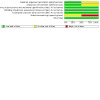
'Risk of bias' graph: review authors' judgements about each risk of bias item presented as percentages across all included studies.
3.
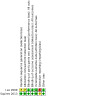
'Risk of bias' summary: review authors' judgements about each risk of bias item for each included study.
Allocation
Lee 2009 did not adequately describe methods of random sequence generation and allocation concealment. We contacted the authors for information, but we did not receive clarification on these domains. Squires 2013 described their methods for random sequence generation method in correspondence. The authors stated the randomisation sequence used the "Cochran and Cox table of permutations," followed by computer‐generated randomisation part‐way through the trial after the Data Coordinating Centre moved.
Blinding
Both trials blinded participants, clinicians, and investigators to study drug assignment using a visually‐identical placebo. Both trials had low risk of detection bias.
Incomplete outcome data
Both trials had low risk of attrition bias (Lee 2009; Squires 2013). Lee 2009 had excluded nine participants from the intention‐to‐treat population due to protocol violations. The study authors did not provide further information when contacted. However, we assessed the study to be at low risk of attrition bias as the pre‐planned 'best‐worst case scenario' and 'worst‐best case scenario' analyses did not materially change the effect estimates.
Selective reporting
Lee 2009 was at high risk of reporting bias as they did not report outcomes at one year or serious adverse events at any time point despite reporting that this information was collected.
Squires 2013 was at unclear risk of selective outcome reporting bias as the trial protocol was not available.
Other potential sources of bias
We did not identify other potential sources of bias in the two trials.
We did not construct a funnel plot for reporting bias because fewer than 10 trials were included in the review.
Effects of interventions
Summary of findings 1. N‐acetylcysteine compared to placebo in adult patients with non‐paracetamol (acetaminophen)‐related acute liver failure.
| N‐acetylcysteine compared to placebo in adult patients with non‐paracetamol (acetaminophen)‐related acute liver failure | ||||||
| Patient or population: adult patients with non‐paracetamol (acetaminophen)‐related acute liver failure Setting: hospital Intervention: N‐acetylcysteine Comparison: placebo | ||||||
| Outcomes | Anticipated absolute effects* (95% CI) | Relative effect (95% CI) | № of participants (trials) | Certainty of the evidence (GRADE) | Comments | |
| Risk with placebo | Risk with N‐acetylcysteine | |||||
| All‐cause mortality follow‐up: 21 days | Study population | RR 0.88 (0.57 to 1.37) | 173 (1 RCT) | ⊕⊕⊝⊝ LOW 1 2 | Data were available for 21 days only | |
| 337 per 1,000 | 297 per 1,000 (192 to 462) | |||||
| Serious adverse events | Study population | not estimable | ‐ | ‐ | Data were not reported for this outcome | |
| ‐ | ‐ | |||||
| Liver transplant follow‐up: 21 days | Study population | RR 0.72 (0.49 to 1.06) | 173 (1 RCT) | ⊕⊕⊝⊝ LOW1 2 | Data were available for 21 days only | |
| 446 per 1,000 | 321 per 1,000 (218 to 472) | |||||
| Resolution of encephalopathy and coagulopathy | Study population | not estimable | ‐ | ‐ | No data were available for this outcome | |
| ‐ | ‐ | |||||
| Non‐serious adverse events follow‐up: 21 days | Study population | RR 1.07 (0.79 to 1.45) | 173 (1 RCT) | ⊕⊕⊝⊝ LOW1 2 | Data were available for 21 days only | |
| 413 per 1,000 | 442 per 1,000 (326 to 599) | |||||
| Quality of life | Study population | not estimable | ‐ | ‐ | No data were available for this outcome | |
| ‐ | ‐ | |||||
| *The risk in the intervention group (and its 95% confidence interval) is based on the assumed risk in the comparison group and the relative effect of the intervention (and its 95% CI). CI: Confidence interval; RR: Risk ratio; OR: Odds ratio; RCT: randomised clinical trial | ||||||
| GRADE Working Group grades of evidence High certainty: We are very confident that the true effect lies close to that of the estimate of the effect Moderate certainty: We are moderately confident in the effect estimate: The true effect is likely to be close to the estimate of the effect, but there is a possibility that it is substantially different Low certainty: Our confidence in the effect estimate is limited: The true effect may be substantially different from the estimate of the effect Very low certainty: We have very little confidence in the effect estimate: The true effect is likely to be substantially different from the estimate of effect | ||||||
1 Graded down 1 level for serious risk of bias due to unclear allocation concealment and high risk of reporting bias 2 Graded down 1 level for serious imprecision. Wide 95% confidence interval including both no effect and substantial effect
Summary of findings 2. N‐acetylcysteine compared to placebo in paediatric patients with non‐paracetamol (acetaminophen)‐related acute liver failure.
| N‐acetylcysteine compared to placebo in paediatric patients with non‐paracetamol (acetaminophen)‐related acute liver failure | ||||||
| Patient or population: children with non‐paracetamol (acetaminophen)‐related acute liver failure Setting: hospital Intervention: N‐acetylcysteine Comparison: placebo | ||||||
| Outcomes | Anticipated absolute effects* (95% CI) | Relative effect (95% CI) | № of participants (studies) | Certainty of the evidence (GRADE) | Comments | |
| Risk with placebo | Risk with N‐acetylcysteine | |||||
| All‐cause mortality follow‐up: 1 year | Study population | RR 1.47 (0.85 to 2.53) | 184 (1 RCT) | ⊕⊕⊝⊝ LOW 1 2 | ‐ | |
| 18 per 100 | 27 per 100 (16 to 47) | |||||
| Serious adverse events follow‐up: 1 year | Study population | RR 1.25 (0.35 to 4.51) | 184 (1 RCT) | ⊕⊕⊝⊝ LOW 1 2 | ‐ | |
| 4 per 100 | 5 per 100 (2 to 20) | |||||
| Liver Transplant follow‐up: 1 year | Study population | RR 1.28 (0.89 to 1.84) | 184 (1 RCT) | ⊕⊕⊝⊝ LOW 1 2 | Shorter‐term (21 days) follow‐up data were available. See Analysis 1.3 for details | |
| 35 per 100 | 45 per 100 (31 to 64) | |||||
| Resolution of encephalopathy and coagulopathy ‐ not reported | Study population | not estimable | ‐ | ‐ | No data were available for this outcome | |
| ‐ | ‐ | |||||
| Non‐serious adverse events follow‐up: 1 year | Study population | RR 1.19 (0.62 to 2.16) | 184 (1 RCT) | ⊕⊕⊝⊝ LOW 1 2 | ‐ | |
| 17 per 100 | 21 per 100 (11 to 38) | |||||
| Quality of life ‐ not reported | Study population | not estimable | ‐ | ‐ | No data were available for this outcome | |
| ‐ | ‐ | |||||
| *The risk in the intervention group (and its 95% confidence interval) is based on the assumed risk in the comparison group and the relative effect of the intervention (and its 95% CI). CI: Confidence interval; RR: Risk ratio; OR: Odds ratio; RCT: randomised clinical trial | ||||||
| GRADE Working Group grades of evidence High certainty: We are very confident that the true effect lies close to that of the estimate of the effect Moderate certainty: We are moderately confident in the effect estimate: The true effect is likely to be close to the estimate of the effect, but there is a possibility that it is substantially different Low certainty: Our confidence in the effect estimate is limited: The true effect may be substantially different from the estimate of the effect Very low certainty: We have very little confidence in the effect estimate: The true effect is likely to be substantially different from the estimate of effect | ||||||
1 Graded down 2 levels for very serious imprecision. Wide 95% confidence interval including both no effect and substantial effect 2 The only trial had unclear risk of bias for selective reporting since trial protocol was not available. However, the risk of bias was not serious enough to downgrade (Squires 2013).
Primary outcomes
We did not meta‐analyse the results due to clinical heterogeneity in patient population (adult and child) and follow‐up time (21 days and one year). This decision was partly supported by high statistical heterogeneity observed in the all‐cause mortality outcome (I2 = 51.7%; Analysis 1.1).
1.1. Analysis.

Comparison 1: Main analysis, Outcome 1: All‐cause mortality
All‐cause mortality
At 21 days, Lee 2009 found no evidence of a difference in mortality between adults who received N‐acetylcysteine and those who received placebo (RR 0.88, 95% CI 0.57 to 1.37; 173 participants; low certainty of evidence). At one year, Squires 2013 found no evidence of a difference in mortality between children receiving N‐acetylcysteine compared to placebo (RR 1.47, 95% CI 0.85 to 2.53; 184 participants; low certainty of evidence). Though both trials visually presented these data at additional time points using Kaplan‐Meier curves, we could not extract sufficient data to calculate proportions, and the studies' corresponding authors did not provide these values in correspondence.
Serious adverse events
Both trials stated that serious adverse events data were prospectively collected during trial follow‐up. However, Lee 2009 did not report these results. Squires 2013 found no evidence of a difference in serious adverse events between groups (RR 1.25, 95% CI 0.35 to 4.51; 184 participants; low certainty of evidence; Analysis 1.2).
1.2. Analysis.

Comparison 1: Main analysis, Outcome 2: Serious adverse events
Liver transplantation
Both trials reported on liver transplant occurring up to day 21. We did not meta‐analyse the results due to substantial clinical heterogeneity, supported by high statistical heterogeneity (I2 = 72.9%; Analysis 1.3). Separately, neither Lee 2009 (RR 0.72, 95% CI 0.49 to 1.06; 173 participants; low certainty of evidence) nor Squires 2013 (RR 1.23, 95% CI 0.84 to 1.81; 184 participants; moderate certainty of evidence) identified evidence of a difference between groups in the proportion of trial participants undergoing liver transplantation to day 21.
1.3. Analysis.

Comparison 1: Main analysis, Outcome 3: Liver transplant at 21 days
Squires 2013 also reported no evidence of a difference in the proportion of participants undergoing liver transplantation up to one year (RR 1.28, 95% CI 0.89 to 1.84; 184 participants; low certainty of evidence; Analysis 1.4).
1.4. Analysis.

Comparison 1: Main analysis, Outcome 4: Liver transplant at 1 year
Secondary outcomes
Resolution of encephalopathy
The published reports of the included trials did not describe this outcome, and authors did not provide additional details in correspondence.
Non‐serious adverse events
Both trials reported non‐serious adverse events. At 21 days, Lee 2009 found no evidence of a difference between the groups (RR 1.07, 95% CI 0.79 to 1.45; 173 participants; low certainty of evidence). At one year, Squires 2013 also found no evidence of a difference between the groups (RR 1.19, 95% CI 0.62 to 2.16; 184 participants; low certainty of evidence; Analysis 1.5).
1.5. Analysis.

Comparison 1: Main analysis, Outcome 5: Non‐serious adverse events
Health‐related quality of life
Published reports of the included trials did not describe this outcome, and authors did not provide additional details in correspondence.
Subgroup analyses
Since we only had one trial in adults and one trial in children, we did not perform our 'post hoc' subgroup analysis comparing trials at low risk of bias to trials at unclear or high risk of bias. We did not perform our 'post hoc' subgroup analysis on vested interests as neither of the trials received for‐profit funding.
Aetiology of acute liver failure: drug‐induced compared to viral compared to other non‐drug‐induced aetiology
Both trials reported all‐cause mortality according to presumed aetiology of acute liver failure. Notably, the aetiology was not always known at the time of study enrolment. The test for interaction for this subgroup effect was not significant (P = 0.22). Despite reported differences in the trial by Lee 2009, the test for interaction remained non‐significant after the removal of the trial by Squires 2013.
Squires 2013 also reported the proportion of participants with liver transplantation according to the presumed aetiology of their acute liver failure. The test for interaction for this subgroup effect was also not significant (P = 0.48).
In summary, subgroup analyses for mortality and liver transplant based on encephalopathy grade and aetiology of acute liver failure did not support subgroup effects based on these characteristics.
Encephalopathy grade by West Haven Criteria at baseline
Both trials stratified participants by encephalopathy grade at baseline and reported outcomes of all‐cause mortality and liver transplantation within each subgroup. Tests for interaction based on encephalopathy grade for both all‐cause mortality and liver transplantation were not significant (P = 0.72 and P = 0.96, respectively).
Adult compared to paediatric population
Only one trial was published for each age group, and we have provided a narrative summary of these above, under Primary outcomes and Secondary outcomes, and numerical summary in Analysis 1.1 through Analysis 1.5. Overall, there was high statistical heterogeneity between the adult and the paediatric trial for all efficacy outcomes, although we cannot determine whether this is primarily due to the age group difference or other methodological differences between these trials.
Sensitivity analyses
We performed 'best‐worst case scenario' and 'worst‐best case scenario' analyses to assess the risk of bias associated with nine post‐randomisation exclusions (Lee 2009). Of these nine participants, the authors reported that two were randomised to N‐acetylcysteine and four were randomised to placebo. Based on this information, we performed the scenario analyses for the three primary outcomes (Analysis 4.1 through Analysis 5.3). The 'best‐worst case scenario' and 'worst‐best case scenario' analyses did not show any difference for the following outcomes: all‐cause mortality, non‐serious adverse events. Only for the outcome proportion of liver transplantation at day 21, the 'best‐worst case scenario' analysis showed a difference (RR 0.67, 95% CI 0.46 to 0.98; Analysis 4.2). In this scenario, the best outcome was assigned for participants assigned to N‐acetylcysteine and the worst outcome for participants assigned to placebo. We identified only two relevant trials of interest, and we could not reliably evaluate for study‐level heterogeneity in geographical setting and risk of bias. Hence, we did not perform sensitivity analyses as planned.
4.1. Analysis.

Comparison 4: Sensitivity analyses ‐ 'Best‐worst' case scenario, Outcome 1: All‐cause mortality
5.3. Analysis.

Comparison 5: Sensitivity analyses ‐ 'Worst‐best' case scenario, Outcome 3: Non‐serious adverse events
4.2. Analysis.
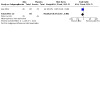
Comparison 4: Sensitivity analyses ‐ 'Best‐worst' case scenario, Outcome 2: Liver transplant at 21 days
We had initially planned to conduct a Trial Sequential Analysis to evaluate if apparent effects could be caused by random error (Wetterslev 2008; Thorlund 2011; TSA 2011). Out of the identified three potential trials, only two were relevant for inclusion in the review while a third trial is awaiting classification. The two trials had substantial between‐trial clinical heterogeneity and disparate results. Given that, we determined there was insufficient data to perform Trial Sequential Analysis.
Certainty of the evidence
The certainty of the evidence is summarised in the Table 1 for the trial involving adults and the Table 2 for the trial involving children.
We assessed the certainty of the evidence in the trial with adults as low. Data at 21 days, from Lee 2009, were available for the outcomes of all‐cause mortality, liver transplant, and non‐serious adverse events. We downgraded the evidence for all‐cause mortality, liver transplant, and non‐serious adverse events outcomes due to serious risk of bias, unclear allocation concealment and selective reporting, and serious imprecision of effect estimates. There were no data for serious adverse events, quality of life, or resolution of encephalopathy and coagulopathy, so we could not ascertain the certainty of the evidence.
Paediatric data at one year, from Squires 2013, were available for the outcomes of all‐cause mortality, serious adverse events, liver transplant, and non‐serious adverse events. The certainty of the evidence was low for all‐cause mortality, serious adverse events, liver transplant, and non‐serious adverse events. We downgraded the evidence due to very serious imprecision. We could not ascertain the certainty of the evidence for quality of life, or resolution of encephalopathy and coagulopathy, due to lack of available data.
Data on harm from observational studies, retrieved with the searches for randomised clinical trials
The search result for randomised clinical trials retrieved no quasi‐randomised or observational studies on the subject of our review.
Discussion
Summary of main results
This systematic review of N‐acetylcysteine in non‐paracetamol‐related acute liver failure identified two randomised clinical trials: one in adults and one in children. One additional adult study is awaiting classification while we await details about methodology from study authors. Due to high clinical heterogeneity, we did not perform meta‐analyses for our primary outcomes of interest: all‐cause mortality, serious adverse events, and liver transplantation. Sources of clinical heterogeneity include the differences in age groups, dose, and duration of study drug infusion, and length of follow‐up. Our subgroup analyses did not find differences in treatment effects based on aetiology of acute liver failure or severity of encephalopathy.
Individually, neither trial identified a difference between N‐acetylcysteine versus placebo on survival, transplant rate, or serious adverse events. Due to imprecision, our review of the available evidence cannot rule out a clinically important difference in mortality or need for liver transplant with N‐acetylcysteine in these populations.
Overall completeness and applicability of evidence
Both included trials addressed this review's primary outcomes of interest: all‐cause mortality, liver transplant rate, and need for liver transplant. We could not obtain data for a select number of secondary outcomes of interest, including resolution of hepatic encephalopathy or coagulopathy, or health‐related quality of life, as they were not reported in the identified trials. Furthermore, the included trials did not consistently report adverse event data.
Use of N‐acetylcysteine has expanded over the past 15 years from the use in acute liver failure cases involving paracetamol overdose to those unrelated to paracetamol, without clear or consistent evidence of its benefits and harms (Reuben 2016). This increase in use is likely largely due to the reporting of and emphasis on post hoc secondary and subgroup analyses of one included trial. Notably, Reuben 2016 found that usage increased across all coma grades despite the positive trial only stating benefit in coma grades I to II. The present review authors surmise the providers’ decision to employ N‐acetylcysteine is to hedge on possible benefit and unlikely harm.
Quality of the evidence
The certainty of the evidence (quality of evidence) is summarised in the Table 1.
The certainty of the evidence for the two primary outcomes (all‐cause mortality and liver transplantation) was low in the trial with adults and the trial with children. The certainty of the evidence for serious adverse events was low in the trial with children, and it was not reported in the trial with adults. The certainty of the evidence for non‐serious adverse events was low for adults and for children. Overall, we downgraded the certainty of the evidence due to risk of bias and imprecision in the trial with adults and due to imprecision in the trial with children.
The trial with adults was rated down due to serious risk of bias as it had unclear allocation concealment and high risk of selective outcome reporting (Lee 2009). For the outcomes of interest, in both trials (i.e. adults and children), there was imprecision, as noted by the wide confidence intervals in the effect estimates. For example, the all‐cause mortality outcome in adults had a risk ratio confidence interval that suggests a possible true effect ranging from 43% reduction to 37% increase in mortality. This imprecision has resulted in downgrading the certainty of the evidence for the all‐cause mortality, liver transplantation, and non‐serious adverse event effect estimates.
Potential biases in the review process
We performed this review according to a predefined protocol, following guidance from the Cochrane Handbook for Systematic Reviews of Interventions, which we completed and published prior to beginning the review process. We used a comprehensive search strategy to minimise possible publication bias. It is unlikely that this strategy missed any published studies or large unpublished studies. We could not formally evaluate publication bias due to the small number of trials identified (Boutron 2019). We limited inclusion to parallel randomised clinical trials, and therefore excluded several observational studies at very high risk of bias that have been used in previous meta‐analyses on this topic.
In the initial protocol, we planned on performing a meta‐analysis on the available data. However, we felt that it would be inappropriate to combine the identified trials for several outcomes given the high statistical and clinical heterogeneity (e.g. adults compared to children).
Agreements and disagreements with other studies or reviews
A systematic review by Hu 2015, the European Association for the Study of the Liver (EASL) guidelines, and a position statement from the American Association for the Study of Liver Diseases (AASLD) have previously reviewed the use of N‐acetylcysteine for non‐paracetamol‐related acute liver failure (AASLD 2012; Hu 2015; EASL 2017). Hu 2015 reviewed four prospective and retrospective studies, including the two randomised trials identified in our review. Like this review, Hu and colleagues concluded that N‐acetylcysteine did not reduce the risk of death. However, they concluded that N‐acetylcysteine likely improved the outcome of transplant‐free survival, based mainly on Lee 2009. The 2011 AASLD position statement on the management of acute liver failure recommends N‐acetylcysteine, stating that it "may be beneficial for acute liver failure due to drug‐induced liver injury," citing the subgroup analysis of patients with coma grades I to II by Lee 2009 as justification for this recommendation. Like the AASLD, the EASL guidelines also suggest N‐acetylcysteine be administered in early stage, as part of standard care. Citing Lee 2009, the guidelines state that N‐acetylcysteine "improves outcome in adults with mild grades of [hepatic encephalopathy]" (EASL 2017). Our conclusions are, however, in agreement with the American Gastroenterological Association's recommendation that N‐acetylcysteine should be used only in the context of a clinical trial.
Discrepancies between the conclusions of our review compared to those of AASLD 2012, Hu 2015, and EASL 2017 can be explained by differences in interpretation of Lee 2009. Both prior reviews highlighted the effect of N‐acetylcysteine on transplant‐free survival. However, this was a post hoc outcome by Lee and colleagues that was only statistically significant when using a lenient one‐sided P value. We performed analyses of mortality and liver transplantation using more conventional methods including a two‐sided P value. Although our outcomes differed slightly from Lee 2009 by not being time‐to‐event outcomes, we could not replicate the findings by Lee 2009, including the subgroup differences.
Furthermore, AASLD 2012 emphasises findings from the coma grades I to II subgroup reported in Lee 2009. Our analysis identified no significant subgroup interactions by coma grade or aetiology, nor did we find any significant reductions in mortality or liver transplantation rates in any individual subgroup.
Authors' conclusions
Implications for practice.
In this review, we evaluated the benefits and harms of N‐acetylcysteine versus placebo for the treatment of non‐paracetamol‐related acute liver failure. Based on low certainty evidence from two trials, we found inconclusive evidence of benefit on mortality, serious adverse events, and liver transplantation outcomes. Overall, the current evidence does not support guideline suggestion to use N‐acetylcysteine in adults with non‐paracetamol‐related acute liver failure. The increase in N‐acetylcysteine usage may be related to the observed safety and tolerability when N‐acetylcysteine is used in acute liver failure related to paracetamol overdose (Keays 1991; Heard 2008). However, further research is required to better elucidate the efficacy of N‐acetylcysteine before widespread adoption in practice.
Implications for research.
Due to the uncertainty in the identified literature, more research is necessary. Specifically, the research should be randomised clinical trials, following the Standard Protocol Items: Recommendations for Interventional Trials (SPIRIT) (www.spirit-statement.org), of adults with non‐paracetamol‐related acute liver injury adequately powered to evaluate a clinically‐relevant reduction in mortality and liver transplant rates, reported according to the Consolidated Standards of Reporting Trials (CONSORT) Statement (www.consort-statement.org). Furthermore, more research is needed to determine the efficacy and optimal dose and duration in various subgroups, and whether clinical characteristics or biomarkers can be used to identify people most likely to benefit from N‐acetylcysteine. Moreover, such trials should use stratified randomisation according to cause of acute liver failure and disease severity.
History
Protocol first published: Issue 3, 2016 Review first published: Issue 12, 2020
Acknowledgements
We would like to acknowledge the assistance provided by The Cochrane Hepato‐Biliary Group. We would like to thank Sarah Louise Klingenberg for her help in preparing search strategies for a comprehensive literature search, Dimitrinka Nikolova, the CHBG Managing Editor, for help during the review preparation, and Faith Armitage, Copy Editor.
Peer Reviewers: Faiza Siddiqui, Denmark; Norman L. Sussman, USA. Contact Editors: Joshua Feinberg, Denmark; Christian Gluud, Denmark. Sign‐off Editor: Agostino Colli, Italy. Network Associate Editor: Rachel Richardson, UK.
Cochrane Review Group funding acknowledgement: The Danish state is the largest single funder of The Cochrane Hepato‐Biliary Group through its investment in The Copenhagen Trial Unit, Centre for Clinical Intervention Research, Rigshospitalet, Copenhagen University Hospital, Denmark. Disclaimer: The views and opinions expressed in this review are those of the authors and do not necessarily reflect those of the Danish state or The Copenhagen Trial Unit.
Appendices
Appendix 1. Search strategies
| Database | Time span | Search strategy |
| The Cochrane Hepato‐Biliary Group Controlled Trials Register | June 2020 | (acetylcystein* OR NAC OR ACC OR acemuc OR acetyst OR acetadote OR asist OR brunac OR fluimu* OR flumil OR lysox OR mucinac OR mucohelp OR mucolysin OR mucomelt OR mucomix OR mucomyst OR nytex OR parvolex OR pharmanac OR rheunac OR solmucaine OR trebon) AND ((hepatic OR liver) AND (failure OR injury OR disease)) |
| Cochrane Central Register of Controlled Trials (CENTRAL) in the Cochrane Library | 2020, Issue 6 | #1 MeSH descriptor: [Acetylcysteine] explode all trees #2 acetylcystein* or NAC or ACC or acemuc or acetyst or acetadote or asist or brunac or fluimu* or flumil or lysox or mucinac or mucohelp or mucolysin or mucomelt or mucomix or mucomyst or nytex or parvolex or pharmanac or rheunac or solmucaine or trebon #3 #1 or #2 #4 MeSH descriptor: [Liver Failure] explode all trees #5 (hepatic or liver) and (failure or injury or disease) #6 #4 or #5 #7 #3 and #6 |
| MEDLINE Ovid | 1946 to June 2020 | 1. exp Acetylcysteine/ 2. (acetylcystein* or NAC or ACC or acemuc or acetyst or acetadote or asist or brunac or fluimu* or flumil or lysox or mucinac or mucohelp or mucolysin or mucomelt or mucomix or mucomyst or nytex or parvolex or pharmanac or rheunac or solmucaine or trebon).mp. [mp=protocol supplementary concept, rare disease supplementary concept, title, original title, abstract, name of substance word, subject heading word, unique identifier] 3. 1 or 2 4. exp Liver Failure/ 5. ((hepatic or liver) and (failure or injury or disease)).mp. [mp=protocol supplementary concept, rare disease supplementary concept, title, original title, abstract, name of substance word, subject heading word, unique identifier] 6. 4 or 5 7. 3 and 6 8. (randomized controlled trial or controlled clinical trial).pt. or clinical trials as topic.sh. or trial.ti. 9. (random* or blind* or placebo* or meta‐analys*).mp. [mp=title, abstract, original title, name of substance word, subject heading word, floating sub‐heading word, keyword heading word, organism supplementary concept word, protocol supplementary concept word, rare disease supplementary concept word, unique identifier, synonyms] 10. 7 and (8 or 9) |
| EMBASE Ovid | 1974 to June 2020 | 1. exp acetylcysteine/ 2. (acetylcystein* or NAC or ACC or acemuc or acetyst or acetadote or asist or brunac or fluimu* or flumil or lysox or mucinac or mucohelp or mucolysin or mucomelt or mucomix or mucomyst or nytex or parvolex or pharmanac or rheunac or solmucaine or trebon).mp. [mp=title, abstract, subject headings, heading word, drug trade name, original title, device manufacturer, drug manufacturer, device trade name, keyword] 3. 1 or 2 4. exp liver failure/ 5. ((hepatic or liver) and (failure or injury or disease)).mp. [mp=title, abstract, subject headings, heading word, drug trade name, original title, device manufacturer, drug manufacturer, device trade name, keyword] 6. 4 or 5 7. 3 and 6 8. Randomized controlled trial/ or Controlled clinical study/ or trial.ti. 9. (random* or blind* or placebo* or meta‐analys*).mp. [mp=title, abstract, heading word, drug trade name, original title, device manufacturer, drug manufacturer, device trade name, keyword, floating subheading word, candidate term word] 10. 7 and (8 or 9) |
| LILACS (Bireme) | 1982 to June 2020 | (acetylcystein$ or NAC or ACC or acemuc or acetyst or acetadote or asist or brunac or fluimu$ or flumil or lysox or mucinac or mucohelp or mucolysin or mucomelt or mucomix or mucomyst or nytex or parvolex or pharmanac or rheunac or solmucaine or trebon) [Words] and ((hepatic or liver) and (failure or injury or disease)) [Words] |
| Science Citation Index Expanded (Web of Science) | 1900 to June 2020 | #5 #4 AND #3 #4 TS=(random* or blind* or placebo* or meta‐analysis) #3 #2 AND #1 #2 TS=((hepatic or liver) and (failure or injury or disease)) #1 TS=(acetylcystein* or NAC or ACC or acemuc or acetyst or acetadote or asist or brunac or fluimu* or flumil or lysox or mucinac or mucohelp or mucolysin or mucomelt or mucomix or mucomyst or nytex or parvolex or pharmanac or rheunac or solmucaine or trebon) |
| Conference Proceedings Citation Index – Science (Web of Science) | 1990 to June 2020 | #5 #4 AND #3 #4 TS=(random* or blind* or placebo* or meta‐analysis) #3 #2 AND #1 #2 TS=((hepatic or liver) and (failure or injury or disease)) #1 TS=(acetylcystein* or NAC or ACC or acemuc or acetyst or acetadote or asist or brunac or fluimu* or flumil or lysox or mucinac or mucohelp or mucolysin or mucomelt or mucomix or mucomyst or nytex or parvolex or pharmanac or rheunac or solmucaine or trebon) |
Appendix 2. Trial data extraction form
2.1 General information
| Date form completed (dd/mm/yyyy) |
| Name/identification of person extracting data |
| Report title (title of paper/abstract/report) |
| Lead author |
| Reference details |
| Report identification |
| Report author contact information |
| Publication type (e.g. full report, abstract, letter) |
| Study funding source (including role of funder) |
| Possible conflicts of interest (for study authors) |
| Other publications of this study (e.g. duplicate publications, follow‐up studies) |
2.2 Study eligibility
| Study characteristics | Eligibility criteria | Eligible? | Location in text (page & figure/table) | ||
| Yes | No | Unclear | |||
| Type of study | Randomised controlled trial | ||||
| Participants | |||||
| Types of intervention | |||||
| Types of outcome measures | |||||
| Include/exclude | |||||
| Reason for exclusion (if applicable) | |||||
| Notes | |||||
2.3 Population and setting
| Description: Include comparative information for each group (i.e. intervention and control) if applicable | Location in text (page & figure/table) | |
| Number of sites (single versus multi‐centre) | ||
| Countries | ||
| Setting | ||
| Monitoring equipment used | ||
| Inclusion criteria | ||
| Exclusion criteria | ||
| Method(s) of recruitment of participants | ||
| Informed consent obtained | Yes [ ] No [ ] Unclear [ ] | |
| Notes | ||
2.4 Methods
| Description as stated in report/paper | Location in text (page & figure/table) | |
| Objective of study | ||
| Design | ||
| Unit of allocation (e.g. individuals, groups, wards) | ||
| Start date | ||
| End date | ||
| Total study duration | ||
| Ethical approval obtained for study | Yes [ ] No [ ] Unclear [ ] | |
| Notes | ||
2.5 Risk of bias assessment
| Domain | Risk of bias | Support for judgment | Location in text | ||
| Low | High | Unclear | |||
| Random sequence generation (selection bias) | |||||
| Allocation concealment (selection bias) | |||||
| Blinding of participants & personnel (performance bias) | |||||
| Blinding of outcome assessment (detection bias) | |||||
| Incomplete outcome data (reporting bias) | |||||
| Other bias | |||||
| Notes | |||||
2.6 Participants
| Description as stated in report/paper | Location in text (page & figure/table) | |
| Total number randomised | ||
| Baseline imbalances | ||
| Withdrawals after exclusions (if not provided below by outcome) | ||
| Age | ||
| Sex | ||
| Disease status/type (if applicable) | ||
| Other treatment received (in addition to study intervention) | ||
| Subgroups reported | ||
| Notes | ||
2.7 Intervention groups
Copy and paste table for each intervention and comparison group
Intervention group 1
| Description as stated in report/paper | Location in text (page & figure/table) | |
| Group name | ||
| Dosing regimen | ||
| Duration of treatment period and follow‐up | ||
| Delivery method (e.g. intravenous versus enteral) | ||
| Providers | ||
| Co‐interventions | ||
| Notes | ||
2.9 Results
Copy and paste table for each outcome, including additional tables for each time point and subgroup as required
Dichotomous outcome 1
| Description as stated in report/paper | Location in text (page & figure/table) | ||||
| Outcome name | |||||
| Time point measured | |||||
| Outcome definition (with diagnostic criteria if relevant) | |||||
| Is outcome validated? | Yes [ ] No [ ] Unclear [ ] | ||||
| Imputation of missing data (e.g. assumptions made for intention‐to‐teat (ITT) analysis) | |||||
| Results | Intervention | Comparison | |||
| Number of events | Number of participants | Number of events | Number of participants | ||
| Number of missing participants and reasons | |||||
| Notes | |||||
Continuous outcome 1
| Description as stated in report/paper | Location in text (page & figure/table) | ||||||
| Comparison | |||||||
| Outcome | |||||||
| Time point | |||||||
| Post‐intervention or change from baseline: | |||||||
| Results | Intervention | Comparison | |||||
| Mean | SD | Number of participants | Mean | SD | Number of participants | ||
| Number of missing participants and reasons | |||||||
| Notes | |||||||
Data and analyses
Comparison 1. Main analysis.
| Outcome or subgroup title | No. of studies | No. of participants | Statistical method | Effect size |
|---|---|---|---|---|
| 1.1 All‐cause mortality | 2 | Risk Ratio (M‐H, Fixed, 95% CI) | Subtotals only | |
| 1.1.1 Adults | 1 | 173 | Risk Ratio (M‐H, Fixed, 95% CI) | 0.88 [0.57, 1.37] |
| 1.1.2 Pediatric | 1 | 184 | Risk Ratio (M‐H, Fixed, 95% CI) | 1.47 [0.85, 2.53] |
| 1.2 Serious adverse events | 1 | Risk Ratio (M‐H, Fixed, 95% CI) | Subtotals only | |
| 1.2.1 Pediatric | 1 | 184 | Risk Ratio (M‐H, Fixed, 95% CI) | 1.25 [0.35, 4.51] |
| 1.3 Liver transplant at 21 days | 2 | Risk Ratio (M‐H, Fixed, 95% CI) | Subtotals only | |
| 1.3.1 Adults | 1 | 173 | Risk Ratio (M‐H, Fixed, 95% CI) | 0.72 [0.49, 1.06] |
| 1.3.2 Pediatric | 1 | 184 | Risk Ratio (M‐H, Fixed, 95% CI) | 1.23 [0.84, 1.81] |
| 1.4 Liver transplant at 1 year | 1 | Risk Ratio (M‐H, Fixed, 95% CI) | Subtotals only | |
| 1.4.1 Pediatric | 1 | 184 | Risk Ratio (M‐H, Fixed, 95% CI) | 1.28 [0.89, 1.84] |
| 1.5 Non‐serious adverse events | 2 | Risk Ratio (M‐H, Fixed, 95% CI) | Subtotals only | |
| 1.5.1 Adults | 1 | 173 | Risk Ratio (M‐H, Fixed, 95% CI) | 1.02 [0.71, 1.45] |
| 1.5.2 Pediatric | 1 | 184 | Risk Ratio (M‐H, Fixed, 95% CI) | 1.19 [0.65, 2.16] |
Comparison 2. Subgroup analyses according to aetiology of acute liver failure.
| Outcome or subgroup title | No. of studies | No. of participants | Statistical method | Effect size |
|---|---|---|---|---|
| 2.1 All‐cause mortality according to aetiology of acute liver failure | 2 | 329 | Risk Ratio (M‐H, Fixed, 95% CI) | 1.03 [0.72, 1.46] |
| 2.1.1 Drug‐induced | 1 | 45 | Risk Ratio (M‐H, Fixed, 95% CI) | 0.61 [0.22, 1.68] |
| 2.1.2 Viral | 2 | 52 | Risk Ratio (M‐H, Fixed, 95% CI) | 0.60 [0.28, 1.27] |
| 2.1.3 Autoimmune | 2 | 45 | Risk Ratio (M‐H, Fixed, 95% CI) | 1.36 [0.50, 3.66] |
| 2.1.4 Indeterminate or other | 2 | 187 | Risk Ratio (M‐H, Fixed, 95% CI) | 1.34 [0.82, 2.19] |
| 2.2 Liver transplant according to aetiology of acute liver failure | 1 | 180 | Risk Ratio (M‐H, Fixed, 95% CI) | 1.22 [0.86, 1.73] |
| 2.2.1 Drug‐induced | 0 | 0 | Risk Ratio (M‐H, Fixed, 95% CI) | Not estimable |
| 2.2.2 Viral | 1 | 15 | Risk Ratio (M‐H, Fixed, 95% CI) | 0.33 [0.04, 2.91] |
| 2.2.3 Autoimmune | 1 | 19 | Risk Ratio (M‐H, Fixed, 95% CI) | 1.38 [0.24, 7.80] |
| 2.2.4 Indeterminate or other | 1 | 146 | Risk Ratio (M‐H, Fixed, 95% CI) | 1.28 [0.89, 1.85] |
2.1. Analysis.

Comparison 2: Subgroup analyses according to aetiology of acute liver failure, Outcome 1: All‐cause mortality according to aetiology of acute liver failure
2.2. Analysis.
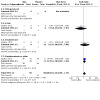
Comparison 2: Subgroup analyses according to aetiology of acute liver failure, Outcome 2: Liver transplant according to aetiology of acute liver failure
Comparison 3. Subgroup analyses according to encephalopathy grade.
| Outcome or subgroup title | No. of studies | No. of participants | Statistical method | Effect size |
|---|---|---|---|---|
| 3.1 All‐cause mortality according to encephalopathy grade | 2 | 357 | Risk Ratio (M‐H, Fixed, 95% CI) | 1.15 [0.82, 1.61] |
| 3.1.1 Lower grade | 2 | 247 | Risk Ratio (M‐H, Fixed, 95% CI) | 1.09 [0.66, 1.78] |
| 3.1.2 Higher grade | 2 | 110 | Risk Ratio (M‐H, Fixed, 95% CI) | 1.23 [0.78, 1.93] |
| 3.2 Liver transplant according to encephalopathy grade | 2 | 357 | Risk Ratio (M‐H, Fixed, 95% CI) | 0.99 [0.76, 1.28] |
| 3.2.1 Lower grade | 2 | 247 | Risk Ratio (M‐H, Fixed, 95% CI) | 0.99 [0.72, 1.35] |
| 3.2.2 Higher grade | 2 | 110 | Risk Ratio (M‐H, Fixed, 95% CI) | 0.97 [0.61, 1.56] |
3.1. Analysis.

Comparison 3: Subgroup analyses according to encephalopathy grade, Outcome 1: All‐cause mortality according to encephalopathy grade
3.2. Analysis.
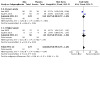
Comparison 3: Subgroup analyses according to encephalopathy grade, Outcome 2: Liver transplant according to encephalopathy grade
Comparison 4. Sensitivity analyses ‐ 'Best‐worst' case scenario.
| Outcome or subgroup title | No. of studies | No. of participants | Statistical method | Effect size |
|---|---|---|---|---|
| 4.1 All‐cause mortality | 1 | 179 | Risk Ratio (M‐H, Fixed, 95% CI) | 0.79 [0.52, 1.22] |
| 4.2 Liver transplant at 21 days | 1 | 179 | Risk Ratio (M‐H, Fixed, 95% CI) | 0.67 [0.46, 0.98] |
| 4.3 Non‐serious adverse events | 2 | 363 | Risk Ratio (M‐H, Fixed, 95% CI) | 1.01 [0.75, 1.36] |
| 4.3.1 Adults | 1 | 179 | Risk Ratio (M‐H, Fixed, 95% CI) | 0.94 [0.66, 1.32] |
| 4.3.2 Pediatric | 1 | 184 | Risk Ratio (M‐H, Fixed, 95% CI) | 1.19 [0.65, 2.16] |
4.3. Analysis.

Comparison 4: Sensitivity analyses ‐ 'Best‐worst' case scenario, Outcome 3: Non‐serious adverse events
Comparison 5. Sensitivity analyses ‐ 'Worst‐best' case scenario.
| Outcome or subgroup title | No. of studies | No. of participants | Statistical method | Effect size |
|---|---|---|---|---|
| 5.1 All‐cause mortality | 1 | 179 | Risk Ratio (M‐H, Fixed, 95% CI) | 0.97 [0.63, 1.49] |
| 5.2 Liver transplant at 21 days | 1 | 179 | Risk Ratio (M‐H, Fixed, 95% CI) | 0.79 [0.54, 1.16] |
| 5.3 Non‐serious adverse events | 2 | 363 | Risk Ratio (M‐H, Fixed, 95% CI) | 1.12 [0.83, 1.53] |
| 5.3.1 Adults | 1 | 179 | Risk Ratio (M‐H, Fixed, 95% CI) | 1.10 [0.77, 1.55] |
| 5.3.2 Pediatric | 1 | 184 | Risk Ratio (M‐H, Fixed, 95% CI) | 1.19 [0.65, 2.16] |
5.1. Analysis.
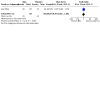
Comparison 5: Sensitivity analyses ‐ 'Worst‐best' case scenario, Outcome 1: All‐cause mortality
5.2. Analysis.
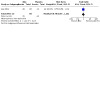
Comparison 5: Sensitivity analyses ‐ 'Worst‐best' case scenario, Outcome 2: Liver transplant at 21 days
Characteristics of studies
Characteristics of included studies [ordered by study ID]
Lee 2009.
| Study characteristics | ||
| Methods | Prospective, double‐blind randomised trial | |
| Participants | 173 participants; age 17 to 71 (58% female) in multiple centres across the US. More than one third were classified as coma grades I to II on admission (67%). | |
| Interventions | Experimental group: infusion of acetylcysteine loading dose of 150 mg/kg over 1 hour, followed by 12.5 mg/kg/h for 4 hours, then 6.25 mg/kg over 67 hours Control group: placebo (dextrose 5% in water (D5W) in equal volumes) |
|
| Outcomes | Primary outcome ‐ survival at 3 weeks Secondary outcomes ‐ number of patients surviving without transplantation censored at 365 days ‐ the number of patients undergoing transplantation at 3 weeks |
|
| Notes | Investigators reported overall survival and transplant‐free survival using 1‐sided tests and transplantation rate with a 2‐sided test. 9 patients were excluded after enrolment due to protocol violation. We contacted the study authors for additional data on the missing patients, but we have not received any information from them. Funding Source: "supported by...the National Institutes of Diabetes and Digestive and Kidney Diseases, National Institutes of Health, and FD‐R‐001661 from the Orphan Products Division, United States Food and Drug Administration. Additional funding was provided by the Stephen Tips Fund of the Northwestern Medical Foundation and the Jeanne Roberts and Rollin and Mary Ella King Funds of the Southwestern Medical Foundation." Pharmaceutical companies provided the study drug, but they did not take part in the rest of the trial. |
|
| Risk of bias | ||
| Bias | Authors' judgement | Support for judgement |
| Random sequence generation (selection bias) | Unclear risk | Sequence generation method not described Page 857: "randomisation list prepared by the biostatistician (J.S.R.)" |
| Allocation concealment (selection bias) | Unclear risk | Pharmacy‐controlled allocation; concealment not described Page 857: "After consent was obtained, patients were weighed and coma grade was determined so that the site pharmacist could randomise the patient and prepare the medication". Potentially clinically‐important baseline differences between groups noted (NAC versus placebo) in Table 1 (page 858 of the publication): Female sex: 47% vs 68% Coma grades I to II on admission: 73% vs 62% Symptom‐to‐coma: 15 vs 17 days Serum creatinine: 1.3 vs 1.0 mg/dL INR: 2.4 vs 2.9 ALT: 999 vs 756.5 IU/L |
| Blinding of participants and personnel (performance bias) All outcomes | Low risk | Identical appearance of intervention and control preparation Page 857: "all study personnel (except the 2 biostatisticians [...]) remained blinded throughout the study" "After randomisation, infusion of either 5% dextrose (placebo) or 5% dextrose with N‐acetylcysteine [...] was begun" Note: adequacy of blinding contingent upon adequacy of allocation concealment |
| Blinding of outcome assessment (detection bias) All outcomes | Low risk | Objective outcomes and time frames Page 857: "all study personnel (except the 2 biostatisticians [...]) remained blinded throughout the study Note: adequacy of blinding contingent upon adequacy of allocation concealment |
| Incomplete outcome data (attrition bias) All outcomes | Low risk | No description of loss‐to‐follow‐up; however, 9 participants were excluded after randomisation; treatment was known for 6 participants, but no follow‐up data were available. As prespecified, we conducted a 'best‐worst case scenario' and 'worst‐best case scenario' for the missing data. The analyses did not materially change the effect estimate. We have concluded from the analyses that the missing data pose a low risk of bias. Page 858: "The nine protocol violations included inadvertent enrolment of two prisoners who were removed from consideration once their status was recognised, 1 patient from whom all hospital records were lost, 4 patients who met exclusion criteria but mistakenly were offered participation in the study, 1 patient who underwent transplantation before the first dose of NAC was administered, and 1 patient who was withdrawn because the trial solution turned pink in the intravenous bottle...Data on the first 3 protocol violations were not available. For the latter group, 2 of the 6 patients were slated to, or did, receive NAC." Page 857: "Statistical analyses were based on the intention‐to‐treat principle and involved all randomised patients except for 9 who represented protocol violations" |
| Selective reporting (reporting bias) | High risk | Outcomes ascertained until 365 days, but not reported Page 857: "To obtain long‐term outcomes, we used information gathered by the sites, in addition to the original study data set, censored 365 days after study admission." |
| Other bias | Low risk | No other bias detected |
Squires 2013.
| Study characteristics | ||
| Methods | Prospective, double‐blind randomised trial | |
| Participants | 184 children (birth through age 17) across multiple sites in North America and the United Kingdom. 45% of patients were female, 72% classified as Caucasian (understood to be white participants), and the majority were classified as coma grades 0 to I (72%) versus coma grades II to IV (28%). | |
| Interventions | Infusion of acetylcysteine 150 mg/kg per day continuously for up to 7 days versus placebo (D5W in equal volume). | |
| Outcomes | Primary outcome
‐ 1 year survival
Secondary outcomes
‐ 1 year survival without liver transplant, lengths of intensive care unit and hospital stay, maximum degree of hepatic encephalopathy ‐ number of organ systems failing |
|
| Notes | Funding Source: "funded by the Division of Digestive Diseases and Nutrition within the National Institute of Diabetes and Digestive and Kidney (NIDDK) Diseases of the National Institutes of Health (NIH)" Pharmaceutical companies provided the study drug, but they did not take part in the rest of the study. |
|
| Risk of bias | ||
| Bias | Authors' judgement | Support for judgement |
| Random sequence generation (selection bias) | Low risk | Sequence generation method provided in correspondence with lead author and statistician: Authors state the randomisation sequence used the "Cochrane and Cox table of permutations" and after Data Coordinating Center moved, randomisation was generated using a computer. Description in publication, page 1544: "Eligible children were adaptively allocated within strata [...] to receive NAC [...] or placebo" |
| Allocation concealment (selection bias) | Low risk | Allocation concealment method provided in correspondence with lead author and statistician: "Treatment allocation was done at the Data Coordinating Center (DCC) and an email was sent to the research pharmacist. When the DCC was moved, the new DCC developed a computerized system to allocate treatment via an adaptive randomisation scheme with the same strata." Description in publication, page 1544: "Eligible children were adaptively allocated within strata [...] to receive NAC [...] or placebo" |
| Blinding of participants and personnel (performance bias) All outcomes | Low risk | Identical appearance of intervention and control preparation Page 1544: "The NAC study was doubly masked." "Eligibile children were adaptively allocated [...] to receive NAC [...] in 5% dextrose (D5W) and water or placebo consisting of an equal volume of D5W alone." |
| Blinding of outcome assessment (detection bias) All outcomes | Low risk | Objective outcomes and time frames Page 1544: "The primary outcome was 1‐year survival following treatment allocation." |
| Incomplete outcome data (attrition bias) All outcomes | Low risk | Low loss‐to‐follow‐up (0.7%) Loss‐to‐follow‐up not specifically described; however, withdrawal of 0 participants from the intervention arm and 2 participants from the control arm as outlined in Figure 1 (page 1545 of the publication). Analyses described as using the intention‐to‐treat population. |
| Selective reporting (reporting bias) | Unclear risk | Trial protocol not available Authors reported the primary outcome at 1 year, but not at an earlier time point (e.g. 21 days). The primary outcome appears identical at ~21 days in the KM plot in Figure 2 (page 1546 of the publication). |
| Other bias | Low risk | No other bias detected |
vs: versus; INR: international normalised ratio; ALT: alanine aminotransferase; IU/L: units per liter
Characteristics of excluded studies [ordered by study ID]
| Study | Reason for exclusion |
|---|---|
| Gunduz 2003 | Study did not measure INR or hepatic encephalopathy grade to meet review study inclusion criteria |
| Moreno 2010 | Study did not measure hepatic encephalopathy grade to meet review study inclusion criteria |
INR: international normalised ratio
Characteristics of studies awaiting classification [ordered by study ID]
Nabi 2017.
| Methods | "Prospective, randomised, case control trial" |
| Participants | Adults above 18 years with acute liver failure, defined as INR of ≥ 1.5 and any degree of encephalopathy cause by illness of duration less than 8 weeks |
| Interventions | Intravenous infusion of N‐acetylcysteine 150 mg/kg over 1 hour, followed by 12.5 mg/kg/h for 4 hours and continuous infusion of 6.25 mg/kg/h for 67 hours versus placebo (5% dextrose infusion) |
| Outcomes | ‐ Mortality ‐ Hospital length of stay |
| Notes |
INR: international normalised ratio
Differences between protocol and review
Since the protocol, minor changes to the terms used for RCT‐filter were made to the search strategies. The changes were to achieve higher precision in the searches.
We clarified our objective to indicate that N‐acetylcysteine or placebo is given as an adjunct to usual care. For all the outcomes of interest, we have added that we included outcome data from the longest available follow‐up.
We added LILACS (Bireme; 1982 to June 2020) database to part of the comprehensive search strategy.
If we had identified observational studies within the search results for randomised clinical trials, we planned to look for the report of harms in these studies and present those results in a narrative way at the end of the Results section.
For the risk of bias assessment, we have removed the domains of 'for profit bias' and 'other bias'. In the protocol, trials with unclear or high risk of bias in allocation concealment were to be excluded from this review. Lee 2009 would have been excluded, based on the unclear risk of bias to allocation concealment. However, given the paucity of evidence and the relevance of results from Lee 2009 to the evidence base and current recommendations, we decided to include it in this review with contextualisation of its limitations.
We had not explicitly stated the analytical plan for trials with multiple intervention groups or cross‐over trials in the original protocol. While we did not identify any such trials in our review, we stated what our plans would have been if we had encountered such trial designs.
We have added new information under the measures of treatment effect on how we have dealt with continuous outcomes.
We performed a ‘worst‐best case scenario’ and 'best‐worst case scenario’ analyses for participants lost to follow‐up for Lee 2009. For Squires 2013, we felt that the low loss‐to‐follow‐up (two people) did not warrant such analysis.
Post hoc, we planned to analyse trials without vested interest compared to trials with vested interest.
Contributions of authors
Review conception: JS Review design: JS, TN, RT Study selection, data extraction, risk of bias assessments: JS, TN, RT Analysis: JS, RT First draft of manuscript: JS Critical review of manuscript: JS, TN, RT All authors approved the review for publication.
Sources of support
Internal sources
-
No Funding, Canada
none
External sources
-
No Funding, Canada
none
Declarations of interest
Jacky TP Siu has no perceived or actual conflicts of interest to declare. Trina Nguyen is employed by industry with no relevance to this review. Ricky D Turgeon has no perceived or actual conflicts of interest to declare.
Jacky TP Siu and Ricky D Turgeon have contributed equally to the review.
Ricky D Turgeon and Jacky TP Siu have contributed equally to the review.
New
References
References to studies included in this review
Lee 2009 {published data only}
- Lee WM, Hynan LS, Rossaro L, Fontana RJ, Stravitz RT, Larson AM, et al, Acute Liver Failure Study Group. Intravenous N-acetylcysteine improves transplant-free survival in early stage non-acetaminophen acute liver failure. Gastroenterology 2009;137:856-64. Erratum in: Gastroenterology 2013;145(3):695. [DOI] [PMC free article] [PubMed] [Google Scholar]
- Lee WM, Rossaro L, Fontana RJ, Larson AM, Stravitz RT, et al, Acute Liver Failure Study Group. Intravenous N-acetylcysteine improves spontaneous survival in early stage non-acetaminophen acute liver failure. Hepatology 2007;46(4 Suppl 1):268A. [Google Scholar]
Squires 2013 {published data only}
- Squires R, Dhawan A, Alonso EM, Narkewicz M, Rodriguez-Baez N, Kelly DA, et al. A prospective clinical trial shows that intravenous N-acetylcysteine (NAC) does not improve survival in pediatric patients with non-acetaminophen acute liver failure. Gastroenterology 2011;140(5 Suppl 1):S897. [Google Scholar]
- Squires RH, Dhawan A, Alonso E, Narkewicz MR, Shneider BL, et al, Pediatric Acute Liver Failure Study Group. Intravenous N-acetylcysteine in pediatric patients with non-acetaminophen acute liver failure: a placebo-controlled clinical trial. Hepatology 2013;57:1542-9. [DOI] [PMC free article] [PubMed] [Google Scholar]
References to studies excluded from this review
Gunduz 2003 {published data only}
- Gunduz H, Karabay O, Tamer A, Ozaras R, Mert A, Tabak OF. N-acetyl cysteine therapy in acute viral hepatitis. World Journal of Gastroenterology 2003;9(12):2698-700. [DOI] [PMC free article] [PubMed] [Google Scholar]
Moreno 2010 {published data only}
- Moreno C, Langlet P, Hittelet A, Lasser L, Degré D, Evrard S, et al. Enteral nutrition with or without N-acetylcysteine in the treatment of severe acute alcoholic hepatitis: a randomized multicenter controlled trial. Journal of Hepatology 2010;53:1117-22. [DOI] [PubMed] [Google Scholar]
References to studies awaiting assessment
Nabi 2017 {published and unpublished data}
- Nabi T, Nabi S, Rafiq N, Shah A. Role of N-acetylcysteine treatment in non-acetaminophen-induced acute live failure: a prospective study. Saudi Journal of Gastroenterology 2017;23(3):169-75. [PMID: ] [DOI] [PMC free article] [PubMed] [Google Scholar]
Additional references
AASLD 2012
- Lee WM, Stravitz RT, Larson AM. Introduction to the revised American Association for the Study of Liver Diseases Position Paper on acute liver failure 2011. Hepatology 2012;55(3):965-7. [DOI] [PMC free article] [PubMed]
Bernal 2010
- Bernal W, Auzinger G, Dhawan A, Wendon J. Acute liver failure. Lancet 2010;376:190-201. [DOI] [PubMed] [Google Scholar]
Bernal 2013
- Bernal W, Wendon J. Acute liver failure. New England Journal of Medicine 2013;369:2525-34. [DOI] [PubMed] [Google Scholar]
Boutron 2019
- Boutron I, Page MJ, Higgins JP, Altman DG, Lundh A, Hróbjartsson A. Chapter 7: Considering bias and conflicts of interest among the included studies. In: Higgins JP, Thomas J, Chandler J, Cumpston M, Li T, Page MJ, Welch VA (editors). Cochrane Handbook for Systematic Reviews of Interventions version 6.0 (updated July 2019). Cochrane, 2019. Available from www.training.cochrane.org/handbook.
Bower 2007
- Bower W, Johns M, Margolis H, Williams I, Bell B. Population-based surveillance for acute liver failure. American Journal of Gastroenterology 2007;102:2459-63. [DOI] [PubMed] [Google Scholar]
Castellini 2018
- Castellini G, Bruschettini M, Gianola S, Gluud C, Moja L. Assessing imprecision in Cochrane systematic reviews: a comparison of GRADE and Trial Sequential Analysis. Systematic Reviews 2018 Jul 28;7(1):110. [DOI: 10.1186/s13643-018-0770-1] [DOI] [PMC free article] [PubMed] [Google Scholar]
Chiew 2018
- Chiew AL, Gluud C, Brok J, Buckley NA. Interventions for paracetamol (acetaminophen) overdose. Cochrane Database of Systematic Reviews 2018, Issue 2. Art. No: CD003328. [DOI: 10.1002/14651858.CD003328.pub3] [DOI] [PMC free article] [PubMed] [Google Scholar]
Cochran 2007
- Cochran J, Losek J. Acute liver failure in children. Pediatric Emergency Care 2007;23(2):129-35. [DOI] [PubMed] [Google Scholar]
EASL 2017
- European Association for the Study of the Liver. EASL clinical practice guidelines on the management of acute (fulminant) liver failure. Journal of Hepatology 2017;66:1047-81. [DOI] [PubMed] [Google Scholar]
Flamm 2017
- Flamm SL, Yang YX, Singh S, Falck-Ytter YT, AGA Institute Clinical Guidelines Committee. American Gastroenterological Association Institute Guidelines for the diagnosis and management of acute liver failure. Gastroenterology 2017;152(3):644-7. [DOI] [PubMed] [Google Scholar]
Gartlehner 2019
- Gartlehner G, Nussbaumer-Streit B, Wagner G, Patel S, Swinson-Evans T, Dobrescu A, et al. Increased risks for random errors are common in outcomes graded as high certainty of evidence. Journal of Clinical Epidemiology 2019;106:50-9. [DOI: 10.1016/j.jclinepi.2018.10.009] [DOI] [PubMed] [Google Scholar]
Gonzalez 2009
- Gonzalez R, Ferrin G, Hidalgo AB, Ranchal I, Lopez-Cillero P, Santos-Gonzalez M, et al. N-acetylcysteine, coenzyme Q10 and superoxide dismutase mimetic prevent mitochondrial cell dysfunction and cell death induced by d-galactosamine in primary culture of human hepatocytes. Chemico-Biological Interactions 2009;181:95-106. [DOI] [PubMed] [Google Scholar]
GRADEpro GDT [Computer program]
- McMaster University (developed by Evidence Prime) GRADEpro GDT. Version accessed 10 October 2019. Hamilton (ON): McMaster University (developed by Evidence Prime). Available at gradepro.org.
Harrison 1991
- Harrison P, Wendon J, Gimson A, Alexander G. Improvement by acetylcysteine of hemodynamics and oxygen transport in fulminant hepatic failure. New England Journal of Medicine 1991;324:1852-7. [DOI] [PubMed] [Google Scholar]
Heard 2008
- Heard KJ. Acetylcysteine for acetaminophen poisoning. New England Journal of Medicine 2008;359(3):285-92. [DOI] [PMC free article] [PubMed] [Google Scholar]
Higgins 2019
- Higgins JP, Thomas J, Chandler J, Cumpston M, Li T, Page MJ, Welch VA (editors). Cochrane Handbook for Systematic Reviews of Interventions version 6.0 (updated July 2019). Cochrane, 2019. Available from www.training.cochrane.org/handbook. [DOI] [PMC free article] [PubMed]
Hu 2015
- Hu J, Zhang Q, Ren X, Sun Z, Quan Q. Efficacy and safety of acetylcysteine in "non-acetaminophen" acute liver failure: a meta-analysis of prospective clinical trials. Clinics and Research in Hepatology and Gastroenterology 2015;39:594-9. [DOI] [PubMed] [Google Scholar]
ICH‐GCP 1997
- International Conference on Harmonisation Expert Working Group. International conference on harmonisation of technical requirements for registration of pharmaceuticals for human use. ICH harmonised tripartite guideline. Guideline for good clinical practice CFR & ICH Guidelines. Vol. 1. Philadelphia (PA): Barnett International/PAREXEL, 1997. [Google Scholar]
Keays 1991
- Keays R, Harrison PM, Wendon JA, Forbes A, Gove C, Alexander GJ, et al. Intravenous acetylcysteine in paracetamol induced fulminant hepatic failure: a prospective controlled trial. BMJ (Clinical Research Ed.) 1991;303:1026-9. [DOI] [PMC free article] [PubMed] [Google Scholar]
Kjaergard 2001
- Kjaergard LL, Villumsen J, Gluud C. Reported methodologic quality and discrepancies between large and small randomized trials in meta-analyses. Annals of Internal Medicine 2001;135(11):982-9. [DOI] [PubMed] [Google Scholar]
Loomba 2016
- Loomba RS, Shah RH, Aggarwal S, Arora RR. Role of N-acetylcysteine to prevent contrast-induced nephropathy: a meta-analysis. American Journal of Therapeutics 2016;23(1):e172-83. [DOI] [PubMed] [Google Scholar]
Lundh 2017
- Lundh A, Lexchin J, Mintzes B, Schroll JB, Bero L. Industry sponsorship and research outcome. Cochrane Database of Systematic Reviews 2017, Issue 2. Art. No: MR000033. [DOI: 10.1002/14651858.MR000033.pub3] [DOI] [PMC free article] [PubMed] [Google Scholar]
Moher 1998
- Moher D, Pham B, Jones A, Cook DJ, Jadad AR, Moher M, et al. Does quality of reports of randomised trials affect estimates of intervention efficacy reported in meta-analyses? Lancet 1998;352(9128):609-13. [DOI] [PubMed] [Google Scholar]
O'Grady 2005
- O'Grady J. Acute liver failure. Postgraduate Medical Journal 2005;81:148-54. [DOI] [PMC free article] [PubMed] [Google Scholar]
Ostapowicz 2002
- Ostapowicz G, Fontana RJ, Schiødt FV, Larson A, Davern TJ, Han SH, et al. Results of a prospective study of acute liver failure at 17 tertiary care centers in the United States. Annals of Internal Medicine 2002;137:947-54. [DOI] [PubMed] [Google Scholar]
Polson 2005
- Polson J, Lee W. AASLD position paper: the management of acute liver failure. Hepatology 2005;41(5):1179-97. [DOI] [PubMed] [Google Scholar]
Reuben 2016
- Reuben A, Tillman H, Fontana RJ, Davern T, McGuire B, Stravitz RT, et al. Outcomes in adults with acute liver failure between 1998 and 2013: an observational cohort study. Annals of Internal Medicine 2016;164:724-32. [DOI] [PMC free article] [PubMed] [Google Scholar]
Review Manager 2014 [Computer program]
- The Nordic Cochrane Centre, The Cochrane Collaboration Review Manager (RevMan). Version 5.3. Copenhagen: The Nordic Cochrane Centre, The Cochrane Collaboration, 2014.
Royle 2003
- Royle P, Milne R. Literature searching for randomized controlled trials used in Cochrane reviews: rapid versus exhaustive searches. International Journal of Technology Assessment in Health Care 2003;19(4):591-603. [DOI] [PubMed] [Google Scholar]
Savović 2012a
- Savović J, Jones HE, Altman DG, Harris RJ, Jüni P, Pildal J, et al. Influence of reported study design characteristics on intervention effect estimates from randomized, controlled trials. Health Technology Assessment 2012;16(35):1-82. [DOI] [PubMed] [Google Scholar]
Savović 2012b
- Savović J, Jones HE, Altman DG, Harris RJ, Jüni P, Pildal J, et al. Influence of reported study design characteristics on intervention effect estimates from randomized, controlled trials. Annals of Internal Medicine 2012;157(6):429-38. [DOI] [PubMed] [Google Scholar]
Savović 2018
- Savović J, Turner RM, Mawdsley D, Jones HE, Beynon R, Higgins JP, et al. Association between risk-of-bias assessments and results of randomized trials in Cochrane Reviews: the ROBES Meta-Epidemiologic Study. American Journal of Epidemiology 2018;187(5):1113-22. [DOI] [PMC free article] [PubMed] [Google Scholar]
Schulz 1995
- Schulz KF, Chalmers I, Hayes RJ, Altman DG. Empirical evidence of bias. Dimensions of methodological quality associated with estimates of treatment effects in controlled trials. JAMA 1995;273(5):408-12. [DOI] [PubMed] [Google Scholar]
Sklar 2004
- Sklar G, Subramaniam M. Acetylcysteine treatment for non-acetaminophen-induced acute liver failure. Annals of Pharmacotherapy 2004;38:498-501. [DOI] [PubMed] [Google Scholar]
Squires 2006
- Squires RH Jr, Shneider BL, Bucuvalas J, Alonso E, Sokol RJ, Narkewicz MR, et al. Acute liver failure in children: the first 348 patients in the pediatric acute liver failure study group. Journal of Pediatrics 2006;148(5):652-8. [DOI] [PMC free article] [PubMed] [Google Scholar]
Storebø 2018
- Storebø OJ, Pedersen N, Ramstad E, Kielsholm ML, Nielsen SS, Krogh HB, et al. Methylphenidate for attention deficit hyperactivity disorder (ADHD) in children and adolescents – assessment of adverse events in non-randomised studies. Cochrane Database of Systematic Reviews 2018, Issue 5. Art. No: CD012069. [DOI: 10.1002/14651858.CD012069.pub2] [DOI] [PMC free article] [PubMed] [Google Scholar]
Stravitz 2009
- Stravitz T, Kramer D. Management of acute liver failure. Nature Reviews Gastroenterology & Hepatology 2009;6:542-53. [DOI] [PubMed] [Google Scholar]
Thies 1997
- Thies J, Koeppel T, Lehmann T, Schemmer P, Otto G, Post S. Efficacy of N-acetylcysteine as a hepatoprotective agent in liver transplantation: an experimental study. Transplantation Proceedings 1997;29:1326-7. [DOI] [PubMed] [Google Scholar]
Thomas 2019
- Thomas J, Askie LM, Berlin JA, Elliott JH, Ghersi D, Simmonds M, et al. Chapter 22: Prospective approaches to accumulating evidence. In: Higgins JP, Thomas J, Chandler J, Cumpston M, Li T, Page MJ, Welch VA (editors). Cochrane Handbook for Systematic Reviews of Interventions version 6.0 (updated July 2019). Cochrane, 2019. Available from www.training.cochrane.org/handbook.
Thorlund 2011
- Thorlund K, Engstrøm J, Wetterslev J, Brok J, Imberger G, Gluud C. User manual for Trial Sequential Analysis (TSA), 2011. ctu.dk/tsa/files/tsa_manual.pdf (accessed 11 January 2019).
Trey 1970
- Trey C, Davidson CS. The management of fulminant hepatic failure. In: Popper H, Schaffner F, editors(s). Progress in Liver Diseases. New York (NY): Grune & Stratton, 1970:282-98. [PubMed] [Google Scholar]
TSA 2011 [Computer program]
- Copenhagen Trial Unit TSA - Trial Sequential Analysis. Version 0.9.5.10 Beta. Copenhagen: Copenhagen Trial Unit, 2011. www.ctu.dk/tsa/downloads.aspx.
Vilstrup 2014
- Vilstrup H, Amodio P, Bajaj J, Cordoba J, Ferenci P, Mullen KD, et al. Hepatic encephalopathy in chronic liver disease: 2014 Practice Guideline by the American Association for the Study of Liver Diseases and the European Association for the Study of the Liver. Hepatology 2014;60(2):715-35. [DOI] [PubMed] [Google Scholar]
Walsh 1998
- Walsh TS, Hopton P, Philips BJ, Mackenzie SJ, Lee A. The effect of N-acetylcysteine on oxygen transport and uptake in patients with fulminant hepatic failure. Hepatology 1998;27:1332-40. [DOI] [PubMed] [Google Scholar]
Wetterslev 2008
- Wetterslev J, Thorlund K, Brok J, Gluud C. Trial sequential analysis may establish when firm evidence is reached in cumulative meta-analysis. Journal of Clinical Epidemiology 2008;61(1):64-75. [DOI] [PubMed] [Google Scholar]
Wetterslev 2009
- Wetterslev J, Thorlund K, Brok J, Gluud C. Estimating required information size by quantifying diversity in random-effects model meta-analyses. BMC Medical Research Methodology 2009;9:86. [DOI: 10.1186/1471-2288-9-86] [DOI] [PMC free article] [PubMed] [Google Scholar]
Wetterslev 2017
- Wetterslev J, Jakobsen JC, Gluud C. Trial Sequential Analysis in systematic reviews with meta-analysis. BMC Medical Research Methodology 2017;17(1):39. [DOI: 10.1186/s12874-017-0315-7] [DOI] [PMC free article] [PubMed] [Google Scholar]
Wood 2008
- Wood L, Egger M, Gluud LL, Schulz KF, Juni P, Altman DG, et al. Empirical evidence of bias in treatment effect estimates in controlled trials with different interventions and outcomes: meta-epidemiological study. BMJ (Clinical Research Ed.) 2008;336(7644):601-5. [DOI] [PMC free article] [PubMed] [Google Scholar]
References to other published versions of this review
Siu 2016
- Siu JTP, Tejani AM, Nguyen T, Turgeon RD. N-acetylcysteine for non-paracetamol (acetaminophen)-related acute liver failure. Cochrane Database of Systematic Reviews 2016, Issue 3. Art. No: CD012123. [DOI: 10.1002/14651858.CD012123] [DOI] [PMC free article] [PubMed] [Google Scholar]