


Abstract
Background
Diabetic macular edema (DME) is secondary to leakage from diseased retinal capillaries with thickening of central retina, and is an important cause of poor central visual acuity in people with diabetic retinopathy. Intravitreal steroids have been used to reduce retinal thickness and improve vision in people with DME.
Objectives
To assess the effectiveness and safety of intravitreal steroid therapy compared with other treatments for DME.
Search methods
We searched the Cochrane Central Register of Controlled Trials (CENTRAL), MEDLINE, and Embase on 15 May, 2019. We also searched reference lists, Science Citation Index, conference proceedings, and relevant trial registers. We conducted a top up search on 21 October, 2020.
Selection criteria
We included randomized controlled trials that evaluated any type of intravitreal steroids as monotherapy against any other intervention (e.g. observation, laser photocoagulation, anti‐vascular endothelial growth factor (antiVEGF) for DME.
Data collection and analysis
Two review authors independently assessed study eligibility and risk of bias and extracted data. Where appropriate, we performed meta‐analyses.
Main results
We included 10 trials (4348 participants, 4505 eyes). These trials compared intravitreal steroid therapies versus other treatments, including intravitreal antiVEGF therapy, laser photocoagulation, and sham injection. Most trials had an overall unclear or high risk of bias.
One trial (701 eyes ) compared intravitreal dexamethasone implant 0.7mg with sham. We found moderate‐certainty evidence that dexamethasone leads to slightly more improvement of visual acuity than sham at 12 months (mean difference [MD] −0.08 logMAR, 95% confidence interval [CI] −0.12 to −0.05 logMAR). Regarding improvement of three or more lines of visual acuity, there was moderate‐certainty evidence in favor of dexamethasone at 12 months, but the CI covered the null value (risk ratio (RR) 1.39, 95% CI 0.91 to 2.12). Regarding adverse events, dexamethasone increased by about four times the risk of cataract progression and the risk of using intraocular pressure (IOP)‐lowering medications compared to sham (RR 3.89, 95% CI 2.75 to 5.50 and RR 4.54, 95% CI 3.19 to 6.46, respectively; moderate‐certainty evidence); about 4 in 10 participants treated with dexamethasone needed IOP‐lowering medications.
Two trials (451 eyes) compared intravitreal dexamethasone implant 0.7mg with intravitreal antiVEGF (bevacizumab and ranibizumab). There was moderate‐certainty evidence that visual acuity improved slightly less with dexamethasone compared with antiVEGF at 12 months (MD 0.07 logMAR, 95% CI 0.04 to 0.09 logMAR; 2 trials; 451 participants/eyes; I2 = 0%). The RR of gain of three or more lines of visual acuity was inconsistent between trials, with one trial finding no evidence of a difference between dexamethasone and bevacizumab at 12 months (RR 0.99, 95% CI 0.70 to 1.40; 1 trial; 88 eyes), and the other, larger trial finding the chances of vision gain were half with dexamethasone compared with ranibizumab (RR 0.50, 95% CI 0.32 to 0.79; 1 trial; 432 participants). The certainty of evidence was low. Cataract progression and the need for IOP‐lowering medications increased more than 4 times with dexamethasone implant compared to antiVEGF (moderate‐certainty evidence).
One trial (560 eyes) compared intravitreal fluocinolone implant 0.19mg with sham. There was moderate‐certainty evidence that visual acuity improved slightly more with fluocinolone at 12 months (MD −0.04 logMAR, 95% CI −0.06 to −0.01 logMAR). There was moderate‐certainty evidence that an improvement in visual acuity of three or more lines was more common with fluocinolone than with sham at 12 months (RR 1.79, 95% CI 1.16 to 2.78). Fluocinolone also increased the risk of cataract progression (RR 1.63, 95% CI 1.35 to 1.97; participants = 335; moderate‐certainty evidence), which occurred in about 8 in 10 participants, and the use of IOP‐lowering medications (RR 2.72, 95% CI 1.87 to 3.98; participants = 558; moderate‐certainty evidence), which were needed in 2 to 3 out of 10 participants.
One small trial with 43 participants (69 eyes) compared intravitreal triamcinolone acetonide injection 4 mg with sham. There may be a benefit in visual acuity at 24 months (MD −0.11 logMAR, 95% CI −0.20 to −0.03 logMAR), but the certainty of evidence is low. Differences in adverse effects were poorly reported in this trial.
Two trials (615 eyes) compared intravitreal triamcinolone acetonide injection 4mg with laser photocoagulation and reached discordant results. The smaller trial (31 eyes followed up to 9 months) found more visual acuity improvement with triamcinolone (MD −0.18 logMAR, 95% CI −0.29 to −0.07 logMAR), but a larger, multicenter trial (584 eyes, 12‐month follow‐up) found no evidence of a difference regarding change in visual acuity (MD 0.02 logMAR, 95% CI ‐0.03 to 0.07 logMAR) or gain of three or more lines of visual acuity (RR 0.85, 95% CI 0.55 to 1.30) (overall low‐certainty evidence). Cataract progression was about three times more likely (RR 2.68, 95% CI 2.21 to 3.24; moderate‐certainty evidence) and the use of IOP‐lowering medications was about four times more likely (RR 3.92, 95% CI 2.59 to 5.96; participants = 627; studies = 2; I2 = 0%; moderate‐certainty evidence) with triamcinolone. About 1 in 3 participants needed IOP‐lowering medication.
One small trial (30 eyes) compared intravitreal triamcinolone acetonide injection 4mg with intravitreal antiVEGF (bevacizumab or ranibizumab). Visual acuity may be worse with triamcinolone at 12 months (MD 0.18 logMAR, 95% CI 0.10 to 0.26 logMAR); the certainty of evidence is low. Adverse effects were poorly reported in this trial.
Four trials reported data on pseudophakic participants, for whom cataract is not a concern. These trials found no decrease in visual acuity in the second treatment year due to cataract progression.
Authors' conclusions
Intravitreal steroids may improve vision in people with DME compared to sham or control. Effects were small, about one line of vision or less in most comparisons. More evidence is available for dexamethasone or fluocinolone implants when compared to sham, and the evidence is limited and inconsistent for the comparison of dexamethasone with antiVEGF treatment. Any benefits should be weighed against IOP elevation, the use of IOP‐lowering medication and, in phakic patients, the progression of cataract. The need for glaucoma surgery is also increased, but remains rare.
Plain language summary
What are the benefits and risks of steroid injections for treating diabetic macular edema, a complication of diabetes?
Why this question is important Diabetes causes high levels of sugar in the blood. This can damage the small blood vessels at the back of the eye (the retina). If they leak, the central part of the retina (the macula) swells. This is called diabetic macular edema, and can cause blurred vision. If it is not treated, it can cause permanent vision loss.
One way to treat this is to inject steroids (anti‐inflammatory medicines) into the eye. We reviewed the research evidence to compare the benefits and risks of this treatment against no treatment or other treatments.
How we identified and assessed the evidence We searched for all relevant studies in the medical literature, compared their results, and summarized the evidence. We assessed how certain the evidence was for each finding, based on factors such as how well studies were conducted, study sizes, or consistency of findings across studies. We categorized the evidence as being of very low‐, low‐, moderate‐, or high‐certainty.
What we found We identified 10 studies on 4348 people with diabetic macular edema. Participants were followed for nine to 36 months. The studies investigated three different injected steroids: dexamethasone, fluocinolone, and triamcinolone. Six studies were funded by pharmaceutical manufacturers.
Benefits (measured 12 or 24 months after treatment)
Compared to a sham treatment:
• Dexamethasone and fluocinolone probably improve visual sharpness and reduce thickness of the retina more; triamcinolone may also do this.
• It is probable that more people’s vision improves by three lines or more on a vision chart with fluocinolone. Evidence is insufficient to tell whether dexamethasone or triamcinolone has the same effect.
Compared to antiangiogenics (medicines that prevent new blood vessels forming behind the retina):
• Dexamethasone probably improves visual sharpness similarly or slightly less but may reduce thickness of the retina slightly more. Triamcinolone may improve visual sharpness less too; we do not know how it affects thickness of the retina because the evidence is of very low‐certainty.
• We cannot tell whether more people’s vision improves by three lines or more on a vision chart with dexamethasone or triamcinolone. This is because the evidence on dexamethasone is inconsistent and of low‐certainty, and no studies on triamcinolone evaluated this.
Compared to laser therapy:
• Triamcinolone may make little or no difference to whether people’s vision improves by three lines or more on a vision chart.
• We do not know whether triamcinolone increases visual sharpness or reduces thickness of the retina more due to insufficient evidence.
Risks (measured nine to 36 months after treatment)
Compared to a sham treatment:
• It is probable that cataracts progress in more people with dexamethasone or fluocinolone; cataract may be more likely with triamcinolone too.
• It is probable that more people treated with dexamethasone or fluocinolone need drops that lower eye pressure. The evidence is too imprecise to show if triamcinolone affects the need for such drops.
• Fluocinolone may increase the risk of needing surgery for glaucoma (optic nerve damage caused by high pressure in the eye). There is insufficient evidence to show if dexamethasone or triamcinolone affects the need for glaucoma surgery.
Compared to antiangiogenics:
• Cataract progression and the need for pressure‐lowering eye drops is probably greater with dexamethasone.
•We do not know if dexamethasone affects the need for glaucoma surgery because the evidence is poor and imprecise.
•There is insufficient evidence to show if triamcinolone causes more adverse effects.
Compared to laser therapy:
• Cataract progression and the need for pressure‐lowering eye drops is probably greater with triamcinolone.
• The evidence is too imprecise to show how triamcinolone affects the need for glaucoma surgery.
What this means Evidence of low‐ to moderate‐certainty suggests that:
‐ steroids may be, or probably are, more effective than a sham treatment;
‐ steroids may be, or probably are, less effective at improving visual sharpness than antiangiogenics;
‐ steroids may, or probably, increase the risk of cataract progression and elevated eye pressure.
How up‐to‐date is the review? The evidence in this Cochrane Review is current to 15 May 2019.
Summary of findings
Summary of findings 1. Intravitreal dexamethasone implant 0.7 mg compared to sham for macular edema in diabetes.
| Intravitreal dexamethasone implant 0.7 mg compared to sham for macular edema in diabetes | |||||
| Patient or population: macular edema in diabetes Setting: retina clinics Intervention: intravitreal dexamethasone implant 0.7 mg Comparison: sham | |||||
| Outcomes | Anticipated absolute effects* (95% CI) | Relative effect (95% CI) | № of participants (trials) | Certainty of the evidence (GRADE) | |
| Risk with sham | Risk with intravitreal dexamethasone | ||||
| Change in visual acuity (logMAR) ‐ 12 months (negative is better) |
The mean change in visual acuity ‐ 12 months was 0. | MD −0.08 better (−0.12 better to −0.05 better) | ‐ | 701 (1 RCT) | ⊕⊕⊕⊝ MODERATE 1 |
| Gain of three or more lines visual acuity ‐ 12 months | 94 per 1000 | 131 per 1000 (86 to 200) | RR 1.39 (0.91 to 2.12) | 701 (1 RCT) | ⊕⊕⊕⊝ MODERATE 1 |
| Change of retinal thickness ‐ 36 months (negative is better) |
The mean change in retinal thickness (micron) ‐ 36 months was −51. | MD −81 micron (−100 to −63 micron) |
‐ | 701 (1 RCT) | ⊕⊕⊕⊕ MODERATE 2 |
| Cataract progression ‐ 36 months | 97 per 1000 | 378 per 1000 (267 to 534) |
RR 3.89 (2.75 to 5.50) |
697 (1 RCT) | ⊕⊕⊕⊝ MODERATE2 |
| Use of IOP‐lowering medications ‐ 36 months | 91 per 1000 | 415 per 1000 (292 to 591) |
RR 4.54 (3.19 to 6.46) |
697 (1 RCT) | ⊕⊕⊕⊝ MODERATE2 |
| Surgery for glaucoma ‐ 36 months | 3 per 1000 | 14 per 1000 (1 to 43) |
RR 5.04 (0.59 to 42.95) |
697 (1 RCT) | ⊕⊕⊝⊝ LOW 1 2 |
| *The risk in the intervention group (and its 95% confidence interval) is based on the assumed risk in the comparison group and the relative effect of the intervention (and its 95% CI). CI: confidence interval; IOP: intraocular pressure; MD: mean difference; RCT: randomized controlled trial; RR: risk ratio | |||||
| GRADE Working Group grades of evidence High‐certainty: We are very confident that the true effect lies close to that of the estimate of the effect. Moderate‐certainty: We are moderately confident in the effect estimate: the true effect is likely to be close to the estimate of the effect, but there is a possibility that it is substantially different. Low‐certainty: Our confidence in the effect estimate is limited: the true effect may be substantially different from the estimate of the effect. Very low‐certainty: We have very little confidence in the effect estimate: the true effect is likely to be substantially different from the estimate of effect. | |||||
1Downgraded −1 for imprecision: wide confidence intervals. 2Downgraded −1 for risk of bias: large loss to follow‐up.
Summary of findings 2. Intravitreal dexamethasone implant 0.7 mg compared to intravitreal antiVEGF for macular edema in diabetes.
| Intravitreal dexamethasone implant 0.7 mg compared to intravitreal antiVEGF for macular edema in diabetes | |||||
| Patient or population: macular edema in diabetes Setting: retina clinics Intervention: intravitreal dexamethasone implant 0.7 mg Comparison: intravitreal antiVEGF | |||||
| Outcomes | Anticipated absolute effects* (95% CI) | Relative effect (95% CI) | № of eyes (trials) | Certainty of the evidence (GRADE) | |
| Risk with intravitreal antiVEGF | Risk with intravitreal dexamethasone | ||||
| Change in visual acuity (logMAR) ‐ 12 months (negative is better) |
The mean change in visual acuity ‐ 12 months was −0.16. | MD 0.07 worse (0.04 worse to 0.09 worse) | ‐ | 451 (2 RCTs) | ⊕⊕⊕⊝ MODERATE 1 |
| Gain of three or more lines visual acuity ‐ 12 months | Inconsistent findings: one trial finding no evidence of a difference between dexamethasone and bevacizumab at 12 months (RR 0.99, 95% CI 0.70 to 1.40; 1 trial; 88 eyes), and the other found the chances of vision gain were half with dexamethasone compared with ranibizumab (RR 0.50, 95% CI 0.32 to 0.79; 1 trial; 432 eyes). | 451 (2 RCTs) | ⊕⊕⊝⊝ LOW 1 3 | ||
| Change in retinal thickness (micron) ‐ 12 months (negative is better) |
The mean change in retinal thickness ‐ 12 months was −140. | MD −21.09 thinner (−41.9 thinner to −0.28 thinner) | ‐ | 451 (2 RCTs) | ⊕⊕⊝⊝ LOW 1 2 |
| Cataract progression ‐ 12 to 24 months | 45 per 1000 | 129 per 1000 (68 to 246) |
RR 4.23 (2.36 to 7.59) |
335 (2 RCTs) | ⊕⊕⊕⊝ MODERATE 1 |
| Use of IOP‐lowering medications ‐ 24 months | 82 per 1000 | 392 per 1000 (234 to 659) |
RR 4.76 (2.84 to 7.99) |
363 (1 RCT) | ⊕⊕⊕⊝ MODERATE1 |
| Surgery for glaucoma ‐ 24 months | 5 per 1000 | 16 per 1000 (26 to 44) |
RR 3.02 (0.12 to 73.56) |
363 (1 RCT) | ⊕⊝⊝⊝ VERY LOW 1 4 |
| *The risk in the intervention group (and its 95% confidence interval) is based on the assumed risk in the comparison group and the relative effect of the intervention (and its 95% CI). antiVEGF: anti‐vascular endothelial growth factor agent; CI: confidence interval; IOP: intraocular pressure; MD: mean difference; RCT: randomized controlled trial; RR: risk ratio | |||||
| GRADE Working Group grades of evidence High‐certainty: We are very confident that the true effect lies close to that of the estimate of the effect. Moderate‐certainty: We are moderately confident in the effect estimate: the true effect is likely to be close to the estimate of the effect, but there is a possibility that it is substantially different. Low‐certainty: Our confidence in the effect estimate is limited: the true effect may be substantially different from the estimate of the effect. Very low‐certainty: We have very little confidence in the effect estimate: the true effect is likely to be substantially different from the estimate of effect. | |||||
1Downgraded −1 for risk of bias: high or unclear risk of bias for at least one domain. 2Downgraded −1 for imprecision: wide confidence intervals. 3Downgraded −1 for inconsistency: heterogeneous results of two trials. 4Downgraded −2 for imprecision: very wide confidence intervals.
Summary of findings 3. Intravitreal fluocinolone acetonide implant 0.19 mg compared to sham for macular edema in diabetes.
| Intravitreal fluocinolone implant 0.19 mg compared to sham for macular edema in diabetes | |||||
| Patient or population: macular edema in diabetes Setting: retina clinics Intervention: intravitreal fluocinolone acetonide implant 0.19 mg Comparison: sham | |||||
| Outcomes | Anticipated absolute effects* (95% CI) | Relative effect (95% CI) | № of participants (trials) | Certainty of the evidence (GRADE) | |
| Risk with sham | Risk with intravitreal fluocinolone implant | ||||
| Change in visual acuity (logMAR) ‐ 12 months (negative is better) |
The mean change in visual acuity was −0.04. | MD −0.04 better (−0.06 better to −0.01 better) | ‐ | 560 (1 RCT) | ⊕⊕⊕⊝ MODERATE 1 |
| Gain of three or more lines visual acuity ‐ 12 months | 119 per 1000 | 213 per 1000 (138 to 331) | RR 1.79 (1.16 to 2.78) | 560 (1 RCT) | ⊕⊕⊕⊝ MODERATE 1 |
| Change in retinal thickness (micron) ‐ 12 months (negative is better) |
The mean change in retinal thickness was −67. | MD −76.00 thinner (−94.31 thinner to −57.69 thinner) |
‐ | 560 (1 RCT) | ⊕⊕⊕⊝ MODERATE 1 |
| Cataract progression ‐ 24 months | 500 per 1000 | 815 per 1000 (675 to 985) | RR 1.63 (1.35 to 1.97) | 355 (1 RCT) | ⊕⊕⊕⊝ MODERATE 1 |
| Use of IOP‐lowering medications ‐ 24 months | 141 per 1000 | 264 per 1000 (384 to 562) |
RR 2.72 (1.87 to 3.98) |
558 (1 RCT) | ⊕⊕⊕⊝ MODERATE 1 |
| Surgery for glaucoma ‐ 24 months | 5 per 1000 | 52 per 1000 (7 to 385) |
RR 9.54 (1.28 to 70.93) |
558 (1 RCT) | ⊕⊕⊝⊝ LOW 1 2 |
| *The risk in the intervention group (and its 95% confidence interval) is based on the assumed risk in the comparison group and the relative effect of the intervention (and its 95% CI). CI: confidence interval; IOP: intraocular pressure; MD: mean difference; RCT: randomized controlled trial; RR: risk ratio | |||||
| GRADE Working Group grades of evidence High‐certainty: We are very confident that the true effect lies close to that of the estimate of the effect. Moderate‐certainty: We are moderately confident in the effect estimate: the true effect is likely to be close to the estimate of the effect, but there is a possibility that it is substantially different. Low‐certainty: Our confidence in the effect estimate is limited: the true effect may be substantially different from the estimate of the effect. Very low‐certainty: We have very little confidence in the effect estimate: the true effect is likely to be substantially different from the estimate of effect. | |||||
1Downgraded −1 for risk of bias: unclear risk of bias for most domains. 2Downgraded −1 for imprecision: wide confidence intervals.
Summary of findings 4. Intravitreal triamcinolone acetonide injection 4 mg compared to sham for macular edema in diabetes.
| Intravitreal triamcinolone acetonide injection 4 mg compared to sham for macular edema in diabetes | |||||
| Patient or population: macular edema in diabetes Setting: retina clinics Intervention: intravitreal triamcinolone acetonide injection 4 mg Comparison: sham | |||||
| Outcomes | Anticipated absolute effects* (95% CI) | Relative effect (95% CI) | № of eyes (trials) | Certainty of the evidence (GRADE) | |
| Risk with sham | Risk with intravitreal triamcinolone injection | ||||
| Change in visual acuity (logMAR) ‐ 24 months** (negative is better) |
The mean change in visual acuity was −0.02. | MD −0.11 better (−0.20 better to −0.03 better) | ‐ | 69 (1 RCT) | ⊕⊕⊝⊝ LOW 1 2 |
| Gain of three or more lines visual acuity ‐ 24 months** | 29 per 1000 | 118 per 1000 (14 to 1000) | RR 4.12 (0.48 to 34.99) | 69 (1 RCT) | ⊕⊝⊝⊝ VERY LOW 1 3 |
| Change in retinal thickness (micron) ‐ 24 months** (negative is better) |
The mean change in retinal thickness was −71. | MD −59 thinner (−103.5 thinner to −14.5 thinner) | ‐ | 69 (1 RCT) | ⊕⊕⊝⊝ LOW 1 2 |
| Cataract progression ‐ 24 months | 143 per 1000 | 429 per 1000 (139 to 1000) | RR 3.00 (0.97 to 9.30) | 49 (1 RCT) | ⊕⊕⊝⊝ LOW 1 2 |
| Use of IOP‐lowering medications ‐ 24 months | 14 per 1000 | 309 per 1000 (384 to 562) |
RR 21.60 (1.32 to 354.7) |
69 (1 RCT) | ⊕⊝⊝⊝ VERY LOW 1 3 |
| Surgery for glaucoma ‐ 24 months | No surgeries were recorded in the study. | ||||
| *The risk in the intervention group (and its 95% confidence interval) is based on the assumed risk in the comparison group and the relative effect of the intervention (and its 95% CI).
**No data available at 12 months. CI: confidence interval; IOP: intraocular pressure; MD: mean difference; RCT: randomized controlled trial; RR: risk ratio | |||||
| GRADE Working Group grades of evidence High‐certainty: We are very confident that the true effect lies close to that of the estimate of the effect. Moderate‐certainty: We are moderately confident in the effect estimate: the true effect is likely to be close to the estimate of the effect, but there is a possibility that it is substantially different. Low‐certainty: Our confidence in the effect estimate is limited: the true effect may be substantially different from the estimate of the effect. Very low‐certainty: We have very little confidence in the effect estimate: the true effect is likely to be substantially different from the estimate of effect. | |||||
1Downgraded −1 for risk of bias: high risk of bias for at least one domain. 2Downgraded −1 for imprecision: wide confidence intervals. 3Downgraded −2 for imprecision: very wide confidence intervals.
Summary of findings 5. Intravitreal triamcinolone acetonide injection 4 mg compared to macular laser for macular edema in diabetes.
| Intravitreal triamcinolone acetonide injection 4 mg compared to macular laser for macular edema in diabetes | |||||
| Patient or population: macular edema in diabetes Setting: retina clinics Intervention: intravitreal triamcinolone acetonide injection 4 mg Comparison: macular laser | |||||
| Outcomes | Anticipated absolute effects* (95% CI) | Relative effect (95% CI) | № of eyes (trials) | Certainty of the evidence (GRADE) | |
| Risk with macular laser | Risk with intravitreal triamcinolone | ||||
| Change in visual acuity (logMAR) ‐ 12 months (negative is better) |
1 small study (31 participants) reported data favoring triamcinolone at 9 months (MD −0.18, 95% CI −0.29 to −0.07), and data from a large, multicenter study (584 eyes) favored macular laser at 12 months (MD 0.02, 95% CI −0.03 to 0.07). | ⊕⊝⊝⊝ VERY LOW 1 2 | |||
| Gain of three or more lines visual acuity ‐ 12 months | 140 per 1000 | 119 per 1000 (77 to 182) |
RR 0.85 (0.55 to 1.30) |
584 (1 RCT) |
⊕⊕⊝⊝ LOW1 3 |
| Change in retinal thickness (micron) (negative is better) |
1 small study (31 participants) reported data favoring triamcinolone at 9 months (MD −83.00, 95% CI −171.60 to −5.60), and data from a large, multicenter study (454 participants) found no difference between groups at 12 months (MD 5.00, 95% CI −18.76 to 28.76). | ⊕⊝⊝⊝ VERY LOW 1 2 | |||
| Cataract progression ‐ 9 to 24 months | 286 per 1000 | 767 per 1000 (633 to 927) | RR 2.68 (2.21 to 3.24) |
502 (2 RCTs) | ⊕⊕⊕⊝ MODERATE1 |
| Use of IOP‐lowering medications ‐ 9 to 24 months | 71 per 1000 | 279 per 1000 (184 to 425) |
RR 3.92 (2.59 to 5.96) |
627 (2 RCTs) | ⊕⊕⊕⊝ MODERATE1 |
| Surgery for glaucoma ‐ 9 to 24 months | 1 per 1000 | 12 per 1000 (1 to 216) |
RR 11.68 (0.63 to 216) | 627 (2 RCTs) | ⊕⊕⊝⊝ LOW 1 3 |
| *The risk in the intervention group (and its 95% confidence interval) is based on the assumed risk in the comparison group and the relative effect of the intervention (and its 95% CI). CI: confidence interval; IOP: intraocular pressure; MD: mean difference; RCT: randomized controlled trial; RR: risk ratio | |||||
| GRADE Working Group grades of evidence High‐certainty: We are very confident that the true effect lies close to that of the estimate of the effect. Moderate‐certainty: We are moderately confident in the effect estimate: the true effect is likely to be close to the estimate of the effect, but there is a possibility that it is substantially different. Low‐certainty: Our confidence in the effect estimate is limited: the true effect may be substantially different from the estimate of the effect. Very low‐certainty: We have very little confidence in the effect estimate: the true effect is likely to be substantially different from the estimate of effect. | |||||
1Downgraded −1 for risk of bias: high risk of bias for at least one domain. 2Downgraded −2 for inconsistency: significant heterogeneity between studies. 3Downgraded −1 for imprecision: large confidence intervals.
Summary of findings 6. Intravitreal triamcinolone acetonide injection 4 mg compared to antiVEGF for macular edema in diabetes.
| Intravitreal triamcinolone acetonide injection 4 mg compared to antiVEGF for macular edema in diabetes | |||||
| Patient or population: macular edema in diabetes Setting: retina clinics Intervention: intravitreal triamcinolone acetonide injection 4 mg Comparison: antiVEGF | |||||
| Outcomes | Anticipated absolute effects* (95% CI) | Relative effect (95% CI) | № of participants (trials) | Certainty of the evidence (GRADE) | |
| Risk with antiVEGF | Risk with intravitreal triamcinolone | ||||
| Change in visual acuity (logMAR) ‐ 12 months (negative is better) |
The mean change in visual acuity ‐ 12 months was −0.12 logMAR. | MD 0.18 worse (0.10 worse to 0.26 worse) | ‐ | 30 (1 RCT) | ⊕⊕⊝⊝ LOW 1 2 |
| Gain of three or more lines visual acuity | No data reported. | ||||
| Change in central retinal thickness (micron) ‐ 12 months (negative is better) |
Inconsistent, non‐significant effects were found for triamcinolone versus bevacizumab or ranibizumab. | 30 (1 RCT) | ⊕⊝⊝⊝ VERY LOW 1 3 | ||
| Cataract progression | No data reported. | ||||
| Use of IOP‐lowering medications | No data reported on IOP‐lowering medications, but the authors state that there was no difference in IOP change in the triamcinolone and bevacizumab groups. | ||||
| Surgery for glaucoma | No surgery for glaucoma reported. | ||||
| *The risk in the intervention group (and its 95% confidence interval) is based on the assumed risk in the comparison group and the relative effect of the intervention (and its 95% CI). antiVEGF: anti‐vascular endothelial growth factor agent; CI: confidence interval; IOP: intraocular pressure; MD: mean difference; RCT: randomized controlled trial | |||||
| GRADE Working Group grades of evidence High‐certainty: We are very confident that the true effect lies close to that of the estimate of the effect. Moderate‐certainty: We are moderately confident in the effect estimate: the true effect is likely to be close to the estimate of the effect, but there is a possibility that it is substantially different. Low‐certainty: Our confidence in the effect estimate is limited: the true effect may be substantially different from the estimate of the effect. Very low‐certainty: We have very little confidence in the effect estimate: the true effect is likely to be substantially different from the estimate of effect. | |||||
1Downgraded −1 for risk of bias: high risk of bias for at least one domain. 2Downgraded −1 for imprecision: wide confidence intervals. 3Downgraded −2 for inconsistency: heterogeneous results of two antiVEGF study arms.
Background
Description of the condition
Diabetic macular edema (DME) is caused by diabetic retinopathy (DR), the most frequent and severe ocular complication of diabetes mellitus. DR is the leading cause of blindness in the working‐age population in high‐income countries (Lee 2015; Leasher 2016; ). DME is the swelling of the retina resulting from the exudation and accumulation of extracellular fluid and proteins in the macula (Ciulla 2003), due to the breakdown of the blood‐retina barrier with an increase in vascular permeability (Antcliff 1999). The prevalence of DR increases with diabetes duration, hemoglobin A1C, and blood pressure levels, and is higher in people with type 1 compared with type 2 diabetes (Yau 2012). About a third of people with diabetes have DR, and 1 in 10 is affected by DME (Yau 2012). Intraretinal fluid accumulation results in significant reduction in visual acuity that may be reversible in the short term, but prolonged edema can cause irreversible damage resulting in permanent visual loss.
Clinical presentation and diagnosis
The most common presenting clinical symptom of DME is blurred vision. Other symptoms can include metamorphopsia (distortion of visual image), floaters, change in contrast sensitivity, photophobia (visual intolerance to light), changes in color vision, and scotomas (localized defects of visual field).
The diagnosis is made by finding macular edema due to diabetes on the clinical examination. Generally this requires direct visualization of the macular edema that uses a high magnification stereoscopic lens system designed to view the ocular fundus. A fundus contact lens is probably most typically used for this purpose, but other non‐contact lenses can also be used. If the thickening is sufficiently severe it can be seen with an indirect ophthalmoscope. Chronic DME can be associated with cystoid macular edema (CME), cystic degeneration of the macular retina. If CME is present, it might be visible with a handheld non‐stereoscopic direct ophthalmoscope. Although stereoscopic observation of the fundus is considered to be the most accepted method of diagnosing DME, there is an increased use of other diagnostic tools such as stereo fundus photography, fluorescein angiography, and more recently, optical coherence tomography (Virgili 2011).
Description of the intervention
In addition to glycemic and blood pressure control (Do 2015), currently the most common treatment option for DME is intravitreal injection of antiangiogenic, or anti‐vascular endothelial growth factor (antiVEGF), drugs, which needs to be repeated over many years (EURETINA 2017; Virgili 2017). Other treatments for DR and its complications, including DME, are laser photocoagulation, intravitreal steroids, and vitrectomy (DRS 1978; ETDRS 1985; EURETINA 2017; Evans 2014; Jorge 2018; Martinez‐Zapata 2014; Mehta 2018; Moutray 2018; Smith 2015).
Laser photocoagulation is a therapeutic technique that uses a strong light source to coagulate tissue. The Early Treatment Diabetic Retinopathy Study (ETDRS) recommended direct focal photocoagulation for focal macular edema and grid photocoagulation for diffuse macular edema (ETDRS 1985). In patients with DME, vitrectomy is considered when this is associated with a thickened, taut, posterior hyaloid (EURETINA 2017).
Intravitreal steroids have been investigated for posterior segment disorders such as DME for their angiostatic and antipermeability properties. For DME, intravitreal delivery techniques (intravitreal injection and steroids implant) allow for sufficiently high local concentrations of steroids to maximize their anti‐inflammatory, angiostatic, and antipermeability effects in treating DME while minimizing systemic toxicity (Ciulla 2004). Moreover, the frequency of intravitreal injections is lower with steroids compared with antiVEGF drugs (EURETINA 2017). Intravitreal triamcinolone acetonide (4 mg) has generally been used as an off‐label drug in most settings. On‐label intravitreal injections of steroid implants, such as dexamethasone (Ozurdex 0.7 mg, Allergan plc, Dublin, Ireland) and fluocinolone acetonide (Alimera Sciences, Inc., Atlanta, GA, and Psivida, Inc., Watertown, MA), are also delivered with an intravitreal injection.
How the intervention might work
Steroids represent the traditional treatment of inflammatory eye disease because of their ability to diminish neutrophil transmigration, limit access to sites of inflammation, and decrease cytokine production.
Why it is important to do this review
Intravitreal injections of antiVEGF drugs are the most commonly used treatment for DME, but the injections need to be repeated (Virgili 2017). Laser photocoagulation is seldom used nowadays because vision is maintained but not improved. Other less invasive laser techniques are under investigation, which limit any thermal damage to the retina while potentially maintaining efficacy in treating DME (Jorge 2018). Steroids administered intravitreally have been investigated to treat DME and have been recommended in patients who are pseudophakic or when DME is resistant to antiVEGF drugs (EURETINA 2017). EURETINA 2017 observed that the most common commercial formulation of triamcinolone acetonide is not approved by the US US Food and Drug Administration (FDA) and the European Medicines Agency (EMA) to treat DME and should be used only in patients where the approved agents for this indication are unavailable.
The benefits of intravitreal steroids should be balanced with the harms, since both topical and intraocular steroids can cause cataract and increase intraocular pressure (IOP).
A systematic review was therefore needed to examine the evidence regarding the effectiveness and safety of intravitreal steroids compared to other treatments for DME.
Objectives
To assess the effectiveness and safety of intravitreal steroid therapy compared with other treatments for DME.
Methods
Criteria for considering studies for this review
Types of studies
We included randomized controlled trials that planned to follow up participants for nine months or more. The duration of follow‐up was a change to the original protocol, because the efficacy of intravitreal treatments with steroids and antiVEGF drugs are well established, and we were interested in long‐term effects. We excluded randomized cross‐over trials due to the substantial carry‐over effect associated with intravitreal steroids.
Types of participants
We included trials that had enrolled participants of any age and sex with any type of DME (focal, diffuse, CME) as diagnosed in the trial. Trials in which participants were non‐responsive to previous therapy (i.e. laser photocoagulation) or had no prior treatment were eligible for inclusion. We expected that most included trials would have been conducted in eye clinics, especially in retina services.
Types of interventions
We included trials comparing intravitreal steroid therapy (intravitreal injection or surgical implantation) of any dosage and duration with other treatments for DME (e.g. observation, laser photocoagulation, antiVEGF agents). When multiple doses were used in a trial, we extracted data on the commercially available dose. We excluded dosing studies in which no control or comparator was used. We also excluded trials in which steroids were given as part of combination therapy (e.g. laser photocoagulation plus intravitreal steroids versus other treatments) because such an intervention was the subject of another Cochrane Review (Mehta 2018). In the current version of the review we also excluded Retisert, a fluocinolone acetonide intravitreal implant (Bausch and Lomb Inc., Bridgewater, NJ). Retisert was developed for non‐infectious uveitis and was not approved by the regulatory bodies for DME.
Types of outcome measures
Primary outcomes
The primary outcome was visual acuity (VA), assessed as: (1) the change from baseline of best‐corrected visual acuity (BCVA) as continuous data (converted into logMAR); and (2) three or more lines improvement from baseline (ETDRS, Snellen, or logMAR equivalent; one line improvement analyzed if three lines not available). The primary time point for assessment was 12 months, plus or minus three months of follow‐up. We also included longer times of follow‐up as reported by the included trials. The mean VA changes is the current primary outcome in newer studies on DME.
The minimal clinically important different for change in BCVA was 0.1 logMAR (five ETDRS letters or one Snellen line); for the three‐ and one‐line improvement, it was a risk ratio of 1.33.
Secondary outcomes
The secondary outcome was mean change in retinal thickness from baseline as measured by optical coherence tomography (OCT). We examined the secondary outcome at 12 months, plus or minus three months, and at subsequent follow‐up times as reported by the included trials.
Adverse effects
Ocular adverse effects of interest were those related to steroids use (EURETINA 2017), at the longest available follow‐up:
cataract formation or progression (as defined by the trialists) or cataract surgery;
ocular hypertension, as defined by the trialists;
use of IOP‐lowering medications;
glaucoma surgery.
We also planned to examine legal blindness (visual acuity of 20/200 or worse in the better eye with corrective lenses or visual field restriction to 20 degrees diameter or less (tunnel vision) in the better eye). We did not record systemic adverse effects since these are not expected to be related to intravitreal steroid.
Quality of life measures
We planned to compare data on quality of life by any validated measures when reported in the included trials.
Economic data
We did not plan to extract economic data in this review update; in fact, no cost‐analysis was incorporated in the included trials, and a review focusing on costs should have considered and modeled the burden of drug cost and injection frequency, but also that of IOP medical and surgical control as well as cataract extraction. This was beyond the scope of this review.
Follow‐up
We included trials in which participants were followed for nine months or more.
Outcomes presented in the 'Summary of findings' table
We presented the following outcomes in the 'Summary of findings' table.
Visual acuity outcomes: change from baseline (logMAR) and improvement by three or more lines.
Change in central retinal thickness (micron).
-
Ocular adverse events:
proportion of participants with cataract formation or progression;
proportion of participants needing IOP‐lowering medications;
surgery for glaucoma.
Quality of life.
We used GRADE methodology to assess the certainty of evidence for each outcome for each comparison, following the guidance in Chapter 14 of the Cochrane Handbook for Systematic Reviews of Interventions (Schunemann HJ 2019).
Search methods for identification of studies
Electronic searches
The Cochrane Eyes and Vision Information Specialist conducted systematic searches in the following databases for randomized controlled trials and controlled clinical trials. There were no restrictions on language or year of publication. The date of the search was 15 May 2019.
Cochrane Central Register of Controlled Trials (CENTRAL; 2019, Issue 5) (which contains the Cochrane Eyes and Vision Trials Register) in the Cochrane Library (searched 15 May 2019) (Appendix 1).
MEDLINE Ovid (1946 to 15 May 2019) (Appendix 2).
Embase Ovid (1980 to 15 May 2019) (Appendix 3).
ISRCTN registry (www.isrctn.com/editAdvancedSearch; searched 15 May 2019) (Appendix 4).
US National Institutes of Health Ongoing Trials Register ClinicalTrials.gov (www.clinicaltrials.gov; searched 15 May 2019) (Appendix 5).
World Health Organization (WHO) International Clinical Trials Registry Platform (ICTRP) (www.who.int/ictrp; searched 15 May 2019) (Appendix 6).
We conducted a top up search on 21 October, 2020.
Searching other resources
We searched the reference lists of the included trials for additional trials. We used Science Citation Index to find trials that had cited the included trials. We also contacted experts in the field for information on current, past, or unpublished trials. We handsearched conference proceedings of the Association for Research in Vision and Ophthalmology Annual Meeting (ARVO, year 2002 to 2006) and the Macular Society Annual Meeting (year 2005 and 2006) for the purposes of this review. We also handsearched Ophthalmology Times.
Data collection and analysis
Selection of studies
At least two review authors independently assessed the titles and abstracts resulting from the electronic and manual searches to ascertain relevant studies for inclusion. We assessed each record identified by the searches as 'definitely relevant,' 'potentially relevant,' or 'not relevant.' Any discrepancies were resolved by discussion. We obtained the full‐text reports of all potentially or definitely relevant records. At least two review authors worked independently to determine the final eligibility of each trial. Any discrepancies were resolved by discussion. We documented the excluded studies and the reasons for their exclusion (see Characteristics of excluded studies). When further information was needed to determine eligibility of a trial, we contacted the trialists. If no response was received within two weeks, we assessed the trial based on the available information.
For the 2019 update, we used Covidence to manage the study selection process.
Data extraction and management
Two review authors independently extracted data onto data extraction forms developed by the Cochrane Eyes and Vision. We extracted the following study characteristics: study design and methods, participants' characteristics, interventions, outcomes, adverse events, and other relevant information. Any discrepancies between authors were resolved by discussion. We contacted the trialists for missing data. One review author entered all data into Review Manager 5 (RevMan 5) (Review Manager 2014), and a second review author verified the data entered.
Assessment of risk of bias in included studies
Two review authors independently assessed risk of bias of the included trials according to the guidelines in Chapter 8 of the Cochrane Handbook for Systematic Reviews of Interventions (Higgins 2019b). We considered five 'Risk of bias' domains: selection bias (random sequence generation and allocation concealment), performance bias (masking of participants and study personnel), detection bias (masking of outcome assessors), attrition bias (completeness of follow‐up and intention‐to‐treat analysis), and reporting bias (selective outcome reporting). We also assessed studies for other potential sources of bias such as sources of funding and trialists' conflicts of interest.
We graded each trial as at low, high, or unclear risk of bias for each domain. Any disagreements between authors were resolved by discussion or adjudication with a third review author, or both. We contacted trialists to clarify methodological details when information to judge risk of bias was unclear or not reported.
Measures of treatment effect
For dichotomous outcomes, we calculated a summary risk ratio (RR) with corresponding 95% confidence interval (CI). Dichotomous outcomes included the proportion with more than one or three lines improvement in visual acuity from baseline, and the proportion experiencing an adverse event.
For continuous outcomes, we calculated the mean difference (MD) with corresponding 95% CI. Continuous outcomes included mean change in best‐corrected visual acuity (converted into logMAR) and mean change in retinal thickness from baseline.
The included trials comprised a mixture of change from baseline and final values; we combined these in meta‐analysis when appropriate. We planned to analyze quality of life and economic data as continuous outcomes when data were available.
Unit of analysis issues
We assessed whether the trialists randomized and analyzed at the participant level or at the eye level. In trials in which both eyes were randomized, we planned to extract data from analyses that accounted for the correlation between the two eyes. In this update, we included in the analysis studies in which both eyes of some participants were randomized (BEVORDEX 2014; DRCR.net 2008). In our GRADE assessment we considered them as contributing to imprecision if no adjustment for correlation was used. We did not find any cluster‐randomized trials in this update. When trials reported data on more than one steroid dose, we extracted data on the commercial dose for analyses (e.g. dexamethasone 0.7 mg instead of 0.35 mg).
Dealing with missing data
When data were missing or unclear, we contacted trialists for information or clarification, or both. We allowed two weeks for response, after which if no response was received, we assessed the data that were available. We did not impute missing data for the purposes of this review.
Assessment of heterogeneity
Before combining data from individual trials, we qualitatively assessed clinical and methodological heterogeneity by examining the characteristics of each trial. When trials were homogeneous with respect to participant population, interventions compared, and outcomes, we further examined statistical heterogeneity among trials using the forest plots, the results of the Chi2 test, and the value of I2 statistics. We interpreted a Chi2 P < 0.1 as significant statistical heterogeneity, and considered an I2 value > 60% to indicate substantial statistical heterogeneity.
Assessment of reporting biases
We assessed each included trial for selective outcome reporting by comparing the outcomes specified in trial protocols or trial registries (when available) with the outcomes reported in published trial reports. We planned to assess for small‐study effect, which could be due to publication bias, by examining the asymmetry of funnel plots when 10 or more trials were included in meta‐analysis.
Data synthesis
We followed the guidelines in the Cochrane Handbook for Systematic Reviews of Interventions (Higgins 2019a). When no substantial clinical or methodological heterogeneity was detected, we combined the results in a meta‐analysis. We used a random‐effects model unless fewer than three trials were included, in which case we used a fixed‐effect model. If substantial heterogeneity was observed, we presented the results in a tabulated summary.
Subgroup analysis and investigation of heterogeneity
We did not perform subgroup analyses according to dose of triamcinolone, diabetes type, macular edema type, duration of diabetes (less than five years, five to 30 years, more than 30 years), insulin use, baseline VA, and route of steroid administration due to insufficient data. We were also unable to perform subgroup analyses based on whether eyes were pseudophakic because no comparative data were available for both phakic and pseudophakic patients; we summarized such data narratively. These data are relevant since the European Medical Agency (EMA) has approved intravitreal dexamethasone implant 0.7 mg to treat visual impairment due to DME in people who are pseudophakic or who are considered insufficiently responsive to or unsuitable for non‐corticosteroid therapy.
Sensitivity analysis
We did not conduct sensitivity analysis to determine the impact of exclusion of trials with high risk of bias, unpublished data, and industry‐funded trials. Instead, we qualitatively evaluated the influence of these trials.
Results
Description of studies
Results of the search
The original review published in 2008 included seven trials (Avitabile 2005; Sutter 2004; Audren 2006; Jonas 2006; Kuppermann 2007; Pearson 2002; Pearson 2011). Pearson 2011 included two reports, which we considered possible duplicates. Of the seven trials previously included, only two were eligible for this update because we modified the eligibility criteria (Figure 1) (Avitabile 2005; Sutter 2004).
1.

Study flow diagram.
The updated searches in May 2019 yielded 2441 additional unique records (Figure 1). We excluded 2304 records based on title and abstract and retrieved the full‐text reports for 137 records. We included 43 reports of 9 trials and excluded 91 reports of 69 trials (see Characteristics of excluded studies table). In total, we included 10 trials (2 trials from the original review and 8 trials from the updated searches) (see Characteristics of included studies table). We identified two ongoing studies and one study awaiting classification that potentially met the inclusion criteria; we will assess these studies when data become available (see Characteristics of ongoing studies and Characteristics of studies awaiting classification).
Among excluded studies, Pearson 2002 and Pearson 2011 randomized participants with DME to intravitreal fluocinolone 0.59 mg (Retisert implant) or standard of care. We did not include these studies because this type of fluocinolone implant has not been approved for treatment of DME.
The top up search identified 216 records. We classified a study with 30 participants (McKee 2019), presented in an abstract, as awaiting classification (Characteristics of studies awaiting classification). We identified one ongoing study and one report of an existing trial (BEVORDEX 2014)
Included studies
Types of participants
We included 10 trials from 26 countries (Austria, Australia, Belgium, Brazil, Canada, Colombia, the Czech Republic, Denmark, France, Germany, Hungary, India, Israel, Italy, the Netherlands, New Zealand, the Philippines, Poland, Portugal, Singapore, South Africa, South Korea, Spain, Taiwan, the United Kingdom, and the United States) with a total of 4505 DME eyes. The trials varied in size, with eight trials enrolling 30 to 363 DME eyes, and the largest three trials enrolling 840, 956, and 1048 DME eyes. Participants were male and female adults. The duration of the trials ranged from 9 months (we aimed to include trials at 12 months but accepted studies with follow‐up within ±3 months) to 36 months.
We found clinical heterogeneity in the inclusion/exclusion criteria of trials. Five trials included participants with persistent DME despite at least one prior treatment with laser photocoagulation (BEVORDEX 2014; FAME 2011; MEAD 2014; Ockrim 2008; Sutter 2004). Four trials excluded individuals who had undergone prior laser photocoagulation or intraocular injections for treatment of DME (Callanan 2017; DRCR.net 2008; Kriechbaum 2014; Lim 2012). Avitabile 2005 included participants with cystoid macular edema (CME), generally considered to be a more severe and more chronic form of edema, as well as participants with DME, branch retinal vein occlusion (BRVO), and central retinal vein occlusion (CRVO).
Regarding the visual function and retina morphology of eligible participants, nine trials required the baseline VA to be 20/25 or worse in the study eye for inclusion (Avitabile 2005; BEVORDEX 2014; Callanan 2017; DRCR.net 2008; FAME 2011; Kriechbaum 2014; MEAD 2014; Ockrim 2008; Sutter 2004). Four trials required the central macular thickness to be at least 250 microns on time domain optical coherence tomography (TD‐OCT) and at least 300 microns on spectral domain optical coherence tomography (SD‐OCT) (DRCR.net 2008; FAME 2011; Lim 2012; MEAD 2014). Nine trials excluded individuals who had a history of glaucoma, uncontrolled ocular hypertension, or corticosteroid‐induced ocular hypertension (Avitabile 2005; BEVORDEX 2014; Callanan 2017; DRCR.net 2008; FAME 2011; Lim 2012; MEAD 2014; Ockrim 2008; Sutter 2004).
Regarding participants' characteristics, seven trials were comparable with regard to the duration of diabetes (BEVORDEX 2014; Callanan 2017; DRCR.net 2008; FAME 2011; Lim 2012; MEAD 2014; Ockrim 2008). Six trials were comparable with regard to the duration of DME (Avitabile 2005; Callanan 2017; FAME 2011; Kriechbaum 2014; MEAD 2014; Ockrim 2008). Ten trials were comparable with regard to baseline VA (Avitabile 2005; BEVORDEX 2014; Callanan 2017; DRCR.net 2008; FAME 2011; Kriechbaum 2014; Lim 2012; MEAD 2014; Ockrim 2008; Sutter 2004). Ten trials were comparable with regard to baseline retinal thickness (Avitabile 2005; BEVORDEX 2014; Callanan 2017; DRCR.net 2008; FAME 2011; Kriechbaum 2014; Lim 2012; MEAD 2014; Ockrim 2008; Sutter 2004), and nine trials were comparable with regard to baseline IOP (BEVORDEX 2014; Callanan 2017; DRCR.net 2008; FAME 2011; Kriechbaum 2014; Lim 2012; MEAD 2014; Ockrim 2008; Sutter 2004).
Types of intervention
Two types of intravitreal steroids therapies were evaluated in the included trials: intravitreal steroid injection and intravitreal steroid implantation. Of the six intravitreal injection trials, two trials compared intravitreal triamcinolone injection with intravitreal antiVEGF therapy (Kriechbaum 2014; Lim 2012). Sutter 2004 compared intravitreal triamcinolone injection with sham procedure or no treatment, and three trials compared intravitreal triamcinolone injection with laser photocoagulation (Avitabile 2005; DRCR.net 2008; Ockrim 2008). All seven intravitreal injection trials used a 4.0 mg dose of intravitreal triamcinolone injection, except Kriechbaum 2014, which used a 8.0 mg dose, and Lim 2012, which used a 2.0 mg dose. The preoperative preparation and surgical techniques of intravitreal triamcinolone injection were comparable between trials. Of the four intravitreal steroid implantation trials (BEVORDEX 2014; Callanan 2017; FAME 2011; MEAD 2014), FAME 2011 compared two different dosages of fluocinolone implant with sham injection; we extracted data on the commercially available dose. Of the remaining three intravitreal steroid implantation trials, MEAD 2014 compared two different dosages of dexamethasone with a sham procedure and we extracted data on the commercially available dose. BEVORDEX 2014 and Callanan 2017 compared a 0.7 mg dose of dexamethasone to intravitreal antiVEGF therapy.
Primary outcome
All trials measured and reported VA. All trials assessed VA by ETDRS chart, the most standardized method. Ways to aggregate VA data varied across trials. Four trials reported final values (Avitabile 2005; DRCR.net 2008; Lim 2012; Ockrim 2008); six trials reported the degree of change relative to pre‐injection level (BEVORDEX 2014; Callanan 2017; FAME 2011; Kriechbaum 2014; MEAD 2014; Sutter 2004); seven trials reported three or more lines improvement (BEVORDEX 2014; Callanan 2017; DRCR.net 2008; FAME 2011; MEAD 2014; Ockrim 2008; Sutter 2004); and three trials reported one or more lines improvement (Avitabile 2005; Kriechbaum 2014; Lim 2012).
Secondary outcomes
Retinal thickness data were reported and discussed in all 10 trials (Avitabile 2005; BEVORDEX 2014; Callanan 2017; DRCR.net 2008; FAME 2011; Kriechbaum 2014; Lim 2012; MEAD 2014; Ockrim 2008; Sutter 2004). Of the 10 trials, six trials reported final values (Avitabile 2005; BEVORDEX 2014; FAME 2011; Kriechbaum 2014; Lim 2012; Ockrim 2008), and four trials reported the degree of change relative to pre‐injection level (Callanan 2017; DRCR.net 2008; MEAD 2014; Sutter 2004). Two trials reported on fluorescein leakage (Callanan 2017; FAME 2011).
None of the trials reported quality of life or economic data.
Excluded studies
For further details, see Characteristics of excluded studies.
To summarize, we excluded 20 studies due to ineligible intervention or comparison (e.g. intravitreal steroids in combination therapy, vitrectomy), 29 because follow‐up was shorter than 9 months, 19 due to ineligible study design (e.g. non‐randomized or non‐comparative), five for other reasons (e.g. only abstract available), and two because a type of fluocinolone implant was used that is approved for uveitis but not for DME (Retisert implant).
Risk of bias in included studies
Risk of bias of the included studies is shown in Figure 2.
2.

Risk of bias summary: review authors' judgements about each risk of bias item for each included study.
Allocation
Reports from seven trials described methods of random sequence generation that we considered to be at low risk of bias: one trial used stratified block randomization (Avitabile 2005); three trials used block randomization (DRCR.net 2008; Lim 2012; Sutter 2004); and three trials only reported using a computer‐randomized method (BEVORDEX 2014; MEAD 2014; Ockrim 2008). We assessed the remaining three trials, which did not describe the methods of generating the allocation sequence, as at unclear risk of bias (Callanan 2017; FAME 2011; Kriechbaum 2014).
Reports from five trials described methods of allocation concealment that we considered to be at low risk of bias: two used sealed and opaque envelopes(Avitabile 2005; Sutter 2004); one used central allocation through computer (Ockrim 2008); and two used an automated interactive voice response (Callanan 2017; MEAD 2014). We assessed the remaining five randomized controlled trials, which did not describe the methods of allocation concealment in sufficient detail, as at unclear risk of bias (BEVORDEX 2014; DRCR.net 2008; FAME 2011; Kriechbaum 2014; Lim 2012).
Blinding
MEAD 2014 reported masking of participants, study personnel, and outcome assessors. BEVORDEX 2014, Lim 2012, and Sutter 2004 reported that outcome assessors were masked (low risk of bias); however, they did not report whether study participants were masked. Callanan 2017 and Ockrim 2008 masked outcome assessors but did not mask participants or study personnel. The remaining four trials provided insufficient information on masking and were therefore assessed as at unclear risk of bias (Avitabile 2005; DRCR.net 2008; FAME 2011; Kriechbaum 2014).
Incomplete outcome data
We considered four trials as at low risk of bias for incomplete outcome data because there were less than 10% of missing outcome data, and losses to follow‐up and reasons for losses to follow‐up were balanced between group (BEVORDEX 2014; Callanan 2017; Lim 2012; Ockrim 2008). We considered six trials as at high risk of bias for incomplete outcome data: four trials had 16% to 22% participants with missing outcome data (DRCR.net 2008; FAME 2011; Kriechbaum 2014; Sutter 2004), and in two trials proportions of loss to follow‐up were more than 25% (Avitabile 2005; MEAD 2014).
Eight trials performed intention‐to‐treat analysis. Of these eight trials, four used the 'last observation carried forward' (LOCF) method to impute missing data and were rated as at high risk of bias (DRCR.net 2008; FAME 2011; Kriechbaum 2014; Sutter 2004). Two other trials also used the LOCF method, which is suboptimal, but were rated as at low risk of bias since they had few and balanced losses to follow‐up (BEVORDEX 2014; Callanan 2017). We rated MEAD 2014 as at low risk of bias as they used observed data in the analyses of our outcomes of interest, and Avitabile 2005 as at unclear risk of bias since they did not report the method used to impute data. We considered Lim 2012 and Ockrim 2008, which conducted a complete‐case analysis, as at high risk of bias.
Selective reporting
We considered eight trials as at low risk of reporting bias because the outcomes described in the results matched those in the trial registrations (BEVORDEX 2014; Callanan 2017; DRCR.net 2008; FAME 2011; Kriechbaum 2014; Lim 2012; MEAD 2014; Sutter 2004). We considered two trials in which a trial registration or protocol was unavailable as at unclear risk of bias (Avitabile 2005; Ockrim 2008).
Effects of interventions
See: Table 1; Table 2; Table 3; Table 4; Table 5; Table 6
Intravitreal dexamethasone implant versus sham
MEAD 2014 compared dexamethasone implant 0.7 mg and 0.35 mg with sham. We extracted data for the 0.7 mg group (as this is the commercially available dose) versus sham in 701 participants (Table 1). We reported results on efficacy at 12 to 36 months and safety data at 36 months. Many participants were lost to follow‐up at 36 months, thus the certainty of evidence was downgraded for risk of bias at this time point.
Visual acuity
Our primary time frame was at 12 months, when intravitreal dexamethasone led to a better improvement of VA than sham (mean difference (MD) −0.08 logMAR, 95% confidence interval (CI) −0.12 to −0.05 logMAR; trials = 1; participants = 701; moderate‐certainty evidence, downgraded for risk of bias). There was no evidence of a difference at 24 months (MD 0.00 logMAR, 95% CI −0.04 to 0.05 logMAR; trial = 1; participants = 701; moderate‐certainty evidence, downgraded for risk of bias), and evidence of a small difference at 36 months (MD −0.05, 95% CI −0.09 to 0.00; trials = 1; participants = 701; low‐certainty evidence, downgraded for risk of bias and imprecision) (Analysis 1.1; Figure 3).
1.1. Analysis.

Comparison 1: Intravitreal dexamethasone versus sham, Outcome 1: Change in visual acuity
3.

Forest plot of comparison: 1 Intravitreal dexamethasone versus sham, outcome: 1.1 Change in visual acuity [logMAR].
Regarding the improvement of three or more lines of VA at 12 months, although the risk ratio (RR) favored intravitreal dexamethasone, the 95% CI included null (RR 1.39, 95% CI 0.91 to 2.12; trials = 1; participants = 701; moderate‐certainty evidence, downgraded for risk of bias). Intravitreal dexamethasone was more effective than sham at 24 months (RR 1.54, 95% CI 1.04 to 2.26; trial = 1; participants = 701; low‐certainty evidence, downgraded for risk of bias and imprecision) and 36 months (RR 1.83, 95% CI 1.29 to 2.58; trial = 1; participants = 701; moderate‐certainty evidence, downgraded for risk of bias) (Analysis 1.2; Figure 4).
1.2. Analysis.

Comparison 1: Intravitreal dexamethasone versus sham, Outcome 2: Gain of three or more lines visual acuity
4.

Forest plot of comparison: 1 Intravitreal dexamethasone versus sham, outcome: 1.2 Gain of three or more lines visual acuity.
Central retinal thickness
No data were available at 12 and 24 months. There was a greater and clinically important reduction of retinal thickness with intravitreal dexamethasone at 36 months compared to sham (−81.00 µm, 95% CI −98.64 to −63.36 µm; moderate‐certainty evidence, downgraded for risk of bias) (Analysis 1.3).
1.3. Analysis.

Comparison 1: Intravitreal dexamethasone versus sham, Outcome 3: Change in retinal thickness
Adverse events
Compared to sham, at 36 months intravitreal dexamethasone increased the risk of cataract progression by about 4 times (RR 3.89, 95% CI 2.75 to 5.50; moderate‐certainty evidence, downgraded for risk of bias; Analysis 1.4). Dexamethasone also increased all IOP‐related events: IOP increase (RR 8.99, 95% CI 5.05 to 16.03) and use of IOP‐lowering medications (RR 4.54, 95% CI 3.19 to 6.46; moderate‐certainty evidence for both outcomes, downgraded for risk of bias; Analysis 1.5; Analysis 1.6); about 4 in 10 participants treated with dexamethasone needed IOP‐lowering medications. The need for glaucoma surgery was increased but imprecisely estimated since only 1 to 2 out of 100 participants needed surgery for glaucoma (RR 5.04, 95% CI 0.59 to 42.95; low‐certainty evidence, downgraded for risk of bias and imprecision; Analysis 1.7).
1.4. Analysis.

Comparison 1: Intravitreal dexamethasone versus sham, Outcome 4: Cataract progression at 36 months
1.5. Analysis.

Comparison 1: Intravitreal dexamethasone versus sham, Outcome 5: IOP increase at 36 months
1.6. Analysis.

Comparison 1: Intravitreal dexamethasone versus sham, Outcome 6: Use of IOP‐lowering medications at 36 months
1.7. Analysis.

Comparison 1: Intravitreal dexamethasone versus sham, Outcome 7: Surgery for glaucoma at 36 months
Intravitreal dexamethasone implant versus intravitreal antiVEGF
Two trials (434 participants, 451 eyes) compared intravitreal dexamethasone versus intravitreal antiVEGF (Table 2) (BEVORDEX 2014; Callanan 2017).
Visual acuity
At 12 months, VA improvement was slightly less by 0.07 logMAR (95% CI 0.04 to 0.09 logMAR; trials = 2; eyes = 451; I2 = 0%; moderate‐certainty evidence, downgraded for risk of bias; Analysis 2.1; Figure 5) with dexamethasone compared to antiVEGF.
2.1. Analysis.

Comparison 2: Intravitreal dexamethasone versus intravitreal antiVEGF, Outcome 1: Change in visual acuity
5.

Forest plot of comparison: 2 Intravitreal dexamethasone versus intravitreal antiVEGF, outcome: 2.1 Change in visual acuity [logMAR].
The RR of gain of three or more lines of VA was inconsistent between trials, with BEVORDEX 2014 (88 eyes) finding no evidence of a difference between dexamethasone and bevacizumab at 12 months (RR 0.99, 95% CI 0.70 to 1.40), and Callanan 2017 (432 participants) finding that the chances of vision gain were half with dexamethasone compared with ranibizumab (RR 0.50, 95% CI 0.32 to 0.79) (overall low‐certainty evidence, downgraded for risk of bias and inconsistency) (Analysis 2.2; Figure 6). At 24 months, BEVORDEX 2014 found no evidence of a difference in gaining three or more lines of vision (RR 0.96, 95% CI 0.60 to 1.54; low‐certainty evidence, downgraded for risk of bias and imprecision).
2.2. Analysis.

Comparison 2: Intravitreal dexamethasone versus intravitreal antiVEGF, Outcome 2: Gain of three or more lines visual acuity
6.

Forest plot of comparison: 2 Intravitreal dexamethasone versus intravitreal antiVEGF, outcome: 2.2 Gain of three or more lines visual acuity.
Central retinal thickness
The mean change in retinal thickness may be greater with intravitreal dexamethasone than bevacizumab at 12 months, with inconsistent results from two trials. Both trials slightly favored dexamethasone (MD −21.09 µm, 95% CI −41.90 to −0.28 µm; trials = 2; eyes = 451; I2 = 76%; low‐certainty evidence, downgraded for risk of bias and inconsistency; Analysis 2.3); however, the bevacizumab group in BEVORDEX 2014 seemed to do less well compared to the bevacizumab group in Callanan 2017. BEVORDEX 2014 (50 eyes) also favored dexamethasone compared to bevacizumab at 24 months (MD −109.00 µm, 95% CI −171.37 to −46.63 µm; moderate‐certainty evidence, downgraded for risk of bias; Analysis 2.3).
2.3. Analysis.

Comparison 2: Intravitreal dexamethasone versus intravitreal antiVEGF, Outcome 3: Change in retinal thickness
Adverse events
We planned to report adverse events at the longest available follow‐up, which was 12 months for BEVORDEX 2014 and 24 months for Callanan 2017.
Compared to antiVEGF, intravitreal dexamethasone increased the risk of cataract progression by about 4 times (RR 4.23, 95% CI 2.36 to 7.59; participants = 335; trials = 2; I2 = 0%; moderate‐certainty evidence, downgraded for risk of bias; Analysis 2.4). Dexamethasone also increased all IOP‐related events: IOP increase (RR 2.93, 95% CI 1.53 to 5.50; participants = 451; trials = 2; I2 = 0%; Analysis 2.5) and use of IOP‐lowering medications (RR 4.76, 95% CI 2.84 to 7.99; participants = 363; trials = 1; Analysis 2.6). As found above, about 4 or 5 out of 10 participants treated with dexamethasone needed IOP‐lowering medications. The need for glaucoma surgery seemed to be increased, but there was no evidence of a difference between dexamethasone and sham since this was imprecisely estimated: only 1 to 2 out of 100 participants needed surgery for glaucoma (RR 3.02, 95% CI 0.12 to 73.56; very low‐certainty evidence, downgraded one level for risk of bias and two levels for imprecision; Analysis 2.7).
2.4. Analysis.

Comparison 2: Intravitreal dexamethasone versus intravitreal antiVEGF, Outcome 4: Cataract progression at 12 to 24 months
2.5. Analysis.

Comparison 2: Intravitreal dexamethasone versus intravitreal antiVEGF, Outcome 5: IOP increase at 24 months
2.6. Analysis.

Comparison 2: Intravitreal dexamethasone versus intravitreal antiVEGF, Outcome 6: Use of IOP‐lowering medications at 24 months
2.7. Analysis.

Comparison 2: Intravitreal dexamethasone versus intravitreal antiVEGF, Outcome 7: Surgery for glaucoma at 24 months
Intravitreal fluocinolone implant versus sham
One trial (560 participants) evaluated fluocinolone implant (Iluvien) versus sham (Table 3) (FAME 2011).
Visual acuity
Visual acuity improved slightly more with fluocinolone implant at 12 and 24 months (MD −0.04 logMAR, 95% CI −0.06 to −0.01 logMAR and MD −0.06 logMAR, 95% CI −0.08 to −0.03 logMAR, respectively; moderate‐certainty evidence, downgraded for risk of bias; Analysis 3.1; Figure 7).
3.1. Analysis.

Comparison 3: Intravitreal fluocinolone acetonide implant versus sham, Outcome 1: Change in visual acuity
7.

Forest plot of comparison: 3 Intravitreal fluocinolone implant versus other treatment, outcome: 3.1 Change in visual acuity.
At 12 months, an improvement in VA of three or more lines was more common with fluocinolone implant than sham (RR 1.79, 95% CI 1.16 to 2.78; moderate‐certainty evidence, downgraded for risk of bias; Analysis 3.2).
3.2. Analysis.

Comparison 3: Intravitreal fluocinolone acetonide implant versus sham, Outcome 2: Gain of three or more lines visual acuity
Data at 24 months confirmed the estimates obtained at 12 months (three or more lines improvement in VA: RR 1.76, 95% CI 1.22 to 2.53; moderate‐certainty evidence, downgraded for risk of bias; Analysis 3.2; Figure 8).
8.

Forest plot of comparison: 3 Intravitreal fluocinolone implant versus other treatment, outcome: 3.2 Gain of three or more lines visual acuity.
Central retinal thickness
The reduction in central retinal thickness was greater with fluocinolone compared with sham both at 12 months (MD −76 µm, 95% CI −94.31 to −57.69 µm) and 24 months (MD −59 µm, 95% CI −77.31 to −40.69 µm) (moderate‐certainty evidence, downgraded for risk of bias; Analysis 3.3).
3.3. Analysis.

Comparison 3: Intravitreal fluocinolone acetonide implant versus sham, Outcome 3: Change in central retinal thickness
Adverse events
We planned to report adverse events at the longest available follow‐up, which was 24 months in FAME 2011.
One‐half of phakic participants assigned to sham needed cataract surgery in FAME 2011, meaning that the risk ratio could not exceed two for this analysis. Compared to sham, intravitreal fluocinolone increased the risk of cataract progression by about 60% (RR 1.63, 95% CI 1.35 to 1.97; moderate‐certainty evidence, downgraded for risk of bias; Analysis 3.4). Fluocinolone also increased all IOP‐related events: IOP increase (RR 3.35, 95% CI 2.22 to 5.06; moderate‐certainty evidence, downgraded for risk of bias; Analysis 3.5) and use of IOP‐lowering medications (RR 2.72, 95% CI 1.87 to 3.98; moderate‐certainty evidence, downgraded for risk of bias; Analysis 3.6). About 2 to 3 out of 10 participants treated with fluocinolone needed IOP‐lowering medications. The need for glaucoma surgery increased with fluocinolone but was imprecisely estimated, as about 5 in 100 participants needed surgery for glaucoma (RR 9.54, 95% CI 1.28 to 70.93; low‐certainty evidence, downgraded for risk of bias and imprecision; Analysis 3.7).
3.4. Analysis.

Comparison 3: Intravitreal fluocinolone acetonide implant versus sham, Outcome 4: Cataract progression at 24 months
3.5. Analysis.

Comparison 3: Intravitreal fluocinolone acetonide implant versus sham, Outcome 5: IOP increase at 24 months
3.6. Analysis.

Comparison 3: Intravitreal fluocinolone acetonide implant versus sham, Outcome 6: Use of IOP‐lowering medications at 24 months
3.7. Analysis.

Comparison 3: Intravitreal fluocinolone acetonide implant versus sham, Outcome 7: Surgery for glaucoma at 24 months
Intravitreal triamcinolone injection versus sham
One trial (69 eyes of 43 participants) compared intravitreal triamcinolone injection with a sham procedure (Table 4) (Sutter 2004). Data were available only at 24 months.
Visual acuity
Sutter 2004 (69 eyes) found the MD in VA of −0.11 logMAR (95% CI −0.20 to −0.03 logMAR; low‐certainty evidence, downgraded for risk of bias and imprecision; Analysis 4.1) in favor of intravitreal triamcinolone injection at 24 months. The RR of gain of three or more lines was imprecisely estimated (RR 4.12, 95% CI 0.48 to 34.99; very low‐certainty evidence, downgraded for risk of bias and two levels for imprecision; Analysis 4.2).
4.1. Analysis.

Comparison 4: Intravitreal triamcinolone acetonide injection versus sham, Outcome 1: Change in visual acuity
4.2. Analysis.

Comparison 4: Intravitreal triamcinolone acetonide injection versus sham, Outcome 2: Gain of three or more lines visual acuity
Central retinal thickness
Comparing intravitreal triamcinolone injection with sham at 24 months, Sutter 2004 (69 eyes) found the MD in retinal thickness was −59.0 µm (95% CI −103.5 to −14.5 µm; low‐certainty evidence, downgraded for risk of bias and imprecision; Analysis 4.3), in favor of intravitreal triamcinolone injection.
4.3. Analysis.

Comparison 4: Intravitreal triamcinolone acetonide injection versus sham, Outcome 3: Change in retinal thickness
Adverse events
As for other intravitreal steroids, the risk of cataract progression and IOP‐related events was increased, but this was imprecisely estimated due to the small sample size of the study: cataract progression RR 3.00 (95% CI 0.97 to 9.30); IOP increase RR 10.3 (95% CI 1.39 to 76.1); use of IOP‐lowering medications RR 21.6 (95% CI 1.32 to 354.72). No participant needed glaucoma surgery in this study. All evidence was of low‐ or very low‐certainty due to risk of bias and imprecision.
Intravitreal triamcinolone injection versus laser photocoagulation
Two trials investigated the effect of intravitreal triamcinolone injection versus laser photocoagulation (Table 5) (Avitabile 2005; DRCR.net 2008). Avitabile 2005 included 63 eyes of 56 participants randomized to triamcinolone 4 mg, macular laser, or combination therapy (31 eyes included in our analyses). DRCR.net 2008 included 840 eyes of 693 participants randomized to triamcinolone 1 mg or 4 mg, or to macular laser, from which we extracted data on 584 eyes assigned to either the commercial dose of triamcinolone (4 mg; 256 eyes) or macular laser (330 eyes).
Visual acuity
A small study, Avitabile 2005 (31 eyes) found a benefit with intravitreal triamcinolone injection compared with laser photocoagulation at 9 months (MD −0.18 logMAR, 95% CI −0.29 to −0.07 logMAR), but a large, multicenter study (DRCR.net 2008, 584 eyes) found no evidence of benefit at 12 months (MD 0.02 logMAR, 95% CI −0.03 to 0.07 logMAR; overall very low‐certainty evidence, downgraded one level for risk of bias and two levels for inconsistency; Analysis 5.1).
5.1. Analysis.

Comparison 5: Intravitreal triamcinolone acetonide versus laser photocoagulation, Outcome 1: Change in visual acuity
In DRCR.net 2008, the proportion of participants gaining three or more VA lines was similar for the triamcinolone group compared with the laser group at 12 months (RR 0.85, 95% CI 0.55 to 1.30) and 24 months (RR 0.95, 95% CI 0.66 to 1.35) (low‐certainty evidence for both outcomes, downgraded for risk of bias and imprecision; Analysis 5.2).
5.2. Analysis.

Comparison 5: Intravitreal triamcinolone acetonide versus laser photocoagulation, Outcome 2: Gain of three or more lines visual acuity
Central retinal thickness
Data on central retinal thickness (Analysis 5.3) followed those on visual function, with Avitabile 2005 finding a greater reduction with triamcinolone at 9 months, which was imprecisely estimated and included no difference (31 eyes; MD −83.00 micron, 95% CI −171.60 to −5.60 micron), and DRCR.net 2008 finding no evidence of a difference at 12 months (554 eyes; MD 5.00, 95% CI −18.76 to 28.76) (overall very low‐certainty evidence, downgraded one level for risk of bias and two levels for inconsistency).
5.3. Analysis.
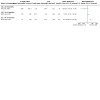
Comparison 5: Intravitreal triamcinolone acetonide versus laser photocoagulation, Outcome 3: Change in central retinal thickness
DRCR.net 2008 found better results with laser at 24 months (MD 62.00, 95% CI 33.16 to 90.84; participants = 454; trials = 1; low‐certainty evidence, downgraded for risk of bias and imprecision).
Adverse events
At the longest‐available follow‐up (9 to 24 months), the risk of cataract progression increased by about 3 times (RR 2.68, 95% CI 2.21 to 3.24; moderate‐certainty evidence, downgraded for risk of bias; Analysis 5.4). IOP‐related events also increased: IOP increase (RR 9.62, 95% CI 5.44 to 17.03; participants = 627; trials = 2; I2 = 0%; Analysis 5.5); use of IOP‐lowering medications (RR 3.92, 95% CI 2.59 to 5.96; participants = 627; trials = 2; I2 = 0%; Analysis 5.6) (moderate‐certainty evidence for both outcomes, downgraded for risk of bias). About 1 in 3 participants needed IOP‐lowering medication. The need for glaucoma surgery increased (RR 11.68, 95% CI 0.63 to 216) (Analysis 5.7), but this evidence was of low‐certainty due to risk of bias and imprecision.
5.4. Analysis.

Comparison 5: Intravitreal triamcinolone acetonide versus laser photocoagulation, Outcome 4: Cataract progression at 9 to 24 months
5.5. Analysis.

Comparison 5: Intravitreal triamcinolone acetonide versus laser photocoagulation, Outcome 5: IOP increase at 9 to 24 months
5.6. Analysis.

Comparison 5: Intravitreal triamcinolone acetonide versus laser photocoagulation, Outcome 6: Use of IOP‐lowering medications at 9 to 24 months
5.7. Analysis.

Comparison 5: Intravitreal triamcinolone acetonide versus laser photocoagulation, Outcome 7: Surgery for glaucoma at 9 to 24 months
Intravitreal triamcinolone injection versus intravitreal antiVEGF
One trial (30 participants assigned to triamcinolone, 15 to bevacizumab, and 15 to ranibizumab) compared intravitreal triamcinolone injection with intravitreal bevacizumab or ranibizumab (Table 6) (Kriechbaum 2014). The authors reported results in two separate publications, one for bevacizumab and one for ranibizumab; we used the data available in the manuscripts as well as in the trial registries.
Visual acuity
At 12 months, mean VA improved less with intravitreal triamcinolone injection compared with bevacizumab or ranibizumab (MD 0.18 logMAR, 95% CI 0.10 to 0.26 logMAR; trials = 1; participants = 60; low‐certainty evidence, downgraded for risk of bias and imprecision; Analysis 6.1). The proportion of patients improving by 3 or more VA lines was not reported.
6.1. Analysis.

Comparison 6: Intravitreal triamcinolone acetonide versus antiVEGF, Outcome 1: Change in visual acuity at 12 months
Central retinal thickness
At 12 months, there was an inconsistent reduction in retinal thickness with intravitreal triamcinolone injection versus bevacizumab compared with ranibizumab, and we could not draw any conclusions (Analysis 6.2).
6.2. Analysis.

Comparison 6: Intravitreal triamcinolone acetonide versus antiVEGF, Outcome 2: Change in central retinal thickness at 12 months
Adverse events
No data were available for cataract progression. The authors stated that mean IOP did not differ between triamcinolone and bevacizumab groups, but provided no data on the IOP‐related event we aimed to include (i.e. need for additional medications or surgery).
Subgroup analyses in pseudophakic participants
The larger studies reported data on the subgroup of pseudophakic participants, who do not suffer from visual loss due to cataract progression. We summarized these data narratively, since no comparative data were available for both phakic and pseudophakic participants, except for in one study.
FAME 2011 reported that the difference between fluocinolone and sham was gradually reduced to about 1 ETDRS letter (0.02 logMAR) at 18 months, but increased after cataract surgery in several participants. On the other hand, this difference continued to increase during follow‐up in 223 pseudophakic participants, with a maximum final difference of about 6 ETDRS letters (0.12 logMAR). A similar pattern was recorded in MEAD 2014 comparing intravitreal dexamethasone with sham in 187 pseudophakic participants.
Callanan 2017 reported a similar change in VA overall versus in pseudophakic participants at 12 months. In the pseudophakic subgroup, VA improved by 4.6 letters (0.092 logMAR) with dexamethasone and 6.6 letters (−0.132 logMAR) with ranibizumab (P < 0.029). BEVORDEX 2014 reported no statistically significant difference in VA change between pseudophakic eyes receiving dexamethasone and those receiving bevacizumab (a gain of 10.4 letters (0.22 logMAR) for dexamethasone eyes versus a gain of 7.7 letters (0.13 logMAR) for bevacizumab eyes (P = 0.47)).
Discussion
Summary of main results
This updated review aimed to summarize medium‐ and long‐term effects of intravitreal steroids to treat DME. The key findings can be summarized as follows.
Intravitreal dexamethasone implant improves VA slightly more than sham (moderate‐certainty evidence at 12 and 24 months, low‐certainty evidence at 36 months).
Evidence on the effects of intravitreal dexamethasone implant versus bevacizumab or ranibizumab was inconsistent in two trials (low‐certainty evidence at 12 and 24 months), although dexamethasone might lead to greater macular thickness reduction.
Intravitreal fluocinolone implant improves VA slightly more than sham (moderate‐certainty evidence at 12 and 24 months).
Intravitreal triamcinolone injection may improve VA slightly more than sham (low‐certainty evidence at 24 months), and probably no more than laser photocoagulation (very low‐certainty evidence at 9‐12 months in two inconsistent trials), and less than bevacizumab (low‐certainty evidence at 12 months).
Regarding adverse effects, steroids increase cataract progression and cause IOP‐related adverse events, but there was no direct comparison between different steroids. Overall:
cataract progressed in about 2 out of 10 participants in the control group as compared to 5 or 6 out of 10 participants treated with steroids (moderate‐certainty evidence at 12 to 36 months);
IOP increase was found in 1 in 20 participants in the control group and about 3 in 10 participants treated with steroids (moderate‐certainty evidence at 12 to 36 months);
about 1 in 100 controls started IOP‐lowering medications compared to 1 in 3 treated with steroids (moderate‐certainty evidence at 12 to 36 months);
less than 1% of controls received glaucoma surgery compared to 1 in 50 treated with steroids (low‐certainty evidence at 12 to 36 months); most of the evidence was based on data at 36 months from a single trial on fluocinolone implant, in which about 1 in 20 participants needed glaucoma surgery. However, the need for surgery remained rare, and all RR estimates were imprecise.
Overall completeness and applicability of evidence
Overall, the evidence on dexamethasone and fluocinolone implants was mostly provided by two large, multicenter, industry‐sponsored, sham‐controlled trials conducted in retina clinics (FAME 2011; MEAD 2014). Both of these trials excluded patients with visual field damage due to glaucoma, or uncontrolled glaucoma or ocular hypertension, which is consistent with current recommendations. In fact, the absolute risk of IOP‐related adverse events would be higher in such participants, and intravitreal steroids are generally considered to be contraindicated.
MEAD 2014 only permitted use of intravitreal dexamethasone no more often than every six months, which may have represented undertreatment compared to current practice. On the other hand, one publicly sponsored trial, BEVORDEX 2014, and one industry‐sponsored trial, Callanan 2017, comparing intravitreal dexamethasone with antiVEGFs (bevacizumab and ranibizumab, respectively) permitted use of dexamethasone every 16 or 20 weeks, respectively, There is no standard regimen for intravitreal triamcinolone, which is generally used off‐label for DME.
Planned subgroup analyses of FAME 2011 reported greater functional efficacy of fluocinolone implant in participants with DME for more than 36 months than in participants with more recent DME. Cataract developed about 12 months after intravitreal steroids use, which may decrease visual benefit until cataract surgery is done. Planned subgroup analyses in these trials showed better visual results in pseudophakic participants (FAME 2011; MEAD 2014). Two more trials comparing dexamethasone with antiVEGF reported data in pseudophakic participants, for whom cataract is not a concern, and also found no drop in VA in the second treatment year due to cataract progression (BEVORDEX 2014; Callanan 2017).
Restriction of the indication to intravitreal steroids has been considered by regulatory agencies based on subgroup evidence from randomized controlled trials. The European Medicines Agency (EMA) has approved intravitreal dexamethasone implant 0.7 mg to treat visual impairment due to DME in people who are pseudophakic or who are considered insufficiently responsive to or unsuitable for non‐corticosteroid therapy. The UK National Institute for Clinical Excellence (NICE) has approved the use of intravitreal fluocinolone in pseudophakic eyes with chronic DME that is unresponsive to other therapy, including laser and antiVEGF injections. The US FDA originally approved intravitreal dexamethasone for use in pseudophakic patients, but then extended this indication to general DME.
Finally, Weinberg 2020 suggested other potential indications for the use of intravitreal steroids in DME based on indirect evidence (non‐compliant patients, since fewer injections are needed) or safety concerns (pregnant women or individuals with recent arterial thromboembolic events). We did not find evidence on these issues in the included studies.
Quality of the evidence
Limitations of the evidence used in this systematic review mainly stem from the poor reporting of many of the included trials, which made 'Risk of bias' assessment difficult.
Potential biases in the review process
We followed standard Cochrane methodology in conducting this review. We could collect only partial data from subgroup analyses of the included trials, which may limit the clinical impact of our conclusions. Based on these subgroup analyses, steroids seem to be more useful in pseudophakic patients. Furthermore, for fluocinolone added to standard care, steroids might be more effective in people with chronic DME.
Agreements and disagreements with other studies or reviews
A previous meta‐analysis including only dexamethasone implant found that, compared with antiVEGF, dexamethasone implant improved anatomical outcomes significantly (He 2018). However, the authors agreed with us that improvement in anatomical outcomes did not translate to improved VA, which may be due to the progression of cataract. The authors concluded that the dexamethasone implant may be recommended as a first choice for select cases, such as for pseudophakic eyes, antiVEGF‐resistant eyes, or patients reluctant to receive frequent intravitreal injections.
Registries and real‐world data are important to investigate whether trial results match those obtained in clinical practice, particularly regarding safety. Rosenblatt 2019 reported that the optimal dexamethasone implant treatment interval is shorter than what was used in trials, since benefits peak at three months. They also observed that more patients improve with dexamethasone implant in multiple registries compared to trials, possibly due to shorter treatment intervals and better patient selection. A systematic review of real‐world studies also suggested that better visual outcomes can be achieved with dexamethasone implant with a pro re nata treatment in which injections may be delivered earlier than six months if DME recurs (Bucolo 2018).
Holden 2019 reported on the effects obtained in a large UK registry on fluocinolone implant and compared them with those in trials. They found VA improvement at 12 months both in the real‐world study and in the randomized controlled trials. The improvements in VA and retinal thickness in the randomized controlled trials were marginally greater than those observed in the real‐world study; however, participants in the real‐world study had more severe visual morbidity at baseline.
Ocular adverse effects on IOP were similar for intravitreal dexamethasone and fluocinolone implants in large observational studies, Chakravarthy 2019; Rajesh 2020, compared to the trials included in this review, and were possibly different by ethnicity (Sharma 2019). An earlier study on 421 eyes of 361 patients also found effects on IOP similar to those in our review (SAFODEX 2017), that is 1 in 3 patients needing IOP‐lowering medications and less than 1% needing surgery for glaucoma, all of which with pre‐existing glaucoma. They also found no harmful effect of earlier repeated dexamethasone injection at three or four months.
In this updated review we did not extract economic data.
Authors' conclusions
Implications for practice.
Our analysis suggests that intravitreal steroid injections and implants may improve vision in people with diabetic macular edema (DME). However, their efficacy relative to anti‐vascular endothelial growth factor (antiVEGF) drugs is less clear and might be similar or lower. Regarding adverse events, intraocular pressure (IOP)‐lowering medications were needed in about one‐third of cases after receiving intravitreal steroids. There was a small risk of undergoing glaucoma surgery within 24 months in the trial on fluocinolone implant; the fluocinolone implant also has a long‐term sustained effect on both visual acuity and IOP.
Subgroup data support the use of intravitreal steroids in pseudophakic patients, in whom the development of cataract, usually occurring after one year, is not a factor that limits sustained visual improvement. Additionally, subgroup data supported the use of intravitreal fluocinolone in individuals with chronic DME. Both these restrictions have been variably incorporated in the labels approved by national and international drug agencies.
We did not collect economic data, specifically on the cost‐effectiveness and usability of steroids versus different antiVEGF drugs, including bevacizumab, in different settings, including low‐middle income countries.
Implications for research.
Unanswered questions remain on whether intravitreal steroids or antiVEGF drugs are more effective and/or safe, depending on DME subtype, and particularly in individuals with long‐standing DME. Economic and quality of life data are also needed. The risk and severity of adverse events and how best to manage them for specific patients will determine the value of these treatments.
What's new
| Date | Event | Description |
|---|---|---|
| 8 November 2020 | New search has been performed | Issue 11 2020: We changed authors, and modified eligibility criteria.We updated the searches in May 2020, and did a top up search on October 21, 2020. We added one trial to "Studies awaiting classification" (McKee 2019), one trial to "Ongoing studies", and one report of an existing trial (BEVORDEX 2014) to its reference. |
| 8 November 2020 | New citation required and conclusions have changed | Issue 11 2020: This update includes 10 trials, of which two trials (Avitabile 2005; Sutter 2004) were included in the previous version (Grover 2008). |
History
Protocol first published: Issue 1, 2006 Review first published: Issue 1, 2008
| Date | Event | Description |
|---|---|---|
| 20 October 2008 | Amended | Converted to new review format |
| 19 October 2007 | New citation required and conclusions have changed | Substantive amendment |
Acknowledgements
We thank the Cochrane Eyes and Vision editorial team for devising and running the electronic search strategies. We thank the following peer reviewers for their comments: Mariacristina Parravano (G.B. Bietti Foundation), Daniela Bacherini (University of Florence), and the one consumer peer reviewer who wished to remain anonymous. We also thank Barbara Hawkins, Anuradha Satyamurthy, Jenny Evans and for their comments on this review and Andrew Chang, Swaroop Vedula, and Zbys Fedorowicz for their comments on the protocol. We also thank the authors of the original review: Donald A Grover, Tianjing Li, and Colin CW Chong (Grover 2008).
This review was managed by CEV@US and was signed off for publication by Richard Wormald.
Appendices
Appendix 1. CENTRAL search strategy
#1 MeSH descriptor: [Diabetic Retinopathy] explode all trees #2 MeSH descriptor: [Macular Degeneration] explode all trees #3 macula* near/2 edema #4 macula* near/2 oedema #5 DME or DMO or CME or CSME #6 macula* near/2 swell* #7 microaneurysm* #8 dilat* near/2 capillar* #9 #1 or #2 or #3 or #4 or #5 or #6 or #7 or #8 #10 MeSH descriptor: [Dexamethasone] this term only #11 Dexamethasone* #12 MeSH descriptor: [Fluocinolone Acetonide] this term only #13 fluocinolone* near/2 acetonide* #14 MeSH descriptor: [Triamcinolone Acetonide] this term only #15 triamcinolone* near/2 acetonide* #16 kenalog or kenacort or retisert* #17 #10 or #11 or #12 or #13 or #14 or #15 or #16 #18 #9 and #17
Appendix 2. MEDLINE Ovid search strategy
1. randomized controlled trial.pt. 2. (randomized or randomised).ab,ti. 3. placebo.ab,ti. 4. dt.fs. 5. randomly.ab,ti. 6. trial.ab,ti. 7. groups.ab,ti. 8. or/1‐7 9. exp animals/ 10. exp humans/ 11. 9 not (9 and 10) 12. 8 not 11 13. exp diabetic retinopathy/ 14. exp macular degeneration/ 15. (macula$ adj2 edema).tw. 16. (macula$ adj2 oedema).tw. 17. DME.tw. 18. DMO.tw. 19. CME.tw. 20. CSME.tw. 21. (macula$ adj2 swell$).tw. 22. microaneurysm$.tw. 23. (dilat$ adj2 capillar$).tw. 24. or/13‐23 25. Dexamethasone/ 26. Dexamethasone$.tw. 27. Fluocinolone Acetonide/ 28. (fluocinolone$ adj2 acetonide$).tw. 29. Triamcinolone Acetonide/ 30. (triamcinolone$ adj2 acetonide$).tw. 31. (kenalog or kenacort).tw. 32. retisert$.tw. 33. or/25‐32 34. 24 and 33 35. 12 and 34
The search filter for trials at the beginning of the MEDLINE strategy is from the published paper by Glanville 2006.
Appendix 3. Embase Ovid search strategy
1. exp randomized controlled trial/ 2. exp randomization/ 3. exp double blind procedure/ 4. exp single blind procedure/ 5. random$.tw. 6. or/1‐5 7. (animal or animal experiment).sh. 8. human.sh. 9. 7 and 8 10. 7 not 9 11. 6 not 10 12. exp clinical trial/ 13. (clin$ adj3 trial$).tw. 14. ((singl$ or doubl$ or trebl$ or tripl$) adj3 (blind$ or mask$)).tw. 15. exp placebo/ 16. placebo$.tw. 17. random$.tw. 18. exp experimental design/ 19. exp crossover procedure/ 20. exp control group/ 21. exp latin square design/ 22. or/12‐21 23. 22 not 10 24. 23 not 11 25. exp comparative study/ 26. exp evaluation/ 27. exp prospective study/ 28. (control$ or prospectiv$ or volunteer$).tw. 29. or/25‐28 30. 29 not 10 31. 30 not (11 or 23) 32. 11 or 24 or 31 33. diabetic retinopathy/ 34. diabetic macular edema/ 35. exp retina macula edema/ 36. retina macula cystoid edema/ 37. (macula$ adj2 edema).tw. 38. (macula$ adj2 oedema).tw. 39. DME.tw. 40. DMO.tw. 41. CME.tw. 42. CSME.tw. 43. (macula$ adj2 swell$).tw. 44. microaneurysm$.tw. 45. (dilat$ adj2 capillar$).tw. 46. or/33‐45 47. dexamethasone/ 48. Dexamethasone$.tw. 49. fluocinolone acetonide/ 50. (fluocinolone$ adj2 acetonide$).tw. 51. triamcinolone acetonide/ 52. (triamcinolone$ adj2 acetonide$).tw. 53. (kenalog or kenacort).tw. 54. retisert$.tw. 55. or/47‐54 56. 46 and 55 57. 32 and 56
Appendix 4. ISRCTN search strategy
(Diabetic macular edema OR DMO) AND (intravitreal steroid OR dexamethasone OR fluocinolone acetonide OR triamcinolone acetonide)
Appendix 5. ClinicalTrials.gov search strategy
(diabetic macular edema OR DMO) AND (intravitreal steroid OR dexamethasone OR fluocinolone acetonide OR triamcinolone acetonide)
Appendix 6. WHO ICTRP search strategy
(diabetic macular edema OR DMO) = Condition AND (intravitreal steroid OR dexamethasone OR fluocinolone acetonide OR triamcinolone acetonide) = Intervention
Data and analyses
Comparison 1. Intravitreal dexamethasone versus sham.
| Outcome or subgroup title | No. of studies | No. of participants | Statistical method | Effect size |
|---|---|---|---|---|
| 1.1 Change in visual acuity | 1 | Mean Difference (IV, Fixed, 95% CI) | Totals not selected | |
| 1.1.1 At 12 months | 1 | Mean Difference (IV, Fixed, 95% CI) | Totals not selected | |
| 1.1.2 At 24 months | 1 | Mean Difference (IV, Fixed, 95% CI) | Totals not selected | |
| 1.1.3 At 36 months | 1 | Mean Difference (IV, Fixed, 95% CI) | Totals not selected | |
| 1.2 Gain of three or more lines visual acuity | 1 | Risk Ratio (M‐H, Fixed, 95% CI) | Totals not selected | |
| 1.2.1 At 12 months | 1 | Risk Ratio (M‐H, Fixed, 95% CI) | Totals not selected | |
| 1.2.2 At 24 months | 1 | Risk Ratio (M‐H, Fixed, 95% CI) | Totals not selected | |
| 1.2.3 At 36 months | 1 | Risk Ratio (M‐H, Fixed, 95% CI) | Totals not selected | |
| 1.3 Change in retinal thickness | 1 | Mean Difference (IV, Fixed, 95% CI) | Totals not selected | |
| 1.3.1 At 36 months | 1 | Mean Difference (IV, Fixed, 95% CI) | Totals not selected | |
| 1.4 Cataract progression at 36 months | 1 | Risk Ratio (M‐H, Fixed, 95% CI) | Totals not selected | |
| 1.5 IOP increase at 36 months | 1 | Risk Ratio (M‐H, Fixed, 95% CI) | Totals not selected | |
| 1.6 Use of IOP‐lowering medications at 36 months | 1 | Risk Ratio (M‐H, Fixed, 95% CI) | Totals not selected | |
| 1.7 Surgery for glaucoma at 36 months | 1 | Risk Ratio (M‐H, Fixed, 95% CI) | Totals not selected |
Comparison 2. Intravitreal dexamethasone versus intravitreal antiVEGF.
| Outcome or subgroup title | No. of studies | No. of participants | Statistical method | Effect size |
|---|---|---|---|---|
| 2.1 Change in visual acuity | 2 | Mean Difference (IV, Fixed, 95% CI) | Subtotals only | |
| 2.1.1 At 12 months | 2 | 451 | Mean Difference (IV, Fixed, 95% CI) | 0.07 [0.04, 0.09] |
| 2.1.2 At 24 months | 1 | 88 | Mean Difference (IV, Fixed, 95% CI) | 0.08 [‐0.03, 0.19] |
| 2.2 Gain of three or more lines visual acuity | 2 | Risk Ratio (M‐H, Fixed, 95% CI) | Totals not selected | |
| 2.2.1 At 12 months | 2 | Risk Ratio (M‐H, Fixed, 95% CI) | Totals not selected | |
| 2.2.2 At 24 months | 1 | Risk Ratio (M‐H, Fixed, 95% CI) | Totals not selected | |
| 2.3 Change in retinal thickness | 2 | Mean Difference (IV, Fixed, 95% CI) | Subtotals only | |
| 2.3.1 At 12 months | 2 | 451 | Mean Difference (IV, Fixed, 95% CI) | ‐21.09 [‐41.90, ‐0.28] |
| 2.3.2 At 24 months | 1 | 50 | Mean Difference (IV, Fixed, 95% CI) | ‐109.00 [‐171.37, ‐46.63] |
| 2.4 Cataract progression at 12 to 24 months | 2 | 335 | Risk Ratio (M‐H, Fixed, 95% CI) | 4.23 [2.36, 7.59] |
| 2.5 IOP increase at 24 months | 2 | 451 | Risk Ratio (M‐H, Fixed, 95% CI) | 2.90 [1.53, 5.50] |
| 2.6 Use of IOP‐lowering medications at 24 months | 1 | 363 | Risk Ratio (M‐H, Fixed, 95% CI) | 4.76 [2.84, 7.99] |
| 2.7 Surgery for glaucoma at 24 months | 1 | Risk Ratio (M‐H, Fixed, 95% CI) | Totals not selected |
Comparison 3. Intravitreal fluocinolone acetonide implant versus sham.
| Outcome or subgroup title | No. of studies | No. of participants | Statistical method | Effect size |
|---|---|---|---|---|
| 3.1 Change in visual acuity | 1 | Mean Difference (IV, Fixed, 95% CI) | Totals not selected | |
| 3.1.1 At 12 months | 1 | Mean Difference (IV, Fixed, 95% CI) | Totals not selected | |
| 3.1.2 At 24 months | 1 | Mean Difference (IV, Fixed, 95% CI) | Totals not selected | |
| 3.2 Gain of three or more lines visual acuity | 1 | Risk Ratio (M‐H, Fixed, 95% CI) | Totals not selected | |
| 3.2.1 At 12 months | 1 | Risk Ratio (M‐H, Fixed, 95% CI) | Totals not selected | |
| 3.2.2 At 24 months | 1 | Risk Ratio (M‐H, Fixed, 95% CI) | Totals not selected | |
| 3.3 Change in central retinal thickness | 1 | Mean Difference (IV, Fixed, 95% CI) | Totals not selected | |
| 3.3.1 At 12 months | 1 | Mean Difference (IV, Fixed, 95% CI) | Totals not selected | |
| 3.3.2 At 24 months | 1 | Mean Difference (IV, Fixed, 95% CI) | Totals not selected | |
| 3.4 Cataract progression at 24 months | 1 | Risk Ratio (M‐H, Fixed, 95% CI) | Totals not selected | |
| 3.5 IOP increase at 24 months | 1 | Risk Ratio (M‐H, Fixed, 95% CI) | Totals not selected | |
| 3.6 Use of IOP‐lowering medications at 24 months | 1 | Risk Ratio (M‐H, Fixed, 95% CI) | Totals not selected | |
| 3.7 Surgery for glaucoma at 24 months | 1 | Risk Ratio (M‐H, Fixed, 95% CI) | Totals not selected |
Comparison 4. Intravitreal triamcinolone acetonide injection versus sham.
| Outcome or subgroup title | No. of studies | No. of participants | Statistical method | Effect size |
|---|---|---|---|---|
| 4.1 Change in visual acuity | 1 | MD (IV, Fixed, 95% CI) | Totals not selected | |
| 4.1.1 At 24 months | 1 | MD (IV, Fixed, 95% CI) | Totals not selected | |
| 4.2 Gain of three or more lines visual acuity | 1 | Risk Ratio (M‐H, Fixed, 95% CI) | Totals not selected | |
| 4.2.1 At 24 months | 1 | Risk Ratio (M‐H, Fixed, 95% CI) | Totals not selected | |
| 4.3 Change in retinal thickness | 1 | Mean Difference (IV, Fixed, 95% CI) | Totals not selected | |
| 4.3.1 At 24 months | 1 | Mean Difference (IV, Fixed, 95% CI) | Totals not selected | |
| 4.4 Cataract progression at 24 months | 1 | Risk Ratio (M‐H, Fixed, 95% CI) | Totals not selected | |
| 4.5 IOP increase at 24 months | 1 | Risk Ratio (M‐H, Fixed, 95% CI) | Totals not selected | |
| 4.6 Use of IOP‐lowering medications at 24 months | 1 | Risk Ratio (M‐H, Fixed, 95% CI) | Totals not selected | |
| 4.7 Surgery for glaucoma at 24 months | 1 | Risk Ratio (M‐H, Fixed, 95% CI) | Totals not selected |
4.4. Analysis.

Comparison 4: Intravitreal triamcinolone acetonide injection versus sham, Outcome 4: Cataract progression at 24 months
4.5. Analysis.

Comparison 4: Intravitreal triamcinolone acetonide injection versus sham, Outcome 5: IOP increase at 24 months
4.6. Analysis.

Comparison 4: Intravitreal triamcinolone acetonide injection versus sham, Outcome 6: Use of IOP‐lowering medications at 24 months
4.7. Analysis.

Comparison 4: Intravitreal triamcinolone acetonide injection versus sham, Outcome 7: Surgery for glaucoma at 24 months
Comparison 5. Intravitreal triamcinolone acetonide versus laser photocoagulation.
| Outcome or subgroup title | No. of studies | No. of participants | Statistical method | Effect size |
|---|---|---|---|---|
| 5.1 Change in visual acuity | 2 | Mean Difference (IV, Random, 95% CI) | Totals not selected | |
| 5.1.1 At 9 months | 1 | Mean Difference (IV, Random, 95% CI) | Totals not selected | |
| 5.1.2 At 12 months | 1 | Mean Difference (IV, Random, 95% CI) | Totals not selected | |
| 5.1.3 At 24 months | 1 | Mean Difference (IV, Random, 95% CI) | Totals not selected | |
| 5.2 Gain of three or more lines visual acuity | 1 | Risk Ratio (M‐H, Fixed, 95% CI) | Totals not selected | |
| 5.2.1 At 12 months | 1 | Risk Ratio (M‐H, Fixed, 95% CI) | Totals not selected | |
| 5.2.2 At 24 months | 1 | Risk Ratio (M‐H, Fixed, 95% CI) | Totals not selected | |
| 5.3 Change in central retinal thickness | 2 | Mean Difference (IV, Fixed, 95% CI) | Totals not selected | |
| 5.3.1 At 9 months | 1 | Mean Difference (IV, Fixed, 95% CI) | Totals not selected | |
| 5.3.2 At 12 months | 1 | Mean Difference (IV, Fixed, 95% CI) | Totals not selected | |
| 5.3.3 At 24 months | 1 | Mean Difference (IV, Fixed, 95% CI) | Totals not selected | |
| 5.4 Cataract progression at 9 to 24 months | 2 | 502 | Risk Ratio (M‐H, Fixed, 95% CI) | 2.68 [2.21, 3.24] |
| 5.5 IOP increase at 9 to 24 months | 2 | 627 | Risk Ratio (M‐H, Fixed, 95% CI) | 9.62 [5.44, 17.03] |
| 5.6 Use of IOP‐lowering medications at 9 to 24 months | 2 | 627 | Risk Ratio (M‐H, Fixed, 95% CI) | 3.92 [2.59, 5.96] |
| 5.7 Surgery for glaucoma at 9 to 24 months | 2 | 627 | Risk Ratio (M‐H, Fixed, 95% CI) | 11.68 [0.63, 215.99] |
Comparison 6. Intravitreal triamcinolone acetonide versus antiVEGF.
| Outcome or subgroup title | No. of studies | No. of participants | Statistical method | Effect size |
|---|---|---|---|---|
| 6.1 Change in visual acuity at 12 months | 1 | 60 | Mean Difference (IV, Fixed, 95% CI) | 0.18 [0.10, 0.26] |
| 6.1.1 Comparator: bevacizumab | 1 | 30 | Mean Difference (IV, Fixed, 95% CI) | 0.16 [0.04, 0.28] |
| 6.1.2 Comparator: ranibizumab | 1 | 30 | Mean Difference (IV, Fixed, 95% CI) | 0.20 [0.08, 0.32] |
| 6.2 Change in central retinal thickness at 12 months | 1 | Mean Difference (IV, Fixed, 95% CI) | Totals not selected | |
| 6.2.1 Comparator: bevacizumab | 1 | Mean Difference (IV, Fixed, 95% CI) | Totals not selected | |
| 6.2.2 Comparator: ranibizumab | 1 | Mean Difference (IV, Fixed, 95% CI) | Totals not selected |
Characteristics of studies
Characteristics of included studies [ordered by study ID]
Avitabile 2005.
| Study characteristics | ||
| Methods |
Study design: RCT
Number randomized (total and per group): 48 eyes total; 17 eyes in the intravitreal triamcinolone injection group, 16 eyes in the laser photocoagulation group, and 15 eyes in the intravitreal triamcinolone injection with laser photocoagulation group
Number analyzed (total and per group): 46 eyes total; 16 in the intravitreal triamcinolone injection group, 15 in the laser photocoagulation group, and 15 in the intravitreal triamcinolone injection with laser photocoagulation group Exclusions and loss to follow‐up: no losses to follow up at 6 months; 1/17 (5.9%) eyes in the intravitreal triamcinolone injection group and 1/16 (6.3%) eyes in the laser photocoagulation group at 9 months of follow‐up Study follow‐up: 9 months |
|
| Participants |
Country: Italy Age (mean ± SD, range): 64 ± 5, range 55 to 72 years Gender: 27 (48.2%) male, 29 (51.8%) female Inclusion criteria:
Exclusion criteria:
|
|
| Interventions |
Treatment intervention: intravitreal triamcinolone 4 mg Control intervention 1: macular laser grid photocoagulation Control intervention 2: intravitreal triamcinolone 4 mg plus macular laser grid photocoagulation General procedures (e.g. pre‐op or postop tests, medications, procedures): "The TA group received intravitreal injection of triamcinolone (Kenacort‐A; Bristol‐Myers Squibb, Sermoneta, Latina, Italy). In a sterile surgical theater, with the patient under topical anesthesia, after preparation with 5% povidone iodine, the site of injection was localized 3.5 mm posterior to the limbus in pseudophakic and aphakic eyes and 4 mm posterior to the limbus in phakic eyes. Through the inferotemporal pars plana, 4 mg of TA (0.1 ml) was slowly injected with a 27‐ to 30‐gauge needle. The proper intravitreal localization of the suspension and the perfusion of the optic nerve head were then confirmed by indirect ophthalmoscopy. Participants received laser photocoagulation according to ETDRS guidelines. 11 Photocoagulation in spots of 100 to 200 m diameter in the macular area, at a distance of one to two spots from one to another, in concentric lines, with an exposure time of 0.2– 0.5 seconds, was performed, with sparing of the central area.The TA/laser photocoagulation group received both treatments. Intravitreal injection of 4 mg TA was followed after 3 months by laser photocoagulation. Because lower retinal thickness 3 months after triamcinolone injection has been reported,5 this time point was chosen so that a lower power of laser could be used." |
|
| Outcomes |
Primary outcome(s): BCVA and CMT Secondary outcome(s): complication rate, including IOP > 21 mmHg, cataract progression, or injection‐related complications Measurements taken, specify intervals at which outcomes assessed: BCVA was measured by ETDRS chart; CMT measured by OCT; IOP measured by applanation tonometer; cataract progression was determined according to Lens Opacities Classification System III grading; injection‐related complications (retinal detachment, vitreous hemorrhage, and endophthalmitis); measurements were taken at 45 days, 3, 6, and 9 months of follow‐up Unit of analysis (individual or eye): eye Other issues with outcome assessment (e.g. quality control for outcomes if any): NA |
|
| Notes |
Study dates: not reported Funding source(s): not reported Publication language: English Trial registration: not available Others: only data from DME eyes were used in this review |
|
| Risk of bias | ||
| Bias | Authors' judgement | Support for judgement |
| Random sequence generation (selection bias) | Low risk | Computer‐generated pseudorandom numbers were used: "The treatment allocation was by stratified randomization. We used three series of computer‐generated pseudorandom numbers of variable block size." |
| Allocation concealment (selection bias) | Low risk | Serially numbered, sealed, opaque envelopes were used: "Three series of sealed opaque envelopes, each serially numbered, containing the treatment codes were prepared before the study began by an administrative clerk otherwise not involved in the study and guarded in a locked cabinet of the Institute." |
| Blinding of participants and personnel (performance bias) All outcomes | Unclear risk | Masking of participants and personnel was not reported. |
| Blinding of outcome assessment (detection bias) All outcomes | Unclear risk | It is unclear whether outcome assessors were masked: "Treatments were performed by persons other than those assessing BCVA and CMT; intraocular pressure measurement, lens grading, and fundus examination were performed by other investigators." |
| Incomplete outcome data (attrition bias) Were data available for all participants who were randomized? | High risk | All participants completed the 6‐month follow‐up, and 46/63 (73.0%) eyes completed 9‐month follow‐up (16/22 (72.7%) TA, 15/21 (71.4%) laser photocoagulation, and 15/20 (75.0%) TA plus laser photocoagulation group). |
| Incomplete outcome data (attrition bias) Were incomplete outcome data adequately addressed (e.g., intent‐to‐treat analysis, imputation of missing data)? | Unclear risk | Intention‐to‐treat analysis was followed; reasons for loss to follow‐up were not reported. |
| Selective reporting (reporting bias) | Unclear risk | Protocol was not available. |
BEVORDEX 2014.
| Study characteristics | ||
| Methods |
Study design: RCT Number randomized (total and per group): 88 eyes total (27 participants with both eyes in analyses), 46 eyes in the dexamethasone group, 42 eyes in the bevacizumab group Exclusions and loss to follow‐up: 4 eyes in the dexamethasone group, 3 eyes in the bevacizumab group excluded during follow‐up due to participant decision Study follow‐up: 12 months |
|
| Participants |
Country: Australia Age (mean ± SD, range): bevacizumab 62.2 ± 10.5, dexamethasone 61.4 ± 9.0 years Gender: 16% of female in both groups Inclusion criteria: DME for whom the investigator believed that laser treatment would be unhelpful, with BCVA 20/400 to 20/40 Exclusion criteria: uncontrolled glaucoma or glaucoma controlled with more than 1 medication, loss of vision because of other causes, intercurrent severe systemic disease, or any condition affecting follow‐up or documentation |
|
| Interventions |
Treatment intervention 1: intravitreal dexamethasone implant (Ozurdex 0.7 mg) every 16 weeks (pro re nata) Treatment intervention 2: intravitreal bevacizumab (1.25 mg) every 4 weeks (pro re nata) General procedures (e.g. pre‐op or postop tests, medications, procedures): retreatment was considered at each visit as long as treatments were at least 4 weeks apart for bevacizumab and 16 weeks apart for dexamethasone implant. All eyes were considered for treatment at the appropriate visit unless the CMT was less than 300 mm or VA was 79 letters or better (20/25), in which case it could be withheld. |
|
| Outcomes | Primary outcome: BCVA improvement by 10 or more letters at the 48‐week visit, or the 50‐week visit if further treatment had been indicated at 48 weeks, to ensure that there was an adequate level of drug in the participant’s eye Secondary outcomes: change in mean BCVA of the 2 groups, any change in BCVA relative to the baseline level, as well as mean CMT, mean change in CMT, and number of treatments given Patient‐reported outcome: Impact of Vision Impairment questionnaire | |
| Notes |
Study dates: 5 October 2010 until 6 September 2012 Funding source(s): project grant from the National Health and Medical Research Council, which was supplemented by an unrestricted educational grant from Allergan Pharmaceutical. The author(s) have no proprietary or commercial interest in any materials discussed in this article. Publication language: English Trial registration: NCT01298076 |
|
| Risk of bias | ||
| Bias | Authors' judgement | Support for judgement |
| Random sequence generation (selection bias) | Low risk | List of computer‐generated pseudorandom numbers in permuted blocks of variable size. In participants with both eyes eligible for the study, the right eye received the treatment assignment that had been generated, and the fellow eye received the other treatment. |
| Allocation concealment (selection bias) | Unclear risk | Research officer at Save Sight Institute administered randomization. |
| Blinding of participants and personnel (performance bias) All outcomes | Unclear risk | No details |
| Blinding of outcome assessment (detection bias) All outcomes | Low risk | Masked BCVA assessors |
| Incomplete outcome data (attrition bias) Were data available for all participants who were randomized? | Low risk | Participant withdrew from trial: 4 eyes in the dexamethasone group and 3 eyes in the bevacizumab group. |
| Incomplete outcome data (attrition bias) Were incomplete outcome data adequately addressed (e.g., intent‐to‐treat analysis, imputation of missing data)? | Low risk | Last observation carried forward used, which is inadequate, but missing data were few and not harmful. |
| Selective reporting (reporting bias) | Low risk | Outcomes consistent with those registered on ClinicalTrials.gov. |
Callanan 2017.
| Study characteristics | ||
| Methods |
Study design: RCT Number randomized (total and per group): 363 participants total, 181 eyes in the dexamethasone implant 0.7 mg group, 182 eyes in ranibizumab 0.5 mg group Notes: if both eyes were eligible for the trial, the eye with better BCVA was selected as the study eye Number analyzed (total and per group): 165 eyes completed the trial at 12 months in the dexamethasone implant 0.7 mg group; 166 eyes completed the trial at 12 months in the ranibizumab 0.5 mg group Exclusions and loss to follow‐up: 16 eyes in the dexamethasone implant group were dropped; 16 eyes in the ranibizumab group were dropped (either lost to follow‐up or withdrawn) Study follow‐up: 12 months |
|
| Participants |
Country: 12 countries Age (mean ± SD, range): 63.4 ± 9.39 in the dexamethasone implant group, range 35 to 89; 63.7 ± 10.05 in the ranibizumab group, range 24 to 86 years Gender: male 112 (61.9%) in the dexamethasone implant group; male 116 (63.7%) in the ranibizumab group Inclusion criteria:
Exclusion criteria:
|
|
| Interventions |
Treatment intervention 1: intravitreal treatment with dexamethasone implant 0.7 mg Treatment intervention 2: ranibizumab 0.5 mg Control intervention: focal/grid photocoagulation General procedures (e.g. pre‐op or postop tests, medications, procedures): BCVA, CRT by SD‐OCT are performed at each visit. FA was performed at screening, month 6, and month 12. Dexamethasone implant group: dexamethasone implant was administered at baseline, month 5, and month 10 Ranibizumab group: ranibizumab 0.5 mg was administered monthly, beginning at the baseline visit, until maximum VA was achieved. If there was no VA improvement over the course of 3 injections, continued treatment could be suspended, but monthly treatment was to be reinitiated if a decrease in BCVA occurred that in the opinion of the investigator was due to DME progression. Notes: Participants could receive referred laser treatment after month 2 if they had ≥ 10 letters BCVA decrease from baseline due to persistent DME, and/or CRT > 300 μm on Cirrus OCT or > 320 μm on Spectralis OCT, and it had been > 12 weeks since the last laser treatment with no improvement since the last laser treatment. |
|
| Outcomes |
Primary outcome: VA Secondary outcomes: CRT by SD‐OCT, and total leakage area by fluorescein angiography BCVA, CRT by SD‐OCT are performed at each visit. FA was performed at screening, month 6, and month 12. Unit of analysis (individual or eye): eye Other issues with outcome assessment (e.g. quality control for outcomes if any): safety monitoring included IOP, cataract, and any other adverse events whether or not related to treatment |
|
| Notes |
Study dates: NA Funding source: sponsored by Allergan plc (Dublin, Ireland) Publication language: English Trial registration: NCT01492400 |
|
| Risk of bias | ||
| Bias | Authors' judgement | Support for judgement |
| Random sequence generation (selection bias) | Unclear risk | Reported that "patients were randomized in a 1:1 ratio," but no other details |
| Allocation concealment (selection bias) | Low risk | Independent allocation: "An automated interactive voice response system/interactive web response system was used to manage the randomization and treatment assignment based on a randomization scheme prepared by Allergan Biostatistics" |
| Blinding of participants and personnel (performance bias) All outcomes | High risk | The trial mentioned that it was open‐label. |
| Blinding of outcome assessment (detection bias) All outcomes | Low risk | Reported that "The study personnel who measured BCVA and the evaluators at the reading center were masked to the study treatment assignment." |
| Incomplete outcome data (attrition bias) Were data available for all participants who were randomized? | Low risk | Losses to follow‐up: 16 eyes (8.8%) in each treatment group; reasons reported and balanced |
| Incomplete outcome data (attrition bias) Were incomplete outcome data adequately addressed (e.g., intent‐to‐treat analysis, imputation of missing data)? | Low risk | Last observation carried forward used, which is suboptimal, but we accepted this given limited and balanced missing data. |
| Selective reporting (reporting bias) | Low risk | Outcomes consistent with those registered on ClinicalTrials.gov. |
DRCR.net 2008.
| Study characteristics | ||
| Methods |
Study design: RCT Number randomized (total and per group): 840 eyes total (147 participants with 2 study eyes); 330 eyes in the laser group; 256 eyes in the 1 mg intravitreal triamcinolone injection group; 254 eyes in the 4 mg intravitreal triamcinolone injection group Notes: for participants with 2 study eyes, the right eye was assigned randomly to 1 of the 3 groups, and the left eye received alternate treatment (focal/grid photocoagulation or randomly assigned to the 1 mg or 4 mg dose of triamcinolone) Number analyzed (total and per group): 697 eyes total at 24‐month follow‐up; 272 eyes in the laser group; 220 eyes in the 1 mg intravitreal triamcinolone injection group; 205 eyes in the 4 mg intravitreal triamcinolone injection group Exclusions and loss to follow‐up: 20 eyes in the laser group, 12 eyes in each 1 mg and 4 mg intravitreal triamcinolone injection groups were excluded due to participant death; 34 eyes in the laser group, 19 eyes in 1 mg intravitreal triamcinolone injection group, 33 eyes in 4 mg intravitreal triamcinolone injection group were dropped (either lost to follow‐up or withdrawn) Study follow‐up: 24 months |
|
| Participants |
Country: USA Age (mean ± SD, range): 63 ± 9 years, range not reported Gender: 49% female Inclusion criteria:
Exclusion criteria:
|
|
| Interventions |
Treatment intervention 1: intravitreal triamcinolone 1 mg Treatment intervention 2: intravitreal triamcinolone 4 mg Control intervention (Laser group): focal/grid photocoagulation General procedures (e.g. pre‐op or postop tests, medications, procedures): Intravitreal triamcinolone injection group: the study drug was a preservative‐free preparation (1 mg or 4 mg) of triamcinolone injectable suspension (manufactured by Allergan, Inc., Irvine, CA; 4 mg brand name TRIVARIS) in a prefilled syringe. Initially, siliconized syringes with a staked needle design were used. However, in October 2007, after silicone oil droplets were observed in the vitreous of some eyes after injection, siliconized syringes with a Luer‐cone design were used. The corticosteroid preparation consisted of micronized triamcinolone suspended in a hydrogel vehicle with minimal dispersive properties. Topical antibiotics were not used before the day of injection. On the day of the injection, topical gatifloxacin (Zymar; Allergan, Inc., Irvine, CA) was placed on the ocular surface at least 3 times over a 15‐minute period or more before the injection. Using topical anesthesia followed by a povidone‐iodine preparation, triamcinolone was injected into the vitreous cavity through the pars plana 3.0 to 4.0 mm posterior to the limbus. After injection, participants were instructed to use gatifloxacin 4 times daily for 3 days. Laser group: the focal/grid photocoagulation technique was modified from the original ETDRS protocol. Laser photocoagulation burns were less intense (light gray instead of gray) and were limited to a smaller spot size (50 µm instead of 50 to 200 µm) than in the original ETDRS protocol. The focal/grid photocoagulation treatment was almost always completed in a single sitting and involved direct (focal) treatment to all leaking microaneurysms and grid treatment to areas of retinal thickening and, if identified on an optional fluorescein angiogram, non‐perfusion between 500 and 3000 µm from the center of the macular. |
|
| Outcomes |
Primary outcome: VA Secondary outcome: retinal thickness measured with optical coherence tomography Measurements taken, specify intervals at which outcomes assessed: VA measured with the electric ETDRS method every 4 months until 24 months; retinal thickness measured with optical coherence tomography every 4 months until 36 months Unit of analysis (individual or eye): eye Other issues with outcome assessment (e.g. quality control for outcomes if any): "study oversight was provided by an independent data and safety monitoring committee"; both eyes of some participants were included and analyzed independently by eye without accounting for non‐independence |
|
| Notes |
Study dates: enrollment between July 2004 and May 2006 Funding source(s): National Institutes of Health; pharmaceutical industry, including Allergan Inc., which provided interventions, and some of the authors declared consultancy/research grant/travel expenses/stock ownership or option from those companies Publication language: English Trial registration: NCT00367133 |
|
| Risk of bias | ||
| Bias | Authors' judgement | Support for judgement |
| Random sequence generation (selection bias) | Low risk | "subjects…were assigned randomly on the DRCR.net web site (using a permuted blocks design)" |
| Allocation concealment (selection bias) | Unclear risk | Allocation concealment was not reported. |
| Blinding of participants and personnel (performance bias) All outcomes | Unclear risk | "Subjects were masked to triamcinolone dose but were not masked to focal/grid photocoagulation versus intravitreal triamcinolone assignment." |
| Blinding of outcome assessment (detection bias) All outcomes | Unclear risk | "Although visual acuity testers, OCT technicians, and fundus photographers were not formally masked to treatment group, these individuals generally were not aware of the treatment group assignments." |
| Incomplete outcome data (attrition bias) Were data available for all participants who were randomized? | High risk | 20/330 (6%) eyes in the laser group, 12/256 (5%) eyes in 1 mg and 12/254 (5%) in 4 mg intravitreal triamcinolone groups were excluded due to the death of participants from causes unrelated to study treatment. 34/330 (10%) eyes in the laser group, 19/256 (7%) eyes in 1 mg and 33/254 eyes (13%) in 4 mg IVTA groups were dropped (either lost to follow‐up or withdrawn). |
| Incomplete outcome data (attrition bias) Were incomplete outcome data adequately addressed (e.g., intent‐to‐treat analysis, imputation of missing data)? | Low risk | "The primary analysis included all randomized eyes and followed the intent‐to‐treat principle. Data were included in the 2‐year analysis when an examination was performed between 609 and 852 days (20 and 28 months) from randomization. When more than 1 visit occurred in this window, data from the visit closest to the 2‐year target date were used. For eyes without 2‐year data, the last observation carried forward method was used to impute data for the primary analysis. Similar results were produced when analyses (1) used Rubin’s method to impute for missing data, (2) included only eyes with a completed 2‐year examination, (3) were performed with truncation of outlier values to be 3 SDs from the mean, and (4) were performed using ranks of the VA scores (instead of the actual scores) transformed to have normal distributions using van der Waerden scores (data not shown). For analyses other than the primary analysis, only data from completed visits were used with no imputation for missing data." |
| Selective reporting (reporting bias) | Low risk | Outcomes consistent with those registered on ClinicalTrials.gov. |
FAME 2011.
| Study characteristics | ||
| Methods |
Study design: RCT Number randomized (total and per group): 956 participants total Number analyzed (total and per group): 953 participants total; 375 participants in the low‐dose insert group; 393 participants in the high‐dose insert group; 185 participants in the sham injection group Exclusions and loss to follow‐up: 19.9% in the low‐dose insert group; 19.0% in the high‐dose insert group; 22.7% in the sham group Study follow‐up: 24 months |
|
| Participants |
Country: USA; Canada; 4 countries in the European Union; and India Age (mean ± SD, range): 62.5 ± 9.4 total; 63.0 ± 9.3 in the low‐dose insert group; 62.2 ± 9.3 in the high‐dose insert group; 61.9 ± 9.6 in the sham injection group Gender: 566 male and 387 female; 215 male and 160 female in the low‐dose insert group; 243 male and 150 female in the high‐dose insert group; 108 male and 77 female in the sham injection group Inclusion criteria:
Exclusion criteria:
|
|
| Interventions |
Treatment intervention 1: 0.2 µg/day fluocinolone (low‐dose insert) Treatment intervention 2: 0.5 µg/day fluocinolone (high‐dose insert) Control: sham injection General procedures (e.g. pre‐op or postop tests, medications, procedures): standard procedures were used for injections, including application of topical anesthetic, insertion of a lid speculum, cleaning the conjunctiva with povidone–iodine, and pressure on the injection site for approximately 2 minutes with a povidone–iodine‐ and lidocaine‐soaked cotton tip. The same procedure was used for sham injections, after which the hub of a syringe was pressed against the conjunctiva to simulate administration of the insert. |
|
| Outcomes |
Primary outcome: the percentage of participants with improvement from baseline BCVA in ETDRS letter score of 15 or more at month 24 Secondary outcome: foveal thickness Measurements taken, specify intervals at which outcomes assessed: baseline, 1 week, 6 weeks, and 3 months after initial treatment, and every 3 months thereafter Unit of analysis (individual or eye): individual (1 eye per participant was included) Other issues with outcome assessment (e.g. quality control for outcomes if any): none |
|
| Notes |
Study dates: not reported Funding source(s): “Supported by Alimera Sciences, Inc., Atlanta, Georgia, and Psivida, Inc., Watertown, Massachusetts”; study authors declared financial relationships including consultancy, lecturer, and employee with pharmaceutical firms Publication language: English Trial registration: NCT00344968 |
|
| Risk of bias | ||
| Bias | Authors' judgement | Support for judgement |
| Random sequence generation (selection bias) | Unclear risk | Method of random sequence generation was not reported. |
| Allocation concealment (selection bias) | Unclear risk | Allocation concealment was not reported. |
| Blinding of participants and personnel (performance bias) All outcomes | Unclear risk | Masking was not reported, although described as "triple masked" on ClinicalTrials.gov. |
| Blinding of outcome assessment (detection bias) All outcomes | Unclear risk | Masking was not reported, although described as "triple masked" on ClinicalTrials.gov. |
| Incomplete outcome data (attrition bias) Were data available for all participants who were randomized? | High risk | Losses to follow‐up at 24 months were about 20% in all groups; there were more losses due to adverse events in the high‐dose group versus the low‐dose or sham groups (5.1%, 1.1%, and 1.6%, respectively), however we used data for the low‐dose group, which is commercially available, and reasons for losses were balanced versus sham. |
| Incomplete outcome data (attrition bias) Were incomplete outcome data adequately addressed (e.g., intent‐to‐treat analysis, imputation of missing data)? | High risk | Authors performed an intention‐to‐treat analysis, and missing data were imputed by 'last observation carried forward' method, which is inadequate with many missing data. |
| Selective reporting (reporting bias) | Low risk | Outcomes consistent with those registered on ClinicalTrials.gov. |
Kriechbaum 2014.
| Study characteristics | ||
| Methods |
Study design: RCT Number randomized (total and per group): 30 participants; 15 eyes in 2.5 mg bevacizumab group; 15 eyes in 8 mg triamcinolone group Number analyzed (total and per group): 30 participants; 15 eyes in 2.5 mg bevacizumab group; 15 eyes in 8 mg triamcinolone group Study follow‐up: 12 months |
|
| Participants |
Country: Austria Age (mean ± SD, range): 59 ± 11 years Gender: 18 female Inclusion criteria: a baseline CSRT of at least 300 mm and BCVA of 20/25 to 20/400 Snellen equivalent in the study eye Exclusion criteria: previous macular laser photocoagulation or intravitreal injection therapy, active proliferative diabetic retinopathy with necessity of panretinal laser treatment, or panretinal laser treatment within the past 6 months |
|
| Interventions |
Treatment intervention 1: 15 eyes received 3 injections of 2.5 mg bevacizumab, 2 sham injections after 4 and 8 weeks, then PRN regimen Treatment intervention 2: 15 eyes received 1 initial injection of 8 mg triamcinolone, 2 sham injections after 4 and 8 weeks, then PRN regimen General procedures (e.g. pre‐op or postop tests, medications, procedures): At each monthly visit: BCVA, slit‐lamp examination including IOP measurement, fundus biomicroscopy, and retinal morphology scans. Fluorescein angiography was performed at baseline and in 3‐month intervals. Glycated hemoglobin and creatinine levels were obtained monthly. |
|
| Outcomes |
Primary outcomes: correlation BCVA and central subfield retinal thickness Secondary outcome: none Unit of analysis (individual or eye): eye |
|
| Notes |
Study dates: not reported Funding source: none reported. The authors declare no conflict of interest. Publication language: English Trial registration: NCT00682539 |
|
| Risk of bias | ||
| Bias | Authors' judgement | Support for judgement |
| Random sequence generation (selection bias) | Unclear risk | The trial reported that randomization was performed in a 2:2:1 ratio. However, the method of random sequence generation was not mentioned. |
| Allocation concealment (selection bias) | Unclear risk | The trial did not report on allocation concealment. |
| Blinding of participants and personnel (performance bias) All outcomes | Unclear risk | Trial described as "double‐masked," but no further details. |
| Blinding of outcome assessment (detection bias) All outcomes | Unclear risk | Trial described as "double‐masked," but no further details. |
| Incomplete outcome data (attrition bias) Were data available for all participants who were randomized? | High risk | Although losses to follow‐up and reasons for losses were balanced and similar between the low‐dose and sham groups, the number of losses to follow‐up were 19.9% and 22.7%, respectively, which were high. |
| Incomplete outcome data (attrition bias) Were incomplete outcome data adequately addressed (e.g., intent‐to‐treat analysis, imputation of missing data)? | High risk | Authors performed an intention‐to‐treat analysis, and missing data were imputed by 'last observation carried forward' method, which is inadequate with many missing data. |
| Selective reporting (reporting bias) | Low risk | Outcomes consistent with those registered on ClinicalTrials.gov. |
Lim 2012.
| Study characteristics | ||
| Methods |
Study design: RCT Number randomized (total and per group): 120 eyes of 110 participants total; number randomized to each group not reported Number analyzed (total and per group): 111 eyes of 105 participants; 38 eyes in the intravitreal bevacizumab injection group; 36 eyes in the intravitreal bevacizumab injection/intravitreal triamcinolone injection group; 37 eyes in the intravitreal triamcinolone injection group Exclusions and loss to follow‐up: 3 eyes excluded; 6 eyes lost to follow‐up Study follow‐up: 12 months |
|
| Participants |
Country: South Korea Age (mean ± SD, range): 60.4 ± 7.4 years, range 48 to 70 years; 61.4 ± 6.7 years in the intravitreal bevacizumab injection group; 58.4 ± 5.9 years in the intravitreal bevacizumab injection/intravitreal triamcinolone injection group; 59.8 ± 7.9 in the intravitreal triamcinolone injection group Gender: 50 male (48%) and 55 (52%) female total; 19 male and 19 female in the intravitreal bevacizumab injection group; 16 male and 18 female in the intravitreal bevacizumab injection/intravitreal triamcinolone injection group; 15 male and 18 female in the intravitreal triamcinolone injection group Inclusion criteria:
Exclusion criteria:
|
|
| Interventions |
Treatment intervention 1: intravitreal injection of bevacizumab alone Treatment intervention 2: intravitreal injection of bevacizumab 1.25 mg with triamcinolone 2 mg Treatment intervention 3: intravitreal injection of triamcinolone 2 mg General procedures (e.g. pre‐op or postop tests, medications, procedures): intravitreal injections were performed under sterile conditions with topical anesthesia and insertion of a lid speculum. For the intravitreal bevacizumab injection group, twice 1.25 mg (0.05 mL) bevacizumab (Avastin; Genentech Inc., San Francisco, CA) was injected intravitreally with a 30‐gauge needle through the superotemporal quadrant at 6‐week intervals. For the intravitreal bevacizumab injection/intravitreal triamcinolone injection group, in addition to intravitreal injection of bevacizumab, 2 mg (0.05 mL) triamcinolone (Triam; Sinpoong Med., Seoul, Korea) was injected intravitreally through the inferotemporal quadrant using a separate syringe. For the intravitreal triamcinolone injection group, 2 mg (0.05 mL) triamcinolone was injected intravitreally. After the injection, a topical antibiotic was applied, and participants were monitored for potential injection‐related complications. Repeated intravitreal injection of bevacizumab injections were administered when the central macular thickness appeared more than 300 µm on OCT in least 6‐week intervals in all 3 groups. |
|
| Outcomes |
Primary outcomes: logMAR BCVA; central macular thickness; complication Secondary outcome: none Measurements taken, specify intervals at which outcomes assessed: 6 weeks, 3, 6, and 12 months after initial injection Unit of analysis (individual or eye): eye Other issues with outcome assessment (e.g. quality control for outcomes if any): none |
|
| Notes |
Study dates: March 2008 to February 2010 Funding source: none; “No conflicting relationship exists for any author.” Publication language: English Trial registration: NCT01342159 |
|
| Risk of bias | ||
| Bias | Authors' judgement | Support for judgement |
| Random sequence generation (selection bias) | Low risk | “Randomization was performed using a random block permutation method according to a computer‐generated randomization list. Block lengths varied randomly. The random allocation sequence was performed by a biostatistician. Details of the series were unknown to the investigators.” |
| Allocation concealment (selection bias) | Unclear risk | Allocation concealment was not reported. |
| Blinding of participants and personnel (performance bias) All outcomes | Unclear risk | Masking of participants and personnel was not reported. |
| Blinding of outcome assessment (detection bias) All outcomes | Low risk | “Visual acuity assessment and OCT were performed by an optometrist who was blinded to the group status of the participants. In addition, the statistician who performed the analysis was also blinded to the details of the series." |
| Incomplete outcome data (attrition bias) Were data available for all participants who were randomized? | Low risk | “120 eyes of 110 participants were initially enrolled. Of these, 6 eyes had incomplete data because of loss to follow‐up and 3 eyes refused to continue intervention. The remaining 111 eyes of 105 participants...completed 12 months of follow‐up.” 9/120 (7.5%) eyes were not included in the analysis. |
| Incomplete outcome data (attrition bias) Were incomplete outcome data adequately addressed (e.g., intent‐to‐treat analysis, imputation of missing data)? | High risk | The trial used per‐protocol analysis. |
| Selective reporting (reporting bias) | Low risk | Outcomes consistent with those registered on ClinicalTrials.gov. |
MEAD 2014.
| Study characteristics | ||
| Methods |
Study design: RCT Number randomized (total and per group): 1048 randomized eyes total; 351 eyes in the dexamethasone implant 0.7 mg group; 347 eyes in the dexamethasone implant 0.37 mg group; 350 eyes in the sham group Number analyzed (total and per group): Month 24: 254 eyes in the dexamethasone implant 0.7 mg group; 264 eyes in the dexamethasone implant 0.37 mg group; 174 eyes in the sham group Month 36/39: 225 eyes in the dexamethasone implant 0.7 mg group; 230 eyes in the dexamethasone implant 0.37 mg group; 152 eyes in the sham group Exclusions and loss to follow‐up: participants who received escape therapy in the study eye were required to be withdrawn from the study before its administration. Efficacy outcomes were evaluated in the intention‐to‐treat population of all randomized participants. The 'last observation carried forward' method was used for imputation of missing values, except in the analyses of average change in BCVA and CRT from baseline during the trial (area under the curve (AUC) approach) and time‐to‐event data, which used observed data. Study follow‐up: 36 months |
|
| Participants |
Country: 131 sites in 22 countries Age (mean ± SD, range): 62.5 (8.3), 33 to 85 years in the dexamethasone implant 0.7 mg group; 62.3 (9.2), 25 to 84 years in the dexamethasone implant 0.35 mg group; 62.5 (9.5), 26 to 88 years in the sham group Gender: male: 213 (60.7) in the dexamethasone implant 0.7 mg group; 206 (59.4) in the dexamethasone implant 0.35 mg group; 217 (62.0) in the sham group Inclusion criteria:
Exclusion criteria:
|
|
| Interventions |
Treatment intervention 1: intravitreal dexamethasone implant 0.7 mg Treatment intervention 2: intravitreal dexamethasone implant 0.37 mg Control intervention: sham procedure General procedures (e.g. pre‐op or postop tests, medications, procedures): participants were seen at 40 scheduled visits (Figure 1). Study visits were scheduled every 1.5 months during the first year and every 3 months during years 2 and 3. In addition, participants were seen at safety visits 1, 7, and 21 days after study treatment or retreatment. |
|
| Outcomes |
Primary outcome: VA Secondary outcomes: average change in BCVA from baseline during the trial determined with the AUC method, mean change in BCVA from baseline at each study visit, time to 15‐letter improvement in BCVA from baseline, percentage of participants with BCVA of 20/40 at each study visit, and average change in CRT from baseline during the trial by OCT Unit of analysis (individual or eye): eye |
|
| Notes |
Study dates: trial conducted from February 2005 to June 2012 Funding source: sponsored by Allergan, Inc. The sponsor participated in the design of the study, data management, data analysis, interpretation of the data, and preparation, review, and approval of the manuscript Publication language: English Trial registration: NCT00168337 and NCT00168389 |
|
| Risk of bias | ||
| Bias | Authors' judgement | Support for judgement |
| Random sequence generation (selection bias) | Low risk | “Treatment assignment was based on enrollment order and a computer‐generated randomization scheme provided by the sponsor.” |
| Allocation concealment (selection bias) | Low risk | Each site used an interactive voice‐response or web‐response system to assign randomization numbers to participants. |
| Blinding of participants and personnel (performance bias) All outcomes | Low risk | "The study personnel who collected efficacy data, and a follow‐up investigator who performed safety evaluations at other study visits, were masked to treatment assignment, and patients were also masked." |
| Blinding of outcome assessment (detection bias) All outcomes | Low risk | "The study personnel who collected efficacy data, and a follow‐up investigator who performed safety evaluations at other study visits, were masked to treatment assignment, and patients were also masked." |
| Incomplete outcome data (attrition bias) Were data available for all participants who were randomized? | High risk | The 36‐month trial was completed by 607 (57.9%) participants (Figure 1). Trial completion rates were higher in the dexamethasone implant 0.7 mg (64.1%) and 0.35 mg (66.3%) groups than in the sham group (43.4%) because of a > 3‐fold higher rate of discontinuations owing to lack of efficacy in the sham group. The rate of discontinuations owing to adverse effects was < 14% and similar among groups. |
| Incomplete outcome data (attrition bias) Were incomplete outcome data adequately addressed (e.g., intent‐to‐treat analysis, imputation of missing data)? | Low risk | "Efficacy outcomes were evaluated in the intent‐to‐treat population of all randomized participants. The last‐observation‐carried‐forward method was used for imputation of missing values, except in the analyses of average change in BCVA and CRT from baseline during the trial (AUC approach) and time‐to‐event data, which used observed data.” |
| Selective reporting (reporting bias) | Low risk | Outcomes consistent with those registered on ClinicalTrials.gov. |
Ockrim 2008.
| Study characteristics | ||
| Methods |
Study design: RCT Number randomized (total and per group): 88 eyes of 88 participants total; 43 eyes in the intravitreal triamcinolone group; 45 eyes in the laser group Notes: when both eyes were eligible, the eye with the worst BCVA was included Number analyzed (total and per group): 83 eyes of 83 participants total; 42 eyes in the TA group; 41 eyes in the laser group Exclusions and loss to follow‐up: 5 participants lost to follow‐up (2 participants died, 1 moved away from the area, 1 could not visit the site, 1 refused follow‐up) Study follow‐up: 12 months |
|
| Participants |
Country: UK Age (mean ± SD, range): not reported for total; 62.3 ± 7.5 years in the TA group; 64.8 ± 10.1 years in the laser group Gender: 60 (61.2%) male, 38 (38.8%) female Inclusion criteria:
Exclusion criteria:
|
|
| Interventions |
Treatment intervention: intravitreal triamcinolone 4 mg Control intervention: laser photocoagulation General procedures (e.g. pre‐op or postop tests, medications, procedures): TA group: intravitreal triamcinolone was performed by the study investigator in a minor procedure area in the outpatient clinic under sterile conditions. The eyes were prepared with topical drops of 1% amethocaine and a 5% povidone‐iodine flush. A subconjunctival injection of 2% lidocaine was given before 4 mg (0.1 mL of triamcinolone) (Kenalog; Bristol Myers Squibb, Hounslow, UK) was injected through the pars plana into the mid‐vitreous without removing the vehicle. Following injection, indirect ophthalmoscopy was used to check central retinal artery perfusion, and if occluded, a paracentesis was performed. Topical chloramphenicol 0.5% was instilled. Following the procedure, eyes were checked at the slit lamp to look for triamcinolone crystals in the anterior chamber, to examine the fundus, and to measure IOP. Participants were discharged home with topical chloramphenicol 0.5% 4 times a day for 4 days. Postoperative checks were repeated at 1 and 4 weeks. Laser group: conventional macular laser was performed by the study investigator based on ETDRS guidelines. In summary, a pretreatment fluorescein angiogram was used to identify areas of leakage. Areas were treated with 100‐millimeter argon green‐only burns of 0.1‐second duration, with adequate power to obtain definite whitening in areas of leakage. Care was taken to avoid the fovea. Notes: repeated TA was performed at 4 and 8 months if needed (mean = 1.9 treatments per participant); 73 laser treatments were performed at 4 and 8 months if needed (mean = 1.6 treatments per participant) |
|
| Outcomes |
Primary outcome: proportion of participants who improved by 15 or more ETDRS letters at 12 months Secondary outcomes: mean ETDRS letter score at 12 months; mean CRT measured with OCT and macular volume calculated using the computer algorithm; adverse events Measurements taken, specify intervals at which outcomes assessed: 4, 8, and 12 months Unit of analysis (individual or eye): individual (only 1 eye per participant was included for the analysis) Other issues with outcome assessment (e.g. quality control for outcomes if any): none |
|
| Notes |
Study dates: enrollment between February 2003 and June 2005 Funding source: the Special Trustees of Moorfields Eye Hospital Publication language: English Trial registration: not available |
|
| Risk of bias | ||
| Bias | Authors' judgement | Support for judgement |
| Random sequence generation (selection bias) | Low risk | "Patients were allocated to 4 mg of TA or further ETDRS laser photocoagulation using a centralized computer‐generated randomisation program (based on the weighted coin method) in operation at the Clinical Trial Unit." |
| Allocation concealment (selection bias) | Low risk | Central allocation was performed: "Patients were allocated to 4 mg of TA or further EYDRS laser photocoagulation using a centralized computer‐generated randomisation program (based on the weighted coin method) in operation at the Clinical Trial Unit." |
| Blinding of participants and personnel (performance bias) All outcomes | High risk | Masking of participants and personnel was not reported. |
| Blinding of outcome assessment (detection bias) All outcomes | Low risk | "BCVA was measured by a trained optometrist, masked to treatment arm"; "OCT was performed by a certified research technician, masked to the treatment arm." |
| Incomplete outcome data (attrition bias) Were data available for all participants who were randomized? | Low risk | Data for 5 (5.7%) participants were not available at 12‐month follow‐up. |
| Incomplete outcome data (attrition bias) Were incomplete outcome data adequately addressed (e.g., intent‐to‐treat analysis, imputation of missing data)? | High risk | The trial used complete‐case analysis approach. |
| Selective reporting (reporting bias) | Unclear risk | Protocol was not available. |
Sutter 2004.
| Study characteristics | ||
| Methods |
Study design: RCT
Number randomized (total and per group): 69 eyes of 43 participants; 34 eyes in the intravitreal triamcinolone injection group; 35 eyes in the sham treatment group
Number analyzed (total and per group): 60 eyes total; 31 eyes in the intravitreal triamcinolone injection group; 29 eyes in the placebo group Losses to follow‐up: 1/34 (3%) eyes in the intravitreal triamcinolone injection group and 3/35 (9%) eyes in the placebo group at 3‐month follow up; 3/34 (9%) eyes in the intravitreal triamcinolone injection group and 6/35 (17%) eyes in the placebo group at 24‐month follow‐up Study follow‐up: 24 months |
|
| Participants |
Country: Australia Age (mean ± SD, range): not reported for total Gender: 22 (55.0%) male, 18 (45.0%) female Inclusion criteria:
Exclusion criteria:
|
|
| Interventions |
Treatment intervention: intravitreal triamcinolone 4 mg Control intervention: sham treatment (subconjunctival saline injection) General procedures (e.g. pre‐op or postop tests, medications, procedures): intravitreal triamcinolone was injected into the vitreous within 1 week of the baseline angiogram and on the day that the baseline VA measurements were obtained. The procedure was performed in a minor procedures area in the outpatient clinic under sterile conditions. The eyes were prepared with several drops of amethocaine 1% eye drops and 2 drops of 5% povidone–iodine. A small amount of 2% lidocaine was then administered subconjunctivally with a 30‐gauge needle to the site of the injection, and the IOP was reduced by digital massage. Using a 27‐gauge needle, 0.1 mL of Kenacort 40 (40 mg/mL triamcinolone; Bristol‐Myers Squibb, Noble Park, Australia) was injected through the pars plana. A small amount of chloramphenicol ointment was then instilled. Eyes randomized to placebo received an injection of a subconjunctival saline using the identical procedure for preparation. In participants with both eyes in the trial, the right eye was treated first followed by the left eye, using a fresh set of sterile drape, speculum, and caliper. |
|
| Outcomes |
Primary outcomes: percentage of eyes in which best‐corrected logMAR visual acuity improved by 5 or more letters at 24 months; percentage of eyes with moderate or severe adverse events Secondary outcomes: change in VA relative to pre‐injection level; change in macular thickness Measurements taken, specify intervals at which outcomes assessed: VA was measured using ETDRS charts with standardized procedures; macular thickness was measured by OCT Unit of analysis (individual or eye): eye Other issues with outcome assessment (e.g. quality control for outcomes if any): safety data were reviewed by a safety monitoring committee |
|
| Notes |
Study dates: enrollment between February 2002 and March 2003 Funding source: Sydney Eye Hospital Foundation; Juvenile Diabetes Research Foundation Publication language: English Trial registration: NCT00167518 |
|
| Risk of bias | ||
| Bias | Authors' judgement | Support for judgement |
| Random sequence generation (selection bias) | Low risk | Computer‐generated pseudo‐random number of variable block size was used: "After signing the informed consent form, each patient was allocated randomly using sequentially numbered, sealed, opaque envelopes prepared from a list of computer‐generated pseudo‐random numbers of variable block size." |
| Allocation concealment (selection bias) | Low risk | Sequentially numbered, sealed, opaque envelopes were used: "After signing the informed consent form, each patient was allocated randomly using sequentially numbered, sealed, opaque envelopes prepared from a list of computer‐generated pseudo‐random numbers of variable block size." |
| Blinding of participants and personnel (performance bias) All outcomes | Unclear risk | Participants were masked: "Patients were randomized to receive either intravitreal TA or a placebo subconjunctival injection of saline." Masking of study personnel was not reported. |
| Blinding of outcome assessment (detection bias) All outcomes | Low risk | "Measurement of best‐corrected logarithm of the minimum angle of resolution (logMAR) visual acuity (VA), the main outcome measure, was performed with ETDRS charts using standardized procedures by certified masked research officers”; “A masked clinical observer graded cataracts using Age‐Related Eye Disease Study photographic standards." |
| Incomplete outcome data (attrition bias) Were data available for all participants who were randomized? | High risk | Data for 3/34 (8.8%) eyes in TA group and 6/35 (17.1%) eyes in placebo group were not available at 24‐month follow‐up. |
| Incomplete outcome data (attrition bias) Were incomplete outcome data adequately addressed (e.g., intent‐to‐treat analysis, imputation of missing data)? | High risk | Intention‐to‐treat analysis was followed: "For patients lost to follow‐up before 2 years, the last observation was carried forward." The reasons for missing data were reported. |
| Selective reporting (reporting bias) | Low risk | Outcomes consistent with those registered on ClinicalTrials.gov. |
BCVA: best‐corrected visual acuity BRVO: branch retinal vein occlusion CMT: central macular thickness CRT: central retinal thickness CRVO: central retinal vein occlusion CSME: clinically significant macular edema CSRT: central subfield retinal thickness DME: diabetic macular edema DR: diabetic retinopathy ETDRS: Early Treatment Diabetic Retinopathy Study FA: fluorescein angiography FAI: fluocinolone implant IOP: intraocular pressure NA: not applicable OCT: optical coherence tomography PRN: pro‐re‐nata (i.e. as needed) RCT: randomized controlled trial SD: standard deviation SD‐OCT: spectral domain optical coherence tomography VA: visual acuity VEGF: vascular endothelial growth factor
Characteristics of excluded studies [ordered by study ID]
| Study | Reason for exclusion |
|---|---|
| ACTRN12605000245695 | Comparison intervention did not meet inclusion criteria: steroids were given only as part of combination therapy. |
| Ali 2014 | Not a randomized controlled trial |
| Audren 2006 | Follow‐up shorter than 9 months |
| Azad 2012 | Follow‐up shorter than 9 months |
| Bandello 2004 | Comparison intervention did not meet inclusion criteria: intravitreal injection was compared to intravitreal injection plus grid‐laser photocoagulation treatment. |
| Beiderbeck 2017 | Not a randomized controlled trial |
| Bhavsar 2007 | Follow‐up shorter than 9 months |
| Bonini‐Filho 2005 | Comparison intervention did not meet inclusion criteria: intravitreal injection was compared with sub‐Tenon's infusion of triamcinolone acetonide. The same drug was used but with different means of administration. |
| Bressler 2016 | Comparison intervention did not meet inclusion criteria: steroids were given only as part of combination therapy. |
| Campochiaro 2010 | Dosing trials in which no control or comparator group was used |
| Campochiaro 2016 | Short‐term (28 weeks) randomized cross‐over trial |
| Cardillo 2005 | Comparison intervention did not meet inclusion criteria: intravitreal injection was compared with sub‐Tenon's injection of triamcinolone acetonide. The same drug was used but with different places of administration. |
| Chakrabarti 2007 | Comparison intervention did not meet inclusion criteria: triamcinolone acetate assisted pars plana vitrectomy. |
| Choi 2007 | Comparison intervention did not meet inclusion criteria: steroids were given only as part of combination therapy. |
| Chung 2008 | Follow‐up shorter than 9 months |
| Dehghan 2008 | Follow‐up shorter than 9 months |
| Doi 2012 | Comparison intervention did not meet inclusion criteria: vitrectomy |
| Elbendary 2011 | Follow‐up shorter than 9 months |
| Elsawy 2012 | Follow‐up shorter than 9 months |
| Er 2005 | Not a randomized controlled trial |
| EUCTR2016‐001680‐37‐ES | Not a randomized controlled trial |
| EUCTR2016‐003870‐41‐ES | Comparison intervention did not meet inclusion criteria: steroids were given only as part of combination therapy. |
| Frey 2008 | Follow‐up shorter than 9 months |
| Georgopoulos 2006 | Follow‐up shorter than 9 months |
| Gil 2011 | Follow‐up shorter than 9 months |
| Heng 2016 | Comparison intervention did not meet inclusion criteria: steroids were given only as part of combination therapy. |
| Hernandez‐Martinez 2014 | Not a randomized controlled trial |
| INVICTUS 2019 | Follow‐up shorter than 9 months |
| Isaac 2012 | Follow‐up shorter than 9 months |
| Joe 2019 | Not a randomized controlled trial |
| Jonas 2004 | Not a randomized controlled trial |
| Jonas 2006 | Follow‐up shorter than 9 months |
| Joussen 2007 | Comparison intervention did not meet inclusion criteria: pars plana vitrectomy and internal limiting membrane peeling. |
| JPRN‐JapicCTI‐132139 | Comparison intervention did not meet inclusion criteria: sub‐Tenon injection of triamcinolone acetonide. |
| JPRN‐UMIN000021630 | Comparison intervention did not meet inclusion criteria: steroids were given only as part of combination therapy. |
| Kandasamy 2019 | Intervention and comparison intervention did not meet inclusion criteria: compared intravitreous bevacizumab 1.25 mg versus triamcinolone acetonide 4 mg when administered as an adjunct during cataract surgery. |
| Karakurt 2018 | Not a randomized controlled trial |
| Kim 2015 | Not a randomized controlled trial |
| Kreutzer 2010 | Not a randomized controlled trial |
| Kuppermann 2007 | Follow‐up shorter than 9 months |
| Kwon 2013 | Not a randomized controlled trial |
| Lam 2007 | Follow‐up shorter than 9 months |
| Luo 2017 | Not a randomized controlled trial |
| Marey 2011 | Follow‐up shorter than 9 months |
| Massin 2010 | Not a randomized controlled trial |
| Maturi 2015 | Comparison intervention did not meet inclusion criteria: steroids were given only as part of combination therapy. |
| Nassaralla 2020 | Comparison intervention did not meet inclusion criteria: steroids were given only as part of combination therapy. |
| NCT00231023 | Comparison intervention did not meet inclusion criteria: peribulbar triamcinolone acetonide. |
| NCT01788475 | The trial was terminated. |
| NCT02294656 | Ineligible participant population: acute pseudophakic cystoid macular edema |
| NCT02310295 | Comparison intervention did not meet inclusion criteria: steroids were given only as part of combination therapy. |
| NCT02471651 | Comparison intervention did not meet inclusion criteria: steroids were given only as part of combination therapy. |
| NCT02985619 | Follow‐up shorter than 9 months |
| NCT03984110 | Comparison intervention did not meet inclusion criteria: steroids were given only as part of combination therapy. |
| Neto 2017 | Follow‐up shorter than 9 months |
| Norlaili 2011 | Follow‐up shorter than 9 months |
| Oliveira 2007 | Follow‐up shorter than 9 months |
| Ozsaygili 2019 | Ineligible participant population: patients with diabetic macular edema with serous retinal detachment and hyperreflective foci |
| Paccola 2007 | Follow‐up shorter than 9 months |
| Pearson 2002 | Fluocinolone implant 0.59 mg (Retisert) used, which is approved for uveitis but not for diabetic macular edema. |
| Pearson 2011 | Fluocinolone implant 0.59 mg (Retisert) used, which is approved for uveitis but not for diabetic macular edema. |
| Podkowinski 2019 | Follow‐up shorter than 9 months |
| Posch‐Pertl 2019 | Not a randomized controlled trial |
| Saraiva 2008 | Follow‐up shorter than 9 months |
| Serban 2014 | Not a randomized controlled trial |
| Shah 2016 | Follow‐up shorter than 9 months |
| Shahin 2010 | Follow‐up shorter than 9 months |
| Sharma 2019 | Follow‐up shorter than 9 months |
| Shimura 2008 | Not a randomized controlled trial |
| Sobaci 2012 | Not a randomized controlled trial |
| Sonoda 2014 | Follow‐up shorter than 9 months |
| Spandau 2005 | Comparison intervention did not meet inclusion criteria: dosage dependence study of intravitreal triamcinolone acetate injection. |
| Stolba 2005 | Follow‐up shorter than 9 months |
| Verma 2004 | Test intervention did not meet inclusion criteria: posterior sub‐Tenon triamcinolone was compared with grid laser photocoagulation. |
| Yu 2007 | Follow‐up shorter than 9 months |
| Zhang 2013 | Follow‐up shorter than 9 months |
| Ziemssen 2015 | Not a randomized controlled trial |
Characteristics of studies awaiting classification [ordered by study ID]
McKee 2019.
| Methods | Randomized controlled trial |
| Participants | 30 patients with diabetic macular edema which persisted after three monthly injections of antiVEGF with a reduction of central retinal thickness by less than 10% |
| Interventions | Participants randomized 1:1 to intravitreal dexamethasone (Ozurdex, OZ, n=15) every 3 months or intravitreal antiVEGF (n=15) monthly. If patients in the IVT arm had 6 injections and continued to present with <10% reduction in CST compared to baseline, they had the option to receive the OZ implant at Month 6 or later. |
| Outcomes | Study retention rate through 12 months was 75%. While there was a significant difference in BCVA at baseline, BCVA was not significantly different between arms at any other time. Average CST was significantly reduced in the OZ arm only at months 4 (337 vs 406μm, p=0.02) and 5 (239 vs 417μm,p=0.01) compared to the IVT arm. At months 6 or 12, there was no significant difference in CST (p=0.81 and 0.97, respectively) or BCVA (p=0.18 and 0.79, respectively) outcomes between arms. For 2 months following their initial OZ treatment, subjects in the OZ arm saw a significant improvement in CST (p<0.001 for both) and BCVA (p<0.001 and p=0.03) compared to baseline; CST was also significantly improved for 2 months following their second OZ treatment (p<0.01 for both). Compared to baseline, the IVT arm never showed a significant improvement in BCVA; CST was significantly improved at months 7‐10 (p=0.005, 0.006, 0.014, and 0.0004, respectively). |
| Notes | https://iovs.arvojournals.org/article.aspx?articleid=2746220 |
Yahia 2008.
| Methods | Randomized controlled trial |
| Participants | 48 consecutive patients with diabetic macular edema and hard exudates |
| Interventions | Participants randomized 1:1 to intravitreal triamcinolone or intravitreal bevacizumab. |
| Outcomes | Significant improvement of visual acuity: −0.2 logMAR (SD 0.13) with triamcinolone vs −0.003 (SD 0.3) with bevacizumab |
| Notes | www.evrs.eu/intravitreal-bevacizumab-versus-intravitreal-triamcinolone-for-diabetic-macular-edema-with-severe-hard-exudates/ |
BCVA: best‐corrected visual acuity
CST: central subfield thickness
IVT: intravitreal antiVEGF injection
SD: standard deviation
Characteristics of ongoing studies [ordered by study ID]
Chakrabarti 2008 .
| Study name | Intravitreal monotherapy with bevacizumab and triamcinolone acetonide vs. combination therapy for recalcitrant diabetic macular edema |
| Methods | Study design: RCT |
| Participants | Patients with DME |
| Interventions |
Treatment intervention 1: intravitreal triamcinolone; Treatment intervention 2: intravitreal bevacizumab; Treatment intervention 3: intravitreal bevacizumab and intravitreal triamcinolone |
| Outcomes |
Primary outcomes: VA; central retinal thickness; recurrence of CSME; Secondary outcome: not distinguished |
| Starting date | Not reported |
| Contact information | Not reported |
| Notes | The trial was reported in abstract form only, and further publication was not identified |
JPRN‐UMIN000025769.
| Study name | Evaluation of the flare levels and central macular thickness after intravitreal injection of ranibizumab, aflibercept or triamcinolone in diabetic macular edema patients |
| Methods | Study design: RCT, single‐blinded (outcome assessors) |
| Participants | Patients 20 years of age and older with type 2 diabetic mellitus and DME (more than 350 µm in central retinal thickness) |
| Interventions |
Treatment intervention 1: ranibizumab; Treatment intervention 2: aflibercept; Treatment intervention 3: triamcinolone |
| Outcomes | Primary: flare intensity; central macular thickness Secondary: not reported |
| Starting date | January 2017 |
| Contact information | Yoshihiro Takamura University of Fukui Department of Ophthalmology 23‐3 Shimoaiduki Matsuoka Eiheiji Yoshida Fukui Email: ytakamura@hotmail.com Phone: +81‐776‐61‐8403 |
| Notes | Planned sample size: 100 participants |
NCT02121262.
| Study name | A safety and efficacy study of dexamethasone versus laser photocoagulation in patients with diabetic macular edema |
| Methods | Study design: RCT, single‐masked (outcome assessors) |
| Participants | Patients 18 years of age and older with diabetes mellitus (type 1 or type 2) and DME |
| Interventions |
Treatment intervention 1: 700 μg dexamethasone intravitreal injection in the study eye on day 1, month 5, and month 10; Treatment intervention 2: laser photocoagulation on day 1, and on months 3, 6, and 9, if retreatment indicated |
| Outcomes | Primary: change from baseline in BCVA Secondary: percentage of participants with BCVA improvement ≥ 15 letters from baseline; change from baseline in central retinal thickness by OCT; change from baseline in total macular leakage area by fluorescein angiography |
| Starting date | 31 December 2016 |
| Contact information | Joanne Li Allergan |
| Notes | Planned sample size: 150 participants |
NCT03999125.
| Study name | Anti‐VEGF Therapy Versus Dexamethasone Implant for DME |
| Methods | Study design: RCT, partially masked |
| Participants | Patients with treatment naive clinically significant macular edema (Central Subfield Thickness of 300 microns or greater BCVA less than or equal to 6/12) and well‐controlled diabetes (HbA1c<7%) and co‐morbidities |
| Interventions |
Treatment intervention 1: Aflibercept intravitreal injection; Treatment intervention 2: Ranibizumab Intravitreal Injection; Treatment intervention 3: Dexamethasone Implant |
| Outcomes | Primary: BCVA measured at baseline and final follow‐up (2 year) Secondary: change in CST over 2 years; complications in each group; number of injections in each group |
| Starting date | June 26, 2019 |
| Contact information | Aditya Sudhalkar, Consultant Vitreoretinal Surgeon, Sudhalkar Eye Hospital |
| Notes | Primary and secondary outcomes at 12 months Planned sample size: 284 participants |
BCVA: best‐corrected visual acuity DME: diabetic macular edema OCT: optical coherence tomography RCT: randomized controlled trial
Differences between protocol and review
We modified the inclusion criteria to require a longer follow‐up: primary outcome at 12 months with a minimum of 9 months. We did this because long‐term effects of intravitreal steroids use rather than short‐term effects are of clinical interest.
We analyzed new outcomes that reflect advances in the field (i.e. optical coherence tomography retinal thickness rather than leakage) and recent outcome choices in randomized controlled trials (mean visual acuity change has become the standard outcome in new diabetic macular edema (DME) trials; gain 3+ lines is rare, and only very large studies yield precise risk ratio estimates). Please note that central macular thickness replaces fluorescein leakage, clinical grading of macular edema, retinal edema and other retinal parameters such retinal diffusion, volume, morphology and presence of vitreous traction.
We restricted adverse events to ocular steroids use‐related adverse events. Procedure‐related events (i.e. endophthalmitis) are no longer used as outcome measures because they are procedure‐specific and have been studied in observational studies on intravitreal injections of different drugs.
We no longer planned to extract economic data; in fact, no cost‐analysis was incorporated in the included randomized controlled trials. A review focusing on costs should have considered and modeled the burden of drug cost and injection frequency, but also that of intraocular pressure medical and surgical control as well as cataract extraction; this was beyond the scope of this review.
We excluded Retisert, a fluocinolone acetonide intravitreal implant (Bausch and Lomb Inc., Bridgewater, NJ). Retisert was developed for non‐infectious uveitis and is not approved by the regulatory bodies for DME.
We included in the analysis studies in which both eyes of some participants were randomized. We considered them as contributing to imprecision in the GRADE assessment if no adjustment for correlation was used.
We included subgroup analyses in pseudophakic patients, since the European Medicines Agency (EMA) has approved intravitreal dexamethasone implant 0.7 mg to treat visual impairment due to DME in people who are pseudophakic or who are considered insufficiently responsive to or unsuitable for non‐corticosteroid therapy. We summarized such data narratively since there were no complete comparative data available for both phakic and pseudophakic patients.
We planned to compare quality of life data measured by any valid quality of life instrument. However, none of the trials reported quality of life data.
Contributions of authors
Conceiving the review: Thanitsara Rittiphairoj (TR), Tianjing Li (TL), Tahreem A Mir (TAM), Gianni Virgili (GV) Designing the review: TR, TL, TAM, GV Co‐ordinating the review: TR, TL, GV Undertaking manual searches: TR, GV Screening search results: TR, TL, TAM, GV Organizing retrieval of papers: TR, TL, TAM, GV Screening retrieved papers against inclusion criteria: TR, TL, TAM, GV Appraising quality of papers: TR, TL, TAM, GV Extracting data from papers: TR, TL, TAM, GV Writing to authors of papers for additional information: GV Providing additional data about papers: TR, GV Obtaining and screening data on unpublished studies: TR, GV Data management for the review: TR, GV Entering data into Review Manager 5: TR, GV Analysis of data: TR, GV Interpretation of data: TR, GV Writing the review: TR, TL, GV Performing previous work that was the foundation of current study: TL, TAM, Donald A Grover (DAG)
Sources of support
Internal sources
No sources of support supplied
External sources
-
National Eye Institute, National Institutes of Health, USA
The Cochrane Eyes and Vision US Project is supported by Grant 1 U01 EY020522
-
National Institute for Health Research (NIHR), UK
This review update was supported by the NIHR, via Cochrane Infrastructure funding to the CEV UK editorial base.The views and opinions expressed therein are those of the authors and do not necessarily reflect those of the NIHR, NHS or the Department of Health.
Declarations of interest
TR and TAM have no conflicts of interest to disclose.
TL serves as the Principle Investigator and Director for Cochrane Eyes and Vision US Satellite, which is support by grant UG1 EY020522 from the National Eye Insitute, National Institutes of Health, USA.
GV serves as a Coordinating Editor for Cochrane Eyes and Vision.
New search for studies and content updated (conclusions changed)
References
References to studies included in this review
Avitabile 2005 {published data only}
- Avitabile T, Longo A, Reibaldi A. Intravitreal triamcinolone compared with macular laser grid photocoagulation for the treatment of cystoid macular edema. American Journal of Ophthalmology 2005;140(4):695-702. [DOI] [PubMed] [Google Scholar]
BEVORDEX 2014 {published data only}
- Alessandrello EM, Hodgson LA, McAuley AK, Fraser-Bell S, Gillies MC, Lim LL, et al. Retinal vascular calibre changes in the bevordex randomised clinical trial of intravitreal bevacizumab versus intravitreal dexamethasone for diabetic macular oedema. Clinical and Experimental Ophthalmology 2015;43:117-8. [Google Scholar]
- Cornish, E E, Teo, K Y C, Gillies, M C, Lim, L L, McAllister, I, Sanmugasundram, S, Nguyen, V, Wickremasinghe, S, Mehta, H, Fraser-Bell, S. Five year outcomes of the bevordex study (a multicenter randomized clinical trial of intravitreal bevacizumab versus intravitreal dexamethasone). Investigative Ophthalmology and Visual Science 2018;59(9). [Google Scholar]
- Gillies MC, Lim Ll, Campain A, Quin G, Salem W, Li J, et al. A randomized clinical trial of intravitreal bevacizumab versus intravitreal dexamethasone for diabetic macular edema: the BEVORDEX study. Ophthalmology 2014;121(12):2473-81. [DOI] [PubMed] [Google Scholar]
- Gillies MC, Lim Ll, Campain A, Quin G, Salem W, Li J, et al. BEVORDEX—a multicentre randomized clinical trial of intravitreal bevacizumab versus intravitreal dexamethasone for persistent diabetic macular oedema. Investigative Ophthalmology and Visual Science 2014;55(13):ARVO E-abstract 5053. [DOI] [PubMed] [Google Scholar]
Callanan 2017 {published data only}
- Callanan DG, Loewenstein A, Patel SS, Massin P, Corcóstegui B, Li XY, et al. A multicenter, 12-month randomized study comparing dexamethasone intravitreal implant with ranibizumab in patients with diabetic macular edema. Graefe's Archive for Clinical and Experimental Ophthalmology 2017;255(3):463-73. [DOI] [PubMed] [Google Scholar]
DRCR.net 2008 {published data only}
- Aiello LP, Edwards AR, Beck RW, Bressler NM, Davis MD, Ferris F, et al. Factors associated with improvement and worsening of visual acuity 2 years after focal/grid photocoagulation for diabetic macular edema. Ophthalmology 2010;117(5):946-53. [DOI] [PMC free article] [PubMed] [Google Scholar]
- Bressler NM, Edwards AR, Beck RW, Flaxel CJ, Glassman AR, Ip MS, et al. Exploratory analysis of diabetic retinopathy progression through 3 years in a randomized clinical trial that compares intravitreal triamcinolone acetonide with focal/grid photocoagulation. Archives of Ophthalmology 2009;127(12):1566-71. [DOI] [PMC free article] [PubMed] [Google Scholar]
- Diabetic Retinopathy Clinical Research Network. A randomized trial comparing intravitreal triamcinolone acetonide and focal/grid photocoagulation for diabetic macular edema. Ophthalmology 2008;115(9):1447-9. [DOI] [PMC free article] [PubMed] [Google Scholar]
- Diabetic Retinopathy Clinical Research Network (DRCRnet), Beck RW, Edwards AR, Aiello LP, Bressler NM, Ferris F, Glassman AR, et al. Three-year follow-up of a randomized trial comparing focal/grid photocoagulation and intravitreal triamcinolone for diabetic macular edema. Archives of Ophthalmology 2009;127(3):245-51. [DOI] [PMC free article] [PubMed] [Google Scholar]
- Ip MS, Bressler SB, Antoszyk AN, Flaxel CJ, Kim JE, Friedman SM, et al. A randomized trial comparing intravitreal triamcinolone and focal/grid photocoagulation for diabetic macular edema: baseline features. Retina 2008;28(7):919-30. [DOI] [PMC free article] [PubMed] [Google Scholar]
- Ip MS. A randomized trial comparing intravitreal triamcinolone acetonide and laser photocoagulation for diabetic macular edema (DME): study design and baseline characteristics. Investigative Ophthalmology and Visual Science 2008:ARVO E-abstract 3468.
- Lauer AK, Bressler NM, Edwards AR, Diabetic Retinopathy Clinical Research Network. Frequency of intraocular pressure increase within days after intravitreal triamcinolone injections in the Diabetic Retinopathy Clinical Research Network. Archives of Ophthalmology 2011;129(8):1097-9. [DOI] [PMC free article] [PubMed] [Google Scholar]
- Wykoff CC, Hariprasad SM. DRCR protocol-T: reconciling 1- and 2-year data for managing diabetic macular edema. Ophthalmic Surgery Lasers and Imaging Retina 2016;47(4):308-12. [DOI] [PubMed] [Google Scholar]
FAME 2011 {published data only}
- Campochiaro PA, Brown DM, Pearson A, Ciulla T, Boyer D, Holz FG, et al. Long-term benefit of sustained-delivery fluocinolone acetonide vitreous inserts for diabetic macular edema. Ophthalmology 2011;118(4):626-35. [DOI] [PubMed] [Google Scholar]
- Dempe C, Scholl S, Augustin A. Fluocinolone acetonide (FAc) intravitreal implants improve visual acuity in chronic diabetic macular edema (DME) for up to 36 months. In: Acta Ophthalmologica. Conference: 40th Nordic Congress of Ophthalmology, Helsinki, Finland. 2012.
Kriechbaum 2014 {published data only}
- Deak GG, Lammer J, Prager S, Mylonas G, Bolz M, Schmidt-Erfurth U. Refractive changes after pharmacologic resolution of diabetic macular edema. Ophthalmology 2014;121:1054-8. [DOI] [PubMed] [Google Scholar]
- Kriechbaum K, Prager S, Mylonas G, Scholda C, Rainer G, Funk M, et al. Intravitreal bevacizumab (Avastin) versus triamcinolone (Volon A) for treatment of diabetic macular edema: one-year results. Eye 2014;28(1):9-15. [DOI] [PMC free article] [PubMed] [Google Scholar]
- Prager SG, Lammer J, Mitsch C, Hafner J, Pemp B, Scholda C, et al. Analysis of retinal layer thickness in diabetic macular oedema treated with ranibizumab or triamcinolone. Acta Ophthalmologica 2018;96:e195-200. [DOI] [PubMed] [Google Scholar]
Lim 2012 {published data only}
- Lim JW, Lee HK, Shin MC. Comparison of intravitreal bevacizumab alone or combined with triamcinolone versus triamcinolone in diabetic macular edema: a randomized clinical trial. Ophthalmologica 2012;227(2):100-6. [DOI] [PubMed] [Google Scholar]
MEAD 2014 {published data only}
- Augustin AJ, Kuppermann BD, Lanzetta P, Loewenstein A, Li XY, Cui H, et al. Dexamethasone intravitreal implant in previously treated patients with diabetic macular edema: subgroup analysis of the MEAD study. BMC Ophthalmology 2015;30:150. [DOI] [PMC free article] [PubMed] [Google Scholar]
- Boyer DS, Yoon YH, Belfort R Jr, Bandello F, Maturi RK, Augustin AJ, et al, Ozurdex MEAD Study Group. Three-year, randomized, sham-controlled trial of dexamethasone intravitreal implant in patients with diabetic macular edema. Ophthalmology 2014;121:1904-14. [DOI] [PubMed] [Google Scholar]
- Maturi RK, Pollack A, Uy HS, Varano M, Gomes AM, Li XY, et al, Ozurdex MEAD Study Group. Intraocular pressure in patients with diabetic macular edema treated with dexamethasone intravitreal implant in the 3-year MEAD study. Retina 2016;36:1143-52. [DOI] [PubMed] [Google Scholar]
Ockrim 2008 {published data only}
- Hykin P, Ockrim Z, Falk S, Sivaprasad S, Gregor Z, Tufail A. A randomized trial of intravitreal triamcinolone vs. macular laser therapy for persistent clinically significant diabetic macular edema. In: The Macula Society. 2006:174.
- Ockrim ZK, Senswathi S, Falk S, Ojeda F, Schadt M, Gregor Z, et al. A randomised trial of intravitreal triamcinolone verses macular laser therapy for persistent clinically significant diabetic macular oedema. Investigative Ophthalmology and Visual Science 2006;47(13):ARVO E-abstract 5438.
- Ockrim ZK, Sivaprasad S, Falk S, Roghani S, Bunce C, Gregor Z, et al. Intravitreal triamcinolone versus laser photocoagulation for persistent diabetic macular oedema. British Journal of Ophthalmology 2008;92(6):795-9. [DOI] [PubMed] [Google Scholar]
- Sivaprasad S, Ockrim Z, Massaoutis P, Ikeji F, Hykin PG, Gregor ZJ. Posterior hyaloid changes following intravitreal triamcinolone and macular laser for diffuse diabetic macular edema. Retina (Philadelphia, Pa.) 2008;28(10):1435-42. [DOI] [PubMed] [Google Scholar]
Sutter 2004 {published data only}
- Gillies M. Diabetic macular edema. Ophthalmology 2009;116(3):595-7. [DOI] [PubMed] [Google Scholar]
- Gillies MC, Islam FM, Larsson J, Pasadhika S, Pasadhika S, Gaston C, et al. Triamcinolone-induced cataract in eyes with diabetic macular oedema: 3-year prospective data from a randomized clinical trial. Clinical and Experimental Ophthalmology 2010;38(6):605-12. [DOI] [PubMed] [Google Scholar]
- Gillies MC, Simpson JM, Gaston C, Hunt G, Ali H, Zhu M, et al. Five-year results of a randomized trial with open-label extension of triamcinolone acetonide for refractory diabetic macular edema. Ophthalmology 2009;116(11):2182-7. [DOI] [PubMed] [Google Scholar]
- Gillies MC, Simpson JM, Zhu M, Hunt G, Ali H, Gaston C. Intravitreal triamcinolone. Ophthalmology 2009;116(3):591. [DOI] [PubMed] [Google Scholar]
- Gillies MC, Sutter FK, Simpson JM, Larsson J, Ali H, Zhu M. Intravitreal triamcinolone for refractory diabetic macular edema: two-year results of a double-masked, placebo-controlled, randomized clinical trial. Ophthalmology 2006;113(9):1533-8. [DOI] [PubMed] [Google Scholar]
- Gillies MC, Sutter FKP. Interim (3 month) analysis of the efficacy of intravitreal triamcinolone for diabetic macular oedema that persists after laser treatment. A randomized clinical trial: TDMO. Investigative Ophthalmology and Visual Science 2003;44(13):ARVO E-abstract 3219.
- Gillies MC, Zhu M, Simpson JM, Sutter FKP. A randomized, placebo-controlled trial of intravitreal triamcinolone acetonide for diabetic macular edema that persists or recurs after laser treatment—2-year results. Investigative Ophthalmology and Visual Science 2005;46(13):ARVO E-abstract 4672.
- Gillies MC. Intravitreal triamcinolone for refractory diabetic macular oedema: 5-year results of a double-masked, placebo-controlled, randomised clinical trial with open label extension. Investigative Ophthalmology and Visual Science 2008;49(13):ARVO E-abstract 1565. [DOI] [PubMed]
- Larsson J, Kifley A, Zhu M, Wang JJ, Mitchell P, Sutter FK, et al. Rapid reduction of hard exudates in eyes with diabetic retinopathy after intravitreal triamcinolone: data from a randomized, placebo-controlled, clinical trial. Acta Ophthalmologica 2009;87(3):275-80. [DOI] [PubMed] [Google Scholar]
- Larsson J, Wang J, Kifley A, Mitchell P, Sutter F, Zhu M, et al. Effect of intravitreal triamcinolone on hard exudates in patients with diabetic retinopathy—a pilot, randomized controlled clinical trial. Investigative Ophthalmology and Visual Science 2005;46(13):ARVO E-abstract 1444.
- Sutter FK, Simpson JM, Gillies MC. Intravitreal triamcinolone for diabetic macular edema that persists after laser treatment: three-month efficacy and safety results of a prospective, randomized, double-masked, placebo-controlled clinical trial. Ophthalmology 2004;111(11):2044-9. [DOI] [PubMed] [Google Scholar]
- Sutter FKP, Gillies MC. Interim (3 month) analysis of the safety of intravitreal triamcinolone for diabetic macular oedema that persists after laser treatment. Results from a randomized clinical trial: TDMO. Investigative Ophthalmology and Visual Science 2003;44(13):ARVO E-abstract 4003.
- Wickremasinghe SS, Rogers SL, Gillies MC, Zhu M, Wong TY. Retinal vascular caliber changes after intravitreal triamcinolone treatment for diabetic macular edema. Investigative Ophthalmology and Visual Science 2008;49(11):4707-11. [DOI] [PubMed] [Google Scholar]
- Zhu M, Larsson J, Jamal H, Gillies M. Correlation between intraocular pressure, visual acuity and reduction of foveal thickness in diabetic macular oedema treated with intravitreal triamcinolone. Investigative Ophthalmology and Visual Science 2005;46(13):ARVO E-abstract 1439.
References to studies excluded from this review
ACTRN12605000245695 {published data only}
- ACTRN12605000245695. A multicentre randomised clinical trial of laser treatment plus 4 mg intravitreal triamcinolone injection to reduce diabetic macular oedema. apps.who.int/trialsearch/Trial2.aspx?TrialID=ACTRN12605000245695 (first received 31 August 2005).
Ali 2014 {published data only}
- Ali M, Khan FA, Zafar S, Akhtar F. Short and long term intraocular pressure changes after intravitreal injections of triamcinolone acetonide and bevacizumab in diabetic macular edema. Rawal Medical Journal 2014;39(4):443-5.
Audren 2006 {published data only}
- Audren F, Erginay A, Haouchine B, Benosman R, Conrath J, Bergmann JF, et al. Intravitreal triamcinolone acetonide for diffuse diabetic macular oedema: 6-month results of a prospective controlled trial. Acta Ophthalmologica Scandinavica 2006;84(5):624-30. [DOI] [PubMed] [Google Scholar]
- Massin P, Audren F, Haouchine B, Erginay A, Bergmann JF, Benosman R, et al. Intravitreal triamcinolone acetonide for diabetic diffuse macular edema: preliminary results of a prospective controlled trial. Ophthalmology 2004;111(2):218-24. [DOI] [PubMed] [Google Scholar]
- Massin PG, Audren F, Erginay A, Haouchine B, Bergmann JF, Gaudric A. Intravitreal triamcinolone acetonide for diabetic diffuse macular edema: results of a prospective controlled trial. Investigative Ophthalmology and Visual Science 2004;45(13):ARVO E-abstract 3463. [DOI] [PubMed]
Azad 2012 {published data only}
- Azad R, Sain S, Sharma YR, Mahajan D. Comparison of intravitreal bevacizumab, intravitreal triamcinolone acetonide, and macular grid augmentation in refractory diffuse diabetic macular edema: a prospective, randomized study. Oman Journal of Ophthalmology 2012;5(3):166-70. [DOI] [PMC free article] [PubMed] [Google Scholar]
Bandello 2004 {unpublished data only}
- Bandello F, Polito A, Dimastrogiovanni A, Palsslos I. Intravitreal triamcinolone associated with grid laser photocoagulation for diffuse diabetic macular edema. In: Macular Society Annual Meeting. 2004.
Beiderbeck 2017 {published data only}
- Beiderbeck A, Aballea S, Pochopien M, Maman K, Zur RM, Toumi M. Cost-effectiveness of a 0.2 MG/day fluocinolone acetonide (FAC) implant in the treatment chronic diabetic macular oedema (DMO) in the UK. Value in Health 2017;20(9):A804. [Google Scholar]
Bhavsar 2007 {published data only}
- Bhavsar AR, Googe JM, Stockdale CR, Bressler NM, Brucker AJ, Elman MJ, et al. Risk of endophthalmitis after intravitreal drug injection when topical antibiotics are not required: the Diabetic Retinopathy Clinical Research Network laser-ranibizumab-triamcinolone clinical trials. Archives of Ophthalmology 2009;127(12):1581-3. [DOI] [PMC free article] [PubMed] [Google Scholar]
- Bhavsar AR, Ip MS, Glassman AR. The risk of endophthalmitis following intravitreal triamcinolone injection in the DRCRnet and SCORE clinical trials. American Journal of Ophthalmology 2007;144(3):454-6. [DOI] [PMC free article] [PubMed] [Google Scholar]
Bonini‐Filho 2005 {published data only}
- Bonini-Filho MA, Jorge R, Barbosa JC, Calucci D, Cardillo JA, Costa RA. Intravitreal injection versus sub-Tenon's infusion of triamcinolone acetonide for refractory diabetic macular edema: a randomized clinical trial. Investigative Ophthalmology and Visual Science 2005;46(10):3845-9. [DOI] [PubMed] [Google Scholar]
Bressler 2016 {published data only}
- Bressler SB, Glassman AR, Almukhtar T, Bressler NM, Ferris Fl, Googe JM, et al. Five-year outcomes of ranibizumab with prompt or deferred laser versus laser or triamcinolone plus deferred ranibizumab for diabetic macular edema. American Journal of Ophthalmology 2016;164:57-68. [DOI] [PMC free article] [PubMed]
Campochiaro 2010 {published data only}
- Campochiaro PA, Hafiz G, Shah SM, Bloom S, Brown DM, Busquets M, et al. Sustained ocular delivery of fluocinolone acetonide by an intravitreal insert. Ophthalmology 2010;117(7):1393-9. [DOI] [PubMed] [Google Scholar]
Campochiaro 2016 {published data only}
- Campochiaro PA, Hafiz G, Mir TA, Scott AW, Zimmer-Galler I, Shah SM, et al. Pro-permeability factors in diabetic macular edema; the Diabetic Macular Edema Treated with Ozurdex trial. American Journal of Ophthalmology 2016;168:13-23. [DOI] [PMC free article] [PubMed] [Google Scholar]
- Campochiaro PA, Wykoff CC, Kapik B, Green KE. Sustained intraocular delivery of fluocinolone acetonide slows progression of diabetic retinopathy. Investigative Ophthalmology and Visual Science 2016;57(12):3283. [Google Scholar]
Cardillo 2005 {published data only}
- Cardillo JA, Melo LA Jr, Costa RA, Skaf M, Belfort R Jr, Souza-Filho AA, et al. Comparison of intravitreal versus posterior sub-Tenon's capsule injection of triamcinolone acetonide for diffuse diabetic macular edema. Ophthalmology 2005;112(9):1157-63. [DOI] [PubMed] [Google Scholar]
Chakrabarti 2007 {published data only}
- Chakrabarti A, Chakrabarti M, Stephen V, John SR, Biridhar A. A comparative analysis of various treatment modalities for recalcitrant diabetic macula edema. In: American Academy of Ophthalmology. 2007.
Choi 2007 {published data only}
- Choi KS, Chung JK, Lim SH. Laser photocoagulation combined with intravitreal triamcinolone acetonide injection in proliferative diabetic retinopathy with macular edema. Korean Journal of Ophthalmology 2007;21(1):11-7. [DOI] [PMC free article] [PubMed] [Google Scholar]
Chung 2008 {published data only}
- Chung EJ, Freeman WR, Azen SP, Lee H, Koh HJ. Comparison of combination posterior sub-Tenon triamcinolone and modified grid laser treatment with intravitreal triamcinolone treatment in patients with diffuse diabetic macular edema. Yonsei Medical Journal 2008;49(6):955-64. [DOI] [PMC free article] [PubMed] [Google Scholar]
Dehghan 2008 {published data only}
- Ahmadieh H, Dehghan MH, Ramezani A, Yazdani S, Mohebbi MR. Confounding factors influencing the effect of intravitreal triamcinolone for refractory diabetic macular edema. EVRS Educational Electronic Journal 2007;3(1):15-26. [Google Scholar]
- Dehghan MH, Ahmadieh H, Ramezani A, Entezari M, Anisian A. A randomized, placebo-controlled clinical trial of intravitreal triamcinolone for refractory diabetic macular edema. International Ophthalmology 2008;28(1):7-17. [DOI] [PubMed] [Google Scholar]
Doi 2012 {published data only}
- Doi N, Sakamoto T, Sonoda Y, Yasuda M, Yonemoto K, Arimura N, et al. Comparative study of vitrectomy versus intravitreous triamcinolone for diabetic macular edema on randomized paired-eyes. Graefe's Archive for Clinical & Experimental Ophthalmology 2012;250(1):71-8. [DOI] [PubMed] [Google Scholar]
Elbendary 2011 {published data only}
- Elbendary AM, Shahin MM. Intravitreal diclofenac versus intravitreal triamcinolone acetonide in the treatment of diabetic macular edema. Retina 2011;31(10):2058-64. [DOI] [PubMed] [Google Scholar]
Elsawy 2012 {published data only}
- Elsawy MF. Intravitreal autologous plasmin as a therapeutic modality for diffuse diabetic macular edema. Clinical Ophthalmology 2012;6:2063-8. [DOI] [PMC free article] [PubMed] [Google Scholar]
Er 2005 {published data only}
- Er H, Yilmaz H. Intravitreal cortisone injection for refractory diffuse diabetic macular edema. Ophthalmologica 2005;219(6):394-400. [DOI] [PubMed] [Google Scholar]
EUCTR2016‐001680‐37‐ES {published data only}
- EUCTR2016-001680-37-ES. Evaluation of Iluvien for the treatment of DME. apps.who.int/trialsearch/Trial2.aspx?TrialID=EUCTR2016-001680-37-ES (first received 11 August 2016).
EUCTR2016‐003870‐41‐ES {published data only}
- EUCTR2016-003870-41-ES. Comparison of the efficacy of treatment of retinal macular inflammation due to diabetes with ozurdex or with ozurdex plus laser treatment in the area. apps.who.int/trialsearch/Trial2.aspx?TrialID=EUCTR2016-003870-41-ES (first received 5 January 2017).
Frey 2008 {published data only}
- Frey M, Tönz MS, Brinkmann CK, Wolf-Schurrbusch UEK, Wolf S. Comparison of short-term effects after intravitreal application of triamcinolone and Avastin® (bevacizumab) in patients with diabetic macular edema. Investigative Ophthalmology and Visual Science 2008;49(13):ARVO E-abstract 3512.
Georgopoulos 2006 {published data only}
- Georgopoulos M, Sacu S, Vecsei PV, Michels S, Kiss C, Scholda C, et al. Therapy of macular edema with an intravitreal dexamethasone implant. Spektrum der Augenheilkunde 2006;20(5):231-3. [Google Scholar]
- Georgopoulos M, Sacu S, Vescsei P, Michels S, Kiss C, Scholda C, et al. Therapy of macular edema with an intravitreal dexamethasone implant. Spektrum der Augenheilkunde 2005;19(2):98. [Google Scholar]
Gil 2011 {published data only}
- Gil AL, Azevedo MJ, Tomasetto GG, Muniz CH, Lavinsky J. Treatment of diffuse diabetic maculopathy with intravitreal triamcinolone and laser photocoagulation: randomized clinical trial with morphological and functional evaluation. Arquivos Brasileiros de Oftalmologia 2011;74(5):343-7. [DOI] [PubMed] [Google Scholar]
Heng 2016 {published data only}
- Heng LZ, Sivaprasad S, Crosby-Nwaobi R, Saihan Z, Karampelas M, Bunce C, et al. A prospective randomised controlled clinical trial comparing a combination of repeated intravitreal Ozurdex and macular laser therapy versus macular laser only in centre-involving diabetic macular oedema (OZLASE study). British Journal of Ophthalmology 2016;100(6):802-7. [DOI] [PubMed]
Hernandez‐Martinez 2014 {published data only}
- Hernandez-Martinez P, Gallego-Pinazo R, Martinez-Castillo S, Dolz-Marco R, Diaz-Llopis M. Local safety of repeated intravitreal Ozurdex. Eye 2014;28(3):361-2. [DOI] [PMC free article] [PubMed] [Google Scholar]
INVICTUS 2019 {published data only}
Isaac 2012 {published data only}
- Isaac DL, Abud MB, Frantz KA, Rassi AR, Avila M. Comparing intravitreal triamcinolone acetonide and bevacizumab injections for the treatment of diabetic macular oedema: a randomized double-blind study. Acta Ophthalmologica 2012;90(1):56-60. [DOI] [PubMed] [Google Scholar]
Joe 2019 {published data only}
- Joe AW, Wickremasinghe SS, Gillies MC, Nguyen V, Lim LL, Mehta H, et al. Dexamethasone implant for the treatment of persistent diabetic macular oedema despite long-term treatment with bevacizumab. Clinical and Experimental Ophthalmology 2019;47(2):287-9. [DOI] [PubMed] [Google Scholar]
Jonas 2004 {published data only}
- Jonas JB, Harder B, Kamppeter BA. Inter-eye difference in diabetic macular edema after unilateral intravitreal injection of triamcinolone acetonide. American Journal of Ophthalmology 2004;138(6):970-7. [DOI] [PubMed] [Google Scholar]
Jonas 2006 {published data only}
- Jonas JB, Kampperter BA, Harder B, Vossmerbaeumer U, Sauder G, Spandau UH. Intravitreal triamcinolone acetonide for diabetic macular edema: a prospective, randomized study. Journal of Ocular Pharmacology and Therapeutics 2006;22(3):200-7. [DOI] [PubMed] [Google Scholar]
Joussen 2007 {published data only}
- Joussen AM, Weiss C, Bauer D, Hilgers RD, TIME Study group. Triamcinolone versus inner-limiting membrane peeling in persistent diabetic macular edema (TIME study): design issues and implications. Graefe's Archive for Clinical and Experimental Ophthalmology 2007;245(12):1781-7. [DOI] [PubMed] [Google Scholar]
- Joussen AM, Weiss C, Wolf S, Kirchhof B, Hilgers RD. Triamcinolone versus inner-limiting membrane peeling for diffuse macular edema (TIME study): design issues and implications. Investigative Ophthalmology and Visual Science 2005;46(13):ARVO E-abstract 1468.
JPRN‐JapicCTI‐132139 {published data only}
- JPRN-JapicCTI-132139. WP-0508ST Phase ll/lll clinical trial. apps.who.int/trialsearch/Trial2.aspx?TrialID=JPRN-JapicCTI-132139 (first received 30 May 2013).
JPRN‐UMIN000021630 {published data only}
- JPRN-UMIN000021630. Anti-VEGF and steroid combination therapy for diabetic macular edema. apps.who.int/trialsearch/Trial2.aspx?TrialID=JPRN-UMIN000021630 (first received 27 March 2016).
Kandasamy 2019 {published data only}
- Kandasamy R, Constantinou M, Rogers S, Sandhu SS, Wickremasinghe SS, Al-Qureshi S, et al. A prospective, randomized clinical trial of intravitreous bevacizumab versus triamcinolone in patients with diabetic macular oedema undergoing cataract surgery (the dimecat trial)—6-month results. Clinical and Experimental Ophthalmology 2018;46:36-7. [Google Scholar]
- Kandasamy R, Constantinou M, Rogers Sl, Sandhu SS, Wickremasinghe S, Al-Qureshi S, et al. Prospective randomised clinical trial of intravitreal bevacizumab versus triamcinolone in eyes with diabetic macular oedema undergoing cataract surgery: 6-month results. British Journal of Ophthalmology 2019;103(12):1753-8. [DOI] [PubMed]
Karakurt 2018 {published data only}
- Karakurt Y, Ucak T, Tasli G, Agcayazi B, Icel E, Yilmaz H. The effects of intravitreal ranibizumab, aflibercept or dexamethasone implant injections on intraocular pressure changes. Medical Science Monitor 2018;24:9019-25. [DOI] [PMC free article] [PubMed] [Google Scholar]
Kim 2015 {published data only}
- Kim JH, Lee TG, Lew YJ. Short-term efficacy of intravitreal triamcinolone acetonide for bevacizumab-resistant diabetic macular oedema. Acta Ophthalmologica 2015;93(2):e178-9. [DOI] [PubMed] [Google Scholar]
Kreutzer 2010 {published data only}
- Kreutzer TC, Al Saeidi R, Kook D, Wolf A, Ulbig MW, Neubauer AS, et al. Comparison of intravitreal bevacizumab versus triamcinolone for the treatment of diffuse diabetic macular edema. Ophthalmologica 2010;224(4):258-64. [DOI] [PubMed] [Google Scholar]
Kuppermann 2007 {published data only}
- Blumenkranz MS, Haller JA, Kuppermann BD, Williams GA, Ip M, Davis M, et al. Correlation of visual acuity and macular thickness measured by optical coherence tomography in patients with persistent macular edema. Retina 2010;30(7):1090-4. [DOI] [PubMed] [Google Scholar]
- Haller JA, Kuppermann BD, Blumenkranz MS, Williams GA, Weinberg DV, Chou C, et al. Randomized controlled trial of an intravitreous dexamethasone drug delivery system in patients with diabetic macular edema. Archives of Ophthalmology 2010;128(3):289-96. [DOI] [PubMed] [Google Scholar]
- Haller JA, Weinberg D, Chou C, Ip M, Davis M, Whitcup SM. Correlation of macular thickness and visual acuity in patients with persistent macular edema. Investigative Ophthalmology and Visual Science 2006;47(13):ARVO E-abstract 5908.
- Haller JA, Weinberg DV, Chou C, lp MS, Davis MD, Whitcup SM. Correlation of visual acuity and macular thickness as measured by OCT in patients with persistent macular edema. In: American Academy of Ophthalmology. 2006:297. [DOI] [PubMed]
- Kuppermann BD, Blumenkranz MS, Haller JA, Williams GA, Weinberg DV, Chou C, et al. Randomized controlled study of an intravitreous dexamethasone drug delivery system in patients with persistent macular edema. Archives of Ophthalmology 2007;125(3):309-17. [DOI] [PubMed] [Google Scholar]
- Kuppermann BD, Blumenkranz MS, Haller JA, Williams GA, Posurdex Study Group. An intravitreous dexamethasone bioerodible drug delivery system for the treatment of persistent diabetic macular edema. Investigative Ophthalmology and Visual Science 2003;44(13):ARVO E-abstract 4289.
- Kuppermann BD, Chou C, Weinberg DV, Whitcup DV, Haller JA, Blumenkranz MS. Response to a sustained-release dexamethasone posterior-segment drug delivery system for different patterns of diabetic macular edema. In: American Academy of Ophthalmology. 2005:249.
- Kuppermann BD, Chou C, Weinberg DV, Whitcup SM, Haller JA, Blumenkranz MS, et al. Intravitreous dexamethasone effects on different patterns of diabetic macular edema. Archives of Ophthalmology 2010;128(5):642-3. [DOI] [PubMed] [Google Scholar]
- Kuppermann BD, Haller JA, Williams GA, Blumenkranz MS. A randomized controlled trial to assess the safety and efficacy of a dexamethasone implant for diabetic macular edema. In: American Academy of Ophthalmology. 2003:150.
- Williams GA, Haller JA, Kuppermann BD, Blumenkranz MS, Weinberg DV, Chou C, et al. Evaluation of an intravitreous dexamethasone drug delivery system in patients with persistent diabetic macular edema. In: American Academy of Ophthalmology. 2006:192. [DOI] [PubMed]
Kwon 2013 {published data only}
- Kwon SI, Baek SU, Park IW. Comparison of natural course, intravitreal triamcinolone and macular laser photocoagulation for treatment of mild diabetic macular edema. International Journal of Medical Sciences 2013;10(3):243-9. [DOI] [PMC free article] [PubMed] [Google Scholar]
Lam 2007 {published data only}
- Lam DS, Chan CK, Mohamed S, Lai TY, Lee VY, Liu DT, et al. Intravitreal triamcinolone plus sequential grid laser versus triamcinolone or laser alone for treating diabetic macular edema: six-month outcomes. Ophthalmology 2007;114(12):2162-7. [DOI] [PubMed] [Google Scholar]
- Mohamed S, Leung GM, Chan CK, Lai TY, Lee VY, Liu DT, et al. Factors associated with variability in response of diabetic macular oedema after intravitreal triamcinolone. Clinical and Experimental Ophthalmology 2009;37(6):602-8. [DOI] [PubMed] [Google Scholar]
Luo 2017 {published data only}
- Luo C. Early central subfield thickness and long-term visual acuity changes with fluocinolone acetonide (FAc)-associated continuous microdosing in diabetic macular edema. Investigative Ophthalmology and Visual Science 2017;58(8):ARVO E-abstract 918. [Google Scholar]
Marey 2011 {published data only}
- Marey HM, Ellakwa AF. Intravitreal bevacizumab alone or combined with triamcinolone acetonide as the primary treatment for diabetic macular edema. Clinical Ophthalmology 2011;5:1011-6. [DOI] [PMC free article] [PubMed] [Google Scholar]
Massin 2010 {published data only}
- Massin P, Williams GA, Haller JA, Kuppermann BD, Blumenkranz MS, Weinberg DV, et al. Evaluation of an intravitreous dexamethasone drug delivery system in patients with persistent diabetic macular oedema. European Journal of Ophthalmology 2010;20(3):634. [Google Scholar]
Maturi 2015 {published data only}
- Maturi RK, Bleau L, Saunders J, Mubasher M, Stewart MW. A 12-month, single-masked, randomized controlled study of eyes with persistent diabetic macular edema after multiple anti-vegf injections to assess the efficacy of the dexamethasone-delayed delivery system as an adjunct to bevacizumab compared with continued bevacizumab monotherapy. Retina 2015;35(8):1604-14. [DOI] [PubMed]
Nassaralla 2020 {published data only}
- Nassaralla, J J, Nassaralla, A A, Amaro, M H. Ranibizumab or aflibercept therapy with dexamethosone intravitreal injection efficacy in diabetic macular edema. Investigative Ophthalmology and Visual Science 2018;59(9). [Google Scholar]
- Nassaralla, J J, Nassaralla, A P A, Nassaralla, A A, Amaro, M H, Nassaralla, J J A. Efficacy of ranibizumab plus aflibercept therapy with dexamethosone intravitreal injection in patients with diabetic macular edema-1 year follow-up. Investigative Ophthalmology and Visual Science 2020;61(7). [Google Scholar]
NCT00231023 {published data only}
- NCT00231023. Triamcinolone acetonide injections to treat diabetic macular edema. clinicaltrials.gov/ct2/show/NCT00231023 (first received 3 October 2005).
NCT01788475 {published data only}
- NCT01788475. Safety and effectiveness of ozurdex steroid implants for DME after vitrectomy surgery. clinicaltrials.gov/ct2/show/NCT01788475 (first received 8 May 2019).
NCT02294656 {published data only}
- NCT02294656. Acute pseudophakic cystoid macular edema treatment trial: intravitreal ranibizumab versus triamcinolone acetonide. clinicaltrials.gov/ct2/show/NCT02294656 (first received 11 September 2018).
NCT02310295 {published data only}
- NCT02310295. Prospective, randomized clinical trial comparing macular photocoagulation with or without intravitreal bevacizumab or triamcinolone for the treatment of diabetic macular edema. clinicaltrials.gov/ct2/show/NCT02310295 (first received 8 December 2014).
NCT02471651 {published data only}
- NCT02471651. Dexamethasone intravitreal implant for the treatment of persistent diabetic macular edema. clinicaltrials.gov/ct2/show/NCT02471651 (first received 15 June 2015).
NCT02985619 {published data only}
- NCT02985619. Bevacizumabe or triamcinolone for persistent diabetic macular edema (BEVATAAC). clinicaltrials.gov/ct2/show/NCT02985619 (first received 7 December 2016).
NCT03984110 {published data only}
- NCT03984110. The Use of a Combination of Ozurdex and Eylea Versus Eylea Monotherapy for Diabetic Macular Edema: a Prospective, Comparative Trial (COED Trial). https://clinicaltrials.gov/show/NCT03984110 (first received 21 October 2020).
Neto 2017 {published data only}
- Neto HO, Regatieri CV, Nobrega MJ, Muccioli C, Casella AM, Andrade RE, et al. Multicenter, randomized clinical trial to assess the effectiveness of intravitreal injections of bevacizumab, triamcinolone, or their combination in the treatment of diabetic macular edema. Ophthalmic Surgery, Lasers and Imaging Retina 2017;48(9):734-40. [DOI] [PubMed]
Norlaili 2011 {published data only}
- Norlaili M, Bakiah S, Zunaina E. Intravitreal triamcinolone versus laser photocoagulation as a primary treatment for diabetic macular oedema—a comparative pilot study. BMC Ophthalmology 2011;11:36. [DOI] [PMC free article] [PubMed] [Google Scholar]
Oliveira 2007 {published data only}
- Oliveira GP, Paes JP, Camilo ER, Corręa SB, Paiva MM, Baccelli PE, et al. The use of intra-vitreal Avastin injection in diabetic patients with macular edema. Investigative Ophthalmology and Visual Science 2007;48(13):ARVO E-Abstract 5035.
Ozsaygili 2019 {published data only}
- Ozsaygili C, Duru N. Comparison of intravitreal dexamethasone implant and aflibercept in patients with treatment-naive diabetic macular edema with serous retinal detachment. Retina 2020;40(6):1044-52. [DOI] [PubMed] [Google Scholar]
Paccola 2007 {published data only}
- Paccola L, Costa RA, Folgosa MS, Barbosa JC, Scott IU, Jorge R. Intravitreal triamcinolone versus bevacizumab for treatment of refractory diabetic macular oedema (IBEME study). British Journal of Ophthalmology 2008;92(1):76-80. [DOI] [PubMed] [Google Scholar]
Pearson 2002 {unpublished data only}
- Nancy Groves, Reviewed by Pearson PA. Steroids implant reduces retinal thickness, improves vision. Ophthalmology Times 15 November 2004:24-6.
- Pearson PA, Baker CW, Eliott D, Ip MS, Morese LS, Callanan DG. Fluocinolone acetonide intravitreal implant for diabetic macular edema: 2 year results. Investigative Ophthalmology and Visual Science 2004;45(13):ARVO E-abstract 4673.
- Pearson PA, Baker CW, Eliott D, Ip MS, Morese LS, Callanan DG. Fluocinolone acetonide intravitreal implant in patients with diabetic macular edema. In: American Academy of Ophthalmology Annual Meeting. 2002.
- Pearson PA, Eliott D, Baker CW, Ip MS, Morese LS, Callanan DG. Fluocinolone acetonide intravitreal implant in patients with diabetic macular edema. In: Association for Research in Vision and Ophthalmology Annual Meeting. 2003.
Pearson 2011 {published data only}
- Nancy Groves, Reviewed by Pearson PA. Patients with DME have response to fluocinolone acetonide intravitreal implant in study outcomes. Ophthalmology Times 1 August 2006:38.
- Pearson PA, Bevy B, Fluconolone Acetonide Implant Study Group. Fluocinolone acetonide intravitreal implant to treat diabetic macular edema: 2-year results of a multi-center clinical trial. In: Association for Research in Vision and Ophthalmology Annual Meeting. 2005.
- Pearson PA, Comstock TL, Ip M, Callanan D, Morse LS, Ashton P, et al. Fluocinolone acetonide intravitreal implant for diabetic macular edema: a 3-year multicenter, randomized, controlled clinical trial. Ophthalmology 2011;118(8):1580-7. [DOI] [PubMed] [Google Scholar]
- Pearson PA, Levy B, Comstock T, Fluocinolone Acetonide Implant Study Group. Fluocinolone acetonide intravitreal implant to treat diabetic macular edema: 3-year results of a multi-center clinical trial. Investigative Ophthalmology and Visual Science 2006;47(13):ARVO E-abstract 5442.
Podkowinski 2019 {published data only}
- Podkowinski, D, Orlowski-Wimmer, E, Zlabinger, G, Pollreisz, A, Mursch-Edlmayr, A-S, Mariacher, S, Ring, M, Bolz, M. Aqueous humour cytokine changes during a loading phase of intravitreal ranibizumab or dexamethasone implant in diabetic macular oedema. Acta ophthalmologica 2019. [DOI] [PMC free article] [PubMed] [Google Scholar]
Posch‐Pertl 2019 {published data only}
- Posch-Pertl L, Michelitsch M, Schwetz V, Gasser-Steiner V, Sourij H, Weger M. Change in choroidal volume after dexamethasone intravitreal implant in eyes with diabetic macular oedema. Acta Ophthalmologica 2019;97(2):e320-1. [DOI] [PMC free article] [PubMed] [Google Scholar]
Saraiva 2008 {published data only}
- Saraiva FP, Queiroz MS, Costa PG, Gasparin F, Nakashima Y. Use of intravitreal triamcinolone and laser photocoagulation for the treatment of diffuse diabetic macular edema. Arquivos Brasileiros de Oftalmologia 2008;71(4):493-8. [DOI] [PubMed] [Google Scholar]
Serban 2014 {published data only}
- Serban R, Cioboata M, Chiotan C, Cornacel C, Liora R, Anghelie A. Visual acuity outcome in patients with diabetic maculopathy. Journal of Medicine and Life 2014;7(2):71-5. [PMC free article] [PubMed] [Google Scholar]
Shah 2016 {published data only}
Shahin 2010 {published data only}
- Shahin MM, El-Lakkany RS. A prospective, randomized comparison of intravitreal triamcinolone acetonide versus intravitreal bevacizumab (Avastin) in diffuse diabetic macular edema. Middle East African Journal of Ophthalmology 2010;17(3):250-3. [DOI] [PMC free article] [PubMed] [Google Scholar]
Sharma 2019 {published data only}
- Sharma, A, Bellala, K, Dongre, P, Reddy, P. Anti-VEGF versus dexamethasone implant (Ozurdex) for the management of Centre involved Diabetic Macular Edema (CiDME): a randomized study. International ophthalmology 2019. [DOI] [PubMed] [Google Scholar]
Shimura 2008 {published data only}
- Shimura M, Nakazawa T, Yasuda K, Shiono T, Iida T, Sakamoto T, et al. Comparative therapy evaluation of intravitreal bevacizumab and triamcinolone acetonide on persistent diffuse diabetic macular edema. American Journal of Ophthalmology 2008;145(5):854-61. [DOI] [PubMed] [Google Scholar]
Sobaci 2012 {published data only}
- Sobaci G, Ozge G, Erdurman C, Durukan HA, Bayraktar ZM. Comparison of grid laser, intravitreal triamcinolone, and intravitreal bevacizumab in the treatment of diffuse diabetic macular edema. Ophthalmologica 2012;227(2):95-9. [DOI] [PubMed] [Google Scholar]
Sonoda 2014 {published data only}
Spandau 2005 {published data only}
- Spandau UH, Derse M, Schmitz-Valckenberg P, Papoulis C, Jonas JB. Dosage dependency of intravitreal triamcinolone acetonide as treatment for diabetic macular oedema. British Journal of Ophthalmology 2005;89(8):999-1003. [DOI] [PMC free article] [PubMed] [Google Scholar]
Stolba 2005 {unpublished data only}
- Stolba U, Binder S, Krebs I, Aggermann T. Vitrectomy versus intravitreal triamcinolon in eyes with persistent diffuse diabetic macular edema—a prospective trial. Investigative Ophthalmology and Visual Science 2005;46(13):ARVO E-abstract 1453.
Verma 2004 {published data only}
- Verma LK, Vivek MB, Kumar A, Tewari HK, Venkatesh P. A prospective controlled trial to evaluate the adjunctive role of posterior subtenon triamcinolone in the treatment of diffuse diabetic macular edema. Journal of Ocular Pharmacology and Therapeutics 2004;20(4):277-84. [DOI] [PubMed] [Google Scholar]
Yu 2007 {published data only}
- Yu M, Yuan YS, Chen XM. Intravitreal injection of triamcinolone acetonide for macular edema. International Journal of Ophthalmology 2007;7(5):1355-8. [Google Scholar]
Zhang 2013 {published data only}
- Zhang LW, Su KX, Ma J, Qiu H, Wei XH. Investigation on effects of intravitreal injection of bevacizumab and triamcinolone acetonide for diabetes macular edema. International Eye Science 2013;13(4):798-800. [Google Scholar]
Ziemssen 2015 {published data only}
References to studies awaiting assessment
McKee 2019 {published data only}
- McKee KM, Hong G, Gordon GM, Piereamici DJ. Dexamethasone Intravitreal Implant versus Intravitreal Anti-VEGF for the Treatment of Persistent Diabetic Macular Edema, Twelve Month Study Analysis (DIME Study). In: Investigative Ophthalmology & Visual Science July 2019, Vol.60, 2610. June 2019.
Yahia 2008 {published data only}
- Yahia SB, Attia S, Hmidi K, Thabti A, Zaouali S, Messaoud R, et al. Intravitreal bevacizumab vs. intravitreal triamcinolone for diabetic macular edema with severe hard exudates. In: American Academy of Ophthalmology. 2008:181.
References to ongoing studies
Chakrabarti 2008 {published data only}
- Chakrabarti M, Chakrabarti A, Stephen V, John S. Intravitreal monotherapy with bevacizumab and triamcinolone acetonide vs. combination therapy for recalcitrant diabetic macular edema. In: American Academy of Ophthalmology. 2008:263.
JPRN‐UMIN000025769 {published data only}
- JPRN-UMIN000025769. Evaluation of the flare levels and central macular thickness after intravitreal injection of ranibizumab, aflibercept or triamcinolone acetonide in diabetic macular edema patients. apps.who.int/trialsearch/Trial2.aspx?TrialID=JPRN-UMIN000025769 (first received 20 January 2017).
NCT02121262 {published data only}
- NCT02121262. A safety and efficacy study of dexamethasone versus laser photocoagulation in patients with diabetic macular edema. clinicaltrials.gov/ct2/show/NCT02121262 (first received 23 April 2014).
NCT03999125 {published data only}
- NCT03999125. Anti-VEGF Therapy Versus Dexamethasone Implant for DME. https://clinicaltrials.gov/show/NCT03999125 (first received 21 October 2020). [Google Scholar]
Additional references
Antcliff 1999
- Antcliff RJ, Marshall J. The pathogenesis of edema in diabetic maculopathy. Seminars in Ophthalmology 1999;14(4):223-32. [DOI] [PubMed] [Google Scholar]
Bucolo 2018
- Bucolo C, Gozzo L, Longo L, Mansueto S, Vitale DC, Drago F. Long-term efficacy and safety profile of multiple injections of intravitreal dexamethasone implant to manage diabetic macular edema: a systematic review of real-world studies. Journal of Pharmacological Sciences 2018;138(4):219-32. [DOI] [PubMed] [Google Scholar]
Chakravarthy 2019
- Chakravarthy U, Taylor SR, Koch FH, Castro de Sousa JP, Bailey C, ILUVIEN Registry Safety Study (IRISS) Investigators Group. Changes in intraocular pressure after intravitreal fluocinolone acetonide (ILUVIEN): real-world experience in three European countries. British Journal of Ophthalmology 2019;103(8):1072-7. [DOI] [PMC free article] [PubMed] [Google Scholar]
Ciulla 2003
- Ciulla TA, Amador AG, Zinman B. Diabetic retinopathy and diabetic macular edema: pathophysiology, screening, and novel therapies. Diabetes Care 2003;26(9):2653-64. [DOI] [PubMed] [Google Scholar]
Ciulla 2004
- Ciulla TA, Walker JD, Fong DS, Criswell MH. Corticosteroids in posterior segment disease: an update on new delivery systems and new indications. Current Opinions in Ophthalmology 2004;15(3):211-20. [DOI] [PubMed] [Google Scholar]
Covidence [Computer program]
- Covidence systematic review software. Veritas Health Innovation, Melbourne, Australia. Available at www.covidence.org, Used in 2019-2020.
Do 2015
- Do DV, Wang X, Vedula SS, Marrone M, Sleilati G, Hawkins BS, et al. Blood pressure control for diabetic retinopathy. Cochrane Database of Systematic Reviews 2015, Issue 1. Art. No: CD006127. [DOI: 10.1002/14651858.CD006127.pub2] [DOI] [PMC free article] [PubMed] [Google Scholar]
DRS 1978
- Diabetic Retinopathy Study Research Group. Photocoagulation treatment of proliferative diabetic retinopathy: the second report of DRS findings. Ophthalmology 1978;85(1):82-106. [DOI] [PubMed] [Google Scholar]
ETDRS 1985
- Early Treatment Diabetic Retinopathy Study Research Group. Photocoagulation for diabetic macular edema. Early Treatment Diabetic Retinopathy Study report number 1. Archives of Ophthalmology 1985;103(12):1796-806. [PubMed] [Google Scholar]
EURETINA 2017
- Schmidt-Erfurth U, Garcia-Arumi J, Bandello F, Berg K, Chakravarthy U, Gerendas BS, et al. Guidelines for the Management of Diabetic Macular Edema by the European Society of Retina Specialists (EURETINA). Ophthalmologica 2017;237(4):185–222. [DOI] [PubMed] [Google Scholar]
Evans 2014
- Evans JR, Michelessi M, Virgili G. Laser photocoagulation for proliferative diabetic retinopathy. Cochrane Database of Systematic Reviews 2014, Issue 11. Art. No: CD011234. [DOI: 10.1002/14651858.CD011234.pub2] [DOI] [PMC free article] [PubMed] [Google Scholar]
Glanville 2006
- Glanville JM, Lefebvre C, Miles JN, Camosso-Stefinovic J. How to identify randomized controlled trials in MEDLINE: ten years on. Journal of the Medical Library Association 2006;94(2):130-6. [PMC free article] [PubMed] [Google Scholar]
He 2018
- He Y, Ren XJ, Hu BJ, Lam WC, Li XR. A meta-analysis of the effect of a dexamethasone intravitreal implant versus intravitreal anti-vascular endothelial growth factor treatment for diabetic macular edema. BMC Ophthalmology 2018;18(1):121. [DOI] [PMC free article] [PubMed] [Google Scholar]
Higgins 2019a
- Higgins JPT, Thomas J, Chandler J, Cumpston M, Li T, Page MJ, Welch VA (editors). Cochrane Handbook for Systematic Reviews of Interventions. 2nd edition. Chichester (UK): John Wiley & Sons, 2019. [Google Scholar]
Higgins 2019b
- Higgins JPT, Savović J, Page MJ, Elbers RG, Sterne JAC. Chapter 8: Assessing risk of bias in a randomized trial. In: Higgins JPT, Thomas J, Chandler J, Cumpston M, Li T, Page MJ, Welch VA (editors). Cochrane Handbook for Systematic Reviews of Interventions version 6.0 (updated July 2019). Cochrane, 2019. Available from www.training.cochrane.org/handbook.
Holden 2019
- Holden SE, Kapik B, Beiderbeck AB, Currie CJ. Comparison of data characterizing the clinical effectiveness of the fluocinolone intravitreal implant (ILUVIEN) in patients with diabetic macular edema from the real world, non-interventional ICE-UK study and the FAME randomized controlled trial. Current Medical Research and Opinion 2019;35(7):1165-76. [DOI] [PubMed] [Google Scholar]
Jorge 2018
- Jorge EC, Jorge EN, Botelho M, Farat JG, Virgili G, El Dib R. Monotherapy laser photocoagulation for diabetic macular oedema. Cochrane Database of Systematic Reviews 2018, Issue 10. Art. No: CD010859. [DOI: 10.1002/14651858.CD010859.pub2] [DOI] [PMC free article] [PubMed] [Google Scholar]
Leasher 2016
- Leasher JL, Bourne RR, Flaxman SR, Jonas JB, Keeffe J, Naidoo K, et al. Global estimates on the number of people blind or visually impaired by diabetic retinopathy: a meta-analysis from 1990 to 2010. Diabetes Care 2016;39(9):1643-9. [DOI] [PubMed] [Google Scholar]
Lee 2015
- Lee R, Wong TY, Sabanayagam C. Epidemiology of diabetic retinopathy, diabetic macular edema and related vision loss. Eye Vis (Lond) 2015;2:17. [DOI] [PMC free article] [PubMed] [Google Scholar]
Martinez‐Zapata 2014
- Martinez-Zapata MJ, Marti-Carvajal AJ, Sola I, Pijoan JI, Buil-Calvo JA, Cordero JA, et al. Anti-vascular endothelial growth factor for proliferative diabetic retinopathy. Cochrane Database of Systematic Reviews 2014, Issue 11. Art. No: CD008721. [DOI: 10.1002/14651858.CD008721.pub2] [DOI] [PMC free article] [PubMed] [Google Scholar]
Mehta 2018
- Mehta H, Hennings C, Gillies MC, Nguyen V, Campain A, Fraser-Bell S. Anti-vascular endothelial growth factor combined with intravitreal steroids for diabetic macular oedema. Cochrane Database of Systematic Reviews 2018, Issue 4. Art. No: CD011599. [DOI: 10.1002/14651858.CD011599.pub2] [DOI] [PMC free article] [PubMed] [Google Scholar]
Moutray 2018
- Moutray T, Evans JR, Lois N, Armstrong DJ, Peto T, Azuara-Blanco A. Different lasers and techniques for proliferative diabetic retinopathy. Cochrane Database of Systematic Reviews 2018, Issue 3. Art. No: CD012314. [DOI: 10.1002/14651858.CD012314.pub2] [DOI] [PMC free article] [PubMed] [Google Scholar]
Rajesh 2020
- Rajesh B, Zarranz-Ventura J, Fung AT, Busch C, Sahoo NK, Rodriguez-Valdes PJ, et al. Safety of 6000 intravitreal dexamethasone implants. British Journal of Ophthalmology 2020;104(1):39-46. [DOI] [PubMed] [Google Scholar]
Review Manager 2014 [Computer program]
- Review Manager 5 (RevMan 5). Version 5.3. Copenhagen: Nordic Cochrane Centre, The Cochrane Collaboration, 2014.
Rosenblatt 2019
- Rosenblatt A, Udaondo P, Cunha-Vaz J, Sivaprasad S, Bandello F, Lanzetta P, et al. A collaborative retrospective study on the efficacy and safety of intravitreal dexamethasone implant (Ozurdex) in patients with diabetic macular edema: the European DME registry study. Ophthalmology 2020;127(3):377-93. [DOI] [PubMed] [Google Scholar]
SAFODEX 2017
- Malclès A, Dot C, Voirin N, Vié AL, Agard É, Bellocq D, et al. Safety of intravitreal dexamethasone implant (Ozurdex): The SAFODEX study. Incidence and risk factors of ocular hypertension. Retina 2017;37(7):1352-9. [DOI] [PubMed] [Google Scholar]
Schunemann HJ 2019
- Schünemann HJ, Higgins JPT, Vist GE, Glasziou P, Akl EA, Skoetz N, Guyatt GH. Chapter 14: Completing ‘Summary of findings’ tables and grading the certainty of the evidence. In: In: Higgins JPT, Thomas J, Chandler J, Cumpston M, Li T, Page MJ, Welch VA (editors). Cochrane Handbook for Systematic Reviews of Interventions version 6.0 (updated July 2019). Cochrane, 2019. Available from www.training.cochrane.org/handbook.. Cochrane, 2019. [Google Scholar]
Smith 2015
- Smith JM, Steel DH. Anti-vascular endothelial growth factor for prevention of postoperative vitreous cavity haemorrhage after vitrectomy for proliferative diabetic retinopathy. Cochrane Database of Systematic Reviews 2015, Issue 8. Art. No: CD008214. [DOI: 10.1002/14651858.CD008214.pub3] [DOI] [PMC free article] [PubMed] [Google Scholar]
Virgili 2011
- Virgili G, Menchini F, Casazza G, Hogg R, Das RR, Wang X, et al. Optical coherence tomography (OCT) for detection of macular oedema in patients with diabetic retinopathy. Cochrane Database of Systematic Reviews 2011, Issue 6. Art. No: CD008081. [DOI: 10.1002/14651858.CD008081.pub2] [DOI] [PMC free article] [PubMed] [Google Scholar]
Virgili 2017
- Virgili G, Parravano M, Evans JR, Gordon I, Lucenteforte E. Anti-vascular endothelial growth factor for diabetic macular oedema: a network meta-analysis. Cochrane Database of Systematic Reviews 2017, Issue 6. Art. No: CD007419. [DOI: 10.1002/14651858.CD007419.pub5] [DOI] [PMC free article] [PubMed] [Google Scholar]
Weinberg 2020
- Weinberg T, Loewenstein A. The role of steroids in treating diabetic macular oedema in the era of anti-VEGF. Eye (London, England) 2020;34:1003-5. [DOI] [PMC free article] [PubMed] [Google Scholar]
Yau 2012
- Yau JW, Rogers SL, Kawasaki R, Lamoureux EL, Kowalski JW, Bek T, et al. Global prevalence and major risk factors of diabetic retinopathy. Diabetes Care 2012;35(3):556-64. [DOI] [PMC free article] [PubMed] [Google Scholar]
References to other published versions of this review
Grover 2006
- Grover D, Li TJ, Chong CCW. Intravitreal steroids for macular edema in diabetes. Cochrane Database of Systematic Reviews 2006, Issue 1. Art. No: CD005656. [DOI: 10.1002/14651858.CD005656] [DOI] [PMC free article] [PubMed] [Google Scholar]
Grover 2008
- Grover DA, Li T, Chong CCW. Intravitreal steroids for macular edema in diabetes. Cochrane Database of Systematic Reviews 2008, Issue 1. Art. No: CD005656. [DOI: 10.1002/14651858.CD005656.pub2] [DOI] [PMC free article] [PubMed] [Google Scholar]