


Abstract
Background
The burden of poor sexual and reproductive health (SRH) worldwide is substantial, disproportionately affecting those living in low‐ and middle‐income countries. Targeted client communication (TCC) delivered via mobile devices (MD) (TCCMD) may improve the health behaviours and service use important for sexual and reproductive health.
Objectives
To assess the effects of TCC via MD on adolescents' knowledge, and on adolescents’ and adults' sexual and reproductive health behaviour, health service use, and health and well‐being.
Search methods
In July/August 2017, we searched five databases including The Cochrane Central Register of Controlled Trials, MEDLINE and Embase. We also searched two trial registries. A search update was carried out in July 2019 and potentially relevant studies are awaiting classification.
Selection criteria
We included randomised controlled trials of TCC via MD to improve sexual and reproductive health behaviour, health service use, and health and well‐being. Eligible comparators were standard care or no intervention, non‐digital TCC, and digital non‐targeted communication.
Data collection and analysis
We used standard methodological procedures recommended by Cochrane, although data extraction and risk of bias assessments were carried out by one person only and cross‐checked by a second. We have presented results separately for adult and adolescent populations, and for each comparison.
Main results
We included 40 trials (27 among adult populations and 13 among adolescent populations) with a total of 26,854 participants. All but one of the trials among adolescent populations were conducted in high‐income countries. Trials among adult populations were conducted in a range of high‐ to low‐income countries. Among adolescents, nine interventions were delivered solely through text messages; four interventions tested text messages in combination with another communication channel, such as emails, multimedia messaging, or voice calls; and one intervention used voice calls alone. Among adults, 20 interventions were delivered through text messages; two through a combination of text messages and voice calls; and the rest were delivered through other channels such as voice calls, multimedia messaging, interactive voice response, and instant messaging services.
Adolescent populations
TCCMD versus standard care
TCCMD may increase sexual health knowledge (risk ratio (RR) 1.45, 95% confidence interval (CI) 1.23 to 1.71; low‐certainty evidence). TCCMD may modestly increase contraception use (RR 1.19, 95% CI 1.05 to 1.35; low‐certainty evidence). The effects on condom use, antiretroviral therapy (ART) adherence, and health service use are uncertain due to very low‐certainty evidence. The effects on abortion and STI rates are unknown due to lack of studies.
TCCMD versus non‐digital TCC (e.g. pamphlets)
The effects of TCCMD on behaviour (contraception use, condom use, ART adherence), service use, health and wellbeing (abortion and STI rates) are unknown due to lack of studies for this comparison.
TCCMD versus digital non‐targeted communication
The effects on sexual health knowledge, condom and contraceptive use are uncertain due to very low‐certainty evidence. Interventions may increase health service use (attendance for STI/HIV testing, RR 1.61, 95% CI 1.08 to 2.40; low‐certainty evidence). The intervention may be beneficial for reducing STI rates (RR 0.61, 95% CI 0.28 to 1.33; low‐certainty evidence), but the confidence interval encompasses both benefit and harm. The effects on abortion rates and on ART adherence are unknown due to lack of studies.
We are uncertain whether TCCMD results in unintended consequences due to lack of evidence.
Adult populations
TCCMD versus standard care
For health behaviours, TCCMD may modestly increase contraception use at 12 months (RR 1.17, 95% CI 0.92 to 1.48) and may reduce repeat abortion (RR 0.68 95% CI 0.28 to 1.66), though the confidence interval encompasses benefit and harm (low‐certainty evidence). The effect on condom use is uncertain. No study measured the impact of this intervention on STI rates. TCCMD may modestly increase ART adherence (RR 1.13, 95% CI 0.97 to 1.32, low‐certainty evidence, and standardised mean difference 0.44, 95% CI ‐0.14 to 1.02, low‐certainty evidence). TCCMD may modestly increase health service utilisation (RR 1.17, 95% CI 1.04 to 1.31; low‐certainty evidence), but there was substantial heterogeneity (I2 = 85%), with mixed results according to type of service utilisation (i.e. attendance for STI testing; HIV treatment; voluntary male medical circumcision (VMMC); VMMC post‐operative visit; post‐abortion care). For health and well‐being outcomes, there may be little or no effect on CD4 count (mean difference 13.99, 95% CI ‐8.65 to 36.63; low‐certainty evidence) and a slight reduction in virological failure (RR 0.86, 95% CI 0.73 to 1.01; low‐certainty evidence).
TCCMD versus non‐digital TCC
No studies reported STI rates, condom use, ART adherence, abortion rates, or contraceptive use as outcomes for this comparison. TCCMD may modestly increase in service attendance overall (RR: 1.12, 95% CI 0.92‐1.35, low certainty evidence), however the confidence interval encompasses benefit and harm.
TCCMD versus digital non‐targeted communication
No studies reported STI rates, condom use, ART adherence, abortion rates, or contraceptive use as outcomes for this comparison. TCCMD may increase service utilisation overall (RR: 1.71, 95% CI 0.67‐4.38, low certainty evidence), however the confidence interval encompasses benefit and harm and there was considerable heterogeneity (I2 = 72%), with mixed results according to type of service utilisation (STI/HIV testing, and VMMC).
Few studies reported on unintended consequences. One study reported that a participant withdrew from the intervention as they felt it compromised their undisclosed HIV status.
Authors' conclusions
TCCMD may improve some outcomes but the evidence is of low certainty. The effect on most outcomes is uncertain/unknown due to very low certainty evidence or lack of evidence. High quality, adequately powered trials and cost effectiveness analyses are required to reliably ascertain the effects and relative benefits of TCC delivered by mobile devices. Given the sensitivity and stigma associated with sexual and reproductive health future studies should measure unintended consequences, such as partner violence or breaches of confidentiality.
Plain language summary
Communicating to young people and adults through their mobile devices to improve sexual and reproductive health
Aim of this review
We assessed the effect of sending targeted messages by mobile devices to young people and adults about their sexual and reproductive health (SRH). Sexually transmitted infections (STIs) and unintended pregnancies are important causes of illness and early death worldwide.
Key messages
There are gaps in the evidence regarding the effects of targeted messages by mobile devices to young people and adults about their SRH. These types of messages may have benefits in a few areas. However, the existing evidence is often of low or very low certainty.
What was studied in the review?
Targeted client communication (TCC) is an intervention in which the health system sends information to particular people, based on their health status or other factors specific to that population group. Common types of TCC are text messages that remind people to go to appointments or that offer healthcare information and support. Our review assessed whether TCC can change people’s behaviour, use of health services, and health and well‐being. We focused on communication about SRH to young people (aged 10 to 24 years), and to adults.
What happens when young people receive targeted messages by mobile device?
Compared to people who get no messages
Young people may have better SRH knowledge and may use contraceptives slightly more. We don't know if the messages affect young people's condom use; use of SRH services; or the number testing positive for STIs, needing abortions, or adhering to HIV medication, because the evidence is missing or of very low certainty.
Compared to people who get messages sent in other ways
We do not know what the effect of the messages is because the evidence is missing.
Compared to people who get untargeted messages
We don't know whether the messages improve SRH knowledge or increase condom or contraceptive use because the certainty of the evidence is very low. The messages may reduce the number of people who get STIs (but it is possible they increase, or make little or no difference to, STIs). The messages may increase the number of young people who attend services for testing for STIs/HIV. We don't know whether the messages affect the number of young people having abortions or help them to take their HIV medication because the evidence is missing.
We are uncertain if the messages lead to more unintended consequences among young people than no messages, or other types of communication.
What happens when adults receive targeted messages by mobile device?
Compared to people who get no messages
The messages may slightly increase contraceptive use. They may also reduce the number of adults who need repeated abortions, although it is also possible they increase, or make little or no difference to, the number of abortions. We don't know whether the messages affect adults' condom use or the number of STIs because the evidence is of very low certainty, or missing. The messages may slightly increase adults' adherence to HIV medication among adults with HIV, but may make little or no difference to CD4 count and slightly improve viral load. The messages may slightly increase adults' use of SRH services overall, but results were mixed according to type of health service.
Compared to people who get messages sent in other ways
Adults receiving messages may attend SRH services more overall, but the evidence is mixed. We do not know what the effect of messages is on other behaviours and health because we lack evidence.
Compared to people who get untargeted messages
Adults receiving messages may attend SRH services more overall, but the evidence is mixed. We don't know what the effect of messages is on other behaviours and health because we lack evidence.
We are uncertain if the messages lead to more unintended consequences among adults than no messages, or other types of communication.
How up‐to‐date is this review?
We searched for studies that had been published up to August 2017. We carried out a search update in July 2019 and relevant studies are reported in the 'Characteristics of studies awaiting classification' section.
Summary of findings
Background
Description of the condition
The enormous burden of disease due to poor sexual, reproductive, maternal, newborn, child and adolescent health (SRMNCAH) renders them urgent global health priorities. The World Health Organization (WHO) recognizes improved sexual and reproductive health (SRH) as “a key pillar of the overall health, empowerment, and human rights of individuals and of the sustainable and equitable development of societies” (WHO 2017a).
The burden of poor SRH disproportionately affects those living in low‐ and middle‐income countries (Black 2016). Each year, there are an estimated 357 million new cases of curable bacterial sexually transmitted infections (STIs), with a similarly high burden of viral STIs (WHO 2016). Beyond the initial physical, psychological and social consequences of the acute infection, STIs may carry longer‐term risks including infertility, cervical cancer, and fetal and neonatal deaths (Aral 2006). They may also increase the likelihood acquiring or transmitting HIV infection (Galvin 2004). In 2017, there were 1.8 million new HIV infections worldwide, bringing the total number of people living with HIV worldwide to 36.9 million (UNAIDS 2018). An estimated 200 million women of reproductive age who want to avoid pregnancy are not using modern contraception (WHO 2017). Reducing unmet contraceptive need reduces the risk of unintended and mistimed pregnancies, thereby reducing the need for abortion (including unsafe abortion), and reducing maternal mortality (WHO 2017). Global estimates indicate that 35% of women have experienced physical violence, sexual intimate partner violence or non‐partner sexual violence in their lifetime. Violence against women has been shown to negatively impact women’s physical, mental, sexual and reproductive health (WHO 2013).
Indicative of the continued global commitment to the survival and well‐being of women and children, the United Nations (UN) Secretary General’s Global Strategy for Women’s and Children’s Health was launched in 2010. In 2015, this was recast as the Global Strategy for Women’s, Children’s and Adolescents’ Health, an initiative that aligned its priorities with the ambitious sexual, reproductive, maternal, new‐born, and child health improvement targets that were a key focus of the UN's Sustainable Development Goals (SDGs) (UN 2015). In 2011, WHO published its global review of RMNCAH interventions (PMNCH 2011). The aim of this document was to develop consensus on the content of intervention packages to address the main causes of maternal, newborn and child deaths. The health issues targeted by the recommended interventions included prevention and management of HIV and other STIs, family planning, and provision of safe abortion and post‐abortion care. However, despite some progress, the burden of poor SRH remains substantial. New interventions are urgently needed to support further improvements, especially in low‐ and middle‐income countries.
Description of the intervention
Targeted client communication (TCC), also referred to as health promotion messaging or behaviour change communication, is the transmission of targeted health content to a specified population or individuals within a predefined health or demographic group (WHO 2018). TCC can fall along a continuum of tailored communication, such as individualised or personalised notifications, as well as untailored communication that draws on predetermined content developed for the identified population group (Hawkins 2008). In order to define the populations for the TCC, eligible individuals need to be identified and subscribed into a system that allows the transmission of the health information. Additionally, the health system will initiate the first transmission of information, rather than have the client seek information, as is seen in telemedicine and on‐demand information services. Following this initial communication from the health system to the client, clients may subsequently respond or continue engagement with the health system. This is also referred to as bidirectional communication. In contrast, non‐targeted client communication (non‐TCC) is the transmission of health promotion content delivered to the general population or to an undefined population.
TCC has the potential to improve SRMNCAH through addressing knowledge, motivation and behaviour change in order to increase client demand and utilisation of the essential interventions. For example, for the successful prevention and management of STIs, TCC may enhance the provision of health system services by providing education about safer sex behaviours, encouraging attendance for testing, providing links to local services, and providing support and reminders for adherence to correct treatment.
Mobile devices may be a particularly effective way of delivering targeted client communication. Mobile phone ownership is almost universal in high‐income countries and estimated to have reached over 90% in low‐ and middle income countries (ICT 2016). Mobile devices are generally carried wherever people go and can be accessed 24 hours a day. Given their broad reach, mobile devices may provide a cost‐effective mechanism for engaging with target populations and delivering health information relating to SRMNCAH.
How the intervention might work
TCC via mobile devices can be used to target the individual‐level knowledge, attitudes and behaviours of importance for the prevention and management of health issues, including those relating to the WHO essential interventions for RMNCAH (PMNCH 2011). For example, mobile device‐based interventions can do the following (Kaufman 2017).
Provide information and education relevant to the health issue being targeted (e.g. education for safer sex; dispelling misconceptions around modern contraceptive methods)
Facilitate timely access to health advice and services when required (e.g. by providing details of local healthcare services)
Provide reminders (e.g. for contraceptive pill and HIV medication adherence)
Provide social and psychological support for the behaviour change targeted (e.g. through the provision of encouragement and positive reinforcement; and specifically targeting of psychological factors such as lack of motivation and low self‐efficacy)
Why it is important to do this review
Mobile device‐based interventions are of particular interest, given their low cost and potential for widespread delivery. However, the current evidence base supporting their implementation for the improvement of SRH is limited. The most recent reviews concerned with the effectiveness of mobile device‐based interventions for SRH have included non‐randomised studies, which are prone to bias (Badawy 2017). Broader reviews of randomised controlled trials (RCTs) of digital health interventions for healthcare consumers (e.g. Free 2013) are in need of updating to consider the more recent emerging evidence in this field. Other reviews of relevance, concerned with preventive healthcare, reminders for appointment attendance, and self‐management of long‐term illnesses have focused specifically on short message service (SMS) and multimedia messaging service (MMS) mobile phone messaging (de Jongh 2012Gurol‐Urganci 2013; Horvath 2012; Vodopivec‐Jamsek 2012), thereby excluding other phone‐based delivery mechanisms, such as voice calls, Interactive Voice Response (IVR), and mobile application delivered instant messages.
This review is one of two linked systematic reviews that were done to inform WHO Guidelines on digital interventions for health system strengthening (WHO 2019). This review focuses on the effectiveness of TCC delivered via mobile devices for SRH. In relation to 'reproductive health,' this review is concerned with family planning. The second review examines the effectiveness of TCC delivered via mobile devices for maternal, new‐born, and child health (Palmer forthcoming). Although the potential for mobile and digital technologies is acknowledged, there remains considerable demand from ministries of health, donors and decision‐makers for evidence‐based guidance on the value of digital tools for improving health. In response to this need, WHO developed a guideline on digital interventions for health system strengthening to inform government‐led investments. In combination, the current review, and the linked review focusing on maternal, newborn, and child health (Palmer forthcoming) complement a qualitative evidence synthesis (Ames 2019) on the use of TCC for SRMNCAH. These reviews together aim to provide a comprehensive overview of the impact, acceptability, and implementation considerations for formulating guideline recommendations.
Objectives
The overall aim of this review was to assess the effects of TCC via mobile devices on participants' behaviour, health service use, and health and well‐being in relation to their SRH.
Our specific objectives related to two distinct populations and outcomes relevant to these populations. For each population group outlined below, we sought to determine whether TCC via mobile devices can address challenges related to health behaviour, service utilisation, and health and well‐being. Interventions and comparisons were the same throughout.
To assess the effects of TCC via mobile devices on knowledge, behavioural change, service utilisation, and health and well‐being outcomes relevant to SRH among adolescent and youth populations
To assess the effects of TCC via mobile devices on behavioural, service utilisation, and health and well‐being outcomes relevant to SRH among adult populations
Secondary objectives
Had there been sufficient studies we planned to assess whether the effects of TCC via mobile devices differ according to:
purpose of the intervention (e.g. to remind/recall versus to inform/educate or to support);
income region (by World Bank income group) (World Bank 2017);
delivery mechanism (e.g. voice, SMS, IVR).
Methods
Criteria for considering studies for this review
Types of studies
We included RCTs. We included full‐text studies, conference abstracts, and unpublished data, irrespective of their publication status and language of publication.
We excluded small scale studies that randomised fewer than 20 participants.
Types of participants
We included trials with the following types of participants:
Adolescent and youth populations (ages 10 to 24 years) as potential users of SRH services, where age was disaggregated or where there was explicit mention that at least 70% of participants were between ages of 10 and 24 years;
Adult users or potential users of SRH services, where 70% of the participants were above the age of 24, or where age disaggregation for youth populations had not been explicitly described.
Types of interventions
We included trials that assessed TCC delivered via mobile devices, where the content of the communication was intended to improve SRH.
Targeted client communication
By ‘TCC’ we mean the transmission of targeted health content to a specified population or individuals within a predefined health or demographic group. Unless otherwise stated, we use the terms ‘clients’, ‘patients’, and ‘consumers’ to refer to the individuals whose behaviour, health service use, and health and well‐being is being targeted.
We included all of the following.
Studies in which the healthcare consumers were the recipients of the transmitted information;
Studies in which health content was transmitted from the health system to the client (also referred to as unidirectional communication);
Studies in which health content was transmitted from the client to the health system or a health worker, provided that the first communication was initiated by the health system to the client's mobile device. This could occur as bidirectional communication in which clients may have responded or exchanged information with the health system following an initial communication from the health system to the client.
We excluded the following.
Studies in which the communication between the client and health system was first initiated by the client. Studies in which clients initiate contact with providers are included in a separate review on client to provider telemedicine (Gonçalves‐Bradley 2018);
Studies in which health content was transmitted to the general population or an undefined population group;
Studies in which the client used fully automated services, including web sites, to self‐care or access clinical information;
Studies in which TCC was combined with a health worker tool for tracking client’s health statuss, as this combination was included in a separate review (Agarwal 2018).
Mobile devices/multimedia delivery of targeted health communication
By mobile devices, we mean mobile phones of any kind (but not analogue land‐line telephones), as well as tablets and personal digital assistants, which facilitate communication via different multimedia channels including SMS, voice calls, interactive voice response (IVR), MMS, and smartphone applications ('apps') when used for instant messaging purposes.
We included studies that used the following communication channels.
Mobile text messaging including SMS, and Unstructured Supplementary Service Data (USSD);
MMS, including video and audiovisual messages;
IVR;
Voice calls and callbacks;
WhatsApp and other instant messaging services (such as Facebook Messenger);
Apps, only when they provided an instant messaging function to provide TCC.
We excluded studies that used the following communication channels.
Web portals, applications, and websites that did not have a targeted communication component to notify clients (i.e. which did not provide an instant messaging function, and thereby provided passive information relying on clients to actively access);
Emails alone;
Social media websites such as Facebook, Baidu, and Twitter (unless there was explicit mention of the provision of instant messaging services to individuals to provide TCC).
Mixed modes of delivery
We included studies in which the intervention delivered to mobile devices was the primary intervention component under evaluation.
When considering interventions delivered by multiple modes, we included interventions involving additional components which could have conceivably been delivered by a mobile device (e.g. an intervention delivered by SMS in combination with email, web sites, social media) as all of these delivery mechanisms would allow the entire intervention to be received via mobile devices. We excluded interventions that included additional components that could not conceivably be delivered by mobile devices (e.g. an intervention delivered by SMS in combination with face‐to‐face counselling).
Content and purpose of the targeted client communication
We included TCC dealing with the health issues listed below. We derived the list of health issues from two key WHO resources (PMNCH 2011; WHO 2010).
Family planning/ contraception;
Sexual violence;
Prevention, diagnosis, and treatment of STIs, including HIV;
Screening for cervical and breast cancer;
Folic acid fortification;
Infertility;
Safe abortion;
Human papillomavirus (HPV);
Comprehensive sexual education;
Puberty.
And which served at least one of the following purposes (Kaufman 2017):
To inform and educate identified clients;
To remind and recall identified clients;
To teach skills to identified clients;
To provide support (i.e. for the behaviour change targeted, disease prevention, or health improvement);
Facilitate decision‐making;
Enable communication.
We only included health issues which could potentially be addressed through targeted communication to the client, as opposed to those that related to the provision of clinical care. The latter would be targeted through communication to the health care provider.
Types of comparisons
We included trials with the following comparisons.
Targeted communication delivered to the client via mobile device, compared with standard care or no intervention;
Targeted communication accessible to the client via mobile device, compared with targeted, non‐digital communication (e.g. letters, face‐to‐face communication with clients);
Targeted communication accessible to the client via mobile device, compared with non‐targeted, digital communication via mobile devices (e.g. digital communications which did not target issues relating to reproductive and/or sexual health).
We excluded comparisons of the following:
One type of targeted communication accessible to the client via mobile device, compared with another type of targeted communication accessible via mobile device held by the client (e.g. mobile messaging compared with mobile voice);
Different technical specifications of telecommunication technologies (e.g. different communication channels, software, etc.);
Studies that compared TCC via mobile device in addition to another intervention that could not conceivably be delivered by mobile device (e.g. face‐to‐face counselling), compared with TCC via mobile device alone;
Studies that compared TCC via mobile device in addition to another intervention that could not conceivably be delivered by mobile device (e.g. face‐to‐face counselling), compared with standard care or no intervention.
Types of outcome measures
We extracted outcome data related to health behaviours, service utilisation, and health and well‐being relevant to SRH. Additionally, for adolescent and youth populations only, we extracted data for outcomes related to knowledge and attitudes. The rationale for this was that at younger ages, in participants aged 10 to 24, one would not necessarily expect people to be sexually active. Reasonable targets of interventions would include changing knowledge or attitudes (in their own right), without necessarily expecting to demonstrate a change in behaviour within the time frame of the trial. For example, an included trial might only include participants aged 10 to 13, and followed up for one year.
Where a study reported the same outcome measure for multiple time points, we extracted data for the outcome at the longest follow‐up time point. Where we identified studies that reported multiple outcome measures falling under the same outcome category, we extracted data for all outcome measures. For example, under the outcome category of ‘partner violence,’ we planned to extract measures of sexual, physical, and emotional violence, to ensure that we were able to reflect different aspects within a single outcome category.
Where we identified studies that reported multiple measures of the same outcome, we applied a set of rules to decide which outcome measure(s) to report in our review in order to avoid over‐representing single trials that reported on multiple measures relating to a single outcome. Where a study reported both dichotomous and continuous measures relating to a single outcome, we applied the following rules to identify one dichotomous outcome measure and one continuous outcome measure to present. Our rationale for presenting both a dichotomous and a continuous outcome measure, where available, was that trials may be under‐powered to detect a difference in a clinically important dichotomous outcome (e.g. the proportion adherent to medication), but may have power to detect a mean difference (MD) in the equivalent continuous outcome (e.g. MD in the number of days covered by medication).
Where objective measurement was possible, we prioritised reporting an objectively‐measured outcome over a self‐reported outcome measure. For example, if a study included the outcome of 'STI status,' and recorded both biochemically confirmed STI status and self‐reported STI status, we reported on the biochemically confirmed STI status outcome. For outcomes that had not been directly objectively measured, which was unfeasible for some health behaviour outcomes, we considered all outcomes reported in the trial (regardless of effect size or statistical significance) and two study authors made a decision about which was the most ‘clinically important' outcome measure, and/or which was the most appropriate measure of the outcome under focus. For example, in terms in clinical importance, if a study reported the outcome measure of 'attendance to at least one antenatal appointment' and the outcome measure of 'attendance to all antenatal appointments,' we planned to present the outcome relating to 'attendance to all antenatal appointments' as this would likely have greater clinical impact. In relation to the judging the most appropriate measure of the outcome under focus, if a study reported on the outcome of condom use with two measures of self‐reported condom use, e.g. 'condom use at last sex,' and 'condom use at first sex with most recent partner,' we planned to present the latter outcome measure as we would have considered it to be better indicator of sexual precautionary behaviours with ‘new’ partners, known to be of particular importance for STI prevention, and it provides a more comparable ‘event’ at which participants either used or did not use a condom.
Primary outcomes
The following outcomes were identified based on the list of health issues that could be targeted by included interventions. As described above, these are based on two key WHO resources (PMNCH 2011; WHO 2010).
Health behaviour change
-
STI/HIV prevention:
Condom use
Partner communication ‐ safer sex practices (self‐reported)
-
STI/HIV treatment:
Adherence to antiretroviral therapy (ART) (e.g. pill count, prescription data)
Adherence to correct treatment for treatable STIs
Partner communication ‐ disclosure
-
Contraception/family planning:
Use of modern method of contraception
Contraceptive adherence (self‐report and objectively measured)
Partner communication – fertility intentions (self‐report)
-
Pre‐conception care:
Folic acid (objective and self‐report measures)
-
Partner violence:
Reporting of experience of violence (sexual, physical, emotional) to a health professional
Service utilisation
-
STI/HIV prevention/treatment:
Clinic attendance for testing
Clinic attendance for treatment (objective and self‐report measures)
-
Contraception/family planning:
Clinic attendance for contraception
Clinic attendance abortion
Clinic attendance for pregnancy testing
Clinic attendance for management of abortion complications (objective and self‐report measure)
-
HPV vaccination:
Receipt of HPV vaccination (objective and self‐report measures)
-
Cervical screening:
Clinic attendance for cervical screening (objective and self‐report measures)
-
Pre‐conception care:
Clinic attendance for pre‐conception care (objective and self‐report measures)
-
Partner violence:
Use of services designed for those who have experienced partner violence
Health status and well being
-
STI/HIV prevention:
STI (any) status
HIV status (objective and self‐reported measures)
-
STI/HIV treatment:
CD4 count
Viral load
Cured (for curable STI) (objective and self‐reported measures)
-
Contraception/family planning:
Pregnancy (e.g. conception rate)
Abortion (e.g. abortion rate)
Unsafe abortion (e.g. hospitalisation due to complications)
Experience of infertility (e.g. failure to get pregnant after 12 months of trying) (objective and self‐report measures
-
Partner violence:
Sexual violence
Physical violence
Emotional violence (objective e.g. hospital admissions and self‐report measures)
-
Well‐being:
Validated measures of health‐related quality of life
Psychological health related to experience of abuse (e.g. depression, anxiety, post‐traumatic stress disorder (PTSD))
For adolescent populations only:
Any measure of knowledge or attitudes relating to the following.
STI prevention and/or treatment
Contraception/family planning
Cervical cancer screening
Sexual violence
HPV vaccination
Puberty
Secondary outcomes
In addition to the outcomes detailed above, we extracted the following outcomes:
Patient/client acceptability and satisfaction with the intervention (among those who received the intervention).
Resource use, including cost to the system (e.g. human resources, time, supplies and equipment). This measure had to be pre‐specified and available directly from the main trial report (i.e. we did not search for separate reports on cost‐effectiveness analyses).
Unintended consequences (these could have included: misreading or misinterpretation of data; transmission of inaccurate data; loss of verbal and non‐verbal communication cues, including between provider and client; issues of privacy and disclosure; affecting interpersonal relationships; negative impact on equity; issues with implementation fidelity resulting in an undesirable effect on health outcomes, such as failure or delay in the message delivery that results in missed appointments).
Reporting one or more of the outcome measures listed here in the trial was not an inclusion criterion for the review.
Search methods for identification of studies
Electronic searches
We developed a comprehensive search strategy and searched the following electronic databases.
The Cochrane Central Register of Controlled Trials (CENTRAL) (January 2010 to July 2017);
MEDLINE (via OvidSP) (January 2010 to July 2017);
Embase (via OvidSP) (January 2010 to August 2017);
POPLINE (January 2010 to August 2017);
WHO Global Health Library (January 2010 to August 2017).
We tailored search strategies according to database requirements. The search strategies for each database are reported in Appendix 1; Appendix 2; Appendix 3; Appendix 4; Appendix 5; Appendix 6; Appendix 7. The search strategies were designed to retrieve studies relevant to the two linked reviews: 1) the effectiveness of TCC delivered via mobile devices to improve sexual and reproductive health, and 2) the effectiveness of TCC delivered via mobile devices to maternal, neonatal, and child health.
We searched for studies published since 2010. A review entitled “The effectiveness of mobile‐health technology‐based health behaviour change or disease management interventions for health care consumers: a systematic review” by Free 2013 carried out searches for studies published up to 2010. With the exception of our focus on a narrower range of health issues (sexual, reproductive, maternal, newborn, child health), our inclusion and exclusion criteria were consistent with this review. Therefore, we included all relevant studies from this review covering the period up to 2010.
We conducted searches in July or August 2017 and all relevant studies identified up to this date have been reported in this review. We conducted search updates in July 2019 in several of the databases. We report relevant studies from the update search in the Characteristics of studies awaiting classification section. These studies are not included in the review. The PRISMA diagram in Figure 1 represents the flow of studies up to July 2019, including studies still awaiting classification.
1.

Study flow diagram (SRH: sexual and reproductive health; MNCH: maternal, neonatal, and child health)
Searching other resources
We searched for ongoing trials in the following trial registries:
WHO International Clinical Trials Registry Platform (who.int/ictrp) (January 2010 to July 2019);
US National Institutes of Health trials registry (clinicaltrials.gov) (January 2010 to July 2019).
We also searched Epistemonikos (www.epistemonikos.org) (January 2010 to August 2019) to identify all relevant systematic reviews and screened these reviews for relevant primary studies. Additionally, the WHO issued a call for papers through popular digital health communities of practice such as the Global Digital Health Network and Implementing Best Practices, to identify additional primary studies as well as grey (unpublished) literature.
On completion of screening, we ran a search for all related citations of the included studies, and these citations were screened.
Data collection and analysis
The review was carried out as described in the protocol (Palmer 2018), with exceptions noted in the Differences between protocol and review section.
Selection of studies
Two reviewers independently screened all titles and abstracts identified from searches to determine those which met the inclusion criteria. We retrieved in full text any papers identified as potentially relevant. Two review authors independently screened full text articles for inclusion or exclusion, with discrepancies resolved by discussion and by consulting a third author where necessary. Selected potentially‐relevant papers excluded from the review at the full text stage are listed as excluded studies, with reasons provided in the Characteristics of excluded studies table. We also recorded citation details and any available information about ongoing studies (Characteristics of ongoing studies). We collated and reported details of duplicate publications, so that each study (rather than each report) is the unit of interest in the review. The screening and selection process is presented in an adapted PRISMA flow chart (Figure 1) (Liberati 2009).
Data extraction and management
One review author extracted data from included studies, and this was cross‐checked by a second reviewer. Any discrepancies were resolved by discussion until consensus was reached, or through consultation with a third author where necessary. We developed and piloted a data extraction form using the Cochrane Consumers and Communication Review Group Data Extraction Template (available at: http://cccrg.cochrane.org/author-resources).
Extracted data included the following items.
Methods: study design; total duration of study; study setting and date of study;
Participants: number randomised; number lost to follow‐up/withdrawn; number analysed; mean age; age range; gender; and inclusion criteria and exclusion criteria;
Interventions: details of intervention and comparison group conditions (including detail of what ‘standard care’ included). This included intervention delivery mechanism (e.g. text messages/MMS/mobile application/combined); the purpose of the TCC ‐ whether to remind/recall (such as simple appointment reminders) and/or to inform/educate/support (such as those promoting and enabling the adoption of safer sex behaviour); how the intervention was developed; if the intervention was personalised; and frequency and duration of intervention receipt;
Outcomes: primary and secondary outcomes specified and collected; unintended consequences; and time points reported;
Notes: funding for trial and notable conflicts of interest of trial authors.
Assessment of risk of bias in included studies
We assessed and reported on the methodological risk of bias of included studies in accordance with the Cochrane Handbook (Higgins 2011) and the guidelines of the Cochrane Consumers and Communication Review Group (Ryan 2013), which recommends the explicit reporting of the following individual elements for RCTs: random sequence generation; allocation sequence concealment; blinding (participants, personnel); blinding (outcome assessment); completeness of outcome data, and selective outcome reporting. We considered blinding separately for different outcomes where appropriate (for example, blinding may have had the potential to differently affect subjective versus objective outcome measures). We also reported an assessment of ‘Other bias’. Under this domain we considered other potential sources of bias such as the presence of baseline imbalances related to the outcome under study, and evidence of contamination. For cluster‐RCTs, we assessed and reported the risk of bias associated with an additional domain: selective recruitment of cluster participants. We judged each item as being at high, low or unclear risk of bias as set out in the criteria provided by Higgins 2011, and provided justification for our judgement in the risk of bias table. One author independently assessed the risk of bias of included studies and a second reviewer cross‐checked all assessments. Any disagreements were resolved by discussion to reach consensus.
Measures of treatment effect
For RCTs with individuals as the unit of analysis and reporting dichotomous outcomes, we analysed data based on the number of events and the number of people assessed in the intervention and comparison groups. We used these to calculate the risk ratio (RR) or odds ratio (OR) and 95% confidence interval (CI). For continuous measures, we analysed data based on the mean, standard deviation (SD) and number of people assessed for both the intervention and comparison groups to calculate MD and 95% CI. If the MD was reported without individual group data, we used this to report the study results. If more than one study measured the same outcome using different tools, we calculated the standardised MD (SMD) and 95% CI using the inverse variance method in Review Manager 5.3. For cluster RCTs, where the study reported cluster‐adjusted effect estimates (e.g. OR, RR) or counts, we extracted these data.
Unit of analysis issues
We included individually‐randomised and cluster‐randomised controlled trials. Where cluster‐RCTs were included, in the first instance, we extracted effect estimates that were adjusted for within‐cluster correlation by the study authors. If no adjusted estimates were available in the study report, we derived intracluster correlation coefficients (ICCs) for the outcomes of interest from other included studies or from a paper by Pagel 2011. We calculated adjusted effect estimates prior to meta‐analysis. We calculated a design effect using these ICCs and average cluster size, which we used to calculate the effective number of events per control/intervention and the effective number of participants per control/intervention (for methods see Higgins 2011).
Where we identified cross‐over trials for inclusion, we used data from the time point before the groups' cross‐over. Where we identified multi‐arm trials for inclusion, and there was more than one relevant intervention arm but only one control arm, the intervention arms were pooled for a single pair‐wise comparison as recommended by the Cochrane Handbook for Systematic Reviewsof Interventions (Higgins 2011). We excluded intervention arms from multi‐arm trials when they not appropriate for this review as per the inclusion/exclusion criteria described above.
Dealing with missing data
We planned to contact investigators or study sponsors to obtain missing data where possible (e.g. when a study was identified with only an abstract available), but we did not have the resources to do so. Where a study was identified as abstract‐only we searched for associated full reports. We comment on the potential impact of studies that apparently measured outcomes but did not contribute usable data in the Effects of interventions section. Where missing data were considered a potential source of serious bias, we planned to conduct a sensitivity analysis to explore the impact of including such studies in the overall assessment of results.
For participant data, we planned, where possible, to conduct analysis on an intention‐to‐treat basis. Otherwise, we analysed data as reported. We report on the levels of loss to follow‐up and assessed this as a source of potential bias.
Assessment of heterogeneity
We carried out meta‐analyses when we considered it meaningful to do so. In order to be pooled, studies had to have been conducted among the same population (i.e. we did not pool studies across adolescent and adult populations), targeting and measuring the same outcome, and comparing the intervention with similar control group conditions (i.e. pooling was carried out separately for the following three comparisons: TCC delivered by mobile device versus 1) standard care or no intervention, 2) non‐digital TCC, or 3) digital non‐targeted communication). We assessed the degree of heterogeneity by visual inspection of forest plots and by examining the Chi2 test for heterogeneity. We quantified heterogeneity using the I2 statistic and interpreted it in light of the size and direction of effects and the strength of the evidence for heterogeneity, based on the P value from the Chi2 test (Higgins 2011). Where heterogeneity was present in pooled effect estimates, we intended to explore possible reasons for variability by conducting our pre‐specified subgroup analysis. However, there was an insufficient number of studies in the pooled analyses to conduct meaningful subgroup analyses. Where we noted other potential explanations for high heterogeneity, e.g. differing baseline level of risk, and there were a sufficient number of studies, we conducted subgroup analyses to examine these.
Assessment of reporting biases
We assessed reporting bias qualitatively based on the characteristics of the included studies. For example, if only small studies that indicated positive findings were identified for inclusion, or information that we obtained from contacting experts and authors of studies suggested that there were relevant unpublished studies, we would have considered this as potential evidence of publishing bias and would have reported it as such. If we had identified sufficient studies (at least 10) for inclusion in a meta‐analysis, we planned to construct a funnel plot to investigate small study effects, which could indicate the presence of publication bias. We also searched for trial registry entries and published protocols of all included studies, and used this to assess the risk of bias due to selective reporting.
Data synthesis
We decided whether to meta‐analyse data based on whether the included trials were similar enough in terms of participants, settings, intervention, comparison and outcome measures to ensure meaningful conclusions could be drawn from a statistically pooled result.
For studies that measured the same outcome at different time points, we extracted the outcome measured at the longest follow‐up time point. We had planned to categorise lengths of follow‐up as follows: short‐term follow‐up would be three months or less, moderate‐term follow‐up would be 3‐12 months and long‐term follow‐up would be more than 12 months. However, given the limited number of studies with the same aim, comparison, and outcome measure that could be pooled, we decided to pool outcomes across different lengths of follow‐up.
Due to the anticipated variability in the interventions of included studies, we used random‐effects models in our meta‐analyses. The primary meta‐analyses included all studies regardless of their risk of bias.
For continuous outcomes, we calculated MDs with 95% CIs. If more than one study measured the same continuous outcome using different tools, we calculated the SMDs and 95% CI using the inverse variance method in Review Manager 5. We calculated RR or OR with 95% CIs for dichotomous outcomes. For cluster RCTs where adjusted effect estimates (e.g. OR, RR) were presented, we combined these estimates using a generic inverse variance random‐effects model (Higgins 2011).
Where meta‐analyses were not possible, we presented results in a narrative format.
Subgroup analysis and investigation of heterogeneity
We planned to carry out the following subgroup analyses for the objective outcomes of health status.
Income region (by World Bank income group – lower income, lower‐middle income, upper‐middle income, high‐income) (World Bank 2017)
Delivery mechanisms (i.e. mobile phone messaging only, mobile applications only, combined mobile phone messaging and application, combined application and other)
However, there was an insufficient number of studies reporting the same health status outcomes to conduct these subgroup analyses.
Sensitivity analysis
We also planned to carry out the following sensitivity analyses.
Only including studies with low risk of bias on the sequence generation, allocation concealment, and incomplete outcome data domains
Only including studies with objectively measured outcomes
However, there was only a sufficient number of studies to conduct the second specified sensitivity analysis.
'Summary of findings' tables
We prepared 'Summary of findings' tables to present the results of meta‐analyses and/or narrative synthesis for the major comparisons of the review, for the following pre‐specified outcomes:
Adolescents and youth populations:
Prevention of STIs (health status: STI rate)
Prevention of STIs (health behaviour: condom use)
Prevention of unintended pregnancy (health status: abortion rate)
Prevention of unintended pregnancy (health behaviour: modern contraceptive use)
Prevention and treatment of SRH problems (clinic attendance for any SRH issue)
Unintended consequences
SRH knowledge
Adults:
Prevention of STIs (health status: STI rate)
Prevention of STIs (health behaviour: condom use)
Prevention of unintended pregnancy (health status: abortion rate)
Prevention of unintended pregnancy (health behaviour: modern contraceptive use)
Prevention and treatment of SRH problems (clinic attendance for any SRH issue)
Unintended consequences
We used the GRADE criteria to assess the certainty of the evidence based on the methods described in chapter 11 of the Cochrane Handbook for Systematic Reviews of Interventions, using GRADEprofiler software (Schünemann 2011). Two authors independently assessed the certainty of the evidence as implemented and described in GRADEprofiler software (Schünemann 2011).
Ensuring relevance to healthcare decisions
The protocol and review received input and feedback from members of the WHO throughout the review process in order to ensure the relevance of the review for health policy and practice decisions. The review was also refereed by content experts, including a consumer referee as part of the CCCG standard editorial processes.
Summary of findings and assessment of the certainty of the evidence
Results
Description of studies
Results of the search
As shown in Figure 1, searches of the databases retrieved 11,259 records, with a further 1726 records identified from clinical trial registries, and two additional records from other sources. After de‐duplication, 10,332 records remained for title and abstract screening, of which 9206 were excluded. Following this, we assessed 1126 full‐text articles for eligibility. Of these, 168 studies (including 64 ongoing studies) met the inclusion criteria for this review or for the linked review of TCC via mobile devices for maternal, child, neonatal health (Palmer forthcoming).
For this review, 64 eligible studies were identified, of which 24 were added to the Characteristics of studies awaiting classification, and 40 were included in the synthesis reported below. Of these included studies, 27 were concerned with SRH among adult populations, and 13 related to SRH among adolescent populations.
Included studies
The Characteristics of included studies table presents details of the design, methods, participants, intervention, comparison, and outcome measures for the studies included in this review.
Participants and Settings
Adolescents
The sample size of included studies ranged from 37 (Belzer 2015) to 7606 (Gold 2011), with a total of 12,563 participants across all thirteen included studies. Three studies were among young people living with HIV (Belzer 2015; Garofalo 2016; Jeffries 2016). Three studies were among adolescents identified as being at risk of poor sexual health as indicated by recent STI infection or recent reported unsafe sex (McCarthy 2016; Reed 2014; Suffoletto 2013). The rest of the trials included participants who were eligible according to specified demographic information.
Additional Table 7 presents details of the settings in which each trial was carried out. All the trials conducted among adolescent populations were carried out in high‐income countries, with the exception of one conducted in Ghana, a lower‐middle‐income country (Rokicki 2017).
1. Setting and income group of included studies.
| Study ID | Setting | Country | Income group* |
| Abdul Rashid 2013 | Healthcare | Malaysia | Upper middle‐income |
| Barnabas 2016 | Community | South Africa; Uganda | Upper middle‐income; Low‐income |
| Belzer 2015 | Healthcare | USA | High‐income |
| Bull 2016 | Community | USA | High‐income |
| Castano 2012 | Healthcare | USA | High‐income |
| Constant 2014 | Healthcare | South Africa | Upper middle‐income |
| Cook 2015 | Healthcare | USA | High‐income |
| da Costa 2012 | Healthcare | Brazil | Upper middle‐income |
| Delamere 2006 | Healthcare | Ireland | High‐income |
| de Tolly 2012 | Community | South Africa | Upper middle‐income |
| Downing 2013 | Healthcare | Australia | High‐income |
| Garofalo 2016 | Healthcare | USA | High‐income |
| Gerdts 2015 | Healthcare | Colombia | Upper middle‐income |
| Gold 2011 | Community | Australia | High‐income |
| Hou 2010 | Healthcare | USA | High‐income |
| Huang 2013 | Healthcare | China | Upper middle‐income |
| Ingersoll 2015 | Healthcare | USA | High‐income |
| Jeffries 2016 | Healthcare | USA | High‐income |
| Joseph Davey 2016 | Healthcare | Mozambique | Low income |
| Lee 2016 | Not reported | USA | High‐income |
| Leiby 2016 | Community | Zambia | Lower middle‐income |
| Lester 2010 | Healthcare | Kenya | Lower middle‐income |
| Lim 2012 | Community | Australia | High‐income |
| Mbuagbaw 2012 | Healthcare | Cameroon | Lower middle‐income |
| McCarthy 2016 | Healthcare | UK | High‐income |
| Mugo 2016 | Healthcare and community | Kenya | Lower middle‐income |
| Norton 2014 | Healthcare | USA | High‐income |
| Nsagha 2016 | Healthcare | Cameroon | Lower middle‐income |
| Odeny 2012 | Healthcare | Kenya | Lower middle‐income |
| Pop‐Eleches 2011 | Healthcare | Kenya | Lower middle‐income |
| Reed 2014 | Healthcare | USA | High‐income |
| Rokicki 2017 | Community | Ghana | Lower middle‐income |
| Ruan 2017 | Healthcare | China | Upper middle‐income |
| Russell 2012 | Healthcare | USA | High‐income |
| Rutland 2012 | Healthcare | UK | High‐income |
| Shet 2014 | Healthcare | India | Lower middle‐income |
| Smith 2015 | Healthcare | Cambodia | Lower middle‐income |
| Suffoletto 2013 | Healthcare | USA | High‐income |
| Ybarra 2017 | Community | USA | High‐income |
| Young 2015 | Community | Peru | Upper middle‐income |
*Income group according to World Bank list of economies, June 2017 (http://iccmoot.com/wp‐content/uploads/2017/07/World‐Bank‐List‐of‐Economies.pdf)
Adults
For the trials conducted among adult populations, the sample size of included studies ranged from 29 (da Costa 2012) to 2312 (Leiby 2016), with a total of 14,291 participants across the 27 studies. Three studies were among women who had recently had an abortion (Constant 2014; Gerdts 2015; Smith 2015), 11 studies were among people living with HIV (Cook 2015; da Costa 2012; Huang 2013; Ingersoll 2015; Joseph Davey 2016; Lester 2010; Mbuagbaw 2012; Norton 2014; Nsagha 2016; Pop‐Eleches 2011; Ruan 2017), one study was among participants identified as being at risk of poor sexual health as indicated by recent STI infection (Downing 2013); one study was among women due for a repeat smear test (Abdul Rashid 2013); one was among women starting oral contraceptives (Hou 2010); one was among men undergoing circumcision (Odeny 2012); one was among patients who had begun but not completed a multi‐dose vaccine series (for hepatitis B virus (HBV) or HPV) (Russell 2012); and the rest of the trials included participants who were eligible according to specified demographic information.
Table 7 presents details of the settings in which each trial was carried out. Of the studies conducted among adult populations, eight trials were conducted in high‐income countries, eight in upper middle income countries, nine in lower middle income countries; one in a low income country, and one trial was conducted in two countries – South Africa (upper middle income) and Uganda (low income).
Interventions
Adolescents
Details of the interventions are provided in the Characteristics of included studies table and in Additional Table 8. One trial evaluated an intervention which aimed to provide reminders to participants, alongside information/education and/or support (Belzer 2015). One study involved an intervention which only sought to provide reminders to participants (Garofalo 2016), and the remaining studies provided information/education or support only. Nine trials delivered interventions solely through text messages; four interventions were delivered through a combination of text messages and another communication channel, such as emails, multimedia (video, audio visual) messaging, or voice calls (Gold 2011; Lim 2012; Suffoletto 2013; Ybarra 2017). One intervention consisted of voice calls alone (Belzer 2015).
2. Interventions in included studies.
| Study ID | Intervention type | Theory | Phone compatibility | Delivery mechanism | Personalisation | Data security | Assessment of fidelity | |
| Remind/recall | Inform/educate or support | |||||||
| Abdul Rashid 2013 | Remind/recall | Not reported | Simple mobile phone (SMS and call functions only) | Text messages | The messages contained the patients’ identification card (IC) numbers, patients’ names and current addresses | Not reported | Not reported | |
| Barnabas 2016 | Remind/recall | Inform/educate or support | Not reported | Simple mobile phone (SMS and call functions only) | Text messages | If not circumcised after 1 month, received follow up text (6‐7 weeks) and phone call at 2 months | Not reported | Not reported |
| Belzer 2015 | Remind/recall | Inform/educate or support | Guided by "theories of social support" | Simple mobile phone (SMS and call functions only) | Voice calls | Participants and their adherence facilitator to choose a start date and regular call times, calls were once or twice daily depending on the frequency of the participant's ART regimen. | Not reported | Not reported |
| Bull 2016 | Inform/educate or support | The "integrated theory of mHealth" | Simple mobile phone (SMS and call functions only) | Text messages | Some messages differed according to sex of respondent | Not reported | 40% of messages were bidirectional (requested a response), and 80% of participants responded to at least one bidirectional message. | |
| Castano 2012 | Inform/educate or support | No theory mentioned. Messages adapted from educational handbook received by both groups. | Simple mobile phone (SMS and call functions only) | Text messages | Participants chose the time they wanted messages to be sent and could change the time by logging onto the study’s web portal. Participants could also change their contact information or discontinue receiving messages at any time. | To maintain confidentiality, the messages did not refer to the participant by name or specify that they were reminders to take OCPs. | Four participants randomised to the intervention never received texts because they provided blocked or nonworking phone numbers. Forty‐two participants randomised to the intervention discontinued text messages during the study after receiving a median of 71 messages (range 1–170). | |
| Constant 2014 | Remind/recall | Inform/educate or support | Not mentioned | Simple mobile phone (SMS and call functions only) | Text messages | Uniform programme | Not reported | 7 participants in the intervention group did not receive the intervention |
| Cook 2015 | Inform/educate or support | The theoretical model underlying the intervention suggests that adherence behavior is based primarily on a participant’s motivational state; the tailored messages were therefore intended to work at the level of motivation by synchronizing message wording with momentary psychological states. | Smartphones (Android, iOS, Symbian) | Text messages; online surveys | Messages tailored based on their survey responses. | Not reported | All participants received at least one tailored text message. The average number of messages received by participants was higher during the 14 days they received matched messages (M =10.7 messages; SD =12.7 messages, versus M =6.0 messages; SD =8.6 messages) during the 14 days they spent in the mismatched study condition. No participants reported leaving the study because of difficulty using the technology. |
|
| da Costa 2012 | Remind/recall | Not reported | Simple mobile phone (SMS and call functions only) | Text messages | Not reported | Not reported | Not reported | |
| de Tolly 2012 | Inform/educate or support | guided by the information‐motivation‐behavioral skills model of AIDS risk reduction, which hypothesizes that behavioral skills, information (knowledge), and motivation (attitudes and beliefs) are critical in influencing behavioral changes | Simple mobile phone (SMS and call functions only) | Text messages | no personalization | Not reported | Not reported | |
| Delamere 2006 | Inform/educate or support | Not mentioned | Simple mobile phone (SMS and call functions only) | Text messages | Not reported | Not reported | Not reported | |
| Downing 2013 | Remind/recall | Not reported | Simple mobile phone (SMS and call functions only) | Text messages | Not reported | Not reported | 21% of messages reported as undelivered | |
| Garofalo 2016 | Remind/recall | informed by social cognitive theory | Simple mobile phone (SMS and call functions only) | Text messages | timing of messages was personalized based on initial interview and number and dosage of medications | To protect confidentiality, staff encouraged participants to delete messages after taking medication, to use messages that would not reveal HIV status or mention medications, and provided each participant with information about phone confidentiality (e.g. passcode protection, etc.). | 89% of messages received | |
| Gerdts 2015 | Remind/recall | Inform/educate or support | Not reported | Simple mobile phone (SMS and call functions only) | Text messages | Not reported | Not reported | Not reported |
| Gold 2011 | Inform/educate or support | The intervention was based primarily on Weinstein’s Precaution Adoption Process model and incorporated elements from Ajzen’s Theory of Planned Behaviour and Bandura’s concept of self‐efficacy. | Simple mobile phone (SMS and call functions only); feature phone (can run java apps); smartphones (Android, iOS, Symbian) | Text messages; MMS, including video and audiovisual messages | No personalisation of SMS messages, only target group (16‐29 year olds) | The telecommunications provider manages the delivery of mobile advertising; third parties are not given subscribers’ mobile numbers. | Proportion of messages delivered not reported. The WAP banner advertising the baseline survey was displayed 46 193 times (impressions) during the first 2 weeks of December 2008. These impressions, and the SMS advertising the survey, resulted in 2034 hits to the WAP site hosting the survey. |
|
| Hou 2010 | Remind/recall | Not reported | Simple mobile phone (SMS and call functions only); feature phone (can run java apps); smartphones (Android, iOS, Symbian) | Text messages | Messages were "sent at a designated time chosen by the participant" | Not reported | Not reported | |
| Huang 2013 | Remind/recall | Inform/educate or support | Not mentioned | Simple mobile phone (SMS and call functions only); feature phone (can run java apps); smartphones (Android, iOS, Symbian) | Voice calls | At the start of the call, the patient’s name would be identified before any conversation begun. | Not reported | A total of 231 and 564 phone calls were made for patients in the treatment‐naive and treatment‐experienced groups, respectively. The overall success rate for treatment‐naive patients was 81.7%. The success rate was above 60% among treatment‐experienced patients and was consistent across all call schedules. |
| Ingersoll 2015 | Remind/recall | Inform/educate or support | The theoretical foundations for the intervention were the Information, Motivation and Behavior Skills (IMB) Model of Adherence and Social Action Theory (SAT). (Page 4 Para 1) | Simple mobile phone (SMS and call functions only) | Text messages | Participants designed their own intervention response messages (see "Other components of intervention"). Messages were sent at times defined by participants. | Participants were encouraged to keep phones password protected at all times. To minimize potential privacy concerns about substance use messages, substance use queries asked “How were the skies in the past 24 hours?" |
The TxText system logged all messages sent from the system and to the system, providing information on rates of response. The system sent 11,231 initial queries (all three types) to intervention participants, who responded to 7641 queries (68% overall response rate), triggering the system to send 7641 personalized intervention messages tailored to the participants’ responses. There were no participants who never responded to any queries. However, response rates across participants varied greatly, ranging from 26‐101% to adherence queries, 11%‐104% to mood queries, and 12%‐104% to substance use queries. |
| Jeffries 2016 | Inform/educate or support | Theory not mentioned | Simple mobile phone (SMS and call functions only) | Text messages | "unique, culturally appropriate text messages" | Not reported | Not reported | |
| Joseph Davey 2016 | Remind/recall | Inform/educate or support | Authors report that they conceptualised the messages and intervention after reviewing behavioral theory around factors associated with retention in care, including distance to health facility, economic priorities, and family factors. | Simple mobile phone (SMS and call functions only) | Text messages | Messages personalised to coincide with key time points such as clinic appointments and drug pick‐up dates. | The messages did not specifically mention HIV or ART to maintain confidentiality of HIV status | Not reported |
| Lee 2016 | Inform/educate or support | Not reported | Simple mobile phone (SMS and call functions only) | Text messages | "Individually and culturally tailored " ‐ details not reported | Not reported | Not reported | |
| Leiby 2016 | Inform/educate or support | Messages were categorized along 2 dimensions of the theory of change. The first dimension delineated messages by relevance based on different self‐reported intention levels—precontemplation (no intention), contemplation (intention beyond 2 months), and preparation (intention within 2 months) according to the stages of change framework. The second dimension delineated messages by their behavior change tactic according to the attitude–social influence–self‐efficacy framework See Prochaska et al. Am Psychol. 1992;47:1102–1114 and de Vries et al. Health Educ Res. 1988;3:273–282 |
Simple mobile phone (SMS and call functions only) | Text messages | No personalisation, the same mix of messages across both theory of change dimensions; targeted to participants’ specific self‐reported stage of change. Participants with lower intention mainly received simpler VMMC information | U‐Report subscriber phone numbers are not accessible to the counsellors or program managers, making the platform strictly confidential. The study team only had access to the last 5 digits of participants’ registered phone numbers, their age | Not reported | |
| Lester 2010 | Remind/recall | Inform/educate or support | Not reported | Simple mobile phone (SMS and call functions only) | Text messages; Voice calls | Not reported | 'No adverse event directly attributable to the mobile phone SMS communication, such as breaches of confidentiality (e.g., if non‐participants found out the participant’s HIV status in an unintentional way)....was reported in the weekly study logs | "All mobile phone communications between the health‐care workers and patients were recorded in the study log." |
| Lim 2012 | Inform/educate or support | Not mentioned | Simple mobile phone (SMS and call functions only) | Text messages; email | Not reported | Not reported | It was not possible to determine whether the SMS we sent were received, but our software enabled us to determine that only 35 to 50% of each round of emails were opened. Possibly, many participants never received any contact from us but this could not be confirmed | |
| Mbuagbaw 2012 | Remind/recall | Inform/educate or support | health belief model of behavior change (Maimen et al. 1974. Health Educ Monogr 2:336–53.) | Simple mobile phone (SMS and call functions only) | Text messages | None. Standardised messages | Not reported | Not reported |
| McCarthy 2016 | Inform/educate or support | intervention based on: ‐ behavioural science; ‐ the content of effective face‐to‐face safer sex interventions; ‐ the factors known to influence safer sex behaviours |
Simple mobile phone (SMS and call functions only) | Text messages | All participants had the option of choosing embargoed times when they would not receive messages. | secure study website | 73/89 (82.02%) of intervention participants reported reading all messages at 1 month and 57/77 (74.03%) at 12 months. 10/89 (11.24%) and 18/77 (23.38%) read some at the same time points, 6/89 (6.74%) and 2/77 (2.60%) none. | |
| Mugo 2016 | Remind/recall | The first SMS read: “Please remember to go for your clinic appointment tomorrow. Call this number if you need more information”, while the second SMS read: “You missed your clinic appointment yesterday. Please report to the clinic as soon as possible.” | Simple mobile phone (SMS and call functions only) | Text messages; Voice calls | None ‐ SMS text messages were identical for all participants | Participants using a friend’s phone contact were called but not sent SMS if they preferred phone reminders to in‐person reminders | Phone reminder attempts were recorded in an Excel1 spreadsheet and confirmed against a printed log from the mobile operator. | |
| Norton 2014 | Remind/recall | Not mentioned | Simple mobile phone (SMS and call functions only) | Text messages | The message says "Remember: you have a doctor's appointment..." | Not reported | Not reported | |
| Nsagha 2016 | Remind/recall | Inform/educate or support | Not reported | Simple mobile phone (SMS and call functions only) | Text messages | The time of sending messages to participants varied because patients had different times that they always take their medications. | Not reported | Not reported, however it seems all 45 participants in the SMS group received messages, see e.g. Table 5 |
| Odeny 2012 | Remind/recall | Inform/educate or support | Not mentioned | Simple mobile phone (SMS and call functions only) | Text messages | Messages were sent at a selected time of day, and in the desired language. | Not reported | Not reported |
| Pop‐Eleches 2011 | Remind/recall | Inform/educate or support | Not mentioned | Simple mobile phone (SMS and call functions only) | Text messages | An example of long SMS: "This is your reminder. Be strong and courageous, we care about you"; Participants were asked to specify their preferred language | Not mentioned | Each of the messages was sent on a daily or weekly basis to a separate phone maintained by the study supervisor to ensure server functioning. The functionality of each participant’s phone was checked during each visit. |
| Reed 2014 | Inform/educate or support | Not reported | Simple mobile phone (SMS and call functions only); feature phone (can run Java apps); smartphones (Android, iOS, Symbian) | Text messages | Not reported, linked to personal test results | Not reported | Not reported | |
| Rokicki 2017 | Inform/educate or support | Not mentioned | Simple mobile phone (SMS and call functions only); tablet (screen larger than 7") | Text messages; questionnaire | Not reported | Not reported | Study staff maintained a record of all incoming and outgoing text messages with participants | |
| Ruan 2017 | Remind/recall | Inform/educate or support | The conceptual model in this study was based on the Starks et al’s 3‐step adherence model that was formulated for the intervention program on medication adherence and within the context of tight‐knit families and to address the environment of societal stigma |
Simple mobile phone (SMS and call functions only) | Text messages | Scheduling of messages was determined by the interventionists and participants at the baseline visit. | Not reported | Not reported |
| Russell 2012 | Remind/recall | Not reported | Simple mobile phone (SMS and call functions only) | Text messages | Text messages were delivered ... prior to appointments dates entered by clinical staff | Not reported | Not reported | |
| Rutland 2012 | Remind/recall | Inform/educate or support1 | Not mentioned | Simple mobile phone (SMS and call functions only) | Text messages | Not reported | Not reported | Not reported |
| Shet 2014 | Remind/recall | Not reported | Simple mobile phone (SMS and call functions only) | MMS, including video and audiovisual messages; Voice calls | The patient also chose the sex and language of the pre‐recorded voice call. | Not reported | Proportion of calls that went through, calls received by patients | |
| Smith 2015 | Remind/recall | Inform/educate or support | Not mentioned, based on literature reports on the determinants of contraceptive use and fertility | Simple mobile phone (SMS and call functions only); feature phone (can run Java apps); smartphones (Android, iOS, Symbian) | IVR | Not reported | Not reported | Over 75% (133/172) of losses to follow‐up by 12 months were due to the participant’s phone being either switched off or not in use, as indicated by an automated message. |
| Suffoletto 2013 | Inform/educate or support | This automated conversation used elements of the Health Belief Model and the Information Motivation Behavior model. | Simple mobile phone (SMS and call functions only) | Text messages; email | SMS aimed to increase an individual’s perceived susceptibility to getting an STD, perceived severity of health risk associated with an STD, and benefits of adopting protective behaviours (using condoms) |
Not reported | A moderate adherence to SMS sex risk assessments over 12 weeks was reported |
|
| Ybarra 2017 | Inform/educate or support | The main intervention content was based on the Information‐Motivation‐Behavior Model of HIV preventive behavior. | Simple mobile phone (SMS and call functions only) | Text messages; Gaming content | Content was tailored according to whether youth were sexually experienced or inexperienced | Buddy messages were routed through the study server to protect participants’ confidentiality. The research staff monitored conversations for safety. |
Not reported | |
| Young 2015 | Inform/educate or support | Not reported. See Jaganath D et al. AIDS Care. 2012;24(5):593‐600F | Not reported, able to access Facebook | Instant messaging service (e.g. WhatsApp); Facebook personal messages, chats and wall posts | Peer leaders were given weekly feedback where they were advised to tailor messages based on participant responses and engagement. | Facebook was used to create private and secret groups (unable to be accessed or searched for by non‐group members; only an administrator can add new people) for the HIV intervention and control conditions. | To monitor intervention content and fidelity, each week, peer leaders returned “response sheets” indicating whether and which participants responded to their contact attempts, coded by date, contact method, topic of content, and participant engagement. | |
1Only relevant to second intervention arm, which in addition to SMS reminder of appointment, also included a health promotional message about chlamydia.
CI: Confidence interval; RR: Risk ratio; OR: Odds ratio; RCT: Randomised controlled trial; MD: Mean difference
ART: Antiretroviral therapy; HIV: Human immunodeficiency virus;SMS: Short message service; SRH: Sexual and reproductive health; STI: Sexually transmitted infection; TCC: Targeted client communication
The content and delivery of interventions varied in the extent to which they were personalised. One study evaluated an intervention that involved no personalisation (Gold 2011), one was only personalised insofar as the gender of the recipient (Bull 2016) and another based on whether the participants was sexually experienced or not (Ybarra 2017). Four of the interventions under study were personalised only insofar as the timings of message and/or voice call delivery – either by allowing participants to choose times when they would prefer to receive messages (Castano 2012; McCarthy 2016) or because the messages provided reminders relating to specifically timed events, such as taking medication (Belzer 2015; Garofalo 2016). One intervention delivered personal test results (Reed 2014). The remaining trials among adolescents did not report on personalisation of the intervention.
In seven studies the control group received standard care/no intervention (Belzer 2015; Bull 2016; Castano 2012; Delamere 2006; Garofalo 2016; Jeffries 2016; Lim 2012; Reed 2014). In five studies the comparator was digital non‐targeted communication, with the control group receiving messaging via their mobile device relating to general health, specific health issues unrelated to those targeted by the intervention e.g. sun safety information, or general engagement with the trial (Gold 2011; McCarthy 2016; Rokicki 2017; Suffoletto 2013; Ybarra 2017).
Adults
Details of the interventions are provided in the Characteristics of included studies table and in Table 8. Thirteen trials evaluated interventions which aimed to provide reminders to participants, alongside information/education and/or support. Eight studies involved interventions which only sought to provide reminders to participants, and the remaining studies provided information/education or support only. The majority of studies (N = 20) delivered interventions solely through text messages; two interventions were delivered through a combination of text messages and voice calls (Lester 2010; Mugo 2016). One intervention consisted of voice calls alone (Huang 2013), one was delivered through MMS and voice calls (Shet 2014), one though interactive voice response (IVR) (Smith 2015), one through an instant messaging service (e.g. WhatsApp) and one via Facebook personal messages, chats and wall posts (Young 2015).
Among adult populations, four studies evaluated interventions that involved no personalisation (Constant 2014; de Tolly 2012; Mbuagbaw 2012; Mugo 2016). Seven of the interventions under study were personalised only insofar as the timings of message and/or voice call delivery – either by allowing participants to choose times when they would prefer to receive messages (Hou 2010; Odeny 2012; Ruan 2017) or because the messages provided reminders relating to specifically timed events, such as taking medication (Nsagha 2016) or attending medical appointments (Joseph Davey 2016; Norton 2014; Russell 2012). Two interventions featured the participant’s name (Abdul Rashid 2013; Huang 2013), one trial allowed participants to choose their preferred language in which the intervention would be delivered (Pop‐Eleches 2011); and one gave participants the option to choose the preferred language and sex of the voice in the pre‐recorded voice messages received (Shet 2014). One trial used participants’ survey responses to assess their ‘motivational state’ for behaviour change and the wording of the intervention messages was synchronised with level of motivation (Cook 2015), another based the intervention messages on participants responses to questions asked in previous messages (Ingersoll 2015) and one was personalised according participants’ responses and engagement (Young 2015). One three‐armed trial examined two versions of the intervention; one arm received no personalisation, while the other received intervention messages tailored according to participants’ self‐reported intention levels (Leiby 2016). One trial testing a text messaging intervention which aimed to increase uptake of male circumcision stated that those who had not reported circumcision after one month received additional follow‐up messages (Barnabas 2016). The rest of the studies did not report on the personalisation of the interventions under study.
In the majority of studies among adult populations, the control group received standard care/no intervention (Constant 2014; da Costa 2012; de Tolly 2012; Downing 2013; Gerdts 2015; Hou 2010; Huang 2013; Ingersoll 2015; Joseph Davey 2016; Leiby 2016; Lester 2010; Mbuagbaw 2012; Mugo 2016; Norton 2014; Nsagha 2016; Odeny 2012; Pop‐Eleches 2011; Ruan 2017; Russell 2012; Rutland 2012; Shet 2014; Smith 2015). Two trials provided the control group with digital non‐targeted communication (Cook 2015; Young 2015). In two studies the control group received non‐digital targeted information, e.g. through letters or pamphlets (Abdul Rashid 2013; Lee 2016). One study was a three‐armed trial (Barnabas 2016) with two control groups: one receiving standard care and one receiving non‐digital targeted communication through lay counsellor home visits.
Outcomes
Adolescents
SRH knowledge
Three studies among adolescent populations recorded an outcome relation to SRH knowledge. One study conducted in Australia (Lim 2012) asked participants eight true/false questions relating to sexual health, and compared the proportion answering at least six correctly. The second trial, also carried out in Australia, asked participant three questions testing knowledge, and compared the proportion answering all three correctly (Gold 2011). Thirdly, a trial conducted in Ghana recorded a knowledge score based on the percentage correct of a 24‐item index (Rokicki 2017).
Health behaviours
Ten studies among adolescent populations reported on at least one health behaviour outcome. Two of the trials among young people living with HIV recorded adherence to ART as an outcome (Belzer 2015; Garofalo 2016). Seven trials reported on measures of condom use (Bull 2016; Gold 2011; Lim 2012; McCarthy 2016; Rokicki 2017; Suffoletto 2013; Ybarra 2017), two trials recorded contraceptive use (Bull 2016; Rokicki 2017), and one study reported on continuation of the contraceptive pill (Castano 2012).
Service utilization
Of the studies among adolescent populations, one trial reported access to contraceptive or STI services (Bull 2016), two trials recorded clinic attendance for STI testing (Gold 2011; Lim 2012), one trial recorded clinic attendance for HIV counselling and testing (Ybarra 2017).
Health and well‐being
Five trials among adolescent recorded health and well‐being outcomes. Two studies conducted among young people living with HIV recorded HIV viral load (Belzer 2015Garofalo 2016). Two trials which were not specifically among participants living with HIV also recorded health and well‐being outcomes ‐ one measured the cumulative incidence of Chlamydia (McCarthy 2016), one asked participants whether they had ever been pregnant or caused a pregnancy (Bull 2016) and one asked participants whether they had been pregnant in the last year (Rokicki 2017).
Three included studies conducted among adolescent populations did not contribute usable data for effectiveness analyses: one examined an intervention which targeted condom use (Delamere 2006); one was concerned with retention in HIV medical care and viral load (Jeffries 2016); and one with STI result notification (Reed 2014).
Unintended consequences
Two trials conducted among adolescents measured unintended consequences of the intervention. McCarthy 2016 asked participants whether their text messages had been viewed by others without permission, whether they had been involved in any road traffic accidents since joining the trial, and also provided an open feedback page asking whether anything good or bad had happened as a result of being in the trial. One trial reported on ‘adverse events’ but did not provide information on what or how such events were measured (Bull 2016).
Acceptability
Six trials reported on measures of acceptability and satisfaction with the interventions among adolescents (Belzer 2015; Castano 2012; Gold 2011; Lim 2012;McCarthy 2016; Suffoletto 2013).
Resource use
One trial among adolescents reported on the costs associated with delivering the intervention (Bull 2016).
Adults
Health behaviours
Eleven of the trials among adult populations reported on at least one health behaviour outcome. Nine trials among adults living with HIV recorded adherence to ART as an outcome (da Costa 2012; Huang 2013; Ingersoll 2015; Lester 2010; Mbuagbaw 2012; Nsagha 2016; Pop‐Eleches 2011; Ruan 2017; Shet 2014). One trial reported on condom use (Hou 2010;), one recorded contraceptive use (Smith 2015), and one study measured the rate of missed contraceptive pills (Hou 2010).
Service utilisation
Nineteen included trials among adults recorded outcomes indicative of service utilisation. Two trials examined attendance for screening ‐ cervical screening (Abdul Rashid 2013) and receipt of mammogram (Lee 2016). One trial recorded clinic attendance for post‐abortion care (Constant 2014). Two trials recorded clinic attendance for STI testing (Rutland 2012) – one of which was specifically concerned with clinic attendance for chlamydia re‐testing after treatment (Downing 2013). Two trials recorded clinic attendance for HIV counselling and testing (Mugo 2016; Young 2015), three trials examined clinic attendance for HIV care visits (Ingersoll 2015; Norton 2014; Nsagha 2016), and one recorded retention in HIV medical care (Joseph Davey 2016). Two trials measured uptake of male circumcision (Barnabas 2016; Leiby 2016), and one trial recorded clinic attendance for the post‐circumcision visit among recently circumcised men (Odeny 2012). Finally, one trial measured completion of HPV or HBV vaccination series (Russell 2012) among women who had started, but not completed one of these series.
Health and well‐being
The majority of trials that recorded health and well‐being outcomes were those conducted among adults living with HIV. Two studies recorded HIV viral load (Lester 2010; Shet 2014); two examined CD4 count (Huang 2013; Mbuagbaw 2012; Ruan 2017), two measured quality of life (Huang 2013; Mbuagbaw 2012); and one recorded mortality (Shet 2014). One trial among women who had recently had an abortion recorded repeat abortion (Smith 2015).
Three included studies among adult populations did not contribute usable data for effectiveness analyses; one examined an intervention aimed at improving ART adherence (Cook 2015); one was concerned with uptake of HIV counselling and testing (de Tolly 2012); and the third was concerned with post‐abortion follow‐up visits for the management of abortion complications (Gerdts 2015).
Unintended consequences
Six trials conducted among adult populations reported on unintended consequences. A trial among HIV‐positive adults in Kenya (Lester 2010) sought to record unintended consequences such as breaches of confidentiality, or injury (caused by driving or riding a bike while texting). A second trial among HIV‐positive adults, conducted in Cameroon, also reported measuring unintended consequences, but did not provided detail on how these were measured (Mbuagbaw 2012). A trial of an intervention promoting uptake of VMMC in South Africa and Uganda reported that they asked participants about study‐related social harms during the study (Barnabas 2016). A study assessing an intervention targeting post‐abortion contraceptive uptake in Cambodia recorded unintended consequences such as road traffic accidents and domestic abuse (Smith 2015). A study of automated voice reminders to improve ART adherence in India (Shet 2014), and a trial of messages to support women during the home phase of medical abortion in South Africa (Constant 2014) both recorded unintended consequences associated with the intervention.
Acceptability
Eleven of the trials conducted among adult populations reported on indicators of acceptability and satisfaction with the interventions (Constant 2014; Cook 2015; da Costa 2012; Garofalo 2016; Gerdts 2015; Hou 2010; Lee 2016; Lester 2010; Mbuagbaw 2012; Nsagha 2016; Ruan 2017).
Resource use
Two trials conducted among adult populations reported on the costs associated with delivering the intervention (Abdul Rashid 2013; de Tolly 2012).
Funding
The majority of trials were funded by non‐commercial funders among both adolescent populations (Belzer 2015; Bull 2016; Castano 2012; Garofalo 2016; Gold 2011; Lim 2012; McCarthy 2016; Rokicki 2017; Suffoletto 2013; Ybarra 2017) and adult populations (Abdul Rashid 2013; Barnabas 2016; Constant 2014; Cook 2015; de Tolly 2012; Downing 2013; Hou 2010; Joseph Davey 2016; Leiby 2016; Lester 2010; Mbuagbaw 2012; Mugo 2016; Norton 2014; Nsagha 2016; Odeny 2012; Pop‐Eleches 2011; Shet 2014; Smith 2015; Young 2015).
Three studies among adolescent populations (Delamere 2006; Jeffries 2016; Reed 2014) and eight among adult populations (da Costa 2012; Gerdts 2015; Huang 2013; Ingersoll 2015; Lee 2016; Ruan 2017; Russell 2012; Rutland 2012) did not state the source of funding for the research. No studies reported having been funded by commercial entities.
Excluded studies
Following full‐text screening, we excluded 957 articles (Figure 1). The details of relevant excluded trials are provided in the Characteristics of excluded studies table. Reasons for exclusion included not having a randomised controlled design or enrolling an irrelevant population (e.g. parents of older children/adolescents). The most common reasons for exclusion were related to the intervention being evaluated. In some cases the intervention was not considered to be TCC as per our definition, or the intervention included a digital tracking component, or was used in conjunction with other interventions (e.g. face‐to‐face interventions).
Ongoing studies
The details of ongoing studies identified are provided in the Characteristics of ongoing studies tables.
Risk of bias in included studies
Details of the risk of bias assessments for each of the included studies are presented in the 'Risk of Bias' tables in the Characteristics of included studies table, and in Figure 2.
2.

Risk of bias summary: review authors' judgements about each risk of bias item for each included study.
Allocation
Adolescents
Four studies reported adequate random sequence generation and allocation concealment, and so were at low risk of bias in both of these domains (Castano 2012; Garofalo 2016; McCarthy 2016; Ybarra 2017). Three studies were at low risk of bias for the random sequence generation domain, but did not provide sufficient information on their allocation procedures and therefore were at unclear risk of bias for the allocation concealment domain (Lim 2012; Rokicki 2017; Suffoletto 2013). The remaining studies were at either unclear or high risk of bias for both the random sequence generation and the allocation concealment domains (Bull 2016; Belzer 2015; Delamere 2006; Gold 2011; Jeffries 2016; Reed 2014).
Adults
Ten studies reported adequate random sequence generation and allocation concealment, and so were at low risk of bias in both of these domains (Barnabas 2016; Constant 2014; da Costa 2012; Hou 2010; Ingersoll 2015; Joseph Davey 2016; Lester 2010; Mbuagbaw 2012; Odeny 2012; Smith 2015). A further five studies were at low risk of bias for the random sequence generation domain, but at unclear risk of bias for allocation concealment (Abdul Rashid 2013; Downing 2013; Norton 2014; Pop‐Eleches 2011; Young 2015). Three studies were at low risk of bias for allocation concealment, but provided insufficient information on their random sequence generation and so were categorised as having unclear risk of bias on this domain (Huang 2013; Mugo 2016; Shet 2014). The rest of the trials were at unclear risk of bias for both the random sequence generation and the allocation concealment domains (Cook 2015; de Tolly 2012; Gerdts 2015; Lee 2016; Leiby 2016; Nsagha 2016; Ruan 2017; Russell 2012; Rutland 2012).
Blinding
Adolescents
Given the nature of the interventions, the majority of trials were unable to blind participants and were considered at high risk bias on this domain, and two studies did not provide sufficient information and therefore were was at unclear risk of bias on the blinding of participants and personnel domain (Delamere 2006; Ybarra 2017).
Two studies reported adequate blinding of objective outcome assessment and were at low risk of bias on this domain (Belzer 2015; McCarthy 2016). Six studies did not provide sufficient information on blinding of objective outcome assessment and so were at unclear risk of bias (Delamere 2006; Garofalo 2016; Jeffries 2016; Lim 2012; Reed 2014; Suffoletto 2013). A further five studies did not measure objective outcome measures and so were not applicable for this domain (Bull 2016; Castano 2012; Gold 2011; Rokicki 2017; Ybarra 2017).
One study was at low risk of bias for the blinding of subjective outcomes domain (Ybarra 2017), nine studies were at high risk of bias for this domain (Belzer 2015; Bull 2016; Castano 2012; Garofalo 2016; Gold 2011; Lim 2012; McCarthy 2016; Rokicki 2017; Suffoletto 2013). The remaining studies did not record subjective outcomes (Delamere 2006; Jeffries 2016; Reed 2014).
Adults
Two studies were at low risk of bias for blinding of participants and personnel (Cook 2015; Downing 2013). As was the case for trials conducted among adolescent populations, the majority (N = 20) of trials were unable to blind participants and were considered at high risk bias on this domain. The remaining six studies did not provide sufficient information and therefore were at unclear risk of bias on the blinding of participants and personnel domain (Delamere 2006; Leiby 2016; Norton 2014; Pop‐Eleches 2011; Russell 2012; Young 2015).
Ten studies reported adequate blinding of objective outcome assessment and were at low risk of bias on this domain (Abdul Rashid 2013; Cook 2015; Constant 2014; da Costa 2012; Downing 2013; Hou 2010; Leiby 2016; Lester 2010; Mugo 2016; Odeny 2012). Eleven trials were at unclear risk of bias for the blinding of objective outcome assessment domain (Barnabas 2016; Cook 2015; Gerdts 2015; Huang 2013; Ingersoll 2015; Joseph Davey 2016; Norton 2014; Pop‐Eleches 2011; Russell 2012; Rutland 2012; Young 2015). Eight studies did not report objective outcome measures and so were not applicable for this domain (Barnabas 2016; de Tolly 2012; Lee 2016; Mbuagbaw 2012; Nsagha 2016; Ruan 2017; Shet 2014; Smith 2015).
One study was at low risk of bias for the blinding of subjective outcomes domain (Mbuagbaw 2012). Six studies were at unclear risk of bias for blinding of subjective outcomes (Barnabas 2016; Lee 2016; Leiby 2016; Russell 2012; Rutland 2012; Smith 2015). Eight studies were at high risk of bias on this domain (Constant 2014; da Costa 2012; de Tolly 2012; Hou 2010; Huang 2013; Lester 2010; Nsagha 2016; Ruan 2017). The remaining studies did not record subjective outcomes (Abdul Rashid 2013; Barnabas 2016; Downing 2013; Gerdts 2015; Ingersoll 2015; Joseph Davey 2016; Mugo 2016; Norton 2014; Odeny 2012; Pop‐Eleches 2011; Shet 2014; Young 2015).
Incomplete outcome data
Adolescents
Five studies were at low risk of bias for the incomplete outcome data domain, reporting low levels of loss to follow‐up (Garofalo 2016; McCarthy 2016; Reed 2014; Rokicki 2017; Ybarra 2017). The remaining eight studies were at unclear (Delamere 2006; Jeffries 2016) or high risk of bias (Belzer 2015; Bull 2016; Castano 2012; Gold 2011; Lim 2012; Suffoletto 2013) on this domain.
Adults
Ten studies among adult populations were at low risk of bias for the incomplete outcome data domain, reporting low levels of loss to follow‐up (Abdul Rashid 2013; Constant 2014; Downing 2013; Lee 2016; Mugo 2016; Nsagha 2016; Odeny 2012; Ruan 2017; Shet 2014; Young 2015). Seven studies did not provide sufficient information, and so were at unclear risk of bias on this domain (Barnabas 2016; Ingersoll 2015; Lester 2010; Mbuagbaw 2012; Pop‐Eleches 2011; Russell 2012; Rutland 2012). The remaining 10 studies were considered to be at high risk of bias for the incomplete outcome data domain due to the high levels of attrition reported (Cook 2015; da Costa 2012; de Tolly 2012; Gerdts 2015; Hou 2010; Huang 2013; Joseph Davey 2016; Leiby 2016; Norton 2014; Smith 2015).
Selective reporting
Adolescents
Four studies among adolescent populations were at low risk of bias for the selective outcome reporting domain as their protocols and/or trial registry entries could be identified and all expected outcomes were reported (Castano 2012; Garofalo 2016; Lim 2012; McCarthy 2016). Seven studies were at unclear risk of bias as their protocols could not be identified (Belzer 2015; Delamere 2006; Gold 2011; Reed 2014; Rokicki 2017; Suffoletto 2013; Ybarra 2017). Two studies were at high risk of bias on the selective outcome reporting domain due to inconsistencies between the pre‐specified and actual outcome reporting (Bull 2016; Jeffries 2016).
Adults
Six studies were at low risk of bias for selective outcome reporting (Constant 2014; Lester 2010; Mbuagbaw 2012; Mugo 2016; Pop‐Eleches 2011; Smith 2015). Seventeen studies were at unclear risk of bias (Abdul Rashid 2013; Barnabas 2016; da Costa 2012; Downing 2013; Gerdts 2015; Hou 2010; Huang 2013; Ingersoll 2015; Joseph Davey 2016; Lee 2016; Leiby 2016; Norton 2014; Nsagha 2016; Ruan 2017; Russell 2012; Rutland 2012; Young 2015). The remaining four studies were at high risk of bias on this domain due to inconsistencies between the pre‐specified and actual outcome reporting (Cook 2015; de Tolly 2012; Odeny 2012; Shet 2014).
Selective cluster recruitment
Adolescents
Two trials among adolescent populations were cluster RCTs, both of which were categorised as being at high risk of bias for selective cluster recruitment (Bull 2016; Rokicki 2017).
Adults
None of trials carried out among adult populations were cluster RCTs.
Other potential sources of bias
Adolescents
Four studies among adolescent populations were at high risk of other bias as a result of issues such as conducting only per protocol analyses, available case analyses, or substantial baseline imbalances related to the outcomes under study (Bull 2016; Castano 2012; Gold 2011; Reed 2014). Six trials were at low risk of other bias (Belzer 2015; Garofalo 2016; Lim 2012; McCarthy 2016; Rokicki 2017; Ybarra 2017), and three were at unclear risk of other bias (Delamere 2006; Jeffries 2016; Suffoletto 2013).
Adults
Five studies among adults were considered to be at high risk of other bias as a result of conducting only per protocol analyses, available case analyses, substantial contamination, or substantial baseline imbalances related to the outcomes under study (Constant 2014; Cook 2015; de Tolly 2012; Hou 2010; Leiby 2016). Fourteen trials were at low risk of other bias (Abdul Rashid 2013; da Costa 2012; Downing 2013; Huang 2013; Ingersoll 2015; Joseph Davey 2016; Lester 2010; Mbuagbaw 2012; Mugo 2016; Nsagha 2016; Odeny 2012; Ruan 2017;Smith 2015; Young 2015), and six were at unclear risk of other bias (Barnabas 2016; Gerdts 2015; Lee 2016; Norton 2014; Pop‐Eleches 2011; Russell 2012; Rutland 2012; Shet 2014).
Effects of interventions
See: Table 1; Table 2; Table 3; Table 4; Table 5; Table 6
Summary of findings 1. Digital targeted client communication via mobile devices compared to standard care or no intervention for improving reproductive and sexual health among adolescents.
| Digital TCC via mobile devices compared to standard care or no intervention for improving SRH among adolescents | ||||||
| Patient or population: Adolescents and youth age 14 to 24 years Setting: Community and healthcare settings Intervention: Digital TCC via mobile devices Comparison: Standard care or no intervention | ||||||
| Outcomes | Anticipated absolute effects* (95% CI) | Relative effect (95% CI) | № of participants (studies) | Certainty of the evidence (GRADE) | Comments | |
| Risk with standard care or no intervention | Risk with digital TCC | |||||
| Health status ‐ STI rate | No studies were identified that reported this outcome | ‐ | (0 studies) | ‐ | The effect of the intervention on STI rates is unknown because no direct evidence was identified. | |
| Health behaviour change ‐ Condom use assessed with: self‐report follow up: 12 months | 234 per 1,000 | 188 per 1,000 (127 to 277) | RR 0.80 (0.54 to 1.18) | 385 (1 RCT) | ⊕⊝⊝⊝ VERY LOW 1 2 3 | We are uncertain of the effect of the intervention on condom use among adolescents because the certainty of this evidence was assessed as very low. |
| Health status ‐ Abortion rate | No studies were identified that reported this outcome | ‐ | (0 studies) | ‐ | The effect of the intervention on abortion rates is unknown because no direct evidence was identified. | |
| Health behaviour change ‐ Oral contraception use assessed with: self‐report follow up: 6 months | 540 per 1,000 | 643 per 1,000 (567 to 729) | RR 1.19 (1.05 to 1.35) | 683 (1 RCT) | ⊕⊕⊝⊝ LOW 2 4 | The intervention may increase contraception use at 6 months among adolescents. |
| Health service utilization ‐ Clinic attendance for STI/HIV testing assessed with: self‐report follow up: 12 months | 91 per 1,000 | 136 per 1,000 (77 to 241) | RR 1.50 (0.85 to 2.65) | 385 (1 RCT) | ⊕⊝⊝⊝ VERY LOW 1 2 3 | We are uncertain of the effect of the intervention on clinic attendance for STI testing among adolescents because the certainty of this evidence was assessed as very low. |
| Unintended consequences | A trial in the US examining the effect of text messages on adolescent pregnancy reported that no "adverse events" were experienced during the study. | ‐ | 632 (1 RCT) | ⊕⊝⊝⊝ VERY LOW 5 6 | We are uncertain of the effect of the intervention on unintended consequences because the certainty of this evidence was assessed as very low. | |
| SRH knowledge assessed with: above cut‐off knowledge score follow up: 12 months | 498 per 1,000 | 722 per 1,000 (612 to 851) | RR 1.45 (1.23 to 1.71) | 385 (1 RCT) | ⊕⊕⊝⊝ LOW 1 2 | The intervention may increase sexual health knowledge at 12 months among adolescents. |
| *The risk in the intervention group (and its 95% confidence interval) is based on the assumed risk in the comparison group and the relative effect of the intervention (and its 95% CI).
CI: Confidence interval; RR: Risk ratio; OR: Odds ratio; RCT: Randomised controlled trial; SRH: Sexual and reproductive health; STI: Sexually transmitted infection; TCC: Targeted client communication | ||||||
| GRADE Working Group grades of evidence High certainty: We are very confident that the true effect lies close to that of the estimate of the effect Moderate certainty: We are moderately confident in the effect estimate: The true effect is likely to be close to the estimate of the effect, but there is a possibility that it is substantially different Low certainty: Our confidence in the effect estimate is limited: The true effect may be substantially different from the estimate of the effect Very low certainty: We have very little confidence in the effect estimate: The true effect is likely to be substantially different from the estimate of effect | ||||||
1 Downgraded one level for risk of bias: unclear allocation concealment, lack of participants and provider blinding, incomplete outcome data
2 Downgraded one level for indirectness: single study from one high income country
3 Downgraded on level for imprecision: few events and a 95% confidence interval that encompasses both a potential harmful effect and a potential beneficial effect of intervention
4 Downgraded one level for risk of bias: lack of participant and provider blinding, incomplete outcome data, and baseline imbalances
5 Downgraded two levels for risk of bias: study at unclear or high risk of bias across all domains
6 Downgraded one level for indirectness: single study conducted in a high‐income country
Summary of findings 2. Digital targeted client communication via mobile devices compared to non‐digital, targeted communication for improving reproductive and sexual health among adolescents.
| Digital TCC via mobile devices compared to non‐digital, targeted communication for improving SRH among adolescents | ||||||
| Patient or population:Adolescents and youth age 14 to 24 years Setting: Community and healthcare settings Intervention: Digital TCC via mobile devices Comparison: Non‐digital, targeted communication | ||||||
| Outcomes | Anticipated absolute effects* (95% CI) | Relative effect (95% CI) | № of participants (studies) | Certainty of the evidence (GRADE) | Comments | |
| Risk with non‐digital, targeted communication | Risk with digital TCC | |||||
| Health status ‐ STI rate | No studies were identified that reported this outcome | ‐ | (0 studies) | ‐ | The effect of the intervention on STI rates is unknown because no direct evidence was identified. | |
| Health behaviour change ‐condom use | No studies were identified that reported this outcome | (0 studies) | ‐ | The effect of the intervention on condom use is unknown because no direct evidence was identified. | ||
| Health status ‐ Abortion rate | No studies were identified that reported this outcome | ‐ | (0 studies) | ‐ | The effect of the intervention on abortion rates is unknown because no direct evidence was identified. | |
| Health behaviour change ‐ contraceptive use | No studies were identified that reported this outcome | (0 studies) | ‐ | The effect of the intervention on contraceptive use is unknown because no direct evidence was identified. | ||
| Health service utilization | No studies were identified that reported this outcome | (0 studies) | ‐ | The effect of the intervention on health service utilization is unknown because no direct evidence was identified. | ||
| Unintended consequences | No studies were identified that reported this outcome | ‐ | (0 studies) | ‐ | The effect of the intervention on unintended consequences is unknown because no direct evidence was identified. | |
| SRH knowledge | No studies were identified that reported this outcome | ‐ | (0 studies) | ‐ | The effect of the intervention on SRH knowledge is unknown because no direct evidence was identified. | |
| *The risk in the intervention group (and its 95% confidence interval) is based on the assumed risk in the comparison group and the relative effect of the intervention (and its 95% CI).
CI: Confidence interval; RR: Risk ratio; OR: Odds ratio SRH: Sexual and reproductive health; STI: Sexually transmitted infection; TCC: Targeted client communication | ||||||
| GRADE Working Group grades of evidence High certainty: We are very confident that the true effect lies close to that of the estimate of the effect Moderate certainty: We are moderately confident in the effect estimate: The true effect is likely to be close to the estimate of the effect, but there is a possibility that it is substantially different Low certainty: Our confidence in the effect estimate is limited: The true effect may be substantially different from the estimate of the effect Very low certainty: We have very little confidence in the effect estimate: The true effect is likely to be substantially different from the estimate of effect | ||||||
Summary of findings 3. Digital targeted client communication via mobile devices compared to digital, non‐targeted communication for improving reproductive and sexual health among adolescents.
| Digital TCC via mobile devices compared to digital, non‐targeted communication for improving SRH among adolescents | ||||||
| Patient or population: Adolescents and youth age 14‐24 years Setting: Community and healthcare settings Intervention: Digital TCC via mobile devices Comparison: Digital, non‐targeted communication | ||||||
| Outcomes | Anticipated absolute effects* (95% CI) | Relative effect (95% CI) | № of participants (studies) | Certainty of the evidence (GRADE) | Comments | |
| Risk with digital, non‐targeted communication | Risk with digital TCC | |||||
| Health status and well‐being ‐ STI incidence (chlamydia) follow up: 12 months |
149 per 1,000 | 91 per 1,000 (42 to 198) | RR 0.61 (0.28 to 1.33) | 200 (1 RCT) | ⊕⊕⊝⊝ LOW 1 2 | The intervention may reduce STIs at 12 months among adolescents, however the confidence intervals encompassed both no benefit and harm. |
| Health behaviour change ‐ Condom use follow up: range 12 weeks to 12 months |
312 per 1,000 | 337 per 1,000 (241 to 447) | OR 1.12 (0.70 to 1.78) | 507 (3 RCTs) | ⊕⊝⊝⊝ VERY LOW 3 4 5 | We are uncertain of the effect of the intervention on condom use because the certainty of the evidence was assessed as very low. |
| Health status ‐ Abortion rate | No studies were identified that reported this outcome | ‐ | (0 studies) | ‐ | The effect of the intervention on abortion rates is unknown because no direct evidence was identified. | |
| Health behaviour change ‐ Contraceptive use at last sex | One trial reported on contraceptive use at last sex knowledge (interactive SMS versus control OR: 1.40, 95% CI: 0.61 to 3.21; unidirectional SMS versus control OR: 1.17, 95% CI: 0.48 to 2.85). | 59 1 RCT | ⊕⊝⊝⊝ VERY LOW 5 10 | We are uncertain of the effect of the intervention contraceptive use because the certainty of the evidence was assessed as very low. | ||
| Health service utilization ‐ Clinic attendance for STI/HIV testing (self‐report) follow up: range 90 days to 6 months |
185 per 1,000 | 297 per 1,000 (200 to 444) | RR 1.61 (1.08 to 2.40) | 498 (2 RCTs) | ⊕⊕⊝⊝ LOW 6 7 | The intervention may increase attendance for STI/HIV testing at up to 6 months among adolescents. |
| Unintended consequences | One study asked about unintended consequences: whether messages were viewed by others without the participant’s permission, road traffic accidents, and an open feedback page regarding anything good or bad happening as a result of being in the trial. There was one instance of a participant’s mother viewing messages that the participant wanted to keep private. This resulted in a positive conversation with their mother according to the participant. | 200 (1 RCT) | ⊕⊕⊝⊝ LOW 1 9 |
We are uncertain of the effect of the intervention on unintended consequences. | ||
| SRH knowledge follow up: 6 months |
One trial reported an increase in SRH knowledge (RR 1.75, 95% CI: 1.11 to 2.77), and one trial reported an increase in SRH knowledge when participants' received interactive text messaging (MD: 11 points, 95% CI: 8 to 14), but not when participants' received unidirectional text messaging (MD: 3 points, 95% CI: ‐1 to 7). | 417 (2 RCTs) | ⊕⊝⊝⊝ VERY LOW 1 8 | We are uncertain of the effect of the intervention on SRH knowledge because the certainty of the evidence was assessed as very low. | ||
| *The risk in the intervention group (and its 95% confidence interval) is based on the assumed risk in the comparison group and the relative effect of the intervention (and its 95% CI).
CI: Confidence interval; RR: Risk ratio; OR: Odds ratio; RCT: Randomised controlled trial; MD: Mean difference HIV: Human immunodeficiency virus;SMS: Short message service; SRH: Sexual and reproductive health; STI: Sexually transmitted infection; TCC: Targeted client communication | ||||||
| GRADE Working Group grades of evidence High certainty: We are very confident that the true effect lies close to that of the estimate of the effect Moderate certainty: We are moderately confident in the effect estimate: The true effect is likely to be close to the estimate of the effect, but there is a possibility that it is substantially different Low certainty: Our confidence in the effect estimate is limited: The true effect may be substantially different from the estimate of the effect Very low certainty: We have very little confidence in the effect estimate: The true effect is likely to be substantially different from the estimate of effect | ||||||
1 Downgraded one level for indirectness: only conducted in high‐income settings
2 Downgraded one level for imprecision: few events with 95% confidence interval encompassing both a potential harmful effect and a potential large beneficial effect of the intervention.
3 Downgraded one level for risk of bias: two studies at high or unclear risk of bias for random sequence generation and allocation concealment
4 Downgraded one level for indirectness: all three studies conducted in high income countries
5 Downgraded one level for imprecision: 95% confidence interval encompassing both a potential harmful effect and a potential beneficial effect of the intervention
6 Downgraded one level for risk of bias: one study at high and unclear risk of bias for random sequence generation and allocation concealment
7 Downgraded one level for indirectness: both studies conducted in high income countries
8 Downgraded two levels for risk of bias: one study at high or unclear risk of bias across all domains; one study at unclear or high risk of bias across five domains
9 Downgraded one level for imprecision: few events
10Downgraded two levels for risk of bias: study at unclear or high risk of bias across five domains
Summary of findings 4. Digital targeted client communication via mobile devices compared to standard care or no intervention for improving reproductive and sexual health among adults.
| Digital TCC via mobile devices compared to standard care or no intervention for improving SRH among adults | ||||||
| Patient or population: Adults (age over 24 years) Setting: Community and healthcare settings Intervention: Digital TCC via mobile devices Comparison: Standard care or no intervention | ||||||
| Outcomes | Anticipated absolute effects* (95% CI) | Relative effect (95% CI) | № of participants (studies) | Certainty of the evidence (GRADE) | Comments | |
| Risk with standard care or no intervention | Risk with digital TCC | |||||
| Health status ‐ STI rate | No studies were identified that reported this outcome | ‐ | (0 studies) | ‐ | The effect of the intervention on STI rates is unknown because no direct evidence was identified. | |
| Health behaviour change ‐ Condom use 50% of the time follow up: 12 months |
243 per 1,000 | 471 per 1,000 (243 to 919) | RR 1.94 (1.00 to 3.78) | 73 (1 RCT) | ⊕⊝⊝⊝ VERY LOW 1 2 3 | We are uncertain of the effect of the intervention on condom use because the certainty of the evidence was assessed as very low. |
| Health status and well‐being ‐ Repeat abortion following an earlier abortion follow up: 12 months |
69 per 1,000 | 47 per 1,000 (19 to 115) | RR 0.68 (0.28 to 1.66) | 328 (1 RCT) | ⊕⊕⊝⊝ LOW 4 5 | The intervention may reduce repeat abortion at 12 months among adults, however the confidence intervals encompassed both no benefit and harm. |
| Health behaviour change ‐ Use of effective contraception method follow up: 12 months |
428 per 1,000 | 501 per 1,000 (394 to 633) | RR 1.17 (0.92 to 1.48) | 327 (1 RCT) | ⊕⊕⊝⊝ LOW 4 5 | The intervention may increase contraception use at 12 months among adults, however the confidence intervals encompassed both no benefit and harm. |
| Health service utilization assessed with: Attendance for: management of medical abortion, STI/HIV testing, HIV treatment, voluntary medical male circumcision, and post‐operative circumcision visit. follow up: range 1 week to 6 months | 568 per 1,000 | 665 per 1,000 (591 to 744) | RR 1.17 (1.04 to 1.31) | 4014 (10 RCTs) | ⊕⊕⊝⊝ LOW 7 8 | The intervention may increase health service utilisation up to 6 months among adults. Three further trials reported health utilization outcomes (retention in HIV care; uptake of HIV counselling and testing; post‐abortion visits) but did not provide sufficient data for inclusion in the meta‐analyses. The trials reported little or no intervention effect. |
| Unintended consequences | Six studies reported on unintended consequences as a result of the intervention. Three studies explicitly reported no unintended consequences. One study targeting ART adherence reported that one female in the intervention arm requested to withdraw because she felt it had compromised her undisclosed status. One study reported that at four months follow‐up, no participants experienced involvement in road traffic accidents or domestic abuse as a result of the intervention or control. One study reported that concerns about intrusiveness and loss of privacy were expressed by six intervention recipients. | 2915 (6 RCTs) | ⊕⊕⊝⊝ LOW 1 6 |
We are uncertain of the effect of the intervention on unintended consequences because few studies reported on unintended consequences and the findings were mixed. | ||
| *The risk in the intervention group (and its 95% confidence interval) is based on the assumed risk in the comparison group and the relative effect of the intervention (and its 95% CI). CI: Confidence interval; RR: Risk ratio; OR: Odds ratio; RCT: Randomised controlled trial; MD: Mean difference ART: Antiretroviral therapy; HIV: Human immunodeficiency virus;SMS: Short message service; SRH: Sexual and reproductive health; STI: Sexually transmitted infection; TCC: Targeted client communication | ||||||
| GRADE Working Group grades of evidence High certainty: We are very confident that the true effect lies close to that of the estimate of the effect Moderate certainty: We are moderately confident in the effect estimate: The true effect is likely to be close to the estimate of the effect, but there is a possibility that it is substantially different Low certainty: Our confidence in the effect estimate is limited: The true effect may be substantially different from the estimate of the effect Very low certainty: We have very little confidence in the effect estimate: The true effect is likely to be substantially different from the estimate of effect | ||||||
1 Downgraded one level for risk of bias: lack of participant and provider blinding, incomplete outcome data, other bias
2 Downgraded one level for indirectness: one study from one high income country
3 Downgraded two levels for imprecision: few events and a 95% confidence interval that encompasses both no effect and a potential large beneficial effect of intervention
4 Downgraded on level for risk of bias: lack of participant and provider blinding, incomplete outcome data
5 Downgraded one level for imprecision: few events and a 95% confidence interval that encompasses both a potential harmful effect and a potential beneficial effect of intervention
6 Downgraded one level for imprecision: few events
7 Downgraded one level for risk of bias: five of the trials were at unclear risk of bias for random sequence generation and/or allocation concealment
8 Downgraded one level for inconsistency: large variation in effect estimates ‐ (I2 = 85%)
Summary of findings 5. Digital targeted client communication via mobile devices compared to non‐digital, targeted communication for improving reproductive and sexual health among adults.
| Digital TCC via mobile devices compared to non‐digital, targeted communication for improving SRH among adults | ||||||
| Patient or population: Adults (age over 24 years) Setting: Community and healthcare settings Intervention: Digital TCC via mobile devices Comparison: Non‐digital, targeted communication | ||||||
| Outcomes | Anticipated absolute effects* (95% CI) | Relative effect (95% CI) | № of participants (studies) | Certainty of the evidence (GRADE) | Comments | |
| Risk with non‐digital, targeted communication | Risk with digital TCC | |||||
| Health status ‐ STI rate | No studies were identified that reported this outcome | ‐ | (0 studies) | ‐ | The effect of the intervention on STI rates is unknown because no direct evidence was identified. | |
| Health behaviour change ‐ Condom use | No studies were identified that reported this outcome | ‐ | (0 studies) | ‐ | The effect of the intervention on condom use is unknown because no direct evidence was identified. | |
| Health status ‐ Abortion rate | No studies were identified that reported this outcome | ‐ | (0 studies) | ‐ | The effect of the intervention on abortion rates is unknown because no direct evidence was identified. | |
| Health behaviour change ‐ Contraceptive use | No studies were identified that reported this outcome | ‐ | (0 studies) | ‐ | The effect of the intervention on contraceptive use is unknown because no direct evidence was identified. | |
| Health service utilization ‐ attendance for: breast cancer screening, cervical screening, voluntary medical male circumcision, HPV or HBV vaccination follow‐up: range 8 weeks to 6 months |
313 per 1,000 | 351 per 1,000 (288 to 423) | RR 1.12 (0.92 to 1.35) | 1130 (3 RCTs) | ⊕⊕⊝⊝ LOW 1 2 | The intervention may increase health service utilization up to 6 months among adults, however the confidence intervals encompassed both no benefit and harm. |
| Unintended consequences | No studies were identified that reported this outcome | ‐ | (0 studies) | ‐ | The effect of the intervention on unintended consequences is unknown because no direct evidence was identified. | |
| *The risk in the intervention group (and its 95% confidence interval) is based on the assumed risk in the comparison group and the relative effect of the intervention (and its 95% CI). CI: Confidence interval; RR: Risk ratio; OR: Odds ratio; RCT: Randomised controlled trial; MD: Mean difference HBV: Hepatitis B virus; HIV: Human immunodeficiency virus;HPV: Human papillomavirus; SRH: Sexual and reproductive health; STI: Sexually transmitted infection; TCC: Targeted client communication | ||||||
| GRADE Working Group grades of evidence High certainty: We are very confident that the true effect lies close to that of the estimate of the effect Moderate certainty: We are moderately confident in the effect estimate: The true effect is likely to be close to the estimate of the effect, but there is a possibility that it is substantially different Low certainty: Our confidence in the effect estimate is limited: The true effect may be substantially different from the estimate of the effect Very low certainty: We have very little confidence in the effect estimate: The true effect is likely to be substantially different from the estimate of effect | ||||||
1 Downgraded one level for risk of bias: two studies at unclear risk of bias for random sequence generation and/or allocation concealment
2 Downgraded one level for imprecision: effect estimated encompassing potential intervention benefit and harm.
Summary of findings 6. Digital targeted client communication via mobile devices compared to digital, non‐targeted communication for improving reproductive and sexual health among adults.
| Digital TCC via mobile devices compared to digital, non‐targeted communication for improving SRH among adults | ||||||
| Patient or population: Adults (age over 24 years) Setting: Community and healthcare settings Intervention: Digital TCC via mobile devices Comparison: Digital, non‐targeted communication | ||||||
| Outcomes | Anticipated absolute effects* (95% CI) | Relative effect (95% CI) | № of participants (studies) | Certainty of the evidence (GRADE) | Comments | |
| Risk with digital, non‐targeted communication | Risk with digital TCC | |||||
| Health status ‐ STI rate | No studies were identified that reported this outcome | ‐ | (0 studies) | ‐ | The effect of the intervention on STI rate is unknown because no direct evidence was identified. | |
| Health behaviour change ‐ Condom use | No studies were identified that reported this outcome | ‐ | (0 studies) | ‐ | The effect of the intervention on condom use is unknown because no direct evidence was identified. | |
| Health status ‐ Abortion rate | No studies were identified that reported this outcome | ‐ | (0 studies) | ‐ | The effect of the intervention on abortion rate is unknown because no direct evidence was identified. | |
| Health behaviour change ‐ Contraceptive use | No studies were identified that reported this outcome | ‐ | (0 studies) | ‐ | The effect of the intervention on contraceptive use is unknown because no direct evidence was identified. | |
| Health service utilization
assessed with: Clinic attendance for: voluntary medical male circumcision, STI/HIV testing follow up: range 3 months to 6 months |
30 per 1,000 | 51 per 1,000 (20 to 131) | RR 1.71 (0.67 to 4.38) | 2150 (2 RCTs) | ⊕⊕⊝⊝ LOW 1 2 | The intervention may increase health service utilization up to 6 months among adults, however the confidence intervals encompassed both no benefit and harm. |
| Unintended consequences | No studies were identified that reported this outcome | ‐ | (0 studies) | ‐ | The effect of the intervention on unintended consequences is unknown because no direct evidence was identified. | |
| *The risk in the intervention group (and its 95% confidence interval) is based on the assumed risk in the comparison group and the relative effect of the intervention (and its 95% CI). CI: Confidence interval; RR: Risk ratio; OR: Odds ratio; RCT: Randomised controlled trial; MD: Mean difference HIV: Human immunodeficiency virus;SRH: Sexual and reproductive health; STI: Sexually transmitted infection; TCC: Targeted client communication | ||||||
| GRADE Working Group grades of evidence High certainty: We are very confident that the true effect lies close to that of the estimate of the effect Moderate certainty: We are moderately confident in the effect estimate: The true effect is likely to be close to the estimate of the effect, but there is a possibility that it is substantially different Low certainty: Our confidence in the effect estimate is limited: The true effect may be substantially different from the estimate of the effect Very low certainty: We have very little confidence in the effect estimate: The true effect is likely to be substantially different from the estimate of effect | ||||||
1 Downgraded one level for risk of bias: both studies at unclear risk of bias for allocation concealment, one study at high risk of bias for incomplete outcome data and other bias
2 Downgraded one level for imprecision: 95% confidence interval encompasses both a potential harmful effect and a potential large beneficial effect of the intervention
Adolescents
TCC via mobile devices compared to standard care or no intervention
Table 1 presents the evidence relating to the effect of TCC via mobile devices compared to standard care or no intervention among adolescents for the outcomes of STIs, condom use, abortion rates, contraceptive use, SRH health service utilisation, unintended consequences, and SRH knowledge.
Knowledge and attitudes
One trial (N = 385) provided low‐certainty evidence (downgraded due to risk of bias and indirectness) that TCC via mobile devices may improve sexual health knowledge at 12 months among adolescents when compared with standard care (RR 1.45, 95% CI 1.23 to 1.71; Analysis 1.1).
1.1. Analysis.

Comparison 1: Targeted client communication via mobile devices for adolescents compared to standard care or no intervention, Outcome 1: Sexual health knowledge (12 months)
Health behaviour
There was mixed evidence relating to the effect of TCC via mobile devices compared with standard care for health behaviour among adolescents (Analysis 1.2).
1.2. Analysis.
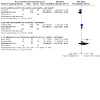
Comparison 1: Targeted client communication via mobile devices for adolescents compared to standard care or no intervention, Outcome 2: Health behaviour
Based on one trial among 385 adolescents in Australia, we are uncertain whether TCC via mobile devices affects condom use at 12 months follow‐up (RR 0.80, 95% CI 0.54 to 1.18; Analysis 1.2). This was considered very low‐certainty evidence as it was a single study conducted in one high‐income country; there were few events with a 95% CI that encompassed both a potential harmful and beneficial effect of the intervention; and the study was at unclear risk of bias for allocation concealment. One study among 683 participants in the USA indicated that a text messaging intervention may result in a modest increase in oral contraceptive use at 6 months follow‐up (RR 1.19, 95% CI 1.05 to 1.35) (Castano 2012). However, this was considered to be low‐certainty evidence. It was a single study that lacked participant and provider blinding, and also had incomplete outcome data and baseline imbalances. Another trial provided very low‐certainty evidence that TCC via mobile devices improves health behaviours among sexually active adolescents (SMD for average percentage of sex acts protected by condom: 0.30, 95% CI 0.20 to 0.40; SMD for average percentage of sex acts protected by contraception: 0.39, 95% CI 0.30 to 0.48; Analysis 1.3). This evidence was downgraded twice due to risk of bias and once for indirectness.
1.3. Analysis.

Comparison 1: Targeted client communication via mobile devices for adolescents compared to standard care or no intervention, Outcome 3: Health behaviour (continuous)
Based on the pooled analyses of two relatively small trials (N = 123) conducted in the USA, we are uncertain as to whether TCC via mobile devices improves ART adherence among adolescents: (RR 2.07, 95% CI 0.50 to 8.51; 6 to 12 months follow‐up; Analysis 1.2). This body of evidence was considered to be of very low certainty due to indirectness. Studies were only conducted in high‐income settings. Other issues included high risk of bias, inconsistency (I2 = 76%), and the imprecise nature of the effect estimate which encompassed both potential harm and potential benefit of the intervention.
Utilisation of services
One trial assessed the effect of TCC via mobile devices compared to standard care for promoting STI testing at 12 months follow‐up among 385 adolescents in Australia (Lim 2012). This was considered to be very low‐certainty evidence due to the risk of bias of the study, the 95% CI encompassed both benefit and harm (RR 1.50, 95% CI 0.85 to 2.65), and this was a single study conducted in one high‐income country (Analysis 1.4). Based on the trial by Bull 2016, we are also uncertain as to whether TCC via mobile devices affects the number of adolescents accessing contraceptive or STI services (OR: 0.75, 95% CI 0.35 to 1.61; Analysis 1.5). This was considered to be very low‐certainty evidence, downgraded twice for risk of bias of the trial, once for indirectness, and once for imprecision of the effect estimate which encompassed both potential benefit and harm of the intervention.
1.4. Analysis.

Comparison 1: Targeted client communication via mobile devices for adolescents compared to standard care or no intervention, Outcome 4: Health service utilization
1.5. Analysis.
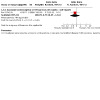
Comparison 1: Targeted client communication via mobile devices for adolescents compared to standard care or no intervention, Outcome 5: Health service utlization
Health and well‐being
Pooled data from the two small trials (N = 74) conducted in the USA examining the effect of TCC via mobile devices for improving adherence to ARV medication among adolescents also showed little or no benefit for log HIV viral load at 6 to 12 months follow‐up (mean log viral load was 0.47 lower in the intervention group, 95% CI ‐1.45 to 0.51; Analysis 1.6). This body of evidence was considered to be of very low certainty due to indirectness (the studies were only conducted in high‐income settings), high risk of bias, inconsistency (I2=65%) and the imprecise nature of the effect estimate encompassed both potential harm and benefit of the intervention. There was also very low‐certainty evidence from the trial conducted by Bull 2016 relating to the effect of TCC via mobile devices on pregnancy (OR: 0.73, 95% CI 0.17 to 3.13) (Analysis 1.7). This was downgraded twice due to risk of bias, once due to indirectness, and once due to imprecision.
1.6. Analysis.

Comparison 1: Targeted client communication via mobile devices for adolescents compared to standard care or no intervention, Outcome 6: Health and well‐being
1.7. Analysis.

Comparison 1: Targeted client communication via mobile devices for adolescents compared to standard care or no intervention, Outcome 7: Health and wellbeing
TCC via mobile devices compared to non‐digital TCC
Table 2 presents the evidence relating to the effect of TCC via mobile devices compared to non‐digital TCC among adolescents for the outcomes of STIs, condom use, abortion rates, contraceptive use, SRH health service utilization, unintended consequences, and SRH knowledge.
No included studies compared TCC via mobile devices and non‐digital TCC for knowledge, health behaviour, utilisation of services, or health and well‐being outcomes among adolescents.
TCC via mobile devices compared to digital non‐targeted communication
Table 3 presents the evidence relating to the effect of TCC via mobile devices compared to digital non‐targeted communication among adolescents for the outcomes of STIs, condom use, abortion rates, contraceptive use, SRH health service utilization, unintended consequences, and SRH knowledge.
Knowledge and attitudes
One trial in Australia assessed TCC via mobile devices for promoting STI and HIV testing among adolescents compared with a control arm which received sun safety information via mobile phone messaging, and reported a beneficial effect on sexual health knowledge at 6 months follow‐up (RR 1.75, 95% CI 1.11 to 2.77; N = 358; Analysis 2.1). Rokicki 2017 recorded a knowledge score based on the percentage correct of a 24‐item index at 15 months follow‐up. The adjusted MD in scores between the unidirectional messaging intervention arm and the control was 3 points (95% CI ‐1 to 7), and between the interactive messaging intervention arms and the control was 11 points (95% CI 8 to 14; Analysis 2.2). The evidence relating to the effect of the intervention on SRH knowledge was considered to be of very low certainty (downgraded twice due to high risk of bias and once due to indirectness).
2.1. Analysis.

Comparison 2: Targeted client communication via mobile devices for adolescents compared to digital, non‐targeted communication, Outcome 1: Sexual health knowledge (6 months)
2.2. Analysis.

Comparison 2: Targeted client communication via mobile devices for adolescents compared to digital, non‐targeted communication, Outcome 2: Sexual health knowledge score (15 months)
Health behaviour
There was uncertain evidence as to whether TCC via mobile devices resulted in health behaviour change among adolescents when compared with digital non‐targeted communication.
Based on the pooled analyses of three trials (N = 507) conducted in Australia, the UK, and the USA, we are uncertain of the effect of TCC via mobile devices on condom use when compared with digital non‐targeted communication (OR: 1.12, 95% CI 0.70 to 1.78; 3 to 12 months follow‐up; Analysis 2.3). This was judged to be very low‐certainty evidence as two of the studies were at high or unclear risk of bias for random sequence generation and allocation concealment, all three studies were conducted in high‐income countries, the 95% confidence interval encompassed both a potential harmful effect and a potential beneficial intervention effect. Additionally, the trial in Ghana by Rokicki 2017 recorded condom use in the last year as an outcome (15 month follow up). This trial included two comparisons: unidirectional messaging versus control (placebo messages once a week with information about malaria) and interactive messaging versus control (placebo messages once a week with information about malaria). Adding these two effect estimates into the pooled analysis in turn made negligible difference to the pooled estimate (OR: 1.08, 95% CI 0.76 to 1.53; and OR: 1.09, 95% CI 0.77 to 1.55, respectively). Ybarra 2017 reported the number of condomless sex acts as an outcome, providing low‐certainty evidence that the intervention may make little or no difference (MD 0.12, 95% CI ‐3.18 to 3.42) (downgraded due to risk of bias and imprecision).
2.3. Analysis.

Comparison 2: Targeted client communication via mobile devices for adolescents compared to digital, non‐targeted communication, Outcome 3: Health behaviour
We are uncertain of the effect of TCC via mobile devices on use of contraception at last intercourse (unidirectional messaging versus control OR: 1.40, 95% CI 0.61 to 3.21; interactive messaging versus control OR: 1.17, 95% CI 0.48 to 2.85) based on a small trial (N = 59) conducted in Ghana (very low‐certainty evidence, downgraded twice for risk of bias and once for imprecision, with a 95% CI that encompasses both a potential large harmful effect and a potential large beneficial effect of the intervention; Analysis 2.4).
2.4. Analysis.

Comparison 2: Targeted client communication via mobile devices for adolescents compared to digital, non‐targeted communication, Outcome 4: Health behaviour
Utilisation of services
Results from two trials (N = 498) in Australia and the USA assessing TCC via mobile devices for promoting STI and HIV testing were pooled and showed a relatively large beneficial effect on increasing testing at 3 to 6 months follow‐up among adolescents (RR 1.61, 95% CI 1.08 to 2.40; Analysis 2.6). However, this body of evidence was judged to be of low certainty due to the studies being at high risk of bias, and for indirectness, as both studies were conducted in high‐income countries only.
2.6. Analysis.

Comparison 2: Targeted client communication via mobile devices for adolescents compared to digital, non‐targeted communication, Outcome 6: Health service utilization
Health and well‐being
Based on a single trial conducted in Britain among 200 adolescents/young people, we are uncertain as to whether the text messaging based intervention reduced incidence of chlamydia or gonorrhoea (RR 0.61 95% CI 0.28 to 1.33; 12 months follow‐up; Analysis 2.7). This was judged to be low‐certainty evidence as this was a pilot study and therefore underpowered to detect effects on diagnoses, resulting in a confidence interval encompassing both potential harm and potential benefit of the intervention, and this evidence was based on a single study conducted in one high‐income country. One study conducted in Ghana measured the number of conceptions in the last year as an outcome, provided uncertain evidence relating to the effect that the text‐messaging program designed to improve reproductive health among adolescent girls had on reducing conceptions (unidirectional messaging versus control OR: 0.15, 95% CI 0.03 to 0.75; interactive messaging versus control OR: 0.14, 95% CI 0.03 to 0.65, N = 59; Analysis 2.7). This evidence was considered to be of very low certainty (downgraded twice for risk of bias and once for imprecision due to the very small number of events).
2.7. Analysis.

Comparison 2: Targeted client communication via mobile devices for adolescents compared to digital, non‐targeted communication, Outcome 7: Health and well‐being
Studies not contributing usable data
Three included studies conducted among adolescent populations did not contribute extractable data, all of which compared TCC via mobile devices with standard care or no intervention (Delamere 2006; Jeffries 2016; Reed 2014). A trial conducted among 60 young people presenting to clinic with STIs (location not reported) examined a text‐messaging intervention that promoted condom use, compared with the control group receiving standard care (Delamere 2006). The study report was only an abstract, and results of the trial were not clearly reported. A trial in the US among 146 young people living with HIV examined the effect of a text‐messaging based ‘HIV‐management tool’ intervention in comparison to standard care. The study report was only an abstract. It reported that there was no difference between groups in retention in medical care (Jeffries 2016). A US trial (N = 584) evaluated different combinations of methods of STI result notification (call, text message, or call and text message and provision of an STI information card with or without a phone number to obtain results), on the outcome of STI result notification (percentage of patients notified by voice‐to‐voice interaction within 7 days of STI testing) (Reed 2014). The study reported that among females, the odds of successful notification were "significantly greater when notification included a call and text message compared with a call only," whereas no such differences were observed among male participants. These three studies reported either that the intervention made little or no difference to the outcome of interest or did not report results clearly. Two of the studies were carried out among a relatively small number of participants (Delamere 2006; Jeffries 2016). Therefore we consider it unlikely that the results of these studies would have had substantial impact on the results and conclusions of this review.
Unintended consequences
McCarthy 2016, a UK pilot trial evaluating a sexual health promoting text‐messaging intervention compared with non‐targeted text messages, asked participants about potential unintended consequences: whether messages were viewed by others without the participant’s permission, road traffic accidents, and an open feedback page regarding anything good or bad happening as a result of being in the trial. There was one instance of a participant’s mother viewing messages that the participant wanted to keep private. This resulted in a positive conversation with the participant's mother, according to the participant. Bull 2016, a trial in the US examining the effect of text messages in addition to a teen outreach programme compared with a teen outreach programme alone on adolescent pregnancy, reported that no "adverse events" were experienced during the study. None of the other trials among adolescents specifically collected data on unintended consequences.
Acceptability and satisfaction with intervention
Six trials reported on acceptability and satisfaction with the TCC via mobile device interventions among adolescents. One study in the USA reported that most participants (>90%) were satisfied with the number, content, and length of the messages received, 85% of participants reported that the messages helped them to remember to take their oral contraceptive pill, and 49% stated that they wanted to continue receiving the messages (Castano 2012). An Australian study reported that at 12 months follow‐up, 62% of participants agreed that they learnt something from the sexual health promoting SMS, 24% of participants found the SMS annoying, and 69% described the messages as interesting or entertaining (Lim 2012). Another trial conducted among young people in Australia, which compared the effect of text messages with content about safer sex with control text messages targeting safer sun behaviours asked both groups for their opinions on the messages. Overall, 48% stated that they found them interesting or entertaining; 39% reported that they learnt something from the messages; and 22% found the messages annoying. The study also reported that those in the intervention group (sex messages) were less likely to report they learnt something and more likely to find the messages annoying, and there was no difference between the groups in the proportion finding the messages interesting or entertaining (Gold 2011). A UK study of SMS promoting safer sex behaviour reported that over 80% of intervention recipients reported that the text messages "made me think" (83%), were "respectful" (88%) and "easy to understand" (95%), and 38% of intervention recipients reported that the messages "made me take action" (McCarthy 2016). In a trial of an SMS‐based safer sex intervention among women in USA, 15 participants in the intervention group completed the 3 month questionnaire, all of whom reported that the they found the SMS intervention very informative and very useful in improving their sexual health behaviour (scores ≥ 6 based on a Likert scale of 1 to 7) (Suffoletto 2013). Finally, in a trial of mobile phone calls to support adherence to ART, 16 of the 19 intervention participants took part in exit interviews, of whom 87.5% stated that the calls made taking their medications regularly "easy" or "very easy"; 81.3% stated they would have like to continue or re‐start receiving the intervention; and 100% reported they would recommend a similar phone‐based support to a friend (Belzer 2015).
Resource use
Only Bull 2016 reported on resource use, stating that the average per participant program cost for the TOP programme alone (when provided to 416 participants) was USD 1184. The per‐participant cost of the text messaging programme (YAE!) in addition to the TOP programme for 436 participants was USD 1310, equating to an additional USD 126 per participant in YAE! versus TOP alone, or a 10.6% cost increase.
Equity considerations
With the exception of one study conducted in Ghana (Rokicki 2017), all trials of TCC via mobile devices for adolescent SRH were conducted in high‐income countries and thereby limited in their applicability to low‐income settings. However, of note is that several studies focused on populations known to be vulnerable to poor sexual health outcomes. For example, one trial examined an intervention aimed specifically at sexual minority male adolescents in the USA, and applied a sampling strategy to ensure inclusion of all key ethnic groups and socioeconomic groups. The study also sought to include rural and urban populations from all US regions (Ybarra 2017).
Eight of the 12 trials recruited from young people accessing healthcare services. This recruitment strategy could arguably have missed important and potentially particularly disadvantaged segments of population who are unable to access healthcare services.
We note the following for consideration of issues relating to equity. While few trials explicitly reported applying a language‐based criterion in their inclusion/exclusion criteria, it is likely, given the nature of the intervention, that most studies will have excluded those lacking fluency in the study's main language. This raises the issue of exclusion of illiterate populations and recent migrants, who are known to be a particularly vulnerable population, but are unable to provide consent to take part in studies that rely on mobile phone‐based communications in a specific language.
Adults
TCC via mobile devices compared to standard care or no intervention
Table 4 presents the evidence relating to the effect of TCC via mobile devices compared to standard care or no intervention among adults for the outcomes of STIs, condom use, abortion rates, contraceptive use, SRH health service utilization, and unintended consequences.
Health behaviour
The certainty of the evidence for the effect of TCC via mobile devices on health behaviours among adult populations ranged from very low to moderate, and the estimates of intervention effectiveness varied from no benefit, to a modest benefit (Analysis 3.1).
3.1. Analysis.

Comparison 3: Targeted client communication via mobile devices for adults compared to standard care or no intervention, Outcome 1: Health behaviour
One trial in Cambodia found evidence that a post‐abortion text messaging intervention may modestly increase use of effective contraceptive at 12 months follow‐up (RR 1.17, 95% CI 0.92 to 1.48; N = 327; Analysis 3.1). This was considered to be low‐certainty evidence due imprecision, and the risk of bias. A trial in the USA of an intervention targeting adherence to oral contraception provided very low‐certainty evidence relating to the intervention effect on the average number of contraceptive pills missed per cycle (MD 0.30, 95% CI ‐1.19 to 1.79; downgraded due to risk of bias, imprecision, and indirectness; Analysis 3.2).
3.2. Analysis.

Comparison 3: Targeted client communication via mobile devices for adults compared to standard care or no intervention, Outcome 2: Health behaviour
The trial in the USA of an intervention targeting adherence to oral contraception, also reported on a measure of condom use (proportion reporting condom use at more than 50% of sexual encounters in the last 3 months). Due to this evidence being considered as very low certainty (downgraded due to risk of bias, few events, and only conducted in a single high‐income setting), we are uncertain whether the intervention improves condom use (RR 1.94, 95% CI 1.00 to 3.78; N = 73; Analysis 3.1). Furthermore, the weakness of this measure in capturing protective health behaviours should be noted (i.e. not using a condom 49% of the time still leaves people at risk of poor sexual health outcomes).
Six trials (N = 1666) conducted in a range of low‐ and high‐middle‐income countries provided low‐certainty evidence relating to the effect of TCC via mobile devices for increasing adherence to ART, indicating that the intervention may have a small beneficial effect (RR 1.13, 95% CI 0.97 to 1.32; 1 to 22 months follow‐up; Analysis 3.1). This evidence was considered to be of low certainty due to the risk of bias of contributing studies, and the inconsistency in effect estimates across the trials (I2 = 61%).
A similarly small potential beneficial effect was demonstrated from pooled analyses of three trials (N = 437) in China and Cameroon examining the effect of TCC via mobile devices for ART adherence at 3 to 6 months measured as a continuous outcome (SMD: 0.44, 95% CI ‐0.14 to 1.02; Analysis 3.3). This was considered low‐certainty evidence due to the risk of bias of contributing studies, two of which were at unclear risk of bias for adequate sequence generation and/or allocation concealment, and inconsistency in effect estimates (I2=88%). An additional study conducted in the USA reported the change score for adherence to ART, providing low‐certainty evidence (downgraded due to risk of bias and imprecision, with an effect estimate encompassing both benefit and harm) relating to the effect of TCC via mobile devices compared to standard care/no intervention (SMD: 0.34, 95% CI ‐0.22 to 0.90; Analysis 3.3).
3.3. Analysis.

Comparison 3: Targeted client communication via mobile devices for adults compared to standard care or no intervention, Outcome 3: Adherence to anti‐retroviral medication (continuous)
Utilisation of services
Overall for the outcome category of utilization of services, based on the pooled analysis of ten trials with a total of 4014 participants included in the analysis, we found evidence to suggest that TCC via mobile devices may modestly increase service utilisation compared with standard care at up to 12 months follow‐up (RR 1.17, 95% CI 1.04 to 1.31; Analysis 3.4) This was judged to be low‐certainty evidence and was downgraded due to risk of bias, with six of the contributing trials being at unclear risk of bias for random sequence generation and or/allocation concealment, and inconsistency, with large variation in effect estimates between the trials (I2 = 85%).
3.4. Analysis.

Comparison 3: Targeted client communication via mobile devices for adults compared to standard care or no intervention, Outcome 4: Health service utilization
There was an indication that effect estimates differed according to type of service utilization targeted, therefore we also describe these results separately. Pooled analyses of three trials (N = 752) conducted in Australia, UK, and Kenya, demonstrated a large beneficial effect of TCC via mobile devices on increasing attendance for STI/HIV testing at 2‐12 weeks post‐randomisation (RR 1.94, 95% CI 1.03 to 3.75; Analysis 3.4). This evidence was judged to be of very low certainty due to the high risk of bias of contributing studies, high heterogeneity of effect estimates, and indirectness of results. Low‐certainty evidence from three trials with 793 participants in the USA, Cameroon, and Mozambique indicated that TCC via mobile devices may have no effect in increasing attendance for HIV treatment (RR 1.03, 95% CI 0.99 to 1.07; 1 to 12 months follow‐up; Analysis 3.4). This was downgraded due the imprecision of the effect estimate with a 95% confidence interval encompassing both harmful and beneficial intervention effects, heterogeneity between the effect estimates, and risk of bias of the studies with unclear random sequence generation and/or allocation concealment in two of the studies.
An RCT of a text messaging intervention for women undergoing medical abortion in South Africa provided moderate‐certainty evidence that the intervention may have a small effect on increasing clinic attendance for post‐abortion care (RR 1.08, 95% CI 0.99 to 1.17; N = 469; Analysis 3.4). The certainty of this evidence was downgraded by one level for risk of bias.
There was moderate certainty evidence from a trial conducted in South Africa suggesting that the intervention probably increased men’s clinic attendance for voluntary medical male circumcision at 3 months (VMMC) (RR 1.74, 95% CI 1.37 to 2.22; N = 508; Analysis 3.4) compared with standard care. This evidence was downgraded by one level as the trial was at unclear risk of bias for blinding and incomplete outcome data, and at high risk of bias for other bias (the trial reported per protocol analyses).
A study conducted in Kenya examining the effect of regular, context‐sensitive text messages sent to men after undergoing circumcision found evidence of a small increase in attendance at the scheduled seven‐day post‐operative clinic visit (RR 1.09, 95% CI 1.00 to 1.20; N = 1188; Analysis 3.4). This was judged to be high‐certainty evidence.
Finally, a trial in the USA examining the effect of reminder text messages on completion of multi‐dose vaccinations for hepatitis B (HBV) or human papillomavirus (HPV) provided very low‐certainty evidence (downgraded due to imprecision, indirectness, and risk of bias) relating to the intervention's effect on attendance for vaccination (RR 1.25, 95% CI 0.93 to 1.67; 6 months follow‐up; N = 334).
Health and well‐being
There was mixed evidence relating to the effect of TCC via mobile devices on health status as indicated by virological failure and CD4 count among adult participants living with HIV. Based on two studies (N = 1169) conducted in Kenya and India, there was low‐certainty evidence (downgraded for risk of bias and imprecision) that the intervention effect may slightly reduce rate of virological failure (RR 0.86, 95% CI 0.73 to 1.01; 6 to 22 months follow‐up; Analysis 3.5) . Pooled analyses of three trials (N = 435) in China and Cameroon indicated that TCC via mobile devices may have little or no effect on improving CD4 count at 3 to 6 months (MD: 13.99 cells per mm3, 95% CI ‐8.65 to 36.63; Analysis 3.6). This was judged to be low‐certainty evidence due to imprecision in the effect estimate and the risk of bias of the studies, two of which were at unclear risk of bias for random sequence generation. Based on pooled analyses of two of these trials (N = 343), there was little or no difference in quality of life measures at 3 to 6 months (SMD: 0.25, 95% CI ‐0.14 to 0.65) (higher score indicates better quality of life); Analysis 3.7). This evidence was considered to be of very low certainty due to risk of bias, inconsistency between effect estimates (I2=66%), and imprecision due to small sample size.
3.5. Analysis.

Comparison 3: Targeted client communication via mobile devices for adults compared to standard care or no intervention, Outcome 5: Health and well‐being
3.6. Analysis.

Comparison 3: Targeted client communication via mobile devices for adults compared to standard care or no intervention, Outcome 6: Health and wellbeing ‐ CD4 count (cells per mm3) (3 to 6 months)
3.7. Analysis.

Comparison 3: Targeted client communication via mobile devices for adults compared to standard care or no intervention, Outcome 7: Health and well‐being among people living with HIV/AIDS (measured by SF12 or WHO QoL physical well‐being subscale, assessed by SF12) (3 to 6 months)
The trials by Mbuagbaw 2012 and Shet 2014 also provided very low‐certainty evidence relating to the intervention effect on mortality (RR 0.95, 95% CI 0.40 to 2.26; N = 831; Analysis 3.5). This was downgraded once due to risk of bias and twice due to imprecision, with an effect estimate encompassing both potential intervention benefit and harm.
A trial conducted in Cambodia evaluating an intervention aiming to increase contraceptive use among women who had recently undergone abortion provided low‐certainty evidence that TCC via mobile devices may reduce repeat abortion at 12 months (RR 0.68, 95% CI 0.28 to 1.66; N = 328; Analysis 3.5). This was considered to be low‐certainty evidence, downgraded for risk of bias and for imprecision of the effect estimate as study was not sufficiently powered to detect effects on rare outcomes such as conceptions. The 95% CI encompassed both potential appreciable harm and benefit of the intervention.
TCC via mobile devices compared to non‐digital TCC
Table 5 presents the evidence relating to the effect of TCC via mobile devices compared to non‐digital TCC among adults for the outcomes of STIs, condom use, abortion rates, contraceptive use, SRH health service utilization, and unintended consequences.
Health behaviour
No included studies compared TCC via mobile devices and non‐digital TCC for health behaviour change outcomes among adults.
Utilisation of services
Overall, for the outcome category of utilization of services based on the pooled analysis of three trials (N = 1130), we found evidence to suggest that TCC via mobile devices may have a modest effect on increasing service utilisation among adults compared with non‐digital targeted communication (RR 1.12, 95% CI 0.92 to 1.35; up to 6 months follow‐up; Analysis 4.1). This was considered to be low‐certainty evidence, and was downgraded one level for risk of bias as two of the studies were at unclear risk of bias for random sequence generation and/or allocation concealment, and by one level for imprecision.
4.1. Analysis.

Comparison 4: Targeted client communication via mobile devices for adults compared to non‐digital, targeted communication, Outcome 1: Health service utilization
When examined by type of service utilisation, the effects of the interventions were as follows. A study in the USA examined the effect of a 7‐day mobile phone application‐based intervention designed to promote breast cancer screening among Korean‐American women compared with a brochure containing information on breast cancer, screening guidelines, and a list of clinics that offer low‐cost or free mammography without health navigation services. Based on this trial, we are uncertain as to whether the intervention was effective, and the 95% confidence interval included null effect (RR 1.60, 95% CI 0.94 to 2.74; N = 120) (Lee 2016). This evidence was considered to be of very low certainty due to risk of bias, imprecision, and indirectness. A Malaysian trial provided evidence indicating that reminder text messages may increase women’s attendance for cervical screening within 8 weeks when compared with the receipt of personal letters (RR 1.15, 95% CI 0.81 to 1.63; N = 500) (Abdul Rashid 2013), however this was judged to be low‐certainty evidence due to imprecision of the effect estimate encompassing both benefit and harm, and risk of bias of the trial.
There was low‐certainty evidence (downgraded due to imprecision and risk of bias) from a trial conducted in South Africa and Uganda that TCC delivered via mobile devices may have little or no effect on men’s clinic attendance for voluntary medical male circumcision (VMMC) at 3 months (RR 1.03, 95% CI 0.86 to 1.24; N = 510) when compared with the control condition of lay counsellor home visits (Barnabas 2016).
Health and well‐being
No included studies compared TCC via mobile devices and non‐digital TCC for health and well‐being outcomes among adults.
TCC via mobile devices compared to digital non‐targeted communication
Table 6 presents the evidence relating to the effect of TCC via mobile devices compared to digital non‐targeted communication among adults for the outcomes of STIs, condom use, abortion rates, contraceptive use, SRH health service utilization, and unintended consequences.
Health behaviour
No included studies compared TCC via mobile devices and digital non‐targeted communication for health behaviour outcomes among adults.
Utilisation of services
Based on the pooled analysis of two trials (N = 2150), we found that TCC via mobile devices may have a modest effect on increasing service utilization, but with wide confidence intervals encompassing both benefit and potential harm (RR 1.71, 95% CI 0.67 to 4.38; I2 = 72%; Analysis 5.1). This was considered to be low‐certainty evidence due to the risk of bias of the trials, and the imprecision of the effect estimate.
5.1. Analysis.

Comparison 5: Targeted client communication via mobile devices for adults compared to digital, non‐targeted communication, Outcome 1: Health service utilization
We also examine this evidence according to type of service utilisation. One trial was conducted among MSM in Peru and compared TCC via mobile devices with the control group, which in addition to usual care had access Facebook private groups without any peer mentoring about HIV prevention. This study provided moderate‐certainty evidence (downgraded once due to risk of bias) that TCC via mobile devices may have a large effect on increasing attendance for STI/HIV testing (RR 2.62, 95% CI 1.52 to 4.53; N = 498; 12 weeks follow‐up) (Young 2015). One study conducted in Zambia examining the effects of TCC via SMS in comparison with digital non‐targeted communication (routine access to the U‐Report platform with the option to engage counsellors on any topic, including VMMC) provided low‐certainty evidence (downgraded due to risk of bias and imprecision) that there was no intervention effect on uptake of VMMC over 6 months (RR 1.00, 95% CI 0.43 to 2.32; N = 1652; conventional and tailored intervention arms pooled) (Leiby 2016).
Health and well‐being
No included studies compared TCC via mobile devices and digital non‐targeted communication for health and well‐being outcomes among adults.
Studies not contributing usable data
Three studies among adult populations did not contribute extractable data. Two of these compared TCC via mobile devices to standard care or no intervention (de Tolly 2012; Gerdts 2015). One compared the intervention with digital non‐targeted communication (Cook 2015). One trial evaluated an intervention targeting HIV medication adherence by comparing messages tailored to match the participants’ psychological state (intervention) and messages that were mismatched between message framing and participants’ psychological state. The study reported that there was little or no difference in adherence to HIV medication, measured by medication event monitoring systems (MEMs), between the intervention and control arms (Cook 2015). One 3‐armed trial examined the effect of motivational text messages, and the effect of informational text messages, compared to a control group receiving standard care on uptake of HIV counselling and testing (HCT) at 3 weeks. This study reported that the motivational text messages may have a beneficial effect on HCT attendance, but that the informational messages may have little or no effect (de Tolly 2012). The fourth trial examined a text‐messaging based intervention concerned with post‐abortion follow‐up visits, and reported that the proportion of women returning to the clinic because of side‐effects or mild complications before their 15‐day follow‐up visit was due was the same across the intervention group and the control group that received standard care (Gerdts 2015). Based on the reported findings, we do not believe that the inclusion of data from these studies would have meaningfully impacted our findings relating to the effect of TCC via mobile devices on SRH among adult populations.
Unintended consequences
Two studies, both of which employed text‐messaging based interventions targeting adherence to ART among people living with HIV, reported on unintended consequences as a result of the intervention. One study in Kenya explicitly reported no unintended consequences (Lester 2010), while the other carried out in Cameroon reported that one women in the intervention arm requested to withdraw because she felt it had compromised her undisclosed status (Mbuagbaw 2012), however no other undesirable effects were reported. The trial by Barnabas 2016 targeting uptake of VMMC reported that no cases of study‐related social harm were reported during the study. A trial of automated voice reminders and messages to improve ART adherence in India reported that there were no unintended consequences associated with phone use. However “concerns about intrusiveness and loss of privacy were expressed by six of 286 patients in the intervention arm who responded to a questionnaire about the phone intervention at the end of their follow‐up period” (Shet 2014). Additionally, a study targeting post‐abortion contraceptive uptake in Cambodia explicitly reported no unintended consequences (road traffic accidents or domestic abuse) being reported (Smith 2015). A trial of mobile phone messages providing support to women during the home phase of medical abortion in South Africa also reported no unintended consequences associated with the intervention (Constant 2014). We considered the evidence relating to unintended consequences to be of low certainty, downgraded due to risk of bias (trials at unclear or high risk of bias for incomplete outcome data, which was considered potentially pertinent for the recording of unintended consequences) and imprecision due to few events.
Equity considerations
The trials were conducted in a range of lower to higher income countries, however, within trials there was some evidence to suggest that certain potentially disadvantaged populations may have been excluded. For example, one trial (Joseph Davey 2016) evaluating whether regular mobile phone text reminders improved patients’ retention in antiretroviral therapy care in Mozambique reported that 345 of the 1202 people assessed for participation were excluded because they were illiterate, had no phone, or both. A trial with similar aims conducted in Brazil also excluded potential participants on the same basis (da Costa 2012). Furthermore, only one trial specifically stated that they provided mobile phones to participants, therefore it is likely that all other trials will have excluded those who do not own a personal mobile phone. The South African trial assessing automated text messages to support women undergoing medical abortion (Constant 2014) reported that study participants had a higher level of education and employment than the general population; two‐thirds were recruited at NGO clinics where they had to pay for services (as opposed to public sector clinics where abortion services are free); and all study clinics were in an urban setting. The trial examining the impact of SMS on VMMC uptake over 6 months recruited participants from 'Zambia U‐Report' – a national SMS platform providing free, confidential, and interactive counselling to adolescents and youths with trained 24‐hour counsellors on HIV/AIDS and other sexual and reproductive health topics. Authors reported that the self‐selected sample of Zambia U‐Report subscribers were likely to be wealthier, more educated, and more concerned or aware of sexual health issues than the general population (Leiby 2016).
As noted in relation to the studies conducted among adolescent populations, given the nature of the intervention, it is likely that most studies will have excluded those lacking such fluency in a particular language, raising the issue of accessibility to illiterate populations and recent migrants, who may be a particularly vulnerable population, but unable to provide consent to take part in a trials which rely on communications in a specific language.
Acceptability
Eleven of the trials conducted among adult populations reported on acceptability and/or satisfaction with the intervention. In general, all studies reported moderate to high levels of satisfaction and acceptability with the intervention.
A pilot trial of SMS‐based post‐abortion support in Colombia reported that 84% of the intervention group stated that the SMS follow‐up would help someone like them through the medical abortion process (Gerdts 2015). A trial in South Africa of SMS supporting women undergoing a medical abortion reported that 98% of the intervention group said that the messages helped them through their abortion, 99% said that they would recommend the intervention to a friend (Constant 2014). A trial in the USA of a text messaging‐based intervention to remind women to take their contraceptive pill reported that intervention recipients (n = 35) rated the reminders as useful with a median score of 8 on a scale of 0, ‘it was useless’ to 10, ‘I wouldn't remember without it’. 86% reported they would continue or would consider continuing using the intervention, 97% stated they would recommend or consider recommending the intervention to a friend, and 57% said they would pay to use the intervention (Hou 2010). A USA trial of an intervention to promote uptake of breast cancer screening reported that 100% of the participants expressed satisfaction with the intervention and 98.3% said that they would recommend the program to their friends (Lee 2016).
Seven of the trials reporting on satisfaction/acceptability were evaluating interventions which aimed to improved ART adherence. The Lester 2010 trial conducted in Kenya reported that 191 of 194 intervention participants stated that they would like the SMS programme to continue, and of these, 98% said they would recommend the intervention to a friend. A trial in Cameroon reported that 65% of intervention recipients rated the messages as good, very good, or excellent; 81.2% would recommend the intervention to a friend; and 65.3% would like to continue receiving the intervention (Mbuagbaw 2012). Cook 2015 (conducted in the USA) asked participants to rate the intervention in terms of usefulness, whether they would do it again, and whether they would recommend the intervention to a friend on a scale of 0‐4, reporting scores of 2.79, 3.00, and 3.40, respectively, however these ratings were only provided by five participants. A trial of SMS aiming to improve ART adherence in China reported that 96% of participants in the intervention arm reported satisfaction or high satisfaction with the intervention, and 74% responded that they would have liked to continue to receive the messages (Ruan 2017). A trial among women living in Brazil reported that all intervention participants (n = 11) rated the number and content of messages as ‘satisfactory’, ‘good’, or ‘very good’, though two participants thought the timing of messages was ‘bad’; and 54.5% of participants stated they would like to continue receiving the SMS, 36.4% stated they would like to continue receiving the SMS but with changes, and 9% did not want to keep receiving them (da Costa 2012). A USA study reported that of intervention participants who completed the 6‐month follow‐up visit (n = 43), all reported they would recommend the intervention for a friend, 81% reported wanting to continue receiving the intervention, and 95% stated they were satisfied with the intervention overall (Garofalo 2016). Finally, the trial by Nsagha 2016 of a SMS intervention to improve adherence to ART in Cameroon reported that 57.8% of intervention recipients indicated that the messages were good and wished that they would continue, and 20% stated that the messages were very encouraging.
Resource use
Two studies reported on the costs of sending SMS messages. The trial targeting appointment attendance for cervical screening in Malaysia reported that the total cost of a screening program, using SMS reminders, was cheaper than phone calls or normal letters (Abdul Rashid 2013). The study investigating the effectiveness of using text messages to facilitate uptake of HIV counselling and testing in South Africa (de Tolly 2012) reported a cost of about $2.41 for each additional person to be tested for HIV, i.e. the cost for people to test over and above those who were likely to test without the intervention.
Sensitivity analyses
We planned to conduct a sensitivity analysis only including studies deemed to be at a low risk of bias (those scored as at low risk of bias for the sequence generation, allocation concealment and incomplete outcome data domains). The following five trials were considered to be a low risk of bias: Constant 2014; Garofalo 2016; McCarthy 2016; Odeny 2012; Ybarra 2017. These studies measured distinct outcomes which could not be meaningfully pooled with one another.
Additional Table 9 presents the summary of results from sensitivity analyses examining whether effect estimates changed when restricting to objectively measured outcomes only, for meta‐analyses of comparisons that previously included both self‐report and objectively measured outcomes. The point effect estimates in the sensitivity analyses changed very little from those estimated in the original analyses. The 95% confidence intervals widened (to include null effect for the overall service utilisation comparisons), however it is unclear whether this was due to a reduction in power due to smaller sample sizes, or trials reporting objectively measured outcomes finding results that tended towards the null. However, the findings from the sensitivity analyses do not prompt any meaningful change in the interpretation of the findings presented in this review.
3. Summary table of sensitivity analyses, including only objectively measured outcomes in meta‐analyses where comparison previously included both self‐report and objective outcomes.
| COMPARISON: TCC for adults compared to standard care or no intervention | |||||
| Original analysis | Sensitivity analysis | ||||
| Outcome | Studies, participants | Effect estimate [95% CI] | Studies, participants | Effect estimate [95% CI] | Interpretation |
| Adherence to antiretroviral medication | 6 RCTs, 1666 participants | 1.13 [0.97, 1.32] | 2 RCTs, 1027 participants | 1.20 [1.00, 1.44] | No change |
| Overall service utilisation | 10 RCTs, 4014 participants | 1.17 [1.04, 1.31] | 6 RCTs, 2830 participants | 1.10 (0.99, 1.22) | No change |
| COMPARISON: TCC for adults compared to non‐digital, targeted communication | |||||
| Overall service utilisation | 3 RCTs, 1130 participants | 1.12 [0.92, 1.35] | 1 RCT, 500 participants | 1.15 [0.81, 1.63] | No change |
CI: Confidence interval; RCT: Randomised controlled trial; TCC: Targeted client communication
Discussion
Summary of main results
TCC delivered by mobile devices may improve some outcomes, but the effect on many outcomes is uncertain due to very low‐certainty evidence or lack of evidence.
Adolescent populations
TCC via mobile devices versus standard care
TCC delivered by mobile devices may increase SRH knowledge among adolescents and young people. We are uncertain of the effects of TCC via mobile devices on condom use because the evidence is of very low certainty, however it may modestly increase oral contraceptive use. We are uncertain of the effect of TCC via mobile devices on attendance for STI/HIV testing and on ART adherence because the evidence is of very low certainty. We do not know if TCC via mobile devices affects the number of young people testing positive for STIs or having abortions because the evidence is missing.
TCC via mobile devices compared to non‐digital TCC or digital non‐targeted communication
We do not know what the effect of TCC via mobile devices is on SRH knowledge, STIs, condom use, ART adherence, abortions, contraceptive use, or attendance for SRH health care, when compared to non‐digital TCC because the evidence is missing.
We do not know whether TCC delivered by mobile devices improves SRH knowledge when compared to digital non‐targeted communication because the certainty of the evidence is very low. We are uncertain of the effect of TCC delivered by mobile device on condom use and on contraceptive use because the certainty of the evidence is very low. TCC delivered by mobile devices may reduce STI incidence (though the confidence intervals encompassed both benefit and harm) and may increase attendance for STI/HIV testing. We do not know whether TCC delivered by mobile devices affects abortion rates or ART adherence because the evidence is missing.
We are uncertain as to whether TCC leads to unintended consequences because of a lack of evidence with only two trials collecting such data.
Studies among adolescent populations reported high levels of satisfaction with the TCC interventions. Only one study reported on costs of delivering the intervention, with the addition of a text messaging intervention to a face‐to‐face community programme increasing costs by 10%.
There was limited evidence relating to equity as the majority of studies among adolescent were carried out in high‐income settings. However, several studies focused on and successfully recruited from specific populations known to be vulnerable to poor sexual health outcomes.
Adult populations
TCC via mobile devices versus standard care
For adults, we are uncertain of the effect of TCC delivered by mobile devices on condom use because the evidence is of very low certainty, and the effect on STIs is unknown because the evidence missing. TCC via mobile devices may slightly increase effective contraceptive use and may reduce repeat abortions among adults, however, for both of these outcomes the confidence intervals encompassed both potential benefit and harm. TCC via mobile devices may modestly increase adults’ use of health services overall, but results were mixed according to the type of health service. TCC via mobile devices may slightly improve adults’ adherence to ART.
TCC via mobile devices compared to non‐digital TCC or digital non‐targeted communication
We do not know what the effect of TCC via mobile devices is on STIs, condom use, adherence to ART, abortions, or contraceptive use, when compared to non‐digital TCC or to digital non‐TCC because the evidence is missing. However, for both comparisons, TCC via mobile devices may increase health service utilization overall, but the confidence intervals encompass both potential benefit and harm.
We are uncertain if TCC leads to more unintended consequences. Six studies comparing the intervention to no intervention or standard care reported on unintended consequences, with mixed results (one study reported one instance of undisclosed HIV status being compromised), and the certainty of this evidence was rated as low.
Studies generally reported moderate to high levels of satisfaction and acceptability with the intervention among adult populations. There was limited evidence regarding resource use. For adults, one trial evaluated costs of appointment reminders and found them to be cheaper than phone calls or letters and one reported a cost of $2.41 for each additional person tested for HIV.
There is limited evidence relating to equity, with some studies recruiting predominantly those from higher income or educated backgrounds, whilst others successfully recruited those at high risk from diverse socioeconomic backgrounds.
Overall completeness and applicability of evidence
This review considers evidence from 40 trials targeting a range of sexual and reproductive health related behaviours, service utilisation, and health outcomes. While this review can provide a broad overview of this evidence, limits to the number of studies examining the same comparison groups and same outcomes means that considerable uncertainty remains. Furthermore, while the trials among adult populations were conducted in a range of high, middle and low‐income settings, there was a lack of research in low and middle‐income countries among adolescent populations.
We described the intervention content which varied ranging from providing simple reminders (e.g. Hou 2010), to more complex content such as providing education, behaviour change support and links to service providers (e.g. McCarthy 2016; Smith 2015). Due to the limited numbers of studies targeting the same behaviours it was not feasible to explore the effects of different types of content delivered by mobile devices.
Length of follow‐up ranged from 1 week to 15 months, though the few studies reporting on health behaviour outcomes had lengths of follow‐up greater than 12 months, thereby limiting the extent to which we can be certain that any apparent behaviour change prompted by the intervention would be sustained in the longer term.
The minority of studies reported on health outcomes. The wide range of individual social and environmental factors influencing sexual and reproductive health mean that even those TCC interventions delivered by mobile devices that target a wide range of knowledge, attitudes, skills and links to support are likely to have only modest benefits on health, which may be of public health importance if achieved at scale or low cost. Those studies that did measure health outcomes were limited in their in their power (due to sample size and/or restrictions to feasible lengths of follow‐up) to provide definitive evidence as to the effect of TCC via mobile devices on these outcomes, with imprecise estimates encompassing both potential benefit and potential harm of the interventions assessed. For some outcomes such as service use or breast feeding it may not be feasible to conduct randomised controlled trials of sufficient scale to assess impacts on health status, so trials should focus on reliably measuring intermediate outcomes.
Several outcomes that this review sought to examine, such as partner communication (about safer sex practices, disclosure of diagnoses, and fertility intentions), quality of life, and STI diagnoses, were not reported or were reported by very few included trials, meaning we are unable to (reliably) examine the extent to which TCC delivered by mobile devices may impact these outcomes.
The majority of studies recruited participants from healthcare settings, thereby potentially limiting the applicability the results to those not already accessing services, who may conceivably be at higher risk of poor outcomes.
Finally, although we were able to report on resource use where this had been recorded in study reports, dedicated cost‐effectiveness analyses were beyond the scope of this review.
Quality of the evidence
We used the GRADE methodology to assess the certainty of the evidence for all outcomes. The evidence was of low‐ or very low‐certainty across the vast majority of outcomes. Common reasons for downgrading the certainty of the evidence was the risk of bias of contributing studies, and the imprecise nature of the effect estimate, encompassing both potential harm and benefit of the intervention under investigation. For the few outcomes for which the certainty of evidence was classified as moderate, these findings were generally based on a single trial.
Given the nature of the interventions, participant blinding was generally unfeasible, and many of the measures of behaviour change and service utilisation relied on participant self‐report. This method potentially introduces bias into the results of these trials, whereby those in the intervention group are aware of the behaviours that the intervention communications are encouraging them to engage or not engage in. They may be then inclined to respond in such a way that results in an overestimation of intervention benefit. While the measurement of objective health outcomes goes some way to overcoming this limitation, as previously discussed, trials were generally underpowered for these more distal and rarely‐occurring outcomes.
While mechanism of delivery and intended aim of interventions may have been the same across multiple studies, the actual content of the intervention will likely have varied considerably across trials and this could explain some of the heterogeneity observed in the effects across distinct interventions with common goals. A detailed review, coding, and development of a typology of the content of interventions was beyond the scope of this review, but also unlikely to have been an achievable undertaking given the lack of detail provided in study reports relating to the content of the interventions. While examples of the messaging delivered to intervention recipients was provided by some studies, few published the entire content of the TCC intervention.
Potential biases in the review process
There were limited resources to follow‐up with authors of reports that did not provide sufficient information for data extraction/risk of bias assessments. Furthermore, publication bias, whereby trials with positive findings are more likely to be published, may have biased the selection of included studies in this review. However, efforts were made to overcome this through searching clinical trial registries for prospectively registered trials.
Agreements and disagreements with other studies or reviews
The finding that there was evidence of a modest beneficial intervention effect on contraceptive use among adolescent and adult populations, but that there insufficient evidence to demonstrate that this translated into a reduction in conceptions, is consistent with a Cochrane review that included an assessment of contraceptive‐promoting interventions among adolescents, not specifically delivered by mobile devices (Oringanje 2016).
The finding of uncertain intervention effects on condom use among adolescents is in contrast to findings of positive effects reported in a Cochrane review concerned with brief educational interventions aiming to increase contraceptive use (including condoms), not specifically delivered by mobile devices (Lopez 2016). That TCC via mobile devices may be beneficial in increasing sexual health knowledge among adolescents is consistent with the results of a Cochrane review assessing the effect of interactive computer‐based interventions for sexual health promotion, which found evidence of moderate benefits for knowledge outcomes (Bailey 2010).
The suggestion of a potential small beneficial effect of TCC via mobile devices on ART adherence among adults is consistent with the findings existing reviews examining text messaging for adherence to ART in populations of all ages which included two trials (Horvath 2012). Further trials of ART adherence interventions delivered by mobile phone have been published since 2012 and, consistent with our finding of heterogeneity (I2 of 57%) subsequent reviews report more mixed results (Amankwaa 2018; Quintana 2018; Shah 2019). Reviews of adherence to medication interventions not specifically delivered by mobile devices have also reported mixed evidence (Nieuwlaat 2014).
This review found evidence for a potential beneficial effect among adolescents and adults of TCC via mobile devices for increasing health service attendance for STI/HIV testing, and the suggestion of benefit of these interventions for increasing appointment attendance for other sexual and reproductive health matters. This is consistent with previous reviews which found text message reminders increased the rate of participant attendance at healthcare appointments (Free 2013a; Gurol‐Urganci 2013).
Among adults, and across all three comparisons, there was evidence that TCC delivered by mobile devices may result in a modest increase in health service utilization. This is consistent with the findings of the companion review focusing on maternal, neonatal, and child health, in which the most convincing evidence of intervention benefit was observed for health service utilisation outcomes in among pregnant women and parents of children under 5 years of age (Palmer forthcoming).
Authors' conclusions
Implications for practice.
Given the uncertain and generally low‐certainty evidence presented, the implications for practice based on this review are somewhat limited. Due to the lack of adequately‐powered trials with long‐term follow‐up, we are uncertain as to whether any of the benefits observed for behaviour change and service use outcomes translate into important benefits in SRH and well‐being outcomes. A formal cost‐effectiveness analysis was outside the scope of this review, but where reported, resource use was relatively modest. Furthermore, the interventions delivered in trials that provided evidence for a potential small increase in adult adherence to antiretroviral medication, compared to standard care, primarily consisted of simple reminders delivered by SMS. These may be more straightforward and low‐cost to implement compared to more complex interventions. The trial by Barnabas 2016, which assessed uptake of VMMC, provided findings for two distinct comparisons ‐ two text messages and two follow‐up phone calls compared to standard care; and two text messages and two follow‐up phone calls compared to a lay counsellor home visit one month after testing, and then again at two months if participants had not already received male circumcision services. There was evidence of intervention benefit when compared to standard care, but little or no difference when compared to home visits. Again, this may indicate the potential of simple low‐cost interventions, providing a benefit when given in addition to standard care, and being just as effective as face‐to‐face targeted communication. The latter would likely have greater associated costs and reduced reach than mobile‐device delivered TCC. In other fields, such as smoking cessation, interventions delivered by mobile device have been shown to be effective; they have also been found to be highly cost‐effective (Guerriero 2013). The evidence reported in this review suggests that the delivery of TCC via mobile devices for the promotion of SRH is generally acceptable to recipients, who reported high levels of satisfaction. It may be that the small suggested benefits for health behaviours and health service utilisation could translate into modest gains in health and well‐being such as in reducing unplanned pregnancy, which would be important if achieved across whole populations.
In some settings TCC interventions are already being implemented. Where interventions are implemented ongoing service evaluation and monitoring of impact (benefits and harms), costs and equity in access is needed. The needs of those at high risk, including those with limited education and those from disadvantaged socio‐economic backgrounds, must be considered at the design phase of interventions to ensure interventions are accessible and relevant to them. Issues relating to language and literacy have been highlighted in this review as potential barriers in achieving equity of access and benefit from communication‐based interventions. This is also a finding of the qualitative synthesis of clients' perceptions experiences with such interventions (Ames 2019), in which language, literacy, and/or techno‐literacy were raised as potential limiting factors for accessing these types of interventions.
Few studies in this review specifically measured unintended consequences, and in those that did only one instance of harm to one individual was reported (undisclosed HIV status being compromised). Confidentiality and privacy are established key features of sexual and reproductive health services and interventions. Given the sensitivity of sexual and reproductive health and the stigma that can be associated with it, those developing or implementing TCC interventions delivered by mobile devices should consider how mobile devices are used and thus whether or how privacy and confidentiality can be maintained, when wanted. Remote communication could be one method by which those with limited sexual and reproductive autonomy or those in potentially abusive relationships can manage to receive information and support, but those designing interventions must consider how they can do so safely. For some groups and in some contexts this might involve only sending content at times when privacy can be assured or on request, and consideration of how the source of messages is displayed on devices. In contexts where privacy cannot be assured, such as where phones are shared rather than personal objects, the appropriateness of content type and level of personalisation must be considered. This is consistent with the findings of the recent synthesis of qualitative research concerned with perceptions and experiences of TCC via mobile devices on topics related to RMNCAH (Ames 2019). Practical considerations for messaging concerned with stigmatised or personal health conditions included the use of neutral language, and tailoring the content, timing and frequency of the messages (Ames 2019).Nonetheless, whilst ensuring privacy when wanted is important, some qualitative studies report deliberate sharing of content with positive outcomes for shared decision making and information transfer (French 2016). The delivery of TCC through mobile devices may be most useful for specific populations who may otherwise have limited access to such education and/support, for example, young people, people living in rural areas (Eleuteri 2018).
Implications for research.
While this review provided some evidence that TCC delivered by mobile devices may result in modest improvements in health behaviours and service utilisation relevant to SRH, we are uncertain as to whether this translates into improvements in health and well‐being.
High quality, adequately‐powered trials with longer periods of follow‐up are required in order to provide reliable estimates of the effects and health impacts of TCC delivered by mobile devices for SRH
As heterogeneity of behaviour change and communication interventions, can result in real differences in effects of interventions even when they use the same delivery mechanisms and target the same outcomes, interventions must be described according to guidance and in sufficient detail for them to be replicated (Agarwal 2016; Hoffmann 2014).
Future research should examine the potential differences in effects and acceptability of digital interventions according to sub‐populations, such as sexual minority groups, age groups, and those living in particular areas, for example, urban versus rural.
Further research should evaluate the mechanism of action and cost effectiveness of TCC delivered by mobile devices for sexual and reproductive health, which were outside the scope of this review.
Safety and potential unintended consequences, including adverse events, should be considered in intervention design and explicitly measured in evaluation.
The study in this review concerned with vaccination completion evaluated an intervention, which provided reminders. Further TCC interventions, which also target attitudinal barriers to vaccinations, should be evaluated.
Further evaluation of equity in access in trials and implementation research is needed.
Implementation research could be conducted to assess the feasibility and acceptability of integrating digital messaging interventions into relevant widely used apps, for example, dating apps.
Researchers should report on resources needed for interventions and cost effectiveness analyses are required.
History
Review first published: Issue 8, 2020
Notes
The protocol for this review is based on standard text and guidance provided by Cochrane Consumers and Communication (Ryan 2016).
Acknowledgements
We thank the editors and staff of Cochrane Consumers and Communication, particularly Bronwen Merner, Ann Jones and Rebecca Ryan for their input into the protocol.
We are grateful to the Guideline Development Group and External Review Group of the WHO Guideline on digital interventions for health system strengthening for their constructive feedback in formulating the guiding questions for this systematic review. Cochrane Response, an evidence services unit operated by the Cochrane Collaboration provided screening and data extraction services for this review. This work was funded by the UNDP‐UNFPA‐UNICEF‐WHO‐World Bank Special Programme of Research, Development and Research Training in Human Reproduction (HRP), a cosponsored program executed by the World Health Organization (WHO). We thank John Eyers for designing and running the search strategies for this review.
Appendices
Appendix 1. Ovid MEDLINE(R) In‐Process & Other Non‐Indexed Citations, Ovid MEDLINE(R) Daily and Ovid MEDLINE(R) search strategy
1 Family Planning Services/ (24014)
2 Contraception/ (18551)
3 Reproductive behavior/ or Contraception behavior/ (8119)
4 exp Contraceptive agents/ (68445)
5 exp Contraceptive Devices/ (23921)
6 (condom* or (OC adj pill) or (depot medroxyprogest* or NET‐EN or NET EN or Mesigyna or Cyclofem) or (intrauterine system or intra‐uterine system or IUS or intrauterine device* or intra‐uterine device* or IUD*) or (vasectomy or sterilisation or sterilization or (tubal adj ligation)) or ((vaginal adj ring) or cycletel or cycle‐tel or ((abstain or abstinen*) adj2 (sex* or intercourse)) or lactational amenorr*)).ti,ab,kw. (55772)
7 (contracept* or family planning or (birth adj (control or regulat* or spacing)) or planned parenthood or ((population or fertility) adj (regulat* or control))).ti,ab,kw. (88295)
8 Pregnancy in Adolescence/ (7481)
9 (pregnan* adj2 (adolescen* or teen* or schoolchild*)).ti,ab,kw. (6460)
10 Pregnancy, unplanned/ or Pregnancy, unwanted/ (3826)
11 (pregnan* adj3 (prevent* or interrupt* or unplanned or unwanted or mistimed)).ti,ab,kw. (12867)
12 exp Sexually Transmitted Diseases/di, dt, ep, pc, px, tm [Diagnosis, Drug Therapy, Epidemiology, Prevention & Control, Psychology, Transmission] (203961)
13 (sexually transmi* or STI or STIs or STD or STDs or venereal).ti,ab,kw. (43434)
14 exp HIV Infections/di, dt, ep, pc, px, tm [Diagnosis, Drug Therapy, Epidemiology, Prevention & Control, Psychology, Transmission] (172773)
15 HIV Seropositivity/dt, ep, pc, px, tm [Drug Therapy, Epidemiology, Prevention & Control, Psychology, Transmission] (8281)
16 (Anti‐HIV Agents/ or Antiretroviral Therapy, Highly Active/) and Medication Adherence/ (1731)
17 (hiv or hiv‐1* or hiv‐2* or hiv1 or hiv2 or human immunodeficiency virus or human immunedeficiency virus or human immuno‐deficiency virus or human immune‐deficiency virus or (human immun* and deficiency virus) or acquired immunodeficiency syndrome or acquired immunedeficiency syndrome or acquired immuno‐deficiency syndrome or acquired immune‐deficiency syndrome or (acquired immun* and deficiency syndrome)).ti,ab,kw. (305680)
18 ((antiretroviral* or anti‐retroviral* or ARV*) adj2 (complian* or adheren*)).ti,ab,kw. (2211)
19 (Anti‐HIV Agents/ or Antiretroviral Therapy, Highly Active/) and (Infant, Premature/ or Infant, Newborn/ or Infant, Low Birth Weight/ or Infant, Extremely Low Birth Weight/ or Infant, Small for Gestational Age/ or Infant/ or Infant, Very Low Birth Weight/ or Infant, Postmature/ or Infant, Extremely Premature/ or Child/ or Child, Preschool/ or Adolescent/) (8416)
20 ((antiretroviral* or anti‐retroviral* or ARV*) and (infant* or newborn* or neonat* or child* or schoolchild* or adolescen* or teen*)).ti,ab,kw. (7849)
21 Papillomavirus Infections/pc [Prevention & Control] (4923)
22 Papillomavirus Vaccines/ad, tu [Administration & Dosage, Therapeutic Use] (3440)
23 Human Papillomavirus Recombinant Vaccine Quadrivalent, Types 6, 11, 16, 18/ad, tu [Administration & Dosage, Therapeutic Use] (66)
24 ((hpv or papilloma virus* or papillomavirus*) adj2 (vaccinat* or revaccinat* or immuniz* or immunis* or immunother* or inoculat* or innoculat* or prophyla*)).ti,ab,kw. (4560)
25 Domestic Violence/ or Spouse Abuse/ or Intimate Partner Violence/ or Rape/ (18904)
26 (((sexual or domestic or spouse* or intimate partner) adj3 (violen* or abus*)) or rape).ti,ab,kw. (29484)
27 Puberty/ (12854)
28 (pubert* or pubescen*).ti,ab,kw. (35751)
29 Menstruation/ (15653)
30 (menstruat* or menstrual*).ti,ab,kw. (46842)
31 Abortion, Legal/ (7401)
32 Abortion, Induced/ (26969)
33 (abort* or miscarr* or (pregnan* adj2 terminat*)).ti,ab,kw. (90766)
34 Infertility/ (13697)
35 Reproductive Techniques, Assisted/ (8232)
36 Fertilization in Vitro/ (29054)
37 (infertil* or assisted reproductive technolog* or in vitro fertili* or in‐vitro fertili* or IVF).ti,ab,kw. (78409)
38 Sexual behavior/ or Sex work/ or Safe sex/ or Unsafe sex/ (59074)
39 (sex* adj (protected or unprotected or safe or unsafe or risk* or behavio*)).ti,ab,kw. (30964)
40 (Contact tracing/ or Disease notification/) and Sexual partners/ (489)
41 (partner* adj3 (notifi* or tracing or report*)).ti,ab,kw. (4218)
42 Prenatal Care/ (24280)
43 (((antenatal or ante‐natal or prenatal or pre‐natal or antepartum or ante‐partum) adj3 (care or service* or counsel* or test*)) or (birth adj3 prepar*)).ti,ab,kw. (24022)
44 Maternal Health Services/ (12560)
45 ((maternal or mother*) adj3 (health or service* or care)).ti,ab,kw. (23733)
46 Reproductive Health/ (2247)
47 (reproductive adj2 (health or care or service*)).ti,ab,kw. (11738)
48 Midwifery/ (17848)
49 (midwi* or skilled birth or skilled attendan*).ti,ab,kw. (21972)
50 Obstetric Labor Complications/ (16678)
51 Pregnancy Complications/ (85905)
52 ((obstetric* or pregnan* or labour or labor or parturition) adj3 (emergenc* or complication*)).ti,ab,kw. (19704)
53 Postnatal Care/ (4878)
54 Perinatal Care/ (3796)
55 Postpartum Period/ (22535)
56 ((postnatal or post‐natal or perinatal or peri‐natal or postpartum or post‐partum) adj2 (care or service*)).ti,ab,kw. (5636)
57 Maternal Nutritional Physiological Phenomena/ (3299)
58 Prenatal Nutritional Physiological Phenomena/ (1591)
59 Breast Feeding/ (34451)
60 (breast feed* or breast fed or breastfeed* or breastfed).ti,ab,kw. (37063)
61 (Infant, Premature/ or Infant, Newborn/ or Infant, Low Birth Weight/ or Infant, Extremely Low Birth Weight/ or Infant, Small for Gestational Age/ or Infant/ or Infant, Very Low Birth Weight/ or Infant, Postmature/ or Infant, Extremely Premature/) and Early Diagnosis/ (2277)
62 (early adj1 diagnos* adj2 (infant* or neonat* or newborn*)).ti,ab,kw. (378)
63 diagnosis.fs. and (infant* or neonat* or newborn*).ti,ab,kw. (84137)
64 *"Infectious Disease Transmission, Vertical"/ (8524)
65 ((mother‐to‐child transmi* adj3 (prevent* or eliminat*)) or emtct or pmtct or (vertical adj transmi*)).ti,ab,kw. (7686)
66 (Immunization/ or Immunization, passive/ or Immunization schedule/ or Immunization, secondary/ or Immunization Programs/ or Vaccination/ or Mass vaccination/) and (Infant, Premature/ or Infant, Newborn/ or Infant, Low Birth Weight/ or Infant, Extremely Low Birth Weight/ or Infant, Small for Gestational Age/ or Infant/ or Infant, Very Low Birth Weight/ or Infant, Postmature/ or Infant, Extremely Premature/ or Child/ or Child, Preschool/ or Adolescent/ or Pregnancy/) (43902)
67 ((immuniz* or immunis* or vaccinat*) and (infant* or newborn* or neonat* or child* or adolescen* or teen*)).ti,ab,kw. (45525)
68 Child health services/ or Maternal‐child health services/ (19947)
69 exp child nutrition disorders/ or exp infant nutrition disorders/ or (exp nutrition disorders/ and (exp Infant/ or Child, Preschool/)) (39850)
70 "Delivery of Health Care, Integrated"/ (10651)
71 ((integrat* adj3 (health care or healthcare or management or treat* or service*) adj3 (child* or schoolchild* or infant* or neonat* or newborn or adolescen* or teen*)) or IMCI or IMNCI).ti,ab,kw. (935)
72 (Guideline Adherence/ or Quality Assurance, Health Care/) and (exp Infant/ or Child, Preschool/) (4112)
73 ((((guideline* or protocol*) adj3 (adher* or observ*)) or "prescribed care") and (infant* or newborn* or neonat* or child*)).ti,ab,kw. (1065)
74 (Diarrhea/di, dt, ep, pc, th, tm or Diarrhea, Infantile/di, dt, ep, pc, th, tm) and (Infant, Premature/ or Infant, Newborn/ or Infant, Low Birth Weight/ or Infant, Extremely Low Birth Weight/ or Infant, Small for Gestational Age/ or Infant/ or Infant, Very Low Birth Weight/ or Infant, Postmature/ or Infant, Extremely Premature/ or Child/ or Child, Preschool/ or Adolescent/) (10212)
75 (diarrh* and (infant* or newborn* or neonat* or child* or schoolchild* or adolescen* or teen*)).ti,ab,kw. (25541)
76 Hand Hygiene/ or Hand Disinfection/ (5743)
77 Water Supply/ (31018)
78 Drinking Water/ (5487)
79 Sanitation/ (6592)
80 (handwash* or hand‐wash* or (wash* adj1 hand*) or hand hygiene or hand‐hygiene or soap or water suppl* or sanitation or sanitary or drinking water or potable water).ti,ab,kw. (79667)
81 Fluid Therapy/ and (Infant, Premature/ or Infant, Newborn/ or Infant, Low Birth Weight/ or Infant, Extremely Low Birth Weight/ or Infant, Small for Gestational Age/ or Infant/ or Infant, Very Low Birth Weight/ or Infant, Postmature/ or Infant, Extremely Premature/ or Child/ or Child, Preschool/) (4522)
82 (oral rehydration adj (solution* or salt* or therapy)).ti,ab,kw. (2174)
83 Child Development/ or Adolescent Development/ (43982)
84 ((child* or schoolchild* or adolescen* or teen*) adj2 (develop* or progress*)).ti,ab,kw. (48454)
85 Breast Neoplasms/di, dg, pc or (Breast Neoplasms/ and Mass Screening/) (60213)
86 Uterine Cervical Neoplasms/di, dg, pc [Diagnosis, Diagnostic Imaging, Prevention & Control] (22572)
87 (((breast or cervix or cervical) adj (neoplasm* or cancer*)) and (screen* or diagnos*)).ti,ab,kw. (70920)
88 Folic Acid/ad, tu, th [Administration & Dosage, Therapeutic Use, Therapy] (8376)
89 Folic Acid Deficiency/dt, pc, th [Drug Therapy, Prevention & Control, Therapy] (806)
90 (folic acid adj (fortif* or supplement* or treat* or therap*)).ti,ab,kw. (3105)
91 Sex Education/ (8484)
92 (sex* adj (educat* or "health promot*")).ti,ab,kw. (8530)
93 Pregnancy in Adolescence/ (7481)
94 Kangaroo‐Mother Care Method/ (224)
95 (kangaroo adj2 (mother or infant or care)).ti,ab,kw. (546)
96 (Anemia/dt, pc or Anemia, Hypochromic/dt, pc or Anemia, Iron‐Deficiency/dt, pc) and Pregnancy/ (1425)
97 ((maternal or mother* or pregnan*) adj2 (nutrition* or folate or folic or iron or anaemi* or anemi*)).ti,ab,kw. (8978)
98 (Malaria/di, dt, pc or Malaria, Falciparum/di, dt, pc or Malaria, Vivax/di, dt, pc) and (Pregnancy/ or Pregnancy Complications, Parasitic/) (2012)
99 ((malaria* or falciparum or vivax) adj3 (pregnan* or mother* or maternal or postpartum or post partum)).ti,ab,kw. (2199)
100 Smoking Cessation/ and (Pregnancy/ or Pregnancy in Adolescence/) (1521)
101 (((smoking or smoker* or cigarette or tobacco) adj3 (ceas* or cessation or stop* or discontinu*)) and (pregnan* or maternal or mother*)).ti,ab,kw. (1903)
102 Mental health/ or Mental disorders/ or Mental health services/ or Community mental health services/ (207284)
103 Maternal behavior/ or Mother‐child relations/ or Parenting/ or Paternal behavior/ (39063)
104 Depression, Postpartum/ (4500)
105 (((mental or behavio*) adj3 (health or disorder*)) or postpartum depression or post‐partum depression).ti,ab,kw. (188278)
106 or/1‐105 (1926054)
107 Cell Phones/ (7081)
108 Smartphone/ (1248)
109 MP3‐Player/ (167)
110 Computers, Handheld/ (3094)
111 ((cell* or mobile*) adj1 (phone* or telephone* or technolog* or device*)).ti,ab,kw. (13097)
112 (handheld or hand‐held).ti,ab,kw. (9948)
113 (smartphone* or smart‐phone* or cellphone* or mobiles).ti,ab,kw. (5528)
114 ((personal adj1 digital) or (PDA adj3 (device* or assistant*)) or MP3 player* or MP4 player*).ti,ab,kw. (1294)
115 (samsung or nokia).ti,ab,kw. (816)
116 (windows adj3 (mobile* or phone*)).ti,ab,kw. (43)
117 android.ti,ab,kw. (1531)
118 (ipad* or i‐pad* or ipod* or i‐pod* or iphone* or i‐phone*).ti,ab,kw. (1959)
119 (tablet* adj3 (device* or computer*)).ti,ab,kw. (995)
120 Telemedicine/ (16715)
121 Videoconferencing/ or Webcasts as topic/ (1495)
122 Text Messaging/ (1659)
123 Telenursing/ (174)
124 (mhealth or m‐health or "mobile health" or ehealth or e‐health or "electronic health").ti,ab,kw. (15415)
125 (telemedicine or tele‐medicine or telehealth or tele‐health or telecare or tele‐care or telenursing or tele‐nursing or telepsychiatry or tele‐psychiatry or telemonitor* or tele‐monitor* or teleconsult* or tele‐consult* or telecounsel* or tele‐counsel* or telecoach* or tele‐coach*).ti,ab,kw. (13879)
126 (videoconferenc* or video‐conferenc* or webcast* or web‐cast*).ti,ab,kw. (2492)
127 (((text* or short or voice or multimedia or multi‐media or electronic or instant) adj1 messag*) or instant messenger).ti,ab,kw. (3426)
128 (texting or texted or texter* or ((sms or mms) adj (service* or messag*)) or interactive voice response* or IVR or voice call* or callback* or voice over internet or VOIP).ti,ab,kw. (2544)
129 (Facebook or Twitter or Whatsapp* or Skyp* or YouTube or "You Tube" or Google Hangout*).ti,ab,kw. (4064)
130 Mobile Applications/ (2240)
131 "mobile app*".ti,ab,kw. (1732)
132 Social Media/ (3805)
133 (social adj (media or network*)).ti,ab,kw. (16003)
134 Reminder Systems/ (3057)
135 (remind* adj3 (text* or system* or messag*)).ti,ab,kw. (1405)
136 Electronic Mail/ (2408)
137 (electronic mail* or email* or e‐mail or webmail).ti,ab,kw. (11435)
138 Medical informatics/ or Medical informatics applications/ (12875)
139 Nursing informatics/ or Public health informatics/ (2467)
140 ((medical or clinical or health or healthcare or nurs*) adj3 informatics).ti,ab,kw. (5003)
141 Multimedia/ (1790)
142 Hypermedia/ (399)
143 Blogging/ (815)
144 (multimedia or multi‐media or hypermedia or hyper‐media or blog* or vlog* or weblog* or web‐log*).ti,ab,kw. (6166)
145 Interactive Tutorial/ (248)
146 Computer‐Assisted Instruction/ (11266)
147 ((interactive or computer‐assisted) adj1 (tutor* or technolog* or learn* or instruct* or software or communication)).ti,ab,kw. (2214)
148 or/107‐147 (133860)
149 randomized controlled trial.pt. (470403)
150 controlled clinical trial.pt. (94471)
151 randomized.ab. (403622)
152 placebo.ab. (189095)
153 drug therapy.fs. (2022689)
154 randomly.ab. (280484)
155 trial.ab. (423499)
156 groups.ab. (1725529)
157 or/149‐156 (4123563)
158 exp animals/ not humans.sh. (4445095)
159 157 not 158 (3560201)
160 106 and 148 and 159 (4615)
161 limit 160 to yr="2010 ‐Current" (3358)
Appendix 2. Embase Classic+Embase (Ovid) search strategy
1 family planning/ (36696)
2 contraception/ (46800)
3 reproductive behavior/ (919)
4 contraceptive behavior/ (2794)
5 exp contraceptive agent/ (150341)
6 exp contraceptive device/ (40749)
7 (condom* or (OC adj pill) or (depot medroxyprogest* or NET‐EN or NET EN or Mesigyna or Cyclofem) or (intrauterine system or intra‐uterine system or IUS or intrauterine device* or intra‐uterine device* or IUD*) or (vasectomy or sterilisation or sterilization or (tubal adj ligation)) or ((vaginal adj ring) or cycletel or cycle‐tel or ((abstain or abstinen*) adj2 (sex* or intercourse)) or lactational amenorr*)).ti,ab,kw. (66547)
8 (contracept* or family planning or (birth adj (control or regulat* or spacing)) or planned parenthood or ((population or fertility) adj (regulat* or control))).ti,ab,kw. (95639)
9 adolescent pregnancy/ (8690)
10 (pregnan* adj2 (adolescen* or teen* or schoolchild*)).ti,ab,kw. (6730)
11 unplanned pregnancy/ (4299)
12 unwanted pregnancy/ (3137)
13 (pregnan* adj3 (prevent* or interrupt* or unplanned or unwanted or mistimed)).ti,ab,kw. (16419)
14 exp sexually transmitted disease/di, dt, ep, pc [Diagnosis, Drug Therapy, Epidemiology, Prevention] (36227)
15 (sexually transmi* or STI or STIs or STD or STDs or venereal).ti,ab,kw. (56299)
16 exp Human immunodeficiency virus infection/di, dt, ep, pc [Diagnosis, Drug Therapy, Epidemiology, Prevention] (161972)
17 (hiv or hiv‐1* or hiv‐2* or hiv1 or hiv2 or human immunodeficiency virus or human immunedeficiency virus or human immuno‐deficiency virus or human immune‐deficiency virus or (human immun* and deficiency virus) or acquired immunodeficiency syndrome or acquired immunedeficiency syndrome or acquired immuno‐deficiency syndrome or acquired immune‐deficiency syndrome or (acquired immun* and deficiency syndrome)).ti,ab,kw. (372022)
18 ((antiretroviral* or anti‐retroviral* or ARV*) adj2 (complian* or adheren*)).ti,ab,kw. (2598)
19 (antiretroviral therapy/ or highly active antiretroviral therapy/) and medication compliance/ (703)
20 (antiretroviral therapy/ or highly active antiretroviral therapy/) and (child/ or infant/ or adolescent/ or newborn/) (4203)
21 ((antiretroviral* or anti‐retroviral* or ARV*) and (infant* or newborn* or neonat* or child* or schoolchild* or adolescen* or teen*)).ti,ab,kw. (10214)
22 papillomavirus infection/pc [Prevention] (2243)
23 Wart virus vaccine/ad, dt [Drug Administration, Drug Therapy] (6083)
24 ((hpv or papilloma virus* or papillomavirus*) adj2 (vaccinat* or revaccinat* or immuniz* or immunis* or immunother* or inoculat* or innoculat* or prophyla*)).ti,ab,kw. (5974)
25 domestic violence/ or battered woman/ or family violence/ or exp partner violence/ (19311)
26 statutory rape/ or acquaintance rape/ or rape/ or marital rape/ (7284)
27 (((sexual or domestic or spouse* or intimate partner) adj3 (violen* or abus*)) or rape).ti,ab,kw. (36302)
28 puberty/ or menarche/ (36986)
29 (pubert* or pubescen*).ti,ab,kw. (50840)
30 menstruation/ (22869)
31 (menstruat* or menstrual*).ti,ab,kw. (62512)
32 abortion/ or imminent abortion/ or recurrent abortion/ or septic abortion/ or spontaneous abortion/ (74082)
33 (abort* or miscarr* or (pregnan* adj2 terminat*)).ti,ab,kw. (120224)
34 infertility/ (38578)
35 infertility therapy/ or in vitro fertilization/ (19053)
36 (infertil* or assisted reproductive technolog* or in vitro fertili* or in‐vitro fertili* or IVF).ti,ab,kw. (116136)
37 sexual behavior/ or adolescent sexual behavior/ or casual sex/ or prostitution/ or exp safe sex/ or sexual practice/ or exp unsafe sex/ (110380)
38 (sex* adj (protected or unprotected or safe or unsafe or risk* or behavio*)).ti,ab,kw. (33582)
39 contact examination/ (3275)
40 (partner* adj3 (notifi* or tracing or report*)).ti,ab,kw. (5304)
41 prenatal care/ or prenatal screening/ (40985)
42 (((antenatal or ante‐natal or prenatal or pre‐natal or antepartum or ante‐partum) adj3 (care or service* or counsel* or test*)) or (birth adj3 prepar*)).ti,ab,kw. (30891)
43 maternal health service/ (467)
44 ((maternal or mother*) adj3 (health or service* or care or welfare)).ti,ab,kw. (28175)
45 reproductive health/ (13171)
46 (reproductive adj2 (health or care or service*)).ti,ab,kw. (15081)
47 midwife/ or nurse midwife/ (28959)
48 (midwi* or skilled birth or skilled attendan*).ti,ab,kw. (24665)
49 labor complication/ (9228)
50 pregnancy complication/ (71410)
51 ((obstetric* or pregnan* or labour or labor or parturition) adj3 (emergenc* or complication*)).ti,ab,kw. (32301)
52 postnatal care/ or newborn care/ (16770)
53 perinatal care/ (13024)
54 maternal care/ or maternal welfare/ (27759)
55 maternal nutrition/ (10080)
56 puerperium/ (37622)
57 ((postnatal or post‐natal or perinatal or peri‐natal or postpartum or post‐partum) adj2 (care or service*)).ti,ab,kw. (7276)
58 breast feeding/ (44726)
59 (breast feed* or breast fed or breastfeed* or breastfed).ti,ab,kw. (45447)
60 early diagnosis/ and (exp infant/ or newborn/) (6264)
61 (early adj1 diagnos* adj2 (infant* or neonat* or newborn*)).ti,ab,kw. (556)
62 diagnosis.fs. and (infant* or neonat* or newborn*).ti,ab,kw. (103847)
63 vertical transmission/ (12794)
64 ((mother‐to‐child transmi* adj3 (prevent* or eliminat*)) or emtct or pmtct or (vertical adj transmi*)).ti,ab,kw. (9842)
65 (immunization/ or mass immunization/ or vaccination/) and (exp infant/ or newborn/ or exp child/ or adolescent/ or pregnancy/) (51587)
66 ((immuniz* or immunis* or vaccinat*) and (infant* or newborn* or neonat* or child* or adolescen* or teen* or pregnan*)).ti,ab,kw. (65983)
67 child health care/ or early childhood intervention/ or maternal child health care/ (37990)
68 exp nutritional disorder/ and (preschool child/ or exp infant/) (58303)
69 integrated health care system/ (9211)
70 ((integrat* adj3 (health care or healthcare or management or treat* or service*) adj3 (child* or schoolchild* or infant* or neonat* or newborn or adolescen* or teen*)) or IMCI or IMNCI).ti,ab,kw. (1093)
71 (protocol compliance/ or health care quality/) and (preschool child/ or exp infant/) (6812)
72 ((((guideline* or protocol*) adj3 (adher* or observ*)) or "prescribed care") and (infant* or newborn* or neonat* or child*)).ti,ab,kw. (1754)
73 infantile diarrhea/di, dm, dt, ep, pc, th [Diagnosis, Disease Management, Drug Therapy, Epidemiology, Prevention, Therapy] (1735)
74 diarrhea/di, dm, dt, ep, pc, th and (exp infant/ or newborn/ or exp child/ or adolescent/ or pregnancy/) (6447)
75 (diarrh* and (infant* or newborn* or neonat* or child* or schoolchild* or adolescen* or teen*)).ti,ab,kw. (33784)
76 hand washing/ or hand disinfection/ (11612)
77 water supply/ (34795)
78 drinking water/ (42849)
79 sanitation/ (13878)
80 (handwash* or hand‐wash* or (wash* adj1 hand*) or hand hygiene or hand‐hygiene or soap or water suppl* or sanitation or sanitary or drinking water or potable water).ti,ab,kw. (106006)
81 oral rehydration therapy/ (2412)
82 (oral rehydration adj (solution* or salt* or therapy)).ti,ab,kw. (2252)
83 child development/ or adolescent development/ (45720)
84 ((child* or schoolchild* or adolescen* or teen*) adj2 (develop* or progress*)).ti,ab,kw. (57900)
85 breast cancer/di, dm, dt, pc [Diagnosis, Disease Management, Drug Therapy, Prevention] (95730)
86 breast cancer/ and cancer screening/ (15585)
87 uterine cervix cancer/di, dm, dt, pc [Diagnosis, Disease Management, Drug Therapy, Prevention] (16909)
88 (((breast or cervix or cervical) adj (neoplasm* or cancer*)) and (screen* or diagnos*)).ti,ab,kw. (110687)
89 folic acid/ad, dt [Drug Administration, Drug Therapy] (11586)
90 folic acid deficiency/dm, dt, pc, th [Disease Management, Drug Therapy, Prevention, Therapy] (1174)
91 (folic acid adj (fortif* or supplement* or treat* or therap*)).ti,ab,kw. (4146)
92 sexual education/ (10956)
93 (sex* adj (educat* or "health promot*")).ti,ab,kw. (8934)
94 kangaroo care/ (720)
95 (kangaroo adj2 (mother or infant or care)).ti,ab,kw. (725)
96 (anemia/dt, pc or iron deficiency anemia/dt, pc) and pregnancy/ (1212)
97 ((maternal or mother* or pregnan*) adj2 (nutrition* or folate or folic or iron or anaemi* or anemi*)).ti,ab,kw. (10422)
98 (malaria/di, dm, dt, pc or malaria, falciparum/di, dm, dt, pc or malaria, vivax/di, dm, dt, pc) and (pregnancy/ or pregnancy complication/) (1493)
99 ((malaria* or falciparum or vivax) adj3 (pregnan* or mother* or maternal or postpartum or post partum)).ti,ab,kw. (2728)
100 smoking cessation/ and (pregnancy/ or adolescent pregnancy/) (1947)
101 (((smoking or smoker* or cigarette or tobacco) adj3 (ceas* or cessation or stop* or discontinu*)) and (pregnan* or maternal or mother*)).ti,ab,kw. (2318)
102 mental health/ or community mental health/ or mental health service/ (156252)
103 maternal behavior/ or parental behavior/ or paternal behavior/ (22837)
104 puerperal depression/ (8364)
105 (((mental or behavio*) adj3 (health or disorder*)) or postpartum depression or post‐partum depression or postnatal depression or post‐natal depression).ti,ab,kw. (246537)
106 or/1‐105 (2439735)
107 mobile phone/ or smartphone/ (16146)
108 mp3 player/ (162)
109 ((cell* or mobile*) adj1 (phone* or telephone* or technolog* or device*)).ti,ab,kw. (16688)
110 (handheld or hand‐held).ti,ab,kw. (13317)
111 (smartphone* or smart‐phone* or cellphone* or mobiles).ti,ab,kw. (7717)
112 ((personal adj1 digital) or (PDA adj3 (device* or assistant*)) or MP3 player* or MP4 player*).ti,ab,kw. (1692)
113 (samsung or nokia).ti,ab,kw. (1456)
114 (windows adj3 (mobile* or phone*)).ti,ab,kw. (67)
115 android.ti,ab,kw. (2452)
116 (ipad* or i‐pad* or ipod* or i‐pod* or iphone* or i‐phone*).ti,ab,kw. (3612)
117 (tablet* adj3 (device* or computer*)).ti,ab,kw. (1571)
118 telemedicine/ or telecardiology/ or teleconsultation/ or teledermatology/ or telediagnosis/ or telemonitoring/ or telepathology/ or telepsychiatry/ or teleradiotherapy/ or telesurgery/ or teletherapy/ (27986)
119 videoconferencing/ or webcast/ (2824)
120 text messaging/ (2877)
121 telenursing/ (203)
122 (mhealth or m‐health or "mobile health" or ehealth or e‐health or "electronic health").ti,ab,kw. (19595)
123 (telemedicine or tele‐medicine or telehealth or tele‐health or telecare or tele‐care or telenursing or tele‐nursing or telepsychiatry or tele‐psychiatry or telemonitor* or tele‐monitor* or teleconsult* or tele‐consult* or telecounsel* or tele‐counsel* or telecoach* or tele‐coach*).ti,ab,kw. (17704)
124 (videoconferenc* or video‐conferenc* or webcast* or web‐cast*).ti,ab,kw. (3335)
125 (((text* or short or voice or multimedia or multi‐media or electronic or instant) adj1 messag*) or instant messenger).ti,ab,kw. (4491)
126 (texting or texted or texter* or ((sms or mms) adj (service* or messag*)) or interactive voice response* or IVR or voice call* or callback* or voice over internet or VOIP).ti,ab,kw. (3560)
127 (Facebook or Twitter or Whatsapp* or Skyp* or YouTube or "You Tube" or Google Hangout*).ti,ab,kw. (5883)
128 mobile application/ (4502)
129 "mobile app*".ti,ab,kw. (2078)
130 social media/ (9110)
131 (social adj (media or network*)).ti,ab,kw. (20813)
132 reminder system/ (2143)
133 (remind* adj3 (text* or system* or messag*)).ti,ab,kw. (1962)
134 e‐mail/ (15606)
135 (electronic mail* or email* or e‐mail or webmail).ti,ab,kw. (23089)
136 medical informatics/ (17801)
137 nursing informatics/ (1286)
138 ((medical or clinical or health or healthcare or nurs*) adj3 informatics).ti,ab,kw. (7055)
139 multimedia/ (3205)
140 hypermedia/ (371)
141 blogging/ (141)
142 (multimedia or multi‐media or hypermedia or hyper‐media or blog* or vlog* or weblog* or web‐log*).ti,ab,kw. (9103)
143 teaching/ (85381)
144 ((interactive or computer‐assisted) adj1 (tutor* or technolog* or learn* or instruct* or software or communication)).ti,ab,kw. (3142)
145 or/107‐144 (260905)
146 106 and 145 (29013)
147 crossover procedure/ (53072)
148 double blind procedure/ (143697)
149 randomized controlled trial/ (465243)
150 single‐blind procedure/ (28784)
151 random$.tw. (1234071)
152 factorial$.tw. (31351)
153 (crossover$ or cross over$ or cross‐over$).tw. (90817)
154 placebo$.tw. (263675)
155 (doubl$ adj blind$).tw. (184763)
156 (singl$ adj blind$).tw. (19947)
157 assign$.tw. (323334)
158 allocat$.tw. (119980)
159 volunteer$.tw. (228637)
160 or/147‐159 (1925757)
161 146 and 160 (4486)
162 limit 161 to yr="2010 ‐Current" (3567)
163 limit 162 to embase (1725)
Appendix 3. Cochrane CENTRAL Trials Register search strategy
#1 MeSH descriptor: [Cell Phones] this term only 535
#2 MeSH descriptor: [Smartphone] this term only 73
#3 MeSH descriptor: [MP3‐Player] this term only 19
#4 MeSH descriptor: [Computers, Handheld] this term only 203
#5 ((cell* or mobile*) near/1 (phone* or telephone* or technolog* or device*)):ti,ab,kw 1601
#6 (handheld or hand‐held):ti,ab,kw 1174
#7 (smartphone* or smart‐phone* or cellphone* or mobiles):ti,ab,kw 749
#8 ((personal near/1 digital) or (PDA near/3 (device* or assistant*)) or "MP3 player*" or "MP4 player*"):ti,ab,kw 188
#9 (samsung or nokia):ti,ab,kw 44
#10 (windows near/3 (mobile* or phone*)):ti,ab,kw 3
#11 android:ti,ab,kw 155
#12 (ipad* or i‐pad* or ipod* or i‐pod* or iphone* or i‐phone*):ti,ab,kw 403
#13 (tablet* near/3 (device* or computer*)):ti,ab,kw 187
#14 MeSH descriptor: [Telemedicine] this term only 1528
#15 MeSH descriptor: [Videoconferencing] this term only 134
#16 MeSH descriptor: [Webcasts as Topic] this term only 16
#17 MeSH descriptor: [Text Messaging] this term only 428
#18 MeSH descriptor: [Telenursing] this term only 25
#19 (mhealth or m‐health or "mobile health" or ehealth or e‐health or "electronic health"):ti,ab,kw 1305
#20 (telemedicine or tele‐medicine or telehealth or tele‐health or telecare or tele‐care or telenursing or tele‐nursing or telepsychiatry or tele‐psychiatry or telemonitor* or tele‐monitor* or teleconsult* or tele‐consult* or telecounsel* or tele‐counsel* or telecoach* or tele‐coach*):ti,ab,kw 3320
#21 (videoconferenc* or video‐conferenc* or webcast* or web‐cast*):ti,ab,kw 418
#22 (((text* or short or voice or multimedia or multi‐media or electronic or instant) near/1 messag*) or "instant messenger") .ti,ab,kw 48
#23 (texting or texted or texter* or ((sms or mms) near (service* or messag*)) or "interactive voice response*" or IVR or "voice call*" or callback* or "voice over internet" or VOIP):ti,ab,kw 1011
#24 (Facebook or Twitter or Whatsapp* or Skyp* or YouTube or "You Tube" or "Google Hangout*"):ti,ab,kw 226
#25 MeSH descriptor: [Mobile Applications] this term only 151
#26 "mobile app*":ti,ab,kw 441
#27 MeSH descriptor: [Social Media] this term only 67
#28 (social near (media or network*)):ti,ab,kw 967
#29 MeSH descriptor: [Reminder Systems] this term only 816
#30 (remind* near/3 (text* or system* or messag*)):ti,ab,kw 1228
#31 MeSH descriptor: [Electronic Mail] this term only 278
#32 ("electronic mail*" or email* or e‐mail or webmail):ti,ab,kw 1778
#33 MeSH descriptor: [Medical Informatics] this term only 76
#34 MeSH descriptor: [Medical Informatics Applications] this term only 28
#35 MeSH descriptor: [Nursing Informatics] this term only 10
#36 MeSH descriptor: [Public Health Informatics] this term only 6
#37 ((medical or clinical or health or healthcare or nurs*) near/3 informatics):ti,ab,kw 265
#38 MeSH descriptor: [Multimedia] this term only 192
#39 MeSH descriptor: [Hypermedia] this term only 8
#40 MeSH descriptor: [Blogging] this term only 14
#41 (multimedia or multi‐media or hypermedia or hyper‐media or blog* or vlog* or weblog* or web‐log*):ti,ab,kw 728
#42 MeSH descriptor: [Interactive Tutorial] this term only 0
#43 MeSH descriptor: [Computer‐Assisted Instruction] this term only 1132
#44 ((interactive or computer‐assisted) near/1 (tutor* or technolog* or learn* or instruct* or software or communication)):ti,ab,kw 1322
#45 {or #1‐#44} 13953
#46 MeSH descriptor: [Family Planning Services] this term only 205
#47 MeSH descriptor: [Contraception] this term only 289
#48 MeSH descriptor: [Reproductive Behavior] this term only 11
#49 MeSH descriptor: [Contraception Behavior] this term only 187
#50 MeSH descriptor: [Contraceptive Agents] explode all trees 2318
#51 MeSH descriptor: [Contraceptive Devices] explode all trees 1411
#52 (condom* or (OC near pill) or ("depot medroxyprogest*" or NET‐EN or "NET EN" or Mesigyna or Cyclofem) or ("intrauterine system" or "intra‐uterine system" or IUS or "intrauterine device*" or "intra‐uterine device*" or IUD*) or (vasectomy or sterilisation or sterilization or (tubal near ligation)) or ((vaginal near ring) or cycletel or cycle‐tel or ((abstain or abstinen*) near/2 (sex* or intercourse)) or "lactational amenorr*")):ti,ab,kw 4178
#53 (contracept* or "family planning" or (birth near (control or regulat* or spacing)) or "planned parenthood" or ((population or fertility) near (regulat* or control))):ti,ab,kw 9149
#54 MeSH descriptor: [Pregnancy in Adolescence] this term only 185
#55 (pregnan* near/2 (adolescen* or teen* or schoolchild*)):ti,ab,kw 1541
#56 MeSH descriptor: [Pregnancy, Unplanned] this term only 73
#57 MeSH descriptor: [Pregnancy, Unwanted] this term only 48
#58 (pregnan* near/3 (prevent* or interrupt* or unplanned or unwanted or mistimed)):ti,ab,kw 2178
#59 MeSH descriptor: [Sexually Transmitted Diseases] explode all trees and with qualifier(s): [Diagnosis ‐ DI, Drug therapy ‐ DT, Epidemiology ‐ EP, Prevention & control ‐ PC, Psychology ‐ PX, Transmission ‐ TM] 8731
#60 ("sexually transmi*" or STI or STIs or STD or STDs or venereal):ti,ab,kw 2535
#61 MeSH descriptor: [HIV Infections] explode all trees and with qualifier(s): [Diagnosis ‐ DI, Drug therapy ‐ DT, Epidemiology ‐ EP, Prevention & control ‐ PC, Psychology ‐ PX, Transmission ‐ TM] 7638
#62 MeSH descriptor: [HIV Seropositivity] this term only and with qualifier(s): [Drug therapy ‐ DT, Epidemiology ‐ EP, Psychology ‐ PX, Transmission ‐ TM] 380
#63 MeSH descriptor: [Anti‐HIV Agents] this term only 2641
#64 MeSH descriptor: [Antiretroviral Therapy, Highly Active] this term only 1246
#65 MeSH descriptor: [Medication Adherence] this term only 1733
#66 (#63 or #64) and #65 191
#67 (hiv or hiv‐1* or hiv‐2* or hiv1 or hiv2 or "human immunodeficiency virus" or "human immunedeficiency virus" or "human immuno‐deficiency virus" or "human immune‐deficiency virus" or ("human immun*" and "deficiency virus") or "acquired immunodeficiency syndrome" or "acquired immunedeficiency syndrome" or "acquired immuno‐deficiency syndrome" or "acquired immune‐deficiency syndrome" or ("acquired immun*" and "deficiency syndrome")):ti,ab,kw 16777
#68 ((antiretroviral* or anti‐retroviral* or ARV*) near/2 (complian* or adheren*)):ti,ab,kw 265
#69 MeSH descriptor: [Infant, Premature] this term only 3279
#70 MeSH descriptor: [Infant, Newborn] this term only 14904
#71 MeSH descriptor: [Infant, Low Birth Weight] this term only 1010
#72 MeSH descriptor: [Infant, Extremely Low Birth Weight] this term only 103
#73 MeSH descriptor: [Infant, Small for Gestational Age] this term only 254
#74 MeSH descriptor: [Infant] this term only 66
#75 MeSH descriptor: [Infant, Very Low Birth Weight] this term only 802
#76 MeSH descriptor: [Infant, Postmature] this term only 6
#77 MeSH descriptor: [Infant, Extremely Premature] this term only 100
#78 MeSH descriptor: [Child] this term only 225
#79 MeSH descriptor: [Child, Preschool] this term only 80
#80 MeSH descriptor: [Adolescent] this term only 91247
#81 {or #69‐#80} and (#63 or #64) 595
#82 ((antiretroviral* or anti‐retroviral* or ARV*) and (infant* or newborn* or neonat* or child* or schoolchild* or adolescen* or teen*)):ti,ab,kw 1265
#83 MeSH descriptor: [Papillomavirus Infections] this term only and with qualifier(s): [Prevention & control ‐ PC] 285
#84 MeSH descriptor: [Papillomavirus Vaccines] this term only and with qualifier(s): [Administration & dosage ‐ AD, Therapeutic use ‐ TU] 213
#85 MeSH descriptor: [Human Papillomavirus Recombinant Vaccine Quadrivalent, Types 6, 11, 16, 18] this term only and with qualifier(s): [Administration & dosage ‐ AD, Therapeutic use ‐ TU] 8
#86 ((hpv or "papilloma virus*" or papillomavirus*) near/2 (vaccinat* or revaccinat* or immuniz* or immunis* or immunother* or inoculat* or innoculat* or prophyla*)):ti,ab,kw 306
#87 MeSH descriptor: [Domestic Violence] this term only 159
#88 MeSH descriptor: [Spouse Abuse] this term only 211
#89 MeSH descriptor: [Intimate Partner Violence] this term only 34
#90 MeSH descriptor: [Rape] this term only 105
#91 (((sexual or domestic or spouse* or "intimate partner") near/3 (violen* or abus*)) or rape):ti,ab,kw 1425
#92 MeSH descriptor: [Puberty] this term only 292
#93 (pubert* or pubescen*):ti,ab,kw 1161
#94 MeSH descriptor: [Menstruation] this term only 467
#95 (menstruat* or menstrual*):ti,ab,kw 5420
#96 MeSH descriptor: [Abortion, Legal] this term only 29
#97 MeSH descriptor: [Abortion, Induced] this term only 936
#98 (abort* or miscarr* or (pregnan* near/2 terminat*)):ti,ab,kw 4659
#99 MeSH descriptor: [Infertility] this term only 430
#100 MeSH descriptor: [Reproductive Techniques, Assisted] this term only 222
#101 MeSH descriptor: [Fertilization in Vitro] this term only 1927
#102 (infertil* or "assisted reproductive technolog*" or "in vitro fertili*" or "in‐vitro fertili*" or IVF):ti,ab,kw 7649
#103 MeSH descriptor: [Sexual Behavior] this term only 1721
#104 MeSH descriptor: [Sex Work] this term only 90
#105 MeSH descriptor: [Safe Sex] this term only 224
#106 MeSH descriptor: [Unsafe Sex] this term only 256
#107 (sex* near (protected or unprotected or safe or unsafe or risk* or behavio*)):ti,ab,kw 7317
#108 MeSH descriptor: [Contact Tracing] this term only 102
#109 MeSH descriptor: [Disease Notification] this term only 24
#110 MeSH descriptor: [Sexual Partners] this term only 542
#111 (#108 or #109) and #110 31
#112 (partner* near/3 (notifi* or tracing or report*)):ti,ab,kw 338
#113 MeSH descriptor: [Prenatal Care] this term only 1322
#114 (((antenatal or ante‐natal or prenatal or pre‐natal or antepartum or ante‐partum) near/3 (care or service* or counsel* or test*)) or (birth near/3 prepar*)):ti,ab,kw 2581
#115 MeSH descriptor: [Maternal Health Services] this term only 232
#116 ((maternal or mother*) near/3 (health or service* or care)):ti,ab,kw 2279
#117 MeSH descriptor: [Reproductive Health] this term only 64
#118 (reproductive near/2 (health or care or service*)):ti,ab,kw 545
#119 MeSH descriptor: [Midwifery] this term only 327
#120 (midwi* or "skilled birth" or "skilled attendan*"):ti,ab,kw 1200
#121 MeSH descriptor: [Obstetric Labor Complications] this term only 472
#122 MeSH descriptor: [Pregnancy Complications] this term only 1493
#123 ((obstetric* or pregnan* or labour or labor or parturition) near/3 (emergenc* or complication*)):ti,ab,kw 5036
#124 MeSH descriptor: [Postnatal Care] this term only 391
#125 MeSH descriptor: [Perinatal Care] this term only 166
#126 MeSH descriptor: [Postpartum Period] this term only 956
#127 ((postnatal or post‐natal or perinatal or peri‐natal or postpartum or post‐partum) near/2 (care or service*)):ti,ab,kw 1204
#128 MeSH descriptor: [Maternal Nutritional Physiological Phenomena] this term only 205
#129 MeSH descriptor: [Prenatal Nutritional Physiological Phenomena] this term only 121
#130 MeSH descriptor: [Breast Feeding] this term only 1632
#131 ("breast feed*" or "breast fed" or breastfeed* or breastfed):ti,ab,kw 3952
#132 MeSH descriptor: [Early Diagnosis] this term only 581
#133 #132 and {or #69‐#77} 27
#134 (early near/1 diagnos* near/2 (infant* or neonat* or newborn*)):ti,ab,kw 48
#135 (diagnos* and (infant* or neonat* or newborn*)):ti,ab,kw 5267
#136 MeSH descriptor: [Infectious Disease Transmission, Vertical] this term only 586
#137 (("mother‐to‐child transmi*" near/3 (prevent* or eliminat*)) or emtct or pmtct or (vertical near transmi*)):ti,ab,kw 835
#138 MeSH descriptor: [Immunization] explode all trees 4855
#139 MeSH descriptor: [Immunization Programs] explode all trees 465
#140 (#138 or #139) and {or #69‐#80} 1539
#141 MeSH descriptor: [Pregnancy] this term only 58
#142 (#138 or #139) and #141 2
#143 ((immuniz* or immunis* or vaccinat*) and (infant* or newborn* or neonat* or child* or adolescen* or teen*)):ti,ab,kw 6911
#144 MeSH descriptor: [Child Health Services] this term only 387
#145 MeSH descriptor: [Maternal‐Child Health Services] explode all trees 11
#146 MeSH descriptor: [Child Nutrition Disorders] explode all trees 149
#147 MeSH descriptor: [Infant Nutrition Disorders] explode all trees 99
#148 MeSH descriptor: [Nutrition Disorders] explode all trees 13509
#149 MeSH descriptor: [Infant] explode all trees 15237
#150 MeSH descriptor: [Child, Preschool] this term only 80
#151 #148 and (#149 or #150) 352
#152 MeSH descriptor: [Delivery of Health Care, Integrated] this term only 359
#153 ((integrat* near/3 ("health care" or healthcare or management or treat* or service*) near/3 (child* or schoolchild* or infant* or neonat* or newborn or adolescen* or teen*)) or IMCI or IMNCI):ti,ab,kw 105
#154 MeSH descriptor: [Guideline Adherence] this term only 999
#155 MeSH descriptor: [Quality Assurance, Health Care] this term only 806
#156 (#154 or #155) and (#149 or #150) 52
#157 ((((guideline* or protocol*) near/3 (adher* or observ*)) or "prescribed care") and (infant* or newborn* or neonat* or child*)):ti,ab,kw 303
#158 MeSH descriptor: [Diarrhea] explode all trees and with qualifier(s): [Diagnosis ‐ DI, Drug therapy ‐ DT, Epidemiology ‐ EP, Prevention & control ‐ PC, Therapy ‐ TH] 1754
#159 #158 and {or #69‐#80} 346
#160 (diarrh* and (infant* or newborn* or neonat* or child* or schoolchild* or adolescen* or teen*)):ti,ab,kw 5413
#161 MeSH descriptor: [Hand Hygiene] this term only 41
#162 MeSH descriptor: [Hand Disinfection] this term only 339
#163 MeSH descriptor: [Water Supply] this term only 163
#164 MeSH descriptor: [Drinking Water] this term only 81
#165 MeSH descriptor: [Sanitation] this term only 62
#166 (handwash* or hand‐wash* or (wash* near/1 hand*) or "hand hygiene" or hand‐hygiene or soap or "water suppl*" or sanitation or sanitary or "drinking water" or "potable water"):ti,ab,kw 1933
#167 MeSH descriptor: [Fluid Therapy] this term only 1536
#168 #167 and {or #69‐#79} 107
#169 ("oral rehydration" near (solution* or salt* or therapy)):ti,ab,kw 587
#170 MeSH descriptor: [Child Development] this term only 1604
#171 MeSH descriptor: [Adolescent Development] this term only 78
#172 ((child* or schoolchild* or adolescen* or teen*) near/2 (develop* or progress*)):ti,ab,kw 4641
#173 MeSH descriptor: [Breast Neoplasms] this term only and with qualifier(s): [Diagnosis ‐ DI, Diagnostic imaging ‐ DG, Prevention & control ‐ PC] 1770
#174 MeSH descriptor: [Breast Neoplasms] this term only 10204
#175 MeSH descriptor: [Mass Screening] this term only 4818
#176 #173 or (#174 and #175) 1866
#177 MeSH descriptor: [Uterine Cervical Neoplasms] this term only and with qualifier(s): [Diagnosis ‐ DI, Diagnostic imaging ‐ DG, Prevention & control ‐ PC] 826
#178 (((breast or cervix or cervical) near (neoplasm* or cancer*)) and (screen* or diagnos*)):ti,ab,kw 6059
#179 MeSH descriptor: [Folic Acid] this term only and with qualifier(s): [Administration & dosage ‐ AD, Therapeutic use ‐ TU] 1046
#180 MeSH descriptor: [Folic Acid Deficiency] this term only and with qualifier(s): [Drug therapy ‐ DT, Prevention & control ‐ PC, Therapy ‐ TH] 51
#181 (folic acid near (fortif* or supplement* or treat* or therap*)):ti,ab,kw 1880
#182 MeSH descriptor: [Sex Education] this term only 242
#183 (sex* near (educat* or "health promot*")):ti,ab,kw 1551
#184 MeSH descriptor: [Pregnancy in Adolescence] this term only 185
#185 MeSH descriptor: [Kangaroo‐Mother Care Method] this term only 42
#186 (kangaroo near/2 (mother* or infant* or care)):ti,ab,kw 242
#187 MeSH descriptor: [Anemia] this term only and with qualifier(s): [Drug therapy ‐ DT, Prevention & control ‐ PC] 1051
#188 MeSH descriptor: [Anemia, Hypochromic] this term only and with qualifier(s): [Drug therapy ‐ DT, Prevention & control ‐ PC] 195
#189 MeSH descriptor: [Anemia, Iron‐Deficiency] this term only and with qualifier(s): [Drug therapy ‐ DT, Prevention & control ‐ PC] 643
#190 MeSH descriptor: [Pregnancy Complications] this term only 1493
#191 (#187 or #188 or #189) and #190 49
#192 ((maternal or mother* or pregnan*) near/2 (nutrition* or folate or folic or iron or anaemi* or anemi*)):ti,ab,kw 1369
#193 MeSH descriptor: [Malaria] this term only and with qualifier(s): [Diagnosis ‐ DI, Drug therapy ‐ DT, Prevention & control ‐ PC] 863
#194 MeSH descriptor: [Malaria, Falciparum] this term only and with qualifier(s): [Diagnosis ‐ DI, Drug therapy ‐ DT, Prevention & control ‐ PC] 1240
#195 MeSH descriptor: [Malaria, Vivax] this term only and with qualifier(s): [Diagnosis ‐ DI, Drug therapy ‐ DT, Prevention & control ‐ PC] 151
#196 MeSH descriptor: [Pregnancy] this term only 58
#197 MeSH descriptor: [Pregnancy Complications, Parasitic] this term only 167
#198 (#193 or #194 or #195) and (#196 or #197) 124
#199 ((malaria* or falciparum or vivax) near/3 (pregnan* or mother* or maternal or postpartum or "post partum")):ti,ab,kw 319
#200 MeSH descriptor: [Smoking Cessation] this term only 3848
#201 #200 and (#196 or #184) 6
#202 (((smoking or smoker* or cigarette or tobacco) near/3 (ceas* or cessation or stop* or discontinu*)) and (pregnan* or maternal or mother*)):ti,ab,kw 479
#203 MeSH descriptor: [Mental Health] this term only 1082
#204 MeSH descriptor: [Mental Disorders] this term only 2830
#205 MeSH descriptor: [Mental Health Services] this term only 727
#206 MeSH descriptor: [Community Mental Health Services] this term only 743
#207 MeSH descriptor: [Maternal Behavior] this term only 253
#208 MeSH descriptor: [Mother‐Child Relations] this term only 704
#209 MeSH descriptor: [Paternal Behavior] explode all trees 28
#210 MeSH descriptor: [Depression, Postpartum] this term only 392
#211 (((mental or behavio*) near/3 (health or disorder*)) or "postpartum depression" or "post‐partum depression" or "postnatal depression" or "post‐natal depression"):ti,ab,kw 25906
#212 {or #46‐#62, #66‐#68, #81‐#107, #111‐#131, #133‐#137, #140, #142‐#147, #151‐#153, #156‐#157, #159‐#166, #168‐#172, #176‐#186, #191‐#192, #198‐#199, #201‐#211} 115974
#213 #45 and #212 Publication Year from 2010 to 2017, in Trials 2150 hits
Appendix 4. POPLINE search strategy
All Fields: ((cell OR cellular OR mobile) AND (phone OR phones OR telephone OR telephones OR technology OR technologies OR device OR devices)) OR smartphone OR smartphones OR smart‐phone OR smart‐phones OR cellphone OR cellphones OR mobiles OR mhealth OR m‐health OR "mobile health" OR ehealth OR e‐health OR "electronic health" OR telemedicine OR tele‐medicine OR telehealth OR tele‐health OR telecare OR tele‐care OR telenursing OR tele‐nursing OR telepsychiatry OR tele‐psychiatry OR telemonitor OR telemonitoring OR tele‐monitor OR tele‐monitoring OR teleconsult OR teleconsulting OR tele‐consult OR tele‐consulting OR telecounsel OR telecounseling OR tele‐counsel OR tele‐counseling OR telecoach OR telecoaching OR tele‐coach OR tele‐coaching OR videoconference OR videoconferences OR videoconferencing OR video‐conference OR video‐conferences OR video‐conferencing OR webcast OR webcasts OR webcasting OR web‐cast OR web‐casts OR web‐casting OR ((text OR texts OR texting OR short OR voice OR multimedia OR multi‐media OR electronic OR instant) AND (message OR messages OR messaging)) OR "instant messenger" OR texting OR texted OR texter OR texters OR ((sms OR mms) AND (service OR services OR message OR messages OR messaging)) OR "interactive voice response" OR "interactive voice responses" OR ivr OR "voice call" OR "voice calls" OR callback OR "voice over internet" OR voip OR "mobile app" OR "mobile apps" OR "mobile application" OR "mobile applications" OR "social media" OR ((medical OR clinical OR health OR healthcare OR nurse OR nurses OR nursing) AND informatics) OR Keyword: × TEXT MESSAGING OR × MOBILE DEVICES OR × INFORMATION COMMUNICATION TECHNOLOGY OR × CELLULAR PHONE
AND
All Fields: (randomised OR randomized OR "randomly allocated" OR "random allocation" OR "controlled trial" OR "control group" OR "control groups" OR trial) OR
Keyword: × QUANTITATIVE RESEARCH OR × QUANTITATIVE EVALUATION OR
× RESEARCH METHODOLOGY OR × CLINICAL TRIALS OR × CONTROL GROUPS ‐ 1006 hits
Appendix 5. WHO Global Health Library search strategy
(tw:(((cell* OR mobile*) AND (phone* OR telephone* OR technolog* OR device*)) OR smartphone* OR smart‐phone* OR cellphone* OR mobiles OR mhealth OR m‐health OR "mobile health" OR ehealth OR e‐health OR "electronic health" OR telemedicine OR tele‐medicine OR telehealth OR tele‐health OR telecare OR tele‐care OR telenursing OR tele‐nursing OR telepsychiatry OR tele‐psychiatry OR telemonitor* OR tele‐monitor* OR teleconsult* OR tele‐consult* OR telecounsel* OR tele‐counsel* OR telecoach* OR tele‐coach* OR videoconferenc* OR video‐conferenc* OR webcast* OR web‐cast* OR ((text* OR short OR voice OR multimedia OR multi‐media OR electronic OR instant) AND messag*) OR "instant messenger" OR texting OR texted OR texter* OR ((sms OR mms) AND (service* OR messag*)) OR "interactive voice response*" OR ivr OR "voice call*" OR callback* OR "voice over internet" OR voip OR "mobile app*" OR (social AND (media OR network*)) OR ((medical OR clinical OR health OR healthcare OR nurs*) AND informatics) )) OR (mh:("Telemedicine" OR "Cell Phones" OR "Internet" OR "Mobile Applications" OR "Medical Informatics" OR "Information Technology" OR "Smartphone")) AND (mh:("Controlled Clinical Trials, Randomized" OR "Controlled Clinical Trials as Topic" OR "Controlled Clinical Trial" OR "Clinical Trial")) OR (tw:(randomised OR randomized OR "randomly allocated" OR "random allocation" OR "controlled trial" OR "control group" OR "control groups" OR trial)) – 1121 hits
Appendix 6. ClinicalTrials.gov search strategy
Search 1: ("reproductive health" OR "maternal health" OR "child health" OR "adolescent health" OR immunization OR immunisation OR pregnancy) AND ("mobile phone" OR "mobile phones" OR "mobile devices" OR mobiles OR smartphone OR smartphones) | Child, Adult | Studies received on or after 01/01/2000 | Studies updated on or before 08/31/2017 – 275 hits
Search 2: ("sexually transmitted" OR HIV OR nutrition OR "mental health" OR "family planning" OR contraception OR abortion OR prenatal OR postnatal) AND ("mobile phone" OR "mobile phones" OR "mobile devices" OR mobiles OR smartphone OR smartphones ) | Child, Adult | Studies received on or after 01/01/2000 | Studies updated on or before 08/31/2017– 481 hits
Search 3: ("sexual behavior" OR "sexual behaviour" OR "sexual health" OR "safe sex" OR "unsafe sex" OR "sex education" OR breastfeeding OR "integrated delivery") AND ("mobile phone" OR "mobile phones" OR "mobile devices" OR mobiles OR smartphone OR smartphones) | Child, Adult | Studies received on or after 01/01/2000 | Studies updated on or before 08/31/2017 – 180 hits
Appendix 7. WHO ICTRP search strategy
Search 1:
Title: reproductive health OR maternal health OR child health OR adolescent health OR immunization OR immunisation OR pregnancy
AND
Intervention: mobile device OR mobiles OR smartphone OR phone OR cellphone
Result: 80 hits
Search 2:
Title: mobile device OR mobiles OR smartphone OR phone OR cellphone
AND
Intervention: reproductive health OR maternal health OR child health OR adolescent health
Result: 22 hits
Search 3:
Intervention: sexually transmitted OR HIV OR nutrition OR mental health OR family planning OR contraception OR abortion OR prenatal OR postnatal
AND
Title: mobile device OR mobiles OR smartphone OR phone OR cellphone
Result: 240 hits
Search 4:
Title: mobile device OR mobiles OR smartphone OR phone OR cellphone
AND
Intervention: sexually transmitted OR HIV OR nutrition OR mental health OR family planning OR contraception OR abortion OR prenatal OR postnatal
Result: 101 hits
Search 5:
Title: sexual behavior OR sexual behaviour OR sexual health OR safe sex OR unsafe sex OR sex education OR breastfeeding OR integrated delivery
AND
Intervention: mobile device OR mobiles OR smartphone OR phone OR cellphone
Result: 41 hits
Search 6:
Title: mobile device OR mobiles OR smartphone OR phone OR cellphone
AND
Intervention: sexual behavior OR sexual behaviour OR sexual health OR safe sex OR unsafe sex OR sex education OR breastfeeding OR integrated delivery
Result: 90 hits
Amalgamated Results (duplicates removed): 492 hits
Data and analyses
Comparison 1. Targeted client communication via mobile devices for adolescents compared to standard care or no intervention.
| Outcome or subgroup title | No. of studies | No. of participants | Statistical method | Effect size |
|---|---|---|---|---|
| 1.1 Sexual health knowledge (12 months) | 1 | 385 | Risk Ratio (M‐H, Random, 95% CI) | 1.45 [1.23, 1.71] |
| 1.2 Health behaviour | 4 | Risk Ratio (M‐H, Random, 95% CI) | Subtotals only | |
| 1.2.1 Condom use with 'risky' partners (12 months ‐ self‐report) | 1 | 385 | Risk Ratio (M‐H, Random, 95% CI) | 0.80 [0.54, 1.18] |
| 1.2.2 Oral contraception use (6 months ‐ self‐report) | 1 | 683 | Risk Ratio (M‐H, Random, 95% CI) | 1.19 [1.05, 1.35] |
| 1.2.3 Adherence to anti‐retroviral medication (6 to 11 months ‐ self‐report) | 2 | 123 | Risk Ratio (M‐H, Random, 95% CI) | 2.07 [0.50, 8.51] |
| 1.3 Health behaviour (continuous) | 1 | Std. Mean Difference (IV, Random, 95% CI) | Totals not selected | |
| 1.3.1 Effect size for sex acts protected by condoms (25 weeks ‐ self‐report) | 1 | Std. Mean Difference (IV, Random, 95% CI) | Totals not selected | |
| 1.3.2 Effect size for sex acts protected by contraception (25 weeks ‐ self‐report) | 1 | Std. Mean Difference (IV, Random, 95% CI) | Totals not selected | |
| 1.4 Health service utilization | 1 | Risk Ratio (M‐H, Random, 95% CI) | Subtotals only | |
| 1.4.1 Clinic attendance for STI/HIV testing (self‐report at 12 months) | 1 | 385 | Risk Ratio (M‐H, Random, 95% CI) | 1.50 [0.85, 2.65] |
| 1.5 Health service utlization | 1 | Odds Ratio (IV, Random, 95% CI) | Subtotals only | |
| 1.5.1 Accessed contraceptive or STI services (25 weeks ‐ self‐report) | 1 | Odds Ratio (IV, Random, 95% CI) | 0.75 [0.35, 1.61] | |
| 1.6 Health and well‐being | 2 | Mean Difference (IV, Random, 95% CI) | Subtotals only | |
| 1.6.1 Log HIV viral load among adolescents (6 to 11 months) | 2 | 74 | Mean Difference (IV, Random, 95% CI) | ‐0.47 [‐1.45, 0.51] |
| 1.7 Health and wellbeing | 1 | Odds Ratio (IV, Random, 95% CI) | Subtotals only | |
| 1.7.1 Ever pregnant or caused a pregnancy (25 weeks ‐ self‐report) | 1 | Odds Ratio (IV, Random, 95% CI) | 0.73 [0.17, 3.13] |
Comparison 2. Targeted client communication via mobile devices for adolescents compared to digital, non‐targeted communication.
| Outcome or subgroup title | No. of studies | No. of participants | Statistical method | Effect size |
|---|---|---|---|---|
| 2.1 Sexual health knowledge (6 months) | 1 | 358 | Risk Ratio (M‐H, Random, 95% CI) | 1.75 [1.11, 2.77] |
| 2.2 Sexual health knowledge score (15 months) | 1 | Mean Difference (IV, Random, 95% CI) | Totals not selected | |
| 2.3 Health behaviour | 3 | Odds Ratio (IV, Random, 95% CI) | 1.12 [0.70, 1.78] | |
| 2.3.1 Condom use (3 to 12 months ‐ self‐report) | 3 | Odds Ratio (IV, Random, 95% CI) | 1.12 [0.70, 1.78] | |
| 2.4 Health behaviour | 1 | Odds Ratio (IV, Random, 95% CI) | Totals not selected | |
| 2.4.1 Contraception use at last intercourse (15 months ‐ self‐report) | 1 | Odds Ratio (IV, Random, 95% CI) | Totals not selected | |
| 2.5 Health behaviour | 1 | 283 | Mean Difference (IV, Random, 95% CI) | 0.12 [‐3.18, 3.42] |
| 2.5.1 3.5 Number of condomless sex acts (3 months) | 1 | 283 | Mean Difference (IV, Random, 95% CI) | 0.12 [‐3.18, 3.42] |
| 2.6 Health service utilization | 2 | 498 | Risk Ratio (M‐H, Random, 95% CI) | 1.61 [1.08, 2.40] |
| 2.6.1 Clinic attendance for STI/HIV testing (3 to 6 months ‐ self‐report) | 2 | 498 | Risk Ratio (M‐H, Random, 95% CI) | 1.61 [1.08, 2.40] |
| 2.7 Health and well‐being | 1 | Risk Ratio (M‐H, Random, 95% CI) | Subtotals only | |
| 2.7.1 STI incidence (chlamydia) among adolescents (12 months) | 1 | 200 | Risk Ratio (M‐H, Random, 95% CI) | 0.61 [0.28, 1.33] |
| 2.8 Health and well‐being | 1 | Odds Ratio (IV, Random, 95% CI) | Totals not selected | |
| 2.8.1 Pregnancies among adolescents and youth 14‐24 years (15 months) | 1 | Odds Ratio (IV, Random, 95% CI) | Totals not selected |
2.5. Analysis.

Comparison 2: Targeted client communication via mobile devices for adolescents compared to digital, non‐targeted communication, Outcome 5: Health behaviour
2.8. Analysis.

Comparison 2: Targeted client communication via mobile devices for adolescents compared to digital, non‐targeted communication, Outcome 8: Health and well‐being
Comparison 3. Targeted client communication via mobile devices for adults compared to standard care or no intervention.
| Outcome or subgroup title | No. of studies | No. of participants | Statistical method | Effect size |
|---|---|---|---|---|
| 3.1 Health behaviour | 8 | Risk Ratio (M‐H, Random, 95% CI) | Subtotals only | |
| 3.1.1 Use of effective contraception method (self‐report at 12 months) | 1 | 327 | Risk Ratio (M‐H, Random, 95% CI) | 1.17 [0.92, 1.48] |
| 3.1.2 Condom use 50% of the time (3 months ‐ self‐report) | 1 | 73 | Risk Ratio (M‐H, Random, 95% CI) | 1.94 [1.00, 3.78] |
| 3.1.3 Adherence to anti‐retroviral medication (1 to 22 months ‐ objective and self‐report) | 6 | 1666 | Risk Ratio (M‐H, Random, 95% CI) | 1.13 [0.97, 1.32] |
| 3.2 Health behaviour | 1 | 73 | Mean Difference (IV, Random, 95% CI) | 0.30 [‐1.19, 1.79] |
| 3.2.1 Average number of missed contraceptive pills per cycle (over 3 cycles) | 1 | 73 | Mean Difference (IV, Random, 95% CI) | 0.30 [‐1.19, 1.79] |
| 3.3 Adherence to anti‐retroviral medication (continuous) | 4 | Std. Mean Difference (IV, Random, 95% CI) | Subtotals only | |
| 3.3.1 Follow‐up scores (3 to 6 months) | 3 | 437 | Std. Mean Difference (IV, Random, 95% CI) | 0.44 [‐0.14, 1.02] |
| 3.3.2 Change scores (3 months) | 1 | 50 | Std. Mean Difference (IV, Random, 95% CI) | 0.34 [‐0.22, 0.90] |
| 3.4 Health service utilization | 10 | 4014 | Risk Ratio (M‐H, Random, 95% CI) | 1.17 [1.04, 1.31] |
| 3.4.1 Clinic attendance for STI/HIV testing (2 to 16 weeks ‐ objective report) | 3 | 722 | Risk Ratio (M‐H, Random, 95% CI) | 1.94 [1.03, 3.65] |
| 3.4.2 Clinic attendance for HIV treatment (1 to 12 months) self‐report and objective) | 3 | 793 | Risk Ratio (M‐H, Random, 95% CI) | 1.03 [0.99, 1.07] |
| 3.4.3 Clinic attendance for post‐abortion care following self‐management of medical abortion (up to 3 weeks ‐ objective report) | 1 | 469 | Risk Ratio (M‐H, Random, 95% CI) | 1.08 [0.99, 1.17] |
| 3.4.4 Uptake of Voluntary Medical Male Circumcision (up to 3 months ‐ self‐report) | 1 | 508 | Risk Ratio (M‐H, Random, 95% CI) | 1.74 [1.37, 2.22] |
| 3.4.5 Attendance for 7 day post‐operative visit for male circumcision (objective report) | 1 | 1188 | Risk Ratio (M‐H, Random, 95% CI) | 1.09 [1.00, 1.20] |
| 3.4.6 Clinic attendance for HPV or HBV vaccines | 1 | 334 | Risk Ratio (M‐H, Random, 95% CI) | 1.25 [0.93, 1.67] |
| 3.5 Health and well‐being | 4 | Risk Ratio (M‐H, Random, 95% CI) | Subtotals only | |
| 3.5.1 HIV virological failure (>=400 copies per mL) (12 to 22 months) | 2 | 1169 | Risk Ratio (M‐H, Random, 95% CI) | 0.86 [0.73, 1.01] |
| 3.5.2 Repeat abortion following an earlier abortion (12 months) | 1 | 328 | Risk Ratio (M‐H, Random, 95% CI) | 0.68 [0.28, 1.66] |
| 3.5.3 Mortality (6 to 22 months) | 2 | 831 | Risk Ratio (M‐H, Random, 95% CI) | 0.95 [0.40, 2.26] |
| 3.6 Health and wellbeing ‐ CD4 count (cells per mm3) (3 to 6 months) | 3 | 435 | Mean Difference (IV, Random, 95% CI) | 13.99 [‐8.65, 36.63] |
| 3.7 Health and well‐being among people living with HIV/AIDS (measured by SF12 or WHO QoL physical well‐being subscale, assessed by SF12) (3 to 6 months) | 2 | 343 | Std. Mean Difference (IV, Random, 95% CI) | 0.25 [‐0.14, 0.65] |
Comparison 4. Targeted client communication via mobile devices for adults compared to non‐digital, targeted communication.
| Outcome or subgroup title | No. of studies | No. of participants | Statistical method | Effect size |
|---|---|---|---|---|
| 4.1 Health service utilization | 3 | 1130 | Risk Ratio (M‐H, Random, 95% CI) | 1.12 [0.92, 1.35] |
| 4.1.1 Clinic attendance for breast cancer screening (6 months ‐ self‐report) | 1 | 120 | Risk Ratio (M‐H, Random, 95% CI) | 1.60 [0.94, 2.74] |
| 4.1.2 Clinic attendance for cervical screening (8 weeks ‐ objective report) | 1 | 500 | Risk Ratio (M‐H, Random, 95% CI) | 1.15 [0.81, 1.63] |
| 4.1.3 Uptake of Voluntary Medical Male Circumcision (up to 3 months ‐ self‐report) | 1 | 510 | Risk Ratio (M‐H, Random, 95% CI) | 1.03 [0.86, 1.24] |
Comparison 5. Targeted client communication via mobile devices for adults compared to digital, non‐targeted communication.
| Outcome or subgroup title | No. of studies | No. of participants | Statistical method | Effect size |
|---|---|---|---|---|
| 5.1 Health service utilization | 2 | 2150 | Risk Ratio (M‐H, Random, 95% CI) | 1.71 [0.67, 4.38] |
| 5.1.1 Clinic attendance for STI/HIV testing (3 months ‐ objective report) | 1 | 498 | Risk Ratio (M‐H, Random, 95% CI) | 2.62 [1.52, 4.53] |
| 5.1.2 Clinic attendance for Voluntary Medical Male Circumcision (6 months ‐ objective report) | 1 | 1652 | Risk Ratio (M‐H, Random, 95% CI) | 1.00 [0.43, 2.32] |
Characteristics of studies
Characteristics of included studies [ordered by study ID]
Abdul Rashid 2013.
| Study characteristics | ||
| Methods |
Aim: to introduce other methods of recall for women who are due for repeat Pap smear, besides the current invitation by letter Study design: parallel RCT Recruitment: a list of 1239 women was extracted from the database at the district health office where the SIPPS pilot had taken place. Study duration: 8 weeks Study dates: May 2011 to July 2011 |
|
| Participants |
Inclusion criteria: women who were due for a repeat Pap smear under a Pap smear Program Information System. Sample size: 1000 (SMS n = 250; letter n = 250; registered letter n = 250; phone call n = 250) Age: 20 to 65 years Sex: 100% female Country: Malaysia Setting: Eight community clinics in Klang health district, Malaysia |
|
| Interventions |
Intervention: one personal SMS of recall for second Pap smear Content: messages contained the patients' identification card numbers, patients' names and current addresses, the dates (approximately within 1 month from the date of recall) that they were supposed to repeat the screening, the list of clinics that they could go to and phone numbers that they could call to re‐schedule appointment if necessary Frequency and intensity: one SMS Control: non‐digital, targeted communication. Personal postal letters of recall containing the same information as the SMS intervention. Co‐interventions: none Other groups: Two other control arms (registered letter n = 250; phone calls n = 250) were included in the study but not extracted for this review |
|
| Outcomes | Service utilization (clinic attendance for cervical screening). Outcome assessment time points: 8 weeks |
|
| Funding / declaration of interest |
Funding: University of Malaya, Kuala Lumpur. Conflicts of interest: not reported. |
|
| Notes |
Trial ID: not reported. Sample size from companion paper on cost‐effectiveness (Rashid et al. 2013) does not match, appears to be larger sample (N = 1108). |
|
| Risk of bias | ||
| Bias | Authors' judgement | Support for judgement |
| Random sequence generation (selection bias) | Low risk | Computer‐generated number |
| Allocation concealment (selection bias) | Unclear risk | Not reported |
| Blinding of participants and personnel (performance bias) All outcomes | High risk | Not blinded |
| Blinding of objective outcome assessment (detection bias) | Low risk | All the research assistants were blinded to the intervention to prevent bias |
| Incomplete outcome data (attrition bias) All outcomes | Low risk | Reasons for not attending provided |
| Selective reporting (reporting bias) | Unclear risk | No protocol, but primary outcome reported and all relevant outcomes in the methods section are reported in the results section |
| Other bias | Low risk | No other bias detected |
Barnabas 2016.
| Study characteristics | ||
| Methods |
Aim: to evaluate the relative effectiveness of lay counsellor home visits and text message reminders on the uptake of male circumcision in HIV‐negative men Study design: parallel RCT Recruitment: participants identified through community‐based HIV testing Study duration: 9 months Study dates: June 2013 (start of recruitment) to February 2015 (end of recruitment). |
|
| Participants |
Inclusion criteria: HIV‐negative men, uncircumcised, and with access to private text messaging Sample size: 750 (SMS n = 288; referral to clinic n = 230; counsellor follow‐up n = 232) Age: 16 to 49 years Sex: 100% male Country: South Africa and Uganda Setting: community‐based |
|
| Interventions |
Intervention: SMS reminders plus follow‐up phone calls one to check the uptake of male circumcision after HIV testing Content: text message reminders to HIV negative men on the uptake of male circumcision ‐ promotion text 3 weeks after testing, follow‐up phone call one month after testing, if men not circumcised at 1 month follow‐up call then another text was sent 6 to 7 weeks after testing and another follow‐up call 2 months after testing. Frequency and intensity: two text messages and two follow‐up phone calls in two months after testing Control: (1) Standard care/no intervention. Referral to clinic for male circumcision (2) Non‐digital, targeted communication. Participants in the lay counsellor follow‐up arm received a home visit one month after testing, and then again at two months if they had not already received male circumcision services. Co‐interventions: participants were compensated for their time with a food parcel in South Africa (approximate value = USD 8) and cash in Uganda (approximate value = USD 2) at the end of the enrolment and follow‐up visits regardless of whether they agreed to testing, HIV serostatus, receipt of results, clinic attendance, circumcision uptake or ART initiation. |
|
| Outcomes | Uptake of male circumcision (by month 3); social harms (no reported cases of study‐related social harm during the study ‐ no data provided).. Outcomes reported but not included in review: visited circumcision facility (included uptake of circumcision instead); Outcome assessment time points: 3 and 9 months (we extracted 3 month data as 9 month data was not reported) |
|
| Funding / declaration of interest |
Funding: National Institute of Allergy and Infectious Diseases (NIAID) of the US National Institutes of Health (NIH, RC4 AI092552). Conflict of interest: none declared. |
|
| Notes |
Trial ID: NCT02038582. HIV‐positive persons were randomised to lay counsellor follow‐up home visits, lay counsellor clinic linkage facilitation, or standard clinic referral; and then to either point‐of‐care CD4 testing, or referral for CD4. This comparison was not relevant for the review and was excluded. |
|
| Risk of bias | ||
| Bias | Authors' judgement | Support for judgement |
| Random sequence generation (selection bias) | Low risk | "The study biostatistician generated the randomization allocation using varying block sizes and stratified by country" |
| Allocation concealment (selection bias) | Low risk | The study staff did not have access to the randomization code |
| Blinding of participants and personnel (performance bias) All outcomes | High risk | Not possible to blind participants. No information on blinding of personnel. |
| Blinding of objective outcome assessment (detection bias) | Unclear risk | Unclear if outcome assessors were blinded to group allocation |
| Incomplete outcome data (attrition bias) All outcomes | Unclear risk | Low attrition but no reasons provided, only per protocol analysis. |
| Selective reporting (reporting bias) | Unclear risk | Reports all outcomes reported in trial registry, but 9 month follow‐up data not reported |
| Other bias | Unclear risk | Baseline characteristics not reported by group |
Belzer 2015.
| Study characteristics | ||
| Methods |
Aim: to determine if daily cell phone conversations with health care providers around self‐care and taking HIV medications would lead to successful self‐administration of antiretroviral therapy (ART) in HIV‐infected adolescents with poor medication adherence. Study design: parallel RCT Recruitment: Adolescents Trials Network for HIV/AIDS interventions sites in Los Angeles, Washington DC, New Orleans, Fort Lauderdale and San Francisco, USA Study duration: 48 weeks Study dates: February 2010 to November 2011 |
|
| Participants |
Inclusion criteria: HIV‐positive women with history of non‐adherence to one or more components of ART, who understand and speak English and provide informed consent. Sample size: 37 (cell‐phone intervention n =19; standard care n =18) Age: 15 to 24 years. Sex: intervention ‐ female 42.11%; control ‐ female 33.33% Country: USA Setting: clinic‐based. Five sites within the Adolescent Trials Network for HIV/AIDS Interventions, National Institutes of Health, USA. |
|
| Interventions |
Intervention: cell‐phone intervention. Daily phone calls between participant and adherence facilitator. Content: Adherence facilitators responsible for making daily cell phone contact with participants served as medication monitors reminding youth to take medications, but also allowed patients to (1) express their immediate needs and difficulties relevant to medication adherence; (2) engage in problem‐solving with the facilitator; and (3) receive assistance in accessing clinic and community resources though timely referrals. Frequency and intensity: daily calls Monday to Friday, either once or twice a day Control: standard care/no intervention. Co‐interventions: one face‐to‐face visit before intervention calls. |
|
| Outcomes | Adherence to ART in past 3 months (self‐report); HIV viral load log 10 (continuous); acceptability Outcomes reported but not included in review: adherence past 1 month, adherence past 7 days, adherence last weekend (included adherence in past 3 months); HIV viral load ≥400 copies /mL (dichotomous); HIV viral load detectable vs undetectable (< 50 copies per mL ‐ included other viral load outcomes); HIV viral load log10 drop (included continuous HIV viral load) Outcome assessment time points: 24 and 48 weeks (only 48 week data extracted) |
|
| Funding / declaration of interest |
Funding: The Adolescent Trials Network for HIV/AIDS Interventions (ATN; 5U01‐HD 40533 and 5 UO1 HD 40474) from the National Institutes of Health through the National Institute of Child Health and Human Development (B. Kapogiannis, S. Lee), with supplemental funding from the National Institutes of Drug Abuse (S. Kahana) and Mental Health (P. Brouwers, S. Allison). Conflict of interest: none declared. |
|
| Notes |
Trial ID: not reported. A history of non‐adherence was defined by meeting one of the following criteria: (a) currently prescribed ART and reporting to care provider adherence <90 % and VL greater than 1,000 copies/ml (b) discontinued ART in the past while documented <90% adherent to last regimen, or (c) agreed to start ART but never initiated. |
|
| Risk of bias | ||
| Bias | Authors' judgement | Support for judgement |
| Random sequence generation (selection bias) | Unclear risk | "Randomized", no further details reported |
| Allocation concealment (selection bias) | Unclear risk | No details reported |
| Blinding of participants and personnel (performance bias) All outcomes | High risk | Study participants could not be masked. No information on blinding of personnel |
| Blinding of objective outcome assessment (detection bias) | Low risk | Viral load data taken from medical records |
| Blinding of subjective outcome assessment (detection bias) | High risk | Self‐reported adherence, participants not blinded |
| Incomplete outcome data (attrition bias) All outcomes | High risk | High attrition for intervention group (5/19), those who didn't answer the calls may be less likely to be adherent therefore the intervention seems more effective. |
| Selective reporting (reporting bias) | Unclear risk | Protocol not available |
| Other bias | Low risk | No differences between groups at baseline and no evidence of other bias |
Bull 2016.
| Study characteristics | ||
| Methods |
Aim: To evaluate whether a text message intervention called "Youth All Engaged!" (YAE) increased the effects of an adolescent pregnancy prevention Teen Outreach Program (TOP) for youths. Study design: Cluster RCT Cluster features: 32 unique randomisation units (8 clubs x 4 years = 32), each club was an intervention site in 2 years and a control site in 2 years. Study duration: 4 years Study dates: 2011 to 2014. |
|
| Participants |
Inclusion criteria: members of 8 Boys & Girls Clubs who were naive to TOP eligibility and attended 1 of the clubs in the 3‐month period before program delivery. Sample size: 852 (TOP/YAE n =436, TOP n =416) Age: 14 to 18 years Sex: female 51.5% Country: USA Setting: Boys & Girls Clubs, Denver, Colorado |
|
| Interventions |
Intervention: Text messaging intervention (YAE) and Teen Outreach Program (TOP), which is focused on youth development, including sexuality education, with a minimum of 25 hour‐long classroom sessions delivered by an adult, plus 20 community service learning hours. Delivered over 25 weeks. Content: designed to reinforce sexual and reproductive health content delivered through TOP Frequency and intensity: 5 and 7 messages weekly, of which 40% were bidirectional Control: Standard care. Teen Outreach Programe (TOP) only. Co‐interventions: All participants were offered cash incentives to complete baseline and follow‐up questionnaires, as well as a stipend of $2.50 per program session in TOP. |
|
| Outcomes | Condom use in past 3 months ‐ sexually active participants; Contraception use in past 3 months ‐ sexually active participants; Accessed contraceptive or STI services; Ever pregnant or caused pregnancy (self‐report); costs of program delivery Outcomes reported but not included in review: condom use in past 3 months ‐ including abstainers; contraception use in past 3 months ‐ including abstainers; feasibility of Program Delivery Outcome assessment time points: post‐intervention (25 weeks) (extracted) (study report states outcomes were also measured 12 months after end of intervention, but do not seem to report this data). |
|
| Funding / declaration of interest |
Funding: Office of Adolescent Health, US Department of Health and Human Services (grant number TP2AH000016) Conflicts of interest: not reported. |
|
| Notes |
Trial ID: NCT01535651 The maximum sample size for the average percentage of protected acts in the past 3 months among sexually experienced participants was 114, reducing the effective number and power to detect significant effects for these outcomes. Participants reported if they ever had sex and the number of times they had sex in the past 3 months. Those with sexual experience reported the number of encounters in 3 months protected by condoms or contraception. The average percentage of protected sex acts was calculated as the number of times sex was protected by condoms and contraception divided by the number of times a person had sex in the previous 3 months. Scores were distributed continuously, ranging from 0% (never protected) to 100% (fully protected). Participants reporting 0 sexual encounters in the last 3 months were considered abstainers and were coded as 100% protected. All analyses adjusted for correlation within clusters. |
|
| Risk of bias | ||
| Bias | Authors' judgement | Support for judgement |
| Random sequence generation (selection bias) | Unclear risk | No detail provided |
| Allocation concealment (selection bias) | Unclear risk | No detail provided |
| Selective cluster recruitment | High risk | Cluster RCT, randomised 8 Boys & Girls Clubs over 4 years prior to recruitment of participants. |
| Blinding of participants and personnel (performance bias) All outcomes | High risk | Study participants could not be masked. No information on blinding of personnel |
| Blinding of subjective outcome assessment (detection bias) | High risk | All outcomes were self‐report. Study participants could not be masked. |
| Incomplete outcome data (attrition bias) All outcomes | High risk | Loss to follow ~24%. Those retained differed from those lost to follow up on a number of baseline characteristics. |
| Selective reporting (reporting bias) | High risk | Trial registry reports school drop‐out as a secondary outcome which is not reported. |
| Other bias | High risk | Significantly higher proportion of those in the TOP alone compared with those in TOP/YAE! who had experienced a pregnancy at baseline (P=.03). Pregnancy history was included as a covariate in outcome analyses. |
Castano 2012.
| Study characteristics | ||
| Methods |
Aim: to estimate whether a daily educational text message, in addition to routine clinical care, affects 6‐month Oral Contraceptive Pill (OCP) continuation rates in young women. Study design: parallel RCT Recruitment: study staff screened sexually active women attending a Planned Parenthood family planning health centre Study duration: 6 months Study dates: March 2008 to July 2009. |
|
| Participants |
Inclusion criteria: sexually active women attending a Planned Parenthood family planning health centre who owned a cell phone with text messaging functionality and had no medical contraindications to oral contraceptive use. Sample size: 962 (SMS n =480; control n =482) Age: 13 to 25 years Sex: 100% female Country: USA Setting: urban family planning health centre of New York |
|
| Interventions |
Intervention: SMS messages plus usual care. Content: Daily text messages that included an introductory message, three reminders of how to change contact information or message time, individual educational messages incorporated six domains of OCP knowledge repeated up to four times, and two‐way messages for quality control, and a final message. Frequency and intensity: Daily for 180 days Control: standard care / no intervention. Routine care following health centre protocols, including contraceptive counselling by staff and an educational information handout detailing use, effectiveness, benefits, and risks. Co‐interventions: none. |
|
| Outcomes | OCP use at 6 months (self‐report); satisfaction with intervention Outcomes reported but not included in review: number of pills missed per month; number of OCP use interruptions (more than 7 days without OCPs); OCP use at last intercourse Outcome assessment time points: 6 months |
|
| Funding / declaration of interest |
Funding: Affinity Health Plan Making a World of Difference Grant Program. Additional funding was provided by the William and Flora Hewlett Foundation. Conflicts of interest: Dr. Castano serves on the scientific advisory board for Bayer. Dr. Westhoff is an advisory board member for Teva and Agile and is a consultant for Merck, Bayer, and Med360. The other authors did not report any potential conflicts of interest. |
|
| Notes | Trial ID: NCT00677703 | |
| Risk of bias | ||
| Bias | Authors' judgement | Support for judgement |
| Random sequence generation (selection bias) | Low risk | 1:1 fixed allocation randomization with blocks of four. Staff members who had no contact with the enrolment site or study participants used a random‐number table to generate the sequence |
| Allocation concealment (selection bias) | Low risk | Staff members placed assignments into sequentially numbered, sealed opaque envelopes. We kept the sequence in a password‐protected database. Randomization envelopes were opened by recruiters at the enrolment site after all enrolment procedures were completed. |
| Blinding of participants and personnel (performance bias) All outcomes | High risk | Study participants could not be masked. No information on blinding of personnel |
| Blinding of subjective outcome assessment (detection bias) | High risk | All outcomes were self‐reported use of OCP. Study participants could not be masked. |
| Incomplete outcome data (attrition bias) All outcomes | High risk | Loss to follow‐up was about 1/3 in each group (30% and 34%), and reasons for loss were similar between both groups |
| Selective reporting (reporting bias) | Low risk | The trial registry lists a secondary outcome of "change in contraceptive knowledge scores" which has not been reported in this article. It does however provide a link to another article which does look at this outcome. |
| Other bias | High risk | There were some baseline imbalances which could have affected OCP adherence. Intervention group participants were more likely to have ever used OCPs (79% compared with 71%), more likely to have forgotten to take pills before (61% compared with 54%), and more likely to have missed two or more pills per month (34% compared with 28%) than control group participants. |
Constant 2014.
| Study characteristics | ||
| Methods |
Aim: to evaluate whether automated text messages to women undergoing medical abortion can reduce anxiety and emotional discomfort, and whether the messages can better prepare women for symptoms they experience. Study design: parallel RCT Recruitment: women scheduled to undergo medical abortion were recruited from the participating clinics Study duration: 13 days Study dates: October 2011 to May 2012 (end of recruitment). |
|
| Participants |
Inclusion criteria: women over 18 years old undergoing a medical abortion at a participating clinic and willing to comply with visit schedules, accessible by mobile phone, and comfortable with receiving abortion‐related messaging following enrolment in the study. Sample size: 469 (SMS N =234; control N =235) Age: standard care 25.6 years (±5.4); SMS plus standard care 26.0 (±5.6) years. Sex: 100% female Country: South Africa Setting: Two non‐governmental organizations and two public sector primary care clinics in Cape Town. |
|
| Interventions |
Intervention: SMS messages plus standard care. Women in the intervention group were given a phone number they could dial at no cost to themselves, if they wished to opt out of the message programme. Content: reminders to take medication, information on managing the bleeding, cramping and side effects (such as pain, vomiting and diarrhoea), information about potential problems, such as excess or no bleeding or fever in the days after the misoprostol Frequency and intensity: starting on the day of their mifepristone, 13 timed text messages were sent Control: standard care / no intervention. Abortion counselling and administration of 200‐mg mifepristone on site, self‐administration of 800‐mcg misoprostol (400‐mcg sublingual and 400‐mcg buccal for all study clinics) 1 to 2 days later at home, and a follow‐up clinic visit 2 to 3 weeks later for assessment of abortion completion. Co‐interventions: none |
|
| Outcomes | Clinic attendance for post‐abortion care (objective report); acceptability; unintended consequences Outcomes reported but not included in review: overall satisfaction with the abortion procedure; need for additional calls to the clinic prior to the scheduled follow‐up visit and the duration and reason for additional calls; change in anxiety, emotional discomfort, stress in relation to abortion (HADS, SBNE, IBNE, IES‐R scales) Outcome assessment time points: 3 weeks |
|
| Funding / declaration of interest |
Funding: The Programme of Research, Development and Research Training in Human Reproduction, Department of Reproductive Health and Research, World Health Organization, Geneva, Switzerland, and supplementary funding was provided by the University of Cape Town Research Development Fund and the University of Cape Town Harry Crossley Senior Clinical Fellowship. Conflicts of interest: none declared. |
|
| Notes |
Trial ID: PACTR201302000427144. Outcome time point not clearly reported, follow‐up visits were after 2‐3 weeks. The online trial register states: follow‐up clinic visit interview, telephonic interview 4‐6 weeks after follow‐up clinic visit. |
|
| Risk of bias | ||
| Bias | Authors' judgement | Support for judgement |
| Random sequence generation (selection bias) | Low risk | Likely to be computer generated: "The randomization schema was based on randomly permuted blocks of varying size with stratification by site" |
| Allocation concealment (selection bias) | Low risk | "Sequentially numbered, opaque, sealed envelopes containing written indication of assignment were used" |
| Blinding of participants and personnel (performance bias) All outcomes | High risk | No attempts at blinding participants or personnel were described. |
| Blinding of objective outcome assessment (detection bias) | Low risk | It was not reported how data for attendance at after‐care appointments and calls made to the clinic were collected, but unlikely risk of detection bias |
| Blinding of subjective outcome assessment (detection bias) | High risk | "The outcome assessment included acceptability of the intervention; thus, interviewers were not blinded" |
| Incomplete outcome data (attrition bias) All outcomes | Low risk | Analyses were ITT. 16% in intervention group and 22% in control group were lost to follow‐up with reasons provided |
| Selective reporting (reporting bias) | Low risk | All expected outcomes were reported, trial registry checked. |
| Other bias | High risk | HADS score for anxiety and the IBNE (regret, anxiety, depression, doubt and anger) score were higher in the intervention group compared to the control group at baseline (p=0.007 and 0.017, respectively). |
Cook 2015.
| Study characteristics | ||
| Methods |
Aim: to examine the feasibility (acceptance, ease of use, and perceived usefulness) of a new smartphone‐based tailored messaging intervention aimed at promoting adherence to ART. Study design: cross‐over RCT Recruitment: Participants had already been involved in a previous study and were receiving a month of smartphone data service as an incentive for participation. A research assistant met individually with each participant in a consultation room at the clinic where the participant regularly received HIV care. Each participant's most recent CD4 and viral load laboratory test results, which were usually collected within the past 3 months as per standard of care, were extracted from clinic charts with the participant's authorization. Study duration: 12 months Study dates: April 2013 (start of recruitment) to May 2014 (end of recruitment). |
|
| Participants |
Inclusion criteria: adults with HIV infection under ART treatment, who has ability to speak, read and write in English and with no current substance abuse, cognitive impairment, psychiatric or medical disorder, or other condition that would substantially interfere with study participation. Sample size: 37 (SMS N =17; control N =20) Age: 18 to 81 years. Mean (SD) 42.6 years (±7.98). Sex: Intervention 35% female; control 10% female Country: USA Setting: clinic‐based. Infectious Disease Group Practice at the University of Colorado Hospital |
|
| Interventions |
Intervention: SMS messages Content: Participants completed daily surveys about their momentary states and barriers to adherence, then tailored messages based on the participant’s responses were delivered. Frequency and intensity: once daily SMS for two weeks Control: digital, non‐targeted communication. Participants completed daily surveys about their momentary states and barriers to adherence, but this time they received a message that was systematically tailored in the opposite way from what we theoretically predicted would most facilitate participants' use of the message. Co‐interventions: As part of a parent study, each participant had already received a smartphone, had completed baseline questionnaires, and had provided demographic information. During their participation in the parent study, persons with HIV had also completed 3 months of daily smartphone‐based surveys about their control beliefs, mood, stress, coping, social support, and motivation. Participants were paid US $25 for the in‐person visit. |
|
| Outcomes | For intervention recipients: ratings (scale of 0‐4) of usefulness; whether they would do it again, and whether they would recommend the intervention to a friend. Outcomes reported but not included in review: adherence to ARV (data could not be extracted); acceptability (measured before tailored messages sent) Outcome assessment time points: 2 weeks (post‐intervention) |
|
| Funding / declaration of interest |
Funding: Intramural grant from the University of Colorado College of Nursing, and the National Institute of Nursing Research grant (1R21NR012918). Conflicts of interest: Dr Cook has received grant support from Merck & Co Inc, from the Colorado Health Foundation, and from several US Federal Government agencies, and has served as a consultant for Takeda Inc, the Optometric Glaucoma Society, and Academic Impressions Inc. Dr Carrington has received grant support from the US National Institutes of Health. The authors report no other conflicts of interest in this work. |
|
| Notes |
Trial ID: not reported. No useable data for meta‐analysis. Only ANOVA presented, includes imputed data for missing participants. |
|
| Risk of bias | ||
| Bias | Authors' judgement | Support for judgement |
| Random sequence generation (selection bias) | Unclear risk | Not reported |
| Allocation concealment (selection bias) | Unclear risk | Research assistant generated allocation sequence, unclear if blind |
| Blinding of participants and personnel (performance bias) All outcomes | Low risk | Participants were blind to their initial group assignment and to which intervention condition was considered the active one |
| Blinding of objective outcome assessment (detection bias) | Unclear risk | Not reported how adherence data from electronic pill bottles was evaluated. |
| Blinding of subjective outcome assessment (detection bias) | Unclear risk | Acceptability outcomes measured at the end of parent study and before current intervention. |
| Incomplete outcome data (attrition bias) All outcomes | High risk | Less than 50% completed cross‐over phase |
| Selective reporting (reporting bias) | High risk | Group data for adherence not reported |
| Other bias | High risk | Participants sourced from parent study, details not provided. Baseline differences across groups in sex and sexual orientation. |
da Costa 2012.
| Study characteristics | ||
| Methods |
Aim: to assess whether an early warning system based on mobile messages increases antiretroviral‐drug treatment adherence in HIV‐infected Brazilian women. Study design: parallel RCT Recruitment: participants recruited from NUPAIG (Multidisciplinary Center for Infectious Diseases in Pregnancy; NUPAIG‐Núcleo Multidisciplinar de Patologias Infecciosas da Gestação), Federal University of São Paulo (UNIFESP‐Universidade Federal de São Paulo) Study duration: 5 months Study dates: not reported |
|
| Participants |
Inclusion criteria: HIV‐infected women taking first or second antiretroviral regimens containing two nucleoside analogs plus a protease inhibitor (with or without ritonavir reinforcement) or a non‐nucleoside analog, and viral load below 400 copies/ml for at least three months and CD4+ cell counts greater than 200/mm3. Sample size: 29 (SMS N =14; control N =15) Age: control 33.69 years (± 5.34); intervention 36.13 years (± 9.14). Sex: 100% female Country: Brazil Setting: home‐based. Multidisciplinary Center for Infectious Diseases in Pregnancy, Federal University of São Paulo |
|
| Interventions |
Intervention: SMS sent 30 minutes before the required time of the last required medication dose in a day. Content: "The UNIFESP informs: take good care of your health." Frequency and intensity: messages were sent every Saturday and Sunday and during the working week on alternate days over 4 months. Control: standard care / no intervention. Co‐interventions: all study participants were provided the same kind of assistance by a multidisciplinary team composed of doctors, nurses, psychologists and nutritionists. |
|
| Outcomes | Adherence to ART (4 month objective pill counting data); satisfaction with receiving SMS messages Outcomes reported but not included in review: adherence to ARV ‐ self report; adherence to ART ‐ MEMS system Outcome assessment time points: 1, 2, 3, 4 months (4 month data extracted) |
|
| Funding / declaration of interest |
Funding: Biwereless Comunika SMS Company donated SMS for the study. Conflicts of interest: The authors state that they did not receive any financial reward to conduct this research. |
|
| Notes | Trial ID: not reported. | |
| Risk of bias | ||
| Bias | Authors' judgement | Support for judgement |
| Random sequence generation (selection bias) | Low risk | "The allocation process went as follows: a random number was generated using the PHP mt rand function, whose result was a number between 0 and 2,147,483,647. If the random number generated was even, then the participant assigned to the intervention group, if it was odd, then the participant was assigned to the control group. After these 20 participants were allocated, a new draw was held monthly for participants who subsequently registered." |
| Allocation concealment (selection bias) | Low risk | None of the professionals who assisted the participants knew to which group a given patient was allocated. |
| Blinding of participants and personnel (performance bias) All outcomes | High risk | Participants knew of assignment but were asked not to tell the study staff. "None of the professionals who assisted the participants knew to which group a given patient was allocated." |
| Blinding of objective outcome assessment (detection bias) | Low risk | "The multidisciplinary team who treated the patients and collected data on adherence only knew participant group allocations at the end of the study" |
| Blinding of subjective outcome assessment (detection bias) | High risk | Self reported adherence checked with pill counting but patients were aware that study was related to adherence |
| Incomplete outcome data (attrition bias) All outcomes | High risk | No outcome data for 2/15 in control and 6/14 in intervention |
| Selective reporting (reporting bias) | Unclear risk | All stated outcomes reported but no protocol available |
| Other bias | Low risk | None detected |
de Tolly 2012.
| Study characteristics | ||
| Methods |
Aim: to investigate the effectiveness of using SMS to facilitate uptake of HIV counselling and testing in South Africa. Study design: parallel RCT Recruitment: recruited from a database of 104,733 mobile numbers collated from mobile‐based competitions advertised by an "edutainment" initiative that uses television, radio, and print to engage people about health and other social issues, random sample of 24,000 sent text message and 10.5% opted in. Study duration: not reported Study dates: not reported |
|
| Participants |
Inclusion criteria: people from a mobile database who have not been tested for HIV in the last year. Sample size: 2553 (MOTI‐3 n = 438; MOTI‐10 n = 438; INFO‐3 n = 438; INFO‐10 n = 438; control n = 801) Age: not reported Sex: not reported Country: South Africa Setting: home‐based |
|
| Interventions |
Intervention: Two groups of intervention SMSs were created: INFO and MOTI. MOTI‐3 group received 3 motivational SMS; MOTI‐10 group received 10 motivational SMS, INFO‐3 group received 3 informational SMS; INFO‐10 group received 10 informational SMS. Content: SMS about HIV testing/counselling (informational and motivational text messages). Informational SMS about HIV and test/counselling e.g. provides stats for number of new cases of HIV in South Africa each day; motivational style SMS, e.g. if you test HIV+ you can get free drugs when needed and live a long, normal life. Frequency and intensity: one text message every three days Control: standard care / no intervention. Co‐interventions: none. |
|
| Outcomes | Cost of sending SMS (per tester in MOTI‐10 group) Outcomes reported but not included in review: Uptake of HIV counselling and testing (data not extractable). Outcome assessment time points: 2 weeks (post‐intervention) |
|
| Funding / declaration of interest |
Funding: Right To Care. Conflicts of interest: none declared. |
|
| Notes |
Trial ID: not reported. Odds ratios for the likelihood to test were calculated for the combined set of intervention groups against the control, and for each intervention group separately against the control. It is unclear whether the ORs are based on all those that responded or only on non‐conflicting responses (2.0% self‐reported as having tested for HIV as well as not having tested). The report states that analyses are per protocol, but appears to be an available case analysis. There is also a discrepancy between number randomised and number of tested+ambiguous responders+lost to follow up, in Figure 1. |
|
| Risk of bias | ||
| Bias | Authors' judgement | Support for judgement |
| Random sequence generation (selection bias) | Unclear risk | Reported to be randomly allocated but no details on sequence generation were provided |
| Allocation concealment (selection bias) | Unclear risk | Details on allocation concealment were not provided |
| Blinding of participants and personnel (performance bias) All outcomes | High risk | Not possible to blind participants. No information on blinding of personnel. |
| Blinding of subjective outcome assessment (detection bias) | High risk | Outcome was self report of HIV testing and subjects would have been aware of whether they received none, 3 or 10 messages |
| Incomplete outcome data (attrition bias) All outcomes | High risk | High attrition (overall 45.9%), with no way to follow up and explore reasons for it since the study was anonymous |
| Selective reporting (reporting bias) | High risk | Denominators analysed were not clearly reported and it was not possible to tell from the brief description of methods whether all planned outcomes were reported. In addition, a small proportion of participants (2.0%) self‐reported as having tested for HIV |
| Other bias | High risk | Since the study was confidential, demographic information could not be used to assess the effectiveness of the randomization of the control and the intervention groups. |
Delamere 2006.
| Study characteristics | ||
| Methods |
Aim: to look at an innovative intervention to try and improve condom usage among adolescents. Study design: parallel RCT (conference abstract only) Recruitment: not reported Study duration: 3 months Study dates: not reported |
|
| Participants |
Inclusion criteria: people attending a young person clinic. Sample size: 60 (SMS n = 30; control n = 30) Age: 17 and 19 years old. Sex: not reported Country: Ireland Setting: clinic‐based |
|
| Interventions |
Intervention: SMS messages Content: STI prevention. Frequency and intensity: once a week for three months Control: Standard care / no intervention. Co‐interventions: all participants were contacted at the end of three month period to complete a structured telephone interview to ascertain their risk behaviour. |
|
| Outcomes | No outcomes available to extract. Outcome assessment time point: not applicable. |
|
| Funding / declaration of interest |
Funding: not reported. Conflicts of interest: not reported. |
|
| Notes |
Trial ID: not reported. Data are insufficient for extracting. Conference abstract only and the study table is unclear. |
|
| Risk of bias | ||
| Bias | Authors' judgement | Support for judgement |
| Random sequence generation (selection bias) | Unclear risk | Sequence generation not reported |
| Allocation concealment (selection bias) | Unclear risk | Not reported |
| Blinding of participants and personnel (performance bias) All outcomes | Unclear risk | Not reported |
| Blinding of objective outcome assessment (detection bias) | Unclear risk | Not reported |
| Incomplete outcome data (attrition bias) All outcomes | Unclear risk | No information |
| Selective reporting (reporting bias) | Unclear risk | Protocol not available |
| Other bias | Unclear risk | No information to inform judgement |
Downing 2013.
| Study characteristics | ||
| Methods |
Aim: to assess the effectiveness of using SMS reminders with and without a financial incentive to increase re‐testing rates in clients diagnosed with chlamydia. Study design: parallel RCT Recruitment: clients of Cairns Sexual Health Service Study duration: not reported Study dates: January 2010 to March 2011. |
|
| Participants |
Inclusion criteria: females and males aged at least 16 years, attending a sexual health service for treatment of chlamydia with access to a mobile telephone, residing in Cairns for the next 6 months, and willing to receive an SMS reminder for a chlamydia test. Sample size: 94 (SMS n = 32; SMS + incentive n = 30; control n = 32) Age: 62.8% of participants aged <25 years. Sex: SMS 56.3% female; SMS + incentive 50.0% female; control 46.7% female Country: Australia Setting: clinic‐based. Sexual health service in Cairns |
|
| Interventions |
Intervention: SMS reminders: standard advice plus SMS message reminder at 10‐12 weeks after treatment; SMS reminder + incentive: SMS reminder at 10‐12 weeks plus $10 incentive payment on return to clinic. Content: reminder for chlamydia re‐testing Frequency and intensity: one SMS Control: standard care / no intervention. Co‐interventions: none reported |
|
| Outcomes | Clinic attendance for testing (re‐testing after treatment) Outcome assessment time points: 10 to 16 weeks post‐treatment |
|
| Funding / declaration of interest |
Funding: Queensland Nursing Council. Conflicts of interest: none declared. |
|
| Notes |
Trial ID: not reported. SMS reminder + incentive group excluded from analysis. |
|
| Risk of bias | ||
| Bias | Authors' judgement | Support for judgement |
| Random sequence generation (selection bias) | Low risk | Computer generated: "the chief investigator consecutively allocated study participants to a randomised list of numbers 1‐3, generated using Excel software" |
| Allocation concealment (selection bias) | Unclear risk | Not reported whether allocation was concealed |
| Blinding of participants and personnel (performance bias) All outcomes | Low risk | Reports clinicians and participants blind to groups. |
| Blinding of objective outcome assessment (detection bias) | Low risk | Uses clinic data from appointments or urine tests |
| Incomplete outcome data (attrition bias) All outcomes | Low risk | Undeliverable texts in all groups, but used ITT analysis (all randomised were analysed) |
| Selective reporting (reporting bias) | Unclear risk | Reports all outcomes mentioned in methods, but no protocol available |
| Other bias | Low risk | No other bias detected |
Garofalo 2016.
| Study characteristics | ||
| Methods |
Aim: to pilot test the feasibility, acceptability and initial efficacy of a daily 2‐way personalized SMS text messaging intervention on ART adherence among HIV‐positive adolescents and young adults. Study design: cross‐over RCT Recruitment: youth were recruited at community‐based health centres and other organizations using flyers and palm cards. Study duration: 6 months Study dates: October 2010 to February 2014. |
|
| Participants |
Inclusion criteria: females and males with diagnosis with HIV who were on ART for C1 month with adherence problems, have cell phone access, report regular use of text messaging and were English‐speaking. Sample size: 109 (SMS n = 55; control n = 54) Age: 16 to 29 years. Sex: intervention 19.6% female; control 14.8% female, 1.9% intersex Country: USA Setting: clinic‐based. Community‐based health centres and other organizations in Chicago. |
|
| Interventions |
Intervention: SMS messages Content: reminder to take medication and to ask whether participant had taken medication (encouragement/motivational text). Frequency and intensity: daily, multiple texts per day Control: standard care / no intervention (no SMS for 6 months then cross over). Co‐interventions: HIV education. |
|
| Outcomes | ART adherence (VAS > or = 90%); log viral load; acceptability and satisfaction Outcomes reported but not included in review: undetectable viral load (≤ 75 copies per mL); ART adherence (VAS continuous) Outcome assessment time points: 3, 6 months (we extracted 6 months data) |
|
| Funding / declaration of interest |
Funding: National Institute on Drug Abuse of the National Institutes of Health under Award. Conflicts of interest: not reported. |
|
| Notes | Trial ID: NCT01354210 | |
| Risk of bias | ||
| Bias | Authors' judgement | Support for judgement |
| Random sequence generation (selection bias) | Low risk | Randomization to intervention or control conditions was generated via a computerized block random assignment |
| Allocation concealment (selection bias) | Low risk | Allocation assignment was concealed from research staff and study participants in an opaque envelope until the end of the enrolment visit |
| Blinding of participants and personnel (performance bias) All outcomes | High risk | Blinding not possible and unclear how that may affect self reports of medication adherence |
| Blinding of objective outcome assessment (detection bias) | Unclear risk | No information on blinding of objective data collection |
| Blinding of subjective outcome assessment (detection bias) | High risk | Not possible to blind participants due to active intervention |
| Incomplete outcome data (attrition bias) All outcomes | Low risk | Few dropouts, ITT analysis |
| Selective reporting (reporting bias) | Low risk | All outcomes reported in trial registration included |
| Other bias | Low risk | None detected, carry over likely but would reduce the effect of the intervention. Number of medications prescribed was significantly different between the two groups but controlled for in analyses. |
Gerdts 2015.
| Study characteristics | ||
| Methods |
Aim: to assess the safety and feasibility of text‐message follow‐up versus a standard follow‐up visit 15 days after medical abortion. Study design: parallel RCT (conference abstract only) Recruitment: women recruited after medical abortion Study duration: 15 days Study dates: not reported. |
|
| Participants |
Inclusion criteria: women undergoing a medical abortion. Sample size: 173 (SMS n = 77; control n = 96) Age: 18 to 49 years. Sex: 100% female Country: Colombia Setting: clinic‐based. Medical abortion clinic in Bogota. |
|
| Interventions |
Intervention: SMS messages Content: clinical information and supportive messaging post medical abortion. At day 11 after abortion women answered self‐assessment questions via text message. Women assessed as needing follow‐up care asked to return to the clinic as soon as possible. Frequency and intensity: 6 messages between day 1 and day 11 post medical abortion Control: standard care / no intervention. Co‐interventions: participants reminded at time of abortion to attend clinic for 15 day follow‐up visit (as per usual care). |
|
| Outcomes | Satisfaction with SMS. Outcomes reported but not included in review: clinic attendance for management of abortion complications (no data reported); self‐reported satisfaction with abortion and follow‐up care. Outcome assessment time points: 2 weeks. |
|
| Funding / declaration of interest |
Funding: not reported. Conflicts of interest: not reported. |
|
| Notes |
Trial ID: not reported. No useable data. Conference abstract only. |
|
| Risk of bias | ||
| Bias | Authors' judgement | Support for judgement |
| Random sequence generation (selection bias) | Unclear risk | No information. ".... a pilot randomized controlled trial" |
| Allocation concealment (selection bias) | Unclear risk | No information |
| Blinding of participants and personnel (performance bias) All outcomes | High risk | Not possible to blind participants ‐ one group received an intervention while the other did not. |
| Blinding of objective outcome assessment (detection bias) | Unclear risk | No information |
| Incomplete outcome data (attrition bias) All outcomes | High risk | The reported proportions of groups experiencing outcome (4.7% for each group) do not correspond to the whole‐group denominators, indicating unreported losses to follow‐up. |
| Selective reporting (reporting bias) | Unclear risk | Abstract only, with no indication of outcomes measured. |
| Other bias | Unclear risk | Abstract only, with insufficient information to make judgement |
Gold 2011.
| Study characteristics | ||
| Methods |
Aim: to pilot the use of mobile advertising as a means to reach individuals for health promotion and to evaluate the effectiveness of SMS to increase knowledge and promote beneficial behaviour change related to safer sex and sun safety among young people. Study design: parallel RCT Recruitment: participants identified from telecommunications provider Study duration: 6 months Study dates: December 2008 to May 2009 |
|
| Participants |
Inclusion criteria: females and males residing in the state of Victoria who subscribed to a mobile advertising service. Sample size: 7606 (SMS n = 3803; control n = 3803) Age: 16 to 29 years. Sex: intervention 39.2% female; control 40.5% female Country: Australia Setting: community‐based |
|
| Interventions |
Intervention: SMS messages Content: messages about safer sex aimed to increase knowledge, reinforce protective behaviours, change attitudes and increase perceived behavioural control. Frequency and intensity: 8 messages in 4 months Control: digital, non‐targeted communication. SMS of pre‐existing sun safety slogans. Co‐interventions: none. |
|
| Outcomes | Change in sexual health knowledge; condom use; clinic attendance for testing; SMS acceptability Outcomes reported but not included in review: number of sexual partners; sun safety knowledge (both not relevant) Outcome assessment time points: 6 months |
|
| Funding / declaration of interest |
Funding: VicHealth Discovery Grant. Conflicts of interest: none declared. |
|
| Notes | Trial ID: not reported. | |
| Risk of bias | ||
| Bias | Authors' judgement | Support for judgement |
| Random sequence generation (selection bias) | High risk | Alternation of phone numbers |
| Allocation concealment (selection bias) | Unclear risk | Unclear if provider who randomised also provided intervention |
| Blinding of participants and personnel (performance bias) All outcomes | High risk | Participants not possible to be blinded to content of messages |
| Blinding of subjective outcome assessment (detection bias) | High risk | Self‐report outcomes, participants not blinded |
| Incomplete outcome data (attrition bias) All outcomes | High risk | High withdrawal rate, only available case analysis |
| Selective reporting (reporting bias) | Unclear risk | Protocol not available |
| Other bias | Unclear risk | Only a few baseline characteristics reported, unclear if differences between groups exist |
Hou 2010.
| Study characteristics | ||
| Methods |
Aim: to compare the oral contraceptive pill adherence of women who received daily text‐message reminders with women who did not receive reminders. Study design: parallel RCT Recruitment: women seeking care at a single Planned Parenthood clinic Study duration: 3 months Study dates: August 2008 (start of recruitment) to February 2009 (end of recruitment). |
|
| Participants |
Inclusion criteria: sexually active women seeking care at planned parenthood clinic, who voluntarily decided on the pill as their contraceptive method for at least 6 months and had a personal mobile phone with text‐messaging capabilities. Sample size: 82 (SMS n = 41; control n = 41) Age: median 22 years (control 18 to 30; intervention 18 to 31). Sex: 100% female Country: USA Setting: clinic‐based, planned parenthood clinic. |
|
| Interventions |
Intervention: SMS messages plus usual care. Content: a daily reminder SMS aimed at birth control. Frequency and intensity: daily text message for 3 months Control: standard care / no intervention. Co‐interventions: women in both arms used an adherence monitor that sent a message to a study server when they opened the device to take their oral contraceptives. |
|
| Outcomes | Condom use for at least 50% of sexual activity; rate of missed contraceptive pills per 21 day cycle over 3 months (measured through electronic device); opinions about targeted SMS. Outcomes reported but not included in review: rate of missed contraceptive pills per 21 day cycle (self‐reported); side effects of oral contraceptive pills. Outcome assessment time points: post‐intervention, 1, 2, 3 months (3 month data extracted) |
|
| Funding / declaration of interest |
Funding: a grant from an anonymous foundation. Conflicts of interest: Dr. Hou was paid for board membership from Bayer HealthCare and for travel expenses covered or reimbursed by Bayer HealthCare for this activity and received honoraria from Schering‐Plough as an Implanon trainer. Dr. Goldberg received honoraria and payment for development of educational presentations from Organon and as a speaker and trainer for Implanon. |
|
| Notes | Trial ID: not reported. | |
| Risk of bias | ||
| Bias | Authors' judgement | Support for judgement |
| Random sequence generation (selection bias) | Low risk | "Randomization was computer‐generated with varying blocks of four and six. " |
| Allocation concealment (selection bias) | Low risk | "Randomization sequences were concealed within opaque, sequentially numbered envelopes until interventions were assigned by a research assistant who did not participate in data analysis" |
| Blinding of participants and personnel (performance bias) All outcomes | High risk | Not possible to blind participants. "an investigator‐blinded randomized controlled trial " / "Randomization ... assigned by a research assistant who did not participate in data analysis" |
| Blinding of objective outcome assessment (detection bias) | Low risk | "Investigators involved in data analysis were blinded to group assignment until primary data analysis was completed." |
| Blinding of subjective outcome assessment (detection bias) | High risk | Self‐reported adherence data from unblinded women. |
| Incomplete outcome data (attrition bias) All outcomes | High risk | Significant amounts of missing data. Electronic adherence data were available for 73/82 women (48/82 women for all 3 monthly cycles, 15/82 for 2 cycles, 10/82 for only 1). / Self‐reported (adherence diary) data were available for 61/82 women (58 for all 3 cycles) |
| Selective reporting (reporting bias) | Unclear risk | Expected outcomes reported, but no protocol. |
| Other bias | High risk | The SMS reminder intervention was significantly contaminated by non‐study reminders ‐ "More than one third of women in the text message arm used a reminding system in addition to their text messaging (13 of 36 [36%]), whereas 68% of those in the control group (26 of 37) used a reminding system outside the study protocol. |
Huang 2013.
| Study characteristics | ||
| Methods |
Aim: to investigate the effect of a phone call intervention to promote adherence to ART and QOL among HIV/AIDS patients. Study design: parallel RCT Recruitment: consecutive patients at the hospital clinics Study duration: 3 months Study dates: 2011 (no further details provided). |
|
| Participants |
Inclusion criteria: Chinese females and males attending HIV/AIDS clinics (not imminently transferring to other hospitals), who own a mobile phone and provided consent to participate. Sample size: 196 (ARV naive patients = 103; ARV experienced patients (on ARV for 1 to 3 years) = 93; phone call n = 98; control n = 98) Age: ≥ 18 years old. Sex: female 52% Country: China Setting: clinic‐based. Three county hospital HIV/AIDS clinics in Baoshan. |
|
| Interventions |
Intervention: fortnightly phone calls from HIV/AIDS clinic Content: Semi‐structured dialogue: ART adherence; difficulties and symptoms associated with treatment; challenges to attending clinic; concerns about health, medication and related issues Frequency and intensity: fortnightly, except when clinic appointments were scheduled Control: standard care / no intervention. Co‐interventions: all patients received usual care including education on HIV/AIDS treatment. Questions and problems could be discussed with the doctor at the clinic. |
|
| Outcomes | ART adherence = proportion of pills taken (1 ‐ % of pills missed x 100%); change in CD4 cell count from baseline to 3 months; quality of life Outcomes reported but not included in review: body weight change (not relevant) Outcome assessment time points: day 15, 1, 2, 3 months (3 month data extracted) |
|
| Funding / declaration of interest |
Funding: not reported. Conflicts of interest: none declared. |
|
| Notes |
Trial ID: not reported. Two participant groups analysed separately: ARV naive patients and ARV experienced patients (on ARV for 1 to 3 years). These have been extracted as subgroups. Appears to be typographical error in SD in Table 9. |
|
| Risk of bias | ||
| Bias | Authors' judgement | Support for judgement |
| Random sequence generation (selection bias) | Unclear risk | ARV naive and ARV experienced patients were allocated to study arm by the permuted block of two and four randomization method. No information on sequence generation. |
| Allocation concealment (selection bias) | Low risk | Study arm assignment concealed in opaque envelopes. |
| Blinding of participants and personnel (performance bias) All outcomes | High risk | Blinding of participants not possible. No information on blinding of personnel |
| Blinding of objective outcome assessment (detection bias) | Unclear risk | No information on blinding of outcome assessment |
| Blinding of subjective outcome assessment (detection bias) | High risk | Not possible to blind self‐reporting intervention recipients |
| Incomplete outcome data (attrition bias) All outcomes | High risk | High levels of losses to follow up |
| Selective reporting (reporting bias) | Unclear risk | No reason to suspect selective reporting, but no protocol available |
| Other bias | Low risk | No other bias detected |
Ingersoll 2015.
| Study characteristics | ||
| Methods |
Aim: to test a bidirectional text messaging system among non‐urban substance users living with HIV for its impact on objectively measured ART adherence and attendance at visits for HIV care. Study design: parallel RCT Recruitment: Flyers posted in waiting rooms and exam rooms of clinics providing primary HIV care, research assistants in waiting rooms on busy clinic days, clinicians could refer patients directly. Study duration: 6 months Study dates: May 2012 (start of recruitment) to October 2012 (end of recruitment). |
|
| Participants |
Inclusion criteria: patients (females, males and transgenders) aged 18 years or older, attending two primary HIV care, who had an active prescription for ART, reported less than 95% ART adherence in the past 2 weeks, used illicit drugs and/or drank at levels considered risky in the past 30 days and could speak and read English well enough. Sample size: 63 (SMS n = 33; control n = 30) Age: intervention 42.1 years (9.1); control 42.7 years (11.0) Sex: intervention 42.4% female; control 36.7% Country: USA Setting: clinic‐based. Two clinics providing primary HIV care for over 1000 patients in Virginia. |
|
| Interventions |
Intervention: Bi‐directional SMS messaging. Content: messages asked about participants' ART adherence, mood and substance use. Web interface on which staff and patients were able to design personalized intervention/response messages. Participants created a variety of encouraging and sometimes scolding messages for themselves. Frequency and intensity: 4 messages daily for 12 weeks. Messages were sent at times defined by participants. Control: standard care / no intervention. Patients receive HIV primary care and may receive specialty services including medical case management, pharmacist adherence support, psychological and psychiatric care, and substance abuse counselling. Co‐interventions: none |
|
| Outcomes | ART adherence: pharmacy refill rate ‐ % change from baseline. Outcomes reported but not included in review: proportion of missed visits; phone usage, self‐report use of drugs and alcohol, satisfaction with the study Outcome assessment time points: post‐intervention; 3 months (3 month follow up extracted) |
|
| Funding / declaration of interest |
Funding: not reported. Conflicts of interest: not reported. |
|
| Notes |
Trial ID: not reported. Pharmacy refill rate calculated as pills dispensed/pills prescribed per day/days between refills × 100%. |
|
| Risk of bias | ||
| Bias | Authors' judgement | Support for judgement |
| Random sequence generation (selection bias) | Low risk | "All random assignments were generated in advance using a randomization program" |
| Allocation concealment (selection bias) | Low risk | "Following the pre‐intervention assessment, research assistants opened a sealed envelope to reveal the random assignment.... these were placed into sealed envelopes by the principal investigator" |
| Blinding of participants and personnel (performance bias) All outcomes | High risk | Not possible to blind participants. Blinding of personnel unclear. |
| Blinding of objective outcome assessment (detection bias) | Unclear risk | Blinding of personnel for data collection and analysis unclear. |
| Incomplete outcome data (attrition bias) All outcomes | Unclear risk | Quite significant proportions lost to follow up: 2/33 intervention and 4/30 controls at end of intervention and 5/33 and 8/30 at 3 months after intervention |
| Selective reporting (reporting bias) | Unclear risk | No reason to suspect selective reporting, but no protocol available |
| Other bias | Low risk | No reason to suspect other sources of bias |
Jeffries 2016.
| Study characteristics | ||
| Methods |
Aim: to assess text messaging among minority youth to increase their retention in care and HIV medication adherence. Study design: parallel RCT (conference abstract only) Recruitment: not reported Study duration: 6 months Study dates: Fall 2014 to Summer 2015. |
|
| Participants |
Inclusion criteria: HIV‐positive females and males aged 15 to 24 years, attending one of 3 participating clinics, English‐speaking, had personal cell phones with text‐messaging capability. Sample size: 146 (not reported per arm) Age: 85% of participants aged 21 to 24 years. Sex: 14% female Country: USA Setting: clinic‐based. Three clinics located in Louisiana, Alabama and North Carolina |
|
| Interventions |
Intervention: SMS Content: Education/support in domains such as treatment and appointment adherence, HIV basics, clinical visits, social support and risk reduction. Frequency and intensity: mean number of 12 texts a week Control: standard care / no intervention. Co‐interventions: not reported. |
|
| Outcomes | Outcomes reported but not included in review: retention in medical care; understanding of the effects of substance use on ability to remember to take ART; viral load (no useable data, only P‐values reported). Outcome assessment time points: 3, 6 months |
|
| Funding / declaration of interest |
Funding: not reported. Conflicts of interest: not reported. |
|
| Notes |
Trial ID: not reported No useable data for meta‐analysis. Conference abstract only. |
|
| Risk of bias | ||
| Bias | Authors' judgement | Support for judgement |
| Random sequence generation (selection bias) | Unclear risk | No information ‐ "prospective, randomized two‐group pilot study" |
| Allocation concealment (selection bias) | Unclear risk | No information on allocation concealment |
| Blinding of participants and personnel (performance bias) All outcomes | High risk | Study participants could not be masked. No information on blinding of personnel |
| Blinding of objective outcome assessment (detection bias) | Unclear risk | No information on blinding |
| Incomplete outcome data (attrition bias) All outcomes | Unclear risk | No information |
| Selective reporting (reporting bias) | High risk | Very few outcomes reported, with no information on outcome measured |
| Other bias | Unclear risk | No information to inform judgement |
Joseph Davey 2016.
| Study characteristics | ||
| Methods |
Aim: to evaluate whether regular mobile phone text reminders improved patients’ retention in antiretroviral therapy (ART) care in Mozambique Study design: parallel RCT. Recruitment: ART patients who presented for clinical consultation in health centres were interviewed for eligibility and then randomised. At recruitment, the counsellor invited and enrolled patients. Study duration: 12 months Study dates: November 2011 (start of recruitment), March 2012 (end of recruitment) to April 2013 (follow‐up). |
|
| Participants |
Inclusion criteria: females and males aged 18 years of age or older receiving first‐line ART and taking it for over 15 days, currently residing in Maputo Province and with plans to reside in Maputo Province for at least 12 months, cell phone ownerships, and ability to read and write in Portuguese. Sample size: 830 (SMS n = 416; control n = 414) Age: intervention median 36.9 years (31.2, 43.7); control 36.9 years (31.3, 45.7) Sex: intervention 60.8% female; control 58.5% Country: Mozambique Setting: health‐facility based. One rural and two urban government‐run health centres in Maputo Province. |
|
| Interventions |
Intervention: SMS messages Content: general, reminder and educational messages aimed at improving retention in ART therapy for HIV. Frequency and intensity: Appointment reminders and medication reminders were sent 2 and 7 days before the date of clinical appointment and drug pickup. Educational messages were sent every 60 days after the study initiation. Control: standard care / no intervention. Standard care included oral reminders about their upcoming drug pickups or medical appointments during their follow‐up visits and defaulter tracing conducted by lay counsellors if patients defaulted from treatment. Co‐interventions: All patients received counselling before the initiation of ART regarding the importance of adherence and access to support groups with other people living with HIV in their community. |
|
| Outcomes | Retention in HIV care at 12 months of follow‐up Outcomes reported but not included in review: Attrition from care per 100 person‐yrs within first 12 months of follow‐up Outcome assessment time points: 12 months |
|
| Funding / declaration of interest |
Funding: Ark Mozambique (Absolute Return for Kids, UK‐based charity) with additional support from Vodacom Mozambique. The main author had support from the UCLA Postdoctoral Fellowship Training Program in Global HIV Prevention Research. Conflicts of interest: the main author has an affiliation with the funding charity and two others have received honoraria. The remaining authors have no conflicts of interest to disclose. |
|
| Notes |
Trial ID: not reported. 12 people recruited to the study are reported in Table 8 as illiterate, despite this being an exclusion criteria. |
|
| Risk of bias | ||
| Bias | Authors' judgement | Support for judgement |
| Random sequence generation (selection bias) | Low risk | "... before enrolment per health facility, an electronic randomization list was generated with 50% probability to belong to one arm." |
| Allocation concealment (selection bias) | Low risk | "To guarantee allocation concealment, before enrolment per health facility, an electronic randomization list was generated with 50% probability to belong to one arm. Only the study’s statistician was aware of the study allocation. Both the counsellors and patients were unaware of the randomization allocation." |
| Blinding of participants and personnel (performance bias) All outcomes | High risk | Not possible to blind participants (who received or did not receive SMS messages). All clinicians and investigators were blinded to the study allocation. All study staff were blinded to randomization. |
| Blinding of objective outcome assessment (detection bias) | Unclear risk | No explicit information on blinding of outcome assessment, but "All study staff were blinded to randomization." |
| Incomplete outcome data (attrition bias) All outcomes | High risk | SIgnificant losses to follow‐up. 55/416 (intervention) and 59/414 (control) lost to follow up and 24/416 (intervention) and 27/414 (control) transferred out of the area. Seven participants in each group died. |
| Selective reporting (reporting bias) | Unclear risk | No protocol available, but all intended outcomes appear to be reported. |
| Other bias | Low risk | No reason to suspect other sources of bias |
Lee 2016.
| Study characteristics | ||
| Methods |
Aim: to develop and test a 7‐day mobile phone application designed to promote breast cancer screening among Korean American women. Study design: parallel RCT (conference abstract only) Recruitment: not reported Study duration: 6 months Study dates: not reported. |
|
| Participants |
Inclusion criteria: Korean American women who were aged 40 and older and had not had mammograms within the last 2 years. Sample size: 120 (SMS n = 60; control n = 60) Age: not reported. Sex: 100% female Country: USA Setting: no further details provided |
|
| Interventions |
Intervention: SMS messages tailored individually and culturally sent via mobile app with health navigation services. Content: not reported Frequency and intensity: not reported Control: non‐digital, targeted communication. A brochure including information on breast cancer, screening guidelines, and a list of clinics that offer low‐cost or free mammography without health navigation services. Co‐interventions: not reported |
|
| Outcomes | Receipt of mammogram; acceptability of intervention Outcomes reported but not included in review: knowledge of breast cancer; intention to receive screening Outcome assessment time points: 6 month |
|
| Funding / declaration of interest |
Funding: not reported. Conflicts of interest: not reported. |
|
| Notes |
Trial ID: not reported. Conference abstract only |
|
| Risk of bias | ||
| Bias | Authors' judgement | Support for judgement |
| Random sequence generation (selection bias) | Unclear risk | Not reported |
| Allocation concealment (selection bias) | Unclear risk | Not reported |
| Blinding of participants and personnel (performance bias) All outcomes | High risk | Not reported. Participants could not be blinded to intervention. |
| Blinding of subjective outcome assessment (detection bias) | Unclear risk | Not reported |
| Incomplete outcome data (attrition bias) All outcomes | Low risk | All participants were reported on for uptake of screening. |
| Selective reporting (reporting bias) | Unclear risk | Abstract publication. No protocol available. No trial number mentioned. |
| Other bias | Unclear risk | No baseline information reported, not clear if there were any differences between the intervention and control groups. |
Leiby 2016.
| Study characteristics | ||
| Methods |
Aim: to measure the impact of two short message service campaigns (conventional or tailored) using an existing SMS platform, on voluntary medical male circumcision uptake (VMMC). Study design: parallel RCT. Recruitment: SMS survey among U‐report subscribers Study duration: 6 months Study dates: May 2014 to October 2014. |
|
| Participants |
Inclusion criteria: U‐Report subscribers who self‐registered on the platform as male and responded to baseline SMS survey that they were uncircumcised. Sample size: 2312 (conventional SMS n = 770; tailored SMS n = 771; control n = 771) Age: 15 to 30 years. Sex: 100% male Country: Zambia Setting: community‐based. Urban Lusaka and peri‐urban Chongwe districts in Lusaka Province. |
|
| Interventions |
Intervention: two arms ‐ conventional SMS messages and tailored SMS messages Content: SMS providing information and prompting participants to learn more, engage counsellors, and go for VMMC. Tailored messages were targeted to participants' specific self‐reported stage of change. Participants with lower intention mainly received simpler VMMC information; participants reporting greater intention mainly received information related to accessing VMMC services and undergoing the procedure. Frequency and intensity: 7 SMS messages every 2 months (21 messages) Control: digital, non‐targeted communication. Control participants did not receive campaign messages relating to VMMC but had routine access to the U‐Report platform and could still engage counsellors on any topic, including VMMC. Co‐interventions: access to the U‐Report platform and their 24h available counsellors. |
|
| Outcomes | Clinic attendance for prevention ‐ objective voluntary medical male circumcision uptake Outcomes reported but not included in review:self‐reported voluntary medical male circumcision uptake; engagement with counsellors (participants sending questions or messages to U‐Report outside data collection survey responses) Outcome assessment time points: 2, 4, 6 months (6 months data extracted) |
|
| Funding / declaration of interest |
Funding: The International Initiative for Impact Evaluation (3ie) which received support from the Bill & Melinda Gates Foundation. Conflicts of interest: none declared. |
|
| Notes |
Trial ID: not reported. Zambia U‐Report national SMS platform provides free, confidential, and interactive counselling to adolescents and youths with trained 24‐hour counsellors on HIV/AIDS and other sexual and reproductive health topics. Program managers can also send mass polls or informational messages to subscribers. At the end of 2014, 75,000 subscribers had self‐enrolled onto the platform. Data for both intervention groups (conventional and tailored SMS) were combined as we consider them sufficiently similar. |
|
| Risk of bias | ||
| Bias | Authors' judgement | Support for judgement |
| Random sequence generation (selection bias) | Unclear risk | Participants were randomly assigned but no further details were provided |
| Allocation concealment (selection bias) | Unclear risk | Details of any allocation concealment were not reported |
| Blinding of participants and personnel (performance bias) All outcomes | Unclear risk | Participants were all subscribers to a national SRH platform and used to receive messages and surveys through the platform, however control participants did not receive any additional messages. |
| Blinding of objective outcome assessment (detection bias) | Low risk | Data on the number of interactions with counsellors were collected through the anonymous U‐Report platform |
| Blinding of subjective outcome assessment (detection bias) | Unclear risk | Subjective VMMC outcome was self‐reported but we are unsure whether participants knew their allocation |
| Incomplete outcome data (attrition bias) All outcomes | High risk | 28% or participants were excluded from analysis with reasons provided. |
| Selective reporting (reporting bias) | Unclear risk | All expected outcomes were reported, but no protocol or trial registry available |
| Other bias | High risk | Contamination may have occurred between differently allocated participants using the U‐Report platform, ineligible subjects may have been included due to reliance on self‐report and limited data available to personnel. |
Lester 2010.
| Study characteristics | ||
| Methods |
Aim: to assess whether mobile phone communication between health‐care workers and patients initiating ART improved drug adherence and suppression of plasma HIV‐1 RNA load. Study design: parallel RCT. Recruitment: participants recruited from three different HIV clinics that are involved in intense ART provision scale‐up Study duration: 12 months Study dates: May 2007 (start of recruitment) to October 2008 (end of recruitment). |
|
| Participants |
Inclusion criteria: females and males aged >18 years old initiating ART for the first time, able to access a mobile phone on a near‐daily basis and communicate via short message service (SMS). Sample size: 538 (SMS n = 273; control n = 265) Age: intervention 36.7 years (8.5); control 36.6 years (7.9) Sex: intervention 65% female; control 66% female Country: Kenya Setting: clinic‐based. Three different HIV clinics that are involved in intense ART provision scale‐up in Kenya. |
|
| Interventions |
Intervention: SMS in addition usual care Content: to enquire about participants' status and remind them about the availability of phone‐based support. Patients instructed to respond within 48 hours that either they were doing well or that they had a problem. The clinician then called patients who said they had a problem or who failed to respond within 2 days. Frequency and intensity: weekly messages Control: standard care / no intervention. Co‐interventions: study sites routinely provided one or two counselling sessions at ART initiation. Disclosure of HIV status, pairing up with a treatment adherence partner, and participation in support groups was encouraged but not insisted upon. Additional brief counselling was provided at each site during dispensation of the drugs in the clinic or pharmacy. |
|
| Outcomes | Adherence to ART (adherent if taken more than 95% of pills at both 6 and 12 month follow‐up visits), viral load (viral suppression <400 copies per mL)(12 months), acceptability, unintended consequences Outcomes reported but not included in review: rate of attrition from trial. Outcome assessment time points: 6, 12 months (time points extracted as above) |
|
| Funding / declaration of interest |
Funding: US President’s Emergency Plan for AIDS Relief. Conflicts of interest: One author is an employee of the US Centers for Disease Control and Prevention (CDC). All other authors declare that they have no conflict of interest. |
|
| Notes |
Trial ID: not reported. People who did not own mobile phones were eligible if they had shared access (with corroborative agreement by the phone owner) and illiterate patients were eligible if assisted by a literate partner. Only includes cases with complete data. Study reports that quality of life was measured, however the results are not stated in the paper. Inverse of viral suppression data extracted to allow pooling. |
|
| Risk of bias | ||
| Bias | Authors' judgement | Support for judgement |
| Random sequence generation (selection bias) | Low risk | "A project statistician generated the randomization numbers with a random number generating program. " |
| Allocation concealment (selection bias) | Low risk | "Randomisation, laboratory assays, and analyses were done by investigators masked to treatment allocation" "Written allocation of assignment was sealed in individual opaque envelopes marked with study identification numbers, which were distributed to all three study clinics." |
| Blinding of participants and personnel (performance bias) All outcomes | High risk | "... study participants and clinic staff could not be masked because the intervention required overt participation" |
| Blinding of objective outcome assessment (detection bias) | Low risk | "Randomisation, laboratory assays, and analyses were done by investigators masked to treatment allocation" |
| Blinding of subjective outcome assessment (detection bias) | High risk | Adherence was self‐reported and "... study participants ... could not be masked because the intervention required overt participation" |
| Incomplete outcome data (attrition bias) All outcomes | Unclear risk | Attrition high for some outcomes. All missing cases accounted for and primary analysis ITT. |
| Selective reporting (reporting bias) | Low risk | All expected outcomes reported (protocol available) in main report or in additional papers relating to user experience. |
| Other bias | Low risk | No reason to suspect any other source of bias |
Lim 2012.
| Study characteristics | ||
| Methods |
Aim: to determine the impact on young people of sending regular e‐mail and SMS on condom use, knowledge of STIs and STI testing behaviour. Study design: parallel RCT. Recruitment: participants were recruited at a market stall within the festival grounds of a large music festival. Participants either approached the stall or were approached by recruitment staff and asked if they would be interested in taking part. Study duration: one day of recruitment plus 12 months of follow‐up Study dates: 28 January 2006 (start of enrolment) to 28 January 2006 (end of recruitment). |
|
| Participants |
Inclusion criteria: females and males from Victoria or Tasmania, owners of a mobile phone, with an email address and sufficient English skills. Sample size: 994 (SMS n = 507; control n = 487) Age: 16 to 29 years. Sex: 58% female Country: Australia Setting: community‐based. Music festival in Melbourne. |
|
| Interventions |
Intervention: SMS message plus e‐mail. Content: the SMS were short and catchy pieces of advice or information about STI or safe sex. The e‐mails contained two to five short paragraphs about a different safe sex or STI topic each month and links to other sexual health web sites. Frequency and intensity: SMS messages were sent every 3‐4 weeks (a total of 14 over 12 months), while emails were sent less than monthly (a total of eight over 12 months). Control: standard care / no intervention. Co‐interventions: participants who completed all three follow‐up questionnaires were given a compact disc voucher. |
|
| Outcomes | Sexual health knowledge; always use condom use with risky (defined as new or casual partners, or two or more partners within 12 months) partners (self‐report); clinic attendance for STI test in past 6 months; acceptability Outcomes reported but not included in review: discussed with GP about sexual health or contraception Outcome assessment time points: 3, 6, 12 months (extracted 12 month data) |
|
| Funding / declaration of interest |
Funding: Australian Health Ministers Advisory Council Priority Driven Research Program, 2005. Conflicts of interest: none declared. |
|
| Notes |
Trial ID: ACTRN12605000760673. Participants were both adolescents and adults, not disaggregated. Majority (56%) were 16 to 19 years of age. |
|
| Risk of bias | ||
| Bias | Authors' judgement | Support for judgement |
| Random sequence generation (selection bias) | Low risk | After recruitment, participants were randomly allocated to either the control or intervention group (using Microsoft Excel's random number function) by a study researcher |
| Allocation concealment (selection bias) | Unclear risk | Not reported |
| Blinding of participants and personnel (performance bias) All outcomes | High risk | Owing to the nature of the intervention it was not possible to blind participants as to whether they were in the intervention group or the control group. |
| Blinding of objective outcome assessment (detection bias) | Unclear risk | Not mentioned/specified in the paper |
| Blinding of subjective outcome assessment (detection bias) | High risk | Self reported measures and blinding not possible |
| Incomplete outcome data (attrition bias) All outcomes | High risk | Only 34% of participants completed all four questionnaires. Statistical methods (weighted analysis) to control for any potential biases due to lost to follow‐up were used. |
| Selective reporting (reporting bias) | Low risk | All outcomes detailed in Material & Methods section and online trial registration were reported in the results section. |
| Other bias | Low risk | No other bias detected |
Mbuagbaw 2012.
| Study characteristics | ||
| Methods |
Aim: to test the effectiveness of sending weekly motivational text messages via mobile phone versus no text messaging among HIV‐positive patients. Study design: parallel RCT. Recruitment: Participants were recruited from waiting rooms of the Yaounde Central Hospital (YCH) Accredited HIV Treatment Centre (ATC). Study duration: 6 months Study dates: November/December 2010 (recruitment) to June 2011. |
|
| Participants |
Inclusion criteria: aged above 21 years, owned a mobile phone, could read text messages and had been on ART for at least one month Sample size: 200 (SMS n = 101; control n = 99) Age: intervention 41.3 (10.1); control 39.0 (10.0) Sex: intervention 68.3% female; control 78.8% female Country: Cameroon Setting: Clinic based. Yaounde Central Hospital (YCH) Accredited HIV Treatment Centre (ATC). |
|
| Interventions |
Intervention: SMS messages Content: Motivational text messages, with a reminder component. The message also contained a phone number that they could call back if they needed help. The content was varied and contemporary to retain participants' attention and to explore the various aspects of behavior change. A series of 11 messages were changed every week. Frequency and intensity: weekly messages Control: Standard care / no intervention Co‐interventions: usual care includes regular ART counselling and home visits determined on a case‐by‐case basis |
|
| Outcomes | Adherence to ART >95% adherence to ART self‐reported using Visual Analogue Scale (VAS) (measured at 3 and 6 months, extracted 6 months); adherence to ARV measured by Pharmacy Refill Data (measured at 3 and 6 months, extracted 6 months); CD4 count (only 3 months data available ‐ extracted this); health‐related quality of life (SF‐12) (measured at 3 and 6 months, extracted 6 months); patient satisfaction, unintended consequences; mortality (measured at 3 and 6 months, extracted 6 months) Outcomes reported but not included in review: adherence to ART: self‐report of no missed doses; retention in trial, all‐cause mortality, body mass index (BMI), opportunistic infections, viral load (no data reported in study for viral load) Outcome assessment time points: 3, 6 months (time points extracted as above) |
|
| Funding / declaration of interest |
Funding: Partially funded by the CIHR Canadian HIV Trials Network. No additional external funding was received. Conflicts of interest: none declared. |
|
| Notes | Trial ID: PACTR201011000261458; NCT01247181. | |
| Risk of bias | ||
| Bias | Authors' judgement | Support for judgement |
| Random sequence generation (selection bias) | Low risk | "A computer generated randomization list was established using random block sizes of 2, 4 and 6" |
| Allocation concealment (selection bias) | Low risk | "This sequence was sent to the research centre by email, and concealed in a password‐protected computer until interventions were assigned." |
| Blinding of participants and personnel (performance bias) All outcomes | High risk | Personnel blinded, participants not. "From the point of enrolment, patients were identified only by their phone numbers and their sequential trial numbers. ...Only the participants were aware of their allocation." |
| Blinding of subjective outcome assessment (detection bias) | Low risk | "Trained interviewers – blinded to group allocation – collected data using a pre‐tested data collection form containing sociodemographic data, clinical information and adherence rates at baseline, 3 and 6 months" |
| Incomplete outcome data (attrition bias) All outcomes | Unclear risk | Some data not observed. "All outcome variables had some degree of missing data ranging from 0 to 35%. Multiple imputation was used to create a new data set which was the average of five data sets of imputed values. This final data set was used for all ana |
| Selective reporting (reporting bias) | Low risk | No reason to suspect any selective reporting. Results neutral and non‐significant. Protocol available and declared as in compliance with CONSORT. All outcomes in methods reported. Additional statement that the contents of calls or texts received from part |
| Other bias | Low risk | No reason to suspect any other source of bias |
McCarthy 2016.
| Study characteristics | ||
| Methods |
Aim: to test the procedures proposed for a main trial of the safe SMS intervention. Study design: parallel RCT. Recruitment: participants recruited from seven sexual health services located in inner city Manchester, South London, Cambridgeshire, Norfolk, Maidstone and Hull. Study duration: 12 months Study dates: September‐November 2013 (randomization) to February 2015 (last follow‐up). |
|
| Participants |
Inclusion criteria: females and males who received either a positive chlamydia test result or reported unsafe sex in the last year (defined as more than one partner and at least one occasion of sex without a condom), resident in England and literate in English, and owned a personal mobile phone. Sample size: 200 (SMS n = 99; control n = 101) Age: 16 to 24 years. Sex: intervention 70.7% female; control 69.3% female Country: UK Setting: clinic‐ based. Seven sexual health services located in inner city Manchester, South London, Cambridgeshire, Norfolk, Maidstone and Hull. |
|
| Interventions |
Intervention: SMS messages Content: messages designed to reduce STI in young people by supporting them in using condoms, telling a partner about an infection and testing before unprotected sex with a new partner. Frequency and intensity: around half of the messages in each set are delivered in the first month, four messages sets over 12 months Control: digital, non‐targeted communication. Participants allocated to the control group received messages reminded them of their participation with the aim of keeping them engaged in the trial. The control messages contained no behaviour change techniques. Co‐interventions: Participants could complete follow‐up questionnaires online. Follow‐up data requested by post in the first instance and followed up non‐responders by e‐mail and phone. Chlamydia tests kits sent by mail. |
|
| Outcomes | Condom use at last sex (self‐reported); cumulative incidence of Chlamydia over 12 month study duration; acceptability Outcome reported but not included in review: recruitment rate and completeness of follow‐up for chlamydia testing; SMS intervention process data Outcome assessment time points: 1, 12 months (12 month data extracted) |
|
| Funding / declaration of interest |
Funding: UK National Institute for Health Research Health Technology Assessment Programme. Conflicts of interest: none declared. |
|
| Notes |
Trial ID: not reported. The pilot trial was not powered for behavioural or STI outcomes. Outcomes not reported in BMJ paper, but contained in appendices of the full HTA report. |
|
| Risk of bias | ||
| Bias | Authors' judgement | Support for judgement |
| Random sequence generation (selection bias) | Low risk | "An independent online randomization system (sealed envelope) generated the 1:1 allocation sequence, assuring allocation concealment. The sequence was stratified by site using random permuted block sizes of 2, 4 and 6. No one involved in the research was aware of the block sizes" |
| Allocation concealment (selection bias) | Low risk | "An independent online randomization system (sealed envelope) generated the 1:1 allocation sequence, assuring allocation concealment." |
| Blinding of participants and personnel (performance bias) All outcomes | High risk | Not possible to blind participants. "While the trial manager was non‐blinded, the risk of bias associated with this was low as the intervention was delivered by the automated texting software, not by the trial manager." |
| Blinding of objective outcome assessment (detection bias) | Low risk | Recruitment sites provided clinic data for positive tests during participants’ involvement in the trial (participants consented to this at enrolment). "laboratory staff and those analysing data were blinded to allocation" |
| Blinding of subjective outcome assessment (detection bias) | High risk | Self‐reported condom use not blinded |
| Incomplete outcome data (attrition bias) All outcomes | Low risk | ITT analysis performed on chlamydia test results at 12 months. Follow‐up reported as 162/200. Recruitment sites provided clinic data for positive tests during participants’ involvement in the trial (participants consented to this at enrolment). For self‐reported outcome, data available for 163/200 at 12 months. |
| Selective reporting (reporting bias) | Low risk | No reason to suspect selective reporting. Full HTA report with full protocol available |
| Other bias | Low risk | No reason to suspect any other source of bias |
Mugo 2016.
| Study characteristics | ||
| Methods |
Aim: to determine the effect of SMS, phone‐call and in‐person reminders on uptake of repeat HIV testing among outpatients evaluated for acute HIV‐1 infection in coastal Kenya. Study design: parallel RCT. Recruitment: adults seeking care at 5 health facilities and five community pharmacies Study duration: not reported Study dates: April 2010 (no further details). |
|
| Participants |
Inclusion criteria: females and males who score 2 or higher at a "Symptom Screening Tool & the study eligibility score list", residents of Mtwapa or Shanzu or planning to stay for 4 weeks, willing to give locator information and to undergo free evaluation for acute HIV infection. Sample size: 410 (phone reminders n = 199; control n = 211) Age: 18 to 29 years. Sex: intervention 66% female; control 64% female Country: Kenya Setting: home and health facility‐based. Five health facilities and five community pharmacies. |
|
| Interventions |
Intervention: standard appointment plus phone reminders (SMS and phone call) or in person for those who did not own a phone. Content: participants received a pre‐appointment SMS the day before the scheduled appointment date plus missed‐appointment reminders, then a phone call or an in‐person visit. Frequency and intensity: one pre‐appointment SMS, then phone call or in‐person visit Control: standard care / no intervention. Standard appointment with instructions to come back to the clinic on a specific date 2 weeks after the enrolment visit plus an appointment card. Co‐interventions: 40/199 in the intervention group received in‐person reminder visits because they had no phone; participants were also part of another trial assessing a strategy to diagnose acute HIV infection among young adults. |
|
| Outcomes | Attendance for testing at clinic two weeks after enrolment (or within two weeks of appointment date) Outcome assessment time points: 2 weeks after enrolment. |
|
| Funding / declaration of interest |
Funding: International AIDS Vaccine Initiative (IAVI) for funding this study. IAVI’s work is made possible by generous support from many donors, (www.iavi.org). The authors thank the University of Washington Center for AIDS Research, an NIH funded program (P30 AI027757) supported by the following NIH Institutes and Centers (NIAID, NCI, NIMH, NIDA, NICHD, NHLBI, NIA, NIGMS, NIDDK)for supporting the high‐risk cohort studies in Kilifi. The Centre for Geographic Medicine Research‐Coast is supported by core funding from the Wellcome Trust (#077092). Conflicts of interest: none declared. |
|
| Notes |
Trial ID: not reported. Nine participants in the intervention group did not receive intervention due to lost location information. |
|
| Risk of bias | ||
| Bias | Authors' judgement | Support for judgement |
| Random sequence generation (selection bias) | Unclear risk | Sequence generation was "self‐generated" ‐ participants selected an opaque envelope after enrolment, within which allocation was contained. |
| Allocation concealment (selection bias) | Low risk | Sealed opaque envelopes |
| Blinding of participants and personnel (performance bias) All outcomes | High risk | "Neither participants nor study staff were blinded to the assigned group, as blinding was not feasible given the nature of the intervention." |
| Blinding of objective outcome assessment (detection bias) | Low risk | Low risk if assessed with clinic data ‐ "visit attendance defined as the proportion of participants attending their follow‐up visit for repeat HIV testing within two weeks of the scheduled date" |
| Incomplete outcome data (attrition bias) All outcomes | Low risk | Only those who were p24 antigen positive were excluded from analysis, as stated in the protocol |
| Selective reporting (reporting bias) | Low risk | All outcomes reported as stated in protocol |
| Other bias | Low risk | No other bias apparent, only minor differences between groups at baseline |
Norton 2014.
| Study characteristics | ||
| Methods |
Aim: to assess SMS reminders in a large HIV clinic. Study design: parallel RCT. Recruitment: patients were recruited at the HIV clinic. Study duration: 3 months Study dates: June 2010 (start of recruitment) to August 2010 (end of recruitment). |
|
| Participants |
Inclusion criteria: females and males with HIV infection, aged >17 years, mobile phone ownership with a text messaging plan and ability to provide written, informed consent. Sample size: 52 (SMS n = 25, control n = 27) Age: control 41.9 years (± 11.8); intervention 45.1 years (± 11). Sex: intervention 20% female; control 30% female Country: USA Setting: clinic‐based. Duke University Medical Center adult infectious diseases clinic in Durham, NC. |
|
| Interventions |
Intervention: SMS reminder sent 1 day prior to the doctor’s appointment date. Content: messages read "Remember: you have a doctor’s appointment tomorrow." Frequency and intensity: SMS were sent 1 day prior to the appointment date Control: standard care / no intervention. An automated reminder call to the patient’s home phone (only if a home phone exists). Co‐interventions: all patients received standard care. |
|
| Outcomes | Clinic attendance for HIV treatment. Outcome assessment time points: at next clinic appointment (at least one month from recruitment) |
|
| Funding / declaration of interest |
Funding: Office of Research and Development, Veterans Health Administration, Department of Veterans Affairs, Agency for Healthcare Research and Quality fellowship T32 HS00079‐01‐31 (to B.L.N.), and National Institutes of Health AIDS Training grant 5T32AI007392 (to A.K.P.). Conflicts of interest: none declared. |
|
| Notes |
Trial ID: not reported. Eleven participants had difficulty with the opt‐in texting process and they were not included in the study. |
|
| Risk of bias | ||
| Bias | Authors' judgement | Support for judgement |
| Random sequence generation (selection bias) | Low risk | Subjects were randomised, using a computer‐generated random number list with a 1:1 allocation ratio |
| Allocation concealment (selection bias) | Unclear risk | Patient allocation was concealed from all physicians caring for the patient participants but the method was not explicitly reported. |
| Blinding of participants and personnel (performance bias) All outcomes | Unclear risk | Blinding of participants and personnel not reported/mentioned |
| Blinding of objective outcome assessment (detection bias) | Unclear risk | Blinding of objective outcome assessment not reported/mentioned |
| Incomplete outcome data (attrition bias) All outcomes | High risk | Of the participants randomised to the texting group, 18 were lost to follow‐up |
| Selective reporting (reporting bias) | Unclear risk | The primary outcome was stated and reported accordingly, however no protocol was available to check. |
| Other bias | Unclear risk | Unclear how many participants included in analysis of primary outcome. |
Nsagha 2016.
| Study characteristics | ||
| Methods |
Aim: to assess the usefulness of cell phone text messages to improve the adherence of HIV and AIDS patients to their treatment and care in the North West region of Cameroon. Study design: parallel RCT. Recruitment: recruited from patients seeking health care at a single health centre Study duration: 1 month Study dates: August and September, 2011 (recruitment) to October 2011 (one month post‐intervention) |
|
| Participants |
Inclusion criteria: females and males with HIV/AIDS aged 18 years of age and above, who were on ART for at least one month, and owned a cell phone able to read text messages. Sample size: 90 (SMS n = 45; control n = 45) Age: control mean age 38.74 years; intervention mean age 38.76 years. Sex: intervention 48.6% female; control 51.4% female Country: Cameroon Setting: clinic‐based. A single health centre in Bamenda health District, North West Cameroon. |
|
| Interventions |
Intervention: SMS messages Content: Educational messages timed to coincide with time of medication. Frequency and intensity: messages were sent four times a week Control: standard care / no intervention. Co‐interventions: all patients received standard treatment and care. |
|
| Outcomes | Adherence to ART: self‐reported missing of at least one dose of ART over 4 weeks; clinic attendance for HIV treatment: missed ≥1 refill appointment; acceptability of SMS for treatment and care Outcomes reported but not included in review: number of times doses were missed; reasons for missing doses; influence of SMS on knowledge and behaviour (only reported for intervention group) Outcome assessment time points: 1 month |
|
| Funding / declaration of interest |
Funding: the study was part of the work of the Masters in Public Health in field epidemiology, Department of Public Health and Hygiene, University of Buea. Conflicts of interest: none declared. |
|
| Notes | Trial ID: not reported. | |
| Risk of bias | ||
| Bias | Authors' judgement | Support for judgement |
| Random sequence generation (selection bias) | Unclear risk | "Using ... serially numbered list of 90 participants, ballots were prepared and we randomly drew out numbers without replacing until we got 45 patients in group A and 45 in group B." |
| Allocation concealment (selection bias) | Unclear risk | No information on allocation concealment |
| Blinding of participants and personnel (performance bias) All outcomes | High risk | Not possible to blind participants. No information on blinding of personnel. |
| Blinding of subjective outcome assessment (detection bias) | High risk | Outcome was self‐reported by unblinded participants. |
| Incomplete outcome data (attrition bias) All outcomes | Low risk | Low attrition. It is reported that "two patients could not provide complete information on treatment duration and adherence to ARVs" . |
| Selective reporting (reporting bias) | Unclear risk | No reason to suspect selective outcome reporting, but no protocol |
| Other bias | Low risk | No reason to suspect any other source of bias |
Odeny 2012.
| Study characteristics | ||
| Methods |
Aim: to determine the effect of regular, context sensitive text messages sent to men undergoing circumcision on their attendance at the scheduled seven‐day post‐operative clinic visit. Study design: parallel RCT. Recruitment: participants were recruited from among men undergoing circumcision at any of 12 sites in Nyanza province, Kenya. Men who had undergone circumcision were approached by study staff during the 30‐minute post‐operative recovery period. Study duration: 6 weeks Study dates: September 2010 to April 2011. |
|
| Participants |
Inclusion criteria: men aged 18 years or older who had undergone circumcision on the day of screening, owned a mobile phone, had the phone in their possession at the time of enrolment, and were able and willing to respond to a questionnaire administered by phone 42 days after circumcision. Sample size: 1200 (SMS n = 600; control n = 600) Age: median 24.9 years (21.5–30.7) Sex: 100% male Country: Kenya Setting: clinic and research‐based. Clinics operating under the Ministry of Health, and supported by the Nyanza Reproductive Health Society (nine sites), Family AIDS Care and Education Services (one site), and Impact Research and Development Organization (two sites) in Nyanza province. |
|
| Interventions |
Intervention: daily SMS sent to all participants who underwent a circumcision. Content: messages on post‐operative care and reminders to attend post‐op visit Frequency and intensity: daily SMS message for one week Control: standard care / no intervention. Co‐interventions: all patients received standard care. |
|
| Outcomes | Attended the seven‐day post‐operative visit on time if they returned within three days before or after the scheduled seven‐day visit; adverse events from circumcision Outcomes reported but not included in review: reasons for failure to attend the scheduled 7‐day post‐operative visit Outcome assessment timepoints: 7 weeks days after procedure. |
|
| Funding / declaration of interest |
Funding: University of Washington International AIDS Research and Training Program, which is supported by the Fogarty International Center (NIH 5D43‐TW000007). Additional support for the trial was provided by the Department of Epidemiology and Biostatistics at the University of Illinois at Chicago; and the Biostatistics and International Cores of the University of Washington Center for AIDS Research, an NIH funded program (P30 AI027757) which is supported by the following NIH Institutes and Centers (NIAID, NCI, NIMH, NIDA, NICHD, NHLBI, NIA). Conflicts of interest: Dimagi, Inc. provided the software set‐up and technical support. |
|
| Notes | Trial ID: not reported. | |
| Risk of bias | ||
| Bias | Authors' judgement | Support for judgement |
| Random sequence generation (selection bias) | Low risk | A block randomization scheme with variable blocks of size 4–16 was generated using Stata ralloc.ado module v3.5.2. Randomization was stratified by clinic |
| Allocation concealment (selection bias) | Low risk | Participants were assigned to intervention arms using pre‐prepared sequentially numbered, sealed, opaque envelopes containing group assignment |
| Blinding of participants and personnel (performance bias) All outcomes | High risk | Because of the nature of the intervention, it was not possible to mask participants to group assignments. However, clinicians and nurses performing the circumcision procedure and follow‐up were not aware of study group assignment. |
| Blinding of objective outcome assessment (detection bias) | Low risk | Those performing follow‐up were not aware of study group assignment. |
| Incomplete outcome data (attrition bias) All outcomes | Low risk | Very few missing (12 of 1200) |
| Selective reporting (reporting bias) | High risk | One primary outcome (Proportion of men who report resumption of sexual activity before 42 days post‐circumcision) and one secondary outcomes (Time to resumption of sex by study arm) not reported |
| Other bias | Low risk | No reason to suspect any other source of bias |
Pop‐Eleches 2011.
| Study characteristics | ||
| Methods |
Aim: to test the efficacy of short message service reminders on adherence to ART among patients attending a rural clinic in Kenya. Study design: parallel RCT. Recruitment: patients of rural clinic recruited for studyStudy duration: 14 months recruitment plus 48‐weeks of follow‐up Study dates: June 2007 (start of recruitment) to August 2008 (end of recruitment). |
|
| Participants |
Inclusion criteria: females and males older than 18 years of age, who had been on ART therapy at the Chulaimbo Rural Health Center for a maximum of three months prior to enrolment and provided consent to participate in the study.
Sample size: 720 randomised (n per arm not reported), 431 analysed (short daily SMS n = 70; long daily SMS n = 72; short weekly SMS n = 73; long weekly SMS n = 74; control n = 139) Age: 35 to 37 years. Sex: 59% to 69% female in each arm Country: Kenya Setting: clinic‐based. A government‐run health facility that has hosted an HIV clinic in Chulaimbo Rural Health Center, Nyanza Province. |
|
| Interventions |
Intervention: Four intervention groups, short or long SMS messages delivered either daily or weekly. Content: SMS reminders on adherence to ART and to provide additional support. Frequency and intensity: daily or weekly messages Control: standard care / no intervention. Co‐interventions: participant medications were dispensed in bottles with electronic caps monitoring daily usage. The study provided 80 Kenya Shillings (approximately 1 US$) at every monthly visit and 50 Kenya Shillings of phone credit was added to participants' phones every 2 months. |
|
| Outcomes | Adherence to ART of at least 90% from 1 to 48 weeks Outcomes reported but not included in review: Adherence for participants retained in care for each 12‐week period of enrolment in the study (1–12, 13–24, 25–36, and 37–48 weeks); at least one treatment interruption exceeding 48 h in each 12‐ week period and over the entire 48 weeks; fidelity of intervention Outcome assessment timepoints: As above, (we extracted data for adherence from 1‐ 48 weeks). |
|
| Funding / declaration of interest |
Funding: The World Bank Research Group provided financial support for this study under contracts funded by the Bank Netherlands Partnership Program (BNPP). This research was also supported in part by a grant to the USAID‐AMPATH Partnership from the United States Agency for International Development as part of the President’s Emergency Plan for AIDS Relief (PEPFAR). J.H. and D.R.B. received support from the National Institute of Mental Health. Conflicts of interest: not reported. |
|
| Notes |
Trial ID: NCT01058694. For analysis we combined data from the four SMS intervention arms together. |
|
| Risk of bias | ||
| Bias | Authors' judgement | Support for judgement |
| Random sequence generation (selection bias) | Low risk | A sequence of random numbers between 0 and 1 were generated, and four equal intervals between 0 and 2/3 corresponded to the four intervention groups, whereas the value interval from 2/3 to 1 corresponded to the control group. |
| Allocation concealment (selection bias) | Unclear risk | Allocation concealment was not reported/mentioned |
| Blinding of participants and personnel (performance bias) All outcomes | Unclear risk | All participants were informed that they would receive a mobile phone and that some would be randomly selected to receive daily or weekly text messages encouraging adherence to ART. |
| Blinding of objective outcome assessment (detection bias) | Unclear risk | MEMS ( medication event monitoring system) caps were scanned monthly by study staff in the pharmacy. However, it was not clearly stated whether the pharmacy staff belong to the research team. |
| Incomplete outcome data (attrition bias) All outcomes | Unclear risk | Analysis restricted to 431 patients enrolled before 31 January 2008 who had 48 weeks of potential follow‐up possible (data set closed for analysis 31 December 2008). Three participants had faulty MEMS caps and were excluded from the analysis. This analytical sample was not significantly different from the entire sample of 720 participants who were enrolled in the study. |
| Selective reporting (reporting bias) | Low risk | Primary & secondary outcomes were stated and reported. See also ClinicalTrials.gov Identifier: NCT01058694 |
| Other bias | Unclear risk | Limited reporting of participant characteristics at baseline, no information on clinical status. |
Reed 2014.
| Study characteristics | ||
| Methods |
Aim: to test the effectiveness of paediatric emergency department (PED) system interventions, including mobile phone call and texting technologies and STI information cards, in improving notification of positive STI test results among adolescents. Study design: 2x3 factorial RCT. Recruitment: all participants who tested positive for chlamydia, gonorrhoea, or trichomonas during their PED visit were approached to participate Study duration: 7 days Study dates: April 2011 to June 2013. |
|
| Participants |
Inclusion criteria: females and males who tested positive for gonorrhoea, chlamydia or trichomonas during their PED visit. Sample size: 584 (n per group not reported) Age: 14 to 21 years. Sex: 65.6% female Country: USA Setting: clinic‐based. ED of a tertiary care, urban, paediatric hospital of which approximately 20% were adolescents. |
|
| Interventions |
Intervention: At the individual level, participants were randomised to method of notification (call, text message, or call + text message) and at the system level provision of an STI information card with or without a phone number to obtain results. Content: notification of STI test results, with or without access to direct phone number to ED. Frequency and intensity: one text message Control: non‐digital, targeted communication. Notification of test results by phone call, with or without access to direct phone number to ED. Co‐interventions: not reported. |
|
| Outcomes | Outcomes reported but not included in review: percentage of adolescents successfully notified of STI status. Outcome assessment timepoints: not applicable. |
|
| Funding / declaration of interest |
Funding: none declared. Conflicts of interest: none declared. |
|
| Notes |
Trial ID: NCT01938053. No useable data for meta‐analysis. Data in graphs and unclear. |
|
| Risk of bias | ||
| Bias | Authors' judgement | Support for judgement |
| Random sequence generation (selection bias) | Unclear risk | Not reported |
| Allocation concealment (selection bias) | Unclear risk | Not reported |
| Blinding of participants and personnel (performance bias) All outcomes | High risk | Not blinded |
| Blinding of objective outcome assessment (detection bias) | Unclear risk | Unclear if blinded to intervention |
| Incomplete outcome data (attrition bias) All outcomes | Low risk | Unclear number randomised to groups |
| Selective reporting (reporting bias) | Unclear risk | Contact rate is the primary outcome of the study according to the trial registration and is reported in the paper, but number randomised to each group is not clear therefore the data were not usable |
| Other bias | High risk | No report of number randomised to each intervention or baseline characteristics |
Rokicki 2017.
| Study characteristics | ||
| Methods |
Aim: to evaluate whether text‐messaging programs can improve reproductive health among adolescent girls in low‐ and middle‐income countries. Study design: cluster RCT. Cluster features: the primary sampling unit for the study was secondary schools. Recruitment: Schools were visited to secure the agreement of the headmaster or headmistress and to select classes in the second year of senior secondary school. Female students in the chosen class of each school were invited to participate in the study. Study duration: 16 months (1 month of enrolment plus 15 months of follow‐up) Study dates: January 2014 (start of recruitment) to February 2014 (end of recruitment). |
|
| Participants |
Inclusion criteria: girls aged 14 to 24 years attending the second year of senior secondary participating schools. Sample size: 38 schools, 756 participants (unidirectional SMS 12 schools, n = 258; interactive SMS 12 schools, n = 205; control 14 schools, n = 293) Age: control 17.8 years (±1.2); SMS 17.6 years (±1.4). Sex: 100% female Country: Ghana Setting: community‐based. Secondary day schools. |
|
| Interventions |
Intervention: two intervention groups ‐ unidirectional or interactive SMS messages. Content: SMS messages focused on pregnancy prevention and contained information on topics of reproductive anatomy, pregnancy, sexually transmitted infections, and contraception including male condoms, female condoms, birth control pills, and emergency contraception. Interactive SMS involved multiple choice quiz question via text message to which they were invited to respond free of charge. Upon responding, participants immediately received a confirmatory text message informing them whether they answered correctly along with additional information which corresponded to the information provided in the unidirectional intervention. Frequency and intensity: once a week Control: digital, non‐targeted communication. The control group participants were sent placebo messages once a week with information about malaria. Co‐interventions: the intervention group also received 4 extra tips about the effectiveness of condoms, the benefits of talking with their boyfriend about reproductive health, and the existence of a free public hotline number that they could call for reproductive health information (sent twice). This was done as a means of increasing access and communication of reproductive health information. |
|
| Outcomes | Use of contraception at last intercourse; condom use in the last year; pregnancy in past year; reproductive health knowledge score. Outcomes reported but not included in review: used condom at sexual debut; had sexual intercourse without condom past year; used birth control pill in past year; used any contraception in the past year; used emergency contraception in past year. Outcome assessment time points: 15 months for all outcomes, apart from reproductive health knowledge score which was collected at 3 months and 15 months (we extracted 15 months data for knowledge). |
|
| Funding / declaration of interest |
Funding: The Weiss Family Fund for Research in Development Economics, the Harvard Lab for Economic Applications and Policy, and the Harvard Institute for Quantitative Social Science. Conflicts of interest: none declared. |
|
| Notes |
Trial ID: not reported. To mitigate misreporting concerns, all questions at the 15‐month follow‐ups were asked via self‐administered tablet computers. No further details on tablet features were provided. |
|
| Risk of bias | ||
| Bias | Authors' judgement | Support for judgement |
| Random sequence generation (selection bias) | Low risk | Randomization was based on a computer‐generated random number draw by the principal investigator. Randomization was stratified by school category (a measure of quality designated by the Ghana Education Service) and by whether the school had a home economics class. |
| Allocation concealment (selection bias) | Unclear risk | Not clearly stated. |
| Selective cluster recruitment | High risk | Cluster RCT, recruitment of participants (students) occurred after randomization of clusters (schools). |
| Blinding of participants and personnel (performance bias) All outcomes | High risk | Study participants and data collection staff could not be masked because the intervention required overt participation. |
| Blinding of subjective outcome assessment (detection bias) | High risk | Blinding of subjective outcome assessment not reported/mentioned |
| Incomplete outcome data (attrition bias) All outcomes | Low risk | A total of 756 participants enrolled in the study, of which 716 (95%) were successfully followed up at 3 months and 721 (95%) were successfully followed up at 15 months. |
| Selective reporting (reporting bias) | Unclear risk | Protocol not available |
| Other bias | Low risk | No reason to suspect any other source of bias |
Ruan 2017.
| Study characteristics | ||
| Methods |
Aim: to investigate the acceptability and efficacy of an SMS intervention via mobile phones in improving ART adherence in people living with HIV in China. Study design: parallel RCT. Recruitment: patients of HIV clinic in Hengyang city Study duration: 6 months Study dates: March 2013 to March 2014. |
|
| Participants |
Inclusion criteria: females and males aged at least 18 years old with a confirmed HIV diagnosis who were on ART for no more than 3 months, were able to speak, understand, and read Mandarin and had their own mobile phone or regular access to a mobile phone. Sample size: 100 (SMS n = 50; control n = 50) Age: intervention 38.9 years (±9.81); control 41.76 years (±9.76) Sex: intervention 38% female; control 44% female Country: China Setting: clinic‐based. HIV clinic in Hengyang city. |
|
| Interventions |
Intervention: SMS messages Content: Medication reminders, information, jokes, motivation and encouragement text messages. The participants were instructed that they could text back any questions or comments to the interventionists. Frequency and intensity: 3 to 5 SMS messages per week for 6 months Control: standard care / no intervention. Co‐interventions: regular education in the clinic. |
|
| Outcomes | Adherence to ART measured by Visual Analogue Scale (VAS); CD4 count; acceptability of SMS Outcomes reported but not included in review: Adherence to ART measured by Community Programs for Clinical Research on AIDS [CPCRA] Antiretroviral Medication Self‐Report. Outcome assessment time points: 6 months |
|
| Funding / declaration of interest |
Funding: not reported. Conflicts of interest: none declared. |
|
| Notes | Trial ID: not reported. | |
| Risk of bias | ||
| Bias | Authors' judgement | Support for judgement |
| Random sequence generation (selection bias) | Unclear risk | Not reported |
| Allocation concealment (selection bias) | Unclear risk | Not reported |
| Blinding of participants and personnel (performance bias) All outcomes | High risk | Not possible to blind participants due to nature of intervention. Personnel could receive texts/questions from intervention group, so also not blinded |
| Blinding of subjective outcome assessment (detection bias) | High risk | Unblinded, self reported adherence |
| Incomplete outcome data (attrition bias) All outcomes | Low risk | Figure 2 shows 3 participants missing per arm |
| Selective reporting (reporting bias) | Unclear risk | Outcomes appear to be fully reported but no protocol available |
| Other bias | Low risk | none detected |
Russell 2012.
| Study characteristics | ||
| Methods |
Aim: to examine the efficacy of automated text message‐based reminders in improving series completion rates among patients ≥9 years old who have begun, but not completed, one or more multi‐dose vaccine series of hepatitis B or HPV. Study design: parallel RCT (conference abstract only) Recruitment: consenting participants were assigned to group during a clinical visit Study duration: 6 months Study dates: not reported. |
|
| Participants |
Inclusion criteria: clinic attendants with uncompleted hepatitis B or HPV vaccination. Sample size: 334 (n per group not reported) Age: ≥ 9 years. Sex: not reported Country: USA Setting: clinic‐based. Four clinics. |
|
| Interventions |
Intervention: SMS messages Content: Text messages were delivered to patients’ or parents’ cellular telephones using a web‐based application that automatically sends text reminders prior to appointments dates entered by clinical staff. Frequency and intensity: not reported Control: standard care / no intervention. Traditional appointment reminders, no further details. Co‐interventions: not reported. |
|
| Outcomes | Completed series of either HPV or Hepatitis B vaccines. Outcome assessment time points: 6 months |
|
| Funding / declaration of interest |
Funding: not reported. Conflict of interest: not reported. |
|
| Notes |
Trial ID: not reported. Conference abstract only. |
|
| Risk of bias | ||
| Bias | Authors' judgement | Support for judgement |
| Random sequence generation (selection bias) | Unclear risk | "multi‐center randomized controlled trial" ‐ no information on sequence generation |
| Allocation concealment (selection bias) | Unclear risk | No information |
| Blinding of participants and personnel (performance bias) All outcomes | Unclear risk | No information to inform judgement ‐ abstract only |
| Blinding of objective outcome assessment (detection bias) | Unclear risk | No information. Unclear whether outcome (vaccine series completion) is objective or subjective. |
| Blinding of subjective outcome assessment (detection bias) | Unclear risk | Not reported |
| Incomplete outcome data (attrition bias) All outcomes | Unclear risk | No information to inform judgement ‐ abstract only |
| Selective reporting (reporting bias) | Unclear risk | No information to inform judgement ‐ abstract only |
| Other bias | Unclear risk | No information to inform judgement ‐ abstract only |
Rutland 2012.
| Study characteristics | ||
| Methods |
Aim: to assess the effectiveness of health promotional tools on genito‐urinary (GU) clinic attendance for people who did not attend an appointment. Study design: parallel RCT (conference abstract only) Recruitment: not reported Study duration: 6 months Study dates: not reported. |
|
| Participants |
Inclusion criteria: patients who did not attend a booked GU medical appointment during the 6 month study period. Sample size: 252 (SMS n = 85; SMS + health promotion n = 79; control n = 88) Age: 16‐30 years. Sex: not reported Country: UK Setting: clinic‐based. A genito‐urinary clinic. |
|
| Interventions |
Intervention: Two intervention groups ‐ SMS only and SMS appointment reminder plus health promotional message about chlamydia. Content: SMS appointment reminder sent 1 week after the appointment and invitation to attend the clinic +/‐ health promotional message about chlamydia Frequency and intensity: one message one week after missed appointment Control: standard care / no intervention. Co‐interventions: not reported. |
|
| Outcomes | Clinic attendance for STI testing. Outcomes reported but not included in review: results of STI test. Outcome assessment time points: within 4 weeks of the defaulted appointment. |
|
| Funding / declaration of interest |
Funding: not reported. Conflicts of interest: not reported. |
|
| Notes |
Trial ID: not reported. Conference abstract only. Data for both intervention groups (SMS and health promotion) were combined as they were sufficiently similar. |
|
| Risk of bias | ||
| Bias | Authors' judgement | Support for judgement |
| Random sequence generation (selection bias) | Unclear risk | Not reported |
| Allocation concealment (selection bias) | Unclear risk | Not reported |
| Blinding of participants and personnel (performance bias) All outcomes | High risk | Not possible to blind participants. No information on blinding of personnel. |
| Blinding of objective outcome assessment (detection bias) | Unclear risk | Not reported |
| Blinding of subjective outcome assessment (detection bias) | Unclear risk | Not reported |
| Incomplete outcome data (attrition bias) All outcomes | Unclear risk | Not reported |
| Selective reporting (reporting bias) | Unclear risk | Not reported |
| Other bias | Unclear risk | Not enough information |
Shet 2014.
| Study characteristics | ||
| Methods |
Aim: to assess whether customised mobile phone reminders would improve adherence to therapy and thus decrease virological failure among HIV infected patients starting ART. Study design: parallel RCT. Recruitment: patients with documented HIV infection attending the ambulatory clinics from three sites in two Indian states Study duration: 96 weeks Study dates: July 2010‐July 2011(enrolment) to 96 weeks after enrolment. |
|
| Participants |
Inclusion criteria: HIV infected females and males, ART naive, who met the criteria for start of first line ART as per the 2007 Indian national guidelines. Sample size: 631 (mobile phone n = 315; control n = 316) Age: 18 to 60 years Sex: intervention 43.2% female; control 43.4% female Country: India Setting: clinic‐based. Two ambulatory clinics within the Indian national programme and one private HIV healthcare clinic. |
|
| Interventions |
Intervention: mobile phone intervention. Content: the main aspect of the intervention was a customised motivational voice call. The second aspect of the intervention included a weekly non‐interactive neutral pictorial message sent out as a reminder. Frequency and intensity: the call went out once a week at a time selected by each patient. The pictorial message was sent four days after the automated call, as a reminder. Control: standard care / no intervention. Co‐interventions: all participants in the control and intervention arms received standard care, based on national guidelines. This included up to three counselling sessions prior to initiation of ART, routine clinical and laboratory tests at baseline, and follow‐up assessment every six months. First line ART regimens included those based on zidovudine, stavudine, or tenofovir, along with lamivudine and either nevirapine or efavirenz, and were dispensed free of cost as generic fixed‐dose combination pills every 1‐3 months. |
|
| Outcomes | Adherence to ART measured by pill count (defined as mean adherence ≥ 95% over weeks 4, 8, and 12, and then every 12 weeks until week 96); viral load suppression (>400 copies/mL); unintended consequences; mortality Outcomes reported but not included in review: time to virological failure Outcome assessment time points: 2, 8, and 12 weeks after ART initiation, and subsequently every 12 weeks until week 96 or until the point of virological failure (extracted data for up to 96 week time point) |
|
| Funding / declaration of interest |
Funding: The European Union, Framework Program 7 (project No 222946). Conflicts of interest: none declared. |
|
| Notes | Trial ID: not reported. | |
| Risk of bias | ||
| Bias | Authors' judgement | Support for judgement |
| Random sequence generation (selection bias) | Unclear risk | Not reported |
| Allocation concealment (selection bias) | Low risk | Sequentially numbered opaque sealed envelopes were used as a method of allocation concealment |
| Blinding of participants and personnel (performance bias) All outcomes | High risk | Patients and the randomization team were aware of the intervention assignment. |
| Blinding of objective outcome assessment (detection bias) | Low risk | Research staff assessing patients, laboratory staff, statisticians, and authors were blind to the allocation. Allocations were revealed only after the blinded results were analysed and discussed by all authors. |
| Incomplete outcome data (attrition bias) All outcomes | Low risk | Virologic failure was ITT and 15/315 and 17/316 were missing in the adherence results. |
| Selective reporting (reporting bias) | High risk | Adherence was listed as self‐reported in the protocol, but was measured by a researcher in the publication. |
| Other bias | Unclear risk | It is unclear if there were any baseline differences. The text just says they were "similar" and they don't provide any statistical test to be able to tell if there were any significant differences. |
Smith 2015.
| Study characteristics | ||
| Methods |
Aim: to evaluate the effectiveness of a mobile phone‐based intervention designed to support post‐abortion contraception in Cambodia. Study design: parallel RCT. Recruitment: research assistants interviewed women after they had received post‐abortion family planning counselling at 1 of the 4 clinics Study duration: 3 months Study dates: April 2013 to November 2014 (last 12‐month follow‐ups). |
|
| Participants |
Inclusion criteria: women who sought an induced abortion, had a mobile phone primarily for their own use, reported not wanting to become pregnant and willing to receive automated voice messages about contraception. Sample size: 500 (phone call = 249; control n = 251) Age: ≥ 17 years. Sex: 100% female Country: Cambodia Setting: Clinic‐based. Four Marie Stopes International clinics that provided safe abortion services. |
|
| Interventions |
Intervention: Automated and interactive automated voice messages Content: interactive automated voice messages (option to ask for counsellor support call back); phone support from a counsellor depending on their responses to the messages; participants receiving oral or injectable contraceptives could opt for additional reminder phone messages to increase the uptake of effective contraceptive methods and to reduce contraceptive discontinuation. Frequency and intensity: six automated voice calls Control: standard care / no intervention. Co‐interventions: all participants received existing standard care, which included postabortion family planning counselling at the clinic in accordance with national guidelines, the offer of a follow‐up appointment at the clinic and details of the clinic’s phone number and of a hotline number operated by counsellors at Marie Stopes International Cambodia. |
|
| Outcomes | Self‐reported use of an effective contraceptive method after abortion; repeat abortion; unintended consequences: road traffic accidents associated with the intervention (e.g. caused by driving while using the phone) and experience of domestic abuse Outcomes reported but not included in review: use of a long‐acting contraceptive method (i.e. an intrauterine device, implant or permanent method); repeat pregnancy; effective contraceptive use for more than 80% of the 4 or 12 months after the abortion; contraceptive discontinuation Outcome assessment time points: 4, 12 months (we extracted 12 month follow up data). |
|
| Funding / declaration of interest |
Funding: Marie Stopes International Innovation Fund; The UK Medical Research Council (MRC). Conflict of interest: None declared. |
|
| Notes | Trial ID: not reported. | |
| Risk of bias | ||
| Bias | Authors' judgement | Support for judgement |
| Random sequence generation (selection bias) | Low risk | A remote (UK) "statistician allocated participants to the intervention or control group on a 1:1 basis using ... a computer randomization program that stratified them according to whether their clinic was urban or rural" |
| Allocation concealment (selection bias) | Low risk | Statistician (in UK) conducted random allocation, so study personnel on site could not predict allocation a priori. |
| Blinding of participants and personnel (performance bias) All outcomes | High risk | "Since the intervention involved behavioural change, it was not possible to blind participants to their treatment allocation" |
| Blinding of subjective outcome assessment (detection bias) | Unclear risk | Self‐reported use of contraception. "Researchers who undertook data collection and analysis were blinded to the treatment allocation." However, since the participants were not blinded they "may have passed on information to the research assistants at follow up" |
| Incomplete outcome data (attrition bias) All outcomes | High risk | High losses to follow up (80/249 intervention, 92/251 control) |
| Selective reporting (reporting bias) | Low risk | All outcomes in the linked protocol and the methods section are reported in results. |
| Other bias | Low risk | No reason to suspect any other source of bias |
Suffoletto 2013.
| Study characteristics | ||
| Methods |
Aim: to pilot test a text message sex risk reduction program among at‐risk young adult female patients discharged from an emergency department (ED). Study design: parallel RCT. Recruitment: a research associate identified potential participants who were female, age 18 to 25 years old, and not critically ill using an electronic triage board. Study duration: 3 months Study dates: September 2011 (start of enrolment) to April 2012 (end of enrolment). |
|
| Participants |
Inclusion criteria: women self‐reporting a hazardous drinking behaviour (based on a score >3 on the three item Alcohol Use Disorder Identification Test‐Consumption), AUDIT‐C score > 2 (Drugs or alcohol prior to last sex OR No condom with last sex OR > 1 partner in last 3 months). Sample size: 52 (SMS n = 23; control n = 29) Age: 18 to 25 years. Sex: 100% female Country: USA Setting: health facility‐based. A single urban level I trauma and tertiary care hospital ED in western Pennsylvania. |
|
| Interventions |
Intervention: SMS for prevention of STIs. Content: Messages included health information about STDs specific to young adult women, motivational messages to adopt healthy sexual behaviours and tools to increase self‐efficacy for protected sexual encounters. Frequency and intensity: once per week Control: digital, non‐targeted communication. Control participants received welcome text messages describing what to expect on a weekly basis but they were not asked whether they had engaged in any sexual risk behaviours nor did they receive messages about any other health behaviours. Co‐interventions: an e‐mail regarding contact information was sent if two consecutive weeks were missing. Participants received $10 for completion of baseline instruments and $20 for completion of the 12‐week instruments. |
|
| Outcomes | Condom use at last sex; ; satisfaction with intervention Outcomes reported but not included in review: vaginal sex with condom use in past 28 days; no sex in past 28 days; drugs or alcohol before last vaginal sex; any binge episode before 28 days; any unprotected sex with concurrent alcohol in past 28 days Outcome assessment time points: 3 months |
|
| Funding / declaration of interest |
Funding: B.S. is supported by an EMF‐Century Council grant, A.A. is supported by the Robert Wood Johnson Foundation Harold Amos Medical Faculty Development Program, and D.B.C. is supported by R01AA016482 and P50DA05605. Conflicts of interest: none declared. |
|
| Notes | Trial ID: NCT01548183. | |
| Risk of bias | ||
| Bias | Authors' judgement | Support for judgement |
| Random sequence generation (selection bias) | Low risk | After completing the baseline questionnaire, participants were randomised to either the intervention or control group using a computer‐generated random sequence. |
| Allocation concealment (selection bias) | Unclear risk | Not reported |
| Blinding of participants and personnel (performance bias) All outcomes | High risk | Not blinded |
| Blinding of objective outcome assessment (detection bias) | Unclear risk | Not reported |
| Blinding of subjective outcome assessment (detection bias) | High risk | Not blinded |
| Incomplete outcome data (attrition bias) All outcomes | High risk | Out of the 52 persons who enrolled in the study, 29 (56%; 95% CI 41%‐70%) completed the 3‐month web‐based follow‐up. |
| Selective reporting (reporting bias) | Unclear risk | Protocol not available |
| Other bias | Unclear risk | The authors said "Because of unbalanced baseline risk behaviours between treatment groups, we include the presence of baseline risk as an independent variable in models". There were no significant differences in the proportion of participants completing follow‐up by demographics, baseline sex risk, or treatment condition. |
Ybarra 2017.
| Study characteristics | ||
| Methods |
Aim: to assess a messaging‐based HIV prevention programme on behavioral outcomes (condom use and abstinence and, secondarily, HIV testing) in adolescent gay and bisexual men. Study design: parallel RCT. Recruitment: participants recruited through online advertisements on Facebook Study duration: 18 weeks Study dates: June ‐ October 2014 (recruitment) to April 2015. |
|
| Participants |
Inclusion criteria: cisgender male (gay, bisexual, and/or queer), English‐speaker and US resident, sole owner of a cell phone with unlimited text messaging, at least 6 months of text messaging experience and intended to keep their current number for 6 months. Sample size: 302 (SMS n = 150; control n = 152) Age: 14 to 18 years. Sex: 100% male Country: USA Setting: community‐based. Advertisement linked interested youth to online screener form on Facebook. |
|
| Interventions |
Intervention: SMS messages with gaming content Content: messages on HIV information (e.g., what it is, how to prevent it), motivation (e.g., reasons why AGBM choose condoms), behavioral skills (e.g., correct condom use), importance of HIV testing, healthy and unhealthy relationships, coming out, and bullying Frequency and intensity: sexually inexperienced users received an average of 8.5 messages daily and in experienced users received an average of 9.6 messages daily. Control: digital, non‐targeted communication. The control group participants received a text messaging program matched on the number of days in the intervention content focused on general health topics (e.g., self‐esteem). Co‐interventions: users matched with sexual‐preference unknown text buddies. They received $15 to complete the intervention end survey and $20 to complete the 90‐day postintervention survey. To invigorate response, an additional $10 to those completing the 90‐day post‐intervention end survey within 48 hours was offered. |
|
| Outcomes | Clinic attendance for HIV testing (self‐report); number of sex acts with no condom since end of programme Outcomes reported but not included in review: abstinence from sex since end of programme Outcome assessment time points: 90 days |
|
| Funding / declaration of interest |
Funding: National Institute of Mental Health / National Institutes of Health (NIH). Conflicts of interest: none declared. |
|
| Notes | Trial ID: not reported. | |
| Risk of bias | ||
| Bias | Authors' judgement | Support for judgement |
| Random sequence generation (selection bias) | Low risk | "Participants were randomly assigned ... using a computer program designed to minimize the likelihood of an imbalance between the study arms " |
| Allocation concealment (selection bias) | Low risk | "Participants were randomly assigned ... using a computer program designed to minimize the likelihood of an imbalance between the study arms ". Thus unlikely that researchers knew what individual participants allocation may be prior to allocation. "Participants, but not researchers, were blind to arm allocation" most likely refers to after allocation. |
| Blinding of participants and personnel (performance bias) All outcomes | Unclear risk | Unclear whether the fact that "Participants, but not researchers, were blind to arm allocation" could have affected the effectiveness of the intervention since there was no personal contact during intervention or at data collection. |
| Blinding of subjective outcome assessment (detection bias) | Low risk | "Participants ... were blind to arm allocation", so self‐reported outcomes were not affected by knowledge of allocation. |
| Incomplete outcome data (attrition bias) All outcomes | Low risk | Low levels of attrition: 19/302 (6.3%) |
| Selective reporting (reporting bias) | Unclear risk | All outcomes in methods reported, but no protocol available |
| Other bias | Low risk | No reason to suspect any other source of bias, all available cases were analysed |
Young 2015.
| Study characteristics | ||
| Methods |
Aim: The study tested the efficacy of using social media (Facebook) to increase HIV testing among Peruvian males who have sex with a man Study design: parallel RCT. Recruitment: participants were recruited from online banner advertisements on three of the major Peruvian gay websites and from targeted advertisements on Facebook Study duration: 12 weeks Study dates: inconsistently reported, unclear. |
|
| Participants |
Inclusion criteria: males who had sex with a man in the past 12 months, aged 18 years of age or older, with HIV negative or serostatus unknown, living in the greater Lima metropolitan area, and having a Facebook account or willing to create one. Sample size: 556 (social media n = 278; control n = 278) Age: control 29.2 years (±8.1); intervention 28.5 years (±7.7) Sex: 100% male Country: Peru Setting: community‐based. Online banner advertisements on three of the major Peruvian gay web sites and from targeted advertisements on Facebook within the metropolitan area of Lima. |
|
| Interventions |
Intervention: HIV prevention/testing mentor via social media Content: Peer mentor communications via social media (Facebook messenger & chats). The mentors engaged with participants via personal messages, chats and wall posts to establish rapport and to communicate about HIV prevention and testing. Frequency and intensity: Variable. Participants were advised to use Facebook as they usually did. Control: digital, non‐targeted communication. In addition to usual care (including HIV testing and prevention activities), the control group also joined Facebook private groups, without any peer mentoring about HIV prevention. Co‐interventions: Every four weeks participants in both arms were informed through their Facebook groups and by e‐mail about the importance of testing for HIV and that they could receive a free HIV test at the clinic. |
|
| Outcomes | Clinic attendance for HIV testing Outcomes reported but not included in review: request for HIV test; self‐reported engagement in receptive anal sex; other reported sexual risk behaviours (data not provided) Outcome assessment time points: 12 weeks |
|
| Funding / declaration of interest |
Funding: National Institute of Mental Health (study grant) and National Institutes of Health (UCLA AIDS Institute Center for AIDS Research grant). Conflicts of interest: no declared. |
|
| Notes | Trial ID: not reported. | |
| Risk of bias | ||
| Bias | Authors' judgement | Support for judgement |
| Random sequence generation (selection bias) | Low risk | "Randomization was performed by a random number generator...". |
| Allocation concealment (selection bias) | Unclear risk | No information on allocation concealment |
| Blinding of participants and personnel (performance bias) All outcomes | Unclear risk | "Randomization was performed by a random number generator, with participants blinded to assignment...". No information on blinding of study personnel. |
| Blinding of objective outcome assessment (detection bias) | Unclear risk | No information on blinding of outcome assessment (requests or tests) (i.e. whether the study coordinator responding to requests for and organising HIV testing). |
| Incomplete outcome data (attrition bias) All outcomes | Low risk | Low levels of attrition (retention overall 90%) |
| Selective reporting (reporting bias) | Unclear risk | All outcomes in methods reported, but no protocol available |
| Other bias | Low risk | No reason to suspect other sources of bias |
Characteristics of excluded studies [ordered by study ID]
| Study | Reason for exclusion |
|---|---|
| Atukunda 2017 | Irrelevant intervention ‐ including digital tracking component |
| Bracken 2014 | Irrelevant intervention ‐ not exclusively using mobile device |
| Broberg 2013 | Irrelevant intervention ‐ not exclusively using mobile device |
| Carlsen 2013 | Irrelevant intervention ‐ not exclusively using mobile device |
| Collier 2005 | Irrelevant intervention ‐ not exclusively using mobile device |
| Gallegos 2014 | Irrelevant study design ‐ not randomised controlled trial |
| Haberer 2016 | Irrelevant intervention ‐ including digital tracking component |
| Hashemian 2015 | Irrelevant intervention ‐ targeted communication used in conjunction with other interventions |
| Herring 2016 | Irrelevant intervention ‐ targeted communication used in conjunction with other interventions |
| Hofstetter 2015 | Irrelevant population ‐ parents of children older than 5 years |
| Irons 2015 | Irrelevant study design ‐ not randomised controlled trial |
| Kofinas 2014 | Irrelevant intervention ‐ not TCC |
| Lau 2013 | Irrelevant study design ‐ not randomised controlled trial |
| Lau 2014 | Irrelevant study design ‐ not randomised controlled trial |
| Lewis 2012 | Irrelevant intervention ‐ targeted communication used in conjunction with other interventions |
| Maduka 2013 | Irrelevant intervention ‐ targeted communication used in conjunction with other interventions |
| Mauriello 2016 | Irrelevant intervention ‐ not exclusively using mobile device |
| Milani 2015 | Irrelevant intervention ‐ not exclusively using mobile device |
| Moore 2013 | Irrelevant intervention ‐ including digital tracking component |
| Moore 2015 | Irrelevant intervention ‐ including digital tracking component |
| Mwapasa 2017 | Irrelevant intervention ‐ targeted communication used in conjunction with other interventions |
| Oakley‐Girvan 2016 | Irrelevant study design ‐ not randomised controlled trial |
| Patel 2014 | Irrelevant intervention ‐ not exclusively using mobile device |
| Peitzmeier 2016 | Irrelevant intervention ‐ not exclusively using mobile device |
| Pollak 2014 | Irrelevant intervention ‐ including digital tracking component |
| Prieto 2016 | Irrelevant study design ‐ not randomised controlled trial |
| Pérez‐Ferre 2010 | Irrelevant intervention ‐ including digital tracking component |
| Rampersaud 2016 | Irrelevant intervention ‐ targeted communication used in conjunction with other interventions |
| Rand 2015 | Irrelevant population ‐ parents of adolescents receiving vaccination reminders |
| Rand 2017 | Irrelevant population ‐ parents of adolescents receiving vaccination reminders |
| Reeder 2014 | Irrelevant intervention ‐ not exclusively using mobile device |
| Reid 2014 | Irrelevant study design ‐ not randomised controlled trial |
| Richman 2016 | Irrelevant intervention ‐ not exclusively using mobile device |
| Robbins 2013 | Irrelevant intervention ‐ not exclusively using mobile device |
| Sridhar 2013 | Irrelevant intervention ‐ not exclusively using mobile device |
| Sridhar 2014 | Irrelevant intervention ‐ not targeted communication |
| Stern 2013 | Irrelevant intervention ‐ not exclusively using mobile device |
| Stockwell 2012 | Irrelevant intervention ‐ targeted communication used in conjunction with other interventions |
| Szilagyi 2013 | Irrelevant intervention ‐ not exclusively using mobile device |
| Takeuchi 2016 | Irrelevant intervention ‐ targeted communication used in conjunction with other interventions |
| Tarrant 2014 | Irrelevant intervention ‐ not exclusively using mobile device |
| Trent 2013 | Irrelevant study design ‐ not randomised controlled trial |
| Trent 2015 | Irrelevant study design ‐ not randomised controlled trial |
| Van Ryswyk 2015 | Irrelevant comparison group ‐ control group also received targeted communication |
| Wright 2012 | Irrelevant intervention ‐ not exclusively using mobile device |
| Young 2013 | Irrelevant intervention ‐ not targeted communication |
| Young 2014 | Irrelevant intervention ‐ not targeted communication |
Characteristics of studies awaiting classification [ordered by study ID]
Brody 2018.
| Methods | Randomised controlled trial |
| Participants | Female entertainment workers (FEWs) in Cambodia |
| Interventions | 3x weekly SMS or VM theory‐based behavioral messages that will be designed to enhance and increase utilization of existing HIV and SRH services by reminding clients about safe sex methods available to them and providing a conduit for additional support. Participants were reminded in each message that they can talk to a peer counsellor at any time by responding to the message. Participants who indicate they would like to talk to a counsellor will receive a call from a Mobile Link community partner. The counsellor will provide individualized information on HIV prevention and care and advice. |
| Outcomes | Recent HIV Testing; Condom Use; Contraceptive Prevalence Rate; abortion rate; workplace alcohol consumption; gender‐based violence rate; STI screening |
| Notes |
Chernick 2017.
| Methods | Randomised controlled trial |
| Participants | Adolescent females aged 14–19 who were sexually active with males in the past 3 months and presented to the ED for a reproductive health complaint |
| Interventions | Unidirectional (one‐way) texts for 3 months, containing an education and action component |
| Outcomes | Feasibility (rates of screening, recruitment, randomisation, retention, opt‐outs, and technological failures); acceptability (interest in future messages, liking the messages, preferences for distribution schedule, and concerns about cost or safety during phone call follow‐up); popularity of website links; effective contraception initiation, proportion of participants attending family planning clinics, receiving contraception counselling, and becoming pregnant. |
| Notes |
Erwin 2019.
| Methods | Randomised controlled trial |
| Participants | Women between the ages of 25 and 49 years |
| Interventions | 15 unique motivational SMS to encourage the use of cervical cancer screening, SMS also contained the location and dates of screening services. One group also received a transportation eVoucher, delivered via SMS, which covered return transportation,by minibus or motorcycle taxi, to the nearest screening clinic. |
| Outcomes | Attendance at CCS within 60 days recorded by a fieldworker posted in each clinic. |
| Notes |
Firmino‐Machado 2019.
| Methods | Randomised controlled trial |
| Participants | Women aged 25–49 years, eligible for cervical cancer screening and registered at the primary health care units involved in organized screening. |
| Interventions | Automated and customized text messages, phone calls and reminders; phone calls performed by clinical secretaries; phone calls/face‐to‐face appointments conducted by medical doctors |
| Outcomes | Proportion of women screened for cervical cancer |
| Notes |
Fitzpatrick 2018.
| Methods | Randomised controlled trial |
| Participants | Males aged 16 years or older, self‐reported previous anal sex with another man, and current residence in China. Men who report past HBV vaccination, HBV testing, or HCV testing will be excluded. |
| Interventions | Two‐part crowd‐sourced intervention to promote hepatitis testing. The multimedia component of the intervention will deliver two images and two one‐minute videos to men through WeChat. Intervention images and videos were developed through a public nationwide crowd‐sourcing contest conducted in China in 2017. |
| Outcomes | HBsAg and anti‐HCV IgG test uptake confirmed by test report photo at 4 weeks post‐enrolment; HIV test uptake, chlamydia test uptake, gonorrhoea test uptake, syphilis test uptake, visit with specialist physician after HBV or HCV testing, and change in stigma toward people living with HBV during the four‐week study period. |
| Notes |
Green 2018.
| Methods | Randomised controlled trial |
| Participants | Women between the ages of 18 and 35 years with an unmet need for family planning, living in Bungoma County, Kenya |
| Interventions | A digital health marketplace for family planning called Nivi. Participants could send a toll‐free SMS text message to the Nivi service to ask a question about reproductive health or trigger a free callback to complete an automated family planning counselling session via interactive voice response. This session resulted in a set of recommended methods that fit the client’s preferences and goals, along with referrals to local public and private providers offering one or more of these methods. |
| Outcomes | Self‐reported use of a modern method of contraception |
| Notes |
Huf 2017.
| Methods | Randomised controlled trial |
| Participants | Women aged 47–73 years who were due for breast screening |
| Interventions | Two intervention messages were tested against the current text message reminders |
| Outcomes | Uptake of screening |
| Notes | Conference abstract only |
Kelvin 2019.
| Methods | Randomised controlled trial |
| Participants | HIV‐negative males working as truckers, including drivers and assistants (turn boys). |
| Interventions | A text message was sent three times, one week apart, alternating in English or Kiswahili informing participants about HIV self‐tests |
| Outcomes | Proportion who tested for HIV; clinic contact for any reason |
| Notes |
Lippman 2016.
| Methods | Cluster randomised controlled trial |
| Participants | Patients accessing HIV testing or care in a study clinic, recently diagnosed with HIV, aged 18 years or older |
| Interventions | An automated SMS and a peer‐navigator (PN) model that also includes some automated SMS |
| Outcomes | Retention in HIV care; linkage to HIV care; adherence to ART; prevention (transmission risk) |
| Notes |
Mao 2018.
| Methods | Randomised controlled trial |
| Participants | HIV‐positive males and females 18 years or older currently on ART |
| Interventions | 6‐week‐long, "open‐label" SMS reminder messages delivered to personal mobile phones from the study co‐ordinator to participants for ART adherence support. |
| Outcomes | Acceptability of the SMS reminders (e.g. message frequency, content, and usefulness in promoting ART adherence), feasibility (e.g. message tailoring, delivery mechanism and confidentiality) and real‐life impact from user perspectives |
| Notes |
McCarthy 2018.
| Methods | Randomised controlled trial |
| Participants | Tajik people aged 16–24 |
| Interventions | Short mobile phone instant messages delivered through Tajik Family Planning Association ‘healthy lifestyles’ app over 4 months. The messages provided information about contraception, targeted beliefs identified in the development phase that influence contraceptive use and aimed to support young people in believing that they can influence their reproductive health. |
| Outcomes | Proportion of participants reporting that at least one method of effective contraception was acceptable; acceptability; use (or partner’s use) of effective contraception; acceptability of individual methods; use (or partner’s use) of effective contraception at any time during the 4 months; service uptake; unintended pregnancy and induced abortion. |
| Notes |
McCarthy 2019.
| Methods | Randomised controlled trial |
| Participants | Women aged 18‐24 living in the West Bank who were not using an effective method of contraception. |
| Interventions | 0‐3 text messages a day for 4 months about contraception |
| Outcomes | Acceptability of at least one method of effective contraception;Use of effective contraception; service uptake; unintended pregnancy; induced abortion; knowledge of effective contraception |
| Notes |
Momany 2017.
| Methods | Randomised controlled trial |
| Participants | Chilean women aged 25–64 who are non‐adherent with current recommendations for Pap test screening. |
| Interventions | Text and voice messages containing information and encouragement to undergo screening |
| Outcomes | Completion of a Pap test within 6 months; evaluation of the implementation and usability of the text message intervention as a strategy to improve screening adherence. |
| Notes |
Moore 2018.
| Methods | Randomised controlled trial |
| Participants | English‐ or Spanish‐speaking HIV uninfected MSM and transgender women (aged >18 years) with ≥1 HIV infected partner for ≥4 weeks; condomless anal intercourse with ≥3 HIV‐positive or unknown status male partners in prior 3 months; or condomless anal sex with ≥1 male partner plus a sexually transmitted infection (STI) in prior 3 months. |
| Interventions | Individualized texting for adherence building (iTAB), a personalized, 2‐way, fully automated text‐messaging intervention vs standard care. |
| Outcomes | STI screening; plasma FTC; DBS concentrations for intracellular TFV‐DP and intracellular emtricitabine triphosphate; sexual behaviours, sexual compulsivity (Sexual Compulsivity Scale), depressive symptoms (Patient Health Questionnaire‐9 [PHQ‐9]), alcohol and substance use structured clinical interview for diagnostic and statistical manual of mental disorders (SCID) substance use screening questionnaire, Drug Abuse Screening Test [DAST‐10], and Alcohol Use Disorders Identification Test [AUDIT]), and HIV literacy (HIV Knowledge Questionnaire–18) |
| Notes |
Moore 2018a.
| Methods | Randomised controlled trial |
| Participants | Participants aged 18 years or older at enrolment, documented HIV infection, DSMIV‐TR diagnosis of methamphetamine abuse or dependence via the Composite International Diagnostic Interview, self‐reported METH use within 45 days of baseline, and an active prescription for ART to treat HIV. |
| Interventions | 10 personalized ART reminder text messages from a list of 40 predetermined ART reminder text messages. |
| Outcomes | ART adherence; adherence based on dose timing |
| Notes |
Naserian 2018.
| Methods | Randomised controlled trial |
| Participants | 210 women aged 40‐60 years in the city of Mahshahr, Iran |
| Interventions | General information about breast cancer, prevalence, and effective factors for 20 min plus text messages sent with more emphasis on screening methods. |
| Outcomes | Knowledge about breast cancer screening methods; mammography; examination by health provider; sonography; and breast self‐examination |
| Notes |
NCT02756949.
| Methods | Randomised controlled trial |
| Participants | Newly diagnosed HIV positive clients presenting at selected public health facilities |
| Interventions | Smartphone application; laboratory result data will be presented in the app with simple explanations on every screen. Laboratory results will be supplemented with informative and relevant information explaining the result that has been shown and the recommended action for the patient to take. Patients will also be able to view additional HIV‐related information and a Frequently Asked Questions (FAQ) through the app. |
| Outcomes | Attendance to a second laboratory blood test within 8 months; Length of time between first and second laboratory blood test |
| Notes |
Reback 2019.
| Methods | Randomised controlled trial |
| Participants | Self‐identified MSM, between the ages of 18–65 years, using methamphetamine within the previous three months, reported condomless anal intercourse (includes insertive and receptive behaviours) with a non‐primary male partner in the previous 6 months, not currently in treatment or seeking methamphetamine abuse treatment. |
| Interventions | Five automated scripted text messages per day, plus a brief weekly text‐based assessment querying their methamphetamine use and HIV sexual behaviours in the previous seven days. |
| Outcomes | Behavioral Risk Assessment‐Lite (BRA‐Lite); Behavioral Questionnaire – Amphetamine (BQA); Structured Clinical Interview for Diagnostic Statistical Manual of Mental Disorders—Fifth Edition (SCID) Mini International Neuropsychiatric Interview (MINI); HIV Testing; STI Testing |
| Notes |
Reiss 2017.
| Methods | Randomised controlled trial |
| Participants | Women receiving menstrual regulation (MR) with manual vacuum aspiration or menstrual regulation with medication from a participating clinic; aged 18–49 years of age; who did not receive general anaesthesia for their MR procedure; don't intend to become pregnant within the next 6 months and don't intend to use (or for their partner to use) a permanent method of contraception in the next 6 months. |
| Interventions | Series of 11 automated, interactive voice messages sent to their mobile phone over a 4‐month period |
| Outcomes | Long‐acting reversible contraceptive use (IUD or sub‐dermal implant); current use of any effective modern contraceptive method; self‐reported pregnancy; having had an MR since enrolment into the study and having experienced violence since enrolment. |
| Notes |
Sayegh 2018.
| Methods | Randomised controlled trial |
| Participants | Youth living with HIV, aged 15—24 years old, and a history of ART non‐adherence |
| Interventions | Cell phone support through phone calls from adherence facilitators. Each call followed an outline that included medication review, problem‐solving support, and providing relevant referrals. |
| Outcomes | Perceived Stress Scale; Adolescent Coping Orientation for Problem Experiences; Self‐Efficacy for Health Promotion and Risk Reduction; Rollnick’s Readiness Ruler; Brief Symptom Inventory; Alcohol, Smoking and Substance Involvement Screening Test; health care utilization |
| Notes |
Schick 2019.
| Methods | Randomised controlled trial |
| Participants | |
| Interventions | |
| Outcomes | |
| Notes |
van der Kop 2018.
| Methods | Randomised controlled trial |
| Participants | Individuals who were HIV‐positive, at least 18 years old, own or have access to a mobile phone, and be able to use simple text messaging |
| Interventions | Automated WelTel service consisting of weekly text messages to check how patients were doing and provide them with the opportunity to identify whether assistance was required |
| Outcomes | 12‐month retention in care; retention in stage 1 HIV care; initiation of ART; 6‐month retention in clinic; mean proportion of scheduled appointments kept; level of engagement; level of social support; satisfaction with care; health‐related quality of life; adverse events; and all‐cause mortality. |
| Notes |
Wettermann 2019.
| Methods | Randomised controlled trial |
| Participants | People aged 35 to 55 years with no prior HIV test |
| Interventions | Four HIV testing text messages to address known barriers and facilitators to HIV testing. |
| Outcomes | Attendance at appointment; HIV testing |
| Notes |
Ybarra 2018.
| Methods | Randomised controlled trial |
| Participants | 14–18 year old gay, bisexual, and/or queer cisgender males |
| Interventions | Comprehensive HIV prevention program delivered via text messaging. |
| Outcomes | Knowledge about HIV prevention; motivation; behavioral skills for abstinence |
| Notes |
Characteristics of ongoing studies [ordered by study ID]
ACTRN12613000265774.
| Study name | The SMART Study |
| Methods | Randomised controlled trial |
| Participants | Patients with HIV infection attending the Auckland City Hospital Infectious Diseases Unit |
| Interventions | Augmented smartphone application containing three components designed to facilitate adherence to antiretroviral therapy (ART);
(a) 24 hour timer reminding the participant when to take their medications
(b) predicted blood concentrations of medications based on medication‐taking as entered into the application by the patient
(c) graphical representation of HIV & CD4 cell activity based on predicted medication concentrations and blood tests. Standard care for patients with HIV infection at Auckland City Hospital is an appointment at the Infectious Diseases outpatient clinic once every six months (with either an Infectious Diseases consultant or specialist nurse) and a blood test once every three months (to determine CD4 count and HIV viral load). |
| Outcomes | HIV viral load (copies/ml); Medication Adherence Report Scale score; Pharmacy dispensing; Brief Illness Perception Questionnaire (BIPQ) score; CD4 count (cells/mm3); Smartphone application usage; Evaluation of smartphone application |
| Starting date | 1/04/2013 |
| Contact information | Prof Keith Petrie (kj.petrie@auckland.ac.nz) |
| Notes |
ACTRN12616000852459.
| Study name | WHISPER or SHOUT study |
| Methods | Randomised controlled trial |
| Participants | Female sex workers, 16‐34 years of age, in Mombasa, Kenya |
| Interventions | Mobile phone delivered health promotion intervention, addressing contraceptive options and their effectiveness and safety, and improvements in sexual and reproductive health self‐efficacy, particularly through the promotion of long‐acting reversible contraceptive methods (non user‐dependent) methods. The intervention consists of three components: ‐ Health messages sent through a series of SMS; ‐ Theory‐guided role model stories sent in text message instalments, promoting positive norms and attitudes, and increased self‐efficacy for healthier behaviour; ‐ On‐demand system in which participants reply to texts free of charge to obtain more detailed information via SMS, |
| Outcomes | Incidence of unintended pregnancy; Prevalence of anaemia; Use of modern contraceptive methods and condoms consistently (dual protection) in past month with all partner types; Current use of long‐acting reversible contraceptive methods (contraceptive implant or intra‐uterine device); Incidence of induced abortion; Mean haemoglobin level (g/dL); Prevalence of malnutrition; Median score in nutrition knowledge; Prevalence of healthy eating behaviour; HIV incidence; Syphilis incidence |
| Starting date | 18/07/2016 |
| Contact information | A/Prof Stanley Luchters (sluchters@burnet.edu.au) |
| Notes |
Arrossi 2019.
| Study name | The ATICA study |
| Methods | Cluster randomised trial with mixed‐methods evaluation |
| Participants | Community health workers (CHWs) of the Jujuy province who offer self‐collection and have a minimum of 26 potentially eligible women. Women aged 30 years or older who have performed HPV self‐collection offered by CHWs during a routine home visit. |
| Interventions | Upon registration of the HPV result at the laboratory, women will receive a weekly SMS message for 4 weeks, notifying them that the test results are available and that they should go to the health centre. CHWs will receive an e‐mail and SMS message sent through the AMS to visit those HPV+ women who, at 60 days since the HPV result, have not attended triage. CHWs will visit nonadherent HPV+ women within 15 days of being notified for an in‐person reminder and will provide counselling about the importance of triage. |
| Outcomes | percentage of HPV+ women with triage 120 days after the HPV result has been uploaded; percentage of HPV+ women with triage 60 days after HPV test results have been uploaded |
| Starting date | 5/12/2018 |
| Contact information | Silvina Arrossi (silviarrossi2020@gmail.com) |
| Notes |
Gonsalves 2018.
| Study name | ARMADILLO study |
| Methods | Randomised controlled trial |
| Participants | Youth between the ages of 13–24 (in Kenya, participants will be between 18 and 24 years old. In Peru, participants will be between 13 and 17 years old). |
| Interventions | The ARMADILLO system is a free, automated, menu‐based and on‐demand SMS platform that provides validated SRH information
across a variety of youth‐identified domains of interest, including puberty, relationships, sex, contraception, HIV/STIs, and rights. Those assigned to the intervention arm will be provided access to one new domain (SRH topic) every week (Day 1 of 7 of a given week) and with an SMS ‘quiz’ to maintain engagement at the end of that week (Day 7 of 7). |
| Outcomes | dispelling myths and misconceptions about contraception (assessed using an index of 8–10 of the most salient myths and misconceptions about contraception); change (and retention of change) in knowledge of contraception; knowledge of puberty/anatomy; knowledge of HIV/AIDS and its transmission; attitudes around engaging in sexual activity (with self and others); attitudes around intimate partner violence; attitudes around family and peer support; and previous behaviour around sex and contraception use. |
| Starting date | April 2016 |
| Contact information | Ms Lianne Gonsalves (gonsalvesl@who.int) |
| Notes |
ISRCTN64390461.
| Study name | Safetxt |
| Methods | Randomised controlled trial |
| Participants | Young adults aged between 16 and 24 who have had a positive chlamydia or gonorrhoea test in the last two weeks and own a mobile phone. |
| Interventions | Regular text messages for one year, tailored to individual participants, which contain information about treatment for their STI as well as promoting condom use to encourage safe sex. The messages also offer support on how to tell their partner so that they can be tested and treated. |
| Outcomes | Cumulative incidence of Chlamydia and gonorrhoea infection; Clinic attendance by partner for treatment;Whether participants took the treatment and avoided sex for 7 days after treatment |
| Starting date | 19/08/2015 |
| Contact information | Kimberley Potter (kimberley.potter@lshtm.ac.uk) |
| Notes |
Jongbloed 2016.
| Study name | Cedar Project WelTel mHealth intervention for HIV prevention in young Indigenous people who use illicit drugs |
| Methods | Zelen pre‐randomised controlled trial |
| Participants | young Indigenous people who use drugs in Vancouver and Prince George, British Columbia. |
| Interventions | two‐way supportive text‐message intervention |
| Outcomes | HIV propensity score; HIV risk, resilience, psychological distress, access to drug‐related services, and connection to culture |
| Starting date | Not reported |
| Contact information | Patricia M. Spittal (spittal@sm.hivnet.ubc.ca) |
| Notes |
L'Engle 2015.
| Study name | Scaled‐Up Mobile Phone Intervention for HIV Care and Treatment |
| Methods | Cluster randomised controlled trial |
| Participants | People living with HIV who have been on ART for at least 6 months |
| Interventions | The mobile phone intervention, termed LifeLine, is a one‐way text messaging service which sends daily text message ART reminders |
| Outcomes | ART adherence; viral load, retention in care, and condom use |
| Starting date | Not reported |
| Contact information | Kelly L L'Engle (klengle@fhi360.org) |
| Notes |
Linde 2017.
| Study name | Connected2Care |
| Methods | Randomised controlled trial |
| Participants | HPV‐positive Tanzanian women aged between 25‐60 years |
| Interventions | The SMS intervention will consist of 15 text messages that will be sent to the intervention group over a period of 10 months. There will be two types of text messages: (1) educational text messages, and (2) SMS reminders for the follow‐up appointment. |
| Outcomes | 14‐month follow‐up attendance rate; cost‐effectiveness of the intervention; knowledge; barriers (acceptability, technical, and comprehension barriers) for implementation |
| Starting date | August 2015 |
| Contact information | Ditte S. Linde (dsondergaard@health.sdu.dk) |
| Notes |
NCT02627365.
| Study name | Motivation Matters Study (MM) |
| Methods | Randomised controlled trial |
| Participants | HIV‐positive female sex workers |
| Interventions | Individualized, interactive SMS intervention plus Standard care. |
| Outcomes | Plasma HIV‐1 viral load |
| Starting date | January 2016 |
| Contact information | R. Scott McClelland (mcclell@uw.edu) |
| Notes |
NCT03082482.
| Study name | AVAST‐HIV |
| Methods | Randomised controlled trial |
| Participants | HIV‐positive people >/= 18 years who are current smokers |
| Interventions | Self‐help smoking cessation materials; nicotine patch; counselling; smartphone‐delivered automated treatment |
| Outcomes | Smoking status; participant satisfaction; dropout rate; delivery rate |
| Starting date | May 15, 2017 |
| Contact information | Damon Vidrine, Oklahoma Tobacco Research Center |
| Notes |
NCT03119337.
| Study name | 2WT |
| Methods | Randomised controlled trial |
| Participants | Males aged 18 years or older who have received voluntary medical male circumcision |
| Interventions | Text‐based follow‐up |
| Outcomes | Cumulative adverse event (AE) rate; in‐person visits; costs; acceptability; feasibility; time between text and reporting |
| Starting date | June 18, 2018 |
| Contact information | Caryl Feldacker, University of Washington |
| Notes |
NCT03205982.
| Study name | WiseApp |
| Methods | Randomised controlled trial |
| Participants | Persons living with HIV aged over 18 years of age |
| Interventions | Wise app with fitness reminders or medication adherence reminders |
| Outcomes | ART adherence; Center for Adherence Support Evaluation (CASE) Index; CD4 count; viral load; number of primary care visits; engagement with health care provider scale; perceived ease of use and potential usefulness questionnaire |
| Starting date | January 31, 2018 |
| Contact information | Rebecca Schnall (rb897@cumc.columbia.edu) |
| Notes |
NCT03253783.
| Study name | The Evaluation of Pulse: A Mobile Health App and Teen Pregnancy Prevention Program |
| Methods | Randomised controlled trial |
| Participants | Females aged 18‐20 years |
| Interventions | Pulse is a web‐based mobile health application that can be accessed through mobile smartphones and computers. The app consists of 6 sections and includes 3 hours of unique content. All users will receive a monetary incentive after registering with the apps. Youth randomised to the intervention condition are given access to Pulse indefinitely and receive daily text messages related to sexual health for 6 weeks. |
| Outcomes | Unprotected sex, no contraceptive; Unprotected sex, no highly effective contraceptive; Reproductive and sexual health care utilization |
| Starting date | November 2016 |
| Contact information | Dr. Genevieve Martínez‐García, Healthy Teen Network |
| Notes |
NCT03259698.
| Study name | Optimizing the Delivery of HIV nPEP |
| Methods | Randomised controlled trial |
| Participants | HIV‐uninfected people aged 18 years or older, initiated on PEP by a healthcare provider in the past six days for a sexual exposure to a known or suspected HIV‐infected source |
| Interventions | Post‐exposure prophylaxis medication; text messaging support |
| Outcomes | Self‐reported completion of a full course of PEP medications and receipt of a final HIV test result; adverse events; completion of each scheduled follow‐up activity (blood tests and clinic visits); diagnosis of incident HIV; sexually transmitted infections (gonorrhoea, chlamydia, syphilis, hepatitis B and C); sexual risk‐taking behaviour; linkages made by PEP providers to other forms of healthcare; patient satisfaction; inquiries from participants to the PEP provider outside of scheduled follow‐up; PEP‐related referrals; assessment of cost on heathcare system |
| Starting date | October 2018 |
| Contact information | Darrell HS Tan (darrell.tan@gmail.com) |
| Notes |
NCT03367130.
| Study name | Improving Clinic Attendance for Medication Collection Among HIV Positive Individuals in Nepal |
| Methods | Randomised controlled trial |
| Participants | HIV‐positive individuals aged 18 years or older |
| Interventions | Mobile phone reminder |
| Outcomes | Clinic attendance for pills pick up; delay in pills pick up; medication adherence |
| Starting date | October 14, 2017 |
| Contact information | Masamine Jimba, Tokyo University |
| Notes |
NCT03394391.
| Study name | STARTA Trial‐Adolescents |
| Methods | Randomised controlled trial |
| Participants | HIV‐positive individuals aged 15 to 19 years on ART for at least three months |
| Interventions | Daily ART‐adherence SMS reminder; Standard Adherence Counselling/Patient experience group chat |
| Outcomes | ART Adherence at 20 Weeks; viral load; pill counts; ACTG Adherence Questionnaire; VAS scores; patient satisfaction; mental distress determined by General Health Questionnaire |
| Starting date | July 5, 2018 |
| Contact information | Olumide Abiodun, Babcock University |
| Notes |
NCT03738410.
| Study name | An mHealth Intervention to Improve Outcomes for Women With HIV/AIDS |
| Methods | Randomised controlled trial |
| Participants | HIV‐positive females >= 18 years old |
| Interventions | Mobile Health Messaging application |
| Outcomes | Rate of enrolment; acceptability; clinic attendance; HIV stigma; medical mistrust; resilience |
| Starting date | May 30, 2019 |
| Contact information | Adi B Mohamed (adi.mohamed@med.miami.edu) |
| Notes |
NCT03760211.
| Study name | A Mobile Gaming App to Improve ART Adherence for Youth |
| Methods | Randomised controlled trial |
| Participants | HIV‐positive individuals aged 15 years to 26 years who started antiretroviral therapy (ART) in the last three months or restarted ART in the last three months after not taking ART for approximately six months |
| Interventions | Combination of electronic medication monitoring device with Information‐Motivation‐Behavior based mobile gaming application tailored for those living with HIV and adherence‐based text messages |
| Outcomes | HIV‐1 viral load; medication adherence; missed ART doses; HIV Treatment Knowledge Scale; Antiretroviral Therapy Treatment Knowledge; motivation for adherence; Information‐Motivation‐Behavioral Skills ART Adherence Questionnaire ‐ Behavioral Skills subscale; medication adherence barriers; social support; HIV‐treatment self efficacy |
| Starting date | November 1, 2019 |
| Contact information | Laura Whitely, Rhode Island Hospital |
| Notes |
NCT03928717.
| Study name | A Text‐Based Adherence Game for Young People Living With HIV in Ghana (TAG) |
| Methods | Randomised controlled trial |
| Participants | HIV‐positive individuals aged 15 to 24 years on antiretroviral therapy |
| Interventions | A mobile health intervention facilitated by a cloud‐hosted web application and designed to promote adherence to HIV care through text message‐delivered gamification strategies including peer comparison, point reinforcement, feedback on adherence outcomes, facilitation of social support, and use of an engaging and culturally‐relevant story‐line. |
| Outcomes | HIV‐1 viral load; self reported medication adherence |
| Starting date | October 2020 |
| Contact information | Nicholas Tarantino (nicholas_tarantino@brown.edu) |
| Notes |
PACTR201611001858240.
| Study name | Kadoma Cellphone Study |
| Methods | Randomised controlled trial |
| Participants | Any person registered on the Rimuka ART clinic register |
| Interventions | Weekly cellphone reminder to take ART |
| Outcomes | adherence rates |
| Starting date | 03/10/2016 |
| Contact information | Daniel Chirundu (dchirundu@me.com) |
| Notes |
PACTR201712002844286.
| Study name | REMIND |
| Methods | Randomised controlled trial |
| Participants | HIV‐positive individuals aged 18 to 65 years on ART for at least six months who self‐reported to be sub‐optimal adherent, who missed at least one medication refill visit or who had leftover medication |
| Interventions | Real Time Medication Monitoring (RTMM); short message service (SMS) |
| Outcomes | Adherence to treatment; acceptability and feasibility of the interventions; costs of interventions; factors influencing adherence; viral load |
| Starting date | 01/01/2017 |
| Contact information | Kennedy Ngowi (k.ngowi@kcri.ac.tz) |
| Notes |
PACTR201802003035922.
| Study name | The HIV/TB Co‐infection Mobile Phone SMS Trial |
| Methods | Randomised controlled trial |
| Participants | HIV‐positive individuals, aged 21 years and above on antiretroviral therapy for at least one month |
| Interventions | Mobile Phone SMS Reminder |
| Outcomes | Adherence; retention in care; virologic suppression; blood pressure; body mass index; CD4 T‐cell count; CDC classification; mortality; opportunistic infections; quality of life; satisfaction with care; tuberculosis co‐infection; waist hip ratio; weight; WHO classification |
| Starting date | 08/05/2018 |
| Contact information | Elvis Asangbeng (asangbengelvis@gmail.com) |
| Notes |
Reynolds 2016.
| Study name | Mobile Phone‐Based Approach for Health Improvement, Literacy and Adherence (MAHILA) |
| Methods | Randomised controlled trial |
| Participants | Women with HIV infection who screen positive for depressive symptoms and/or other psychosocial vulnerabilities |
| Interventions | nurse‐delivered self‐care counselling via mobile phone at fixed intervals over 16 weeks. |
| Outcomes | antiretroviral treatment adherence, HIV‐1 RNA, depressive symptoms, illness perceptions, internalised stigma and quality of life. |
| Starting date | Not reported |
| Contact information | Nancy R. Reynolds (nancy.reynolds@yale.edu) |
| Notes |
Wagner 2016.
| Study name | Mobile Text Messaging to Promote Retention and Adherence to Antiretroviral Therapy for People Living With HIV in Burkina Faso |
| Methods | Randomised controlled trial |
| Participants | adult patients (>15 years of age) undergoing antiretroviral therapy |
| Interventions | SMS text messaging reminders |
| Outcomes | retention in care; adherence to antiretroviral regimens; disease progression; frequency of health centre visits, physical and psychosocial health, nutrition |
| Starting date | February 2015 |
| Contact information | Natascha Wagner (wagner@iss.nl) |
| Notes |
Differences between protocol and review
We had planned that when a study reported the same outcome measure for multiple time points of follow‐up, we would extract data from all time points. However, in the review we extracted data for the outcome at the longest follow‐up time point.
For the purpose of pooling data, we planned to categorise lengths of follow‐up as follows: short term follow‐up =<3 months; moderate term follow‐up = 3‐12 months; long term follow‐up >12 months. However, given the limited number of studies with the same aim, comparison, and outcome measure that could we pooled, we decided to pool across different lengths of follow‐up.
Where heterogeneity was present in pooled effect estimates, we intended to explore possible reasons for variability by conducting our pre‐specified subgroup analysis, however there were an insufficient number of studies in the pooled analyses to conduct meaningful subgroup analyses.
We planned to carry out the following subgroup analyses for the objective outcomes of health status: 1) income region (by World Bank income group) (World Bank 2017); and 2) delivery mechanisms (i.e. mobile phone messaging only, mobile applications only, combined mobile phone messaging and application, combined application and other). However, there were an insufficient number of studies reporting the same objective health status outcomes to conduct these subgroup analyses.
We planned to carry out the following sensitivity analyses: 1) only including studies with low risk of bias on the sequence generation, allocation concealment, and incomplete outcome data domains; and 2) only including studies with objectively measured outcomes. However, there were only a sufficient number of studies to conduct the second specified sensitivity analyses.
As part of the risk of bias assessments of included studies, we also reported an assessment of ‘Other bias’. Under this domain we considered other potential sources of bias such as the presence of baseline imbalances related to the outcome under study, and evidence of contamination.
In the protocol we stated we would not pool studies with substantial heterogeneity in meta‐analyses. However, some of the pooled analyses do exhibit substantial statistical heterogeneity. We intended to explore possible reasons for variability by conducting our pre‐specified subgroup analysis, however there were an insufficient number of studies in the pooled analyses to conduct meaningful subgroup analyses. Where we noted other potential explanations for high heterogeneity, e.g. differing baseline level of risk, and there were a sufficient number of studies, subgroup analyses were conducted to examine these.
Contributions of authors
Conceiving the protocol: CG, TT, SL, GM
Designing the protocol: CG, TT, SL, GM, MP, CF, NH
Designing search strategies: JE, CF, MP
Writing the protocol: MP, CF, TT
Providing general advice on the protocol: CG, SL, GV, NH, NM, HB, MF
Securing funding for the protocol and review: GM, TT, SL, CG
Data collection for the review: NH, GV, NM, HB
Data management for the review: NH, GV, NM, HB, MP
Analysis of data: NH, GV, NM, HB, MP
Interpretation of data: MP, CF, GC, TT SL
Writing the review: MP, CF, CG
Providing general advice on the review: CG, SL, GV, NH, NM, HB, MF
Sources of support
Internal sources
No sources of support supplied
External sources
-
World Health Organtization, Switzerland
This work, including the open access publication costs, was funded by the UNDP‐UNFPA‐UNICEF‐WHO‐World Bank Special Programme of Research, Development and Research Training in Human Reproduction (HRP), a co‐sponsored program executed by the World Health Organization (WHO).
Declarations of interest
MP: was contracted by the WHO to produce this review
NH: is employed by Cochrane Response, an evidence services unit operated by the Cochrane Collaboration. Cochrane Response was contracted by the WHO to produce this review.
GV: is employed by Cochrane Response, an evidence services unit operated by the Cochrane Collaboration. Cochrane Response was contracted by the WHO to produce this review.
HB: is employed by Cochrane Response, an evidence services unit operated by the Cochrane Collaboration. Cochrane Response was contracted by the WHO to produce this review.
NM: was employed by Cochrane Response, an evidence services unit operated by the Cochrane Collaboration. Cochrane Response was contracted by the WHO to produce this review.
CG: none known.
SL: is the Joint Co‐ordinating Editor for the Cochrane Effective Practice and Organisation of Care Review Group
TT: none known.
MF: none known.
GM: owns stock in Apple Computer.
CF: was contracted by the WHO to produce this review. CF is a co‐author on one of the studies included in these review. CF not be involved in assessing the study for inclusion, or extracting or analysing data from that study.
New
References
References to studies included in this review
Abdul Rashid 2013 {published data only}
- Abdul Rashid RM, Mohamed M, Hamid ZA, Dahlui M. Is the phone call the most effective method for recall in cervical cancer screening?--results from a randomised control trial. Asian Pacific Journal of Cancer Prevention 2013;14(10):5901-4. [DOI] [PubMed] [Google Scholar]
- Rashid RM, Ramli S, John J, Dahlui M. Cost effective analysis of recall methods for cervical cancer screening in Selangor--results from a prospective randomized controlled trial. Asian Pacific Journal of Cancer Prevention 2014;15(13):5143-7. [DOI] [PubMed] [Google Scholar]
- Rashid RMA, Dahlui M. Cost effective analysis of different types of recall on patients' response rate in a pap smear screening program. Journal of Health and Translational Medicine 2013;16:73. [Google Scholar]
Barnabas 2016 {published data only}
- Barnabas RV, Rooyen H, Tumwesigye E, Brantley J, Baeten JM, Heerden A, et al. Uptake of antiretroviral therapy and male circumcision after community-based HIV testing and strategies for linkage to care versus standard clinic referral: a multisite, open-label, randomised controlled trial in South Africa and Uganda. Lancet HIV 2016;3(5):e212-20. [DOI] [PMC free article] [PubMed] [Google Scholar]
Belzer 2015 {published data only}
- Belzer ME, Kolmodin M, Clark LF, Huang J, Olson J, Kahana SY, et al. Acceptability and Feasibility of a Cell Phone Support Intervention for Youth Living with HIV with Nonadherence to Antiretroviral Therapy. AIDS Patient Care and STDs 2015;29(6):338-45. [DOI] [PMC free article] [PubMed] [Google Scholar]
- Belzer ME, Naar-King S, Olson J, Sarr M, Thornton S, Kahana SY, et al. The use of cell phone support for non-adherent HIV-infected youth and young adults: an initial randomized and controlled intervention trial. AIDS and Behavior 2014;18(4):686-96. [DOI] [PMC free article] [PubMed] [Google Scholar]
Bull 2016 {published data only}
- Bull S, Devine S, Schmiege SJ, Pickard L, Campbell J, Shlay JC, et al. Text messaging, teen outreach program, and sexual health behavior: a cluster randomized trial. American Journal of Public Health 2016;106(S1):S117-S124. [DOI] [PMC free article] [PubMed] [Google Scholar]
Castano 2012 {published data only}
- Castano PM, Bynum JY, Andres R, Lara M, Westhoff C. Effect of daily text messages on oral contraceptive continuation: a randomized controlled trial. Obstetrics and Gynecology 2012;119(1):14-20. [DOI] [PubMed] [Google Scholar]
- Hall K, Castano P, Westhoff C. Oral contraceptive knowledge modestly associated with oral contraceptive continuation among young, urban women. Contraception 2011;84(3):320-1. [Google Scholar]
- Hall KS, Castano PM, Westhoff CL. The influence of oral contraceptive knowledge on oral contraceptive continuation among young women. Journal of Women's Health 2014;23(7):596-601. [DOI] [PMC free article] [PubMed] [Google Scholar]
- Hall KS, Westhoff CL, Castano PM. The impact of an educational text message intervention on young urban women's knowledge of oral contraception. Contraception 2013;87(4):449-54. [DOI] [PMC free article] [PubMed] [Google Scholar]
Constant 2014 {published data only}
- Constant D, Tolly K, Harries J, Myer L. Mobile phone messages to provide support to women during the home phase of medical abortion in South Africa: a randomised controlled trial. Contraception 2014;90(3):226-33. [DOI] [PubMed] [Google Scholar]
- Tolly K, Constant D. Integrating mobile phones into medical abortion provision: intervention development, use, and lessons learned from a randomized controlled trial. JMIR MHealth and UHealth 2014;2(1):e5. [DOI] [PMC free article] [PubMed] [Google Scholar]
Cook 2015 {published data only}
- Cook PF, Carrington JM, Schmiege SJ, Starr W, Reeder B. A counselor in your pocket: feasibility of mobile health tailored messages to support HIV medication adherence. Patient Preference and Adherence 2015;9:1353-66. [DOI] [PMC free article] [PubMed] [Google Scholar]
da Costa 2012 {published data only}
- da Costa TM, Barbosa BJ, Gomes e Costa DA, Sigulem D, Fátima Marin H, Filho AC, et al. Results of a randomized controlled trial to assess the effects of a mobile SMS-based intervention on treatment adherence in HIV/AIDS-infected Brazilian women and impressions and satisfaction with respect to incoming messages. International Journal of Medical Informatics 2012;81(4):257-69. [DOI] [PMC free article] [PubMed] [Google Scholar]
Delamere 2006 {published data only}
- Delamere S, Dooley S, Harrington L, King A, Mulcahy F. Safer sex text messages: Evaluating a health education intervention in an adolescent population. Sexually Transmitted Infections 2006;82:A27. [Google Scholar]
de Tolly 2012 {published data only}
- Tolly K, Skinner D, Nembaware V, Benjamin P. Investigation into the use of short message services to expand uptake of human immunodeficiency virus testing, and whether content and dosage have impact. Telemedicine Journal and e-Health 2012;18(1):18-23. [DOI] [PubMed] [Google Scholar]
Downing 2013 {published data only}
- Downing SG, Cashman C, McNamee H, Penney D, Russell DB, Hellard ME. Increasing chlamydia test of re-infection rates using SMS reminders and incentives. Sexually Transmitted Infections 2013;89(1):16-9. [DOI] [PubMed] [Google Scholar]
Garofalo 2016 {published data only}
- Garofalo R, Kuhns LM, Hotton A, Johnson A, Muldoon A, Rice D. A randomized controlled trial of personalized text message reminders to promote medication adherence among HIV-positive adolescents and young adults. AIDS and Behavior 2016;20(5):1049-59. [DOI] [PMC free article] [PubMed] [Google Scholar]
Gerdts 2015 {published data only}
- Gerdts C, Moseson H, Mora M, DePineres T. Alternative follow-up options for medical abortion in Colombia: A pilot randomized controlled trial testing the feasibility of text-messages. Contraception 2015;92(4):373. [Google Scholar]
Gold 2011 {published data only}
- Gold J, Aitken CK, Dixon HG, Lim MS, Gouillou M, Spelman T, et al. A randomised controlled trial using mobile advertising to promote safer sex and sun safety to young people. Health Education Research 2011;26(5):782-94. [DOI] [PubMed] [Google Scholar]
Hou 2010 {published data only}
- Hou MY, Hurwitz S, Kavanagh E, Fortin J, Goldberg AB. Using daily text-message reminders to improve adherence with oral contraceptives: A randomized controlled trial. Obstetrics and Gynecology 2010;116(3):633-40. [DOI] [PubMed] [Google Scholar]
Huang 2013 {published data only}
- Huang D, Sangthong R, McNeil E, Chongsuvivatwong V, Zheng W, Yang X. Effects of a phone call intervention to promote adherence to antiretroviral therapy and quality of life of HIV/AIDS patients in Baoshan, China: a randomized controlled trial. AIDS Research and Treatment 2013;2013:580974. [DOI] [PMC free article] [PubMed] [Google Scholar]
Ingersoll 2015 {published data only}
- Ingersoll KS, Dillingham RA, Hettema JE, Conaway M, Freeman J, Reynolds G, et al. Pilot RCT of bidirectional text messaging for ART adherence among nonurban substance users with HIV. Health Psychology 2015;34S:1305-15. [DOI] [PMC free article] [PubMed] [Google Scholar]
Jeffries 2016 {published data only}
- Jeffries C, Ross P, Matoff-Stepp S, Thompson R, Harris JL, Uhrig JD, et al. Ucare4life: mobile texting to improve HIV care continuum outcomes for minority youth. In: Conference on Retroviruses and Opportunistic Infections, February 22-25, 2016, Boston, Massachussetts, United States. Vol. 24. 2016:427.
Joseph Davey 2016 {published data only}
- Joseph Davey D, Nhavoto JA, Augusto O, Ponce W, Traca D, Nguimfack A, et al. SMSaude: Evaluating Mobile Phone Text Reminders to Improve Retention in HIV Care for Patients on Antiretroviral Therapy in Mozambique. Journal of Acquired Immune Deficiency Syndromes 2016;73(2):e23-30. [DOI] [PMC free article] [PubMed] [Google Scholar]
Lee 2016 {published data only}
- Lee HY, Le C, Ghebre R, Yee D. Mobile phone multimedia messaging intervention for breast cancer screening. Cancer Research 2016;76(4):Abstract P3-08-03. [DOI] [PMC free article] [PubMed] [Google Scholar]
Leiby 2016 {published data only}
- Leiby K, Connor A, Tsague L, Sapele C, Kaonga A, Kakaire J, et al. The Impact of SMS-Based Interventions on VMMC Uptake in Lusaka Province, Zambia: A Randomized Controlled Trial. Journal of Acquired Immune Deficiency Syndromes 2016;72(Suppl 4):S264-72. [DOI] [PMC free article] [PubMed] [Google Scholar]
Lester 2010 {published data only}
- Chi BH, Stringer JS. Mobile phones to improve HIV treatment adherence. Lancet 2010;376(9755):1807-8. [DOI] [PubMed] [Google Scholar]
- Lester RT, Ritvo P, Mills EJ, Kariri A, Karanja S, Chung MH, et al. Effects of a mobile phone short message service on antiretroviral treatment adherence in Kenya (WelTel Kenya1): a randomised trial. Lancet 2010;376(9755):1838-45. [DOI] [PubMed] [Google Scholar]
- Memetovic J, Kop ML, Karanja S, Kimani J, Ngugi EN, Ritvo P, et al. Perceived stigma and disclosure of HIV status: Their association with clinical and communication outcomes in the WelTel Kenya1 SMS randomized controlled trial. Canadian Journal of Infectious Diseases and Medical Microbiology 2013;24:107a. [Google Scholar]
Lim 2012 {published data only}
- Lim MS, Hocking JS, Aitken CK, Fairley CK, Jordan L, Lewis JA, et al. Impact of text and email messaging on the sexual health of young people: a randomised controlled trial. Journal of Epidemiology and Community Health 2012;66(1):69-74. [DOI] [PubMed] [Google Scholar]
Mbuagbaw 2012 {published data only}
- Mbuagbaw L, Thabane L, Ongolo-Zogo P, Lester RT, Mills EJ, Smieja M, et al. The Cameroon Mobile Phone SMS (CAMPS) trial: a randomized trial of text messaging versus usual care for adherence to antiretroviral therapy. PLOS One 2012;7(12):e46909. [DOI] [PMC free article] [PubMed] [Google Scholar]
McCarthy 2016 {published data only}
- Free C, McCarthy O, French RS, Wellings K, Michie S, Roberts I. Can text messages increase safer sex behaviours in young people? Intervention development and pilot randomised controlled trial. Health Technology Assessment 2016;20(57):1-82. [DOI] [PMC free article] [PubMed] [Google Scholar]
- McCarthy OL, French RS, Baraitser P, Roberts I, Rathod SD, Devries K, et al. Safetxt: a pilot randomised controlled trial of an intervention delivered by mobile phone to increase safer sex behaviours in young people. BMJ Open 2016;6(12):e013045. [DOI] [PMC free article] [PubMed] [Google Scholar]
Mugo 2016 {published data only}
- Mugo PM, Wahome EW, Gichuru E, Mwashigadi G, Thiong'o AN, Prins HA, et al. Effect of SMS, phone-call, and in-person reminders on repeat HIV test uptake in Kenya. In: Conference on Retroviruses and Opportunistic Infections, February 22-25, 2016, Boston, Massachussetts, United States. Vol. 24. 2016:420.
- Mugo PM, Wahome EW, Gichuru EN, Mwashigadi GM, Thiong'o AN, Prins HA, et al. Effect of text message, phone call, and in-person appointment reminders on uptake of repeat HIV testing among outpatients screened for acute HIV infection in Kenya: a randomized controlled trial. PLOS One 2016;11(4):e0153612. [DOI] [PMC free article] [PubMed] [Google Scholar]
Norton 2014 {published data only}
- Norton BL, Person AK, Castillo C, Pastrana C, Subramanian M, Stout JE. Barriers to using text message appointment reminders in an HIV clinic. Telemedicine Journal and e-Health 2014;20(1):86-9. [DOI] [PMC free article] [PubMed] [Google Scholar]
Nsagha 2016 {published data only}
- Nsagha DS, Lange I, Fon PN, Nguedia A, J C, Tanue EA. A randomized controlled trial on the usefulness of mobile text phone messages to improve the quality of care of HIV and AIDS patients in Cameroon. The Open AIDS Journal 2016;10:93-103. [DOI] [PMC free article] [PubMed] [Google Scholar]
Odeny 2012 {published data only}
- Odeny TA, Bailey RC, Bukusi EA, Simoni JM, Tapia KA, Yuhas K, et al. Effect of text messaging to deter early resumption of sexual activity after male circumcision for HIV prevention: a randomized controlled trial. Journal of Acquired Immune Deficiency Syndromes 2014;65(2):e50-7. [DOI] [PMC free article] [PubMed] [Google Scholar]
- Odeny TA, Bailey RC, Bukusi EA, Simoni JM, Tapia KA, Yuhas K, et al. Text messaging to improve attendance at post-operative clinic visits after adult male circumcision for HIV prevention: a randomized controlled trial. PLOS One 2012;7(9):e43832. [DOI] [PMC free article] [PubMed] [Google Scholar]
Pop‐Eleches 2011 {published data only}
- Pop-Eleches C, Thirumurthy H, Habyarimana JP, Zivin JG, Goldstein MP, Walque D, et al. Mobile phone technologies improve adherence to antiretroviral treatment in a resource-limited setting: a randomized controlled trial of text message reminders. AIDS 2011;25(6):825-34. [DOI] [PMC free article] [PubMed] [Google Scholar]
Reed 2014 {published data only}
- Reed JL, Huppert JS, Taylor RG, Gillespie GL, Byczkowski TL, Kahn JA, et al. Improving sexually transmitted infection results notification via mobile phone technology. Journal of Adolescent Health 2014;55(5):690-7. [DOI] [PMC free article] [PubMed] [Google Scholar]
Rokicki 2017 {published data only}
- Rokicki S, Cohen J, Salomon JA, Fink G. Impact of a text-messaging program on adolescent reproductive health: a cluster-randomized trial in Ghana. American Journal of Public Health 2017;107(2):298-305. [DOI] [PMC free article] [PubMed] [Google Scholar]
Ruan 2017 {published data only}
- Ruan Y, Xiao X, Chen J, Li X, Williams AB, Wang H. Acceptability and efficacy of interactive short message service intervention in improving HIV medication adherence in Chinese antiretroviral treatment-naive individuals. Patient Preference and Adherence 2017;11:221-8. [DOI] [PMC free article] [PubMed] [Google Scholar]
Russell 2012 {published data only}
- Russell SL. Effectiveness of text message reminders for improving vaccination appointment attendance and series completion among adolescents and adults. Value in Health 2012;15(4):A248. [Google Scholar]
Rutland 2012 {published data only}
- Rutland E, Roe H, Weaver A. Health promotional messages in short message service (SMS) follow-up of GU medicine clinic defaulters; A tool to improve subsequent attendance rates? Sexually Transmitted Infections 2012;88(Suppl 1):A4. [Google Scholar]
Shet 2014 {published data only}
- De Costa A, Shet A, Kumarasamy N, Ashorn P, Eriksson B, Bogg L, et al. Design of a randomized trial to evaluate the influence of mobile phone reminders on adherence to first line antiretroviral treatment in South India--the HIVIND study protocol. BMC Medical Research Methodology 2010;10:25. [DOI] [PMC free article] [PubMed] [Google Scholar]
- Editor's note. Erratum: Effect of mobile telephone reminders on treatment outcome in HIV: evidence from a randomised controlled trial in India. British Medical Journal 2014;349(g5978):no pagination. [DOI] [PMC free article] [PubMed] [Google Scholar]
- Rodrigues R, Poongulali S, Balaji K, Atkins S, Ashorn P, De Costa A. 'The phone reminder is important, but will others get to know about my illness?' Patient perceptions of an mHealth antiretroviral treatment support intervention in the HIVIND trial in South India. BMJ Open 2015;5(11):e007574. [DOI] [PMC free article] [PubMed] [Google Scholar]
- Shet A, De Costa A, Kumarasamy N, Rodrigues R, Rewari BB, Ashorn P, et al. Effect of mobile telephone reminders on treatment outcome in HIV: evidence from a randomised controlled trial in India. British Medical Journal 2014;349:g5978. [DOI] [PMC free article] [PubMed] [Google Scholar]
Smith 2015 {published data only}
- Smith C, Ngo TD, Gold J, Edwards P, Vannak U, Sokhey L, et al. Effect of a mobile phone-based intervention on post-abortion contraception: a randomized controlled trial in Cambodia. Bulletin of the World Health Organization 2015;93(12):842-50A. [DOI] [PMC free article] [PubMed] [Google Scholar]
Suffoletto 2013 {published data only}
- Suffoletto B, Akers A, McGinnis KA, Calabria J, Wiesenfeld HC, Clark DB. A sex risk reduction text-message program for young adult females discharged from the emergency department. Journal of Adolescent Health 2013;53(3):387-93. [DOI] [PubMed] [Google Scholar]
Ybarra 2017 {published data only}
- Ybarra ML, Prescott TL, Phillips GL 2nd, Bull SS, Parsons JT, Mustanski B. Pilot RCT results of an mHealth HIV prevention program for sexual minority male adolescents. Pediatrics 2017;140(1):pii: e20162999. [DOI] [PMC free article] [PubMed] [Google Scholar]
Young 2015 {published data only}
- Young SD, Cumberland WG, Nianogo R, Menacho LA, Galea JT, Coates T. The HOPE social media intervention for global HIV prevention in Peru: a cluster randomised controlled trial. Lancet HIV 2015;2(1):e27-32. [DOI] [PMC free article] [PubMed] [Google Scholar]
References to studies excluded from this review
Atukunda 2017 {published data only}
- Atukunda EC, Musiimenta A, Musinguzi N, Wyatt MA, Ashaba J, Ware NC, et al. Understanding patterns of social support and their relationship to an ART adherence intervention among adults in rural Southwestern Uganda. AIDS and Behavior 2017;21(2):428-40. [DOI] [PMC free article] [PubMed] [Google Scholar]
Bracken 2014 {published data only}
- Bracken H, Lohr PA, Taylor J, Morroni C, Winikoff B. RU OK? The acceptability and feasibility of remote technologies for follow-up after early medical abortion. Contraception 2014;90(1):29-35. [DOI] [PubMed] [Google Scholar]
Broberg 2013 {published data only}
- Broberg G, Jonasson JM, Ellis J, Gyrd-Hansen D, Anjemark B, Glantz A, et al. Increasing participation in cervical cancer screening: Telephone contact with long‐term non‐attendees in Sweden. Results from RACOMIP, a randomized controlled trial. International Journal of Cancer 2013;133(1):164-71. [DOI] [PubMed] [Google Scholar]
Carlsen 2013 {published data only}
- Carlsen EM, Kyhnaeb A, Renault KM, Cortes D, Michaelsen KF, Pryds O. Telephone-based support prolongs breastfeeding duration in obese women: a randomized trial. American Journal of Clinical Nutrition 2013;98(5):1226-32. [DOI] [PubMed] [Google Scholar]
Collier 2005 {published data only}
- Collier AC, Ribaudo H, Mukherjee AL, Feinberg J, Fischl MA, Chesney M, et al. A randomized study of serial telephone call support to increase adherence and thereby improve virologic outcome in persons initiating antiretroviral therapy. The Journal of Infectious Diseases 2005;192(8):1398-406. [DOI] [PubMed] [Google Scholar]
Gallegos 2014 {published data only}
- Gallegos D, Russell-Bennett R, Previte J, Parkinson J. Can a text message a week improve breastfeeding? BMC Pregnancy and Childbirth 2014;14(1):374. [DOI] [PMC free article] [PubMed] [Google Scholar]
Haberer 2016 {published data only}
- Haberer JE, Musiimenta A, Atukunda EC, Musinguzi N, Wyatt MA, Ware NC, et al. Short message service (SMS) reminders and real-time adherence monitoring improve antiretroviral therapy adherence in rural Uganda. AIDS 2016;30(8):1295-300. [DOI] [PMC free article] [PubMed] [Google Scholar]
Hashemian 2015 {published data only}
- Hashemian TS, Kritz-Silverstein D, Baker R. Text2 Floss: the feasibility and acceptability of a text messaging intervention to improve oral health behavior and knowledge. Journal of Public Health Dentistry 2015;75(1):34-41. [DOI] [PubMed] [Google Scholar]
Herring 2016 {published data only}
- Herring SJ, Cruice JF, Bennett GG, Rose MZ, Davey A, Foster GD. Preventing excessive gestational weight gain among African American women: a randomized clinical trial. Obesity 2016;24(1):30-6. [DOI] [PMC free article] [PubMed] [Google Scholar]
Hofstetter 2015 {published data only}
- Hofstetter AM, Vargas CY, Camargo S, Holleran S, Vawdrey DK, Kharbanda EO, et al. Impacting delayed pediatric influenza vaccination: a randomized controlled trial of text message reminders. American Journal of Preventive Medicine 2015;48(4):392-401. [DOI] [PubMed] [Google Scholar]
Irons 2015 {published data only}
- Irons M, Tomaszewski K, Buchanan CRM, Trent M. Understanding adolescent nonresponsiveness to text messages: lessons from the Depotext trial. Journal of Urban Health 2015;92(3):502-12. [DOI] [PMC free article] [PubMed] [Google Scholar]
Kofinas 2014 {published data only}
- Kofinas JD, Varrey A, Sapra KJ, Kanj RV, Chervenak FA, Asfaw T. Adjunctive social media for more effective contraceptive counseling: a randomized controlled trial. Obstetrics and Gynecology 2014;123(4):763-70. [DOI] [PubMed] [Google Scholar]
Lau 2013 {published data only}
- Lau JTF, Tsui HY, Lau MMC. A pilot clustered randomized control trial evaluating the efficacy of a network-based HIV peer-education intervention targeting men who have sex with men in Hong Kong, China. AIDS Care 2013;25(7):812-9. [DOI] [PubMed] [Google Scholar]
Lau 2014 {published data only}
- Lau YK, Cassidy T, Hacking D, Brittain K, Haricharan HJ, Heap M. Antenatal health promotion via short message service at a Midwife Obstetrics Unit in South Africa: a mixed methods study. BMC Pregnancy and Childbirth 2014;14(1):284. [DOI] [PMC free article] [PubMed] [Google Scholar]
Lewis 2012 {published data only}
- Lewis BA, Gjerdingen DK, Avery MD, Guo H, Sirard JR, Bonikowske AR, et al. Examination of a telephone-based exercise intervention for the prevention of postpartum depression: design, methodology, and baseline data from The Healthy Mom study. Contemporary Clinical Trials 2012;33(6):1150-8. [DOI] [PMC free article] [PubMed] [Google Scholar]
Maduka 2013 {published data only}
- Maduka O, Tobin-West CI. Adherence counseling and reminder text messages improve uptake of antiretroviral therapy in a tertiary hospital in Nigeria. Nigerian Journal of Clinical Practice 2013;16(3):302-8. [DOI] [PubMed] [Google Scholar]
Mauriello 2016 {published data only}
- Mauriello LM, Van Marter DF, Umanzor CD, Castle PH, Aguiar EL. Using mHealth to deliver behavior change interventions within prenatal care at community health centers. American Journal of Health Promotion 2016;30(7):554-62. [DOI] [PubMed] [Google Scholar]
Milani 2015 {published data only}
- Milani HS, Azargashb E, Beyraghi N, Defaie S, Asbaghi T. Effect of telephone-based support on postpartum depression: a randomized controlled trial. International Journal of Fertility and Sterility 2015;9(2):247. [DOI] [PMC free article] [PubMed] [Google Scholar]
Moore 2013 {published data only}
- Moore DJ, Montoya JL, Blackstone K, Rooney A, Gouaux B, Georges S, et al. Preliminary evidence for feasibility, use, and acceptability of individualized texting for adherence building for antiretroviral adherence and substance use assessment among HIV-infected methamphetamine users. AIDS Research and Treatment 2013;2013:585143. [DOI] [PMC free article] [PubMed] [Google Scholar]
Moore 2015 {published data only}
- Moore DJ, Poquette A, Casaletto KB, Gouaux B, Montoya JL, Posada C, et al. Individualized texting for adherence building (iTAB): improving antiretroviral dose timing among HIV-infected persons with co-occurring bipolar disorder. AIDS and Behavior 2015;19(3):459-71. [DOI] [PMC free article] [PubMed] [Google Scholar]
Mwapasa 2017 {published data only}
- Mwapasa V, Joseph J, Tchereni T, Jousset A, Gunda A. Impact of mother–infant pair clinics and short-text messaging service (SMS) reminders on retention of HIV-infected women and HIV-exposed infants in eMTCT care in Malawi: a cluster randomized trial. Journal of Acquired Immune Deficiency Syndromes 2017;75:S123-31. [DOI] [PubMed] [Google Scholar]
Oakley‐Girvan 2016 {published data only}
- Oakley-Girvan I, Londono C, Canchola A, Watkins Davis S. Text messaging may improve abnormal mammogram follow-up in Latinas. Oncology Nursing Forum 2016;43(1):36-43. [DOI] [PubMed] [Google Scholar]
Patel 2014 {published data only}
- Patel A, Stern L, Unger Z, Debevec E, Roston A, Hanover R, et al. Staying on track: a cluster randomized controlled trial of automated reminders aimed at increasing human papillomavirus vaccine completion. Vaccine 2014;32(21):2428-33. [DOI] [PubMed] [Google Scholar]
Peitzmeier 2016 {published data only}
- Peitzmeier SM, Khullar K, Potter J. Effectiveness of four outreach modalities to patients overdue for cervical cancer screening in the primary care setting: a randomized trial. Cancer Causes and Control 2016;27(9):1081-91. [DOI] [PubMed] [Google Scholar]
Pérez‐Ferre 2010 {published data only}
- Pérez-Ferre N, Galindo M, Fernández MD, Velasco V, Runkle I, la Cruz MJ, et al. The outcomes of gestational diabetes mellitus after a telecare approach are not inferior to traditional outpatient clinic visits. International Journal of Endocrinology 2010;2010:386941. [DOI] [PMC free article] [PubMed] [Google Scholar]
Pollak 2014 {published data only}
- Pollak KI, Alexander SC, Bennett G, Lyna P, Coffman CJ, Bilheimer A, et al. Weight-related SMS texts promoting appropriate pregnancy weight gain: a pilot study. Patient Education and Counseling 2014;97(2):256-60. [DOI] [PMC free article] [PubMed] [Google Scholar]
Prieto 2016 {published data only}
- Prieto JT, Zuleta C, Rodríguez JT. Modeling and testing maternal and newborn care mHealth interventions: a pilot impact evaluation and follow-up qualitative study in Guatemala. Journal of the American Medical Informatics Association 2016;24(2):352-60. [DOI] [PMC free article] [PubMed] [Google Scholar]
Rampersaud 2016 {published data only}
- Rampersaud GC, Sokolow A, Gruspe A, Colee JC, Kauwell GPA. Folate/folic acid knowledge, intake, and self-efficacy of college-aged women: impact of text messaging and availability of a folic acid–containing supplement. Journal of American College Health 2016;64(6):460-8. [DOI] [PubMed] [Google Scholar]
Rand 2015 {published data only}
- Rand CM, Brill H, Albertin C, Humiston SG, Schaffer S, Shone LP, et al. Effectiveness of centralized text message reminders on human papillomavirus immunization coverage for publicly insured adolescents. Journal of Adolescent Health 2015;56(5):S17-20. [DOI] [PubMed] [Google Scholar]
Rand 2017 {published data only}
- Rand CM, Vincelli P, Goldstein NPN, Blumkin A, Szilagyi PG. Effects of phone and text message reminders on completion of the human papillomavirus vaccine series. Journal of Adolescent Health 2017;60(1):113-9. [DOI] [PubMed] [Google Scholar]
Reeder 2014 {published data only}
- Reeder JA, Joyce T, Sibley K, Arnold D, Altindag O. Telephone peer counseling of breastfeeding among WIC participants: a randomized controlled trial. Pediatrics 2014;134(3):e700. [DOI] [PMC free article] [PubMed] [Google Scholar]
Reid 2014 {published data only}
- Reid MJ, Dhar SI, Cary M, Liang P, Thompson J, Gabaitiri L, et al. Opinions and attitudes of participants in a randomized controlled trial examining the efficacy of SMS reminders to enhance antiretroviral adherence: a cross-sectional survey. Journal of Acquired Immune Deficiency Syndromes (1999) 2014;65(2):e86-8. [DOI] [PMC free article] [PubMed] [Google Scholar]
Richman 2016 {published data only}
- Richman AR, Maddy L, Torres E, Goldberg EJ. A randomized intervention study to evaluate whether electronic messaging can increase human papillomavirus vaccine completion and knowledge among college students. Journal of American College Health 2016;64(4):269-78. [DOI] [PubMed] [Google Scholar]
Robbins 2013 {published data only}
- Robbins GK, Testa MA, Su M, Safren SA, Morse G, Lammert S, et al. Site nurse–initiated adherence and symptom support telephone calls for HIV-positive individuals starting antiretroviral therapy, ACTG 5031: Substudy of ACTG 384. HIV Clinical Trials 2013;14(5):235-53. [DOI] [PMC free article] [PubMed] [Google Scholar]
Sridhar 2013 {published data only}
- Sridhar A, Chen A, Glik D. Plan a birth control: randomized controlled trial of a mobile health application. Contraception 2013;88(3):463. [Google Scholar]
Sridhar 2014 {published data only}
- Sridhar A, Chen AY. Mobile health application for long-acting reversible contraceptive information: A secondary analysis. Obstetrics and Gynecology 2014;123:111S. [Google Scholar]
Stern 2013 {published data only}
- Stern L, Unger Z, Debevec E, Ginde S, Morfesis J, Patel A. Staying on track: A cluster randomized controlled trial of automated reminders for HPV vaccine series completion. Contraception 2013;88(3):438-9. [DOI] [PubMed] [Google Scholar]
Stockwell 2012 {published data only}
- Stockwell MS, Kharbanda EO, Martinez RA, Vargas CY, Vawdrey DK, Camargo S. Effect of a text messaging intervention on influenza vaccination in an urban, low-income pediatric and adolescent population: a randomized controlled trial. Journal of the American Medical Association 2012;307(16):1702-8. [DOI] [PubMed] [Google Scholar]
Szilagyi 2013 {published data only}
- Szilagyi PG, Albertin C, Humiston SG, Rand CM, Schaffer S, Brill H, et al. A randomized trial of the effect of centralized reminder/recall on immunizations and preventive care visits for adolescents. Academic Pediatrics 2013;13(3):204-13. [DOI] [PMC free article] [PubMed] [Google Scholar]
Takeuchi 2016 {published data only}
- Takeuchi S, Horiuchi S. Randomised controlled trial using smartphone website vs leaflet to support antenatal perineal massage practice for pregnant women. Women and Birth 2016;29(5):430-5. [DOI] [PubMed] [Google Scholar]
Tarrant 2014 {published data only}
- Tarrant AM, Fong DYT, Heys M, Lee ILY, Sham A, Hui Choi WH. Professional breastfeeding support to increase the exclusivity and duration of breastfeeding: a randomised controlled trial. Hong Kong Medical Journal 2014;20:34. [PubMed] [Google Scholar]
Trent 2013 {published data only}
- Trent M, Tomaszewski K. 140. Family planning appointment attendance among urban youth: results from the depotext trial. Journal of Adolescent Health 2013;52(2):S88. [Google Scholar]
Trent 2015 {published data only}
- Trent M, Thompson C, Tomaszewski K. Text messaging support for urban adolescents and young adults using injectable contraception: outcomes of the DepoText pilot trial. Journal of Adolescent Health 2015;57(1):100-6. [DOI] [PMC free article] [PubMed] [Google Scholar]
Van Ryswyk 2015 {published data only}
- Van Ryswyk EM, Middleton PF, Hague WM, Crowther CA. Postpartum SMS reminders to women who have experienced gestational diabetes to test for type 2 diabetes: the DIAMIND randomized trial. Diabetic Medicine 2015;32(10):1368-76. [DOI] [PubMed] [Google Scholar]
Wright 2012 {published data only}
- Wright A, Poon EG, Wald J, Feblowitz J, Pang JE, Schnipper JL, et al. Randomized controlled trial of health maintenance reminders provided directly to patients through an electronic PHR. Journal of General Internal Medicine 2012;27(1):85-92. [DOI] [PMC free article] [PubMed] [Google Scholar]
Young 2013 {published data only}
- Young SD, Cumberland WG, Lee SJ, Jaganath D, Szekeres G, Coates T. Social networking technologies as an emerging tool for HIV prevention: a cluster randomized trial. Annals of Internal Medicine 2013;159(5):318-24. [DOI] [PMC free article] [PubMed] [Google Scholar]
Young 2014 {published data only}
- Young SD, Holloway I, Jaganath D, Rice E, Westmoreland D, Coates T. Project HOPE: online social network changes in an HIV prevention randomized controlled trial for African American and Latino men who have sex with men. American Journal of Public Health 2014;104(9):1707-12. [DOI] [PMC free article] [PubMed] [Google Scholar]
References to studies awaiting assessment
Brody 2018 {published data only}
- Brody C, Tuot S, Chhoun P, Swendenman D, Kaplan KC, Yi S. Mobile Link–a theory-based messaging intervention for improving sexual and reproductive health of female entertainment workers in Cambodia: study protocol of a randomized controlled trial. Trials 2018;19(1):235. [DOI] [PMC free article] [PubMed] [Google Scholar]
Chernick 2017 {published data only}
- Chernick LS, Stockwell MS, Wu M, Castaño PM, Schnall R, Westhoff CL, et al. Texting to increase contraceptive initiation among adolescents in the emergency department. Journal of Adolescent Health 2017;61:786-90. [DOI] [PMC free article] [PubMed] [Google Scholar]
Erwin 2019 {published data only}
- Erwin E, Aronson KJ, Day A, Ginsburg O, Macheku G, Feksi A, et al. SMS behaviour change communication and eVoucher interventions to increase uptake of cervical cancer screening in the Kilimanjaro and Arusha regions of Tanzania: a randomised, double-blind, controlled trial of effectiveness. BMJ Innovations 2019;5:28-34. [DOI] [PMC free article] [PubMed] [Google Scholar]
Firmino‐Machado 2019 {published data only}
- Firmino-Machado J, Varela S, Mendes R, Moreira A, Lunet N, Carmo A, et al. A 3-step intervention to improve adherence to cervical cancer screening: The SCAN randomized controlled trial. Preventive Medicine 2019;123:250-61. [DOI] [PubMed] [Google Scholar]
Fitzpatrick 2018 {published data only}
- Fitzpatrick T, Zhou K, Cheng Y, Chan PL, Cui F, Tang W, et al. A crowdsourced intervention to promote hepatitis B and C testing among men who have sex with men in China: study protocol for a nationwide online randomized controlled trial. BMC infectious diseases 2018;18(1):489. [DOI] [PMC free article] [PubMed] [Google Scholar]
Green 2018 {published data only}
- Green EP, Augustine A, Naanyu V, Hess AK, Kiwinda L. Developing a digital marketplace for family planning: pilot randomized encouragement trial. Journal of Medical Internet Research 2018;20(7):e10756. [DOI] [PMC free article] [PubMed] [Google Scholar]
Huf 2017 {published data only}
- Huf S, King D, Kerrison R, Chadborn T, Richmond A, Cunningham D, et al. Behavioural text message reminders to improve participation in cervical screening: a randomised controlled trial. Lancet 2017;390:S46. [DOI] [PubMed] [Google Scholar]
Kelvin 2019 {published data only}
- Kelvin EA, George G, Kinyanjui S, Mwai E, Romo ML, Oruko F, et al. Announcing the availability of oral HIV self-test kits via text message to increase HIV testing among hard-to-reach truckers in Kenya: a randomized controlled trial. BMC Public Health 2019;19(1):7. [DOI] [PMC free article] [PubMed] [Google Scholar]
- Kelvin EA, George G, Mwai E, Kinyanjui S, Romo ML, Odhiambo JO, et al. A randomized controlled trial to increase HIV testing demand among female sex Workers in Kenya through Announcing the availability of HIV self-testing via text message. AIDS and Behavior 2019;23(1):116-25. [DOI] [PMC free article] [PubMed] [Google Scholar]
Lippman 2016 {published data only}
- Lippman SA, Shade SB, Sumitani J, DeKadt J, Gilvydis JM, Ratlhagana MJ, et al. Evaluation of short message service and peer navigation to improve engagement in HIV care in South Africa: study protocol for a three-arm cluster randomized controlled trial. Trials 2016;17(1):68. [DOI] [PMC free article] [PubMed] [Google Scholar]
Mao 2018 {published data only}
- Mao L, Buchanan A, Wong HT, Persson A. Beyond mere pill taking: SMS reminders for HIV treatment adherence delivered to mobile phones of clients in a community support network in Australia. Health & Social Care in the Community 2018;26(4):486-94. [DOI] [PubMed] [Google Scholar]
McCarthy 2018 {published data only}
- McCarthy O, Ahamed I, Kulaeva F, Tokhirov R, Saibov S, Vandewiele M et al. A randomized controlled trial of an intervention delivered by mobile phone app instant messaging to increase the acceptability of effective contraception among young people in Tajikistan. Reproductive Health 2018;15(1):28. [DOI] [PMC free article] [PubMed] [Google Scholar]
- McCarthy O, Leurent B, Edwards P, Tokhirov R, Free C. A randomised controlled trial of an intervention delivered by app instant messaging to increase the acceptability of effective contraception among young people in Tajikistan: study protocol. BMJ open 2017;7(9):e017606. [DOI] [PMC free article] [PubMed] [Google Scholar]
McCarthy 2019 {published data only}
- London School of Hygiene and Tropical Medicine, Palestinian Family Planning and Protection Association, International Planned Parenthood Federation. An intervention delivered by text message to increase the acceptability of effective contraception among young women in Palestine. https://ClinicalTrials.gov/show/NCT02905461 2016.
- McCarthy OL, Wazwaz O, Jado I, Leurent B, Edwards P, Adada S, et al. An intervention delivered by text message to increase the acceptability of effective contraception among young women in Palestine: study protocol for a randomised controlled trial. Trials 2017;18(1):454. [DOI] [PMC free article] [PubMed] [Google Scholar]
- McCarthy OL, Zghayyer H, Stavridis A, Adada S, Ahamed I, Leurent B, et al. A randomized controlled trial of an intervention delivered by mobile phone text message to increase the acceptability of effective contraception among young women in Palestine. Trials 2019;20(1):228. [DOI] [PMC free article] [PubMed] [Google Scholar]
Momany 2017 {published data only}
- Momany MC, Martinez-Gutierrez J, Soto M, Capurro D, Ciampi F, Thompson B, et al. Development of mobile technologies for the prevention of cervical cancer in Santiago, Chile study protocol: a randomized controlled trial. BMC Cancer 2017;17(1):847. [DOI] [PMC free article] [PubMed] [Google Scholar]
Moore 2018 {published data only}
- Moore DJ, Jain S, Dubé MP, Daar ES, Sun X, Young J, et al. Randomized controlled trial of daily text messages to support adherence to preexposure prophylaxis in individuals at risk for human immunodeficiency virus: the TAPIR study. Clinical Infectious Diseases 2018;66(10):1566-72. [DOI] [PMC free article] [PubMed] [Google Scholar]
Moore 2018a {published data only}
- Moore DJ, Pasipanodya EC, Umlauf A, Rooney AS, Gouaux B, Depp CA, et al. Individualized texting for adherence building (iTAB) for methamphetamine users living with HIV: A pilot randomized clinical trial. Drug and Alcohol Dependence 2018;189:154-60. [DOI] [PMC free article] [PubMed] [Google Scholar]
Naserian 2018 {published data only}
- Naserian N, Ansari S, Abedi P. Comparison of training via short messages and group training on level of knowledge and practice of middle-aged women about breast cancer screening tests. Journal of Cancer Education 2018;33(5):1036-42. [DOI] [PubMed] [Google Scholar]
NCT02756949 {published data only}
- Smart Linkage-to-HIV Care Via a Smartphone App. clinicaltrials.gov/show/NCT02756949 (first received 29 April 2016).
Reback 2019 {published data only}
- Reback CJ, Fletcher JB, Swendeman DA, Metzner M Theory-based text-messaging to reduce methamphetamine use and HIV sexual risk behaviors among men who have sex with men: Automated unidirectional delivery outperforms bidirectional peer interactive delivery 2019 Jan 15, 23(1):37-47. Theory-based text-messaging to reduce methamphetamine use and HIV sexual risk behaviors among men who have sex with men: Automated unidirectional delivery outperforms bidirectional peer interactive delivery. AIDS and Behavior 2019;23(1):37-47. [DOI] [PMC free article] [PubMed] [Google Scholar]
Reiss 2017 {published data only}
- Reiss K, Andersen K, Barnard S, Ngo TD, Biswas K, Smith C, et al. Using automated voice messages linked to telephone counselling to increase post-menstrual regulation contraceptive uptake and continuation in Bangladesh: study protocol for a randomised controlled trial. BMC public health 2017;17(1):769. [DOI] [PMC free article] [PubMed] [Google Scholar]
Sayegh 2018 {published data only}
- Sayegh CS, MacDonell KK, Clark LF, Dowshen NL, Naar S, Olson-Kennedy J, et al. The impact of cell phone support on psychosocial outcomes for youth living with HIV nonadherent to antiretroviral therapy. AIDS and Behavior 2018;22(10):3357-62. [DOI] [PMC free article] [PubMed] [Google Scholar]
Schick 2019 {published data only}
- Schick M, Roesner S, Germeyer A, Moessner M, Bauer S, Ditzen B, et al. Smartphone-supported Positive Adjustment Coping Intervention (PACI) for couples undergoing fertility treatment: a randomised controlled trial protocol. BMJ Open 2019;9(7):e025288. [DOI] [PMC free article] [PubMed] [Google Scholar]
van der Kop 2018 {published data only}
- Kop ML, Muhula S, Nagide PI, Thabane L, Gelmon L, Awiti PO, et al. Effect of an interactive text-messaging service on patient retention during the first year of HIV care in Kenya (WelTel Retain): an open-label, randomised parallel-group study. Lancet Public Health 2018;3(3):e143-52. [DOI] [PMC free article] [PubMed] [Google Scholar]
- Kop ML, Ojakaa DI, Patel A, Thabane L, Kinagwi K, Ekström AM, et al. The effect of weekly short message service communication on patient retention in care in the first year after HIV diagnosis: study protocol for a randomised controlled trial (WelTel Retain). BMJ Open 2013;3(6):e003155. [DOI] [PMC free article] [PubMed] [Google Scholar]
Wettermann 2019 {published data only}
- Wettermann R, Marek H, Giordano TP, Arya M. Text messages can encourage patients to discuss and receive HIV testing in primary care. Journal of the American Board Family Medicine 2019;32(3):408-12. [DOI] [PubMed] [Google Scholar]
Ybarra 2018 {published data only}
- Ybarra ML, Liu W, Prescott TL, Phillips G, Mustanski B. The effect of a text messaging based HIV prevention program on sexual minority male youths: a national evaluation of information, motivation and behavioral skills in a randomized controlled trial of Guy2Guy. AIDS and Behavior 2018;22(10):3335-44. [DOI] [PMC free article] [PubMed] [Google Scholar]
- Ybarra ML, Prescott T, Mustanski B, Parsons J, Bull SS. Feasibility, acceptability, and process indicators for Guy2Guy, an mHealth HIV prevention program for sexual minority adolescent boys. Journal of Adolescent Health 2019;65(3):417-22. [DOI] [PMC free article] [PubMed] [Google Scholar]
References to ongoing studies
ACTRN12613000265774 {published data only}
- The SMART Study: can a smartphone application improve adherence to antiretroviral therapy? anzctr.org.au/Trial/Registration/TrialReview.aspx?id=363542 (first received 27 February 2013).
ACTRN12616000852459 {published data only}
- WHISPER or SHOUT study: Efficacy of a mobile phone text messaging intervention for improving the health of female sex workers in Mombasa, Kenya. http://www.anzctr.org.au/ACTRN12616000852459.aspx (first received 23 May 2016).
Arrossi 2019 {published data only}
- Arrossi S, Paolino M, Orellana L, Thouyaret L, Kohler RE, Viswanath K. Mixed-methods approach to evaluate an mHealth intervention to increase adherence to triage of human papillomavirus-positive women who have performed self-collection (the ATICA study): study protocol for a hybrid type I cluster randomized effectiveness-implementation trial. Trials 2019;20(1):148. [DOI] [PMC free article] [PubMed] [Google Scholar]
Gonsalves 2018 {published data only}85156148
- Gonsalves L, Hindin MJ, Bayer A, Carcamo CP, Gichangi P, Habib N, et al. Protocol of an open, three-arm, individually randomized trial assessing the effect of delivering sexual and reproductive health information to young people (aged 13–24) in Kenya and Peru via mobile phones: adolescent/youth reproductive mobile access and delivery initiative for love and life outcomes (ARMADILLO) study stage 2. Reproductive health 2018;15(1):126. [DOI] [PMC free article] [PubMed] [Google Scholar]
ISRCTN64390461 {published data only}64390461
- A randomised controlled trial of a safer sex intervention delivered through mobile phone messaging [Safetxt: A randomised controlled trial of an intervention delivered by mobile phone messaging to reduce sexually transmitted infections (STI) by increasing sexual health precaution behaviours in young people]. isrctn.com/ISRCTN64390461 (first received 17 March 2016).
Jongbloed 2016 {published data only}
- Jongbloed K, Friedman AJ, Pearce ME, Van Der Kop ML, Thomas V, Demerais L, et al. The Cedar Project WelTel mHealth intervention for HIV prevention in young Indigenous people who use illicit drugs: study protocol for a randomized controlled trial. Trials 2016;17(1):128. [DOI] [PMC free article] [PubMed] [Google Scholar]
L'Engle 2015 {published data only}
- L'Engle KL, Green K, Succop SM, Laar A, Wambugu S. Scaled-Up mobile phone intervention for HIV care and treatment: Protocol for a facility randomized controlled trial. JMIR Research Protocols 2015;4(1):e11. [DOI] [PMC free article] [PubMed] [Google Scholar]
Linde 2017 {published data only}
- Linde DS, Andersen MS, Mwaiselage JD, Manongi R, Kjaer SK, Rasch V. Text messages to increase attendance to follow-up cervical cancer screening appointments among HPV-positive Tanzanian women (Connected2Care): study protocol for a randomised controlled trial. Trials 2017;18(1):555. [DOI] [PMC free article] [PubMed] [Google Scholar]
NCT02627365 {published data only}
- University of Washington, University of Nairobi, Kenya Medical Research Institute. Motivation matters study. clinicaltrials.gov/show/NCT02627365 (first received 10 December 2016).
NCT03082482 {published data only}
- Smartphone-delivered automated video-assisted smoking treatment for people living with HIV (AVAST-HIV). clinicaltrials.gov/ct2/show/NCT03082482 (first received 17 March 2017).
NCT03119337 {published data only}
- Text-based follow-up in Zimbabwe's voluntary medical male circumcision program (2WT). clinicaltrials.gov/ct2/show/NCT03119337 (first received 18 April 2017).
NCT03205982 {published data only}
- The Wise App trial for improving health outcomes in PLWH (WiseApp). clinicaltrials.gov/ct2/show/NCT03205982 (first received 2 July 2017).
NCT03253783 {published data only}
- The evaluation of pulse: a mobile health app and teen pregnancy prevention program. clinicaltrials.gov/ct2/show/NCT03253783 (first received 18 August 2017).
NCT03259698 {published data only}
- Optimizing the delivery of HIV nPEP. clinicaltrials.gov/ct2/show/NCT03259698 (first received 24 August 2017).
NCT03367130 {published data only}
- Improving clinic attendance for medication collection among HIV positive individuals in Nepal. clinicaltrials.gov/ct2/show/NCT03367130 (first received 8 December 2017).
NCT03394391 {published data only}
- The effectiveness of SMS in improving antiretroviral medication adherence among adolescents living with HIV in Nigeria (STARTA). clinicaltrials.gov/ct2/show/NCT03394391 (first received 9 January 2018).
NCT03738410 {published data only}
- An mHealth intervention to improve outcomes for women with HIV/AIDS. clinicaltrials.gov/ct2/show/NCT03738410 (first received 13 November 2018).
NCT03760211 {published data only}
- A mobile gaming app to improve ART adherence for youth. clinicaltrials.gov/ct2/show/NCT03760211 (first received 30 November 2018).
NCT03928717 {published data only}
- A text-based adherence game for young people living with HIV in Ghana (TAG). clinicaltrials.gov/ct2/show/NCT03928717 (first received 26 April 2019).
PACTR201611001858240 {published data only}
- Kadoma Cellphone Study [Does a weekly short message service reminder improve adherence to antiretroviral therapy? A randomized control trial among HIV clients seeking care at Rimuka Integrated HIV and TB Clinic Kadoma (Zimbabwe)]. pactr.samrc.ac.za/TrialDisplay.aspx?TrialID=1858 (first received 10 November 2016).
PACTR201712002844286 {published data only}
- REMIND [Effect of reminder cues and tailored feedback on adherence to antiretroviral drug treatment among people living with HIV in the Kilimanjaro region, Tanzania]. pactr.samrc.ac.za/TrialDisplay.aspx?TrialID=2844 (first received 7 December 2017).
PACTR201802003035922 {published data only}
- The HIV/TB Co-infection Mobile Phone SMS Trial [Retention in care and adherence to treatment in HIV/TB co-infection]. pactr.samrc.ac.za/TrialDisplay.aspx?TrialID=3035 (first received 1 February 2018).
Reynolds 2016 {published data only}
- Reynolds NR, Satyanarayana V, Duggal M, Varghese M, Liberti L, Singh P, et al. MAHILA: a protocol for evaluating a nurse-delivered mHealth intervention for women with HIV and psychosocial risk factors in India. BMC health services research 2016;16(1):352. [DOI] [PMC free article] [PubMed] [Google Scholar]
Wagner 2016 {published data only}
- Wagner N, Ouedraogo D, Artavia-Mora L, Bedi A, Thiombiano BA. Protocol for a randomized controlled trial evaluating mobile text messaging to promote retention and adherence to antiretroviral therapy for people living with HIV in Burkina Faso. JMIR Research Protocols 2016;5(3):e170. [DOI] [PMC free article] [PubMed] [Google Scholar]
Additional references
Agarwal 2016
- Agarwal S, LeFevre AE, Lee J, L’Engle K, Mehl G, Sinha C, et al. Guidelines for reporting of health interventions using mobile phones: mobile health (mHealth) evidence reporting and assessment (mERA) checklist. British Medical Journal 2016;352:i1174. [DOI: ] [DOI] [PubMed] [Google Scholar]
Agarwal 2018
- Agarwal S, Vasudevan L, Tamrat T, Glenton C, Lewin S, Bergman H, et al. Digital tracking, provider decision support systems, and targeted client communication via mobile devices to improve primary health care. Cochrane Database of Systematic Reviews 2018, Issue 1. Art. No: CD012925. [DOI: 10.1002/14651858.CD012925] [DOI] [Google Scholar]
Amankwaa 2018
- Amankwaa I, Boateng D, Quansah DY, Akuoko CP, Evans C. Effectiveness of short message services and voice call interventions for antiretroviral therapy adherence and other outcomes: A systematic review and meta-analysis. PLOS One 2018;13(9):e0204091. [DOI: 10.1371/journal.pone.0204091] [DOI] [PMC free article] [PubMed] [Google Scholar]
Ames 2019
- Ames HM, Glenton C, Lewin S, Tamrat T, Akama E, Leon N. Clients’ perceptions and experiences of targeted digital communication accessible via mobile devices for reproductive, maternal, newborn, child, and adolescent health: a qualitative evidence synthesis. Cochrane Database of Systematic Reviews 2019, Issue 10. Art. No: CD013447. [DOI: 10.1002/14651858.CD013447] [DOI] [PMC free article] [PubMed] [Google Scholar]
Aral 2006
- Aral SO, Over M, Manhart L, Holmes KK. Sexually transmitted infections. In: Disease Control Priorities in Developing Countries. 2nd edition. New York: Oxford University Press, 2006. [Google Scholar]
Badawy 2017
- Badawy SM, Kuhns LM. Texting and mobile phone app interventions for improving adherence to preventive behavior in adolescents: a systematic review. JMIR mHealth and uHealth 2017;5(4):e50. [DOI: 10.2196/mhealth.6837] [DOI] [PMC free article] [PubMed] [Google Scholar]
Bailey 2010
- Bailey JV, Murray E, Rait G, Mercer CH, Morris RW, Peacock R, et al. Interactive computer‐based interventions for sexual health promotion. Cochrane Database of Systematic Reviews 2010, Issue 9. Art. No: CD006483. [DOI: 10.1002/14651858.CD006483.pub2] [DOI] [PMC free article] [PubMed] [Google Scholar]
Black 2016
- Black RE, Levin C, Walker N, Chou D, Liu L, Temmerman M, et al. Reproductive, maternal, newborn, and child health: key messages from Disease Control Priorities 3rd Edition. Lancet 2016;388(10061):2811-24. [DOI] [PubMed] [Google Scholar]
de Jongh 2012
- Jongh T, Gurol-Urganci I, Vodopivec-Jamsek V, Car J, Atun R. Mobile phone messaging for facilitating self-management of long-term illnesses. Cochrane Database of Systematic Reviews 2012, Issue 12. Art. No: CD007459. [DOI: 10.1002/14651858.CD007459.pub2] [DOI] [PMC free article] [PubMed] [Google Scholar]
Eleuteri 2018
- Eleuteri S, Rossi R, Tripodi F, Fabrizi A, Simonelli C. Sexual health in your hands: How the smartphone apps can improve your sexual wellbeing? Sexologies: European Journal of Sexology and Sexual Health 2018;27:e57-e60. [DOI: ] [Google Scholar]
Free 2013
- Free C, Phillips G, Galli L, Watson L, Felix L, Edwards P, et al. The effectiveness of mobile-health technology-based health behaviour change or disease management interventions for health care consumers: a systematic review. PLOS Medicine 2013;10(1):e1001362. [DOI] [PMC free article] [PubMed] [Google Scholar]
Free 2013a
- Free C, Phillips G, Watson L, Galli L, Felix L, Edwards P, et al. The effectiveness of mobile-health technologies to improve health care service delivery processes: a systematic review and meta-analysis. PLoS Medicine 2013;10(1):e1001363. [DOI] [PMC free article] [PubMed] [Google Scholar]
French 2016
- French RS, McCarthy O, Baraitser P, Wellings K, Bailey JV, Free C. Young people's views and experiences of a mobile phone texting intervention to promote safer sex behavior. JMIR mHealth and uHealth 2016;4(2):e26. [DOI: ] [DOI] [PMC free article] [PubMed] [Google Scholar]
Galvin 2004
- Galvin SR, Cohen MS. The role of sexually transmitted diseases in HIV transmission. Nature Reviews Microbiology 2004;2(1):33-42. [DOI] [PubMed] [Google Scholar]
Gonçalves‐Bradley 2018
- Gonçalves‐Bradley DC, Buckley BS, Fønhus MS, Glenton C, Henschke N, Lewin S, et al. Mobile-based technologies to support client to healthcare provider communication and management of care. Cochrane Database of Systematic Reviews 2018, Issue 1. Art. No: CD012928. [DOI: 10.1002/14651858.CD012928] [DOI] [PMC free article] [PubMed] [Google Scholar]
Guerriero 2013
- Guerriero C, Cairns J, Roberts I, Rodgers A, Whittaker R, Free C. The cost-effectiveness of smoking cessation support delivered by mobile phone text messaging: Txt2stop. European Journal of Health Economics 2013;14(5):789-797. [DOI: ] [DOI] [PMC free article] [PubMed] [Google Scholar]
Gurol‐Urganci 2013
- Gurol-Urganci I, Jongh T, Vodopivec-Jamsek V, Atun R, Car J. Mobile phone messaging reminders for attendance at healthcare appointments. Cochrane Database of Systematic Reviews 2013, Issue 12. Art. No: CD007458. [DOI: 10.1002/14651858.CD007458.pub3] [DOI] [PMC free article] [PubMed] [Google Scholar]
Hawkins 2008
- Hawkins RP, Kreuter M, Resnicow K, Fishbein M, Dijkstra A. Understanding tailoring in communicating about health. Health Education Research 2008;23(3):454-66. [DOI] [PMC free article] [PubMed] [Google Scholar]
Higgins 2011
- Higgins JPT, Green S (editors). Cochrane Handbook for Systematic Reviews of Interventions Version 5.1.0 [updated March 2011]. The Cochrane Collaboration, 2011. Available from www.cochrane-handbook.org.
Hoffmann 2014
- Hoffmann TC, Glasziou PP, Boutron I, Milne R, Perera R, Moher D, et al. Better reporting of interventions: template for intervention description and replication (TIDieR) checklist and guide. British Medical Journal 2014;348:g1687. [DOI: ] [DOI] [PubMed] [Google Scholar]
Horvath 2012
- Horvath T, Azman H, Kennedy GE, Rutherford GW. Mobile phone text messaging for promoting adherence to antiretroviral therapy in patients with HIV infection. Cochrane Database of Systematic Reviews 2012, Issue 3. Art. No: CD009756. [DOI: 10.1002/14651858.CD009756] [DOI] [PMC free article] [PubMed] [Google Scholar]
ICT 2016
- ICT. Key ICT indicators for developed and developing countries and the world, 2016. idp.nz/Global-Rankings/ITU-Key-ICT-Indicators/6mef-ytg6 (accessed 1 December 2016).
Kaufman 2017
- Kaufman J, Ames H, Bosch-Capblanch X, Cartier Y, Cliff J, Glenton C, et al. The comprehensive ‘Communicate to Vaccinate’ taxonomy of communication interventions for childhood vaccination in routine and campaign contexts. BMC Public Health 2017;17(1):423. [DOI] [PMC free article] [PubMed] [Google Scholar]
Liberati 2009
- Liberati A, Altman DG, Tetzlaff J, Mulrow C, Gøtzsche PC, Ioannidis JP, et al. The PRISMA statement for reporting systematic reviews and meta-analyses of studies that evaluate health care interventions: explanation and elaboration. PLOS Medicine 2009;6:e1000100. [DOI] [PMC free article] [PubMed] [Google Scholar]
Lopez 2016
- Lopez LM, Grey TW, Tolley EE, Chen M. Brief educational strategies for improving contraception use in young people. Cochrane Database of Systematic Reviews 2016, Issue 3. Art. No: CD012025. [DOI: 10.1002/14651858.CD012025.pub2] [DOI] [PMC free article] [PubMed] [Google Scholar]
Nieuwlaat 2014
- Nieuwlaat R, Wilczynski N, Navarro T, Hobson N, Jeffery R, Keepanasseril A, et al. Interventions for enhancing medication adherence. Cochrane Database of Systematic Reviews 2014, Issue 11. Art. No: CD000011. [DOI: 10.1002/14651858.CD000011.pub4] [DOI] [PMC free article] [PubMed] [Google Scholar]
Oringanje 2016
- Oringanje C, Meremikwu MM, Eko H, Esu E, Meremikwu A, Ehiri JE. Interventions for preventing unintended pregnancies among adolescents. Cochrane Database of Systematic Reviews 2016, Issue 2. Art. No: CD005215. [DOI: 10.1002/14651858.CD005215.pub3] [DOI] [PMC free article] [PubMed] [Google Scholar]
Palmer forthcoming
- Palmer MJ, Henschke N, Bergman H, Villanueva G, Maayan N, Tamrat T, et al. Targeted client communication via mobile devices for improving maternal, neonatal, and child health. Cochrane Database of Systematic Reviews Forthcoming. [DOI] [PMC free article] [PubMed]
PMNCH 2011
- The Partnership for Maternal, Newborn and Child Health. A global review of the key interventions related to reproductive, maternal, newborn and child health (RMNCH). Geneva: PMNCH 2011.
Quintana 2018
- Quintana Y, Martorell EA, Fahy D, Safran C. A systematic review on promoting adherence to antiretroviral therapy in HIV-infected patients using mobile phone technology. Applied Clinical Informatics 2018;9(2):450-66. [DOI: 10.1055/s-0038-1660516] [DOI] [PMC free article] [PubMed] [Google Scholar]
Ryan 2013
- Ryan R, Hill S, Prictor M, McKenzie J, Cochrane Consumers and Communication Group. Study Quality Guide. cccrg.cochrane.org/authorresources (accessed 08/01/2018) May 2013.
Ryan 2016
- Ryan R, Horey D, Oliver S, McKenzie J, Prictor M, Santesso N, et al. Cochrane Consumers and Communication Group Standard protocol text and additional guidance for review authors. CCCG http://cccrg.cochrane.org/author-resources. Approved (S. Hill) December 1st 2016. La Trobe University: Melbourne. Accessed October 2017.
Schünemann 2011
- Schünemann HJ, Oxman AD, Higgins JPT, Vist GE, Glasziou P, Guyatt GH. Chapter 11: Presenting results and ‘Summary of findings' tables. In: Higgins JPT, Green S (editors), Cochrane Handbook for Systematic Reviews of Interventions Version 5.1.0 [updated March 2011]. The Cochrane Collaboration, 2011. Available from www.cochrane-handbook.org.
Shah 2019
- Shah R, Watson J, Free C. A systematic review and meta-analysis in the effectiveness of mobile phone interventions used to improve adherence to antiretroviral therapy in HIV infection. BMC Public Health 2019;19(1):915. [DOI: 10.1186/s12889-019-6899-6] [DOI] [PMC free article] [PubMed] [Google Scholar]
UN 2015
- United Nations. Transforming our world: the 2030 agenda for sustainable development. Geneva: United Nations (A/RES/70/1) 2015.
UNAIDS 2018
- UNAIDS. Global AIDS Update - Miles to go—closing gaps, breaking barriers, righting injustices. Geneva: UNAIDS 2018.
Vodopivec‐Jamsek 2012
- Vodopivec-Jamsek V, Jongh T, Gurol-Urganci I, Atun R, Car J. Mobile phone messaging for preventive health care. Cochrane Database of Systematic Reviews 2012, Issue 12. Art. No: CD007457. [DOI: 10.1002/14651858.CD007457.pub2] [DOI] [PMC free article] [PubMed] [Google Scholar]
WHO 2010
- World Health Organization. Packages of interventions for family planning, safe abortion care, maternal, newborn and child health. Geneva: World Health Organization 2010.
WHO 2013
- World Health Organization, London School of Hygiene and Tropical Medicine, South Africa Medical Research Council. Global and regional estimates of violence against women: prevalence and health effects of intimate partner violence and non-partner sexual violence. Geneva: World Health Organization 2013.
WHO 2016
- World Health Organization. Global Health Sector Strategy on Sexually Transmitted Infections 2016-2021. Geneva: World Health Organization. WHO/RHR/16.09 2016.
WHO 2017
- World Health Organization. Family planning/contraception. www.who.int/news-room/fact-sheets/detail/family-planning-contraception (accessed 1 October 2017).
WHO 2017a
- World Health Organization. Statement Delivered on behalf of the World Health Organization. United Nations Fiftieth Commission on Population and Development New York, USA 3-7 April 2017.
WHO 2018
- World Health Organization. Classification of digital health interventions v1.0A shared language to describe the uses of digital technology for health. Geneva: World Health Organization; 2018 (WHO/RHR/18.06) 2018.
WHO 2019
- World Health Organization. WHO Guideline: recommendations on digital interventions for health system strengthening. Geneva: World Health Organization 2019. [PubMed]
World Bank 2017
- World Bank. World Development Indicators 2017. Washington, DC: World Bank. License:Creative Commons Attribution CC BY 3.0 IGO.openknowledge.worldbank.org/handle/10986/26447(accessed 30 July 2017).
References to other published versions of this review
Palmer 2018
- Palmer MJ, Free C, Tamrat T, Henschke N, Glenton C, Lewin L, Fønhus M, Mehl G, Villanueva G, Maayan N, Bergman H. Targeted client communication via mobile devices for reproductive and sexual health: systematic review protocol. CRD42018087124. PROSPERO 2018.