


Abstract
Background
Non‐steroidal anti‐inflammatory drugs (NSAIDs) are important agents in the management of arthritic and inflammatory conditions, and are among the most frequently prescribed medications in North America and Europe. However, there is overwhelming evidence linking these agents to a variety of gastrointestinal (GI) toxicities.
Objectives
To review the effectiveness of common interventions for the prevention of NSAID induced upper GI toxicity.
Search methods
We searched MEDLINE from 1966 to May 2009, Current Contents for six months prior to May 2009, EMBASE to May 2009, and the Cochrane Controlled Trials Register from 1973 to May 2009. Recent conference proceedings were reviewed and content experts and companies were contacted.
Selection criteria
Randomized controlled clinical trials (RCTs) of prostaglandin analogues (PA), H2‐receptor antagonists (H2RA) or proton pump inhibitors (PPI) for the prevention of chronic NSAID induced upper GI toxicity were included.
Data collection and analysis
Two independent authors extracted data regarding population characteristics, study design, methodological quality and number of participants with endoscopic ulcers, ulcer complications, symptoms, overall drop‐outs, drop outs due to symptoms. Dichotomous data were pooled using RevMan 5.0. Heterogeneity was evaluated using a chi square test, and the I square statistic.
Main results
Forty‐one RCTs met the inclusion criteria. All doses of misoprostol significantly reduced the risk of endoscopic ulcers. Misoprostol 800 ug/day was superior to 400 ug/day for the prevention of endoscopic gastric ulcers (RR 0.17, and RR 0.39 respectively, P=0.0055). A dose response relationship was not seen with duodenal ulcers. Misoprostol caused diarrhoea at all doses, although significantly more at 800 ug/day than 400 ug/day (P=0.0012). Misoprostol also reduced the risk of clinical ulcer complications.
Standard doses of H2RAs were effective at reducing the risk of endoscopic duodenal (RR 0.36; 95% CI 0.18 to 0.74) but not gastric ulcers (RR 0.73; 95% CI 0.50 to 1.08). Both double dose H2RAs and PPIs were effective at reducing the risk of endoscopic duodenal and gastric ulcers (RR 0.44; 95% CI 0.26 to 0.74) and RR=0.40;95% CI; 0.32‐0.51 respectively for gastric ulcer), and were better tolerated than misoprostol.
Authors' conclusions
Misoprostol, PPIs, and double dose H2RAs are effective at preventing chronic NSAID related endoscopic gastric and duodenal ulcers. Lower doses of misoprostol are less effective and are still associated with diarrhoea. In patients with previous NSAID bleeds, a COX‐2 inhibitor alone is equivalent to a tNSAID+PPI, though the re‐bleeding rates with both strategies are still relatively high. A strategy of a COX‐2 inhibitor+PPI appears to offer the greatest GI safety in high risk patients.
Plain language summary
Medications to prevent NSAID‐induced gastroduodenal ulcers
The results of this meta‐analysis demonstrate that misoprostol, proton pump inhibitors, and double doses of H2‐receptor antagonists are effective at reducing the risk of both gastric and duodenal non steroidal anti‐inflammatory (NSAID) medications induced ulcers. In high risk patients, the use of a traditional NSAID + PPI appears equivalent to a COX‐2 inhibitor alone. The most effective strategy in high risk GI patients appears to be the combination of a COX‐2 inhibitor + PPI.
Background
Description of the condition
Non‐steroidal anti‐inflammatory drugs (NSAIDs) are important agents in the management of arthritic and inflammatory conditions, and are among the most frequently prescribed medications in North America and Europe (Fries 1990; Wallace 1996). However, there is overwhelming evidence linking these agents to a variety of gastrointestinal (GI) toxicities (Fries 1990; Stalnikowicz 1993; Smalley 1996; Fries 1991; Griffin 1988; Bollini 1992; McMahon 1997; Gabriel 1991; Langman 1994; MacDonald 1997; Armstrong 1987; Silverstein 1995). Common side effects such as nausea and dyspepsia correlate poorly with serious adverse GI events (Silverstein 1995; Larkai 1987). While endoscopic ulcers can be documented in up to 40% of chronic NSAID users (Stalnikowicz 1993), it is estimated that as many as 85% of these never become clinically apparent (Silverstein 1995; Maetzel 1998). Serious NSAID induced GI complications such as haemorrhage, perforation or death are much less common, occurring collectively with an incidence of about 1.5% per year (Silverstein 1995). However, the number of individuals prescribed NSAIDs and the potential for life‐threatening adverse events make NSAID toxicity an important clinical and economic problem.
Description of the intervention
In the late 1990s, evidence from non‐clinical and early clinical trials suggested that the gastrointestinal (GI) safety of the newer cyclooxygenase‐2 (COX‐2) selective NSAIDs may be such that a fundamental change in clinicians’ choice from the use of standard NSAIDs with a gastro‐protective agent to monotherapy with a COX‐2 selective NSAID (COX‐2 inhibitors) was on the horizon.
However, much has changed since then in the NSAID field. The release of the cyclo‐oxygenase‐2 selective inhibitors (COX‐2s) brought about significant changes in the NSAID market place. Traditional nonselective NSAIDs (tNSAIDs) prescription numbers fell rapidly, to be replaced by COX‐2 prescriptions. Additionally, overall NSAID prescriptions rose in number suggesting that clinicians were starting COX‐2s on patients who were not considered candidates for tNSAIDs. The rise of COX‐2s continued until 2004 when greater data regarding their cardiovascular and other toxicities became available, leading to the withdrawal of most of these agents from the market over the following years. Non‐naproxen tNSAIDs were also suggested to have important cardiovascular toxicity, leading to considerable uncertainty amongst clinicians treating patients with arthritis and other pain disorders as to the choice of agent to use (Rostom 2009; Rostom 2009b).
How the intervention might work
NSAIDs are believed to cause gastroduodenal mucosal injury through their inhibition of mucosal prostaglandin production. Prostaglandins promote mucosal integrity through several mechanisms including: maintenance of mucosal blood flow; promoting mucosal bicarbonate formation; promoting mucosal mucus formation; and reducing mucosal acid secretion. Three intervention classes were assessed in this review: misoprostol; H2RAs; and PPIs. H2RAs and PPIs are believed to exert their gastro‐protective effects from NSAID gastroduodenal injury through the reduction of gastric acid secretion. Prostaglandin analogues such as misoprostol are believed to exert their gastro‐protection by restoring mucosal prostaglandin effects (Rostom 2004).
Why it is important to do this review
NSAIDs are amongst the most commonly prescribed medications worldwide, and are associated with important gastrointestinal harms. The introduction of COX‐2's with their greater GI safety resulted in important declines in tNSAID prescriptions. However, with the discovery of cardiovascular (CVS) and other adverse effects associated with COX‐2s, practitioners are returning to prescribing tNSAIDs with a gastro‐protective agent in an effort to overcome some of the adverse GI effects of tNSAIDs.
Objectives
The primary objective of this study was to systematically review the available literature on the effectiveness of the prostaglandin analogue (PA) misoprostol, H2‐receptor antagonists (H2RA), and proton pump inhibitors (PPI) for the prevention of NSAID induced upper GI toxicity, among patients requiring chronic NSAID use. The secondary objectives were to review the effect of these agents on NSAID induced GI symptoms, and to assess the relationship between the effectiveness of PAs at various doses and their associated drug induced adverse events.
Methods
Criteria for considering studies for this review
Types of studies
Randomized controlled trials were eligible for this meta‐analysis.
Types of participants
Participants were eligible if they had taken NSAIDs for greater than 3 weeks and were enrolled for the prophylaxis of NSAID‐induced ulcers.
Types of interventions
Interventions that were examined include: H2‐antagonists, proton pump inhibitors and misoprostol each used for the prophylaxis of NSAID induced gastroduodenal ulcers.
Types of outcome measures
Primary outcomes
For each study, the number of participants with: endoscopic ulcers; ulcer complications (haemorrhage, perforation, pyloric obstruction or death); symptoms (nausea, vomiting, dyspepsia, abdominal pain or diarrhoea); overall drop‐outs; and drop outs due to symptoms were identified. Included studies were also classified into primary or secondary prophylaxis trials and by the time periods of outcome measures.
The primary outcomes were:
endoscopic ulcers (gastric, duodenal and gastroduodenal);
clinical ulcer complications.
Secondary outcomes
The secondary outcomes were:
symptoms;
drop‐outs and drop outs due to symptoms
Search methods for identification of studies
Electronic searches
Randomized controlled clinical trials (RCTs) of PA, H2RA or PPIs for the prevention of NSAID induced upper GI toxicity were identified in accordance with published recommendations (Haynes 1994; Hunt 1997). This included identification of articles through electronic databases including originally a MEDLINE search from 1966 to June 2002, Current Contents for 6 months prior to June 2002, EMBASE to May 2002, and a search of the Cochrane Controlled Trials Register from 1973 to 2002. These searches were updated from 2002 to Dec 2004 and then from 2004 to May 2009.
Searching other resources
In addition to update searches by the Cochrane UGPD Group, the search strategy for this review was supplemented on two occasions:
for the Canadian Coordinating Office for Health Technology Assessment (CCOHTA) review in 2003;
for the Canadian Consensus conference on the use of ASA. NSAIDs, and COX‐2 Inhibitors in 2007‐2008.
The CCOHTA search Description: A Dialog® OneSearch® on MEDLINE®, ToxFile, EMBASE®, BIOSIS Previews®, Pharmaceutical News Index (PNI)® and Current Contents Search® for published and scientific meeting literature was performed. The Cochrane Library was searched separately. The web sites for International Agencies for Health Technology Assessment (INAHTA) web sites, specialized databases (e.g. University of York National Health Service (NHS) Center for Reviews and Dissemination (CRD)) and Conference Papers Index, as well as internet searching (i.e. Google searching), were searched in order to identify health technology assessment reports, meeting abstracts, and other grey literature. Trial registries were searched for ongoing trials. Recent conference proceedings were consulted and content experts and companies were contacted. The reference lists of all potentially relevant articles including reviews were reviewed for the identification of other potential studies. The search strategies used are shown in Appendix 1; Appendix 2; Appendix 3; Appendix 4.
The search strategy used to supplement the Canadian NSAID consensus conference is listed in Appendix 5.
Data collection and analysis
Selection of studies
Study selection was performed in duplicate by two independent authors (AR, CD, VW or EJ). A first level screen to obtain a list of potentially relevant articles was performed by reviewing the titles and abstracts of the search results (Rostom 2000). RCTs of PA, H2RAs or PPIs were considered eligible for inclusion if: these drugs were used for the prevention of NSAID induced upper GI toxicity in adults; the duration of NSAID exposure was 4 weeks or greater (equivalent to > 3 weeks); and endoscopic ulcers were defined as at least 3mm in diameter and/or could be distinguished from erosions based on the authors' description. Studies in healthy volunteers were excluded. Double doses of H2RAs were defined as a dose equivalent to or greater than 300mg of ranitidine twice daily.
Data extraction and management
Data extraction was performed independently by two authors (AR,CD, VW, or EJ), with a standardized data extraction sheet. Differences were resolved by consensus.
Assessment of risk of bias in included studies
Studies included in the review were independently assessed for quality by two authors (AR, CD, VW) using a validated quality instrument (Jadad 1996). This instrument rates studies on 3 domains: randomisation; blinding; and completeness of follow‐up accounting. Additionally the studies were assessed for the adequacy of allocation concealment. Differences in ratings were resolved by consensus.
Measures of treatment effect
The dichotomous outcomes were analysed with Metaview 5, using the Mantel‐Haenszel relative risk (Greenland 1985) using a fixed effects model. The risk difference is also presented. A global chi Square test (1 degree of freedom) was used to assess the difference between the estimated adjusted relative risk (RR) for high and low dose misoprostol.
Unit of analysis issues
The primary analysis unit was the proportion of participants with an outcome over the total number of participants in the group. Mantel‐Haenzel relative risks were calculated for treatment groups compared to control. No serious analysis issues arose.
Dealing with missing data
Reporting of a primary outcome was an inclusion criteria of this review. However, some studies did not report on all primary endpoints or all secondary outcomes. In those cases, the studies were used in the analyses of the endpoints they reported. For each endpoint, the studies contributing to the analysis and the total number of participants are indicated in the text. In some cases, missing data could be estimated from survival graphs, or could be calculated by straight forward estimates (e.g. total ulcers from individual reporting of gastric and duodenal ulcer data).
Assessment of heterogeneity
Heterogeneity was tested using a Chi‐square test with (N‐1) degrees of freedom, where N equals the number of trials contributing data. A P value of less than 0.10 was considered evidence of statistical heterogeneity. Additionally, heterogeneity was deemed to be present if the I square statistic was greater than 50%. Efforts were made a priori to reduce clinical and statistical heterogeneity by subdividing analyses by intervention class; dose of intervention used when available; and study durations. Analyses demonstrating heterogeneity were presented using a random effects model only if clinically and statistically appropriate.
Assessment of reporting biases
The presence of publication bias was explored through the use of an inverted funnel plot (studies' effect size vs sample size). A review can be biased if small negative studies are not considered because these studies are often not published. Heterogeneity was tested using a chi square test at an alpha of 0.10, and represented graphically with a L'Abbe plot (L'Abbe 1987). Estimates of heterogeneous data were obtained using a random effects model (DerSimonian 1986) only if clinically and statistically appropriate.
Data synthesis
Data were analysed using Review Manager (RevMan) version 5.0. Endoscopic, clinical and symptom‐based outcomes were analysed separately. The primary analyses were expressed as relative risks using a fixed effects model. A random‐effects model was used to combine 'heterogeneous trials' only if it was clinically and statistically appropriate. The absolute risk reduction (ARR) and the number needed to treat (NNT) were calculated for appropriate clinical endpoints.
Subgroup analysis and investigation of heterogeneity
In addition to dividing the data by the intervention and the specific outcome under study, subgroup analyses were performed by the dosages of the intervention used, and the length of follow‐up.
Sensitivity analysis
Sensitivity analyses were performed by: the study quality, with the median quality score used as the cut off to define lower and higher quality studies; and by primary vs secondary prophylaxis trials. In the first version of the review, a sensitivity analysis varying the obtained point estimates from efficacy to intention to treat was performed and did not have a significant effect on the estimates. This analysis was not repeated in the updates to the review.
Summary of findings and assessment of the certainty of the evidence
Summary of findings tables and assessments of the cetainty of the evidence were not completed for this review.
Results
Description of studies
Thirty‐nine RCTs met the inclusion criteria: 23 misoprostol trials; 12 H2RA; and 9 PPI trials. Some studies considered more than one active intervention and seven studies were used for head to head comparisons. See Characteristics of included studies for a summary of included studies.
A description of the search result updates over time from the original review is detailed below.
Results of the search
Original Cochrane Search Strategy results
Of a total of 970 references identified in the first review, 33 RCTs met the inclusion criteria: 18 misoprostol trials; nine standard dose H2RA; three double dose H2RA trials; and four PPI trials. (See Rostom 2000).
At the July 2001 update, four potentially relevant articles were found by repeating the electronic searches and reviewing conference proceedings. Of these, two fulfilled the inclusion criteria (misoprostol Bocanegra 1998; 1 PPI‐misoprostol abstract Jensen 2000).
CCOHTA Search Strategy Results (2002)
The updated search identified for tNSAIDs and COX‐2s identified 898 references. Of 241 potentially relevant papers, three new studies met the inclusion criteria for this review: two PPI papers (Graham 2002; Bianchi Porro 2000); and two misoprostol papers (Graham 2002; Chan 2001a). The Graham study considered two interventions.
Updated Cochrane Searches
An updated search in August 2003 and August 2004 did not reveal any further new studies.
The Cochrane search was updated from 2004 to May 2009. The MEDLINE search identified 235 articles with ten potentially relevant studies (Desai 2008; Goldstein 2007; Chan 2007; Lanas 2007; Regula 2006; Scheiman 2006; Goldstein 2005; Lai 2005; Miyake 2005; Hawkey 2005; Chan 2004b). While some of these papers provided supporting evidence, none met the inclusion criteria. The EMBASE search identified 549 articles and only identified eight of the eleven potentially relevant studies identified by MEDLINE. Similary, out of 41 articles identified in the EBMR search, only four of the potentially relevant studies were identified. The non‐MEDLINE searches did not identify studies that were not identified by MEDLINE. While the Chan 2004 paper did not meet inclusion criteria, the results are presented in the PPI section as indirect evidence.
Canadian Consensus Conference Search Strategy identified two additional studies not identified in the previous searches (Stupnicki 2003; Lai 2003).
Included studies
See Characteristics of included studies. Thirty‐nine studies were included in the review: 23 misoprostol studies (includes six head to head); twelve H2RA trials (nine standard dose; three double dose; one head to head); and nine PPI trials (six direct; five head to head). Some studies considered more than one intervention. All the included studies were RCTs in participants with arthritis who were taking traditional NSAIDs in an outpatient setting.
Excluded studies
See Characteristics of excluded studies. The most common reasons for exclusions were: short term studies <4 weeks; studies not reporting on desired outcomes; studies that were not RCTs.
Risk of bias in included studies
Methodological quality was assessed by two independent authors (AR, VW or EJ) using Jadad's scale (Jadad 1996) with consideration of allocation concealment. Differences were resolved by consensus. A third reviewer was consulted to resolve any disagreements (CD).
The table of included studies details the Jadad score for the included studies. The majority of the studies were of reasonable quality with a Jadad score of three or greater (20 studies ‐ Q3; ten studies ‐ Q4; two studies Q5). Nine studies received a Jadad Score of two or less.
Allocation
The quality of allocation concealment was unclear in the majority of the included studies.
Blinding
All the included studies were blinded.
Incomplete outcome data
All the included studies reported on one of the primary endpoints (endoscopic ulcer; or clinical ulcer complication).
Selective reporting
The inverted funnel plot reveals a lack of small studies of misoprostol with small effect sizes, suggesting the potential of publication bias (Rostom 2000) (please see Figure 1). However, using the method described by Rosenthal, there would have to be 60 one‐month, and 300 three‐month small studies averaging null findings to negate the statistically significant reduction in endoscopic gastric ulcers observed with misoprostol (Rosenthal 1979). The symmetrical distribution of studies of H2RAs suggests the absence of publication bias. Six PPI trials were identified showing similar distribution as seen with misoprostol (Figure 2).
1.
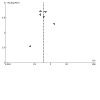
Funnel plot of comparison: 1 misoprostol vs placebo ‐ Primary Efficacy, outcome: 1.6 Total endoscopic ulcers ‐ 12 weeks or longer studies.
2.

Funnel plot of comparison: 11 PPI vs placebo ‐ 8 weeks or longer studies, outcome: 11.3 Total endoscopic ulcers.
Other potential sources of bias
The observed heterogeneity, based on the estimates for gastric ulcers, is represented graphically (L'Abbe 1987) (see Rostom 2000). Significant heterogeneity was seen only for the three month duodenal ulcer pooled estimate with misoprostol. This disappeared when the studies were grouped by misoprostol dose.
Effects of interventions
Misoprostol
We found twenty‐three studies that assessed the long term effect of misoprostol on the prevention of NSAID ulcers (Graham 2002; Chan 2001a; Hawkey 1998; Bocanegra 1998; Raskin 1996; Agrawal 1995; Raskin 1995; Valentini 1995; Delmas 1994; Elliot 1994; Graham 1993; Henriksson 1993; Melo Gomes 1993; Roth 1993; Bolten 1992; Verdickt 1992; Agrawal 1991; Chandresekaran 1991; Saggioro 1991; Graham 1988; Jensen 2000; Silverstein 1995; Stupnicki 2003). Some of these were head to head studies.
Endoscopic ulcers
Eleven studies with 3,641participants compared the incidence of endoscopic ulcers, after at least three months, of misoprostol to that of placebo (Graham 2002; Chan 2001a; Hawkey 1998; Agrawal 1995; Raskin 1995; Elliot 1994; Graham 1993; Roth 1993; Verdickt 1992; Agrawal 1991; Graham 1988). The cumulative incidence of endoscopic gastric and duodenal ulcers with placebo were 15% and 6% respectively. Misoprostol significantly reduced the relative risk of gastric ulcer and duodenal ulcers by 74% (RR 0.26; 95% CI 0.17 to 0.39, random effects; Analysis 1.4), and 58% (RR 0.42; 95% CI 0.22 to 0.81, random effects; Analysis 1.5). These relative risks correspond to a 12.0%, and 3% absolute risk reductions for gastric and duodenal ulcers respectively. The observed heterogeneity in these estimates was due to inclusion of all misoprostol doses in the analyses. Analysis of the misoprostol studies stratified by dose eliminated this heterogeneity.
1.4. Analysis.

Comparison 1: Misoprostol vs placebo ‐ primary efficacy, Outcome 4: Gastric ulcers ‐ 12 weeks or longer studies
1.5. Analysis.
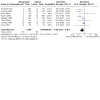
Comparison 1: Misoprostol vs placebo ‐ primary efficacy, Outcome 5: Duodenal ulcers ‐ 12 weeks or longer studies
Analysis by dose
All the studied doses of misoprostol significantly reduced the risk of endoscopic ulcers, and a dose response relationship was demonstrated for endoscopic gastric ulcers. Six studies with 2,461 participants used misoprostol 400 μg (Chan 2001a; Hawkey 1998; Agrawal 1995; Raskin 1995; Verdickt 1992; Graham 1988), one study with 928 participants used 600 μg daily (Raskin 1995), and seven with 2,423 participants used 800 μg daily (Graham 2002; Raskin 1995; Elliot 1994; Graham 1993; Roth 1993; Agrawal 1991; Graham 1988). Misoprostol 800 μg daily was associated with the lowest risk (RR 0.18; 95% CI 0.12 to 0.27; Analysis 4.4) of endoscopic gastric ulcers when compared to placebo, whereas misoprostol 400 μg daily was associated with a relative risk of (RR 0.43; 95% CI 0.28 to 0.67, random effects model for heterogeneity; Analysis 4.4). The observed heterogeneity in the 400 μg dose group was the result of the addition of the Chan study (Chan 2001a). This study compared the relatively more toxic naproxen with low dose misoprostol to nabumatone alone. In this study the risk of ulcers was inexplicably greater in the misoprostol group, but we feel this result is based on the differences between the safety of the comparator NSAIDS rather than the prophylactic agent. As a sensitivity analysis, removal of the Chan 2001a study eliminates the observed heterogeneity without significantly altering the results, giving low dose misoprostol prophylaxis a RR of 0.39 (95% CI 0.3 to 0.51; Analysis 4.5). This difference between high and low dose misoprostol reached statistical significance (P=0.0055). The intermediate misoprostol dose (600 μg daily) was not statistically different from either the low or high dose. The pooled relative risk reduction of 78% (4.7% absolute risk difference, (RR 0.21; 95% CI 0.09 to 0.49; Analysis 4.6) for duodenal ulcers with misoprostol 800 μg daily was not statistically different from those of the lower daily misoprostol dosages.
4.4. Analysis.

Comparison 4: Misoprostol vs placebo ‐ efficacy by dosage, Outcome 4: Gastric ulcers ‐ 3‐24 months
4.5. Analysis.
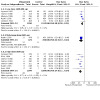
Comparison 4: Misoprostol vs placebo ‐ efficacy by dosage, Outcome 5: Gastric ulcers ‐ 3‐24 months (sensitivity analysis excluding Chan 2001)
4.6. Analysis.

Comparison 4: Misoprostol vs placebo ‐ efficacy by dosage, Outcome 6: Duodenal ulcers ‐ 3‐24 months
Studies including data with less than 3 months NSAID exposure
Eight studies, with 2206 participants, assessed the rates of endoscopic ulcers with misoprostol compared to placebo at 1 to 1.5 months (Bocanegra 1998; Delmas 1994; Elliot 1994; Henriksson 1993; Melo Gomes 1993; Bolten 1992; Chandresekaran 1991; Saggioro 1991). The pooling of these studies revealed an 81% relative risk reduction of gastric ulcers with misoprostol (RR 0.17; 95% CI 0.09 to 0.31; Analysis 1.1) and an 70% relative risk reduction of duodenal ulcers (RR 0.30; 95% CI 0.14 to 0.62; Analysis 1.2).
1.1. Analysis.

Comparison 1: Misoprostol vs placebo ‐ primary efficacy, Outcome 1: Gastric ulcers ‐ 4 ‐ 11 week studies
1.2. Analysis.

Comparison 1: Misoprostol vs placebo ‐ primary efficacy, Outcome 2: Duodenal ulcers ‐ 4 ‐ 11 week studies
One study compared misoprostol to a newer cytoprotective agent, Dosmafate, for NSAID prophylaxis and found no statistically significant difference in ulcer rates between the two agents (Cohen 2000).
Clinical Ulcers
Only one RCT, the MUCOSA trial, evaluated the efficacy of misoprostol prophylaxis against clinically important NSAID induced ulcer complications. In this study, of 8,843 participants studied over six months, the overall GI event incidence was about 1.5% per year (Silverstein 1995). Misoprostol 800 μg/day was associated with a statistically significant 40% risk reduction (OR 0.598; 95% CI 0.364 to 0.982) in combined GI events (P=0.049), representing a risk difference of 0.38% (from 0.95% to 0.57%). Overall, approximately 260 participants would have to be treated with misoprostol to prevent one clinically important GI event. This NNT would drop as higher risk participants are considered. Misoprostol appeared to be ineffective at preventing endoscopically proven GI haemorrhage alone. However a type II error is likely since the study was not powered to detect a difference in this endpoint (Silverstein 1995).
Adverse Effects
Misoprostol was associated with a small but statistically significant 1.6 fold excess risk of drop out due to drug induced side effects, and an excess risk of drop‐outs due to nausea (RR 1.26; 95% CI 1.07 to 1.48; Analysis 2.1), diarrhoea (RR 2.36; 95% CI 2.01 to 2.77; Analysis 2.4), and abdominal pain (RR 1.36; 95% CI 1.20 to 1.55; Analysis 2.5). In the MUCOSA trial, 732 out of 4404 participants on misoprostol experienced diarrhoea or abdominal pain, compared to 399 out of 4,439 on placebo for a relative risk of 1.82 associated with misoprostol (p<0.001). Overall, 27% of participants on misoprostol experienced one or more side‐effects (Silverstein 1995).
2.1. Analysis.
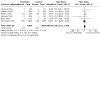
Comparison 2: Misoprostol vs placebo ‐ toxicity causing withdrawal, Outcome 1: Nausea
2.4. Analysis.

Comparison 2: Misoprostol vs placebo ‐ toxicity causing withdrawal, Outcome 4: Diarrhea
2.5. Analysis.
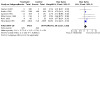
Comparison 2: Misoprostol vs placebo ‐ toxicity causing withdrawal, Outcome 5: Abdominal pain
When analysed by dose, only misoprostol 800 μg daily showed a statistically significant excess risk of drop‐outs due to diarrhoea (RR 2.45; 95% CI 2.09 to 2.88; Analysis 5.4), and abdominal pain (RR 1.38; 95% CI 1.17 to 1.63; Analysis 5.5). Both misoprostol doses were associated with a statistically significant risk of diarrhoea. However, the risk of diarrhoea with 800μg/day (RR 3.16; 95% CI 2.33 to 4.29) was significantly higher than that seen with 400 μg/day (RR 1.76 95% CI 1.37 to 2.26) (Analysis 6.4).
5.4. Analysis.
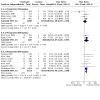
Comparison 5: Misoprostol vs placebo ‐ toxicity causing withdrawal ‐ by dose, Outcome 4: Diarrhea
5.5. Analysis.

Comparison 5: Misoprostol vs placebo ‐ toxicity causing withdrawal ‐ by dose, Outcome 5: Abdominal pain
6.4. Analysis.

Comparison 6: Misoprostol vs placebo ‐ symptoms ‐ by dose, Outcome 4: Diarrhea
Analyses by Quality
Both high and low quality misoprostol trials demonstrated a statistically significant reduction of endoscopic ulcers.
H2‐Receptor Antagonists
Six trials with 942 participants assessed the effect of standard dose H2RAs on the prevention of endoscopic NSAID ulcers at one month (Berkowitz 1987; Ehsanullah 1988; Robinson 1991; Robinson 1989; Taha 1996; van Groenendaci 1996), and five trials with 1,005 participants assessed these outcomes at 3 months or longer (Ehsanullah 1988; Taha 1996; Levine 1993; Swift 1989; Simon 1994). Standard dose H2RAs are effective at reducing the risk of duodenal ulcers (RR 0.24; 95% CI 0.10 to 0.57; Analysis 7.2, and RR 0.36; 95% CI 0.18 to 0.74; Analysis 8.2 at one and three or more months respectively), but not of gastric ulcers (NS). One study did not have a placebo comparator and was not included in the pooled estimate (Simon 1994).
7.2. Analysis.

Comparison 7: H2 Receptor vs placebo ‐ 4 ‐ 11 week studies by dose, Outcome 2: Duodenal ulcer
8.2. Analysis.

Comparison 8: H2 Receptor vs placebo 12 weeks or longer ‐ by dose, Outcome 2: Duodenal ulcer
Three RCTs with 298 participants assessed the efficacy of double dose H2RAs for the prevention of NSAID induced upper GI toxicity (Taha 1996; Hudson 1997; Ten Wolde 1996). Double dose H2RAs when compared to placebo were associated with a statistically significant reduction in the risk of both duodenal (RR 0.26; 95% CI 0.11 to 0.65; Analysis 8.2) and gastric ulcers (RR 0.44; 95% CI 0.26 to 0.74; Analysis 8.1). This 56% relative risk reduction in gastric ulcer corresponds to a 12% absolute risk difference (from 23.1% to 11.3%). Analysis of the secondary prophylaxis studies alone yielded similar results.
8.1. Analysis.

Comparison 8: H2 Receptor vs placebo 12 weeks or longer ‐ by dose, Outcome 1: Gastric ulcer
Symptoms
H2RAs, in standard or double doses, were not associated with an excess risk of total drop‐outs, dropouts due to side‐effects, or symptoms when compared to placebo. However, high dose H2RAs significantly reduced symptoms of abdominal pain when compared to placebo (RR 0.57; 95% CI 0.33 to 0.98) Analysis 9.7).
9.7. Analysis.

Comparison 9: H2 Receptor vs placebo ‐ toxicity ‐ by dose, Outcome 7: Abdominal pain
Analyses by Quality
In contrast to high quality trials, low quality trials failed to demonstrate a benefit of standard dose H2RAs for the prevention of endoscopic duodenal ulcers. No significant differences were observed by quality for dropouts and symptoms.
Proton Pump Inhibitors
Six RCTs with 1259 participants assessed the effect of PPIs on the prevention of NSAID induced upper GI toxicity (Graham 2002; Bianchi Porro 2000; Hawkey 1998; Ekstrom 1996; Cullen 1998; Lai 2003).
PPIs compared to placebo
PPIs significantly reduced the risk of both endoscopic duodenal (RR 0.20; 95% CI 0.10 to 0.39; Analysis 11.2) and gastric ulcers (RR 0.39; 95% CI 0.31 to 0.50; Analysis 11.1) compared to placebo (Bianchi Porro 2000; Cullen 1998; Ekstrom 1996; Graham 2002; Hawkey 1998; Lai 2003). The results were similar for both primary and secondary prophylaxis trials.
11.2. Analysis.

Comparison 11: PPI vs placebo ‐ 8 weeks or longer studies, Outcome 2: Endoscopic duodenal ulcer
11.1. Analysis.

Comparison 11: PPI vs placebo ‐ 8 weeks or longer studies, Outcome 1: Endoscopic gastric ulcer
Clinical Ulcers
Small studies in relatively high risk participants have emerged that suggest that PPIs can reduce the risk of clinically important ulcer complications. A small 8 week study found that PPIs reduce the risk of endoscopic ulcers but there were also fewer bleeds or symptomatic ulcers in the PPI group compared to placebo (Lai 2003).
Another study which did not meet the inclusion criteria has shown that a strategy of a COX‐2 alone is associated with similar rebleeding rates as a strategy of a tNSAID with a PPI (Chan 2004b). Several studies have shown that COX‐2 inhibitors reduce the risk of clinically important ulcer complications (Rostom 2007), therefore suggesting that a strategy of a tNSAID with a PPI also reduces the risk of clinical ulcer complications. However, the rate of rebleeding in this study was relatively high suggesting that in high risk participants, neither strategy was sufficient.
Symptoms
Four omeprazole trials used the same composite endpoints to define treatment success (Cullen 1998; Ekstrom 1996; Hawkey 1998; Yeomans 1998). In these trials omeprazole significantly reduced "dyspeptic symptoms" as defined by the authors. In the combined analysis, drop‐outs overall and drop‐outs due to side effects were not different from placebo. These results are also supported by a recent study by Hawkey et al that reported statistically significant improvement in dyspeptic symptoms in NSAID participants taking esomeprazole compared to placebo (Hawkey 2005).
Analyses by Quality
No significant differences were observed with analysis by quality.
Head to Head Comparisons
Misoprostol vs ranitidine
Two trials with 600 participants compared misoprostol to ranitidine 150 mg twice daily (Raskin 1995; Valentini 1995). Misoprostol appears superior to standard dose ranitidine for the prevention of NSAID induced gastric ulcers (RR 0.12; 95% CI 0.03 to 0.51; Analysis 18.1) but not for duodenal ulcers (RR 1.00; 95% CI 0.14 to 7.05; Analysis 18.2).
18.1. Analysis.

Comparison 18: Misoprostol vs ranitidine 150 mg bid ‐ 1‐2 month, Outcome 1: Endoscopic gastric ulcers
18.2. Analysis.

Comparison 18: Misoprostol vs ranitidine 150 mg bid ‐ 1‐2 month, Outcome 2: Endoscopic duodenal ulcers
Omeprazole vs ranitidine
Yeomans et. al. in a study of 425 participants, compared omeprazole 20mg daily to ranitidine 150 mg twice daily for NSAID prophylaxis (Yeomans 1998). In this study, omeprazole was superior to standard dose ranitidine for the prevention of both gastric (RR 0.32; 95% CI 0.17 to 0.62; Analysis 14.1) and duodenal ulcers (RR 0.11; 95% CI 0.01 to 0.89; Analysis 14.2).
14.1. Analysis.
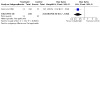
Comparison 14: PPI vs H2‐antagonist ‐ 12 weeks or longer studies, Outcome 1: Endoscopic gastric ulcers
14.2. Analysis.

Comparison 14: PPI vs H2‐antagonist ‐ 12 weeks or longer studies, Outcome 2: Endoscopic duodenal ulcers
PPI vs misoprostol
Four trials with a total of 1478 participants (Graham 2002; Hawkey 1998; Jensen 2000; Stupnicki 2003) compared a PPI to misoprostol. Two studies compared low dose misoprostol (400 μg) daily to a standard dose PPI (Hawkey 1998; Stupnicki 2003), while the Graham 2002 study compared high dose misoprostol (800 μg) to lansoprazole 15 or 30 mg daily. PPIs are statistically superior to misoprostol for the prevention of duodenal ulcer (RR 0.25; 95% CI 0.11 to 0.56; Analysis 16.2 (Hawkey 1998)), but not gastric ulcer (RR 1.61; 95% CI 0.85 to 3.06; random effects Analysis 16.1) (Hawkey 1998; Graham 2002)) or total gastroduodenal ulcers (RR 0.90; 95% CI 0.47 to 1.72, random effects; Analysis 16.3 ). Individually the Hawkey trial showed a non‐significant trend towards greater benefit with misoprostol over omeprazole for the prevention of gastric ulcers, while the Graham 2002 study actually showed that misoprostol was superior to lansoprazole for the prevention of gastric ulcers. The pooled results mirror these findings but failed to reach statistical significance (RR 0.62; 95% CI 0.33 to 1.18; Analysis 15.1, random effects). These analyses utilized a small number of studies (duodenal ‐one study; gastric ‐ two studies; total ulcers ‐ four studies) and demonstrated important clinical and statistical heterogeneity likely stemming in part from differences in intervention doses.
16.2. Analysis.

Comparison 16: PPI Vs Misoprostol (as control) ‐ 12 weeks or longer studies, Outcome 2: Endoscopic duodenal ulcer
16.1. Analysis.

Comparison 16: PPI Vs Misoprostol (as control) ‐ 12 weeks or longer studies, Outcome 1: Endoscopic gastric ulcer
16.3. Analysis.

Comparison 16: PPI Vs Misoprostol (as control) ‐ 12 weeks or longer studies, Outcome 3: Total endoscopic ulcers
15.1. Analysis.

Comparison 15: Misoprostol Vs PPI (as control) ‐ 12 weeks or longer studies, Outcome 1: Endoscopic gastric ulcer
Symptoms
In the two head to head comparisons of omeprazole and misoprostol (Graham 2002; Hawkey 1998), PPIs were associated with significantly less drop‐outs overall (RR 0.71; 95% CI 0.52 to 0.97; Analysis 17.1), as well as significantly less drop‐outs due to side‐effects (RR 0.48; 95% CI 0.29 to 0.78; Analysis 17.2). When compared to H2RA used for less than two months, misoprostol caused significantly more drop‐outs due to abdominal pain (RR 3.00, 95% CI 1.11, 8.14; Analysis 18.6) and more symptoms of diarrhoea (RR 2.03, 95% CI 1.38, 2.99; Analysis 18.12). There were no significant differences in drop‐outs due to side‐effects (RR 1.90; 95% CI 0.77 to 4.67; Analysis 14.5) or symptoms of abdominal pain or diarrhoea between low dose H2RAs and PPIs. Misoprostol also appears to be associated with a lower quality of life amongst chronic NSAID users compared to PPIs (Yeomans 2001).
17.1. Analysis.

Comparison 17: Misoprostol vs PPI ‐ toxicity ‐ 12 weeks or longer studies, Outcome 1: Dropouts overall
17.2. Analysis.

Comparison 17: Misoprostol vs PPI ‐ toxicity ‐ 12 weeks or longer studies, Outcome 2: Dropouts due to side effects
18.6. Analysis.

Comparison 18: Misoprostol vs ranitidine 150 mg bid ‐ 1‐2 month, Outcome 6: Dropouts due to abdominal pain
18.12. Analysis.

Comparison 18: Misoprostol vs ranitidine 150 mg bid ‐ 1‐2 month, Outcome 12: Diarrhea symptoms
14.5. Analysis.

Comparison 14: PPI vs H2‐antagonist ‐ 12 weeks or longer studies, Outcome 5: Toxicity‐ dropouts due to side effects
Discussion
The results of this meta‐analysis demonstrate that misoprostol, PPIs, and double doses of H2RAs are effective at reducing the risk of both endoscopic gastric and duodenal NSAID induced ulcers. Standard doses of H2RAs are not effective at reducing the risk of NSAID induced gastric ulcers. Misoprostol is the only prophylactic agent to date that has been evaluated in a true clinical outcome trial, and has been shown to reduce the risk of NSAID related ulcer complications. However, its use is associated with significant adverse effects particularly at higher doses.
It is difficult to comment on the relative efficacy of the different prophylactic agents since the studies involving head to head comparisons often used doses of the comparator drug that are known to be less effective. For example, misoprostol and omeprazole were compared to standard dose ranitidine, and omeprazole was compared to misoprostol 400 μg/day in one study. However, with these limitations in mind, misoprostol was found to be superior to standard dose H2RAs at reducing endoscopic gastric ulcers. Omeprazole was superior to standard dose ranitidine at reducing the risk of both endoscopic gastric and duodenal ulcers. However, omeprazole was superior to misoprostol at reducing the risk of endoscopic duodenal but not gastric ulcers. In fact based on a single study misoprostol appeared superior to lansoprazole for the secondary prevention of NSAID induced gastric ulcers (Graham 2002). The true clinical implications of this last point is not clear and may be small, but requires further research.
Overall we found that H2RAs and PPIs were better tolerated than misoprostol, and reduced NSAID related dyspeptic symptoms. Unfortunately, the reporting of symptoms and drug induced side effects were variable in these studies, a problem seen in a variety of other clinical trials. For the current review we concentrated on the reporting of side‐effects causing drop‐out from the studies. We felt that this end‐point would be more reliably reported than side‐effects alone. The definitions of dyspepsia, and abdominal pain were also variable or not given in these trials, so we combined these as a composite endpoint. The reporting of diarrhoea was more uniform, likely because it is a common side effect of misoprostol, and this end‐point was used as a symptom not causing drop‐out. Great care was taken in the abstraction and interpretation of the side‐effect data, but the variable reporting of these endpoints may be a potential source of bias.
Because misoprostol is associated with more frequent adverse symptoms than the other agents, we also looked at the effect of dose on the efficacy and tolerability of this agent. Misoprostol 800 μg/day is more effective at reducing gastric ulcers than 400 μg/day. However, both 400 μg and 800 μg daily are associated with significantly more diarrhoea than placebo, and the effectiveness of low doses of misoprostol in the reduction of clinical ulcer complications is not well studied. Therefore, the practice of using lower doses of misoprostol to avoid its associated adverse effects should be questioned.
High risk GI patients represent another area of clinical importance. Several strategies have been evaluated in high risk patients with previous GI bleeding (see GI safety of COX‐2 review). The studies focused on comparisons of COX‐2 inhibitors (COX‐2s) alone and in combination with a PPI, and showed that a strategy of a COX‐2 alone was similar to a strategy of using a traditional NSAID with a PPI. However, the rate of re‐bleeding with both strategies was still relatively high suggesting that neither strategy was completely effective. However, strategy of a COX‐2 + PPI was associated with the greatest protection from recurrent re‐bleeding (Chan 2004b; Lai 2005; Chan 2007).
A lot has changed in the NSAID field since the last update of this review. In the early 2000s, it appeared that COX‐2s were going to completely replace traditional non selective NSAIDs. In fact, prescriptions, and sales of traditional NSAIDs dropped while COX‐2 prescriptions rose to level that suggested that physicians were prescribing COX‐2s to patients that were not previously treated with NSAIDs. However, by 2004, greater information regarding the cardiovascular (CVS) safety of COX‐2s started to emerge. A large systematic review demonstrated that COX‐2 were associated with increased risk of CVS events (Kearney 2006). In addition, one COX‐2 was found to be associated with a serious dermatologic disorder while another was associated with higher than expected rates of hepatotoxicity. These factors ultimately led to the withdrawal of most of these agents from the market place. In North America, only celecoxib remains. These events, resulted in a precipitous fall in COX‐2 prescriptions, with a resurgence in traditional NSAID use along with a gastro‐protective agent such as a PPI. However, traditional NSAIDs were not left unscathed. Several lines of data also suggested that non‐naproxen NSAIDs were associated with similar CVS toxicity as the COX‐2s, further casting confusion amongst clinicians (Kearney 2006; Rostom 2009). Recently several consensus guidelines have been published to help guide clinicians in their management of patients with arthritic conditions (Rostom 2009; Bhatt 2008; Chan 2008).
The ideal means of reducing the risk of upper GI toxicity among chronic NSAIDs users is complex. Several factors influence the risk of NSAID related upper GI toxicity: increasing age (>65), previous peptic ulcer disease, co‐morbid medical illnesses, the type of NSAID, the use of multiple NSAIDS and the combined use of NSAIDs and corticosteroids (Fries 1991; Bollini 1992; Gabriel 1991; Silverstein 1995; Hallas 1995; Hansen 1996; Laporte 1991; Rodriguez 1997; Hochain 1995). Therefore, younger patients without co‐morbidities or previous GI NSAID complications can be treated with a traditional NSAID alone (Rostom 2009; Maetzel 1998).
For patients with low gastrointestinal risk and high cardiovascular risk, naproxen may be preferred because of the potentially lower cardiovascular risk than with other tNSAIDs or COX‐2 inhibitors. However, since these patients are assumed to be on low‐dose ASA therapy, the combination of naproxen plus ASA would increase the gastrointestinal risk, and therefore, the addition of a gastro‐protective agent such as a PPI should be considered (Rostom 2009). For patients at very high risk of upper gastrointestinal events, a combination of a COX‐2 inhibitor plus a PPI may offer the best gastrointestinal safety profile. When both gastrointestinal and cardiovascular risks are high, the optimal strategy is to avoid NSAID therapy if at all possible. If the NSAID therapy is deemed necessary, then the clinician must prioritise the cardiovascular and gastrointestinal risks, recognizing that these patients are likely taking ASA for their cardiovascular risk and choose a strategy that addresses the clinical profile recognizing, that there would likely be incomplete protection either on the CVS or GI side with a choice of COX‐2 + PPI or naproxen + PPI respectively.
Summary of main results
Misoprostol at 800 μg daily reduces the occurrence of NSAID related clinical ulcer complications. Lower doses of misoprostol are associated with fewer side effects of diarrhoea but are less effective at preventing endoscopic gastric ulcers. The effects of low doses of misoprostol on ulcer complications are unknown, so the use of lower doses may be associated with a significant clinical tradeoff. Standard doses of H2RAs should not be used for prophylaxis against NSAID toxicity. Double doses of H2RAs and standard doses of PPIs are effective at preventing endoscopic duodenal and gastric ulcers, reduce NSAID related dyspepsia and are better tolerated than misoprostol. In high risk GI patients, a COX‐2 alone or a traditional NSAID + a PPI offer similar but potentially insufficient protection from recurrent bleeding and a COX‐2 + PPI can be considered.
Overall completeness and applicability of evidence
This systematic review includes all the published data that we could identify for the long term prevention (four weeks or greater) of tNSAID related gastroduodenal injury. This field rapidly evolved with the introduction of COX‐2 inhibitors, but with the recognition of the toxicity of those agents, clinicians are moving back toward using tNSIADs with gastro‐protection. While there is a single large outcome study for the prevention of clinical ulcer events such as bleeding with misoprostol, and multiple such studies for the COX‐2 inhibitors, there is less direct evidence for the PPIs. However, there is data that suggests in high risk GI patients who require NSAIDs, a COX‐2 alone and a tNSAID with a PPI offer similar protection from recurrent bleeding. No such data exists for H2RAs, and it is unlikely that a large outcome study with PPIs or H2RAs would now be conducted in average risk arthritic patients requiring long term tNSAID use.
Quality of the evidence
Overall there is good quality evidence for the interventions assessed in this review. There is good quality endoscopic and clinical ulcer outcome data for misoprostol for the prevention of gastroduodenal ulcers and ulcer complications. There is good quality endoscopic data for the prevention of gastroduodenal endoscopically detected ulcers for H2RAs and PPIs. There is new evidence suggesting that PPIs added to tNSAIDs are as effective as the use of COX‐2s for the prevention of recurrent bleeding.
Potential biases in the review process
The review was conducted according to standard systematic review methodology.
Agreements and disagreements with other studies or reviews
The results of this systematic review are in agreement with other reviews and with recent consensus guidelines (Rostom 2009; Bhatt 2008; Chan 2008; Brown 2006).
Authors' conclusions
Implications for practice.
Standard doses of H2RAs should not be used for the prevention of NSAID related Upper GI toxicity, since they are ineffective at preventing NSAID related gastric ulcers.
Double doses of H2RAs and standard doses of PPIs are effective prophylactic agents based on the results of endoscopic studies.
Misoprostol is an effective NSAID prophylactic agent based on both a clinical outcome study and multiple endoscopic studies, and may be slightly more effective at reducing NSAID induced gastric ulcers than PPIs ‐ though the true clinical implications of this last point my be small. Misoprostol use is associated with greater adverse effects then the other agents.
In high risk GI patients, a strategy of a COX‐2 inhibitor or a traditional NSAID + a PPI appear to offer similar though insufficient protection from recurrent NSAID ulcer bleeding. A strategy of a COX‐2 inh + a PPI offers the greatest GI safety.
Gastrointestinal and cardiovascular risk stratification should be undertaken and should inform the decision regarding the choice of a gastro‐protective strategy.
Implications for research.
Further study is required to better characterize the relative CVS effects of the various traditional NSAIDs and to determine if naproxen in anti‐inflammatory doses also requires the addition of low dose ASA for cardioprotection in those with CVS disease. In patients with CVS disease who require ASA, is the use of low dose COX‐2+ASA safer than the naproxen + ASA when either is used with a PPI?
The comparative cost effectiveness of various strategies for the treatment of arthritic patients including standard NSAIDs with or without prophylaxis with the various agents discussed in this review, compared with treatment with COX‐2 inhibitors alone and with the inevitable co‐prescribing of COX‐2 agents and PPIs would greatly assist clinicians and policy makers alike in rationalizing this rapidly changing field.
Recent evidence regarding potential harms associated with long term PPI therapy such as possible: increased risk of osteoporosis; increased risk of Clostridium difficile colitis; and interaction with antiplatelet agent effects need to be reviewed.
Feedback
Endoscopic ulcers are not the same as clinical ulcers, October 2010
Summary
Original feedback
We were pleased to read the review article as it addresses an important clinical question (Rostom 2002). We did however identify some important issues that hinder our ability to apply the results in clinical practice.
Firstly, in the background, the authors noted that endoscopic ulcers can be found in approximately 40% of chronic NSAID users and up to 85% of documented endoscopic ulcers do not become clinically apparent (Rostom 2002). However, in the results, we have concerns about the lack of discussion regarding the use of surrogate endpoints, such as endoscopic ulcers, to predict meaningful endpoints such as clinical ulcers (Moore 2009). Evidence showing a direct relationship in the same trial between endoscopic gastroduodenal ulcers and clinically significant ulcer complications is lacking (Moore 2009). We would recommend including a discussion on the uncertain clinical relevance of endoscopic ulcers (Graham 2009; Moore 2009).
Secondly, the overwhelming majority of trials included in the review (38/41) reported only on endoscopic ulcers; leaving a very small sample of only three trials that reported on clinical ulcers and the subsequent complications. It is believed that selective outcome reporting bias can have significant implications on the assessment of interventions (McGauran 2010).One way to address the issue of selective outcome reporting bias is through contacting the authors of the individual trials and requesting to see their clinical outcome data. In this review article, there was no indication of an attempt to contact the authors of the individual trials for information on potential clinical events (i.e. symptomatic ulcers, bleeding, etc). The authors of the review discussed that the MUCOSA trial was the only true clinical outcome trial; however, no attempt was made to highlight the potential dangers of drawing conclusions from a single study without replication. In fact, the authors went on to summarize that “misoprostol at 800 ug daily reduces the occurrence of NSAID related clinical ulcer complications” (Rostom 2002). We do not feel that this statement is justified.
Ninety three percent of trials did not report on clinical ulcers and this should have been emphasized in the review. Our interpretation of the available literature is that there is insufficient evidence to determine if gastroprotection with any class of drugs reduces the incidence of clinical complications that are important to patients on long‐term NSAID therapy.
Lastly, we would like to note a potential transcription error on page 40 (Rostom 2002). In the list of characteristics of included studies, the sample size described in the Silverstein 1995 trial appears to be missing the last numerical digit in the sample size at entry and should read 4404 and 4439 instead of 440 and 443. As a reader, it’s helpful to understand all abbreviations used. In addition, the authors did not define the abbreviations POB and PUB used in reference to proton pump inhibitor clinical endpoint trials.
Stephanie Halliday, BSc (Pharm) Aaron Tejani, BSc (Pharm), PharmD, ACPR
Reply
Thank you for your letter and comments.
Your major concerns revolve around the usage of the endoscopic endpoint in the majority of the trials included in this review, and you are also uncomfortable with the results of the mucosa study as it is a single clinical ulcer study.
Both these points were emphasised in our review including in the methods and discussion.
The feedback authors should be aware that the design and execution of a randomized controlled trial utilizing the endoscopic endpoint is very different than for a trial utilizing the clinical ulcer composite endpoints (which typically include bleeding, perforation, or obstruction). The common nature of endoscopic endpoints means that NSAID studies utilizing them can be small (few hundred patients), short (4 to 12 weeks), and relatively inexpensive despite all patients undergoing endoscopy. These studies can be high quality and powered to detect significant changes in this endpoint. For example, proton pump inhibitors reduce the relative risk of endoscopically detected duodenal ulcers by greater than 80% (Rostom 2009c; Rostom 2002). So it is no wonder that the vast majority of researchers conducting NSAID studies, particularly the early traditional NSAID (tNSAID) trials and cyclo‐oxygenase 2 inhibitors (COX‐2s) trials, utilized this endpoint.
NSAID trials that utilize clinical ulcer endpoints need to be very large (thousands of patients), quite long (6 months at least), and need formal adjudication of potential endpoint events as not every patient undergoes endoscopy. The complexity and expense of these studies limited their early usage until the COX‐2 era arrived. Therefore, we feel the MUCOSA study (Silverstein 1995) can be considered landmark in that it was the first to exercise this more complex design and subsequently was used as a model for the clinical ulcer trials conducted for the COX‐2s. Furthermore, the MUCOSA trial (Silverstein 1995) identified that clinical events occur at a rate of about 1.5% per 100 patient years amongst tNSAID users, a finding that was repeatedly identified in the COX‐2 clinical ulcer studies (Rostom 2009c; Rostom 2002). MUCOSA was a high quality study and we have no reservation in the rating we gave it and as such in the believability of its results (Rostom 2009c; Rostom 2002).
There is no question that the clinical ulcer studies are the preferred source of evidence over endoscopic studies particularly for the evaluation of the safety of new agents as suggested by the FDA (FDA 2010). However at the same November 4th, 2010 FDA meeting, the Gastrointestinal Drugs Advisory Committee agreed that endoscopic ulcers are “an adequate primary efficacy endpoint for evaluating products intended to prevent NSAID‐associated upper GI toxicity”. Therefore, it would be unwise to discount all the available data from endoscopic studies. These studies demonstrated remarkable consistency in placebo arms event rates across the tNSAID and COX‐2 studies. Furthermore while there is not a one to one relationship between endoscopic ulcers and clinical ulcers, clearly there is a relationship and few experts in the field would discount that today. In our own work, we have found that misoprostol and COX‐2 inhibitors reduce the risk of clinical ulcers by about 50%, while the same agents reduce the risk of endoscopic ulcers by close to 80% depending on whether one is speaking of endoscopic gastric or duodenal ulcers. Ironically, in previous versions of the review and in our book chapters we discussed at length the relationship between endoscopic ulcers and clinical ulcers, but this was removed recently as a relationship has become more accepted. So we feel that reporting on the endoscopic studies is valuable and appropriate (Rostom 2009c; Rostom 2002).
You also mention that one could contact authors for inclusion of unreported clinical events occurring within the endoscopic studies to avoid bias. However, we purposely did not include this type of data even when a clinical event was occasionally mentioned in a paper. The reason for this as detailed above is simply that these studies were not designed to look for these events in a systematic way, nor were adjudication of such events described a priori and consistently among the endoscopic ulcer studies. We strongly feel that inclusion of such reports would introduce multiple other sources of bias and would not improve our understanding in a tangible fashion. The Hong Kong studies included in our review are of course different in that they were designed to report on both types of endpoints by utilizing a very high risk NSAID population where clinical endpoints occur at a relatively high rate to allow for a relatively short, and small study (Chan 2002; FDA 2010).
Lastly thank you for identifying the typos related to the MUCOSA study table.
In summary, we respect your opinion that “that there is insufficient evidence to determine if gastroprotection with any class of drugs reduces the incidence of clinical complications that are important to patients on long‐term NSAID therapy”, but we respectfully disagree.
Alaa Rostom MD MSc FRCPC
Contributors
Stephanie Halliday, BSc (Pharm)
Aaron Tejani, BSc (Pharm), PharmD, ACPR
Alaa Rostom MD MSc FRCPC
What's new
| Date | Event | Description |
|---|---|---|
| 19 October 2021 | Amended | Published note added |
History
Review first published: Issue 3, 2000
| Date | Event | Description |
|---|---|---|
| 15 April 2011 | Amended | Correction of typos |
| 12 April 2011 | Feedback has been incorporated | Endoscopic ulcers are not the same as clinical ulcers. |
| 5 October 2010 | Amended | Contact details updated. |
| 11 May 2009 | New search has been performed | 5 new studies have been added since the last update. This is an updated version of the review first published in 2000. The changes include an updated search strategy, and new papers on PPIs. We have also updated the Background and Discussion to reflect the changes in NSAID field related to COX‐2 inhibitor market withdrawals and new data on cardiovascular toxicity of COX‐2s and NSAIDs. |
| 16 July 2008 | Amended | Converted to new review format. |
| 25 July 2002 | New citation required and conclusions have changed | Substantive amendment. |
Notes
This review is no longer being updated. The review question will be addressed according to a new protocol (in progress).
Acknowledgements
We would also like to thank the Cochrane UGPD group for their assistance and patience and for updating the search strategies.
Appendices
Appendix 1. MEDLINE search strategy
RCT filter updated
Lines 15‐17 deleted: redundant (included in ‘exp peptic ulcer/’)
Lines 27 and 28 deleted: redundant (see line 25)
Line 37 amended to ‘(pylor$ adj3 stenosis).tw’ to pick up eg ‘stenosis of the pylorus’
Line 45 amended to ‘lan?oprazole.tw’
(After line 61) inserted ‘exp proton pump inhibitors/’
Line 70 amended to ‘nonsteroid$ anti‐inflammator$.tw’
Line 71 amended to ‘non‐steroid$ anti‐inflammator$.tw’
(After line 71) inserted ‘nonsteroid$ antiinflammator$.tw’ and ‘non‐steroid$ antiinflammator$.tw’
(After line 79) inserted ‘exp fenoprofen/’
(After line 80) inserted ‘exp flurbiprofen/’
Line 82 amended to ‘exp indomethacin/’ (correct spelling of subject heading)
Line 83 amended to ‘indomet?acin$.tw’
(After line 100) inserted ‘phenazone.tw’ (synonym for ‘antipyrine’)
(After line 105) inserted ‘exp aminopyrine/’
(After line 106) inserted ‘exp curcumin/’
(After line 107) inserted ‘exp clofazimine/’
Search as run 07/05/09
RCT filter updated 26/03/09
1. randomized controlled trial.pt.
2. controlled clinical trial.pt.
3. randomized.ab.
4. placebo.ab.
5. drug therapy.fs.
6. randomly.ab.
7. trial.ab.
8. groups.ab.
9. 1 or 2 or 3 or 4 or 5 or 6 or 7 or 8
10. humans.sh.
11. 9 and 10
12. exp peptic ulcer/
13. exp peptic ulcer hemorrhage/
14. (pep$ adj5 ulcer$).tw.
15. (stomach adj5 ulcer$).tw.
16. (duoden$ adj5 ulcer$).tw.
17. (gastr$ adj5 ulcer$).tw.
18. exp gastritis/
19. gastritis.tw.
20. gastropathy.tw.
21. (bleed$ adj5 ulcer$).tw.
22. (rebleed$ adj5 ulcer$).tw.
23. (gastrointestinal adj5 bleed$).tw.
24. (gastrointestinal adj5 rebleed$).tw.
25. (gastrointestinal adj5 hemorrhag$).tw.
26. (gastrointestinal adj5 haemorrhag$).tw.
27. (ulcer adj5 hemorrhag$).tw.
28. (ulcer adj5 haemorrhag$).tw.
29. (mucos$ adj5 injur$).tw.
30. exp pyloric stenosis/
31. (pylor$ adj3 stenosis).tw.
32. (gastrointestinal adj3 perforat$).tw.
33. (gi adj3 perforat$).tw.
34. (ulcer$ adj3 perforat$).tw.
35. or/12‐34
36. exp anti‐ulcer agents/
37. exp omeprazole/
38. omeprazole.tw.
39. lan?oprazole.tw.
40. pantoprazole.tw.
41. rabeprazole.tw.
42. esomeprazole.tw.
43. exp histamine H2 antagonists/
44. exp cimetidine/
45. cimetidine.tw.
46. exp ranitidine/
47. ranitidine.tw.
48. exp famotidine/
49. famotidine.tw.
50. exp nizatidine/
51. nizatidine.tw.
52. (histamine adj3 H2 adj3 antagonist$).tw.
53. (antiulcer adj5 agent$).tw.
54. (anti$ adj3 ulcer$ adj3 agent$).tw.
55. (H2 adj5 receptor adj5 antagonist$).tw.
56. exp proton pump inhibitors/
57. (proton adj3 pump adj3 inhibitor$).tw.
58. exp misoprostol/
59. exp sucralfate/
60. misoprostol.tw.
61. sucralfate.tw.
62. or/36‐61
63. Anti‐inflammatory agents, non‐steroidal/
64. nsaid$.tw.
65. nonsteroid$ anti‐inflammator$.tw.
66. non‐steroid$ anti‐inflammator$.tw.
67. nonsteroid$ antiinflammator$.tw.
68. non‐steroid$ antiinflammator$.tw.
69. exp ibuprofen/
70. ibuprofen$.tw.
71. aceclofenac$.tw.
72. acemetacin$.tw.
73. dexketoprofen$.tw.
74. exp diclofenac/
75. diclofenac$.tw.
76. fenbufen$.tw.
77. exp fenoprofen/
78. fenoprofen$.tw.
79. exp flurbiprofen/
80. flurbiprofen$.tw.
81. exp indomethacin/
82. indomet?acin$.tw.
83. exp ketoprofen/
84. ketoprofen$.tw.
85. exp mefenamic acid/
86. (mefenamic adj3 acid$).tw.
87. nabumetone$.tw.
88. exp naproxen/
89. naproxen$.tw.
90. exp phenylbutazone/
91. phenylbutazone$.tw.
92. exp piroxicam/
93. piroxicam$.tw.
94. exp sulindac/
95. sulindac$.tw.
96. exp tolmetin/
97. tolmetin.tw.
98. exp antipyrine/
99. antipyrine.tw.
100. phenazone.tw.
101. tenoxicam$.tw.
102. (tiaprofenic adj3 acid$).tw.
103. exp aspirin/
104. aspirin$.tw.
105. (acetylsalicylic adj3 acid$).tw.
106. exp aminopyrine/
107. aminopyrine.tw.
108. exp curcumin/
109. curcumin.tw.
110. exp clofazimine/
111. clofazimine.tw.
112. or/63‐111
113. 35 and 62 and 112
114. 11 and 113
115. limit 114 to yr="2004‐2009"
Appendix 2. CCOHTA Search Strategy
Literature Search Strategy Search Legend In Dialog® De = descriptor, ie. Medical Subject Heading (a controlled, thesaurus term) Ti = title (i.e. word has to occur in title field of the bibliographic record) Ab = abstract (ie word has to occur in abstract field of bibliographic record) ! = explode; picks up narrower terms as well, i.e. terms which are conceptually subsets of a broader term. For instance, gastritis! also retrieves gastritis, atrophic and gastritis, hypertrophic () = words must be adjacent ? = truncation symbol DATABASES LIMITS KEY WORDS AND STRATEGY Dialog® OneSearch® MEDLINE® (File 155, 1966‐2002/Apr W4); ToxFile(File 156, 1966‐ 2002/Feb W4)) 2000‐2002 for the update of the Cochrane Review; 1990‐2002 for the COX‐ 2/GI safety review Search done May 3, 2002 1. gastritis! 2. (gastritis OR gastropathy)/ti,ab 3. gastrointestinal hemorrhage! 4. gi(w2)hemorrhage?/ti,ab 5. gi(w2)haemorrhage?/ti,ab 6. gastrointestinal(w2)hemorrhage?/ti,ab 7. gastrointestinal(w2)haemorrhage?/ti,ab 8. gi(w2)bleed?/ti,ab 9. gastrointestinal(w2)bleed?/ti,ab 10. ulcer(w2)hemorrhage?/ti,ab 11. ulcer(w2)haemorrhage?/ti,ab 12. peptic ulcer perforation/de 13. ulcer(w2)perforation?/ti,ab 14. gi(w2)perforation?/ti,ab 15. gastrointestinal(w2)perforation?/ti,ab 16. mucosa?(w2)injur?/ti,ab 17. peptic ulcer! 18. peptic(w2)ulcer?/ti,ab 19. stomach(w2)ulcer?/ti,ab 20. duodenal(w2)ulcer?/ti,ab 21. gastroduodenal(w2)ulcer?/ti,ab 22. gastric(w2)ulcer?/ti,ab 23. pyloric stenosis/de 24. pyloric(w)stenos?s/ti,ab 25. Set 1:Set 24 26. anti‐inflammatory agents, non‐steroidal/de 27. non()steroidal()antiflammator?ti,ab 28. nonsteroidal()antiflammator?/ti,ab 58 DATABASES LIMITS KEY WORDS AND STRATEGY 29. nsaid?/ti,ab 30. meclofenamic acid/de 31. meclofenamic()acid/ti,ab OR rn= 644‐62‐2 32. sulindac/de OR rn=38194‐50‐2 OR sulindac/ti,ab 33. tolmetin/de OR tolmetin/ti,ab OR rn=26171‐ 23‐3 34. naproxen/de OR naproxen/ti,ab OR rn=22204‐53‐1 35. phenylbutazone! OR rn = 50‐33‐9 OR phenylbutazone/ti,ab 36. rn=129‐20‐4 OR rn=30748‐29‐9 OR 57‐96‐5 OR (oxyphenbutazone OR prenazone OR sulfinpyrazone)/ti,ab 37. ketoprofen/de OR ketoprofen/ti,ab OR rn = 22071‐15‐4 38. indomethacin! OR indomethacin/ti,ab OR rn=53‐86‐1 39. ketorolac/de OR ketorolac/ti,ab OR rn=66635‐ 83‐4 40. ibuprofen/de OR ibuprofen/ti,ab OR rn=15687‐27‐1 41. curcumin/de OR curcumin./ti,ab OR rn=458‐ 37‐7 42. flurbiprofen/de OR flurbiprofen/ti,ab OR rn=5104‐49‐4 43. diclofenac/de OR diclofenac/ti,ab OR rn=15307‐86‐5 44. clofazimine/de OR clofazimine/ti,ab OR rn=2030‐63‐9 45. aspirin/de OR [acetylsalicylic()acid OR aspirin]/ti,ab OR rn=50‐78‐2 46. antipyrine/de OR antipytrine/tia,b OR rn=60‐ 80‐0 47. aminopyrine! OR (aminopyrine OR dipyrone)/ti,ab OR rn=58‐ 15‐1 OR rn= 68‐89‐3 OR dipyrone/de 48. oxaprozin/ti,ab OR rn=21256‐18‐8 49. diflunisal/de OR diflunisal/ti,ab OR rn=22494‐42‐4 50. choline()magnesium()salicylate?/ti,ab OR rn=64425‐90‐7 51. choline()salicylate?/ti,ab OR rn=2016‐36‐6 59 DATABASES LIMITS KEY WORDS AND STRATEGY 52. floctafenine/ti,ab OR rn=23779‐99‐9 53. piroxicam/de OR piroxicam/ti,ab OR rn=36322‐90‐4 54. tenoxicam/ti,ab OR rn=59804‐37‐4 55. nabumetone/ti,ab OR rn=42924‐53‐8 56. tiaprofenic()acid?/ti,ab OR rn=33005‐95‐7 57. fenoprofen/de OR fenoprofen/ti,ab OR rn=31879‐05‐7 58. mefenamic acid/de OR mefenamic()acid?/ti,ab or rn= 61‐68‐7 59. etodolac/de OR etodolac/ti,ab OR rn=41340‐ 25‐4 60. Set 26:Set 59 61. anti‐ulcer agents/de 62. sucralfate/de OR sucralfate/ti,ab OR rn=54182‐58‐0 63. Set 61:Set 62 64. prostaglandin antagonists/de 65. prostaglandin()antagonist?/ti,ab 66. misoprostol/de OR misoprostol/ti,ab OR rn=59122‐46‐2 67. Set 64:Set 66 68. proton pumps!(l)ai 69. proton()pump?()inhibit?/ti,ab OR PPI?/ti,ab 70. omeprazole/de OR omeprazole/ti,ab OR rn=73590‐58‐6 71. pantoprazole/ti,ab OR rn=102625‐70‐7 72. lansoprazole/tia,b OR rn=103577‐45‐3 73. timoprazole?/ti,ab OR 57237‐97‐5 74. rabeprazole /ti,ab OR rn=117976‐89‐3 75. esomeprazole/ti,ab OR Nexium/ti,.ab 76. Set 68:Set 75 77. histamine H2 antagonists/de 78. histamine()H2()antagonist?/ti,ab OR H2RA/ti,ab OR [histamine()H2()receptor()antagonist? OR histamine()type()2()receptor()antagonist?]/ti, ab 79. cimetidine/de OR cimetidine/ti,ab OR rn= 51481‐61‐9 80. famotidine/de OR famotidine/ti,ab OR rn= 76824‐35‐6 81 nizatidine/de OR nizatidine/.ti,ab OR 82. ranitidine/de OR ranitidine/ti,ab OR 60 DATABASES LIMITS KEY WORDS AND STRATEGY rn=66357‐35‐5 83. Set 77:Set 82 84. Set 25 AND Set 60 85. Set 84 AND (Set 63 OR Set 67 OR Set 76 OR Set 83) 86. dt= (clinical trial OR clinical trial, phase i OR clinical trial, phase ii OR clinical trial, phase iii OR clinical trial, phase iv OR metaanalysis OR controlled clinical trial OR randomized controlled trial OR multicenter study OR review) 87. clinical trials! 88. (comparative study OR double‐blind method OR random allocation)/de 89. (random? OR controlled trial? OR controlled clinical trial? OR clinical trial? OR double blind?)/ti,ab 90. (multicent? trial? OR multi cent? trial? OR meta analy? OR metaanaly? OR metaanalysis)/ ti,ab 91. (research integration OR research overview? OR quantitative review? OR quantitative overview? OR methodologic review? OR methodologic overview?)/ti,ab 92. (systematic overview? OR systematic review? OR integrative research OR quantitative synthesis OR comparative stud? OR prospective stud? OR retrospective stud? OR single blind? OR triple blind? OR treble blind? OR dummy OR sham OR rct?)/ti,ab 93. Set 86:Set 92 94. Set 85 AND Set 93 95. Set 94/2000:2002 96. Set 95 from 155 97. Set 95 from 156 98. Set 94/1990:2002 99. Set 98 from 155 100. S98 from 156 101. [cyclo()oxygenase()2()inhibit? OR cyclooxygenase()2()inhibit? OR cox()2()inhibit?]/ti,ab 102. [celecoxib OR celebrex]/ti,ab OR rn= 169590‐42‐5 61 DATABASES LIMITS KEY WORDS AND STRATEGY 103. [rofecoxib OR vioxx]/ti,ab OR rn=162011‐ 90‐7 104. (meloxicam OR mobic OR movalis OR mobec OR movicox OR parocin OR uticox OR mobicox)/ti,ab OR rn=71125‐38‐7 105. etodolac/de OR etodolac/ti,ab OR rn=41340‐ 25‐4 106. Set 101:Set 105 107. Set 25 AND Set 106 AND Set 93 108. Set 107/1990:2002 109. Set 108 from 155 110. Set 109 from 156 EMBASE® (File 73, 1974‐2002/Apr W4) 111. ulcer perforation/de 112. stomach mucosa injury/de 113. pylorus stenosis! 114. Set 111:Set 113 115. Set 1: 11 116. Set 13:16 117. Set 18:22 118. Set 114:Set 117 119. Set 17 OR Set 24 OR Set 118 120. nonsteroid antiinflammatory agent! 121. Set 120 OR Set 60 122. Set 119 AND Set 121 123. antiulcer agent! OR Set 62 OR gastrointestinal mucosa protective agent! 124. prostaglandin receptor blocking agent! 125. stomach secretion inhibitor! 126. Set 123: Set 125 127. Set 69:Set 75 128. Set 65 OR Set 127 OR Set 83 OR Set 126 129. Set 122 AND Set 128 130. (comparative study OR randomized controlled trial OR prospective study OR retrospective study OR meta analysis OR clinical trial OR multicenter study OR phase 1 clinical trial OR phase 2 clinical trial OR phase 3 clinical trial OR phase 4 clinical trial OR prospective study OR retrospective study OR double blind procedure OR conference paper! OR longitudinal study /de 131. Set 129 AND (Set 130 OR Set 89 OR Set 90 OR Set 91 OR Set 92) 132. Set 131/2000:2001 62 DATABASES LIMITS KEY WORDS AND STRATEGY 133. Set 132 from Set 73 134. Set 131/1990:2002 135. cyclooxgenase 2 inhibitor! OR Set 106 136. Set 119 AND Set 135 AND (Set 130 OR Set 89 OR Set 90 OR Set 91 OR Set 92) 137. Set 136/1990:2002 138. Set 137 from 73 BIOSIS Previews® (File 5, 1969‐2002/Apr W4) 139. gastritis/de 140. gastrointestinal hemorrhage/de 141. gastrointestinal bleeding/de 142. gastric mucosal injury/de 143. gastric ulcer/de 144. gastroduodenal ulcer/de 145. duodenal ulcer/de 146. peptic ulcer/de 147. Set 139:Set 146 148. Set 4:Set 11 149. Set 13:16 150. Set 18:Set 22 151. Set 2 OR Set 24 OR Set 147 OR Set 148 OR Set 149 OR Set 150 152. non‐steroidal anti‐inflammatory drugs/de 153. nonsteroidal anti‐inflammatory drugs/de 154. Set 27:Set 59 155 acetylsalicylic acid/de 156. Set 152:Set 155 157. Set 151 AND Set 156 158. antiulcer‐drug/de 159. Set 158 OR sucralfate/de OR sucralfate/ti,ab OR rn=54182‐58‐0 160. Set 158:Set 159 161. Set 65 OR Set 66 162. proton pump inhibitors/de 163. Set 69 OR pantoprazole/de OR lansoprazole/de 164. Set 70:Set 75 165. Set 162 OR Set 163 OR S164 166. histamine H2‐receptor antagonist‐drug/de 167. Set 78:Set 82 168. Set 166:Set 167 169. Set 160 OR Set 161 OR Set 165 OR Set 168 170. Set 157 AND Set 169 171. (clinical trial OR randomized trial OR prospective study OR randomized controlled 63 DATABASES LIMITS KEY WORDS AND STRATEGY trial OR multicenter study OR randomized clinical trial)/de 172. Set 171 OR Set 89 OR Set 90 OR Set 91 OR Set 92 173. Set 170 AND Set 172 174. Set 173/2000:2002 175. Set 174 from 5 176. Set 151 AND Set 106 AND Set 172 177. Set 176/1990:2002 178. Set 177 from 5 Pharmaceutical News Index (PNI®)(File 42, 1974‐2002,Apr W4) Current Contents Search® (File 440, 1990‐2002, May W3) 179. Set 4:Set 11 180. Set 13:Set 16 181. Set 18:Set 22 182. Set 2 OR Set 179 OR Set 180 OR Set 181 OR Set 24 183. Set 27:Set 29 184. [meclofenamic()acid OR acetylsalicylic()acid OR choline()magnesium()salicylate? OR choline()salicylate? OR tiaprofenic()acid? OR mefenamic()acid?]/ti,ab 185. (sulindac OR tolmetin OR naproxen OR phenylbutazon OR oxyphenbutazone OR prenazone OR sulfinpyrazone OR ketoprofen OR indomethacin OR ketorolac OR ibuprofen OR curcumin OR flurbiprofen OR diclofenac OR clofazimine OR aspirin OR antipytrine OR aminopyrine OR dipyrone OR oxaprozin OR diflunisal OR floctafenine OR piroxicam OR tenoxicam OR nabumetone OR fenoprofen)/ti,ab 186. Set 183:Set 185 187. Set 182 AND Set 186 188. [anti()ulcer()drug? OR antiulcer()drug? OR sucralfate]/ti,ab 189. [prostaglandin()antagonist? OR misoprostol]/ti,ab 190. [proton()pump?()inhibit? OR PPI? OR omeprazole OR pantoprazole OR lansoprazole OR timoprazole OR rabeprazole OR esomeprazole OR Nexium]/ti,.ab 191. [histamine()H2()antagonist? OR H2RA OR 64 DATABASES LIMITS KEY WORDS AND STRATEGY histamine()H2()receptor()antagonist? OR histamine()type()2()receptor()antagonist?]/ ti,ab 192. [cimetidine OR famotidine OR nizatidine]/ti,ab 193. Set 188:Set 192 194. Set 187 AND Set 193 AND (Set 89 OR Set 90 OR Set 91 OR Set 92) 195. Set 194/2000:2002 196. Set 195 from 42 197. Set 195 from 440 198. Set 195 from 173 199. [cyclo()oxygenase()2()inhibit? OR cyclooxygenase()2()inhibit? OR cox()2()inhibit?]/ti,ab 200. (celecoxib OR celebrex OR rofecoxib OR vioxx OR meloxicam OR mobic OR movalis OR mobec OR movicox OR parocin OR uticox OR mobicox OR etodolac)/ti,ab 201. Set 199:Set 200 202. Set 182 AND Set 201 AND (Set 89 OR Set 90 OR Set 91 OR Set 92) 203. Set 202/1990:2002 204. Set 203 from 42 205. Set 203 from 440 206. Set 203/from 173 207. Set 96 OR Set 97 OR Set 133 OR Set 175 OR Set 196 OR Set 197 OR Set 198 208. Reduce duplicates Set 207 209. type s208/4/all from 155,156,73,5,42,440,173 = CochraneUpdate 210. Set 109 OR Set 110 OR Set 138 OR Set 178 OR Set 204 OR Set 205 OR Set 206 211. Type S210/4/all from 155,156,73,5,42,440,173= Cox‐2/GI safety Cochrane Library on CD‐ROM (Cochrane Collaboration and Update Software); Conference Papers Index, CCOHTA HTA Checklist; Google™ Dialog® OneSearch® Search Using the strategy above which was devised to 65 DATABASES LIMITS KEY WORDS AND STRATEGY on MEDLINE® (File 155), ToxFile(File 156), EMBASE® (File 73), BIOSIS Previews® (File 5), Pharmaceutical News Index (PNI®)(File 42),Currrent Contents Search® (File 440) performed May 3, 2002 update the original Cochrane search, an additional search on gastroprotective agents under investigation, was performed. These were bioprazol, rebamipide, polaprezinc, nocloprost, lafutidine, dosmalfate, and osutidine. Titles and abstracts of articles were searched, registry numbers, and earlier names, such as FRG 8813, F 3616, T 593 Dialog® Adis Clinical Trials Insight (File 173), Biobase (File 71), Biosis Previews®(File 5), SciSearch®(File 34), Pharmaceutical News Index (File 42), Inside Conferences (File 65), EMBASE (File 72), Pascal (File 144), MEDLINE®(File 154), F‐D‐C Reports (File 187), Current Contents (File 440). PubMed was also searched. Search performed April 7, 2003 Re: COX‐2/GI safety, an additional search was conducted during the course of the review to identify whether the results of the SUCCESS‐1 trial had been published in full.
Appendix 3. Embase Search Strategy
RCT filter updated by translating Medline terminology to Embase terms
Line 31 amended to ‘exp peptic ulcer bleeding/’
Line 32 amended to ‘exp ulcer perforation/’
Lines 33 and 34 deleted: redundant (included in ‘exp peptic ulcer/’)
Lines 44 and 45 deleted: redundant (see line 42)
Line 53 amended to ‘exp pylorus stenosis/’
Line 54 amended to ‘(pylor$ adj3 stenosis).tw’
Line 59 amended to ‘exp antiulcer agent/’
Line 60 deleted: redundant (included in ‘exp antiulcer agent/’)
Line 62 amended to ‘lan?oprazole.tw’
Lines 66, 67, 69, 71 and 73 deleted: redundant (included in ‘exp antiulcer agent/’)
(After line 78) inserted ‘exp proton pump inhibitor/’
Lines 80 and 81 deleted: redundant (included in ‘exp antiulcer agent/’)
Line 87 amended to ‘nonsteroid$ anti‐inflammator$.tw’
Line 88 amended to ‘non‐steroid$ anti‐inflammator$.tw’
(After line 88) inserted ‘nonsteroid$ antiinflammator$.tw’ and ‘non‐steroid$ antiinflammator$.tw’
Line 116 amended to ‘exp phenazone/’
(After line 116) inserted ‘phenazone.tw’
Line 120 amended to ‘exp acetylsalicylic acid/’
Search as run 07/05/09
RCT filter updated 27/03/09
1. exp randomized controlled trial/
2. randomi?ed controlled trial$.tw.
3. exp randomization/
4. exp single blind procedure/
5. exp double blind procedure/
6. or/1‐5
7. animal.hw.
8. human.hw.
9. 7 not (7 and 8)
10. 6 not 9
11. exp clinical trial/
12. (clin$ adj3 stud$).ti,ab,tw.
13. (clin$ adj3 trial$).ti,ab,tw.
14. ((singl$ or doubl$ or treb$ or tripl$) adj3 (blind$ or mask$)).ti,ab,tw.
15. exp placebo/
16. placebo$.ti,ab,tw.
17. random.ti,ab,tw.
18. (crossover$ or cross‐over$).ti,ab,tw.
19. or/11‐18
20. 19 not 9
21. 20 not 10
22. exp comparative study/
23. exp evaluation/
24. exp prospective study/
25. exp controlled study/
26. (control$ or prospective$ or volunteer$).ti,ab,tw.
27. or/22‐26
28. 27 not 9
29. 10 or 21 or 28
30. exp peptic ulcer/
31. exp peptic ulcer bleeding/
32. exp ulcer perforation/
33. (pep$ adj5 ulcer$).tw.
34. (stomach adj5 ulcer$).tw.
35. (duoden$ adj5 ulcer$).tw.
36. (gastr$ adj5 ulcer$).tw.
37. exp gastritis/
38. gastritis.tw.
39. gastropathy.tw.
40. (bleed$ adj5 ulcer$).tw.
41. (rebleed$ adj5 ulcer$).tw.
42. (gastrointestinal adj5 bleed$).tw.
43. (gastrointestinal adj5 rebleed$).tw.
44. (gastrointestinal adj5 hemorrhag$).tw.
45. (gastrointestinal adj5 haemorrhag$).tw.
46. (ulcer adj5 hemorrhag$).tw.
47. (ulcer adj5 haemorrhag$).tw.
48. (mucos$ adj5 injur$).tw.
49. exp pylorus stenosis/
50. (pylor$ adj3 stenosis).tw.
51. (gastrointestinal adj3 perforat$).tw.
52. (gi adj3 perforat$).tw.
53. (ulcer$ adj3 perforat$).tw.
54. or/30‐53
55. exp antiulcer agent/
56. omeprazole.tw.
57. lan?oprazole.tw.
58. pantoprazole.tw.
59. rabeprazole.tw.
60. esomeprazole.tw.
61. cimetidine.tw.
62. ranitidine.tw.
63. famotidine.tw.
64. nizatidine.tw.
65. (histamine adj3 H2 adj3 antagonist$).tw.
66. (antiulcer adj5 agent$).tw.
67. (anti$ adj3 ulcer$ adj3 agent$).tw.
68. (H2 adj5 receptor adj5 antagonist$).tw.
69. exp proton pump inhibitor/
70. (proton adj3 pump adj3 inhibitor$).tw.
71. misoprostol.tw.
72. sucralfate.tw.
73. or/55‐72
74. Anti‐inflammatory agents, non‐steroidal/
75. nsaid$.tw.
76. nonsteroid$ anti‐inflammator$.tw.
77. non‐steroid$ anti‐inflammator$.tw.
78. nonsteroid$ antiinflammator$.tw.
79. non‐steroid$ antiinflammator$.tw.
80. exp ibuprofen/
81. ibuprofen$.tw.
82. aceclofenac$.tw.
83. acemetacin$.tw.
84. dexketoprofen$.tw.
85. exp diclofenac/
86. diclofenac$.tw.
87. fenbufen$.tw.
88. fenoprofen$.tw.
89. flurbiprofen$.tw.
90. exp indometacin/
91. indometacin$.tw.
92. exp ketoprofen/
93. ketoprofen$.tw.
94. exp mefenamic acid/
95. (mefenamic adj3 acid$).tw.
96. nabumetone$.tw.
97. exp naproxen/
98. naproxen$.tw.
99. exp phenylbutazone/
100. phenylbutazone$.tw.
101. exp piroxicam/
102. piroxicam$.tw.
103. exp sulindac/
104. sulindac$.tw.
105. exp tolmetin/
106. tolmetin.tw.
107. exp phenazone/
108. phenazone.tw.
109. antipyrine.tw.
110. tenoxicam$.tw.
111. (tiaprofenic adj3 acid$).tw.
112. exp acetylsalicylic acid/
113. aspirin$.tw.
114. (acetylsalicylic adj3 acid$).tw.
115. aminopyrine.tw.
116. curcumin.tw.
117. clofazimine.tw.
118. or/74‐117
119. 54 and 73 and 118
120. 29 and 119
121. limit 120 to ("review" or short survey)
122. 120 not 121
123. limit 122 to yr="2004‐2009"
Appendix 4. EBMR Search Strategy
1. exp peptic ulcer/
2. exp peptic ulcer hemorrhage/
3. (pep$ adj5 ulcer$).ti,ab.
4. (stomach adj5 ulcer$).ti,ab.
5. (duoden$ adj5 ulcer$).ti,ab.
6. (gastr$ adj5 ulcer$).ti,ab.
7. exp gastritis/
8. gastritis.ti,ab.
9. gastropathy.ti,ab.
10. (bleed$ adj5 ulcer$).ti,ab.
11. (rebleed$ adj5 ulcer$).ti,ab.
12. (gastrointestinal adj5 bleed$).ti,ab.
13. (gastrointestinal adj5 rebleed$).ti,ab.
14. (gastrointestinal adj5 hemorrhag$).ti,ab.
15. (gastrointestinal adj5 haemorrhag$).ti,ab.
16. (ulcer adj5 hemorrhag$).ti,ab.
17. (ulcer adj5 haemorrhag$).ti,ab.
18. (mucos$ adj5 injur$).ti,ab.
19. exp pyloric stenosis/
20. (pylor$ adj3 stenosis).ti,ab.
21. (gastrointestinal adj3 perforat$).ti,ab.
22. (gi adj3 perforat$).ti,ab.
23. (ulcer$ adj3 perforat$).ti,ab.
24. or/1‐23
25. exp anti‐ulcer agents/
26. exp omeprazole/
27. omeprazole.ti,ab.
28. lan?oprazole.ti,ab.
29. pantoprazole.ti,ab.
30. rabeprazole.ti,ab.
31. esomeprazole.ti,ab.
32. exp histamine H2 antagonists/
33. exp cimetidine/
34. cimetidine.ti,ab.
35. exp ranitidine/
36. ranitidine.ti,ab.
37. exp famotidine/
38. famotidine.ti,ab.
39. exp nizatidine/
40. nizatidine.ti,ab.
41. (histamine adj3 H2 adj3 antagonist$).ti,ab.
42. (antiulcer adj5 agent$).ti,ab.
43. (anti$ adj3 ulcer$ adj3 agent$).ti,ab.
44. (H2 adj5 receptor adj5 antagonist$).ti,ab.
45. exp proton pump inhibitors/
46. (proton adj3 pump adj3 inhibitor$).ti,ab.
47. exp misoprostol/
48. exp sucralfate/
49. misoprostol.ti,ab.
50. sucralfate.ti,ab.
51. or/25‐50
52. Anti‐inflammatory agents, non‐steroidal/
53. nsaid$.ti,ab.
54. nonsteroid$ anti‐inflammator$.ti,ab.
55. non‐steroid$ anti‐inflammator$.ti,ab.
56. nonsteroid$ antiinflammator$.ti,ab.
57. non‐steroid$ antiinflammator$.ti,ab.
58. exp ibuprofen/
59. ibuprofen$.ti,ab.
60. aceclofenac$.ti,ab.
61. acemetacin$.ti,ab.
62. dexketoprofen$.ti,ab.
63. exp diclofenac/
64. diclofenac$.ti,ab.
65. fenbufen$.ti,ab.
66. exp fenoprofen/
67. fenoprofen$.ti,ab.
68. exp flurbiprofen/
69. flurbiprofen$.ti,ab.
70. exp indomethacin/
71. indomet?acin$.ti,ab.
72. exp ketoprofen/
73. ketoprofen$.ti,ab.
74. exp mefenamic acid/
75. (mefenamic adj3 acid$).ti,ab.
76. nabumetone$.ti,ab.
77. exp naproxen/
78. naproxen$.ti,ab.
79. exp phenylbutazone/
80. phenylbutazone$.ti,ab.
81. exp piroxicam/
82. piroxicam$.ti,ab.
83. exp sulindac/
84. sulindac$.ti,ab.
85. exp tolmetin/
86. tolmetin.ti,ab.
87. exp antipyrine/
88. antipyrine.ti,ab.
89. phenazone.ti,ab.
90. tenoxicam$.ti,ab.
91. (tiaprofenic adj3 acid$).ti,ab.
92. exp aspirin/
93. aspirin$.ti,ab.
94. (acetylsalicylic adj3 acid$).ti,ab.
95. exp aminopyrine/
96. aminopyrine.ti,ab.
97. exp curcumin/
98. curcumin.ti,ab.
99. exp clofazimine/
100. clofazimine.ti,ab.
101. or/52‐100
102. 24 and 51 and 101
103. limit 102 to yr="2004‐2009"
Appendix 5. Search used for Canadian NSAID Consensus Conference
1. exp stomach/
2. stomach.tw.
3. gastr$.tw.
4. exp duodenum/
5. duoden$.tw.
6. antrum.tw.
7. pylor$.tw.
8. gastroduoden$.tw.
9. or/1‐8
10. exp peptic ulcer/
11. exp peptic ulcer hemorrhage/
12. (peptic adj5 ulcer$).tw.
13. (bleed$ adj5 ulcer$).tw.
14. (recurrent adj5 bleed$ adj5 ulcer$).tw.
15. (rebleed$ adj5 ulcer$).tw.
16. (ulcer$ adj5 hemo$).tw.
17. (ulcer$ adj5 haemo$).tw.
18. nonvaric$.tw.
19. (gastrointestinal adj5 bleed$).tw.
20. (gastrointestinal adj5 hemorrhag$).tw.
21. (gastrointestinal adj5 haemorrhag$).tw.
22. (GI adj5 bleed$).tw.
23. (GI adj5 hemorrhag$).tw.
24. (gi adj5 haemorrhag$).tw.
25. UGIB.tw.
26. (gastritis or gastropathy).ti,ab.
27. peptic ulcer perforation/
28. (ulcer adj5 perforation).ti,ab.
29. pyloric stenosis/
30. (pyloric adj5 stenosis).ti,ab.
31. (pyloric adj5 obstruction).ti,ab.
32. (endoscop$ adj5 ulcer).ti,ab.
33. (symptomatic adj5 ulcer).ti,ab.
34. nausea/
35. nausea.tw.
36. vomiting/
37. vomit$.tw.
38. abdominal pain/
39. abdominal pain.tw.
40. dyspepsia/
41. dyspepsia.tw.
42. or/10‐33
43. 9 and 42
NSAIDS section
exp anti inflammatory agents non steroidal/
nonsteroidal anti‐inflammator$.tw.
non‐steroidal anti‐inflammator$.tw.
NSAIDs/
NSAID$.tw.
diclofenac/ or diclofenac.ti,ab.
naproxen/ or naproxen.ti,ab.
ibuprofen/ or ibuprofen.ti,ab.
ketoprofen/ or ketoprofen.ti,ab.
indomethacin/ or indomethacin.ti,ab.
ketorolac/ or ketorolac.ti,ab.
flurbiprofen/ or flurbiprofen.ti,ab.
clofazimine/ or clofazimine.ti,ab.
piroxicam/ or piroxicam.ti,ab.
tenoxicam/ or tenoxicam.ti,ab.
nabumetone/ or nabumetone.ti,ab.
fenoprofen/ or fenoprofen.ti,ab.
or/1‐17
misoprostol
1. prostaglandin antagonists/
2. (prostaglandin adj2 antagonist?).ti,ab.
3. misoprostol/ or misoprostol.ti,ab.
4. or/1‐3
H2RAs
1. histamine H2 antagonists/
2. (histamine adj3 "2" adj3 antagonist?).ti,ab.
3. (histamine adj2 "2" adj2 receptor adj2 antagonist?).ti,ab.
4. H2RA?.ti,ab.
5. cimetidine/ or cimetidine.ti,ab.
6. famotidine/ or famotidine.ti,ab.
7. nizatidine/ or nizatidine.ti,ab.
8. ranitidine/ or ranitidine.ti,ab.
9. or/1‐8
RCT filter
1. randomized controlled trial.pt.
2. controlled clinical trial.pt.
3. randomized controlled trials/
4. random allocation/
5. double blind method/
6. single blind method/
7. or/1‐6
8. (animals not human).sh.
9. 7 not 8
10. clinical trial.pt.
11. exp clinical trial/
12. (clin$ adj25 trial$).ti,ab.
13. ((singl$ or doubl$ or trebl$ or tripl$) adj25 (blind$ or mask$)).ti,ab.
14. placebos/
15. placebo$.ti,ab.
16. Random$.ti,ab.
17. research design/
18. or/10‐17
19. 18 not 8
20. 19 not 9
21. comparative study/
22. exp evaluation studies/
23. follow‐up studies/
24. prospective studies/
25. (control$ or prospectiv$ or volunteer$).ti,ab.
26. or/21‐25
27. 26 not 8
28. 27 not (9 or 20)
29. 9 or 20 or 28
Data and analyses
Comparison 1. Misoprostol vs placebo ‐ primary efficacy.
| Outcome or subgroup title | No. of studies | No. of participants | Statistical method | Effect size |
|---|---|---|---|---|
| 1.1 Gastric ulcers ‐ 4 ‐ 11 week studies | 8 | 2033 | Risk Ratio (M‐H, Fixed, 95% CI) | 0.17 [0.09, 0.31] |
| 1.2 Duodenal ulcers ‐ 4 ‐ 11 week studies | 6 | 1546 | Risk Ratio (M‐H, Fixed, 95% CI) | 0.30 [0.14, 0.62] |
| 1.3 Total ulcers ‐ 4 ‐ 11 week studies | 4 | 1323 | Risk Ratio (M‐H, Fixed, 95% CI) | 0.24 [0.14, 0.42] |
| 1.4 Gastric ulcers ‐ 12 weeks or longer studies | 11 | 3641 | Risk Ratio (M‐H, Random, 95% CI) | 0.26 [0.17, 0.39] |
| 1.5 Duodenal ulcers ‐ 12 weeks or longer studies | 8 | 2785 | Risk Ratio (M‐H, Random, 95% CI) | 0.42 [0.22, 0.81] |
| 1.6 Total endoscopic ulcers ‐ 12 weeks or longer studies | 6 | 1791 | Risk Ratio (M‐H, Random, 95% CI) | 0.34 [0.20, 0.59] |
| 1.7 Total endoscopic ulcers Chan 2001 removed ‐ 12 weeks or longer studies | 5 | 1701 | Risk Ratio (M‐H, Fixed, 95% CI) | 0.28 [0.20, 0.38] |
| 1.8 Clinical ulcers ‐ 12 weeks or longer studies | 2 | 9276 | Risk Ratio (M‐H, Fixed, 95% CI) | 0.48 [0.27, 0.87] |
1.3. Analysis.

Comparison 1: Misoprostol vs placebo ‐ primary efficacy, Outcome 3: Total ulcers ‐ 4 ‐ 11 week studies
1.6. Analysis.

Comparison 1: Misoprostol vs placebo ‐ primary efficacy, Outcome 6: Total endoscopic ulcers ‐ 12 weeks or longer studies
1.7. Analysis.

Comparison 1: Misoprostol vs placebo ‐ primary efficacy, Outcome 7: Total endoscopic ulcers Chan 2001 removed ‐ 12 weeks or longer studies
1.8. Analysis.

Comparison 1: Misoprostol vs placebo ‐ primary efficacy, Outcome 8: Clinical ulcers ‐ 12 weeks or longer studies
Comparison 2. Misoprostol vs placebo ‐ toxicity causing withdrawal.
| Outcome or subgroup title | No. of studies | No. of participants | Statistical method | Effect size |
|---|---|---|---|---|
| 2.1 Nausea | 6 | 11021 | Risk Ratio (M‐H, Fixed, 95% CI) | 1.26 [1.07, 1.48] |
| 2.2 Dyspepsia | 7 | 10634 | Risk Ratio (M‐H, Fixed, 95% CI) | 1.14 [0.95, 1.36] |
| 2.3 Constipation | 2 | 9199 | Risk Ratio (M‐H, Fixed, 95% CI) | 0.64 [0.38, 1.06] |
| 2.4 Diarrhea | 10 | 11793 | Risk Ratio (M‐H, Fixed, 95% CI) | 2.36 [2.01, 2.77] |
| 2.5 Abdominal pain | 6 | 11098 | Risk Ratio (M‐H, Fixed, 95% CI) | 1.36 [1.20, 1.55] |
| 2.6 Flatulence | 3 | 9638 | Risk Ratio (M‐H, Random, 95% CI) | 2.46 [0.91, 6.65] |
| 2.7 Vomiting | 2 | 9525 | Risk Ratio (M‐H, Random, 95% CI) | 1.62 [0.36, 7.31] |
| 2.8 Drop‐outs due to side‐effects | 12 | 12146 | Risk Ratio (M‐H, Fixed, 95% CI) | 1.41 [1.31, 1.51] |
| 2.9 Drop‐outs overall | 15 | 13239 | Risk Ratio (M‐H, Random, 95% CI) | 1.44 [1.11, 1.86] |
2.2. Analysis.

Comparison 2: Misoprostol vs placebo ‐ toxicity causing withdrawal, Outcome 2: Dyspepsia
2.3. Analysis.

Comparison 2: Misoprostol vs placebo ‐ toxicity causing withdrawal, Outcome 3: Constipation
2.6. Analysis.

Comparison 2: Misoprostol vs placebo ‐ toxicity causing withdrawal, Outcome 6: Flatulence
2.7. Analysis.

Comparison 2: Misoprostol vs placebo ‐ toxicity causing withdrawal, Outcome 7: Vomiting
2.8. Analysis.
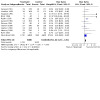
Comparison 2: Misoprostol vs placebo ‐ toxicity causing withdrawal, Outcome 8: Drop‐outs due to side‐effects
2.9. Analysis.

Comparison 2: Misoprostol vs placebo ‐ toxicity causing withdrawal, Outcome 9: Drop‐outs overall
Comparison 3. Misoprostol vs placebo ‐ toxicity symptoms only.
| Outcome or subgroup title | No. of studies | No. of participants | Statistical method | Effect size |
|---|---|---|---|---|
| 3.1 Nausea | 10 | 2835 | Risk Ratio (M‐H, Random, 95% CI) | 1.41 [0.81, 2.45] |
| 3.2 Dyspepsia | 10 | 2696 | Risk Ratio (M‐H, Random, 95% CI) | 1.17 [0.85, 1.63] |
| 3.3 Constipation | 2 | 469 | Risk Ratio (M‐H, Fixed, 95% CI) | 0.58 [0.22, 1.57] |
| 3.4 Diarrhea | 13 | 3409 | Risk Ratio (M‐H, Random, 95% CI) | 2.59 [1.89, 3.55] |
| 3.5 Abdominal pain | 9 | 2621 | Risk Ratio (M‐H, Random, 95% CI) | 1.20 [0.87, 1.65] |
| 3.6 Flatulence | 5 | 1542 | Risk Ratio (M‐H, Fixed, 95% CI) | 1.36 [0.97, 1.91] |
3.1. Analysis.

Comparison 3: Misoprostol vs placebo ‐ toxicity symptoms only, Outcome 1: Nausea
3.2. Analysis.

Comparison 3: Misoprostol vs placebo ‐ toxicity symptoms only, Outcome 2: Dyspepsia
3.3. Analysis.

Comparison 3: Misoprostol vs placebo ‐ toxicity symptoms only, Outcome 3: Constipation
3.4. Analysis.

Comparison 3: Misoprostol vs placebo ‐ toxicity symptoms only, Outcome 4: Diarrhea
3.5. Analysis.

Comparison 3: Misoprostol vs placebo ‐ toxicity symptoms only, Outcome 5: Abdominal pain
3.6. Analysis.

Comparison 3: Misoprostol vs placebo ‐ toxicity symptoms only, Outcome 6: Flatulence
Comparison 4. Misoprostol vs placebo ‐ efficacy by dosage.
| Outcome or subgroup title | No. of studies | No. of participants | Statistical method | Effect size |
|---|---|---|---|---|
| 4.1 Gastric ulcers ‐ 1 month | 8 | Risk Ratio (M‐H, Fixed, 95% CI) | Subtotals only | |
| 4.1.1 Low dose (400‐600 ug) | 5 | 1555 | Risk Ratio (M‐H, Fixed, 95% CI) | 0.22 [0.11, 0.41] |
| 4.1.2 Mid‐range dose (600 ug) | 2 | 370 | Risk Ratio (M‐H, Fixed, 95% CI) | 0.22 [0.07, 0.69] |
| 4.1.3 High dose (800 ug) | 4 | 710 | Risk Ratio (M‐H, Fixed, 95% CI) | 0.10 [0.03, 0.32] |
| 4.2 Duodenal ulcers ‐ 1 month | 6 | Risk Ratio (M‐H, Fixed, 95% CI) | Subtotals only | |
| 4.2.1 Low dose (400‐600 ug) | 4 | 1274 | Risk Ratio (M‐H, Fixed, 95% CI) | 0.21 [0.08, 0.56] |
| 4.2.2 Mid‐range dose (600 ug) | 3 | 410 | Risk Ratio (M‐H, Fixed, 95% CI) | 0.62 [0.25, 1.58] |
| 4.2.3 High dose (800 ug) | 1 | 183 | Risk Ratio (M‐H, Fixed, 95% CI) | 0.64 [0.06, 6.97] |
| 4.3 Total ulcers ‐ 1 month | 4 | Risk Ratio (M‐H, Fixed, 95% CI) | Subtotals only | |
| 4.3.1 Low dose (400‐600 ug) | 3 | 1091 | Risk Ratio (M‐H, Fixed, 95% CI) | 0.22 [0.11, 0.43] |
| 4.3.2 Mid‐range dose (600 ug) | 2 | 370 | Risk Ratio (M‐H, Fixed, 95% CI) | 0.37 [0.17, 0.79] |
| 4.3.3 High dose (800 ug) | 0 | 0 | Risk Ratio (M‐H, Fixed, 95% CI) | Not estimable |
| 4.4 Gastric ulcers ‐ 3‐24 months | 11 | Risk Ratio (M‐H, Random, 95% CI) | Subtotals only | |
| 4.4.1 Low dose (400‐600 ug) | 6 | 2461 | Risk Ratio (M‐H, Random, 95% CI) | 0.43 [0.28, 0.67] |
| 4.4.2 Mid‐range dose (600 ug) | 1 | 928 | Risk Ratio (M‐H, Random, 95% CI) | 0.24 [0.13, 0.44] |
| 4.4.3 High dose (800 ug) | 7 | 2377 | Risk Ratio (M‐H, Random, 95% CI) | 0.18 [0.12, 0.27] |
| 4.5 Gastric ulcers ‐ 3‐24 months (sensitivity analysis excluding Chan 2001) | 10 | Risk Ratio (M‐H, Fixed, 95% CI) | Subtotals only | |
| 4.5.1 Low dose (400‐600 ug) | 5 | 2371 | Risk Ratio (M‐H, Fixed, 95% CI) | 0.39 [0.30, 0.51] |
| 4.5.2 Mid‐range dose (600 ug) | 1 | 928 | Risk Ratio (M‐H, Fixed, 95% CI) | 0.24 [0.13, 0.44] |
| 4.5.3 High dose (800 ug) | 7 | 2377 | Risk Ratio (M‐H, Fixed, 95% CI) | 0.17 [0.11, 0.24] |
| 4.6 Duodenal ulcers ‐ 3‐24 months | 8 | Risk Ratio (M‐H, Fixed, 95% CI) | Subtotals only | |
| 4.6.1 Low dose (400‐600 ug) | 5 | 2180 | Risk Ratio (M‐H, Fixed, 95% CI) | 0.56 [0.39, 0.81] |
| 4.6.2 Mid‐range dose (600 ug) | 1 | 928 | Risk Ratio (M‐H, Fixed, 95% CI) | 0.46 [0.23, 0.93] |
| 4.6.3 High dose (800 ug) | 4 | 1521 | Risk Ratio (M‐H, Fixed, 95% CI) | 0.21 [0.09, 0.49] |
| 4.7 Total endoscopic ulcers 3‐24 months | 6 | Risk Ratio (M‐H, Random, 95% CI) | Subtotals only | |
| 4.7.1 Low dose (400‐600 ug) | 3 | 813 | Risk Ratio (M‐H, Random, 95% CI) | 0.60 [0.27, 1.31] |
| 4.7.2 Mid‐range dose (600 ug) | 0 | 0 | Risk Ratio (M‐H, Random, 95% CI) | Not estimable |
| 4.7.3 High dose (800 ug) | 3 | 978 | Risk Ratio (M‐H, Random, 95% CI) | 0.22 [0.14, 0.34] |
| 4.8 Clinical ulcers ‐ 3‐24 months | 2 | Risk Ratio (M‐H, Fixed, 95% CI) | Subtotals only | |
| 4.8.1 Low dose (400‐600 ug) | 1 | 433 | Risk Ratio (M‐H, Fixed, 95% CI) | 0.33 [0.01, 8.17] |
| 4.8.2 Mid‐range dose (600 ug) | 0 | 0 | Risk Ratio (M‐H, Fixed, 95% CI) | Not estimable |
| 4.8.3 High dose (800 ug) | 1 | 8843 | Risk Ratio (M‐H, Fixed, 95% CI) | 0.49 [0.27, 0.89] |
4.1. Analysis.

Comparison 4: Misoprostol vs placebo ‐ efficacy by dosage, Outcome 1: Gastric ulcers ‐ 1 month
4.2. Analysis.

Comparison 4: Misoprostol vs placebo ‐ efficacy by dosage, Outcome 2: Duodenal ulcers ‐ 1 month
4.3. Analysis.

Comparison 4: Misoprostol vs placebo ‐ efficacy by dosage, Outcome 3: Total ulcers ‐ 1 month
4.7. Analysis.
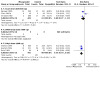
Comparison 4: Misoprostol vs placebo ‐ efficacy by dosage, Outcome 7: Total endoscopic ulcers 3‐24 months
4.8. Analysis.

Comparison 4: Misoprostol vs placebo ‐ efficacy by dosage, Outcome 8: Clinical ulcers ‐ 3‐24 months
Comparison 5. Misoprostol vs placebo ‐ toxicity causing withdrawal ‐ by dose.
| Outcome or subgroup title | No. of studies | No. of participants | Statistical method | Effect size |
|---|---|---|---|---|
| 5.1 Nausea | 6 | Risk Ratio (M‐H, Random, 95% CI) | Subtotals only | |
| 5.1.1 Misoprostol 400 ug/day | 3 | 1629 | Risk Ratio (M‐H, Random, 95% CI) | 0.87 [0.44, 1.74] |
| 5.1.2 Misoprostol 600 ug/day | 2 | 1234 | Risk Ratio (M‐H, Random, 95% CI) | 0.41 [0.06, 2.93] |
| 5.1.3 Misoprostol 800 ug/day | 4 | 10281 | Risk Ratio (M‐H, Random, 95% CI) | 1.22 [1.00, 1.48] |
| 5.2 Dyspepsia | 7 | Risk Ratio (M‐H, Fixed, 95% CI) | Subtotals only | |
| 5.2.1 Misoprostol 400 ug/day | 3 | 1629 | Risk Ratio (M‐H, Fixed, 95% CI) | 0.48 [0.20, 1.11] |
| 5.2.2 Misoprostol 600 ug/day | 2 | 1214 | Risk Ratio (M‐H, Fixed, 95% CI) | 0.69 [0.32, 1.47] |
| 5.2.3 Misoprostol 800 ug/day | 5 | 10157 | Risk Ratio (M‐H, Fixed, 95% CI) | 1.16 [0.96, 1.39] |
| 5.3 Constipation | 2 | Risk Ratio (M‐H, Fixed, 95% CI) | Subtotals only | |
| 5.3.1 Misoprostol 400 ug/day | 0 | 0 | Risk Ratio (M‐H, Fixed, 95% CI) | Not estimable |
| 5.3.2 Misoprostol 600 ug/day | 0 | 0 | Risk Ratio (M‐H, Fixed, 95% CI) | Not estimable |
| 5.3.3 Misoprostol 800 ug/day | 2 | 9199 | Risk Ratio (M‐H, Fixed, 95% CI) | 0.64 [0.38, 1.06] |
| 5.4 Diarrhea | 10 | Risk Ratio (M‐H, Fixed, 95% CI) | Subtotals only | |
| 5.4.1 Misoprostol 400 ug/day | 4 | 2062 | Risk Ratio (M‐H, Fixed, 95% CI) | 1.50 [0.78, 2.90] |
| 5.4.2 Misoprostol 600 ug/day | 2 | 1234 | Risk Ratio (M‐H, Fixed, 95% CI) | 2.67 [1.20, 5.95] |
| 5.4.3 Misoprostol 800 ug/day | 7 | 10886 | Risk Ratio (M‐H, Fixed, 95% CI) | 2.45 [2.09, 2.88] |
| 5.5 Abdominal pain | 6 | Risk Ratio (M‐H, Fixed, 95% CI) | Subtotals only | |
| 5.5.1 Misoprostol 400 ug/day | 3 | 1733 | Risk Ratio (M‐H, Fixed, 95% CI) | 1.53 [0.90, 2.59] |
| 5.5.2 Misoprostol 600 ug/day | 1 | 928 | Risk Ratio (M‐H, Fixed, 95% CI) | 1.92 [1.04, 3.51] |
| 5.5.3 Misoprostol 800 ug/day | 4 | 10291 | Risk Ratio (M‐H, Fixed, 95% CI) | 1.38 [1.17, 1.63] |
| 5.6 Flatulence | 3 | Risk Ratio (M‐H, Random, 95% CI) | Subtotals only | |
| 5.6.1 Misoprostol 400 ug/day | 1 | 916 | Risk Ratio (M‐H, Random, 95% CI) | 1.97 [0.60, 6.48] |
| 5.6.2 Misoprostol 600 ug/day | 1 | 928 | Risk Ratio (M‐H, Random, 95% CI) | 4.31 [1.47, 12.64] |
| 5.6.3 Misoprostol 800 ug/day | 3 | 9638 | Risk Ratio (M‐H, Random, 95% CI) | 2.46 [0.91, 6.65] |
| 5.7 Vomiting | 2 | Risk Ratio (M‐H, Random, 95% CI) | Subtotals only | |
| 5.7.1 Misoprostol 400 ug/day | 1 | 916 | Risk Ratio (M‐H, Random, 95% CI) | 0.49 [0.04, 5.40] |
| 5.7.2 Misoprostol 600 ug/day | 1 | 928 | Risk Ratio (M‐H, Random, 95% CI) | 1.44 [0.24, 8.56] |
| 5.7.3 Misoprostol 800 ug/day | 2 | 9525 | Risk Ratio (M‐H, Random, 95% CI) | 1.46 [0.34, 6.25] |
| 5.8 Dropouts due to side effects | 12 | Risk Ratio (M‐H, Random, 95% CI) | Subtotals only | |
| 5.8.1 Misoprostol 400 ug/day | 5 | 2176 | Risk Ratio (M‐H, Random, 95% CI) | 1.15 [0.88, 1.51] |
| 5.8.2 Misoprostol 600 ug/day | 1 | 928 | Risk Ratio (M‐H, Random, 95% CI) | 1.09 [0.76, 1.57] |
| 5.8.3 Misoprostol 800 ug/day | 9 | 11521 | Risk Ratio (M‐H, Random, 95% CI) | 1.68 [1.31, 2.17] |
| 5.9 Dropouts overall | 11 | Risk Ratio (M‐H, Random, 95% CI) | Subtotals only | |
| 5.9.1 Misoprostol 400 ug/day | 5 | 2073 | Risk Ratio (M‐H, Random, 95% CI) | 0.96 [0.82, 1.14] |
| 5.9.2 Misoprostol 600 ug/day | 2 | 968 | Risk Ratio (M‐H, Random, 95% CI) | 1.10 [0.88, 1.36] |
| 5.9.3 Misoprostol 800 ug/day | 8 | 10703 | Risk Ratio (M‐H, Random, 95% CI) | 1.35 [1.10, 1.65] |
5.1. Analysis.

Comparison 5: Misoprostol vs placebo ‐ toxicity causing withdrawal ‐ by dose, Outcome 1: Nausea
5.2. Analysis.

Comparison 5: Misoprostol vs placebo ‐ toxicity causing withdrawal ‐ by dose, Outcome 2: Dyspepsia
5.3. Analysis.

Comparison 5: Misoprostol vs placebo ‐ toxicity causing withdrawal ‐ by dose, Outcome 3: Constipation
5.6. Analysis.
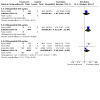
Comparison 5: Misoprostol vs placebo ‐ toxicity causing withdrawal ‐ by dose, Outcome 6: Flatulence
5.7. Analysis.

Comparison 5: Misoprostol vs placebo ‐ toxicity causing withdrawal ‐ by dose, Outcome 7: Vomiting
5.8. Analysis.

Comparison 5: Misoprostol vs placebo ‐ toxicity causing withdrawal ‐ by dose, Outcome 8: Dropouts due to side effects
5.9. Analysis.

Comparison 5: Misoprostol vs placebo ‐ toxicity causing withdrawal ‐ by dose, Outcome 9: Dropouts overall
Comparison 6. Misoprostol vs placebo ‐ symptoms ‐ by dose.
| Outcome or subgroup title | No. of studies | No. of participants | Statistical method | Effect size |
|---|---|---|---|---|
| 6.1 Nausea | 10 | Risk Ratio (M‐H, Random, 95% CI) | Subtotals only | |
| 6.1.1 Misoprostol 400 ug/day | 7 | 3043 | Risk Ratio (M‐H, Random, 95% CI) | 1.46 [1.13, 1.89] |
| 6.1.2 Misoprostol 600 ug/day | 2 | 1234 | Risk Ratio (M‐H, Random, 95% CI) | 1.27 [1.01, 1.60] |
| 6.1.3 Misoprostol 800 ug/day | 5 | 1576 | Risk Ratio (M‐H, Random, 95% CI) | 0.97 [0.54, 1.75] |
| 6.2 Dyspepsia | 13 | Risk Ratio (M‐H, Random, 95% CI) | Subtotals only | |
| 6.2.1 Misoprostol 400 ug/day | 8 | 3219 | Risk Ratio (M‐H, Random, 95% CI) | 0.99 [0.80, 1.23] |
| 6.2.2 Misoprostol 600 ug/day | 5 | 1539 | Risk Ratio (M‐H, Random, 95% CI) | 0.82 [0.70, 0.97] |
| 6.2.3 Misoprostol 800 ug/day | 6 | 1849 | Risk Ratio (M‐H, Random, 95% CI) | 1.23 [0.83, 1.82] |
| 6.3 Constipation | 2 | Risk Ratio (M‐H, Fixed, 95% CI) | Subtotals only | |
| 6.3.1 Misoprostol 400 ug/day | 0 | 0 | Risk Ratio (M‐H, Fixed, 95% CI) | Not estimable |
| 6.3.2 Misoprostol 600 ug/day | 2 | 469 | Risk Ratio (M‐H, Fixed, 95% CI) | 0.58 [0.22, 1.57] |
| 6.3.3 Misoprostol 800 ug/day | 0 | 0 | Risk Ratio (M‐H, Fixed, 95% CI) | Not estimable |
| 6.4 Diarrhea | 16 | Risk Ratio (M‐H, Random, 95% CI) | Subtotals only | |
| 6.4.1 Misoprostol 400 ug/day | 8 | 3219 | Risk Ratio (M‐H, Random, 95% CI) | 1.76 [1.37, 2.26] |
| 6.4.2 Misoprostol 600 ug/day | 4 | 1363 | Risk Ratio (M‐H, Random, 95% CI) | 2.13 [1.28, 3.55] |
| 6.4.3 Misoprostol 800 ug/day | 9 | 2580 | Risk Ratio (M‐H, Random, 95% CI) | 3.16 [2.33, 4.29] |
| 6.5 Abdominal pain | 11 | Risk Ratio (M‐H, Random, 95% CI) | Subtotals only | |
| 6.5.1 Misoprostol 400 ug/day | 7 | 2943 | Risk Ratio (M‐H, Random, 95% CI) | 1.30 [1.07, 1.60] |
| 6.5.2 Misoprostol 600 ug/day | 3 | 1273 | Risk Ratio (M‐H, Random, 95% CI) | 1.17 [0.85, 1.60] |
| 6.5.3 Misoprostol 800 ug/day | 5 | 1845 | Risk Ratio (M‐H, Random, 95% CI) | 0.97 [0.57, 1.64] |
| 6.6 Flatulence | 5 | Risk Ratio (M‐H, Random, 95% CI) | Subtotals only | |
| 6.6.1 Misoprostol 400 ug/day | 4 | 1897 | Risk Ratio (M‐H, Random, 95% CI) | 1.63 [1.06, 2.52] |
| 6.6.2 Misoprostol 600 ug/day | 1 | 928 | Risk Ratio (M‐H, Random, 95% CI) | 1.35 [1.06, 1.71] |
| 6.6.3 Misoprostol 800 ug/day | 3 | 1411 | Risk Ratio (M‐H, Random, 95% CI) | 1.56 [1.24, 1.96] |
| 6.7 Vomiting | 2 | Risk Ratio (M‐H, Random, 95% CI) | Subtotals only | |
| 6.7.1 Misoprostol 400 ug/day | 1 | 916 | Risk Ratio (M‐H, Random, 95% CI) | 0.49 [0.04, 5.40] |
| 6.7.2 Misoprostol 600 ug/day | 1 | 928 | Risk Ratio (M‐H, Random, 95% CI) | 1.44 [0.24, 8.56] |
| 6.7.3 Misoprostol 800 ug/day | 2 | 9525 | Risk Ratio (M‐H, Random, 95% CI) | 1.46 [0.34, 6.25] |
| 6.8 Dropouts due to side effects | 12 | Risk Ratio (M‐H, Random, 95% CI) | Subtotals only | |
| 6.8.1 Misoprostol 400 ug/day | 5 | 2176 | Risk Ratio (M‐H, Random, 95% CI) | 1.15 [0.88, 1.51] |
| 6.8.2 Misoprostol 600 ug/day | 1 | 928 | Risk Ratio (M‐H, Random, 95% CI) | 1.09 [0.76, 1.57] |
| 6.8.3 Misoprostol 800 ug/day | 9 | 11521 | Risk Ratio (M‐H, Random, 95% CI) | 1.68 [1.31, 2.17] |
| 6.9 Dropouts overall | 11 | Risk Ratio (M‐H, Random, 95% CI) | Subtotals only | |
| 6.9.1 Misoprostol 400 ug/day | 5 | 2073 | Risk Ratio (M‐H, Random, 95% CI) | 0.96 [0.82, 1.14] |
| 6.9.2 Misoprostol 600 ug/day | 2 | 968 | Risk Ratio (M‐H, Random, 95% CI) | 1.10 [0.88, 1.36] |
| 6.9.3 Misoprostol 800 ug/day | 8 | 10703 | Risk Ratio (M‐H, Random, 95% CI) | 1.35 [1.10, 1.65] |
| 6.10 Headache | 2 | Risk Ratio (M‐H, Fixed, 95% CI) | Subtotals only | |
| 6.10.1 Misoprostol 400 ug/day | 2 | 700 | Risk Ratio (M‐H, Fixed, 95% CI) | 0.64 [0.38, 1.06] |
| 6.10.2 Misoprostol 600 ug/day | 0 | 0 | Risk Ratio (M‐H, Fixed, 95% CI) | Not estimable |
| 6.10.3 Misoprostol 800 ug/day | 0 | 0 | Risk Ratio (M‐H, Fixed, 95% CI) | Not estimable |
6.1. Analysis.
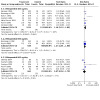
Comparison 6: Misoprostol vs placebo ‐ symptoms ‐ by dose, Outcome 1: Nausea
6.2. Analysis.

Comparison 6: Misoprostol vs placebo ‐ symptoms ‐ by dose, Outcome 2: Dyspepsia
6.3. Analysis.

Comparison 6: Misoprostol vs placebo ‐ symptoms ‐ by dose, Outcome 3: Constipation
6.5. Analysis.
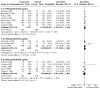
Comparison 6: Misoprostol vs placebo ‐ symptoms ‐ by dose, Outcome 5: Abdominal pain
6.6. Analysis.

Comparison 6: Misoprostol vs placebo ‐ symptoms ‐ by dose, Outcome 6: Flatulence
6.7. Analysis.

Comparison 6: Misoprostol vs placebo ‐ symptoms ‐ by dose, Outcome 7: Vomiting
6.8. Analysis.

Comparison 6: Misoprostol vs placebo ‐ symptoms ‐ by dose, Outcome 8: Dropouts due to side effects
6.9. Analysis.

Comparison 6: Misoprostol vs placebo ‐ symptoms ‐ by dose, Outcome 9: Dropouts overall
6.10. Analysis.

Comparison 6: Misoprostol vs placebo ‐ symptoms ‐ by dose, Outcome 10: Headache
Comparison 7. H2 Receptor vs placebo ‐ 4 ‐ 11 week studies by dose.
| Outcome or subgroup title | No. of studies | No. of participants | Statistical method | Effect size |
|---|---|---|---|---|
| 7.1 Gastric ulcer | 5 | Risk Ratio (M‐H, Fixed, 95% CI) | Subtotals only | |
| 7.1.1 High dose | 1 | 190 | Risk Ratio (M‐H, Fixed, 95% CI) | 0.19 [0.04, 0.85] |
| 7.1.2 Low dose | 5 | 715 | Risk Ratio (M‐H, Fixed, 95% CI) | 0.59 [0.31, 1.13] |
| 7.2 Duodenal ulcer | 6 | Risk Ratio (M‐H, Fixed, 95% CI) | Subtotals only | |
| 7.2.1 High dose | 1 | 190 | Risk Ratio (M‐H, Fixed, 95% CI) | 0.16 [0.02, 1.30] |
| 7.2.2 Low dose | 6 | 942 | Risk Ratio (M‐H, Fixed, 95% CI) | 0.24 [0.10, 0.57] |
| 7.3 Total endoscopic ulcers | 6 | Risk Ratio (M‐H, Fixed, 95% CI) | Subtotals only | |
| 7.3.1 High dose | 2 | 268 | Risk Ratio (M‐H, Fixed, 95% CI) | 0.25 [0.11, 0.53] |
| 7.3.2 Low dose | 5 | 597 | Risk Ratio (M‐H, Fixed, 95% CI) | 0.40 [0.23, 0.71] |
7.1. Analysis.
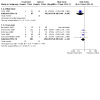
Comparison 7: H2 Receptor vs placebo ‐ 4 ‐ 11 week studies by dose, Outcome 1: Gastric ulcer
7.3. Analysis.
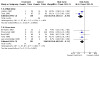
Comparison 7: H2 Receptor vs placebo ‐ 4 ‐ 11 week studies by dose, Outcome 3: Total endoscopic ulcers
Comparison 8. H2 Receptor vs placebo 12 weeks or longer ‐ by dose.
| Outcome or subgroup title | No. of studies | No. of participants | Statistical method | Effect size |
|---|---|---|---|---|
| 8.1 Gastric ulcer | 6 | Risk Ratio (M‐H, Fixed, 95% CI) | Subtotals only | |
| 8.1.1 High dose | 3 | 298 | Risk Ratio (M‐H, Fixed, 95% CI) | 0.44 [0.26, 0.74] |
| 8.1.2 Low dose | 4 | 1005 | Risk Ratio (M‐H, Fixed, 95% CI) | 0.73 [0.50, 1.08] |
| 8.2 Duodenal ulcer | 5 | Risk Ratio (M‐H, Fixed, 95% CI) | Subtotals only | |
| 8.2.1 High dose | 3 | 298 | Risk Ratio (M‐H, Fixed, 95% CI) | 0.26 [0.11, 0.65] |
| 8.2.2 Low dose | 3 | 981 | Risk Ratio (M‐H, Fixed, 95% CI) | 0.36 [0.18, 0.74] |
| 8.3 Total endoscopic ulcers | 5 | Risk Ratio (M‐H, Fixed, 95% CI) | Subtotals only | |
| 8.3.1 High dose | 3 | 298 | Risk Ratio (M‐H, Fixed, 95% CI) | 0.41 [0.26, 0.63] |
| 8.3.2 Low dose | 3 | 981 | Risk Ratio (M‐H, Fixed, 95% CI) | 0.63 [0.45, 0.88] |
8.3. Analysis.

Comparison 8: H2 Receptor vs placebo 12 weeks or longer ‐ by dose, Outcome 3: Total endoscopic ulcers
Comparison 9. H2 Receptor vs placebo ‐ toxicity ‐ by dose.
| Outcome or subgroup title | No. of studies | No. of participants | Statistical method | Effect size |
|---|---|---|---|---|
| 9.1 Total drop‐outs | 7 | Risk Ratio (M‐H, Random, 95% CI) | Subtotals only | |
| 9.1.1 High dose | 3 | 292 | Risk Ratio (M‐H, Random, 95% CI) | 0.84 [0.41, 1.70] |
| 9.1.2 Low dose | 6 | 1199 | Risk Ratio (M‐H, Random, 95% CI) | 0.82 [0.66, 1.01] |
| 9.2 Drop‐outs due to side effects | 6 | Risk Ratio (M‐H, Fixed, 95% CI) | Subtotals only | |
| 9.2.1 High dose | 2 | 102 | Risk Ratio (M‐H, Fixed, 95% CI) | 1.00 [0.21, 4.65] |
| 9.2.2 Low dose | 5 | 1011 | Risk Ratio (M‐H, Fixed, 95% CI) | 0.86 [0.58, 1.28] |
| 9.3 Dropouts due to GI symptoms | 2 | Risk Ratio (M‐H, Fixed, 95% CI) | Subtotals only | |
| 9.3.1 High dose | 0 | 0 | Risk Ratio (M‐H, Fixed, 95% CI) | Not estimable |
| 9.3.2 Low dose | 2 | 793 | Risk Ratio (M‐H, Fixed, 95% CI) | 0.71 [0.41, 1.23] |
| 9.4 Dropouts due to abdominal pain | 1 | Risk Ratio (M‐H, Fixed, 95% CI) | Subtotals only | |
| 9.4.1 High dose | 1 | 190 | Risk Ratio (M‐H, Fixed, 95% CI) | Not estimable |
| 9.4.2 Low dose | 1 | 188 | Risk Ratio (M‐H, Fixed, 95% CI) | 2.94 [0.12, 71.20] |
| 9.5 Dropouts due to diarrhea | 1 | Risk Ratio (M‐H, Fixed, 95% CI) | Subtotals only | |
| 9.5.1 High dose | 1 | 190 | Risk Ratio (M‐H, Fixed, 95% CI) | 2.88 [0.12, 69.76] |
| 9.5.2 Low dose | 1 | 188 | Risk Ratio (M‐H, Fixed, 95% CI) | Not estimable |
| 9.6 Diarrhea | 1 | Risk Ratio (M‐H, Fixed, 95% CI) | Subtotals only | |
| 9.6.1 High dose | 1 | 190 | Risk Ratio (M‐H, Fixed, 95% CI) | 2.88 [0.12, 69.76] |
| 9.6.2 Low dose | 1 | 188 | Risk Ratio (M‐H, Fixed, 95% CI) | Not estimable |
| 9.7 Abdominal pain | 1 | Risk Ratio (M‐H, Fixed, 95% CI) | Subtotals only | |
| 9.7.1 High dose | 1 | 190 | Risk Ratio (M‐H, Fixed, 95% CI) | 0.57 [0.33, 0.98] |
| 9.7.2 Low dose | 1 | 188 | Risk Ratio (M‐H, Fixed, 95% CI) | 0.65 [0.39, 1.10] |
| 9.8 GI symptoms | 2 | Risk Ratio (M‐H, Fixed, 95% CI) | Subtotals only | |
| 9.8.1 High dose | 0 | 0 | Risk Ratio (M‐H, Fixed, 95% CI) | Not estimable |
| 9.8.2 Low dose | 2 | 520 | Risk Ratio (M‐H, Fixed, 95% CI) | 0.59 [0.29, 1.19] |
| 9.9 Flatulence | 1 | Risk Ratio (M‐H, Fixed, 95% CI) | Subtotals only | |
| 9.9.1 High dose | 0 | 0 | Risk Ratio (M‐H, Fixed, 95% CI) | Not estimable |
| 9.9.2 Low dose | 1 | 496 | Risk Ratio (M‐H, Fixed, 95% CI) | 2.43 [1.03, 5.75] |
| 9.10 Dyspepsia | 2 | Risk Ratio (M‐H, Fixed, 95% CI) | Subtotals only | |
| 9.10.1 High dose | 0 | 0 | Risk Ratio (M‐H, Fixed, 95% CI) | Not estimable |
| 9.10.2 Low dose | 2 | 520 | Risk Ratio (M‐H, Fixed, 95% CI) | 0.59 [0.29, 1.19] |
| 9.11 Rash | 2 | Risk Ratio (M‐H, Fixed, 95% CI) | Subtotals only | |
| 9.11.1 High dose | 1 | 190 | Risk Ratio (M‐H, Fixed, 95% CI) | Not estimable |
| 9.11.2 Low dose | 2 | 684 | Risk Ratio (M‐H, Fixed, 95% CI) | 3.85 [1.20, 12.33] |
9.1. Analysis.

Comparison 9: H2 Receptor vs placebo ‐ toxicity ‐ by dose, Outcome 1: Total drop‐outs
9.2. Analysis.

Comparison 9: H2 Receptor vs placebo ‐ toxicity ‐ by dose, Outcome 2: Drop‐outs due to side effects
9.3. Analysis.

Comparison 9: H2 Receptor vs placebo ‐ toxicity ‐ by dose, Outcome 3: Dropouts due to GI symptoms
9.4. Analysis.

Comparison 9: H2 Receptor vs placebo ‐ toxicity ‐ by dose, Outcome 4: Dropouts due to abdominal pain
9.5. Analysis.

Comparison 9: H2 Receptor vs placebo ‐ toxicity ‐ by dose, Outcome 5: Dropouts due to diarrhea
9.6. Analysis.

Comparison 9: H2 Receptor vs placebo ‐ toxicity ‐ by dose, Outcome 6: Diarrhea
9.8. Analysis.

Comparison 9: H2 Receptor vs placebo ‐ toxicity ‐ by dose, Outcome 8: GI symptoms
9.9. Analysis.

Comparison 9: H2 Receptor vs placebo ‐ toxicity ‐ by dose, Outcome 9: Flatulence
9.10. Analysis.

Comparison 9: H2 Receptor vs placebo ‐ toxicity ‐ by dose, Outcome 10: Dyspepsia
9.11. Analysis.

Comparison 9: H2 Receptor vs placebo ‐ toxicity ‐ by dose, Outcome 11: Rash
Comparison 10. PPI vs placebo ‐ 4 ‐ 11 week studies.
| Outcome or subgroup title | No. of studies | No. of participants | Statistical method | Effect size |
|---|---|---|---|---|
| 10.1 Endoscopic gastric ulcer | 1 | 43 | Risk Ratio (M‐H, Fixed, 95% CI) | 0.14 [0.02, 1.02] |
| 10.2 Endoscopic duodenal ulcer | 1 | 43 | Risk Ratio (M‐H, Fixed, 95% CI) | 0.48 [0.05, 4.88] |
| 10.3 Total endoscopic ulcers | 1 | 43 | Risk Ratio (M‐H, Fixed, 95% CI) | 0.21 [0.05, 0.87] |
| 10.4 Clinical Ulcer (POB) | 1 | 43 | Risk Ratio (M‐H, Fixed, 95% CI) | 0.11 [0.01, 1.86] |
| 10.5 Clinical Ulcer ‐ PUB (POB + symptomatic ulcer) | 1 | 43 | Odds Ratio (M‐H, Fixed, 95% CI) | 0.06 [0.01, 0.56] |
10.1. Analysis.

Comparison 10: PPI vs placebo ‐ 4 ‐ 11 week studies, Outcome 1: Endoscopic gastric ulcer
10.2. Analysis.

Comparison 10: PPI vs placebo ‐ 4 ‐ 11 week studies, Outcome 2: Endoscopic duodenal ulcer
10.3. Analysis.
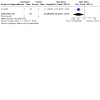
Comparison 10: PPI vs placebo ‐ 4 ‐ 11 week studies, Outcome 3: Total endoscopic ulcers
10.4. Analysis.

Comparison 10: PPI vs placebo ‐ 4 ‐ 11 week studies, Outcome 4: Clinical Ulcer (POB)
10.5. Analysis.
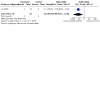
Comparison 10: PPI vs placebo ‐ 4 ‐ 11 week studies, Outcome 5: Clinical Ulcer ‐ PUB (POB + symptomatic ulcer)
Comparison 11. PPI vs placebo ‐ 8 weeks or longer studies.
| Outcome or subgroup title | No. of studies | No. of participants | Statistical method | Effect size |
|---|---|---|---|---|
| 11.1 Endoscopic gastric ulcer | 6 | 1230 | Risk Ratio (M‐H, Fixed, 95% CI) | 0.39 [0.31, 0.50] |
| 11.2 Endoscopic duodenal ulcer | 5 | 883 | Risk Ratio (M‐H, Fixed, 95% CI) | 0.20 [0.10, 0.39] |
| 11.3 Total endoscopic ulcers | 6 | 1259 | Risk Ratio (M‐H, Fixed, 95% CI) | 0.34 [0.28, 0.42] |
11.3. Analysis.

Comparison 11: PPI vs placebo ‐ 8 weeks or longer studies, Outcome 3: Total endoscopic ulcers
Comparison 12. PPI vs placebo ‐ 12 weeks or longer studies.
| Outcome or subgroup title | No. of studies | No. of participants | Statistical method | Effect size |
|---|---|---|---|---|
| 12.1 Endoscopic gastric ulcer | 5 | 1187 | Risk Ratio (M‐H, Fixed, 95% CI) | 0.40 [0.32, 0.51] |
| 12.2 Endoscopic duodenal ulcer | 4 | 840 | Risk Ratio (M‐H, Fixed, 95% CI) | 0.19 [0.09, 0.37] |
| 12.3 Total endoscopic ulcers | 5 | 1216 | Risk Ratio (M‐H, Fixed, 95% CI) | 0.35 [0.28, 0.43] |
12.1. Analysis.
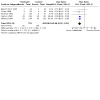
Comparison 12: PPI vs placebo ‐ 12 weeks or longer studies, Outcome 1: Endoscopic gastric ulcer
12.2. Analysis.

Comparison 12: PPI vs placebo ‐ 12 weeks or longer studies, Outcome 2: Endoscopic duodenal ulcer
12.3. Analysis.
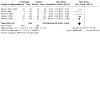
Comparison 12: PPI vs placebo ‐ 12 weeks or longer studies, Outcome 3: Total endoscopic ulcers
Comparison 13. PPI vs placebo ‐ toxicity.
| Outcome or subgroup title | No. of studies | No. of participants | Statistical method | Effect size |
|---|---|---|---|---|
| 13.1 Dropouts overall | 2 | 833 | Risk Ratio (M‐H, Fixed, 95% CI) | 0.89 [0.62, 1.29] |
| 13.2 Dropouts due to side effects | 4 | 1113 | Risk Ratio (M‐H, Fixed, 95% CI) | 1.20 [0.66, 2.15] |
| 13.3 Diarrhea | 2 | 832 | Risk Ratio (M‐H, Fixed, 95% CI) | 1.66 [0.85, 3.22] |
| 13.4 Abdominal pain | 2 | 832 | Risk Ratio (M‐H, Fixed, 95% CI) | 0.88 [0.39, 1.98] |
| 13.5 Flatulence | 1 | 430 | Risk Ratio (M‐H, Fixed, 95% CI) | 0.79 [0.25, 2.44] |
| 13.6 Dyspepsia | 2 | 345 | Risk Ratio (M‐H, Fixed, 95% CI) | 0.50 [0.30, 0.82] |
13.1. Analysis.

Comparison 13: PPI vs placebo ‐ toxicity, Outcome 1: Dropouts overall
13.2. Analysis.

Comparison 13: PPI vs placebo ‐ toxicity, Outcome 2: Dropouts due to side effects
13.3. Analysis.
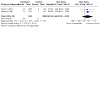
Comparison 13: PPI vs placebo ‐ toxicity, Outcome 3: Diarrhea
13.4. Analysis.

Comparison 13: PPI vs placebo ‐ toxicity, Outcome 4: Abdominal pain
13.5. Analysis.
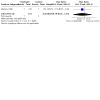
Comparison 13: PPI vs placebo ‐ toxicity, Outcome 5: Flatulence
13.6. Analysis.

Comparison 13: PPI vs placebo ‐ toxicity, Outcome 6: Dyspepsia
Comparison 14. PPI vs H2‐antagonist ‐ 12 weeks or longer studies.
| Outcome or subgroup title | No. of studies | No. of participants | Statistical method | Effect size |
|---|---|---|---|---|
| 14.1 Endoscopic gastric ulcers | 1 | 425 | Risk Ratio (M‐H, Fixed, 95% CI) | 0.32 [0.17, 0.62] |
| 14.2 Endoscopic duodenal ulcers | 1 | 425 | Risk Ratio (M‐H, Fixed, 95% CI) | 0.11 [0.01, 0.89] |
| 14.3 Total endoscopic ulcers | 1 | 425 | Risk Ratio (M‐H, Fixed, 95% CI) | 0.28 [0.15, 0.51] |
| 14.4 Total clinical ulcers | 1 | 425 | Risk Ratio (M‐H, Fixed, 95% CI) | 3.07 [0.13, 74.96] |
| 14.5 Toxicity‐ dropouts due to side effects | 1 | 425 | Risk Ratio (M‐H, Fixed, 95% CI) | 1.90 [0.77, 4.67] |
| 14.6 Vomiting | 1 | 2 | Risk Ratio (M‐H, Fixed, 95% CI) | Not estimable |
| 14.7 Abdominal pain | 1 | 2 | Risk Ratio (M‐H, Fixed, 95% CI) | Not estimable |
| 14.8 Diarrhea | 1 | 2 | Risk Ratio (M‐H, Fixed, 95% CI) | Not estimable |
14.3. Analysis.

Comparison 14: PPI vs H2‐antagonist ‐ 12 weeks or longer studies, Outcome 3: Total endoscopic ulcers
14.4. Analysis.

Comparison 14: PPI vs H2‐antagonist ‐ 12 weeks or longer studies, Outcome 4: Total clinical ulcers
14.6. Analysis.

Comparison 14: PPI vs H2‐antagonist ‐ 12 weeks or longer studies, Outcome 6: Vomiting
14.7. Analysis.

Comparison 14: PPI vs H2‐antagonist ‐ 12 weeks or longer studies, Outcome 7: Abdominal pain
14.8. Analysis.
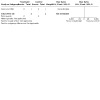
Comparison 14: PPI vs H2‐antagonist ‐ 12 weeks or longer studies, Outcome 8: Diarrhea
Comparison 15. Misoprostol Vs PPI (as control) ‐ 12 weeks or longer studies.
| Outcome or subgroup title | No. of studies | No. of participants | Statistical method | Effect size |
|---|---|---|---|---|
| 15.1 Endoscopic gastric ulcer | 2 | 917 | Risk Ratio (M‐H, Random, 95% CI) | 0.62 [0.33, 1.18] |
| 15.2 Endoscopic duodenal ulcer | 1 | 570 | Risk Ratio (M‐H, Fixed, 95% CI) | 3.97 [1.77, 8.88] |
| 15.3 Total endoscopic ulcers | 4 | 1478 | Risk Ratio (M‐H, Random, 95% CI) | 1.11 [0.58, 2.13] |
15.2. Analysis.

Comparison 15: Misoprostol Vs PPI (as control) ‐ 12 weeks or longer studies, Outcome 2: Endoscopic duodenal ulcer
15.3. Analysis.

Comparison 15: Misoprostol Vs PPI (as control) ‐ 12 weeks or longer studies, Outcome 3: Total endoscopic ulcers
Comparison 16. PPI Vs Misoprostol (as control) ‐ 12 weeks or longer studies.
| Outcome or subgroup title | No. of studies | No. of participants | Statistical method | Effect size |
|---|---|---|---|---|
| 16.1 Endoscopic gastric ulcer | 2 | 917 | Risk Ratio (M‐H, Random, 95% CI) | 1.61 [0.85, 3.06] |
| 16.2 Endoscopic duodenal ulcer | 1 | 570 | Risk Ratio (M‐H, Fixed, 95% CI) | 0.25 [0.11, 0.56] |
| 16.3 Total endoscopic ulcers | 4 | 1478 | Risk Ratio (M‐H, Random, 95% CI) | 0.90 [0.47, 1.72] |
Comparison 17. Misoprostol vs PPI ‐ toxicity ‐ 12 weeks or longer studies.
| Outcome or subgroup title | No. of studies | No. of participants | Statistical method | Effect size |
|---|---|---|---|---|
| 17.1 Dropouts overall | 2 | 974 | Risk Ratio (M‐H, Fixed, 95% CI) | 0.71 [0.52, 0.97] |
| 17.2 Dropouts due to side effects | 3 | 1019 | Risk Ratio (M‐H, Fixed, 95% CI) | 0.48 [0.29, 0.78] |
Comparison 18. Misoprostol vs ranitidine 150 mg bid ‐ 1‐2 month.
| Outcome or subgroup title | No. of studies | No. of participants | Statistical method | Effect size |
|---|---|---|---|---|
| 18.1 Endoscopic gastric ulcers | 2 | 599 | Risk Ratio (M‐H, Fixed, 95% CI) | 0.12 [0.03, 0.51] |
| 18.2 Endoscopic duodenal ulcers | 2 | 599 | Risk Ratio (M‐H, Fixed, 95% CI) | 1.00 [0.14, 7.05] |
| 18.3 Dropouts due to side effects | 2 | 599 | Risk Ratio (M‐H, Fixed, 95% CI) | 1.98 [1.16, 3.37] |
| 18.4 Total endoscopic ulcers | 1 | 538 | Risk Ratio (M‐H, Fixed, 95% CI) | 0.23 [0.07, 0.80] |
| 18.5 Dropouts overall | 2 | 599 | Risk Ratio (M‐H, Fixed, 95% CI) | 1.20 [0.94, 1.54] |
| 18.6 Dropouts due to abdominal pain | 1 | 538 | Risk Ratio (M‐H, Fixed, 95% CI) | 3.00 [1.11, 8.14] |
| 18.7 Dropouts due to nausea | 1 | 538 | Risk Ratio (M‐H, Fixed, 95% CI) | 3.67 [1.03, 13.00] |
| 18.8 Dyspepsia | 2 | 599 | Risk Ratio (M‐H, Random, 95% CI) | 2.49 [0.39, 15.92] |
| 18.9 Abdominal pain symptoms | 1 | 538 | Risk Ratio (M‐H, Fixed, 95% CI) | 1.24 [1.01, 1.52] |
| 18.10 Flatulence symptoms | 1 | 538 | Risk Ratio (M‐H, Fixed, 95% CI) | 1.48 [1.10, 1.99] |
| 18.11 Nausea symptoms | 1 | 538 | Risk Ratio (M‐H, Fixed, 95% CI) | 1.10 [0.81, 1.50] |
| 18.12 Diarrhea symptoms | 1 | 538 | Risk Ratio (M‐H, Fixed, 95% CI) | 2.03 [1.38, 2.99] |
18.3. Analysis.

Comparison 18: Misoprostol vs ranitidine 150 mg bid ‐ 1‐2 month, Outcome 3: Dropouts due to side effects
18.4. Analysis.

Comparison 18: Misoprostol vs ranitidine 150 mg bid ‐ 1‐2 month, Outcome 4: Total endoscopic ulcers
18.5. Analysis.
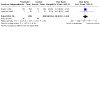
Comparison 18: Misoprostol vs ranitidine 150 mg bid ‐ 1‐2 month, Outcome 5: Dropouts overall
18.7. Analysis.

Comparison 18: Misoprostol vs ranitidine 150 mg bid ‐ 1‐2 month, Outcome 7: Dropouts due to nausea
18.8. Analysis.
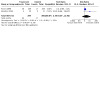
Comparison 18: Misoprostol vs ranitidine 150 mg bid ‐ 1‐2 month, Outcome 8: Dyspepsia
18.9. Analysis.
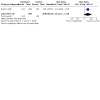
Comparison 18: Misoprostol vs ranitidine 150 mg bid ‐ 1‐2 month, Outcome 9: Abdominal pain symptoms
18.10. Analysis.

Comparison 18: Misoprostol vs ranitidine 150 mg bid ‐ 1‐2 month, Outcome 10: Flatulence symptoms
18.11. Analysis.

Comparison 18: Misoprostol vs ranitidine 150 mg bid ‐ 1‐2 month, Outcome 11: Nausea symptoms
Comparison 19. Nizatidine 150 mg vs 300 mg efficacy.
| Outcome or subgroup title | No. of studies | No. of participants | Statistical method | Effect size |
|---|---|---|---|---|
| 19.1 Total endoscopic ulcers | 1 | 237 | Risk Ratio (M‐H, Fixed, 95% CI) | 2.88 [0.59, 13.96] |
| 19.2 Dropouts overall | 1 | 237 | Risk Ratio (M‐H, Fixed, 95% CI) | 0.72 [0.26, 2.01] |
19.1. Analysis.
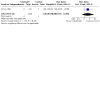
Comparison 19: Nizatidine 150 mg vs 300 mg efficacy, Outcome 1: Total endoscopic ulcers
19.2. Analysis.

Comparison 19: Nizatidine 150 mg vs 300 mg efficacy, Outcome 2: Dropouts overall
Comparison 20. NSAID + PPI vs COX 2.
| Outcome or subgroup title | No. of studies | No. of participants | Statistical method | Effect size |
|---|---|---|---|---|
| 20.1 Clinical Ulcer (POB) | 1 | 130 | Odds Ratio (M‐H, Fixed, 95% CI) | 2.03 [0.49, 8.51] |
20.1. Analysis.
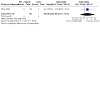
Comparison 20: NSAID + PPI vs COX 2, Outcome 1: Clinical Ulcer (POB)
Characteristics of studies
Characteristics of included studies [ordered by study ID]
Agrawal 1991.
| Study characteristics | ||
| Methods | Randomized controlled trial
Double‐blind
Sample size at entry: misoprostol: 179; sucralfate: 177 Study duration: 12 weeks |
|
| Participants | Patient: osteoarthritis Median age (yrs): misoprostol: 60; sucralfate: 60 Sex % F: misoprostol: 56; sucralfate: 59 Type of NSAID: ibuprofen, naproxen, piroxicam Previous peptic ulcers (%): misoprostol: 22; sucralfate: 27 Primary vs secondary prophylaxis: primary H pylori positive(%): not mentioned | |
| Interventions | 1) misoprostol 200μg x 4 = 800μg 2) sucralfate 1g x 4 = 4g | |
| Outcomes | Endoscopic gastric ulcers (>3 mm) Endoscopic duodenal ulcers (>3 mm) Gastric ulcers (>5 mm) Withdrawals overall Withdrawals due to side effects Drop out due to diarrhea Drop out due to dyspepsia | |
| Notes | Quality = 2 | |
| Risk of bias | ||
| Bias | Authors' judgement | Support for judgement |
| Allocation concealment (selection bias) | Unclear risk | D ‐ Not used |
Agrawal 1995.
| Study characteristics | ||
| Methods | Randomized controlled trial
Single‐blind
Sample size at entry: misoprostol: 193; placebo: 191 Study duration: up to 52 weeks |
|
| Participants | Patient: rheumatoid arthritis and osteoarthritis Mean age (yrs): misoprostol: 57.3; placebo: 57.5 Sex % F: Misoprostrol: 66; placebo: 70 Type of NSAID: diclofenac Previous peptic ulcers (%): all Primary vs secondary prophylaxis: secondary H pylori positive (%): not mentioned | |
| Interventions | 1) misoprostol 200 μg 2‐3/day (400‐600 μg) + diclofenac 2) placebo + diclofenac 50 mg BID/ TID | |
| Outcomes | Gastric endoscopic ulcers Duodenal endoscopic ulcers Total gastroduodenal ulcers Drop‐outs due to side‐effects Abdominal pain Diarrhea Dyspepsia Nausea | |
| Notes | Quality = 1 | |
| Risk of bias | ||
| Bias | Authors' judgement | Support for judgement |
| Allocation concealment (selection bias) | Unclear risk | D ‐ Not used |
Berkowitz 1987.
| Study characteristics | ||
| Methods | Randomized controlled trial
Double‐blind
Sample size at entry: ranitidine: 25; placebo: 25 Study duration: 4 weeks |
|
| Participants | Patient: rheumatic Mean age (yrs): ranitidine: 28.5; placebo: 26.2 Sex % F: ranitidine: 0; placebo: 0 Type of NSAID: aspirin Previous peptic ulcers (%): 0 Primary vs secondary prophylaxis: primary H pylori positive (%): not mentioned | |
| Interventions | 1) ranitidine 150 mg bid and 650 mg aspirin qid 2) placebo bid and 650 mg aspiring qid | |
| Outcomes | Endoscopic gastric ulcer (>3 mm) Endoscopic duodenal ulcer (>3 mm) Withdrawals overall Withdrawals due to side effects | |
| Notes | Quality = 3 | |
| Risk of bias | ||
| Bias | Authors' judgement | Support for judgement |
| Allocation concealment (selection bias) | Unclear risk | D ‐ Not used |
Bianchi Porro 2000.
| Study characteristics | ||
| Methods | Randomized controlled trial
Double‐blind
Sample size at entry: Pantoprazole: 70; placebo: 34 Study duration: 12 weeks |
|
| Participants | Patient: rheumatoid arthritis and osteoarthritis Mean age (yrs): Pantoprazole: 58; placebo: 59 Sex % F: pantoprazole: 82.9; placebo: 82.4 Type of NSAID: diclofenac, ketoprofen, Indocid Previous peptic ulcers (%): pantoprazole: 25; placebo: 5 Primary vs secondary prophylaxis: primary H pylori positive (%): pantoprazole: 37; placebo: 50 | |
| Interventions | 1) placebo 2) pantoprazole 40mg /day | |
| Outcomes | Lanza Score Endoscopic ulcer = 4 Adverse effects | |
| Notes | Quality = 3 | |
| Risk of bias | ||
| Bias | Authors' judgement | Support for judgement |
| Allocation concealment (selection bias) | Unclear risk | B ‐ Unclear |
Bocanegra 1998.
| Study characteristics | ||
| Methods | Randomized controlled trial
Double‐blind
Sample size at entry: diclofenac 50mg+misoprostol 200μg tid: 154, diclofenac 75mg+misoprostol 200μg bid: 152, diclofenac 75mg Bid: 175, placebo: 91 Study duration: 6 weeks |
|
| Participants | Patient: osteoarthritis Mean age (yrs): diclofenac 50mg+misoprostol 200μg tid: 62.9, diclofenac 75mg+misoprostol 200μg bid: 62.3, diclofenac 75mg Bid: 62.8, placebo: 61.5 Sex % F: diclofenac 50mg+misoprostol 200μg tid: 71, diclofenac 75mg+misoprostol 200μg bid: 68, diclofenac 75mg Bid: 67, placebo: 68 Type of NSAID: diclofenac, misoprostol Previous peptic ulcers (%): not mentioned Primary vs secondary prophylaxis: primary H pylori positive (%): not mentioned | |
| Interventions | 1) diclofenac 75mg bid 2) diclofenac 75mg+misoprostol 200μg bid 3) diclofenac 50mg+misoprostol 200μg tid 4) placebo | |
| Outcomes | Endoscopic gastric ulcers (>3mm) Endoscopic duodenal ulcers (>3mm) Side‐effects Side‐effects causing withdrawal Withdrawal overall | |
| Notes | Quality=3 | |
| Risk of bias | ||
| Bias | Authors' judgement | Support for judgement |
| Allocation concealment (selection bias) | Unclear risk | D ‐ Not used |
Bolten 1992.
| Study characteristics | ||
| Methods | Randomized controlled trial
Double‐blind
Sample size at entry: misoprostol: 178; placebo: 183 Study duration: 4 weeks |
|
| Participants | Patient: osteoarthritis Mean age (yrs): misoprostol: 59.2; placebo: 61.3 Sex % F: misoprostol: 75.8; placebo: 70.5 Type of NSAID: diclofenac Previous peptic ulcers (%): misoprostol: 0; placebo: 4 Primary vs secondary prophylaxis: primary H pylori positive (%): not mentioned | |
| Interventions | 1) misoprostol 400‐600μg/day (Arthrotec) 2) placebo | |
| Outcomes | Endoscopic ulcers (gastric, duodenal, total) at 1 month Dropouts overall | |
| Notes | Quality = 4 | |
| Risk of bias | ||
| Bias | Authors' judgement | Support for judgement |
| Allocation concealment (selection bias) | Unclear risk | D ‐ Not used |
Chan 2001a.
| Study characteristics | ||
| Methods | Randomized controlled trial
Double‐blind
Sample size at entry: misoprostol: 45; nabumetone: 45 Study duration: 24 weeks |
|
| Participants | Patient: high risk NSAID ulcers user Mean age (yrs): misoprostol: 75; nabumetone: 74 Sex % F: misoprostol: 62; nabumetone: 67 Type of NSAID: naproxen Previous peptic ulcers (%): all Primary vs secondary prophylaxis: secondary H pylori positive (%): 0 | |
| Interventions | 1) naproxen+misoprostol 200 bid 2) 1000‐1500mg | |
| Outcomes | Ucers or bleeding Adverse events | |
| Notes | Quality=4 | |
| Risk of bias | ||
| Bias | Authors' judgement | Support for judgement |
| Allocation concealment (selection bias) | Low risk | A ‐ Adequate |
Chan 2001b.
| Study characteristics | ||
| Methods | Randomized controlled trial
Double‐blind
Sample size at entry: omeprazole: 66; celecoxib: 64 Study duration: 24 weeks |
|
| Participants | Patient: arthritis Mean age (yrs): omeprazole: 68; celecoxib: 66 Sex % F: omeprazole: 58; celecoxib: 55 Type of NSAID: diclofenac Previous peptic ulcers (%): all Primary vs secondary prophylaxis: secondary H pylori positive (%): 0 | |
| Interventions | 1) diclofenac 75mg bid + omeprazole 20mg daily 2) celecoxib 200 mg bid | |
| Outcomes | Recurrent ulcer bleeding | |
| Notes | quality=3 | |
| Risk of bias | ||
| Bias | Authors' judgement | Support for judgement |
| Allocation concealment (selection bias) | Unclear risk | D ‐ Not used |
Chan 2004.
| Study characteristics | ||
| Methods | Randomized controlled trial
Double blind
Sample size at entry: omeprazole: 106; celecoxib: 116 Study duration: 6 months |
|
| Participants | Patient: arthritis Mean age (yrs): omeprazole: 68; celecoxib: 68 Sex % F: omeprazole: 50.9; celecoxib: 53.4 Type of NSAID: diclofenac Previous peptic ulcers (%): all Primary vs secondary prophylaxis: secondary H pylori positive (%): 0 | |
| Interventions | 1) diclofenac 75mg bid + omeprazole 20mg daily 2) celecoxib 200 mg bid | |
| Outcomes | Recurrent ulcer bleeding | |
| Notes | Quality=3 | |
Chandresekaran 1991.
| Study characteristics | ||
| Methods | Randomized controlled trial
Double‐blind
Sample size at entry: misoprostol: 45; placebo: 45 Study duration: 4 weeks |
|
| Participants | Patient: rheumatoid arthritis, osteoarthritis and spondyloarthropathy Mean age (yrs): 39.9 Sex % F: 47% Type of NSAID:ASA, ibuprofen, diclofenac, indomethacin Previous peptic ulcers (%): n/a ‐ but no history of gastroduodenal surgery Primary vs secondary prophylaxis:primary H pylori positive (%): n/a | |
| Interventions | 1) misoprostol 200 μg tid 2) placebo | |
| Outcomes | Endoscopic ulcers | |
| Notes | Quality = 4 | |
| Risk of bias | ||
| Bias | Authors' judgement | Support for judgement |
| Allocation concealment (selection bias) | Unclear risk | D ‐ Not used |
Cullen 1998.
| Study characteristics | ||
| Methods | Randomized controlled trial
Double blind
Sample size at entry: omeprazole: 83; placebo: 85 Study duration: up to 6 months |
|
| Participants | Patient: rheumatoid arthritis, osteoarthritis Mean age (yrs): omeprazole: 55; placebo: 56 Sex % F: omeprazole: 64.7; placebo: 68.7 Type of NSAID: naproxen Previous peptic ulcers (%): omeprazole: 27; placebo: 21 Primary vs secondary prophylaxis: primary H pylori positive (%): omeprazole: 35.5; placebo: 27.3 | |
| Interventions | 1) omeprazole 20 mg daily 2) placebo | |
| Outcomes | Endoscopic ulcers | |
| Notes | Quality = 2 | |
| Risk of bias | ||
| Bias | Authors' judgement | Support for judgement |
| Allocation concealment (selection bias) | Unclear risk | D ‐ Not used |
Delmas 1994.
| Study characteristics | ||
| Methods | Randomized controlled trial
Double blind
Sample size at entry:256 Study duration:4 weeks |
|
| Participants | Patient: osteoarthritis, rheumatoid arthritis, or other rheumatic diseases and prior NSAID use in last 10 days Median age (yrs): n/a Sex % F:n/a Type of NSAID:diclofenac, naproxen, piroxicam, ibuprofen, indomethacin, ketoprofen, or tiaprofenic acid Previous peptic ulcers (%): n/a but none on entry had ulcers Primary vs secondary prophylaxis:primary H pylori positive (%):n/a | |
| Interventions | 1) misoprostol 400 2) misoprostol 800 3) placebo (any NSAID) | |
| Outcomes | Gastric ulcers Duodenal ulcers | |
| Notes | Quality = 3 | |
| Risk of bias | ||
| Bias | Authors' judgement | Support for judgement |
| Allocation concealment (selection bias) | Unclear risk | D ‐ Not used |
Ehsanullah 1988.
| Study characteristics | ||
| Methods | Randomized controlled trial
Double blind
Sample size at entry: ranitidine: 137; placebo: 126 Study duration: up to 8 weeks |
|
| Participants | Patient: rheumatoid arthritis and osteoarthritis Mean age (yrs): ranitidine: 57.7; placebo: 60 Sex % F: ranitidine: 57.7; placebo: 62.7 Type of NSAID: not mentioned Previous peptic ulcers (%): ranitidine: 11; placebo: 11 Primary vs secondary prophylaxis: primary H pylori positive (%): not mentioned | |
| Interventions | 1) ranitidine 150 mg bid 2) placebo | |
| Outcomes | Endoscopic ulcers adverse events | |
| Notes | Quality = 5 | |
| Risk of bias | ||
| Bias | Authors' judgement | Support for judgement |
| Allocation concealment (selection bias) | Unclear risk | D ‐ Not used |
Ekstrom 1996.
| Study characteristics | ||
| Methods | Randomized controlled trial
Double blind
Sample size at entry: omeprazole: 86; placebo: 91 Study duration: 3 months |
|
| Participants | Patient: osteoarthritis, rheumatoid arthritis, spondylarthritis, ankylosing spondylitis Mean age (yrs): omeprazole: 58; placebo: 59 Sex % F: omeprazole: 63.5; placebo: 74.4 Type of NSAID: naproxen Previous peptic ulcers (%): omeprazole: 27; placebo: 21 Primary vs secondary prophylaxis: primary H pylori positive (%): omeprazole: 53; placebo: 51 | |
| Interventions | 1) omeprazole 20 mg daily 2) placebo | |
| Outcomes | Endoscopic ulcers | |
| Notes | Quality = 3 | |
| Risk of bias | ||
| Bias | Authors' judgement | Support for judgement |
| Allocation concealment (selection bias) | Unclear risk | D ‐ Not used |
Elliot 1994.
| Study characteristics | ||
| Methods | Randomized controlled trial
Double‐blind
Sample size at entry: misoprostol: 40: placebo: 43 Study duration: 12 months |
|
| Participants | Patient: rheumatic arthritis, osteoarthritis Mean age (yrs): misoprostol: 65; placebo: 65 Sex % F: misoprostol: 37.5, placebo: 51.2 Type of NSAID: pisoxica, ibuprofen, naproxen Previous peptic ulcers (%): misoprostol: 28; placebo: 28 Primary vs secondary prophylaxis: primary H pylori positive (%): not mentioned | |
| Interventions | 1) misoprostol 200 μg qid or bd or td depending on frequency of NSAID use 2) placebo (same protocol as misoprostol, with NSAID) | |
| Outcomes | Endoscopic gastric ulcers (>3 mm), mean size 6 mm Endosopic duodenal ulcers (>3 mm) Clinical ulcers Withdrawals overall Withdrawals due to side effects Drop out due to diarrhea | |
| Notes | Quality=4 | |
| Risk of bias | ||
| Bias | Authors' judgement | Support for judgement |
| Allocation concealment (selection bias) | Unclear risk | D ‐ Not used |
Graham 1988.
| Study characteristics | ||
| Methods | Randomized controlled trial
Double‐blind
Sample size at entry: isosprotol 100: 143; misoprostol 200: 139; placebo: 138 Study duration: 12 weeks |
|
| Participants | Patient: osteoarthritis Mean age (yrs): 58.9 Sex % F: 65 Type of NSAID: ibuprofen; piroxen; naproxen Previous peptic ulcers (%): 13 Primary vs secondary prophylaxis: primary H pylori positive (%): not mentioned | |
| Interventions | 1) placebo x 4 2) misoprostol 100 μg x 4 3) misoprostol 200 μg x 4 | |
| Outcomes | Endoscopic gastric ulcers (>3 mm) Endoscopic gastric ulcers (>5 mm) Clinical ulcers: Withdrawals overall Withdrawals due to side effects | |
| Notes | Qualtiy=3 | |
| Risk of bias | ||
| Bias | Authors' judgement | Support for judgement |
| Allocation concealment (selection bias) | Unclear risk | D ‐ Not used |
Graham 1993.
| Study characteristics | ||
| Methods | Randomized controlled trial
Double‐blind
Sample size at entry: misoprostol: 320; placebo: 323 Study duration: 12 weeks |
|
| Participants | Patient: rheumatoid arthritis, osteoarthritis, Reiter syndrome, psoriatic arthritis, ankylosing spondylitis Median age (yrs): misoprostol: 59; placebo: 61 Sex % F: misoprostol: 47; placebo: 50 Type of NSAID: ibuprofen, piroxicam, naproxen, sulindac, tolmetin, indomethacin, diclofenac Previous peptic ulcers (%): misoprostol: 25; placebo: 26 Primary vs secondary prophylaxis: primary H pylori positive (%): not mentioned | |
| Interventions | 1) misoprostol 800 μg (200 μg x 4) 2) placebo | |
| Outcomes | Endoscopic gastric ulcers (>5 mm) Endoscopic duodenal ulcers (>5 mm) Clinical ulcers: Withdrawals overall Withdrawals due to side effects Diarhea drop out Nausea drop out Abdominal pain drop out | |
| Notes | Qualtiy=3 | |
| Risk of bias | ||
| Bias | Authors' judgement | Support for judgement |
| Allocation concealment (selection bias) | Unclear risk | D ‐ Not used |
Graham 2002.
| Study characteristics | ||
| Methods | Randomized controlled trial
Double‐blind
Sample size at entry: misoprostol:134; lansoprazole 15mg: 136; lansoprazole 30mg: 133; placebo: 134 Study duration: 12 weeks |
|
| Participants | Patient: History of endoscopically documented gastric ulcer with or without GI bleeding Mean age (yrs): misoprostol:59.4; lansoprazole 15mg : 61.6; lansoprazole 30mg: 60.2; placebo: 60.5 Sex % F: misoprostol:68; lansoprazole 15mg: 63; lansoprazole 30mg: 64; placebo: 65 Type of NSAID: ibuprofen, naproxen, diclofenac, aspirin, piroxicam Previous peptic ulcers (%): all Primary vs secondary prophylaxis: secondary H pylori positive (%): 15 | |
| Interventions | 1) placebo 2) misoprostol 800μg 3) lansoprazole 15 mg 4) lansoprazole 30 mg | |
| Outcomes | Endoscopic gastric ulcers | |
| Notes | Quality=4 | |
| Risk of bias | ||
| Bias | Authors' judgement | Support for judgement |
| Allocation concealment (selection bias) | Unclear risk | B ‐ Unclear |
Hawkey 1998.
| Study characteristics | ||
| Methods | Randomized controlled trial
Double‐blind
Sample size at entry: omeprazole: 274; misoprostol: 296; placebo: 155 Study duration: 6 months |
|
| Participants | Patient: rheumatoid arthritis, osteoarthritis Mean age (yrs): omeprazole: 58; misoprostol: 58; placebo: 57 Sex % F: omeprazole: 63; misoprostol: 60; placebo: 69 Type of NSAID: diclofenac, ketoprofen, naproxen Previous peptic ulcers (%): omeprazole: 29; misoprostol: 27; placebo: 31 Primary vs secondary prophylaxis: primary H pylori positive (%):omeprazole: 42; misoprostol: 41; placebo: 38 | |
| Interventions | 1) omeprazole 20 mg 2) misoprostol 200 μg bid = 400 μg 3) placebo | |
| Outcomes | Endoscopic gastric ulcers (>3 mm) Endoscopic gastric ulcers (>5 mm) Endoscopic duodenal ulcers (>3 mm) Endoscopic duodenal ulcers (>5 mm) Clinical ulcers: ? Withdrawals overall Withdrawals due to side effects | |
| Notes | Quality = 3 | |
| Risk of bias | ||
| Bias | Authors' judgement | Support for judgement |
| Allocation concealment (selection bias) | Unclear risk | D ‐ Not used |
Henriksson 1993.
| Study characteristics | ||
| Methods | Randomized controlled trial
Double‐blind
Sample size at entry: misoprostol: 19; placebo: 20 Study duration: 30 months |
|
| Participants | Patient: rheumatoid arthritis Mean age (yrs): misoprostol: 60; placebo: 54 Sex % F: misoprostol: 84; placebo: 66 Type of NSAID: diclofenac, naproxen, ibuprofen, ketoprofen, piroxicam Previous peptic ulcers (%): misoprostol: 0; placebo: 5 Primary vs secondary prophylaxis: primary H pylori positive (%): 33 | |
| Interventions | 1) misoprostol 200 μg tid 2) placebo tid | |
| Outcomes | Endoscopic gastric ulcers Endoscopic duodenal ulcers Drop‐outs overall Abdominal pain Diarrhea GI symptoms | |
| Notes | Quality = 4 | |
| Risk of bias | ||
| Bias | Authors' judgement | Support for judgement |
| Allocation concealment (selection bias) | Unclear risk | D ‐ Not used |
Hudson 1997.
| Study characteristics | ||
| Methods | Randomized controlled trial
Double‐blind
Sample size at entry: famotidine: 39; placebo: 39 Study duration: up to 24 weeks |
|
| Participants | Patient: rheumatoid arthritis and osteoarthritis Median age (yrs): famotidine: 58; placebo: 55 Sex % F: famotidine: 64.1; placebo: 49.1 Type of NSAID: diclofenac Previous peptic ulcers (%): famotidine: 31; placebo: 28 Primary vs secondary prophylaxis: primary H pylori positive (%): 46 | |
| Interventions | 1) famotidine 40 mg bid (high dose) 2) placebo bid | |
| Outcomes | Endoscopic ulcers | |
| Notes | Quality = 3 | |
| Risk of bias | ||
| Bias | Authors' judgement | Support for judgement |
| Allocation concealment (selection bias) | Unclear risk | D ‐ Not used |
Jensen 2000.
| Study characteristics | ||
| Methods | Randomized controlled trial
Double‐blind
Sample size at entry: omeprazole: 23; misoprostol: 23 Study duration:32 weeks |
|
| Participants | Patient: high risk with previous NSAID or ASA ulcer who need continuation of NSAID Mean age (yrs):n/a Sex % F:n/a Type of NSAID:ASA >=325mg, or 'moderate dose' NSAIDs Previous peptic ulcers (%):all Primary vs secondary prophylaxis:secondary H pylori positive (%):n/a | |
| Interventions | 1) omeprazole 20mg bid 2) misoprostol 200μg qid | |
| Outcomes | UGI bleeding Symptomatic ulcer recurrence Unrelieved UGI symptoms |
|
| Notes | Abstract ‐ Can't determine some results | |
| Risk of bias | ||
| Bias | Authors' judgement | Support for judgement |
| Allocation concealment (selection bias) | Unclear risk | D ‐ Not used |
Lai 2003.
| Study characteristics | ||
| Methods | Randomized controlled trial
Double‐blind
Sample size at entry: lansoprazole: 22; no treatment: 21 Study duration: 5 weeks |
|
| Participants | Patient: rheumatoid arthritis and osteoarthritis Mean age (yrs): lansoprazole: 67.1; No treatment: 70.2 Sex % F: lansoprazole: 36.4; No treatment: 52.4 Type of NSAID: naproxen Previous peptic ulcers (%): all Primary vs secondary prophylaxis: secondary H pylori positive (%): 54 | |
| Interventions | 1) naproxen 750 mg tid + either 30 mg of lansoprazole 2) no treatment for 8 weeks | |
| Outcomes | Primary: symptomatic and complicated ulcers secondary: cumulative Relapse of all ulcers |
|
| Notes | Quality = 3 | |
Levine 1993.
| Study characteristics | ||
| Methods | Randomized controlled trial
Double‐blind
Sample size at entry: niztidine: 248; placebo: 248 Study duration: 3 months |
|
| Participants | Patient:osteoarthritis Mean age (yrs): niztidine: 56.9; placebo: 51.5 Sex % F: niztidine: 64.9; placebo: 66.1 Type of NSAID: piroxicam, ibuprofen, naproxen, diclofenac Previous peptic ulcers (%): nizatidine: 17.3; placebo: 18.1 Primary vs secondary prophylaxis: primary H pylori positive: nizatidine: 38.3; placebo: 56.2 | |
| Interventions | 1) nizatidine 150 mg bid 2) placebo | |
| Outcomes | Endoscopic ulcers Symptoms | |
| Notes | Quality =3 | |
| Risk of bias | ||
| Bias | Authors' judgement | Support for judgement |
| Allocation concealment (selection bias) | Unclear risk | D ‐ Not used |
Melo Gomes 1993.
| Study characteristics | ||
| Methods | Randomized controlled trial
Double‐blind
Sample size at entry: diclofenac/misoprostol: 216; piroxicam: 217; naproxen: 210 Study duration: 4 weeks |
|
| Participants | Patient: osteoarthritis Mean age (yrs): diclofenac/misoprostol: 60.7; piroxicam: 58.7; naproxen: 59.5 Sex % F: diclofenac/misoprostol: 76; piroxicam: 75; naproxen: 77 Type of NSAID: diclofenac, misoprostol, piroxicam, naproxen Previous peptic ulcers (%): 0 Primary vs secondary prophylaxis:primary H pylori positive (%): not mentioned | |
| Interventions | 1) diclofenac/misoprostol 2) piroxicam 3) naproxen | |
| Outcomes | Endoscopic ulcers Endoscopic gastric ulcers Endoscopic duodenal ulcers Abdominal pain Diarrhea Dyspepsia Nausea | |
| Notes | Quality = 3 | |
| Risk of bias | ||
| Bias | Authors' judgement | Support for judgement |
| Allocation concealment (selection bias) | Unclear risk | D ‐ Not used |
Raskin 1995.
| Study characteristics | ||
| Methods | Randomized controlled trial
Double‐blind
Sample size at entry: misoprostol 400: 462; misoprostol 600: 474; misoprostol 800: 228; placebo: 454 Study duration: 3 months |
|
| Participants | Patient: rheumatoid arthritis, osteoarthritis, psoriatic arthritis, ankylosing spondylitis, Reiter syndrome Median age (yrs): misoprostol 400: 58; misoprostol 600: 58; misoprostol 800: 58; placebo: 58 Sex % F: misoprostol 400: 56; misoprostol 600: 60; misoprostol 800: 60; placebo: 59 Type of NSAID: diclofenac, ketoprofen; naproxen Previous peptic ulcers (%): 0 Primary vs secondary prophylaxis: primary H pylori positive (%): not mentioned | |
| Interventions | 1) placebo: 4 x day 2) misoprostol 200 μg x 2 = 400 μg 3) misoprostol 200 μg x 3 = 600 μg 4) misoprostol 200 μg x 4 = 800 μg | |
| Outcomes | Endoscopic gastric ulcers (>3 mm) Endoscopic duodenal ulcers (>3 mm) Clinical ulcers: not mentioned Withdrawals overall Withdrawals due to side effects All adverse events | |
| Notes | Quality = 5 | |
| Risk of bias | ||
| Bias | Authors' judgement | Support for judgement |
| Allocation concealment (selection bias) | Unclear risk | D ‐ Not used |
Raskin 1996.
| Study characteristics | ||
| Methods | Randomized controlled trial
Double‐blind
Sample size at entry: misoprostol: 269; ranitidine: 269 Study duration: 8 weeks |
|
| Participants | Patient: rheumatoid arthritis, osteoarthritis, psoriatic arthritis, ankylosing spondylitis, Reiter syndrome Mean age (yrs): misoprostol: 61; ranitidine: 60 Sex % F: misoprostol: 53; ranitidine: 57 Type of NSAID: ibuprofen, naproxen, piroxen, sulindac Previous peptic ulcers (%): misoprostol: 23; ranitidine: 21 Primary vs secondary prophylaxis: primary H pylori positive (%): not mentioned | |
| Interventions | 1) misoprostol 200 μg qid 2) ranitidine 150 mg bid | |
| Outcomes | Endoscopic gastric ulcer (>3 mm) Endoscopic duodenal ulcers (>3 mm) Clinical ulcers Withdrawals overall Withdrawals due to side effects Nausea | |
| Notes | Quality = 3 | |
| Risk of bias | ||
| Bias | Authors' judgement | Support for judgement |
| Allocation concealment (selection bias) | Low risk | A ‐ Adequate |
Robinson 1989.
| Study characteristics | ||
| Methods | Randomized controlled trial
Double‐blind
Sample size at entry: ranitidine 150 mg bid: 72; placebo: 72 Study duration: 8 weeks |
|
| Participants | Patient: arthritis Mean age (yrs): ranitidine 150 mg bid: 48.9; placebo: 44.5 Sex % F: ranitidine 150 mg bid: 60; placebo: 69 Type of NSAID: naproxen, sulindac, ibuprofen, piroxicam, indomethacin Previous peptic ulcers (%): 0 Primary vs secondary prophylaxis: primary H pylori positive (%): not mentioned | |
| Interventions | 1) ranitidine 150 mg bid 2) placebo bid | |
| Outcomes | Endoscopic duodenal ulcers Endoscopic gastric ulcers Adverse events | |
| Notes | Quality = 3 | |
| Risk of bias | ||
| Bias | Authors' judgement | Support for judgement |
| Allocation concealment (selection bias) | Unclear risk | D ‐ Not used |
Robinson 1991.
| Study characteristics | ||
| Methods | Randomized controlled trial Double‐blind Sample size at entry: placebo: 330; ranitidine: 343 Study duration: 4 & 8 weeks | |
| Participants | Patient: with no ulcers, confirmed by endoscopy Mean age (yrs): placebo: 50.7; ranitidine: 51.2 Sex % F: placebo: 64; ranitidine: 58 Type of NSAID: aspirin, diclofenac, ibuprofen, indomethacin, naproxen, piroxicam, sulindac Previous peptic ulcers (%): none Primary vs secondary prophylaxis: primary H pylori positive (%): not mentioned | |
| Interventions | ranitidine 150 mg bid placebo | |
| Outcomes | Duodenal ulcers (unspecified criteria) | |
| Notes | Qualtiy=2 | |
| Risk of bias | ||
| Bias | Authors' judgement | Support for judgement |
| Allocation concealment (selection bias) | Unclear risk | D ‐ Not used |
Roth 1987.
| Study characteristics | ||
| Methods | Randomized controlled trial Double‐blind Sample size at entry: placebo: 46; cimetidine: 48 Study duration: 2 months | |
| Participants | Patient: rheumatoid arthritis, osteoarthritis Mean age (yrs): not mentioned Sex % F: not mentioned Type of NSAID: various Previous peptic ulcers (%): all Primary vs secondary prophylaxis: secondary H pylori positive (%): not mentioned | |
| Interventions | Cimetidine 400 mg per day placebo | |
| Outcomes | Total endoscopic ulcers | |
| Notes | Quality =1 | |
| Risk of bias | ||
| Bias | Authors' judgement | Support for judgement |
| Allocation concealment (selection bias) | Unclear risk | D ‐ Not used |
Roth 1993.
| Study characteristics | ||
| Methods | Randomized controlled trial
Double‐blind
Sample size at entry: nabumetone: 58; ibuprofen: 53; ibuprofen and misoprostol: 60 Study duration: 12 weeks |
|
| Participants | Patient: rheumatoid arthritis, osteoarthritis Mean age (yrs): nabumetone: 70; ibuprofen: 70; ibuprofen and misoprostol: 70 Sex % F: nabumetone: 67; ibuprofen: 77; ibuprofen and misoprostol: 82 Type of NSAID: nabumetone, ibuprofen Previous peptic ulcers (%): nabumetone: 17; ibuprofen: 26; ibuprofen and misoprostol: 23 Primary vs secondary prophylaxis: primary H pylori positive (%): not mentioned | |
| Interventions | 1) nabumetone 1000 mg x? 2) ibuprofen 600 mg x 4/day 3) ibuprofen and misoprostol 600 mg/200 mg x 4/day | |
| Outcomes | Endosopic gastric ulcers (>3 mm) Endoscopic duodenal ulcers (>3 mm) Clinical ulcers Withdrawals overall Withdrawals due to side effects GI Side Effects | |
| Notes | Quality = 2 | |
| Risk of bias | ||
| Bias | Authors' judgement | Support for judgement |
| Allocation concealment (selection bias) | Unclear risk | D ‐ Not used |
Saggioro 1991.
| Study characteristics | ||
| Methods | Randomized controlled trial
Double‐blind
Sample size at entry: misoprostol: 82; placebo: 84 Study duration:4 weeks |
|
| Participants | Patient: rheumatoid arthritis, osteoarthritis Mean age (yrs): 56 Sex % F: 59.5 Type of NSAID:piroxicam, diclofenac, naproxen, ibuprofen Previous peptic ulcers (%):none Primary vs secondary prophylaxis: H pylori positive (%):n/a | |
| Interventions | 1) misoprostol 200 μg qid 2) placebo | |
| Outcomes | Endoscopic ulcers Symptoms | |
| Notes | Quality = 3 | |
| Risk of bias | ||
| Bias | Authors' judgement | Support for judgement |
| Allocation concealment (selection bias) | Unclear risk | D ‐ Not used |
Silverstein 1995.
| Study characteristics | ||
| Methods | Randomized controlled trial
Double‐blind
Sample size at entry: misoprostol: 440; placebo: 443 Study duration: 6 months |
|
| Participants | Patient: rheumatoid arthritis Median age (yrs): misoprostol: 67.6; placebo: 67.6 Sex % F: misoprostol: 71.1; placebo: 70.6 Type of NSAID: diclofenac, indomethacin; ketoprofen ; naproxen, piroxicam, sulindac Previous peptic ulcers (%): misoprostol: 14.6; placebo: 14.4 Primary vs secondary prophylaxis: primary H pylori positive (%): not mentioned | |
| Interventions | 1) misoprostol 200 μg x 4/day or 100 μg x 4 if poorly treated 2) placebo | |
| Outcomes | Endoscopic gastric ulcers (>3 mm) Endoscopic duodenal ulcers (>3 mm) Clinical ulcers: category 1‐6 Withdrawals overall Withdrawals due to side effects | |
| Notes | Quality = 4 | |
| Risk of bias | ||
| Bias | Authors' judgement | Support for judgement |
| Allocation concealment (selection bias) | Unclear risk | D ‐ Not used |
Simon 1994.
| Study characteristics | ||
| Methods | Randomized controlled trial
Double‐blind
Sample size at entry: nizatidine 300mg daily: 93; nizatidine 150mg bid: 151; nizatidine 300mg bid: 90 Study duration: 3 weeks |
|
| Participants | Patient: rheumatoid arthritis with an ulcer Median age (yrs): nizatidine 300mg daily: 58; nizatidine 150mg bid: 55; nizatidine 300mg bid: 57 Sex % F: nizatidine 300mg daily: 45.3; nizatidine 150mg bid: 37.6; nizatidine 300mg bid: 38.9 Type of NSAID: Previous peptic ulcers (%): all Primary vs secondary prophylaxis: secondary H pylori positive (%): not mentioned | |
| Interventions | 1) Nizatidine 150 mg daily 2) Nizatidine 150 mg bid | |
| Outcomes | Endoscopic ulcers | |
| Notes | Quality =2 | |
| Risk of bias | ||
| Bias | Authors' judgement | Support for judgement |
| Allocation concealment (selection bias) | Unclear risk | D ‐ Not used |
Stupnicki 2003.
| Study characteristics | ||
| Methods | Randomized controlled trial
Double‐blind
Sample size at entry: pantoprazole: 257; misoprostol: 258 Study duration: 4 weeks |
|
| Participants | Patient: rheumatoid arthritis Mean age (yrs): pantoprazole: 55; misoprostol: 55 Sex % F: pantoprazole: 64; misoprostol: 64 Type of NSAID: diclofenac Previous peptic ulcers (%): pantoprazole: 23; misoprostol: 22.5 Primary vs secondary prophylaxis: primary H pylori positive (%): pantoprazole: 33; misoprostol: 31 | |
| Interventions | 1) misoprostol 400μg/day 2) pantoprazole 40mg/day | |
| Outcomes | Endoscopic ulcers Serious adverse events |
|
| Notes | Quality: randomisation 2; blinding 1; follow up 1: | |
Swift 1989.
| Study characteristics | ||
| Methods | Randomized controlled trial
Double‐blind
Sample size at entry: famotidine: 51; cimetidine: 54 Study duration: 7 weeks |
|
| Participants | Patient: rheumatoid arthritis + 4 osteoarthritis Mean age (yrs): famotidine: 45; cimetidine: 39 Sex % F: famotidine: 25.5; cimetidine: 25.9 Type of NSAID:indomethacin sulindac, naproxen, ibuprofen, piroxicam, ketoprofen, + others Previous peptic ulcers (%):n/a Primary vs secondary prophylaxis:primary H pylori positive (%):n/a | |
| Interventions | 1) ranitidine 150 mg bid for 7 weeks then ranitidine 300 mg bid for 7 weeks 2) placebo for 14 weeks | |
| Outcomes | Gastritis Lanza score Gastric ulcers Faecal blood loss | |
| Notes | Quality = 4 | |
| Risk of bias | ||
| Bias | Authors' judgement | Support for judgement |
| Allocation concealment (selection bias) | Unclear risk | D ‐ Not used |
Taha 1996.
| Study characteristics | ||
| Methods | Randomized controlled trial
Double‐blind
Sample size at entry: famotidine 20 mg bid: 95, famotidine 40 mg bid: 97, placebo: 93 Study duration: 24 weeks |
|
| Participants | Patient: rheumatoid, osteoarthritis Mean age (yrs): famotidine 20 mg bid: 57.2, famotidine 40 mg bid: 55, placebo: 53.4 Sex % F: famotidine 20 mg bid: 73, famotidine 40 mg bid: 70, placebo: 76 Type of NSAID: diclofenac, naproxen, indomethacin, ketoprofen, ibuprofen, febufen Previous peptic ulcers (%): famotidine 20 mg bid: 16, famotidine 40 mg bid: 13, placebo: 10 Primary vs secondary prophylaxis: primary H pylori positive (%): 20 mg bid: 51, famotidine 40 mg bid: 49, placebo: 49 | |
| Interventions | 1) famotidine 20 mg bid 2) famotidine 40 mg bid 3) placebo | |
| Outcomes | Endoscopic ulcers Symptoms | |
| Notes | Quality =4 | |
| Risk of bias | ||
| Bias | Authors' judgement | Support for judgement |
| Allocation concealment (selection bias) | Unclear risk | D ‐ Not used |
Ten Wolde 1996.
| Study characteristics | ||
| Methods | Randomized controlled trial
Double‐blind
Sample size at entry: ranitidine: 15; placebo: 15 Study duration: 12 months |
|
| Participants | Patient: rheumatic arthritis Mean age (yrs): ranitidine: 67; placebo: 58 Sex % F: ranitidine: 40; placebo: 60 Type of NSAID: diclofenac Previous peptic ulcers (%): all Primary vs secondary prophylaxis: secondary H pylori positive (%): 45 | |
| Interventions | 1) ranitidine 300 mg bid + NSAIDs 2) placebo bid + NSAIDs | |
| Outcomes | Gastric duodenal ulcers Duodenal endoscopic ulcers Total endoscopic ulcers | |
| Notes | Quality = 3 | |
| Risk of bias | ||
| Bias | Authors' judgement | Support for judgement |
| Allocation concealment (selection bias) | Unclear risk | D ‐ Not used |
Valentini 1995.
| Study characteristics | ||
| Methods | Randomized controlled trial
Single‐blind
Sample size at entry: misoprostol: 23; ranitidine: 26 Study duration: not mentioned |
|
| Participants | Patient: cancer Mean age (yrs): misoprostol: 59.2; ranitidine: 59.8 Sex % F: misoprostol: 56; ranitidine: 54 Type of NSAID: diclofenac Previous peptic ulcers (%): 0 Primary vs secondary prophylaxis: primary H pylori positive (%): not mentioned | |
| Interventions | 1) misoprostol 200 μg bid and diclofenac 200 mg/day 2) ranitidine 150 mg bid and diclofenac 200 mg/day | |
| Outcomes | Gastric ulcers ‐>6 mm Duodenal ulcers, > 6 mm Gastric erosions Duodenal erosions Nausea, abdominal pain, vomiting, diarrhea | |
| Notes | Quality = 2 | |
| Risk of bias | ||
| Bias | Authors' judgement | Support for judgement |
| Allocation concealment (selection bias) | Unclear risk | D ‐ Not used |
van Groenendaci 1996.
| Study characteristics | ||
| Methods | Randomized controlled trial
Double‐blind
Sample size at entry: ranitidine 150mg: 47, placebo: 47; ranitidine 300mg: 30 Study duration: 4 weeks |
|
| Participants | Patient: rheumatoid arthritis, osteoarthritis Mean age (yrs): ranitidine 150mg: 57.5, placebo: 56; ranitidine 300mg: 55 Sex % F: ranitidine 150mg: 76.6, placebo: 74.5; ranitidine 300mg: 73.3 Type of NSAID: ketoprofen, indomethacin, naproxen, piroxicam, salicylates Previous peptic ulcers (%): not mentioned Primary vs secondary prophylaxis: primary H pylori positive (%): not mentioned | |
| Interventions | 1) ranitidine 150 mg bid 2) placebo bid | |
| Outcomes | Endoscopic ulcers and erosions GI symptoms | |
| Notes | Quality = 1 | |
| Risk of bias | ||
| Bias | Authors' judgement | Support for judgement |
| Allocation concealment (selection bias) | Unclear risk | D ‐ Not used |
Verdickt 1992.
| Study characteristics | ||
| Methods | Randomized controlled trial
Double‐blind
Sample size at entry: diclofenac and misoprostol: 164; diclofenac and placebo: 175 Study duration: 12 weeks |
|
| Participants | Patient: rheumatoid arthritis Mean age (yrs): diclofenac and misoprostol: 53.2; diclofenac and placebo: 53.4 Sex % F: diclofenac and misoprostol: 75; diclofenac and placebo: 78 Type of NSAID: diclofenac Previous peptic ulcers (%): not mentioned Primary vs secondary prophylaxis: primary H pylori positive (%): not mentioned | |
| Interventions | 50 mg diclofenac and misoprostol (200 mcg) 50 mg diclofenac and placebo | |
| Outcomes | Endoscopic gastric ulcers (>3 mm), ulcer of any size Endoscopic duodenal ulcers (>3 mm), ulcer of any size Clinical ulcers: Withdrawals overall Withdrawals due to side effects Worse arthritis withdrawal | |
| Notes | Quality = 3 | |
| Risk of bias | ||
| Bias | Authors' judgement | Support for judgement |
| Allocation concealment (selection bias) | Unclear risk | D ‐ Not used |
Yeomans 1998.
| Study characteristics | ||
| Methods | Randomized controlled trial
Double‐blind
Sample size at entry: omeprazole: 210; ranitidine: 215 Study duration: 4 & 8 weeks |
|
| Participants | Patient: rheumatoid arthritis, osteoarthritis Mean age (yrs): omeprazole: 56; ranitidine: 56 Sex % F: omeprazole: 69.5; ranitidine: 69.3 Type of NSAID: diclofenac, indomethacin, naproxen Previous peptic ulcers (%): omeprazole: 25.3; ranitidine: 31.6 Primary vs secondary prophylaxis: primary H pylori positive (%): omeprazole: 49.5; ranitidine: 46.5 | |
| Interventions | 1) omeprazole 20 mg 2) ranitidine 150 mg bid | |
| Outcomes | Endoscopic ulcers | |
| Notes | Quality = 3 | |
| Risk of bias | ||
| Bias | Authors' judgement | Support for judgement |
| Allocation concealment (selection bias) | Unclear risk | D ‐ Not used |
Characteristics of excluded studies [ordered by study ID]
| Study | Reason for exclusion |
|---|---|
| Agrawal 1999 | Compared diclofenac + misoprostol to nabumetone ‐ study differences partially due to NSAID differences |
| Agrawal 2000 | NSAID ulcer treatment not prophylaxis |
| Bianchi Porro 1997 | Acute ‐ only 14 days of treatment |
| Bianchi Porro 1998 | Acute ‐ only 3 week study |
| Caldwell 1989 | Healing study |
| Cohen de Lara 2000 | Misoprostol vs dosmalfate not placebo |
| Daneshmend 1990 | Acute < 2 weeks of NSAID exposure |
| Desai 2008 | Acute and in healthy volunteers |
| Donnelly 2000 | Only assessed erosions and not ulcers |
| Geis 1991 | Required data could not be extracted |
| Geis 1992 | Duplicate data |
| Goldstein 2004 | Post hoc analysis of previous study |
| Goldstein 2005 | Healing phase study not prevention |
| Goldstein 2007 | Healing phase not prevention |
| Lanas 2007 | Not RCT |
| Melo Gomes 1992 | Duplicate publication of Bolten 1992 in OA patients and Verdickt 1992 in rheumatoid arthritis patients |
| Miyake 2005 | Study does not appear to be randomised |
| Regula 2006 | PPI vs PPI study ‐ no placebo or separate control group |
| Rose 1999 | Abstract incomplete, group sizes not stated May be included in future revision when published in full |
| Rugstad 1994 | No ulcer outcomes, only GI symptoms |
| Ryan 1987 | < 3 weeks of prophylaxis |
| Scheiman 2006 | participants were on both tNSAIDs and COX‐2 inhibitors |
| Walan 1984 | Prophylaxis phase cannot be extracted |
| Yilmaz 2007 | Healing phase study on acute bleed |
Differences between protocol and review
None.
Contributions of authors
Screening for titles and abstracts
Alaa Rostom, Catherine Dube, Vivian Welch, Emily Jolicoeur.
Assessment for inclusion
Alaa Rostom, Catherine Dube, Vivian Welch, Emily Jolicoeur.
Quality assessment
Alaa Rostom, Catherine Dube, Vivian Welch.
Data extraction
Alaa Rostom, Catherine Dube, Vivian Welch.
Data entry into RevMan
Alaa Rostom, Vivian Welch.
Prepared the manuscript
Alaa Rostom, Catherine Dube.
Literature search
Jessie McGowen (original search) ‐ subsequent searches performed by the Cochrane UGPD group.
Alaa Rostom.
Review statistics / data and manuscript review
Peter Tugwel, George Wells, Angel Lanas.
Sources of support
Internal sources
No sources of support provided
External sources
-
Canadian Coordinating Office for Health Technology Assessment, Canada
August 2002 search update
Declarations of interest
None.
Edited (no change to conclusions)
References
References to studies included in this review
Agrawal 1991 {published data only}
- Agrawal N, Roth S, Graham D, White R, Germain B, Brown J et al. Misoprostol compared with sucralfate in the prevention of nonsteroidal anti-inflammatory drug-induced gastric ulcer: a randomized, controlled trial. Annals of Internal Medicine 1991;115:195-200. [DOI] [PubMed] [Google Scholar]
Agrawal 1995 {published data only}
- Agrawal NM, Van KE, Erhardt LJ, Geis GS. Misoprostol coadministered with diclofenac for prevention of gastroduodenal ulcers. A one-year study. Digestive Diseases & Sciences 1995;40(5):1125-31. [DOI] [PubMed] [Google Scholar]
Berkowitz 1987 {published data only}
- Berkowitz JM, Rogenes PR, Sharp JT, Warner CW. Ranitidine protects against gastroduodenal mucosal damage associated with chronic aspirin therapy. Archives of Internal Medicine 1987;147:2137-2139. [PubMed] [Google Scholar]
Bianchi Porro 2000 {published data only}
- Bianchi Porro G, Lazzaroni M, Imbesi V, Montrone F, Santagada T. Efficacy of pantoprazole in the prevention of peptic ulcers, induced by non-steroidal anti-inflammatory drugs: a prospective double blind, parallel-group study. Digestive and Liver Disease 2000;32(3):201-8. [DOI] [PubMed] [Google Scholar]
Bocanegra 1998 {published data only}
- Bocanegra TS, Weaver, AL, Tindall EA, Sikes DH, Ball JA, Wallemark CB et al. Diclofenac/misoprostol compared with diclofenac in the of osteoarthritis of the knee or hip: a randomized placebo controlled trial. Arthrotec Osteoarthritis Study Group. Journal of Rheumatology 1998;28(8):1602-11. [PubMed] [Google Scholar]
Bolten 1992 {published data only}
- Bolten W, Gomes JA, Stead H, Geis GS. The gastroduodenal safety and efficacy of the fixed combination of diclofenac and misoprostol in the treatment of osteoarthritis. British Journal of Rheumatology 1992;31(11):753-8. [DOI] [PubMed] [Google Scholar]
Chan 2001a {published data only}
- Chan FKY, Sung JJY, Ching JYL, Wu JCY, Lee YT, Leung WK, et al. Randomized trial of low dose misoprostol and naproxen vs nabumetone to prevent recurrent upper gastrointestinal hemorrhage in users of non-steroidal anti inflammatory drugs. Alimentary Pharmacology and Therapeutics 2001;15(1):19-24. [DOI] [PubMed] [Google Scholar]
Chan 2001b {unpublished data only}
- Chan FKL, Leung WK, Suen BY, Lee YT, et al. A double-blinded randomized comparison of celecoxib versus omeprazole and diclofenac for secondary prevention of ulcer bleeding in chronic NSAID users. Gastroenterology 2001;120(Suppl 1):A-143. [Google Scholar]
Chan 2004 {published data only (unpublished sought but not used)}
- Chan F, Hung L, Suen B, Wong V, Hui A, Wu J et al. Celecoxib versus diclofenac plus omeprazole in high-risk arthritis patients: results of a randomized double-blind trial. Gastroenterology 2004;127(4):1038-43. [DOI] [PubMed] [Google Scholar]
Chandresekaran 1991 {published data only}
- Chandrasekaran AN, Sambandam PR, Lal HM, Ramakrishnan S, Porkodi R, Krishnamurthy V et al. Double blind, placebo controlled trial on the cytoprotective effect of misoprostol in subjects with rheumatoid arthritis, osteoarthritis and seronegative spondarthropathy on NSAIDs [see comments]. Journal of the Association of Physicians of India 1991;39(12):919-21. [PubMed] [Google Scholar]
Cullen 1998 {published data only}
- Cullen D, Bardhan KD, Eisner M, Kogut DG, Peacock RA, Thomson JM, et al. Primary gastroduodenal prophylaxis with omeprazole for non-steroidal anti-inflammatory drug users. Alimentary Pharmacology & Therapeutics 1998;12(2):135-40. [DOI] [PubMed] [Google Scholar]
Delmas 1994 {published data only}
- Delmas PD, Lambert R, Capron MH. [Misoprostol in the prevention of gastric erosions caused by nonsteroidal anti-inflammatory agents]. [French]. Revue du Rhumatisme. Edition Francaise 1994;61(2):126-31. [PubMed] [Google Scholar]
Ehsanullah 1988 {published data only}
- Ehsanullah RS, Page MC, Tildesley G, Wood JR. Prevention of gastroduodenal damage induced by non-steroidal anti-inflammatory drugs: controlled trial of ranitidine. BMJ 1988;297:1017-21. [DOI] [PMC free article] [PubMed] [Google Scholar]
Ekstrom 1996 {published data only}
- Ekstrom P, Carling L, Wetterhus S, Wingren PE, Anker-Hansen O, Lundegardh G, et al. Prevention of peptic ulcer and dyspeptic symptoms with omeprazole in patients receiving continuous non-steroidal anti-inflammatory drug therapy. A Nordic multicentre study [see comments]. Scandinavian Journal of Gastroenterology 1996;31:753-8. [DOI] [PubMed] [Google Scholar]
Elliot 1994 {published data only}
- Elliot S, Yeomans N, Buchanan R, Smallwood R. Efficacy of 12 months' misoprostol as prophylaxis against NSAID-induced gastric ulcers: a placebo-controlled trial. Scandinavian Journal of Rheumatology 1994;23:171-6. [DOI] [PubMed] [Google Scholar]
Graham 1988 {published data only}
- Graham D, Agrawal N, Roth S. Prevention of NSAID-induced gastric ulcer with misoprostol: multicentre, double-blind, placebo-controlled trial. Lancet 1988;2:1277-80. [DOI] [PubMed] [Google Scholar]
Graham 1993 {published data only}
- Graham D, White R, Moreland, LW, et al. Duodenal and gastric ulcer prevention with misoprostol in arthritis patients taking NSAIDs. Annals of Internal Medicine 1993;119:257-62. [DOI] [PubMed] [Google Scholar]
Graham 2002 {published data only}
- Graham DY, Agrawal NM, Campbell DR, Haber MM, Collis C, Lukasik L, et al. Ulcer prevention in long term users of nonsteroidal anti-inflammatory drugs: results of a double-blind randomized, multicenter, active and placebo-controlled study of misoprostol vs lansoprazole. Archives of Internal Medicine 2002;162(2):169-75. [DOI] [PubMed] [Google Scholar]
Hawkey 1998 {published data only}
- Hawkey C, Karrasch J, Szczepanski L, Walker D, Barkun A, Swannell A et al. Omeprazole compared with misoprostol for ulcers associated with nonsteroidal antiinflammatory drugs. New England Journal of Medicine 1998;338:727-34. [DOI] [PubMed] [Google Scholar]
Henriksson 1993 {published data only}
- Henriksson K, Uribe A, Sandstedt B, Nord CE. Helicobacter pylori infection, ABO blood group, and effect of misoprostol on gastroduodenal mucosa in NSAID-treated patients with rheumatoid arthritis. Digestive Diseases & Sciences 1993;38(9):1688-96. [DOI] [PubMed] [Google Scholar]
Hudson 1997 {published data only}
- Hudson N, Taha AS, Russell RI, Trye P, Cottrell J, Mann SG, et al. Famotidine for healing and maintenance in nonsteroidal anti-inflammatory drug-associated gastroduodenal ulceration [see comments]. Gastroenterology 1997;112:1817-22. [DOI] [PubMed] [Google Scholar]
Jensen 2000 {unpublished data only}
- Jensen DM, Ho S, Hamamah S, Frankl H, Faigel D, DeMarco D, et al. A randomized study of omeprazole compared to misoprostol for prevention of recurrent ulcers and ulcer hemorrhage in high risk patients ingesting aspirin or NSAIDs. In: Gastroenterology. Vol. 118. 2000:A892.
Lai 2003 {published data only}
- Lai KC, Lam SK, Chu KM, Hui WM, Kwok KF, Wong BC et al. Lansoprazole reduces ulcer relapse after eradication of Helicobacter pylori in nonsteroidal anti-inflammatory drug users – a randomized trial. Alimentary Pharmacology and Therapeutics 2003;18(8):829-36. [DOI] [PubMed] [Google Scholar]
Levine 1993 {published data only}
- Levine LR, Cloud ML, Enas NH. Nizatidine prevents peptic ulceration in high-risk patients taking nonsteroidal anti-inflammatory drugs [see comments]. Archives of Internal Medicine 1993;153:2449-54. [PubMed] [Google Scholar]
Melo Gomes 1993 {published data only}
- Melo Gomes JA, Roth SH, Zeeh J, Bruyn GA, Woods EM, Geis GS. Double-blind comparison of efficacy and gastroduodenal safety of diclofenac/misoprostol, piroxicam, and naproxen in the treatment of osteoarthritis. Annals of the Rheumatic Diseases 1993;52(12):8 81-5. [DOI] [PMC free article] [PubMed] [Google Scholar]
Raskin 1995 {published data only}
- Raskin J, White R, Jackson J, Weaver A, Tindall E, Lies R et al. Misoprostol dosage in the prevention of nonsteroidal anti-inflammatory drug-induced gastric and duodenal ulcers: A comparison of three regimens. Annals of Internal Medicine 1995;123:344-50. [DOI] [PubMed] [Google Scholar]
Raskin 1996 {published data only}
- Raskin JB, White RH, Jaszewski R, Korsten MA, Schubert TT, Fort JG. Misoprostol and ranitidine in the prevention of NSAID-induced ulcers: a prospective, double-blind, multicenter study. American Journal of Gastroenterology 1996;91(2):223-7. [PubMed] [Google Scholar]
Robinson 1989 {published data only}
- Robinson MG, Griffin JW, Bowers J, Kogan FJ, Kogut DG, Lanza FL et al. Effect of ranitidine on gastroduodenal mucosal damage induced by non-steroidal anti-inflammatory drugs. Digestive Diseases and Sciences 1989;34:424-8. [DOI] [PubMed] [Google Scholar]
Robinson 1991 {published data only}
- Robinson M, Mills RJ, Euler AR. Ranitidine prevents duodenal ulcers associated with non-steroidal anti-inflammatory drug therapy. Alimentary Pharmacology and Therapeutics 1991;5:143-50. [DOI] [PubMed] [Google Scholar]
Roth 1987 {published data only}
- Roth SH, Bennett RE, Mitchell CS, Hartman RJ. Cimetidine therapy in nonsteroidal anti-inflammatory drug gastropathy. Double-blind long-term evaluation. Archives of Internal Medicine 1987;147:1798-1801. [PubMed] [Google Scholar]
Roth 1993 {published data only}
- Roth S, Tindall E, Jain A, McMahon F, April P, Bockow B et al. A controlled study comparing the effects of nabumetone, ibuprofen, and ibuprofen plus misoprostol on the upper gastrointestinal tract mucosa. Archives of Internal Medicine 1993;153:2565-71. [PubMed] [Google Scholar]
Saggioro 1991 {published data only}
- Saggioro A, Alvisi V, Blasi A, Dobrilla G, Fioravanti A, Marcolongo R. Misoprostol prevents NSAID-induced gastroduodenal lesions in patients with osteoarthritis and rheumatoid arthritis [published erratum appears in Ital J Gastroenterol 1991 Jun;23(5):273]. Italian Journal of Gastroenterology 1991;23:119-123. [PubMed] [Google Scholar]
Silverstein 1995 {published data only}
- Silverstein F, Graham D, Senior J, Davies H, Struthers B, Bittmann R et al. Misoprostol reduces gastrointestinal complications in patients with rheumatoid arthritis receiving nonsteroidal anti-inflammatory drugs: A randomized, double-blind, placebo-controlled trial. Annals of Internal Medicine 1995;123:241-9. [DOI] [PubMed] [Google Scholar]
Simon 1994 {published data only}
- Simon B, Muller P. Nizatidine in therapy and prevention of non-steroidal anti-inflammatory drug-induced gastroduodenal ulcer in rheumatic patients. Scandinavian Journal of Gastroenterology - Supplement 1994;206:25-28. [DOI] [PubMed] [Google Scholar]
Stupnicki 2003 {published data only}
- Stupnicki T, Dietrich K, Gonzalez-Carro P, Straszak A, Terjung KA, Thomas B et al. Efficacy and tolerability of pantoprazole compared with misoprostol for the prevention of NSAID-related gastrointestinal lesions and symptoms in rheumatic patients. Digestion 2003;68:198–208. [DOI] [PubMed] [Google Scholar]
Swift 1989 {published data only}
- Swift GL, Heneghan M, Williams GT, Williams BD, O'Sullivan MM, Rhodes J. Effect of ranitidine on gastroduodenal mucosal damage in patients on long-term non-steroidal anti-inflammatory drugs. Digestion 1989;44:86-94. [DOI] [PubMed] [Google Scholar]
Taha 1996 {published data only}
- Taha AS, Hudson N, Hawkey CJ, Swannell AJ, Trye PN, Cottrell J, et al. Famotidine for the prevention of gastric and duodenal ulcers caused by nonsteroidal antiinflammatory drugs. New England Journal of Medicine 1996;334:1435-9. [DOI] [PubMed] [Google Scholar]
Ten Wolde 1996 {published data only}
- Wolde S, Dijkmans BA, Janssen M, Hermans J, Lamers CB. High-dose ranitidine for the prevention of recurrent peptic ulcer disease in rheumatoid arthritis patients taking NSAIDs. Alimentary Pharmacology & Therapeutics 1996;10:347-51. [DOI] [PubMed] [Google Scholar]
Valentini 1995 {published data only}
- Valentini M, Cannizzaro R, Poletti M, Bortolussi R, Fracasso A, Testa V, et al. Nonsteroidal antiinflammatory drugs for cancer pain: comparison between misoprostol and ranitidine in prevention of upper gastrointestinal damage. Journal of Clinical Oncology 1995;13(10):2637-42. [DOI] [PubMed] [Google Scholar]
van Groenendaci 1996 {published data only}
- Van Groenendael JH, Markusse HM, Dijkmans BA, Breedveld FC. The effect of ranitidine on NSAID related dyspeptic symptoms with and without peptic ulcer disease of patients with rheumatoid arthritis and osteoarthritis. Clinical Rheumatology 1996;15:450-6. [DOI] [PubMed] [Google Scholar]
Verdickt 1992 {published data only}
- Verdickt W, Moran C, Hantzschel H, Fraga A, Stead H, Geis G. A double-blind comparison of the gastroduodenal safety and efficacy of diclofenac and a fixed dose combination of diclofenac and misoprostol in the treatment of rheumatoid arthritis. Scandinavian Journal of Rheumatology 1992;21(2):85-91. [DOI] [PubMed] [Google Scholar]
Yeomans 1998 {published data only}
- Yeomans ND, Tulassay Z, Juhasz L, Racz I, Howard J. A comparison of omeprazole with ranitidine for ulcers associated with nonsteroidal antiinflammatory drugs. New England Journal of Medicine 1998;338:719-26. [DOI] [PubMed] [Google Scholar]
References to studies excluded from this review
Agrawal 1999 {published data only}
- Agrawal NM, Caldwell J, Kivitz AJ, Weaver AL, Bocanegra TS, Ball J, et al. Comparison of the upper gastrointestinal safety of Arthrotec 75 and nabumatone in osteoarthritis patients at high risk for developing nonsteroidal anti-inflammatory drug induced gastrointestinal ulcers. Clinical Therapeutics 1999;21(4):659-74. [DOI] [PubMed] [Google Scholar]
Agrawal 2000 {published data only}
- Agrawal NM, Campbell DR, Safdi MA, Lukasik NL, Huang B, Haber MM, . Superiority of lansoprazole vs ranitidine NSAID drug associated gastric ulcers. Archives of Internal Medicine 2000;160(10):1455-61. [DOI] [PubMed] [Google Scholar]
Bianchi Porro 1997 {published data only}
- Bianchi Porro G, Lazzaroni M, Petrillo M. Double blind, double dummy endoscopic comparison of the mucosal protective effect of misoprostol versus ranitidine on naproxen-induced mucosal injury to the stomach and duodenum in rheumatic patients. American Journal of Gastroenterology 1997;92(4):663-7. [PubMed] [Google Scholar]
Bianchi Porro 1998 {published data only}
- Bianchi Porro G, Lassaroni M, Petrillo M, Manzionna G, Montrone F, Caruso I. Prevention of gastroduodenal damage with omeprazole in patients receiving continuous NSAIDS treatment: a double blind placebo controlled study. Italian Journal of Gastroenterology and Hepatology 1998;30(1):43-7. [PubMed] [Google Scholar]
Caldwell 1989 {published data only}
- Caldwell JR, Weaver AL, Brown SK, McCormack GH. Endoscopic evaluation of rioprostil in the management of non-steroidal anti-inflammatory drug-induced gastritis: an interim analysis. Scandinavian Journal of Gastroenterology. Supplement 1989;24(164):239-41. [DOI] [PubMed] [Google Scholar]
- Ryan JR, Vargas R, Clay GA, McMahon FG. Role of misoprostol in reducing aspirin-induced gastrointestinal blood loss in arthritic patients. American Journal of Medicine 1987;83(1A):41-6. [DOI] [PubMed] [Google Scholar]
Cohen de Lara 2000 {published data only}
- Cohen de Lara A, Gompel H. Two comparative studies of dosmalfate vs misoprostol in the prevention of NSAID-induced gastric ulcers in rheumatic patients. Drugs Of Today 2000;36(supplement A):73-8. [Google Scholar]
Daneshmend 1990 {published data only}
- Daneshmend TK, Stein AG, Bhaskar NK, Hawkey CJ. Abolition by omeprazole of aspirin induced gastric mucosal injury in man. Gut 1990;31(5):514-7. [DOI] [PMC free article] [PubMed] [Google Scholar]
Desai 2008 {published data only}
- Desai J, Sanyal S, Goo T, Benson A, Bodian C, Miller K et al. Primary prevention of adverse gastroduodenal effects from short-term use of non-steroidal anti-inflammatory drugs by omeprazole 20 mg in healthy subjects: a randomized, double-blind, placebo-controlled study. Digestive Diseases & Sciences 2008;58(8):2059. [DOI] [PubMed] [Google Scholar]
Donnelly 2000 {published data only}
- Donnely MT, Goddard AF, Filipowicz B, Moran SV, Sheild MJ, Hawkey CJ. Low-dose misoprostol for the prevention of low dose aspirin induced gastroduodenal injury. Alimentary Pharmacology and Therapeutics 2000;14(5):529-34. [DOI] [PubMed] [Google Scholar]
Geis 1991 {published data only}
- Geis G, Stead MWC, Nicholson P. Prevalence of mucosal lesions in the stomach and duodenum due to chronic use of NSAID in patients with rheumatoid arthritis or osteoarthritis, and interim report on prevention by misoprostol of diclofenac-associated lesions. Journal of Rheumatology 1991;28(March Supplement):11-4. [PubMed] [Google Scholar]
Geis 1992 {published data only}
- Geis GS. Overall safety of Arthrotec. Scandinavian Journal of Rheumatology. Supplement 1992;96:33-6. [PubMed] [Google Scholar]
Goldstein 2004 {published data only}
- Goldstein J, Huang B, Amer F, Christopoulos N. Ulcer recurrence in high-risk patients receiving nonsteroidal anti-inflammatory drugs plus low-dose aspirin: results of a post hoc subanalysis. Clinical Therapeutics 2004;26:1637-43. [DOI] [PubMed] [Google Scholar]
Goldstein 2005 {published data only}
- Goldstein J, Johanson J, Suchower L, Brown K. Healing of gastric ulcers with esomeprazole versus ranitidine in patients who continued to receive NSAID therapy: a randomized trial. American Journal of Gastroenterology 2005;100:2650–7. [DOI] [PubMed] [Google Scholar]
Goldstein 2007 {published data only}
- Goldstein J, Johanson J, Hawkey C, Suchower L, Brown K. Clinical trial: healing of NSAID-associated gastric ulcers in patients continuing NSAID therapy - a randomized study comparing ranitidine with esomeprazole. Alimentary Pharmacology & Therapeutics 2007;26(8):1101-11. [DOI] [PubMed] [Google Scholar]
Lanas 2007 {published data only}
- Lanas A, Garcia-Rodriguez L, Arroyo M, Bujanda L, Gomollon F, Forne M et al, Investigators of the Asociacion Espanola de Gastroenterologia (AEG). Effect of antisecretory drugs and nitrates on the risk of ulcer bleeding associated with nonsteroidal anti-inflammatory drugs, antiplatelet agents, and anticoagulants. American Journal of Gastroenterology 2007;102(3):507-15. [DOI] [PubMed] [Google Scholar]
Melo Gomes 1992 {published data only}
- Melo Gomes JA. The safety of Arthrotec in patients with rheumatoid arthritis or osteoarthritis: an assessment of the upper gastrointestinal tract by endoscopy. Scandinavian Journal of Rheumatology. Supplement 1992;96:23-31. [DOI] [PubMed] [Google Scholar]
Miyake 2005 {published data only}
- Miyake K, Ueki N, Suzuki K, Shinji Y, Kusunoki M, Hiratsuka T et al. Preventive therapy for non-steroidal anti-inflammatory drug-induced ulcers in Japanese patients with rheumatoid arthritis: the current situation and a prospective controlled-study of the preventive effects of lansoprazole or famotidine. Alimentary Pharmacology and Therapeutics 2005;21(Suppl 2):67–72. [DOI] [PubMed] [Google Scholar]
Regula 2006 {published data only}
- Regula J, Butruk E, Dekkers CP, Boer SY, Raps D, Simon L et al. Prevention of NSAID-associated gastrointestinal lesions: a comparison study pantoprazole versus omeprazole. American Journal of Gastroenterology 2006;101(8):1747-55. [DOI] [PubMed] [Google Scholar]
Rose 1999 {published and unpublished data}
- Rose P, Huang B, Lukasik N, Collis C. Evidence that lansoprazole is effective in preventing NSAID induced ulcers. Gastroenterology 1999;116:A295. [Google Scholar]
Rugstad 1994 {published data only}
- Rugstad HE, Giercksky KE, Husby G, Holme I. Effect of cimetidine on gastrointestinal symptoms in patients taking nonsteroidal anti-inflammatory drugs: a large double-blind placebo controlled study. Scandinavian Journal of Rheumatology 1994;23:177-82. [DOI] [PubMed] [Google Scholar]
Ryan 1987 {published data only}
- Ryan JR, Vargas R, Clay GA, McMahon FG. Role of misoprostol in reducing aspirin-induced gastrointestinal blood loss in arthritic patients. American Journal of Medicine 1987;83(Supplement 1A):41-4. [DOI] [PubMed] [Google Scholar]
Scheiman 2006 {published data only}
- Scheiman J, Yeomans N, Talley N, Vakil N, Chan F, Tulassay Z et al. Prevention of ulcers by esomeprazole in at-risk patients using non-selective NSAIDs and COX-2 inhibitors. American Journal of Gastroenterology 2006;12(36):5913-15. [DOI] [PubMed] [Google Scholar]
Walan 1984 {published data only}
- Walan A, Bader J, Classen M, Lamers CBHW, Piper DW, Rutgersson K et al. Effect of omeprazole and ranitidine on ulcer healing and relapse rates in patients with benign gastric ulcer. New England Journal of Medicine 1989;320(2):69-75. [DOI] [PubMed] [Google Scholar]
Yilmaz 2007 {published data only}
- Yilmaz S, Bayan K, Dursun M, Canoruç F, Kilinç N, Tüzün Y et al. Does adding misoprostol to standard intravenous proton pump inhibitor protocol improve the outcome of aspirin/NSAID induced upper gastrointestinal bleeding? Digestive Diseases and Sciences 2007;110(8):110-8. [DOI] [PubMed] [Google Scholar]
Additional references
Armstrong 1987
- Armstrong CP, Blower AL. Nonsteroidal antiinflammatory drugs and life threatening complications of peptic ulceration. Gut 1987;28:527-32. [DOI] [PMC free article] [PubMed] [Google Scholar]
Bhatt 2008
- Bhatt DL, Scheiman J, Abraham NS, Antman EM, Chan FK, Furberg CD et al. ACCF/ACG/AHA 2008 expert consensus document on reducing the gastrointestinal risks of antiplatelet therapy and NSAID use: a report of the American College of Cardiology Foundation Task Force on Clinical Expert Consensus Documents. Circulation 2008;118(18):1894–909. [DOI] [PubMed] [Google Scholar]
Bollini 1992
- Bollini P, Rodriguez G, Gutthann S. The impact of research quality and study design on epidemiologic estimates of the effect of nonsteroidal anti-inflammatory drugs on upper gastrointestinal tract disease. Archives of Internal Medicine 1992;152:1289-95. [PubMed] [Google Scholar]
Brown 2006
- Brown TJ, Hooper L, Elliott RA, Payne K, Webb R, Roberts C et al. A comparison of the cost-effectiveness of five strategies for the prevention of non-steroidal anti-inflammatory drug-induced gastrointestinal toxicity: a systematic review with economic modelling. Health Technology Assessment (Winchester, England) 2006;10(38):1-202. [DOI] [PubMed] [Google Scholar]
Chan 2002
- Chan FK, Hung LC, Suen BY, Wu JC, Lee KC, Leung VK, et al. Celecoxib versus diclofenac and omeprazole in reducing the risk of recurrent ulcer bleeding in patients with arthritis. New England Journal of Medicine 2002;347:2104-10. [DOI] [PubMed] [Google Scholar]
Chan 2004b
- Chan FK, Hung LC, Suen BY, Wong VW, Hui AJ, Wu JC et al. Celecoxib versus diclofenac plus omeprazole in high-risk arthritis patients: results of a randomized double-blind trial. Gastroenterology 2004;127(4):1038-43. [DOI] [PubMed] [Google Scholar]
Chan 2007
- Chan FK, Wong VW, Suen BY, Wu JC, Ching JY, Hung LC, et al. Combination of a cyclo-oxygenase-2 inhibitor and a proton-pump inhibitor for prevention of recurrent ulcer bleeding in patients at very high risk: a double-blind, randomised trial. Lancet 2007;369:1621-6. [DOI] [PubMed] [Google Scholar]
Chan 2008
- Chan FK, Abraham NS, Scheiman JM, Laine L. Management of patients on nonsteroidal anti-inflammatory drugs: a clinical practice recommendation from the First International Working Party on Gastrointestinal and Cardiovascular Effects of Nonsteroidal Anti-inflammatory Drugs and Anti-platelet Agents. American Journal of Gastroenterology 2008;103:2908–18. [DOI] [PubMed] [Google Scholar]
Cohen 2000
- Cohen de Lara A, Gompel H. Two comparative studies of Dosmalfate vs Misoprostol in the prevention of NSAID-induced gastric ulcers in rheumatic patients. Drugs Of Today 2000;36(supplement A):73-8. [Google Scholar]
DerSimonian 1986
- DerSiomonian R, Laird N. Meta-analysis in clinical trials. Controlled Clinical Trials 1986;7:177-88. [DOI] [PubMed] [Google Scholar]
FDA 2010
- Food and Drug Administration (US). Summary Minutes of the Gastrointestinal Drugs Advisory Committee (4 November 2010). http://www.fda.gov/downloads/AdvisoryCommittees/CommitteesMeetingMaterials/Drugs/GastrointestinalDrugsAdvisoryCommittee/UCM235452.pdf (accessed 12 April 2011).
Fries 1990
- Fries JF, Miller SR, Spitz PW, Williams CA, Hubert HB, Bloch DA. Identification of patients at risk for gastropathy associated with NSAID use. Journal of Rheumatology 1990;20(supplement):12-19. [PubMed] [Google Scholar]
Fries 1991
- Fries JF. NSAID gastropathy: the second most deadly rheumatic disease? Epidemiology and risk appraisal. Journal of Rheumatology 1991;28(supplement):6-10. [PubMed] [Google Scholar]
Gabriel 1991
- Gabriel SE, Jaakkimainen L, Bombardier C. Risk for serious gastrointestinal complications related to use of non-steroidal anti-inflammatory drugs: a meta-analysis. Annals of Internal Medicine 1991;115:787-96. [DOI] [PubMed] [Google Scholar]
Graham 2009
- Graham DY. Endoscopic ulcers are neither meaningful not validated as a surrogate for clinically significant upper gastrointestinal harm. Clinical Gastroenterology and Hepatology 2009;7(11):1147-50. [DOI] [PMC free article] [PubMed] [Google Scholar]
Greenland 1985
- Greenland S, Robins JM. Estimation of a common effect parameter from sparse follow-up data. Biometrics 1985;41(1):55-68. [PubMed] [Google Scholar]
Griffin 1988
- Griffin MR, Ray WA, Schaffner W. Nonsteroidal anti-inflammatory drug use and death from peptic ulcer in elderly persons. Annals of Internal Medicine 1988;109:359-63. [DOI] [PubMed] [Google Scholar]
Hallas 1995
- Hallas J, Lauritsen J, Villadsen HD, Gram LF. Nonsteroidal anti-inflammatory drugs and upper gastrointestinal bleeding, identifying high-risk groups by excess risk estimates. Scandinavian Journal of Gastroenterology 1995;30:438-44. [DOI] [PubMed] [Google Scholar]
Hansen 1996
- Hansen JM, Hallas J, Lauritsen JM, Bytzer P. Non-steroidal anti-inflammatory drugs and ulcer complications: a risk factor analysis for clinical decision-making. Scandinavian Journal of Gastroenterology 1996;31:126-30. [DOI] [PubMed] [Google Scholar]
Hawkey 2005
- Hawkey C, Talley NJ, Yeomans ND, Jones R, Sung JJ, Langstrom G et al. Improvements with esomeprazole in patients with upper gastrointestinal symptoms taking non-steroidal antiinflammatory drugs, including selective COX-2 inhibitors. American.Journal of Gastroenterology 2005;100(5):1028-36. [DOI] [PubMed] [Google Scholar]
Haynes 1994
- Haynes RB, Wilczynski N, McKibbon KA, Walker CJ, Sinclair JC. Developing optimal search strategies for detecting clinically sound studies in MEDLINE. Journal of the American Medical Informatics Association 1994;1:447-58. [DOI] [PMC free article] [PubMed] [Google Scholar]
Hochain 1995
- Hochain P, Berkelmans I, Czernichow P, Duhamel C, Tranvouez JL, Lerebours E et al. Which patients taking non-aspirin non-steroidal anti-inflammatory drugs bleed? A case-control study. European Journal of Gastroenterology & Hepatology 1995;7:419-26. [PubMed] [Google Scholar]
Hunt 1997
- Hunt D, McKibbon K. Locating and appraising systematic reviews. Annals of Internal Medicine 1997;126:532-8. [DOI] [PubMed] [Google Scholar]
Jadad 1996
- Jadad AR, Moore RA, Carroll D, Jenkinson C, Reynolds DJ, Gavaghan DJ et al. Assessing the quality of reports of randomized clinical trials: is blinding necessary? Controlled Clinical Trials 1996;17:1-12. [DOI] [PubMed] [Google Scholar]
Kearney 2006
- Kearney PM, Baigent C, Godwin J et al. Do selective cyclooxygenase-2 inhibitors and traditional non-steroidal anti-inflammatory drugs increase the risk of atherosclerosis? Meta-analysis of randomised trials. British Medical Journal 2006;332:1302-8. [DOI] [PMC free article] [PubMed] [Google Scholar]
L'Abbe 1987
- L'Abbe KA, Detsky AS, O'Rourke K. Meta-analysis in clinical research. Annals of Internal Medicine 1987;107:224-33. [DOI] [PubMed] [Google Scholar]
Lai 2005
- Lai K, Chu K, Hui W, Wong B, Hu W, Wong W et al. Celecoxib compared with lansoprazole and naproxen to prevent gastrointestinal ulcer complications. American Journal of Medicine 2005;118(11):1271-8. [DOI] [PubMed] [Google Scholar]
Langman 1994
- Langman MJ, Weil J, Wainwright P, Lawson DH, Rawlins MD, Logan RF et al. Risks of bleeding peptic ulcer associated with individual non-steroidal anti-inflammatory drugs. Lancet 1994;343:1075-8. [DOI] [PubMed] [Google Scholar]
Laporte 1991
- Laporte JR, Carne X, Vidal X, Moreno V. Upper gastrointestinal bleeding in relation to previous use of analgesics and non-steroidal anti-inflammatory drugs. Lancet 1991;337:85-9. [DOI] [PubMed] [Google Scholar]
Larkai 1987
- Larkai EN, Smith Jl, Lidsky MD. Gastroduodenal mucosa and dyspeptic symptoms in arthritic patients during chronic non-steroidal anti-inflammatory drug use. American Journal of Gastroenterology 1987;82:1153-8. [PubMed] [Google Scholar]
MacDonald 1997
- MacDonald TM, Morant SV, Robinson GC. Association of upper gastrointestinal toxicity of non-steroidal anti-inflammatory drugs with continued exposure: cohort study. BMJ 1997;315:1333-7. [DOI] [PMC free article] [PubMed] [Google Scholar]
Maetzel 1998
- Maetzel A, Ferraz MB, Bombardier C. The cost-effectiveness of misoprostol in preventing serious gastrointestinal events associated with the use of nonsteroidal antiinflammatory drugs. Arthritis and Rheumatism 1998;41:16-25. [DOI] [PubMed] [Google Scholar]
McGauran 2010
- McGauran N, Wieseler B, Kreis J, Schuler YB, Kolsch H, Kaiser T. Reporting bias in medical research? A narrative review. Trials 2010;11(37):1-15. [DOI] [PMC free article] [PubMed] [Google Scholar]
McMahon 1997
- McMahon AD, Evans JM, White G, Murray FE, McGilchrist MM, McDevitt DG et al. A cohort study (with re-sampled comparator groups) to measure the association between new NSAID prescribing and upper gastrointestinal hemorrhage and perforation. Journal of Clinical Epidemiology 1997;50:351-6. [DOI] [PubMed] [Google Scholar]
Moore 2009
- Moore A, Bjarnason I, Cryer B, Garcia-Rodriquez L, Goldkind L, Lanas A, et al. Evidence for endoscopic ulcers as meaningful surrogate endpoint for clinically significant upper gastrointestinal harm. Clinical Gastroenterology and Hepatology 2009;7(11):1156-63. [DOI] [PubMed] [Google Scholar]
Rodriguez 1997
- Rodriguez LA. Nonsteroidal anti-inflammatory drugs, ulcers and risks: a collaborative meta-analysis. Seminars in Arthritis and Rheumatism 1997;26:16-20. [DOI] [PubMed] [Google Scholar]
Rosenthal 1979
- Rosenthal R. The "file drawer problem" and tolerance for null results. Psychological Bulletin 1979;86:638-41. [Google Scholar]
Rostom 2004
- Alaa Rostom, Catherine Dubé, Emilie Jolicoeur, Michel Boucher, Peter Tugwell, George Wells et al. Chapter 6: Non-steroidal anti-inflammatory drug-induced gastroduodenal toxicity. In: Edited by J McDonald, A Burroughs, B Feagan, editors(s). Evidence Based Gastroenterology. Second Edition. Vol. Chapter 6. Oxford, UK: BMJ Books, 2004:117-138. [ISBN: 978-0-7279-1751-5] [Google Scholar]
Rostom 2007
- Rostom A, Muir K, Dubé C, Jolicoeur E, Boucher M, Joyce J, Tugwell P, Wells GW. The Gastrointestinal toxicity of COX-2 inhibitors a Cochrane Collaboration Systematic Review. Clinical Gastroenterology and Hepatology 2007;5:818-828. [DOI] [PubMed] [Google Scholar]
Rostom 2009
- Rostom A, Moayyedi P, Hunt R, for the Canadian Association of Gastroenterology Consensus group. Canadian consensus guidelines on long-term nonsteroidal anti-inflammatory drug therapy and the need for gastroprotection: benefits versus risks.. Alimentary Pharmacology and Therapeutics 2009;29(5):481-96. [DOI] [PubMed] [Google Scholar]
Rostom 2009b
- Alaa Rostom, Catherine Dubé, Emilie Jolicoeur, Michel Boucher, Peter Tugwell, George Wells et al. Chapter 6: Non-steroidal anti-inflammatory drug-induced gastroduodenal toxicity. Evidence Based Gastroenterology. Second Edition. Edited by J. McDonald, A. Burroughs, B. Feagan 2009 - In press;Chapter 6:Chapter 6. [Google Scholar]
Rostom 2009c
- Rostom A, Muir C, Dube C, Lanas A, Jolicoeur J, Tugwell P. Prevention of NSAID-related upper gastrointestinal toxicity: a meta-analysis of traditional NSAIDs with gastroprotection and COX-2 inhibitors. Drug Healthcare and Patient Safety 2009;1:47-71. [DOI] [PMC free article] [PubMed] [Google Scholar]
Smalley 1996
- Smalley WE, Griffin MR, Fought RL, Ray WA. Excess costs from gastrointestinal disease associated with nonsteroidal anti-inflammatory drugs. Journal of General Internal Medicine 1996;11:461-9. [DOI] [PubMed] [Google Scholar]
Stalnikowicz 1993
- Stalnikowicz R, Rachmilewitz D. NSAID-induced gastroduodenal damage: is prevention needed? A review and metaanalysis. Journal of Clinical Gastroenterology 1993;17:238-43. [DOI] [PubMed] [Google Scholar]
Wallace 1996
- Wallace JL. NSAID gastroenteropathy: past, present and future. Canadian Journal of Gastroenterology 1996;10:451-9. [DOI] [PubMed] [Google Scholar]
Yeomans 2001
- Yeomans N, Wilson I, Långström G, Hawkey C, Naesdal J, Walan A et al. Quality of life in chronic NSAID users: a comparison of the effect of omeprazole and misoprostol. Scandinavian Journal of Rheumatology 2001;30:328–34. [DOI] [PubMed] [Google Scholar]
References to other published versions of this review
Rostom 2000
- Rostom A, Wells G, Tugwell P, Welch V, Dubé C, McGowan J. The prevention of chronic NSAID induced upper gastrointestinal toxicity: a Cochrane collaboration metaanalysis of randomized controlled trials. Journal of Rheumatology 2000;27(9):2203-14. [PubMed] [Google Scholar]
Rostom 2002
- Rostom A, Dube C, Wells GA, Tugwell P, Welch V, Jolicoeur E, et al. Prevention of NSAID-induced gastroduodenal ulcers. Cochrane Database of Systematic Reviews 2002, Issue 4. Art. No: CD002296. [DOI: 10.1002/14651858.CD002296] [DOI] [PubMed] [Google Scholar]