



Bronchiectasis, a heterogeneous chronic lung disease characterized by irreversible pathologic dilation of the airways, is rising in incidence and prevalence over time (1–3). The spectrum of clinical phenotypes creates challenges in understanding the evolution of and therapeutic approaches for this disease entity. The pathophysiology of bronchiectasis is composed of a recurrent cycle of airway inflammation, chronic bacterial infections, and resulting structural damage. Clinically, acute airway infection episodes, termed pulmonary exacerbations (PEx), have been demonstrated to associate with recurrent events and increased risk of hospitalization and mortality (4); conversely, few inflammatory biomarkers have delineated the pathophysiology and prognosis in bronchiectasis (5).
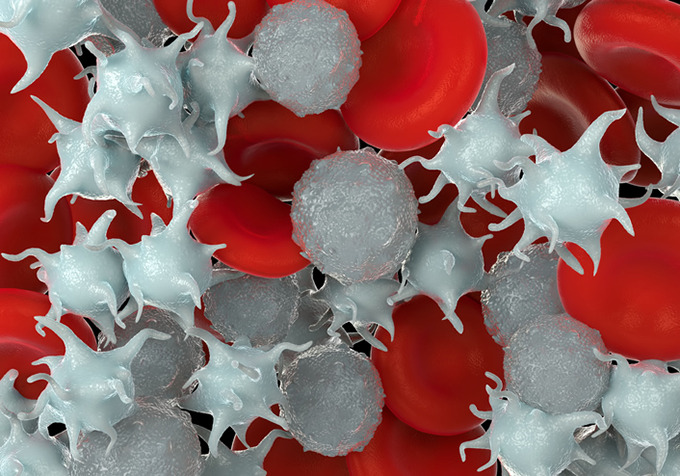
Platelets are an important, but perhaps underrecognized, constituent of the inflammatory cascade and serve as a link between hemostasis, inflammation, and tissue healing, with effects that may be heightened in the context of airway infections (6, 7). From the seminal observations nearly 50 years ago on platelet activation (8), our understanding of the role of platelets in acute and chronic inflammatory lung conditions has advanced. In asthma, platelets contribute to bronchospasm and airway remodeling, whereas in cystic fibrosis, there is a suggested link between platelet activation and progressive respiratory decline (9). In chronic obstructive pulmonary disease (COPD), platelets may contribute to increased cardiovascular risk during steady-state and acute PEx (9, 10). In infectious processes, abnormal platelets are associated with increased severity of and complications in pneumonia (11).
To better understand the role of platelets in bronchiectasis, in this issue of AnnalsATS, Aliberti and colleagues (pp. 1316–1325) (12) undertook a secondary analysis of the European Multicentre Bronchiectasis Audit and Research Collaboration (EMBARC) registry (13). They analyzed 1,771 prospectively enrolled adults with bronchiectasis from 10 tertiary care centers across Europe and Israel from 2006 to 2017. Platelet count was measured during a period of stability and at least 1 month after the last PEx, and patients were categorized on its basis into three groups: thrombocytopenia (<150 × 109/L), normal range (150–400 × 109/L), and thrombocytosis (>400 × 109/L). The primary outcome was 5-year mortality. Of the cohort (median age, 67 yr; 63.4% females), 7.7% had thrombocytosis (median, 444.5; interquartile range, 420.0–498.0 × 10⁹/L). Those with thrombocytosis had significantly lower BMIs, lower lung function, higher proportions of airway infection with Staphylococcus aureus, and greater disease severity (as defined by the Bronchiectasis Severity Index). A significant difference was noted in platelet counts across the cohorts when categorized into the conventional four clinical phenotypes of bronchiectasis (P = 0.01). A fifth of the cohort (20.4%) had a PEx event during one year of follow up, and mortality rates rose from 3.5% at 1 year to 18.5% by 5 years. Thrombocytosis during stability was associated with greater adjusted odds of mortality at 3 (odds ratio [OR], 2.69; 95% confidence interval [CI], 1.50–4.83) and 5 years (OR, 2.51; 95% CI, 1.44–4.44) (and with similar results excluding persons with COPD). In addition, thrombocytosis was also associated with secondary outcomes of worse quality of life and increased hospitalization with severe PEx at 1 year. Of note, other inflammatory markers such as erythrocyte sedimentation rate, white blood cells, and CRP (C-reactive protein) were variably correlated with platelet count and did not significantly associate with 3- and 5-year mortality rates.
As a retrospective study, the investigators appropriately acknowledged the potential for enrollment bias with use of tertiary care centers, the lack of longitudinal data on platelets or on cause of death, and the limited ability to infer causality. Encouragingly, the association of thrombocytosis to worsened outcomes in this cohort was consistent with other literature for acute and chronic respiratory entities, suggesting that they had a reasonably representative sample of persons with bronchiectasis and lending further credence to the finding. The study cohort was categorized on a one-time measurement of platelet numbers in stable state, which limited the ability to glean the trends over time and the associated outcomes. However, as platelets are an acute phase reactant, elevated platelets may simply portend a poor prognosis as a surrogate for chronic uncontrolled inflammation, similar to the association between cardiac troponin and CRP in chronic kidney disease (14). Interestingly, the cohort with thrombocytosis had a higher frequency of PEx across all time points. Because PEx events in themselves are associated with increased mortality in bronchiectasis (4), it is plausible that PEx are on the causal pathway. Although platelet measures were taken at steady state, they may still have been temporally associated with early PEx or recovery from the same and have remained elevated in line with an acute phase and could explain the increased mortality at 3 and 5 years after accrual of several episodes. Likewise, it is interesting to note that platelet counts were significantly different across the four clinical phenotypes as described by Flume and colleagues (2) (greatest in the Pseudomonas group). As P. aeruginosa has been demonstrated to lead to increased lung inflammation and poorer outcomes in chronic airways disease (15), elevated platelets may be the consequence rather than the cause of chronic inflammation.
With the recently described relationship between cardiovascular events and persons with bronchiectasis (16), it is hypothesized that the platelets may play a role in causing cardiovascular death in these patients. This is a plausible hypothesis given that other inflammatory markers were not associated with 3- and 5-year mortality rates, and evidence for association of platelets and cardiovascular events has been described, including in COPD (17, 18). Persons with bronchiectasis are at an increased risk for all-cause, other, and not cardiovascular causes of mortality (19), which is unsurprising given the multimorbidity and the etiologic diversity in this disease. As the heterogeneity in bronchiectasis does not lend itself to finding precise mechanistic pathways for platelets easily, perhaps clinical use is a more feasible and pragmatic aim to pursue.
Of the study cohort, 70 persons (4%) were thrombocytopenic, and although not the primary aim, they also had greater mortality rates compared with those with normal counts. Much data exists regarding thrombocytopenia in acute infections as well as in sepsis, in which it has been associated with increased complications as well as mortality when nonresolving (20). A recent study of S. aureus bloodstream infections noted that the development of thrombocytopenia was correlated with increased mortality by way of interaction with pathogen-derived α-toxin, which decreases viability and enhances clearance of platelets (21). The use of ticagrelor (P2Y12 receptor inhibitor used after myocardial infarction) or oseltamivir (influenza sialidase inhibitor) acted to block the S. aureus α-toxin effects and protected against lethal infection in murine models. Albeit in the converse scenario, the use of antiplatelet therapies had a protective role on 1-year mortality rates in persons with COPD and thrombocytosis after PEx (22). Consequently, the supporting evidence for therapeutics with platelet activity in deficient and excessive states speaks to the complex nature of platelet activities in inflammation and immunity.
With the goal of improving the care and outcomes of persons with bronchiectasis, the study in this issue is one of the first to demonstrate the use of platelets as a biomarker for disease severity and outcomes, including death. The mechanistic role of platelets in bronchiectasis morbidity and mortality requires much more work to be understood, but they certainly represent a readily available and inexpensive testing modality that may assist to better understand risk in this population. In addition, the use of agents with antiplatelet activity, even if for acute exacerbation settings, presents an additional management strategy to be evaluated. Although our central question of whether platelets are central players or spectators in the bronchiectasis disease trajectory remains, this study represents an encouraging step toward understanding.
Footnotes
Author disclosures are available with the text of this article at www.atsjournals.org.
References
- 1. Aliberti S, Sotgiu G, Lapi F, Gramegna A, Cricelli C, Blasi F. Prevalence and incidence of bronchiectasis in Italy. BMC Pulm Med. 2020;20:15. doi: 10.1186/s12890-020-1050-0. [DOI] [PMC free article] [PubMed] [Google Scholar]
- 2. Flume PA, Chalmers JD, Olivier KN. Advances in bronchiectasis: endotyping, genetics, microbiome, and disease heterogeneity. Lancet. 2018;392:880–890. doi: 10.1016/S0140-6736(18)31767-7. [DOI] [PMC free article] [PubMed] [Google Scholar]
- 3. Quint JK, Millett ER, Joshi M, Navaratnam V, Thomas SL, Hurst JR, et al. Changes in the incidence, prevalence and mortality of bronchiectasis in the UK from 2004 to 2013: a population-based cohort study. Eur Respir J. 2016;47:186–193. doi: 10.1183/13993003.01033-2015. [DOI] [PMC free article] [PubMed] [Google Scholar]
- 4. Chalmers JD, Aliberti S, Filonenko A, Shteinberg M, Goeminne PC, Hill AT, et al. Characterization of the “frequent exacerbator phenotype” in bronchiectasis. Am J Respir Crit Care Med. 2018;197:1410–1420. doi: 10.1164/rccm.201711-2202OC. [DOI] [PubMed] [Google Scholar]
- 5. Gramegna A, Amati F, Terranova L, Sotgiu G, Tarsia P, Miglietta D, et al. Neutrophil elastase in bronchiectasis. Respir Res. 2017;18:211. doi: 10.1186/s12931-017-0691-x. [DOI] [PMC free article] [PubMed] [Google Scholar]
- 6. Gear AR, Camerini D. Platelet chemokines and chemokine receptors: linking hemostasis, inflammation, and host defense. Microcirculation. 2003;10:335–350. doi: 10.1038/sj.mn.7800198. [DOI] [PubMed] [Google Scholar]
- 7. Scheid P, Kempster L, Griesenbach U, Davies JC, Dewar A, Weber PP, et al. Inflammation in cystic fibrosis airways: relationship to increased bacterial adherence. Eur Respir J. 2001;17:27–35. doi: 10.1183/09031936.01.17100270. [DOI] [PubMed] [Google Scholar]
- 8.Benveniste J, Henson PM, Cochrane CG. Leukocyte-dependent histamine release from rabbit platelets. The role of IgE, basophils, and a platelet-activating factor. J Exp Med. 1972;136:1356–1377. doi: 10.1084/jem.136.6.1356. [DOI] [PMC free article] [PubMed] [Google Scholar]
- 9.Momi S, Pitchford S, Gresele P, Page CP.Platelets and airway diseases2017. pp. 1149–1168. [Google Scholar]
- 10. Fawzy A, Putcha N, Paulin LM, Aaron CP, Labaki WW, Han MK, et al. SPIROMICS and COPDGene Investigators. Association of thrombocytosis with COPD morbidity: the SPIROMICS and COPDGene cohorts. Respir Res. 2018;19:20. doi: 10.1186/s12931-018-0717-z. [DOI] [PMC free article] [PubMed] [Google Scholar]
- 11. Martinez D, Sanz F, Fernández E, Cervera A, Briones ML, Aguar MC, et al. Platelet count is a marker of outcome in community-acquired pneumonia. Eur Respir J. 2013;42:4377. [Google Scholar]
- 12. Aliberti S, Sotgiu G, Gramegna A, McDonnell MJ, Polverino E, Torres A, et al. Thrombocytosis during stable state predicts mortality in bronchiectasis. Ann Am Thorac Soc. 2021;18:1316–1325. doi: 10.1513/AnnalsATS.202002-094OC. [DOI] [PubMed] [Google Scholar]
- 13. Chalmers JD, Aliberti S, Polverino E, Vendrell M, Crichton M, Loebinger M, et al. The EMBARC European Bronchiectasis Registry: protocol for an international observational study. ERJ Open Res. 2016;2:00081-2015. doi: 10.1183/23120541.00081-2015. [DOI] [PMC free article] [PubMed] [Google Scholar]
- 14. Li WJ, Chen XM, Nie XY, Zhang J, Cheng YJ, Lin XX, et al. Cardiac troponin and C-reactive protein for predicting all-cause and cardiovascular mortality in patients with chronic kidney disease: a meta-analysis. Clinics (São Paulo) 2015;70:301–311. doi: 10.6061/clinics/2015(04)14. [DOI] [PMC free article] [PubMed] [Google Scholar]
- 15. Garcia-Clemente M, de la Rosa D, Máiz L, Girón R, Blanco M, Olveira C, et al. Impact of Pseudomonas aeruginosa infection on patients with chronic inflammatory airway diseases. J Clin Med. 2020;9:3800. doi: 10.3390/jcm9123800. [DOI] [PMC free article] [PubMed] [Google Scholar]
- 16. McDonnell MJ, Aliberti S, Goeminne PC, Restrepo MI, Finch S, Pesci A, et al. Comorbidities and the risk of mortality in patients with bronchiectasis: an international multicentre cohort study. Lancet Respir Med. 2016;4:969–979. doi: 10.1016/S2213-2600(16)30320-4. [DOI] [PMC free article] [PubMed] [Google Scholar]
- 17. Malerba M, Clini E, Malagola M, Avanzi GC. Platelet activation as a novel mechanism of atherothrombotic risk in chronic obstructive pulmonary disease. Expert Rev Hematol. 2013;6:475–483. doi: 10.1586/17474086.2013.814835. [DOI] [PubMed] [Google Scholar]
- 18. Rainger E, Chimen M, Harrison M, et al. The role of platelets in the recruitment of leukocytes during vascular disease. Platelets. 2015;26:507–520. doi: 10.3109/09537104.2015.1064881. [DOI] [PMC free article] [PubMed] [Google Scholar]
- 19. Sin S, Yun SY, Kim JM, Park CM, Cho J, Choi SM, et al. Mortality risk and causes of death in patients with non-cystic fibrosis bronchiectasis. Respir Res. 2019;20:271. doi: 10.1186/s12931-019-1243-3. [DOI] [PMC free article] [PubMed] [Google Scholar]
- 20. Venkata C, Kashyap R, Farmer JC, Afessa B. Thrombocytopenia in adult patients with sepsis: incidence, risk factors, and its association with clinical outcome. J Intensive Care. 2013;1:9. doi: 10.1186/2052-0492-1-9. [DOI] [PMC free article] [PubMed] [Google Scholar]
- 21. Sun J, Uchiyama S, Olson J, Morodomi Y, Cornax I, Ando N, et al. Repurposed drugs block toxin-driven platelet clearance by the hepatic Ashwell-Morell receptor to clear Staphylococcus aureus bacteremia. Sci Transl Med. 2021;13:eabd6737. doi: 10.1126/scitranslmed.abd6737. [DOI] [PMC free article] [PubMed] [Google Scholar]
- 22. Harrison MT, Short P, Williamson PA, Singanayagam A, Chalmers JD, Schembri S. Thrombocytosis is associated with increased short and long term mortality after exacerbation of chronic obstructive pulmonary disease: a role for antiplatelet therapy? Thorax. 2014;69:609–615. doi: 10.1136/thoraxjnl-2013-203996. [DOI] [PubMed] [Google Scholar]