


Notes
Editorial note
The review question has been addressed in a newer review with an up to date methodology (Korang 2021:https://www.cochranelibrary.com/cdsr/doi/10.1002/14651858.CD013837.pub2/full).
Abstract
Background
Early acquired infection may cause severe illness or death in the neonatal period. Prompt treatment with antibiotics has shown to reduce mortality. It is not clear which antibiotic regimen is suitable for treatment of presumed early neonatal sepsis.
This review has been superseded by a new Cochrane Review (Korang 2021).
Objectives
To compare effectiveness and adverse effects of antibiotic regimens for treatment of presumed early neonatal sepsis.
Search methods
The Cochrane Central Register of Controlled Trials (CENTRAL, The Cochrane Library, Issue 2, 2003), MEDLINE (1966 to August 2003), EMBASE (1980 to September 2003) and ZETOC (1993 to August 2003) databases were searched for possible studies. Pharmaceutical companies were contacted for any unpublished data.
Selection criteria
Randomised and quasi‐randomised controlled studies comparing antibiotic regimens for the treatment of early neonatal sepsis (both monotherapies and combination therapies).
Data collection and analysis
Both reviewers screened abstracts and full reports against the inclusion criteria, appraised the quality of and extracted data from papers. For dichotomous outcomes, treatment effect was expressed as relative risk with 95% confidence interval. Meta‐analysis was performed using a fixed effect model.
Main results
Two small studies had compared monotherapy with combination therapy. There was no significant difference in mortality, treatment failure or bacteriological resistance.
Authors' conclusions
There is no evidence from randomised trials to suggest that any antibiotic regimen may be better than any other in the treatment of presumed early neonatal sepsis. More studies are needed to resolve this issue.
Plain language summary
Antibiotic regimens for suspected early neonatal sepsis
Antibiotics for newborn infants that might have blood infections when aged less than 48 hours. Blood infection (sepsis) can make newborn infants seriously ill or even kill them. Sepsis in newborns less than 48 hours old is called early neonatal sepsis. It is usually caused by bacteria passed from the mother. Doctors often give antibiotics if they suspect this dangerous condition because it can be difficult to tell if a newborn has early neonatal sepsis. Certain antibiotics can have significant side effects and their use can also lead to antibiotic resistance, which results in worse infection and possible damage to the intestines, kidneys, liver, or hearing. The authors of this review studied the medical literature to find out which kinds of antibiotics are best for suspected early neonatal sepsis, and what side effects these antibiotics cause. They found 15 relevant studies, but only two of these studies focused on infants less than 48 hours old. The two studies included a total of 127 newborns and compared newborns who received one antibiotic (monotherapy) to infants who received more than one antibiotic (combination therapy). There were no differences between the two groups. Both of the studies were published in the 1980s and are probably out of date. The authors of this review concluded that there is no evidence for using a particular kind of antibiotic for early neonatal sepsis.
This review has been superseded by a new Cochrane Review (Korang 2021).
Background
Infection remains a major cause of illness and death in the neonatal period (Freedman 1981; La Gamma 1983; Gladstone 1990). Newborn babies have an immature immune system and therefore may not elicit all signs of infection, and delay in treatment may lead to severe illness or death (Miller 1977; Siegel 1981). Early treatment with antibiotics has been shown to reduce mortality due to sepsis in the neonatal period (Freedman 1981). Early treatment depends on knowledge of risk factors and picking up early signs of infection in this age group (Miller 1977; Siegel 1981). However the signs of infection tend to be non‐specific (Philip 1980). Suspected sepsis is therefore defined as any clinical concern for infection to warrant the starting of intravenous antibiotic therapy before laboratory or microbiological evidence of infection.
Early neonatal sepsis is mainly acquired from the mother. Vertical transmission of infection from mother to infant may take place before birth, during labour, or at the time of delivery. Most infants with peripartum acquired sepsis will develop clinical symptoms of sepsis within two days of life. After this period, nosocomial and community acquired infections start to play a bigger role. The bacteria most commonly implicated in early neonatal sepsis are Group B streptococcus and Gram‐negative bacilli, and usually exclude coagulase negative staphylococcus. Neonatal intensive care units or special care baby units tend to choose empirical first line antibiotic therapy that will cover both Gram‐negative and Gram‐positive bacteria. A combination of an aminoglycoside such as gentamicin and a beta‐lactam such as penicillin has been the treatment of choice for early neonatal sepsis in many neonatal intensive care units (NICU).
Aminoglycosides may be associated with important adverse effects and they require frequent monitoring of blood levels. Preterm infants have immature organs and therefore may not tolerate some antibiotics as well as term infants. Further to these significant disadvantages, the majority of treated babies do not have proven sepsis. A recent systematic review looking at empirical treatment for febrile neutropaenia in cancer patients found no significant difference between using beta‐lactam monotherapy or beta‐lactam and aminoglycoside combination, although there was a slight advantage in using third generation cephalosporins (Paul 2002). On the other hand the use of broad spectrum antibiotics in neonates may alter gut flora and may also increase antibiotic resistance in the unit (Kalenic 1993). Alteration of intestinal flora or sterilisation of the gut with these antibiotics may increase the risk of developing necrotising enterocolitis after stopping treatment (Kenyon 2001).
Objectives
The objectives are to compare antibiotic monotherapies, monotherapy with combination therapy, and combination therapies for empirical treatment of suspected early neonatal sepsis (within 48 hours after birth), for both effectiveness and adverse effects.
Methods
Criteria for considering studies for this review
Types of studies
Randomised and quasi‐randomised controlled trials, published and unpublished, was considered for this review. For studies published in abstract form, the authors made every attempt to obtain full details. Studies with cluster randomisation were excluded.
Types of participants
Newborn babies from birth to 48 hours of life, requiring treatment in hospital or community for any suspected neonatal sepsis, regardless of gestation at birth.
Types of interventions
Comparison between the following intravenous antibiotic regimens:
a) Any antibacterial monotherapy versus other monotherapy: aminoglycoside beta‐lactam beta‐lactam plus betalactamase inhibitors glycopeptide
b) Any antibacterial monotherapy versus combination therapy of any antibiotic listed above c) Any antibacterial combination therapy versus another antibacterial combination therapy
Types of outcome measures
1) Primary outcomes: 1) Mortality in the first 28 days of life 2) Mortality up to the time of discharge from hospital 3) Treatment failure defined as the need to change empirical antibiotic therapy 4) Bacteriological resistance (isolated organisms resistant to assigned empirical treatment) 2) Secondary outcomes: 1) Adverse effects:
1) Superinfection (Clinical signs of sepsis with isolation of a new pathogen or the same pathogen with different susceptibility). 2) Colonisation with bacteria resistant to allocated empirical antibiotic in the follow up period 3) Necrotising enterocolitis during or after treatment, Bells criteria 2 (Bell 1978) 4) Serious nephrotoxicity (causing deviation from protocol, e.g. changing antibiotics) 5) Ototoxicity defined as a failed hearing test 6) Serious hepatotoxicity (resulting in deviating from protocol) 7) Anaphylactic reactions in the treated infant (resulting in deviating from protocol)
2) Length of hospital stay
Search methods for identification of studies
The following terms were used to search electronic databases: (antibiot* OR antimicrob* OR lactam*OR aminoglycoside* OR glycoprotein) AND (sepsis OR septic* OR Infect* OR bacter* OR (gram near negative)). The Cochrane Central Register of Controlled Trials (CENTRAL, The Cochrane Library, Issue 2, 2003) was searched using the above terms with restriction to neonates or infants. MEDLINE search (PubMed 1966 to August 2003) was restricted to Clinical Trials, All Infant, and Human, applying the same search terms. Further searches were performed in EMBASE (1980 to September 2003) for pharmaceutical publications and ZETOC (1993 to August 2003) for abstracts of scientific conferences/symposia. No language restriction was applied. References from identified studies were cross‐checked for possible additional studies. The following pharmaceutical companies were contacted for any unpublished data: Aventis, Bristol‐Myers, Britania, Glaxo Smith Kline and Roche.
Data collection and analysis
The abstract of each reference generated by the search was examined by the reviewers for inclusion criteria and where relevant a full article was obtained. The relevant studies were reviewed for methodological quality. Criteria for assessing methodological quality were blinding of randomisation, blinding of intervention, complete follow up, and blinding of outcome measures (The Cochrane Neonatal Review Group Guidelines). The reviewers discussed areas of disagreement and reached a consensus before analysis of the results.
The reviewers extracted data from included studies. For dichotomous outcomes, treatment effect was expressed as relative risk, with 95% confidence interval as a measure of uncertainty within the trial. For outcomes measured on a continuous scale, treatment effect was expressed as mean difference and uncertainty measured by standard deviation. Where appropriate, meta‐analyses of pooled data from all contributing trials was performed using a fixed effect model to obtain a typical relative risk or weighted mean difference respectively. Then, in a sensitivity analysis to examine the effect of study quality, the meta‐analyses were restricted to high quality studies, with lower quality studies being added on to see if they influenced any outcome effect. A test for heterogeneity was performed. The results from this test were used as a trigger to explore sources of heterogeneity. Subgroup analysis by gestational age, term (>37 weeks) and preterm, with a further subgroup analysis in the preterm group by birth weight (>1500 grams and <1500 grams) was considered. Data was analysed using MetaView 4.2 (Update Software).
Results
Description of studies
Fifteen studies were identified as possibly eligible for inclusion. Thirteen of these studies were excluded as the study population included neonates older than 48 hours or even older children (Adelman 1987a; Adelman 1987b; Begue 1997; de Louvois 1992; Fogel 1983; Gokalp 1990; Haffejee 1984; Hall 1988; Hammerberg 1989; Marks 1978; Tessin 1989; Umana 1990; Wiese 1988). The data for early neonatal sepsis could not be separated from that of late onset sepsis in these studies. All studies except one (Gokalp 1990) were randomised and controlled. One study was originally published in French and required translation into English (Begue 1997).
Two small studies (Miall‐Allen 1988; Snelling 1983) with a total of 127 neonates, were eligible for inclusion. Both these studies enrolled neonates with suspected sepsis or with risk factors for sepsis. They are described in more detail in the table of included studies.
One study (Miall‐Allen 1988) involved 72 neonates up to 48 hours of age and compared monotherapy (Timentin) with combination therapy (Piperacillin and Gentamicin). If there was only a weak suspicion of sepsis, one antibiotic alone, Piperacillin, was used in the combination therapy arm. Most of the neonates in the control group, however, received a combination therapy of piperacillin and gentamicin (32/40). This study also looked at late onset sepsis but these data were separable.
The other study included in the analysis (Snelling 1983) involved 55 neonates receiving either monotherapy (Ceftazidime) or combination therapy (Benzylpenicillin and Gentamicin). The population was neonates up to 48 hours old.
Both studies looked at mortality, treatment failure and bacteriological resistance. Neither study compared adverse effects. One study (Miall‐Allen 1988) did include hypersensitivity in the protocol as a reason to stop intervention therapy (Timentin).
Risk of bias in included studies
The two studies included in the analysis were both randomised and controlled (Miall‐Allen 1988; Snelling 1983). The method of allocation and concealment was not stated in both publications. The authors did not mention any blinding of interventions or outcomes. Contact with the authors of the study by Snelling et al (Snelling 1983) established that allocation was by sealed envelopes from pharmacy but there was no blinding of interventions and outcomes. Both studies looked at short term outcomes and accounted for all neonates in intervention and control groups.
Effects of interventions
MONOTHERAPY VS MONOTHERAPY
No studies were identified for this comparison.
MONOTHERAPY VS COMBINATION THERAPY
Two studies were identified for this comparison (Miall‐Allen 1988, Snelling 1983).
Primary outcomes:
1) Mortality in the first 28 days of life
There was no death in intervention groups in one study (Snelling 1983). There was a total of 8 deaths in the other study (Miall‐Allen 1988). Three deaths occurred in the monotherapy group (Timentin) and 5 deaths were in the combination therapy group (Piperacillin and Gentamicin). On meta‐analysis, there was no significant difference in mortality to 28 days (typical relative risk 0.75 and 95% confidence interval 0.19 to 2.9]).
2) Mortality up to the time of discharge from hospital
No data were available.
3) Treatment failure defined as the need to change empirical antibiotic therapy
There were no instances of treatment failure in either group in one study (Snelling 1983). There were 2 failures in the monotherapy and 2 in the combination therapy groups in the other study (Miall‐Allen 1988). On meta‐analysis, there was no statistical difference in treatment failure in the two groups (typical relative risk 1.25 and 95% confidence interval 0.19 to 8.39])
4) Bacteriological resistance (isolated organisms resistant to assigned empirical treatment)
Both studies found no bacteria resistant to assigned empirical treatment although some organism were resistant to non‐assigned empirical antibiotic.
Secondary outcomes:
None of the studies evaluated the secondary outcomes of superinfection, bacteria colonisation, necrotising enterocolitis, nephrotoxicity, ototoxicity, hepatotoxicity, anaphylaxis and hospital stay.
Data were not available for any subgroup analysis by gestational age and birthweight.
COMBINATION THERAPY VS COMBINATION THERAPY
No studies were identified for this comparison.
Discussion
This review found only two studies that specifically compared antibiotic regimens for suspected early neonatal sepsis. Both studies took place more than 15 years ago and some of the antibiotics used may no longer be in use in neonatal settings at present. The studies were randomised. There was no blinding of interventions and outcome measurements, and the outcomes were short term. These studies did not meet all the criteria set for methodological quality in this review.
There is no evidence from randomised trials at present to suggest that any antibiotic regimen is superior than another in the treatment of suspected early neonatal sepsis. Despite their wide use in the neonatal setting, antibiotics have not been broadly compared for efficacy and adverse effects in the treatment of suspected early neonatal sepsis. This is evident in the lack of studies in this review which have addressed this issue. There was a lack of positive response from drug companies.
Early neonatal sepsis is mainly acquired from maternal organisms. Knowledge of these organisms may help people involved in the care of neonates to choose the right antibiotic for treating sepsis. However, most neonates with suspected infection are not actually infected. Targeting maternal organisms can result in a broad spectrum antibiotic usage and this may risk emergency of resistant organisms in the neonatal unit. While evidence is lacking, the choice of antibiotics for suspected early neonatal sepsis may be guided by the spectrum of organisms from microbiological surveillance cultures, for example the prevalence of Group B Streptococcus and Gram negative organisms. With this approach there are still unanswered questions of adverse effects. Some antibiotics may be more toxic than others in the early neonatal period or in the very premature neonates and others may selectively increase bacterial resistance or colonisation.
This review did not look at other issues which may influence the choice of antibiotics such as limitation of resources or monitoring drug levels.
Authors' conclusions
Implications for practice.
There is no evidence from randomised clinical trials in favour of any particular antibiotic regimen for the treatment of presumed early neonatal sepsis.
Implications for research.
This review has highlighted lack of studies that compared antibiotic regimens for treating suspected early neonatal sepsis. Studies are needed to compare antibiotic monotherapies and various combination therapies for treating suspected early neonatal sepsis. Early neonatal sepsis is different from late neonatal sepsis as organisms involved are more likely to be of maternal origin. Apart from efficacy, these studies should also compare significant short and long term adverse effects. Hearing loss in premature infants may be due to prematurity but equally it may be as a consequence of therapy.
NOTE: this review has been superseded by a new Cochrane Review (Korang 2021).
What's new
| Date | Event | Description |
|---|---|---|
| 8 June 2021 | Review declared as stable | superseded by the new Review Korang 2021 |
History
Protocol first published: Issue 4, 2003 Review first published: Issue 4, 2004
| Date | Event | Description |
|---|---|---|
| 16 October 2008 | Amended | Converted to new review format. |
| 16 June 2004 | New citation required and conclusions have changed | Substantive amendment |
Notes
Data and analyses
Comparison 2. Monotherapy vs Combination Therapy.
| Outcome or subgroup title | No. of studies | No. of participants | Statistical method | Effect size |
|---|---|---|---|---|
| 2.1 Mortality in the first 28 days of life | 2 | 127 | Risk Ratio (M‐H, Fixed, 95% CI) | 0.75 [0.19, 2.90] |
| 2.2 Treatment failure | 2 | 127 | Risk Ratio (M‐H, Fixed, 95% CI) | 1.25 [0.19, 8.39] |
2.1. Analysis.
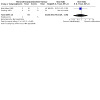
Comparison 2: Monotherapy vs Combination Therapy, Outcome 1: Mortality in the first 28 days of life
2.2. Analysis.
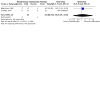
Comparison 2: Monotherapy vs Combination Therapy, Outcome 2: Treatment failure
Characteristics of studies
Characteristics of included studies [ordered by study ID]
Miall‐Allen 1988.
| Study characteristics | ||
| Methods | Randomised controlled study. Method and blinding of randomisation are unclear. Blinding of intervention and outcome measurements is not mentioned. They looked at short term outcomes and accounted for all neonates in the study groups. | |
| Participants | 72 neonates with suspected infection up to 48 hours of age | |
| Interventions | Timentin 80mg/kg 12 hourly or 8 hourly if >2kg (n=32) vs. Piperacillin 100mg/kg 12hourly (8) and Gentamicin 2.5mg/kg 12hourly (n=40) | |
| Outcomes | Mortality, treatment failure and bacteriological resistance | |
| Notes | 8 control neonates received piperacillin only because they were deemed to be not seriously ill. | |
| Risk of bias | ||
| Bias | Authors' judgement | Support for judgement |
| Allocation concealment (selection bias) | Unclear risk | B ‐ Unclear |
Snelling 1983.
| Study characteristics | ||
| Methods | Randomised. Allocation concealment was by sealed envelopes. Blinding of intervention and outcome measurements is not mentioned. They looked at short term outcomes and accounted for all neonates in the study groups. | |
| Participants | 55 neonates with suspected serious infection within 48 hours of birth. | |
| Interventions | Ceftazidime 50mg/kg 12 hourly (n=31) vs. Gentamicin 3mg/kg plus benzylpenicillin 15mg/kg 12 hourly (n=24) . | |
| Outcomes | Mortality, treatment failure and bacteriological resistance. | |
| Notes | The authors were contacted for method of allocation/concealment | |
| Risk of bias | ||
| Bias | Authors' judgement | Support for judgement |
| Allocation concealment (selection bias) | Low risk | A ‐ Adequate |
Characteristics of excluded studies [ordered by study ID]
| Study | Reason for exclusion |
|---|---|
| Adelman 1987a | We could not separate neonates with suspected early onset of sepsis from those with late onset. |
| Adelman 1987b | We could not separate early from late sepsis group |
| Begue 1997 | We could not separate early from late sepsis group |
| de Louvois 1992 | We could not separate early from late sepsis group |
| Fogel 1983 | We could not identify the group of neonates less than 24 hours age randomised in this study. |
| Gokalp 1990 | We could not separate early from late sepsis group |
| Haffejee 1984 | We could not separate early from late sepsis group. This study included children older than one month. |
| Hall 1988 | We could not separate early from late sepsis group |
| Hammerberg 1989 | We could not separate early from late sepsis group |
| Marks 1978 | We could not separate early from late sepsis group |
| Tessin 1989 | Ineligible outcome measures (Cerebrospinal fluid concentrations of antibiotics) |
| Umana 1990 | We could not separate early from late sepsis group |
| Wiese 1988 | We could not separate early from late sepsis group |
Contributions of authors
This review was conceived, designed and coordinated by Edward Mtitimila. He developed the search strategies and undertook the searches. Richard Cooke and Edward Mtitimila screened abstracts and papers against the inclusion criteria, appraised the quality of and extracted data from papers. Data entry into RevMan was carried out by Edward Mtitimila. Both reviewers wrote the review.
Sources of support
Internal sources
No sources of support provided
External sources
No sources of support provided
Declarations of interest
The reviewers have no affiliations with any organisation with a financial interest in this topic.
Stable (no update expected for reasons given in 'What's new')
References
References to studies included in this review
Miall‐Allen 1988 {published data only}
- Miall-Allen VM, Whitelaw AGL, Darrell JH. Ticarcillin plus clavulanic acid (Timentin) compared with standard antibiotic regimes in the treatment of early and late neonatal infection. The British Journal of Clinical Practice 1988;42:273-9. [PubMed] [Google Scholar]
Snelling 1983 {published data only}
- Snelling S, Hart CA, Cooke RW. Ceftazidime or gentamicin plus benzylpenicillin in neonates less than forty-eight hours old. Journal of Antimicrobial Chemotherapy 1983;12:353-6. [DOI] [PubMed] [Google Scholar]
References to studies excluded from this review
Adelman 1987a {published data only}
- Adelman RD, Wirth F, Rubio T. A controlled study of the nephrotoxicity of mezlocillin and gentamicin plus ampicillin in the neonate. The Journal of Pediatrics 1987;111:888-93. [DOI] [PubMed] [Google Scholar]
Adelman 1987b {published data only}
- Adelman RD, Wirth F, Rubio T. A controlled study of the nephrotoxicity of mezlocillin and amikacin in the neonate. American Journal of Disease in Childhood 1987;141:1175-8. [DOI] [PubMed] [Google Scholar]
Begue 1997 {published data only}
- Begue P, Astruc J, Francois P, Floret D. Comparison of ceftriaxone and cefotaxime in severe pediatric bacterial infections: a multicentrique study [Evaluation de la ceftriaxone et du cefotaxime dans l'infection bacterienne severe en pediatrie: etude multicentrique]. Medecine Et Maladies Infectieuses 1997;27:300-6. [Google Scholar]
de Louvois 1992 {published data only}
- Louvois J, Dagan R, Tessin I. A comparison of ceftazidime and aminoglycoside based regimes as empirical treatment in 1316 cases of suspected sepsis in the newborn. European Journal of Pediatrics 1992;151:876-84. [DOI] [PubMed] [Google Scholar]
Fogel 1983 {published data only}
- Fogel D, Farfel L, Miskin A, Mogilner BM. Comparison between the combination of azlocillin-gentamicin and ampicillin-gentamicin in the treatment of nursery population. Israel Journal of Medical Sciences 1983;19:1009-15. [PubMed] [Google Scholar]
Gokalp 1990 {published data only}
- Gokalp AS, Oguz A. Neonatal sepsis in Turkey: the comparison between penicillin plus aminoglycoside and ampicillin plus third-generation cephalosporin chemotherapies. Journal of Tropical Pediatrics 1990;36:200. [DOI] [PubMed] [Google Scholar]
Haffejee 1984 {published data only}
- Haffejee IE. A therapeutic trial of cefotaxime versus penicillin-gentamicin for severe infections in children. Journal of Antimicrobial Chemotherapy 1984;14:147-52. [DOI] [PubMed] [Google Scholar]
Hall 1988 {published data only}
- Hall MA, Ducker DA, Lowes JA, McMichael J, Clarke P, Rowe D, Gordon A, Cole DS. A randomised prospective comparison of cefotaxime versus netilmicin/penicillin for traetment of suspected neonatal sepsis. Drugs 1988;35:169-77. [DOI] [PubMed] [Google Scholar]
Hammerberg 1989 {published data only}
- Hammerberg O, Kurnitzki C, Watts J, Rosenbloom D. Randomised trial using piperacillin versus ampicillin and amikacin for traetment of premature neonates with risk factors for sepsis. European Journal of Clinical Microbiology and Infectious Diseases 1989;8:241-4. [DOI] [PubMed] [Google Scholar]
Marks 1978 {published data only}
- Marks S, Marks MI, Dupont C, Hammerberg S. Evaluation of three antibiotic programs in newborn infants. Canadian Medical Association Journal 1978;118:659-62. [PMC free article] [PubMed] [Google Scholar]
Tessin 1989 {published data only}
- Tessin I, Trollfors B, Thiringer K, Thorn Z, Larsson P. Concentration of ceftazidime, tobramycin and ampicillin in the cerebrospinal fluid of the newborn infant. European journal of Pediatrics 1989;148:679-81. [DOI] [PubMed] [Google Scholar]
Umana 1990 {published data only}
- Umana MA, Odio CM, Castro E, Salas JL, McCracken GH Jr. Evaluation of aztreonam and ampicillin vs amikacin and ampicillin for the treatment of neonatal bacterial infection. The Pediatrics Infectious Disease Journal 1990;9:175-80. [DOI] [PubMed] [Google Scholar]
Wiese 1988 {published data only}
- Wiese G. Treatment of neonatal sepsis with ceftriaxone/gentamicin and with azslcillin/gentamicin: a clinical comparison of efficacy and tolerability. Chemotherapy 1988;34:158-63. [DOI] [PubMed] [Google Scholar]
Additional references
Bell 1978
- Bell MJ, Ternberg JL, Feigin RD, Keating JP, Marshall R, Barton L, Brotherton T. Neonatal necrotizing enterocolitis. Therapeutic decisions based upon clinical staging. Annals of Surgery 1978;187:1-7. [DOI] [PMC free article] [PubMed] [Google Scholar]
Freedman 1981
- Freedman RM, Ingram DI, Gross I, Ehrenkranz RA, Warshaw JB, Baltimore RS. A half century of neonatal sepsis at Yale: 1928 to 1978. American Journal of Diseases of Children 1981;135:140-4. [DOI] [PubMed] [Google Scholar]
Gladstone 1990
- Gladstone IM, Ehrenkranz RA, Edberg SC, Baltimore RS. A ten-year review of neonatal sepsis and comparison with the previous 50 year experience. The Pediatric Infectious Disease Journal 1990;9:819-25. [DOI] [PubMed] [Google Scholar]
Kalenic 1993
- Kalenic S, Francetic I, Polak J, Zele-Starcevic L, Bencic Z. Impact of ampicillin and cefuroxime on bacterial colonization and infection in patients on a neonatal intensive care unit. The Journal of Hospital Infection 1993;23:35-41. [DOI] [PubMed] [Google Scholar]
Kenyon 2001
- Kenyon SL, Taylor DJ, Tarnow-Mordi W, ORACLE Collaborative Group. Broad-spectrum antibiotics for preterm, prelabour rupture of fetal membranes: the ORACLE I randomised trial. The Lancet 2001;357:979-88. [DOI] [PubMed] [Google Scholar]
Korang 2021
- Korang SK, Safi S, Nava C, Gordon A, Gupta M, Greisen G, et al. Antibiotic regimens for early‐onset neonatal sepsis. Cochrane Database of Systematic Reviews 2021, Issue 5. Art. No: CD013837. [DOI: 10.1002/14651858.CD013837.pub2] [DOI] [PMC free article] [PubMed] [Google Scholar]
La Gamma 1983
- La Gamma EF, Drusin LM, Mackles AW, Machalek S, Auld PA. Neonatal infections. An important determinant of late NICU mortality in infants less than 1,000 g at birth. American Journal of Diseases of Children 1983;137:838-41. [DOI] [PubMed] [Google Scholar]
Miller 1977
- Miller ME. Host defenses in the human neonate. Pediatric Clinics of North America 1977;24:413-23. [DOI] [PubMed] [Google Scholar]
Paul 2002
- Paul M, Soares-Weiser K, Grozinsky S, Leibovici L. Beta-lactam versus Beta-lactam-aminoglycoside combination therapy in cancer patients with neutropaenia (Cochrane Review). Cochrane Database of Systematic Reviews 2002, Issue 2. Art. No: CD003038. [DOI: 10.1002/14651858.CD003038] [DOI] [PubMed] [Google Scholar]
Philip 1980
- Philip AG, Hewitt JR. Early diagnosis of neonatal sepsis. Pediatrics 1980;65:1036-41. [PubMed] [Google Scholar]
Siegel 1981
- Siegel JD, McCracken GH Jr. Sepsis neonatorum. New England Journal of Medicine 1981;304:642-7. [DOI] [PubMed] [Google Scholar]