



Abstract
A number of researchers in Korea have tried to set-up the production of radionuclides and develop new radiopharmaceuticals for several decades. Thanks to their 60-year endeavor to advance the field of radiopharmaceutical sciences, now we have a lot of research units and facilities in Korea. Still, there are huge number of issues to be solved in radiopharmaceutical sciences; however, our efforts will be continued to develop new radiopharmaceuticals and to apply the new radiopharmaceuticals into nuclear medicine field.
Keywords: Radiopharmaceutical sciences, Radioisotopes, Cyclotron, Radiochemistry
The Dawn of Radiopharmaceutical Sciences in Korea
The first medical use of radioisotope (RI) in Korea was the study of 131I uptake to the thyroid gland in hyperthyroidism by Prof. Moon Ho Lee of the Seoul National University (SNU) in 1959. Soon, many hospitals in Seoul started use of RI; however, there was no facility to produce RI in Korea at that time. They should have been imported. The Atomic Energy Research Institute (AERI) was founded in 1959 in the Seoul National University College of Industry. The first research reactor in Korea was planned by the president Syngman Rhee’s government in July 1959 and decided to construct TRIGA (Training, Research, Isotopes, General Atomics) Mark II (100~250 kWt), which started in 1959 and finished in 1962. Radiation Medicine Research Institute was founded in 1962. As the capacity of TRIGA Mark II was too small to produce enough RI, the second research reactor TRIGA Mark III (2 MWt) was planned by president Jeong-hee Park’s government and constructed from 1969 to 1972. AERI was renamed as Korea Atomic Energy Research Institute (KAERI) in 1973. Various RI such as 131I, 198Au, and 55Fe for medical use, 24Na and 82Br for industry, and 32P and 35S for life science were produced by these research nuclear reactors. TRIGA Mark II and TRIGA Mark III were constructed by the American technology. As the consumption of RI increased, a larger scale research nuclear reactor was planned by president Doo-Hwan Chun’s government and constructed by Korean technology from 1989 to 1995, which was named HANARO (Highly Advanced Neutron Application Reactor, 30 MWh). After foundation of KAERI and construction of research nuclear reactors, not only medical radionuclides but also various labeled compounds such as [99mTc]Tc2S7 colloid, [99mTc]Tc-MAA, and [99mTc]Tc-ascorbate were synthesized. Although studies for development of new radiopharmaceuticals were performed by nuclear medicine physicians in several hospitals, KAERI was the most active in the field of commercialization until middle of 1980. Various cold vials for 99mTc-labeling were produced by KAERI or imported from the USA, Japan, and UK. However, 99Mo/99mTc-generators were imported from Japan and the UK until the end of the twentieth century.
Development of Medical Cyclotron And Cyclotron-produced RI in Korea
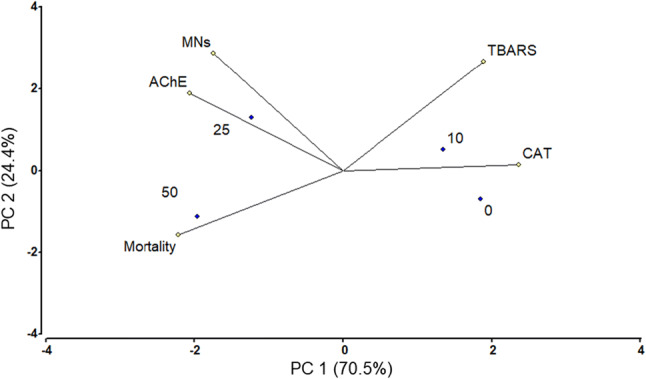
The Division of Applied RI in Korea Institute of Radiological and Medical Sciences (KIRAMS) uses three medical cyclotrons (16.5, 30, 50 MeV) to produce medical RI and develop radiopharmaceuticals for brain diseases as well as cancers (Table 1). RI for cancer detection and myocardial SPECT image such as 67Ga, 201Tl, and 123I were produced for the first time in Korea in 1989 and 1990, and distributed domestically. After installation of a 30 MeV cyclotron, a mass production of those RI became possible, which have been supplied to many hospitals since then. In 2007, 64Cu and 124I were successfully produced using 50 MeV cyclotron for the first time in Korea, and have been supplied to domestic researchers. In case of 64Cu, 64Ni-enriched plating system was designed on top of gold foil which is 13° tilted towards the beam irradiation, where nuclear reaction of 64Ni(p, n)64Cu at low energy under the degrader composed of Al and Ta foils is applied. An efficient 64Cu separation method using plastic cartridge column was also developed (Fig. 1). 64Cu was identified by multichannel analyzer installed for a HPGe detector and its utility was certified by microPET images of [64Cu]Cu-ATSM using CT-26 tumor-bearing mouse. The microPET image quality of 64Cu was also comparable to the image obtained using 18F (Fig. 2).
Table 1.
Cyclotrons and radioisotope production status at KIRAMS
| Energy (proton beam) | Producer | Beam | Target Isotopes |
|---|---|---|---|
| 50 MeV |
Scantronix (1985) |
Alpha Deuteron Proton |
18F(PET),11C(PET),64Cu (PET),124I (PET),89Zr(PET),44Sc(PET),117mSn(conversion electron),211At(alpha),67Cu(beta) |
| 30 MeV |
IBA (2000) |
Proton | 18F(PET),11C(PET),123I(SPECT),201Tl(SPECT),225Ac(alpha) |
| 16.5 MeV |
GE (2018) |
Deuteron Proton |
18F(PET),11C(PET) |
Fig. 1.
Gamma spectrum of purified 64Cu fraction
Fig. 2.

Transverse images of resolution phantom filled with 64Cu (left) and 18F (right) solutions
KIRAMS successfully produced 89Zr in 2014. KIRAMS has provided 64Cu (3,903 mCi/year), 124I (156 mCi/year), and 89Zr (120 mCi/year) to 12 research institutes and hospitals since then. For the production of 89Zr, a nuclear reaction of 89Y(p, n)89Zr using a solid 89Y-foil irradiated with an extracted proton beam (20 μA, 18−20 MeV) from 50 MeV medical cyclotron was used. After purification, 89Zr was identified by a specific gamma energy of 909 keV using HPGe detector, and the radiochemical purity was more than 99% (74−185 MBq/mL in 1M oxalic acid), which was confirmed using radio-ITLC (Fig. 3).
Fig. 3.

Small-animal PET images of [89Zr]Zr-oxalate in mice bearing an orthotopically implanted U87MG tumor (left shoulder) and inflammation (right thigh)
KIRAMS produced 13 MeV cyclotron (KIRAMS-13) and installed seven regional cyclotron centers in Korea (2003~2007). The cyclotron was optimized for 18F production. KIRAMS also installed it at two sites (Da Nang General Hospital, Hanoi Irradiation Center) in Vietnam. Additionally, KIRAMS tried to develop 30 MeV cyclotron based on KIRAMS-13 development experiences (2005~2009). Finally, it successfully installed in KIRAMS at Jeongup city as producing and studying medical RI like 68Ga, 89Zr, and 67Cu. These projects effected to decrease the cyclotron price of international companies. It has also contributed to [18F]FDG supply for nuclear medicine growth and people health in Korea.
Currently, KIRAMS is preparing to produce therapeutic RI including 67Cu, 117mSn, and 211At, which emit beta and alpha particles. For 211At production, 209Bi(α,d)211At reaction was applied using 209Bi irradiated at 5 uA for 1h by 50 MeV cyclotron (Fig. 4). 211At was purified and the identity was confirmed by HPGe detector. It was quite encouraging the 210At was not detected at all (Fig. 5). In addition to the production of various RI, KIRAMS are actively developing radiopharmaceuticals for cancer detection and therapy as well as diagnosis of brain diseases such as depression and Alzheimer’s disease (AD) using radiolabeled biomolecules including antibodies, peptides, and small molecules.
Fig. 4.
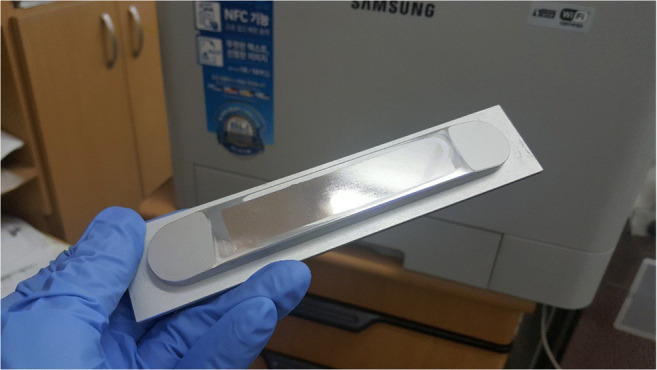
Development of 209Bi target for 211At production
Fig. 5.

Gamma spectrum with HPGe detector for 211At
Research for the Development of New Radiopharmaceuticals
There have been great efforts of researchers on radiopharmaceutical sciences in Korea, and here we described typical examples of their efforts. Studies for the development of new radiopharmaceuticals for clinical application are being actively conducted by several Korean researchers. The following is an introduction to the research achievements of some laboratories.
Positron emission tomography (PET) scanners and baby cyclotrons (13~16.5 MeV) were first introduced to SNUH and Samsung Medical Center (SMC) in 1994, and since then, short-lived RI, such as 15O, 13N, 11C, and 18F were used for preparation of PET radiopharmaceuticals for routine clinical use and for development of various PET radiopharmaceuticals. 2-[18F]Fluoro-2-deoxyglucose (FDG) was the first PET radiopharmaceutical to be produced. After that, sodium [18F]fluoride was produced for bone imaging. 11C-Acetic acid, the first 11C-labeled agent, was produced in 1994. With introduction of 11C-methyl iodide synthesizer to Korea since 1995, 11C-methionine, 11C-raclopride, and 11C-flumazenil were synthesized. The first 11C-methyl iodide synthesizer was a wet type, which includes trapping and reducing 11C-carbon dioxide by using a lithium aluminum hydride (LAH) solution in tetrahydrofuran. However, this method required extremely high caution to handle LAH solution, because it reacted with 11C-carbon dioxide and water in the air very rapidly, and thus resulted in the decreased molar activity of the final product. A dry type 11C-methyl iodide synthesizer was distributed by GE Healthcare since 1995, which synthesizes 11C-methyl iodide by reacting 11C-methane with iodine vapor at high temperature. Higher molar activity products could be obtained by using a dry type synthesizer (Fig. 6). 13N-Ammonia for myocardial perfusion imaging was the only 13N-labeled radiopharmaceutical. Its synthesis was easily conducted using a very simple module. 15O-Water for brain or myocardial perfusion imaging was easy to synthesize but had an economical issue. With an accelerated deuteron beam, 15O can be synthesized economically by 14N(d,n)15O reaction using a natural nitrogen gas as a target. However, with a proton-only cyclotron, a very expensive 15N target gas was used to synthesize 15O by 15N(p,n)15O reaction.
Fig. 6.

Wet type and dry type synthesis of [11C]CH3I
[18F]Fluoroacetate was synthesized by Prof. Jeong’s group of SNUH for myocardial imaging [1], [18F]fluoroflumazenil for benzodiazepine receptor imaging [2–4], [18F]human serum albumin for blood pool imaging [5], 18F-cEFQ for metabotropic glutamate receptor imaging [6], and 18F-labeled RGD derivative for angiogenesis imaging [7]. Beta-amyloid plaque (Aβ) imaging agents for the diagnosis of the AD such as benzylidene aniline derivatives and benzothiophene derivatives [8, 9]. Interesting studies were performed about easy labeling of 18F in aqueous solution by using aluminum fluoride (Fig. 7) [10, 11]. Significant studies were performed for therapy using 188Re which was obtained from 188W/188Re-generator. 188Re in lipiodol solution was developed for liver cancer therapy (Fig. 8) [12–20], [188Re]Re-tin colloid was developed for rheumatoid arthritis therapy [21–24], 188Re-paper was developed for skin cancer therapy (Fig. 9), and [188Re]Re-DTPA was developed for coronary artery balloon brachytherapy [25, 26]. As the introduction of 68Ge/68Ga-generator, a lot of studies for developing 68Ga-labeled compounds were performed. 68Ga-labeled RGD derivative was developed for angiogenesis imaging (Fig. 10) [27–34], a BAPEN derivative was developed for myocardial imaging [35], nitroimidazole derivatives were developed for hypoxia imaging [36–38], amino acid derivatives were developed for cancer imaging [39, 40], and a glu-urea-lys (GUL) derivative for prostate cancer imaging [41]. Currently, the prostate cancer targeting is a very important issue for theranostics. Targeting sentinel lymph node or lymphoscintigraphy using mannosylated human serum albumin (MSA) was actively studied. Macrophages have mannose receptor which also is called as CD206. The human serum albumin (HSA) having mannose residues can be used for targeting macrophages that exist in lymph node, liver, spleen, or atherosclerosis [42–45]. On the other hand, if galactose or lactose is conjugated with HSA, then it could be used for imaging hepatocyte representing liver function [46, 47]. As the versatility and utility of nanoparticles are proved, a lot of studies to develop multifunctional nanoparticles were performed. A one-pot single step method to introduce multifunction by using a one-tail amphiphiles was developed [41, 48, 49]. These nanoparticles might be very useful for therapy of various cancers or detection of sentinel lymph nodes. However, their clinical application might require time and money to get manufacturing approval.
Fig. 7.

18F-labeling in aqueous solution by using aluminum fluoride salt
Fig. 8.

Lipophilic diaminedisulfur compound having long aliphatic chain for preparation of [188Re]Re-lipiodol solution
Fig. 9.
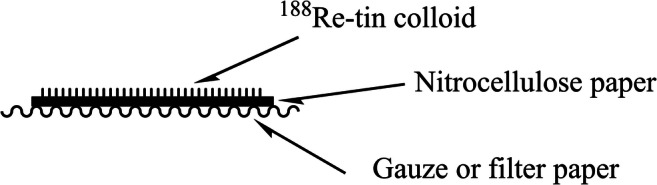
Preparation of 188Re-labeled paper for treatment of skin cancer
Fig. 10.
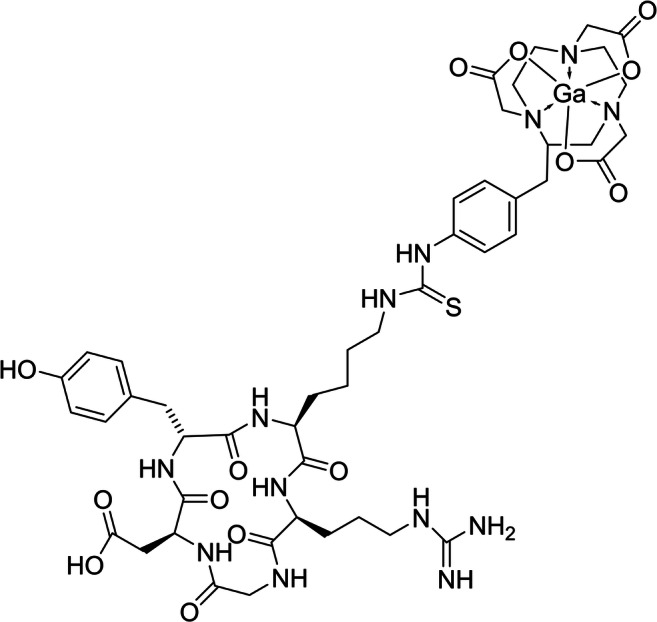
68Ga-labeled RGD compound for angiogenesis imaging
Prof. Chi and his coworkers have studied facile fluorination protocols, as well as developing 18F PET (positron emission tomography) applications. Firstly, they reported a facile fluorination reaction using KF as a fluorine source for a nucleophilic substitution reaction of a mesylate 1 using ionic liquid ([bmim][BF4]) in the presence of water as an additive (Fig. 11) [50, 51]. The reaction was completed in 1.5 h in acetonitrile to afford desired product 2 without significant formation of byproducts. In this reaction, the presence of small amount of water turned out to be critical for the high reactivity and selectivity towards fluorinated product 2. This ionic liquid media fluorination also showed good performance in the 18F labeling reaction [52]. It is well-known that protic solvents do not provide the proper medium for most nucleophilic substitution reactions because of strong interaction between nucleophile and protic solvent. However, Chi and his coworkers reported novel concepts for metal fluoride activation and mechanistic investigation to utilize simple and small organic molecules, particularly using the protic solvents (t-BuOH and glycols) properly designed to promote fluorination reactions with unprecedented efficiency (Fig. 12) [53, 54]. Although protic solvents have been known to be inferior for nucleophilic displacement reactions to aprotic polar solvents such as CH3CN and DMF, they discovered that protic solvents such as t-amyl alcohol and glycols could indeed facilitate various fluorination reaction with significant efficiency by allowing bifunctional activation of metal fluorides and substrates. Because this protic media fluorination protocol could become possible to produce [18F]FP-CIT and [18F]FLT automatically and routinely by 18F radiolabeling, these radiopharmaceuticals could be commercially available to be used clinically in Korea [55]. In addition, Chi and his coworkers reported that the synergistic effect of two solvents—ionic liquid and protic solvent—in one molecule showed a good performance in the nucleophilic fluorination reaction [56]. These protic molecules tethered ionic liquids can be regarded as an alternative to replace the conventional phase transfer catalytic system.
Fig. 11.

Nucleophilic fluorination reaction in ionic liquid [bmim] [BF4]
Fig. 12.

Protic media catalyzed nucleophilic fluorination reaction and 18F radiofluorination
Prof. Choe’s group at SMC has studied on PET radioligands for imaging the molecular targets of AD. First, they developed radioligands for in vivo mapping of acetylcholinesterase (AChE) [57–62]. In these studies, they used a two-step 18F-labeling strategy; synthesis of [18F]fluorobenzaldehyde from 2- or 4-formyl-N,N,N-trimethylanilinium triflate and n-Bu4N[18F]F followed by reductive alkylation with a piperidine precursor. The most promising radioligand was 2-[18F]fluoro-CP-118,954 [60], and its mouse brain PET images showed high uptake in the striatum, an AChE-rich region, which was also blocked by a known AChE inhibitor (Fig. 13A) [63]. Surprisingly, 4-[18F]fluoro-donepezil did not have specific uptake in the striatum (Fig. 13B), even though donepezil (Aricept®) is an FDA-approved drug used to improve symptoms of AD [63]. They also developed radioligands for imaging of Aβ plaques, another molecular target of AD. Curcumin was the molecule of interest because dietary curcumin reduced the Aβ plaque burden in the hippocampus and cortex regions of transgenic mouse brains [64]. They developed 18F-labeled curcumin for Aβ plaque imaging (Fig. 14) [65]. In this study, they showed a direct evidence that the F-substituted curcumin as well as curcumin has the excellent in vitro binding affinity for Aβ aggregates. Later, radiolabeled curcumin derivatives were further modified to improve their brain permeability (Fig. 14) [66]. In another work, they added a methyl group to both C2- and C4-positions of curcumin to prevent reductive metabolism on the olefinic double bonds of curcumin (Fig. 14) [67]. Moreover, they developed 18F-labeled styryltriazole for Aβ plaque imaging, which showed favorable brain pharmacokinetics in mice (Fig. 15) [68]. When a novel radioligand is developed, metabolic characterization of the radioligand is required. In this regard, they developed a simple and efficient in vitro method for metabolism studies of radioligands using hepatic microsomes or S9 fractions that contain metabolizing enzymes [69, 70]. Prof. Choe's another main research topic was to study radiolabeled vascular endothelial growth factor (VEGF) derivatives [71–74] as well as radiolabeled small molecules [75–79] for tumor angiogenesis imaging. They developed radiometal (64Cu or 68Ga)-labeled NOTA or NODAGA-VEGF121 (Fig. 16) [71, 72]. The radiolabeled VEGF121 showed specific binding to VEGF receptor (VEGFR) and high tumor uptake in U87MG tumor-bearing mice [72, 73]. In another study, they used a streptavidin/biotin platform to develop a hybrid PET/optical imaging probe for VEGFR imaging [74]. This hybrid probe appears to be a promising candidate for hybrid PET/optical imaging of VEGFR expression.
Fig. 13.

Transaxial microPET images of ICR mouse brains; the 0–30-min dynamic images obtained after injection of 2-[18F]fluoro-CP-118,954 (A) and 4-[18F]fluoro-donepezil (B), and the 31–60-min images blocked with 0.5 mg/kg of CP-118,954 (A) and donepezil (B)
Fig. 14.

Structures of curcumin, 18F-labeled curcumin derivatives, and 2,6-dimethylcurcumin
Fig. 15.
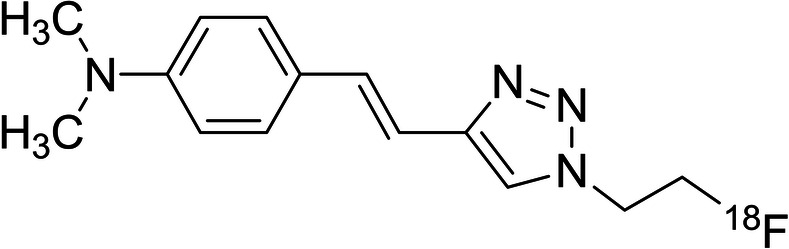
Structure of 18F-labeled styryltriazole
Fig. 16.
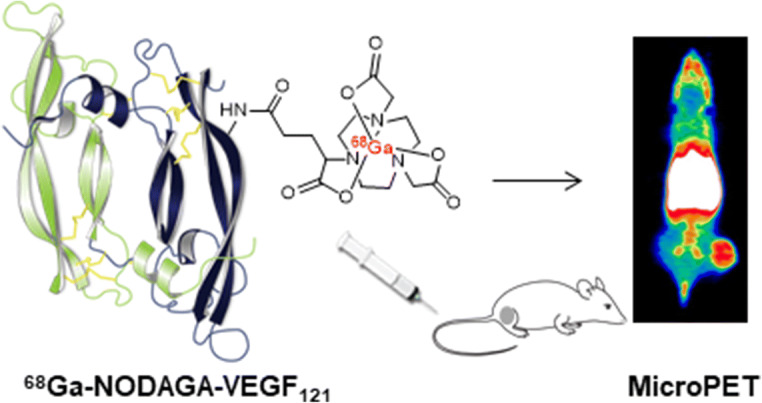
MicroPET image of a U87MG tumor-bearing mouse injected with 68Ga-NODAGA-VEGF121
Prof. Min, Prof. Kim and their colleagues at Chonnam National University Hwasun Hospital focuses on tracers such as radiopharmaceuticals and optical dyes conjugated small molecules; these conjugates are used for diagnosis and treatment of diseases. Not only medical radionuclides, such as 18F, 11C, 123I, 131I, and 13N, but also emerging radionuclides such as 68Ga, 64Cu, and 89Zr, are used to synthesize positron emission tomography (PET) radiotracers for imaging. Furthermore, they aim to develop novel imaging strategies to address as-yet un-met clinical needs. Such strategies include 18F-labeled myocardial imaging agents, synthetic modules for routine [11C]acetate production, 64Cu-labeled artificial protein binders, and 18F-labeled tracers to visualize malignant melanoma. First, is development of 18F-labeled myocardial imaging agents [80–88]. 18F-labeled phosphonium cations accumulate to a higher degree in cardiomyocytes than in normal cells due to the higher mitochondrial membrane potential (MMP) in the latter. This type of mitochondrial voltage sensor will be useful for detecting myocardial abnormalities; this is because loss of MMPs is an early event in cell death caused by myocardial ischemia. Thus, they developed several kinds of 18F-labeled fluoroalkylphosphonium derivatives ([18F]FATPs) and examined their in vivo characteristics. [18F]FATPs showed stable uptake in the myocardium and rapid clearance from the blood and other organs, which results in excellent image quality (Fig. 17). Thus, [18F]FATPs are promising 18F-labeled radiopharmaceuticals for evaluating myocardial perfusion by PET. Second, is development of a [11C]acetate synthesis module for routine production [89]. [11C]Acetate is metabolized rapidly in human cells to yield acetyl-CoA, which can enter the tricarboxylic acid cycle and participate in cell membrane lipid synthesis in tumor cells. Thus, [11C]acetate, a radiotracer for PET imaging, is under investigation for use in a number of cancers. They developed an optimized synthetic module and confirmed its high reproducibility and simplicity; also, it has a high radiochemical yield for routine clinical use. Third, is development of a method of labeling artificial protein binders with 64Cu [90]. 64Cu has the longest half-life among positron emitters (12.7 h), which allows imaging at later time points than 18F (half-life = 109.7 min); thus it is appropriate for imaging of protein binders. Therefore, they optimized 64Cu-labeling methods using three kinds of chelator (NOTA, DOTA, and DTPA) and reported the in vivo characteristics of artificial protein binders (repebodies) that have high affinity for the epidermal growth factor receptor (EGFR). The rapid and prolonged retention of three types of [64Cu]Cu-repebody in the tumor, but not blood or muscle, suggests that these molecules can be used as imaging agents to obtain high-contrast PET images of EGFR expression at tumor sites shortly after injection (Fig. 18). The favorable in vivo kinetics and specific tumor uptake of repobodies warrants their further investigation as imaging agents for EGFR-positive tumors. Last, is development of 18F-labeled imaging agents for detecting malignant melanoma [91, 92]. Malignant melanoma is one of the most lethal cancers because of its high systemic metastatic potential. Benzamide derivatives have selective affinity for melanin; over the past two decades, these agents have been investigated extensively with a view to developing single photon emission computed tomography (SPECT) agents for melanoma detection. Thus, they modified the structure of bezamide and labeled it with 18F to develop a novel PET tracer to visualize malignant melanoma. They synthesized N-(2-(dimethylamino)ethyl)-4-18F-fluorobenzamide ([18F]DMFB), pyridine-based benzamide derivatives, N-(2-(dimethylamino)ethyl)-5-[18F]fluoropicolinamide ([18F]DMPY2), and N-(2-(dimethylamino)ethyl)-6-[18F]fluoronicotinamide ([18F]DMPY3), and then evaluated them to identify best one. Among them, [18F]DMPY2 showed excellent performance with respect to detection of melanoma cells. The specific/rapid targeting, prolonged retention, and rapid clearance of [18F]DMPY2 from primary and metastatic tumors suggests that this radiotracer could be used as a PET imaging agent to obtain outstanding image quality for diagnosis of melanoma (Fig. 19). The excellent characteristics of [18F]DMPY2 warrant further investigation to determine whether it can be translated to the clinic and used for theranostic approaches.
Fig. 17.

Coronal small-animal PET images of rats at taken 30 and 60 minutes after intravenous injection of 37 MBq of [18F]FATPs. The heart is visible, with excellent heart-to-background contrast at each time point after tracer injection. A (5-[18F]fluoropentyl)triphenylphosphonium cation ([18F]FPTP); B (6-[18F]fluorohexyl)triphenylphosphonium cation ([18F]FHxTP); C (7-[18F]fluoroheptyl)triphenylphosphonium cation ([18F]FHtTP); D (8-[18F]fluorooctyl)triphenylphosphonium cation ([18F]FOTP); E (2-(2-[18F]fluoroethoxy)ethyl)triphenylphosphonium cation ([18F]FETP); and F (2-(2-[18F]fluoroethoxy)ethyl)tris(4-methoxyphenyl)phosphonium cation ([18F]FETMP)). H, heart; L, liver
Fig. 18.

Radiolabeling of NOTA-, DOTA-, and DTPA-conjugated repebodies. The right-most panel shows coronal small-animal PET images of nude mice bearing H1650 (white arrows) tumors at 1, 6, and 24 h after tail veil injection of the 64Cu-labeled NOTA-, DOTA-, or DTPA-repebodies (each used at 7.4 MBq)
Fig. 19.

Representative microPET images showing mice bearing B16F10 (A white arrow) and SK-MEL-3 (B blue arrow) tumors at 30 and 60 min post-injection of [18F]DMPY2 (n = 5). C MicroPET image and photograph of a mouse bearing two different types of tumor (red arrow, B16F10; yellow arrow, U87MG) at 60 min post-injection of [18F]DMPY2. D MicroPET and autoradiographic images of [18F]DMPY2 in a lung metastasis model. E MicroPET image (yellow arrow) and pathological examination of [18F]DMPY2 in a lymph node metastasis model
Clinical Uses and Regulations of Radiopharmaceuticals in Korea
In Korea, we can use radiopharmaceuticals in clinic as following three different ways. Firstly, the manufactured radiopharmaceutical, which is approved by Ministry of Food and Drug Safety (MFDS, earlier Korean Food and Drug Agent (KFDA)), secondly, in-house preparation using MFDS-approved kit by the simple mixing with RI, lastly, a radiopharmaceutical listed in pharmacopeia, but is not manufactured by any company or hospital, can be used by in-house preparation after the declaration to the local public health center without approval from MFDS.
Because the Pharmaceutical Affairs Act does not properly reflect the reality of the use of radiopharmaceuticals in clinical practice, especially in-house preparation or compounding of radiopharmaceuticals, more than 3 decades, Radiopharmaceutical Committee (RC) of KSNM was trying to persuade MFDS to setup several 18F and 11C-labeled radiopharmaceuticals as hospital compounding rather than having manufacturing approval of MFDS. Because, those agents are produced only in hospital in small amount by the order of physician. After the approval of several 18F-labeled radiopharmaceuticals from MFDS, unfortunately, such a discussion and negotiation was stopped because RC lost the rationale to claim the in-house preparation or compounding of radiopharmaceuticals without MFDS approval. Anyway, 11C-labeled radiopharmaceuticals could be used as compounded radiopharmaceuticals because of their very short half-lives.
Currently, Korea has joined Pharmaceutical Inspection Co-operation Scheme (PIC/S) and MFDS required hospitals to fallow good manufacturing practice (GMP) for the preparation of MFDS-approved radiopharmaceuticals. However, still 11C-labeled radiopharmaceuticals could be used as compounded radiopharmaceuticals because of their very short half-lives. After a lot of debates, now many hospitals had GMP approval from MFDS.
Conclusion
Although a lot of studies to develop new radiopharmaceuticals have been conducted for a long time, not many new radiopharmaceuticals have been approved for manufacturing. There are huge number of issues to be solved for the approval, such as the market size, safety and efficacy, and GMP-related issues. A lot of cost and time will be required to solve all these issues. Fortunately, due to the recent great success of therapeutic radiopharmaceuticals, we hope that a new radiopharmaceutical blockbuster will be developed in Korea soon and open the new gate of theranostics in Nuclear Medicine field.
Acknowledgements
All authors, Ran Ji Yoo, Kyo Chul Lee, Dong Wook Kim, Dong-Yeon Kim, Yearn Seong Choe, and Jae Min Jeong are acknowledged for summarizing the 60 years history of Korean radiopharmaceutical sciences.
Declarations
Conflict of Interest
Ran Ji Yoo, Yun-Sang Lee, Kyo Chu Lee, Dong Wook Kim, Dong-Yeon Kim, Yearn Seong Choe, and Jae Min Jeong declare no conflict of interests.
Ethical Approval and Consent to Participate
No need for ethical approval and informed consent.
Footnotes
Publisher’s Note
Springer Nature remains neutral with regard to jurisdictional claims in published maps and institutional affiliations.
Contributor Information
Ran Ji Yoo, Email: ranjiyoo@gmail.com.
Yun-Sang Lee, Email: wonza43@snu.ac.kr.
Kyo Chul Lee, Email: kyochul@kirams.re.kr.
Dong Wook Kim, Email: kimdw@inha.ac.kr.
Dong-Yeon Kim, Email: dykim@gnu.ac.kr.
Yearn Seong Choe, Email: ysnm.choe@samsung.com.
Jae Min Jeong, Email: jmjng@snu.ac.kr.
References
- 1.Jeong JM, Lee DS, Chung JK, Lee MC, Koh CS, Kang SS. Synthesis of no-carrier-added [18F]fluoroacetate. J Label Compd Radiopharm. 1997;39:395–399. doi: 10.1002/(SICI)1099-1344(199705)39:5<395::AID-JLCR985>3.0.CO;2-4. [DOI] [Google Scholar]
- 2.Yoon YH, Jeong JM, Kim HW, Hong SH, Lee Y-S, Kil HS, et al. Novel one-pot one-step synthesis of 2′-[18F]fluoroflumazenil (FFMZ) for benzodiazepine receptor imaging. Nucl Med Biol. 2003;30:521–527. doi: 10.1016/S0969-8051(03)00030-1. [DOI] [PubMed] [Google Scholar]
- 3.Chang YS, Jeong JM, Yoon YH, Kang WJ, Lee SJ, Lee DS, et al. Biological properties of 2'-[18F]fluoroflumazenil for central benzodiazepine receptor imaging. Nucl Med Biol. 2005;32:263–268. doi: 10.1016/j.nucmedbio.2004.12.004. [DOI] [PubMed] [Google Scholar]
- 4.Lee JD, Park HJ, Park ES, Kim DG, Rha DW, Kim EY, et al. Assessment of regional GABA(A) receptor binding using 18F-fluoroflumazenil positron emission tomography in spastic type cerebral palsy. Neuroimage. 2007;34:19–25. doi: 10.1016/j.neuroimage.2006.09.004. [DOI] [PubMed] [Google Scholar]
- 5.Chang YS, Jeong JM, Lee Y-S, Kim HW, Rai G, Lee SJ, et al. Preparation of 18F-human serum albumin_a simple and efficient protein labeling method with 18F using a hydrazone-formation method. Bioconjugate Chem. 2005;16:1329–1333. doi: 10.1021/bc050086r. [DOI] [PubMed] [Google Scholar]
- 6.Lee B, Kim YK, Lee JY, Kim YJ, Lee Y-S, Lee DS, et al. Preclinical anaylses of [(18)F]cEFQ as a PET tracer for imaging metabotropic glutamate receptor type 1 (mGluR1) J Cereb Blood Flow Metab. 2017;37:2283–2293. doi: 10.1177/0271678X16663948. [DOI] [PMC free article] [PubMed] [Google Scholar]
- 7.Lee Y-S, Jeong JM, Kim HW, Chang YS, Kim YJ, Hong MK, et al. An improved method of 18F peptide labeling: hydrazone formation with HYNIC-conjugated c(RGDyK) Nucl Med Biol. 2006;33:677–683. doi: 10.1016/j.nucmedbio.2006.04.004. [DOI] [PubMed] [Google Scholar]
- 8.Lee HJ, Jeong JM, Rai G, Lee Y-S, Chang YS, Kim YJ, et al. (18)F-Labeled benzylideneaniline derivatives as new ligands for beta-amyloid plaque imaging in Alzheimer’s disease. Nucl Med Biol. 2009;36:107-16. [DOI] [PubMed]
- 9.Chang YS, Jeong JM, Lee Y-S, Kim HW, Ganesha RB, Kim YJ, et al. Synthesis and evaluation of benzothiophene derivatives as ligands for imaging beta-amyloid plaques in Alzheimer's disease. Nucl Med Biol. 2006;33:811–820. doi: 10.1016/j.nucmedbio.2006.06.006. [DOI] [PubMed] [Google Scholar]
- 10.Shetty D, Choi SY, Jeong JM, Lee JY, Hoigebazar L, Lee Y-S, et al. Stable aluminium fluoride chelates with triazacyclononane derivatives proved by X-ray crystallography and 18F-labeling study. Chem Commun (Camb). 2011;47:9732-4. [DOI] [PubMed]
- 11.Hoigebazar L, Jeong JM, Lee JY, Shetty D, Yang BY, Lee Y-S, et al. Syntheses of 2-nitroimidazole derivatives conjugated with 1,4,7-triazacyclononane-N,N′-diacetic acid labeled with F-18 using an aluminum complex method for hypoxia imaging. J Med Chem. 2012;55:3155-3162. [DOI] [PubMed]
- 12.Lee Y-S, Jeong JM, Kim YJ, Chung JW, Park JH, Suh YG, et al. Synthesis of 188Re-labelled long chain alkyl diaminedithiol for therapy of liver cancer. Nucl Med Commun. 2002;23:237–242. doi: 10.1097/00006231-200203000-00006. [DOI] [PubMed] [Google Scholar]
- 13.Paeng JC, Jeong JM, Yoon CJ, Lee Y-S, Suh YG, Chung JW, et al. Lipiodol solution of 188Re-HDD as a new therapeutic agent for transhepatic arterial embolization in liver cancer_preclinical study in a rabbit liver cancer model. J Nucl Med. 2003;44:2033–2038. [PubMed] [Google Scholar]
- 14.Lambert B, Bacher K, Defreyne L, Van Vlierberghe H, Jeong JM, Wang RF, et al. 188Re-HDD-lipiodol therapy for hepatocellular carcinoma_an activity escalation study. Eur J Nucl Med Mol Imaging. 2006;33:344–352. doi: 10.1007/s00259-005-1954-1. [DOI] [PubMed] [Google Scholar]
- 15.Lambert Bacher BK, De Keukeleire K, Smeets P, Colle I, Jeong JM, et al. 188Re-HDD-Lipiodol for treatment of hepatocellular carcinoma_ a feasibility study in patients with advanced cirrhosis. J Nucl Med. 2005;46:1326–1332. [PubMed] [Google Scholar]
- 16.Lee Y-S, Jeong JM, Kim YJ, Chang YS, Lee HJ, Son M, et al. Development of acetylated HDD kit for preparation of 188Re-HDD/lipiodol. Appl Radiat Isot. 2007;65:64–69. doi: 10.1016/j.apradiso.2006.07.008. [DOI] [PubMed] [Google Scholar]
- 17.Bernal P, Raoul JL, Vidmar G, Sereegotov E, Sundram FX, Kumar A, et al. Intra-arterial rhenium-188 lipiodol in the treatment of inoperable hepatocellular carcinoma: results of an IAEA-sponsored multination study. Int J Radiat Oncol Biol Phys. 2007;69:1448–1455. doi: 10.1016/j.ijrobp.2007.05.009. [DOI] [PubMed] [Google Scholar]
- 18.Bernal P, Raoul JL, Stare J, Sereegotov E, Sundram FX, Kumar A, et al. International Atomic Energy Agency-sponsored multination study of intra-arterial rhenium-188-labeled lipiodol in the treatment of inoperable hepatocellular carcinoma: results with special emphasis on prognostic value of dosimetric study. Semin Nucl Med. 2008;38:S40–S45. doi: 10.1053/j.semnuclmed.2007.10.006. [DOI] [PubMed] [Google Scholar]
- 19.Jeong JM, Knapp FF., Jr Use of the Oak Ridge National Laboratory tungsten-188/rhenium-188 generator for preparation of the rhenium-188 HDD/lipiodol complex for trans-arterial liver cancer therapy. Semin Nucl Med. 2008;38:S19–S29. doi: 10.1053/j.semnuclmed.2007.10.003. [DOI] [PubMed] [Google Scholar]
- 20.Banka VK, Moon SH, Jeong JM, Seelam SR, Lee Y-S, Kim YJ, et al. Development of 4-hexadecyl-4,7-diaza-1,10-decanedithiol (HDD) kit for the preparation of the liver cancer therapeutic agent Re-188-HDD/lipiodol. Nucl Med Biol. 2015;42:317–322. doi: 10.1016/j.nucmedbio.2014.11.013. [DOI] [PubMed] [Google Scholar]
- 21.Jeong JM, Lee YJ, Kim YJ, Chang YS, Lee DS, Chung JK, et al. Preparation of rhenium-188-tin colloid as a radiation synovectomy agent and comparison with rhenium-188-sulfur colloid. Appl Radiat Isot. 2000;52:851–855. doi: 10.1016/S0969-8043(99)00131-1. [DOI] [PubMed] [Google Scholar]
- 22.Shin CY, Son MW, Ko JI, Jung MY, Lee IK, Kim SH, et al. DA-7911, 188Rhenium-tin colloid, as a new therapeutic agent of rheumatoid arthritis. Arch Pharm Res. 2003;26:168–172. doi: 10.1007/BF02976665. [DOI] [PubMed] [Google Scholar]
- 23.Lee EB, Shin KC, Lee YJ, Lee YJ, Cheon GJ, Jeong JM, et al. 188Re-tin-colloid as a new therapeutic agent for rheumatoid arthritis. Nucl Med Commun. 2003;24:689–696. doi: 10.1097/00006231-200306000-00012. [DOI] [PubMed] [Google Scholar]
- 24.Shin KC, Lee JC, Choi HJ, Jeong JM, Son M, Lee YJ, et al. Radiation synovectomy using 188Re-tin colloid improves knee synovitis as shown by MRI in refractory rheumatoid arthritis. Nucl Med Commun. 2007;28:239–244. doi: 10.1097/MNM.0b013e32805b72b0. [DOI] [PubMed] [Google Scholar]
- 25.Lee J, Lee DS, Kim KM, Yeo JS, Cheon GJ, Kim SK, et al. Dosimetry of rhenium-188 diethylene triamine penta-acetic acid for endovascular intra-balloon brachytherapy after coronary angioplasty. Eur J Nucl Med. 2000;27:76–82. doi: 10.1007/PL00006667. [DOI] [PubMed] [Google Scholar]
- 26.Paeng JC, Lee DS, Kang WJ, Yang HM, Chung JK, Jeong JM, et al. Dosimetry in leakage of (188)Re-DTPA during intracoronary balloon brachytherapy. Eur J Nucl Med Mol Imaging. 2003;30:1263–1265. doi: 10.1007/s00259-003-1235-9. [DOI] [PubMed] [Google Scholar]
- 27.Jeong JM, Hong MK, Chang YS, Lee Y-S, Kim YJ, Cheon GJ, et al. Preparation of a promising angiogenesis PET imaging agent: 68Ga-labeled c(RGDyK)-isothiocyanatobenzyl-1,4,7-triazacyclononane-1,4,7-triacetic acid and feasibility studies in mice. J Nucl Med. 2008;49:830–836. doi: 10.2967/jnumed.107.047423. [DOI] [PubMed] [Google Scholar]
- 28.Kim JH, Lee JS, Kang KW, Lee HY, Han SW, Kim TY, et al. Whole-body distribution and radiation dosimetry of (68)Ga-NOTA-RGD, a positron emission tomography agent for angiogenesis imaging. Cancer Biother Radiopharm. 2012;27:65–71. doi: 10.1089/cbr.2011.1061. [DOI] [PubMed] [Google Scholar]
- 29.Eo JS, Paeng JC, Lee S, Lee Y-S, Jeong JM, Kang KW, et al. Angiogenesis imaging in myocardial infarction using 68Ga-NOTA-RGD PET: characterization and application to therapeutic efficacy monitoring in rats. Coron Artery Dis. 2013;24:303–311. doi: 10.1097/MCA.0b013e3283608c32. [DOI] [PubMed] [Google Scholar]
- 30.Choi H, Phi JH, Paeng JC, Kim S-K, Lee Y-S, Jeong JM, et al. Imaging of Integrin αvβ3 expression Using 68Ga-RGD positron emission tomography in pediatric cerebral infarct. Mol Imaging. 2013;12:213–217. doi: 10.2310/7290.2012.00036. [DOI] [PubMed] [Google Scholar]
- 31.Paeng JC, Lee Y-S, Lee JS, Jeong JM, Kim KB, Chung JK, et al. Feasibility and kinetic characteristics of (68)Ga-NOTA-RGD PET for in vivo atherosclerosis imaging. Ann Nucl Med. 2013;27:847–854. doi: 10.1007/s12149-013-0757-x. [DOI] [PubMed] [Google Scholar]
- 32.Kim JH, Kim YH, Kim YJ, Yang BY, Jeong JM, Youn H, et al. Quantitative positron emission tomography imaging of angiogenesis in rats with forelimb ischemia using (68)Ga-NOTA-c(RGDyK) Angiogenesis. 2013;16:837–846. doi: 10.1007/s10456-013-9359-4. [DOI] [PubMed] [Google Scholar]
- 33.Kim YI, Phi JH, Paeng JC, Choi H, Kim SK, Lee Y-S, et al. In vivo evaluation of angiogenic activity and its correlation with efficacy of indirect revascularization surgery in pediatric moyamoya disease. J Nucl Med. 2014;55:1467–1472. doi: 10.2967/jnumed.114.142430. [DOI] [PubMed] [Google Scholar]
- 34.Yoon HJ, Kang KW, Chun IK, Cho N, Im SA, Jeong S, et al. Correlation of breast cancer subtypes, based on estrogen receptor, progesterone receptor, and HER2, with functional imaging parameters from (6)(8)Ga-RGD PET/CT and (1)(8)F-FDG PET/CT. Eur J Nucl Med Mol Imaging. 2014;41:1534–1543. doi: 10.1007/s00259-014-2744-4. [DOI] [PubMed] [Google Scholar]
- 35.Yang BY, Jeong JM, Kim YJ, Choi JY, Lee Y-S, Lee DS, et al. Formulation of 68Ga BAPEN kit for myocardial positron emission tomography imaging and biodistribution study. Nucl Med Biol. 2010;37:149–155. doi: 10.1016/j.nucmedbio.2009.10.010. [DOI] [PubMed] [Google Scholar]
- 36.Hoigebazar L, Jeong JM, Choi SY, Choi JY, Shetty D, Lee Y-S, et al. Synthesis and characterization of nitroimidazole derivatives for 68Ga-labeling and testing in tumor xenografted mice. J Med Chem. 2010;53:6378–6385. doi: 10.1021/jm100545a. [DOI] [PubMed] [Google Scholar]
- 37.Hoigebazar L, Jeong JM, Hong MK, Kim YJ, Lee JY, Shetty D, et al. Synthesis of 68Ga-labeled DOTA-nitroimidazole derivatives and their feasibilities as hypoxia imaging PET tracers. Bioorg Med Chem. 2011;19:2176–2181. doi: 10.1016/j.bmc.2011.02.041. [DOI] [PubMed] [Google Scholar]
- 38.Seelam SR, Lee JY, Lee Y-S, Hong MK, Kim YJ, Banka VK, et al. Development of (68)Ga-labeled multivalent nitroimidazole derivatives for hypoxia imaging. Bioorg Med Chem. 2015;23:7743–7750. doi: 10.1016/j.bmc.2015.11.024. [DOI] [PubMed] [Google Scholar]
- 39.Shetty D, Jeong JM, Ju CH, Lee Y-S, Jeong SY, Choi JY, et al. Synthesis of novel 68Ga-labeled amino acid derivatives for positron emission tomography of cancer cells. Nucl Med Biol. 2010;37:893–902. doi: 10.1016/j.nucmedbio.2010.06.003. [DOI] [PubMed] [Google Scholar]
- 40.Shetty D, Jeong JM, Ju CH, Kim YJ, Lee JY, Lee Y-S, et al. Synthesis and evaluation of macrocyclic amino acid derivatives for tumor imaging by gallium-68 positron emission tomography. Bioorg Med Chem. 2010;18:7338–7347. doi: 10.1016/j.bmc.2010.09.022. [DOI] [PubMed] [Google Scholar]
- 41.Moon SH, Yang BY, Kim YJ, Hong MK, Lee Y-S, Lee DS, et al. Development of a complementary PET/MR dual-modal imaging probe for targeting prostate-specific membrane antigen (PSMA) Nanomedicine. 2016;12:871–879. doi: 10.1016/j.nano.2015.12.368. [DOI] [PubMed] [Google Scholar]
- 42.Jeong JM, Hong MK, Kim YJ, Lee J, Kang JH, Lee DS, et al. Development of 99mTc-neomannosyl human serum albumin (99mTc-MSA) as a novel receptor binding agent for sentinel lymph node imaging. Nucl Med Commun. 2004;25:1211–1217. doi: 10.1097/00006231-200412000-00010. [DOI] [PubMed] [Google Scholar]
- 43.Kim S, Kim HK, Kang DY, Jeong JM, Choi YH. Intra-operative sentinel lymph node identification using a novel receptor-binding agent (technetium-99m neomannosyl human serum albumin, 99mTc-MSA) in stage I non-small cell lung cancer. Eur J Cardiothorac Surg. 2010;37:1450–1456. doi: 10.1016/j.ejcts.2010.01.012. [DOI] [PubMed] [Google Scholar]
- 44.Choi JY, Jeong JM, Yoo BC, Kim K, Kim Y, Yang BY, et al. Development of 68Ga-labeled mannosylated human serum albumin (MSA) as a lymph node imaging agent for positron emission tomography. Nucl Med Biol. 2011;38:371–379. doi: 10.1016/j.nucmedbio.2010.09.010. [DOI] [PubMed] [Google Scholar]
- 45.Lee JY, Kim HY, Lee Y-S, Jeong JM. Naphthol blue black and (99m)Tc-labeled mannosylated human serum albumin ((99m)Tc-MSA) conjugate as a multimodal lymph node mapping nanocarrier. Sci Rep. 2018;8:13636. doi: 10.1038/s41598-018-31933-1. [DOI] [PMC free article] [PubMed] [Google Scholar]
- 46.Jeong JM, Hong MK, Lee J, Son M, So Y, Lee DS, et al. 99mTc-neolactosylated human serum albumin for imaging the hepatic asialoglycoprotein receptor. Bioconjug Chem. 2004;15:850–855. doi: 10.1021/bc0342074. [DOI] [PubMed] [Google Scholar]
- 47.Choi J, Jeong JM, Yoo BC, Hong MK, Kim YJ, Lee Y-S, et al. Ga-68-labeled neolactosylated human serum albumin (LSA) for PET imaging of hepatic asialoglycoprotein receptor. Nucl Med Biol. 2015;42:53–58. doi: 10.1016/j.nucmedbio.2014.08.009. [DOI] [PubMed] [Google Scholar]
- 48.Lee YK, Jeong JM, Hoigebazar L, Yang BY, Lee Y-S, Lee BC, et al. Nanoparticles modified by encapsulation of ligands with a long alkyl chain to affect multispecific and multimodal imaging. J Nucl Med. 2012;53:1462–1470. doi: 10.2967/jnumed.111.092759. [DOI] [PubMed] [Google Scholar]
- 49.Yang BY, Moon BS, Seelam SR, Jeon MJ, Lee Y-S, Lee DS, et al. Development of a multimodal imaging probe by encapsulating iron oxide nanoparticles with functionalized amphiphiles for lymph node imaging. Nanomedicine (Lond) 2015;10:1899–1910. doi: 10.2217/nnm.15.41. [DOI] [PubMed] [Google Scholar]
- 50.Kim DW, Song CE, Chi DY. New method of fluorination using potassium fluoride in ionic liquid_significantly enhanced reactivity of fluoride and improved selectivity. J Am Chem Soc. 2002;121:10278–10279. doi: 10.1021/ja026242b. [DOI] [PubMed] [Google Scholar]
- 51.Kim DW, Chi DY. Polymer-supported ionic liquids: imidazolium salts as catalysts for nucleophilic substitution reactions including fluorinations. Angew Chem Int Ed Engl. 2004;43:483–485. doi: 10.1002/anie.200352760. [DOI] [PubMed] [Google Scholar]
- 52.Kim DW, Choe YS, Chi DY. A new nucleophilic fluorine-18 labeling method for aliphatic mesylates: reaction in ionic liquids shows tolerance for water. Nucl Med Biol. 2003;30:345–350. doi: 10.1016/S0969-8051(03)00017-9. [DOI] [PubMed] [Google Scholar]
- 53.Kim DW, Jeong HJ, Lim ST, Sohn MH. Tetrabutylammonium tetra(tert-butyl alcohol)-coordinated fluoride as a facile fluoride source. Angew Chem Int Ed Engl. 2008;47:8404–8406. doi: 10.1002/anie.200803150. [DOI] [PubMed] [Google Scholar]
- 54.Lee JW, Yan H, Jang HB, Kim HK, Park SW, Lee S, et al. Bis-terminal hydroxy polyethers as all-purpose, multifunctional organic promoters: a mechanistic investigation and applications. Angew Chem Int Ed Engl. 2009;48:7683–7686. doi: 10.1002/anie.200903903. [DOI] [PubMed] [Google Scholar]
- 55.Kim DW, Ahn D-S, Oh YH, Lee S, Kil HS, Oh SJ. A new class of SN2 reactions catalyzed by protic solvents_facile fluorination for isotopic labeling of diagnostic molecules. J Am Chem Soc. 2006;128:16393–16397. doi: 10.1021/ja0646895. [DOI] [PubMed] [Google Scholar]
- 56.Shinde SS, Lee BS, Chi DY. Synergistic effect of two solvents, tert-alcohol and ionic liquid, in one molecule in nucleophilic fluorination. Org Lett. 2008;10:733–735. doi: 10.1021/ol702679d. [DOI] [PubMed] [Google Scholar]
- 57.Choe YS, Oh SJ, Shim I, Naruto S, Chi DY, Kim SE. Syntheses and biological evaluation of 18F-labeled 3-(1-benzyl-piperidin-4-yl)-1-(1-methyl-1H-indol-3-yl)propan-1-ones for In vivo mapping of acetylcholinesterase. Nucl Med Biol. 2000;27:263–267. doi: 10.1016/S0969-8051(00)00086-X. [DOI] [PubMed] [Google Scholar]
- 58.Lee SY, Choe YS, Sugimoto H, Kim SE, Hwang SH, Lee KH. Synthesis and biological evaluation of 1-(4-[18F]fluorobenzyl)-4-[(5,6-dimethoxy-1-oxoindan-2-yl)methyl]piperidine for in vivo studies of acetylcholinesterase. Nucl Med Biol. 2000;27:741–744. doi: 10.1016/S0969-8051(00)00164-5. [DOI] [PubMed] [Google Scholar]
- 59.Lee SY, Choe YS, Kim YR, Paik JY, Choi BW, Kim SE, et al. Synthesis and evaluation of 5,7-dihydro-3-[2-[1-(4-[18F]-fluorobenzyl)-4-piperidinyl]ethyl]-6H-pyrrolo[3,2-f]-1,2-benzisoxazol-6-one for in vivo mapping of acetylcholinesterase. Nucl Med Commun. 2004;25:591–596. doi: 10.1097/01.mnm.0000126629.09543.1d. [DOI] [PubMed] [Google Scholar]
- 60.Ryu EK, Choe YS, Park EY, Paik JY, Kim YR, Lee KH, et al. Synthesis and evaluation of 2-[18F]fluoro-CP-118,954 for the in vivo mapping of acetylcholinesterase. Nucl Med Biol. 2005;32:185–191. doi: 10.1016/j.nucmedbio.2004.09.006. [DOI] [PubMed] [Google Scholar]
- 61.Lee SY, Choe YS, Ryu EK, Iimura Y, Choi Y, Lee KH, et al. Is subnanomolar binding affinity required for the in vivo imaging of acetylcholinesterase? Studies on 18F-labeled G379. Nucl Med Biol. 2006;33:91–94. doi: 10.1016/j.nucmedbio.2005.10.003. [DOI] [PubMed] [Google Scholar]
- 62.Lee I, Choe YS, Ryu EK, Choi BW, Choi JY, Choi Y. Synthesis and evaluation of radioiodine-labeled CP-118,954 for the in vivo imaging of acetylcholinesterase. Nucl Med Commun. 2007;28:561–566. doi: 10.1097/MNM.0b013e328194f1f7. [DOI] [PubMed] [Google Scholar]
- 63.Kim DH, Choe YS, Choi JY, Lee KH, Kim BT. Binding of 2-[18F]fluoro-CP-118,954 to mouse acetylcholinesterase: microPET and ex vivo Cerenkov luminescence imaging studies. Nucl Med Biol. 2011;38:541–547. doi: 10.1016/j.nucmedbio.2010.11.010. [DOI] [PubMed] [Google Scholar]
- 64.Yang F, Lim GP, Begum AN, Ubeda OJ, Simmons MR, Ambegaokar SS, et al. Curcumin inhibits formation of amyloid beta oligomers and fibrils, binds plaques, and reduces amyloid in vivo. J Biol Chem. 2005;280:5892–5901. doi: 10.1074/jbc.M404751200. [DOI] [PubMed] [Google Scholar]
- 65.Ryu EK, Choe YS, Lee KH, Choi Y, Kim BT. Curcumin and dehydrozingerone derivatives: synthesis, radiolabeling, and evaluation for β-amyloid plaque imaging. J Med Chem. 2006;49:6111–6119. doi: 10.1021/jm0607193. [DOI] [PubMed] [Google Scholar]
- 66.Lee I, Yang J, Lee JH, Choe YS. Synthesis and evaluation of 1-(4-[18F]fluoroethyl)-7-(4'-methyl)curcumin with improved brain permeability for beta-amyloid plaque imaging. Bioorg Med Chem Lett. 2011;21:5765–5769. doi: 10.1016/j.bmcl.2011.08.003. [DOI] [PubMed] [Google Scholar]
- 67.Koo HJ, Shin S, Choi JY, Lee KH, Kim BT, Choe YS. Introduction of methyl groups at C2 and C6 positions enhances the antiangiogenesis activity of curcumin. Sci Rep. 2015;5:14205. doi: 10.1038/srep14205. [DOI] [PMC free article] [PubMed] [Google Scholar]
- 68.Lee I, Choe YS, Choi JY, Lee KH, Kim BT. Synthesis and evaluation of 18F-labeled styryltriazole and resveratrol derivatives for β-amyloid plaque imaging. J Med Chem. 2012;55:883–892. doi: 10.1021/jm201400q. [DOI] [PubMed] [Google Scholar]
- 69.Lee SY, Choe YS, Kim DH, Park BN, Kim SE, Choi Y. A simple and efficient in vitro method for metabolism studies of radiotracers. Nucl Med Biol. 2001;28:391–395. doi: 10.1016/S0969-8051(01)00203-7. [DOI] [PubMed] [Google Scholar]
- 70.Ryu EK, Choe YS, Kim DH, Ko BH, Choi Y, Lee KH, et al. In vitro metabolism studies of 18F-labeled 1-phenylpiperazine using mouse liver S9 fraction. Nucl Med Biol. 2006;33:165–172. doi: 10.1016/j.nucmedbio.2005.12.002. [DOI] [PubMed] [Google Scholar]
- 71.Lee I, Yoon KY, Kang CM, Lin X, Chen X, Kim JY, et al. Evaluation of the angiogenesis inhibitor KR-31831 in SKOV-3 tumor-bearing mice using 64Cu-DOTA-VEGF121 and microPET. Nucl Med Biol. 2012;39:840–846. doi: 10.1016/j.nucmedbio.2012.01.007. [DOI] [PMC free article] [PubMed] [Google Scholar]
- 72.Kang CM, Kim SM, Koo HJ, Yim MS, Lee KH, Ryu EK, et al. In vivo characterization of 68Ga-NOTA-VEGF121 for the imaging of VEGF receptor expression in U87MG tumor xenograft models. Eur J Nucl Med Mol Imaging. 2013;40:198–206. doi: 10.1007/s00259-012-2266-x. [DOI] [PubMed] [Google Scholar]
- 73.Kang CM, Koo HJ, Choe YS, Choi JY, Lee KH, Kim BT. 68Ga-NODAGA-VEGF121 for in vivo imaging of VEGF receptor expression. Nucl Med Biol. 2014;41:51–57. doi: 10.1016/j.nucmedbio.2013.09.005. [DOI] [PubMed] [Google Scholar]
- 74.Kang CM, Koo HJ, Lee KC, Choe YS, Choi JY, Lee KH, et al. A vascular endothelial growth factor 121 (VEGF121)-based dual PET/optical probe for in vivo imaging of VEGF receptor expression. Biomaterials. 2013;34:6839–6845. doi: 10.1016/j.biomaterials.2013.05.051. [DOI] [PubMed] [Google Scholar]
- 75.Kim DH, Choe YS, Jung KH, Lee KH, Choi Y, Kim BT. Synthesis and evaluation of 4-[18F]fluorothalidomide for the in vivo studies of angiogenesis. Nucl Med Biol. 2006;33:255–262. doi: 10.1016/j.nucmedbio.2005.12.003. [DOI] [PubMed] [Google Scholar]
- 76.Lee I, Choe YS, Jung KH, Lee KH, Young Choi J, Choi Y, et al. 2-[methyl-11C]methoxyestradiol: synthesis, evaluation and pharmacokinetics for in vivo studies on angiogenesis. Nucl Med Biol. 2007;34:625–631. doi: 10.1016/j.nucmedbio.2007.06.004. [DOI] [PubMed] [Google Scholar]
- 77.Kang CM, Koo HJ, Lee S, Lee KC, Oh YK, Choe YS. 64Cu-Labeled tetraiodothyroacetic acid-conjugated liposomes for PET imaging of tumor angiogenesis. Nucl Med Biol. 2013;40:1018–1024. doi: 10.1016/j.nucmedbio.2013.08.003. [DOI] [PubMed] [Google Scholar]
- 78.Kim H, Koo HJ, Ahn J, Kim JY, Choi JY, Lee KH, et al. Synthesis and characterization of 64Cu- and Cy5.5-labeled tetraiodothyroacetic acid derivatives for tumor angiogenesis imaging. Bioorg Med Chem. 2020;28:115212. [DOI] [PubMed]
- 79.Kang CM, Koo HJ, An GI, Choe YS, Choi JY, Lee KH, et al. Hybrid PET/optical imaging of integrin αVβ3 receptor expression using a 64Cu-labeled streptavidin/biotin-based dimeric RGD peptide. EJNMMI Res. 2015;5:60. doi: 10.1186/s13550-015-0140-0. [DOI] [PMC free article] [PubMed] [Google Scholar]
- 80.Kim DY, Cho SG, Bom HS. Emerging tracers for nuclear cardiac PET imaging. Nucl Med Mol Imaging. 2018;52:266–278. doi: 10.1007/s13139-018-0521-1. [DOI] [PMC free article] [PubMed] [Google Scholar]
- 81.Kim DY, Kim HJ, Yu KH, Min JJ. Synthesis of [18F]-labeled (2-(2-fluoroethoxy)ethyl)tris(4-methoxyphenyl)phosphonium cation as a potential agent for positron emission tomography myocardial imaging. Nucl Med Biol. 2012;39:1093–1098. doi: 10.1016/j.nucmedbio.2012.03.008. [DOI] [PubMed] [Google Scholar]
- 82.Kim DY, Kim HJ, Yu KH, Min JJ. Synthesis of [18F]-labeled (6-fluorohexyl)triphenylphosphonium cation as a potential agent for myocardial imaging using positron emission tomography. Bioconjug Chem. 2012;23:431–437. doi: 10.1021/bc2004439. [DOI] [PubMed] [Google Scholar]
- 83.Kim DY, Kim HJ, Yu KH, Min JJ. Synthesis of [(1)(8)F]-labeled (2-(2-fluoroethoxy)ethyl)triphenylphosphonium cation as a potential agent for myocardial imaging using positron emission tomography. Bioorg Med Chem Lett. 2012;22:319–322. doi: 10.1016/j.bmcl.2011.11.005. [DOI] [PubMed] [Google Scholar]
- 84.Kim DY, Kim HS, Jang HY, Kim JH, Bom HS, Min JJ. Comparison of the Cardiac MicroPET Images Obtained Using [(18)F]FPTP and [(13)N]NH3 in Rat Myocardial Infarction Models. ACS Med Chem Lett. 2014;5:1124–1128. doi: 10.1021/ml500251z. [DOI] [PMC free article] [PubMed] [Google Scholar]
- 85.Kim DY, Kim HS, Le UN, Jiang SN, Kim HJ, Lee KC, et al. Evaluation of a mitochondrial voltage sensor, (18F-fluoropentyl)triphenylphosphonium cation, in a rat myocardial infarction model. J Nucl Med. 2012;53:1779–1785. doi: 10.2967/jnumed.111.102657. [DOI] [PubMed] [Google Scholar]
- 86.Kim DY, Kim HS, Min JJ. Radiosynthesis and evaluation of 18F-labeled aliphatic phosphonium cations as a myocardial imaging agent for positron emission tomography. Nucl Med Commun. 2015;36:747–754. doi: 10.1097/MNM.0000000000000315. [DOI] [PubMed] [Google Scholar]
- 87.Kim DY, Kim HS, Reder S, Zheng JH, Herz M, Higuchi T, et al. Comparison of 18F-labeled fluoroalkylphosphonium cations with 13N-NH3 for PET myocardial perfusion imaging. J Nucl Med. 2015;56:1581–1586. doi: 10.2967/jnumed.115.156794. [DOI] [PubMed] [Google Scholar]
- 88.Kim DY, Min JJ. Radiolabeled phosphonium salts as mitochondrial voltage sensors for positron emission tomography myocardial imaging agents. Nucl Med Mol Imaging. 2016;50:185–195. doi: 10.1007/s13139-016-0397-x. [DOI] [PMC free article] [PubMed] [Google Scholar]
- 89.Jang HY, Kwon SY, Pyo A, Hur MG, Kim SW, Park JH, et al. In-house development of an optimized synthetic module for routine [11C]acetate production. Nucl Med Commun. 2015;36:102–106. doi: 10.1097/MNM.0000000000000213. [DOI] [PMC free article] [PubMed] [Google Scholar]
- 90.Pyo A, Yun M, Kim HS, Kim TY, Lee JJ, Kim JY, et al. (64)Cu-Labeled repebody molecules for imaging of epidermal growth factor receptor-expressing tumors. J Nucl Med. 2018;59:340-6. [DOI] [PubMed]
- 91.Pyo A, Kim DY, Kim H, Lim D, Kwon SY, Kang SR, et al. Ultrasensitive detection of malignant melanoma using PET molecular imaging probes. Proc Natl Acad Sci U S A. 2020;117:12991–12999. doi: 10.1073/pnas.1922313117. [DOI] [PMC free article] [PubMed] [Google Scholar]
- 92.Pyo A, Kim HS, Kim HS, Yun M, Kim DY, Min JJ. N-(2-(Dimethylamino)ethyl)-4-(18)F-fluorobenzamide: a novel molecular probe for high-contrast PET imaging of malignant melanoma. J Nucl Med. 2019;60:924–929. doi: 10.2967/jnumed.118.221416. [DOI] [PMC free article] [PubMed] [Google Scholar]