


Abstract
Background
Ovarian cancer is the seventh most frequent cancer diagnosis worldwide, and the eighth leading cause of cancer mortality. Epithelial ovarian cancer is the most common kind, accounting for 90% of cases. First‐line therapy for women with epithelial ovarian cancer consists of a combination of cytoreductive surgery and platinum and taxane‐based chemotherapy. However, more than 50% of women with epithelial ovarian cancer will experience a relapse and require further chemotherapy and at some point develop resistance to platinum‐based drugs.
Currently, guidance on the use of most chemotherapy drugs, including taxanes, is unclear for women whose epithelial ovarian cancer has recurred. Paclitaxel, topotecan, pegylated liposomal doxorubicin hydrochloride, trabectedin and gemcitabine are all licensed for use in the UK at the discretion of clinicians, following discussion with the women as to potential adverse effects. Taxanes can be given in once‐weekly regimens (at a lower dose) or three‐weekly regimens (at a higher dose), which may have differences in the severity of side effects and effectiveness. As relapsed disease suggests incurable disease, it is all the more important to consider side effects and the impact of treatment schedules, as well as quality of life, and not only the life‐prolonging effects of treatment.
Objectives
To assess the efficacy and toxicity of different taxane monotherapy regimens for women with recurrent epithelial ovarian, tubal or primary peritoneal cancer.
Search methods
We searched CENTRAL, MEDLINE and Embase, up to 22 March 2022. Other related databases and trial registries were searched as well as grey literature and no additional studies were identified. A total of 1500 records were identified.
Selection criteria
We included randomised controlled trials of taxane monotherapy for adult women diagnosed with recurrent epithelial ovarian, tubal or primary peritoneal cancer, previously treated with platinum‐based chemotherapy. We included trials comparing two or more taxane monotherapy regimens. Participants could be experiencing their first recurrence of disease or any line of recurrence.
Data collection and analysis
Two review authors screened, independently assessed studies, and extracted data from the included studies. The clinical outcomes we examined were overall survival, response rate, progression‐free survival, neurotoxicity, neutropenia, alopecia, and quality of life. We performed statistical analyses using fixed‐effect and random‐effects models following standard Cochrane methodology. We rated the certainty of evidence according to the GRADE approach.
Main results
Our literature search yielded 1500 records of 1466 studies; no additional studies were identified by searching grey literature or handsearching. We uploaded the search results into Covidence. After the exclusion of 92 duplicates, we screened titles and abstracts of 1374 records. Of these, we identified 24 studies for full‐text screening. We included four parallel‐group randomised controlled trials (RCTs). All trials were multicentred and conducted in a hospital setting. The studies included 981 eligible participants with recurrent epithelial ovarian cancer, tubal or primary peritoneal cancer with a median age ranging between 56 to 62 years of age. All participants had a WHO (World Health Organization) performance status of between 0 to 2. The proportion of participants with serous histology ranged between 56% to 85%. Participants included women who had platinum‐sensitive (71%) and platinum‐resistant (29%) relapse. Some participants were taxane pre‐treated (5.6%), whilst the majority were taxane‐naive (94.4%). No studies were classified as having a high risk of bias for any of the domains in the Cochrane risk of bias tool.
We found that there may be little or no difference in overall survival (OS) between weekly paclitaxel and three‐weekly paclitaxel, but the evidence is very uncertain (risk ratio (RR) of 0.94, 95% confidence interval (CI) 0.66 to 1.33, two studies, 263 participants, very low‐certainty evidence). Similarly, there may be little or no difference in response rate (RR of 1.07, 95% CI 0.78 to 1.48, two studies, 263 participants, very low‐certainty evidence) and progression‐free survival (PFS) (RR of 0.83, 95% CI 0.46 to 1.52, two studies, 263 participants, very low‐certainty evidence) between weekly and three‐weekly paclitaxel, but the evidence is very uncertain.
We found differences in the chemotherapy‐associated adverse events between the weekly and three‐weekly paclitaxel regimens. The weekly paclitaxel regimen may result in a reduction in neutropenia (RR 0.51, 95% 0.27 to 0.95, two studies, 260 participants, low‐certainty evidence) and alopecia (RR 0.58, 95% CI 0.46 to 0.73, one study, 205 participants, low‐certainty evidence). There may be little or no difference in neurotoxicity, but the evidence was very low‐certainty and we cannot exclude an effect (RR 0.53, 95% CI 0.19 to 1.45, two studies, 260 participants).
When examining the effect of paclitaxel dosage in the three‐weekly regimen, the 250 mg/m2 paclitaxel regimen probably causes more neurotoxicity compared to the 175 mg/m2 regimen (RR 0.41, 95% CI 0.21 to 0.80, one study, 330 participants, moderate‐certainty evidence).
Quality‐of‐life data were not extractable from any of the included studies.
Authors' conclusions
Fewer people may experience neutropenia when given weekly rather than three‐weekly paclitaxel (low‐certainty evidence), although it may make little or no difference to the risk of developing neurotoxicity (very low‐certainty evidence). This is based on the participants receiving lower doses of drug more often. However, our confidence in this result is low and the true effect may be substantially different from the estimate of the effect. Weekly paclitaxel probably reduces the risk of alopecia, although the rates in both arms were high (46% versus 79%) (low‐certainty evidence). A change to weekly from three‐weekly chemotherapy could be considered to reduce the likelihood of toxicity, as it may have little or no negative impact on response rate (very low‐certainty evidence), PFS (very low‐certainty evidence) or OS (very low‐certainty evidence).
Three‐weekly paclitaxel, given at a dose of 175 mg/m2 compared to a higher dose,probably reduces the risk of neurotoxicity.We are moderately confident in this result; the true effect is likely to be close to the estimate of the effect, but there is a possibility that it is substantially different. A change to 175 mg/m2 paclitaxel (from a higher dose), if a three‐weekly regimen is used, probably has little or no negative impact on PFS or OS (very low‐certainty evidence).
Keywords: Adult; Female; Humans; Middle Aged; Alopecia; Alopecia/drug therapy; Bridged-Ring Compounds; Carcinoma, Ovarian Epithelial; Carcinoma, Ovarian Epithelial/drug therapy; Neoplasm Recurrence, Local; Neoplasm Recurrence, Local/drug therapy; Neutropenia; Ovarian Neoplasms; Ovarian Neoplasms/drug therapy; Paclitaxel; Paclitaxel/adverse effects; Taxoids; Taxoids/adverse effects
Plain language summary
How should we give taxane as a single chemotherapy agent to women with relapsed epithelial ovarian cancer?
Background There are a variety of options for chemotherapy treatment of relapsed epithelial ovarian cancer. Decisions at relapse include not just what drug, but also what dose and timing of administration. Taxanes can be given in once‐weekly (at a lower dose) or three‐weekly (at a higher dose) regimens, which may lead to differences in the severity of side effects and effectiveness. As relapsed disease suggests incurable disease; it is all the more important to consider side effects and the impact of treatment schedules, as well as quality of life, and not only the life‐prolonging effects of treatment.
Objectives To assess the benefits and side effects of different treatment intervals and different doses of taxane chemotherapy for women with relapsed epithelial ovarian cancer.
Methods We included randomised‐controlled trials (RCTs) (clinical studies where people are randomly put into one of two or more treatment groups) of two or more taxane treatments for women with relapsed epithelial ovarian cancer. The clinical outcomes we examined were: 1) overall survival ‐ how long a participant survives after their diagnosis; 2) response rate ‐ how many participants have scan or blood test evidence that their ovarian cancer reduces in size in response to chemotherapy; 3) progression‐free survival ‐ the amount of time a participant lives with the disease without evidence of it continuing to grow; 4) neurotoxicity ‐ how many participants experienced nerve damage leading to sensory or motor co‐ordination problems, usually in their hands and feet; 5) neutropenia ‐ how many participants experienced a dangerous drop in white blood cells (neutrophils) which can lead to infection; 6) alopecia ‐ how many participants experienced high levels of hair loss; 7) quality of life ‐ a measure of the overall impact of the disease and treatment on the participants' daily life; this is recorded by a questionnaire.
We performed statistical analyses following Cochrane methodology.
Results We included four RCTs which we assessed as being at low risk of bias, i.e. the results are likely to be a fair reflection of the differences between the groups studied. These studies included data for 981 women who had relapsed epithelial ovarian cancer.
Weekly versus three‐weekly taxane treatment We found that there are probably few or no differences in how long women survived after treatment and there may be little or no difference in how long it took for their cancers to re‐grow if taxanes were given weekly or three‐weekly. There may be little or no difference in the number of women who had evidence of their cancer shrinking in response to taxane treatment if given weekly or three‐weekly.
However, we found that there were probably differences in the side effects between the weekly and three‐weekly regimens. Women probably experienced more severe hair loss (alopecia) and may be more likely to have neutropenia (a lower level of white blood cells, which can lead to infections) in the three‐weekly paclitaxel treatment compared to a lower dose of taxane given more frequently with weekly treatment. There may or may not be an increased risk of neurotoxicity (nerve damage) with three‐weekly paclitaxel when given at a higher dose, but we have low certainty about this result.
Different doses of taxane given three‐weekly Women who received a lower dose of taxane every three weeksprobably had less neurotoxicity and we have moderate certainty in this result. We found that there are probably few or no differences in how long women survived or how long it took for their cancer to progress after treatment between the groups.
Conclusions Women who receive weekly paclitaxel probably have fewer side effects, as well as women who receive a lower dose three‐weekly. The change to either a lower dose every three weeks, or weekly scheduling of a lower dose, may make little or no difference in how long women survive after treatment. Weekly treatment may offer similar treatment effects with fewer side effects, albeit at the cost of more frequent hospital visits.
Summary of findings
Summary of findings 1. Weekly paclitaxel compared to three‐weekly paclitaxel for the treatment of recurrent epithelial ovarian cancer.
| Weekly paclitaxel compared to three‐weekly paclitaxel for the treatment of recurrent epithelial ovarian cancer | ||||||
| Patient or population: women with recurrent epithelial ovarian cancer Setting: hospital or clinic Intervention: weekly paclitaxel Comparison: three‐weekly paclitaxel | ||||||
| Outcomes | Anticipated absolute effects* (95% CI) | Relative effect (95% CI) | № of participants (studies) | Certainty of the evidence (GRADE) | Comments | |
| Risk with three‐weekly paclitaxel | Risk with weekly paclitaxel | |||||
| Overall survival follow‐up: mean 24 months | Study population | HR 0.94 (0.66 to 1.33) | 263 (2 RCTs) | ⊕⊝⊝⊝ Very low1 | Weekly paclitaxel may have little to no effect on overall survival but the evidence is very uncertain. | |
| 78 per 100 | 76 per 100 (63 to 87) | |||||
| Response rate | Study population | RR 1.07 (0.78 to 1.48) | 263 (2 RCTs) | ⊕⊝⊝⊝ Very low1 | Weekly paclitaxel may have little to no effect on response rate but the evidence is very uncertain. | |
| 33 per 100 | 35 per 100 (26 to 49) | |||||
| Response rate ‐ platinum‐sensitive | Study population | RR 1.13 (0.77 to 1.65) | 100 (2 RCTs) | ⊕⊝⊝⊝ Very low1 | Weekly paclitaxel may have little to no effect on response rate in platinum‐sensitive disease but the evidence is very uncertain. | |
| 48 per 100 | 54 per 100 (37 to 79) | |||||
| Response rate ‐ platinum‐resistant | Study population | RR 1.01 (0.55 to 2.12) | 163 (2 RCTs) | ⊕⊝⊝⊝ Very low1 | Weekly paclitaxel may have little to no effect on response rate in platinum‐resistant disease but the evidence is very uncertain. | |
| 22 per 100 | 23 per 100 (12 to 47) | |||||
| Quality of Life ‐ not reported | ‐ | ‐ | ‐ | ‐ | ‐ | |
| Progression‐free survival follow‐up: mean 24 months | Study population | HR 0.83 (0.46 to 1.52) | 263 (2 RCTs) | ⊕⊝⊝⊝ Very low1,2 | Weekly paclitaxel may have little to no effect on progression‐free survival but the evidence is very uncertain. | |
| 100 per 100 | 100 per 100 (100 to 100) | |||||
| Neurotoxicity | Study population | RR 0.53 (0.19 to 1.48) | 260 (2 RCTs) | ⊕⊝⊝⊝ Very low | Weekly paclitaxel may have little to no effect on neurotoxicity but the evidence is very uncertain. | |
| 25 per 100 | 13 per 100 (5 to 38) | |||||
| Neutropenia | Study population | RR 0.51 (0.27 to 0.95) | 260 (2 RCTs) | ⊕⊕⊝⊝ Low 2, 3 | Weekly paclitaxel may result in a reduction in neutropenia. | |
| 40 per 100 | 21 per 100 (11 to 38) | |||||
| Alopecia | Study population | RR 0.58 (0.46 to 0.73) | 205 (1 RCT) | ⊕⊕⊝⊝ Low 3 | Weekly paclitaxel may result in a reduction in alopecia. | |
| 79 per 100 | 46 per 100 (36 to 58) | |||||
| *The risk in the intervention group (and its 95% confidence interval) is based on the assumed risk in the comparison group and the relative effect of the intervention (and its 95% CI). CI: confidence interval; OR: odds ratio; RR: risk ratio; | ||||||
| GRADE Working Group grades of evidence High certainty: we are very confident that the true effect lies close to that of the estimate of the effect. Moderate certainty: we are moderately confident in the effect estimate: the true effect is likely to be close to the estimate of the effect, but there is a possibility that it is substantially different. Low certainty: our confidence in the effect estimate is limited: the true effect may be substantially different from the estimate of the effect. Very low certainty: we have very little confidence in the effect estimate: the true effect is likely to be substantially different from the estimate of effect. | ||||||
1 Downgraded 3 levels for extremely serious imprecision (fewer than 300 events, fewer than 5 studies and the 95% CI included both appreciable benefit and appreciable harm)
2 Downgraded 1 level for inconsistency (moderate heterogeneity between the 2 included studies. Possibly due to taxane pre‐treatment status)
3 Downgraded 2 levels for very serious imprecision (fewer than 300 events, and fewer than 5 studies)
Summary of findings 2. 175 mg/m2 paclitaxel compared to 250 mg/m2 paclitaxel for the treatment of recurrent epithelial ovarian cancer.
| 175 mg/m2 paclitaxel compared to 250 mg/m2 paclitaxel for the treatment of recurrent epithelial ovarian cancer | ||||||
| Patient or population: women with recurrent epithelial ovarian cancer Setting: hospital or clinic Intervention: 175 mg/m2 paclitaxel Comparison: 250 mg/m2 paclitaxel | ||||||
| Outcomes | Anticipated absolute effects* (95% CI) | Relative effect (95% CI) | № of participants (studies) | Certainty of the evidence (GRADE) | Comments | |
| Risk with 250 mg/m2 paclitaxel | Risk with 175 mg/m2 paclitaxel | |||||
| Overall survival follow‐up: mean 36 months | Study population | HR 0.97 (0.77 to 1.23) | 330 (1 RCT) | ⊕⊕⊝⊝ Low 1 | 175 mg/m2 paclitaxel may result in little to no difference in overall survival. | |
| 85 per 100 | 84 per 100 (77 to 90) | |||||
| Response rate | Study population | RR 0.86 (0.40 to 1.89) | 265 (1 RCT) | ⊕⊝⊝⊝ Very low2 | 175 mg/m2 paclitaxel may have little to no effect on response rate but the evidence is very uncertain. | |
| 37 per 100 | 31 per 100 (15 to 69) | |||||
| Response rate ‐ platinum‐sensitive | Study population | RR 0.60 (0.39 to 0.93) | 213 (1 RCT) | ⊕⊕⊝⊝ Low3 | 175 mg/m2 paclitaxel may result in a reduction in response rate in platinum‐sensitive disease. | |
| 37 per 100 | 22 per 100 (14 to 34) | |||||
| Response rate ‐ platinum‐resistant | Study population | RR 1.34 (0.70 to 2.57) | 52 (1 RCT) | ⊕⊝⊝⊝ Very low2 | 175 mg/m2 paclitaxel may have little to no effect on response rate in platinum‐resistant disease but the evidence is very uncertain. | |
| 36 per 100 | 48 per 100 (25 to 93) | |||||
| Quality of Life ‐ not measured | ‐ | ‐ | ‐ | ‐ | ‐ | |
| Progression‐free survival follow‐up: mean 36 months | Study population | HR 1.07 (0.88 to 1.30) | 330 (1 RCT) | ⊕⊕⊝⊝ Low 1 | 175 mg/m2 paclitaxel may result in little to no difference in progression‐free survival. | |
| 96 per 100 | 97 per 100 (94 to 98) | |||||
| Neurotoxicity | Study population | RR 0.41 (0.21 to 0.80) | 330 (1 RCT) | ⊕⊕⊕⊝ Moderate4 | 175 mg/m2 paclitaxel probably reduces neurotoxicity. | |
| 16 per 100 | 7 per 100 (3 to 13) | |||||
| Neutropenia | Study population | RR 1.14 (0.74 to 1.74) | 330 (1 RCT) | ⊕⊕⊝⊝ Low1 | 175 mg/m2 paclitaxel may result in little to no difference in neutropenia. | |
| 19 per 100 | 22 per 100 (14 to 34) | |||||
| Alopecia ‐ not reported | ‐ | ‐ | ‐ | ‐ | ‐ | |
| *The risk in the intervention group (and its 95% confidence interval) is based on the assumed risk in the comparison group and the relative effect of the intervention (and its 95% CI). CI: confidence interval; OR: odds ratio; RR: risk ratio; | ||||||
| GRADE Working Group grades of evidence High certainty: we are very confident that the true effect lies close to that of the estimate of the effect. Moderate certainty: we are moderately confident in the effect estimate: the true effect is likely to be close to the estimate of the effect, but there is a possibility that it is substantially different. Low certainty: our confidence in the effect estimate is limited: the true effect may be substantially different from the estimate of the effect. Very low certainty: we have very little confidence in the effect estimate: the true effect is likely to be substantially different from the estimate of effect. | ||||||
1 Downgraded 2 levels for serious imprecision (fewer than 5 studies and 95% CI included both appreciable benefit and appreciable harm)
2 Downgraded 3 levels for very serious imprecision (fewer than 300 events, fewer than 5 studies and 95% CI included both appreciable benefit and appreciable harm)
3 Downgraded 2 levels for serious imprecision (fewer than 300 events, fewer than 5 studies)
4 Downgraded 1 level for imprecision (fewer than 5 studies)
Summary of findings 3. 135 mg/m2 paclitaxel compared to 175 mg/m2 paclitaxel for the treatment of recurrent epithelial ovarian cancer.
| 135 mg/m2 paclitaxel compared to 175 mg/m2 paclitaxel for the treatment of recurrent epithelial ovarian cancer | ||||||
| Patient or population: women with recurrent epithelial ovarian cancer Setting: hospital or clinic Intervention: 135 mg/m2 paclitaxel Comparison: 175 mg/m2 paclitaxel | ||||||
| Outcomes | Anticipated absolute effects* (95% CI) | Relative effect (95% CI) | № of participants (studies) | Certainty of the evidence (GRADE) | Comments | |
| Risk with 175 mg/m2 paclitaxel | Risk with 135 mg/m2 paclitaxel | |||||
| Overall survival follow‐up: mean 15 months | Study population | HR 0.96 (0.77 to 1.19) | 407 (1 RCT) | ⊕⊕⊝⊝ Low 1 | 135 mg/m2 paclitaxel may result in little to no difference in overall survival. | |
| 74 per 100 | 73 per 100 (65 to 80) | |||||
| Response rate | Study population | RR 0.75 (0.48 to 1.17) | 382 (1 RCT) | ⊕⊕⊝⊝ Low1 | 135 mg/m2 paclitaxel may result in little to no difference in response rate. | |
| 20 per 100 | 15 per 100 (9 to 23) | |||||
| Quality of Life ‐ not measured | ‐ | ‐ | ‐ | ‐ | ‐ | |
| Progression‐free survival follow‐up: mean 15 months | Study population | HR 1.09 (0.94 to 1.28) | 407 (1 RCT) | ⊕⊕⊝⊝ Low 1 | 135 mg/m2 paclitaxel may result in little to no difference in progression‐free survival. | |
| 94 per 100 | 95 per 100 (93 to 97) | |||||
| Neurotoxicity | Study population | RR 0.19 (0.01 to 3.99) | 391 (1 RCT) | ⊕⊕⊝⊝ Low1 | 135 mg/m2 paclitaxel may result in little to no difference in neurotoxicity. | |
| 10 per 1000 | 2 per 1000 (0 to 42) | |||||
| Neutropenia ‐ not reported | ‐ | ‐ | ‐ | ‐ | ‐ | |
| Alopecia ‐ not measured | ‐ | ‐ | ‐ | ‐ | ‐ | |
| *The risk in the intervention group (and its 95% confidence interval) is based on the assumed risk in the comparison group and the relative effect of the intervention (and its 95% CI). CI: confidence interval; OR: odds ratio; RR: risk ratio; | ||||||
| GRADE Working Group grades of evidence High certainty: we are very confident that the true effect lies close to that of the estimate of the effect. Moderate certainty: we are moderately confident in the effect estimate: the true effect is likely to be close to the estimate of the effect, but there is a possibility that it is substantially different. Low certainty: our confidence in the effect estimate is limited: the true effect may be substantially different from the estimate of the effect. Very low certainty: we have very little confidence in the effect estimate: the true effect is likely to be substantially different from the estimate of effect. | ||||||
1 Downgraded 2 levels for very serious imprecision (fewer than 5 studies, 95% CI included both appreciable benefit and appreciable harm)
2 Downgraded 3 levels for extremely serious imprecision (fewer than 300 events, fewer than 5 studies and 95% CI included both appreciable benefit and appreciable harm)
Background
Description of the condition
There were 313,959 new cases of ovarian cancer worldwide in 2020, with 207,252 deaths (Ferlay 2021). In the UK, there were around 7,400 cases (2015 to 2017) and 4,200 deaths (2016 to 2018) from ovarian cancer (Cancer Research UK). A woman's risk of developing ovarian cancer before the age of 75 years is estimated to range from 0.5% in low‐ and middle‐income countries to 1% in high‐income countries (Jemal 2011). In Europe, almost two‐thirds of women with ovarian cancer die within five years after diagnosis (EUROCARE 2003), largely because most are diagnosed when the cancer is already at an advanced stage (Jemal 2008).
Ninety per cent of ovarian cancers are epithelial in origin (Desai 2014), hence, the focus of this Cochrane review is on epithelial ovarian cancer. Within epithelial ovarian cancer, the most common subtype is serous, accounting for 75% of cases (Desai 2014). The remaining subtypes are mucinous, endometrioid, clear cell and Brenner tumours (Desai 2014) which were previously known as transitional cell tumours (Meinhold‐Heerlein 2016). There is now substantial convincing evidence in support of the fallopian tube epithelium as the source of the cell of origin of low‐ and high‐grade serous ovarian cancer (Vang 2013). Therefore, most newer clinical trials of epithelial ovarian cancer include women with fallopian tube and primary peritoneal cancers (Osman 2016) as they have all come from the same origin, the fallopian tube. The FIGO (International Federation of Gynecology and Obstetrics) staging system indicates how advanced a case of epithelial ovarian cancer is. In Stage I, the tumour is confined to the ovaries or fallopian tubes. In Stage II, the tumour involves one or both ovaries or fallopian tubes with extension into the pelvis. In Stage III, the tumour has spread to the peritoneum outside the pelvis and or metastasis to the retroperitoneal lymph nodes. In Stage IV, there are distant metastases beyond the peritoneum (Zeppernick 2014). Epithelial ovarian cancer is typically diagnosed at FIGO Stage III or IV when it has already metastasised, leading to an overall poor prognosis.
First‐line therapy for women with epithelial ovarian cancer consists of a combination of cytoreductive surgery and platinum‐based chemotherapy. Paclitaxel became the preferred partner to platinum chemotherapy after successful clinical trials in 1996 (McGuire 1996; Vermorken 2001); and it is estimated that, in the UK, 75% of women with epithelial ovarian cancer receive platinum‒paclitaxel front‐line therapy (NICE 2005). The remaining 25% of women receive only a platinum agent for front‐line therapy, primarily due to concerns of greater toxicity with the combined platinum‒paclitaxel regimen (NICE 2005). This approach achieves complete clinical remission in the majority of women; however, more than 50% will experience a relapse and require further chemotherapy (Ozols 2006). The consensus indicates that women whose cancer progresses while being treated with platinum chemotherapy or within four weeks of the last platinum dose are classed as platinum‐refractory; women who relapse within six months of completing platinum‐based therapy are platinum‐resistant; those who relapse between six and 12 months are partially platinum‐sensitive; and those who relapse 12 or more months later are platinum‐sensitive (Friedlander 2011). In general, those women who have platinum‐sensitive epithelial ovarian cancer have a much better prognosis than patients who experience an early, platinum‐resistant relapse (Stordal 2007a; Stordal 2007b).
Olaparib is licensed for use in recurrent, platinum‐sensitive epithelial ovarian cancer in women with BRCA1/2 mutations (NICE 2020). There is currently no single agent recommended in the UK for the treatment of women with recurrent epithelial ovarian cancer who do not have a BRCA1/2 mutation. Paclitaxel, topotecan, pegylated liposomal doxorubicin hydrochloride, trabectedin and gemcitabine are all licensed for use as single agents at the discretion of clinicians, following discussion with the women as to potential side effects (NICE 2005; NICE 2016). Paclitaxel, in combination with platinum or as monotherapy, is recommended as an option for treating recurrent epithelial ovarian cancer (NICE 2016). However, there is no guidance on the use of docetaxel in recurrent epithelial ovarian cancer.
Description of the intervention
When any cell divides, cancerous or normal, the DNA in the form of chromosomes are copied and then moved to opposite ends of the cell by a network of microtubules (Alberts 2002). These microtubules form or polymerise when needed and then disappear after the cell divides. Taxanes, of which two examples are paclitaxel and docetaxel, cause cytotoxicity within the cancer cell by binding to and stabilising polymerised microtubules and preventing cell division (Jordan 2004). Additionally, at low concentrations, both paclitaxel and docetaxel have been shown to be anti‐angiogenic (inhibiting the development of new blood vessels) in preclinical cell models (Grant 2003; Vacca 2002).
Both paclitaxel and docetaxel are insoluble in water (Verweij 1994) and have clinical formulations to enable them to be administered intravenously. Both paclitaxel and docetaxel are metabolised in the liver and undergo biliary excretion; the majority of the taxane dose is excreted in faeces (Gligorov 2004). Paclitaxel exhibits non‐linear pharmacokinetics, whereas docetaxel is linear. The implication of non‐linear pharmacokinetics is that alterations in dose result in disproportionate increases in the area under the time concentration curve (AUC) and the peak plasma concentration (Gligorov 2004).
How the intervention might work
The majority of studies comparing paclitaxel to docetaxel in epithelial ovarian cancer have been first‐line studies in combination with platinum agents. These studies have shown similar efficacy between the two taxanes but different adverse effect profiles (Hsu 2004; Vasey 2004). Paclitaxel carries a higher rate of neurotoxicity (peripheral neuropathy), whereas docetaxel has been associated with a higher rate of neutropenia (low white blood cell count) (Hsu 2004; Vasey 2004). Due to nonlinear pharmacokinetics, neutropenia in response to paclitaxel treatment was found not to be related to plasma peak concentrations or AUC but rather the duration of time that plasma concentrations were greater than 50 nM (Gianni 1995). Therefore, shorter infusions of paclitaxel should be associated with fewer adverse clinical outcomes (Gligorov 2004).
It is therefore important to investigate the schedule of administration of taxanes as salvage therapy. A recent study has suggested that weekly paclitaxel was superior to three‐weekly paclitaxel in terms of survival benefits, quality of life, and toxicity in platinum‐resistant epithelial ovarian cancer (Osman 2016). In the UK, three‐weekly paclitaxel is the licensed regimen, but it is established clinical practice to use weekly paclitaxel for treating platinum‐resistant disease (NICE 2016).
Why it is important to do this review
The most effective and tolerable regimen of taxane monotherapy in recurrent epithelial ovarian cancer has yet to be established. In addition, findings from a 2007 systematic review suggested that an improved response to paclitaxel salvage therapy might occur in women who receive paclitaxel as part of first‐line therapy compared with those who do not (Stordal 2007a); however, this finding remains uncertain. An up‐to‐date systematic review of the literature is therefore needed to guide the use of taxanes for recurrent epithelial ovarian cancer.
Objectives
To assess the efficacy and toxicity of different taxane monotherapy regimens for women with recurrent epithelial ovarian, tubal or primary peritoneal cancer.
Methods
Criteria for considering studies for this review
Types of studies
We included randomised controlled trials (RCTs).
Types of participants
Adult women (aged 18 and over) diagnosed with epithelial ovarian, tubal or primary peritoneal cancer (FIGO stage I to IV), previously treated with platinum‐based chemotherapy, and with recurrent disease.
Types of interventions
We included trials comparing two or more taxane monotherapy regimens. We compared weekly versus three‐weekly administration. We also compared different doses of taxane when administered three‐weekly (135 mg/m2, 175 mg/m2, and 250 mg/m2).
We excluded trials comparing taxane monotherapy to combination chemotherapy or targeted therapies; trials using other chemical derivatives of taxanes, such as taxanes bound to proteins or nanoparticles; and trials of maintenance chemotherapy for women following front‐line cancer treatment with no evidence of recurrence.
Types of outcome measures
Primary outcomes
Overall survival (OS): survival until death from all causes. We assessed survival from the time when women were enrolled in the study.
Response rate: the sum of complete and partial responders as defined by a standardised response criterion such as Response Evaluation Criteria In Solid Tumours (RECIST) or that of the World Health Organization (WHO) (Litière 2016; Park 2003).
Quality of life, measured using a scale that has been validated through reporting of norms in a peer‐reviewed publication (Cella 1993; Spitzer 1981).
Secondary outcomes
Progression‐free survival (PFS): survival until progression of disease. We assessed survival from the time when women were enrolled in the study.
Neurotoxicity (Grade 3 to 4) as defined by the Common Terminology Criteria for Adverse Events version 3.0 (CTCAE) (Trotti 2003).
Neutropenia (Grade 3 to 4) as defined by the Common Terminology Criteria for Adverse Events version 3.0 (CTCAE) (Trotti 2003).
Alopecia (Grade 3 to 4) as defined by the Common Terminology Criteria for Adverse Events version 3.0 (CTCAE) (Trotti 2003).
We have presented Summary of findings tables reporting the following outcomes listed in order of priority:
OS
Response rate
Quality of life
PFS
Neurotoxicity (Grade 3 to 4)
Neutropenia (Grade 3 to 4)
Alopecia (Grade 3 to 4)
Search methods for identification of studies
There were no language or date restrictions for our searches. However, no studies that were published in a language other than English were identified in our search so translation services were not required.
Electronic searches
We searched the following electronic databases up to the 22nd of March 2022:
Cochrane Central Register of Controlled Trials (CENTRAL; 2022, Issue 3), in the Cochrane Library;
MEDLINE via Ovid (1946 to 21 March 2022);
Embase via Ovid (1980 to 2022, week 11);
PubMed (1996 to 22 March 2022).
The Cochrane CENTRAL search strategy is presented in Appendix 1, the MEDLINE/Pubmed search strategy in Appendix 2, and the Embase search strategy is in Appendix 3.
Searching other resources
We identified all relevant articles on PubMed (ncbi.nlm.nih.gov/pubmed) and made a further search for newly published articles using the 'related articles' feature.
Unpublished and grey literature
We searched the following for ongoing trials.
ISRCTN registry (www.isrctn.com/page/mrct);
Physicians Data Query (www.cancer.gov/publications/pdq);
ClinicalTrials.gov (www.clinicaltrials.gov);
International Clinical Trials Registry Platform (ICTRP) (www.who.int/ictrp/en/).
Handsearching
We handsearched the citation lists of included studies. We also handsearched the reports of conferences from the following sources. The date range of our searches was 1983 to the present as the first clinical trials of paclitaxel started in 1983 (Donehower 1996).
Gynecologic Oncology (Annual Meeting of the American Society of Gynecologic Oncology);
International Journal of Gynecological Cancer (Annual Meeting of the International Gynecologic Cancer Society);
British Journal of Cancer;
British Cancer Research Meeting;
Annual Meeting of European Society of Medical Oncology (ESMO);
Annual Meeting of the American Society of Clinical Oncology (ASCO).
Data collection and analysis
Selection of studies
We uploaded all the titles and abstracts retrieved by electronic searching to Covidence Systematic Review Software which removes duplicates. Two review authors (AP, BS) examined the remaining references independently. We excluded those studies that clearly did not meet the inclusion criteria, and obtained copies of the full text of potentially relevant references. Independently, two review authors (AP, BS) assessed the eligibility of the retrieved reports/publications. Any disagreements were resolved by a third author (NH). We identified and excluded duplicate reports and collated multiple reports of the same study so that each study rather than each report was the unit of interest in the review. We recorded the selection process in sufficient detail to complete a PRISMA flow diagram and a Characteristics of excluded studies table (Liberati 2009).
Data extraction and management
Independently, two review authors (AP, BS) extracted the study characteristics and outcome data from included studies using Covidence. We noted in the Characteristics of included studies table if outcome data were not reported in a usable way. We resolved disagreements by a third person reviewing (NH). The data were downloaded from Covidence into the Review Manager 5 (RevMan 5) software (Review Manager 2022). We double‐checked that data had been transferred correctly by comparing the data presented in the systematic review with the study reports. One author (NH) 'spot‐checked' the accuracy of the study characteristics against the trial report.
For included studies, we extracted the following data.
Author, year of publication and journal citation (including language)
Participating countries
Start and end date of participant enrolment
Study design
-
Study population
Total number enrolled, total number eligible and total number treated
Age (median)
Number of previous regimens of chemotherapy (dichotomised 1 or 2; and ≥ 3)
FIGO stage FIGO stage (dichotomised I or II; and III or IV)
Performance status (dichotomised 0 to 2; and ≥ 3)
Histology (dichotomised serous or non‐serous)
Taxane pre‐treatment status (dichotomised naive or pre‐treated; women recruited prior to 1995 were assumed to be taxane‐naive)
Platinum resistance status (dichotomised platinum‐resistant or ‐sensitive; platinum‐refractory participants were included with resistant)
-
Intervention details
Taxane
Treatment Interval
Dose of drug
Method of administration
Risk of bias in study (see below)
Duration of follow‐up
Outcomes: for each outcome, we extracted the outcome definition and unit of measurement (if relevant). For adjusted estimates, we recorded variables adjusted for analyses.
Results: we extracted the number of participants allocated to each intervention group, the total number analysed for each outcome, and the missing participants.
Notes: funding for trial, and notable conflicts of interest of trial authors.
Results were extracted as follows:
For time‐to‐event data (survival and disease progression), we extracted the HR (hazard ratio) and 95% CI (confidence interval) and then converted these to a log(HR) and these were entered in RevMan 5. If the 95% CI was not reported, we estimated the log(HR) and its standard error using the methods of Parmar 1998 and Tierney 2007.
For dichotomous outcomes (e.g. adverse events or response), we extracted the number of participants in each treatment arm who experienced the outcome of interest and the number of participants assessed at endpoint, in order to estimate a risk ratio.
For continuous outcomes (e.g. QoL (quality of life) measures), we did not extract these as no included study provided any numerical data on this outcome.
All data extracted was on an intention‐to‐treat basis, in which we planned to analyse participants in the groups to which they were assigned.
Assessment of risk of bias in included studies
We assessed and reported on the methodological risk of bias of included studies in accordance with the Cochrane Handbook for Systematic Reviews of Interventions (Higgins 2022), which recommends the explicit reporting of the following individual elements for RCTs (Appendix 4).
Selection bias: random sequence generation and allocation concealment
Performance bias: blinding of participants and personnel (i.e. treatment providers)
Detection bias: blinding of outcome assessment
Attrition bias: incomplete outcome data
Reporting bias: selective reporting of outcomes
Other possible sources of bias, such as the source of funding for the study
Two review authors (BS, AP) applied the Risk of bias tool independently and resolved differences by discussion or by appeal to a third review author (NH). We judged each item as being at high, low or unclear risk of bias as set out in the criteria provided by Higgins 2022, and provided a quote from the study report or a statement (or both) as justification for the judgement for each item in the Risk of bias table. We summarised the results in both a Risk of bias graph (Figure 1) and a Risk of bias summary (Figure 2). When interpreting treatment effects and meta‐analyses, we took into account the risk of bias for the studies that contributed to that outcome. Where information on risk of bias related to unpublished data or correspondence with a trialist, we noted this in the Risk of bias table.
1.
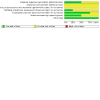
Risk of bias graph: review authors' judgements about each risk of bias item presented as percentages across all included studies
2.

Risk of bias summary: review authors' judgements about each risk of bias item for each included study
We defined the following endpoints as subjective outcomes: progression‐free survival, response, neurotoxicity, alopecia and quality of life.
We defined the following endpoints as objective outcomes: overall survival, neutropenia.
Measures of treatment effect
We used the following measures of the effect of treatment.
For time‐to‐event data, we used the hazard ratio (HR).
For dichotomous outcomes, we analysed the data based on the number of events and the number of women assessed in the intervention and comparison groups. We used these to calculate the risk ratio (RR) and 95% confidence interval (CI).
No data were extracted for continuous outcomes. Included studies did not report quality of lIfe in an extractable format.
We undertook meta‐analyses only where it was meaningful, i.e. if the treatments, participants and the underlying clinical question were similar enough for pooling to make sense.
Unit of analysis issues
Two review authors (BS and NH) reviewed unit of analysis issues according to guidelines described in Higgins 2022. Possible unit of analysis issues included studies where there were multiple observations for the same outcome; such as repeated toxicity measurements. However, this issue was not relevant for our included studies.
Dealing with missing data
We attempted to contact study authors to obtain missing data (participant, outcome, or summary data). For participant data, we conducted our analysis on an intention‐to‐treat (ITT) basis; otherwise, we analysed the data as reported. We reported on the levels of loss to follow‐up and assessed this as a source of potential bias. For missing outcome or summary data, we did not impute missing data.
Assessment of heterogeneity
The studies we identified were similar enough, based on consideration of ovarian cancer populations and interventions, to allow pooling of data using meta‐analysis. This was a qualitative approach based on the observations of what a typical ovarian cancer clinical trial population is like from previous systematic reviews conducted by the authors (Stordal 2007a; Stordal 2007b; Stordal 2007c) The clinical markers of participant heterogeneity that we assessed for similarity across our studies were as follows:
Age (median)
Number of previous regimens of chemotherapy (dichotomised 1 or 2; and ≥ 3)
FIGO stage (dichotomised I or II; and III or IV)
Performance status (dichotomised 0 to 2 or 3+)
Histology (dichotomised serous or non‐serous)
Study heterogeneity was also considered when making final recommendations as part of the GRADE approach (GRADEPro GDT). An I2 higher than 40% was indicative of moderate heterogeneity between studies.
Assessment of reporting biases
We planned to assess funnel plot symmetry visually for meta analyses of more than 10 studies; and, if asymmetry was suggested, we planned to perform exploratory analyses to investigate it. However, we did not have enough included studies to perform this.
Data synthesis
A sufficient number of clinically similar studies (in terms of participants, settings, intervention, comparison and outcome measures) were available to ensure meaningful conclusions.
For time‐to‐event data, we pooled HRs using the generic inverse variance facility in Review Manager 2022.
For any dichotomous outcomes, we calculated the risk ratio (RR) and 95% confidence interval (CI) for each study and these were pooled using a random‐effects Mantel‐Haenszel model (Review Manager 2022).
No data were extracted for continuous outcomes. Included studies did not report quality of lIfe in an extractable format.
We presented the major outcomes and results, organised by intervention categories such as 'weekly administration' or 'three‐weekly administration'. In some cases, we were also able to organise the data by our identified participant subgroups of 'platinum‐resistant' or 'platinum‐sensitive'.
Subgroup analysis and investigation of heterogeneity
Where possible, we performed subgroup analyses for platinum‐resistance status. We also considered factors such as age, FIGO stage, number of cycles of prior chemotherapy, performance status, histology, length of follow‐up, and risk of bias status in interpretation of any heterogeneity.
Sensitivity analysis
We had intended to perform sensitivity analyses, excluding studies with a high risk of bias, to determine the impact of these studies on the final outcome of the review. However, this was not possible due to limited included studies and all included studies having a low risk of bias.
Summary of findings and assessment of the certainty of the evidence
We have presented the overall certainty of the evidence for each outcome according to the GRADE approach, which takes into account issues not only related to internal validity (risk of bias, inconsistency, imprecision, publication bias) but also to external validity such as directness of results (Langendam 2013; Schünemann 2020). We created a Summary of findings table based on the methods described in the Cochrane Handbook for Systematic Reviews of Interventions (Higgins 2022); and using GRADEPro GDT. We used the GRADE checklist and GRADE Working Group certainty of evidence definitions (Meader 2014). We downgraded the evidence from 'high certainty' by one level for each of the following limitations:
Imprecision ‐ fewer than 300 events
Imprecision ‐ fewer than five studies
Imprecision ‐ 95% CI included both appreciable benefit and appreciable harm
Inconsistency ‐ I2 higher than 40% indicating moderate heterogeneity between studies
The certainty definitions were as follows (GRADEPro GDT; Meader 2014):
High‐certainty: we are very confident that the true effect lies close to that of the estimate of the effect.
Moderate‐certainty: we are moderately confident in the effect estimate: the true effect is likely to be close to the estimate of the effect, but there is a possibility that it is substantially different.
Low‐certainty: our confidence in the effect estimate is limited: the true effect may be substantially different from the estimate of the effect.
Very low‐certainty: we have very little confidence in the effect estimate: the true effect is likely to be substantially different from the estimate of the effect.
The review's main outcomes in order of priority were:
overall survival (OS);
response rate;
progression‐free survival (PFS);
neutropenia (Grade 3 to 4);
neurotoxicity (Grade 3 to 4);
alopecia (Grade 3 to 4);
quality of life.
Results
Description of studies
Results of the search
Our literature search yielded 1500 references which were imported into Covidence Systematic Review Software as 1374 studies removing duplicates; no additional studies were identified by searching grey literature or handsearching (Figure 3). We screened 1374 studies at the title and abstract stage. Of these, 19 studies were identified for full‐text screening. We ultimately included four studies in the qualitative analysis and two studies in the quantitative analysis. The reasons for exclusion at the full‐text screening stage are summarised in the study flow diagram (Figure 3), with further details provided in the ‘Characteristics of excluded studies’ table.
3.

Included studies
The details of the included studies are presented in the 'Characteristics of included studies’ table.
Source of data
All included trials were identified through the literature search (Eisenhauer 1994; Omura 2003; Osman 2016; Rosenberg 2002).
Study design and settings
All included studies were parallel‐group RCTs (Eisenhauer 1994; Omura 2003; Osman 2016; Rosenberg 2002). All trials were multicentred, and conducted in a hospital setting. The included studies were performed in Canada/Europe (Eisenhauer 1994), the USA (Omura 2003), Egypt (Osman 2016) and Sweden (Rosenberg 2002). Accrual periods ranged from 1991 to 1998 (Eisenhauer 1994; Omura 2003; Rosenberg 2002) as well as a more recent study which recruited from 2010 to 2014 (Osman 2016).
Participants
This review included a total of 981 randomised eligible participants with recurrent epithelial ovarian cancer. The median age of the participants was reported for each arm within each randomised study and ranged between 56 to 62 years; the overall age range of participants was 18 to 88 years.
Participants had histologically‐confirmed epithelial ovarian cancer (Eisenhauer 1994; Omura 2003; Rosenberg 2002). The other study also included participants with primary peritoneal cancer (Osman 2016). The proportion of participants with serous histology was reported in three studies and varied between 56% to 85% (Eisenhauer 1994; Omura 2003; Osman 2016). All participants had a performance status of 0 to 2. FIGO staging was not reported in any of the studies.
All participants had been previously treated with one to two cycles of platinum‐based chemotherapy and had recurrent disease. In studies from the 1990s, the participants were taxane‐naive and included those who were platinum‐sensitive as well as platinum‐resistant (Eisenhauer 1994; Omura 2003; Rosenberg 2002). In the more recent study from the 2010s, the participants were taxane pre‐treated and were platinum‐resistant (Osman 2016). In total, there were 926 taxane‐naive participants (94.4%), and 55 taxane pre‐treated participants (5.6%). There were also 696 platinum‐resistant participants (71%) and 285 platinum‐sensitive participants (29%).
Interventions
All studies examined paclitaxel; there were no randomised controlled trials identified using docetaxel. All studies examined paclitaxel as a three‐weekly regimen. Two studies compared weekly versus three‐weekly paclitaxel (Osman 2016; Rosenberg 2002). Two studies compared doses of paclitaxel within the three‐weekly regimen, 135 mg/m2 versus 175 mg/m2 (Eisenhauer 1994) and 175 mg/m2 versus 250 mg/m2 (Omura 2003).
Outcomes
All included studies reported overall survival, response rate, progression‐free survival, neutropenia and neurotoxicity (Eisenhauer 1994; Omura 2003; Osman 2016; Rosenberg 2002). Follow‐up time was 24 months for three studies (Eisenhauer 1994; Osman 2016; Rosenberg 2002) and 36 months for one study (Omura 2003). Two studies reported alopecia (Eisenhauer 1994; Rosenberg 2002); two studies performed a quality‐of‐life analysis but did not present the data in a way that could be extracted (Eisenhauer 1994; Osman 2016).
Excluded studies
We excluded 15 studies at the full‐text review stage; see 'Characteristics of excluded studies' table.
Six were non‐randomised studies (Du Bois 1997; Markman 2002; Mayerhofer 1997; Nardi 1997; Tinker 2007; Trope 1998), four were maintenance chemotherapy and not the treatment of relapsed patients (Conte 2007; Favalli 2002; Markman 2003; Pecorelli 2009). Three had a wrong non‐taxane comparator (Cantu 2002; Piccart 2000; Torri 2000), and one was the wrong intervention (Ledermann 2003). One study was excluded as, although it was a randomised trial studying paclitaxel in ovarian cancer, it was a pharmacokinetic study and contained no survival, response or relevant toxicity data required for this review (Huizing 1993).
Risk of bias in included studies
The detailed results of the risk of bias assessment are provided in Figure 1 and Figure 2, and the judgements regarding the individual domains are provided in the Characteristics of included studies table. Overall, we believe that there was a low risk of bias in the included studies.
Allocation
Random sequence generation
Two studies were categorised as being at low risk as they provided details of their randomisation procedures (Eisenhauer 1994; Omura 2003). Two studies were categorised as having unclear risk as no information on randomisation was provided in the study (Osman 2016; Rosenberg 2002).
Allocation concealment
All four studies were categorised as having unclear risk for allocation concealment as the studies did not explicitly state that the allocation was concealed (Eisenhauer 1994; Omura 2003; Osman 2016; Rosenberg 2002).
Blinding
All four studies were categorised as having unclear risk for blinding. None of the studies explicitly stated that participants or personnel were blinded. Two of the studies were weekly versus three‐weekly regimens and, therefore, blinding of participants and personnel was not possible (Osman 2016; Rosenberg 2002).
One study was categorised as having low risk for detection bias as the authors explicitly stated that radiological assessment was reviewed by an external panel of independent assessors (Eisenhauer 1994). The remaining three studies were categorised as being at unclear risk for not addressing this issue (Omura 2003; Osman 2016; Rosenberg 2002).
Incomplete outcome data
Three studies were categorised as having low risk of bias for incomplete outcome data as all discrepancies between participant numbers across different outcomes were explained (Eisenhauer 1994; Omura 2003; Rosenberg 2002). One study reported quality of life for 80% of their participants and was categorised as having unclear risk (Osman 2016).
Selective reporting
QoL was inadequately reported in all included studies. One study provided QoL data for both arms of the trial together preventing a comparison between groups (Osman 2016). Another study reported that a QoL assessment had been performed, commenting that there was no difference between arms but not providing data in a readily extractable format for review (Eisenhauer 1994). Rosenberg 2002 reported that QoL was not recorded in a protocolised manner and Omura 2003 did not mention QoL at all. We searched for protocols for the Rosenberg 2002 and Omura 2003 studies in clinical trial databases but could not locate them; as a result, these two studies have been categorised as having an unclear risk for reporting bias.
Other potential sources of bias
All studies were categorised as being at low risk from other sources of bias. All studies had similar participant characteristics and a balanced distribution of baseline characteristics between groups (Eisenhauer 1994; Omura 2003; Osman 2016; Rosenberg 2002).
Effects of interventions
See: Table 1; Table 2; Table 3
1) Weekly versus three‐weekly paclitaxel
Two RCTs were identified comparing weekly versus three‐weekly paclitaxel allowing us to perform a meta‐analysis on the majority of the outcomes (Osman 2016; Rosenberg 2002). Where only one study has reported a specific outcome, we have included a summary of the results of the single study. The studies compared similar but not identical doses of paclitaxel; Osman 2016 compared 80 mg/m2 weekly paclitaxel to 175 mg/m2 three‐weekly paclitaxel whereas Rosenberg 2002 compared 67 mg/m2 weekly paclitaxel to 200 mg/m2 three‐weekly paclitaxel.
Primary outcomes
1.1) Overall survival
Overall survival was reported in both studies (Osman 2016; Rosenberg 2002) and was extracted according to the methods of Tierney 2007. In total, survival data were available for 135 participants treated with weekly paclitaxel and 128 participants treated with three‐weekly paclitaxel. A random‐effects model with inverse‐variance HR analysis determined that there was little or no difference between the groups but the evidence is very uncertain (HR 0.94, 95% CI 0.66 to 1.33, 2 studies, I2 = 30%, 263 participants, very low‐certainty evidence) (Analysis 1.1, Table 1, Figure 4).
1.1. Analysis.

Comparison 1: Weekly paclitaxel versus 3‐weekly paclitaxel, Outcome 1: Overall survival
4.

Forest plot of comparison: 1 Weekly Paclitaxel versus Three‐Weekly Paclitaxel, outcome: 1.1 Overall Survival.
1.2) Response rate
Response rate was reported in both studies (Osman 2016; Rosenberg 2002). In total, response data were available for 135 participants treated with weekly paclitaxel and 45 experienced a complete or partial response; 128 participants were treated with three‐weekly paclitaxel and 42 experienced a complete or partial response. A random‐effects Mantel‐Haenszel risk ratio analysis determined that there was little or no difference between the groups but the evidence is very uncertain (RR 1.07, 95% CI 0.78 to 1.48, 2 studies, I2 = 0%, 263 participants, very low‐certainty evidence) (Analysis 1.2, Table 1, Figure 5).
1.2. Analysis.

Comparison 1: Weekly paclitaxel versus 3‐weekly paclitaxel, Outcome 2: Response rate
5.
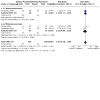
Forest plot of comparison: 1 Weekly paclitaxel versus three‐weekly paclitaxel, outcome: 1.2 Response rate
1.2.1) Subgroup analysis: Platinum‐sensitive versus platinum‐resistant disease
The Osman 2016 study had platinum‐resistant participants only, whereas the Rosenberg 2002 study had both platinum‐sensitive and platinum‐resistant participants. In total, response data were available for 100 platinum‐sensitive participants and 51 experienced a complete or partial response (51%); 163 participants were platinum‐resistant and 36 experienced a complete or partial response (22%). This higher response rate to taxanes in the platinum‐sensitive cohort was significant (P < 0.0001 (Fisher's exact test)).
A random‐effects Mantel‐Haenszel risk ratio analysis determined that there was little or no difference in the response of the platinum‐sensitive participants between the weekly and three‐weekly paclitaxel treatment but the evidence is very uncertain (RR 1.13, 95% CI 0.77 to 1.65, 1 study, 100 participants, very low‐certainty evidence) (Analysis 1.2, Table 1, Figure 5). Similarly, there was little or no difference in the response of the platinum‐resistant participants between the weekly and three‐weekly paclitaxel treatment but the evidence is very uncertain (RR 0.98, 95% CI 0.55 to 1.75, 2 studies, I2 = 31%, 163 participants, very low‐certainty evidence) (Analysis 1.2, Table 1, Figure 5). The Chi2 test for the difference between subgroups was also non‐significant (P = 0.69) (Figure 5).
1.3) Quality of life
Quality of life was reported in one of the studies (Osman 2016). Quality‐of‐life data were presented for 44 out of 55 participants at baseline and 35 out of 55 participants after treatment. However, quality‐of‐life data were not divided up into the two treatment arms of the study to allow an assessment between the taxane regimens.
Secondary outcomes
1.4) Progression‐free survival
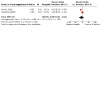
Progression‐free survival was reported in both of the studies (Osman 2016; Rosenberg 2002) and extracted according to the methods of Tierney 2007. In total, survival data were available for 123 participants treated with weekly paclitaxel and 128 participants treated with three‐weekly paclitaxel. A random‐effects inverse‐variance HR analysis determined that there was little or no difference between the groups but the evidence is very uncertain (HR 0.83, 95% CI 0.46 to 1.52, 2 studies, I2 = 79%, 263 participants, very low‐certainty evidence) (Analysis 1.3, Table 1, Figure 6).
1.3. Analysis.
Comparison 1: Weekly paclitaxel versus 3‐weekly paclitaxel, Outcome 3: Progression‐free survival
6.

Forest plot of comparison: 1 Weekly paclitaxel versus three‐weekly paclitaxel, outcome: 1.3 Progression‐free survival
1.5) Neurotoxicity
Neurotoxicity was reported in both of the studies (Osman 2016; Rosenberg 2002). In total, data were available for 134 participants treated with weekly paclitaxel and 15 experienced grade 3/4 neurotoxicity; 126 participants were treated with three‐weekly paclitaxel and 32 experienced grade 3/4 neurotoxicity. A random‐effects Mantel‐Haenszel risk ratio analysis determined that there was little or no difference between the groups but the evidence is very uncertain (RR 0.53, 95% CI 0.19 to 1.48, 2 studies, I2 = 49%, 260 participants, very low‐certainty evidence) (Analysis 1.4, Table 1, Figure 7).
1.4. Analysis.

Comparison 1: Weekly paclitaxel versus 3‐weekly paclitaxel, Outcome 4: Neurotoxicity
7.

Forest plot of comparison: 1 Weekly paclitaxel versus three‐weekly paclitaxel, outcome: 1.4 Neurotoxicity.
1.6) Neutropenia
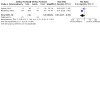
Neutropenia was reported in both of the studies (Osman 2016; Rosenberg 2002). In total, data were available for 134 participants treated with weekly paclitaxel and 25 experienced grade 3/4 neutropenia; 126 participants were treated with three‐weekly paclitaxel and 51 experienced grade 3/4 neutropenia. A random‐effects Mantel‐Haenszel risk ratio analysis determined that weekly paclitaxel may result in a reduction in neutropenia (RR 0.51, 95% CI 0.27 to 0.95, I2 = 37%, 2 studies, 260 participants, low‐certainty evidence) (Analysis 1.5, Table 1, Figure 8).
1.5. Analysis.
Comparison 1: Weekly paclitaxel versus 3‐weekly paclitaxel, Outcome 5: Neutropenia
8.
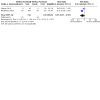
Forest plot of comparison: 1 Weekly paclitaxel versus three‐weekly paclitaxel, outcome: 1.5 Neutropenia
1.7) Alopecia
Alopecia was reported in one of the studies (Rosenberg 2002). In total, data were available for 104 participants treated with weekly paclitaxel and 48 experienced grade 3/4 alopecia; 101 participants were treated with three‐weekly paclitaxel and 80 experienced grade 3/4 alopecia. A random‐effects Mantel‐Haenszel risk ratio analysis determined that weekly paclitaxel may result in a reduction in alopecia (RR 0.58, 95% CI 0.46 to 0.73, 1 study, 205 participants, low‐certainty evidence) (Analysis 1.6, Table 1).
1.6. Analysis.

Comparison 1: Weekly paclitaxel versus 3‐weekly paclitaxel, Outcome 6: Alopecia
2) 175 mg/m2 paclitaxel versus 250 mg/m2 paclitaxel
One RCT was identified comparing 175 mg/m2 paclitaxel versus 250 mg/m2 paclitaxel administered as a three‐weekly regimen; allowing us to perform a summary for the majority of outcomes (Omura 2003) .
Primary outcomes
2.1) Overall survival
Overall survival was reported in Omura 2003 and extracted according to the methods of Tierney 2007. Survival data were available for 164 participants treated with 175 mg/m2 paclitaxel and 250 participants treated with 250 mg/m2 paclitaxel. A random‐effects inverse‐variance HR analysis determined that there was little to no difference between the groups (HR 0.97, 95% CI 0.75 to 1.23, 1 study, 330 participants, low‐certainty evidence) (Analysis 2.1, Table 2).
2.1. Analysis.

Comparison 2: 175 mg/m2 paclitaxel versus 250 mg/m2 paclitaxel, Outcome 1: Overall survival
2.2) Response rate
Response rate was reported in Omura 2003. Response data were available for 131 participants treated with 175 mg/m2 paclitaxel and 36 experienced a complete or partial response; 134 participants were treated with 250 mg/m2 paclitaxel and 49 experienced a complete or partial response. A random‐effects Mantel‐Haenszel risk ratio analysis determined that there was little to no difference between the groups but the evidence is very uncertain (RR 0.86, 95% CI 0.40 to 1.89, 1 study, 265 participants, very low‐certainty evidence) (Analysis 2.2, Table 2, Figure 9).
2.2. Analysis.

Comparison 2: 175 mg/m2 paclitaxel versus 250 mg/m2 paclitaxel, Outcome 2: Response rate
9.

Forest plot of comparison: 2 175 mg/m2 paclitaxel versus 250 mg/m2 paclitaxel, outcome: 2.2 Response rate
2.2.1) Subgroup analysis: Platinum‐sensitive versus platinum‐resistant disease
The Omura 2003 study had both platinum‐sensitive and platinum‐resistant participants. Response data were available for 213 platinum‐resistant participants and 63 experienced a complete or partial response (29%); 52 participants were platinum‐sensitive and 22 experienced a complete or partial response (42%).
A random‐effects Mantel‐Haenszel risk ratio analysis determined that 175 mg/m2 paclitaxel may result in a reduction of response rate in platinum‐sensitive disease (RR 0.60, 95% CI 0.39 to 0.93, 1 study, 213 participants, low‐certainty evidence) (Analysis 2.2, Table 2, Figure 9). The platinum‐sensitive participants responded better to the 250 mg/m2 regimen. In contrast, there was little to no difference in the response of the platinum‐resistant participants between the different doses of paclitaxel but the evidence is very uncertain (RR 1.34, 95% CI 0.70 to 2.57, 1 study, 52 participants, very low‐certainty evidence) (Analysis 2.2, Table 2, Figure 9).
2.3) Quality of life
Quality of life was not reported in Omura 2003.
Secondary outcomes
2.4) Progression‐free survival
Progression‐free survival was reported in Omura 2003 and extracted according to the methods of Tierney 2007. Survival data were available for 164 participants treated with 175 mg/m2 paclitaxel and 166 participants treated with 250 mg/m2 paclitaxel. A random‐effects inverse‐variance HR analysis determined that there was little to no difference between the groups (HR 1.07, 95% CI 0.88 to 1.30, 1 study, 330 participants, low‐certainty evidence) (Analysis 2.3, Table 2).
2.3. Analysis.

Comparison 2: 175 mg/m2 paclitaxel versus 250 mg/m2 paclitaxel, Outcome 3: Progression‐free survival
2.5) Neurotoxicity
Neurotoxicity was reported in Omura 2003. Data were available for 164 participants treated with 175 mg/m2 paclitaxel and 11 experienced grade 3/4 neurotoxicity; 166 participants were treated with 250 mg/m2 paclitaxel and 27 experienced grade 3/4 neurotoxicity. A random‐effects Mantel‐Haenszel risk ratio analysis determined that 175 mg/m2 paclitaxel probably reduces neurotoxicity (RR 0.41, 95% CI 0.21 to 0.80, 1 study, 330 participants, moderate‐certainty evidence) (Analysis 2.4, Table 2).
2.4. Analysis.

Comparison 2: 175 mg/m2 paclitaxel versus 250 mg/m2 paclitaxel, Outcome 4: Neurotoxicity
2.6) Neutropenia
Neutropenia was reported in Omura 2003. Data were available for 164 participants treated with 175 mg/m2 paclitaxel and 36 experienced grade 3/4 neurotoxicity; 166 participants were treated with 250 mg/m2 paclitaxel and 32 experienced grade 3/4 neutropenia. A random‐effects Mantel‐Haenszel risk ratio analysis determined that there was little to no difference in neutropenia between doses of paclitaxel (RR 1.14, 95% CI 0.74 to 1.74, 1 study, 330 participants, low‐certainty evidence) (Analysis 2.5, Table 2).
2.5. Analysis.
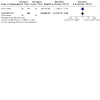
Comparison 2: 175 mg/m2 paclitaxel versus 250 mg/m2 paclitaxel, Outcome 5: Neutropenia
2.7) Alopecia
Alopecia was not reported in Omura 2003.
3) 135 mg/m2 paclitaxel versus 175 mg/m2 paclitaxel
One RCT was identified comparing 135 mg/m2 paclitaxel versus 175 mg/m2 paclitaxel administered as a three‐weekly regimen; allowing us to perform a summary for the majority of outcomes (Eisenhauer 1994) .
Primary outcomes
3.1) Overall survival
Overall survival was reported in Eisenhauer 1994 and extracted according to the methods of Tierney 2007. Survival data were available for 199 participants treated with 135 mg/m2 paclitaxel and 192 participants treated with 175 mg/m2 paclitaxel. A random‐effects inverse‐variance HR analysis determined that there was little to no difference between the groups (HR 0.96, 95% CI 0.77 to 1.19, 1 study, 407 participants, low‐certainty evidence) (Analysis 3.1, Table 3).
3.1. Analysis.

Comparison 3: 135 mg/m2 paclitaxel versus 175 mg/m2 paclitaxel, Outcome 1: Overall survival
3.2) Response rate
Response rate was reported in Eisenhauer 1994. Response data were available for 195 participants treated with 135 mg/m2 paclitaxel and 29 experienced a complete or partial response; 187 participants were treated with 175 mg/m2 paclitaxel and 37 experienced a complete or partial response. A random‐effects Mantel‐Haenszel risk ratio analysis determined that there was little to no difference between the groups (RR 0.75, 95% CI 0.48 to 1.17, 1 study, 382 participants, low‐certainty evidence) (Analysis 3.2, Table 3).
3.2. Analysis.

Comparison 3: 135 mg/m2 paclitaxel versus 175 mg/m2 paclitaxel, Outcome 2: Response rate
3.3) Quality of Life
Quality of life was reported in Eisenhauer 1994 but not in a format that could be extracted for analysis.
Secondary outcomes
3.4) Progression‐free survival
Progression‐free survival was reported in Eisenhauer 1994 and extracted according to the methods of Tierney 2007. Survival data were available for 199 participants treated with 135 mg/m2 paclitaxel and 192 participants treated with 175 mg/m2 paclitaxel. A random effects inverse‐variance HR analysis determined that there was little to no difference between the groups (HR 1.09, 95% CI 0.94 to 1.28, 1 study, 407 participants, moderate‐certainty evidence) (Analysis 3.3, Table 3).
3.3. Analysis.

Comparison 3: 135 mg/m2 paclitaxel versus 175 mg/m2 paclitaxel, Outcome 3: Progression‐free survival
3.5) Neurotoxicity
Neurotoxicity was reported in Eisenhauer 1994. Data were available for 199 participants treated with 135 mg/m2 paclitaxel and none experienced grade 3/4 neurotoxicity; 192 participants were treated with 175 mg/m2 paclitaxel and two experienced grade 3/4 neurotoxicity. A random‐effects Mantel‐Haenszel risk ratio analysis determined that there was little to no difference between the groups (RR 0.19, 95% CI 0.01 to 3.99, 391 participants, low‐certainty evidence) (Analysis 3.4, Table 3).
3.4. Analysis.

Comparison 3: 135 mg/m2 paclitaxel versus 175 mg/m2 paclitaxel, Outcome 4: Neurotoxicity
3.6) Neutropenia
Neutropenia was reported in Eisenhauer 1994. However, data were recorded for febrile neutropenia only, not all cases of neutropenia, so we have not extracted these data.
3.7) Alopecia
Alopecia was reported in Eisenhauer 1994. However, all participants reporting hair loss were recorded rather than those experiencing Grade 3/4 levels so we have not extracted these data.
Discussion
Summary of main results
This review examined randomised controlled trials of taxane monotherapy for the treatment of recurrent epithelial ovarian cancer. Four studies were identified, two examining weekly versus three‐weekly paclitaxel (Osman 2016; Rosenberg 2002), and two studies examining different doses of three‐weekly paclitaxel (Eisenhauer 1994; Omura 2003). No randomised controlled trials of docetaxel were identified.
There was little to no difference in overall survival, response rate, or progression‐free survival between any of the paclitaxel regimens when examining all participants. In contrast, 250 mg/m2 paclitaxel may result in an increased response rate in platinum‐sensitive disease (Analysis 2.2, Table 2, Figure 9.) Unfortunately, the Omura 2003 study did not examine survival within its different dosage and platinum‐resistant status subgroups so it is unclear if this increased response led to increased survival.
Differences were observed in the chemotherapy‐associated toxicities. Weekly paclitaxel may result in a reduction in neutropenia and alopecia due to the participants receiving a lower dose of the drug (Analysis 1.5, Analysis 1.6, Table 1, Figure 8). Within the three‐weekly paclitaxel regimen, 175 mg/m2 probably reduces neurotoxicity, with little to no difference in overall survival (Analysis 2.4, Table 2).
Quality‐of‐life analysis was inadequately reported in the included studies.
Overall completeness and applicability of evidence
A limitation of this review is that the majority of participants were taxane‐naive (94.4%), with data coming from older studies (Eisenhauer 1994; Omura 2003; Rosenberg 2002). In contrast, it is estimated that, in the UK, 75% to 90% of women with epithelial ovarian cancer receive platinum‒paclitaxel front‐line therapy (NICE 2005). Therefore, the results of this review are most applicable to the 10% to 25% of women with recurrent epithelial ovarian cancer who are taxane‐naive.
Moreover, platinum‐based combination chemotherapy or monotherapy regimens are generally recommended over non‐platinum monotherapy for women with recurrent platinum‐sensitive epithelial ovarian cancer, who make up 50% to 65% of relapsed epithelial ovarian cancer, assuming no contraindications to platinum therapy. In most studies, taxane monotherapy was delivered after front‐line platinum‐based chemotherapy, thus as first‐line therapy for recurrent disease, except in Eisenhauer 1994, where two lines of chemotherapy were allowed prior to enrolment in the clinical trial.
Therefore, this evidence is applicable to approximately 10% to 25% of women with recurrent epithelial ovarian cancer, depending on clinicians' and regional preferences with regards to the use of platinum‐based chemotherapy or not in the setting of platinum‐sensitive recurrent disease. Finally, whilst these data are informative, the number of studies were limited, and the number of participants within each study was small. For some comparisons, the power may not have been sufficient to detect an association if present.
Another limitation of this review is that the majority of participants were under the age of 75 years which is typical of clinical trials in epithelial ovarian cancer (Eisenhauer 1994; Osman 2016; Rosenberg 2002). Only the Omura 2003 study included older participants (n = 60 over the age of 70 years, with a maximum age of 88). In contrast, epithelial ovarian cancer is a disease of the elderly, incidence rates are highest in females aged 75 to 79 years (Cancer Research UK), and elderly patients often experience greater toxicity in response to chemotherapy (Hashiguchi 2015).
Quality of the evidence
There are a limited number of randomised controlled trials on this topic to provide data for this Cochrane Review. As such, when evaluating the quality of evidence using GRADEPro GDT, we have decreased the certainty in our Summary of findings tables for the following circumstances. We decreased the certainty for imprecision (where there were fewer than five studies, fewer than 300 events, or the 95% CI included both appreciable benefit and appreciable harm). We also decreased the certainty for inconsistency: I2 higher than 40% indicating moderate heterogeneity between studies. Several of our forest plot analyses for the analysis of weekly versus three‐weekly paclitaxel have high I2 scores (Figure 6; Figure 7) and the difference between the two included studies is quite apparent (Osman 2016, Rosenberg 2002). This heterogeneity may be due to the large time span between studies or that the participants in Osman 2016 were taxane pre‐treated.
Potential biases in the review process
Our literature search was comprehensive and conducted by two review authors (AP, BS). We searched grey literature and handsearched references of included studies. There is a possibility that we may have missed studies that were not published in English, published in non‐indexed journals, or not published at all. The number of studies included in this review was also insufficient to generate funnel plots. Therefore, we may have underestimated the risk of publication bias.
Agreements and disagreements with other studies or reviews
Overall survival
Weekly versus three‐weekly paclitaxel
There was little or no difference in overall survival between weekly and three‐weekly paclitaxel but the evidence is very uncertain.(Analysis 1.1, Table 1, Figure 4). Despite the uncertainty, this finding is consistent with the wider literature of single‐arm studies examining weekly or three‐weekly paclitaxel for platinum pre‐treated epithelial ovarian cancer. In 20 studies examining three‐weekly paclitaxel from 1993 to 2002, median overall survival was 10.50 ± 3.51 months (Table 4). In five studies examining weekly paclitaxel from 2002 to 2008, median overall survival was 11.92 ± 1.63 months (Table 4). There was no significant difference between these groups (P = 0.207, Table 4).
1. Overall and progression‐free survival: weekly or three‐weekly paclitaxel single‐arm studies in platinum pre‐treated recurrent ovarian cancer.
| Study | Dose of 3‐weekly paclitaxel | Number of participants | Progression‐free survival (months) | Overall survival (months) |
| Bruzzone 1996 | 135‐175 | 39 | 4.0 | 6.0 |
| Du Bois 1997 | 135‐175 | 112 | 3.5 | 10.6 |
| Gore 1995 | 135‐175 | 152 | NR | 8.0 |
| Hoekman 1995 | 135‐175 | 55 | 8.0 | 11.3 |
| Phillips 1995 | 135‐175 | 72 | NR | 9.8 |
| Trimble 1993 | 135 | 917 | 4.5 | 9.0 |
| Thigpen 1994 | 170 | 45 | 4.5 | 16.3 |
| Cantu 2002 | 175 | 47 | 9.0 | 25.8 |
| Ezcurdia 1997 | 175 | 37 | 10.0 | 16.8 |
| Hernadi 2001 | 175 | 59 | 3.0 | 19.0 |
| Ishikawa 2001 | 175 | 21 | 4.0 | 14.5 |
| Oliverio 1999 | 175 | 19 | 7.0 | 17.0 |
| Pectasides 1998 | 175 | 42 | 6.2 | 13.2 |
| Piccart 2000 | 175 | 41 | 3.2 | 8.5 |
| Planner 1996 | 175 | 32 | NR | 12.2 |
| Ten Bokkel Huinink 1997 | 175 | 114 | 3.2 | 9.9 |
| Trope 1998 | 175 | 136 | 4.1 | 9.6 |
| Wilailak 2000 | 200 | 21 | 8.0 | 12.0 |
| Kohn 1994 | 250 | 47 | NR | 11.5 |
| Kudelka 1999 | 250 | 49 | NR | 11.3 |
| Total participants | PFS weighted mean ± SD | OS weighted mean ± SD | ||
| All studies | 2057 | 4.68 ± 1.53 | 10.50 ± 3.51 | |
| 175 mg/m2 | 548 | 4.85 ± 2.41 | 13.34 ± 5.36 | |
| 250 mg/m2 | 96 | ND | 11.39 ± 0.14 | |
| P value 175 versus 250 mg/m2 | ND | 0.283 | ||
| Study | Dose of weekly paclitaxel | Number of participants | Progression‐free survival (months) | Overall survival (months) |
| Le 2006 | 60‐80 | 34 | 6.1 | 10.43 |
| Dunder 2005 | 80 | 32 | ND | 10.5 |
| Kaern 2002 | 80 | 57 | 5 | 13.7 |
| Kristensen 2008 | 80 | 69 | 3.25 | 10.77 |
| Lortholary 2012 | 80 | 56 | 3.7 | ND |
| Markman 2002 | 80 | 52 | 5.52 | 13.34 |
| Markman 2006 | 80 | 48 | 3.6 | ND |
| Total participants | PFS weighted mean ± SD | OS weighted mean ± SD | ||
| All studies | 348 | 4.38 ± 1.13 | 11.92 ± 1.63 | |
| P value weekly versus 3‐weekly | 0.624 | 0.207 | ||
ND: Not Determined NR: Not Reported SD: Standard Deviation
Weekly versus three‐weekly paclitaxel has also been investigated in the front‐line treatment of epithelial ovarian cancer. A Japanese study showed a clear benefit of weekly paclitaxel compared to three‐weekly; carboplatin was also given three‐weekly in this study (Katsumata 2013). However, this survival benefit in a Japanese population has not been replicated in European or North American populations (Clamp 2019; Chan 2016). This is consistent to what we observed in the recurrent setting in Egyptian and Scandinavian populations (Osman 2016; Rosenberg 2002).
Doses of three‐weekly paclitaxel
There was little or no difference in overall survival between the different doses of three‐weekly paclitaxel (Table 2; Table 3). This is consistent with the wider literature of single‐arm studies examining three‐weekly paclitaxel for platinum pre‐treated epithelial ovarian cancer. In 10 studies examining 175 mg/m2 paclitaxel from 1996 to 2002, median overall survival was 13.34 ± 5.36 months (Table 4). In two studies examining 200 mg/m2 paclitaxel from 1994 to 1999, median overall survival was 11.39 ± 0.14 months (Table 4). There was no significant difference between these groups (P = 0.283, Table 4).
Response rate
Weekly versus three‐weekly paclitaxel
There was little or no difference in response rate between weekly and three‐weekly paclitaxel but the evidence is very uncertain (Analysis 1.2, Table 1, Figure 5). This result is not consistent with the wider literature of single‐arm studies examining weekly or three‐weekly paclitaxel for platinum pre‐treated epithelial ovarian cancer. In 28 studies examining three‐weekly paclitaxel from 1994 to 2002, 651 participants experienced a complete or partial response out of a total of 2633 participants (24.7%) (Table 5). In contrast, in 12 studies examining weekly paclitaxel from 1997 to 2011, 169 participants out of a total of 471 experienced a complete or partial response (35.9%) (Table 5). This difference was significant between these groups (P = 0.0002, Table 5). It is noteworthy that the single‐arm studies in the literature agree with our review of randomised controlled trials for all outcomes except response rate. However, the increased response rate in weekly paclitaxel in the single‐arm studies did not lead to a corresponding increase in progression‐free or overall survival.
2. Response rate: weekly or three‐weekly paclitaxel single‐arm studies in platinum pre‐treated recurrent ovarian cancer.
| 3‐weekly paclitaxel study |
Dose of 3‐weekly paclitaxel |
Number of participants | Complete or partial response |
| McGuire 1989 | 110‐250 | 40 | 12 |
| Trimble 1993 | 135 | 652 | 141 |
| Bruzzone 1996 | 135‐175 | 36 | 5 |
| Du Bois 1997 | 135‐175 | 104 | 21 |
| Gore 1995 | 135‐175 | 140 | 22 |
| Hoekman 1995 | 135‐175 | 55 | 9 |
| Kudelka 1999 | 135‐175 | 47 | 25 |
| Nardi 1997 | 135‐175 | 27 | 9 |
| Phillips 1995 | 135‐175 | 72 | 16 |
| Gore 1995a | 135‐200 | 36 | 8 |
| Eisenhauer 1994 | 135‐250 | 382 | 66 |
| Omura 2003 | 135‐250 | 265 | 85 |
| Noda 1994 | 150 | 57 | 14 |
| Sarosy 1992 | 170‐300 | 14 | 5 |
| Cantu 2002 | 175 | 70 | 26 |
| Ezcurdia 1997 | 175 | 37 | 19 |
| Hernadi 2001 | 175 | 59 | 14 |
| Ishikawa 2001 | 175 | 17 | 6 |
| Noda 1996 | 175 | 63 | 17 |
| Oliverio 1999 | 175 | 19 | 9 |
| Pectasides 1998 | 175 | 42 | 7 |
| Piccart 2000 | 175 | 41 | 7 |
| Planner 1996 | 175 | 31 | 14 |
| Ten Bokkel Huinink 1997 | 175 | 109 | 15 |
| Thigpen 1994 | 175 | 43 | 16 |
| Trope 1998 | 175 | 110 | 31 |
| Wilailak 2000 | 200 | 21 | 11 |
| Kohn 1994 | 250 | 44 | 21 |
| Total | 2633 | 651 (24.7%) | |
| Weekly paclitaxel study | Number of participants | Complete or partial response | |
| Fennelly 1997 | 40‐100 | 13 | 4 |
| Le 2006 | 60‐80 | 34 | 17 |
| Andersson 1997 | 67‐81 | 40 | 11 |
| Takano 2002 | 70‐100 | 16 | 7 |
| Dunder 2005 | 80 | 32 | 10 |
| Ghamande 2003 | 80 | 28 | 14 |
| Kaern 2002 | 80 | 57 | 32 |
| Kita 2004 | 80 | 37 | 17 |
| Kristensen 2008 | 80 | 58 | 14 |
| Lortholary 2012 | 80 | 57 | 20 |
| Markman 2002 | 80 | 51 | 13 |
| Markman 2006 | 80 | 48 | 10 |
| Total | 471 | 169 (35.9%) | |
| Fishers Exact Test: P = 0.0002 | |||
Progression‐free survival
Weekly versus three‐weekly paclitaxel
There was little or no difference in PFS between weekly and three‐weekly paclitaxel but the evidence is very uncertain (Analysis 1.3, Table 1, Figure 6). This is consistent with the wider literature of single‐arm studies examining weekly or three‐weekly paclitaxel for platinum pre‐treated epithelial ovarian cancer. In 15 studies examining three‐weekly paclitaxel from 1993 to 2002, median progression‐free survival was 4.87 ± 1.69 months (Table 4). In six studies examining weekly paclitaxel from 2002 to 2011, median overall survival range was 4.37 ± 1.12 months (Table 4). There was no significant difference between these groups (P = 0.624, Table 5).
Neutropenia
Weekly versus three‐weekly paclitaxel
The normal lower limit for neutrophils is 1.5 × 10⁹/L (MSD Manual 2021). In cases of severe neutropenia when neutrophils drop to < 0.5 × 10⁹/L endogenous flora in the mouth and gut can cause harmful infections, particularly in cancer patients. The included studies required participants to have a normal neutrophil count at the start of the study (Osman 2016; Rosenberg 2002).
Weekly paclitaxel may result in a reduction in neutropenia (Analysis 1.5, Table 1, Figure 8). This is consistent with the wider literature of single‐arm studies examining weekly or three‐weekly paclitaxel for platinum pre‐treated epithelial ovarian cancer. In 18 studies examining three‐weekly paclitaxel from 1994 to 2002, 544 participants experienced grade 3 or 4 neutropenia out of a total of 1052 participants (51.7%) (Table 6). In contrast, in 10 studies examining weekly paclitaxel from 1997 to 2015 only 35 participants out of a total of 402 experienced grade 3 or 4 neutropenia (8.7%) (Table 6).There was a significant difference between these groups (P < 0.0001,Table 6).
3. Neutropenia: weekly or three‐weekly paclitaxel single‐arm studies in platinum pre‐treated recurrent ovarian cancer.
| Study | Dose of 3‐weekly paclitaxel | Number of participants | Grade 3 or 4 neutropenia |
| Bruzzone 1996 | 135‐175 | 39 | 8 |
| Gore 1995 | 135‐175 | 152 | 74 |
| Hoekman 1995 | 135‐175 | 55 | 33 |
| Nardi 1997 | 135‐175 | 33 | 13 |
| Phillips 1995 | 135‐175 | 70 | 36 |
| Noda 1994 | 150 | 57 | 56 |
| Thigpen 1994 | 170 | 45 | 38 |
| Cantu 2002 | 175 | 47 | 6 |
| Ezcurdia 1997 | 175 | 37 | 1 |
| Ishikawa 2001 | 175 | 21 | 20 |
| Oliverio 1999 | 175 | 19 | 7 |
| Pectasides 1998 | 175 | 42 | 14 |
| Piccart 2000 | 175 | 41 | 9 |
| Planner 1996 | 175 | 32 | 4 |
| Ten Bokkel Huinink 1997 | 175 | 114 | 59 |
| Trope 1998 | 175 | 136 | 65 |
| Noda 1996 | 210 | 63 | 55 |
| Kudelka 1999 | 250 | 49 | 46 |
| Total | 1052 | 544 (51.7%) | |
| Study | Dose of weekly paclitaxel | Number of participants | Grade 3 or 4 neutropenia |
| Andersson 1997 | 67‐81 | 40 | 0 |
| Takano 2002 | 70‐100 | 16 | 5 |
| Dunder 2005 | 80 | 32 | 6 |
| Ghamande 2003 | 80 | 28 | 6 |
| Kaern 2002 | 80 | 57 | 0 |
| Kita 2004 | 80 | 37 | 9 |
| Lortholary 2012 | 80 | 56 | 7 |
| Markman 2002 | 80 | 52 | 0 |
| Markman 2006 | 80 | 48 | 2 |
| Pignata 2015 | 80 | 36 | 0 |
| Total | 402 | 35 (8.7%) | |
| Fishers Exact Test: P < 0.0001 | |||
The treatment for chemotherapy‐induced neutropenia is the use of a granulocyte‐colony stimulating factor (G‐CSF) (Hashiguchi 2015). However, using G‐CSF adds another cost to delivering chemotherapy. G‐CSF also has its own profile of side effects such as musculoskeletal pain and fever, and it can also induce leukaemia (Hashiguchi 2015). In the included studies, dose reduction or stopping of treatment was used in the case of grade 3 or 4 neutropenia (Osman 2016; Rosenberg 2002). The Osman 2016 study planned to give G‐CSF in the case of febrile neutropenia but it did not occur in the study.
Increased levels of chemotherapy‐induced neutropenia has been associated with participants over 70 years of age (Hashiguchi 2015). Therefore, it may be important to consider a shift to weekly paclitaxel in this cohort of patients. However, the Osman 2016 study did not include participants over the age of 70, and had a mean age of 56.7 years. The Rosenberg 2002 study, included participants up to the age of 75 years and had a median age of 59. However, there was no division of participants by age in either study so we have no evidence that the weekly‐paclitaxel regimen is superior for a cohort of older patients.
Alopecia
Weekly versus three‐weekly paclitaxel
Weekly paclitaxel may result in a reduction in alopecia (Analysis 1.6, Table 1, Rosenberg 2002). This is consistent with the wider literature of single‐arm studies examining weekly or three‐weekly paclitaxel for platinum pre‐treated epithelial ovarian cancer. In 14 studies examining three‐weekly paclitaxel from 1994 to 2001, 445 participants experienced grade 3 or 4 alopecia out of a total of 878 participants (50.1%) (Table 7). In contrast, in seven studies examining weekly paclitaxel from 1997 to 2015, only 10 participants out of a total of 267 experienced grade 3 or 4 alopecia (3.7%) (Table 7). There was a significant difference between these groups (P < 0.0001, Table 7).
4. Alopecia: weekly or three‐weekly paclitaxel single‐arm studies in platinum pre‐treated recurrent ovarian cancer.
| Study | Dose of 3‐weekly paclitaxel | Number of participants | Grade 3 or 4 alopecia |
| Bruzzone 1996 | 135‐175 | 39 | 21 |
| Gore 1995 | 135‐175 | 152 | 119 |
| Nardi 1997 | 135‐175 | 33 | 27 |
| Phillips 1995 | 135‐175 | 72 | 67 |
| Noda 1994 | 150 | 54 | 9 |
| Thigpen 1994 | 170 | 45 | 8 |
| Ezcurdia 1997 | 175 | 37 | 31 |
| Ishikawa 2001 | 175 | 21 | 16 |
| Pectasides 1998 | 175 | 42 | 25 |
| Ten Bokkel Huinink 1997 | 175 | 114 | 1 |
| Trope 1998 | 175 | 136 | 79 |
| Wilailak 2000 | 200 | 21 | 21 |
| Noda 1996 | 210 | 63 | 21 |
| Kudelka 1999 | 250 | 49 | 0 |
| Total | 878 | 445 (50.1%) | |
| Study | Dose of weekly paclitaxel | Number of participants | Grade 3 or 4 alopecia |
| Andersson 1997 | 67‐81 | 33 | 10 |
| Takano 2002 | 70‐100 | 16 | 0 |
| Dunder 2005 | 80 | 32 | 0 |
| Kaern 2002 | 80 | 57 | 0 |
| Kita 2004 | 80 | 37 | 0 |
| Lortholary 2012 | 80 | 56 | 0 |
| Pignata 2015 | 80 | 36 | 0 |
| Total | 267 | 10 (3.7%) | |
| Fishers Exact Test: P < 0.0001 | |||
Neurotoxicity
175 mg/m2 versus 250 mg/m2 paclitaxel
175 mg/m2 paclitaxel probably reduces neurotoxicity (Analysis 2.4, Table 2). This result is consistent with the wider literature of single‐arm studies examining 175 mg/m2 or doses higher than 200 mg/m2 three‐weekly paclitaxel for platinum pre‐treated epithelial ovarian cancer. In eight studies examining 175 mg/m2 from 1997 to 2016, 21 participants experienced grade 3 or 4 neurotoxicity out of a total of 435 participants (4.8%) (Table 8). In contrast, in four studies examining ≥ 200 mg/m2 paclitaxel from 1996 to 2002, 37 participants out of a total of 234 experienced grade 3 or 4 neurotoxicity (15.8%) (Table 8). There was a significant difference between these groups (P < 0.0001, Table 8).
5. Neurotoxicity: 175 mg/m2 or ≥ 200 mg/m2 three‐weekly paclitaxel single‐arm studies in platinum pre‐treated recurrent ovarian cancer.
| Study | Dose of 3‐weekly paclitaxel | Number of participants | Grade 3 or 4 neurotoxicity |
| Ezcurdia 1997 | 175 | 37 | 2 |
| Ishikawa 2001 | 175 | 21 | 3 |
| Oliverio 1999 | 175 | 19 | 1 |
| Osman 2016 | 175 | 25 | 3 |
| Pectasides 1998 | 175 | 42 | 4 |
| Piccart 2000 | 175 | 41 | 3 |
| Ten Bokkel Huinink 1997 | 175 | 114 | 0 |
| Trope 1998 | 175 | 136 | 5 |
| Total | 435 | 21 (4.8%) | |
| Rosenberg 2002 | 200 | 101 | 29 |
| Wilailak 2000 | 200 | 21 | 0 |
| Noda 1996 | 210 | 63 | 4 |
| Kudelka 1999 | 250 | 49 | 4 |
| Total | 234 | 37 (15.8%) | |
| Fishers Exact Test: P < 0.0001 | |||
Authors' conclusions
Implications for practice.
Weekly paclitaxel may result in a reduction in neutropenia and alopecia with little to no effect on response rate, progression‐free survival and overall survival (Table 1). Our confidence in these results is low; the true effect may be substantially different from the estimate of the effect (Table 1). However, numerous single‐arm studies are in agreement with these findings.
Within the three‐weekly regimen, a lower dose of 175 mg/m2 paclitaxel probably reduces neurotoxicity (Table 2). We are moderately confident in this effect estimate. The true effect is likely to be close to the estimate of the effect, but there is a possibility that it is substantially different (Table 2). However, numerous single‐arm studies are in agreement with these findings.
In order to reduce the adverse events experienced by participants, a shift to weekly paclitaxel could be considered, as well as dose reductions in the three‐weekly regimen, as it appears to have little to no effect on response rate, progression‐free survival or overall survival.
Implications for research.
We have no evidence to suggest that participants' quality of life is improved by experiencing fewer adverse events, although this is a logical assumption. All the included studies in this review did not include quality‐of‐life data in an extractable format. Future clinical trials in this area, should present mean quality‐of‐life scores before and after chemotherapy and present these results in a clearly extractable format for each arm of a randomised controlled trial.
We found no randomised controlled trials on docetaxel, so we can not make any recommendations as to the benefit of this agent compared to paclitaxel. There are many non‐randomised studies in the recurrent epithelial ovarian cancer setting. Investigators should shift to conducting small randomised studies so their results can be included in future Cochrane reviews to inform clinical practice.
History
Protocol first published: Issue 10, 2010
| Date | Event | Description |
|---|---|---|
| 9 April 2018 | Amended | Protocol revised to meet new methodological requirements before review development. Original protocol published Issue 10, 2010. |
Acknowledgements
We thank Jo Morrison for clinical and editorial advice, Jo Platt for designing the search strategy and Gail Quinn, Clare Jess and Tracey Harrison for their contribution to the editorial process. We thank Dr. Donal O'Mathúna, an author of the previous version of this protocol.
This project was supported by the National Institute for Health Research (NIHR), via Cochrane Infrastructure funding to the Cochrane Gynaecological, Neuro‐oncology and Orphan Cancers Group. The views and opinions expressed herein are those of the authors and do not necessarily reflect those of the Systematic Reviews Programme, NIHR, National Health Service or the Department of Health, UK.
The authors and Cochrane Gynaecological, Neuro‐oncology and Orphan Cancers Team, are grateful to the following peer reviewers for their time and comments; Andrew Bryant, Chuman Kietpeerakoo, Maurie Markman and Ruth Payne.
Appendices
Appendix 1. Cochrane Central Search Strategy
#1 MeSH descriptor: [Ovarian Neoplasms] explode all trees #2 ovar* near/5 (cancer* or neoplas* or carcinom* or malignan* or tumor* or tumour*) #3 #1 or #2 #4 Taxane* or Paclitaxel* or Taxol* or Docetaxel* or Taxotere* or anzatax* or asotax or bristaxol* or nsc*125973 or onxol* or paxene* or praxel* or RP56976 or BMS*181339 or BMS181339 #5 MeSH descriptor: [Platinum] explode all trees #6 platin* or CDDP or DDP or cisplat* or cis‐diammine* or cis‐dichloro* or cis‐platin* or peyrone* or carboplat* or CBDCA or JM‐8 or paraplat* or platinex* or platino* #7 #5 or #6 #8 #3 and #4 and #7
Appendix 2. MEDLINE (Ovid) search strategy
1. exp Ovarian Neoplasms/ 2. (ovar* adj5 (cancer* or neoplas* or carcinom* or malignan* or tumor* or tumour*)).mp. 3. 1 or 2 4. (Taxane* or Paclitaxel* or Taxol* or Docetaxel* or Taxotere* or anzatax* or asotax or bristaxol* or nsc*125973 or onxol* or paxene* or praxel* or RP56976 or BMS*181339 or BMS181339).ti,ab. 5. exp platinum/ 6. (platin* or CDDP or DDP or cisplat* or cis‐diammine* or cis‐dichloro* or cis‐platin* or peyrone* or carboplat* or CBDCA or JM‐8 or paraplat* or platinex* or platino*).ti,ab. 7. 5 or 6 8. 3 and 4 and 7 9. randomized controlled trial.pt. 10. controlled clinical trial.pt. 11. randomized.ab. 12. placebo.ab. 13. clinical trials as topic.sh. 14. randomly.ab. 15. trial.ti. 16. (phase II or Phase III or Phase IV).ab. 17. 9 or 10 or 11 or 12 or 13 or 14 or 15 or 16 18. (animals not (humans and animals)).sh. 19. 17 not 18 20. 8 and 19
key: mP = title, original title, abstract, name of substance word, subject heading word, unique identifier; ab = abstract, ti = title, pt = publication type, sh = subject heading
Appendix 3. Embase (Ovid) Search Strategy
1. exp ovary tumor/ 2. (ovar* adj5 (cancer* or neoplas* or carcinom* or malignan* or tumor* or tumour*)).mp. 3. 1 or 2 4. (Taxane* or Paclitaxel* or Taxol* or Docetaxel* or Taxotere* or anzatax* or asotax or bristaxol* or nsc*125973 or onxol* or paxene* or praxel* or RP56976 or BMS*181339 or BMS181339).ti,ab. 5. exp platinum/ 6. (platin* or CDDP or DDP or cisplat* or cis‐diammine* or cis‐dichloro* or cis‐platin* or peyrone* or carboplat* or CBDCA or JM‐8 or paraplat* or platinex* or platino*).ti,ab. 7. 5 or 6 8. 3 and 4 and 7 9. crossover procedure/ 10. double‐blind procedure/ 11. randomized controlled trial/ 12. single‐blind procedure/ 13. random*.mp. 14. factorial*.mp. 15. (crossover* or cross over* or cross‐over*).mp. 16. placebo*.mp. 17. (double* adj blind*).mp. 18. (singl* adj blind*).mp. 19. assign*.mp. 20. allocat*.mp. 21. volunteer*.mp. 22. (phase II or Phase III or Phase IV).ab. 23. 9 or 10 or 11 or 12 or 13 or 14 or 15 or 16 or 17 or 18 or 19 or 20 or 21 or 22 24. 8 and 23
Appendix 4. Risk of bias items
-
Random sequence generation
Low risk of bias e.g. participants assigned to treatments on basis of a computer‐generated random sequence or a table of random numbers
High risk of bias e.g. participants assigned to treatments on basis of date of birth, clinic identity‐number or surname, or no attempt to randomise participants
Unclear risk of bias e.g. not reported, information not available
-
Allocation concealment
Low risk of bias e.g. where the allocation sequence could not be foretold
High risk of bias e.g. allocation sequence could be foretold by patients, investigators or treatment providers
Unclear risk of bias e.g. not reported
-
Blinding of participants and personnel (NB: blinding of patients and treatment providers is usually possible only for pharmacological interventions)
Low risk of bias, if participants and personnel were adequately blinded
High risk of bias, if participants were not blinded to the intervention that the participant received
Unclear risk of bias, if this was not reported or unclear
-
Blinding of outcomes assessors
Low risk of bias, if outcome assessors were adequately blinded
High risk of bias, if outcome assessors were not blinded to the intervention that the participant received
Unclear risk of bias, if this was not reported or unclear
-
Incomplete outcome data: we will record the proportion of participants whose outcomes were not reported at the end of the study. We will code a satisfactory level of loss to follow‐up for each outcome as:
Low risk of bias, if fewer than 20% of patients were lost to follow‐up and reasons for loss to follow‐up were similar in both treatment arms
High risk of bias, if more than 20% of patients were lost to follow‐up or reasons for loss to follow‐up differed between treatment arms
Unclear risk of bias if loss to follow‐up was not reported
-
Selective reporting of outcomes
Low risk of bias e.g. review reports all outcomes specified in the protocol
High risk of bias e.g. It is suspected that outcomes have been selectively reported
Unclear risk of bias e.g. It is unclear whether outcomes had been selectively reported
-
Other bias
Low risk of bias, if you do not suspect any other source of bias and the trial appears to be methodologically sound
High risk of bias, if you suspect that the trial was prone to an additional bias
Unclear risk of bias, if you are uncertain whether an additional bias may have been present.
Data and analyses
Comparison 1. Weekly paclitaxel versus 3‐weekly paclitaxel.
| Outcome or subgroup title | No. of studies | No. of participants | Statistical method | Effect size |
|---|---|---|---|---|
| 1.1 Overall survival | 2 | Hazard Ratio (IV, Random, 95% CI) | 0.94 [0.66, 1.33] | |
| 1.2 Response rate | 2 | 263 | Risk Ratio (M‐H, Random, 95% CI) | 1.07 [0.78, 1.48] |
| 1.2.1 Platinum‐sensitive | 1 | 100 | Risk Ratio (M‐H, Random, 95% CI) | 1.13 [0.77, 1.65] |
| 1.2.2 Platinum‐resistant | 2 | 163 | Risk Ratio (M‐H, Random, 95% CI) | 1.01 [0.48, 2.12] |
| 1.3 Progression‐free survival | 2 | Hazard Ratio (IV, Random, 95% CI) | 0.83 [0.46, 1.52] | |
| 1.4 Neurotoxicity | 2 | 260 | Risk Ratio (M‐H, Random, 95% CI) | 0.53 [0.19, 1.48] |
| 1.5 Neutropenia | 2 | 260 | Risk Ratio (M‐H, Random, 95% CI) | 0.51 [0.27, 0.95] |
| 1.6 Alopecia | 1 | 205 | Risk Ratio (M‐H, Random, 95% CI) | 0.58 [0.46, 0.73] |
| 1.7 Quality of life (QoL) | 0 | Other data | No numeric data |
1.7. Analysis.
Comparison 1: Weekly paclitaxel versus 3‐weekly paclitaxel, Outcome 7: Quality of life (QoL)
| Quality of life (QoL) | |||||
| Study | Heading 1 | Heading 2 | Heading 3 | Heading 4 | Heading 5 |
Comparison 2. 175 mg/m2 paclitaxel versus 250 mg/m2 paclitaxel.
| Outcome or subgroup title | No. of studies | No. of participants | Statistical method | Effect size |
|---|---|---|---|---|
| 2.1 Overall survival | 1 | Hazard Ratio (IV, Random, 95% CI) | 0.97 [0.77, 1.23] | |
| 2.2 Response rate | 1 | 265 | Risk Ratio (M‐H, Random, 95% CI) | 0.86 [0.40, 1.89] |
| 2.2.1 Platinum‐sensitive | 1 | 213 | Risk Ratio (M‐H, Random, 95% CI) | 0.60 [0.39, 0.93] |
| 2.2.2 Platinum‐resistant | 1 | 52 | Risk Ratio (M‐H, Random, 95% CI) | 1.34 [0.70, 2.57] |
| 2.3 Progression‐free survival | 1 | Hazard Ratio (IV, Random, 95% CI) | 1.07 [0.88, 1.30] | |
| 2.4 Neurotoxicity | 1 | 330 | Risk Ratio (M‐H, Random, 95% CI) | 0.41 [0.21, 0.80] |
| 2.5 Neutropenia | 1 | 330 | Risk Ratio (M‐H, Random, 95% CI) | 1.14 [0.74, 1.74] |
| 2.6 Alopecia | 0 | Other data | No numeric data | |
| 2.7 Quality of life (QoL) | 0 | Other data | No numeric data |
2.6. Analysis.
Comparison 2: 175 mg/m2 paclitaxel versus 250 mg/m2 paclitaxel, Outcome 6: Alopecia
| Alopecia | |||||
| Study | Heading 1 | Heading 2 | Heading 3 | Heading 4 | Heading 5 |
2.7. Analysis.
Comparison 2: 175 mg/m2 paclitaxel versus 250 mg/m2 paclitaxel, Outcome 7: Quality of life (QoL)
| Quality of life (QoL) | |||||
| Study | Heading 1 | Heading 2 | Heading 3 | Heading 4 | Heading 5 |
Comparison 3. 135 mg/m2 paclitaxel versus 175 mg/m2 paclitaxel.
| Outcome or subgroup title | No. of studies | No. of participants | Statistical method | Effect size |
|---|---|---|---|---|
| 3.1 Overall survival | 1 | Hazard Ratio (IV, Random, 95% CI) | 0.96 [0.77, 1.19] | |
| 3.2 Response rate | 1 | 382 | Risk Ratio (M‐H, Random, 95% CI) | 0.75 [0.48, 1.17] |
| 3.3 Progression‐free survival | 1 | Hazard Ratio (IV, Random, 95% CI) | 1.09 [0.94, 1.28] | |
| 3.4 Neurotoxicity | 1 | 391 | Risk Ratio (M‐H, Random, 95% CI) | 0.19 [0.01, 3.99] |
| 3.5 Neutropenia | 0 | Other data | No numeric data | |
| 3.6 Alopecia | 0 | Other data | No numeric data | |
| 3.7 Quality of life | 0 | Other data | No numeric data |
3.5. Analysis.
Comparison 3: 135 mg/m2 paclitaxel versus 175 mg/m2 paclitaxel, Outcome 5: Neutropenia
| Neutropenia | |||||
| Study | Heading 1 | Heading 2 | Heading 3 | Heading 4 | Heading 5 |
3.6. Analysis.
Comparison 3: 135 mg/m2 paclitaxel versus 175 mg/m2 paclitaxel, Outcome 6: Alopecia
| Alopecia | |||||
| Study | Heading 1 | Heading 2 | Heading 3 | Heading 4 | Heading 5 |
3.7. Analysis.
Comparison 3: 135 mg/m2 paclitaxel versus 175 mg/m2 paclitaxel, Outcome 7: Quality of life
| Quality of life | |||||
| Study | Heading 1 | Heading 2 | Heading 3 | Heading 4 | Heading 5 |
Characteristics of studies
Characteristics of included studies [ordered by study ID]
Eisenhauer 1994.
| Study characteristics | ||
| Methods |
Study design: Randomised controlled trial Study grouping: Parallel group Complete and partial response criteria: Complete response (CR) is defined as the disappearance of all clinical evidence of tumour, including normalisation of CA‐125, determined by two observations not less than 4 weeks apart. Partial response (PR) is achieved when there is an estimated decrease in tumour size of 50%, or greater, determined by two observations not less than 4 weeks apart. No new lesions may appear in this category. Quality‐of‐life questionnaire: Baseline quality of life assessment (Spitzer questionnaire) was requested from participants before randomisation. Toxicity scoring system: Significant HSRs were defined for this study as reactions with one or more of the following; angioedema, hypertension requiring pressor therapy, respiratory distress requiring bronchodilators or generalised urticaria. Other toxic effects were graded according to WHO criteria. The NCI common toxicity criteria were used to grade those toxicities not found in the WHO listing. |
|
| Participants |
Baseline characteristics 135 mg/m2 paclitaxel
175 mg/m2 paclitaxel
Overall
Inclusion criteria: Patients must have had histologically documented progressive epithelial ovarian cancer previously treated with either one or two platinum (cisplatin or carboplatin) containing regimens. Other eligibility criteria included the following: the presence of unidimensionally or bidimensionally measurable disease assessable by radiographic or clinical examination; ECOG performance status of 0.1 or 2; age 18‐75 years, estimated life expectancy greater than 12 weeks; no radiation or chemotherapy in the 4 weeks before randomisation; granulocyte count greater than 2 x 10^9/L; platelet count: greater than 100 X 10^9/L; bilirubin level less than 1.5 times upper normal limit and creatinine level less than 1.5 times upper limit. Exclusion criteria: Patients were excluded if they received more than two previous chemotherapy regimens of prior therapy with taxanes, investigational cytotoxic therapy or a non‐platinum‐containing chemotherapy regimen. Also excluded were those with abdominal adenocarcinoma of unknown origin, those with history of other non‐skin malignancies, and those with brain metastases, bone metastases, effusions, ascites or elevated CA‐125 level as the only evidence of recurrent ovarian carcinoma. Patients with a history of cardiac arrhythmias and those with active bowel obstruction, Grade 2 or greater sensory neuropathy (World Health Organisation grading criteria) and serious active infections were excluded as the safety of taxol in these conditions was uncertain, Pre‐treatment: Platinum‐resistant or sensitive?: Both platinum‐resistant and platinum‐sensitive Taxane‐naive or pre‐treated?: Naive |
|
| Interventions |
Intervention Characteristics 135 mg/m2 paclitaxel
175 mg/m2 paclitaxel
|
|
| Outcomes |
Overall Survival
Response Rate
Progression‐Free Survival
Neurotoxicity
Neutropenia
Alopecia
Quality of life (QoL)
|
|
| Identification |
Sponsorship source: National Cancer Institute of Canada, Kingston, Canada, and Bristol‐Myers Squibb, Wallingford, CT and Brussels, Belgium Country: Canada, Netherlands, Switzerland and Italy Setting: Hospital Comments: Authors name: Elizabeth A. Eisenhauer Institution: National Cancer Institute of Canada ‐ Clinical Trials Group ‐ Queens University Email: Not given Address: 82‐84, Barrie St, Kingston, Canada, K7L 3N6 |
|
| Notes | Aashna Patel on 09/08/2018 05:42 Interventions 24‐hourly or 3‐hourly | |
| Risk of bias | ||
| Bias | Authors' judgement | Support for judgement |
| Random sequence generation (selection bias) | Low risk | Judgement comment: Two regional randomisation sites; participants assigned a serial number and allocated to four treatment groups |
| Allocation concealment (selection bias) | Unclear risk | Judgement comment: No information provided in study |
| Blinding of participants and personnel (performance bias) All outcomes | Unclear risk | Judgement comment: No information provided in study |
| Blinding of outcome assessment (detection bias) All outcomes | Low risk | Judgement comment: Radiological assessment reviewed by an external panel of independent assessors |
| Incomplete outcome data (attrition bias) All outcomes | Low risk | Judgement comment: All discrepancies between participant numbers across different outcomes explained |
| Selective reporting (reporting bias) | Low risk | Judgement comment: All expected outcomes present |
| Other bias | Low risk | Judgement comment: None |
Omura 2003.
| Study characteristics | ||
| Methods |
Study design: Randomised controlled trial Study grouping: Parallel group Complete and partial response criteria: A complete response was defined as disappearance of all gross evidence of disease for at least 4 weeks. A partial response required a 50% or greater reduction in the product of perpendicular measurements of each lesion for at least 4 weeks. The response evaluation did not include reassessment laparotomy. Quality‐of‐life questionnaire: Not reported Toxicity scoring system: Toxicities were graded according to Gynecologic Oncology Group common toxicity criteria. |
|
| Participants |
Baseline characteristics 175 mg/m2 paclitaxel
250 mg/m2 paclitaxel
Overall
Inclusion criteria: Eligible patients had histologically confirmed epithelial ovarian cancer that had been treated with no more than one prior platinum‐based regimen and no prior taxane. According to the original study design, patients had to have platinum‐resistant, clinically measurable disease. Platinum resistance was operationally defined as progression during first‐line platinum treatment or within 6 months of completing therapy, a best response of stable disease after six courses of platinum, or stable disease with a rising CA‐125 while on platinum. After the study was activated, however, because of declining enrolment, the eligibility criteria were expanded to include patients with platinum‐sensitive disease and patients without clinically measurable disease (see Results). Platinum‐sensitive patients were defined as patients who had an initial response to platinum therapy lasting at least 6 months, followed by progression or recurrence. Eligible patients had to have a performance status (PS) of 0, 1, or 2; have adequate marrow, renal, and hepatic function; and provide written informed consent. Exclusion criteria: Ineligible patients included patients with borderline carcinoma (grade 0) or neoplasm termed probably malignant; patients who had received prior paclitaxel or irradiation or more than one prior chemotherapy regimen; patients with septicaemia, other active infection, acute hepatitis, or severe gastrointestinal bleeding or other serious medical conditions likely to limit the patient’s ability to tolerate treatment; patients with any history of congestive heart failure or unstable angina or a myocardial infarction within the past 6 months or a history of cardiac arrhythmia requiring antiarrhythmic medication; patients whose circumstances did not permit completion of the study or the required follow‐up; and patients with unclassified cases of ovarian cancer (cancers thought to be of ovarian origin but not explored, or patients in whom it was not possible to verify tumour arising from ovarian tissue). Patients with past or concomitant malignancy other than skin (excluding melanoma) and patients with known hypersensitivity to escherichia coli–derived drug preparations were also ineligible. Pre‐treatment: Platinum‐resistant or sensitive?: Both platinum‐resistant and sensitive Taxane‐naive or pre‐treated?: Taxane‐naive |
|
| Interventions |
Intervention characteristics 175 mg/m2 paclitaxel
250 mg/m2 paclitaxel
|
|
| Outcomes |
Overall survival
Response rate
Progression‐free survival
Neurotoxicity
Neutropenia
Alopecia
Quality of life (QoL)
|
|
| Identification |
Sponsorship source: Paclitaxel was supplied by the Cancer Therapy Evaluation Program of the National Cancer Institute (Bethesda, MD), and filgrastim was provided by Amgen. This study was supported by National Cancer Institute grants of the Gynecologic Oncology Group Administrative Office (grant no. CA 27469), the Gynecologic Oncology Group Statistical Office (grant no. CA 37517), the Southwest Oncology Group, the Eastern Cooperative Oncology Group, and the North Central Cancer Treatment Group. Country: United States of America Setting: Hospital Comments: Authors name: George A. Omura, Mark F. Brady, Katherine Y. Look, Hervy E. Averette, James E. Delmore, Harry J. Long, Scott Wadler, Gregory Spiegel, and Susan G. Arbuck Institution: Gynecologic Oncology Group. Email: Not reported Address: Gynecologic Oncology Group Administrative Office, 1600 John F. Kennedy Blvd, Suite 1020, Philadelphia, PA 19103 |
|
| Notes | Aashna Patel on 09/08/2018 00:33 Interventions Dosages of paclitaxel at initiation were different: the study regimens included paclitaxel administered at 135, 175, or 250 mg/m2 by 24‐hour intravenous infusion every 3 weeks. | |
| Risk of bias | ||
| Bias | Authors' judgement | Support for judgement |
| Random sequence generation (selection bias) | Low risk | Judgement comment: These regimens were sequentially assigned from permuted blocks within strata defined by whether the participants had clinically measurable disease, whether they were deemed platinum‐sensitive, and by co‐operative group. |
| Allocation concealment (selection bias) | Unclear risk | Judgement comment: No information given in study as to how regimen was concealed |
| Blinding of participants and personnel (performance bias) All outcomes | Unclear risk | Judgement comment: No information given in study as to blinding of participants and personnel |
| Blinding of outcome assessment (detection bias) All outcomes | Unclear risk | Judgement comment: No information provided as to blinding of outcome assessors |
| Incomplete outcome data (attrition bias) All outcomes | Low risk | Judgement comment: Alterations to planned protocol explained clearly in study. Lowest dose arm closed early due to increased uptake of paclitaxel outside of clinical trial |
| Selective reporting (reporting bias) | Unclear risk | Judgement comment: QoL not reported; unclear if this was in clinical trial protocol |
| Other bias | Low risk | Judgement comment: None |
Osman 2016.
| Study characteristics | ||
| Methods |
Study design: Randomised controlled trial Study grouping: Parallel group Complete and partial response criteria: Baseline CT thoracic–abdominal–pelvic (TAP) was performed before treatment protocol and serum level of CA‐125 was checked at baseline. CA‐125 was repeated every other cycle from cycle 3. After completion of chemotherapy, participants underwent CT TAP and CA‐125 to evaluate chemotherapy response. CT TAP was requested at any point where disease progression (DP) was suspected. Response definitions were based on “recist 1.0,”, where complete response (CR) was defined as complete disappearance of the tumours, partial response (PR) included at least a 30% decrease in the sum of the longest diameters, disease progression (DP) meant at least a 20% increase in the sum of the longest diameters, and stable disease (SD) was defined as all other situations. ORR was defined as CR plus PR. Toxicity scoring system: Toxic effects were graded according to the National Cancer Institute Common Toxicity Criteria – version 2.0.10. Early toxicity was defined as that occurring during chemotherapy up to eight weeks “post chemotherapy.” Late toxicity referred to that occurring more than eight weeks after treatment. Quality‐of‐life questionnaire: The Functional Assessment of Cancer Therapy‐General (FACT‐G) questionnaires (Arabic translation version) to assess the 'quality of life'. The questionnaires were put to our participants on the following four occasions: at the start of treatment (baseline), after the end of the treatment protocol, eight weeks after treatment, and eight weeks thereafter. |
|
| Participants |
Baseline characteristics Weekly paclitaxel
Three‐weekly paclitaxel
Overall
Inclusion criteria: Histologically proven high‐grade epithelial ovarian cancer or primary peritoneal cancer, which progressed or relapsed after first‐line chemotherapy. Most recent carboplatin‐based regimen should be less than six months earlier. Additionally, patients should have received only one line of chemotherapy, which should include paclitaxel as part of their first‐line treatment. Furthermore, the progression or relapse must have been radiologically documented. Finally, patients should be between the ages of 18 and 70 years and had a performance status of #2 (ECOG). Patients should have adequate haematological, liver, and renal functions with baseline laboratory criteria that included neutrophils ≥ 1.5 × 10³/mL; platelet count ≥ 15 × 103/mL; creatinine ≤ 1.6 mg/dL; total bilirubin level ≤ 1.25, the upper limit of normal; and ALT, AST ≤ 3, the upper limit of normal (< 5 in the case of liver metastasis). Histologies included different subtypes of epithelial ovarian and peritoneal cancers, including serous, endometrioid, clear cell, mucinous, Brenner, undifferentiated, and others. Exclusion criteria: Patients were excluded from the trial if they did not meet the above criteria. Additionally, patients who received more than one line of chemotherapy and patients with significant comorbidities, including peripheral neuropathy Grade 4, were further excluded. Pre‐treatment: Platinum‐resistant or sensitive?: Resistant Taxane‐naive or pre‐treated?: Taxane‐pre‐treated |
|
| Interventions |
Intervention characteristics Weekly paclitaxel
Three‐weekly paclitaxel
|
|
| Outcomes |
Overall survival
Response rate
Progression‐free survival
Neurotoxicity
Neutropenia
Alopecia
Quality of Life (QoL)
|
|
| Identification |
Sponsorship source: No external funding Country: Egypt Setting: Ain Shams University Hospital, Ain Shams University Specialized Hospital, and Ismailia Oncology Teaching Hospital, Egypt Comments: Authors name: Mohammed A Osman, Mohammed S Elkady and Khalid E Nasr Institution: Clinical Oncology, General Organization for Teaching Hospitals and Institutes, Cairo, Egypt Email: mmoneam@hotmail.com Address: Clinical Oncology, General Organization for Teaching Hospitals and Institutes, Cairo, Egypt. |
|
| Notes | Britta K on 27/07/2018 02:14 Outcomes Quality‐of‐life data were not presented individually for each of the arms of the study: No confidence intervals on the median survival data. | |
| Risk of bias | ||
| Bias | Authors' judgement | Support for judgement |
| Random sequence generation (selection bias) | Unclear risk | Judgement comment: No information provided in study |
| Allocation concealment (selection bias) | Unclear risk | Judgement comment: Allocation concealment not possible as weekly versus 3‐weekly protocol |
| Blinding of participants and personnel (performance bias) All outcomes | Unclear risk | Judgement comment: Blinding of participants not possible as weekly versus 3‐weekly protocol |
| Blinding of outcome assessment (detection bias) All outcomes | Unclear risk | Judgement comment: No information given |
| Incomplete outcome data (attrition bias) All outcomes | Unclear risk | Judgement comment: Unclear if explanation given re 80% of participants for QoL assessment is typical in this research area or not |
| Selective reporting (reporting bias) | Low risk | Judgement comment: Outcomes reported or absence explained for all participants |
| Other bias | Low risk | Judgement comment: No other concerns re bias |
Rosenberg 2002.
| Study characteristics | ||
| Methods |
Study design: Randomised controlled trial Study grouping: Parallel group Complete and partial response criteria: (WHO criteria) Participants with disease progression (PD) were taken off the study. Participants with stable disease (SD) received treatment until either progression or unacceptable toxicity occurred. Participants who achieved a complete response (CR) or partial response (PR) continued the study treatment for a minimum of 6 weeks and thereafter at the investigator’s discretion to tumour progression:relapse or unacceptable toxicity, whichever came first. Quality of Life Questionnaire: QoL not reported Toxicity Scoring System: WHO criteria |
|
| Participants |
Baseline characteristics Weekly paclitaxel
Three‐weekly paclitaxel
Overall
Inclusion criteria: Patients with a histologically proven diagnosis of epithelial ovarian carcinoma were eligible for enrolment in this study. Patients were required to be 18–75 years of age, and to provide informed consent that had been approved by the Ethics Committee. No more than one prior platinum‐containing regimen was allowed, and evidence of progression during or progression:relapse after administration of the last platinum course was to be documented prior to study entry. At entry, all patients were required to have measurable disease documented clinically and:or radiologically, and adequate physiologic function and status (absolute neutrophil count >/ 2.0 x 10‐9, platelet count >/ 100 x 10‐9, serum creatinine < 1.25 x upper limit of normal, total bilirubin < 1.25 x upper limit of normal, Karnofsky performance status >/ 60, and an anticipated survival >/ 12 weeks). Exclusion criteria: Patients with a history of atrial or ventricular arrhythmias or congestive heart failure, even if medically controlled, or documented myocardial infarction within 6 months or a history of 2nd or 3rd degree heart block were not eligible. Patients with pre‐existing motor or sensory neurotoxicity > grade 2 according to the WHO criteria were also not eligible. Pre‐treatment: Platinum‐resistant or sensitive?: Both platinum‐resistant and platinum‐sensitive participants Taxane‐naive or pre‐treated?: Taxane‐naive |
|
| Interventions |
Intervention characteristics Weekly paclitaxel
Three‐weekly paclitaxel
|
|
| Outcomes |
Overall survival
Response rate
Progression‐free survival
Neurotoxicity
Neutropenia
Alopecia
Quality of Life (QoL)
|
|
| Identification |
Sponsorship source: None Country: Sweden Setting: Hospital Comments: Authors name: Per Rosenberg Institution: Linkoping University Hospital Email: per.rosenberg@lio.se Address: Department of Gynecological Oncology, University Hospital, SE‐58185, Linkoping, Sweden |
|
| Notes | Aashna Patel on 10/08/2018 22:41 Outcomes Quality of life was not recorded in a protocolised manner. | |
| Risk of bias | ||
| Bias | Authors' judgement | Support for judgement |
| Random sequence generation (selection bias) | Unclear risk | Judgement comment: No information provided in study |
| Allocation concealment (selection bias) | Unclear risk | Judgement comment: Allocation concealment not possible as weekly versus 3‐weekly protocol |
| Blinding of participants and personnel (performance bias) All outcomes | Unclear risk | Judgement comment: Blinding of participants not possible as weekly versus 3‐weekly protocol |
| Blinding of outcome assessment (detection bias) All outcomes | Unclear risk | Judgement comment: Unclear if assessors were blinded in this weekly versus 3‐weekly protocol |
| Incomplete outcome data (attrition bias) All outcomes | Low risk | Judgement comment: Outcomes reported or absence explained for all participants |
| Selective reporting (reporting bias) | Unclear risk | Judgement comment: QoL was not reported; unclear if this was in the original trial protocol |
| Other bias | Low risk | Judgement comment: No other concerns re bias |
ALT: Alanine transaminase AST: Aspartate transaminase CR: Complete Response CT: Computerised Tomography scan DP: Disease Progression ECOG: Eastern Cooperative Oncology Group FACT‐G: Functional Assessment of Cancer Therapy‐General Questionnaire HSR: Hypersensitivity Reactions NCI: National Cancer Institite ORR: Overall Response Rate PD: Progressive Disease PR: Partial Response PS: Performance Status SD: Stable Disease TAP: CT thoracic–abdominal–pelvic WHO: World Health Organisation
Characteristics of excluded studies [ordered by study ID]
| Study | Reason for exclusion |
|---|---|
| Cantu 2002 | Wrong comparator |
| Conte 2007 | Maintenance chemotherapy |
| Du Bois 1997 | Non‐randomised study |
| Favalli 2002 | Maintenance chemotherapy |
| Huizing 1993 | No survival, response or relevant toxicity data |
| Ledermann 2003 | Wrong intervention |
| Markman 2002 | Non‐randomised study |
| Markman 2003 | Maintenance chemotherapy |
| Mayerhofer 1997 | Non‐randomised study |
| Nardi 1997 | Non‐randomised study |
| Pecorelli 2009 | Maintenance chemotherapy |
| Piccart 2000 | Wrong comparator |
| Tinker 2007 | Non‐randomised study |
| Torri 2000 | Wrong comparator |
| Trope 1998 | Non‐randomised study |
Differences between protocol and review
1) QoL is now a primary outcome.
Contributions of authors
Britta Stordal developed the updated protocol from a previously published version (Stordal 2010). Britta Stordal and Aashna Patel performed the search strategy and data extraction using Covidence with Neville Hall as third reviewer to resolve issues from the data extraction and risk of bias process. Britta Stordal drafted the review; Neville Hall checked all data analysis and reviewed the manuscript for methodological issues. Roshni Kalachand reviewed the manuscript and offered advice from a clinical perspective. Steven Busschots, Denise Lawlor and Ben Doherty performed data extraction on single‐arm studies for the discussion. Evangelos Kapros, built a web platform to allow us to share this data effectively.
Britta Stordal is responsible for the review update.
Sources of support
Internal sources
-
None, Other
None
External sources
-
HRB Cochrane Fellowship, Ireland
Funding for Britta Stordal for part of the review process
Declarations of interest
Aashna Patel: no relevant interests were disclosed. Roshni Kalachand: no relevant interests were disclosed. Steven Buscchots: no relevant interests were disclosed. Ben Doherty: no relevant interests were disclosed. Evangelos Kapros: no relevant interests were disclosed. Denise Lawlor: no relevant interests were disclosed. Neville Hall: no relevant interests were disclosed. Britta Stordal: has declared she is employed by Middlesex University London and has worked on a contract basis for the Research Executive Agency reviewing grants. She has received grant funding from the Health Research Board in support of this review and from the Irish Cancer Society and Bone Cancer Trust in support of other projects. She has also received travel expenses from the National Institute for Health and Care Excellence (NICE) in her role as a specialist committee member.
New
References
References to studies included in this review
Eisenhauer 1994 {published data only}
- Eisenhauer E, Bacon M, Walsh W, McDaniel C, Canetta R, Onetto N, et al. Long term survivors from a European-Canadian trial of paclitaxel in platinum-pretreated ovarian cancer (OVCA). In: European Cancer Conference; 1997. 1997:Abstract 532.
- Eisenhauer EA, Ten Bokkel Huinink WW, Swenerton KD, Gianni L, Myles J, Van der Burg ME, et al. European-Canadian randomized trial of paclitaxel in relapsed ovarian cancer: high-dose versus low-dose and long versus short infusion. Journal of Clinical Oncology 1994;12(12):2654-66. [DOI: 10.1200/jco.1994.12.12.2654] [DOI] [PubMed] [Google Scholar]
- Ten Bokkel Huinink WW, Eisenhauer E, Swenerton K, Canadian-European Taxol Cooperative Trial group. Preliminary evaluation of a multicenter, randomized comparative study of TAXOL (paclitaxel) dose and infusion length in platinum-treated ovarian cancer. Cancer Treatment Reviews 1993;19 Suppl C(Suppl 3):79-86. [DOI] [PubMed] [Google Scholar]
Omura 2003 {published data only}
- Omura GA, Brady MF, Delmore JE, Long HJ, Look KY, Averette E, et al. A randomized trial of paclitaxel (T) at 2 dose levels and filgrastim (G; G-CSF) at 2 doses in platinum (P) pretreated epithelial ovarian cancer (OVCA): a Gynecologic Oncology Group, SWOG, NCCTG and ECOG study. American Society of Clinical Oncology 1996;15:280, Abstract 755. [DOI] [PubMed] [Google Scholar]
- Omura GA, Brady MF, Look KY, Averette HE, Delmore JE, Long HJ, et al. Phase III trial of paclitaxel at two dose levels, the higher dose accompanied by filgrastim at two dose levels in platinum-pretreated epithelial ovarian cancer: an intergroup study. Journal of Clinical Oncology 2003;21(15):2843-8. [DOI: 10.1200/JCO.2003.10.082] [DOI] [PubMed] [Google Scholar]
Osman 2016 {published data only}
- Osman MA, Elkady MS, Nasr KE. Weekly paclitaxel versus three-weekly paclitaxel in recurrent platinum-resistant epithelial ovarian and peritoneal cancers: a phase III study. Clinical Medicine Insights: Oncology 2016;10:35-41. [DOI] [PMC free article] [PubMed] [Google Scholar]
Rosenberg 2002 {published data only}
- Andersson H, Boman K, Ridderheim P, Rosenberg P, Sorbe U, Puistola U. An updated analysis of a randomised study of single agent paclitaxel (P) given weekly versus every 3 weeks to patients (Pts) with ovarian cancer (OV) treated with prior platinum therapy. In: American Society of Clinical Oncology; 2000. 2000.
- Rosenberg P, Andersson H, Boman K, Ridderheim M, Sorbe B, Puistola U, et al. Randomized trial of single agent paclitaxel given weekly versus every three weeks and with peroral versus intravenous steroid premedication to patients with ovarian cancer previously treated with platinum. Acta Oncologica (Stockholm, Sweden) 2002;41(5 CNO):418-24. [DOI] [PubMed] [Google Scholar]
References to studies excluded from this review
Cantu 2002 {published data only}
- Cantu MG, Buda A, Parma G, Rossi R, Floriani I, Bonazzi C, et al. Randomized controlled trial of single-agent paclitaxel versus cyclophosphamide, doxorubicin, and cisplatin in patients with recurrent ovarian cancer who responded to first-line platinum-based regimens. Journal of Clinical Oncology 2002;20(5):1232-7. [DOI] [PubMed] [Google Scholar]
Conte 2007 {published data only}
- Conte PF, Favalli G, Gadducci A, Katsaros D, Benedetti Panici PL, Carpi A, et al. Final results of After-6 protocol 1: a phase III trial of observation versus 6 courses of paclitaxel (Pac) in advanced ovarian cancer patients in complete response (CR) after platinum-paclitaxel chemotherapy (CT). Journal of Clinical Oncology 2007;25(18 Suppl):5505. [DOI] [PubMed] [Google Scholar]
Du Bois 1997 {published data only}
- Du Bois A, Luck HJ, Buser K, Meerpohl HG, Sessa C, Klaassen U, et al. Extended phase II study of paclitaxel as a 3-h infusion in patients with ovarian cancer previously treated with platinum. European Journal of Cancer 1997;33(3):379-84. [DOI] [PubMed] [Google Scholar]
Favalli 2002 {published data only}
- Favalli G, Conte PF, Katzaros D, Zola P, Nanni O, Gadducci Angiolo, et al. Randomized phase III trial of observation versus 6 courses of single agent paclitaxel in patients with advanced ovarian cancer who attained a complete response to platinum-paclitaxel based chemotherapy. An Italian study (AFTER-6 protocol 1). Journal of Clinical Oncology 2002;27(28):4642-8. [DOI] [PubMed] [Google Scholar]
Huizing 1993 {published data only}
- Huizing MT, Keung AC, Rosing H, Van der Kuij V, Ten Bokkel Huinink WW, Mandjes IM, et al. Pharmacokinetics of paclitaxel and metabolites in a randomized comparative study in platinum-pretreated ovarian cancer patients. Journal of Clinical Oncology 1993;11:2127-35. [DOI: 10.1200/jco.1993.11.11.2127] [DOI] [PubMed] [Google Scholar]
Ledermann 2003 {published data only}
- Ledermann JA. Randomized trial of paclitaxel in combination with platinum chemotherapy versus platinum/based chemotherapy in the treatment of relapsed ovarian cancer (ICON4/OVAR 2.2). American Society of Clinical Oncology 2003:446 Abstract no. 1794. [Google Scholar]
Markman 2002 {published data only}
- Markman M, Hall J, Spitz D, Weiner S, Carson L, Van Le L, et al. Phase II trial of weekly single-agent paclitaxel in platinum/paclitaxel-refractory ovarian cancer. Journal of Clinical Oncology 2002;20(9):2365-9. [DOI] [PubMed] [Google Scholar]
Markman 2003 {published data only}
- Markman M, Liu PY, Wilczynski S, Monk B, Copeland LJ, Alvarez RD, et al. Phase III randomized trial of 12 versus 3 months of maintenance paclitaxel in patients with advanced ovarian cancer after complete response to platinum and paclitaxel-based chemotherapy: a Southwest Oncology Group and Gynecologic Oncology Group trial. Journal of Clinical Oncology 2003;21(13):2460-5. [DOI] [PubMed] [Google Scholar]
Mayerhofer 1997 {published data only}
- Mayerhofer K, Kucera E, Zeisler H, Speiser P, Reinthaller A, Sevelda P. Taxol as second-line treatment in patients with advanced ovarian cancer after platinum-based first-line chemotherapy. Gynecologic Oncology 1997;64(1):109-13. [DOI] [PubMed] [Google Scholar]
Nardi 1997 {published data only}
- Nardi M, Aloe A, De Marco S, Cognetti F, Iacovelli A, Atlante G, et al. Paclitaxel as salvage therapy in advanced pretreated ovarian cancer: a phase II study. American Journal of Clinical Oncology 1997;20(3):230-2. [DOI] [PubMed] [Google Scholar]
Pecorelli 2009 {published data only}
- Pecorelli S, Favalli G, Gadducci A, Katsaros D, Panici PB, Carpi A, et al. Phase III trial of observation versus six courses of paclitaxel in patients with advanced epithelial ovarian cancer in complete response after six courses of paclitaxel/platinum-based chemotherapy: final results of the After-6 protocol. Journal of Clinical Oncology 2009;27(28):4642-6. [DOI] [PubMed] [Google Scholar]
Piccart 2000 {published data only}
- Piccart MJ, Green JA, Lacave AJ, Reed N, Vergote I, Benedetti-Panici P, et al. Oxaliplatin or paclitaxel in patients with platinum-pretreated advanced ovarian cancer: a randomized phase II study of the European Organization for Research and Treatment of Cancer Gynecology group. Journal of Clinical Oncology 2000;18(6):1193-202. [DOI] [PubMed] [Google Scholar]
Tinker 2007 {published data only}
- Tinker AV, Gebski V, Fitzharris B, Buck M, Stuart-Harris R, Beale P, et al. Phase II trial of weekly docetaxel for patients with relapsed ovarian cancer who have previously received paclitaxel-ANZGOG 02-01. Gynecologic Oncology 2007;104(3):647-53. [DOI] [PubMed] [Google Scholar]
Torri 2000 {published data only}
- Torri V, Floriani I, Tinazzi A, Conte PF, Ravaioli A, Cantu MG, et al. Randomized trial comparing paclitaxel + doxorubicin (AT) versus paclitaxel (T) as second line therapy for advanced ovarian cancer (AOC) patients in early progression after platinum based chemotherapy. American Society of Clinical Oncology (proceedings) 2000;19:381a, Abstract 1506. [Google Scholar]
Trope 1998 {published data only}
- Trope C, Hogberg T, Kaern J, Bertelsen K, Bjorkholm E, Boman K, et al. Long-term results from a phase II study of single agent paclitaxel (taxol) in previously platinum treated patients with advanced ovarian cancer: the Nordic experience. Annals of Oncology 1998;9(12):1301-7. [DOI] [PubMed] [Google Scholar]
Additional references
Alberts 2002
- Alberts B, Johnson A, Lewis J, Raff M, Roberts K, Walter P. Mitosis. In: Molecular Biology of the Cell. 4th edition. New York, US: Garland Science, 2002. [Google Scholar]
Andersson 1997
- Andersson H, Horvath G, Mellqvist L, Westberg R. Taxol given weekly in advanced previously treated ovarian carcinomas - a pilot study. International Journal of Gynecological Cancer 1997;7(4):262-6. [Google Scholar]
Bruzzone 1996
- Bruzzone M, Catsafados E, Miglietta L, Amoroso D, Pedulla F, Giannessi PG, et al. Salvage chemotherapy with paclitaxel in platinum-resistant advanced ovarian cancer patients. Oncology 1996;53(5):349-53. [DOI] [PubMed] [Google Scholar]
Cancer Research UK
- Cancer Research UK. Cancer incidence statistics. cancerresearchuk.org/health-professional/cancer-statistics/incidence (accessed 9 April 2021).
Cella 1993
- Cella DF, Tulsky DS, Gray G, Sarafian B, Linn E, Bonomi A, et al. The functional assessment of cancer therapy scale: development and validation of the general measure. Journal of Clinical Oncology 1993;11(3):570-9. [DOI] [PubMed] [Google Scholar]
Chan 2016
- Chan JK, Brady MF, Penson RT, Huang H, Birrer MJ, Walker JL, et al. Weekly vs. every-3-week paclitaxel and carboplatin for ovarian cancer. New England Journal of Medicine 2016;374(8):738-48. [DOI] [PMC free article] [PubMed] [Google Scholar]
Clamp 2019
- Clamp AR, James EC, McNeish IA, Dean A, Kim JW, O'Donnell DM, et al. Weekly dose-dense chemotherapy in first-line epithelial ovarian, fallopian tube, or primary peritoneal carcinoma treatment (ICON8): primary progression free survival analysis results from a GCIG phase 3 randomised controlled trial. Lancet 2019;394(10214):2084-95. [DOI] [PMC free article] [PubMed] [Google Scholar]
Covidence Systematic Review Software [Computer program]
- Covidence Systematic Review Software. Melbourne, Australia: Veritas Health Innovation, 2020.
Desai 2014
- Desai A, Xu J, Aysola K, Qin Y, Okoli C, Hariprasad R, et al. Epithelial ovarian cancer: an overview. World Journal of Translational Medicine 2014;3(1):1-8. [DOI] [PMC free article] [PubMed] [Google Scholar]
Donehower 1996
- Donehower RC. The clinical development of paclitaxel: a successful collaboration of academia, industry and the National Cancer Institute. Oncologist 1996;1(4):240-3. [PubMed] [Google Scholar]
Dunder 2005
- Dunder I, Berker B, Atabekoglu C, Bilgin T. Preliminary experience with salvage weekly paclitaxel in women with advanced recurrent ovarian carcinoma. European Journal of Gynaecological Oncology 2005;26(1):79-82. [PubMed] [Google Scholar]
EUROCARE 2003
- Sant M, Aareleid T, Berrino F, Bielska Lasota M, Carli PM, Faivre J, et al, EUROCARE Working Group. EUROCARE-3: survival of cancer patients diagnosed 1990–94 – results and commentary. Annals of Oncology 2003;14(Suppl 5):v61-118. [DOI] [PubMed] [Google Scholar]
Ezcurdia 1997
- Ezcurdia L, Jovtis SL, Mickiewicz E, Temperley G, Rondinon M, Blajman C, et al, Argentine Multicenter Taxol group. Paclitaxel in platinum-resistant ovarian cancer patients.. Seminars in Oncology 1997;24(5 Suppl 15):S15. [PubMed] [Google Scholar]
Fennelly 1997
- Fennelly D, Aghajanian C, Shapiro F, O'Flaherty C, McKenzie M, O'Connor C, et al. Phase I and pharmacologic study of paclitaxel administered weekly in patients with relapsed ovarian cancer. Journal of Clinical Oncology 1997;15(1):187-92. [DOI] [PubMed] [Google Scholar]
Ferlay 2021
- Ferlay J, Colombet M, Soerjomataram I, Parkin DM, Pineros M, Znaor A, et al. Cancer statistics for the year 2020: an overview. International Journal of Cancer 2021;149(4):778-89. [DOI] [PubMed] [Google Scholar]
Friedlander 2011
- Friedlander M, Trimble E, Tinker A, Alberts D, Avall-Lundqvist E, Brady M, et al. Clinical trials in recurrent ovarian cancer. International Journal of Gynecological Cancer 2011;21(4):771-5. [DOI] [PubMed] [Google Scholar]
Ghamande 2003
- Ghamande S, Lele S, Marchetti D, Baker T, Odunsi K. Weekly paclitaxel in patients with recurrent or persistent advanced ovarian cancer. International Journal of Gynecological Cancer 2003;13(2):142-7. [DOI] [PubMed] [Google Scholar]
Gianni 1995
- Gianni L, Kearns CM, Giani A, Capri G, Vigano L, Locatelli A, et al. Nonlinear pharmacokinetics and metabolism of paclitaxel and its pharmacokinetic/pharmacodynamic relationships in humans. Journal of Clinical Oncology 1995;13(1):180-90. [DOI] [PubMed] [Google Scholar]
Gligorov 2004
- Gligorov J, Lotz JP. Preclinical pharmacology of the taxanes: implications of the differences. Oncologist 2004;9(S2):3-8. [DOI] [PubMed] [Google Scholar]
Gore 1995
- Gore ME, Levy V, Rustin G, Perren T, Calvert AH, Earl H, et al. Paclitaxel (Taxol) in relapsed and refractory ovarian cancer: the UK and Eire experience. British Journal of Cancer 1995;72(4):1016-9. [DOI] [PMC free article] [PubMed] [Google Scholar]
Gore 1995a
- Gore ME, Preston N, A'Hern RP, Hill C, Mitchell P, Chang J, et al. Platinum-taxol non-cross resistance in epithelial ovarian cancer. British Journal of Cancer 1995;71(6):1308-10. [DOI] [PMC free article] [PubMed] [Google Scholar]
GRADEPro GDT [Computer program]
- GRADEpro GDT. Version (accessed 9 April 2018). Hamilton (ON): McMaster University (developed by Evidence Prime), 2015. Available at gradepro.org.
Grant 2003
- Grant DS, Williams TL, Zahaczewsky M, Dicker AP. Comparison of antiangiogenic activities using paclitaxel (taxol) and docetaxel (taxotere). International Journal of Cancer 2003;104(1):121-9. [DOI] [PubMed] [Google Scholar]
Hashiguchi 2015
- Hashiguchi Y, Kasai M, Fukuda T, Ichimura T, Yasui T, Sumi T. Chemotherapy-induced neutropenia and febrile neutropenia in patients with gynecologic malignancy. Anticancer Drugs 2015;26(10):1054-60. [DOI] [PMC free article] [PubMed] [Google Scholar]
Hernadi 2001
- Hernadi Z, Huga S, Lukacsko L, Krasznai Z, Sapy T. Chemotherapy resistance of ovarian cancer patients after platinum-based therapy paclitaxel as a choice of treatment. [Hungarian]. Magyar Noorvosok Lapja 2001;64(3):249-54. [Google Scholar]
Higgins 2022
- Higgins JPT, Thomas J, Chandler J, Cumpston M, Li T, Page MJ, et al (editors). Cochrane Handbook for Systematic Reviews of Interventions Version 6.3 (updated February 2022). Cochrane 2022. Available from www.training.cochrane.org/handbook.
Hoekman 1995
- Hoekman K, Huijskes RV, Burger CW, Verheijen RH, Pinedo HM, Vermorken JB. [Favorable results of paclitaxel (taxol) in patients with ovary carcinoma pretreated with platinum] [Dutch]. Nederlands Tijdschrift voor Geneeskunde 1995;139(6):272-8. [PubMed] [Google Scholar]
Hsu 2004
- Hsu Y, Sood AK, Sorosky JI. Docetaxel versus paclitaxel for adjuvant treatment of ovarian cancer: case-control analysis of toxicity. American Journal of Clinical Oncology 2004;27(1):14-8. [DOI] [PubMed] [Google Scholar]
Ishikawa 2001
- Ishikawa H, Nakanishi T, Nawa A, Suzuki Y, Kuzuya K. 3-hour infusion of single-agent paclitaxel for recurrent ovarian cancer. International Journal of Clinical Oncology 2001;6(3):128-31. [DOI] [PubMed] [Google Scholar]
Jemal 2008
- Jemal A, Siegel R, Ward E, Hao Y, Xu J, Murray T, et al. Cancer statistics. CA: a Cancer Journal for Clinicians 2008;58(2):71-96. [DOI] [PubMed] [Google Scholar]
Jemal 2011
- Jemal A, Bray F, Center MM, Ferlay J, Ward E, Forman D. Global cancer statistics. CA: a Cancer Journal for Clinicians 2011;61:69-90. [DOI] [PubMed] [Google Scholar]
Jordan 2004
- Jordan MA, Wilson L. Microtubules as a target for anticancer drugs. Nature Reviews. Cancer 2004;4(4):253-65. [DOI] [PubMed] [Google Scholar]
Kaern 2002
- Kaern J, Baekelandt M, Tropé CG. A phase II study of weekly paclitaxel in platinum and paclitaxel-resistant ovarian cancer patients. European Journal of Gynaecological Oncology 2002;23(5):383-9. [PubMed] [Google Scholar]
Katsumata 2013
- Katsumata N, Yasuda M, Isonishi S, Takahashi F, Michimae H, Kimura E, et al. Long-term results of dose-dense paclitaxel and carboplatin versus conventional paclitaxel and carboplatin for treatment of advanced epithelial ovarian, fallopian tube, or primary peritoneal cancer (JGOG 3016): a randomised, controlled, open-label trial. Lancet Oncology 2013;14(10):1020-6. [DOI] [PubMed] [Google Scholar]
Kita 2004
- Kita T, Kikuchi Y, Takano M, Suzuki M, Oowada M, Konno R, et al. The effect of single weekly paclitaxel in heavily pretreated patients with recurrent or persistent advanced ovarian cancer. Gynecologic Oncology 2004;92(3):813-8. [DOI] [PubMed] [Google Scholar]
Kohn 1994
- Kohn EC, Sarosy G, Bicher A, Link C, Christian M, Steinberg SM, et al. Dose-intense taxol: high response rate in patients with platinum-resistant recurrent ovarian cancer. Journal of the National Cancer Institute 1994;86(1):18-24. [DOI] [PubMed] [Google Scholar]
Kristensen 2008
- Kristensen G, Kaern J, Baekelandt M, Skeie-Jensensen T, De Pont Christensen R, Avall-Lundqvist E, et al. Chemotherapy versus hormonal treatment in patients with platinum and taxane resistant ovarian cancer: a NSGO study. Journal of Clinical Oncology (ASCO Annual Meeting Proceedings) 2008;26(Suppl):Abstract. [Google Scholar]
Kudelka 1999
- Kudelka A, Verschraegen C, Shen Y, De Leon C, Edwards C, Freedman R, et al. Long-term results and pharmacokinetics of high-dose paclitaxel in patients with refractory epithelial ovarian carcinoma. International Journal of Gynaecological Cancer 1999;9(1):44-53. [DOI] [PubMed] [Google Scholar]
Langendam 2013
- Langendam MW, Akl EA, Dahm P, Glasziou P, Guyatt G, Schunemann HJ. Assessing and presenting summaries of evidence in Cochrane Reviews. Systematic Reviews 2013;2:81. [DOI] [PMC free article] [PubMed] [Google Scholar]
Le 2006
- Le T, Hopkins L, Baines KA, Rambout L, Al Hayki M, Kee Fung MF. Prospective evaluations of continuous weekly paclitaxel regimen in recurrent platinum-resistant epithelial ovarian cancer. Gynecologic Oncology 2006;102(1):49-53. [DOI] [PubMed] [Google Scholar]
Liberati 2009
- Liberati A, Altman DG, Tetzlaff J, Mulrow C, Gotzsche PC, Ioannidis JP, et al. The PRISMA statement for reporting systematic reviews and meta-analyses of studies that evaluate health care interventions: explanation and elaboration. PLOS Medicine 2009;6:e1000100. [DOI] [PMC free article] [PubMed] [Google Scholar]
Litière 2016
- Litière S, Collette S, De Vries EG, Seymour L, Bogaerts J. RECIST - learning from the past to build the future. Nature Reviews. Clinical Oncology 2017;14(3):187-92. [DOI] [PubMed] [Google Scholar]
Lortholary 2012
- Lortholary A, Largillier R, Weber B, Gladieff L, Alexandre J, Durando X, et al. Weekly paclitaxel as a single agent or in combination with carboplatin or weekly topotecan in patients with resistant ovarian cancer: the CARTAXHY randomized phase II trial from Groupe d'Investigateurs Nationaux pour l'Etude des Cancers Ovariens (GINECO). Annals of Oncology 2012;23(2):346-52. [DOI] [PubMed] [Google Scholar]
Markman 2006
- Markman M, Blessing J, Rubin SC, Connor J, Hanjani P, Waggoner S. Phase II trial of weekly paclitaxel (80 mg/m2) in platinum and paclitaxel-resistant ovarian and primary peritoneal cancers: a Gynecologic Oncology Group study. Gynecologic Oncology 2006;101(3):436-40. [DOI] [PubMed] [Google Scholar]
McGuire 1989
- McGuire WP, Rowinsky EK, Rosenshein NB, Grumbine FC, Ettinger DS, Armstrong DK, et al. Taxol: a unique antineoplastic agent with significant activity in advanced ovarian epithelial neoplasms. Annals of Internal.Medicine 1989;111(4):273-9. [DOI] [PubMed] [Google Scholar]
McGuire 1996
- McGuire WP, Hoskins WJ, Brady MF, Kucera PR, Partridge EE, Look KY, et al. Cyclophosphamide and cisplatin compared with paclitaxel and cisplatin in patients with stage III and stage IV ovarian cancer. New England Journal of Medicine 1996;334(1):1-6. [DOI] [PubMed] [Google Scholar]
Meader 2014
- Meader N, King K, Llewellyn A, Norman G, Brown J, Rodgers M, et al. A checklist designed to aid consistency and reproducibility of GRADE assessments: development and pilot validation. Systematic Reviews 2014;3:82. [DOI] [PMC free article] [PubMed] [Google Scholar]
Meinhold‐Heerlein 2016
- Meinhold-Heerlein I, Fotopoulou C, Harter P, Kurzeder C, Mustea A, Wimberger P, et al. The new WHO classification of ovarian, fallopian tube, and primary peritoneal cancer and its clinical implications. Archives of Gynecology and Obstetrics 2016;293(4):695-700. [DOI] [PubMed] [Google Scholar]
MSD Manual 2021
- Territo M. Neutropenia - Hematology and Oncology. MSD Manual Professional Version. Available from www.msdmanuals.com/en-gb/professional/hematology-and-oncology/leukopenias/neutropenia 2021 (accessed prior to 12 June 2022).
NICE 2005
- NICE. Guidance on the use of paclitaxel in the treatment of ovarian cancer: Technology appraisal guidance [TA55] Published date: 22 January 2003 Last updated: 01 May 2005. www.nice.org.uk/guidance/ta55 (accessed prior to 12 June 2022).
NICE 2016
- NICE. Topotecan, pegylated liposomal doxorubicin hydrochloride, paclitaxel, trabectedin and gemcitabine for treating recurrent ovarian cancer: Technology appraisal guidance [TA389]. www.nice.org.uk/guidance/ta389 (accessed prior to 12 June 2022).
NICE 2020
- NICE. Olaparib for maintenance treatment of relapsed platinum-sensitive ovarian, fallopian tube or peritoneal cancer. Technology appraisal guidance [TA620]. www.nice.org.uk/guidance/ta620 (accessed prior to 12 June 2022).
Noda 1994
- Noda K, Ikeda M, Kudo R, Nishiya I, Yajima A, Tanaka K, et al, BMS-181339 ovarian cancer study group. [A phase II study of BMS-181339 in patients with ovarian cancer] [Japanese]. Gan to Kagaku Ryoho [Japanese Journal of Cancer & Chemotherapy] 1994;21(14):2461-9. [PubMed] [Google Scholar]
Noda 1996
- Noda K, Ikeda M, Kudo R, Nishiya I, Yajima A, Tanaka K, et al. [Phase II study of paclitaxel (BMS-181339) in patients with ovarian cancer by 3-hour intravenous infusion] [Japanese]. Gan to Kagaku Ryoho [Japanese Journal of Cancer & Chemotherapy] 1996;23(3):317-25. [PubMed] [Google Scholar]
Oliverio 1999
- Oliverio G, Canuti D, Tononi A, Scarpellini M, Panzini I, Galli I, et al. Paclitaxel efficacy and tolerability in second-line treatment of refractory and relapsed ovarian cancer patients. Journal of Chemotherapy 1999;11(4):301-5. [DOI] [PubMed] [Google Scholar]
Ozols 2006
- Ozols RF. Systemic therapy for ovarian cancer: current status and new treatments. Seminars in Oncology 2006;33(2 Suppl 6):S3-11. [DOI] [PubMed] [Google Scholar]
Park 2003
- Park JO, Lee SI, Song SY, Kim K, Kim WS, Jung CW, et al. Measuring response in solid tumors: comparison of RECIST and WHO response criteria. Japanese Journal of Clinical Oncology 2003;33(10):533-7. [DOI] [PubMed] [Google Scholar]
Parmar 1998
- Parmar MK, Torri V, Stewart L. Extracting summary statistics to perform meta-analyses of the published literature for survival endpoints. Statistics in Medicine 1998;17(24):2815-34. [DOI] [PubMed] [Google Scholar]
Pectasides 1998
- Pectasides D, Papadopoulou M, Varthalitis J, Mylonakis A, Kostopoulou M, Dimitriadis M, et al. Paclitaxel in cisplatin or carboplatin-pretreated ovarian cancer. Phase II study. Oncology 1998;55(3):228-34. [DOI] [PubMed] [Google Scholar]
Phillips 1995
- Phillips KA, Friedlander M, Olver I, Evans B, Smith J, Fitzharris B, et al. Australasian multicentre phase II study of paclitaxel (taxol) in relapsed ovarian cancer. Australian and New Zealand Journal of Medicine 1995;25(4):337-43. [DOI] [PubMed] [Google Scholar]
Pignata 2015
- Pignata S, Lorusso D, Scambia G, Sambataro D, Tamberi S, Cinieri S, et al. Pazopanib plus weekly paclitaxel versus weekly paclitaxel alone for platinum-resistant or platinum-refractory advanced ovarian cancer (MITO 11): a randomised, open-label, phase 2 trial. Lancet Oncology 2015;16(5):561-8. [DOI] [PubMed] [Google Scholar]
Planner 1996
- Planner RS, Allen DG, Brand AH, Grant PT, Toner GC, Sykes PH. Paclitaxel (taxol) as salvage therapy for relapsed ovarian cancer. Australian & New Zealand Journal of Obstetrics & Gynaecology 1996;36(2):168-70. [DOI] [PubMed] [Google Scholar]
Review Manager 2022 [Computer program]
- Review Manager 5 (RevMan 5). Version 5.4.1. Copenhagen: Nordic Cochrane Centre, The Cochrane Collaboration, 2022.
Sarosy 1992
- Sarosy G, Kohn E, Stone DA, Rothenberg M, Jacob J, Adamo DO, et al. Phase I study of taxol and granulocyte colony-stimulating factor in patients with refractory ovarian cancer. Journal of Clinical Oncology 1992;10(7):1165-70. [DOI] [PubMed] [Google Scholar]
Schünemann 2020
- Schünemann HJ, Higgins JP, Vist GE, Glasziou P, Akl EA, Skoetz N, et al. Chapter 14: Completing ‘Summary of findings’ tables and grading the certainty of the evidence. In: Higgins JPT, Thomas J, Chandler J, Cumpston M, Li T, Page MJ, (editors). Cochrane Handbook for Systematic Reviews of Interventions Version 6.1 (updated September 2020). Cochrane, 2020. Available from training.cochrane.org/handbook/current/chapter-14. [www.cochrane-handbook.org]
Spitzer 1981
- Spitzer WO, Dobson AJ, Hall J, Chesterman E, Levi J, Shepherd R, et al. Measuring the quality of life of cancer patients: a concise QL-index for use by physicians. Journal of Chronic Diseases 1981;34(12):585-97. [DOI] [PubMed] [Google Scholar]
Stordal 2007a
- Stordal B, Pavlakis N, Davey R. A systematic review of platinum and taxane resistance from bench to clinic: an inverse relationship. Cancer Treatment Reviews 2007;33(8):688-703. [DOI] [PubMed] [Google Scholar]
Stordal 2007b
- Stordal B, Pavlakis N, Davey R. Oxaliplatin for the treatment of cisplatin-resistant cancer: a systematic review. Cancer Treatment Reviews 2007;33(4):347-57. [DOI] [PubMed] [Google Scholar]
Stordal 2007c
- Stordal B, Davey M. Understanding cisplatin resistance using cellular models. International Union of Biochemistry & Molecular Biology Life 2007;59(11):696-9. [DOI] [PubMed] [Google Scholar]
Takano 2002
- Takano M, Kikuchi Y, Kita T, Suzuki M, Ohwada M, Yamamoto T, et al. Phase I and pharmacological study of single paclitaxel administered weekly for heavily pre-treated patients with epithelial ovarian cancer. Anticancer Research 2002;22(3):1833-8. [PubMed] [Google Scholar]
Ten Bokkel Huinink 1997
- Ten Bokkel Huinink W, Gore M, Carmichael J, Gordon A, Malfetano J, Hudson I, et al. Topotecan versus paclitaxel for the treatment of recurrent epithelial ovarian cancer. Journal of Clinical Oncology 1997;15(6):2183-93. [DOI] [PubMed] [Google Scholar]
Thigpen 1994
- Thigpen JT, Blessing JA, Ball H, Hummel SJ, Barrett RJ. Phase II trial of paclitaxel in patients with progressive ovarian carcinoma after platinum-based chemotherapy: a Gynecologic Oncology Group study. Journal of Clinical Oncology 1994;12(9):1748-53. [DOI] [PubMed] [Google Scholar]
Tierney 2007
- Tierney JF, Stewart LA, Ghersi D, Burdett S, Sydes MR. Practical methods for incorporating summary time-to-event data into meta-analysis. Trials 2007;8(1):16. [DOI] [PMC free article] [PubMed] [Google Scholar]
Trimble 1993
- Trimble EL, Adams JD, Vena D, Hawkins MJ, Friedman MA, Fisherman JS, et al. Paclitaxel for platinum-refractory ovarian cancer: results from the first 1,000 patients registered to National Cancer Institute Treatment Referral Center 9103. Journal of Clinical Oncology 1993;11(12):2405-10. [DOI] [PubMed] [Google Scholar]
Trotti 2003
- Trotti A, Colevas AD, Setser A, Rusch V, Jaques D, Budach V, et al. CTCAE v3.0: development of a comprehensive grading system for the adverse effects of cancer treatment. Seminars in Radiation Oncology 2003;13(3):176-81. [DOI] [PubMed] [Google Scholar]
Vacca 2002
- Vacca A, Ribatti D, Iurlaro M, Merchionne F, Nico B, Ria R, et al. Docetaxel versus paclitaxel for antiangiogenesis. Journal of Hematotherapy & Stem Cell Research 2002;11(1):103-18. [DOI] [PubMed] [Google Scholar]
Vang 2013
- Vang R, Shih Le-M, Kurman RJ. Fallopian tube precursors of ovarian low- and high-grade serous neoplasms. Histopathology 2013;62(1):44-58. [DOI] [PubMed] [Google Scholar]
Vasey 2004
- Vasey PA, Jayson GC, Gordon A, Gabra H, Coleman R, Atkinson R, et al. Phase III randomized trial of docetaxel-carboplatin versus paclitaxel-carboplatin as first-line chemotherapy for ovarian carcinoma. Journal of the National Cancer Institute 2004;96(22):1682-91. [DOI] [PubMed] [Google Scholar]
Vermorken 2001
- Vermorken JB. The integration of paclitaxel and new platinum compounds in the treatment of advanced ovarian cancer. International Journal of Gynecological Cancer 2001;11 Suppl 1:21-30. [DOI] [PubMed] [Google Scholar]
Verweij 1994
- Verweij J, Clavel M, Chevalier B. Paclitaxel (taxol) and docetaxel (taxotere): not simply two of a kind. Annals of Oncology 1994;5(6):495-505. [DOI] [PubMed] [Google Scholar]
Wilailak 2000
- Wilailak S, Tresukosol D, Linasmita V, Termrungruanglert W. Phase II study of high-dose paclitaxel in platinum-refractory epithelial ovarian cancer. European Journal of Gynaecological Oncology 2000;21(6):610-2. [PubMed] [Google Scholar]
Zeppernick 2014
- Zeppernick F, Meinhold-Heerlein I. The new FIGO staging system for ovarian, fallopian tube, and primary peritoneal cancer. Archives of Gynecology and Obstetrics 2014;290(5):839-42. [DOI] [PubMed] [Google Scholar]
References to other published versions of this review
Stordal 2010
- Stordal BK, O'Mathúna DP. Taxane monotherapy for the treatment of platinum pre-treated epithelial ovarian cancer. Cochrane Database of Systematic Reviews 2010, Issue 10. Art. No: CD008766. [DOI: 10.1002/14651858.CD008766] [DOI] [PMC free article] [PubMed] [Google Scholar]