



Abstract
Today, plastic surgery is a well-known profession with highly respected surgeons from institutions all over the world. Over the last several decades numerous clinical and technological advances have been made, thanks to the dedication and hard work of these outstanding professionals; however, things were not always this way. At the turn of the 20 th century, Israel had yet to be introduced to the field of plastic surgery. However, this all changed with the War of Independence. Humanitarian aid by the prominent South African surgeon, Jack Penn, laid the foundation for the founding fathers of plastic surgery in Israel to establish a strong legacy of producing world-renowned surgeons and innovators. Through this paper, we hope to provide a brief overview of the history of plastic surgery in Israel and what transpired to give us the state of surgical practice we have today.
Keywords: plastic surgery, history, Israel, Israeli Society of Plastic and Aesthetic Surgery
The State of Israel
The State of Israel proclaimed its independence on May 14, 1948. In less than 24 hours, a joint attack of the surrounding Arab states invaded the newly born state in what became known as the War of Independence, ending with the 1949 Armistice Agreements. Jews from all over the world, including many Western and Arab countries, were ingathered from exile and by 1951, the Jewish population had almost doubled in numbers, from roughly 700,000 to over 1,200,000. Industry, education, agriculture, health care, art, culture and security were just a few of the sectors that greatly expanded over Israel's first two decades. This was accomplished with a lot of assistance from Israel's allies throughout the world. These decades were accompanied by wars and terrorism, which shaped Israel's political and social infrastructure ( Table 1 ). However, the pursuit of peace, which is an essential part of the Israeli culture, has gradually born fruit, with six peace or normalization agreements with Arab countries ( Table 2 ) and much diplomatic, humanitarian, and security cooperation from outside the country. During the 1980s and 1990s, Israel received over one million new immigrants, mainly from the former Soviet Union, Eastern Europe, and Ethiopia. Today, Israel has a population of approximately 9 million, consisting of approximately 74% Jews of diverse backgrounds and approximately 21% Muslims and 5% Christians and other religions.
Table 1. From war to war.
| Year | War |
|---|---|
| 1948 | War of Independence |
| 1956 | Sinai Campaign |
| 1967 | Six Day War |
| 1968–1970 | War of Attrition |
| 1973 | Yom Kippur War, or October War |
| 1978 | Operation “Litani,” South Lebanon conflict |
| 1982 | Peace for Galilee War, First Lebanon War |
| 1982–2000 | Lebanon Security Zone Campaign |
| 1991 | The Gulf War Missile Attack |
| 2006 | Second Lebanon War |
| 2008 | Operation Cast Lead in Gaza |
| 2014 | Operation “Tzuk Eitan” (“Strong Cliff”) |
Table 2. From peace to peace.
| Year | Peace or normalization agreement with |
|---|---|
| 1979 | Egypt |
| 1994 | Jordan |
| 2020 | United Arab Emirates |
| 2020 | Bahrain |
| 2020 | Sudan |
| 2020 | Morocco |
Research Methods
An extensive review of the literature was conducted using PubMed, Medline, Google Scholar, and the Israeli Society of Plastic and Aesthetic Surgery (ISPAS) archive. Additionally, all active and retired plastic surgeons in Israel were approached and were asked for to provide a short summary of major historical events and citations. Specific specialists in different fields were approached personally and asked to provide their views and short historical overviews, including milestone articles. Interviews were conducted with various senior plastic surgeons and family members, and artifacts were collected.
The Founding Fathers of Plastic Surgery in Israel
Plastic surgery in Israel emerged during the War of Independence in 1948, when Jack Penn ( Fig. 1 ), head of plastic surgery at the University of Johannesburg, along with a medical team, made several trips to Israel to treat war casualties. 1 2 3 4 Jack Penn was assisted by Leo Aryeh Bornstein, who founded plastic surgery in Israel. Bornstein together with Zvi (Herman) Neuman, Bernard Hirshowitz, Isaac Kaplan, Nachum Ben-Hur, and Joshafat Shulman, are recognized as the pioneers of plastic surgery in Israel ( Fig. 2 ). 1 2 3 4
Fig. 1.
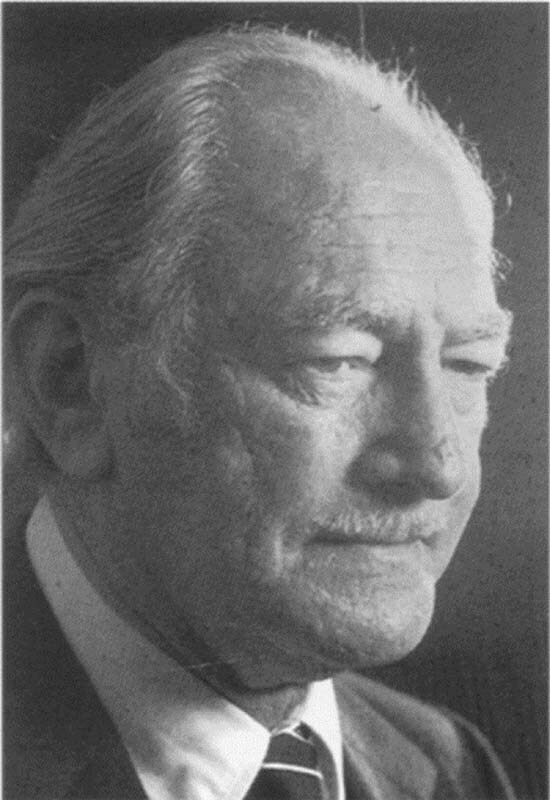
Jack Penn (1909–1996).
Fig. 2.

The Founding Fathers of Plastic Surgery in Israel. Standing from left to right: Zvi Neuman, Bernard Hirshowitz, Joshafat Shulman (embedded photo), Isaac Kaplan (embedded photo). Seated, from left to right: Nachum Ben-Hur, Leo Bornstein, Jack Penn.
Jack Penn (1909–1996)
Born in Cape Town, South Africa in 1909, Jack Penn received his medical degree from the University of Witwatersrand in Johannesburg and completed his postgraduate surgical training in the United Kingdom under Sir Harold Gillies and Sir Archibald McIndoe, and later at the Mayo Clinic in Rochester, Michigan. When the Israeli independence war broke out in 1948, Jack Penn was invited to set up plastic surgery in Israel. He not only organized medical services in Israel, but also became a permanent honorary visiting professor of plastic surgery at the Hebrew University of Jerusalem. 4 5 In 1956, he founded the South African Association of Plastic and Reconstructive Surgery and served as its first president. His academic positions included visiting professorships at Oxford, Harvard, Pennsylvania, Ann Arbor, UCLA, New York, the Hebrew University of Jerusalem, Hiroshima, Tokyo, and the Taiwan Army Medical Centre. 6 7 He was also an accomplished sculptor and authored several books ( Fig. 3 ). Penn died in 1996, at the age of 87.
Fig. 3.

The original books written by Jack Penn. Please notice the dedication signed by the author.
Leo Aryeh Bornstein (1911–1980)
Leo Bornstein, a Polish-American immigrant, graduated from the Royal College of Surgeons in Edinburgh, Scotland, and went on to train in England at the Victoria Hospital in Burnley, in the Royal Lancaster Infirmary, and in the Burn Infirmary near Manchester. In 1943, he joined the U.S. Army and served as Captain in 110 th Station Hospital and the 6 th Field Hospital. He also served in an anti-aircraft battalion that took part in the liberation of the Dachau Concentration Camp. His experiences of war stoked his passion for plastic surgery and inspired his move to the country that would eventually become the Jewish State of Israel. In December 1947, he joined “Machal,” the association of Jewish overseas volunteers, and soon after, the “Haganah,” the Israeli premilitary organization that preceded the Israeli Defense Forces, after meeting Chaim Sheba professor of medicine and was one of the forefathers of the Israeli health care system chief of the Haganah medical corps.
As a surgeon with combat experience, Bornstein's assignment was to set up surgical services in Galilee, the northern part of Israel during the War of Independence. The hardship of those times is well expressed in his own words in a letter he wrote to his family back home in March 1948: “Our supplies are very meager. If you saw the conditions under which I have to operate, you would be absolutely shocked.”
Following the war's end in 1949, Bornstein returned to the United States to complete a plastic surgery fellowship at Harlem Hospital in New York City. In 1950, he and his wife Vicky made “Aliyah” which means “ascending,” and immigrated to Israel, where he settled in Tel Aviv. In 1951, he established Israel's first Plastic Surgery Department at Tel Hashomer Hospital, heading it until 1978. It is still considered to be one of the most important plastic surgery and burn care departments in the country. Bornstein also aided in founding the ISPAS in 1965, serving as its first president in 1965 with a second term in 1973. Leo was known for his outstanding surgical abilities and is still considered a role model by many plastic surgeons today. He passed away in 1980, at the age of 69, after losing his last battle with cancer. 1 2 3 6 8 9 10
Zvi Herman Neuman (1918–1977)
Zvi Herman Neuman was born in Gladbeck in the German Federal State of Nordrhein-Westfalen but made “aliyah” to Israel in 1926. Although he attempted medical education in Paris and Geneva in 1937 and 1939, he was forced to discontinue his studies in 1940 as a result of World War II. Five years later, he graduated from the French University in Beirut, Lebanon. In 1951, he spent 6 months with Jack Penn in South Africa and later, in 1952 to 1954, he was a fellow at the Barnes-Jewish Hospital in St. Louis, Missouri. In 1956, he established and acted as the head of the Plastic Surgery Department at Hadassah Ein Kerem Hospital, in Jerusalem, in addition to acting as a consultant for two other hospitals, Assaf Harofeh in Be'er Ya'akov and Donolo Hospital in Jaffa. As a professor at the Hebrew University, he published numerous papers with his fellow plastic surgeons and residents. Zvi's son, Avraham (Rami) Neuman, is a second-generation plastic surgeon, and like his father, was also the head of the Plastic Surgery Department at Hadassah Ein Kerem Hospital, Jerusalem. In 1955, Neuman was among the founding members of the International Confederation for Plastic, Reconstructive and Aesthetic Surgery (IPRAS), founded in Stockholm and acted as the President ISPAS in 1966.
Bernard (Bernie) Hirshowitz (1923)
Bernard Hirshowitz was born in London and graduated from the University of Witwatersrand Medical School in Johannesburg. In 1946, following WWII, he became a surgeon in London, where he met with Chaim Sheba, one of the founding fathers of the Israeli health care system, who told him of Jack Penn and his visits to Israel. Upon Bernard's return to South Africa, he joined Jack Penn in his second delegation to Israel in 1951, where Bernard was exposed to plastic surgery for the first time. Together with Leo Bornstein, he treated war casualties at the Tel Hashomer Hospital, which was then the main military hospital in Israel. In 1952, he moved to the northern coastal town of Haifa, and laid the foundations for the Plastic Surgery Department at Rambam Hospital, the biggest hospital in northern Israel.
This department would prove to be extremely valuable as casualties from violent conflicts including the Sinai Campaign in 1956, the Six Day War of 1967, and the Yom Kippur war of 1973 were increasingly transferred to Rambam Hospital. The department welcomed its first residents shortly after the Yum Kippur war. 1 2 3 Under Hirshowitz's leadership, the Rambam Hospital advanced to be one of the leading departments in Israel. He was the president of ISPAS in 1967 and in 1975, published numerous scientific papers and textbook chapters, and is the inventor of the Sure–Closure skin stretching device and the silicone cushion for the treatment of hypertrophic scars and keloids.
Yaron Har-Shai, Hishowitz's son, is also a distinguished plastic surgeon, the head of plastic surgery at the Carmel and Lin Medical Centers in Haifa, past president of ISPAS and Vice-Dean for Strategic Development of the Faculty of Medicine at the Technion, Israel Institute of Technology. Yaron's son, Lior Har-Shai, is a third-generation plastic surgeon and is currently a plastic surgery resident at Rabin Medical Center, Petach Tikva ( Fig. 4 ).
Fig. 4.

Three generations of Plastic Surgeons. From left to right: Yaron Har-Shai, Lior Har-Shai, and Bernard (Bernie) Hirshowitz.
Isaac Kaplan (1919–2012)
Isaac Kaplan was born in South Africa and served in the British Army during WWII. He graduated in 1950 from the University of Witwatersrand Medical School in Johannesburg. In 1954, he completed his residency in general surgery at Hadassah Hospital in Jerusalem, followed by plastic surgery training in England under the supervision of Sir Harold Gillis. Kaplan was connected with Zvi Neuman and returned to Hadassah in the role of his deputy. By 1958, he established the Plastic Surgery Department in Beilinson Hospital in Petah Tikva, acting as the head of it until 1989. Around this same time period, in 1967, during the Six-Day War, the first burn unit in Israel was founded in Beilinson, whose purpose was to deal with the wounded soldiers. The adjacent Schneider Children's Medical Center is home to the first stand-alone pediatric plastic surgery unit.
In 1968 to 1969, Kaplan headed the international team that founded the Children's Plastic Surgery Hospital in Saigon during the Vietnam War. Shortly after in 1972, he worked with an engineer by the name of Uzi Sharon to develop the first medical laser surgical system which was named Sharplan, after them. In 1975, he founded and served as president of the International Society for Laser Surgery and Medicine (ISLSM). 11 He was the president of ISPAS in 1969 ( Table 3 ) and has received numerous prestigious prizes and honors. 1 2 3
Table 3. Presidents of the Israel Society of Plastic and Aesthetic Surgery (ISPAS).
| Year | Name | Year | Name |
|---|---|---|---|
| 1965 | Leo Aryeh Bornstein | 1986 | Peter Joel Horowitz |
| 1966 | Zvi Herman Neuman | 1987 | Moshe Westreich |
| 1967 | Bernard (Bernie) Hirshowitz | 1989 | Rafael Shafir |
| 1968 | Nachum Ben-Hur | 1991 | Isaac (Yitschak) Jorge Peled |
| 1969 | Isaac Kaplan | 1993 | Michael Scheflan |
| 1970 | Yohanan Flashkes | 1995 | Jacob (Yaakov) Golan |
| 1971 | Ben-Bassat | 1997 | Daniel J. Hauben |
| 1972 | Nachum Ben-Hur | 1999 | Arie Orenstein |
| 1973 | Leo Aryeh Bornstein | 2001 | Batia Yaffe |
| 1974 | Catherine (Ketty) Kaufman | 2003 | Yaron Har-Shai |
| 1975 | Bernard (Bernie) Hirshowitz | 2005 | Eyal Winkler |
| 1976 | Catherine (Ketty) Kaufman | 2009 | Yehuda Ullman |
| 1977 | Dan Mahler | 2011 | Amos Leviav |
| 1980 | Joshafat Shulman | 2013 | Eyal Gur |
| 1981 | Menahem Ron Wexler | 2015 | Yoram Wolf |
| 1983 | Hagai Tsur | 2017 | Meir Cohen |
Nachum Ben-Hur (1928–2001)
Nachum Ben-Hur was born in Tel Aviv, Israel. He was drafted into the “Haganah” organization and was wounded in the War of Independence as a company commander. Ben-Hur received his medical degree from the Hebrew University in Jerusalem, in 1956. He was trained in plastic surgery by both Zvi (Herman) Newman in Jerusalem and John Marquiz Converse in New York. He acted as president of ISPAS in 1968 and 1972 ( Table 3 ). In 1970, he established the fifth Israeli Plastic Surgery Department in the Shaare Zedek Hospital, in Jerusalem. In 1993 he published an autobiography “The Confession of a Plastic Surgeon.”
Joshafat Shulman (1924–2017)
Joshafat Shulman was born in Tel Aviv, Israel. Joshafat started his medical studies in Luzon, Switzerland in 1946, but travelled back to Tel Aviv in 1948 to join the army in the War of Independence. After the war, he was one of the first medical students in Jerusalem. After completing his studies, he spent 7 years as a general surgeon at Beilinson Hospital. After being influenced by Natan Zalts, head of the Surgery Department in Hadassah Hospital in Jerusalem, he became a plastic surgery resident and later deputy to Zvi Neuman. He briefly left from 1960 to 1961 as he was offered a stipendium in to Queen Victoria Hospital in East Grinstead, England by Sir Archibald McIndoe and Sir Simon Marks. Upon returning, he moved to Assaf Harofeh Hospital in the mid coastal plains of Israel, and with the backing of the Department of Plastic Surgery in Hadassah hospital, he established the Plastic Surgery Department, which he headed until 1988. It was in this department where he treated many casualties during the Six-Day War in 1967 and the Yom Kippur war in 1973.
He was also the president of ISPAS in 1980 ( Table 3 ). In the aesthetic field, after visiting world renowned plastic surgeons, including Millard, Sheen, Pitanguy, and Ortiz-Monasterio, he developed his own technique for endonasal rhinoplasty and performed an estimated 25,000 surgeries, under sedation and local anesthesia. Joshafat operated until the age of 88 and passed away in 2017 at the age of 93. His son, Ori Shulman, continued in his path, and is also dedicated to endonasal rhinoplasty as a senior plastic surgeon.
Female Plastic surgeons in Israel
In 1935, Shoshana Szkop-Frenkiel, completed her medical studies in Vilnius, Lithuania. 12 Despite the “Numerus Clausus” regarding women and medicine at the time, she successfully attained a medical diploma. After immigrating to Israel, she finally fulfilled her lifelong dream to become a surgeon in the land of Israel. Even after becoming a surgeon, she was repeatedly denied a surgical position at local hospitals because, as the excuse went, surgery was by no means a profession for women. However, in 1960 she was offered a temporary position at Sheba Medical Center Plastic Surgery Department, then headed by Leo Borenstein. While the position was only intended to be for a few weeks of temporary employment, it turned into 7 long years of intense plastic surgery training, a particular milestone that helped solidify her place within the Israeli surgical community.
Shoshana went on to complete several plastic surgery fellowship programs in leading medical institutions in the United States. She founded the Israeli Organization of Women Doctors, in 1938. Her lifelong dedication to the field was exemplified in 1995, when she was 83 years old, she still travelled to represent the organization at an international medical conference.
Her leadership paved the way for many other female plastic surgeons in Israel, including former head of the Bnei Zion Rothschild Medical Center Plastic Surgery Department, Catherine (Ketty) Kaufman and former president of ISPAS, Batia Yaffe, one of the first microsurgeons and hand surgeons in Israel, former head of the Hand Surgery Department in Sheba Medical Center and former president of ISPAS, and Binyamina Rosenberg-Hagen, an accomplished microsurgeon who pursued an active aesthetic practice, and many others.
Today, there are more than 30 female plastic surgeons among the 187 members of the Israel Society of Plastic and Aesthetic Surgery (ISPAS) and many more women residents are currently in training and will become leaders in their respective fields.
Burn Surgery Pioneers
During the 1973 Yom Kippur War, patients were sent to one of Israel's five dedicated burn units, including Soroka in Beer Sheva, Hadassah Ein Kerem in Jerusalem, Sheba in Tel Hashomer, Beilinson in Petah Tikva, and Rambam in Haifa. French plastic surgeons, Jean-Sauveur Elbaz, Julien Glicenstein, and Daniel Marchac were among the volunteers who joined Zvi Neuman's team at Hadassah to treat these patients. This was the beginning of the long-lasting relationship between French and Israeli Plastic Surgeons.
The Burn Unit in Hadassah was established by Menahem Ron Wexler, former ISPAS president, who advocated early tangential excision and skin grafting, 13 and who also initiated the first Skin Bank in 1974. Prior to establishing the first skin bank, Wexler sought training from Michael L. Lewin in Montefiore Medical Center in NYC and returned to Israel in 1973.
Hagai Tsur, former ISPAS president, received a WHO grant and formed the Burn Dedicated Barrack 16a in Sheba Hospital. As the head of Plastic Surgery and Burn Barrack, he then continued to educate generations of plastic surgeons, including Avihu Shvoron, who established the formal Burn Unit at Sheba in 1982 during “Operation Peace to the Galilee,” (First Lebanon War).
Avihu Shvoron was a pioneer in burn care for the use of β-blockers and anabolic steroid therapy in burn victims, which is commonly practiced today. Of note, the Israeli Burn Association, affiliated with the ISPAS, was established in 1990.
Microsurgery Pioneers
Preliminary attempts at microsurgery were performed by senior Israeli plastic surgeons, Hagai Tzur (1974), 14 Menachem Ron Wexler (1975), and Nahum Ben Hur. However, in the early 1980's, Batia Yaffe and Haim Kaplan completed their microsurgery fellowships in New York and returned to Israel to establish the first microsurgery unit in Sheba Medical Center, Israel.
In 1982, the transverse rectus abdominis flap was developed and co-published by Carl Roerig Hartrampf and the Israeli plastic surgeon, Michael Scheflan, a former president of ISPAS, and the recipient of the ASPS Maliniac Lecture Award for 2013. This eventually laid the foundations for autologous breast reconstruction and was a topic of interest for Michael “Mickey” Scheflan, an Israeli global leader in Plastic Surgery, who began processing his article on deep inferior epigastric perforator (DIEP) flaps. Unfortunately, he passed away on February 12, 2022, while processing this article for publication. Today, DIEP flaps are routinely used for microsurgical breast reconstructions. His memory and legacy will be cherished.
Hand Surgery Pioneers
Currently, hand surgery in Israel is a separate specialty for board-certified plastic or orthopaedic surgeons. Beginning as the humble “Israeli Hand Club” in the 1960s, a quarterly meeting for surgeons to discuss the treatment options for severe hand injuries laid the foundation for hand surgery in Israel. The most prominent names were Ernst Spira from Tel Hashomer Hospital, and Zvi Neuman and Haim Weinberg from Hadassah, Jerusalem. Of note, Isidor Kessler was the first to convert his specialty from general orthopaedics to surgery of the hand as his sole practice in 1967, after training in the United States. He was soon followed by Joel Engel who returned from his training in the United States and Finland in 1969. Kessler founded Israel's first-hand surgery unit at Kaplan Hospital, Rehovot in 1973, immediately following the Yom Kippur War. Due to the large influx of soldiers and civilians suffering injuries to the upper extremity following that war and the War of Attrition that preceded it, the Israeli Ministry of Health established five hand surgery units in hospitals throughout Israel. The Israel Society for Surgery of the Hand was founded in 1989, followed in 1990 by the recognition of hand surgery as a separate specialty with struct syllabus requirement and written and oral board exams by the Educational Council of the Israel Medical Association (IMA), due in large part to Kessler and Engel's ongoing efforts and academic and educational achievements. 15 The achievements and contributions of these two giants in hand surgery are well recognized and appreciated all over the world.
Craniofacial Surgery Pioneers
The first craniofacial surgeries performed in Israel were in Hadassah Hospital in Jerusalem, in 1979. Following his experience in Michigan and with Tessier in Paris, Menachem Ron Wexler gathered a craniofacial team, with the help of French plastic surgeon Daniel Marchac. Wexler performed the first craniofacial surgeries on syndromic pediatric patients in Israel (Crouzon and Hypertelorism). Between 1979 and 1989, 78 patients were operated on in Hadassah. 16
Surgical Medical Lasers
As early as 1963, scientist were studying the possibility of using lasers to destroy cancer cells that had been taken from humans and implanted in rodents. In 1964, Leon Goldman, considered the father of laser medicine, published articles on the results of laser treatment for various types of malignant skin tumors. Enthusiasm for laser treatments was limited and waned due to the lack of appropriate laser systems at their current technical levels. In 1970, a CO 2 laser system was built by the company, “American Optical” for experiments in various medical uses. Ralph Ger, who headed the Department of Surgery at Albert Einstein Medical Center in New York at that time, offered to sell it to Isaac Kaplan, as it ceased to be used in the department. 17 Kaplan recruited his friend Yaacob Meridor, whom Isaac Kaplan helped smuggle out of British captivity in Gilgil, Kenya, during the British Mandate in Israel, 18 to obtain the device. After being purchased and transferred to the Department of Plastic Surgery at Beilinson Hospital, Israel, it was found that the device had many technical issues and attempts to operate it were unsuccessful.
At that time, the company Pan Engineering was founded by three partners, Yaakov Meridor, Uzi Sharon, and Yosef Kramerman. Meridor turned to his partner Sharon and asked for his help in operating the device. The device was repaired by Sharon and experimentally activated in vitro. A few surgeries were performed on humans, the main one being performed on a Swiss patient who suffered from a severe oncological disease in the shoulder and chest area. An attempt was made to remove the tumor with the help of a laser by Isaac Kaplan and Ralph Ger while Uzi Sharon operated the cumbersome system ( Fig. 5 ). Following this experience, Isaac Kaplan developed a device that could work under operating room conditions.
Fig. 5.

American optical laser operation. From right to left: Isaac Kaplan, Ralph Ger, Uzi Sharon. Published in the German newspaper, Quick, in 1972.
Within 65 days, Uzi Sharon designed and built a prototype CO 2 laser device for use in operating rooms ( Fig. 6 ). One of the salient features of this prototype is a laser beam passage system that drastically reduced thickness of the joints compared with the previous American system. Upon registration of the patent in 1973 ( Fig. 7 ), “Laser Industries” was established by the three partners of Pan Engineering, and they acquired ownership of the patent rights. Over the course of two weeks, approximately 20 different surgeries were performed with this device and immediately afterward, the system was flown to Albert Einstein Medical Center for presentation in the United States. 19 The demonstration of the protype received considerable interest, and as a result, the first series of 50 sets was created, under the name “Sharplan,” a combination of the names Sharon, the technological developer, and Kaplan, the medical designer who played a large part in distributing the device around the world. A scanning system, Sharplan “Silk Touch” was developed, and made the CO 2 laser a popular method for skin resurfacing. Since then, many “Sharplan” systems have been sold around the world.
Fig. 6.

Sharplan CO 2 laser. The first medical CO 2 laser, presented by Uzi Sharon.
Fig. 7.
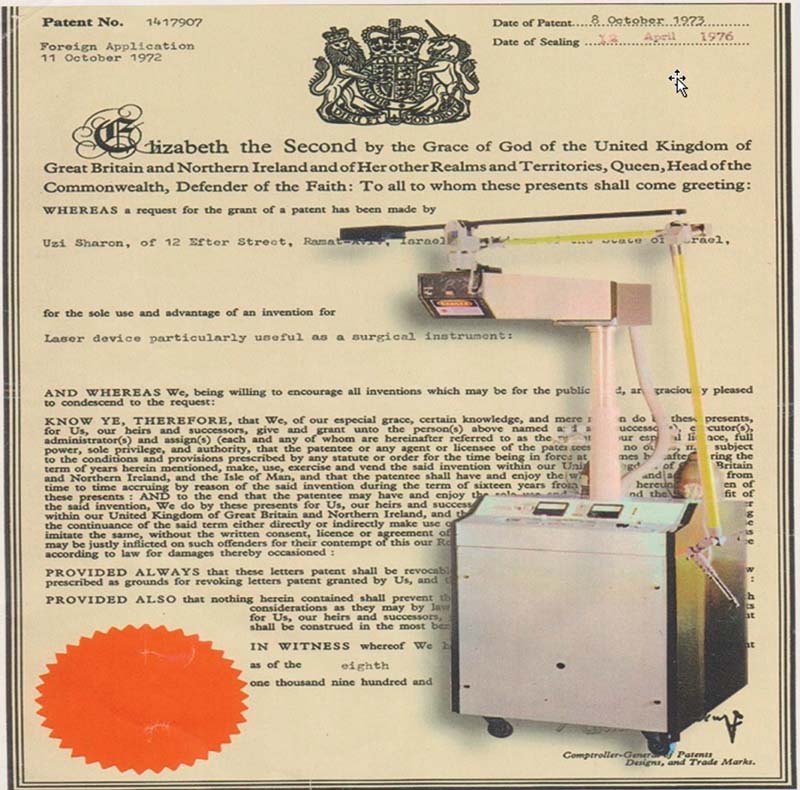
Uzi Sharon patent no. 1417907 for the surgical CO 2 laser, 1973.
Uzi Sharon (1926–2010)
Uzi Sharon was born in Jerusalem and graduated from the Technion, Israel Institute of Technology, Haifa as a mechanical engineer in 1955. Following his studies in electronics and physics at New York University, he served in the Israeli Navy and engaged in the development of a guided naval torpedo, and won the Air Force Commander-in-Chief Prize, for the development of a classified system. In the American company “Block Engineering,” he engaged in laser developments for the American space program. Upon his return to Israel in 1970, he founded the company “Pan Engineering” and later “Laser Industries” which engaged in the development of various laser systems for three decades, mainly in the fields of security and medicine.
Israel continued with innovations in the field of lasers. In 1997, Arieh Orenstein, former ISPAS president, established the Advanced Technologies Center at Sheba Medical Center. The center includes physicians, scientists, engineers and partners from Israeli industries. Among its contributions are photodynamic therapy, ErbiumYAG lasers, which are used in the treatment of vascular lesions, skin lesions, tattoo removal and even Mohs surgery. The research and development unit also operates special MRI, ultrasound, and optical systems.
Other Plastic Surgery Technologies
Israel is well known as a “start-up nation.” Plastic surgery, an innovative profession, has stimulated Israeli plastic surgeons to invent surgical techniques, instruments, implants, and other technologies. Some of these notable innovations include, wound closure systems and healing systems such as the Sure-Closure skin-stretching device by Bernie Hirshowitz, his son Yaron Har-Shai and Ella Lindenbaum; Wisebands invented by Jerry Weiss, patented in 2001; and the TopClosure tension relief system invented by Moris Topaz. 20 21 22 Innovative treatments of hypertrophic scars and keloids have also been developed such as the CryoShape—Intralesional cryoprobe, by Yaron Har-Shai. 23 Additionally, the Vcare wound healing device 24 was also invented by Moris Topaz, which is a regulated oxygen enriched and irrigation negative pressure-assisted wound treatment.
Israel has also made advancements in aesthetic procedures and devices such as UltraShape 25 a one of a kind device for noninvasive body contouring invented by Ami Glicksman. The proven therapeutic effects were selective fat cell destruction in a target volume underneath the skin. Additionally, the B-Lite, lightweight breast implants, were invented by Jacky Govrin-Yehudain, which are offered in a round or anatomical implant. They contain a continuous phase medical-grade silicone gel filler enriched with inert, high-purity, hollow, borosilicate glass microspheres chemically bound to and encapsulated by the gel network. 26
Other notable innovations include MediWound's innovative drug, NexoBrid approved in December 2012 by the EMA via a centralized procedure, for debridement in adults with deep partial- and full-thickness thermal burns. 27 In 2020, MediWound has submitted a BLA to the U.S. FDA for the approval of NexoBrid.
Humanitarian Activities
Plastic surgery in Israel began with the humanitarian support of Jack Penn for the War of Independence casualties, in 1948. Since then, Israeli plastic surgeons have been involved in numerous humanitarian delegations and initiatives all over the world, some of which include the “Children's Medical Relief International” team headed by Isaac Kaplan in 1968 to 1969, who established a hospital for plastic and maxillofacial surgery for children, in Saigon, during the Vietnam War. 28 Additionally, in the 1990s, many Israeli plastic surgeons followed in the footsteps of Jerry Weiss, and joined “Operation Smile” delegations to treat millions of children with cleft lip and palate. 29 In 1999, following the Turkish earthquake disaster, a military field hospital was sent to the town of Adazapari, with Yoram Wolf providing plastic surgery services and operations. 30 A second delegation was sent to Duzce, in the northwestern part of Turkey, with Dean Ad-El as the on-staff plastic surgeon. 31
In 2010, the Israeli Ministry of Foreign Affairs sent a team of doctors and nurses specializing in burn treatment to respond to the seriously burned victims in the Democratic Republic of Congo, after an oil tanker overturned, igniting a nearby cinema packed with people. This delegation was headed by Eyal Winkler, past ISPAS president and past Head of the Plastic Surgery department at Sheba Medical Center. 32
Melvyn Moshe Westreich, who headed the Plastic Surgery Department at Assaf Harofeh Shamir Hospital, engaged in voluntary medical male circumcision for the prevention of HIV/AIDS in Africa. 33
In 2015, following an earthquake in Nepal, Ophir Schein served as a plastic surgeon in a military delegation field hospital. 34 In the 2015 Colectiv nightclub fire in Bucharest Romania, 64 people were killed and 146 injured, Yaron Shoham and Nimrod Farber were among the first to arrive in Bucharest to provide care. 35
The Israel Society of Plastic and Aesthetic Surgery
In the 1950s, the founding fathers of plastic surgery in Israel began to hold informal professional gatherings in Israel's major medical centers, Tel Hashomer, Jerusalem, and Haifa. As early as 1956, the society emblem was created ( Fig. 8a ), inspired by the Biblical verse “the crooked shall be made straight, and the hills to valleys” (Isaiah 40:4). The figurative design included a budding tree stump surrounded by an entwined serpent, symbolizing life has developed into the modern logo it is today ( Fig. 8b ). 1
Fig. 8.
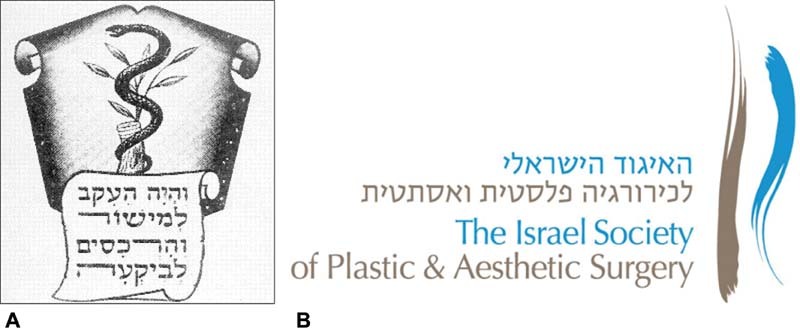
( A ) The first emblem of the Israel Society of Plastic and Aesthetic Surgery, 1965. ( B ) The current logo of the Israel Society of Plastic and Aesthetic Surgery, 2021.
Leo Borenstein, one of the founders of the ISPAS, was elected as the first President of ISPAS, in 1965. The full list of Presidents of ISPAS are listed in Table 3 . The society was officially founded in 1973, and its by-laws were then constructed. 1 Since then, ISPAS has been holding annual national meetings as well as bi-annual international meetings originally named “Aesthetics in the Red Sea Meeting,” initiated by Michael Scheflan during his ISPAS presidency and held in the vacation resort city of Eilat.
In 2004, following the boycott by European Universities of Israeli Universities, Rami Selinger, and Mark Slama, Parisian plastic surgeons, founded the French Israeli Association of Plastic and Aesthetic Surgery (AFIPE—Association Franco Israelienne de Chirurgie Plastique et Esthetic). The collaboration has been exceptionally valuable ever since, to both societies. Rami Selinger also represented ISPAS in the process of being admitted as a European society member of EASAPS, and in 2009, he was granted honorary membership in ISAPS. Other prominent French plastic surgeons who had educational collaborations with the ISPAS include, Gilbert Ayach who performed surgery in Israel with Michael Scheflan and Daniel Marchac.
The society is responsible for plastic surgery residency programs and its surgical syllabus and is an adjunct of the Israel Medical Association Scientific Board. Over time, the ISPAS and plastic surgery in Israel have reached high levels of achievements. Currently, there are 22 plastic surgery units and departments in public hospitals dispersed throughout Israel with 80 residents in training. Additionally, ISPAS membership has grown to 187 ISPAS members.
Acknowledgment
The authors thank members of the Israeli Society of Plastic and Aesthetic Surgery for their long-term support. They thank (in alphabetical order) Dean Ad-El, Neta Adler, Ofer Arnon, Ami Barak, Abraham M. Baruchin, Patrick Ben Meir, Tamir Gil, Josef Haik, Bernard (Bernie) Hirshowitz, Leonid Kogan, Isaac Lippin, Tal Haim Nachlieli, Asaf Olshinka Haim Rasner, Eldad Silberstein, Ron Tenzer, Moris Topaz, Rotem Tsur, Jerry Weiss, Menachem Ron Wexler, and Eyal Winkler for their special contribution in the creation of this historical research.
Footnotes
Conflict of Interest None declared.
References
- 1.Barak A, Har-Shai Y. The Israel Society for Plastic Surgeons: a brief introduction. Aesthet Surg J. 2004;24(05):448–449. doi: 10.1016/j.asj.2004.09.005. [DOI] [PubMed] [Google Scholar]
- 2.Wiser I, Scheflan M, Heller L.The history of plastic surgery in Israel Harefuah 201415309550–553., 556 [PubMed] [Google Scholar]
- 3.Pioneers of Plastic Surgery in Israel. Israeli Society of Plastic and Aesthetic Surgery. Accessed April 17, 2021 at:https://www.plasticsurgery.org.il/%d7%93%d7%95%d7%a8-%d7%94%d7%9e%d7%99%d7%99%d7%a1%d7%93%d7%99%d7%9d/
- 4.Penn J G. JackPenn, MB.BCh; FRCS; MBE; PhD (Hon) (1909–1996) Aesthet Surg J. 1997;17(01):39–40. [Google Scholar]
- 5.Eberhard E.The Jack Penn Collection, Manuscripts & Archives University of Cape Town LibrariesUCT Libraries; 1983. Accessed May 26, 2022 at:https://www2.lib.uct.ac.za/mss/existing/Finding%20Aids/BC%20748%20jack_penn_collection.htm
- 6.Wolf Y. Plastic surgery—restoring contour, function and happiness. Harefuah. 2020;159(08):537–540. [PubMed] [Google Scholar]
- 7.Bloch C, Malherbe F. JackPenn. S Afr Med J. 1997;87(06):781. [Google Scholar]
- 8.Lewin M L, Leo A, Bornstein M D. Leo A. Bornstein, M.D. 1911-1980. Plast Reconstr Surg. 1980;66(04):670–671. [PubMed] [Google Scholar]
- 9.Hirshowitz B, Leo A. Leo A. Bornstein. Ann Plast Surg. 1982;8(05):432–433. [PubMed] [Google Scholar]
- 10.Porath Z, Bar-On E.Dr. Leo (Aryeh) Bornstein. World Machal-Volunteers from overseas in the Israel Defence ForcesThe Machal Archives. Accessed April 17, 2021 at:http://www.machal.org.il/index.php?option=com_content&view=article&id=297&Itemid=405&lang=en11
- 11.Ohshiro T.The history of IPTA ISLSM WFSLMS. International Society for Laser Surgery and MedicineAccessed April 17, 2022 at:http://islsm-news.com/
- 12.Shehory-Rubin Z.Dr. Shoshana szkop-frenkiel: the first female plastic surgeon in Israel Harefuah 201515411730–734., 740 [PubMed] [Google Scholar]
- 13.Wexler M R, Yeschua R, Neuman Z. Early treatment of burns of the dorsum of the hand by tangential excision and skin grafting. Plast Reconstr Surg. 1974;54(03):268–273. doi: 10.1097/00006534-197409000-00003. [DOI] [PubMed] [Google Scholar]
- 14.Tsur H, Slutzki S, Rabinowitz O, Engel J. Free flap with microvascular anastomoses for coverage of chronic leg ulcer. Harefuah. 1976;90(06):271–273. [PubMed] [Google Scholar]
- 15.Kessler I. The “grasping” technique for tendon repair. Hand. 1973;5(03):253–255. doi: 10.1016/0072-968x(73)90038-7. [DOI] [PubMed] [Google Scholar]
- 16.Wexler M R, Neuman A, Umanski F. A decade of experience in craniofacial surgery. Harefuah. 1992;122(03):146–152. [PubMed] [Google Scholar]
- 17.Wolf Y. Historical column: the development of Sharplan Medical Laser Device. Plastic and Aesthetic Surgery. Med Media. 2003;1(01):37–38. [Google Scholar]
- 18.Meridor Y. Johannesburg: Newzo Press; 1955. Long is the Road to Freedom. [Google Scholar]
- 19.Kaplan I, Ger R, Sharon U. The carbon dioxide laser in plastic surgery. Br J Plast Surg. 1973;26(04):359–362. doi: 10.1016/s0007-1226(73)90040-4. [DOI] [PubMed] [Google Scholar]
- 20.Hirshowitz B, Lindenbaum E, Har-Shai Y. A skin-stretching device for the harnessing of the viscoelastic properties of skin. Plast Reconstr Surg. 1993;92(02):260–270. doi: 10.1097/00006534-199308000-00010. [DOI] [PubMed] [Google Scholar]
- 21.Barnea Y, Gur E, Amir A.Our experience with Wisebands: a new skin and soft-tissue stretch device Plast Reconstr Surg 200411303862–869., discussion 870–871 [DOI] [PubMed] [Google Scholar]
- 22.Topaz M, Carmel N-N, Silberman A, Li M S, Li Y Z. The TopClosure® 3S System, for skin stretching and a secure wound closure. Eur J Plast Surg. 2012;35(07):533–543. doi: 10.1007/s00238-011-0671-1. [DOI] [PMC free article] [PubMed] [Google Scholar]
- 23.Har-Shai Y, Amar M, Sabo E. Intralesional cryotherapy for enhancing the involution of hypertrophic scars and keloids. Plast Reconstr Surg. 2003;111(06):1841–1852. doi: 10.1097/01.PRS.0000056868.42679.05. [DOI] [PubMed] [Google Scholar]
- 24.Topaz M. Improved wound management by regulated negative pressure-assisted wound therapy and regulated, oxygen- enriched negative pressure-assisted wound therapy through basic science research and clinical assessment. Indian J Plast Surg. 2012;45(02):291–301. doi: 10.4103/0970-0358.101301. [DOI] [PMC free article] [PubMed] [Google Scholar]
- 25.Teitelbaum S A, Burns J L, Kubota J. Noninvasive body contouring by focused ultrasound: safety and efficacy of the Contour I device in a multicenter, controlled, clinical study. Plast Reconstr Surg. 2007;120(03):779–789. doi: 10.1097/01.prs.0000270840.98133.c8. [DOI] [PubMed] [Google Scholar]
- 26.Govrin-Yehudain J, Dvir H, Preise D, Govrin-Yehudain O, Govreen-Segal D. Lightweight breast implants: a novel solution for breast augmentation and reconstruction mammaplasty. Aesthet Surg J. 2015;35(08):965–971. doi: 10.1093/asj/sjv080. [DOI] [PMC free article] [PubMed] [Google Scholar]
- 27.NexoBrid. MediWound. Accessed May 17, 2021 at:https://www.mediwound.com/nexobrid/
- 28.Calderhead R G. IN MEMORIAM Professor Isaac Kaplan: 1919–2012. Laser Ther. 2012;21(03):171–175. [Google Scholar]
- 29.Operation Smile Home Page. Accessed June 27, 2021 at:https://www.operationsmile.org/
- 30.Wolf Y, Bar-Dayan Y, Mankuta D.An earthquake disaster in Turkey: assessment of the need for plastic surgery services in a crisis intervention field hospital Plast Reconstr Surg 200110701163–168., discussion 169–170 [DOI] [PubMed] [Google Scholar]
- 31.Ad-El D D, Engelhard D, Beer Y, Dudkevitz I, Benedeck P. Earthquake related scald injuries–experience from the IDF field hospital in Duzce, Turkey. Burns. 2001;27(04):401–403. doi: 10.1016/s0305-4179(00)00121-2. [DOI] [PubMed] [Google Scholar]
- 32.Israel goes to the aid of burn victims in Democratic Republic of Congo, Israel Ministry of Foreign Affairs [Internet]. Israel Ministry of Foreign Affairs. 2010. Accessed June 27, 2021 at:https://mfa.gov.il/mfa/foreignpolicy/aid/pages/israel_aids_congo_burn_victims_12-jul-2010.aspx
- 33.Schenker I, Westreich M.Voluntary medical male circumcision: a necessary surgical interventionin curbing HIV/AIDS2015. Accessed June 27, 2021 at:https://publishing.rcseng.ac.uk/doi/10.1308/rcsbull.2015.378
- 34.Israel responds to earthquake in Nepal, Israel Ministry of Foreign Affairs; 2015. Accessed June 27, 2021 at:https://mfa.gov.il/MFA/PressRoom/2015/Pages/Israel-responds-to-earthquake-in-Nepal-25-Apr-2015.aspx
- 35.Eichner I.First to help: Israelis for the victims of the fire in Romania2015. Accessed July 03, 2021 at:https://www.ynet.co.il/articles/0,7340,L-4724333,00.html