


Abstract
Background
Antipsychotic drugs are the mainstay treatment for schizophrenia, yet they are associated with diverse and potentially dose‐related side effects which can reduce quality of life. For this reason, the lowest possible doses of antipsychotics are generally recommended, but higher doses are often used in clinical practice. It is still unclear if and how antipsychotic doses could be reduced safely in order to minimise the adverse‐effect burden without increasing the risk of relapse.
Objectives
To assess the efficacy and safety of reducing antipsychotic dose compared to continuing the current dose for people with schizophrenia.
Search methods
We conducted a systematic search on 10 February 2021 at the Cochrane Schizophrenia Group's Study‐Based Register of Trials, which is based on CENTRAL, MEDLINE, Embase, CINAHL, PsycINFO, PubMed, ClinicalTrials.gov, ISRCTN, and WHO ICTRP. We also inspected the reference lists of included studies and previous reviews.
Selection criteria
We included randomised controlled trials (RCTs) comparing any dose reduction against continuation in people with schizophrenia or related disorders who were stabilised on their current antipsychotic treatment.
Data collection and analysis
At least two review authors independently screened relevant records for inclusion, extracted data from eligible studies, and assessed the risk of bias using RoB 2. We contacted study authors for missing data and additional information. Our primary outcomes were clinically important change in quality of life, rehospitalisations and dropouts due to adverse effects; key secondary outcomes were clinically important change in functioning, relapse, dropouts for any reason, and at least one adverse effect. We also examined scales measuring symptoms, quality of life, and functioning as well as a comprehensive list of specific adverse effects. We pooled outcomes at the endpoint preferably closest to one year. We evaluated the certainty of the evidence using the GRADE approach.
Main results
We included 25 RCTs, of which 22 studies provided data with 2635 participants (average age 38.4 years old). The median study sample size was 60 participants (ranging from 18 to 466 participants) and length was 37 weeks (ranging from 12 weeks to 2 years). There were variations in the dose reduction strategies in terms of speed of reduction (i.e. gradual in about half of the studies (within 2 to 16 weeks) and abrupt in the other half), and in terms of degree of reduction (i.e. median planned reduction of 66% of the dose up to complete withdrawal in three studies). We assessed risk of bias across outcomes predominantly as some concerns or high risk.
No study reported data on the number of participants with a clinically important change in quality of life or functioning, and only eight studies reported continuous data on scales measuring quality of life or functioning. There was no difference between dose reduction and continuation on scales measuring quality of life (standardised mean difference (SMD) −0.01, 95% confidence interval (CI) −0.17 to 0.15, 6 RCTs, n = 719, I2 = 0%, moderate certainty evidence) and scales measuring functioning (SMD 0.03, 95% CI −0.10 to 0.17, 6 RCTs, n = 966, I2 = 0%, high certainty evidence).
Dose reduction in comparison to continuation may increase the risk of rehospitalisation based on data from eight studies with estimable effect sizes; however, the 95% CI does not exclude the possibility of no difference (risk ratio (RR) 1.53, 95% CI 0.84 to 2.81, 8 RCTs, n = 1413, I2 = 59% (moderate heterogeneity), very low certainty evidence). Similarly, dose reduction increased the risk of relapse based on data from 20 studies (RR 2.16, 95% CI 1.52 to 3.06, 20 RCTs, n = 2481, I2 = 70% (substantial heterogeneity), low certainty evidence).
More participants in the dose reduction group in comparison to the continuation group left the study early due to adverse effects (RR 2.20, 95% CI 1.39 to 3.49, 6 RCTs with estimable effect sizes, n = 1079, I2 = 0%, moderate certainty evidence) and for any reason (RR 1.38, 95% CI 1.05 to 1.81, 12 RCTs, n = 1551, I2 = 48% (moderate heterogeneity), moderate certainty evidence).
Lastly, there was no difference between the dose reduction and continuation groups in the number of participants with at least one adverse effect based on data from four studies with estimable effect sizes (RR 1.03, 95% CI 0.94 to 1.12, 5 RCTs, n = 998 (4 RCTs, n = 980 with estimable effect sizes), I2 = 0%, moderate certainty evidence).
Authors' conclusions
This review synthesised the latest evidence on the reduction of antipsychotic doses for stable individuals with schizophrenia. There was no difference between dose reduction and continuation groups in quality of life, functioning, and number of participants with at least one adverse effect. However, there was a higher risk for relapse and dropouts, and potentially for rehospitalisations, with dose reduction. Of note, the majority of the trials focused on relapse prevention rather potential beneficial outcomes on quality of life, functioning, and adverse effects, and in some studies there was rapid and substantial reduction of doses. Further well‐designed RCTs are therefore needed to provide more definitive answers.
Keywords: Adult, Humans, Antipsychotic Agents, Antipsychotic Agents/adverse effects, Drug Tapering, Drug-Related Side Effects and Adverse Reactions, Quality of Life, Recurrence, Schizophrenia, Schizophrenia/drug therapy
Plain language summary
Reduction in the dose of antipsychotics for people with schizophrenia
Key messages
Reducing the dose of antipsychotics may be associated with a higher number of study participants relapsing and leaving the study early.
Very little information was available on quality of life, functioning, and side effects.
Introduction to the review topic
Schizophrenia is a severe disease that needs treatment with medication (antipsychotics). Use of antipsychotics is connected with side effects, and it appears that these side effects may be worse with higher doses. On the other hand, the dose needs to be high enough to have an effect on the symptoms.
What did we want to find out?
We wanted to know if reducing the dose of antipsychotics is better than keeping the same dose, in order to improve:
‐ quality of life; ‐ number of participants readmitted to hospital; ‐ number of participants leaving the study early because of side effects; ‐ functioning; ‐ relapse; ‐ number of participants leaving the study early for any reason; ‐ number of participants with at least one side effect.
What did we do?
We searched for studies that examined reducing the dose of antipsychotics compared with keeping the same dose in people with schizophrenia.
We compared and summarised the results of the studies and rated our confidence in the evidence, based on factors such as study methods and sizes.
What did we find?
We found 25 studies involving a total of 2721 participants with schizophrenia. Twenty‐two studies (2635 participants) provided data for the analyses. The studies lasted between 12 weeks and 2 years. They were conducted all over the world, including in the USA, the UK, Europe, and Asia. Fourteen studies were sponsored by public institutions, five by pharmaceutical companies, two by public institutions and pharmaceutical companies jointly, and four studies did not provide clear information on funding.
We found that dose reduction:
‐ probably has little to no effect on quality of life; ‐ makes no difference in readmission to hospital, but we are very uncertain about the results; ‐ probably increases the number of participants leaving the study early due to side effects; ‐ has little to no effect on functioning; ‐ may increase the number of participants with a relapse; ‐ probably increases the number of participants leaving the study early for any reason; ‐ probably has little to no effect on the number of participants with at least one side effect.
What are the limitations of the evidence?
We are mainly confident or moderately confident in our results.
Regarding readmission to hospital, we are not confident in the evidence because it is possible that study participants were aware of which treatment they were getting. Moreover, the studies were done in different types of people or used different ways of reducing the dose.
Regarding relapse, we have little confidence in the evidence because it is possible that study participants were aware of which treatment they were getting. Moreover, the studies were done in different types of people or used different ways of reducing the dose.
How up‐to‐date is the evidence?
The evidence is current to February 2021.
Summary of findings
Summary of findings 1. Summary of findings table ‐ Antipsychotic dose reduction compared to dose continuation for people with schizophrenia.
| Antipsychotic dose reduction compared to dose continuation for people with schizophrenia | ||||||
| Patient or population: people with schizophrenia Setting: inpatients and outpatients Intervention: Dose reduction Comparison: Dose continuation | ||||||
| Outcomes | Anticipated absolute effects* (95% CI) | Relative effect (95% CI) | № of participants (studies) | Certainty of the evidence (GRADE) | Comments | |
| Risk with Dose continuation | Risk with Dose reduction | |||||
| Quality of life ‐ mean change/endpoint all available scales (combined scales and time points) | ‐ | SMD 0.01 lower (0.17 lower to 0.15 higher) | ‐ | 719 (6 RCTs) | ⊕⊕⊕⊝ Moderatea,b | |
| Service use ‐ readmission to hospital (combined time points) | 82 per 1000 | 125 per 1000 (69 to 230) | RR 1.53 (0.84 to 2.81) | 1433 (9 RCTs) | ⊕⊝⊝⊝ Very lowc,d,e | |
| Adverse effect ‐ leaving the study early due to adverse effects ‐ overall tolerability (combined time points) | 38 per 1000 | 83 per 1000 (52 to 131) | RR 2.20 (1.39 to 3.49) | 1340 (10 RCTs) | ⊕⊕⊕⊝ Moderatec | |
| Functioning ‐ mean endpoint/change all available scales (combined scales and time points) | ‐ | SMD 0.03 higher (0.1 lower to 0.17 higher) | ‐ | 966 (6 RCTs) | ⊕⊕⊕⊕ Highb | |
| Global state ‐ number of participants with relapse/exacerbations of psychosis (combined time points) | 109 per 1000 | 236 per 1000 (166 to 334) | RR 2.16 (1.52 to 3.06) | 2481 (20 RCTs) | ⊕⊕⊝⊝ Lowc,f | |
| Leaving the study early ‐ for any reason ‐ overall acceptability (combined time points) | 239 per 1000 | 330 per 1000 (251 to 433) | RR 1.38 (1.05 to 1.81) | 1551 (12 RCTs) | ⊕⊕⊕⊝ Moderateg,h | |
| Adverse effects ‐ number of participants with at least 1 adverse effect (combined time points) | 598 per 1000 | 616 per 1000 (562 to 670) | RR 1.03 (0.94 to 1.12) | 998 (5 RCTs) | ⊕⊕⊕⊝ Moderatec | |
| *The risk in the intervention group (and its 95% confidence interval) is based on the assumed risk in the comparison group and the relative effect of the intervention (and its 95% CI). CI: confidence interval; RR: risk ratio; SMD: standardised mean difference | ||||||
| GRADE Working Group grades of evidence High certainty: we are very confident that the true effect lies close to that of the estimate of the effect. Moderate certainty: we are moderately confident in the effect estimate: the true effect is likely to be close to the estimate of the effect, but there is a possibility that it is substantially different. Low certainty: our confidence in the effect estimate is limited: the true effect may be substantially different from the estimate of the effect. Very low certainty: we have very little confidence in the effect estimate: the true effect is likely to be substantially different from the estimate of effect. | ||||||
| See interactive version of this table: https://gdt.gradepro.org/presentations/#/isof/isof_question_revman_web_431868494444062467. | ||||||
a Downgraded by one level for risk of bias: half of the studies had high risk of bias in one or more domains. b No serious imprecision. Adequate information size (> 400 participants for a continuous outcome), and CI lower and upper extremes do not exceed the boundaries of 0.2 SMD. Precise results showing no difference between dose reduction and dose continuation. c Downgraded by one level for risk of bias: some of the studies had high risk of bias in one domain, whilst the remaining studies had low or unclear risk of bias. d Downgraded by one level for inconsistency: visual inspection of the forest plot suggests inconsistency, and I² = 59% (may represent substantial heterogeneity). e Downgraded by one level for imprecision: adequate information size (> 1000 participants for a dichotomous outcome), but CI includes both no difference and better outcome for dose continuation. f Downgraded by one level for inconsistency: visual inspection of the forest plot suggests inconsistency, and I² = 70% (may represent substantial heterogeneity). g One out of 13 studies was at high risk of bias for only one domain; this study contributes only 4.2% of weight, therefore no serious risk of bias. h Downgraded by one level for publication bias: visual inspection of the funnel plot shows marked asymmetry, even if not confirmed by statistical test (P = 0.14).
Background
Antipsychotic drugs are effective for the acute treatment and relapse prevention of schizophrenia (Leucht 2012; Leucht 2013), but they have important adverse effects such as movement disorders and weight gain including associated metabolic problems, which are likely to contribute to a well‐documented excess mortality (Hjorthoj 2017). Controversial data suggest that antipsychotics, particularly in people treated with higher doses, are likely to be associated with brain tissue and volume loss (Ho 2011). However, in clinical practice, acutely ill patients are frequently treated with high doses or combinations of antipsychotics; this is due to various pressures, such as risk for suicide or aggressive behaviour, lack of hospital beds and cost issues leading to shorter durations of hospitalisation, and high rates of non‐response (Samara 2016; Samara 2019). For example, one systematic review of 147 studies showed that 20% of people with schizophrenia received several antipsychotics (Gallego 2012), and 10% received doses above the officially approved labels (Patel 2014). Consequently, the critical question the clinician must address is whether high‐dose antipsychotics can be carefully reduced whilst continuing to maintain the relapse prevention benefit once the acute phase of the illness has been treated and the patient is in a maintenance phase. This could include a complete withdrawal of antipsychotics in up to 20% of patients who do not experience a second episode of schizophrenia within five years (Robinson 1999). In matter of fact, there will always be a difficult trade‐off, because if the dose is too low or if the antipsychotic is stopped, there may be a high risk for relapse that can have adverse consequences for patients (Leucht 2013). In the current review, we summarised all randomised controlled trials that compared reducing antipsychotic doses with continuing the same dose. A companion review will address the related question of reducing antipsychotic polypharmacy.
Description of the condition
Schizophrenia is a chronic and disabling psychiatric disorder with a lifetime prevalence of approximately 1% of the population worldwide (McGrath 2008; Moreno‐Küstner 2018). Onset is usually in early adulthood, and the symptoms can be severe (Carpenter 1994). Its typical manifestations are 'positive' symptoms such as fixed, false beliefs (delusions) and perceptions without a stimulus (hallucinations); 'negative' symptoms such as apathy and lack of drive, disorganisation of behaviour and thought; and catatonic symptoms such as mannerisms and bizarre posturing (Carpenter 1994).
It is one of the leading causes of long‐term disability worldwide, with a devastating impact on patients and their families (GBD 2018). The degree of distress and impairment is considerable; employment rates vary between 4.5% and 50% (Bouwmans 2015), and lifetime suicide prevalence is estimated around 4% to 10%, with the highest rates amongst males in the early course of the disorder (Palmer 2005; Popovic 2014; Tanskanen 2018). Quality of life for people with schizophrenia can be poor, and it is likely to deteriorate during the course of the disease; overall lifespan is thought to be about 15 years shorter than average (Hjorthoj 2017).
The course of the illness can be divided into three stages. In the onset, or prodromal phase, initial changes such as subtle modifications in the person's behaviour, feelings, and cognition can occur, which then develop into clear psychotic symptoms during the acute phase. The acute episode, frequently treated with high doses of antipsychotics, is followed by a remission phase, in which the florid symptoms recede (Andreasen 2005); however, in this phase most individuals will still require maintenance treatment to prevent relapses (Leucht 2012). Remission is a necessary, but not sufficient, step towards recovery that is intended as "the ability to function in the community, socially and vocationally, as well as being relatively free of disease‐related psychopathology" (Andreasen 2005).
Description of the intervention
Antipsychotic medication is the current mainstay of treatment in schizophrenia. Due to the chronic nature of the disease, long‐term treatment with antipsychotics is usually needed to prevent the risk of relapse (Leucht 2012). Unfortunately, these medications have many adverse effects that make their use complicated (Leucht 2013), including movement disorders, weight gain, metabolic problems, and sexual dysfunction (Leucht 2013); possible brain volume loss (Ho 2011); and increased risk of mortality (McGrath 2008). These adverse effects are usually dose related (Kaar 2020; Schneider‐Thoma 2019). Consequently, if gradual dose reduction was possible, this would have an immediate impact on patients' well‐being (Kaar 2020). Nevertheless, there will be a difficult trade‐off, because if the dose gets too low, there is a high risk for relapse, which can have dramatic consequences for patients.
The intervention was reduction of the antipsychotic dose. Dose reduction may be described as a reduction of the initial dose of antipsychotics by any amount; however, the precise strategies regarding how to reduce antipsychotics and to what extent vary (Takeuchi 2012). Sometimes dose may only be reduced by a certain percentage (Caroff 2018). Another option is a gradual, slow decrease of the initial dose with the aim of complete withdrawal of the antipsychotic (Wunderink 2013). In that case, it should be possible to recommence the antipsychotic and titrate the dose if psychotic symptoms re‐emerge, because it has been clearly documented that in most patients withdrawing antipsychotics completely often leads to relapse (Leucht 2012). Where patients receive several antipsychotics, withdrawing one or more of their antipsychotics is also considered a reduction of the dose (Suzuki 2003). How much the dose can be reduced a priori is unclear, as studies on plasma levels of antipsychotics show interindividual variability due to factors such as liver enzyme induction and pharmacogenomic factors. This may explain why some patients need much higher antipsychotic doses than other patients (Hiemke 2018). It is also unclear how quickly antipsychotic dose reductions can be performed for people with schizophrenia (Takeuchi 2012).
How the intervention might work
The concept behind reducing antipsychotic dose is that most adverse effects are dose related (Takeuchi 2015), including somatic serious adverse events (Schneider‐Thoma 2019), weight gain (Spertus 2018), QT prolongation (Barbui 2016), and tardive dyskinesia (Bergman 2018).
The main mechanism of action of most antipsychotic drugs includes blocking dopamine D2 receptors, and around 60% to 80% of blockade is required to achieve efficacy. The occupancy of the receptor is dose related (Lako 2013). However, with higher doses and, therefore, higher receptor occupancy, the risk for extrapyramidal adverse effects increases. A similar mechanism can be speculated for the other receptors responsible for adverse effects, such as histamine H1 receptors for sedation or muscarinic receptors for anticholinergic effects such as dry mouth (Kaar 2020).
Reducing the antipsychotic dose should therefore reduce the adverse‐effect burden (Citrome 2009; Hill 2011; Knox 2004; Simon 2009). Higher adverse‐effect rates can reduce quality of life and prevent the afflicted individuals from functioning well in the community (Achtyes 2018; Sağlam Aykut 2019). One study reported that the functional outcome of people with a first episode of schizophrenia in whom a dose reduction had been attempted was better than that of people in whom antipsychotics were continued (Wunderink 2013). High doses of antipsychotics have also been associated with brain volume loss (Ho 2011). This finding is debated (Andreasen 2013), but if true, dose reduction could also counteract this problem. The risk of dose reduction is that doses become so low that psychotic symptoms re‐emerge, requiring rehospitalisations and jeopardising personal relationships and vocational functioning (Leucht 2012).
Why it is important to do this review
Debate exists as to whether people with schizophrenia receive higher doses of antipsychotics than necessary. This has been fuelled by analyses suggesting that long‐term treatment with antipsychotics is associated with a dose‐related brain volume loss (Ho 2011), although these data are controversial (Andreasen 2013), and the clinical relevance is unclear (Lesh 2015). However, it is difficult to differentiate this volume change from the one deriving from the illness (Van Haren 2013). It is also understood from long‐term studies that up to 20% of individuals with a first episode of schizophrenia will not experience a second episode (Robinson 1999; Shepherd 1989). Some epidemiological data suggest that untreated people with schizophrenia do better overall (Harrow 2012), whilst another epidemiological study from rural China showed that mortality of untreated people with schizophrenia was higher than that of treated individuals (Ran 2015). Unfortunately, these patients cannot be identified in advance. In the seven‐year follow‐up of one non‐randomised study, the long‐term outcome of gradual dose reduction was better than that of maintaining patients on the same dose (Wunderink 2013). Given the complexity of the matter, a systematic review of the data is important. The results are also potentially important for guidelines and policymakers given the high rates of disability and thus costs of schizophrenia for society (Vos 2012).
A companion review will address the related question of reducing antipsychotic polypharmacy (Bighelli 2022).
Objectives
To assess the effects and safety of reducing antipsychotic dose compared to continuing the current dose for people with schizophrenia.
To examine factors of dose reduction such as its degree and rapidity.
Methods
Criteria for considering studies for this review
Types of studies
We considered all relevant randomised controlled trials (RCTs) for inclusion. If a trial was described as 'double‐blind', but randomisation was implied, we would include such trials and examine the effect of their inclusion by excluding them in a sensitivity analysis (see Sensitivity analysis). If their inclusion did not result in a substantive difference, they would remain in the analyses. If their inclusion resulted in important clinically significant but not necessarily statistically significant differences, we would not add the data from these lower‐quality studies to the results of the high‐quality trials, but would present such data within a subcategory. We excluded quasi‐RCTs, such as those allocating by alternate days of the week.
Where studies had multiple publications, we collated the reports of the same study so that each study, rather than each report, was the unit of interest for the review; such studies have a single identifier with multiple references.
Types of participants
Adults, however defined, with schizophrenia or related disorders, including schizophreniform disorder, schizoaffective disorder, and delusional disorder, by any means of diagnosis (irrespective of the diagnostic criteria used), who were stabilised on their current antipsychotic treatment, irrespective of age, gender, race, or country. We accepted any definition of stability that was used in the individual studies. We excluded studies that addressed the question of the minimum effective acute phase dose for acutely ill people with schizophrenia.
We were interested in ensuring that information is relevant to the current care of people with schizophrenia, therefore we have highlighted the current clinical state clearly (early postacute, partial remission, remission), as well as the stage (first episode, early illness, persistent), and whether the studies focused primarily on people with particular problems (e.g. negative symptoms, treatment‐resistant illnesses).
Types of interventions
1. Dose reduction
Any reduction in dose of the current antipsychotic drug licensed in at least one country, irrespective of how it was defined and how fast it was undertaken.
We included studies that allowed a gradual dose reduction up to complete withdrawal as long as it was possible to increase the dose if symptoms re‐emerged. We excluded studies where antipsychotics were fully withdrawn in all participants without the possibility to increase doses if necessary. The reason for this is that the aim of this review was to investigate the effect of dose reduction, not of antipsychotic withdrawal. We excluded studies on so‐called 'intermittent treatment', where medication is more or less abruptly withdrawn from all patients and only restarted if early warning signs of psychosis re‐emerge. We planned to examine the degree of dose reduction in a subgroup analysis.
2. Dose continuation
Continuation of the current antipsychotic dose.
Types of outcome measures
We divided all outcomes into very short term (up to three months), short term (up to six months), medium term (up to one year, i.e. seven to 12 months), and long term (more than 12 months). The primary time point of interest was up to one year.
We reported data for separate time points when available, and calculated subtotals without calculating totals in order to avoid double counting when one study contributed for multiple time points. When we combined the time points, if multiple time points were reported for the same study, we selected the one closest to 12 months for the primary analysis.
Primary outcomes
1. Quality of life
1.1. Clinically important change in quality of life
Number of participants with a clinically important change in quality of life, as defined in each study.
2. Service use
2.1. Readmission to hospital
Number of participants that were readmitted to hospital.
3. Adverse effect
3.1. Leaving the study early due to adverse effects – overall tolerability
Number of participants that discontinued participation in the study due to adverse effects.
Secondary outcomes
1. Quality of life
1.1. Mean endpoint or change score on quality of life scale
We accepted any published quality of life scales (e.g. Heinrich‐Carpenter Quality of Life Scale or Subjective Well‐Being Under Neuroleptic Treatment Scale (SWUN)).
2. Service use
3. Functioning
3.1. Clinically important change in functioning
Number of participants with a clinically important change in functioning, as defined in each study.
3.2. Mean endpoint or change score on functioning scale
We accepted any published rating scales, such as the Global Assessment of Functioning or the Psychosocial Performance Scale.
4. Global state
4.1. Relapse/exacerbations of psychosis
We accepted any definitions from the original authors of each study.
4.2. Mean endpoint or change score on global state scale
We accepted any published rating scale.
5. Leaving the study early
5.1. Due to any reason – overall acceptability
Number of participants that prematurely discontinued for any reason.
5.2. Due to inefficacy – overall efficacy
Number of participants that prematurely discontinued due to inefficacy.
6. Mental state
6.1. General
6.1.1. Clinically important change in general mental state
Number of participants with a clinically important change, as defined by the individual studies (e.g. mental state much improved, or less than 50% reduction on a specified rating scale).
6.1.2. Mean endpoint or change score on general mental state scale
6.2. Specific
6.2.1. Clinically important change in positive symptoms
6.2.2. Mean endpoint or change score on positive symptom scale
We examined the positive symptoms of schizophrenia according to the positive subscale of the Positive and Negative Syndrome Scale (PANSS), the Scale for Assessment of Positive Symptoms (SAPS), or any other validated positive symptom scale.
6.2.3. Clinically important change in negative symptoms
6.2.4. Mean endpoint or change score on negative symptom scale
We investigated the negative symptoms of schizophrenia according to the negative subscale of the PANSS, the Scale for the Assessment of Negative Symptoms (SANS), or any other validated negative symptom scale.
6.2.5. Clinically important change in depressive symptoms
6.2.6. Mean endpoint or change score on depressive symptom scale
We investigated depressive symptoms according to the Calgary Depression Scale, the Hamilton Depression Scale, the Montgomery Asberg Depression scale, or or any other published depression scales.
7. Behaviour
7.2. Mean endpoint or change score on behaviour scale
We accepted any published rating scale.
8. Satisfaction with care
8.2. Mean endpoint or change score on satisfaction with care scale
We accepted any published rating scale.
9. Adverse effects/events
9.1. Effects
9.1.1. At least one adverse effect
9.1.2. Weight gain: clinically important change
9.1.3. Incidence of various specific adverse effects
9.2. Event: mortality
9.2.1. Overall mortality
9.2.2. Mortality due to natural causes
9.2.3. Mortality due to suicide
11. Medication – mean antipsychotic dose at endpoint
We converted antipsychotic doses to olanzapine equivalents for this outcome (Gardner 2010). If the drug was not available in the Gardner conversion method, we used the defined daily doses (DDDs) instead (Leucht 2016).
Search methods for identification of studies
Electronic searches
Cochrane Schizophrenia Group's Study‐Based Register of Trials
On 10 February 2021, the Information Specialist searched the register using the following search strategy:
*Dosage Reduction* in Intervention of STUDY
In such study‐based register, searching the major concept retrieves all the synonyms and relevant studies because all the studies have already been organised based on their interventions and linked to the relevant topics (Roberts 2021; Shokraneh 2017; Shokraneh 2021). This allows rapid and accurate searches that reduce waste in the next steps of systematic reviewing (Shokraneh 2019). Following Cochrane methods (Lefebvre 2019), this register is compiled by systematic searches of major resources (the Cochrane Central Register of Controlled Trials (CENTRAL), MEDLINE, Embase, CINAHL (Cumulative Index to Nursing and Allied Health Literature), PsycINFO, PubMed, ClinicalTrials.gov, ISRCTN registry, and World Health Organization International Clinical Trials Registry Platform (WHO ICTRP)) and their monthly updates, ProQuest Dissertations and Theses A&I and its quarterly update, handsearches, grey literature, and conference proceedings (Shokraneh 2020; see Group's website). There are no language, date, document type, or publication status limitations for inclusion of records into the register.
Searching other resources
1. Reference searching
We inspected the references of all included studies, previous relevant systematic and narrative reviews, and guidelines for further relevant studies.
2. Personal contact
We contacted the first author of each included study to request further studies and for missing information on their studies. We noted the outcome of this contact in the Characteristics of included studies or Characteristics of studies awaiting classification tables. We contacted pharmaceutical companies of second‐generation antipsychotics for further studies, if we found in our literature search that the pharmaceutical company had conducted at least one such study.
Data collection and analysis
Selection of studies
After removal of duplicates, at least two review authors (of IBi, AR, LB, IBa, SS, PC) independently inspected citations from the searches and identified potentially relevant abstracts using Covidence (Covidence). Where disputes arose, we acquired the full report for more detailed scrutiny. At least two review authors (of IBi, AR, LB, IBa, SS, PC) independently obtained and inspected full reports of the abstracts meeting the review criteria. Any disagreements were resolved by discussion with another review author (SL). Where it was not possible to resolve disagreements by discussion, we attempted to contact the authors of the study for clarification. We listed studies excluded at this stage in the Characteristics of excluded studies table.
Data extraction and management
1. Data extraction
Two review authors (of IBi, AR, LB, IBa, SS, PC) independently extracted data from the included studies. We discussed any disagreements (eventually with SL), and, if necessary, contacted authors of studies with an open‐ended request to obtain missing information or for clarification. We documented information obtained from study authors in Characteristics of included studies.
We extracted data presented only in graphs and figures, but included these data only if two review authors had independently obtained the same result.
For each included study we also extracted the following study characteristics (see Characteristics of included studies).
Methods (study design, study grouping, additional medication allowed, compliance measured, study phases, duration in weeks, number of study arms, number of drugs used, randomisation assumed from double‐blind, type of blinding, type of data analysis for overall efficacy, use of prophylactic medication, number of sites).
Participants (diagnosis, current clinical state, definition of stability, inclusion criteria, exclusion criteria, setting, N, gender, age, history of illness, severity of disease, duration of illness, weight, height, body mass index, average time in study in days).
Interventions (drug, dose, application, dose scheme, rescue medication, degree and speed of dose reduction).
Outcomes.
Sponsorship source.
Country.
Trial registration ID.
2. Management
2.1. Forms
We extracted data using Covidence software after piloting the form with a sample of five studies (Covidence; accessed 07 October 2022).
2.2. Scale‐derived data
We included continuous data from rating scales only if:
the psychometric properties of the measuring instrument have been described in a peer‐reviewed journal (Marshall 2000);
the measuring instrument has not been written or modified by one of the trialists for that particular trial; and
the instrument is a global assessment of an area of functioning, and not a subscore that has not been validated or shown to be reliable as a stand‐alone instrument. However, there were exceptions: we included subscores from mental state scales that measure positive and negative symptoms of schizophrenia.
2.3. Endpoint versus change data
There are advantages of both endpoint and change data: change data can remove a component of between‐person variability from the analysis; however, calculation of change needs two assessments (baseline and endpoint), which can be difficult to obtain in unstable and difficult‐to‐measure conditions such as schizophrenia. We have decided primarily to use endpoint data, and only use change data if endpoint data are not available. In the presence of substantial baseline imbalance, which could have influenced the results if endpoint scores were used, we used change scores, and noted this decision in the footnotes of the forest plots.
2.4. Skewed data
Continuous data on clinical and social outcomes are often not normally distributed. To avoid the pitfall of applying parametric tests to non‐parametric data, we planned to apply the following standards to relevant continuous data before inclusion.
For endpoint data from studies including fewer than 200 participants, we planned to calculate the observed mean minus the lowest possible value of the scale and divide this by the standard deviation (SD) (Higgins 2021a).
For example, in a scale that has possible lowest values higher than 0 (such as the PANSS, which can have values from 30 to 210) (Kay 1986), we planned to subtract the minimum score (in this case 30) from the observed mean, and then divide by the SD. In a scale that has 0 as minimum possible score, we planned to divide the observed mean by the SD.
For this calculation, we planned to check the original publication of the scales referenced in the studies to understand if they can have a lowest possible score different from 0, and whether the adjustment described above is needed or not.
If the ratio obtained is lower than one, it strongly suggests that the data are skewed. If it is higher than one but less than two, there is suggestion that the data are skewed; if the ratio is larger than two, it is less likely that the data are skewed (Altman 1996).
Where there is suggestion of skewness (ratio < 2), we would exclude the relevant studies in a sensitivity analysis to determine whether they impact the results (see Sensitivity analysis).
We planned that if skewed results were found, we would report them in Additional tables.
We planned to enter all relevant data from studies of more than 200 participants in the analysis irrespective of the above rules, because skewed data pose less of a problem in large studies. We also planned to enter all relevant change data, as when continuous data are presented on a scale that includes the possibility of negative values (such as change data), it is difficult to determine whether data are skewed.
2.5. Common measurement
To facilitate comparison between trials, we planned to convert variables that can be reported in different metrics, such as days in hospital (mean days per year, per week, or per month) to a common metric (e.g. mean days per month).
2.6. Conversion of continuous to binary
Where possible, we attempted to convert outcome measures to dichotomous data. This can be done by identifying cut‐off points on rating scales and dividing participants accordingly into 'clinically improved' or 'not clinically improved'. It is generally assumed that if there is a 50% reduction in a scale‐derived score such as the Brief Psychiatric Rating Scale (BPRS), Overall 1962, or the PANSS, Kay 1986, this could be considered to be a clinically significant response (Leucht 2005a; Leucht 2005b). If data based on these thresholds were not available, we used the primary cut‐off presented by the authors of the original studies.
2.7. Direction of graphs
Where possible, we entered data so that the area to the left of the line of no effect indicates a favourable outcome for the intervention under investigation (reduction of antipsychotic dose). Where keeping to this makes it impossible to avoid outcome titles with clumsy double‐negatives (e.g. 'not un‐improved'), we would report data where the left of the line indicates an unfavourable outcome and note this in the graphs.
Assessment of risk of bias in included studies
Two review authors (of IBi, AR, LB, IBa, SS, PC) independently assessed risk of bias using the RoB 2 tool, Sterne 2019, and referring to the criteria described in the Cochrane Handbook for Systematic Reviews of Interventions to assess trial quality (Higgins 2021a). This set of criteria is based on judgement of the following domains:
bias arising from the randomisation process;
bias due to deviations from intended interventions;
bias due to missing outcome data;
bias in measurement of the outcome; and
bias in selection of the reported result.
For each domain, we rated the available 'signalling questions' to reach a judgement (high risk of bias, some concerns, low risk of bias) following the tool algorithms implemented in the RoB 2 Excel tool (available on the riskofbiasinfo.org website).
The effect of interest in performing ratings with the tool was to be the effect of assignment to the interventions at baseline, regardless of whether the interventions were received as intended (the intention‐to‐treat (ITT) effect), as described in Chapter 8 and Section 8.2.2 of the Cochrane Handbook for Systematic Reviews of Interventions (Higgins 2021b).
We performed an evaluation using the RoB 2 tool for the following outcomes.
Quality of life: clinically important change
Service use: readmission to hospital
Adverse effect: leaving the study early due to adverse events – overall tolerability
Functioning: clinically important change
Global state: relapse/exacerbations of psychosis
Leaving the study early: for any reason – overall acceptability
Adverse effects/events: at least one adverse effect
For cluster‐randomised trials, we planned to use the additional domain specific for cluster‐RCTs from the archived version of the tool (Domain 1b: Bias arising from the timing of identification and recruitment of participants) and the signalling questions from the archived version.
For cross‐over trials, we planned to only use data from the first phase (see Measures of treatment effect) and the standard version of the RoB 2.
If the raters disagreed, the final rating was made by consensus with another review author (SL). Where studies provided inadequate details on randomisation and other characteristics, we attempted to contact the study authors to request further information. We reported non‐concurrence in quality assessment, but if disputes arose regarding the category to which a trial was to be allocated, we resolved this by discussion.
We noted the level of risk of bias in the text of the review, in the risk of bias tables in the ‘Characteristics of included studies’ section, and next to the forest plots of the analyses of outcomes contributing to the summary of findings table.
In addition, if one of the predefined outcomes was not available, but data were available for a similar one, we rated the risk of bias of this as a proxy of the predefined.
Measures of treatment effect
1. Binary data
For binary outcomes, we calculated a standard estimation of the risk ratio (RR) and its 95% confidence interval (CI), as it has been shown that RR is more intuitive than odds ratios (Boissel 1999), and that odds ratios tend to be interpreted as RR by clinicians (Deeks 2000).
Although the number needed to treat for an additional beneficial outcome (NNTB) and the number needed to treat for an additional harmful outcome (NNTH), with their CIs, are intuitively attractive to clinicians, they are problematic to calculate and interpret in meta‐analyses (Hutton 2009). For binary data presented in the summary of findings table, we calculated illustrative comparative risks, where possible.
2. Continuous data
Where studies used scales of reasonable similarity for a given outcome, we calculated mean differences (MDs) with 95% CIs as the effect size measure, and transformed the effect back to the units of one or more of the specific instruments. If the scales were not sufficiently similar, we estimated the standardised mean differences (SMDs) between groups.
Unit of analysis issues
1. Cluster trials
Studies increasingly employ 'cluster randomisation' (such as randomisation by clinician or practice); however, the analysis and pooling of clustered data pose problems. Firstly, authors often fail to account for intraclass correlation in clustered studies, leading to a unit of analysis error whereby P values are spuriously low, CIs unduly narrow, and statistical significance overestimated (Divine 1992). This causes type I errors (Bland 1997; Gulliford 1999).
Where clustering was incorporated into the analysis of primary studies, we would present these data as if from a non‐cluster randomised study, but adjusting for the clustering effect.
Where clustering was not accounted for in primary studies, we would present data in a table with a (*) symbol to indicate the presence of a probable unit of analysis error. We planned to attempt to contact first authors of studies to obtain intraclass correlation coefficients (ICCs) for their clustered data and to adjust for this by using accepted methods (Gulliford 1999).
We have sought statistical advice and have been advised that the binary data from cluster trials presented in a report should be divided by a 'design effect'. This is calculated using the mean number of participants per cluster (m) and the ICC: thus design effect = 1 + (m − 1) × ICC (Donner 2002). If the ICC was not reported, we would assume it to be 0.1 (Ukoumunne 1999).
If cluster studies were appropriately analysed and had taken ICCs and relevant data documented in the report into account, synthesis with other studies would be possible using the generic inverse‐variance technique.
2. Cross‐over trials
A major concern of cross‐over trials is the carry‐over effect. This occurs if an effect (e.g. pharmacological, physiological, or psychological) of the treatment in the first phase is carried over to the second phase. As a consequence, participants can differ significantly from their initial state at entry to the second phase, despite a wash‐out phase. For the same reason, cross‐over trials are not appropriate if the condition of interest is unstable (Elbourne 2002). As both carry‐over and unstable conditions are very likely in severe mental illness, we only used data from the first phase of cross‐over studies.
3. Studies with multiple treatment groups
Where a study involved more than two treatment arms, if relevant, we would present the additional treatment arms in comparisons. If data were binary, we would simply add these and combine within the 2 x 2 table.
If data were continuous, we would combine data using the formula in Section 7.7.3.8 (Combining groups) of the Cochrane Handbook for Systematic Reviews of Interventions (Higgins 2021a). Where additional treatment arms were not relevant, we did not reproduce these data. However, we listed all treatment arms in the Characteristics of included studies table.
Dealing with missing data
1. Overall loss of credibility
We share the concern that at some degree of loss to follow‐up, data lose credibility (Xia 2009). However, it is unclear at which point this becomes a problem, therefore we did not exclude studies based on degree of attrition, accounting for attrition in the risk of bias assessment.
2. Binary
We presented data in an ITT analysis. We post hoc assumed that participants leaving the study early did not have the outcome. We believe that another assumption would have overestimated the risk, and this assumption is frequently used in meta‐analysis of antipsychotics for schizophrenia (Leucht 2021).
3. Continuous
3.1. Assumptions about participants who leave the trials early or are lost to follow‐up
Various methods exist to account for participants who leave the trial early or who are lost to follow‐up. Some trials simply present the results of study completers, whilst other trials use the method of last observation carried forward (LOCF); however, methods such as multiple imputation or mixed‐effects models for repeated measurements (MMRM) have become more of a standard. While MMRMs seem to be somewhat better than LOCF (Leon 2006), we consider that the high percentage of participants leaving the studies early and differences between groups in their reasons for doing so is often the core problem in RCTs of people with schizophrenia, therefore we did not exclude studies based on the statistical approach used. However, we preferentially used the more sophisticated approaches (i.e. we preferred MMRM or multiple imputation to LOCF), and only presented completer analyses if some type of ITT data were not available. We excluded studies presenting only completer data in a sensitivity analysis.
3.2. Standard deviations
If SDs were not reported, we attempted to obtain the missing values from the authors. If these were not available, where there were missing measures of variance for continuous data, but an exact standard error (SE) and CIs available for group means, and either P value or t value available for differences in mean, we calculated SDs following the rules in the Cochrane Handbook for Systematic Reviews of Interventions (Higgins 2021a). When only the SE is reported, SDs are calculated using the formula SD = SE × √(n). Sections 7.7.3 and 16.1.3 of the Cochrane Handbook present detailed formulae for estimating SDs from P, t, or F values; CIs; ranges; or other statistics (Higgins 2021a). If these formulae did not apply, we calculated the SDs according to a validated imputation method based on the SDs of the other included studies (Furukawa 2006). Although some of these imputation strategies can introduce error, the alternative would be to exclude a given study's outcome data and thus lose information. Nevertheless, we examined the validity of the imputations in a sensitivity analysis that excluded imputed values.
Assessment of heterogeneity
1. Clinical heterogeneity
We considered all included studies initially, without seeing comparison data, to judge clinical heterogeneity. We inspected all studies for participants who were clearly outliers or situations that we had not predicted would arise and, where found, discussed such situations or participant groups.
2. Methodological heterogeneity
We considered all included studies initially, without seeing comparison data, to judge methodological heterogeneity. We inspected all studies for clearly outlying methods that we had not predicted would arise and discussed any such methodological outliers.
3. Statistical heterogeneity
3.1. Visual inspection
We inspected graphs visually to investigate the possibility of statistical heterogeneity.
3.2. Employing the I² statistic
We investigated heterogeneity between studies by considering the I² statistic alongside the Chi² P value. The I² statistic provides an estimate of the percentage of inconsistency thought to be due to chance (Higgins 2003). The importance of the observed value of the I² statistic depends on the magnitude and direction of effects as well as the strength of evidence for heterogeneity (e.g. P value from Chi² test, or a CI for the I² statistic). We interpreted an I² statistic estimate of 50% or greater and accompanied by a statistically significant Chi² statistic as evidence of substantial heterogeneity, per Section 9.5.2 of the Cochrane Handbook (Higgins 2021a). When there were substantial levels of heterogeneity for the primary outcomes, we explored the reasons for the heterogeneity (Subgroup analysis and investigation of heterogeneity).
Assessment of reporting biases
Reporting biases arise when the dissemination of research findings is influenced by the nature and direction of results (Egger 1997). These are described in Chapter 10 of the Cochrane Handbook (Higgins 2021a). We are aware that funnel plots may be useful in investigating reporting biases, but are of limited power to detect small‐study effects. We did not use funnel plots for outcomes where there are 10 or fewer studies, or where studies were of a similar size. In other cases, where funnel plots were possible, we sought statistical advice in their interpretation and produced a contour‐enhanced funnel plot (Peters 2008). We conducted funnel plot analyses if there were sufficient studies for the outcomes in the summary of findings table.
Data synthesis
We understand that there is no closed argument for preference of use of fixed‐effect or random‐effects models. The random‐effects method incorporates an assumption that the different studies are estimating different, yet related, intervention effects. This seems often to be true to us, and the random‐effects model takes into account differences between studies, even if there is no statistically significant heterogeneity. However, there is a disadvantage to the random‐effects model in that it puts added weight onto small studies, which are often the most biased type of study. Depending on the direction of effect, these studies can either inflate or deflate the effect size. We used a random‐effects model for all analyses.
Subgroup analysis and investigation of heterogeneity
1. Subgroup analyses
We only conducted subgroup analyses on our primary outcomes. We are aware that subgroup analyses are observational by nature, and the results are therefore considered to be exploratory, not explanatory. If the moderators in question were continuous, we either dichotomised them by a median split or we conducted meta‐regression analyses in R (R 2017). We conducted subgroup analyses only for comparisons with at least 10 studies, as described in Section 10.11.5.1 of the Cochrane Handbook (Higgins 2021a).
1.1. Degree of dose reduction
We planned to perform subgroup/meta‐regression analyses based on the degree of dose reduction in the selected studies. The effects on the primary outcomes depend on by how much doses are reduced. We presented the degree of dose reduction as a percentage reduction of the baseline dose. We converted doses to olanzapine equivalents for this purpose (Gardner 2010).
1.2. Speed of dose reduction
Too fast a reduction of doses may increase the risk for major relapses in terms of rehospitalisation, therefore we categorised the studies into abrupt and gradual reduction. In order to further explore the impact of the speed of dose reduction, we also post hoc conducted this subgroup analysis for the outcome of relapse.
1.3. Initial antipsychotic dose
Results may differ based upon whether participants were originally on a high or a low dose of antipsychotic. We converted doses to olanzapine equivalents for this purpose (Gardner 2010).
1.4. Severity of illness
It may be easier to reduce doses in people with less severe schizophrenia than in people with more severe schizophrenia.
1.5. Clinical state, stage, or problem
We provided an overview of the effects of dose reduction versus dose maintenance for people with schizophrenia in general. In addition, we reported data on subgroups of people in the same clinical state, stage, and with similar problems. The following groups appeared to be especially pertinent.
1.5.1. Participants with first episode versus participants with multiple episodes
Up to 20% of first‐episode patients may not have a second episode (Robinson 1999), therefore reducing antipsychotic doses may be particularly useful in this subgroup.
1.5.2. Participants in remission versus other participants
Reductions of doses of antipsychotics may be more meaningful in people in remission (if available according to Andreasen 2005) than in those who are stable but not symptom‐free.
1.6. Endpoint antipsychotic dose in the dose reduction group (post hoc)
A previous meta‐analysis found that dose reductions at an endpoint dose dose < 200 mg/d in chlorpromazine equivalents are associated with a higher risk of relapse (Tani 2020), therefore we conducted post hoc a meta‐regression analysis between the secondary outcome of relapse and the endpoint mean of the antipsychotic dose in the dose reduction group. We converted doses into oral olanzapine equivalents (mg/d) (Gardner 2010). Since studies could report mean doses after an increase of the dose due to relapses, we estimated the mean endpoint dose before relapse using descriptions provided in the publications or dose ranges.
2. Investigation of heterogeneity
We reported if inconsistency was high. Firstly, we investigated whether data had been entered correctly. Secondly, if data were correct, we inspected the graph visually and removed outlying studies successively to see if homogeneity was restored. Decisions as to whether single studies should be excluded from the analysis, or whether a formal meta‐analysis should not be undertaken depended on issues such as whether the heterogeneity was due to differences in direction of effect or only to the degree of difference between the intervention and control (Higgins 2021a). When unanticipated clinical or methodological heterogeneity was obvious, we simply stated hypotheses regarding this for future reviews or updates of this review. We did not anticipate undertaking analyses relating to this.
Sensitivity analysis
We planned to carry out sensitivity analyses for primary outcomes only to explore the influence of the factors listed below. We excluded the studies identified in each sensitivity analysis, and discussed the difference with the main analysis.
1. Risk of bias
We analysed the effects of excluding trials judged to be at overall high risk of bias for the primary outcomes (see Assessment of risk of bias in included studies).
2. Imputed values
We analysed the effects of excluding data from trials where we had used imputed values for ICC to calculate the design effect in cluster‐RCTs (see Unit of analysis issues), or where SDs were imputed.
3. Operationalised criteria to diagnose schizophrenia
We analysed the effects of excluding data from trials that did not use operational criteria to diagnose schizophrenia.
4. Fixed‐effect and random‐effects models
In the main analyses, we synthesised data using a random‐effects model; however, in this sensitivity analysis we also synthesised data for the primary outcomes using a fixed‐effect model to evaluate whether this altered the significance of the results.
5. Suggestion of skewed data
We analysed the effects of excluding data from trials where it was suggested that data were skewed (mean/SD ratio < 2; see Data extraction and management). If this changed the results in comparison with the main analysis (from significantly favouring the intervention to significantly favouring the control, or vice‐versa), we excluded these studies also from the main analysis, and presented their data in Additional tables in the review.
6. Chinese studies
Studies from mainland China often use other randomisation methods than the internationally approved ones; the reports are very short; and methods are often not described in detail (Woodhead 2016). To account for these potential differences, we planned to exclude these studies in a sensitivity analysis.
Summary of findings and assessment of the certainty of the evidence
We used the GRADE approach to interpret findings (Schünemann 2011), and employed GRADEpro GDT to import data from Review Manager Web to create a summary of findings table for the comparison of dose reduction compared to dose continuation (GRADEpro GDT; RevMan Web 2022). This table provides outcome‐specific information concerning the overall certainty of evidence from each included study in the comparison, the magnitude of effect of the interventions examined, and the sum of available data on all outcomes rated as important to patient care and decision‐making. The overall RoB 2 judgements were used to feed into the GRADE assessment. We aimed to include the following main outcomes in the summary of findings table.
Quality of life: clinically important change
Service use: readmission to hospital
Adverse effect: leaving the study early due to adverse events – overall tolerability
Functioning: clinically important change
Global state: relapse/exacerbations of psychosis
Leaving the study early: for any reason – overall acceptability
Adverse effects/events: at least one adverse effect
We justified all decisions to downgrade the certainty of evidence using footnotes and made comments to aid the reader's understanding of the review where necessary.
If one of the predefined outcomes was not available, but data were available for a similar outcome, we rated this as a proxy of the predefined.
Results
Description of studies
For details, see Characteristics of included studies and Characteristics of excluded studies.
Results of the search
Our search of the Cochrane Schizophrenia Group's Study‐Based Register of Trials identified 57 eligible studies (in 123 reports) for full‐text screening (Figure 1). We identified a further 30 studies (in 49 reports) through handsearching. We included a total of 25 studies in the review and 22 studies in the quantitative synthesis.
1.

Included studies
We included 25 studies (2721 participants) in the review, of which 22 studies (2635 participants) contributed to the meta‐analyses.
1. Design and duration
All included studies were RCTs. Of the studies contributing data to the meta‐analyses, eight studies had a duration of between 12 and 26 weeks (Caffey 1964; Faraone 1989; Hogarty 1995; Huhn 2020; Kane 2010; Lonowski 1978; Remington 2011; Rouillon 2008); 10 studies lasted between 27 and 52 weeks (Branchey 1981; Cookson 1987; Fleischhacker 2014; Johnson 1987; Kane 1983; Ozawa 2019; Takeuchi 2014; Volavka 2000; Wang 2010; Zhou 2018); and four studies lasted more than 52 weeks (Carpenter 1999; Hogarty 1988; Schooler 1997; Wunderink 2007). The length of the longest studies was two years (Hogarty 1995; Schooler 1997).
2. Participants
Of the studies contributing data to the meta‐analyses, the diagnosis was clinically based in three studies (Caffey 1964; Lonowski 1978; Volavka 2000). In one study, participants could be diagnosed according to the Diagnostic and Statistical Manual of Mental Disorders, Fifth Edition (DSM‐5) or the Diagnostic and Statistical Manual of Mental Disorders, Fourth Edition (DSM‐IV) criteria (Ozawa 2019). In eight studies, the researchers used DSM‐IV or Diagnostic and Statistical Manual of Mental Disorders, Fourth Edition, Text Revision (DSM‐IV‐TR) diagnostic criteria (Fleischhacker 2014; Kane 2010; Remington 2011; Rouillon 2008; Takeuchi 2014; Wang 2010; Wunderink 2007; Zhou 2018). In three studies, the authors used Diagnostic and Statistical Manual of Mental Disorders, Third Edition (DSM‐III) or Diagnostic and Statistical Manual of Mental Disorders, Third Edition, Revised (DSM‐III‐R) criteria (Faraone 1989; Schooler 1997; Carpenter 1999 (in combination with Research Diagnostic Criteria)). In two studies, the researchers applied the Feighner criteria (Johnson 1987; Cookson 1987 (in combination with the International Classification of Diseases, Ninth Revision (ICD‐9))). In one study, the authors used the ICD‐10 (Huhn 2020), and in the remaining four studies researchers used the Research Diagnostic Criteria (Branchey 1981; Hogarty 1988; Hogarty 1995; Kane 1983). Fourteen studies involved individuals in remission or partial remission state (Carpenter 1999; Fleischhacker 2014; Hogarty 1988; Huhn 2020; Johnson 1987; Kane 1983; Kane 2010; Ozawa 2019; Rouillon 2008; Schooler 1997; Takeuchi 2014; Wang 2010; Wunderink 2007; Zhou 2018), whilst seven studies were focused on chronically ill patients (Branchey 1981; Caffey 1964; Cookson 1987; Faraone 1989; Hogarty 1995; Lonowski 1978; Volavka 2000). One study did not provide information on the clinical state of participants (Remington 2011). The average age of participants in the studies contributing to meta‐analyses was about 38.4 years old.
3. Size
The median number of participants was 60. The smallest study included only 18 participants (Cookson 1987), and the largest study randomised 466 participants (Kane 2010).
4. Setting
Participants were recruited in an inpatient setting in three studies (Caffey 1964; Lonowski 1978; Volavka 2000), an outpatient setting in 13 studies (Carpenter 1999; Faraone 1989; Fleischhacker 2014; Hogarty 1988; Hogarty 1995; Huhn 2020; Johnson 1987; Kane 1983; Kane 2010; Remington 2011; Rouillon 2008; Wunderink 2007; Zhou 2018), and both in‐ and outpatient settings in four studies (Ozawa 2019; Schooler 1997; Takeuchi 2014; Wang 2010). This information was not available for two studies (Branchey 1981; Cookson 1987). Twelve studies were conducted partly or entirely in the USA (Branchey 1981; Caffey 1964; Carpenter 1999; Faraone 1989; Fleischhacker 2014; Hogarty 1988; Hogarty 1995; Kane 1983; Kane 2010; Lonowski 1978; Schooler 1997; Volavka 2000), one in Canada (Remington 2011), and two in the UK (Cookson 1987; Johnson 1987). The other studies were conducted in Europe, Huhn 2020; Rouillon 2008; Wunderink 2007, and Asia (Ozawa 2019; Takeuchi 2014; Wang 2010; Zhou 2018). Two multicentre studies involved participants in various countries (Fleischhacker 2014; Kane 2010)
5. Interventions
All included studies compared the continuation of treatment with the dose prescribed at the beginning of the trial with reduction of the dose of the antipsychotic. In half of the studies, the antipsychotic dose reduction was gradual (Branchey 1981; Faraone 1989; Hogarty 1995; Huhn 2020; Ozawa 2019; Rouillon 2008; Takeuchi 2014; Volavka 2000; Wang 2010; Wunderink 2007; Zhou 2018), and was done in an interval ranging between 2 and 16 weeks; in the other half the dose reduction was done abruptly (Caffey 1964; Carpenter 1999; Cookson 1987; Fleischhacker 2014; Hogarty 1988; Johnson 1987; Kane 1983; Kane 2010; Lonowski 1978; Remington 2011; Schooler 1997). In some studies the goal of the dose reduction was to achieve complete withdrawal of the antipsychotic drug (Branchey 1981; Huhn 2020; Wunderink 2007). The median planned antipsychotic reduction was equal to 66%.
6. Outcomes
The scales used to assess symptoms and adverse events were diverse. Study reporting was often incomplete, and authors were contacted for missing outcome data and clarifications via e‐mail (and a reminder e‐mail in case of no response). Some study authors provided additional data and clarifications (see Notes in Characteristics of included studies).
6.1. Outcome scales
6.1.1 Quality of life
EuroQol‐5 Dimensions three‐level version (EQ‐5D‐3L) (The EuroQol Group 1990)
EQ‐5D‐3L is a self‐rated scale that can be used as a valid and reliable measure of the health‐related quality of life across a wide range of health conditions as well as in clinical trials. It consists of two parts: 1) a descriptive system that consists of five questions about mobility, self‐care, usual activities, pain/discomfort, and anxiety/depression, each rated from 1 "no problem" to 3 "extreme problems"; and 2) a visual analogue scale that can be rated from 0 "worst imaginable" to 100 "best imaginable" health. The scores of the descriptive system can be converted to a single summary index of health‐related quality of life (EQ‐5D‐HRQOL) according to the preferences of the general population of a region/country, and can range from less than 0 (worse than death) to 1 (perfect health). One study used EQ‐5D (Takeuchi 2014), and the EQ‐5D‐HRQOL was used in the meta‐analysis.
Heinrich‐Carpenter Quality of Life Scale (QLS) (Heinrichs 1984)
QLS is a clinician‐rated scale administered as a semi‐structured interview to measure the quality of life in people with schizophrenia. It consists of 21 items regarding four domains: 1) interpersonal relations, 2) instrumental role, 3) intrapsychic foundations, and 4) common objects and activities. Each item can be rated on a 7‐point Likert scale from 0 to 6, with a higher score indicating less impairment within the last four weeks. A total score can be calculated by summing the scores of all items with higher scores indicating less impairment. Two studies used QLS (Carpenter 1999; Kane 2010).
Schizophrenia Quality of Life (S‐QoL) (Auquier 2003)
S‐QoL is a self‐rated scale to measure the health‐related quality of life of people with schizophrenia and can be sensitive to change. It consists of 41 questions about eight dimensions of psychological well‐being, self‐esteem, family relationships, relationships with friends, resilience, physical well‐being, autonomy, and sentimental life. Each item can be scored on a 5‐point Likert scale, from 1 "less than expected" to 5 "more than expected", and the score of negatively worded items is reversed. A score for each domain can be calculated by computing the mean score of all items within a domain, and scores are linearly transformed on a scale of 0 "least favorable quality of life" to 100 "most favorable quality of life". Similarly, a global quality of life index can be computed by calculating the mean score of the eight domains ranging from 0 to 100 (with a higher score indicating better quality of life). One study used S‐QoL (Rouillon 2008).
Subjective Well‐Being Under Neuroleptic Treatment Scale (SWNS) (Naber 1995)
SWNS is a self‐rated scale assessing the quality of life of people receiving antipsychotic drugs, referring to the last seven days. It originally consisted of 38 items, but a more recent, shorter version (SWN‐K) consists of 20 items (10 positive and 10 negative) concerning five domains: 1) mental functioning, 2) self‐control, 3) emotional regulation, 4) physical functioning, and 5) social integration. Each question is scored on a 6‐point Likert scale, ranging for the positive items from 1 to 6, and for the negative items from −6 to −1. A total score can be calculated by subtracting the sum of the positive items minus the sum of the negative items (ranging from 20 to 120, with a higher score indicating better quality of life). Two studies used SWN‐K (Huhn 2020; Takeuchi 2014).
World Health Organization Quality of Life abbreviated form (WHOQOL‐BREF) (O'Carroll 2000)
WHOQOL‐BREF is a self‐rated scale measuring quality of life. It consists of 26 questions regarding satisfaction with health, psychological functioning, social relationships, and environmental opportunities within the last 2 weeks. Each question can be rated on a 5‐point Likert scale from 1 to 5. A total score can be calculated by summing the scores of all items ranging from 26 to 130, with a higher score indicating better quality of life. One study used WHOQOL‐BREF (Wunderink 2007).
6.1.2 Functioning
Global Assessment of Functioning (GAF) (APA 1987)
GAF is a clinician‐rated scale of the impact of a patient's severity of illness on their daily life. It is a brief and easily administered scale measuring impact on functioning on a numeric scale from 0 to 100, broken into 10 intervals, with a higher score indicating better functioning. One study used GAF (Ozawa 2019).
Groningen Social Disabilities Schedule (GSDS) (Wiersma 1988)
GSDS is a clinician‐administered semi‐structured interview to measure social functioning within the last four weeks. It consists of eight domains: 1) vocational functioning, 2) community integration, 3) peer relationships, 4) relationship with family members, 5) parental functioning, 6) partner relationship, 7) housekeeping, and 8) self‐care. Each domain can be rated on a 4‐point Likert scale, from 0 "no disability" to 4 "serious disability". A total score can be calculated by summing the scores from all domains except for parental functioning (due to limited applicability), ranging from 0 to 21, with a higher score indicating worse social functioning. One study used GSDS (Wunderink 2007).
Medical Outcomes Study 36‐Item Short‐Form Health Survey (SF‐36) (Ware 1992)
SF‐36 is a self‐rated scale measuring functioning and well‐being. It consists of 36 questions about eight domains: 1) physical function, 2) bodily pain, 3) role limitations due to physical problems, 4) vitality, 5) general health perceptions, 6) role limitations due to emotional problems, 7) mental health, and 8) social functioning. The score of each domain is linearly transformed to a scale ranging from 0 to 100, with a higher score indicating better health or functioning. Two summary scores can be calculated, the physical and mental health component summaries, constructed from the eight domains and transformed in order to have a mean of 50 and an SD of 10. The mental health summary component was used in the meta‐analysis as a measure of functioning (Schennach‐Wolff 2009). One study used SF‐36 (Kane 2010).
Personal and Social Performance Scale (PSP) (Morosini 2000)
PSP is a clinician‐rated scale validated to measure personal and social functioning in psychiatric disorders. It is a single‐item scale ranging from 1 to 100 and subdivided into 10 equal intervals, with a higher score corresponding to better functioning. The total score is derived by considering four domains rated on a 6‐point scale from 1 "absent" to 6 "very severe" difficulties: 1) socially useful activities, including work and study, (2) personal and social relationships, 3) self‐care, and 4) disturbing and aggressive behaviours. Two studies used PSP (Fleischhacker 2014; Huhn 2020).
Strauss and Carpenter Level of Functioning Scale (SCLoF) (Hawk 1975; Strauss 1974; Strauss 1977)
SCLoF is a clinician‐rated scale administered as a semi‐structured interview to measure functioning in people with schizophrenia. It consists of 14 items regarding four domains: 1) social contacts, 2) work, 3) symptomatology, and 4) function. Each item can be scored on a 5‐point Likert scale from 0 to 4, with a higher score indicating better functioning. A subscale score can be calculated by computing the mean score of all items within the subscale. A total score can be calculated by summing the scores of the four subscales. One study used SCLoF (Carpenter 1999).
6.1.3 Global state
Clinical Global Impression (CGI) (Guy 1976)
CGI scales are 7‐point clinician‐rated scales, comprised of two scales measuring global severity of illness (CGI‐Severity, or CGI‐S) and global clinical improvement (CGI‐Improvement, or CGI‐I). A lower score corresponds to lower severity of illness or more improvement (or less deterioration), respectively. A CGI‐I score of 1 "very much improved" or 2 "much improved" corresponds to a clinically important improvement (Busner 2007/07). If data based on this cut‐off were not available, other cut‐offs or study definitions were used. Six studies used CGI‐S (Fleischhacker 2014; Huhn 2020; Kane 2010; Remington 2011; Takeuchi 2014), and three studies used CGI‐I (Fleischhacker 2014; Huhn 2020; Kane 2010).
There are also variations of CGI scales. The CGI scales for schizophrenia (CGI‐SCH) could be considered valid measures of severity and treatment response (Haro 2003). Similar to the original CGI scales, CGI‐SCH consists of 7‐point scales measuring severity or improvement in the domains of 1) positive, 2) negative, 3) depressive, and 4) cognitive symptoms, as well as 5) overall symptoms. One study used the overall domain of CGI‐SCH (Ozawa 2019).
Investigator's Assessment Questionnaire (IAQ) (Tandon 2005)
IAQ is a 10‐item clinician‐rated scale validated to measure the relative effectiveness of the current antipsychotic medications in comparison to previous medications in people with schizophrenia. It includes 10 items for efficacy, safety, and tolerability: positive and negative symptoms, cognition, energy, mood, somnolence, weight gain, prolactin elevation, akathisia, and extrapyramidal symptoms. Each item can be rated on a 5‐point Likert scale from 1 "much better" to 5 "much worse". A total score can be calculated by summing all items as a measure of overall effectiveness, with a higher score corresponding to less improvement or worsening. One study used IAQ (Fleischhacker 2014).
Symptom Checklist 90 (SCL‐90) (Deragotis 1973)
SCL‐90 is a self‐rated scale that measures a broad range of psychiatric symptomatology. It consists of 90 questions about nine domains of symptoms: 1) somatisation, 2) obsessive/compulsive, 3) depression, 4) anxiety, 5) hostility, 6) phobic anxiety, 7) paranoid ideation, 8) psychoticism, and 9) additional items (e.g. sleep and appetite patterns). Each item is scored on a 5‐point Likert scale ranging from 0 "no symptom" to 4. There are three global measures: 1) Global Severity Index (GSI), which is the average of the 90 item scores and is proposed to be the best index of the current level of the disorder; 2) Positive Symptom Distress Index (PSDI), which is the average of the items with a score above 0; and 3) Positive Symptoms Total (PST), which is the number of items with a score above 0. One study used SCL‐90 GSI (Kane 1983).
6.1.4 Mental state
Brief Psychiatric Rating Scale (BPRS) (Overall 1962)
BPRS is a clinician‐rated scale used to measure the severity of psychiatric symptoms, including psychotic symptoms. The most frequently used version of the scale consists of 18 items encompassing positive, negative, and affective symptoms. Each item is scored on a 7‐point Likert scale from 1 "not present" to 7 "extremely severe". A total score can be calculated by summing the score of all items as a measure of overall symptoms of schizophrenia (ranging from 18 to 126, with a higher score corresponding to higher severity of symptoms). Three studies used BPRS (Carpenter 1999; Kane 2010; Remington 2011).
Positive and Negative Symptom Scale (PANSS) (Kay 1986)
PANSS was developed based on the BPRS (see above). It is a 30‐item clinician‐rated scale that covers positive, negative, and general psychopathology symptoms of schizophrenia. Each item is scored on a 7‐point Likert scale ranging from 1 "absent" to 7 "extreme". A total score can be calculated by summing the score of all items as a measure of overall symptoms of schizophrenia (ranging from 30 to 210, with a higher score corresponding to higher severity of symptoms).
There are three original subscales: 1) positive symptoms, 2) negative symptoms, and 3) general psychopathology. The former two are validated and often used as measures of positive and negative symptoms, respectively. A different structure is suggested by a more recent factor analysis, such as the five Marder factors: 1) positive symptoms, 2) negative symptoms, 3) anxiety/depression, 4) uncontrolled hostility/excitement, and 5) disorganised thought (cognitive) (Marder 1997). These factors were also used as valid measures of positive and negative symptoms (when the original factors were not presented), as well as depressive symptoms, El Yazaji 2002, and aggressive behaviour. However, we did not use the subscale of general psychopathology, as it covers a wide range of symptoms, and the cognitive factor, because it does not well reflect cognitive deficits in schizophrenia (Nielsen 2014).
Ten studies used PANSS (Fleischhacker 2014; Huhn 2020; Kane 2010; Ozawa 2019; Rouillon 2008; Takeuchi 2014; Volavka 2000; Wang 2010; Wunderink 2007; Zhou 2018). There are also different versions of PANSS, but none of the included studies used them.
Negative Symptom Assessment 16 (NSA‐16) (Alphs 1989)
NSA‐16 is a 16‐item clinician‐administered semi‐structured interview to assess negative symptoms in schizophrenia (i.e. communication, emotion/affection, social involvement, motivation, and retardation). Each of the items is scored on a 7‐point scale ranging from 0 to 6 (from lower to higher severity). A total score is calculated by summing the scores of all items (ranging from 0 to 96, with a higher score corresponding to higher severity of symptoms). One study used NSA‐16 (Zhou 2018).
Calgary Depression Scale for Schizophrenia (CDSS) (Addington 1993)
CDSS is a clinician‐rated scale that measures depressive symptoms in people with schizophrenia. It consists of 9 items considering depressive symptoms that can be scored on a 4‐point Likert scale from 0 "absent" to 3 "severe". A total score can be calculated by summing the score of all items (ranging from 0 to 27, with a higher score corresponding to higher severity of symptoms). One study used CDSS (Takeuchi 2014).
Profile of Mood States Short Form (POMS‐SF) (Shacham 1983)
POMS‐SF is a self‐rated scale measuring psychological distress at the time of evaluation. Due to the large number of questions of the original scale (i.e. 65), a shorter form was developed with 37 items about six domains: 1) fatigue, 2) vigour, 3) tension, 4) depression, 5) anger, and 6) confusion. Each item can be rated on a 5‐point Likert scale from 0 "not at all" to 5 "extremely". A total score is calculated by summing the scores of the items of the negative subscales (fatigue, tension, confusion, anger) and subtracting the scores of the items of the positive subscale (vigour). The total score can be used as a measure of mood disturbance, and a higher score indicates a higher severity of mood disturbance. One study used POMS‐SF (Takeuchi 2014). There are other variations of the scale, but none of the included studies used them.
Schedule for Assessment of Insight (SAI) (David 1990)
SAI is a clinician‐rated scale measuring the insight of the person with psychosis. It consists of seven items on three components of insight: 1) treatment compliance, 2) awareness of the illness, and 3) relabelling of psychotic experiences. Each item can be scored from 0 to 2 (from a lower to a higher insight), and a total score can be calculated by summing the score of all items ranging from 0 to 14, with a higher score indicating more insight. One study used SAI (Takeuchi 2014).
6.1.5 Satisfaction with care
Medication Adherence Questionnaire (MAQ) (Morisky 1986)
MAQ is a self‐rated scale that measures non‐adherence. It consists of four questions about forgetting or being careless about taking the medication as well as stopping the medication when feeling worse or better. Each question can be answered with a no or a yes. A total score can be calculated ranging from 0 to 4, with a higher score indicating worse adherence. One study used MAQ (Fleischhacker 2014).
Drug Attitude Inventory (DAI) (Hogan 1983)
DAI is a self‐rated scale that assesses the attitudes of the patient towards the medication, and can be used as a measure of adherence. The original version consists of 30 questions that can be answered with a yes or a no about seven domains: 1) subjective positive feelings, 2) subjective negative feelings, 3) health, 4) confidence in the physician, 5) control, 6) prevention, and 7) harm. A total score can be calculated ranging from −30 to 30, with a higher positive score indicating a higher positive attitude towards the medication. There is also a short version (DAI‐10) that consists of 10 questions, and a total score can be calculated ranging from −10 to 10 (Awad 1993). One study used the original version of the scale (Fleischhacker 2014), and one study used the short version (Takeuchi 2014).
Medication Adherence Rating Scale (MARS) (Thompson 2000)
MARS is a self‐rated scale that measures medication compliance in psychiatric patients. It was developed based on a principal component analysis using the questions of DAI and MAQ (see above). It consists of 10 questions about attitudes or behaviour towards the medication in the past week. Each question could be answered with a no or a yes. A total score can be calculated ranging from 0 to 10, with a higher score indicating better medication adherence. One study used MARS (Huhn 2020).
Patient Satisfaction with Medication Questionnaire (PSMQ) (Kalali 1999)
PSMQ is a self‐rated scale that assesses satisfaction with medication as well as frequency of side effects in patients receiving antipsychotic medication. It consists of three questions about the comparison between the current and previous medication: 1) satisfaction with the treatment scored on a 6‐point scale from "extremely satisfied" to "extremely unsatisfied"; 2) frequency of side effects scored on a 6‐point scale from "no side effects" to "much more side effects"; and 3) preference to treatment scored with "current treatment" or "previous treatment". There are additional questions about differences noted by the caregiver or additional comments from the patient. The number of participants preferring the current medication was analysed in this meta‐analysis. The categorical responses of other domains were not analysed. One study used PSMQ (Fleischhacker 2014).
6.1.6 Adverse effects
Udvalg for Kliniske UndersoBgelser (UKU) (Lingjaerde 1987)
UKU is a clinician‐administered semi‐structured interview for assessing side effects related to psychotropic medications. It consists of a catalogue of 48 psychological, neurological, autonomic, and other side effects, scored on a 4‐point Likert scale from 0 "not or doubtfully present" to 3 "present to a severe degree". A total score can be calculated by summing the score of all items, with a higher score corresponding to higher severity of side effects. The score of individual items is used to identify patients with an adverse event (a score of at least 1 for a side effect), and the total score as a measure of the overall severity of side effects.
Additionally, it is possible to score the potential relationship of the side effect with the treatment ("improbable", "possible", "probable"). There are also two global ratings according to the judgement of the patient and physician about the influence of the side effects on daily functioning (0 "no side effects" to 3 "side effects that interfere markedly with the patient's performance"), as well as the consequences of the side effects (0 "no action" to 3 "discontinuation of drug or change to another preparation"). These domains of UKU were not considered in the systematic review.
One study used UKU (Huhn 2020). There is also a self‐rated version of the scale (Lindström 2001), but none of the included studies used it.
Liverpool University Neuroleptic Side Effect Rating Scale (LUNSERS) (Day 1995)
LUNSERS is a self‐rated scale consisting of 41 items regarding antipsychotic‐related side effects (i.e. extrapyramidal, autonomic, psychic, anticholinergic, allergic reactions, prolactin, and others). There are also 10 additional items concerning symptoms that are not directly related to antipsychotic side effects and are used as red herrings to indicate the accuracy of self‐assessment. Each item can be scored on a 5‐point Likert scale from 0 "not at all" to 4 "very much". A total score can be calculated by summing the scores of the 41 items, with a higher score corresponding to higher severity of side effects. One study used LUNSERS (Wunderink 2007).
Simpson and Angus Scale (SAS) (Simpson 1970)
SAS is a clinician‐rated scale that measures extrapyramidal side effects focusing on parkinsonism. It consists of 10 symptoms, each scored on a 4‐point Likert scale from 0 to 4 (from lower to higher severity). A total score is calculated by summing the scores of all items (ranging from 0 to 40, or from 0 to 4 when divided by 10; a higher score corresponds to higher severity of extrapyramidal symptoms). Seven studies used SAS (Fleischhacker 2014; Kane 2010; Ozawa 2019; Rouillon 2008; Volavka 2000; Wang 2010; Zhou 2018).
Drug‐Induced Extrapyramidal Symptoms Scale (DIEPSS) (Inada 2009)
DIEPSS is a clinician‐rated scale assessing extrapyramidal side effects. It consists of eight items concerning individual extrapyramidal symptoms, scored on a 5‐point Likert scale from 0 "normal" to 4 "severe". Similarly, a ninth item measures the global severity and frequency of extrapyramidal symptoms as well their impact on daily living. A total score can be calculated by summing the score of the eight individual items (ranging from 0 to 32, with a higher score indicating greater severity of extrapyramidal symptoms), as well as subscores that can be used to measure parkinsonism, akathisia, and dyskinesia. One study used DIEPSS (Takeuchi 2014)
Maryland Psychiatric Research Center Involuntary Movement Scale (MPRC) (Cassady 1997)
MPRC is a clinician‐rated scale measuring drug‐induced dyskinesia and parkinsonism. The dyskinesia rating consists of 13 items, each of which is scored on an 8‐point Likert scale ranging from 0 to 7 (from lower to higher severity). A total score can be calculated by summing the score of all relevant items, with a higher score indicating a higher severity of dyskinesia. Similarly, the parkinsonism rating consists of 15 items that can be scored from 0 to 7, and a total score can be calculated by summing the score of all relevant items, with a higher score indicating a higher severity of parkinsonism. One study used MPRC (Carpenter 1999).
Barnes Akathisia Rating Scale (BARS) (Barnes 1989)
BARS is a clinician‐rated scale measuring drug‐induced akathisia. It consists of three items corresponding to two domains: 1) objective scored from 0 to 3 (from normal to a higher severity); and 2) subjective awareness of restlessness scored from 0 to 3 (from absence to a higher severity) and distress related to restlessness from 0 to 3 (from no distress to severe). A total score is calculated by summing the scores of these items (from 0 to 9, with a higher score indicating a higher severity of akathisia). In addition, there is a global assessment of akathisia scored from 0 "absent" to 5 "severe akathisia". Three studies reported BARS global scores (Fleischhacker 2014; Kane 2010; Ozawa 2019); it was unclear in another study if total or global scores were reported (Rouillon 2008).
Abnormal Involuntary Movement Scale (AIMS) (Guy 1976)
AIMS is a 12‐item clinician‐rated scale measuring antipsychotic‐related dyskinesia, usually as a long‐term complication of antipsychotic treatment (i.e. tardive dyskinesia). It consists of seven items concerning facial/oral, extremities, and trunk movements, with each item scoring from 0 "none" to 4 "severe". A total score can be calculated by summing the score of the seven items as an overall measure of the severity of abnormal movements (from 0 to 28; a higher score indicates a higher severity of dyskinesia). As supplementary assessments, the scale also has three items that measure the global severity of abnormal movements, awareness of abnormal movements, and their impact, with each item scoring from 0 to 4. Lastly, the scale also has two items assessing dental status. Seven studies used AIMS to assess abnormal movements (Fleischhacker 2014; Huhn 2020; Johnson 1987; Kane 2010; Ozawa 2019; Remington 2011; Rouillon 2008).
Rockland Tardive Dyskinesia Rating Scale (RTDRS) (Simpson 1979).
RTDRS is a clinician‐rated scale measuring tardive dyskinesia; it also includes other movement disorders such as restless legs and akathisia. The scale consists of 34 items that can be rated on a 6‐point Likert scale from 1 "absent" to 6 "very severe" (or from 0 to 5). A total score can be calculated by summing the scores of all items (with a higher score indicating a higher severity of tardive dyskinesia). There is also an abbreviated version with 13 items. One study used the abbreviated version of RTDRS (Branchey 1981). The standard deviation of this scale was not reported in the manuscript, therefore it was imputed from a study evaluating the prevalence of tardive dyskinesia in 148 people with schizophrenia (Altamura 1990).
Columbia Suicide Severity Rating Scale (C‐SSRS) (Posner 2008)
C‐SSRS is a clinician‐rated scale that can be used for the screening and measurement of suicidal ideation and behaviour. There are five questions about suicidal ideation and five about suicidal behaviour for screening for suicidality. Each question can be answered with 0 "no" or 1 "yes" indicating the absence or presence of ideation or behaviour. There are also two additional questions about the actual medical damage and the potential lethality of suicidal behaviours. The most severe suicidal ideation identified from the previous five questions can be rated using five items about the intensity of the suicidal ideation (frequency, duration, controllability, deterrents, and reasons for the suicidal ideation), with each item scored from 0 to 5 (from a lower to a higher severity). A total score can be calculated by summing the score of these five items, and it can be used as a measure of change for the severity of suicidal ideation (ranging from 0 to 25, with a higher score indicating a higher severity of intensity of the suicidal ideation). One study used C‐SSRS (Fleischhacker 2014).
Clinical Global Impression ‐ Severity of Suicidality (CGI‐SS) (Lindenmayer 2003)
CGI‐SS can be a valid measure for suicidality risk, and in contrast to other CGI scales is rated on a 5‐point Likert scale, from 1 "not at all suicidal" to 5 "attempted suicide". One study used CGI‐SS (Fleischhacker 2014).
6.1.7 Cognition
Measurement and Treatment Research to Improve Cognition in Schizophrenia (MATRICS) Consensus Cognitive Battery (MCCB) (Kern 2008; Nuechterlein 2008)
MCCB is a cognitive battery consisting of neurocognitive tests on seven domains: 1) speed of processing, 2) attention/vigilance, 3) working memory, 4) verbal learning, 5) visual learning, 6) reasoning and problem‐solving, and 7) social cognition. There can be more than one test for a given domain. Raw scores of tests are transformed into standardised T‐scores (mean 50 and SD 10, with a higher score corresponding to a higher cognitive function). When there is more than one test for a domain, T‐scores of the different tests are summed, and the sum is again standardised to a T‐score. Similarly, an overall composite score is calculated as a measure of overall cognitive functions. One study used MCCB (Zhou 2018)
Repeatable Battery for the Assessment of Neuropsychological Status (RBANS) (Randolph 1998)
RBANS is a cognitive battery consisting of 12 neurocognitive tests on seven domains: 1) immediate memory, 2) visuospatial/constructional, 3) language, 4) attention, and 5) delayed memory. Based on the results of the tests, an index score is calculated for each domain, as well as a total score as a measure of overall cognitive functions, with a higher score corresponding to a higher cognitive function. One study used RBANS (Takeuchi 2014)
7. Funding sources
Five studies were industry sponsored; 14 studies reported public funding; two studies were jointly funded by public institutions and pharmaceutical companies; and four studies did not provide clear information on funding.
Excluded studies
We excluded 56 studies based on full‐text assessment. The reasons for exclusion were:
ineligible design: not randomised, Inderbitzin 1994; Soria 1994; Sukegawa 2013, or limited confidence in data (Khazaie 2005);
ineligible population: no schizophrenia, Kalachnik 1984; Marken 1994, or not stable patients (AstraZeneca 2007; Baker 2002; Bogers 2018; Dellva 1997; Durgam 2017; Eli‐Lilly F1D‐EW‐E003 1997; Eli‐Lilly F1D‐MC‐HGAD 1997; Kinon 2004; NCT00254787; NCT00254813; NCT00304473; NCT00457899; NCT00486798; Pae 2007; Schultz 2007; Townsend 2004; Uchida 2006);
ineligible intervention: no dose reduction (Arato 2002; Caffey 1971; European Medicines Agency 2007; Faber 2012; Goldstein 1978; Harris 1997; Hsiao 2011; Huttunen 1996; Kane 1979; Kane 2002; Lecrubier 2006; Lee 2002; Lublin 1991; Marder 1984; Matkovits Gupta 1999; Matkovits Gupta 2001; Miller 1965; NCT00919607; Nishikawa 1984; Nishikawa 1985; Nishikawa 1989; Simpson 2007; Smith 2002; Sramek 1997; Sramek 1998; Sukegawa 2008; Velligan 2002; Yamanouchi 2015);
ineligible comparator: no dose maintenance (Hirschowitz 1997; Koshikawa 1991; Mallikaarjun 2013; Suzuki 1992; Yoon 2016).
Ongoing studies
We identified six ongoing studies that matched our inclusion criteria (EUCTR2017 002406 12; JPRN UMIN000037282; Liu 2018; NCT03559426; NCT03593213; Weller 2018).
Studies awaiting classification
There were no studies awaiting classification.
Risk of bias in included studies
The risk of bias assessment for each of the predefined outcomes is located in the risk of bias section (see Characteristics of included studies), including all domain judgments and support for judgements, and at the side of the relevant forest plots. Detailed risk of bias assessments are available upon request.
The risk of bias in outcomes across all studies was predominantly assessed as some concerns. In most studies, the allocation of participants was described as randomised, but without providing details on how the random sequence was generated. However, there were baseline differences in only two studies (Branchey 1981; Hogarty 1988), suggesting potential problems with the randomisation process.
Seven out of 22 studies included in the meta‐analyses were not double‐blind, resulting in an assessment of some concerns or high risk of bias for the domain 'deviations from intended interventions'.
We assessed risk of bias as some concerns or high risk of bias across outcomes. We assessed only two studies as at low risk of bias for most of the outcomes analysed (Fleischhacker 2014; Kane 2010).
On the one hand, we judged risk of bias for readmission to hospital to be some concerns for most studies. On the other hand, we judged the outcome of relapse/exacerbations of psychosis as at high risk of bias for almost half of the included studies. The tolerability and acceptability outcomes, namely leaving the study early due to side effects or for any reason, generated a judgement of some concerns in most cases.
We judged functioning and quality of life, measured with various rating scales, to be at overall some concerns or low risk of bias.
Effects of interventions
See: Table 1
See Table 1 and forest plots for detailed results.
Comparison 1: Dose continuation versus dose reduction
Primary outcomes
1. Quality of life
1.1. Clinically important change in quality of life
No study reported this outcome.
2. Service use
2.1. Readmission to hospital
Nine studies reported data for readmission to hospital, and the effect size was calculated on eight studies (one study had 0 events in both arms (Huhn 2020)). Results showed a trend in the direction of fewer participants being readmitted to hospital in the dose maintenance group in comparison with the dose reduction group, but the 95% confidence interval (CI) did not exclude the possibility of no difference (risk ratio (RR) 1.53, 95% CI 0.84 to 2.81, 9 RCTs, n = 1433 (8 studies and n = 1413 with estimable effect sizes), I2 = 59% (moderate heterogeneity), very low certainty evidence) (Analysis 1.1). When looking at the different time points, no clear differences emerge (test for subgroup differences = 0.07) (Analysis 1.2)
1.1. Analysis.

Comparison 1: Dose reduction versus dose maintenance , Outcome 1: Service use ‐ readmission to hospital (combined time points)
1.2. Analysis.

Comparison 1: Dose reduction versus dose maintenance , Outcome 2: Service use ‐ readmission to hospital (separated time points)
We performed sensitivity analysis by removing two studies with an overall high risk of bias (Remington 2011; Rouillon 2008), and the results did not materially change (RR 1.66, 95% CI 0.81 to 3.39, 7 RCTs, n = 1301, I2 = 64% (moderate heterogeneity)) (Analysis 2.1). We have also reported the results of the fixed‐effect model (RR 1.46, 95% CI 1.08 to 1.98, 9 RCTs, n = 1433, I2 = 59% (moderate heterogeneity)) (Analysis 2.2), which were in general similar, although more precise, and the 95% CIs excluded the possibility of no difference. All studies used operationalised criteria to diagnose schizophrenia.
2.1. Analysis.

Comparison 2: Sensitivity analyses ‐ service use ‐ rehospitalisation, Outcome 1: Excluding studies at high risk of bias (Remington 2011 and Rouillon 2008 excluded)
2.2. Analysis.

Comparison 2: Sensitivity analyses ‐ service use ‐ rehospitalisation, Outcome 2: Fixed‐effect
3. Adverse effect
3.1. Leaving the study early due to adverse effects – overall tolerability
Ten studies reported data for this outcome, six of which provided estimable effect sizes. Fewer participants in the dose maintenance group left the study early due to adverse effects compared to the dose reduction group (RR 2.20, 95% CI 1.39 to 3.49, 10 RCTs, n = 1340 (6 studies and n = 1079 with estimable effect sizes), I2 = 0%, moderate certainty evidence) (Analysis 1.3). When looking at the different time points, no differences emerge (test for subgroup differences P = 0.72) (Analysis 1.4).
1.3. Analysis.

Comparison 1: Dose reduction versus dose maintenance , Outcome 3: Adverse effect ‐ leaving the study early due to adverse effects ‐ overall tolerability (combined time points)
1.4. Analysis.

Comparison 1: Dose reduction versus dose maintenance , Outcome 4: Adverse effect ‐ leaving the study early due to adverse effects ‐ overall tolerability (separated time points)
We performed sensitivity analysis by removing one study with an overall high risk of bias (RR 2.21, 95% CI 1.38 to 3.53, 5 RCTs, n = 1243, I2 = 0%) (Analysis 3.1) (Rouillon 2008); one study that did not use operationalised criteria to diagnose schizophrenia (RR 2.20, 95% CI 1.37 to 3.52, 5 RCTs, n = 1317, I2 = 0%) (Analysis 3.2) (Volavka 2000); and one study conducted in mainland China (RR 2.20, 95% CI 1.39 to 3.49, 5 RCTs, n = 1265, I2 = 0%) (Analysis 3.3) (Zhou 2018), and the results did not materially change. We have also reported the results of a fixed‐effect model (RR 2.20, 95% CI 1.39 to 3.49, 6 RCTs, n = 1340, I2 = 0%) (Analysis 3.4), which were identical due to a lack of statistical heterogeneity.
3.1. Analysis.

Comparison 3: Sensitivity analyses ‐ adverse effects ‐ leaving the study early due to adverse effects ‐ overall tolerability, Outcome 1: Excluding studies at overall high risk of bias (Rouillon 2008 excluded)
3.2. Analysis.

Comparison 3: Sensitivity analyses ‐ adverse effects ‐ leaving the study early due to adverse effects ‐ overall tolerability, Outcome 2: Excluding studies that did not use operationalised criteria to diagnose schizophrenia (Volavka 2000 excluded)
3.3. Analysis.

Comparison 3: Sensitivity analyses ‐ adverse effects ‐ leaving the study early due to adverse effects ‐ overall tolerability, Outcome 3: Excluding studies conducted in mainland China (Zhou 2018 excluded)
3.4. Analysis.

Comparison 3: Sensitivity analyses ‐ adverse effects ‐ leaving the study early due to adverse effects ‐ overall tolerability, Outcome 4: Fixed‐effect
Secondary outcomes
1. Quality of life
1.1. Mean endpoint or change score on quality of life scale
Based on six studies, results did not show a difference between maintaining and reducing the dose on quality of life measured with different rating scales (standardised mean difference (SMD) −0.01, 95% CI −0.17 to 0.15, 6 RCTs, n = 719, I2 = 0%, moderate certainty evidence) (Analysis 1.13). No difference emerged between separate time points (test for subgroup differences P = 0.63) (Analysis 1.14).
1.13. Analysis.

Comparison 1: Dose reduction versus dose maintenance , Outcome 13: Quality of life ‐ mean change/endpoint all available scales (combined time points)
1.14. Analysis.

Comparison 1: Dose reduction versus dose maintenance , Outcome 14: Quality of life ‐ mean change/endpoint all available scales (separated time points)
2. Service use
2.1. Days in hospital
No study reported this outcome.
3. Functioning
3.1. Clinically important change in functioning
No study reported this outcome.
3.2. Mean endpoint or change score on functioning scale
Based on six studies, results did not show a difference between maintaining and reducing the dose on functioning measured with different rating scales (SMD 0.03, 95% CI −0.10 to 0.17, 6 RCTs, n = 966, I2 = 0%, high certainty evidence) (Analysis 1.22). No differences emerged when looking at different time points (test for subgroup differences P = 0.62) (Analysis 1.23).
1.22. Analysis.

Comparison 1: Dose reduction versus dose maintenance , Outcome 22: Functioning ‐ mean endpoint/change all available scales (combined time points)
1.23. Analysis.

Comparison 1: Dose reduction versus dose maintenance , Outcome 23: Functioning ‐ mean endpoint/change all available scales (separated time points)
4. Global state
4.1. Relapse/exacerbations of psychosis
Twenty studies reported data on this outcome. Participants in the dose reduction group had a higher risk of relapsing compared to those in the dose continuation group (RR 2.16, 95% CI 1.52 to 3.06, 20 RCTs, n = 2481, I2 = 70% (substantial heterogeneity), low certainty evidence) (Analysis 1.24). No differences emerged between time points (test for subgroup differences P = 0.33) (Analysis 1.25).
1.24. Analysis.

Comparison 1: Dose reduction versus dose maintenance , Outcome 24: Global state ‐ number of participants with relapse/exacerbations of psychosis (combined time points)
1.25. Analysis.

Comparison 1: Dose reduction versus dose maintenance , Outcome 25: Global state ‐ number of participants with relapse/exacerbations of psychosis (separated time points)
The results of a post hoc meta‐regression investigating the effects of endpoint antipsychotic dose in the dose reduction group were unclear (Figure 2). There was an indication that lower endpoint doses are associated with a higher relative risk for relapse, yet the results were not formally statistically significant at 0.05 (beta = 0.102 increase in log relative risk per mg/d increase, standard error = 0.060, P = 0.087). The results were influenced by an outlier study, which was very old and with unclear information about the doses and high relapse rates in both groups (74% in the dose reduction group and 80% in the dose continuation group) (Lonowski 1978). Excluding this study, there was a clearer indication that lower endpoint doses are associated with a higher risk for relapse (beta = 0.129, standard error = 0.036, P < 0.001). There was no difference in the post hoc subgroup analysis investigating the speed of dose reduction (abrupt versus gradual) (Chi2 = 0.03, df = 1, P = 0.87) (Analysis 4.1).
2.

Meta‐regression between log risk ratio (logRR) for relapse and endpoint mean dose in olanzapine equivalents (mg/d) in the dose reduction group. The results of the analysis were unclear, and there was an indication that a lower the endpoint dose was associated with higher relative risk for relapse (beta = −0.102, standard error = 0.060, P = 0.087 and intercept = 1.325, standard error = 0.365, P < 0.001). The results were influenced by a very old outlier study, Lonowski 1978, with unclear dose information and high relapse rates in both groups (74% in the dose reduction and 80% in the dose continuation).
4.1. Analysis.

Comparison 4: Subgroup analysis ‐ global state ‐ number of participants with relapse/exacerbations of psychosis (post hoc), Outcome 1: Speed of dose reduction (abrupt vs gradual)
There was no indication of small‐study effects by funnel plot analysis, since no asymmetry was detected by visual inspection of the funnel plot and a linear regression test (t = 0.75, df = 18, P = 0.465) (Figure 3).
3.

Funnel plot for the outcome global state ‐ relapse/acute exacerbation of psychosis. No clear asymmetry can be observed by visual inspection of the funnel plot. There was no evidence of asymmetry according to a linear regression test of funnel plot assymetry (bias = 0.57, t = 0.75, df = 18, P = 0.465).
4.2 Remission
Based on one study, results showed no difference in the number of participants in remission between groups (RR 0.82, 95% CI 0.61 to 1.09, 1 RCT, n = 397) (Analysis 1.26).
1.26. Analysis.

Comparison 1: Dose reduction versus dose maintenance , Outcome 26: Global state ‐ remission
4.3 Number of participants with clinically important change in global state
One study reported data on this outcome at two separate time points. No difference emerged between the dose reduction and dose continuation group either at less than three months (RR 4.17, 95% CI 0.23 to 77.11, 1 RCT, n = 20) or at less than six months (RR 4.17, 95% CI 0.23 to 77.11, 1 RCT, n = 20) (Analysis 1.27).
1.27. Analysis.

Comparison 1: Dose reduction versus dose maintenance , Outcome 27: Global state ‐ number of participants with clinically important change in global state
4.4. Mean endpoint or change score on global state scale
Six studies reported data on CGI‐S. Results showed no difference between dose reduction and dose continuation (mean difference (MD) 0.05, 95% CI −0.18 to 0.28, 6 RCTs, n = 999, I2 = 66% (substantial heterogeneity)) (Analysis 1.30). No differences emerged between the separate time points (test for subgroup differences P = 0.91) (Analysis 1.31).
1.30. Analysis.

Comparison 1: Dose reduction versus dose maintenance , Outcome 30: Global state ‐ mean endpoint/change CGI‐S (high = poor) (combined time points)
1.31. Analysis.

Comparison 1: Dose reduction versus dose maintenance , Outcome 31: Global state ‐ mean endpoint/change CGI‐S (high = poor) (separated time points)
Three studies reported data on CGI‐I. Results showed no difference between dose reduction and dose continuation (MD 0.19, 95% CI −0.47 to 0.85, 3 RCTs, n = 881, I2 = 89% (substantial heterogeneity)) (Analysis 1.32). No differences emerged between the separate time points (test for subgroup differences P = 0.81) (Analysis 1.33).
1.32. Analysis.

Comparison 1: Dose reduction versus dose maintenance , Outcome 32: Global state ‐ mean endpoint CGI‐I (high = poor) (combined time points)
1.33. Analysis.

Comparison 1: Dose reduction versus dose maintenance , Outcome 33: Global state ‐ mean endpoint CGI‐I (high = poor) (separated time points)
One study reported data using IAQ‐12 (MD 1.69, 95% CI 0.47 to 2.91, 1 RCT, n = 397) (Analysis 1.34).
1.34. Analysis.

Comparison 1: Dose reduction versus dose maintenance , Outcome 34: Global state ‐ mean change IAQ‐12 (high = poor)
One study with 39 participants reported results using SCL‐90, at three different time points. At all time points, dose reduction was associated with better global state (less than three months: MD −0.38, 95% CI −0.61 to −0.15; less than six months: MD −0.52, 95% CI −0.80 to −0.24; less than one year: MD −0.59, 95% CI −0.91 to −0.27) (Analysis 1.35).
1.35. Analysis.

Comparison 1: Dose reduction versus dose maintenance , Outcome 35: Global state ‐ mean endpoint SCL‐90 (high = poor)
5. Leaving the study early
5.1. For any reason – overall acceptability
Twelve studies provided data on this outcome. The number of participants leaving the study early for any reason was lower in the dose continuation group (RR 1.38, 95% CI 1.05 to 1.81, 12 RCTs, n = 1551, I2 = 48% (moderate heterogeneity), moderate certainty evidence) (Analysis 1.36). No differences emerged between separate time points (test for subgroup differences P = 0.83) (Analysis 1.37).
1.36. Analysis.

Comparison 1: Dose reduction versus dose maintenance , Outcome 36: Leaving the study early ‐ for any reason ‐ overall acceptability (combined time points)
1.37. Analysis.

Comparison 1: Dose reduction versus dose maintenance , Outcome 37: Leaving the study early ‐ for any reason ‐ overall acceptability (separated time points)
There was an indication of small‐study effects by funnel plot analysis, since asymmetry could be detected by visual inspection of the funnel plot; however, the linear regression test was not formally statistically significant (t = −1.59, df = 10, P = 0.143) (Figure 4).
4.

Funnel plot for the outcome leaving the study early for any reason ‐ overall acceptability. We could detect asymmetry by visual inspection of the funnel plot, yet the results of the regression test analysis were not formally statistically significant (bias = −0.93, t = −1.59, df = 10, P = 0.143).
5.2. Due to inefficacy – overall efficacy
Ten studies provided data on this outcome. The number of participants leaving the study early due to inefficacy was higher in the dose reduction group (RR 2.06, 95% CI 1.21 to 3.50, 10 RCTs, n = 1322, I2 = 38% (not important heterogeneity)) (Analysis 1.38). The test for subgroup differences indicated a possible difference between the separate time points (P = 0.08) (Analysis 1.39).
1.38. Analysis.

Comparison 1: Dose reduction versus dose maintenance , Outcome 38: Leaving the study early ‐ due to inefficacy ‐ overall efficacy (combined time points)
1.39. Analysis.

Comparison 1: Dose reduction versus dose maintenance , Outcome 39: Leaving the study early ‐ due to inefficacy ‐ overall efficacy (separated time points)
6. Mental state
6.1. General
6.1.1. Clinically important change in general mental state
Two studies provided data on this outcome. The number of participants with a clinically important change in general mental state was higher in the dose continuation group (RR 0.84, 95% CI 0.75 to 0.94, 2 RCTs, n = 417, I2 = 0%) (Analysis 1.40). No differences emerged between separate time points (P = 0.62) (Analysis 1.41).
1.40. Analysis.

Comparison 1: Dose reduction versus dose maintenance , Outcome 40: Mental state ‐ general: number of participants with clinically important change in general mental state (combined time points)
1.41. Analysis.

Comparison 1: Dose reduction versus dose maintenance , Outcome 41: Mental state ‐ general: number of participants with clinically important change in general mental state (separated time points)
6.1.2. Mean endpoint or change score on general mental state scale
Twelve studies provided data on this outcome. Results did not show a difference between maintaining and reducing the dose on mental state measured with PANSS and BPRS (SMD 0.02, 95% CI −0.24 to 0.27, 12 RCTs, n = 1718, I2 = 80% (substantial heterogeneity)) (Analysis 1.46). No differences emerged between separate time points (test for subgroup differences P = 0.60) (Analysis 1.47).
1.46. Analysis.

Comparison 1: Dose reduction versus dose maintenance , Outcome 46: Mental state ‐ general: mean endpoint/change overall symptom scales (PANSS/BPRS) (high = poor) (combined time points)
1.47. Analysis.

Comparison 1: Dose reduction versus dose maintenance , Outcome 47: Mental state ‐ general: mean endpoint/change overall symptom scales (PANSS/BPRS) (high = poor) (separated time points)
6.2. Specific
6.2.1. Clinically important change in positive symptoms
No study reported this outcome.
6.2.2. Mean endpoint or change score on positive symptom scale
Ten studies provided data on this outcome. Results did not show a difference between maintaining and reducing the dose on positive symptoms (SMD 0.07, 95% CI −0.22 to 0.35, 10 RCTs, n = 1337, I2 = 79% (substantial heterogeneity)) (Analysis 1.50). No differences emerged between the time points considered separately (test for subgroup differences P = 0.91) (Analysis 1.51).
1.50. Analysis.

Comparison 1: Dose reduction versus dose maintenance , Outcome 50: Mental state ‐ specific: mean endpoint/change positive symptoms (PANSS positive) (high = poor) (combined time points)
1.51. Analysis.

Comparison 1: Dose reduction versus dose maintenance , Outcome 51: Mental state ‐ specific: mean endpoint/change positive symptoms (PANSS positive) (high = poor) (separated time points)
6.2.3. Clinically important change in negative symptoms
No study reported this outcome.
6.2.4. Mean endpoint or change score on negative symptom scale
Nine studies provided data on this outcome. Results did not show a difference between maintaining and reducing the dose on negative symptoms measured with the PANSS (SMD −0.19, 95% CI −0.49 to 0.12, 9 RCTs, n = 1302, I2 = 81% (substantial heterogeneity)) (Analysis 1.54). No differences emerged between separate time points (test for subgroup differences P = 0.96) (Analysis 1.55).
1.54. Analysis.

Comparison 1: Dose reduction versus dose maintenance , Outcome 54: Mental state ‐ specific: mean endpoint/change negative symptoms (PANSS negative) (high = poor) (combined time points)
1.55. Analysis.

Comparison 1: Dose reduction versus dose maintenance , Outcome 55: Mental state ‐ specific: mean endpoint/change negative symptoms (PANSS negative) (high = poor) (separated time points)
6.2.5. Clinically important change in depressive symptoms
No study reported this outcome.
6.2.6. Mean endpoint or change score on depressive symptom scale
Five studies provided data on this outcome. Results did not show a difference between maintaining and reducing the dose on depressive and anxiety symptoms measured with the PANSS and CDSS (SMD 0.11, 95% CI −0.02 to 0.25, 5 RCTs, n = 915, I2 = 0%) (Analysis 1.60). No differences emerged between separate time points (test for subgroup differences P = 0.72) (Analysis 1.61).
1.60. Analysis.

Comparison 1: Dose reduction versus dose maintenance , Outcome 60: Mental state ‐ specific: mean endpoint/change depression (PANSS depression, CDSS) (combined time points)
1.61. Analysis.

Comparison 1: Dose reduction versus dose maintenance , Outcome 61: Mental state ‐ specific: mean endpoint/change depression (PANSS depression, CDSS) (separated time points)
7. Behaviour
7.1. Clinically important change in behaviour (including aggression)
No study reported this outcome.
7.2. Mean endpoint or change score on behaviour scale
Three studies provided data on this outcome. Results did not show a difference between maintaining and reducing the dose on aggressive behaviours measured with the PANSS excitement/hostility subscale (MD 0.25, 95% CI −0.32 to 0.82, 3 RCTs, n = 757, I2 = 53% (moderate heterogeneity)) (Analysis 1.66). The test for subgroup differences indicated a possible difference between the separate time points (test for subgroup differences P = 0.009) (Analysis 1.67).
1.66. Analysis.

Comparison 1: Dose reduction versus dose maintenance , Outcome 66: Behaviour ‐ mean endpoint/change aggressive behaviour (PANSS excitement/hostility) (high = poor) (combined time points)
1.67. Analysis.

Comparison 1: Dose reduction versus dose maintenance , Outcome 67: Behaviour ‐ mean endpoint/change aggressive behaviour (PANSS excitement/hostility) (high = poor) (separated time points)
8. Satisfaction with care
8.1. Clinically important change in satisfaction with care
One study with 397 participants reported results using PSMQ, in particular referring to the number of participants preferring the current antipsychotic medication over the previous one. Data are provided for the 12‐month time point; dose continuation is associated with a clinically important change in satisfaction with care (RR 0.86, 95% CI 0.77 to 0.96) (Analysis 1.68).
1.68. Analysis.

Comparison 1: Dose reduction versus dose maintenance , Outcome 68: Satisfaction with care ‐ number of participants with clinically important change in satisfaction with care (PSMQ‐Modified preference to current medication)
8.2. Mean endpoint or change score on satisfaction with care scale
Three studies provided data on this outcome. Results did not show a difference between maintaining and reducing the dose on satisfaction with care measured with different rating scales (SMD −0.06, 95% CI −0.26 to 0.14, 3 RCTs, n = 440, I2 = 0%) (Analysis 1.75). Test for subgroup differences excluded a possible difference between the separate time points (test for subgroup differences P = 0.18) (Analysis 1.76).
1.75. Analysis.

Comparison 1: Dose reduction versus dose maintenance , Outcome 75: Satisfaction with care ‐ mean endpoint/change adherence scales (MARS, DAI, MAQ) (high = poor) (combined time points)
1.76. Analysis.

Comparison 1: Dose reduction versus dose maintenance , Outcome 76: Satisfaction with care ‐ mean endpoint/change adherence scales (MARS, DAI, MAQ) (high = poor) (separated time points)
9. Adverse effects/events
9.1. Effects
9.1.1. At least one adverse effect
Based on data from five studies (four with estimable effect sizes), results did not show a difference between dose reduction and dose continuation in the number of participants with at least one adverse effect (RR 1.03, 95% CI 0.94 to 1.12, 5 RCTs, n = 998 (4 RCTs, n = 980 with estimable effect sizes), I2 = 0%, moderate certainty evidence) (Analysis 1.77). No differences emerged between separate time points (test for subgroup differences P = 0.62) (Analysis 1.78).
1.77. Analysis.

Comparison 1: Dose reduction versus dose maintenance , Outcome 77: Adverse effects ‐ number of participants with at least 1 adverse effect (combined time points)
1.78. Analysis.

Comparison 1: Dose reduction versus dose maintenance , Outcome 78: Adverse effects ‐ number of participants with at least 1 adverse effect (separated time points)
9.1.2. Serious adverse events
Based on one study, no differences emerged between groups in the number of participants with at least one serious adverse event (RR 1.49, 95% CI 0.70 to 3.15, 1 RCT, n = 417) (Analysis 1.79). Another study reported this outcome, but no events were registered for both groups, so the calculation of effect size was not possible (Analysis 1.80).
1.79. Analysis.

Comparison 1: Dose reduction versus dose maintenance , Outcome 79: Adverse effects ‐ number of participants with at least 1 serious adverse event (combined time points)
1.80. Analysis.

Comparison 1: Dose reduction versus dose maintenance , Outcome 80: Adverse effects ‐ number of participants with at least 1 serious adverse event (separated time points)
9.1.3. Adverse effects evaluated with scales
Based on two studies, no differences emerged between dose reduction and dose continuation in terms of adverse effects evaluated with LUNSERS and UKU (SMD −0.01, 95% CI −0.34 to 0.31, 2 RCTs, n = 147, I2 = 0%) (Analysis 1.81). No differences emerged between separate time points (test for subgroup differences P = 0.95) (Analysis 1.82), or when looking at the two scales separately (Analysis 1.83; Analysis 1.84).
1.81. Analysis.

Comparison 1: Dose reduction versus dose maintenance , Outcome 81: Adverse effects ‐ mean endpoint/change adverse effect scales (LUNSERS, UKU) (high = poor) (combined time points)
1.82. Analysis.

Comparison 1: Dose reduction versus dose maintenance , Outcome 82: Adverse effects ‐ mean endpoint/change adverse effect scales (LUNSERS, UKU) (high = poor) (separated time points)
1.83. Analysis.

Comparison 1: Dose reduction versus dose maintenance , Outcome 83: Adverse effects ‐ mean endpoint LUNSERS (high = poor)
1.84. Analysis.

Comparison 1: Dose reduction versus dose maintenance , Outcome 84: Adverse effects ‐ mean endpoint UKU (high = poor)
9.1.4. Weight gain
Based on three studies, the number of participants with clinically important weight gain was lower in participants with dose reduction (RR 0.39, 95% CI 0.25 to 0.61, 3 RCT, n = 883) (Analysis 1.85). No differences emerged between separate time points (test for subgroup differences P = 0.93) (Analysis 1.86).
1.85. Analysis.

Comparison 1: Dose reduction versus dose maintenance , Outcome 85: Adverse effects ‐ number of participants with clinically important weight gain (combined time points)
1.86. Analysis.

Comparison 1: Dose reduction versus dose maintenance , Outcome 86: Adverse effects ‐ number of participants with clinically important weight gain (separated time points)
Considering the different measures of weight together, results showed a trend in favour of dose reduction, but the CI did not exclude the possibility of no difference (SMD −0.22, 95% CI −0.50 to 0.06, 8 RCTs, n = 1175) (Analysis 1.87).
1.87. Analysis.

Comparison 1: Dose reduction versus dose maintenance , Outcome 87: Adverse effects ‐ mean endpoint/change weight (kg, %, BMI) (combined time points)
Six studies provided data about changes in weight (kg). No difference emerged between dose reduction and dose continuation (MD −0.80, 95% CI −2.14 to 0.53, 6 RCTs, n = 1074, I2 = 81% (substantial heterogeneity)) (Analysis 1.88). No clear difference emerged between separate time points (test for subgroup differences P = 0.14) (Analysis 1.89), or when considering change and endpoint scores separately (Analysis 1.90; Analysis 1.91).
1.88. Analysis.

Comparison 1: Dose reduction versus dose maintenance , Outcome 88: Adverse effects ‐ mean endpoint/change weight (kg) (combined time points)
1.89. Analysis.

Comparison 1: Dose reduction versus dose maintenance , Outcome 89: Adverse effects ‐ mean endpoint/change weight (kg) (separated time points)
1.90. Analysis.

Comparison 1: Dose reduction versus dose maintenance , Outcome 90: Adverse effects ‐ mean change weight (kg)
1.91. Analysis.

Comparison 1: Dose reduction versus dose maintenance , Outcome 91: Adverse effects ‐ mean weight endpoint (kg)
One study reported information on weight change in %. No difference emerged between dose reduction and dose continuation (MD 1.00, 95% CI −0.60 to 2.60, 1 RCT, n = 26) (Analysis 1.92).
1.92. Analysis.

Comparison 1: Dose reduction versus dose maintenance , Outcome 92: Adverse effects ‐ weight change in % from baseline to endpoint
One study with 75 participants reported information on body mass index at different time points. Results tended to favour dose reduction (less than three months: MD −2.30, 95% CI −4.66 to 0.06; less than six months: MD −2.20, 95% CI −4.49 to 0.09; less than one year: MD −3.20, 95% CI −5.29 to −1.11). There was no difference between separate time points (test for subgroup differences P = 0.78) (Analysis 1.93).
1.93. Analysis.

Comparison 1: Dose reduction versus dose maintenance , Outcome 93: Adverse effects ‐ mean endpoint BMI (kg/m2)
9.1.5. Incidence and scale‐based change of various specific adverse effects
9.1.5.1 Number of participants needing antiparkinsonian medication
Two studies reported the number of participants needing antiparkinsonian medication. Only one study reported data at the 12‐month time point. No difference emerged between dose reduction and dose continuation (RR 0.79, 95% CI 0.48 to 1.31, n = 397) (Analysis 1.94).
1.94. Analysis.

Comparison 1: Dose reduction versus dose maintenance , Outcome 94: Adverse effects ‐ specific: number of participants that needed antiparkinsonian medication
9.1.5.2 Number of participants with at least one extrapyramidal symptom
Two studies reported the number of participants with at least one extrapyramidal symptom. No difference emerged between dose reduction and dose continuation (RR 1.06, 95% CI 0.63 to 1.76, 2 RCTs, n = 417, I2 = 0%) (Analysis 1.95). There was no difference between separate time points (test for subgroup differences P = 0.88) (Analysis 1.96).
1.95. Analysis.

Comparison 1: Dose reduction versus dose maintenance , Outcome 95: Adverse effects ‐ specific: number of participants with at least 1 extrapyramidal symptom (combined time points)
1.96. Analysis.

Comparison 1: Dose reduction versus dose maintenance , Outcome 96: Adverse effects ‐ specific: number of participants with at least 1 extrapyramidal symptom (separated time points)
9.1.5.3 Number of participants with parkinsonism
Two studies reported the number of participants with parkinsonism. No difference emerged between dose reduction and dose continuation at any time point (RR 1.19, 95% CI 0.51 to 2.81, 2 RCTs, n = 863, I2 = 0%). There was no difference between separate time points (test for subgroup differences P = 0.66) (Analysis 1.97).
1.97. Analysis.

Comparison 1: Dose reduction versus dose maintenance , Outcome 97: Adverse effects ‐ specific: number of participants with parkinsonism
9.1.5.4 Numbers of participants with other movement disorders symptoms
Two studies reported the number of participants with rigidity. No difference emerged between dose reduction and dose continuation at any time point (less than six months: RR 2.50, 95% CI 0.11 to 54.87, 1 RCT, n = 20; less than one year: RR 2.50, 95% CI 0.11 to 54.87, 2 RCTs, n = 486). There was no difference between separate time points (test for subgroup differences P = 1.00) (Analysis 1.98).
1.98. Analysis.

Comparison 1: Dose reduction versus dose maintenance , Outcome 98: Adverse effects ‐ specific: number of participants with rigidity
Two studies reported the number of participants with tremors. No difference emerged between dose reduction and dose continuation at any time point (less than six months: RR 0.82, 95% CI 0.22 to 3.11, 1 RCT, n = 20; less than one year: RR 0.57, 95% CI 0.14 to 2.24, 2 RCTs, n = 486, I2 = 11% (not relevant heterogeneity)). There was no difference between separate time points (test for subgroup differences P = 0.71) (Analysis 1.99).
1.99. Analysis.

Comparison 1: Dose reduction versus dose maintenance , Outcome 99: Adverse effects ‐ specific: number of participants with tremors
Only one study reported the number of participants with dystonia. No difference emerged between dose reduction and dose continuation at any time point (less than six months: RR 2.50, 95% CI 0.11 to 54.87, 1 RCT, n = 20; less than one year: RR 0.82, 95% CI 0.06 to 11.33, 1 RCT, n = 20). There was no difference between separate time points (test for subgroup differences P = 0.59) (Analysis 1.0).
9.1.5.5 Mean endpoint or change score of extrapyramidal symptoms scales
Nine studies provided data on this outcome. Results showed a difference between maintaining and reducing the dose on extrapyramidal symptoms measured with multiple scales (SMD −0.17, 95% CI −0.32 to −0.03, 9 RCTs, n = 1532, I2 = 35% (not important heterogeneity)) (Analysis 1.5). Test for subgroup differences excluded a possible difference between the separate time points (test for subgroup differences P = 0.48) (Analysis 1.6).
9.1.5.6 Number of participants with akathisia
Three studies reported the number of participants with akathisia. No difference emerged between dose reduction and dose continuation (RR 1.07, 95% CI 0.55 to 2.09, 3 RCTs, n = 883) (Analysis 1.7). There was no difference between separate time points (test for subgroup differences P = 0.54) (Analysis 1.8).
9.1.5.7 Mean endpoint/change BARS
Four studies provided data on this outcome. Results showed no difference between maintaining and reducing the dose on the akathisia scale measured with BARS (SMD −0.08, 95% CI −0.26 to 0.11, 4 RCTs, n = 986, I2 = 36% (not important heterogeneity)). Test for subgroup differences excluded a possible difference between separate time points (test for subgroup differences P = 0.41) (Analysis 1.11).
9.1.5.8 Number of participants with dyskinesia (including tardive dyskinesia)
Four studies reported the number of participants with dyskinesia (including tardive dyskinesia). No difference emerged between dose reduction and dose continuation (RR 0.83, 95% CI 0.02 to 38.90, 4 RCTs, n = 630, I2 = 72% (substantial heterogeneity)) (Analysis 1.12). There was no difference between separate time points (test for subgroup differences P = 0.17) (Analysis 1.13).
9.1.5.9 Mean endpoint/change dyskinesia scales
Nine studies provided data on this outcome. Results excluded a difference between maintaining and reducing the dose on dyskinesia measured with multiple scales (SMD −0.01, 95% CI −0.16 to 0.14, 9 RCTs, n = 1162, I2 = 17% (not important heterogeneity)) (Analysis 1.18). Test for subgroup differences excluded a possible difference between separate time points (test for subgroup differences P = 0.51) (Analysis 1.19).
9.1.5.10 Number of participants with QTc prolongation and mean change QTc interval
Two studies reported the number of participants with QTc prolongation. No difference emerged between dose reduction and dose continuation at the six‐month time point (RR 2.24, 95% CI 0.14 to 35.50, 1 RCT, n = 863) (Analysis 1.20). The difference between the two time points was not estimable because the study reporting data at the one‐year time point had no events.
Three studies provided data on mean change QTc interval in milliseconds. Results excluded a difference between maintaining and reducing the dose (MD 0.70, 95% CI −1.82 to 3.21, 3 RCTs, n = 544, I2 = 0%). Test for subgroup differences excluded a possible difference between separate time points (test for subgroup differences P = 0.22) (Analysis 1.21).
9.1.5.11 Number of participants with arrhythmia, tachycardia, bradycardia, hypotension, or dizziness
The same unique study provided data on arrhythmia and hypotension at the six‐month time point. No difference was found between dose reduction and dose maintenance groups in the two analyses (arrhythmia: RR 0.74, 95% CI 0.03 to 18.12, n = 466 (Analysis 1.22); hypotension: RR 4.47, 95% CI 0.41 to 48.92, n = 466 (Analysis 1.23)). In one study, data were collected on bradycardia, but no events were reported, thereby preventing comparison between the interventions (Analysis 1.24).
Two studies provided data on tachycardia and dizziness. No difference was found between dose reduction and dose maintenance groups in the two analyses (tachycardia: RR 1.09, 95% CI 0.25 to 4.79, n = 486, I2 = 0% (Analysis 1.25); dizziness: RR 0.94, 95% CI 0.36 to 2.46, n = 486, I2 = 0% (Analysis 1.26)). Test for subgroup differences excluded a possible difference between separate time points in both analyses (tachycardia: P = 0.85; dizziness: P = 0.65).
9.1.5.12 Number of participants with increased prolactin and mean change prolactin levels (ng/mL)
Two studies reported data on participants with increased prolactin levels. No difference emerged between dose reduction and dose continuation (RR 0.94, 95% CI 0.49 to 1.80, 2 RCTs, n = 645, I2 = 0%). There was no difference between separate time points (test for subgroup differences P = 0.35) (Analysis 1.27).
Four studies reported data on mean change prolactin levels. No difference emerged between dose reduction and dose continuation (MD −2.27, 95% CI −6.07 to 1.53, 4 RCTs, n = 778, I2 = 72% (substantial heterogeneity)). The test for subgroup differences suggested a possible difference between separate time points (P = 0.002) (Analysis 1.28).
9.1.5.13 Number of participants (women) with amenorrhoea
Only one study reported the number of women with amenorrhoea. No difference emerged between dose reduction and dose continuation at the six‐month time point (RR 2.00, 95% CI 0.11 to 37.83, n = 8) (Analysis 1.29).
9.1.5.14 Number of participants (men) with erectile dysfunction
Two studies reported the number of men with erectile dysfunction. No difference emerged between dose reduction and dose continuation at the six‐month time point (RR 4.32, 95% CI 0.48 to 38.83, n = 317, I2 = 0%) (Analysis 1.30).
9.1.5.15 Number of participants with libido decreased or increased
Two studies report the number of participants with libido decreased. No difference emerged between dose reduction and dose continuation at the six‐month time point (RR 0.37, 95% CI 0.06 to 2.11, n = 486, I2 = 0%). There was no difference between separate time points (test for subgroup differences P = 0.74) (Analysis 1.31).
Only one study reported the number of participants with libido increased. No difference emerged between dose reduction and dose continuation at the six‐month time point (RR 2.50, 95% CI 0.11 to 54.87, n = 20, I2 = 0%). The difference between time points was not estimable because there were no events at the three‐month time point (Analysis 1.32).
9.1.5.16 Number of participants with sedation
Two studies reported the number of participants with sedation. No difference emerged between dose reduction and dose continuation at the six‐month time point (RR 2.34, 95% CI 0.56 to 9.70, n = 486, I2 = 0%). There was no difference between separate time points (test for subgroup differences P = 0.36) (Analysis 1.33).
9.1.5.17 Number of participants with insomnia
Three studies reported the number of participants with insomnia. No difference emerged between dose reduction and dose continuation (RR 1.60, 95% CI 0.55 to 4.67, n = 883, I2 = 81% (substantial heterogeneity)) (Analysis 1.34). There was no difference between separate time points (test for subgroup differences P = 0.27) (Analysis 1.35).
9.1.5.18 Number of participants with epileptic seizures
Only one study reported data on this outcome. The difference between dose reduction and dose continuation could not be estimated because there were no events in any study arm at any time point (Analysis 1.36).
9.1.5.19 Mean change CGI‐SS and CSSRS
The same individual study provided data on suicidality scales. No difference emerged between dose reduction and dose continuation at the one‐year time point (CGI‐SS: MD 0.05, 95% CI −0.01 to 0.11, n = 397 (Analysis 1.37; per‐protocol analysis); CSSRS: MD −0.10, 95% CI −0.39 to 0.19, n = 109 (Analysis 1.38; completers analysis)).
9.1.5.20 Number of participants with anticholinergic side effects
Two studies collected data on blurred vision. However, only one study reported events at both the three‐month and six‐month time points. Nevertheless, no difference emerged between dose reduction and dose continuation at any time point (three months: RR 2.50, 95% CI 0.11 to 54.87, n = 20; six months: RR 0.28, 95% CI 0.01 to 6.10, n = 20) (Analysis 1.39).
The same two studies provided data on constipation, dry mouth, and hypersalivation. No difference emerged between dose reduction and dose continuation for any outcome at the six‐month time point (constipation: RR 0.35, 95% CI 0.04 to 3.07, 2 RCTs, n = 486, I2 = 0% (Analysis 1.40); dry mouth: RR 1.75, 95% CI 0.36 to 8.42, 2 RCTs, n = 486, I2 = 0% (Analysis 1.41); hypersalivation: RR 0.99, 95% CI 0.03 to 36.96, 2 RCTs, n = 486, I2 = 0% (Analysis 1.42)). No differences emerged between the time points considered separately (constipation: P = 0.75 (Analysis 1.40); dry mouth: P = 0.61 (Analysis 1.41); hypersalivation: P = 0.45 (Analysis 1.42)).
Only one study provided data on the number of participants with urinary retention. No difference emerged between dose reduction and dose continuation at any time point (three months: RR 0.17, 95% CI 0.01 to 3.08, n = 20; six months: RR 0.17, 95% CI 0.01 to 3.08, n = 20) (Analysis 1.43).
9.1.5.21 Number of participants with haematological side effects
Only one study provided data on the number of participants with haematological side effects. No difference emerged between dose reduction and dose continuation for any outcome at the six‐month time point (leukopenia: RR 6.68, 95% CI 0.27 to 163.06, n = 466 (Analysis 1.44); neutropenia: no events in any study arm (Analysis 1.45); thrombosis: RR 0.74, 95% CI 0.03 to 18.12, n = 466 (Analysis 1.46)).
9.2. Event: mortality
9.2.1. Overall mortality
Five studies provided data on deaths due to any reason. No difference emerged between dose reduction and dose continuation (RR 2.69, 95% CI 0.48 to 15.05, 5 RCTs, n = 941, I2 = 0%) (Analysis 1.47). There were no differences between separate time points (test for subgroup differences P = 0.88) (Analysis 1.48).
1.48. Analysis.

Comparison 1: Dose reduction versus dose maintenance , Outcome 48: Mental state ‐ specific: mean endpoint PANSS positive (high = poor)
9.2.2. Mortality due to natural causes
Four studies provided data on deaths due to natural causes. No difference emerged between dose reduction and dose continuation (RR 1.51, 95% CI 0.16 to 14.02, 3 RCTs, n = 906, I2 = 0%) (Analysis 1.49). There were no differences between separate time points (test for subgroup differences P = 0.49) (Analysis 1.50).
9.2.3. Mortality due to suicide
Five studies reported data on mortality due to suicide. Only one study reported data at the 12‐month time point. No difference emerged between dose reduction and dose continuation (RR 6.07, 95% CI 0.25 to 147.95, n = 397) (Analysis 1.51).
10. Cognition – mean endpoint or change score on cognition scale
Based on two studies, results showed a difference between maintaining and reducing the dose on cognition with different rating scales (SMD −0.74, 95% CI −1.08 to −0.39, 2 RCTs, n = 136, I2 = 0% (Analysis 1.54). No difference emerged between separate time points (test for subgroup differences P = 0.08) (Analysis 1.55).
11. Medication – mean antipsychotic dose at endpoint
Based on the studies that provided data on antipsychotic dose, after converting the dose of the antipsychotics to olanzapine equivalents, the average baseline dose of the studies ranged from 17.7 mg to 23.4 mg in the reduction group and from 10.2 mg to 21.91 mg in the continuation group. The endpoint dose ranged from 1.13 mg to 13.3 mg in the reduction group and from 9 mg to 20.75 mg in the continuation group (Analysis 1.56; Analysis 1.57). In two studies that used haloperidol, Volavka 2000, and flupenthixol, Cookson 1987, oral olanzapine dose equivalents were very high at baseline and endpoint (baseline: 74.60 to 169.93; endpoint: 38.80 to 60.21). There were no differences between groups at baseline, with MDs ranging from −0.37 to 0.41.
Discussion
Summary of main results
We identified 25 studies eligible for inclusion in the review, of which 22 studies (2635 participants) provided data for the meta‐analyses.
Based on evidence ranging from very low or low certainty for the outcomes readmission to hospital and number of participants with relapse/exacerbations of psychosis, to moderate and high certainty for the remaining most relevant outcomes of interest (high certainty: functioning; moderate certainty: quality of life, number of participants with at least one adverse effect, leaving the study early due to adverse effects, and leaving the study early for any reason), our results show that reducing the dose of antipsychotic compared to continuing the treatment on the same dose has an effect in terms of a higher number of participants having a psychotic relapse, leaving the study earlier due to adverse effects, and leaving the study for any reason. These effects are not compensated by an improvement in quality of life or functioning, since no difference was found between groups for these outcomes. However, the number of admissions and relapse rates should be interpreted with caution, considering their respective 'very low' and 'low' levels of certainty according to GRADE.
The general mental state, intended as a clinically important change, improved for the continuation arm, but this result was not confirmed by the scale‐measured outcome (using PANSS, BPRS, or CGI). We found similar results for the positive, negative, depressive, or anxiety symptoms and aggressive behaviours.
We found no difference between groups in adverse events, with some exceptions.
Dose reduction was associated with a clinically important change in weight gain, meaning that a weight gain was observed in fewer participants. However, this result was not consistent for other weight change measures (weight change in kg, weight change in percentage, and body mass index changes).
The dose reduction of the antipsychotic led to a small decrease in extrapyramidal symptoms measured with scales. However, the number of participants with movement disorders symptoms did not differ between groups.
Reduction of the antipsychotic dose did not impact cardiological, endocrinological, haematological, or other adverse effects. Nevertheless, results for these outcomes should be interpreted with caution, given that such events were reported primarily in only three studies (Fleischhacker 2014; Huhn 2020; Kane 2010), and their rare presentation.
We found no difference in mortality (for any reason, due to natural causes, or to suicide) between the intervention and the control arms.
Of note, the dose reduction group showed an improvement in cognitive functioning. Notwithstanding, these results were derived from two RCTs with few participants, and should therefore be further investigated.
Overall completeness and applicability of evidence
Even if antipsychotic dose reduction is a relevant topic, only a few systematic reviews and meta‐analyses were available. In particular, the most recent and comprehensive review on RCTs on the subject, Tani 2020, presented data restricting the selection to studies maintaining the same administration route. The authors searched for studies only in two databases and did not address some relevant outcomes, such as functioning or the presence of specific side effects. The current review meta‐analysed four more studies and considered almost twice as many participants. Other reviews with many overlapping studies with our review focused on different research questions, namely the comparison between low and standard doses of antipsychotics for relapse prevention (Højlund 2021; Uchida 2011), or the dose‐response of antipsychotic drugs for relapse prevention (Leucht 2021), thus they could not provide an answer to the question of dose reduction.
This review summarises the current evidence on antipsychotic dose reduction. The review follows methodologically robust Cochrane standards, providing an overall picture of the most relevant outcomes that should be considered when the option of reducing the dose is relevant for the patient. It also integrates the most up‐to‐date methods for estimating the certainty of the evidence, enabling clinicians, patients, and policymakers to decide on the best clinical option.
On the one hand, it should be noted that even if almost all included studies provided relapse data, functioning and quality of life data were available only in a subgroup of studies, reducing their generalisability. On the other hand, evidence for the latter outcomes has a higher certainty than for the former, making the overall picture harder to define.
Furthermore, caution is advised in the interpretation of the results of this review considering that the aim of many of the included studies was relapse prevention and not dose reduction, potentially generating a methodological inhomogeneity.
Finally, most of the evidence for our prespecified outcomes was burdened by high statistical heterogeneity, potentially due to the variability of the degree and speed of dose reduction (abrupt versus gradual), route of administration, participants, and range of drugs.
Quality of the evidence
Using the GRADE approach, we assessed the certainty of the evidence as ranging from very low for the outcome of service use ‐ readmission to the hospital, to high for the outcome of functioning.
We evaluated the certainty of the evidence for quality of life as moderate, as half of the studies contributing to this outcome had a high risk of bias (downgraded one level for risk of bias).
We evaluated the certainty of the evidence as very low for service use ‐ readmission to the hospital. Some studies contributing to the meta‐analyses had a high risk of bias. There was substantial heterogeneity, and the confidence interval includes both no difference and appreciable harm with dose reduction. We downgraded the certainty of evidence by one level each for risk of bias, inconsistency, and imprecision.
We evaluated the certainty of the evidence as moderate for adverse effects ‐ leaving the study early due to adverse effects, as some of the studies contributing to this outcome had a high risk of bias (downgraded one level for risk of bias).
We evaluated the certainty of the evidence for functioning as high. The studies contributing to this outcome did not have a high risk of bias; results were not inconsistent across studies; and results based on a high number of participants were precise in showing no difference between dose continuation and dose reduction.
We evaluated the certainty of the evidence for global state ‐ number of participants with relapse as low. Some studies contributing to this outcome had a high risk of bias, and the meta‐analyses presented substantial heterogeneity. We downgraded the certainty of evidence by one level each for risk of bias and inconsistency.
We evaluated the certainty of the evidence for leaving the study early ‐ for any reason as moderate, as visual inspection of the funnel plot suggested marked asymmetry (downgraded one level for publication bias).
We evaluated the certainty of the evidence for adverse effects ‐ number of participants with at least one adverse effect as moderate, as some studies contributing to this outcome had a high risk of bias (downgraded one level for risk of bias).
Potential biases in the review process
We have documented and justified modifications to our published protocol in the Differences between protocol and review section.
The current review has some limitations.
Regarding the search, there were three relevant limitations. Firstly, the date of the search is over a year old; however, considering that there are plans to convert this review into a Living Systematic Review, this issue will be addressed soon. Secondly, the search strategy was focused on studies on dose reduction, meaning there was a risk of skipping some relapse prevention studies in which a dose reduction was implemented. Consequently, we screened other available reviews on the topic, Højlund 2021; Leucht 2021; Tani 2020; Uchida 2011, to include all relevant trials. Finally, the search excluded Chinese manuscripts.
Another limitation of the current review is the deviation from protocol in analysing the outcomes. Originally, we planned to analyse the data for up to 12 months. However, in the final review, we merged all the studies' time points in the meta‐analyses, choosing the data of the time point closest to 12 months when multiple time points were available. Indeed, study duration may be a potential effect modifier. In particular, a previous meta‐analysis found that the efficacy of antipsychotics in reducing relapses was smaller in longer trials (Ceraso 2020). Nonetheless, this approach permitted us to collect more data in individual analyses, preventing a scattered evidence picture.
Moreover, we decided to exclude two studies because of a complex dose reduction approach (Sukegawa 2008; Yamanouchi 2015); these studies implemented dose reduction and polypharmacy reduction together. Additionally, we excluded another study where the reduction of the dose was obtained by blocking drug activity instead of reducing the drug dose, as occurs in common clinical practice (Hirschowitz 1997).
Furthermore, on the one hand, the reader should consider that some standard deviations of continuous outcomes and the average baseline or endpoint doses of antipsychotics were imputed. On the other hand, it should be noted that for binary outcomes, the denominator we used in the analyses was the number of randomised participants. This would imply that all missing participants are considered not to have the outcomes.
Finally, we found three studies as not informative for the outcomes investigated in the current review (Hirschowitz 1995; Kinion 2000; Newcomer 1992). However, these studies are quite old, with a small sample size, and therefore would not likely have impacted our conclusions much.
Agreements and disagreements with other studies or reviews
The most similar review to the current one is Tani 2020. The included studies differ slightly between the reviews because of different inclusion criteria. Nonetheless, most of the analyses are similar. Indeed, the relapse rate is lower in the dose continuation arm in both reviews, whilst readmissions do not differ between the intervention and control arms in both reviews.
In Tani 2020, study discontinuations for any reason, due to inefficacy, and to intolerability do not differ between dose reduction and maintenance arms. However, in contrast, all of those are less frequent in the reduction arm in the current review. This discrepancy derives from not perfectly overlapping included studies in the two reviews.
Similarly to this review, in Tani 2020, psychopathology, measured in terms of general mental state and negative and positive symptoms, does not differ between dose maintenance and reduction groups. In addition, quality of life did not differ between the intervention and control groups in both reviews.
Dose reduction resulted in an improvement in neurocognition, showing similar results in both the current review and Tani 2020.
Different from other reviews, we found that extrapyramidal scale scores were slightly lower in the dose reduction arm.
Tani 2020 did not find bodyweight differences, similar to our review. However, our review found that the number of clinically important weight gain participants was lower in the dose reduction arm than in the dose maintenance arm.
Højlund 2021 and Uchida 2011 differ from our review in comparing 'low' and 'very low' antipsychotic doses with standard antipsychotic doses. Consequently, although our review shares some studies with Højlund 2021 and Uchida 2011, other studies are missing, making the comparison only partially applicable.
Finally, even though the included studies are quite similar, the objective of Leucht 2021 was to identify the optimum doses for relapse prevention in people with stable schizophrenia, therefore the two reviews cannot be compared.
Authors' conclusions
Implications for practice.
The evidence identified by this review suggests that dose reduction is connected with a higher relapse risk. The impact of adverse effects improving after dose reduction was negligible in most cases, with a few relevant exceptions (extrapyramidal symptoms and weight gain). However, sparse data precluded any definitive conclusions on specific adverse effects.
Most of the available studies were quite old and not well designed, and the dose reduction scheme was not always detailed enough to replicate.
Amongst the available schizophrenia treatment guidelines, the topic was adequately described only in Japanese guidelines (Japanese Society of Neuropsychopharmacology 2021). The reason for this is likely that these guidelines are amongst the most recent, and because Japanese authors have an active interest in the topic (Ozawa 2019; Sukegawa 2008; Takeuchi 2014; Uchida 2011; Yamanouchi 2015). The final consideration of this guideline is non‐conclusive.
Other guidelines generally suggest that the dose reduction process should be done in a shared decision‐making framework (DGPPN 2019; Keepers 2020).
Our detailed set of analyses offers the basis for future development of this relevant aspect of the treatment of people with a schizophrenia spectrum disorder. In particular, these data could help patients and clinicians in a shared decision‐making context to weigh the advantages and disadvantages of reducing the antipsychotic dose once clinical stability has been reached. In particular, the paternalistic approach could generate distortions in the clinician's expectation of patients' desires. Indeed, some patients prefer to maintain a higher dose to avoid symptoms.
We expect that this review will improve the available guidelines, which lack indications on antipsychotic dosing in stable patients.
Implications for research.
Before including relapse prevention trials, the original search suggested the need for new dose reduction studies on second‐generation antipsychotics.
Future studies should also consider focusing more on patient‐reported outcomes, such as changes in quality of life or functioning, to enrich the overall picture, enabling patients and clinicians to make decisions based not only on relapse risk but also on the patient expectation of subjective improvement in well‐being.
Moreover, more details are expected on the rationale and strategies of the dose reduction approach. In particular, recent studies suggest different approaches that could be effectively implemented (Horowitz 2021; Liu 2020).
Finally, more studies should focus on dose reduction from off‐label doses to standard doses, given that this is a relevant clinical problem that has not been sufficiently addressed.
The topic of dose reduction is still well active, and it is expected that new studies will be available soon. This provides a robust rationale for developing a Cochrane living systematic review, which is currently planned by the same team of authors.
History
Protocol first published: Issue 4, 2021
Risk of bias
Risk of bias for analysis 1.1 Service use ‐ readmission to hospital (combined time points).
| Study | Bias | |||||||||||
| Randomisation process | Deviations from intended interventions | Missing outcome data | Measurement of the outcome | Selection of the reported results | Overall | |||||||
| Authors' judgement | Support for judgement | Authors' judgement | Support for judgement | Authors' judgement | Support for judgement | Authors' judgement | Support for judgement | Authors' judgement | Support for judgement | Authors' judgement | Support for judgement | |
| Subgroup 1.1.1 Combined time points | ||||||||||||
| Carpenter 1999 | Some concerns | Participants were randomised using stratification techniques that suggest the use of a computer‐generated randomisation. No details on allocation concealment. No imbalances are apparent or if any observed imbalances are compatible with chance. | Low risk of bias | Participants and staff delivering the interventions are blind. Double‐dummy design. Data provided on all participants. | Low risk of bias | Data on this outcome are given for all randomised participants. | Low risk of bias | This is a hard outcome, that is not likely to be influenced by inappropriate measurements or non‐blind raters. | Some concerns | Outcome not reported in trial registration, but it is an hard outcome, unlikely to be influenced by definition. | Some concerns | Based on judgements of previous domains. |
| Faraone 1989 | Some concerns | The only information about randomization methods is a statement that the study is randomized. It is not possible to investigate if any baseline inbalance is present. | Low risk of bias | Double blind, opaque capsules were used. Patients were analysed even if they dropped from the trial (intention‐to‐treat analysis). | Low risk of bias | Data on this outcome are given for all randomised participants. | Low risk of bias | This is a hard outcome, that is not likely to be influenced by inappropriate measurements or non‐blind raters. | Some concerns | Outcome not reported in trial registration, but it is an hard outcome, unlikely to be influenced by definition. | Some concerns | Based on judgements of previous domains. |
| Fleischhacker 2014 | Low risk of bias | Participants were randomised using an appropriate random sequence generator. A centrally administered method was used to allocate interventions. No baseline difference to suggest a problem with the randomisation process. | Low risk of bias | Participants and investigators are blind. Double‐dummy design. Patients were analysed even if they dropped from the trial (intention‐to‐treat analysis). | Low risk of bias | Data on this outcome are given for all randomised participants. | Low risk of bias | This is a hard outcome, that is not likely to be influenced by inappropriate measurements or non‐blind raters. | Low risk of bias | The outcome is mentioned in the trial registration of this study. | Low risk of bias | Based on judgements of previous domains. |
| Huhn 2020 | Low risk of bias | Participants were randomised using an appropriate random sequence generator. A centrally administered method was used to allocate interventions. No baseline difference to suggest a problem with the randomisation process. | Some concerns | Single‐blind design (blind raters). Possible deviations from intended intervention but balanced between groups. Patients were analysed even if they dropped from the trial (intention‐to‐treat analysis). | Low risk of bias | Data on this outcome are given for almost all randomised participants. | Low risk of bias | This is a hard outcome, that is not likely to be influenced by inappropriate measurements or non‐blind raters. | Low risk of bias | The outcome is mentioned in the trial registration of this study. | Some concerns | Based on judgements of previous domains. |
| Kane 1983 | Some concerns | The only information about randomization methods is a statement that the study is randomized. It is not possible to investigate if any baseline inbalance is present. | Low risk of bias | Participants and staff delivering the interventions are blind. Data provided on all participants. | Low risk of bias | Data on this outcome are given for all randomised participants. | Low risk of bias | This is a hard outcome, that is not likely to be influenced by inappropriate measurements or non‐blind raters. | Some concerns | Outcome not reported in trial registration, but it is an hard outcome, unlikely to be influenced by definition. | Some concerns | Based on judgements of previous domains. |
| Kane 2010 | Low risk of bias | Participants were randomised using an appropriate random sequence generator. A centrally administered method was used to allocate interventions. No baseline difference to suggest a problem with the randomisation process. | Low risk of bias | Participants and staff delivering the interventions are blind. Patients were analysed even if they dropped from the trial (intention‐to‐treat analysis). | Low risk of bias | Data on this outcome are given for all randomised participants. | Low risk of bias | This is a hard outcome, that is not likely to be influenced by inappropriate measurements or non‐blind raters. | Low risk of bias | The outcome is mentioned in the trial registration of this study. | Low risk of bias | Based on judgements of previous domains. |
| Remington 2011 | Some concerns | The only information about randomization methods is a statement that the study is randomized. No imbalances are apparent or if any observed imbalances are compatible with chance. | Low risk of bias | Double blind, placebo matched gelatine capsules were provided. Patients were analysed even if they dropped from the trial (intention‐to‐treat analysis). | Low risk of bias | Data on this outcome are given for all randomised participants. | Low risk of bias | This is a hard outcome, that is not likely to be influenced by inappropriate measurements or non‐blind raters. | High risk of bias | The outcome is mentioned in the trial registration of this study, but the time‐point of measurement included the follow‐up time, without further justification. | High risk of bias | Based on judgements of previous domains. |
| Rouillon 2008 | Some concerns | Participants were randomised using an appropriate random sequence generator. It was used a centrally administered method to allocate interventions. Imbalance in one or more baseline key prognostic factors. | High risk of bias | Open label study, with deviations from intended interventions that differ between the two groups (intention‐to‐treat analysis). | Low risk of bias | Data on this outcome are given for almost all randomised participants. | Low risk of bias | This is a hard outcome, that is not likely to be influenced by inappropriate measurements or non‐blind raters. | Some concerns | Outcome not reported in trial registration, but it is a hard outcome, unlikely to be influenced by definition. | High risk of bias | Based on judgements of previous domains. |
| Schooler 1997 | Some concerns | The only information about randomization methods is a statement that the study is randomized. It is not possible to investigate if any baseline inbalance is present. | Low risk of bias | Double blind (no details) and double‐dummy design. Data provided on almost participants. | Low risk of bias | Data on this outcome are given for almost all randomised participants. | Some concerns | This is a hard outcome and the assessors were blind. However, the blinding to the measure was broken in case of long exacerbations (>140 days) leading to the possibility of a disproportion of the measure of the outcome between the intervention and control arm. | Some concerns | Outcome not reported in trial registration, but it is an hard outcome, unlikely to be influenced by definition. | Some concerns | Based on judgements of previous domains. |
Risk of bias for analysis 1.3 Adverse effect ‐ leaving the study early due to adverse effects ‐ overall tolerability (combined time points).
| Study | Bias | |||||||||||
| Randomisation process | Deviations from intended interventions | Missing outcome data | Measurement of the outcome | Selection of the reported results | Overall | |||||||
| Authors' judgement | Support for judgement | Authors' judgement | Support for judgement | Authors' judgement | Support for judgement | Authors' judgement | Support for judgement | Authors' judgement | Support for judgement | Authors' judgement | Support for judgement | |
| Subgroup 1.3.1 Combined time points | ||||||||||||
| Fleischhacker 2014 | Low risk of bias | Participants were randomised using an appropriate random sequence generator. A centrally administered method was used to allocate interventions. No baseline difference to suggest a problem with the randomisation process. | Low risk of bias | Participants and investigators are blind. Double‐dummy design. Patients were analysed according to the study arm in which they were randomised. | Low risk of bias | Data on this outcome are given for all randomised participants. | Low risk of bias | Judgement was probably performed by blind raters. | Low risk of bias | The outcome is not mentioned in the study protocol, but according to CONSORT is expected to be reported. | Low risk of bias | Based on judgements of previous domains. |
| Huhn 2020 | Low risk of bias | Participants were randomised using an appropriate random sequence generator. A centrally administered method was used to allocate interventions. No baseline difference to suggest a problem with the randomisation process. | Some concerns | Single‐blind design (blind raters). Possible deviations from intended intervention but balanced between groups. Patients were analysed according to the study arm in which they were randomised. | Low risk of bias | Data on this outcome are given for almost all randomised participants. | Low risk of bias | Judgement was probably performed by blind raters. | Low risk of bias | The outcome is not mentioned in the study protocol, but according to CONSORT is expected to be reported. | Some concerns | Based on judgements of previous domains. |
| Kane 2010 | Low risk of bias | Participants were randomised using an appropriate random sequence generator. A centrally administered method was used to allocate interventions. No baseline difference to suggest a problem with the randomisation process. | Low risk of bias | Participants and staff delivering the interventions are blind. Patients were analysed according to the study arm in which they were randomised. | Low risk of bias | Data on this outcome are given for all randomised participants. | Low risk of bias | Judgement was probably performed by blind raters. | Low risk of bias | The outcome is not mentioned in the study protocol, but according to CONSORT is expected to be reported. | Low risk of bias | Based on judgements of previous domains. |
| Ozawa 2019 | Low risk of bias | Participants were randomised using an appropriate random sequence generator. A centrally administered method was used to allocate interventions. No baseline difference to suggest a problem with the randomisation process. | Some concerns | Single‐blind design (blind raters). Possible deviations from intended intervention but balanced between groups. Patients were analysed according to the study arm in which they were randomised. | Low risk of bias | Data on this outcome are given for all randomised participants. | Low risk of bias | Judgement was probably performed by blind raters. | Low risk of bias | The outcome is not mentioned in the study protocol, but according to CONSORT is expected to be reported. | Some concerns | Based on judgements of previous domains. |
| Remington 2011 | Some concerns | The only information about randomization methods is a statement that the study is randomized. No imbalances are apparent or if any observed imbalances are compatible with chance. | Low risk of bias | Double blind, placebo matched gelatine capsules were provided. Data provided on all participants. | Low risk of bias | Data on this outcome are given for all randomised participants. | Low risk of bias | Judgement was probably performed by blind raters. | Low risk of bias | The outcome is not mentioned in the study protocol, but according to CONSORT is expected to be reported. | Some concerns | Based on judgements of previous domains. |
| Rouillon 2008 | Some concerns | Participants were randomised using an appropriate random sequence generator. It was used a centrally administered method to allocate interventions. Imbalance in one or more baseline key prognostic factors. | High risk of bias | Open label study, with deviations from intended interventions that differ between the two groups. | Low risk of bias | Data on this outcome are given for all randomised participants. | Low risk of bias | This is a hard outcome, that is not likely to be influenced by inappropriate measurements or non‐blind raters. | Low risk of bias | The outcome is not mentioned in the study protocol, but according to CONSORT is expected to be reported. | High risk of bias | Based on judgements of previous domains. |
| Takeuchi 2014 | Low risk of bias | Participants were randomised using an appropriate random sequence generator. A centrally administered method was used to allocate interventions. No baseline difference to suggest a problem with the randomisation process. | Some concerns | Open label design. Possible deviations from intended intervention but balanced between groups. Patients were analysed according to the study arm in which they were randomised. | Low risk of bias | Data on this outcome are given for all randomised participants. | Low risk of bias | This is a hard outcome, that is not likely to be influenced by inappropriate measurements or non‐blind raters. | Low risk of bias | The outcome is not mentioned in the study protocol, but according to CONSORT is expected to be reported. | Some concerns | Based on judgements of previous domains. |
| Volavka 2000 | Some concerns | The only information about randomization methods is a statement that the study is randomized. It is not possible to investigate if any baseline inbalance is present. | Low risk of bias | Participants and staff delivering the interventions are blind. Patients were analysed according to the study arm in which they were randomised. | Low risk of bias | Data on this outcome are given for all randomised participants. | Low risk of bias | Judgement was probably performed by blind raters. | Low risk of bias | The outcome is not mentioned in the study protocol, but according to CONSORT is expected to be reported. | Some concerns | Based on judgements of previous domains. |
| Wunderink 2007 | Low risk of bias | Participants were randomised using an appropriate approach (minimization). A centrally administered method was used to allocate interventions. No baseline difference to suggest a problem with the randomisation process. | Some concerns | Single‐blind design (blind raters). Possible deviations from intended intervention, but probably balanced between groups. Patients were analysed according to the study arm in which they were randomised. | Low risk of bias | Data on this outcome are given for all randomised participants. | Low risk of bias | Judgement was probably performed by blind raters. | Low risk of bias | The outcome is not mentioned in the study protocol, but according to CONSORT is expected to be reported. | Some concerns | Based on judgements of previous domains. |
| Zhou 2018 | Some concerns | Participants were randomised using an appropriate random sequence generator. No details on allocation concealment. No imbalances are apparent or if any observed imbalances are compatible with chance. | Some concerns | Single‐blind design (blind raters). No information about deviations from intended intervention. Patients were analysed according to the study arm in which they were randomised. | Low risk of bias | Data on this outcome are given for all randomised participants. | Low risk of bias | This is a hard outcome, that is not likely to be influenced by inappropriate measurements or non‐blind raters. | Low risk of bias | The outcome is not mentioned in the study protocol, but according to CONSORT is expected to be reported. | Some concerns | Based on judgements of previous domains. |
Risk of bias for analysis 1.13 Quality of life ‐ mean change/endpoint all available scales (combined time points).
| Study | Bias | |||||||||||
| Randomisation process | Deviations from intended interventions | Missing outcome data | Measurement of the outcome | Selection of the reported results | Overall | |||||||
| Authors' judgement | Support for judgement | Authors' judgement | Support for judgement | Authors' judgement | Support for judgement | Authors' judgement | Support for judgement | Authors' judgement | Support for judgement | Authors' judgement | Support for judgement | |
| Subgroup 1.13.1 Quality of life ‐ combined scales and time points | ||||||||||||
| Carpenter 1999 | Some concerns | Participants were randomised using stratification techniques that suggest the use of a computer‐generated randomisation. No details on allocation concealment. No imbalances are apparent or if any observed imbalances are compatible with chance. | Low risk of bias | Participants and staff delivering the interventions are blind. Double‐dummy design. Patients were analysed even if they dropped from the trial (intention‐to‐treat analysis). | Low risk of bias | Dropout rate exceed 25%, but analysis methods correct for bias. | Low risk of bias | Outcome measured on a validated rating scale by blind assessors. | Some concerns | Outcome not mentioned in trial registration. Analysis intentions are not reported in sufficient detail to enable an assessment, and there is more than one way in which the outcome measurement could have been analysed. | Some concerns | Based on judgements of previous domains. |
| Huhn 2020 | Low risk of bias | Participants were randomised using an appropriate random sequence generator. A centrally administered method was used to allocate interventions. No baseline difference to suggest a problem with the randomisation process. | Some concerns | Single‐blind design (blind raters). Possible deviations from intended intervention but balanced between groups. Patients were analysed even if they dropped from the trial (intention‐to‐treat analysis). | Low risk of bias | Data on this outcome are given for almost all randomised participants. | Low risk of bias | Outcome measured on a validated rating scale by blind assessors. | Low risk of bias | The outcome is mentioned in the trial registration of this study. | Some concerns | Based on judgements of previous domains. |
| Kane 2010 | Low risk of bias | Participants were randomised using an appropriate random sequence generator. A centrally administered method was used to allocate interventions. No baseline difference to suggest a problem with the randomisation process. | Low risk of bias | Participants and staff delivering the interventions are blind. Patients were analysed even if they dropped from the trial (intention‐to‐treat analysis). | High risk of bias | Dropout rate exceed 25%. No correction for missing data. Missingness in the outcome could depend on its true value. | Low risk of bias | Outcome measured on a validated rating scale by blind assessors. | Low risk of bias | The outcome is mentioned in the trial registration of this study. | High risk of bias | Based on judgements of previous domains. |
| Rouillon 2008 | Some concerns | Participants were randomised using an appropriate random sequence generator. It was used a centrally administered method to allocate interventions. Imbalance in one or more baseline key prognostic factors. | High risk of bias | Open label study, with deviations from intended interventions that differ between the two groups (intention‐to‐treat analysis). | Low risk of bias | Data on this outcome are given for almost all randomised participants. | High risk of bias | Open label design. The knowledge of intervention status was likely to influence outcome assessment. | Some concerns | Outcome not mentioned in trial registration. Analysis intentions are not reported in sufficient detail to enable an assessment, and there is more than one way in which the outcome measurement could have been analysed. | High risk of bias | Based on judgements of previous domains. |
| Takeuchi 2014 | Low risk of bias | Participants were randomised using an appropriate random sequence generator. A centrally administered method was used to allocate interventions. No baseline difference to suggest a problem with the randomisation process. | Some concerns | Open label design. Possible deviations from intended intervention but balanced between groups. Patients were analysed even if they dropped from the trial (intention‐to‐treat analysis). | Low risk of bias | Data on this outcome are given for all randomised participants. | High risk of bias | Open label design. The knowledge of intervention status was likely to influence outcome assessment. | Low risk of bias | The outcome is mentioned in the trial registration of this study. | High risk of bias | Based on judgements of previous domains. |
| Wunderink 2007 | Low risk of bias | Participants were randomised using an appropriate approach (minimization). A centrally administered method was used to allocate interventions. No baseline difference to suggest a problem with the randomisation process. | Some concerns | Single‐blind design (blind raters). Possible deviations from intended intervention, but probably balanced between groups. Patients were analysed even if they dropped from the trial (intention‐to‐treat analysis). | Low risk of bias | Data on this outcome are given for almost all randomised participants. | Low risk of bias | Outcome measured on a validated rating scale by blind assessors. | Low risk of bias | The outcome is mentioned in the trial registration of this study. | Some concerns | Based on judgements of previous domains. |
Risk of bias for analysis 1.22 Functioning ‐ mean endpoint/change all available scales (combined time points).
| Study | Bias | |||||||||||
| Randomisation process | Deviations from intended interventions | Missing outcome data | Measurement of the outcome | Selection of the reported results | Overall | |||||||
| Authors' judgement | Support for judgement | Authors' judgement | Support for judgement | Authors' judgement | Support for judgement | Authors' judgement | Support for judgement | Authors' judgement | Support for judgement | Authors' judgement | Support for judgement | |
| Subgroup 1.22.1 Functioning ‐ combined scales and time points | ||||||||||||
| Carpenter 1999 | Some concerns | Participants were randomised using stratification techniques that suggest the use of a computer‐generated randomisation. No details on allocation concealment. No imbalances are apparent or if any observed imbalances are compatible with chance. | Low risk of bias | Participants and staff delivering the interventions are blind. Double‐dummy design. Patients were analysed even if they dropped from the trial (intention‐to‐treat analysis). | Low risk of bias | Dropout rate exceed 25%, but analysis methods correct for bias. | Low risk of bias | Outcome measured on a validated rating scale by blind assessors. | Some concerns | Outcome not mentioned in trial registration. Analysis intentions are not reported in sufficient detail to enable an assessment, and there is more than one way in which the outcome measurement could have been analysed. | Some concerns | Based on judgements of previous domains. |
| Fleischhacker 2014 | Low risk of bias | Participants were randomised using an appropriate random sequence generator. A centrally administered method was used to allocate interventions. No baseline difference to suggest a problem with the randomisation process. | Low risk of bias | Participants and investigators are blind. Double‐dummy design. Patients were analysed even if they dropped from the trial (intention‐to‐treat analysis). | Low risk of bias | Data on this outcome are given for almost all randomised participants. | Low risk of bias | Outcome measured on a validated rating scale by blind assessors. | Some concerns | Outcome not mentioned in trial registration. Analysis intentions are not reported in sufficient detail to enable an assessment, and there is more than one way in which the outcome measurement could have been analysed. | Some concerns | Based on judgements of previous domains. |
| Huhn 2020 | Low risk of bias | Participants were randomised using an appropriate random sequence generator. A centrally administered method was used to allocate interventions. No baseline difference to suggest a problem with the randomisation process. | Some concerns | Single‐blind design (blind raters). Possible deviations from intended intervention but balanced between groups. Patients were analysed even if they dropped from the trial (intention‐to‐treat analysis). | Low risk of bias | Data on this outcome are given for almost all randomised participants. | Low risk of bias | Outcome measured on a validated rating scale by blind assessors. | Low risk of bias | The outcome is mentioned in the trial registration of this study. | Some concerns | Based on judgements of previous domains. |
| Kane 2010 | Low risk of bias | Participants were randomised using an appropriate random sequence generator. A centrally administered method was used to allocate interventions. No baseline difference to suggest a problem with the randomisation process. | Low risk of bias | Participants and staff delivering the interventions are blind. Patients were analysed even if they dropped from the trial (intention‐to‐treat analysis). | Low risk of bias | Data on this outcome are given for almost all randomised participants. | Low risk of bias | Outcome measured on a validated rating scale by blind assessors. | Low risk of bias | The outcome is mentioned in the protocol of this study. | Low risk of bias | Based on judgements of previous domains. |
| Ozawa 2019 | Low risk of bias | Participants were randomised using an appropriate random sequence generator. A centrally administered method was used to allocate interventions. No baseline difference to suggest a problem with the randomisation process. | Some concerns | Single‐blind design (blind raters). Possible deviations from intended intervention but balanced between groups. Patients were analysed even if they dropped from the trial (intention‐to‐treat analysis). | Low risk of bias | Dropout rate exceed 25%, but analysis methods correct for bias. | Low risk of bias | Outcome measured on a validated rating scale by blind assessors. | Some concerns | Outcome not mentioned in trial registration. Analysis intentions are not reported in sufficient detail to enable an assessment, and there is more than one way in which the outcome measurement could have been analysed. | Some concerns | Based on judgements of previous domains. |
| Wunderink 2007 | Low risk of bias | Participants were randomised using an appropriate approach (minimization). A centrally administered method was used to allocate interventions. No baseline difference to suggest a problem with the randomisation process. | Some concerns | Single‐blind design (blind raters). Possible deviations from intended intervention, but probably balanced between groups. Patients were analysed even if they dropped from the trial (intention‐to‐treat analysis). | Low risk of bias | Data on this outcome are given for almost all randomised participants. | Low risk of bias | Outcome measured on a validated rating scale by blind assessors. | Low risk of bias | The outcome is mentioned in the trial registration of this study. | Some concerns | Based on judgements of previous domains. |
Risk of bias for analysis 1.24 Global state ‐ number of participants with relapse/exacerbations of psychosis (combined time points).
| Study | Bias | |||||||||||
| Randomisation process | Deviations from intended interventions | Missing outcome data | Measurement of the outcome | Selection of the reported results | Overall | |||||||
| Authors' judgement | Support for judgement | Authors' judgement | Support for judgement | Authors' judgement | Support for judgement | Authors' judgement | Support for judgement | Authors' judgement | Support for judgement | Authors' judgement | Support for judgement | |
| Branchey 1981 | High risk of bias | The only information about randomization methods is a statement that the study is randomized. Imbalance in one or more baseline key prognostic factors. | Low risk of bias | Double blind (no details). Data provided on almost all participants. | Low risk of bias | Data on this outcome are given for almost all randomised participants. | Some concerns | Probably blind raters, but unclear definition of the outcome. | Some concerns | Trial registration not available. The definition of the outcome is good. | High risk of bias | Based on judgements of previous domains. |
| Caffey 1964 | Some concerns | The only information about randomization methods is a statement that the study is randomized. It is not possible to investigate if any baseline inbalance is present. | Some concerns | Double blind (no details). No information on the number of patients randomised. | High risk of bias | The number of patients randomised is not provided. It is not possible to assess the risk of bias due to missing outcome data. | High risk of bias | The definition of the outcome was not predefined, and the raters' judgments could have been influenced by expectations based on the dosage. | Some concerns | The definition of the outcome was not predefined. Analysis plan not predefined. | High risk of bias | Based on judgements of previous domains. |
| Carpenter 1999 | Some concerns | Participants were randomised using stratification techniques that suggest the use of a computer‐generated randomisation. No details on allocation concealment. No imbalances are apparent or if any observed imbalances are compatible with chance. | Low risk of bias | Participants and staff delivering the interventions are blind. Double‐dummy design. Data provided on all participants. | Low risk of bias | Data on this outcome are given for all randomised participants. | Low risk of bias | Judgement was performed by blind raters. | Some concerns | Outcome not reported in trial registration, but it is well defined in the study methods. | Some concerns | Based on judgements of previous domains. |
| Cookson 1987 | Some concerns | The only information about randomization methods is a statement that the study is randomized. No imbalances are apparent or if any observed imbalances are compatible with chance. | Low risk of bias | Double blind (no details on who was blind). Data provided on all participants (no dropouts). | Low risk of bias | Data on this outcome are given for all randomised participants. | Some concerns | Probably blind raters, but unclear definition of the outcome. | Some concerns | Trial registration not available. The definition of the outcome is good. | Some concerns | Based on judgements of previous domains. |
| Faraone 1989 | Some concerns | The only information about randomization methods is a statement that the study is randomized. It is not possible to investigate if any baseline inbalance is present. | Low risk of bias | Double blind, opaque capsules were used. Patients were analysed even if they dropped from the trial (intention‐to‐treat analysis). | Low risk of bias | Data on this outcome are given for all randomised participants. | Some concerns | Probably blind raters, but unclear definition of the outcome. | Some concerns | Trial registration not available. The definition of the outcome is unclear. | Some concerns | Based on judgements of previous domains. |
| Fleischhacker 2014 | Low risk of bias | Participants were randomised using an appropriate random sequence generator. A centrally administered method was used to allocate interventions. No baseline difference to suggest a problem with the randomisation process. | Low risk of bias | Participants and investigators are blind. Double‐dummy design. Patients were analysed even if they dropped from the trial (intention‐to‐treat analysis). | Low risk of bias | Data on this outcome are given for all randomised participants. | Low risk of bias | Judgement was performed by blind raters. | Low risk of bias | The outcome is mentioned in the trial registration of this study. | Low risk of bias | Based on judgements of previous domains. |
| Hogarty 1988 | High risk of bias | The only information about randomization methods is a statement that the study is randomized. Imbalance in one or more baseline key prognostic factors. | Low risk of bias | Participants and raters are blind. Data provided on all participants (no dropouts). | Low risk of bias | Data on this outcome are given for all randomised participants. | Low risk of bias | Judgement was performed by blind raters. | Some concerns | Outcome not reported in trial registration, but it is well defined in the study methods. | High risk of bias | Based on judgements of previous domains. |
| Huhn 2020 | Low risk of bias | Participants were randomised using an appropriate random sequence generator. A centrally administered method was used to allocate interventions. No baseline difference to suggest a problem with the randomisation process. | Some concerns | Single‐blind design (blind raters). Possible deviations from intended intervention but balanced between groups. Patients were analysed even if they dropped from the trial (intention‐to‐treat analysis). | Low risk of bias | Data on this outcome are given for almost all randomised participants. | Low risk of bias | Data on this outcome are given for almost all randomised participants. | Low risk of bias | The outcome is mentioned in the trial registration of this study. | Some concerns | Based on judgements of previous domains. |
| Johnson 1987 | Low risk of bias | Participants were randomised using an appropriate random sequence generator. A centrally administered method was used to allocate interventions. No baseline difference to suggest a problem with the randomisation process. | Low risk of bias | Participants and raters are blind. Data provided on almost all participants. | Low risk of bias | Data on this outcome are given for almost all randomised participants. | Low risk of bias | Judgement was performed by blind raters. | Some concerns | Outcome not reported in trial registration, but it is well defined in the study methods. | Some concerns | Based on judgements of previous domains. |
| Kane 1983 | Some concerns | The only information about randomization methods is a statement that the study is randomized. It is not possible to investigate if any baseline inbalance is present. | Low risk of bias | Participants and staff delivering the interventions are blind. Data provided on all participants. | Low risk of bias | Data on this outcome are given for all randomised participants. | Some concerns | No details if raters of this outcome were blind. The outcome was pre‐defined, reducing the risk that the assessment of the outcome could be influenced by knowledge of intervention received. | Low risk of bias | Trial registration not available. The outcome is mentioned in the methods of this study. | Some concerns | Based on judgements of previous domains. |
| Kane 2010 | Low risk of bias | Participants were randomised using an appropriate random sequence generator. A centrally administered method was used to allocate interventions. No baseline difference to suggest a problem with the randomisation process. | Low risk of bias | Participants and staff delivering the interventions are blind. Patients were analysed even if they dropped from the trial (intention‐to‐treat analysis). | Low risk of bias | Data on this outcome are given for all randomised participants. | Low risk of bias | Judgement was performed by blind raters. | Low risk of bias | The outcome is mentioned in the trial registration of this study. | Low risk of bias | Based on judgements of previous domains. |
| Lonowski 1978 | Some concerns | The only information about randomization methods is a statement that the study is randomized. It is not possible to investigate if any baseline inbalance is present. | Some concerns | Participants and raters are blind. Results are provided on completers. | Low risk of bias | Data on this outcome are given for almost all randomised participants. | Low risk of bias | Judgement was performed by blind raters. | Some concerns | Outcome not reported in trial registration, but it is well defined in the study methods. | Some concerns | Based on judgements of previous domains. |
| Ozawa 2019 | Low risk of bias | Participants were randomised using an appropriate random sequence generator. A centrally administered method was used to allocate interventions. No baseline difference to suggest a problem with the randomisation process. | Some concerns | Single‐blind design (blind raters). Possible deviations from intended intervention but balanced between groups. Patients were analysed even if they dropped from the trial (intention‐to‐treat analysis). | Low risk of bias | Data on this outcome are given for all randomised participants. | Low risk of bias | Judgement was performed by blind raters. | High risk of bias | The relapse was not mentioned in the trial registration or in the final publication. Data provided by authors. | High risk of bias | Based on judgements of previous domains. |
| Remington 2011 | Some concerns | The only information about randomization methods is a statement that the study is randomized. No imbalances are apparent or if any observed imbalances are compatible with chance. | Low risk of bias | Double blind, placebo matched gelatine capsules were provided. Patients were analysed even if they dropped from the trial (intention‐to‐treat analysis). | Low risk of bias | Data on this outcome are given for all randomised participants. | Low risk of bias | Judgement was performed by blind raters. | High risk of bias | The relapse was not mentioned in the trial registration. The cut‐off for relapse or the subscales used were reported only in the results. | High risk of bias | Based on judgements of previous domains. |
| Rouillon 2008 | Some concerns | Participants were randomised using an appropriate random sequence generator. It was used a centrally administered method to allocate interventions. Imbalance in one or more baseline key prognostic factors. | High risk of bias | Open label study, with deviations from intended interventions that differ between the two groups. | Low risk of bias | Data on this outcome are given for almost all randomised participants. | Low risk of bias | Open label study design, but the outcome is defined as hospitalisation for psychotic relapse, that can be considered a hard outcome (difficult to be influenced by knowledge of intervention received). | Some concerns | Outcome not reported in trial registration and not well defined in the study methods. | High risk of bias | Based on judgements of previous domains. |
| Schooler 1997 | Some concerns | The only information about randomization methods is a statement that the study is randomized. It is not possible to investigate if any baseline inbalance is present. | Low risk of bias | Double blind (no details) and double‐dummy design. Data provided on almost participants. | Low risk of bias | Data on this outcome are probably given for all randomised participants. | Some concerns | The outcome is well defined and the assessors were blind. However, the blinding to the measure was broken in case of long exacerbations (>140 days) leading to the possibility of a disproportion of the measure of the outcome between the intervention and control arm. | Some concerns | Trial registration not available. The definition of the outcome is good. | Some concerns | Based on judgements of previous domains. |
| Takeuchi 2014 | Low risk of bias | Participants were randomised using an appropriate random sequence generator. A centrally administered method was used to allocate interventions. No baseline difference to suggest a problem with the randomisation process. | Some concerns | Open label design. Possible deviations from intended intervention but balanced between groups. Patients were analysed even if they dropped from the trial (intention‐to‐treat analysis). | Low risk of bias | Data on this outcome are given for all randomised participants. | High risk of bias | Open label design. The knowledge of intervention status was likely to influence outcome assessment. | Some concerns | Outcome not reported in trial registration, but it is well defined in the study methods. | High risk of bias | Based on judgements of previous domains. |
| Wang 2010 | Some concerns | Participants were randomised using an appropriate random sequence generator. A centrally administered method was used to allocate interventions. Imbalance in one or more key prognostic factors. | Low risk of bias | Open label study, but probably no deviations from the protocol. Patients were analysed even if they dropped from the trial (intention‐to‐treat analysis). | Low risk of bias | Data on this outcome are given for all randomised participants. | High risk of bias | Open label design. The knowledge of intervention status was likely to influence outcome assessment. | Low risk of bias | Outcome reported in trial registration and well defined in the study methods. | High risk of bias | Based on judgements of previous domains. |
| Wunderink 2007 | Low risk of bias | Participants were randomised using an appropriate approach (minimization). A centrally administered method was used to allocate interventions. No baseline difference to suggest a problem with the randomisation process. | Some concerns | Single‐blind design (blind raters). Possible deviations from intended intervention, but probably balanced between groups. Patients were analysed even if they dropped from the trial (intention‐to‐treat analysis). | Low risk of bias | Data on this outcome are given for almost all randomised participants. | Low risk of bias | Judgement was performed by blind raters. | Low risk of bias | The outcome is mentioned in the trial registration of this study. | Some concerns | Based on judgements of previous domains. |
| Zhou 2018 | Some concerns | Participants were randomised using an appropriate random sequence generator. No details on allocation concealment. No imbalances are apparent or if any observed imbalances are compatible with chance. | Some concerns | Single‐blind design (blind raters). No information about deviations from intended intervention. Patients were analysed even if they dropped from the trial (intention‐to‐treat analysis). | Low risk of bias | Data on this outcome are given for all randomised participants. | Low risk of bias | Judgement was performed by blind raters. | Some concerns | Outcome changed from primary to non‐primary in trial registration, but it is well defined in the study methods. | Some concerns | Based on judgements of previous domains. |
Risk of bias for analysis 1.36 Leaving the study early ‐ for any reason ‐ overall acceptability (combined time points).
| Study | Bias | |||||||||||
| Randomisation process | Deviations from intended interventions | Missing outcome data | Measurement of the outcome | Selection of the reported results | Overall | |||||||
| Authors' judgement | Support for judgement | Authors' judgement | Support for judgement | Authors' judgement | Support for judgement | Authors' judgement | Support for judgement | Authors' judgement | Support for judgement | Authors' judgement | Support for judgement | |
| Subgroup 1.36.1 Combined time points | ||||||||||||
| Carpenter 1999 | Some concerns | Participants were randomised using stratification techniques that suggest the use of a computer‐generated randomisation. No details on allocation concealment. No imbalances are apparent or if any observed imbalances are compatible with chance. | Low risk of bias | Participants and staff delivering the interventions are blind. Double‐dummy design. Patients were analysed according to the study arm in which they were randomised. | Low risk of bias | Data on this outcome are given for all randomised participants. | Low risk of bias | This is a hard outcome, independent of raters' judgment. | Low risk of bias | Protocol or trial registration are not available, but according to CONSORT the outcome is expected to be reported. | Some concerns | Based on judgements of previous domains. |
| Fleischhacker 2014 | Low risk of bias | Participants were randomised using an appropriate random sequence generator. A centrally administered method was used to allocate interventions. No baseline difference to suggest a problem with the randomisation process. | Low risk of bias | Participants and investigators are blind. Double‐dummy design. Patients were analysed according to the study arm in which they were randomised. | Low risk of bias | Data on this outcome are given for all randomised participants. | Low risk of bias | This is a hard outcome, independent of raters' judgment. | Low risk of bias | The outcome is not mentioned in the study protocol, but according to CONSORT is expected to be reported. | Low risk of bias | Based on judgements of previous domains. |
| Hogarty 1988 | High risk of bias | The only information about randomization methods is a statement that the study is randomized. Imbalance in one or more baseline key prognostic factors. | Low risk of bias | Participants and raters are blind. Data provided on all participants (no dropouts). | Low risk of bias | Data on this outcome are given for all randomised participants. | Low risk of bias | This is a hard outcome, independent of raters' judgment. | Low risk of bias | The outcome is not mentioned in the study protocol, but according to CONSORT is expected to be reported. | High risk of bias | Based on judgements of previous domains. |
| Huhn 2020 | Low risk of bias | Participants were randomised using an appropriate random sequence generator. A centrally administered method was used to allocate interventions. No baseline difference to suggest a problem with the randomisation process. | Some concerns | Single‐blind design (blind raters). Possible deviations from intended intervention but balanced between groups. Patients were analysed according to the study arm in which they were randomised. | Low risk of bias | Data on this outcome are given for almost all randomised participants. | Low risk of bias | This is a hard outcome, independent of raters' judgment. | Low risk of bias | The outcome is not mentioned in the study protocol, but according to CONSORT is expected to be reported. | Some concerns | Based on judgements of previous domains. |
| Kane 1983 | Some concerns | The only information about randomization methods is a statement that the study is randomized. It is not possible to investigate if any baseline inbalance is present. | Low risk of bias | Participants and staff delivering the interventions are blind. Data provided on all participants. | Low risk of bias | Data on this outcome are given for all randomised participants. | Low risk of bias | This is a hard outcome, independent of raters' judgment. | Some concerns | Protocol or trial registration are not available, but it is a standard to report this information. | Some concerns | Based on judgements of previous domains. |
| Kane 2010 | Low risk of bias | Participants were randomised using an appropriate random sequence generator. A centrally administered method was used to allocate interventions. No baseline difference to suggest a problem with the randomisation process. | Low risk of bias | Participants and staff delivering the interventions are blind. Patients were analysed according to the study arm in which they were randomised. | Low risk of bias | Data on this outcome are given for all randomised participants. | Low risk of bias | This is a hard outcome, independent of raters' judgment. | Low risk of bias | The outcome is not mentioned in the study protocol, but according to CONSORT is expected to be reported. | Low risk of bias | Based on judgements of previous domains. |
| Ozawa 2019 | Low risk of bias | Participants were randomised using an appropriate random sequence generator. A centrally administered method was used to allocate interventions. No baseline difference to suggest a problem with the randomisation process. | Some concerns | Single‐blind design (blind raters). Possible deviations from intended intervention but balanced between groups. Patients were analysed according to the study arm in which they were randomised. | Low risk of bias | Data on this outcome are given for all randomised participants. | Low risk of bias | This is a hard outcome, independent of raters' judgment. | Low risk of bias | The outcome is not mentioned in the study protocol, but according to CONSORT is expected to be reported. | Some concerns | Based on judgements of previous domains. |
| Rouillon 2008 | Some concerns | Participants were randomised using an appropriate random sequence generator. It was used a centrally administered method to allocate interventions. Imbalance in one or more baseline key prognostic factors. | Some concerns | Open label design. Inconsistent application of trial protocol pre‐defined interventions, leading to possible deviations in their application. However, all patients were analysed. | Low risk of bias | Data on this outcome are given for all randomised participants. | Low risk of bias | This is a hard outcome, independent of raters' judgment. | Low risk of bias | The outcome is not mentioned in the study protocol, but according to CONSORT is expected to be reported. | Some concerns | Based on judgements of previous domains. |
| Takeuchi 2014 | Low risk of bias | Participants were randomised using an appropriate random sequence generator. A centrally administered method was used to allocate interventions. No baseline difference to suggest a problem with the randomisation process. | Some concerns | Open label design. Possible deviations from intended intervention but balanced between groups. Patients were analysed according to the study arm in which they were randomised. | Low risk of bias | Data on this outcome are given for all randomised participants. | Low risk of bias | This is a hard outcome, independent of raters' judgment. | Low risk of bias | The outcome is not mentioned in the study protocol, but according to CONSORT is expected to be reported. | Some concerns | Based on judgements of previous domains. |
| Volavka 2000 | Some concerns | The only information about randomization methods is a statement that the study is randomized. It is not possible to investigate if any baseline inbalance is present. | Low risk of bias | Participants and staff delivering the interventions are blind. Patients were analysed according to the study arm in which they were randomised. | Low risk of bias | Data on this outcome are given for all randomised participants. | Low risk of bias | This is a hard outcome, independent of raters' judgment. | Low risk of bias | The outcome is not mentioned in the study protocol, but according to CONSORT is expected to be reported. | Some concerns | Based on judgements of previous domains. |
| Wunderink 2007 | Low risk of bias | Participants were randomised using an appropriate approach (minimization). A centrally administered method was used to allocate interventions. No baseline difference to suggest a problem with the randomisation process. | Some concerns | Single‐blind design (blind raters). Possible deviations from intended intervention, but probably balanced between groups. Patients were analysed according to the study arm in which they were randomised. | Low risk of bias | Data on this outcome are given for all randomised participants. | Low risk of bias | This is a hard outcome, independent of raters' judgment. | Low risk of bias | The outcome is not mentioned in the study protocol, but according to CONSORT is expected to be reported. | Some concerns | Based on judgements of previous domains. |
| Zhou 2018 | Some concerns | Participants were randomised using an appropriate random sequence generator. No details on allocation concealment. No imbalances are apparent or if any observed imbalances are compatible with chance. | Some concerns | Single‐blind design (blind raters). No information about deviations from intended intervention. Patients were analysed according to the study arm in which they were randomised. | Low risk of bias | Data on this outcome are given for all randomised participants. | Low risk of bias | This is a hard outcome, independent of raters' judgment. | Low risk of bias | The outcome is not mentioned in the study protocol, but according to CONSORT is expected to be reported. | Some concerns | Based on judgements of previous domains. |
Risk of bias for analysis 1.77 Adverse effects ‐ number of participants with at least 1 adverse effect (combined time points).
| Study | Bias | |||||||||||
| Randomisation process | Deviations from intended interventions | Missing outcome data | Measurement of the outcome | Selection of the reported results | Overall | |||||||
| Authors' judgement | Support for judgement | Authors' judgement | Support for judgement | Authors' judgement | Support for judgement | Authors' judgement | Support for judgement | Authors' judgement | Support for judgement | Authors' judgement | Support for judgement | |
| Cookson 1987 | Some concerns | The only information about randomization methods is a statement that the study is randomized. No imbalances are apparent or if any observed imbalances are compatible with chance. | Low risk of bias | Double blind (no details on who was blind). Data provided on all participants (no dropouts). | Low risk of bias | Data on this outcome are given for all randomised participants. | Some concerns | Judgement was probably performed by blind raters. | Some concerns | No trial registration available. Side effects were collected systematically. | Some concerns | Based on judgements of previous domains. |
| Fleischhacker 2014 | Low risk of bias | Participants were randomised using an appropriate random sequence generator. A centrally administered method was used to allocate interventions. No baseline difference to suggest a problem with the randomisation process. | Low risk of bias | Participants and investigators are blind. Double‐dummy design. Patients were analysed even if they dropped from the trial (intention‐to‐treat analysis). | Low risk of bias | Data on this outcome are given for all randomised participants. | Low risk of bias | Outcome measured in detail by blind assessors. | Low risk of bias | The outcome is mentioned in the trial registration of this study and systematically collected, in the Clinical Study Synopsis. | Low risk of bias | Based on judgements of previous domains. |
| Huhn 2020 | Low risk of bias | Participants were randomised using an appropriate random sequence generator. A centrally administered method was used to allocate interventions. No baseline difference to suggest a problem with the randomisation process. | Some concerns | Single‐blind design (blind raters). Possible deviations from intended intervention but balanced between groups. Patients were analysed even if they dropped from the trial (intention‐to‐treat analysis). | Low risk of bias | Data on this outcome are given for almost all randomised participants. | Low risk of bias | Outcome measured in detail by blind assessors. | Low risk of bias | The outcome is mentioned in the trial registration of this study. | Some concerns | Based on judgements of previous domains. |
| Kane 2010 | Low risk of bias | Participants were randomised using an appropriate random sequence generator. A centrally administered method was used to allocate interventions. No baseline difference to suggest a problem with the randomisation process. | Low risk of bias | Participants and staff delivering the interventions are blind. Patients were analysed even if they dropped from the trial (intention‐to‐treat analysis). | Low risk of bias | Data on this outcome are given for all randomised participants. | Low risk of bias | Outcome measured in detail by blind assessors. | Low risk of bias | The outcome is mentioned in the trial registration of this study and systematically collected, in the Clinical Study Synopsis. | Low risk of bias | Based on judgements of previous domains. |
| Rouillon 2008 | Some concerns | Participants were randomised using an appropriate random sequence generator. It was used a centrally administered method to allocate interventions. Imbalance in one or more baseline key prognostic factors. | High risk of bias | Open label study, with deviations from intended interventions that differ between the two groups (intention‐to‐treat analysis). | Low risk of bias | Data on this outcome are given for almost all randomised participants. | High risk of bias | Open label design. The knowledge of intervention status was likely to influence outcome assessment. | Some concerns | The outcome measurement was not pre‐specified and not clearly reported in the publication. | High risk of bias | Based on judgements of previous domains. |
Acknowledgements
Patient representative members of the organisation 'BASTA ‐ das Bündnis für psychisch erkrankte Menschen' Elfriede Scheuring and AR (who chooses to remain anonymous) were involved in the review, providing a patient's perspective.
We thank Nobuyuki Nomura for help in screening studies written in Japanese.
The Cochrane Schizophrenia Group Editorial Base, situated across the University of Melbourne, Australia, the Technical University of Munich, Germany, and the University of Nottingham, UK, produces and maintains standard text for use in the Methods section of their reviews. We have used this text as the basis of what appears here and adapted it as required.
Editorial and peer‐reviewer contributions:
Cochrane Schizophrenia supported the authors in the development of this review.
The following people conducted the editorial process for this article.
Sign‐off Editor (final editorial decision): Mahesh Jayaram, University of Melbourne
Managing Editor (selected peer reviewers, collated peer‐reviewer comments, provided editorial guidance to authors, edited the article): Hui Wu, Technical University of Munich
Contact Editor (provided editorial guidance to authors): Lone Baandrup, Mental Health Services Capital Region in Denmark
Copy Editor (copy‐editing and production): Lisa Winer, Cochrane Copy Edit Support
Information Specialist (search strategy and search results): Farhad Shokraneh, Systematic Review Consultants, Anne Parkhill, University of Melbourne
Peer reviewers* (provided comments and recommended an editorial decision): Puti Retasya Novira, University of Melbourne, Budi Gittanaya Anindyanari, University of Melbourne (clinical/content review)
*Peer reviewers are members of Cochrane Schizophrenia, and provided peer‐review comments on this article, but they were not otherwise involved in the editorial process or decision‐making for this article.
Data and analyses
Comparison 1. Dose reduction versus dose maintenance .
| Outcome or subgroup title | No. of studies | No. of participants | Statistical method | Effect size |
|---|---|---|---|---|
| 1.1 Service use ‐ readmission to hospital (combined time points) | 9 | 1433 | Risk Ratio (IV, Random, 95% CI) | 1.53 [0.84, 2.81] |
| 1.1.1 Combined time points | 9 | 1433 | Risk Ratio (IV, Random, 95% CI) | 1.53 [0.84, 2.81] |
| 1.2 Service use ‐ readmission to hospital (separated time points) | 9 | Risk Ratio (IV, Random, 95% CI) | Subtotals only | |
| 1.2.1 < 3 months | 3 | 583 | Risk Ratio (IV, Random, 95% CI) | 3.05 [1.46, 6.34] |
| 1.2.2 < 6 months | 5 | 647 | Risk Ratio (IV, Random, 95% CI) | 2.06 [0.88, 4.83] |
| 1.2.3 < 1 year | 3 | 573 | Risk Ratio (IV, Random, 95% CI) | 1.46 [0.24, 9.05] |
| 1.2.4 > 1 year | 1 | 213 | Risk Ratio (IV, Random, 95% CI) | 1.01 [0.64, 1.60] |
| 1.3 Adverse effect ‐ leaving the study early due to adverse effects ‐ overall tolerability (combined time points) | 10 | 1340 | Risk Ratio (IV, Random, 95% CI) | 2.20 [1.39, 3.49] |
| 1.3.1 Combined time points | 10 | 1340 | Risk Ratio (IV, Random, 95% CI) | 2.20 [1.39, 3.49] |
| 1.4 Adverse effect ‐ leaving the study early due to adverse effects ‐ overall tolerability (separated time points) | 10 | Risk Ratio (IV, Random, 95% CI) | Subtotals only | |
| 1.4.1 < 3 months | 6 | 319 | Risk Ratio (IV, Random, 95% CI) | 1.06 [0.12, 9.60] |
| 1.4.2 < 6 months | 8 | 882 | Risk Ratio (IV, Random, 95% CI) | 1.86 [0.80, 4.33] |
| 1.4.3 < 1 year | 5 | 699 | Risk Ratio (IV, Random, 95% CI) | 2.38 [1.39, 4.09] |
| 1.4.4 > 1 year | 1 | 131 | Risk Ratio (IV, Random, 95% CI) | Not estimable |
| 1.5 Quality of life ‐ mean change score EQ‐5D | 1 | Mean Difference (IV, Random, 95% CI) | Subtotals only | |
| 1.5.1 < 1 year | 1 | 61 | Mean Difference (IV, Random, 95% CI) | 0.01 [‐0.06, 0.09] |
| 1.6 Quality of life ‐ mean change score S‐QoL | 1 | Mean Difference (IV, Fixed, 95% CI) | Subtotals only | |
| 1.6.1 < 6 months | 1 | 97 | Mean Difference (IV, Fixed, 95% CI) | ‐2.60 [‐9.15, 3.95] |
| 1.7 Quality of life ‐ mean endpoint WHOQOL‐BREF | 1 | Mean Difference (IV, Fixed, 95% CI) | Subtotals only | |
| 1.7.1 < 1 year | 1 | 128 | Mean Difference (IV, Fixed, 95% CI) | ‐0.20 [‐4.62, 4.22] |
| 1.7.2 > 1 year | 1 | 128 | Mean Difference (IV, Fixed, 95% CI) | 0.90 [‐3.59, 5.39] |
| 1.8 Quality of life ‐ mean endpoint QLS (Heinrich) | 1 | Mean Difference (IV, Fixed, 95% CI) | Subtotals only | |
| 1.8.1 < 1 year | 1 | 50 | Mean Difference (IV, Fixed, 95% CI) | 2.68 [‐8.42, 13.78] |
| 1.9 Quality of life ‐ mean change QLS total (Heinrich) | 1 | Mean Difference (IV, Random, 95% CI) | Subtotals only | |
| 1.9.1 < 6 months | 1 | 364 | Mean Difference (IV, Random, 95% CI) | 0.30 [‐2.95, 3.55] |
| 1.10 Quality of life ‐ mean endpoint SWNS | 1 | Mean Difference (IV, Fixed, 95% CI) | Subtotals only | |
| 1.10.1 < 3 months | 1 | 19 | Mean Difference (IV, Fixed, 95% CI) | ‐6.03 [‐14.71, 2.65] |
| 1.10.2 < 6 months | 1 | 19 | Mean Difference (IV, Fixed, 95% CI) | 0.44 [‐8.19, 9.07] |
| 1.11 Quality of life ‐ mean change SWNS | 2 | Mean Difference (IV, Random, 95% CI) | Subtotals only | |
| 1.11.1 < 3 months | 1 | 16 | Mean Difference (IV, Random, 95% CI) | ‐3.12 [‐12.69, 6.44] |
| 1.11.2 < 6 months | 1 | 16 | Mean Difference (IV, Random, 95% CI) | 2.25 [‐11.43, 15.93] |
| 1.11.3 < 1 year | 1 | 61 | Mean Difference (IV, Random, 95% CI) | ‐0.10 [‐4.58, 4.38] |
| 1.12 Quality of life ‐ mean change/endpoint SWNS | 2 | Mean Difference (IV, Random, 95% CI) | Subtotals only | |
| 1.12.1 < 3 months | 1 | 19 | Mean Difference (IV, Random, 95% CI) | ‐6.03 [‐14.71, 2.65] |
| 1.12.2 < 6 months | 1 | 19 | Mean Difference (IV, Random, 95% CI) | 0.44 [‐8.19, 9.07] |
| 1.12.3 < 1 year | 1 | 61 | Mean Difference (IV, Random, 95% CI) | ‐0.10 [‐4.58, 4.38] |
| 1.13 Quality of life ‐ mean change/endpoint all available scales (combined time points) | 6 | 719 | Std. Mean Difference (IV, Random, 95% CI) | ‐0.01 [‐0.17, 0.15] |
| 1.13.1 Quality of life ‐ combined scales and time points | 6 | 719 | Std. Mean Difference (IV, Random, 95% CI) | ‐0.01 [‐0.17, 0.15] |
| 1.14 Quality of life ‐ mean change/endpoint all available scales (separated time points) | 6 | Std. Mean Difference (IV, Random, 95% CI) | Subtotals only | |
| 1.14.1 Quality of life ‐ combined scales (< 3 months) | 1 | 19 | Std. Mean Difference (IV, Random, 95% CI) | ‐0.59 [‐1.52, 0.35] |
| 1.14.2 Quality of life ‐ combined scales (< 6 months) | 3 | 480 | Std. Mean Difference (IV, Random, 95% CI) | ‐0.02 [‐0.23, 0.18] |
| 1.14.3 Quality of life ‐ combined scales (< 1 year) | 3 | 239 | Std. Mean Difference (IV, Random, 95% CI) | 0.02 [‐0.24, 0.27] |
| 1.14.4 Quality of life ‐ combined scales (> 1 year) | 1 | 128 | Std. Mean Difference (IV, Random, 95% CI) | 0.07 [‐0.28, 0.42] |
| 1.15 Functioning ‐ mean endpoint GSDS | 1 | Mean Difference (IV, Random, 95% CI) | Subtotals only | |
| 1.15.1 < 1 year | 1 | 128 | Mean Difference (IV, Random, 95% CI) | 0.10 [‐1.32, 1.52] |
| 1.15.2 > 1 year | 1 | 128 | Mean Difference (IV, Random, 95% CI) | ‐0.60 [‐2.11, 0.91] |
| 1.16 Functioning ‐ mean endpoint GAF | 1 | Mean Difference (IV, Random, 95% CI) | Subtotals only | |
| 1.16.1 < 1 year | 1 | 35 | Mean Difference (IV, Random, 95% CI) | 1.70 [‐6.13, 9.53] |
| 1.17 Functioning ‐ mean change GAF | 1 | Mean Difference (IV, Random, 95% CI) | Subtotals only | |
| 1.17.1 < 1 year | 1 | 35 | Mean Difference (IV, Random, 95% CI) | ‐1.10 [‐2.51, 0.31] |
| 1.18 Functioning ‐ mean change PSP | 2 | Mean Difference (IV, Random, 95% CI) | Subtotals only | |
| 1.18.1 < 3 months | 1 | 20 | Mean Difference (IV, Random, 95% CI) | 4.49 [‐3.27, 12.25] |
| 1.18.2 < 6 months | 1 | 20 | Mean Difference (IV, Random, 95% CI) | 10.38 [‐0.52, 21.28] |
| 1.18.3 < 1 year | 1 | 364 | Mean Difference (IV, Random, 95% CI) | 2.47 [‐0.04, 4.98] |
| 1.19 Functioning ‐ mean endpoint PSP | 2 | Mean Difference (IV, Random, 95% CI) | Subtotals only | |
| 1.19.1 < 3 months | 1 | 20 | Mean Difference (IV, Random, 95% CI) | ‐3.03 [‐12.73, 6.67] |
| 1.19.2 < 6 months | 1 | 20 | Mean Difference (IV, Random, 95% CI) | 2.85 [‐6.53, 12.23] |
| 1.19.3 < 1 year | 1 | 364 | Mean Difference (IV, Random, 95% CI) | 2.20 [‐1.23, 5.63] |
| 1.20 Functioning ‐ mean endpoint SCLoF | 1 | Mean Difference (IV, Random, 95% CI) | Subtotals only | |
| 1.20.1 < 6 months | 1 | 50 | Mean Difference (IV, Random, 95% CI) | ‐0.18 [‐4.06, 3.70] |
| 1.20.2 < 12 months | 1 | 50 | Mean Difference (IV, Random, 95% CI) | ‐2.35 [‐6.23, 1.53] |
| 1.21 Functioning ‐ mean change SF‐36 mental component summary | 1 | Mean Difference (IV, Random, 95% CI) | Subtotals only | |
| 1.21.1 < 6 months | 1 | 369 | Mean Difference (IV, Random, 95% CI) | ‐0.61 [‐3.07, 1.85] |
| 1.22 Functioning ‐ mean endpoint/change all available scales (combined time points) | 6 | 966 | Std. Mean Difference (IV, Random, 95% CI) | 0.03 [‐0.10, 0.17] |
| 1.22.1 Functioning ‐ combined scales and time points | 6 | 966 | Std. Mean Difference (IV, Random, 95% CI) | 0.03 [‐0.10, 0.17] |
| 1.23 Functioning ‐ mean endpoint/change all available scales (separated time points) | 6 | Std. Mean Difference (IV, Random, 95% CI) | Subtotals only | |
| 1.23.1 Functioning ‐ combined scales (< 3 months) | 1 | 20 | Std. Mean Difference (IV, Random, 95% CI) | ‐0.25 [‐1.14, 0.63] |
| 1.23.2 Functioning ‐ combined scales (< 6 months) | 3 | 439 | Std. Mean Difference (IV, Random, 95% CI) | ‐0.04 [‐0.25, 0.17] |
| 1.23.3 Functioning ‐ combined scales (< 1 year) | 4 | 577 | Std. Mean Difference (IV, Random, 95% CI) | 0.08 [‐0.09, 0.25] |
| 1.23.4 Functioning ‐ combined scales (> 1 year) | 1 | 128 | Std. Mean Difference (IV, Random, 95% CI) | ‐0.14 [‐0.48, 0.21] |
| 1.24 Global state ‐ number of participants with relapse/exacerbations of psychosis (combined time points) | 20 | 2481 | Risk Ratio (IV, Random, 95% CI) | 2.16 [1.52, 3.06] |
| 1.25 Global state ‐ number of participants with relapse/exacerbations of psychosis (separated time points) | 20 | Risk Ratio (IV, Random, 95% CI) | Subtotals only | |
| 1.25.1 < 3 months | 12 | 1947 | Risk Ratio (IV, Random, 95% CI) | 2.56 [1.37, 4.78] |
| 1.25.2 < 6 months | 15 | 2224 | Risk Ratio (IV, Random, 95% CI) | 2.37 [1.54, 3.67] |
| 1.25.3 < 1 year | 13 | 1608 | Risk Ratio (IV, Random, 95% CI) | 2.31 [1.63, 3.27] |
| 1.25.4 > 1 year | 4 | 474 | Risk Ratio (IV, Random, 95% CI) | 1.68 [1.29, 2.20] |
| 1.26 Global state ‐ remission | 1 | Risk Ratio (IV, Random, 95% CI) | Subtotals only | |
| 1.26.1 < 1 year | 1 | 397 | Risk Ratio (IV, Random, 95% CI) | 0.82 [0.61, 1.09] |
| 1.27 Global state ‐ number of participants with clinically important change in global state | 1 | Risk Ratio (IV, Random, 95% CI) | Subtotals only | |
| 1.27.1 < 3 months | 1 | 20 | Risk Ratio (IV, Random, 95% CI) | 4.17 [0.23, 77.11] |
| 1.27.2 < 6 months | 1 | 20 | Risk Ratio (IV, Random, 95% CI) | 4.17 [0.23, 77.11] |
| 1.28 Global state ‐ mean endpoint CGI‐S (high = poor) | 2 | Mean Difference (IV, Random, 95% CI) | Subtotals only | |
| 1.28.1 < 3 months | 2 | 46 | Mean Difference (IV, Random, 95% CI) | ‐0.39 [‐0.86, 0.07] |
| 1.28.2 < 6 months | 2 | 46 | Mean Difference (IV, Random, 95% CI) | ‐0.35 [‐0.84, 0.14] |
| 1.29 Global state ‐ mean change CGI‐S (high = poor) | 5 | Mean Difference (IV, Random, 95% CI) | Subtotals only | |
| 1.29.1 < 3 months | 2 | 485 | Mean Difference (IV, Random, 95% CI) | 0.10 [‐0.33, 0.53] |
| 1.29.2 < 6 months | 2 | 485 | Mean Difference (IV, Random, 95% CI) | 0.20 [‐0.34, 0.74] |
| 1.29.3 < 1 year | 3 | 488 | Mean Difference (IV, Random, 95% CI) | 0.03 [‐0.21, 0.27] |
| 1.30 Global state ‐ mean endpoint/change CGI‐S (high = poor) (combined time points) | 6 | 999 | Mean Difference (IV, Random, 95% CI) | 0.05 [‐0.18, 0.28] |
| 1.31 Global state ‐ mean endpoint/change CGI‐S (high = poor) (separated time points) | 6 | Std. Mean Difference (IV, Random, 95% CI) | Subtotals only | |
| 1.31.1 < 3 months | 3 | 511 | Std. Mean Difference (IV, Random, 95% CI) | ‐0.11 [‐0.75, 0.52] |
| 1.31.2 < 6 months | 3 | 511 | Std. Mean Difference (IV, Random, 95% CI) | ‐0.02 [‐0.71, 0.66] |
| 1.31.3 < 1 year | 3 | 488 | Std. Mean Difference (IV, Random, 95% CI) | 0.04 [‐0.30, 0.37] |
| 1.32 Global state ‐ mean endpoint CGI‐I (high = poor) (combined time points) | 3 | 881 | Mean Difference (IV, Random, 95% CI) | 0.19 [‐0.47, 0.85] |
| 1.33 Global state ‐ mean endpoint CGI‐I (high = poor) (separated time points) | 3 | Mean Difference (IV, Random, 95% CI) | Subtotals only | |
| 1.33.1 < 3 months | 2 | 484 | Mean Difference (IV, Random, 95% CI) | 0.07 [‐1.07, 1.20] |
| 1.33.2 < 6 months | 2 | 484 | Mean Difference (IV, Random, 95% CI) | ‐0.04 [‐1.75, 1.68] |
| 1.33.3 < 1 year | 1 | 397 | Mean Difference (IV, Random, 95% CI) | 0.36 [0.09, 0.63] |
| 1.34 Global state ‐ mean change IAQ‐12 (high = poor) | 1 | Mean Difference (IV, Random, 95% CI) | Subtotals only | |
| 1.34.1 < 1 year | 1 | 397 | Mean Difference (IV, Random, 95% CI) | 1.69 [0.47, 2.91] |
| 1.35 Global state ‐ mean endpoint SCL‐90 (high = poor) | 1 | Mean Difference (IV, Random, 95% CI) | Subtotals only | |
| 1.35.1 < 3 months | 1 | 39 | Mean Difference (IV, Random, 95% CI) | ‐0.38 [‐0.61, ‐0.15] |
| 1.35.2 < 6 months | 1 | 39 | Mean Difference (IV, Random, 95% CI) | ‐0.52 [‐0.80, ‐0.24] |
| 1.35.3 < 1 year | 1 | 39 | Mean Difference (IV, Random, 95% CI) | ‐0.59 [‐0.91, ‐0.27] |
| 1.36 Leaving the study early ‐ for any reason ‐ overall acceptability (combined time points) | 12 | 1551 | Risk Ratio (IV, Random, 95% CI) | 1.38 [1.05, 1.81] |
| 1.36.1 Combined time points | 12 | 1551 | Risk Ratio (IV, Random, 95% CI) | 1.38 [1.05, 1.81] |
| 1.37 Leaving the study early ‐ for any reason ‐ overall acceptability (separated time points) | 12 | Risk Ratio (IV, Random, 95% CI) | Subtotals only | |
| 1.37.1 < 3 months | 6 | 1067 | Risk Ratio (IV, Random, 95% CI) | 1.53 [1.01, 2.31] |
| 1.37.2 < 6 months | 6 | 767 | Risk Ratio (IV, Random, 95% CI) | 1.76 [1.27, 2.44] |
| 1.37.3 < 1 year | 7 | 814 | Risk Ratio (IV, Random, 95% CI) | 1.47 [1.23, 1.76] |
| 1.37.4 > 1 year | 2 | 201 | Risk Ratio (IV, Random, 95% CI) | 1.68 [0.19, 14.76] |
| 1.38 Leaving the study early ‐ due to inefficacy ‐ overall efficacy (combined time points) | 10 | 1322 | Risk Ratio (IV, Random, 95% CI) | 2.06 [1.21, 3.50] |
| 1.39 Leaving the study early ‐ due to inefficacy ‐ overall efficacy (separated time points) | 10 | Risk Ratio (IV, Random, 95% CI) | Subtotals only | |
| 1.39.1 < 3 months | 5 | 288 | Risk Ratio (IV, Random, 95% CI) | 0.94 [0.28, 3.12] |
| 1.39.2 < 6 months | 5 | 687 | Risk Ratio (IV, Random, 95% CI) | 3.48 [2.29, 5.30] |
| 1.39.3 < 1 year | 5 | 699 | Risk Ratio (IV, Random, 95% CI) | 1.78 [0.68, 4.66] |
| 1.39.4 > 1 year | 1 | 131 | Risk Ratio (IV, Random, 95% CI) | Not estimable |
| 1.40 Mental state ‐ general: number of participants with clinically important change in general mental state (combined time points) | 2 | 417 | Risk Ratio (IV, Random, 95% CI) | 0.84 [0.75, 0.94] |
| 1.40.1 < 1 year | 2 | 417 | Risk Ratio (IV, Random, 95% CI) | 0.84 [0.75, 0.94] |
| 1.41 Mental state ‐ general: number of participants with clinically important change in general mental state (separated time points) | 2 | Risk Ratio (IV, Random, 95% CI) | Subtotals only | |
| 1.41.1 < 3 months | 1 | 20 | Risk Ratio (IV, Random, 95% CI) | 2.50 [0.11, 54.87] |
| 1.41.2 < 6 months | 1 | 20 | Risk Ratio (IV, Random, 95% CI) | 2.50 [0.11, 54.87] |
| 1.41.3 < 1 year | 1 | 397 | Risk Ratio (IV, Random, 95% CI) | 0.84 [0.75, 0.94] |
| 1.42 Mental state ‐ general: mean endpoint BPRS total (high = poor) | 2 | Mean Difference (IV, Random, 95% CI) | Subtotals only | |
| 1.42.1 < 3 months | 1 | 26 | Mean Difference (IV, Random, 95% CI) | 0.80 [‐2.93, 4.53] |
| 1.42.2 < 6 months | 2 | 76 | Mean Difference (IV, Random, 95% CI) | ‐0.63 [‐3.82, 2.55] |
| 1.42.3 < 1 year | 1 | 50 | Mean Difference (IV, Random, 95% CI) | ‐0.60 [‐4.48, 3.28] |
| 1.43 Mental state ‐ general: mean change BPRS total (high = poor) | 1 | Mean Difference (IV, Random, 95% CI) | Subtotals only | |
| 1.43.1 < 3 months | 1 | 466 | Mean Difference (IV, Random, 95% CI) | 4.03 [2.11, 5.95] |
| 1.43.2 < 6 months | 1 | 466 | Mean Difference (IV, Random, 95% CI) | 5.70 [3.59, 7.81] |
| 1.44 Mental state ‐ general: mean endpoint PANSS total (high = poor) | 7 | Mean Difference (IV, Random, 95% CI) | Subtotals only | |
| 1.44.1 < 3 months | 4 | 901 | Mean Difference (IV, Random, 95% CI) | 2.37 [‐2.90, 7.65] |
| 1.44.2 < 6 months | 4 | 901 | Mean Difference (IV, Random, 95% CI) | 1.38 [‐6.66, 9.42] |
| 1.44.3 < 1 year | 5 | 975 | Mean Difference (IV, Random, 95% CI) | ‐1.25 [‐5.44, 2.93] |
| 1.44.4 > 1 year | 1 | 128 | Mean Difference (IV, Random, 95% CI) | ‐1.20 [‐4.64, 2.24] |
| 1.45 Mental state ‐ general: mean change PANSS total (high = poor) | 8 | Mean Difference (IV, Random, 95% CI) | Subtotals only | |
| 1.45.1 < 3 months | 4 | 906 | Mean Difference (IV, Random, 95% CI) | ‐0.21 [‐6.17, 5.75] |
| 1.45.2 < 6 months | 4 | 980 | Mean Difference (IV, Random, 95% CI) | 2.50 [‐3.46, 8.46] |
| 1.45.3 < 1 year | 4 | 833 | Mean Difference (IV, Random, 95% CI) | 1.94 [‐0.15, 4.02] |
| 1.46 Mental state ‐ general: mean endpoint/change overall symptom scales (PANSS/BPRS) (high = poor) (combined time points) | 12 | 1718 | Std. Mean Difference (IV, Random, 95% CI) | 0.02 [‐0.24, 0.27] |
| 1.47 Mental state ‐ general: mean endpoint/change overall symptom scales (PANSS/BPRS) (high = poor) (separated time points) | 12 | Std. Mean Difference (IV, Random, 95% CI) | Subtotals only | |
| 1.47.1 < 3 months | 7 | 1347 | Std. Mean Difference (IV, Random, 95% CI) | 0.14 [‐0.11, 0.40] |
| 1.47.2 < 6 months | 8 | 1471 | Std. Mean Difference (IV, Random, 95% CI) | 0.06 [‐0.24, 0.37] |
| 1.47.3 < 1 year | 7 | 1086 | Std. Mean Difference (IV, Random, 95% CI) | ‐0.06 [‐0.36, 0.24] |
| 1.47.4 > 1 year | 1 | 128 | Std. Mean Difference (IV, Random, 95% CI) | ‐0.12 [‐0.47, 0.23] |
| 1.48 Mental state ‐ specific: mean endpoint PANSS positive (high = poor) | 5 | Std. Mean Difference (IV, Random, 95% CI) | Subtotals only | |
| 1.48.1 < 3 months | 2 | 95 | Std. Mean Difference (IV, Random, 95% CI) | ‐0.27 [‐0.86, 0.33] |
| 1.48.2 < 6 months | 2 | 95 | Std. Mean Difference (IV, Random, 95% CI) | ‐0.23 [‐0.64, 0.17] |
| 1.48.3 < 1 year | 4 | 635 | Std. Mean Difference (IV, Random, 95% CI) | ‐0.10 [‐0.26, 0.06] |
| 1.48.4 > 1 year | 1 | 128 | Std. Mean Difference (IV, Random, 95% CI) | 0.05 [‐0.30, 0.40] |
| 1.49 Mental state ‐ specific: mean change PANSS positive (high = poor) | 8 | Std. Mean Difference (IV, Random, 95% CI) | Subtotals only | |
| 1.49.1 < 3 months | 3 | 509 | Std. Mean Difference (IV, Random, 95% CI) | 0.02 [‐0.70, 0.74] |
| 1.49.2 < 6 months | 3 | 583 | Std. Mean Difference (IV, Random, 95% CI) | 0.27 [‐0.32, 0.86] |
| 1.49.3 < 1 year | 4 | 833 | Std. Mean Difference (IV, Random, 95% CI) | 0.24 [0.10, 0.39] |
| 1.50 Mental state ‐ specific: mean endpoint/change positive symptoms (PANSS positive) (high = poor) (combined time points) | 10 | 1337 | Std. Mean Difference (IV, Random, 95% CI) | 0.07 [‐0.22, 0.35] |
| 1.51 Mental state ‐ specific: mean endpoint/change positive symptoms (PANSS positive) (high = poor) (separated time points) | 10 | Std. Mean Difference (IV, Random, 95% CI) | Subtotals only | |
| 1.51.1 < 3 months | 4 | 584 | Std. Mean Difference (IV, Random, 95% CI) | 0.01 [‐0.51, 0.53] |
| 1.51.2 < 6 months | 4 | 658 | Std. Mean Difference (IV, Random, 95% CI) | 0.10 [‐0.45, 0.66] |
| 1.51.3 < 1 year | 6 | 731 | Std. Mean Difference (IV, Random, 95% CI) | ‐0.05 [‐0.20, 0.10] |
| 1.51.4 > 1 year | 1 | 128 | Std. Mean Difference (IV, Random, 95% CI) | 0.05 [‐0.30, 0.40] |
| 1.52 Mental state ‐ specific: mean endpoint PANSS negative (high = poor) | 5 | Std. Mean Difference (IV, Random, 95% CI) | Subtotals only | |
| 1.52.1 < 3 months | 2 | 95 | Std. Mean Difference (IV, Random, 95% CI) | ‐0.35 [‐0.75, 0.06] |
| 1.52.2 < 6 months | 2 | 95 | Std. Mean Difference (IV, Random, 95% CI) | ‐0.92 [‐1.70, ‐0.13] |
| 1.52.3 < 1 year | 4 | 635 | Std. Mean Difference (IV, Random, 95% CI) | ‐0.26 [‐0.74, 0.22] |
| 1.52.4 > 1 year | 1 | 128 | Std. Mean Difference (IV, Random, 95% CI) | ‐0.21 [‐0.56, 0.14] |
| 1.53 Mental state ‐ specific: mean change PANSS negative (high = poor) | 8 | Std. Mean Difference (IV, Random, 95% CI) | Subtotals only | |
| 1.53.1 < 3 months | 3 | 509 | Std. Mean Difference (IV, Random, 95% CI) | ‐0.35 [‐1.26, 0.57] |
| 1.53.2 < 6 months | 3 | 583 | Std. Mean Difference (IV, Random, 95% CI) | 0.05 [‐0.45, 0.54] |
| 1.53.3 < 1 year | 4 | 833 | Std. Mean Difference (IV, Random, 95% CI) | ‐0.06 [‐0.32, 0.21] |
| 1.54 Mental state ‐ specific: mean endpoint/change negative symptoms (PANSS negative) (high = poor) (combined time points) | 9 | 1302 | Std. Mean Difference (IV, Random, 95% CI) | ‐0.19 [‐0.49, 0.12] |
| 1.55 Mental state ‐ specific: mean endpoint/change negative symptoms (PANSS negative) (high = poor) (separated time points) | 9 | Std. Mean Difference (IV, Random, 95% CI) | Subtotals only | |
| 1.55.1 < 3 months | 4 | 584 | Std. Mean Difference (IV, Random, 95% CI) | ‐0.15 [‐0.64, 0.34] |
| 1.55.2 < 6 months | 4 | 658 | Std. Mean Difference (IV, Random, 95% CI) | ‐0.29 [‐1.04, 0.45] |
| 1.55.3 < 1 year | 5 | 696 | Std. Mean Difference (IV, Random, 95% CI) | ‐0.31 [‐0.71, 0.10] |
| 1.55.4 > 1 year | 1 | 128 | Std. Mean Difference (IV, Random, 95% CI) | ‐0.21 [‐0.56, 0.14] |
| 1.56 Mental state ‐ specific: mean endpoint NSA‐16 (high = poor) | 1 | Mean Difference (IV, Random, 95% CI) | Subtotals only | |
| 1.56.1 < 3 months | 1 | 75 | Mean Difference (IV, Random, 95% CI) | ‐4.80 [‐9.72, 0.12] |
| 1.56.2 < 6 months | 1 | 75 | Mean Difference (IV, Random, 95% CI) | ‐6.60 [‐12.38, ‐0.82] |
| 1.56.3 < 1 year | 1 | 75 | Mean Difference (IV, Random, 95% CI) | ‐10.10 [‐14.87, ‐5.33] |
| 1.57 Mental state ‐ specific: mean change CDSS (high = poor) | 1 | Mean Difference (IV, Random, 95% CI) | Subtotals only | |
| 1.57.1 < 1 year | 1 | 61 | Mean Difference (IV, Random, 95% CI) | ‐0.40 [‐1.55, 0.75] |
| 1.58 Mental state ‐ specific: mean endpoint PANSS depression/anxiety (high = poor) | 1 | Mean Difference (IV, Random, 95% CI) | Subtotals only | |
| 1.58.1 < 3 months | 1 | 20 | Mean Difference (IV, Random, 95% CI) | 0.00 [‐1.85, 1.85] |
| 1.58.2 < 6 months | 1 | 20 | Mean Difference (IV, Random, 95% CI) | 0.97 [‐0.55, 2.49] |
| 1.59 Mental state ‐ specific: mean change PANSS depression/anxiety (high = poor) | 4 | Mean Difference (IV, Random, 95% CI) | Subtotals only | |
| 1.59.1 < 3 months | 1 | 20 | Mean Difference (IV, Random, 95% CI) | ‐0.55 [‐2.41, 1.31] |
| 1.59.2 < 6 months | 2 | 117 | Mean Difference (IV, Random, 95% CI) | 0.49 [‐0.45, 1.42] |
| 1.59.3 < 1 year | 2 | 737 | Mean Difference (IV, Random, 95% CI) | 0.26 [‐0.08, 0.60] |
| 1.60 Mental state ‐ specific: mean endpoint/change depression (PANSS depression, CDSS) (combined time points) | 5 | 915 | Std. Mean Difference (IV, Random, 95% CI) | 0.11 [‐0.02, 0.25] |
| 1.61 Mental state ‐ specific: mean endpoint/change depression (PANSS depression, CDSS) (separated time points) | 5 | Std. Mean Difference (IV, Random, 95% CI) | Subtotals only | |
| 1.61.1 < 3 months | 1 | 20 | Std. Mean Difference (IV, Random, 95% CI) | 0.00 [‐0.88, 0.88] |
| 1.61.2 < 6 months | 2 | 117 | Std. Mean Difference (IV, Random, 95% CI) | 0.25 [‐0.12, 0.61] |
| 1.61.3 < 1 year | 3 | 798 | Std. Mean Difference (IV, Random, 95% CI) | 0.09 [‐0.06, 0.23] |
| 1.62 Mental state ‐ specific: mean change POMS‐SF (high = poor) | 1 | Mean Difference (IV, Random, 95% CI) | Subtotals only | |
| 1.62.1 < 1 year | 1 | 61 | Mean Difference (IV, Random, 95% CI) | 3.60 [‐1.68, 8.88] |
| 1.63 Mental state ‐ specific: mean change SAI (high = good) | 1 | Mean Difference (IV, Random, 95% CI) | Subtotals only | |
| 1.63.1 < 1 year | 1 | 61 | Mean Difference (IV, Random, 95% CI) | ‐0.10 [‐2.62, 2.42] |
| 1.64 Behaviour ‐ mean endpoint PANSS excitement/hostility (high = poor) | 1 | Mean Difference (IV, Random, 95% CI) | Subtotals only | |
| 1.64.1 < 3 months | 1 | 20 | Mean Difference (IV, Random, 95% CI) | ‐1.62 [‐2.98, ‐0.26] |
| 1.64.2 < 6 months | 1 | 20 | Mean Difference (IV, Random, 95% CI) | ‐0.75 [‐2.07, 0.57] |
| 1.65 Behaviour ‐ mean change PANSS excitement/hostility (high = poor) | 3 | Mean Difference (IV, Random, 95% CI) | Subtotals only | |
| 1.65.1 < 3 months | 1 | 20 | Mean Difference (IV, Random, 95% CI) | ‐1.62 [‐3.05, ‐0.19] |
| 1.65.2 < 6 months | 1 | 20 | Mean Difference (IV, Random, 95% CI) | ‐0.74 [‐2.20, 0.72] |
| 1.65.3 <1 year | 2 | 737 | Mean Difference (IV, Random, 95% CI) | 0.40 [‐0.07, 0.86] |
| 1.66 Behaviour ‐ mean endpoint/change aggressive behaviour (PANSS excitement/hostility) (high = poor) (combined time points) | 3 | 757 | Mean Difference (IV, Random, 95% CI) | 0.25 [‐0.32, 0.82] |
| 1.67 Behaviour ‐ mean endpoint/change aggressive behaviour (PANSS excitement/hostility) (high = poor) (separated time points) | 3 | Mean Difference (IV, Random, 95% CI) | Subtotals only | |
| 1.67.1 < 3 months | 1 | 20 | Mean Difference (IV, Random, 95% CI) | ‐1.62 [‐2.98, ‐0.26] |
| 1.67.2 < 6 months | 1 | 20 | Mean Difference (IV, Random, 95% CI) | ‐0.75 [‐2.07, 0.57] |
| 1.67.3 <1 year | 2 | 737 | Mean Difference (IV, Random, 95% CI) | 0.40 [‐0.07, 0.86] |
| 1.68 Satisfaction with care ‐ number of participants with clinically important change in satisfaction with care (PSMQ‐Modified preference to current medication) | 1 | Risk Ratio (IV, Random, 95% CI) | Subtotals only | |
| 1.68.1 < 1 year | 1 | 397 | Risk Ratio (IV, Random, 95% CI) | 0.86 [0.77, 0.96] |
| 1.69 Satisfaction with care ‐ mean endpoint MARS (high = poor) | 1 | 40 | Mean Difference (IV, Fixed, 95% CI) | 0.61 [‐0.09, 1.31] |
| 1.69.1 < 3 months | 1 | 20 | Mean Difference (IV, Fixed, 95% CI) | 0.80 [‐0.19, 1.79] |
| 1.69.2 < 6 months | 1 | 20 | Mean Difference (IV, Fixed, 95% CI) | 0.42 [‐0.57, 1.41] |
| 1.70 Satisfaction with care ‐ mean change MARS (high = poor) | 1 | 40 | Mean Difference (IV, Random, 95% CI) | 0.27 [‐0.39, 0.93] |
| 1.70.1 < 3 months | 1 | 20 | Mean Difference (IV, Random, 95% CI) | 0.44 [‐0.44, 1.32] |
| 1.70.2 < 6 months | 1 | 20 | Mean Difference (IV, Random, 95% CI) | 0.06 [‐0.92, 1.04] |
| 1.71 Satisfaction with care ‐ mean change DAI‐10 (high = poor) | 1 | Mean Difference (IV, Random, 95% CI) | Subtotals only | |
| 1.71.1 < 1 year | 1 | 61 | Mean Difference (IV, Random, 95% CI) | ‐1.10 [‐2.83, 0.63] |
| 1.72 Satisfaction with care ‐ mean endpoint DAI‐30 (high = poor) | 1 | Mean Difference (IV, Random, 95% CI) | Subtotals only | |
| 1.72.1 < 1 year | 1 | 359 | Mean Difference (IV, Random, 95% CI) | ‐1.00 [‐6.65, 4.65] |
| 1.73 Satisfaction with care ‐ mean change MAQ (high = poor) | 1 | Mean Difference (IV, Random, 95% CI) | Subtotals only | |
| 1.73.1 < 1 year | 1 | 346 | Mean Difference (IV, Random, 95% CI) | ‐0.05 [‐0.26, 0.16] |
| 1.74 Satisfaction with care ‐ mean endpoint MAQ (high = poor) | 1 | Mean Difference (IV, Random, 95% CI) | Subtotals only | |
| 1.74.1 < 1 year | 1 | 362 | Mean Difference (IV, Random, 95% CI) | ‐0.01 [‐0.21, 0.19] |
| 1.75 Satisfaction with care ‐ mean endpoint/change adherence scales (MARS, DAI, MAQ) (high = poor) (combined time points) | 3 | 440 | Std. Mean Difference (IV, Random, 95% CI) | ‐0.06 [‐0.26, 0.14] |
| 1.76 Satisfaction with care ‐ mean endpoint/change adherence scales (MARS, DAI, MAQ) (high = poor) (separated time points) | 3 | Std. Mean Difference (IV, Random, 95% CI) | Subtotals only | |
| 1.76.1 < 3 months | 1 | 20 | Std. Mean Difference (IV, Random, 95% CI) | 0.68 [‐0.23, 1.59] |
| 1.76.2 < 6 months | 1 | 20 | Std. Mean Difference (IV, Random, 95% CI) | 0.36 [‐0.53, 1.25] |
| 1.76.3 < 1 year | 2 | 420 | Std. Mean Difference (IV, Random, 95% CI) | ‐0.08 [‐0.29, 0.12] |
| 1.77 Adverse effects ‐ number of participants with at least 1 adverse effect (combined time points) | 5 | 998 | Risk Ratio (IV, Random, 95% CI) | 1.03 [0.94, 1.12] |
| 1.78 Adverse effects ‐ number of participants with at least 1 adverse effect (separated time points) | 5 | Risk Ratio (IV, Random, 95% CI) | Subtotals only | |
| 1.78.1 < 3 months | 2 | 38 | Risk Ratio (IV, Random, 95% CI) | 0.92 [0.71, 1.19] |
| 1.78.2 < 6 months | 4 | 601 | Risk Ratio (IV, Random, 95% CI) | 1.06 [0.92, 1.23] |
| 1.78.3 < 1 year | 2 | 415 | Risk Ratio (IV, Random, 95% CI) | 1.01 [0.91, 1.12] |
| 1.79 Adverse effects ‐ number of participants with at least 1 serious adverse event (combined time points) | 2 | 417 | Risk Ratio (IV, Random, 95% CI) | 1.49 [0.70, 3.15] |
| 1.80 Adverse effects ‐ number of participants with at least 1 serious adverse event (separated time points) | 2 | Risk Ratio (IV, Random, 95% CI) | Subtotals only | |
| 1.80.1 < 3 months | 1 | 20 | Risk Ratio (IV, Random, 95% CI) | Not estimable |
| 1.80.2 < 6 months | 1 | 20 | Risk Ratio (IV, Random, 95% CI) | Not estimable |
| 1.80.3 < 1 year | 1 | 397 | Risk Ratio (IV, Random, 95% CI) | 1.49 [0.70, 3.15] |
| 1.81 Adverse effects ‐ mean endpoint/change adverse effect scales (LUNSERS, UKU) (high = poor) (combined time points) | 2 | 147 | Std. Mean Difference (IV, Random, 95% CI) | ‐0.01 [‐0.34, 0.31] |
| 1.82 Adverse effects ‐ mean endpoint/change adverse effect scales (LUNSERS, UKU) (high = poor) (separated time points) | 2 | Std. Mean Difference (IV, Random, 95% CI) | Subtotals only | |
| 1.82.1 < 3 months | 1 | 19 | Std. Mean Difference (IV, Random, 95% CI) | ‐0.15 [‐1.05, 0.76] |
| 1.82.2 < 6 months | 1 | 19 | Std. Mean Difference (IV, Random, 95% CI) | ‐0.12 [‐1.02, 0.79] |
| 1.82.3 < 1 year | 1 | 128 | Std. Mean Difference (IV, Random, 95% CI) | 0.00 [‐0.35, 0.35] |
| 1.82.4 > 1 year | 1 | 128 | Std. Mean Difference (IV, Random, 95% CI) | 0.08 [‐0.27, 0.42] |
| 1.83 Adverse effects ‐ mean endpoint LUNSERS (high = poor) | 1 | Mean Difference (IV, Random, 95% CI) | Subtotals only | |
| 1.83.1 < 1 year | 1 | 128 | Mean Difference (IV, Random, 95% CI) | 0.00 [‐4.97, 4.97] |
| 1.83.2 > 1 year | 1 | 128 | Mean Difference (IV, Random, 95% CI) | 2.30 [‐7.76, 12.36] |
| 1.84 Adverse effects ‐ mean endpoint UKU (high = poor) | 1 | Mean Difference (IV, Random, 95% CI) | Subtotals only | |
| 1.84.1 < 3 months | 1 | 19 | Mean Difference (IV, Random, 95% CI) | ‐1.21 [‐8.16, 5.74] |
| 1.84.2 < 6 months | 1 | 19 | Mean Difference (IV, Random, 95% CI) | ‐1.08 [‐9.24, 7.08] |
| 1.85 Adverse effects ‐ number of participants with clinically important weight gain (combined time points) | 3 | 883 | Risk Ratio (IV, Random, 95% CI) | 0.39 [0.25, 0.61] |
| 1.86 Adverse effects ‐ number of participants with clinically important weight gain (separated time points) | 3 | Risk Ratio (IV, Random, 95% CI) | Subtotals only | |
| 1.86.1 < 3 months | 1 | 20 | Risk Ratio (IV, Random, 95% CI) | Not estimable |
| 1.86.2 < 6 months | 2 | 486 | Risk Ratio (IV, Random, 95% CI) | 0.39 [0.22, 0.71] |
| 1.86.3 < 1 year | 1 | 397 | Risk Ratio (IV, Random, 95% CI) | 0.38 [0.18, 0.78] |
| 1.87 Adverse effects ‐ mean endpoint/change weight (kg, %, BMI) (combined time points) | 8 | 1175 | Std. Mean Difference (IV, Random, 95% CI) | ‐0.22 [‐0.50, 0.06] |
| 1.88 Adverse effects ‐ mean endpoint/change weight (kg) (combined time points) | 6 | 1074 | Mean Difference (IV, Random, 95% CI) | ‐0.80 [‐2.14, 0.53] |
| 1.89 Adverse effects ‐ mean endpoint/change weight (kg) (separated time points) | 6 | Mean Difference (IV, Random, 95% CI) | Subtotals only | |
| 1.89.1 < 3 months | 1 | 18 | Mean Difference (IV, Random, 95% CI) | 0.40 [‐1.10, 1.90] |
| 1.89.2 < 6 months | 3 | 581 | Mean Difference (IV, Random, 95% CI) | ‐1.50 [‐2.71, ‐0.29] |
| 1.89.3 < 1 year | 3 | 493 | Mean Difference (IV, Random, 95% CI) | ‐0.03 [‐2.80, 2.73] |
| 1.90 Adverse effects ‐ mean change weight (kg) | 6 | Mean Difference (IV, Random, 95% CI) | Subtotals only | |
| 1.90.1 < 3 months | 1 | 18 | Mean Difference (IV, Random, 95% CI) | 0.40 [‐1.10, 1.90] |
| 1.90.2 < 6 months | 3 | 581 | Mean Difference (IV, Random, 95% CI) | ‐1.50 [‐2.71, ‐0.29] |
| 1.90.3 < 1 year | 3 | 493 | Mean Difference (IV, Random, 95% CI) | ‐0.03 [‐2.80, 2.73] |
| 1.91 Adverse effects ‐ mean weight endpoint (kg) | 1 | Mean Difference (IV, Random, 95% CI) | Subtotals only | |
| 1.91.1 < 3 months | 1 | 19 | Mean Difference (IV, Random, 95% CI) | 13.58 [0.62, 26.54] |
| 1.91.2 < 6 months | 1 | 19 | Mean Difference (IV, Random, 95% CI) | 11.52 [‐1.40, 24.45] |
| 1.92 Adverse effects ‐ weight change in % from baseline to endpoint | 1 | 26 | Mean Difference (IV, Random, 95% CI) | 1.00 [‐0.60, 2.60] |
| 1.93 Adverse effects ‐ mean endpoint BMI (kg/m2) | 1 | Mean Difference (IV, Random, 95% CI) | Subtotals only | |
| 1.93.1 < 3 months | 1 | 75 | Mean Difference (IV, Random, 95% CI) | ‐2.30 [‐4.66, 0.06] |
| 1.93.2 < 6 months | 1 | 75 | Mean Difference (IV, Random, 95% CI) | ‐2.20 [‐4.49, 0.09] |
| 1.93.3 < 1 year | 1 | 75 | Mean Difference (IV, Random, 95% CI) | ‐3.20 [‐5.29, ‐1.11] |
| 1.94 Adverse effects ‐ specific: number of participants that needed antiparkinsonian medication | 2 | Risk Ratio (IV, Random, 95% CI) | Subtotals only | |
| 1.94.1 < 3 months | 1 | 20 | Risk Ratio (IV, Random, 95% CI) | Not estimable |
| 1.94.2 < 6 months | 1 | 20 | Risk Ratio (IV, Random, 95% CI) | Not estimable |
| 1.94.3 < 1 year | 1 | 397 | Risk Ratio (IV, Random, 95% CI) | 0.79 [0.48, 1.31] |
| 1.95 Adverse effects ‐ specific: number of participants with at least 1 extrapyramidal symptom (combined time points) | 2 | 417 | Risk Ratio (IV, Random, 95% CI) | 1.06 [0.63, 1.76] |
| 1.96 Adverse effects ‐ specific: number of participants with at least 1 extrapyramidal symptom (separated time points) | 2 | Risk Ratio (IV, Random, 95% CI) | Subtotals only | |
| 1.96.1 < 3 months | 1 | 20 | Risk Ratio (IV, Random, 95% CI) | 0.82 [0.34, 1.96] |
| 1.96.2 < 6 months | 1 | 20 | Risk Ratio (IV, Random, 95% CI) | 1.09 [0.33, 3.66] |
| 1.96.3 < 1 year | 1 | 397 | Risk Ratio (IV, Random, 95% CI) | 1.05 [0.60, 1.85] |
| 1.97 Adverse effects ‐ specific: number of participants with parkinsonism | 2 | Risk Ratio (IV, Random, 95% CI) | Subtotals only | |
| 1.97.1 < 6 months | 1 | 466 | Risk Ratio (IV, Random, 95% CI) | 0.75 [0.08, 7.10] |
| 1.97.2 < 1 year | 1 | 397 | Risk Ratio (IV, Random, 95% CI) | 1.29 [0.51, 3.26] |
| 1.98 Adverse effects ‐ specific: number of participants with rigidity | 2 | Risk Ratio (IV, Random, 95% CI) | Subtotals only | |
| 1.98.1 < 3 months | 1 | 20 | Risk Ratio (IV, Random, 95% CI) | 2.50 [0.11, 54.87] |
| 1.98.2 < 6 months | 2 | 486 | Risk Ratio (IV, Random, 95% CI) | 2.50 [0.11, 54.87] |
| 1.99 Adverse effects ‐ specific: number of participants with tremors | 2 | Risk Ratio (IV, Random, 95% CI) | Subtotals only | |
| 1.99.1 < 3 months | 1 | 20 | Risk Ratio (IV, Random, 95% CI) | 0.82 [0.22, 3.11] |
| 1.99.2 < 6 months | 2 | 486 | Risk Ratio (IV, Random, 95% CI) | 0.57 [0.14, 2.24] |
| 1.100 Adverse effects ‐ specific: number of participants with dystonia | 1 | Risk Ratio (IV, Random, 95% CI) | Subtotals only | |
| 1.100.1 < 3 months | 1 | 20 | Risk Ratio (IV, Random, 95% CI) | 2.50 [0.11, 54.87] |
| 1.100.2 < 6 months | 1 | 20 | Risk Ratio (IV, Random, 95% CI) | 0.82 [0.06, 11.33] |
| 1.101 Adverse effects ‐ mean endpoint SAS (high = poor) | 2 | Mean Difference (IV, Random, 95% CI) | Subtotals only | |
| 1.101.1 < 3 months | 1 | 75 | Mean Difference (IV, Random, 95% CI) | ‐1.10 [‐2.35, 0.15] |
| 1.101.2 < 6 months | 1 | 75 | Mean Difference (IV, Random, 95% CI) | ‐0.80 [‐2.07, 0.47] |
| 1.101.3 < 1 year | 2 | 110 | Mean Difference (IV, Random, 95% CI) | ‐0.66 [‐3.79, 2.48] |
| 1.102 Adverse effects ‐ mean change SAS (high = poor) | 6 | Std. Mean Difference (IV, Random, 95% CI) | Subtotals only | |
| 1.102.1 < 3 months | 1 | 20 | Std. Mean Difference (IV, Random, 95% CI) | ‐0.23 [‐1.12, 0.65] |
| 1.102.2 < 6 months | 2 | 563 | Std. Mean Difference (IV, Random, 95% CI) | ‐0.14 [‐0.31, 0.04] |
| 1.102.3 < 1 year | 3 | 763 | Std. Mean Difference (IV, Random, 95% CI) | ‐0.03 [‐0.17, 0.12] |
| 1.103 Adverse effects ‐ mean change DIEPSS (high = poor) | 1 | Mean Difference (IV, Fixed, 95% CI) | Subtotals only | |
| 1.103.1 < 1 year | 1 | 61 | Mean Difference (IV, Fixed, 95% CI) | ‐1.00 [‐1.74, ‐0.26] |
| 1.104 Adverse effects ‐ mean endpoint MPRC parkinsonian scale (high = poor) | 1 | Mean Difference (IV, Random, 95% CI) | Subtotals only | |
| 1.104.1 < 6 months | 1 | 50 | Mean Difference (IV, Random, 95% CI) | 0.70 [‐0.66, 2.06] |
| 1.104.2 < 1 year | 1 | 50 | Mean Difference (IV, Random, 95% CI) | ‐0.20 [‐1.56, 1.16] |
| 1.105 Adverse effects ‐ mean endpoint/change EPS scales (SAS, DIEPSS, MPRC parkinsonian) (high = poor) (combined time points) | 9 | 1532 | Std. Mean Difference (IV, Random, 95% CI) | ‐0.17 [‐0.32, ‐0.03] |
| 1.106 Adverse effects ‐ mean endpoint/change EPS scales (SAS, DIEPSS, MPRC parkinsonian) (high = poor) (separated time points) | 9 | Std. Mean Difference (IV, Random, 95% CI) | Subtotals only | |
| 1.106.1 < 3 months | 2 | 95 | Std. Mean Difference (IV, Random, 95% CI) | ‐0.36 [‐0.77, 0.04] |
| 1.106.2 < 6 months | 4 | 688 | Std. Mean Difference (IV, Random, 95% CI) | ‐0.12 [‐0.28, 0.04] |
| 1.106.3 < 1 year | 6 | 949 | Std. Mean Difference (IV, Random, 95% CI) | ‐0.22 [‐0.46, 0.01] |
| 1.107 Adverse effects ‐ specific: number of participants with akathisia (combined time points) | 3 | 883 | Risk Ratio (IV, Random, 95% CI) | 1.07 [0.55, 2.09] |
| 1.108 Adverse effects ‐ specific: number of participants with akathisia (separated time points) | 3 | Risk Ratio (IV, Random, 95% CI) | Subtotals only | |
| 1.108.1 < 3 months | 1 | 20 | Risk Ratio (IV, Random, 95% CI) | 1.23 [0.26, 5.82] |
| 1.108.2 < 6 months | 2 | 486 | Risk Ratio (IV, Random, 95% CI) | 0.42 [0.07, 2.54] |
| 1.108.3 < 1 year | 1 | 397 | Risk Ratio (IV, Random, 95% CI) | 1.24 [0.60, 2.55] |
| 1.109 Adverse effects ‐ mean endpoint BARS (high = poor) | 1 | 35 | Mean Difference (IV, Fixed, 95% CI) | 0.10 [0.00, 0.20] |
| 1.109.1 < 1 year | 1 | 35 | Mean Difference (IV, Fixed, 95% CI) | 0.10 [0.00, 0.20] |
| 1.110 Adverse effects ‐ mean change BARS (high = poor) | 4 | Std. Mean Difference (IV, Random, 95% CI) | Subtotals only | |
| 1.110.1 < 6 months | 2 | 563 | Std. Mean Difference (IV, Random, 95% CI) | ‐0.03 [‐0.20, 0.15] |
| 1.110.2 < 1 year | 2 | 423 | Std. Mean Difference (IV, Random, 95% CI) | ‐0.35 [‐1.08, 0.39] |
| 1.111 Adverse effects ‐ mean endpoint/change BARS (high = poor) (separated and combined time points) | 4 | 986 | Std. Mean Difference (IV, Random, 95% CI) | ‐0.08 [‐0.26, 0.11] |
| 1.111.1 < 6 months | 2 | 563 | Std. Mean Difference (IV, Random, 95% CI) | ‐0.03 [‐0.20, 0.15] |
| 1.111.2 < 1 year | 2 | 423 | Std. Mean Difference (IV, Random, 95% CI) | ‐0.35 [‐1.08, 0.39] |
| 1.112 Adverse effects ‐ specific: number of participants with dyskinesia (including tardive dyskinesia) (combined time points) | 4 | 630 | Risk Ratio (IV, Random, 95% CI) | 0.83 [0.02, 38.90] |
| 1.113 Adverse effects ‐ specific: number of participants with dyskinesia (including tardive dyskinesia) (separated time points) | 4 | Risk Ratio (IV, Random, 95% CI) | Subtotals only | |
| 1.113.1 < 3 months | 2 | 38 | Risk Ratio (IV, Random, 95% CI) | 0.82 [0.06, 11.33] |
| 1.113.2 < 6 months | 3 | 504 | Risk Ratio (IV, Random, 95% CI) | 5.83 [0.34, 100.03] |
| 1.113.3 < 1 year | 2 | 144 | Risk Ratio (IV, Random, 95% CI) | 0.11 [0.01, 2.09] |
| 1.114 Adverse effects ‐ mean endpoint AIMS (high = poor) | 4 | Mean Difference (IV, Random, 95% CI) | Subtotals only | |
| 1.114.1 < 3 months | 3 | 105 | Mean Difference (IV, Random, 95% CI) | ‐0.26 [‐0.69, 0.18] |
| 1.114.2 < 6 months | 3 | 105 | Mean Difference (IV, Random, 95% CI) | ‐0.27 [‐0.71, 0.16] |
| 1.114.3 < 1 year | 2 | 94 | Mean Difference (IV, Random, 95% CI) | ‐0.24 [‐2.26, 1.78] |
| 1.115 Adverse effects ‐ mean change AIMS (high = poor) | 5 | Mean Difference (IV, Random, 95% CI) | Subtotals only | |
| 1.115.1 < 3 months | 1 | 20 | Mean Difference (IV, Random, 95% CI) | 0.36 [‐1.51, 2.23] |
| 1.115.2 < 6 months | 3 | 583 | Mean Difference (IV, Random, 95% CI) | 0.09 [‐0.17, 0.35] |
| 1.115.3 < 1 year | 2 | 423 | Mean Difference (IV, Random, 95% CI) | ‐0.34 [‐1.23, 0.54] |
| 1.116 Adverse effects ‐ mean endpoint MPRC dyskinesia scale (high = poor) | 1 | Mean Difference (IV, Random, 95% CI) | Subtotals only | |
| 1.116.1 < 6 months | 1 | 50 | Mean Difference (IV, Random, 95% CI) | 1.30 [‐2.59, 5.19] |
| 1.116.2 < 12 months | 1 | 50 | Mean Difference (IV, Random, 95% CI) | 2.30 [‐1.59, 6.19] |
| 1.117 Adverse effects ‐ specific: mean endpoint abbreviated RTDRS (high = poor) | 1 | Mean Difference (IV, Random, 95% CI) | Subtotals only | |
| 1.117.1 < 3 months | 1 | 21 | Mean Difference (IV, Random, 95% CI) | ‐4.80 [‐10.51, 0.91] |
| 1.117.2 < 6 months | 1 | 21 | Mean Difference (IV, Random, 95% CI) | ‐3.10 [‐8.81, 2.61] |
| 1.118 Adverse effects ‐ mean endpoint/change dyskinesia scales (AIMS, MRCP dyskinesia, RTDRS) (high = poor) (combined time points) | 9 | 1162 | Std. Mean Difference (IV, Random, 95% CI) | ‐0.01 [‐0.16, 0.14] |
| 1.119 Adverse effects ‐ mean endpoint/change dyskinesia scales (AIMS, MRCP dyskinesia, RTDRS) (high = poor) (separated time points) | 9 | Std. Mean Difference (IV, Random, 95% CI) | Subtotals only | |
| 1.119.1 < 3 months | 4 | 126 | Std. Mean Difference (IV, Random, 95% CI) | ‐0.21 [‐0.57, 0.16] |
| 1.119.2 < 6 months | 7 | 739 | Std. Mean Difference (IV, Random, 95% CI) | 0.02 [‐0.13, 0.17] |
| 1.119.3 < 1 year | 4 | 532 | Std. Mean Difference (IV, Random, 95% CI) | ‐0.06 [‐0.37, 0.25] |
| 1.120 Adverse effects ‐ specific: number of participants with QTc prolongation | 2 | Risk Ratio (IV, Random, 95% CI) | Subtotals only | |
| 1.120.1 < 6 months | 1 | 466 | Risk Ratio (IV, Random, 95% CI) | 2.24 [0.14, 35.50] |
| 1.120.2 < 1 year | 1 | 397 | Risk Ratio (IV, Random, 95% CI) | Not estimable |
| 1.121 Adverse effects ‐ mean change QTc interval (milliseconds) | 3 | Mean Difference (IV, Random, 95% CI) | Subtotals only | |
| 1.121.1 < 6 months | 1 | 463 | Mean Difference (IV, Random, 95% CI) | ‐0.03 [‐2.80, 2.74] |
| 1.121.2 < 1 year | 2 | 81 | Mean Difference (IV, Random, 95% CI) | 4.13 [‐1.89, 10.15] |
| 1.122 Adverse effects ‐ specific: number of participants with arrhythmia | 1 | Risk Ratio (IV, Random, 95% CI) | Subtotals only | |
| 1.122.1 < 6 months | 1 | 466 | Risk Ratio (IV, Random, 95% CI) | 0.74 [0.03, 18.12] |
| 1.123 Adverse effects ‐ specific: number of participants with hypotension | 1 | Risk Ratio (IV, Random, 95% CI) | Subtotals only | |
| 1.123.1 < 6 months | 1 | 466 | Risk Ratio (IV, Random, 95% CI) | 4.47 [0.41, 48.92] |
| 1.124 Adverse effects ‐ specific: number of participants with bradycardia | 1 | Risk Ratio (IV, Random, 95% CI) | Subtotals only | |
| 1.124.1 < 6 months | 1 | 466 | Risk Ratio (IV, Random, 95% CI) | Not estimable |
| 1.125 Adverse effects ‐ specific: number of participants with tachycardia | 2 | Risk Ratio (IV, Random, 95% CI) | Subtotals only | |
| 1.125.1 < 3 months | 1 | 20 | Risk Ratio (IV, Random, 95% CI) | 0.82 [0.06, 11.33] |
| 1.125.2 < 6 months | 2 | 486 | Risk Ratio (IV, Random, 95% CI) | 1.09 [0.25, 4.79] |
| 1.126 Adverse effects ‐ specific: number of participants with dizziness | 2 | Risk Ratio (IV, Random, 95% CI) | Subtotals only | |
| 1.126.1 < 3 months | 1 | 20 | Risk Ratio (IV, Random, 95% CI) | 1.64 [0.18, 15.26] |
| 1.126.2 < 6 months | 2 | 486 | Risk Ratio (IV, Random, 95% CI) | 0.94 [0.36, 2.46] |
| 1.127 Adverse effects ‐ specific: number of participants with increased prolactin | 2 | Risk Ratio (IV, Fixed, 95% CI) | Subtotals only | |
| 1.127.1 < 6 months | 1 | 248 | Risk Ratio (IV, Fixed, 95% CI) | 0.72 [0.31, 1.69] |
| 1.127.2 < 1 year | 1 | 397 | Risk Ratio (IV, Fixed, 95% CI) | 1.35 [0.49, 3.72] |
| 1.128 Adverse effects ‐ mean change prolactin levels (ng/mL) | 4 | Mean Difference (IV, Random, 95% CI) | Subtotals only | |
| 1.128.1 < 6 months | 1 | 466 | Mean Difference (IV, Random, 95% CI) | ‐5.74 [‐8.95, ‐2.53] |
| 1.128.2 < 1 year | 3 | 312 | Mean Difference (IV, Random, 95% CI) | ‐0.24 [‐1.48, 1.00] |
| 1.129 Adverse effects ‐ specific: number of participants (women) with amenorrhoea | 1 | Risk Ratio (IV, Random, 95% CI) | Subtotals only | |
| 1.129.1 < 3 months | 1 | 8 | Risk Ratio (IV, Random, 95% CI) | Not estimable |
| 1.129.2 < 6 months | 1 | 8 | Risk Ratio (IV, Random, 95% CI) | 2.00 [0.11, 37.83] |
| 1.130 Adverse effects ‐ specific: number of participants (men) with erectile dysfunction | 2 | Risk Ratio (IV, Random, 95% CI) | Subtotals only | |
| 1.130.1 < 3 months | 1 | 12 | Risk Ratio (IV, Random, 95% CI) | Not estimable |
| 1.130.2 < 6 months | 2 | 317 | Risk Ratio (IV, Random, 95% CI) | 4.32 [0.48, 38.83] |
| 1.131 Adverse effects ‐ specific: number of participants with libido decreased | 2 | Risk Ratio (IV, Random, 95% CI) | Subtotals only | |
| 1.131.1 < 3 months | 1 | 20 | Risk Ratio (IV, Random, 95% CI) | 0.55 [0.11, 2.59] |
| 1.131.2 < 6 months | 2 | 486 | Risk Ratio (IV, Random, 95% CI) | 0.37 [0.06, 2.11] |
| 1.132 Adverse effects ‐ specific: number of participants with libido increased | 1 | Risk Ratio (IV, Random, 95% CI) | Subtotals only | |
| 1.132.1 < 3 months | 1 | 20 | Risk Ratio (IV, Random, 95% CI) | Not estimable |
| 1.132.2 < 6 months | 1 | 20 | Risk Ratio (IV, Random, 95% CI) | 2.50 [0.11, 54.87] |
| 1.133 Adverse effects ‐ specific: number of participants with sedation | 2 | Risk Ratio (IV, Random, 95% CI) | Subtotals only | |
| 1.133.1 < 3 months | 1 | 20 | Risk Ratio (IV, Random, 95% CI) | 0.82 [0.14, 4.71] |
| 1.133.2 < 6 months | 2 | 486 | Risk Ratio (IV, Random, 95% CI) | 2.34 [0.56, 9.70] |
| 1.134 Adverse effects ‐ specific: number of participants with insomnia (combined time points) | 3 | 883 | Risk Ratio (IV, Random, 95% CI) | 1.60 [0.55, 4.67] |
| 1.135 Adverse effects ‐ specific: number of participants with insomnia (separated time points) | 3 | Risk Ratio (IV, Random, 95% CI) | Subtotals only | |
| 1.135.1 < 3 months | 1 | 20 | Risk Ratio (IV, Random, 95% CI) | 0.41 [0.10, 1.75] |
| 1.135.2 < 6 months | 2 | 486 | Risk Ratio (IV, Random, 95% CI) | 2.20 [0.52, 9.25] |
| 1.135.3 < 1 year | 1 | 397 | Risk Ratio (IV, Random, 95% CI) | 0.99 [0.59, 1.67] |
| 1.136 Adverse effects ‐ specific: number of participants with epileptic seizures | 1 | Risk Ratio (IV, Random, 95% CI) | Subtotals only | |
| 1.136.1 < 3 months | 1 | 20 | Risk Ratio (IV, Random, 95% CI) | Not estimable |
| 1.136.2 < 6 months | 1 | 20 | Risk Ratio (IV, Random, 95% CI) | Not estimable |
| 1.137 Adverse effects ‐ mean change CGI‐SS (high = poor) | 1 | Mean Difference (IV, Random, 95% CI) | Subtotals only | |
| 1.137.1 < 1 year | 1 | 397 | Mean Difference (IV, Random, 95% CI) | 0.05 [‐0.01, 0.11] |
| 1.138 Adverse effects ‐ mean change CSSRS (high = poor) | 1 | Mean Difference (IV, Random, 95% CI) | Subtotals only | |
| 1.138.1 < 1 year | 1 | 109 | Mean Difference (IV, Random, 95% CI) | ‐0.10 [‐0.39, 0.19] |
| 1.139 Adverse effects ‐ specific: number of participants with blurred vision | 2 | Risk Ratio (IV, Random, 95% CI) | Subtotals only | |
| 1.139.1 < 3 months | 1 | 20 | Risk Ratio (IV, Random, 95% CI) | 2.50 [0.11, 54.87] |
| 1.139.2 < 6 months | 2 | 486 | Risk Ratio (IV, Random, 95% CI) | 0.28 [0.01, 6.10] |
| 1.140 Adverse effects ‐ specific: number of participants with constipation | 2 | Risk Ratio (IV, Random, 95% CI) | Subtotals only | |
| 1.140.1 < 3 months | 1 | 20 | Risk Ratio (IV, Random, 95% CI) | 0.55 [0.11, 2.59] |
| 1.140.2 < 6 months | 2 | 486 | Risk Ratio (IV, Random, 95% CI) | 0.35 [0.04, 3.07] |
| 1.141 Adverse effects ‐ specific: number of participants with dry mouth | 2 | Risk Ratio (IV, Random, 95% CI) | Subtotals only | |
| 1.141.1 < 3 months | 1 | 20 | Risk Ratio (IV, Random, 95% CI) | 4.17 [0.23, 77.11] |
| 1.141.2 < 6 months | 2 | 486 | Risk Ratio (IV, Random, 95% CI) | 1.75 [0.36, 8.42] |
| 1.142 Adverse effects ‐ specific: number of participants with hypersalivation | 2 | Risk Ratio (IV, Random, 95% CI) | Subtotals only | |
| 1.142.1 < 3 months | 1 | 20 | Risk Ratio (IV, Random, 95% CI) | 0.17 [0.01, 3.08] |
| 1.142.2 < 6 months | 2 | 486 | Risk Ratio (IV, Random, 95% CI) | 0.99 [0.03, 36.96] |
| 1.143 Adverse effects ‐ specific: number of participants with urinary retention | 1 | Risk Ratio (IV, Random, 95% CI) | Subtotals only | |
| 1.143.1 < 3 months | 1 | 20 | Risk Ratio (IV, Random, 95% CI) | 0.17 [0.01, 3.08] |
| 1.143.2 < 6 months | 1 | 20 | Risk Ratio (IV, Random, 95% CI) | 0.17 [0.01, 3.08] |
| 1.144 Adverse effects ‐ specific: number of participants with leukopenia | 1 | Risk Ratio (IV, Random, 95% CI) | Subtotals only | |
| 1.144.1 < 6 months | 1 | 466 | Risk Ratio (IV, Random, 95% CI) | 6.68 [0.27, 163.06] |
| 1.145 Adverse effects ‐ specific: number of participants with neutropenia | 1 | 466 | Risk Ratio (M‐H, Random, 95% CI) | Not estimable |
| 1.145.1 < 6 months | 1 | 466 | Risk Ratio (M‐H, Random, 95% CI) | Not estimable |
| 1.146 Adverse effects ‐ specific: number of participants with thrombosis | 1 | Risk Ratio (M‐H, Random, 95% CI) | Subtotals only | |
| 1.146.1 < 6 months | 1 | 466 | Risk Ratio (M‐H, Random, 95% CI) | 0.74 [0.03, 18.12] |
| 1.147 Adverse effect ‐ mortality: overall mortality (combined time points) | 5 | 941 | Risk Ratio (IV, Random, 95% CI) | 2.69 [0.48, 15.05] |
| 1.148 Adverse effect ‐ mortality: overall mortality (separated time points) | 5 | Risk Ratio (IV, Random, 95% CI) | Subtotals only | |
| 1.148.1 < 3 months | 3 | 509 | Risk Ratio (IV, Random, 95% CI) | Not estimable |
| 1.148.2 < 6 months | 3 | 509 | Risk Ratio (IV, Random, 95% CI) | 3.25 [0.15, 72.36] |
| 1.148.3 < 1 year | 2 | 432 | Risk Ratio (IV, Random, 95% CI) | 2.47 [0.31, 19.61] |
| 1.149 Adverse effect ‐ mortality: mortality due to natural causes (combined time points) | 4 | 906 | Risk Ratio (IV, Random, 95% CI) | 1.51 [0.16, 14.02] |
| 1.150 Adverse effect ‐ mortality: mortality due to natural causes (separated time points) | 4 | Risk Ratio (IV, Random, 95% CI) | Subtotals only | |
| 1.150.1 < 3 months | 3 | 509 | Risk Ratio (IV, Random, 95% CI) | Not estimable |
| 1.150.2 < 6 months | 3 | 509 | Risk Ratio (IV, Random, 95% CI) | 3.25 [0.15, 72.36] |
| 1.150.3 < 1 year | 1 | 397 | Risk Ratio (IV, Random, 95% CI) | 0.67 [0.03, 16.44] |
| 1.151 Adverse effect ‐ mortality: mortality due to suicide | 5 | Risk Ratio (IV, Random, 95% CI) | Subtotals only | |
| 1.151.1 < 3 months | 4 | 606 | Risk Ratio (IV, Random, 95% CI) | Not estimable |
| 1.151.2 < 6 months | 4 | 606 | Risk Ratio (IV, Random, 95% CI) | Not estimable |
| 1.151.3 < 1 year | 1 | 397 | Risk Ratio (IV, Random, 95% CI) | 6.07 [0.25, 147.95] |
| 1.152 Cognition ‐ mean endpoint MCCB total (high = poor) | 1 | Mean Difference (IV, Random, 95% CI) | Subtotals only | |
| 1.152.1 < 3 months | 1 | 75 | Mean Difference (IV, Random, 95% CI) | 0.30 [‐5.26, 5.86] |
| 1.152.2 < 6 months | 1 | 75 | Mean Difference (IV, Random, 95% CI) | ‐6.00 [‐10.47, ‐1.53] |
| 1.152.3 < 1 year | 1 | 75 | Mean Difference (IV, Random, 95% CI) | ‐6.50 [‐11.44, ‐1.56] |
| 1.153 Cognition ‐ mean change RBANS (high = poor) | 1 | Mean Difference (IV, Random, 95% CI) | Subtotals only | |
| 1.153.1 < 1 year | 1 | 61 | Mean Difference (IV, Random, 95% CI) | ‐7.10 [‐10.90, ‐3.30] |
| 1.154 Cognition ‐ mean endpoint/change overall cognition (MCCB, RBANS) (high = poor) (combined time points) | 2 | 136 | Std. Mean Difference (IV, Random, 95% CI) | ‐0.74 [‐1.08, ‐0.39] |
| 1.154.1 < 1 year | 2 | 136 | Std. Mean Difference (IV, Random, 95% CI) | ‐0.74 [‐1.08, ‐0.39] |
| 1.155 Cognition ‐ mean endpoint/change overall cognition (MCCB, RBANS) (high = poor) (separated time points) | 2 | Mean Difference (IV, Random, 95% CI) | Subtotals only | |
| 1.155.1 < 3 months | 1 | 75 | Mean Difference (IV, Random, 95% CI) | 0.30 [‐5.26, 5.86] |
| 1.155.2 < 6 months | 1 | 75 | Mean Difference (IV, Random, 95% CI) | ‐6.00 [‐10.47, ‐1.53] |
| 1.155.3 < 1 year | 2 | 136 | Mean Difference (IV, Random, 95% CI) | ‐6.88 [‐9.89, ‐3.86] |
| 1.156 Medication – mean antipsychotic dose at endpoint (olanzapine equivalents mg/d) (combined time points) | 15 | Mean Difference (IV, Random, 95% CI) | Totals not selected | |
| 1.157 Medication – mean antipsychotic dose at endpoint (olanzapine equivalents mg/d) (separated time points) | 17 | Mean Difference (IV, Random, 95% CI) | Subtotals only | |
| 1.157.1 Baseline | 13 | 1490 | Mean Difference (IV, Random, 95% CI) | 0.02 [‐0.37, 0.41] |
| 1.157.2 < 3 months | 4 | 213 | Mean Difference (IV, Random, 95% CI) | ‐7.71 [‐13.53, ‐1.89] |
| 1.157.3 < 6 months | 5 | 810 | Mean Difference (IV, Random, 95% CI) | ‐10.79 [‐18.78, ‐2.81] |
| 1.157.4 < 1 year | 10 | 1308 | Mean Difference (IV, Random, 95% CI) | ‐8.72 [‐11.52, ‐5.92] |
| 1.157.5 > 1 year | 2 | 229 | Mean Difference (IV, Random, 95% CI) | ‐7.37 [‐18.72, 3.99] |
1.5. Analysis.

Comparison 1: Dose reduction versus dose maintenance , Outcome 5: Quality of life ‐ mean change score EQ‐5D
1.6. Analysis.

Comparison 1: Dose reduction versus dose maintenance , Outcome 6: Quality of life ‐ mean change score S‐QoL
1.7. Analysis.

Comparison 1: Dose reduction versus dose maintenance , Outcome 7: Quality of life ‐ mean endpoint WHOQOL‐BREF
1.8. Analysis.

Comparison 1: Dose reduction versus dose maintenance , Outcome 8: Quality of life ‐ mean endpoint QLS (Heinrich)
1.9. Analysis.

Comparison 1: Dose reduction versus dose maintenance , Outcome 9: Quality of life ‐ mean change QLS total (Heinrich)
1.10. Analysis.

Comparison 1: Dose reduction versus dose maintenance , Outcome 10: Quality of life ‐ mean endpoint SWNS
1.11. Analysis.

Comparison 1: Dose reduction versus dose maintenance , Outcome 11: Quality of life ‐ mean change SWNS
1.12. Analysis.

Comparison 1: Dose reduction versus dose maintenance , Outcome 12: Quality of life ‐ mean change/endpoint SWNS
1.15. Analysis.

Comparison 1: Dose reduction versus dose maintenance , Outcome 15: Functioning ‐ mean endpoint GSDS
1.16. Analysis.

Comparison 1: Dose reduction versus dose maintenance , Outcome 16: Functioning ‐ mean endpoint GAF
1.17. Analysis.

Comparison 1: Dose reduction versus dose maintenance , Outcome 17: Functioning ‐ mean change GAF
1.18. Analysis.

Comparison 1: Dose reduction versus dose maintenance , Outcome 18: Functioning ‐ mean change PSP
1.19. Analysis.

Comparison 1: Dose reduction versus dose maintenance , Outcome 19: Functioning ‐ mean endpoint PSP
1.20. Analysis.

Comparison 1: Dose reduction versus dose maintenance , Outcome 20: Functioning ‐ mean endpoint SCLoF
1.21. Analysis.

Comparison 1: Dose reduction versus dose maintenance , Outcome 21: Functioning ‐ mean change SF‐36 mental component summary
1.28. Analysis.

Comparison 1: Dose reduction versus dose maintenance , Outcome 28: Global state ‐ mean endpoint CGI‐S (high = poor)
1.29. Analysis.

Comparison 1: Dose reduction versus dose maintenance , Outcome 29: Global state ‐ mean change CGI‐S (high = poor)
1.42. Analysis.

Comparison 1: Dose reduction versus dose maintenance , Outcome 42: Mental state ‐ general: mean endpoint BPRS total (high = poor)
1.43. Analysis.

Comparison 1: Dose reduction versus dose maintenance , Outcome 43: Mental state ‐ general: mean change BPRS total (high = poor)
1.44. Analysis.

Comparison 1: Dose reduction versus dose maintenance , Outcome 44: Mental state ‐ general: mean endpoint PANSS total (high = poor)
1.45. Analysis.

Comparison 1: Dose reduction versus dose maintenance , Outcome 45: Mental state ‐ general: mean change PANSS total (high = poor)
1.49. Analysis.

Comparison 1: Dose reduction versus dose maintenance , Outcome 49: Mental state ‐ specific: mean change PANSS positive (high = poor)
1.52. Analysis.

Comparison 1: Dose reduction versus dose maintenance , Outcome 52: Mental state ‐ specific: mean endpoint PANSS negative (high = poor)
1.53. Analysis.

Comparison 1: Dose reduction versus dose maintenance , Outcome 53: Mental state ‐ specific: mean change PANSS negative (high = poor)
1.56. Analysis.

Comparison 1: Dose reduction versus dose maintenance , Outcome 56: Mental state ‐ specific: mean endpoint NSA‐16 (high = poor)
1.57. Analysis.

Comparison 1: Dose reduction versus dose maintenance , Outcome 57: Mental state ‐ specific: mean change CDSS (high = poor)
1.58. Analysis.

Comparison 1: Dose reduction versus dose maintenance , Outcome 58: Mental state ‐ specific: mean endpoint PANSS depression/anxiety (high = poor)
1.59. Analysis.

Comparison 1: Dose reduction versus dose maintenance , Outcome 59: Mental state ‐ specific: mean change PANSS depression/anxiety (high = poor)
1.62. Analysis.

Comparison 1: Dose reduction versus dose maintenance , Outcome 62: Mental state ‐ specific: mean change POMS‐SF (high = poor)
1.63. Analysis.

Comparison 1: Dose reduction versus dose maintenance , Outcome 63: Mental state ‐ specific: mean change SAI (high = good)
1.64. Analysis.

Comparison 1: Dose reduction versus dose maintenance , Outcome 64: Behaviour ‐ mean endpoint PANSS excitement/hostility (high = poor)
1.65. Analysis.

Comparison 1: Dose reduction versus dose maintenance , Outcome 65: Behaviour ‐ mean change PANSS excitement/hostility (high = poor)
1.69. Analysis.

Comparison 1: Dose reduction versus dose maintenance , Outcome 69: Satisfaction with care ‐ mean endpoint MARS (high = poor)
1.70. Analysis.

Comparison 1: Dose reduction versus dose maintenance , Outcome 70: Satisfaction with care ‐ mean change MARS (high = poor)
1.71. Analysis.

Comparison 1: Dose reduction versus dose maintenance , Outcome 71: Satisfaction with care ‐ mean change DAI‐10 (high = poor)
1.72. Analysis.

Comparison 1: Dose reduction versus dose maintenance , Outcome 72: Satisfaction with care ‐ mean endpoint DAI‐30 (high = poor)
1.73. Analysis.

Comparison 1: Dose reduction versus dose maintenance , Outcome 73: Satisfaction with care ‐ mean change MAQ (high = poor)
1.74. Analysis.

Comparison 1: Dose reduction versus dose maintenance , Outcome 74: Satisfaction with care ‐ mean endpoint MAQ (high = poor)
1.100. Analysis.

Comparison 1: Dose reduction versus dose maintenance , Outcome 100: Adverse effects ‐ specific: number of participants with dystonia
1.101. Analysis.

Comparison 1: Dose reduction versus dose maintenance , Outcome 101: Adverse effects ‐ mean endpoint SAS (high = poor)
1.102. Analysis.

Comparison 1: Dose reduction versus dose maintenance , Outcome 102: Adverse effects ‐ mean change SAS (high = poor)
1.103. Analysis.

Comparison 1: Dose reduction versus dose maintenance , Outcome 103: Adverse effects ‐ mean change DIEPSS (high = poor)
1.104. Analysis.

Comparison 1: Dose reduction versus dose maintenance , Outcome 104: Adverse effects ‐ mean endpoint MPRC parkinsonian scale (high = poor)
1.105. Analysis.

Comparison 1: Dose reduction versus dose maintenance , Outcome 105: Adverse effects ‐ mean endpoint/change EPS scales (SAS, DIEPSS, MPRC parkinsonian) (high = poor) (combined time points)
1.106. Analysis.

Comparison 1: Dose reduction versus dose maintenance , Outcome 106: Adverse effects ‐ mean endpoint/change EPS scales (SAS, DIEPSS, MPRC parkinsonian) (high = poor) (separated time points)
1.107. Analysis.
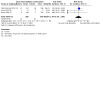
Comparison 1: Dose reduction versus dose maintenance , Outcome 107: Adverse effects ‐ specific: number of participants with akathisia (combined time points)
1.108. Analysis.

Comparison 1: Dose reduction versus dose maintenance , Outcome 108: Adverse effects ‐ specific: number of participants with akathisia (separated time points)
1.109. Analysis.

Comparison 1: Dose reduction versus dose maintenance , Outcome 109: Adverse effects ‐ mean endpoint BARS (high = poor)
1.110. Analysis.

Comparison 1: Dose reduction versus dose maintenance , Outcome 110: Adverse effects ‐ mean change BARS (high = poor)
1.111. Analysis.

Comparison 1: Dose reduction versus dose maintenance , Outcome 111: Adverse effects ‐ mean endpoint/change BARS (high = poor) (separated and combined time points)
1.112. Analysis.

Comparison 1: Dose reduction versus dose maintenance , Outcome 112: Adverse effects ‐ specific: number of participants with dyskinesia (including tardive dyskinesia) (combined time points)
1.113. Analysis.

Comparison 1: Dose reduction versus dose maintenance , Outcome 113: Adverse effects ‐ specific: number of participants with dyskinesia (including tardive dyskinesia) (separated time points)
1.114. Analysis.

Comparison 1: Dose reduction versus dose maintenance , Outcome 114: Adverse effects ‐ mean endpoint AIMS (high = poor)
1.115. Analysis.

Comparison 1: Dose reduction versus dose maintenance , Outcome 115: Adverse effects ‐ mean change AIMS (high = poor)
1.116. Analysis.

Comparison 1: Dose reduction versus dose maintenance , Outcome 116: Adverse effects ‐ mean endpoint MPRC dyskinesia scale (high = poor)
1.117. Analysis.

Comparison 1: Dose reduction versus dose maintenance , Outcome 117: Adverse effects ‐ specific: mean endpoint abbreviated RTDRS (high = poor)
1.118. Analysis.

Comparison 1: Dose reduction versus dose maintenance , Outcome 118: Adverse effects ‐ mean endpoint/change dyskinesia scales (AIMS, MRCP dyskinesia, RTDRS) (high = poor) (combined time points)
1.119. Analysis.

Comparison 1: Dose reduction versus dose maintenance , Outcome 119: Adverse effects ‐ mean endpoint/change dyskinesia scales (AIMS, MRCP dyskinesia, RTDRS) (high = poor) (separated time points)
1.120. Analysis.

Comparison 1: Dose reduction versus dose maintenance , Outcome 120: Adverse effects ‐ specific: number of participants with QTc prolongation
1.121. Analysis.

Comparison 1: Dose reduction versus dose maintenance , Outcome 121: Adverse effects ‐ mean change QTc interval (milliseconds)
1.122. Analysis.

Comparison 1: Dose reduction versus dose maintenance , Outcome 122: Adverse effects ‐ specific: number of participants with arrhythmia
1.123. Analysis.

Comparison 1: Dose reduction versus dose maintenance , Outcome 123: Adverse effects ‐ specific: number of participants with hypotension
1.124. Analysis.

Comparison 1: Dose reduction versus dose maintenance , Outcome 124: Adverse effects ‐ specific: number of participants with bradycardia
1.125. Analysis.

Comparison 1: Dose reduction versus dose maintenance , Outcome 125: Adverse effects ‐ specific: number of participants with tachycardia
1.126. Analysis.

Comparison 1: Dose reduction versus dose maintenance , Outcome 126: Adverse effects ‐ specific: number of participants with dizziness
1.127. Analysis.

Comparison 1: Dose reduction versus dose maintenance , Outcome 127: Adverse effects ‐ specific: number of participants with increased prolactin
1.128. Analysis.

Comparison 1: Dose reduction versus dose maintenance , Outcome 128: Adverse effects ‐ mean change prolactin levels (ng/mL)
1.129. Analysis.

Comparison 1: Dose reduction versus dose maintenance , Outcome 129: Adverse effects ‐ specific: number of participants (women) with amenorrhoea
1.130. Analysis.

Comparison 1: Dose reduction versus dose maintenance , Outcome 130: Adverse effects ‐ specific: number of participants (men) with erectile dysfunction
1.131. Analysis.

Comparison 1: Dose reduction versus dose maintenance , Outcome 131: Adverse effects ‐ specific: number of participants with libido decreased
1.132. Analysis.

Comparison 1: Dose reduction versus dose maintenance , Outcome 132: Adverse effects ‐ specific: number of participants with libido increased
1.133. Analysis.

Comparison 1: Dose reduction versus dose maintenance , Outcome 133: Adverse effects ‐ specific: number of participants with sedation
1.134. Analysis.

Comparison 1: Dose reduction versus dose maintenance , Outcome 134: Adverse effects ‐ specific: number of participants with insomnia (combined time points)
1.135. Analysis.

Comparison 1: Dose reduction versus dose maintenance , Outcome 135: Adverse effects ‐ specific: number of participants with insomnia (separated time points)
1.136. Analysis.

Comparison 1: Dose reduction versus dose maintenance , Outcome 136: Adverse effects ‐ specific: number of participants with epileptic seizures
1.137. Analysis.

Comparison 1: Dose reduction versus dose maintenance , Outcome 137: Adverse effects ‐ mean change CGI‐SS (high = poor)
1.138. Analysis.

Comparison 1: Dose reduction versus dose maintenance , Outcome 138: Adverse effects ‐ mean change CSSRS (high = poor)
1.139. Analysis.

Comparison 1: Dose reduction versus dose maintenance , Outcome 139: Adverse effects ‐ specific: number of participants with blurred vision
1.140. Analysis.

Comparison 1: Dose reduction versus dose maintenance , Outcome 140: Adverse effects ‐ specific: number of participants with constipation
1.141. Analysis.

Comparison 1: Dose reduction versus dose maintenance , Outcome 141: Adverse effects ‐ specific: number of participants with dry mouth
1.142. Analysis.

Comparison 1: Dose reduction versus dose maintenance , Outcome 142: Adverse effects ‐ specific: number of participants with hypersalivation
1.143. Analysis.

Comparison 1: Dose reduction versus dose maintenance , Outcome 143: Adverse effects ‐ specific: number of participants with urinary retention
1.144. Analysis.

Comparison 1: Dose reduction versus dose maintenance , Outcome 144: Adverse effects ‐ specific: number of participants with leukopenia
1.145. Analysis.

Comparison 1: Dose reduction versus dose maintenance , Outcome 145: Adverse effects ‐ specific: number of participants with neutropenia
1.146. Analysis.

Comparison 1: Dose reduction versus dose maintenance , Outcome 146: Adverse effects ‐ specific: number of participants with thrombosis
1.147. Analysis.

Comparison 1: Dose reduction versus dose maintenance , Outcome 147: Adverse effect ‐ mortality: overall mortality (combined time points)
1.148. Analysis.

Comparison 1: Dose reduction versus dose maintenance , Outcome 148: Adverse effect ‐ mortality: overall mortality (separated time points)
1.149. Analysis.

Comparison 1: Dose reduction versus dose maintenance , Outcome 149: Adverse effect ‐ mortality: mortality due to natural causes (combined time points)
1.150. Analysis.

Comparison 1: Dose reduction versus dose maintenance , Outcome 150: Adverse effect ‐ mortality: mortality due to natural causes (separated time points)
1.151. Analysis.

Comparison 1: Dose reduction versus dose maintenance , Outcome 151: Adverse effect ‐ mortality: mortality due to suicide
1.152. Analysis.

Comparison 1: Dose reduction versus dose maintenance , Outcome 152: Cognition ‐ mean endpoint MCCB total (high = poor)
1.153. Analysis.

Comparison 1: Dose reduction versus dose maintenance , Outcome 153: Cognition ‐ mean change RBANS (high = poor)
1.154. Analysis.

Comparison 1: Dose reduction versus dose maintenance , Outcome 154: Cognition ‐ mean endpoint/change overall cognition (MCCB, RBANS) (high = poor) (combined time points)
1.155. Analysis.

Comparison 1: Dose reduction versus dose maintenance , Outcome 155: Cognition ‐ mean endpoint/change overall cognition (MCCB, RBANS) (high = poor) (separated time points)
1.156. Analysis.

Comparison 1: Dose reduction versus dose maintenance , Outcome 156: Medication – mean antipsychotic dose at endpoint (olanzapine equivalents mg/d) (combined time points)
1.157. Analysis.

Comparison 1: Dose reduction versus dose maintenance , Outcome 157: Medication – mean antipsychotic dose at endpoint (olanzapine equivalents mg/d) (separated time points)
Comparison 2. Sensitivity analyses ‐ service use ‐ rehospitalisation.
| Outcome or subgroup title | No. of studies | No. of participants | Statistical method | Effect size |
|---|---|---|---|---|
| 2.1 Excluding studies at high risk of bias (Remington 2011 and Rouillon 2008 excluded) | 7 | 1301 | Risk Ratio (IV, Random, 95% CI) | 1.66 [0.81, 3.39] |
| 2.1.1 Combined time points | 7 | 1301 | Risk Ratio (IV, Random, 95% CI) | 1.66 [0.81, 3.39] |
| 2.2 Fixed‐effect | 9 | 1433 | Risk Ratio (IV, Fixed, 95% CI) | 1.46 [1.08, 1.98] |
| 2.2.1 Combined time points | 9 | 1433 | Risk Ratio (IV, Fixed, 95% CI) | 1.46 [1.08, 1.98] |
Comparison 3. Sensitivity analyses ‐ adverse effects ‐ leaving the study early due to adverse effects ‐ overall tolerability.
| Outcome or subgroup title | No. of studies | No. of participants | Statistical method | Effect size |
|---|---|---|---|---|
| 3.1 Excluding studies at overall high risk of bias (Rouillon 2008 excluded) | 9 | 1243 | Risk Ratio (IV, Random, 95% CI) | 2.21 [1.38, 3.53] |
| 3.1.1 Combined time points | 9 | 1243 | Risk Ratio (IV, Random, 95% CI) | 2.21 [1.38, 3.53] |
| 3.2 Excluding studies that did not use operationalised criteria to diagnose schizophrenia (Volavka 2000 excluded) | 9 | 1317 | Risk Ratio (IV, Random, 95% CI) | 2.20 [1.37, 3.52] |
| 3.2.1 Combined time points | 9 | 1317 | Risk Ratio (IV, Random, 95% CI) | 2.20 [1.37, 3.52] |
| 3.3 Excluding studies conducted in mainland China (Zhou 2018 excluded) | 9 | 1265 | Risk Ratio (IV, Random, 95% CI) | 2.20 [1.39, 3.49] |
| 3.3.1 Combined time points | 9 | 1265 | Risk Ratio (IV, Random, 95% CI) | 2.20 [1.39, 3.49] |
| 3.4 Fixed‐effect | 10 | 1340 | Risk Ratio (IV, Fixed, 95% CI) | 2.20 [1.39, 3.49] |
| 3.4.1 Combined time points | 10 | 1340 | Risk Ratio (IV, Fixed, 95% CI) | 2.20 [1.39, 3.49] |
Comparison 4. Subgroup analysis ‐ global state ‐ number of participants with relapse/exacerbations of psychosis (post hoc).
| Outcome or subgroup title | No. of studies | No. of participants | Statistical method | Effect size |
|---|---|---|---|---|
| 4.1 Speed of dose reduction (abrupt vs gradual) | 20 | 2481 | Risk Ratio (IV, Random, 95% CI) | 2.16 [1.52, 3.06] |
| 4.1.1 Abrupt | 11 | 1660 | Risk Ratio (IV, Random, 95% CI) | 2.22 [1.41, 3.51] |
| 4.1.2 Gradual | 9 | 821 | Risk Ratio (IV, Random, 95% CI) | 2.10 [1.26, 3.49] |
Characteristics of studies
Characteristics of included studies [ordered by study ID]
Branchey 1981.
| Study characteristics | ||
| Methods | Study design: randomised controlled trial Study grouping: parallel group Additional medication allowed: no information Compliance measured: no information Study phases: this study was conducted in 3 phases Prior to study commencement, the neuroleptics administered to patients were replaced by equivalent doses of loxapine hydrochloride in liquid form using the formula loxapine 10 mg = chlorpromazine 100 mg. Subsequently, Phase 1: 6‐week period of initial observation Phase 2: randomisation to 2 study groups: the continuation arm stayed on the same dose of loxapine, and the reduction arm had gradual reduction of loxapine. This phase lasted 18 weeks. Phase 3: The intervention group received placebo after cessation of loxapine for 24 weeks. Duration: 36 weeks (only the duration from phase 2 onwards was taken into account) Number of study arms: 2 Number of drugs used: 1 (loxapine) Randomisation assumed from double‐blind: no Type of blinding: double‐blind (participant, investigator); "Following a relapse, the code was broken and the drug dose increased until symptoms disappeared. All treating personnel were informed of changes in the dose schedule. Patients were not informed and continued to receive the same volume of liquid medication." Type of data analysis for overall efficacy: main scale (BPRS) data not available Use of prophylactic antiparkinson medication: no Number of sites: no information |
|
| Participants | Diagnosis: chronic schozophrenia; diagnostic criteria: Research Diagnostic Criteria Current clinical state: chronically ill Definition of stability: treatment with neuroleptics for more than 5 years and the same drug dose for at least 3 months before the beginning of the study Inclusion criteria: male and female inpatients, all younger than 65 years of age, who met Research Diagnostic Criteria for schizophrenia, chronic type, were the subjects of this investigation. All patients were in good physical health and had no neurological symptoms except for those resulting from neuroleptic use. They all met the definition of stability criteria. Written informed consent was obtained from participating patients or from a responsible relative. Exclusion criteria: no information Setting: no information N = 33, the distribution between sexes is not reported correctly Age: mean 51.7 years Continuation arm: participants total: 11, age: mean 52.2 years (SD = 8.9), PANSS total: no information, duration of illness: no information, baseline weight: no information, height: no information, BMI: no information, average time in study: no information Reduction arm: participants total: 22, age: mean 51.4 years (SD = 9.6), PANSS total: no information, duration of illness: no information, baseline weight: no information, height: no information, BMI: no information, average time in study: no information |
|
| Interventions | 1. Continuation arm. N = 11 Antipsychotic used: loxapine. Mean dose: 66.4 mg/d (SD = 44.3 mg/d; range 20 to 160 mg/d), application: oral Description dose scheme: fixed (if the participant relapsed, the dose was increased by one‐eighth of the initial dose; if the participant still showed signs of deterioration, further adjustments were left to the discretion of the ward physician) 2. Reduction arm. N = 22 Antipsychotic used: loxapine. Mean dose: 70.9 mg/d (SD = 44.7 mg/d), application: oral Description dose scheme: dose was decreased, according to a predetermined schedule, in successive steps of 4 weeks' duration, to one‐half, one‐fourth, and finally one‐eighth of its initial value. This was followed by the administration of a placebo for 24 weeks. If the participant relapsed, the dose reduction regimen was ceased and the dose was doubled. If the participant still showed signs of deterioration, further adjustments were left to the discretion of the ward physician. Degree of antipsychotic dose reduction: 100% Speed of antipsychotic dose reduction: gradual, over 4 weeks |
|
| Outcomes | Global state ‐ number of participants with relapse/exacerbations of psychosis (< 1 year) Adverse effects ‐ specific: mean endpoint abbreviated RTDRS (< 3 months, < 6 months) |
|
| Identification | Sponsorship source: no information Country: USA Trial registration ID: no information Number of countries: 1 Publication year: 1981 |
|
| Notes | A valid e‐mail not be found. Author not contactable. | |
Caffey 1964.
| Study characteristics | ||
| Methods | Study design: randomised controlled trial Study grouping: parallel group Additional medication allowed: no information Compliance measured: urinary drug levels in a subsample (Caffey 1963) Study phases: no information Duration in weeks: 16 Number of study arms: 4 (dose maintenance, dose reduction, and 2 placebo groups not considered for the analyses) Number of drugs used: 2 (chlorpromazine or thioridazine) Randomisation assumed from double‐blind: no Type of blinding: double‐blind (it is not reported who is blind, although it is likely that participants and investigators were blind given that the placebo pills were identical to the drug ones; however, the blinding was broken when a participant relapsed) Type of data analysis for overall efficacy: no information Use of prophylactic antiparkinson medication: no information Number of sites: 14 academic sites (Veterans Affairs hospitals) |
|
| Participants | Diagnosis: chronic schizophrenics; diagnostic criteria: clinical diagnosis Current clinical state: chronically ill Definition of stability: participants had been treated with fairly stable doses of at least 100 mg and not more than 800 mg daily of either chlorpromazine or thioridazine for at least 3 months immediately prior to the beginning of the study Inclusion criteria: participants were chronic schizophrenics, men, and under 56 years who had been hospitalised for 2 or more years. They had been treated with fairly stable doses of at least 100 mg and not more than 800 mg daily of either chlorpromazine or thioridazine for at least 3 months immediately prior to the beginning of the study Exclusion criteria: patients were excluded if they had CNS disease or a history of seizures, or had had a prefrontal lobotomy Setting: inpatient N: 177 (348 considering the whole sample, with placebo groups) Gender: 177 men, 0 women Age: no information Continuation arm: participants total: 88, participants male: 88, participants female: 0, age: no information, PANSS total: no information, duration of illness: no information, baseline weight: no information, height: no information, BMI: no information, average time in study: no information Reduction arm: participants total: 89, participants male: 89, participants female: 0, age: no information, PANSS total: no information, duration of illness: no information, baseline weight: no information, height: no information, BMI: no information, average time in study: no information |
|
| Interventions | 1. Continuation arm. N = 266 Antipsychotics used: chlorpromazine or thioridazine. Mean dose: chlorpromazine 400 mg, thioridazine 350 mg, application: oral Description dose scheme: continued to receive either chlorpromazine or thioridazine daily at their established dosage; fixed ("until [participants] showed a definite change for the worse and in the judgment of the treatment physician should be returned to known medication") 2. Reduction arm. N = 131 Antipsychotics used: chlorpromazine or thioridazine. Mean dose: NA, application: oral Description dose scheme: group received a reduced total dosage on an intermittent schedule; specifically, they received their usual daily dose on Monday, Wednesday, and Friday only. This resulted in a reduction of dosage to 3/7 of what it had been previously; fixed ("until [participants] showed a definite change for the worse and in the judgment of the treatment physician should be returned to known medication") Degree of antipsychotic dose reduction: 57.1% Speed of antipsychotic dose reduction: abrupt |
|
| Outcomes | Global state ‐ number of participants with relapse/exacerbations of psychosis (< 3 months, < 6 months) | |
| Identification | Sponsorship source: public (Project 9 of the VA Cooperative Studies in Psychiatry) Country: USA Trial registration ID: no information Number of countries: 1 Publication year: 1964 |
|
| Notes | A valid e‐mail cannot be found. Author not contactable. | |
Carpenter 1999.
| Study characteristics | ||
| Methods | Study design: randomised controlled trial Study grouping: parallel group Additional medication allowed: no information Compliance measured: no information Study phases: at the beginning of the stabilisation phase, participants received 25 mg of intramuscular fluphenazine decanoate every 2 weeks. The minimum duration of the stabilisation phase was 6 weeks, or 3 fluphenazine decanoate injections, and participants were required to meet criteria for clinical stability before entry into the double‐blind phase. Duration: 54 weeks Number of study arms: 2 Number of drugs used: no information Randomisation assumed from double‐blind: no Type of blinding: double‐blind Type of data analysis for overall efficacy: ITT Use of prophylactic medication: no information Number of sites: 2 (no information on number of academic sites) |
|
| Participants | Diagnosis: schizophrenia or schizoaffective disorder; diagnostic criteria: DSM‐III‐R or Research Diagnostic Criteria Current clinical state: remission Definition of stability: at the beginning of the stabilisation phase, participants received 25 mg of intramuscular fluphenazine decanoate every 2 weeks. The minimum duration of the stabilisation phase was 6 weeks, or 3 fluphenazine decanoate injections, and participants were required to meet criteria for clinical stability before entry into the double‐blind phase. Clinical stability was defined as 3 consecutive identical CGI scores. Inclusion criteria: patients meeting DSM‐III‐R criteria or Research Diagnostic Criteria for either schizophrenia or schizoaffective disorder Exclusion criteria: severe head trauma, current drug abuse, mental retardation, or a medical condition that could interfere with the evaluation or treatment of schizophrenia Setting: outpatient N: 50 Gender: 36 men, 14 women Age: mean 35.5 years (SD = 7.7) Continuation arm: participants total: 25, participants male: 21, participants female: 4, age: mean 34.7 years (SD = 7.4), BPRS total: 24.0 (SD = 6.3), duration of illness: mean 12.9 years, baseline weight: no information, height: no information, BMI: no information, average time in study: no information Reduction arm: participants total: 25, participants male: 15, participants female: 10, age: mean 36.2 years (SD = 8.1), BPRS total: 24.9 (SD = 5.1), duration of illness: mean 13.1 years, baseline weight: no information, height: no information, BMI: no information, average time in study: no information |
|
| Interventions | 1. Continuation arm. N = 25 Antipsychotics used: fluphenazine. Mean dose: no information, application: depot and oral (“rescue” drug) Description dose scheme: fixed (25 mg of intramuscular fluphenazine decanoate every 2 weeks; if participant met exacerbation criteria, then open‐labelled oral fluphenazine was added to the participant’s treatment regimen) 2. Reduction arm. N = 25 Antipsychotics used: fluphenazine. Mean dose: no information, application: depot and oral (“rescue” drug) Description dose scheme: fixed (all participants received an injection every 2 weeks, with 2 placebo injections between each active fluphenazine injection administered every 6 weeks) Degree of antipsychotic dose reduction: 67% (one‐third of the injections are with the active drug, two‐thirds are with the placebo) Speed of antipsychotic dose reduction: abrupt |
|
| Outcomes | Service use ‐ readmission to hospital (< 1 year) Quality of life ‐ mean endpoint QLS (Heinrich) (< 1 year) Functioning ‐ mean endpoint SCLoF (< 6 months, < 1 year) Global state ‐ number of participants with relapse/exacerbations of psychosis (< 3 months, < 6 months, < 1 year) Leaving the study early ‐ for any reason ‐ overall acceptability (< 1 year) Mental state ‐ general: mean endpoint BPRS total (< 6 months, < 1 year) Adverse effects ‐ mean endpoint MPRC Parkinsonian scale (< 6 months, < 1 year) Adverse effects ‐ mean endpoint MPRC Dyskinesia scale (< 6 months, < 1 year) |
|
| Identification | Sponsorship source: public (NIMH grants MH‐40279 and MH‐35996) Country: USA Trial registration ID: no information Number of countries: 1 Publication year: 1999 |
|
| Notes | The author replied with clarifications on the data. | |
Cookson 1987.
| Study characteristics | ||
| Methods | Study design: randomised controlled trial Study grouping: parallel group Additional medication allowed: yes (haloperidol (oral) and zuclopenthixol decanoate (depot) and amitriptyline) Compliance measured: yes (depot) Study phases: no information Duration: 44 weeks Number of study arms: 2 Number of drugs used: 1 (cis(Z)‐flupentixol) Randomisation assumed from double‐blind: no Type of blinding: double‐blind (no details on blinding) Type of data analysis for overall efficacy: no information, data on main scale not available Use of prophylactic antiparkinson medication: no information Number of sites: 1 (assumed) |
|
| Participants | Diagnosis: hebephrenic or paranoid schizophrenia; diagnostic criteria: ICD‐9, Feighner criteria Current clinical state: chronically ill Definition of stability: patients had improved with higher dosages of neuroleptics and had maintained this improvement for at least 3 months Inclusion criteria: patients who were receiving cis(Z)‐flupentixol decanoate 100 mg depot injection or more fortnightly, and who represented the most difficult of our chronic schizophrenic patients to manage. All patients were suffering from hebephrenic or paranoid schizophrenia according to the ICD‐9 (1978) and the criteria of Feighner and colleagues (1972). 18 such patients who had been resistant to low doses of neuroleptic but had improved with higher dosages and had maintained this improvement for at least 3 months were entered into the study. Exclusion criteria: no information Setting: no information N: 18 Gender: 12 men, 6 women Age: mean 44.5 years Continuation arm: participants total: 9, participants male: 6, participants female: 3, age: mean 43 years, BPRS total: 12 (SD = 6.61), duration of illness: mean 14 years, baseline weight: no information, height: no information, BMI: no information, average time in study: no information Reduction arm: participants total: 9, participants male: 6, participants female: 3, age: mean 46 years, BPRS total: mean 20.2 (SD = 9.5), duration of illness: mean 14 years, baseline weight: no information, height: no information, BMI: no information, average time in study: no information |
|
| Interventions | 1. Continuation arm. N = 9 Antipsychotics used: cis(Z)‐flupentixol. Mean dose: 333.3 mg/biweekly (lower dose: 100 mg/biweekly; upper dose: 800 mg/biweekly), application: injection Description dose scheme: fixed (but concomitant neuroleptic medication was allowed) 2. Reduction arm. N = 9 Antipsychotics used: cis(Z)‐flupentixol. Mean dose: 118.1 mg/biweekly (lower dose: 50 mg/biweekly; upper dose: 400 mg/biweekly), application: injection Description dose scheme: 50% reduction of dose; fixed (but concomitant neuroleptic medication was allowed) Degree of antipsychotic dose reduction: 50% Speed of antipsychotic dose reduction: abrupt |
|
| Outcomes | Global state ‐ number of participants with relapse/exacerbations of psychosis (< 1 year) Adverse effects ‐ number of participants with at least one adverse effect (< 3 months, < 6 months, < 1 year) Adverse effects ‐ specific: number of participants with dyskinesia (including tardive dyskinesia) (< 3 months, < 6 months, < 1 year) Medication – mean antipsychotic dose at endpoint (< 1 year) |
|
| Identification | Sponsorship source: pharma (Lundbeck) Country: UK Trial registration ID: no information Number of countries: 1 Publication year: 1987 |
|
| Notes | A valid e‐mail could not be found. Author not contactable. | |
Faraone 1989.
| Study characteristics | ||
| Methods | Study design: randomised controlled trial Study grouping: parallel group Additional medication allowed: no information Compliance measured: no information Study phases: participants were randomly assigned to 1 of 3 double‐blind schedules: 80% dosage reduction over 8 weeks, 80% dosage reduction over 2 weeks, or continued treatment at their usual neuroleptic dose. All participants were treated as outpatients throughout the course of the study. At the first study visit, all participants were given a full dose of their neuroleptic in its disguised form (opaque capsules). The following week the reduced dose was given to participants assigned to a reduction schedule. Subsequently, all participants were followed weekly for 14 weeks and then monthly for 3 months. Duration: 26 weeks Number of study arms: 3 (1 arm maintained the initial dose, whilst the other 2 arms decreased the dose by 80%, but with a different speed, 2 vs 8 weeks; data from these 2 reduction arms were aggregated in our analysis) Number of drugs used: no information Randomisation assumed from double‐blind: no Type of blinding: double‐blind (participant, investigator) Type of data analysis for overall efficacy: no information (main scale missing) Use of prophylactic medication: no information Number of sites: 1 (1 veteran center) |
|
| Participants | Diagnosis: schizophrenia or schizoaffective disorder; diagnostic criteria: DSM‐III Current clinical state: chronically ill Definition of stability: persistently psychotic patients Inclusion criteria: persistently psychotic outpatients from the Brock‐Weston‐West Roxbury Veterans Medical Center. Participants were 29 males between the ages of 37 and 74 who had a DSM‐III diagnosis of schizophrenia or schizoaffective disorder and who had manifested chronic hallucinations, delusions, or both for at least 2 years despite maintenance neuroleptic therapy. Exclusion criteria: no information Setting: outpatient N: 36 Gender: 36 men Age: no information Continuation arm: participants total: 7, participants male: 7, age: no information, PANSS total: no information, duration of illness: no information, baseline weight: no information, height: no information, BMI: no information, average time in study: no information Reduction arm: participants total: 29, participants male: 29, age: no information, PANSS total: no information, duration of illness: no information, baseline weight baseline: no information, height: no information, BMI: no information, average time in study: no information |
|
| Interventions | 1. Continuation arm. N = 7 Antipsychotics used: no information. Mean dose: no information, application: oral (assumed) Description dose scheme: fixed (continued treatment at their usual neuroleptic dose) 2. Reduction arm. N = 29 Antipsychotics used: no information. Mean dose: no information Description dose scheme: fixed (80% dosage reduction over 2 or 8 weeks) Degree of antipsychotic dose reduction: 80% (in 2 or 8 weeks) Speed of antipsychotic dose reduction: gradual |
|
| Outcomes | Service use ‐ readmission to hospital (< 6 months) Global state ‐ number of participants with relapse/exacerbations of psychosis (< 6 months) |
|
| Identification | Sponsorship source: public (Veterans Administration's health services research and development program and grant l‐R01‐H41879‐01 from the NIMH) Country: USA Trial registration ID: no information Number of countries: 1 Publication year: 1989 |
|
| Notes | The author replied to our e‐mail with the information that data are no longer accessible. | |
Fleischhacker 2014.
| Study characteristics | ||
| Methods | Study design: randomised controlled trial Study grouping: parallel group Additional medication allowed: yes (benzodiazepines, zolpidem, benzatropine, and propranolol; antipsychotic polypharmacy was not allowed) Compliance measured: yes (assumed since doses were measured throughout the trial) Study phases: in treatment phase 1 (oral conversion phase, 4 to 6 weeks), participants were cross‐titrated during weekly visits from other antipsychotic(s) to oral aripiprazole monotherapy to achieve a target dose of 10 to 15 mg/day. In phase 2 (oral stabilisation phase, 8 to 28 weeks), participants were assessed fortnightly and stabilised on oral aripiprazole (10 to 30 mg/day). In phase 3 (double‐blind maintenance phase for up to 38 weeks), eligible participants were randomised 2:2:1 to aripiprazole once‐monthly 400 mg, oral aripiprazole (10 to 30 mg/day), or aripiprazole once‐monthly 50 mg. Duration: 38 weeks Number of study arms: 3 (only 2 arms were considered: oral aripiprazole 10 to 30 mg/day and aripiprazole long‐acting injectable 50 mg/4 weeks; the third arm with aripiprazole long‐acting injectable 400 mg/4 weeks was not considered since it was not a continuation or a reduction arm) Number of drugs used: 1 (aripiprazole oral or long‐acting injection) Randomisation assumed from double‐blind: no Type of blinding: double‐blind (participant, investigator); double‐dummy design (all participants received oral and injectable formulations of aripiprazole or placebo) Type of data analysis for overall efficacy: mITT (all participants who received at least 1 dose of treatment and had at least 1 efficacy outcome assessment in the double‐blind, active‐controlled phase, LOCF and observed cases data) Use of prophylactic medication: no (assumed since these medications were used for symptomatic treatment) Number of sites: 105 (no information on the number of academic sites) |
|
| Participants | Diagnosis: schizophrenia; diagnostic criteria: DSM‐IV‐TR Current clinical state: partial remission (no patient subgroup) Definition of stability: participants were assessed fortnightly and stabilised on oral aripiprazole (10 to 30 mg/day) during phase 2 (stabilisation phase). Stability was defined as meeting the following criteria for 8 consecutive weeks: outpatient status; PANSS total score <= 80 and a score of <= 4 (moderate) on each of the following items (possible scores of 1 to 7 for each item): conceptual disorganisation, suspiciousness, hallucinatory behaviour, and unusual thought content; CGI‐S score <= 4 (moderately ill); and CGI‐SS score <= 2 (mildly suicidal) on Part 1 and <= 5 (minimally worsened) on Part 2. Inclusion criteria: eligible patients were aged 18 to 60 years and had a diagnosis of schizophrenia according to DSM‐IV‐TR criteria for ≥ 3 years and a history of symptom exacerbation when not receiving antipsychotic treatment. Patients needed to have been responsive to antipsychotic treatment (other than clozapine) in the past year. Exclusion criteria: key exclusion criteria were a DSM‐IV‐TR diagnosis other than schizophrenia; uncontrolled thyroid function abnormalities; a history of seizures, neuroleptic malignant syndrome, clinically relevant tardive dyskinesia, or other medical condition that would expose the patient to undue risk or interfere with study assessments. Patients who had been admitted to hospital, including for psychosocial reasons, for > 30 days total of the 90 days preceding entry into phase 1 or 2 of the study after screening were excluded. Individuals were also excluded if they met DSM‐IV‐TR criteria for substance dependence, including alcohol and benzodiazepines, but excluding nicotine and caffeine. Other exclusion criteria included patients who were considered to be treatment resistant/refractory to antipsychotic treatment by history. Patients were also excluded if they failed to respond to clozapine treatment or were responsive to clozapine treatment only. The use of CYP2D6 or CYP3A4 inhibitors or CYP3A4 inducers was also prohibited at screening and during the study. Adjunctive antipsychotics, antidepressants (including monoamine oxidase inhibitors), and mood stabilisers were not permitted during the study. Patients requiring more than 1 benzodiazepine beyond screening (e.g. lorazepam and oxazepam) were excluded. Setting: outpatient N: 397 (the total sample size was 662 when all 3 study arms were considered) Gender: 246 men, 151 women Age: mean 40.9 years (SD = 10.4) Continuation arm: participants total: 266, participants male: 168, participants female: 98, age: mean 41.2 years (SD = 10.8), PANSS total: 56.6 (SD = 12.7), duration of illness: mean 14.3 years, baseline weight: mean 83.7 kg (SD = 19.2), height: no information, BMI: mean 28.7 (SD = 5.9), average time in study: no information Reduction arm: participants total: 131, participants male: 78, participants female: 53, age: mean 40.2 years (SD = 9.6), PANSS total: mean 56.1 (SD = 12.6), duration of illness: mean 13.9 years, baseline weight: mean 82.9 kg (SD = 24.4), height: no information, BMI: mean 28.7 (SD = 7.9), average time in study: no information |
|
| Interventions | 1. Continuation arm. N = 266 Antipsychotics used: aripiprazole. Mean dose: 20.0 mg (SD = 6.9 mg/day; range 10 to 30 mg/day), application: oral (aripiprazole) and injection (placebo) Description dose scheme: flexible (one‐time option to decrease the dose within the range of 10 to 30 mg/day, as well as one‐time option to return) 2. Reduction arm. N = 131 Antipsychotics used: aripiprazole. Mean dose: 49.8 mg/4 weeks (SD = 2.2 mg/4 weeks), application: oral (placebo) and injection (aripiprazole long‐acting) Description dose scheme: participants stabilised to oral aripiprazole (10 to 30 mg/day) were randomised to aripiprazole 50 mg/4 weeks (about 1.8 mg/day oral equivalents); flexible (one‐time option to decrease the dose from 50 to 25 mg/4 weeks, as well as one‐time option to return) Degree of antipsychotic dose reduction: 94% (the degree of dose reduction was 10 to 30 mg/day to 50 mg/4 weeks, i.e. ranging from 82% to 94%) Speed of antipsychotic dose reduction: abrupt |
|
| Outcomes | Service use ‐ readmission to hospital (< 1 year) Adverse effect ‐ leaving the study early due to adverse effects ‐ overall tolerability (< 1 year) Functioning ‐ mean change PSP (< 1 year) Functioning ‐ mean endpoint PSP (< 1 year) Global state ‐ number of participants with relapse/exacerbations of psychosis (< 3 months, < 6 months, < 1 year) Global state ‐ remission (< 1 year) Global state ‐ mean change CGI‐S (< 1 year) Global state ‐ mean endpoint CGI‐I (< 1 year) Global state ‐ mean change IAQ‐12 (< 1 year) Leaving the study early ‐ for any reason ‐ overall acceptability (< 3 months, < 1 year) Leaving the study early ‐ due to inefficacy ‐ overall efficacy (< 1 year) Mental state ‐ general: number of participants with clinically important change in general mental state (< 1 year) Mental state ‐ general: mean endpoint PANSS total (< 1 year) Mental state ‐ general: mean change PANSS total (< 3 months, < 6 months, < 1 year) Mental state ‐ specific: mean endpoint PANSS positive (< 1 year) Mental state ‐ specific: mean change PANSS positive (< 1 year) Mental state ‐ specific: mean endpoint PANSS negative (< 1 year) Mental state ‐ specific: mean change PANSS negative (< 1 year) Mental state ‐ specific: mean change PANSS depression/anxiety (< 1 year) Behaviour ‐ mean change PANSS excitment/hostility (< 1 year) Satisfaction with care ‐ number of participants with clinically important change in satisfaction with care (PSMQ‐Modified preference to current medication) (< 1 year) Satisfaction with care ‐ mean endpoint DAI‐30 (< 1 year) Satisfaction with care ‐ mean change MAQ (< 1 year) Satisfaction with care ‐ mean endpoint MAQ (< 1 year) Adverse effects ‐ number of participants with at least 1 adverse effect (< 1 year) Adverse effects ‐ number of participants with at least 1 serious adverse event (< 1 year) Adverse effects ‐ number of participants with clinically important weight gain (< 1 year) Adverse effects ‐ mean change weight (< 1 year) Adverse effects ‐ specific: number of participants that needed antiparkinsonian medication (< 1 year) Adverse effects ‐ specific: number of participants with at least 1 extrapyramidal symptom (< 1 year) Adverse effects ‐ specific: number of participants with parkinsonism (< 1 year) Adverse effects ‐ mean change SAS (< 1 year) Adverse effects ‐ specific: number of participants with akathisia (< 1 year) Adverse effects ‐ mean change BARS (< 1 year) Adverse effects ‐ mean change AIMS (< 1 year) Adverse effects ‐ specific: number of participants with QTc prolongation (< 1 year) Adverse effects ‐ specific: number of participants with increased prolactin (< 1 year) Adverse effects ‐ mean change prolactin levels (ng/mL) (< 1 year) Adverse effects ‐ specific: number of participants with insomnia (subtotals) (< 1 year) Adverse effects ‐ mean change CGI‐SS (< 1 year) Adverse effects ‐ mean change C‐SSRS (< 1 year) Adverse effect ‐ mortality: overall mortality (< 1 year) Adverse effect ‐ mortality: mortality due to natural causes (< 1 year) Adverse effect ‐ mortality: mortality due to suicide (< 1 year) Medication – mean antipsychotic dose at endpoint (< 1 year) |
|
| Identification | Sponsorship source: Otsuka Pharmaceuticals Commercialisation Inc (Tokyo, Japan) Country: Austria, Belgium, Bulgaria, Chile, Croatia, Estonia, France, Hungary, Italy, South Korea, Poland, South Africa, Thailand, and the USA Trial registration ID: NCT00706654, ASPIRE EU (31‐07‐247) Number of countries: 14 Publication year: 2014 |
|
| Notes | We received no reply to our e‐mail with data request. | |
Hirschowitz 1995.
| Study characteristics | ||
| Methods | Study design: randomised controlled trial Study grouping: parallel group Additional medication allowed: no information Compliance measured: no information Study phases: participants were all on high doses of antipsychotic drug (more than 20 mg of haloperidol or equivalent) on entry. At baseline all participants were stabilised on 20 mg/day of haloperidol. Duration: 5 weeks Number of study arms: 3 (dose maintenance, dose reduction, and dose increase by 2:1:1) Number of drugs used: 1 (haloperidol) Randomisation assumed from double‐blind: yes Type of blinding: double‐blind (participant, investigator) Type of data analysis for overall efficacy: no information (main scale missing) Use of prophylactic medication: no information Number of sites: 1 (assumed) |
|
| Participants | Diagnosis: schizophrenia; diagnostic criteria: no information Current clinical state: chronically ill Definition of stability: at baseline all participants were stabilised on 20 mg/day of haloperidol Inclusion criteria: schizophrenic patients who were all on high doses of antipsychotic drug (>= 20 mg of haloperidol or equivalent) on entry Exclusion criteria: no information Setting: no information N: 32 Gender: no information Age: no information Continuation arm: participants total: no information, participants male: no information, participants female: no information, age: no information, PANSS total: no information, duration of illness: no information, baseline weight: no information, height: no information, BMI: no information, average time in study: no information Reduction arm: participants total: no information, participants male: no information, participants female: no information, age in years: no information, PANSS total: no information, duration of illness: no information, baseline weight: no information, height: no information, BMI: no information, average time in study: no information |
|
| Interventions | 1. Continuation arm. N (no information) Antipsychotics used: haloperidol. Mean dose: 20 mg/day, application: no information Description dose scheme: fixed (kept at 20 mg/day) 2. Reduction arm. N (no information) Antipsychotics used: haloperidol. Mean dose: no information, application: no information Description dose scheme: fixed (half of the participants had their dose reduced) Degree of antipsychotic dose reduction: no information Speed of antipsychotic dose reduction: no information |
|
| Outcomes | Included without usable data | |
| Identification | Sponsorship source: I Feinberg (unclear) Country: USA Trial registration ID: no information Number of countries: 1 Publication year: 2014 |
|
| Notes | We received no reply to our e‐mail with data request. | |
Hogarty 1988.
| Study characteristics | ||
| Methods | Study design: randomised controlled trial Study grouping: parallel group Additional medication allowed: no information Compliance measured: yes (depot) Study phases: although patients were designated as potentially eligible for the outpatient study at hospital admission, they were entered into protocol only if they met explicit criteria for stabilisation after discharge Duration: 104 weeks Number of study arms: 2 Number of drugs used: 1 (fluphenazine decanoate) Randomisation assumed from double‐blind: no Type of blinding: double‐blind (participant, investigator) Type of data analysis for overall efficacy: completer analysis Use of prophylactic medication: no information Number of sites: 1 (1 academic site) |
|
| Participants | Diagnosis: schizophrenia or schizoaffective disorder, the latter requiring 2 rather the 1 schizophrenic symptom traditionally required; diagnostic criteria: Research Diagnostic Criteria Current clinical state: remission or partial remission Definition of stability: behaviour not markedly influenced by hallucinations or delusions; clinical course not markedly fluctuating; no evidence of moderate or severe deterioration; at least a partial remission of symptoms; patient's living arrangements secure. Level of stabilisation deemed "optimal" for them and the best achieved in recent years Inclusion criteria: participants were required to meet Research Diagnostic Criteria for schizophrenia or schizoaffective disorder, the latter requiring 2 rather than the 1 schizophrenic symptom required. Participants were between the ages of 17 and 55 years and were free of medical contraindications for maintenance antipsychotic drug treatment (e.g. renal or hepatic disease). Participants were required to have been living within a family for at least 1 of the 3 months before admission and judged likely to return to this household on discharge. Although patients were designated as potentially eligible for the outpatient study at hospital admission, they were entered into protocol only if they met explicit criteria for stabilisation after discharge. Exclusion criteria: organic brain syndromes and alcohol or other drug abuse histories that might have compromised diagnosis were reasons for exclusion. Patients who either relapsed (a severe increase in persistent symptoms) during stabilisation or who failed to stabilise were excluded from the dosage study. Setting: outpatient N: 70 Gender: 40 men, 30 women Age: mean 28.3 years Continuation arm: participants total: 33, participants male: no information, participants female: no information, age: no information, PANSS total: no information, duration of illness: no information, baseline weight: no information, height: no information, BMI: no information, average time in study: no information Reduction arm: participants total: 37, participants male: no information, participants female: no information, age: no information, PANSS total: no information, duration of illness: no information, baseline weight: no information, height: no information, BMI: no information, average time in study: no information |
|
| Interventions | 1. Continuation arm. N = 33 Antipsychotics used: fluphenazine decanoate. Mean dose: 21.5 mg/14 days, application: depot and oral (“rescue” medication) Description dose scheme: flexible (participants were stabilised to an average of 21.5 mg in both groups, and then maintained on an average of 25 mg in this group; dose could be decreased or increased by judgement of clinician) 2. Reduction arm. N = 37 Antipsychotics used: fluphenazine decanoate. Mean dose: 3.82 mg/14 days, application: depot and oral (“rescue” medication) Description dose scheme: flexible (participants were stabilised to an average of 21.5 mg/14 days in both groups, and then maintained on an average of 3.82 mg/14 days in this group; dose could be decreased or increased by judgement of clinician, with an initial fixed 80% reduction at randomisation) Degree of antipsychotic dose reduction: 80% at randomisation (the real degree of dose reduction was 10 to 30 mg/day to 50 mg/4 weeks, i.e. ranging from 82% to 94%) Speed of antipsychotic dose reduction: abrupt |
|
| Outcomes | Global state ‐ number of participants with relapse/exacerbations of psychosis (< 1 year, > 1 year) Leaving the study early ‐ for any reason ‐ overall acceptability (< 1 year, > 1 year) Leaving the study early ‐ due to inefficacy ‐ overall efficacy (< 3 months) |
|
| Identification | Sponsorship source: Schizophrenia Research Branch, National Institute of Mental Health, Rockville, MD, USA Country: USA Trial registration ID: no information Number of countries: 1 Publication year: 1988 |
|
| Notes | A valid e‐mail could not be found. Author not contactable. | |
Hogarty 1995.
| Study characteristics | ||
| Methods | Study design: randomised controlled trial Study grouping: parallel group Additional medication allowed: yes (antiparkinsonians: benztropine or equivalent) Compliance measured: yes (depot) Study phases: the study consisted of 3 phases; the second phase is the one considered (dose reduction vs dose maintenance trial). Trial 1: intramuscular challenge that compared centrally acting benztropine mesylaze with peripherally acting glycopyrrolate. Trial 2: neuroleptic medication dose‐reduction group. Trial 3: patients who were maintained on a low dose of fluphenazine decanoate and randomly assigned to a supplemental desipramine hydrochloride, lithium carbonate, or placebo group Duration: 12 weeks Number of study arms: 2 Number of drugs used: 1 (fluphenazine decanoate) Randomisation assumed from double‐blind: no Type of blinding: double‐blind (treatment team was blind; likely that participants were also blind; injection nurses were not blind) Type of data analysis for overall efficacy: no information (data on main scale not available) Use of prophylactic antiparkinson medication: no Number of sites: 1 (academic) |
|
| Participants | Diagnosis: schizophrenia or schizoaffective disorder; diagnostic criteria: Research Diagnostic Criteria Current clinical state: chronically ill Definition of stability: positive symptoms of schizophrenia were either absent, or, if present, did not interfere with adjustment Inclusion criteria: participants were 18 to 55 years old, met Research Diagnostic Criteria for either schizophrenia or schizoaffective disorder at the time of their last psychotic episode, and had shown persistent distress or defect features for at least 3 months prior to the study. Most commonly the features had been present for many years. Positive symptoms of schizophrenia were either absent, or, if present, did not interfere with adjustment. AII participants were maintained on fluphenazine decanoate only and if necessary were administered an anticholinergic antiparkinsonian drug. Patients were first screened and selected for inclusion into a distressed (anxiety or depression, or both) group based on a rating of 4 (moderate) or greater on a 7‐point global judgement of personal distress. In addition, this subsample required a Raskin Depression Scale score of 7 or greater (i.e. an admission criterion identical to that used for depressed patients who qualify for trials of a tricyclic antidepressant) and/or a score of 7 or greater on the Covi Anxiety Scale, an instrument that uses the same format as the Raskin Depression Scale. Both scales include 3 ratings (subjective report, objective appearance, and secondary neurovegetative features), each of which was scored on a scale of 1 to 5. This subsample is referred to as distressed, even though 47% also met the criteria for the defect‐state sample as described below. Patients who did not meet the distressed sample criteria required a score of 4 (moderate) or greater on a 7‐point global judgement of defect state to be included, as well as a rating of severe or very severe impairment on at least 2 of the 6 negative features first scaled by Wing, 1 of which had to be flat affect, poverty of speech, or amotivation. This subsample is referred to as the defect‐state sample. By definition, no patient in the defect‐state sample met Raskin Depression Scale or Covi Anxiety Scale criteria at the point of study intake, although some did have mild anxiety. Exclusion criteria: no information Setting: outpatient N: 79 Gender: no information Age: no information Continuation arm: participants total: 41, participants male: no information, participants female: no information, age: no information, PANSS total: no information, duration of illness: no information, baseline weight: no information, height: no information, BMI: no information, average time in study: no information Reduction arm: participants total: 38, participants male: no information, participants female: no information, age: no information, PANSS total: no information, duration of illness in years: no information, baseline weight: no information, height: no information, BMI: no information, average time in study: no information |
|
| Interventions | 1. Continuation arm. N = 41 Antipsychotics used: fluphenazine decanoate. Mean dose: 19.7 mg (SD = 13.8 mg)/2 weeks, application: injection Description dose scheme: maintained pre‐study dose; fixed 2. Reduction arm. N = 38 Antipsychotics used: fluphenazine decanoate. Mean dose: 18 mg (SD = 11.2 mg)/2 weeks, application: injection Description dose scheme: participants were assigned to lower their maintenance dose of fluphenazine decanoate to the minimum effective dose, which was operationally defined as the dose below which prodromal signs of psychosis appeared and, above which more than minimal EPS developed; flexible Degree of antipsychotic dose reduction: NA Speed of antipsychotic dose reduction: gradual (timing not reported) |
|
| Outcomes | Medication – mean antipsychotic dose at endpoint < 3 months | |
| Identification | Sponsorship source: public (NIMH) Country: USA Trial registration ID: no information Number of countries: 1 Publication year: 1995 |
|
| Notes | A valid e‐mail could not be found. Author not contactable. | |
Huhn 2020.
| Study characteristics | ||
| Methods | Study design: randomised controlled trial Study grouping: parallel group Additional medication allowed: yes (lorazepam as rescue medication; antipsychotic polypharmacy was allowed) Compliance measured: yes (assumed, pill count and plasma levels) Study phases: 1 phase of reduction vs continuation Duration: 26 weeks Number of study arms: 2 Number of drugs used: 5 (aripiprazole, olanzapine, perazine, quetiapine, risperidone) Randomisation assumed from double‐blind: no Type of blinding: single‐blind (outcome assessor) Type of data analysis for overall efficacy: ITT (all participants randomised, LOCF) Number of sites: 1 academic |
|
| Participants | Diagnosis: schizophrenia or schizoaffective disorder; diagnostic criteria: ICD‐10 Current clinical state: remission (symptomatic remission of positive symptoms, e.g. PANSS P1, P2, P3, G5, G9 < 4 and a CGI‐S < 4; no patient subgroup) Definition of stability: participants had to have been stable for at least 3 years, defined by no psychiatric hospitalisation, and they had to have been continuously treated with antipsychotic medication with no changes in the last 4 weeks. Participants had to be in symptomatic remission of positive symptoms as defined by the following criteria: 1) PANSS items (positive items of the Andreasen criteria) < 4: delusions (P1), conceptual disorganisation (P2), hallucinations (P3), mannerisms and posturing (G5), and unusual thought content (G9); 2) CGI < 4. Inclusion criteria: eligible participants were between 18 and 65 years old meeting ICD‐10 criteria for schizophrenia or schizoaffective disorder. Participants had to have been stable for at least 3 years, defined by no psychiatric hospitalisation, and they had to have been continuously treated with antipsychotic medication with no changes in the last 4 weeks. There was no restriction in terms of the initially used antipsychotics and their doses, except for the exclusion of clozapine. This antipsychotic is reserved for treatment‐resistant patients and is assumed to be associated with a high risk for rebound psychoses. Moreover, participants had to be in symptomatic remission of positive symptoms as defined by the following criteria: 1) PANSS items (positive items of the Andreasen criteria) < 4: delusions (P1), conceptual disorganisation (P2), hallucinations (P3), mannerisms and posturing (G5), and unusual thought content (G9); 2) CGI < 4. Exclusion criteria: further exclusion criteria were substance dependence other than tobacco dependency, suicidality, and initiation or dose change of antidepressants or mood stabilisers during the last 6 weeks before enrolment. Moreover, participants had to be in symptomatic remission of positive symptoms as defined by the following criteria: 1) PANSS items (positive items of the Andreasen criteria) < 4: delusions (P1), conceptual disorganisation (P2), hallucinations (P3), mannerisms and posturing (G5), and unusual thought content (G9); 2) CGI < 4. Setting: outpatient N: 20 Gender: 12 men, 8 women Age: mean 45.3 years (SD = 11.1) Continuation arm: participants total: 9, participants male: 6, participants female: 3, age: mean 46.1 years (SD = 12.1), PANSS total: 47.7 (SD = 8.1), duration of illness: mean 17.9 years (SD = 8.8), baseline weight: mean 76.9 kg (SD = 15.3), height: 174.1 cm (SD = 7.7), BMI: no information, average time in study: no information Reduction arm: participants total: 11, participants male: 6, participants female: 5, age: mean 44.7 years (SD = 10.3), PANSS total: mean 50.1 (SD = 10.4), duration of illness: mean 16.8 years (SD = 8.4), baseline weight: mean 88.7 kg (SD = 11.0), height: 175.1 cm (SD = 5.5), BMI: no information, average time in study: no information |
|
| Interventions | 1. Continuation arm. N = 9 Antipsychotics used: aripiprazole, olanzapine, perazine, quetiapine. Mean dose: 9.6 mg/day in olanzapine equivalents (range 3 to 22 mg/day in olanzapine equivalents), application: oral Description dose scheme: fixed 2. Reduction arm. N = 11 Antipsychotics used: aripiprazole, olanzapine, risperidone, quetiapine. Mean dose: 14.6 mg/day in olanzapine equivalents (range 3 to 23 mg/day in olanzapine equivalents), application: oral Description dose scheme: the initial antipsychotic dose should be reduced by one‐sixth every other week for the first 3 months, but this was adapted for each participant individually according to his or her needs and psychopathological status. So antipsychotic doses were reduced to the greatest degree possible for the first 3 months, and then participants were followed up with stable medication for 3 months; flexible (according to the psychological status of the individual). Degree of antipsychotic dose reduction: up to 100% (mean 42.3%, range 0% to 100%) Speed of antipsychotic dose reduction: gradual (by one‐sixth every other week over a period of 3 months, as adapted by individual's psychological status) |
|
| Outcomes | Service use ‐ readmission to hospital (< 3 months, < 6 months) Adverse effect ‐ leaving the study early due to adverse effects ‐ overall tolerability (< 3 months, < 6 months) Quality of life ‐ mean endpoint SWNS (< 3 months, < 6 months) Quality of life ‐ mean change SWNS (< 3 months, < 6 months) Functioning ‐ mean change PSP (< 3 months, < 6 months) Functioning ‐ mean endpoint PSP (< 3 months, < 6 months) Global state ‐ number of participants with relapse/exacerbations of psychosis (< 3 months, < 6 months) Global state: number of participants with clinically important change in global state (< 3 months, < 6 months) Global state ‐ mean endpoint CGI‐S (< 3 months, < 6 months) Global state ‐ mean change CGI‐S (< 3 months, < 6 months) Global state ‐ mean endpoint CGI‐I (< 3 months, < 6 months) Leaving the study early ‐ for any reason ‐ overall acceptability (< 3 months, < 6 months) Leaving the study early ‐ due to inefficacy ‐ overall efficacy (< 3 months, < 6 months) Mental state ‐ general: number of participants with clinically important change in general mental state (< 3 months, < 6 months) Mental state ‐ general: mean endpoint PANSS total (< 3 months, < 6 months) Mental state ‐ general: mean change PANSS total (< 3 months, < 6 months) Mental state ‐ specific: mean endpoint PANSS positive (< 3 months, < 6 months) Mental state ‐ specific: mean change PANSS positive (< 3 months, < 6 months) Mental state ‐ specific: mean endpoint PANSS negative (< 3 months, < 6 months) Mental state ‐ specific: mean change PANSS negative (< 3 months, < 6 months) Mental state ‐ specific: mean endpoint PANSS depression/anxiety (< 3 months, < 6 months) Mental state ‐ specific: mean change PANSS depression/anxiety (< 3 months, < 6 months) Behaviour ‐ mean endpoint PANSS excitement/hostility (< 3 months, < 6 months) Behaviour ‐ mean change PANSS excitement/hostility (< 3 months, < 6 months) Satisfaction with care ‐ mean endpoint MARS (< 3 months, < 6 months) Satisfaction with care ‐ mean change MARS (< 3 months, < 6 months) Adverse effects ‐ number of participants with at least 1 adverse effect (< 3 months, < 6 months) Adverse effects ‐ number of participants with at least 1 serious adverse event (< 3 months, < 6 months) Adverse effects ‐ mean endpoint UKU (< 3 months, < 6 months) Adverse effects ‐ number of participants with clinically important weight gain (< 3 months, < 6 months) Adverse effects ‐ mean change weight (< 3 months, < 6 months) Adverse effects ‐ mean weight endpoint (< 3 months, < 6 months) Adverse effects ‐ specific: number of participants that needed antiparkinsonian medication (< 3 months, < 6 months) Adverse effects ‐ specific: number of participants with at least 1 extrapyramidal symptom (< 3 months, < 6 months) Adverse effects ‐ specific: number of participants with rigidity (< 3 months, < 6 months) Adverse effects ‐ specific: number of participants with tremor (< 3 months, < 6 months) Adverse effects ‐ specific: number of participants with dystonia (< 3 months, < 6 months) Adverse effects ‐ specific: number of participants with akathisia (< 3 months, < 6 months) Adverse effects ‐ specific: number of participants with dyskinesia (including tardive dyskinesia) (< 3 months, < 6 months) Adverse effects ‐ mean endpoint AIMS (< 3 months, < 6 months) Adverse effects ‐ mean change AIMS (< 3 months, < 6 months) Adverse effects ‐ specific: number of participants with tachycardia (< 3 months, < 6 months) Adverse effects ‐ specific: number of participants with dizziness (< 3 months, < 6 months) Adverse effects ‐ specific: number of participants (women) with amenorrhoea (< 3 months, < 6 months) Adverse effects ‐ specific: number of participants (men) with erectile dysfunction (< 3 months, < 6 months) Adverse effects ‐ specific: number of participants with libido decreased (< 3 months, < 6 months) Adverse effects ‐ specific: number of participants with libido increased (< 3 months, < 6 months) Adverse effects ‐ specific: number of participants with sedation (< 3 months, < 6 months) Adverse effects ‐ specific: number of participants with insomnia (subtotals) (< 3 months, < 6 months) Adverse effects ‐ specific: number of participants with epileptic seizures (< 3 months, < 6 months) Adverse effects ‐ specific: number of participants with blurred vision (< 3 months, < 6 months) Adverse effects ‐ specific: number of participants with constipation (< 3 months, < 6 months) Adverse effects ‐ specific: number of participants with dry mouth (< 3 months, < 6 months) Adverse effects ‐ specific: number of participants with hypersalivation (< 3 months, < 6 months) Adverse effects ‐ specific: number of participants with urinary retention (< 3 months, < 6 months) Adverse effect ‐ mortality: overall mortality (< 3 months, < 6 months) Adverse effect ‐ mortality: mortality due to natural causes (< 3 months, < 6 months) Adverse effect ‐ mortality: mortality due to suicide (< 3 months, < 6 months) Medication – mean antipsychotic dose at endpoint (< 3 months, < 6 months) |
|
| Identification | Sponsorship source: German Research Association (Ministry of Education and Research (DO 1723/1–1)) Country: Germany Number of countries: 1 Trial registration ID: NCT02307396; EUCTR: 2013‐000338‐37 Publication year: 2020 |
|
| Notes | The authors provided unpublished data. | |
Johnson 1987.
| Study characteristics | ||
| Methods | Study design: randomised controlled trial Study grouping: parallel group Additional medication allowed: yes (anticholinergics, benzodiazepines, and antidepressants) Compliance measured: yes (depot) Study phases: stable dose of no more than 40 mg every 2 weeks for the past 6 months (in practice all participants had been on this stable dose for 12 months or longer before commencement of the trial). Group A (maintenance group) continued on their pre‐trial dosage for 12 months and then had their dose reduced to half. Group B (reduction group) had their pre‐trial dosage reduced to half at the onset. Duration: 52 weeks Number of study arms: 2 Number of drugs used: 1 (flupenthixol decanoate) Randomisation assumed from double‐blind: no Type of blinding: double‐blind (participant, investigator) Type of data analysis for overall efficacy: completer analysis Use of prophylactic medication: no Number of sites: 1 (assumed, no information on number of academic sites) |
|
| Participants | Diagnosis: schizophrenia; diagnostic criteria: Feighner criteria Current clinical state: remission Definition of stability: no more than 3 on the total score of the BPRS Inclusion criteria: the sample was of consecutive outpatients who had been diagnosed as suffering from schizophrenia by their psychiatrist and who met the Feighner criteria (Feighner et al, 1972). All participants were on the normal treatment regimens prescribed by their psychiatrist. In addition, they had to score no more than 3 on the total score of the BPRS (Overall & Gorham, 1962); to have been maintained on a relatively low dose of flupenthixol decanoate over the last 12 months; and to have been on a stable dose of no more than 40 mg every 2 weeks for the past 6 months (in practice all participants had been on this stable dose for 12 months or longer before commencement of the trial). Exclusion criteria: organic brain disease, physical illness, alcohol or substance abuse, below‐normal IQ, or additional mental illness Setting: outpatient N: 60 Gender: 25 men, 34 women Age: mean 40.9 years (SD = 10.4) Continuation arm: participants total: 31, participants male: 12, participants female: 19, age: mean 42 years (SD = 7.7), PANSS total: no information, duration of ilness: mean 11.2 years (4.4), baseline weight: no information, height: no information, BMI: no information, average time in study: no information Reduction arm: participants total: 29 (1 participant data lost, data available on 28), participants male: 78, participants female: 53, age: mean 40.2 years (SD = 9.6), PANSS total: no information, duration of illness: mean 13.9 years, baseline weight: mean 82.9 kg (SD = 24.4), height: no information, BMI: mean 28.7 (SD = 7.9), average time in study: no information |
|
| Interventions | 1. Continuation arm. N = 31 Antipsychotics used: flupenthixol decanoate. Mean dose: 9 mg/week (range 4 to 20 mg/week), application: depot Description dose scheme: fixed (continued on their pre‐trial dosage) 2. Reduction arm. N = 29 Antipsychotics used: flupenthixol decanoate. Mean dose: 6 mg/week (range 1.7 to 10 mg/week), application: depot Description dose scheme: fixed (pre‐trial dosage reduced to half at the onset) Degree of antipsychotic dose reduction: 50% Speed of antipsychotic dose reduction: abrupt |
|
| Outcomes | Global state ‐ number of participants with relapse/exacerbations of psychosis (< 3 months, < 6 months, < 1 year, > 1 year) Adverse effects ‐ mean endpoint AIMS (< 3 months, < 6 months, < 1 year) Medication – mean antipsychotic dose at endpoint (< 1 year) |
|
| Identification | Sponsorship source: Lundbeck Ltd Country: UK Trial registration ID: no information Number of countries: 1 Publication year: 1987 |
|
| Notes | A valid e‐mail could not be found. Author not contactable. | |
Kane 1983.
| Study characteristics | ||
| Methods | Study design: randomised controlled trial Study grouping: parallel group Additional medication allowed: yes (procyclidine, flurazepam, and diazepam; antipsychotic polypharmacy was not allowed) Study phase: participants were stabilised to a standard dose and then randomised to continuing the standard dose or to a low‐dose group Compliance measured: yes (long‐acting injectable) Duration: 52 weeks Number of study arms: 2 Number of drugs used: 1 (fluphenazine decanoate) Randomisation assumed from double‐blind: no Type of blinding: double‐blind (no information) Type of data analysis for overall efficacy: no information Number of sites: 3 academic sites |
|
| Participants | Diagnosis: schizophrenia or schizoaffective disorder; diagnostic criteria: Research Diagnostic Criteria Current clinical state: remission or partial remission (no patient subgroup) Definition of stability: criteria for remission (or partial remission) were established using the GAS and the BPRS. To be considered eligible, patients had to score 35 or higher on the GAS and no more than 4 on the conceptual disorganisation and hallucinatory behaviour items, no more than 5 on suspiciousness, or no more than 3 on the unusual thought content item of the BPRS. Anchor points adapted from the Schedule for Affective Disorders and Schizophrenia were used in making these ratings. To be considered stable, a patient's ratings for the 4 weeks before study entry could not fluctuate in either direction more than 10 points on the GAS or 1 point on any of the BPRS items mentioned. Patients were required to maintain this stability whilst receiving a constant IM dose of fluphenazine decanoate within the range of 12.5 to 50 mg/2 weeks. Inclusion criteria: state of remission or at a stable clinical plateau, who had previously met Research Diagnostic Criteria for schizophrenia or schizoaffective disorder Exclusion criteria: patients with presumptive tardive dyskinesia, mental retardation, neurological disorder, serious drug abuse, alcoholism, or physical illness were excluded, as were those requiring adjunctive medication other than minor tranquilisers or antiparkinsonian agents Setting: outpatient N: 126 Gender: 79 men, 47 women Age: mean 28.9 years (SD = 7.1) Continuation arm: participants total: 64, participants male: no information, participants female: no information, age: no information, BPRS total: no information, duration of illness: no information, baseline weight baseline: no information, height: no information, BMI: no information, average time in study: no information Reduction arm: participants total: 62, participants male: no information, participants female: no information, age: no information, BPRS total: no information, duration of illness: no information, baseline weight: no information, height: no information, BMI: no information, average time in study: no information |
|
| Interventions | 1. Continuation arm. N = 64 Antipsychotics used: fluphenazine decanoate. Mean dose: 25 mg/2 weeks (range 12.5 to 50 mg/2 weeks), application: long‐acting injectable Description dose scheme: participants maintained on the standard dose range. Flexible (within the standard‐dose range) 2. Reduction arm. N = 62 Antipsychotics used: fluphenazine decanoate. Mean dose: 2.5 mg/2 weeks (range 1.25 to 5 mg/2 weeks), application: long‐acting injectable Description dose scheme: at entry into the study, participants were randomly assigned to either standard‐dose (25 mg/mL) or low‐dose (2.5 mg/mL) preparations of fluphenazine decanoate. Initial dose at study entry was equal in millilitres to the final dose at the end of the stabilisation period. (In other words, participants assigned to the standard‐dose group received the same dose they had been receiving, whereas participants assigned to the low‐dose group had their dosage reduced to one‐tenth of what it had been). Flexible (dosage was flexible, at the treating research psychiatrist's discretion, within the range of 0.5 to 2 mL biweekly throughout the 1‐year study unless the participant relapsed) Degree of antipsychotic dose reduction: up to 90% Speed of antipsychotic dose reduction: abrupt |
|
| Outcomes | Service use ‐ readmission to hospital (< 1 year) Global state ‐ number of participants with relapse/exacerbations of psychosis (< 3 months, < 6 months, < 1 year) Global state ‐ mean endpoint SCL‐90 (< 3 months, < 6 months, < 1 year) Leaving the study early ‐ for any reason ‐ overall acceptability (< 3 months, < 6 months, < 1 year) Adverse effects ‐ specific: number of participants with dyskinesia (including tardive dyskinesia) (< 1 year) Medication – mean antipsychotic dose at endpoint (< 1 year) |
|
| Identification | Sponsorship source: USPHS Grants MH‐31776 and MH‐33814 the NIMH Country: USA Number of countries: 1 Trial registration ID: no information Publication year: 1982 |
|
| Notes | The author replied to our e‐mail with the information that data are no longer accessible. | |
Kane 2010.
| Study characteristics | ||
| Methods | Study design: randomised controlled trial Study grouping: parallel group Additional medication allowed: yes (anticholinergics and benzodiazepines) Compliance measured: yes (plasma concentration) Study phases: phase 1 (conversion/stabilisation: open‐label oral olanzapine monotherapy (10, 15, or 20 mg/day, per investigator’s discretion) and required to demonstrate maintenance of clinical stability) and phase 2 (double‐blind maintenance phase) Duration: 24 weeks Number of study arms: 5 (very low, 45 mg every 4 weeks; low, 150 mg every 2 weeks; medium, 405 mg every 4 weeks; high, 300 mg every 2 weeks; stabilised oral dose, 10, 15, or 20 mg/day). We considered only the very low arm as the dose reduction arm and the stabilised oral dose as the maintenance arm. Number of drugs used: 1 Randomisation assumed from double‐blind: no Type of blinding: double‐blind (participants and study personnel) Type of data analysis for overall efficacy: LOCF Use of prophylactic antiparkinson medication: no Number of sites: 112 |
|
| Participants | Diagnosis: schizophrenia; diagnostic criteria: DSM‐IV or DSM‐IV‐TR Current clinical state: partial remission (no patient subgroup) Definition of stability: having outpatient status for at least 4 weeks before the first study visit, with a BPRS (8) positive symptom subscale score ≤ 4 (range 1 to 7) on each of the following items: conceptual disorganisation, suspiciousness, hallucinatory behaviour, and unusual thought content. Patients needed to maintain clinical stability after switching to olanzapine for at least 4 consecutive weeks. Inclusion criteria: participants were 18 to 75 years of age, with a DSM‐IV or DSM‐IV‐TR diagnosis of schizophrenia. Participants were clinically stable, defined as having outpatient status for at least 4 weeks before the first study visit, with a BPRS (8) positive symptom subscale score ≤ 4 (range 1 to 7) on each of the following items: conceptual disorganisation, suspiciousness, hallucinatory behaviour, and unusual thought content. Patients treated previously with a depot antipsychotic were required to have received their last injection at least 2 weeks or 1 injection interval before entry (4 weeks for injectable risperidone). Exclusion criteria: significant suicidal or homicidal risk; pregnancy or breastfeeding; acute, serious, or unstable medical conditions; or substance dependence (except nicotine or caffeine) within the past month Setting: outpatient N: 466 (the total sample size was 1065 when the 5 arms of the trials were considered) Gender: 305 men, 161 women Age: mean 39.1 years (SD = 11.6) Continuation arm: participants total: 322, participants male: 209, participants female: 113, age: mean 39 years (SD = 11.6), PANSS total: 56.1 (SD = 16.1), duration of illness: mean 13.4, baseline weight: mean 77 kg (SD = 15.9), height: no information, BMI: mean 26.8 (SD = 5), average time in study: no information Reduction arm: participants total: 144, participants male: 96, participants female: 48, age: mean 39.5 years (SD = 11.6), PANSS total: mean 57.8 (SD = 15.6), duration of illness: mean 13.4 years, baseline weight baseline: mean 78.4 kg (SD = 17.3), height: no information, BMI: mean 27.1 (SD = 5.2), average time in study: no information |
|
| Interventions | 1. Continuation arm. N = 322 Antipsychotics used: olanzapine. Mean dose: 14.3 mg (range 10 to 20 mg/day), application: oral (olanzapine) and injection (placebo) Description dose scheme: participants remained on their stabilised dose of oral olanzapine; fixed 2. Reduction arm. N = 144 Antipsychotics used: olanzapine. Mean dose: 45 mg/4 weeks, application: oral (placebo) and injection (olanzapine) Description dose scheme: participants stabilised to oral olanzapine (10 to 20 mg/day) were randomised to olanzapine 45 mg/4 weeks (about 1.6 mg/day oral equivalents); fixed (no oral antipsychotic supplementation was allowed) Degree of antipsychotic dose reduction: up to 92% Speed of antipsychotic dose reduction: abrupt |
|
| Outcomes | Service use ‐ readmission to hospital (< 3 months, < 6 months) Adverse effect ‐ leaving the study early due to adverse effects ‐ overall tolerability (< 6 months) Quality of life ‐ mean change QLS Total (Heinrich) (< 6 months) Functioning ‐ mean change SF‐36 mental component summary (< 6 months) Global state ‐ number of participants with relapse/exacerbations of psychosis (< 3 months, < 6 months) Global state ‐ mean change CGI‐S (< 3 months, < 6 months) Global state ‐ mean endpoint CGI‐I (< 3 months, < 6 months) Leaving the study early ‐ for any reason ‐ overall acceptability (< 3 months, < 6 months) Leaving the study early ‐ due to inefficacy ‐ overall efficacy (< 6 months) Mental state ‐ general: mean change BPRS total (< 3 months, < 6 months) Mental state ‐ general: mean endpoint PANSS total (< 3 months, < 6 months) Mental state ‐ general: mean change PANSS total (< 3 months, < 6 months) Mental state ‐ specific: mean change PANSS positive (< 3 months, < 6 months) Mental state ‐ specific: mean change PANSS negative (< 3 months, < 6 months) Adverse effects ‐ number of participants with at least 1 adverse effect (< 6 months) Adverse effects ‐ number of participants with clinically important weight gain (< 6 months) Adverse effects ‐ mean change weight (< 6 months) Adverse effects ‐ specific: number of participants with parkinsonism (< 6 months) Adverse effects ‐ specific: number of participants with rigidity (< 6 months) Adverse effects ‐ specific: number of participants with tremor (< 6 months) Adverse effects ‐ mean change SAS (< 6 months) Adverse effects ‐ specific: number of participants with akathisia (< 6 months) Adverse effects ‐ mean change BARS (< 6 months) Adverse effects ‐ specific: number of participants with dyskinesia (including tardive dyskinesia) (< 6 months) Adverse effects ‐ mean change AIMS (< 6 months) Adverse effects ‐ specific: number of participants with QTc prolongation (< 6 months) Adverse effects ‐ mean change QTc interval (milliseconds) (< 6 months) Adverse effects ‐ specific: number of participants with arrhythmia (< 6 months) Adverse effects ‐ specific: number of participants with tachycardia (< 6 months) Adverse effects ‐ specific: number of participants with bradycardia (< 6 months) Adverse effects ‐ specific: number of participants with hypotension (< 6 months) Adverse effects ‐ specific: number of participants with dizziness (< 6 months) Adverse effects ‐ specific: number of participants with increased prolactin (< 6 months) Adverse effects ‐ mean change prolactin levels (ng/mL) (< 6 months) Adverse effects ‐ specific: number of participants (men) with erectile dysfunction (< 6 months) Adverse effects ‐ specific: number of participants with libido decreased (< 6 months) Adverse effects ‐ specific: number of participants with sedation (< 6 months) Adverse effects ‐ specific: number of participants with insomnia (subtotals) (< 6 months) Adverse effects ‐ specific: number of participants with blurred vision (< 6 months) Adverse effects ‐ specific: number of participants with constipation (< 6 months) Adverse effects ‐ specific: number of participants with dry mouth (< 6 months) Adverse effects ‐ specific: number of participants with hypersalivation (< 6 months) Adverse effects ‐ specific: number of participants with leukopenia (< 6 months) Adverse effects ‐ specific: number of participants with neutropenia (< 6 months) Adverse effects ‐ specific: number of participants with thrombosis (< 6 months) Adverse effect ‐ mortality: overall mortality (< 3 months, < 6 months) Adverse effect ‐ mortality: mortality due to natural causes (< 3 months, < 6 months) Adverse effect ‐ mortality: mortality due to suicide (< 3 months, < 6 months) Medication – mean antipsychotic dose at endpoint (< 6 months) |
|
| Identification | Sponsorship source: Eli Lilly Country: Argentina, Australia, Austria, Belgium, Brazil, Finland, France, Germany, Greece, Hungary, Israel, Italy, Mexico, the Netherlands, Norway, Poland, Portugal, Puerto Rico, Romania, Russian Federation, South Africa, Spain, Sweden, Taiwan, Turkey, the USA Trial registration ID: NCT00088491, F1D‐MCHGKA Number of countries: 26 Publication year: 2010 |
|
| Notes | The corresponding author replied to our e‐mail with the information that the data are in the hands of the sponsor. | |
Kinion 2000.
| Study characteristics | ||
| Methods | Study design: randomised controlled trial Study grouping: parallel group Additional medication allowed: no information Compliance measured: no information Study phases: no information Duration: 26 weeks Number of study arms: 2 Number of drugs used: no information Randomisation assumed from double‐blind: no Type of blinding: single‐blind (raters) Type of data analysis for overall efficacy: no information Use of prophylactic medication: no information Number of sites: 5 (no information on academic sites) |
|
| Participants | Diagnosis: schizophrenia; diagnostic criteria: no information Current clinical state: chronically ill Definition of stability: no information Inclusion criteria: residing in long‐term care facilities, diagnosis of schizophrenia and received daily scheduled neuroleptic medications Exclusion criteria: no information Setting: outpatient N: 27 Gender: 18 men, 9 women Age: mean 73 years (SD = 5.2) Continuation arm: participants total: 11, participants male: no information, participants female: no information, age: no information, PANSS total: no information, duration of illness: no information, baseline weight: no information, height: no information, BMI: no information, average time in study: no information Reduction arm: participants total: 16, participants male: no information, participants female: no information, age: no information, PANSS total: no information, duration of illness: no information, baseline weight: no information, height: no information, BMI: no information, average time in study: no information |
|
| Interventions | 1. Continuation arm. N = 11 Antipsychotics used: no information. Mean dose: no information, application: no information Description dose scheme: flexible (doses were reduced for 6 consecutive months or until the lowest effective dosage was reached) 2. Reduction arm. N = 16 Antipsychotics used: no information. Mean dose: 370 mg (range 20 to 1500 mg chlorpromazine equivalent), application: no information Description dose scheme: no information Degree of antipsychotic dose reduction: no information Speed of antipsychotic dose reduction: gradual |
|
| Outcomes | Included without usable data | |
| Identification | Sponsorship source: no information Country: USA Trial registration ID: no information Number of countries: 1 Publication year: 2000 |
|
| Notes | A valid e‐mail could not be found. Author not contactable. | |
Lonowski 1978.
| Study characteristics | ||
| Methods | Study design: randomised controlled trial Study grouping: parallel group Additional medication allowed: no information Compliance measured: no information Study phases: progressive drug reductions were implemented. If a participant's rated behaviour deviated 1 SD or more in the direction of psychological maladjustment, the criterion for decompensation was reached and reductions were stopped. At the time of clinical relapse, participants received 50% increases in their current drug dosage. Fifty per cent of dosage increases were made until the participant's level of function returned to within the baseline statistical range. Weekly dosage increases were ceased when the drug dosage reached 50% higher than the baseline dosage. Decompensated control participants did not receive more than a single 50% dosage increase; rather, they were observed further or placed on other medications. Following the baseline period, all participants in the experimental group received a 50% dosage reduction. Successive 50% dosage reductions were performed every 4 weeks as long as behavioural ratings remained within tolerable limits; until further reductions were not warranted on the basis of clinical action of the drug; or until the end of the experiment at 15 weeks. Duration: 15 weeks Number of study arms: 2 Number of drugs used: 3 (thioridazine, chlorpromazine, haloperidol) Randomisation assumed from double‐blind: no Type of blinding: double‐blind (participant, investigator) Type of data analysis for overall efficacy: completer analysis Use of prophylactic medication: no Number of sites: 1 (zero academic sites) |
|
| Participants | Diagnosis: schizophrenia; diagnostic criteria: clinical diagnosis Current clinical state: chronically ill Definition of stability: each participant had been given the same medication for at least 6 months (range 6 to 36 months). Participant's rated behaviour remained within 1 SD of his/her mean baseline behaviour. Inclusion criteria: hospitalised schizophrenics Exclusion criteria: no information Setting: inpatients N: 59 Gender: 33 men, 26 women Age in years: mean 47.1 (SD = no information) Continuation arm: participants total: 23 (completers, randomised not available), participants male: no information, participants female: no information, age: no information, PANSS total: no information, duration of illness: no information, baseline weight: no information, height: no information, BMI: no information, average time in study: no information Reduction arm: participants total: 25 (completers, randomised not available), participants male: no information, participants female: no information, age: no information, PANSS total: no information, duration of illness: no information, baseline weight: no information, height: no information, BMI: no information, average time in study: no information |
|
| Interventions | 1. Continuation arm. N = 23 (completers, randomised not available) Antipsychotics used: thioridazine, chlorpromazine, haloperidol. Mean dose: no information, application: oral Description dose scheme: flexible (maintained on matched dosage of neuroleptics) 2. Reduction arm. N = 25 (completers, randomised not available) Antipsychotics used: thioridazine, chlorpromazine, haloperidol. Mean dose: no information, application: oral Description dose scheme: flexible (following the baseline period, all participants in the experimental group received a 50% dosage reduction. Successive 50% dosage reductions were performed every 4 weeks as long as behavioural ratings remained within tolerable limits; until further reductions were not warranted on the basis of clinical action of the drug; or until the end of the experiment at 15 weeks). Degree of antipsychotic dose reduction: 87.5% (maximal dose reduction) Speed of antipsychotic dose reduction: abrupt |
|
| Outcomes | Global state ‐ number of participants with relapse/exacerbations of psychosis (< 6 months) | |
| Identification | Sponsorship source: no information Country: USA Trial registration ID: no information Number of countries: 1 Publication year: 1978 |
|
| Notes | A valid e‐mail could not be found. Author not contactable. | |
Newcomer 1992.
| Study characteristics | ||
| Methods | Study design: randomised controlled trial Study grouping: parallel group Additional medication allowed: yes (chloral hydrate and antiparkinsonians) Compliance measured: yes (assumed since doses were measured throughout the trial) Study phases: two‐thirds of an initial group of 27 eligible participants were randomly assigned to receive a 4‐week, double‐blind trial of 50% of their usual dose of haloperidol. The remaining participants were blindly assigned to continue their usual dose. Of the 27 participants (all assigned to a dose decrease), 3 were dropped from the analysis of the study total sample, and an additional fourth was dropped from the study analysis of the dose‐decrease subgroup for administrative reasons (e.g. participated but refused to give blood). Duration: 4 weeks Number of study arms: 2 Number of drugs used: 1 (haloperidol) Randomisation assumed from double‐blind: no Type of blinding: double‐blind (participant and raters) Type of data analysis for overall efficacy: completers analysis Use of prophylactic medication: no Number of sites: 2 |
|
| Participants | Diagnosis: schizophrenia; diagnostic criteria: Research Diagnostic Criteria Current clinical state: remission Definition of stability: participants had previously received at least 2 years of neuroleptic treatment and were without evidence of psychotic relapse (i.e. requiring an increase in neuroleptic medication or hospitalisation) for at least 3 months prior to study entry. All participants had been on unchanging doses of haloperidol for at least 3 weeks prior to study entry. Inclusion criteria: male veterans gave written informed consent for their participation and met Research Diagnostic Criteria (RDC; Spitzer et al, 1978) for schizophrenia. Participants were recruited from an outpatient clinic and an inpatient research unit at the Department of Veterans Affairs Medical Center in Palo Alto, California. Participants had previously received at least 2 years of neuroleptic treatment and were without evidence of psychotic relapse (i.e. requiring a 25% increase in neuroleptic medication or hospitalisation) for at least 3 months prior to study entry. All participants had been on unchanging doses of haloperidol for at least 3 weeks prior to study entry. Exclusion criteria: no information Setting: in‐ and outpatient N: 27 Gender: 27 men Age in years: mean 38.96 (SD = 13.39) (calculated on the 24 participants consenting to give blood) Continuation arm: participants total: 9, participants male: 9, participants female: 0, age: no information, PANSS total: no information, duration of illness: no information, baseline weight: no information, height: no information, BMI: no information, average time in study: no information Reduction arm: participants total: 18, participants male: 18, participants female: 0, age: no information, PANSS total: duration of illness: no information, baseline weight: no information, height: no information, BMI: no information, average time in study: no information |
|
| Interventions | 1. Continuation arm. N = 9 Antipsychotics used: haloperidol. Mean dose: no information, application: oral Description dose scheme: flexible (continue their usual dose) 2. Reduction arm. N = 18 Antipsychotics used: haloperidol. Mean dose: no information, application: oral Description dose scheme: fixed (50% of the usual dose) Speed of antipsychotic dose reduction: abrupt |
|
| Outcomes | Study included without usable data. | |
| Identification | Sponsorship source: Department of Veterans Affairs Medical Research Service, Office of Academic Affairs fellowships Country: USA Trial registration ID: no information Number of countries: 1 Publication year: 1992 |
|
| Notes | We received no reply to our e‐mail with data request. | |
Ozawa 2019.
| Study characteristics | ||
| Methods | Study design: randomised controlled trial Study grouping: parallel group Additional medication allowed: yes (lorazepam, clonazepam, zolpidem, quetiapine < 50 mg) Compliance measured: no information Study phases: no information Duration: 52 weeks Number of study arms: 2 Number of drugs used: 2 (risperidone or olanzapine) Randomisation assumed from double‐blind: no Type of blinding: single‐blind (blind raters) Type of data analysis for overall efficacy: LOCF Use of prophylactic antiparkinson medication: no information Number of sites: 6 (no academic sites) |
|
| Participants | Diagnosis: schizophrenia; diagnostic criteria: DSM‐IV, DSM‐5 Current clinical state: partial remission Definition of stability: stable dose of risperidone or olanzapine for the previous 3 months Inclusion criteria: 1) DSM‐IV and DSM‐5 diagnosis of schizophrenia; 2) having received a stable dose of risperidone or olanzapine for the previous 3 months; 3) age 18 years or older; and 4) capable of providing informed consent Exclusion criteria: patients who had a concomitant use of antipsychotic drugs other than quetiapine at 50 mg or less or its equivalents, history of treatment with long‐acting risperidone within 6 months, active suicidal ideations or past suicide attempts, and presence of a severe physical condition, mental retardation, or active substance abuse were excluded. If the target dose (corresponding to 65% D2 occupancy) was greater than the actually prescribed dose upon study enrolment, the patient was excluded from the study. Setting: in‐ and outpatient N: 35 Gender: 23 men, 12 women Age in years: mean 63.9 (SD = 7.9) Continuation arm: participants total: 18, participants male: 10, participants female: 8, age: mean 63.7 years (SD = 8.5), PANSS total: mean 71.4 (SD = 15.9), duration of illness: mean 34.1 years (SD = 13), baseline weight: mean 58.2 kg (SD = 9.8), height: no information, BMI: no information, average time in study: no information Reduction arm: participants total: 17, participants male: 13, participants female: 4, age: mean 64.1 years (SD = 7.4), PANSS total: mean 79.1 (SD = 22), duration of illness: mean 37.4 years (SD = 10.6), baseline weight: mean 57.1 kg (SD = 11.1), height: no information, BMI: no information, average time in study: no information |
|
| Interventions | 1. Continuation arm. N = 18 Antipsychotics used: risperidone or olanzapine. Mean dose: risperidone: 4.3 (1.9), olanzapine: 15.8 (4.6), application: oral (risperidone and olanzapine). Description dose scheme: fixed 2. Reduction arm. N = 17 Antipsychotics used: risperidone or olanzapine. Mean dose: risperidone: 4.2 (1.9), olanzapine: 12.8 (3.9), application: oral (risperidone and olanzapine). Description dose scheme: to predict the oral doses that are going to achieve 65% dopamine D2 receptor occupancy at trough, 2 plasma samples were taken with a minimum interval of 5 hours to measure plasma concentrations of risperidone plus 9‐hydroxyrisperidone (active moiety) or olanzapine. Plasma concentrations of risperidone, 9‐hydroxyrisperidone, and olanzapine were assayed in heparinised plasma using liquid chromatography with tandem mass spectrometry detection. Oral doses that corresponded to these plasma antipsychotic concentrations at trough were estimated for each individual with measured antipsychotic concentrations on 2 occasions, dosing information for the past 24 hours, times of the blood draws, age, sex, weight, race, and smoking status, using the mixed‐effect population PPK approach with the NONMEM IV; fixed. Degree of antipsychotic dose reduction: aimed reduction up to the 65% dopamine D2 receptor occupancy. Actual reduction: risperidone: 57.6%, olanzapine: 46.0% Speed of antipsychotic dose reduction: gradual (4 weeks) |
|
| Outcomes | Adverse effect ‐ leaving the study early due to adverse effects ‐ overall tolerability (< 3 months, < 6 months, < 1 year) Functioning ‐ mean endpoint GAF (< 1 year) Functioning ‐ mean change GAF (< 1 year) Global state ‐ number of participants with relapse/exacerbations of psychosis (< 6 months, < 1 year) Global state ‐ mean change CGI‐S (< 1 year) Leaving the study early ‐ for any reason ‐ overall acceptability (< 3 months, < 6 months, < 1 year) Leaving the study early ‐ due to inefficacy ‐ overall efficacy (< 3 months, < 6 months, < 1 year) Mental state ‐ general: mean endpoint PANSS total (< 1 year) Mental state ‐ general: mean change PANSS total (< 1 year) Mental state ‐ specific: mean endpoint PANSS positive (< 1 year) Mental state ‐ specific: mean change PANSS positive (< 1 year) Mental state ‐ specific: mean endpoint PANSS negative (< 1 year) Mental state ‐ specific: mean change PANSS negative (< 1 year) Adverse effects ‐ mean change weight (< 1 year) Adverse effects ‐ mean endpoint SAS (< 1 year) Adverse effects ‐ mean change SAS (< 1 year) Adverse effects ‐ mean endpoint BARS (< 1 year) Adverse effects ‐ mean change BARS (< 1 year) Adverse effects ‐ mean endpoint AIMS (< 1 year) Adverse effects ‐ mean change AIMS (< 1 year) Adverse effects ‐ mean change QTc interval (milliseconds) (< 1 year) Adverse effects ‐ mean change prolactin levels (ng/mL) (< 1 year) Adverse effect ‐ mortality: overall mortality (< 1 year) Medication – mean antipsychotic dose at endpoint (< 1 year) |
|
| Identification | Sponsorship source: public (Nakatomi Foundation and Keio Fukuzawa Fund) Country: Japan Trial registration ID: JPRN‐UMIN000014976 Number of countries: 1 Publication year: 2019 |
|
| Notes | The authors provided unpublished data. | |
Remington 2011.
| Study characteristics | ||
| Methods | Study design: randomised controlled trial Study grouping: parallel group Study phases: participants were randomised to standard dose or extended dose (every other day) Additional medication allowed: yes (other psychotropic medication prescribed prior to the study were permitted; antipsychotic polypharmacy was not allowed) Compliance measured: yes (pill count, plasma levels) Duration: 26 weeks Number of study arms: 2 Number of drugs used: 3 (loxapine, olanzapine, risperidone) Randomisation assumed from double‐blind: no Type of blinding: double‐blind (no information) Type of data analysis for overall efficacy: m‐ITT (participants who completed at least 1 follow‐up visit; ANOVA) Number of sites: 1 academic site |
|
| Participants | Diagnosis: schizophrenia; diagnostic criteria: DSM‐IV Current clinical state: no information (no patient subgroup) Definition of stability: stabilised as outpatients with a single, oral antipsychotic (with the exception of clozapine and quetiapine) >= 3 months Inclusion criteria: 1) DSM‐IV diagnosis of schizophrenia based on clinical interview, collaborative history, and chart review; 2) capacity to provide written, informed consent; 3) stabilised as outpatients with a single, oral antipsychotic (with the exception of clozapine and quetiapine) >= 3 months; 4) no exposure to a depot antipsychotic >= 1 year; 5) no current diagnosis of substance abuse according to DSM‐IV criteria; and 6) evidence of adherence to current antipsychotic treatment; a patient was deemed adherent to antipsychotic treatment if their clinician and case manager rated this to be >= 80% Exclusion criteria: no information Setting: outpatient N: 35 Gender: 21 men, 14 women Age in years: mean 37.1 (SD = 14.6) Continuation arm: participants total: 18, participants male: 8, participants female: 10, age: mean 37.1 years (SD = 14.6), BPRS total: 25.2 (SD = 4.2), duration of illness: no information, baseline weight: mean 86.3 kg (SD = 23.1), height: no information, BMI: no information, average time in study: no information Reduction arm: participants total: 17, participants male: 11, participants female: 6, age: mean 39.8 years (SD = 11.5), BPRS total: mean 25.6 (SD = 5.7), duration of illness: no information, baseline weight: mean 83.6 kg (SD = 22.7), height: no information, BMI: no information, average time in study: no information |
|
| Interventions | 1. Continuation arm. N = 18 Antipsychotics used: loxapine, olanzapine, risperidone. Mean dose: no information, application: oral Description dose scheme: participants maintained the same daily dose; fixed 2. Reduction arm. N = 17 Antipsychotics used: olanzapine, risperidone. Mean dose: no information, application: oral Description dose scheme: the same daily dose administered every other day; fixed Degree of antipsychotic dose reduction: 50% Speed of antipsychotic dose reduction: abrupt |
|
| Outcomes | Service use ‐ readmission to hospital (< 6 months) Adverse effect ‐ leaving the study early due to adverse effects ‐ overall tolerability (< 3 months, < 6 months) Global state ‐ number of participants with relapse/exacerbations of psychosis (< 6 months) Leaving the study early ‐ due to inefficacy ‐ overall efficacy (< 6 months) Mental state ‐ general: mean endpoint BPRS total (< 3 months, < 6 months) Adverse effects ‐ weight change in % from baseline to endpoint (< 6 months) Adverse effects ‐ mean endpoint AIMS (< 3 months, < 6 months) |
|
| Identification | Sponsorship source: National Alliance for Research on Schizophrenia and Depression (NARSAD) Independent Investigator Award to Dr Remington Country: Canada Number of countries: 1 Trial registration ID: NCT00431574 Publication years: 2011 |
|
| Notes | We received no reply to our e‐mail with data request. Dropouts were not extracted, because it was not clear to which arm they belonged. There were a total of 11 dropouts. CDSS measured, but data not usable. |
|
Rouillon 2008.
| Study characteristics | ||
| Methods | Study design: randomised controlled trial Study grouping: parallel group Additional medication allowed: yes (antidepressants, anxiolytics, hypnotics, other antipsychotics) Compliance measured: no information Study phases: no information Duration: 26 weeks Number of study arms: 2 Number of drugs used: no information Randomisation assumed from double‐blind: no Type of blinding: open‐label Type of data analysis for overall efficacy: ITT Use of prophylactic medication: no information Number of sites: 48 |
|
| Participants | Diagnosis: schizophrenia; diagnostic criteria: DSM‐IV Current clinical state: partial remission Definition of stability: patients considered as clinically stable by the investigator and receiving more than 10 mg/day of olanzapine for at least 4 months before entry Inclusion criteria: male or female aged 18 years or over, meeting DSM‐IV criteria for schizophrenia, considered as clinically stable by the investigator and receiving more than 10 mg/day of olanzapine for at least 4 months before entry Exclusion criteria: clinically significant or unstable medical illness, patients who were allergic to olanzapine, and pregnant or lactating females. Setting: outpatient N: 97 Gender: 66 men, 31 women Age: mean 39.4 years (SD = 11.9) Continuation arm: participants total: 48, participants male: 34, participants female: 14, age: mean 39.2 years (SD = 11), PANSS total: 68.4 (SD = 18.8), duration of illness: no information, baseline weight: mean 78.3 kg (SD = 13.3), height: no information, BMI: no information, average time in study: no information Reduction arm: participants total: 49, participants male: 32, participants female: 17, age: mean 40.2 years (SD = 9.6), PANSS total: mean 61.3 (SD = 15.8), duration of illness: no information, baseline weight: mean 74.4 kg (SD = 13.6), height: no information, BMI: no information, average time in study: no information |
|
| Interventions | 1. Continuation arm. N = 48 Antipsychotics used: olanzapine and others not specified. Mean dose: 17.9 (2.7) mg/day, application: oral Description dose scheme: fixed (the investigator was allowed to increase the dose if needed and before patient relapse) 2. Reduction arm. N = 49 Antipsychotics used: olanzapine and others not specified. Mean dose: 17.6 (2.8) mg/day, application: oral Description dose scheme: dose had to be reduced by 2.5 mg. Afterwards the dose could be decreased again by step of 2.5 mg according to investigator judgement; flexible (the investigator was allowed to increase the dose if needed and before patient relapse). Degree of antipsychotic dose reduction: up to 50% Speed of antipsychotic dose reduction: gradual |
|
| Outcomes | Service use ‐ readmission to hospital (< 3 months, < 6 months) Adverse effect ‐ leaving the study early due to adverse effects ‐ overall tolerability (< 6 months) Quality of life ‐ mean change score S‐QoL (< 6 months) Global state ‐ number of participants with relapse/exacerbations of psychosis (< 3 months, < 6 months) Leaving the study early ‐ for any reason ‐ overall acceptability (< 6 months) Mental state ‐ general: mean change PANSS total (< 6 months) Mental state ‐ specific: mean change PANSS positive (< 6 months) Mental state ‐ specific: mean change PANSS negative (< 6 months) Mental state ‐ specific: mean change PANSS depression/anxiety (< 6 months) Adverse effects ‐ number of participants with at least one adverse effect (< 6 months) Adverse effects ‐ mean change weight (< 6 months) Adverse effects ‐ mean change SAS (< 6 months) Adverse effects ‐ mean change BARS (< 6 months) Adverse effects ‐ mean change AIMS (< 6 months) Adverse effect ‐ mortality: mortality due to suicide (< 3 months, < 6 months) Medication – mean antipsychotic dose at endpoint (< 3 months, < 6 months) |
|
| Identification | Sponsorship source: pharma (Eli Lilly France) Country: France Trial registration ID: no information Number of countries: 1 Publication year: 2008 |
|
| Notes | We received no reply to our e‐mail with data request. | |
Schooler 1997.
| Study characteristics | ||
| Methods | Study design: randomised controlled trial Study grouping: parallel group Additional medication allowed: yes (antiparkinsonians and benzodiazepines) Compliance measured: yes (rescue measures with depot drugs were taken if compliance was a concern) Study phases: following consent, participants entered a 16‐ to 24‐week stabilisation phase defined by hospital admission date or by study entry for outpatients. Participants were randomly assigned to Applied Family Management or Supportive Family Management, and those treatments began. Participants were discharged, with the goal of stabilisation, to receive assigned family management and injectable fluphenazine decanoate only. Duration: 104 weeks Number of study arms: 6 (factorial design 2 x 3: Applied Family Management vs Supportive Family Management; Standard Dose, Low Dose, and Targeted Dose). We used only standard and low doses, combining the family interventions. Number of drugs used: fluphenazine decanoate and oral fluphenazine Randomisation assumed from double‐blind: no Type of blinding: double‐blind (participant, investigator) Type of data analysis for overall efficacy: no information (main scale missing) Use of prophylactic medication: at least some participants received antiparkinsonians Number of sites: 5 (5 academic sites) |
|
| Participants | Diagnosis: schizophrenia, schizoaffective disorder, schizophreniform disorder; diagnostic criteria: DSM‐III‐R Current clinical state: partial remission (criteria for remission were not strict, and recruited patients were acutely ill) Definition of stability: stable dosage of 12.5 to 50 mg fluphenazine decanoate every 2 weeks for 4 weeks without the use of other antipsychotic or psychotropic medications (e.g. lithium, antidepressants); stable psychotic symptoms assessed by the BPRS for 4 weeks; no psychotic symptom (conceptual disorganisation, grandiosity, hallucinatory behaviour, and unusual thought content) greater than moderate Inclusion criteria: 1) a DSM‐III‐R diagnosis of schizophrenia (any subtype), schizoaffective disorder, or schizophreniform disorder as determined by the Structured Clinical Interview for DSM‐III‐R (SCID‐Psychotic Disorders); 2) age between 18 and 55 years; 3) living with, or having more than superficial contact with, family of origin defined as a minimum of 4 hours of regular face‐to‐face contact per week; 4) living close enough to the clinic to permit home visits; and 5) informed consent from the patient and at least 1 family member to participate in both medication and family treatment Exclusion criteria: 1) unequivocal liver damage; 2) acute or chronic organic brain syndrome; 3) DSM‐III‐R diagnosis of psychoactive substance dependence and, additionally, for patients with schizophreniform disorder, DSM‐III‐R diagnosis of psychoactive substance abuse; and 4) pregnancy Setting: in‐ and outpatient N: 213 Gender: no information Age in years: no information Continuation arm: participants total: 107, participants male: no information, participants female: no information, age: no information, PANSS total: no information, duration of illness: no information, baseline weight: no information, height: no information, BMI: no information, average time in study: no information Reduction arm: participants total: 106, participants male: no information, participants female: no information, age: no information, PANSS total: no information, duration of illness: no information, baseline weight: no information, height: no information, BMI: no information, average time in study: no information |
|
| Interventions | 1. Continuation arm. N = 107 Antipsychotics used: fluphenazine decanoate or hydrochloride. Mean dose: no information (range 12.5 to 50 mg every 2 weeks), application: oral and depot. Description dose scheme: flexible (12.5 to 50 mg fluphenazine decanoate every 2 weeks maintained over time) 2. Reduction arm. N = 106 Antipsychotics used: fluphenazine decanoate or hydrochloride. Mean dose: no information (range 2.5 to 10 mg every 2 weeks), application: oral and depot Description dose scheme: flexible (12.5 to 50 mg of fluphenazine decanoate every 2 weeks for 4 weeks without the use of other antipsychotic or psychotropic medications, then 2.5 to 10 mg every 2 weeks) Degree of antipsychotic dose reduction: 80% Speed of antipsychotic dose reduction: abrupt |
|
| Outcomes | Service use ‐ readmission to hospital (> 1 year) Global state ‐ number of participants with relapse/exacerbations of psychosis (< 6 months, < 1 year, > 1 year) Medication – mean antipsychotic dose at endpoint (< 6 months, < 1 year) |
|
| Identification | Sponsorship source: public (grants: MH39992, MH39998, MH40007, MH40042, MH40597) Country: USA Trial registration ID: no information Number of countries: 1 Publication year: 1997 |
|
| Notes | The author replied to our e‐mail with the information that data are no longer accessible. | |
Takeuchi 2014.
| Study characteristics | ||
| Methods | Study design: randomised controlled trial Study grouping: parallel group Study phase: participants randomised to the reduction or maintenance group Additional medication allowed: yes (concomitant medications were permitted; no other antipsychotic was allowed, except for low doses <= 50 mg/day of chlorpromazine or levomepromazine) Compliance measured: yes (clinical interview) Duration: 28 weeks Number of study arms: 2 Number of drugs used: 2 (olanzapine, risperidone) Randomisation assumed from double‐blind: no Type of blinding: open‐label Type of data analysis for overall efficacy: ITT (LOCF) Number of sites: 6 (no information about the number of academic sites) |
|
| Participants | Diagnosis: schizophrenia or schizoaffective disorder; diagnostic criteria: DSM‐IV Current clinical state: remission (symptomatic remission in positive symptoms; no patient subgroup) Definition of stability: patients receiving a stable dose of either risperidone > 2 mg/day or olanzapine > 5 mg/day as antipsychotic monotherapy for at least 3 months, and in remission with respect to positive symptoms, as defined by a score of ≤ 3 (mild) on all of the following PANSS‐8 Positive subscale items: delusion (P1), conceptual disorganisation (P2), hallucinatory behaviour (P3), and suspiciousness (P6) Inclusion criteria: participants were ≥ 18 years of age, diagnosed with schizophrenia according to DSM‐IV, receiving a stable dose of either risperidone > 2 mg/day or olanzapine > 5 mg/day as antipsychotic monotherapy for at least 3 months, and in remission with respect to positive symptoms, as defined by a score of ≤ 3 (mild) on all of the following PANSS‐8 Positive subscale items: delusion (P1), conceptual disorganisation (P2), hallucinatory behaviour (P3), and suspiciousness (P6). Concomitant use of ≤ 50 mg/day of chlorpromazine or levomepromazine was allowed because these medications are often used as hypnotics in Japan, and it was considered that such low doses would not be associated with antipsychotic effects. Concomitant medications other than antipsychotics were allowed. Exclusion criteria: patients on antipsychotic polypharmacy were excluded, although concomitant use of ≤ 50 mg/day of chlorpromazine or levomepromazine was allowed because these medications are often used as hypnotics in Japan, and it was considered that such low doses would not be associated with antipsychotic effects. Concomitant medications other than antipsychotics were allowed. Patients were also excluded if they suffered from any significant medical or neurological illnesses, or were pregnant or lactating. Setting: in‐ and outpatient N: 61 Gender: 37 men, 24 women Age in years: mean 39.7 (13.3) Continuation arm: participants total: 30, participants male: 19, participants female: 11, age: mean 38.4 years (SD = 14.3), PANSS total: mean 56.3 (SD = 11.7), duration of illness: mean 12.9 years (SD = 13.0), baseline weight: mean 67.3 kg (SD = 15.5), height: no information, BMI: no information, average time in study: no information Reduction arm: participants total: 31, participants male: 18, participants female: 13, age: mean 40.9 years (SD = 12.2), PANSS total: mean 56.4 (SD = 15.1), duration of illness: mean 15.5 (SD = 11.3), baseline weight: mean 70.2 kg (SD = 16.2), height: no information, BMI: no information, average time in study: no information |
|
| Interventions | 1. Continuation arm. N = 30 Antipsychotics used: olanzapine, risperidone. Mean dose: 4.5 mg/day (SD = 2.8 mg/day; 3 to 12 mg/day, > 2 mg/day) risperidone and 14.1 (SD = 4.3 mg/day; 10 to 20 mg/day, > 5 mg/day) olanzapine; application: oral Description dose scheme: maintenance of baseline dose; fixed (or no information) 2. Reduction arm. N = 31 Antipsychotics used: olanzapine, risperidone. Mean dose: 3.7 mg/day (SD = 1 mg/day; 3 to 6 mg/day; > 2 mg/day) risperidone and 13.8 mg/day (SD = 5.2 mg/day; 7.5 to 20 mg/day; > 5 mg/day) olanzapine; application: oral Description dose scheme: risperidone or olanzapine were reduced by 25% at baseline and week 4, followed by the treatment with half the baseline dose over the next 24 weeks; fixed (or no information) Degree of antipsychotic dose reduction: up to 50% (for safety reasons > 2 mg/day risperidone and > 5 mg/day olanzapine) Speed of antipsychotic dose reduction: gradual (reduction of 25% of the baseline dose at baseline, reduction of another 25% of baseline dose at 4 weeks) |
|
| Outcomes | Adverse effect ‐ leaving the study early due to adverse effects ‐ overall tolerability (< 1 year) Quality of life ‐ mean change score EQ‐5D (< 1 year) Quality of life ‐ mean change SWNS (< 1 year) Global state ‐ number of participants with relapse/exacerbations of psychosis (< 1 year) Global state ‐ mean change CGI‐S (< 1 year) Leaving the study early ‐ for any reason ‐ overall acceptability (< 1 year) Leaving the study early ‐ due to inefficacy ‐ overall efficacy (< 1 year) Mental state ‐ general: mean change PANSS total (< 1 year) Mental state ‐ specific: mean change PANSS positive (< 1 year) Mental state ‐ specific: mean change PANSS negative (< 1 year) Mental state ‐ specific: mean change CDSS (< 1 year) Mental state ‐ specific: mean change POMS‐SF (< 1 year) Mental state ‐ specific: mean change SAI (< 1 year) Satisfaction with care ‐ mean change DAI‐10 (< 1 year) Adverse effects ‐ mean change weight (< 1 year) Adverse effects ‐ mean change DIEPSS (< 1 year) Adverse effects ‐ mean change QTc interval (milliseconds) (< 1 year) Adverse effects ‐ mean change prolactin levels (ng/mL) (< 1 year) Cognition ‐ mean change RBANS (< 1 year) Medication – mean antipsychotic dose at endpoint (< 1 year) |
|
| Identification | Sponsorship source: Inokashira Hospital and Research Group for Schizophrenia Country: Japan Number of countries: 1 Trial registration ID: UMIN000001834 Publication year: 2013 |
|
| Notes | The authors provided unpublished data. | |
Volavka 2000.
| Study characteristics | ||
| Methods | Study design: randomised controlled trial Study grouping: parallel group Additional medication allowed: yes (benztropine) Compliance measured: yes (blood samples) Study phases: 3 study periods. Period 1: switching tablet form of haloperidol to liquid oral form, 3 weeks. Period 2: plasma‐level‐reduction group and control group, 12 weeks. Period 3: plasma‐level maintenance, 16 weeks Duration: 28 weeks Number of study arms: 2 Number of drugs used: 1 Randomisation assumed from double‐blind: no Type of blinding: double‐blind (psychiatrists were blind; participants were also probably blind) Type of data analysis for overall efficacy: ITT Use of prophylactic antiparkinson medication: no Number of sites: 3 |
|
| Participants | Diagnosis: schizophrenia or schizoaffective disorder; diagnostic criteria: clinical diagnosis Current clinical state: chronically ill Definition of stability: participants had been consistently ill with no interval of good functioning for at least 18 months immediately before their selection and hospitalised for at least 6 months Inclusion criteria: participants were inpatients with the diagnosis of schizophrenia or schizoaffective disorder. They had been consistently ill with no interval of good functioning for at least 18 months immediately before their selection and hospitalised for at least 6 months (cumulative). The patients were selected because their clinical psychiatrists (using clinical judgement) had prescribed a dose of oral haloperidol exceeding 20 mg/day for at least 1 month before selection. At the time of selection, the participants had not received an injection of a slow‐release antipsychotic for the previous 1 month or longer. Exclusion criteria: no information Setting: inpatient N: 23 Gender: 20 men, 3 women Age in years: mean 40.1 (SD = 11.2) Continuation arm: participants total: 12, participants male: no information, participants female: no information, age: no information, PANSS total: mean 92.6, duration of illness: no information, baseline weight: no information, height: no information, BMI: no information, average time in study: no information Reduction arm: participants total: 11, participants male: no information, participants female: no information, age: no information, PANSS total: mean 82.3, duration of illness: no information, baseline weight: no information, height: no information, BMI: no information, average time in study: no information |
|
| Interventions | 1. Continuation arm. N = 12 Antipsychotics used: haloperidol. Mean dose: 34.3 (8.7) mg/day, application: oral (liquid). Description dose scheme: fixed (dose was adjusted as necessary) 2. Reduction arm. N = 11 Antipsychotics used: haloperidol. Mean dose: 32.9 (5.3) mg/day, application: oral (liquid) Description dose scheme: flexible. A gradual dose reduction over a period of 12 weeks. This rate of dose reduction was selected on the basis of results from a previous study in order to minimise the risk of clinical deterioration during the reduction period. The goal of the reduction schedule was to achieve a plasma level range of 8 to 12 ng/mL, with a target of 10 ng/mL. The rationale for this target was based on clinical evidence. The dose reduction was planned individually depending on the participant's baseline plasma level, and doses were adjusted to conform to the individualised plan of gradual plasma level reduction. Degree of antipsychotic dose reduction: 33% Speed of antipsychotic dose reduction: gradual (12 weeks) |
|
| Outcomes | Adverse effect ‐ leaving the study early due to adverse effects ‐ overall tolerability (< 3 months, < 6 months) Leaving the study early ‐ for any reason ‐ overall acceptability (< 3 months, < 6 months) Leaving the study early ‐ due to inefficacy ‐ overall efficacy (< 3 months) Mental state ‐ general: mean change PANSS total (< 3 months) Mental state ‐ specific: mean change PANSS positive (< 3 months) Adverse effects ‐ mean change SAS (< 3 months) Adverse effect ‐ mortality: overall mortality (< 3 months, < 6 months) Adverse effect ‐ mortality: mortality due to natural causes (< 3 months, < 6 months) Adverse effect ‐ mortality: mortality due to suicide (< 3 months, < 6 months) Medication – mean antipsychotic dose at endpoint (< 3 months, < 6 months) |
|
| Identification | Sponsorship source: public (National Institute of Mental Health MH41772) Country: USA Trial registration ID: no information Number of countries: 1 Publication year: 2000 |
|
| Notes | A valid e‐mail could not be found. Author not contactable. | |
Wang 2010.
| Study characteristics | ||
| Methods | Study design: randomised controlled trial Study grouping: parallel group Additional medication allowed: yes (benzodiazepines, zolpidem, benzatropine, and propranolol) Compliance measured: yes (pills count) Study phases: 3 study groups. Group 1: no dose reduction group (initial optimal therapeutic dose continued troughout the study). Group 2: 4‐week group (initial optimal therapeutic dose continued for 4 weeks, followed by a 50% dose reduction). Group 3: 26‐week group (initial optimal therapeutic dose continued for 26 weeks, followed by a 50% dose reduction until the end of the study) Duration: 4‐week group: 4 weeks + 52 weeks of follow‐up; 26‐week group: 26 weeks + 52 weeks of follow‐up; no dose reduction group: 52 weeks. We considered the participants from the start of the antipsychotics dose reduction (52 weeks for all groups). Number of study arms: 3 (we considered only 2 arms: oral aripiprazole 10 to 30 mg/day and aripiprazole long‐acting injectable 50 mg/4 weeks; we did not consider the third arm with aripiprazole long‐acting injectable 400 mg/4 weeks as it was not a continuation or a reduction arm) Number of drugs used: 1 (risperidone) Randomisation assumed from double‐blind: no Type of blinding: open‐label Type of data analysis for overall efficacy: LOCF Use of prophylactic antiparkinson medication: no information Number of sites: 19 |
|
| Participants | Diagnosis: schizophrenia; diagnostic criteria: DSM‐IV Current clinical state: partial remission Definition of stability: clinical stabilisation following an acute episode for at least 4 weeks but less than 8 weeks, with 'clinical stability' defined as a total score on the BPRS of less than 36 points (acute episodes included all cases of hospitalisation due to an exacerbation of psychotic symptoms) Inclusion criteria: 1) age between 18 and 65 years; 2) either sex; 3) in‐ or outpatient status with a diagnosis of DSM‐IV schizophrenia at study entry; 4) clinical stabilisation following an acute episode for at least 4 weeks but less than 8 weeks, with 'clinical stability' defined as a total score on the BPRS of less than 36 points (8) (acute episodes included all cases of hospitalisation due to an exacerbation of psychotic symptoms); 5) administration of risperidone monotherapy in an optimal therapeutic dose (4 to 8 mg/day) in the acute phase of treatment for the psychotic episode and response to antipsychotic treatment (i.e. being neither a partial responder nor refractory to antipsychotic treatment), as evidenced by a chart review and confirmed by the treating psychiatrist (the treating psychiatrists were not involved in the study design); 6) local residence with at least 1 family member after discharge; 7) satisfactory treatment adherence, defined by a pill count that yielded more than 80% adherence to the risperidone prescription over the past 4 weeks; and 8) an understanding of the aims of the study and a signed consent form Exclusion criteria: 1) use of antidepressants, mood stabilisers, or Chinese herbal remedies concomitantly with risperidone or having received ECT or participated in any other drug trial or interventional study over the 4 weeks before study entry; 2) a history of or an ongoing major chronic medical or neurological condition; 3) past or current abuse of drugs or alcohol other than nicotine; and 4) pregnancy or plans to become pregnant, lactation, or lack of an effective method of birth control Setting: in‐ and outpatient N: 374 Gender: 172 men, 202 women Age: mean 32.6 years (SD = 10.8) Continuation arm: participants total: 129, participants male: 62, participants female: 67, age: mean 33.8 years (SD = 11.8), PANSS total: 39.7 (SD = 10.2), duration of illness: mean 7.3 years (SD = 7.5), baseline weight: mean 63.2 kg (SD = 11.5), height: no information, BMI: mean 22.8 (SD = 3), average time in study: no information Reduction arms (combined): 4 weeks stabilisation and subsequent dose reduction: participants total: 125, participants male: 51, participants female: 74, age: mean 31.3 years (SD = 10.6), PANSS total: mean 39.7 years (SD = 9.6), duration of illness: mean 6.1 years (SD = 6.1), baseline weight: mean 62.2 kg (SD = 10.7), height: no information, BMI: mean 22.8 (SD = 3.2), average time in study: no information 26 weeks stabilisation and subsequent dose reduction: participants total: 120, participants male: 59, participants female: 61, age: mean 32.7 years (SD = 9.8), PANSS total: mean 39.6 (SD = 8.6), duration of illness: mean 6.7 years (SD = 7), baseline weight: mean 62.8 kg (SD = 10.7), height: no information, BMI: mean 22.7 (SD = 3), average time in study: no information |
|
| Interventions | 1. Continuation arm. N = 129 Antipsychotics used: risperidone. Mean dose: 4.3 mg/day (SD = 0.6 mg/day; range 4 to 8 mg/day), application: oral Description dose scheme: fixed 2. Reduction arm (combined in analysis). N = 245 4 weeks stabilisation and subsequent dose reduction. N = 125 Antipsychotics used: risperidone. Mean dose: 4.4 mg/day (SD = 0.8 mg/day), application: oral Description dose scheme: participants in the 4‐week group were maintained at the initial therapeutic risperidone dose for 4 weeks, after which the dose was reduced gradually (0.5 mg every 7 to 10 days, depending on the starting dose) to one‐half of the therapeutic dose over the next 8 weeks, which was maintained until the end of the study Degree of antipsychotic dose reduction: 50% Speed of antipsychotic dose reduction: gradual (8 weeks) 26 weeks stabilisation and subsequent dose reduction. N = 120 Antipsychotics used: risperidone. Mean dose: 3.8 mg/day (SD = 0.9 mg/day), application: oral Description dose scheme: participants in the 26‐week group were maintained at the initial therapeutic risperidone dose for 4 weeks, after which the dose was reduced gradually (0.5 mg every 7 to 10 days, depending on the starting dose) to one‐half of the therapeutic dose over the next 8 weeks, which was maintained until the end of the study Degree of antipsychotic dose reduction: 50% Speed of antipsychotic dose reduction: gradual (8 weeks) |
|
| Outcomes | Global state ‐ number of participants with relapse/exacerbations of psychosis (< 3 months, < 6 months, < 1 year) Mental state ‐ general: mean endpoint PANSS total (< 3 months, < 6 months, < 1 year) Mental state ‐ general: mean change PANSS total (< 1 year) Mental state ‐ specific: mean change PANSS positive (< 1 year) Mental state ‐ specific: mean change PANSS negative (< 1 year) Mental state ‐ specific: mean change PANSS depression/anxiety (< 1 year) Behaviour ‐ mean change PANSS excitement/hostility (< 1 year) Adverse effects ‐ mean change SAS (< 1 year) Medication – mean antipsychotic dose at endpoint (< 1 year) |
|
| Identification | Sponsorship source: public (10th National Five‐Year Plan Foundation of the Ministry of Science and Technology Program, People’s Republic of China (2004BA720A22)) and private (Research Foundation of Xian‐Janssen Pharmaceutical) Country: China Trial registration ID: NCT00848432, RIS‐CN‐MCCT‐0201 Number of countries: 1 Publication year: 2010 |
|
| Notes | We received no reply to our e‐mail with data request. | |
Wunderink 2007.
| Study characteristics | ||
| Methods | Study design: randomised controlled trial Study grouping: parallel group Study phases: T0 (time point 0): first treatment response; T6: 6 months after T0, remission phase: when remitted entering trial; T15: halfway point of trial; T24: 24 months after first treatment response; up to 7 years follow‐up after the RCT was completed Additional medication allowed: no information Compliance measured: yes (clinical interview) Duration: 72 years (follow‐up within the RCT) Number of study arms: 2 Number of drugs used: no information (risperidone, olanzapine, quetiapine, clozapine, zuclopenthixol were the most frequently used) Randomisation assumed from double‐blind: no Type of blinding: single‐blind (outcome assessor) Type of data analysis for overall efficacy: ITT (MMRM) Number of sites: 8 (7 district mental health centres and the Department of Psychiatry of the University Medical Center Groningen) |
|
| Participants | Diagnosis: schizophrenia, schizophreniform disorder, brief psychotic disorder, schizoaffective disorder, delusional disorder, or psychotic disorder not otherwise specified; diagnostic criteria: DSM‐IV Current clinical state: remission (symptomatic remission in positive symptoms; first episode) Definition of stability: treatment response was defined by clinical improvement to a non‐florid psychotic state of at least 1 week’s duration, reported by the clinician and subsequently confirmed by PANSS positive symptom subscale ratings as assessed by a research team member. 1 rating of 4 (moderate) was allowed. Remission required a sustained improvement of positive symptoms, reflected by symptom severity levels at or below the level of response during at least 6 months. Negative and disorganisation symptoms, included in recently proposed remission criteria, were not considered. During remission, mild exacerbations of positive symptoms of less than 1 week’s duration were allowed. Inclusion criteria: patients included in the study had first‐episode schizophrenia or a related psychotic disorder; were aged 18 to 45 years; lived in the catchment area; had received no prior antipsychotic medication for more than 3 months; had mastered the Dutch language; and had an estimated IQ score above 70. In addition, participants had to show response of positive symptoms within 6 months of antipsychotic treatment and sustained remission during 6 months. Diagnosis was established using the Schedules for Clinical Assessment in Neuropsychiatry (SCAN). A DSM‐IV diagnosis of schizophrenia, schizophreniform disorder, brief psychotic disorder, schizoaffective disorder, delusional disorder, or psychotic disorder not otherwise specified was required. All participants were treated with antipsychotics until remission. Exclusion criteria: no information Setting: likely outpatient N: 131 Gender: 89 men, 39 women (participants with gender given) Age: no information Continuation arm: participants total: 63, participants male: 44, participants female: 19, age: no information, PANSS total baseline: mean 47.3, duration of illness: no information, baseline weight: no information, height: no information, BMI: no information, average time in study: no information Reduction arm: participants total: 68, participants male: 45, participants female: 20, age: no information, PANSS total baseline: mean 44.1, duration of illness: no information, baseline weight: no information, height: no information, BMI: no information, average time in study: no information |
|
| Interventions | 1. Continuation arm. N = 63 Antipsychotics used: risperidone, olanzapine, quetiapine, clozapine, zuclopenthixol (most frequently). Mean dose: no information, application: no information Description dose scheme: maintenance treatment was carried out according to American Psychiatric Association guidelines, preferably using low‐dose atypical antipsychotics 2. Reduction arm. N = 68 Antipsychotics used: risperidone, olanzapine, quetiapine, clozapine, zuclopenthixol (most frequently). Mean dose: no information, application: no information Description dose scheme: the dosage was gradually tapered and discontinued if feasible. Tapering was allowed to be guided by symptom severity levels and patient preference. If early warning signs of relapse emerged or positive symptoms recurred, clinicians were to restart or increase the dosage of antipsychotics. Flexible Degree of antipsychotic dose reduction: up to 100% Speed of antipsychotic dose reduction: gradual (no further information) |
|
| Outcomes | Adverse effect ‐ leaving the study early due to adverse effects ‐ overall tolerability (< 3 months, < 6 months, < 1 year, > 1 year) Quality of life ‐ mean endpoint WHOQOL‐BREF (< 1 year, > 1 year) Functioning ‐ mean endpoint GSDS (< 1 year, > 1 year) Global state ‐ number of participants with relapse/exacerbations of psychosis (< 3 months, < 6 months, < 1 year, > 1 year) Leaving the study early ‐ for any reason ‐ overall acceptability (> 1 year) Leaving the study early ‐ due to inefficacy ‐ overall efficacy (< 3 months, < 6 months, < 1 year, > 1 year) Mental state ‐ general: mean endpoint PANSS total (< 1 year, > 1 year) Mental state ‐ specific: mean endpoint PANSS positive (< 1 year, > 1 year) Mental state ‐ specific: mean endpoint PANSS negative (< 1 year, > 1 year) Adverse effects ‐ mean endpoint LUNSERS (< 1 year, > 1 year) Medication – mean antipsychotic dose at endpoint (< 1 year) |
|
| Identification | Sponsorship source: The Netherlands Organisation for Health Research and Development (The Hague) (DO945‐01‐001), Foundation for the Support of the Society for Christian Care of the Nervously and Mentally Ill (Bennekom), Foundation “De Open Ankh” (Soesterberg), and Eli Lilly Nederland B.V. (Houten). Country: the Netherlands Number of countries: 1 Trial registration ID: NTR374; ISRCTN16228411; MESIFOS Publication year: 2007 |
|
| Notes | A valid e‐mail could not be found. Author not contactable. Service use ‐ days in the hospital was reported as % and could not be used. |
|
Zhou 2018.
| Study characteristics | ||
| Methods | Study design: randomised controlled trial Study grouping: parallel group Study phases: randomised to reduction or maintenance group Additional medication allowed: yes (other concomitant medications were allowed; other antipsychotics were not allowed except for clozapine <= 50 mg/day and quetiapine <= 200 mg/day for sleep) Compliance measured: no (stated as a limitation of the study) Duration: 52 weeks Number of study arms: 2 Number of drugs used: 2 (olanzapine, risperidone) Randomisation assumed from double‐blind: no Type of blinding: single‐blind (outcome assessor) Type of data analysis for overall efficacy: ITT (MMRM) Number of sites: 2 (1 academic site) |
|
| Participants | Diagnosis: schizophrenia; diagnostic criteria: DSM‐IV‐TR Current clinical state: partial remission (no patient subgroup) Definition of stability: stabilised phase defined as a score of ≤ 3 (mild) on all of the following PANSS positive subscale items: (P1) delusion, (P2) conceptual disorganisation, (P3) hallucinatory behaviour, and (P6) suspiciousness (Takeuchi et al, 2013), and prescribed antipsychotic monotherapy of either risperidone or olanzapine at a constant dose of ≥ 4 mg/day or ≥ 10 mg/day, respectively, for at least 3 months Inclusion criteria: aged 18 to 60 years; male or female; diagnosed with schizophrenia meeting the DSM‐IV‐TR (American Psychiatric Association, 2000) criteria at study entry; stabilised phase defined as a score of ≤ 3 (mild) on all of the following PANSS positive subscale items: (P1) delusion, (P2) conceptual disorganisation, (P3) hallucinatory behaviour, and (P6) suspiciousness (Takeuchi et al, 2013); prescribed antipsychotic monotherapy of either risperidone or olanzapine at a constant dose of ≥ 4 mg/day or ≥ 10 mg/day, respectively, for at least 3 months; and could understand the aims of the study and sign the consent form Exclusion criteria: the use of antipsychotic polypharmacy; however, a combined intake of ≤ 50 mg/day of clozapine or ≤ 200 mg/day of quetiapine was allowed to aid sleep (combined medications other than antipsychotics were allowed); a history of or a current major medical or neurological disorder; substance abuse; and pregnancy or lactation. 4 participants receiving combined clozapine and quetiapine were included in study, 2 with combined clozapine in the maintenance group and 2 with combined quetiapine in the reduction group. Given the impact of clozapine on white blood cells, monitoring of white blood cells was required, and was found to be normal throughout the entire study. Setting: outpatients N: 75 Gender: 45 men, 30 women Age: mean 44.6 years (SD = 7.9) Continuation arm: participants total: 38, participants male: 23, participants female: 15, age: mean 44.8 years (SD = 6.6), PANSS baseline: mean 66.5, duration of illness: no information, baseline weight: no information, height: no information, BMI: mean 26.9 kg/m2 (SD = 5.9), average time in study: no information Reduction arm: participants total: 37, participants male: 22, participants female: 15, age: mean 44.3 years (SD = 9.1), PANSS baseline: mean 66.2, duration of illness: no information, baseline weight: no information, height: no information, BMI: mean 25.3 kg/m2 (SD = 4.7), average time in study: no information |
|
| Interventions | 1. Continuation arm. N = 38 Antipsychotics used: olanzapine, risperidone. Mean dose: 4.9 mg/day (SD = 0.9 mg/day; > 2 mg/day) for risperidone and 17.2 mg/day (SD = 3.6 mg/day; > 10 mg/day) for olanzapine at baseline, application: oral Description dose scheme: maintenance of the baseline dose; fixed (unclear information) 2. Reduction arm. N = 37 Antipsychotics used: olanzapine, risperidone. Mean dose: 5.1 mg/day (SD = 0.9 mg/day; > 2 mg/day) for risperidone and 19.5 mg/day (SD = 1.6 mg/day; > 5 mg/day) for olanzapine at baseline and 3.3 mg/day (SD = 0.4 mg/day; > 2 mg/day) for risperidone and 7.8 mg/day (SD = 0.8 mg/day; > 5 mg/day) for olanzapine at endpoint, application: oral Description dose scheme: dose of risperidone or olanzapine was reduced by 25% for the first 4 weeks, then reduced by 50% of the original dose for the next 12 weeks, and then maintained at this dose until the end of the study; fixed (unclear information) Degree of antipsychotic dose reduction: 50% Speed of antipsychotic dose reduction: gradual (25% for the first 4 weeks and 50% for the next 12 weeks) |
|
| Outcomes | Adverse effect ‐ leaving the study early due to adverse effects ‐ overall tolerability (< 3 months, < 6 months, < 1 year) Global state ‐ number of participants with relapse/exacerbations of psychosis (< 1 year) Leaving the study early ‐ for any reason ‐ overall acceptability (< 1 year) Leaving the study early ‐ due to inefficacy ‐ overall efficacy (< 1 year) Mental state ‐ general: mean endpoint PANSS total (< 3 months, < 6 months, < 1 year) Mental state ‐ specific: mean endpoint PANSS positive (< 3 months, < 6 months, < 1 year) Mental state ‐ specific: mean endpoint PANSS negative (< 3 months, < 6 months, < 1 year) Mental state ‐ specific: mean endpoint NSA‐16 (< 3 months, < 6 months, < 1 year) Adverse effects ‐ mean endpoint BMI (kg/m2) (< 3 months, < 6 months, < 1 year) Adverse effects ‐ mean endpoint SAS (< 3 months, < 6 months, < 1 year) Cognition ‐ mean endpoint MCCB total (< 3 months, < 6 months, < 1 year) Medication – mean antipsychotic dose at endpoint (< 1 year) |
|
| Identification | Sponsorship source: this study was supported by the Planned Science and Technology Projects of Guangzhou (grant number 201607010131), Guangzhou Municipal Key Discipline in Medicine (2017‐2019), Science and Technology Department of Guangdong Province major science and technology (grant number 2016B010108003), and National R&D programme focused on precision medical research of China (grant number 2016YFC0906302) Country: China Number of countries: 1 Trial registration ID: ChiCTR‐POC‐15006642 Publication year: 2018 |
|
| Notes | We received no reply to our e‐mail with data request. | |
AIMS: Abnormal Involuntary Movement Scale
ANOVA: analysis of variance
BARS: Barnes Akathisia Rating Scale
BMI: body mass index
BPRS: Brief Psychiatric Rating Scale
C‐SSRS: Columbia Suicide Severity Rating Scale
CDSS: Calgary Depression Scale for Schizophrenia
CGI‐I: Clinical Global Impression ‐ Improvement
CGI‐S: Clinical Global Impression ‐ Severity
CGI‐SS: Clinical Global Impression ‐ Severity of Suicidality
CNS: central nervous system
DAI‐10: Drug Attitude Inventory ‐ 10 items
DAI‐30: Drug Attitude Inventory ‐ 30 items
DIEPS: Drug‐Induced Extrapyramidal Symptoms Scale
DSM‐III‐R: Diagnostic and Statistical Manual of Mental Disorders, Third Edition, Revised
DSM‐IV‐TR: Diagnostic and Statistical Manual of Mental Disorders, Fourth Edition Text Revision
ECT: electroconvulsive therapy
EPS: extrapyramidal symptoms
GAF: Global Assessment of Functioning
GAS: Global Assessment Scale
GSDS: Groningen Social Disabilities Schedule
IAQ‐12: Investigator’s Assessment Questionnaire ‐ 12 items
ICD: International Classification of Diseases
IM: intramuscular
IQ: intelligent quotient
ITT: intention to treat
LOCF: last observation carried forward
LUNSERS: Liverpool University Neuroleptic Side Effect Rating Scale
m‐ITT: modified intention to treat
MAQ: Medication Adherence Questionnaire
MARS: Medication Adherence Rating Scale
MCCB: MATRICS Consensus Cognitive Battery
MMRM: mixed model repeated measures
MPRC: Maryland Psychiatric Research Center involuntary movement scale
NA: not available
NIMH: National Institute of Mental Health
NONMEM IV: NONlinear Mixed Effects Modeling ‐ Fourth
NSA‐16: Negative Symptom Assessment ‐ 16 items
PANSS: Positive and Negative Symptoms Scale
POMS‐SF: Profile of Mood States Short Form
PPK: population pharmacokinetic
PSMQ‐Modified: Patient Satisfaction with Medication Questionnaire ‐ Modified
PSP: Personal Social Performance Scale
QLS: Quality of Life Scale
RBANS: Repeatable Battery for the Assessment of Neuropsychological Status
RCT: randomised controlled trial
RTDRS: Rockland‐Simpson Dyskinesia Rating Scale
S‐QoL: Schizophrenia Quality of Life
SAI: Schedule for Assessment of Insight
SAS: Simpson‐Angus Scale
SCL‐90: Symptom Checklist‐90
SCLoF: Strauss‐Carpenter Level of Function scale
SD: standard deviation
SF‐36: 36‐item Short Form Health Survey
SWNS: Subjective Well‐being under Neuroleptics Scale
UKU: Udvalg for Kliniske Undersøgelser
WHOQOL‐BREF: World Health Organization Quality of Life abbreviated form
Characteristics of excluded studies [ordered by study ID]
| Study | Reason for exclusion |
|---|---|
| Arato 2002 | Design: randomised Participants: stable individuals with schizophrenia Intervention: no dose reduction |
| AstraZeneca 2007 | Design: randomised Participants: not stable |
| Baker 2002 | Design: randomised Participants: not stable |
| Bogers 2018 | Design: randomised Participants: not stable |
| Caffey 1971 | Design: randomised Participants: not stable Intervention: no dose reduction |
| Dellva 1997 | Design: randomised Participants: not stable Intervention: no dose reduction; study evaluated standard versus low dose |
| Durgam 2017 | Design: randomised Participants: not stable Intervention: no dose reduction; study evaluated standard versus low dose |
| Eli‐Lilly F1D‐EW‐E003 1997 | Design: randomised Participants: not stable Intervention: no dose reduction; study evaluated standard versus low dose |
| Eli‐Lilly F1D‐MC‐HGAD 1997 | Design: randomised Participants: not stable Intervention: no dose reduction; study evaluated standard versus low dose |
| European Medicines Agency 2007 | Design: randomised Participants: stable individuals with schizophrenia Intervention: no dose reduction |
| Faber 2012 | Design: randomised Participants: stable individuals with schizophrenia Intervention: no dose reduction |
| Goldstein 1978 | Design: randomised Participants: stable individuals with schizophrenia Intervention: no dose reduction |
| Harris 1997 | Design: randomised Participants: stable individuals with schizophrenia Intervention: no dose reduction |
| Hirschowitz 1997 | Design: randomised Participants: stable individuals with schizophrenia Intervention: dose reduction Comparator: no dose maintenance |
| Hsiao 2011 | Design: randomised Participants: stable individuals with schizophrenia Intervention: no dose reduction |
| Huttunen 1996 | Design: randomised Participants: stable individuals with schizophrenia Intervention: starting dose not clear; likely standard versus low dose |
| Inderbitzin 1994 | Design: not randomised |
| Kalachnik 1984 | Design: randomised Participants: no schizophrenia |
| Kane 1979 | Design: randomised Participants: stable individuals with schizophrenia Intervention: no dose reduction |
| Kane 2002 | Design: randomised Participants: stable individuals with schizophrenia Intervention: no dose reduction; study evaluated standard versus low dose |
| Khazaie 2005 | Design: concerns related to the data. Study is almost identical to Carpenter 1999 (included), and we had serious concerns that it was a fraudulent trial (e.g. the calculated Chi2 from 2 x 2 table on gender in Khazaie 2005 is different from the reported one (1.59 vs 3.59). The reported one is similar to the Carpenter 1999 one (3.59 vs 3.57), and this issue applied to all reported data). |
| Kinon 2004 | Design: randomised Participants: insufficient description of stability |
| Koshikawa 1991 | Design: randomised Participants: stable individuals with schizophrenia Intervention: dose reduction Comparator: no dose maintenance (dose increase) |
| Lecrubier 2006 | Design: randomised Participants: stable individuals with schizophrenia Intervention: no dose reduction; study evaluated standard versus low dose |
| Lee 2002 | Design: randomised Participants: stable individuals with schizophrenia Intervention: no dose reduction (dose increase) |
| Lublin 1991 | Design: randomised Participants: stable individuals with schizophrenia Intervention: no dose reduction |
| Mallikaarjun 2013 | Design: randomised Participants: stable individuals with schizophrenia Intervention: dose reduction Comparator: no dose maintenance |
| Marder 1984 | Design: randomised Participants: stable individuals with schizophrenia Intervention: no dose reduction |
| Marken 1994 | Design: randomised Participants: no diagnosis of schizophrenia |
| Matkovits Gupta 1999 | Design: randomised Participants: stable individuals with schizophrenia Intervention: no dose reduction (dose increase) |
| Matkovits Gupta 2001 | Design: randomised Participants: stable individuals with schizophrenia Intervention: no dose reduction (dose increase) |
| Miller 1965 | Design: randomised Participants: stable individuals with schizophrenia Intervention: no dose reduction |
| NCT00254787 | Design: randomised Participants: not stable |
| NCT00254813 | Design: randomised Participants: not stable |
| NCT00304473 | Design: randomised Participants: not stable |
| NCT00457899 | Design: randomised Participants: not stable |
| NCT00486798 | Design: randomised Participants: not stable |
| NCT00919607 | Design: randomised Participants: stable individuals with schizophrenia Intervention: no dose reduction |
| Nishikawa 1984 | Design: randomised Participants: stable individuals with schizophrenia Intervention: no dose reduction; study evaluated standard versus low dose |
| Nishikawa 1985 | Design: randomised Participants: stable individuals with schizophrenia Intervention: no dose reduction; study evaluated standard versus low dose |
| Nishikawa 1989 | Design: randomised Participants: stable individuals with schizophrenia Intervention: no dose reduction; study evaluated standard versus low dose |
| Pae 2007 | Design: randomised Participants: not stable |
| Schultz 2007 | Design: randomised Participants: not stable |
| Simpson 2007 | Design: randomised Participants: stable individuals with schizophrenia Intervention: no dose reduction; study evaluated standard versus low dose |
| Smith 2002 | Design: randomised Participants: stable individuals with schizophrenia Intervention: no dose reduction (dose increase) |
| Soria 1994 | Design: not randomised |
| Sramek 1997 | Design: randomised Participants: stable individuals with schizophrenia Intervention: no dose reduction (dose increase) |
| Sramek 1998 | Design: randomised Participants: stable individuals with schizophrenia Intervention: no dose reduction (dose increase) |
| Sukegawa 2008 | Design: randomised Participants: stable individuals with schizophrenia Intervention: no dose reduction (combined dose reduction and polypharmacy reduction) |
| Sukegawa 2013 | Design: not randomised |
| Suzuki 1992 | Design: randomised Participants: stable individuals with schizophrenia Intervention: dose reduction Comparator: no dose maintenance |
| Townsend 2004 | Design: randomised Participants: not stable |
| Uchida 2006 | Design: randomised Participants: insufficient description of stability |
| Velligan 2002 | Design: randomised Participants: stable individuals with schizophrenia Intervention: no dose reduction; study evaluated standard versus low dose |
| Yamanouchi 2015 | Design: randomised Participants: stable individuals with schizophrenia Intervention: no dose reduction (combined dose reduction and polypharmacy reduction) |
| Yoon 2016 | Design: randomised Participants: stable individuals with schizophrenia Intervention: dose reduction Comparator: no dose maintenance |
Characteristics of ongoing studies [ordered by study ID]
EUCTR2017 002406 12.
| Study name | HAMLETT. Handling antipsychotic medication: long‐term evaluation of targeted treatment. A pragmatic single blind RCT of continuation versus discontinuation/dose reduction of antipsychotic medication in patients remitted after a first episode of psychosis |
| Methods | Study design: randomised controlled trial Study grouping: parallel group Additional medication allowed: no information Compliance measured: no information Study phases: the study is divided into 2 phases: 1) an experimental phase of 6 months; and 2) a follow‐up phase of 3.5 years. The experimental phase consists of a screening visit (−3 to 0 months before participating), a baseline visit, a midterm visit (at 3 months postbaseline), and a close‐out visit (6 months postbaseline). The follow‐up phase consists of 4 visits (i.e. at 12, 24, 36, and 48 months postbaseline). Duration in weeks: 26 Number of study arms: 2 Randomisation assumed from double‐blind: no Type of blinding: single‐blind (assessor) Type of data analysis for overall efficacy: ITT Use of prophylactic medication: no Number of sites: 24 |
| Participants | Diagnosis: first episode of schizophrenia, schizoaffective disorder, schizophreniform disorder, brief psychotic disorder, delusional disorder, substance/medication‐induced psychotic disorder, or those classified as unspecified schizophrenia spectrum and other psychotic disorder Diagnostic criteria: DSM‐5 or ICD‐10 Current clinical state: remission Definition of stability: no information Inclusion criteria: the participant has had a first episode of psychosis and uses antipsychotic medication; psychotic symptoms are in remission for 3 to 6 months; age 16 to 55 years; the participant understands the study and is able to provide written informed consent; HAMLETT is the only medical‐scientific medication study in which the patient participates; sufficient knowledge and ability of the Dutch language Exclusion criteria: dangerous or harmful behaviour (i.e. behaviour with a risk of severe physical injury, or actual physical injury inflicted, to self or others) occurred during first episode of schizophrenia; coercive treatment with antipsychotic medication during first episode of schizophrenia (based on a judicial ruling) Setting: in‐ and outpatient |
| Interventions | 1. Continuation. N (no information) Antipsychotics used: no information. Mean dose: no information, application: oral Description dose scheme: flexible (medication will be kept within the same range, allowing a 25% dose reduction; increase of dosage is not restricted. After first year, a shared decision is made for further continuation or gradual discontinuation based on the participant’s motivation and the clinical situation. 2. Reduction. N (no information) Antipsychotics used: no information. Mean dose: no information, application: oral Description dose scheme: flexible. "Discontinuation schedules were constructed on the following principles: smooth and gradual regular lowering of the serum levels of antipsychotic medication. Since we could not use tapering strips, we needed to diminish antipsychotic medication depending on availability of different dosages and the possibility to divide tablets. Treating physicians prescribe the tapering schedule that fits the patient’s type and dose of baseline medication, yet details can be tailored in collaboration with the patient and important relatives. When dose reduction is successful, patients can discontinue their medication completely. [...] In case early warning signs occur, further tapering off of antipsychotic medication will be halted until early warning signs disappear. Stress reduction will be advised. When early warning signs disappear, tapering off antipsychotic medication can be resumed." Degree of antipsychotic dose reduction: up to 100% Speed of antipsychotic dose reduction: gradual |
| Outcomes | Planned:
|
| Starting date | 4 April 2019 |
| Contact information | Erna van 't Hag; e.van.t.hag@umcg.nl |
| Identification | Sponsorship source: independent self‐governing organisation (ZonMw grant number 80‐84800‐98‐41015) Country: the Netherlands Trial registration ID: 2017‐002406‐12 Number of countries: 1 Publication year: 2020 |
| Notes |
JPRN UMIN000037282.
| Study name | Dose reduction of long‐acting injectable second‐generation antipsychotics in stable schizophrenia: a multicenter, double‐blind, randomized controlled trial |
| Methods | Study design: randomised controlled trial Study grouping: parallel group Additional medication allowed: no information Compliance measured: yes Study phases: no information Duration in weeks: 52 Number of study arms: 2 Number of drugs used: 2 (LAI risperidone and LAI paliperidone) Randomisation assumed from double‐blind: no Type of blinding: double‐blind Type of data analysis for overall efficacy: no information Use of prophylactic medication: no information Number of sites: no information |
| Participants | Diagnosis: schizophrenia or schizoaffective disorder; diagnostic criteria: ICD‐10 Current clinical state: remission Definition of stability: remission of positive symptoms defined as a score of <= 3 on all of the following PANSS items: delusion (P1), unusual thought content (G9), hallucinatory behaviour (P3), conceptual disorganisation (P2), mannerisms and posturing (G5) Inclusion criteria: outpatients having a diagnose of schizophrenia or schizoaffective disorder according to ICD‐10; aged >= 20 years old; having regularly and consecutively received LAI risperidone > 25 mg/2 weeks or LAI paliperidone > 50 mg/4 weeks at the same dose for at least 6 months as antipsychotic monotherapy. Antipsychotic polypharmacy is not allowed except for use of quetiapine, chlorpromazine, and levomepromazine <= 50 mg/day as hypnotics; having been in remission of positive symptoms defined as a score of <= 3 on all of the following PANSS items: delusion (P1), unusual thought content (G9), hallucinatory behaviour (P3), conceptual disorganisation (P2), mannerisms and posturing (G5); having provided written informed consent Exclusion criteria: having a history of obvious harm to him/herself and/or others; having significant physical or neurological illnesses; having a diagnosis of mental and behavioural disorders due to psychoactive substance use according to ICD‐10; being pregnant or lactating; having the following contraindications for TMS and MRI (only for patients who take TMS and MRI): using a cardiac pacemaker, having a history of epilepsy, having implanted metal device, having claustrophobia; having been judged as unable to provide informed consent by a person who explains the study; having been judged as unsuitable for the study for another reason by a principal investigator Setting: outpatient |
| Interventions | 1. Continuation. N (no information) Antipsychotics used: LAI risperidone and LAI paliperidone. Mean dose: no information, application: depot Description dose scheme: fixed (LAI‐SGAs will be maintained at the same dose as baseline) 2. Reduction. N (no information) Antipsychotics used: LAI risperidone and LAI paliperidone. Mean dose: no information, application: depot Description dose scheme: fixed (each of the LAI‐SGAs will be reduced by 50% at baseline and maintained at this dose. For safety reasons, the dose will not be reduced beyond the minimum effective dose.) Degree of antipsychotic dose reduction: 50% Speed of antipsychotic dose reduction: abrupt |
| Outcomes | Planned:
|
| Starting date | 13 March 2020 |
| Contact information | Professor Hiroyoshi Takeuchi; hirotak@dk9.so‐net.ne.jp |
| Identification | Sponsorship source: Keio University School of Medicine
Department of Neuropsychiatry Country: Japan Trial registration ID: UMIN000037282 Number of countries: 1 Publication year: 2019 |
| Notes |
Liu 2018.
| Study name | A proposed alternative between discontinuation and maintenance of antipsychotics: a guided dose reduction trial for patients with remitted psychosis |
| Methods | Study design: randomised controlled trial Study grouping: parallel group Additional medication allowed: no information Compliance measured: no information Study phases: no information Type of data analysis for overall efficacy: no information Use of prophylactic medication: no information Number of sites: 1 (assumed) |
| Participants | Diagnosis: schizophrenia‐related psychotic disorders; diagnostic criteria: no information Current clinical state: remission Definition of stability: no information Inclusion criteria: outpatients with schizophrenia‐related psychotic disorders under remitted states Exclusion criteria: no information Setting: outpatient N: no information Gender: no information Age in years: no information Continuation arm: participants total: no information, participants male: no information, participants female: no information, age in years: no information; PANSS total: no information, duration ill in years: no information, weight baseline in kg: no information, height in cm: no information, BMI: no information, average time in study in days: no information Reduction arm: participants total: no information, participants male: no information, participants female: no information, age in years: no information; PANSS total: no information, duration ill in years: no information, weight baseline in kg: no information, height in cm: no information, BMI: no information, average time in study in days: no information |
| Interventions | 1. Continuation. N (no information) Antipsychotics used: no information. Mean dose: no information, application: oral Description dose scheme: no information 2. Reduction. N (no information) Antipsychotics used: no information. Mean dose: no information, application: oral Description dose scheme: flexible (participants in the GDR will reduce no more than 25% of their current dose of antipsychotics and be closely monitored every 4 weeks for at least 24 weeks before next dose reduction adjustment) Degree of antipsychotic dose reduction: up to 25% of baseline dose Speed of antipsychotic dose reduction: gradual |
| Outcomes | Planned:
|
| Starting date | Not available |
| Contact information | Not available |
| Identification | Sponsorship source: not available Country: Taiwan Trial registration ID: not available Number of countries: 1 Publication year: 2018 |
| Notes |
NCT03559426.
| Study name | Research into antipsychotic discontinuation and reduction trial |
| Methods | Study design: randomised controlled trial Study grouping: parallel group Additional medication allowed: yes Compliance measured: yes (by using Medication Adherence Rating Scale) Study phases: no information Duration in weeks: 104 Number of study arms: 2 Number of drugs used: no information Randomisation assumed from double‐blind: no Type of blinding: single‐blind Type of data analysis for overall efficacy: no information Use of prophylactic medication: no information Number of sites: no information |
| Participants | Diagnosis: schizophrenia, schizoaffective disorder, delusional disorder or other non‐affective psychosis; diagnostic criteria: ICD‐10 Current clinical state: partial remission Definition of stability: no information Inclusion criteria: aged 18 years or older; a clinical and/or ICD‐10 diagnosis of schizophrenia, schizoaffective disorder, delusional disorder or other non‐affective psychosis; more than 1 previous episode or psychotic exacerbation, or a single episode lasting more than 1 year; prescribed continuing antipsychotic medication Exclusion criteria: lack of capacity to consent to the trial; insufficient command of spoken English to understand trial procedures; subject to a section of the Mental Health Act that includes a requirement to take antipsychotic medication; clinician considers there will be a serious risk of harm to self or others; admitted to hospital or treated by a Home Treatment or Crisis Team within the last month; women who have a confirmed pregnancy; women who are breastfeeding; involvement in another Investigational Medicinal Product (IMP) trial Setting: outpatient |
| Interventions | 1. Continuation. N (no information) Antipsychotics used: no information. Mean dose: no information, application: oral Description dose scheme: flexible (participants randomised to maintenance treatment are requested not to make major reductions in their dose of antipsychotic medication during the trial period. Increases in dose are permitted within the protocol, as are changes to a different antipsychotic agent at the same equivalent dose and minor dose reductions to address side effects.) 2. Reduction. N (no information) Antipsychotics used: no information. Mean dose: no information, application: oral Description dose scheme: flexible (the dose is reduced incrementally every 1 or 2 months, focusing on 1 drug at a time where participants are taking more than 1 antipsychotic. The rate of reduction varies according to baseline dose, with most schedules aiming for discontinuation within 12 months, but some lasting longer where baseline doses are high. Treating psychiatrists are asked to see the participants who have been randomised to antipsychotic reduction approximately every 2 months for the duration of the reduction, to adjust the medication regimen and monitor mental state. Participants are provided the option to discontinue antipsychotic medication completely if the reduction progresses well, or to reduce to a very low dose, defined as the equivalent of 2 mg of haloperidol a day or less, which is lower than the minimum recommended therapeutic dose for most antipsychotics.) Degree of antipsychotic dose reduction: up to 100% Speed of antipsychotic dose reduction: gradual |
| Outcomes | Planned:
|
| Starting date | 24 March 2016 |
| Contact information | Professor Joanna Moncrieff; j.moncrieff@ucl.ac.uk |
| Identification | Sponsorship source: public (Priment Clinical Trials Unit, University College London (Sponsor’s reference number: 15/0947); NIHR grant: RP‐PG‐0514‐20004) Country: UK Trial registration ID: NCT03559426 Number of countries: 1 Publication year: 2019 |
| Notes |
NCT03593213.
| Study name | Clinical trial evaluating the efficacy, safety, and tolerability of cariprazine in a dose‐reduction paradigm in the prevention of relapse in participants with schizophrenia |
| Methods | Study design: randomised controlled trial Study grouping: parallel group Additional medication allowed: no information Compliance measured: no information Study phases: no information Duration in weeks: 44 Number of study arms: 3 (2 relevant for the review) Number of drugs used: cariprazine Randomisation assumed from double‐blind: no Type of blinding: double‐blind (participant, care provider) Type of data analysis for overall efficacy: no information Use of prophylactic medication: no information Number of sites: no information |
| Participants | Diagnosis: schizophrenia; diagnostic criteria: DSM‐5 Current clinical state: partial remission Definition of stability: no information Inclusion criteria: diagnosis of schizophrenia for a minimum of 1 year before Visit 1; ability to follow study instructions, complete study assessment tools with minimal assistance and no alteration to the assessment tools, and likely to complete all required visits; patient meets DSM‐5 criteria for schizophrenia as determined by SCID‐5; PANSS total score ≥ 70 and ≤ 120 at Visit 1 and Visit 2; rating of at least 4 (moderate) on at least 2 of the following PANSS positive symptoms: (P1) delusions, (P2) conceptual disorganisation, (P3) hallucinatory behaviour, (P6) suspiciousness/persecution at Visit 1 and Visit 2 Exclusion criteria: currently meeting DSM‐5 criteria for any of the following: schizoaffective disorder, schizophreniform disorder, and other psychotic disorders bipolar I and II disorder autism spectrum disorder, intellectual development disorder, delirium, major/minor neurocognitive disorder; history of meeting DSM‐5 criteria for substance‐related disorders (excluding caffeine‐related and tobacco‐related disorders) within the prior 3 months before Visit 1; prior participation in any clinical trials involving experimental or investigational drugs within 6 months before Visit 1 or planned during the study; female patients who are pregnant, planning to become pregnant during the course of the study, or who are currently lactating Setting: no information |
| Interventions | 1. Continuation. N (no information) Antipsychotics used: no information. Mean dose: no information, application: oral Description dose scheme: no information 2. Reduction. N (no information) Antipsychotics used: no information. Mean dose: no information, application: oral Description dose scheme: no information Degree of antipsychotic dose reduction: 33% Speed of antipsychotic dose reduction: no information |
| Outcomes | Planned: Time to first relapse during double‐blind treatment period [ Time Frame: randomisation (Week 18) to end of treatment (Week 44) ] |
| Starting date | 30 July 2018 |
| Contact information | Not available |
| Identification | Sponsorship source: public (Bulgarian Drug Agency) Country: UK Trial registration ID: NCT03593213; EUCTR2017‐000818‐34 Number of countries: 1 |
| Notes |
Weller 2018.
| Study name | Does antipsychotic dose reduction in combination with evidence‐based intensive recovery treatment (EBIRT) lead to better functional recovery in first episode psychosis: a randomised controlled trial |
| Methods | Study design: randomised controlled trial Study grouping: parallel group Additional medication allowed: no information Compliance measured: no information Study phases: description study interventions/groups: Evidence‐Based Intensive Recovery Treatment (EBIRT) combines Individual Placement and Support (IPS) for vocational recovery and CBT for Relapse Prevention, 6 phases of EBIRT intervention: 1) initiation of vocational intervention; 2) formulation and agenda setting; 3) vocational goal setting; 4) engagement and assessment for recovery; 5) psychoeducation with a focus on relapse; and 6) early warning signs and relapse planning, additional optional modules. DRS+: dose reduction strategy with EBIRT groups; AMTx+: antipsychotic maintenance treatment with EBIRT groups Duration in weeks: 12 (104 months follow‐up) Number of study arms: 2 Number of drugs used: no information Randomisation assumed from double‐blind: no Type of blinding: single‐blind Type of data analysis for overall efficacy: ITT Use of prophylactic medication: no information Number of sites: 1 (zero academic sites) |
| Participants | Diagnosis: first episode of psychotic disorder or mood disorder with psychotic features; diagnostic criteria: DSM‐5 Current clinical state: remission Definition of stability: ≥ 3 months of remission on positive symptoms of psychosis in the first year of antipsychotic treatment (participants must currently be taking their prescribed antipsychotic medication) at EPPIC (a score of ≤ 3 (mild) on the hallucinations, unusual thought disorder, conceptual disorganisation, and suspiciousness subscale items of the BPRS for the past 2 weeks and a score ≤ 3 on the hallucinations, unusual thought content, conceptual disorganisation, and suspiciousness subscales of the BRPS for the past 3 months based on a systematic clinical file review and collateral information collected from the participant's treating team in EPPIC) Inclusion criteria: current client of EPPIC; a confirmed diagnosis of first episode of a DSM‐5 (American Psychiatric Association, 2013) psychotic disorder or mood disorder with psychotic features (American Psychiatric Association, 2013; First, Karg, & Spitzer, 2015); aged 15 to 25 years (inclusive); ≥ 3 months of remission on positive symptoms of psychosis in the first year of antipsychotic treatment (participants must currently be taking their prescribed antipsychotic medication) at EPPIC (a score of ≤ 3 (mild) on the hallucinations, unusual thought disorder, conceptual disorganisation, and suspiciousness subscale items of the BPRS (Ventura et al, 1993) for the past 2 weeks and a score ≤ 3 on the hallucinations, unusual thought content, conceptual disorganisation, and suspiciousness subscales of the BRPS (Ventura et al, 1993) for the past 3 months based on a systematic clinical file review and collateral information collected from the patient's treating team in EPPIC (as needed)); low suicidality defined as a score of 4 or below on the BPRS (Ventura et al, 1993) sustained for the past 1‐month period prior to baseline; the young person is willing for a caregiver to be informed about the study and will have at least weekly contact with their caregiver; ability to provide written informed consent Exclusion criteria: a documented history of an intellectual disability or IQ < 70; inability to converse in or read English; women who are currently pregnant or breastfeeding; neurological disorder (illness of the brain, nerves, or spinal cord which could not better explain the presence of psychosis) Setting: outpatient |
| Interventions | 1. Continuation. N (no information) Antipsychotics used: no information. Mean dose: (SD; range), application: oral Description dose scheme: flexible (a gradual dose reduction of their antipsychotic medication at their next medical review after randomisation. Medication will be tapered under close medical supervision over 3 months after allocation to the DRS group to minimise the risk of relapse due to abrupt discontinuation. The rate of tapering will be a 25% dose reduction (or as near to 25% as the medication allows) of the pre‐reduction dose every month for 3 months, until the participant reduces a dose that is considered clinically safe, whereby some participants will completely cease taking the antipsychotic medication.) 2. Reduction. N (no information) Antipsychotics used: no information. Mean dose: no information, application: oral Description dose scheme: flexible (participants will be prescribed medication as clinically indicated, concordant with the Australian Clinical Practice Guidelines for first episode psychosis. These guidelines recommend the use of the lowest effective dose of atypical antipsychotics.) Degree of antipsychotic dose reduction: up to 75% of the pre‐reduction dose Speed of antipsychotic dose reduction: gradual |
| Outcomes | Planned:
|
| Starting date | 20 June 2017 |
| Contact information | Professor Eoin Killackey; eoin.killackey@orygen.org.au |
| Identification | Sponsorship source: Ronald Philip Griffiths Fellowship; Fellowship from the McCusker Charitable Foundation; NHMRC Senior Research Fellowship, Grant/Award Number: ID Number 1137687; Career Development Fellowship, Grant/Award Number: APP1082934; BB & A Miller Foundation; NHMRC CDF II Fellowship, Grant/Award Number: APP1051891; National Health and Medical Research Council (NHMRC) Project grant, Grant/Award Number: 1102394 Country: Australia Trial registration ID: ACTRN12617000870358 Number of countries: 1 Publication year: 2018 |
| Notes |
BMI: body mass index
BPRS: Brief Psychiatric Rating Scale
CBT: cognitive behavioural therapy
CGI: Clinical Global Impression scale
DSM‐5: Diagnostic and Statistical Manual of Mental Disorders, Fifth Edition
GDR: guided dose reduction group
HDL: high‐density lipoprotein
ICD‐10: International Classification of Diseases, 10th Revision
IQ: intelligent quotient
ITT: intention to treat
LAI: long‐acting injection
LDL: low‐density lipoprotein
MRI: magnetic resonance imaging
NIHR: National Institute for Health and Care Research
PANSS: Positive and Negative Symptoms Scale
SCID‐5: Structured Clinical Interview for Diagnostic and Statistical Manual of Mental Disorders, Fifth Edition
SD: standard deviation
TMS: transcranial magnetic stimulation
SGA: second‐generation antipsychotic drugs
Differences between protocol and review
In the protocol we planned to search Chinese databases; however, this was not possible.
We decided primarily to use endpoint data, and only use change data if endpoint data were not available. Nevertheless, we used post hoc change scores in a few cases when there was a substantial baseline imbalance that could have influenced the results (e.g. weight gain in one study (Huhn 2020), and scales for extrapyramidal symptoms in another study (Ozawa 2019)); such changes are noted in the forest plots with footnotes.
Cognition was added as an outcome of the review and systematically appraised in all of the included studies.
Where available, we extracted data for the less than three months time point in addition to the pre‐planned time points. Analyses were presented both at different time points and by merging the time points. For these merged analyses, data from studies providing information for more than one time point were kept only for one time point (the closest to 12 months) to avoid double‐counting.
For analyses of dichotomous outcomes, we post hoc assumed that participants leaving the study early did not have the outcome. We consider that another assumption would have overestimated the risk. Moreover, this assumption is frequently used, such as in a previous meta‐analysis of our group (Leucht 2021). In contrast, in the protocol we stated that we would assume participants leaving the study early to have the same rates of events as participants who completed the study.
We adapted the strategy of dealing with skewed data to the new template protocol adopted by the Cochrane Schizophrenia Group.
We presented RoB 2 results in risk of bias tables in the Characteristics of included studies section and in the forest plots, following indications of Risk of Bias 2 Starter Pack. Accordingly, we did not create risk of bias graph and risk of bias summary figures.
We performed RoB 2 judgements for the predefined outcomes at the primary time point of 12 months, or when not available, the closest one.
When data were not available for the predefined outcomes that would have been rated with RoB 2, we rated RoB 2 for their proxy outcomes.
We created summary of findings tables for the predefined outcomes at the total level (merging time points) or at the closest to 12 months when totals were not possible.
We used continuous data for RoB 2 ratings and summary of findings tables for functioning and quality of life because the pre‐planned dichotomous outcomes were unavailable.
We specified that funnel plot analyses were considered for the outcomes of the summary of findings tables when at least 10 effect estimates were available.
We conducted subgroup analyses for analyses with at least 10 studies, according to Section 10.11.5.1 of the Cochrane Handbook for Systematic Reviews of Interventions (Deeks 2022).
We performed a post hoc meta‐regression with the endpoint dose and speed of dose reduction for the outcome of relapse/acute exacerbation.
Contributions of authors
AR: search and selection of studies for inclusion in the review; collection of data for the review; assessment of the risk of bias in the included studies; analysis of data; GRADE assessment; interpretation of data; writing of the review
SSi: design of the review; search and selection of studies for inclusion in the review; collection of data for the review; assessment of the risk of bias in the included studies; analysis of data; GRADE assessment; interpretation of data; writing of the review
IBi: conception of the review; design of the review; search and selection of studies for inclusion in the review; collection of data for the review; assessment of the risk of bias in the included studies; analysis of data; GRADE assessment; interpretation of data; writing of the review
MS: conception of the review
WPH: conception of the review; design of the review; interpretation of data with patient perspective; writing of the review
SSa: interpretation of data; co‐ordination of the review. The author was deceased in May 2022. No substantive changes have been made to the review beyond his contribution.
EA: interpretation of data; co‐ordination of the review
PC: search and selection of studies for inclusion in the review; collection of data for the review; assessment of the risk of bias in the included studies
IBa: search and selection of studies for inclusion in the review; collection of data for the review; assessment of the risk of bias in the included studies
LB: search and selection of studies for inclusion in the review; collection of data for the review; assessment of the risk of bias in the included studies
SL: conception of the review; design of the review; co‐ordination of the review; interpretation of data; writing of the review
Sources of support
Internal sources
-
Freistaat Bayern, Germany
The employer of most of the authors
-
National Institute for Health and Care Research (NIHR), UK
provided funding for Cochrane Schizophrenia Group
External sources
-
Bundesministerium für Bildung und Forschung, Germany
Project n. 01KG1807
-
POC Sicilia 2014‐20 – Avviso 37/2020, Italy
Project n. G67C20000210002
Declarations of interest
AR is an editor of the Cochrane Schizophrenia Group. He was not involved in the editorial process of the current review.
SSi is an editor of the Cochrane Schizophrenia Group. He was not involved in the editorial process of the current review.
IB is the Deputy Co‐ordinating Editor of the Cochrane Schizophrenia Group. She was not involved in the editorial process of the current review.
MS is an editor of the Cochrane Schizophrenia Group. She was not involved in the editorial process of the current review. She works as a psychiatrist in private practice.
WPH: none
SSa: none. Author deceased; declarations of interest if provided before the author died.
EA: In the past 3 years, EA has been a consultant or speaker or received research grants from Allergan, Angelini, Doc Generici, FB‐Health, Janssen, Lundbeck, Otsuka, Fidia, Recordati; I am currently the President of the Italian Society of Psychopathology.
PC: none
IBa: none
LB: none
SL: In the past 3 years, SL has received honoraria for service as a consultant or adviser and/or for lectures from Angelini, Böhringer Ingelheim, Geodon & Richter, Janssen, Johnson & Johnson, Lundbeck, LTS Lohmann, MSD, Otsuka, Recordati, Sanofi‐Aventis, Sandoz, Sunovion, TEVA, ROVI, and EISAI. SL is an editor of the Cochrane Schizophrenia Group. He was not involved in the editorial process of the current review.
These authors contributed equally to this work.
Deceased
New
References
References to studies included in this review
Branchey 1981 {published data only}
- Branchey MH, Branchey LB, Richardson MA. Effects of gradual decrease and discontinuation of neuroleptics on clinical condition and tardive dyskinesia. Psychopharmacology Bulletin 1981;17(1):118-20. [PubMed] [Google Scholar]
- Branchey MH, Branchey LB, Richardson MA. Effects of neuroleptic adjustment on clinical condition and tardive dyskinesia in schizophrenic patients. American Journal of Psychiatry 1981;138(5):608-12. [DOI: 10.1176/ajp.138.5.608] [DOI] [PubMed] [Google Scholar]
Caffey 1964 {published data only}
- Caffey EM, Forrest IS, Frank TV, Klett CJ. Phenothiazine excretion in chronic schizophrenics. American Journal of Psychiatry 1963;120:578-82. [DOI: 10.1176/ajp.120.6.578] [DOI] [PubMed] [Google Scholar]
- Caffey EM Jr, Diamond LS, Frank TV, Grasberger JC, Herman L, Klett CJ, et al. Discontinuation or reduction of chemotherapy in chronic schizophrenics. Journal of Chronic Diseases 1964;17(4):347-58. [DOI: 10.1016/0021-9681(64)90075-x] [DOI] [PubMed] [Google Scholar]
Carpenter 1999 {published data only}
- Carpenter WT Jr, Buchanan RW, Kirkpatrick B, Lann HD, Breier AF, Summerfelt AT. Comparative effectiveness of fluphenazine decanoate injections every 2 weeks versus every 6 weeks. American Journal of Psychiatry 1999;156(3):412-8. [DOI: 10.1176/ajp.156.3.412] [DOI] [PubMed] [Google Scholar]
Cookson 1987 {published data only}
- Cookson IB. The effects of a 50% reduction of cis(z)-flupenthixol decanoate in chronic schizophrenic patients maintained on a high dose regime. International Clinical Psychopharmacology 1987;2(2):141-9. [DOI: 10.1097/00004850-198704000-00008] [DOI] [PubMed] [Google Scholar]
Faraone 1989 {published data only}
- Faraone SV, Green AI, Brown W, Yin P, Tsuang, MT. Neuroleptic dose reduction in persistently psychotic patients. Hospital and Community Psychiatry 1989;40(11):1193-5. [DOI: 10.1176/ps.40.11.1193] [DOI] [PubMed] [Google Scholar]
Fleischhacker 2014 {published and unpublished data}
- Baker RA, Eramo A, Nylander AG, Tsai LF, Peters-Strickland TS, Kostic D, et al. The effect of previous dose or oral aripiprazole (10 or 30 mg/day) on the efficacy and tolerability of aripiprazole once-monthly: results from post-hoc analyses from two double-blind randomized controlled trials. Schizophrenia Research 2014;153(S1):S293. [DOI: 10.1016/S0920-9964(14)70830-8] [DOI] [Google Scholar]
- Baker RA, Eramo A, Tsai LF, Peters-Strickland T, Sanchez R. P.3.d.033 The effects of aripiprazole once-monthly on the PANSS Marder factors in the treatment of patients with schizophrenia. European Neuropsychopharmacology 2014;24:S541. [Google Scholar]
- De Hert M, Eramo A, Landsberg W, Kostic D, Tsai LF, Baker RA. Efficacy and safety of aripiprazole once-monthly in obese and nonobese patients with schizophrenia: a post hoc analysis. Neuropsychiatric Disease and Treatment 2015;11:1299-306. [DOI: 10.2147/NDT.S80479] [DOI] [PMC free article] [PubMed] [Google Scholar]
- Eramo A, De Hert M, Landsberg W, Tsai LF, Baker RA. The efficacy and safety of aripiprazole once-monthly in obese and non-obese patients with schizophrenia; a post-hoc analysis. International Journal of Neuropsychopharmacology 2014;17:69. [Google Scholar]
- Eramo A, Fleischhacker WW, Sanchez R, Tsai LF, Peters-Strickland TS, Baker RA, et al. All-cause discontinuation and safety of aripiprazole once-monthly for the treatment of schizophrenia: a pooled analysis of two double-blind, randomized, controlled trials. European Psychiatry 2014;29:S174. [DOI: 10.1016/S0924-9338(14)78135-0] [DOI] [Google Scholar]
- Fleischhacker WW, Baker RA, Eramo A, Sanchez R, Tsai LF, Peters-Strickland T, et al. Effects of aripiprazole once-monthly on domains of personal and social performance: results from 2 multicenter, randomized, double-blind studies. Schizophrenia Research 2014;159(2-3):415-20. [DOI: 10.1016/j.schres.2014.09.019] [DOI] [PubMed] [Google Scholar]
- Fleischhacker WW, Sanchez R, Jin N, Peters-Strickland T, Johnson BR, Eramo A, et al. P.3.d.028 Personal and social performance in schizophrenia: double-blind, non-inferiority study of once-monthly vs oral aripiprazole. European Neuropsychopharmacology 2013;23:S474-5. [DOI: 10.1016/S0924-977X(13)70751-X] [DOI] [Google Scholar]
- Fleischhacker WW, Sanchez R, Lan-Feng T, Peters-Strickland T, Baker RA, Eramo A, et al. Safety and effectiveness of aripiprazole once-monthly for the treatment of schizophrenia: a pooled analysis of two double-blind, randomized, controlled trials (246 and 247). Neuropsychopharmacology 2013;38(Poster Session II-Tuesday):S394-5. [Google Scholar]
- Fleischhacker WW, Sanchez R, Perry PP, Jin N, Peters-Strickland T, Johnson BR, et al. Aripiprazole once-monthly for the treatment of schizophrenia: a double-blind, randomized, non-inferiority study vs. oral aripiprazole. Neuropsychopharmacology 2012;38:S339. [DOI: 10.1038/npp.2012.221] [DOI] [PubMed] [Google Scholar]
- Fleischhacker WW, Sanchez R, Perry PP, Jin N, Peters-Strickland T, Johnson BR, et al. Aripiprazole once-monthly for treatment of schizophrenia: double-blind, randomised, non-inferiority study. British Journal of Psychiatry 2014;205(2):135-44. [DOI: 10.1192/bjp.bp.113.134213] [DOI] [PubMed] [Google Scholar]
- Holtzhausen A. A 38 week, multicenter, randomized, doubleblind, active controlled study to evaluate the efficacy, safety, and tolerability of an intramuscular depot formulation of aripiprazole (OPC 14597) as maintenance treatment in patients with schizophrenia “ASPIRE EU” (Aripiprazole Intramuscular Depot Program in Schizophrenia). South African National Clinical Trial Register 2008.
- Kane JM, Sanchez R, Baker RA, Eramo A, Peters-Strickland T, Perry PP, et al. Patient-centered outcomes with aripiprazole once-monthly for maintenance treatment in patients with schizophrenia: results from two multicenter, randomized, double-blind studies. Clinical Schizophrenia & Related Psychoses 2015;9(2):79-87. [DOI: 10.3371/CSRP.KASA.022015] [DOI] [PubMed] [Google Scholar]
- NCT00706654. Intramuscular depot formulation of aripiprazole as maintenance treatment in patients with schizophrenia (ASPIRE). clinicaltrials.gov/ct2/show/NCT00706654 (first received 27 June 2008).
- Nylander AG, Eramo A, Baker R, Tsai LF, Peters-Strickland T, Sanchez R. The effect of previous dose of oral aripiprazole (10 or 30 mg/day) on the efficacy and tolerability of aripiprazoleonce-monthly: post-hoc analysis of two double-blind, randomized, controlled trials. International Journal of Neuropsychopharmacology 2014;17:149-50. [DOI: 10.1017/S1461145714000741] [DOI] [Google Scholar]
- Otsuka Pharmaceutical Development & Commercialization Inc. Clinical Summary for Protocol 31-07-247NCT No. 00706654. clinical-trials.otsuka.com/sites/g/files/qhldwo4256/files/2020-05/31-07-247%20Clinical%20Summary.pdf.
- Peters-Strickland T, Fleischhacker WW, Sanchez R, Jin N, Baker RA, Johnson B, et al. P.3.d.027 Aripiprazole once-monthly for schizophrenia: a double-blind, randomised, non-inferiority study versus oral aripiprazole. European Neuropsychopharmacology 2013;23:S473-4. [Google Scholar]
Hirschowitz 1995 {published data only}
- Hirschowitz J, Hitzemann R, Curtis C, Piscani K. Dose reduction in schizophrenia. In: 34th Annual Meeting of the American College of Neuropsychopharmacology; 1995 Dec 11-15; San Juan, Puerto Rico. 1995:166.
Hogarty 1988 {published data only}
- Hogarty GE, McEvoy JP, Munetz M, DiBarry AL, Bartone P, Cather R, et al. Dose of fluphenazine, familial expressed emotion, and outcome in schizophrenia. Results of a two-year controlled study. Archives of General Psychiatry 1988;45(9):797-805. [DOI: 10.1001/archpsyc.1988.01800330021002] [DOI] [PubMed] [Google Scholar]
Hogarty 1995 {published data only}
- Hogarty GE, McEvoy JP, Ulrich RF, DiBarry AL, Bartone P, Coole S, et al. Pharmacotherapy of impaired affect in recovering schizophrenic patients. Archives of General Psychiatry 1995;52(1):29-41. [DOI: 10.1001/archpsyc.1995.03950130029004] [DOI] [PubMed] [Google Scholar]
Huhn 2020 {published and unpublished data}
- EUCTR2013-000338-37-DE. Evaluation of the necessity of a pharmacological treatment with antipsychotics for the prevention of relapse in long-term stabilized schizophrenic patients: a randomized, single-blind, longitudinal trial. www.clinicaltrialsregister.eu/ctr-search/trial/2013-000338-37/DE (first received 23 September 2014).
- Huhn M, Leucht C, Rothe P, Dold M, Heres S, Bornschein S, et al. Reducing antipsychotic drugs in stable patients with chronic schizophrenia or schizoaffective disorder: a randomized controlled pilot trial. European Archives of Psychiatry and Clinical Neuroscience 2020;271(2):293-302. [DOI: 10.1007/s00406-020-01109-y] [DOI] [PMC free article] [PubMed] [Google Scholar]
- NCT02307396. Evaluation of the necessity of long-term pharmacological treatment with antipsychotics in schizophrenic patients. clinicaltrials.gov/ct2/show/NCT02307396 (first received 4 December 2014).
Johnson 1987 {published data only}
- Johnson DA, Ludlow JM, Street K, Taylor RD. Double-blind comparison of half-dose and standard-dose flupenthixol decanoate in the maintenance treatment of stabilised out-patients with schizophrenia. British Journal of Psychiatry 1987;151:634-8. [DOI: 10.1192/bjp.151.5.634] [DOI] [PubMed] [Google Scholar]
Kane 1983 {published data only}
- Kane JM, Rifkin A, Woerner M, Reardon G, Kreisman D, Blumenthal R, et al. High-dose versus low-dose strategies in the treatment of schizophrenia. Psychopharmacology Bulletin 1985;21(3):533-7. [PubMed] [Google Scholar]
- Kane JM, Rifkin A, Woerner M, Reardon G, Sarantakos S, Schiebel D, et al. Low-dose neuroleptic treatment of outpatient schizophrenics: i. Preliminary results for relapse rates. Archives of General Psychiatry 1983;40(8):893-6. [DOI: 10.1001/archpsyc.1983.01790070083010] [DOI] [PubMed] [Google Scholar]
- Kane JM, Rifkin A, Woerner M, Reardon G. Low-dose neuroleptics in outpatient schizophrenics. Psychopharmacology Bulletin 1982;18(1):20-1. [Google Scholar]
Kane 2010 {published and unpublished data}
- Kane JM, Detke HC, Naber D, Sethuraman G, Lin DY, Bergstrom RF, et al. Olanzapine long-acting injection: a 24-week, randomized, double-blind trial of maintenance treatment in patients with schizophrenia. American Journal of Psychiatry 2010;167(2):181-9. [DOI: 10.1176/appi.ajp.2009.07081221] [DOI] [PubMed] [Google Scholar]
- NCT00088491. A double-blind, randomized study comparing intramuscular olanzapine depot to oral olanzapine and low-dose depot in the maintenance therapy of patients with schizophrenia. clinicaltrials.gov/ct2/show/NCT00088491 (first received 28 July 2004).
- NCT00088491. Comparison of intramuscular olanzapine depot to oral olanzapine and low dose depot in patients with schizophrenia. clinicaltrials.gov/ct2/show/NCT00088491 (first received 28 July 2004).
Kinion 2000 {published data only}
- Kinion ES, Campbell JM, Linc LG, Paradise N. Decreasing neuroleptic doses in older adults with schizophrenia. Journal of Clinical Geropsychology 2000;6(1):15-23. [DOI: 10.1023/A:1009520106119] [DOI] [Google Scholar]
Lonowski 1978 {published data only}
- Lonowski DJ, Sterling FE, Kennedy JC. Gradual reduction of neuroleptic drugs among chronic schizophrenics. A double-blind controlled study. Acta Psychiatrica Scandinavica 1978;57(2):97-102. [DOI: 10.1111/j.1600-0447.1978.tb06877.x] [DOI] [PubMed] [Google Scholar]
Newcomer 1992 {published data only}
- Newcomer JW, Riney SJ, Vinogradov S, Csernansky JG. Plasma prolactin and homovanillic acid as markers for psychopathology and abnormal movements after neuroleptic dose decrease. Psychopharmacology Bulletin 1992;28(1):101-7. [DOI: 10.1016/0165-1781(92)90001-J] [DOI] [PubMed] [Google Scholar]
Ozawa 2019 {published and unpublished data}
- Ozawa C, Bies RR, Pillai N, Suzuki T, Mimura M, Uchida H. Model-guided antipsychotic dose reduction in schizophrenia: a pilot, single-blind randomized controlled trial. Journal of Clinical Psychopharmacology 2019;39(4):329-35. [DOI: 10.1097/jcp.0000000000001046] [DOI] [PubMed] [Google Scholar]
- UMIN000014976. Model-guided antipsychotic dose reduction in schizophrenia: a single-blind randomized controlled trial. rctportal.niph.go.jp/en/detail?trial_id=UMIN000014976 (first received 28 August 2014).
Remington 2011 {published data only}
- NCT00431574. Antipsychotic medication extended dosing study. clinicaltrials.gov/ct2/show/NCT00431574 (first received 6 February 2007).
- Remington G, Seeman P, Feingold A, Mann S, Shammi C, Kapur S, et al. "Extended" antipsychotic dosing in the maintenance treatment of schizophrenia: a double-blind, placebo-controlled trial. Journal of Clinical Psychiatry 2011;72(8):1042-8. [DOI: 10.4088/jcp.09m05866yel] [DOI] [PubMed] [Google Scholar]
Rouillon 2008 {published data only}
- Rouillon F, Chartier F, Gasquet I. Strategies of treatment with olanzapine in schizophrenic patients during stable phase: results of a pilot study. European Neuropsychopharmacology 2008;18(9):646-52. [DOI: 10.1016/j.euroneuro.2008.04.012] [DOI] [PubMed] [Google Scholar]
Schooler 1997 {published data only}
- Schooler NR, Keith SJ, Severe JB, Matthews SM, Bellack AS, Glick ID, et al. Relapse and rehospitalization during maintenance treatment of schizophrenia. The effects of dose reduction and family treatment. Archives of General Psychiatry 1997;54(5):453-63. [DOI: 10.1001/archpsyc.1997.01830170079011] [DOI] [PubMed] [Google Scholar]
Takeuchi 2014 {published and unpublished data}
- Takeuchi H, Suzuki T, Bies RR, Remington G, Watanabe K, Mimura M, et al. Dose reduction of risperidone and olanzapine and estimated dopamine D(2) receptor occupancy in stable patients with schizophrenia: findings from an open-label, randomized, controlled study. Journal of Clinical Psychiatry 2014;75(11):1209-14. [DOI: 10.4088/jcp.13m08841] [DOI] [PubMed] [Google Scholar]
- Takeuchi H, Suzuki T, Remington G, Bies R, Watanabe K, Mimura M, et al. Impact of atypical antipsychotic dose reduction on cognitive function and subjective experiences. Neuropsychopharmacology 2014;39:S385. [DOI: 10.1002/central/CN-01040905/] [DOI] [Google Scholar]
- Takeuchi H, Suzuki T, Remington G, Bies RR, Abe T, Graff-Guerrero A, et al. Effects of risperidone and olanzapine dose reduction on cognitive function in stable patients with schizophrenia: an open-label, randomized, controlled, pilot study. Schizophrenia Bulletin 2013;39(5):993-8. [DOI: 10.1093/schbul/sbt090] [DOI] [PMC free article] [PubMed] [Google Scholar]
- Takeuchi H, Suzuki T, Remington G, Watanabe K, Mimura M, Uchida H, et al. Lack of effect of risperidone or olanzapine dose reduction on metabolic parameters, prolactin, and corrected QT interval in stable patients with schizophrenia. Journal of Clinical Psychopharmacology 2014;34(4):517-20. [DOI: ] [DOI] [PubMed] [Google Scholar]
- Takeuchi H, Suzuki T, Remington G, Watanabe K, Mimura M, Uchida H. Lack of effect of risperidone or olanzapine dose reduction on subjective experiences in stable patients with schizophrenia. Psychiatry Research 2014;218(1-2):244-6. [DOI: 10.1016/j.psychres.2014.04.019] [DOI] [PubMed] [Google Scholar]
- Takeuchi H, Uchida H, Suzuki T, Bies RR, Watanabe K, Remington G, et al. Effects of atypical antipsychotic dose reduction on cognitive function in stable patients with schizophrenia: a randomized controlled trial. Schizophrenia Bulletin 2013;39:S354. [DOI: 10.1093/schbul/sbt011] [DOI] [PMC free article] [PubMed] [Google Scholar]
- Takeuchi H. Optimal antipsychotic dose and dosing interval in the treatment of schizophrenia. Psychiatria et neurologia Japonica 2015;117(7):562-7. [PubMed] [Google Scholar]
- UMIN000001834. Effects of antipsychotic reduction on negative subjective experience and cognitive function. rctportal.niph.go.jp/en/detail?trial_id=UMIN000001834 (first received 31 March 2009). [center6.umin.ac.jp/cgi-open-bin/ctr_e/ctr_view.cgi?recptno=R000002200]
Volavka 2000 {published data only}
- Volavka J, Cooper TB, Czobor P, Lindenmayer JP, Citrome LL, Mohr P, et al. High dose treatment with haloperidol: the effect of dose reduction. Journal of Clinical Psychopharmacology 2000;20(2):252-6. [DOI: 10.1097/00004714-200004000-00020] [DOI] [PubMed] [Google Scholar]
- Volavka J, Cooper TB, Czobor P, Lindenmayer JP, Citrome LL, Mohr P. Haloperidol blood levels and effects in schizophrenia. In: 150th Annual Meeting of the American Psychiatric Association; 1997 May 17-22; San Diego, California, USA. 1997.
Wang 2010 {published data only}
- Bo Q, Dong F, Li X, Wang Z, Ma X, Wang C. Prolactin related symptoms during risperidone maintenance treatment: results from a prospective, multicenter study of schizophrenia. BMC Psychiatry 2016;16(1):386. [DOI: 10.1186/s12888-016-1103-3] [DOI] [PMC free article] [PubMed] [Google Scholar]
- Bo QJ, Li XB, Wang ZM, Li AN, Ma X, Wang CY. Extrapyramidal symptoms during risperidone maintenance treatment in schizophrenia: a prospective, multicenter study. Journal of Clinical Psychopharmacology 2016;36:125-9. [DOI: 10.1097/JCP.0000000000000464] [DOI] [PubMed] [Google Scholar]
- NCT00848432. Risperidone maintenance treatment in schizophrenia. clinicaltrials.gov/ct2/show/NCT00848432 (first received 20 February 2009).
- Wang CY, Xiang YT, Cai ZJ, Weng YZ, Bo QJ, Zhao JP, et al. Risperidone maintenance treatment in schizophrenia: a randomized, controlled trial. American Journal of Psychiatry 2010;167(6):676-85. [DOI: 10.1176/appi.ajp.2009.09030358] [DOI] [PubMed] [Google Scholar]
- Wang CY, Xiang YT, Ungvari GS. Reply to Uchida et al. American Journal of Psychiatry 2010;167(8):994-5. [DOI: 10.1176/appi.ajp.2010.10030409r] [DOI] [PubMed] [Google Scholar]
- Xiang T, Wang CY, Weng YZ, Bo QJ, Chiu HF, Chan SS, et al. Predictors of relapse in Chinese schizophrenia patients: a prospective, multi-center study. Social Psychiatry and Psychiatric Epidemiology 2011;46(12):1325-30. [DOI: 10.1007/s00127-010-0304-1] [DOI] [PubMed] [Google Scholar]
- Xiang YT, Wang CY, Chiu HF, Weng YZ, Bo QJ, Chan SS, et al. Socio-demographic and clinical profiles of paranoid and nonparanoid schizophrenia: a prospective, multicenter study in China. Perspectives in Psychiatric Care 2011;47(3):126-30. [DOI: 10.1111/j.1744-6163.2010.00281.x] [DOI] [PubMed] [Google Scholar]
- Xiang YT, Wang CY, Ungvari GS, Kreyenbuhl JA, Chiu HF, Lai KY, et al. Weight changes and their associations with demographic and clinical characteristics in risperidone maintenance treatment for schizophrenia. Pharmacopsychiatry 2011;44(4):135-41. [DOI: 10.1055/s-0031-1277178] [DOI] [PubMed] [Google Scholar]
- Xiang YT, Wang CY, Weng YZ, Bo QJ, Chiu HF, Zhao JP, et al. Sex differences in patients with schizophrenia: a prospective, multi-center study. Psychiatry Research 2010;177(3):294-8. [DOI: 10.1016/j.psychres.2010.03.014] [DOI] [PubMed] [Google Scholar]
Wunderink 2007 {published data only}
- Faber G, Smid HG, Van Gool AR, Wunderink L, Van Den Bosch RJ, Wiersma D. Continued cannabis use and outcome in first-episode psychosis: data from a randomized, open-label, controlled trial. Journal of Clinical Psychiatry 2012;73(5):632-8. [DOI: 10.4088/JCP.11m07069] [DOI] [PubMed] [Google Scholar]
- ISRCTN16228411. Medication strategies in first onset schizophrenia (Mesifos). www.isrctn.com/ISRCTN16228411 (first received 19 December 2005).
- ISRCTN16228411. Medication strategies in first onset schizophrenia (MESIFOS). www.isrctn.com/ISRCTN16228411 (first received 19 December 2005).
- Nienhuis F, Wunderink A, Wiersma D, Van den Bosch RJ, Bruggeman R, Faber G, et al. MESIFOS: Medication strategies in first onset schizophrenia effects of short versus sustained antipsychotic treatment on quality of life after first episode psychosis: a randomized trial. Schizophrenia Research 2003;60:296-7. [Google Scholar]
- Nienhuis F, Wunderink A, Wiersma D. Feasibility of carrying out maintenance or targeted medication treatment in first onset schizophrenia: the MESIFOS RCT. Schizophrenia Bulletin 2005;31:498. [Google Scholar]
- Nienhuis FJ, Wunderink A, Wiersma D. Feasibility of carrying out targeted and maintenance treatment in first episode psychosis. Schizophrenia Research 2006;86(Suppl 1):S50-1. [Google Scholar]
- Nienhuis FJ, Wunderink A, Wiersma D. Feasibility of targeted and maintenance treatment in remitted first episode psychosis. Schizophrenia Bulletin 2007;33(2):450. [Google Scholar]
- Wunderink A, Nienhuis FJ, Sytema S, Wiersma D. Guided discontinuation versus maintenance treatment in remitted first episode psychosis: relapse rates and functional outcome. Schizophrenia Research 2006;86(Suppl 1):S51. [DOI] [PubMed] [Google Scholar]
- Wunderink A, Wiersma D, Wit P. Outcome of two medication strategies in first-onset schizophrenia: the MESIFOS RCT. In: 158th Annual Meeting of the American Psychiatric Association; 2005 May 21-26; Atlanta, Georgia, USA. 2005:Nr214.
- Wunderink L, Nieboer R, Wiersma D, Sytema S, Nienhuis F. Recovery in remitted first-episode psychosis at 7 years of follow-up of an early dose reduction/discontinuation or maintenance treatment strategy. Schizophrenia Research 2014;153:S67. [DOI] [PubMed] [Google Scholar]
- Wunderink L, Nieboer RM, Wiersma D, Sytema S, Nienhuis FJ. Recovery in remitted first-episode psychosis at 7 years of follow-up of an early dose reduction/discontinuation or maintenance treatment strategy: long-term follow-up of a 2-year randomized clinical trial. JAMA Psychiatry 2013;70(9):913-20. [DOI: 10.1001/jamapsychiatry.2013.19] [DOI] [PubMed] [Google Scholar]
- Wunderink L, Nieboer RM, Wiersma D, Sytema S, Nienhuis FJ. Recovery in remitted first-episode psychosis at 7 years of follow-up of an early dose reduction/discontinuation or maintenance treatment strategy: long-term follow-up of a 2-year randomized clinical trial. JAMA Psychiatry 2013;70(9):913-20. [DOI: 10.1001/jamapsychiatry.2013.19.] [DOI] [PubMed] [Google Scholar]
- Wunderink L, Nieboer RM, Wiersma D, Sytema S, Nienhuis FJ. Recovery in remitted first-episode psychosis at 7 years of follow-up of an early dose reduction/discontinuation or maintenance treatment strategy. Schizophrenia Research 2014;153:S67. [DOI] [PubMed] [Google Scholar]
- Wunderink L, Nieboer RM, Wiersma D, Sytema S, Nienhuis FJ. Recovery in remitted first episode psychosis at 7 years of follow-up of early guided discontinuation or maintenance treatment. Schizophrenia Bulletin 2013;39:S358. [Google Scholar]
- Wunderink L, Nieboer RM, Wiersma D, Sytema S, Nienhuis FJ. Recovery in remitted first episode psychosis at 7 years of follow-up of early guided discontinuation or maintenance treatment. Schizophrenia Bulletin 2013;39:S358. [Google Scholar]
- Wunderink L, Nienhuis F, Sytema S, Wiersma D. Guided discontinuation trial versus maintenance treatment in remitted first episode psychosis: relapse rates and functional outcome. Early Intervention in Psychiatry 2008;2(Suppl 1):A57. [DOI] [PubMed] [Google Scholar]
- Wunderink L, Nienhuis FJ, Sytema S, Slooff CJ, Knegtering H, Wiersma D. Guided discontinuation versus maintenance treatment in remitted first episode psychosis: relapse rates and functional outcome. Schizophrenia Bulletin 2007;33(2):466. [DOI] [PubMed] [Google Scholar]
- Wunderink L, Nienhuis FJ, Sytema S, Slooff CJ, Knegtering R, Wiersma D. Guided discontinuation versus maintenance treatment in remitted first-episode psychosis: relapse rates and functional outcome. Journal of Clinical Psychiatry 2007;68(5):654-61. [DOI: 10.4088/jcp.v68n0502] [DOI] [PubMed] [Google Scholar]
- Wunderink L, Nienhuis FJ, Wiersma D, Van den Bosch RJ, Bruggeman R, Faber G, et al. Medication strategies in first onset schizophrenia: a randomized trial of effectiveness of short versus sustained antipsychotic treatment and quality of life in first episode psychosis preliminary findings: incidence, compliance and early course. Schizophrenia Research 2003;60:307. [Google Scholar]
- Wunderink L, Sytema S, Wiersma D. Discontinuation challenge in remitted first episode psychosis: relapse rates and functional outcome compared with maintenance treatment. In: 15th Biennial Winter Workshop in Psychoses; 2009 Nov 15-18; Barcelona, Spain. 2009.
- Wunderink L, Bebber J, Sytema S, Boonstra N, Meijer RR, Wigman JTW. Negative symptoms predict high relapse rates and both predict less favorable functional outcome in first episode psychosis, independent of treatment strategy. Schizophrenia Research 2020;216:192-9. [DOI] [PubMed] [Google Scholar]
Zhou 2018 {published data only}
- ChiCTR-POC-15006642. Follow-up study of the risk of relapse and the function after reducing high doses risperidone maintenance treatment in patient with schizophrenia. apps.who.int/trialsearch/Trial.aspx?TrialID=ChiCTR-POC-15006642 (first received 24 June 2015).
- Zhou Y, Li G, Li D, Cui H, Ning Y. Dose reduction of risperidone and olanzapine can improve cognitive function and negative symptoms in stable schizophrenic patients: a single-blinded, 52-week, randomized controlled study. Journal of Psychopharmacology 2018;32(5):524-32. [DOI: 10.1177/0269881118756062] [DOI] [PubMed] [Google Scholar]
References to studies excluded from this review
Arato 2002 {published data only}
- Arato M, O'Connor R, Meltzer HY, ZEUS Study Group. A 1-year, double-blind, placebo-controlled trial of ziprasidone 40, 80 and 160 mg/day in chronic schizophrenia: the Ziprasidone Extended Use in Schizophrenia (ZEUS) study. International Clinical Psychopharmacology 2002;17(5):207-15. [DOI: 10.1097/00004850-200209000-00001] [DOI] [PubMed] [Google Scholar]
AstraZeneca 2007 {published data only}
- AstraZeneca. RAPID - an open-label, randomised, multicentre phase IIIb study to evaluate the efficacy and tolerability of quetiapine IR (immediate release), over 14 days, in acute schizophrenia / schizoaffective disorder (rapid versus conventional titration). clinicaltrials.gov/ct2/show/NCT00803101 (first received 5 December 2008).
Baker 2002 {published data only}
- Baker RW, Kinon BJ, Liu H, Richey A, Hill AL, Bergstrom RF, et al. Effectiveness of rapid initial dose escalation of oral olanzapine for acute agitation. Schizophrenia Research 2002;53(Suppl 1):193. [DOI: 10.1016/S0920-9964(01)00381-4] [DOI] [Google Scholar]
- Baker RW, Kinon BJ, Liu H, Richey A, Hill AL, Bergstrom RF, et al . Effectiveness of rapid initial dose escalation of oral olanzapine for acute agitation . Schizophrenia Research 2003;60(Suppl 1):272. [DOI: 10.1016/S0920-9964(03)80427-9] [DOI] [Google Scholar]
- Baker RW, Kinon BJ, Maguire GA, Liu H, Hill AL. Effectiveness of rapid initial dose escalation of up to forty milligrams per day of oral olanzapine in acute agitation. Journal of Clinical Psychopharmacology 2003;23(4):342-8. [DOI: 10.1097/01.jcp.0000085406.08426.a8] [DOI] [PubMed] [Google Scholar]
Bogers 2018 {published data only}
- Bogers 2018. A double blind study to compare the switch of long-stay stabilized patients with schizophrenia or schizoaffective disorder to ziprasidone with low-dose conventional antipsychotics; followed by an open, prospective study to compare ziprasidone to clozapine. www.trialregister.nl/trial/5711.
- Bogers J, Schulte R, Broekman TG, Moleman P, Haan L. Dose reduction of high-dose first-generation antipsychotics or switch to ziprasidone in long-stay patients with schizophrenia: a 1-year double-blind randomized clinical trial. European Neuropsychopharmacology 2018;28(9):1024-34. [DOI: 10.1016/j.euroneuro.2018.06.005] [DOI] [PubMed] [Google Scholar]
- Bogers J, Schulte R, Theo B, Haan L. Dose reduction of high-dose first-generation antipsychotics or switch to ziprasidone in long-stay patients with schizophrenia: a 1-year double-blind randomized clinical trial. Abstracts for the Sixth Biennial SIRS Conference 2018;44 (S1):S239. [DOI: 10.1093/schbul/sby017.584] [DOI] [PubMed] [Google Scholar]
Caffey 1971 {published data only}
- Caffey EM. An evaluation of the treatment of drug-induced extrapyramidal symptoms. In: 5th World Congress of Psychiatry; 1971 Nov 28-Dec 4; Mexico City. 1971:225-6.
Dellva 1997 {published data only}
- Dellva MA, Tran P, Tollefson GD, Wentley AL, Beasley CM Jr. Standard olanzapine versus placebo and ineffective-dose olanzapine in the maintenance treatment of schizophrenia. Psychiatric Services 1997;48(12):1571-7. [DOI: 10.1176/ps.48.12.1571] [DOI] [PubMed] [Google Scholar]
Durgam 2017 {published data only}
- Durgam S, Landbloom RP, Mackle M, Wu X, Mathews M, Nasrallah HA. Exploring the long-term safety of asenapine in adults with schizophrenia in a double-blind, fixed-dose, extension study. Neuropsychiatric Disease and Treatment 2017;13:2021-35. [DOI: 10.2147/NDT.S130211] [DOI] [PMC free article] [PubMed] [Google Scholar]
Eli‐Lilly F1D‐EW‐E003 1997 {unpublished data only}
- Eli Lilly and Company. A fixed-dose range safety and efficacy study of olanzapine versus haloperidol in the treatment of schizophrenia. assets.ctfassets.net/hadumfdtzsru/1GdsS40cIYEEqyUOWKGmsi/a23a6fa3d5560dc1d34683661bcfe29a/Olanzapine-F1D-EW-E003.pdf.
Eli‐Lilly F1D‐MC‐HGAD 1997 {unpublished data only}
- Eli Lilly and Company. Olanzapine versus placebo and haloperidol in the treatment of schizophrenia. assets.ctfassets.net/hadumfdtzsru/1vEkFeR3isUCwQeMi2MyOi/7286a8a03eb6520dd610750d9ba92b66/Olanzapine-F1D-MC-HGAD.pdf.
European Medicines Agency 2007 {published data only}
- European Medicines Agency. Abilify H-C-471; European Public Assessment Report; Scientific discussion. www.ema.europa.eu/en/documents/scientific-discussion/abilify-epar-scientific-discussion_en.pdf (accessed prior to 29 October 2022).
Faber 2012 {published data only}
- Faber G, Smid HG, Van Gool AR, Wunderink L, Van Den Bosch RJ, Wiersma D. Continued cannabis use and outcome in first-episode psychosis: data from a randomized, open-label, controlled trial. Journal of Clinical Psychiatry 2012;73(5):632-8. [DOI: 10.4088/JCP.11m07069] [DOI] [PubMed] [Google Scholar]
Goldstein 1978 {published data only}
- Goldstein MJ, Rodnick EH, Evans JR, May PR, Steinberg MR. Drug and family therapy in the aftercare of acute schizophrenics. Archives of General Psychiatry 1978;35(10):1169–77. [DOI: 10.1001/archpsyc.1978.01770340019001] [DOI] [PubMed] [Google Scholar]
Harris 1997 {published data only}
- Harris MJ, Heaton RK, Schalz A, Bailey A, Patterson TL. Neuroleptic dose reduction in older psychotic patients. Schizophrenia Research 1997;27(2-3):241-8. [DOI: 10.1016/S0920-9964(97)00083-2] [DOI] [PubMed] [Google Scholar]
- Harris MJ, Paulsen JS, Lacro JoP, Rockwell E, Jeste DV. Neuroleptic maintenance treatment in the elderly. In: 150th Annual Meeting of the American Psychiatric Association; 1997 May 17-22; San Diego, California, USA. 1997.
Hirschowitz 1997 {published data only}
- Hirschowitz J, Hitzemann R, Piscani K, Burr G, Frecska E, Culliton D, et al. The dose reduction in schizophrenia (DORIS) study: a final report. Schizophrenia Research 1997;23(1):31-43. [DOI: 10.1016/S0920-9964(96)00074-6] [DOI] [PubMed] [Google Scholar]
Hsiao 2011 {published data only}
- Hsiao CC, Chen KP, Tsai CJ, Wang LJ, Chen CK, Lin SK. Rapid initiation of quetiapine well tolerated as compared with the conventional initiation regimen in patients with schizophrenia or schizoaffective disorders. Kaohsiung Journal of Medical Sciences 2011;27(11):508-13. [DOI: 10.1016/j.kjms.2011.06.014] [DOI] [PMC free article] [PubMed] [Google Scholar]
Huttunen 1996 {published data only}
- Huttunen MO, Tuhkanen H, Haavisto E, Nyholm R, Pitkänen M, Raitasuo V, et al. Low- and standard-dose depot haloperidol combined with targeted oral neuroleptics. Psychiatric Services 1996;47(1):83-5. [DOI: 10.1176/ps.47.1.83] [DOI] [PubMed] [Google Scholar]
Inderbitzin 1994 {published data only}
- Inderbitzin LB, Lewine R, Scheller-Gilkey G. Most effective dose study (meds): a double-blind reduction trial of fluphenazine decanoate. Schizophrenia Research 1993;9:238-9. [Google Scholar]
- Inderbitzin LB, Lewine RR, Scheller-Gilkey G, Swofford CD, Egan GJ, Gloersen BA, et al. A double-blind dose-reduction trial of fluphenazine decanoate for chronic, unstable schizophrenic patients. American Journal of Psychiatry 1994;151(12):1753-9. [DOI: 10.1176/ajp.151.12.1753] [DOI] [PubMed] [Google Scholar]
Kalachnik 1984 {published data only}
- Kalachnik JE, Harder SR, Kidd-Nielsen P, Errickson E, Doebler M, Sprague RL. Persistent tardive dyskinesia in randomly assigned neuroleptic reduction, neuroleptic nonreduction, and no-neuroleptic history groups: preliminary results. Psychopharmacology Bulletin 1984;20(1):27-32. [PubMed] [Google Scholar]
Kane 1979 {published data only}
- Kane JM, Rifkin A, Quitkin F, Nayak D, Saraf K, Ramos-Lorenzi JR, et al. Low dose fluphenazine decanoate in maintenance treatment of schizophrenia. Psychiatry Research 1979;1(3):341–8. [DOI: 10.1016/0165-1781(79)90016-7] [DOI] [PubMed] [Google Scholar]
Kane 2002 {published data only}
- Kane JM, Davis JM, Schooler N, Marder S, Casey D, Brauzer B, et al. A multidose study of haloperidol decanoate in the maintenance treatment of schizophrenia. American Journal of Psychiatry 2002;159(4):554-60. [DOI: 10.1176/appi.ajp.159.4.554] [DOI] [PubMed] [Google Scholar]
Khazaie 2005 {published data only}
- Khazaie H, Shakeri J. Comparative efficacy of every 2 weeks versus every 6 weeks injections of fluphenazine decanoate. Archives of Iranian Medicine 2005;8(2):109-14. [Google Scholar]
Kinon 2004 {published data only}
- Kinon B, Stauffer VL, Wang L, Thi KT, Kollack-Walker S. Olanzapine improves tardive dyskinesia in patients with schizophrenia in a controlled prospective study. International Journal of Neuropsychopharmacology 2002;5(Suppl 1):S165. [Google Scholar]
- Kinon BJ, Jeste DV, Kollack-Walker S, Stauffer V, Liu-Seifert H. Olanzapine treatment for tardive dyskinesia in schizophrenia patients: a prospective clinical trial with patients randomized to blinded dose reduction periods. Progress in Neuro-Psychopharmacology and Biological Psychiatry 2004;28(6):985-96. [DOI: 10.1016/j.pnpbp.2004.05.016] [DOI] [PubMed] [Google Scholar]
- Kinon BJ, Stauffer VL, Wang L, Thi KT. Olanzapine improves tardive dyskinesia in patients with schizophrenia. In: 155th Annual Meeting of the American Psychiatric Association; 2002 May 18-23; Philadelphia. 2002.
- Kinon BJ, Stauffer VL, Wang L, Thi KT. Olanzapine improves tardive dyskinesia in patients with schizophrenia. Schizophrenia Research 2002;53(3 Suppl 1):191. [Google Scholar]
- Kollack-Walker S, Kinon BJ, Stauffer VL, Wang L, Thi KT. Olanzapine improves tardive dyskinesia in patients with schizophrenia. In: Abstracts of the IXth International Congress on Schizophrenia Research; 2003 Mar 29-Apr 2; Colorado Springs, Colorado. 2003.
- Kollack-Walker S, Kinon BJ, Stauffer VL, Wang L, Thi KT. Olanzapine improves tardive dyskinesia in patients with schizophrenia. Schizophrenia Research 2003;60(Suppl 1):S359. [DOI: 10.1016/S0920-9964(03)80175-5] [DOI] [Google Scholar]
Koshikawa 1991 {published data only}
- Koshikawa H, Suzuki E, Kanba S, Nibuya M, Ishizuki T, Kohno H, et al. Plasma homovanillic acid, serum anti-D1 and anti-D2 receptor activity, and psychopathology in chronic schizophrenia. Yakubutsu Seishin Kodo [Japanese Journal of Psychopharmacology] 1991;11(1):79-81. [PubMed] [Google Scholar]
Lecrubier 2006 {published data only}
- Lecrubier Y, Quintin P, Bouhassira M, Perrin E, Lancrenon S. The treatment of negative symptoms and deficit states of chronic schizophrenia: olanzapine compared to amisulpride and placebo in a 6-month double-blind controlled clinical trial. Acta Psychiatrica Scandinavica 2006 ;114(5):319-27. [DOI: 10.1111/j.1600-0447.2006.00887.x] [DOI] [PubMed] [Google Scholar]
Lee 2002 {published data only}
- Lee HS, Kim CH, Kim YH, Yoon DJ, Lee MS, Suh HS, et al. Effective titration of risperidone in Korean patients with schizophrenia: open multicenter randomized comparative study. International Journal of Neuropsychopharmacology 2000;3(Suppl 1):S162. [Google Scholar]
- Lee HS, Kim CH, Kim YH, Yoon DJ, Lee MS, Suh HS, et al. Effective titration of risperidone in patients with schizophrenia: open multicenter randomized comparative 8 weeks study. Korean Journal of Psychopharmacology 2002;13(4):276-88. [Google Scholar]
Lublin 1991 {published data only}
- Lublin H, Gerlach J, Hagert U, Meidahl B, Molbjerg C, Pedersen V, et al. Zuclopenthixol, a combined dopamine D1/D2 antagonist, versus haloperidol, a dopamine D2 antagonist, in tardive dyskinesia. European Neuropsychopharmacology 1991;1(4):541-8. [DOI: 10.1016/0924-977x(91)90008-i] [DOI] [PubMed] [Google Scholar]
Mallikaarjun 2013 {published data only}
- Mallikaarjun S, Kane JM, Bricmont P, McQuade R, Carson W, Sanchez R, et al. Pharmacokinetics, tolerability and safety of aripiprazole once-monthly in adult schizophrenia: an open-label, parallel-arm, multiple-dose study. Schizophrenia Research 2013;150(1):281–8. [DOI: 10.1016/j.schres.2013.06.041] [DOI] [PubMed] [Google Scholar]
Marder 1984 {published data only}
- Marder SR, Van Putten T, Mintz J, McKenzie J, Lebell M, Faltico G, et al. Costs and benefits of two doses of fluphenazine. Archives of General Psychiatry 1984;41(11):1025-9. [DOI: 10.1001/archpsyc.1983.01790220015002] [DOI] [PubMed] [Google Scholar]
Marken 1994 {published data only}
- Marken PA, McCrary KE, Lacombe S, Sommi RW, Hornstra RK, Pierce CA, et al. Preliminary comparison of predictive and empiric lithium dosing: impact on patient outcome. Annals of Pharmacotherapy 1994;28(10):1148-52. [DOI: 10.1177/106002809402801002] [DOI] [PubMed] [Google Scholar]
Matkovits Gupta 1999 {published data only}
- Matkovits-Gupta T, Lasser R, Young F, Happy J, Gharabawi G, Cucchiaro J, et al. In: Managing psychotic disorders through balanced receptor blockade: the Zomaril™ clinical program; 11th World Congress of Psychiatry; 1999 Aug 6-11; Hamburg, Germany. 1999.
Matkovits Gupta 2001 {published data only}
- Matkovits-Gupta T, Cucchiaro J, El-Bizri H, Fairweather D, Klonowski E, Lasser R, et al. Safety and efficacy of iloperidone in patients with psychotic disorders: a randomized, double-blind multicenter study. Schizophrenia Research 2001;49(1-2 Suppl):238. [Google Scholar]
Miller 1965 {published data only}
- Miller MJ, Shettel R, Fiedler HT. Chronic toxicologic evaluation of hydroxyphenamate and possible synergism with phenothiazines. Psychosomatics 1965;6(5):340-2. [DOI: 10.1016/s0033-3182(65)72252-4] [DOI] [PubMed] [Google Scholar]
NCT00254787 {published data only}
- NCT00254787. Rapid dose escalation of quetiapine versus conventional escalation in the treatment of patients with acute schizophrenia a multicentre, double-blind, parallel group, randomized study. clinicaltrials.gov/ct2/show/NCT00254787 (first received 17 November 2005).
NCT00254813 {published data only}
- NCT00254813. Fast titration of quetiapine versus currently approved titration: a randomised, multicentre, parallel group open trial in schizophrenia and schizoaffective disorder. clinicaltrials.gov/ct2/show/NCT00254813 (first received 17 November 2005).
NCT00304473 {published data only}
- NCT00304473. Fast titration of quetiapine versus conventional titration in the treatment of schizophrenia/schizoaffective disorder - a randomised, parallel group open trial. clinicaltrials.gov/ct2/show/NCT00304473 (first received 20 March 2006).
NCT00457899 {published data only}
- NCT00457899. RAPID - an open-label randomized, multicenter phase iiib study to evaluate the efficacy and tolerability of quetiapine IR (immediate release), over 14 days, in acute schizophrenia/schizoaffective disorder (rapid versus conventional titration). clinicaltrials.gov/ct2/show/NCT00457899 (first received 9 April 2007).
NCT00486798 {published data only}
- NCT00486798. FAST - a study to evaluate the efficacy and safety of quetiapine IR in patients with acute psychosis. clinicaltrials.gov/ct2/show/NCT00486798 (first received 15 June 2007).
NCT00919607 {published data only}
- NCT00919607. Evaluate the pharmacokinetics of quetiapine fumarate in Chinese schizophrenic patients. clinicaltrials.gov/ct2/show/NCT00919607 (first received 12 June 2009).
Nishikawa 1984 {published data only}
- Nishikawa T, Tsuda A, Tanaka M, Hoaki Y, Koga I, Uchida Y. Prophylactic effect of neuroleptics in symptom-free schizophrenics: a comparative dose-response study of haloperidol and propericiazine. Psychopharmacology 1984;82(3):153-6. [DOI: 10.1007/BF00427763] [DOI] [PubMed] [Google Scholar]
Nishikawa 1985 {published data only}
- Nishikawa T, Tsuda A, Tanaka M, Koga I, Uchida Y. Prophylactic effects of neuroleptics in symptom-free schizophrenics: roles of dopaminergic and noradrenergic blockers. Biological Psychiatry 1985;20(11):1161-6. [DOI: 10.1016/0006-3223(85)90174-x] [DOI] [PubMed] [Google Scholar]
Nishikawa 1989 {published data only}
- Nishikawa T, Tanaka M, Tsuda A, Koga I, Uchida Y. Prophylactic effects of neuroleptics in symptom-free schizophrenics: a comparative dose-response study of timiperone and sulpiride. Biological Psychiatry 1989;25(7):861-6. [DOI: 10.1016/0006-3223(89)90265-5] [DOI] [PubMed] [Google Scholar]
Pae 2007 {published data only}
- Pae CU, Kim JJ, Lee CU, Lee SJ, Lee C, Patkar AA, et al. Rapid versus conventional initiation of quetiapine in the treatment of schizophrenia: a randomized, parallel-group trial. Journal of Clinical Psychiatry 2007;68(3):399-405. [DOI: 10.4088/jcp.v68n0307] [DOI] [PubMed] [Google Scholar]
- Pae CU, Kim TS, Kim JJ, Lee SJ, Lee CU, Lee C, et al. Rapid versus conventional titration of quetiapine in acute schizophrenia. European Neuropsychopharmacology 2005;15(Suppl 3):S505. [Google Scholar]
- Pae CU, Kim TS, Kim JJ, Lee SJ, Lee CU, Paik IH. Rapid versus conventional initiation of quetiapine in acute schizophrenia. In: 13th Biennial Winter Workshop on Schizophrenia Research; 2006 Feb 4-10; Davos, Switzerland. 2006.
Schultz 2007 {published data only}
- Schultz CC, Gastpar MT, Kis B, Leweke FM, Novikov J, Volz HP, et al. Fast dosage of quetiapine in comparison to conventional dosage in the treatment of acute schizophrenic patients - a multi-central double-blind randomised study. Nervenarzt 2007;78:94. [Google Scholar]
Simpson 2007 {published data only}
- Simpson GM, Mahmoud RA, Lasser RA, Kujawa M, Bossie CA, Turkoz I, et al. A 1-year double-blind study of 2 doses of long-acting risperidone in stable patients with schizophrenia or schizoaffective disorder. Journal of Clinical Psychiatry 2006;67(8):1194-203. [DOI: 10.4088/jcp.v67n0804] [DOI] [PubMed] [Google Scholar]
Smith 2002 {published data only}
- Smith MA, McCoy R, Hamer J, Brecher M. In: Optimal titration for quetiapine: pilot trial; NCDEU Annual Meeting; 2002 Jun 10-13; Boca Raton, Florida. 2002.
Soria 1994 {published data only}
- Soria JM, Santiuste MA, Salorio P. The effect of neuroleptic medication on behaviour in chronic schizophrenia [Efecto de la medicacion neuroleptica sobre la conducta en la esquizofrenia cronica]. Psiquis 1994;15(3):21-5. [Google Scholar]
Sramek 1997 {published data only}
- Sramek JJ, Mack RJ, Awni W, Hourani J, Jhee SS, Barto S, et al. Two rapid-dose titrations of sertindole in patients with schizophrenia. Journal of Clinical Psychopharmacology 1997;17(5):419-22. [DOI: 10.1097/00004714-199710000-00011] [DOI] [PubMed] [Google Scholar]
Sramek 1998 {published data only}
- Sramek JJ, Kirkesseli S, Paccaly Moulin A, Davidson J, Jhee SS, Hourani J, et al. A bridging study of fananserin in schizophrenic patients. Psychopharmacology Bulletin 1998;34(4):811-8. [PubMed] [Google Scholar]
Sukegawa 2008 {published data only}
- Sukegawa T, Ito T, Hasegawa M, Mizuno Y, Inagaki A, Sakamoto H, et al. A randomized controlled trial on the dose reduction and simplification for polypharmacy of antipsychotics. Tottori Journal of Clinical Research 2008;1(1):169-81. [Google Scholar]
Sukegawa 2013 {published data only}
- Sukegawa T. Implementation of appropriate administration of antipsychotics - measures to reduce high-dose multiple antipsychotics. Nihon Rinsho [Japanese Journal of Clinical Medicine] 2013;71(4):712-7. [PubMed] [Google Scholar]
- Sukegawa T. Measures to reduce high-dose multiple antipsychotics in Japan. Seishin Shinkeigaku Zasshi [Psychiatria et Neurologia Japonica] 2012;114(6):696-701. [PubMed] [Google Scholar]
Suzuki 1992 {published data only}
- Suzuki E, Kanba S, Nibuya M, Koshikawa H, Nakaki T, Yagi G. Plasma homovanillic acid, plasma anti-D1 and -D2 dopamine-receptor activity, and negative symptoms in chronically medicated schizophrenia. Biological Psychiatry 1992;31(4):357-64. [DOI: 10.1016/0006-3223(92)90229-S] [DOI] [PubMed] [Google Scholar]
Townsend 2004 {published data only}
- Townsend MH, Baier MB. Are high initial doses of olanzapine required to reduce agitation associated with schizophrenia? Journal of Clinical Psychopharmacology 2004;24(1):95-7. [DOI: 10.1097/01.jcp.0000106226.36344.83] [DOI] [PubMed] [Google Scholar]
Uchida 2006 {published data only}
- Uchida H, Suzuki T, Yamazawa R, Tomita M, Nemoto T, Kimura Y, et al. Reducing the dose of antipsychotic agents ameliorates visual hypersensitivity attack: an ideal treatment option in terms of the adverse effect. Journal of Clinical Psychopharmacology 2006;26(1):50-5. [DOI: 10.1097/01.jcp.0000195384.04008.25] [DOI] [PubMed] [Google Scholar]
Velligan 2002 {published data only}
- Velligan DI, Newcomer J, Pultz J, Csernansky J, Hoff AL, Mahurin R, et al. Does cognitive function improve with quetiapine in comparison to haloperidol? Schizophrenia Research 2002;53(3):239-48. [DOI: 10.1016/s0920-9964(01)00268-7] [DOI] [PubMed] [Google Scholar]
Yamanouchi 2015 {published data only}
- JPRN-UMIN000004511. The clinical study to correct multiple and large amount of administering to antipsychotic safely and effectively. center6.umin.ac.jp/cgi-open-bin/ctr_e/ctr_view.cgi?recptno=R000005391 (first received 10 November 2010).
- Sukegawa T, Inagaki A, Yamanouchi Y, Inada T, Yoshio T, Yoshimura R, et al. Study protocol: safety correction of high dose antipsychotic polypharmacy in Japan. BMC Psychiatry 2014;14(1):103. [DOI: 10.1186/1471-244X-14-103] [DOI] [PMC free article] [PubMed] [Google Scholar]
- Yamanouchi Y, Sukegawa T, Inagaki A, Inada T, Yoshio T, Yoshimura R, et al. Evaluation of the individual safe correction of antipsychotic agent polypharmacy in Japanese patients with chronic schizophrenia: validation of safe corrections for antipsychotic polypharmacy and the high-dose method. International Journal of Neuropsychopharmacology 2015;18:5. [DOI: 10.1093/ijnp/pyu016] [DOI] [PMC free article] [PubMed] [Google Scholar]
Yoon 2016 {published data only}
- Yoon HW, Lee JS, Park SJ, Lee SK, Choi WJ, Kim TY, et al. Comparing the effectiveness and safety of the addition of and switching to aripiprazole for resolving antipsychotic-induced hyperprolactinemia: a multicenter, open-label, prospective study. Clinical Neuropharmacology 2016;39(6):288–94. [DOI: 10.1097/WNF.0000000000000175] [DOI] [PubMed] [Google Scholar]
References to ongoing studies
EUCTR2017 002406 12 {published data only}
- Begemann MJH, Thompson IA, Veling W, Gangadin SS, Geraets CNW, van't Hag E, et al. To continue or not to continue? Antipsychotic medication maintenance versus dose-reduction/discontinuation in first episode psychosis: HAMLETT, a pragmatic multicenter single-blind randomized controlled trial. Trials 2020;21(1):147. [DOI: 10.1186/s13063-019-3822-5] [DOI] [PMC free article] [PubMed] [Google Scholar]
- EUCTR2017-002406-12. HAMLETT. Handling Antipsychotic Medication: Long-term Evaluation of Targeted Treatment. A pragmatic single blind RCT of continuation versus discontinuation/dose reduction of antipsychotic medication in patients remitted after a first episode of psychosis. trialsearch.who.int/Trial2.aspx?TrialID=EUCTR2017-002406-12-NL (first received 14 September 2017).
- van‘t Hag E. T38. Poster presentation: HAMLETT: Handling antipsychotic medication, a longterm evaluation of targeted treatment a pragmatic single-blind randomised controlled trial of continuation versus discontinuation of psychotic medication. Schizophrenia Bulletin 2020;46(Suppl 1):S246. [DOI: 10.1093/schbul/sbaa029.598] [DOI] [Google Scholar]
JPRN UMIN000037282 {published data only}
- JPRN-UMIN000037282. Dose reduction of long-acting injectable second-generation antipsychotics in stable schizophrenia: a multicenter, double-blind, randomized controlled trial. center6.umin.ac.jp/cgi-open-bin/ctr_e/ctr_view.cgi?recptno=R000042506 (first received 5 July 2019).
Liu 2018 {published data only}
- Liu C. A proposed alternative between discontinuation and maintenance of antipsychotics: a guided dose reduction trial for patients with remitted psychosis. Abstracts for the Sixth Biennial SIRS Conference 2018;44 (S1):S414. [Google Scholar]
NCT03559426 {published data only}
- NCT03559426. Research Into Antipsychotic Discontinuation and Reduction (RADAR). clinicaltrials.gov/ct2/show/NCT03559426 (first received 18 June 2018).
NCT03593213 {published data only}
- EUCTR2017-000818-34-BG. A clinical trial evaluating the efficacy, safety, and tolerability of cariprazine in a dose-reduction paradigm in the prevention of relapse in patients with schizophrenia. trialsearch.who.int/Trial2.aspx?TrialID=NCT03593213 (first received 10 July 2018).
- NCT03593213. Clinical trial evaluating the efficacy, safety, and tolerability of cariprazine in a dose-reduction paradigm in the prevention of relapse in patients with schizophrenia. clinicaltrials.gov/ct2/show/NCT03593213 (first received 20 July 2018).
Weller 2018 {published data only}
- ACTRN12617000870358. Does antipsychotic dose reduction in combination with Evidence-Based Intensive Recovery Treatment (EBIRT) lead to better functional recovery in first episode psychosis: a randomised controlled trial. www.anzctr.org.au/Trial/Registration/TrialReview.aspx?ACTRN=12617000870358 (first received 5 May 2017).
- Weller A, Gleeson J, Alvarez‐Jimenez M, McGorry P, Nelson B, Allott K, et al. Can antipsychotic dose reduction lead to better functional recovery in first-episode psychosis? A randomized controlled-trial of antipsychotic dose reduction. The reduce trial: study protocol. Early Intervention in Psychiatry 2019;13:1345-56. [DOI] [PubMed] [Google Scholar]
- Weller A, Killackey E, Gleeson J, Allott K, Alvarez‐Jimenez M, Nelson B, et al. Less is more? An Australian RCT comparing dose reduction of anti‐psychotic medication to maintenance treatment. Early Intervention in Psychiatry 2018;12(Suppl 1):207. [DOI: 10.1111/eip.12724] [DOI] [Google Scholar]
Additional references
Achtyes 2018
- Achtyes E, Simmons A, Skabeev A, Levy N, Jiang Y, Marcy P, et al. Patient preferences concerning the efficacy and side-effect profile of schizophrenia medications: a survey of patients living with schizophrenia. BMC Psychiatry 2018;18(1):292. [PMID: ] [DOI] [PMC free article] [PubMed] [Google Scholar]
Addington 1993
- Addington D, Addington J, Maticka-Tyndale E. Assessing depression in schizophrenia: the Calgary Depression Scale. British Journal of Psychiatry 1993;163(S22):39-44. [PubMed] [Google Scholar]
Alphs 1989
- Alphs LD, Summerfelt A, Lann H, Muller RJ. The negative symptom assessment: a new instrument to assess negative symptoms of schizophrenia. Psychopharmacology Bulletin 1989;25(2):159-63. [PubMed] [Google Scholar]
Altamura 1990
- Altamura AC, Cavallaro R, Regazzetti MG. Prevalence and risk factors for tardive dyskinesia: a study in an Italian population of chronic schizophrenics. European Archives of Psychiatry and Clinical Neuroscience 1990;240(1):9-12. [DOI: 10.1007/BF02190085] [DOI] [PubMed] [Google Scholar]
Altman 1996
- Altman DG, Bland JM. Detecting skewness from summary information. BMJ 1996;313(7066):1200. [PMID: ] [DOI] [PMC free article] [PubMed] [Google Scholar]
Andreasen 2005
- Andreasen N, Carpenter W, Kane J, Lasser R, Marder S, Weinberger D. Remission in schizophrenia: proposed criteria and rationale for consensus. American Journal of Psychiatry 2005;62:441-9. [PMID: ] [DOI] [PubMed] [Google Scholar]
Andreasen 2013
- Andreasen NC, Liu D, Ziebell S, Vora A, Ho BC. Relapse duration, treatment intensity, and brain tissue loss in schizophrenia: a prospective longitudinal MRI study. American Journal of Psychiatry 2013;170:609-15. [PMID: ] [DOI] [PMC free article] [PubMed] [Google Scholar]
APA 1987
- American Psychiatric Association. Diagnostic and Statistical Manual of Mental Disorders (DSM-III-R). Washington, DC : American Psychiatric Press, 1987. [Google Scholar]
Auquier 2003
- Auquier P, Simeoni MC, Sapin C, Reine G, Aghababian V, Cramer J, et al. Development and validation of a patient-based health-related quality of life questionnaire in schizophrenia: the S-QoL. Schizophrenia Research 2003;63(1-2):137-49. [DOI] [PubMed] [Google Scholar]
Awad 1993
- Awad AG. Subjective response to neuroleptics in schizophrenia. Schizophrenia Bulletin 1993;19(3):609-18. [DOI] [PubMed] [Google Scholar]
Barbui 2016
- Barbui C, Bighelli I, Carrà G, Castellazzi M, Lucii C, Martinotti M, et al, STAR Network Investigators. Antipsychotic dose mediates the association between polypharmacy and corrected QT interval. PLOS ONE 2016;11(2):e0148212. [PMID: ] [DOI] [PMC free article] [PubMed] [Google Scholar]
Barnes 1989
- Barnes TRE. A rating scale for drug-induced akathisia. British Journal of Psychiatry 1989;154(5):672-6. [DOI] [PubMed] [Google Scholar]
Bergman 2018
- Bergman H, Rathbone J, Agarwal V, Soares-Weiser K. Antipsychotic reduction and/or cessation and antipsychotics as specific treatments for tardive dyskinesia. Cochrane Database of Systematic Reviews 2018, Issue 2. Art. No: CD000459. [DOI: 10.1002/14651858.CD000459.pub3] [DOI] [PMC free article] [PubMed] [Google Scholar]
Bighelli 2022
- Bighelli I, Rodolico A, Siafis S, Samara MT, Hansen WP, Salomone S, et al. Antipsychotic polypharmacy reduction compared to polypharmacy continuation for people with schizophrenia. Cochrane Database of Systematic Reviews 2022, Issue 8. Art. No: CD014383. [DOI: 10.1002/14651858.CD014383.pub2] [DOI] [PMC free article] [PubMed] [Google Scholar]
Bland 1997
- Bland JM. Statistics notes. Trials randomised in clusters. BMJ 1997;315(7108):600. [PMID: ] [DOI] [PMC free article] [PubMed] [Google Scholar]
Boissel 1999
- Boissel JP, Cucherat M, Li W, Chatellier G, Gueyffier F, Buyse M, et al. The problem of therapeutic efficacy indices. 3. Comparison of the indices and their use [Aperçu sur la problématique des indices d'efficacité thérapeutique, 3: comparaison des indices et utilisation. Groupe d'Etude des Indices D'efficacite]. Therapie 1999;54(4):405-11. [PMID: ] [PubMed] [Google Scholar]
Bouwmans 2015
- Bouwmans C, Sonneville C, Mulder CL, Hakkaart-van Roijen L. Employment and the associated impact on quality of life in people diagnosed with schizophrenia. Neuropsychiatric Disease and Treatment 2015;11:2125-42. [PMID: ] [DOI] [PMC free article] [PubMed] [Google Scholar]
Busner 2007/07
- Busner J, Targum SD. The clinical global impressions scale: applying a research tool in clinical practice. Psychiatry (Edgmont) 2007/07;4(7):28-37. [PMC free article] [PubMed] [Google Scholar]
Caroff 2018
- Caroff SN, Mu F, Ayyagari R, Schilling T, Abler V, Carroll B. Hospital utilization rates following antipsychotic dose reductions: implications for tardive dyskinesia. BMC Psychiatry 2018;18(1):306. [PMID: ] [DOI] [PMC free article] [PubMed] [Google Scholar]
Carpenter 1994
- Carpenter WT Jr, Buchanan RW. Schizophrenia. New England Journal of Medicine 1994;330:681-90. [PMID: ] [DOI] [PubMed] [Google Scholar]
Cassady 1997
- Cassady SL, Thaker GK, Summerfelt A, Tamminga CA. The Maryland Psychiatric Research Center scale and the characterization of involuntary movements. Psychiatry Research 1997;70(1):21-37. [DOI] [PubMed] [Google Scholar]
Ceraso 2020
- Ceraso A, Lin JJ, Schneider-Thoma J, Siafis S, Tardy M, Komossa K, et al. Maintenance treatment with antipsychotic drugs for schizophrenia. Cochrane Database of Systematic Reviews 2020, Issue 8. Art. No: CD008016. [DOI: 10.1002/14651858.CD008016.pub3] [DOI] [PMC free article] [PubMed] [Google Scholar]
Citrome 2009
- Citrome L, Stauffer VL, Chen L, Kinon BJ, Kurtz DL, Jacobson JG, et al. Olanzapine plasma concentrations after treatment with 10, 20, and 40 mg/d in patients with schizophrenia: an analysis of correlations with efficacy, weight gain, and prolactin concentration. Journal of Clinical Psychopharmacology 2009;29(3):278-83. [PMID: ] [DOI] [PubMed] [Google Scholar]
Covidence [Computer program]
- Covidence. Version accessed 7 October 2022. Melbourne, Australia: Veritas Health Innovation. Available at covidence.org.
David 1990
- David AS. Insight and psychosis. British Journal of Psychiatry 1990;156(6):798-808. [DOI] [PubMed] [Google Scholar]
Day 1995
- Day JC, Wood G, Dewey M, Bentall RP. A self-rating scale for measuring neuroleptic side-effects: validation in a group of schizophrenic patients. British Journal of Psychiatry 1995;166(5):650-3. [DOI] [PubMed] [Google Scholar]
Deeks 2000
- Deeks J. Issues in the selection for meta-analyses of binary data. In: 8th International Cochrane Colloquium; 2000 Oct 25-28; Cape Town, South Africa. 2000.
Deeks 2022
- Deeks JJ, Higgins JPT, Altman DG, editor(s). Chapter 10: Analysing data and undertaking meta-analyses. In: Higgins JPT, Thomas J, Chandler J, Cumpston M, Li T, Page MJ, Welch VA, editor(s). Cochrane Handbook for Systematic Reviews of Interventions version 6.3 (updated February 2022). Cochrane, 2022. Available from training.cochrane.org/handbook.
Deragotis 1973
- Deragotis LR, Lipman RS, Covi MD. Symptom checklist-90 (SCL-90), an out-patient rating scale: preliminary report. Psychopharmacology Bulletin 1973;9:13-20. [PubMed] [Google Scholar]
DGPPN 2019
- DGPPN eV (ed) for the Guideline Group. S3 Guideline for Schizophrenia. Abbreviated version. Deutsche Gesellschaft für Psychiatrie und Psychotherapie, Psychosomatik und Nervenheilkunde e.V. (DGPPN), 2019. [URL: www.awmf.org/leitlinien/detail/ll/038-009.html] [Google Scholar]
Divine 1992
- Divine GW, Brown JT, Frazier LM. The unit of analysis error in studies about physicians' patient care behavior. Journal of General Internal Medicine 1992;7(6):623-9. [PMID: ] [DOI] [PubMed] [Google Scholar]
Donner 2002
- Donner A, Klar N. Issues in the meta-analysis of cluster randomized trials. Statistics in Medicine 2002;21(19):2971-80. [PMID: ] [DOI] [PubMed] [Google Scholar]
Egger 1997
- Egger M, Davey Smith G, Schneider M, Minder C. Bias in meta-analysis detected by a simple, graphical test. BMJ 1997;315(7109):629-34. [PMID: ] [DOI] [PMC free article] [PubMed] [Google Scholar]
Elbourne 2002
- Elbourne D, Altman DG, Higgins JP, Curtin F, Worthington HV, Vail A. Meta-analyses involving cross-over trials: methodological issues. International Journal of Epidemiology 2002;31(1):140-9. [PMID: ] [DOI] [PubMed] [Google Scholar]
El Yazaji 2002
- El Yazaji M, Battas O, Agoub M, Moussaoui D, Gutknecht C, Dalery J, et al. Validity of the depressive dimension extracted from principal component analysis of the PANSS in drug-free patients with schizophrenia. Schizophrenia Research 2002;56(1-2):121-7. [DOI] [PubMed] [Google Scholar]
Furukawa 2006
- Furukawa TA, Barbui C, Cipriani A, Brambilla P, Watanabe N. Imputing missing standard deviations in meta-analyses can provide accurate results. Journal of Clinical Epidemiology 2006;59(1):7-10. [PMID: ] [DOI] [PubMed] [Google Scholar]
Gallego 2012
- Gallego JA, Bonetti J, Zhang J, Kane JM, Correll CU. Prevalence and correlates of antipsychotic polypharmacy: a systematic review and meta-regression of global and regional trends from the 1970s to 2009. Schizophrenia Research 2012;138:18-28. [PMID: ] [DOI] [PMC free article] [PubMed] [Google Scholar]
Gardner 2010
- Gardner DM, Murphy AL, O'Donnell H, Centorrino F, Baldessarini RJ. International consensus study of antipsychotic dosing. American Journal of Psychiatry 2010;167:686-93. [PMID: ] [DOI] [PubMed] [Google Scholar]
GBD 2018
- GBD 2017 Disease and Injury Incidence and Prevalence Collaborators. Global, regional, and national incidence, prevalence, and years lived with disability for 354 diseases and injuries for 195 countries and territories, 1990–2017: a systematic analysis for the Global Burden of Disease Study 2017. Lancet 2018;392:1789-858. [PMID: ] [DOI] [PMC free article] [PubMed] [Google Scholar]
GRADEpro GDT [Computer program]
- GRADEpro GDT. Version accessed 6 August 2016. Hamilton (ON): McMaster University (developed by Evidence Prime). Available at gradepro.org.
Gulliford 1999
- Gulliford MC. Components of variance and intraclass correlations for the design of community-based surveys and intervention studies: data from the Health Survey for England 1994. American Journal of Epidemiology 1999;149(9):876-83. [PMID: ] [DOI] [PubMed] [Google Scholar]
Guy 1976
- Guy W. CGI Clinical Global Impressions. In: ECDEU Assessment Manual for Psychopharmacology. Rockville, MD: US Department of Health, Education, and Welfare, Public Health Service, Alcohol, Drug Abuse, and Mental Health Administration, National Institute of Mental Health, Psychopharmacology Research Branch, Division of Extramural Research Programs, 1976:218-22. [Google Scholar]
Haro 2003
- Haro JM, Kamath SA, Ochoa SO, Novick D, Rele K, Fargas A, et al. The Clinical Global Impression – Schizophrenia scale: a simple instrument to measure the diversity of symptoms present in schizophrenia. Acta Psychiatrica Scandinavica 2003;107:16-23. [DOI] [PubMed] [Google Scholar]
Harrow 2012
- Harrow M, Jobe TH, Faull RN. Do all schizophrenia patients need antipsychotic treatment continuously throughout their lifetime? A 20-year longitudinal study. Psychological Medicine 2012;42:2145-55. [PMID: ] [DOI] [PubMed] [Google Scholar]
Hawk 1975
- Hawk AB, Carpenter WT, Strauss JS. Diagnostic criteria and five-year outcome in schizophrenia: a report from the International Pilot Study of Schizophrenia. Archives of General Psychiatry 1975;32(3):343-7. [DOI] [PubMed] [Google Scholar]
Heinrichs 1984
- Heinrichs DW, Hanlon TE, Carpenter WT Jr. The Quality of Life Scale: an instrument for rating the schizophrenic deficit syndrome. Schizophrenia Bulletin 1984;10(3):388-98. [DOI] [PubMed] [Google Scholar]
Hiemke 2018
- Hiemke C, Bergemann N, Clement HW, Conca A, Deckert J, Domschke K, et al. Consensus guidelines for therapeutic drug monitoring in neuropsychopharmacology: update 2017. Pharmacopsychiatry 2018;51(1-02):9-62. [DOI: 10.1055/s-0043-116492] [DOI] [PubMed] [Google Scholar]
Higgins 2003
- Higgins JP, Thompson SG, Deeks JJ, Altman DG. Measuring inconsistency in meta-analyses. BMJ 2003;327(7414):557-60. [PMID: ] [DOI] [PMC free article] [PubMed] [Google Scholar]
Higgins 2021a
- Higgins JP, Thomas J, Chandler J, Cumpston M, Li T, Page MJ, Welch VA, editor(s). Cochrane Handbook for Systematic Reviews of Interventions Version 6.2 (updated February 2021). Cochrane, 2021. Available from training.cochrane.org/handbook/archive/v6.2.
Higgins 2021b
- Higgins JPT, Savović J, Page MJ, Elbers RG, Sterne JAC. Chapter 8: Assessing risk of bias in a randomized trial. In: Higgins JPT, Thomas J, Chandler J, Cumpston M, Li T, Page MJ, Welch VA, editor(s). Cochrane Handbook for Systematic Reviews of Interventions Version 6.2 (updated February 2021). Cochrane, 2021. Available from training.cochrane.org/handbook/archive/v6.2.
Hill 2011
- Hill AL, Sun B, Karagianis JL, Watson SB, McDonnell DP. Dose-associated changes in safety and efficacy parameters observed in a 24-week maintenance trial of olanzapine long-acting injection in patients with schizophrenia. BMC Psychiatry 2011;11:28. [DOI: 10.1186/1471-244X-11-28] [DOI] [PMC free article] [PubMed] [Google Scholar]
Hjorthoj 2017
- Hjorthoj C, Sturup AE, McGrath JJ, Nordentoft M. Years of potential life lost and life expectancy in schizophrenia: a systematic review and meta-analysis. Lancet Psychiatry 2017;4(4):295-301. [PMID: ] [DOI] [PubMed] [Google Scholar]
Ho 2011
- Ho BC, Andreasen NC, Ziebell S, Pierson R, Magnotta V. Long-term antipsychotic treatment and brain volumes: a longitudinal study of first-episode schizophrenia. Archives of General Psychiatry 2011;68:128-37. [PMID: ] [DOI] [PMC free article] [PubMed] [Google Scholar]
Hogan 1983
- Hogan TP, Awad AG, Eastwood R. A self-report scale predictive of drug compliance in schizophrenics: reliability and discriminative validity. Psychological Medicine 1983;13(1):177-83. [DOI] [PubMed] [Google Scholar]
Horowitz 2021
- Horowitz MA, Jauhar S, Natesan S, Murray RM, Taylor D. A method for tapering antipsychotic treatment that may minimize the risk of relapse. Schizophrenia Bulletin 2021;47(4):1116-29. [DOI: 10.1093/schbul/sbab017] [DOI] [PMC free article] [PubMed] [Google Scholar]
Hutton 2009
- Hutton JL. Number needed to treat and number needed to harm are not the best way to report and assess the results of randomised clinical trials. British Journal of Haematology 2009;146(1):27-30. [PMID: ] [DOI] [PubMed] [Google Scholar]
Højlund 2021
- Højlund M, Kemp AF, Haddad PM, Neill JC, Correll CU. Standard versus reduced dose of antipsychotics for relapse prevention in multi-episode schizophrenia: a systematic review and meta-analysis of randomised controlled trials. Lancet Psychiatry 2021;8(6):471-86. [DOI: 10.1016/S2215-0366(21)00078-X] [DOI] [PubMed] [Google Scholar]
Inada 2009
- Inada T. DIEPSS: A Second-Generation Rating Scale for Antipsychotic-Induced Extrapyramidal Symptoms: Drug-Induced Extrapyramidal Symptoms Scale. Tokyo: Seiwa Shoten, 2009. [Google Scholar]
Japanese Society of Neuropsychopharmacology 2021
- Japanese Society of Neuropsychopharmacology. Guideline for pharmacological therapy of schizophrenia. Neuropsychopharmacology Reports 2021;41(3):266-324. [DOI: 10.1002/npr2.12193] [DOI] [PMC free article] [PubMed] [Google Scholar]
Kaar 2020
- Kaar SJ, Natesan S, McCutcheon R, Howes D. Antipsychotics: mechanisms underlying clinical response and side-effects and novel treatment approaches based on pathophysiology. Neuropharmacology 2020;172:107704. [PMID: ] [DOI] [PubMed] [Google Scholar]
Kalali 1999
- Kalali A. Patient satisfaction with, and acceptability of, atypical antipsychotics. Current Medical Research and Opinion 1999;15(2):135-7. [DOI] [PubMed] [Google Scholar]
Kay 1986
- Kay SR, Opler LA, Fiszbein A. Positive and Negative Syndrome Scale (PANSS) Manual. North Tonawanda (NY): Multi-Health Systems, 1986. [Google Scholar]
Keepers 2020
- Keepers GA, Fochtmann LJ, Anzia JM, Benjamin S, Lyness JM, Mojtabai R, et al. The American Psychiatric Association practice guideline for the treatment of patients with schizophrenia. American Journal of Psychiatry 2020;177(9):868-72. [DOI: 10.1176/appi.ajp.2020.177901] [DOI] [PubMed] [Google Scholar]
Kern 2008
- Kern RS, Nuechterlein KH, Green MF, Baade LE, Fenton WS, Gold JM, et al. The MATRICS Consensus Cognitive Battery, part 2: co-norming and standardization. American Journal of Psychiatry 2008;165(2):214-20. [DOI] [PubMed] [Google Scholar]
Knox 2004
- Knox ED, Stimmel GL. Clinical review of a long-acting, injectable formulation of risperidone. Clinical Therapy 2004;26(12):1994-2002. [PMID: ] [DOI] [PubMed] [Google Scholar]
Lako 2013
- Lako IM, den Heuvel ER, Knegtering H, Bruggeman R, Taxis K. Estimating dopamine D 2 receptor occupancy for doses of 8 antipsychotics - a meta-analysis. Journal of Clinical Psychopharmacology 2013;33:675-81. [PMID: ] [DOI] [PubMed] [Google Scholar]
Lefebvre 2019
- Lefebvre C, Glanville J, Briscoe S, Littlewood A, Marshall C, Metzendorf M, et al. Searching for and selecting studies. In: Higgins JP, Thomas J, Chandler J, Cumpston M, Li T, Page MJ, Welch VA, editors(s). Cochrane Handbook for Systematic Reviews of Interventions. 2nd edition. Chichester (UK): John Wiley & Sons, 2019:67-107. [DOI: 10.1002/9781119536604.ch4] [DOI] [Google Scholar]
Leon 2006
- Leon AC, Mallinckrodt CH, Chuang-Stein C, Archibald DG, Archer GE, Chartier K. Attrition in randomized controlled clinical trials: methodological issues in psychopharmacology. Biological Psychiatry 2006;59(11):1001-5. [PMID: ] [DOI] [PubMed] [Google Scholar]
Lesh 2015
- Lesh TA, Tanase C, Geib BR, Niendam TA, Yoon JH, Minzenberg MJ, et al. A multimodal analysis of antipsychotic effects on brain structure and function in first-episode schizophrenia. JAMA Psychiatry 2015;72:226-34. [PMID: ] [DOI] [PMC free article] [PubMed] [Google Scholar]
Leucht 2005a
- Leucht S, Kane JM, Kissling W, Hamann J, Etschel E, Engel R. Clinical implications of Brief Psychiatric Rating Scale scores. British Journal of Psychiatry 2005;187:366-71. [PMID: ] [DOI] [PubMed] [Google Scholar]
Leucht 2005b
- Leucht S, Kane JM, Kissling W, Hamann J, Etschel E, Engel RR. What does the PANSS mean? Schizophrenia Research 2005;79(2-3):231-8. [PMID: ] [DOI] [PubMed] [Google Scholar]
Leucht 2012
- Leucht S, Tardy M, Komossa K, Heres S, Kissling W, Davis JM. Maintenance treatment with antipsychotic drugs for schizophrenia. Cochrane Database of Systematic Reviews 2012, Issue 5. Art. No: CD008016. [DOI: 10.1002/14651858.CD008016.pub2] [DOI] [PubMed] [Google Scholar]
Leucht 2013
- Leucht S, Cipriani A, Spineli L, Mavridis D, Orey D, Richter F, et al. Comparative efficacy and tolerability of 15 antipsychotic drugs in schizophrenia: a multiple-treatments meta-analysis. Lancet 2013;382:951-62. [PMID: ] [DOI] [PubMed] [Google Scholar]
Leucht 2016
- Leucht S, Samara M, Heres S, Davis JM. Dose equivalents for antipsychotic drugs: the DDD method. Schizophrenia Bulletin 2016;42(Suppl 1):S90-4. [DOI: 10.1093/schbul/sbv167] [DOI] [PMC free article] [PubMed] [Google Scholar]
Leucht 2021
- Leucht S, Bauer S, Siafis S, Hamza T, Wu H, Schneider-Thoma J, et al. Examination of dosing of antipsychotic drugs for relapse prevention in patients with stable schizophrenia: a meta-analysis. JAMA Psychiatry 2021;78(11):1238-48. [DOI: 10.1001/jamapsychiatry.2021.2130] [DOI] [PMC free article] [PubMed] [Google Scholar]
Lindenmayer 2003
- Lindenmayer JP, Czobor P, Alphs L, Nathan AM, Anand R, Islam Z, et al. The InterSePT scale for suicidal thinking reliability and validity. Schizophrenia Research 2003;63(1-2):161-70. [DOI] [PubMed] [Google Scholar]
Lindström 2001
- Lindström E, Lewander T, Malm U, Malt Ulrik F, Lublin H, Ahlfors Ulf G. Patient-rated versus clinician-rated side effects of drug treatment in schizophrenia. Clinical validation of a self-rating version of the UKU Side Effect Rating Scale (UKU-SERS-Pat). Nordic Journal of Psychiatry 2001;55(Suppl 44):5-69. [DOI] [PubMed] [Google Scholar]
Lingjaerde 1987
- Lingjaerde O, Ahlfors UG, Bech P, Dencker SJ, Elgen K. The UKU side effect rating scale: a new comprehensive rating scale for psychotropic drugs and a cross-sectional study of side effects in neuroleptic-treated patients. Acta Psychiatrica Scandinavica 1987;334:1-100. [DOI] [PubMed] [Google Scholar]
Liu 2020
- Liu CC, Takeuchi H. Achieving the lowest effective antipsychotic dose for patients with remitted psychosis: a proposed guided dose-reduction algorithm. CNS Drugs 2020;34(2):117-26. [DOI: 10.1007/s40263-019-00682-8] [DOI] [PubMed] [Google Scholar]
Marder 1997
- Marder SR, Chouinard G. The effects of risperidone on the five dimensions of schizophrenia derived by factor analysis: combined results of the North American trials. Journal of Clinical Psychiatry 1997;58(12):5887. [DOI] [PubMed] [Google Scholar]
Marshall 2000
- Marshall M, Lockwood A, Bradley C, Adams C, Joy C, Fenton M. Unpublished rating scales: a major source of bias in randomised controlled trials of treatments for schizophrenia. British Journal of Psychiatry 2000;176:249-52. [PMID: ] [DOI] [PubMed] [Google Scholar]
McGrath 2008
- McGrath J, Saha S, Chant D, Welham J. Schizophrenia: a concise overview of incidence, prevalence, and mortality. Epidemiology Reviews 2008;30:67-76. [PMID: ] [DOI] [PubMed] [Google Scholar]
Moreno‐Küstner 2018
- Moreno-Küstner B, Martín C, Pastor L. Prevalence of psychotic disorders and its association with methodological issues. A systematic review and meta-analyses. PLOS ONE 2018;13:e0195687. [PMID: ] [DOI] [PMC free article] [PubMed] [Google Scholar]
Morisky 1986
- Morisky DE, Green LW, Levine DM. Concurrent and predictive validity of a self-reported measure of medication adherence. Medical Care 1986;24:67-74. [DOI] [PubMed] [Google Scholar]
Morosini 2000
- Morosini PL, Magliano L, Brambilla L, Ugolini S, Pioli R. Development, reliability and acceptability of a new version of the DSM‐IV Social and Occupational Functioning Assessment Scale (SOFAS) to assess routine social funtioning. Acta Psychiatrica Scandinavica 2000;101(4):323-9. [PubMed] [Google Scholar]
Naber 1995
- Naber D. A self-rating to measure subjective effects of neuroleptic drugs, relationships to objective psychopathology, quality of life, compliance and other clinical variables. International Clinical Psychopharmacology 1995;10 Suppl 3:133-8. [PubMed] [Google Scholar]
Nielsen 2014
- Nielsen RE, Lindström E, Telléus GK, Levander S. Is the PANSS cognitive scale measuring cognition? Nordic Journal of Psychiatry 2014;68(8):573-8. [DOI] [PubMed] [Google Scholar]
Nuechterlein 2008
- Nuechterlein KH, Green MF, Kern RS, Baade LE, Barch DM, Cohen JD, et al. The MATRICS Consensus Cognitive Battery, part 1: test selection, reliability, and validity. American Journal of Psychiatry 2008;165(2):203-13. [DOI] [PubMed] [Google Scholar]
O'Carroll 2000
- O'Carroll RE, Smith K, Couston M, Cossar JA, Hayes PC. A comparison of the WHOQOL-100 and the WHOQOL-BREF in detecting change in quality of life following liver transplantation. Quality of Life Research 2000;9(1):121-4. [DOI] [PubMed] [Google Scholar]
Overall 1962
- Overall JE, Gorham DR. The Brief Psychiatric Rating Scale. Psychological Reports 1962;10:799-812. [Google Scholar]
Palmer 2005
- Palmer BA, Pankratz VS, Bostwick J. The lifetime risk of suicide in schizophrenia: a re-examination. Archives of General Psychiatry 2005;62:247-53. [PMID: ] [DOI] [PubMed] [Google Scholar]
Patel 2014
- Patel MX, Bishara D, Jayakumar S, Zalewska K, Shiers D, Crawford MJ, et al. Quality of prescribing for schizophrenia: evidence from a national audit in England and Wales. European Neuropsychopharmacology 2014;24:499-509. [PMID: ] [DOI] [PubMed] [Google Scholar]
Peters 2008
- Peters JL, Sutton AJ, Jones DR, Abrams KR, Rushton L. Contour-enhanced meta-analysis funnel plots help distinguish publication bias from other causes of asymmetry. Journal of Clinical Epidemiology 2008;61(10):991-6. [PMID: ] [DOI] [PubMed] [Google Scholar]
Popovic 2014
- Popovic D, Benabarre A, Crespo JM, Goikolea JM, González-Pinto A, Gutiérrez-Rojas L, et al. Risk factors for suicide in schizophrenia: systematic review and clinical recommendations. Acta Psychiatrica Scandinavica 2014;130(6):418-26. [PMID: ] [DOI] [PubMed] [Google Scholar]
Posner 2008
- Posner K, Brent D, Lucas C, Gould M, Stanley B, Brown G, et al. Columbia-suicide severity rating scale (C-SSRS). cssrs.columbia.edu/wp-content/uploads/C-SSRS_Pediatric-SLC_11.14.16.pdf (accessed prior to 29 October 2022).
R 2017 [Computer program]
- R: a language and environment for statistical computing. Version 3.4.2. Vienna, Austria: R Foundation for Statistical Computing, 2017. Available at www.R-project.org.
Ran 2015
- Ran MS, Weng X, Chan CL, Chen EY, Tang CP, Lin FR, et al. Different outcomes of never-treated and treated patients with schizophrenia: 14-year follow-up study in rural China. British Journal of Psychiatry 2015;207:495-500. [PMID: ] [DOI] [PMC free article] [PubMed] [Google Scholar]
Randolph 1998
- Randolph C, Tierney MC, Mohr E, Chase TN. The Repeatable Battery for the Assessment of Neuropsychological Status (RBANS): preliminary clinical validity. Journal of Clinical and Experimental Neuropsychology 1998;20(3):310-9. [DOI] [PubMed] [Google Scholar]
RevMan Web 2022 [Computer program]
- Review Manager Web (RevMan Web). Version 4.15.0. The Cochrane Collaboration, 2022. Available at revman.cochrane.org.
Risk of Bias 2 Starter Pack
- Cochrane Review Group. Risk of Bias 2 Starter Pack. methods.cochrane.org/file/rob-2-starter-pack-cochrane-reviews.pdf (accessed prior to 29 October 2022).
Roberts 2021
- Roberts MT, Shokraneh F, Sun Y, Groom M, Adams CE. Classification of psychotherapy interventions for people with schizophrenia: development of the Nottingham Classification of Psychotherapies. Evidence-Based Mental Health 2021;24:62-9. [DOI: 10.1136/ebmental-2020-300151] [DOI] [PMC free article] [PubMed] [Google Scholar]
Robinson 1999
- Robinson D, Woerner MG, Alvir JM, Bilder R, Goldman R, Geisler S, et al. Predictors of relapse following response from a first episode of schizophrenia or schizoaffective disorder. Archives of General Psychiatry 1999;56:241-7. [PMID: ] [DOI] [PubMed] [Google Scholar]
Sağlam Aykut 2019
- Sağlam Aykut D. Comparison of paliperidone palmitate and second-generation oral antipsychotics in terms of medication adherence, side effects, and quality of life. Journal of Clinical Psychopharmacology 2019;39(1):57-62. [PMID: ] [DOI] [PubMed] [Google Scholar]
Samara 2016
- Samara MT, Dold M, Gianatsi M, Nikolakopoulou A, Helfer B, Salanti G, et al. Efficacy, acceptability, and tolerability of antipsychotics in treatment-resistant schizophrenia: a network meta-analysis. JAMA Psychiatry 2016;73(3):199-210. [PMID: ] [DOI] [PubMed] [Google Scholar]
Samara 2019
- Samara MT, Nikolakopoulou A, Salanti G, Leucht S. How many patients with schizophrenia do not respond to antipsychotic drugs in the short term? An analysis based on individual patient data from randomized controlled trials. Schizophrenia Bulletin 2019;45(3):639-46. [PMID: ] [DOI] [PMC free article] [PubMed] [Google Scholar]
Schennach‐Wolff 2009
- Schennach-Wolff R, Jäger M, Seemüller F, Obermeier M, Messer T, Laux G, et al. Defining and predicting functional outcome in schizophrenia and schizophrenia spectrum disorders. Schizophrenia Research 2009;113(2-3):210-7. [DOI] [PubMed] [Google Scholar]
Schneider‐Thoma 2019
- Schneider-Thoma J, Efthimiou O, Bighelli I, Dörries C, Huhn M, Krause M, et al. Second-generation antipsychotic drugs and short-term somatic serious adverse events: a systematic review and meta-analysis. Lancet Psychiatry 2019;6:753-65. [PMID: ] [DOI] [PubMed] [Google Scholar]
Schünemann 2011
- Schünemann HJ, Oxman AD, Vist GE, Higgins JP, Deeks JJ, Glasziou P, et al. Chapter 12: Interpreting results and drawing conclusions. In Higgins JP, Green S, editor(s), Cochrane Handbook for Systematic Reviews of Interventions Version 5.1.0 (updated March 2011). The Cochrane Collaboration, 2011. Available from training.cochrane.org/handbook/archive/v5.1/.
Shacham 1983
- Shacham S. A shortened version of the Profile of Mood States. Journal of Personality Assessment 1983;47:305-6. [DOI] [PubMed] [Google Scholar]
Shepherd 1989
- Shepherd M, Watt D, Falloon I, Smeeton N. The natural history of schizophrenia: a five-year follow-up study of outcome and prediction in a representative sample of schizophrenics. Psychological Medicine Supplement 1989;15:1-46. [PMID: ] [DOI] [PubMed] [Google Scholar]
Shokraneh 2017
- Shokraneh F, Adams CE. Study-based registers of randomized controlled trials: starting a systematic review with data extraction or meta-analysis. BioImpacts 2017;7(4):209-17. [DOI: 10.15171/bi.2017.25] [DOI] [PMC free article] [PubMed] [Google Scholar]
Shokraneh 2019
- Shokraneh F, Adams CE. Study-based registers reduce waste in systematic reviewing: discussion and case report. Systematic Reviews 2019;8:129. [DOI: 10.1186/s13643-019-1035-3] [DOI] [PMC free article] [PubMed] [Google Scholar]
Shokraneh 2020
- Shokraneh F, Adams CE. Cochrane Schizophrenia Group’s study-based register of randomized controlled trials: development and content analysis. Schizophrenia Bulletin Open 2020;1:sgaa061. [DOI: 10.1093/schizbullopen/sgaa061] [DOI] [Google Scholar]
Shokraneh 2021
Simon 2009
- Simon V, Winkel R, De Hert M. Are weight gain and metabolic side effects of atypical antipsychotics dose dependent? A literature review. Journal of Clinical Psychiatry 2009;70(7):1041-50. [PMID: ] [DOI] [PubMed] [Google Scholar]
Simpson 1970
- Simpson GM, Angus JWS. A rating scale for extrapyramidal side effects. Acta Psychiatrica Scandinavica 1970;45(S212):11-9. [DOI] [PubMed] [Google Scholar]
Simpson 1979
- Simpson GM, Lee JH, Zoubok B, Gardos G. A rating scale for tardive dyskinesia. Psychopharmacology 1979;64(2):171-9. [DOI] [PubMed] [Google Scholar]
Spertus 2018
- Spertus J, Horvitz-Lennon M, Abing H, Normand SL. Risk of weight gain for specific antipsychotic drugs: a meta-analysis. NPJ Schizophrenia 2018;4(1):12. [PMID: ] [DOI] [PMC free article] [PubMed] [Google Scholar]
Sterne 2019
- Sterne JA, Savović J, Page MJ, Elbers RG, Blencowe NS, Boutron I, et al. RoB 2: a revised tool for assessing risk of bias in randomised trials. BMJ 2019;366:l4898. [DOI: 10.1136/bmj.l4898] [DOI] [PubMed] [Google Scholar]
Strauss 1974
- Strauss JS, Carpenter WT Jr. The prediction of outcome in schizophrenia. II. Relationships between predictor and outcome variables: a report from the WHO international pilot study of schizophrenia. Archives of General Psychiatry 1974;31(1):37-42. [DOI: 10.1001/archpsyc.1974.01760130021003] [DOI] [PubMed] [Google Scholar]
Strauss 1977
- Strauss JS, Carpenter WT. Prediction of outcome in schizophrenia: III. Five-yearn outcome and its predictors. Archives of General Psychiatry 1977;34(2):159-63. [DOI] [PubMed] [Google Scholar]
Suzuki 2003
- Suzuki T, Uchida H, Tanaka KF, Tomita M, Tsunoda K, Nomura K, et al. Reducing the dose of antipsychotic medications for those who had been treated with high-dose antipsychotic polypharmacy: an open study of dose reduction for chronic schizophrenia. International Clinical Psychopharmacology 2003;18(6):323-9. [PMID: ] [DOI] [PubMed] [Google Scholar]
Takeuchi 2012
- Takeuchi H, Suzuki T, Uchida H, Watanabe K, Mimura M. Antipsychotic treatment for schizophrenia in the maintenance phase: a systematic review of the guidelines and algorithms. Schizophrenia Research 2012;134:219-25. [PMID: ] [DOI] [PubMed] [Google Scholar]
Takeuchi 2015
- Takeuchi H, Remington G. Improving symptoms and side effects in older patients with schizophrenia with decreasing dopamine D2/3 receptor occupancy following risperidone and olanzapine dose reduction. Evidence-Based Mental Health 2015;18(4):117. [PMID: ] [DOI] [PMC free article] [PubMed] [Google Scholar]
Tandon 2005
- Tandon R, DeVellis RF, Han J, Li H, Frangou S, Dursun S, et al. Validation of the Investigator's Assessment Questionnaire, a new clinical tool for relative assessment of response to antipsychotics in patients with schizophrenia and schizoaffective disorder. Psychiatry Research 2005;136(2-3):211-21. [DOI] [PubMed] [Google Scholar]
Tani 2020
- Tani H, Takasu S, Uchida H, Suzuki T, Mimura M, Takeuchi H. Factors associated with successful antipsychotic dose reduction in schizophrenia: a systematic review of prospective clinical trials and meta-analysis of randomized controlled trials. Neuropsychopharmacology 2020;45(5):887-901. [DOI] [PMC free article] [PubMed] [Google Scholar]
Tanskanen 2018
- Tanskanen A, Tiihonen J, Taipale H. Mortality in schizophrenia: 30-year nationwide follow-up study. Acta Psychiatrica Scandinavica 2018;138:492-9. [PMID: ] [DOI] [PubMed] [Google Scholar]
The EuroQol Group 1990
- The EuroQol Group . EuroQol - a new facility for the measurement of health-related quality of life. Health Policy 1990;16(3):199-208. [DOI] [PubMed] [Google Scholar]
Thompson 2000
- Thompson K, Kulkarni J, Sergejew AA. Reliability and validity of a new Medication Adherence Rating Scale (MARS) for the psychoses. Schizophrenia Research 2000;42(3):241-7. [DOI] [PubMed] [Google Scholar]
Uchida 2011
- Uchida H, Suzuki T, Takeuchi H, Arenovich T, Mamo DC. Low dose vs standard dose of antipsychotics for relapse prevention in schizophrenia: meta-analysis. Schizophrenia Bulletin 2011;37(4):788-99. [DOI: 10.1093/schbul/sbp149] [DOI] [PMC free article] [PubMed] [Google Scholar]
Ukoumunne 1999
- Ukoumunne OC, Gulliford MC, Chinn S, Sterne JA, Burney PG. Methods for evaluating area-wide and organisation-based intervention in health and health care: a systematic review. Health Technology Assessment 1999;3(5):iii-92. [PMID: ] [PubMed] [Google Scholar]
Van Haren 2013
- Van Haren NE, Cahn W, Hulshoff Pol HE, Kahn RS. Confounders of excessive brain volume loss in schizophrenia. Neuroscience and Biobehavioral Reviews 2013;37(10 Pt 1):2418-23. [PMID: ] [DOI] [PubMed] [Google Scholar]
Vos 2012
- Vos T, Flaxman AD, Naghavi M, Lozano R, Michaud C, Ezzati M, et al. Years lived with disability (YLDs) for 1160 sequelae of 289 diseases and injuries 1990–2010: a systematic analysis for the Global Burden of Disease Study 2010. Lancet 2012;380:2163-96. [PMID: ] [DOI] [PMC free article] [PubMed] [Google Scholar]
Ware 1992
- Ware JE Jr, Sherbourne CD. The MOS 36-item short-form health survey (SF-36): I. Conceptual framework and item selection. Medical Care 1992;30:473-83. [PubMed] [Google Scholar]
Wiersma 1988
- Wiersma D, DeJong A, Ormel J. The Groningen Social Disabilities Schedule: development, relationship with ICIDH, and psychometric properties. International Journal of Rehabilitation Research 1988;11(3):213-24. [PubMed] [Google Scholar]
Woodhead 2016
- Woodhead M. 80% of China's clinical trial data are fraudulent, investigation finds. BMJ 2016;355:i5396. [PMID: ] [DOI] [PubMed] [Google Scholar]
Wunderink 2013
- Wunderink L, Nieboer RM, Wiersma D, Sytema S, Nienhuis FJ. Recovery in remitted first-episode psychosis at 7 years of follow-up of an early dose reduction/discontinuation or maintenance treatment strategy: long-term follow-up of a 2-year randomized clinical trial. JAMA Psychiatry 2013;70:913-20. [PMID: ] [DOI] [PubMed] [Google Scholar]
Xia 2009
- Xia J, Adams CE, Bhagat N, Bhagat V, Bhoopathi P, El-Sayeh H, et al. Loss to outcomes stakeholder survey: the LOSS study. Psychiatric Bulletin 2009;33(7):254-7. [Google Scholar]
References to other published versions of this review
Bighelli 2021
- Bighelli I, Samara MT, Rodolico A, Hansen WP, Leucht S. Antipsychotic dose reduction compared to dose continuation for people with schizophrenia. Cochrane Database of Systematic Reviews 2021, Issue 4. Art. No: CD014384. [DOI: 10.1002/14651858.CD014384] [DOI] [PMC free article] [PubMed] [Google Scholar]