


Abstract
Background
Chronic venous insufficiency (CVI) is a progressive and common disease that affects the superficial and deep venous systems of the lower limbs. CVI is characterised by valvular incompetence, reflux, venous obstruction or a combination of these symptoms, with consequent distal venous hypertension. Clinical manifestations of CVI include oedema, pain, skin changes, ulcerations and dilated skin veins in the lower limbs. It places a large financial burden on health systems. There is a wide variety of treatment options for CVI, ranging from surgery and medication to compression and physiotherapy. Balneotherapy (treatments involving water) may be a relatively cheap and efficient way to deliver physiotherapy to people with CVI. This is an update of a review first published in 2019.
Objectives
To assess the effectiveness and safety of balneotherapy for the treatment of people with chronic venous insufficiency.
Search methods
We used standard, extensive Cochrane search methods. The latest search date was 28 June 2022.
Selection criteria
We included randomised and quasi‐randomised controlled trials comparing balneotherapy to no treatment or other types of treatment for CVI. We also included studies that used a combination of treatments.
Data collection and analysis
We used standard Cochrane methods. Our primary outcomes were 1. disease severity, 2. health‐related quality of life (HRQoL) and 3. adverse effects. Our secondary outcomes were 1. pain, 2. oedema, 3. leg ulcer incidence and 4. skin pigmentation changes. We used GRADE to assess the certainty of evidence for each outcome.
Main results
We included nine randomised controlled trials involving 1126 participants with CVI. Seven studies evaluated balneotherapy versus no treatment, one study evaluated balneotherapy versus a phlebotonic drug (melilotus officinalis), and one study evaluated balneotherapy versus dryland exercises. We downgraded our certainty in the evidence due to a lack of blinding of participants and investigators, participant‐reported outcomes and imprecision.
Balneotherapy versus no treatment
Balneotherapy compared to no treatment probably results in slightly improved disease severity signs and symptoms scores as assessed by the Venous Clinical Severity Score (VCSS; mean difference (MD) −1.75, 95% confidence interval (CI) −3.02 to −0.49; 3 studies, 671 participants; moderate‐certainty evidence).
Balneotherapy compared to no treatment may improve HRQoL as assessed by the Chronic Venous Insufficiency Quality of Life Questionnaire 2 (CIVIQ2) at three months, but we are very uncertain about the results (MD −10.46, 95% CI −19.21 to −1.71; 2 studies, 153 participants; very low‐certainty evidence). The intervention may improve HRQoL at 12 months (MD −4.48, 95% CI −8.61 to −0.36; 2 studies, 417 participants; low‐certainty evidence). It is unclear if the intervention has an effect at six months (MD −2.99, 95% CI −6.53 to 0.56; 2 studies, 436 participants; low‐certainty evidence) or nine months (MD −6.40, 95% CI −13.84 to 1.04; 1 study, 59 participants; very low‐certainty evidence).
Balneotherapy compared with no treatment may have little or no effect on the occurrence of adverse effects. The main adverse effects were thromboembolic events (odds radio (OR) 0.35, 95% CI 0.09 to 1.42; 3 studies, 584 participants; low‐certainty evidence), erysipelas (OR 2.58, 95% CI 0.65 to 10.22; 2 studies, 519 participants; low‐certainty evidence) and palpitations (OR 0.33, 95% CI 0.01 to 8.52; 1 study, 59 participants; low‐certainty evidence). No studies reported any serious adverse effects.
Balneotherapy compared with no treatment may improve pain scores slightly at three months (MD −1.12, 95% CI −1.35 to −0.88; 2 studies, 354 participants; low‐certainty evidence); and six months (MD −1.02, 95% CI −1.25 to −0.78; 2 studies, 352 participants; low‐certainty evidence).
Balneotherapy compared with no treatment may have little or no effect on oedema (measured by leg circumference) at 24 days to three months, but we are very uncertain about the results (standardised mean difference (SMD) 0.32 cm, 95% CI −0.70 to 1.34; 3 studies, 369 participants; very low‐certainty evidence).
Balneotherapy compared with no treatment may have little or no effect on the incidence of leg ulcers at 12 months, but we are very uncertain about the results (OR 1.06, 95% CI 0.27 to 4.14; 2 studies, 449 participants; very low‐certainty evidence).
Balneotherapy compared with no treatment may slightly reduce skin pigmentation changes as measured by the pigmentation index at 12 months (MD −3.60, 95% CI −5.95 to −1.25; 1 study, 59 participants; low‐certainty evidence).
Balneotherapy versus melilotus officinalis
For the comparison balneotherapy versus a phlebotonic drug (melilotus officinalis), there was little or no difference in pain symptoms (OR 0.29, 95% CI 0.03 to 2.87; 1 study, 35 participants; very low‐certainty evidence) or oedema (OR 0.21, 95% CI 0.02 to 2.27; 1 study, 35 participants; very low‐certainty evidence), but we are very uncertain about the results. The study reported no other outcomes of interest.
Balneotherapy versus dryland exercise
For the comparison balneotherapy versus dryland exercise, evidence from one study showed that balneotherapy may improve HRQoL as assessed by the Varicose Vein Symptom Questionnaire (VVSymQ), but we are very uncertain about the results (MD −3.00, 95% CI −3.80 to −2.20; 34 participants, very low‐certainty evidence). Balneotherapy compared with dryland exercises may reduce oedema (leg volume) after five sessions of treatment (right leg: MD −840.70, 95% CI −1053.26 to −628.14; left leg: MD −767.50, 95% CI −910.07 to −624.93; 1 study, 34 participants, low‐certainty evidence). The study reported no other outcomes of interest.
Authors' conclusions
For the comparison balneotherapy versus no treatment, we identified moderate‐certainty evidence that the intervention improves disease severity signs and symptoms scores slightly, low‐certainty evidence that it improves pain and skin pigmentation changes, and very low‐certainty evidence that it improves HRQoL. Balneotherapy compared with no treatment made little or no difference to adverse effects, oedema or incidence of leg ulcers. Evidence comparing balneotherapy with other interventions was very limited. To ensure adequate comparison between trials, future trials should standardise measurements of outcomes (e.g. disease severity signs and symptoms score, HRQoL, pain and oedema) and follow‐up time points.
Keywords: Humans, Balneology, Edema, Leg Ulcer, Pain, Quality of Life, Randomized Controlled Trials as Topic, Venous Insufficiency, Venous Insufficiency/therapy
Plain language summary
Water‐based therapy for chronic venous insufficiency
Key messages
• Compared to no treatment, balneotherapy (water‐based therapy) probably results in slightly improved disease severity, and may improve pain and skin colour changes, in people with chronic venous insufficiency (when blood cannot flow back to the heart properly and pools in the legs).
• Balneotherapy compared to no treatment may improve quality of life, but we are very uncertain about the results. We found little or no evidence of a difference in side effects, leg ulcers or oedema (swelling of the leg).
• Evidence comparing balneotherapy with other treatment options is very limited. Compared to medicines known as phlebotonics, we did not find evidence of a difference in the number of people experiencing pain or oedema. Compared to exercises on dryland, balneotherapy may slightly improve quality of life and oedema, but the evidence is very uncertain for quality of life.
What is chronic venous insufficiency?
Chronic venous insufficiency is a disease caused by abnormal transport of blood into the veins of the lower limbs, which means the veins cannot pump enough blood back to the heart. People with this condition often have gnarled and enlarged veins. Of many possible symptoms, the most serious is venous ulcers.
How is chronic venous insufficiency treated?
There is a wide variety of management options or therapies for chronic venous insufficiency, including compression (applying force), physiotherapy, medicine and surgery. Balneotherapy is one way to deliver physiotherapy to people with chronic venous insufficiency. Balneotherapy is a traditional medical technique that involves water and is usually practised in spas. It consists of immersion in thermal or mineral water or mud loaded with minerals. It may or may not include exercises.
What did we want to find out?
We wanted to find out if balneotherapy was more beneficial than usual care or other treatments in people with chronic venous insufficiency.
What did we do?
We searched for studies that examined balneotherapy compared with no treatment or other treatments in people with chronic venous insufficiency. We compared and summarised the results of the studies and rated our confidence in the evidence, based on factors such as study methods and sizes.
What did we find?
We identified nine randomised controlled trials. In randomised controlled trials, participants are allocated at random to their treatment group; consequently, these studies usually give the most reliable evidence about treatment effects. Seven studies compared balneotherapy to no treatment, one study compared balneotherapy to a medicine called melilotus officinalis, and another study compared balneotherapy to dryland exercise. The studies used different types of balneotherapy and different treatment durations.
Main results
Compared to no treatment, balneotherapy probably improves disease severity slightly, and may improve pain and skin colour changes. It may also improve quality of life, but we are very uncertain about the results. Balneotherapy may have little or no effect on the occurrence of harmful effects (infection and blood clots in the legs). No studies reported any serious harmful effects. The evidence showed little or no difference in leg ulcers and oedema (swelling caused when fluid leaks out of the body's tiny blood vessels) between people receiving balneotherapy and those receiving no treatment.
We do not know if balneotherapy compared to melilotus officinalis has any effect on pain or oedema. There was no information on other outcomes of interest (disease severity, quality of life, harmful effects, leg ulcers or skin colour changes).
Balneotherapy compared to dryland exercise may slightly improve quality of life and oedema after five sessions, but we are uncertain about the results for quality of life. There was no information on the other outcomes of interest (disease severity, harmful effects, pain, leg ulcers or skin colour changes).
What are the limitations of the evidence?
We are moderately confident in the evidence on disease severity, because of concerns about participants and healthcare professionals knowing which treatment group each participant was in (lack of blinding). We have little or very little confidence in the rest of the evidence because of concerns about lack of blinding, because the number of people and number of events were too small for a robust analysis, and because the participants themselves reported some results.
How up to date is this evidence?
This is an update of a previous Cochrane Review. The evidence is current to June 2022.
Summary of findings
Summary of findings 1. Balneotherapy compared to no treatment for chronic venous insufficiency.
| Balneotherapy compared to no treatment for chronic venous insufficiency | ||||||
| Patient or population: people with chronic venous insufficiency Setting: outpatient Intervention: balneotherapy Comparison: no treatment | ||||||
| Outcomes | Anticipated absolute effects* (95% CI) | Relative effect (95% CI) | № of participants (studies) | Certainty of the evidence (GRADE) | Comments | |
| Risk with no treatment | Risk with balneotherapy | |||||
| Disease severity signs and symptoms score (VCSS, scale 0–27, lower is better) Follow‐up: range 3–12 months | Mean with no treatment: 8.44 | MD with balneotherapy: 1.75 lower (3.02 lower to 0.49 lower) | — | 671 (3 RCTs) | ⊕⊕⊕⊝ Moderatea | — |
| Health‐related quality of life (CIVIQ2, scale 20–100, lower is better) Follow‐up: mean 3 months | Mean with no treatment: 53.8 | MD with balneotherapy: 10.46 lower (19.21 lower to 1.71 lower) | — | 153 (2 RCTs) | ⊕⊝⊝⊝ Very lowb | — |
|
Adverse effects of treatment (thromboembolic event) Follow‐up: range 3–12 months |
Study population | OR 0.35 (0.09 to 1.42) | 584 (3 RCTs) | ⊕⊕⊝⊝ Lowc | No serious adverse effects reported. |
|
| 40 per 1000 | 15 per 1000 (4 to 56) | |||||
|
Pain (VAS, scale 0–10, lower is better) Follow‐up: mean 3 months |
Mean with no treatment: 4.39 | MD with balneotherapy: 1.12 lower (1.35 lower to 0.88 lower) | — | 354 (2 RCTs) | ⊕⊕⊝⊝ Lowd | — |
|
Oedema
(leg circumference in cm, lower is better) Follow‐up: range 24 days–3 months |
Mean with no treatment: 29.31 cm | SMD with balneotherapy: 0.32 cm higher (0.7 lower to 1.34 higher) | — | 369 (3 RCTs) | ⊕⊝⊝⊝ Very lowe | — |
|
Incidence of leg ulcer Follow‐up: 12 months |
Study population | OR 1.06 (0.27 to 4.14) | 449 (2 RCTs) | ⊕⊝⊝⊝ Very lowf | — | |
| 85 per 1000 | 66 per 1000 | |||||
|
Skin pigmentation changes (pigmentation index, 0–10, lower is better) Follow‐up: 12 months |
Mean with no treatment: 6.57 | MD with balneotherapy: 3.60 lower (5.95 lower to 1.25 lower) | — | 59 (1 RCT) | ⊕⊕⊝⊝ Lowg | — |
| *The risk in the intervention group (and its 95% CI) is based on the assumed risk in the comparison group and the relative effect of the intervention (and its 95% CI). CI: confidence interval; CIVIQ2: Chronic Venous Insufficiency Quality of Life Questionnaire; MD: mean difference; OR: odds ratio; RCT: randomised controlled trial; SMD: standardised mean difference; VAS: visual analogue scale; VCSS: Venous Clinical Severity Score. | ||||||
| GRADE Working Group grades of evidence High certainty: we are very confident that the true effect lies close to that of the estimate of the effect. Moderate certainty: we are moderately confident in the effect estimate; the true effect is likely to be close to the estimate of the effect, but there is a possibility that it is substantially different. Low certainty: our confidence in the effect estimate is limited; the true effect may be substantially different from the estimate of the effect. Very low certainty: we have very little confidence in the effect estimate; the true effect is likely to be substantially different from the estimate of effect. | ||||||
aDowngraded one level for risk of bias concerns (no blinding of participants or investigators) and inconsistency (heterogeneity detected). Heterogeneity was reduced following sensitivity analysis that removed later time points. bDowngraded two levels for risk of bias concerns (no blinding of participants or investigators and participant‐reported outcome) and one level for imprecision (fewer than 400 participants for continuous outcome). cDowngraded one level for risk of bias concerns (no blinding of participants or investigators) and one level for imprecision (fewer than 300 events for dichotomous outcome). dDowngraded two levels for risk of bias concerns (no blinding of participants or investigators and participant‐reported outcome). eDowngraded one level for risk of bias concerns (no blinding of participants or investigators), one level for inconsistency (heterogeneity detected) and one level for imprecision (number of participants fewer than 400 for continuous outcome). fDowngraded one level for risk of bias concerns (no blinding of participants or investigators) and two levels for imprecision (wide CIs and fewer than 300 events for dichotomous outcome). gDowngraded one level for risk of bias concerns (no blinding of participants or investigators) and one level for imprecision (fewer than 400 participants for continuous outcome).
Summary of findings 2. Balneotherapy compared to melilotus officinalis for chronic venous insufficiency.
| Balneotherapy compared to melilotus officinalis for chronic venous insufficiency | ||||||
| Patient or population: people with chronic venous insufficiency Setting: outpatient Intervention: balneotherapy Comparison:melilotus officinalis | ||||||
| Outcomes | Anticipated absolute effects* (95% CI) | Relative effect (95% CI) | № of participants (studies) | Certainty of the evidence (GRADE) | Comments | |
| Risk with melilotus officinalis | Risk with balneotherapy | |||||
| Disease severity signs and symptoms score | See comment | See comment | — | — | — | The single study in this comparison did not assess this outcome. |
| Health‐related quality of life | See comment | See comment | — | — | — | The single study in this comparison did not assess this outcome. |
| Adverse effects of treatment | See comment | See comment | — | — | — | The single study in this comparison did not assess this outcome. No serious adverse effects were reported. |
| Pain (% of participants) Follow‐up: median 15 days | Study population | OR 0.29 (0.03 to 2.87) | 35 (1 RCT) | ⊕⊝⊝⊝ Very lowa | ||
| 200 per 1000 | 68 per 1000 (7 to 418) | |||||
|
Oedema (% of participants) Follow‐up: median 15 days |
Study population | OR 0.21 (0.02 to 2.27) | 35 (1 RCT) | ⊕⊝⊝⊝ Very lowa | ||
| 200 per 1000 | 50 per 1000 (5 to 362) | |||||
| Incidence of leg ulcer | See comment | See comment | — | — | — | The single study in this comparison did not assess this outcome. |
| Skin pigmentation changes | See comment | See comment | — | — | — | The single study in this comparison did not assess this outcome. |
| *The risk in the intervention group (and its 95% CI) is based on the assumed risk in the comparison group and the relative effect of the intervention (and its 95% CI). CI: confidence interval; OR: odds ratio; RCT: randomised controlled trial. | ||||||
| GRADE Working Group grades of evidence High certainty: we are very confident that the true effect lies close to that of the estimate of the effect. Moderate certainty: we are moderately confident in the effect estimate; the true effect is likely to be close to the estimate of the effect, but there is a possibility that it is substantially different. Low certainty: our confidence in the effect estimate is limited; the true effect may be substantially different from the estimate of the effect. Very low certainty: we have very little confidence in the effect estimate; the true effect is likely to be substantially different from the estimate of effect. | ||||||
aDowngraded one level for risk of bias concerns (non‐standardised scales used, no blinding of participants or investigators) and two levels for imprecision (fewer than 400 participants and wide CI).
Summary of findings 3. Balneotherapy compared to dryland exercise for chronic venous insufficiency.
| Balneotherapy compared to dryland exercise for chronic venous insufficiency | ||||||
| Patient or population: people with chronic venous insufficiency Setting: outpatient Intervention: balneotherapy Comparison: dryland exercise | ||||||
| Outcomes | Anticipated absolute effects* (95% CI) | Relative effect (95% CI) | № of participants (studies) | Certainty of the evidence (GRADE) | Comments | |
| Risk with dryland exercise | Risk with balneotherapy | |||||
| Disease severity signs and symptoms score | See comment | See comment | — | — | — | The single study in this comparison did not assess this outcome. |
|
Health‐related quality of life Follow‐up: median 15 days |
CIVIQ2 (scale 20–100, lower is better) | — | 34 (1 study) | ⊕⊝⊝⊝ Very lowa | — | |
| Mean with exercise: 37.0 | MD with balneotherapy: 0.50 lower (0.84 lower to 0.16 lower) | |||||
| VVSymQ (scale 0–25, lower is better) | — | 34 (1 study) | ⊕⊝⊝⊝ Very lowa | — | ||
| Mean with exercise: 6.5 |
MD with balneotherapy: 3.00 lower (3.80 lower to 2.20 lower) | |||||
| Adverse effects of treatment | See comment | See comment | — | — | — | The single study in this comparison did not assess this outcome. |
| Pain | See comment | See comment | — | — | — | The single study in this comparison did not assess this outcome. |
|
Oedema (leg volume in mL, lower is better) Follow‐up: median 15 days |
Right leg | — | 34 (1 RCT) | ⊕⊕⊝⊝ Lowb | — | |
| Mean with exercise: 2664.2 mL |
MD with balneotherapy: 840.70 mL lower (1053.26 lower to 628.14 lower) | |||||
| Left leg | — | 34 (1 RCT) | ⊕⊕⊝⊝ Lowb | — | ||
| Mean with exercise: 2700 mL | MD with balneotherapy: 767.50 mL lower (910.07 lower to 624.93 lower) | |||||
| Incidence of leg ulcer | See comment | See comment | — | — | — | The single study in this comparison did not assess this outcome. |
| Skin pigmentation changes | See comment | See comment | — | — | — | The single study in this comparison did not assess this outcome. |
| *The risk in the intervention group (and its 95% CI) is based on the assumed risk in the comparison group and the relative effect of the intervention (and its 95% CI). CI: confidence interval; CIVIQ2: Chronic Venous Insufficiency Quality of Life Questionnaire; MD: mean difference; RCT: randomised controlled trial; VVSymQ: Varicose Vein Symptom Questionnaire | ||||||
| GRADE Working Group grades of evidence High certainty: we are very confident that the true effect lies close to that of the estimate of the effect. Moderate certainty: we are moderately confident in the effect estimate; the true effect is likely to be close to the estimate of the effect, but there is a possibility that it is substantially different. Low certainty: our confidence in the effect estimate is limited; the true effect may be substantially different from the estimate of the effect. Very low certainty: we have very little confidence in the effect estimate; the true effect is likely to be substantially different from the estimate of effect. | ||||||
aDowngraded two levels for risk of bias (no blinding of participants or investigators, participant‐reported outcome) and one level for imprecision (fewer than 400 participants). bDowngraded one level for risk of bias (no blinding of participants or investigators) and one level for imprecision (fewer than 400 participants).
Background
See Appendix 1 for a glossary of terms.
Description of the condition
Chronic venous insufficiency (CVI) occurs when the normal transport of superficial or deep venous blood is disturbed, causing venous hypertension and haemodynamic disturbances. This inability to maintain pressure and flow to the heart in the venous system is largely responsible for the symptoms of the disease. CVI is defined by several signs, with varicose veins the most common, and venous ulcers the most severe. Oedema, venous eczema, hyperpigmentation of the ankle skin, atrophie blanche and lipodermatosclerosis may also occur (Bergan 2006; Perrin 2016). It is thought that valve reflux plays a role in the aetiology of CVI, with chronic endothelial inflammation and subsequent localised dysfunction reducing the synthesis of anti‐inflammatory agents, and potentially increasing the expression of pro‐inflammatory molecules and cytokines, which also contribute to the disease (Beebe‐Dimmer 2005; Castro‐Ferreira 2018; Lee 2016). In people with CVI, the increase in ambulatory venous hypertension – with subsequent activation of endothelial cells, extravasation of macromolecules and erythrocytes, leukocyte diapedesis, tissue oedema and chronic inflammatory changes – may result in oedema, hyperpigmentation, lipodermatosclerosis, eczema or venous ulcers (Gloviczki 2011).
CVI is progressive, and has a high prevalence in the economically active population, but its impact on the quality of life of an affected individual is poorly understood (Rossi 2015). The prevalence of varicose veins in the UK is between 20% and 40% in adults (Carroll 2013). The prevalence of venous ulcers in the general population is between 1% and 1.5%, rising to 5% in people over 80 years old. Venous ulcers can be extremely long‐lasting, with about 20% of ulcers failing to heal after two years and 8% failing to heal after five years (Carroll 2013). According to one study published in 2014, the prevalence of varicose veins was between 25% and 33% in women, and between 10% and 20% in men; while the prevalence of more severe stages of CVI, such as oedema and cutaneous alterations, ranged from 3% to 11% (Nicolaides 2014).
The most commonly used CVI classification is called CEAP, and is based on clinical manifestations (C), aetiological factors (E), anatomical distribution (A) and pathophysiological findings (P). It has been adopted worldwide to facilitate communication on the condition and serve as a basis for a scientific analysis of treatment options (Eklöf 2004).
There is a wide range of management options or therapies for CVI, including surgery, medication, compression, physiotherapy and balneotherapy.
Surgical removal is a common procedure for the problem, but has been associated with neuropathy, scarring, infection, bruising, deep venous thrombosis, pain and prolonged postoperative recovery. Foam sclerotherapy is considered faster but less effective than conventional surgery. Ablative techniques are growing in popularity because they are minimally invasive and offer potential benefits compared with conventional surgical techniques; these benefits include reduced complications, faster recovery, fewer physical limitations and lower recurrence rates (Carroll 2013).
Medical treatments for the management of CVI include phlebotonic or venoactive drugs (e.g. flavonoids, such as horse chestnut, rutosides and hesperidin; Gloviczki 2011; Martinez‐Zapata 2016; Pittler 2012).
Compression, physiotherapy and balneotherapy (treatment involving water) can improve blood flow by increasing tissue pressure and local lymphatic drainage. This decreases venous hypertension, thus reducing inflammation and stasis (Wong 2012). There are several types of vascular compression therapy for use in CVI, ranging from simple wraps to graduated elastic stockings, which can be knee‐ or thigh‐length (Konschake 2016; Motykie 1999).
Physiotherapy is aimed at restoring the function of the calf muscle pump and improving health‐related quality of life (HRQoL); as such, it can be a useful adjunct treatment (Carpentier 2009). Reduced mobility of the ankle and decreased function of the calf muscle pump are associated with the progressive severity of CVI. The aim of these therapies is to obtain a persistent increase in the efficacy of the mechanisms facilitating venous return (Caggiati 2018a). Structured fitness to improve limb muscle strength and ankle mobility may improve venous haemodynamics, mobility and well‐being by improving muscle pump function (Padberg 2004). Strengthening of the lower limb muscles may lead to beneficial changes in venous haemodynamics, allowing the reduction of venous reflux, functional venous volume and residual volume fraction, and increased blood ejection fraction (Da Silva 2010).
Adherence to physical and compression therapy can be inadequate, especially in hot weather (Gloviczki 2011). Although these techniques can be successful, they are associated with high recurrence rates, ranging from 21% to 67% in compression therapy, which suggests barriers beyond lack of patient education (Raju 2007).
Guidelines on CVI published in 2018 do not include physiotherapies or other non‐conventional therapies; however, there is increasing evidence that these options can prevent disease progression and optimise the results of surgical and pharmacological treatments (Caggiati 2018a). Bathing in natural mineral or thermal waters appears to have positive effects due to hydrostatic pressure, osmotic pressure and temperature (Caggiati 2018a); as well as the chemical properties of the agents (Gutenbrunner 2010).
Description of the intervention
Treatments involving water (balneotherapy) have a very long history and are widely used today (Blain 2016). In people with severe diseases, such as rheumatoid arthritis and osteoarthritis, balneotherapy helps to improve physical function and relieve pain (Verhagen 2007; Verhagen 2015). The aims of balneotherapy in people with CVI are to improve the range of joint motion, relieve muscle spasms and maintain or improve functional mobility (Carpentier 2014; Gutenbrunner 2010).
Balneotherapy is a popular way of treating CVI in some countries, but there is insufficient evidence on its efficacy (Angoules 2014). In France alone, more than 60,000 people receive water‐based treatment every year (Carpentier 2009). The classical definition of balneotherapy is bathing in thermal or mineral waters, and the term is often distinguished from hydrotherapy. However, since the beginning of the 20th century, both terms have been used to cover all forms of water treatment (Johnson 1990; Verhagen 2007; Verhagen 2015). Balneotherapy is also defined as the use of natural mineral waters, gases and peloids (natural organic‐mineral products formed in the course of geological processes; Pasek 2010). Equivalent terms are hydrotherapy and crenobalneotherapy (Forestier 2014). The substances used in balneotherapy are medical mineral waters at different temperatures (hypothermal means less than 35 °C, isothermal 35 °C to 36 °C and hyperthermal more than 36 °C) and medical peloids, including peat, fango (of volcanic origin), mud (from sea, lakes or river beds) and clay, with natural gases like carbon dioxide, hydrogen sulphide and radon (Gutenbrunner 2010).
Treatment regimens vary by country. In France, balneotherapy regimens usually consist of four sessions per day, six days per week, for three weeks in a spa resort specialising in the treatment of people with CVI. Spa physicians select the types of balneotherapy sessions according to the needs and capabilities of each person; these sessions combine active and intensive balneotherapy with a dedicated education programme (Carpentier 2009). In Italy, the traditional treatment regimen (reimbursed by the national health insurance) consists of 12 daily balneotherapy sessions administered over a period of two to four weeks.
In the literature, researchers have evaluated different types of balneotherapy; there is no consensus on an optimal therapy protocol or treatment sequence. A complete balneotherapy treatment may include one or more of the following regimens (Blain 2016; Carpentier 2009):
whirlpool bath with automatic air and water massage;
controlled walking in semi‐deep water (to increase mobility and balance of joints, walking on a carpet of small air bubbles to stimulate proprioception and microcirculation, walking against water flow to increase venous return by calf muscle pump);
balance therapy, using an irregular sloping surface (to stimulate the plantar arch and venous pump, relax the ankles and improve physical perception);
bath with strong underwater massaging jets;
massage by physiotherapist under a light spray shower;
simple bath;
massage by a physiotherapist with limbs underwater;
application of thermal mud; or
gymnastics in deep water.
How the intervention might work
Hydrostatic pressure acts on the tissues and exerts a compressive force on the blood vessels, which may aid venous return and reduce oedema and pain (Becker 2009; Forestier 2014). Underwater sonography of the legs has shown that immersion in water reduces the diameter of normal and varicose veins, increases spontaneous flow and decreases reflux when present (Caggiati 2018b). Heat and the buoyancy of water can block pain signals by acting on thermal and mechanoreceptor receptors and increasing blood flow. In addition, the mental relaxation associated with hydrotherapy promotes pain reduction (Bender 2005). Underwater massages and the Kneipp technique (alternate hot and cold showers) stimulate the cutaneous vasomotor response, and underwater exercises improve aggravating locomotor factors and restore muscle pump (Forestier 2014). Calf strengthening improves muscle endurance and may even restore proper muscle pump function, with increased ejection fraction and reduced residual fraction (Caggiati 2018a).
The largest randomised controlled trial (RCT) in the field to date has shown that balneotherapy provides a significant improvement in clinical symptoms and quality of life for people with advanced CVI for at least one year of follow‐up (Carpentier 2014).
Why it is important to do this review
The high prevalence of varicose veins and other signs of CVI, such as oedema, skin changes or venous ulcerations, places a large financial burden on health systems (Gloviczki 2011). Balneotherapy may be a cheaper and more efficient way to deliver physiotherapy to affected individuals (Klick 2008). This treatment is usually well tolerated, making it especially beneficial for people who do not consistently wear their compression stockings (Forestier 2014). Balneotherapy may also be of great value in people with CVI who have limited therapeutic options (Blain 2016). In this review, we reported the available evidence on the effectiveness and safety of balneotherapy, exploring any uncertainties in the evidence. This information can help healthcare professionals and consumers to make informed decisions on CVI treatment options.
Objectives
To assess the effectiveness and safety of balneotherapy for the treatment of people with chronic venous insufficiency.
Methods
Criteria for considering studies for this review
Types of studies
We included RCTs and quasi‐RCTs that compared balneotherapy with no treatment or other types of treatment for CVI.
Types of participants
We included adults (aged 18 years and older) diagnosed with primary or post‐thrombotic CVI, with Duplex ultrasound‐confirmed venous incompetence with at least a significant reflux.
We excluded people with a contraindication for spa treatment (cardiac or renal failure, immunodeficiency, psychiatric disorders or limited walking ability). We also excluded people with oedema of non‐venous origin (due to clinical lymphoedema, cardiac failure or hypoalbuminaemia), symptomatic neurological diseases of the lower limbs (neurogenic pain or abnormal neurological findings), or with significant peripheral arterial disease (ankle‐brachial index (ABI) less than 0.90).
Types of interventions
We included studies that evaluated balneotherapy treatment, defined as bathing in natural mineral or thermal waters. Because of its many treatment options, combinations and duration, there is currently no detailed definition of balneotherapy. Therefore, we included any type of balneotherapy treatment described by the study authors. We included studies that compared balneotherapy to placebo or no treatment and studies that compared balneotherapy to other treatments, such as compression therapy (including elastocompression and mechanical compression) or phlebotonic drugs (including flavonoids or synthetic products in any dose or frequency).
We included treatments used in combination, provided the comparison treatments were balanced across groups and balneotherapy was the differentiating treatment.
Types of outcome measures
Primary outcomes
Disease severity signs and symptoms score, measured using any validated instrument, such as the Venous Clinical Severity Score (VCSS; Rutherford 2000; Table 4)
Health‐related quality of life, measured using any validated instrument, such as the Chronic Venous Insufficiency Quality of Life Questionnaire 2 (CIVIQ2) or EuroQol Five‐Dimension Questionnaire (EQ‐5D; Brooks 1996; Launois 1996)
Adverse effects of treatment, including palpitations, superficial thrombosis, infection or erysipelas and risk of falling
1. Venous Clinical Severity Score (VCSS).
| Clinical descriptor | Absent (0) | Mild (1) | Moderate (2) | Severe (3) |
| Pain | None | Occasional | Daily not limiting | Daily limiting |
| Varicose veins | None | Few | Calf or thigh | Calf and thigh |
| Venous oedema | None | Foot and ankle | Below knee | Knee and above |
| Skin pigmentation | None | Limited perimalleolar | Diffuse lower 1/3 calf | Wider above lower 1/3 calf |
| Inflammation | None | Limited perimalleolar | Diffuse lower 1/3 calf | Wider above lower 1/3 calf |
| Induration | None | Limited perimalleolar | Diffuse lower 1/3 calf | Wider above lower 1/3 calf |
| Number of active ulcers | None | 1 | 2 | ≥ 3 |
| Ulcer duration | None | < 3 months | 3–12 months | > 1 year |
| Active ulcer size | None | < 2 cm | 2–6 cm | > 6 cm |
| Compression therapy | None | Intermittent | Most days | Fully compliant |
Secondary outcomes
Pain, measured using a validated visual analogue scale (VAS; participant‐graded pain from 0 to 10 where 0 is no discomfort and 10 is unbearable pain)
Oedema, measured by validated scales, such as VAS, leg perimeter or leg volume
Incidence of leg ulcer
Skin pigmentation changes, measured using validated methods, including skin chromametry
We reported the time points presented in the studies.
Search methods for identification of studies
Electronic searches
The Cochrane Vascular Information Specialist conducted systematic searches of the following databases for RCTs and controlled clinical trials without language, publication year or publication status restrictions:
Cochrane Vascular Specialised Register via the Cochrane Register of Studies (CRS‐Web; searched 28 June 2022);
Cochrane Central Register of Controlled Trials (CENTRAL 2022, Issue 5) via the Cochrane Register of Studies Online (CRSO);
MEDLINE (Ovid MEDLINE Epub Ahead of Print, In‐Process & Other Non‐Indexed Citations, Ovid MEDLINE Daily and Ovid MEDLINE; 1946 to 28 June 2022);
Embase Ovid (1974 to 28 June 2022); and
CINAHL EBSCO (1982 to 28 June 2022).
We developed search strategies for other databases from the search strategy designed for MEDLINE. Where appropriate, we combined them with adaptations of the Cochrane highly sensitive search strategy for identifying RCTs and controlled clinical trials, as described in Chapter 4 of the Cochrane Handbook for Systematic Reviews of Interventions (Lefebvre 2022). Appendix 2 presents the search strategies for major databases.
In addition, we searched the following trials registries on 28 June 2022:
World Health Organization (WHO) International Clinical Trials Registry Platform (ICTRP; who.int/trialsearch); and
ClinicalTrials.gov (clinicaltrials.gov).
The review authors searched LILACS (Latin American and Caribbean Health Science Information database) and IBECS (Indice Bibliográfico Español de Ciencias de la Salud; ibecs.isciii.es) in collaboration with the Cochrane Brazil Information Specialist on 10 July 2022. Three review authors (MAMS, LCUN, FM) configured the search strategy (Appendix 3). We did not use any filters, but selected the RCTs manually from the LILACS and IBECS databases.
Searching other resources
We checked the bibliographies of included trials for further references to relevant trials. We contacted specialists in the field and authors of the included trials for any possible unpublished data.
Data collection and analysis
Selection of studies
Two review authors (MAMS, LCUN) independently screened the titles and abstracts of the records retrieved by the search strategies and eliminated those that were clearly ineligible. After retrieving the full‐text articles of all potentially eligible records, the same two review authors assessed each article against our eligibility criteria. We resolved conflicts through discussion, and if necessary, by involving a third review author, who had the final vote (LLC or FM). We reviewed all studies without an abstract as full‐text articles. We included studies published only as an abstract if sufficient data were available to determine study eligibility. We attempted to contact the authors of these abstracts for further information. We created a PRISMA flow diagram to show the trial selection process.
Data extraction and management
Two review authors (MAMS, LCUN) independently extracted the data, transcribing them into pre‐established collection forms (Covidence). We resolved disagreements by discussion within the review team. We collected the following information.
-
Characteristics of the study:
details of the publication (e.g. year, country, authors, journal);
study design;
population data (e.g. age, comorbidities, CEAP classification of venous disease, duration of disease, history of previous treatments);
details of the intervention (e.g. type of therapy, duration of therapy);
number of participants allocated to each treatment group;
duration of follow‐up; and
cost of treatment.
-
Results:
outcomes measured;
time points of outcome assessment;
scales used; and
adverse effects (palpitations, superficial thrombosis, erysipelas, risk of falling).
Details of study funding and study authors' declarations of interest.
Assessment of risk of bias in included studies
Two review authors (LLC and FM) independently assessed all the included trials using Cochrane's risk of bias tool (RoB 1), described in Section 8.5 of the Cochrane Handbook for Systematic Reviews of interventions (Higgins 2011). This tool considers risk of bias related to random sequence generation, allocation concealment, blinding of participants and personnel, blinding of outcome assessment, incomplete outcome data, selective reporting and other sources. We decided whether each study was at high, low or unclear risk of bias for each item, according to the information provided in the reports. We contacted the study authors to request additional information in cases of uncertainty over methodology or data.
Measures of treatment effect
We presented the results for binary outcomes (adverse effects and leg ulcer incidence), using odds ratios (ORs) with 95% confidence intervals (CIs). We presented the results for continuous outcomes (disease severity, HRQoL, pain, oedema and skin pigmentation) as a mean differences (MDs) with 95% CIs. If studies used different scales for the same outcome, we used standardised mean differences (SMDs) with 95% CIs.
Unit of analysis issues
We considered each participant as the unit of analysis. For trials that considered multiple interventions in the same group, we analysed only the data of interest.
Dealing with missing data
We noted partial and incomplete data on the data collection form, and took this into account in the risk of bias assessment. We also attempted to contact the study authors for further information. We reported missing data in the Characteristics of included studies table, and we used intention‐to‐treat analysis.
Assessment of heterogeneity
We quantified inconsistency among the pooled estimates using the I² statistic, which examines the percentage of total variation across trials due to heterogeneity rather than chance (Higgins 2022). We interpreted the thresholds for the I² statistic as follows:
less than 30%: low heterogeneity;
30% to 60%: moderate heterogeneity;
60% to 90%; substantial heterogeneity; and
more than 90%: considerable heterogeneity (Higgins 2022).
Where studies differed methodologically and clinically, we considered whether it may be preferable not to pool the results.
Assessment of reporting biases
In future updates of this review, if we include more than 10 studies in the meta‐analysis, we will assess the presence of publication bias and other reporting bias using funnel plots. If asymmetry is present, we will explore possible causes, including publication bias, poor methodological quality and true heterogeneity (Higgins 2022).
Data synthesis
We carried out statistical analysis using Review Manager 5 software (Review Manager 2020). We used a random‐effects model to synthesise the data because of the complexity of the intervention and differences in existing balneotherapy regimens. We used ORs for dichotomous data and MDs for continuous data. Where meta‐analysis was not possible, we described the data narratively.
Subgroup analysis and investigation of heterogeneity
We had planned to perform subgroup analyses to consider:
age;
sex;
severity of CVI;
duration of treatment;
diabetes;
obesity;
osteomuscular diseases; and
post‐thrombotic syndrome.
Sensitivity analysis
We conducted sensitivity analyses according to the study characteristics identified during the review process. We had planned to reanalyse the data after excluding trials at high risk of bias for all domains (Higgins 2022).
Summary of findings and assessment of the certainty of the evidence
Using GRADEpro GDT software, we prepared summary of findings tables to present the key information for balneotherapy versus other treatments or no treatment in participants with CVI (GRADEpro GDT). We created one table for each treatment comparison and included all our prespecified outcomes in each table (disease severity signs and symptoms score, HRQoL, adverse effects of treatment, pain, oedema, incidence of leg ulcer and skin pigmentation changes).
We assessed the certainty of the evidence for each outcome as high, moderate, low or very low using the GRADE approach, based on the criteria of risk of bias, inconsistency, indirectness, imprecision and publication bias (GRADE 2004). We based the summary of findings tables on methods described in Chapters 11 and 12 of the Cochrane Handbook for Systematic Reviews of Interventions, justifying any departures from the standard methods (GRADE 2004; Higgins 2022).
Results
Description of studies
Results of the search
See Figure 1. For this update, the searches identified 317 records (after deduplication). We eliminated 314 records in the title and abstract screen and retrieved the full‐text articles of the three remaining records. We included two new studies (Menegatti 2021; Sharifi 2021); one study is awaiting classification (Charsouei 2021). We identified no additional ongoing studies.
1.

Study flow diagram.
Included studies
Type of study
We included nine studies involving 1126 participants. All studies were RCTs published between 1991 and 2021 (Carpentier 2009; Carpentier 2014; Ernst 1991; Ernst 1992; Forestier 2014; Mancini 2003; Menegatti 2021; Sharifi 2021; Stefanini 1996). We found no quasi‐RCTs. All nine studies evaluated people with CVI. Only three studies calculated the sample size (Carpentier 2009; Carpentier 2014; Forestier 2014); they accounted for more than 50% of participants. See Characteristics of included studies table.
Setting
Three studies were set in France (Carpentier 2009; Carpentier 2014; Forestier 2014); three in Italy (Mancini 2003; Menegatti 2021; Stefanini 1996), two in Austria (Ernst 1991; Ernst 1992), and one in the USA (Sharifi 2021).
Unit of analysis
All studies used participants as the unit of analysis.
Study participants
The number of participants ranged from 34 in Menegatti 2021 to 425 in Carpentier 2014. Inclusion and exclusion criteria varied widely. Most studies excluded people with serious comorbidities that would compromise a balneotherapy programme (Carpentier 2009; Carpentier 2014; Ernst 1991; Ernst 1992; Forestier 2014; Mancini 2003; Menegatti 2021).
Carpentier 2009 and Carpentier 2014 evaluated people with skin changes but no active ulcer (CEAP class 4 and 5). Forestier 2014 included people with CEAP class 3 or 4, and Menegatti 2021 considered only CEAP class 3. Mancini 2003 evaluated people with CEAP class 1 to 5. The remaining studies did not mention the CEAP classification.
All studies evaluated both sexes, and all studies included more women than men.
Mancini 2003 reported the age range without the mean (range 19 to 78 years). Mean age in the other studies was between 55 and 65.1 years.
Intervention
The interventions involved different types of balneotherapy for both legs, such as walking in a pool or basin, underwater massage, bathing in a tub and showering the legs, continuous cold water and intermittent cold and warm water. Cointerventions included lower limb exercises, topical gel and educational workshops. No studies reported whether participants received the treatment during day visits or residential stays. Some study authors defined the intervention as hydrotherapy, but we considered it balneotherapy for the purpose of this review.
Seven studies compared balneotherapy with no treatment (Carpentier 2009; Carpentier 2014; Ernst 1991; Ernst 1992; Forestier 2014; Mancini 2003; Sharifi 2021), one study compared balneotherapy with the phlebotonic drug melilotus officinalis (Stefanini 1996), and one study compared balneotherapy with dryland exercise (Menegatti 2021).
The duration of follow‐up ranged from 15 days in Stefanini 1996 to 24 months in Sharifi 2021.
We found no eligible studies comparing balneotherapy with mechanical compression or any other treatment listed in our protocol (de Moraes Silva 2018).
Outcomes
Three studies measured disease severity signs and symptoms score using the VCSS (Carpentier 2014; Forestier 2014; Sharifi 2021). Six studies evaluated HRQoL and adverse effects of treatment, including palpitations, superficial thrombosis and erysipelas (Carpentier 2009; Carpentier 2014; Forestier 2014; Mancini 2003; Menegatti 2021; Sharifi 2021). One study described pain using a scale of 0 to 3 (Stefanini 1996), while two studies measured pain on a VAS of 0 to 10 (Carpentier 2009; Carpentier 2014). Four studies measured oedema using leg volume or leg circumference (Ernst 1991; Ernst 1992; Menegatti 2021; Sharifi 2021), and one study reported the number of people with oedema (Stefanini 1996). Two studies recorded the incidence of ulcers (Carpentier 2009; Carpentier 2014). One study assessed skin pigmentation changes (Carpentier 2009).
Funding
Four trials obtained funding or support from spas or thermal therapy research associations (Carpentier 2014; Forestier 2014; Menegatti 2021; Stefanini 1996). We were unclear if this could have influenced the conduct and results of the studies.
Excluded studies
We excluded 12 studies from the original version of this review. Five were not RCTs (Aquino 2016; Blain 2016; Coccheri 2002; Costantino 2003; Roques 2012), four did not include people with CVI (Carpentier 2002; Hartmann 1993; Hartmann 1995; NCT00348907), and three did not evaluate balneotherapy as the main treatment (Brock 2001; Hartmann 1991; Schumann 2011). See Characteristics of excluded studies table.
Studies awaiting classification
One new study retrieved in this update is awaiting classification (Charsouei 2021). See Studies awaiting classification table.
Risk of bias in included studies
Figure 2 and Figure 3 summarise the results of our risk of bias assessment (see the Characteristics of included studies table for further details).
2.

Risk of bias graph: review authors' judgements about each risk of bias item presented as percentages across all included studies.
3.

Risk of bias summary: review authors' judgements about each risk of bias item for each included study.
Allocation
Random sequence generation
All studies were RCTs, but only four were at low risk of bias related to random sequence generation (Carpentier 2009; Carpentier 2014; Forestier 2014; Menegatti 2021). The remaining five studies did not provide details about the generation of random sequences, and we judged them at unclear risk of bias (Ernst 1991; Ernst 1992; Mancini 2003; Sharifi 2021; Stefanini 1996).
Allocation concealment
Five included studies were at low risk of bias related to allocation concealment (Carpentier 2009; Carpentier 2014; Forestier 2014; Menegatti 2021; Sharifi 2021). We considered the other four studies at unclear risk of bias because they provided insufficient information (Ernst 1991; Ernst 1992; Mancini 2003; Stefanini 1996).
Blinding
Because exercise‐based studies compare performing an activity versus standard care, medication or another intervention, it is impossible to blind participants or the professionals who administer treatment. Therefore, all studies were at high risk of performance bias.
We considered that blinding of outcome assessors would have a larger impact on participant‐reported outcomes, so we assessed non‐participant‐reported outcomes and participant‐reported outcomes separately. Five studies blinded outcome assessors and were therefore at low risk of detection bias for non‐participant‐reported outcomes (Carpentier 2009; Carpentier 2014; Ernst 1991; Ernst 1992; Forestier 2014). We judged the remaining four studies at unclear risk owing to insufficient information (Mancini 2003; Menegatti 2021; Sharifi 2021; Stefanini 1996).
For participant‐reported outcomes (HRQoL and pain), no studies blinded outcome assessors due to the nature of the intervention. This may have affected the reporting. For this reason, we judged all studies that used participant‐reported data for HRQoL and pain to be at high risk of detection bias (Carpentier 2009; Carpentier 2014; Forestier 2014; Mancini 2003; Menegatti 2021; Sharifi 2021; Stefanini 1996). Two studies did not measure these outcomes (Ernst 1991; Ernst 1992).
Incomplete outcome data
We judged three studies at unclear risk of attrition bias because they provided no details about incomplete outcome data (Ernst 1991; Ernst 1992; Stefanini 1996). In the remaining six studies, the study authors reported all exclusions with reasons; we considered these at low risk of attrition bias (Carpentier 2009; Carpentier 2014; Forestier 2014; Mancini 2003; Menegatti 2021; Sharifi 2021).
Selective reporting
All studies reported all their prespecified outcomes and were at low risk of reporting bias (Carpentier 2009; Carpentier 2014; Ernst 1991; Ernst 1992; Forestier 2014; Mancini 2003; Menegatti 2021; Sharifi 2021; Stefanini 1996).
Other potential sources of bias
We judged Stefanini 1996 at unclear risk of other bias because it used non‐standardised scales for reporting outcomes. In Carpentier 2014, a specialist spa physician customised treatment according to each participant's needs and capabilities; in this case, we also considered risk of other bias to be unclear. Balneotherapy is defined as bathing in natural mineral or thermal waters (Verhagen 2015). As there are no strict rules that exclude treatments in non‐mineral water (as in Sharifi 2021), we did not consider this factor to be a potential source of other bias. However, all studies were at unclear risk of bias because any beneficial effects may have been due to unknown factors separate from therapy, such as advice from spa physicians, diet, rest or change in environment (Carpentier 2009; Carpentier 2014; Ernst 1991; Ernst 1992; Forestier 2014; Mancini 2003; Menegatti 2021; Sharifi 2021; Stefanini 1996).
Effects of interventions
See: Table 1; Table 2; Table 3
Even after communication with authors of some studies, the available data were too scarce to enable analyses for some comparisons and outcomes. Because the studies used a wide variety of outcome measures, we considered the interventions and outcome measures to be heterogeneous. Consequently, we used a random‐effects model throughout.
Balneotherapy versus no treatment
Seven studies included a control group receiving no treatment (Carpentier 2009; Carpentier 2014; Ernst 1991; Ernst 1992; Forestier 2014; Mancini 2003; Sharifi 2021). Neither participants nor investigators could be blinded in any of these studies.
Primary outcomes
Disease severity signs and symptoms score
Three studies measured disease severity signs and symptoms score with the VCSS (Carpentier 2014; Forestier 2014; Sharifi 2021). Carpentier 2014 reported that after one year of treatment, improvement in VCSS was greater in the balneotherapy group (MD −1.2, 95% CI −1.6 to −0.8) than in the control group (MD −0.6, 95% CI −1.0 to −0.2). Similarly, Forestier 2014 reported greater improvement in VCSS in the balneotherapy group compared with the control group at three months (P < 0.001). Sharifi 2021 found that 28% of the balneotherapy group achieved the primary endpoint of a four‐point reduction in the modified VCSS at three months, compared with 3% of the control group (OR 12.08, 95% CI 3.5 to 41.59; P < 0.001). This change was predominantly driven by a reduction in oedema, pain, dermal induration and inflammation. The time points of outcome assessment varied between the trials: 12 months in Carpentier 2014 and three months in Forestier 2014 and Sharifi 2021. For this update, we used raw data provided by Carpentier 2014 in our analysis. We calculated standard deviation (SD) from standard error of the mean (SEM) using the Review Manager Web (RevMan Web) calculator (RevMan Web 2022).
Meta‐analysis showed that balneotherapy compared to no treatment probably results in a slightly improved disease severity signs and symptoms score measured using VCSS (MD −1.75, 95% CI −3.02 to −0.49; 3 studies, 671 participants; moderate‐certainty evidence; Analysis 1.1). We detected substantial heterogeneity (I² = 89%).
1.1. Analysis.

Comparison 1: Balneotherapy versus no treatment, Outcome 1: Disease severity signs and symptom score (VCSS)
We used sensitivity analysis to investigate the high heterogeneity observed. When we excluded Carpentier 2014 (which reported VCSS at 12 months), the overall effect increased while heterogeneity decreased (MD −2.34, 95% CI −3.28 to −1.40; I² = 59%; 2 studies, 141 participants). A potential decrease of effect over time may contribute to the heterogeneity detected.
Health‐related quality of life
Three studies used CIVIQ2 (where higher scores reflect more severe impairment) but reported the outcome at different time points (Carpentier 2009; Carpentier 2014; Forestier 2014). Carpentier 2009 and Carpentier 2014 provided data for this update, and we calculated SDs from the SEM using the RevMan Web calculator (RevMan Web 2022).
Meta‐analysis showed that balneotherapy compared to no treatment may improve HRQoL at three months as measured by CIVIQ2, but we are very uncertain about the results (MD −10.46, 95% CI −19.21 to −1.71; 2 studies, 153 participants; very low‐certainty evidence; Analysis 1.2). The intervention may improve HRQoL at 12 months (MD −4.48, 95% CI −8.61 to −0.36; 2 studies, 417 participants; low‐certainty evidence; Analysis 1.2). It is unclear if the intervention has an effect at six months (MD −2.99, 95% CI −6.53 to 0.56; 2 studies, 436 participants; low‐certainty evidence; Analysis 1.2) or nine months (MD −6.40, 95% CI −13.84 to 1.04; 1 study, 59 participants; very low‐certainty evidence; Analysis 1.2).
1.2. Analysis.

Comparison 1: Balneotherapy versus no treatment, Outcome 2: Health‐related quality of life (CIVIQ2)
One study reported HRQoL using the EQ‐5D (Carpentier 2014). Data presented in the paper showed little or no difference between the groups in terms of change in EQ‐5D score at six months (MD 0.02, 95% CI −0.03 to 0.07; 375 participants; low‐certainty evidence; Analysis 1.3); and 12 months (MD 0.04, 95% CI −0.01 to 0.09; 352 participants; low‐certainty evidence; Analysis 1.3).
1.3. Analysis.
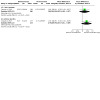
Comparison 1: Balneotherapy versus no treatment, Outcome 3: Health‐related quality of life (EQ‐5D)
Mancini 2003 and Sharifi 2021 analysed HRQoL using the 36‐Item Short Form Health Survey (SF‐36; where higher scores reflect better HRQoL; Wood‐Dauphinee 1999). Mancini 2003 reported that at six months, the 'physical role' and 'social functioning' domains had improved in both groups. Mancini 2003 also reported improvement in 'bodily pain' in the balneotherapy group compared to the no treatment group, but this was not clear in our analysis. Balneotherapy compared to no treatment may have improved 'social functioning' (MD 22.50, 95% CI 11.96 to 33.04; 1 study, 37 participants; low‐certainty evidence; Analysis 1.4). Sharifi 2021 found no improvement in 'physical role' in favour of balneotherapy. Meta‐analysis showed that balneotherapy may slightly improve the 'physical role' domain of HRQoL as measured by SF‐36 (MD 1.52, 95% CI 1.15 to 1.89; 2 studies, 224 participants; low‐certainty evidence; Analysis 1.4).
1.4. Analysis.

Comparison 1: Balneotherapy versus no treatment, Outcome 4: Health‐related quality of life (SF‐36)
Adverse effects of treatment
Four studies reported adverse effects, though none reported any serious adverse effects (Carpentier 2009; Carpentier 2014; Forestier 2014; Mancini 2003). Balneotherapy compared to no treatment may have little or no effect on the occurrence of adverse effects, which included thromboembolic events (OR 0.35, 95% CI 0.09 to 1.42; 3 studies, 584 participants; low‐certainty evidence; Analysis 1.5), erysipelas (OR 2.58, 95% CI 0.65 to 10.22; 2 studies, 519 participants; low‐certainty evidence; Analysis 1.5) and palpitations (OR 0.33, 95% CI 0.01 to 8.52; 1 study, 59 participants; low‐certainty evidence; Analysis 1.5).
1.5. Analysis.

Comparison 1: Balneotherapy versus no treatment, Outcome 5: Adverse effects of treatment
Secondary outcomes
Pain
Two studies reported pain using a VAS of 1 to 10, with 10 representing the worst pain (Carpentier 2009; Carpentier 2014). For this update, we used data provided by the study author for both studies. Carpentier 2014 reported that pain probably improved slightly with balneotherapy compared with no treatment at three and six months' follow‐up. In Carpentier 2009, weekly self‐evaluation VAS assessments showed improvement in leg symptoms from week 4 to week 52 in the balneotherapy group (P < 0.001). Meta‐analysis of data from both studies showed that balneotherapy compared with no treatment may improve pain slightly at three months (MD −1.12, 95% CI −1.35 to −0.88; 2 studies, 354 participants; low‐certainty evidence; Analysis 1.6); and six months (MD −1.02, 95% CI −1.25 to −0.78; 2 studies, 352 participants; low‐certainty evidence; Analysis 1.6).
1.6. Analysis.

Comparison 1: Balneotherapy versus no treatment, Outcome 6: Pain (visual analogue scale)
Oedema
Three studies reported oedema (Ernst 1991; Ernst 1992; Sharifi 2021). Two studies measured oedema through leg volumetry (Ernst 1991; Ernst 1992). We pooled this data and found no differences between the groups at 12 days (MD 91.46 mL, 95% CI −0.65 to 183.58; 2 studies, 182 participants; very low‐certainty evidence; Analysis 1.7) or 24 days (MD 43.18 mL, 95% CI −102.84 to 189.19; 2 studies, 153 participants; very low‐certainty evidence; Analysis 1.7).
1.7. Analysis.
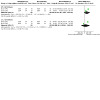
Comparison 1: Balneotherapy versus no treatment, Outcome 7: Oedema (leg volume in mL)
The same two studies measured minimal ankle circumference at 24 days (Ernst 1991; Ernst 1992). Meta‐analysis showed no clear differences in oedema between the groups (SMD 0.76, 95% CI −0.90 to 2.42; 2 studies, 182 participants; Analysis 1.8). Sharifi 2021 also measured leg circumference and reported that balneotherapy compared to no treatment probably improved oedema slightly at three months' follow‐up (SMD −0.51, 95% CI −0.80 to −0.22; 1 study, 187 participants; Analysis 1.8).
1.8. Analysis.

Comparison 1: Balneotherapy versus no treatment, Outcome 8: Oedema (leg circumference in cm)
Meta‐analysis of data from the three studies showed that balneotherapy compared with no treatment may have little or no effect on oedema (measured by leg circumference) at 24 days to three months, but we are very uncertain about the results (SMD 0.32, 95% CI −0.70 to 1.34; 3 studies, 369 participants; very low‐certainty evidence; Analysis 1.8). We detected considerable heterogeneity (I² = 95%).
We used sensitivity analysis to investigate heterogeneity. When we excluded Ernst 1991 from the analysis, the overall effect did not change, but heterogeneity decreased (SMD −0.30, 95% CI −0.73 to 0.13; I² = 72%; 2 studies, 308 participants). The considerable heterogeneity is likely due to the differences in care between the studies.
Incidence of leg ulcer
Two studies reported the incidence of leg ulcers at 12 months (Carpentier 2009; Carpentier 2014). Balneotherapy compared with no treatment may have little or no effect on the incidence of leg ulcers at 12 months, but we are very uncertain about the results (OR 1.06, 95% CI 0.27 to 4.14; 2 studies, 449 participants; very low‐certainty evidence; Analysis 1.9).
1.9. Analysis.

Comparison 1: Balneotherapy versus no treatment, Outcome 9: Incidence of leg ulcer
Skin pigmentation changes
One study analysed skin pigmentation changes (Carpentier 2009). Balneotherapy may slightly improve skin pigmentation changes as measured by the pigmentation index at 12 months (MD −3.60, 95% CI −5.95 to −1.25; 59 participants; low‐certainty evidence; Analysis 1.10). There was also a small difference in favour of balneotherapy in the erythema index (MD −1.43, 95% CI −2.46 to −0.40; 59 participants; low‐certainty evidence; Analysis 1.10).
1.10. Analysis.

Comparison 1: Balneotherapy versus no treatment, Outcome 10: Skin pigmentation changes
Balneotherapy versus melilotus officinalis
One study compared balneotherapy versus melilotus officinalis versus balneotherapy plus melilotus officinalis (Stefanini 1996). For this study, we used the data from the group that received only balneotherapy and the group that received only melilotus officinalis.
Primary outcomes
Disease severity signs and symptoms score
Stefanini 1996 did not report disease severity signs and symptoms score.
Health‐related quality of life
Stefanini 1996 did not report HRQoL.
Adverse effects of treatment
Stefanini 1996 did not assess adverse effects.
Secondary outcomes
Pain
Stefanini 1996 did not use standardised scales and reported only the percentage of participants reporting the presence of pain at a 15‐day endpoint. Balneotherapy compared to melilotus officinalis may have little or no effect on the occurrence of pain, but we are very uncertain about the results (OR 0.29, 95% CI 0.03 to 2.87; 35 participants; very low‐certainty evidence; Analysis 2.1).
2.1. Analysis.

Comparison 2: Balneotherapy versus melilotus officinalis, Outcome 1: Pain
Oedema
Stefanini 1996 did not use standardised scales and reported only the percentage of participants reporting the presence of oedema at a 15‐day endpoint. Balneotherapy compared to melilotus officinalis may have little or no effect on the occurrence of oedema, but we are very uncertain about the results (OR 0.21, 95% CI 0.02 to 2.27; 35 participants; very low‐certainty evidence; Analysis 2.2).
2.2. Analysis.

Comparison 2: Balneotherapy versus melilotus officinalis, Outcome 2: Oedema
Incidence of leg ulcer
Stefanini 1996 did not report incidence of leg ulcer.
Skin pigmentation changes
Stefanini 1996 did not report skin pigment changes.
Balneotherapy versus dryland exercises
One study compared balneotherapy versus dryland exercises (Menegatti 2021).
Primary outcomes
Disease severity signs and symptoms score
Menegatti 2021 did not report disease severity signs and symptoms score.
Health‐related quality of life
Menegatti 2021 measured HRQoL using disease‐specific questionnaires (the Varicose Vein Symptom Questionnaire (VVSymQ; Paty 2015) and CIVIQ2) before the first session and after the last session, and reported the differences between baseline and follow‐up values for both treatment groups. Balneotherapy compared to dryland exercises may improve HRQoL after five sessions as measured by VVSymQ (MD −3.00, 95% CI −3.80 to −2.20; 34 participants; very low‐certainty evidence; Analysis 3.1) and CIVIQ2 (MD −0.5, 95% CI −0.84 to −0.16; 34 participants; very low‐certainty evidence; Analysis 3.2), but we are very uncertain about the results.
3.1. Analysis.

Comparison 3: Balneotherapy versus dryland exercise, Outcome 1: Health‐related quality of life (VVSymQ)
3.2. Analysis.

Comparison 3: Balneotherapy versus dryland exercise, Outcome 2: Health‐related quality of life (CIVIQ2)
Adverse effects of treatment
Menegatti 2021 did not assess adverse effects.
Secondary outcomes
Pain
Menegatti 2021 did not measure pain.
Oedema
Menegatti 2021 reported that after each balneotherapy session, mean leg volume decreased by 231.8 (SD 66.0) mL (P < 0.001) in the right leg and 215.3 (SD 106.6) mL (P < 0.001) in the left leg. The decrease in mean leg volume after dryland exercises was reported as non‐significant: 5.3 (SD 18.4) mL in the right leg (P = 0.3924) and 8.8 (SD 21.4) mL in the left leg (P = 0.3986). Balneotherapy compared to dryland exercises may reduce oedema after five sessions of treatment (right leg: MD −840.70, 95% CI −1053.26 to −628.14; left leg: MD −767.50, 95% CI −910.07 to −624.93; 34 participants; low‐certainty evidence; Analysis 3.3).
3.3. Analysis.

Comparison 3: Balneotherapy versus dryland exercise, Outcome 3: Oedema (leg volume in mL)
Incidence of leg ulcer
Menegatti 2021 did not report incidence of leg ulcers.
Skin pigmentation changes
Menegatti 2021 did not measure skin pigmentation changes.
Subgroup and sensitivity analysis
We were unable to perform subgroup analysis due to the small number of studies identified for each outcome.
Discussion
Summary of main results
We identified nine studies that investigated balneotherapy for the treatment of CVI. Most studies were small and had methodological flaws.
There was moderate‐certainty evidence that balneotherapy compared with no treatment probably results in slightly improved disease severity signs and symptoms scores. We found very low‐ or low‐certainty evidence that balneotherapy improves HRQoL, pain scores, and skin pigmentation changes. We are unsure if these effects are clinically relevant. We observed substantial heterogeneity in the analysis of improvement in disease severity signs and symptoms score. This reduced when we removed the 12‐month analysis. It is possible that any treatment effects on disease severity and symptoms decrease over time, as the interventions lasted only a few days or weeks.
In the comparison of balneotherapy versus no treatment, there was low‐certainty evidence that balneotherapy compared to no treatment has little or no effect on the occurrence of adverse effects, and no studies reported any serious adverse effects. There was very low‐certainty evidence of little or no difference between the groups in terms of oedema or incidence of leg ulcers.
The study comparing balneotherapy with the phlebotonic drug melilotus officinalis provided very low‐certainty evidence of little or no differences between treatment groups for pain and oedema. There were no data available for the other outcomes of interest.
There was very low‐certainty evidence that compared to dryland exercise, balneotherapy slightly improves HRQoL. There was low‐certainty evidence that balneotherapy compared to dryland exercise reduces oedema. There were no data available for the other outcomes of interest.
The certainty of the evidence was affected by the small number of trials and low numbers of participants in each comparison; and the inability to blind participants, physicians conducting the balneotherapy treatment or outcome assessors (some outcomes were reported by the participants themselves). These limitations weakened the applicability of the evidence.
Overall completeness and applicability of evidence
We included nine studies in this review. Many studies reported one or two outcomes of interest. Follow‐up ranged from 15 days to 24 months, with outcomes reported at different time points. Long‐term results were limited, and there may be a need for routine/regular therapy to maintain the benefits of the treatment. We found no publications in the literature describing the ideal frequency of therapy for maintaining any benefits. In addition, studies used different scales to assess HRQoL, pain and oedema. This limitation, together with the small number of included studies and the inability to blind participants and personnel, weakened the applicability of the evidence. Users of this review should consider these weaknesses when interpreting the results.
The studies were heterogeneous, as the exact interventions varied in the amount of exercise and types of water treatments. As people would normally receive balneotherapy in a spa or resort rather than a health facility, it may provide adjunctive benefits such as personalised consultations with a spa doctor, meals, diet, change of environment, rest, sleep, social aspects, reduction of care responsibilities and educational sessions. These changes to the daily routine are specific to each participant, which makes it difficult to measure the benefits due solely to balneotherapy. The included studies did not specify whether participants received balneotherapy during residential stays or day visits.
The beneficial effects of mineral waters are related to their physical and chemical properties, such as temperature, osmotic pressure, electrical conductivity and composition and concentration of salts. Consequently, it is difficult to understand the mechanisms of action of balneotherapy and to analyse the biological role of the different components that make up mineral water. Unfortunately, no trials offered a detailed description of the composition of the water where participants received the treatment.
The studies collected information from different populations within the CEAP classification, so the results are applicable to people with varying disease severity. More research is needed to investigate benefits at different degrees of CVI severity. The studies described different balneotherapy regimens, as each spa features its own treatment sequence and duration. It is likely that people who attend these spas will experience the same regimens used in the studies as the general standard. These are therefore relevant to the wider population. We believe the comparisons we included in this review are relevant, although we identified no studies comparing balneotherapy with surgery. Trials of these interventions could provide important information in the future.
Balneotherapy is probably effective in improving veno‐lymphatic return, but we found few long‐term data to analyse in this regard. Because the duration of positive effects may be limited, people with CVI may require regular treatment cycles and lifestyle changes.
Costs and cost‐effectiveness are beyond the scope of this review, but are important aspects to consider. Depending on the treatment regimen, balneotherapy costs may include a consultation with a spa physician, time with a therapist, travel, facilities, accommodation and other costs. No studies reported the costs involved, and different countries will have different public and private health policies covering this type of treatment. We are unable to provide further information for specific regions.
Quality of the evidence
We judged the overall certainty of the evidence to be very low to moderate according to the GRADE criteria, as described in the Cochrane Handbook for Systematic Reviews of Interventions (GRADE 2004; Higgins 2022).
Balneotherapy versus no treatment
We downgraded the certainty of the evidence on disease signs and symptom score by one level to moderate for risk of bias concerns (no binding of participants or investigators) and inconsistency (substantial statistical heterogeneity). Elimination of later assessment time points in a sensitivity analysis reduced the heterogeneity. We downgraded the certainty of the evidence for HRQoL by three levels to very low: two levels for risk of bias concerns (no blinding of participants or investigators and participant‐reported outcome) and one level for imprecision (fewer than 400 participants). We downgraded the certainty of the evidence on adverse effects (thrombotic events, erysipelas and palpitation) by two levels to low: one level for risk of bias concerns (no blinding of participants or investigators) and one level for imprecision (fewer than 300 events). We downgraded the certainty of the evidence on pain by two levels to low for risk of bias concerns (no blinding of participants or investigators and participant‐reported outcome). We downgraded the certainty of the evidence on oedema by three levels to very low: one level for risk of bias concerns (no blinding of participants or investigators), one level for inconsistency (considerable heterogeneity) and one level for imprecision (fewer than 400 participants). For the outcome incidence of leg ulcer, we downgraded the certainty of the evidence by three levels to very low: one level for risk of bias concerns (no blinding of participants and investigators) and two levels for imprecision (fewer than 300 events and wide CI). We downgraded the certainty of the evidence for erythema index and pigmentation index by two levels to low: one level for risk of bias (no blinding of participants or investigators) and one level for imprecision (fewer than 400 participants). See Table 1.
Balneotherapy versus melilotus officinalis
We downgraded the certainty of the evidence for pain and oedema by three levels to very low: one level for risk of bias concerns (no blinding of participants or investigators and non‐standard outcome measurement) and two levels for imprecision (fewer than 400 participants and wide CI). See Table 2.
Balneotherapy versus dryland exercises
We downgraded the certainty of the evidence for HRQoL by three levels to very low: two levels for risk of bias concerns (no blinding of participants or investigators and participant‐reported outcome) and one level for imprecision (fewer than 400 participants). We downgraded the certainty of the evidence for oedema by two levels to low: one level for risk of bias concerns (no blinding of participants) and one level for imprecision (number of participants fewer than 400). See Table 3.
In addition, the small sample size and lack of information in some trials limited the analysis of subgroups based on age, sex, severity of CVI, diabetes, obesity, osteomuscular diseases and post‐thrombotic syndrome. We were unable to evaluate with confidence the variation in the effectiveness of balneotherapy in relation to these parameters.
Reporting was limited in older studies because previous journal reporting criteria were less rigorous, resulting in greater inherent bias.
Potential biases in the review process
Neither the protocol nor the original version of our review had predefined clinically relevant outcome effect sizes (de Moraes Silva 2018; de Moraes Silva 2019). However, we followed the guidance provided in the Cochrane Handbook for Systematic Reviews of Interventions for interpreting results and drawing conclusions (Higgins 2022). In Carpentier 2009 and Carpentier 2014, there was limited reporting of mean values and SDs for disease severity signs and symptoms score (VCSS; Carpentier 2014), HRQoL (CIVIQ2; Carpentier 2009), and pain (Carpentier 2014). In the original version of this review, we used the data extraction tool Plot Digitizer to extract the relevant data for these outcomes. For this update, we obtained the raw data from the study authors and added them to the analyses. Ernst 1991 did not report SDs for oedema (minimal ankle difference) in the balneotherapy group. Following the Cochrane Handbook for Systematic Reviews of Interventions, we used the SD from the other study in this comparison to allow us to pool the data (Ernst 1992; Higgins 2011). In Sharifi 2021, balneotherapy took place in non‐mineral thermal waters. Balneotherapy is defined as bathing in natural mineral or thermal waters and there are no strict rules that exclude treatments in non‐mineral water (Verhagen 2015). It is possible that combining results from studies that varied in their therapeutic regimens has introduced bias.
Agreements and disagreements with other studies or reviews
We are unaware of any previous reviews of balneotherapy for CVI. Our results relating to HRQoL and pain are similar to those of non‐randomised studies evaluating balneotherapy in people with CVI (Aquino 2016; Coccheri 2002). Aquino 2016 analysed the effects of aquatic exercises on quality of life in 16 participants with CVI, and observed that balneotherapy improved quality of life and reduced pain. Coccheri 2002 analysed 70 people with CVI divided into two groups in a non‐randomised trial of treatment with balneotherapy or compression stockings, showing improvement in quality of life in the group receiving balneotherapy.
Authors' conclusions
Implications for practice.
We identified moderate‐certainty evidence that balneotherapy compared to no treatment results in slightly improved disease severity signs and symptoms scores, low‐certainty evidence that the intervention improves pain scores and skin pigmentation changes, and very‐low certainty evidence that it improves health‐related quality of life, in people with chronic venous insufficiency (CVI). There was very low‐ to low‐certainty evidence of little or no difference between the groups in adverse effects, oedema and leg ulcers. Evidence comparing balneotherapy with other interventions is very limited. Studies demonstrated the effects after two to three weeks of balneotherapy. Although the balneotherapy exercises and therapies were not standardised, all trials cited similar therapeutic methodologies. The scientific evidence is insufficient due to the high risk of bias in most studies and the lack of adequate statistical analysis.
Implications for research.
We believe it is crucial and feasible to carry out high‐quality randomised trials assessing the effectiveness of balneotherapy to provide solid evidence for the treatment of CVI. Future research should focus on appropriate allocation concealment, blinding and adequate data presentation and analysis. The design and reporting of future trials should conform to the CONSORT statement and should:
clearly define sample size calculation and randomisation of groups;
clearly define clinically relevant effect sizes;
include physical‐chemical characteristics of the thermal water used in the treatment;
blind the outcome assessor who will perform data analysis (due to the treatment methodology it is not possible to blind participants and spa physicians);
evaluate specific target groups such as people with severe forms of CVI and post‐thrombotic syndrome;
assess outcomes after the balneotherapy session (on average three weeks), in the medium term (three to six months) and in the long term (12 months);
standardise and clearly describe the therapeutic sequence of balneotherapy (types of activities performed, frequency and duration of treatment);
differentiate between the effects specific to balneotherapy and benefits associated with the stay or spa attendance;
analyse the cost implications of balneotherapy in relation to other methods;
include quality of life scores that are relevant to CVI (e.g. Aberdeen Varicose Vein Questionnaire score); and
evaluate adherence and compliance to rehabilitation protocols during and after balneotherapy treatment.
What's new
| Date | Event | Description |
|---|---|---|
| 28 June 2022 | New citation required but conclusions have not changed | Search updated. Two new included studies identified. No new excluded studies identified. Text amended to reflect current Cochrane standards. No change to conclusions. |
| 28 June 2022 | New search has been performed | Search updated. Two new included studies identified. No new excluded studies identified. |
History
Protocol first published: Issue 7, 2018 Review first published: Issue 8, 2019
Notes
Parts of the methods section of this review were based on a standard template established by Cochrane Vascular.
Acknowledgements
We would like to thank Cochrane Vascular for supporting the preparation of the review and for designing and running the search strategy. We would like to thank the following entities for their methodological support: Cochrane Brazil; the Coordination of Superior Level Staff Improvement – Brazil (CAPES); the Division of Interdisciplinary Surgery and Vascular Surgery of Universidade Federal de São Paulo, Brazil; and the Division of Vascular Surgery of Hospital de Clínicas de Itajubá, Minas Gerais, Brazil. We would like to thank Lydia Jones and Larissa Rackl for translation from German, Henrique Jorge Guedes Neto for translation from Italian and Mohammadreza Kosari for translation from Persian of trial reports. We would like to thank Dr Patrick H Carpentier for providing data and information related to trials in which he was responsible. The review authors and the Cochrane Vascular editorial base are grateful to the following peer reviewers for their time and comments: Dr Michele Antonelli, AUSL‐IRCCS Reggio Emilia, Italy; Prof Alberto Caggiati, Sapienza University of Rome, Italy; Dr Arianne Verhagen, University of Technology Sydney, Australia.
Appendices
Appendix 1. Glossary of terms
| Term | Definition |
| Atrophie blanche | Small smooth ivory‐white areas on the skin with hyperpigmented borders and telangiectasias. |
| Ankyloses | Stiffness of a joint due to abnormal adhesion and rigidity of the bones of the joint. |
| CEAP | Comprehensive classification system developed to allow uniform diagnosis and comparison of populations with chronic venous disorders; created by an international ad hoc committee of the American Venous Forum in 1994. CEAP stands for clinical manifestations (C), aetiological factors (E), anatomical distribution (A) and pathophysiological findings (P). |
| Chronic venous insufficiency | Medical condition in which the veins cannot pump enough blood back to the heart. |
| Compression therapy | Application of an elastic garment around the leg. |
| Diapedesis | Passage of blood cells through unruptured walls of a vein or artery into the tissues. |
| Erysipelas | Acute infection, typically with a skin rash, usually on any of the legs and toes, face, arms or fingers. |
| Erythema | Superficial reddening of the skin. |
| Fibrosis | The thickening and scarring of connective tissue. |
| Hyperpigmentation | Increased pigmentation of an area of the skin. |
| Lipodermatosclerosis | Inflammation caused by fibrosis of subcutaneous fat. |
| Lymphoedema | Collection of fluid that causes swelling (oedema) in the arms and legs. |
| Oedema | Excess of watery fluid collecting in the tissue of the body; swelling caused when fluid leaks out of the body's capillaries. |
| Placebo | Substance or treatment with no active therapeutic effect. |
| Salso‐bromojodinated | Type of thermal water. |
| Superficial thrombosis | Inflammatory thrombotic disorder in which a thrombus develops in a vein located near the surface of the skin. |
| Thrombosis | Local coagulation or clotting of the blood in a part of the circulatory system. |
| Duplex ultrasound | Non‐invasive evaluation of blood flow through the arteries and veins. |
| Varicose veins | Gnarled, enlarged veins. |
| Vascular | Relating to blood vessels. |
| Venoactive drugs | Heterogeneous group of medicinal products that affect symptoms related to chronic venous disease. |
| Venous | Relating to a vein. |
| Venous eczema | Long‐term skin condition that affects the lower legs. |
Appendix 2. Databases searched and strategies used
| Source | Search strategy | Hits retrieved |
| 1. VASCULAR REGISTER IN CRSW (Date of most recent search: 28 June 2022) |
Balneotherapy OR Hydrotherapy OR Balneology OR spa OR bathe OR water | Aug 2018: 24 Feb 2021: 28 June 2022: 18 |
| 2. CENTRAL via CRSO (Date of most recent search: 28 June 2022) |
#1 MESH DESCRIPTOR Venous Insufficiency EXPLODE ALL TREES 505 #2 MESH DESCRIPTOR Varicose Veins EXPLODE ALL TREES 997 #3 MESH DESCRIPTOR Saphenous Vein EXPLODE ALL TREES 643 #4 ((varicos* near3 (vein* or veno*))):TI,AB,KY 981 #5 ((tortu* near3 (vein* or veno*))):TI,AB,KY 10 #6 ((incomp* near3 (vein* or veno* or saphenous or valv*))):TI,AB,KY 113 #7 ((insuffic* near3 (vein* or veno* or saphenous))):TI,AB,KY 181 #8 (((saphenous or vein* or veno*) near3 reflux)):TI,AB,KY 180 #9 GSV:TI,AB,KY 167 #10 CVI:TI,AB,KY 186 #11 CVD:TI,AB,KY 3668 #12 #1 OR #2 OR #3 OR #4 OR #5 OR #6 OR #7 OR #8 OR #9 OR #10 OR #11 6139 #13 MESH DESCRIPTOR Hydrotherapy EXPLODE ALL TREES 1419 #14 MESH DESCRIPTOR Balneology EXPLODE ALL TREES 500 #15 aqua*:TI,AB,KY 1273 #16 Balneo*:TI,AB,KY 311 |
Aug 2018: 311 Feb 2021: 60 June 2022: 20 |
| 3. Clinicaltrials.gov (Date of most recent search: 28 June 2022) |
venous insufficiency OR Varicose Veins OR Saphenous Vein | Balneotherapy OR Hydrotherapy OR Balneology | Aug 2018: 14 Feb 2021: 3 June 2022: 3 |
| 4. ICTRP Search Portal (Date of most recent search: 28 June 2022) |
venous insufficiency OR Varicose Veins OR Saphenous Vein | Balneotherapy OR Hydrotherapy OR Balneology | Aug 2018: 14 Feb 2021: 0 June 2022: 0 |
| 5. MEDLINE (Ovid MEDLINE Epub Ahead of Print, In‐Process & Other Non‐Indexed Citations, Ovid MEDLINE Daily and Ovid MEDLINE) 1946 to present (Date of most recent search: 28 June 2022) |
1 exp Venous Insufficiency/ 2 exp Varicose Veins/ 3 exp Saphenous Vein/ 4 (varicos* adj3 (vein* or veno*)).ti,ab. 5 (tortu* adj3 (vein* or veno*)).ti,ab. 6 (incomp* adj3 (vein* or veno* or saphenous or valv*)).ti,ab. 7 (insuffic* adj3 (vein* or veno* or saphenous)).ti,ab. 8 ((saphenous or vein* or veno*) adj3 reflux).ti,ab. 9 GSV.ti,ab. 10 CVI.ti,ab. 11 CVD.ti,ab. 12 or/1‐11 13 exp HYDROTHERAPY/ 14 exp BALNEOLOGY/ 15 aqua*.ti,ab. 16 Balneo*.ti,ab. 17 Bath.ti,ab. 18 bathe*.ti,ab. 19 bathing.ti,ab. 20 Baths.ti,ab. 21 Hydrotherap*.ti,ab. 22 spa.ti,ab. 23 thalasso*.ti,ab. 24 water.ti,ab. 25 or/13‐24 26 12 and 25 27 randomized controlled trial.pt. 28 controlled clinical trial.pt. 29 randomized.ab. 30 placebo.ab. 31 drug therapy.fs. 32 randomly.ab. 33 trial.ab. 34 groups.ab. 35 or/27‐34 36 26 and 35 |
Aug 2018: 186 Feb 2021: 35 June 2022: 25 |
| 6. Embase 1974 to present (Date of most recent search: 28 June 2022) |
1 exp vein insufficiency/ 9339 2 exp varicosis/ 43941 3 exp saphenous vein/ 12097 4 (varicos* adj3 (vein* or veno*)).ti,ab. 7946 5 (tortu* adj3 (vein* or veno*)).ti,ab. 549 6 (incomp* adj3 (vein* or veno* or saphenous or valv*)).ti,ab. 3468 7 (insuffic* adj3 (vein* or veno* or saphenous)).ti,ab. 7302 8 ((saphenous or vein* or veno*) adj3 reflux).ti,ab. 2361 9 GSV.ti,ab. 1191 10 CVI.ti,ab. 2766 11 CVD.ti,ab. 42132 12 or/1‐11 109114 13 exp hydrotherapy/ 3234 14 exp balneotherapy/ 9145 15 aqua*.ti,ab. 75257 16 Balneo*.ti,ab. 1890 17 or/13‐16 84650 18 12 and 17 169 19 randomized controlled trial/ 486849 20 controlled clinical trial/ 459262 21 random$.ti,ab. 1250889 22 randomization/ 79301 23 intermethod comparison/ 218627 24 placebo.ti,ab. 262272 25 (compare or compared or comparison).ti. 438964 26 ((evaluated or evaluate or evaluating or assessed or assess) and (compare or compared or comparing or comparison)).ab. 1677142 27 (open adj label).ti,ab. 61494 28 ((double or single or doubly or singly) adj (blind or blinded or blindly)).ti,ab. 200478 29 double blind procedure/ 143950 30 parallel group$1.ti,ab. 20827 31 (crossover or cross over).ti,ab. 89597 32 ((assign$ or match or matched or allocation) adj5 (alternate or group$1 or intervention$1 or patient$1 or subject$1 or participant$1)).ti,ab. 270974 33 (assigned or allocated).ti,ab. 319131 34 (controlled adj7 (study or design or trial)).ti,ab. 280067 35 (volunteer or volunteers).ti,ab. 217109 36 trial.ti. 233773 37 or/19‐36 3853943 38 18 and 37 44 |
Aug 2018: 344 Feb 2021: 106 June 2022: 70 |
| 7. AMED via Ovid (Date of most recent search: 28 June 2022) |
1 exp Venous insufficiency/ 52 2 exp Varicose veins/ 67 3 exp Veins/ 119 4 (varicos* adj3 (vein* or veno*)).ti,ab. 27 5 (tortu* adj3 (vein* or veno*)).ti,ab. 0 6 (incomp* adj3 (vein* or veno* or saphenous or valv*)).ti,ab. 1 7 (insuffic* adj3 (vein* or veno* or saphenous)).ti,ab. 45 8 ((saphenous or vein* or veno*) adj3 reflux).ti,ab. 1 9 GSV.ti,ab. 1 10 CVI.ti,ab. 14 11 CVD.ti,ab. 115 12 or/1‐11 386 13 exp Hydrotherapy/ 743 14 aqua*.ti,ab. 351 15 Balneo*.ti,ab. 81 16 or/13‐15 991 17 12 and 16 5 18 exp CLINICAL TRIALS/ 3766 19 RANDOM ALLOCATION/ 314 20 DOUBLE BLIND METHOD/ 661 21 Clinical trial.pt. 1212 22 (clinic* adj trial*).tw. 5410 23 ((singl* or doubl* or trebl* or tripl*) adj (blind* or mask*)).tw. 2849 24 PLACEBOS/ 590 25 placebo*.tw. 3118 26 random*.tw. 17631 27 PROSPECTIVE STUDIES/ 1109 28 or/18‐27 22657 29 17 and 28 3 |
Aug 2018: 3 Feb 2021: 0 June 2022: 0 |
| 8. CINAHL via EBSCO (Date of most recent search: 28 June 2022) |
S42 S26 AND S41 79 S41 S27 OR S28 OR S29 OR S30 OR S31 OR S32 OR S33 OR S34 OR S35 OR S36 OR S37 OR S38 OR S39 OR S40 344,225 S40 MH "Random Assignment" 39,141 S39 MH "Triple‐Blind Studies" 86 S38 MH "Double‐Blind Studies" 24,907 S37 MH "Single‐Blind Studies" 8,017 S36 MH "Crossover Design" 11,250 S35 MH "Factorial Design" 921 S34 MH "Placebos" 8,370 S33 MH "Clinical Trials" 92,987 S32 TX "multi‐centre study" OR "multi‐center study" OR "multicentre study" OR "multicenter study" OR "multi‐site study" 4,528 S31 TX crossover OR "cross‐over" 14,627 S30 AB placebo* 28,502 S29 TX random* 220,471 S28 TX trial* 252,003 S27 TX "latin square" 143 S26 S12 AND S25 221 S25 S13 OR S14 OR S15 OR S16 OR S17 OR S18 OR S19 OR S20 OR S21 OR S22 OR S23 OR S24 61,911 S24 TX water 32,549 S23 TX thalasso* 17 S22 TX spa 17,585 S21 TX Hydrotherap* 1,287 S20 TX Baths 6,384 S19 TX bathing 3,318 S18 TX bathe* 396 S17 TX Bath 6,384 S16 TX Balneo* 715 S15 TX aqua* 3,962 S14 (MH "Balneology") 379 S13 (MH "Hydrotherapy+") 4,233 S12 S1 OR S2 OR S3 OR S4 OR S5 OR S6 OR S7 OR S8 OR S9 OR S10 OR S11 9,839 S11 TX CVD 5,527 S10 TX CVI 468 S9 TX GSV 17 S8 TX (saphenous or vein* or veno*) n3 reflux 74 S7 TX insuffic* n3 (vein* or veno* or saphenous) 887 S6 TX incomp* n3 (vein* or veno* or saphenous or valv*) 112 S5 TX tortu* n3 (vein* or veno*) 18 S4 TX varicos* n3 (vein* or veno*) 736 S3 (MH "Saphenous Vein") 548 S2 (MH "Varicose Veins+") 2,495 S1 (MH "Venous Insufficiency+") 686 |
Aug 2018: 79 Feb 2021: 23 June 2022: 4 |
| TOTAL before deduplication | Aug 2018: 777 Feb 2021: 255 June 2022: 140 |
|
| TOTAL after deduplication | Aug 2018: 575 Feb 2021: 202 June 2022: 115 |
|
Appendix 3. LILACS and IBECS search strategy
(mh: (hydrotherapy) OR mh: (hidroterapia) OR (bath* whirlpool) OR (hydrotherapies) OR (e02.779.492*) OR (e02.831.535.492*) OR (hp3.018.148*) OR mh: (balneology) OR mh: (balneología) mh: (balneologia) OR (balneotherapy) OR (e02.056*) OR (hp3.018.091*) OR mh: (physical therapy modalities) OR mh: (modalidades de fisioterapia) OR (modalidades de fisioterapia) OR (neurological physiotherapy) OR (neurophysiotherapy) OR (physical therapy techniques) OR (modalit* physical therapy) OR (physical therapy technique*) OR (physiotherap* techniques) OR (physiotherapy neurological) OR (e02.779*) OR (e02.831.535*)) AND (mh: (venous insufficiency) OR mh: (insuficiencia venosa) OR mh: (insuficiência venosa) OR (insufficienc* venous) OR (c14.907.952*) OR mh: (varicose veins) OR mh: (várices) OR mh: (varizes) OR (varix) OR (varicose vein*) OR (varices) OR (c14.907.927*) OR mh: (edema) OR (anasarca) OR (dropsy) OR (hydrops) OR (c23.888.277*) OR mh: (venous thrombosis) OR mh: (trombosis de la vena) OR mh: (trombose venosa) OR (deep venous thrombosis) OR (deep‐vein thrombos*) OR (deep‐venous thrombos*) OR (deep vein thrombos*) OR (deep venous thrombos*) OR (phlebothrombos*) OR (thrombos* venous) OR (c14.907.355.830.925*) OR mh: (postthrombotic syndrome) OR mh: (síndrome postrombótico) mh: (síndrome pós‐trombótica) OR (venous stasis syndrome) OR (syndrome postthrombotic) OR (syndrome venous stasis) OR (c14.907.355.830.925.462*) OR (c14.907.952.880*) OR mh: (venous thromboembolism) OR mh: (tromboembolia venosa) OR mh: (tromboembolia venosa) OR (thromboembolism venous) OR (c14.907.355.590.700*) OR mh: (embolism AND thrombosis) OR mh: (embolia y trombosis) OR mh: (embolia e trombose) OR (thrombosis AND embolism) OR (c14.907.355*)) AND (instance:"regional") AND ( db:("LILACS" OR "IBECS"))
Data and analyses
Comparison 1. Balneotherapy versus no treatment.
| Outcome or subgroup title | No. of studies | No. of participants | Statistical method | Effect size |
|---|---|---|---|---|
| 1.1 Disease severity signs and symptom score (VCSS) | 3 | 671 | Mean Difference (IV, Random, 95% CI) | ‐1.75 [‐3.02, ‐0.49] |
| 1.1.1 At 3 months | 2 | 281 | Mean Difference (IV, Random, 95% CI) | ‐2.34 [‐3.28, ‐1.40] |
| 1.1.2 At 12 months | 1 | 390 | Mean Difference (IV, Random, 95% CI) | ‐0.46 [‐1.17, 0.25] |
| 1.2 Health‐related quality of life (CIVIQ2) | 3 | Mean Difference (IV, Random, 95% CI) | Subtotals only | |
| 1.2.1 At 3 months | 2 | 153 | Mean Difference (IV, Random, 95% CI) | ‐10.46 [‐19.21, ‐1.71] |
| 1.2.2 At 6 months | 2 | 436 | Mean Difference (IV, Random, 95% CI) | ‐2.99 [‐6.53, 0.56] |
| 1.2.3 At 9 months | 1 | 59 | Mean Difference (IV, Random, 95% CI) | ‐6.40 [‐13.84, 1.04] |
| 1.2.4 At 12 months | 2 | 417 | Mean Difference (IV, Random, 95% CI) | ‐4.48 [‐8.61, ‐0.36] |
| 1.3 Health‐related quality of life (EQ‐5D) | 1 | Mean Difference (IV, Random, 95% CI) | Subtotals only | |
| 1.3.1 At 6 months | 1 | 375 | Mean Difference (IV, Random, 95% CI) | 0.02 [‐0.03, 0.07] |
| 1.3.2 At 12 months | 1 | 352 | Mean Difference (IV, Random, 95% CI) | 0.04 [‐0.01, 0.09] |
| 1.4 Health‐related quality of life (SF‐36) | 2 | Mean Difference (IV, Random, 95% CI) | Subtotals only | |
| 1.4.1 Physical functioning | 1 | 37 | Mean Difference (IV, Random, 95% CI) | ‐2.50 [‐22.48, 17.48] |
| 1.4.2 Physical role | 2 | 224 | Mean Difference (IV, Random, 95% CI) | 1.52 [1.15, 1.89] |
| 1.4.3 Bodily pain | 1 | 37 | Mean Difference (IV, Random, 95% CI) | 8.75 [‐3.94, 21.44] |
| 1.4.4 General health | 1 | 37 | Mean Difference (IV, Random, 95% CI) | 3.23 [‐6.47, 12.93] |
| 1.4.5 Vitality | 1 | 37 | Mean Difference (IV, Random, 95% CI) | 3.73 [‐8.82, 16.28] |
| 1.4.6 Social functioning | 1 | 37 | Mean Difference (IV, Random, 95% CI) | 22.50 [11.96, 33.04] |
| 1.4.7 Emotional role | 1 | 37 | Mean Difference (IV, Random, 95% CI) | 12.36 [‐14.09, 38.81] |
| 1.4.8 Mental health | 1 | 37 | Mean Difference (IV, Random, 95% CI) | 5.11 [‐6.91, 17.13] |
| 1.5 Adverse effects of treatment | 4 | Odds Ratio (M‐H, Random, 95% CI) | Subtotals only | |
| 1.5.1 Thromboembolic event | 3 | 584 | Odds Ratio (M‐H, Random, 95% CI) | 0.35 [0.09, 1.42] |
| 1.5.2 Erysipelas | 2 | 519 | Odds Ratio (M‐H, Random, 95% CI) | 2.58 [0.65, 10.22] |
| 1.5.3 Palpitations | 1 | 59 | Odds Ratio (M‐H, Random, 95% CI) | 0.33 [0.01, 8.52] |
| 1.6 Pain (visual analogue scale) | 2 | Mean Difference (IV, Random, 95% CI) | Subtotals only | |
| 1.6.1 At 1 month | 2 | 353 | Mean Difference (IV, Random, 95% CI) | ‐0.97 [‐2.40, 0.46] |
| 1.6.2 At 3 months | 2 | 354 | Mean Difference (IV, Random, 95% CI) | ‐1.12 [‐1.35, ‐0.88] |
| 1.6.3 At 6 months | 2 | 352 | Mean Difference (IV, Random, 95% CI) | ‐1.02 [‐1.25, ‐0.78] |
| 1.7 Oedema (leg volume in mL) | 2 | Mean Difference (IV, Random, 95% CI) | Subtotals only | |
| 1.7.1 At 12 days | 2 | 182 | Mean Difference (IV, Random, 95% CI) | 91.46 [‐0.65, 183.58] |
| 1.7.2 At 24 days | 2 | 182 | Mean Difference (IV, Random, 95% CI) | 43.18 [‐102.84, 189.19] |
| 1.8 Oedema (leg circumference in cm) | 3 | 369 | Std. Mean Difference (IV, Random, 95% CI) | 0.32 [‐0.70, 1.34] |
| 1.8.1 24 days | 2 | 182 | Std. Mean Difference (IV, Random, 95% CI) | 0.76 [‐0.90, 2.42] |
| 1.8.2 3 months | 1 | 187 | Std. Mean Difference (IV, Random, 95% CI) | ‐0.51 [‐0.80, ‐0.22] |
| 1.9 Incidence of leg ulcer | 2 | 449 | Odds Ratio (M‐H, Random, 95% CI) | 1.06 [0.27, 4.14] |
| 1.10 Skin pigmentation changes | 1 | Mean Difference (IV, Random, 95% CI) | Subtotals only | |
| 1.10.1 Pigmentation index (12 months) | 1 | 59 | Mean Difference (IV, Random, 95% CI) | ‐3.60 [‐5.95, ‐1.25] |
| 1.10.2 Erythema index (12 months) | 1 | 59 | Mean Difference (IV, Random, 95% CI) | ‐1.43 [‐2.46, ‐0.40] |
Comparison 2. Balneotherapy versus melilotus officinalis.
| Outcome or subgroup title | No. of studies | No. of participants | Statistical method | Effect size |
|---|---|---|---|---|
| 2.1 Pain | 1 | Odds Ratio (M‐H, Random, 95% CI) | Subtotals only | |
| 2.2 Oedema | 1 | Odds Ratio (M‐H, Random, 95% CI) | Subtotals only |
Comparison 3. Balneotherapy versus dryland exercise.
| Outcome or subgroup title | No. of studies | No. of participants | Statistical method | Effect size |
|---|---|---|---|---|
| 3.1 Health‐related quality of life (VVSymQ) | 1 | Mean Difference (IV, Random, 95% CI) | Subtotals only | |
| 3.2 Health‐related quality of life (CIVIQ2) | 1 | Mean Difference (IV, Random, 95% CI) | Subtotals only | |
| 3.3 Oedema (leg volume in mL) | 1 | Mean Difference (IV, Random, 95% CI) | Subtotals only | |
| 3.3.1 Right leg | 1 | 34 | Mean Difference (IV, Random, 95% CI) | ‐840.70 [‐1053.26, ‐628.14] |
| 3.3.2 Left leg | 1 | 34 | Mean Difference (IV, Random, 95% CI) | ‐767.50 [‐910.07, ‐624.93] |
Characteristics of studies
Characteristics of included studies [ordered by study ID]
Carpentier 2009.
| Study characteristics | ||
| Methods |
Study design: RCT Study grouping: parallel group Participants randomised: 63 (30 in balneotherapy group, 33 in control group) Participants analysed: 59 (29 in balneotherapy group, 30 in control group) Start date: no details given Duration of participation: 15 months End date: no details given Method of randomisation: centralised randomisation was performed after the inclusion visit, and its result kept hidden from the investigators. Blinding: participants: no; spa physician: yes; outcome assessors: yes Power calculation: the study authors calculated that each group required 20 participants (using a bilateral test, with alpha = 0.05 and beta = 0.15). This hypothesis was based on poorly documented potential outcomes (worsening by 15% of the pigmentation in the control group vs 5% in the intervention group, with a 10% SD). The study authors decided to include 60 participants to accommodate potential problems of underestimation of variability and possible dropouts. Losses to follow‐up: 4 (1 from balneotherapy group: personal difficulties in organisation of stay in the spa resort; 3 from control group: 1 had an unexplained personal reason, 1 had family problems, 1 expected an immediate spa treatment and did not accept the result of the randomisation) Unit of allocation: participants |
|
| Participants |
Setting: outpatients (secondary care) Country: France Sex: 19 men, 40 women Age: mean 59.3 years in balneotherapy group, 62.5 years in control group Inclusion criteria
Exclusion criteria
|
|
| Interventions |
Balneotherapy group: 4 balneotherapy sessions per day, 6 days per week for 3 weeks (in a spa in La Léchère, France). During the stay, participants also participated in 2 or 3 90‐minute educational workshops that followed a previously published method. Control group: no treatment during comparison period followed by spa treatment after comparison period (i.e. starting soon after day 365) Duration of follow‐up: comparison period: 1 year; total duration of follow‐up: 15 months Cointerventions: during the whole study period, participants of both groups were seen by their usual physicians, who provided any care considered necessary |
|
| Outcomes |
Outcomes of interest for this review (collected)
Reported outcomes
All outcomes were measured every 6 months, except pain, which was measured every 5 weeks. |
|
| Identification |
Contact: Patrick H Carpentier Institution: Clinique Universitaire de Médecine Vasculaire, Pôle Pluridisciplinaire de Médecine, Centre Hospitalier Universitaire de Grenoble, and Centre de Recherche Universitaire de la Léchère, France Email: patrick.carpentier@ujf‐grenoble.fr |
|
| Funding | No details given | |
| Declarations of interest | No authors declared competing interests. | |
| Notes | The study authors confirmed that this trial used a different population from the study reported in Carpentier 2014 (personal communication by email, 5 February 2019). The study authors provided raw data and confirmed that random sequence generation was low‐risk (personal communication by email, 2 August 2021) | |
| Risk of bias | ||
| Bias | Authors' judgement | Support for judgement |
| Random sequence generation (selection bias) | Low risk | Six‐block randomisation tables. |
| Allocation concealment (selection bias) | Low risk | Sealed envelopes, opened in sequential order in allocation centre. Results kept hidden from investigator. |
| Blinding of participants and personnel (performance bias) All outcomes | High risk | Participants not blinded. |
| Blinding of outcome assessment (detection bias) – non‐participant‐reported outcomes | Low risk | Blinded data management, including a final blind review of protocol deviations and missing data. |
| Blinding of outcome assessment (detection bias) – participant‐reported outcomes | High risk | HRQoL and pain scores collected with knowledge of the intervention received. |
| Incomplete outcome data (attrition bias) All outcomes | Low risk | Study group reported all exclusions with reasons. |
| Selective reporting (reporting bias) | Low risk | All outcomes reported. |
| Other bias | Unclear risk | There may be additional benefits separate to the actual balneotherapy. |
Carpentier 2014.
| Study characteristics | ||
| Methods |
Study design: RCT Study grouping: parallel group Participants randomised: 425 (214 in balneotherapy group, 211 control group) Participants analysed: 390 (193 in balneotherapy group, 197 control group) Start date: no details given Duration of participation: 18 months End date: no details given Method of randomisation: centralised randomisation Blinding: participant: no; spa physician: yes; outcome assessor: yes Power calculation: study authors calculated number of participants from the expected reduction in incidence of leg ulcers. Hypothesis based on a yearly incidence of 20% in the control group and 10% in the intervention group, with an alpha risk of 5% and a power of 80%. 199 participants were needed, and the authors included 440 participants to allow for dropouts. Losses to follow‐up: 35 (21 from balneotherapy group: 19 withdrew consent, 1 dropped out, 1 stopped early; 14 from control group: 11 withdrew consent, 2 dropped out, 1 stopped early) Unit of allocation: participants |
|
| Participants |
Setting: outpatients (secondary care) Country: France (multicentre) Sex: 186 men, 239 women Age: mean 63.5 years in balneotherapy group, 65.1 years in control group Inclusion criteria
Exclusion criteria
|
|
| Interventions |
Balneotherapy group: 4 balneotherapy sessions per day, 6 days per week for 3 weeks plus educational activities (different in each resort), in the spa resort closest to the participant's home. The balneotherapy sessions included a 15‐minute walking session in a specially designed pool with tracks in semi‐deep (80 cm) cool (28 °C) water (training of muscle pump function under water compression); a 20‐minute whirlpool bath session with automatic air and water massage cycles (aimed at relaxation and mobilisation of superficial skin volume flow); a 10‐minute bath session with customised underwater strong massaging jets (mobilisation and softening of sclerotic subcutaneous tissues); and a 10‐minute massage session of the leg and ankle skin areas by a registered physiotherapist under a light spray shower (softening of the sclerotic subcutaneous tissues) or a 15‐minute joint mobilisation session in a deep (150 cm) warm (34 °C) pool under the supervision of a physiotherapist (improvement of ankle, knee and hip joint mobility for better ambulation and muscle‐pump functioning) Control group: no treatment during comparison period followed by spa treatment after comparison period (i.e. starting soon after day 365) Duration of follow‐up: comparison period: 1 year; total duration of follow‐up: 18 months |
|
| Outcomes |
Outcomes of interest for this review (collected)
Reported outcomes
All outcomes were measured every 6 months. |
|
| Identification |
Contact: Patrick H Carpentier Institution: Clinique Universitaire de Médecine Vasculaire, Pôle Pluridisciplinaire de Médecine, Centre Hospitalier Universitaire, Grenoble, France Email: pcarpentier@chu‐grenoble.fr |
|
| Funding | Source of funding: Association Française de Researche Thermale | |
| Declarations of interest | No authors declared competing interests. | |
| Notes | The study authors confirmed that this trial used a different population from the study reported in Carpentier 2009 (personal communication by email, 5 February 2019). The authors provided raw data and confirmed that random sequence generation was low risk (personal communication by email, 2 August 2021). | |
| Risk of bias | ||
| Bias | Authors' judgement | Support for judgement |
| Random sequence generation (selection bias) | Low risk | Order determined by a software‐generated randomisation list. |
| Allocation concealment (selection bias) | Low risk | Central allocation. |
| Blinding of participants and personnel (performance bias) All outcomes | High risk | Participants not blinded. |
| Blinding of outcome assessment (detection bias) – non‐participant‐reported outcomes | Low risk | Data managers blinded to randomisation, including the final data review. |
| Blinding of outcome assessment (detection bias) – participant‐reported outcomes | High risk | HRQoL and pain scores were collected with knowledge of the intervention received. |
| Incomplete outcome data (attrition bias) All outcomes | Low risk | Study group reported all exclusions with reasons. |
| Selective reporting (reporting bias) | Low risk | All outcomes reported. |
| Other bias | Unclear risk | Specialist spa physician customised sessions according to participants' needs and capabilities. There may be additional benefits separate to the actual balneotherapy. |
Ernst 1991.
| Study characteristics | ||
| Methods |
Study design: RCT Study grouping: parallel group Participants randomised: 61 (30 in balneotherapy group, 31 in control group) Participants analysed: 61 (30 in balneotherapy group, 31 in control group) Start date: no details given Duration of participation: 24 days End date: no details given Methods of randomisation: no details given Blinding: described as "double‐blind" Power calculation: no details given Losses to follow‐up: no details given Unit of allocation: participants |
|
| Participants |
Setting: outpatients (secondary care) Country: Austria Sex: 16 men, 45 women Age: mean 58.1 (SD 7.4) years Inclusion criteria
Exclusion criteria
|
|
| Interventions |
Balneotherapy group: intermittent cold and warm water (Kneipp therapy; Forestier 2014), or continuous cold‐water treatments, mostly in region of lower legs up to the knees. Sessions lasted about 12 minutes and took place 5 days per week Control group: no balneotherapy Duration of follow‐up: 24 days Cointerventions: participants already wearing compression stockings continued to do so. |
|
| Outcomes |
Outcomes of interest for this review (collected)
Reported outcomes
All outcomes were measured at 12 and 24 days. |
|
| Identification |
Contact: Edzard Ernst Institution: Department of Physical Medicine and Rehabilitation, University of Vienna, Austria Email: no details given |
|
| Funding | No details given | |
| Declarations of interest | Not reported | |
| Notes | We assumed Ernst 1991 and Ernst 1992 were separate studies but were unable to confirm this with the study authors. | |
| Risk of bias | ||
| Bias | Authors' judgement | Support for judgement |
| Random sequence generation (selection bias) | Unclear risk | Insufficient information about sequence generation. |
| Allocation concealment (selection bias) | Unclear risk | Insufficient information about allocation concealment. |
| Blinding of participants and personnel (performance bias) All outcomes | High risk | Participants and spa physicians not blinded. |
| Blinding of outcome assessment (detection bias) – non‐participant‐reported outcomes | Low risk | Investigators unaware of treatment allocation. |
| Incomplete outcome data (attrition bias) All outcomes | Unclear risk | No details given. |
| Selective reporting (reporting bias) | Low risk | All outcomes reported. |
| Other bias | Unclear risk | There may be additional benefits separate to the actual balneotherapy. |
Ernst 1992.
| Study characteristics | ||
| Methods |
Study design: RCT Study grouping: parallel group Participants randomised: 122 (60 in balneotherapy group, 62 control group) Participants analysed: 122 (60 in balneotherapy group, 62 control group) Start date: no details given Duration of participation: 24 days End date: no details given Methods of randomisation: no details given Blinding: described as "double‐blind" Power calculation: no details given Losses to follow‐up: no details given Unit of allocation: participants |
|
| Participants |
Setting: outpatients (secondary care) Country: Austria Gender: 32 men, 90 women Age: mean 60.6 years Inclusion criteria
Exclusion criteria
|
|
| Interventions |
Balneotherapy group: daily therapy with alternating warm and cold water, administered to both legs at 07:00, 5 days per week Control group: no balneotherapy Duration of follow‐up: 24 days Cointerventions: all concomitant therapy was left constant during the study period |
|
| Outcomes |
Outcomes of interest for this review (collected)
Reported outcomes
All outcomes were measured at 12 and 24 days. |
|
| Identification |
Contact: Edzard Ernst Institution: Department of Physical Medicine and Rehabilitation, University of Vienna, Austria Email: no details given |
|
| Funding | No details given | |
| Declarations of interest | Not reported | |
| Notes | We assumed Ernst 1991 and Ernst 1992 were separate studies but were unable to confirm this with the study authors. | |
| Risk of bias | ||
| Bias | Authors' judgement | Support for judgement |
| Random sequence generation (selection bias) | Unclear risk | Insufficient information about sequence generation. |
| Allocation concealment (selection bias) | Unclear risk | Insufficient information about allocation concealment. |
| Blinding of participants and personnel (performance bias) All outcomes | High risk | Participants and spa physicians not blinded. |
| Blinding of outcome assessment (detection bias) – non‐participant‐reported outcomes | Low risk | Investigators blinded. |
| Incomplete outcome data (attrition bias) All outcomes | Unclear risk | No details given. |
| Selective reporting (reporting bias) | Low risk | All outcomes reported. |
| Other bias | Unclear risk | There may be additional benefits separate to the actual balneotherapy. |
Forestier 2014.
| Study characteristics | ||
| Methods |
Study design: RCT Study grouping: parallel group Participants randomised: 99 (51 in balneotherapy group, 48 control group) Participants analysed: 94 (48 in balneotherapy group, 46 control group) Start date: July 2010 Duration of participation: 18 days End date: May 2012 Methods of randomisation: block randomisation generated by a study author; block sizes of 6, 8 and 10 participants; random order determined by dice rolls. Every block comprised 50% treatment and 50% control. Concealed allocation performed by same author (who was not in contact with the participants). Blinding: participants: no; investigators: yes; outcome assessors: yes Power calculation: Bonferroni correction indicated that a difference was significant for a P value < 0.005 Losses to follow‐up: 5 (3 in balneotherapy group, 2 in control group) Unit of allocation: participant |
|
| Participants |
Setting: outpatients (secondary care) Country: France Sex: 13 men, 81 woman Age: mean 58 (SD 13) years in balneotherapy group, 60 (SD 13) years in control group Inclusion criteria
Exclusion criteria
|
|
| Interventions |
Balneotherapy group: 4 different spa techniques daily: Kneipp therapy, walking in the pool, underwater massage and bath in a tub. After completing the daily programme, participants would rest 20 minutes in the Trendelenburg position. Kneipp therapy consisted of an alternating warm (28 °C) and cold (14 °C) shower on the legs lasting 10 minutes. The walking pool was 60 cm deep with an underwater shower jet at 23 °C; participants walked in it for 10 minutes without stopping. Underwater massage was performed under a 38 °C shower by a senior physiotherapist, beginning at the feet and gradually proceeding to the thighs, lasting 10 minutes. The bathtub contained an underwater shower at 30 °C, which also worked from the feet and gradually proceeded to the thighs over a period of 20 minutes. Participants received 18 days of balneotherapy over 3 weeks. Control group: usual care Duration of follow‐up: 3 months Cointerventions: all concomitant therapy was left constant during the period study. |
|
| Outcomes |
Outcomes of interest for this review (collected)
Reported outcomes
|
|
| Identification |
Contact: Romain Jacques Forestier Institution: Centre de Recherche Rheumatologique et Thermal, Aix‐les‐Bains, France Email: romain.forestier@wanadoo.fr |
|
| Funding | Source of funding: Thermes Nationaux d'Aix‐ Les‐Bains, France | |
| Declarations of interest | There were no conflicts of interest existing for Romain Forestier, Alain Francon, Fatma Begüm Erol and Jean‐Marc Mollard. The following conflicts of interest existed for Gisèle Briancon: she was. an employee of Valvital (sponsor for the study). She did not modify the article, but she helped to report the implementation of the spa treatment and organised the trial. |
|
| Notes | ||
| Risk of bias | ||
| Bias | Authors' judgement | Support for judgement |
| Random sequence generation (selection bias) | Low risk | Quote: "A block randomization was generated by one of the authors (RF). It was carried out with block sizes of 6, 8 and 10 patients with a random order which was determined by dice rolls. Every block comprised 50 % treatment and 50 % control, respectively. Random order determined by dice rolls." |
| Allocation concealment (selection bias) | Low risk | Concealed allocation performed by an investigator who was not in contact with the participants. |
| Blinding of participants and personnel (performance bias) All outcomes | High risk | Participants and spa physicians not blinded. |
| Blinding of outcome assessment (detection bias) – non‐participant‐reported outcomes | Low risk | Statistician blinded. |
| Blinding of outcome assessment (detection bias) – participant‐reported outcomes | High risk | HRQoL data reported with knowledge of the intervention received. |
| Incomplete outcome data (attrition bias) All outcomes | Low risk | Study group reported all exclusions with reasons. |
| Selective reporting (reporting bias) | Low risk | Study protocol unavailable, but it was clear that the published reports included all prespecified outcomes. |
| Other bias | Unclear risk | There may be additional benefits separate to the actual therapy. |
Mancini 2003.
| Study characteristics | ||
| Methods |
Study design: RCT Study grouping: parallel group Participants randomised: 70 (50 in balneotherapy group, 20 control group) Participants analysed: 65 (50 in balneotherapy group, 15 control group) Start date: no details given Duration of participation: 6 months End date: no details given Method of randomisation: asymmetrical randomisation in blocks of 7 participants (5 in balneotherapy group, 2 in control group) Blinding: participants: no; treating professional: no; outcome assessors: yes Power calculation: no details given Losses to follow‐up: 5 (all in control group: 4 refused to come back, 1 had an episode of DVT) Unit of allocation: participant |
|
| Participants |
Setting: outpatients (secondary care) Country: Italy Sex: 18 men, 52 women Age: range 19–78 years Inclusion criteria
Exclusion criteria
|
|
| Interventions |
Balneotherapy group: balneokinesis (passive and active balneotherapy), consisting of assisted walking in 2 basins containing thermal water at 27 °C (passive) and 31 °C (active). Besides walking, the participants were asked to perform lower limb exercises in water assisted by a physiotherapist. The whole balneokinetic exercise lasted 30 minutes. Treatment was performed with sulphurous salso‐bromojodinated carbon dioxide‐rich water from local springs (sulphidimetric grade 7, 25 mg/L). Treatment lasted 10 days and was combined with elastic compression. Control group: elastic compression alone Duration of follow‐up: 6 months |
|
| Outcomes |
Outcomes of interest for this review (collected)
Reported outcomes
|
|
| Identification |
Contact: Sergio Coccheri Institution: Cardiovascular Department, Chair and Division of Angiology, University Hospital St Orsola, Italy Email: coccheri@med.unibo.it |
|
| Funding | No details given | |
| Declarations of interest | Not reported | |
| Notes | ||
| Risk of bias | ||
| Bias | Authors' judgement | Support for judgement |
| Random sequence generation (selection bias) | Unclear risk | Insufficient information about sequence generation. |
| Allocation concealment (selection bias) | Unclear risk | Allocation performed asymmetrically in blocks of 7 participants, 5 to enter group A and 2 to enter group B. No other details provided. |
| Blinding of participants and personnel (performance bias) All outcomes | High risk | Participants and spa physicians not blinded. |
| Blinding of outcome assessment (detection bias) – non‐participant‐reported outcomes | Unclear risk | No details provided. |
| Blinding of outcome assessment (detection bias) – participant‐reported outcomes | High risk | HRQoL reported with knowledge of the intervention received. |
| Incomplete outcome data (attrition bias) All outcomes | Low risk | 5 participants (all in the control group) lost to follow‐up. |
| Selective reporting (reporting bias) | Low risk | All outcomes reported. |
| Other bias | Unclear risk | There may be additional benefits separate to the actual balneotherapy. |
Menegatti 2021.
| Study characteristics | ||
| Methods |
Study design: RCT Study grouping: parallel group Participants randomised: 34 participants (17 in balneotherapy group, 17 in dryland exercise group) Participants analysed: 34 participants (17 in balneotherapy group, 17 in dryland exercise group) Start date: December 2019 Duration of participation: 3 weeks End date: February 2020 Method of randomisation: software‐generated randomisation list (1:1 using random block sizes of 3 or 4) Blinding: participants: no; treating professional: no; outcome assessors: yes Power calculation: no details given Losses to follow‐up: 6 exclusions before randomisation (1 did not meet the inclusion criteria, 4 refused to participate and 1 for another reason) Unit of allocation: participant |
|
| Participants |
Setting: outpatients (secondary care) Country: Italy Sex: 9 men, 25 women Age: mean 61.4 (SD 10.8) years in balneotherapy group, 60.1 (SD 10.1) years in dryland exercises group Inclusion criteria
Exclusion criteria
|
|
| Interventions |
Balneotherapy group: standardised 30‐minute exercise protocol twice weekly for a total of 5 sessions, under the supervision of a hydrotherapeutic physiotherapist and a member of the study team. Warming up with a cycling‐like activity in a supine position, tip‐toe exercise (4 series of 10 repetitions each), hip flexion‐extension on the non‐weight bearing limb (4 series of 10 repetitions each), tip‐toe exercise on a step (4 series of 10 repetitions each), knee flexion‐extension (4 series of 10 repetitions each), forward and backward walking for 5 minutes; lateral walking on both sides for 5 minutes, a cycling‐like single push while standing up on the contralateral limb (4 series of 10 repetitions each), ankle flexion‐extension while keeping the knee bent at 90o (4 series of 10 repetitions each), and a cool down period with a cycling‐like activity in a supine position. Each session took place in thermal water. Dryland exercises group: same exercise protocol on dry land Duration of follow‐up: 3 weeks |
|
| Outcomes |
Outcomes of interest for this review (collected)
Reported outcomes
|
|
| Identification |
Contact: Erica Menegatti Institution: Vascular Diseases Center, Unit, University of Ferrara, Italy Email: mngrce@unife.it |
|
| Funding | Source of funding: Foundation for Thermal Scientific Research (FORST), Rome, Italy | |
| Declarations of interest | No authors declared competing interests. | |
| Notes | ||
| Risk of bias | ||
| Bias | Authors' judgement | Support for judgement |
| Random sequence generation (selection bias) | Low risk | Order determined by a software‐generated randomisation list. |
| Allocation concealment (selection bias) | Low risk | Population allocated in 1:1 using random block sizes of 3 or 4. Quote: "Randomization was performed by a designated research coordinator (S.G.) who had no involvement in the patients’ enrolment. The investigators involved in data collection were not aware of the allocation list until the assignment." |
| Blinding of participants and personnel (performance bias) All outcomes | High risk | Participants and investigators not blinded. |
| Blinding of outcome assessment (detection bias) – non‐participant‐reported outcomes | Unclear risk | No details given. |
| Blinding of outcome assessment (detection bias) – participant‐reported outcomes | High risk | HRQoL reported with knowledge of the intervention received. |
| Incomplete outcome data (attrition bias) All outcomes | Low risk | Study group reported all exclusions with reasons. |
| Selective reporting (reporting bias) | Low risk | All outcomes reported. |
| Other bias | Unclear risk | There may be additional benefits separate to the actual balneotherapy. |
Sharifi 2021.
| Study characteristics | ||
| Methods |
Study design: RCT Study grouping: parallel group Participants randomised: 201 (100 in balneotherapy group, 101 in control group) Participants analysed: 187 (92 in balneotherapy group, 95 in control group) Start date: 10 September 2015 Duration of participation: 2 years End date: no details given Method of randomisation: sealed envelopes Blinding: participants: no; treating professional: no; outcome assessor: no details given Power calculation: no details given Unit of allocation: participants |
|
| Participants |
Setting: outpatient care Country: USA Sex: 18 men, 52 women Age: range 19–78 years Inclusion criteria
Exclusion criteria
|
|
| Interventions |
Balneotherapy group: conventional management plus aquatic exercise consisting of ≥ 15 minutes of walking 3 times per week for 3 months in thermal waters (pool temperature 25 °C–28 °C) Control group: conventional management without aquatic exercise |
|
| Outcomes |
Outcomes of interest for this review (collected)
Reported outcomes
|
|
| Identification |
Authors: Mohsen Sharifi Institution: Arizona Cardiovascular Consultants & Vein Clinic, Mesa, AZ Email: seyedmohsensharifi@yahoo.com |
|
| Funding | Source of funding: Arizona Cardiovascular Consultants | |
| Declarations of interest | No authors declared competing interests. | |
| Notes | ||
| Risk of bias | ||
| Bias | Authors' judgement | Support for judgement |
| Random sequence generation (selection bias) | Unclear risk | Insufficient information about sequence generation. |
| Allocation concealment (selection bias) | Low risk | Sealed envelopes used for randomisation. |
| Blinding of participants and personnel (performance bias) All outcomes | High risk | Participants and examiners not blinded. |
| Blinding of outcome assessment (detection bias) – non‐participant‐reported outcomes | Unclear risk | Insufficient information. |
| Blinding of outcome assessment (detection bias) – participant‐reported outcomes | High risk | HRQoL reported with knowledge of the intervention received. |
| Incomplete outcome data (attrition bias) All outcomes | Low risk | Study group reported all exclusions with reasons. |
| Selective reporting (reporting bias) | Low risk | All outcomes reported. |
| Other bias | Unclear risk | There may be additional benefits separate to the actual therapy. |
Stefanini 1996.
| Study characteristics | ||
| Methods |
Study design: RCT Study grouping: parallel group Participants randomised: 55 (15 in balneotherapy group, 20 in melilotus officinalis group, 20 in melilotus officinalis plus balneotherapy group) Participants analysed: 55 (15 in balneotherapy group, 20 in melilotus officinalis group, 20 in melilotus officinalis plus balneotherapy group) Start date: no details given Duration of participation: 15 days End date: no details given Methods of randomisation: no details given Blinding: described as "double‐blind" Power calculation: no details given Losses to follow‐up: no details given Unit of allocation: individuals |
|
| Participants |
Setting: outpatients (secondary care) Country: Italy Sex: 4 men, 51 women Age: mean 55 years Inclusion criteria
Exclusion criteria
|
|
| Interventions |
Balneotherapy group: 1 bath per day with hypertonic alkaline saline‐sulphonated water for 15 days, at a temperature of 36.5 °C. The ozonated water was obtained by bubbling ozonated air under pressure in water. Melilotus officinalis group:melilotus officinalis 200 mg per day Balneotherapy plus melilotus officinalis group: combination of the 2 interventions described above Duration of follow‐up: 15 days |
|
| Outcomes |
Outcomes of interest for this review (collected)
Reported outcomes
The study used a scale of 0–3 to quantify results. |
|
| Identification |
Contact: L Stefanini Institution: Direzione Sanitaria Terme di Montecatini, Tuscany, Italy Email: no details provided |
|
| Funding | No details given | |
| Declarations of interest | Not reported | |
| Notes | For this study, we used the data from the melilotus officinalis group and balneotherapy group only. | |
| Risk of bias | ||
| Bias | Authors' judgement | Support for judgement |
| Random sequence generation (selection bias) | Unclear risk | Insufficient information about sequence generation process. |
| Allocation concealment (selection bias) | Unclear risk | No details given. |
| Blinding of participants and personnel (performance bias) All outcomes | High risk | Participants and spa physician not blinded. |
| Blinding of outcome assessment (detection bias) – non‐participant‐reported outcomes | Unclear risk | No details given. |
| Blinding of outcome assessment (detection bias) – participant‐reported outcomes | High risk | Pain score collected with knowledge of the intervention received. |
| Incomplete outcome data (attrition bias) All outcomes | Unclear risk | No details given. |
| Selective reporting (reporting bias) | Low risk | All outcomes reported. |
| Other bias | Unclear risk | Use of non‐standardised scales for outcome reporting. There may be additional benefits separate to the actual balneotherapy. |
ABI: ankle‐brachial index; BMI: body mass index; CEAP: chronic venous insufficiency classification (clinical manifestations (C), aetiological factors (E), anatomical distribution (A) and pathophysiological findings (P)); CIVIQ2: Chronic Venous Insufficiency Quality of Life Questionnaire 2; CT: computed tomography; CVI: chronic venous insufficiency; DVT: deep vein thrombosis; EQ‐5D: EuroQol Five‐Dimension Quality of Life Questionnaire; HRQoL: health‐related quality of life; NSAIDs: non‐steroidal anti‐inflammatory agents; PASS: patient‐acceptable symptom state; RCT: randomised controlled trial; SD: standard deviation; SF‐36: 36‐Item Short Form Health Survey; VAS: visual analogue scale; VCSS: Venous Chronic Severity Score; VFT: venous filling time; V/Q: ventilation/perfusion; VVSymQ: Varicose Vein Symptom Questionnaire.
Characteristics of excluded studies [ordered by study ID]
| Study | Reason for exclusion |
|---|---|
| Aquino 2016 | Wrong study design: not an RCT. |
| Blain 2016 | Wrong study design: not an RCT. |
| Brock 2001 | Wrong intervention: balneotherapy plus verum gel versus balneotherapy plus placebo gel. |
| Carpentier 2002 | Wrong population: not people with CVI. |
| Coccheri 2002 | Wrong study design: not an RCT. |
| Costantino 2003 | Wrong study design: not an RCT. |
| Hartmann 1991 | Wrong intervention: participants did not receive balneotherapy as treatment. |
| Hartmann 1993 | Wrong population: not people with CVI. |
| Hartmann 1995 | Wrong population: not people with CVI. |
| NCT00348907 | Wrong population: not people with CVI. |
| Roques 2012 | Wrong study design: not an RCT. |
| Schumann 2011 | Wrong intervention: participants did not receive balneotherapy as treatment. |
CVI: chronic venous insufficiency; RCT: randomised controlled trial.
Characteristics of studies awaiting classification [ordered by study ID]
Charsouei 2021.
| Methods |
Study design: RCT Study grouping: parallel group Total number: 30 participants (15 in balneotherapy group, 15 control group) Start date: no details given |
| Participants |
Setting: outpatients Country: Iran Sex: only women Age: mean 52.85 (SD 3.1) years Inclusion criteria
Exclusion criteria
|
| Interventions |
Balneotherapy group: programme carried out in a swimming pool under the supervision of a physiotherapist (outside the research group) and a researcher. The water in the pool covered up to the chest of participants. Water temperature was 28 °C–30 °C. The programme included three stages: a 15‐minute warm up (walking a few steps by the pool, then entering the water and walking across the pool forward, backward, sideways and crosswise), 25 minutes of stretching and muscle strengthening exercises (walking with a swimming board; walking quickly on the toes and heels; stretching the quadriceps, hamstrings, adductor and anterior tibialis muscles) and a 10‐minute cool down (slow walking and breathing exercises) Control group: no balneotherapy Duration of follow‐up: 8 weeks |
| Outcomes |
Outcomes of interest for this review:
|
| Notes | We have requested additional information from the study authors. |
BMI: body mass index; RCT: randomised controlled trial; SD: standard deviation.
Differences between protocol and review
2022 review
For this update, the study authors of Carpentier 2009 and Carpentier 2014 provided additional data, which replaced data we had extracted using plot digitiser software in the original version of the review. We amended results and GRADE assessments as required. In the previous version, we reported funding sources under 'Other bias'. In keeping with current Cochrane recommendations (Higgins 2022), we now report information on study funding and study author declarations of interest within the Characteristics of included studies table. We have included an additional row in the risk of bias table of each study to allow transparent assessment of both non‐participant‐reported and participant‐reported outcomes.
2019 review
We used odds ratios instead of risk ratios to present the effect estimates.
Contributions of authors
MAMS was involved in drafting the protocol; acquiring the trial reports; selecting the trials; extracting, analysing and interpreting the data; and drafting and updating the review. MAMS is the guarantor of the review. LCUN was involved in drafting the protocol; selecting the trials; extracting, analysing and interpreting the data; and drafting and updating the review. LLC was involved in drafting the protocol; selecting the trials; extracting, analysing and interpreting the data; and drafting and updating the review. FM was involved in drafting the protocol; selecting the trials; extracting, analysing and interpreting the data; and drafting and updating the review.
Sources of support
Internal sources
No sources of support provided
External sources
-
Chief Scientist Office, Scottish Government Health Directorates, The Scottish Government, UK
The Cochrane Vascular editorial base is supported by the Chief Scientist Office.
Declarations of interest
MAMS: none known. LCUN: none known. LLC: none known. FM: none known.
New search for studies and content updated (no change to conclusions)
References
References to studies included in this review
Carpentier 2009 {published data only}
- Carpentier PH, Satger B. Randomized trial of balneotherapy associated with patient education in patients with advanced chronic venous insufficiency. Journal of Vascular Surgery 2009;49(163):163-70. [DOI: 10.1016/j.jvs.2008.07.075] [DOI] [PubMed] [Google Scholar]
Carpentier 2014 {published data only}
- Carpentier PH, Blaise S, Satger B, Genty C, Rolland C, Roques C, et al. A multicenter randomized controlled trial evaluating balneotherapy in patients with advanced chronic venous insufficiency. Journal of Vascular Surgery 2014;59(2):447-54. [DOI: 10.1016/j.jvs.2013.08.002] [DOI] [PubMed] [Google Scholar]
- NCT00838500. Thermes et veines: spa for prevention of leg ulcers. clinicaltrials.gov/ct2/show/NCT00838500 (first received 6 February 2009).
Ernst 1991 {published data only}
- Ernst E, Saradeth T, Resch KL. A single blind randomized, controlled trial of hydrotherapy for varicose veins. Vasa 1991;20(2):147-52. [MEDLINE: ] [PubMed] [Google Scholar]
Ernst 1992 {published data only}
- Ernst E, Saradeth T, Resch KL. Hydrotherapy for varicose veins: a randomized, controlled trial. Phlebology 1992;7(4):154-7. [DOI: 10.1177/026835559200700407] [DOI] [PubMed] [Google Scholar]
Forestier 2014 {published data only}
- Forestier RJ, Briancon G, Francon A, Erol FB, Mollard JM. Balneohydrotherapy in the treatment of chronic venous insufficiency. Vasa 2014;43(5):365-71. [DOI: 10.1024/0301-1526/a000374] [DOI] [PubMed] [Google Scholar]
- NCT01956318. Crenobalneotherapy in the treatment of chronic venous insufficiency. clinicaltrials.gov/ct2/show/NCT01956318 (first received 8 October 2013).
Mancini 2003 {published data only}
- Mancini S Jr, Piccinetti A, Nappi G, Mancini S, Caniato A, Coccheri S. Clinical, functional and quality of life changes after balneokinesis with sulphurous water in patients with varicose veins. Vasa 2003;32(1):26-30. [DOI: 10.1024/0301-1526.32.1.26] [DOI] [PubMed] [Google Scholar]
Menegatti 2021 {published data only}
- Menegatti E, Masiero S, Zamboni P, Avruscio G, Tessari M, Pagani A, et al. Randomized controlled trial on dryland and thermal aquatic standardized exercise protocol for chronic venous disease (DATA study). Journal of Vascular Surgery: Venous and Lymphatic Disorders 2021;9(5):1226-34.e2. [DOI: 10.1016/j.jvsv.2020.12.078] [DOI] [PubMed] [Google Scholar]
Sharifi 2021 {published data only}
- NCT02553720. Aqua therapy in deep venous thrombosis and insufficiency (ATLANTIS). clinicaltrials.gov/ct2/show/NCT02553720 (first received 18 September 2015).
- Sharifi M, Bay RC, Karandish K, Emrani F, Snyder R, D’Silva S, et al. The randomized, controlled ATLANTIS trial of aquatic therapy for chronic venous insufficiency. Journal of Vascular Surgery: Venous and Lymphatic Disorders 2021;9(4):961-70. [DOI: 10.1016/j.jvsv.2020.10.016] [DOI] [PubMed] [Google Scholar]
Stefanini 1996 {published data only}
- Stefanini L, Gigli P, Galassi A, Pierallini F, Tillieci A, Scalabrino A. Pharmacologic treatment and/or balneotherapy of chronic venous insufficiency [Trattamento farmacologico e/o balneoterapico dell'insufficienza venosa cronica]. Gazzetta Medica Italiana 1996;155(4):179-85. [Google Scholar]
References to studies excluded from this review
Aquino 2016 {published data only}
- Aquino MA, Paixão LC, Leal FJ, Couto RC. Analysis of the effects of aquatic exercise on the quality of life of people with chronic venous disease [Análise dos efeitos dos exercícios aquáticos na qualidade de vida de indivíduos com doença venosa crônica]. Jornal Vascular Brasileiro 2016;15(1):27-33. [EMBASE: 10.1590/1677-5449.005115] [Google Scholar]
Blain 2016 {published data only}
- Blain H, Bernard P, Canovas G, Raffort N, Desfour H, Soriteau L, et al. Combining balneotherapy and health promotion to promote active and healthy ageing: the Balaruc-MACVIA-LR approach. Aging Clinical and Experimental Research 2016;28(6):1061-5. [DOI] [PMC free article] [PubMed] [Google Scholar]
Brock 2001 {published data only}
- Brock FE. Synergystic effect of vein-typical hydrotherapy according to Kneipp and topical arnica-treatment in patients with chronic venous insufficiency [Additiver Effekt venentypischer Hydrotherapie nach Kneipp und lokaler Arnika-Anwendung bei Patienten mit chronisch venöser Insuffizienz – Synergismus naturheilkundlicher Therapien]. Erfahrungsheilkunde 2001;50(6):357-63. [DOI: 10.1055/s-2001-15774] [DOI] [Google Scholar]
Carpentier 2002 {published data only}
- Carpentier PH, Fechoz C, Poensin D, Satger B. Influence of spray application of La Lechere mineral water on the cutaneous microcirculation in the lower limbs in healthy subjects [Influence de l'application locale d'eau thermale de la léchère en spray sur la microcirculation cutanée des membres inférieurs]. Journal des Maladies Vasculaires 2002;27(4):211-3. [PubMed] [Google Scholar]
Coccheri 2002 {published data only}
- Coccheri S, Nappi G, Valenti M, Di Orio F, Altobelli E, De Luca S, et al. Changes in the use of health resources by patients with chronic phlebopathies after thermal hydrotherapy. Report from the Naiade project, a nation-wide survey on thermal therapies in Italy. International Angiology 2002;21(2):196-200. [PubMed] [Google Scholar]
Costantino 2003 {published data only}
- Costantino M, Nappi G, Granieri MA, Lampa E. Effects of thermal therapy in venous chronic insufficiency: experimental-clinic study. Medicina Clinica e Termale 2003;15(53-54):469-76. [Google Scholar]
Hartmann 1991 {published data only}
- Hartmann B, Drews B, Bassenge E. Effects of hetero-thermal water administration on leg vein hemodynamics, skin microcirculation and O 2 tension in chronic venous insufficiency. Vasa. Supplementum 1991;33:226. [PubMed] [Google Scholar]
Hartmann 1993 {published data only}
- Hartmann B, Drews B, Bassenge E. Effects of bathing in CO 2-containing thermal water in the venous hemodynamics of healthy persons and patients with venous diseases. VASA. Supplementum 1993;3(6):153-7. [Google Scholar]
Hartmann 1995 {published data only}
- Hartmann B, Drews B, Kayser T, Bassenge E. Venous function in patients with venous disease and healthy controls before and after a bathing procedure and subsequent cold stimulus. Journal of Japanese Association of Physical Medicine Balneology and Climatology 1995;58(2):134-40. [Google Scholar]
- Hartmann BR, Drews B, Bassenge E. Venous function in patients with venous disease and healthy controls before and after a bathing procedure and subsequent cold stimulus. International Journal of Angiology 1998;7(3):252-4. [PMID: ] [DOI] [PubMed] [Google Scholar]
NCT00348907 {published data only}
- NCT00348907. EVENT: hydrotherapy and deep venous thrombosis. clinicaltrials.gov/ct2/show/NCT00348907 (first received 6 July 2006).
Roques 2012 {published data only}
- Roques C, Mancret RC, Tabone W. Beneficial effect of balneotherapy: achievements of the French association of balneotherapy research and methodological difficulties. Annals of Physical and Rehabilitation Medicine 2012;55 (Suppl 1):e349-51. [DOI: 10.1016/j.rehab.2012.07.891] [DOI] [Google Scholar]
Schumann 2011 {published data only}
- Schumann H, Calow T, Weckesser S, Muller ML, Hoffmann G. Water-filtered infrared A for the treatment of chronic venous stasis ulcers of the lower legs at home: a randomized controlled blinded study. British Journal of Dermatology 2011;165(3):541-51. [DOI: 10.1111/j.1365-2133.2011.10410.x] [DOI] [PubMed] [Google Scholar]
References to studies awaiting assessment
Charsouei 2021 {published data only}
- Charsouei S, Sheghaghi N, Alvandfar D. A course of hydrotherapy exercises on varicose veins pain in postmenopausal women with multiple sclerosis. The Iranian Journal of Obstetrics, Gynecology and Infertility 2021;24(10):25-32. [DOI: 10.22038/ijogi.2021.19386] [DOI] [Google Scholar]
Additional references
Angoules 2014
- Angoules AG. Conservative treatment of chronic venous insufficiency. Journal of Novel Physiotherapies 2014;5(1):1-2. [DOI: 10.4172/2165-7025.1000e135] [DOI] [Google Scholar]
Becker 2009
- Becker BE. Aquatic therapy: scientific foundations and clinical rehabilitation applications. Physical Medicine and Rehabilitation 2009;1:859-72. [DOI: 10.1016/j.pmrj.2009.05.017] [DOI] [PubMed] [Google Scholar]
Beebe‐Dimmer 2005
- Beebe-Dimmer JL, Pfeifer JR, Engle JS, Schottenfeld D. The epidemiology of chronic venous insufficiency and varicose veins. Annals of Epidemiology 2005;15(3):175-84. [DOI: 10.1016/j.annepidem.2004.05.015] [DOI] [PubMed] [Google Scholar]
Bender 2005
- Bender T, Karagülle Z, Bálint GP, Gutenbrunner C, Bálint PV, Sukenik S. Hydrotherapy, balneotherapy and spa treatment in pain management. Rheumatology International 2005;25(3):220-4. [DOI: 10.1007/s00296-004-0487-4] [DOI] [PubMed] [Google Scholar]
Bergan 2006
- Bergan JJ, Schmid-Schönbein GW, Coleridge SP, Nicolaides AN, Boisseau MR, Eklöf B. Chronic venous disease. New England Journal of Medicine 2006;355(5):488-98. [DOI: 10.1056/NEJMra055289] [DOI] [PubMed] [Google Scholar]
Brooks 1996
- Brooks R. EuroQol: the current state of play. Health Policy 1996;37(1):53-72. [MEDLINE: ] [DOI] [PubMed] [Google Scholar]
Caggiati 2018a
Caggiati 2018b
- Caggiati A, Lattimer C, Kalodiki E, Oberto S, Bergamo G, Kontothanassis D. Underwater sonography of leg veins. European Journal of Vascular and Endovascular Surgery 2018;41:13-5. [DOI: 10.1016/j.ejvssr.2018.10.008] [DOI] [PMC free article] [PubMed] [Google Scholar]
Carroll 2013
- Carroll C, Hummel S, Leaviss J, Ren S, Stevens JW, Everson-Hock E, et al. Clinical effectiveness and cost-effectiveness of minimally invasive techniques to manage varicose veins: a systematic review and economic evaluation. Health Technology Assessment 2013;17(48):1-141. [DOI: 10.3310/hta17480] [DOI] [PMC free article] [PubMed] [Google Scholar]
Castro‐Ferreira 2018
- Castro-Ferreira R, Cardoso R, Leite-Moreira A, Mansilha A. The role of endothelial dysfunction and inflammation in chronic venous disease. Annals of Vascular Surgery 2018;46:380-93. [DOI: 10.1016/j.avsg.2017.06.131] [DOI] [PubMed] [Google Scholar]
Chen 2002
- Chen MJ, Fan X, Moe ST. Criterion-related validity of the Borg ratings of perceived exertion scale in healthy individuals: a meta-analysis. Journal of Sports Sciences 2002;20:873-99. [DOI] [PubMed] [Google Scholar]
Covidence [Computer program]
- Covidence. Version accessed 23 November 2022. Melbourne: Veritas Health Innovation. Available at covidence.org.
Da Silva 2010
- Da Silva GC, Medeiros RJ, Oliveira LS, Araújo Júnior AT, Aniceto RR, Sousa MS, et al. Strength training does not affect the diameter of the main veins of lower limbs in adult women with mild to moderate chronic venous insufficiency [Treinamento de sobrecarga muscular não afeta o diâmetro das principais veias dos membros inferiores em mulheres adultas com insuficiência venosa]. Revista Brasileira de Medicina do Esporte 2010;16(6):413-7. [Google Scholar]
Eklöf 2004
- Eklöf B, Rutherford RB, Bergan JJ, Carpentier PH, Gloviczki P, Kistner RL, et al. Revision of the CEAP classification for chronic venous disorders: consensus statement. Journal of Vascular Surgery 2004;40(6):1248-52. [DOI: 10.1016/j.jvs.2004.09.027] [DOI] [PubMed] [Google Scholar]
Gloviczki 2011
- Gloviczki P, Comerota AJ, Dalsing MC, Eklof BG, Gillespie DL, Gloviczki ML, et al. The care of patients with varicose veins and associated chronic venous diseases: clinical practice guidelines of the Society for Vascular Surgery and the American Venous Forum. Journal of Vascular Surgery 2011;53(5):2S-48S. [DOI: 10.1016/j.jvs.2011.01.079] [DOI] [PubMed] [Google Scholar]
GRADE 2004
- GRADE Working Group. Grading quality of evidence and strength of recommendations. BMJ 2004;328(7454):1490-4. [DOI: 10.1136/bmj.328.7454.1490] [DOI] [PMC free article] [PubMed] [Google Scholar]
GRADEpro GDT [Computer program]
- GRADEpro GDT. Version accessed 23 July 2018. Hamilton (ON): McMaster University (developed by Evidence Prime), 2015. Available at gradepro.org.
Gutenbrunner 2010
- Gutenbrunner C, Bender T, Cantista P, Karagülle Z. A proposal for a worldwide definition of health resort medicine, balneology, medical hydrology and climatology. International Journal of Biometeorology 2010;54(5):495-507. [DOI: 10.1007/s00484-010-0321-5] [DOI] [PubMed] [Google Scholar]
Higgins 2011
- Higgins JP, Green S, editor(s). Cochrane Handbook for Systematic Reviews of Interventions Version 5.1 (updated March 2011). The Cochrane Collaboration, 2011. Available from training.cochrane.org/handbook/archive/v5.1/.
Higgins 2022
- Higgins JP, Thomas J, Chandler J, Cumpston M, Li T, Page MJ, Welch VA, editor(s). Cochrane Handbook for Systematic Reviews of Interventions Version 6.3 (updated February 2022). Cochrane, 2022. Available from training.cochrane.org/handbook.
Johnson 1990
- Johnson RH. Arthur Stanley Wohlmann, the first government balneologist in New Zealand. Medical History 1990;34(S10):114-26. [DOI] [PMC free article] [PubMed] [Google Scholar]
Klick 2008
- Klick J, Stratmann T. Do spa visits improve health: evidence from German micro data. Eastern Economic Journal 2008;34(3):364-74. [DOI: 10.1057/palgrave.eej.9050038] [DOI] [Google Scholar]
Konschake 2016
- Konschake W, Riebe H, Pediaditi P, Haase H, Jünger M, Lutze S. Compression in the treatment of chronic venous insufficiency: efficacy depending on the length of the stocking. Clinical Hemorheology and Microcirculation 2016;64:425-34. [DOI: 10.3233/CH-168122] [DOI] [PubMed] [Google Scholar]
Launois 1996
- Launois R, Reboul-Marty J, Henry B. Construction and validation of a quality of life questionnaire in chronic lower limb venous insufficiency (CIVIQ). Quality of Life Research 1996;5(6):539-54. [MEDLINE: ] [DOI] [PubMed] [Google Scholar]
Lee 2016
- Lee BB, Nicolaides AN, Myers K, Meissner M, Kalodiki E, Allegra C, et al. Venous hemodynamic changes in lower limb venous disease: the UIP consensus according to scientific evidence. International Angiology 2016;35(3):236-352. [PubMed] [Google Scholar]
Lefebvre 2022
- Lefebvre C, Glanville J, Briscoe S, Featherstone R, Littlewood A, Marshall C, et al. Chapter 4: Searching for and selecting studies. In: Higgins JP, Thomas J, Chandler J, Cumpston M, Li T, Page MJ, Welch VA, editor(s). Cochrane Handbook for Systematic Reviews of Interventions Version 6.3 (updated February 2022). Cochrane, 2022. Available from training.cochrane.org/handbook.
Martinez‐Zapata 2016
- Martinez-Zapata MJ, Vernooij RW, Uriona Tuma SM, Stein AT, Moreno RM, Vargas E, et al. Phlebotonics for venous insufficiency. Cochrane Database of Systematic Reviews 2016, Issue 4. Art. No: CD003229. [DOI: 10.1002/14651858.CD003229.pub3] [DOI] [PMC free article] [PubMed] [Google Scholar]
Motykie 1999
- Motykie GD, Caprini JA, Arcelus JI, Reyna JJ, Overom E, Mokhtee D. Evaluation of therapeutic compression stockings in the treatment of chronic venous insufficiency. Dermatologic Surgery 1999;25:116-20. [PMID: ] [DOI] [PubMed] [Google Scholar]
Nicolaides 2014
- Nicolaides A, Kakkos S, Eklof B, Perrin M, Nelzen O, Neglen P, et al. Management of chronic venous disorders of the lower limbs – guidelines according to scientific evidence. International Angiology 2014;33(2):87-208. [PubMed]
Padberg 2004
- Padberg FT, Johnston MV, Sisto SA. Structured exercise improves calf muscle pump function in chronic venous insufficiency: a randomized trial. Journal of Vascular Surgery 2004;39:79-87. [DOI: 10.1016/j.jvs.2003.09.036] [DOI] [PubMed] [Google Scholar]
Pasek 2010
- Pasek J, Ciesla G. Health resort treatment – a new chance for the treatment of vessel diseases? Acta Angiologica 2010;16:1-16. [Google Scholar]
Paty 2015
- Paty J, Turner-Bowker DM, Elash CA, Wright D. The VVSymQ instrument: use of a new patient-reported outcome measure for assessment of varicose vein symptoms. Phlebology 2015;31(7):481-8. [DOI: 10.1177/0268355515595193] [DOI] [PMC free article] [PubMed] [Google Scholar]
Perrin 2016
- Perrin M, Eklöf B, Rij A, Labropoulos N, Vasquez M, Nicolaides A, et al. Venous symptoms: the SYM Vein Consensus statement developed under the auspices of the European Venous Forum. International Angiology 2016;35(4):374-98. [PMID: ] [PubMed] [Google Scholar]
Pittler 2012
- Pittler MH, Ernst E. Horse chestnut seed extract for chronic venous insufficiency. Cochrane Database of Systematic Reviews 2012, Issue 11. Art. No: CD003230. [DOI: 10.1002/14651858.CD003230.pub4] [DOI] [PMC free article] [PubMed] [Google Scholar]
Plot Digitizer
- Plot Digitizer. Available from plotdigitizer.sourceforge.net/ (accessed 12 February 2019).
Raju 2007
- Raju S, Hollis K, Neglén P. Use of compression stockings in chronic venous disease: patient compliance and efficacy. Annals of Vascular Surgery 2007;21(6):790-5. [DOI: 10.1016/j.avsg.2007.07.014] [DOI] [PubMed] [Google Scholar]
Review Manager 2020 [Computer program]
- Review Manager 5 (RevMan 5). Version 5.4. Copenhagen: The Cochrane Collaboration, 2020.
RevMan Web 2022 [Computer program]
- Review Manager Web (RevMan Web). Version 4.12.0. The Cochrane Collaboration, 2022. Available at revman.cochrane.org.
Rossi 2015
- Rossi FH, Volpato MG, Metzger PB, Beteli CB, Almeida BL, Rossi CB, et al. Relationships between severity of signs and symptoms and quality of life in patients with chronic venous disease. Jornal Vascular Brasileiro 2015;14(1):22-8. [DOI: 10.1590/1677-5449.20140039] [DOI] [Google Scholar]
Rutherford 2000
- Rutherford RB, Padberg FT, Comerota AJ, Kistner RL, Meissner MH, Moneta GL. Venous severity scoring: an adjunct to venous outcome assessment. Journal of Vascular Surgery 2000;31(6):1307-12. [PMID: ] [DOI] [PubMed] [Google Scholar]
Verhagen 2007
- Verhagen AP, Bierma-Zeinstra SM, Boers M, Cardoso JR, Lambeck J, Bie RA, et al. Balneotherapy for osteoarthritis. Cochrane Database of Systematic Reviews 2007, Issue 4. Art. No: CD006864. [DOI: 10.1002/14651858.CD006864] [DOI] [PubMed] [Google Scholar]
Verhagen 2015
- Verhagen AP, Bierma-Zeinstra SM, Boers M, Cardoso JR, Lambeck J, Bie R, et al. Balneotherapy (or spa therapy) for rheumatoid arthritis. Cochrane Database of Systematic Reviews 2015, Issue 4. Art. No: CD000518. [DOI: 10.1002/14651858.CD000518.pub2] [DOI] [PMC free article] [PubMed] [Google Scholar]
Villalta 1994
- Villalta S, Bagatella P, Piccioli A, Lensing A, Prins M, Prandoni P. Assessment of validity and reproducibility of a clinical scale for the post-thrombotic syndrome. Haemostatis 1994;24:158a. [Google Scholar]
Ware 1998
- Ware JE, Gandek B. Overview of the SF-36 Health Survey and the International Quality of Life Assessment (IQOLA) Project. Journal of Clinical Epidemiology 1998;51(11):903-12. [DOI: 10.1016/S0895-4356(98)00081-X] [DOI] [PubMed] [Google Scholar]
Wong 2012
- Wong IK, Man MB, Chan OH, Siu FC, Abel M, Andriessen A. Comparison of the interface pressure and stiffness of four types of compression systems. Journal of Wound Care 2012;21:161-7. [DOI: 10.12968/jowc.2012.21.4.161] [DOI] [PubMed] [Google Scholar]
Wood‐Dauphinee 1999
- Wood-Dauphinee S. Assessing quality of life in clinical research: from where have we come and where are we going? Journal of Clinical Epidemiology 1999;52(4):355-63. [DOI] [PubMed] [Google Scholar]
References to other published versions of this review
de Moraes Silva 2018
- Moraes Silva MA, Nakano LC, Cisneros LL, Miranda F Jr. Balneotherapy for chronic venous insufficiency. Cochrane Database of Systematic Reviews 2018, Issue 7. Art. No: CD013085. [DOI: 10.1002/14651858.CD013085] [DOI] [PMC free article] [PubMed] [Google Scholar]
de Moraes Silva 2019
- Moraes Silva MA, Nakano LC, Cisneros LL, Miranda F Jr. Balneotherapy for chronic venous insufficiency. Cochrane Database of Systematic Reviews 2019, Issue 8. Art. No: CD013085. [DOI: 10.1002/14651858.CD013085.pub2] [DOI] [PMC free article] [PubMed] [Google Scholar]