



Abstract
Employees who work long hours frequently complain of muscle fatigue caused by prolonged sitting. As a result, products that assist them when resting in a chair in a reclining position, in order to relieve fatigue and improve comfort are required. To ensure that the new product works as intended, a usability test based on prototyping must be developed. The research process was divided into three stages: firstly, the development of the perception assessment questionnaire; secondly, a validated factor analysis (CFA) was conducted on the perception assessment data of 26 subjects and the measurement model was fitted to verify the reliability and validity of the questionnaire; finally, the sEMG technique was used to verify the comfort level of 21 subjects. Based on usability experiments and an exploration of human factor relationships, this study develops a prototype testing model, which focuses on the comfort perception of body parts, as a means of promoting innovation in the design and manufacturing industry.
Keywords: Prototype intervention, Usability testing, sEMG, Supine sitting posture, Comfort perception
Abbreviations: CFA, Confirmatory Factor Analysis; MF, median frequency; MPF, mean power frequency; SCM, sternocleidomastoid muscle; CG, control group; EG, experimental group; F-R, fatigue-relief; A-W, ache-well being; F-S, fidgety-safe; S-R, strain-relaxation; SB-G, support bad-good; TU-S, thicknesses unsuit-suit; SU-S, shape unsuit-suit; TU-S, temperature unsuit-suit; SH, side of head; SN, side neck; SL, shoulder; BH, back of head; BN, back of neck; BC, back; UA, upper arm; EI, elbow; WA, waist; BT, buttock
1. Introduction
Many people today work at a fast pace, and naps are a convenient way to recharge during the day. Taking short breaks during leisure time at work can help relieve mental and physical fatigue, and naps should be kept as short and as close to midday as possible. Brooks and Lack [1] contrasted participants who slept for 5, 10, 20 or 30 min in the afternoon or participated in the no-nap condition, and concluded that a 10-min nap produced immediate benefits, while longer naps showed benefits later in the test round. Tietzel and Lack [2] concluded that 10-, 20- and 30-min naps improved cognitive performance and alertness, whereas 5-min naps and no naps did not. Thus, the benefits after 10 min are evident immediately after the nap, whereas 20- and 30-min naps initially lead to sleep inertia [3]. According to the aforementioned study, healthy young people should ideally nap for approximately 10–20 min.
Due to the constraints of office conditions and, consequently, short rest periods, a specific function that relieves muscle fatigue, by resting in a supine position, and improves physical comfort will be designed to meet the needs of the user for health reasons. However, the success of a new product is dependent on its ability to perform the pre-defined functions and be utilized correctly by the user. A prototype, regardless of fidelity, can be represented in physical or digital form and is used to answer a question or test a hypothesis [4]. It is a method of converting a theory or concept into a real, working system [5] and is crucial in usability testing. According to Kondaveeti et al. [6], prototypes play an important role in the product development process, such as the communication phase, in which the creative originator communicates the needs and functions of the product to the developer, designer or user [7]. Equally significant is the design phase, in which items of concern are transformed into features that are simple to observe and realize. The goal of the modelling phase is to visualize the conceptualized idea and the intended product in a clear and understandable form. Following this phase, the project is reviewed for flaws and improvements are made.
Sitting rest aids generally define excellent comfort in terms of use as a high level of usability, for example: subjective and objective comfort measurements to improve car seats and an assessment of the comfort questionnaire development [[8], [9], [10]], research methods for classroom seating comfort to help researchers analyse the perception of comfort (or discomfort) under dynamic conditions [11], as well as design and validation [12]. Furthermore, with regard to the resting state in the seat, some studies have compared the habitual relaxed sitting position with the neutral sitting position [13]. In addition, subjective measures have also involved the use of body mapping techniques, which aim to assess local comfort more intuitively and accurately, by providing visual recognition rather than text.
Not only is comfort embodied in subjective perception methods, but the objective state of the body is also one of the critical evaluation conditions for verifying the accuracy of subjective assessments. Lindegård et al. [14] investigated the perceived effort, comfort, and work techniques of professional computer users and their relationship with the incidence of neck and upper limb symptoms using a combination of subjective questionnaires and behavioral observations. Smulders et al. [15] conducted their study using a combination of subjective comfort questionnaires, postural observations and surface electromyography (sEMG).
In their study of car seat morphology, Wen and Yang [9] collected and processed blood pressure distribution data, using a comfort questionnaire and pressure measurement system. Pressure, vibration, posture, muscle pressure, computer-aided design (CAD), computer-aided engineering (CAE) and convolutional neural networks (CNN) are also objective research methods [[15], [16], [17], [18], [19]].
However, current comfort scales only provide simple degree judgements [19,20], whereas advanced CNN techniques can only categorize and identify, neither of which is sufficient to capture the complexity and diversity of user perceptions or to provide a broad concept for new research. They are insufficient in embodying the complexities of user perceptions and providing a diverse range of creative concepts for new designs. Therefore, research into sitting-related interaction comfort and the related new design concepts requires a variety of perceptual measures to provide an innovative design basis. This study develops a new prototype usability testing model to guide design research by combining perceptual evaluation of sensory vocabulary with sEMG measurements to investigate the interaction between the human body, the product, and the effects of physical comfort. To validate the method, a CFA was used to perform a multi-factor model fitting of the developed, multi-perceptual assessment scale, as well as local muscle fatigue measurements. The method applies to the development of products that are closely related to human posture, while aiming to improve product comfort and to function as a general product usability testing and development method.
2. Materials and methods
2.1. Approach of the proposed method
The (dis)comfort of the prototype was measured using both subjective and objective methods in this study. The research was carried out in six steps (Fig. 1): 1. create the prototype; 2. conduct a literature review and design a body mapping and comfort scale; 3. conduct a usability experiment to assess the subjective perception of comfort following the prototype experience; 4. validate the reliability and validity of the comfort scale using CFA, based on the statistical results of the subjective assessment data; 5. determine which body parts were the most affected; 6. validate the prototype's comfort by creating a control and an experimental group to measure the physiological signals of the body part using sEMG.
Fig. 1.

A development method for prototype usability testing based on perceptual evaluation and sEMG.
2.2. Prototype of the experiment - supine sitting position cushion
Supine sitting is a relaxed and languid sitting position whereby one reclines backwards in a chair to rest. The experiment's prototype is based on a previous literature study [19], which demonstrated that people experience the most physical comfort when resting in a chair in a supine sitting position, by maintaining a neutral position, which is the most comfortable position and minimizes the range of muscle movement [13,15,18,21]. The prototype is a three-part, strip-shaped pillow that wraps around and supports the neck, underarms, waist, chest and belly like a scarf (Fig. 2-a). When the user is sitting back in a chair, the prototype supports and stabilizes the neck, and the middle part of the pillow supports and stabilizes the neck and shoulders, preventing neck swaying and discomfort (Fig. 2-b).
Fig. 2.

Prototypes used in the experiment (a) the structure of the prototype, (b) the state in which the prototype was used in the office chair.
The left section of the prototype has a concealed pouch and strap at the end, which can be folded from the right end to the left end to wrap the cylindrical prototype in the pouch, then it is tied tightly with the strap (Fig. 3). The weight of the prototype is 1 kg and the overall dimensions are 36 × 20 cm, therefore, it is easy to carry outdoors, to the office, to the car or may be used on a plane.
Fig. 3.

Schematic diagram of the storage function of the prototype.
2.3. Evaluation of the perceptual terms of (dis)comfort
2.3.1. Factors relating to the degree of sitting (dis)comfort
Zhang et al. [22] proposed a model that illustrates the interaction between comfort and discomfort, showing how the two transition into one other. For example, when performing a task over a longer period of time, fatigue and discomfort increase, while comfort decreases. Conversely, when biomechanics feel good, the comfort factor increases. Vink [23] proposes a comfort model based on Vink and Hallbeck [24] and Naddeo et al. [25] to describe the relationship between product comfort and product design characteristics. In this paper, we combine these studies and develop a new comfort model for product experience (Fig. 4), in which an artifact (A) and a human (H) are in an environment where the act of use (U) leads to an interaction between the human and the artifact (I), resulting in a human response (B), which is perceived in the human brain (P) and influenced by expectations (E), resulting in feelings of comfort (C) or discomfort (D).
Fig. 4.

Comfort model of the product experience.
The prototype used in this study is a new reclining seat rest pillow, for which user experience feedback was continuously collected between 2020 and 2021, with graphic feedback obtained through reviews and interviews on online sales platforms. Based on the most frequently mentioned user perception terms and referring to the relevant literature for terms related to sitting comfort and discomfort, a total of 65 terms were collected from 21 references [9,16,[25], [26], [27], [28], [29], [30], [31], [32], [33], [34], [35]]. Potential factors were selected, analysed and generalized from the literature, to obtain multiple sets of semantic differential terms as factors for the assessment of comfort and discomfort. Comfort and discomfort were described as having both psychological and physiological origins, therefore, no clear distinction was made; instead the words were classified according to the semantic differences between comfort and discomfort. As shown in Fig. 5 (a) the diagram summarizes the physical and psychological sensations and extracts representative terms, including relaxation, fatigue, pain, etc. and Fig. 5 (b) the diagram summarizes the physical and environmental sensations and extracts representative terms, including support, shape, temperature, etc. The diagram also summarizes the physical and environmental sensations and extracts representative terms, including support, shape, temperature, etc.
Fig. 5.

Summary of semantic differences between (dis)comfort words (a) physical and psychological perceptual words; (b) physical and environmental perceptual words.
In order to verify the suitability of the factors summarized for the assessment of (dis)comfort, a user survey questionnaire with a five-point scale (evaluating the perceptual terms of subjective (dis)comfort) will be conducted, in which the following responses 1 (very unsuitable), 3 (average) and 5 (very suitable) are used (Appendix A). The first part of the questionnaire is a personal data survey, which includes questions relating to gender, age, height, weight, occupation and time spent using the product, and asks whether there have been any joint or muscle problems in the last three months. The second part was a semantic differential term used to describe the user's suitability to the comfort and discomfort experienced with the prototype, e.g., “do you think [fatigue-relief] is an appropriate description of the subjective physical comfort and discomfort after using the product?” Finally, the questionnaire was then distributed to the users (Table 1) of the product (who purchased and used it) via email and social networking software, who were asked to evaluate the suitability of the terms to describe comfort and discomfort, and to filter out terms with appropriate semantic differences by evaluating the scores. However, in terms of the generality of the questionnaire data, a mean score greater than the middle value (3) indicates that the term is suitable as a description of comfort and discomfort experienced by the body, however, the assessment of the middle value is still rather vague and not sufficiently precise in terms of perception.
Table 1.
Physical characteristics and occupations of participants in the perceptual vocabulary evaluation.
| Category | Range | Mean | SD | |||
|---|---|---|---|---|---|---|
| Age | 18–50 | 30.61 | 6.19 | |||
| Height (cm) | 160–185 | 168.3 | 8.088 | |||
| Weight (kg) | 49–90 | 62.51 | 11.76 | |||
| BMI | 17.36–26.42 | 21.9 | 2.43 | |||
| Occupation | Marketer | Managers | Teacher | Producer | Technicist | Student |
| Quantity Percentage | 10 (38.46%) | 3 (11.54%) | 6 (23.08%) | 3 (11.54%) | 2 (7.69%) | 2 (7.69%) |
A cut-off score of >3.5 was established and checked for reasonableness. The selected body parts were combined with the perceptual terminology of (dis)comfort to form an evaluation questionnaire and measurement model, and a perceptual evaluation experiment of the prototype's usability was set up. CFA was then used to fit the model to the evaluation data. If the measurement model fits well, the results of the selection of body parts and (dis)comfort perceptual terms are statistically justified.
2.3.2. Body mapping
Body mapping is a visual representation of the human body divided into parts, which are then evaluated using a standardized scale for each part. Currently, the types of body parts in the perception questionnaire are determined by the study's needs, and there is no agreement or standard for the scale. The body mapping diagram, proposed by Fu et al. [19] for the supine sitting posture was used in this study, with 10 body parts, including six above the chest area and four from the waist to the chest area.
2.3.3. Subject demographics
The survey had 27 respondents, 14 men and 13 women. The subjects’ ages ranged from 18 to 50, with 51.85% between the ages of 31 and 40, who had used the product for more than a week. In addition, the height range was 160–185 cm, the weight range was 49–90 kg and the body mass index (BMI) range was 17.36–26.42, which is generally in line with health standards (Table 2). The subjects included individuals from a range of occupations, including a student, a producer, a marketer, a technicist, a teacher as well as managers.
Table 2.
Physical characteristics of subjects for the perceptual evaluation experiment.
| Category | Range | Mean | SD |
|---|---|---|---|
| Age | 18–25 | 22.6 | 1.03 |
| Height (cm) | 151–182 | 166.41 | 8.31 |
| Weight (kg) | 37–92 | 56.06 | 11.02 |
| BMI | 16.55–27.17 | 20.978 | 2.924 |
2.4. Prototype usability experiment for perceptual evaluation
2.4.1. Experimental methods for evaluating the perceived usability of prototypes
The prototype usability tests for this study were carried out in a university's product design laboratory. The laboratory is divided into three sections: the experimental area, the observation area and the waiting area, with a desk and an office chair in the experimental area to simulate a typical office. The temperature in the room is kept at 25–28 °C, and the experimental process is quiet, with an experimentalist in charge of maintaining order and managing the experimental process. Since most people are more likely to be tired after lunch, the subjects were placed on their backs in office chairs for a simulated rest between 11:00 a.m. and 15:00 p.m. The experiment lasted for three to 4 h per day over a six-day period. The control group (resting in a supine position without the prototype) was tested first, followed by the experimental group (resting in a supine position with the prototype), with each participant completing both the control and experimental groups for 12–15 min each. Finally, the “Questionnaire for the Evaluation of Perceived (Dis)Comfort of Body Parts” was completed within 10 min, with timely feedback on the perceived comfort level experienced.
Hwang and Salvendy [36], based on predictions using observational data with a variety of experimental conditions, suggest that the optimal number of usability assessment subjects is generally [10 ± 2] and this can be applied to general or basic assessment situations. However, to obtain more accurate data, certain studies have recruited a larger number of subjects for their experiments [37,38]. In this study, 26 subjects were used, 11 males and 15 females, all aged 18–25 years; details of their height, weight and BMI are shown in Table 2.
2.4.2. Confirmatory factor analysis
Byrne [39] proposes five steps that are more commonly used to perform a confirmatory factor analysis: the first step is to build a hypothetical measurement model based on theory; the second step is to evaluate model identification, that is, to convert the model that the researcher wishes to test into a statistical model for analysis; the third step is to estimate the parameters, both by implementing a structural equation model and by selecting an appropriate path analysis; the fourth step is to assess the fitness of the model. The fitness index distinguishes between models that are grossly misspecified by absolute fitness, relative fitness, refined fitness and message criterion indicators, and must be analysed for convergent and discriminant validity. The fifth step is the model correction stage, where standardized residuals and modification indices (MI) are also useful statistical calculations that detect model irregularities and are used to correct the model. A low number of MI can reflect the good fitness of each model, generally keeping MI < 15 [40,41].
Maximum likelihood (ML) is a common method of parameter estimation, which is a ML method based on the assumption of multivariate non-kernels. The method generally requires a sample size of at least 100–200 before it is considered good and can be used to obtain reliable findings [42,43]. In this study, the ML method was used to estimate the parameters of the data, and when the absolute value of the skewness coefficient was greater than 3 or the absolute value of the kurtosis was greater than 10, the data deviated from the normality. According to Jaccard and Wan [44], the most appropriate approximation method is not suitable, and the asymptotic distribution-free (ADF) method should be used instead [45,46], but a larger sample size is required. In this study, Amos 22.0 software was used to further validate the sexuality factor analysis. Factor structure validation for measuring potential variables in the model included: goodness-of-fit, Cronbach's alpha coefficients, component reliability (CR) and average variance. Nunnally and Bernstein [47] suggested a CR of >0.70 as an indicator of construct reliability for potential variables (Equation (1)), and Bagozzi and Yi [48] suggested an evaluation criterion of average variance extracted (AVE >0.50) for mean-variance extraction, indicating that the potential variables analysed in this study have convergent validity (Equation (2)).
| (1) |
| (2) |
In this formula, λ is the standardization factor loading and e is the standardization error.
The construct validation indexes included goodness-of-fit, Cronbach's alpha coefficient, composite reliability and convergent validity (Table 3), which were used to verify the fit of the perceived body part comfort/discomfort constructs in relation to the index scales.
Table 3.
Summary table of goodness-of-fit indices.
| Category | Indicator | Acceptance level | Purpose |
|---|---|---|---|
| CMIN (Chi-square, χ2) | The smaller, the better | Chi-square is used to measure the difference between the hypothetical model and the actual data | |
| P | 0.05 ≤ p ≤ 1.00 | ||
| CMIN/DF (χ2/df) | <2-5 | ||
| Absolute fit indices | Root mean square error of approximation (RMSEA) | 0.05 < RMSEA ≤0.08 (good fit), 0.08 < RMSEA ≤1 (marginal fit), SRMR≤0.10 |
Estimates how well the model fits |
| Standardized Root Mean square Residua (SRMR) | |||
| Goodness-of-fit index (GFI) | ≥0.90 GFI/AGFI ≥0.90 (good fit), 0.80 ≤ GFI/AGFI ≤0.90 (marginal fit) |
GFI indicates the proportion of variance in the sample variance matrix | |
| Adjusted goodness-of-fit index (AGFI) | The AGFI can be used to compensate for the GFI index, where the value of the index is adjusted according to the number of parameters | ||
| Incremental fit indices | Incremental-Fit Index (IFI) | ≥0.90 IFI/NFI/CFI/TLI ≥0.90 (good fit), 0.80 ≤ IFI/NFI/CFI/TLI ≤0.90 (marginal fit) |
The IFI points out the problems of parsimony and sample size |
| Normed Fit Index (NFI) | NFI compares the overall fit of the researchers' model with the improvement of a model | ||
| Comparative Fix Index (CFI) | CFI is a modified version of NFI that takes into account the sample size | ||
| Tucker-Lewis Index (TLI) | TLI indicates the correlation of model complexity |
2.5. sEMG measurements
2.5.1. Subject demographics
The sEMG measurement experiment involved 21 healthy adults (11 males and eight females), whose ages ranged from 20 to 27 years, In addition, the height range was 154–180 cm, the weight range was 41–85 kg and the BMI range was 16.51–26.23, which is generally in line with health standards, as detailed in Table 4. None of the subjects had any history of neck, back or shoulder pain or any neurological disorders (Appendix C). After each subject provided informed consent, the Medical Ethics Committee of the School of Medicine of Huaqiao University approved the study, and conducted an ethical review of the psychological and ergonomic experiments.
Table 4.
Physical Characteristics of Subjects in the sEMG Experiment.
| Category | Range | Mean | SD |
|---|---|---|---|
| Age | 20–27 | 22.94 | 2.74 |
| Height (cm) | 154–180 | 168.38 | 7.43 |
| Weight (kg) | 41–85 | 58.25 | 11.51 |
| BMI | 16.51–26.23 | 20.4 | 2.737 |
2.5.2. Methods for measuring sEMG and analyzing data
The sEMG measurement experiment was also carried out in a university's Human Factors Engineering Laboratory. The laboratory is divided into three sections: an experimental area, an observation area, and a waiting area, with the experimental area outfitted with desks and office chairs to simulate a typical office setting. The room temperature is kept between 25 and 28 °C. During the experiment, silence is required, and an experimentalist is in charge of managing the flow and order of the experiment. The subjects were instructed to sit on their backs in office chairs between 11:00 a.m. and 15:00 p.m. after lunch. The experiment was conducted over 10 days, lasting three to 4 h per day, and was similar to the perception assessment experiment in that it was divided into a control and an experimental group, with each test lasting 15 min for each subject. sEMG data were collected from 21 subjects at a sampling rate of 1000 Hz.
Based on the results of the subjective assessment of the perceived comfort of body parts in this study, combined with the study by Xu et al. [49], it was concluded that the sternocleidomastoid muscle (SCM) in the neck region was more likely to produce fatigue than the trapezius muscle and splenius capitis muscle after prolonged sitting at work. SCM fatigue occurs after about 20 min, according to the research, it was decided to use the first 15 min of data.
As a result, the electrodes were placed roughly one-third of the way between the sternal groove and the mastoid muscle excess [15,50,51], and data from the left and right SCMs were collected independently (Fig. 6). The surface sensor had a 10 mm diameter and a 20 mm inter-axis distance [52]. Furthermore, before using the sensor, the skin was washed with water and then wiped with alcohol (electrodes).
Fig. 6.

Raw sEMG data measurements in prototype usability experiments.
Muscle potential activity signals were recorded in this experiment using the surface EMG module of a US BIOPAC MP160 polysomnographic recorder. The instrument had a sampling frequency of 1000 Hz, and most of the data acquisition and filtering was handled by the direct transmission system, the EMG100C EMG amplifier, wireless signal transceiver, and Acqknowledge 5.0 software. The power spectrum shifts from high to low frequency as muscles fatigue, and the mean power frequency (MPF) decrease. The MPF indicator was used to extract sEMG spectrum or power spectrum features before performing linear regression analysis with MatLab. Muscle fatigue could be indicated if the MPF value fell over time, indicating a downward slope or vice versa.
3. Results
3.1. Construction of a questionnaire to assess the perceived (dis)comfort of body parts
3.1.1. Results of the screening of factor terms for (dis)comfort
The (dis)comfort factor terminology was also screened using feedback from real users regarding their experience with the prototype. The physical characteristics and occupational descriptions of 26 users' are shown in Table 1. A Cronbach's alpha coefficient of 0.769 indicated high reliability, with a significant gender difference for [fatigue-relief] and no significant difference for the others. There was no significant difference between the [fatigue-relief] and the remainder; the data results are shown in Table 5.
Table 5.
Descriptive statistics of perceived factors of (dis)comfort.
| Abbreviations | Perceived factors of (dis)comfort | Mean | SD | P |
|---|---|---|---|---|
| F-R | Fatigue-Relief | 4.08* | 0.976 | 0.045 |
| A-W | Ache-Well being | 3.58* | 1.026 | 0.472 |
| F–S | Fidgety-Safe | 3.35 | 1.129 | 0.775 |
| S-R | Strain-Relaxation | 4.04* | 1.112 | 0.38 |
| SB-G | Support (bad-good) | 3.92* | 1.092 | 0.466 |
| TU-S | Thicknesses (Unsuit-Suit) | 3.65* | 1.164 | 0.705 |
| SU-S | Shape (Unsuit-Suit) | 3.92* | 1.055 | 0.26 |
| TeU–S | Temperature (Unsuit-Suit) | 3.42 | 0.945 | 0.975 |
Note: * indicates >3.5.
As shown in Table 5, the mean scores for the evaluation of the eight sets of terms ranged from 3.35 to 4.08, with the highest value for [fatigue-relief], this time for [strain-relaxation] and the lowest value. The highest value was [fatigue-relief], in this case, [strain-relaxation] and the lowest value was [fidgety-safe]. The standard deviations ranged from 0.945 to 1.164, with little variability in the evaluation of each group of terms, indicating a high degree of consistency. To screen for more appropriate descriptions, the terms with assessment scores above 3.5 were selected. In this study, these six groups of terms were used as factors to assess comfort and discomfort; they were combined with 10 body parts and a “perception of body part (dis)comfort evaluation questionnaire” was constructed as the basis for a measurement model, then a CFA fit was performed to verify the validity.
3.1.2. Questionnaire for the evaluation of perceived (dis)comfort of body parts
A semantic differential terminology, suitable for describing comfort and discomfort, was combined with an established body mapping, and a five-point scale was used as a measure to construct a questionnaire for the evaluation of the perception of (dis)comfort of body parts (Appendix B).
3.2. Experimental results of the perceived (dis)comfort evaluation of the prototype experience
After the completion of the prototype usability experiment, 26 questionnaires for the control group and 26 questionnaires for the experimental group were collected, totalling 52 questionnaires, each with 10 body parts and six question items for each body part. To facilitate the identification and statistical analysis, the scale scores in the questionnaires were adjusted from [-2–2] to [1–5], and then statistical analysis was conducted. The mean of the factors assessed for (dis)comfort was Cp, In this study, the (dis)comfort threshold value was set at 3; when Cp = 3, this means that there is no significant tendency to experience comfort, Cp < 3 indicates a bias towards the perceived factor of discomfort and Cp > 3 indicates a bias towards the perceived factor of comfort.
The perceived comfort of the control group was evaluated in Appendix D, where the mean (Cp) of all six factors was greater than 3 in the case of the upper arm (3.038–3.423) and buttock (3.230–3.615). The side of the head (2.384–2.692), side of neck (1.923–2.384), back of head (2.384–2.923) and back of neck (1.961–2.923) were all greater than 3. The mean cp values for the four components of shoulder (2.461–3.192), back (2.807–3.076), elbow (2.769–3.461) and waist (2.615–3.038) were only marginally greater than 3. The range of standard deviation values for all assessments was 0.643–1.235.
The perceived comfort evaluation data for the experimental group are presented in Appendix E, where the Cp values for the six assessment factors for the 10 body parts were all greater than 3. The Cp values for the four components, namely, the side of the head, side of the neck, upper arm and elbow were all greater than 3.5. Cp ≤ 3.5 for the waist (3.153–3.5) and buttock (3.153–3.5), and most of the six factors’ c values for the shoulder (3.461–3.692), back of head (3.269–3.769) and back of neck (3.461–4.115) were greater than 3.5. Most of the Cp values for the six assessment factors for the back (3.23–3.615) were below 3.5, with only one factor having a c value above 3.5. The range of standard deviation values for all assessments was 0.852–1.172.
The perception assessment data from the control group (CG) and the experimental group (EG) were compared, as shown in Fig. 7. The multiple curves in Fig. 7(a) were divided into the mean Cp values of the assessment factors, and the multiple curves in Fig. 7(b) are the standard deviations (SD) of the assessment values. The two sets of data have distinctive features, with the Cp values of the six factors for each body part showing some clustering, indicating that the differences in scores between the assessment factors are minimal. The standard deviation is also clustered, with the curves fluctuating less, indicating that there is less overall variation in the assessment. However, the difference between the CG and the EG for the 10 body parts was more obvious, with the overall curve fluctuating more, indicating that there were significant differences in the comfort of the body parts. The area with the least variation was the buttocks, indicating that the prototype had less influence on the experience of comfort in this area.
Fig. 7.

Comparison of evaluation data on the perceived comfort of the prototype in the control group (CG) and the experimental group (EG).
3.3. Results of the validation factor analysis of the perceived (dis)comfort of body parts on an evaluation scale
3.3.1. CFA measurement models and fitted indexes
In this study, a six-factor scale for the evaluation of body perception of (dis)comfort was developed and research data were obtained by establishing a prototype usability experiment. Although the data have initially presented positive findings indicating that the scale is a good measure of (dis)comfort, further validation of the observable variables constituted by the CFA is required. These six variables include strain-relaxation, fatigue-relief, ache-wellbeing, support (bad-good), shape (unsuitable-suitable) and thicknesses (unsuitable-suitable).
The differences in perceptual experience under the influence of the prototypes are shown in Fig. 7, where some body parts are more strongly perceived as comfortable, such as the side of the head (SH), side of the neck (SN), back of the head (BH), back of the neck (BN) and back (BC), while others are not. In this study, the five body parts with the most significant perceived differences in terms of comfort experience were selected from the “Questionnaire for the Evaluation of Perceived (Dis)Comfort of Body Parts” and data, and CFA models were constructed for the CG and the EG, respectively. A 10-group measurement model was constructed to identify and validate the veracity of the measurements of the six observed variables and to ensure that they were also reflective of the unobservable variables. This method was used to confirm the feasibility of the perceived (dis)comfort of the body parts on an evaluation scale in prototype usability testing.
Construct validity was assessed based on the model's goodness-of-fit index. The measurement models of CG and EG for the SH are represented in Fig. 8. The CFA results for both models indicate that the structural fit of the assessed models based on the perceptual factors of the six (dis)comforts was satisfactory. The CMIN (Chi-square, χ2) = 12.275 for the SH(CG) model, with smaller values indicating that the hypothetical model differs less from the actual data, p = 0.584 (0.05 ≤ p ≤ 1.00) and the fit index of CMIN/DF = 0.877 (<2–5) is at the required level. The absolute fit indices of RMSEA = 0.000, (<0.08), GFI = 0.882 and AGFI = 0.822 were close to 0.9. The incremental fit indices of CFI = 1.000 (≥0.90) were at the required level (Fig. 8-a). In addition, the initial fitting of the SH(EG) model revealed that its absolute fit index was poor, and after amending the model in relation to the MI, it reached the required level and also confirmed that the data had a potential multicollinearity problem (Fig. 8-b). Comparing the fit indices of the SH(CG) model, all the indicators of the SH(EG) model are slightly better than those of the SH(CG) model, except for the four indexes p, GFI, AGFI and TLI, which are slightly worse, as shown in Table 5.
Fig. 8.

CFA measurement model for Side of head (CG and EG).
The fit indices for the SN(CG) model were slightly poor with GFI = 0.876 and AGFI = 0.782, however, all other indices were at the required level (Fig. 9-a). The fit of the SN(EG) model was significantly better than that of the SN(CG) model, with all fit indexes reaching the required level and GFI = 0.951 and AGFI = 0.906, indicating that the model fit was excellent (Fig. 9-b). However, both models were modified using the MI, indicating a potential multicollinearity problem in the observed variables. Specific data are presented in Table 6.
Fig. 9.

CFA measurement model for Side neck (CG and EG).
Table 6.
Fit index data for the CFA measurement model.
| Model |
χ2 |
p |
χ2/df |
RMSEA |
SRMR |
CFI |
TLI |
GFI |
AGFI |
|
|---|---|---|---|---|---|---|---|---|---|---|
| Standard Level | ≥0.05 ≤1.00 |
<2-5 | <0.08 | <0.10 | ≥0.90 | |||||
| SH | CG | 12.275 | 0.584 | 0.877 | 0.000 | 0.052 | 1.000 | 1.019 | 0.882 | 0.822 |
| EG | 11.689 | 0.471 | 0.974 | 0.000 | 0.050 | 1.000 | 1.003 | 0.871 | 0.774* | |
| SN | CG | 13.876 | 0.309 | 1.156 | 0.079 | 0.067 | 0.975 | 0.982 | 0.876 | 0.78* |
| EG | 4.429 | 0.956 | 0.403 | 0.000 | 0.040 | 1.000 | 1.083 | 0.951 | 0.906 | |
| BH | CG | 5.737 | 0.766 | 0.637 | 0.000 | 0.075 | 1.000 | 1.057 | 0.937 | 0.852 |
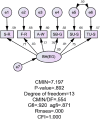
| EG | 7.197 | 0.892 | 0.554 | 0.000 | 0.047 | 1.000 | 1.076 | 0.92 | 0.871 | |
| BN | CG | 10.918 | 0.536 | 0.91 | 0.000 | 0.085 | 1.000 | 1.019 | 0.903 | 0.83 |
| EG | 16.645 | 0.163 | 1.387 | 0.124 | 0.071 | 0.952 | 0.94 | 0.833 | 0.708* | |
| BC | CG | 7.799 | 0.9 | 0.557 | 0.000 | 0.046 | 1.000 | 1.070 | 0.911 | 0.866 |
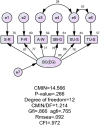
| EG | 14.566 | 0.266 | 1.214 | 0.092 | 0.071 | 0.972 | 0.965 | 0.866 | 0.765* | |
Note: * indicates that the proposed fit index does not reach the standard level.
In addition, the measurement models of CG and EG for three other body parts are shown in Appendix F, namely the BH, BN and BC. The fit of the CG model for the BH was slightly inadequate with AGFI = 0.852 and the fit of the BH(EG) model was slightly inadequate with AGFI = 0.871, while all other indexes met the requirements. The fitted indexes of the CG measurement model for the BN, AGFI = 0.83, RMSEA = 0.124, GFI = 0.833 and AGFI = 0.708, are slightly underestimated, while all other indexes are met. All fit indices for the 10 measurement models were not optimal but achieved a marginal fit and the models were acceptable.
3.3.2. Composite reliability and convergent validity of the measurement model
In this study, the composite reliability and convergent validity were calculated using Equations (1), (2)), and the average variance extracted, suggested by Bagozzi and Yi (1988) was evaluated as AVE>0.50; the composite reliability suggested by Nunnally and Bernstein (1994) was evaluated as CR > 0.70. The two indexes attain the standard level, which indicates good composite reliability and convergent validity of the potential variables.
As shown in Table 7, some of the standardized factor loads did not meet the standard requirements, but the values were >0.5 and were relatively close to 0.70, therefore could be accepted. For example, the standardized factor loadings for the TU-S variable in the SN(CG) model were 0.622 and the standardized factor loadings for the SB-G and TU-S variables in the BH(CG) model were 0.682 and 0.637, respectively; the standardized factor loadings for the SB-G and TU-S variables in the BN(CG) model are 0.673 and 0.629. The standardized factor loadings for the A-W variable in the BN(EG) model were 0.687 and the standardized factor loadings for the SU-S variable in the BC(EG) model were 0.664.
Table 7.
Standardized factor loadings for the CFA measurement model.
| Model |
S-R |
F-R |
A-W |
SB-G |
SU-S |
TU-S |
AVE |
CR |
|
|---|---|---|---|---|---|---|---|---|---|
| Standard Level | ≥0.70 | >0.50 | >0.70 | ||||||
| SH | CG | 0.889 | 0.856 | 0.789 | 0.790 | 0.861 | 0.699 | 0.667 | 0.923 |
| EG | 0.910 | 0.834 | 0.826 | 0.903 | 0.846 | 0.766 | 0.721 | 0.939 | |
| SN | CG | 0.698 | 0.760 | 0.835 | 0.780 | 0.754 | 0.622* | 0.554 | 0.881 |
| EG | 0.808 | 0.906 | 0.743 | 0.851 | 0.724 | 0.702 | 0.628 | 0.909 | |
| BH | CG | 0.726 | 0.724 | 0.713 | 0.682* | 0.808 | 0.637* | 0.514 | 0.863 |
| EG | 0.766 | 0.826 | 0.773 | 0.763 | 0.814 | 0.755 | 0.614 | 0.905 | |
| BN | CG | 0.72 | 0.702 | 0.718 | 0.673* | 0.772 | 0.629* | 0.495 | 0.854 |
| EG | 0.849 | 0.819 | 0.687* | 0.801 | 0.775 | 0.712 | 0.602 | 0.900 | |
| BC | CG | 0.842 | 0.864 | 0.870 | 0.785 | 0.752 | 0.801 | 0.673 | 0.925 |
| EG | 0.871 | 0.774 | 0.770 | 0.784 | 0.664* | 0.756 | 0.596 | 0.898 | |
Note: * indicates that the standardized factor loadings are not at the standard level, but the value is > 0.5.
3.4. sEMG measurements of the body parts during the prototype experience
3.4.1. sEMG measurement experimental strategy
Based on the assessment of the prototype's perceived (dis)comfort on body parts, it was discovered in this study that the neck region had the highest value of perceived comfort and that the greatest difference in perception was found between the prototype's use (EG) and its unuse (CG). An objectively measured prototype usability experiment was therefore established, using sEMG for measurement, to further analyse the differences between the SN (left and right) and the level of comfort. Over the previous three months, the subjects had been free of joint and muscle pathologies. They were asked to sit in an office chair during lunchtime hours for the experiment and measure both conditions with and without this product, after which the physiological data were counted and analysed. Chairs with armrests but no headrests were chosen because they are commonly used at work and for computer work.
The sEMG experiment lasted for 10 days, with two subjects per day, and was conducted at one-day intervals between 11:00 a.m. and 15:00 p.m. The test required dividing the participants into two groups: non-wearing and wearing, with each group alternating between using the product and resting in an office chair for around 30 min. Data for the left and right SCMs were collected using sEMG sensors placed in the 1/3 position between the sternal groove and the mastoid muscle overload.
3.4.2. sEMG data analysis for experimentation
The sEMG experiment was carried out on the SCM muscles of 21 subjects divided into two groups: control and experimental. To compare SCM muscle fatigue between the CG and the EG, the raw data from the MPF values were exported and fitted using MatLab for linear regression analysis. As a result, the sEMG data had high precision, accuracy and reliability.
In Fig. 10, the sEMG filtering data of the left and right SCMs for five of the total (n = 16) subjects are specifically shown, and the CG (Fig. 10-a) and the EG (Fig. 10-b) are compared side by side. It was found that there were significant differences in both the left and right SCM signal fluctuations in the subjects, with more significant differences between the CG and the EG.
Fig. 10.

Intercepted 60s (840–900s) of filtered data of subjects (a) Control groups, and (b) Experimental groups.
In conclusion, in the experiment with the CG (unused), the left and right SCMs showed significant muscle fatigue (P < 0.05) after 15 min of rest and the data were statistically significant (Table 8). In the CG unused (Fig. 11-a, and b), significant muscle fatigue was observed in the left and right SCMs (P < 0.05) and the slope of the MPF regression line was negative (CG-SCM-R, β = −0.142, CG-SCM-L, β = −0.097). The left SCM in the EG (used) showed no muscle fatigue and the slope of the regression line for MPF was positive (EG-SCM-L, β = 0.185), however, In the right SCM, the slope of the MPF regression line was negative. (EG-SCM-R, β = −0.128), indicating the presence of muscle fatigue, but to a lesser extent than the CG (Table 8). Fig. 11 (c) and (d) further demonstrates that resting in an office chair with this prototype is effective in relieving neck muscle fatigue during short (15 min) rests. Therefore, it has been illustrated that there is a significant usability difference between the EG and the CG, and that the EG has a good comfort effect.
Table 8.
Results of linear regression analysis of initial and secondary experimental data.
| Experiment | Unnormalized coefficient |
Normalized |
||||
|---|---|---|---|---|---|---|
| Model | Beta | SE | Beta | t | P (Sig.) | |
| CG | SCM-R | −0.142 | 0.019 | −0.238 | −7.329 | 0.000a |
| SCM-L | −0.097 | 0.02 | −0.158 | −4.794 | 0.000a | |
| EG | SCM-R | −0.128 | 0.023 | −0.185 | −5.648 | 0.000a |
| SCM-L | 0.185 | 0.018 | 0.326 | 10.325 | 0.000a | |
Denotes p < 0.5.
Fig. 11.

Linear regression analysis of the MPF data for the secondary experimental sEMG signals, (a) CG-SCM-L, (b) CG-SCM-R, (c) EG-SCM-L, and (d) EG-SCM-R.
4. Discussion
This study examines the existing literature on the subject, creates a prototype usability experiment with a perceived comfort assessment model and sEMG measurements, and validates and investigates the data generated by the experiment. The procedure was divided into three stages: the first was the creation of a perception assessment questionnaire, the second was the analysis of validating factors and the third was the verification of comfort using sEMG on the neck area.
4.1. Questionnaire to assess the perception of (dis)comfort of body parts based on prototype experience
In the first phase, eight pairs of perceptual terms from the literature were summarized, and the questionnaire was used to filter the perceptual terms based on the prototype's experience. The final six pairs of terms with the highest scores were chosen, and the data not only had high reliability but also did not differ by gender, indicating that the perceptual terms could be used to describe the prototype's comfort and discomfort. The questionnaire's reliability and validity have not been confirmed, and only a hypothesis has been proposed; this will be used as a subjective perception measurement tool in the second phase of the experiment.
4.2. Prototype (dis)comfort perception evaluation and sEMG measurement
Perceptions of the comfort experiment and factor validation made up the second stage of the study, which involved setting up the experimental site, organizing the subjects and planning and managing the experimental process. Based on the findings of this phase, five of the 10 body parts with strong perceptions of comfort were measured in a CFA model, and some of the models had slightly poorer AGFI indicators, such as SH(EG), SN(CG), BN(EG) and BC(EG) but the GFI indicators were all satisfactory. The GFI indicators, on the other hand, were all satisfactory, implying that the CG and EG measurement models for the five body parts fit well and achieved satisfactory levels of construct reliability and convergent validity. This implies that the six-factor comfort and discomfort perception scale, proposed in this study, is appropriate for use in the prototype test and can provide an accurate measure of the perceived user experience. Furthermore, the measurement model's good fit justifies the use of a cut-off value of 3.5 in the screening process of “2.3.1 Factors relating to the degree of sitting (dis)comfort”.
The third stage comprises the sEMG measurement of body parts and data linear regression analysis, which focuses on muscle physiological signal measurement and comfort identification, and necessitates the establishment of a prototype usability experiment similar to the second stage. In order to further validate sEMG for comfort measurement in the prototype usability test, sEMG measurement experiments are relatively expensive and time-consuming, and the data are detailed and elaborate. The goal is to validate sEMG's reliability for (dis)comfort measurements in prototype usability testing. The use of sEMG to measure muscle fatigue more accurately in the SCM not only validated the logic and reliability of the body perception assessment method, but also demonstrated the prototype's effectiveness in improving local body comfort and relieving muscle fatigue in the supine lying position. The CG-SCM-L, CG-SCM-R and EG-SCM-R all showed significant (p < 0.05) fatigue, whereas the EG-SCM-L did not show fatigue but had significantly less fatigue data than the CG-SCM-L.
According to the behavioral observations of the subjects in the experiment, the body would have three reclining postures when resting in a chair in a supine position, such as neutral, left, and right. There was no significant recline bias in the sEMG CG, but in the sEMG EG, the subjects were used to reclining to the left, so there was no significant fatigue in the left SCM under the intervention of the prototype (Fig. 11 c), while the right SCM was less affected by the prototype, so it showed some fatigue (Fig. 11 d). Add the above to the article.
4.3. The effect of time and posture on experimental results
The best time to conduct the experiment is between 11:00 a.m. and 15:00 p.m. after lunch, which means that the time available for the experiment is limited and it can only be completed over several days. The perception of body comfort assessment experiment can be completed an average of four times per day, as participants only need to complete the prototype experience and answer the questionnaire, whereas the sEMG measurement experiment can only be completed twice per day, due to the influence of the equipment. The ambiguity and variability of human perception are high, therefore, accurate measurement timing is critical for data accuracy and reliability.
Based on the observations and brief exchanges with the subjects during the experiment, it was interesting to note that the differences in height and weight of the subjects resulted in significant differences in the description of feelings related to the prototype. There were also differences in sitting posture, with some leaning left, others leaning right, some stretching their legs forward and others retracting them backwards. These phenomena result in varying levels of comfort in the body parts during the perceptual assessment, as well as significant differences in the sEMG data of the neck muscles between the left and right sides. The duration of the test and the subjects’ postural adjustment may be the main reasons for this, as the subjects naturally adjust their posture to relax their muscles when they feel weak. This is why, as a normal physiological phenomenon, the two sides of the SCM produce different muscle responses.
5. Conclusion
The goal of this research was to create a prototype testing model based on body part comfort perception experiments, as well as to investigate human factors based on experimental data analysis. The purpose of this was to effectively validate new products and design concepts, thereby promoting innovation in industrial design and manufacturing. After summarizing previous literature on body part types, scales and perceptual terms of comfort and discomfort, a “Questionnaire for the Evaluation of Perceived (Dis)Comfort of Body Parts” based on body mapping and a “Factor Word Screening Questionnaire for (Dis)Comfort”, based on semantic difference terms were developed. The questionnaire data were then used to select body parts and perceptual terms appropriate for the prototype test.
The results of the CFA showed that the CG and EG models for the five important body part comfort/discomfort perception evaluation factors fitted satisfactorily. The CG and EG models for five important factors in the perception evaluation of body part comfort/discomfort were fitted to a satisfactory level, with the fit metrics satisfying RMSEA <0.08, SRMR ≤0.10, CFI >0.90, TLI >0.90, GFI >0.80, AGFI >0.80 or ≈0.80 and AVE >0.50, CR > 0.70. 0.70, with a normalized loading factor value of ≥0.5 for each model variable, which was considered to be an acceptable fit model. The experimental subjects were healthy young adults, however, the gender- and age-based groupings have not yet been explored in depth. Differences in physical conditions may have had an impact on the study, which could be further investigated in the future. Multi-sensory comfort is a complex psychological, physiological, physical and environmental characteristic, and therefore affects the fit of the measurement model, which is not perfect but achieves the standard level. In addition, the type of office chair may also affect the results of the experiment, such as the difference between a head-supported chair-back and a chair-back without head support. From the experimental observations, it was found that there are three leaning directions in the supine sitting position, and there is some stability when there is a prototype intervention, such as a continuous leaning to the left; however, the significance of the leaning direction could not be confirmed due to the inadequacy of the sample. The sEMG results of the muscles on both sides of the neck also support this finding.
The results of the perceptual evaluation and sEMG experiments support the fact that our prototype usability testing model is a useful tool, not only in terms of assessing the comfort of sitting in a supine sitting position but also for validating the new design's feasibility. If the results show that the prototype is capable of significantly improving comfort for the body part, the product prototype's details design will be optimized, and comfort improvement measures will be proposed to improve the prototype from the standpoint of the overall design concept in a cycle. Our proposed method is a generic model that can be used not only for the prototypes in this study, but also for usability testing of other similarly functioning products, such as a reference for cushion or sleep aid comfort studies.
Ethics approval
All human subjects in this study have given their written consent for the participation of our research.
Author contribution statement
You-Lei Fu, Ph.D.: Conceived and designed the experiments; Performed the experiments; Analyzed and interpreted the data; Wrote the paper. Ruoqi Dai: Performed the experiments; Analyzed and interpreted the data. Xiaoshun Xie; Wu Song: Contributed reagents, materials, analysis tools or data.
Funding statement
You-Lei Fu was supported by 2021 Education Science “14th Five-Year Plan” Project, “A Study on the Integration of Innovative Thinking and Localism Design Education”, Fujian Province, China [FJJKBK21-025].
Wu Song was supported by 2020 General Project of Humanities and Social Sciences Research, Ministry of Education, China [20YJA760067]; 2019 General Project of Social Science Planning, Fujian Province, China [FJ2019B131]; 2019 Natural Science Foundation Program, Fujian Province, China [2019J01061]; and Cooperative Research Project between CRRC Zhuzhou Locomotive CO., LTD and Huaqiao University [2021-0015].
Data availability statement
Data will be made available on request.
Declaration of competing interest
The authors declare no competing interests.
Contributor Information
Xiaoshun Xie, Email: xiaoshun95011@qztc.edu.cn.
Wu Song, Email: songwu@hqu.edu.cn.
Appendix.
Appendix A.

Questionnaire for the evaluating perceptual terms of subjective (dis)comfort
Appendix B.

Questionnaire for the evaluation of perceived (dis)comfort of body parts
Appendix C.

Part of the subjects and experimental scenario
Appendix D.
Descriptive statistics of perceived body (dis)comfort assessment data (control group)
| Strain Relaxation |
Fatigue Relief |
Ache Well being |
Support Bad-Good | Shape Unsuit-Suit | Thicknesses Unsuit-Suit | |
|---|---|---|---|---|---|---|
| Body parts | A (Means/SD) | B (Means/SD) | C (Means/SD) | D (Means/SD) | E (Means/SD) | F (Means/SD) |
| Side of head | 2.538/1.028 | 2.615/0.982 | 2.538/0.947 | 2.5/1.240 | 2.384/1.061 | 2.692/1.319 |
| Side neck | 2.230/1.176 | 2.307/1.086 | 2.038/0.958 | 1.923/1.016 | 2.153/1.084 | 2.384/1.235 |
| Shoulder | 3.192/1.132 | 3.038/1.038 | 2.461/0.904 | 2.884/1.142 | 2.730/0.874 | 2.692/1.049 |
| Back of head | 2.461/1.028 | 2.461/0.904 | 2.5/0.989 | 2.5/0.989 | 2.384/0.803 | 2.923/1.163 |
| Back of neck | 2.115/0.993 | 2.115/1.032 | 2.076/0.976 | 1.961/1.076 | 2.307/1.049 | 2.461/0.989 |
| Back | 2.923/0.934 | 3.076/0.976 | 2.961/0.958 | 2.961/1.076 | 2.807/0.980 | 2.884/1.032 |
| Upper arm | 3.423/0.643 | 3.269/0.874 | 3.269/0.919 | 3.153/0.880 | 3.038/0.773 | 3.153/0.833 |
| Elbow | 3.461/1.028 | 3.076/0.934 | 3/0.8 | 3.038/1.148 | 2.884/0.765 | 2.769/0.764 |
| Waist | 3.038/0.958 | 2.884/0.993 | 2.692/0.970 | 2.961/1.148 | 2.884/1.032 | 2.615/1.168 |
| Buttock | 3.615/0.852 | 3.423/0.945 | 3.384/0.803 | 3.461/0.989 | 3.384/1.022 | 3.230/1.106 |
Appendix E.
Descriptive statistics of perceived body (dis)comfort assessment data (experimental group)
| Strain Relaxation |
Fatigue Relief |
Ache Well being |
Support Bad-Good | Shape Unsuit-Suit | Thicknesses Unsuit-Suit | |
|---|---|---|---|---|---|---|
| Body parts | A (Means/SD) | B (Means/SD) | C (Means/SD) | D (Means/SD) | E (Means/SD) | F (Means/SD) |
| Side of head | 4.115/0.863 | 4.038/0.870 | 3.961/0.915 | 4/1.019 | 3.923/1.016 | 3.576/1.172 |
| Side neck | 4.192/1.096 | 4.076/1.055 | 4/1.131 | 4.192/1.096 | 3.653/1.129 | 3.615/1.168 |
| Shoulder | 3.653/0.977 | 3.538/0.904 | 3.653/1.129 | 3.653/1.093 | 3.692/1.049 | 3.461/1.066 |
| Back of head | 3.461/1.028 | 3.615/0.982 | 3.615/1.098 | 3.730/1.150 | 3.769/1.031 | 3.269/1.115 |
| Back of neck | 4.115/0.993 | 3.884/1.070 | 4/1.356 | 3.923/1.092 | 3.846/1.120 | 3.461/1.139 |
| Back | 3.615/0.897 | 3.461/0.859 | 3.461/0.989 | 3.346/0.891 | 3.269/1.041 | 3.230/0.862 |
| Upper arm | 3.807/1.096 | 3.807/1.059 | 3.653/0.977 | 3.692/1.049 | 3.615/1.022 | 3.615/1.134 |
| Elbow | 3.846/0.967 | 3.615/0.982 | 3.692/0.970 | 3.5/0.948 | 3.5/1.140 | 3.538/1.066 |
| Waist | 3.5/0.989 | 3.423/0.856 | 3.384/1.022 | 3.384/0.852 | 3.153/0.880 | 3.269/0.919 |
| Buttock | 3.461/0.989 | 3.269/0.874 | 3.5/0.948 | 3.269/0.919 | 3.153/0.880 | 3.384/0.941 |
Appendix F.
CFA measurement models for the 5 main body parts
| Model | Control Group (CG) | Experimental Group (EG) |
|---|---|---|
| Back of head | 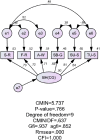 |
 |
| Back of neck |  |
 |
| Back | 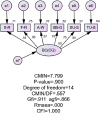 |
 |
References
- 1.Brooks A., Lack L. A brief afternoon nap following nocturnal sleep restriction: which nap duration is most recuperative? Sleep. 2006;29(6):831–840. doi: 10.1093/sleep/29.6.831. [DOI] [PubMed] [Google Scholar]
- 2.Tietzel A.J., Lack L.C. The recuperative value of brief and ultra‐brief naps on alertness and cognitive performance. J. Sleep Res. 2002;11(3):213–218. doi: 10.1046/j.1365-2869.2002.00299.x. [DOI] [PubMed] [Google Scholar]
- 3.Milner C.E., Cote K.A. Benefits of napping in healthy adults: impact of nap length, time of day, age, and experience with napping. J. Sleep Res. 2009;18(2):272–281. doi: 10.1111/j.1365-2869.2008.00718.x. [DOI] [PubMed] [Google Scholar]
- 4.Lauff C.A., Kotys-Schwartz D., Rentschler M.E. What is a prototype? What are the roles of prototypes in companies? J. Mech. Des. 2018;140(6) [Google Scholar]
- 5.Magazine C. 2020. Prototyping definition.https://www.pcmag.com 3, August. Retrieved from. [Google Scholar]
- 6.Kondaveeti H.K., Kumaravelu N.K., Vanambathina S.D., Mathe S.E., Vappangi S. A systematic literature review on prototyping with Arduino: applications, challenges, advantages, and limitations. Computer Science Review. 2021;40 [Google Scholar]
- 7.Brandt E. How tangible mock-ups support design collaboration. Knowl. Technol. Pol. 2007;20(3):179. 19. [Google Scholar]
- 8.Naddeo A., Di Brigida L., Fontana C., Montese J., Quartuccia M., Nasti M.…Califano R. A body-shaped lumbar-sacral support for improving car-seat comfort. Work. 2021;68(s1):S129–S138. doi: 10.3233/WOR-208012. [DOI] [PubMed] [Google Scholar]
- 9.Wen Y., Yang W. Proceedings of the 2nd International Conference On Artificial Intelligence And Advanced Manufacture. 2020, October. Application of ergonomics form in car seat modeling design; pp. 326–329. [Google Scholar]
- 10.Smith D.R., Andrews D.M., Wawrow P.T. Development and evaluation of the automotive seating discomfort questionnaire (ASDQ) Int. J. Ind. Ergon. 2006;36(2):141–149. [Google Scholar]
- 11.Fasulo L., Naddeo A., Cappetti N. A study of classroom seat (dis) comfort: relationships between body movements, center of pressure on the seat, and lower limbs' sensations. Appl. Ergon. 2019;74:233–240. doi: 10.1016/j.apergo.2018.08.021. [DOI] [PubMed] [Google Scholar]
- 12.da Silva Menegon L., Vincenzi S.L., de Andrade D.F., Barbetta P.A., Merino E.A.D., Vink P. Design and validation of an aircraft seat comfort scale using item response theory. Appl. Ergon. 2017;62:216–226. doi: 10.1016/j.apergo.2017.03.005. [DOI] [PubMed] [Google Scholar]
- 13.O'Sullivan K., O'Dea P., Dankaerts W., O'Sullivan P., Clifford A., O'Sullivan L. Neutral lumbar spine sitting posture in pain-free subjects. Man. Ther. 2010;15:557–561. doi: 10.1016/j.math.2010.06.005. [DOI] [PubMed] [Google Scholar]
- 14.Lindegård A., Wahlström J., Hagberg M., Vilhelmsson R., Toomingas A., Tornqvist E.W. Perceived exertion, comfort and working technique in professional computer users and associations with the incidence of neck and upper extremity symptoms. BMC Muscoskel. Disord. 2012;13(1):1–8. doi: 10.1186/1471-2474-13-38. [DOI] [PMC free article] [PubMed] [Google Scholar]
- 15.Smulders M., Naddeo A., Cappetti N., Van Grondelle E.D., Schultheis U., Vink P. Neck posture and muscle activity in a reclined business class aircraft seat watching IFE with and without head support. Appl. Ergon. 2019;79:25–37. doi: 10.1016/j.apergo.2018.12.014. [DOI] [PubMed] [Google Scholar]
- 16.Tan C. Technische Universiteit Eindhoven; Eindhoven: 2010. Smart System for Aircraft Passenger Neck Support (Unpublished Doctoral Dissertation) [Google Scholar]
- 17.Franz M., Durt A., Zenk R., Desmet P. Comfort effects of a new car headrest with neck support. Appl. Ergon. 2012;43:336–343. doi: 10.1016/j.apergo.2011.06.009. [DOI] [PubMed] [Google Scholar]
- 18.Bouwens J.M., Schultheis U.W., Hiemstra-van Mastrigt S., Vink P. Expected versus experienced neck comfort. Human Factors and Ergonomics in Manufacturing & Service Industries. 2018;28(1):29–37. [Google Scholar]
- 19.Fu Y.L., Liang K.C., Song W., Huang J. A hybrid approach to product prototype usability testing based on surface EMG images and convolutional neural network classification. Comput. Methods Progr. Biomed. 2022;221 doi: 10.1016/j.cmpb.2022.106870. [DOI] [PubMed] [Google Scholar]
- 20.Rosaria C., Alessandro N., Chiara C. Comfort seat design: thermal sensitivity of human back and buttock. Int. J. Ind. Ergon. 2020;78 [Google Scholar]
- 21.Tilley A.R., Dreyfuss H. John Wiley & Sons Inc; New York: 2002. The Measure of Man and Woman: Human Factors in Design. [Google Scholar]
- 22.Zhang L., Helander M.G., Drury C.G. Identifying factors of comfort and discomfort in sitting. Hum. Factors. 1996;38(3):377‐389. [Google Scholar]
- 23.Vink P. Delft University of Technolog; Inaugural Lecture: 2014. The Sweetness of Discomfort: Designing the Journey. [Google Scholar]
- 24.Vink P., Hallbeck S. Comfort and discomfort studies demonstrate the need for a new model. Appl. Ergon. 2012;43(2):271–276. doi: 10.1016/j.apergo.2011.06.001. [DOI] [PubMed] [Google Scholar]
- 25.Naddeo A., Cappetti N., Vallone M., Califano R. In: Proceedings of the 5th International Conference on Applied Human Factors and Ergonomics AHFE. Ahram T., Karwowski W., Marek T., editors. 2014. New trend line of research about comfort evaluation: proposal of a framework for weighing and evaluating contributes coming from cognitive, postural and physiologic comfort perceptions. [Google Scholar]
- 26.Kuorinka I. Subjective discomfort in a simulated repetitive task. Ergonomics. 1983;26(11):1089–1101. doi: 10.1080/00140138308963442. [DOI] [PubMed] [Google Scholar]
- 27.Hatch K.L. West Publishing; Minneapolis. MN: 1993. Textile Science. [Google Scholar]
- 28.Helander M.G., Zhang L. Field studies of comfort and discomfort in sitting. Ergonomics. 1997;40(9):895‐915. doi: 10.1080/001401397187739. [DOI] [PubMed] [Google Scholar]
- 29.Vink P. CRC Press; Boca Raton, FL: 2004. Comfort and Design: Principles and Good Practice. [Google Scholar]
- 30.Yang Z., Sun S., Chen G. 2009 IEEE 10th International Conference on Computer-Aided Industrial Design & Conceptual Design. IEEE; 2009. Evaluating sitting comfort with questionnaire and body pressure distribution: overview and design; pp. 1443–1447. [Google Scholar]
- 31.Cai D., Chen H.L. Ergonomic approach for pillow concept design. Appl. Ergon. 2016;52:142–150. doi: 10.1016/j.apergo.2015.07.004. [DOI] [PubMed] [Google Scholar]
- 32.Ren S., Wong D.W.C., Yang H., Zhou Y., Lin J., Zhang M. Effect of pillow height on the biomechanics of the head-neck complex: investigation of the cranio-cervical pressure and cervical spine alignment. PeerJ. 2016;4:e2397. doi: 10.7717/peerj.2397. [DOI] [PMC free article] [PubMed] [Google Scholar]
- 33.Son J., Jung S., Song H., Kim J., Bang S., Bahn S. A survey of koreans on sleep habits and sleeping symptoms relating to pillow comfort and support. Int. J. Environ. Res. Publ. Health. 2020;17(1):302. doi: 10.3390/ijerph17010302. [DOI] [PMC free article] [PubMed] [Google Scholar]
- 34.Califano R., Naddeo A., Vink P. The effect of human-mattress interface's temperature on perceived thermal comfort. Appl. Ergon. 2017;58:334–341. doi: 10.1016/j.apergo.2016.07.012. [DOI] [PubMed] [Google Scholar]
- 35.Ohayon M.M., Paskow M., Roach A., Filer C., Hillygus D.S., Chen M.C.…Consensus N.S.F.S.S. The National Sleep Foundation's sleep satisfaction tool. Sleep Health. 2019;5(1):5–11. doi: 10.1016/j.sleh.2018.10.003. [DOI] [PubMed] [Google Scholar]
- 36.Hwang W., Salvendy G. Number of people required for usability evaluation: the 10±2 rule. Commun. ACM. 2010;53(5):130–133. [Google Scholar]
- 37.Zhou R., Chan A.H. Using a fuzzy comprehensive evaluation method to determine product usability: a test case. Work. 2017;56(1):21–29. doi: 10.3233/WOR-162473. [DOI] [PMC free article] [PubMed] [Google Scholar]
- 38.Bonfim G., Medola F., Paschoarelli L. Advances in Ergonomics Modeling, Usability & Special Populations. Springer; Cham: 2017. Usability in the development of packaging design: complementing the subjective evaluation; pp. 67–74. [Google Scholar]
- 39.Byrne B.M. Routledge; New York: 2013. Structural Equation Modeling with AMOS: Basic Concepts, Applications, and Programming. [Google Scholar]
- 40.Awang Z. SEM Made Simple: A Gentel Approach to Learning Structural Equation Model. MPWS Publisher; Bangi: 2015. Introdudction to SEM in AMOS; pp. 17–43. [Google Scholar]
- 41.Rahlina N.A., Awangb Z., Afthanorhanc A., Aimrand N. The art of covariance based analysis in behaviour-based safety performance study using confirmatory factor analysis: evidence from SMES. Measurement. 2019;7(10) [Google Scholar]
- 42.Shah R., Goldstein S.M. Use of structural equation modeling in operations management research: looking back and forward. J. Oper. Manag. 2006;24(2):148–169. [Google Scholar]
- 43.Hair J.F. International encyclopedia of statistical science; 2011. Multivariate Data Analysis: an Overview; pp. 904–907. [Google Scholar]
- 44.Jaccard J., Wan C.K. Measurement error in the analysis of interaction effects between continuous predictors using multiple regression: multiple indicator and structural equation approaches. Psychol. Bull. 1995;117(2):348. [Google Scholar]
- 45.Browne M.W. Asymptotically distribution‐free methods for the analysis of covariance structures. Br. J. Math. Stat. Psychol. 1984;37(1):62–83. doi: 10.1111/j.2044-8317.1984.tb00789.x. [DOI] [PubMed] [Google Scholar]
- 46.Kline R.B. Guilford publications; New York, NY: 2015. Principles and Practice of Structural Equation Modeling. [Google Scholar]
- 47.Nunnally J.C., Bernstein I.H. third ed. McGraw-Hill; New York, NY: 1994. Psychological Theory. [Google Scholar]
- 48.Bagozzi R.P., Yi Y. On the evaluation of structural equation models. J. Acad. Market. Sci. 1988;16(1):74–94. [Google Scholar]
- 49.Xu M., Jin L., Yu L., Liu J., Zhang A. Effect of long-term bowing of the head on neck muscle fatigue. Chinese Journal of Engineering. 2019;41(11):1493–1500. [Google Scholar]
- 50.Falla D.D.A.P., Dall'Alba P., Rainoldi A., Merletti R., Jull G. Location of innervation zones of sternocleidomastoid and scalene muscles–a basis for clinical and research electromyography applications. Clin. Neurophysiol. 2002;113(1):57–63. doi: 10.1016/s1388-2457(01)00708-8. [DOI] [PubMed] [Google Scholar]
- 51.Soderberg G.L. Expert perspectives; 1992. Recording Techniques. Selected Topics in Surface Electromyography for Use in the Occupational Setting; pp. 31–35. [DOI] [Google Scholar]
- 52.Hermens H.J., Freriks B., Disselhorst-Klug C., Rau G. Development of recommendations for SEMG sensors and sensor placement procedures. J. Electromyogr. Kinesiol. 2000;10(5):361–374. doi: 10.1016/s1050-6411(00)00027-4. [DOI] [PubMed] [Google Scholar]
Associated Data
This section collects any data citations, data availability statements, or supplementary materials included in this article.
Data Availability Statement
Data will be made available on request.