Hepatology Forum logoLink to Hepatology Forum
. 2021 Jan 30;2(Suppl 1):1–25.

EP-01: Association of genetic polymorphisms of OATP with susceptibility to hepatocellular carcinoma in hepatitis C patients who achieved SVR by direct acting antivirals

Zuhal Mert Altintas 1, Serkan Yaras 2, Engin Altintas 2
PMCID: PMC10645403  PMID: 37969905

Abstract

OBJECTIVES: Simeprevir, daclatasvir, ledipasvir, paritaprevir and ritonavir are all substrates and inhibitors of the organic anion transporting polypeptide (OATP1B1 transporter, whereas sofosbuvir, ombitasvir and dasabuvir are not substrates. The purpose of this study is to evaluate the association of organic anion transporting polypeptide (OATP) gene polymorphism and hepatocellular carcinoma in Hepatitis C patients who achieved SVR by direct acting antivirals.

MATERIALS & METHODS: Four single-nucleotide polymorphisms (SNPs) (388 A>G, 521 T>C, 334 T>G, and 699 G>A) within the OATP gene were genotyped by PCR-RFLP in 200 patients with chronic HCV infection (CHC) treated with DAAs, Laboratory work up and abdominal ultrasound was performed at baseline, at 12 weeks after end of treatment and then at every 6 months of follow up (FU).

RESULTS: The overall SVR12 rate was 99.5%. The SVR12 rate was similar between the patients with HCC and those without HCC (100% vs 99.4%, p=0.49). HCC developed in 10 (5%) of the patients, approximately 11 (6-36 months) after the end of the treatment. No significant differences were found regarding OATP gene polymorphisms among the case groups (including CHC and HCC) and no matter in comparisons of alleles, genotypes, or haplotypes. Similar insignificant results were also observed when subgroup analyses were performed in different gender.

CONCLUSION: Our observation suggests that SNPs 388 A>G, 521 T>C, 334 T>G, and 699 G>A of OATP gene might not contribute to the development of HCC in Hepatitis C patients who achieved SVR by direct acting antivirals.

Keywords: Hepatitis C, hepatocellular carcinoma, organic anion transporting polypeptide

Hepatol Forum. 2021 Jan 30;2(Suppl 1):1–25.

EP-02: The evaluation of the role of liver stiffness measurement in predicting hepatocellular carcinoma in chronic hepatitis C patients

Serkan Yaras 1, Osman Ozdogan 1, Hatice Rizaoglu Balci 1, Ferzan Aydin 1, Mustafa Zanyar Akkuzu 1, Enver Ucbilek 1, Fehmi Ates 1, Orhan Sezgin 1, Engin Altintas 1

OBJECTIVES: Due to their safety profile and low side effects any patient in any stage of chronic liver disease related with Hepatitis C can be treated with direct-acting antivirals (DAA). Therefore, it is important to know which patients will be prone to develop liver-related complications, such hepatocellular carcinoma. However, in the DAA era the association between liver stiffness measurement (LSM) improvement post-therapy and de novo development of HCC has not been well studied.

MATERIALS & METHODS: This prospective study included 200 Hepatitis C patients who had been treated with DAA and had achieved SVR. Laboratory work up and LSM was performed at baseline and at every 6 months of follow up (FU).

RESULTS: The mean age was 60.5. HCC developed in 10 (5%) of the patients, approximately 11 (6-36 months) after the end of the treatment. LSM was higher in patients with HCC; It was 11.74±4.193 kPa versus 15.86±2.806 kPa (p=0.027). The cut off value of LSM to predict HCC was calculated as 14.1 kPa.

CONCLUSION: Patients and clinicians will possess the right information about the expected risk of HCC on an individual basis and more importantly, it will serve to stress the importance of continuing HCC screening (especially in the high-risk groups) and maintaining adherence to these programs by the patients.

Keywords: Hepatitis C, hepatocellular cancer, liver stiffness measurement

Hepatol Forum. 2021 Jan 30;2(Suppl 1):1–25.

EP-03: Re-evaluating diagnoses of autoimmune liver diseases in patients followed up at Hacettepe University

Sefika Nur Ayar 1, Cem Şimşek 2, Elif Soyak 3, Deniz Çağdaş Ayvaz 3, Yasemin Balaban 2

OBJECTIVES: Autoimmune liver diseases (ALDs), which consist of autoimmune hepatitis (AIH), primary biliary cholangitis (PBC), primary sclerosing cholangitis (PSC) and overlap syndrome (OS), are a group of diseases characterized by immune attack to hepatocytes and/or cholangiocytes. Although each ALDs has own diagnostic criteria, they can share some clinical, laboratory and also histological features at initial diagnosis or follow up. This heterogeneous nature of ALDs leads to diagnostic difficulties. We aimed to re-evaluate diagnoses of our patients according to updated diagnostic criteria of ALDs.

MATERIALS & METHODS: We included 90 patients with ALDs who are on active follow up at Hacettepe University Gastroenterology Unit. Re-evaluation of diagnoses were done based on last accepted universal diagnostic criteria and guidelines for each disease; AIH revised diagnostic criteria (1) for AIH, current AASLD guidelines published in 2018 and 2010 for PBC and PSC (2,3), respectively and Paris criteria (4) for OS (AIH and PBC).

RESULTS: Out of 90 patients with ALDs, the previous diagnoses were 38 (42%) AIH, 29 (32%) PBC, 5 (6%) PSC and 18 (20%) OS (Table1). The revised diagnoses of ALDs in 89 patients distributed as 43 (49%) AIH, 32 (36%) PBC, 5 (6%) PSC and 8 (9%) OS. The kappa value was 0,73 (substantial agreement). However revised diagnosis differed from previous one in 16 (18%) out of 90 patients. Previous diagnoses did not change in patients with AIH and PSC. However, the diagnosis of PBC changed in 4 (14%) patients (2 to OS, 1 to PSC and 1 to non-ALD). Strikingly, the diagnosis was changed in most of patients with AIH-PBC variant OS (12 patients (67%); 7(39%) to PBC and 5 (28%) to AIH. Reasons for misdiagnosis of OS with no other features compatible with Paris criteria were the presence of histological interface hepatitis and ANA positivity (3 cases), interface hepatitis (2 cases), high IgG level (1 case), high ALT level together with ANA positivity (1 case) in 7 patients with PBC; and were elevated ALP levels (2 cases), AMA positivity (2 cases), histological bile duct injury (1 case) in 5 patients with AIH.

CONCLUSION: Type of ALDs was misdiagnosed in 18% of patients. Although AIH and PSC were accurately diagnosed, cholestatic features and biliary injury cause false diagnosis of PBC, and leaded to the major mistake as 67% overdiagnosis of OS.

Keywords: Autoimmune liver diseases, autoimmune hepatitis, primary biliary cholangitis, primary sclerosing cholangitis, overlap syndrome

Table 1.

Previous and revised diagnoses of ALD patients

graphic file with name ATDHC-2-g001.jpg

Hepatol Forum. 2021 Jan 30;2(Suppl 1):1–25.

EP-04: Iron Man: Distinguishing hereditary and secondary iron overload in the setting of autoantibody positivity

Nur Yazdalı Köylü 1, Bahadır Köylü 1, Cenk Sökmensüer 2, Yasemin Balaban 3

OBJECTIVES: Iron overload can cause diagnostic dilemma in case of chronic liver disease. Abnormal serum iron studies and iron overload can be either primary as in the hereditary hemochromatosis (HH) or secondary to chronic inflamation as in other chronic liver diseases such as alcoholic liver disease, non-alcoholic fatty liver disease, chronic viral hepatitis and, even -very rarely- autoimmune hepatitis (AIH). HH is characterized by abnormal accumulation of iron not only in parenchymal cells of liver, but also in endocrine glands, heart and skin. Whereas, secondary iron accumulation mostly affects reticuloendothelial cells. Here, we report a cirrhotic patient with iron overload who has also new-onset diabetes, hypergammaglobulinemia and high titers of auto-antibodies.

MATERIALS & METHODS: A 38-year old male, with new-onset diabetes, has been referred to Gastroenterology clinic because of bicytopenia. He had complaints of malaise and weight lose. At physical examination, there were dark-yellow discoloration of skin and splenomegaly. He denied any alcohol, intravenous drug or herbal product use. He has no significant family history for liver diseases. Laboratory tests revealed thrombocytopenia, leucopenia, elevated unconjugated bilirubin level, and normal transaminase levels. Viral hepatitis was ruled out with negative viral panel. Anti-nuclear antibody (ANA) and anti-smooth muscle antibody (ASMA) were positive with titers of 1/160 and 1/320 along with hypergammaglobulinemia. Transferrin saturation was 92% and ferritin was 498 mcg/L. MRI revealed cirrhotic liver, multiple siderophilic nodules in the liver, portal vein occlusion, atrophic pancreas, splenomegaly, splenorenal shunt and esophageal varices. Pancreatic atrophy resulting in diabetes was attributed to iron accumulation rather than immune causes. No other endocrinopathy was detected. The liver biopsy showed mild lymphocytic inflammatory infiltrate in portal areas, local piecemeal necrosis and hepatocyte-predominant iron deposition. Modified HAI score was 3/18 and fibrosis score was 5/6. HFE gene test revealed C282Y heterozygote mutation.

RESULTS: In our case, high titer auto-antibody positivity and hypergamaglobulinemia created a diagnostic confusion, although HH was suspected because of new-onset diabetes and skin pigmentation in a young male patient. The diagnosis of HH was supported by elevated ferritin level together with markedly increased transferrin saturation and demonstration of iron accumulation in liver by MRI. The liver biopsy not only confirmed primary iron accumulation, also excluded AIH. C282Y mutation is of high frequency in Europe, and the diagnostic algorithm of HH is based on mutation analysis. However, we could not detect any C282Y mutation in our previous study among 2677 Turkish healthy blood donors. Futhermore, C282Y mutation was absent among our HH patients in a small study. The presence of heterozygote C282Y mutation was considered as a supportive finding for HH in our case.

Keywords: Hereditary hemochromatosis, iron overload, autoimmune hepatitis

Figure 1.

Figure 1

(A) Brown pigments can be seen in liver biopsy with hemotoxylin&eosin stain (x200). (B) Excessive iron deposition is demonstrated by Prussian blue staining (x400).

Table 1.

HFE gene mutation analysis studies in Turkey

graphic file with name ATDHC-2-g003.jpg

Hepatol Forum. 2021 Jan 30;2(Suppl 1):1–25.

EP-05: Long-term follow-up liver stiffness results of chronic hepatitis C patients treated with direct-acting antivirals

Gözde Derviş Hakim 1, Ayşe Gökçen Tufan 2

BACKGROUND & PURPOSE: It was aimed to evaluate the liver stiffness measurements detected by transient elastography (Fibroscan®), FIB-4 (Fibrosis-4) and APRI (AST (aspartate aminotransferase) to platelet ratio index) scores in patients diagnosed with chronic hepatitis C (CHC) treated with direct-acting antivirals (DAAs) in long term follow up.

MATERIALS & METHODS: Liver stiffness measurements carried out with transient elastography, FIB-4, APRI scores and biochemical data before and after long term follow up of the treatment of 26 patients with CHC treated with DAA were reviewed. Patients receiving Paritaprevir + Ritonavir/Ombitasvir +Dasabuvir were included in group 1 (n=13), and patients receiving Sofosbuvir + Ledipasvir ± Ribavirin in group 2 (n=13).

RESULTS: There was no significant difference in gender (group 1: 5 men/8 women, group 2: 4 men/9 women), age (group 1: 60.38±10,87, group 2: 58.54±15.03) or the follow up time (group1:27 months (min-max: 12-34), group 2: 28 months (min-max: 22-38) between the groups. Mean liver stiffness measurement of the patients was 15.50±2.13 kPa (min-max:5.20-45.00 kPa) before treatment, 12.15±1.84 kPa (min-max: 4.30-42.00 kPa) end of treatment and 9.73±1.57kPa (min-max 3.0-42.2 kPa) 28 months after treatment. Significant regressions were also seen in the APRI and FIB-4 scores of patients at the long term follow up of the treatment compared with the onset of treatment (APRI onset of the treatment: 0.79±0.62, APRI long term follow up: 0.25±0.13, p<0.01, FIB-4 onset of the treatment: 2.65±1.82, FIB-4 long term follow up: 1.66±1.23, p<0.01). There was no significant difference in FIB-4, APRI score and transient elastography between the treatment groups in long term follow up (p=0.796, p=0.550, p=0.946).

CONCLUSION: Non-invasive assessments of CHC patients treated with DAA revealed regression of liver stiffness measurements, FIB-4 and APRI scores with current antiviral therapies and significant improvements were seen in the stage of fibrosis in the long term follow up of the treatment.

Keywords: Fibroscan, apri, fib-4, hepatitis-c

Hepatol Forum. 2021 Jan 30;2(Suppl 1):1–25.

EP-06: In patients with chronic hepatitis C, liver stiffness value obtained by ElastPQ ultrasonography decreases after treatment

Erdinc Gulumsek 1, Hilmi Erdem Sumbul 2, Mahmut Buyuksimsek 3, Kubra Demir 4, Ayse Selcan Koc 5, Adnan Tas 1, Yurdaer Bulut 6, Banu Kara 1

INTRODUCTION: In the literature, it is known that increased liver stiffness (LS) occurs in shear wave elastography (SWE) assessment in chronic hepatitis C (CHC) patients, but data on the effect of CHC treatment on LS are limited.

AIM: The aim of this study is to demonstrate the LS change in CHC patients obtained elastography point quantification (ElastPQ) technique that is a new SWE method in before and after antiviral treatment (AVT), and determining the relationship between the obtained LS value and other noninvasive liver fibrosis (LF) parameters.

METHOD: This prospective study included 84 patients diagnosed with CHC who had not previously received treatment for CHC and who received an indication for using direct-acting AVT. By noninvasive LF examinations, demographic features of patients, hepatitis c genotypes, HCV RNA levels, treatment methods, liver biopsy results and cirrhotic conditions laboratory values before and after treatment; AST/Platelet index (APRI), Fibrosis-4 (FIB-4) index and LS values with ElastPQ technique accompanied by liver USG, were recorded. Post-treatment control of patients (Ombitasvir + Paritaprevir + Ritonavir) + 3 months after the start of treatment for those treated with Dasabuvir, and 6 months after the start of treatment for patients treated with Sofosbuvir + Ribavirin. LS changed after AVT is was accepted as (Δ-LS), LSbefore AVT –LSafter AVT.

FINDINGS: Of the patients included in the study 14 (16.6%) of them were child A. Of the patients, 56 (66.6%) had genotype 1, and 28 (33.3%) had genotype 3. Basal LS was found to decrease significantly after AVT (8.00±2.56 kpa vs 6.95±2.86 kpa and p<0.05). Similar APRI and FIB-4 indices were observed before and after AVT (p> 0.05). It was observed that Δ-LS value after AVT was lower in patients with Child A than patients without cirrhosis (p <0.05). In the comparison between Δ-LS value after AVT and LF score determined by liver biopsy, it was seen that the most Δ-LS value was in patients with fibrosis score 3. An independent relationship was found between Δ-LS after AVT and LF score determined by biopsy. (p<0.05). Δ-LS after AVT value was lower in patients with genotype 1. However, this was not statistically significant (p>0.05).

RESULT: The LS value determined by the SWE method and ElastPQ technique is more effective than other non-invasive laboratory methods in demonstrating the CHC treatment response in clinical practice. It can be used in the diagnosis and follow-up of CHC patients.

Keywords: Chronic hepatitis C, liver stiffness, elastography point quantification, noninvasive liver fibrosis studies

Figure 1.

Figure 1

Relationship between Δ-LS and F scores after AVT.

Table 1.

Change in LS according to patients

graphic file with name ATDHC-2-g005.jpg

Table 2.

Correlation and regression analysis of the change in LS (Δ-LS) with clinical and laboratory parameters in patients without cirrhosis

graphic file with name ATDHC-2-g006.jpg

Hepatol Forum. 2021 Jan 30;2(Suppl 1):1–25.

EP-07: RDW predicts fibrosis in patients with chronic hepatitis B infection having persistently normal ALT levels

Basak Yılmaz Guller 1, Erdinc Gulumsek 2, Hilmi Erdem Sumbul 1, Adnan Tas 2

INTRODUCTION: Although there are studies on determination of hepatic fibrosis with noninvasive markers, the data on liver biopsy results and noninvasive markers in patients with Chronic Hepatitis B (CHB) is limited.

OBJECTIVE: To examine the relationship between liver histology findings and noninvasive markers in CHB diagnosed patients, with persistently normal alanin aminotransferaz (ALT) levels, who have undergone liver biopsy; and to determine a marker that predicts the fibrosis.

MATERIAL & METHOD: A total of 122 CHB patients, comprising 29 HbeAg (+) and 93 HbeAg (-), were included in the study, who were 30 years of age and older, HBV DNA> 2000 IU/ml and had persistently normal serum ALT levels which were analyzed four times in the last year in three months periods. Patients’ demographic features, laboratory parameters, histological activity index (HAI) and fibrosis values obtained from liver biopsy, and non-invasive markers (AP (age-platelet) index, APRI (AST/platelet ratio) and FIB-4 score, neutrophil/lymphocyte ratio (NLR), mean platelet volume (MPV) and erythrocyte distribution width (RDW) were recorded.

RESULTS: It was found that the relation between RDW value and fibrosis was statistically significant in HbeAg (+) group and in all group independently of HbeAg (p<0.001). The relation of AP index, APRI and FIB-4 score, NLR and MPV with fibrosis were not statistically significant (p>0.05 for each).

CONCLUSION: It has been shown that the RDW value can be used to predict fibrosis in HbeAg (+) CHB patients with persistently normal ALT levels and the cut off value is 12.

Keywords: Chronic hepatitis B, Liver fibrosis, APRI, FIB-4, RDW, MPV

Figure 1.

Figure 1

ROC curve of HbeAg (+) patients with fibrozis >2.

Table 1.

Demographic, non-invasive and laboratory findings in patients with HbeAg (+) fibrozis <2 and >2

graphic file with name ATDHC-2-g008.jpg

Table 2.

ROC analysis for the detection of HbeAg (+) patients with fibrozis >2

graphic file with name ATDHC-2-g009.jpg

Hepatol Forum. 2021 Jan 30;2(Suppl 1):1–25.

EP-08: Risk factors for portal vein thrombosis in 121 consecutive liver transplant candidates

Gupse Adalı 1, Pınar Gökçen 1, Aylin Acar 2, Abdulbaki Ağaçkıran 3, Levent Doğanay 1, Kamil Özdil 1

BACKGROUND: Portal vein thrombosis (PVT) is particularly detected in advanced liver cirrhosis patients. Prevalence rates in patients with cirrhosis have recorded between 1.3% and 9.8%.1 However, the prevalence of PVT in cirrhotic patients evaluating for liver transplantation varies between 2-26%.2 We aimed to analyze the risk factors for PVT in liver transplant candidates.

METHODS: Dataset for consecutive 121 cirrhotic patients who were evaluated for liver transplantation between September 2018 and September 2020 were retrospectively analyzed. We sorted patients into two groups: Patients with PVT and patients without PVT. Included variables were: age, sex, etiology of liver disease, BMI, MELD-Na Score, Child-Pugh Score, platelet count, presence of ascites, diabetes and hepatocellular carcinoma. Univariate and multivariable logistic regression analysis were used to identify risk factors of PVT.

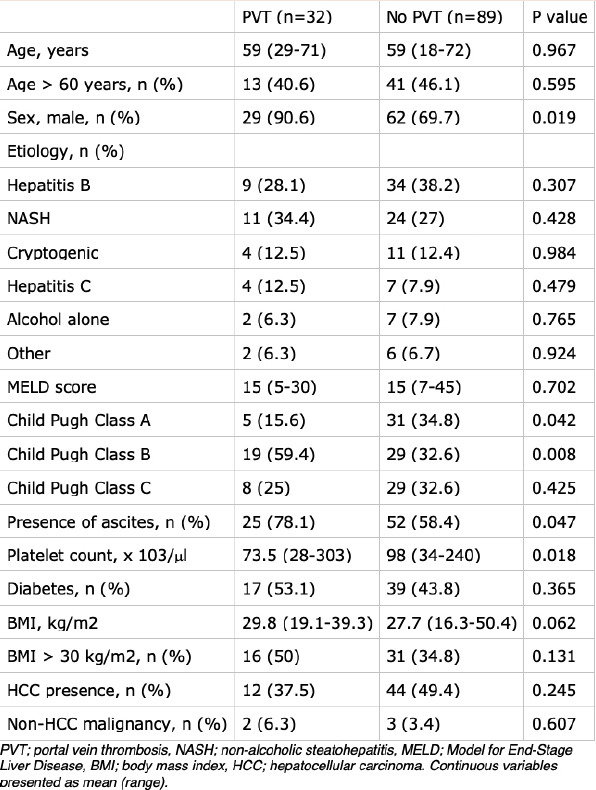
RESULTS: Of 121 liver transplant candidates the prevalence of PVT was 26.4% (32 with PVT and 89 without PVT) (Table 1). Male sex, Child Pugh Class B, presence of ascites and lower platelet levels were risk factors for PVT in univariate analysis. In logistic regression analysis, transplant candidates with higher BMI values (relative risk [RR], 1.13; 95% confidence interval [CI], 1.02-1.25; P=0.021) and male sex (relative risk [RR], 6.9; 95% confidence interval [CI], 1.42-33.61; P=0.017) had an increased risk for PVT.

CONCLUSION: In liver transplant candidates, the prevalence of PVT is not low. The development of PVT is associated with male gender and BMI values. Prospective, large cohort studies needed for risk stratification and early recognition of PVT prior to liver transplantation.

Keywords: Portal vein thrombosis, liver transplantation, cirrhosis

Table 1.

Clinical Characteristics of Patients with and without PVT

graphic file with name ATDHC-2-g010.jpg

Table 2.

Logistic regression analysis for PVT risk factors in liver transplant candidates

graphic file with name ATDHC-2-g011.jpg

Hepatol Forum. 2021 Jan 30;2(Suppl 1):1–25.

EP-09: SARS-CoV-2 seroprevelance and clinical features of COVID-19 in liver transplant recipients: A single center study

Derya Arı 1, Dilara Turan 1, Adalet Aypak 2, Meral Akdoğan 1

BACKGROUND: Liver transplant (LT) recipients with COVID-19 have been reported as a high-risk population for severe disease through the COVID-19 pandemic. Recent studies have shown that liver transplantation did not significantly increase the risk of death and severe disease in patients with SARS-CoV-2 infection (1). Also, patients with COVID-19 can be asymptomatic. Here we report the first results of our ongoing SARS-CoV-2 seroprevalence study.

RESULTS: During November 2020, we collected data and serum samples for 30 liver transplant recipients at Ankara City Hospital (median age 54.2 years [IQR 24-68]; 23 (76.7%) men, 7 (23.3%) women). Hypertension was the most common comorbid disease (8/30, 26.6%), followed by type 2 diabetes (3/30, 10%). All study participants were older than 18 years, and they provided informed consent enrolment. Study enrolment was performed when patients presented for scheduled routine follow-up. All participants completed a questionnaire querying information including clinical symptoms in the last three months. In addition to all routine blood sample tests, Anti-SARS-CoV-2 IgM and IgG was determined with enzyme-linked immunosorbent assays (ELISA). All participants with positive results were checked for anti-SARS-CoV-2 PCR by the nasopharyngeal swab. We further collected 30 serum samples, and of these 30 samples, 7 (23.3%) tested positive for anti-SARS-Cov-2 IgM and IgG. Two patients had a known history of symptomatic COVID-19 in the last three months. We evaluated 5 patients for the COVID-19 PCR test, and all of them were negative. Overall, only one patient declared symptoms of flu-like upper respiratory tract infection, while 4 did not (1/5, 20%). The diseases of two participants with apparent COVID-19 (2/7) were mild-moderate.

CONCLUSION: We documented past SARS-CoV-2 infection in 23.3% of our LT recipients during the study, and the majority were asymptomatic. Seroprevalence in the general population are lacking for our country and city. We are planning to include all LT recipients with follow-up in our hospital in our study.

Keywords: Anti-SARS-CoV-2 IgG, liver transplant recipients, asymptomatic COVID-19

Hepatol Forum. 2021 Jan 30;2(Suppl 1):1–25.

EP-10: Evaluation of magnetic resonance elastography and transient elastography for liver fibrosis and steatosis assessments in the liver transplant setting

Zeynep Melekoğlu Ellik 1, Ramazan Idilman 1, Ilkay Sedakat Idilman 2, Aysun Kartal 1, Yasemin Balaban 3, Atilla Halil Elhan 4, Muşturay Karçaaltıncaba 2, Hasan Özkan 1

BACKGROUND: Extensive clinical data on the utility and performance of elastography in native livers are available in the literature. However, few studies have evaluated the accuracy of magnetic resonance elastography (MRE) and transient elastography (TE) in assessing liver fibrosis in the liver transplant setting. The aims of the present study were to evaluate the accuracy of MRE and TE in the assessment of liver fibrosis in liver transplant recipients, and to determine the posttransplant hepatic steatosis and liver fibrosis recurrence rates.

METHODS: Between September 2019 and March 2020, a total of 126 consecutive liver transplant recipients were included. MRE and TE were performed for liver stiffness measurements.

RESULTS: All patients were Caucasians; their median age was 57 years. The median time interval between liver transplantation and TE was 76 months. The mean TE liver stiffness value was 6.1±3.0 kPa, and the mean MRE value was 2.7±1.0 kPa. A significant positive correlation was found between MRE and TE in terms of liver stiffness measurement (r=0.61, p<0.001). Obesity and underlying etiology of liver diseases did not have any significant negative effect on MRE and TE measurements. During the follow-up, the posttransplant hepatic steatosis determined by MRI-PDFF (≥5%) and hepatic fibrosis (≥2.61 kPa) recurrence rates were 26% and 37%, respectively: 59% of them presented with significant fibrosis (≥2.97 kPa). The recurrence rates of post-transplant hepatic steatosis and liver fibrosis were slightly higher in recipients with non-alcoholic fatty liver disease-related cirrhosis than those with viral hepatitis-related etiologies (44% vs 27%, p=0.43 and 44% vs 30%, p=0.45, respectively).

CONCLUSIONS: MRE and TE are accurate in assessing liver fibrosis in the liver transplant setting. Obesity and underlying etiology of primary liver disease do not influence the measurements.

Keywords: Liver transplant, transient elastography, magnetic resonance elastography, fibrosis, steatosis

Hepatol Forum. 2021 Jan 30;2(Suppl 1):1–25.

EP-11: Changing of non-invasive fibrosis index values in hepatitis C patients treated with direct-acting antiviral agents

Derya Arı 1, Dilara Turan Gökçe 1, Hale Gökcan 2, Ferhat Bacaksız 3, Ömer Öztürk 1, Sabite Kacar 1, Meral Akdoğan 1

INTRODUCTION: Hepatitis C virus (HCV) infection, which may lead to cirrhosis and hepatocellular carcinoma, is a major cause of chronic liver disease worldwide. Histological staging of liver fibrosis is essential for treatment decision-making and prognostication in patients with chronic HCV infection. DAAs (direct-acting antiviral agents) was known to reduce fibrosis. Owing to the invasive nature of liver biopsy, many noninvasive fibrosis indices have been developed to assess the stage of liver fibrosis. Among these indices, the aspartate aminotransferase (AST)/platelet ratio index (APRI), FIB-4 index, AST/alanin aminotransferase (ALT) ratio are commonly used. The present study investigated the temporal effect of DAAs on the noninvasive index values of patients with chronic HCV infection at baseline, week 4, month 3, month 6 and month 12.

METHODS: The data of 88 chronic HCV infection who received a complete course of DAA therapy, between 2015 to 2018 were enrolled in this retrospective analysis. Inclusion criteria were as follows: age ≥18 years, presence of the serum anti-hepatitis C virus (HCV) antibody for >6 months and detectable HCV RNA, and completion of DAA therapy. Demographic, laboratory characteristics were compared. Changes in APRI,FIB-4 and AST/ALT index were compared with Willcoxon signed rank test. SPSS 22 computer program was used for statistical evaluation.

RESULTS: A total of 88 patients were enrolled retrospectively; their median age was 59 (23–80) years, and 46 (52,2%) of them were men. The median follow-up time was 28.2 month.The baseline median AST, ALT and total bilirubin levels were 55 (19–247) U/L, 56 (15–178) U/L, and 0.9 (0.3–3.3) mg/dL, respectively. The median platelet count was 175 (66–360) × 109/L. Furthermore, 21 (23.8%) patients had liver cirrhosis. Eighty-five (96.5%) patients received diagnoses of HCV genotype (GT) 1 infections. The baseline median APRI value was 1.01 (0.15–6.18), and the median FIB-4 value was 3.26 (0.34–12.01). In patients who received DAA therapy, the median APRI and FIB-4 values decreased from week 4 until month 12 (Figure 1). The median APRI value decreased from 1.01 at baseline to 0.44, 0.39, 0.39, and 0.38 at week 4, month 3, month 6 and month 12 respectively (all P<0.001). The median FIB-4 value decreased from 3.26 at baseline to 2.35, 2.27, 2.27, and 2.17 at week 4, month 3, month 6 and month 12, respectively (all P<0.001).

DISCUSSION: Both the APRI, FIB-4 and AST/ALT index exhibited a strong correlation with liver fibrosis stage before antiviral therapy. Noninvasive fibrosis indices, namely APRI, FIB-4, AST/ALT exhibited a rapid and sustained decline from week 4 until month 12 in patients with chronic HCV infection. Despite the rapid decline in APRI, FIB-4, AST/ALT values might primarily result from reduction in necroinflammation, In the follow-up after DAA treatment, these tests may be helpfull.

Keywords: Hepatitis C virus, non-invasive fibrosis index values, direct-acting antiviral agents

Hepatol Forum. 2021 Jan 30;2(Suppl 1):1–25.

EP-12: Melkerson Rosenthal syndrome

Vedat Goral 1

INTRODUCTION: Melkerson Rosenthal syndrome (MRS) is a rare disease. Its incidence was determined as 0.08%. It is more common in women between the ages of 20–40. Recurrence consists of peripheral paralysis, orofacial edema and fissured tongue, triple symptom. It is more common if they are monosymptomatic or oligosymptomatic. Coexistence of these three criteria is present in 25% of the patients. The disease also affects the nervous system, musculoskeletal system, liver, bone, spleen, bone marrow, salivary gland, heart and some other organs. In this case report, a case of MRS with elevated liver enzymes is presented.

RESULTS: Our patient, a 25-year-old male patient who was followed up in neurology, after various examinations have been performed due to episodic fever, swelling of the face and eyes since 2014 and he had various tests and was diagnosed with Melkerson R syndrome. FMF gene: heterozygous mutation +, V 72 6A mut and there were contractions in the legs that had been in attacks for the last 1 year. ALT 153 IU/ml, AST 172 IU/ml, ALP 574 IU/ml, GGT 155 IU/ml, total bilirubin 3.295 mg/dl, direct bilirubin 2.6 mg/dl, iNR: 2.59, albumin and total protein and albumin were slightly low, protrombin time (PT) was long (20.8 sec). Liver biopsy was performed in hospital in 2018 and no primary liver disease was detected. The patient did not use NSAIDs and alcohol, HBV, HDV, HCV, autoantibodies to the liver, celiac test were negative, ceruloplasmin, iron Fe++ BK were normal. Liver biopsy was requested to the patient again in this time, but the patient refused. Liver enzyme profile was evaluated as liver involvement of the disease.

CONCLUSIONS: The etiology of MRS disease is not fully known. Bacterial and viral causes, especially HSV, granulomatous diseases, additives, hypersensitivity to proteins and heavy metals, genetic predisposition and many autoimmune diseases are held responsible. The treatment of our patient is carried out by the neurology clinic and follow-up was recommended. Also, he was receiving ursodeoxycholic acid medication 3 times per day. This case is presented because it is very rare and interesting.

Keywords: Melkerson Rosenthal syndrome, liver, neurological signs

Hepatol Forum. 2021 Jan 30;2(Suppl 1):1–25.

EP-13: The relationship between serum fgf23 levels and liver steatosis in individuals with type 2 diabetes mellitus

Kadir Bilgi 1, Meltem Gürsu 2, Şahabettin Selek 3

INTRODUCTION: Non-alcoholic fatty liver disease (NAFLD) is one of the most common causes of liver failure today and usually accompanies Type 2 diabetes mellitus (T2DM). Fibroblast growth factor-23 (FGF-23) is a hormone that is known for its role in phosphate regulation, but recent studies found connections between FGF-23 and liver disease. The aim of this study was to compare the serum FGF-23 levels of T2DM patients with and without NAFLD to provide a better understanding of the relationship between FGF-23 and NAFLD.

METHODS: We included 54 volunteers with hepatosteatosis as the patient group and 33 volunteers without hepatosteatosis as the control group. Waist circumference, height and weight were measured, BMI and FLI were calculated. The routine control test results were recorded. Calcium, phosphorus, GGT, ALP, 25-(OH)-vitamin D, PTH and FGF-23 were measured in serum samples.

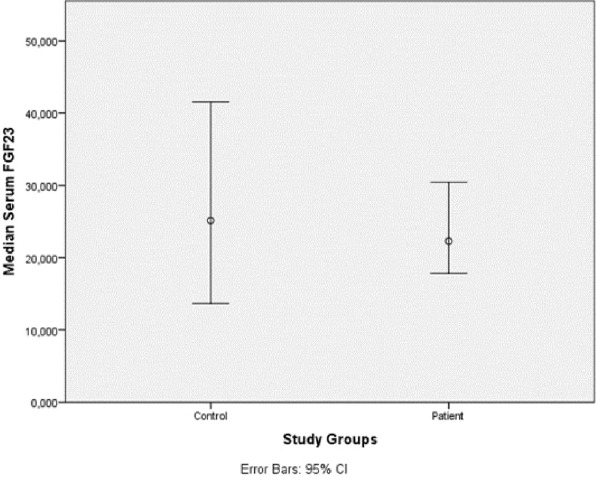
RESULTS: There was no statistically significant difference in comorbidities and medications between the groups. In the measurements taken; patient group had statistically significantly higher FLI’s (p=0.042), there was no statistically significant difference between the groups regarding BMI, waist circumference, T2DM diagnosis duration. Patient group had statistically significantly higher ALT levels than the control group (p=0.008), there was no statistically significant difference between the groups regarding BUN, creatinine, eGFR, AST, GGT, 25-(OH)-vitamin D, phosphorous, ALP and PTH levels. Finally, there was no statistically significant difference between the groups in terms of their serum FGF-23 concentrations (p=0.786). There was no correlation of FGF-23 with FLI (p=0.130) (r=-0.164). There was a correlation between eGFR and FGF-23 even though eGFR levels were above 80 ml/min/1.73 m2.

CONCLUSION: Although we could find no relationship between serum FGF-23 levels and the presence of NAFLD in T2DM patients, this study had time and resource limitations therefore further experimental and long-term clinical studies with larger sample sizes are needed in this area.

Keywords: FGF23, non-alcoholic liver disease, type 2 diabetes mellitus

Figure 1.

Figure 1.

Table 1.

Results of the study parameters

graphic file with name ATDHC-2-g013.jpg

Hepatol Forum. 2021 Jan 30;2(Suppl 1):1–25.

EP-14: Celiac disease and NASH association

Vedat Goral 1

INTRODUCTION: Nonalcoholic fatty liver disease (NAFLD) is the most common cause of chronic liver disease in children and adolescents. Celiac disease (CD) is associated with both acute and chronic liver diseases, especially autoimmune liver disease. In this Case report, the association of celiac disease and NASH is presented.

CASE: A 19-year-old female patient was admitted to our clinic with high liver enzymes, diarrhea and weakness. In liver function tests, ALT was 36.1 IU/ml (n: <33 IU/ml), AST 96 IU/ml, (n <32 IU/ml), ALP 128 U/L (n: 35-104 U/L), GGT 27 IU/ml (n: 6-42 IU/ml), albumin at 3.42 g/dl, total bilirubin 0.912 mg/dl (n: 0-1.2 mg/dl), direct bilirubin 0.526 (n: 0-0.3 mgr/dl), respectively. HBsAg, anti-HCV, ANA, Anti-LKM1, Antimitocondrial antibody (AMA), ASMA tests were negative. Serum and urine copper levels, serum iron, iron binding capacity and ferritin levels were normal. At the ultrasonographic examination, chronic parenchymal liver disease and coarseness in the liver parenchyma were detected. INR was 1.14, PT was 15.2 seconds. Liver biopsy was performed and steatohepatitis was detected in the biopsy (according to Kleiner-Brunt Rating System; NASH score was 3/8 (steatosis: 1/3, lobular inflammation: 1/3, hepatocellular ballooning 1/2) and Fibrotic stage: 3/4. (Histochemical examination result in biopsy: Masson Trichrome: Fibrosis was evaluated, Prussian blue: no iron buildup was seen, Rhodanine: No copper accumulation was observed).

RESULTS: In gastroduodenoscopy and duodenal biopsy, celiac disease (severe mucosal disease, severe activity, total villus atrophy, significant crypt hyperplasia, significant intraepithelial lymphocyte increase) was detected. Anti-transglutaminase test was positive (>200 RU/ml). Celiac disease was found as the cause of NASH in this patient. The patient was directed to a dietician and started on an absolute gluten-free diet. As medicine, ursodeoxycholic acid 250 mg 3x1 was started. An improvement was found in the laboratory findings in controls.

CONCLUSION: Coexistence of Celiac disease and NASH is very important. In cases with NASH and diarrhea, the celiac disease should be investigated and an absolute gluten-free diet and follow-up should be recommended.

Keywords: NASH, celiac disease, diarrhea

Hepatol Forum. 2021 Jan 30;2(Suppl 1):1–25.

EP-15: Seroprevalence of Hepatitis A virus according to age groups in Çorum, Turkey

Tolga Düzenli 1

OBJECTIVES: Hepatitis A Virus (HAV), reportedly the most common cause of acute viral hepatitis in developing countries, infects millions of people worldwide each year and continues to be important in both adults and childhood. The aim of this study was to determine the seroprevalence of hepatitis A in different age groups in Çorum, as a reference center in middle north part of Turkey.

METHODS: This retrospective study was conducted between January 2017 and January 2020. The patients tested for anti-HAV for any reason were enrolled from the data of all patients admitted to our hospital which is the reference center of the region. Serum samples were analyzed by ELISA. S/CO values of ≥1.00 were considered positive for anti-HAV IgG and IgM, respectively; results below this value were considered negative. Anti HAV IgG and Anti HAV IgM results of patients were analyzed according to age groups.

RESULTS: A total of 18817 anti-HAV IgG and IgM assays were screened from the computerized database. 4244 assays were excluded for repeated tests from the same patients and inconclusive data. The study included 4115 patients with Anti-HAV IgM and 10458 patients with Anti-HAV IgG (Figure 1). Total anti-HAV IgG and IgM seropositivities were 84.4% and 0.7%, respectively. Anti-HAV IgG prevalence was – 85.8% and 83%, and anti-HAV IgM positivity was– 0.98% and 0.38% in men and women. Seroprevalence of HAV IgG and IgM in different age groups in Corum, Turkey is presented in table 2 and table 3.

CONCLUSION: In our region, anti-HAV IgG seronegativity for 11-20 years of age was 28.4% and for 21-30 years of age was 24.2. This study suggests that this age group may be most at risk for HAV infection. And HAV vaccine should be applied to seronegative young adults because of the higher risk of complications of HAV infection during adulthood.

Keywords: Hepatitis A virus, infection, seroprevalence, age groups, HAV

Figure 1.

Figure 1

Patient enrollment and classification (HAV, Hepatitis A virus; n, number).

Table 1.

Seroprevalence of HAV IgG for different age groups in Çorum, Turkey

graphic file with name ATDHC-2-g015.jpg

Table 2.

Seroprevalence of HAV IgM for different age groups in Çorum, Turkey

graphic file with name ATDHC-2-g016.jpg

Hepatol Forum. 2021 Jan 30;2(Suppl 1):1–25.

EP-16: Diagnostic validity of non-invasive tests for predicting liver fibrosis stage in chronic hepatitis B patients with HBV DNA>2000 IU/mL, ALT>ULN

Didem Çelik 1, Bengü Tatar 2, Şükran Köse 2

INTRODUCTION: Determining the stage of liver fibrosis in chronic hepatitis B (CHB) patients is the main step of treatment decision. However, this method is invasive, difficult, expensive and have many complication risks. The aim of our study was to evaluate noninvasive markers of liver fibrosis; aspartate transaminase (AST)-platelet ratio index (APRI), 4 factors based fibrosis index (FIB-4), AST-Alanine transaminase ratio (AAR), age-platelet index (API), gamma-glutamyl transpeptidase-platelet ratio(GPR), RDW-platelet ratio (RPR), King’s score, Fibro quotient (Fibro Q), mean platelet volume (MPV).

MATERIAL & METHOD: In this study, 143 treatment naiv CHB patients with HBVDNA>2000 IU/mL and ALT>ULN were included. Data were obtained retrospectively from patients’ follow-up files. Liver histopathology was calculated according to Ishak scoring system. The data evaluated using SPSS IBM 22.0 program.

RESULTS: Of all patients 48.25 (n:69) were female and the mean age was 44.3/years. Distribution of each stage of fibrosis were F0; 18(12.6%), F1; 26(18.2%), F2; 54 (37.7%), F3; 23(16.1%), F4; 12(8.4%), F5; 8(5.6%), F6; 2(1.4%). Of the 11 noninvasive tests, 7 had the power to predict ≥F2 and 8 had ≥F3. The best diagnostic test in the ≥F2 and ≥F3 groups was Fibro Q. FIB-4 was the best diagnostic test in the ≥F4 and ≥F5 groups (Table 1).

CONCLUSION: Although liver biopsy is still the gold standard in the determination of fibrosis, the use of noninvasive tests before biopsy is particularly helpful in detecting or excluding significant fibrosis and cirrhosis. In our study 30.8% (n:44) patients’ fibrosis stage were 0–1, which means they had undergone unnecessary biopsy. Fibro Q and FIB-4 evaluation before biopsy may reduce unnecessary biopsy.

Keywords: Chronic hepatitis B, liver fibrosis, biopsy, non-invasive test

Table 1.

Diagnostic significance of noninvasive markers according to fibrosis stage in hepatitis B patients with ALT> ULN and HBV DNA>2000 IU/mL

graphic file with name ATDHC-2-g017.jpg

Hepatol Forum. 2021 Jan 30;2(Suppl 1):1–25.

EP-17: Evaluation of prothrombin index in chronic hepatitis B patients

Şükran Köse 1, Didem Çelik 2

INTRODUCTION: Prothrombin index (PI) is one of the early indicators of liver damage and reflects lung synthesis capacity. There are studies indicating that it can be used to predict advanced liver failure and esophageal varices. The aim of this study was to investigate the association of PI with other liver function tests and hepatitis B virus serum levels and to determine whether it can be used to predict significant liver fibrosis or not.

METODS: A total of 547 treatment naiv patients aged 18 years or older with chronic hepatitis B were included in the study. Patients with coinfections and comorbidities were excluded from the study. Demographic data and laboratory values were retrospectively reviewed from patient files. Liver biopsy results was calculated according to Ishak scoring system. The patients’ SPSS 22.0 program was used for statistical analysis.

RESULTS: Of the patients included in the study, 284 (51.9%) were female and the median age was 41/year. The number of patients according to the stages of fibrosis were F0, 94 (17.2%); F1, 144 (26.3%); F2, 218 (39.9%); F3, 55 (10.1%); F4, 21 (3.8%); F5, 13 (2.4%); F6 was 2 (0.4%). HbeAg positivity was 7.1% (n:39). Spearman correlation analysis showed significant correlation with PI and age, AST, ALT, INR, platelet, HBV DNA, HBsAg quantitative levels (p<0.05). However, PI did not correlate with liver fibrosis level and histological activity index. Correlation analyzes are given in Table 1. ROC analysis showed that PI was sufficient to predict significant fibrosis (≥F3) (AUC: 0.600, p: 0.034).

DISCUSSION: Some studies have suggested that PI is well associated with liver fibrosis. PI is included in the calculations of noninvasive indirect tests such as PGA index and Fibrometer which are used to predict liver fibrosis. In our study, ROC analysis showed that PI was sufficient to predict significant fibrosis (≥F3). Prothrombin index is easily applicable, inexpensive method that can be used to predict liver fibrosis stage.

Keywords: Prothrombin Index, liver fibrosis, chronic hepatitis B

Table 1.

Correlation analysis of Prothrombin Index with age, AST, ALT, GGT, HBV DNA, HbsAg quantitative, Fibrosis and Histological Activity Index

graphic file with name ATDHC-2-g018.jpg

Hepatol Forum. 2021 Jan 30;2(Suppl 1):1–25.

EP-18: The effect of sarcopenia in liver transplantation

Genco Gencdal 1, Şencan Acar 2, Utku Alkara 3, Ayhan Dinçkan 4, Çiğdem Arıkan 5, Murat Akyıldız 1

BACKGROUND & AIM: Nutritional impairment and loss of muscle mass in the liver cirrhosis negatively affect morbidity and mortality, and usually does not return after liver transplantation (LT). In this study, we aimed to investigate the incidence of sarcopenia in cirrhotic patients before LT and the effects of sarcopenia on LT.

MATERIALS & METHODS: 108 LT recipients (live donor LT and cadaveric LT performed between May 2015 and March 2017) were analyzed retrospectively. CT images of patients were measured blindly by a single radiologist using the psoas muscle and other skeletal muscles from the intervertebral disc line between the 3rd and 4th lumbar vertebrae using Myrian Software®.

RESULTS: Sarcopenia was observed in 20 of 108 patients (15 females, 5 males). The demographic datas of the patients are shown in table 1. While there was no significant relationship between sarcopenia and BMI, body weight was significantly lower in sarcopenic cases (p<0.05). When comparing the group with sarcopenia and the group without sarcopenia, no significant relationship was found with preop Child, preop MELD, albumin and INR (p>0.05). The survival curve is shown in figure 1. Overall survival was 97% at 6 months and 92.7% at 1 year, and there was no significant difference between the two groups in terms of 1-year survival.

CONCLUSION: Recent Studies showed that sarcopenia significantly affects morbidity and mortality in cirrhotic patients while adversely affecting liver transplant results. On the other hand, in the present study sarcopenia did not significantly affect the transplant results different from the literature. We interpret that discrepancy, firstly, because of the majority of cases were live donor LT who had lower MELD scores than western countries where the most of liver transplantations were from cadaveric with higher MELD score especially over than 20 and secondly, we usually give supportive treatment and have arranged the timig of transplantation according to patient status.

Keywords: Sarcopenia, liver, transplantation

Figure 1.

Figure 1

Survival comparison of sarcopenics with non-sarcopenics

Table 1.

Demographics of the patients and donors

graphic file with name ATDHC-2-g020.jpg

Hepatol Forum. 2021 Jan 30;2(Suppl 1):1–25.

EP-19: Hepatitis E virus IgG seroprevalence in liver transplant patients: A retrospective single-center experience

Ferit Çelik 1, Ali Şenkaya 1, Nalan Gülşen Ünal 1, Seymur Aslanov 1, Alper Uysal 1, Ayşın Zeytinoğlu 2, Ilker Turan 1, Murat Zeytunlu 3, Ömer Özütemiz 1, Ulus Salih Akarca 1, Zeki Karasu 1, Fulya Günşar 1

BACKGROUND: Hepatitis E virus (HEV) may cause chronic liver disease in solid organ transplant recipients. We determined the HEV seroprevalence and associated factors in liver transplant recipients.

MATERIALS & METHODS: Patients followed at the outpatient clinic of liver transplantation between January 2019 and January 2020 were screened retrospectively for HEV serology (HEV immunoglobulin M [IgM] and HEV IgG).

RESULTS: Among the 150 patients (male/female, 104/46; age, 55.4±13.2 years) studied, anti-HEV IgG was positive in 31 (20.7%) and anti-HEV IgM was negative in all. Mean time after liver transplantation (72 [48%] deceased and78 [52%] living donors) was 81±78.5 months. Drinking water consisted of carboy water in 88 (58.7%) patients and tap water in 62 (41.3%). Of the patients, 120 (80%) lived in urban and 30 (20%) in rural areas. On comparison, a statistically significant difference was detected between the anti-HEV IgG-positive and –negative groups in terms of age, place of birth, water supply, and donor type, (p=0.007, p=0.000, p=0.034, and p=0.049, respectively).

CONCLUSION: HEV seroprevalence was more frequent in liver transplant recipients compared to the normal population. Older age, watersupply, and place of birth were risk factors for HEV seroprevalence.

Keywords: Anti-HEV IgG, liver transplantation, seroprevalence

Table 1.

Seroprevalence of hepatitis E virus in liver transplant recipients according to sociodemographic characteristics, liver function tests, and risk factors

graphic file with name ATDHC-2-g021.jpg

Hepatol Forum. 2021 Jan 30;2(Suppl 1):1–25.

EP-20: Systemic sarcoidosis-associated hepatocellular carcinoma: A case report

Derya Arı 1, Dilara Turan 1, Ömer Öztürk 1, Mustafa Özdemir 2, Nesrin Turhan 3, Bahar Özdemir 4, Meral Akdoğan 1

INTRODUCTION: Sarcoidosis is a multisystem granulomatous disorder of unknown ethology that affects individuals worldwide and is characterized pathologically by the presence of noncaseating granulomas in involved organs. The association of hepatic sarcoidosis with hepatocellular carcinoma (HCC) is considerably rare. Here we report a rare case of HCC associated with systemic sarcoidosis.

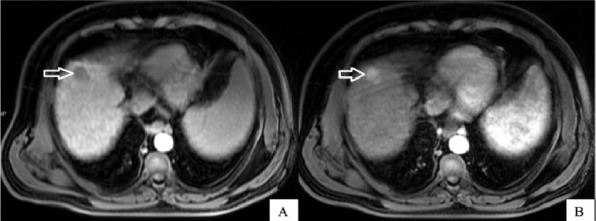
CASE: A 65-year-old male with a history of systemic sarcoidosis, diabetes mellitus, and hypothyroid consulted our clinic. The patient had been followed up for an 11-year active pulmonary and musculoskeletal symptoms and bone marrow involvement confirmed by biopsy. Imaging studies on his first admission revealed bilateral pulmonary infiltrates with a ground-glass had an appearance. He had pulmonary and musculoskeletal symptoms, and his symptoms and the radiologic infiltrates were resolved by treatment with corticosteroids. Cirrhosis findings had encountered during imaging in another centre. Liver sarcoidosis was diagnosed with the sample obtained in a needle biopsy examination in 2019. During the follow-up of the patient, hyperintense lesions were observed in T2 measured as 8 mm in liver segment 3, 7.4 mm in segment 6 and 12 mm in segment 8, and hypointense lesions that did not show contrast enhancement in contrast-enhanced series. Infliximab (anti-TNF) treatment had initiated in the patient due to the symptoms of the musculoskeletal system unresponsive to steroids. In the first year of infliximab treatment, the patient’s complaints improved almost completely, and abdominal magnetic resonance (MR) imaging was performed. A lesion consistent with HCC, measuring approximately 15 mm in size in liver segment 8, was enhanced in the arterial phase and washout in late images (Figure-1). Serum alpha-fetoprotein level was totally normal. Based on these findings, the final diagnosis of HCC associated with sarcoidosis was confirmed by biopsy. Infliximab treatment was stopped. The patient’s MELD score was evaluated as 10 points, and the Child-Pugh score as A. Transarterial chemoembolization treatment was applied to the HCC lesion present in the liver of the patient. Our patient remained healthy without recurrence or metastasis at the last follow-up visit.

DISCUSSION: Cirrhosis or portal hypertension has been reported in ≤1% of all sarcoidosis cases. In addition, the association of hepatic sarcoidosis with HCC is thought to be considerably rare. When we evaluated the previous cases, we found that there is an increased risk for HCC in sarcoidosis patients with or without cirrhosis.

CONCLUSION: In patients with systemic sarcoidosis, especially in the presence of liver cirrhosis, regular liver checkups should be performed.

Keywords: Hepatocelular carcinoma, sarcoidosis, infliximab, TACE

Figure 1.

Figure 1

HCC lesion on MRI, hypointense mass in the hepatobiliary phase (A), and contrast-enhancing mass in the arterial phase (B).

Hepatol Forum. 2021 Jan 30;2(Suppl 1):1–25.

EP-21: Serum levels of ADAMTS-7 and 12 as hepatic fibrosis markers in patients with chronic hepatitis B

Fatih Kıvrakoğlu 1, Zahide Şimşek 2, Ilhami Yüksel 1

Hepatitis B is a life-threatening liver infection that is common in our country and in the world. The appropriate treatment of the patient based on serum ALT level, serum HBV DNA level and liver histology. Liver biopsy is recommended for the determination of liver fibrosis and for the planning of treatment in patients with established criteria. Liver biopsy is accepted as the gold standard in determining fibrosis. However, non-invasive fibrosis markers have become important because of the invasiveness of biopsies, complications, sampling errors, differences in evaluation among pathologists, and difficulty in rebiopsy. In recent years, the role of “A Disintegrin-like and Metalloproteinase with Thrombospondin type-1 motif (ADAMTS)” genes in the etiopathogenesis of various diseases is being investigated. Studies that investigating the relationship between ADAMTS and fibrosis in the literature were made at the tissue level and there is no study in made with serum. This study was planned to investigate the utility of serum ADAMTS-7 and 12 levels as noninvasive markers in patients with Chronic Hepatitis B (CHB). This study includes 77 CHB and 30 healthy as a control who was treated and followed-up in Ankara Dışkapı Yıldırım Beyazıt Education and Research Hospital Gastroenterology Clinic-Hepatology department. In our study, ADAMTS-7 and 12 levels were statistically significantly lower in patients with CHB than in the healthy control group (p<0.001). When these two markers were compared between the mild fibrosis/advanced fibrosis groups, no significant difference was found (for ADAMTS-7 p=0.701, for ADAMTS-12 p=0.342). According to these results, low serum ADAMTS-7 and 12 levels in patients with CHB indicate the presence of liver fibrosis. But they were found to be inadequate to determine fibrosis level.

Keywords: Chronic hepatitis B, non-invasive markers, Adam-ts 7 and 12

Hepatol Forum. 2021 Jan 30;2(Suppl 1):1–25.

EP-22: The prevalance of hepatitis-E virus infection in adult Turkish population: Systematic review of the literature and prevalence study in blood donors in mersin province

Orhan Sezgin 1, Serkan Yaras 1, Seda Tezcan Ulger 2, Gonul Aslan 2, Eyup Naci Tiftik 3

OBJECTIVE: Hepatitis-E virus (HEV) causes acute hepatitis but can rarely become chronic in immunocompromised patients. The frequency of HEV infection varies depending on factors such as geographical region, socioeconomic level and age; the prevalence of HEV according to the results of a limited number of studies based upon the adult population of Turkey is 10%. There is no sufficient up-to-date information on the frequency of HEV infection in our city. For that reason, we aimed to investigate the prevalance of HEV infection in healthy blood donors in Mersin and to review all Turkey-based scientific results of HEV infection in the adult population.

MATERIAL & METHOD: A total of 900 healthy volunteers who applied to donate blood to the University Hospital Blood Center and accepted the use of their data were enrolled in the study. Five ml of blood samples were taken and centrifuged, and the serum portions were stored at -80°C until analyzed. Anti HEV IgG Ab was examined by ELISA method. Volunteers’ age, gender, profession, information about the region they live in, and contact with pets or livestock were recorded. Also Turkey-based HEV seroprevalence studies from 1990-2020 investigating the adult population in Turkish or English full text and conference papers were evaluated. General frequency results were evaluated chronologically by city and region. Risk factors and results in risky populations were evaluated.

RESULTS: The average age of the volunteers was 35.22±9.60 years and 98.7% were men. Anti HEV IgG was positive in 12.8% of study population. The average age of the seropositive individuals was 40.40±9.72 years and 98.2% were men. There was no statistical difference between the mean age of the volunteers and the positive cases (p=0.282). 40% of the participants were rural residents, and 60% were urban residents. The seropositivity rates of these groups were 43.9% and 56% respectively. Among all participants, the rate of those with a history of contact with livestock was 5.6%. No association was found between anti-HEV IgG positivity and occupation, place of living, and encounter with animals. Also total of 57 studies were analyzed to assess the prevelance of HEV in Turkey: 34 of them constituted healthy population screenings, while 23 constituted screenings of at risk patients. The average seroprevalence of HEV infection of the healthy population in Turkey was found to be 9.52% (Table). The highest prevalance rate was in Southeast region of Turkey (Figure). According to studies conducted in risky groups, the highest seroprevalence rate was 73.3% in those with acute hepatitis, followed by 42% in hemodialysis patients. The frequency is higher than the general population in those working in farms and animal husbandry.

CONCLUSION: The anti-HEV IgG seropositivity rate in healthy blood donors in Mersin province was 12.8% and was similar to the rates reported earlier in Turkey.

Keywords: Hepatitis E virus, anti-HEV IgG, Turkey, Mersin

Table 1.

The seroprevalence rates of HEV infection in healthy population in Turkey

graphic file with name ATDHC-2-g023.jpg

Hepatol Forum. 2021 Jan 30;2(Suppl 1):1–25.

EP-23: Hepatic steatosis effects hepatitis B virus surface antigen seroclearance in individuals with chronic hepatitis B virus infection

Zeynep Melekoğlu Ellik 1, Serkan Duman 1, Abdullah Mübin Özercan 1, Mesut Gümüşsoy 1, Emin Bodakçi 1, Muhammed Fatih Karakaya 1, Ramazan Erdem Er 1, Hale Gökcan 1, Ramazan Idilman 1

BACKGROUND & AIMS: The aim of the present study was to evaluate the effect of baseline hepatic steatosis on the development of hepatitis B virus (HBV) surface antigen (HBsAg) seroclearance in individuals with chronic HBV infections.

MATERIALS & METHODS: A total of 49 individuals with chronic HBV infection (M/F: 18/31) was included into analysis. The diagnosis of chronic HBV infection was made based on clinical, biochemical and histological. The median follow-up period was 159 months (interquartile range: 141.5-174.5 months).

RESULTS: The mean age was 53.7±8.7 years. The mean serum ALT level was 22.8±8.7 U/L; the mean AST level was 23.6±6.0 U/L. Of the 49 individuals, 12% had diabetes mellitus, 31% had hypertension. Twenty-seven patients had hepatic steatosis (>5%) in their baseline liver biopsies, whereas the remaining 22 patients had no steatosis. Of the patients’ characteristics, patients’ age, body mass index, the controlled attenuation parameter (CAP) score, serum ALT and fasting glucose levels were significantly higher in HBV-infected individuals with hepatosteatosis than those of in individuals without hepatosteatosis (p<0.05). During the follow-up period, 5 individuals (10.2%) had HBsAg loss with/without antiHBs seroconversion. HBsAg seroclearance was slightly more commonly occurred in individuals with hepatic steatosis than in those with individuals without hepatic steatosis (15% vs 9%, p=0.674). In conclusion, the based on the present study, co-existing hepatic steatosis in individuals with chronic HBV infection leads to surface antigen seroconversion.

Keywords: Hepatitis B virus, steatosis, HBsAg seroclearance

Hepatol Forum. 2021 Jan 30;2(Suppl 1):1–25.

EP-24: The effects of NOD2 variants on the duration of hospitalization in patients with biliary strictures after liver transplantation

Murat Harputluoglu 1, Nevra Yalcin 2, Ali Riza Caliskan 1, Ulvi Demirel 3, Baris Otlu 4, Ozkan Yener 4, Osman Saglam 1, Yasar Bayindir 5, Koray Kutluturk 6, Ahmet Sami Akbulut 6, Sezai Yilmaz 6

BACKGROUND & AIMS: Nucleotide oligomerization domain 2 (NOD2) variants are an important genetic risk factor that can affect the course of a disease via interaction between the gut and liver in patients with liver diseases. In this study we investigated the effects of NOD2 variants on the hospital stay time in patients who underwent endoscopic treatment for biliary strictures after living donor liver transplantation (LDLT).

MATERIALS & METHODS: Age, gender, time to endoscopic retrograde cholangiopancreatography (ERCP) after transplantation, ERCP findings, and hospitalization time of patients who underwent ERCP for biliary strictures after LDLT were recorded. Two hundred patients included in the study were divided into two groups: Group 1, discharged during the first 24 h after ERCP; and Group 2, discharged after the first 24 h following ERCP. The frequency of four NOD2 variants was investigated between the two groups.

RESULTS: The number of patients whose strictures could not be passed with endoscopic intervention in the group 2 was significantly higher than the other group (34% vs. 0%, p<0.001). In addition, p.R702W and 1007fs mutation frequencies in the group 2 were significantly higher than the group 1 (10% vs. 0%, p=0.002; and 14% vs. 3%, p=0.011, respectively).

CONCLUSION: Our findings suggest that there may be a relationship between NOD2 variants, especially the p.R702W variant, and the length of hospital stay in patients undergoing ERCP after LDLT.

Keywords: Biliary stricture, ERCP, liver transplantation, NOD2

Hepatol Forum. 2021 Jan 30;2(Suppl 1):1–25.

EP-25: Kaposi’s sarcoma in autoimmune hepatitis shortly after azathioprine and corticosteroid treatment

Dilara Turan 1, Ömer Öztürk 1, Derya Arı 1, Meral Akdoğan 1

INTRODUCTION: Kaposi sarcoma (KS) is a low-grade angioproliferative neoplasm caused by human herpesvirus-8 (HHV-8) and is frequently observed in immunocompromised patients. KS is more prevalent in individuals with autoimmune diseases due to immune-suppressive medication or immune system dysregulation. Autoimmune hepatitis (AIH) is a chronic inflammatory liver disease that may occur any age. Herein, we present a case of Kaposi’s sarcoma that developed in an elderly patient with autoimmune hepatitis.

CASE: A 70-year-old woman was referred due to an incidental finding of persistently elevated liver function tests. She had fatigue and weight loss. Laboratory investigation confirmed elevated transaminase levels (AST 1708 UI/L and ALT 1624 UI/L), with normal albumin (4.7 g/dL), total bilirubin (17 mg/dL), γ glutamyltransferase (158 UI/L) and alkaline phosphatase (214 U/L). Laboratory results also revealed normal blood count, activated partial thromboplastin time of 33.8 s (normal range: 26-37 s), and prothrombin time 13 s (NR: 10-13 s). Hypergammaglobulinemia was noted and serum IgG was elevated (17 Units g/L; NR <16 Units g/L). Serological testing for viral hepatitis and coeliac antibodies were negative. Ceruloplasmin, copper, and α-1-antitrypsin levels were normal. Tests for antinuclear (ANA), antimitochondrial, and anti-liver/kidney microsomal type 1 (anti-LKM1) antibodies were negative. Anti-smooth muscle (ASMA) was positive. Abdominal ultrasound showed a normal homogeneous echotexture of the liver and normal spleen size. Liver biopsy performed one month later revealed an inflammatory lymphocytic and plasmacytic infiltrate in portal areas and moderate interface hepatitis; bile ducts were normal. No cholangiographic study was performed. The patient’s diagnosis was accepted as autoimmune hepatitis, she was scheduled to start methylprednisolone and then azathioprine therapy. Thiopurine S-methyltransferase (TPMT) activity was evaluated as normal before azathioprine therapy. Four months after AZA and steroid treatment, the patient noticed small, painless, red, and purple lesions on her skin and mouth (Figure 1). Then they appeared in the ear, legs, and anal area. Excisional skin biopsy was performed and Kaposi’s sarcoma was diagnosed. Further tests revealed no pathology in the lungs or abdominal organs. The patient was directed to the medical oncology clinic for treatment and the dosage of immunosuppressive therapy was reduced.

DISCUSSION: Kaposi’s sarcoma is a malignancy that usually occurs in immunocompromised individuals. In the literature, there are case reports of Kaposi sarcoma seen in Crohn’s patients together with the use of AZA. Despite receiving short-term immunosuppressive therapy, our patient was diagnosed with Kaposi’s sarcoma. Therefore, it is an interesting and rare case.

CONCLUSION: We should follow the patients who receive immunosuppressive therapy closely regardless of the duration of treatment.

Keywords: Kaposi’s sarcoma, autoimmune hepatitis, steroid, azathioprine, HHV-8

Figure 1.

Figure 1

A brown nodular lesion, 5–6 mm in size, on the medial aspect of the forearm (A), a purple tumoral lesion in the oral mucosa, 2–3 cm in size, on the hard palate (B).

Hepatol Forum. 2021 Jan 30;2(Suppl 1):1–25.

EP-26: Role of hepatosteatosis in HBsAg seroconversion in HBeAg-negative chronic hepatitis B patients

Ferhat Bacaksız 1, Hale Gökcan 1, Meral Akdoğan 1, Derya Arı 1, Dilara Turan 1, Volkan Gökbulut 1, Yakup Ergün 2, Sabite Kaçar 1

BACKGROUND: In chronic HBV infection, certain individual and viral characteristics such as advanced age, presence of hepatic steatosis (HS), normal ALT levels, initially negative HBeAg and HBV DNA, and genotype of the virus are associated with HBsAg seroclearance and seroconversion. Herein, we report the results of our study evaluating the association between hepatosteatosis and HbsAg seroconversion.

METHODS: The clinical and biochemical data of patients with CHB and hepatosteatosis (HS) (HBsAg seroconversion, n: 52, and non-Hbs Ag seroconversion, n: 352), and the rate of development HBsAg seroconversion were evaluated.

RESULTS: We collected data from 404 patients with HBeAg negative CBH (mean age±SD: 36.2±11 years; 223 [55.2%] men, 181 [44.8%] women). The mean age at diagnosis of disease was 36.2±11 years. The mean duration of the disease was 10.6±7 years. Seroconversion developed in 52 patients (12.8%) with serum HBsAg positive (mean±SD: 12.7±5.8). Elderly age and the duration of disease time were significantly associated with seroconversion (p<0.001). The presence of serum HBsAg seroconversion was significantly associated with hepatosteatosis (OR: 3.06, 95% CI 1.64-5.71, p<0.01). Serum HBsAg seroconversion was more frequent in patients with mild HS than patients with moderate-severe HS (p=0.04). In multivariate regression analysis, the presence of HS was found to be an independent factor predicting the development of HBsAg seroconversion (OR: 2.07 95% GA:1.07-4.0 p=0.03).

CONCLUSION: The presence of mild HS in HBeAg negative chronic hepatitis B patients contributes to HBsAg seroconversion. Further studies are required to better understand the relationship between steatosis and HBsAg seroconversion.

Keywords: HBsAg carriers, HBsAg seroconversion, HBsAg seroclearance, Hepatic steatosis

Hepatol Forum. 2021 Jan 30;2(Suppl 1):1–25.

EP-27: An analysis of the liver enzyme levels in pediatric patients with COVID-19: A single center results

Gulsum Alkan 1, Melike Emiroglu 1, Sadiye Kubra Tuter Oz 1, Halil Haldun Emiroglu 2

BACKGROUND: Severe acute respiratory syndrome coronavirus 2 (SARS-CoV-2) is the causative agent of coronavirus disease 2019 (COVID-19). The primary organs involved in COVID 19 patients is the respiratory system. The second most affected system is the gastrointestinal system. A mild rise in liver enzymes is common in the patients with COVID-19. In this study, it was aimed to retrospectively evaluate the elevations in liver enzyme levels in pediatric patients with COVID-19.

METHODS: This retrospective study was conducted at the Selcuk University Faculty of Medicine, Division of the Pediatric Infectious Diseases in Konya, Turkey. Medical records of children who were diagnosed as COVID-19 via oropharyngeal and nasopharyngeal polymerase chain reaction (PCR) between March and August 2020 were analyzed retrospectively. Those patients with known gastrointestinal any liver diseases were excluded from the study.Serum AST and ALT enzyme levels were used to evaluate hepatocellular type injury, while cholestatic type liver injury was evaluated according to serum levels of ALP and GGT enzymes. Local normal ranges (according to the age groups of children) were used to calculate the fold increase above the upper limit of the normal range (ULN). The “R value” was used to help determine the likely types of liver injury (hepatocellular versus cholestatic) in patients with elevated AST and ALT or ALP and GGT. The R ratio was calculated according to the formula R=(ALT÷ULN ALT)/(alkaline phosphatase ÷ ULN alkaline phosphatase). In clinical situations where it was suspected that ALP elevations were from an extrahepatic source, GGT level was used. If the R values were ≥5, 2–5 or ≤2, they were defined as hepatocellular, mixed or cholestatic type of liver injuries, respectively.

RESULTS: Of the 300 children, 157 (52.2%) patients were female, 143 (47.6%) were male, and the median age was 9.3 years (range, 14 days–18 years). At admission, about 13,6% (n=41) of the children had abnormal liver test results. 23 patients (56%) had high levels of ALT and/or AST (<2 X ULN). Only three patients (7%) had more levels of ALT and/or AST (>3 X ULN). The high rates of serum GGT levels in 4 patients (36.3%), one patient (9%) and 6 patients (54.5%) were <2 X ULN, <3 X UNL, and >3 X UNL, respectively. In the all 10 patients with high serum ALP values for according to their ages, the elevation rates of serum ALP levels were about <2 x UNL. Regarding the patterns of abnormal liver test results showed hepatocellular type (12.1%), cholestatic type (48.7%), and were mixed type (39%) injuries. No patient had liver failure during follow-up.

CONCLUSION: COVID-19 should also be considered in the differential diagnosis of liver enzyme abnormalities.

Keywords: Liver enzyme levels, children, COVID-19

Hepatol Forum. 2021 Jan 30;2(Suppl 1):1–25.

EP-28: Comparison of two different transient elastography methods for assessment of liver fibrosis

Abdullah Mübin Özercan 1, Zeynep Melekoğlu Ellik 1, Serkan Duman 1, Özgün Ömer Asiller 2, Ramazan Erdem Er 1, Mesut Gümüşsoy 1, Ramazan Idilman 1, Necati Örmeci 3

BACKGROUND & AIMS: The aims of the present study were to compare the accuracy of two different transient elastography methods (TE Fibroscan© and Livtouch©in) in the assessment of liver fibrosis in patients with chronic liver disease (CLD), and compared these results with the APRI and FIB-4 scores.

MATERIAL & METHODS: A total of 31 patients (male/female: 17/14) with CLD was enrolled into the study. Liver fibrosis was measured by Fibroscan© (Echosens, Paris, France) with M or XL probe and iLivtouch© (Hisky MED, Wuxi, China). Blood samples were collected on the same day as TE performed. Histopathologic samples were stratified according to metavir score and the score equal or greater than 2 named as significant fibrosis. Fibroscan, iLivtouch stiffness values, APRI and FIB4 scores were compared on detection of significant fibrosis.

RESULTS: The mean age was 51,45±12,6. The most common etiology of CLD was nonalcoholic fatty liver disease (n=13), followed by hepatitis B virus (n=9). Mean liver stiffness values of Fibroscan© and iLivtouch© were 12,45±13,2 and 12,36±6,1, respectively. Diagnostic accuracy of Fibroscan (AUROC of 0,80; p=0,004) and iLivtouch (AUROC of 0,83; p=0,002) measurements are higher than APRI (AUROC of 0,52; p=0,820) and FIB-4 (AUROC of 0,68; p=0,093) scores. The sensitivity and specificity of Fibroscan were 86,7% and 66,7%, respectively by using cutoff value 7,25 kPa. Sensitivity was 93,3% and specificity was 60% in iLivtouch and cutoff value was 7,85 kPa. In conclusion, Transient elastographies are more valuable than APRI and FIB 4 scores for detecting significant fibrosis. Diagnostic performance of iLivtouch was found higher than Fibroscan.

Keywords: Elastography, fibroscan, livtouch, fibrosis

Hepatol Forum. 2021 Jan 30;2(Suppl 1):1–25.

EP-29: Can FIB-4 score combined with MR elastography predict NASH-related fibrosis?

Bahadir Koylu 1, Taylan Kav 2, Erkan Parlak 2, Bulent Sivri 2, Tevhide Sahin 2, Onur Keskin 2

PURPOSE: FIB-4 score combined with MR elastography (MRE), which is known as MEFIB index, is a new clinical approach to determine NASH-related fibrosis. The main aim of this study is to evaluate the diagnostic accuracy of clinically available noninvasive tests (NITs), MRE and MEFIB index in NASH-related fibrosis.

METHOD: A cross-sectional analysis of Hacettepe University (HU) NAFLD cohort including 45 biopsy-proven (32 MRE-evaluated) nonalcoholic fatty liver disease patients is performed. Histological findings were assessed by using Ishak score. Receiver operator characteristics (ROCs) were analyzed to evaluate the diagnostic accuracy of FIB-4 score, BARD score, Lok index, Hui score, NAFLD fibrosis score, APRI score, GUCI index, Forns index and also MRE for diagnosis of stage ≥3/6 fibrosis in NAFLD.

RESULTS: In our NAFLD cohort, all noninvasive tests (NITs) analyzed in our study has statistically significant diagnostic accuracy for the diagnosis of stage ≥3/6 fibrosis, among which FIB-4 score has the greatest area under the ROC curve (AUROC) of 0.93(95% CI 0.85 to 1.00; p<0.001). AUROC for MRE to determine the stage ≥3/6 fibrosis is 0.90 (95% CI 0.79 to 1.00; p<0.001). Then, MEFIB index was assessed by combining FIB-4 score and MRE according to our cohort’s cut-off values (FIB-4≥1.2 and MRE≥3.3 kPa) to rule in stage ≥3/6 fibrosis patients. MEFIB index has positive predictive value(PPV) of 90% while FIB-4 score and MRE has PPV of 80% and 83.3%, respectively.

CONCLUSION: FIB-4 score combined with MRE may be a useful diagnostic tool to predict moderate-severe fibrosis in NAFLD patients.

Keywords: Nonalcoholic steatohepatitis, fibrosis, noninvasive tests, MR elastography

Table 1.

Demographic, biochemical and imaging results at baseline

graphic file with name ATDHC-2-g025.jpg

Table 2.

FIB-4 score, MRE and MEFIB index characteristic in detecting stage ≥3/6 fibrosis in HU-NAFLD cohort

graphic file with name ATDHC-2-g026.jpg

Hepatol Forum. 2021 Jan 30;2(Suppl 1):1–25.

EP-30: Changes in lipid profile among HBV patients treated with tenofovir alafenamide: Turkey’s experience of real life setting

Nagehan Didem Sarı 1, Iftihar Köksal 2, Hazal Erdem 2, Dilek Yıldız 2, Nevin Ince 2, Tansu Yamazhan 2, Mustafa Yıldırım 2, Ayşe Batırel 2, Özgür Günal 2, Imran Hasanoğlu 2, Ilknur Esen Yıldız 2, Fatma Sırmatel 2, Meriha Meriç Koç 2, Sabahat Çeken 2, Ilkay Bozkurt 2, Levent Görenek 2, Alper Şenel 2, Bengü Tatar 2, Kamuran Türker 2, Dilara Inan 2, Oğuz Karabay 2, Fehmi Tabak 2; Hep B Study2

INTRODUCTION: Tenofovir disoproxil fumarate (TDF) has commonly been replaced by tenofovir alafenamide (TAF) because of better kidney and bone safety. However clinical studies revealed worsening lipid profile after switching to TAF. We aimed to analyze the effect of TAF on lipid profile among chronic hepatitis B (HBV) patients in real-life setting.

PATIENTS & METHODS: Treatment-naïve and treatment-experienced chronic HBV patients were enrolled. Twenty-six centers from 15 cities were included. Patients’ demographics, laboratory studies at baseline (or before TAF) and during TAF treatment were recorded. Data at baseline, in 6th month and in 12th month were compared.

RESULTS: The study included 71 treatment-naïve and 391 treatment-experienced HBV patients. Among naïve patients, median age was 48 years, male 35 (48.6%), HBeAg-negative 43 (84.3%), median ALT 33 U/L, median fibrosis score 2, and median histologic activity index (HAI) 7. With TAF treatment, creatinine levels and eGFR remained stable from baseline to 6th and 12th months (0.8 mg/dl, 0.97 mg/dl, and 0.78 mg/dl; 90.5 mL/min, 89.5 mL/min, and 101 ml/min, respectively). With treatment, HDL, total cholesterol and triglycerides level tended to increase and LDL to decrease in 6th month, this trend was decreased in intensity in 12th month. The changes from baseline to 12th month were insignificant (Table 1). Among experienced patients, median age was 44 years, male 235 (60.1%), HBeAg-negative 238 (85%), median ALT 23 U/L, median fibrosis score 2, and HAI 7. They were previously using TDF (81.6%), entecavir (8.2%), lamivudine (6.1%), telbivudine (2.9%), and adefovir (1.1%). With switch to TAF treatment, creatinine levels and eGFR remained stable from baseline to 6th and 12th months (0.86 mg/dl, 0.86 mg/dl, and 0.88 mg/dl; 92 mL/min, 84.2 mL/min, and 87.2 ml/min, respectively). With switching to TAF treatment, LDL, total cholesterol and triglycerides level tended to increase in 6th month, this trend was decreased in intensity in 12th month. The changes from baseline to 12th month were insignificant (Table 1).

CONCLUSION: Real life data revealed that although TAF use in treatment-naïve and treatment-experienced HBV patients associates a mild and transient worsening in lipid profile in 6th month, it is not sustained in one year treatment. Further lipid profile data on long-term use are warranted.

*This study was supported by Gilead Sciences for the editorial/translation/technical support in the preparation of this poster. Gilead Sciences was not involved to the content of the study/publication; no involvement to the decision to submit for publication.

Keywords: Tenofovir alafenamide, HBV, lipid

Table 1.

Lipid profile of the patients with chronic hepatitis B given tenofovir alafenamide

graphic file with name ATDHC-2-g027.jpg

Hepatol Forum. 2021 Jan 30;2(Suppl 1):1–25.

EP-31: Evaluation of the effectiveness of the HCView computer alarm program in the management of patients undergoing anti-HCV testing

Bilal Toka 1, Esma Eroğlu 2, Arzu Tarakçı 2, Fatma Kaçar 2, Fatma Çölkesen 2, Uysaler Aslan 3

INTRODUCTION: It is estimated that there are approximately 500,000 individuals infected with hepatitis C virus (HCV) in our country and less than 20% of these patients are thought to be diagnosed. In clinical practice, although anti HCV tests are frequently performed for various reasons, very few of the patients who are positive are referred to gastroenterology and infectious diseases clinics. In our study, we aimed to evaluate the effectiveness of the computer alarm program (HCView), which is designed to detect antiHCV positive patients and ensure their access to treatment, in increasing the consultation rates of antiHCV positive patients to gastroenterology and infectious diseases clinics.

METHODS: Patients who underwent antiHCV tests in the 3-month period before and after the HCView alarm program that started to be used in Konya Training and Research Hospital in December 2019 were included in the study. When an antiHCV examination was requested, the alarm program would inform the clinician with the warning that if antiHCV examination was requested in the previous 6-month period as, “Your patient has an antiHCV examination concluded in the last 6 months” and prevents re-request if there is no clinical requirement. If the AntiHCV test was positive in the last 6 months or in the newly performed test, the consultation screen was automatically opened, and the clinician could choose one of the gastroenterology or infectious diseases clinics to approve the consultation or cancel it if deemed necessary. If the patient was examined in these clinics for HCV in the last 6 months, the program prevented unnecessary consultation requests by warning that “your patient has a gastroenterology/infectious diseases consultation result in the last 6 months”.

RESULTS: In our hospital, before the HCView program, 26924 antiHCV tests were performed in 21739 patients (an average of 1.24 tests for each patient, 7 tests in a maximum of one patient) in a 3-month period, 310 patients were found to be antiHCV positive, and 17 of them were consulted with gastroenterology or infectious diseases clinics. In the 3-month period in which the alarm program was implemented, 23606 anti-HCV tests were performed in 20722 patients (an average of 1.14 tests for each patient, a maximum of 4 tests for one patient), while 329 patients were found to be antiHCV positive and, 74 of them were consulted. Before the HCView program, 5,185 test repetitions were detected in 3934 patients in a 3-month period, and after the program, the number of repeated examinations decreased to 2884 in 2362 patients (p <0.05). In addition, a statistically significant increase was achieved in the consultation rates of antiHCV positive patients to gastroenterology and infectious diseases clinics (17 vs 74 repectively, p <0.05).

CONCLUSION: The HCView alarm program reduces unnecessary antiHCV testing and increases consultation rates of anti-HCV positive patients to gastroenterology and infectious diseases clinics.

Keywords: HCV, HCView, computer alarm program, consultation

Hepatol Forum. 2021 Jan 30;2(Suppl 1):1–25.

EP-32: Does nonalcoholic pancreatosteatosis always correlate with nonalcoholic fatty liver?

Celal Ulasoglu 1, Zeynep Nilüfer Tekin 2, Yasar Colak 1, Kübra Akan 1

AIM: Besides nonalcoholic hepatosteatosis (NAFLD) with intracellular deposition of triglycerides in liver, accumulation of adipose tissue also in pancreas, which is seen usually in septa, attracts growing attention. In this study, we aimed to investigate the ultrasonographic (US) and clinical features of non-alcoholic pancreatic steatosis (NAPS) and compare with NAFLD.

MATERIAL & METHOD: The study group consisted of 345 consecutive patients referred to same radiologist for abdominal US. The demographic, anthropometric and laboratory data from medical records were retrospectively collected. The comparison between NAFLD and NAPS was done by these data including obesity, insulin resistance, cholecystolithiasis, lipid profile, and diabetes mellitus (DM). US grading of liver was evaluated as: Grade 0 with absence of any steatosis, Grade 1 (mild) steatosis indicate increased liver echogenicity with normal periportal and diaphragmatic visualisation. Grade 2 (moderate): diffuse increase in parenchymal echogenicity with blurred diaphragmatic and portal vein borders. Grade 3 (severe) steatosis has diffuse echogenicity with poor or no visualisation of portal vein borders, diaphragm and posterior lobes of liver. Similar grading for pancreatosteatosis is as follows: Grade 0 shows similar echogenicity as renal cortical level. Grade 1: mild fatty pancreas with an echogenicity definitely lower than retroperitoneal fat, Grade 2: moderate level image slightly lower than retroperitoneal fat, Grade 3:equal echogenicity with retroperitoneal fat.

RESULTS: Consecutive 345 patients composed of 220 (64%) females and 125 (36%) males had mean age 51±15 years. US evaluation showed 219 (63.5%) of patients had NAFLD and 227 (65,8%) had NAPS. Patients with NAFLD had normal pancreatic echogenicity in 20%, while no NAFLD was assessed in 23% of NAPS. Diabetic patients (n=84, 24%) had discordance of steatosis in NAFLD and NAPS in 19% of cases. Of 219 NAFLD patients 44 (20%) had elevated ALT and regarded as NASH. In these patients 23% had also normal pancreatic echogenicity. In 55% of both liver and pancreatic steatotosis cases (n=271, 79%) had discordance in grading. NAPS was more related with male gender, older age, cholecystolithiasis, hyperglycemia, insülin resistance. NAFLD was more related with obesity, hepatomegaly, Steatosis of both organs were related with DM, age, Body Fat Percentage (BFP), hyperglycemia, hypertriglyceridemia.

CONCLUSION: In this study, pancreatosteatosis was not parallel in all aspects of hepatosteatosis by means of US, clinical, demographic and anthropometric features. Despite to grade 2-3 pancreatosteatosis, 28,7% of the cases had normal liver echogenicity. The difference in grading between steatotic cases in liver and pancreas had discordance as 55%. Thus, wide-range studies with operator independent measurements are needed to compare NAFLD and NAPS discordance to identify if any pathophysiological difference exist.

Keywords: Nonalcoholic fatty liver diseas, nonalcoholic pancreatosteatosis, ultrasonography, obesity, insulin resistance

Table 1.

The clinical and ultrasonographic features of NAFLD and NAPS cases

graphic file with name ATDHC-2-g028.jpg

Table 2.

Distribution of NAFLD and NAPS grading in all cases

graphic file with name ATDHC-2-g029.jpg

Figure 1.

Figure 1

Triglyceride level in subgroups of NAFLD and NAPS

Hepatol Forum. 2021 Jan 30;2(Suppl 1):1–25.

EP-33: Etiology and clinical characteristics of cirrhosis by underlying cause

Abdullah Emre Yıldırım 1, Enver Ucbilek 2, M Berk Oruncu 3, Ilker Turan 4, Mehmet Demir 5, Aydın Seref Koksal 6, Ahmet Uyanıkoglu 7, Nimet Yılmaz 8, Mesut Akarsu 9, Mukaddes Tozlu 6, Serkan Yaras 2, Busra Haktanıyan 3, Murat Aladag 10, RamazanYolacan 11, Bilal Toka 12, Ayse Kefeli 13, Aslı Ciftcibası Ormeci 14, Ferid Haciyev 9, Hatice Balcı Rızaoğlu 2, Alper Yurci 15, Yasemin Balaban 16, Sami Fidan 17, Feyza Gunduz 18, Genco Gencdal 19, Cem Simsek 16, Berat Ebik 20, Bilger Cavus 14, Eylem Karatay 21, Gulten Can Sezgin 15, Umit Karabulut 10, Huseyin Savas Gokturk 22, Ali Uzel 10, Nazım Ekin 20, Sezgin Barutcu 1, Arif M Cosar 17, Çaglayan Keklikkıran 18, Kerim Deniz Batu 18, Huseyin Alkım 23, Sencan Acar 6, Yaşar Yogun 24, Murat Harputluoglu 10, Kendal Yalcın 11, Fulya Günşar 4, Orhan Sezgin 2, Ulus S Akarca 4, Sabahattin Kaymakoğlu 14, Zeki Karasu 4, Osman Cavit Özdogan 17, Ramazan Idilman 3; Turkish Association for the Study of the Liver (TASL), Cirrhosis and Its Complications Special Interest Group5,7,8,9

BACKGROUND & AIMS: The aims of the present study were to determine recent changing trends in etiologies of cirrhosis and underlying cause, and to determine the characteristics and clinical features of cirrhotic patients in tertiary centers.

MATERIALS & METHODS: Between July 2019 and December 2020, cirrhotic patients, who were admitted in the Liver Diseases Outpatient Clinics in 24 tertiary centers of Turkey were enrolled to the study. Cirrhosis was defined clinically, biochemically and histologically when available. International Classification of Diseases-10 codes were used to identify cirrhosis and its complications. A special electronic case report form (CRF) was designed in computer environment. Data were entered from each center and collected from the CRF.

RESULTS: A total of 4647 cirrhotic patients, who were followed for at least 6 months were included into analyses. The mean age was 61.5±13,7 years, and the patients were predominantly male gender (55%). Among 4647 cirrhotic patients, 43% of the patients were compensated and 57% of the patients were decompensated: 48% of the patients were classified as having Child-Pugh class A, 38% as having Child-Pugh class B, and 14% as having Child-Pugh class C. Ascites (53.9%) was the more common causes of decompensation, followed by hepatic encephalopathy (14.7%), variceal bleeding (14.3%) and hepatorenal syndrome (1.6%). The mean MELD and MELD Na scores were 11.4±5.0 and 11.9±5.8, respectively. Twenty-one percent of the cirrhotic patients had high MELD score (>15), and 19% of the patients were on transplant waiting list. Chronic viral hepatitis were the most common causes of cirrhosis (44.5%). Hepatitis B virus (HBV) infection was the main etiology in the overall cohort (31.5%), followed by cryptogenic cirrhosis (CC, 21.5%), hepatitis C virus (HCV) infection (12.9%), non-alcoholic fatty liver disease (NAFLD)-related cirrhosis (10.1%), alcohol-related liver disease (9.7%), autoimmune liver diseases (6.3%) and miscellaneous (7.9%). Interestingly, the proportion of CC cirrhosis was higher than what we expected. Among the patients with CC, some had metabolic abnormalities, or previous HBV infection or burn-out autoimmune hepatitis or vascular disorders. When those patients were categorized as other etiologies of cirrhosis, the proportion of CC cirrhosis decreased. On admission, 483 patients (11.8%) had diagnosed with HCC, and 105 (3.2%) had diagnosed with extrahepatic malignancy. Female breast cancer (18%) and hematological malignancy (15%) were the most common extrahepatic malignancies.

CONCLUSIONS: The present study indicates HBV and HCV as the main causes of cirrhosis in Turkey. This study reports that the prevalence of HBV-related cirrhosis is beginning to decline, while the prevalence of HCV-related cirrhosis is increasing. We expect that the increasing prevalence of NAFLD may alter these dynamics.

Keywords: Cirrhosis, HCC, viral hepatitis

Hepatol Forum. 2021 Jan 30;2(Suppl 1):1–25.

EP-34: Real-life efficacy and tolerability of tenofovir alafenamide fumarate (TAF) in special groups of Hepatitis B patients: Liver transplant recipients and cirrhosis

Hale Gokcan 1, Suna Yapali 2, Zeynep Melekoglu Ellik 1, Murat Harputluoglu 3, Haydar Adanir 4, Derya Ari 5, Feyza Gunduz 6, Shahin Mehdiyev 6, Huseyin Alkim 7, Fatih Guzelbulut 8, Kamil Ozdil 9, Emre Yildirim 10, Yasemin Balaban 11, Şebnem Gürsoy 12, Meral Akdogan Kayhan 5, Dinc Dincer 4, Ramazan Idilman 1

BACKGROUND & AIMS: Tenofovir alafenamide fumarate (TAF) has been newly approved for the treatment of chronic hepatitis B (CHB). We aimed to investigate the real-life safety and effectiveness of TAF in patients with cirrhosis and liver transplant recipients.

METHODS: This retrospective analysis involved 76 recipients with liver transplantation (LT) and 34 patients with cirrhosis from 12 centers in Turkey. Demographic and clinical data were documented at baseline upon initiation of TAF and at month 3, 6, 9 and 12.

RESULTS: Seventy-six recipients with LT and 34 patients with cirrhosis were analyzed. The mean age of LT recipients and cirrhotic patients was 57±9 years and 64±12 years, respectively. The patients were predominantly male gender (80% and 51%, respectively). Most common indication for TAF treatment was renal disfunction and osteoporosis. Of the 76 LT recipients, 90% and 47% of the recipients were on tacrolimus-based treatment and everolimus-based treatment, respectively. Of the 34 patients with cirrhosis, 5 (14.7%) were decompensated. Among LT recipients 5% were HBeAg positive while none of cirrhotic patients were HBeAg positive. Baseline characteristics of the patients were shown in Table 1. After the start of TAF treatment, the virological and biochemical response was observed in all patients with detectable HBV DNA level between 3 and 12 months. After the switch to TAF treatment, none of the CHB patients experienced HBV reactivation. Renal function tests and lipid profiles remained stable during the treatment. No serious adverse effects were reported.

CONCLUSION: Based on the result of this preliminary study, TAF is effective and tolerable in liver transplant recipients and cirrhotic patients.

Keywords: Liver transplant, cirrhosis, tenofovir alafenamide fumarate

Table 1.

Baseline demographic and laboratory tests

graphic file with name ATDHC-2-g031.jpg

Hepatol Forum. 2021 Jan 30;2(Suppl 1):1–25.

EP-35: Efficacy and safety of tenofovir alafenamide in chronic hepatitis B patients with chronic hemodialysis and kidney transplantation

Haydar Adanır 1, Zeynep Melekoğlu Ellik 2, Abdullah Emre Yıldırım 3, Feyza Gündüz 4, Hale Gökcan 5, Serkan Yaraş 6, Meral Akdoğan 5, Hatice Yasemin Balaban 7, Hüseyin Alkım 8, Suna Yapalı 9, Dinç Dinçer 1, Ramazan Idilman 2

BACKGROUND & AIMS: Hepatitis B virus infection is a major causative factor for chronic liver disease worldwide. Tenofovir alafenamide (TAF), a novel prodrug of tenofovir, achieves similar antiviral efficacy at a lower dose than TDF, with improvements in renal function, and bone mineral density. The aim of the present study was to assess the efficacy and tolerability of TAF therapy in patients with chronic hemodialysis and kidney transplantation.

METHODS: Between January 2019 and December 2020, chronic hepatitis B (CHB) patients with hemodialysis and renal transplantation, who were seen in the Liver Diseases Outpatient Clinics in 8 tertiary centers of Turkey were enrolled. A special electronic case report form (CRF) was designed in computer environment. Data were entered from each center and collected from the CRF. Biochemical and serological tests at the beginning of treatment and during the follow-up period (on 3, 6, 9, 12, 18 and 24th months) were recorded.

RESULTS: A total of 39 patients (male/female ratio, 28/11) were included into analyses: 10 patients were on dialysis and 29 patients had renal transplantation. The mean ages were 54,6±15.0 and 47,5±11,8 years, retrospectively. The demographic and clinical findings of the patients are presented in table 1. TAF was primarily started in 5 hemodialysis patients and 6 renal transplant patients. After TAF treatment, the virological and biochemical response was observed in all patients with detectable HBV DNA level between 3 and 12 months. Twenty and eight patients, who were on antiviral therapy were switched to TAF treatment due to adverse effect of their primary antiviral treatment. None of the patients experienced HBV reactivation after the switch to TAF. No severe adverse effects were reported.

CONCLUSIONS: The based on the preliminary results of the present study indicate that TAF was effectively suppressed HBV viral load in CHB patients with hemodialysis and renal transplantation and such treatment is safe and tolerable in these patients.

Keywords: Chronic hepatitis B, hemodialysis, kidney transplantation, tenofovir alefenamide

Table 1.

The demographic and clinical findings of the patients

graphic file with name ATDHC-2-g032.jpg

Hepatol Forum. 2021 Jan 30;2(Suppl 1):1–25.

EP-36: Changes in transaminase and bilirubin values of COVID-19 infected patients who were followed up and died in the intensive care unit

Nilay Danış 1, Özlem Baykal 2, Ilhan Asude Akça 2, Burçak Kayhan 2

BACKGROUND & AIM: In hospitalized COVID-19 patients, COVID-19 associated liver damage is seen at the level of 22.2%, most frequently as transaminase and bilirubin elevation. In this study, we aimed to examine the change in transaminase and bilirubin values of patients who were hospitalized in the intensive care units (ICU) of our center with the diagnosis of COVID-19 and died.

METHOD & PATIENTS: Transaminase and bilirubin levels were retrospectively analyzed in the blood samples of patients who were hospitalized and died during follow-up in the ICUs with the diagnosis of COVID-19 between March 2020 and October 2020. Blood samples were obtained at the time of their first hospitalization, just before intubation and just before arrest. Patients with a positive COVID 19 PCR test and required follow-up in the ICU were included in the study. Criteria for ICU follow-up as follows: patients with lung involvement and had an oxygen saturation below 90% at the first admission; and patients with lung involvement and whose saturation fell below 90% during outpatient clinic follow-up. Patients with two negative COVID 19 PCR test results during the follow-up were excluded from the study.

RESULTS: Average age of 41 patients who were followed up in the ICU due to COVID-19 and died despite all interventions was 71.58±10.43 (min=31-max=91). 68.3% (n=28) of patients were men. When liver enzyme tests are examined; AST values at the time of exitus [66 (16-4583)] were found to be statistically significantly higher than those during ICU hospitalization [37 (12-124)] and before intubation [52 (13-182)] (p=0.009). ALT values at the time of exitus [36 (4-3557)] were found to be statistically significantly higher than those during ICU hospitalization [22 (8-147)] and before intubation [24.5 (65-320)] (p=0.014). D.bilirubin values at the time of exitus [0.54±0.82] were statistically significantly higher than ICU admission [0.35±0.53], and also higher than the values [0.31±0.31] before intubation (p=0.015). GGT values at the time of exitus [63.96 ± 46.37] were found to be statistically significantly higher compared to the values during hospitalization in the ICU [39.41±28.98] (p=0.001). It was also determined that the GGT values before the patients were intubated [56.28±53.55] were statistically significantly higher than the values of admission to the ICU [39.41±28.98] (p=0.001) (Table 1).

CONCLUSION: In this study, we showed the increase in transaminase and bilirubin values before intubation and before arrest in patients who were followed up and died in ICU due to COVID-19. COVID-19 infection is known to cause liver damage. However, more studies are needed for the use of transaminase and bilirubin values in predicting the prognosis and mortality of patients under treatment.

Keywords: Transaminase, bilirubin, COVID-19

Table 1.

Comparison of COVID-19 cases followed in intensive care unit in terms of liver enzyme values

graphic file with name ATDHC-2-g033.jpg

Hepatol Forum. 2021 Jan 30;2(Suppl 1):1–25.

EP-37: Relationship of histological grading of hepatocellular carcinoma with morphological factors and AFP levels

Salih Tokmak 1, Huseyin Tugsan Balli 2, Kivilcim Eren Erdogan 3

INTRODUCTION: Histologic differentiation is expected to show the prognosis of the disease for solid tumors and but considering the heterogeneity, frequent mutations and multifocal nature of the disease, there may be a significant variance with histologic grade and other prognostic criteria such as AFP levels, age, sex and morphologic findings in imaging modalities for Hepatocelluler Carcinoma (HCC).

MATERIALS & METHODS: Patients with confirmed diagnosis of HCC by histologic examination (explants, tru-cut biopsies, and resections) in our clinic between January 2014 and January 2018 were investigated retrospectively. Demographic data of the patients, along with tumor morphology in imaging studies and AFP levels were collected. Histologic grade of the tumor is classified by conventional three-step Edmonton-Steiner classification. The study population was devided in three subgroups according to the histologic grade; wel differantiated (Group-1), moderately differantiated (Group-2) and poorly differantiated (Group 3).

RESULTS: There were 30 patients in Group 1, 19 patients in Group 2 and 8 patients in Group 3. The patients tended to be younger in Group 3 but the difference was statistically not significant (p=0.52). The study population were male-dominant; 96.7% (n=29) in Group 1, 78.9% in Group-2 (n=19) and 100% in Group 3 (n=8) as expected. The vast majority of the patients were cirrhotic in Group 3 (n=6, 85.7%) compared to Group 2 (n=9, 52.6%) and Group 1 (n=13, 44.8%) (p=0.014). Patients in Group 3 tend to be multifocal (n=4, 50%) compared to Group 2 (n=6, 31.6%) and Group 1 (n=8, 33.3%) but the difference was statistically not significant (p=0.45). Mean tumor diameter was higher in Group 3 (9.31±5.54 cm) compared to Group 2 (6.80±5.02 cm) and Group 1 (8.04±4.6 cm) (p=0.034). Vascular invasion was significantly higher in Group 3 (n=4, 50%) compared to Group 2 (n=2, 10.5%) and Group 1 (n=10, 33.3%) (p=0.04). The most striking result was that AFP levels were significantly higher in Group 1 (18639ng/mL) compared to Group 2 (3320ng/mL) and Group 3 (12.298ng/mL) (p=0.007).

CONCLUSION: In this small patient population, histologic differentiation of HCC seems to be correlated with some of the phenotypic characteristics of the disease but not all of them. AFP levels do not seem to be correlated with the degree of differentiation. There seems to be a clear need for further studies with large cohorts.

Keywords: AFP, hepatocelluler carcinoma, tumor thrombosis

Table 1.

Patient charactersitics

graphic file with name ATDHC-2-g034.jpg

Hepatol Forum. 2021 Jan 30;2(Suppl 1):1–25.

EP-38: Effect of Tenofovir Alafenamide Fumarate (TAF) prophylaxis for hepatitis B virus reactivation in HBV-infected individuals, who received chemo/immunosuppressive therapy

Feyza Gunduz 1, Suna Yapali 2, Hale Gokcan 3, Haydar Adanir 4, Shahin Mehdiyev 1, Enver Ucbilek 5, Yasemin Balaban 6, Derya Ari 7, Emre Yildirim 8, Kamil Ozdil 9, Dinc Dincer 4, Ramazan Idilman 3

BACKGROUND & AIMS: Tenofovir alafenamide fumarate (TAF) has been approved as a first-line therapy for chronic hepatitis B (CHB) because of its high antiviral activity and less side effect risk. There are very limited data about the efficacy and safety of TAF in preventing hepatitis B virus (HBV) reactivation in individuals who receive chemo/immunosuppressive therapy. Therefore, we aimed to investigate the effectiveness and safety of TAF in preventing HBV reactivation in HBV-infected individuals undergoing chemo/immunosuppressive therapy.

METHODS: In this retrospective, multi-center, observational study, we reviewed 68 HBV-infected patients. A special electronic case report form (CRF) was designed in computer environment. Data were entered from each center and collected from the CRF. Biochemical and serological tests at the beginning of treatment and during the treatment period (on 3, 6, 9, 12, 18 and 24th months) were recorded. The median follow-up period was 8,6 months (range: 1.1-21.3 months).

RESULTS: A total of 68 patients treated with TAF. Mean age was 61.2±13.5, and there was a male gender predominance (M/F:38/30). Of the 68 patients, 29 patients were HBsAg positive; 17 of the 29 patients had detectable HBV DNA. The remaining 29 patients were anti-HBc positive. Among them, 32 (47%) were received cytotoxic chemotherapy, 18 (27%) were received B cell depleting therapy, and 9 (13%) patients were received other treatments. None of the 68 patients experienced HBV reactivation under TAF treatment. HBV DNA became negative in 13 patients within 3-12 months. In the remaining four patients, HBV DNA levels continued to decrease. The renal function tests and lipid profiles did not significantly change. No serious adverse events were reported at the follow-up.

CONCLUSIONS: Based on the results of this preliminary study, TAF is effective and tolerable in HBV-infected individuals undergoing chemo/immunosuppressive treatment.

Keywords: HBV reactivation, HBV prophylaxis, Tenofovir Alafenamide Fumarate

Table 1.

Baseline demographic variables

graphic file with name ATDHC-2-g035.jpg

Table 1.

Changes of laboratory tests and HBV DNA status baseline and last visit

graphic file with name ATDHC-2-g036.jpg

Hepatol Forum. 2021 Jan 30;2(Suppl 1):1–25.

EP-39: Comparison of liver histopathology with non-invasive inflammation markers as neutrophil-lymphocyte ratio, platelet-lymphocyte ratio and mean platelet volume (MPV) in chronic hepatitis B patients

Hakan Demiröz 1, Özgür Yıldırım 1, Mehmet Bayram 1, Kader Irak 1, Mahmut Çınar 1, Abdulbaki Kumbasar 1, Ömür Tabak 1

INTRODUCTION: Platelet-lymphocyte ratio (PLR) and neutrophil-lymphocyte ratio (NLR) are commonly studied non-invasive inflammatory markers in cancer patients. There are some studies showing its association with fibrosis in patients with non-alcoholic steatohepatitis and chronic hepatitis B (CHB). The aim of this study is to examine the relationship between liver histopathology and viral load parameters with NLR, PLR and mean platelet volume (MPV) in patients with CHB.

PATIENTS & METHODS: 224 CHB patients who admitted to our clinic between 2016 and 2019 and underwent liver biopsy were analysed retrospectively. Study data were obtained from patient files and electronic records.

RESULTS: The mean values in complete blood count were MPV:10.39±1.114 fL, NLR:2.093±1.048 and PLR:106.228±37.451. The mean fibrosis score in liver biopsies was 1.38±1.07 and the HAI was 5.88±2.27. There was a statistical significant relationship between MPV and fibrosis (r=0.244, p:0.005), HBVDNA and HAI (r=0.296, p:0.001), HBVDNA and fibrosis (r=0.278, p:0.001) in men. There was no statistical significant difference between the genders in terms of fibrosis scores and inflammatory parameters. Non-invasive markers didn’t make a statistical significant difference according to HAI<6 and HAI≥6, Fibrosis<2 and Fibrosis≥2 and HBVDNA<20000 IU/ml and HBVDNA≥20000 IU/ml (p>0,05).

CONCLUSION: It has been determined that MPV may be a useful marker for predicting fibrosis in patients with CHB, but further studies are needed to replace liver biopsy. Continuous monitoring of MPV will contribute to disease surveillance. NLR and PLR weren’t found to be an important marker for evaluating fibrosis.

Keywords: Chronic hepatitis B, liver biopsy, non-invasive marker

Hepatol Forum. 2021 Jan 30;2(Suppl 1):1–25.

EP-40: Evaluation of non-invazive markers (APRI, KING SKOR, GUCI, FIB4, AAR, AP) to show fibrosis in patients with chronic hepatitis B

Mahmut Çınar 1, Mehmet Bayram 1, Kader Irak 1, Hakan Demiröz 1, Abdulbaki Kumbasar 1, Ömür Tabak 1

INTRODUCTION: Liver biopsy is the gold standard in the evaluation of fibrosis in the treatment plan of hepatitis B, which is an important public health problem in the world and in our country. The biopsy procedure has disadvantages such as being invasive and expensive, serious complications may develop during the procedure and biopsy is not being able to represent all liver tissue. Therefore, non-invasive, objectively evaluated and repeatable methods that can replace biopsy are being investigated. In this study, it was aimed to compare the hepatic fibrosis and necro-inflammation predictive values of 6 non-invasive indices tested in the literature in predicting the level of hepatic fibrosis and necro-inflammation in patients with CHB.

PATIENTS & METHODS: 201 patients aged 18 and over, who were diagnosed with chronic hepatitis B and applied to the Internal Medicine and Gastroenterology out-patient clinics of the Faculty of Health Sciences Istanbul Kanuni Sultan Süleyman Training and Research Hospital between January 2014 and December 2019, were included in the study. Patients with co-infection and co-morbidity were excluded from the study. Blood values taken simultaneously with liver biopsy were examined. Demographic data and laboratory variables were scanned retrospectively from patient files. To evaluate liver fibrosis, a liver biopsy evaluated according to the Ishak scoring system was used as the gold standard. Statistical analysis was done with SPSS 25.0 program. The diagnostic sensitivity of APRI, FIB-4, AAR, API, King’s score and GUCI score between <F2 and ≥F2, <F3 and ≥F3, <F4 and ≥F4 and Histological activity index (HAI) ≥6 groups were compared and sensitivity, specificity and cut-off values and their superiority to each other were determined.

RESULTS: Of the patients included in the study, 85 (42.3%) were women, and the mean age was 42.6/year. The number of patients according to the stages of fibrosis F0, 36 (17.9%); F1, 82 (40.8%); F2, 58 (28.9%); F3, 16 (8%); F4, 6 (3%); F5, 2 (1%); F6 was 1 (0.5%).58.7% of patients, fibrosis level was less than F2 and 87.6% was less than F3. In 130 of patients HAİ≥6 and in 71 patients, it was seen as HAİ≤6.When the diagnostic sensitivity of non-invasive markers according to the stage of fibrosis was investigated in our study, it was seen that the best diagnostic test in the≥F2 group was the King’s score. In the significant fibrosis (≥F3) group, the best diagnostic test was found to be GUCI. When analyzed in terms of Histological Activity Index, it was seen that GUCI had the highes tpredictive power for HAI≥6 estimation.

CONCLUSION: Most of the non-invasive tests we evaluated can predict significant fibrosis with apparent accuracy, and with the help of non-invasive tests, the rate of unnecessary biopsies can be reduced. It can be used in resource-restricted areas. However, it should not be forgotten that; Although there has been great progress in the evaluation of HBV patients with non-invasive tests, an excellent test that can be used instead of a liver biopsy has not yet been found, and liver biopsy remains the gold standard test.

Keywords: Chronic hepatitis B, liver biopsy, liver fibrosis, non-invasive tests

OP-1

Hepatol Forum. 2021 Jan 30;2(Suppl 1):1–25.

Tenofovir alafenamide in HBV: Real life data from Turkey

Fehmi Tabak 1, Gülşen Yörük 2, Iftihar Köksal 2, Hazal Erdem 2, Dilek Yıldız 2, Nevin Ince 2, Tansu Yamazhan 2, Serkan Sürme 2, Ayşe Batırel 2, Özgür Günal 2, Ilknur Esen Yıldız 2, Fatma Sırmatel 2, Meliha Meriç Koç 2, Sabahat Çeken 2, Ilkay Bozkurt 2, Levent Görenek 2, Alper Senel 2, Sukran Kose 2, Kamuran Turker 2, Dilara Inan 2, Oguz Karabay 2, Rahmet Güner 2; HEPB Study Group2

INTRODUCTION: Tenofovir alafenamide (TAF) is a novel nucleotide reverse transcriptase inhibitor used for the treatment of HIV-1 and HBV infections. It provides higher intracellular tenofovir concentrations and lower serum levels. TAF is expected to have efficacy similar to that of tenofovir disoproxil fumarate (TDF) while reducing tenofovir-associated nephrotoxicity and bone mineral density losses. Following the launch of TAF in Turkey, it has been used widely in HBV treatment and prophylaxis. We studied TAF use in HBV patients in a real life setting across the country.

PATIENTS & METHODS: Treatment-naïve, treatment-experienced chronic HBV patients, and HBV carriers given prophylaxis were included. Twenty-six centers from 15 cities were enrolled. Patients’ demographics, laboratory studies at baseline (or before TAF) and during TAF treatment were recorded. Data at baseline, in 6th month and in 12th month were compared.

RESULTS: The study included 521 patients: 71 treatment-naïve, 391 treatment-experienced, and 58 given prophylaxis. Among naïve patients, median age was 48 years, male 35 (48.6%), HBeAg-negative 43 (84.3%), median ALT 33 U/L, median fibrosis score 2, and median histologic activity index (HAI) 7. HBV-DNA <20 IU/mL was achieved in 79.4% in 6th month and 84.7% in 12th month. ALT normalization (<35 U/L for men, <25 for women) was 45.6% at baseline, 76.3% in 6th month and 77.8% in 12th month. Creatinine levels and eGFR remained stable from baseline to 6th and 12th months (0.8 mg/dl, 0.97 mg/dl, and 0.78 mg/dl; 90.5 mL/min, 89.5 mL/min, and 101 ml/min, respectively). Among experienced patients, median age was 44 years, male 235 (60.1%), HBeAg-negative 238 (85%), median ALT 23 U/L, median fibrosis score 2, and HAI 7. They were previously using TDF (81.6%), entecavir (8.2%), lamivudine (6.1%), telbivudine (2.9%), and adefovir (1.1%). HBV-DNA <20 IU/mL was 80.7% at baseline. It became 89% in 6th month and 91.5% in 12th month. ALT normalization was 71.6% at baseline, 81.5% in 6th month and 83.9% in 12th month. Creatinine levels and eGFR remained stable from baseline to 6th and 12th months (0.86 mg/dl, 0.86 mg/dl, and 0.88 mg/dl; 92 mL/min, 84.2 mL/min, and 87.2 ml/min, respectively). Among patients given TAF prophylaxis, median age was 57 years, male 24 (41.4%), HBeAg-negative 90.3%, HBsAg-negative 64.3%, and median ALT 20 U/L. ALT normalization was 74.5% at baseline, 73.5% in 6th month and 72% in 12th month. Creatinine levels and eGFR remained stable from baseline to 6th and 12th months (0.97 mg/dl, 0.85 mg/dl, and 0.77 mg/dl; 58 mL/min, 96 mL/min, and 92.5 ml/min, respectively). Among all patients, TAF was tolerated well. Side effects were headache (42, 8.1%), nausea (20, 3.8%), fatigue (19, 3.6%), and rash (6, 1.2%).

CONCLUSION: Real life data confirmed the efficacy and safety of TAF in treatment-naïve, treatment-experienced HBV patients and those given TAF prophylaxis.

Keywords: Tenefovir alafemanide, HBV, real-life

OP-2

Hepatol Forum. 2021 Jan 30;2(Suppl 1):1–25.

Non-alcoholic fatty liver disease and extrahepatic malignancy

Mesut Gümüşsoy 1, Dilara Turan Gökçe 1, Bahar Beliz Ulaş 1, Özge Koç 1, Göktürk Karataş 1, Emin Bodakçi 1, Abdullah Mübin Özercan 1, Serkan Duman 1, Zeynep Melekoğlu Ellik 1, Fatih Karakaya 1, Ramazan Erdem Er 1, Hale Gökcan 1, Ramazan Idilman 1

BACKGROUND & AIMS: Non-alcoholic fatty liver disease (NAFLD) is strongly associated with metabolic disorders and is an important factor in extrahepatic complications. The aim of the present study was to determine the development of extrahepatic malignancy in patients with NAFLD.

MATERIALS & METHODS: This was a single-center, retrospective cohort study. Between January 2001 and January 2020, a total of 1099 patients had been diagnosed with NAFLD, who were followed for at least six months were included into the study. The diagnosis of NAFLD was made based on biochemical, radiological and histological when available. The median follow-up period was months 62.3 months (interquartile range: 23.3-128.0 months).

RESULTS: The mean age was 51.1±11.0 years. Female gender was predominant (57%). Of the 1099 patients, 19,7% had diabetes mellitus, 29,5% had hypertension. Ninety and three patients (8.5%) had cirrhosis. Extrahepatic malignancy was developed in 54 NAFLD patients during the follow-up period, whereas hepatocellular carcinoma developed in 10 patients. Forty and six solid organ malignancies and 11 hematological malignancies was developed. Two different malignancy was developed in three patients. Female breast cancer was more commonly developed (28%, 16/57), followed by thyroid cancer (19%), lymphoma (12%) and lung cancer (11%). Extrahepatic malignancy development was more common in older patients (54.4±8.4 years vs. 50.9±11.1 years, p=0.038), in female patients (n=40 6.4% vs n=14, 2.9%, p=0.01), baseline high GGT level (72.1±68.0 U/L vs. 60.7±80.2 U/L), p=0.038). With logistic regression analysis, the development of extrahepatic malignancy was significantly associated with female gender (adjusted odds ratio (OR): 1.92, p=0.05).

In conclusion, the based on the present study, NAFLD is a risk factor for extrahepatic malignancies.

Keywords: NAFLD, extrahepatic malignancy, neoplasm

OP-3

Hepatol Forum. 2021 Jan 30;2(Suppl 1):1–25.

Etiologic, demographic and clinical characteristics of patients with hepatocellular carcinoma in Turkey: A multicenter study

Fatih Güzelbulut 1, Ümit Karaoğullarından 2, Feyza Gündüz 3, Hatice Rızaoğlu Balcı 4, Coşkun Özer Demirtaş 3, Abdullah Emre Yıldırım 5, Mesut Gümüşsoy 6, Özgür Bahadır 1, Osman Cavit Özdoğan 3, Ali Dalyan Cömert 7, Pınar Gökçen 8, Cem Şimşek 9, Ulus Salih Akarca 10, Gupse Adalı 8, Yasemin Balaban 9, Sezgin Vatansever 11, Ilker Turan 10, Mehmet Demir 12, Ufuk Avcıoğlu 13, Hamdi Levent Doğanay 8, Engin Altıntaş 4, Hikmet Akkız 2, Ramazan Idilman 6

BACKGROUND & AIMS: The aims of the present study were to determine etiologies of hepatocellular carcinoma (HCC) by underlying cause, and to determine the characteristics and clinical features of patients with HCC in tertiary centers.

MATERIALS & METHODS: Between July 2019 and December 2020, HCC patients, who were seen in the Liver Diseases Outpatient Clinics in 10 tertiary centers of Turkey, were enrolled. A special electronic case report form (CRF) was designed in computer environment. Data were entered from each center and collected from the CRF. HCC was diagnosed based on dynamic magnetic resonance imaging and/or triphasic computed tomography findings according to AASLD guidelines and staged according to Barcelona-Clinic Liver-Cancer (BCLC) staging system.

RESULTS: A total of 1528 patients, who had been diagnosed with HCC were included into analyses. The mean age was 61.9±10.8 years, and the patients were predominantly male gender (77%). The mean body mass index (BMI) was 28.1±5.2 kg/m². Among the patients, 30% had diabetes mellitus, 34% had hypertension, 55% were current/ex-smokers, and 22% had alcohol consumption. The median serum AFP level was 26.5 (interquartile range 5.4-482.8) ng/mL. Cirrhosis was present in 1232 (81%) patients: 54.2% of the patients were classified as having Child-Pugh class A, 31.6% as having Child-Pugh class B, and 14.2% as having Child-Pugh class C. The mean MELD score was 11.6±5.0. Of the 1528 HCC patients, 55% of the patients had single HCC lesion, 34% had 2-3 lesions and 21% had ≥4 lesions. The diameters of the largest tumor nodule were <10 mm, 10-19 mm, 20-29 mm, 30-49 mm and ≥50 mm in 3%, 12%, 17%, 26% and 42% of the patients, respectively. Major vascular invasion and extrahepatic spread were present in 18% and 11% of patients, respectively. According to the BCLC system, 105 (6.9%) patients had stage 0, 407 (26.8%) had stage A, 285 (18.8%) had stage B, 174 (11.5%) had stage C and 547 (36.0%) had stage D HCCs. Hepatitis B virus (HBV) infection was the main etiology in the overall cohort (56.9%), followed by hepatitis C virus (HCV) infection (18.6%), cryptogenic cirrhosis (9.5%), non-alcoholic fatty liver disease (NAFLD)-related cirrhosis (4.8%), and miscellaneous (10.2%). Patients with HBV-related HCC were younger (mean age 60.7±10.0 vs 67.0±8.2 years), were mostly male (84.1% vs 60.2%), had higher AFP levels [interquartile range 31.8 (5.4-693.0) vs 27.0 (8.5-185.3) ng/mL] and had more advanced disease than those with HCV-related HCC (p<0.05).

CONCLUSION: The present study indicates HBV and HCV as the main causes of HCC in Turkey. HBV-related HCC patients had more advanced disease compared to that of HCV-related HCC patients.

Keywords: Hepatocellular carcinoma, etiology, demography, clinical characteristics

Table 1.

Baseline characteristics of patients with hepatocellular carcinoma

graphic file with name ATDHC-2-g037.jpg

OP-4

Hepatol Forum. 2021 Jan 30;2(Suppl 1):1–25.

The analysis of liver transplant patients with COVID-19 infection: A national cohort

Gokhan Kabacam 1, Ilker Turan 2, Murat Kıyıcı 3, Zeynep Melekoğlu Ellik 4, Süleyman Dolu 5, Murat Dayangaç 6, Derya Arı 7, Dilara Turan Gökçe 7, Emre Yıldırım 8, Genco Gençdal 9, Murat Harputluoğlu 10, Aysun Kartal 11, Emine Kübra Dindar Demiray 12, Feyza Gündüz 13, Ilkay Ergenç 13, Cumali Efe 14, Hale Gökçan 4, Meral Akdoğan Kayhan 7, Murat Taner Gülşen 8, Murat Akyıldız 9, Çiğdem Arıkan 15, Sedat Karademir 16, Mesut Akarsu 5, Fulya Günşar 2, Zeki Karasu 2, Ramazan Idilman 4

For the Turkish Association for the Study of the Liver (TASL), Acute Liver Failure and Liver Transplantation Special Interest Group

BACKGROUND & AIMS: The effect of coronavirus disease 2019 (COVID-19) on outcomes of liver transplant recipients is not known very well. The purpose of this analysis was to determine the effect of COVID-19 on outcomes of liver transplant recipients from a multicenter cohort in Turkey.

MATERIALS & METHODS: Liver transplant recipients with COVID-19 from 14 tertiary centers of Turkey were enrolled into the study. COVID 19 was diagnosed based on microbiological assays with/without chest computed tomography findings. Data were collected from the patients’ charts.

RESULTS: A total of 129 recipient had diagnosed with COVID-19. Median age was 56 years. The patients were predominantly male (69%). The median interval between the diagnosis of COVID and LT was 48 months. Most recipients (54%) had at least one co-morbidity including diabetes mellitus (31.8%), hypertension (36.4%). Main presenting symptoms were malaise (78.2%), fever (50.8%), cough (47.2%), dyspnea (26.2%), and diarrhea (9.8%). Pneumonic infiltration was observed in 63.7% of the recipients. Immunosuppressive protocol comprised of single agent in 41.6% of the patients, double agents in 48.7%, triple agents in 7.1%. The characteristics of the recipients are documented in table 1. After the diagnosis, 47% of the recipients were treated in the ward, and 12% was taken to the ICU. MMF was stopped and other IS’s were given at reduced dosage. Among whole cases 14.7% needed nasal oxygen, and 10.2% was intubated at the ICU. Twelve out of 129 cases (9.4%) died due to COVID-19 related respiratory or multisystem failure. With multivariate analysis, c-reactive protein (CRP), procalcitonin levels and mechanical ventilation requirement were the risk factors that are significantly associated with mortality (p<0.001, p=0.004, p<0.001).

CONCLUSION: In conclusion, COVID-19 significantly affects the outcome of LT recipients. CRP and procalcitonin levels in admission and the requirement of mechanical ventilation is the most important risk factors for mortality.

Keywords: Liver transplantation, COVID-19, SARS-CoV-2019, immunosuppression, outcome

Table 1.

Basal characteristics and laboratory findings of liver transplant recipients with COVID-19

graphic file with name ATDHC-2-g038.jpg

OP-5

Hepatol Forum. 2021 Jan 30;2(Suppl 1):1–25.

Evaluation of primary immunodeficiency in patients with autoimmune liver diseases

Sefika Nur Ayar 1, Elif Soyak 2, Cem Şimşek 3, Deniz Çağdaş Ayvaz 2, Yasemin Balaban 3

BACKGROUND: Primary immunodeficiency (PID) is a heterogeneous genetic disorder that affects the development and function of the immune system, and leads to susceptibility to infections, autoimmune diseases and malignancies. More than 350 genes that cause PID have been identified. PID is associated with autoimmune diseases at a rate of 26-35%, including autoimmune liver diseases (ALD). ALD is a chronic autoimmune disease of the liver that may progress to chronic liver disease and cirrhosis. ALD includes autoimmune hepatitis (AIH), primary biliary cholangitis (PBC), primary sclerosing cholangitis (PSC) and overlap syndrome (OS). Both PID and ALD are rare disorders. Although there are some case reports and series that ALD accompanies PID, the prevalence of PID among patients with ALD is unknown. This study was aimed to evaluate patients with ALD for the presence of PID.

METHODS: Eighty-nine patients with ALD who have been followed at Hacettepe University Gastroenterology Unit were included to this single-centre descriptive study. Exclusion criteria were concomitant different liver disease, acute decompensation or acute on chronic liver disease, active chemotherapy or hematopoietic stem cell transplantation. The detailed history of infections, comorbidities and family history were obtained, and recent laboratory data was obtained from the files. Patients who have findings suggest PID were consulted to immunology department for further tests.

RESULTS: Out of the 111 patients, 22 were excluded due to exclusion criteria and 89 (43 AIH, 32 PBC, 6 PSC, 8 OS) were included. In 7 cases, PID could not be defined or ruled out. Out of remaining 82 patients, 15 (18%) patients were diagnosed with PID; 4 (4,8%) common variable immunodeficiency (CVID), 4 (4,8%) partial IgA deficiency (PIgAD), 4 (4,8%) selective IgM deficiency (SIgMD), 3 (3,6%) combined immunodeficiency (CID). There was no difference in ALD treatment response between those with and without PID.

CONCLUSION: Although, PID is rare in general population with total prevalence of 1 in 10000, we concluded that it is more frequent (18%) in patients with ALD. This is the first study that points the underdiagnosis of PID among patients with ALD.

Keywords: Autoimmune liver disease, autoimmune hepatitis, primary biliary cholangitis, primary sclerosing cholangitis, primary immunodeficiency


Articles from Hepatology Forum are provided here courtesy of Turkish Association for the Study of the Liver

RESOURCES